Main Engine 2-Stroke
11 manufacturers · 1134 models
MAN Energy Solutions
443- Komponenten-Verschleiß durch Betriebsstunden und Umgebungsbedingungen
- Korrosion durch Seewasser-/Salzluft-Exposition
- Elektronik-/Steuerungsausfall durch Feuchtigkeit oder Vibration
- Wartungsintervall-Überschreitung verursacht vorzeitigen Ausfall
- Komponenten-Verschleiß durch Betriebsstunden und Umgebungsbedingungen
- Korrosion durch Seewasser-/Salzluft-Exposition
- Elektronik-/Steuerungsausfall durch Feuchtigkeit oder Vibration
- Wartungsintervall-Überschreitung verursacht vorzeitigen Ausfall
- Komponenten-Verschleiß durch Betriebsstunden und Umgebungsbedingungen
- Korrosion durch Seewasser-/Salzluft-Exposition
- Elektronik-/Steuerungsausfall durch Feuchtigkeit oder Vibration
- Wartungsintervall-Überschreitung verursacht vorzeitigen Ausfall
- Komponenten-Verschleiß durch Betriebsstunden und Umgebungsbedingungen
- Korrosion durch Seewasser-/Salzluft-Exposition
- Elektronik-/Steuerungsausfall durch Feuchtigkeit oder Vibration
- Wartungsintervall-Überschreitung verursacht vorzeitigen Ausfall
- Komponenten-Verschleiß durch Betriebsstunden und Umgebungsbedingungen
- Korrosion durch Seewasser-/Salzluft-Exposition
- Elektronik-/Steuerungsausfall durch Feuchtigkeit oder Vibration
- Wartungsintervall-Überschreitung verursacht vorzeitigen Ausfall
- Komponenten-Verschleiß durch Betriebsstunden und Umgebungsbedingungen
- Korrosion durch Seewasser-/Salzluft-Exposition
- Elektronik-/Steuerungsausfall durch Feuchtigkeit oder Vibration
- Wartungsintervall-Überschreitung verursacht vorzeitigen Ausfall
- Komponenten-Verschleiß durch Betriebsstunden und Umgebungsbedingungen
- Korrosion durch Seewasser-/Salzluft-Exposition
- Elektronik-/Steuerungsausfall durch Feuchtigkeit oder Vibration
- Wartungsintervall-Überschreitung verursacht vorzeitigen Ausfall
- Komponenten-Verschleiß durch Betriebsstunden und Umgebungsbedingungen
- Korrosion durch Seewasser-/Salzluft-Exposition
- Elektronik-/Steuerungsausfall durch Feuchtigkeit oder Vibration
- Wartungsintervall-Überschreitung verursacht vorzeitigen Ausfall
- Komponenten-Verschleiß durch Betriebsstunden und Umgebungsbedingungen
- Korrosion durch Seewasser-/Salzluft-Exposition
- Elektronik-/Steuerungsausfall durch Feuchtigkeit oder Vibration
- Wartungsintervall-Überschreitung verursacht vorzeitigen Ausfall
- Komponenten-Verschleiß durch Betriebsstunden und Umgebungsbedingungen
- Korrosion durch Seewasser-/Salzluft-Exposition
- Elektronik-/Steuerungsausfall durch Feuchtigkeit oder Vibration
- Wartungsintervall-Überschreitung verursacht vorzeitigen Ausfall
- Komponenten-Verschleiß durch Betriebsstunden und Umgebungsbedingungen
- Korrosion durch Seewasser-/Salzluft-Exposition
- Elektronik-/Steuerungsausfall durch Feuchtigkeit oder Vibration
- Wartungsintervall-Überschreitung verursacht vorzeitigen Ausfall
- Komponenten-Verschleiß durch Betriebsstunden und Umgebungsbedingungen
- Korrosion durch Seewasser-/Salzluft-Exposition
- Elektronik-/Steuerungsausfall durch Feuchtigkeit oder Vibration
- Wartungsintervall-Überschreitung verursacht vorzeitigen Ausfall
- HFO
- MDO
- MGO
- VLSFO
- Exhaust valve seat burning
- Piston ring wear and liner polishing
- Fuel pump plunger sticking from contaminated fuel
- Scavenge drain fouling
- HFO
- MDO
- MGO
- VLSFO
- Exhaust valve seat burning
- Piston ring wear and liner polishing
- Fuel pump plunger sticking from contaminated fuel
- Scavenge drain fouling
- HFO
- MDO
- MGO
- VLSFO
- Exhaust valve spindle wear
- Cylinder liner cold corrosion under low load
- Alpha lubricator malfunction
- Turbocharger fouling at prolonged low load
- HFO
- MDO
- MGO
- VLSFO
- Cylinder liner cold corrosion
- Exhaust valve leakage
- Fuel valve nozzle coking
- Hydraulic control oil leakage
- 90
- 117
- 5450
- 9960
- HFO
- VLSFO
- MGO
- Hyundai HHI
- Mitsui E&S
- Kawasaki
- Doosan
- CSSC/CSIC
- Exhaust valve seat burnout/corrosion nach 8,000-12,000 hrs — häufigster 2-Takt-Fehler
- Kolbenring-Verschleiß und Laufbuchsen-Scoring bei falscher Zylinderölzufuhr
- Turbolader-Lager-Failure bei Surging/Load-Rejection
- Kraftstoff-Injektionsventil Leckage (ME-C Hydraulik-Injektoren) nach 4,000-6,000 hrs
- Kreuzkopf-Lagerschaden bei mangelhafter Schmierung
- Hauptlager-Temperature-Rise bei Ölqualitätsproblemen
- HFO
- MDO
- MGO
- VLSFO
- Exhaust valve leakage
- Fuel valve nozzle fouling
- Cylinder liner polishing
- Turbocharger compressor fouling
- 80
- 105
- 8900
- 17040
- HFO
- VLSFO
- MGO
- Hyundai HHI
- Mitsui E&S
- Doosan
- CSSC/CSIC
- Exhaust valve burnout nach 8,000-12,000 hrs
- Piston ring/liner wear
- Fuel injection valve hydraulic leak nach 4,000-6,000 hrs
- Turbocharger bearing failure
- Main bearing overheating
- HFO
- MDO
- MGO
- VLSFO
- Cylinder liner cold corrosion
- Exhaust valve seat recession
- Piston ring pack deposits
- ME control oil leakage
- 72
- 91
- 13560
- 25480
- HFO
- VLSFO
- MGO
- Hyundai HHI
- Mitsui E&S
- Kawasaki
- Doosan
- CSSC/CSIC
- Exhaust valve seat erosion
- Piston crown cracking bei hoher thermischer Belastung
- Fuel valve hydraulic issues
- Turbocharger surging bei Schnelllast-Änderungen
- Liner scuffing bei Kaltstart
- HFO
- MDO
- MGO
- VLSFO
- Crosshead bearing wiping from lubrication contamination
- Exhaust valve leakage
- Liner cold corrosion
- Piston ring breakage
- 72
- 84
- 30510
- 54240
- HFO
- VLSFO
- MGO
- Hyundai HHI
- Doosan
- CSSC
- Standard MAN 2-Stroke failures — exhaust valve, liner, piston, fuel valve
- HFO
- MDO
- MGO
- VLSFO
- Exhaust valve leakage
- Piston ring and liner wear
- Fuel injection component wear
- Main bearing temperature alarms from oil contamination or alignment issues
- HFO
- MDO
- MGO
- VLSFO
- Exhaust valve burn-through
- Cylinder liner scuffing
- Piston ring pack deposits
- Turbocharger fouling under prolonged low-load operation
- HFO
- MDO
- MGO
- VLSFO
- Cold corrosion from low-sulphur operation and low liner temperature
- Fuel valve coking
- Exhaust valve leakage
- Scavenge air cooler fouling
- HFO
- MDO
- MGO
- VLSFO
- Cylinder liner cold corrosion
- Piston ring breakage
- Exhaust valve burn-through
- Fuel injection actuator faults
- HFO
- MDO
- MGO
- VLSFO
- Cylinder liner cold corrosion
- Piston ring pack deposits
- Exhaust valve leakage
- Turbocharger fouling at low-load operation
- HFO
- MDO
- MGO
- VLSFO
- Liner cold corrosion
- Piston ring breakage
- Exhaust valve burn-through
- Fuel valve nozzle fouling
- HFO
- MDO
- MGO
- VLSFO
- Cylinder liner cold corrosion
- Crosshead bearing distress from oil contamination
- Exhaust valve leakage
- Scavenge air cooler fouling
- 70
- 84
- 37310
- 69720
- HFO
- VLSFO
- MGO
- Hyundai HHI
- Doosan
- CSSC/CSIC
- Piston crown thermal fatigue bei Dauerlast
- Exhaust valve erosion
- Crosshead bearing overload bei schwerem Seegang
- Turbocharger surging
- 90
- 117
- 5450
- 9960
- LNG
- HFO
- VLSFO
- MGO
- Hyundai HHI
- Mitsui E&S
- Doosan
- Gas admission valve (GAV) failure — Hochdruck-Gasventil-Undichtigkeit
- Gas supply system Druckabfall
- Fuel oil/gas changeover Probleme bei schnellem Wechsel
- Standard 2-Takt-Failures (exhaust valve, liner, piston)
- LNG
- HFO
- MDO
- MGO
- Gas injection valve leakage
- Pilot fuel valve coking
- Fuel gas supply valve faults
- Exhaust valve thermal distress
- LNG
- HFO
- MDO
- MGO
- Gas injection valve sealing defects
- Pilot fuel nozzle fouling
- Gas leakage detection trips
- Liner cold corrosion
- LNG
- HFO
- MDO
- MGO
- Gas injection valve leakage
- Pilot fuel valve sticking
- Gas control system trips
- Exhaust valve thermal wear
- Methanol
- HFO
- MDO
- MGO
- Methanol fuel valve leakage
- Pilot fuel valve fouling
- Seal compatibility issues in alcohol fuel service
- Cylinder liner wear from incorrect lubrication setup
- Methanol
- HFO
- MDO
- MGO
- Methanol injection valve leakage
- Fuel sealing degradation
- Pilot fuel nozzle fouling
- Exhaust valve thermal wear
- LPG
- HFO
- MDO
- MGO
- LPG fuel valve leakage
- Pilot fuel valve fouling
- Fuel gas/liquid supply pressure trips
- Exhaust valve thermal stress
- LPG
- HFO
- MDO
- MGO
- LPG injection valve leakage
- Pilot fuel nozzle coking
- Fuel supply pressure instability
- Cylinder liner cold corrosion
- HFO
- MDO
- VLSFO
- MGO
- Exhaust valve burn-through nach 12-16k Stunden bei schlechter HFO-Qualität (Vanadium > 200 ppm)
- Fuel pump plunger seizure durch cat fines im Brennstoff (Al+Si > 60 ppm)
- Cylinder lube oil over-feeding bei zu fettem Zylinderschmier-Setpoint führt zu Kohle-Ablagerungen am Top-Land
- Turbocharger compressor wheel erosion durch ungereinigte Ansaugluft
- Crosshead pin scuffing nach Mangelschmierung oder Lager-Spielverlust
- HFO
- VLSFO
- MDO
- Camshaft-controlled fuel injection and exhaust valve
- Constant-pressure turbocharging
- VIT (Variable Injection Timing) as standard
- Proven reliability over 40+ years
- HFO
- VLSFO
- MDO
- Camshaft-controlled fuel injection and exhaust valve
- Constant-pressure turbocharging
- VIT (Variable Injection Timing) as standard
- Proven reliability over 40+ years
- HFO
- VLSFO
- MDO
- Camshaft-controlled fuel injection and exhaust valve
- Constant-pressure turbocharging
- VIT (Variable Injection Timing) as standard
- Proven reliability over 40+ years
- HFO
- VLSFO
- MDO
- Camshaft-controlled fuel injection and exhaust valve
- Constant-pressure turbocharging
- VIT (Variable Injection Timing) as standard
- Proven reliability over 40+ years
- HFO
- VLSFO
- MDO
- Camshaft-controlled fuel injection and exhaust valve
- Constant-pressure turbocharging
- VIT (Variable Injection Timing) as standard
- Proven reliability over 40+ years
- HFO
- VLSFO
- MDO
- Camshaft-controlled fuel injection and exhaust valve
- Constant-pressure turbocharging
- VIT (Variable Injection Timing) as standard
- Proven reliability over 40+ years
- HFO
- VLSFO
- MDO
- Camshaft-controlled fuel injection and exhaust valve
- Constant-pressure turbocharging
- VIT (Variable Injection Timing) as standard
- Proven reliability over 40+ years
- HFO
- VLSFO
- MDO
- Camshaft-controlled fuel injection and exhaust valve
- Constant-pressure turbocharging
- VIT (Variable Injection Timing) as standard
- Proven reliability over 40+ years
- HFO
- VLSFO
- MDO
- Camshaft-controlled fuel injection and exhaust valve
- Constant-pressure turbocharging
- VIT (Variable Injection Timing) as standard
- Proven reliability over 40+ years
- HFO
- VLSFO
- MDO
- Camshaft-controlled fuel injection and exhaust valve
- Constant-pressure turbocharging
- VIT (Variable Injection Timing) as standard
- Proven reliability over 40+ years
- HFO
- VLSFO
- MDO
- Camshaft-controlled fuel injection and exhaust valve
- Constant-pressure turbocharging
- VIT (Variable Injection Timing) as standard
- Proven reliability over 40+ years
- HFO
- VLSFO
- MDO
- Camshaft-controlled fuel injection and exhaust valve
- Constant-pressure turbocharging
- VIT (Variable Injection Timing) as standard
- Proven reliability over 40+ years
- HFO
- VLSFO
- MDO
- Camshaft-controlled fuel injection and exhaust valve
- Constant-pressure turbocharging
- VIT (Variable Injection Timing) as standard
- Proven reliability over 40+ years
- HFO
- VLSFO
- MDO
- Camshaft-controlled fuel injection and exhaust valve
- Constant-pressure turbocharging
- VIT (Variable Injection Timing) as standard
- Proven reliability over 40+ years
- HFO
- VLSFO
- MDO
- Camshaft-controlled fuel injection and exhaust valve
- Constant-pressure turbocharging
- VIT (Variable Injection Timing) as standard
- Proven reliability over 40+ years
- HFO
- VLSFO
- MDO
- Camshaft-controlled fuel injection and exhaust valve
- Constant-pressure turbocharging
- VIT (Variable Injection Timing) as standard
- Proven reliability over 40+ years
- HFO
- VLSFO
- MDO
- Camshaft-controlled fuel injection and exhaust valve
- Constant-pressure turbocharging
- VIT (Variable Injection Timing) as standard
- Proven reliability over 40+ years
- HFO
- VLSFO
- MDO
- Camshaft-controlled fuel injection and exhaust valve
- Constant-pressure turbocharging
- VIT (Variable Injection Timing) as standard
- Proven reliability over 40+ years
- HFO
- VLSFO
- MDO
- Camshaft-controlled fuel injection and exhaust valve
- Constant-pressure turbocharging
- VIT (Variable Injection Timing) as standard
- Proven reliability over 40+ years
- HFO
- VLSFO
- MDO
- Camshaft-controlled fuel injection and exhaust valve
- Constant-pressure turbocharging
- VIT (Variable Injection Timing) as standard
- Proven reliability over 40+ years
- HFO
- VLSFO
- MDO
- Camshaft-controlled fuel injection and exhaust valve
- Constant-pressure turbocharging
- VIT (Variable Injection Timing) as standard
- Proven reliability over 40+ years
- HFO
- VLSFO
- MDO
- Camshaft-controlled fuel injection and exhaust valve
- Constant-pressure turbocharging
- VIT (Variable Injection Timing) as standard
- Proven reliability over 40+ years
- HFO
- VLSFO
- MDO
- Camshaft-controlled fuel injection and exhaust valve
- Constant-pressure turbocharging
- VIT (Variable Injection Timing) as standard
- Proven reliability over 40+ years
- HFO
- VLSFO
- MDO
- Camshaft-controlled fuel injection and exhaust valve
- Constant-pressure turbocharging
- VIT (Variable Injection Timing) as standard
- Proven reliability over 40+ years
- HFO
- VLSFO
- MDO
- Camshaft-controlled fuel injection and exhaust valve
- Constant-pressure turbocharging
- VIT (Variable Injection Timing) as standard
- Proven reliability over 40+ years
- HFO
- VLSFO
- MDO
- Camshaft-controlled fuel injection and exhaust valve
- Constant-pressure turbocharging
- VIT (Variable Injection Timing) as standard
- Proven reliability over 40+ years
- HFO
- VLSFO
- MDO
- Camshaft-controlled fuel injection and exhaust valve
- Constant-pressure turbocharging
- VIT (Variable Injection Timing) as standard
- Proven reliability over 40+ years

- HFO
- VLSFO
- MDO
- Camshaft-controlled fuel injection and exhaust valve
- Constant-pressure turbocharging
- VIT (Variable Injection Timing) as standard
- Proven reliability over 40+ years
- HFO
- VLSFO
- MDO
- Camshaft-controlled fuel injection and exhaust valve
- Constant-pressure turbocharging
- VIT (Variable Injection Timing) as standard
- Proven reliability over 40+ years
- HFO
- VLSFO
- MDO
- Camshaft-controlled fuel injection and exhaust valve
- Constant-pressure turbocharging
- VIT (Variable Injection Timing) as standard
- Proven reliability over 40+ years
- HFO
- VLSFO
- MDO
- Camshaft-controlled fuel injection and exhaust valve
- Constant-pressure turbocharging
- VIT (Variable Injection Timing) as standard
- Proven reliability over 40+ years
- HFO
- VLSFO
- MDO
- Camshaft-controlled fuel injection and exhaust valve
- Constant-pressure turbocharging
- VIT (Variable Injection Timing) as standard
- Proven reliability over 40+ years
- HFO
- VLSFO
- MDO
- Camshaft-controlled fuel injection and exhaust valve
- Constant-pressure turbocharging
- VIT (Variable Injection Timing) as standard
- Proven reliability over 40+ years
- HFO
- VLSFO
- MDO
- Camshaft-controlled fuel injection and exhaust valve
- Constant-pressure turbocharging
- VIT (Variable Injection Timing) as standard
- Proven reliability over 40+ years
- HFO
- VLSFO
- MDO
- Camshaft-controlled fuel injection and exhaust valve
- Constant-pressure turbocharging
- VIT (Variable Injection Timing) as standard
- Proven reliability over 40+ years
- HFO
- VLSFO
- MDO
- Camshaft-controlled fuel injection and exhaust valve
- Constant-pressure turbocharging
- VIT (Variable Injection Timing) as standard
- Proven reliability over 40+ years
- HFO
- VLSFO
- MDO
- Camshaft-controlled fuel injection and exhaust valve
- Constant-pressure turbocharging
- VIT (Variable Injection Timing) as standard
- Proven reliability over 40+ years
- HFO
- VLSFO
- MDO
- Camshaft-controlled fuel injection and exhaust valve
- Constant-pressure turbocharging
- VIT (Variable Injection Timing) as standard
- Proven reliability over 40+ years
- HFO
- VLSFO
- MDO
- Camshaft-controlled fuel injection and exhaust valve
- Constant-pressure turbocharging
- VIT (Variable Injection Timing) as standard
- Proven reliability over 40+ years
- HFO
- VLSFO
- MDO
- Camshaft-controlled fuel injection and exhaust valve
- Constant-pressure turbocharging
- VIT (Variable Injection Timing) as standard
- Proven reliability over 40+ years
- HFO
- VLSFO
- MDO
- Camshaft-controlled fuel injection and exhaust valve
- Constant-pressure turbocharging
- VIT (Variable Injection Timing) as standard
- Proven reliability over 40+ years
- HFO
- VLSFO
- MDO
- Camshaft-controlled fuel injection and exhaust valve
- Constant-pressure turbocharging
- VIT (Variable Injection Timing) as standard
- Proven reliability over 40+ years
- HFO
- VLSFO
- MDO
- Camshaft-controlled fuel injection and exhaust valve
- Constant-pressure turbocharging
- VIT (Variable Injection Timing) as standard
- Proven reliability over 40+ years
- HFO
- VLSFO
- MDO
- Camshaft-controlled fuel injection and exhaust valve
- Constant-pressure turbocharging
- VIT (Variable Injection Timing) as standard
- Proven reliability over 40+ years
- HFO
- VLSFO
- MDO
- Camshaft-controlled fuel injection and exhaust valve
- Constant-pressure turbocharging
- VIT (Variable Injection Timing) as standard
- Proven reliability over 40+ years
- HFO
- VLSFO
- MDO
- Camshaft-controlled fuel injection and exhaust valve
- Constant-pressure turbocharging
- VIT (Variable Injection Timing) as standard
- Proven reliability over 40+ years
- HFO
- VLSFO
- MDO
- Camshaft-controlled fuel injection and exhaust valve
- Constant-pressure turbocharging
- VIT (Variable Injection Timing) as standard
- Proven reliability over 40+ years
- HFO
- VLSFO
- MDO
- Camshaft-controlled fuel injection and exhaust valve
- Constant-pressure turbocharging
- VIT (Variable Injection Timing) as standard
- Proven reliability over 40+ years
- HFO
- VLSFO
- MDO
- Camshaft-controlled fuel injection and exhaust valve
- Constant-pressure turbocharging
- VIT (Variable Injection Timing) as standard
- Proven reliability over 40+ years
- HFO
- VLSFO
- MDO
- Camshaft-controlled fuel injection and exhaust valve
- Constant-pressure turbocharging
- VIT (Variable Injection Timing) as standard
- Proven reliability over 40+ years
- HFO
- VLSFO
- MDO
- Camshaft-controlled fuel injection and exhaust valve
- Constant-pressure turbocharging
- VIT (Variable Injection Timing) as standard
- Proven reliability over 40+ years
- HFO
- VLSFO
- MDO
- Camshaft-controlled fuel injection and exhaust valve
- Constant-pressure turbocharging
- VIT (Variable Injection Timing) as standard
- Proven reliability over 40+ years
- HFO
- VLSFO
- MDO
- Camshaft-controlled fuel injection and exhaust valve
- Constant-pressure turbocharging
- VIT (Variable Injection Timing) as standard
- Proven reliability over 40+ years
- HFO
- VLSFO
- MDO
- Camshaft-controlled fuel injection and exhaust valve
- Constant-pressure turbocharging
- VIT (Variable Injection Timing) as standard
- Proven reliability over 40+ years
- HFO
- VLSFO
- MDO
- Camshaft-controlled fuel injection and exhaust valve
- Constant-pressure turbocharging
- VIT (Variable Injection Timing) as standard
- Proven reliability over 40+ years
- HFO
- VLSFO
- MDO
- Camshaft-controlled fuel injection and exhaust valve
- Constant-pressure turbocharging
- VIT (Variable Injection Timing) as standard
- Proven reliability over 40+ years
- HFO
- VLSFO
- MDO
- Camshaft-controlled fuel injection and exhaust valve
- Constant-pressure turbocharging
- VIT (Variable Injection Timing) as standard
- Proven reliability over 40+ years
- HFO
- VLSFO
- MDO
- Camshaft-controlled fuel injection and exhaust valve
- Constant-pressure turbocharging
- VIT (Variable Injection Timing) as standard
- Proven reliability over 40+ years
- HFO
- VLSFO
- MDO
- Camshaft-controlled fuel injection and exhaust valve
- Constant-pressure turbocharging
- VIT (Variable Injection Timing) as standard
- Proven reliability over 40+ years
- HFO
- VLSFO
- MDO
- Camshaft-controlled fuel injection and exhaust valve
- Constant-pressure turbocharging
- VIT (Variable Injection Timing) as standard
- Proven reliability over 40+ years
- HFO
- VLSFO
- MDO
- Camshaft-controlled fuel injection and exhaust valve
- Constant-pressure turbocharging
- VIT (Variable Injection Timing) as standard
- Proven reliability over 40+ years
- HFO
- VLSFO
- MDO
- Camshaft-controlled fuel injection and exhaust valve
- Constant-pressure turbocharging
- VIT (Variable Injection Timing) as standard
- Proven reliability over 40+ years
- HFO
- VLSFO
- MDO
- Camshaft-controlled fuel injection and exhaust valve
- Constant-pressure turbocharging
- VIT (Variable Injection Timing) as standard
- Proven reliability over 40+ years
- HFO
- VLSFO
- MDO
- Camshaft-controlled fuel injection and exhaust valve
- Constant-pressure turbocharging
- VIT (Variable Injection Timing) as standard
- Proven reliability over 40+ years
- HFO
- VLSFO
- MDO
- Camshaft-controlled fuel injection and exhaust valve
- Constant-pressure turbocharging
- VIT (Variable Injection Timing) as standard
- Proven reliability over 40+ years
- HFO
- VLSFO
- MDO
- Camshaft-controlled fuel injection and exhaust valve
- Constant-pressure turbocharging
- VIT (Variable Injection Timing) as standard
- Proven reliability over 40+ years
- HFO
- VLSFO
- MDO
- Camshaft-controlled fuel injection and exhaust valve
- Constant-pressure turbocharging
- VIT (Variable Injection Timing) as standard
- Proven reliability over 40+ years
- HFO
- VLSFO
- MDO
- Camshaft-controlled fuel injection and exhaust valve
- Constant-pressure turbocharging
- VIT (Variable Injection Timing) as standard
- Proven reliability over 40+ years
- HFO
- VLSFO
- MDO
- Camshaft-controlled fuel injection and exhaust valve
- Constant-pressure turbocharging
- VIT (Variable Injection Timing) as standard
- Proven reliability over 40+ years
- HFO
- VLSFO
- MDO
- Camshaft-controlled fuel injection and exhaust valve
- Constant-pressure turbocharging
- VIT (Variable Injection Timing) as standard
- Proven reliability over 40+ years
- HFO
- VLSFO
- MDO
- Camshaft-controlled fuel injection and exhaust valve
- Constant-pressure turbocharging
- VIT (Variable Injection Timing) as standard
- Proven reliability over 40+ years
- HFO
- VLSFO
- MDO
- Camshaft-controlled fuel injection and exhaust valve
- Constant-pressure turbocharging
- VIT (Variable Injection Timing) as standard
- Proven reliability over 40+ years
- HFO
- VLSFO
- MDO
- Camshaft-controlled fuel injection and exhaust valve
- Constant-pressure turbocharging
- VIT (Variable Injection Timing) as standard
- Proven reliability over 40+ years
- HFO
- VLSFO
- MDO
- Camshaft-controlled fuel injection and exhaust valve
- Constant-pressure turbocharging
- VIT (Variable Injection Timing) as standard
- Proven reliability over 40+ years
- HFO
- VLSFO
- MDO
- Camshaft-controlled fuel injection and exhaust valve
- Constant-pressure turbocharging
- VIT (Variable Injection Timing) as standard
- Proven reliability over 40+ years
- HFO
- VLSFO
- MDO
- Camshaft-controlled fuel injection and exhaust valve
- Constant-pressure turbocharging
- VIT (Variable Injection Timing) as standard
- Proven reliability over 40+ years
- HFO
- VLSFO
- MDO
- Camshaft-controlled fuel injection and exhaust valve
- Constant-pressure turbocharging
- VIT (Variable Injection Timing) as standard
- Proven reliability over 40+ years
- HFO
- VLSFO
- MDO
- Camshaft-controlled fuel injection and exhaust valve
- Constant-pressure turbocharging
- VIT (Variable Injection Timing) as standard
- Proven reliability over 40+ years
- HFO
- VLSFO
- MDO
- Camshaft-controlled fuel injection and exhaust valve
- Constant-pressure turbocharging
- VIT (Variable Injection Timing) as standard
- Proven reliability over 40+ years
- HFO
- VLSFO
- MDO
- Camshaft-controlled fuel injection and exhaust valve
- Constant-pressure turbocharging
- VIT (Variable Injection Timing) as standard
- Proven reliability over 40+ years
- HFO
- VLSFO
- MDO
- Camshaft-controlled fuel injection and exhaust valve
- Constant-pressure turbocharging
- VIT (Variable Injection Timing) as standard
- Proven reliability over 40+ years
- HFO
- VLSFO
- MDO
- Camshaft-controlled fuel injection and exhaust valve
- Constant-pressure turbocharging
- VIT (Variable Injection Timing) as standard
- Proven reliability over 40+ years
- HFO
- VLSFO
- MDO
- Camshaft-controlled fuel injection and exhaust valve
- Constant-pressure turbocharging
- VIT (Variable Injection Timing) as standard
- Proven reliability over 40+ years
- HFO
- VLSFO
- MDO
- Camshaft-controlled fuel injection and exhaust valve
- Constant-pressure turbocharging
- VIT (Variable Injection Timing) as standard
- Proven reliability over 40+ years
- HFO
- VLSFO
- MDO
- Camshaft-controlled fuel injection and exhaust valve
- Constant-pressure turbocharging
- VIT (Variable Injection Timing) as standard
- Proven reliability over 40+ years
- HFO
- VLSFO
- MDO
- Camshaft-controlled fuel injection and exhaust valve
- Constant-pressure turbocharging
- VIT (Variable Injection Timing) as standard
- Proven reliability over 40+ years
- HFO
- VLSFO
- MDO
- Camshaft-controlled fuel injection and exhaust valve
- Constant-pressure turbocharging
- VIT (Variable Injection Timing) as standard
- Proven reliability over 40+ years
- HFO
- VLSFO
- MDO
- Camshaft-controlled fuel injection and exhaust valve
- Constant-pressure turbocharging
- VIT (Variable Injection Timing) as standard
- Proven reliability over 40+ years
- HFO
- VLSFO
- MDO
- Camshaft-controlled fuel injection and exhaust valve
- Constant-pressure turbocharging
- VIT (Variable Injection Timing) as standard
- Proven reliability over 40+ years
- HFO
- VLSFO
- MDO
- Camshaft-controlled fuel injection and exhaust valve
- Constant-pressure turbocharging
- VIT (Variable Injection Timing) as standard
- Proven reliability over 40+ years
- HFO
- VLSFO
- MDO
- Camshaft-controlled fuel injection and exhaust valve
- Constant-pressure turbocharging
- VIT (Variable Injection Timing) as standard
- Proven reliability over 40+ years
- HFO
- VLSFO
- MDO
- Camshaft-controlled fuel injection and exhaust valve
- Constant-pressure turbocharging
- VIT (Variable Injection Timing) as standard
- Proven reliability over 40+ years
- HFO
- VLSFO
- MDO
- Camshaft-driven exhaust valve (simplified vs. ME-C)
- Electronic fuel injection via HCU
- Lower part count than ME-C
- Targeting smaller container / bulk segments
- HFO
- VLSFO
- MDO
- Camshaft-driven exhaust valve (simplified vs. ME-C)
- Electronic fuel injection via HCU
- Lower part count than ME-C
- Targeting smaller container / bulk segments
- HFO
- VLSFO
- MDO
- Camshaft-driven exhaust valve (simplified vs. ME-C)
- Electronic fuel injection via HCU
- Lower part count than ME-C
- Targeting smaller container / bulk segments
- HFO
- VLSFO
- MDO
- Camshaft-driven exhaust valve (simplified vs. ME-C)
- Electronic fuel injection via HCU
- Lower part count than ME-C
- Targeting smaller container / bulk segments
- HFO
- VLSFO
- MDO
- Camshaft-driven exhaust valve (simplified vs. ME-C)
- Electronic fuel injection via HCU
- Lower part count than ME-C
- Targeting smaller container / bulk segments
- HFO
- VLSFO
- MDO
- Camshaft-driven exhaust valve (simplified vs. ME-C)
- Electronic fuel injection via HCU
- Lower part count than ME-C
- Targeting smaller container / bulk segments
- HFO
- VLSFO
- MDO
- Camshaft-driven exhaust valve (simplified vs. ME-C)
- Electronic fuel injection via HCU
- Lower part count than ME-C
- Targeting smaller container / bulk segments
- HFO
- VLSFO
- MDO
- Camshaft-driven exhaust valve (simplified vs. ME-C)
- Electronic fuel injection via HCU
- Lower part count than ME-C
- Targeting smaller container / bulk segments
- HFO
- VLSFO
- MDO
- Camshaft-driven exhaust valve (simplified vs. ME-C)
- Electronic fuel injection via HCU
- Lower part count than ME-C
- Targeting smaller container / bulk segments
- HFO
- VLSFO
- MDO
- Camshaft-driven exhaust valve (simplified vs. ME-C)
- Electronic fuel injection via HCU
- Lower part count than ME-C
- Targeting smaller container / bulk segments
- HFO
- VLSFO
- MDO
- Camshaft-driven exhaust valve (simplified vs. ME-C)
- Electronic fuel injection via HCU
- Lower part count than ME-C
- Targeting smaller container / bulk segments
- HFO
- VLSFO
- MDO
- Camshaft-driven exhaust valve (simplified vs. ME-C)
- Electronic fuel injection via HCU
- Lower part count than ME-C
- Targeting smaller container / bulk segments
- HFO
- VLSFO
- MDO
- Camshaft-driven exhaust valve (simplified vs. ME-C)
- Electronic fuel injection via HCU
- Lower part count than ME-C
- Targeting smaller container / bulk segments
- HFO
- VLSFO
- MDO
- Camshaft-driven exhaust valve (simplified vs. ME-C)
- Electronic fuel injection via HCU
- Lower part count than ME-C
- Targeting smaller container / bulk segments
- HFO
- VLSFO
- MDO
- Camshaft-driven exhaust valve (simplified vs. ME-C)
- Electronic fuel injection via HCU
- Lower part count than ME-C
- Targeting smaller container / bulk segments
- HFO
- VLSFO
- MDO
- Camshaft-driven exhaust valve (simplified vs. ME-C)
- Electronic fuel injection via HCU
- Lower part count than ME-C
- Targeting smaller container / bulk segments
- HFO
- VLSFO
- MDO
- Camshaft-driven exhaust valve (simplified vs. ME-C)
- Electronic fuel injection via HCU
- Lower part count than ME-C
- Targeting smaller container / bulk segments
- HFO
- VLSFO
- MDO
- Camshaft-driven exhaust valve (simplified vs. ME-C)
- Electronic fuel injection via HCU
- Lower part count than ME-C
- Targeting smaller container / bulk segments
- HFO
- VLSFO
- MDO
- Camshaft-driven exhaust valve (simplified vs. ME-C)
- Electronic fuel injection via HCU
- Lower part count than ME-C
- Targeting smaller container / bulk segments
- HFO
- VLSFO
- MDO
- Camshaft-driven exhaust valve (simplified vs. ME-C)
- Electronic fuel injection via HCU
- Lower part count than ME-C
- Targeting smaller container / bulk segments
- HFO
- VLSFO
- MDO
- Camshaft-driven exhaust valve (simplified vs. ME-C)
- Electronic fuel injection via HCU
- Lower part count than ME-C
- Targeting smaller container / bulk segments
- HFO
- VLSFO
- MDO
- Camshaft-driven exhaust valve (simplified vs. ME-C)
- Electronic fuel injection via HCU
- Lower part count than ME-C
- Targeting smaller container / bulk segments
- HFO
- VLSFO
- MDO
- Camshaft-driven exhaust valve (simplified vs. ME-C)
- Electronic fuel injection via HCU
- Lower part count than ME-C
- Targeting smaller container / bulk segments
- HFO
- VLSFO
- MDO
- Camshaft-driven exhaust valve (simplified vs. ME-C)
- Electronic fuel injection via HCU
- Lower part count than ME-C
- Targeting smaller container / bulk segments
- HFO
- VLSFO
- MDO
- Ethane
- Ethane + LNG capable
- Based on ME-GI platform
- HFO
- VLSFO
- MDO
- Ethane
- Ethane + LNG capable
- Based on ME-GI platform

- HFO
- VLSFO
- MDO
- Ethane
- Ethane + LNG capable
- Based on ME-GI platform
- HFO
- VLSFO
- MDO
- Ethane
- Ethane + LNG capable
- Based on ME-GI platform
- HFO
- VLSFO
- MDO
- Ethane
- Ethane + LNG capable
- Based on ME-GI platform
- HFO
- VLSFO
- MDO
- Ethane
- Ethane + LNG capable
- Based on ME-GI platform
- HFO
- VLSFO
- MDO
- Ethane
- Ethane + LNG capable
- Based on ME-GI platform
- HFO
- VLSFO
- MDO
- Ethane
- Ethane + LNG capable
- Based on ME-GI platform
- HFO
- VLSFO
- MDO
- Ethane
- Ethane + LNG capable
- Based on ME-GI platform
- HFO
- VLSFO
- MDO
- Ethane
- Ethane + LNG capable
- Based on ME-GI platform
- HFO
- VLSFO
- MDO
- Ethane
- Ethane + LNG capable
- Based on ME-GI platform
- HFO
- VLSFO
- MDO
- Ethane
- Ethane + LNG capable
- Based on ME-GI platform
- HFO
- VLSFO
- MDO
- Ethane
- Ethane + LNG capable
- Based on ME-GI platform
- HFO
- VLSFO
- MDO
- Ethane
- Ethane + LNG capable
- Based on ME-GI platform
- HFO
- VLSFO
- MDO
- Ethane
- Ethane + LNG capable
- Based on ME-GI platform
- HFO
- VLSFO
- MDO
- Ethane
- Ethane + LNG capable
- Based on ME-GI platform
- HFO
- VLSFO
- MDO
- LNG
- High-pressure gas injection at 300 bar
- Diesel-cycle combustion (no Otto knock risk)
- Fuel-flexible: instant switch HFO <-> LNG
- Methane slip near-zero at high loads
- First ME-GI delivered 2015 (Isla Bella, TOTE)
- HFO
- VLSFO
- MDO
- LNG
- High-pressure gas injection at 300 bar
- Diesel-cycle combustion (no Otto knock risk)
- Fuel-flexible: instant switch HFO <-> LNG
- Methane slip near-zero at high loads
- First ME-GI delivered 2015 (Isla Bella, TOTE)
- HFO
- VLSFO
- MDO
- LNG
- High-pressure gas injection at 300 bar
- Diesel-cycle combustion (no Otto knock risk)
- Fuel-flexible: instant switch HFO <-> LNG
- Methane slip near-zero at high loads
- First ME-GI delivered 2015 (Isla Bella, TOTE)
- HFO
- VLSFO
- MDO
- LNG
- High-pressure gas injection at 300 bar
- Diesel-cycle combustion (no Otto knock risk)
- Fuel-flexible: instant switch HFO <-> LNG
- Methane slip near-zero at high loads
- First ME-GI delivered 2015 (Isla Bella, TOTE)
- HFO
- VLSFO
- MDO
- LNG
- High-pressure gas injection at 300 bar
- Diesel-cycle combustion (no Otto knock risk)
- Fuel-flexible: instant switch HFO <-> LNG
- Methane slip near-zero at high loads
- First ME-GI delivered 2015 (Isla Bella, TOTE)
- HFO
- VLSFO
- MDO
- LNG
- High-pressure gas injection at 300 bar
- Diesel-cycle combustion (no Otto knock risk)
- Fuel-flexible: instant switch HFO <-> LNG
- Methane slip near-zero at high loads
- First ME-GI delivered 2015 (Isla Bella, TOTE)
- HFO
- VLSFO
- MDO
- LNG
- High-pressure gas injection at 300 bar
- Diesel-cycle combustion (no Otto knock risk)
- Fuel-flexible: instant switch HFO <-> LNG
- Methane slip near-zero at high loads
- First ME-GI delivered 2015 (Isla Bella, TOTE)
- HFO
- VLSFO
- MDO
- LNG
- High-pressure gas injection at 300 bar
- Diesel-cycle combustion (no Otto knock risk)
- Fuel-flexible: instant switch HFO <-> LNG
- Methane slip near-zero at high loads
- First ME-GI delivered 2015 (Isla Bella, TOTE)
- HFO
- VLSFO
- MDO
- LNG
- High-pressure gas injection at 300 bar
- Diesel-cycle combustion (no Otto knock risk)
- Fuel-flexible: instant switch HFO <-> LNG
- Methane slip near-zero at high loads
- First ME-GI delivered 2015 (Isla Bella, TOTE)
- HFO
- VLSFO
- MDO
- LNG
- High-pressure gas injection at 300 bar
- Diesel-cycle combustion (no Otto knock risk)
- Fuel-flexible: instant switch HFO <-> LNG
- Methane slip near-zero at high loads
- First ME-GI delivered 2015 (Isla Bella, TOTE)
- HFO
- VLSFO
- MDO
- LNG
- High-pressure gas injection at 300 bar
- Diesel-cycle combustion (no Otto knock risk)
- Fuel-flexible: instant switch HFO <-> LNG
- Methane slip near-zero at high loads
- First ME-GI delivered 2015 (Isla Bella, TOTE)
- HFO
- VLSFO
- MDO
- LNG
- High-pressure gas injection at 300 bar
- Diesel-cycle combustion (no Otto knock risk)
- Fuel-flexible: instant switch HFO <-> LNG
- Methane slip near-zero at high loads
- First ME-GI delivered 2015 (Isla Bella, TOTE)
- HFO
- VLSFO
- MDO
- LNG
- High-pressure gas injection at 300 bar
- Diesel-cycle combustion (no Otto knock risk)
- Fuel-flexible: instant switch HFO <-> LNG
- Methane slip near-zero at high loads
- First ME-GI delivered 2015 (Isla Bella, TOTE)
- HFO
- VLSFO
- MDO
- LNG
- High-pressure gas injection at 300 bar
- Diesel-cycle combustion (no Otto knock risk)
- Fuel-flexible: instant switch HFO <-> LNG
- Methane slip near-zero at high loads
- First ME-GI delivered 2015 (Isla Bella, TOTE)
- HFO
- VLSFO
- MDO
- LNG
- High-pressure gas injection at 300 bar
- Diesel-cycle combustion (no Otto knock risk)
- Fuel-flexible: instant switch HFO <-> LNG
- Methane slip near-zero at high loads
- First ME-GI delivered 2015 (Isla Bella, TOTE)
- HFO
- VLSFO
- MDO
- LNG
- High-pressure gas injection at 300 bar
- Diesel-cycle combustion (no Otto knock risk)
- Fuel-flexible: instant switch HFO <-> LNG
- Methane slip near-zero at high loads
- First ME-GI delivered 2015 (Isla Bella, TOTE)
- HFO
- VLSFO
- MDO
- LNG
- High-pressure gas injection at 300 bar
- Diesel-cycle combustion (no Otto knock risk)
- Fuel-flexible: instant switch HFO <-> LNG
- Methane slip near-zero at high loads
- First ME-GI delivered 2015 (Isla Bella, TOTE)
- HFO
- VLSFO
- MDO
- LNG
- High-pressure gas injection at 300 bar
- Diesel-cycle combustion (no Otto knock risk)
- Fuel-flexible: instant switch HFO <-> LNG
- Methane slip near-zero at high loads
- First ME-GI delivered 2015 (Isla Bella, TOTE)
- HFO
- VLSFO
- MDO
- LNG
- High-pressure gas injection at 300 bar
- Diesel-cycle combustion (no Otto knock risk)
- Fuel-flexible: instant switch HFO <-> LNG
- Methane slip near-zero at high loads
- First ME-GI delivered 2015 (Isla Bella, TOTE)
- HFO
- VLSFO
- MDO
- LNG
- High-pressure gas injection at 300 bar
- Diesel-cycle combustion (no Otto knock risk)
- Fuel-flexible: instant switch HFO <-> LNG
- Methane slip near-zero at high loads
- First ME-GI delivered 2015 (Isla Bella, TOTE)
- HFO
- VLSFO
- MDO
- LNG
- High-pressure gas injection at 300 bar
- Diesel-cycle combustion (no Otto knock risk)
- Fuel-flexible: instant switch HFO <-> LNG
- Methane slip near-zero at high loads
- First ME-GI delivered 2015 (Isla Bella, TOTE)
- HFO
- VLSFO
- MDO
- LNG
- High-pressure gas injection at 300 bar
- Diesel-cycle combustion (no Otto knock risk)
- Fuel-flexible: instant switch HFO <-> LNG
- Methane slip near-zero at high loads
- First ME-GI delivered 2015 (Isla Bella, TOTE)
- HFO
- VLSFO
- MDO
- LNG
- High-pressure gas injection at 300 bar
- Diesel-cycle combustion (no Otto knock risk)
- Fuel-flexible: instant switch HFO <-> LNG
- Methane slip near-zero at high loads
- First ME-GI delivered 2015 (Isla Bella, TOTE)
- HFO
- VLSFO
- MDO
- LNG
- High-pressure gas injection at 300 bar
- Diesel-cycle combustion (no Otto knock risk)
- Fuel-flexible: instant switch HFO <-> LNG
- Methane slip near-zero at high loads
- First ME-GI delivered 2015 (Isla Bella, TOTE)
- HFO
- VLSFO
- MDO
- LNG
- High-pressure gas injection at 300 bar
- Diesel-cycle combustion (no Otto knock risk)
- Fuel-flexible: instant switch HFO <-> LNG
- Methane slip near-zero at high loads
- First ME-GI delivered 2015 (Isla Bella, TOTE)
- HFO
- VLSFO
- MDO
- LNG
- High-pressure gas injection at 300 bar
- Diesel-cycle combustion (no Otto knock risk)
- Fuel-flexible: instant switch HFO <-> LNG
- Methane slip near-zero at high loads
- First ME-GI delivered 2015 (Isla Bella, TOTE)
- HFO
- VLSFO
- MDO
- LNG
- High-pressure gas injection at 300 bar
- Diesel-cycle combustion (no Otto knock risk)
- Fuel-flexible: instant switch HFO <-> LNG
- Methane slip near-zero at high loads
- First ME-GI delivered 2015 (Isla Bella, TOTE)
- HFO
- VLSFO
- MDO
- LNG
- High-pressure gas injection at 300 bar
- Diesel-cycle combustion (no Otto knock risk)
- Fuel-flexible: instant switch HFO <-> LNG
- Methane slip near-zero at high loads
- First ME-GI delivered 2015 (Isla Bella, TOTE)
- HFO
- VLSFO
- MDO
- LNG
- High-pressure gas injection at 300 bar
- Diesel-cycle combustion (no Otto knock risk)
- Fuel-flexible: instant switch HFO <-> LNG
- Methane slip near-zero at high loads
- First ME-GI delivered 2015 (Isla Bella, TOTE)
- HFO
- VLSFO
- MDO
- LNG
- High-pressure gas injection at 300 bar
- Diesel-cycle combustion (no Otto knock risk)
- Fuel-flexible: instant switch HFO <-> LNG
- Methane slip near-zero at high loads
- First ME-GI delivered 2015 (Isla Bella, TOTE)
- HFO
- VLSFO
- MDO
- LNG
- High-pressure gas injection at 300 bar
- Diesel-cycle combustion (no Otto knock risk)
- Fuel-flexible: instant switch HFO <-> LNG
- Methane slip near-zero at high loads
- First ME-GI delivered 2015 (Isla Bella, TOTE)
- HFO
- VLSFO
- MDO
- LNG
- High-pressure gas injection at 300 bar
- Diesel-cycle combustion (no Otto knock risk)
- Fuel-flexible: instant switch HFO <-> LNG
- Methane slip near-zero at high loads
- First ME-GI delivered 2015 (Isla Bella, TOTE)
- HFO
- VLSFO
- MDO
- LNG
- High-pressure gas injection at 300 bar
- Diesel-cycle combustion (no Otto knock risk)
- Fuel-flexible: instant switch HFO <-> LNG
- Methane slip near-zero at high loads
- First ME-GI delivered 2015 (Isla Bella, TOTE)
- HFO
- VLSFO
- MDO
- LNG
- High-pressure gas injection at 300 bar
- Diesel-cycle combustion (no Otto knock risk)
- Fuel-flexible: instant switch HFO <-> LNG
- Methane slip near-zero at high loads
- First ME-GI delivered 2015 (Isla Bella, TOTE)
- HFO
- VLSFO
- MDO
- LNG
- High-pressure gas injection at 300 bar
- Diesel-cycle combustion (no Otto knock risk)
- Fuel-flexible: instant switch HFO <-> LNG
- Methane slip near-zero at high loads
- First ME-GI delivered 2015 (Isla Bella, TOTE)
- HFO
- VLSFO
- MDO
- LNG
- High-pressure gas injection at 300 bar
- Diesel-cycle combustion (no Otto knock risk)
- Fuel-flexible: instant switch HFO <-> LNG
- Methane slip near-zero at high loads
- First ME-GI delivered 2015 (Isla Bella, TOTE)
- HFO
- VLSFO
- MDO
- LNG
- High-pressure gas injection at 300 bar
- Diesel-cycle combustion (no Otto knock risk)
- Fuel-flexible: instant switch HFO <-> LNG
- Methane slip near-zero at high loads
- First ME-GI delivered 2015 (Isla Bella, TOTE)
- HFO
- VLSFO
- MDO
- Methanol
- Methanol injection at ~600 bar
- Diesel pilot injection for ignition
- First orders 2021, deliveries from 2023
- Maersk fleet roll-out
- HFO
- VLSFO
- MDO
- Methanol
- Methanol injection at ~600 bar
- Diesel pilot injection for ignition
- First orders 2021, deliveries from 2023
- Maersk fleet roll-out
- HFO
- VLSFO
- MDO
- Methanol
- Methanol injection at ~600 bar
- Diesel pilot injection for ignition
- First orders 2021, deliveries from 2023
- Maersk fleet roll-out
- HFO
- VLSFO
- MDO
- Methanol
- Methanol injection at ~600 bar
- Diesel pilot injection for ignition
- First orders 2021, deliveries from 2023
- Maersk fleet roll-out
- HFO
- VLSFO
- MDO
- Methanol
- Methanol injection at ~600 bar
- Diesel pilot injection for ignition
- First orders 2021, deliveries from 2023
- Maersk fleet roll-out
- HFO
- VLSFO
- MDO
- Methanol
- Methanol injection at ~600 bar
- Diesel pilot injection for ignition
- First orders 2021, deliveries from 2023
- Maersk fleet roll-out
- HFO
- VLSFO
- MDO
- Methanol
- Methanol injection at ~600 bar
- Diesel pilot injection for ignition
- First orders 2021, deliveries from 2023
- Maersk fleet roll-out
- HFO
- VLSFO
- MDO
- Methanol
- Methanol injection at ~600 bar
- Diesel pilot injection for ignition
- First orders 2021, deliveries from 2023
- Maersk fleet roll-out
- HFO
- VLSFO
- MDO
- Methanol
- Methanol injection at ~600 bar
- Diesel pilot injection for ignition
- First orders 2021, deliveries from 2023
- Maersk fleet roll-out
- HFO
- VLSFO
- MDO
- Methanol
- Methanol injection at ~600 bar
- Diesel pilot injection for ignition
- First orders 2021, deliveries from 2023
- Maersk fleet roll-out
- HFO
- VLSFO
- MDO
- Methanol
- Methanol injection at ~600 bar
- Diesel pilot injection for ignition
- First orders 2021, deliveries from 2023
- Maersk fleet roll-out
- HFO
- VLSFO
- MDO
- Methanol
- Methanol injection at ~600 bar
- Diesel pilot injection for ignition
- First orders 2021, deliveries from 2023
- Maersk fleet roll-out
- HFO
- VLSFO
- MDO
- Methanol
- Methanol injection at ~600 bar
- Diesel pilot injection for ignition
- First orders 2021, deliveries from 2023
- Maersk fleet roll-out
- HFO
- VLSFO
- MDO
- Methanol
- Methanol injection at ~600 bar
- Diesel pilot injection for ignition
- First orders 2021, deliveries from 2023
- Maersk fleet roll-out
- HFO
- VLSFO
- MDO
- Methanol
- Methanol injection at ~600 bar
- Diesel pilot injection for ignition
- First orders 2021, deliveries from 2023
- Maersk fleet roll-out
- HFO
- VLSFO
- MDO
- Methanol
- Methanol injection at ~600 bar
- Diesel pilot injection for ignition
- First orders 2021, deliveries from 2023
- Maersk fleet roll-out
- HFO
- VLSFO
- MDO
- Methanol
- Methanol injection at ~600 bar
- Diesel pilot injection for ignition
- First orders 2021, deliveries from 2023
- Maersk fleet roll-out
- HFO
- VLSFO
- MDO
- Methanol
- Methanol injection at ~600 bar
- Diesel pilot injection for ignition
- First orders 2021, deliveries from 2023
- Maersk fleet roll-out
- HFO
- VLSFO
- MDO
- Methanol
- Methanol injection at ~600 bar
- Diesel pilot injection for ignition
- First orders 2021, deliveries from 2023
- Maersk fleet roll-out
- HFO
- VLSFO
- MDO
- Methanol
- Methanol injection at ~600 bar
- Diesel pilot injection for ignition
- First orders 2021, deliveries from 2023
- Maersk fleet roll-out
- HFO
- VLSFO
- MDO
- Methanol
- Methanol injection at ~600 bar
- Diesel pilot injection for ignition
- First orders 2021, deliveries from 2023
- Maersk fleet roll-out
- HFO
- VLSFO
- MDO
- Methanol
- Methanol injection at ~600 bar
- Diesel pilot injection for ignition
- First orders 2021, deliveries from 2023
- Maersk fleet roll-out
- HFO
- VLSFO
- MDO
- Methanol
- Methanol injection at ~600 bar
- Diesel pilot injection for ignition
- First orders 2021, deliveries from 2023
- Maersk fleet roll-out
- HFO
- VLSFO
- MDO
- Methanol
- Methanol injection at ~600 bar
- Diesel pilot injection for ignition
- First orders 2021, deliveries from 2023
- Maersk fleet roll-out
- HFO
- VLSFO
- MDO
- Methanol
- Methanol injection at ~600 bar
- Diesel pilot injection for ignition
- First orders 2021, deliveries from 2023
- Maersk fleet roll-out
- HFO
- VLSFO
- MDO
- Methanol
- Methanol injection at ~600 bar
- Diesel pilot injection for ignition
- First orders 2021, deliveries from 2023
- Maersk fleet roll-out
- HFO
- VLSFO
- MDO
- Methanol
- Methanol injection at ~600 bar
- Diesel pilot injection for ignition
- First orders 2021, deliveries from 2023
- Maersk fleet roll-out
- HFO
- VLSFO
- MDO
- Methanol
- Methanol injection at ~600 bar
- Diesel pilot injection for ignition
- First orders 2021, deliveries from 2023
- Maersk fleet roll-out
- HFO
- VLSFO
- MDO
- Methanol
- Methanol injection at ~600 bar
- Diesel pilot injection for ignition
- First orders 2021, deliveries from 2023
- Maersk fleet roll-out
- HFO
- VLSFO
- MDO
- Methanol
- Methanol injection at ~600 bar
- Diesel pilot injection for ignition
- First orders 2021, deliveries from 2023
- Maersk fleet roll-out

- HFO
- VLSFO
- MDO
- Methanol
- Methanol injection at ~600 bar
- Diesel pilot injection for ignition
- First orders 2021, deliveries from 2023
- Maersk fleet roll-out
- HFO
- VLSFO
- MDO
- Methanol
- Methanol injection at ~600 bar
- Diesel pilot injection for ignition
- First orders 2021, deliveries from 2023
- Maersk fleet roll-out
- HFO
- VLSFO
- MDO
- Methanol
- Methanol injection at ~600 bar
- Diesel pilot injection for ignition
- First orders 2021, deliveries from 2023
- Maersk fleet roll-out
- HFO
- VLSFO
- MDO
- Methanol
- Methanol injection at ~600 bar
- Diesel pilot injection for ignition
- First orders 2021, deliveries from 2023
- Maersk fleet roll-out
- HFO
- VLSFO
- MDO
- Methanol
- Methanol injection at ~600 bar
- Diesel pilot injection for ignition
- First orders 2021, deliveries from 2023
- Maersk fleet roll-out
- HFO
- VLSFO
- MDO
- Methanol
- Methanol injection at ~600 bar
- Diesel pilot injection for ignition
- First orders 2021, deliveries from 2023
- Maersk fleet roll-out
- HFO
- VLSFO
- MDO
- Methanol
- Methanol injection at ~600 bar
- Diesel pilot injection for ignition
- First orders 2021, deliveries from 2023
- Maersk fleet roll-out
- HFO
- VLSFO
- MDO
- Methanol
- Methanol injection at ~600 bar
- Diesel pilot injection for ignition
- First orders 2021, deliveries from 2023
- Maersk fleet roll-out
- HFO
- VLSFO
- MDO
- Methanol
- Methanol injection at ~600 bar
- Diesel pilot injection for ignition
- First orders 2021, deliveries from 2023
- Maersk fleet roll-out
- HFO
- VLSFO
- MDO
- Methanol
- Methanol injection at ~600 bar
- Diesel pilot injection for ignition
- First orders 2021, deliveries from 2023
- Maersk fleet roll-out
- HFO
- VLSFO
- MDO
- Methanol
- Methanol injection at ~600 bar
- Diesel pilot injection for ignition
- First orders 2021, deliveries from 2023
- Maersk fleet roll-out
- HFO
- VLSFO
- MDO
- Methanol
- Methanol injection at ~600 bar
- Diesel pilot injection for ignition
- First orders 2021, deliveries from 2023
- Maersk fleet roll-out
- HFO
- VLSFO
- MDO
- Methanol
- Methanol injection at ~600 bar
- Diesel pilot injection for ignition
- First orders 2021, deliveries from 2023
- Maersk fleet roll-out
- HFO
- VLSFO
- MDO
- Methanol
- Methanol injection at ~600 bar
- Diesel pilot injection for ignition
- First orders 2021, deliveries from 2023
- Maersk fleet roll-out
- HFO
- VLSFO
- MDO
- Methanol
- Methanol injection at ~600 bar
- Diesel pilot injection for ignition
- First orders 2021, deliveries from 2023
- Maersk fleet roll-out
- HFO
- VLSFO
- MDO
- Methanol
- Methanol injection at ~600 bar
- Diesel pilot injection for ignition
- First orders 2021, deliveries from 2023
- Maersk fleet roll-out
- HFO
- VLSFO
- MDO
- Methanol
- Methanol injection at ~600 bar
- Diesel pilot injection for ignition
- First orders 2021, deliveries from 2023
- Maersk fleet roll-out
- HFO
- VLSFO
- MDO
- Methanol
- Methanol injection at ~600 bar
- Diesel pilot injection for ignition
- First orders 2021, deliveries from 2023
- Maersk fleet roll-out
- HFO
- VLSFO
- MDO
- LPG
- LPG injection at high pressure
- Based on ME-C platform
- BW-LPG fleet adoption
- HFO
- VLSFO
- MDO
- LPG
- LPG injection at high pressure
- Based on ME-C platform
- BW-LPG fleet adoption
- HFO
- VLSFO
- MDO
- LPG
- LPG injection at high pressure
- Based on ME-C platform
- BW-LPG fleet adoption
- HFO
- VLSFO
- MDO
- LPG
- LPG injection at high pressure
- Based on ME-C platform
- BW-LPG fleet adoption
- HFO
- VLSFO
- MDO
- LPG
- LPG injection at high pressure
- Based on ME-C platform
- BW-LPG fleet adoption
- HFO
- VLSFO
- MDO
- LPG
- LPG injection at high pressure
- Based on ME-C platform
- BW-LPG fleet adoption
- HFO
- VLSFO
- MDO
- LPG
- LPG injection at high pressure
- Based on ME-C platform
- BW-LPG fleet adoption
- HFO
- VLSFO
- MDO
- LPG
- LPG injection at high pressure
- Based on ME-C platform
- BW-LPG fleet adoption
- HFO
- VLSFO
- MDO
- LPG
- LPG injection at high pressure
- Based on ME-C platform
- BW-LPG fleet adoption
- HFO
- VLSFO
- MDO
- LPG
- LPG injection at high pressure
- Based on ME-C platform
- BW-LPG fleet adoption
- HFO
- VLSFO
- MDO
- LPG
- LPG injection at high pressure
- Based on ME-C platform
- BW-LPG fleet adoption
- HFO
- VLSFO
- MDO
- LPG
- LPG injection at high pressure
- Based on ME-C platform
- BW-LPG fleet adoption
- HFO
- VLSFO
- MDO
- LPG
- LPG injection at high pressure
- Based on ME-C platform
- BW-LPG fleet adoption
- HFO
- VLSFO
- MDO
- LPG
- LPG injection at high pressure
- Based on ME-C platform
- BW-LPG fleet adoption
- HFO
- VLSFO
- MDO
- LPG
- LPG injection at high pressure
- Based on ME-C platform
- BW-LPG fleet adoption
- HFO
- VLSFO
- MDO
- LPG
- LPG injection at high pressure
- Based on ME-C platform
- BW-LPG fleet adoption
- HFO
- VLSFO
- MDO
- LPG
- LPG injection at high pressure
- Based on ME-C platform
- BW-LPG fleet adoption
- HFO
- VLSFO
- MDO
- LPG
- LPG injection at high pressure
- Based on ME-C platform
- BW-LPG fleet adoption
- HFO
- VLSFO
- MDO
- LPG
- LPG injection at high pressure
- Based on ME-C platform
- BW-LPG fleet adoption
- HFO
- VLSFO
- MDO
- LPG
- LPG injection at high pressure
- Based on ME-C platform
- BW-LPG fleet adoption
- HFO
- VLSFO
- MDO
- LPG
- LPG injection at high pressure
- Based on ME-C platform
- BW-LPG fleet adoption
- HFO
- VLSFO
- MDO
- LPG
- LPG injection at high pressure
- Based on ME-C platform
- BW-LPG fleet adoption
- HFO
- VLSFO
- MDO
- LPG
- LPG injection at high pressure
- Based on ME-C platform
- BW-LPG fleet adoption
- HFO
- VLSFO
- MDO
- LPG
- LPG injection at high pressure
- Based on ME-C platform
- BW-LPG fleet adoption
- HFO
- VLSFO
- MDO
- LPG
- LPG injection at high pressure
- Based on ME-C platform
- BW-LPG fleet adoption
- HFO
- VLSFO
- MDO
- LPG
- LPG injection at high pressure
- Based on ME-C platform
- BW-LPG fleet adoption
- HFO
- VLSFO
- MDO
- LPG
- LPG injection at high pressure
- Based on ME-C platform
- BW-LPG fleet adoption
- HFO
- VLSFO
- MDO
- LPG
- LPG injection at high pressure
- Based on ME-C platform
- BW-LPG fleet adoption
- HFO
- VLSFO
- MDO
- Hydraulic Power Supply (HPS) replaces camshaft
- Hydraulic Cylinder Unit (HCU) per cylinder
- ELFI / ELVA electronic control
- Alpha Adaptive Cylinder Lubrication
- Lower SFC than MC series (2-4 g/kWh)
- Full load optimization via ECU software
- HFO
- VLSFO
- MDO
- Hydraulic Power Supply (HPS) replaces camshaft
- Hydraulic Cylinder Unit (HCU) per cylinder
- ELFI / ELVA electronic control
- Alpha Adaptive Cylinder Lubrication
- Lower SFC than MC series (2-4 g/kWh)
- Full load optimization via ECU software
- HFO
- VLSFO
- MDO
- Hydraulic Power Supply (HPS) replaces camshaft
- Hydraulic Cylinder Unit (HCU) per cylinder
- ELFI / ELVA electronic control
- Alpha Adaptive Cylinder Lubrication
- Lower SFC than MC series (2-4 g/kWh)
- Full load optimization via ECU software
- HFO
- VLSFO
- MDO
- Hydraulic Power Supply (HPS) replaces camshaft
- Hydraulic Cylinder Unit (HCU) per cylinder
- ELFI / ELVA electronic control
- Alpha Adaptive Cylinder Lubrication
- Lower SFC than MC series (2-4 g/kWh)
- Full load optimization via ECU software
- HFO
- VLSFO
- MDO
- Hydraulic Power Supply (HPS) replaces camshaft
- Hydraulic Cylinder Unit (HCU) per cylinder
- ELFI / ELVA electronic control
- Alpha Adaptive Cylinder Lubrication
- Lower SFC than MC series (2-4 g/kWh)
- Full load optimization via ECU software
- HFO
- VLSFO
- MDO
- Hydraulic Power Supply (HPS) replaces camshaft
- Hydraulic Cylinder Unit (HCU) per cylinder
- ELFI / ELVA electronic control
- Alpha Adaptive Cylinder Lubrication
- Lower SFC than MC series (2-4 g/kWh)
- Full load optimization via ECU software
- HFO
- VLSFO
- MDO
- Hydraulic Power Supply (HPS) replaces camshaft
- Hydraulic Cylinder Unit (HCU) per cylinder
- ELFI / ELVA electronic control
- Alpha Adaptive Cylinder Lubrication
- Lower SFC than MC series (2-4 g/kWh)
- Full load optimization via ECU software
- HFO
- VLSFO
- MDO
- Hydraulic Power Supply (HPS) replaces camshaft
- Hydraulic Cylinder Unit (HCU) per cylinder
- ELFI / ELVA electronic control
- Alpha Adaptive Cylinder Lubrication
- Lower SFC than MC series (2-4 g/kWh)
- Full load optimization via ECU software
- HFO
- VLSFO
- MDO
- Hydraulic Power Supply (HPS) replaces camshaft
- Hydraulic Cylinder Unit (HCU) per cylinder
- ELFI / ELVA electronic control
- Alpha Adaptive Cylinder Lubrication
- Lower SFC than MC series (2-4 g/kWh)
- Full load optimization via ECU software
- HFO
- VLSFO
- MDO
- Hydraulic Power Supply (HPS) replaces camshaft
- Hydraulic Cylinder Unit (HCU) per cylinder
- ELFI / ELVA electronic control
- Alpha Adaptive Cylinder Lubrication
- Lower SFC than MC series (2-4 g/kWh)
- Full load optimization via ECU software
- HFO
- VLSFO
- MDO
- Hydraulic Power Supply (HPS) replaces camshaft
- Hydraulic Cylinder Unit (HCU) per cylinder
- ELFI / ELVA electronic control
- Alpha Adaptive Cylinder Lubrication
- Lower SFC than MC series (2-4 g/kWh)
- Full load optimization via ECU software
- HFO
- VLSFO
- MDO
- Hydraulic Power Supply (HPS) replaces camshaft
- Hydraulic Cylinder Unit (HCU) per cylinder
- ELFI / ELVA electronic control
- Alpha Adaptive Cylinder Lubrication
- Lower SFC than MC series (2-4 g/kWh)
- Full load optimization via ECU software
- HFO
- VLSFO
- MDO
- Hydraulic Power Supply (HPS) replaces camshaft
- Hydraulic Cylinder Unit (HCU) per cylinder
- ELFI / ELVA electronic control
- Alpha Adaptive Cylinder Lubrication
- Lower SFC than MC series (2-4 g/kWh)
- Full load optimization via ECU software
- HFO
- VLSFO
- MDO
- Hydraulic Power Supply (HPS) replaces camshaft
- Hydraulic Cylinder Unit (HCU) per cylinder
- ELFI / ELVA electronic control
- Alpha Adaptive Cylinder Lubrication
- Lower SFC than MC series (2-4 g/kWh)
- Full load optimization via ECU software
- HFO
- VLSFO
- MDO
- Hydraulic Power Supply (HPS) replaces camshaft
- Hydraulic Cylinder Unit (HCU) per cylinder
- ELFI / ELVA electronic control
- Alpha Adaptive Cylinder Lubrication
- Lower SFC than MC series (2-4 g/kWh)
- Full load optimization via ECU software
- HFO
- VLSFO
- MDO
- Hydraulic Power Supply (HPS) replaces camshaft
- Hydraulic Cylinder Unit (HCU) per cylinder
- ELFI / ELVA electronic control
- Alpha Adaptive Cylinder Lubrication
- Lower SFC than MC series (2-4 g/kWh)
- Full load optimization via ECU software
- HFO
- VLSFO
- MDO
- Hydraulic Power Supply (HPS) replaces camshaft
- Hydraulic Cylinder Unit (HCU) per cylinder
- ELFI / ELVA electronic control
- Alpha Adaptive Cylinder Lubrication
- Lower SFC than MC series (2-4 g/kWh)
- Full load optimization via ECU software
- HFO
- VLSFO
- MDO
- Hydraulic Power Supply (HPS) replaces camshaft
- Hydraulic Cylinder Unit (HCU) per cylinder
- ELFI / ELVA electronic control
- Alpha Adaptive Cylinder Lubrication
- Lower SFC than MC series (2-4 g/kWh)
- Full load optimization via ECU software
- HFO
- VLSFO
- MDO
- Hydraulic Power Supply (HPS) replaces camshaft
- Hydraulic Cylinder Unit (HCU) per cylinder
- ELFI / ELVA electronic control
- Alpha Adaptive Cylinder Lubrication
- Lower SFC than MC series (2-4 g/kWh)
- Full load optimization via ECU software
- HFO
- VLSFO
- MDO
- Hydraulic Power Supply (HPS) replaces camshaft
- Hydraulic Cylinder Unit (HCU) per cylinder
- ELFI / ELVA electronic control
- Alpha Adaptive Cylinder Lubrication
- Lower SFC than MC series (2-4 g/kWh)
- Full load optimization via ECU software
- HFO
- VLSFO
- MDO
- Hydraulic Power Supply (HPS) replaces camshaft
- Hydraulic Cylinder Unit (HCU) per cylinder
- ELFI / ELVA electronic control
- Alpha Adaptive Cylinder Lubrication
- Lower SFC than MC series (2-4 g/kWh)
- Full load optimization via ECU software
- HFO
- VLSFO
- MDO
- Hydraulic Power Supply (HPS) replaces camshaft
- Hydraulic Cylinder Unit (HCU) per cylinder
- ELFI / ELVA electronic control
- Alpha Adaptive Cylinder Lubrication
- Lower SFC than MC series (2-4 g/kWh)
- Full load optimization via ECU software
- HFO
- VLSFO
- MDO
- Hydraulic Power Supply (HPS) replaces camshaft
- Hydraulic Cylinder Unit (HCU) per cylinder
- ELFI / ELVA electronic control
- Alpha Adaptive Cylinder Lubrication
- Lower SFC than MC series (2-4 g/kWh)
- Full load optimization via ECU software
- HFO
- VLSFO
- MDO
- Hydraulic Power Supply (HPS) replaces camshaft
- Hydraulic Cylinder Unit (HCU) per cylinder
- ELFI / ELVA electronic control
- Alpha Adaptive Cylinder Lubrication
- Lower SFC than MC series (2-4 g/kWh)
- Full load optimization via ECU software
- HFO
- VLSFO
- MDO
- Hydraulic Power Supply (HPS) replaces camshaft
- Hydraulic Cylinder Unit (HCU) per cylinder
- ELFI / ELVA electronic control
- Alpha Adaptive Cylinder Lubrication
- Lower SFC than MC series (2-4 g/kWh)
- Full load optimization via ECU software
- HFO
- VLSFO
- MDO
- Hydraulic Power Supply (HPS) replaces camshaft
- Hydraulic Cylinder Unit (HCU) per cylinder
- ELFI / ELVA electronic control
- Alpha Adaptive Cylinder Lubrication
- Lower SFC than MC series (2-4 g/kWh)
- Full load optimization via ECU software
- HFO
- VLSFO
- MDO
- Hydraulic Power Supply (HPS) replaces camshaft
- Hydraulic Cylinder Unit (HCU) per cylinder
- ELFI / ELVA electronic control
- Alpha Adaptive Cylinder Lubrication
- Lower SFC than MC series (2-4 g/kWh)
- Full load optimization via ECU software
- HFO
- VLSFO
- MDO
- Hydraulic Power Supply (HPS) replaces camshaft
- Hydraulic Cylinder Unit (HCU) per cylinder
- ELFI / ELVA electronic control
- Alpha Adaptive Cylinder Lubrication
- Lower SFC than MC series (2-4 g/kWh)
- Full load optimization via ECU software
- HFO
- VLSFO
- MDO
- Hydraulic Power Supply (HPS) replaces camshaft
- Hydraulic Cylinder Unit (HCU) per cylinder
- ELFI / ELVA electronic control
- Alpha Adaptive Cylinder Lubrication
- Lower SFC than MC series (2-4 g/kWh)
- Full load optimization via ECU software
- HFO
- VLSFO
- MDO
- Hydraulic Power Supply (HPS) replaces camshaft
- Hydraulic Cylinder Unit (HCU) per cylinder
- ELFI / ELVA electronic control
- Alpha Adaptive Cylinder Lubrication
- Lower SFC than MC series (2-4 g/kWh)
- Full load optimization via ECU software
- HFO
- VLSFO
- MDO
- Hydraulic Power Supply (HPS) replaces camshaft
- Hydraulic Cylinder Unit (HCU) per cylinder
- ELFI / ELVA electronic control
- Alpha Adaptive Cylinder Lubrication
- Lower SFC than MC series (2-4 g/kWh)
- Full load optimization via ECU software
- HFO
- VLSFO
- MDO
- Hydraulic Power Supply (HPS) replaces camshaft
- Hydraulic Cylinder Unit (HCU) per cylinder
- ELFI / ELVA electronic control
- Alpha Adaptive Cylinder Lubrication
- Lower SFC than MC series (2-4 g/kWh)
- Full load optimization via ECU software
- HFO
- VLSFO
- MDO
- Hydraulic Power Supply (HPS) replaces camshaft
- Hydraulic Cylinder Unit (HCU) per cylinder
- ELFI / ELVA electronic control
- Alpha Adaptive Cylinder Lubrication
- Lower SFC than MC series (2-4 g/kWh)
- Full load optimization via ECU software
- HFO
- VLSFO
- MDO
- Hydraulic Power Supply (HPS) replaces camshaft
- Hydraulic Cylinder Unit (HCU) per cylinder
- ELFI / ELVA electronic control
- Alpha Adaptive Cylinder Lubrication
- Lower SFC than MC series (2-4 g/kWh)
- Full load optimization via ECU software
- HFO
- VLSFO
- MDO
- Hydraulic Power Supply (HPS) replaces camshaft
- Hydraulic Cylinder Unit (HCU) per cylinder
- ELFI / ELVA electronic control
- Alpha Adaptive Cylinder Lubrication
- Lower SFC than MC series (2-4 g/kWh)
- Full load optimization via ECU software
- HFO
- VLSFO
- MDO
- Hydraulic Power Supply (HPS) replaces camshaft
- Hydraulic Cylinder Unit (HCU) per cylinder
- ELFI / ELVA electronic control
- Alpha Adaptive Cylinder Lubrication
- Lower SFC than MC series (2-4 g/kWh)
- Full load optimization via ECU software
- HFO
- VLSFO
- MDO
- Hydraulic Power Supply (HPS) replaces camshaft
- Hydraulic Cylinder Unit (HCU) per cylinder
- ELFI / ELVA electronic control
- Alpha Adaptive Cylinder Lubrication
- Lower SFC than MC series (2-4 g/kWh)
- Full load optimization via ECU software
- HFO
- VLSFO
- MDO
- Hydraulic Power Supply (HPS) replaces camshaft
- Hydraulic Cylinder Unit (HCU) per cylinder
- ELFI / ELVA electronic control
- Alpha Adaptive Cylinder Lubrication
- Lower SFC than MC series (2-4 g/kWh)
- Full load optimization via ECU software
- HFO
- VLSFO
- MDO
- Hydraulic Power Supply (HPS) replaces camshaft
- Hydraulic Cylinder Unit (HCU) per cylinder
- ELFI / ELVA electronic control
- Alpha Adaptive Cylinder Lubrication
- Lower SFC than MC series (2-4 g/kWh)
- Full load optimization via ECU software
- HFO
- VLSFO
- MDO
- Hydraulic Power Supply (HPS) replaces camshaft
- Hydraulic Cylinder Unit (HCU) per cylinder
- ELFI / ELVA electronic control
- Alpha Adaptive Cylinder Lubrication
- Lower SFC than MC series (2-4 g/kWh)
- Full load optimization via ECU software
- HFO
- VLSFO
- MDO
- Hydraulic Power Supply (HPS) replaces camshaft
- Hydraulic Cylinder Unit (HCU) per cylinder
- ELFI / ELVA electronic control
- Alpha Adaptive Cylinder Lubrication
- Lower SFC than MC series (2-4 g/kWh)
- Full load optimization via ECU software
- HFO
- VLSFO
- MDO
- Hydraulic Power Supply (HPS) replaces camshaft
- Hydraulic Cylinder Unit (HCU) per cylinder
- ELFI / ELVA electronic control
- Alpha Adaptive Cylinder Lubrication
- Lower SFC than MC series (2-4 g/kWh)
- Full load optimization via ECU software
- HFO
- VLSFO
- MDO
- Hydraulic Power Supply (HPS) replaces camshaft
- Hydraulic Cylinder Unit (HCU) per cylinder
- ELFI / ELVA electronic control
- Alpha Adaptive Cylinder Lubrication
- Lower SFC than MC series (2-4 g/kWh)
- Full load optimization via ECU software
- HFO
- VLSFO
- MDO
- Hydraulic Power Supply (HPS) replaces camshaft
- Hydraulic Cylinder Unit (HCU) per cylinder
- ELFI / ELVA electronic control
- Alpha Adaptive Cylinder Lubrication
- Lower SFC than MC series (2-4 g/kWh)
- Full load optimization via ECU software
- HFO
- VLSFO
- MDO
- Hydraulic Power Supply (HPS) replaces camshaft
- Hydraulic Cylinder Unit (HCU) per cylinder
- ELFI / ELVA electronic control
- Alpha Adaptive Cylinder Lubrication
- Lower SFC than MC series (2-4 g/kWh)
- Full load optimization via ECU software
- HFO
- VLSFO
- MDO
- Hydraulic Power Supply (HPS) replaces camshaft
- Hydraulic Cylinder Unit (HCU) per cylinder
- ELFI / ELVA electronic control
- Alpha Adaptive Cylinder Lubrication
- Lower SFC than MC series (2-4 g/kWh)
- Full load optimization via ECU software
- HFO
- VLSFO
- MDO
- Hydraulic Power Supply (HPS) replaces camshaft
- Hydraulic Cylinder Unit (HCU) per cylinder
- ELFI / ELVA electronic control
- Alpha Adaptive Cylinder Lubrication
- Lower SFC than MC series (2-4 g/kWh)
- Full load optimization via ECU software
- HFO
- VLSFO
- MDO
- Hydraulic Power Supply (HPS) replaces camshaft
- Hydraulic Cylinder Unit (HCU) per cylinder
- ELFI / ELVA electronic control
- Alpha Adaptive Cylinder Lubrication
- Lower SFC than MC series (2-4 g/kWh)
- Full load optimization via ECU software
- HFO
- VLSFO
- MDO
- Hydraulic Power Supply (HPS) replaces camshaft
- Hydraulic Cylinder Unit (HCU) per cylinder
- ELFI / ELVA electronic control
- Alpha Adaptive Cylinder Lubrication
- Lower SFC than MC series (2-4 g/kWh)
- Full load optimization via ECU software
- HFO
- VLSFO
- MDO
- Hydraulic Power Supply (HPS) replaces camshaft
- Hydraulic Cylinder Unit (HCU) per cylinder
- ELFI / ELVA electronic control
- Alpha Adaptive Cylinder Lubrication
- Lower SFC than MC series (2-4 g/kWh)
- Full load optimization via ECU software

- HFO
- VLSFO
- MDO
- Hydraulic Power Supply (HPS) replaces camshaft
- Hydraulic Cylinder Unit (HCU) per cylinder
- ELFI / ELVA electronic control
- Alpha Adaptive Cylinder Lubrication
- Lower SFC than MC series (2-4 g/kWh)
- Full load optimization via ECU software
- HFO
- VLSFO
- MDO
- Hydraulic Power Supply (HPS) replaces camshaft
- Hydraulic Cylinder Unit (HCU) per cylinder
- ELFI / ELVA electronic control
- Alpha Adaptive Cylinder Lubrication
- Lower SFC than MC series (2-4 g/kWh)
- Full load optimization via ECU software
- HFO
- VLSFO
- MDO
- Hydraulic Power Supply (HPS) replaces camshaft
- Hydraulic Cylinder Unit (HCU) per cylinder
- ELFI / ELVA electronic control
- Alpha Adaptive Cylinder Lubrication
- Lower SFC than MC series (2-4 g/kWh)
- Full load optimization via ECU software
- HFO
- VLSFO
- MDO
- Hydraulic Power Supply (HPS) replaces camshaft
- Hydraulic Cylinder Unit (HCU) per cylinder
- ELFI / ELVA electronic control
- Alpha Adaptive Cylinder Lubrication
- Lower SFC than MC series (2-4 g/kWh)
- Full load optimization via ECU software
- HFO
- VLSFO
- MDO
- Hydraulic Power Supply (HPS) replaces camshaft
- Hydraulic Cylinder Unit (HCU) per cylinder
- ELFI / ELVA electronic control
- Alpha Adaptive Cylinder Lubrication
- Lower SFC than MC series (2-4 g/kWh)
- Full load optimization via ECU software
- HFO
- VLSFO
- MDO
- Hydraulic Power Supply (HPS) replaces camshaft
- Hydraulic Cylinder Unit (HCU) per cylinder
- ELFI / ELVA electronic control
- Alpha Adaptive Cylinder Lubrication
- Lower SFC than MC series (2-4 g/kWh)
- Full load optimization via ECU software
- HFO
- VLSFO
- MDO
- Hydraulic Power Supply (HPS) replaces camshaft
- Hydraulic Cylinder Unit (HCU) per cylinder
- ELFI / ELVA electronic control
- Alpha Adaptive Cylinder Lubrication
- Lower SFC than MC series (2-4 g/kWh)
- Full load optimization via ECU software
- HFO
- VLSFO
- MDO
- Hydraulic Power Supply (HPS) replaces camshaft
- Hydraulic Cylinder Unit (HCU) per cylinder
- ELFI / ELVA electronic control
- Alpha Adaptive Cylinder Lubrication
- Lower SFC than MC series (2-4 g/kWh)
- Full load optimization via ECU software
- HFO
- VLSFO
- MDO
- Hydraulic Power Supply (HPS) replaces camshaft
- Hydraulic Cylinder Unit (HCU) per cylinder
- ELFI / ELVA electronic control
- Alpha Adaptive Cylinder Lubrication
- Lower SFC than MC series (2-4 g/kWh)
- Full load optimization via ECU software
- HFO
- VLSFO
- MDO
- Hydraulic Power Supply (HPS) replaces camshaft
- Hydraulic Cylinder Unit (HCU) per cylinder
- ELFI / ELVA electronic control
- Alpha Adaptive Cylinder Lubrication
- Lower SFC than MC series (2-4 g/kWh)
- Full load optimization via ECU software
- HFO
- VLSFO
- MDO
- Hydraulic Power Supply (HPS) replaces camshaft
- Hydraulic Cylinder Unit (HCU) per cylinder
- ELFI / ELVA electronic control
- Alpha Adaptive Cylinder Lubrication
- Lower SFC than MC series (2-4 g/kWh)
- Full load optimization via ECU software
- HFO
- VLSFO
- MDO
- Hydraulic Power Supply (HPS) replaces camshaft
- Hydraulic Cylinder Unit (HCU) per cylinder
- ELFI / ELVA electronic control
- Alpha Adaptive Cylinder Lubrication
- Lower SFC than MC series (2-4 g/kWh)
- Full load optimization via ECU software
- HFO
- VLSFO
- MDO
- Hydraulic Power Supply (HPS) replaces camshaft
- Hydraulic Cylinder Unit (HCU) per cylinder
- ELFI / ELVA electronic control
- Alpha Adaptive Cylinder Lubrication
- Lower SFC than MC series (2-4 g/kWh)
- Full load optimization via ECU software
- HFO
- VLSFO
- MDO
- Hydraulic Power Supply (HPS) replaces camshaft
- Hydraulic Cylinder Unit (HCU) per cylinder
- ELFI / ELVA electronic control
- Alpha Adaptive Cylinder Lubrication
- Lower SFC than MC series (2-4 g/kWh)
- Full load optimization via ECU software
- HFO
- VLSFO
- MDO
- Hydraulic Power Supply (HPS) replaces camshaft
- Hydraulic Cylinder Unit (HCU) per cylinder
- ELFI / ELVA electronic control
- Alpha Adaptive Cylinder Lubrication
- Lower SFC than MC series (2-4 g/kWh)
- Full load optimization via ECU software
- HFO
- VLSFO
- MDO
- Hydraulic Power Supply (HPS) replaces camshaft
- Hydraulic Cylinder Unit (HCU) per cylinder
- ELFI / ELVA electronic control
- Alpha Adaptive Cylinder Lubrication
- Lower SFC than MC series (2-4 g/kWh)
- Full load optimization via ECU software
- HFO
- VLSFO
- MDO
- Hydraulic Power Supply (HPS) replaces camshaft
- Hydraulic Cylinder Unit (HCU) per cylinder
- ELFI / ELVA electronic control
- Alpha Adaptive Cylinder Lubrication
- Lower SFC than MC series (2-4 g/kWh)
- Full load optimization via ECU software
- HFO
- VLSFO
- MDO
- Hydraulic Power Supply (HPS) replaces camshaft
- Hydraulic Cylinder Unit (HCU) per cylinder
- ELFI / ELVA electronic control
- Alpha Adaptive Cylinder Lubrication
- Lower SFC than MC series (2-4 g/kWh)
- Full load optimization via ECU software
- HFO
- VLSFO
- MDO
- Hydraulic Power Supply (HPS) replaces camshaft
- Hydraulic Cylinder Unit (HCU) per cylinder
- ELFI / ELVA electronic control
- Alpha Adaptive Cylinder Lubrication
- Lower SFC than MC series (2-4 g/kWh)
- Full load optimization via ECU software
- HFO
- VLSFO
- MDO
- Hydraulic Power Supply (HPS) replaces camshaft
- Hydraulic Cylinder Unit (HCU) per cylinder
- ELFI / ELVA electronic control
- Alpha Adaptive Cylinder Lubrication
- Lower SFC than MC series (2-4 g/kWh)
- Full load optimization via ECU software
- HFO
- VLSFO
- MDO
- Hydraulic Power Supply (HPS) replaces camshaft
- Hydraulic Cylinder Unit (HCU) per cylinder
- ELFI / ELVA electronic control
- Alpha Adaptive Cylinder Lubrication
- Lower SFC than MC series (2-4 g/kWh)
- Full load optimization via ECU software
- HFO
- VLSFO
- MDO
- Hydraulic Power Supply (HPS) replaces camshaft
- Hydraulic Cylinder Unit (HCU) per cylinder
- ELFI / ELVA electronic control
- Alpha Adaptive Cylinder Lubrication
- Lower SFC than MC series (2-4 g/kWh)
- Full load optimization via ECU software
- HFO
- VLSFO
- MDO
- Hydraulic Power Supply (HPS) replaces camshaft
- Hydraulic Cylinder Unit (HCU) per cylinder
- ELFI / ELVA electronic control
- Alpha Adaptive Cylinder Lubrication
- Lower SFC than MC series (2-4 g/kWh)
- Full load optimization via ECU software
- HFO
- VLSFO
- MDO
- Hydraulic Power Supply (HPS) replaces camshaft
- Hydraulic Cylinder Unit (HCU) per cylinder
- ELFI / ELVA electronic control
- Alpha Adaptive Cylinder Lubrication
- Lower SFC than MC series (2-4 g/kWh)
- Full load optimization via ECU software
- HFO
- VLSFO
- MDO
- Hydraulic Power Supply (HPS) replaces camshaft
- Hydraulic Cylinder Unit (HCU) per cylinder
- ELFI / ELVA electronic control
- Alpha Adaptive Cylinder Lubrication
- Lower SFC than MC series (2-4 g/kWh)
- Full load optimization via ECU software
- HFO
- VLSFO
- MDO
- Hydraulic Power Supply (HPS) replaces camshaft
- Hydraulic Cylinder Unit (HCU) per cylinder
- ELFI / ELVA electronic control
- Alpha Adaptive Cylinder Lubrication
- Lower SFC than MC series (2-4 g/kWh)
- Full load optimization via ECU software
- HFO
- VLSFO
- MDO
- Hydraulic Power Supply (HPS) replaces camshaft
- Hydraulic Cylinder Unit (HCU) per cylinder
- ELFI / ELVA electronic control
- Alpha Adaptive Cylinder Lubrication
- Lower SFC than MC series (2-4 g/kWh)
- Full load optimization via ECU software
- HFO
- VLSFO
- MDO
- Hydraulic Power Supply (HPS) replaces camshaft
- Hydraulic Cylinder Unit (HCU) per cylinder
- ELFI / ELVA electronic control
- Alpha Adaptive Cylinder Lubrication
- Lower SFC than MC series (2-4 g/kWh)
- Full load optimization via ECU software
- HFO
- VLSFO
- MDO
- Hydraulic Power Supply (HPS) replaces camshaft
- Hydraulic Cylinder Unit (HCU) per cylinder
- ELFI / ELVA electronic control
- Alpha Adaptive Cylinder Lubrication
- Lower SFC than MC series (2-4 g/kWh)
- Full load optimization via ECU software
- HFO
- VLSFO
- MDO
- Hydraulic Power Supply (HPS) replaces camshaft
- Hydraulic Cylinder Unit (HCU) per cylinder
- ELFI / ELVA electronic control
- Alpha Adaptive Cylinder Lubrication
- Lower SFC than MC series (2-4 g/kWh)
- Full load optimization via ECU software
WinGD
236- HFO
- MDO
- MGO
- VLSFO
- Area: Zylinderliner-Scuffing: Lokales Verschweißen und Verschleiß zwischen Kolbenring und Linerinnenfläche verursacht durch unzureichende Schmierung oder Ölfilm-ZusamCheck: Visuelle Inspektion des Liners auf Kratzer, Mikroschweißungen und Verfärbungen; lokale Schliff-Rauheit prüfen; bei Bedarf Liner nachhonen oder austauschen
- Area: Kolbenkrone- und Ringrillen-Verschleiß: Oberflächentragen, Verschleiß und Risse in Kolbenkrone und Ringrillen erfordern DickenmessungenCheck: Dickenmessgerät (z.B. Fischer Dualscope MP0) verwenden; Vergleich mit Richtwerten aus OM; Kolbenkrone auf thermische Verfärbung, Risse und Ablagerungen prüfen
- Area: Brennstoffdruck-Anomalien und Rillenleckage: Zu hohes/zu niedriges Druck im Common-Rail-System und Brennstoff-Leckage aus EinspritzleitungenCheck: Brennstoffdruck während Betrieb prüfen (Richtwert bei R1); Brennstoffrücklauf auf Undichtheiten kontrollieren; Inspektionsleitungen an Injektoren auf Lecks überwachen
- Area: Abgastemperatur-Unregelmäßigkeiten mit erhöhter Gaskonzentration in Kolbenunterseite: Asymmetrische oder unerwartete Abgastemperaturen stromabwärts einzelner ZyCheck: Kontinuierliche Abgastemperatur-Überwachung pro Zylinder durchführen; bei Temp.-Unterschieden >30°C Zylinderkopf-Inspektionen einleiten; Gaskonzentration im Kolben prüfen
- Area: Servo-Ölsystem-Leckage und FLV/Brennstoffleitungs-Undichtheiten: Druckverlust im Servo-Hydrauliksystem und Brennstoffleck an Fuel Line ValvesCheck: Servo-Öldrück und -Durchfluss kontrollieren; alle Brennstoffleitungen und Ventilverbindungen visuell und unter Druck prüfen; Inspektionsgläser überwachen
Verifizierte Familien-Daten (Hersteller-Datenblaetter + Fachquellen, 2026-06). Teils klassen-allgemeine Inspektionspunkte — pro Eintrag Quelle.
- HFO
- MDO
- MGO
- VLSFO
- Area: Zylinderliner-Scuffing: Lokales Verschweißen und Verschleiß zwischen Kolbenring und Linerinnenfläche verursacht durch unzureichende Schmierung oder Ölfilm-ZusamCheck: Visuelle Inspektion des Liners auf Kratzer, Mikroschweißungen und Verfärbungen; lokale Schliff-Rauheit prüfen; bei Bedarf Liner nachhonen oder austauschen
- Area: Kolbenkrone- und Ringrillen-Verschleiß: Oberflächentragen, Verschleiß und Risse in Kolbenkrone und Ringrillen erfordern DickenmessungenCheck: Dickenmessgerät (z.B. Fischer Dualscope MP0) verwenden; Vergleich mit Richtwerten aus OM; Kolbenkrone auf thermische Verfärbung, Risse und Ablagerungen prüfen
- Area: Brennstoffdruck-Anomalien und Rillenleckage: Zu hohes/zu niedriges Druck im Common-Rail-System und Brennstoff-Leckage aus EinspritzleitungenCheck: Brennstoffdruck während Betrieb prüfen (Richtwert bei R1); Brennstoffrücklauf auf Undichtheiten kontrollieren; Inspektionsleitungen an Injektoren auf Lecks überwachen
- Area: Abgastemperatur-Unregelmäßigkeiten mit erhöhter Gaskonzentration in Kolbenunterseite: Asymmetrische oder unerwartete Abgastemperaturen stromabwärts einzelner ZyCheck: Kontinuierliche Abgastemperatur-Überwachung pro Zylinder durchführen; bei Temp.-Unterschieden >30°C Zylinderkopf-Inspektionen einleiten; Gaskonzentration im Kolben prüfen
- Area: Servo-Ölsystem-Leckage und FLV/Brennstoffleitungs-Undichtheiten: Druckverlust im Servo-Hydrauliksystem und Brennstoffleck an Fuel Line ValvesCheck: Servo-Öldrück und -Durchfluss kontrollieren; alle Brennstoffleitungen und Ventilverbindungen visuell und unter Druck prüfen; Inspektionsgläser überwachen
Verifizierte Familien-Daten (Hersteller-Datenblaetter + Fachquellen, 2026-06). Teils klassen-allgemeine Inspektionspunkte — pro Eintrag Quelle.
- HFO
- MDO
- MGO
- VLSFO
- Area: Gas Admission Valve (GAV) stroke sensor unreliability at sea causing unplanned diesel mode shutdownCheck: Visual inspection of GAV sensor wiring, sensor response test at dock and sea trial, check sensor connector corrosion
- Area: Fuel gas supply pressure fluctuations under heavy sea conditions from ship-side LNG system causing engine speed oscillationsCheck: Pressure relief valve setting verification, fuel supply isolation valve function check, regulator response test under load variation
- Area: Scavenge air cooler type changes and turbocharger allocation revisions across X-engine platform requiring careful commissioning verificationCheck: Cross-check installed turbocharger serial number against commissioning document, scavenge cooler type plate vs contract specifications
- Area: Oil starvation risk on turbocharger bearing during engine startup and low-pressure transients common in all two-stroke dieselsCheck: Check lube oil supply pressure before start, inspect turbo bearing condition at overhaul, verify pre-lubrication startup sequence in manual
Verifizierte Familien-Daten (Hersteller-Datenblaetter + Fachquellen, 2026-06). Teils klassen-allgemeine Inspektionspunkte — pro Eintrag Quelle.
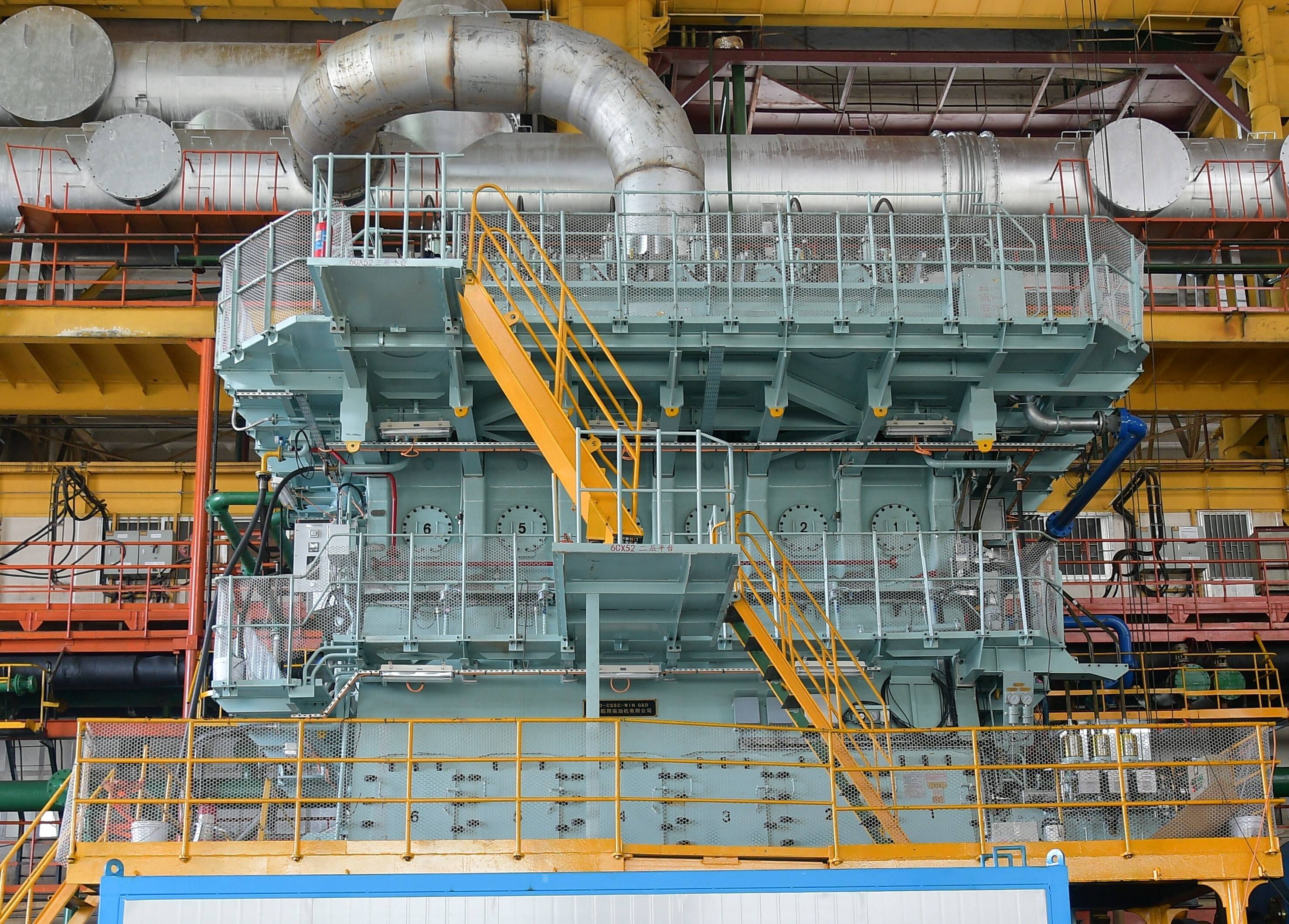
- HFO
- MDO
- MGO
- VLSFO
- Area: Fuel valve carbon deposits / fuel system blockages in low-load multi-fuel operationCheck: Inspect fuel valve nozzle spray pattern during top-overhaul; monitor differential pressure across fuel filter; verify fuel heating system temperature compliance
- Area: Piston crown thermal cracking and top-land spalling under extreme load or fuel quality variationsCheck: Measure piston crown surface condition using borescope; check for micro-cracks in top land; examine combustion bowl geometry; compare cylinder-to-cylinder pressure readings
- Area: Cylinder liner scuffing/scoring in dust-contaminated conditions or with inadequate air filtrationCheck: Perform liner diameter measurement service at each overhaul; document wear rate trending; inspect piston rings for abnormal wear patterns; check air inlet filter condition
- Area: Turbocharger surge and cavitation erosion in unsteady loading (e.g., dynamic positioning vessels)Check: Monitor turbocharger bearing temperatures during mode transitions (gas-to-diesel); inspect turbocharger for cavitation pitting on impeller; verify surge line compliance in operational envelope
- Area: Fuel gas supply system pressure regulation instability (iGPR unit hysteresis) under rapid load changesCheck: Perform fuel gas system pressure step-response test during commissioning; verify regulator response time <500ms per specification; conduct annual gas line tightness test with ultrasonic detection
Verifizierte Familien-Daten (Hersteller-Datenblaetter + Fachquellen, 2026-06). Teils klassen-allgemeine Inspektionspunkte — pro Eintrag Quelle.
- HFO
- MDO
- MGO
- VLSFO
- Area: Fuel Rail Pressure Too High causing violent firing at start; fuel control failureCheck: Verify fuel rail pressure within spec; check power supply and wiring to fuel control
- Area: Injection Nozzle Wear from normal operation causing irregular combustionCheck: Inspect nozzle tips at ~8,000–10,000 operating hours; replace spare kit per schedule
- Area: Lubricating Oil Contamination: water and solids reduce bearing protection; dry sump circulation criticalCheck: Verify centrifugal separator bypass operation; monitor oil condition via sampling; check crankcase drain integrity
- Area: Ammonia Combustion Instability (X72DF-A-1.0): low flame speed, high activation energy, misfiring risk, N2O/NH3 emissionsCheck: Monitor cylinder pressure diagrams; verify pilot fuel injection timing/quantity; track exhaust temps and emission compliance
- Area: Scavenge Air Cooler Fouling in dust-laden trades; efficiency loss and thermal stressCheck: Install filtration for dust-prone routes; schedule periodic cooler inspection and cleaning; monitor scavenge air temperature trend
Verifizierte Familien-Daten (Hersteller-Datenblaetter + Fachquellen, 2026-06). Teils klassen-allgemeine Inspektionspunkte — pro Eintrag Quelle.
- HFO
- MDO
- MGO
- VLSFO
- Area: Kolbenbolzen-Wärmebeanspruchung und Verschleiß: Bei hohen Lasten können Verschleißerscheinungen an den Kolbenkühlung-Ölkanälen auftreten; inspiziere nach ersten
- Area: Abgaskrümmer und Scavenging-System Verschmutzung: Verunreinigungen oder defekte Luftklappen im Scavenge-Luftreceiver führen zu erhöhten Abgastemperaturen; Turbo
- Area: Methanbrenner (Slip) bei LNG-Dual-Fuel Betrieb: X82DF erzeugt bis zu 2-3% Methanbrenner bei Gasmode (vor iCER). X82DF-2.0 mit iCER reduziert um 50%; Überwachung
- Area: Kolbenstangendichtung Leckageverschleiß: Regelmäßige Kontrolle der Piston Rod Gland Clearance beim Kolbenwechsel erforderlich; weiß-Metall-Schicht kann abnutzen
- Area: Servo-Ölanlage Undichtigkeit: Servo-Ölpumpen und Druckregelventile können lecken; WiCE Kontrollsystem überwacht Servo-Öldruck kontinuierlich. Manuelle Ölpumpe m
Verifizierte Familien-Daten (Hersteller-Datenblaetter + Fachquellen, 2026-06). Teils klassen-allgemeine Inspektionspunkte — pro Eintrag Quelle.
- HFO
- MDO
- MGO
- VLSFO
- Area: WECS-9520 Steuerungssystem-Ausfälle (dokumentierte Mängel in Servoöl-Lecks, Kraftstoff-Lecks, Drossel-Einspritzventile)
- Area: Kühlwasserleckagen in Zylindern und Abgasventilversteller-Mängel; Inspektionsroutine für Hochdruck-SCR-System erforderlich
- Area: Lager und Kolbenkühlung-Öltemperatur-Überwachung kritisch; Kondensatfluss an Wassertrenner zu hoch (Scavenging-Abkühlsystem-Fouling)
- Area: Thermobelastungsrisse im Zylinderkopf (Ventilbrücke): Zyklische thermische Belastung bei Lastwechseln 70-80 RPM; Abgasventil-Sitzflächen-Verschleiß erfordert Sc
- Area: Turbolader-Ölaustritt und Lecks; Scavenge-Luftkühler-Verschmutzung (Luftseite: Druckabfall, Temperaturanstieg; Wasserseitenverockerung)
Verifizierte Familien-Daten (Hersteller-Datenblaetter + Fachquellen, 2026-06). Teils klassen-allgemeine Inspektionspunkte — pro Eintrag Quelle.
- LNG
- HFO
- MDO
- MGO
- Area: Zylinderliner-Scuffing: Lokales Verschweißen und Verschleiß zwischen Kolbenring und Linerinnenfläche verursacht durch unzureichende Schmierung oder Ölfilm-ZusamCheck: Visuelle Inspektion des Liners auf Kratzer, Mikroschweißungen und Verfärbungen; lokale Schliff-Rauheit prüfen; bei Bedarf Liner nachhonen oder austauschen
- Area: Kolbenkrone- und Ringrillen-Verschleiß: Oberflächentragen, Verschleiß und Risse in Kolbenkrone und Ringrillen erfordern DickenmessungenCheck: Dickenmessgerät (z.B. Fischer Dualscope MP0) verwenden; Vergleich mit Richtwerten aus OM; Kolbenkrone auf thermische Verfärbung, Risse und Ablagerungen prüfen
- Area: Brennstoffdruck-Anomalien und Rillenleckage: Zu hohes/zu niedriges Druck im Common-Rail-System und Brennstoff-Leckage aus EinspritzleitungenCheck: Brennstoffdruck während Betrieb prüfen (Richtwert bei R1); Brennstoffrücklauf auf Undichtheiten kontrollieren; Inspektionsleitungen an Injektoren auf Lecks überwachen
- Area: Abgastemperatur-Unregelmäßigkeiten mit erhöhter Gaskonzentration in Kolbenunterseite: Asymmetrische oder unerwartete Abgastemperaturen stromabwärts einzelner ZyCheck: Kontinuierliche Abgastemperatur-Überwachung pro Zylinder durchführen; bei Temp.-Unterschieden >30°C Zylinderkopf-Inspektionen einleiten; Gaskonzentration im Kolben prüfen
- Area: Servo-Ölsystem-Leckage und FLV/Brennstoffleitungs-Undichtheiten: Druckverlust im Servo-Hydrauliksystem und Brennstoffleck an Fuel Line ValvesCheck: Servo-Öldrück und -Durchfluss kontrollieren; alle Brennstoffleitungen und Ventilverbindungen visuell und unter Druck prüfen; Inspektionsgläser überwachen
Verifizierte Familien-Daten (Hersteller-Datenblaetter + Fachquellen, 2026-06). Teils klassen-allgemeine Inspektionspunkte — pro Eintrag Quelle.
- LNG
- HFO
- MDO
- MGO
- Area: Gas Admission Valve (GAV) stroke sensor unreliability at sea causing unplanned diesel mode shutdownCheck: Visual inspection of GAV sensor wiring, sensor response test at dock and sea trial, check sensor connector corrosion
- Area: Fuel gas supply pressure fluctuations under heavy sea conditions from ship-side LNG system causing engine speed oscillationsCheck: Pressure relief valve setting verification, fuel supply isolation valve function check, regulator response test under load variation
- Area: Scavenge air cooler type changes and turbocharger allocation revisions across X-engine platform requiring careful commissioning verificationCheck: Cross-check installed turbocharger serial number against commissioning document, scavenge cooler type plate vs contract specifications
- Area: Oil starvation risk on turbocharger bearing during engine startup and low-pressure transients common in all two-stroke dieselsCheck: Check lube oil supply pressure before start, inspect turbo bearing condition at overhaul, verify pre-lubrication startup sequence in manual
Verifizierte Familien-Daten (Hersteller-Datenblaetter + Fachquellen, 2026-06). Teils klassen-allgemeine Inspektionspunkte — pro Eintrag Quelle.
- LNG
- HFO
- MDO
- MGO
- Area: Fuel valve carbon deposits / fuel system blockages in low-load multi-fuel operationCheck: Inspect fuel valve nozzle spray pattern during top-overhaul; monitor differential pressure across fuel filter; verify fuel heating system temperature compliance
- Area: Piston crown thermal cracking and top-land spalling under extreme load or fuel quality variationsCheck: Measure piston crown surface condition using borescope; check for micro-cracks in top land; examine combustion bowl geometry; compare cylinder-to-cylinder pressure readings
- Area: Cylinder liner scuffing/scoring in dust-contaminated conditions or with inadequate air filtrationCheck: Perform liner diameter measurement service at each overhaul; document wear rate trending; inspect piston rings for abnormal wear patterns; check air inlet filter condition
- Area: Turbocharger surge and cavitation erosion in unsteady loading (e.g., dynamic positioning vessels)Check: Monitor turbocharger bearing temperatures during mode transitions (gas-to-diesel); inspect turbocharger for cavitation pitting on impeller; verify surge line compliance in operational envelope
- Area: Fuel gas supply system pressure regulation instability (iGPR unit hysteresis) under rapid load changesCheck: Perform fuel gas system pressure step-response test during commissioning; verify regulator response time <500ms per specification; conduct annual gas line tightness test with ultrasonic detection
Verifizierte Familien-Daten (Hersteller-Datenblaetter + Fachquellen, 2026-06). Teils klassen-allgemeine Inspektionspunkte — pro Eintrag Quelle.
- LNG
- HFO
- MDO
- MGO
- Area: Fuel Rail Pressure Too High causing violent firing at start; fuel control failureCheck: Verify fuel rail pressure within spec; check power supply and wiring to fuel control
- Area: Injection Nozzle Wear from normal operation causing irregular combustionCheck: Inspect nozzle tips at ~8,000–10,000 operating hours; replace spare kit per schedule
- Area: Lubricating Oil Contamination: water and solids reduce bearing protection; dry sump circulation criticalCheck: Verify centrifugal separator bypass operation; monitor oil condition via sampling; check crankcase drain integrity
- Area: Ammonia Combustion Instability (X72DF-A-1.0): low flame speed, high activation energy, misfiring risk, N2O/NH3 emissionsCheck: Monitor cylinder pressure diagrams; verify pilot fuel injection timing/quantity; track exhaust temps and emission compliance
- Area: Scavenge Air Cooler Fouling in dust-laden trades; efficiency loss and thermal stressCheck: Install filtration for dust-prone routes; schedule periodic cooler inspection and cleaning; monitor scavenge air temperature trend
Verifizierte Familien-Daten (Hersteller-Datenblaetter + Fachquellen, 2026-06). Teils klassen-allgemeine Inspektionspunkte — pro Eintrag Quelle.
- LNG
- HFO
- MDO
- MGO
- Area: Kolbenbolzen-Wärmebeanspruchung und Verschleiß: Bei hohen Lasten können Verschleißerscheinungen an den Kolbenkühlung-Ölkanälen auftreten; inspiziere nach ersten
- Area: Abgaskrümmer und Scavenging-System Verschmutzung: Verunreinigungen oder defekte Luftklappen im Scavenge-Luftreceiver führen zu erhöhten Abgastemperaturen; Turbo
- Area: Methanbrenner (Slip) bei LNG-Dual-Fuel Betrieb: X82DF erzeugt bis zu 2-3% Methanbrenner bei Gasmode (vor iCER). X82DF-2.0 mit iCER reduziert um 50%; Überwachung
- Area: Kolbenstangendichtung Leckageverschleiß: Regelmäßige Kontrolle der Piston Rod Gland Clearance beim Kolbenwechsel erforderlich; weiß-Metall-Schicht kann abnutzen
- Area: Servo-Ölanlage Undichtigkeit: Servo-Ölpumpen und Druckregelventile können lecken; WiCE Kontrollsystem überwacht Servo-Öldruck kontinuierlich. Manuelle Ölpumpe m
Verifizierte Familien-Daten (Hersteller-Datenblaetter + Fachquellen, 2026-06). Teils klassen-allgemeine Inspektionspunkte — pro Eintrag Quelle.
- LNG
- HFO
- MDO
- MGO
- Area: WECS-9520 Steuerungssystem-Ausfälle (dokumentierte Mängel in Servoöl-Lecks, Kraftstoff-Lecks, Drossel-Einspritzventile)
- Area: Kühlwasserleckagen in Zylindern und Abgasventilversteller-Mängel; Inspektionsroutine für Hochdruck-SCR-System erforderlich
- Area: Lager und Kolbenkühlung-Öltemperatur-Überwachung kritisch; Kondensatfluss an Wassertrenner zu hoch (Scavenging-Abkühlsystem-Fouling)
- Area: Thermobelastungsrisse im Zylinderkopf (Ventilbrücke): Zyklische thermische Belastung bei Lastwechseln 70-80 RPM; Abgasventil-Sitzflächen-Verschleiß erfordert Sc
- Area: Turbolader-Ölaustritt und Lecks; Scavenge-Luftkühler-Verschmutzung (Luftseite: Druckabfall, Temperaturanstieg; Wasserseitenverockerung)
Verifizierte Familien-Daten (Hersteller-Datenblaetter + Fachquellen, 2026-06). Teils klassen-allgemeine Inspektionspunkte — pro Eintrag Quelle.
- Methanol
- HFO
- MDO
- MGO
- Area: Gas Admission Valve (GAV) stroke sensor unreliability at sea causing unplanned diesel mode shutdownCheck: Visual inspection of GAV sensor wiring, sensor response test at dock and sea trial, check sensor connector corrosion
- Area: Fuel gas supply pressure fluctuations under heavy sea conditions from ship-side LNG system causing engine speed oscillationsCheck: Pressure relief valve setting verification, fuel supply isolation valve function check, regulator response test under load variation
- Area: Scavenge air cooler type changes and turbocharger allocation revisions across X-engine platform requiring careful commissioning verificationCheck: Cross-check installed turbocharger serial number against commissioning document, scavenge cooler type plate vs contract specifications
- Area: Oil starvation risk on turbocharger bearing during engine startup and low-pressure transients common in all two-stroke dieselsCheck: Check lube oil supply pressure before start, inspect turbo bearing condition at overhaul, verify pre-lubrication startup sequence in manual
Verifizierte Familien-Daten (Hersteller-Datenblaetter + Fachquellen, 2026-06). Teils klassen-allgemeine Inspektionspunkte — pro Eintrag Quelle.
- Methanol
- HFO
- MDO
- MGO
- Area: Fuel valve carbon deposits / fuel system blockages in low-load multi-fuel operationCheck: Inspect fuel valve nozzle spray pattern during top-overhaul; monitor differential pressure across fuel filter; verify fuel heating system temperature compliance
- Area: Piston crown thermal cracking and top-land spalling under extreme load or fuel quality variationsCheck: Measure piston crown surface condition using borescope; check for micro-cracks in top land; examine combustion bowl geometry; compare cylinder-to-cylinder pressure readings
- Area: Cylinder liner scuffing/scoring in dust-contaminated conditions or with inadequate air filtrationCheck: Perform liner diameter measurement service at each overhaul; document wear rate trending; inspect piston rings for abnormal wear patterns; check air inlet filter condition
- Area: Turbocharger surge and cavitation erosion in unsteady loading (e.g., dynamic positioning vessels)Check: Monitor turbocharger bearing temperatures during mode transitions (gas-to-diesel); inspect turbocharger for cavitation pitting on impeller; verify surge line compliance in operational envelope
- Area: Fuel gas supply system pressure regulation instability (iGPR unit hysteresis) under rapid load changesCheck: Perform fuel gas system pressure step-response test during commissioning; verify regulator response time <500ms per specification; conduct annual gas line tightness test with ultrasonic detection
Verifizierte Familien-Daten (Hersteller-Datenblaetter + Fachquellen, 2026-06). Teils klassen-allgemeine Inspektionspunkte — pro Eintrag Quelle.
- Methanol
- HFO
- MDO
- MGO
- Area: Fuel Rail Pressure Too High causing violent firing at start; fuel control failureCheck: Verify fuel rail pressure within spec; check power supply and wiring to fuel control
- Area: Injection Nozzle Wear from normal operation causing irregular combustionCheck: Inspect nozzle tips at ~8,000–10,000 operating hours; replace spare kit per schedule
- Area: Lubricating Oil Contamination: water and solids reduce bearing protection; dry sump circulation criticalCheck: Verify centrifugal separator bypass operation; monitor oil condition via sampling; check crankcase drain integrity
- Area: Ammonia Combustion Instability (X72DF-A-1.0): low flame speed, high activation energy, misfiring risk, N2O/NH3 emissionsCheck: Monitor cylinder pressure diagrams; verify pilot fuel injection timing/quantity; track exhaust temps and emission compliance
- Area: Scavenge Air Cooler Fouling in dust-laden trades; efficiency loss and thermal stressCheck: Install filtration for dust-prone routes; schedule periodic cooler inspection and cleaning; monitor scavenge air temperature trend
Verifizierte Familien-Daten (Hersteller-Datenblaetter + Fachquellen, 2026-06). Teils klassen-allgemeine Inspektionspunkte — pro Eintrag Quelle.
- Ammonia
- HFO
- MDO
- MGO
- Area: Gas Admission Valve (GAV) stroke sensor unreliability at sea causing unplanned diesel mode shutdownCheck: Visual inspection of GAV sensor wiring, sensor response test at dock and sea trial, check sensor connector corrosion
- Area: Fuel gas supply pressure fluctuations under heavy sea conditions from ship-side LNG system causing engine speed oscillationsCheck: Pressure relief valve setting verification, fuel supply isolation valve function check, regulator response test under load variation
- Area: Scavenge air cooler type changes and turbocharger allocation revisions across X-engine platform requiring careful commissioning verificationCheck: Cross-check installed turbocharger serial number against commissioning document, scavenge cooler type plate vs contract specifications
- Area: Oil starvation risk on turbocharger bearing during engine startup and low-pressure transients common in all two-stroke dieselsCheck: Check lube oil supply pressure before start, inspect turbo bearing condition at overhaul, verify pre-lubrication startup sequence in manual
Verifizierte Familien-Daten (Hersteller-Datenblaetter + Fachquellen, 2026-06). Teils klassen-allgemeine Inspektionspunkte — pro Eintrag Quelle.
- Ammonia
- HFO
- MDO
- MGO
- Area: Fuel valve carbon deposits / fuel system blockages in low-load multi-fuel operationCheck: Inspect fuel valve nozzle spray pattern during top-overhaul; monitor differential pressure across fuel filter; verify fuel heating system temperature compliance
- Area: Piston crown thermal cracking and top-land spalling under extreme load or fuel quality variationsCheck: Measure piston crown surface condition using borescope; check for micro-cracks in top land; examine combustion bowl geometry; compare cylinder-to-cylinder pressure readings
- Area: Cylinder liner scuffing/scoring in dust-contaminated conditions or with inadequate air filtrationCheck: Perform liner diameter measurement service at each overhaul; document wear rate trending; inspect piston rings for abnormal wear patterns; check air inlet filter condition
- Area: Turbocharger surge and cavitation erosion in unsteady loading (e.g., dynamic positioning vessels)Check: Monitor turbocharger bearing temperatures during mode transitions (gas-to-diesel); inspect turbocharger for cavitation pitting on impeller; verify surge line compliance in operational envelope
- Area: Fuel gas supply system pressure regulation instability (iGPR unit hysteresis) under rapid load changesCheck: Perform fuel gas system pressure step-response test during commissioning; verify regulator response time <500ms per specification; conduct annual gas line tightness test with ultrasonic detection
Verifizierte Familien-Daten (Hersteller-Datenblaetter + Fachquellen, 2026-06). Teils klassen-allgemeine Inspektionspunkte — pro Eintrag Quelle.
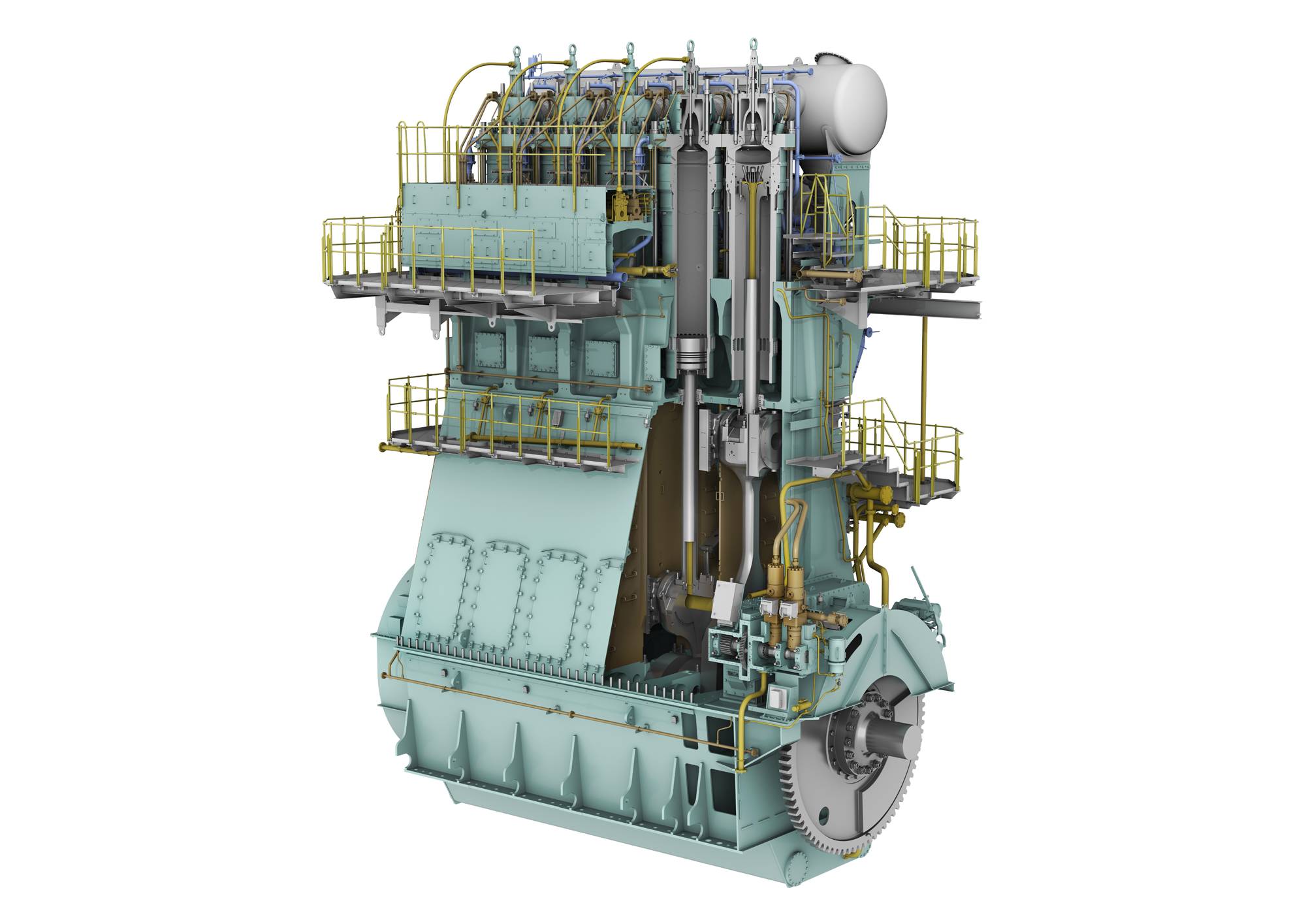
- HFO
- MDO
- MGO
- VLSFO
- Area: Cold corrosion of piston rings and cylinder liner wear in slow-steaming operation with high-sulfur HFO. Wärtsilä RT Flex 82-T experienced peeling of chrome pist
- Area: Servo oil leakage at Injection Control Unit (ICU) relative sliding surfaces (high-pressure fuel and servo oil at >100 MPa). Fuel condensation risk during heavy
- Area: Common-rail fuel system sensitivity to fuel quality mandates strict treatment and filtration. RT-flex engines require verified compatibility with HFO, VLSFO, an
- Area: Crosshead bearing white metal corrosion and wiping failure under high combustion pressures (up to 200 bar) if servo oil cooling/filtration inadequate. Condition
- Area: Exhaust valve control solenoid piloting precision requires dual servo oil pump redundancy. Single pump failure prevents exhaust valve modulation, forcing engine
Verifizierte Familien-Daten (Hersteller-Datenblaetter + Fachquellen, 2026-06). Teils klassen-allgemeine Inspektionspunkte — pro Eintrag Quelle.
- HFO
- MDO
- MGO
- VLSFO
- Area: Fretting an Abgasventil-Aktor-Rohren zwischen Schnittstelle und hydraulischem Druckrohr; verursacht durch fehlerhafte Scheibeninstallation oder Passsitz
- Area: Injektionssystem-Ausfälle bei Einhaltung von Treibstoffnormen: ICU-Fehlfunktion und Treibstofflecks an Hochdruckleitungen (bis zu 70% ungeplanter Motorstillstän
- Area: Hochtemperatur-Scavengeluft und Blockierung des Scavenge-Air-Coolers durch Salzablagerungen/Verschmutzung; führt zu steigender Scavenge-Temperatur, höhere Abgas
- Area: Inspector-Prüfpunkt Scavenge-Raumtemperatur-Überwachung: Sensoren oberhalb Scavenge-Öffnungen erforderlich; Alarm bei Temperatur über Referenzwert
Verifizierte Familien-Daten (Hersteller-Datenblaetter + Fachquellen, 2026-06). Teils klassen-allgemeine Inspektionspunkte — pro Eintrag Quelle.
- HFO
- MDO
- MGO
- VLSFO
- Area: Cold corrosion of piston rings and cylinder liner wear in slow-steaming operation with high-sulfur HFO. Wärtsilä RT Flex 82-T experienced peeling of chrome pist
- Area: Servo oil leakage at Injection Control Unit (ICU) relative sliding surfaces (high-pressure fuel and servo oil at >100 MPa). Fuel condensation risk during heavy
- Area: Common-rail fuel system sensitivity to fuel quality mandates strict treatment and filtration. RT-flex engines require verified compatibility with HFO, VLSFO, an
- Area: Crosshead bearing white metal corrosion and wiping failure under high combustion pressures (up to 200 bar) if servo oil cooling/filtration inadequate. Condition
- Area: Exhaust valve control solenoid piloting precision requires dual servo oil pump redundancy. Single pump failure prevents exhaust valve modulation, forcing engine
Verifizierte Familien-Daten (Hersteller-Datenblaetter + Fachquellen, 2026-06). Teils klassen-allgemeine Inspektionspunkte — pro Eintrag Quelle.
- HFO
- MDO
- MGO
- VLSFO
- Rail valve malfunction
- Cylinder liner cold corrosion
- Exhaust valve burn-through
- Fuel injector fouling
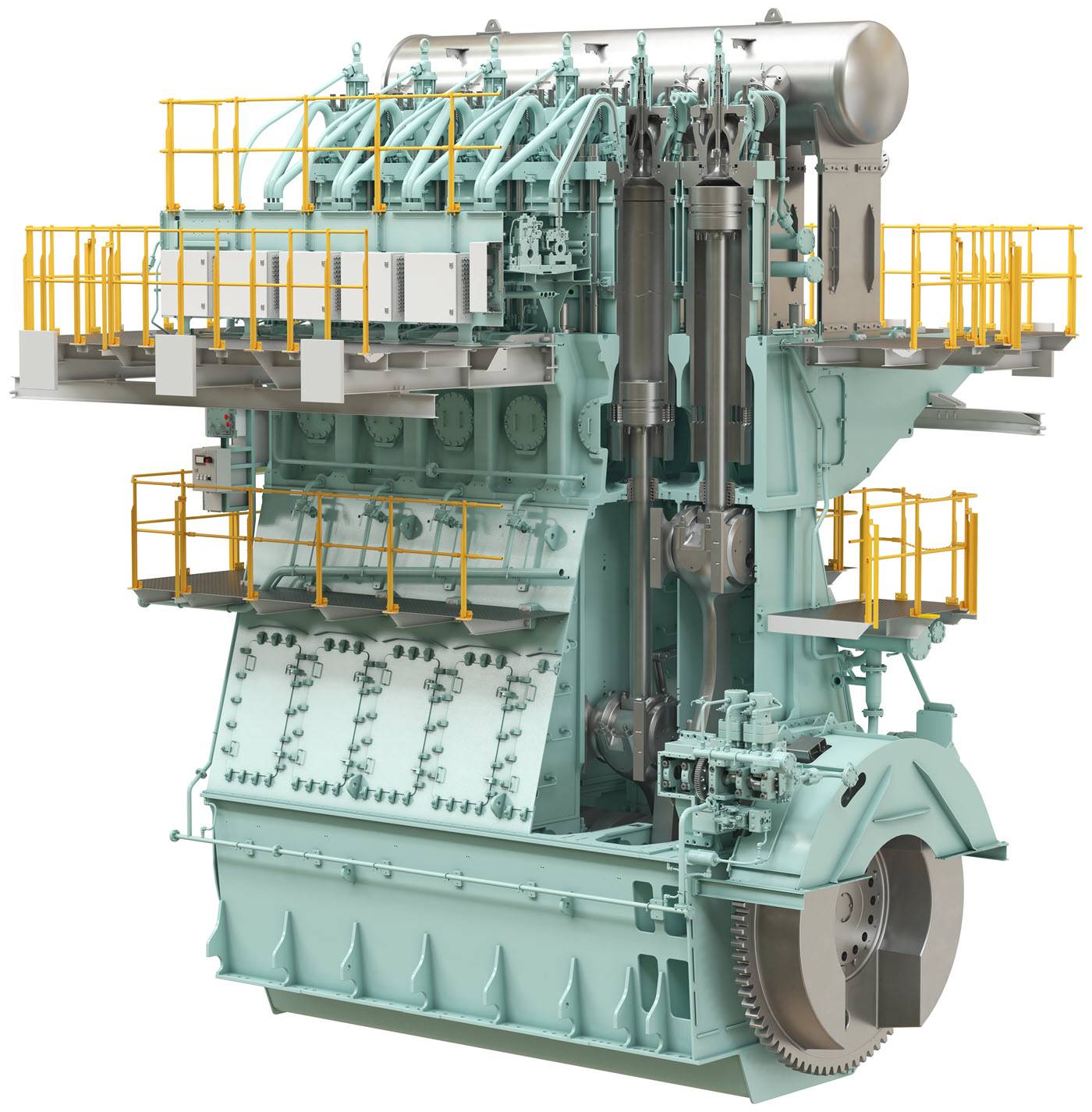
- HFO
- MDO
- MGO
- VLSFO
- Area: Cold corrosion and cylinder liner peeling from piston ring degradation due to inadequate cylinder oil BN (70 BN insufficient, switch to 100 BN Mobilgard 5100 reCheck: Monitor piston ring top land deposits, check piston ring coating condition for peeling, measure chrome coating integrity via borescope
- Area: Auxiliary blower bearing seizure and winding burnout from prolonged low-speed operation when scavenge pressure drops below minimum (indicates turbocharger faultCheck: Check blower motor insulation resistance quarterly, verify auxiliary blower is NOT used at sea speeds, monitor scavenge pressure trend, inspect fuel tank documentation for bunker quality
- Area: Common-rail fuel injection system ICU (Injection Control Unit) malfunction and high-pressure fuel leakage (70% of unexpected stoppages per service bulletins), fCheck: Monitor fuel leakage tank level daily, inspect high-pressure pipe metallic hose encasing for rupture/pinhole leaks, test ICU solenoid valve operation, verify fuel injection timing accuracy
- Area: Low-viscosity fuel causing fuel pump timing disruption and altered injection advance due to internal leakage between plunger and spill portCheck: Monitor fuel viscosity (ISO 3104 at 40°C) before each bunker, verify fuel meets specification (3.5-5.5 cSt typical), monitor fuel injection timing electronically
- Area: Exhaust valve seat erosion and carbon accumulation under transient/low-load operation, exacerbated by fuel sulphur content and inadequate blow-by lubrication tiCheck: Schedule exhaust valve inspection every 3 years (overhaul interval), photograph valve seat seat via borescope for erosion patterns, monitor exhaust temperature distribution across cylinders
Verifizierte Familien-Daten (Hersteller-Datenblaetter + Fachquellen, 2026-06). Teils klassen-allgemeine Inspektionspunkte — pro Eintrag Quelle.
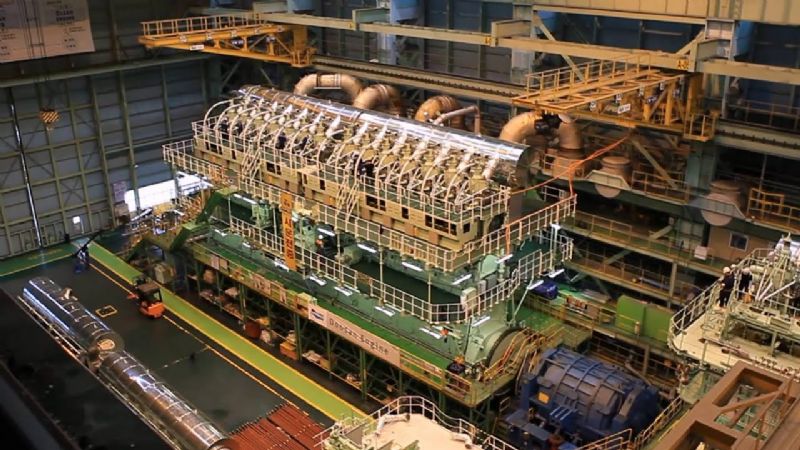
- HFO
- MDO
- MGO
- VLSFO
- Area: A-Frame Column Cracks — Cracks initiated in double-walled A-frame columns at inboard ends of horizontal ribs, propagating vertically. Root cause: weld quality d
- Area: Sudden Severe Wear (SSW) / Piston Scuffing — Early RT-flex96C engines experienced SSW leading to severe liner/piston ring wear. Root cause: excessive water carr
- Area: Main Bearing Breaking-Out — Main bearing shells showed premature wear/spalling. Corrective: machining lower shell + bearing cap as single unit to ensure precise
- Area: Cylinder Pressure Relief Valve Leaks — Corrosion of shortened relief valve due to thermal exposure (positioned too far from combustion space, running too cold).
- Area: Scavenge Air Receiver Cracks — Longitudinal welds in receiver upper/lower seams developed cracks caused by resonant vibration in dividing wall. Inspectors: dye
Verifizierte Familien-Daten (Hersteller-Datenblaetter + Fachquellen, 2026-06). Teils klassen-allgemeine Inspektionspunkte — pro Eintrag Quelle.
- HFO
- MDO
- MGO
- VLSFO
- Camshaft fuel pump wear
- Exhaust valve leakage
- Cylinder liner wear
- Piston ring breakage
- HFO
- MDO
- MGO
- VLSFO
- Area: Fretting an Abgasventil-Aktor-Rohren zwischen Schnittstelle und hydraulischem Druckrohr; verursacht durch fehlerhafte Scheibeninstallation oder Passsitz
- Area: Injektionssystem-Ausfälle bei Einhaltung von Treibstoffnormen: ICU-Fehlfunktion und Treibstofflecks an Hochdruckleitungen (bis zu 70% ungeplanter Motorstillstän
- Area: Hochtemperatur-Scavengeluft und Blockierung des Scavenge-Air-Coolers durch Salzablagerungen/Verschmutzung; führt zu steigender Scavenge-Temperatur, höhere Abgas
- Area: Inspector-Prüfpunkt Scavenge-Raumtemperatur-Überwachung: Sensoren oberhalb Scavenge-Öffnungen erforderlich; Alarm bei Temperatur über Referenzwert
Verifizierte Familien-Daten (Hersteller-Datenblaetter + Fachquellen, 2026-06). Teils klassen-allgemeine Inspektionspunkte — pro Eintrag Quelle.
- HFO
- MDO
- MGO
- VLSFO
- Area: Fuel valve carbon deposits / fuel system blockages in low-load multi-fuel operationCheck: Inspect fuel valve nozzle spray pattern during top-overhaul; monitor differential pressure across fuel filter; verify fuel heating system temperature compliance
- Area: Piston crown thermal cracking and top-land spalling under extreme load or fuel quality variationsCheck: Measure piston crown surface condition using borescope; check for micro-cracks in top land; examine combustion bowl geometry; compare cylinder-to-cylinder pressure readings
- Area: Cylinder liner scuffing/scoring in dust-contaminated conditions or with inadequate air filtrationCheck: Perform liner diameter measurement service at each overhaul; document wear rate trending; inspect piston rings for abnormal wear patterns; check air inlet filter condition
- Area: Turbocharger surge and cavitation erosion in unsteady loading (e.g., dynamic positioning vessels)Check: Monitor turbocharger bearing temperatures during mode transitions (gas-to-diesel); inspect turbocharger for cavitation pitting on impeller; verify surge line compliance in operational envelope
- Area: Fuel gas supply system pressure regulation instability (iGPR unit hysteresis) under rapid load changesCheck: Perform fuel gas system pressure step-response test during commissioning; verify regulator response time <500ms per specification; conduct annual gas line tightness test with ultrasonic detection
Verifizierte Familien-Daten (Hersteller-Datenblaetter + Fachquellen, 2026-06). Teils klassen-allgemeine Inspektionspunkte — pro Eintrag Quelle.
- HFO
- MDO
- MGO
- VLSFO
- Area: Severe cylinder liner wear in RTA72U (8-cyl) on ULSD at slow-steaming speeds: 30 liners replaced within 11 months; liners worn-through in 500 hours
- Area: Piston ring hydraulic locking and breakage: load-dependent cylinder oil system design flaw caused starvation in forward cylinders; excess oil prevented ring com
- Area: Carbon deposits and piston ring degradation on RTA84 forward units during heavy fuel oil operation; inconsistent lubrication quality exacerbates problem
- Area: Water ingestion in cylinders via scavenge air cooler leakage causes corrosive liner wear; vane-type water separators essential for RTA-C engines post-cooler
- Area: Chromium-ceramic piston ring (Daros) coating adhesion failure with peeling; hard contact at ring ends causes scuffing
Verifizierte Familien-Daten (Hersteller-Datenblaetter + Fachquellen, 2026-06). Teils klassen-allgemeine Inspektionspunkte — pro Eintrag Quelle.
- HFO
- MDO
- MGO
- VLSFO
- Area: A-Frame Column Cracks — Cracks initiated in double-walled A-frame columns at inboard ends of horizontal ribs, propagating vertically. Root cause: weld quality d
- Area: Sudden Severe Wear (SSW) / Piston Scuffing — Early RT-flex96C engines experienced SSW leading to severe liner/piston ring wear. Root cause: excessive water carr
- Area: Main Bearing Breaking-Out — Main bearing shells showed premature wear/spalling. Corrective: machining lower shell + bearing cap as single unit to ensure precise
- Area: Cylinder Pressure Relief Valve Leaks — Corrosion of shortened relief valve due to thermal exposure (positioned too far from combustion space, running too cold).
- Area: Scavenge Air Receiver Cracks — Longitudinal welds in receiver upper/lower seams developed cracks caused by resonant vibration in dividing wall. Inspectors: dye
Verifizierte Familien-Daten (Hersteller-Datenblaetter + Fachquellen, 2026-06). Teils klassen-allgemeine Inspektionspunkte — pro Eintrag Quelle.
- HFO
- VLSFO
- MDO
- WiDE (Wartsila Intelligent Diesel Engine) control
- Flex-system common rail
- iCER (intelligent Combustion Engine Refinement) option
- Wide power-speed field
- Area: Zylinderliner-Scuffing: Lokales Verschweißen und Verschleiß zwischen Kolbenring und Linerinnenfläche verursacht durch unzureichende Schmierung oder Ölfilm-ZusamCheck: Visuelle Inspektion des Liners auf Kratzer, Mikroschweißungen und Verfärbungen; lokale Schliff-Rauheit prüfen; bei Bedarf Liner nachhonen oder austauschen
- Area: Kolbenkrone- und Ringrillen-Verschleiß: Oberflächentragen, Verschleiß und Risse in Kolbenkrone und Ringrillen erfordern DickenmessungenCheck: Dickenmessgerät (z.B. Fischer Dualscope MP0) verwenden; Vergleich mit Richtwerten aus OM; Kolbenkrone auf thermische Verfärbung, Risse und Ablagerungen prüfen
- Area: Brennstoffdruck-Anomalien und Rillenleckage: Zu hohes/zu niedriges Druck im Common-Rail-System und Brennstoff-Leckage aus EinspritzleitungenCheck: Brennstoffdruck während Betrieb prüfen (Richtwert bei R1); Brennstoffrücklauf auf Undichtheiten kontrollieren; Inspektionsleitungen an Injektoren auf Lecks überwachen
- Area: Abgastemperatur-Unregelmäßigkeiten mit erhöhter Gaskonzentration in Kolbenunterseite: Asymmetrische oder unerwartete Abgastemperaturen stromabwärts einzelner ZyCheck: Kontinuierliche Abgastemperatur-Überwachung pro Zylinder durchführen; bei Temp.-Unterschieden >30°C Zylinderkopf-Inspektionen einleiten; Gaskonzentration im Kolben prüfen
- Area: Servo-Ölsystem-Leckage und FLV/Brennstoffleitungs-Undichtheiten: Druckverlust im Servo-Hydrauliksystem und Brennstoffleck an Fuel Line ValvesCheck: Servo-Öldrück und -Durchfluss kontrollieren; alle Brennstoffleitungen und Ventilverbindungen visuell und unter Druck prüfen; Inspektionsgläser überwachen
Verifizierte Familien-Daten (Hersteller-Datenblaetter + Fachquellen, 2026-06). Teils klassen-allgemeine Inspektionspunkte — pro Eintrag Quelle.
- HFO
- VLSFO
- MDO
- WiDE (Wartsila Intelligent Diesel Engine) control
- Flex-system common rail
- iCER (intelligent Combustion Engine Refinement) option
- Wide power-speed field
- Area: Zylinderliner-Scuffing: Lokales Verschweißen und Verschleiß zwischen Kolbenring und Linerinnenfläche verursacht durch unzureichende Schmierung oder Ölfilm-ZusamCheck: Visuelle Inspektion des Liners auf Kratzer, Mikroschweißungen und Verfärbungen; lokale Schliff-Rauheit prüfen; bei Bedarf Liner nachhonen oder austauschen
- Area: Kolbenkrone- und Ringrillen-Verschleiß: Oberflächentragen, Verschleiß und Risse in Kolbenkrone und Ringrillen erfordern DickenmessungenCheck: Dickenmessgerät (z.B. Fischer Dualscope MP0) verwenden; Vergleich mit Richtwerten aus OM; Kolbenkrone auf thermische Verfärbung, Risse und Ablagerungen prüfen
- Area: Brennstoffdruck-Anomalien und Rillenleckage: Zu hohes/zu niedriges Druck im Common-Rail-System und Brennstoff-Leckage aus EinspritzleitungenCheck: Brennstoffdruck während Betrieb prüfen (Richtwert bei R1); Brennstoffrücklauf auf Undichtheiten kontrollieren; Inspektionsleitungen an Injektoren auf Lecks überwachen
- Area: Abgastemperatur-Unregelmäßigkeiten mit erhöhter Gaskonzentration in Kolbenunterseite: Asymmetrische oder unerwartete Abgastemperaturen stromabwärts einzelner ZyCheck: Kontinuierliche Abgastemperatur-Überwachung pro Zylinder durchführen; bei Temp.-Unterschieden >30°C Zylinderkopf-Inspektionen einleiten; Gaskonzentration im Kolben prüfen
- Area: Servo-Ölsystem-Leckage und FLV/Brennstoffleitungs-Undichtheiten: Druckverlust im Servo-Hydrauliksystem und Brennstoffleck an Fuel Line ValvesCheck: Servo-Öldrück und -Durchfluss kontrollieren; alle Brennstoffleitungen und Ventilverbindungen visuell und unter Druck prüfen; Inspektionsgläser überwachen
Verifizierte Familien-Daten (Hersteller-Datenblaetter + Fachquellen, 2026-06). Teils klassen-allgemeine Inspektionspunkte — pro Eintrag Quelle.
- HFO
- VLSFO
- MDO
- WiDE (Wartsila Intelligent Diesel Engine) control
- Flex-system common rail
- iCER (intelligent Combustion Engine Refinement) option
- Wide power-speed field
- Area: Zylinderliner-Scuffing: Lokales Verschweißen und Verschleiß zwischen Kolbenring und Linerinnenfläche verursacht durch unzureichende Schmierung oder Ölfilm-ZusamCheck: Visuelle Inspektion des Liners auf Kratzer, Mikroschweißungen und Verfärbungen; lokale Schliff-Rauheit prüfen; bei Bedarf Liner nachhonen oder austauschen
- Area: Kolbenkrone- und Ringrillen-Verschleiß: Oberflächentragen, Verschleiß und Risse in Kolbenkrone und Ringrillen erfordern DickenmessungenCheck: Dickenmessgerät (z.B. Fischer Dualscope MP0) verwenden; Vergleich mit Richtwerten aus OM; Kolbenkrone auf thermische Verfärbung, Risse und Ablagerungen prüfen
- Area: Brennstoffdruck-Anomalien und Rillenleckage: Zu hohes/zu niedriges Druck im Common-Rail-System und Brennstoff-Leckage aus EinspritzleitungenCheck: Brennstoffdruck während Betrieb prüfen (Richtwert bei R1); Brennstoffrücklauf auf Undichtheiten kontrollieren; Inspektionsleitungen an Injektoren auf Lecks überwachen
- Area: Abgastemperatur-Unregelmäßigkeiten mit erhöhter Gaskonzentration in Kolbenunterseite: Asymmetrische oder unerwartete Abgastemperaturen stromabwärts einzelner ZyCheck: Kontinuierliche Abgastemperatur-Überwachung pro Zylinder durchführen; bei Temp.-Unterschieden >30°C Zylinderkopf-Inspektionen einleiten; Gaskonzentration im Kolben prüfen
- Area: Servo-Ölsystem-Leckage und FLV/Brennstoffleitungs-Undichtheiten: Druckverlust im Servo-Hydrauliksystem und Brennstoffleck an Fuel Line ValvesCheck: Servo-Öldrück und -Durchfluss kontrollieren; alle Brennstoffleitungen und Ventilverbindungen visuell und unter Druck prüfen; Inspektionsgläser überwachen
Verifizierte Familien-Daten (Hersteller-Datenblaetter + Fachquellen, 2026-06). Teils klassen-allgemeine Inspektionspunkte — pro Eintrag Quelle.
- HFO
- VLSFO
- MDO
- WiDE (Wartsila Intelligent Diesel Engine) control
- Flex-system common rail
- iCER (intelligent Combustion Engine Refinement) option
- Wide power-speed field
- Area: Zylinderliner-Scuffing: Lokales Verschweißen und Verschleiß zwischen Kolbenring und Linerinnenfläche verursacht durch unzureichende Schmierung oder Ölfilm-ZusamCheck: Visuelle Inspektion des Liners auf Kratzer, Mikroschweißungen und Verfärbungen; lokale Schliff-Rauheit prüfen; bei Bedarf Liner nachhonen oder austauschen
- Area: Kolbenkrone- und Ringrillen-Verschleiß: Oberflächentragen, Verschleiß und Risse in Kolbenkrone und Ringrillen erfordern DickenmessungenCheck: Dickenmessgerät (z.B. Fischer Dualscope MP0) verwenden; Vergleich mit Richtwerten aus OM; Kolbenkrone auf thermische Verfärbung, Risse und Ablagerungen prüfen
- Area: Brennstoffdruck-Anomalien und Rillenleckage: Zu hohes/zu niedriges Druck im Common-Rail-System und Brennstoff-Leckage aus EinspritzleitungenCheck: Brennstoffdruck während Betrieb prüfen (Richtwert bei R1); Brennstoffrücklauf auf Undichtheiten kontrollieren; Inspektionsleitungen an Injektoren auf Lecks überwachen
- Area: Abgastemperatur-Unregelmäßigkeiten mit erhöhter Gaskonzentration in Kolbenunterseite: Asymmetrische oder unerwartete Abgastemperaturen stromabwärts einzelner ZyCheck: Kontinuierliche Abgastemperatur-Überwachung pro Zylinder durchführen; bei Temp.-Unterschieden >30°C Zylinderkopf-Inspektionen einleiten; Gaskonzentration im Kolben prüfen
- Area: Servo-Ölsystem-Leckage und FLV/Brennstoffleitungs-Undichtheiten: Druckverlust im Servo-Hydrauliksystem und Brennstoffleck an Fuel Line ValvesCheck: Servo-Öldrück und -Durchfluss kontrollieren; alle Brennstoffleitungen und Ventilverbindungen visuell und unter Druck prüfen; Inspektionsgläser überwachen
Verifizierte Familien-Daten (Hersteller-Datenblaetter + Fachquellen, 2026-06). Teils klassen-allgemeine Inspektionspunkte — pro Eintrag Quelle.

- HFO
- VLSFO
- MDO
- WiDE (Wartsila Intelligent Diesel Engine) control
- Flex-system common rail
- iCER (intelligent Combustion Engine Refinement) option
- Wide power-speed field
- Area: Gas Admission Valve (GAV) stroke sensor unreliability at sea causing unplanned diesel mode shutdownCheck: Visual inspection of GAV sensor wiring, sensor response test at dock and sea trial, check sensor connector corrosion
- Area: Fuel gas supply pressure fluctuations under heavy sea conditions from ship-side LNG system causing engine speed oscillationsCheck: Pressure relief valve setting verification, fuel supply isolation valve function check, regulator response test under load variation
- Area: Scavenge air cooler type changes and turbocharger allocation revisions across X-engine platform requiring careful commissioning verificationCheck: Cross-check installed turbocharger serial number against commissioning document, scavenge cooler type plate vs contract specifications
- Area: Oil starvation risk on turbocharger bearing during engine startup and low-pressure transients common in all two-stroke dieselsCheck: Check lube oil supply pressure before start, inspect turbo bearing condition at overhaul, verify pre-lubrication startup sequence in manual
Verifizierte Familien-Daten (Hersteller-Datenblaetter + Fachquellen, 2026-06). Teils klassen-allgemeine Inspektionspunkte — pro Eintrag Quelle.
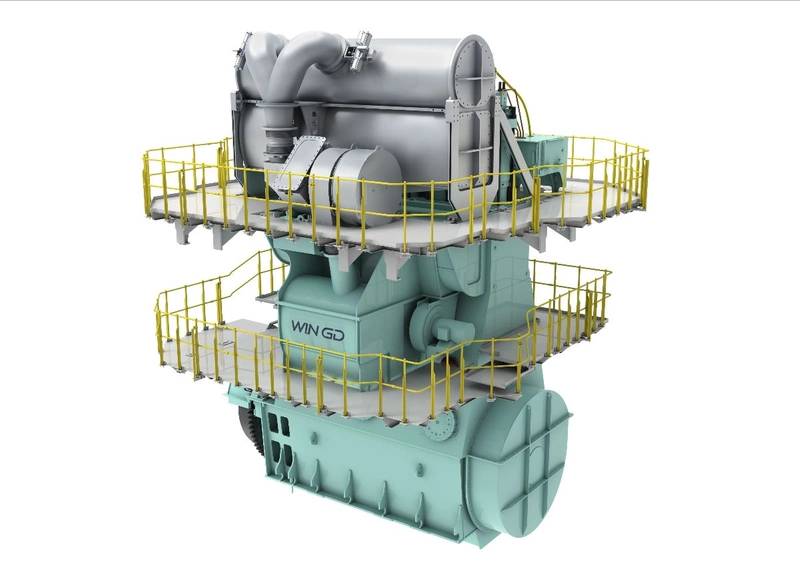
- HFO
- VLSFO
- MDO
- WiDE (Wartsila Intelligent Diesel Engine) control
- Flex-system common rail
- iCER (intelligent Combustion Engine Refinement) option
- Wide power-speed field
- Area: Gas Admission Valve (GAV) stroke sensor unreliability at sea causing unplanned diesel mode shutdownCheck: Visual inspection of GAV sensor wiring, sensor response test at dock and sea trial, check sensor connector corrosion
- Area: Fuel gas supply pressure fluctuations under heavy sea conditions from ship-side LNG system causing engine speed oscillationsCheck: Pressure relief valve setting verification, fuel supply isolation valve function check, regulator response test under load variation
- Area: Scavenge air cooler type changes and turbocharger allocation revisions across X-engine platform requiring careful commissioning verificationCheck: Cross-check installed turbocharger serial number against commissioning document, scavenge cooler type plate vs contract specifications
- Area: Oil starvation risk on turbocharger bearing during engine startup and low-pressure transients common in all two-stroke dieselsCheck: Check lube oil supply pressure before start, inspect turbo bearing condition at overhaul, verify pre-lubrication startup sequence in manual
Verifizierte Familien-Daten (Hersteller-Datenblaetter + Fachquellen, 2026-06). Teils klassen-allgemeine Inspektionspunkte — pro Eintrag Quelle.
- HFO
- VLSFO
- MDO
- WiDE (Wartsila Intelligent Diesel Engine) control
- Flex-system common rail
- iCER (intelligent Combustion Engine Refinement) option
- Wide power-speed field
- Area: Fuel valve carbon deposits / fuel system blockages in low-load multi-fuel operationCheck: Inspect fuel valve nozzle spray pattern during top-overhaul; monitor differential pressure across fuel filter; verify fuel heating system temperature compliance
- Area: Piston crown thermal cracking and top-land spalling under extreme load or fuel quality variationsCheck: Measure piston crown surface condition using borescope; check for micro-cracks in top land; examine combustion bowl geometry; compare cylinder-to-cylinder pressure readings
- Area: Cylinder liner scuffing/scoring in dust-contaminated conditions or with inadequate air filtrationCheck: Perform liner diameter measurement service at each overhaul; document wear rate trending; inspect piston rings for abnormal wear patterns; check air inlet filter condition
- Area: Turbocharger surge and cavitation erosion in unsteady loading (e.g., dynamic positioning vessels)Check: Monitor turbocharger bearing temperatures during mode transitions (gas-to-diesel); inspect turbocharger for cavitation pitting on impeller; verify surge line compliance in operational envelope
- Area: Fuel gas supply system pressure regulation instability (iGPR unit hysteresis) under rapid load changesCheck: Perform fuel gas system pressure step-response test during commissioning; verify regulator response time <500ms per specification; conduct annual gas line tightness test with ultrasonic detection
Verifizierte Familien-Daten (Hersteller-Datenblaetter + Fachquellen, 2026-06). Teils klassen-allgemeine Inspektionspunkte — pro Eintrag Quelle.
- HFO
- VLSFO
- MDO
- WiDE (Wartsila Intelligent Diesel Engine) control
- Flex-system common rail
- iCER (intelligent Combustion Engine Refinement) option
- Wide power-speed field
- Area: Fuel valve carbon deposits / fuel system blockages in low-load multi-fuel operationCheck: Inspect fuel valve nozzle spray pattern during top-overhaul; monitor differential pressure across fuel filter; verify fuel heating system temperature compliance
- Area: Piston crown thermal cracking and top-land spalling under extreme load or fuel quality variationsCheck: Measure piston crown surface condition using borescope; check for micro-cracks in top land; examine combustion bowl geometry; compare cylinder-to-cylinder pressure readings
- Area: Cylinder liner scuffing/scoring in dust-contaminated conditions or with inadequate air filtrationCheck: Perform liner diameter measurement service at each overhaul; document wear rate trending; inspect piston rings for abnormal wear patterns; check air inlet filter condition
- Area: Turbocharger surge and cavitation erosion in unsteady loading (e.g., dynamic positioning vessels)Check: Monitor turbocharger bearing temperatures during mode transitions (gas-to-diesel); inspect turbocharger for cavitation pitting on impeller; verify surge line compliance in operational envelope
- Area: Fuel gas supply system pressure regulation instability (iGPR unit hysteresis) under rapid load changesCheck: Perform fuel gas system pressure step-response test during commissioning; verify regulator response time <500ms per specification; conduct annual gas line tightness test with ultrasonic detection
Verifizierte Familien-Daten (Hersteller-Datenblaetter + Fachquellen, 2026-06). Teils klassen-allgemeine Inspektionspunkte — pro Eintrag Quelle.
- HFO
- VLSFO
- MDO
- WiDE (Wartsila Intelligent Diesel Engine) control
- Flex-system common rail
- iCER (intelligent Combustion Engine Refinement) option
- Wide power-speed field
- Area: Fuel Rail Pressure Too High causing violent firing at start; fuel control failureCheck: Verify fuel rail pressure within spec; check power supply and wiring to fuel control
- Area: Injection Nozzle Wear from normal operation causing irregular combustionCheck: Inspect nozzle tips at ~8,000–10,000 operating hours; replace spare kit per schedule
- Area: Lubricating Oil Contamination: water and solids reduce bearing protection; dry sump circulation criticalCheck: Verify centrifugal separator bypass operation; monitor oil condition via sampling; check crankcase drain integrity
- Area: Ammonia Combustion Instability (X72DF-A-1.0): low flame speed, high activation energy, misfiring risk, N2O/NH3 emissionsCheck: Monitor cylinder pressure diagrams; verify pilot fuel injection timing/quantity; track exhaust temps and emission compliance
- Area: Scavenge Air Cooler Fouling in dust-laden trades; efficiency loss and thermal stressCheck: Install filtration for dust-prone routes; schedule periodic cooler inspection and cleaning; monitor scavenge air temperature trend
Verifizierte Familien-Daten (Hersteller-Datenblaetter + Fachquellen, 2026-06). Teils klassen-allgemeine Inspektionspunkte — pro Eintrag Quelle.
- HFO
- VLSFO
- MDO
- WiDE (Wartsila Intelligent Diesel Engine) control
- Flex-system common rail
- iCER (intelligent Combustion Engine Refinement) option
- Wide power-speed field
- Area: Fuel Rail Pressure Too High causing violent firing at start; fuel control failureCheck: Verify fuel rail pressure within spec; check power supply and wiring to fuel control
- Area: Injection Nozzle Wear from normal operation causing irregular combustionCheck: Inspect nozzle tips at ~8,000–10,000 operating hours; replace spare kit per schedule
- Area: Lubricating Oil Contamination: water and solids reduce bearing protection; dry sump circulation criticalCheck: Verify centrifugal separator bypass operation; monitor oil condition via sampling; check crankcase drain integrity
- Area: Ammonia Combustion Instability (X72DF-A-1.0): low flame speed, high activation energy, misfiring risk, N2O/NH3 emissionsCheck: Monitor cylinder pressure diagrams; verify pilot fuel injection timing/quantity; track exhaust temps and emission compliance
- Area: Scavenge Air Cooler Fouling in dust-laden trades; efficiency loss and thermal stressCheck: Install filtration for dust-prone routes; schedule periodic cooler inspection and cleaning; monitor scavenge air temperature trend
Verifizierte Familien-Daten (Hersteller-Datenblaetter + Fachquellen, 2026-06). Teils klassen-allgemeine Inspektionspunkte — pro Eintrag Quelle.
- HFO
- VLSFO
- MDO
- WiDE (Wartsila Intelligent Diesel Engine) control
- Flex-system common rail
- iCER (intelligent Combustion Engine Refinement) option
- Wide power-speed field
- Area: Kolbenbolzen-Wärmebeanspruchung und Verschleiß: Bei hohen Lasten können Verschleißerscheinungen an den Kolbenkühlung-Ölkanälen auftreten; inspiziere nach ersten
- Area: Abgaskrümmer und Scavenging-System Verschmutzung: Verunreinigungen oder defekte Luftklappen im Scavenge-Luftreceiver führen zu erhöhten Abgastemperaturen; Turbo
- Area: Methanbrenner (Slip) bei LNG-Dual-Fuel Betrieb: X82DF erzeugt bis zu 2-3% Methanbrenner bei Gasmode (vor iCER). X82DF-2.0 mit iCER reduziert um 50%; Überwachung
- Area: Kolbenstangendichtung Leckageverschleiß: Regelmäßige Kontrolle der Piston Rod Gland Clearance beim Kolbenwechsel erforderlich; weiß-Metall-Schicht kann abnutzen
- Area: Servo-Ölanlage Undichtigkeit: Servo-Ölpumpen und Druckregelventile können lecken; WiCE Kontrollsystem überwacht Servo-Öldruck kontinuierlich. Manuelle Ölpumpe m
Verifizierte Familien-Daten (Hersteller-Datenblaetter + Fachquellen, 2026-06). Teils klassen-allgemeine Inspektionspunkte — pro Eintrag Quelle.
- HFO
- VLSFO
- MDO
- WiDE (Wartsila Intelligent Diesel Engine) control
- Flex-system common rail
- iCER (intelligent Combustion Engine Refinement) option
- Wide power-speed field
- Area: Kolbenbolzen-Wärmebeanspruchung und Verschleiß: Bei hohen Lasten können Verschleißerscheinungen an den Kolbenkühlung-Ölkanälen auftreten; inspiziere nach ersten
- Area: Abgaskrümmer und Scavenging-System Verschmutzung: Verunreinigungen oder defekte Luftklappen im Scavenge-Luftreceiver führen zu erhöhten Abgastemperaturen; Turbo
- Area: Methanbrenner (Slip) bei LNG-Dual-Fuel Betrieb: X82DF erzeugt bis zu 2-3% Methanbrenner bei Gasmode (vor iCER). X82DF-2.0 mit iCER reduziert um 50%; Überwachung
- Area: Kolbenstangendichtung Leckageverschleiß: Regelmäßige Kontrolle der Piston Rod Gland Clearance beim Kolbenwechsel erforderlich; weiß-Metall-Schicht kann abnutzen
- Area: Servo-Ölanlage Undichtigkeit: Servo-Ölpumpen und Druckregelventile können lecken; WiCE Kontrollsystem überwacht Servo-Öldruck kontinuierlich. Manuelle Ölpumpe m
Verifizierte Familien-Daten (Hersteller-Datenblaetter + Fachquellen, 2026-06). Teils klassen-allgemeine Inspektionspunkte — pro Eintrag Quelle.
- HFO
- VLSFO
- MDO
- WiDE (Wartsila Intelligent Diesel Engine) control
- Flex-system common rail
- iCER (intelligent Combustion Engine Refinement) option
- Wide power-speed field
- Area: WECS-9520 Steuerungssystem-Ausfälle (dokumentierte Mängel in Servoöl-Lecks, Kraftstoff-Lecks, Drossel-Einspritzventile)
- Area: Kühlwasserleckagen in Zylindern und Abgasventilversteller-Mängel; Inspektionsroutine für Hochdruck-SCR-System erforderlich
- Area: Lager und Kolbenkühlung-Öltemperatur-Überwachung kritisch; Kondensatfluss an Wassertrenner zu hoch (Scavenging-Abkühlsystem-Fouling)
- Area: Thermobelastungsrisse im Zylinderkopf (Ventilbrücke): Zyklische thermische Belastung bei Lastwechseln 70-80 RPM; Abgasventil-Sitzflächen-Verschleiß erfordert Sc
- Area: Turbolader-Ölaustritt und Lecks; Scavenge-Luftkühler-Verschmutzung (Luftseite: Druckabfall, Temperaturanstieg; Wasserseitenverockerung)
Verifizierte Familien-Daten (Hersteller-Datenblaetter + Fachquellen, 2026-06). Teils klassen-allgemeine Inspektionspunkte — pro Eintrag Quelle.
- HFO
- VLSFO
- MDO
- WiDE (Wartsila Intelligent Diesel Engine) control
- Flex-system common rail
- iCER (intelligent Combustion Engine Refinement) option
- Wide power-speed field
- Area: WECS-9520 Steuerungssystem-Ausfälle (dokumentierte Mängel in Servoöl-Lecks, Kraftstoff-Lecks, Drossel-Einspritzventile)
- Area: Kühlwasserleckagen in Zylindern und Abgasventilversteller-Mängel; Inspektionsroutine für Hochdruck-SCR-System erforderlich
- Area: Lager und Kolbenkühlung-Öltemperatur-Überwachung kritisch; Kondensatfluss an Wassertrenner zu hoch (Scavenging-Abkühlsystem-Fouling)
- Area: Thermobelastungsrisse im Zylinderkopf (Ventilbrücke): Zyklische thermische Belastung bei Lastwechseln 70-80 RPM; Abgasventil-Sitzflächen-Verschleiß erfordert Sc
- Area: Turbolader-Ölaustritt und Lecks; Scavenge-Luftkühler-Verschmutzung (Luftseite: Druckabfall, Temperaturanstieg; Wasserseitenverockerung)
Verifizierte Familien-Daten (Hersteller-Datenblaetter + Fachquellen, 2026-06). Teils klassen-allgemeine Inspektionspunkte — pro Eintrag Quelle.
- HFO
- VLSFO
- MDO
- WiDE (Wartsila Intelligent Diesel Engine) control
- Flex-system common rail
- iCER (intelligent Combustion Engine Refinement) option
- Wide power-speed field
- Area: Zylinderliner-Scuffing: Lokales Verschweißen und Verschleiß zwischen Kolbenring und Linerinnenfläche verursacht durch unzureichende Schmierung oder Ölfilm-ZusamCheck: Visuelle Inspektion des Liners auf Kratzer, Mikroschweißungen und Verfärbungen; lokale Schliff-Rauheit prüfen; bei Bedarf Liner nachhonen oder austauschen
- Area: Kolbenkrone- und Ringrillen-Verschleiß: Oberflächentragen, Verschleiß und Risse in Kolbenkrone und Ringrillen erfordern DickenmessungenCheck: Dickenmessgerät (z.B. Fischer Dualscope MP0) verwenden; Vergleich mit Richtwerten aus OM; Kolbenkrone auf thermische Verfärbung, Risse und Ablagerungen prüfen
- Area: Brennstoffdruck-Anomalien und Rillenleckage: Zu hohes/zu niedriges Druck im Common-Rail-System und Brennstoff-Leckage aus EinspritzleitungenCheck: Brennstoffdruck während Betrieb prüfen (Richtwert bei R1); Brennstoffrücklauf auf Undichtheiten kontrollieren; Inspektionsleitungen an Injektoren auf Lecks überwachen
- Area: Abgastemperatur-Unregelmäßigkeiten mit erhöhter Gaskonzentration in Kolbenunterseite: Asymmetrische oder unerwartete Abgastemperaturen stromabwärts einzelner ZyCheck: Kontinuierliche Abgastemperatur-Überwachung pro Zylinder durchführen; bei Temp.-Unterschieden >30°C Zylinderkopf-Inspektionen einleiten; Gaskonzentration im Kolben prüfen
- Area: Servo-Ölsystem-Leckage und FLV/Brennstoffleitungs-Undichtheiten: Druckverlust im Servo-Hydrauliksystem und Brennstoffleck an Fuel Line ValvesCheck: Servo-Öldrück und -Durchfluss kontrollieren; alle Brennstoffleitungen und Ventilverbindungen visuell und unter Druck prüfen; Inspektionsgläser überwachen
Verifizierte Familien-Daten (Hersteller-Datenblaetter + Fachquellen, 2026-06). Teils klassen-allgemeine Inspektionspunkte — pro Eintrag Quelle.
- HFO
- VLSFO
- MDO
- WiDE (Wartsila Intelligent Diesel Engine) control
- Flex-system common rail
- iCER (intelligent Combustion Engine Refinement) option
- Wide power-speed field
- Area: Zylinderliner-Scuffing: Lokales Verschweißen und Verschleiß zwischen Kolbenring und Linerinnenfläche verursacht durch unzureichende Schmierung oder Ölfilm-ZusamCheck: Visuelle Inspektion des Liners auf Kratzer, Mikroschweißungen und Verfärbungen; lokale Schliff-Rauheit prüfen; bei Bedarf Liner nachhonen oder austauschen
- Area: Kolbenkrone- und Ringrillen-Verschleiß: Oberflächentragen, Verschleiß und Risse in Kolbenkrone und Ringrillen erfordern DickenmessungenCheck: Dickenmessgerät (z.B. Fischer Dualscope MP0) verwenden; Vergleich mit Richtwerten aus OM; Kolbenkrone auf thermische Verfärbung, Risse und Ablagerungen prüfen
- Area: Brennstoffdruck-Anomalien und Rillenleckage: Zu hohes/zu niedriges Druck im Common-Rail-System und Brennstoff-Leckage aus EinspritzleitungenCheck: Brennstoffdruck während Betrieb prüfen (Richtwert bei R1); Brennstoffrücklauf auf Undichtheiten kontrollieren; Inspektionsleitungen an Injektoren auf Lecks überwachen
- Area: Abgastemperatur-Unregelmäßigkeiten mit erhöhter Gaskonzentration in Kolbenunterseite: Asymmetrische oder unerwartete Abgastemperaturen stromabwärts einzelner ZyCheck: Kontinuierliche Abgastemperatur-Überwachung pro Zylinder durchführen; bei Temp.-Unterschieden >30°C Zylinderkopf-Inspektionen einleiten; Gaskonzentration im Kolben prüfen
- Area: Servo-Ölsystem-Leckage und FLV/Brennstoffleitungs-Undichtheiten: Druckverlust im Servo-Hydrauliksystem und Brennstoffleck an Fuel Line ValvesCheck: Servo-Öldrück und -Durchfluss kontrollieren; alle Brennstoffleitungen und Ventilverbindungen visuell und unter Druck prüfen; Inspektionsgläser überwachen
Verifizierte Familien-Daten (Hersteller-Datenblaetter + Fachquellen, 2026-06). Teils klassen-allgemeine Inspektionspunkte — pro Eintrag Quelle.
- HFO
- VLSFO
- MDO
- WiDE (Wartsila Intelligent Diesel Engine) control
- Flex-system common rail
- iCER (intelligent Combustion Engine Refinement) option
- Wide power-speed field
- Area: Zylinderliner-Scuffing: Lokales Verschweißen und Verschleiß zwischen Kolbenring und Linerinnenfläche verursacht durch unzureichende Schmierung oder Ölfilm-ZusamCheck: Visuelle Inspektion des Liners auf Kratzer, Mikroschweißungen und Verfärbungen; lokale Schliff-Rauheit prüfen; bei Bedarf Liner nachhonen oder austauschen
- Area: Kolbenkrone- und Ringrillen-Verschleiß: Oberflächentragen, Verschleiß und Risse in Kolbenkrone und Ringrillen erfordern DickenmessungenCheck: Dickenmessgerät (z.B. Fischer Dualscope MP0) verwenden; Vergleich mit Richtwerten aus OM; Kolbenkrone auf thermische Verfärbung, Risse und Ablagerungen prüfen
- Area: Brennstoffdruck-Anomalien und Rillenleckage: Zu hohes/zu niedriges Druck im Common-Rail-System und Brennstoff-Leckage aus EinspritzleitungenCheck: Brennstoffdruck während Betrieb prüfen (Richtwert bei R1); Brennstoffrücklauf auf Undichtheiten kontrollieren; Inspektionsleitungen an Injektoren auf Lecks überwachen
- Area: Abgastemperatur-Unregelmäßigkeiten mit erhöhter Gaskonzentration in Kolbenunterseite: Asymmetrische oder unerwartete Abgastemperaturen stromabwärts einzelner ZyCheck: Kontinuierliche Abgastemperatur-Überwachung pro Zylinder durchführen; bei Temp.-Unterschieden >30°C Zylinderkopf-Inspektionen einleiten; Gaskonzentration im Kolben prüfen
- Area: Servo-Ölsystem-Leckage und FLV/Brennstoffleitungs-Undichtheiten: Druckverlust im Servo-Hydrauliksystem und Brennstoffleck an Fuel Line ValvesCheck: Servo-Öldrück und -Durchfluss kontrollieren; alle Brennstoffleitungen und Ventilverbindungen visuell und unter Druck prüfen; Inspektionsgläser überwachen
Verifizierte Familien-Daten (Hersteller-Datenblaetter + Fachquellen, 2026-06). Teils klassen-allgemeine Inspektionspunkte — pro Eintrag Quelle.

- HFO
- VLSFO
- MDO
- WiDE (Wartsila Intelligent Diesel Engine) control
- Flex-system common rail
- iCER (intelligent Combustion Engine Refinement) option
- Wide power-speed field
- Area: Zylinderliner-Scuffing: Lokales Verschweißen und Verschleiß zwischen Kolbenring und Linerinnenfläche verursacht durch unzureichende Schmierung oder Ölfilm-ZusamCheck: Visuelle Inspektion des Liners auf Kratzer, Mikroschweißungen und Verfärbungen; lokale Schliff-Rauheit prüfen; bei Bedarf Liner nachhonen oder austauschen
- Area: Kolbenkrone- und Ringrillen-Verschleiß: Oberflächentragen, Verschleiß und Risse in Kolbenkrone und Ringrillen erfordern DickenmessungenCheck: Dickenmessgerät (z.B. Fischer Dualscope MP0) verwenden; Vergleich mit Richtwerten aus OM; Kolbenkrone auf thermische Verfärbung, Risse und Ablagerungen prüfen
- Area: Brennstoffdruck-Anomalien und Rillenleckage: Zu hohes/zu niedriges Druck im Common-Rail-System und Brennstoff-Leckage aus EinspritzleitungenCheck: Brennstoffdruck während Betrieb prüfen (Richtwert bei R1); Brennstoffrücklauf auf Undichtheiten kontrollieren; Inspektionsleitungen an Injektoren auf Lecks überwachen
- Area: Abgastemperatur-Unregelmäßigkeiten mit erhöhter Gaskonzentration in Kolbenunterseite: Asymmetrische oder unerwartete Abgastemperaturen stromabwärts einzelner ZyCheck: Kontinuierliche Abgastemperatur-Überwachung pro Zylinder durchführen; bei Temp.-Unterschieden >30°C Zylinderkopf-Inspektionen einleiten; Gaskonzentration im Kolben prüfen
- Area: Servo-Ölsystem-Leckage und FLV/Brennstoffleitungs-Undichtheiten: Druckverlust im Servo-Hydrauliksystem und Brennstoffleck an Fuel Line ValvesCheck: Servo-Öldrück und -Durchfluss kontrollieren; alle Brennstoffleitungen und Ventilverbindungen visuell und unter Druck prüfen; Inspektionsgläser überwachen
Verifizierte Familien-Daten (Hersteller-Datenblaetter + Fachquellen, 2026-06). Teils klassen-allgemeine Inspektionspunkte — pro Eintrag Quelle.
- HFO
- VLSFO
- MDO
- WiDE (Wartsila Intelligent Diesel Engine) control
- Flex-system common rail
- iCER (intelligent Combustion Engine Refinement) option
- Wide power-speed field
- Area: Gas Admission Valve (GAV) stroke sensor unreliability at sea causing unplanned diesel mode shutdownCheck: Visual inspection of GAV sensor wiring, sensor response test at dock and sea trial, check sensor connector corrosion
- Area: Fuel gas supply pressure fluctuations under heavy sea conditions from ship-side LNG system causing engine speed oscillationsCheck: Pressure relief valve setting verification, fuel supply isolation valve function check, regulator response test under load variation
- Area: Scavenge air cooler type changes and turbocharger allocation revisions across X-engine platform requiring careful commissioning verificationCheck: Cross-check installed turbocharger serial number against commissioning document, scavenge cooler type plate vs contract specifications
- Area: Oil starvation risk on turbocharger bearing during engine startup and low-pressure transients common in all two-stroke dieselsCheck: Check lube oil supply pressure before start, inspect turbo bearing condition at overhaul, verify pre-lubrication startup sequence in manual
Verifizierte Familien-Daten (Hersteller-Datenblaetter + Fachquellen, 2026-06). Teils klassen-allgemeine Inspektionspunkte — pro Eintrag Quelle.
- HFO
- VLSFO
- MDO
- WiDE (Wartsila Intelligent Diesel Engine) control
- Flex-system common rail
- iCER (intelligent Combustion Engine Refinement) option
- Wide power-speed field
- Area: Gas Admission Valve (GAV) stroke sensor unreliability at sea causing unplanned diesel mode shutdownCheck: Visual inspection of GAV sensor wiring, sensor response test at dock and sea trial, check sensor connector corrosion
- Area: Fuel gas supply pressure fluctuations under heavy sea conditions from ship-side LNG system causing engine speed oscillationsCheck: Pressure relief valve setting verification, fuel supply isolation valve function check, regulator response test under load variation
- Area: Scavenge air cooler type changes and turbocharger allocation revisions across X-engine platform requiring careful commissioning verificationCheck: Cross-check installed turbocharger serial number against commissioning document, scavenge cooler type plate vs contract specifications
- Area: Oil starvation risk on turbocharger bearing during engine startup and low-pressure transients common in all two-stroke dieselsCheck: Check lube oil supply pressure before start, inspect turbo bearing condition at overhaul, verify pre-lubrication startup sequence in manual
Verifizierte Familien-Daten (Hersteller-Datenblaetter + Fachquellen, 2026-06). Teils klassen-allgemeine Inspektionspunkte — pro Eintrag Quelle.
- HFO
- VLSFO
- MDO
- WiDE (Wartsila Intelligent Diesel Engine) control
- Flex-system common rail
- iCER (intelligent Combustion Engine Refinement) option
- Wide power-speed field
- Area: Fuel valve carbon deposits / fuel system blockages in low-load multi-fuel operationCheck: Inspect fuel valve nozzle spray pattern during top-overhaul; monitor differential pressure across fuel filter; verify fuel heating system temperature compliance
- Area: Piston crown thermal cracking and top-land spalling under extreme load or fuel quality variationsCheck: Measure piston crown surface condition using borescope; check for micro-cracks in top land; examine combustion bowl geometry; compare cylinder-to-cylinder pressure readings
- Area: Cylinder liner scuffing/scoring in dust-contaminated conditions or with inadequate air filtrationCheck: Perform liner diameter measurement service at each overhaul; document wear rate trending; inspect piston rings for abnormal wear patterns; check air inlet filter condition
- Area: Turbocharger surge and cavitation erosion in unsteady loading (e.g., dynamic positioning vessels)Check: Monitor turbocharger bearing temperatures during mode transitions (gas-to-diesel); inspect turbocharger for cavitation pitting on impeller; verify surge line compliance in operational envelope
- Area: Fuel gas supply system pressure regulation instability (iGPR unit hysteresis) under rapid load changesCheck: Perform fuel gas system pressure step-response test during commissioning; verify regulator response time <500ms per specification; conduct annual gas line tightness test with ultrasonic detection
Verifizierte Familien-Daten (Hersteller-Datenblaetter + Fachquellen, 2026-06). Teils klassen-allgemeine Inspektionspunkte — pro Eintrag Quelle.
- HFO
- VLSFO
- MDO
- WiDE (Wartsila Intelligent Diesel Engine) control
- Flex-system common rail
- iCER (intelligent Combustion Engine Refinement) option
- Wide power-speed field
- Area: Fuel valve carbon deposits / fuel system blockages in low-load multi-fuel operationCheck: Inspect fuel valve nozzle spray pattern during top-overhaul; monitor differential pressure across fuel filter; verify fuel heating system temperature compliance
- Area: Piston crown thermal cracking and top-land spalling under extreme load or fuel quality variationsCheck: Measure piston crown surface condition using borescope; check for micro-cracks in top land; examine combustion bowl geometry; compare cylinder-to-cylinder pressure readings
- Area: Cylinder liner scuffing/scoring in dust-contaminated conditions or with inadequate air filtrationCheck: Perform liner diameter measurement service at each overhaul; document wear rate trending; inspect piston rings for abnormal wear patterns; check air inlet filter condition
- Area: Turbocharger surge and cavitation erosion in unsteady loading (e.g., dynamic positioning vessels)Check: Monitor turbocharger bearing temperatures during mode transitions (gas-to-diesel); inspect turbocharger for cavitation pitting on impeller; verify surge line compliance in operational envelope
- Area: Fuel gas supply system pressure regulation instability (iGPR unit hysteresis) under rapid load changesCheck: Perform fuel gas system pressure step-response test during commissioning; verify regulator response time <500ms per specification; conduct annual gas line tightness test with ultrasonic detection
Verifizierte Familien-Daten (Hersteller-Datenblaetter + Fachquellen, 2026-06). Teils klassen-allgemeine Inspektionspunkte — pro Eintrag Quelle.
- HFO
- VLSFO
- MDO
- WiDE (Wartsila Intelligent Diesel Engine) control
- Flex-system common rail
- iCER (intelligent Combustion Engine Refinement) option
- Wide power-speed field
- Area: Fuel Rail Pressure Too High causing violent firing at start; fuel control failureCheck: Verify fuel rail pressure within spec; check power supply and wiring to fuel control
- Area: Injection Nozzle Wear from normal operation causing irregular combustionCheck: Inspect nozzle tips at ~8,000–10,000 operating hours; replace spare kit per schedule
- Area: Lubricating Oil Contamination: water and solids reduce bearing protection; dry sump circulation criticalCheck: Verify centrifugal separator bypass operation; monitor oil condition via sampling; check crankcase drain integrity
- Area: Ammonia Combustion Instability (X72DF-A-1.0): low flame speed, high activation energy, misfiring risk, N2O/NH3 emissionsCheck: Monitor cylinder pressure diagrams; verify pilot fuel injection timing/quantity; track exhaust temps and emission compliance
- Area: Scavenge Air Cooler Fouling in dust-laden trades; efficiency loss and thermal stressCheck: Install filtration for dust-prone routes; schedule periodic cooler inspection and cleaning; monitor scavenge air temperature trend
Verifizierte Familien-Daten (Hersteller-Datenblaetter + Fachquellen, 2026-06). Teils klassen-allgemeine Inspektionspunkte — pro Eintrag Quelle.
- HFO
- VLSFO
- MDO
- WiDE (Wartsila Intelligent Diesel Engine) control
- Flex-system common rail
- iCER (intelligent Combustion Engine Refinement) option
- Wide power-speed field
- Area: Fuel Rail Pressure Too High causing violent firing at start; fuel control failureCheck: Verify fuel rail pressure within spec; check power supply and wiring to fuel control
- Area: Injection Nozzle Wear from normal operation causing irregular combustionCheck: Inspect nozzle tips at ~8,000–10,000 operating hours; replace spare kit per schedule
- Area: Lubricating Oil Contamination: water and solids reduce bearing protection; dry sump circulation criticalCheck: Verify centrifugal separator bypass operation; monitor oil condition via sampling; check crankcase drain integrity
- Area: Ammonia Combustion Instability (X72DF-A-1.0): low flame speed, high activation energy, misfiring risk, N2O/NH3 emissionsCheck: Monitor cylinder pressure diagrams; verify pilot fuel injection timing/quantity; track exhaust temps and emission compliance
- Area: Scavenge Air Cooler Fouling in dust-laden trades; efficiency loss and thermal stressCheck: Install filtration for dust-prone routes; schedule periodic cooler inspection and cleaning; monitor scavenge air temperature trend
Verifizierte Familien-Daten (Hersteller-Datenblaetter + Fachquellen, 2026-06). Teils klassen-allgemeine Inspektionspunkte — pro Eintrag Quelle.
- HFO
- VLSFO
- MDO
- WiDE (Wartsila Intelligent Diesel Engine) control
- Flex-system common rail
- iCER (intelligent Combustion Engine Refinement) option
- Wide power-speed field
- Area: Kolbenbolzen-Wärmebeanspruchung und Verschleiß: Bei hohen Lasten können Verschleißerscheinungen an den Kolbenkühlung-Ölkanälen auftreten; inspiziere nach ersten
- Area: Abgaskrümmer und Scavenging-System Verschmutzung: Verunreinigungen oder defekte Luftklappen im Scavenge-Luftreceiver führen zu erhöhten Abgastemperaturen; Turbo
- Area: Methanbrenner (Slip) bei LNG-Dual-Fuel Betrieb: X82DF erzeugt bis zu 2-3% Methanbrenner bei Gasmode (vor iCER). X82DF-2.0 mit iCER reduziert um 50%; Überwachung
- Area: Kolbenstangendichtung Leckageverschleiß: Regelmäßige Kontrolle der Piston Rod Gland Clearance beim Kolbenwechsel erforderlich; weiß-Metall-Schicht kann abnutzen
- Area: Servo-Ölanlage Undichtigkeit: Servo-Ölpumpen und Druckregelventile können lecken; WiCE Kontrollsystem überwacht Servo-Öldruck kontinuierlich. Manuelle Ölpumpe m
Verifizierte Familien-Daten (Hersteller-Datenblaetter + Fachquellen, 2026-06). Teils klassen-allgemeine Inspektionspunkte — pro Eintrag Quelle.
- HFO
- VLSFO
- MDO
- WiDE (Wartsila Intelligent Diesel Engine) control
- Flex-system common rail
- iCER (intelligent Combustion Engine Refinement) option
- Wide power-speed field
- Area: Kolbenbolzen-Wärmebeanspruchung und Verschleiß: Bei hohen Lasten können Verschleißerscheinungen an den Kolbenkühlung-Ölkanälen auftreten; inspiziere nach ersten
- Area: Abgaskrümmer und Scavenging-System Verschmutzung: Verunreinigungen oder defekte Luftklappen im Scavenge-Luftreceiver führen zu erhöhten Abgastemperaturen; Turbo
- Area: Methanbrenner (Slip) bei LNG-Dual-Fuel Betrieb: X82DF erzeugt bis zu 2-3% Methanbrenner bei Gasmode (vor iCER). X82DF-2.0 mit iCER reduziert um 50%; Überwachung
- Area: Kolbenstangendichtung Leckageverschleiß: Regelmäßige Kontrolle der Piston Rod Gland Clearance beim Kolbenwechsel erforderlich; weiß-Metall-Schicht kann abnutzen
- Area: Servo-Ölanlage Undichtigkeit: Servo-Ölpumpen und Druckregelventile können lecken; WiCE Kontrollsystem überwacht Servo-Öldruck kontinuierlich. Manuelle Ölpumpe m
Verifizierte Familien-Daten (Hersteller-Datenblaetter + Fachquellen, 2026-06). Teils klassen-allgemeine Inspektionspunkte — pro Eintrag Quelle.
- HFO
- VLSFO
- MDO
- WiDE (Wartsila Intelligent Diesel Engine) control
- Flex-system common rail
- iCER (intelligent Combustion Engine Refinement) option
- Wide power-speed field
- Area: WECS-9520 Steuerungssystem-Ausfälle (dokumentierte Mängel in Servoöl-Lecks, Kraftstoff-Lecks, Drossel-Einspritzventile)
- Area: Kühlwasserleckagen in Zylindern und Abgasventilversteller-Mängel; Inspektionsroutine für Hochdruck-SCR-System erforderlich
- Area: Lager und Kolbenkühlung-Öltemperatur-Überwachung kritisch; Kondensatfluss an Wassertrenner zu hoch (Scavenging-Abkühlsystem-Fouling)
- Area: Thermobelastungsrisse im Zylinderkopf (Ventilbrücke): Zyklische thermische Belastung bei Lastwechseln 70-80 RPM; Abgasventil-Sitzflächen-Verschleiß erfordert Sc
- Area: Turbolader-Ölaustritt und Lecks; Scavenge-Luftkühler-Verschmutzung (Luftseite: Druckabfall, Temperaturanstieg; Wasserseitenverockerung)
Verifizierte Familien-Daten (Hersteller-Datenblaetter + Fachquellen, 2026-06). Teils klassen-allgemeine Inspektionspunkte — pro Eintrag Quelle.
- HFO
- VLSFO
- MDO
- WiDE (Wartsila Intelligent Diesel Engine) control
- Flex-system common rail
- iCER (intelligent Combustion Engine Refinement) option
- Wide power-speed field
- Area: WECS-9520 Steuerungssystem-Ausfälle (dokumentierte Mängel in Servoöl-Lecks, Kraftstoff-Lecks, Drossel-Einspritzventile)
- Area: Kühlwasserleckagen in Zylindern und Abgasventilversteller-Mängel; Inspektionsroutine für Hochdruck-SCR-System erforderlich
- Area: Lager und Kolbenkühlung-Öltemperatur-Überwachung kritisch; Kondensatfluss an Wassertrenner zu hoch (Scavenging-Abkühlsystem-Fouling)
- Area: Thermobelastungsrisse im Zylinderkopf (Ventilbrücke): Zyklische thermische Belastung bei Lastwechseln 70-80 RPM; Abgasventil-Sitzflächen-Verschleiß erfordert Sc
- Area: Turbolader-Ölaustritt und Lecks; Scavenge-Luftkühler-Verschmutzung (Luftseite: Druckabfall, Temperaturanstieg; Wasserseitenverockerung)
Verifizierte Familien-Daten (Hersteller-Datenblaetter + Fachquellen, 2026-06). Teils klassen-allgemeine Inspektionspunkte — pro Eintrag Quelle.
- HFO
- VLSFO
- MDO
- WiDE (Wartsila Intelligent Diesel Engine) control
- Flex-system common rail
- iCER (intelligent Combustion Engine Refinement) option
- Wide power-speed field
- Area: Zylinderliner-Scuffing: Lokales Verschweißen und Verschleiß zwischen Kolbenring und Linerinnenfläche verursacht durch unzureichende Schmierung oder Ölfilm-ZusamCheck: Visuelle Inspektion des Liners auf Kratzer, Mikroschweißungen und Verfärbungen; lokale Schliff-Rauheit prüfen; bei Bedarf Liner nachhonen oder austauschen
- Area: Kolbenkrone- und Ringrillen-Verschleiß: Oberflächentragen, Verschleiß und Risse in Kolbenkrone und Ringrillen erfordern DickenmessungenCheck: Dickenmessgerät (z.B. Fischer Dualscope MP0) verwenden; Vergleich mit Richtwerten aus OM; Kolbenkrone auf thermische Verfärbung, Risse und Ablagerungen prüfen
- Area: Brennstoffdruck-Anomalien und Rillenleckage: Zu hohes/zu niedriges Druck im Common-Rail-System und Brennstoff-Leckage aus EinspritzleitungenCheck: Brennstoffdruck während Betrieb prüfen (Richtwert bei R1); Brennstoffrücklauf auf Undichtheiten kontrollieren; Inspektionsleitungen an Injektoren auf Lecks überwachen
- Area: Abgastemperatur-Unregelmäßigkeiten mit erhöhter Gaskonzentration in Kolbenunterseite: Asymmetrische oder unerwartete Abgastemperaturen stromabwärts einzelner ZyCheck: Kontinuierliche Abgastemperatur-Überwachung pro Zylinder durchführen; bei Temp.-Unterschieden >30°C Zylinderkopf-Inspektionen einleiten; Gaskonzentration im Kolben prüfen
- Area: Servo-Ölsystem-Leckage und FLV/Brennstoffleitungs-Undichtheiten: Druckverlust im Servo-Hydrauliksystem und Brennstoffleck an Fuel Line ValvesCheck: Servo-Öldrück und -Durchfluss kontrollieren; alle Brennstoffleitungen und Ventilverbindungen visuell und unter Druck prüfen; Inspektionsgläser überwachen
Verifizierte Familien-Daten (Hersteller-Datenblaetter + Fachquellen, 2026-06). Teils klassen-allgemeine Inspektionspunkte — pro Eintrag Quelle.
- HFO
- VLSFO
- MDO
- WiDE (Wartsila Intelligent Diesel Engine) control
- Flex-system common rail
- iCER (intelligent Combustion Engine Refinement) option
- Wide power-speed field
- Area: Zylinderliner-Scuffing: Lokales Verschweißen und Verschleiß zwischen Kolbenring und Linerinnenfläche verursacht durch unzureichende Schmierung oder Ölfilm-ZusamCheck: Visuelle Inspektion des Liners auf Kratzer, Mikroschweißungen und Verfärbungen; lokale Schliff-Rauheit prüfen; bei Bedarf Liner nachhonen oder austauschen
- Area: Kolbenkrone- und Ringrillen-Verschleiß: Oberflächentragen, Verschleiß und Risse in Kolbenkrone und Ringrillen erfordern DickenmessungenCheck: Dickenmessgerät (z.B. Fischer Dualscope MP0) verwenden; Vergleich mit Richtwerten aus OM; Kolbenkrone auf thermische Verfärbung, Risse und Ablagerungen prüfen
- Area: Brennstoffdruck-Anomalien und Rillenleckage: Zu hohes/zu niedriges Druck im Common-Rail-System und Brennstoff-Leckage aus EinspritzleitungenCheck: Brennstoffdruck während Betrieb prüfen (Richtwert bei R1); Brennstoffrücklauf auf Undichtheiten kontrollieren; Inspektionsleitungen an Injektoren auf Lecks überwachen
- Area: Abgastemperatur-Unregelmäßigkeiten mit erhöhter Gaskonzentration in Kolbenunterseite: Asymmetrische oder unerwartete Abgastemperaturen stromabwärts einzelner ZyCheck: Kontinuierliche Abgastemperatur-Überwachung pro Zylinder durchführen; bei Temp.-Unterschieden >30°C Zylinderkopf-Inspektionen einleiten; Gaskonzentration im Kolben prüfen
- Area: Servo-Ölsystem-Leckage und FLV/Brennstoffleitungs-Undichtheiten: Druckverlust im Servo-Hydrauliksystem und Brennstoffleck an Fuel Line ValvesCheck: Servo-Öldrück und -Durchfluss kontrollieren; alle Brennstoffleitungen und Ventilverbindungen visuell und unter Druck prüfen; Inspektionsgläser überwachen
Verifizierte Familien-Daten (Hersteller-Datenblaetter + Fachquellen, 2026-06). Teils klassen-allgemeine Inspektionspunkte — pro Eintrag Quelle.
- HFO
- VLSFO
- MDO
- WiDE (Wartsila Intelligent Diesel Engine) control
- Flex-system common rail
- iCER (intelligent Combustion Engine Refinement) option
- Wide power-speed field
- Area: Zylinderliner-Scuffing: Lokales Verschweißen und Verschleiß zwischen Kolbenring und Linerinnenfläche verursacht durch unzureichende Schmierung oder Ölfilm-ZusamCheck: Visuelle Inspektion des Liners auf Kratzer, Mikroschweißungen und Verfärbungen; lokale Schliff-Rauheit prüfen; bei Bedarf Liner nachhonen oder austauschen
- Area: Kolbenkrone- und Ringrillen-Verschleiß: Oberflächentragen, Verschleiß und Risse in Kolbenkrone und Ringrillen erfordern DickenmessungenCheck: Dickenmessgerät (z.B. Fischer Dualscope MP0) verwenden; Vergleich mit Richtwerten aus OM; Kolbenkrone auf thermische Verfärbung, Risse und Ablagerungen prüfen
- Area: Brennstoffdruck-Anomalien und Rillenleckage: Zu hohes/zu niedriges Druck im Common-Rail-System und Brennstoff-Leckage aus EinspritzleitungenCheck: Brennstoffdruck während Betrieb prüfen (Richtwert bei R1); Brennstoffrücklauf auf Undichtheiten kontrollieren; Inspektionsleitungen an Injektoren auf Lecks überwachen
- Area: Abgastemperatur-Unregelmäßigkeiten mit erhöhter Gaskonzentration in Kolbenunterseite: Asymmetrische oder unerwartete Abgastemperaturen stromabwärts einzelner ZyCheck: Kontinuierliche Abgastemperatur-Überwachung pro Zylinder durchführen; bei Temp.-Unterschieden >30°C Zylinderkopf-Inspektionen einleiten; Gaskonzentration im Kolben prüfen
- Area: Servo-Ölsystem-Leckage und FLV/Brennstoffleitungs-Undichtheiten: Druckverlust im Servo-Hydrauliksystem und Brennstoffleck an Fuel Line ValvesCheck: Servo-Öldrück und -Durchfluss kontrollieren; alle Brennstoffleitungen und Ventilverbindungen visuell und unter Druck prüfen; Inspektionsgläser überwachen
Verifizierte Familien-Daten (Hersteller-Datenblaetter + Fachquellen, 2026-06). Teils klassen-allgemeine Inspektionspunkte — pro Eintrag Quelle.
- HFO
- VLSFO
- MDO
- WiDE (Wartsila Intelligent Diesel Engine) control
- Flex-system common rail
- iCER (intelligent Combustion Engine Refinement) option
- Wide power-speed field
- Area: Zylinderliner-Scuffing: Lokales Verschweißen und Verschleiß zwischen Kolbenring und Linerinnenfläche verursacht durch unzureichende Schmierung oder Ölfilm-ZusamCheck: Visuelle Inspektion des Liners auf Kratzer, Mikroschweißungen und Verfärbungen; lokale Schliff-Rauheit prüfen; bei Bedarf Liner nachhonen oder austauschen
- Area: Kolbenkrone- und Ringrillen-Verschleiß: Oberflächentragen, Verschleiß und Risse in Kolbenkrone und Ringrillen erfordern DickenmessungenCheck: Dickenmessgerät (z.B. Fischer Dualscope MP0) verwenden; Vergleich mit Richtwerten aus OM; Kolbenkrone auf thermische Verfärbung, Risse und Ablagerungen prüfen
- Area: Brennstoffdruck-Anomalien und Rillenleckage: Zu hohes/zu niedriges Druck im Common-Rail-System und Brennstoff-Leckage aus EinspritzleitungenCheck: Brennstoffdruck während Betrieb prüfen (Richtwert bei R1); Brennstoffrücklauf auf Undichtheiten kontrollieren; Inspektionsleitungen an Injektoren auf Lecks überwachen
- Area: Abgastemperatur-Unregelmäßigkeiten mit erhöhter Gaskonzentration in Kolbenunterseite: Asymmetrische oder unerwartete Abgastemperaturen stromabwärts einzelner ZyCheck: Kontinuierliche Abgastemperatur-Überwachung pro Zylinder durchführen; bei Temp.-Unterschieden >30°C Zylinderkopf-Inspektionen einleiten; Gaskonzentration im Kolben prüfen
- Area: Servo-Ölsystem-Leckage und FLV/Brennstoffleitungs-Undichtheiten: Druckverlust im Servo-Hydrauliksystem und Brennstoffleck an Fuel Line ValvesCheck: Servo-Öldrück und -Durchfluss kontrollieren; alle Brennstoffleitungen und Ventilverbindungen visuell und unter Druck prüfen; Inspektionsgläser überwachen
Verifizierte Familien-Daten (Hersteller-Datenblaetter + Fachquellen, 2026-06). Teils klassen-allgemeine Inspektionspunkte — pro Eintrag Quelle.
- HFO
- VLSFO
- MDO
- WiDE (Wartsila Intelligent Diesel Engine) control
- Flex-system common rail
- iCER (intelligent Combustion Engine Refinement) option
- Wide power-speed field
- Area: Gas Admission Valve (GAV) stroke sensor unreliability at sea causing unplanned diesel mode shutdownCheck: Visual inspection of GAV sensor wiring, sensor response test at dock and sea trial, check sensor connector corrosion
- Area: Fuel gas supply pressure fluctuations under heavy sea conditions from ship-side LNG system causing engine speed oscillationsCheck: Pressure relief valve setting verification, fuel supply isolation valve function check, regulator response test under load variation
- Area: Scavenge air cooler type changes and turbocharger allocation revisions across X-engine platform requiring careful commissioning verificationCheck: Cross-check installed turbocharger serial number against commissioning document, scavenge cooler type plate vs contract specifications
- Area: Oil starvation risk on turbocharger bearing during engine startup and low-pressure transients common in all two-stroke dieselsCheck: Check lube oil supply pressure before start, inspect turbo bearing condition at overhaul, verify pre-lubrication startup sequence in manual
Verifizierte Familien-Daten (Hersteller-Datenblaetter + Fachquellen, 2026-06). Teils klassen-allgemeine Inspektionspunkte — pro Eintrag Quelle.
- HFO
- VLSFO
- MDO
- WiDE (Wartsila Intelligent Diesel Engine) control
- Flex-system common rail
- iCER (intelligent Combustion Engine Refinement) option
- Wide power-speed field
- Area: Gas Admission Valve (GAV) stroke sensor unreliability at sea causing unplanned diesel mode shutdownCheck: Visual inspection of GAV sensor wiring, sensor response test at dock and sea trial, check sensor connector corrosion
- Area: Fuel gas supply pressure fluctuations under heavy sea conditions from ship-side LNG system causing engine speed oscillationsCheck: Pressure relief valve setting verification, fuel supply isolation valve function check, regulator response test under load variation
- Area: Scavenge air cooler type changes and turbocharger allocation revisions across X-engine platform requiring careful commissioning verificationCheck: Cross-check installed turbocharger serial number against commissioning document, scavenge cooler type plate vs contract specifications
- Area: Oil starvation risk on turbocharger bearing during engine startup and low-pressure transients common in all two-stroke dieselsCheck: Check lube oil supply pressure before start, inspect turbo bearing condition at overhaul, verify pre-lubrication startup sequence in manual
Verifizierte Familien-Daten (Hersteller-Datenblaetter + Fachquellen, 2026-06). Teils klassen-allgemeine Inspektionspunkte — pro Eintrag Quelle.
- HFO
- VLSFO
- MDO
- WiDE (Wartsila Intelligent Diesel Engine) control
- Flex-system common rail
- iCER (intelligent Combustion Engine Refinement) option
- Wide power-speed field
- Area: Fuel valve carbon deposits / fuel system blockages in low-load multi-fuel operationCheck: Inspect fuel valve nozzle spray pattern during top-overhaul; monitor differential pressure across fuel filter; verify fuel heating system temperature compliance
- Area: Piston crown thermal cracking and top-land spalling under extreme load or fuel quality variationsCheck: Measure piston crown surface condition using borescope; check for micro-cracks in top land; examine combustion bowl geometry; compare cylinder-to-cylinder pressure readings
- Area: Cylinder liner scuffing/scoring in dust-contaminated conditions or with inadequate air filtrationCheck: Perform liner diameter measurement service at each overhaul; document wear rate trending; inspect piston rings for abnormal wear patterns; check air inlet filter condition
- Area: Turbocharger surge and cavitation erosion in unsteady loading (e.g., dynamic positioning vessels)Check: Monitor turbocharger bearing temperatures during mode transitions (gas-to-diesel); inspect turbocharger for cavitation pitting on impeller; verify surge line compliance in operational envelope
- Area: Fuel gas supply system pressure regulation instability (iGPR unit hysteresis) under rapid load changesCheck: Perform fuel gas system pressure step-response test during commissioning; verify regulator response time <500ms per specification; conduct annual gas line tightness test with ultrasonic detection
Verifizierte Familien-Daten (Hersteller-Datenblaetter + Fachquellen, 2026-06). Teils klassen-allgemeine Inspektionspunkte — pro Eintrag Quelle.
- HFO
- VLSFO
- MDO
- WiDE (Wartsila Intelligent Diesel Engine) control
- Flex-system common rail
- iCER (intelligent Combustion Engine Refinement) option
- Wide power-speed field
- Area: Fuel valve carbon deposits / fuel system blockages in low-load multi-fuel operationCheck: Inspect fuel valve nozzle spray pattern during top-overhaul; monitor differential pressure across fuel filter; verify fuel heating system temperature compliance
- Area: Piston crown thermal cracking and top-land spalling under extreme load or fuel quality variationsCheck: Measure piston crown surface condition using borescope; check for micro-cracks in top land; examine combustion bowl geometry; compare cylinder-to-cylinder pressure readings
- Area: Cylinder liner scuffing/scoring in dust-contaminated conditions or with inadequate air filtrationCheck: Perform liner diameter measurement service at each overhaul; document wear rate trending; inspect piston rings for abnormal wear patterns; check air inlet filter condition
- Area: Turbocharger surge and cavitation erosion in unsteady loading (e.g., dynamic positioning vessels)Check: Monitor turbocharger bearing temperatures during mode transitions (gas-to-diesel); inspect turbocharger for cavitation pitting on impeller; verify surge line compliance in operational envelope
- Area: Fuel gas supply system pressure regulation instability (iGPR unit hysteresis) under rapid load changesCheck: Perform fuel gas system pressure step-response test during commissioning; verify regulator response time <500ms per specification; conduct annual gas line tightness test with ultrasonic detection
Verifizierte Familien-Daten (Hersteller-Datenblaetter + Fachquellen, 2026-06). Teils klassen-allgemeine Inspektionspunkte — pro Eintrag Quelle.
- HFO
- VLSFO
- MDO
- WiDE (Wartsila Intelligent Diesel Engine) control
- Flex-system common rail
- iCER (intelligent Combustion Engine Refinement) option
- Wide power-speed field
- Area: Fuel Rail Pressure Too High causing violent firing at start; fuel control failureCheck: Verify fuel rail pressure within spec; check power supply and wiring to fuel control
- Area: Injection Nozzle Wear from normal operation causing irregular combustionCheck: Inspect nozzle tips at ~8,000–10,000 operating hours; replace spare kit per schedule
- Area: Lubricating Oil Contamination: water and solids reduce bearing protection; dry sump circulation criticalCheck: Verify centrifugal separator bypass operation; monitor oil condition via sampling; check crankcase drain integrity
- Area: Ammonia Combustion Instability (X72DF-A-1.0): low flame speed, high activation energy, misfiring risk, N2O/NH3 emissionsCheck: Monitor cylinder pressure diagrams; verify pilot fuel injection timing/quantity; track exhaust temps and emission compliance
- Area: Scavenge Air Cooler Fouling in dust-laden trades; efficiency loss and thermal stressCheck: Install filtration for dust-prone routes; schedule periodic cooler inspection and cleaning; monitor scavenge air temperature trend
Verifizierte Familien-Daten (Hersteller-Datenblaetter + Fachquellen, 2026-06). Teils klassen-allgemeine Inspektionspunkte — pro Eintrag Quelle.
- HFO
- VLSFO
- MDO
- WiDE (Wartsila Intelligent Diesel Engine) control
- Flex-system common rail
- iCER (intelligent Combustion Engine Refinement) option
- Wide power-speed field
- Area: Fuel Rail Pressure Too High causing violent firing at start; fuel control failureCheck: Verify fuel rail pressure within spec; check power supply and wiring to fuel control
- Area: Injection Nozzle Wear from normal operation causing irregular combustionCheck: Inspect nozzle tips at ~8,000–10,000 operating hours; replace spare kit per schedule
- Area: Lubricating Oil Contamination: water and solids reduce bearing protection; dry sump circulation criticalCheck: Verify centrifugal separator bypass operation; monitor oil condition via sampling; check crankcase drain integrity
- Area: Ammonia Combustion Instability (X72DF-A-1.0): low flame speed, high activation energy, misfiring risk, N2O/NH3 emissionsCheck: Monitor cylinder pressure diagrams; verify pilot fuel injection timing/quantity; track exhaust temps and emission compliance
- Area: Scavenge Air Cooler Fouling in dust-laden trades; efficiency loss and thermal stressCheck: Install filtration for dust-prone routes; schedule periodic cooler inspection and cleaning; monitor scavenge air temperature trend
Verifizierte Familien-Daten (Hersteller-Datenblaetter + Fachquellen, 2026-06). Teils klassen-allgemeine Inspektionspunkte — pro Eintrag Quelle.
- HFO
- VLSFO
- MDO
- WiDE (Wartsila Intelligent Diesel Engine) control
- Flex-system common rail
- iCER (intelligent Combustion Engine Refinement) option
- Wide power-speed field
- Area: Kolbenbolzen-Wärmebeanspruchung und Verschleiß: Bei hohen Lasten können Verschleißerscheinungen an den Kolbenkühlung-Ölkanälen auftreten; inspiziere nach ersten
- Area: Abgaskrümmer und Scavenging-System Verschmutzung: Verunreinigungen oder defekte Luftklappen im Scavenge-Luftreceiver führen zu erhöhten Abgastemperaturen; Turbo
- Area: Methanbrenner (Slip) bei LNG-Dual-Fuel Betrieb: X82DF erzeugt bis zu 2-3% Methanbrenner bei Gasmode (vor iCER). X82DF-2.0 mit iCER reduziert um 50%; Überwachung
- Area: Kolbenstangendichtung Leckageverschleiß: Regelmäßige Kontrolle der Piston Rod Gland Clearance beim Kolbenwechsel erforderlich; weiß-Metall-Schicht kann abnutzen
- Area: Servo-Ölanlage Undichtigkeit: Servo-Ölpumpen und Druckregelventile können lecken; WiCE Kontrollsystem überwacht Servo-Öldruck kontinuierlich. Manuelle Ölpumpe m
Verifizierte Familien-Daten (Hersteller-Datenblaetter + Fachquellen, 2026-06). Teils klassen-allgemeine Inspektionspunkte — pro Eintrag Quelle.
- HFO
- VLSFO
- MDO
- WiDE (Wartsila Intelligent Diesel Engine) control
- Flex-system common rail
- iCER (intelligent Combustion Engine Refinement) option
- Wide power-speed field
- Area: Kolbenbolzen-Wärmebeanspruchung und Verschleiß: Bei hohen Lasten können Verschleißerscheinungen an den Kolbenkühlung-Ölkanälen auftreten; inspiziere nach ersten
- Area: Abgaskrümmer und Scavenging-System Verschmutzung: Verunreinigungen oder defekte Luftklappen im Scavenge-Luftreceiver führen zu erhöhten Abgastemperaturen; Turbo
- Area: Methanbrenner (Slip) bei LNG-Dual-Fuel Betrieb: X82DF erzeugt bis zu 2-3% Methanbrenner bei Gasmode (vor iCER). X82DF-2.0 mit iCER reduziert um 50%; Überwachung
- Area: Kolbenstangendichtung Leckageverschleiß: Regelmäßige Kontrolle der Piston Rod Gland Clearance beim Kolbenwechsel erforderlich; weiß-Metall-Schicht kann abnutzen
- Area: Servo-Ölanlage Undichtigkeit: Servo-Ölpumpen und Druckregelventile können lecken; WiCE Kontrollsystem überwacht Servo-Öldruck kontinuierlich. Manuelle Ölpumpe m
Verifizierte Familien-Daten (Hersteller-Datenblaetter + Fachquellen, 2026-06). Teils klassen-allgemeine Inspektionspunkte — pro Eintrag Quelle.
- HFO
- VLSFO
- MDO
- WiDE (Wartsila Intelligent Diesel Engine) control
- Flex-system common rail
- iCER (intelligent Combustion Engine Refinement) option
- Wide power-speed field
- Area: WECS-9520 Steuerungssystem-Ausfälle (dokumentierte Mängel in Servoöl-Lecks, Kraftstoff-Lecks, Drossel-Einspritzventile)
- Area: Kühlwasserleckagen in Zylindern und Abgasventilversteller-Mängel; Inspektionsroutine für Hochdruck-SCR-System erforderlich
- Area: Lager und Kolbenkühlung-Öltemperatur-Überwachung kritisch; Kondensatfluss an Wassertrenner zu hoch (Scavenging-Abkühlsystem-Fouling)
- Area: Thermobelastungsrisse im Zylinderkopf (Ventilbrücke): Zyklische thermische Belastung bei Lastwechseln 70-80 RPM; Abgasventil-Sitzflächen-Verschleiß erfordert Sc
- Area: Turbolader-Ölaustritt und Lecks; Scavenge-Luftkühler-Verschmutzung (Luftseite: Druckabfall, Temperaturanstieg; Wasserseitenverockerung)
Verifizierte Familien-Daten (Hersteller-Datenblaetter + Fachquellen, 2026-06). Teils klassen-allgemeine Inspektionspunkte — pro Eintrag Quelle.
- HFO
- VLSFO
- MDO
- WiDE (Wartsila Intelligent Diesel Engine) control
- Flex-system common rail
- iCER (intelligent Combustion Engine Refinement) option
- Wide power-speed field
- Area: WECS-9520 Steuerungssystem-Ausfälle (dokumentierte Mängel in Servoöl-Lecks, Kraftstoff-Lecks, Drossel-Einspritzventile)
- Area: Kühlwasserleckagen in Zylindern und Abgasventilversteller-Mängel; Inspektionsroutine für Hochdruck-SCR-System erforderlich
- Area: Lager und Kolbenkühlung-Öltemperatur-Überwachung kritisch; Kondensatfluss an Wassertrenner zu hoch (Scavenging-Abkühlsystem-Fouling)
- Area: Thermobelastungsrisse im Zylinderkopf (Ventilbrücke): Zyklische thermische Belastung bei Lastwechseln 70-80 RPM; Abgasventil-Sitzflächen-Verschleiß erfordert Sc
- Area: Turbolader-Ölaustritt und Lecks; Scavenge-Luftkühler-Verschmutzung (Luftseite: Druckabfall, Temperaturanstieg; Wasserseitenverockerung)
Verifizierte Familien-Daten (Hersteller-Datenblaetter + Fachquellen, 2026-06). Teils klassen-allgemeine Inspektionspunkte — pro Eintrag Quelle.
- HFO
- VLSFO
- MDO
- WiDE (Wartsila Intelligent Diesel Engine) control
- Flex-system common rail
- iCER (intelligent Combustion Engine Refinement) option
- Wide power-speed field
- Area: Zylinderliner-Scuffing: Lokales Verschweißen und Verschleiß zwischen Kolbenring und Linerinnenfläche verursacht durch unzureichende Schmierung oder Ölfilm-ZusamCheck: Visuelle Inspektion des Liners auf Kratzer, Mikroschweißungen und Verfärbungen; lokale Schliff-Rauheit prüfen; bei Bedarf Liner nachhonen oder austauschen
- Area: Kolbenkrone- und Ringrillen-Verschleiß: Oberflächentragen, Verschleiß und Risse in Kolbenkrone und Ringrillen erfordern DickenmessungenCheck: Dickenmessgerät (z.B. Fischer Dualscope MP0) verwenden; Vergleich mit Richtwerten aus OM; Kolbenkrone auf thermische Verfärbung, Risse und Ablagerungen prüfen
- Area: Brennstoffdruck-Anomalien und Rillenleckage: Zu hohes/zu niedriges Druck im Common-Rail-System und Brennstoff-Leckage aus EinspritzleitungenCheck: Brennstoffdruck während Betrieb prüfen (Richtwert bei R1); Brennstoffrücklauf auf Undichtheiten kontrollieren; Inspektionsleitungen an Injektoren auf Lecks überwachen
- Area: Abgastemperatur-Unregelmäßigkeiten mit erhöhter Gaskonzentration in Kolbenunterseite: Asymmetrische oder unerwartete Abgastemperaturen stromabwärts einzelner ZyCheck: Kontinuierliche Abgastemperatur-Überwachung pro Zylinder durchführen; bei Temp.-Unterschieden >30°C Zylinderkopf-Inspektionen einleiten; Gaskonzentration im Kolben prüfen
- Area: Servo-Ölsystem-Leckage und FLV/Brennstoffleitungs-Undichtheiten: Druckverlust im Servo-Hydrauliksystem und Brennstoffleck an Fuel Line ValvesCheck: Servo-Öldrück und -Durchfluss kontrollieren; alle Brennstoffleitungen und Ventilverbindungen visuell und unter Druck prüfen; Inspektionsgläser überwachen
Verifizierte Familien-Daten (Hersteller-Datenblaetter + Fachquellen, 2026-06). Teils klassen-allgemeine Inspektionspunkte — pro Eintrag Quelle.
- HFO
- VLSFO
- MDO
- WiDE (Wartsila Intelligent Diesel Engine) control
- Flex-system common rail
- iCER (intelligent Combustion Engine Refinement) option
- Wide power-speed field
- Area: Zylinderliner-Scuffing: Lokales Verschweißen und Verschleiß zwischen Kolbenring und Linerinnenfläche verursacht durch unzureichende Schmierung oder Ölfilm-ZusamCheck: Visuelle Inspektion des Liners auf Kratzer, Mikroschweißungen und Verfärbungen; lokale Schliff-Rauheit prüfen; bei Bedarf Liner nachhonen oder austauschen
- Area: Kolbenkrone- und Ringrillen-Verschleiß: Oberflächentragen, Verschleiß und Risse in Kolbenkrone und Ringrillen erfordern DickenmessungenCheck: Dickenmessgerät (z.B. Fischer Dualscope MP0) verwenden; Vergleich mit Richtwerten aus OM; Kolbenkrone auf thermische Verfärbung, Risse und Ablagerungen prüfen
- Area: Brennstoffdruck-Anomalien und Rillenleckage: Zu hohes/zu niedriges Druck im Common-Rail-System und Brennstoff-Leckage aus EinspritzleitungenCheck: Brennstoffdruck während Betrieb prüfen (Richtwert bei R1); Brennstoffrücklauf auf Undichtheiten kontrollieren; Inspektionsleitungen an Injektoren auf Lecks überwachen
- Area: Abgastemperatur-Unregelmäßigkeiten mit erhöhter Gaskonzentration in Kolbenunterseite: Asymmetrische oder unerwartete Abgastemperaturen stromabwärts einzelner ZyCheck: Kontinuierliche Abgastemperatur-Überwachung pro Zylinder durchführen; bei Temp.-Unterschieden >30°C Zylinderkopf-Inspektionen einleiten; Gaskonzentration im Kolben prüfen
- Area: Servo-Ölsystem-Leckage und FLV/Brennstoffleitungs-Undichtheiten: Druckverlust im Servo-Hydrauliksystem und Brennstoffleck an Fuel Line ValvesCheck: Servo-Öldrück und -Durchfluss kontrollieren; alle Brennstoffleitungen und Ventilverbindungen visuell und unter Druck prüfen; Inspektionsgläser überwachen
Verifizierte Familien-Daten (Hersteller-Datenblaetter + Fachquellen, 2026-06). Teils klassen-allgemeine Inspektionspunkte — pro Eintrag Quelle.
- HFO
- VLSFO
- MDO
- WiDE (Wartsila Intelligent Diesel Engine) control
- Flex-system common rail
- iCER (intelligent Combustion Engine Refinement) option
- Wide power-speed field
- Area: Zylinderliner-Scuffing: Lokales Verschweißen und Verschleiß zwischen Kolbenring und Linerinnenfläche verursacht durch unzureichende Schmierung oder Ölfilm-ZusamCheck: Visuelle Inspektion des Liners auf Kratzer, Mikroschweißungen und Verfärbungen; lokale Schliff-Rauheit prüfen; bei Bedarf Liner nachhonen oder austauschen
- Area: Kolbenkrone- und Ringrillen-Verschleiß: Oberflächentragen, Verschleiß und Risse in Kolbenkrone und Ringrillen erfordern DickenmessungenCheck: Dickenmessgerät (z.B. Fischer Dualscope MP0) verwenden; Vergleich mit Richtwerten aus OM; Kolbenkrone auf thermische Verfärbung, Risse und Ablagerungen prüfen
- Area: Brennstoffdruck-Anomalien und Rillenleckage: Zu hohes/zu niedriges Druck im Common-Rail-System und Brennstoff-Leckage aus EinspritzleitungenCheck: Brennstoffdruck während Betrieb prüfen (Richtwert bei R1); Brennstoffrücklauf auf Undichtheiten kontrollieren; Inspektionsleitungen an Injektoren auf Lecks überwachen
- Area: Abgastemperatur-Unregelmäßigkeiten mit erhöhter Gaskonzentration in Kolbenunterseite: Asymmetrische oder unerwartete Abgastemperaturen stromabwärts einzelner ZyCheck: Kontinuierliche Abgastemperatur-Überwachung pro Zylinder durchführen; bei Temp.-Unterschieden >30°C Zylinderkopf-Inspektionen einleiten; Gaskonzentration im Kolben prüfen
- Area: Servo-Ölsystem-Leckage und FLV/Brennstoffleitungs-Undichtheiten: Druckverlust im Servo-Hydrauliksystem und Brennstoffleck an Fuel Line ValvesCheck: Servo-Öldrück und -Durchfluss kontrollieren; alle Brennstoffleitungen und Ventilverbindungen visuell und unter Druck prüfen; Inspektionsgläser überwachen
Verifizierte Familien-Daten (Hersteller-Datenblaetter + Fachquellen, 2026-06). Teils klassen-allgemeine Inspektionspunkte — pro Eintrag Quelle.
- HFO
- VLSFO
- MDO
- WiDE (Wartsila Intelligent Diesel Engine) control
- Flex-system common rail
- iCER (intelligent Combustion Engine Refinement) option
- Wide power-speed field
- Area: Zylinderliner-Scuffing: Lokales Verschweißen und Verschleiß zwischen Kolbenring und Linerinnenfläche verursacht durch unzureichende Schmierung oder Ölfilm-ZusamCheck: Visuelle Inspektion des Liners auf Kratzer, Mikroschweißungen und Verfärbungen; lokale Schliff-Rauheit prüfen; bei Bedarf Liner nachhonen oder austauschen
- Area: Kolbenkrone- und Ringrillen-Verschleiß: Oberflächentragen, Verschleiß und Risse in Kolbenkrone und Ringrillen erfordern DickenmessungenCheck: Dickenmessgerät (z.B. Fischer Dualscope MP0) verwenden; Vergleich mit Richtwerten aus OM; Kolbenkrone auf thermische Verfärbung, Risse und Ablagerungen prüfen
- Area: Brennstoffdruck-Anomalien und Rillenleckage: Zu hohes/zu niedriges Druck im Common-Rail-System und Brennstoff-Leckage aus EinspritzleitungenCheck: Brennstoffdruck während Betrieb prüfen (Richtwert bei R1); Brennstoffrücklauf auf Undichtheiten kontrollieren; Inspektionsleitungen an Injektoren auf Lecks überwachen
- Area: Abgastemperatur-Unregelmäßigkeiten mit erhöhter Gaskonzentration in Kolbenunterseite: Asymmetrische oder unerwartete Abgastemperaturen stromabwärts einzelner ZyCheck: Kontinuierliche Abgastemperatur-Überwachung pro Zylinder durchführen; bei Temp.-Unterschieden >30°C Zylinderkopf-Inspektionen einleiten; Gaskonzentration im Kolben prüfen
- Area: Servo-Ölsystem-Leckage und FLV/Brennstoffleitungs-Undichtheiten: Druckverlust im Servo-Hydrauliksystem und Brennstoffleck an Fuel Line ValvesCheck: Servo-Öldrück und -Durchfluss kontrollieren; alle Brennstoffleitungen und Ventilverbindungen visuell und unter Druck prüfen; Inspektionsgläser überwachen
Verifizierte Familien-Daten (Hersteller-Datenblaetter + Fachquellen, 2026-06). Teils klassen-allgemeine Inspektionspunkte — pro Eintrag Quelle.
- HFO
- VLSFO
- MDO
- WiDE (Wartsila Intelligent Diesel Engine) control
- Flex-system common rail
- iCER (intelligent Combustion Engine Refinement) option
- Wide power-speed field
- Area: Gas Admission Valve (GAV) stroke sensor unreliability at sea causing unplanned diesel mode shutdownCheck: Visual inspection of GAV sensor wiring, sensor response test at dock and sea trial, check sensor connector corrosion
- Area: Fuel gas supply pressure fluctuations under heavy sea conditions from ship-side LNG system causing engine speed oscillationsCheck: Pressure relief valve setting verification, fuel supply isolation valve function check, regulator response test under load variation
- Area: Scavenge air cooler type changes and turbocharger allocation revisions across X-engine platform requiring careful commissioning verificationCheck: Cross-check installed turbocharger serial number against commissioning document, scavenge cooler type plate vs contract specifications
- Area: Oil starvation risk on turbocharger bearing during engine startup and low-pressure transients common in all two-stroke dieselsCheck: Check lube oil supply pressure before start, inspect turbo bearing condition at overhaul, verify pre-lubrication startup sequence in manual
Verifizierte Familien-Daten (Hersteller-Datenblaetter + Fachquellen, 2026-06). Teils klassen-allgemeine Inspektionspunkte — pro Eintrag Quelle.
- HFO
- VLSFO
- MDO
- WiDE (Wartsila Intelligent Diesel Engine) control
- Flex-system common rail
- iCER (intelligent Combustion Engine Refinement) option
- Wide power-speed field
- Area: Gas Admission Valve (GAV) stroke sensor unreliability at sea causing unplanned diesel mode shutdownCheck: Visual inspection of GAV sensor wiring, sensor response test at dock and sea trial, check sensor connector corrosion
- Area: Fuel gas supply pressure fluctuations under heavy sea conditions from ship-side LNG system causing engine speed oscillationsCheck: Pressure relief valve setting verification, fuel supply isolation valve function check, regulator response test under load variation
- Area: Scavenge air cooler type changes and turbocharger allocation revisions across X-engine platform requiring careful commissioning verificationCheck: Cross-check installed turbocharger serial number against commissioning document, scavenge cooler type plate vs contract specifications
- Area: Oil starvation risk on turbocharger bearing during engine startup and low-pressure transients common in all two-stroke dieselsCheck: Check lube oil supply pressure before start, inspect turbo bearing condition at overhaul, verify pre-lubrication startup sequence in manual
Verifizierte Familien-Daten (Hersteller-Datenblaetter + Fachquellen, 2026-06). Teils klassen-allgemeine Inspektionspunkte — pro Eintrag Quelle.
- HFO
- VLSFO
- MDO
- WiDE (Wartsila Intelligent Diesel Engine) control
- Flex-system common rail
- iCER (intelligent Combustion Engine Refinement) option
- Wide power-speed field
- Area: Fuel valve carbon deposits / fuel system blockages in low-load multi-fuel operationCheck: Inspect fuel valve nozzle spray pattern during top-overhaul; monitor differential pressure across fuel filter; verify fuel heating system temperature compliance
- Area: Piston crown thermal cracking and top-land spalling under extreme load or fuel quality variationsCheck: Measure piston crown surface condition using borescope; check for micro-cracks in top land; examine combustion bowl geometry; compare cylinder-to-cylinder pressure readings
- Area: Cylinder liner scuffing/scoring in dust-contaminated conditions or with inadequate air filtrationCheck: Perform liner diameter measurement service at each overhaul; document wear rate trending; inspect piston rings for abnormal wear patterns; check air inlet filter condition
- Area: Turbocharger surge and cavitation erosion in unsteady loading (e.g., dynamic positioning vessels)Check: Monitor turbocharger bearing temperatures during mode transitions (gas-to-diesel); inspect turbocharger for cavitation pitting on impeller; verify surge line compliance in operational envelope
- Area: Fuel gas supply system pressure regulation instability (iGPR unit hysteresis) under rapid load changesCheck: Perform fuel gas system pressure step-response test during commissioning; verify regulator response time <500ms per specification; conduct annual gas line tightness test with ultrasonic detection
Verifizierte Familien-Daten (Hersteller-Datenblaetter + Fachquellen, 2026-06). Teils klassen-allgemeine Inspektionspunkte — pro Eintrag Quelle.
- HFO
- VLSFO
- MDO
- WiDE (Wartsila Intelligent Diesel Engine) control
- Flex-system common rail
- iCER (intelligent Combustion Engine Refinement) option
- Wide power-speed field
- Area: Fuel valve carbon deposits / fuel system blockages in low-load multi-fuel operationCheck: Inspect fuel valve nozzle spray pattern during top-overhaul; monitor differential pressure across fuel filter; verify fuel heating system temperature compliance
- Area: Piston crown thermal cracking and top-land spalling under extreme load or fuel quality variationsCheck: Measure piston crown surface condition using borescope; check for micro-cracks in top land; examine combustion bowl geometry; compare cylinder-to-cylinder pressure readings
- Area: Cylinder liner scuffing/scoring in dust-contaminated conditions or with inadequate air filtrationCheck: Perform liner diameter measurement service at each overhaul; document wear rate trending; inspect piston rings for abnormal wear patterns; check air inlet filter condition
- Area: Turbocharger surge and cavitation erosion in unsteady loading (e.g., dynamic positioning vessels)Check: Monitor turbocharger bearing temperatures during mode transitions (gas-to-diesel); inspect turbocharger for cavitation pitting on impeller; verify surge line compliance in operational envelope
- Area: Fuel gas supply system pressure regulation instability (iGPR unit hysteresis) under rapid load changesCheck: Perform fuel gas system pressure step-response test during commissioning; verify regulator response time <500ms per specification; conduct annual gas line tightness test with ultrasonic detection
Verifizierte Familien-Daten (Hersteller-Datenblaetter + Fachquellen, 2026-06). Teils klassen-allgemeine Inspektionspunkte — pro Eintrag Quelle.
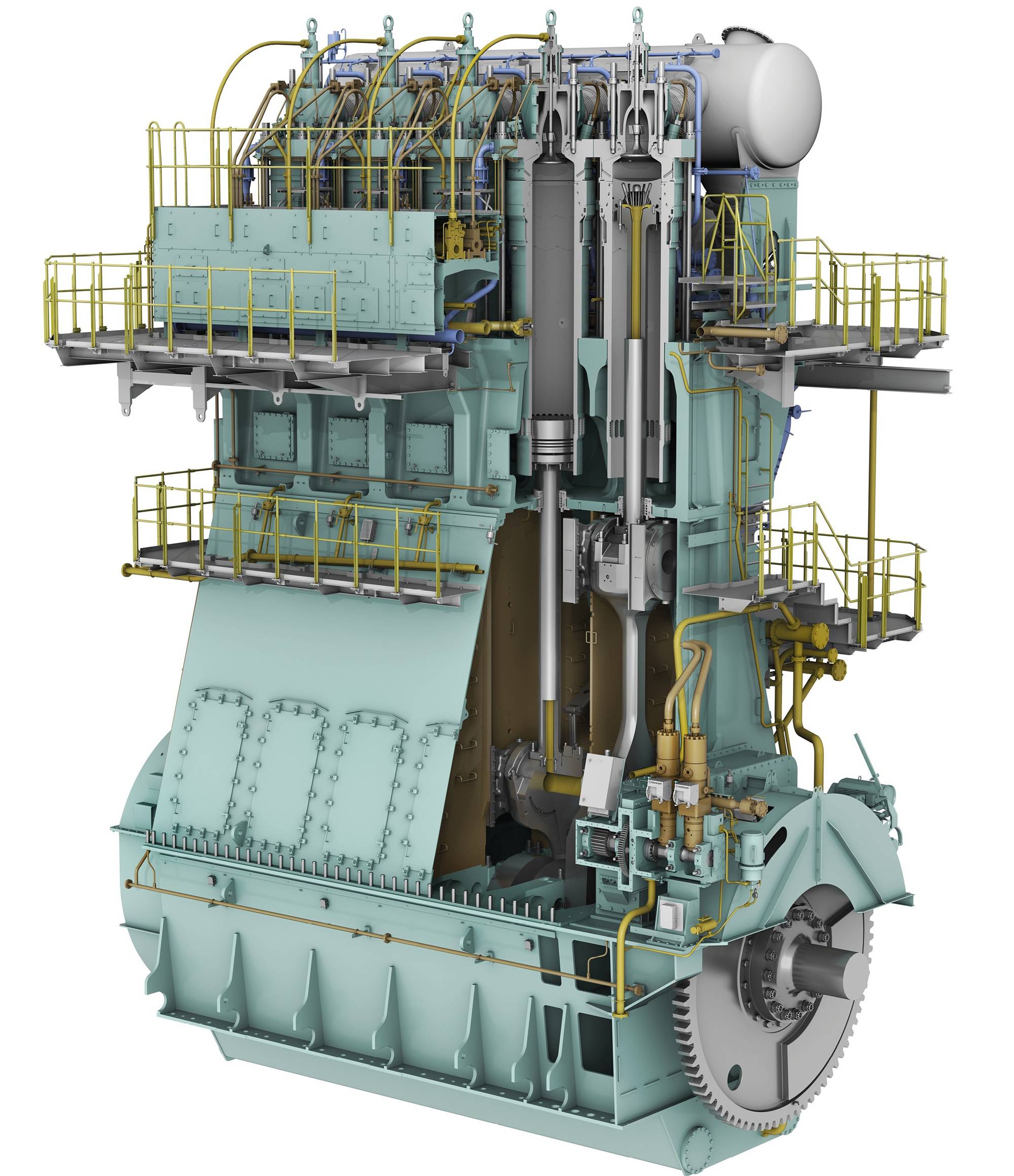
- HFO
- VLSFO
- MDO
- WiDE (Wartsila Intelligent Diesel Engine) control
- Flex-system common rail
- iCER (intelligent Combustion Engine Refinement) option
- Wide power-speed field
- Area: Fuel Rail Pressure Too High causing violent firing at start; fuel control failureCheck: Verify fuel rail pressure within spec; check power supply and wiring to fuel control
- Area: Injection Nozzle Wear from normal operation causing irregular combustionCheck: Inspect nozzle tips at ~8,000–10,000 operating hours; replace spare kit per schedule
- Area: Lubricating Oil Contamination: water and solids reduce bearing protection; dry sump circulation criticalCheck: Verify centrifugal separator bypass operation; monitor oil condition via sampling; check crankcase drain integrity
- Area: Ammonia Combustion Instability (X72DF-A-1.0): low flame speed, high activation energy, misfiring risk, N2O/NH3 emissionsCheck: Monitor cylinder pressure diagrams; verify pilot fuel injection timing/quantity; track exhaust temps and emission compliance
- Area: Scavenge Air Cooler Fouling in dust-laden trades; efficiency loss and thermal stressCheck: Install filtration for dust-prone routes; schedule periodic cooler inspection and cleaning; monitor scavenge air temperature trend
Verifizierte Familien-Daten (Hersteller-Datenblaetter + Fachquellen, 2026-06). Teils klassen-allgemeine Inspektionspunkte — pro Eintrag Quelle.
- HFO
- VLSFO
- MDO
- WiDE (Wartsila Intelligent Diesel Engine) control
- Flex-system common rail
- iCER (intelligent Combustion Engine Refinement) option
- Wide power-speed field
- Area: Fuel Rail Pressure Too High causing violent firing at start; fuel control failureCheck: Verify fuel rail pressure within spec; check power supply and wiring to fuel control
- Area: Injection Nozzle Wear from normal operation causing irregular combustionCheck: Inspect nozzle tips at ~8,000–10,000 operating hours; replace spare kit per schedule
- Area: Lubricating Oil Contamination: water and solids reduce bearing protection; dry sump circulation criticalCheck: Verify centrifugal separator bypass operation; monitor oil condition via sampling; check crankcase drain integrity
- Area: Ammonia Combustion Instability (X72DF-A-1.0): low flame speed, high activation energy, misfiring risk, N2O/NH3 emissionsCheck: Monitor cylinder pressure diagrams; verify pilot fuel injection timing/quantity; track exhaust temps and emission compliance
- Area: Scavenge Air Cooler Fouling in dust-laden trades; efficiency loss and thermal stressCheck: Install filtration for dust-prone routes; schedule periodic cooler inspection and cleaning; monitor scavenge air temperature trend
Verifizierte Familien-Daten (Hersteller-Datenblaetter + Fachquellen, 2026-06). Teils klassen-allgemeine Inspektionspunkte — pro Eintrag Quelle.
- HFO
- VLSFO
- MDO
- WiDE (Wartsila Intelligent Diesel Engine) control
- Flex-system common rail
- iCER (intelligent Combustion Engine Refinement) option
- Wide power-speed field
- Area: Kolbenbolzen-Wärmebeanspruchung und Verschleiß: Bei hohen Lasten können Verschleißerscheinungen an den Kolbenkühlung-Ölkanälen auftreten; inspiziere nach ersten
- Area: Abgaskrümmer und Scavenging-System Verschmutzung: Verunreinigungen oder defekte Luftklappen im Scavenge-Luftreceiver führen zu erhöhten Abgastemperaturen; Turbo
- Area: Methanbrenner (Slip) bei LNG-Dual-Fuel Betrieb: X82DF erzeugt bis zu 2-3% Methanbrenner bei Gasmode (vor iCER). X82DF-2.0 mit iCER reduziert um 50%; Überwachung
- Area: Kolbenstangendichtung Leckageverschleiß: Regelmäßige Kontrolle der Piston Rod Gland Clearance beim Kolbenwechsel erforderlich; weiß-Metall-Schicht kann abnutzen
- Area: Servo-Ölanlage Undichtigkeit: Servo-Ölpumpen und Druckregelventile können lecken; WiCE Kontrollsystem überwacht Servo-Öldruck kontinuierlich. Manuelle Ölpumpe m
Verifizierte Familien-Daten (Hersteller-Datenblaetter + Fachquellen, 2026-06). Teils klassen-allgemeine Inspektionspunkte — pro Eintrag Quelle.
- HFO
- VLSFO
- MDO
- WiDE (Wartsila Intelligent Diesel Engine) control
- Flex-system common rail
- iCER (intelligent Combustion Engine Refinement) option
- Wide power-speed field
- Area: Kolbenbolzen-Wärmebeanspruchung und Verschleiß: Bei hohen Lasten können Verschleißerscheinungen an den Kolbenkühlung-Ölkanälen auftreten; inspiziere nach ersten
- Area: Abgaskrümmer und Scavenging-System Verschmutzung: Verunreinigungen oder defekte Luftklappen im Scavenge-Luftreceiver führen zu erhöhten Abgastemperaturen; Turbo
- Area: Methanbrenner (Slip) bei LNG-Dual-Fuel Betrieb: X82DF erzeugt bis zu 2-3% Methanbrenner bei Gasmode (vor iCER). X82DF-2.0 mit iCER reduziert um 50%; Überwachung
- Area: Kolbenstangendichtung Leckageverschleiß: Regelmäßige Kontrolle der Piston Rod Gland Clearance beim Kolbenwechsel erforderlich; weiß-Metall-Schicht kann abnutzen
- Area: Servo-Ölanlage Undichtigkeit: Servo-Ölpumpen und Druckregelventile können lecken; WiCE Kontrollsystem überwacht Servo-Öldruck kontinuierlich. Manuelle Ölpumpe m
Verifizierte Familien-Daten (Hersteller-Datenblaetter + Fachquellen, 2026-06). Teils klassen-allgemeine Inspektionspunkte — pro Eintrag Quelle.
- HFO
- VLSFO
- MDO
- WiDE (Wartsila Intelligent Diesel Engine) control
- Flex-system common rail
- iCER (intelligent Combustion Engine Refinement) option
- Wide power-speed field
- Area: WECS-9520 Steuerungssystem-Ausfälle (dokumentierte Mängel in Servoöl-Lecks, Kraftstoff-Lecks, Drossel-Einspritzventile)
- Area: Kühlwasserleckagen in Zylindern und Abgasventilversteller-Mängel; Inspektionsroutine für Hochdruck-SCR-System erforderlich
- Area: Lager und Kolbenkühlung-Öltemperatur-Überwachung kritisch; Kondensatfluss an Wassertrenner zu hoch (Scavenging-Abkühlsystem-Fouling)
- Area: Thermobelastungsrisse im Zylinderkopf (Ventilbrücke): Zyklische thermische Belastung bei Lastwechseln 70-80 RPM; Abgasventil-Sitzflächen-Verschleiß erfordert Sc
- Area: Turbolader-Ölaustritt und Lecks; Scavenge-Luftkühler-Verschmutzung (Luftseite: Druckabfall, Temperaturanstieg; Wasserseitenverockerung)
Verifizierte Familien-Daten (Hersteller-Datenblaetter + Fachquellen, 2026-06). Teils klassen-allgemeine Inspektionspunkte — pro Eintrag Quelle.
- HFO
- VLSFO
- MDO
- WiDE (Wartsila Intelligent Diesel Engine) control
- Flex-system common rail
- iCER (intelligent Combustion Engine Refinement) option
- Wide power-speed field
- Area: WECS-9520 Steuerungssystem-Ausfälle (dokumentierte Mängel in Servoöl-Lecks, Kraftstoff-Lecks, Drossel-Einspritzventile)
- Area: Kühlwasserleckagen in Zylindern und Abgasventilversteller-Mängel; Inspektionsroutine für Hochdruck-SCR-System erforderlich
- Area: Lager und Kolbenkühlung-Öltemperatur-Überwachung kritisch; Kondensatfluss an Wassertrenner zu hoch (Scavenging-Abkühlsystem-Fouling)
- Area: Thermobelastungsrisse im Zylinderkopf (Ventilbrücke): Zyklische thermische Belastung bei Lastwechseln 70-80 RPM; Abgasventil-Sitzflächen-Verschleiß erfordert Sc
- Area: Turbolader-Ölaustritt und Lecks; Scavenge-Luftkühler-Verschmutzung (Luftseite: Druckabfall, Temperaturanstieg; Wasserseitenverockerung)
Verifizierte Familien-Daten (Hersteller-Datenblaetter + Fachquellen, 2026-06). Teils klassen-allgemeine Inspektionspunkte — pro Eintrag Quelle.
- HFO
- VLSFO
- MDO
- WiDE (Wartsila Intelligent Diesel Engine) control
- Flex-system common rail
- iCER (intelligent Combustion Engine Refinement) option
- Wide power-speed field
- Area: Zylinderliner-Scuffing: Lokales Verschweißen und Verschleiß zwischen Kolbenring und Linerinnenfläche verursacht durch unzureichende Schmierung oder Ölfilm-ZusamCheck: Visuelle Inspektion des Liners auf Kratzer, Mikroschweißungen und Verfärbungen; lokale Schliff-Rauheit prüfen; bei Bedarf Liner nachhonen oder austauschen
- Area: Kolbenkrone- und Ringrillen-Verschleiß: Oberflächentragen, Verschleiß und Risse in Kolbenkrone und Ringrillen erfordern DickenmessungenCheck: Dickenmessgerät (z.B. Fischer Dualscope MP0) verwenden; Vergleich mit Richtwerten aus OM; Kolbenkrone auf thermische Verfärbung, Risse und Ablagerungen prüfen
- Area: Brennstoffdruck-Anomalien und Rillenleckage: Zu hohes/zu niedriges Druck im Common-Rail-System und Brennstoff-Leckage aus EinspritzleitungenCheck: Brennstoffdruck während Betrieb prüfen (Richtwert bei R1); Brennstoffrücklauf auf Undichtheiten kontrollieren; Inspektionsleitungen an Injektoren auf Lecks überwachen
- Area: Abgastemperatur-Unregelmäßigkeiten mit erhöhter Gaskonzentration in Kolbenunterseite: Asymmetrische oder unerwartete Abgastemperaturen stromabwärts einzelner ZyCheck: Kontinuierliche Abgastemperatur-Überwachung pro Zylinder durchführen; bei Temp.-Unterschieden >30°C Zylinderkopf-Inspektionen einleiten; Gaskonzentration im Kolben prüfen
- Area: Servo-Ölsystem-Leckage und FLV/Brennstoffleitungs-Undichtheiten: Druckverlust im Servo-Hydrauliksystem und Brennstoffleck an Fuel Line ValvesCheck: Servo-Öldrück und -Durchfluss kontrollieren; alle Brennstoffleitungen und Ventilverbindungen visuell und unter Druck prüfen; Inspektionsgläser überwachen
Verifizierte Familien-Daten (Hersteller-Datenblaetter + Fachquellen, 2026-06). Teils klassen-allgemeine Inspektionspunkte — pro Eintrag Quelle.
- HFO
- VLSFO
- MDO
- WiDE (Wartsila Intelligent Diesel Engine) control
- Flex-system common rail
- iCER (intelligent Combustion Engine Refinement) option
- Wide power-speed field
- Area: Zylinderliner-Scuffing: Lokales Verschweißen und Verschleiß zwischen Kolbenring und Linerinnenfläche verursacht durch unzureichende Schmierung oder Ölfilm-ZusamCheck: Visuelle Inspektion des Liners auf Kratzer, Mikroschweißungen und Verfärbungen; lokale Schliff-Rauheit prüfen; bei Bedarf Liner nachhonen oder austauschen
- Area: Kolbenkrone- und Ringrillen-Verschleiß: Oberflächentragen, Verschleiß und Risse in Kolbenkrone und Ringrillen erfordern DickenmessungenCheck: Dickenmessgerät (z.B. Fischer Dualscope MP0) verwenden; Vergleich mit Richtwerten aus OM; Kolbenkrone auf thermische Verfärbung, Risse und Ablagerungen prüfen
- Area: Brennstoffdruck-Anomalien und Rillenleckage: Zu hohes/zu niedriges Druck im Common-Rail-System und Brennstoff-Leckage aus EinspritzleitungenCheck: Brennstoffdruck während Betrieb prüfen (Richtwert bei R1); Brennstoffrücklauf auf Undichtheiten kontrollieren; Inspektionsleitungen an Injektoren auf Lecks überwachen
- Area: Abgastemperatur-Unregelmäßigkeiten mit erhöhter Gaskonzentration in Kolbenunterseite: Asymmetrische oder unerwartete Abgastemperaturen stromabwärts einzelner ZyCheck: Kontinuierliche Abgastemperatur-Überwachung pro Zylinder durchführen; bei Temp.-Unterschieden >30°C Zylinderkopf-Inspektionen einleiten; Gaskonzentration im Kolben prüfen
- Area: Servo-Ölsystem-Leckage und FLV/Brennstoffleitungs-Undichtheiten: Druckverlust im Servo-Hydrauliksystem und Brennstoffleck an Fuel Line ValvesCheck: Servo-Öldrück und -Durchfluss kontrollieren; alle Brennstoffleitungen und Ventilverbindungen visuell und unter Druck prüfen; Inspektionsgläser überwachen
Verifizierte Familien-Daten (Hersteller-Datenblaetter + Fachquellen, 2026-06). Teils klassen-allgemeine Inspektionspunkte — pro Eintrag Quelle.
- HFO
- VLSFO
- MDO
- WiDE (Wartsila Intelligent Diesel Engine) control
- Flex-system common rail
- iCER (intelligent Combustion Engine Refinement) option
- Wide power-speed field
- Area: Kolbenbolzen-Wärmebeanspruchung und Verschleiß: Bei hohen Lasten können Verschleißerscheinungen an den Kolbenkühlung-Ölkanälen auftreten; inspiziere nach ersten
- Area: Abgaskrümmer und Scavenging-System Verschmutzung: Verunreinigungen oder defekte Luftklappen im Scavenge-Luftreceiver führen zu erhöhten Abgastemperaturen; Turbo
- Area: Methanbrenner (Slip) bei LNG-Dual-Fuel Betrieb: X82DF erzeugt bis zu 2-3% Methanbrenner bei Gasmode (vor iCER). X82DF-2.0 mit iCER reduziert um 50%; Überwachung
- Area: Kolbenstangendichtung Leckageverschleiß: Regelmäßige Kontrolle der Piston Rod Gland Clearance beim Kolbenwechsel erforderlich; weiß-Metall-Schicht kann abnutzen
- Area: Servo-Ölanlage Undichtigkeit: Servo-Ölpumpen und Druckregelventile können lecken; WiCE Kontrollsystem überwacht Servo-Öldruck kontinuierlich. Manuelle Ölpumpe m
Verifizierte Familien-Daten (Hersteller-Datenblaetter + Fachquellen, 2026-06). Teils klassen-allgemeine Inspektionspunkte — pro Eintrag Quelle.
- HFO
- VLSFO
- MDO
- WiDE (Wartsila Intelligent Diesel Engine) control
- Flex-system common rail
- iCER (intelligent Combustion Engine Refinement) option
- Wide power-speed field
- Area: Kolbenbolzen-Wärmebeanspruchung und Verschleiß: Bei hohen Lasten können Verschleißerscheinungen an den Kolbenkühlung-Ölkanälen auftreten; inspiziere nach ersten
- Area: Abgaskrümmer und Scavenging-System Verschmutzung: Verunreinigungen oder defekte Luftklappen im Scavenge-Luftreceiver führen zu erhöhten Abgastemperaturen; Turbo
- Area: Methanbrenner (Slip) bei LNG-Dual-Fuel Betrieb: X82DF erzeugt bis zu 2-3% Methanbrenner bei Gasmode (vor iCER). X82DF-2.0 mit iCER reduziert um 50%; Überwachung
- Area: Kolbenstangendichtung Leckageverschleiß: Regelmäßige Kontrolle der Piston Rod Gland Clearance beim Kolbenwechsel erforderlich; weiß-Metall-Schicht kann abnutzen
- Area: Servo-Ölanlage Undichtigkeit: Servo-Ölpumpen und Druckregelventile können lecken; WiCE Kontrollsystem überwacht Servo-Öldruck kontinuierlich. Manuelle Ölpumpe m
Verifizierte Familien-Daten (Hersteller-Datenblaetter + Fachquellen, 2026-06). Teils klassen-allgemeine Inspektionspunkte — pro Eintrag Quelle.
- HFO
- VLSFO
- MDO
- WiDE (Wartsila Intelligent Diesel Engine) control
- Flex-system common rail
- iCER (intelligent Combustion Engine Refinement) option
- Wide power-speed field
- Area: WECS-9520 Steuerungssystem-Ausfälle (dokumentierte Mängel in Servoöl-Lecks, Kraftstoff-Lecks, Drossel-Einspritzventile)
- Area: Kühlwasserleckagen in Zylindern und Abgasventilversteller-Mängel; Inspektionsroutine für Hochdruck-SCR-System erforderlich
- Area: Lager und Kolbenkühlung-Öltemperatur-Überwachung kritisch; Kondensatfluss an Wassertrenner zu hoch (Scavenging-Abkühlsystem-Fouling)
- Area: Thermobelastungsrisse im Zylinderkopf (Ventilbrücke): Zyklische thermische Belastung bei Lastwechseln 70-80 RPM; Abgasventil-Sitzflächen-Verschleiß erfordert Sc
- Area: Turbolader-Ölaustritt und Lecks; Scavenge-Luftkühler-Verschmutzung (Luftseite: Druckabfall, Temperaturanstieg; Wasserseitenverockerung)
Verifizierte Familien-Daten (Hersteller-Datenblaetter + Fachquellen, 2026-06). Teils klassen-allgemeine Inspektionspunkte — pro Eintrag Quelle.
- HFO
- VLSFO
- MDO
- WiDE (Wartsila Intelligent Diesel Engine) control
- Flex-system common rail
- iCER (intelligent Combustion Engine Refinement) option
- Wide power-speed field
- Area: WECS-9520 Steuerungssystem-Ausfälle (dokumentierte Mängel in Servoöl-Lecks, Kraftstoff-Lecks, Drossel-Einspritzventile)
- Area: Kühlwasserleckagen in Zylindern und Abgasventilversteller-Mängel; Inspektionsroutine für Hochdruck-SCR-System erforderlich
- Area: Lager und Kolbenkühlung-Öltemperatur-Überwachung kritisch; Kondensatfluss an Wassertrenner zu hoch (Scavenging-Abkühlsystem-Fouling)
- Area: Thermobelastungsrisse im Zylinderkopf (Ventilbrücke): Zyklische thermische Belastung bei Lastwechseln 70-80 RPM; Abgasventil-Sitzflächen-Verschleiß erfordert Sc
- Area: Turbolader-Ölaustritt und Lecks; Scavenge-Luftkühler-Verschmutzung (Luftseite: Druckabfall, Temperaturanstieg; Wasserseitenverockerung)
Verifizierte Familien-Daten (Hersteller-Datenblaetter + Fachquellen, 2026-06). Teils klassen-allgemeine Inspektionspunkte — pro Eintrag Quelle.
- HFO
- VLSFO
- MDO
- WiDE (Wartsila Intelligent Diesel Engine) control
- Flex-system common rail
- iCER (intelligent Combustion Engine Refinement) option
- Wide power-speed field
- Area: WECS-9520 Steuerungssystem-Ausfälle (dokumentierte Mängel in Servoöl-Lecks, Kraftstoff-Lecks, Drossel-Einspritzventile)
- Area: Kühlwasserleckagen in Zylindern und Abgasventilversteller-Mängel; Inspektionsroutine für Hochdruck-SCR-System erforderlich
- Area: Lager und Kolbenkühlung-Öltemperatur-Überwachung kritisch; Kondensatfluss an Wassertrenner zu hoch (Scavenging-Abkühlsystem-Fouling)
- Area: Thermobelastungsrisse im Zylinderkopf (Ventilbrücke): Zyklische thermische Belastung bei Lastwechseln 70-80 RPM; Abgasventil-Sitzflächen-Verschleiß erfordert Sc
- Area: Turbolader-Ölaustritt und Lecks; Scavenge-Luftkühler-Verschmutzung (Luftseite: Druckabfall, Temperaturanstieg; Wasserseitenverockerung)
Verifizierte Familien-Daten (Hersteller-Datenblaetter + Fachquellen, 2026-06). Teils klassen-allgemeine Inspektionspunkte — pro Eintrag Quelle.
- HFO
- VLSFO
- MDO
- WiDE (Wartsila Intelligent Diesel Engine) control
- Flex-system common rail
- iCER (intelligent Combustion Engine Refinement) option
- Wide power-speed field
- Area: WECS-9520 Steuerungssystem-Ausfälle (dokumentierte Mängel in Servoöl-Lecks, Kraftstoff-Lecks, Drossel-Einspritzventile)
- Area: Kühlwasserleckagen in Zylindern und Abgasventilversteller-Mängel; Inspektionsroutine für Hochdruck-SCR-System erforderlich
- Area: Lager und Kolbenkühlung-Öltemperatur-Überwachung kritisch; Kondensatfluss an Wassertrenner zu hoch (Scavenging-Abkühlsystem-Fouling)
- Area: Thermobelastungsrisse im Zylinderkopf (Ventilbrücke): Zyklische thermische Belastung bei Lastwechseln 70-80 RPM; Abgasventil-Sitzflächen-Verschleiß erfordert Sc
- Area: Turbolader-Ölaustritt und Lecks; Scavenge-Luftkühler-Verschmutzung (Luftseite: Druckabfall, Temperaturanstieg; Wasserseitenverockerung)
Verifizierte Familien-Daten (Hersteller-Datenblaetter + Fachquellen, 2026-06). Teils klassen-allgemeine Inspektionspunkte — pro Eintrag Quelle.
- HFO
- VLSFO
- MDO
- WiDE (Wartsila Intelligent Diesel Engine) control
- Flex-system common rail
- iCER (intelligent Combustion Engine Refinement) option
- Wide power-speed field
- Area: WECS-9520 Steuerungssystem-Ausfälle (dokumentierte Mängel in Servoöl-Lecks, Kraftstoff-Lecks, Drossel-Einspritzventile)
- Area: Kühlwasserleckagen in Zylindern und Abgasventilversteller-Mängel; Inspektionsroutine für Hochdruck-SCR-System erforderlich
- Area: Lager und Kolbenkühlung-Öltemperatur-Überwachung kritisch; Kondensatfluss an Wassertrenner zu hoch (Scavenging-Abkühlsystem-Fouling)
- Area: Thermobelastungsrisse im Zylinderkopf (Ventilbrücke): Zyklische thermische Belastung bei Lastwechseln 70-80 RPM; Abgasventil-Sitzflächen-Verschleiß erfordert Sc
- Area: Turbolader-Ölaustritt und Lecks; Scavenge-Luftkühler-Verschmutzung (Luftseite: Druckabfall, Temperaturanstieg; Wasserseitenverockerung)
Verifizierte Familien-Daten (Hersteller-Datenblaetter + Fachquellen, 2026-06). Teils klassen-allgemeine Inspektionspunkte — pro Eintrag Quelle.
- HFO
- VLSFO
- MDO
- WiDE (Wartsila Intelligent Diesel Engine) control
- Flex-system common rail
- iCER (intelligent Combustion Engine Refinement) option
- Wide power-speed field
- Area: WECS-9520 Steuerungssystem-Ausfälle (dokumentierte Mängel in Servoöl-Lecks, Kraftstoff-Lecks, Drossel-Einspritzventile)
- Area: Kühlwasserleckagen in Zylindern und Abgasventilversteller-Mängel; Inspektionsroutine für Hochdruck-SCR-System erforderlich
- Area: Lager und Kolbenkühlung-Öltemperatur-Überwachung kritisch; Kondensatfluss an Wassertrenner zu hoch (Scavenging-Abkühlsystem-Fouling)
- Area: Thermobelastungsrisse im Zylinderkopf (Ventilbrücke): Zyklische thermische Belastung bei Lastwechseln 70-80 RPM; Abgasventil-Sitzflächen-Verschleiß erfordert Sc
- Area: Turbolader-Ölaustritt und Lecks; Scavenge-Luftkühler-Verschmutzung (Luftseite: Druckabfall, Temperaturanstieg; Wasserseitenverockerung)
Verifizierte Familien-Daten (Hersteller-Datenblaetter + Fachquellen, 2026-06). Teils klassen-allgemeine Inspektionspunkte — pro Eintrag Quelle.
- HFO
- VLSFO
- MDO
- WiDE (Wartsila Intelligent Diesel Engine) control
- Flex-system common rail
- iCER (intelligent Combustion Engine Refinement) option
- Wide power-speed field
- Area: WECS-9520 Steuerungssystem-Ausfälle (dokumentierte Mängel in Servoöl-Lecks, Kraftstoff-Lecks, Drossel-Einspritzventile)
- Area: Kühlwasserleckagen in Zylindern und Abgasventilversteller-Mängel; Inspektionsroutine für Hochdruck-SCR-System erforderlich
- Area: Lager und Kolbenkühlung-Öltemperatur-Überwachung kritisch; Kondensatfluss an Wassertrenner zu hoch (Scavenging-Abkühlsystem-Fouling)
- Area: Thermobelastungsrisse im Zylinderkopf (Ventilbrücke): Zyklische thermische Belastung bei Lastwechseln 70-80 RPM; Abgasventil-Sitzflächen-Verschleiß erfordert Sc
- Area: Turbolader-Ölaustritt und Lecks; Scavenge-Luftkühler-Verschmutzung (Luftseite: Druckabfall, Temperaturanstieg; Wasserseitenverockerung)
Verifizierte Familien-Daten (Hersteller-Datenblaetter + Fachquellen, 2026-06). Teils klassen-allgemeine Inspektionspunkte — pro Eintrag Quelle.
- HFO
- VLSFO
- MDO
- WiDE (Wartsila Intelligent Diesel Engine) control
- Flex-system common rail
- iCER (intelligent Combustion Engine Refinement) option
- Wide power-speed field
- Area: WECS-9520 Steuerungssystem-Ausfälle (dokumentierte Mängel in Servoöl-Lecks, Kraftstoff-Lecks, Drossel-Einspritzventile)
- Area: Kühlwasserleckagen in Zylindern und Abgasventilversteller-Mängel; Inspektionsroutine für Hochdruck-SCR-System erforderlich
- Area: Lager und Kolbenkühlung-Öltemperatur-Überwachung kritisch; Kondensatfluss an Wassertrenner zu hoch (Scavenging-Abkühlsystem-Fouling)
- Area: Thermobelastungsrisse im Zylinderkopf (Ventilbrücke): Zyklische thermische Belastung bei Lastwechseln 70-80 RPM; Abgasventil-Sitzflächen-Verschleiß erfordert Sc
- Area: Turbolader-Ölaustritt und Lecks; Scavenge-Luftkühler-Verschmutzung (Luftseite: Druckabfall, Temperaturanstieg; Wasserseitenverockerung)
Verifizierte Familien-Daten (Hersteller-Datenblaetter + Fachquellen, 2026-06). Teils klassen-allgemeine Inspektionspunkte — pro Eintrag Quelle.
- HFO
- VLSFO
- MDO
- LNG
- Low-pressure gas admission (~16 bar) — no HP gas compressor needed
- Otto-cycle in gas mode (lean-burn)
- Diesel micro-pilot ignition
- IMO Tier III in gas mode without aftertreatment
- X-DF 2.0 supports methanol and ammonia-ready configurations
- Area: Zylinderliner-Scuffing: Lokales Verschweißen und Verschleiß zwischen Kolbenring und Linerinnenfläche verursacht durch unzureichende Schmierung oder Ölfilm-ZusamCheck: Visuelle Inspektion des Liners auf Kratzer, Mikroschweißungen und Verfärbungen; lokale Schliff-Rauheit prüfen; bei Bedarf Liner nachhonen oder austauschen
- Area: Kolbenkrone- und Ringrillen-Verschleiß: Oberflächentragen, Verschleiß und Risse in Kolbenkrone und Ringrillen erfordern DickenmessungenCheck: Dickenmessgerät (z.B. Fischer Dualscope MP0) verwenden; Vergleich mit Richtwerten aus OM; Kolbenkrone auf thermische Verfärbung, Risse und Ablagerungen prüfen
- Area: Brennstoffdruck-Anomalien und Rillenleckage: Zu hohes/zu niedriges Druck im Common-Rail-System und Brennstoff-Leckage aus EinspritzleitungenCheck: Brennstoffdruck während Betrieb prüfen (Richtwert bei R1); Brennstoffrücklauf auf Undichtheiten kontrollieren; Inspektionsleitungen an Injektoren auf Lecks überwachen
- Area: Abgastemperatur-Unregelmäßigkeiten mit erhöhter Gaskonzentration in Kolbenunterseite: Asymmetrische oder unerwartete Abgastemperaturen stromabwärts einzelner ZyCheck: Kontinuierliche Abgastemperatur-Überwachung pro Zylinder durchführen; bei Temp.-Unterschieden >30°C Zylinderkopf-Inspektionen einleiten; Gaskonzentration im Kolben prüfen
- Area: Servo-Ölsystem-Leckage und FLV/Brennstoffleitungs-Undichtheiten: Druckverlust im Servo-Hydrauliksystem und Brennstoffleck an Fuel Line ValvesCheck: Servo-Öldrück und -Durchfluss kontrollieren; alle Brennstoffleitungen und Ventilverbindungen visuell und unter Druck prüfen; Inspektionsgläser überwachen
Verifizierte Familien-Daten (Hersteller-Datenblaetter + Fachquellen, 2026-06). Teils klassen-allgemeine Inspektionspunkte — pro Eintrag Quelle.
- HFO
- VLSFO
- MDO
- LNG
- Low-pressure gas admission (~16 bar) — no HP gas compressor needed
- Otto-cycle in gas mode (lean-burn)
- Diesel micro-pilot ignition
- IMO Tier III in gas mode without aftertreatment
- X-DF 2.0 supports methanol and ammonia-ready configurations
- Area: Zylinderliner-Scuffing: Lokales Verschweißen und Verschleiß zwischen Kolbenring und Linerinnenfläche verursacht durch unzureichende Schmierung oder Ölfilm-ZusamCheck: Visuelle Inspektion des Liners auf Kratzer, Mikroschweißungen und Verfärbungen; lokale Schliff-Rauheit prüfen; bei Bedarf Liner nachhonen oder austauschen
- Area: Kolbenkrone- und Ringrillen-Verschleiß: Oberflächentragen, Verschleiß und Risse in Kolbenkrone und Ringrillen erfordern DickenmessungenCheck: Dickenmessgerät (z.B. Fischer Dualscope MP0) verwenden; Vergleich mit Richtwerten aus OM; Kolbenkrone auf thermische Verfärbung, Risse und Ablagerungen prüfen
- Area: Brennstoffdruck-Anomalien und Rillenleckage: Zu hohes/zu niedriges Druck im Common-Rail-System und Brennstoff-Leckage aus EinspritzleitungenCheck: Brennstoffdruck während Betrieb prüfen (Richtwert bei R1); Brennstoffrücklauf auf Undichtheiten kontrollieren; Inspektionsleitungen an Injektoren auf Lecks überwachen
- Area: Abgastemperatur-Unregelmäßigkeiten mit erhöhter Gaskonzentration in Kolbenunterseite: Asymmetrische oder unerwartete Abgastemperaturen stromabwärts einzelner ZyCheck: Kontinuierliche Abgastemperatur-Überwachung pro Zylinder durchführen; bei Temp.-Unterschieden >30°C Zylinderkopf-Inspektionen einleiten; Gaskonzentration im Kolben prüfen
- Area: Servo-Ölsystem-Leckage und FLV/Brennstoffleitungs-Undichtheiten: Druckverlust im Servo-Hydrauliksystem und Brennstoffleck an Fuel Line ValvesCheck: Servo-Öldrück und -Durchfluss kontrollieren; alle Brennstoffleitungen und Ventilverbindungen visuell und unter Druck prüfen; Inspektionsgläser überwachen
Verifizierte Familien-Daten (Hersteller-Datenblaetter + Fachquellen, 2026-06). Teils klassen-allgemeine Inspektionspunkte — pro Eintrag Quelle.
- HFO
- VLSFO
- MDO
- LNG
- Low-pressure gas admission (~16 bar) — no HP gas compressor needed
- Otto-cycle in gas mode (lean-burn)
- Diesel micro-pilot ignition
- IMO Tier III in gas mode without aftertreatment
- X-DF 2.0 supports methanol and ammonia-ready configurations
- Area: Gas Admission Valve (GAV) stroke sensor unreliability at sea causing unplanned diesel mode shutdownCheck: Visual inspection of GAV sensor wiring, sensor response test at dock and sea trial, check sensor connector corrosion
- Area: Fuel gas supply pressure fluctuations under heavy sea conditions from ship-side LNG system causing engine speed oscillationsCheck: Pressure relief valve setting verification, fuel supply isolation valve function check, regulator response test under load variation
- Area: Scavenge air cooler type changes and turbocharger allocation revisions across X-engine platform requiring careful commissioning verificationCheck: Cross-check installed turbocharger serial number against commissioning document, scavenge cooler type plate vs contract specifications
- Area: Oil starvation risk on turbocharger bearing during engine startup and low-pressure transients common in all two-stroke dieselsCheck: Check lube oil supply pressure before start, inspect turbo bearing condition at overhaul, verify pre-lubrication startup sequence in manual
Verifizierte Familien-Daten (Hersteller-Datenblaetter + Fachquellen, 2026-06). Teils klassen-allgemeine Inspektionspunkte — pro Eintrag Quelle.
- HFO
- VLSFO
- MDO
- LNG
- Low-pressure gas admission (~16 bar) — no HP gas compressor needed
- Otto-cycle in gas mode (lean-burn)
- Diesel micro-pilot ignition
- IMO Tier III in gas mode without aftertreatment
- X-DF 2.0 supports methanol and ammonia-ready configurations
- Area: Fuel valve carbon deposits / fuel system blockages in low-load multi-fuel operationCheck: Inspect fuel valve nozzle spray pattern during top-overhaul; monitor differential pressure across fuel filter; verify fuel heating system temperature compliance
- Area: Piston crown thermal cracking and top-land spalling under extreme load or fuel quality variationsCheck: Measure piston crown surface condition using borescope; check for micro-cracks in top land; examine combustion bowl geometry; compare cylinder-to-cylinder pressure readings
- Area: Cylinder liner scuffing/scoring in dust-contaminated conditions or with inadequate air filtrationCheck: Perform liner diameter measurement service at each overhaul; document wear rate trending; inspect piston rings for abnormal wear patterns; check air inlet filter condition
- Area: Turbocharger surge and cavitation erosion in unsteady loading (e.g., dynamic positioning vessels)Check: Monitor turbocharger bearing temperatures during mode transitions (gas-to-diesel); inspect turbocharger for cavitation pitting on impeller; verify surge line compliance in operational envelope
- Area: Fuel gas supply system pressure regulation instability (iGPR unit hysteresis) under rapid load changesCheck: Perform fuel gas system pressure step-response test during commissioning; verify regulator response time <500ms per specification; conduct annual gas line tightness test with ultrasonic detection
Verifizierte Familien-Daten (Hersteller-Datenblaetter + Fachquellen, 2026-06). Teils klassen-allgemeine Inspektionspunkte — pro Eintrag Quelle.
- HFO
- VLSFO
- MDO
- LNG
- Low-pressure gas admission (~16 bar) — no HP gas compressor needed
- Otto-cycle in gas mode (lean-burn)
- Diesel micro-pilot ignition
- IMO Tier III in gas mode without aftertreatment
- X-DF 2.0 supports methanol and ammonia-ready configurations
- Area: Fuel Rail Pressure Too High causing violent firing at start; fuel control failureCheck: Verify fuel rail pressure within spec; check power supply and wiring to fuel control
- Area: Injection Nozzle Wear from normal operation causing irregular combustionCheck: Inspect nozzle tips at ~8,000–10,000 operating hours; replace spare kit per schedule
- Area: Lubricating Oil Contamination: water and solids reduce bearing protection; dry sump circulation criticalCheck: Verify centrifugal separator bypass operation; monitor oil condition via sampling; check crankcase drain integrity
- Area: Ammonia Combustion Instability (X72DF-A-1.0): low flame speed, high activation energy, misfiring risk, N2O/NH3 emissionsCheck: Monitor cylinder pressure diagrams; verify pilot fuel injection timing/quantity; track exhaust temps and emission compliance
- Area: Scavenge Air Cooler Fouling in dust-laden trades; efficiency loss and thermal stressCheck: Install filtration for dust-prone routes; schedule periodic cooler inspection and cleaning; monitor scavenge air temperature trend
Verifizierte Familien-Daten (Hersteller-Datenblaetter + Fachquellen, 2026-06). Teils klassen-allgemeine Inspektionspunkte — pro Eintrag Quelle.
- HFO
- VLSFO
- MDO
- LNG
- Low-pressure gas admission (~16 bar) — no HP gas compressor needed
- Otto-cycle in gas mode (lean-burn)
- Diesel micro-pilot ignition
- IMO Tier III in gas mode without aftertreatment
- X-DF 2.0 supports methanol and ammonia-ready configurations
- Area: Kolbenbolzen-Wärmebeanspruchung und Verschleiß: Bei hohen Lasten können Verschleißerscheinungen an den Kolbenkühlung-Ölkanälen auftreten; inspiziere nach ersten
- Area: Abgaskrümmer und Scavenging-System Verschmutzung: Verunreinigungen oder defekte Luftklappen im Scavenge-Luftreceiver führen zu erhöhten Abgastemperaturen; Turbo
- Area: Methanbrenner (Slip) bei LNG-Dual-Fuel Betrieb: X82DF erzeugt bis zu 2-3% Methanbrenner bei Gasmode (vor iCER). X82DF-2.0 mit iCER reduziert um 50%; Überwachung
- Area: Kolbenstangendichtung Leckageverschleiß: Regelmäßige Kontrolle der Piston Rod Gland Clearance beim Kolbenwechsel erforderlich; weiß-Metall-Schicht kann abnutzen
- Area: Servo-Ölanlage Undichtigkeit: Servo-Ölpumpen und Druckregelventile können lecken; WiCE Kontrollsystem überwacht Servo-Öldruck kontinuierlich. Manuelle Ölpumpe m
Verifizierte Familien-Daten (Hersteller-Datenblaetter + Fachquellen, 2026-06). Teils klassen-allgemeine Inspektionspunkte — pro Eintrag Quelle.
- HFO
- VLSFO
- MDO
- LNG
- Low-pressure gas admission (~16 bar) — no HP gas compressor needed
- Otto-cycle in gas mode (lean-burn)
- Diesel micro-pilot ignition
- IMO Tier III in gas mode without aftertreatment
- X-DF 2.0 supports methanol and ammonia-ready configurations
- Area: WECS-9520 Steuerungssystem-Ausfälle (dokumentierte Mängel in Servoöl-Lecks, Kraftstoff-Lecks, Drossel-Einspritzventile)
- Area: Kühlwasserleckagen in Zylindern und Abgasventilversteller-Mängel; Inspektionsroutine für Hochdruck-SCR-System erforderlich
- Area: Lager und Kolbenkühlung-Öltemperatur-Überwachung kritisch; Kondensatfluss an Wassertrenner zu hoch (Scavenging-Abkühlsystem-Fouling)
- Area: Thermobelastungsrisse im Zylinderkopf (Ventilbrücke): Zyklische thermische Belastung bei Lastwechseln 70-80 RPM; Abgasventil-Sitzflächen-Verschleiß erfordert Sc
- Area: Turbolader-Ölaustritt und Lecks; Scavenge-Luftkühler-Verschmutzung (Luftseite: Druckabfall, Temperaturanstieg; Wasserseitenverockerung)
Verifizierte Familien-Daten (Hersteller-Datenblaetter + Fachquellen, 2026-06). Teils klassen-allgemeine Inspektionspunkte — pro Eintrag Quelle.
- HFO
- VLSFO
- MDO
- LNG
- Low-pressure gas admission (~16 bar) — no HP gas compressor needed
- Otto-cycle in gas mode (lean-burn)
- Diesel micro-pilot ignition
- IMO Tier III in gas mode without aftertreatment
- X-DF 2.0 supports methanol and ammonia-ready configurations
- Area: Zylinderliner-Scuffing: Lokales Verschweißen und Verschleiß zwischen Kolbenring und Linerinnenfläche verursacht durch unzureichende Schmierung oder Ölfilm-ZusamCheck: Visuelle Inspektion des Liners auf Kratzer, Mikroschweißungen und Verfärbungen; lokale Schliff-Rauheit prüfen; bei Bedarf Liner nachhonen oder austauschen
- Area: Kolbenkrone- und Ringrillen-Verschleiß: Oberflächentragen, Verschleiß und Risse in Kolbenkrone und Ringrillen erfordern DickenmessungenCheck: Dickenmessgerät (z.B. Fischer Dualscope MP0) verwenden; Vergleich mit Richtwerten aus OM; Kolbenkrone auf thermische Verfärbung, Risse und Ablagerungen prüfen
- Area: Brennstoffdruck-Anomalien und Rillenleckage: Zu hohes/zu niedriges Druck im Common-Rail-System und Brennstoff-Leckage aus EinspritzleitungenCheck: Brennstoffdruck während Betrieb prüfen (Richtwert bei R1); Brennstoffrücklauf auf Undichtheiten kontrollieren; Inspektionsleitungen an Injektoren auf Lecks überwachen
- Area: Abgastemperatur-Unregelmäßigkeiten mit erhöhter Gaskonzentration in Kolbenunterseite: Asymmetrische oder unerwartete Abgastemperaturen stromabwärts einzelner ZyCheck: Kontinuierliche Abgastemperatur-Überwachung pro Zylinder durchführen; bei Temp.-Unterschieden >30°C Zylinderkopf-Inspektionen einleiten; Gaskonzentration im Kolben prüfen
- Area: Servo-Ölsystem-Leckage und FLV/Brennstoffleitungs-Undichtheiten: Druckverlust im Servo-Hydrauliksystem und Brennstoffleck an Fuel Line ValvesCheck: Servo-Öldrück und -Durchfluss kontrollieren; alle Brennstoffleitungen und Ventilverbindungen visuell und unter Druck prüfen; Inspektionsgläser überwachen
Verifizierte Familien-Daten (Hersteller-Datenblaetter + Fachquellen, 2026-06). Teils klassen-allgemeine Inspektionspunkte — pro Eintrag Quelle.
- HFO
- VLSFO
- MDO
- LNG
- Low-pressure gas admission (~16 bar) — no HP gas compressor needed
- Otto-cycle in gas mode (lean-burn)
- Diesel micro-pilot ignition
- IMO Tier III in gas mode without aftertreatment
- X-DF 2.0 supports methanol and ammonia-ready configurations
- Area: Zylinderliner-Scuffing: Lokales Verschweißen und Verschleiß zwischen Kolbenring und Linerinnenfläche verursacht durch unzureichende Schmierung oder Ölfilm-ZusamCheck: Visuelle Inspektion des Liners auf Kratzer, Mikroschweißungen und Verfärbungen; lokale Schliff-Rauheit prüfen; bei Bedarf Liner nachhonen oder austauschen
- Area: Kolbenkrone- und Ringrillen-Verschleiß: Oberflächentragen, Verschleiß und Risse in Kolbenkrone und Ringrillen erfordern DickenmessungenCheck: Dickenmessgerät (z.B. Fischer Dualscope MP0) verwenden; Vergleich mit Richtwerten aus OM; Kolbenkrone auf thermische Verfärbung, Risse und Ablagerungen prüfen
- Area: Brennstoffdruck-Anomalien und Rillenleckage: Zu hohes/zu niedriges Druck im Common-Rail-System und Brennstoff-Leckage aus EinspritzleitungenCheck: Brennstoffdruck während Betrieb prüfen (Richtwert bei R1); Brennstoffrücklauf auf Undichtheiten kontrollieren; Inspektionsleitungen an Injektoren auf Lecks überwachen
- Area: Abgastemperatur-Unregelmäßigkeiten mit erhöhter Gaskonzentration in Kolbenunterseite: Asymmetrische oder unerwartete Abgastemperaturen stromabwärts einzelner ZyCheck: Kontinuierliche Abgastemperatur-Überwachung pro Zylinder durchführen; bei Temp.-Unterschieden >30°C Zylinderkopf-Inspektionen einleiten; Gaskonzentration im Kolben prüfen
- Area: Servo-Ölsystem-Leckage und FLV/Brennstoffleitungs-Undichtheiten: Druckverlust im Servo-Hydrauliksystem und Brennstoffleck an Fuel Line ValvesCheck: Servo-Öldrück und -Durchfluss kontrollieren; alle Brennstoffleitungen und Ventilverbindungen visuell und unter Druck prüfen; Inspektionsgläser überwachen
Verifizierte Familien-Daten (Hersteller-Datenblaetter + Fachquellen, 2026-06). Teils klassen-allgemeine Inspektionspunkte — pro Eintrag Quelle.
- HFO
- VLSFO
- MDO
- LNG
- Low-pressure gas admission (~16 bar) — no HP gas compressor needed
- Otto-cycle in gas mode (lean-burn)
- Diesel micro-pilot ignition
- IMO Tier III in gas mode without aftertreatment
- X-DF 2.0 supports methanol and ammonia-ready configurations
- Area: Gas Admission Valve (GAV) stroke sensor unreliability at sea causing unplanned diesel mode shutdownCheck: Visual inspection of GAV sensor wiring, sensor response test at dock and sea trial, check sensor connector corrosion
- Area: Fuel gas supply pressure fluctuations under heavy sea conditions from ship-side LNG system causing engine speed oscillationsCheck: Pressure relief valve setting verification, fuel supply isolation valve function check, regulator response test under load variation
- Area: Scavenge air cooler type changes and turbocharger allocation revisions across X-engine platform requiring careful commissioning verificationCheck: Cross-check installed turbocharger serial number against commissioning document, scavenge cooler type plate vs contract specifications
- Area: Oil starvation risk on turbocharger bearing during engine startup and low-pressure transients common in all two-stroke dieselsCheck: Check lube oil supply pressure before start, inspect turbo bearing condition at overhaul, verify pre-lubrication startup sequence in manual
Verifizierte Familien-Daten (Hersteller-Datenblaetter + Fachquellen, 2026-06). Teils klassen-allgemeine Inspektionspunkte — pro Eintrag Quelle.
- HFO
- VLSFO
- MDO
- LNG
- Low-pressure gas admission (~16 bar) — no HP gas compressor needed
- Otto-cycle in gas mode (lean-burn)
- Diesel micro-pilot ignition
- IMO Tier III in gas mode without aftertreatment
- X-DF 2.0 supports methanol and ammonia-ready configurations
- Area: Fuel valve carbon deposits / fuel system blockages in low-load multi-fuel operationCheck: Inspect fuel valve nozzle spray pattern during top-overhaul; monitor differential pressure across fuel filter; verify fuel heating system temperature compliance
- Area: Piston crown thermal cracking and top-land spalling under extreme load or fuel quality variationsCheck: Measure piston crown surface condition using borescope; check for micro-cracks in top land; examine combustion bowl geometry; compare cylinder-to-cylinder pressure readings
- Area: Cylinder liner scuffing/scoring in dust-contaminated conditions or with inadequate air filtrationCheck: Perform liner diameter measurement service at each overhaul; document wear rate trending; inspect piston rings for abnormal wear patterns; check air inlet filter condition
- Area: Turbocharger surge and cavitation erosion in unsteady loading (e.g., dynamic positioning vessels)Check: Monitor turbocharger bearing temperatures during mode transitions (gas-to-diesel); inspect turbocharger for cavitation pitting on impeller; verify surge line compliance in operational envelope
- Area: Fuel gas supply system pressure regulation instability (iGPR unit hysteresis) under rapid load changesCheck: Perform fuel gas system pressure step-response test during commissioning; verify regulator response time <500ms per specification; conduct annual gas line tightness test with ultrasonic detection
Verifizierte Familien-Daten (Hersteller-Datenblaetter + Fachquellen, 2026-06). Teils klassen-allgemeine Inspektionspunkte — pro Eintrag Quelle.
- HFO
- VLSFO
- MDO
- LNG
- Low-pressure gas admission (~16 bar) — no HP gas compressor needed
- Otto-cycle in gas mode (lean-burn)
- Diesel micro-pilot ignition
- IMO Tier III in gas mode without aftertreatment
- X-DF 2.0 supports methanol and ammonia-ready configurations
- Area: Fuel Rail Pressure Too High causing violent firing at start; fuel control failureCheck: Verify fuel rail pressure within spec; check power supply and wiring to fuel control
- Area: Injection Nozzle Wear from normal operation causing irregular combustionCheck: Inspect nozzle tips at ~8,000–10,000 operating hours; replace spare kit per schedule
- Area: Lubricating Oil Contamination: water and solids reduce bearing protection; dry sump circulation criticalCheck: Verify centrifugal separator bypass operation; monitor oil condition via sampling; check crankcase drain integrity
- Area: Ammonia Combustion Instability (X72DF-A-1.0): low flame speed, high activation energy, misfiring risk, N2O/NH3 emissionsCheck: Monitor cylinder pressure diagrams; verify pilot fuel injection timing/quantity; track exhaust temps and emission compliance
- Area: Scavenge Air Cooler Fouling in dust-laden trades; efficiency loss and thermal stressCheck: Install filtration for dust-prone routes; schedule periodic cooler inspection and cleaning; monitor scavenge air temperature trend
Verifizierte Familien-Daten (Hersteller-Datenblaetter + Fachquellen, 2026-06). Teils klassen-allgemeine Inspektionspunkte — pro Eintrag Quelle.
- HFO
- VLSFO
- MDO
- LNG
- Low-pressure gas admission (~16 bar) — no HP gas compressor needed
- Otto-cycle in gas mode (lean-burn)
- Diesel micro-pilot ignition
- IMO Tier III in gas mode without aftertreatment
- X-DF 2.0 supports methanol and ammonia-ready configurations
- Area: Kolbenbolzen-Wärmebeanspruchung und Verschleiß: Bei hohen Lasten können Verschleißerscheinungen an den Kolbenkühlung-Ölkanälen auftreten; inspiziere nach ersten
- Area: Abgaskrümmer und Scavenging-System Verschmutzung: Verunreinigungen oder defekte Luftklappen im Scavenge-Luftreceiver führen zu erhöhten Abgastemperaturen; Turbo
- Area: Methanbrenner (Slip) bei LNG-Dual-Fuel Betrieb: X82DF erzeugt bis zu 2-3% Methanbrenner bei Gasmode (vor iCER). X82DF-2.0 mit iCER reduziert um 50%; Überwachung
- Area: Kolbenstangendichtung Leckageverschleiß: Regelmäßige Kontrolle der Piston Rod Gland Clearance beim Kolbenwechsel erforderlich; weiß-Metall-Schicht kann abnutzen
- Area: Servo-Ölanlage Undichtigkeit: Servo-Ölpumpen und Druckregelventile können lecken; WiCE Kontrollsystem überwacht Servo-Öldruck kontinuierlich. Manuelle Ölpumpe m
Verifizierte Familien-Daten (Hersteller-Datenblaetter + Fachquellen, 2026-06). Teils klassen-allgemeine Inspektionspunkte — pro Eintrag Quelle.
- HFO
- VLSFO
- MDO
- LNG
- Low-pressure gas admission (~16 bar) — no HP gas compressor needed
- Otto-cycle in gas mode (lean-burn)
- Diesel micro-pilot ignition
- IMO Tier III in gas mode without aftertreatment
- X-DF 2.0 supports methanol and ammonia-ready configurations
- Area: WECS-9520 Steuerungssystem-Ausfälle (dokumentierte Mängel in Servoöl-Lecks, Kraftstoff-Lecks, Drossel-Einspritzventile)
- Area: Kühlwasserleckagen in Zylindern und Abgasventilversteller-Mängel; Inspektionsroutine für Hochdruck-SCR-System erforderlich
- Area: Lager und Kolbenkühlung-Öltemperatur-Überwachung kritisch; Kondensatfluss an Wassertrenner zu hoch (Scavenging-Abkühlsystem-Fouling)
- Area: Thermobelastungsrisse im Zylinderkopf (Ventilbrücke): Zyklische thermische Belastung bei Lastwechseln 70-80 RPM; Abgasventil-Sitzflächen-Verschleiß erfordert Sc
- Area: Turbolader-Ölaustritt und Lecks; Scavenge-Luftkühler-Verschmutzung (Luftseite: Druckabfall, Temperaturanstieg; Wasserseitenverockerung)
Verifizierte Familien-Daten (Hersteller-Datenblaetter + Fachquellen, 2026-06). Teils klassen-allgemeine Inspektionspunkte — pro Eintrag Quelle.
- HFO
- VLSFO
- MDO
- LNG
- Low-pressure gas admission (~16 bar) — no HP gas compressor needed
- Otto-cycle in gas mode (lean-burn)
- Diesel micro-pilot ignition
- IMO Tier III in gas mode without aftertreatment
- X-DF 2.0 supports methanol and ammonia-ready configurations
- Area: Zylinderliner-Scuffing: Lokales Verschweißen und Verschleiß zwischen Kolbenring und Linerinnenfläche verursacht durch unzureichende Schmierung oder Ölfilm-ZusamCheck: Visuelle Inspektion des Liners auf Kratzer, Mikroschweißungen und Verfärbungen; lokale Schliff-Rauheit prüfen; bei Bedarf Liner nachhonen oder austauschen
- Area: Kolbenkrone- und Ringrillen-Verschleiß: Oberflächentragen, Verschleiß und Risse in Kolbenkrone und Ringrillen erfordern DickenmessungenCheck: Dickenmessgerät (z.B. Fischer Dualscope MP0) verwenden; Vergleich mit Richtwerten aus OM; Kolbenkrone auf thermische Verfärbung, Risse und Ablagerungen prüfen
- Area: Brennstoffdruck-Anomalien und Rillenleckage: Zu hohes/zu niedriges Druck im Common-Rail-System und Brennstoff-Leckage aus EinspritzleitungenCheck: Brennstoffdruck während Betrieb prüfen (Richtwert bei R1); Brennstoffrücklauf auf Undichtheiten kontrollieren; Inspektionsleitungen an Injektoren auf Lecks überwachen
- Area: Abgastemperatur-Unregelmäßigkeiten mit erhöhter Gaskonzentration in Kolbenunterseite: Asymmetrische oder unerwartete Abgastemperaturen stromabwärts einzelner ZyCheck: Kontinuierliche Abgastemperatur-Überwachung pro Zylinder durchführen; bei Temp.-Unterschieden >30°C Zylinderkopf-Inspektionen einleiten; Gaskonzentration im Kolben prüfen
- Area: Servo-Ölsystem-Leckage und FLV/Brennstoffleitungs-Undichtheiten: Druckverlust im Servo-Hydrauliksystem und Brennstoffleck an Fuel Line ValvesCheck: Servo-Öldrück und -Durchfluss kontrollieren; alle Brennstoffleitungen und Ventilverbindungen visuell und unter Druck prüfen; Inspektionsgläser überwachen
Verifizierte Familien-Daten (Hersteller-Datenblaetter + Fachquellen, 2026-06). Teils klassen-allgemeine Inspektionspunkte — pro Eintrag Quelle.
- HFO
- VLSFO
- MDO
- LNG
- Low-pressure gas admission (~16 bar) — no HP gas compressor needed
- Otto-cycle in gas mode (lean-burn)
- Diesel micro-pilot ignition
- IMO Tier III in gas mode without aftertreatment
- X-DF 2.0 supports methanol and ammonia-ready configurations
- Area: Zylinderliner-Scuffing: Lokales Verschweißen und Verschleiß zwischen Kolbenring und Linerinnenfläche verursacht durch unzureichende Schmierung oder Ölfilm-ZusamCheck: Visuelle Inspektion des Liners auf Kratzer, Mikroschweißungen und Verfärbungen; lokale Schliff-Rauheit prüfen; bei Bedarf Liner nachhonen oder austauschen
- Area: Kolbenkrone- und Ringrillen-Verschleiß: Oberflächentragen, Verschleiß und Risse in Kolbenkrone und Ringrillen erfordern DickenmessungenCheck: Dickenmessgerät (z.B. Fischer Dualscope MP0) verwenden; Vergleich mit Richtwerten aus OM; Kolbenkrone auf thermische Verfärbung, Risse und Ablagerungen prüfen
- Area: Brennstoffdruck-Anomalien und Rillenleckage: Zu hohes/zu niedriges Druck im Common-Rail-System und Brennstoff-Leckage aus EinspritzleitungenCheck: Brennstoffdruck während Betrieb prüfen (Richtwert bei R1); Brennstoffrücklauf auf Undichtheiten kontrollieren; Inspektionsleitungen an Injektoren auf Lecks überwachen
- Area: Abgastemperatur-Unregelmäßigkeiten mit erhöhter Gaskonzentration in Kolbenunterseite: Asymmetrische oder unerwartete Abgastemperaturen stromabwärts einzelner ZyCheck: Kontinuierliche Abgastemperatur-Überwachung pro Zylinder durchführen; bei Temp.-Unterschieden >30°C Zylinderkopf-Inspektionen einleiten; Gaskonzentration im Kolben prüfen
- Area: Servo-Ölsystem-Leckage und FLV/Brennstoffleitungs-Undichtheiten: Druckverlust im Servo-Hydrauliksystem und Brennstoffleck an Fuel Line ValvesCheck: Servo-Öldrück und -Durchfluss kontrollieren; alle Brennstoffleitungen und Ventilverbindungen visuell und unter Druck prüfen; Inspektionsgläser überwachen
Verifizierte Familien-Daten (Hersteller-Datenblaetter + Fachquellen, 2026-06). Teils klassen-allgemeine Inspektionspunkte — pro Eintrag Quelle.
- HFO
- VLSFO
- MDO
- LNG
- Low-pressure gas admission (~16 bar) — no HP gas compressor needed
- Otto-cycle in gas mode (lean-burn)
- Diesel micro-pilot ignition
- IMO Tier III in gas mode without aftertreatment
- X-DF 2.0 supports methanol and ammonia-ready configurations
- Area: Gas Admission Valve (GAV) stroke sensor unreliability at sea causing unplanned diesel mode shutdownCheck: Visual inspection of GAV sensor wiring, sensor response test at dock and sea trial, check sensor connector corrosion
- Area: Fuel gas supply pressure fluctuations under heavy sea conditions from ship-side LNG system causing engine speed oscillationsCheck: Pressure relief valve setting verification, fuel supply isolation valve function check, regulator response test under load variation
- Area: Scavenge air cooler type changes and turbocharger allocation revisions across X-engine platform requiring careful commissioning verificationCheck: Cross-check installed turbocharger serial number against commissioning document, scavenge cooler type plate vs contract specifications
- Area: Oil starvation risk on turbocharger bearing during engine startup and low-pressure transients common in all two-stroke dieselsCheck: Check lube oil supply pressure before start, inspect turbo bearing condition at overhaul, verify pre-lubrication startup sequence in manual
Verifizierte Familien-Daten (Hersteller-Datenblaetter + Fachquellen, 2026-06). Teils klassen-allgemeine Inspektionspunkte — pro Eintrag Quelle.
- HFO
- VLSFO
- MDO
- LNG
- Low-pressure gas admission (~16 bar) — no HP gas compressor needed
- Otto-cycle in gas mode (lean-burn)
- Diesel micro-pilot ignition
- IMO Tier III in gas mode without aftertreatment
- X-DF 2.0 supports methanol and ammonia-ready configurations
- Area: Fuel valve carbon deposits / fuel system blockages in low-load multi-fuel operationCheck: Inspect fuel valve nozzle spray pattern during top-overhaul; monitor differential pressure across fuel filter; verify fuel heating system temperature compliance
- Area: Piston crown thermal cracking and top-land spalling under extreme load or fuel quality variationsCheck: Measure piston crown surface condition using borescope; check for micro-cracks in top land; examine combustion bowl geometry; compare cylinder-to-cylinder pressure readings
- Area: Cylinder liner scuffing/scoring in dust-contaminated conditions or with inadequate air filtrationCheck: Perform liner diameter measurement service at each overhaul; document wear rate trending; inspect piston rings for abnormal wear patterns; check air inlet filter condition
- Area: Turbocharger surge and cavitation erosion in unsteady loading (e.g., dynamic positioning vessels)Check: Monitor turbocharger bearing temperatures during mode transitions (gas-to-diesel); inspect turbocharger for cavitation pitting on impeller; verify surge line compliance in operational envelope
- Area: Fuel gas supply system pressure regulation instability (iGPR unit hysteresis) under rapid load changesCheck: Perform fuel gas system pressure step-response test during commissioning; verify regulator response time <500ms per specification; conduct annual gas line tightness test with ultrasonic detection
Verifizierte Familien-Daten (Hersteller-Datenblaetter + Fachquellen, 2026-06). Teils klassen-allgemeine Inspektionspunkte — pro Eintrag Quelle.
- HFO
- VLSFO
- MDO
- LNG
- Low-pressure gas admission (~16 bar) — no HP gas compressor needed
- Otto-cycle in gas mode (lean-burn)
- Diesel micro-pilot ignition
- IMO Tier III in gas mode without aftertreatment
- X-DF 2.0 supports methanol and ammonia-ready configurations
- Area: Fuel Rail Pressure Too High causing violent firing at start; fuel control failureCheck: Verify fuel rail pressure within spec; check power supply and wiring to fuel control
- Area: Injection Nozzle Wear from normal operation causing irregular combustionCheck: Inspect nozzle tips at ~8,000–10,000 operating hours; replace spare kit per schedule
- Area: Lubricating Oil Contamination: water and solids reduce bearing protection; dry sump circulation criticalCheck: Verify centrifugal separator bypass operation; monitor oil condition via sampling; check crankcase drain integrity
- Area: Ammonia Combustion Instability (X72DF-A-1.0): low flame speed, high activation energy, misfiring risk, N2O/NH3 emissionsCheck: Monitor cylinder pressure diagrams; verify pilot fuel injection timing/quantity; track exhaust temps and emission compliance
- Area: Scavenge Air Cooler Fouling in dust-laden trades; efficiency loss and thermal stressCheck: Install filtration for dust-prone routes; schedule periodic cooler inspection and cleaning; monitor scavenge air temperature trend
Verifizierte Familien-Daten (Hersteller-Datenblaetter + Fachquellen, 2026-06). Teils klassen-allgemeine Inspektionspunkte — pro Eintrag Quelle.
- HFO
- VLSFO
- MDO
- LNG
- Low-pressure gas admission (~16 bar) — no HP gas compressor needed
- Otto-cycle in gas mode (lean-burn)
- Diesel micro-pilot ignition
- IMO Tier III in gas mode without aftertreatment
- X-DF 2.0 supports methanol and ammonia-ready configurations
- Area: Kolbenbolzen-Wärmebeanspruchung und Verschleiß: Bei hohen Lasten können Verschleißerscheinungen an den Kolbenkühlung-Ölkanälen auftreten; inspiziere nach ersten
- Area: Abgaskrümmer und Scavenging-System Verschmutzung: Verunreinigungen oder defekte Luftklappen im Scavenge-Luftreceiver führen zu erhöhten Abgastemperaturen; Turbo
- Area: Methanbrenner (Slip) bei LNG-Dual-Fuel Betrieb: X82DF erzeugt bis zu 2-3% Methanbrenner bei Gasmode (vor iCER). X82DF-2.0 mit iCER reduziert um 50%; Überwachung
- Area: Kolbenstangendichtung Leckageverschleiß: Regelmäßige Kontrolle der Piston Rod Gland Clearance beim Kolbenwechsel erforderlich; weiß-Metall-Schicht kann abnutzen
- Area: Servo-Ölanlage Undichtigkeit: Servo-Ölpumpen und Druckregelventile können lecken; WiCE Kontrollsystem überwacht Servo-Öldruck kontinuierlich. Manuelle Ölpumpe m
Verifizierte Familien-Daten (Hersteller-Datenblaetter + Fachquellen, 2026-06). Teils klassen-allgemeine Inspektionspunkte — pro Eintrag Quelle.
- HFO
- VLSFO
- MDO
- LNG
- Low-pressure gas admission (~16 bar) — no HP gas compressor needed
- Otto-cycle in gas mode (lean-burn)
- Diesel micro-pilot ignition
- IMO Tier III in gas mode without aftertreatment
- X-DF 2.0 supports methanol and ammonia-ready configurations
- Area: WECS-9520 Steuerungssystem-Ausfälle (dokumentierte Mängel in Servoöl-Lecks, Kraftstoff-Lecks, Drossel-Einspritzventile)
- Area: Kühlwasserleckagen in Zylindern und Abgasventilversteller-Mängel; Inspektionsroutine für Hochdruck-SCR-System erforderlich
- Area: Lager und Kolbenkühlung-Öltemperatur-Überwachung kritisch; Kondensatfluss an Wassertrenner zu hoch (Scavenging-Abkühlsystem-Fouling)
- Area: Thermobelastungsrisse im Zylinderkopf (Ventilbrücke): Zyklische thermische Belastung bei Lastwechseln 70-80 RPM; Abgasventil-Sitzflächen-Verschleiß erfordert Sc
- Area: Turbolader-Ölaustritt und Lecks; Scavenge-Luftkühler-Verschmutzung (Luftseite: Druckabfall, Temperaturanstieg; Wasserseitenverockerung)
Verifizierte Familien-Daten (Hersteller-Datenblaetter + Fachquellen, 2026-06). Teils klassen-allgemeine Inspektionspunkte — pro Eintrag Quelle.
- HFO
- VLSFO
- MDO
- LNG
- Low-pressure gas admission (~16 bar) — no HP gas compressor needed
- Otto-cycle in gas mode (lean-burn)
- Diesel micro-pilot ignition
- IMO Tier III in gas mode without aftertreatment
- X-DF 2.0 supports methanol and ammonia-ready configurations
- Area: Zylinderliner-Scuffing: Lokales Verschweißen und Verschleiß zwischen Kolbenring und Linerinnenfläche verursacht durch unzureichende Schmierung oder Ölfilm-ZusamCheck: Visuelle Inspektion des Liners auf Kratzer, Mikroschweißungen und Verfärbungen; lokale Schliff-Rauheit prüfen; bei Bedarf Liner nachhonen oder austauschen
- Area: Kolbenkrone- und Ringrillen-Verschleiß: Oberflächentragen, Verschleiß und Risse in Kolbenkrone und Ringrillen erfordern DickenmessungenCheck: Dickenmessgerät (z.B. Fischer Dualscope MP0) verwenden; Vergleich mit Richtwerten aus OM; Kolbenkrone auf thermische Verfärbung, Risse und Ablagerungen prüfen
- Area: Brennstoffdruck-Anomalien und Rillenleckage: Zu hohes/zu niedriges Druck im Common-Rail-System und Brennstoff-Leckage aus EinspritzleitungenCheck: Brennstoffdruck während Betrieb prüfen (Richtwert bei R1); Brennstoffrücklauf auf Undichtheiten kontrollieren; Inspektionsleitungen an Injektoren auf Lecks überwachen
- Area: Abgastemperatur-Unregelmäßigkeiten mit erhöhter Gaskonzentration in Kolbenunterseite: Asymmetrische oder unerwartete Abgastemperaturen stromabwärts einzelner ZyCheck: Kontinuierliche Abgastemperatur-Überwachung pro Zylinder durchführen; bei Temp.-Unterschieden >30°C Zylinderkopf-Inspektionen einleiten; Gaskonzentration im Kolben prüfen
- Area: Servo-Ölsystem-Leckage und FLV/Brennstoffleitungs-Undichtheiten: Druckverlust im Servo-Hydrauliksystem und Brennstoffleck an Fuel Line ValvesCheck: Servo-Öldrück und -Durchfluss kontrollieren; alle Brennstoffleitungen und Ventilverbindungen visuell und unter Druck prüfen; Inspektionsgläser überwachen
Verifizierte Familien-Daten (Hersteller-Datenblaetter + Fachquellen, 2026-06). Teils klassen-allgemeine Inspektionspunkte — pro Eintrag Quelle.
- HFO
- VLSFO
- MDO
- LNG
- Low-pressure gas admission (~16 bar) — no HP gas compressor needed
- Otto-cycle in gas mode (lean-burn)
- Diesel micro-pilot ignition
- IMO Tier III in gas mode without aftertreatment
- X-DF 2.0 supports methanol and ammonia-ready configurations
- Area: Zylinderliner-Scuffing: Lokales Verschweißen und Verschleiß zwischen Kolbenring und Linerinnenfläche verursacht durch unzureichende Schmierung oder Ölfilm-ZusamCheck: Visuelle Inspektion des Liners auf Kratzer, Mikroschweißungen und Verfärbungen; lokale Schliff-Rauheit prüfen; bei Bedarf Liner nachhonen oder austauschen
- Area: Kolbenkrone- und Ringrillen-Verschleiß: Oberflächentragen, Verschleiß und Risse in Kolbenkrone und Ringrillen erfordern DickenmessungenCheck: Dickenmessgerät (z.B. Fischer Dualscope MP0) verwenden; Vergleich mit Richtwerten aus OM; Kolbenkrone auf thermische Verfärbung, Risse und Ablagerungen prüfen
- Area: Brennstoffdruck-Anomalien und Rillenleckage: Zu hohes/zu niedriges Druck im Common-Rail-System und Brennstoff-Leckage aus EinspritzleitungenCheck: Brennstoffdruck während Betrieb prüfen (Richtwert bei R1); Brennstoffrücklauf auf Undichtheiten kontrollieren; Inspektionsleitungen an Injektoren auf Lecks überwachen
- Area: Abgastemperatur-Unregelmäßigkeiten mit erhöhter Gaskonzentration in Kolbenunterseite: Asymmetrische oder unerwartete Abgastemperaturen stromabwärts einzelner ZyCheck: Kontinuierliche Abgastemperatur-Überwachung pro Zylinder durchführen; bei Temp.-Unterschieden >30°C Zylinderkopf-Inspektionen einleiten; Gaskonzentration im Kolben prüfen
- Area: Servo-Ölsystem-Leckage und FLV/Brennstoffleitungs-Undichtheiten: Druckverlust im Servo-Hydrauliksystem und Brennstoffleck an Fuel Line ValvesCheck: Servo-Öldrück und -Durchfluss kontrollieren; alle Brennstoffleitungen und Ventilverbindungen visuell und unter Druck prüfen; Inspektionsgläser überwachen
Verifizierte Familien-Daten (Hersteller-Datenblaetter + Fachquellen, 2026-06). Teils klassen-allgemeine Inspektionspunkte — pro Eintrag Quelle.
- HFO
- VLSFO
- MDO
- LNG
- Low-pressure gas admission (~16 bar) — no HP gas compressor needed
- Otto-cycle in gas mode (lean-burn)
- Diesel micro-pilot ignition
- IMO Tier III in gas mode without aftertreatment
- X-DF 2.0 supports methanol and ammonia-ready configurations
- Area: Gas Admission Valve (GAV) stroke sensor unreliability at sea causing unplanned diesel mode shutdownCheck: Visual inspection of GAV sensor wiring, sensor response test at dock and sea trial, check sensor connector corrosion
- Area: Fuel gas supply pressure fluctuations under heavy sea conditions from ship-side LNG system causing engine speed oscillationsCheck: Pressure relief valve setting verification, fuel supply isolation valve function check, regulator response test under load variation
- Area: Scavenge air cooler type changes and turbocharger allocation revisions across X-engine platform requiring careful commissioning verificationCheck: Cross-check installed turbocharger serial number against commissioning document, scavenge cooler type plate vs contract specifications
- Area: Oil starvation risk on turbocharger bearing during engine startup and low-pressure transients common in all two-stroke dieselsCheck: Check lube oil supply pressure before start, inspect turbo bearing condition at overhaul, verify pre-lubrication startup sequence in manual
Verifizierte Familien-Daten (Hersteller-Datenblaetter + Fachquellen, 2026-06). Teils klassen-allgemeine Inspektionspunkte — pro Eintrag Quelle.
- HFO
- VLSFO
- MDO
- LNG
- Low-pressure gas admission (~16 bar) — no HP gas compressor needed
- Otto-cycle in gas mode (lean-burn)
- Diesel micro-pilot ignition
- IMO Tier III in gas mode without aftertreatment
- X-DF 2.0 supports methanol and ammonia-ready configurations
- Area: Fuel valve carbon deposits / fuel system blockages in low-load multi-fuel operationCheck: Inspect fuel valve nozzle spray pattern during top-overhaul; monitor differential pressure across fuel filter; verify fuel heating system temperature compliance
- Area: Piston crown thermal cracking and top-land spalling under extreme load or fuel quality variationsCheck: Measure piston crown surface condition using borescope; check for micro-cracks in top land; examine combustion bowl geometry; compare cylinder-to-cylinder pressure readings
- Area: Cylinder liner scuffing/scoring in dust-contaminated conditions or with inadequate air filtrationCheck: Perform liner diameter measurement service at each overhaul; document wear rate trending; inspect piston rings for abnormal wear patterns; check air inlet filter condition
- Area: Turbocharger surge and cavitation erosion in unsteady loading (e.g., dynamic positioning vessels)Check: Monitor turbocharger bearing temperatures during mode transitions (gas-to-diesel); inspect turbocharger for cavitation pitting on impeller; verify surge line compliance in operational envelope
- Area: Fuel gas supply system pressure regulation instability (iGPR unit hysteresis) under rapid load changesCheck: Perform fuel gas system pressure step-response test during commissioning; verify regulator response time <500ms per specification; conduct annual gas line tightness test with ultrasonic detection
Verifizierte Familien-Daten (Hersteller-Datenblaetter + Fachquellen, 2026-06). Teils klassen-allgemeine Inspektionspunkte — pro Eintrag Quelle.
- HFO
- VLSFO
- MDO
- LNG
- Low-pressure gas admission (~16 bar) — no HP gas compressor needed
- Otto-cycle in gas mode (lean-burn)
- Diesel micro-pilot ignition
- IMO Tier III in gas mode without aftertreatment
- X-DF 2.0 supports methanol and ammonia-ready configurations
- Area: Fuel Rail Pressure Too High causing violent firing at start; fuel control failureCheck: Verify fuel rail pressure within spec; check power supply and wiring to fuel control
- Area: Injection Nozzle Wear from normal operation causing irregular combustionCheck: Inspect nozzle tips at ~8,000–10,000 operating hours; replace spare kit per schedule
- Area: Lubricating Oil Contamination: water and solids reduce bearing protection; dry sump circulation criticalCheck: Verify centrifugal separator bypass operation; monitor oil condition via sampling; check crankcase drain integrity
- Area: Ammonia Combustion Instability (X72DF-A-1.0): low flame speed, high activation energy, misfiring risk, N2O/NH3 emissionsCheck: Monitor cylinder pressure diagrams; verify pilot fuel injection timing/quantity; track exhaust temps and emission compliance
- Area: Scavenge Air Cooler Fouling in dust-laden trades; efficiency loss and thermal stressCheck: Install filtration for dust-prone routes; schedule periodic cooler inspection and cleaning; monitor scavenge air temperature trend
Verifizierte Familien-Daten (Hersteller-Datenblaetter + Fachquellen, 2026-06). Teils klassen-allgemeine Inspektionspunkte — pro Eintrag Quelle.
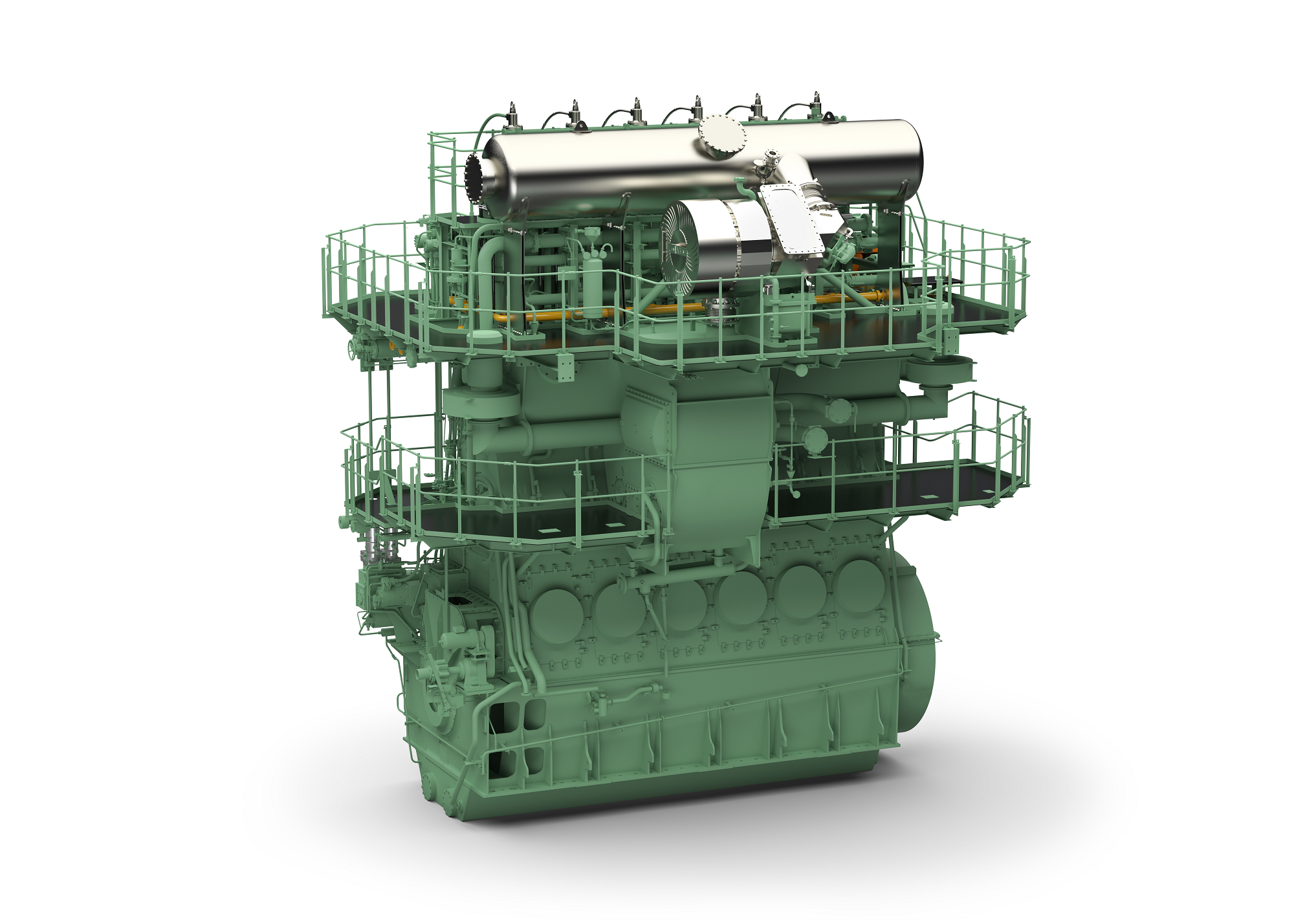
- HFO
- VLSFO
- MDO
- LNG
- Low-pressure gas admission (~16 bar) — no HP gas compressor needed
- Otto-cycle in gas mode (lean-burn)
- Diesel micro-pilot ignition
- IMO Tier III in gas mode without aftertreatment
- X-DF 2.0 supports methanol and ammonia-ready configurations
- Area: Kolbenbolzen-Wärmebeanspruchung und Verschleiß: Bei hohen Lasten können Verschleißerscheinungen an den Kolbenkühlung-Ölkanälen auftreten; inspiziere nach ersten
- Area: Abgaskrümmer und Scavenging-System Verschmutzung: Verunreinigungen oder defekte Luftklappen im Scavenge-Luftreceiver führen zu erhöhten Abgastemperaturen; Turbo
- Area: Methanbrenner (Slip) bei LNG-Dual-Fuel Betrieb: X82DF erzeugt bis zu 2-3% Methanbrenner bei Gasmode (vor iCER). X82DF-2.0 mit iCER reduziert um 50%; Überwachung
- Area: Kolbenstangendichtung Leckageverschleiß: Regelmäßige Kontrolle der Piston Rod Gland Clearance beim Kolbenwechsel erforderlich; weiß-Metall-Schicht kann abnutzen
- Area: Servo-Ölanlage Undichtigkeit: Servo-Ölpumpen und Druckregelventile können lecken; WiCE Kontrollsystem überwacht Servo-Öldruck kontinuierlich. Manuelle Ölpumpe m
Verifizierte Familien-Daten (Hersteller-Datenblaetter + Fachquellen, 2026-06). Teils klassen-allgemeine Inspektionspunkte — pro Eintrag Quelle.
- HFO
- VLSFO
- MDO
- LNG
- Low-pressure gas admission (~16 bar) — no HP gas compressor needed
- Otto-cycle in gas mode (lean-burn)
- Diesel micro-pilot ignition
- IMO Tier III in gas mode without aftertreatment
- X-DF 2.0 supports methanol and ammonia-ready configurations
- Area: WECS-9520 Steuerungssystem-Ausfälle (dokumentierte Mängel in Servoöl-Lecks, Kraftstoff-Lecks, Drossel-Einspritzventile)
- Area: Kühlwasserleckagen in Zylindern und Abgasventilversteller-Mängel; Inspektionsroutine für Hochdruck-SCR-System erforderlich
- Area: Lager und Kolbenkühlung-Öltemperatur-Überwachung kritisch; Kondensatfluss an Wassertrenner zu hoch (Scavenging-Abkühlsystem-Fouling)
- Area: Thermobelastungsrisse im Zylinderkopf (Ventilbrücke): Zyklische thermische Belastung bei Lastwechseln 70-80 RPM; Abgasventil-Sitzflächen-Verschleiß erfordert Sc
- Area: Turbolader-Ölaustritt und Lecks; Scavenge-Luftkühler-Verschmutzung (Luftseite: Druckabfall, Temperaturanstieg; Wasserseitenverockerung)
Verifizierte Familien-Daten (Hersteller-Datenblaetter + Fachquellen, 2026-06). Teils klassen-allgemeine Inspektionspunkte — pro Eintrag Quelle.
- HFO
- VLSFO
- MDO
- LNG
- Low-pressure gas admission (~16 bar) — no HP gas compressor needed
- Otto-cycle in gas mode (lean-burn)
- Diesel micro-pilot ignition
- IMO Tier III in gas mode without aftertreatment
- X-DF 2.0 supports methanol and ammonia-ready configurations
- Area: Zylinderliner-Scuffing: Lokales Verschweißen und Verschleiß zwischen Kolbenring und Linerinnenfläche verursacht durch unzureichende Schmierung oder Ölfilm-ZusamCheck: Visuelle Inspektion des Liners auf Kratzer, Mikroschweißungen und Verfärbungen; lokale Schliff-Rauheit prüfen; bei Bedarf Liner nachhonen oder austauschen
- Area: Kolbenkrone- und Ringrillen-Verschleiß: Oberflächentragen, Verschleiß und Risse in Kolbenkrone und Ringrillen erfordern DickenmessungenCheck: Dickenmessgerät (z.B. Fischer Dualscope MP0) verwenden; Vergleich mit Richtwerten aus OM; Kolbenkrone auf thermische Verfärbung, Risse und Ablagerungen prüfen
- Area: Brennstoffdruck-Anomalien und Rillenleckage: Zu hohes/zu niedriges Druck im Common-Rail-System und Brennstoff-Leckage aus EinspritzleitungenCheck: Brennstoffdruck während Betrieb prüfen (Richtwert bei R1); Brennstoffrücklauf auf Undichtheiten kontrollieren; Inspektionsleitungen an Injektoren auf Lecks überwachen
- Area: Abgastemperatur-Unregelmäßigkeiten mit erhöhter Gaskonzentration in Kolbenunterseite: Asymmetrische oder unerwartete Abgastemperaturen stromabwärts einzelner ZyCheck: Kontinuierliche Abgastemperatur-Überwachung pro Zylinder durchführen; bei Temp.-Unterschieden >30°C Zylinderkopf-Inspektionen einleiten; Gaskonzentration im Kolben prüfen
- Area: Servo-Ölsystem-Leckage und FLV/Brennstoffleitungs-Undichtheiten: Druckverlust im Servo-Hydrauliksystem und Brennstoffleck an Fuel Line ValvesCheck: Servo-Öldrück und -Durchfluss kontrollieren; alle Brennstoffleitungen und Ventilverbindungen visuell und unter Druck prüfen; Inspektionsgläser überwachen
Verifizierte Familien-Daten (Hersteller-Datenblaetter + Fachquellen, 2026-06). Teils klassen-allgemeine Inspektionspunkte — pro Eintrag Quelle.
- HFO
- VLSFO
- MDO
- LNG
- Low-pressure gas admission (~16 bar) — no HP gas compressor needed
- Otto-cycle in gas mode (lean-burn)
- Diesel micro-pilot ignition
- IMO Tier III in gas mode without aftertreatment
- X-DF 2.0 supports methanol and ammonia-ready configurations
- Area: Kolbenbolzen-Wärmebeanspruchung und Verschleiß: Bei hohen Lasten können Verschleißerscheinungen an den Kolbenkühlung-Ölkanälen auftreten; inspiziere nach ersten
- Area: Abgaskrümmer und Scavenging-System Verschmutzung: Verunreinigungen oder defekte Luftklappen im Scavenge-Luftreceiver führen zu erhöhten Abgastemperaturen; Turbo
- Area: Methanbrenner (Slip) bei LNG-Dual-Fuel Betrieb: X82DF erzeugt bis zu 2-3% Methanbrenner bei Gasmode (vor iCER). X82DF-2.0 mit iCER reduziert um 50%; Überwachung
- Area: Kolbenstangendichtung Leckageverschleiß: Regelmäßige Kontrolle der Piston Rod Gland Clearance beim Kolbenwechsel erforderlich; weiß-Metall-Schicht kann abnutzen
- Area: Servo-Ölanlage Undichtigkeit: Servo-Ölpumpen und Druckregelventile können lecken; WiCE Kontrollsystem überwacht Servo-Öldruck kontinuierlich. Manuelle Ölpumpe m
Verifizierte Familien-Daten (Hersteller-Datenblaetter + Fachquellen, 2026-06). Teils klassen-allgemeine Inspektionspunkte — pro Eintrag Quelle.
- HFO
- VLSFO
- MDO
- LNG
- Low-pressure gas admission (~16 bar) — no HP gas compressor needed
- Otto-cycle in gas mode (lean-burn)
- Diesel micro-pilot ignition
- IMO Tier III in gas mode without aftertreatment
- X-DF 2.0 supports methanol and ammonia-ready configurations
- Area: WECS-9520 Steuerungssystem-Ausfälle (dokumentierte Mängel in Servoöl-Lecks, Kraftstoff-Lecks, Drossel-Einspritzventile)
- Area: Kühlwasserleckagen in Zylindern und Abgasventilversteller-Mängel; Inspektionsroutine für Hochdruck-SCR-System erforderlich
- Area: Lager und Kolbenkühlung-Öltemperatur-Überwachung kritisch; Kondensatfluss an Wassertrenner zu hoch (Scavenging-Abkühlsystem-Fouling)
- Area: Thermobelastungsrisse im Zylinderkopf (Ventilbrücke): Zyklische thermische Belastung bei Lastwechseln 70-80 RPM; Abgasventil-Sitzflächen-Verschleiß erfordert Sc
- Area: Turbolader-Ölaustritt und Lecks; Scavenge-Luftkühler-Verschmutzung (Luftseite: Druckabfall, Temperaturanstieg; Wasserseitenverockerung)
Verifizierte Familien-Daten (Hersteller-Datenblaetter + Fachquellen, 2026-06). Teils klassen-allgemeine Inspektionspunkte — pro Eintrag Quelle.
- HFO
- VLSFO
- MDO
- LNG
- Low-pressure gas admission (~16 bar) — no HP gas compressor needed
- Otto-cycle in gas mode (lean-burn)
- Diesel micro-pilot ignition
- IMO Tier III in gas mode without aftertreatment
- X-DF 2.0 supports methanol and ammonia-ready configurations
- Area: WECS-9520 Steuerungssystem-Ausfälle (dokumentierte Mängel in Servoöl-Lecks, Kraftstoff-Lecks, Drossel-Einspritzventile)
- Area: Kühlwasserleckagen in Zylindern und Abgasventilversteller-Mängel; Inspektionsroutine für Hochdruck-SCR-System erforderlich
- Area: Lager und Kolbenkühlung-Öltemperatur-Überwachung kritisch; Kondensatfluss an Wassertrenner zu hoch (Scavenging-Abkühlsystem-Fouling)
- Area: Thermobelastungsrisse im Zylinderkopf (Ventilbrücke): Zyklische thermische Belastung bei Lastwechseln 70-80 RPM; Abgasventil-Sitzflächen-Verschleiß erfordert Sc
- Area: Turbolader-Ölaustritt und Lecks; Scavenge-Luftkühler-Verschmutzung (Luftseite: Druckabfall, Temperaturanstieg; Wasserseitenverockerung)
Verifizierte Familien-Daten (Hersteller-Datenblaetter + Fachquellen, 2026-06). Teils klassen-allgemeine Inspektionspunkte — pro Eintrag Quelle.
- HFO
- VLSFO
- MDO
- LNG
- Low-pressure gas admission (~16 bar) — no HP gas compressor needed
- Otto-cycle in gas mode (lean-burn)
- Diesel micro-pilot ignition
- IMO Tier III in gas mode without aftertreatment
- X-DF 2.0 supports methanol and ammonia-ready configurations
- Area: WECS-9520 Steuerungssystem-Ausfälle (dokumentierte Mängel in Servoöl-Lecks, Kraftstoff-Lecks, Drossel-Einspritzventile)
- Area: Kühlwasserleckagen in Zylindern und Abgasventilversteller-Mängel; Inspektionsroutine für Hochdruck-SCR-System erforderlich
- Area: Lager und Kolbenkühlung-Öltemperatur-Überwachung kritisch; Kondensatfluss an Wassertrenner zu hoch (Scavenging-Abkühlsystem-Fouling)
- Area: Thermobelastungsrisse im Zylinderkopf (Ventilbrücke): Zyklische thermische Belastung bei Lastwechseln 70-80 RPM; Abgasventil-Sitzflächen-Verschleiß erfordert Sc
- Area: Turbolader-Ölaustritt und Lecks; Scavenge-Luftkühler-Verschmutzung (Luftseite: Druckabfall, Temperaturanstieg; Wasserseitenverockerung)
Verifizierte Familien-Daten (Hersteller-Datenblaetter + Fachquellen, 2026-06). Teils klassen-allgemeine Inspektionspunkte — pro Eintrag Quelle.
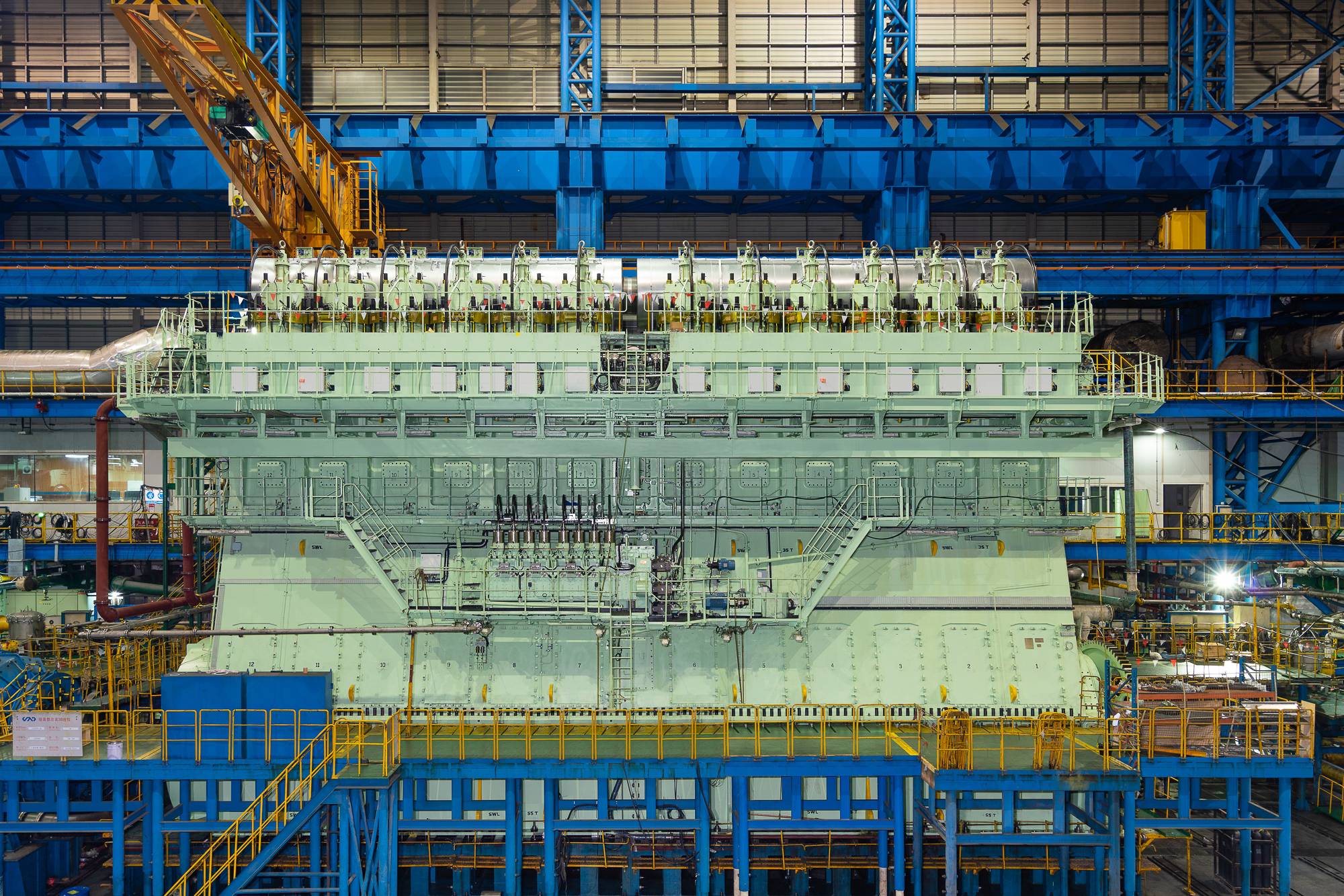
- HFO
- VLSFO
- MDO
- LNG
- Low-pressure gas admission (~16 bar) — no HP gas compressor needed
- Otto-cycle in gas mode (lean-burn)
- Diesel micro-pilot ignition
- IMO Tier III in gas mode without aftertreatment
- X-DF 2.0 supports methanol and ammonia-ready configurations
- Area: WECS-9520 Steuerungssystem-Ausfälle (dokumentierte Mängel in Servoöl-Lecks, Kraftstoff-Lecks, Drossel-Einspritzventile)
- Area: Kühlwasserleckagen in Zylindern und Abgasventilversteller-Mängel; Inspektionsroutine für Hochdruck-SCR-System erforderlich
- Area: Lager und Kolbenkühlung-Öltemperatur-Überwachung kritisch; Kondensatfluss an Wassertrenner zu hoch (Scavenging-Abkühlsystem-Fouling)
- Area: Thermobelastungsrisse im Zylinderkopf (Ventilbrücke): Zyklische thermische Belastung bei Lastwechseln 70-80 RPM; Abgasventil-Sitzflächen-Verschleiß erfordert Sc
- Area: Turbolader-Ölaustritt und Lecks; Scavenge-Luftkühler-Verschmutzung (Luftseite: Druckabfall, Temperaturanstieg; Wasserseitenverockerung)
Verifizierte Familien-Daten (Hersteller-Datenblaetter + Fachquellen, 2026-06). Teils klassen-allgemeine Inspektionspunkte — pro Eintrag Quelle.
- HFO
- VLSFO
- MDO
- Methanol
- Low-pressure methanol injection
- Diesel pilot ignition
- Ammonia-ready design pathway
- Area: Gas Admission Valve (GAV) stroke sensor unreliability at sea causing unplanned diesel mode shutdownCheck: Visual inspection of GAV sensor wiring, sensor response test at dock and sea trial, check sensor connector corrosion
- Area: Fuel gas supply pressure fluctuations under heavy sea conditions from ship-side LNG system causing engine speed oscillationsCheck: Pressure relief valve setting verification, fuel supply isolation valve function check, regulator response test under load variation
- Area: Scavenge air cooler type changes and turbocharger allocation revisions across X-engine platform requiring careful commissioning verificationCheck: Cross-check installed turbocharger serial number against commissioning document, scavenge cooler type plate vs contract specifications
- Area: Oil starvation risk on turbocharger bearing during engine startup and low-pressure transients common in all two-stroke dieselsCheck: Check lube oil supply pressure before start, inspect turbo bearing condition at overhaul, verify pre-lubrication startup sequence in manual
Verifizierte Familien-Daten (Hersteller-Datenblaetter + Fachquellen, 2026-06). Teils klassen-allgemeine Inspektionspunkte — pro Eintrag Quelle.
- HFO
- VLSFO
- MDO
- Methanol
- Low-pressure methanol injection
- Diesel pilot ignition
- Ammonia-ready design pathway
- Area: Fuel valve carbon deposits / fuel system blockages in low-load multi-fuel operationCheck: Inspect fuel valve nozzle spray pattern during top-overhaul; monitor differential pressure across fuel filter; verify fuel heating system temperature compliance
- Area: Piston crown thermal cracking and top-land spalling under extreme load or fuel quality variationsCheck: Measure piston crown surface condition using borescope; check for micro-cracks in top land; examine combustion bowl geometry; compare cylinder-to-cylinder pressure readings
- Area: Cylinder liner scuffing/scoring in dust-contaminated conditions or with inadequate air filtrationCheck: Perform liner diameter measurement service at each overhaul; document wear rate trending; inspect piston rings for abnormal wear patterns; check air inlet filter condition
- Area: Turbocharger surge and cavitation erosion in unsteady loading (e.g., dynamic positioning vessels)Check: Monitor turbocharger bearing temperatures during mode transitions (gas-to-diesel); inspect turbocharger for cavitation pitting on impeller; verify surge line compliance in operational envelope
- Area: Fuel gas supply system pressure regulation instability (iGPR unit hysteresis) under rapid load changesCheck: Perform fuel gas system pressure step-response test during commissioning; verify regulator response time <500ms per specification; conduct annual gas line tightness test with ultrasonic detection
Verifizierte Familien-Daten (Hersteller-Datenblaetter + Fachquellen, 2026-06). Teils klassen-allgemeine Inspektionspunkte — pro Eintrag Quelle.
- HFO
- VLSFO
- MDO
- Methanol
- Low-pressure methanol injection
- Diesel pilot ignition
- Ammonia-ready design pathway
- Area: Fuel Rail Pressure Too High causing violent firing at start; fuel control failureCheck: Verify fuel rail pressure within spec; check power supply and wiring to fuel control
- Area: Injection Nozzle Wear from normal operation causing irregular combustionCheck: Inspect nozzle tips at ~8,000–10,000 operating hours; replace spare kit per schedule
- Area: Lubricating Oil Contamination: water and solids reduce bearing protection; dry sump circulation criticalCheck: Verify centrifugal separator bypass operation; monitor oil condition via sampling; check crankcase drain integrity
- Area: Ammonia Combustion Instability (X72DF-A-1.0): low flame speed, high activation energy, misfiring risk, N2O/NH3 emissionsCheck: Monitor cylinder pressure diagrams; verify pilot fuel injection timing/quantity; track exhaust temps and emission compliance
- Area: Scavenge Air Cooler Fouling in dust-laden trades; efficiency loss and thermal stressCheck: Install filtration for dust-prone routes; schedule periodic cooler inspection and cleaning; monitor scavenge air temperature trend
Verifizierte Familien-Daten (Hersteller-Datenblaetter + Fachquellen, 2026-06). Teils klassen-allgemeine Inspektionspunkte — pro Eintrag Quelle.
- HFO
- VLSFO
- MDO
- Methanol
- Low-pressure methanol injection
- Diesel pilot ignition
- Ammonia-ready design pathway
- Area: Fuel Rail Pressure Too High causing violent firing at start; fuel control failureCheck: Verify fuel rail pressure within spec; check power supply and wiring to fuel control
- Area: Injection Nozzle Wear from normal operation causing irregular combustionCheck: Inspect nozzle tips at ~8,000–10,000 operating hours; replace spare kit per schedule
- Area: Lubricating Oil Contamination: water and solids reduce bearing protection; dry sump circulation criticalCheck: Verify centrifugal separator bypass operation; monitor oil condition via sampling; check crankcase drain integrity
- Area: Ammonia Combustion Instability (X72DF-A-1.0): low flame speed, high activation energy, misfiring risk, N2O/NH3 emissionsCheck: Monitor cylinder pressure diagrams; verify pilot fuel injection timing/quantity; track exhaust temps and emission compliance
- Area: Scavenge Air Cooler Fouling in dust-laden trades; efficiency loss and thermal stressCheck: Install filtration for dust-prone routes; schedule periodic cooler inspection and cleaning; monitor scavenge air temperature trend
Verifizierte Familien-Daten (Hersteller-Datenblaetter + Fachquellen, 2026-06). Teils klassen-allgemeine Inspektionspunkte — pro Eintrag Quelle.
- HFO
- VLSFO
- MDO
- Methanol
- Low-pressure methanol injection
- Diesel pilot ignition
- Ammonia-ready design pathway
- Area: Kolbenbolzen-Wärmebeanspruchung und Verschleiß: Bei hohen Lasten können Verschleißerscheinungen an den Kolbenkühlung-Ölkanälen auftreten; inspiziere nach ersten
- Area: Abgaskrümmer und Scavenging-System Verschmutzung: Verunreinigungen oder defekte Luftklappen im Scavenge-Luftreceiver führen zu erhöhten Abgastemperaturen; Turbo
- Area: Methanbrenner (Slip) bei LNG-Dual-Fuel Betrieb: X82DF erzeugt bis zu 2-3% Methanbrenner bei Gasmode (vor iCER). X82DF-2.0 mit iCER reduziert um 50%; Überwachung
- Area: Kolbenstangendichtung Leckageverschleiß: Regelmäßige Kontrolle der Piston Rod Gland Clearance beim Kolbenwechsel erforderlich; weiß-Metall-Schicht kann abnutzen
- Area: Servo-Ölanlage Undichtigkeit: Servo-Ölpumpen und Druckregelventile können lecken; WiCE Kontrollsystem überwacht Servo-Öldruck kontinuierlich. Manuelle Ölpumpe m
Verifizierte Familien-Daten (Hersteller-Datenblaetter + Fachquellen, 2026-06). Teils klassen-allgemeine Inspektionspunkte — pro Eintrag Quelle.
- HFO
- VLSFO
- MDO
- Methanol
- Low-pressure methanol injection
- Diesel pilot ignition
- Ammonia-ready design pathway
- Area: WECS-9520 Steuerungssystem-Ausfälle (dokumentierte Mängel in Servoöl-Lecks, Kraftstoff-Lecks, Drossel-Einspritzventile)
- Area: Kühlwasserleckagen in Zylindern und Abgasventilversteller-Mängel; Inspektionsroutine für Hochdruck-SCR-System erforderlich
- Area: Lager und Kolbenkühlung-Öltemperatur-Überwachung kritisch; Kondensatfluss an Wassertrenner zu hoch (Scavenging-Abkühlsystem-Fouling)
- Area: Thermobelastungsrisse im Zylinderkopf (Ventilbrücke): Zyklische thermische Belastung bei Lastwechseln 70-80 RPM; Abgasventil-Sitzflächen-Verschleiß erfordert Sc
- Area: Turbolader-Ölaustritt und Lecks; Scavenge-Luftkühler-Verschmutzung (Luftseite: Druckabfall, Temperaturanstieg; Wasserseitenverockerung)
Verifizierte Familien-Daten (Hersteller-Datenblaetter + Fachquellen, 2026-06). Teils klassen-allgemeine Inspektionspunkte — pro Eintrag Quelle.
- HFO
- VLSFO
- MDO
- Methanol
- Low-pressure methanol injection
- Diesel pilot ignition
- Ammonia-ready design pathway
- Area: WECS-9520 Steuerungssystem-Ausfälle (dokumentierte Mängel in Servoöl-Lecks, Kraftstoff-Lecks, Drossel-Einspritzventile)
- Area: Kühlwasserleckagen in Zylindern und Abgasventilversteller-Mängel; Inspektionsroutine für Hochdruck-SCR-System erforderlich
- Area: Lager und Kolbenkühlung-Öltemperatur-Überwachung kritisch; Kondensatfluss an Wassertrenner zu hoch (Scavenging-Abkühlsystem-Fouling)
- Area: Thermobelastungsrisse im Zylinderkopf (Ventilbrücke): Zyklische thermische Belastung bei Lastwechseln 70-80 RPM; Abgasventil-Sitzflächen-Verschleiß erfordert Sc
- Area: Turbolader-Ölaustritt und Lecks; Scavenge-Luftkühler-Verschmutzung (Luftseite: Druckabfall, Temperaturanstieg; Wasserseitenverockerung)
Verifizierte Familien-Daten (Hersteller-Datenblaetter + Fachquellen, 2026-06). Teils klassen-allgemeine Inspektionspunkte — pro Eintrag Quelle.
- HFO
- VLSFO
- MDO
- Methanol
- Low-pressure methanol injection
- Diesel pilot ignition
- Ammonia-ready design pathway
- Area: Gas Admission Valve (GAV) stroke sensor unreliability at sea causing unplanned diesel mode shutdownCheck: Visual inspection of GAV sensor wiring, sensor response test at dock and sea trial, check sensor connector corrosion
- Area: Fuel gas supply pressure fluctuations under heavy sea conditions from ship-side LNG system causing engine speed oscillationsCheck: Pressure relief valve setting verification, fuel supply isolation valve function check, regulator response test under load variation
- Area: Scavenge air cooler type changes and turbocharger allocation revisions across X-engine platform requiring careful commissioning verificationCheck: Cross-check installed turbocharger serial number against commissioning document, scavenge cooler type plate vs contract specifications
- Area: Oil starvation risk on turbocharger bearing during engine startup and low-pressure transients common in all two-stroke dieselsCheck: Check lube oil supply pressure before start, inspect turbo bearing condition at overhaul, verify pre-lubrication startup sequence in manual
Verifizierte Familien-Daten (Hersteller-Datenblaetter + Fachquellen, 2026-06). Teils klassen-allgemeine Inspektionspunkte — pro Eintrag Quelle.
- HFO
- VLSFO
- MDO
- Methanol
- Low-pressure methanol injection
- Diesel pilot ignition
- Ammonia-ready design pathway
- Area: Fuel valve carbon deposits / fuel system blockages in low-load multi-fuel operationCheck: Inspect fuel valve nozzle spray pattern during top-overhaul; monitor differential pressure across fuel filter; verify fuel heating system temperature compliance
- Area: Piston crown thermal cracking and top-land spalling under extreme load or fuel quality variationsCheck: Measure piston crown surface condition using borescope; check for micro-cracks in top land; examine combustion bowl geometry; compare cylinder-to-cylinder pressure readings
- Area: Cylinder liner scuffing/scoring in dust-contaminated conditions or with inadequate air filtrationCheck: Perform liner diameter measurement service at each overhaul; document wear rate trending; inspect piston rings for abnormal wear patterns; check air inlet filter condition
- Area: Turbocharger surge and cavitation erosion in unsteady loading (e.g., dynamic positioning vessels)Check: Monitor turbocharger bearing temperatures during mode transitions (gas-to-diesel); inspect turbocharger for cavitation pitting on impeller; verify surge line compliance in operational envelope
- Area: Fuel gas supply system pressure regulation instability (iGPR unit hysteresis) under rapid load changesCheck: Perform fuel gas system pressure step-response test during commissioning; verify regulator response time <500ms per specification; conduct annual gas line tightness test with ultrasonic detection
Verifizierte Familien-Daten (Hersteller-Datenblaetter + Fachquellen, 2026-06). Teils klassen-allgemeine Inspektionspunkte — pro Eintrag Quelle.
- HFO
- VLSFO
- MDO
- Methanol
- Low-pressure methanol injection
- Diesel pilot ignition
- Ammonia-ready design pathway
- Area: Fuel Rail Pressure Too High causing violent firing at start; fuel control failureCheck: Verify fuel rail pressure within spec; check power supply and wiring to fuel control
- Area: Injection Nozzle Wear from normal operation causing irregular combustionCheck: Inspect nozzle tips at ~8,000–10,000 operating hours; replace spare kit per schedule
- Area: Lubricating Oil Contamination: water and solids reduce bearing protection; dry sump circulation criticalCheck: Verify centrifugal separator bypass operation; monitor oil condition via sampling; check crankcase drain integrity
- Area: Ammonia Combustion Instability (X72DF-A-1.0): low flame speed, high activation energy, misfiring risk, N2O/NH3 emissionsCheck: Monitor cylinder pressure diagrams; verify pilot fuel injection timing/quantity; track exhaust temps and emission compliance
- Area: Scavenge Air Cooler Fouling in dust-laden trades; efficiency loss and thermal stressCheck: Install filtration for dust-prone routes; schedule periodic cooler inspection and cleaning; monitor scavenge air temperature trend
Verifizierte Familien-Daten (Hersteller-Datenblaetter + Fachquellen, 2026-06). Teils klassen-allgemeine Inspektionspunkte — pro Eintrag Quelle.
- HFO
- VLSFO
- MDO
- Methanol
- Low-pressure methanol injection
- Diesel pilot ignition
- Ammonia-ready design pathway
- Area: Fuel Rail Pressure Too High causing violent firing at start; fuel control failureCheck: Verify fuel rail pressure within spec; check power supply and wiring to fuel control
- Area: Injection Nozzle Wear from normal operation causing irregular combustionCheck: Inspect nozzle tips at ~8,000–10,000 operating hours; replace spare kit per schedule
- Area: Lubricating Oil Contamination: water and solids reduce bearing protection; dry sump circulation criticalCheck: Verify centrifugal separator bypass operation; monitor oil condition via sampling; check crankcase drain integrity
- Area: Ammonia Combustion Instability (X72DF-A-1.0): low flame speed, high activation energy, misfiring risk, N2O/NH3 emissionsCheck: Monitor cylinder pressure diagrams; verify pilot fuel injection timing/quantity; track exhaust temps and emission compliance
- Area: Scavenge Air Cooler Fouling in dust-laden trades; efficiency loss and thermal stressCheck: Install filtration for dust-prone routes; schedule periodic cooler inspection and cleaning; monitor scavenge air temperature trend
Verifizierte Familien-Daten (Hersteller-Datenblaetter + Fachquellen, 2026-06). Teils klassen-allgemeine Inspektionspunkte — pro Eintrag Quelle.
- HFO
- VLSFO
- MDO
- Methanol
- Low-pressure methanol injection
- Diesel pilot ignition
- Ammonia-ready design pathway
- Area: Kolbenbolzen-Wärmebeanspruchung und Verschleiß: Bei hohen Lasten können Verschleißerscheinungen an den Kolbenkühlung-Ölkanälen auftreten; inspiziere nach ersten
- Area: Abgaskrümmer und Scavenging-System Verschmutzung: Verunreinigungen oder defekte Luftklappen im Scavenge-Luftreceiver führen zu erhöhten Abgastemperaturen; Turbo
- Area: Methanbrenner (Slip) bei LNG-Dual-Fuel Betrieb: X82DF erzeugt bis zu 2-3% Methanbrenner bei Gasmode (vor iCER). X82DF-2.0 mit iCER reduziert um 50%; Überwachung
- Area: Kolbenstangendichtung Leckageverschleiß: Regelmäßige Kontrolle der Piston Rod Gland Clearance beim Kolbenwechsel erforderlich; weiß-Metall-Schicht kann abnutzen
- Area: Servo-Ölanlage Undichtigkeit: Servo-Ölpumpen und Druckregelventile können lecken; WiCE Kontrollsystem überwacht Servo-Öldruck kontinuierlich. Manuelle Ölpumpe m
Verifizierte Familien-Daten (Hersteller-Datenblaetter + Fachquellen, 2026-06). Teils klassen-allgemeine Inspektionspunkte — pro Eintrag Quelle.
- HFO
- VLSFO
- MDO
- Methanol
- Low-pressure methanol injection
- Diesel pilot ignition
- Ammonia-ready design pathway
- Area: WECS-9520 Steuerungssystem-Ausfälle (dokumentierte Mängel in Servoöl-Lecks, Kraftstoff-Lecks, Drossel-Einspritzventile)
- Area: Kühlwasserleckagen in Zylindern und Abgasventilversteller-Mängel; Inspektionsroutine für Hochdruck-SCR-System erforderlich
- Area: Lager und Kolbenkühlung-Öltemperatur-Überwachung kritisch; Kondensatfluss an Wassertrenner zu hoch (Scavenging-Abkühlsystem-Fouling)
- Area: Thermobelastungsrisse im Zylinderkopf (Ventilbrücke): Zyklische thermische Belastung bei Lastwechseln 70-80 RPM; Abgasventil-Sitzflächen-Verschleiß erfordert Sc
- Area: Turbolader-Ölaustritt und Lecks; Scavenge-Luftkühler-Verschmutzung (Luftseite: Druckabfall, Temperaturanstieg; Wasserseitenverockerung)
Verifizierte Familien-Daten (Hersteller-Datenblaetter + Fachquellen, 2026-06). Teils klassen-allgemeine Inspektionspunkte — pro Eintrag Quelle.
- HFO
- VLSFO
- MDO
- Methanol
- Low-pressure methanol injection
- Diesel pilot ignition
- Ammonia-ready design pathway
- Area: WECS-9520 Steuerungssystem-Ausfälle (dokumentierte Mängel in Servoöl-Lecks, Kraftstoff-Lecks, Drossel-Einspritzventile)
- Area: Kühlwasserleckagen in Zylindern und Abgasventilversteller-Mängel; Inspektionsroutine für Hochdruck-SCR-System erforderlich
- Area: Lager und Kolbenkühlung-Öltemperatur-Überwachung kritisch; Kondensatfluss an Wassertrenner zu hoch (Scavenging-Abkühlsystem-Fouling)
- Area: Thermobelastungsrisse im Zylinderkopf (Ventilbrücke): Zyklische thermische Belastung bei Lastwechseln 70-80 RPM; Abgasventil-Sitzflächen-Verschleiß erfordert Sc
- Area: Turbolader-Ölaustritt und Lecks; Scavenge-Luftkühler-Verschmutzung (Luftseite: Druckabfall, Temperaturanstieg; Wasserseitenverockerung)
Verifizierte Familien-Daten (Hersteller-Datenblaetter + Fachquellen, 2026-06). Teils klassen-allgemeine Inspektionspunkte — pro Eintrag Quelle.
- HFO
- VLSFO
- MDO
- Methanol
- Low-pressure methanol injection
- Diesel pilot ignition
- Ammonia-ready design pathway
- Area: Gas Admission Valve (GAV) stroke sensor unreliability at sea causing unplanned diesel mode shutdownCheck: Visual inspection of GAV sensor wiring, sensor response test at dock and sea trial, check sensor connector corrosion
- Area: Fuel gas supply pressure fluctuations under heavy sea conditions from ship-side LNG system causing engine speed oscillationsCheck: Pressure relief valve setting verification, fuel supply isolation valve function check, regulator response test under load variation
- Area: Scavenge air cooler type changes and turbocharger allocation revisions across X-engine platform requiring careful commissioning verificationCheck: Cross-check installed turbocharger serial number against commissioning document, scavenge cooler type plate vs contract specifications
- Area: Oil starvation risk on turbocharger bearing during engine startup and low-pressure transients common in all two-stroke dieselsCheck: Check lube oil supply pressure before start, inspect turbo bearing condition at overhaul, verify pre-lubrication startup sequence in manual
Verifizierte Familien-Daten (Hersteller-Datenblaetter + Fachquellen, 2026-06). Teils klassen-allgemeine Inspektionspunkte — pro Eintrag Quelle.
- HFO
- VLSFO
- MDO
- Methanol
- Low-pressure methanol injection
- Diesel pilot ignition
- Ammonia-ready design pathway
- Area: Fuel valve carbon deposits / fuel system blockages in low-load multi-fuel operationCheck: Inspect fuel valve nozzle spray pattern during top-overhaul; monitor differential pressure across fuel filter; verify fuel heating system temperature compliance
- Area: Piston crown thermal cracking and top-land spalling under extreme load or fuel quality variationsCheck: Measure piston crown surface condition using borescope; check for micro-cracks in top land; examine combustion bowl geometry; compare cylinder-to-cylinder pressure readings
- Area: Cylinder liner scuffing/scoring in dust-contaminated conditions or with inadequate air filtrationCheck: Perform liner diameter measurement service at each overhaul; document wear rate trending; inspect piston rings for abnormal wear patterns; check air inlet filter condition
- Area: Turbocharger surge and cavitation erosion in unsteady loading (e.g., dynamic positioning vessels)Check: Monitor turbocharger bearing temperatures during mode transitions (gas-to-diesel); inspect turbocharger for cavitation pitting on impeller; verify surge line compliance in operational envelope
- Area: Fuel gas supply system pressure regulation instability (iGPR unit hysteresis) under rapid load changesCheck: Perform fuel gas system pressure step-response test during commissioning; verify regulator response time <500ms per specification; conduct annual gas line tightness test with ultrasonic detection
Verifizierte Familien-Daten (Hersteller-Datenblaetter + Fachquellen, 2026-06). Teils klassen-allgemeine Inspektionspunkte — pro Eintrag Quelle.
- HFO
- VLSFO
- MDO
- Methanol
- Low-pressure methanol injection
- Diesel pilot ignition
- Ammonia-ready design pathway
- Area: Fuel Rail Pressure Too High causing violent firing at start; fuel control failureCheck: Verify fuel rail pressure within spec; check power supply and wiring to fuel control
- Area: Injection Nozzle Wear from normal operation causing irregular combustionCheck: Inspect nozzle tips at ~8,000–10,000 operating hours; replace spare kit per schedule
- Area: Lubricating Oil Contamination: water and solids reduce bearing protection; dry sump circulation criticalCheck: Verify centrifugal separator bypass operation; monitor oil condition via sampling; check crankcase drain integrity
- Area: Ammonia Combustion Instability (X72DF-A-1.0): low flame speed, high activation energy, misfiring risk, N2O/NH3 emissionsCheck: Monitor cylinder pressure diagrams; verify pilot fuel injection timing/quantity; track exhaust temps and emission compliance
- Area: Scavenge Air Cooler Fouling in dust-laden trades; efficiency loss and thermal stressCheck: Install filtration for dust-prone routes; schedule periodic cooler inspection and cleaning; monitor scavenge air temperature trend
Verifizierte Familien-Daten (Hersteller-Datenblaetter + Fachquellen, 2026-06). Teils klassen-allgemeine Inspektionspunkte — pro Eintrag Quelle.
- HFO
- VLSFO
- MDO
- Methanol
- Low-pressure methanol injection
- Diesel pilot ignition
- Ammonia-ready design pathway
- Area: Fuel Rail Pressure Too High causing violent firing at start; fuel control failureCheck: Verify fuel rail pressure within spec; check power supply and wiring to fuel control
- Area: Injection Nozzle Wear from normal operation causing irregular combustionCheck: Inspect nozzle tips at ~8,000–10,000 operating hours; replace spare kit per schedule
- Area: Lubricating Oil Contamination: water and solids reduce bearing protection; dry sump circulation criticalCheck: Verify centrifugal separator bypass operation; monitor oil condition via sampling; check crankcase drain integrity
- Area: Ammonia Combustion Instability (X72DF-A-1.0): low flame speed, high activation energy, misfiring risk, N2O/NH3 emissionsCheck: Monitor cylinder pressure diagrams; verify pilot fuel injection timing/quantity; track exhaust temps and emission compliance
- Area: Scavenge Air Cooler Fouling in dust-laden trades; efficiency loss and thermal stressCheck: Install filtration for dust-prone routes; schedule periodic cooler inspection and cleaning; monitor scavenge air temperature trend
Verifizierte Familien-Daten (Hersteller-Datenblaetter + Fachquellen, 2026-06). Teils klassen-allgemeine Inspektionspunkte — pro Eintrag Quelle.
- HFO
- VLSFO
- MDO
- Methanol
- Low-pressure methanol injection
- Diesel pilot ignition
- Ammonia-ready design pathway
- Area: Kolbenbolzen-Wärmebeanspruchung und Verschleiß: Bei hohen Lasten können Verschleißerscheinungen an den Kolbenkühlung-Ölkanälen auftreten; inspiziere nach ersten
- Area: Abgaskrümmer und Scavenging-System Verschmutzung: Verunreinigungen oder defekte Luftklappen im Scavenge-Luftreceiver führen zu erhöhten Abgastemperaturen; Turbo
- Area: Methanbrenner (Slip) bei LNG-Dual-Fuel Betrieb: X82DF erzeugt bis zu 2-3% Methanbrenner bei Gasmode (vor iCER). X82DF-2.0 mit iCER reduziert um 50%; Überwachung
- Area: Kolbenstangendichtung Leckageverschleiß: Regelmäßige Kontrolle der Piston Rod Gland Clearance beim Kolbenwechsel erforderlich; weiß-Metall-Schicht kann abnutzen
- Area: Servo-Ölanlage Undichtigkeit: Servo-Ölpumpen und Druckregelventile können lecken; WiCE Kontrollsystem überwacht Servo-Öldruck kontinuierlich. Manuelle Ölpumpe m
Verifizierte Familien-Daten (Hersteller-Datenblaetter + Fachquellen, 2026-06). Teils klassen-allgemeine Inspektionspunkte — pro Eintrag Quelle.
- HFO
- VLSFO
- MDO
- Methanol
- Low-pressure methanol injection
- Diesel pilot ignition
- Ammonia-ready design pathway
- Area: WECS-9520 Steuerungssystem-Ausfälle (dokumentierte Mängel in Servoöl-Lecks, Kraftstoff-Lecks, Drossel-Einspritzventile)
- Area: Kühlwasserleckagen in Zylindern und Abgasventilversteller-Mängel; Inspektionsroutine für Hochdruck-SCR-System erforderlich
- Area: Lager und Kolbenkühlung-Öltemperatur-Überwachung kritisch; Kondensatfluss an Wassertrenner zu hoch (Scavenging-Abkühlsystem-Fouling)
- Area: Thermobelastungsrisse im Zylinderkopf (Ventilbrücke): Zyklische thermische Belastung bei Lastwechseln 70-80 RPM; Abgasventil-Sitzflächen-Verschleiß erfordert Sc
- Area: Turbolader-Ölaustritt und Lecks; Scavenge-Luftkühler-Verschmutzung (Luftseite: Druckabfall, Temperaturanstieg; Wasserseitenverockerung)
Verifizierte Familien-Daten (Hersteller-Datenblaetter + Fachquellen, 2026-06). Teils klassen-allgemeine Inspektionspunkte — pro Eintrag Quelle.
- HFO
- VLSFO
- MDO
- Methanol
- Low-pressure methanol injection
- Diesel pilot ignition
- Ammonia-ready design pathway
- Area: WECS-9520 Steuerungssystem-Ausfälle (dokumentierte Mängel in Servoöl-Lecks, Kraftstoff-Lecks, Drossel-Einspritzventile)
- Area: Kühlwasserleckagen in Zylindern und Abgasventilversteller-Mängel; Inspektionsroutine für Hochdruck-SCR-System erforderlich
- Area: Lager und Kolbenkühlung-Öltemperatur-Überwachung kritisch; Kondensatfluss an Wassertrenner zu hoch (Scavenging-Abkühlsystem-Fouling)
- Area: Thermobelastungsrisse im Zylinderkopf (Ventilbrücke): Zyklische thermische Belastung bei Lastwechseln 70-80 RPM; Abgasventil-Sitzflächen-Verschleiß erfordert Sc
- Area: Turbolader-Ölaustritt und Lecks; Scavenge-Luftkühler-Verschmutzung (Luftseite: Druckabfall, Temperaturanstieg; Wasserseitenverockerung)
Verifizierte Familien-Daten (Hersteller-Datenblaetter + Fachquellen, 2026-06). Teils klassen-allgemeine Inspektionspunkte — pro Eintrag Quelle.
- HFO
- VLSFO
- MDO
- Methanol
- Low-pressure methanol injection
- Diesel pilot ignition
- Ammonia-ready design pathway
- Area: Gas Admission Valve (GAV) stroke sensor unreliability at sea causing unplanned diesel mode shutdownCheck: Visual inspection of GAV sensor wiring, sensor response test at dock and sea trial, check sensor connector corrosion
- Area: Fuel gas supply pressure fluctuations under heavy sea conditions from ship-side LNG system causing engine speed oscillationsCheck: Pressure relief valve setting verification, fuel supply isolation valve function check, regulator response test under load variation
- Area: Scavenge air cooler type changes and turbocharger allocation revisions across X-engine platform requiring careful commissioning verificationCheck: Cross-check installed turbocharger serial number against commissioning document, scavenge cooler type plate vs contract specifications
- Area: Oil starvation risk on turbocharger bearing during engine startup and low-pressure transients common in all two-stroke dieselsCheck: Check lube oil supply pressure before start, inspect turbo bearing condition at overhaul, verify pre-lubrication startup sequence in manual
Verifizierte Familien-Daten (Hersteller-Datenblaetter + Fachquellen, 2026-06). Teils klassen-allgemeine Inspektionspunkte — pro Eintrag Quelle.
- HFO
- VLSFO
- MDO
- Methanol
- Low-pressure methanol injection
- Diesel pilot ignition
- Ammonia-ready design pathway
- Area: Fuel valve carbon deposits / fuel system blockages in low-load multi-fuel operationCheck: Inspect fuel valve nozzle spray pattern during top-overhaul; monitor differential pressure across fuel filter; verify fuel heating system temperature compliance
- Area: Piston crown thermal cracking and top-land spalling under extreme load or fuel quality variationsCheck: Measure piston crown surface condition using borescope; check for micro-cracks in top land; examine combustion bowl geometry; compare cylinder-to-cylinder pressure readings
- Area: Cylinder liner scuffing/scoring in dust-contaminated conditions or with inadequate air filtrationCheck: Perform liner diameter measurement service at each overhaul; document wear rate trending; inspect piston rings for abnormal wear patterns; check air inlet filter condition
- Area: Turbocharger surge and cavitation erosion in unsteady loading (e.g., dynamic positioning vessels)Check: Monitor turbocharger bearing temperatures during mode transitions (gas-to-diesel); inspect turbocharger for cavitation pitting on impeller; verify surge line compliance in operational envelope
- Area: Fuel gas supply system pressure regulation instability (iGPR unit hysteresis) under rapid load changesCheck: Perform fuel gas system pressure step-response test during commissioning; verify regulator response time <500ms per specification; conduct annual gas line tightness test with ultrasonic detection
Verifizierte Familien-Daten (Hersteller-Datenblaetter + Fachquellen, 2026-06). Teils klassen-allgemeine Inspektionspunkte — pro Eintrag Quelle.
- HFO
- VLSFO
- MDO
- Methanol
- Low-pressure methanol injection
- Diesel pilot ignition
- Ammonia-ready design pathway
- Area: Fuel Rail Pressure Too High causing violent firing at start; fuel control failureCheck: Verify fuel rail pressure within spec; check power supply and wiring to fuel control
- Area: Injection Nozzle Wear from normal operation causing irregular combustionCheck: Inspect nozzle tips at ~8,000–10,000 operating hours; replace spare kit per schedule
- Area: Lubricating Oil Contamination: water and solids reduce bearing protection; dry sump circulation criticalCheck: Verify centrifugal separator bypass operation; monitor oil condition via sampling; check crankcase drain integrity
- Area: Ammonia Combustion Instability (X72DF-A-1.0): low flame speed, high activation energy, misfiring risk, N2O/NH3 emissionsCheck: Monitor cylinder pressure diagrams; verify pilot fuel injection timing/quantity; track exhaust temps and emission compliance
- Area: Scavenge Air Cooler Fouling in dust-laden trades; efficiency loss and thermal stressCheck: Install filtration for dust-prone routes; schedule periodic cooler inspection and cleaning; monitor scavenge air temperature trend
Verifizierte Familien-Daten (Hersteller-Datenblaetter + Fachquellen, 2026-06). Teils klassen-allgemeine Inspektionspunkte — pro Eintrag Quelle.
- HFO
- VLSFO
- MDO
- Methanol
- Low-pressure methanol injection
- Diesel pilot ignition
- Ammonia-ready design pathway
- Area: Fuel Rail Pressure Too High causing violent firing at start; fuel control failureCheck: Verify fuel rail pressure within spec; check power supply and wiring to fuel control
- Area: Injection Nozzle Wear from normal operation causing irregular combustionCheck: Inspect nozzle tips at ~8,000–10,000 operating hours; replace spare kit per schedule
- Area: Lubricating Oil Contamination: water and solids reduce bearing protection; dry sump circulation criticalCheck: Verify centrifugal separator bypass operation; monitor oil condition via sampling; check crankcase drain integrity
- Area: Ammonia Combustion Instability (X72DF-A-1.0): low flame speed, high activation energy, misfiring risk, N2O/NH3 emissionsCheck: Monitor cylinder pressure diagrams; verify pilot fuel injection timing/quantity; track exhaust temps and emission compliance
- Area: Scavenge Air Cooler Fouling in dust-laden trades; efficiency loss and thermal stressCheck: Install filtration for dust-prone routes; schedule periodic cooler inspection and cleaning; monitor scavenge air temperature trend
Verifizierte Familien-Daten (Hersteller-Datenblaetter + Fachquellen, 2026-06). Teils klassen-allgemeine Inspektionspunkte — pro Eintrag Quelle.
- HFO
- VLSFO
- MDO
- Methanol
- Low-pressure methanol injection
- Diesel pilot ignition
- Ammonia-ready design pathway
- Area: Kolbenbolzen-Wärmebeanspruchung und Verschleiß: Bei hohen Lasten können Verschleißerscheinungen an den Kolbenkühlung-Ölkanälen auftreten; inspiziere nach ersten
- Area: Abgaskrümmer und Scavenging-System Verschmutzung: Verunreinigungen oder defekte Luftklappen im Scavenge-Luftreceiver führen zu erhöhten Abgastemperaturen; Turbo
- Area: Methanbrenner (Slip) bei LNG-Dual-Fuel Betrieb: X82DF erzeugt bis zu 2-3% Methanbrenner bei Gasmode (vor iCER). X82DF-2.0 mit iCER reduziert um 50%; Überwachung
- Area: Kolbenstangendichtung Leckageverschleiß: Regelmäßige Kontrolle der Piston Rod Gland Clearance beim Kolbenwechsel erforderlich; weiß-Metall-Schicht kann abnutzen
- Area: Servo-Ölanlage Undichtigkeit: Servo-Ölpumpen und Druckregelventile können lecken; WiCE Kontrollsystem überwacht Servo-Öldruck kontinuierlich. Manuelle Ölpumpe m
Verifizierte Familien-Daten (Hersteller-Datenblaetter + Fachquellen, 2026-06). Teils klassen-allgemeine Inspektionspunkte — pro Eintrag Quelle.
- HFO
- VLSFO
- MDO
- Methanol
- Low-pressure methanol injection
- Diesel pilot ignition
- Ammonia-ready design pathway
- Area: WECS-9520 Steuerungssystem-Ausfälle (dokumentierte Mängel in Servoöl-Lecks, Kraftstoff-Lecks, Drossel-Einspritzventile)
- Area: Kühlwasserleckagen in Zylindern und Abgasventilversteller-Mängel; Inspektionsroutine für Hochdruck-SCR-System erforderlich
- Area: Lager und Kolbenkühlung-Öltemperatur-Überwachung kritisch; Kondensatfluss an Wassertrenner zu hoch (Scavenging-Abkühlsystem-Fouling)
- Area: Thermobelastungsrisse im Zylinderkopf (Ventilbrücke): Zyklische thermische Belastung bei Lastwechseln 70-80 RPM; Abgasventil-Sitzflächen-Verschleiß erfordert Sc
- Area: Turbolader-Ölaustritt und Lecks; Scavenge-Luftkühler-Verschmutzung (Luftseite: Druckabfall, Temperaturanstieg; Wasserseitenverockerung)
Verifizierte Familien-Daten (Hersteller-Datenblaetter + Fachquellen, 2026-06). Teils klassen-allgemeine Inspektionspunkte — pro Eintrag Quelle.
- HFO
- VLSFO
- MDO
- Methanol
- Low-pressure methanol injection
- Diesel pilot ignition
- Ammonia-ready design pathway
- Area: WECS-9520 Steuerungssystem-Ausfälle (dokumentierte Mängel in Servoöl-Lecks, Kraftstoff-Lecks, Drossel-Einspritzventile)
- Area: Kühlwasserleckagen in Zylindern und Abgasventilversteller-Mängel; Inspektionsroutine für Hochdruck-SCR-System erforderlich
- Area: Lager und Kolbenkühlung-Öltemperatur-Überwachung kritisch; Kondensatfluss an Wassertrenner zu hoch (Scavenging-Abkühlsystem-Fouling)
- Area: Thermobelastungsrisse im Zylinderkopf (Ventilbrücke): Zyklische thermische Belastung bei Lastwechseln 70-80 RPM; Abgasventil-Sitzflächen-Verschleiß erfordert Sc
- Area: Turbolader-Ölaustritt und Lecks; Scavenge-Luftkühler-Verschmutzung (Luftseite: Druckabfall, Temperaturanstieg; Wasserseitenverockerung)
Verifizierte Familien-Daten (Hersteller-Datenblaetter + Fachquellen, 2026-06). Teils klassen-allgemeine Inspektionspunkte — pro Eintrag Quelle.
- HFO
- VLSFO
- MDO
- Methanol
- Low-pressure methanol injection
- Diesel pilot ignition
- Ammonia-ready design pathway
- Area: Kolbenbolzen-Wärmebeanspruchung und Verschleiß: Bei hohen Lasten können Verschleißerscheinungen an den Kolbenkühlung-Ölkanälen auftreten; inspiziere nach ersten
- Area: Abgaskrümmer und Scavenging-System Verschmutzung: Verunreinigungen oder defekte Luftklappen im Scavenge-Luftreceiver führen zu erhöhten Abgastemperaturen; Turbo
- Area: Methanbrenner (Slip) bei LNG-Dual-Fuel Betrieb: X82DF erzeugt bis zu 2-3% Methanbrenner bei Gasmode (vor iCER). X82DF-2.0 mit iCER reduziert um 50%; Überwachung
- Area: Kolbenstangendichtung Leckageverschleiß: Regelmäßige Kontrolle der Piston Rod Gland Clearance beim Kolbenwechsel erforderlich; weiß-Metall-Schicht kann abnutzen
- Area: Servo-Ölanlage Undichtigkeit: Servo-Ölpumpen und Druckregelventile können lecken; WiCE Kontrollsystem überwacht Servo-Öldruck kontinuierlich. Manuelle Ölpumpe m
Verifizierte Familien-Daten (Hersteller-Datenblaetter + Fachquellen, 2026-06). Teils klassen-allgemeine Inspektionspunkte — pro Eintrag Quelle.
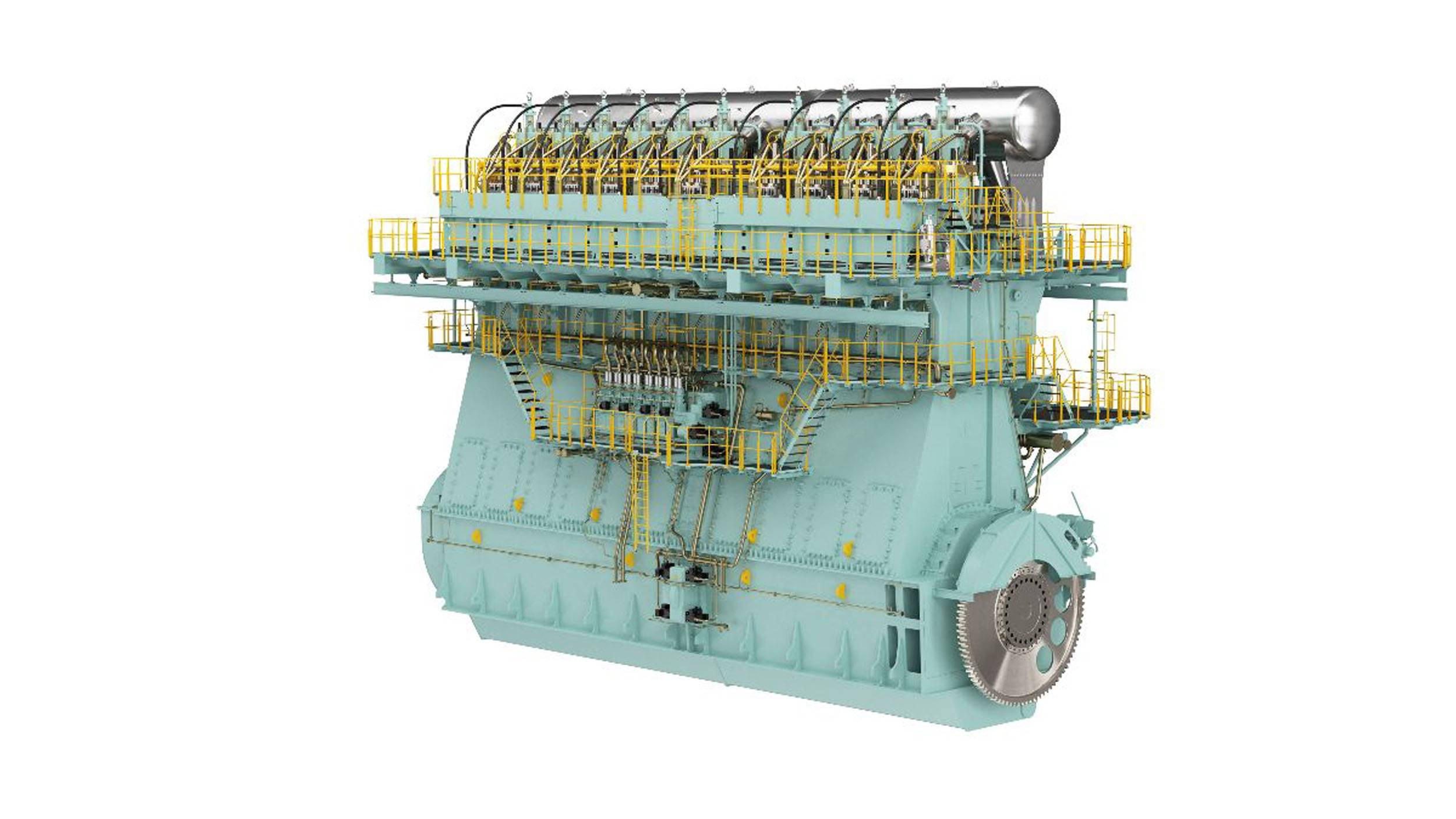
- HFO
- VLSFO
- MDO
- Methanol
- Low-pressure methanol injection
- Diesel pilot ignition
- Ammonia-ready design pathway
- Area: WECS-9520 Steuerungssystem-Ausfälle (dokumentierte Mängel in Servoöl-Lecks, Kraftstoff-Lecks, Drossel-Einspritzventile)
- Area: Kühlwasserleckagen in Zylindern und Abgasventilversteller-Mängel; Inspektionsroutine für Hochdruck-SCR-System erforderlich
- Area: Lager und Kolbenkühlung-Öltemperatur-Überwachung kritisch; Kondensatfluss an Wassertrenner zu hoch (Scavenging-Abkühlsystem-Fouling)
- Area: Thermobelastungsrisse im Zylinderkopf (Ventilbrücke): Zyklische thermische Belastung bei Lastwechseln 70-80 RPM; Abgasventil-Sitzflächen-Verschleiß erfordert Sc
- Area: Turbolader-Ölaustritt und Lecks; Scavenge-Luftkühler-Verschmutzung (Luftseite: Druckabfall, Temperaturanstieg; Wasserseitenverockerung)
Verifizierte Familien-Daten (Hersteller-Datenblaetter + Fachquellen, 2026-06). Teils klassen-allgemeine Inspektionspunkte — pro Eintrag Quelle.
- HFO
- VLSFO
- MDO
- Methanol
- Low-pressure methanol injection
- Diesel pilot ignition
- Ammonia-ready design pathway
- Area: WECS-9520 Steuerungssystem-Ausfälle (dokumentierte Mängel in Servoöl-Lecks, Kraftstoff-Lecks, Drossel-Einspritzventile)
- Area: Kühlwasserleckagen in Zylindern und Abgasventilversteller-Mängel; Inspektionsroutine für Hochdruck-SCR-System erforderlich
- Area: Lager und Kolbenkühlung-Öltemperatur-Überwachung kritisch; Kondensatfluss an Wassertrenner zu hoch (Scavenging-Abkühlsystem-Fouling)
- Area: Thermobelastungsrisse im Zylinderkopf (Ventilbrücke): Zyklische thermische Belastung bei Lastwechseln 70-80 RPM; Abgasventil-Sitzflächen-Verschleiß erfordert Sc
- Area: Turbolader-Ölaustritt und Lecks; Scavenge-Luftkühler-Verschmutzung (Luftseite: Druckabfall, Temperaturanstieg; Wasserseitenverockerung)
Verifizierte Familien-Daten (Hersteller-Datenblaetter + Fachquellen, 2026-06). Teils klassen-allgemeine Inspektionspunkte — pro Eintrag Quelle.
- Area: Gas Admission Valve (GAV) stroke sensor unreliability at sea causing unplanned diesel mode shutdownCheck: Visual inspection of GAV sensor wiring, sensor response test at dock and sea trial, check sensor connector corrosion
- Area: Fuel gas supply pressure fluctuations under heavy sea conditions from ship-side LNG system causing engine speed oscillationsCheck: Pressure relief valve setting verification, fuel supply isolation valve function check, regulator response test under load variation
- Area: Scavenge air cooler type changes and turbocharger allocation revisions across X-engine platform requiring careful commissioning verificationCheck: Cross-check installed turbocharger serial number against commissioning document, scavenge cooler type plate vs contract specifications
- Area: Oil starvation risk on turbocharger bearing during engine startup and low-pressure transients common in all two-stroke dieselsCheck: Check lube oil supply pressure before start, inspect turbo bearing condition at overhaul, verify pre-lubrication startup sequence in manual
Verifizierte Familien-Daten (Hersteller-Datenblaetter + Fachquellen, 2026-06). Teils klassen-allgemeine Inspektionspunkte — pro Eintrag Quelle.
- Area: Gas Admission Valve (GAV) stroke sensor unreliability at sea causing unplanned diesel mode shutdownCheck: Visual inspection of GAV sensor wiring, sensor response test at dock and sea trial, check sensor connector corrosion
- Area: Fuel gas supply pressure fluctuations under heavy sea conditions from ship-side LNG system causing engine speed oscillationsCheck: Pressure relief valve setting verification, fuel supply isolation valve function check, regulator response test under load variation
- Area: Scavenge air cooler type changes and turbocharger allocation revisions across X-engine platform requiring careful commissioning verificationCheck: Cross-check installed turbocharger serial number against commissioning document, scavenge cooler type plate vs contract specifications
- Area: Oil starvation risk on turbocharger bearing during engine startup and low-pressure transients common in all two-stroke dieselsCheck: Check lube oil supply pressure before start, inspect turbo bearing condition at overhaul, verify pre-lubrication startup sequence in manual
Verifizierte Familien-Daten (Hersteller-Datenblaetter + Fachquellen, 2026-06). Teils klassen-allgemeine Inspektionspunkte — pro Eintrag Quelle.
- Area: Gas Admission Valve (GAV) stroke sensor unreliability at sea causing unplanned diesel mode shutdownCheck: Visual inspection of GAV sensor wiring, sensor response test at dock and sea trial, check sensor connector corrosion
- Area: Fuel gas supply pressure fluctuations under heavy sea conditions from ship-side LNG system causing engine speed oscillationsCheck: Pressure relief valve setting verification, fuel supply isolation valve function check, regulator response test under load variation
- Area: Scavenge air cooler type changes and turbocharger allocation revisions across X-engine platform requiring careful commissioning verificationCheck: Cross-check installed turbocharger serial number against commissioning document, scavenge cooler type plate vs contract specifications
- Area: Oil starvation risk on turbocharger bearing during engine startup and low-pressure transients common in all two-stroke dieselsCheck: Check lube oil supply pressure before start, inspect turbo bearing condition at overhaul, verify pre-lubrication startup sequence in manual
Verifizierte Familien-Daten (Hersteller-Datenblaetter + Fachquellen, 2026-06). Teils klassen-allgemeine Inspektionspunkte — pro Eintrag Quelle.
- Area: Gas Admission Valve (GAV) stroke sensor unreliability at sea causing unplanned diesel mode shutdownCheck: Visual inspection of GAV sensor wiring, sensor response test at dock and sea trial, check sensor connector corrosion
- Area: Fuel gas supply pressure fluctuations under heavy sea conditions from ship-side LNG system causing engine speed oscillationsCheck: Pressure relief valve setting verification, fuel supply isolation valve function check, regulator response test under load variation
- Area: Scavenge air cooler type changes and turbocharger allocation revisions across X-engine platform requiring careful commissioning verificationCheck: Cross-check installed turbocharger serial number against commissioning document, scavenge cooler type plate vs contract specifications
- Area: Oil starvation risk on turbocharger bearing during engine startup and low-pressure transients common in all two-stroke dieselsCheck: Check lube oil supply pressure before start, inspect turbo bearing condition at overhaul, verify pre-lubrication startup sequence in manual
Verifizierte Familien-Daten (Hersteller-Datenblaetter + Fachquellen, 2026-06). Teils klassen-allgemeine Inspektionspunkte — pro Eintrag Quelle.
- Area: Gas Admission Valve (GAV) stroke sensor unreliability at sea causing unplanned diesel mode shutdownCheck: Visual inspection of GAV sensor wiring, sensor response test at dock and sea trial, check sensor connector corrosion
- Area: Fuel gas supply pressure fluctuations under heavy sea conditions from ship-side LNG system causing engine speed oscillationsCheck: Pressure relief valve setting verification, fuel supply isolation valve function check, regulator response test under load variation
- Area: Scavenge air cooler type changes and turbocharger allocation revisions across X-engine platform requiring careful commissioning verificationCheck: Cross-check installed turbocharger serial number against commissioning document, scavenge cooler type plate vs contract specifications
- Area: Oil starvation risk on turbocharger bearing during engine startup and low-pressure transients common in all two-stroke dieselsCheck: Check lube oil supply pressure before start, inspect turbo bearing condition at overhaul, verify pre-lubrication startup sequence in manual
Verifizierte Familien-Daten (Hersteller-Datenblaetter + Fachquellen, 2026-06). Teils klassen-allgemeine Inspektionspunkte — pro Eintrag Quelle.
- Area: Fuel valve carbon deposits / fuel system blockages in low-load multi-fuel operationCheck: Inspect fuel valve nozzle spray pattern during top-overhaul; monitor differential pressure across fuel filter; verify fuel heating system temperature compliance
- Area: Piston crown thermal cracking and top-land spalling under extreme load or fuel quality variationsCheck: Measure piston crown surface condition using borescope; check for micro-cracks in top land; examine combustion bowl geometry; compare cylinder-to-cylinder pressure readings
- Area: Cylinder liner scuffing/scoring in dust-contaminated conditions or with inadequate air filtrationCheck: Perform liner diameter measurement service at each overhaul; document wear rate trending; inspect piston rings for abnormal wear patterns; check air inlet filter condition
- Area: Turbocharger surge and cavitation erosion in unsteady loading (e.g., dynamic positioning vessels)Check: Monitor turbocharger bearing temperatures during mode transitions (gas-to-diesel); inspect turbocharger for cavitation pitting on impeller; verify surge line compliance in operational envelope
- Area: Fuel gas supply system pressure regulation instability (iGPR unit hysteresis) under rapid load changesCheck: Perform fuel gas system pressure step-response test during commissioning; verify regulator response time <500ms per specification; conduct annual gas line tightness test with ultrasonic detection
Verifizierte Familien-Daten (Hersteller-Datenblaetter + Fachquellen, 2026-06). Teils klassen-allgemeine Inspektionspunkte — pro Eintrag Quelle.
- Area: Fuel valve carbon deposits / fuel system blockages in low-load multi-fuel operationCheck: Inspect fuel valve nozzle spray pattern during top-overhaul; monitor differential pressure across fuel filter; verify fuel heating system temperature compliance
- Area: Piston crown thermal cracking and top-land spalling under extreme load or fuel quality variationsCheck: Measure piston crown surface condition using borescope; check for micro-cracks in top land; examine combustion bowl geometry; compare cylinder-to-cylinder pressure readings
- Area: Cylinder liner scuffing/scoring in dust-contaminated conditions or with inadequate air filtrationCheck: Perform liner diameter measurement service at each overhaul; document wear rate trending; inspect piston rings for abnormal wear patterns; check air inlet filter condition
- Area: Turbocharger surge and cavitation erosion in unsteady loading (e.g., dynamic positioning vessels)Check: Monitor turbocharger bearing temperatures during mode transitions (gas-to-diesel); inspect turbocharger for cavitation pitting on impeller; verify surge line compliance in operational envelope
- Area: Fuel gas supply system pressure regulation instability (iGPR unit hysteresis) under rapid load changesCheck: Perform fuel gas system pressure step-response test during commissioning; verify regulator response time <500ms per specification; conduct annual gas line tightness test with ultrasonic detection
Verifizierte Familien-Daten (Hersteller-Datenblaetter + Fachquellen, 2026-06). Teils klassen-allgemeine Inspektionspunkte — pro Eintrag Quelle.
- Area: Fuel valve carbon deposits / fuel system blockages in low-load multi-fuel operationCheck: Inspect fuel valve nozzle spray pattern during top-overhaul; monitor differential pressure across fuel filter; verify fuel heating system temperature compliance
- Area: Piston crown thermal cracking and top-land spalling under extreme load or fuel quality variationsCheck: Measure piston crown surface condition using borescope; check for micro-cracks in top land; examine combustion bowl geometry; compare cylinder-to-cylinder pressure readings
- Area: Cylinder liner scuffing/scoring in dust-contaminated conditions or with inadequate air filtrationCheck: Perform liner diameter measurement service at each overhaul; document wear rate trending; inspect piston rings for abnormal wear patterns; check air inlet filter condition
- Area: Turbocharger surge and cavitation erosion in unsteady loading (e.g., dynamic positioning vessels)Check: Monitor turbocharger bearing temperatures during mode transitions (gas-to-diesel); inspect turbocharger for cavitation pitting on impeller; verify surge line compliance in operational envelope
- Area: Fuel gas supply system pressure regulation instability (iGPR unit hysteresis) under rapid load changesCheck: Perform fuel gas system pressure step-response test during commissioning; verify regulator response time <500ms per specification; conduct annual gas line tightness test with ultrasonic detection
Verifizierte Familien-Daten (Hersteller-Datenblaetter + Fachquellen, 2026-06). Teils klassen-allgemeine Inspektionspunkte — pro Eintrag Quelle.
- Area: Fuel valve carbon deposits / fuel system blockages in low-load multi-fuel operationCheck: Inspect fuel valve nozzle spray pattern during top-overhaul; monitor differential pressure across fuel filter; verify fuel heating system temperature compliance
- Area: Piston crown thermal cracking and top-land spalling under extreme load or fuel quality variationsCheck: Measure piston crown surface condition using borescope; check for micro-cracks in top land; examine combustion bowl geometry; compare cylinder-to-cylinder pressure readings
- Area: Cylinder liner scuffing/scoring in dust-contaminated conditions or with inadequate air filtrationCheck: Perform liner diameter measurement service at each overhaul; document wear rate trending; inspect piston rings for abnormal wear patterns; check air inlet filter condition
- Area: Turbocharger surge and cavitation erosion in unsteady loading (e.g., dynamic positioning vessels)Check: Monitor turbocharger bearing temperatures during mode transitions (gas-to-diesel); inspect turbocharger for cavitation pitting on impeller; verify surge line compliance in operational envelope
- Area: Fuel gas supply system pressure regulation instability (iGPR unit hysteresis) under rapid load changesCheck: Perform fuel gas system pressure step-response test during commissioning; verify regulator response time <500ms per specification; conduct annual gas line tightness test with ultrasonic detection
Verifizierte Familien-Daten (Hersteller-Datenblaetter + Fachquellen, 2026-06). Teils klassen-allgemeine Inspektionspunkte — pro Eintrag Quelle.
- Area: Fuel valve carbon deposits / fuel system blockages in low-load multi-fuel operationCheck: Inspect fuel valve nozzle spray pattern during top-overhaul; monitor differential pressure across fuel filter; verify fuel heating system temperature compliance
- Area: Piston crown thermal cracking and top-land spalling under extreme load or fuel quality variationsCheck: Measure piston crown surface condition using borescope; check for micro-cracks in top land; examine combustion bowl geometry; compare cylinder-to-cylinder pressure readings
- Area: Cylinder liner scuffing/scoring in dust-contaminated conditions or with inadequate air filtrationCheck: Perform liner diameter measurement service at each overhaul; document wear rate trending; inspect piston rings for abnormal wear patterns; check air inlet filter condition
- Area: Turbocharger surge and cavitation erosion in unsteady loading (e.g., dynamic positioning vessels)Check: Monitor turbocharger bearing temperatures during mode transitions (gas-to-diesel); inspect turbocharger for cavitation pitting on impeller; verify surge line compliance in operational envelope
- Area: Fuel gas supply system pressure regulation instability (iGPR unit hysteresis) under rapid load changesCheck: Perform fuel gas system pressure step-response test during commissioning; verify regulator response time <500ms per specification; conduct annual gas line tightness test with ultrasonic detection
Verifizierte Familien-Daten (Hersteller-Datenblaetter + Fachquellen, 2026-06). Teils klassen-allgemeine Inspektionspunkte — pro Eintrag Quelle.
- Area: Fuel Rail Pressure Too High causing violent firing at start; fuel control failureCheck: Verify fuel rail pressure within spec; check power supply and wiring to fuel control
- Area: Injection Nozzle Wear from normal operation causing irregular combustionCheck: Inspect nozzle tips at ~8,000–10,000 operating hours; replace spare kit per schedule
- Area: Lubricating Oil Contamination: water and solids reduce bearing protection; dry sump circulation criticalCheck: Verify centrifugal separator bypass operation; monitor oil condition via sampling; check crankcase drain integrity
- Area: Ammonia Combustion Instability (X72DF-A-1.0): low flame speed, high activation energy, misfiring risk, N2O/NH3 emissionsCheck: Monitor cylinder pressure diagrams; verify pilot fuel injection timing/quantity; track exhaust temps and emission compliance
- Area: Scavenge Air Cooler Fouling in dust-laden trades; efficiency loss and thermal stressCheck: Install filtration for dust-prone routes; schedule periodic cooler inspection and cleaning; monitor scavenge air temperature trend
Verifizierte Familien-Daten (Hersteller-Datenblaetter + Fachquellen, 2026-06). Teils klassen-allgemeine Inspektionspunkte — pro Eintrag Quelle.
- Area: Fuel Rail Pressure Too High causing violent firing at start; fuel control failureCheck: Verify fuel rail pressure within spec; check power supply and wiring to fuel control
- Area: Injection Nozzle Wear from normal operation causing irregular combustionCheck: Inspect nozzle tips at ~8,000–10,000 operating hours; replace spare kit per schedule
- Area: Lubricating Oil Contamination: water and solids reduce bearing protection; dry sump circulation criticalCheck: Verify centrifugal separator bypass operation; monitor oil condition via sampling; check crankcase drain integrity
- Area: Ammonia Combustion Instability (X72DF-A-1.0): low flame speed, high activation energy, misfiring risk, N2O/NH3 emissionsCheck: Monitor cylinder pressure diagrams; verify pilot fuel injection timing/quantity; track exhaust temps and emission compliance
- Area: Scavenge Air Cooler Fouling in dust-laden trades; efficiency loss and thermal stressCheck: Install filtration for dust-prone routes; schedule periodic cooler inspection and cleaning; monitor scavenge air temperature trend
Verifizierte Familien-Daten (Hersteller-Datenblaetter + Fachquellen, 2026-06). Teils klassen-allgemeine Inspektionspunkte — pro Eintrag Quelle.
- Area: Fuel Rail Pressure Too High causing violent firing at start; fuel control failureCheck: Verify fuel rail pressure within spec; check power supply and wiring to fuel control
- Area: Injection Nozzle Wear from normal operation causing irregular combustionCheck: Inspect nozzle tips at ~8,000–10,000 operating hours; replace spare kit per schedule
- Area: Lubricating Oil Contamination: water and solids reduce bearing protection; dry sump circulation criticalCheck: Verify centrifugal separator bypass operation; monitor oil condition via sampling; check crankcase drain integrity
- Area: Ammonia Combustion Instability (X72DF-A-1.0): low flame speed, high activation energy, misfiring risk, N2O/NH3 emissionsCheck: Monitor cylinder pressure diagrams; verify pilot fuel injection timing/quantity; track exhaust temps and emission compliance
- Area: Scavenge Air Cooler Fouling in dust-laden trades; efficiency loss and thermal stressCheck: Install filtration for dust-prone routes; schedule periodic cooler inspection and cleaning; monitor scavenge air temperature trend
Verifizierte Familien-Daten (Hersteller-Datenblaetter + Fachquellen, 2026-06). Teils klassen-allgemeine Inspektionspunkte — pro Eintrag Quelle.
- Area: Fuel Rail Pressure Too High causing violent firing at start; fuel control failureCheck: Verify fuel rail pressure within spec; check power supply and wiring to fuel control
- Area: Injection Nozzle Wear from normal operation causing irregular combustionCheck: Inspect nozzle tips at ~8,000–10,000 operating hours; replace spare kit per schedule
- Area: Lubricating Oil Contamination: water and solids reduce bearing protection; dry sump circulation criticalCheck: Verify centrifugal separator bypass operation; monitor oil condition via sampling; check crankcase drain integrity
- Area: Ammonia Combustion Instability (X72DF-A-1.0): low flame speed, high activation energy, misfiring risk, N2O/NH3 emissionsCheck: Monitor cylinder pressure diagrams; verify pilot fuel injection timing/quantity; track exhaust temps and emission compliance
- Area: Scavenge Air Cooler Fouling in dust-laden trades; efficiency loss and thermal stressCheck: Install filtration for dust-prone routes; schedule periodic cooler inspection and cleaning; monitor scavenge air temperature trend
Verifizierte Familien-Daten (Hersteller-Datenblaetter + Fachquellen, 2026-06). Teils klassen-allgemeine Inspektionspunkte — pro Eintrag Quelle.
- Area: Kolbenbolzen-Wärmebeanspruchung und Verschleiß: Bei hohen Lasten können Verschleißerscheinungen an den Kolbenkühlung-Ölkanälen auftreten; inspiziere nach ersten
- Area: Abgaskrümmer und Scavenging-System Verschmutzung: Verunreinigungen oder defekte Luftklappen im Scavenge-Luftreceiver führen zu erhöhten Abgastemperaturen; Turbo
- Area: Methanbrenner (Slip) bei LNG-Dual-Fuel Betrieb: X82DF erzeugt bis zu 2-3% Methanbrenner bei Gasmode (vor iCER). X82DF-2.0 mit iCER reduziert um 50%; Überwachung
- Area: Kolbenstangendichtung Leckageverschleiß: Regelmäßige Kontrolle der Piston Rod Gland Clearance beim Kolbenwechsel erforderlich; weiß-Metall-Schicht kann abnutzen
- Area: Servo-Ölanlage Undichtigkeit: Servo-Ölpumpen und Druckregelventile können lecken; WiCE Kontrollsystem überwacht Servo-Öldruck kontinuierlich. Manuelle Ölpumpe m
Verifizierte Familien-Daten (Hersteller-Datenblaetter + Fachquellen, 2026-06). Teils klassen-allgemeine Inspektionspunkte — pro Eintrag Quelle.
- Area: Kolbenbolzen-Wärmebeanspruchung und Verschleiß: Bei hohen Lasten können Verschleißerscheinungen an den Kolbenkühlung-Ölkanälen auftreten; inspiziere nach ersten
- Area: Abgaskrümmer und Scavenging-System Verschmutzung: Verunreinigungen oder defekte Luftklappen im Scavenge-Luftreceiver führen zu erhöhten Abgastemperaturen; Turbo
- Area: Methanbrenner (Slip) bei LNG-Dual-Fuel Betrieb: X82DF erzeugt bis zu 2-3% Methanbrenner bei Gasmode (vor iCER). X82DF-2.0 mit iCER reduziert um 50%; Überwachung
- Area: Kolbenstangendichtung Leckageverschleiß: Regelmäßige Kontrolle der Piston Rod Gland Clearance beim Kolbenwechsel erforderlich; weiß-Metall-Schicht kann abnutzen
- Area: Servo-Ölanlage Undichtigkeit: Servo-Ölpumpen und Druckregelventile können lecken; WiCE Kontrollsystem überwacht Servo-Öldruck kontinuierlich. Manuelle Ölpumpe m
Verifizierte Familien-Daten (Hersteller-Datenblaetter + Fachquellen, 2026-06). Teils klassen-allgemeine Inspektionspunkte — pro Eintrag Quelle.
- Area: Kolbenbolzen-Wärmebeanspruchung und Verschleiß: Bei hohen Lasten können Verschleißerscheinungen an den Kolbenkühlung-Ölkanälen auftreten; inspiziere nach ersten
- Area: Abgaskrümmer und Scavenging-System Verschmutzung: Verunreinigungen oder defekte Luftklappen im Scavenge-Luftreceiver führen zu erhöhten Abgastemperaturen; Turbo
- Area: Methanbrenner (Slip) bei LNG-Dual-Fuel Betrieb: X82DF erzeugt bis zu 2-3% Methanbrenner bei Gasmode (vor iCER). X82DF-2.0 mit iCER reduziert um 50%; Überwachung
- Area: Kolbenstangendichtung Leckageverschleiß: Regelmäßige Kontrolle der Piston Rod Gland Clearance beim Kolbenwechsel erforderlich; weiß-Metall-Schicht kann abnutzen
- Area: Servo-Ölanlage Undichtigkeit: Servo-Ölpumpen und Druckregelventile können lecken; WiCE Kontrollsystem überwacht Servo-Öldruck kontinuierlich. Manuelle Ölpumpe m
Verifizierte Familien-Daten (Hersteller-Datenblaetter + Fachquellen, 2026-06). Teils klassen-allgemeine Inspektionspunkte — pro Eintrag Quelle.
- Area: Kolbenbolzen-Wärmebeanspruchung und Verschleiß: Bei hohen Lasten können Verschleißerscheinungen an den Kolbenkühlung-Ölkanälen auftreten; inspiziere nach ersten
- Area: Abgaskrümmer und Scavenging-System Verschmutzung: Verunreinigungen oder defekte Luftklappen im Scavenge-Luftreceiver führen zu erhöhten Abgastemperaturen; Turbo
- Area: Methanbrenner (Slip) bei LNG-Dual-Fuel Betrieb: X82DF erzeugt bis zu 2-3% Methanbrenner bei Gasmode (vor iCER). X82DF-2.0 mit iCER reduziert um 50%; Überwachung
- Area: Kolbenstangendichtung Leckageverschleiß: Regelmäßige Kontrolle der Piston Rod Gland Clearance beim Kolbenwechsel erforderlich; weiß-Metall-Schicht kann abnutzen
- Area: Servo-Ölanlage Undichtigkeit: Servo-Ölpumpen und Druckregelventile können lecken; WiCE Kontrollsystem überwacht Servo-Öldruck kontinuierlich. Manuelle Ölpumpe m
Verifizierte Familien-Daten (Hersteller-Datenblaetter + Fachquellen, 2026-06). Teils klassen-allgemeine Inspektionspunkte — pro Eintrag Quelle.
- Area: Kolbenbolzen-Wärmebeanspruchung und Verschleiß: Bei hohen Lasten können Verschleißerscheinungen an den Kolbenkühlung-Ölkanälen auftreten; inspiziere nach ersten
- Area: Abgaskrümmer und Scavenging-System Verschmutzung: Verunreinigungen oder defekte Luftklappen im Scavenge-Luftreceiver führen zu erhöhten Abgastemperaturen; Turbo
- Area: Methanbrenner (Slip) bei LNG-Dual-Fuel Betrieb: X82DF erzeugt bis zu 2-3% Methanbrenner bei Gasmode (vor iCER). X82DF-2.0 mit iCER reduziert um 50%; Überwachung
- Area: Kolbenstangendichtung Leckageverschleiß: Regelmäßige Kontrolle der Piston Rod Gland Clearance beim Kolbenwechsel erforderlich; weiß-Metall-Schicht kann abnutzen
- Area: Servo-Ölanlage Undichtigkeit: Servo-Ölpumpen und Druckregelventile können lecken; WiCE Kontrollsystem überwacht Servo-Öldruck kontinuierlich. Manuelle Ölpumpe m
Verifizierte Familien-Daten (Hersteller-Datenblaetter + Fachquellen, 2026-06). Teils klassen-allgemeine Inspektionspunkte — pro Eintrag Quelle.
- Area: Kolbenbolzen-Wärmebeanspruchung und Verschleiß: Bei hohen Lasten können Verschleißerscheinungen an den Kolbenkühlung-Ölkanälen auftreten; inspiziere nach ersten
- Area: Abgaskrümmer und Scavenging-System Verschmutzung: Verunreinigungen oder defekte Luftklappen im Scavenge-Luftreceiver führen zu erhöhten Abgastemperaturen; Turbo
- Area: Methanbrenner (Slip) bei LNG-Dual-Fuel Betrieb: X82DF erzeugt bis zu 2-3% Methanbrenner bei Gasmode (vor iCER). X82DF-2.0 mit iCER reduziert um 50%; Überwachung
- Area: Kolbenstangendichtung Leckageverschleiß: Regelmäßige Kontrolle der Piston Rod Gland Clearance beim Kolbenwechsel erforderlich; weiß-Metall-Schicht kann abnutzen
- Area: Servo-Ölanlage Undichtigkeit: Servo-Ölpumpen und Druckregelventile können lecken; WiCE Kontrollsystem überwacht Servo-Öldruck kontinuierlich. Manuelle Ölpumpe m
Verifizierte Familien-Daten (Hersteller-Datenblaetter + Fachquellen, 2026-06). Teils klassen-allgemeine Inspektionspunkte — pro Eintrag Quelle.
- Area: WECS-9520 Steuerungssystem-Ausfälle (dokumentierte Mängel in Servoöl-Lecks, Kraftstoff-Lecks, Drossel-Einspritzventile)
- Area: Kühlwasserleckagen in Zylindern und Abgasventilversteller-Mängel; Inspektionsroutine für Hochdruck-SCR-System erforderlich
- Area: Lager und Kolbenkühlung-Öltemperatur-Überwachung kritisch; Kondensatfluss an Wassertrenner zu hoch (Scavenging-Abkühlsystem-Fouling)
- Area: Thermobelastungsrisse im Zylinderkopf (Ventilbrücke): Zyklische thermische Belastung bei Lastwechseln 70-80 RPM; Abgasventil-Sitzflächen-Verschleiß erfordert Sc
- Area: Turbolader-Ölaustritt und Lecks; Scavenge-Luftkühler-Verschmutzung (Luftseite: Druckabfall, Temperaturanstieg; Wasserseitenverockerung)
Verifizierte Familien-Daten (Hersteller-Datenblaetter + Fachquellen, 2026-06). Teils klassen-allgemeine Inspektionspunkte — pro Eintrag Quelle.
- Area: WECS-9520 Steuerungssystem-Ausfälle (dokumentierte Mängel in Servoöl-Lecks, Kraftstoff-Lecks, Drossel-Einspritzventile)
- Area: Kühlwasserleckagen in Zylindern und Abgasventilversteller-Mängel; Inspektionsroutine für Hochdruck-SCR-System erforderlich
- Area: Lager und Kolbenkühlung-Öltemperatur-Überwachung kritisch; Kondensatfluss an Wassertrenner zu hoch (Scavenging-Abkühlsystem-Fouling)
- Area: Thermobelastungsrisse im Zylinderkopf (Ventilbrücke): Zyklische thermische Belastung bei Lastwechseln 70-80 RPM; Abgasventil-Sitzflächen-Verschleiß erfordert Sc
- Area: Turbolader-Ölaustritt und Lecks; Scavenge-Luftkühler-Verschmutzung (Luftseite: Druckabfall, Temperaturanstieg; Wasserseitenverockerung)
Verifizierte Familien-Daten (Hersteller-Datenblaetter + Fachquellen, 2026-06). Teils klassen-allgemeine Inspektionspunkte — pro Eintrag Quelle.
- Area: WECS-9520 Steuerungssystem-Ausfälle (dokumentierte Mängel in Servoöl-Lecks, Kraftstoff-Lecks, Drossel-Einspritzventile)
- Area: Kühlwasserleckagen in Zylindern und Abgasventilversteller-Mängel; Inspektionsroutine für Hochdruck-SCR-System erforderlich
- Area: Lager und Kolbenkühlung-Öltemperatur-Überwachung kritisch; Kondensatfluss an Wassertrenner zu hoch (Scavenging-Abkühlsystem-Fouling)
- Area: Thermobelastungsrisse im Zylinderkopf (Ventilbrücke): Zyklische thermische Belastung bei Lastwechseln 70-80 RPM; Abgasventil-Sitzflächen-Verschleiß erfordert Sc
- Area: Turbolader-Ölaustritt und Lecks; Scavenge-Luftkühler-Verschmutzung (Luftseite: Druckabfall, Temperaturanstieg; Wasserseitenverockerung)
Verifizierte Familien-Daten (Hersteller-Datenblaetter + Fachquellen, 2026-06). Teils klassen-allgemeine Inspektionspunkte — pro Eintrag Quelle.
- Area: WECS-9520 Steuerungssystem-Ausfälle (dokumentierte Mängel in Servoöl-Lecks, Kraftstoff-Lecks, Drossel-Einspritzventile)
- Area: Kühlwasserleckagen in Zylindern und Abgasventilversteller-Mängel; Inspektionsroutine für Hochdruck-SCR-System erforderlich
- Area: Lager und Kolbenkühlung-Öltemperatur-Überwachung kritisch; Kondensatfluss an Wassertrenner zu hoch (Scavenging-Abkühlsystem-Fouling)
- Area: Thermobelastungsrisse im Zylinderkopf (Ventilbrücke): Zyklische thermische Belastung bei Lastwechseln 70-80 RPM; Abgasventil-Sitzflächen-Verschleiß erfordert Sc
- Area: Turbolader-Ölaustritt und Lecks; Scavenge-Luftkühler-Verschmutzung (Luftseite: Druckabfall, Temperaturanstieg; Wasserseitenverockerung)
Verifizierte Familien-Daten (Hersteller-Datenblaetter + Fachquellen, 2026-06). Teils klassen-allgemeine Inspektionspunkte — pro Eintrag Quelle.
- Area: WECS-9520 Steuerungssystem-Ausfälle (dokumentierte Mängel in Servoöl-Lecks, Kraftstoff-Lecks, Drossel-Einspritzventile)
- Area: Kühlwasserleckagen in Zylindern und Abgasventilversteller-Mängel; Inspektionsroutine für Hochdruck-SCR-System erforderlich
- Area: Lager und Kolbenkühlung-Öltemperatur-Überwachung kritisch; Kondensatfluss an Wassertrenner zu hoch (Scavenging-Abkühlsystem-Fouling)
- Area: Thermobelastungsrisse im Zylinderkopf (Ventilbrücke): Zyklische thermische Belastung bei Lastwechseln 70-80 RPM; Abgasventil-Sitzflächen-Verschleiß erfordert Sc
- Area: Turbolader-Ölaustritt und Lecks; Scavenge-Luftkühler-Verschmutzung (Luftseite: Druckabfall, Temperaturanstieg; Wasserseitenverockerung)
Verifizierte Familien-Daten (Hersteller-Datenblaetter + Fachquellen, 2026-06). Teils klassen-allgemeine Inspektionspunkte — pro Eintrag Quelle.
- Area: WECS-9520 Steuerungssystem-Ausfälle (dokumentierte Mängel in Servoöl-Lecks, Kraftstoff-Lecks, Drossel-Einspritzventile)
- Area: Kühlwasserleckagen in Zylindern und Abgasventilversteller-Mängel; Inspektionsroutine für Hochdruck-SCR-System erforderlich
- Area: Lager und Kolbenkühlung-Öltemperatur-Überwachung kritisch; Kondensatfluss an Wassertrenner zu hoch (Scavenging-Abkühlsystem-Fouling)
- Area: Thermobelastungsrisse im Zylinderkopf (Ventilbrücke): Zyklische thermische Belastung bei Lastwechseln 70-80 RPM; Abgasventil-Sitzflächen-Verschleiß erfordert Sc
- Area: Turbolader-Ölaustritt und Lecks; Scavenge-Luftkühler-Verschmutzung (Luftseite: Druckabfall, Temperaturanstieg; Wasserseitenverockerung)
Verifizierte Familien-Daten (Hersteller-Datenblaetter + Fachquellen, 2026-06). Teils klassen-allgemeine Inspektionspunkte — pro Eintrag Quelle.
- Area: WECS-9520 Steuerungssystem-Ausfälle (dokumentierte Mängel in Servoöl-Lecks, Kraftstoff-Lecks, Drossel-Einspritzventile)
- Area: Kühlwasserleckagen in Zylindern und Abgasventilversteller-Mängel; Inspektionsroutine für Hochdruck-SCR-System erforderlich
- Area: Lager und Kolbenkühlung-Öltemperatur-Überwachung kritisch; Kondensatfluss an Wassertrenner zu hoch (Scavenging-Abkühlsystem-Fouling)
- Area: Thermobelastungsrisse im Zylinderkopf (Ventilbrücke): Zyklische thermische Belastung bei Lastwechseln 70-80 RPM; Abgasventil-Sitzflächen-Verschleiß erfordert Sc
- Area: Turbolader-Ölaustritt und Lecks; Scavenge-Luftkühler-Verschmutzung (Luftseite: Druckabfall, Temperaturanstieg; Wasserseitenverockerung)
Verifizierte Familien-Daten (Hersteller-Datenblaetter + Fachquellen, 2026-06). Teils klassen-allgemeine Inspektionspunkte — pro Eintrag Quelle.
- Area: WECS-9520 Steuerungssystem-Ausfälle (dokumentierte Mängel in Servoöl-Lecks, Kraftstoff-Lecks, Drossel-Einspritzventile)
- Area: Kühlwasserleckagen in Zylindern und Abgasventilversteller-Mängel; Inspektionsroutine für Hochdruck-SCR-System erforderlich
- Area: Lager und Kolbenkühlung-Öltemperatur-Überwachung kritisch; Kondensatfluss an Wassertrenner zu hoch (Scavenging-Abkühlsystem-Fouling)
- Area: Thermobelastungsrisse im Zylinderkopf (Ventilbrücke): Zyklische thermische Belastung bei Lastwechseln 70-80 RPM; Abgasventil-Sitzflächen-Verschleiß erfordert Sc
- Area: Turbolader-Ölaustritt und Lecks; Scavenge-Luftkühler-Verschmutzung (Luftseite: Druckabfall, Temperaturanstieg; Wasserseitenverockerung)
Verifizierte Familien-Daten (Hersteller-Datenblaetter + Fachquellen, 2026-06). Teils klassen-allgemeine Inspektionspunkte — pro Eintrag Quelle.
- Area: Gas Admission Valve (GAV) stroke sensor unreliability at sea causing unplanned diesel mode shutdownCheck: Visual inspection of GAV sensor wiring, sensor response test at dock and sea trial, check sensor connector corrosion
- Area: Fuel gas supply pressure fluctuations under heavy sea conditions from ship-side LNG system causing engine speed oscillationsCheck: Pressure relief valve setting verification, fuel supply isolation valve function check, regulator response test under load variation
- Area: Scavenge air cooler type changes and turbocharger allocation revisions across X-engine platform requiring careful commissioning verificationCheck: Cross-check installed turbocharger serial number against commissioning document, scavenge cooler type plate vs contract specifications
- Area: Oil starvation risk on turbocharger bearing during engine startup and low-pressure transients common in all two-stroke dieselsCheck: Check lube oil supply pressure before start, inspect turbo bearing condition at overhaul, verify pre-lubrication startup sequence in manual
Verifizierte Familien-Daten (Hersteller-Datenblaetter + Fachquellen, 2026-06). Teils klassen-allgemeine Inspektionspunkte — pro Eintrag Quelle.
- Area: Gas Admission Valve (GAV) stroke sensor unreliability at sea causing unplanned diesel mode shutdownCheck: Visual inspection of GAV sensor wiring, sensor response test at dock and sea trial, check sensor connector corrosion
- Area: Fuel gas supply pressure fluctuations under heavy sea conditions from ship-side LNG system causing engine speed oscillationsCheck: Pressure relief valve setting verification, fuel supply isolation valve function check, regulator response test under load variation
- Area: Scavenge air cooler type changes and turbocharger allocation revisions across X-engine platform requiring careful commissioning verificationCheck: Cross-check installed turbocharger serial number against commissioning document, scavenge cooler type plate vs contract specifications
- Area: Oil starvation risk on turbocharger bearing during engine startup and low-pressure transients common in all two-stroke dieselsCheck: Check lube oil supply pressure before start, inspect turbo bearing condition at overhaul, verify pre-lubrication startup sequence in manual
Verifizierte Familien-Daten (Hersteller-Datenblaetter + Fachquellen, 2026-06). Teils klassen-allgemeine Inspektionspunkte — pro Eintrag Quelle.
- Area: Gas Admission Valve (GAV) stroke sensor unreliability at sea causing unplanned diesel mode shutdownCheck: Visual inspection of GAV sensor wiring, sensor response test at dock and sea trial, check sensor connector corrosion
- Area: Fuel gas supply pressure fluctuations under heavy sea conditions from ship-side LNG system causing engine speed oscillationsCheck: Pressure relief valve setting verification, fuel supply isolation valve function check, regulator response test under load variation
- Area: Scavenge air cooler type changes and turbocharger allocation revisions across X-engine platform requiring careful commissioning verificationCheck: Cross-check installed turbocharger serial number against commissioning document, scavenge cooler type plate vs contract specifications
- Area: Oil starvation risk on turbocharger bearing during engine startup and low-pressure transients common in all two-stroke dieselsCheck: Check lube oil supply pressure before start, inspect turbo bearing condition at overhaul, verify pre-lubrication startup sequence in manual
Verifizierte Familien-Daten (Hersteller-Datenblaetter + Fachquellen, 2026-06). Teils klassen-allgemeine Inspektionspunkte — pro Eintrag Quelle.
- Area: Gas Admission Valve (GAV) stroke sensor unreliability at sea causing unplanned diesel mode shutdownCheck: Visual inspection of GAV sensor wiring, sensor response test at dock and sea trial, check sensor connector corrosion
- Area: Fuel gas supply pressure fluctuations under heavy sea conditions from ship-side LNG system causing engine speed oscillationsCheck: Pressure relief valve setting verification, fuel supply isolation valve function check, regulator response test under load variation
- Area: Scavenge air cooler type changes and turbocharger allocation revisions across X-engine platform requiring careful commissioning verificationCheck: Cross-check installed turbocharger serial number against commissioning document, scavenge cooler type plate vs contract specifications
- Area: Oil starvation risk on turbocharger bearing during engine startup and low-pressure transients common in all two-stroke dieselsCheck: Check lube oil supply pressure before start, inspect turbo bearing condition at overhaul, verify pre-lubrication startup sequence in manual
Verifizierte Familien-Daten (Hersteller-Datenblaetter + Fachquellen, 2026-06). Teils klassen-allgemeine Inspektionspunkte — pro Eintrag Quelle.
- Area: Fuel valve carbon deposits / fuel system blockages in low-load multi-fuel operationCheck: Inspect fuel valve nozzle spray pattern during top-overhaul; monitor differential pressure across fuel filter; verify fuel heating system temperature compliance
- Area: Piston crown thermal cracking and top-land spalling under extreme load or fuel quality variationsCheck: Measure piston crown surface condition using borescope; check for micro-cracks in top land; examine combustion bowl geometry; compare cylinder-to-cylinder pressure readings
- Area: Cylinder liner scuffing/scoring in dust-contaminated conditions or with inadequate air filtrationCheck: Perform liner diameter measurement service at each overhaul; document wear rate trending; inspect piston rings for abnormal wear patterns; check air inlet filter condition
- Area: Turbocharger surge and cavitation erosion in unsteady loading (e.g., dynamic positioning vessels)Check: Monitor turbocharger bearing temperatures during mode transitions (gas-to-diesel); inspect turbocharger for cavitation pitting on impeller; verify surge line compliance in operational envelope
- Area: Fuel gas supply system pressure regulation instability (iGPR unit hysteresis) under rapid load changesCheck: Perform fuel gas system pressure step-response test during commissioning; verify regulator response time <500ms per specification; conduct annual gas line tightness test with ultrasonic detection
Verifizierte Familien-Daten (Hersteller-Datenblaetter + Fachquellen, 2026-06). Teils klassen-allgemeine Inspektionspunkte — pro Eintrag Quelle.
- Area: Fuel valve carbon deposits / fuel system blockages in low-load multi-fuel operationCheck: Inspect fuel valve nozzle spray pattern during top-overhaul; monitor differential pressure across fuel filter; verify fuel heating system temperature compliance
- Area: Piston crown thermal cracking and top-land spalling under extreme load or fuel quality variationsCheck: Measure piston crown surface condition using borescope; check for micro-cracks in top land; examine combustion bowl geometry; compare cylinder-to-cylinder pressure readings
- Area: Cylinder liner scuffing/scoring in dust-contaminated conditions or with inadequate air filtrationCheck: Perform liner diameter measurement service at each overhaul; document wear rate trending; inspect piston rings for abnormal wear patterns; check air inlet filter condition
- Area: Turbocharger surge and cavitation erosion in unsteady loading (e.g., dynamic positioning vessels)Check: Monitor turbocharger bearing temperatures during mode transitions (gas-to-diesel); inspect turbocharger for cavitation pitting on impeller; verify surge line compliance in operational envelope
- Area: Fuel gas supply system pressure regulation instability (iGPR unit hysteresis) under rapid load changesCheck: Perform fuel gas system pressure step-response test during commissioning; verify regulator response time <500ms per specification; conduct annual gas line tightness test with ultrasonic detection
Verifizierte Familien-Daten (Hersteller-Datenblaetter + Fachquellen, 2026-06). Teils klassen-allgemeine Inspektionspunkte — pro Eintrag Quelle.
- Area: Fuel valve carbon deposits / fuel system blockages in low-load multi-fuel operationCheck: Inspect fuel valve nozzle spray pattern during top-overhaul; monitor differential pressure across fuel filter; verify fuel heating system temperature compliance
- Area: Piston crown thermal cracking and top-land spalling under extreme load or fuel quality variationsCheck: Measure piston crown surface condition using borescope; check for micro-cracks in top land; examine combustion bowl geometry; compare cylinder-to-cylinder pressure readings
- Area: Cylinder liner scuffing/scoring in dust-contaminated conditions or with inadequate air filtrationCheck: Perform liner diameter measurement service at each overhaul; document wear rate trending; inspect piston rings for abnormal wear patterns; check air inlet filter condition
- Area: Turbocharger surge and cavitation erosion in unsteady loading (e.g., dynamic positioning vessels)Check: Monitor turbocharger bearing temperatures during mode transitions (gas-to-diesel); inspect turbocharger for cavitation pitting on impeller; verify surge line compliance in operational envelope
- Area: Fuel gas supply system pressure regulation instability (iGPR unit hysteresis) under rapid load changesCheck: Perform fuel gas system pressure step-response test during commissioning; verify regulator response time <500ms per specification; conduct annual gas line tightness test with ultrasonic detection
Verifizierte Familien-Daten (Hersteller-Datenblaetter + Fachquellen, 2026-06). Teils klassen-allgemeine Inspektionspunkte — pro Eintrag Quelle.
- Area: Fuel valve carbon deposits / fuel system blockages in low-load multi-fuel operationCheck: Inspect fuel valve nozzle spray pattern during top-overhaul; monitor differential pressure across fuel filter; verify fuel heating system temperature compliance
- Area: Piston crown thermal cracking and top-land spalling under extreme load or fuel quality variationsCheck: Measure piston crown surface condition using borescope; check for micro-cracks in top land; examine combustion bowl geometry; compare cylinder-to-cylinder pressure readings
- Area: Cylinder liner scuffing/scoring in dust-contaminated conditions or with inadequate air filtrationCheck: Perform liner diameter measurement service at each overhaul; document wear rate trending; inspect piston rings for abnormal wear patterns; check air inlet filter condition
- Area: Turbocharger surge and cavitation erosion in unsteady loading (e.g., dynamic positioning vessels)Check: Monitor turbocharger bearing temperatures during mode transitions (gas-to-diesel); inspect turbocharger for cavitation pitting on impeller; verify surge line compliance in operational envelope
- Area: Fuel gas supply system pressure regulation instability (iGPR unit hysteresis) under rapid load changesCheck: Perform fuel gas system pressure step-response test during commissioning; verify regulator response time <500ms per specification; conduct annual gas line tightness test with ultrasonic detection
Verifizierte Familien-Daten (Hersteller-Datenblaetter + Fachquellen, 2026-06). Teils klassen-allgemeine Inspektionspunkte — pro Eintrag Quelle.
- Area: Kolbenbolzen-Wärmebeanspruchung und Verschleiß: Bei hohen Lasten können Verschleißerscheinungen an den Kolbenkühlung-Ölkanälen auftreten; inspiziere nach ersten
- Area: Abgaskrümmer und Scavenging-System Verschmutzung: Verunreinigungen oder defekte Luftklappen im Scavenge-Luftreceiver führen zu erhöhten Abgastemperaturen; Turbo
- Area: Methanbrenner (Slip) bei LNG-Dual-Fuel Betrieb: X82DF erzeugt bis zu 2-3% Methanbrenner bei Gasmode (vor iCER). X82DF-2.0 mit iCER reduziert um 50%; Überwachung
- Area: Kolbenstangendichtung Leckageverschleiß: Regelmäßige Kontrolle der Piston Rod Gland Clearance beim Kolbenwechsel erforderlich; weiß-Metall-Schicht kann abnutzen
- Area: Servo-Ölanlage Undichtigkeit: Servo-Ölpumpen und Druckregelventile können lecken; WiCE Kontrollsystem überwacht Servo-Öldruck kontinuierlich. Manuelle Ölpumpe m
Verifizierte Familien-Daten (Hersteller-Datenblaetter + Fachquellen, 2026-06). Teils klassen-allgemeine Inspektionspunkte — pro Eintrag Quelle.
- Area: Kolbenbolzen-Wärmebeanspruchung und Verschleiß: Bei hohen Lasten können Verschleißerscheinungen an den Kolbenkühlung-Ölkanälen auftreten; inspiziere nach ersten
- Area: Abgaskrümmer und Scavenging-System Verschmutzung: Verunreinigungen oder defekte Luftklappen im Scavenge-Luftreceiver führen zu erhöhten Abgastemperaturen; Turbo
- Area: Methanbrenner (Slip) bei LNG-Dual-Fuel Betrieb: X82DF erzeugt bis zu 2-3% Methanbrenner bei Gasmode (vor iCER). X82DF-2.0 mit iCER reduziert um 50%; Überwachung
- Area: Kolbenstangendichtung Leckageverschleiß: Regelmäßige Kontrolle der Piston Rod Gland Clearance beim Kolbenwechsel erforderlich; weiß-Metall-Schicht kann abnutzen
- Area: Servo-Ölanlage Undichtigkeit: Servo-Ölpumpen und Druckregelventile können lecken; WiCE Kontrollsystem überwacht Servo-Öldruck kontinuierlich. Manuelle Ölpumpe m
Verifizierte Familien-Daten (Hersteller-Datenblaetter + Fachquellen, 2026-06). Teils klassen-allgemeine Inspektionspunkte — pro Eintrag Quelle.
- Area: Kolbenbolzen-Wärmebeanspruchung und Verschleiß: Bei hohen Lasten können Verschleißerscheinungen an den Kolbenkühlung-Ölkanälen auftreten; inspiziere nach ersten
- Area: Abgaskrümmer und Scavenging-System Verschmutzung: Verunreinigungen oder defekte Luftklappen im Scavenge-Luftreceiver führen zu erhöhten Abgastemperaturen; Turbo
- Area: Methanbrenner (Slip) bei LNG-Dual-Fuel Betrieb: X82DF erzeugt bis zu 2-3% Methanbrenner bei Gasmode (vor iCER). X82DF-2.0 mit iCER reduziert um 50%; Überwachung
- Area: Kolbenstangendichtung Leckageverschleiß: Regelmäßige Kontrolle der Piston Rod Gland Clearance beim Kolbenwechsel erforderlich; weiß-Metall-Schicht kann abnutzen
- Area: Servo-Ölanlage Undichtigkeit: Servo-Ölpumpen und Druckregelventile können lecken; WiCE Kontrollsystem überwacht Servo-Öldruck kontinuierlich. Manuelle Ölpumpe m
Verifizierte Familien-Daten (Hersteller-Datenblaetter + Fachquellen, 2026-06). Teils klassen-allgemeine Inspektionspunkte — pro Eintrag Quelle.
- Area: Kolbenbolzen-Wärmebeanspruchung und Verschleiß: Bei hohen Lasten können Verschleißerscheinungen an den Kolbenkühlung-Ölkanälen auftreten; inspiziere nach ersten
- Area: Abgaskrümmer und Scavenging-System Verschmutzung: Verunreinigungen oder defekte Luftklappen im Scavenge-Luftreceiver führen zu erhöhten Abgastemperaturen; Turbo
- Area: Methanbrenner (Slip) bei LNG-Dual-Fuel Betrieb: X82DF erzeugt bis zu 2-3% Methanbrenner bei Gasmode (vor iCER). X82DF-2.0 mit iCER reduziert um 50%; Überwachung
- Area: Kolbenstangendichtung Leckageverschleiß: Regelmäßige Kontrolle der Piston Rod Gland Clearance beim Kolbenwechsel erforderlich; weiß-Metall-Schicht kann abnutzen
- Area: Servo-Ölanlage Undichtigkeit: Servo-Ölpumpen und Druckregelventile können lecken; WiCE Kontrollsystem überwacht Servo-Öldruck kontinuierlich. Manuelle Ölpumpe m
Verifizierte Familien-Daten (Hersteller-Datenblaetter + Fachquellen, 2026-06). Teils klassen-allgemeine Inspektionspunkte — pro Eintrag Quelle.
- Area: Kolbenbolzen-Wärmebeanspruchung und Verschleiß: Bei hohen Lasten können Verschleißerscheinungen an den Kolbenkühlung-Ölkanälen auftreten; inspiziere nach ersten
- Area: Abgaskrümmer und Scavenging-System Verschmutzung: Verunreinigungen oder defekte Luftklappen im Scavenge-Luftreceiver führen zu erhöhten Abgastemperaturen; Turbo
- Area: Methanbrenner (Slip) bei LNG-Dual-Fuel Betrieb: X82DF erzeugt bis zu 2-3% Methanbrenner bei Gasmode (vor iCER). X82DF-2.0 mit iCER reduziert um 50%; Überwachung
- Area: Kolbenstangendichtung Leckageverschleiß: Regelmäßige Kontrolle der Piston Rod Gland Clearance beim Kolbenwechsel erforderlich; weiß-Metall-Schicht kann abnutzen
- Area: Servo-Ölanlage Undichtigkeit: Servo-Ölpumpen und Druckregelventile können lecken; WiCE Kontrollsystem überwacht Servo-Öldruck kontinuierlich. Manuelle Ölpumpe m
Verifizierte Familien-Daten (Hersteller-Datenblaetter + Fachquellen, 2026-06). Teils klassen-allgemeine Inspektionspunkte — pro Eintrag Quelle.
- Area: Kolbenbolzen-Wärmebeanspruchung und Verschleiß: Bei hohen Lasten können Verschleißerscheinungen an den Kolbenkühlung-Ölkanälen auftreten; inspiziere nach ersten
- Area: Abgaskrümmer und Scavenging-System Verschmutzung: Verunreinigungen oder defekte Luftklappen im Scavenge-Luftreceiver führen zu erhöhten Abgastemperaturen; Turbo
- Area: Methanbrenner (Slip) bei LNG-Dual-Fuel Betrieb: X82DF erzeugt bis zu 2-3% Methanbrenner bei Gasmode (vor iCER). X82DF-2.0 mit iCER reduziert um 50%; Überwachung
- Area: Kolbenstangendichtung Leckageverschleiß: Regelmäßige Kontrolle der Piston Rod Gland Clearance beim Kolbenwechsel erforderlich; weiß-Metall-Schicht kann abnutzen
- Area: Servo-Ölanlage Undichtigkeit: Servo-Ölpumpen und Druckregelventile können lecken; WiCE Kontrollsystem überwacht Servo-Öldruck kontinuierlich. Manuelle Ölpumpe m
Verifizierte Familien-Daten (Hersteller-Datenblaetter + Fachquellen, 2026-06). Teils klassen-allgemeine Inspektionspunkte — pro Eintrag Quelle.
- Area: WECS-9520 Steuerungssystem-Ausfälle (dokumentierte Mängel in Servoöl-Lecks, Kraftstoff-Lecks, Drossel-Einspritzventile)
- Area: Kühlwasserleckagen in Zylindern und Abgasventilversteller-Mängel; Inspektionsroutine für Hochdruck-SCR-System erforderlich
- Area: Lager und Kolbenkühlung-Öltemperatur-Überwachung kritisch; Kondensatfluss an Wassertrenner zu hoch (Scavenging-Abkühlsystem-Fouling)
- Area: Thermobelastungsrisse im Zylinderkopf (Ventilbrücke): Zyklische thermische Belastung bei Lastwechseln 70-80 RPM; Abgasventil-Sitzflächen-Verschleiß erfordert Sc
- Area: Turbolader-Ölaustritt und Lecks; Scavenge-Luftkühler-Verschmutzung (Luftseite: Druckabfall, Temperaturanstieg; Wasserseitenverockerung)
Verifizierte Familien-Daten (Hersteller-Datenblaetter + Fachquellen, 2026-06). Teils klassen-allgemeine Inspektionspunkte — pro Eintrag Quelle.
- Area: WECS-9520 Steuerungssystem-Ausfälle (dokumentierte Mängel in Servoöl-Lecks, Kraftstoff-Lecks, Drossel-Einspritzventile)
- Area: Kühlwasserleckagen in Zylindern und Abgasventilversteller-Mängel; Inspektionsroutine für Hochdruck-SCR-System erforderlich
- Area: Lager und Kolbenkühlung-Öltemperatur-Überwachung kritisch; Kondensatfluss an Wassertrenner zu hoch (Scavenging-Abkühlsystem-Fouling)
- Area: Thermobelastungsrisse im Zylinderkopf (Ventilbrücke): Zyklische thermische Belastung bei Lastwechseln 70-80 RPM; Abgasventil-Sitzflächen-Verschleiß erfordert Sc
- Area: Turbolader-Ölaustritt und Lecks; Scavenge-Luftkühler-Verschmutzung (Luftseite: Druckabfall, Temperaturanstieg; Wasserseitenverockerung)
Verifizierte Familien-Daten (Hersteller-Datenblaetter + Fachquellen, 2026-06). Teils klassen-allgemeine Inspektionspunkte — pro Eintrag Quelle.
- Area: WECS-9520 Steuerungssystem-Ausfälle (dokumentierte Mängel in Servoöl-Lecks, Kraftstoff-Lecks, Drossel-Einspritzventile)
- Area: Kühlwasserleckagen in Zylindern und Abgasventilversteller-Mängel; Inspektionsroutine für Hochdruck-SCR-System erforderlich
- Area: Lager und Kolbenkühlung-Öltemperatur-Überwachung kritisch; Kondensatfluss an Wassertrenner zu hoch (Scavenging-Abkühlsystem-Fouling)
- Area: Thermobelastungsrisse im Zylinderkopf (Ventilbrücke): Zyklische thermische Belastung bei Lastwechseln 70-80 RPM; Abgasventil-Sitzflächen-Verschleiß erfordert Sc
- Area: Turbolader-Ölaustritt und Lecks; Scavenge-Luftkühler-Verschmutzung (Luftseite: Druckabfall, Temperaturanstieg; Wasserseitenverockerung)
Verifizierte Familien-Daten (Hersteller-Datenblaetter + Fachquellen, 2026-06). Teils klassen-allgemeine Inspektionspunkte — pro Eintrag Quelle.
- Area: WECS-9520 Steuerungssystem-Ausfälle (dokumentierte Mängel in Servoöl-Lecks, Kraftstoff-Lecks, Drossel-Einspritzventile)
- Area: Kühlwasserleckagen in Zylindern und Abgasventilversteller-Mängel; Inspektionsroutine für Hochdruck-SCR-System erforderlich
- Area: Lager und Kolbenkühlung-Öltemperatur-Überwachung kritisch; Kondensatfluss an Wassertrenner zu hoch (Scavenging-Abkühlsystem-Fouling)
- Area: Thermobelastungsrisse im Zylinderkopf (Ventilbrücke): Zyklische thermische Belastung bei Lastwechseln 70-80 RPM; Abgasventil-Sitzflächen-Verschleiß erfordert Sc
- Area: Turbolader-Ölaustritt und Lecks; Scavenge-Luftkühler-Verschmutzung (Luftseite: Druckabfall, Temperaturanstieg; Wasserseitenverockerung)
Verifizierte Familien-Daten (Hersteller-Datenblaetter + Fachquellen, 2026-06). Teils klassen-allgemeine Inspektionspunkte — pro Eintrag Quelle.
- Area: Gas Admission Valve (GAV) stroke sensor unreliability at sea causing unplanned diesel mode shutdownCheck: Visual inspection of GAV sensor wiring, sensor response test at dock and sea trial, check sensor connector corrosion
- Area: Fuel gas supply pressure fluctuations under heavy sea conditions from ship-side LNG system causing engine speed oscillationsCheck: Pressure relief valve setting verification, fuel supply isolation valve function check, regulator response test under load variation
- Area: Scavenge air cooler type changes and turbocharger allocation revisions across X-engine platform requiring careful commissioning verificationCheck: Cross-check installed turbocharger serial number against commissioning document, scavenge cooler type plate vs contract specifications
- Area: Oil starvation risk on turbocharger bearing during engine startup and low-pressure transients common in all two-stroke dieselsCheck: Check lube oil supply pressure before start, inspect turbo bearing condition at overhaul, verify pre-lubrication startup sequence in manual
Verifizierte Familien-Daten (Hersteller-Datenblaetter + Fachquellen, 2026-06). Teils klassen-allgemeine Inspektionspunkte — pro Eintrag Quelle.
- Area: Gas Admission Valve (GAV) stroke sensor unreliability at sea causing unplanned diesel mode shutdownCheck: Visual inspection of GAV sensor wiring, sensor response test at dock and sea trial, check sensor connector corrosion
- Area: Fuel gas supply pressure fluctuations under heavy sea conditions from ship-side LNG system causing engine speed oscillationsCheck: Pressure relief valve setting verification, fuel supply isolation valve function check, regulator response test under load variation
- Area: Scavenge air cooler type changes and turbocharger allocation revisions across X-engine platform requiring careful commissioning verificationCheck: Cross-check installed turbocharger serial number against commissioning document, scavenge cooler type plate vs contract specifications
- Area: Oil starvation risk on turbocharger bearing during engine startup and low-pressure transients common in all two-stroke dieselsCheck: Check lube oil supply pressure before start, inspect turbo bearing condition at overhaul, verify pre-lubrication startup sequence in manual
Verifizierte Familien-Daten (Hersteller-Datenblaetter + Fachquellen, 2026-06). Teils klassen-allgemeine Inspektionspunkte — pro Eintrag Quelle.
- Area: Gas Admission Valve (GAV) stroke sensor unreliability at sea causing unplanned diesel mode shutdownCheck: Visual inspection of GAV sensor wiring, sensor response test at dock and sea trial, check sensor connector corrosion
- Area: Fuel gas supply pressure fluctuations under heavy sea conditions from ship-side LNG system causing engine speed oscillationsCheck: Pressure relief valve setting verification, fuel supply isolation valve function check, regulator response test under load variation
- Area: Scavenge air cooler type changes and turbocharger allocation revisions across X-engine platform requiring careful commissioning verificationCheck: Cross-check installed turbocharger serial number against commissioning document, scavenge cooler type plate vs contract specifications
- Area: Oil starvation risk on turbocharger bearing during engine startup and low-pressure transients common in all two-stroke dieselsCheck: Check lube oil supply pressure before start, inspect turbo bearing condition at overhaul, verify pre-lubrication startup sequence in manual
Verifizierte Familien-Daten (Hersteller-Datenblaetter + Fachquellen, 2026-06). Teils klassen-allgemeine Inspektionspunkte — pro Eintrag Quelle.
- Area: Gas Admission Valve (GAV) stroke sensor unreliability at sea causing unplanned diesel mode shutdownCheck: Visual inspection of GAV sensor wiring, sensor response test at dock and sea trial, check sensor connector corrosion
- Area: Fuel gas supply pressure fluctuations under heavy sea conditions from ship-side LNG system causing engine speed oscillationsCheck: Pressure relief valve setting verification, fuel supply isolation valve function check, regulator response test under load variation
- Area: Scavenge air cooler type changes and turbocharger allocation revisions across X-engine platform requiring careful commissioning verificationCheck: Cross-check installed turbocharger serial number against commissioning document, scavenge cooler type plate vs contract specifications
- Area: Oil starvation risk on turbocharger bearing during engine startup and low-pressure transients common in all two-stroke dieselsCheck: Check lube oil supply pressure before start, inspect turbo bearing condition at overhaul, verify pre-lubrication startup sequence in manual
Verifizierte Familien-Daten (Hersteller-Datenblaetter + Fachquellen, 2026-06). Teils klassen-allgemeine Inspektionspunkte — pro Eintrag Quelle.
- Area: Gas Admission Valve (GAV) stroke sensor unreliability at sea causing unplanned diesel mode shutdownCheck: Visual inspection of GAV sensor wiring, sensor response test at dock and sea trial, check sensor connector corrosion
- Area: Fuel gas supply pressure fluctuations under heavy sea conditions from ship-side LNG system causing engine speed oscillationsCheck: Pressure relief valve setting verification, fuel supply isolation valve function check, regulator response test under load variation
- Area: Scavenge air cooler type changes and turbocharger allocation revisions across X-engine platform requiring careful commissioning verificationCheck: Cross-check installed turbocharger serial number against commissioning document, scavenge cooler type plate vs contract specifications
- Area: Oil starvation risk on turbocharger bearing during engine startup and low-pressure transients common in all two-stroke dieselsCheck: Check lube oil supply pressure before start, inspect turbo bearing condition at overhaul, verify pre-lubrication startup sequence in manual
Verifizierte Familien-Daten (Hersteller-Datenblaetter + Fachquellen, 2026-06). Teils klassen-allgemeine Inspektionspunkte — pro Eintrag Quelle.
- Area: Fuel valve carbon deposits / fuel system blockages in low-load multi-fuel operationCheck: Inspect fuel valve nozzle spray pattern during top-overhaul; monitor differential pressure across fuel filter; verify fuel heating system temperature compliance
- Area: Piston crown thermal cracking and top-land spalling under extreme load or fuel quality variationsCheck: Measure piston crown surface condition using borescope; check for micro-cracks in top land; examine combustion bowl geometry; compare cylinder-to-cylinder pressure readings
- Area: Cylinder liner scuffing/scoring in dust-contaminated conditions or with inadequate air filtrationCheck: Perform liner diameter measurement service at each overhaul; document wear rate trending; inspect piston rings for abnormal wear patterns; check air inlet filter condition
- Area: Turbocharger surge and cavitation erosion in unsteady loading (e.g., dynamic positioning vessels)Check: Monitor turbocharger bearing temperatures during mode transitions (gas-to-diesel); inspect turbocharger for cavitation pitting on impeller; verify surge line compliance in operational envelope
- Area: Fuel gas supply system pressure regulation instability (iGPR unit hysteresis) under rapid load changesCheck: Perform fuel gas system pressure step-response test during commissioning; verify regulator response time <500ms per specification; conduct annual gas line tightness test with ultrasonic detection
Verifizierte Familien-Daten (Hersteller-Datenblaetter + Fachquellen, 2026-06). Teils klassen-allgemeine Inspektionspunkte — pro Eintrag Quelle.
- Area: Fuel valve carbon deposits / fuel system blockages in low-load multi-fuel operationCheck: Inspect fuel valve nozzle spray pattern during top-overhaul; monitor differential pressure across fuel filter; verify fuel heating system temperature compliance
- Area: Piston crown thermal cracking and top-land spalling under extreme load or fuel quality variationsCheck: Measure piston crown surface condition using borescope; check for micro-cracks in top land; examine combustion bowl geometry; compare cylinder-to-cylinder pressure readings
- Area: Cylinder liner scuffing/scoring in dust-contaminated conditions or with inadequate air filtrationCheck: Perform liner diameter measurement service at each overhaul; document wear rate trending; inspect piston rings for abnormal wear patterns; check air inlet filter condition
- Area: Turbocharger surge and cavitation erosion in unsteady loading (e.g., dynamic positioning vessels)Check: Monitor turbocharger bearing temperatures during mode transitions (gas-to-diesel); inspect turbocharger for cavitation pitting on impeller; verify surge line compliance in operational envelope
- Area: Fuel gas supply system pressure regulation instability (iGPR unit hysteresis) under rapid load changesCheck: Perform fuel gas system pressure step-response test during commissioning; verify regulator response time <500ms per specification; conduct annual gas line tightness test with ultrasonic detection
Verifizierte Familien-Daten (Hersteller-Datenblaetter + Fachquellen, 2026-06). Teils klassen-allgemeine Inspektionspunkte — pro Eintrag Quelle.
- Area: Fuel valve carbon deposits / fuel system blockages in low-load multi-fuel operationCheck: Inspect fuel valve nozzle spray pattern during top-overhaul; monitor differential pressure across fuel filter; verify fuel heating system temperature compliance
- Area: Piston crown thermal cracking and top-land spalling under extreme load or fuel quality variationsCheck: Measure piston crown surface condition using borescope; check for micro-cracks in top land; examine combustion bowl geometry; compare cylinder-to-cylinder pressure readings
- Area: Cylinder liner scuffing/scoring in dust-contaminated conditions or with inadequate air filtrationCheck: Perform liner diameter measurement service at each overhaul; document wear rate trending; inspect piston rings for abnormal wear patterns; check air inlet filter condition
- Area: Turbocharger surge and cavitation erosion in unsteady loading (e.g., dynamic positioning vessels)Check: Monitor turbocharger bearing temperatures during mode transitions (gas-to-diesel); inspect turbocharger for cavitation pitting on impeller; verify surge line compliance in operational envelope
- Area: Fuel gas supply system pressure regulation instability (iGPR unit hysteresis) under rapid load changesCheck: Perform fuel gas system pressure step-response test during commissioning; verify regulator response time <500ms per specification; conduct annual gas line tightness test with ultrasonic detection
Verifizierte Familien-Daten (Hersteller-Datenblaetter + Fachquellen, 2026-06). Teils klassen-allgemeine Inspektionspunkte — pro Eintrag Quelle.
- Area: Fuel valve carbon deposits / fuel system blockages in low-load multi-fuel operationCheck: Inspect fuel valve nozzle spray pattern during top-overhaul; monitor differential pressure across fuel filter; verify fuel heating system temperature compliance
- Area: Piston crown thermal cracking and top-land spalling under extreme load or fuel quality variationsCheck: Measure piston crown surface condition using borescope; check for micro-cracks in top land; examine combustion bowl geometry; compare cylinder-to-cylinder pressure readings
- Area: Cylinder liner scuffing/scoring in dust-contaminated conditions or with inadequate air filtrationCheck: Perform liner diameter measurement service at each overhaul; document wear rate trending; inspect piston rings for abnormal wear patterns; check air inlet filter condition
- Area: Turbocharger surge and cavitation erosion in unsteady loading (e.g., dynamic positioning vessels)Check: Monitor turbocharger bearing temperatures during mode transitions (gas-to-diesel); inspect turbocharger for cavitation pitting on impeller; verify surge line compliance in operational envelope
- Area: Fuel gas supply system pressure regulation instability (iGPR unit hysteresis) under rapid load changesCheck: Perform fuel gas system pressure step-response test during commissioning; verify regulator response time <500ms per specification; conduct annual gas line tightness test with ultrasonic detection
Verifizierte Familien-Daten (Hersteller-Datenblaetter + Fachquellen, 2026-06). Teils klassen-allgemeine Inspektionspunkte — pro Eintrag Quelle.
- Area: Fuel valve carbon deposits / fuel system blockages in low-load multi-fuel operationCheck: Inspect fuel valve nozzle spray pattern during top-overhaul; monitor differential pressure across fuel filter; verify fuel heating system temperature compliance
- Area: Piston crown thermal cracking and top-land spalling under extreme load or fuel quality variationsCheck: Measure piston crown surface condition using borescope; check for micro-cracks in top land; examine combustion bowl geometry; compare cylinder-to-cylinder pressure readings
- Area: Cylinder liner scuffing/scoring in dust-contaminated conditions or with inadequate air filtrationCheck: Perform liner diameter measurement service at each overhaul; document wear rate trending; inspect piston rings for abnormal wear patterns; check air inlet filter condition
- Area: Turbocharger surge and cavitation erosion in unsteady loading (e.g., dynamic positioning vessels)Check: Monitor turbocharger bearing temperatures during mode transitions (gas-to-diesel); inspect turbocharger for cavitation pitting on impeller; verify surge line compliance in operational envelope
- Area: Fuel gas supply system pressure regulation instability (iGPR unit hysteresis) under rapid load changesCheck: Perform fuel gas system pressure step-response test during commissioning; verify regulator response time <500ms per specification; conduct annual gas line tightness test with ultrasonic detection
Verifizierte Familien-Daten (Hersteller-Datenblaetter + Fachquellen, 2026-06). Teils klassen-allgemeine Inspektionspunkte — pro Eintrag Quelle.
- Area: Fuel Rail Pressure Too High causing violent firing at start; fuel control failureCheck: Verify fuel rail pressure within spec; check power supply and wiring to fuel control
- Area: Injection Nozzle Wear from normal operation causing irregular combustionCheck: Inspect nozzle tips at ~8,000–10,000 operating hours; replace spare kit per schedule
- Area: Lubricating Oil Contamination: water and solids reduce bearing protection; dry sump circulation criticalCheck: Verify centrifugal separator bypass operation; monitor oil condition via sampling; check crankcase drain integrity
- Area: Ammonia Combustion Instability (X72DF-A-1.0): low flame speed, high activation energy, misfiring risk, N2O/NH3 emissionsCheck: Monitor cylinder pressure diagrams; verify pilot fuel injection timing/quantity; track exhaust temps and emission compliance
- Area: Scavenge Air Cooler Fouling in dust-laden trades; efficiency loss and thermal stressCheck: Install filtration for dust-prone routes; schedule periodic cooler inspection and cleaning; monitor scavenge air temperature trend
Verifizierte Familien-Daten (Hersteller-Datenblaetter + Fachquellen, 2026-06). Teils klassen-allgemeine Inspektionspunkte — pro Eintrag Quelle.
- Area: Fuel Rail Pressure Too High causing violent firing at start; fuel control failureCheck: Verify fuel rail pressure within spec; check power supply and wiring to fuel control
- Area: Injection Nozzle Wear from normal operation causing irregular combustionCheck: Inspect nozzle tips at ~8,000–10,000 operating hours; replace spare kit per schedule
- Area: Lubricating Oil Contamination: water and solids reduce bearing protection; dry sump circulation criticalCheck: Verify centrifugal separator bypass operation; monitor oil condition via sampling; check crankcase drain integrity
- Area: Ammonia Combustion Instability (X72DF-A-1.0): low flame speed, high activation energy, misfiring risk, N2O/NH3 emissionsCheck: Monitor cylinder pressure diagrams; verify pilot fuel injection timing/quantity; track exhaust temps and emission compliance
- Area: Scavenge Air Cooler Fouling in dust-laden trades; efficiency loss and thermal stressCheck: Install filtration for dust-prone routes; schedule periodic cooler inspection and cleaning; monitor scavenge air temperature trend
Verifizierte Familien-Daten (Hersteller-Datenblaetter + Fachquellen, 2026-06). Teils klassen-allgemeine Inspektionspunkte — pro Eintrag Quelle.
- Area: Fuel Rail Pressure Too High causing violent firing at start; fuel control failureCheck: Verify fuel rail pressure within spec; check power supply and wiring to fuel control
- Area: Injection Nozzle Wear from normal operation causing irregular combustionCheck: Inspect nozzle tips at ~8,000–10,000 operating hours; replace spare kit per schedule
- Area: Lubricating Oil Contamination: water and solids reduce bearing protection; dry sump circulation criticalCheck: Verify centrifugal separator bypass operation; monitor oil condition via sampling; check crankcase drain integrity
- Area: Ammonia Combustion Instability (X72DF-A-1.0): low flame speed, high activation energy, misfiring risk, N2O/NH3 emissionsCheck: Monitor cylinder pressure diagrams; verify pilot fuel injection timing/quantity; track exhaust temps and emission compliance
- Area: Scavenge Air Cooler Fouling in dust-laden trades; efficiency loss and thermal stressCheck: Install filtration for dust-prone routes; schedule periodic cooler inspection and cleaning; monitor scavenge air temperature trend
Verifizierte Familien-Daten (Hersteller-Datenblaetter + Fachquellen, 2026-06). Teils klassen-allgemeine Inspektionspunkte — pro Eintrag Quelle.
- Area: Fuel Rail Pressure Too High causing violent firing at start; fuel control failureCheck: Verify fuel rail pressure within spec; check power supply and wiring to fuel control
- Area: Injection Nozzle Wear from normal operation causing irregular combustionCheck: Inspect nozzle tips at ~8,000–10,000 operating hours; replace spare kit per schedule
- Area: Lubricating Oil Contamination: water and solids reduce bearing protection; dry sump circulation criticalCheck: Verify centrifugal separator bypass operation; monitor oil condition via sampling; check crankcase drain integrity
- Area: Ammonia Combustion Instability (X72DF-A-1.0): low flame speed, high activation energy, misfiring risk, N2O/NH3 emissionsCheck: Monitor cylinder pressure diagrams; verify pilot fuel injection timing/quantity; track exhaust temps and emission compliance
- Area: Scavenge Air Cooler Fouling in dust-laden trades; efficiency loss and thermal stressCheck: Install filtration for dust-prone routes; schedule periodic cooler inspection and cleaning; monitor scavenge air temperature trend
Verifizierte Familien-Daten (Hersteller-Datenblaetter + Fachquellen, 2026-06). Teils klassen-allgemeine Inspektionspunkte — pro Eintrag Quelle.
- Area: Kolbenbolzen-Wärmebeanspruchung und Verschleiß: Bei hohen Lasten können Verschleißerscheinungen an den Kolbenkühlung-Ölkanälen auftreten; inspiziere nach ersten
- Area: Abgaskrümmer und Scavenging-System Verschmutzung: Verunreinigungen oder defekte Luftklappen im Scavenge-Luftreceiver führen zu erhöhten Abgastemperaturen; Turbo
- Area: Methanbrenner (Slip) bei LNG-Dual-Fuel Betrieb: X82DF erzeugt bis zu 2-3% Methanbrenner bei Gasmode (vor iCER). X82DF-2.0 mit iCER reduziert um 50%; Überwachung
- Area: Kolbenstangendichtung Leckageverschleiß: Regelmäßige Kontrolle der Piston Rod Gland Clearance beim Kolbenwechsel erforderlich; weiß-Metall-Schicht kann abnutzen
- Area: Servo-Ölanlage Undichtigkeit: Servo-Ölpumpen und Druckregelventile können lecken; WiCE Kontrollsystem überwacht Servo-Öldruck kontinuierlich. Manuelle Ölpumpe m
Verifizierte Familien-Daten (Hersteller-Datenblaetter + Fachquellen, 2026-06). Teils klassen-allgemeine Inspektionspunkte — pro Eintrag Quelle.
- Area: Kolbenbolzen-Wärmebeanspruchung und Verschleiß: Bei hohen Lasten können Verschleißerscheinungen an den Kolbenkühlung-Ölkanälen auftreten; inspiziere nach ersten
- Area: Abgaskrümmer und Scavenging-System Verschmutzung: Verunreinigungen oder defekte Luftklappen im Scavenge-Luftreceiver führen zu erhöhten Abgastemperaturen; Turbo
- Area: Methanbrenner (Slip) bei LNG-Dual-Fuel Betrieb: X82DF erzeugt bis zu 2-3% Methanbrenner bei Gasmode (vor iCER). X82DF-2.0 mit iCER reduziert um 50%; Überwachung
- Area: Kolbenstangendichtung Leckageverschleiß: Regelmäßige Kontrolle der Piston Rod Gland Clearance beim Kolbenwechsel erforderlich; weiß-Metall-Schicht kann abnutzen
- Area: Servo-Ölanlage Undichtigkeit: Servo-Ölpumpen und Druckregelventile können lecken; WiCE Kontrollsystem überwacht Servo-Öldruck kontinuierlich. Manuelle Ölpumpe m
Verifizierte Familien-Daten (Hersteller-Datenblaetter + Fachquellen, 2026-06). Teils klassen-allgemeine Inspektionspunkte — pro Eintrag Quelle.
- Area: Kolbenbolzen-Wärmebeanspruchung und Verschleiß: Bei hohen Lasten können Verschleißerscheinungen an den Kolbenkühlung-Ölkanälen auftreten; inspiziere nach ersten
- Area: Abgaskrümmer und Scavenging-System Verschmutzung: Verunreinigungen oder defekte Luftklappen im Scavenge-Luftreceiver führen zu erhöhten Abgastemperaturen; Turbo
- Area: Methanbrenner (Slip) bei LNG-Dual-Fuel Betrieb: X82DF erzeugt bis zu 2-3% Methanbrenner bei Gasmode (vor iCER). X82DF-2.0 mit iCER reduziert um 50%; Überwachung
- Area: Kolbenstangendichtung Leckageverschleiß: Regelmäßige Kontrolle der Piston Rod Gland Clearance beim Kolbenwechsel erforderlich; weiß-Metall-Schicht kann abnutzen
- Area: Servo-Ölanlage Undichtigkeit: Servo-Ölpumpen und Druckregelventile können lecken; WiCE Kontrollsystem überwacht Servo-Öldruck kontinuierlich. Manuelle Ölpumpe m
Verifizierte Familien-Daten (Hersteller-Datenblaetter + Fachquellen, 2026-06). Teils klassen-allgemeine Inspektionspunkte — pro Eintrag Quelle.
- Area: Kolbenbolzen-Wärmebeanspruchung und Verschleiß: Bei hohen Lasten können Verschleißerscheinungen an den Kolbenkühlung-Ölkanälen auftreten; inspiziere nach ersten
- Area: Abgaskrümmer und Scavenging-System Verschmutzung: Verunreinigungen oder defekte Luftklappen im Scavenge-Luftreceiver führen zu erhöhten Abgastemperaturen; Turbo
- Area: Methanbrenner (Slip) bei LNG-Dual-Fuel Betrieb: X82DF erzeugt bis zu 2-3% Methanbrenner bei Gasmode (vor iCER). X82DF-2.0 mit iCER reduziert um 50%; Überwachung
- Area: Kolbenstangendichtung Leckageverschleiß: Regelmäßige Kontrolle der Piston Rod Gland Clearance beim Kolbenwechsel erforderlich; weiß-Metall-Schicht kann abnutzen
- Area: Servo-Ölanlage Undichtigkeit: Servo-Ölpumpen und Druckregelventile können lecken; WiCE Kontrollsystem überwacht Servo-Öldruck kontinuierlich. Manuelle Ölpumpe m
Verifizierte Familien-Daten (Hersteller-Datenblaetter + Fachquellen, 2026-06). Teils klassen-allgemeine Inspektionspunkte — pro Eintrag Quelle.
- Area: Kolbenbolzen-Wärmebeanspruchung und Verschleiß: Bei hohen Lasten können Verschleißerscheinungen an den Kolbenkühlung-Ölkanälen auftreten; inspiziere nach ersten
- Area: Abgaskrümmer und Scavenging-System Verschmutzung: Verunreinigungen oder defekte Luftklappen im Scavenge-Luftreceiver führen zu erhöhten Abgastemperaturen; Turbo
- Area: Methanbrenner (Slip) bei LNG-Dual-Fuel Betrieb: X82DF erzeugt bis zu 2-3% Methanbrenner bei Gasmode (vor iCER). X82DF-2.0 mit iCER reduziert um 50%; Überwachung
- Area: Kolbenstangendichtung Leckageverschleiß: Regelmäßige Kontrolle der Piston Rod Gland Clearance beim Kolbenwechsel erforderlich; weiß-Metall-Schicht kann abnutzen
- Area: Servo-Ölanlage Undichtigkeit: Servo-Ölpumpen und Druckregelventile können lecken; WiCE Kontrollsystem überwacht Servo-Öldruck kontinuierlich. Manuelle Ölpumpe m
Verifizierte Familien-Daten (Hersteller-Datenblaetter + Fachquellen, 2026-06). Teils klassen-allgemeine Inspektionspunkte — pro Eintrag Quelle.
- Area: Kolbenbolzen-Wärmebeanspruchung und Verschleiß: Bei hohen Lasten können Verschleißerscheinungen an den Kolbenkühlung-Ölkanälen auftreten; inspiziere nach ersten
- Area: Abgaskrümmer und Scavenging-System Verschmutzung: Verunreinigungen oder defekte Luftklappen im Scavenge-Luftreceiver führen zu erhöhten Abgastemperaturen; Turbo
- Area: Methanbrenner (Slip) bei LNG-Dual-Fuel Betrieb: X82DF erzeugt bis zu 2-3% Methanbrenner bei Gasmode (vor iCER). X82DF-2.0 mit iCER reduziert um 50%; Überwachung
- Area: Kolbenstangendichtung Leckageverschleiß: Regelmäßige Kontrolle der Piston Rod Gland Clearance beim Kolbenwechsel erforderlich; weiß-Metall-Schicht kann abnutzen
- Area: Servo-Ölanlage Undichtigkeit: Servo-Ölpumpen und Druckregelventile können lecken; WiCE Kontrollsystem überwacht Servo-Öldruck kontinuierlich. Manuelle Ölpumpe m
Verifizierte Familien-Daten (Hersteller-Datenblaetter + Fachquellen, 2026-06). Teils klassen-allgemeine Inspektionspunkte — pro Eintrag Quelle.
- Area: WECS-9520 Steuerungssystem-Ausfälle (dokumentierte Mängel in Servoöl-Lecks, Kraftstoff-Lecks, Drossel-Einspritzventile)
- Area: Kühlwasserleckagen in Zylindern und Abgasventilversteller-Mängel; Inspektionsroutine für Hochdruck-SCR-System erforderlich
- Area: Lager und Kolbenkühlung-Öltemperatur-Überwachung kritisch; Kondensatfluss an Wassertrenner zu hoch (Scavenging-Abkühlsystem-Fouling)
- Area: Thermobelastungsrisse im Zylinderkopf (Ventilbrücke): Zyklische thermische Belastung bei Lastwechseln 70-80 RPM; Abgasventil-Sitzflächen-Verschleiß erfordert Sc
- Area: Turbolader-Ölaustritt und Lecks; Scavenge-Luftkühler-Verschmutzung (Luftseite: Druckabfall, Temperaturanstieg; Wasserseitenverockerung)
Verifizierte Familien-Daten (Hersteller-Datenblaetter + Fachquellen, 2026-06). Teils klassen-allgemeine Inspektionspunkte — pro Eintrag Quelle.
- Area: WECS-9520 Steuerungssystem-Ausfälle (dokumentierte Mängel in Servoöl-Lecks, Kraftstoff-Lecks, Drossel-Einspritzventile)
- Area: Kühlwasserleckagen in Zylindern und Abgasventilversteller-Mängel; Inspektionsroutine für Hochdruck-SCR-System erforderlich
- Area: Lager und Kolbenkühlung-Öltemperatur-Überwachung kritisch; Kondensatfluss an Wassertrenner zu hoch (Scavenging-Abkühlsystem-Fouling)
- Area: Thermobelastungsrisse im Zylinderkopf (Ventilbrücke): Zyklische thermische Belastung bei Lastwechseln 70-80 RPM; Abgasventil-Sitzflächen-Verschleiß erfordert Sc
- Area: Turbolader-Ölaustritt und Lecks; Scavenge-Luftkühler-Verschmutzung (Luftseite: Druckabfall, Temperaturanstieg; Wasserseitenverockerung)
Verifizierte Familien-Daten (Hersteller-Datenblaetter + Fachquellen, 2026-06). Teils klassen-allgemeine Inspektionspunkte — pro Eintrag Quelle.
- Area: WECS-9520 Steuerungssystem-Ausfälle (dokumentierte Mängel in Servoöl-Lecks, Kraftstoff-Lecks, Drossel-Einspritzventile)
- Area: Kühlwasserleckagen in Zylindern und Abgasventilversteller-Mängel; Inspektionsroutine für Hochdruck-SCR-System erforderlich
- Area: Lager und Kolbenkühlung-Öltemperatur-Überwachung kritisch; Kondensatfluss an Wassertrenner zu hoch (Scavenging-Abkühlsystem-Fouling)
- Area: Thermobelastungsrisse im Zylinderkopf (Ventilbrücke): Zyklische thermische Belastung bei Lastwechseln 70-80 RPM; Abgasventil-Sitzflächen-Verschleiß erfordert Sc
- Area: Turbolader-Ölaustritt und Lecks; Scavenge-Luftkühler-Verschmutzung (Luftseite: Druckabfall, Temperaturanstieg; Wasserseitenverockerung)
Verifizierte Familien-Daten (Hersteller-Datenblaetter + Fachquellen, 2026-06). Teils klassen-allgemeine Inspektionspunkte — pro Eintrag Quelle.
- Area: WECS-9520 Steuerungssystem-Ausfälle (dokumentierte Mängel in Servoöl-Lecks, Kraftstoff-Lecks, Drossel-Einspritzventile)
- Area: Kühlwasserleckagen in Zylindern und Abgasventilversteller-Mängel; Inspektionsroutine für Hochdruck-SCR-System erforderlich
- Area: Lager und Kolbenkühlung-Öltemperatur-Überwachung kritisch; Kondensatfluss an Wassertrenner zu hoch (Scavenging-Abkühlsystem-Fouling)
- Area: Thermobelastungsrisse im Zylinderkopf (Ventilbrücke): Zyklische thermische Belastung bei Lastwechseln 70-80 RPM; Abgasventil-Sitzflächen-Verschleiß erfordert Sc
- Area: Turbolader-Ölaustritt und Lecks; Scavenge-Luftkühler-Verschmutzung (Luftseite: Druckabfall, Temperaturanstieg; Wasserseitenverockerung)
Verifizierte Familien-Daten (Hersteller-Datenblaetter + Fachquellen, 2026-06). Teils klassen-allgemeine Inspektionspunkte — pro Eintrag Quelle.
- Area: WECS-9520 Steuerungssystem-Ausfälle (dokumentierte Mängel in Servoöl-Lecks, Kraftstoff-Lecks, Drossel-Einspritzventile)
- Area: Kühlwasserleckagen in Zylindern und Abgasventilversteller-Mängel; Inspektionsroutine für Hochdruck-SCR-System erforderlich
- Area: Lager und Kolbenkühlung-Öltemperatur-Überwachung kritisch; Kondensatfluss an Wassertrenner zu hoch (Scavenging-Abkühlsystem-Fouling)
- Area: Thermobelastungsrisse im Zylinderkopf (Ventilbrücke): Zyklische thermische Belastung bei Lastwechseln 70-80 RPM; Abgasventil-Sitzflächen-Verschleiß erfordert Sc
- Area: Turbolader-Ölaustritt und Lecks; Scavenge-Luftkühler-Verschmutzung (Luftseite: Druckabfall, Temperaturanstieg; Wasserseitenverockerung)
Verifizierte Familien-Daten (Hersteller-Datenblaetter + Fachquellen, 2026-06). Teils klassen-allgemeine Inspektionspunkte — pro Eintrag Quelle.
- Area: WECS-9520 Steuerungssystem-Ausfälle (dokumentierte Mängel in Servoöl-Lecks, Kraftstoff-Lecks, Drossel-Einspritzventile)
- Area: Kühlwasserleckagen in Zylindern und Abgasventilversteller-Mängel; Inspektionsroutine für Hochdruck-SCR-System erforderlich
- Area: Lager und Kolbenkühlung-Öltemperatur-Überwachung kritisch; Kondensatfluss an Wassertrenner zu hoch (Scavenging-Abkühlsystem-Fouling)
- Area: Thermobelastungsrisse im Zylinderkopf (Ventilbrücke): Zyklische thermische Belastung bei Lastwechseln 70-80 RPM; Abgasventil-Sitzflächen-Verschleiß erfordert Sc
- Area: Turbolader-Ölaustritt und Lecks; Scavenge-Luftkühler-Verschmutzung (Luftseite: Druckabfall, Temperaturanstieg; Wasserseitenverockerung)
Verifizierte Familien-Daten (Hersteller-Datenblaetter + Fachquellen, 2026-06). Teils klassen-allgemeine Inspektionspunkte — pro Eintrag Quelle.
- Area: WECS-9520 Steuerungssystem-Ausfälle (dokumentierte Mängel in Servoöl-Lecks, Kraftstoff-Lecks, Drossel-Einspritzventile)
- Area: Kühlwasserleckagen in Zylindern und Abgasventilversteller-Mängel; Inspektionsroutine für Hochdruck-SCR-System erforderlich
- Area: Lager und Kolbenkühlung-Öltemperatur-Überwachung kritisch; Kondensatfluss an Wassertrenner zu hoch (Scavenging-Abkühlsystem-Fouling)
- Area: Thermobelastungsrisse im Zylinderkopf (Ventilbrücke): Zyklische thermische Belastung bei Lastwechseln 70-80 RPM; Abgasventil-Sitzflächen-Verschleiß erfordert Sc
- Area: Turbolader-Ölaustritt und Lecks; Scavenge-Luftkühler-Verschmutzung (Luftseite: Druckabfall, Temperaturanstieg; Wasserseitenverockerung)
Verifizierte Familien-Daten (Hersteller-Datenblaetter + Fachquellen, 2026-06). Teils klassen-allgemeine Inspektionspunkte — pro Eintrag Quelle.
- Area: WECS-9520 Steuerungssystem-Ausfälle (dokumentierte Mängel in Servoöl-Lecks, Kraftstoff-Lecks, Drossel-Einspritzventile)
- Area: Kühlwasserleckagen in Zylindern und Abgasventilversteller-Mängel; Inspektionsroutine für Hochdruck-SCR-System erforderlich
- Area: Lager und Kolbenkühlung-Öltemperatur-Überwachung kritisch; Kondensatfluss an Wassertrenner zu hoch (Scavenging-Abkühlsystem-Fouling)
- Area: Thermobelastungsrisse im Zylinderkopf (Ventilbrücke): Zyklische thermische Belastung bei Lastwechseln 70-80 RPM; Abgasventil-Sitzflächen-Verschleiß erfordert Sc
- Area: Turbolader-Ölaustritt und Lecks; Scavenge-Luftkühler-Verschmutzung (Luftseite: Druckabfall, Temperaturanstieg; Wasserseitenverockerung)
Verifizierte Familien-Daten (Hersteller-Datenblaetter + Fachquellen, 2026-06). Teils klassen-allgemeine Inspektionspunkte — pro Eintrag Quelle.
Sulzer
95- HFO
- MDO
- RTA96C: 14 cylinders, 80,080 kW (108,920 bhp)
- Conventional camshaft design
- Constant-pressure turbocharging
- Wide bore range from 380 to 960 mm
- HFO
- MDO
- RTA96C: 14 cylinders, 80,080 kW (108,920 bhp)
- Conventional camshaft design
- Constant-pressure turbocharging
- Wide bore range from 380 to 960 mm
- HFO
- MDO
- RTA96C: 14 cylinders, 80,080 kW (108,920 bhp)
- Conventional camshaft design
- Constant-pressure turbocharging
- Wide bore range from 380 to 960 mm
- HFO
- MDO
- RTA96C: 14 cylinders, 80,080 kW (108,920 bhp)
- Conventional camshaft design
- Constant-pressure turbocharging
- Wide bore range from 380 to 960 mm
- HFO
- MDO
- RTA96C: 14 cylinders, 80,080 kW (108,920 bhp)
- Conventional camshaft design
- Constant-pressure turbocharging
- Wide bore range from 380 to 960 mm
- HFO
- MDO
- RTA96C: 14 cylinders, 80,080 kW (108,920 bhp)
- Conventional camshaft design
- Constant-pressure turbocharging
- Wide bore range from 380 to 960 mm
- HFO
- MDO
- RTA96C: 14 cylinders, 80,080 kW (108,920 bhp)
- Conventional camshaft design
- Constant-pressure turbocharging
- Wide bore range from 380 to 960 mm
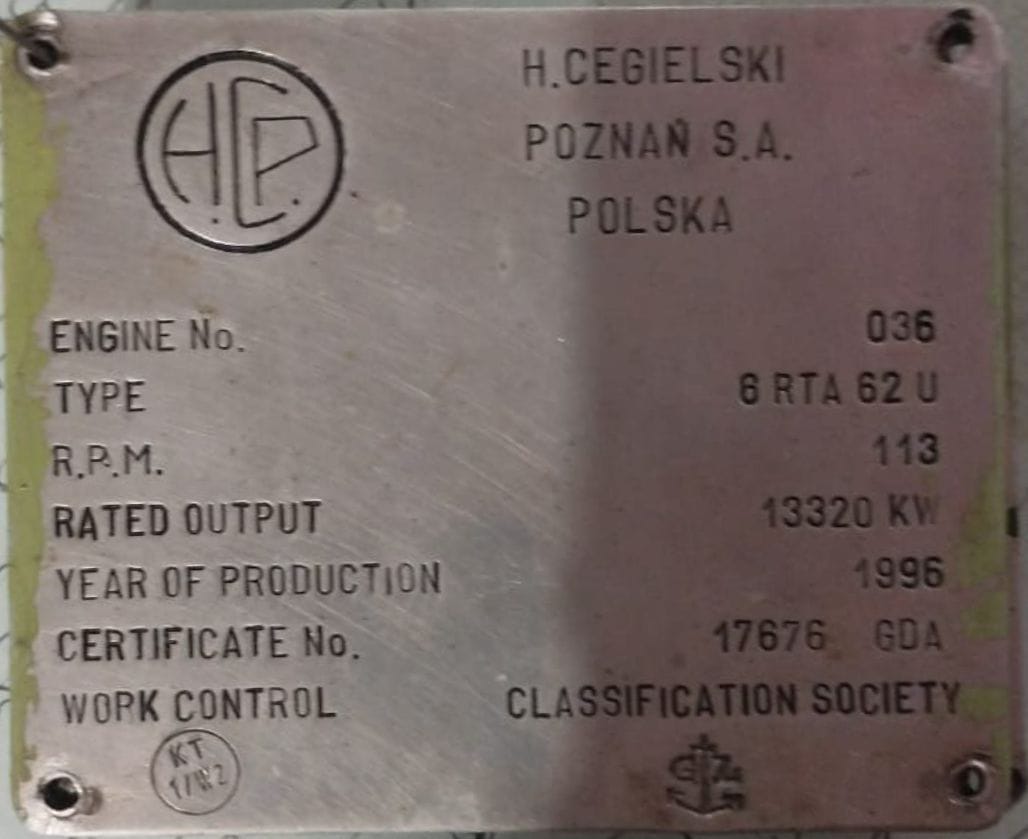
- HFO
- MDO
- RTA96C: 14 cylinders, 80,080 kW (108,920 bhp)
- Conventional camshaft design
- Constant-pressure turbocharging
- Wide bore range from 380 to 960 mm
- HFO
- MDO
- RTA96C: 14 cylinders, 80,080 kW (108,920 bhp)
- Conventional camshaft design
- Constant-pressure turbocharging
- Wide bore range from 380 to 960 mm
- HFO
- MDO
- RTA96C: 14 cylinders, 80,080 kW (108,920 bhp)
- Conventional camshaft design
- Constant-pressure turbocharging
- Wide bore range from 380 to 960 mm
- HFO
- MDO
- RTA96C: 14 cylinders, 80,080 kW (108,920 bhp)
- Conventional camshaft design
- Constant-pressure turbocharging
- Wide bore range from 380 to 960 mm
- HFO
- MDO
- RTA96C: 14 cylinders, 80,080 kW (108,920 bhp)
- Conventional camshaft design
- Constant-pressure turbocharging
- Wide bore range from 380 to 960 mm
- HFO
- MDO
- RTA96C: 14 cylinders, 80,080 kW (108,920 bhp)
- Conventional camshaft design
- Constant-pressure turbocharging
- Wide bore range from 380 to 960 mm
- HFO
- MDO
- RTA96C: 14 cylinders, 80,080 kW (108,920 bhp)
- Conventional camshaft design
- Constant-pressure turbocharging
- Wide bore range from 380 to 960 mm
- HFO
- MDO
- RTA96C: 14 cylinders, 80,080 kW (108,920 bhp)
- Conventional camshaft design
- Constant-pressure turbocharging
- Wide bore range from 380 to 960 mm

- HFO
- MDO
- RTA96C: 14 cylinders, 80,080 kW (108,920 bhp)
- Conventional camshaft design
- Constant-pressure turbocharging
- Wide bore range from 380 to 960 mm
- HFO
- MDO
- RTA96C: 14 cylinders, 80,080 kW (108,920 bhp)
- Conventional camshaft design
- Constant-pressure turbocharging
- Wide bore range from 380 to 960 mm
- HFO
- MDO
- RTA96C: 14 cylinders, 80,080 kW (108,920 bhp)
- Conventional camshaft design
- Constant-pressure turbocharging
- Wide bore range from 380 to 960 mm
- HFO
- MDO
- RTA96C: 14 cylinders, 80,080 kW (108,920 bhp)
- Conventional camshaft design
- Constant-pressure turbocharging
- Wide bore range from 380 to 960 mm
- HFO
- MDO
- RTA96C: 14 cylinders, 80,080 kW (108,920 bhp)
- Conventional camshaft design
- Constant-pressure turbocharging
- Wide bore range from 380 to 960 mm
- HFO
- MDO
- RTA96C: 14 cylinders, 80,080 kW (108,920 bhp)
- Conventional camshaft design
- Constant-pressure turbocharging
- Wide bore range from 380 to 960 mm
- HFO
- MDO
- RTA96C: 14 cylinders, 80,080 kW (108,920 bhp)
- Conventional camshaft design
- Constant-pressure turbocharging
- Wide bore range from 380 to 960 mm
- HFO
- MDO
- RTA96C: 14 cylinders, 80,080 kW (108,920 bhp)
- Conventional camshaft design
- Constant-pressure turbocharging
- Wide bore range from 380 to 960 mm
- HFO
- MDO
- RTA96C: 14 cylinders, 80,080 kW (108,920 bhp)
- Conventional camshaft design
- Constant-pressure turbocharging
- Wide bore range from 380 to 960 mm
- HFO
- MDO
- RTA96C: 14 cylinders, 80,080 kW (108,920 bhp)
- Conventional camshaft design
- Constant-pressure turbocharging
- Wide bore range from 380 to 960 mm
- HFO
- MDO
- RTA96C: 14 cylinders, 80,080 kW (108,920 bhp)
- Conventional camshaft design
- Constant-pressure turbocharging
- Wide bore range from 380 to 960 mm
- HFO
- MDO
- RTA96C: 14 cylinders, 80,080 kW (108,920 bhp)
- Conventional camshaft design
- Constant-pressure turbocharging
- Wide bore range from 380 to 960 mm
- HFO
- MDO
- RTA96C: 14 cylinders, 80,080 kW (108,920 bhp)
- Conventional camshaft design
- Constant-pressure turbocharging
- Wide bore range from 380 to 960 mm
- HFO
- MDO
- RTA96C: 14 cylinders, 80,080 kW (108,920 bhp)
- Conventional camshaft design
- Constant-pressure turbocharging
- Wide bore range from 380 to 960 mm
- HFO
- MDO
- RTA96C: 14 cylinders, 80,080 kW (108,920 bhp)
- Conventional camshaft design
- Constant-pressure turbocharging
- Wide bore range from 380 to 960 mm
- HFO
- MDO
- RTA96C: 14 cylinders, 80,080 kW (108,920 bhp)
- Conventional camshaft design
- Constant-pressure turbocharging
- Wide bore range from 380 to 960 mm
- HFO
- MDO
- RTA96C: 14 cylinders, 80,080 kW (108,920 bhp)
- Conventional camshaft design
- Constant-pressure turbocharging
- Wide bore range from 380 to 960 mm
- HFO
- MDO
- RTA96C: 14 cylinders, 80,080 kW (108,920 bhp)
- Conventional camshaft design
- Constant-pressure turbocharging
- Wide bore range from 380 to 960 mm
- HFO
- MDO
- RTA96C: 14 cylinders, 80,080 kW (108,920 bhp)
- Conventional camshaft design
- Constant-pressure turbocharging
- Wide bore range from 380 to 960 mm
- HFO
- MDO
- RTA96C: 14 cylinders, 80,080 kW (108,920 bhp)
- Conventional camshaft design
- Constant-pressure turbocharging
- Wide bore range from 380 to 960 mm
- HFO
- MDO
- RTA96C: 14 cylinders, 80,080 kW (108,920 bhp)
- Conventional camshaft design
- Constant-pressure turbocharging
- Wide bore range from 380 to 960 mm

- HFO
- MDO
- RTA96C: 14 cylinders, 80,080 kW (108,920 bhp)
- Conventional camshaft design
- Constant-pressure turbocharging
- Wide bore range from 380 to 960 mm
- HFO
- MDO
- RTA96C: 14 cylinders, 80,080 kW (108,920 bhp)
- Conventional camshaft design
- Constant-pressure turbocharging
- Wide bore range from 380 to 960 mm
- HFO
- MDO
- RTA96C: 14 cylinders, 80,080 kW (108,920 bhp)
- Conventional camshaft design
- Constant-pressure turbocharging
- Wide bore range from 380 to 960 mm

- HFO
- MDO
- RTA96C: 14 cylinders, 80,080 kW (108,920 bhp)
- Conventional camshaft design
- Constant-pressure turbocharging
- Wide bore range from 380 to 960 mm
- HFO
- MDO
- RTA96C: 14 cylinders, 80,080 kW (108,920 bhp)
- Conventional camshaft design
- Constant-pressure turbocharging
- Wide bore range from 380 to 960 mm
- HFO
- MDO
- RTA96C: 14 cylinders, 80,080 kW (108,920 bhp)
- Conventional camshaft design
- Constant-pressure turbocharging
- Wide bore range from 380 to 960 mm
- HFO
- MDO
- RTA96C: 14 cylinders, 80,080 kW (108,920 bhp)
- Conventional camshaft design
- Constant-pressure turbocharging
- Wide bore range from 380 to 960 mm
- HFO
- MDO
- RTA96C: 14 cylinders, 80,080 kW (108,920 bhp)
- Conventional camshaft design
- Constant-pressure turbocharging
- Wide bore range from 380 to 960 mm
- HFO
- MDO
- RTA96C: 14 cylinders, 80,080 kW (108,920 bhp)
- Conventional camshaft design
- Constant-pressure turbocharging
- Wide bore range from 380 to 960 mm
- HFO
- MDO
- RTA96C: 14 cylinders, 80,080 kW (108,920 bhp)
- Conventional camshaft design
- Constant-pressure turbocharging
- Wide bore range from 380 to 960 mm
- HFO
- MDO
- RTA96C: 14 cylinders, 80,080 kW (108,920 bhp)
- Conventional camshaft design
- Constant-pressure turbocharging
- Wide bore range from 380 to 960 mm
- HFO
- MDO
- RTA96C: 14 cylinders, 80,080 kW (108,920 bhp)
- Conventional camshaft design
- Constant-pressure turbocharging
- Wide bore range from 380 to 960 mm
- HFO
- MDO
- RTA96C: 14 cylinders, 80,080 kW (108,920 bhp)
- Conventional camshaft design
- Constant-pressure turbocharging
- Wide bore range from 380 to 960 mm
- HFO
- MDO
- RTA96C: 14 cylinders, 80,080 kW (108,920 bhp)
- Conventional camshaft design
- Constant-pressure turbocharging
- Wide bore range from 380 to 960 mm
- HFO
- MDO
- RTA96C: 14 cylinders, 80,080 kW (108,920 bhp)
- Conventional camshaft design
- Constant-pressure turbocharging
- Wide bore range from 380 to 960 mm
- HFO
- MDO
- RTA96C: 14 cylinders, 80,080 kW (108,920 bhp)
- Conventional camshaft design
- Constant-pressure turbocharging
- Wide bore range from 380 to 960 mm
- HFO
- MDO
- RTA96C: 14 cylinders, 80,080 kW (108,920 bhp)
- Conventional camshaft design
- Constant-pressure turbocharging
- Wide bore range from 380 to 960 mm
- HFO
- MDO
- RTA96C: 14 cylinders, 80,080 kW (108,920 bhp)
- Conventional camshaft design
- Constant-pressure turbocharging
- Wide bore range from 380 to 960 mm
- HFO
- MDO
- RTA96C: 14 cylinders, 80,080 kW (108,920 bhp)
- Conventional camshaft design
- Constant-pressure turbocharging
- Wide bore range from 380 to 960 mm
- HFO
- MDO
- RTA96C: 14 cylinders, 80,080 kW (108,920 bhp)
- Conventional camshaft design
- Constant-pressure turbocharging
- Wide bore range from 380 to 960 mm
- HFO
- MDO
- RTA96C: 14 cylinders, 80,080 kW (108,920 bhp)
- Conventional camshaft design
- Constant-pressure turbocharging
- Wide bore range from 380 to 960 mm
- HFO
- MDO
- RTA96C: 14 cylinders, 80,080 kW (108,920 bhp)
- Conventional camshaft design
- Constant-pressure turbocharging
- Wide bore range from 380 to 960 mm
- HFO
- MDO
- RTA96C: 14 cylinders, 80,080 kW (108,920 bhp)
- Conventional camshaft design
- Constant-pressure turbocharging
- Wide bore range from 380 to 960 mm
- HFO
- MDO
- RTA96C: 14 cylinders, 80,080 kW (108,920 bhp)
- Conventional camshaft design
- Constant-pressure turbocharging
- Wide bore range from 380 to 960 mm
- HFO
- MDO
- RTA96C: 14 cylinders, 80,080 kW (108,920 bhp)
- Conventional camshaft design
- Constant-pressure turbocharging
- Wide bore range from 380 to 960 mm
- HFO
- MDO
- RTA96C: 14 cylinders, 80,080 kW (108,920 bhp)
- Conventional camshaft design
- Constant-pressure turbocharging
- Wide bore range from 380 to 960 mm
- HFO
- MDO
- RTA96C: 14 cylinders, 80,080 kW (108,920 bhp)
- Conventional camshaft design
- Constant-pressure turbocharging
- Wide bore range from 380 to 960 mm
- HFO
- MDO
- RTA96C: 14 cylinders, 80,080 kW (108,920 bhp)
- Conventional camshaft design
- Constant-pressure turbocharging
- Wide bore range from 380 to 960 mm
- HFO
- MDO
- RTA96C: 14 cylinders, 80,080 kW (108,920 bhp)
- Conventional camshaft design
- Constant-pressure turbocharging
- Wide bore range from 380 to 960 mm
- HFO
- MDO
- RTA96C: 14 cylinders, 80,080 kW (108,920 bhp)
- Conventional camshaft design
- Constant-pressure turbocharging
- Wide bore range from 380 to 960 mm
- HFO
- MDO
- RTA96C: 14 cylinders, 80,080 kW (108,920 bhp)
- Conventional camshaft design
- Constant-pressure turbocharging
- Wide bore range from 380 to 960 mm
- HFO
- MDO
- RTA96C: 14 cylinders, 80,080 kW (108,920 bhp)
- Conventional camshaft design
- Constant-pressure turbocharging
- Wide bore range from 380 to 960 mm
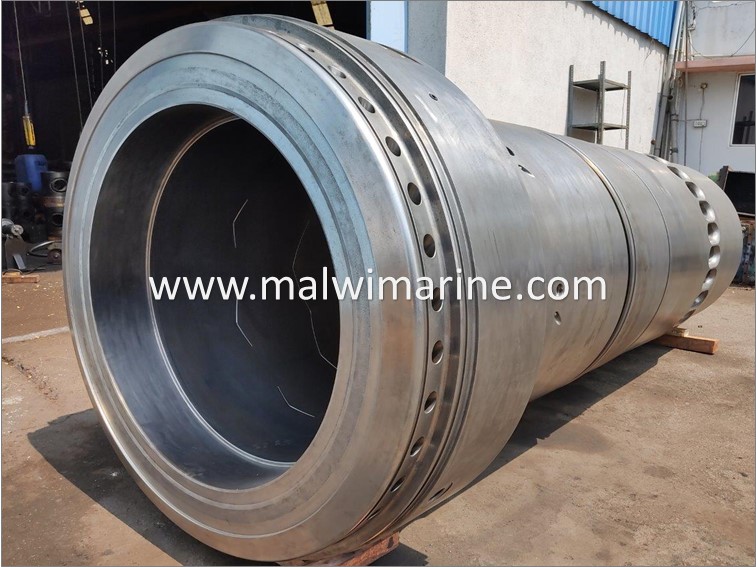
- HFO
- MDO
- RTA96C: 14 cylinders, 80,080 kW (108,920 bhp)
- Conventional camshaft design
- Constant-pressure turbocharging
- Wide bore range from 380 to 960 mm
- HFO
- MDO
- RTA96C: 14 cylinders, 80,080 kW (108,920 bhp)
- Conventional camshaft design
- Constant-pressure turbocharging
- Wide bore range from 380 to 960 mm
- HFO
- MDO
- RTA96C: 14 cylinders, 80,080 kW (108,920 bhp)
- Conventional camshaft design
- Constant-pressure turbocharging
- Wide bore range from 380 to 960 mm
- HFO
- MDO
- RTA96C: 14 cylinders, 80,080 kW (108,920 bhp)
- Conventional camshaft design
- Constant-pressure turbocharging
- Wide bore range from 380 to 960 mm
- HFO
- MDO
- RTA96C: 14 cylinders, 80,080 kW (108,920 bhp)
- Conventional camshaft design
- Constant-pressure turbocharging
- Wide bore range from 380 to 960 mm
- HFO
- MDO
- RTA96C: 14 cylinders, 80,080 kW (108,920 bhp)
- Conventional camshaft design
- Constant-pressure turbocharging
- Wide bore range from 380 to 960 mm
- HFO
- MDO
- RTA96C: 14 cylinders, 80,080 kW (108,920 bhp)
- Conventional camshaft design
- Constant-pressure turbocharging
- Wide bore range from 380 to 960 mm
- HFO
- MDO
- RTA96C: 14 cylinders, 80,080 kW (108,920 bhp)
- Conventional camshaft design
- Constant-pressure turbocharging
- Wide bore range from 380 to 960 mm
- HFO
- MDO
- RTA96C: 14 cylinders, 80,080 kW (108,920 bhp)
- Conventional camshaft design
- Constant-pressure turbocharging
- Wide bore range from 380 to 960 mm
- HFO
- MDO
- RTA96C: 14 cylinders, 80,080 kW (108,920 bhp)
- Conventional camshaft design
- Constant-pressure turbocharging
- Wide bore range from 380 to 960 mm
- HFO
- MDO
- RTA96C: 14 cylinders, 80,080 kW (108,920 bhp)
- Conventional camshaft design
- Constant-pressure turbocharging
- Wide bore range from 380 to 960 mm
- HFO
- MDO
- RTA96C: 14 cylinders, 80,080 kW (108,920 bhp)
- Conventional camshaft design
- Constant-pressure turbocharging
- Wide bore range from 380 to 960 mm
- HFO
- MDO
- RTA96C: 14 cylinders, 80,080 kW (108,920 bhp)
- Conventional camshaft design
- Constant-pressure turbocharging
- Wide bore range from 380 to 960 mm
- HFO
- MDO
- RTA96C: 14 cylinders, 80,080 kW (108,920 bhp)
- Conventional camshaft design
- Constant-pressure turbocharging
- Wide bore range from 380 to 960 mm
- HFO
- MDO
- RTA96C: 14 cylinders, 80,080 kW (108,920 bhp)
- Conventional camshaft design
- Constant-pressure turbocharging
- Wide bore range from 380 to 960 mm
- HFO
- MDO
- RTA96C: 14 cylinders, 80,080 kW (108,920 bhp)
- Conventional camshaft design
- Constant-pressure turbocharging
- Wide bore range from 380 to 960 mm
- HFO
- MDO
- RTA96C: 14 cylinders, 80,080 kW (108,920 bhp)
- Conventional camshaft design
- Constant-pressure turbocharging
- Wide bore range from 380 to 960 mm
- HFO
- MDO
- RTA96C: 14 cylinders, 80,080 kW (108,920 bhp)
- Conventional camshaft design
- Constant-pressure turbocharging
- Wide bore range from 380 to 960 mm
- HFO
- MDO
- RTA96C: 14 cylinders, 80,080 kW (108,920 bhp)
- Conventional camshaft design
- Constant-pressure turbocharging
- Wide bore range from 380 to 960 mm
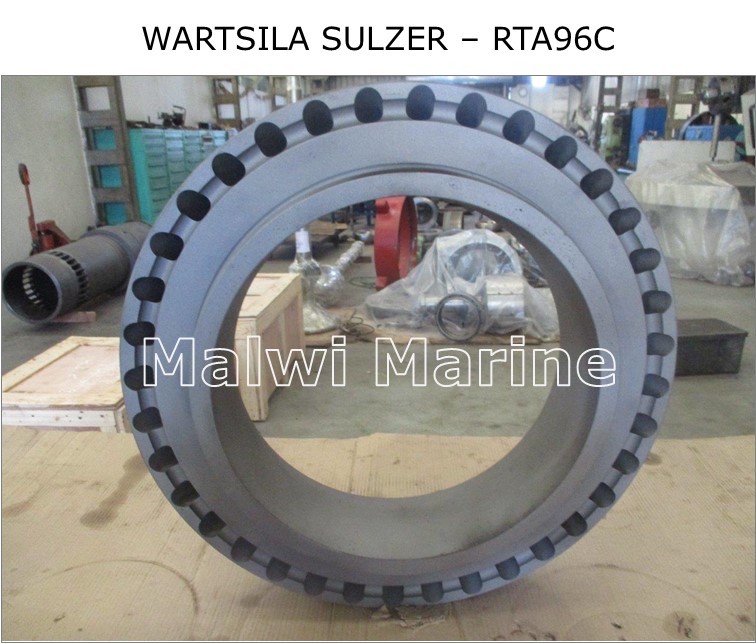
- HFO
- MDO
- RTA96C: 14 cylinders, 80,080 kW (108,920 bhp)
- Conventional camshaft design
- Constant-pressure turbocharging
- Wide bore range from 380 to 960 mm
- HFO
- MDO
- RTA96C: 14 cylinders, 80,080 kW (108,920 bhp)
- Conventional camshaft design
- Constant-pressure turbocharging
- Wide bore range from 380 to 960 mm
- HFO
- MDO
- RTA96C: 14 cylinders, 80,080 kW (108,920 bhp)
- Conventional camshaft design
- Constant-pressure turbocharging
- Wide bore range from 380 to 960 mm
- HFO
- MDO
- RTA96C: 14 cylinders, 80,080 kW (108,920 bhp)
- Conventional camshaft design
- Constant-pressure turbocharging
- Wide bore range from 380 to 960 mm
- HFO
- MDO
- RTA96C: 14 cylinders, 80,080 kW (108,920 bhp)
- Conventional camshaft design
- Constant-pressure turbocharging
- Wide bore range from 380 to 960 mm
- HFO
- MDO
- RTA96C: 14 cylinders, 80,080 kW (108,920 bhp)
- Conventional camshaft design
- Constant-pressure turbocharging
- Wide bore range from 380 to 960 mm
- HFO
- MDO
- RTA96C: 14 cylinders, 80,080 kW (108,920 bhp)
- Conventional camshaft design
- Constant-pressure turbocharging
- Wide bore range from 380 to 960 mm
- HFO
- MDO
- RTA96C: 14 cylinders, 80,080 kW (108,920 bhp)
- Conventional camshaft design
- Constant-pressure turbocharging
- Wide bore range from 380 to 960 mm
Wärtsilä
95- HFO
- VLSFO
- MDO
- Common rail fuel injection (1000 bar)
- Electronically controlled exhaust valve
- Camshaft-less design
- Flex system (rail pressure 1000 bar fuel, 200 bar servo oil)
- Superseded by WIN-GD X series
- HFO
- VLSFO
- MDO
- Common rail fuel injection (1000 bar)
- Electronically controlled exhaust valve
- Camshaft-less design
- Flex system (rail pressure 1000 bar fuel, 200 bar servo oil)
- Superseded by WIN-GD X series
- HFO
- VLSFO
- MDO
- Common rail fuel injection (1000 bar)
- Electronically controlled exhaust valve
- Camshaft-less design
- Flex system (rail pressure 1000 bar fuel, 200 bar servo oil)
- Superseded by WIN-GD X series
- HFO
- VLSFO
- MDO
- Common rail fuel injection (1000 bar)
- Electronically controlled exhaust valve
- Camshaft-less design
- Flex system (rail pressure 1000 bar fuel, 200 bar servo oil)
- Superseded by WIN-GD X series
- HFO
- VLSFO
- MDO
- Common rail fuel injection (1000 bar)
- Electronically controlled exhaust valve
- Camshaft-less design
- Flex system (rail pressure 1000 bar fuel, 200 bar servo oil)
- Superseded by WIN-GD X series
- HFO
- VLSFO
- MDO
- Common rail fuel injection (1000 bar)
- Electronically controlled exhaust valve
- Camshaft-less design
- Flex system (rail pressure 1000 bar fuel, 200 bar servo oil)
- Superseded by WIN-GD X series
- HFO
- VLSFO
- MDO
- Common rail fuel injection (1000 bar)
- Electronically controlled exhaust valve
- Camshaft-less design
- Flex system (rail pressure 1000 bar fuel, 200 bar servo oil)
- Superseded by WIN-GD X series
- HFO
- VLSFO
- MDO
- Common rail fuel injection (1000 bar)
- Electronically controlled exhaust valve
- Camshaft-less design
- Flex system (rail pressure 1000 bar fuel, 200 bar servo oil)
- Superseded by WIN-GD X series
- HFO
- VLSFO
- MDO
- Common rail fuel injection (1000 bar)
- Electronically controlled exhaust valve
- Camshaft-less design
- Flex system (rail pressure 1000 bar fuel, 200 bar servo oil)
- Superseded by WIN-GD X series
- HFO
- VLSFO
- MDO
- Common rail fuel injection (1000 bar)
- Electronically controlled exhaust valve
- Camshaft-less design
- Flex system (rail pressure 1000 bar fuel, 200 bar servo oil)
- Superseded by WIN-GD X series
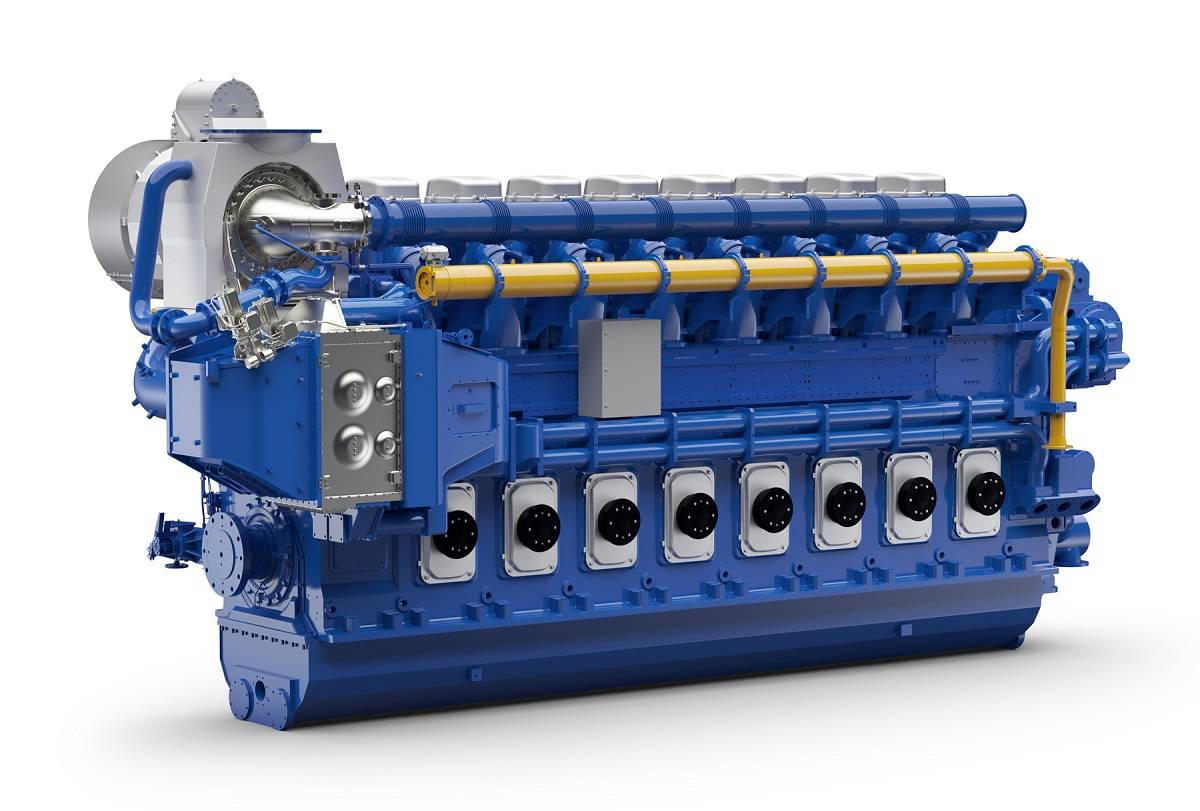
- HFO
- VLSFO
- MDO
- Common rail fuel injection (1000 bar)
- Electronically controlled exhaust valve
- Camshaft-less design
- Flex system (rail pressure 1000 bar fuel, 200 bar servo oil)
- Superseded by WIN-GD X series
- HFO
- VLSFO
- MDO
- Common rail fuel injection (1000 bar)
- Electronically controlled exhaust valve
- Camshaft-less design
- Flex system (rail pressure 1000 bar fuel, 200 bar servo oil)
- Superseded by WIN-GD X series
- HFO
- VLSFO
- MDO
- Common rail fuel injection (1000 bar)
- Electronically controlled exhaust valve
- Camshaft-less design
- Flex system (rail pressure 1000 bar fuel, 200 bar servo oil)
- Superseded by WIN-GD X series
- HFO
- VLSFO
- MDO
- Common rail fuel injection (1000 bar)
- Electronically controlled exhaust valve
- Camshaft-less design
- Flex system (rail pressure 1000 bar fuel, 200 bar servo oil)
- Superseded by WIN-GD X series
- HFO
- VLSFO
- MDO
- Common rail fuel injection (1000 bar)
- Electronically controlled exhaust valve
- Camshaft-less design
- Flex system (rail pressure 1000 bar fuel, 200 bar servo oil)
- Superseded by WIN-GD X series
- HFO
- VLSFO
- MDO
- Common rail fuel injection (1000 bar)
- Electronically controlled exhaust valve
- Camshaft-less design
- Flex system (rail pressure 1000 bar fuel, 200 bar servo oil)
- Superseded by WIN-GD X series
- HFO
- VLSFO
- MDO
- Common rail fuel injection (1000 bar)
- Electronically controlled exhaust valve
- Camshaft-less design
- Flex system (rail pressure 1000 bar fuel, 200 bar servo oil)
- Superseded by WIN-GD X series
- HFO
- VLSFO
- MDO
- Common rail fuel injection (1000 bar)
- Electronically controlled exhaust valve
- Camshaft-less design
- Flex system (rail pressure 1000 bar fuel, 200 bar servo oil)
- Superseded by WIN-GD X series
- HFO
- VLSFO
- MDO
- Common rail fuel injection (1000 bar)
- Electronically controlled exhaust valve
- Camshaft-less design
- Flex system (rail pressure 1000 bar fuel, 200 bar servo oil)
- Superseded by WIN-GD X series
- HFO
- VLSFO
- MDO
- Common rail fuel injection (1000 bar)
- Electronically controlled exhaust valve
- Camshaft-less design
- Flex system (rail pressure 1000 bar fuel, 200 bar servo oil)
- Superseded by WIN-GD X series
- HFO
- VLSFO
- MDO
- Common rail fuel injection (1000 bar)
- Electronically controlled exhaust valve
- Camshaft-less design
- Flex system (rail pressure 1000 bar fuel, 200 bar servo oil)
- Superseded by WIN-GD X series
- HFO
- VLSFO
- MDO
- Common rail fuel injection (1000 bar)
- Electronically controlled exhaust valve
- Camshaft-less design
- Flex system (rail pressure 1000 bar fuel, 200 bar servo oil)
- Superseded by WIN-GD X series
- HFO
- VLSFO
- MDO
- Common rail fuel injection (1000 bar)
- Electronically controlled exhaust valve
- Camshaft-less design
- Flex system (rail pressure 1000 bar fuel, 200 bar servo oil)
- Superseded by WIN-GD X series
- HFO
- VLSFO
- MDO
- Common rail fuel injection (1000 bar)
- Electronically controlled exhaust valve
- Camshaft-less design
- Flex system (rail pressure 1000 bar fuel, 200 bar servo oil)
- Superseded by WIN-GD X series
- HFO
- VLSFO
- MDO
- Common rail fuel injection (1000 bar)
- Electronically controlled exhaust valve
- Camshaft-less design
- Flex system (rail pressure 1000 bar fuel, 200 bar servo oil)
- Superseded by WIN-GD X series
- HFO
- VLSFO
- MDO
- Common rail fuel injection (1000 bar)
- Electronically controlled exhaust valve
- Camshaft-less design
- Flex system (rail pressure 1000 bar fuel, 200 bar servo oil)
- Superseded by WIN-GD X series
- HFO
- VLSFO
- MDO
- Common rail fuel injection (1000 bar)
- Electronically controlled exhaust valve
- Camshaft-less design
- Flex system (rail pressure 1000 bar fuel, 200 bar servo oil)
- Superseded by WIN-GD X series
- HFO
- VLSFO
- MDO
- Common rail fuel injection (1000 bar)
- Electronically controlled exhaust valve
- Camshaft-less design
- Flex system (rail pressure 1000 bar fuel, 200 bar servo oil)
- Superseded by WIN-GD X series
- HFO
- VLSFO
- MDO
- Common rail fuel injection (1000 bar)
- Electronically controlled exhaust valve
- Camshaft-less design
- Flex system (rail pressure 1000 bar fuel, 200 bar servo oil)
- Superseded by WIN-GD X series
- HFO
- VLSFO
- MDO
- Common rail fuel injection (1000 bar)
- Electronically controlled exhaust valve
- Camshaft-less design
- Flex system (rail pressure 1000 bar fuel, 200 bar servo oil)
- Superseded by WIN-GD X series
- HFO
- VLSFO
- MDO
- Common rail fuel injection (1000 bar)
- Electronically controlled exhaust valve
- Camshaft-less design
- Flex system (rail pressure 1000 bar fuel, 200 bar servo oil)
- Superseded by WIN-GD X series
- HFO
- VLSFO
- MDO
- Common rail fuel injection (1000 bar)
- Electronically controlled exhaust valve
- Camshaft-less design
- Flex system (rail pressure 1000 bar fuel, 200 bar servo oil)
- Superseded by WIN-GD X series
- HFO
- VLSFO
- MDO
- Common rail fuel injection (1000 bar)
- Electronically controlled exhaust valve
- Camshaft-less design
- Flex system (rail pressure 1000 bar fuel, 200 bar servo oil)
- Superseded by WIN-GD X series
- HFO
- VLSFO
- MDO
- Common rail fuel injection (1000 bar)
- Electronically controlled exhaust valve
- Camshaft-less design
- Flex system (rail pressure 1000 bar fuel, 200 bar servo oil)
- Superseded by WIN-GD X series
- HFO
- VLSFO
- MDO
- Common rail fuel injection (1000 bar)
- Electronically controlled exhaust valve
- Camshaft-less design
- Flex system (rail pressure 1000 bar fuel, 200 bar servo oil)
- Superseded by WIN-GD X series
- HFO
- VLSFO
- MDO
- Common rail fuel injection (1000 bar)
- Electronically controlled exhaust valve
- Camshaft-less design
- Flex system (rail pressure 1000 bar fuel, 200 bar servo oil)
- Superseded by WIN-GD X series
- HFO
- VLSFO
- MDO
- Common rail fuel injection (1000 bar)
- Electronically controlled exhaust valve
- Camshaft-less design
- Flex system (rail pressure 1000 bar fuel, 200 bar servo oil)
- Superseded by WIN-GD X series
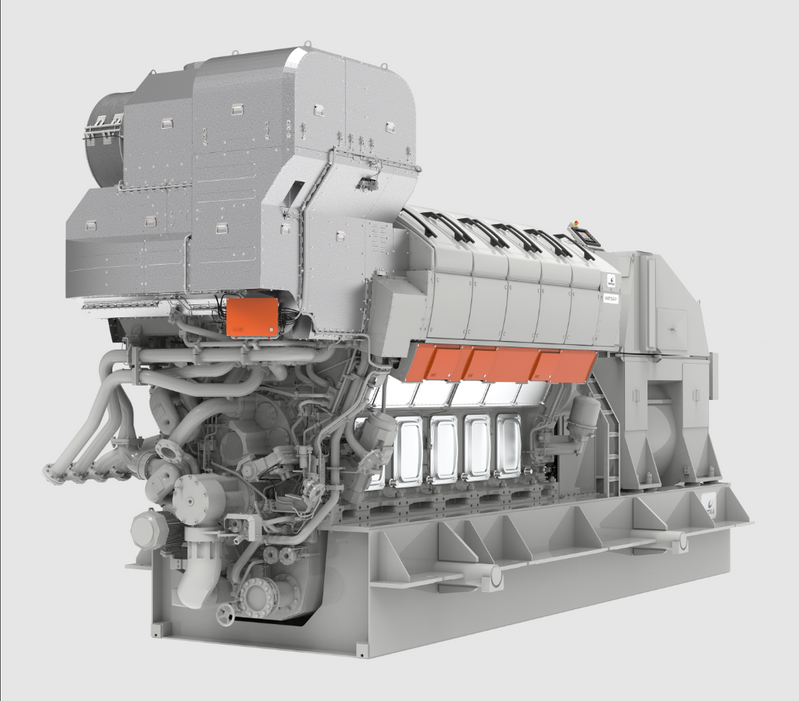
- HFO
- VLSFO
- MDO
- Common rail fuel injection (1000 bar)
- Electronically controlled exhaust valve
- Camshaft-less design
- Flex system (rail pressure 1000 bar fuel, 200 bar servo oil)
- Superseded by WIN-GD X series
- HFO
- VLSFO
- MDO
- Common rail fuel injection (1000 bar)
- Electronically controlled exhaust valve
- Camshaft-less design
- Flex system (rail pressure 1000 bar fuel, 200 bar servo oil)
- Superseded by WIN-GD X series
- HFO
- VLSFO
- MDO
- Common rail fuel injection (1000 bar)
- Electronically controlled exhaust valve
- Camshaft-less design
- Flex system (rail pressure 1000 bar fuel, 200 bar servo oil)
- Superseded by WIN-GD X series
- HFO
- VLSFO
- MDO
- Common rail fuel injection (1000 bar)
- Electronically controlled exhaust valve
- Camshaft-less design
- Flex system (rail pressure 1000 bar fuel, 200 bar servo oil)
- Superseded by WIN-GD X series
- HFO
- VLSFO
- MDO
- Common rail fuel injection (1000 bar)
- Electronically controlled exhaust valve
- Camshaft-less design
- Flex system (rail pressure 1000 bar fuel, 200 bar servo oil)
- Superseded by WIN-GD X series
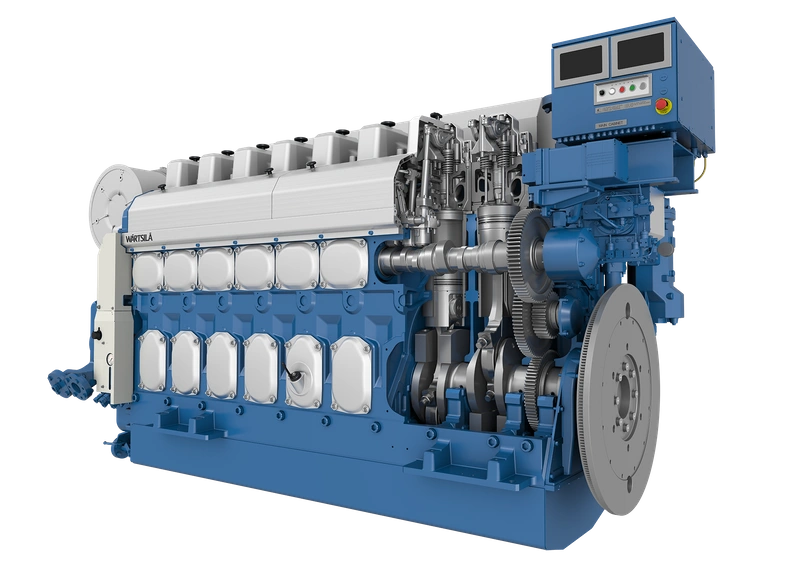
- HFO
- VLSFO
- MDO
- Common rail fuel injection (1000 bar)
- Electronically controlled exhaust valve
- Camshaft-less design
- Flex system (rail pressure 1000 bar fuel, 200 bar servo oil)
- Superseded by WIN-GD X series
- HFO
- VLSFO
- MDO
- Common rail fuel injection (1000 bar)
- Electronically controlled exhaust valve
- Camshaft-less design
- Flex system (rail pressure 1000 bar fuel, 200 bar servo oil)
- Superseded by WIN-GD X series
- HFO
- VLSFO
- MDO
- Common rail fuel injection (1000 bar)
- Electronically controlled exhaust valve
- Camshaft-less design
- Flex system (rail pressure 1000 bar fuel, 200 bar servo oil)
- Superseded by WIN-GD X series
- HFO
- VLSFO
- MDO
- Common rail fuel injection (1000 bar)
- Electronically controlled exhaust valve
- Camshaft-less design
- Flex system (rail pressure 1000 bar fuel, 200 bar servo oil)
- Superseded by WIN-GD X series
- HFO
- VLSFO
- MDO
- Common rail fuel injection (1000 bar)
- Electronically controlled exhaust valve
- Camshaft-less design
- Flex system (rail pressure 1000 bar fuel, 200 bar servo oil)
- Superseded by WIN-GD X series
- HFO
- VLSFO
- MDO
- Common rail fuel injection (1000 bar)
- Electronically controlled exhaust valve
- Camshaft-less design
- Flex system (rail pressure 1000 bar fuel, 200 bar servo oil)
- Superseded by WIN-GD X series
- HFO
- VLSFO
- MDO
- Common rail fuel injection (1000 bar)
- Electronically controlled exhaust valve
- Camshaft-less design
- Flex system (rail pressure 1000 bar fuel, 200 bar servo oil)
- Superseded by WIN-GD X series
- HFO
- VLSFO
- MDO
- Common rail fuel injection (1000 bar)
- Electronically controlled exhaust valve
- Camshaft-less design
- Flex system (rail pressure 1000 bar fuel, 200 bar servo oil)
- Superseded by WIN-GD X series
- HFO
- VLSFO
- MDO
- Common rail fuel injection (1000 bar)
- Electronically controlled exhaust valve
- Camshaft-less design
- Flex system (rail pressure 1000 bar fuel, 200 bar servo oil)
- Superseded by WIN-GD X series
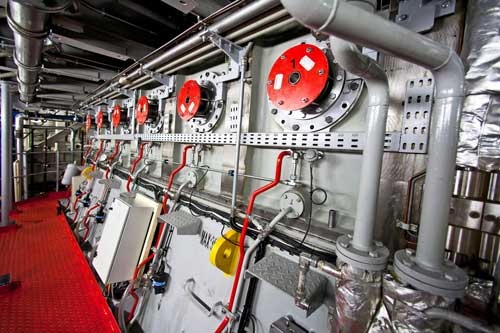
- HFO
- VLSFO
- MDO
- Common rail fuel injection (1000 bar)
- Electronically controlled exhaust valve
- Camshaft-less design
- Flex system (rail pressure 1000 bar fuel, 200 bar servo oil)
- Superseded by WIN-GD X series
- HFO
- VLSFO
- MDO
- Common rail fuel injection (1000 bar)
- Electronically controlled exhaust valve
- Camshaft-less design
- Flex system (rail pressure 1000 bar fuel, 200 bar servo oil)
- Superseded by WIN-GD X series
- HFO
- VLSFO
- MDO
- Common rail fuel injection (1000 bar)
- Electronically controlled exhaust valve
- Camshaft-less design
- Flex system (rail pressure 1000 bar fuel, 200 bar servo oil)
- Superseded by WIN-GD X series
- HFO
- VLSFO
- MDO
- Common rail fuel injection (1000 bar)
- Electronically controlled exhaust valve
- Camshaft-less design
- Flex system (rail pressure 1000 bar fuel, 200 bar servo oil)
- Superseded by WIN-GD X series
- HFO
- VLSFO
- MDO
- Common rail fuel injection (1000 bar)
- Electronically controlled exhaust valve
- Camshaft-less design
- Flex system (rail pressure 1000 bar fuel, 200 bar servo oil)
- Superseded by WIN-GD X series
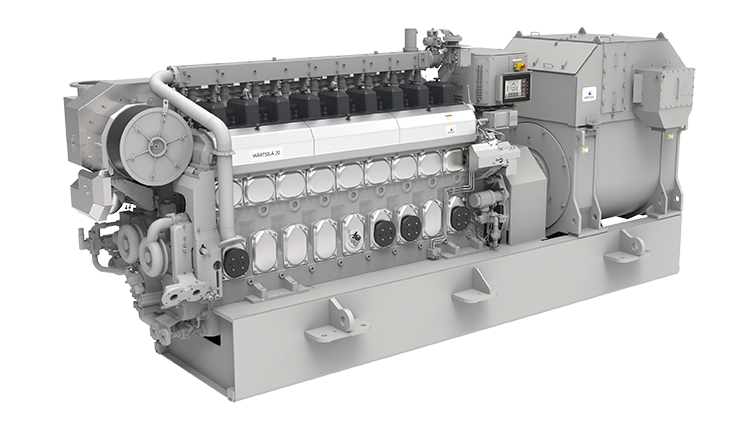
- HFO
- VLSFO
- MDO
- Common rail fuel injection (1000 bar)
- Electronically controlled exhaust valve
- Camshaft-less design
- Flex system (rail pressure 1000 bar fuel, 200 bar servo oil)
- Superseded by WIN-GD X series
- HFO
- VLSFO
- MDO
- Common rail fuel injection (1000 bar)
- Electronically controlled exhaust valve
- Camshaft-less design
- Flex system (rail pressure 1000 bar fuel, 200 bar servo oil)
- Superseded by WIN-GD X series
- HFO
- VLSFO
- MDO
- Common rail fuel injection (1000 bar)
- Electronically controlled exhaust valve
- Camshaft-less design
- Flex system (rail pressure 1000 bar fuel, 200 bar servo oil)
- Superseded by WIN-GD X series
- HFO
- VLSFO
- MDO
- Common rail fuel injection (1000 bar)
- Electronically controlled exhaust valve
- Camshaft-less design
- Flex system (rail pressure 1000 bar fuel, 200 bar servo oil)
- Superseded by WIN-GD X series
- HFO
- VLSFO
- MDO
- Common rail fuel injection (1000 bar)
- Electronically controlled exhaust valve
- Camshaft-less design
- Flex system (rail pressure 1000 bar fuel, 200 bar servo oil)
- Superseded by WIN-GD X series
- HFO
- VLSFO
- MDO
- Common rail fuel injection (1000 bar)
- Electronically controlled exhaust valve
- Camshaft-less design
- Flex system (rail pressure 1000 bar fuel, 200 bar servo oil)
- Superseded by WIN-GD X series
- HFO
- VLSFO
- MDO
- Common rail fuel injection (1000 bar)
- Electronically controlled exhaust valve
- Camshaft-less design
- Flex system (rail pressure 1000 bar fuel, 200 bar servo oil)
- Superseded by WIN-GD X series
- HFO
- VLSFO
- MDO
- Common rail fuel injection (1000 bar)
- Electronically controlled exhaust valve
- Camshaft-less design
- Flex system (rail pressure 1000 bar fuel, 200 bar servo oil)
- Superseded by WIN-GD X series
- HFO
- VLSFO
- MDO
- Common rail fuel injection (1000 bar)
- Electronically controlled exhaust valve
- Camshaft-less design
- Flex system (rail pressure 1000 bar fuel, 200 bar servo oil)
- Superseded by WIN-GD X series
- HFO
- VLSFO
- MDO
- Common rail fuel injection (1000 bar)
- Electronically controlled exhaust valve
- Camshaft-less design
- Flex system (rail pressure 1000 bar fuel, 200 bar servo oil)
- Superseded by WIN-GD X series
- HFO
- VLSFO
- MDO
- Common rail fuel injection (1000 bar)
- Electronically controlled exhaust valve
- Camshaft-less design
- Flex system (rail pressure 1000 bar fuel, 200 bar servo oil)
- Superseded by WIN-GD X series
- HFO
- VLSFO
- MDO
- Common rail fuel injection (1000 bar)
- Electronically controlled exhaust valve
- Camshaft-less design
- Flex system (rail pressure 1000 bar fuel, 200 bar servo oil)
- Superseded by WIN-GD X series
- HFO
- VLSFO
- MDO
- Common rail fuel injection (1000 bar)
- Electronically controlled exhaust valve
- Camshaft-less design
- Flex system (rail pressure 1000 bar fuel, 200 bar servo oil)
- Superseded by WIN-GD X series
- HFO
- VLSFO
- MDO
- Common rail fuel injection (1000 bar)
- Electronically controlled exhaust valve
- Camshaft-less design
- Flex system (rail pressure 1000 bar fuel, 200 bar servo oil)
- Superseded by WIN-GD X series
- HFO
- VLSFO
- MDO
- Common rail fuel injection (1000 bar)
- Electronically controlled exhaust valve
- Camshaft-less design
- Flex system (rail pressure 1000 bar fuel, 200 bar servo oil)
- Superseded by WIN-GD X series
- HFO
- VLSFO
- MDO
- Common rail fuel injection (1000 bar)
- Electronically controlled exhaust valve
- Camshaft-less design
- Flex system (rail pressure 1000 bar fuel, 200 bar servo oil)
- Superseded by WIN-GD X series
- HFO
- VLSFO
- MDO
- Common rail fuel injection (1000 bar)
- Electronically controlled exhaust valve
- Camshaft-less design
- Flex system (rail pressure 1000 bar fuel, 200 bar servo oil)
- Superseded by WIN-GD X series
- HFO
- VLSFO
- MDO
- Common rail fuel injection (1000 bar)
- Electronically controlled exhaust valve
- Camshaft-less design
- Flex system (rail pressure 1000 bar fuel, 200 bar servo oil)
- Superseded by WIN-GD X series
- HFO
- VLSFO
- MDO
- Common rail fuel injection (1000 bar)
- Electronically controlled exhaust valve
- Camshaft-less design
- Flex system (rail pressure 1000 bar fuel, 200 bar servo oil)
- Superseded by WIN-GD X series
- HFO
- VLSFO
- MDO
- Common rail fuel injection (1000 bar)
- Electronically controlled exhaust valve
- Camshaft-less design
- Flex system (rail pressure 1000 bar fuel, 200 bar servo oil)
- Superseded by WIN-GD X series
- HFO
- VLSFO
- MDO
- Common rail fuel injection (1000 bar)
- Electronically controlled exhaust valve
- Camshaft-less design
- Flex system (rail pressure 1000 bar fuel, 200 bar servo oil)
- Superseded by WIN-GD X series
- HFO
- VLSFO
- MDO
- Common rail fuel injection (1000 bar)
- Electronically controlled exhaust valve
- Camshaft-less design
- Flex system (rail pressure 1000 bar fuel, 200 bar servo oil)
- Superseded by WIN-GD X series
- HFO
- VLSFO
- MDO
- Common rail fuel injection (1000 bar)
- Electronically controlled exhaust valve
- Camshaft-less design
- Flex system (rail pressure 1000 bar fuel, 200 bar servo oil)
- Superseded by WIN-GD X series
- HFO
- VLSFO
- MDO
- Common rail fuel injection (1000 bar)
- Electronically controlled exhaust valve
- Camshaft-less design
- Flex system (rail pressure 1000 bar fuel, 200 bar servo oil)
- Superseded by WIN-GD X series
- HFO
- VLSFO
- MDO
- Common rail fuel injection (1000 bar)
- Electronically controlled exhaust valve
- Camshaft-less design
- Flex system (rail pressure 1000 bar fuel, 200 bar servo oil)
- Superseded by WIN-GD X series
- Area: Low-load operation: Poor combustion, carbon deposit accumulation in cylinders, turbocharger fouling, economizer fouling. Wärtsilä offers Slow Steaming Upgrade K
- Area: Cylinder liner wear and scuffing (general 4-stroke diesel pattern, not W31-specific): Exacerbated by inadequate lubrication oil film, excessive cylinder tempera
- Area: Fuel injection system: Common rail system generally robust; however, HP fuel pump overhaul intervals are extended to 24,000 hrs (vs. 12,000 in prior-gen engines
- Area: Scavenge space deposit accumulation and fire risk (class-wide diesel phenomenon): Carbonized lube oil and unburnt fuel residues accumulate in scavenge space. Ex
Verifizierte Familien-Daten (Hersteller-Datenblaetter + Fachquellen, 2026-06). Teils klassen-allgemeine Inspektionspunkte fuer Viertakt-Marinediesel — pro Eintrag Quelle.
- HFO
- VLSFO
- MDO
- Common rail fuel injection (1000 bar)
- Electronically controlled exhaust valve
- Camshaft-less design
- Flex system (rail pressure 1000 bar fuel, 200 bar servo oil)
- Superseded by WIN-GD X series
- Area: Low-load operation: Poor combustion, carbon deposit accumulation in cylinders, turbocharger fouling, economizer fouling. Wärtsilä offers Slow Steaming Upgrade K
- Area: Cylinder liner wear and scuffing (general 4-stroke diesel pattern, not W31-specific): Exacerbated by inadequate lubrication oil film, excessive cylinder tempera
- Area: Fuel injection system: Common rail system generally robust; however, HP fuel pump overhaul intervals are extended to 24,000 hrs (vs. 12,000 in prior-gen engines
- Area: Scavenge space deposit accumulation and fire risk (class-wide diesel phenomenon): Carbonized lube oil and unburnt fuel residues accumulate in scavenge space. Ex
Verifizierte Familien-Daten (Hersteller-Datenblaetter + Fachquellen, 2026-06). Teils klassen-allgemeine Inspektionspunkte fuer Viertakt-Marinediesel — pro Eintrag Quelle.
- HFO
- VLSFO
- MDO
- Common rail fuel injection (1000 bar)
- Electronically controlled exhaust valve
- Camshaft-less design
- Flex system (rail pressure 1000 bar fuel, 200 bar servo oil)
- Superseded by WIN-GD X series
- Area: Low-load operation: Poor combustion, carbon deposit accumulation in cylinders, turbocharger fouling, economizer fouling. Wärtsilä offers Slow Steaming Upgrade K
- Area: Cylinder liner wear and scuffing (general 4-stroke diesel pattern, not W31-specific): Exacerbated by inadequate lubrication oil film, excessive cylinder tempera
- Area: Fuel injection system: Common rail system generally robust; however, HP fuel pump overhaul intervals are extended to 24,000 hrs (vs. 12,000 in prior-gen engines
- Area: Scavenge space deposit accumulation and fire risk (class-wide diesel phenomenon): Carbonized lube oil and unburnt fuel residues accumulate in scavenge space. Ex
Verifizierte Familien-Daten (Hersteller-Datenblaetter + Fachquellen, 2026-06). Teils klassen-allgemeine Inspektionspunkte fuer Viertakt-Marinediesel — pro Eintrag Quelle.
- HFO
- VLSFO
- MDO
- Common rail fuel injection (1000 bar)
- Electronically controlled exhaust valve
- Camshaft-less design
- Flex system (rail pressure 1000 bar fuel, 200 bar servo oil)
- Superseded by WIN-GD X series
- Area: Low-load operation: Poor combustion, carbon deposit accumulation in cylinders, turbocharger fouling, economizer fouling. Wärtsilä offers Slow Steaming Upgrade K
- Area: Cylinder liner wear and scuffing (general 4-stroke diesel pattern, not W31-specific): Exacerbated by inadequate lubrication oil film, excessive cylinder tempera
- Area: Fuel injection system: Common rail system generally robust; however, HP fuel pump overhaul intervals are extended to 24,000 hrs (vs. 12,000 in prior-gen engines
- Area: Scavenge space deposit accumulation and fire risk (class-wide diesel phenomenon): Carbonized lube oil and unburnt fuel residues accumulate in scavenge space. Ex
Verifizierte Familien-Daten (Hersteller-Datenblaetter + Fachquellen, 2026-06). Teils klassen-allgemeine Inspektionspunkte fuer Viertakt-Marinediesel — pro Eintrag Quelle.
- HFO
- VLSFO
- MDO
- Common rail fuel injection (1000 bar)
- Electronically controlled exhaust valve
- Camshaft-less design
- Flex system (rail pressure 1000 bar fuel, 200 bar servo oil)
- Superseded by WIN-GD X series
- HFO
- VLSFO
- MDO
- Common rail fuel injection (1000 bar)
- Electronically controlled exhaust valve
- Camshaft-less design
- Flex system (rail pressure 1000 bar fuel, 200 bar servo oil)
- Superseded by WIN-GD X series
- HFO
- VLSFO
- MDO
- Common rail fuel injection (1000 bar)
- Electronically controlled exhaust valve
- Camshaft-less design
- Flex system (rail pressure 1000 bar fuel, 200 bar servo oil)
- Superseded by WIN-GD X series
- HFO
- VLSFO
- MDO
- Common rail fuel injection (1000 bar)
- Electronically controlled exhaust valve
- Camshaft-less design
- Flex system (rail pressure 1000 bar fuel, 200 bar servo oil)
- Superseded by WIN-GD X series
- HFO
- VLSFO
- MDO
- Common rail fuel injection (1000 bar)
- Electronically controlled exhaust valve
- Camshaft-less design
- Flex system (rail pressure 1000 bar fuel, 200 bar servo oil)
- Superseded by WIN-GD X series
- Area: Piston ring wear and peeling under continuous low-load operation; Chrome-ceramic rings susceptible to peeling and whitening due to inadequate oil film at low loCheck: Visual inspection of piston crowns and rings through scavenge ports; Monitor residual Base Number (BN) in cylinder oil - must not be lower than BN10 for fuels with 0.1% < S < 0.5%; Verify iron (Fe) content in oil below 500 mg/kg; Regular piston underside inspections mandatory
- Area: Cold corrosion in cylinder liners during low-load operation; Cylinder temperatures can fall below dew point of combustion gases, causing acidic condensation attCheck: Monitor cylinder cooling water outlet temperature - maintain as close as possible to alarm limit during low-load operation; Check cylinder oil chemistry (BN, iron content); Review engine load profile and operating hours at part load; Ensure proper cylinder oil selection (Mobilgard 5100 or equivalent approved for cold corrosion mitigation at 0.8 g/kWh feed rate)
- Area: Cylinder liner glazing (polishing) with loss of crosshatch pattern; Mirror-like surface prevents proper oil retention, leading to direct metal-to-metal ring/linCheck: Borescope inspection for liner wall condition - look for loss of crosshatch grooves, polished appearance; Monitor for increased blow-by (crankcase pressure); Check piston rings for scuff marks; In-situ liner honing may be required if glazing detected
- Area: Turbocharger bearing wear and contamination; Oil starvation or contaminated lubrication oil causes excessive bearing play, compressor/turbine wheel contact withCheck: Check turbocharger oil inlet and outlet lines for blockages or kinks; Monitor engine lube oil condition and change intervals strictly; Listen for abnormal turbocharger noise (grinding, whining); Verify turbocharger is running smoothly with no axial/radial play; Inspect for oil discharge from compressor outlet
- Area: Fuel injection nozzle coking with high-sulphur fuel (>0.5% S); Zinc carboxylate and zinc carbonate deposits form in nozzle holes, reducing flow rate and degradiCheck: Monitor fuel quality - verify compliance with ISO 8217:2012 marine fuel standard; Check fuel temperature in hot box (typically 45-50°C); Inspect fuel strainer/separator condition frequently; Monitor engine performance - loss of power, rough running, black exhaust smoke may indicate nozzle coking; Schedule regular fuel injector cleaning/replacement if necessary
Verifizierte Familien-Daten (Hersteller-Datenblaetter + Fachquellen, 2026-06). Teils klassen-allgemeine Inspektionspunkte fuer Viertakt-Marinediesel — pro Eintrag Quelle.
- HFO
- VLSFO
- MDO
- Common rail fuel injection (1000 bar)
- Electronically controlled exhaust valve
- Camshaft-less design
- Flex system (rail pressure 1000 bar fuel, 200 bar servo oil)
- Superseded by WIN-GD X series
- Area: Piston ring wear and peeling under continuous low-load operation; Chrome-ceramic rings susceptible to peeling and whitening due to inadequate oil film at low loCheck: Visual inspection of piston crowns and rings through scavenge ports; Monitor residual Base Number (BN) in cylinder oil - must not be lower than BN10 for fuels with 0.1% < S < 0.5%; Verify iron (Fe) content in oil below 500 mg/kg; Regular piston underside inspections mandatory
- Area: Cold corrosion in cylinder liners during low-load operation; Cylinder temperatures can fall below dew point of combustion gases, causing acidic condensation attCheck: Monitor cylinder cooling water outlet temperature - maintain as close as possible to alarm limit during low-load operation; Check cylinder oil chemistry (BN, iron content); Review engine load profile and operating hours at part load; Ensure proper cylinder oil selection (Mobilgard 5100 or equivalent approved for cold corrosion mitigation at 0.8 g/kWh feed rate)
- Area: Cylinder liner glazing (polishing) with loss of crosshatch pattern; Mirror-like surface prevents proper oil retention, leading to direct metal-to-metal ring/linCheck: Borescope inspection for liner wall condition - look for loss of crosshatch grooves, polished appearance; Monitor for increased blow-by (crankcase pressure); Check piston rings for scuff marks; In-situ liner honing may be required if glazing detected
- Area: Turbocharger bearing wear and contamination; Oil starvation or contaminated lubrication oil causes excessive bearing play, compressor/turbine wheel contact withCheck: Check turbocharger oil inlet and outlet lines for blockages or kinks; Monitor engine lube oil condition and change intervals strictly; Listen for abnormal turbocharger noise (grinding, whining); Verify turbocharger is running smoothly with no axial/radial play; Inspect for oil discharge from compressor outlet
- Area: Fuel injection nozzle coking with high-sulphur fuel (>0.5% S); Zinc carboxylate and zinc carbonate deposits form in nozzle holes, reducing flow rate and degradiCheck: Monitor fuel quality - verify compliance with ISO 8217:2012 marine fuel standard; Check fuel temperature in hot box (typically 45-50°C); Inspect fuel strainer/separator condition frequently; Monitor engine performance - loss of power, rough running, black exhaust smoke may indicate nozzle coking; Schedule regular fuel injector cleaning/replacement if necessary
Verifizierte Familien-Daten (Hersteller-Datenblaetter + Fachquellen, 2026-06). Teils klassen-allgemeine Inspektionspunkte fuer Viertakt-Marinediesel — pro Eintrag Quelle.
- HFO
- VLSFO
- MDO
- Common rail fuel injection (1000 bar)
- Electronically controlled exhaust valve
- Camshaft-less design
- Flex system (rail pressure 1000 bar fuel, 200 bar servo oil)
- Superseded by WIN-GD X series
- Area: Piston ring wear and peeling under continuous low-load operation; Chrome-ceramic rings susceptible to peeling and whitening due to inadequate oil film at low loCheck: Visual inspection of piston crowns and rings through scavenge ports; Monitor residual Base Number (BN) in cylinder oil - must not be lower than BN10 for fuels with 0.1% < S < 0.5%; Verify iron (Fe) content in oil below 500 mg/kg; Regular piston underside inspections mandatory
- Area: Cold corrosion in cylinder liners during low-load operation; Cylinder temperatures can fall below dew point of combustion gases, causing acidic condensation attCheck: Monitor cylinder cooling water outlet temperature - maintain as close as possible to alarm limit during low-load operation; Check cylinder oil chemistry (BN, iron content); Review engine load profile and operating hours at part load; Ensure proper cylinder oil selection (Mobilgard 5100 or equivalent approved for cold corrosion mitigation at 0.8 g/kWh feed rate)
- Area: Cylinder liner glazing (polishing) with loss of crosshatch pattern; Mirror-like surface prevents proper oil retention, leading to direct metal-to-metal ring/linCheck: Borescope inspection for liner wall condition - look for loss of crosshatch grooves, polished appearance; Monitor for increased blow-by (crankcase pressure); Check piston rings for scuff marks; In-situ liner honing may be required if glazing detected
- Area: Turbocharger bearing wear and contamination; Oil starvation or contaminated lubrication oil causes excessive bearing play, compressor/turbine wheel contact withCheck: Check turbocharger oil inlet and outlet lines for blockages or kinks; Monitor engine lube oil condition and change intervals strictly; Listen for abnormal turbocharger noise (grinding, whining); Verify turbocharger is running smoothly with no axial/radial play; Inspect for oil discharge from compressor outlet
- Area: Fuel injection nozzle coking with high-sulphur fuel (>0.5% S); Zinc carboxylate and zinc carbonate deposits form in nozzle holes, reducing flow rate and degradiCheck: Monitor fuel quality - verify compliance with ISO 8217:2012 marine fuel standard; Check fuel temperature in hot box (typically 45-50°C); Inspect fuel strainer/separator condition frequently; Monitor engine performance - loss of power, rough running, black exhaust smoke may indicate nozzle coking; Schedule regular fuel injector cleaning/replacement if necessary
Verifizierte Familien-Daten (Hersteller-Datenblaetter + Fachquellen, 2026-06). Teils klassen-allgemeine Inspektionspunkte fuer Viertakt-Marinediesel — pro Eintrag Quelle.
- HFO
- VLSFO
- MDO
- Common rail fuel injection (1000 bar)
- Electronically controlled exhaust valve
- Camshaft-less design
- Flex system (rail pressure 1000 bar fuel, 200 bar servo oil)
- Superseded by WIN-GD X series
- Area: Piston ring wear and peeling under continuous low-load operation; Chrome-ceramic rings susceptible to peeling and whitening due to inadequate oil film at low loCheck: Visual inspection of piston crowns and rings through scavenge ports; Monitor residual Base Number (BN) in cylinder oil - must not be lower than BN10 for fuels with 0.1% < S < 0.5%; Verify iron (Fe) content in oil below 500 mg/kg; Regular piston underside inspections mandatory
- Area: Cold corrosion in cylinder liners during low-load operation; Cylinder temperatures can fall below dew point of combustion gases, causing acidic condensation attCheck: Monitor cylinder cooling water outlet temperature - maintain as close as possible to alarm limit during low-load operation; Check cylinder oil chemistry (BN, iron content); Review engine load profile and operating hours at part load; Ensure proper cylinder oil selection (Mobilgard 5100 or equivalent approved for cold corrosion mitigation at 0.8 g/kWh feed rate)
- Area: Cylinder liner glazing (polishing) with loss of crosshatch pattern; Mirror-like surface prevents proper oil retention, leading to direct metal-to-metal ring/linCheck: Borescope inspection for liner wall condition - look for loss of crosshatch grooves, polished appearance; Monitor for increased blow-by (crankcase pressure); Check piston rings for scuff marks; In-situ liner honing may be required if glazing detected
- Area: Turbocharger bearing wear and contamination; Oil starvation or contaminated lubrication oil causes excessive bearing play, compressor/turbine wheel contact withCheck: Check turbocharger oil inlet and outlet lines for blockages or kinks; Monitor engine lube oil condition and change intervals strictly; Listen for abnormal turbocharger noise (grinding, whining); Verify turbocharger is running smoothly with no axial/radial play; Inspect for oil discharge from compressor outlet
- Area: Fuel injection nozzle coking with high-sulphur fuel (>0.5% S); Zinc carboxylate and zinc carbonate deposits form in nozzle holes, reducing flow rate and degradiCheck: Monitor fuel quality - verify compliance with ISO 8217:2012 marine fuel standard; Check fuel temperature in hot box (typically 45-50°C); Inspect fuel strainer/separator condition frequently; Monitor engine performance - loss of power, rough running, black exhaust smoke may indicate nozzle coking; Schedule regular fuel injector cleaning/replacement if necessary
Verifizierte Familien-Daten (Hersteller-Datenblaetter + Fachquellen, 2026-06). Teils klassen-allgemeine Inspektionspunkte fuer Viertakt-Marinediesel — pro Eintrag Quelle.
- HFO
- VLSFO
- MDO
- Common rail fuel injection (1000 bar)
- Electronically controlled exhaust valve
- Camshaft-less design
- Flex system (rail pressure 1000 bar fuel, 200 bar servo oil)
- Superseded by WIN-GD X series
- Area: Low-load operation: Poor combustion, carbon deposit accumulation in cylinders, turbocharger fouling, economizer fouling. Wärtsilä offers Slow Steaming Upgrade K
- Area: Cylinder liner wear and scuffing (general 4-stroke diesel pattern, not W31-specific): Exacerbated by inadequate lubrication oil film, excessive cylinder tempera
- Area: Fuel injection system: Common rail system generally robust; however, HP fuel pump overhaul intervals are extended to 24,000 hrs (vs. 12,000 in prior-gen engines
- Area: Scavenge space deposit accumulation and fire risk (class-wide diesel phenomenon): Carbonized lube oil and unburnt fuel residues accumulate in scavenge space. Ex
Verifizierte Familien-Daten (Hersteller-Datenblaetter + Fachquellen, 2026-06). Teils klassen-allgemeine Inspektionspunkte fuer Viertakt-Marinediesel — pro Eintrag Quelle.
- HFO
- VLSFO
- MDO
- Common rail fuel injection (1000 bar)
- Electronically controlled exhaust valve
- Camshaft-less design
- Flex system (rail pressure 1000 bar fuel, 200 bar servo oil)
- Superseded by WIN-GD X series
- Area: Low-load operation: Poor combustion, carbon deposit accumulation in cylinders, turbocharger fouling, economizer fouling. Wärtsilä offers Slow Steaming Upgrade K
- Area: Cylinder liner wear and scuffing (general 4-stroke diesel pattern, not W31-specific): Exacerbated by inadequate lubrication oil film, excessive cylinder tempera
- Area: Fuel injection system: Common rail system generally robust; however, HP fuel pump overhaul intervals are extended to 24,000 hrs (vs. 12,000 in prior-gen engines
- Area: Scavenge space deposit accumulation and fire risk (class-wide diesel phenomenon): Carbonized lube oil and unburnt fuel residues accumulate in scavenge space. Ex
Verifizierte Familien-Daten (Hersteller-Datenblaetter + Fachquellen, 2026-06). Teils klassen-allgemeine Inspektionspunkte fuer Viertakt-Marinediesel — pro Eintrag Quelle.
- HFO
- VLSFO
- MDO
- Common rail fuel injection (1000 bar)
- Electronically controlled exhaust valve
- Camshaft-less design
- Flex system (rail pressure 1000 bar fuel, 200 bar servo oil)
- Superseded by WIN-GD X series
- Area: Low-load operation: Poor combustion, carbon deposit accumulation in cylinders, turbocharger fouling, economizer fouling. Wärtsilä offers Slow Steaming Upgrade K
- Area: Cylinder liner wear and scuffing (general 4-stroke diesel pattern, not W31-specific): Exacerbated by inadequate lubrication oil film, excessive cylinder tempera
- Area: Fuel injection system: Common rail system generally robust; however, HP fuel pump overhaul intervals are extended to 24,000 hrs (vs. 12,000 in prior-gen engines
- Area: Scavenge space deposit accumulation and fire risk (class-wide diesel phenomenon): Carbonized lube oil and unburnt fuel residues accumulate in scavenge space. Ex
Verifizierte Familien-Daten (Hersteller-Datenblaetter + Fachquellen, 2026-06). Teils klassen-allgemeine Inspektionspunkte fuer Viertakt-Marinediesel — pro Eintrag Quelle.
Mitsubishi
77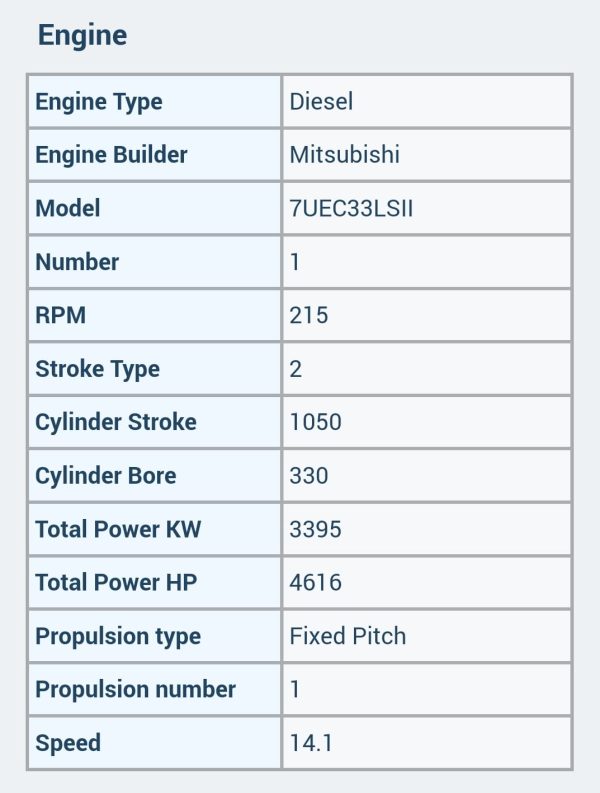
- HFO
- MDO
- Exhaust-port (not poppet-valve) design on some older types
- Modern LA/LSE use conventional exhaust valve
- J-ENG takes over development from 2018
- Strong presence in Japanese shipbuilding
- Area: Kalte Korrosion (Cold Corrosion) an Zylinderliners durch Schwefelsäure-Kondensation bei Teillast — typisch bei Zweitakt-Dieseln; Schwefeldioxid aus Brennstoff b
- Area: Turbolader-Verschleiß durch Salzwasserkorrosion — Pitting an Turbinen-Gehäuse durch Meerwasser-Einspeisung in Abgasleitung, Druckabbau durch Spaltvergrößerung
- Area: Kolben/Zylinderliner-Verschleiß durch Verschleppung (Scuffing) bei unzureichender Hydrodynamik-Ölfilm oder mangelhafte Spülluft-Qualität — Abrasive-Wear-Initiat
- Area: Schwarze Abgase bei Teillast (Turbo-Lag-Phänomen) — Spüldruck erhöht sich erst, wenn Turbolader beschleunigt; zu viel Brennstoff → unvollständige Verbrennung, R
- Area: Zylinderkopf-Wasserdichtung/Kühlung — Risse/undichte Kopfdichtungen ermöglichen Coolant-Eintrag in Kurbelgehäuse (Milchig-braune Ölverfärbung), Korrosion; Restr
Verifizierte Familien-Daten (Hersteller-Datenblaetter + Fachquellen, 2026-06). Teils klassen-allgemeine Inspektionspunkte — pro Eintrag Quelle.
- HFO
- MDO
- Exhaust-port (not poppet-valve) design on some older types
- Modern LA/LSE use conventional exhaust valve
- J-ENG takes over development from 2018
- Strong presence in Japanese shipbuilding
- Area: Kalte Korrosion (Cold Corrosion) an Zylinderliners durch Schwefelsäure-Kondensation bei Teillast — typisch bei Zweitakt-Dieseln; Schwefeldioxid aus Brennstoff b
- Area: Turbolader-Verschleiß durch Salzwasserkorrosion — Pitting an Turbinen-Gehäuse durch Meerwasser-Einspeisung in Abgasleitung, Druckabbau durch Spaltvergrößerung
- Area: Kolben/Zylinderliner-Verschleiß durch Verschleppung (Scuffing) bei unzureichender Hydrodynamik-Ölfilm oder mangelhafte Spülluft-Qualität — Abrasive-Wear-Initiat
- Area: Schwarze Abgase bei Teillast (Turbo-Lag-Phänomen) — Spüldruck erhöht sich erst, wenn Turbolader beschleunigt; zu viel Brennstoff → unvollständige Verbrennung, R
- Area: Zylinderkopf-Wasserdichtung/Kühlung — Risse/undichte Kopfdichtungen ermöglichen Coolant-Eintrag in Kurbelgehäuse (Milchig-braune Ölverfärbung), Korrosion; Restr
Verifizierte Familien-Daten (Hersteller-Datenblaetter + Fachquellen, 2026-06). Teils klassen-allgemeine Inspektionspunkte — pro Eintrag Quelle.
- HFO
- MDO
- Exhaust-port (not poppet-valve) design on some older types
- Modern LA/LSE use conventional exhaust valve
- J-ENG takes over development from 2018
- Strong presence in Japanese shipbuilding
- HFO
- MDO
- Exhaust-port (not poppet-valve) design on some older types
- Modern LA/LSE use conventional exhaust valve
- J-ENG takes over development from 2018
- Strong presence in Japanese shipbuilding
- Area: Einspritzventil-Verschleiß (Verschleißmarken auf Ventilsitz/Ventilteller durch mangelnde Kühlung oder Oxidation)Check: Borescope-Kontrolle der Abgasventil-Sitze auf Kratzer/Verschleiß, Dye-Penetrant-Test auf Risse, Leckage-Messungen (Ventil sollte 15 min unter Druckluft dicht halten)
- Area: Kolbenring-Verschleiß und Liner-Kratzspuren durch Schmierfilm-Unterversorgung (besonders bei Teillast-Betrieb)Check: Liner-Oberflächenkontrolle auf Kratzer/Furchen, Kolbenlauf-Gemietlich-messung, Schmiermittel-Durchflussrate prüfen (falsche Parameter für Teillastbetrieb)
- Area: Abgastrennkühler-Verschmutzung (Öl-Film + Wasser-Ablagerungen, insbesondere bei Trocknungs-Störungen)Check: Druckabfall über Kühler messen, Lufttemperatur nach Kühler prüfen, Abtropf-Separator kontrollieren auf Wasser-Ansammlung
- Area: Gleitlager-Abnutzung mit Weißmetall-Rauspressen durch Überbelastung (>10% Verschleiß kritisch)Check: Tägliche Kurbelgehäuse-Ölprobe auf Weißmetall-Partikel (>0.5 mm mit glatter Oberfläche beidseitig = Überbelastung), Lagerspiel-Kontrolle per Schieblehre
- Area: Kurbelwellenschliff-Ermüdung durch Spannungskonzentrationen (Fatiguebruch selten, aber möglich an Feder-Übergangsradien)Check: Kurbellagerflanschen mit Fehlerlupe auf Risse prüfen, Kurbelwellen-Durchbiegungsmessung per Messtaster (Indikatorenset: <0.1 mm kritisch)
Verifizierte Familien-Daten (Hersteller-Datenblaetter + Fachquellen, 2026-06). Teils klassen-allgemeine Inspektionspunkte — pro Eintrag Quelle.
- HFO
- MDO
- Exhaust-port (not poppet-valve) design on some older types
- Modern LA/LSE use conventional exhaust valve
- J-ENG takes over development from 2018
- Strong presence in Japanese shipbuilding
- Area: Einspritzventil-Verschleiß (Verschleißmarken auf Ventilsitz/Ventilteller durch mangelnde Kühlung oder Oxidation)Check: Borescope-Kontrolle der Abgasventil-Sitze auf Kratzer/Verschleiß, Dye-Penetrant-Test auf Risse, Leckage-Messungen (Ventil sollte 15 min unter Druckluft dicht halten)
- Area: Kolbenring-Verschleiß und Liner-Kratzspuren durch Schmierfilm-Unterversorgung (besonders bei Teillast-Betrieb)Check: Liner-Oberflächenkontrolle auf Kratzer/Furchen, Kolbenlauf-Gemietlich-messung, Schmiermittel-Durchflussrate prüfen (falsche Parameter für Teillastbetrieb)
- Area: Abgastrennkühler-Verschmutzung (Öl-Film + Wasser-Ablagerungen, insbesondere bei Trocknungs-Störungen)Check: Druckabfall über Kühler messen, Lufttemperatur nach Kühler prüfen, Abtropf-Separator kontrollieren auf Wasser-Ansammlung
- Area: Gleitlager-Abnutzung mit Weißmetall-Rauspressen durch Überbelastung (>10% Verschleiß kritisch)Check: Tägliche Kurbelgehäuse-Ölprobe auf Weißmetall-Partikel (>0.5 mm mit glatter Oberfläche beidseitig = Überbelastung), Lagerspiel-Kontrolle per Schieblehre
- Area: Kurbelwellenschliff-Ermüdung durch Spannungskonzentrationen (Fatiguebruch selten, aber möglich an Feder-Übergangsradien)Check: Kurbellagerflanschen mit Fehlerlupe auf Risse prüfen, Kurbelwellen-Durchbiegungsmessung per Messtaster (Indikatorenset: <0.1 mm kritisch)
Verifizierte Familien-Daten (Hersteller-Datenblaetter + Fachquellen, 2026-06). Teils klassen-allgemeine Inspektionspunkte — pro Eintrag Quelle.
- HFO
- MDO
- Exhaust-port (not poppet-valve) design on some older types
- Modern LA/LSE use conventional exhaust valve
- J-ENG takes over development from 2018
- Strong presence in Japanese shipbuilding
- Area: Einspritzventil-Verschleiß (Verschleißmarken auf Ventilsitz/Ventilteller durch mangelnde Kühlung oder Oxidation)Check: Borescope-Kontrolle der Abgasventil-Sitze auf Kratzer/Verschleiß, Dye-Penetrant-Test auf Risse, Leckage-Messungen (Ventil sollte 15 min unter Druckluft dicht halten)
- Area: Kolbenring-Verschleiß und Liner-Kratzspuren durch Schmierfilm-Unterversorgung (besonders bei Teillast-Betrieb)Check: Liner-Oberflächenkontrolle auf Kratzer/Furchen, Kolbenlauf-Gemietlich-messung, Schmiermittel-Durchflussrate prüfen (falsche Parameter für Teillastbetrieb)
- Area: Abgastrennkühler-Verschmutzung (Öl-Film + Wasser-Ablagerungen, insbesondere bei Trocknungs-Störungen)Check: Druckabfall über Kühler messen, Lufttemperatur nach Kühler prüfen, Abtropf-Separator kontrollieren auf Wasser-Ansammlung
- Area: Gleitlager-Abnutzung mit Weißmetall-Rauspressen durch Überbelastung (>10% Verschleiß kritisch)Check: Tägliche Kurbelgehäuse-Ölprobe auf Weißmetall-Partikel (>0.5 mm mit glatter Oberfläche beidseitig = Überbelastung), Lagerspiel-Kontrolle per Schieblehre
- Area: Kurbelwellenschliff-Ermüdung durch Spannungskonzentrationen (Fatiguebruch selten, aber möglich an Feder-Übergangsradien)Check: Kurbellagerflanschen mit Fehlerlupe auf Risse prüfen, Kurbelwellen-Durchbiegungsmessung per Messtaster (Indikatorenset: <0.1 mm kritisch)
Verifizierte Familien-Daten (Hersteller-Datenblaetter + Fachquellen, 2026-06). Teils klassen-allgemeine Inspektionspunkte — pro Eintrag Quelle.
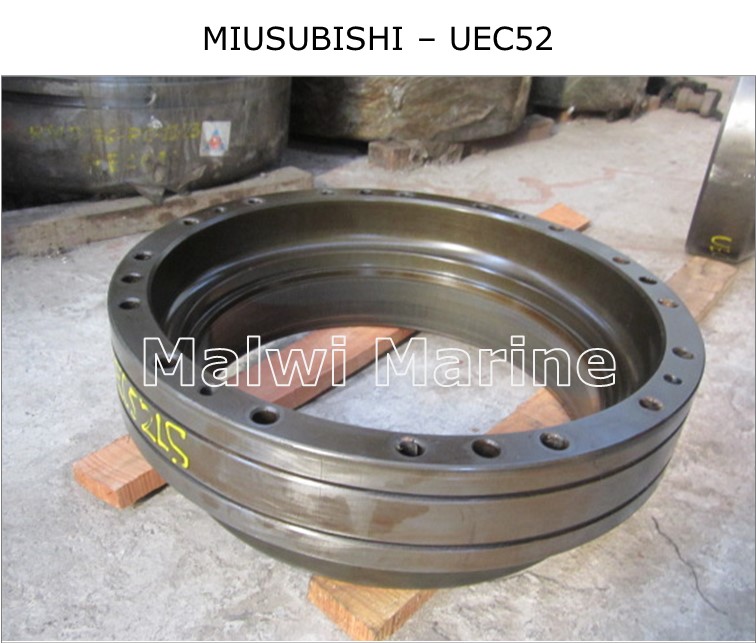
- HFO
- MDO
- Exhaust-port (not poppet-valve) design on some older types
- Modern LA/LSE use conventional exhaust valve
- J-ENG takes over development from 2018
- Strong presence in Japanese shipbuilding
- Area: Exhaust valve fouling durch Natrium/Vanadium-Ablagerungen (Na2SO4, CaSO4, V2O5) bei schwerem Brennstoff mit hohem Schwefelanteil (bis 5%); unter Taupunkt konden
- Area: Turbolader-Verschmutzung durch Kohle- und Ascheteilchen im Abgas bei Niedriglastarguetrieb, BMEP-Rückgang und Verbrennungsverschlechterung
- Area: Kolbenringleckage und Brennstoffverdünnung (>2-3%) durch Verschleiß an Zylinderlauffläche/Kolbenringen, erhöhter Blowby und Öl-Kontamination
- Area: Zylinderliner-Verschleiß durch korrosive Verbrennung bei schwefelhaltigem Brennstoff; Inspektionskriterium: Verschleiß nach Höhe der Gleitfläche, max. zulässig
- Area: Wellenlager-Verschleiß durch Öl-Kontamination; wöchentliche Prüfung auf Wassereintritt (<2% zulässig) und 3-Monats-Analyse auf Verschleißmetalle (Fe, Cu) erford
Verifizierte Familien-Daten (Hersteller-Datenblaetter + Fachquellen, 2026-06). Teils klassen-allgemeine Inspektionspunkte — pro Eintrag Quelle.
- HFO
- MDO
- Exhaust-port (not poppet-valve) design on some older types
- Modern LA/LSE use conventional exhaust valve
- J-ENG takes over development from 2018
- Strong presence in Japanese shipbuilding
- Area: Exhaust valve fouling durch Natrium/Vanadium-Ablagerungen (Na2SO4, CaSO4, V2O5) bei schwerem Brennstoff mit hohem Schwefelanteil (bis 5%); unter Taupunkt konden
- Area: Turbolader-Verschmutzung durch Kohle- und Ascheteilchen im Abgas bei Niedriglastarguetrieb, BMEP-Rückgang und Verbrennungsverschlechterung
- Area: Kolbenringleckage und Brennstoffverdünnung (>2-3%) durch Verschleiß an Zylinderlauffläche/Kolbenringen, erhöhter Blowby und Öl-Kontamination
- Area: Zylinderliner-Verschleiß durch korrosive Verbrennung bei schwefelhaltigem Brennstoff; Inspektionskriterium: Verschleiß nach Höhe der Gleitfläche, max. zulässig
- Area: Wellenlager-Verschleiß durch Öl-Kontamination; wöchentliche Prüfung auf Wassereintritt (<2% zulässig) und 3-Monats-Analyse auf Verschleißmetalle (Fe, Cu) erford
Verifizierte Familien-Daten (Hersteller-Datenblaetter + Fachquellen, 2026-06). Teils klassen-allgemeine Inspektionspunkte — pro Eintrag Quelle.
- HFO
- MDO
- Exhaust-port (not poppet-valve) design on some older types
- Modern LA/LSE use conventional exhaust valve
- J-ENG takes over development from 2018
- Strong presence in Japanese shipbuilding
- Area: Exhaust valve fouling durch Natrium/Vanadium-Ablagerungen (Na2SO4, CaSO4, V2O5) bei schwerem Brennstoff mit hohem Schwefelanteil (bis 5%); unter Taupunkt konden
- Area: Turbolader-Verschmutzung durch Kohle- und Ascheteilchen im Abgas bei Niedriglastarguetrieb, BMEP-Rückgang und Verbrennungsverschlechterung
- Area: Kolbenringleckage und Brennstoffverdünnung (>2-3%) durch Verschleiß an Zylinderlauffläche/Kolbenringen, erhöhter Blowby und Öl-Kontamination
- Area: Zylinderliner-Verschleiß durch korrosive Verbrennung bei schwefelhaltigem Brennstoff; Inspektionskriterium: Verschleiß nach Höhe der Gleitfläche, max. zulässig
- Area: Wellenlager-Verschleiß durch Öl-Kontamination; wöchentliche Prüfung auf Wassereintritt (<2% zulässig) und 3-Monats-Analyse auf Verschleißmetalle (Fe, Cu) erford
Verifizierte Familien-Daten (Hersteller-Datenblaetter + Fachquellen, 2026-06). Teils klassen-allgemeine Inspektionspunkte — pro Eintrag Quelle.
- HFO
- MDO
- Exhaust-port (not poppet-valve) design on some older types
- Modern LA/LSE use conventional exhaust valve
- J-ENG takes over development from 2018
- Strong presence in Japanese shipbuilding
- Area: Exhaust valve fouling durch Natrium/Vanadium-Ablagerungen (Na2SO4, CaSO4, V2O5) bei schwerem Brennstoff mit hohem Schwefelanteil (bis 5%); unter Taupunkt konden
- Area: Turbolader-Verschmutzung durch Kohle- und Ascheteilchen im Abgas bei Niedriglastarguetrieb, BMEP-Rückgang und Verbrennungsverschlechterung
- Area: Kolbenringleckage und Brennstoffverdünnung (>2-3%) durch Verschleiß an Zylinderlauffläche/Kolbenringen, erhöhter Blowby und Öl-Kontamination
- Area: Zylinderliner-Verschleiß durch korrosive Verbrennung bei schwefelhaltigem Brennstoff; Inspektionskriterium: Verschleiß nach Höhe der Gleitfläche, max. zulässig
- Area: Wellenlager-Verschleiß durch Öl-Kontamination; wöchentliche Prüfung auf Wassereintritt (<2% zulässig) und 3-Monats-Analyse auf Verschleißmetalle (Fe, Cu) erford
Verifizierte Familien-Daten (Hersteller-Datenblaetter + Fachquellen, 2026-06). Teils klassen-allgemeine Inspektionspunkte — pro Eintrag Quelle.

- HFO
- MDO
- Exhaust-port (not poppet-valve) design on some older types
- Modern LA/LSE use conventional exhaust valve
- J-ENG takes over development from 2018
- Strong presence in Japanese shipbuilding
- Area: Exhaust valve fouling durch Natrium/Vanadium-Ablagerungen (Na2SO4, CaSO4, V2O5) bei schwerem Brennstoff mit hohem Schwefelanteil (bis 5%); unter Taupunkt konden
- Area: Turbolader-Verschmutzung durch Kohle- und Ascheteilchen im Abgas bei Niedriglastarguetrieb, BMEP-Rückgang und Verbrennungsverschlechterung
- Area: Kolbenringleckage und Brennstoffverdünnung (>2-3%) durch Verschleiß an Zylinderlauffläche/Kolbenringen, erhöhter Blowby und Öl-Kontamination
- Area: Zylinderliner-Verschleiß durch korrosive Verbrennung bei schwefelhaltigem Brennstoff; Inspektionskriterium: Verschleiß nach Höhe der Gleitfläche, max. zulässig
- Area: Wellenlager-Verschleiß durch Öl-Kontamination; wöchentliche Prüfung auf Wassereintritt (<2% zulässig) und 3-Monats-Analyse auf Verschleißmetalle (Fe, Cu) erford
Verifizierte Familien-Daten (Hersteller-Datenblaetter + Fachquellen, 2026-06). Teils klassen-allgemeine Inspektionspunkte — pro Eintrag Quelle.
- HFO
- MDO
- Exhaust-port (not poppet-valve) design on some older types
- Modern LA/LSE use conventional exhaust valve
- J-ENG takes over development from 2018
- Strong presence in Japanese shipbuilding
- HFO
- MDO
- Exhaust-port (not poppet-valve) design on some older types
- Modern LA/LSE use conventional exhaust valve
- J-ENG takes over development from 2018
- Strong presence in Japanese shipbuilding
- Area: Kalte Korrosion (Cold Corrosion) an Zylinderliners durch Schwefelsäure-Kondensation bei Teillast — typisch bei Zweitakt-Dieseln; Schwefeldioxid aus Brennstoff b
- Area: Turbolader-Verschleiß durch Salzwasserkorrosion — Pitting an Turbinen-Gehäuse durch Meerwasser-Einspeisung in Abgasleitung, Druckabbau durch Spaltvergrößerung
- Area: Kolben/Zylinderliner-Verschleiß durch Verschleppung (Scuffing) bei unzureichender Hydrodynamik-Ölfilm oder mangelhafte Spülluft-Qualität — Abrasive-Wear-Initiat
- Area: Schwarze Abgase bei Teillast (Turbo-Lag-Phänomen) — Spüldruck erhöht sich erst, wenn Turbolader beschleunigt; zu viel Brennstoff → unvollständige Verbrennung, R
- Area: Zylinderkopf-Wasserdichtung/Kühlung — Risse/undichte Kopfdichtungen ermöglichen Coolant-Eintrag in Kurbelgehäuse (Milchig-braune Ölverfärbung), Korrosion; Restr
Verifizierte Familien-Daten (Hersteller-Datenblaetter + Fachquellen, 2026-06). Teils klassen-allgemeine Inspektionspunkte — pro Eintrag Quelle.

- HFO
- MDO
- Exhaust-port (not poppet-valve) design on some older types
- Modern LA/LSE use conventional exhaust valve
- J-ENG takes over development from 2018
- Strong presence in Japanese shipbuilding
- Area: Kalte Korrosion (Cold Corrosion) an Zylinderliners durch Schwefelsäure-Kondensation bei Teillast — typisch bei Zweitakt-Dieseln; Schwefeldioxid aus Brennstoff b
- Area: Turbolader-Verschleiß durch Salzwasserkorrosion — Pitting an Turbinen-Gehäuse durch Meerwasser-Einspeisung in Abgasleitung, Druckabbau durch Spaltvergrößerung
- Area: Kolben/Zylinderliner-Verschleiß durch Verschleppung (Scuffing) bei unzureichender Hydrodynamik-Ölfilm oder mangelhafte Spülluft-Qualität — Abrasive-Wear-Initiat
- Area: Schwarze Abgase bei Teillast (Turbo-Lag-Phänomen) — Spüldruck erhöht sich erst, wenn Turbolader beschleunigt; zu viel Brennstoff → unvollständige Verbrennung, R
- Area: Zylinderkopf-Wasserdichtung/Kühlung — Risse/undichte Kopfdichtungen ermöglichen Coolant-Eintrag in Kurbelgehäuse (Milchig-braune Ölverfärbung), Korrosion; Restr
Verifizierte Familien-Daten (Hersteller-Datenblaetter + Fachquellen, 2026-06). Teils klassen-allgemeine Inspektionspunkte — pro Eintrag Quelle.
- HFO
- MDO
- Exhaust-port (not poppet-valve) design on some older types
- Modern LA/LSE use conventional exhaust valve
- J-ENG takes over development from 2018
- Strong presence in Japanese shipbuilding

- HFO
- MDO
- Exhaust-port (not poppet-valve) design on some older types
- Modern LA/LSE use conventional exhaust valve
- J-ENG takes over development from 2018
- Strong presence in Japanese shipbuilding
- Area: Einspritzventil-Verschleiß (Verschleißmarken auf Ventilsitz/Ventilteller durch mangelnde Kühlung oder Oxidation)Check: Borescope-Kontrolle der Abgasventil-Sitze auf Kratzer/Verschleiß, Dye-Penetrant-Test auf Risse, Leckage-Messungen (Ventil sollte 15 min unter Druckluft dicht halten)
- Area: Kolbenring-Verschleiß und Liner-Kratzspuren durch Schmierfilm-Unterversorgung (besonders bei Teillast-Betrieb)Check: Liner-Oberflächenkontrolle auf Kratzer/Furchen, Kolbenlauf-Gemietlich-messung, Schmiermittel-Durchflussrate prüfen (falsche Parameter für Teillastbetrieb)
- Area: Abgastrennkühler-Verschmutzung (Öl-Film + Wasser-Ablagerungen, insbesondere bei Trocknungs-Störungen)Check: Druckabfall über Kühler messen, Lufttemperatur nach Kühler prüfen, Abtropf-Separator kontrollieren auf Wasser-Ansammlung
- Area: Gleitlager-Abnutzung mit Weißmetall-Rauspressen durch Überbelastung (>10% Verschleiß kritisch)Check: Tägliche Kurbelgehäuse-Ölprobe auf Weißmetall-Partikel (>0.5 mm mit glatter Oberfläche beidseitig = Überbelastung), Lagerspiel-Kontrolle per Schieblehre
- Area: Kurbelwellenschliff-Ermüdung durch Spannungskonzentrationen (Fatiguebruch selten, aber möglich an Feder-Übergangsradien)Check: Kurbellagerflanschen mit Fehlerlupe auf Risse prüfen, Kurbelwellen-Durchbiegungsmessung per Messtaster (Indikatorenset: <0.1 mm kritisch)
Verifizierte Familien-Daten (Hersteller-Datenblaetter + Fachquellen, 2026-06). Teils klassen-allgemeine Inspektionspunkte — pro Eintrag Quelle.
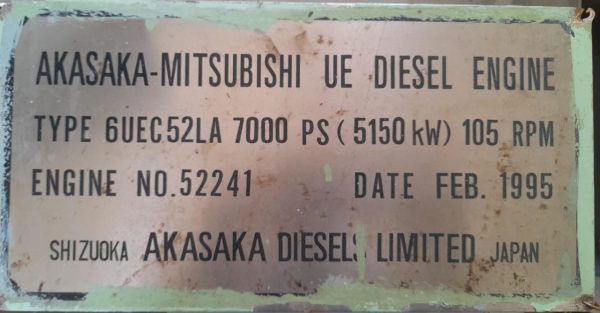
- HFO
- MDO
- Exhaust-port (not poppet-valve) design on some older types
- Modern LA/LSE use conventional exhaust valve
- J-ENG takes over development from 2018
- Strong presence in Japanese shipbuilding
- Area: Einspritzventil-Verschleiß (Verschleißmarken auf Ventilsitz/Ventilteller durch mangelnde Kühlung oder Oxidation)Check: Borescope-Kontrolle der Abgasventil-Sitze auf Kratzer/Verschleiß, Dye-Penetrant-Test auf Risse, Leckage-Messungen (Ventil sollte 15 min unter Druckluft dicht halten)
- Area: Kolbenring-Verschleiß und Liner-Kratzspuren durch Schmierfilm-Unterversorgung (besonders bei Teillast-Betrieb)Check: Liner-Oberflächenkontrolle auf Kratzer/Furchen, Kolbenlauf-Gemietlich-messung, Schmiermittel-Durchflussrate prüfen (falsche Parameter für Teillastbetrieb)
- Area: Abgastrennkühler-Verschmutzung (Öl-Film + Wasser-Ablagerungen, insbesondere bei Trocknungs-Störungen)Check: Druckabfall über Kühler messen, Lufttemperatur nach Kühler prüfen, Abtropf-Separator kontrollieren auf Wasser-Ansammlung
- Area: Gleitlager-Abnutzung mit Weißmetall-Rauspressen durch Überbelastung (>10% Verschleiß kritisch)Check: Tägliche Kurbelgehäuse-Ölprobe auf Weißmetall-Partikel (>0.5 mm mit glatter Oberfläche beidseitig = Überbelastung), Lagerspiel-Kontrolle per Schieblehre
- Area: Kurbelwellenschliff-Ermüdung durch Spannungskonzentrationen (Fatiguebruch selten, aber möglich an Feder-Übergangsradien)Check: Kurbellagerflanschen mit Fehlerlupe auf Risse prüfen, Kurbelwellen-Durchbiegungsmessung per Messtaster (Indikatorenset: <0.1 mm kritisch)
Verifizierte Familien-Daten (Hersteller-Datenblaetter + Fachquellen, 2026-06). Teils klassen-allgemeine Inspektionspunkte — pro Eintrag Quelle.
- HFO
- MDO
- Exhaust-port (not poppet-valve) design on some older types
- Modern LA/LSE use conventional exhaust valve
- J-ENG takes over development from 2018
- Strong presence in Japanese shipbuilding
- Area: Einspritzventil-Verschleiß (Verschleißmarken auf Ventilsitz/Ventilteller durch mangelnde Kühlung oder Oxidation)Check: Borescope-Kontrolle der Abgasventil-Sitze auf Kratzer/Verschleiß, Dye-Penetrant-Test auf Risse, Leckage-Messungen (Ventil sollte 15 min unter Druckluft dicht halten)
- Area: Kolbenring-Verschleiß und Liner-Kratzspuren durch Schmierfilm-Unterversorgung (besonders bei Teillast-Betrieb)Check: Liner-Oberflächenkontrolle auf Kratzer/Furchen, Kolbenlauf-Gemietlich-messung, Schmiermittel-Durchflussrate prüfen (falsche Parameter für Teillastbetrieb)
- Area: Abgastrennkühler-Verschmutzung (Öl-Film + Wasser-Ablagerungen, insbesondere bei Trocknungs-Störungen)Check: Druckabfall über Kühler messen, Lufttemperatur nach Kühler prüfen, Abtropf-Separator kontrollieren auf Wasser-Ansammlung
- Area: Gleitlager-Abnutzung mit Weißmetall-Rauspressen durch Überbelastung (>10% Verschleiß kritisch)Check: Tägliche Kurbelgehäuse-Ölprobe auf Weißmetall-Partikel (>0.5 mm mit glatter Oberfläche beidseitig = Überbelastung), Lagerspiel-Kontrolle per Schieblehre
- Area: Kurbelwellenschliff-Ermüdung durch Spannungskonzentrationen (Fatiguebruch selten, aber möglich an Feder-Übergangsradien)Check: Kurbellagerflanschen mit Fehlerlupe auf Risse prüfen, Kurbelwellen-Durchbiegungsmessung per Messtaster (Indikatorenset: <0.1 mm kritisch)
Verifizierte Familien-Daten (Hersteller-Datenblaetter + Fachquellen, 2026-06). Teils klassen-allgemeine Inspektionspunkte — pro Eintrag Quelle.
- HFO
- MDO
- Exhaust-port (not poppet-valve) design on some older types
- Modern LA/LSE use conventional exhaust valve
- J-ENG takes over development from 2018
- Strong presence in Japanese shipbuilding
- Area: Exhaust valve fouling durch Natrium/Vanadium-Ablagerungen (Na2SO4, CaSO4, V2O5) bei schwerem Brennstoff mit hohem Schwefelanteil (bis 5%); unter Taupunkt konden
- Area: Turbolader-Verschmutzung durch Kohle- und Ascheteilchen im Abgas bei Niedriglastarguetrieb, BMEP-Rückgang und Verbrennungsverschlechterung
- Area: Kolbenringleckage und Brennstoffverdünnung (>2-3%) durch Verschleiß an Zylinderlauffläche/Kolbenringen, erhöhter Blowby und Öl-Kontamination
- Area: Zylinderliner-Verschleiß durch korrosive Verbrennung bei schwefelhaltigem Brennstoff; Inspektionskriterium: Verschleiß nach Höhe der Gleitfläche, max. zulässig
- Area: Wellenlager-Verschleiß durch Öl-Kontamination; wöchentliche Prüfung auf Wassereintritt (<2% zulässig) und 3-Monats-Analyse auf Verschleißmetalle (Fe, Cu) erford
Verifizierte Familien-Daten (Hersteller-Datenblaetter + Fachquellen, 2026-06). Teils klassen-allgemeine Inspektionspunkte — pro Eintrag Quelle.
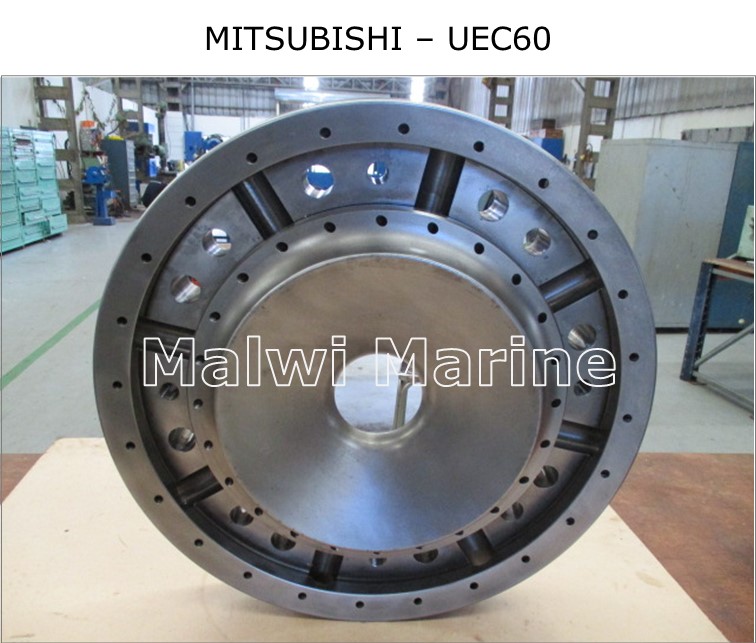
- HFO
- MDO
- Exhaust-port (not poppet-valve) design on some older types
- Modern LA/LSE use conventional exhaust valve
- J-ENG takes over development from 2018
- Strong presence in Japanese shipbuilding
- Area: Exhaust valve fouling durch Natrium/Vanadium-Ablagerungen (Na2SO4, CaSO4, V2O5) bei schwerem Brennstoff mit hohem Schwefelanteil (bis 5%); unter Taupunkt konden
- Area: Turbolader-Verschmutzung durch Kohle- und Ascheteilchen im Abgas bei Niedriglastarguetrieb, BMEP-Rückgang und Verbrennungsverschlechterung
- Area: Kolbenringleckage und Brennstoffverdünnung (>2-3%) durch Verschleiß an Zylinderlauffläche/Kolbenringen, erhöhter Blowby und Öl-Kontamination
- Area: Zylinderliner-Verschleiß durch korrosive Verbrennung bei schwefelhaltigem Brennstoff; Inspektionskriterium: Verschleiß nach Höhe der Gleitfläche, max. zulässig
- Area: Wellenlager-Verschleiß durch Öl-Kontamination; wöchentliche Prüfung auf Wassereintritt (<2% zulässig) und 3-Monats-Analyse auf Verschleißmetalle (Fe, Cu) erford
Verifizierte Familien-Daten (Hersteller-Datenblaetter + Fachquellen, 2026-06). Teils klassen-allgemeine Inspektionspunkte — pro Eintrag Quelle.
- HFO
- MDO
- Exhaust-port (not poppet-valve) design on some older types
- Modern LA/LSE use conventional exhaust valve
- J-ENG takes over development from 2018
- Strong presence in Japanese shipbuilding
- Area: Exhaust valve fouling durch Natrium/Vanadium-Ablagerungen (Na2SO4, CaSO4, V2O5) bei schwerem Brennstoff mit hohem Schwefelanteil (bis 5%); unter Taupunkt konden
- Area: Turbolader-Verschmutzung durch Kohle- und Ascheteilchen im Abgas bei Niedriglastarguetrieb, BMEP-Rückgang und Verbrennungsverschlechterung
- Area: Kolbenringleckage und Brennstoffverdünnung (>2-3%) durch Verschleiß an Zylinderlauffläche/Kolbenringen, erhöhter Blowby und Öl-Kontamination
- Area: Zylinderliner-Verschleiß durch korrosive Verbrennung bei schwefelhaltigem Brennstoff; Inspektionskriterium: Verschleiß nach Höhe der Gleitfläche, max. zulässig
- Area: Wellenlager-Verschleiß durch Öl-Kontamination; wöchentliche Prüfung auf Wassereintritt (<2% zulässig) und 3-Monats-Analyse auf Verschleißmetalle (Fe, Cu) erford
Verifizierte Familien-Daten (Hersteller-Datenblaetter + Fachquellen, 2026-06). Teils klassen-allgemeine Inspektionspunkte — pro Eintrag Quelle.
- HFO
- MDO
- Exhaust-port (not poppet-valve) design on some older types
- Modern LA/LSE use conventional exhaust valve
- J-ENG takes over development from 2018
- Strong presence in Japanese shipbuilding
- Area: Exhaust valve fouling durch Natrium/Vanadium-Ablagerungen (Na2SO4, CaSO4, V2O5) bei schwerem Brennstoff mit hohem Schwefelanteil (bis 5%); unter Taupunkt konden
- Area: Turbolader-Verschmutzung durch Kohle- und Ascheteilchen im Abgas bei Niedriglastarguetrieb, BMEP-Rückgang und Verbrennungsverschlechterung
- Area: Kolbenringleckage und Brennstoffverdünnung (>2-3%) durch Verschleiß an Zylinderlauffläche/Kolbenringen, erhöhter Blowby und Öl-Kontamination
- Area: Zylinderliner-Verschleiß durch korrosive Verbrennung bei schwefelhaltigem Brennstoff; Inspektionskriterium: Verschleiß nach Höhe der Gleitfläche, max. zulässig
- Area: Wellenlager-Verschleiß durch Öl-Kontamination; wöchentliche Prüfung auf Wassereintritt (<2% zulässig) und 3-Monats-Analyse auf Verschleißmetalle (Fe, Cu) erford
Verifizierte Familien-Daten (Hersteller-Datenblaetter + Fachquellen, 2026-06). Teils klassen-allgemeine Inspektionspunkte — pro Eintrag Quelle.
- HFO
- MDO
- Exhaust-port (not poppet-valve) design on some older types
- Modern LA/LSE use conventional exhaust valve
- J-ENG takes over development from 2018
- Strong presence in Japanese shipbuilding
- Area: Exhaust valve fouling durch Natrium/Vanadium-Ablagerungen (Na2SO4, CaSO4, V2O5) bei schwerem Brennstoff mit hohem Schwefelanteil (bis 5%); unter Taupunkt konden
- Area: Turbolader-Verschmutzung durch Kohle- und Ascheteilchen im Abgas bei Niedriglastarguetrieb, BMEP-Rückgang und Verbrennungsverschlechterung
- Area: Kolbenringleckage und Brennstoffverdünnung (>2-3%) durch Verschleiß an Zylinderlauffläche/Kolbenringen, erhöhter Blowby und Öl-Kontamination
- Area: Zylinderliner-Verschleiß durch korrosive Verbrennung bei schwefelhaltigem Brennstoff; Inspektionskriterium: Verschleiß nach Höhe der Gleitfläche, max. zulässig
- Area: Wellenlager-Verschleiß durch Öl-Kontamination; wöchentliche Prüfung auf Wassereintritt (<2% zulässig) und 3-Monats-Analyse auf Verschleißmetalle (Fe, Cu) erford
Verifizierte Familien-Daten (Hersteller-Datenblaetter + Fachquellen, 2026-06). Teils klassen-allgemeine Inspektionspunkte — pro Eintrag Quelle.
- HFO
- MDO
- Exhaust-port (not poppet-valve) design on some older types
- Modern LA/LSE use conventional exhaust valve
- J-ENG takes over development from 2018
- Strong presence in Japanese shipbuilding
- HFO
- MDO
- Exhaust-port (not poppet-valve) design on some older types
- Modern LA/LSE use conventional exhaust valve
- J-ENG takes over development from 2018
- Strong presence in Japanese shipbuilding
- Area: Kalte Korrosion (Cold Corrosion) an Zylinderliners durch Schwefelsäure-Kondensation bei Teillast — typisch bei Zweitakt-Dieseln; Schwefeldioxid aus Brennstoff b
- Area: Turbolader-Verschleiß durch Salzwasserkorrosion — Pitting an Turbinen-Gehäuse durch Meerwasser-Einspeisung in Abgasleitung, Druckabbau durch Spaltvergrößerung
- Area: Kolben/Zylinderliner-Verschleiß durch Verschleppung (Scuffing) bei unzureichender Hydrodynamik-Ölfilm oder mangelhafte Spülluft-Qualität — Abrasive-Wear-Initiat
- Area: Schwarze Abgase bei Teillast (Turbo-Lag-Phänomen) — Spüldruck erhöht sich erst, wenn Turbolader beschleunigt; zu viel Brennstoff → unvollständige Verbrennung, R
- Area: Zylinderkopf-Wasserdichtung/Kühlung — Risse/undichte Kopfdichtungen ermöglichen Coolant-Eintrag in Kurbelgehäuse (Milchig-braune Ölverfärbung), Korrosion; Restr
Verifizierte Familien-Daten (Hersteller-Datenblaetter + Fachquellen, 2026-06). Teils klassen-allgemeine Inspektionspunkte — pro Eintrag Quelle.
- HFO
- MDO
- Exhaust-port (not poppet-valve) design on some older types
- Modern LA/LSE use conventional exhaust valve
- J-ENG takes over development from 2018
- Strong presence in Japanese shipbuilding
- Area: Kalte Korrosion (Cold Corrosion) an Zylinderliners durch Schwefelsäure-Kondensation bei Teillast — typisch bei Zweitakt-Dieseln; Schwefeldioxid aus Brennstoff b
- Area: Turbolader-Verschleiß durch Salzwasserkorrosion — Pitting an Turbinen-Gehäuse durch Meerwasser-Einspeisung in Abgasleitung, Druckabbau durch Spaltvergrößerung
- Area: Kolben/Zylinderliner-Verschleiß durch Verschleppung (Scuffing) bei unzureichender Hydrodynamik-Ölfilm oder mangelhafte Spülluft-Qualität — Abrasive-Wear-Initiat
- Area: Schwarze Abgase bei Teillast (Turbo-Lag-Phänomen) — Spüldruck erhöht sich erst, wenn Turbolader beschleunigt; zu viel Brennstoff → unvollständige Verbrennung, R
- Area: Zylinderkopf-Wasserdichtung/Kühlung — Risse/undichte Kopfdichtungen ermöglichen Coolant-Eintrag in Kurbelgehäuse (Milchig-braune Ölverfärbung), Korrosion; Restr
Verifizierte Familien-Daten (Hersteller-Datenblaetter + Fachquellen, 2026-06). Teils klassen-allgemeine Inspektionspunkte — pro Eintrag Quelle.
- HFO
- MDO
- Exhaust-port (not poppet-valve) design on some older types
- Modern LA/LSE use conventional exhaust valve
- J-ENG takes over development from 2018
- Strong presence in Japanese shipbuilding

- HFO
- MDO
- Exhaust-port (not poppet-valve) design on some older types
- Modern LA/LSE use conventional exhaust valve
- J-ENG takes over development from 2018
- Strong presence in Japanese shipbuilding
- Area: Einspritzventil-Verschleiß (Verschleißmarken auf Ventilsitz/Ventilteller durch mangelnde Kühlung oder Oxidation)Check: Borescope-Kontrolle der Abgasventil-Sitze auf Kratzer/Verschleiß, Dye-Penetrant-Test auf Risse, Leckage-Messungen (Ventil sollte 15 min unter Druckluft dicht halten)
- Area: Kolbenring-Verschleiß und Liner-Kratzspuren durch Schmierfilm-Unterversorgung (besonders bei Teillast-Betrieb)Check: Liner-Oberflächenkontrolle auf Kratzer/Furchen, Kolbenlauf-Gemietlich-messung, Schmiermittel-Durchflussrate prüfen (falsche Parameter für Teillastbetrieb)
- Area: Abgastrennkühler-Verschmutzung (Öl-Film + Wasser-Ablagerungen, insbesondere bei Trocknungs-Störungen)Check: Druckabfall über Kühler messen, Lufttemperatur nach Kühler prüfen, Abtropf-Separator kontrollieren auf Wasser-Ansammlung
- Area: Gleitlager-Abnutzung mit Weißmetall-Rauspressen durch Überbelastung (>10% Verschleiß kritisch)Check: Tägliche Kurbelgehäuse-Ölprobe auf Weißmetall-Partikel (>0.5 mm mit glatter Oberfläche beidseitig = Überbelastung), Lagerspiel-Kontrolle per Schieblehre
- Area: Kurbelwellenschliff-Ermüdung durch Spannungskonzentrationen (Fatiguebruch selten, aber möglich an Feder-Übergangsradien)Check: Kurbellagerflanschen mit Fehlerlupe auf Risse prüfen, Kurbelwellen-Durchbiegungsmessung per Messtaster (Indikatorenset: <0.1 mm kritisch)
Verifizierte Familien-Daten (Hersteller-Datenblaetter + Fachquellen, 2026-06). Teils klassen-allgemeine Inspektionspunkte — pro Eintrag Quelle.
- HFO
- MDO
- Exhaust-port (not poppet-valve) design on some older types
- Modern LA/LSE use conventional exhaust valve
- J-ENG takes over development from 2018
- Strong presence in Japanese shipbuilding
- Area: Einspritzventil-Verschleiß (Verschleißmarken auf Ventilsitz/Ventilteller durch mangelnde Kühlung oder Oxidation)Check: Borescope-Kontrolle der Abgasventil-Sitze auf Kratzer/Verschleiß, Dye-Penetrant-Test auf Risse, Leckage-Messungen (Ventil sollte 15 min unter Druckluft dicht halten)
- Area: Kolbenring-Verschleiß und Liner-Kratzspuren durch Schmierfilm-Unterversorgung (besonders bei Teillast-Betrieb)Check: Liner-Oberflächenkontrolle auf Kratzer/Furchen, Kolbenlauf-Gemietlich-messung, Schmiermittel-Durchflussrate prüfen (falsche Parameter für Teillastbetrieb)
- Area: Abgastrennkühler-Verschmutzung (Öl-Film + Wasser-Ablagerungen, insbesondere bei Trocknungs-Störungen)Check: Druckabfall über Kühler messen, Lufttemperatur nach Kühler prüfen, Abtropf-Separator kontrollieren auf Wasser-Ansammlung
- Area: Gleitlager-Abnutzung mit Weißmetall-Rauspressen durch Überbelastung (>10% Verschleiß kritisch)Check: Tägliche Kurbelgehäuse-Ölprobe auf Weißmetall-Partikel (>0.5 mm mit glatter Oberfläche beidseitig = Überbelastung), Lagerspiel-Kontrolle per Schieblehre
- Area: Kurbelwellenschliff-Ermüdung durch Spannungskonzentrationen (Fatiguebruch selten, aber möglich an Feder-Übergangsradien)Check: Kurbellagerflanschen mit Fehlerlupe auf Risse prüfen, Kurbelwellen-Durchbiegungsmessung per Messtaster (Indikatorenset: <0.1 mm kritisch)
Verifizierte Familien-Daten (Hersteller-Datenblaetter + Fachquellen, 2026-06). Teils klassen-allgemeine Inspektionspunkte — pro Eintrag Quelle.
- HFO
- MDO
- Exhaust-port (not poppet-valve) design on some older types
- Modern LA/LSE use conventional exhaust valve
- J-ENG takes over development from 2018
- Strong presence in Japanese shipbuilding
- Area: Einspritzventil-Verschleiß (Verschleißmarken auf Ventilsitz/Ventilteller durch mangelnde Kühlung oder Oxidation)Check: Borescope-Kontrolle der Abgasventil-Sitze auf Kratzer/Verschleiß, Dye-Penetrant-Test auf Risse, Leckage-Messungen (Ventil sollte 15 min unter Druckluft dicht halten)
- Area: Kolbenring-Verschleiß und Liner-Kratzspuren durch Schmierfilm-Unterversorgung (besonders bei Teillast-Betrieb)Check: Liner-Oberflächenkontrolle auf Kratzer/Furchen, Kolbenlauf-Gemietlich-messung, Schmiermittel-Durchflussrate prüfen (falsche Parameter für Teillastbetrieb)
- Area: Abgastrennkühler-Verschmutzung (Öl-Film + Wasser-Ablagerungen, insbesondere bei Trocknungs-Störungen)Check: Druckabfall über Kühler messen, Lufttemperatur nach Kühler prüfen, Abtropf-Separator kontrollieren auf Wasser-Ansammlung
- Area: Gleitlager-Abnutzung mit Weißmetall-Rauspressen durch Überbelastung (>10% Verschleiß kritisch)Check: Tägliche Kurbelgehäuse-Ölprobe auf Weißmetall-Partikel (>0.5 mm mit glatter Oberfläche beidseitig = Überbelastung), Lagerspiel-Kontrolle per Schieblehre
- Area: Kurbelwellenschliff-Ermüdung durch Spannungskonzentrationen (Fatiguebruch selten, aber möglich an Feder-Übergangsradien)Check: Kurbellagerflanschen mit Fehlerlupe auf Risse prüfen, Kurbelwellen-Durchbiegungsmessung per Messtaster (Indikatorenset: <0.1 mm kritisch)
Verifizierte Familien-Daten (Hersteller-Datenblaetter + Fachquellen, 2026-06). Teils klassen-allgemeine Inspektionspunkte — pro Eintrag Quelle.
- HFO
- MDO
- Exhaust-port (not poppet-valve) design on some older types
- Modern LA/LSE use conventional exhaust valve
- J-ENG takes over development from 2018
- Strong presence in Japanese shipbuilding
- Area: Exhaust valve fouling durch Natrium/Vanadium-Ablagerungen (Na2SO4, CaSO4, V2O5) bei schwerem Brennstoff mit hohem Schwefelanteil (bis 5%); unter Taupunkt konden
- Area: Turbolader-Verschmutzung durch Kohle- und Ascheteilchen im Abgas bei Niedriglastarguetrieb, BMEP-Rückgang und Verbrennungsverschlechterung
- Area: Kolbenringleckage und Brennstoffverdünnung (>2-3%) durch Verschleiß an Zylinderlauffläche/Kolbenringen, erhöhter Blowby und Öl-Kontamination
- Area: Zylinderliner-Verschleiß durch korrosive Verbrennung bei schwefelhaltigem Brennstoff; Inspektionskriterium: Verschleiß nach Höhe der Gleitfläche, max. zulässig
- Area: Wellenlager-Verschleiß durch Öl-Kontamination; wöchentliche Prüfung auf Wassereintritt (<2% zulässig) und 3-Monats-Analyse auf Verschleißmetalle (Fe, Cu) erford
Verifizierte Familien-Daten (Hersteller-Datenblaetter + Fachquellen, 2026-06). Teils klassen-allgemeine Inspektionspunkte — pro Eintrag Quelle.
- HFO
- MDO
- Exhaust-port (not poppet-valve) design on some older types
- Modern LA/LSE use conventional exhaust valve
- J-ENG takes over development from 2018
- Strong presence in Japanese shipbuilding
- Area: Exhaust valve fouling durch Natrium/Vanadium-Ablagerungen (Na2SO4, CaSO4, V2O5) bei schwerem Brennstoff mit hohem Schwefelanteil (bis 5%); unter Taupunkt konden
- Area: Turbolader-Verschmutzung durch Kohle- und Ascheteilchen im Abgas bei Niedriglastarguetrieb, BMEP-Rückgang und Verbrennungsverschlechterung
- Area: Kolbenringleckage und Brennstoffverdünnung (>2-3%) durch Verschleiß an Zylinderlauffläche/Kolbenringen, erhöhter Blowby und Öl-Kontamination
- Area: Zylinderliner-Verschleiß durch korrosive Verbrennung bei schwefelhaltigem Brennstoff; Inspektionskriterium: Verschleiß nach Höhe der Gleitfläche, max. zulässig
- Area: Wellenlager-Verschleiß durch Öl-Kontamination; wöchentliche Prüfung auf Wassereintritt (<2% zulässig) und 3-Monats-Analyse auf Verschleißmetalle (Fe, Cu) erford
Verifizierte Familien-Daten (Hersteller-Datenblaetter + Fachquellen, 2026-06). Teils klassen-allgemeine Inspektionspunkte — pro Eintrag Quelle.
- HFO
- MDO
- Exhaust-port (not poppet-valve) design on some older types
- Modern LA/LSE use conventional exhaust valve
- J-ENG takes over development from 2018
- Strong presence in Japanese shipbuilding
- Area: Exhaust valve fouling durch Natrium/Vanadium-Ablagerungen (Na2SO4, CaSO4, V2O5) bei schwerem Brennstoff mit hohem Schwefelanteil (bis 5%); unter Taupunkt konden
- Area: Turbolader-Verschmutzung durch Kohle- und Ascheteilchen im Abgas bei Niedriglastarguetrieb, BMEP-Rückgang und Verbrennungsverschlechterung
- Area: Kolbenringleckage und Brennstoffverdünnung (>2-3%) durch Verschleiß an Zylinderlauffläche/Kolbenringen, erhöhter Blowby und Öl-Kontamination
- Area: Zylinderliner-Verschleiß durch korrosive Verbrennung bei schwefelhaltigem Brennstoff; Inspektionskriterium: Verschleiß nach Höhe der Gleitfläche, max. zulässig
- Area: Wellenlager-Verschleiß durch Öl-Kontamination; wöchentliche Prüfung auf Wassereintritt (<2% zulässig) und 3-Monats-Analyse auf Verschleißmetalle (Fe, Cu) erford
Verifizierte Familien-Daten (Hersteller-Datenblaetter + Fachquellen, 2026-06). Teils klassen-allgemeine Inspektionspunkte — pro Eintrag Quelle.
- HFO
- MDO
- Exhaust-port (not poppet-valve) design on some older types
- Modern LA/LSE use conventional exhaust valve
- J-ENG takes over development from 2018
- Strong presence in Japanese shipbuilding
- Area: Exhaust valve fouling durch Natrium/Vanadium-Ablagerungen (Na2SO4, CaSO4, V2O5) bei schwerem Brennstoff mit hohem Schwefelanteil (bis 5%); unter Taupunkt konden
- Area: Turbolader-Verschmutzung durch Kohle- und Ascheteilchen im Abgas bei Niedriglastarguetrieb, BMEP-Rückgang und Verbrennungsverschlechterung
- Area: Kolbenringleckage und Brennstoffverdünnung (>2-3%) durch Verschleiß an Zylinderlauffläche/Kolbenringen, erhöhter Blowby und Öl-Kontamination
- Area: Zylinderliner-Verschleiß durch korrosive Verbrennung bei schwefelhaltigem Brennstoff; Inspektionskriterium: Verschleiß nach Höhe der Gleitfläche, max. zulässig
- Area: Wellenlager-Verschleiß durch Öl-Kontamination; wöchentliche Prüfung auf Wassereintritt (<2% zulässig) und 3-Monats-Analyse auf Verschleißmetalle (Fe, Cu) erford
Verifizierte Familien-Daten (Hersteller-Datenblaetter + Fachquellen, 2026-06). Teils klassen-allgemeine Inspektionspunkte — pro Eintrag Quelle.
- HFO
- MDO
- Exhaust-port (not poppet-valve) design on some older types
- Modern LA/LSE use conventional exhaust valve
- J-ENG takes over development from 2018
- Strong presence in Japanese shipbuilding
- Area: Exhaust valve fouling durch Natrium/Vanadium-Ablagerungen (Na2SO4, CaSO4, V2O5) bei schwerem Brennstoff mit hohem Schwefelanteil (bis 5%); unter Taupunkt konden
- Area: Turbolader-Verschmutzung durch Kohle- und Ascheteilchen im Abgas bei Niedriglastarguetrieb, BMEP-Rückgang und Verbrennungsverschlechterung
- Area: Kolbenringleckage und Brennstoffverdünnung (>2-3%) durch Verschleiß an Zylinderlauffläche/Kolbenringen, erhöhter Blowby und Öl-Kontamination
- Area: Zylinderliner-Verschleiß durch korrosive Verbrennung bei schwefelhaltigem Brennstoff; Inspektionskriterium: Verschleiß nach Höhe der Gleitfläche, max. zulässig
- Area: Wellenlager-Verschleiß durch Öl-Kontamination; wöchentliche Prüfung auf Wassereintritt (<2% zulässig) und 3-Monats-Analyse auf Verschleißmetalle (Fe, Cu) erford
Verifizierte Familien-Daten (Hersteller-Datenblaetter + Fachquellen, 2026-06). Teils klassen-allgemeine Inspektionspunkte — pro Eintrag Quelle.
- HFO
- MDO
- Exhaust-port (not poppet-valve) design on some older types
- Modern LA/LSE use conventional exhaust valve
- J-ENG takes over development from 2018
- Strong presence in Japanese shipbuilding
- HFO
- MDO
- Exhaust-port (not poppet-valve) design on some older types
- Modern LA/LSE use conventional exhaust valve
- J-ENG takes over development from 2018
- Strong presence in Japanese shipbuilding
- Area: Kalte Korrosion (Cold Corrosion) an Zylinderliners durch Schwefelsäure-Kondensation bei Teillast — typisch bei Zweitakt-Dieseln; Schwefeldioxid aus Brennstoff b
- Area: Turbolader-Verschleiß durch Salzwasserkorrosion — Pitting an Turbinen-Gehäuse durch Meerwasser-Einspeisung in Abgasleitung, Druckabbau durch Spaltvergrößerung
- Area: Kolben/Zylinderliner-Verschleiß durch Verschleppung (Scuffing) bei unzureichender Hydrodynamik-Ölfilm oder mangelhafte Spülluft-Qualität — Abrasive-Wear-Initiat
- Area: Schwarze Abgase bei Teillast (Turbo-Lag-Phänomen) — Spüldruck erhöht sich erst, wenn Turbolader beschleunigt; zu viel Brennstoff → unvollständige Verbrennung, R
- Area: Zylinderkopf-Wasserdichtung/Kühlung — Risse/undichte Kopfdichtungen ermöglichen Coolant-Eintrag in Kurbelgehäuse (Milchig-braune Ölverfärbung), Korrosion; Restr
Verifizierte Familien-Daten (Hersteller-Datenblaetter + Fachquellen, 2026-06). Teils klassen-allgemeine Inspektionspunkte — pro Eintrag Quelle.
- HFO
- MDO
- Exhaust-port (not poppet-valve) design on some older types
- Modern LA/LSE use conventional exhaust valve
- J-ENG takes over development from 2018
- Strong presence in Japanese shipbuilding
- HFO
- MDO
- Exhaust-port (not poppet-valve) design on some older types
- Modern LA/LSE use conventional exhaust valve
- J-ENG takes over development from 2018
- Strong presence in Japanese shipbuilding
- Area: Einspritzventil-Verschleiß (Verschleißmarken auf Ventilsitz/Ventilteller durch mangelnde Kühlung oder Oxidation)Check: Borescope-Kontrolle der Abgasventil-Sitze auf Kratzer/Verschleiß, Dye-Penetrant-Test auf Risse, Leckage-Messungen (Ventil sollte 15 min unter Druckluft dicht halten)
- Area: Kolbenring-Verschleiß und Liner-Kratzspuren durch Schmierfilm-Unterversorgung (besonders bei Teillast-Betrieb)Check: Liner-Oberflächenkontrolle auf Kratzer/Furchen, Kolbenlauf-Gemietlich-messung, Schmiermittel-Durchflussrate prüfen (falsche Parameter für Teillastbetrieb)
- Area: Abgastrennkühler-Verschmutzung (Öl-Film + Wasser-Ablagerungen, insbesondere bei Trocknungs-Störungen)Check: Druckabfall über Kühler messen, Lufttemperatur nach Kühler prüfen, Abtropf-Separator kontrollieren auf Wasser-Ansammlung
- Area: Gleitlager-Abnutzung mit Weißmetall-Rauspressen durch Überbelastung (>10% Verschleiß kritisch)Check: Tägliche Kurbelgehäuse-Ölprobe auf Weißmetall-Partikel (>0.5 mm mit glatter Oberfläche beidseitig = Überbelastung), Lagerspiel-Kontrolle per Schieblehre
- Area: Kurbelwellenschliff-Ermüdung durch Spannungskonzentrationen (Fatiguebruch selten, aber möglich an Feder-Übergangsradien)Check: Kurbellagerflanschen mit Fehlerlupe auf Risse prüfen, Kurbelwellen-Durchbiegungsmessung per Messtaster (Indikatorenset: <0.1 mm kritisch)
Verifizierte Familien-Daten (Hersteller-Datenblaetter + Fachquellen, 2026-06). Teils klassen-allgemeine Inspektionspunkte — pro Eintrag Quelle.
- HFO
- MDO
- Exhaust-port (not poppet-valve) design on some older types
- Modern LA/LSE use conventional exhaust valve
- J-ENG takes over development from 2018
- Strong presence in Japanese shipbuilding
- Area: Einspritzventil-Verschleiß (Verschleißmarken auf Ventilsitz/Ventilteller durch mangelnde Kühlung oder Oxidation)Check: Borescope-Kontrolle der Abgasventil-Sitze auf Kratzer/Verschleiß, Dye-Penetrant-Test auf Risse, Leckage-Messungen (Ventil sollte 15 min unter Druckluft dicht halten)
- Area: Kolbenring-Verschleiß und Liner-Kratzspuren durch Schmierfilm-Unterversorgung (besonders bei Teillast-Betrieb)Check: Liner-Oberflächenkontrolle auf Kratzer/Furchen, Kolbenlauf-Gemietlich-messung, Schmiermittel-Durchflussrate prüfen (falsche Parameter für Teillastbetrieb)
- Area: Abgastrennkühler-Verschmutzung (Öl-Film + Wasser-Ablagerungen, insbesondere bei Trocknungs-Störungen)Check: Druckabfall über Kühler messen, Lufttemperatur nach Kühler prüfen, Abtropf-Separator kontrollieren auf Wasser-Ansammlung
- Area: Gleitlager-Abnutzung mit Weißmetall-Rauspressen durch Überbelastung (>10% Verschleiß kritisch)Check: Tägliche Kurbelgehäuse-Ölprobe auf Weißmetall-Partikel (>0.5 mm mit glatter Oberfläche beidseitig = Überbelastung), Lagerspiel-Kontrolle per Schieblehre
- Area: Kurbelwellenschliff-Ermüdung durch Spannungskonzentrationen (Fatiguebruch selten, aber möglich an Feder-Übergangsradien)Check: Kurbellagerflanschen mit Fehlerlupe auf Risse prüfen, Kurbelwellen-Durchbiegungsmessung per Messtaster (Indikatorenset: <0.1 mm kritisch)
Verifizierte Familien-Daten (Hersteller-Datenblaetter + Fachquellen, 2026-06). Teils klassen-allgemeine Inspektionspunkte — pro Eintrag Quelle.
- HFO
- MDO
- Exhaust-port (not poppet-valve) design on some older types
- Modern LA/LSE use conventional exhaust valve
- J-ENG takes over development from 2018
- Strong presence in Japanese shipbuilding
- Area: Einspritzventil-Verschleiß (Verschleißmarken auf Ventilsitz/Ventilteller durch mangelnde Kühlung oder Oxidation)Check: Borescope-Kontrolle der Abgasventil-Sitze auf Kratzer/Verschleiß, Dye-Penetrant-Test auf Risse, Leckage-Messungen (Ventil sollte 15 min unter Druckluft dicht halten)
- Area: Kolbenring-Verschleiß und Liner-Kratzspuren durch Schmierfilm-Unterversorgung (besonders bei Teillast-Betrieb)Check: Liner-Oberflächenkontrolle auf Kratzer/Furchen, Kolbenlauf-Gemietlich-messung, Schmiermittel-Durchflussrate prüfen (falsche Parameter für Teillastbetrieb)
- Area: Abgastrennkühler-Verschmutzung (Öl-Film + Wasser-Ablagerungen, insbesondere bei Trocknungs-Störungen)Check: Druckabfall über Kühler messen, Lufttemperatur nach Kühler prüfen, Abtropf-Separator kontrollieren auf Wasser-Ansammlung
- Area: Gleitlager-Abnutzung mit Weißmetall-Rauspressen durch Überbelastung (>10% Verschleiß kritisch)Check: Tägliche Kurbelgehäuse-Ölprobe auf Weißmetall-Partikel (>0.5 mm mit glatter Oberfläche beidseitig = Überbelastung), Lagerspiel-Kontrolle per Schieblehre
- Area: Kurbelwellenschliff-Ermüdung durch Spannungskonzentrationen (Fatiguebruch selten, aber möglich an Feder-Übergangsradien)Check: Kurbellagerflanschen mit Fehlerlupe auf Risse prüfen, Kurbelwellen-Durchbiegungsmessung per Messtaster (Indikatorenset: <0.1 mm kritisch)
Verifizierte Familien-Daten (Hersteller-Datenblaetter + Fachquellen, 2026-06). Teils klassen-allgemeine Inspektionspunkte — pro Eintrag Quelle.
- HFO
- MDO
- Exhaust-port (not poppet-valve) design on some older types
- Modern LA/LSE use conventional exhaust valve
- J-ENG takes over development from 2018
- Strong presence in Japanese shipbuilding
- Area: Exhaust valve fouling durch Natrium/Vanadium-Ablagerungen (Na2SO4, CaSO4, V2O5) bei schwerem Brennstoff mit hohem Schwefelanteil (bis 5%); unter Taupunkt konden
- Area: Turbolader-Verschmutzung durch Kohle- und Ascheteilchen im Abgas bei Niedriglastarguetrieb, BMEP-Rückgang und Verbrennungsverschlechterung
- Area: Kolbenringleckage und Brennstoffverdünnung (>2-3%) durch Verschleiß an Zylinderlauffläche/Kolbenringen, erhöhter Blowby und Öl-Kontamination
- Area: Zylinderliner-Verschleiß durch korrosive Verbrennung bei schwefelhaltigem Brennstoff; Inspektionskriterium: Verschleiß nach Höhe der Gleitfläche, max. zulässig
- Area: Wellenlager-Verschleiß durch Öl-Kontamination; wöchentliche Prüfung auf Wassereintritt (<2% zulässig) und 3-Monats-Analyse auf Verschleißmetalle (Fe, Cu) erford
Verifizierte Familien-Daten (Hersteller-Datenblaetter + Fachquellen, 2026-06). Teils klassen-allgemeine Inspektionspunkte — pro Eintrag Quelle.
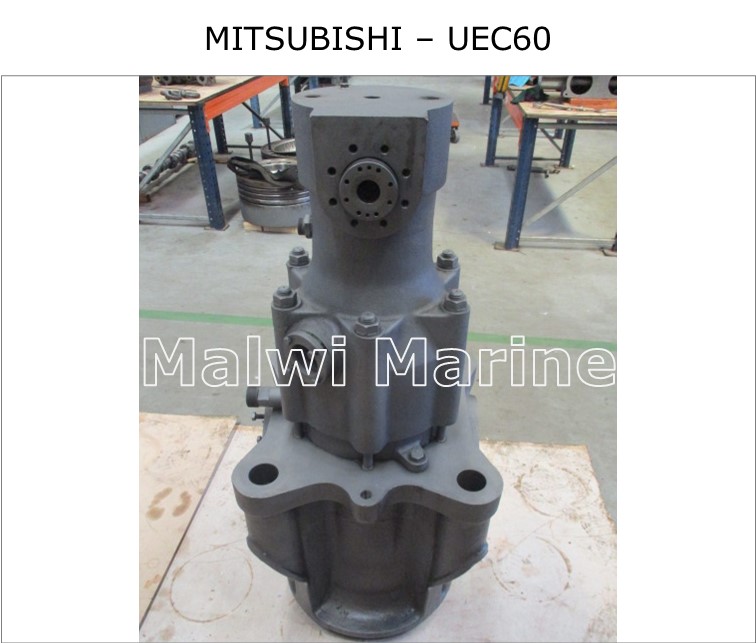
- HFO
- MDO
- Exhaust-port (not poppet-valve) design on some older types
- Modern LA/LSE use conventional exhaust valve
- J-ENG takes over development from 2018
- Strong presence in Japanese shipbuilding
- Area: Exhaust valve fouling durch Natrium/Vanadium-Ablagerungen (Na2SO4, CaSO4, V2O5) bei schwerem Brennstoff mit hohem Schwefelanteil (bis 5%); unter Taupunkt konden
- Area: Turbolader-Verschmutzung durch Kohle- und Ascheteilchen im Abgas bei Niedriglastarguetrieb, BMEP-Rückgang und Verbrennungsverschlechterung
- Area: Kolbenringleckage und Brennstoffverdünnung (>2-3%) durch Verschleiß an Zylinderlauffläche/Kolbenringen, erhöhter Blowby und Öl-Kontamination
- Area: Zylinderliner-Verschleiß durch korrosive Verbrennung bei schwefelhaltigem Brennstoff; Inspektionskriterium: Verschleiß nach Höhe der Gleitfläche, max. zulässig
- Area: Wellenlager-Verschleiß durch Öl-Kontamination; wöchentliche Prüfung auf Wassereintritt (<2% zulässig) und 3-Monats-Analyse auf Verschleißmetalle (Fe, Cu) erford
Verifizierte Familien-Daten (Hersteller-Datenblaetter + Fachquellen, 2026-06). Teils klassen-allgemeine Inspektionspunkte — pro Eintrag Quelle.
- HFO
- MDO
- Exhaust-port (not poppet-valve) design on some older types
- Modern LA/LSE use conventional exhaust valve
- J-ENG takes over development from 2018
- Strong presence in Japanese shipbuilding
- Area: Exhaust valve fouling durch Natrium/Vanadium-Ablagerungen (Na2SO4, CaSO4, V2O5) bei schwerem Brennstoff mit hohem Schwefelanteil (bis 5%); unter Taupunkt konden
- Area: Turbolader-Verschmutzung durch Kohle- und Ascheteilchen im Abgas bei Niedriglastarguetrieb, BMEP-Rückgang und Verbrennungsverschlechterung
- Area: Kolbenringleckage und Brennstoffverdünnung (>2-3%) durch Verschleiß an Zylinderlauffläche/Kolbenringen, erhöhter Blowby und Öl-Kontamination
- Area: Zylinderliner-Verschleiß durch korrosive Verbrennung bei schwefelhaltigem Brennstoff; Inspektionskriterium: Verschleiß nach Höhe der Gleitfläche, max. zulässig
- Area: Wellenlager-Verschleiß durch Öl-Kontamination; wöchentliche Prüfung auf Wassereintritt (<2% zulässig) und 3-Monats-Analyse auf Verschleißmetalle (Fe, Cu) erford
Verifizierte Familien-Daten (Hersteller-Datenblaetter + Fachquellen, 2026-06). Teils klassen-allgemeine Inspektionspunkte — pro Eintrag Quelle.
- HFO
- MDO
- Exhaust-port (not poppet-valve) design on some older types
- Modern LA/LSE use conventional exhaust valve
- J-ENG takes over development from 2018
- Strong presence in Japanese shipbuilding
- Area: Kalte Korrosion (Cold Corrosion) an Zylinderliners durch Schwefelsäure-Kondensation bei Teillast — typisch bei Zweitakt-Dieseln; Schwefeldioxid aus Brennstoff b
- Area: Turbolader-Verschleiß durch Salzwasserkorrosion — Pitting an Turbinen-Gehäuse durch Meerwasser-Einspeisung in Abgasleitung, Druckabbau durch Spaltvergrößerung
- Area: Kolben/Zylinderliner-Verschleiß durch Verschleppung (Scuffing) bei unzureichender Hydrodynamik-Ölfilm oder mangelhafte Spülluft-Qualität — Abrasive-Wear-Initiat
- Area: Schwarze Abgase bei Teillast (Turbo-Lag-Phänomen) — Spüldruck erhöht sich erst, wenn Turbolader beschleunigt; zu viel Brennstoff → unvollständige Verbrennung, R
- Area: Zylinderkopf-Wasserdichtung/Kühlung — Risse/undichte Kopfdichtungen ermöglichen Coolant-Eintrag in Kurbelgehäuse (Milchig-braune Ölverfärbung), Korrosion; Restr
Verifizierte Familien-Daten (Hersteller-Datenblaetter + Fachquellen, 2026-06). Teils klassen-allgemeine Inspektionspunkte — pro Eintrag Quelle.
- Area: Kalte Korrosion (Cold Corrosion) an Zylinderliners durch Schwefelsäure-Kondensation bei Teillast — typisch bei Zweitakt-Dieseln; Schwefeldioxid aus Brennstoff b
- Area: Turbolader-Verschleiß durch Salzwasserkorrosion — Pitting an Turbinen-Gehäuse durch Meerwasser-Einspeisung in Abgasleitung, Druckabbau durch Spaltvergrößerung
- Area: Kolben/Zylinderliner-Verschleiß durch Verschleppung (Scuffing) bei unzureichender Hydrodynamik-Ölfilm oder mangelhafte Spülluft-Qualität — Abrasive-Wear-Initiat
- Area: Schwarze Abgase bei Teillast (Turbo-Lag-Phänomen) — Spüldruck erhöht sich erst, wenn Turbolader beschleunigt; zu viel Brennstoff → unvollständige Verbrennung, R
- Area: Zylinderkopf-Wasserdichtung/Kühlung — Risse/undichte Kopfdichtungen ermöglichen Coolant-Eintrag in Kurbelgehäuse (Milchig-braune Ölverfärbung), Korrosion; Restr
Verifizierte Familien-Daten (Hersteller-Datenblaetter + Fachquellen, 2026-06). Teils klassen-allgemeine Inspektionspunkte — pro Eintrag Quelle.
- Area: Kalte Korrosion (Cold Corrosion) an Zylinderliners durch Schwefelsäure-Kondensation bei Teillast — typisch bei Zweitakt-Dieseln; Schwefeldioxid aus Brennstoff b
- Area: Turbolader-Verschleiß durch Salzwasserkorrosion — Pitting an Turbinen-Gehäuse durch Meerwasser-Einspeisung in Abgasleitung, Druckabbau durch Spaltvergrößerung
- Area: Kolben/Zylinderliner-Verschleiß durch Verschleppung (Scuffing) bei unzureichender Hydrodynamik-Ölfilm oder mangelhafte Spülluft-Qualität — Abrasive-Wear-Initiat
- Area: Schwarze Abgase bei Teillast (Turbo-Lag-Phänomen) — Spüldruck erhöht sich erst, wenn Turbolader beschleunigt; zu viel Brennstoff → unvollständige Verbrennung, R
- Area: Zylinderkopf-Wasserdichtung/Kühlung — Risse/undichte Kopfdichtungen ermöglichen Coolant-Eintrag in Kurbelgehäuse (Milchig-braune Ölverfärbung), Korrosion; Restr
Verifizierte Familien-Daten (Hersteller-Datenblaetter + Fachquellen, 2026-06). Teils klassen-allgemeine Inspektionspunkte — pro Eintrag Quelle.
- Area: Kalte Korrosion (Cold Corrosion) an Zylinderliners durch Schwefelsäure-Kondensation bei Teillast — typisch bei Zweitakt-Dieseln; Schwefeldioxid aus Brennstoff b
- Area: Turbolader-Verschleiß durch Salzwasserkorrosion — Pitting an Turbinen-Gehäuse durch Meerwasser-Einspeisung in Abgasleitung, Druckabbau durch Spaltvergrößerung
- Area: Kolben/Zylinderliner-Verschleiß durch Verschleppung (Scuffing) bei unzureichender Hydrodynamik-Ölfilm oder mangelhafte Spülluft-Qualität — Abrasive-Wear-Initiat
- Area: Schwarze Abgase bei Teillast (Turbo-Lag-Phänomen) — Spüldruck erhöht sich erst, wenn Turbolader beschleunigt; zu viel Brennstoff → unvollständige Verbrennung, R
- Area: Zylinderkopf-Wasserdichtung/Kühlung — Risse/undichte Kopfdichtungen ermöglichen Coolant-Eintrag in Kurbelgehäuse (Milchig-braune Ölverfärbung), Korrosion; Restr
Verifizierte Familien-Daten (Hersteller-Datenblaetter + Fachquellen, 2026-06). Teils klassen-allgemeine Inspektionspunkte — pro Eintrag Quelle.
- Area: Kalte Korrosion (Cold Corrosion) an Zylinderliners durch Schwefelsäure-Kondensation bei Teillast — typisch bei Zweitakt-Dieseln; Schwefeldioxid aus Brennstoff b
- Area: Turbolader-Verschleiß durch Salzwasserkorrosion — Pitting an Turbinen-Gehäuse durch Meerwasser-Einspeisung in Abgasleitung, Druckabbau durch Spaltvergrößerung
- Area: Kolben/Zylinderliner-Verschleiß durch Verschleppung (Scuffing) bei unzureichender Hydrodynamik-Ölfilm oder mangelhafte Spülluft-Qualität — Abrasive-Wear-Initiat
- Area: Schwarze Abgase bei Teillast (Turbo-Lag-Phänomen) — Spüldruck erhöht sich erst, wenn Turbolader beschleunigt; zu viel Brennstoff → unvollständige Verbrennung, R
- Area: Zylinderkopf-Wasserdichtung/Kühlung — Risse/undichte Kopfdichtungen ermöglichen Coolant-Eintrag in Kurbelgehäuse (Milchig-braune Ölverfärbung), Korrosion; Restr
Verifizierte Familien-Daten (Hersteller-Datenblaetter + Fachquellen, 2026-06). Teils klassen-allgemeine Inspektionspunkte — pro Eintrag Quelle.
- Area: Einspritzventil-Verschleiß (Verschleißmarken auf Ventilsitz/Ventilteller durch mangelnde Kühlung oder Oxidation)Check: Borescope-Kontrolle der Abgasventil-Sitze auf Kratzer/Verschleiß, Dye-Penetrant-Test auf Risse, Leckage-Messungen (Ventil sollte 15 min unter Druckluft dicht halten)
- Area: Kolbenring-Verschleiß und Liner-Kratzspuren durch Schmierfilm-Unterversorgung (besonders bei Teillast-Betrieb)Check: Liner-Oberflächenkontrolle auf Kratzer/Furchen, Kolbenlauf-Gemietlich-messung, Schmiermittel-Durchflussrate prüfen (falsche Parameter für Teillastbetrieb)
- Area: Abgastrennkühler-Verschmutzung (Öl-Film + Wasser-Ablagerungen, insbesondere bei Trocknungs-Störungen)Check: Druckabfall über Kühler messen, Lufttemperatur nach Kühler prüfen, Abtropf-Separator kontrollieren auf Wasser-Ansammlung
- Area: Gleitlager-Abnutzung mit Weißmetall-Rauspressen durch Überbelastung (>10% Verschleiß kritisch)Check: Tägliche Kurbelgehäuse-Ölprobe auf Weißmetall-Partikel (>0.5 mm mit glatter Oberfläche beidseitig = Überbelastung), Lagerspiel-Kontrolle per Schieblehre
- Area: Kurbelwellenschliff-Ermüdung durch Spannungskonzentrationen (Fatiguebruch selten, aber möglich an Feder-Übergangsradien)Check: Kurbellagerflanschen mit Fehlerlupe auf Risse prüfen, Kurbelwellen-Durchbiegungsmessung per Messtaster (Indikatorenset: <0.1 mm kritisch)
Verifizierte Familien-Daten (Hersteller-Datenblaetter + Fachquellen, 2026-06). Teils klassen-allgemeine Inspektionspunkte — pro Eintrag Quelle.
- Area: Einspritzventil-Verschleiß (Verschleißmarken auf Ventilsitz/Ventilteller durch mangelnde Kühlung oder Oxidation)Check: Borescope-Kontrolle der Abgasventil-Sitze auf Kratzer/Verschleiß, Dye-Penetrant-Test auf Risse, Leckage-Messungen (Ventil sollte 15 min unter Druckluft dicht halten)
- Area: Kolbenring-Verschleiß und Liner-Kratzspuren durch Schmierfilm-Unterversorgung (besonders bei Teillast-Betrieb)Check: Liner-Oberflächenkontrolle auf Kratzer/Furchen, Kolbenlauf-Gemietlich-messung, Schmiermittel-Durchflussrate prüfen (falsche Parameter für Teillastbetrieb)
- Area: Abgastrennkühler-Verschmutzung (Öl-Film + Wasser-Ablagerungen, insbesondere bei Trocknungs-Störungen)Check: Druckabfall über Kühler messen, Lufttemperatur nach Kühler prüfen, Abtropf-Separator kontrollieren auf Wasser-Ansammlung
- Area: Gleitlager-Abnutzung mit Weißmetall-Rauspressen durch Überbelastung (>10% Verschleiß kritisch)Check: Tägliche Kurbelgehäuse-Ölprobe auf Weißmetall-Partikel (>0.5 mm mit glatter Oberfläche beidseitig = Überbelastung), Lagerspiel-Kontrolle per Schieblehre
- Area: Kurbelwellenschliff-Ermüdung durch Spannungskonzentrationen (Fatiguebruch selten, aber möglich an Feder-Übergangsradien)Check: Kurbellagerflanschen mit Fehlerlupe auf Risse prüfen, Kurbelwellen-Durchbiegungsmessung per Messtaster (Indikatorenset: <0.1 mm kritisch)
Verifizierte Familien-Daten (Hersteller-Datenblaetter + Fachquellen, 2026-06). Teils klassen-allgemeine Inspektionspunkte — pro Eintrag Quelle.
- Area: Einspritzventil-Verschleiß (Verschleißmarken auf Ventilsitz/Ventilteller durch mangelnde Kühlung oder Oxidation)Check: Borescope-Kontrolle der Abgasventil-Sitze auf Kratzer/Verschleiß, Dye-Penetrant-Test auf Risse, Leckage-Messungen (Ventil sollte 15 min unter Druckluft dicht halten)
- Area: Kolbenring-Verschleiß und Liner-Kratzspuren durch Schmierfilm-Unterversorgung (besonders bei Teillast-Betrieb)Check: Liner-Oberflächenkontrolle auf Kratzer/Furchen, Kolbenlauf-Gemietlich-messung, Schmiermittel-Durchflussrate prüfen (falsche Parameter für Teillastbetrieb)
- Area: Abgastrennkühler-Verschmutzung (Öl-Film + Wasser-Ablagerungen, insbesondere bei Trocknungs-Störungen)Check: Druckabfall über Kühler messen, Lufttemperatur nach Kühler prüfen, Abtropf-Separator kontrollieren auf Wasser-Ansammlung
- Area: Gleitlager-Abnutzung mit Weißmetall-Rauspressen durch Überbelastung (>10% Verschleiß kritisch)Check: Tägliche Kurbelgehäuse-Ölprobe auf Weißmetall-Partikel (>0.5 mm mit glatter Oberfläche beidseitig = Überbelastung), Lagerspiel-Kontrolle per Schieblehre
- Area: Kurbelwellenschliff-Ermüdung durch Spannungskonzentrationen (Fatiguebruch selten, aber möglich an Feder-Übergangsradien)Check: Kurbellagerflanschen mit Fehlerlupe auf Risse prüfen, Kurbelwellen-Durchbiegungsmessung per Messtaster (Indikatorenset: <0.1 mm kritisch)
Verifizierte Familien-Daten (Hersteller-Datenblaetter + Fachquellen, 2026-06). Teils klassen-allgemeine Inspektionspunkte — pro Eintrag Quelle.
- Area: Einspritzventil-Verschleiß (Verschleißmarken auf Ventilsitz/Ventilteller durch mangelnde Kühlung oder Oxidation)Check: Borescope-Kontrolle der Abgasventil-Sitze auf Kratzer/Verschleiß, Dye-Penetrant-Test auf Risse, Leckage-Messungen (Ventil sollte 15 min unter Druckluft dicht halten)
- Area: Kolbenring-Verschleiß und Liner-Kratzspuren durch Schmierfilm-Unterversorgung (besonders bei Teillast-Betrieb)Check: Liner-Oberflächenkontrolle auf Kratzer/Furchen, Kolbenlauf-Gemietlich-messung, Schmiermittel-Durchflussrate prüfen (falsche Parameter für Teillastbetrieb)
- Area: Abgastrennkühler-Verschmutzung (Öl-Film + Wasser-Ablagerungen, insbesondere bei Trocknungs-Störungen)Check: Druckabfall über Kühler messen, Lufttemperatur nach Kühler prüfen, Abtropf-Separator kontrollieren auf Wasser-Ansammlung
- Area: Gleitlager-Abnutzung mit Weißmetall-Rauspressen durch Überbelastung (>10% Verschleiß kritisch)Check: Tägliche Kurbelgehäuse-Ölprobe auf Weißmetall-Partikel (>0.5 mm mit glatter Oberfläche beidseitig = Überbelastung), Lagerspiel-Kontrolle per Schieblehre
- Area: Kurbelwellenschliff-Ermüdung durch Spannungskonzentrationen (Fatiguebruch selten, aber möglich an Feder-Übergangsradien)Check: Kurbellagerflanschen mit Fehlerlupe auf Risse prüfen, Kurbelwellen-Durchbiegungsmessung per Messtaster (Indikatorenset: <0.1 mm kritisch)
Verifizierte Familien-Daten (Hersteller-Datenblaetter + Fachquellen, 2026-06). Teils klassen-allgemeine Inspektionspunkte — pro Eintrag Quelle.
- Area: Einspritzventil-Verschleiß (Verschleißmarken auf Ventilsitz/Ventilteller durch mangelnde Kühlung oder Oxidation)Check: Borescope-Kontrolle der Abgasventil-Sitze auf Kratzer/Verschleiß, Dye-Penetrant-Test auf Risse, Leckage-Messungen (Ventil sollte 15 min unter Druckluft dicht halten)
- Area: Kolbenring-Verschleiß und Liner-Kratzspuren durch Schmierfilm-Unterversorgung (besonders bei Teillast-Betrieb)Check: Liner-Oberflächenkontrolle auf Kratzer/Furchen, Kolbenlauf-Gemietlich-messung, Schmiermittel-Durchflussrate prüfen (falsche Parameter für Teillastbetrieb)
- Area: Abgastrennkühler-Verschmutzung (Öl-Film + Wasser-Ablagerungen, insbesondere bei Trocknungs-Störungen)Check: Druckabfall über Kühler messen, Lufttemperatur nach Kühler prüfen, Abtropf-Separator kontrollieren auf Wasser-Ansammlung
- Area: Gleitlager-Abnutzung mit Weißmetall-Rauspressen durch Überbelastung (>10% Verschleiß kritisch)Check: Tägliche Kurbelgehäuse-Ölprobe auf Weißmetall-Partikel (>0.5 mm mit glatter Oberfläche beidseitig = Überbelastung), Lagerspiel-Kontrolle per Schieblehre
- Area: Kurbelwellenschliff-Ermüdung durch Spannungskonzentrationen (Fatiguebruch selten, aber möglich an Feder-Übergangsradien)Check: Kurbellagerflanschen mit Fehlerlupe auf Risse prüfen, Kurbelwellen-Durchbiegungsmessung per Messtaster (Indikatorenset: <0.1 mm kritisch)
Verifizierte Familien-Daten (Hersteller-Datenblaetter + Fachquellen, 2026-06). Teils klassen-allgemeine Inspektionspunkte — pro Eintrag Quelle.
- Area: Einspritzventil-Verschleiß (Verschleißmarken auf Ventilsitz/Ventilteller durch mangelnde Kühlung oder Oxidation)Check: Borescope-Kontrolle der Abgasventil-Sitze auf Kratzer/Verschleiß, Dye-Penetrant-Test auf Risse, Leckage-Messungen (Ventil sollte 15 min unter Druckluft dicht halten)
- Area: Kolbenring-Verschleiß und Liner-Kratzspuren durch Schmierfilm-Unterversorgung (besonders bei Teillast-Betrieb)Check: Liner-Oberflächenkontrolle auf Kratzer/Furchen, Kolbenlauf-Gemietlich-messung, Schmiermittel-Durchflussrate prüfen (falsche Parameter für Teillastbetrieb)
- Area: Abgastrennkühler-Verschmutzung (Öl-Film + Wasser-Ablagerungen, insbesondere bei Trocknungs-Störungen)Check: Druckabfall über Kühler messen, Lufttemperatur nach Kühler prüfen, Abtropf-Separator kontrollieren auf Wasser-Ansammlung
- Area: Gleitlager-Abnutzung mit Weißmetall-Rauspressen durch Überbelastung (>10% Verschleiß kritisch)Check: Tägliche Kurbelgehäuse-Ölprobe auf Weißmetall-Partikel (>0.5 mm mit glatter Oberfläche beidseitig = Überbelastung), Lagerspiel-Kontrolle per Schieblehre
- Area: Kurbelwellenschliff-Ermüdung durch Spannungskonzentrationen (Fatiguebruch selten, aber möglich an Feder-Übergangsradien)Check: Kurbellagerflanschen mit Fehlerlupe auf Risse prüfen, Kurbelwellen-Durchbiegungsmessung per Messtaster (Indikatorenset: <0.1 mm kritisch)
Verifizierte Familien-Daten (Hersteller-Datenblaetter + Fachquellen, 2026-06). Teils klassen-allgemeine Inspektionspunkte — pro Eintrag Quelle.
- Area: Einspritzventil-Verschleiß (Verschleißmarken auf Ventilsitz/Ventilteller durch mangelnde Kühlung oder Oxidation)Check: Borescope-Kontrolle der Abgasventil-Sitze auf Kratzer/Verschleiß, Dye-Penetrant-Test auf Risse, Leckage-Messungen (Ventil sollte 15 min unter Druckluft dicht halten)
- Area: Kolbenring-Verschleiß und Liner-Kratzspuren durch Schmierfilm-Unterversorgung (besonders bei Teillast-Betrieb)Check: Liner-Oberflächenkontrolle auf Kratzer/Furchen, Kolbenlauf-Gemietlich-messung, Schmiermittel-Durchflussrate prüfen (falsche Parameter für Teillastbetrieb)
- Area: Abgastrennkühler-Verschmutzung (Öl-Film + Wasser-Ablagerungen, insbesondere bei Trocknungs-Störungen)Check: Druckabfall über Kühler messen, Lufttemperatur nach Kühler prüfen, Abtropf-Separator kontrollieren auf Wasser-Ansammlung
- Area: Gleitlager-Abnutzung mit Weißmetall-Rauspressen durch Überbelastung (>10% Verschleiß kritisch)Check: Tägliche Kurbelgehäuse-Ölprobe auf Weißmetall-Partikel (>0.5 mm mit glatter Oberfläche beidseitig = Überbelastung), Lagerspiel-Kontrolle per Schieblehre
- Area: Kurbelwellenschliff-Ermüdung durch Spannungskonzentrationen (Fatiguebruch selten, aber möglich an Feder-Übergangsradien)Check: Kurbellagerflanschen mit Fehlerlupe auf Risse prüfen, Kurbelwellen-Durchbiegungsmessung per Messtaster (Indikatorenset: <0.1 mm kritisch)
Verifizierte Familien-Daten (Hersteller-Datenblaetter + Fachquellen, 2026-06). Teils klassen-allgemeine Inspektionspunkte — pro Eintrag Quelle.
- Area: Einspritzventil-Verschleiß (Verschleißmarken auf Ventilsitz/Ventilteller durch mangelnde Kühlung oder Oxidation)Check: Borescope-Kontrolle der Abgasventil-Sitze auf Kratzer/Verschleiß, Dye-Penetrant-Test auf Risse, Leckage-Messungen (Ventil sollte 15 min unter Druckluft dicht halten)
- Area: Kolbenring-Verschleiß und Liner-Kratzspuren durch Schmierfilm-Unterversorgung (besonders bei Teillast-Betrieb)Check: Liner-Oberflächenkontrolle auf Kratzer/Furchen, Kolbenlauf-Gemietlich-messung, Schmiermittel-Durchflussrate prüfen (falsche Parameter für Teillastbetrieb)
- Area: Abgastrennkühler-Verschmutzung (Öl-Film + Wasser-Ablagerungen, insbesondere bei Trocknungs-Störungen)Check: Druckabfall über Kühler messen, Lufttemperatur nach Kühler prüfen, Abtropf-Separator kontrollieren auf Wasser-Ansammlung
- Area: Gleitlager-Abnutzung mit Weißmetall-Rauspressen durch Überbelastung (>10% Verschleiß kritisch)Check: Tägliche Kurbelgehäuse-Ölprobe auf Weißmetall-Partikel (>0.5 mm mit glatter Oberfläche beidseitig = Überbelastung), Lagerspiel-Kontrolle per Schieblehre
- Area: Kurbelwellenschliff-Ermüdung durch Spannungskonzentrationen (Fatiguebruch selten, aber möglich an Feder-Übergangsradien)Check: Kurbellagerflanschen mit Fehlerlupe auf Risse prüfen, Kurbelwellen-Durchbiegungsmessung per Messtaster (Indikatorenset: <0.1 mm kritisch)
Verifizierte Familien-Daten (Hersteller-Datenblaetter + Fachquellen, 2026-06). Teils klassen-allgemeine Inspektionspunkte — pro Eintrag Quelle.
- Area: Einspritzventil-Verschleiß (Verschleißmarken auf Ventilsitz/Ventilteller durch mangelnde Kühlung oder Oxidation)Check: Borescope-Kontrolle der Abgasventil-Sitze auf Kratzer/Verschleiß, Dye-Penetrant-Test auf Risse, Leckage-Messungen (Ventil sollte 15 min unter Druckluft dicht halten)
- Area: Kolbenring-Verschleiß und Liner-Kratzspuren durch Schmierfilm-Unterversorgung (besonders bei Teillast-Betrieb)Check: Liner-Oberflächenkontrolle auf Kratzer/Furchen, Kolbenlauf-Gemietlich-messung, Schmiermittel-Durchflussrate prüfen (falsche Parameter für Teillastbetrieb)
- Area: Abgastrennkühler-Verschmutzung (Öl-Film + Wasser-Ablagerungen, insbesondere bei Trocknungs-Störungen)Check: Druckabfall über Kühler messen, Lufttemperatur nach Kühler prüfen, Abtropf-Separator kontrollieren auf Wasser-Ansammlung
- Area: Gleitlager-Abnutzung mit Weißmetall-Rauspressen durch Überbelastung (>10% Verschleiß kritisch)Check: Tägliche Kurbelgehäuse-Ölprobe auf Weißmetall-Partikel (>0.5 mm mit glatter Oberfläche beidseitig = Überbelastung), Lagerspiel-Kontrolle per Schieblehre
- Area: Kurbelwellenschliff-Ermüdung durch Spannungskonzentrationen (Fatiguebruch selten, aber möglich an Feder-Übergangsradien)Check: Kurbellagerflanschen mit Fehlerlupe auf Risse prüfen, Kurbelwellen-Durchbiegungsmessung per Messtaster (Indikatorenset: <0.1 mm kritisch)
Verifizierte Familien-Daten (Hersteller-Datenblaetter + Fachquellen, 2026-06). Teils klassen-allgemeine Inspektionspunkte — pro Eintrag Quelle.
- Area: Einspritzventil-Verschleiß (Verschleißmarken auf Ventilsitz/Ventilteller durch mangelnde Kühlung oder Oxidation)Check: Borescope-Kontrolle der Abgasventil-Sitze auf Kratzer/Verschleiß, Dye-Penetrant-Test auf Risse, Leckage-Messungen (Ventil sollte 15 min unter Druckluft dicht halten)
- Area: Kolbenring-Verschleiß und Liner-Kratzspuren durch Schmierfilm-Unterversorgung (besonders bei Teillast-Betrieb)Check: Liner-Oberflächenkontrolle auf Kratzer/Furchen, Kolbenlauf-Gemietlich-messung, Schmiermittel-Durchflussrate prüfen (falsche Parameter für Teillastbetrieb)
- Area: Abgastrennkühler-Verschmutzung (Öl-Film + Wasser-Ablagerungen, insbesondere bei Trocknungs-Störungen)Check: Druckabfall über Kühler messen, Lufttemperatur nach Kühler prüfen, Abtropf-Separator kontrollieren auf Wasser-Ansammlung
- Area: Gleitlager-Abnutzung mit Weißmetall-Rauspressen durch Überbelastung (>10% Verschleiß kritisch)Check: Tägliche Kurbelgehäuse-Ölprobe auf Weißmetall-Partikel (>0.5 mm mit glatter Oberfläche beidseitig = Überbelastung), Lagerspiel-Kontrolle per Schieblehre
- Area: Kurbelwellenschliff-Ermüdung durch Spannungskonzentrationen (Fatiguebruch selten, aber möglich an Feder-Übergangsradien)Check: Kurbellagerflanschen mit Fehlerlupe auf Risse prüfen, Kurbelwellen-Durchbiegungsmessung per Messtaster (Indikatorenset: <0.1 mm kritisch)
Verifizierte Familien-Daten (Hersteller-Datenblaetter + Fachquellen, 2026-06). Teils klassen-allgemeine Inspektionspunkte — pro Eintrag Quelle.
- Area: Exhaust valve fouling durch Natrium/Vanadium-Ablagerungen (Na2SO4, CaSO4, V2O5) bei schwerem Brennstoff mit hohem Schwefelanteil (bis 5%); unter Taupunkt konden
- Area: Turbolader-Verschmutzung durch Kohle- und Ascheteilchen im Abgas bei Niedriglastarguetrieb, BMEP-Rückgang und Verbrennungsverschlechterung
- Area: Kolbenringleckage und Brennstoffverdünnung (>2-3%) durch Verschleiß an Zylinderlauffläche/Kolbenringen, erhöhter Blowby und Öl-Kontamination
- Area: Zylinderliner-Verschleiß durch korrosive Verbrennung bei schwefelhaltigem Brennstoff; Inspektionskriterium: Verschleiß nach Höhe der Gleitfläche, max. zulässig
- Area: Wellenlager-Verschleiß durch Öl-Kontamination; wöchentliche Prüfung auf Wassereintritt (<2% zulässig) und 3-Monats-Analyse auf Verschleißmetalle (Fe, Cu) erford
Verifizierte Familien-Daten (Hersteller-Datenblaetter + Fachquellen, 2026-06). Teils klassen-allgemeine Inspektionspunkte — pro Eintrag Quelle.
- Area: Exhaust valve fouling durch Natrium/Vanadium-Ablagerungen (Na2SO4, CaSO4, V2O5) bei schwerem Brennstoff mit hohem Schwefelanteil (bis 5%); unter Taupunkt konden
- Area: Turbolader-Verschmutzung durch Kohle- und Ascheteilchen im Abgas bei Niedriglastarguetrieb, BMEP-Rückgang und Verbrennungsverschlechterung
- Area: Kolbenringleckage und Brennstoffverdünnung (>2-3%) durch Verschleiß an Zylinderlauffläche/Kolbenringen, erhöhter Blowby und Öl-Kontamination
- Area: Zylinderliner-Verschleiß durch korrosive Verbrennung bei schwefelhaltigem Brennstoff; Inspektionskriterium: Verschleiß nach Höhe der Gleitfläche, max. zulässig
- Area: Wellenlager-Verschleiß durch Öl-Kontamination; wöchentliche Prüfung auf Wassereintritt (<2% zulässig) und 3-Monats-Analyse auf Verschleißmetalle (Fe, Cu) erford
Verifizierte Familien-Daten (Hersteller-Datenblaetter + Fachquellen, 2026-06). Teils klassen-allgemeine Inspektionspunkte — pro Eintrag Quelle.
- Area: Exhaust valve fouling durch Natrium/Vanadium-Ablagerungen (Na2SO4, CaSO4, V2O5) bei schwerem Brennstoff mit hohem Schwefelanteil (bis 5%); unter Taupunkt konden
- Area: Turbolader-Verschmutzung durch Kohle- und Ascheteilchen im Abgas bei Niedriglastarguetrieb, BMEP-Rückgang und Verbrennungsverschlechterung
- Area: Kolbenringleckage und Brennstoffverdünnung (>2-3%) durch Verschleiß an Zylinderlauffläche/Kolbenringen, erhöhter Blowby und Öl-Kontamination
- Area: Zylinderliner-Verschleiß durch korrosive Verbrennung bei schwefelhaltigem Brennstoff; Inspektionskriterium: Verschleiß nach Höhe der Gleitfläche, max. zulässig
- Area: Wellenlager-Verschleiß durch Öl-Kontamination; wöchentliche Prüfung auf Wassereintritt (<2% zulässig) und 3-Monats-Analyse auf Verschleißmetalle (Fe, Cu) erford
Verifizierte Familien-Daten (Hersteller-Datenblaetter + Fachquellen, 2026-06). Teils klassen-allgemeine Inspektionspunkte — pro Eintrag Quelle.
- Area: Exhaust valve fouling durch Natrium/Vanadium-Ablagerungen (Na2SO4, CaSO4, V2O5) bei schwerem Brennstoff mit hohem Schwefelanteil (bis 5%); unter Taupunkt konden
- Area: Turbolader-Verschmutzung durch Kohle- und Ascheteilchen im Abgas bei Niedriglastarguetrieb, BMEP-Rückgang und Verbrennungsverschlechterung
- Area: Kolbenringleckage und Brennstoffverdünnung (>2-3%) durch Verschleiß an Zylinderlauffläche/Kolbenringen, erhöhter Blowby und Öl-Kontamination
- Area: Zylinderliner-Verschleiß durch korrosive Verbrennung bei schwefelhaltigem Brennstoff; Inspektionskriterium: Verschleiß nach Höhe der Gleitfläche, max. zulässig
- Area: Wellenlager-Verschleiß durch Öl-Kontamination; wöchentliche Prüfung auf Wassereintritt (<2% zulässig) und 3-Monats-Analyse auf Verschleißmetalle (Fe, Cu) erford
Verifizierte Familien-Daten (Hersteller-Datenblaetter + Fachquellen, 2026-06). Teils klassen-allgemeine Inspektionspunkte — pro Eintrag Quelle.
- Area: Exhaust valve fouling durch Natrium/Vanadium-Ablagerungen (Na2SO4, CaSO4, V2O5) bei schwerem Brennstoff mit hohem Schwefelanteil (bis 5%); unter Taupunkt konden
- Area: Turbolader-Verschmutzung durch Kohle- und Ascheteilchen im Abgas bei Niedriglastarguetrieb, BMEP-Rückgang und Verbrennungsverschlechterung
- Area: Kolbenringleckage und Brennstoffverdünnung (>2-3%) durch Verschleiß an Zylinderlauffläche/Kolbenringen, erhöhter Blowby und Öl-Kontamination
- Area: Zylinderliner-Verschleiß durch korrosive Verbrennung bei schwefelhaltigem Brennstoff; Inspektionskriterium: Verschleiß nach Höhe der Gleitfläche, max. zulässig
- Area: Wellenlager-Verschleiß durch Öl-Kontamination; wöchentliche Prüfung auf Wassereintritt (<2% zulässig) und 3-Monats-Analyse auf Verschleißmetalle (Fe, Cu) erford
Verifizierte Familien-Daten (Hersteller-Datenblaetter + Fachquellen, 2026-06). Teils klassen-allgemeine Inspektionspunkte — pro Eintrag Quelle.
- Area: Exhaust valve fouling durch Natrium/Vanadium-Ablagerungen (Na2SO4, CaSO4, V2O5) bei schwerem Brennstoff mit hohem Schwefelanteil (bis 5%); unter Taupunkt konden
- Area: Turbolader-Verschmutzung durch Kohle- und Ascheteilchen im Abgas bei Niedriglastarguetrieb, BMEP-Rückgang und Verbrennungsverschlechterung
- Area: Kolbenringleckage und Brennstoffverdünnung (>2-3%) durch Verschleiß an Zylinderlauffläche/Kolbenringen, erhöhter Blowby und Öl-Kontamination
- Area: Zylinderliner-Verschleiß durch korrosive Verbrennung bei schwefelhaltigem Brennstoff; Inspektionskriterium: Verschleiß nach Höhe der Gleitfläche, max. zulässig
- Area: Wellenlager-Verschleiß durch Öl-Kontamination; wöchentliche Prüfung auf Wassereintritt (<2% zulässig) und 3-Monats-Analyse auf Verschleißmetalle (Fe, Cu) erford
Verifizierte Familien-Daten (Hersteller-Datenblaetter + Fachquellen, 2026-06). Teils klassen-allgemeine Inspektionspunkte — pro Eintrag Quelle.
- Area: Exhaust valve fouling durch Natrium/Vanadium-Ablagerungen (Na2SO4, CaSO4, V2O5) bei schwerem Brennstoff mit hohem Schwefelanteil (bis 5%); unter Taupunkt konden
- Area: Turbolader-Verschmutzung durch Kohle- und Ascheteilchen im Abgas bei Niedriglastarguetrieb, BMEP-Rückgang und Verbrennungsverschlechterung
- Area: Kolbenringleckage und Brennstoffverdünnung (>2-3%) durch Verschleiß an Zylinderlauffläche/Kolbenringen, erhöhter Blowby und Öl-Kontamination
- Area: Zylinderliner-Verschleiß durch korrosive Verbrennung bei schwefelhaltigem Brennstoff; Inspektionskriterium: Verschleiß nach Höhe der Gleitfläche, max. zulässig
- Area: Wellenlager-Verschleiß durch Öl-Kontamination; wöchentliche Prüfung auf Wassereintritt (<2% zulässig) und 3-Monats-Analyse auf Verschleißmetalle (Fe, Cu) erford
Verifizierte Familien-Daten (Hersteller-Datenblaetter + Fachquellen, 2026-06). Teils klassen-allgemeine Inspektionspunkte — pro Eintrag Quelle.
- Area: Exhaust valve fouling durch Natrium/Vanadium-Ablagerungen (Na2SO4, CaSO4, V2O5) bei schwerem Brennstoff mit hohem Schwefelanteil (bis 5%); unter Taupunkt konden
- Area: Turbolader-Verschmutzung durch Kohle- und Ascheteilchen im Abgas bei Niedriglastarguetrieb, BMEP-Rückgang und Verbrennungsverschlechterung
- Area: Kolbenringleckage und Brennstoffverdünnung (>2-3%) durch Verschleiß an Zylinderlauffläche/Kolbenringen, erhöhter Blowby und Öl-Kontamination
- Area: Zylinderliner-Verschleiß durch korrosive Verbrennung bei schwefelhaltigem Brennstoff; Inspektionskriterium: Verschleiß nach Höhe der Gleitfläche, max. zulässig
- Area: Wellenlager-Verschleiß durch Öl-Kontamination; wöchentliche Prüfung auf Wassereintritt (<2% zulässig) und 3-Monats-Analyse auf Verschleißmetalle (Fe, Cu) erford
Verifizierte Familien-Daten (Hersteller-Datenblaetter + Fachquellen, 2026-06). Teils klassen-allgemeine Inspektionspunkte — pro Eintrag Quelle.
- Area: Exhaust valve fouling durch Natrium/Vanadium-Ablagerungen (Na2SO4, CaSO4, V2O5) bei schwerem Brennstoff mit hohem Schwefelanteil (bis 5%); unter Taupunkt konden
- Area: Turbolader-Verschmutzung durch Kohle- und Ascheteilchen im Abgas bei Niedriglastarguetrieb, BMEP-Rückgang und Verbrennungsverschlechterung
- Area: Kolbenringleckage und Brennstoffverdünnung (>2-3%) durch Verschleiß an Zylinderlauffläche/Kolbenringen, erhöhter Blowby und Öl-Kontamination
- Area: Zylinderliner-Verschleiß durch korrosive Verbrennung bei schwefelhaltigem Brennstoff; Inspektionskriterium: Verschleiß nach Höhe der Gleitfläche, max. zulässig
- Area: Wellenlager-Verschleiß durch Öl-Kontamination; wöchentliche Prüfung auf Wassereintritt (<2% zulässig) und 3-Monats-Analyse auf Verschleißmetalle (Fe, Cu) erford
Verifizierte Familien-Daten (Hersteller-Datenblaetter + Fachquellen, 2026-06). Teils klassen-allgemeine Inspektionspunkte — pro Eintrag Quelle.
- Area: Exhaust valve fouling durch Natrium/Vanadium-Ablagerungen (Na2SO4, CaSO4, V2O5) bei schwerem Brennstoff mit hohem Schwefelanteil (bis 5%); unter Taupunkt konden
- Area: Turbolader-Verschmutzung durch Kohle- und Ascheteilchen im Abgas bei Niedriglastarguetrieb, BMEP-Rückgang und Verbrennungsverschlechterung
- Area: Kolbenringleckage und Brennstoffverdünnung (>2-3%) durch Verschleiß an Zylinderlauffläche/Kolbenringen, erhöhter Blowby und Öl-Kontamination
- Area: Zylinderliner-Verschleiß durch korrosive Verbrennung bei schwefelhaltigem Brennstoff; Inspektionskriterium: Verschleiß nach Höhe der Gleitfläche, max. zulässig
- Area: Wellenlager-Verschleiß durch Öl-Kontamination; wöchentliche Prüfung auf Wassereintritt (<2% zulässig) und 3-Monats-Analyse auf Verschleißmetalle (Fe, Cu) erford
Verifizierte Familien-Daten (Hersteller-Datenblaetter + Fachquellen, 2026-06). Teils klassen-allgemeine Inspektionspunkte — pro Eintrag Quelle.
- Area: Exhaust valve fouling durch Natrium/Vanadium-Ablagerungen (Na2SO4, CaSO4, V2O5) bei schwerem Brennstoff mit hohem Schwefelanteil (bis 5%); unter Taupunkt konden
- Area: Turbolader-Verschmutzung durch Kohle- und Ascheteilchen im Abgas bei Niedriglastarguetrieb, BMEP-Rückgang und Verbrennungsverschlechterung
- Area: Kolbenringleckage und Brennstoffverdünnung (>2-3%) durch Verschleiß an Zylinderlauffläche/Kolbenringen, erhöhter Blowby und Öl-Kontamination
- Area: Zylinderliner-Verschleiß durch korrosive Verbrennung bei schwefelhaltigem Brennstoff; Inspektionskriterium: Verschleiß nach Höhe der Gleitfläche, max. zulässig
- Area: Wellenlager-Verschleiß durch Öl-Kontamination; wöchentliche Prüfung auf Wassereintritt (<2% zulässig) und 3-Monats-Analyse auf Verschleißmetalle (Fe, Cu) erford
Verifizierte Familien-Daten (Hersteller-Datenblaetter + Fachquellen, 2026-06). Teils klassen-allgemeine Inspektionspunkte — pro Eintrag Quelle.
- Area: Exhaust valve fouling durch Natrium/Vanadium-Ablagerungen (Na2SO4, CaSO4, V2O5) bei schwerem Brennstoff mit hohem Schwefelanteil (bis 5%); unter Taupunkt konden
- Area: Turbolader-Verschmutzung durch Kohle- und Ascheteilchen im Abgas bei Niedriglastarguetrieb, BMEP-Rückgang und Verbrennungsverschlechterung
- Area: Kolbenringleckage und Brennstoffverdünnung (>2-3%) durch Verschleiß an Zylinderlauffläche/Kolbenringen, erhöhter Blowby und Öl-Kontamination
- Area: Zylinderliner-Verschleiß durch korrosive Verbrennung bei schwefelhaltigem Brennstoff; Inspektionskriterium: Verschleiß nach Höhe der Gleitfläche, max. zulässig
- Area: Wellenlager-Verschleiß durch Öl-Kontamination; wöchentliche Prüfung auf Wassereintritt (<2% zulässig) und 3-Monats-Analyse auf Verschleißmetalle (Fe, Cu) erford
Verifizierte Familien-Daten (Hersteller-Datenblaetter + Fachquellen, 2026-06). Teils klassen-allgemeine Inspektionspunkte — pro Eintrag Quelle.
- Area: Exhaust valve fouling durch Natrium/Vanadium-Ablagerungen (Na2SO4, CaSO4, V2O5) bei schwerem Brennstoff mit hohem Schwefelanteil (bis 5%); unter Taupunkt konden
- Area: Turbolader-Verschmutzung durch Kohle- und Ascheteilchen im Abgas bei Niedriglastarguetrieb, BMEP-Rückgang und Verbrennungsverschlechterung
- Area: Kolbenringleckage und Brennstoffverdünnung (>2-3%) durch Verschleiß an Zylinderlauffläche/Kolbenringen, erhöhter Blowby und Öl-Kontamination
- Area: Zylinderliner-Verschleiß durch korrosive Verbrennung bei schwefelhaltigem Brennstoff; Inspektionskriterium: Verschleiß nach Höhe der Gleitfläche, max. zulässig
- Area: Wellenlager-Verschleiß durch Öl-Kontamination; wöchentliche Prüfung auf Wassereintritt (<2% zulässig) und 3-Monats-Analyse auf Verschleißmetalle (Fe, Cu) erford
Verifizierte Familien-Daten (Hersteller-Datenblaetter + Fachquellen, 2026-06). Teils klassen-allgemeine Inspektionspunkte — pro Eintrag Quelle.
- Area: Exhaust valve fouling durch Natrium/Vanadium-Ablagerungen (Na2SO4, CaSO4, V2O5) bei schwerem Brennstoff mit hohem Schwefelanteil (bis 5%); unter Taupunkt konden
- Area: Turbolader-Verschmutzung durch Kohle- und Ascheteilchen im Abgas bei Niedriglastarguetrieb, BMEP-Rückgang und Verbrennungsverschlechterung
- Area: Kolbenringleckage und Brennstoffverdünnung (>2-3%) durch Verschleiß an Zylinderlauffläche/Kolbenringen, erhöhter Blowby und Öl-Kontamination
- Area: Zylinderliner-Verschleiß durch korrosive Verbrennung bei schwefelhaltigem Brennstoff; Inspektionskriterium: Verschleiß nach Höhe der Gleitfläche, max. zulässig
- Area: Wellenlager-Verschleiß durch Öl-Kontamination; wöchentliche Prüfung auf Wassereintritt (<2% zulässig) und 3-Monats-Analyse auf Verschleißmetalle (Fe, Cu) erford
Verifizierte Familien-Daten (Hersteller-Datenblaetter + Fachquellen, 2026-06). Teils klassen-allgemeine Inspektionspunkte — pro Eintrag Quelle.
Hyundai
43wingd
40Hudong-Zhonghua
30Hanshin
29- HFO
- MDO
- Compact dimensions for coastal / feeder vessels
- Relatively high RPM for 2-stroke
- HFO
- MDO
- Compact dimensions for coastal / feeder vessels
- Relatively high RPM for 2-stroke
- HFO
- MDO
- Compact dimensions for coastal / feeder vessels
- Relatively high RPM for 2-stroke
- HFO
- MDO
- Compact dimensions for coastal / feeder vessels
- Relatively high RPM for 2-stroke
- HFO
- MDO
- Compact dimensions for coastal / feeder vessels
- Relatively high RPM for 2-stroke
- HFO
- MDO
- Compact dimensions for coastal / feeder vessels
- Relatively high RPM for 2-stroke
- HFO
- MDO
- Compact dimensions for coastal / feeder vessels
- Relatively high RPM for 2-stroke
- HFO
- MDO
- Compact dimensions for coastal / feeder vessels
- Relatively high RPM for 2-stroke

- HFO
- MDO
- Compact dimensions for coastal / feeder vessels
- Relatively high RPM for 2-stroke
- HFO
- MDO
- Compact dimensions for coastal / feeder vessels
- Relatively high RPM for 2-stroke
- HFO
- MDO
- Compact dimensions for coastal / feeder vessels
- Relatively high RPM for 2-stroke
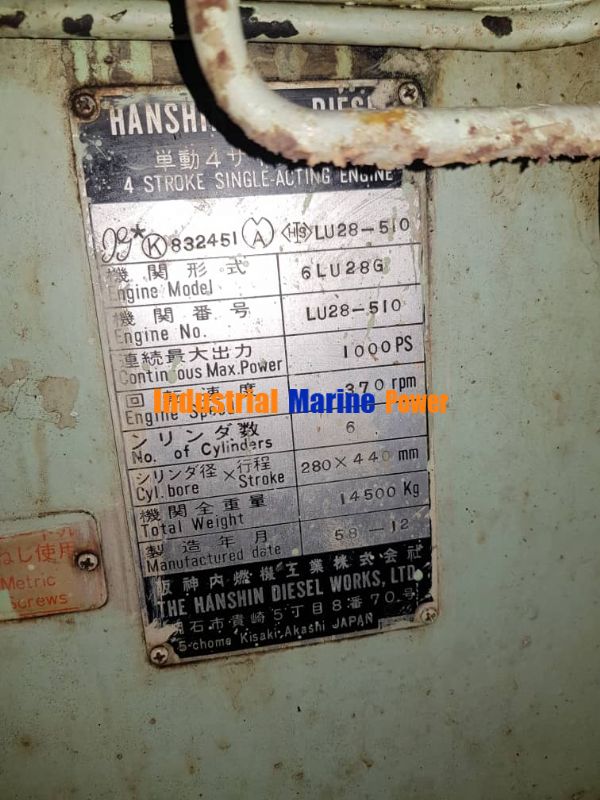
- HFO
- MDO
- Compact dimensions for coastal / feeder vessels
- Relatively high RPM for 2-stroke
- HFO
- MDO
- Compact dimensions for coastal / feeder vessels
- Relatively high RPM for 2-stroke
- HFO
- MDO
- Compact dimensions for coastal / feeder vessels
- Relatively high RPM for 2-stroke
- HFO
- MDO
- Compact dimensions for coastal / feeder vessels
- Relatively high RPM for 2-stroke
- HFO
- MDO
- Compact dimensions for coastal / feeder vessels
- Relatively high RPM for 2-stroke
- HFO
- MDO
- Compact dimensions for coastal / feeder vessels
- Relatively high RPM for 2-stroke
- HFO
- MDO
- Compact dimensions for coastal / feeder vessels
- Relatively high RPM for 2-stroke
- HFO
- MDO
- Compact dimensions for coastal / feeder vessels
- Relatively high RPM for 2-stroke
- HFO
- MDO
- Compact dimensions for coastal / feeder vessels
- Relatively high RPM for 2-stroke
- HFO
- MDO
- Compact dimensions for coastal / feeder vessels
- Relatively high RPM for 2-stroke
- HFO
- MDO
- Compact dimensions for coastal / feeder vessels
- Relatively high RPM for 2-stroke
- HFO
- MDO
- Compact dimensions for coastal / feeder vessels
- Relatively high RPM for 2-stroke
- HFO
- MDO
- Compact dimensions for coastal / feeder vessels
- Relatively high RPM for 2-stroke
- HFO
- MDO
- Compact dimensions for coastal / feeder vessels
- Relatively high RPM for 2-stroke
- HFO
- MDO
- Compact dimensions for coastal / feeder vessels
- Relatively high RPM for 2-stroke
- HFO
- MDO
- Compact dimensions for coastal / feeder vessels
- Relatively high RPM for 2-stroke
- HFO
- MDO
- Compact dimensions for coastal / feeder vessels
- Relatively high RPM for 2-stroke
- HFO
- MDO
- Compact dimensions for coastal / feeder vessels
- Relatively high RPM for 2-stroke
Doosan
28Japan Engine
18- HFO
- MDO
- MGO
- VLSFO
- Exhaust valve leakage
- Fuel injection pump wear
- Cylinder liner wear
- Piston ring sticking
- HFO
- MDO
- MGO
- VLSFO
- Fuel pump plunger wear
- Exhaust valve seat leakage
- Cylinder liner wear
- Turbocharger fouling
- HFO
- MDO
- MGO
- VLSFO
- Exhaust valve leakage
- Fuel injection pump wear
- Piston ring sticking
- Scavenge fire risk from deposits
- HFO
- MDO
- MGO
- VLSFO
- Exhaust valve seat burning
- Fuel injection nozzle fouling
- Cylinder liner wear
- Piston ring sticking
- HFO
- MDO
- MGO
- VLSFO
- Exhaust valve leakage
- Fuel valve coking
- Cylinder liner wear or corrosion
- Piston ring breakage
- HFO
- MDO
- MGO
- VLSFO
- Exhaust valve burn-through
- Fuel pump wear
- Cylinder liner corrosion
- Piston ring sticking
- HFO
- MDO
- MGO
- VLSFO
- Exhaust valve burning
- Fuel injection pump wear
- Cylinder liner cold corrosion
- Turbocharger fouling
- HFO
- MDO
- MGO
- VLSFO
- Exhaust valve seat burning
- Piston ring wear
- Cylinder liner corrosion
- Fuel pump wear
- HFO
- MDO
- MGO
- VLSFO
- Exhaust valve leakage
- Fuel valve fouling
- Cylinder liner cold corrosion
- Piston ring sticking
- HFO
- MDO
- MGO
- VLSFO
- Exhaust valve leakage
- Fuel injection component fouling
- Cylinder liner corrosion
- Piston ring deposits
- HFO
- MDO
- MGO
- VLSFO
- Cylinder liner cold corrosion
- Exhaust valve burn-through
- Fuel valve nozzle fouling
- Piston ring sticking
- HFO
- MDO
- MGO
- VLSFO
- Exhaust valve seat burning
- Cylinder liner corrosion
- Fuel injection equipment fouling
- Piston ring pack deposits
- HFO
- MDO
- MGO
- VLSFO
- Exhaust valve leakage
- Fuel pump wear
- Piston ring sticking
- Cylinder liner wear
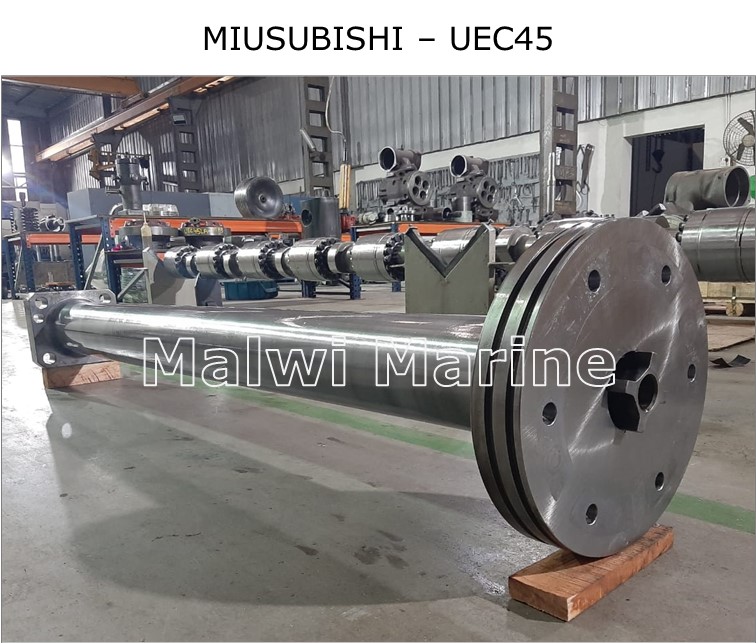
- HFO
- MDO
- MGO
- VLSFO
- Fuel pump plunger wear
- Exhaust valve seat wear
- Cylinder liner wear
- Piston ring sticking

- HFO
- MDO
- MGO
- VLSFO
- Fuel pump wear
- Exhaust valve burn-through
- Cylinder liner wear
- Turbocharger fouling
- HFO
- MDO
- MGO
- VLSFO
- Exhaust valve leakage
- Fuel pump plunger/barrel wear
- Cylinder liner scuffing
- Piston ring sticking
- HFO
- MDO
- MGO
- VLSFO
- Exhaust valve burn-through
- Fuel injection pump wear
- Cylinder liner scuffing
- Main bearing distress
- 100
- 127
- 5200
- 9600
- HFO
- VLSFO
- MGO
- Exhaust valve seat erosion
- Piston ring wear
- Fuel injection issues
- Turbocharger bearing wear