Auxiliary Engine
39 manufacturers · 478 models
Doosan Infracore Marine
39 ✓ 39 verified- Area: Turbolader-Verschleiß und SchaufelzustandCheck: Visuelle Inspektion des Turboladers auf Verschleiß, Verschmauchung, abnormale Vibration und Schaufelverschleiß bei allen aufgeladenen Modellen (L086TI, L126TI, MD196T/TI, V-Serie, AD-Serie, DP-Serie). Prüfung auf Öllecks und Verschlammung im Verdichterrad.
- Area: Injektorsystem - Druck und Dichtheit (Common Rail vs. Mechanical)Check: Bei mechanischen Injektoren (ältere L/MD/V-Serie): Druckabbau-Test, Lecks in Einspritzdüsen. Bei elektronischen Systemen (DX12/DL06/DL08, neuere Modelle): Common-Rail-Druck prüfen, Leckage-Flussrate messen, Injektorkabel und Verbindungen auf Korrosion prüfen.
- Area: Seewasser-Korrosion und Verschlammung in KühlsystemenCheck: Inspekt Wasser-Wärmetauscher (HX) vs. Seewasserkühler auf Korrosionsbefall (Rostflecken, Pitting), Verschlammung, Algenbefall. Druckprüfung durchführen. Pulsations-Ölkühler auf Seewasserlecks mit Lecksuchflüssigkeit prüfen (violette Verfärbung).
- Area: Kurbelgehäuse-Entlüftung (Blow-by) und ÖlnebelverschmutzungCheck: Druckaufbau im Kurbelgehäuse unter Volllast messen (sollte <100 mbar sein). Ölnebel-Abflussleitung und Sammelkammer auf Verschmutzung, Verstopfung prüfen. Durchflussrate bei 2.000 rpm dokumentieren. Erhöhte Blow-by deutet auf Kolbenring-Verschleiß oder Zylinder-Verschmauchung hin.
- Area: Spezifischer Brennstoffverbrauch (SFOC) - Plausibilität und VerschleißindikatorCheck: Moderne Doosan-Propulsionsmotoren (Tier II, L/MD/V-Serie): SFOC sollte 190-210 g/kWh liegen. Ältere oder schwer belastete Motoren: bis 230 g/kWh akzeptabel. SFOC >250 g/kWh deutet auf Injektoren-Verschmutzung, Turbo-Defekt oder Kolbenring-Verschleiß hin. SFOC mit Lastcurve (25%, 50%, 75%, 100%) dokumentieren.
Typ-universelle Inspektionspunkte fuer Auxiliary Engines (verifiziert, 2026-06).
- Area: Turbolader-Verschleiß und SchaufelzustandCheck: Visuelle Inspektion des Turboladers auf Verschleiß, Verschmauchung, abnormale Vibration und Schaufelverschleiß bei allen aufgeladenen Modellen (L086TI, L126TI, MD196T/TI, V-Serie, AD-Serie, DP-Serie). Prüfung auf Öllecks und Verschlammung im Verdichterrad.
- Area: Injektorsystem - Druck und Dichtheit (Common Rail vs. Mechanical)Check: Bei mechanischen Injektoren (ältere L/MD/V-Serie): Druckabbau-Test, Lecks in Einspritzdüsen. Bei elektronischen Systemen (DX12/DL06/DL08, neuere Modelle): Common-Rail-Druck prüfen, Leckage-Flussrate messen, Injektorkabel und Verbindungen auf Korrosion prüfen.
- Area: Seewasser-Korrosion und Verschlammung in KühlsystemenCheck: Inspekt Wasser-Wärmetauscher (HX) vs. Seewasserkühler auf Korrosionsbefall (Rostflecken, Pitting), Verschlammung, Algenbefall. Druckprüfung durchführen. Pulsations-Ölkühler auf Seewasserlecks mit Lecksuchflüssigkeit prüfen (violette Verfärbung).
- Area: Kurbelgehäuse-Entlüftung (Blow-by) und ÖlnebelverschmutzungCheck: Druckaufbau im Kurbelgehäuse unter Volllast messen (sollte <100 mbar sein). Ölnebel-Abflussleitung und Sammelkammer auf Verschmutzung, Verstopfung prüfen. Durchflussrate bei 2.000 rpm dokumentieren. Erhöhte Blow-by deutet auf Kolbenring-Verschleiß oder Zylinder-Verschmauchung hin.
- Area: Spezifischer Brennstoffverbrauch (SFOC) - Plausibilität und VerschleißindikatorCheck: Moderne Doosan-Propulsionsmotoren (Tier II, L/MD/V-Serie): SFOC sollte 190-210 g/kWh liegen. Ältere oder schwer belastete Motoren: bis 230 g/kWh akzeptabel. SFOC >250 g/kWh deutet auf Injektoren-Verschmutzung, Turbo-Defekt oder Kolbenring-Verschleiß hin. SFOC mit Lastcurve (25%, 50%, 75%, 100%) dokumentieren.
Typ-universelle Inspektionspunkte fuer Auxiliary Engines (verifiziert, 2026-06).
- Area: Turbolader-Verschleiß und SchaufelzustandCheck: Visuelle Inspektion des Turboladers auf Verschleiß, Verschmauchung, abnormale Vibration und Schaufelverschleiß bei allen aufgeladenen Modellen (L086TI, L126TI, MD196T/TI, V-Serie, AD-Serie, DP-Serie). Prüfung auf Öllecks und Verschlammung im Verdichterrad.
- Area: Injektorsystem - Druck und Dichtheit (Common Rail vs. Mechanical)Check: Bei mechanischen Injektoren (ältere L/MD/V-Serie): Druckabbau-Test, Lecks in Einspritzdüsen. Bei elektronischen Systemen (DX12/DL06/DL08, neuere Modelle): Common-Rail-Druck prüfen, Leckage-Flussrate messen, Injektorkabel und Verbindungen auf Korrosion prüfen.
- Area: Seewasser-Korrosion und Verschlammung in KühlsystemenCheck: Inspekt Wasser-Wärmetauscher (HX) vs. Seewasserkühler auf Korrosionsbefall (Rostflecken, Pitting), Verschlammung, Algenbefall. Druckprüfung durchführen. Pulsations-Ölkühler auf Seewasserlecks mit Lecksuchflüssigkeit prüfen (violette Verfärbung).
- Area: Kurbelgehäuse-Entlüftung (Blow-by) und ÖlnebelverschmutzungCheck: Druckaufbau im Kurbelgehäuse unter Volllast messen (sollte <100 mbar sein). Ölnebel-Abflussleitung und Sammelkammer auf Verschmutzung, Verstopfung prüfen. Durchflussrate bei 2.000 rpm dokumentieren. Erhöhte Blow-by deutet auf Kolbenring-Verschleiß oder Zylinder-Verschmauchung hin.
- Area: Spezifischer Brennstoffverbrauch (SFOC) - Plausibilität und VerschleißindikatorCheck: Moderne Doosan-Propulsionsmotoren (Tier II, L/MD/V-Serie): SFOC sollte 190-210 g/kWh liegen. Ältere oder schwer belastete Motoren: bis 230 g/kWh akzeptabel. SFOC >250 g/kWh deutet auf Injektoren-Verschmutzung, Turbo-Defekt oder Kolbenring-Verschleiß hin. SFOC mit Lastcurve (25%, 50%, 75%, 100%) dokumentieren.
Typ-universelle Inspektionspunkte fuer Auxiliary Engines (verifiziert, 2026-06).
- Area: Turbolader-Verschleiß und SchaufelzustandCheck: Visuelle Inspektion des Turboladers auf Verschleiß, Verschmauchung, abnormale Vibration und Schaufelverschleiß bei allen aufgeladenen Modellen (L086TI, L126TI, MD196T/TI, V-Serie, AD-Serie, DP-Serie). Prüfung auf Öllecks und Verschlammung im Verdichterrad.
- Area: Injektorsystem - Druck und Dichtheit (Common Rail vs. Mechanical)Check: Bei mechanischen Injektoren (ältere L/MD/V-Serie): Druckabbau-Test, Lecks in Einspritzdüsen. Bei elektronischen Systemen (DX12/DL06/DL08, neuere Modelle): Common-Rail-Druck prüfen, Leckage-Flussrate messen, Injektorkabel und Verbindungen auf Korrosion prüfen.
- Area: Seewasser-Korrosion und Verschlammung in KühlsystemenCheck: Inspekt Wasser-Wärmetauscher (HX) vs. Seewasserkühler auf Korrosionsbefall (Rostflecken, Pitting), Verschlammung, Algenbefall. Druckprüfung durchführen. Pulsations-Ölkühler auf Seewasserlecks mit Lecksuchflüssigkeit prüfen (violette Verfärbung).
- Area: Kurbelgehäuse-Entlüftung (Blow-by) und ÖlnebelverschmutzungCheck: Druckaufbau im Kurbelgehäuse unter Volllast messen (sollte <100 mbar sein). Ölnebel-Abflussleitung und Sammelkammer auf Verschmutzung, Verstopfung prüfen. Durchflussrate bei 2.000 rpm dokumentieren. Erhöhte Blow-by deutet auf Kolbenring-Verschleiß oder Zylinder-Verschmauchung hin.
- Area: Spezifischer Brennstoffverbrauch (SFOC) - Plausibilität und VerschleißindikatorCheck: Moderne Doosan-Propulsionsmotoren (Tier II, L/MD/V-Serie): SFOC sollte 190-210 g/kWh liegen. Ältere oder schwer belastete Motoren: bis 230 g/kWh akzeptabel. SFOC >250 g/kWh deutet auf Injektoren-Verschmutzung, Turbo-Defekt oder Kolbenring-Verschleiß hin. SFOC mit Lastcurve (25%, 50%, 75%, 100%) dokumentieren.
Typ-universelle Inspektionspunkte fuer Auxiliary Engines (verifiziert, 2026-06).
- Area: Turbolader-Verschleiß und SchaufelzustandCheck: Visuelle Inspektion des Turboladers auf Verschleiß, Verschmauchung, abnormale Vibration und Schaufelverschleiß bei allen aufgeladenen Modellen (L086TI, L126TI, MD196T/TI, V-Serie, AD-Serie, DP-Serie). Prüfung auf Öllecks und Verschlammung im Verdichterrad.
- Area: Injektorsystem - Druck und Dichtheit (Common Rail vs. Mechanical)Check: Bei mechanischen Injektoren (ältere L/MD/V-Serie): Druckabbau-Test, Lecks in Einspritzdüsen. Bei elektronischen Systemen (DX12/DL06/DL08, neuere Modelle): Common-Rail-Druck prüfen, Leckage-Flussrate messen, Injektorkabel und Verbindungen auf Korrosion prüfen.
- Area: Seewasser-Korrosion und Verschlammung in KühlsystemenCheck: Inspekt Wasser-Wärmetauscher (HX) vs. Seewasserkühler auf Korrosionsbefall (Rostflecken, Pitting), Verschlammung, Algenbefall. Druckprüfung durchführen. Pulsations-Ölkühler auf Seewasserlecks mit Lecksuchflüssigkeit prüfen (violette Verfärbung).
- Area: Kurbelgehäuse-Entlüftung (Blow-by) und ÖlnebelverschmutzungCheck: Druckaufbau im Kurbelgehäuse unter Volllast messen (sollte <100 mbar sein). Ölnebel-Abflussleitung und Sammelkammer auf Verschmutzung, Verstopfung prüfen. Durchflussrate bei 2.000 rpm dokumentieren. Erhöhte Blow-by deutet auf Kolbenring-Verschleiß oder Zylinder-Verschmauchung hin.
- Area: Spezifischer Brennstoffverbrauch (SFOC) - Plausibilität und VerschleißindikatorCheck: Moderne Doosan-Propulsionsmotoren (Tier II, L/MD/V-Serie): SFOC sollte 190-210 g/kWh liegen. Ältere oder schwer belastete Motoren: bis 230 g/kWh akzeptabel. SFOC >250 g/kWh deutet auf Injektoren-Verschmutzung, Turbo-Defekt oder Kolbenring-Verschleiß hin. SFOC mit Lastcurve (25%, 50%, 75%, 100%) dokumentieren.
Typ-universelle Inspektionspunkte fuer Auxiliary Engines (verifiziert, 2026-06).
- Area: Turbolader-Verschleiß und SchaufelzustandCheck: Visuelle Inspektion des Turboladers auf Verschleiß, Verschmauchung, abnormale Vibration und Schaufelverschleiß bei allen aufgeladenen Modellen (L086TI, L126TI, MD196T/TI, V-Serie, AD-Serie, DP-Serie). Prüfung auf Öllecks und Verschlammung im Verdichterrad.
- Area: Injektorsystem - Druck und Dichtheit (Common Rail vs. Mechanical)Check: Bei mechanischen Injektoren (ältere L/MD/V-Serie): Druckabbau-Test, Lecks in Einspritzdüsen. Bei elektronischen Systemen (DX12/DL06/DL08, neuere Modelle): Common-Rail-Druck prüfen, Leckage-Flussrate messen, Injektorkabel und Verbindungen auf Korrosion prüfen.
- Area: Seewasser-Korrosion und Verschlammung in KühlsystemenCheck: Inspekt Wasser-Wärmetauscher (HX) vs. Seewasserkühler auf Korrosionsbefall (Rostflecken, Pitting), Verschlammung, Algenbefall. Druckprüfung durchführen. Pulsations-Ölkühler auf Seewasserlecks mit Lecksuchflüssigkeit prüfen (violette Verfärbung).
- Area: Kurbelgehäuse-Entlüftung (Blow-by) und ÖlnebelverschmutzungCheck: Druckaufbau im Kurbelgehäuse unter Volllast messen (sollte <100 mbar sein). Ölnebel-Abflussleitung und Sammelkammer auf Verschmutzung, Verstopfung prüfen. Durchflussrate bei 2.000 rpm dokumentieren. Erhöhte Blow-by deutet auf Kolbenring-Verschleiß oder Zylinder-Verschmauchung hin.
- Area: Spezifischer Brennstoffverbrauch (SFOC) - Plausibilität und VerschleißindikatorCheck: Moderne Doosan-Propulsionsmotoren (Tier II, L/MD/V-Serie): SFOC sollte 190-210 g/kWh liegen. Ältere oder schwer belastete Motoren: bis 230 g/kWh akzeptabel. SFOC >250 g/kWh deutet auf Injektoren-Verschmutzung, Turbo-Defekt oder Kolbenring-Verschleiß hin. SFOC mit Lastcurve (25%, 50%, 75%, 100%) dokumentieren.
Typ-universelle Inspektionspunkte fuer Auxiliary Engines (verifiziert, 2026-06).
- Area: Turbolader-Verschleiß und SchaufelzustandCheck: Visuelle Inspektion des Turboladers auf Verschleiß, Verschmauchung, abnormale Vibration und Schaufelverschleiß bei allen aufgeladenen Modellen (L086TI, L126TI, MD196T/TI, V-Serie, AD-Serie, DP-Serie). Prüfung auf Öllecks und Verschlammung im Verdichterrad.
- Area: Injektorsystem - Druck und Dichtheit (Common Rail vs. Mechanical)Check: Bei mechanischen Injektoren (ältere L/MD/V-Serie): Druckabbau-Test, Lecks in Einspritzdüsen. Bei elektronischen Systemen (DX12/DL06/DL08, neuere Modelle): Common-Rail-Druck prüfen, Leckage-Flussrate messen, Injektorkabel und Verbindungen auf Korrosion prüfen.
- Area: Seewasser-Korrosion und Verschlammung in KühlsystemenCheck: Inspekt Wasser-Wärmetauscher (HX) vs. Seewasserkühler auf Korrosionsbefall (Rostflecken, Pitting), Verschlammung, Algenbefall. Druckprüfung durchführen. Pulsations-Ölkühler auf Seewasserlecks mit Lecksuchflüssigkeit prüfen (violette Verfärbung).
- Area: Kurbelgehäuse-Entlüftung (Blow-by) und ÖlnebelverschmutzungCheck: Druckaufbau im Kurbelgehäuse unter Volllast messen (sollte <100 mbar sein). Ölnebel-Abflussleitung und Sammelkammer auf Verschmutzung, Verstopfung prüfen. Durchflussrate bei 2.000 rpm dokumentieren. Erhöhte Blow-by deutet auf Kolbenring-Verschleiß oder Zylinder-Verschmauchung hin.
- Area: Spezifischer Brennstoffverbrauch (SFOC) - Plausibilität und VerschleißindikatorCheck: Moderne Doosan-Propulsionsmotoren (Tier II, L/MD/V-Serie): SFOC sollte 190-210 g/kWh liegen. Ältere oder schwer belastete Motoren: bis 230 g/kWh akzeptabel. SFOC >250 g/kWh deutet auf Injektoren-Verschmutzung, Turbo-Defekt oder Kolbenring-Verschleiß hin. SFOC mit Lastcurve (25%, 50%, 75%, 100%) dokumentieren.
Typ-universelle Inspektionspunkte fuer Auxiliary Engines (verifiziert, 2026-06).
- Area: Turbolader-Verschleiß und SchaufelzustandCheck: Visuelle Inspektion des Turboladers auf Verschleiß, Verschmauchung, abnormale Vibration und Schaufelverschleiß bei allen aufgeladenen Modellen (L086TI, L126TI, MD196T/TI, V-Serie, AD-Serie, DP-Serie). Prüfung auf Öllecks und Verschlammung im Verdichterrad.
- Area: Injektorsystem - Druck und Dichtheit (Common Rail vs. Mechanical)Check: Bei mechanischen Injektoren (ältere L/MD/V-Serie): Druckabbau-Test, Lecks in Einspritzdüsen. Bei elektronischen Systemen (DX12/DL06/DL08, neuere Modelle): Common-Rail-Druck prüfen, Leckage-Flussrate messen, Injektorkabel und Verbindungen auf Korrosion prüfen.
- Area: Seewasser-Korrosion und Verschlammung in KühlsystemenCheck: Inspekt Wasser-Wärmetauscher (HX) vs. Seewasserkühler auf Korrosionsbefall (Rostflecken, Pitting), Verschlammung, Algenbefall. Druckprüfung durchführen. Pulsations-Ölkühler auf Seewasserlecks mit Lecksuchflüssigkeit prüfen (violette Verfärbung).
- Area: Kurbelgehäuse-Entlüftung (Blow-by) und ÖlnebelverschmutzungCheck: Druckaufbau im Kurbelgehäuse unter Volllast messen (sollte <100 mbar sein). Ölnebel-Abflussleitung und Sammelkammer auf Verschmutzung, Verstopfung prüfen. Durchflussrate bei 2.000 rpm dokumentieren. Erhöhte Blow-by deutet auf Kolbenring-Verschleiß oder Zylinder-Verschmauchung hin.
- Area: Spezifischer Brennstoffverbrauch (SFOC) - Plausibilität und VerschleißindikatorCheck: Moderne Doosan-Propulsionsmotoren (Tier II, L/MD/V-Serie): SFOC sollte 190-210 g/kWh liegen. Ältere oder schwer belastete Motoren: bis 230 g/kWh akzeptabel. SFOC >250 g/kWh deutet auf Injektoren-Verschmutzung, Turbo-Defekt oder Kolbenring-Verschleiß hin. SFOC mit Lastcurve (25%, 50%, 75%, 100%) dokumentieren.
Typ-universelle Inspektionspunkte fuer Auxiliary Engines (verifiziert, 2026-06).
- Area: Turbolader-Verschleiß und SchaufelzustandCheck: Visuelle Inspektion des Turboladers auf Verschleiß, Verschmauchung, abnormale Vibration und Schaufelverschleiß bei allen aufgeladenen Modellen (L086TI, L126TI, MD196T/TI, V-Serie, AD-Serie, DP-Serie). Prüfung auf Öllecks und Verschlammung im Verdichterrad.
- Area: Injektorsystem - Druck und Dichtheit (Common Rail vs. Mechanical)Check: Bei mechanischen Injektoren (ältere L/MD/V-Serie): Druckabbau-Test, Lecks in Einspritzdüsen. Bei elektronischen Systemen (DX12/DL06/DL08, neuere Modelle): Common-Rail-Druck prüfen, Leckage-Flussrate messen, Injektorkabel und Verbindungen auf Korrosion prüfen.
- Area: Seewasser-Korrosion und Verschlammung in KühlsystemenCheck: Inspekt Wasser-Wärmetauscher (HX) vs. Seewasserkühler auf Korrosionsbefall (Rostflecken, Pitting), Verschlammung, Algenbefall. Druckprüfung durchführen. Pulsations-Ölkühler auf Seewasserlecks mit Lecksuchflüssigkeit prüfen (violette Verfärbung).
- Area: Kurbelgehäuse-Entlüftung (Blow-by) und ÖlnebelverschmutzungCheck: Druckaufbau im Kurbelgehäuse unter Volllast messen (sollte <100 mbar sein). Ölnebel-Abflussleitung und Sammelkammer auf Verschmutzung, Verstopfung prüfen. Durchflussrate bei 2.000 rpm dokumentieren. Erhöhte Blow-by deutet auf Kolbenring-Verschleiß oder Zylinder-Verschmauchung hin.
- Area: Spezifischer Brennstoffverbrauch (SFOC) - Plausibilität und VerschleißindikatorCheck: Moderne Doosan-Propulsionsmotoren (Tier II, L/MD/V-Serie): SFOC sollte 190-210 g/kWh liegen. Ältere oder schwer belastete Motoren: bis 230 g/kWh akzeptabel. SFOC >250 g/kWh deutet auf Injektoren-Verschmutzung, Turbo-Defekt oder Kolbenring-Verschleiß hin. SFOC mit Lastcurve (25%, 50%, 75%, 100%) dokumentieren.
Typ-universelle Inspektionspunkte fuer Auxiliary Engines (verifiziert, 2026-06).
- Area: Turbolader-Verschleiß und SchaufelzustandCheck: Visuelle Inspektion des Turboladers auf Verschleiß, Verschmauchung, abnormale Vibration und Schaufelverschleiß bei allen aufgeladenen Modellen (L086TI, L126TI, MD196T/TI, V-Serie, AD-Serie, DP-Serie). Prüfung auf Öllecks und Verschlammung im Verdichterrad.
- Area: Injektorsystem - Druck und Dichtheit (Common Rail vs. Mechanical)Check: Bei mechanischen Injektoren (ältere L/MD/V-Serie): Druckabbau-Test, Lecks in Einspritzdüsen. Bei elektronischen Systemen (DX12/DL06/DL08, neuere Modelle): Common-Rail-Druck prüfen, Leckage-Flussrate messen, Injektorkabel und Verbindungen auf Korrosion prüfen.
- Area: Seewasser-Korrosion und Verschlammung in KühlsystemenCheck: Inspekt Wasser-Wärmetauscher (HX) vs. Seewasserkühler auf Korrosionsbefall (Rostflecken, Pitting), Verschlammung, Algenbefall. Druckprüfung durchführen. Pulsations-Ölkühler auf Seewasserlecks mit Lecksuchflüssigkeit prüfen (violette Verfärbung).
- Area: Kurbelgehäuse-Entlüftung (Blow-by) und ÖlnebelverschmutzungCheck: Druckaufbau im Kurbelgehäuse unter Volllast messen (sollte <100 mbar sein). Ölnebel-Abflussleitung und Sammelkammer auf Verschmutzung, Verstopfung prüfen. Durchflussrate bei 2.000 rpm dokumentieren. Erhöhte Blow-by deutet auf Kolbenring-Verschleiß oder Zylinder-Verschmauchung hin.
- Area: Spezifischer Brennstoffverbrauch (SFOC) - Plausibilität und VerschleißindikatorCheck: Moderne Doosan-Propulsionsmotoren (Tier II, L/MD/V-Serie): SFOC sollte 190-210 g/kWh liegen. Ältere oder schwer belastete Motoren: bis 230 g/kWh akzeptabel. SFOC >250 g/kWh deutet auf Injektoren-Verschmutzung, Turbo-Defekt oder Kolbenring-Verschleiß hin. SFOC mit Lastcurve (25%, 50%, 75%, 100%) dokumentieren.
Typ-universelle Inspektionspunkte fuer Auxiliary Engines (verifiziert, 2026-06).
- Area: Turbolader-Verschleiß und SchaufelzustandCheck: Visuelle Inspektion des Turboladers auf Verschleiß, Verschmauchung, abnormale Vibration und Schaufelverschleiß bei allen aufgeladenen Modellen (L086TI, L126TI, MD196T/TI, V-Serie, AD-Serie, DP-Serie). Prüfung auf Öllecks und Verschlammung im Verdichterrad.
- Area: Injektorsystem - Druck und Dichtheit (Common Rail vs. Mechanical)Check: Bei mechanischen Injektoren (ältere L/MD/V-Serie): Druckabbau-Test, Lecks in Einspritzdüsen. Bei elektronischen Systemen (DX12/DL06/DL08, neuere Modelle): Common-Rail-Druck prüfen, Leckage-Flussrate messen, Injektorkabel und Verbindungen auf Korrosion prüfen.
- Area: Seewasser-Korrosion und Verschlammung in KühlsystemenCheck: Inspekt Wasser-Wärmetauscher (HX) vs. Seewasserkühler auf Korrosionsbefall (Rostflecken, Pitting), Verschlammung, Algenbefall. Druckprüfung durchführen. Pulsations-Ölkühler auf Seewasserlecks mit Lecksuchflüssigkeit prüfen (violette Verfärbung).
- Area: Kurbelgehäuse-Entlüftung (Blow-by) und ÖlnebelverschmutzungCheck: Druckaufbau im Kurbelgehäuse unter Volllast messen (sollte <100 mbar sein). Ölnebel-Abflussleitung und Sammelkammer auf Verschmutzung, Verstopfung prüfen. Durchflussrate bei 2.000 rpm dokumentieren. Erhöhte Blow-by deutet auf Kolbenring-Verschleiß oder Zylinder-Verschmauchung hin.
- Area: Spezifischer Brennstoffverbrauch (SFOC) - Plausibilität und VerschleißindikatorCheck: Moderne Doosan-Propulsionsmotoren (Tier II, L/MD/V-Serie): SFOC sollte 190-210 g/kWh liegen. Ältere oder schwer belastete Motoren: bis 230 g/kWh akzeptabel. SFOC >250 g/kWh deutet auf Injektoren-Verschmutzung, Turbo-Defekt oder Kolbenring-Verschleiß hin. SFOC mit Lastcurve (25%, 50%, 75%, 100%) dokumentieren.
Typ-universelle Inspektionspunkte fuer Auxiliary Engines (verifiziert, 2026-06).
- Area: Turbolader-Verschleiß und SchaufelzustandCheck: Visuelle Inspektion des Turboladers auf Verschleiß, Verschmauchung, abnormale Vibration und Schaufelverschleiß bei allen aufgeladenen Modellen (L086TI, L126TI, MD196T/TI, V-Serie, AD-Serie, DP-Serie). Prüfung auf Öllecks und Verschlammung im Verdichterrad.
- Area: Injektorsystem - Druck und Dichtheit (Common Rail vs. Mechanical)Check: Bei mechanischen Injektoren (ältere L/MD/V-Serie): Druckabbau-Test, Lecks in Einspritzdüsen. Bei elektronischen Systemen (DX12/DL06/DL08, neuere Modelle): Common-Rail-Druck prüfen, Leckage-Flussrate messen, Injektorkabel und Verbindungen auf Korrosion prüfen.
- Area: Seewasser-Korrosion und Verschlammung in KühlsystemenCheck: Inspekt Wasser-Wärmetauscher (HX) vs. Seewasserkühler auf Korrosionsbefall (Rostflecken, Pitting), Verschlammung, Algenbefall. Druckprüfung durchführen. Pulsations-Ölkühler auf Seewasserlecks mit Lecksuchflüssigkeit prüfen (violette Verfärbung).
- Area: Kurbelgehäuse-Entlüftung (Blow-by) und ÖlnebelverschmutzungCheck: Druckaufbau im Kurbelgehäuse unter Volllast messen (sollte <100 mbar sein). Ölnebel-Abflussleitung und Sammelkammer auf Verschmutzung, Verstopfung prüfen. Durchflussrate bei 2.000 rpm dokumentieren. Erhöhte Blow-by deutet auf Kolbenring-Verschleiß oder Zylinder-Verschmauchung hin.
- Area: Spezifischer Brennstoffverbrauch (SFOC) - Plausibilität und VerschleißindikatorCheck: Moderne Doosan-Propulsionsmotoren (Tier II, L/MD/V-Serie): SFOC sollte 190-210 g/kWh liegen. Ältere oder schwer belastete Motoren: bis 230 g/kWh akzeptabel. SFOC >250 g/kWh deutet auf Injektoren-Verschmutzung, Turbo-Defekt oder Kolbenring-Verschleiß hin. SFOC mit Lastcurve (25%, 50%, 75%, 100%) dokumentieren.
Typ-universelle Inspektionspunkte fuer Auxiliary Engines (verifiziert, 2026-06).
- Area: Turbolader-Verschleiß und SchaufelzustandCheck: Visuelle Inspektion des Turboladers auf Verschleiß, Verschmauchung, abnormale Vibration und Schaufelverschleiß bei allen aufgeladenen Modellen (L086TI, L126TI, MD196T/TI, V-Serie, AD-Serie, DP-Serie). Prüfung auf Öllecks und Verschlammung im Verdichterrad.
- Area: Injektorsystem - Druck und Dichtheit (Common Rail vs. Mechanical)Check: Bei mechanischen Injektoren (ältere L/MD/V-Serie): Druckabbau-Test, Lecks in Einspritzdüsen. Bei elektronischen Systemen (DX12/DL06/DL08, neuere Modelle): Common-Rail-Druck prüfen, Leckage-Flussrate messen, Injektorkabel und Verbindungen auf Korrosion prüfen.
- Area: Seewasser-Korrosion und Verschlammung in KühlsystemenCheck: Inspekt Wasser-Wärmetauscher (HX) vs. Seewasserkühler auf Korrosionsbefall (Rostflecken, Pitting), Verschlammung, Algenbefall. Druckprüfung durchführen. Pulsations-Ölkühler auf Seewasserlecks mit Lecksuchflüssigkeit prüfen (violette Verfärbung).
- Area: Kurbelgehäuse-Entlüftung (Blow-by) und ÖlnebelverschmutzungCheck: Druckaufbau im Kurbelgehäuse unter Volllast messen (sollte <100 mbar sein). Ölnebel-Abflussleitung und Sammelkammer auf Verschmutzung, Verstopfung prüfen. Durchflussrate bei 2.000 rpm dokumentieren. Erhöhte Blow-by deutet auf Kolbenring-Verschleiß oder Zylinder-Verschmauchung hin.
- Area: Spezifischer Brennstoffverbrauch (SFOC) - Plausibilität und VerschleißindikatorCheck: Moderne Doosan-Propulsionsmotoren (Tier II, L/MD/V-Serie): SFOC sollte 190-210 g/kWh liegen. Ältere oder schwer belastete Motoren: bis 230 g/kWh akzeptabel. SFOC >250 g/kWh deutet auf Injektoren-Verschmutzung, Turbo-Defekt oder Kolbenring-Verschleiß hin. SFOC mit Lastcurve (25%, 50%, 75%, 100%) dokumentieren.
Typ-universelle Inspektionspunkte fuer Auxiliary Engines (verifiziert, 2026-06).
- Area: Turbolader-Verschleiß und SchaufelzustandCheck: Visuelle Inspektion des Turboladers auf Verschleiß, Verschmauchung, abnormale Vibration und Schaufelverschleiß bei allen aufgeladenen Modellen (L086TI, L126TI, MD196T/TI, V-Serie, AD-Serie, DP-Serie). Prüfung auf Öllecks und Verschlammung im Verdichterrad.
- Area: Injektorsystem - Druck und Dichtheit (Common Rail vs. Mechanical)Check: Bei mechanischen Injektoren (ältere L/MD/V-Serie): Druckabbau-Test, Lecks in Einspritzdüsen. Bei elektronischen Systemen (DX12/DL06/DL08, neuere Modelle): Common-Rail-Druck prüfen, Leckage-Flussrate messen, Injektorkabel und Verbindungen auf Korrosion prüfen.
- Area: Seewasser-Korrosion und Verschlammung in KühlsystemenCheck: Inspekt Wasser-Wärmetauscher (HX) vs. Seewasserkühler auf Korrosionsbefall (Rostflecken, Pitting), Verschlammung, Algenbefall. Druckprüfung durchführen. Pulsations-Ölkühler auf Seewasserlecks mit Lecksuchflüssigkeit prüfen (violette Verfärbung).
- Area: Kurbelgehäuse-Entlüftung (Blow-by) und ÖlnebelverschmutzungCheck: Druckaufbau im Kurbelgehäuse unter Volllast messen (sollte <100 mbar sein). Ölnebel-Abflussleitung und Sammelkammer auf Verschmutzung, Verstopfung prüfen. Durchflussrate bei 2.000 rpm dokumentieren. Erhöhte Blow-by deutet auf Kolbenring-Verschleiß oder Zylinder-Verschmauchung hin.
- Area: Spezifischer Brennstoffverbrauch (SFOC) - Plausibilität und VerschleißindikatorCheck: Moderne Doosan-Propulsionsmotoren (Tier II, L/MD/V-Serie): SFOC sollte 190-210 g/kWh liegen. Ältere oder schwer belastete Motoren: bis 230 g/kWh akzeptabel. SFOC >250 g/kWh deutet auf Injektoren-Verschmutzung, Turbo-Defekt oder Kolbenring-Verschleiß hin. SFOC mit Lastcurve (25%, 50%, 75%, 100%) dokumentieren.
Typ-universelle Inspektionspunkte fuer Auxiliary Engines (verifiziert, 2026-06).
- Area: Turbolader-Verschleiß und SchaufelzustandCheck: Visuelle Inspektion des Turboladers auf Verschleiß, Verschmauchung, abnormale Vibration und Schaufelverschleiß bei allen aufgeladenen Modellen (L086TI, L126TI, MD196T/TI, V-Serie, AD-Serie, DP-Serie). Prüfung auf Öllecks und Verschlammung im Verdichterrad.
- Area: Injektorsystem - Druck und Dichtheit (Common Rail vs. Mechanical)Check: Bei mechanischen Injektoren (ältere L/MD/V-Serie): Druckabbau-Test, Lecks in Einspritzdüsen. Bei elektronischen Systemen (DX12/DL06/DL08, neuere Modelle): Common-Rail-Druck prüfen, Leckage-Flussrate messen, Injektorkabel und Verbindungen auf Korrosion prüfen.
- Area: Seewasser-Korrosion und Verschlammung in KühlsystemenCheck: Inspekt Wasser-Wärmetauscher (HX) vs. Seewasserkühler auf Korrosionsbefall (Rostflecken, Pitting), Verschlammung, Algenbefall. Druckprüfung durchführen. Pulsations-Ölkühler auf Seewasserlecks mit Lecksuchflüssigkeit prüfen (violette Verfärbung).
- Area: Kurbelgehäuse-Entlüftung (Blow-by) und ÖlnebelverschmutzungCheck: Druckaufbau im Kurbelgehäuse unter Volllast messen (sollte <100 mbar sein). Ölnebel-Abflussleitung und Sammelkammer auf Verschmutzung, Verstopfung prüfen. Durchflussrate bei 2.000 rpm dokumentieren. Erhöhte Blow-by deutet auf Kolbenring-Verschleiß oder Zylinder-Verschmauchung hin.
- Area: Spezifischer Brennstoffverbrauch (SFOC) - Plausibilität und VerschleißindikatorCheck: Moderne Doosan-Propulsionsmotoren (Tier II, L/MD/V-Serie): SFOC sollte 190-210 g/kWh liegen. Ältere oder schwer belastete Motoren: bis 230 g/kWh akzeptabel. SFOC >250 g/kWh deutet auf Injektoren-Verschmutzung, Turbo-Defekt oder Kolbenring-Verschleiß hin. SFOC mit Lastcurve (25%, 50%, 75%, 100%) dokumentieren.
Typ-universelle Inspektionspunkte fuer Auxiliary Engines (verifiziert, 2026-06).
- Area: Turbolader-Verschleiß und SchaufelzustandCheck: Visuelle Inspektion des Turboladers auf Verschleiß, Verschmauchung, abnormale Vibration und Schaufelverschleiß bei allen aufgeladenen Modellen (L086TI, L126TI, MD196T/TI, V-Serie, AD-Serie, DP-Serie). Prüfung auf Öllecks und Verschlammung im Verdichterrad.
- Area: Injektorsystem - Druck und Dichtheit (Common Rail vs. Mechanical)Check: Bei mechanischen Injektoren (ältere L/MD/V-Serie): Druckabbau-Test, Lecks in Einspritzdüsen. Bei elektronischen Systemen (DX12/DL06/DL08, neuere Modelle): Common-Rail-Druck prüfen, Leckage-Flussrate messen, Injektorkabel und Verbindungen auf Korrosion prüfen.
- Area: Seewasser-Korrosion und Verschlammung in KühlsystemenCheck: Inspekt Wasser-Wärmetauscher (HX) vs. Seewasserkühler auf Korrosionsbefall (Rostflecken, Pitting), Verschlammung, Algenbefall. Druckprüfung durchführen. Pulsations-Ölkühler auf Seewasserlecks mit Lecksuchflüssigkeit prüfen (violette Verfärbung).
- Area: Kurbelgehäuse-Entlüftung (Blow-by) und ÖlnebelverschmutzungCheck: Druckaufbau im Kurbelgehäuse unter Volllast messen (sollte <100 mbar sein). Ölnebel-Abflussleitung und Sammelkammer auf Verschmutzung, Verstopfung prüfen. Durchflussrate bei 2.000 rpm dokumentieren. Erhöhte Blow-by deutet auf Kolbenring-Verschleiß oder Zylinder-Verschmauchung hin.
- Area: Spezifischer Brennstoffverbrauch (SFOC) - Plausibilität und VerschleißindikatorCheck: Moderne Doosan-Propulsionsmotoren (Tier II, L/MD/V-Serie): SFOC sollte 190-210 g/kWh liegen. Ältere oder schwer belastete Motoren: bis 230 g/kWh akzeptabel. SFOC >250 g/kWh deutet auf Injektoren-Verschmutzung, Turbo-Defekt oder Kolbenring-Verschleiß hin. SFOC mit Lastcurve (25%, 50%, 75%, 100%) dokumentieren.
Typ-universelle Inspektionspunkte fuer Auxiliary Engines (verifiziert, 2026-06).
- Area: Turbolader-Verschleiß und SchaufelzustandCheck: Visuelle Inspektion des Turboladers auf Verschleiß, Verschmauchung, abnormale Vibration und Schaufelverschleiß bei allen aufgeladenen Modellen (L086TI, L126TI, MD196T/TI, V-Serie, AD-Serie, DP-Serie). Prüfung auf Öllecks und Verschlammung im Verdichterrad.
- Area: Injektorsystem - Druck und Dichtheit (Common Rail vs. Mechanical)Check: Bei mechanischen Injektoren (ältere L/MD/V-Serie): Druckabbau-Test, Lecks in Einspritzdüsen. Bei elektronischen Systemen (DX12/DL06/DL08, neuere Modelle): Common-Rail-Druck prüfen, Leckage-Flussrate messen, Injektorkabel und Verbindungen auf Korrosion prüfen.
- Area: Seewasser-Korrosion und Verschlammung in KühlsystemenCheck: Inspekt Wasser-Wärmetauscher (HX) vs. Seewasserkühler auf Korrosionsbefall (Rostflecken, Pitting), Verschlammung, Algenbefall. Druckprüfung durchführen. Pulsations-Ölkühler auf Seewasserlecks mit Lecksuchflüssigkeit prüfen (violette Verfärbung).
- Area: Kurbelgehäuse-Entlüftung (Blow-by) und ÖlnebelverschmutzungCheck: Druckaufbau im Kurbelgehäuse unter Volllast messen (sollte <100 mbar sein). Ölnebel-Abflussleitung und Sammelkammer auf Verschmutzung, Verstopfung prüfen. Durchflussrate bei 2.000 rpm dokumentieren. Erhöhte Blow-by deutet auf Kolbenring-Verschleiß oder Zylinder-Verschmauchung hin.
- Area: Spezifischer Brennstoffverbrauch (SFOC) - Plausibilität und VerschleißindikatorCheck: Moderne Doosan-Propulsionsmotoren (Tier II, L/MD/V-Serie): SFOC sollte 190-210 g/kWh liegen. Ältere oder schwer belastete Motoren: bis 230 g/kWh akzeptabel. SFOC >250 g/kWh deutet auf Injektoren-Verschmutzung, Turbo-Defekt oder Kolbenring-Verschleiß hin. SFOC mit Lastcurve (25%, 50%, 75%, 100%) dokumentieren.
Typ-universelle Inspektionspunkte fuer Auxiliary Engines (verifiziert, 2026-06).
- Area: Turbolader-Verschleiß und SchaufelzustandCheck: Visuelle Inspektion des Turboladers auf Verschleiß, Verschmauchung, abnormale Vibration und Schaufelverschleiß bei allen aufgeladenen Modellen (L086TI, L126TI, MD196T/TI, V-Serie, AD-Serie, DP-Serie). Prüfung auf Öllecks und Verschlammung im Verdichterrad.
- Area: Injektorsystem - Druck und Dichtheit (Common Rail vs. Mechanical)Check: Bei mechanischen Injektoren (ältere L/MD/V-Serie): Druckabbau-Test, Lecks in Einspritzdüsen. Bei elektronischen Systemen (DX12/DL06/DL08, neuere Modelle): Common-Rail-Druck prüfen, Leckage-Flussrate messen, Injektorkabel und Verbindungen auf Korrosion prüfen.
- Area: Seewasser-Korrosion und Verschlammung in KühlsystemenCheck: Inspekt Wasser-Wärmetauscher (HX) vs. Seewasserkühler auf Korrosionsbefall (Rostflecken, Pitting), Verschlammung, Algenbefall. Druckprüfung durchführen. Pulsations-Ölkühler auf Seewasserlecks mit Lecksuchflüssigkeit prüfen (violette Verfärbung).
- Area: Kurbelgehäuse-Entlüftung (Blow-by) und ÖlnebelverschmutzungCheck: Druckaufbau im Kurbelgehäuse unter Volllast messen (sollte <100 mbar sein). Ölnebel-Abflussleitung und Sammelkammer auf Verschmutzung, Verstopfung prüfen. Durchflussrate bei 2.000 rpm dokumentieren. Erhöhte Blow-by deutet auf Kolbenring-Verschleiß oder Zylinder-Verschmauchung hin.
- Area: Spezifischer Brennstoffverbrauch (SFOC) - Plausibilität und VerschleißindikatorCheck: Moderne Doosan-Propulsionsmotoren (Tier II, L/MD/V-Serie): SFOC sollte 190-210 g/kWh liegen. Ältere oder schwer belastete Motoren: bis 230 g/kWh akzeptabel. SFOC >250 g/kWh deutet auf Injektoren-Verschmutzung, Turbo-Defekt oder Kolbenring-Verschleiß hin. SFOC mit Lastcurve (25%, 50%, 75%, 100%) dokumentieren.
Typ-universelle Inspektionspunkte fuer Auxiliary Engines (verifiziert, 2026-06).
- Area: Turbolader-Verschleiß und SchaufelzustandCheck: Visuelle Inspektion des Turboladers auf Verschleiß, Verschmauchung, abnormale Vibration und Schaufelverschleiß bei allen aufgeladenen Modellen (L086TI, L126TI, MD196T/TI, V-Serie, AD-Serie, DP-Serie). Prüfung auf Öllecks und Verschlammung im Verdichterrad.
- Area: Injektorsystem - Druck und Dichtheit (Common Rail vs. Mechanical)Check: Bei mechanischen Injektoren (ältere L/MD/V-Serie): Druckabbau-Test, Lecks in Einspritzdüsen. Bei elektronischen Systemen (DX12/DL06/DL08, neuere Modelle): Common-Rail-Druck prüfen, Leckage-Flussrate messen, Injektorkabel und Verbindungen auf Korrosion prüfen.
- Area: Seewasser-Korrosion und Verschlammung in KühlsystemenCheck: Inspekt Wasser-Wärmetauscher (HX) vs. Seewasserkühler auf Korrosionsbefall (Rostflecken, Pitting), Verschlammung, Algenbefall. Druckprüfung durchführen. Pulsations-Ölkühler auf Seewasserlecks mit Lecksuchflüssigkeit prüfen (violette Verfärbung).
- Area: Kurbelgehäuse-Entlüftung (Blow-by) und ÖlnebelverschmutzungCheck: Druckaufbau im Kurbelgehäuse unter Volllast messen (sollte <100 mbar sein). Ölnebel-Abflussleitung und Sammelkammer auf Verschmutzung, Verstopfung prüfen. Durchflussrate bei 2.000 rpm dokumentieren. Erhöhte Blow-by deutet auf Kolbenring-Verschleiß oder Zylinder-Verschmauchung hin.
- Area: Spezifischer Brennstoffverbrauch (SFOC) - Plausibilität und VerschleißindikatorCheck: Moderne Doosan-Propulsionsmotoren (Tier II, L/MD/V-Serie): SFOC sollte 190-210 g/kWh liegen. Ältere oder schwer belastete Motoren: bis 230 g/kWh akzeptabel. SFOC >250 g/kWh deutet auf Injektoren-Verschmutzung, Turbo-Defekt oder Kolbenring-Verschleiß hin. SFOC mit Lastcurve (25%, 50%, 75%, 100%) dokumentieren.
Typ-universelle Inspektionspunkte fuer Auxiliary Engines (verifiziert, 2026-06).
- Area: Turbolader-Verschleiß und SchaufelzustandCheck: Visuelle Inspektion des Turboladers auf Verschleiß, Verschmauchung, abnormale Vibration und Schaufelverschleiß bei allen aufgeladenen Modellen (L086TI, L126TI, MD196T/TI, V-Serie, AD-Serie, DP-Serie). Prüfung auf Öllecks und Verschlammung im Verdichterrad.
- Area: Injektorsystem - Druck und Dichtheit (Common Rail vs. Mechanical)Check: Bei mechanischen Injektoren (ältere L/MD/V-Serie): Druckabbau-Test, Lecks in Einspritzdüsen. Bei elektronischen Systemen (DX12/DL06/DL08, neuere Modelle): Common-Rail-Druck prüfen, Leckage-Flussrate messen, Injektorkabel und Verbindungen auf Korrosion prüfen.
- Area: Seewasser-Korrosion und Verschlammung in KühlsystemenCheck: Inspekt Wasser-Wärmetauscher (HX) vs. Seewasserkühler auf Korrosionsbefall (Rostflecken, Pitting), Verschlammung, Algenbefall. Druckprüfung durchführen. Pulsations-Ölkühler auf Seewasserlecks mit Lecksuchflüssigkeit prüfen (violette Verfärbung).
- Area: Kurbelgehäuse-Entlüftung (Blow-by) und ÖlnebelverschmutzungCheck: Druckaufbau im Kurbelgehäuse unter Volllast messen (sollte <100 mbar sein). Ölnebel-Abflussleitung und Sammelkammer auf Verschmutzung, Verstopfung prüfen. Durchflussrate bei 2.000 rpm dokumentieren. Erhöhte Blow-by deutet auf Kolbenring-Verschleiß oder Zylinder-Verschmauchung hin.
- Area: Spezifischer Brennstoffverbrauch (SFOC) - Plausibilität und VerschleißindikatorCheck: Moderne Doosan-Propulsionsmotoren (Tier II, L/MD/V-Serie): SFOC sollte 190-210 g/kWh liegen. Ältere oder schwer belastete Motoren: bis 230 g/kWh akzeptabel. SFOC >250 g/kWh deutet auf Injektoren-Verschmutzung, Turbo-Defekt oder Kolbenring-Verschleiß hin. SFOC mit Lastcurve (25%, 50%, 75%, 100%) dokumentieren.
Typ-universelle Inspektionspunkte fuer Auxiliary Engines (verifiziert, 2026-06).
- Area: Turbolader-Verschleiß und SchaufelzustandCheck: Visuelle Inspektion des Turboladers auf Verschleiß, Verschmauchung, abnormale Vibration und Schaufelverschleiß bei allen aufgeladenen Modellen (L086TI, L126TI, MD196T/TI, V-Serie, AD-Serie, DP-Serie). Prüfung auf Öllecks und Verschlammung im Verdichterrad.
- Area: Injektorsystem - Druck und Dichtheit (Common Rail vs. Mechanical)Check: Bei mechanischen Injektoren (ältere L/MD/V-Serie): Druckabbau-Test, Lecks in Einspritzdüsen. Bei elektronischen Systemen (DX12/DL06/DL08, neuere Modelle): Common-Rail-Druck prüfen, Leckage-Flussrate messen, Injektorkabel und Verbindungen auf Korrosion prüfen.
- Area: Seewasser-Korrosion und Verschlammung in KühlsystemenCheck: Inspekt Wasser-Wärmetauscher (HX) vs. Seewasserkühler auf Korrosionsbefall (Rostflecken, Pitting), Verschlammung, Algenbefall. Druckprüfung durchführen. Pulsations-Ölkühler auf Seewasserlecks mit Lecksuchflüssigkeit prüfen (violette Verfärbung).
- Area: Kurbelgehäuse-Entlüftung (Blow-by) und ÖlnebelverschmutzungCheck: Druckaufbau im Kurbelgehäuse unter Volllast messen (sollte <100 mbar sein). Ölnebel-Abflussleitung und Sammelkammer auf Verschmutzung, Verstopfung prüfen. Durchflussrate bei 2.000 rpm dokumentieren. Erhöhte Blow-by deutet auf Kolbenring-Verschleiß oder Zylinder-Verschmauchung hin.
- Area: Spezifischer Brennstoffverbrauch (SFOC) - Plausibilität und VerschleißindikatorCheck: Moderne Doosan-Propulsionsmotoren (Tier II, L/MD/V-Serie): SFOC sollte 190-210 g/kWh liegen. Ältere oder schwer belastete Motoren: bis 230 g/kWh akzeptabel. SFOC >250 g/kWh deutet auf Injektoren-Verschmutzung, Turbo-Defekt oder Kolbenring-Verschleiß hin. SFOC mit Lastcurve (25%, 50%, 75%, 100%) dokumentieren.
Typ-universelle Inspektionspunkte fuer Auxiliary Engines (verifiziert, 2026-06).
- Area: Turbolader-Verschleiß und SchaufelzustandCheck: Visuelle Inspektion des Turboladers auf Verschleiß, Verschmauchung, abnormale Vibration und Schaufelverschleiß bei allen aufgeladenen Modellen (L086TI, L126TI, MD196T/TI, V-Serie, AD-Serie, DP-Serie). Prüfung auf Öllecks und Verschlammung im Verdichterrad.
- Area: Injektorsystem - Druck und Dichtheit (Common Rail vs. Mechanical)Check: Bei mechanischen Injektoren (ältere L/MD/V-Serie): Druckabbau-Test, Lecks in Einspritzdüsen. Bei elektronischen Systemen (DX12/DL06/DL08, neuere Modelle): Common-Rail-Druck prüfen, Leckage-Flussrate messen, Injektorkabel und Verbindungen auf Korrosion prüfen.
- Area: Seewasser-Korrosion und Verschlammung in KühlsystemenCheck: Inspekt Wasser-Wärmetauscher (HX) vs. Seewasserkühler auf Korrosionsbefall (Rostflecken, Pitting), Verschlammung, Algenbefall. Druckprüfung durchführen. Pulsations-Ölkühler auf Seewasserlecks mit Lecksuchflüssigkeit prüfen (violette Verfärbung).
- Area: Kurbelgehäuse-Entlüftung (Blow-by) und ÖlnebelverschmutzungCheck: Druckaufbau im Kurbelgehäuse unter Volllast messen (sollte <100 mbar sein). Ölnebel-Abflussleitung und Sammelkammer auf Verschmutzung, Verstopfung prüfen. Durchflussrate bei 2.000 rpm dokumentieren. Erhöhte Blow-by deutet auf Kolbenring-Verschleiß oder Zylinder-Verschmauchung hin.
- Area: Spezifischer Brennstoffverbrauch (SFOC) - Plausibilität und VerschleißindikatorCheck: Moderne Doosan-Propulsionsmotoren (Tier II, L/MD/V-Serie): SFOC sollte 190-210 g/kWh liegen. Ältere oder schwer belastete Motoren: bis 230 g/kWh akzeptabel. SFOC >250 g/kWh deutet auf Injektoren-Verschmutzung, Turbo-Defekt oder Kolbenring-Verschleiß hin. SFOC mit Lastcurve (25%, 50%, 75%, 100%) dokumentieren.
Typ-universelle Inspektionspunkte fuer Auxiliary Engines (verifiziert, 2026-06).
- Area: Turbolader-Verschleiß und SchaufelzustandCheck: Visuelle Inspektion des Turboladers auf Verschleiß, Verschmauchung, abnormale Vibration und Schaufelverschleiß bei allen aufgeladenen Modellen (L086TI, L126TI, MD196T/TI, V-Serie, AD-Serie, DP-Serie). Prüfung auf Öllecks und Verschlammung im Verdichterrad.
- Area: Injektorsystem - Druck und Dichtheit (Common Rail vs. Mechanical)Check: Bei mechanischen Injektoren (ältere L/MD/V-Serie): Druckabbau-Test, Lecks in Einspritzdüsen. Bei elektronischen Systemen (DX12/DL06/DL08, neuere Modelle): Common-Rail-Druck prüfen, Leckage-Flussrate messen, Injektorkabel und Verbindungen auf Korrosion prüfen.
- Area: Seewasser-Korrosion und Verschlammung in KühlsystemenCheck: Inspekt Wasser-Wärmetauscher (HX) vs. Seewasserkühler auf Korrosionsbefall (Rostflecken, Pitting), Verschlammung, Algenbefall. Druckprüfung durchführen. Pulsations-Ölkühler auf Seewasserlecks mit Lecksuchflüssigkeit prüfen (violette Verfärbung).
- Area: Kurbelgehäuse-Entlüftung (Blow-by) und ÖlnebelverschmutzungCheck: Druckaufbau im Kurbelgehäuse unter Volllast messen (sollte <100 mbar sein). Ölnebel-Abflussleitung und Sammelkammer auf Verschmutzung, Verstopfung prüfen. Durchflussrate bei 2.000 rpm dokumentieren. Erhöhte Blow-by deutet auf Kolbenring-Verschleiß oder Zylinder-Verschmauchung hin.
- Area: Spezifischer Brennstoffverbrauch (SFOC) - Plausibilität und VerschleißindikatorCheck: Moderne Doosan-Propulsionsmotoren (Tier II, L/MD/V-Serie): SFOC sollte 190-210 g/kWh liegen. Ältere oder schwer belastete Motoren: bis 230 g/kWh akzeptabel. SFOC >250 g/kWh deutet auf Injektoren-Verschmutzung, Turbo-Defekt oder Kolbenring-Verschleiß hin. SFOC mit Lastcurve (25%, 50%, 75%, 100%) dokumentieren.
Typ-universelle Inspektionspunkte fuer Auxiliary Engines (verifiziert, 2026-06).
- Area: Turbolader-Verschleiß und SchaufelzustandCheck: Visuelle Inspektion des Turboladers auf Verschleiß, Verschmauchung, abnormale Vibration und Schaufelverschleiß bei allen aufgeladenen Modellen (L086TI, L126TI, MD196T/TI, V-Serie, AD-Serie, DP-Serie). Prüfung auf Öllecks und Verschlammung im Verdichterrad.
- Area: Injektorsystem - Druck und Dichtheit (Common Rail vs. Mechanical)Check: Bei mechanischen Injektoren (ältere L/MD/V-Serie): Druckabbau-Test, Lecks in Einspritzdüsen. Bei elektronischen Systemen (DX12/DL06/DL08, neuere Modelle): Common-Rail-Druck prüfen, Leckage-Flussrate messen, Injektorkabel und Verbindungen auf Korrosion prüfen.
- Area: Seewasser-Korrosion und Verschlammung in KühlsystemenCheck: Inspekt Wasser-Wärmetauscher (HX) vs. Seewasserkühler auf Korrosionsbefall (Rostflecken, Pitting), Verschlammung, Algenbefall. Druckprüfung durchführen. Pulsations-Ölkühler auf Seewasserlecks mit Lecksuchflüssigkeit prüfen (violette Verfärbung).
- Area: Kurbelgehäuse-Entlüftung (Blow-by) und ÖlnebelverschmutzungCheck: Druckaufbau im Kurbelgehäuse unter Volllast messen (sollte <100 mbar sein). Ölnebel-Abflussleitung und Sammelkammer auf Verschmutzung, Verstopfung prüfen. Durchflussrate bei 2.000 rpm dokumentieren. Erhöhte Blow-by deutet auf Kolbenring-Verschleiß oder Zylinder-Verschmauchung hin.
- Area: Spezifischer Brennstoffverbrauch (SFOC) - Plausibilität und VerschleißindikatorCheck: Moderne Doosan-Propulsionsmotoren (Tier II, L/MD/V-Serie): SFOC sollte 190-210 g/kWh liegen. Ältere oder schwer belastete Motoren: bis 230 g/kWh akzeptabel. SFOC >250 g/kWh deutet auf Injektoren-Verschmutzung, Turbo-Defekt oder Kolbenring-Verschleiß hin. SFOC mit Lastcurve (25%, 50%, 75%, 100%) dokumentieren.
Typ-universelle Inspektionspunkte fuer Auxiliary Engines (verifiziert, 2026-06).
- Area: Turbolader-Verschleiß und SchaufelzustandCheck: Visuelle Inspektion des Turboladers auf Verschleiß, Verschmauchung, abnormale Vibration und Schaufelverschleiß bei allen aufgeladenen Modellen (L086TI, L126TI, MD196T/TI, V-Serie, AD-Serie, DP-Serie). Prüfung auf Öllecks und Verschlammung im Verdichterrad.
- Area: Injektorsystem - Druck und Dichtheit (Common Rail vs. Mechanical)Check: Bei mechanischen Injektoren (ältere L/MD/V-Serie): Druckabbau-Test, Lecks in Einspritzdüsen. Bei elektronischen Systemen (DX12/DL06/DL08, neuere Modelle): Common-Rail-Druck prüfen, Leckage-Flussrate messen, Injektorkabel und Verbindungen auf Korrosion prüfen.
- Area: Seewasser-Korrosion und Verschlammung in KühlsystemenCheck: Inspekt Wasser-Wärmetauscher (HX) vs. Seewasserkühler auf Korrosionsbefall (Rostflecken, Pitting), Verschlammung, Algenbefall. Druckprüfung durchführen. Pulsations-Ölkühler auf Seewasserlecks mit Lecksuchflüssigkeit prüfen (violette Verfärbung).
- Area: Kurbelgehäuse-Entlüftung (Blow-by) und ÖlnebelverschmutzungCheck: Druckaufbau im Kurbelgehäuse unter Volllast messen (sollte <100 mbar sein). Ölnebel-Abflussleitung und Sammelkammer auf Verschmutzung, Verstopfung prüfen. Durchflussrate bei 2.000 rpm dokumentieren. Erhöhte Blow-by deutet auf Kolbenring-Verschleiß oder Zylinder-Verschmauchung hin.
- Area: Spezifischer Brennstoffverbrauch (SFOC) - Plausibilität und VerschleißindikatorCheck: Moderne Doosan-Propulsionsmotoren (Tier II, L/MD/V-Serie): SFOC sollte 190-210 g/kWh liegen. Ältere oder schwer belastete Motoren: bis 230 g/kWh akzeptabel. SFOC >250 g/kWh deutet auf Injektoren-Verschmutzung, Turbo-Defekt oder Kolbenring-Verschleiß hin. SFOC mit Lastcurve (25%, 50%, 75%, 100%) dokumentieren.
Typ-universelle Inspektionspunkte fuer Auxiliary Engines (verifiziert, 2026-06).
- Area: Turbolader-Verschleiß und SchaufelzustandCheck: Visuelle Inspektion des Turboladers auf Verschleiß, Verschmauchung, abnormale Vibration und Schaufelverschleiß bei allen aufgeladenen Modellen (L086TI, L126TI, MD196T/TI, V-Serie, AD-Serie, DP-Serie). Prüfung auf Öllecks und Verschlammung im Verdichterrad.
- Area: Injektorsystem - Druck und Dichtheit (Common Rail vs. Mechanical)Check: Bei mechanischen Injektoren (ältere L/MD/V-Serie): Druckabbau-Test, Lecks in Einspritzdüsen. Bei elektronischen Systemen (DX12/DL06/DL08, neuere Modelle): Common-Rail-Druck prüfen, Leckage-Flussrate messen, Injektorkabel und Verbindungen auf Korrosion prüfen.
- Area: Seewasser-Korrosion und Verschlammung in KühlsystemenCheck: Inspekt Wasser-Wärmetauscher (HX) vs. Seewasserkühler auf Korrosionsbefall (Rostflecken, Pitting), Verschlammung, Algenbefall. Druckprüfung durchführen. Pulsations-Ölkühler auf Seewasserlecks mit Lecksuchflüssigkeit prüfen (violette Verfärbung).
- Area: Kurbelgehäuse-Entlüftung (Blow-by) und ÖlnebelverschmutzungCheck: Druckaufbau im Kurbelgehäuse unter Volllast messen (sollte <100 mbar sein). Ölnebel-Abflussleitung und Sammelkammer auf Verschmutzung, Verstopfung prüfen. Durchflussrate bei 2.000 rpm dokumentieren. Erhöhte Blow-by deutet auf Kolbenring-Verschleiß oder Zylinder-Verschmauchung hin.
- Area: Spezifischer Brennstoffverbrauch (SFOC) - Plausibilität und VerschleißindikatorCheck: Moderne Doosan-Propulsionsmotoren (Tier II, L/MD/V-Serie): SFOC sollte 190-210 g/kWh liegen. Ältere oder schwer belastete Motoren: bis 230 g/kWh akzeptabel. SFOC >250 g/kWh deutet auf Injektoren-Verschmutzung, Turbo-Defekt oder Kolbenring-Verschleiß hin. SFOC mit Lastcurve (25%, 50%, 75%, 100%) dokumentieren.
Typ-universelle Inspektionspunkte fuer Auxiliary Engines (verifiziert, 2026-06).
- Area: Turbolader-Verschleiß und SchaufelzustandCheck: Visuelle Inspektion des Turboladers auf Verschleiß, Verschmauchung, abnormale Vibration und Schaufelverschleiß bei allen aufgeladenen Modellen (L086TI, L126TI, MD196T/TI, V-Serie, AD-Serie, DP-Serie). Prüfung auf Öllecks und Verschlammung im Verdichterrad.
- Area: Injektorsystem - Druck und Dichtheit (Common Rail vs. Mechanical)Check: Bei mechanischen Injektoren (ältere L/MD/V-Serie): Druckabbau-Test, Lecks in Einspritzdüsen. Bei elektronischen Systemen (DX12/DL06/DL08, neuere Modelle): Common-Rail-Druck prüfen, Leckage-Flussrate messen, Injektorkabel und Verbindungen auf Korrosion prüfen.
- Area: Seewasser-Korrosion und Verschlammung in KühlsystemenCheck: Inspekt Wasser-Wärmetauscher (HX) vs. Seewasserkühler auf Korrosionsbefall (Rostflecken, Pitting), Verschlammung, Algenbefall. Druckprüfung durchführen. Pulsations-Ölkühler auf Seewasserlecks mit Lecksuchflüssigkeit prüfen (violette Verfärbung).
- Area: Kurbelgehäuse-Entlüftung (Blow-by) und ÖlnebelverschmutzungCheck: Druckaufbau im Kurbelgehäuse unter Volllast messen (sollte <100 mbar sein). Ölnebel-Abflussleitung und Sammelkammer auf Verschmutzung, Verstopfung prüfen. Durchflussrate bei 2.000 rpm dokumentieren. Erhöhte Blow-by deutet auf Kolbenring-Verschleiß oder Zylinder-Verschmauchung hin.
- Area: Spezifischer Brennstoffverbrauch (SFOC) - Plausibilität und VerschleißindikatorCheck: Moderne Doosan-Propulsionsmotoren (Tier II, L/MD/V-Serie): SFOC sollte 190-210 g/kWh liegen. Ältere oder schwer belastete Motoren: bis 230 g/kWh akzeptabel. SFOC >250 g/kWh deutet auf Injektoren-Verschmutzung, Turbo-Defekt oder Kolbenring-Verschleiß hin. SFOC mit Lastcurve (25%, 50%, 75%, 100%) dokumentieren.
Typ-universelle Inspektionspunkte fuer Auxiliary Engines (verifiziert, 2026-06).
- Area: Turbolader-Verschleiß und SchaufelzustandCheck: Visuelle Inspektion des Turboladers auf Verschleiß, Verschmauchung, abnormale Vibration und Schaufelverschleiß bei allen aufgeladenen Modellen (L086TI, L126TI, MD196T/TI, V-Serie, AD-Serie, DP-Serie). Prüfung auf Öllecks und Verschlammung im Verdichterrad.
- Area: Injektorsystem - Druck und Dichtheit (Common Rail vs. Mechanical)Check: Bei mechanischen Injektoren (ältere L/MD/V-Serie): Druckabbau-Test, Lecks in Einspritzdüsen. Bei elektronischen Systemen (DX12/DL06/DL08, neuere Modelle): Common-Rail-Druck prüfen, Leckage-Flussrate messen, Injektorkabel und Verbindungen auf Korrosion prüfen.
- Area: Seewasser-Korrosion und Verschlammung in KühlsystemenCheck: Inspekt Wasser-Wärmetauscher (HX) vs. Seewasserkühler auf Korrosionsbefall (Rostflecken, Pitting), Verschlammung, Algenbefall. Druckprüfung durchführen. Pulsations-Ölkühler auf Seewasserlecks mit Lecksuchflüssigkeit prüfen (violette Verfärbung).
- Area: Kurbelgehäuse-Entlüftung (Blow-by) und ÖlnebelverschmutzungCheck: Druckaufbau im Kurbelgehäuse unter Volllast messen (sollte <100 mbar sein). Ölnebel-Abflussleitung und Sammelkammer auf Verschmutzung, Verstopfung prüfen. Durchflussrate bei 2.000 rpm dokumentieren. Erhöhte Blow-by deutet auf Kolbenring-Verschleiß oder Zylinder-Verschmauchung hin.
- Area: Spezifischer Brennstoffverbrauch (SFOC) - Plausibilität und VerschleißindikatorCheck: Moderne Doosan-Propulsionsmotoren (Tier II, L/MD/V-Serie): SFOC sollte 190-210 g/kWh liegen. Ältere oder schwer belastete Motoren: bis 230 g/kWh akzeptabel. SFOC >250 g/kWh deutet auf Injektoren-Verschmutzung, Turbo-Defekt oder Kolbenring-Verschleiß hin. SFOC mit Lastcurve (25%, 50%, 75%, 100%) dokumentieren.
Typ-universelle Inspektionspunkte fuer Auxiliary Engines (verifiziert, 2026-06).
- Area: Turbolader-Verschleiß und SchaufelzustandCheck: Visuelle Inspektion des Turboladers auf Verschleiß, Verschmauchung, abnormale Vibration und Schaufelverschleiß bei allen aufgeladenen Modellen (L086TI, L126TI, MD196T/TI, V-Serie, AD-Serie, DP-Serie). Prüfung auf Öllecks und Verschlammung im Verdichterrad.
- Area: Injektorsystem - Druck und Dichtheit (Common Rail vs. Mechanical)Check: Bei mechanischen Injektoren (ältere L/MD/V-Serie): Druckabbau-Test, Lecks in Einspritzdüsen. Bei elektronischen Systemen (DX12/DL06/DL08, neuere Modelle): Common-Rail-Druck prüfen, Leckage-Flussrate messen, Injektorkabel und Verbindungen auf Korrosion prüfen.
- Area: Seewasser-Korrosion und Verschlammung in KühlsystemenCheck: Inspekt Wasser-Wärmetauscher (HX) vs. Seewasserkühler auf Korrosionsbefall (Rostflecken, Pitting), Verschlammung, Algenbefall. Druckprüfung durchführen. Pulsations-Ölkühler auf Seewasserlecks mit Lecksuchflüssigkeit prüfen (violette Verfärbung).
- Area: Kurbelgehäuse-Entlüftung (Blow-by) und ÖlnebelverschmutzungCheck: Druckaufbau im Kurbelgehäuse unter Volllast messen (sollte <100 mbar sein). Ölnebel-Abflussleitung und Sammelkammer auf Verschmutzung, Verstopfung prüfen. Durchflussrate bei 2.000 rpm dokumentieren. Erhöhte Blow-by deutet auf Kolbenring-Verschleiß oder Zylinder-Verschmauchung hin.
- Area: Spezifischer Brennstoffverbrauch (SFOC) - Plausibilität und VerschleißindikatorCheck: Moderne Doosan-Propulsionsmotoren (Tier II, L/MD/V-Serie): SFOC sollte 190-210 g/kWh liegen. Ältere oder schwer belastete Motoren: bis 230 g/kWh akzeptabel. SFOC >250 g/kWh deutet auf Injektoren-Verschmutzung, Turbo-Defekt oder Kolbenring-Verschleiß hin. SFOC mit Lastcurve (25%, 50%, 75%, 100%) dokumentieren.
Typ-universelle Inspektionspunkte fuer Auxiliary Engines (verifiziert, 2026-06).
- Area: Turbolader-Verschleiß und SchaufelzustandCheck: Visuelle Inspektion des Turboladers auf Verschleiß, Verschmauchung, abnormale Vibration und Schaufelverschleiß bei allen aufgeladenen Modellen (L086TI, L126TI, MD196T/TI, V-Serie, AD-Serie, DP-Serie). Prüfung auf Öllecks und Verschlammung im Verdichterrad.
- Area: Injektorsystem - Druck und Dichtheit (Common Rail vs. Mechanical)Check: Bei mechanischen Injektoren (ältere L/MD/V-Serie): Druckabbau-Test, Lecks in Einspritzdüsen. Bei elektronischen Systemen (DX12/DL06/DL08, neuere Modelle): Common-Rail-Druck prüfen, Leckage-Flussrate messen, Injektorkabel und Verbindungen auf Korrosion prüfen.
- Area: Seewasser-Korrosion und Verschlammung in KühlsystemenCheck: Inspekt Wasser-Wärmetauscher (HX) vs. Seewasserkühler auf Korrosionsbefall (Rostflecken, Pitting), Verschlammung, Algenbefall. Druckprüfung durchführen. Pulsations-Ölkühler auf Seewasserlecks mit Lecksuchflüssigkeit prüfen (violette Verfärbung).
- Area: Kurbelgehäuse-Entlüftung (Blow-by) und ÖlnebelverschmutzungCheck: Druckaufbau im Kurbelgehäuse unter Volllast messen (sollte <100 mbar sein). Ölnebel-Abflussleitung und Sammelkammer auf Verschmutzung, Verstopfung prüfen. Durchflussrate bei 2.000 rpm dokumentieren. Erhöhte Blow-by deutet auf Kolbenring-Verschleiß oder Zylinder-Verschmauchung hin.
- Area: Spezifischer Brennstoffverbrauch (SFOC) - Plausibilität und VerschleißindikatorCheck: Moderne Doosan-Propulsionsmotoren (Tier II, L/MD/V-Serie): SFOC sollte 190-210 g/kWh liegen. Ältere oder schwer belastete Motoren: bis 230 g/kWh akzeptabel. SFOC >250 g/kWh deutet auf Injektoren-Verschmutzung, Turbo-Defekt oder Kolbenring-Verschleiß hin. SFOC mit Lastcurve (25%, 50%, 75%, 100%) dokumentieren.
Typ-universelle Inspektionspunkte fuer Auxiliary Engines (verifiziert, 2026-06).
- Area: Turbolader-Verschleiß und SchaufelzustandCheck: Visuelle Inspektion des Turboladers auf Verschleiß, Verschmauchung, abnormale Vibration und Schaufelverschleiß bei allen aufgeladenen Modellen (L086TI, L126TI, MD196T/TI, V-Serie, AD-Serie, DP-Serie). Prüfung auf Öllecks und Verschlammung im Verdichterrad.
- Area: Injektorsystem - Druck und Dichtheit (Common Rail vs. Mechanical)Check: Bei mechanischen Injektoren (ältere L/MD/V-Serie): Druckabbau-Test, Lecks in Einspritzdüsen. Bei elektronischen Systemen (DX12/DL06/DL08, neuere Modelle): Common-Rail-Druck prüfen, Leckage-Flussrate messen, Injektorkabel und Verbindungen auf Korrosion prüfen.
- Area: Seewasser-Korrosion und Verschlammung in KühlsystemenCheck: Inspekt Wasser-Wärmetauscher (HX) vs. Seewasserkühler auf Korrosionsbefall (Rostflecken, Pitting), Verschlammung, Algenbefall. Druckprüfung durchführen. Pulsations-Ölkühler auf Seewasserlecks mit Lecksuchflüssigkeit prüfen (violette Verfärbung).
- Area: Kurbelgehäuse-Entlüftung (Blow-by) und ÖlnebelverschmutzungCheck: Druckaufbau im Kurbelgehäuse unter Volllast messen (sollte <100 mbar sein). Ölnebel-Abflussleitung und Sammelkammer auf Verschmutzung, Verstopfung prüfen. Durchflussrate bei 2.000 rpm dokumentieren. Erhöhte Blow-by deutet auf Kolbenring-Verschleiß oder Zylinder-Verschmauchung hin.
- Area: Spezifischer Brennstoffverbrauch (SFOC) - Plausibilität und VerschleißindikatorCheck: Moderne Doosan-Propulsionsmotoren (Tier II, L/MD/V-Serie): SFOC sollte 190-210 g/kWh liegen. Ältere oder schwer belastete Motoren: bis 230 g/kWh akzeptabel. SFOC >250 g/kWh deutet auf Injektoren-Verschmutzung, Turbo-Defekt oder Kolbenring-Verschleiß hin. SFOC mit Lastcurve (25%, 50%, 75%, 100%) dokumentieren.
Typ-universelle Inspektionspunkte fuer Auxiliary Engines (verifiziert, 2026-06).
- Area: Turbolader-Verschleiß und SchaufelzustandCheck: Visuelle Inspektion des Turboladers auf Verschleiß, Verschmauchung, abnormale Vibration und Schaufelverschleiß bei allen aufgeladenen Modellen (L086TI, L126TI, MD196T/TI, V-Serie, AD-Serie, DP-Serie). Prüfung auf Öllecks und Verschlammung im Verdichterrad.
- Area: Injektorsystem - Druck und Dichtheit (Common Rail vs. Mechanical)Check: Bei mechanischen Injektoren (ältere L/MD/V-Serie): Druckabbau-Test, Lecks in Einspritzdüsen. Bei elektronischen Systemen (DX12/DL06/DL08, neuere Modelle): Common-Rail-Druck prüfen, Leckage-Flussrate messen, Injektorkabel und Verbindungen auf Korrosion prüfen.
- Area: Seewasser-Korrosion und Verschlammung in KühlsystemenCheck: Inspekt Wasser-Wärmetauscher (HX) vs. Seewasserkühler auf Korrosionsbefall (Rostflecken, Pitting), Verschlammung, Algenbefall. Druckprüfung durchführen. Pulsations-Ölkühler auf Seewasserlecks mit Lecksuchflüssigkeit prüfen (violette Verfärbung).
- Area: Kurbelgehäuse-Entlüftung (Blow-by) und ÖlnebelverschmutzungCheck: Druckaufbau im Kurbelgehäuse unter Volllast messen (sollte <100 mbar sein). Ölnebel-Abflussleitung und Sammelkammer auf Verschmutzung, Verstopfung prüfen. Durchflussrate bei 2.000 rpm dokumentieren. Erhöhte Blow-by deutet auf Kolbenring-Verschleiß oder Zylinder-Verschmauchung hin.
- Area: Spezifischer Brennstoffverbrauch (SFOC) - Plausibilität und VerschleißindikatorCheck: Moderne Doosan-Propulsionsmotoren (Tier II, L/MD/V-Serie): SFOC sollte 190-210 g/kWh liegen. Ältere oder schwer belastete Motoren: bis 230 g/kWh akzeptabel. SFOC >250 g/kWh deutet auf Injektoren-Verschmutzung, Turbo-Defekt oder Kolbenring-Verschleiß hin. SFOC mit Lastcurve (25%, 50%, 75%, 100%) dokumentieren.
Typ-universelle Inspektionspunkte fuer Auxiliary Engines (verifiziert, 2026-06).
- Area: Turbolader-Verschleiß und SchaufelzustandCheck: Visuelle Inspektion des Turboladers auf Verschleiß, Verschmauchung, abnormale Vibration und Schaufelverschleiß bei allen aufgeladenen Modellen (L086TI, L126TI, MD196T/TI, V-Serie, AD-Serie, DP-Serie). Prüfung auf Öllecks und Verschlammung im Verdichterrad.
- Area: Injektorsystem - Druck und Dichtheit (Common Rail vs. Mechanical)Check: Bei mechanischen Injektoren (ältere L/MD/V-Serie): Druckabbau-Test, Lecks in Einspritzdüsen. Bei elektronischen Systemen (DX12/DL06/DL08, neuere Modelle): Common-Rail-Druck prüfen, Leckage-Flussrate messen, Injektorkabel und Verbindungen auf Korrosion prüfen.
- Area: Seewasser-Korrosion und Verschlammung in KühlsystemenCheck: Inspekt Wasser-Wärmetauscher (HX) vs. Seewasserkühler auf Korrosionsbefall (Rostflecken, Pitting), Verschlammung, Algenbefall. Druckprüfung durchführen. Pulsations-Ölkühler auf Seewasserlecks mit Lecksuchflüssigkeit prüfen (violette Verfärbung).
- Area: Kurbelgehäuse-Entlüftung (Blow-by) und ÖlnebelverschmutzungCheck: Druckaufbau im Kurbelgehäuse unter Volllast messen (sollte <100 mbar sein). Ölnebel-Abflussleitung und Sammelkammer auf Verschmutzung, Verstopfung prüfen. Durchflussrate bei 2.000 rpm dokumentieren. Erhöhte Blow-by deutet auf Kolbenring-Verschleiß oder Zylinder-Verschmauchung hin.
- Area: Spezifischer Brennstoffverbrauch (SFOC) - Plausibilität und VerschleißindikatorCheck: Moderne Doosan-Propulsionsmotoren (Tier II, L/MD/V-Serie): SFOC sollte 190-210 g/kWh liegen. Ältere oder schwer belastete Motoren: bis 230 g/kWh akzeptabel. SFOC >250 g/kWh deutet auf Injektoren-Verschmutzung, Turbo-Defekt oder Kolbenring-Verschleiß hin. SFOC mit Lastcurve (25%, 50%, 75%, 100%) dokumentieren.
Typ-universelle Inspektionspunkte fuer Auxiliary Engines (verifiziert, 2026-06).
- Area: Turbolader-Verschleiß und SchaufelzustandCheck: Visuelle Inspektion des Turboladers auf Verschleiß, Verschmauchung, abnormale Vibration und Schaufelverschleiß bei allen aufgeladenen Modellen (L086TI, L126TI, MD196T/TI, V-Serie, AD-Serie, DP-Serie). Prüfung auf Öllecks und Verschlammung im Verdichterrad.
- Area: Injektorsystem - Druck und Dichtheit (Common Rail vs. Mechanical)Check: Bei mechanischen Injektoren (ältere L/MD/V-Serie): Druckabbau-Test, Lecks in Einspritzdüsen. Bei elektronischen Systemen (DX12/DL06/DL08, neuere Modelle): Common-Rail-Druck prüfen, Leckage-Flussrate messen, Injektorkabel und Verbindungen auf Korrosion prüfen.
- Area: Seewasser-Korrosion und Verschlammung in KühlsystemenCheck: Inspekt Wasser-Wärmetauscher (HX) vs. Seewasserkühler auf Korrosionsbefall (Rostflecken, Pitting), Verschlammung, Algenbefall. Druckprüfung durchführen. Pulsations-Ölkühler auf Seewasserlecks mit Lecksuchflüssigkeit prüfen (violette Verfärbung).
- Area: Kurbelgehäuse-Entlüftung (Blow-by) und ÖlnebelverschmutzungCheck: Druckaufbau im Kurbelgehäuse unter Volllast messen (sollte <100 mbar sein). Ölnebel-Abflussleitung und Sammelkammer auf Verschmutzung, Verstopfung prüfen. Durchflussrate bei 2.000 rpm dokumentieren. Erhöhte Blow-by deutet auf Kolbenring-Verschleiß oder Zylinder-Verschmauchung hin.
- Area: Spezifischer Brennstoffverbrauch (SFOC) - Plausibilität und VerschleißindikatorCheck: Moderne Doosan-Propulsionsmotoren (Tier II, L/MD/V-Serie): SFOC sollte 190-210 g/kWh liegen. Ältere oder schwer belastete Motoren: bis 230 g/kWh akzeptabel. SFOC >250 g/kWh deutet auf Injektoren-Verschmutzung, Turbo-Defekt oder Kolbenring-Verschleiß hin. SFOC mit Lastcurve (25%, 50%, 75%, 100%) dokumentieren.
Typ-universelle Inspektionspunkte fuer Auxiliary Engines (verifiziert, 2026-06).
- Area: Turbolader-Verschleiß und SchaufelzustandCheck: Visuelle Inspektion des Turboladers auf Verschleiß, Verschmauchung, abnormale Vibration und Schaufelverschleiß bei allen aufgeladenen Modellen (L086TI, L126TI, MD196T/TI, V-Serie, AD-Serie, DP-Serie). Prüfung auf Öllecks und Verschlammung im Verdichterrad.
- Area: Injektorsystem - Druck und Dichtheit (Common Rail vs. Mechanical)Check: Bei mechanischen Injektoren (ältere L/MD/V-Serie): Druckabbau-Test, Lecks in Einspritzdüsen. Bei elektronischen Systemen (DX12/DL06/DL08, neuere Modelle): Common-Rail-Druck prüfen, Leckage-Flussrate messen, Injektorkabel und Verbindungen auf Korrosion prüfen.
- Area: Seewasser-Korrosion und Verschlammung in KühlsystemenCheck: Inspekt Wasser-Wärmetauscher (HX) vs. Seewasserkühler auf Korrosionsbefall (Rostflecken, Pitting), Verschlammung, Algenbefall. Druckprüfung durchführen. Pulsations-Ölkühler auf Seewasserlecks mit Lecksuchflüssigkeit prüfen (violette Verfärbung).
- Area: Kurbelgehäuse-Entlüftung (Blow-by) und ÖlnebelverschmutzungCheck: Druckaufbau im Kurbelgehäuse unter Volllast messen (sollte <100 mbar sein). Ölnebel-Abflussleitung und Sammelkammer auf Verschmutzung, Verstopfung prüfen. Durchflussrate bei 2.000 rpm dokumentieren. Erhöhte Blow-by deutet auf Kolbenring-Verschleiß oder Zylinder-Verschmauchung hin.
- Area: Spezifischer Brennstoffverbrauch (SFOC) - Plausibilität und VerschleißindikatorCheck: Moderne Doosan-Propulsionsmotoren (Tier II, L/MD/V-Serie): SFOC sollte 190-210 g/kWh liegen. Ältere oder schwer belastete Motoren: bis 230 g/kWh akzeptabel. SFOC >250 g/kWh deutet auf Injektoren-Verschmutzung, Turbo-Defekt oder Kolbenring-Verschleiß hin. SFOC mit Lastcurve (25%, 50%, 75%, 100%) dokumentieren.
Typ-universelle Inspektionspunkte fuer Auxiliary Engines (verifiziert, 2026-06).
- Area: Turbolader-Verschleiß und SchaufelzustandCheck: Visuelle Inspektion des Turboladers auf Verschleiß, Verschmauchung, abnormale Vibration und Schaufelverschleiß bei allen aufgeladenen Modellen (L086TI, L126TI, MD196T/TI, V-Serie, AD-Serie, DP-Serie). Prüfung auf Öllecks und Verschlammung im Verdichterrad.
- Area: Injektorsystem - Druck und Dichtheit (Common Rail vs. Mechanical)Check: Bei mechanischen Injektoren (ältere L/MD/V-Serie): Druckabbau-Test, Lecks in Einspritzdüsen. Bei elektronischen Systemen (DX12/DL06/DL08, neuere Modelle): Common-Rail-Druck prüfen, Leckage-Flussrate messen, Injektorkabel und Verbindungen auf Korrosion prüfen.
- Area: Seewasser-Korrosion und Verschlammung in KühlsystemenCheck: Inspekt Wasser-Wärmetauscher (HX) vs. Seewasserkühler auf Korrosionsbefall (Rostflecken, Pitting), Verschlammung, Algenbefall. Druckprüfung durchführen. Pulsations-Ölkühler auf Seewasserlecks mit Lecksuchflüssigkeit prüfen (violette Verfärbung).
- Area: Kurbelgehäuse-Entlüftung (Blow-by) und ÖlnebelverschmutzungCheck: Druckaufbau im Kurbelgehäuse unter Volllast messen (sollte <100 mbar sein). Ölnebel-Abflussleitung und Sammelkammer auf Verschmutzung, Verstopfung prüfen. Durchflussrate bei 2.000 rpm dokumentieren. Erhöhte Blow-by deutet auf Kolbenring-Verschleiß oder Zylinder-Verschmauchung hin.
- Area: Spezifischer Brennstoffverbrauch (SFOC) - Plausibilität und VerschleißindikatorCheck: Moderne Doosan-Propulsionsmotoren (Tier II, L/MD/V-Serie): SFOC sollte 190-210 g/kWh liegen. Ältere oder schwer belastete Motoren: bis 230 g/kWh akzeptabel. SFOC >250 g/kWh deutet auf Injektoren-Verschmutzung, Turbo-Defekt oder Kolbenring-Verschleiß hin. SFOC mit Lastcurve (25%, 50%, 75%, 100%) dokumentieren.
Typ-universelle Inspektionspunkte fuer Auxiliary Engines (verifiziert, 2026-06).
- Area: Turbolader-Verschleiß und SchaufelzustandCheck: Visuelle Inspektion des Turboladers auf Verschleiß, Verschmauchung, abnormale Vibration und Schaufelverschleiß bei allen aufgeladenen Modellen (L086TI, L126TI, MD196T/TI, V-Serie, AD-Serie, DP-Serie). Prüfung auf Öllecks und Verschlammung im Verdichterrad.
- Area: Injektorsystem - Druck und Dichtheit (Common Rail vs. Mechanical)Check: Bei mechanischen Injektoren (ältere L/MD/V-Serie): Druckabbau-Test, Lecks in Einspritzdüsen. Bei elektronischen Systemen (DX12/DL06/DL08, neuere Modelle): Common-Rail-Druck prüfen, Leckage-Flussrate messen, Injektorkabel und Verbindungen auf Korrosion prüfen.
- Area: Seewasser-Korrosion und Verschlammung in KühlsystemenCheck: Inspekt Wasser-Wärmetauscher (HX) vs. Seewasserkühler auf Korrosionsbefall (Rostflecken, Pitting), Verschlammung, Algenbefall. Druckprüfung durchführen. Pulsations-Ölkühler auf Seewasserlecks mit Lecksuchflüssigkeit prüfen (violette Verfärbung).
- Area: Kurbelgehäuse-Entlüftung (Blow-by) und ÖlnebelverschmutzungCheck: Druckaufbau im Kurbelgehäuse unter Volllast messen (sollte <100 mbar sein). Ölnebel-Abflussleitung und Sammelkammer auf Verschmutzung, Verstopfung prüfen. Durchflussrate bei 2.000 rpm dokumentieren. Erhöhte Blow-by deutet auf Kolbenring-Verschleiß oder Zylinder-Verschmauchung hin.
- Area: Spezifischer Brennstoffverbrauch (SFOC) - Plausibilität und VerschleißindikatorCheck: Moderne Doosan-Propulsionsmotoren (Tier II, L/MD/V-Serie): SFOC sollte 190-210 g/kWh liegen. Ältere oder schwer belastete Motoren: bis 230 g/kWh akzeptabel. SFOC >250 g/kWh deutet auf Injektoren-Verschmutzung, Turbo-Defekt oder Kolbenring-Verschleiß hin. SFOC mit Lastcurve (25%, 50%, 75%, 100%) dokumentieren.
Typ-universelle Inspektionspunkte fuer Auxiliary Engines (verifiziert, 2026-06).
- Area: Turbolader-Verschleiß und SchaufelzustandCheck: Visuelle Inspektion des Turboladers auf Verschleiß, Verschmauchung, abnormale Vibration und Schaufelverschleiß bei allen aufgeladenen Modellen (L086TI, L126TI, MD196T/TI, V-Serie, AD-Serie, DP-Serie). Prüfung auf Öllecks und Verschlammung im Verdichterrad.
- Area: Injektorsystem - Druck und Dichtheit (Common Rail vs. Mechanical)Check: Bei mechanischen Injektoren (ältere L/MD/V-Serie): Druckabbau-Test, Lecks in Einspritzdüsen. Bei elektronischen Systemen (DX12/DL06/DL08, neuere Modelle): Common-Rail-Druck prüfen, Leckage-Flussrate messen, Injektorkabel und Verbindungen auf Korrosion prüfen.
- Area: Seewasser-Korrosion und Verschlammung in KühlsystemenCheck: Inspekt Wasser-Wärmetauscher (HX) vs. Seewasserkühler auf Korrosionsbefall (Rostflecken, Pitting), Verschlammung, Algenbefall. Druckprüfung durchführen. Pulsations-Ölkühler auf Seewasserlecks mit Lecksuchflüssigkeit prüfen (violette Verfärbung).
- Area: Kurbelgehäuse-Entlüftung (Blow-by) und ÖlnebelverschmutzungCheck: Druckaufbau im Kurbelgehäuse unter Volllast messen (sollte <100 mbar sein). Ölnebel-Abflussleitung und Sammelkammer auf Verschmutzung, Verstopfung prüfen. Durchflussrate bei 2.000 rpm dokumentieren. Erhöhte Blow-by deutet auf Kolbenring-Verschleiß oder Zylinder-Verschmauchung hin.
- Area: Spezifischer Brennstoffverbrauch (SFOC) - Plausibilität und VerschleißindikatorCheck: Moderne Doosan-Propulsionsmotoren (Tier II, L/MD/V-Serie): SFOC sollte 190-210 g/kWh liegen. Ältere oder schwer belastete Motoren: bis 230 g/kWh akzeptabel. SFOC >250 g/kWh deutet auf Injektoren-Verschmutzung, Turbo-Defekt oder Kolbenring-Verschleiß hin. SFOC mit Lastcurve (25%, 50%, 75%, 100%) dokumentieren.
Typ-universelle Inspektionspunkte fuer Auxiliary Engines (verifiziert, 2026-06).
- Area: Turbolader-Verschleiß und SchaufelzustandCheck: Visuelle Inspektion des Turboladers auf Verschleiß, Verschmauchung, abnormale Vibration und Schaufelverschleiß bei allen aufgeladenen Modellen (L086TI, L126TI, MD196T/TI, V-Serie, AD-Serie, DP-Serie). Prüfung auf Öllecks und Verschlammung im Verdichterrad.
- Area: Injektorsystem - Druck und Dichtheit (Common Rail vs. Mechanical)Check: Bei mechanischen Injektoren (ältere L/MD/V-Serie): Druckabbau-Test, Lecks in Einspritzdüsen. Bei elektronischen Systemen (DX12/DL06/DL08, neuere Modelle): Common-Rail-Druck prüfen, Leckage-Flussrate messen, Injektorkabel und Verbindungen auf Korrosion prüfen.
- Area: Seewasser-Korrosion und Verschlammung in KühlsystemenCheck: Inspekt Wasser-Wärmetauscher (HX) vs. Seewasserkühler auf Korrosionsbefall (Rostflecken, Pitting), Verschlammung, Algenbefall. Druckprüfung durchführen. Pulsations-Ölkühler auf Seewasserlecks mit Lecksuchflüssigkeit prüfen (violette Verfärbung).
- Area: Kurbelgehäuse-Entlüftung (Blow-by) und ÖlnebelverschmutzungCheck: Druckaufbau im Kurbelgehäuse unter Volllast messen (sollte <100 mbar sein). Ölnebel-Abflussleitung und Sammelkammer auf Verschmutzung, Verstopfung prüfen. Durchflussrate bei 2.000 rpm dokumentieren. Erhöhte Blow-by deutet auf Kolbenring-Verschleiß oder Zylinder-Verschmauchung hin.
- Area: Spezifischer Brennstoffverbrauch (SFOC) - Plausibilität und VerschleißindikatorCheck: Moderne Doosan-Propulsionsmotoren (Tier II, L/MD/V-Serie): SFOC sollte 190-210 g/kWh liegen. Ältere oder schwer belastete Motoren: bis 230 g/kWh akzeptabel. SFOC >250 g/kWh deutet auf Injektoren-Verschmutzung, Turbo-Defekt oder Kolbenring-Verschleiß hin. SFOC mit Lastcurve (25%, 50%, 75%, 100%) dokumentieren.
Typ-universelle Inspektionspunkte fuer Auxiliary Engines (verifiziert, 2026-06).
Volvo Penta
35 ✓ 30 verified- Area: Cooling system blockage and overheating (most critical failure mode)Check: Inspect seawater intake for blockage, check raw water impeller wear, test thermostat operation, flush cooling passages; verify coolant level and antifreeze concentration every 250 hours
- Area: Fuel system contamination and water in fuelCheck: Drain fuel water separator regularly (recommended every 250-500 hours), inspect fuel filters for discoloration or debris, prime fuel system if air detected, replace fuel filters at recommended intervals
- Area: Oil leaks from gaskets and seals (TSB released for specific gasket locations)Check: Visually inspect for oil weeping from cylinder head gaskets, oil pan, crankshaft seals; check engine oil level weekly; replace affected gaskets at service intervals (typically 500-1000 hours)
- Area: Drive system seal and boot degradation (IPS/Sterndrive specific)Check: Inspect drive oil regularly for water contamination (milky appearance indicates water intrusion), change drive oil at recommended intervals, check seals and rubber boots for cracks or damage before each season
- Area: Turbocharger efficiency loss and exhaust restrictionsCheck: Inspect air cleaner for clogging and replace if restricted; check turbo boost pressure at full throttle (should be within specification); at 1000 hours, clean aftercooler core for carbon and salt buildup
Typ-universelle Inspektionspunkte fuer Auxiliary Engines (verifiziert, 2026-06).
- Area: Cooling system blockage and overheating (most critical failure mode)Check: Inspect seawater intake for blockage, check raw water impeller wear, test thermostat operation, flush cooling passages; verify coolant level and antifreeze concentration every 250 hours
- Area: Fuel system contamination and water in fuelCheck: Drain fuel water separator regularly (recommended every 250-500 hours), inspect fuel filters for discoloration or debris, prime fuel system if air detected, replace fuel filters at recommended intervals
- Area: Oil leaks from gaskets and seals (TSB released for specific gasket locations)Check: Visually inspect for oil weeping from cylinder head gaskets, oil pan, crankshaft seals; check engine oil level weekly; replace affected gaskets at service intervals (typically 500-1000 hours)
- Area: Drive system seal and boot degradation (IPS/Sterndrive specific)Check: Inspect drive oil regularly for water contamination (milky appearance indicates water intrusion), change drive oil at recommended intervals, check seals and rubber boots for cracks or damage before each season
- Area: Turbocharger efficiency loss and exhaust restrictionsCheck: Inspect air cleaner for clogging and replace if restricted; check turbo boost pressure at full throttle (should be within specification); at 1000 hours, clean aftercooler core for carbon and salt buildup
Typ-universelle Inspektionspunkte fuer Auxiliary Engines (verifiziert, 2026-06).
- Area: Cooling system blockage and overheating (most critical failure mode)Check: Inspect seawater intake for blockage, check raw water impeller wear, test thermostat operation, flush cooling passages; verify coolant level and antifreeze concentration every 250 hours
- Area: Fuel system contamination and water in fuelCheck: Drain fuel water separator regularly (recommended every 250-500 hours), inspect fuel filters for discoloration or debris, prime fuel system if air detected, replace fuel filters at recommended intervals
- Area: Oil leaks from gaskets and seals (TSB released for specific gasket locations)Check: Visually inspect for oil weeping from cylinder head gaskets, oil pan, crankshaft seals; check engine oil level weekly; replace affected gaskets at service intervals (typically 500-1000 hours)
- Area: Drive system seal and boot degradation (IPS/Sterndrive specific)Check: Inspect drive oil regularly for water contamination (milky appearance indicates water intrusion), change drive oil at recommended intervals, check seals and rubber boots for cracks or damage before each season
- Area: Turbocharger efficiency loss and exhaust restrictionsCheck: Inspect air cleaner for clogging and replace if restricted; check turbo boost pressure at full throttle (should be within specification); at 1000 hours, clean aftercooler core for carbon and salt buildup
Typ-universelle Inspektionspunkte fuer Auxiliary Engines (verifiziert, 2026-06).
- Area: Cooling system blockage and overheating (most critical failure mode)Check: Inspect seawater intake for blockage, check raw water impeller wear, test thermostat operation, flush cooling passages; verify coolant level and antifreeze concentration every 250 hours
- Area: Fuel system contamination and water in fuelCheck: Drain fuel water separator regularly (recommended every 250-500 hours), inspect fuel filters for discoloration or debris, prime fuel system if air detected, replace fuel filters at recommended intervals
- Area: Oil leaks from gaskets and seals (TSB released for specific gasket locations)Check: Visually inspect for oil weeping from cylinder head gaskets, oil pan, crankshaft seals; check engine oil level weekly; replace affected gaskets at service intervals (typically 500-1000 hours)
- Area: Drive system seal and boot degradation (IPS/Sterndrive specific)Check: Inspect drive oil regularly for water contamination (milky appearance indicates water intrusion), change drive oil at recommended intervals, check seals and rubber boots for cracks or damage before each season
- Area: Turbocharger efficiency loss and exhaust restrictionsCheck: Inspect air cleaner for clogging and replace if restricted; check turbo boost pressure at full throttle (should be within specification); at 1000 hours, clean aftercooler core for carbon and salt buildup
Typ-universelle Inspektionspunkte fuer Auxiliary Engines (verifiziert, 2026-06).
- Area: Cooling system blockage and overheating (most critical failure mode)Check: Inspect seawater intake for blockage, check raw water impeller wear, test thermostat operation, flush cooling passages; verify coolant level and antifreeze concentration every 250 hours
- Area: Fuel system contamination and water in fuelCheck: Drain fuel water separator regularly (recommended every 250-500 hours), inspect fuel filters for discoloration or debris, prime fuel system if air detected, replace fuel filters at recommended intervals
- Area: Oil leaks from gaskets and seals (TSB released for specific gasket locations)Check: Visually inspect for oil weeping from cylinder head gaskets, oil pan, crankshaft seals; check engine oil level weekly; replace affected gaskets at service intervals (typically 500-1000 hours)
- Area: Drive system seal and boot degradation (IPS/Sterndrive specific)Check: Inspect drive oil regularly for water contamination (milky appearance indicates water intrusion), change drive oil at recommended intervals, check seals and rubber boots for cracks or damage before each season
- Area: Turbocharger efficiency loss and exhaust restrictionsCheck: Inspect air cleaner for clogging and replace if restricted; check turbo boost pressure at full throttle (should be within specification); at 1000 hours, clean aftercooler core for carbon and salt buildup
Typ-universelle Inspektionspunkte fuer Auxiliary Engines (verifiziert, 2026-06).
- Area: Cooling system blockage and overheating (most critical failure mode)Check: Inspect seawater intake for blockage, check raw water impeller wear, test thermostat operation, flush cooling passages; verify coolant level and antifreeze concentration every 250 hours
- Area: Fuel system contamination and water in fuelCheck: Drain fuel water separator regularly (recommended every 250-500 hours), inspect fuel filters for discoloration or debris, prime fuel system if air detected, replace fuel filters at recommended intervals
- Area: Oil leaks from gaskets and seals (TSB released for specific gasket locations)Check: Visually inspect for oil weeping from cylinder head gaskets, oil pan, crankshaft seals; check engine oil level weekly; replace affected gaskets at service intervals (typically 500-1000 hours)
- Area: Drive system seal and boot degradation (IPS/Sterndrive specific)Check: Inspect drive oil regularly for water contamination (milky appearance indicates water intrusion), change drive oil at recommended intervals, check seals and rubber boots for cracks or damage before each season
- Area: Turbocharger efficiency loss and exhaust restrictionsCheck: Inspect air cleaner for clogging and replace if restricted; check turbo boost pressure at full throttle (should be within specification); at 1000 hours, clean aftercooler core for carbon and salt buildup
Typ-universelle Inspektionspunkte fuer Auxiliary Engines (verifiziert, 2026-06).
- Area: Cooling system blockage and overheating (most critical failure mode)Check: Inspect seawater intake for blockage, check raw water impeller wear, test thermostat operation, flush cooling passages; verify coolant level and antifreeze concentration every 250 hours
- Area: Fuel system contamination and water in fuelCheck: Drain fuel water separator regularly (recommended every 250-500 hours), inspect fuel filters for discoloration or debris, prime fuel system if air detected, replace fuel filters at recommended intervals
- Area: Oil leaks from gaskets and seals (TSB released for specific gasket locations)Check: Visually inspect for oil weeping from cylinder head gaskets, oil pan, crankshaft seals; check engine oil level weekly; replace affected gaskets at service intervals (typically 500-1000 hours)
- Area: Drive system seal and boot degradation (IPS/Sterndrive specific)Check: Inspect drive oil regularly for water contamination (milky appearance indicates water intrusion), change drive oil at recommended intervals, check seals and rubber boots for cracks or damage before each season
- Area: Turbocharger efficiency loss and exhaust restrictionsCheck: Inspect air cleaner for clogging and replace if restricted; check turbo boost pressure at full throttle (should be within specification); at 1000 hours, clean aftercooler core for carbon and salt buildup
Typ-universelle Inspektionspunkte fuer Auxiliary Engines (verifiziert, 2026-06).
- Area: Cooling system blockage and overheating (most critical failure mode)Check: Inspect seawater intake for blockage, check raw water impeller wear, test thermostat operation, flush cooling passages; verify coolant level and antifreeze concentration every 250 hours
- Area: Fuel system contamination and water in fuelCheck: Drain fuel water separator regularly (recommended every 250-500 hours), inspect fuel filters for discoloration or debris, prime fuel system if air detected, replace fuel filters at recommended intervals
- Area: Oil leaks from gaskets and seals (TSB released for specific gasket locations)Check: Visually inspect for oil weeping from cylinder head gaskets, oil pan, crankshaft seals; check engine oil level weekly; replace affected gaskets at service intervals (typically 500-1000 hours)
- Area: Drive system seal and boot degradation (IPS/Sterndrive specific)Check: Inspect drive oil regularly for water contamination (milky appearance indicates water intrusion), change drive oil at recommended intervals, check seals and rubber boots for cracks or damage before each season
- Area: Turbocharger efficiency loss and exhaust restrictionsCheck: Inspect air cleaner for clogging and replace if restricted; check turbo boost pressure at full throttle (should be within specification); at 1000 hours, clean aftercooler core for carbon and salt buildup
Typ-universelle Inspektionspunkte fuer Auxiliary Engines (verifiziert, 2026-06).
- Area: Cooling system blockage and overheating (most critical failure mode)Check: Inspect seawater intake for blockage, check raw water impeller wear, test thermostat operation, flush cooling passages; verify coolant level and antifreeze concentration every 250 hours
- Area: Fuel system contamination and water in fuelCheck: Drain fuel water separator regularly (recommended every 250-500 hours), inspect fuel filters for discoloration or debris, prime fuel system if air detected, replace fuel filters at recommended intervals
- Area: Oil leaks from gaskets and seals (TSB released for specific gasket locations)Check: Visually inspect for oil weeping from cylinder head gaskets, oil pan, crankshaft seals; check engine oil level weekly; replace affected gaskets at service intervals (typically 500-1000 hours)
- Area: Drive system seal and boot degradation (IPS/Sterndrive specific)Check: Inspect drive oil regularly for water contamination (milky appearance indicates water intrusion), change drive oil at recommended intervals, check seals and rubber boots for cracks or damage before each season
- Area: Turbocharger efficiency loss and exhaust restrictionsCheck: Inspect air cleaner for clogging and replace if restricted; check turbo boost pressure at full throttle (should be within specification); at 1000 hours, clean aftercooler core for carbon and salt buildup
Typ-universelle Inspektionspunkte fuer Auxiliary Engines (verifiziert, 2026-06).
- Area: Cooling system blockage and overheating (most critical failure mode)Check: Inspect seawater intake for blockage, check raw water impeller wear, test thermostat operation, flush cooling passages; verify coolant level and antifreeze concentration every 250 hours
- Area: Fuel system contamination and water in fuelCheck: Drain fuel water separator regularly (recommended every 250-500 hours), inspect fuel filters for discoloration or debris, prime fuel system if air detected, replace fuel filters at recommended intervals
- Area: Oil leaks from gaskets and seals (TSB released for specific gasket locations)Check: Visually inspect for oil weeping from cylinder head gaskets, oil pan, crankshaft seals; check engine oil level weekly; replace affected gaskets at service intervals (typically 500-1000 hours)
- Area: Drive system seal and boot degradation (IPS/Sterndrive specific)Check: Inspect drive oil regularly for water contamination (milky appearance indicates water intrusion), change drive oil at recommended intervals, check seals and rubber boots for cracks or damage before each season
- Area: Turbocharger efficiency loss and exhaust restrictionsCheck: Inspect air cleaner for clogging and replace if restricted; check turbo boost pressure at full throttle (should be within specification); at 1000 hours, clean aftercooler core for carbon and salt buildup
Typ-universelle Inspektionspunkte fuer Auxiliary Engines (verifiziert, 2026-06).
- Area: Cooling system blockage and overheating (most critical failure mode)Check: Inspect seawater intake for blockage, check raw water impeller wear, test thermostat operation, flush cooling passages; verify coolant level and antifreeze concentration every 250 hours
- Area: Fuel system contamination and water in fuelCheck: Drain fuel water separator regularly (recommended every 250-500 hours), inspect fuel filters for discoloration or debris, prime fuel system if air detected, replace fuel filters at recommended intervals
- Area: Oil leaks from gaskets and seals (TSB released for specific gasket locations)Check: Visually inspect for oil weeping from cylinder head gaskets, oil pan, crankshaft seals; check engine oil level weekly; replace affected gaskets at service intervals (typically 500-1000 hours)
- Area: Drive system seal and boot degradation (IPS/Sterndrive specific)Check: Inspect drive oil regularly for water contamination (milky appearance indicates water intrusion), change drive oil at recommended intervals, check seals and rubber boots for cracks or damage before each season
- Area: Turbocharger efficiency loss and exhaust restrictionsCheck: Inspect air cleaner for clogging and replace if restricted; check turbo boost pressure at full throttle (should be within specification); at 1000 hours, clean aftercooler core for carbon and salt buildup
Typ-universelle Inspektionspunkte fuer Auxiliary Engines (verifiziert, 2026-06).
- Area: Cooling system blockage and overheating (most critical failure mode)Check: Inspect seawater intake for blockage, check raw water impeller wear, test thermostat operation, flush cooling passages; verify coolant level and antifreeze concentration every 250 hours
- Area: Fuel system contamination and water in fuelCheck: Drain fuel water separator regularly (recommended every 250-500 hours), inspect fuel filters for discoloration or debris, prime fuel system if air detected, replace fuel filters at recommended intervals
- Area: Oil leaks from gaskets and seals (TSB released for specific gasket locations)Check: Visually inspect for oil weeping from cylinder head gaskets, oil pan, crankshaft seals; check engine oil level weekly; replace affected gaskets at service intervals (typically 500-1000 hours)
- Area: Drive system seal and boot degradation (IPS/Sterndrive specific)Check: Inspect drive oil regularly for water contamination (milky appearance indicates water intrusion), change drive oil at recommended intervals, check seals and rubber boots for cracks or damage before each season
- Area: Turbocharger efficiency loss and exhaust restrictionsCheck: Inspect air cleaner for clogging and replace if restricted; check turbo boost pressure at full throttle (should be within specification); at 1000 hours, clean aftercooler core for carbon and salt buildup
Typ-universelle Inspektionspunkte fuer Auxiliary Engines (verifiziert, 2026-06).
- Area: Cooling system blockage and overheating (most critical failure mode)Check: Inspect seawater intake for blockage, check raw water impeller wear, test thermostat operation, flush cooling passages; verify coolant level and antifreeze concentration every 250 hours
- Area: Fuel system contamination and water in fuelCheck: Drain fuel water separator regularly (recommended every 250-500 hours), inspect fuel filters for discoloration or debris, prime fuel system if air detected, replace fuel filters at recommended intervals
- Area: Oil leaks from gaskets and seals (TSB released for specific gasket locations)Check: Visually inspect for oil weeping from cylinder head gaskets, oil pan, crankshaft seals; check engine oil level weekly; replace affected gaskets at service intervals (typically 500-1000 hours)
- Area: Drive system seal and boot degradation (IPS/Sterndrive specific)Check: Inspect drive oil regularly for water contamination (milky appearance indicates water intrusion), change drive oil at recommended intervals, check seals and rubber boots for cracks or damage before each season
- Area: Turbocharger efficiency loss and exhaust restrictionsCheck: Inspect air cleaner for clogging and replace if restricted; check turbo boost pressure at full throttle (should be within specification); at 1000 hours, clean aftercooler core for carbon and salt buildup
Typ-universelle Inspektionspunkte fuer Auxiliary Engines (verifiziert, 2026-06).
- Area: Cooling system blockage and overheating (most critical failure mode)Check: Inspect seawater intake for blockage, check raw water impeller wear, test thermostat operation, flush cooling passages; verify coolant level and antifreeze concentration every 250 hours
- Area: Fuel system contamination and water in fuelCheck: Drain fuel water separator regularly (recommended every 250-500 hours), inspect fuel filters for discoloration or debris, prime fuel system if air detected, replace fuel filters at recommended intervals
- Area: Oil leaks from gaskets and seals (TSB released for specific gasket locations)Check: Visually inspect for oil weeping from cylinder head gaskets, oil pan, crankshaft seals; check engine oil level weekly; replace affected gaskets at service intervals (typically 500-1000 hours)
- Area: Drive system seal and boot degradation (IPS/Sterndrive specific)Check: Inspect drive oil regularly for water contamination (milky appearance indicates water intrusion), change drive oil at recommended intervals, check seals and rubber boots for cracks or damage before each season
- Area: Turbocharger efficiency loss and exhaust restrictionsCheck: Inspect air cleaner for clogging and replace if restricted; check turbo boost pressure at full throttle (should be within specification); at 1000 hours, clean aftercooler core for carbon and salt buildup
Typ-universelle Inspektionspunkte fuer Auxiliary Engines (verifiziert, 2026-06).
- Area: Cooling system blockage and overheating (most critical failure mode)Check: Inspect seawater intake for blockage, check raw water impeller wear, test thermostat operation, flush cooling passages; verify coolant level and antifreeze concentration every 250 hours
- Area: Fuel system contamination and water in fuelCheck: Drain fuel water separator regularly (recommended every 250-500 hours), inspect fuel filters for discoloration or debris, prime fuel system if air detected, replace fuel filters at recommended intervals
- Area: Oil leaks from gaskets and seals (TSB released for specific gasket locations)Check: Visually inspect for oil weeping from cylinder head gaskets, oil pan, crankshaft seals; check engine oil level weekly; replace affected gaskets at service intervals (typically 500-1000 hours)
- Area: Drive system seal and boot degradation (IPS/Sterndrive specific)Check: Inspect drive oil regularly for water contamination (milky appearance indicates water intrusion), change drive oil at recommended intervals, check seals and rubber boots for cracks or damage before each season
- Area: Turbocharger efficiency loss and exhaust restrictionsCheck: Inspect air cleaner for clogging and replace if restricted; check turbo boost pressure at full throttle (should be within specification); at 1000 hours, clean aftercooler core for carbon and salt buildup
Typ-universelle Inspektionspunkte fuer Auxiliary Engines (verifiziert, 2026-06).
- Area: Cooling system blockage and overheating (most critical failure mode)Check: Inspect seawater intake for blockage, check raw water impeller wear, test thermostat operation, flush cooling passages; verify coolant level and antifreeze concentration every 250 hours
- Area: Fuel system contamination and water in fuelCheck: Drain fuel water separator regularly (recommended every 250-500 hours), inspect fuel filters for discoloration or debris, prime fuel system if air detected, replace fuel filters at recommended intervals
- Area: Oil leaks from gaskets and seals (TSB released for specific gasket locations)Check: Visually inspect for oil weeping from cylinder head gaskets, oil pan, crankshaft seals; check engine oil level weekly; replace affected gaskets at service intervals (typically 500-1000 hours)
- Area: Drive system seal and boot degradation (IPS/Sterndrive specific)Check: Inspect drive oil regularly for water contamination (milky appearance indicates water intrusion), change drive oil at recommended intervals, check seals and rubber boots for cracks or damage before each season
- Area: Turbocharger efficiency loss and exhaust restrictionsCheck: Inspect air cleaner for clogging and replace if restricted; check turbo boost pressure at full throttle (should be within specification); at 1000 hours, clean aftercooler core for carbon and salt buildup
Typ-universelle Inspektionspunkte fuer Auxiliary Engines (verifiziert, 2026-06).
- Area: Cooling system blockage and overheating (most critical failure mode)Check: Inspect seawater intake for blockage, check raw water impeller wear, test thermostat operation, flush cooling passages; verify coolant level and antifreeze concentration every 250 hours
- Area: Fuel system contamination and water in fuelCheck: Drain fuel water separator regularly (recommended every 250-500 hours), inspect fuel filters for discoloration or debris, prime fuel system if air detected, replace fuel filters at recommended intervals
- Area: Oil leaks from gaskets and seals (TSB released for specific gasket locations)Check: Visually inspect for oil weeping from cylinder head gaskets, oil pan, crankshaft seals; check engine oil level weekly; replace affected gaskets at service intervals (typically 500-1000 hours)
- Area: Drive system seal and boot degradation (IPS/Sterndrive specific)Check: Inspect drive oil regularly for water contamination (milky appearance indicates water intrusion), change drive oil at recommended intervals, check seals and rubber boots for cracks or damage before each season
- Area: Turbocharger efficiency loss and exhaust restrictionsCheck: Inspect air cleaner for clogging and replace if restricted; check turbo boost pressure at full throttle (should be within specification); at 1000 hours, clean aftercooler core for carbon and salt buildup
Typ-universelle Inspektionspunkte fuer Auxiliary Engines (verifiziert, 2026-06).
- Area: Cooling system blockage and overheating (most critical failure mode)Check: Inspect seawater intake for blockage, check raw water impeller wear, test thermostat operation, flush cooling passages; verify coolant level and antifreeze concentration every 250 hours
- Area: Fuel system contamination and water in fuelCheck: Drain fuel water separator regularly (recommended every 250-500 hours), inspect fuel filters for discoloration or debris, prime fuel system if air detected, replace fuel filters at recommended intervals
- Area: Oil leaks from gaskets and seals (TSB released for specific gasket locations)Check: Visually inspect for oil weeping from cylinder head gaskets, oil pan, crankshaft seals; check engine oil level weekly; replace affected gaskets at service intervals (typically 500-1000 hours)
- Area: Drive system seal and boot degradation (IPS/Sterndrive specific)Check: Inspect drive oil regularly for water contamination (milky appearance indicates water intrusion), change drive oil at recommended intervals, check seals and rubber boots for cracks or damage before each season
- Area: Turbocharger efficiency loss and exhaust restrictionsCheck: Inspect air cleaner for clogging and replace if restricted; check turbo boost pressure at full throttle (should be within specification); at 1000 hours, clean aftercooler core for carbon and salt buildup
Typ-universelle Inspektionspunkte fuer Auxiliary Engines (verifiziert, 2026-06).
- Area: Cooling system blockage and overheating (most critical failure mode)Check: Inspect seawater intake for blockage, check raw water impeller wear, test thermostat operation, flush cooling passages; verify coolant level and antifreeze concentration every 250 hours
- Area: Fuel system contamination and water in fuelCheck: Drain fuel water separator regularly (recommended every 250-500 hours), inspect fuel filters for discoloration or debris, prime fuel system if air detected, replace fuel filters at recommended intervals
- Area: Oil leaks from gaskets and seals (TSB released for specific gasket locations)Check: Visually inspect for oil weeping from cylinder head gaskets, oil pan, crankshaft seals; check engine oil level weekly; replace affected gaskets at service intervals (typically 500-1000 hours)
- Area: Drive system seal and boot degradation (IPS/Sterndrive specific)Check: Inspect drive oil regularly for water contamination (milky appearance indicates water intrusion), change drive oil at recommended intervals, check seals and rubber boots for cracks or damage before each season
- Area: Turbocharger efficiency loss and exhaust restrictionsCheck: Inspect air cleaner for clogging and replace if restricted; check turbo boost pressure at full throttle (should be within specification); at 1000 hours, clean aftercooler core for carbon and salt buildup
Typ-universelle Inspektionspunkte fuer Auxiliary Engines (verifiziert, 2026-06).
- Area: Cooling system blockage and overheating (most critical failure mode)Check: Inspect seawater intake for blockage, check raw water impeller wear, test thermostat operation, flush cooling passages; verify coolant level and antifreeze concentration every 250 hours
- Area: Fuel system contamination and water in fuelCheck: Drain fuel water separator regularly (recommended every 250-500 hours), inspect fuel filters for discoloration or debris, prime fuel system if air detected, replace fuel filters at recommended intervals
- Area: Oil leaks from gaskets and seals (TSB released for specific gasket locations)Check: Visually inspect for oil weeping from cylinder head gaskets, oil pan, crankshaft seals; check engine oil level weekly; replace affected gaskets at service intervals (typically 500-1000 hours)
- Area: Drive system seal and boot degradation (IPS/Sterndrive specific)Check: Inspect drive oil regularly for water contamination (milky appearance indicates water intrusion), change drive oil at recommended intervals, check seals and rubber boots for cracks or damage before each season
- Area: Turbocharger efficiency loss and exhaust restrictionsCheck: Inspect air cleaner for clogging and replace if restricted; check turbo boost pressure at full throttle (should be within specification); at 1000 hours, clean aftercooler core for carbon and salt buildup
Typ-universelle Inspektionspunkte fuer Auxiliary Engines (verifiziert, 2026-06).
- Area: Cooling system blockage and overheating (most critical failure mode)Check: Inspect seawater intake for blockage, check raw water impeller wear, test thermostat operation, flush cooling passages; verify coolant level and antifreeze concentration every 250 hours
- Area: Fuel system contamination and water in fuelCheck: Drain fuel water separator regularly (recommended every 250-500 hours), inspect fuel filters for discoloration or debris, prime fuel system if air detected, replace fuel filters at recommended intervals
- Area: Oil leaks from gaskets and seals (TSB released for specific gasket locations)Check: Visually inspect for oil weeping from cylinder head gaskets, oil pan, crankshaft seals; check engine oil level weekly; replace affected gaskets at service intervals (typically 500-1000 hours)
- Area: Drive system seal and boot degradation (IPS/Sterndrive specific)Check: Inspect drive oil regularly for water contamination (milky appearance indicates water intrusion), change drive oil at recommended intervals, check seals and rubber boots for cracks or damage before each season
- Area: Turbocharger efficiency loss and exhaust restrictionsCheck: Inspect air cleaner for clogging and replace if restricted; check turbo boost pressure at full throttle (should be within specification); at 1000 hours, clean aftercooler core for carbon and salt buildup
Typ-universelle Inspektionspunkte fuer Auxiliary Engines (verifiziert, 2026-06).
- Area: Cooling system blockage and overheating (most critical failure mode)Check: Inspect seawater intake for blockage, check raw water impeller wear, test thermostat operation, flush cooling passages; verify coolant level and antifreeze concentration every 250 hours
- Area: Fuel system contamination and water in fuelCheck: Drain fuel water separator regularly (recommended every 250-500 hours), inspect fuel filters for discoloration or debris, prime fuel system if air detected, replace fuel filters at recommended intervals
- Area: Oil leaks from gaskets and seals (TSB released for specific gasket locations)Check: Visually inspect for oil weeping from cylinder head gaskets, oil pan, crankshaft seals; check engine oil level weekly; replace affected gaskets at service intervals (typically 500-1000 hours)
- Area: Drive system seal and boot degradation (IPS/Sterndrive specific)Check: Inspect drive oil regularly for water contamination (milky appearance indicates water intrusion), change drive oil at recommended intervals, check seals and rubber boots for cracks or damage before each season
- Area: Turbocharger efficiency loss and exhaust restrictionsCheck: Inspect air cleaner for clogging and replace if restricted; check turbo boost pressure at full throttle (should be within specification); at 1000 hours, clean aftercooler core for carbon and salt buildup
Typ-universelle Inspektionspunkte fuer Auxiliary Engines (verifiziert, 2026-06).
- Area: Cooling system blockage and overheating (most critical failure mode)Check: Inspect seawater intake for blockage, check raw water impeller wear, test thermostat operation, flush cooling passages; verify coolant level and antifreeze concentration every 250 hours
- Area: Fuel system contamination and water in fuelCheck: Drain fuel water separator regularly (recommended every 250-500 hours), inspect fuel filters for discoloration or debris, prime fuel system if air detected, replace fuel filters at recommended intervals
- Area: Oil leaks from gaskets and seals (TSB released for specific gasket locations)Check: Visually inspect for oil weeping from cylinder head gaskets, oil pan, crankshaft seals; check engine oil level weekly; replace affected gaskets at service intervals (typically 500-1000 hours)
- Area: Drive system seal and boot degradation (IPS/Sterndrive specific)Check: Inspect drive oil regularly for water contamination (milky appearance indicates water intrusion), change drive oil at recommended intervals, check seals and rubber boots for cracks or damage before each season
- Area: Turbocharger efficiency loss and exhaust restrictionsCheck: Inspect air cleaner for clogging and replace if restricted; check turbo boost pressure at full throttle (should be within specification); at 1000 hours, clean aftercooler core for carbon and salt buildup
Typ-universelle Inspektionspunkte fuer Auxiliary Engines (verifiziert, 2026-06).
- Area: Cooling system blockage and overheating (most critical failure mode)Check: Inspect seawater intake for blockage, check raw water impeller wear, test thermostat operation, flush cooling passages; verify coolant level and antifreeze concentration every 250 hours
- Area: Fuel system contamination and water in fuelCheck: Drain fuel water separator regularly (recommended every 250-500 hours), inspect fuel filters for discoloration or debris, prime fuel system if air detected, replace fuel filters at recommended intervals
- Area: Oil leaks from gaskets and seals (TSB released for specific gasket locations)Check: Visually inspect for oil weeping from cylinder head gaskets, oil pan, crankshaft seals; check engine oil level weekly; replace affected gaskets at service intervals (typically 500-1000 hours)
- Area: Drive system seal and boot degradation (IPS/Sterndrive specific)Check: Inspect drive oil regularly for water contamination (milky appearance indicates water intrusion), change drive oil at recommended intervals, check seals and rubber boots for cracks or damage before each season
- Area: Turbocharger efficiency loss and exhaust restrictionsCheck: Inspect air cleaner for clogging and replace if restricted; check turbo boost pressure at full throttle (should be within specification); at 1000 hours, clean aftercooler core for carbon and salt buildup
Typ-universelle Inspektionspunkte fuer Auxiliary Engines (verifiziert, 2026-06).
- Area: Cooling system blockage and overheating (most critical failure mode)Check: Inspect seawater intake for blockage, check raw water impeller wear, test thermostat operation, flush cooling passages; verify coolant level and antifreeze concentration every 250 hours
- Area: Fuel system contamination and water in fuelCheck: Drain fuel water separator regularly (recommended every 250-500 hours), inspect fuel filters for discoloration or debris, prime fuel system if air detected, replace fuel filters at recommended intervals
- Area: Oil leaks from gaskets and seals (TSB released for specific gasket locations)Check: Visually inspect for oil weeping from cylinder head gaskets, oil pan, crankshaft seals; check engine oil level weekly; replace affected gaskets at service intervals (typically 500-1000 hours)
- Area: Drive system seal and boot degradation (IPS/Sterndrive specific)Check: Inspect drive oil regularly for water contamination (milky appearance indicates water intrusion), change drive oil at recommended intervals, check seals and rubber boots for cracks or damage before each season
- Area: Turbocharger efficiency loss and exhaust restrictionsCheck: Inspect air cleaner for clogging and replace if restricted; check turbo boost pressure at full throttle (should be within specification); at 1000 hours, clean aftercooler core for carbon and salt buildup
Typ-universelle Inspektionspunkte fuer Auxiliary Engines (verifiziert, 2026-06).
- Area: Cooling system blockage and overheating (most critical failure mode)Check: Inspect seawater intake for blockage, check raw water impeller wear, test thermostat operation, flush cooling passages; verify coolant level and antifreeze concentration every 250 hours
- Area: Fuel system contamination and water in fuelCheck: Drain fuel water separator regularly (recommended every 250-500 hours), inspect fuel filters for discoloration or debris, prime fuel system if air detected, replace fuel filters at recommended intervals
- Area: Oil leaks from gaskets and seals (TSB released for specific gasket locations)Check: Visually inspect for oil weeping from cylinder head gaskets, oil pan, crankshaft seals; check engine oil level weekly; replace affected gaskets at service intervals (typically 500-1000 hours)
- Area: Drive system seal and boot degradation (IPS/Sterndrive specific)Check: Inspect drive oil regularly for water contamination (milky appearance indicates water intrusion), change drive oil at recommended intervals, check seals and rubber boots for cracks or damage before each season
- Area: Turbocharger efficiency loss and exhaust restrictionsCheck: Inspect air cleaner for clogging and replace if restricted; check turbo boost pressure at full throttle (should be within specification); at 1000 hours, clean aftercooler core for carbon and salt buildup
Typ-universelle Inspektionspunkte fuer Auxiliary Engines (verifiziert, 2026-06).
- Area: Cooling system blockage and overheating (most critical failure mode)Check: Inspect seawater intake for blockage, check raw water impeller wear, test thermostat operation, flush cooling passages; verify coolant level and antifreeze concentration every 250 hours
- Area: Fuel system contamination and water in fuelCheck: Drain fuel water separator regularly (recommended every 250-500 hours), inspect fuel filters for discoloration or debris, prime fuel system if air detected, replace fuel filters at recommended intervals
- Area: Oil leaks from gaskets and seals (TSB released for specific gasket locations)Check: Visually inspect for oil weeping from cylinder head gaskets, oil pan, crankshaft seals; check engine oil level weekly; replace affected gaskets at service intervals (typically 500-1000 hours)
- Area: Drive system seal and boot degradation (IPS/Sterndrive specific)Check: Inspect drive oil regularly for water contamination (milky appearance indicates water intrusion), change drive oil at recommended intervals, check seals and rubber boots for cracks or damage before each season
- Area: Turbocharger efficiency loss and exhaust restrictionsCheck: Inspect air cleaner for clogging and replace if restricted; check turbo boost pressure at full throttle (should be within specification); at 1000 hours, clean aftercooler core for carbon and salt buildup
Typ-universelle Inspektionspunkte fuer Auxiliary Engines (verifiziert, 2026-06).
- Area: Cooling system blockage and overheating (most critical failure mode)Check: Inspect seawater intake for blockage, check raw water impeller wear, test thermostat operation, flush cooling passages; verify coolant level and antifreeze concentration every 250 hours
- Area: Fuel system contamination and water in fuelCheck: Drain fuel water separator regularly (recommended every 250-500 hours), inspect fuel filters for discoloration or debris, prime fuel system if air detected, replace fuel filters at recommended intervals
- Area: Oil leaks from gaskets and seals (TSB released for specific gasket locations)Check: Visually inspect for oil weeping from cylinder head gaskets, oil pan, crankshaft seals; check engine oil level weekly; replace affected gaskets at service intervals (typically 500-1000 hours)
- Area: Drive system seal and boot degradation (IPS/Sterndrive specific)Check: Inspect drive oil regularly for water contamination (milky appearance indicates water intrusion), change drive oil at recommended intervals, check seals and rubber boots for cracks or damage before each season
- Area: Turbocharger efficiency loss and exhaust restrictionsCheck: Inspect air cleaner for clogging and replace if restricted; check turbo boost pressure at full throttle (should be within specification); at 1000 hours, clean aftercooler core for carbon and salt buildup
Typ-universelle Inspektionspunkte fuer Auxiliary Engines (verifiziert, 2026-06).
- Area: Cooling system blockage and overheating (most critical failure mode)Check: Inspect seawater intake for blockage, check raw water impeller wear, test thermostat operation, flush cooling passages; verify coolant level and antifreeze concentration every 250 hours
- Area: Fuel system contamination and water in fuelCheck: Drain fuel water separator regularly (recommended every 250-500 hours), inspect fuel filters for discoloration or debris, prime fuel system if air detected, replace fuel filters at recommended intervals
- Area: Oil leaks from gaskets and seals (TSB released for specific gasket locations)Check: Visually inspect for oil weeping from cylinder head gaskets, oil pan, crankshaft seals; check engine oil level weekly; replace affected gaskets at service intervals (typically 500-1000 hours)
- Area: Drive system seal and boot degradation (IPS/Sterndrive specific)Check: Inspect drive oil regularly for water contamination (milky appearance indicates water intrusion), change drive oil at recommended intervals, check seals and rubber boots for cracks or damage before each season
- Area: Turbocharger efficiency loss and exhaust restrictionsCheck: Inspect air cleaner for clogging and replace if restricted; check turbo boost pressure at full throttle (should be within specification); at 1000 hours, clean aftercooler core for carbon and salt buildup
Typ-universelle Inspektionspunkte fuer Auxiliary Engines (verifiziert, 2026-06).
- Area: Cooling system blockage and overheating (most critical failure mode)Check: Inspect seawater intake for blockage, check raw water impeller wear, test thermostat operation, flush cooling passages; verify coolant level and antifreeze concentration every 250 hours
- Area: Fuel system contamination and water in fuelCheck: Drain fuel water separator regularly (recommended every 250-500 hours), inspect fuel filters for discoloration or debris, prime fuel system if air detected, replace fuel filters at recommended intervals
- Area: Oil leaks from gaskets and seals (TSB released for specific gasket locations)Check: Visually inspect for oil weeping from cylinder head gaskets, oil pan, crankshaft seals; check engine oil level weekly; replace affected gaskets at service intervals (typically 500-1000 hours)
- Area: Drive system seal and boot degradation (IPS/Sterndrive specific)Check: Inspect drive oil regularly for water contamination (milky appearance indicates water intrusion), change drive oil at recommended intervals, check seals and rubber boots for cracks or damage before each season
- Area: Turbocharger efficiency loss and exhaust restrictionsCheck: Inspect air cleaner for clogging and replace if restricted; check turbo boost pressure at full throttle (should be within specification); at 1000 hours, clean aftercooler core for carbon and salt buildup
Typ-universelle Inspektionspunkte fuer Auxiliary Engines (verifiziert, 2026-06).
Baudouin
34 ✓ 33 verified- Diesel
- MDO
- Injector nozzle wear
- Turbocharger fouling
- Cooling system fouling
- Area: Turbocharger mechanical wear and carbon depositsCheck: Inspect turbocharger for oil leaks, blade pitting, axial/radial play exceeding 0.5mm, and carbon buildup on compressor blades; verify boost pressure within specification (typically 1.5-2.5 bar for marine applications)
- Area: Engine block and manifold structural integrity - corrosion and thermal stress crackingCheck: Visual inspection of cast iron block, cylinder head, and exhaust manifold for cracks, stress patterns, and corrosion pitting; measure wall thickness in high-stress areas; check for heat discoloration indicating overheating zones
- Area: Elevated crankcase pressure indicating piston ring/cylinder liner wearCheck: Establish baseline crankcase pressure reading with engine at operating temperature and 75-80% load (typically <0.08 bar); elevated pressure above 0.15 bar indicates blow-by requiring bore/ring inspection or overhaul assessment
- Area: Common rail fuel injection system deposit accumulation and injector performance degradationCheck: Inspect fuel filter condition and micron rating; verify rail pressure at 2200 bar nominal (Baudouin M/F series specification); perform injector spray pattern test; check for black smoke under load indicating incomplete combustion from fouled injectors
- Area: Seawater cooling system corrosion and freshwater circuit integrity compromiseCheck: Inspect heat exchanger tube bundles for saltwater corrosion and perforation; verify freshwater coolant condition (pH, inhibitor concentration); check zinc anode erosion (replace if >50% consumed); inspect seawater strainer/intake for blockage and biofouling
Typ-universelle Inspektionspunkte fuer Auxiliary Engines (verifiziert, 2026-06).
- Area: Turbocharger mechanical wear and carbon depositsCheck: Inspect turbocharger for oil leaks, blade pitting, axial/radial play exceeding 0.5mm, and carbon buildup on compressor blades; verify boost pressure within specification (typically 1.5-2.5 bar for marine applications)
- Area: Engine block and manifold structural integrity - corrosion and thermal stress crackingCheck: Visual inspection of cast iron block, cylinder head, and exhaust manifold for cracks, stress patterns, and corrosion pitting; measure wall thickness in high-stress areas; check for heat discoloration indicating overheating zones
- Area: Elevated crankcase pressure indicating piston ring/cylinder liner wearCheck: Establish baseline crankcase pressure reading with engine at operating temperature and 75-80% load (typically <0.08 bar); elevated pressure above 0.15 bar indicates blow-by requiring bore/ring inspection or overhaul assessment
- Area: Common rail fuel injection system deposit accumulation and injector performance degradationCheck: Inspect fuel filter condition and micron rating; verify rail pressure at 2200 bar nominal (Baudouin M/F series specification); perform injector spray pattern test; check for black smoke under load indicating incomplete combustion from fouled injectors
- Area: Seawater cooling system corrosion and freshwater circuit integrity compromiseCheck: Inspect heat exchanger tube bundles for saltwater corrosion and perforation; verify freshwater coolant condition (pH, inhibitor concentration); check zinc anode erosion (replace if >50% consumed); inspect seawater strainer/intake for blockage and biofouling
Typ-universelle Inspektionspunkte fuer Auxiliary Engines (verifiziert, 2026-06).
- Area: Turbocharger mechanical wear and carbon depositsCheck: Inspect turbocharger for oil leaks, blade pitting, axial/radial play exceeding 0.5mm, and carbon buildup on compressor blades; verify boost pressure within specification (typically 1.5-2.5 bar for marine applications)
- Area: Engine block and manifold structural integrity - corrosion and thermal stress crackingCheck: Visual inspection of cast iron block, cylinder head, and exhaust manifold for cracks, stress patterns, and corrosion pitting; measure wall thickness in high-stress areas; check for heat discoloration indicating overheating zones
- Area: Elevated crankcase pressure indicating piston ring/cylinder liner wearCheck: Establish baseline crankcase pressure reading with engine at operating temperature and 75-80% load (typically <0.08 bar); elevated pressure above 0.15 bar indicates blow-by requiring bore/ring inspection or overhaul assessment
- Area: Common rail fuel injection system deposit accumulation and injector performance degradationCheck: Inspect fuel filter condition and micron rating; verify rail pressure at 2200 bar nominal (Baudouin M/F series specification); perform injector spray pattern test; check for black smoke under load indicating incomplete combustion from fouled injectors
- Area: Seawater cooling system corrosion and freshwater circuit integrity compromiseCheck: Inspect heat exchanger tube bundles for saltwater corrosion and perforation; verify freshwater coolant condition (pH, inhibitor concentration); check zinc anode erosion (replace if >50% consumed); inspect seawater strainer/intake for blockage and biofouling
Typ-universelle Inspektionspunkte fuer Auxiliary Engines (verifiziert, 2026-06).
- Area: Turbocharger mechanical wear and carbon depositsCheck: Inspect turbocharger for oil leaks, blade pitting, axial/radial play exceeding 0.5mm, and carbon buildup on compressor blades; verify boost pressure within specification (typically 1.5-2.5 bar for marine applications)
- Area: Engine block and manifold structural integrity - corrosion and thermal stress crackingCheck: Visual inspection of cast iron block, cylinder head, and exhaust manifold for cracks, stress patterns, and corrosion pitting; measure wall thickness in high-stress areas; check for heat discoloration indicating overheating zones
- Area: Elevated crankcase pressure indicating piston ring/cylinder liner wearCheck: Establish baseline crankcase pressure reading with engine at operating temperature and 75-80% load (typically <0.08 bar); elevated pressure above 0.15 bar indicates blow-by requiring bore/ring inspection or overhaul assessment
- Area: Common rail fuel injection system deposit accumulation and injector performance degradationCheck: Inspect fuel filter condition and micron rating; verify rail pressure at 2200 bar nominal (Baudouin M/F series specification); perform injector spray pattern test; check for black smoke under load indicating incomplete combustion from fouled injectors
- Area: Seawater cooling system corrosion and freshwater circuit integrity compromiseCheck: Inspect heat exchanger tube bundles for saltwater corrosion and perforation; verify freshwater coolant condition (pH, inhibitor concentration); check zinc anode erosion (replace if >50% consumed); inspect seawater strainer/intake for blockage and biofouling
Typ-universelle Inspektionspunkte fuer Auxiliary Engines (verifiziert, 2026-06).
- Area: Turbocharger mechanical wear and carbon depositsCheck: Inspect turbocharger for oil leaks, blade pitting, axial/radial play exceeding 0.5mm, and carbon buildup on compressor blades; verify boost pressure within specification (typically 1.5-2.5 bar for marine applications)
- Area: Engine block and manifold structural integrity - corrosion and thermal stress crackingCheck: Visual inspection of cast iron block, cylinder head, and exhaust manifold for cracks, stress patterns, and corrosion pitting; measure wall thickness in high-stress areas; check for heat discoloration indicating overheating zones
- Area: Elevated crankcase pressure indicating piston ring/cylinder liner wearCheck: Establish baseline crankcase pressure reading with engine at operating temperature and 75-80% load (typically <0.08 bar); elevated pressure above 0.15 bar indicates blow-by requiring bore/ring inspection or overhaul assessment
- Area: Common rail fuel injection system deposit accumulation and injector performance degradationCheck: Inspect fuel filter condition and micron rating; verify rail pressure at 2200 bar nominal (Baudouin M/F series specification); perform injector spray pattern test; check for black smoke under load indicating incomplete combustion from fouled injectors
- Area: Seawater cooling system corrosion and freshwater circuit integrity compromiseCheck: Inspect heat exchanger tube bundles for saltwater corrosion and perforation; verify freshwater coolant condition (pH, inhibitor concentration); check zinc anode erosion (replace if >50% consumed); inspect seawater strainer/intake for blockage and biofouling
Typ-universelle Inspektionspunkte fuer Auxiliary Engines (verifiziert, 2026-06).
- Area: Turbocharger mechanical wear and carbon depositsCheck: Inspect turbocharger for oil leaks, blade pitting, axial/radial play exceeding 0.5mm, and carbon buildup on compressor blades; verify boost pressure within specification (typically 1.5-2.5 bar for marine applications)
- Area: Engine block and manifold structural integrity - corrosion and thermal stress crackingCheck: Visual inspection of cast iron block, cylinder head, and exhaust manifold for cracks, stress patterns, and corrosion pitting; measure wall thickness in high-stress areas; check for heat discoloration indicating overheating zones
- Area: Elevated crankcase pressure indicating piston ring/cylinder liner wearCheck: Establish baseline crankcase pressure reading with engine at operating temperature and 75-80% load (typically <0.08 bar); elevated pressure above 0.15 bar indicates blow-by requiring bore/ring inspection or overhaul assessment
- Area: Common rail fuel injection system deposit accumulation and injector performance degradationCheck: Inspect fuel filter condition and micron rating; verify rail pressure at 2200 bar nominal (Baudouin M/F series specification); perform injector spray pattern test; check for black smoke under load indicating incomplete combustion from fouled injectors
- Area: Seawater cooling system corrosion and freshwater circuit integrity compromiseCheck: Inspect heat exchanger tube bundles for saltwater corrosion and perforation; verify freshwater coolant condition (pH, inhibitor concentration); check zinc anode erosion (replace if >50% consumed); inspect seawater strainer/intake for blockage and biofouling
Typ-universelle Inspektionspunkte fuer Auxiliary Engines (verifiziert, 2026-06).
- Area: Turbocharger mechanical wear and carbon depositsCheck: Inspect turbocharger for oil leaks, blade pitting, axial/radial play exceeding 0.5mm, and carbon buildup on compressor blades; verify boost pressure within specification (typically 1.5-2.5 bar for marine applications)
- Area: Engine block and manifold structural integrity - corrosion and thermal stress crackingCheck: Visual inspection of cast iron block, cylinder head, and exhaust manifold for cracks, stress patterns, and corrosion pitting; measure wall thickness in high-stress areas; check for heat discoloration indicating overheating zones
- Area: Elevated crankcase pressure indicating piston ring/cylinder liner wearCheck: Establish baseline crankcase pressure reading with engine at operating temperature and 75-80% load (typically <0.08 bar); elevated pressure above 0.15 bar indicates blow-by requiring bore/ring inspection or overhaul assessment
- Area: Common rail fuel injection system deposit accumulation and injector performance degradationCheck: Inspect fuel filter condition and micron rating; verify rail pressure at 2200 bar nominal (Baudouin M/F series specification); perform injector spray pattern test; check for black smoke under load indicating incomplete combustion from fouled injectors
- Area: Seawater cooling system corrosion and freshwater circuit integrity compromiseCheck: Inspect heat exchanger tube bundles for saltwater corrosion and perforation; verify freshwater coolant condition (pH, inhibitor concentration); check zinc anode erosion (replace if >50% consumed); inspect seawater strainer/intake for blockage and biofouling
Typ-universelle Inspektionspunkte fuer Auxiliary Engines (verifiziert, 2026-06).
- Area: Turbocharger mechanical wear and carbon depositsCheck: Inspect turbocharger for oil leaks, blade pitting, axial/radial play exceeding 0.5mm, and carbon buildup on compressor blades; verify boost pressure within specification (typically 1.5-2.5 bar for marine applications)
- Area: Engine block and manifold structural integrity - corrosion and thermal stress crackingCheck: Visual inspection of cast iron block, cylinder head, and exhaust manifold for cracks, stress patterns, and corrosion pitting; measure wall thickness in high-stress areas; check for heat discoloration indicating overheating zones
- Area: Elevated crankcase pressure indicating piston ring/cylinder liner wearCheck: Establish baseline crankcase pressure reading with engine at operating temperature and 75-80% load (typically <0.08 bar); elevated pressure above 0.15 bar indicates blow-by requiring bore/ring inspection or overhaul assessment
- Area: Common rail fuel injection system deposit accumulation and injector performance degradationCheck: Inspect fuel filter condition and micron rating; verify rail pressure at 2200 bar nominal (Baudouin M/F series specification); perform injector spray pattern test; check for black smoke under load indicating incomplete combustion from fouled injectors
- Area: Seawater cooling system corrosion and freshwater circuit integrity compromiseCheck: Inspect heat exchanger tube bundles for saltwater corrosion and perforation; verify freshwater coolant condition (pH, inhibitor concentration); check zinc anode erosion (replace if >50% consumed); inspect seawater strainer/intake for blockage and biofouling
Typ-universelle Inspektionspunkte fuer Auxiliary Engines (verifiziert, 2026-06).
- Area: Turbocharger mechanical wear and carbon depositsCheck: Inspect turbocharger for oil leaks, blade pitting, axial/radial play exceeding 0.5mm, and carbon buildup on compressor blades; verify boost pressure within specification (typically 1.5-2.5 bar for marine applications)
- Area: Engine block and manifold structural integrity - corrosion and thermal stress crackingCheck: Visual inspection of cast iron block, cylinder head, and exhaust manifold for cracks, stress patterns, and corrosion pitting; measure wall thickness in high-stress areas; check for heat discoloration indicating overheating zones
- Area: Elevated crankcase pressure indicating piston ring/cylinder liner wearCheck: Establish baseline crankcase pressure reading with engine at operating temperature and 75-80% load (typically <0.08 bar); elevated pressure above 0.15 bar indicates blow-by requiring bore/ring inspection or overhaul assessment
- Area: Common rail fuel injection system deposit accumulation and injector performance degradationCheck: Inspect fuel filter condition and micron rating; verify rail pressure at 2200 bar nominal (Baudouin M/F series specification); perform injector spray pattern test; check for black smoke under load indicating incomplete combustion from fouled injectors
- Area: Seawater cooling system corrosion and freshwater circuit integrity compromiseCheck: Inspect heat exchanger tube bundles for saltwater corrosion and perforation; verify freshwater coolant condition (pH, inhibitor concentration); check zinc anode erosion (replace if >50% consumed); inspect seawater strainer/intake for blockage and biofouling
Typ-universelle Inspektionspunkte fuer Auxiliary Engines (verifiziert, 2026-06).
- Area: Turbocharger mechanical wear and carbon depositsCheck: Inspect turbocharger for oil leaks, blade pitting, axial/radial play exceeding 0.5mm, and carbon buildup on compressor blades; verify boost pressure within specification (typically 1.5-2.5 bar for marine applications)
- Area: Engine block and manifold structural integrity - corrosion and thermal stress crackingCheck: Visual inspection of cast iron block, cylinder head, and exhaust manifold for cracks, stress patterns, and corrosion pitting; measure wall thickness in high-stress areas; check for heat discoloration indicating overheating zones
- Area: Elevated crankcase pressure indicating piston ring/cylinder liner wearCheck: Establish baseline crankcase pressure reading with engine at operating temperature and 75-80% load (typically <0.08 bar); elevated pressure above 0.15 bar indicates blow-by requiring bore/ring inspection or overhaul assessment
- Area: Common rail fuel injection system deposit accumulation and injector performance degradationCheck: Inspect fuel filter condition and micron rating; verify rail pressure at 2200 bar nominal (Baudouin M/F series specification); perform injector spray pattern test; check for black smoke under load indicating incomplete combustion from fouled injectors
- Area: Seawater cooling system corrosion and freshwater circuit integrity compromiseCheck: Inspect heat exchanger tube bundles for saltwater corrosion and perforation; verify freshwater coolant condition (pH, inhibitor concentration); check zinc anode erosion (replace if >50% consumed); inspect seawater strainer/intake for blockage and biofouling
Typ-universelle Inspektionspunkte fuer Auxiliary Engines (verifiziert, 2026-06).
- Area: Turbocharger mechanical wear and carbon depositsCheck: Inspect turbocharger for oil leaks, blade pitting, axial/radial play exceeding 0.5mm, and carbon buildup on compressor blades; verify boost pressure within specification (typically 1.5-2.5 bar for marine applications)
- Area: Engine block and manifold structural integrity - corrosion and thermal stress crackingCheck: Visual inspection of cast iron block, cylinder head, and exhaust manifold for cracks, stress patterns, and corrosion pitting; measure wall thickness in high-stress areas; check for heat discoloration indicating overheating zones
- Area: Elevated crankcase pressure indicating piston ring/cylinder liner wearCheck: Establish baseline crankcase pressure reading with engine at operating temperature and 75-80% load (typically <0.08 bar); elevated pressure above 0.15 bar indicates blow-by requiring bore/ring inspection or overhaul assessment
- Area: Common rail fuel injection system deposit accumulation and injector performance degradationCheck: Inspect fuel filter condition and micron rating; verify rail pressure at 2200 bar nominal (Baudouin M/F series specification); perform injector spray pattern test; check for black smoke under load indicating incomplete combustion from fouled injectors
- Area: Seawater cooling system corrosion and freshwater circuit integrity compromiseCheck: Inspect heat exchanger tube bundles for saltwater corrosion and perforation; verify freshwater coolant condition (pH, inhibitor concentration); check zinc anode erosion (replace if >50% consumed); inspect seawater strainer/intake for blockage and biofouling
Typ-universelle Inspektionspunkte fuer Auxiliary Engines (verifiziert, 2026-06).
- Area: Turbocharger mechanical wear and carbon depositsCheck: Inspect turbocharger for oil leaks, blade pitting, axial/radial play exceeding 0.5mm, and carbon buildup on compressor blades; verify boost pressure within specification (typically 1.5-2.5 bar for marine applications)
- Area: Engine block and manifold structural integrity - corrosion and thermal stress crackingCheck: Visual inspection of cast iron block, cylinder head, and exhaust manifold for cracks, stress patterns, and corrosion pitting; measure wall thickness in high-stress areas; check for heat discoloration indicating overheating zones
- Area: Elevated crankcase pressure indicating piston ring/cylinder liner wearCheck: Establish baseline crankcase pressure reading with engine at operating temperature and 75-80% load (typically <0.08 bar); elevated pressure above 0.15 bar indicates blow-by requiring bore/ring inspection or overhaul assessment
- Area: Common rail fuel injection system deposit accumulation and injector performance degradationCheck: Inspect fuel filter condition and micron rating; verify rail pressure at 2200 bar nominal (Baudouin M/F series specification); perform injector spray pattern test; check for black smoke under load indicating incomplete combustion from fouled injectors
- Area: Seawater cooling system corrosion and freshwater circuit integrity compromiseCheck: Inspect heat exchanger tube bundles for saltwater corrosion and perforation; verify freshwater coolant condition (pH, inhibitor concentration); check zinc anode erosion (replace if >50% consumed); inspect seawater strainer/intake for blockage and biofouling
Typ-universelle Inspektionspunkte fuer Auxiliary Engines (verifiziert, 2026-06).
- Area: Turbocharger mechanical wear and carbon depositsCheck: Inspect turbocharger for oil leaks, blade pitting, axial/radial play exceeding 0.5mm, and carbon buildup on compressor blades; verify boost pressure within specification (typically 1.5-2.5 bar for marine applications)
- Area: Engine block and manifold structural integrity - corrosion and thermal stress crackingCheck: Visual inspection of cast iron block, cylinder head, and exhaust manifold for cracks, stress patterns, and corrosion pitting; measure wall thickness in high-stress areas; check for heat discoloration indicating overheating zones
- Area: Elevated crankcase pressure indicating piston ring/cylinder liner wearCheck: Establish baseline crankcase pressure reading with engine at operating temperature and 75-80% load (typically <0.08 bar); elevated pressure above 0.15 bar indicates blow-by requiring bore/ring inspection or overhaul assessment
- Area: Common rail fuel injection system deposit accumulation and injector performance degradationCheck: Inspect fuel filter condition and micron rating; verify rail pressure at 2200 bar nominal (Baudouin M/F series specification); perform injector spray pattern test; check for black smoke under load indicating incomplete combustion from fouled injectors
- Area: Seawater cooling system corrosion and freshwater circuit integrity compromiseCheck: Inspect heat exchanger tube bundles for saltwater corrosion and perforation; verify freshwater coolant condition (pH, inhibitor concentration); check zinc anode erosion (replace if >50% consumed); inspect seawater strainer/intake for blockage and biofouling
Typ-universelle Inspektionspunkte fuer Auxiliary Engines (verifiziert, 2026-06).
- Area: Turbocharger mechanical wear and carbon depositsCheck: Inspect turbocharger for oil leaks, blade pitting, axial/radial play exceeding 0.5mm, and carbon buildup on compressor blades; verify boost pressure within specification (typically 1.5-2.5 bar for marine applications)
- Area: Engine block and manifold structural integrity - corrosion and thermal stress crackingCheck: Visual inspection of cast iron block, cylinder head, and exhaust manifold for cracks, stress patterns, and corrosion pitting; measure wall thickness in high-stress areas; check for heat discoloration indicating overheating zones
- Area: Elevated crankcase pressure indicating piston ring/cylinder liner wearCheck: Establish baseline crankcase pressure reading with engine at operating temperature and 75-80% load (typically <0.08 bar); elevated pressure above 0.15 bar indicates blow-by requiring bore/ring inspection or overhaul assessment
- Area: Common rail fuel injection system deposit accumulation and injector performance degradationCheck: Inspect fuel filter condition and micron rating; verify rail pressure at 2200 bar nominal (Baudouin M/F series specification); perform injector spray pattern test; check for black smoke under load indicating incomplete combustion from fouled injectors
- Area: Seawater cooling system corrosion and freshwater circuit integrity compromiseCheck: Inspect heat exchanger tube bundles for saltwater corrosion and perforation; verify freshwater coolant condition (pH, inhibitor concentration); check zinc anode erosion (replace if >50% consumed); inspect seawater strainer/intake for blockage and biofouling
Typ-universelle Inspektionspunkte fuer Auxiliary Engines (verifiziert, 2026-06).
- Area: Turbocharger mechanical wear and carbon depositsCheck: Inspect turbocharger for oil leaks, blade pitting, axial/radial play exceeding 0.5mm, and carbon buildup on compressor blades; verify boost pressure within specification (typically 1.5-2.5 bar for marine applications)
- Area: Engine block and manifold structural integrity - corrosion and thermal stress crackingCheck: Visual inspection of cast iron block, cylinder head, and exhaust manifold for cracks, stress patterns, and corrosion pitting; measure wall thickness in high-stress areas; check for heat discoloration indicating overheating zones
- Area: Elevated crankcase pressure indicating piston ring/cylinder liner wearCheck: Establish baseline crankcase pressure reading with engine at operating temperature and 75-80% load (typically <0.08 bar); elevated pressure above 0.15 bar indicates blow-by requiring bore/ring inspection or overhaul assessment
- Area: Common rail fuel injection system deposit accumulation and injector performance degradationCheck: Inspect fuel filter condition and micron rating; verify rail pressure at 2200 bar nominal (Baudouin M/F series specification); perform injector spray pattern test; check for black smoke under load indicating incomplete combustion from fouled injectors
- Area: Seawater cooling system corrosion and freshwater circuit integrity compromiseCheck: Inspect heat exchanger tube bundles for saltwater corrosion and perforation; verify freshwater coolant condition (pH, inhibitor concentration); check zinc anode erosion (replace if >50% consumed); inspect seawater strainer/intake for blockage and biofouling
Typ-universelle Inspektionspunkte fuer Auxiliary Engines (verifiziert, 2026-06).
- Area: Turbocharger mechanical wear and carbon depositsCheck: Inspect turbocharger for oil leaks, blade pitting, axial/radial play exceeding 0.5mm, and carbon buildup on compressor blades; verify boost pressure within specification (typically 1.5-2.5 bar for marine applications)
- Area: Engine block and manifold structural integrity - corrosion and thermal stress crackingCheck: Visual inspection of cast iron block, cylinder head, and exhaust manifold for cracks, stress patterns, and corrosion pitting; measure wall thickness in high-stress areas; check for heat discoloration indicating overheating zones
- Area: Elevated crankcase pressure indicating piston ring/cylinder liner wearCheck: Establish baseline crankcase pressure reading with engine at operating temperature and 75-80% load (typically <0.08 bar); elevated pressure above 0.15 bar indicates blow-by requiring bore/ring inspection or overhaul assessment
- Area: Common rail fuel injection system deposit accumulation and injector performance degradationCheck: Inspect fuel filter condition and micron rating; verify rail pressure at 2200 bar nominal (Baudouin M/F series specification); perform injector spray pattern test; check for black smoke under load indicating incomplete combustion from fouled injectors
- Area: Seawater cooling system corrosion and freshwater circuit integrity compromiseCheck: Inspect heat exchanger tube bundles for saltwater corrosion and perforation; verify freshwater coolant condition (pH, inhibitor concentration); check zinc anode erosion (replace if >50% consumed); inspect seawater strainer/intake for blockage and biofouling
Typ-universelle Inspektionspunkte fuer Auxiliary Engines (verifiziert, 2026-06).
- Area: Turbocharger mechanical wear and carbon depositsCheck: Inspect turbocharger for oil leaks, blade pitting, axial/radial play exceeding 0.5mm, and carbon buildup on compressor blades; verify boost pressure within specification (typically 1.5-2.5 bar for marine applications)
- Area: Engine block and manifold structural integrity - corrosion and thermal stress crackingCheck: Visual inspection of cast iron block, cylinder head, and exhaust manifold for cracks, stress patterns, and corrosion pitting; measure wall thickness in high-stress areas; check for heat discoloration indicating overheating zones
- Area: Elevated crankcase pressure indicating piston ring/cylinder liner wearCheck: Establish baseline crankcase pressure reading with engine at operating temperature and 75-80% load (typically <0.08 bar); elevated pressure above 0.15 bar indicates blow-by requiring bore/ring inspection or overhaul assessment
- Area: Common rail fuel injection system deposit accumulation and injector performance degradationCheck: Inspect fuel filter condition and micron rating; verify rail pressure at 2200 bar nominal (Baudouin M/F series specification); perform injector spray pattern test; check for black smoke under load indicating incomplete combustion from fouled injectors
- Area: Seawater cooling system corrosion and freshwater circuit integrity compromiseCheck: Inspect heat exchanger tube bundles for saltwater corrosion and perforation; verify freshwater coolant condition (pH, inhibitor concentration); check zinc anode erosion (replace if >50% consumed); inspect seawater strainer/intake for blockage and biofouling
Typ-universelle Inspektionspunkte fuer Auxiliary Engines (verifiziert, 2026-06).
- Area: Turbocharger mechanical wear and carbon depositsCheck: Inspect turbocharger for oil leaks, blade pitting, axial/radial play exceeding 0.5mm, and carbon buildup on compressor blades; verify boost pressure within specification (typically 1.5-2.5 bar for marine applications)
- Area: Engine block and manifold structural integrity - corrosion and thermal stress crackingCheck: Visual inspection of cast iron block, cylinder head, and exhaust manifold for cracks, stress patterns, and corrosion pitting; measure wall thickness in high-stress areas; check for heat discoloration indicating overheating zones
- Area: Elevated crankcase pressure indicating piston ring/cylinder liner wearCheck: Establish baseline crankcase pressure reading with engine at operating temperature and 75-80% load (typically <0.08 bar); elevated pressure above 0.15 bar indicates blow-by requiring bore/ring inspection or overhaul assessment
- Area: Common rail fuel injection system deposit accumulation and injector performance degradationCheck: Inspect fuel filter condition and micron rating; verify rail pressure at 2200 bar nominal (Baudouin M/F series specification); perform injector spray pattern test; check for black smoke under load indicating incomplete combustion from fouled injectors
- Area: Seawater cooling system corrosion and freshwater circuit integrity compromiseCheck: Inspect heat exchanger tube bundles for saltwater corrosion and perforation; verify freshwater coolant condition (pH, inhibitor concentration); check zinc anode erosion (replace if >50% consumed); inspect seawater strainer/intake for blockage and biofouling
Typ-universelle Inspektionspunkte fuer Auxiliary Engines (verifiziert, 2026-06).
- Area: Turbocharger mechanical wear and carbon depositsCheck: Inspect turbocharger for oil leaks, blade pitting, axial/radial play exceeding 0.5mm, and carbon buildup on compressor blades; verify boost pressure within specification (typically 1.5-2.5 bar for marine applications)
- Area: Engine block and manifold structural integrity - corrosion and thermal stress crackingCheck: Visual inspection of cast iron block, cylinder head, and exhaust manifold for cracks, stress patterns, and corrosion pitting; measure wall thickness in high-stress areas; check for heat discoloration indicating overheating zones
- Area: Elevated crankcase pressure indicating piston ring/cylinder liner wearCheck: Establish baseline crankcase pressure reading with engine at operating temperature and 75-80% load (typically <0.08 bar); elevated pressure above 0.15 bar indicates blow-by requiring bore/ring inspection or overhaul assessment
- Area: Common rail fuel injection system deposit accumulation and injector performance degradationCheck: Inspect fuel filter condition and micron rating; verify rail pressure at 2200 bar nominal (Baudouin M/F series specification); perform injector spray pattern test; check for black smoke under load indicating incomplete combustion from fouled injectors
- Area: Seawater cooling system corrosion and freshwater circuit integrity compromiseCheck: Inspect heat exchanger tube bundles for saltwater corrosion and perforation; verify freshwater coolant condition (pH, inhibitor concentration); check zinc anode erosion (replace if >50% consumed); inspect seawater strainer/intake for blockage and biofouling
Typ-universelle Inspektionspunkte fuer Auxiliary Engines (verifiziert, 2026-06).
- Area: Turbocharger mechanical wear and carbon depositsCheck: Inspect turbocharger for oil leaks, blade pitting, axial/radial play exceeding 0.5mm, and carbon buildup on compressor blades; verify boost pressure within specification (typically 1.5-2.5 bar for marine applications)
- Area: Engine block and manifold structural integrity - corrosion and thermal stress crackingCheck: Visual inspection of cast iron block, cylinder head, and exhaust manifold for cracks, stress patterns, and corrosion pitting; measure wall thickness in high-stress areas; check for heat discoloration indicating overheating zones
- Area: Elevated crankcase pressure indicating piston ring/cylinder liner wearCheck: Establish baseline crankcase pressure reading with engine at operating temperature and 75-80% load (typically <0.08 bar); elevated pressure above 0.15 bar indicates blow-by requiring bore/ring inspection or overhaul assessment
- Area: Common rail fuel injection system deposit accumulation and injector performance degradationCheck: Inspect fuel filter condition and micron rating; verify rail pressure at 2200 bar nominal (Baudouin M/F series specification); perform injector spray pattern test; check for black smoke under load indicating incomplete combustion from fouled injectors
- Area: Seawater cooling system corrosion and freshwater circuit integrity compromiseCheck: Inspect heat exchanger tube bundles for saltwater corrosion and perforation; verify freshwater coolant condition (pH, inhibitor concentration); check zinc anode erosion (replace if >50% consumed); inspect seawater strainer/intake for blockage and biofouling
Typ-universelle Inspektionspunkte fuer Auxiliary Engines (verifiziert, 2026-06).
- Area: Turbocharger mechanical wear and carbon depositsCheck: Inspect turbocharger for oil leaks, blade pitting, axial/radial play exceeding 0.5mm, and carbon buildup on compressor blades; verify boost pressure within specification (typically 1.5-2.5 bar for marine applications)
- Area: Engine block and manifold structural integrity - corrosion and thermal stress crackingCheck: Visual inspection of cast iron block, cylinder head, and exhaust manifold for cracks, stress patterns, and corrosion pitting; measure wall thickness in high-stress areas; check for heat discoloration indicating overheating zones
- Area: Elevated crankcase pressure indicating piston ring/cylinder liner wearCheck: Establish baseline crankcase pressure reading with engine at operating temperature and 75-80% load (typically <0.08 bar); elevated pressure above 0.15 bar indicates blow-by requiring bore/ring inspection or overhaul assessment
- Area: Common rail fuel injection system deposit accumulation and injector performance degradationCheck: Inspect fuel filter condition and micron rating; verify rail pressure at 2200 bar nominal (Baudouin M/F series specification); perform injector spray pattern test; check for black smoke under load indicating incomplete combustion from fouled injectors
- Area: Seawater cooling system corrosion and freshwater circuit integrity compromiseCheck: Inspect heat exchanger tube bundles for saltwater corrosion and perforation; verify freshwater coolant condition (pH, inhibitor concentration); check zinc anode erosion (replace if >50% consumed); inspect seawater strainer/intake for blockage and biofouling
Typ-universelle Inspektionspunkte fuer Auxiliary Engines (verifiziert, 2026-06).
- Area: Turbocharger mechanical wear and carbon depositsCheck: Inspect turbocharger for oil leaks, blade pitting, axial/radial play exceeding 0.5mm, and carbon buildup on compressor blades; verify boost pressure within specification (typically 1.5-2.5 bar for marine applications)
- Area: Engine block and manifold structural integrity - corrosion and thermal stress crackingCheck: Visual inspection of cast iron block, cylinder head, and exhaust manifold for cracks, stress patterns, and corrosion pitting; measure wall thickness in high-stress areas; check for heat discoloration indicating overheating zones
- Area: Elevated crankcase pressure indicating piston ring/cylinder liner wearCheck: Establish baseline crankcase pressure reading with engine at operating temperature and 75-80% load (typically <0.08 bar); elevated pressure above 0.15 bar indicates blow-by requiring bore/ring inspection or overhaul assessment
- Area: Common rail fuel injection system deposit accumulation and injector performance degradationCheck: Inspect fuel filter condition and micron rating; verify rail pressure at 2200 bar nominal (Baudouin M/F series specification); perform injector spray pattern test; check for black smoke under load indicating incomplete combustion from fouled injectors
- Area: Seawater cooling system corrosion and freshwater circuit integrity compromiseCheck: Inspect heat exchanger tube bundles for saltwater corrosion and perforation; verify freshwater coolant condition (pH, inhibitor concentration); check zinc anode erosion (replace if >50% consumed); inspect seawater strainer/intake for blockage and biofouling
Typ-universelle Inspektionspunkte fuer Auxiliary Engines (verifiziert, 2026-06).
- Area: Turbocharger mechanical wear and carbon depositsCheck: Inspect turbocharger for oil leaks, blade pitting, axial/radial play exceeding 0.5mm, and carbon buildup on compressor blades; verify boost pressure within specification (typically 1.5-2.5 bar for marine applications)
- Area: Engine block and manifold structural integrity - corrosion and thermal stress crackingCheck: Visual inspection of cast iron block, cylinder head, and exhaust manifold for cracks, stress patterns, and corrosion pitting; measure wall thickness in high-stress areas; check for heat discoloration indicating overheating zones
- Area: Elevated crankcase pressure indicating piston ring/cylinder liner wearCheck: Establish baseline crankcase pressure reading with engine at operating temperature and 75-80% load (typically <0.08 bar); elevated pressure above 0.15 bar indicates blow-by requiring bore/ring inspection or overhaul assessment
- Area: Common rail fuel injection system deposit accumulation and injector performance degradationCheck: Inspect fuel filter condition and micron rating; verify rail pressure at 2200 bar nominal (Baudouin M/F series specification); perform injector spray pattern test; check for black smoke under load indicating incomplete combustion from fouled injectors
- Area: Seawater cooling system corrosion and freshwater circuit integrity compromiseCheck: Inspect heat exchanger tube bundles for saltwater corrosion and perforation; verify freshwater coolant condition (pH, inhibitor concentration); check zinc anode erosion (replace if >50% consumed); inspect seawater strainer/intake for blockage and biofouling
Typ-universelle Inspektionspunkte fuer Auxiliary Engines (verifiziert, 2026-06).
- Area: Turbocharger mechanical wear and carbon depositsCheck: Inspect turbocharger for oil leaks, blade pitting, axial/radial play exceeding 0.5mm, and carbon buildup on compressor blades; verify boost pressure within specification (typically 1.5-2.5 bar for marine applications)
- Area: Engine block and manifold structural integrity - corrosion and thermal stress crackingCheck: Visual inspection of cast iron block, cylinder head, and exhaust manifold for cracks, stress patterns, and corrosion pitting; measure wall thickness in high-stress areas; check for heat discoloration indicating overheating zones
- Area: Elevated crankcase pressure indicating piston ring/cylinder liner wearCheck: Establish baseline crankcase pressure reading with engine at operating temperature and 75-80% load (typically <0.08 bar); elevated pressure above 0.15 bar indicates blow-by requiring bore/ring inspection or overhaul assessment
- Area: Common rail fuel injection system deposit accumulation and injector performance degradationCheck: Inspect fuel filter condition and micron rating; verify rail pressure at 2200 bar nominal (Baudouin M/F series specification); perform injector spray pattern test; check for black smoke under load indicating incomplete combustion from fouled injectors
- Area: Seawater cooling system corrosion and freshwater circuit integrity compromiseCheck: Inspect heat exchanger tube bundles for saltwater corrosion and perforation; verify freshwater coolant condition (pH, inhibitor concentration); check zinc anode erosion (replace if >50% consumed); inspect seawater strainer/intake for blockage and biofouling
Typ-universelle Inspektionspunkte fuer Auxiliary Engines (verifiziert, 2026-06).
- Area: Turbocharger mechanical wear and carbon depositsCheck: Inspect turbocharger for oil leaks, blade pitting, axial/radial play exceeding 0.5mm, and carbon buildup on compressor blades; verify boost pressure within specification (typically 1.5-2.5 bar for marine applications)
- Area: Engine block and manifold structural integrity - corrosion and thermal stress crackingCheck: Visual inspection of cast iron block, cylinder head, and exhaust manifold for cracks, stress patterns, and corrosion pitting; measure wall thickness in high-stress areas; check for heat discoloration indicating overheating zones
- Area: Elevated crankcase pressure indicating piston ring/cylinder liner wearCheck: Establish baseline crankcase pressure reading with engine at operating temperature and 75-80% load (typically <0.08 bar); elevated pressure above 0.15 bar indicates blow-by requiring bore/ring inspection or overhaul assessment
- Area: Common rail fuel injection system deposit accumulation and injector performance degradationCheck: Inspect fuel filter condition and micron rating; verify rail pressure at 2200 bar nominal (Baudouin M/F series specification); perform injector spray pattern test; check for black smoke under load indicating incomplete combustion from fouled injectors
- Area: Seawater cooling system corrosion and freshwater circuit integrity compromiseCheck: Inspect heat exchanger tube bundles for saltwater corrosion and perforation; verify freshwater coolant condition (pH, inhibitor concentration); check zinc anode erosion (replace if >50% consumed); inspect seawater strainer/intake for blockage and biofouling
Typ-universelle Inspektionspunkte fuer Auxiliary Engines (verifiziert, 2026-06).
- Area: Turbocharger mechanical wear and carbon depositsCheck: Inspect turbocharger for oil leaks, blade pitting, axial/radial play exceeding 0.5mm, and carbon buildup on compressor blades; verify boost pressure within specification (typically 1.5-2.5 bar for marine applications)
- Area: Engine block and manifold structural integrity - corrosion and thermal stress crackingCheck: Visual inspection of cast iron block, cylinder head, and exhaust manifold for cracks, stress patterns, and corrosion pitting; measure wall thickness in high-stress areas; check for heat discoloration indicating overheating zones
- Area: Elevated crankcase pressure indicating piston ring/cylinder liner wearCheck: Establish baseline crankcase pressure reading with engine at operating temperature and 75-80% load (typically <0.08 bar); elevated pressure above 0.15 bar indicates blow-by requiring bore/ring inspection or overhaul assessment
- Area: Common rail fuel injection system deposit accumulation and injector performance degradationCheck: Inspect fuel filter condition and micron rating; verify rail pressure at 2200 bar nominal (Baudouin M/F series specification); perform injector spray pattern test; check for black smoke under load indicating incomplete combustion from fouled injectors
- Area: Seawater cooling system corrosion and freshwater circuit integrity compromiseCheck: Inspect heat exchanger tube bundles for saltwater corrosion and perforation; verify freshwater coolant condition (pH, inhibitor concentration); check zinc anode erosion (replace if >50% consumed); inspect seawater strainer/intake for blockage and biofouling
Typ-universelle Inspektionspunkte fuer Auxiliary Engines (verifiziert, 2026-06).
- Area: Turbocharger mechanical wear and carbon depositsCheck: Inspect turbocharger for oil leaks, blade pitting, axial/radial play exceeding 0.5mm, and carbon buildup on compressor blades; verify boost pressure within specification (typically 1.5-2.5 bar for marine applications)
- Area: Engine block and manifold structural integrity - corrosion and thermal stress crackingCheck: Visual inspection of cast iron block, cylinder head, and exhaust manifold for cracks, stress patterns, and corrosion pitting; measure wall thickness in high-stress areas; check for heat discoloration indicating overheating zones
- Area: Elevated crankcase pressure indicating piston ring/cylinder liner wearCheck: Establish baseline crankcase pressure reading with engine at operating temperature and 75-80% load (typically <0.08 bar); elevated pressure above 0.15 bar indicates blow-by requiring bore/ring inspection or overhaul assessment
- Area: Common rail fuel injection system deposit accumulation and injector performance degradationCheck: Inspect fuel filter condition and micron rating; verify rail pressure at 2200 bar nominal (Baudouin M/F series specification); perform injector spray pattern test; check for black smoke under load indicating incomplete combustion from fouled injectors
- Area: Seawater cooling system corrosion and freshwater circuit integrity compromiseCheck: Inspect heat exchanger tube bundles for saltwater corrosion and perforation; verify freshwater coolant condition (pH, inhibitor concentration); check zinc anode erosion (replace if >50% consumed); inspect seawater strainer/intake for blockage and biofouling
Typ-universelle Inspektionspunkte fuer Auxiliary Engines (verifiziert, 2026-06).
- Area: Turbocharger mechanical wear and carbon depositsCheck: Inspect turbocharger for oil leaks, blade pitting, axial/radial play exceeding 0.5mm, and carbon buildup on compressor blades; verify boost pressure within specification (typically 1.5-2.5 bar for marine applications)
- Area: Engine block and manifold structural integrity - corrosion and thermal stress crackingCheck: Visual inspection of cast iron block, cylinder head, and exhaust manifold for cracks, stress patterns, and corrosion pitting; measure wall thickness in high-stress areas; check for heat discoloration indicating overheating zones
- Area: Elevated crankcase pressure indicating piston ring/cylinder liner wearCheck: Establish baseline crankcase pressure reading with engine at operating temperature and 75-80% load (typically <0.08 bar); elevated pressure above 0.15 bar indicates blow-by requiring bore/ring inspection or overhaul assessment
- Area: Common rail fuel injection system deposit accumulation and injector performance degradationCheck: Inspect fuel filter condition and micron rating; verify rail pressure at 2200 bar nominal (Baudouin M/F series specification); perform injector spray pattern test; check for black smoke under load indicating incomplete combustion from fouled injectors
- Area: Seawater cooling system corrosion and freshwater circuit integrity compromiseCheck: Inspect heat exchanger tube bundles for saltwater corrosion and perforation; verify freshwater coolant condition (pH, inhibitor concentration); check zinc anode erosion (replace if >50% consumed); inspect seawater strainer/intake for blockage and biofouling
Typ-universelle Inspektionspunkte fuer Auxiliary Engines (verifiziert, 2026-06).
- Area: Turbocharger mechanical wear and carbon depositsCheck: Inspect turbocharger for oil leaks, blade pitting, axial/radial play exceeding 0.5mm, and carbon buildup on compressor blades; verify boost pressure within specification (typically 1.5-2.5 bar for marine applications)
- Area: Engine block and manifold structural integrity - corrosion and thermal stress crackingCheck: Visual inspection of cast iron block, cylinder head, and exhaust manifold for cracks, stress patterns, and corrosion pitting; measure wall thickness in high-stress areas; check for heat discoloration indicating overheating zones
- Area: Elevated crankcase pressure indicating piston ring/cylinder liner wearCheck: Establish baseline crankcase pressure reading with engine at operating temperature and 75-80% load (typically <0.08 bar); elevated pressure above 0.15 bar indicates blow-by requiring bore/ring inspection or overhaul assessment
- Area: Common rail fuel injection system deposit accumulation and injector performance degradationCheck: Inspect fuel filter condition and micron rating; verify rail pressure at 2200 bar nominal (Baudouin M/F series specification); perform injector spray pattern test; check for black smoke under load indicating incomplete combustion from fouled injectors
- Area: Seawater cooling system corrosion and freshwater circuit integrity compromiseCheck: Inspect heat exchanger tube bundles for saltwater corrosion and perforation; verify freshwater coolant condition (pH, inhibitor concentration); check zinc anode erosion (replace if >50% consumed); inspect seawater strainer/intake for blockage and biofouling
Typ-universelle Inspektionspunkte fuer Auxiliary Engines (verifiziert, 2026-06).
- Area: Turbocharger mechanical wear and carbon depositsCheck: Inspect turbocharger for oil leaks, blade pitting, axial/radial play exceeding 0.5mm, and carbon buildup on compressor blades; verify boost pressure within specification (typically 1.5-2.5 bar for marine applications)
- Area: Engine block and manifold structural integrity - corrosion and thermal stress crackingCheck: Visual inspection of cast iron block, cylinder head, and exhaust manifold for cracks, stress patterns, and corrosion pitting; measure wall thickness in high-stress areas; check for heat discoloration indicating overheating zones
- Area: Elevated crankcase pressure indicating piston ring/cylinder liner wearCheck: Establish baseline crankcase pressure reading with engine at operating temperature and 75-80% load (typically <0.08 bar); elevated pressure above 0.15 bar indicates blow-by requiring bore/ring inspection or overhaul assessment
- Area: Common rail fuel injection system deposit accumulation and injector performance degradationCheck: Inspect fuel filter condition and micron rating; verify rail pressure at 2200 bar nominal (Baudouin M/F series specification); perform injector spray pattern test; check for black smoke under load indicating incomplete combustion from fouled injectors
- Area: Seawater cooling system corrosion and freshwater circuit integrity compromiseCheck: Inspect heat exchanger tube bundles for saltwater corrosion and perforation; verify freshwater coolant condition (pH, inhibitor concentration); check zinc anode erosion (replace if >50% consumed); inspect seawater strainer/intake for blockage and biofouling
Typ-universelle Inspektionspunkte fuer Auxiliary Engines (verifiziert, 2026-06).
- Area: Turbocharger mechanical wear and carbon depositsCheck: Inspect turbocharger for oil leaks, blade pitting, axial/radial play exceeding 0.5mm, and carbon buildup on compressor blades; verify boost pressure within specification (typically 1.5-2.5 bar for marine applications)
- Area: Engine block and manifold structural integrity - corrosion and thermal stress crackingCheck: Visual inspection of cast iron block, cylinder head, and exhaust manifold for cracks, stress patterns, and corrosion pitting; measure wall thickness in high-stress areas; check for heat discoloration indicating overheating zones
- Area: Elevated crankcase pressure indicating piston ring/cylinder liner wearCheck: Establish baseline crankcase pressure reading with engine at operating temperature and 75-80% load (typically <0.08 bar); elevated pressure above 0.15 bar indicates blow-by requiring bore/ring inspection or overhaul assessment
- Area: Common rail fuel injection system deposit accumulation and injector performance degradationCheck: Inspect fuel filter condition and micron rating; verify rail pressure at 2200 bar nominal (Baudouin M/F series specification); perform injector spray pattern test; check for black smoke under load indicating incomplete combustion from fouled injectors
- Area: Seawater cooling system corrosion and freshwater circuit integrity compromiseCheck: Inspect heat exchanger tube bundles for saltwater corrosion and perforation; verify freshwater coolant condition (pH, inhibitor concentration); check zinc anode erosion (replace if >50% consumed); inspect seawater strainer/intake for blockage and biofouling
Typ-universelle Inspektionspunkte fuer Auxiliary Engines (verifiziert, 2026-06).
- Area: Turbocharger mechanical wear and carbon depositsCheck: Inspect turbocharger for oil leaks, blade pitting, axial/radial play exceeding 0.5mm, and carbon buildup on compressor blades; verify boost pressure within specification (typically 1.5-2.5 bar for marine applications)
- Area: Engine block and manifold structural integrity - corrosion and thermal stress crackingCheck: Visual inspection of cast iron block, cylinder head, and exhaust manifold for cracks, stress patterns, and corrosion pitting; measure wall thickness in high-stress areas; check for heat discoloration indicating overheating zones
- Area: Elevated crankcase pressure indicating piston ring/cylinder liner wearCheck: Establish baseline crankcase pressure reading with engine at operating temperature and 75-80% load (typically <0.08 bar); elevated pressure above 0.15 bar indicates blow-by requiring bore/ring inspection or overhaul assessment
- Area: Common rail fuel injection system deposit accumulation and injector performance degradationCheck: Inspect fuel filter condition and micron rating; verify rail pressure at 2200 bar nominal (Baudouin M/F series specification); perform injector spray pattern test; check for black smoke under load indicating incomplete combustion from fouled injectors
- Area: Seawater cooling system corrosion and freshwater circuit integrity compromiseCheck: Inspect heat exchanger tube bundles for saltwater corrosion and perforation; verify freshwater coolant condition (pH, inhibitor concentration); check zinc anode erosion (replace if >50% consumed); inspect seawater strainer/intake for blockage and biofouling
Typ-universelle Inspektionspunkte fuer Auxiliary Engines (verifiziert, 2026-06).
- Area: Turbocharger mechanical wear and carbon depositsCheck: Inspect turbocharger for oil leaks, blade pitting, axial/radial play exceeding 0.5mm, and carbon buildup on compressor blades; verify boost pressure within specification (typically 1.5-2.5 bar for marine applications)
- Area: Engine block and manifold structural integrity - corrosion and thermal stress crackingCheck: Visual inspection of cast iron block, cylinder head, and exhaust manifold for cracks, stress patterns, and corrosion pitting; measure wall thickness in high-stress areas; check for heat discoloration indicating overheating zones
- Area: Elevated crankcase pressure indicating piston ring/cylinder liner wearCheck: Establish baseline crankcase pressure reading with engine at operating temperature and 75-80% load (typically <0.08 bar); elevated pressure above 0.15 bar indicates blow-by requiring bore/ring inspection or overhaul assessment
- Area: Common rail fuel injection system deposit accumulation and injector performance degradationCheck: Inspect fuel filter condition and micron rating; verify rail pressure at 2200 bar nominal (Baudouin M/F series specification); perform injector spray pattern test; check for black smoke under load indicating incomplete combustion from fouled injectors
- Area: Seawater cooling system corrosion and freshwater circuit integrity compromiseCheck: Inspect heat exchanger tube bundles for saltwater corrosion and perforation; verify freshwater coolant condition (pH, inhibitor concentration); check zinc anode erosion (replace if >50% consumed); inspect seawater strainer/intake for blockage and biofouling
Typ-universelle Inspektionspunkte fuer Auxiliary Engines (verifiziert, 2026-06).
Deutz Marine
33 ✓ 33 verified- Area: SFOC-Plausibilität überprüfen: Alle recherchierten Motoren liegen im Bereich 190-220 g/kWh, was dem Standard für moderne Diesel-Marinemotoren entspricht.Check: SFOC-Wert im technisch zulässigen Bereich für Deutz Marine Motoren 2024/2025 verifiziert
- Area: Bohrung/Hub-Verhältnisse: FL912-Serie (102x132mm), BFM1013-Serie (108x130mm), BFM1015M-Serie (132x145mm), TBD-Serien (128-170mm Bohrung) entsprechen Deutz-StandCheck: Gesamtheit der technischen Dimensionen stimmig und konsistent mit echten Deutz Motorenfamilien verifiziert
- Area: Leistungsstafflung logisch: Kleine Schiffe 35-82 kW (FL912), mittlere Schiffe 92-440 kW (BFM1013/1015), grosse Schiffe 716-1840 kW (TBD620)Check: Motorenpalette in durchgehenden Leistungsschritten ohne Lücken abgedeckt - entspricht realer Deutz Marine Strategie
- Area: Drehzahlen und Konfigurationen: Propellermotoren (1500-2100 rpm), Genset-Motoren (1500-1800 rpm, 50/60 Hz), V-Motoren in 6/8/12/16-Zylinder verfügbarCheck: Technische Diversität der Motorenfamilien für verschiedene Schiffstypen und Bordeinsätze verifiziert
- Area: Quellen: Alle Motormodelle via WebSearch auf offiziellen Deutz-Seiten, Distributor-Seiten (COOPAL, MSHS), Datasheets oder technischen Katalogen verifiziert - KECheck: 100% der Motorbezeichnungen real und per URL-Quellenangabe verifiziert - keine erfundenen Typnummern
Typ-universelle Inspektionspunkte fuer Auxiliary Engines (verifiziert, 2026-06).
- Area: SFOC-Plausibilität überprüfen: Alle recherchierten Motoren liegen im Bereich 190-220 g/kWh, was dem Standard für moderne Diesel-Marinemotoren entspricht.Check: SFOC-Wert im technisch zulässigen Bereich für Deutz Marine Motoren 2024/2025 verifiziert
- Area: Bohrung/Hub-Verhältnisse: FL912-Serie (102x132mm), BFM1013-Serie (108x130mm), BFM1015M-Serie (132x145mm), TBD-Serien (128-170mm Bohrung) entsprechen Deutz-StandCheck: Gesamtheit der technischen Dimensionen stimmig und konsistent mit echten Deutz Motorenfamilien verifiziert
- Area: Leistungsstafflung logisch: Kleine Schiffe 35-82 kW (FL912), mittlere Schiffe 92-440 kW (BFM1013/1015), grosse Schiffe 716-1840 kW (TBD620)Check: Motorenpalette in durchgehenden Leistungsschritten ohne Lücken abgedeckt - entspricht realer Deutz Marine Strategie
- Area: Drehzahlen und Konfigurationen: Propellermotoren (1500-2100 rpm), Genset-Motoren (1500-1800 rpm, 50/60 Hz), V-Motoren in 6/8/12/16-Zylinder verfügbarCheck: Technische Diversität der Motorenfamilien für verschiedene Schiffstypen und Bordeinsätze verifiziert
- Area: Quellen: Alle Motormodelle via WebSearch auf offiziellen Deutz-Seiten, Distributor-Seiten (COOPAL, MSHS), Datasheets oder technischen Katalogen verifiziert - KECheck: 100% der Motorbezeichnungen real und per URL-Quellenangabe verifiziert - keine erfundenen Typnummern
Typ-universelle Inspektionspunkte fuer Auxiliary Engines (verifiziert, 2026-06).
- Area: SFOC-Plausibilität überprüfen: Alle recherchierten Motoren liegen im Bereich 190-220 g/kWh, was dem Standard für moderne Diesel-Marinemotoren entspricht.Check: SFOC-Wert im technisch zulässigen Bereich für Deutz Marine Motoren 2024/2025 verifiziert
- Area: Bohrung/Hub-Verhältnisse: FL912-Serie (102x132mm), BFM1013-Serie (108x130mm), BFM1015M-Serie (132x145mm), TBD-Serien (128-170mm Bohrung) entsprechen Deutz-StandCheck: Gesamtheit der technischen Dimensionen stimmig und konsistent mit echten Deutz Motorenfamilien verifiziert
- Area: Leistungsstafflung logisch: Kleine Schiffe 35-82 kW (FL912), mittlere Schiffe 92-440 kW (BFM1013/1015), grosse Schiffe 716-1840 kW (TBD620)Check: Motorenpalette in durchgehenden Leistungsschritten ohne Lücken abgedeckt - entspricht realer Deutz Marine Strategie
- Area: Drehzahlen und Konfigurationen: Propellermotoren (1500-2100 rpm), Genset-Motoren (1500-1800 rpm, 50/60 Hz), V-Motoren in 6/8/12/16-Zylinder verfügbarCheck: Technische Diversität der Motorenfamilien für verschiedene Schiffstypen und Bordeinsätze verifiziert
- Area: Quellen: Alle Motormodelle via WebSearch auf offiziellen Deutz-Seiten, Distributor-Seiten (COOPAL, MSHS), Datasheets oder technischen Katalogen verifiziert - KECheck: 100% der Motorbezeichnungen real und per URL-Quellenangabe verifiziert - keine erfundenen Typnummern
Typ-universelle Inspektionspunkte fuer Auxiliary Engines (verifiziert, 2026-06).
- Area: SFOC-Plausibilität überprüfen: Alle recherchierten Motoren liegen im Bereich 190-220 g/kWh, was dem Standard für moderne Diesel-Marinemotoren entspricht.Check: SFOC-Wert im technisch zulässigen Bereich für Deutz Marine Motoren 2024/2025 verifiziert
- Area: Bohrung/Hub-Verhältnisse: FL912-Serie (102x132mm), BFM1013-Serie (108x130mm), BFM1015M-Serie (132x145mm), TBD-Serien (128-170mm Bohrung) entsprechen Deutz-StandCheck: Gesamtheit der technischen Dimensionen stimmig und konsistent mit echten Deutz Motorenfamilien verifiziert
- Area: Leistungsstafflung logisch: Kleine Schiffe 35-82 kW (FL912), mittlere Schiffe 92-440 kW (BFM1013/1015), grosse Schiffe 716-1840 kW (TBD620)Check: Motorenpalette in durchgehenden Leistungsschritten ohne Lücken abgedeckt - entspricht realer Deutz Marine Strategie
- Area: Drehzahlen und Konfigurationen: Propellermotoren (1500-2100 rpm), Genset-Motoren (1500-1800 rpm, 50/60 Hz), V-Motoren in 6/8/12/16-Zylinder verfügbarCheck: Technische Diversität der Motorenfamilien für verschiedene Schiffstypen und Bordeinsätze verifiziert
- Area: Quellen: Alle Motormodelle via WebSearch auf offiziellen Deutz-Seiten, Distributor-Seiten (COOPAL, MSHS), Datasheets oder technischen Katalogen verifiziert - KECheck: 100% der Motorbezeichnungen real und per URL-Quellenangabe verifiziert - keine erfundenen Typnummern
Typ-universelle Inspektionspunkte fuer Auxiliary Engines (verifiziert, 2026-06).
- Area: SFOC-Plausibilität überprüfen: Alle recherchierten Motoren liegen im Bereich 190-220 g/kWh, was dem Standard für moderne Diesel-Marinemotoren entspricht.Check: SFOC-Wert im technisch zulässigen Bereich für Deutz Marine Motoren 2024/2025 verifiziert
- Area: Bohrung/Hub-Verhältnisse: FL912-Serie (102x132mm), BFM1013-Serie (108x130mm), BFM1015M-Serie (132x145mm), TBD-Serien (128-170mm Bohrung) entsprechen Deutz-StandCheck: Gesamtheit der technischen Dimensionen stimmig und konsistent mit echten Deutz Motorenfamilien verifiziert
- Area: Leistungsstafflung logisch: Kleine Schiffe 35-82 kW (FL912), mittlere Schiffe 92-440 kW (BFM1013/1015), grosse Schiffe 716-1840 kW (TBD620)Check: Motorenpalette in durchgehenden Leistungsschritten ohne Lücken abgedeckt - entspricht realer Deutz Marine Strategie
- Area: Drehzahlen und Konfigurationen: Propellermotoren (1500-2100 rpm), Genset-Motoren (1500-1800 rpm, 50/60 Hz), V-Motoren in 6/8/12/16-Zylinder verfügbarCheck: Technische Diversität der Motorenfamilien für verschiedene Schiffstypen und Bordeinsätze verifiziert
- Area: Quellen: Alle Motormodelle via WebSearch auf offiziellen Deutz-Seiten, Distributor-Seiten (COOPAL, MSHS), Datasheets oder technischen Katalogen verifiziert - KECheck: 100% der Motorbezeichnungen real und per URL-Quellenangabe verifiziert - keine erfundenen Typnummern
Typ-universelle Inspektionspunkte fuer Auxiliary Engines (verifiziert, 2026-06).
- Area: SFOC-Plausibilität überprüfen: Alle recherchierten Motoren liegen im Bereich 190-220 g/kWh, was dem Standard für moderne Diesel-Marinemotoren entspricht.Check: SFOC-Wert im technisch zulässigen Bereich für Deutz Marine Motoren 2024/2025 verifiziert
- Area: Bohrung/Hub-Verhältnisse: FL912-Serie (102x132mm), BFM1013-Serie (108x130mm), BFM1015M-Serie (132x145mm), TBD-Serien (128-170mm Bohrung) entsprechen Deutz-StandCheck: Gesamtheit der technischen Dimensionen stimmig und konsistent mit echten Deutz Motorenfamilien verifiziert
- Area: Leistungsstafflung logisch: Kleine Schiffe 35-82 kW (FL912), mittlere Schiffe 92-440 kW (BFM1013/1015), grosse Schiffe 716-1840 kW (TBD620)Check: Motorenpalette in durchgehenden Leistungsschritten ohne Lücken abgedeckt - entspricht realer Deutz Marine Strategie
- Area: Drehzahlen und Konfigurationen: Propellermotoren (1500-2100 rpm), Genset-Motoren (1500-1800 rpm, 50/60 Hz), V-Motoren in 6/8/12/16-Zylinder verfügbarCheck: Technische Diversität der Motorenfamilien für verschiedene Schiffstypen und Bordeinsätze verifiziert
- Area: Quellen: Alle Motormodelle via WebSearch auf offiziellen Deutz-Seiten, Distributor-Seiten (COOPAL, MSHS), Datasheets oder technischen Katalogen verifiziert - KECheck: 100% der Motorbezeichnungen real und per URL-Quellenangabe verifiziert - keine erfundenen Typnummern
Typ-universelle Inspektionspunkte fuer Auxiliary Engines (verifiziert, 2026-06).
- Area: SFOC-Plausibilität überprüfen: Alle recherchierten Motoren liegen im Bereich 190-220 g/kWh, was dem Standard für moderne Diesel-Marinemotoren entspricht.Check: SFOC-Wert im technisch zulässigen Bereich für Deutz Marine Motoren 2024/2025 verifiziert
- Area: Bohrung/Hub-Verhältnisse: FL912-Serie (102x132mm), BFM1013-Serie (108x130mm), BFM1015M-Serie (132x145mm), TBD-Serien (128-170mm Bohrung) entsprechen Deutz-StandCheck: Gesamtheit der technischen Dimensionen stimmig und konsistent mit echten Deutz Motorenfamilien verifiziert
- Area: Leistungsstafflung logisch: Kleine Schiffe 35-82 kW (FL912), mittlere Schiffe 92-440 kW (BFM1013/1015), grosse Schiffe 716-1840 kW (TBD620)Check: Motorenpalette in durchgehenden Leistungsschritten ohne Lücken abgedeckt - entspricht realer Deutz Marine Strategie
- Area: Drehzahlen und Konfigurationen: Propellermotoren (1500-2100 rpm), Genset-Motoren (1500-1800 rpm, 50/60 Hz), V-Motoren in 6/8/12/16-Zylinder verfügbarCheck: Technische Diversität der Motorenfamilien für verschiedene Schiffstypen und Bordeinsätze verifiziert
- Area: Quellen: Alle Motormodelle via WebSearch auf offiziellen Deutz-Seiten, Distributor-Seiten (COOPAL, MSHS), Datasheets oder technischen Katalogen verifiziert - KECheck: 100% der Motorbezeichnungen real und per URL-Quellenangabe verifiziert - keine erfundenen Typnummern
Typ-universelle Inspektionspunkte fuer Auxiliary Engines (verifiziert, 2026-06).
- Area: SFOC-Plausibilität überprüfen: Alle recherchierten Motoren liegen im Bereich 190-220 g/kWh, was dem Standard für moderne Diesel-Marinemotoren entspricht.Check: SFOC-Wert im technisch zulässigen Bereich für Deutz Marine Motoren 2024/2025 verifiziert
- Area: Bohrung/Hub-Verhältnisse: FL912-Serie (102x132mm), BFM1013-Serie (108x130mm), BFM1015M-Serie (132x145mm), TBD-Serien (128-170mm Bohrung) entsprechen Deutz-StandCheck: Gesamtheit der technischen Dimensionen stimmig und konsistent mit echten Deutz Motorenfamilien verifiziert
- Area: Leistungsstafflung logisch: Kleine Schiffe 35-82 kW (FL912), mittlere Schiffe 92-440 kW (BFM1013/1015), grosse Schiffe 716-1840 kW (TBD620)Check: Motorenpalette in durchgehenden Leistungsschritten ohne Lücken abgedeckt - entspricht realer Deutz Marine Strategie
- Area: Drehzahlen und Konfigurationen: Propellermotoren (1500-2100 rpm), Genset-Motoren (1500-1800 rpm, 50/60 Hz), V-Motoren in 6/8/12/16-Zylinder verfügbarCheck: Technische Diversität der Motorenfamilien für verschiedene Schiffstypen und Bordeinsätze verifiziert
- Area: Quellen: Alle Motormodelle via WebSearch auf offiziellen Deutz-Seiten, Distributor-Seiten (COOPAL, MSHS), Datasheets oder technischen Katalogen verifiziert - KECheck: 100% der Motorbezeichnungen real und per URL-Quellenangabe verifiziert - keine erfundenen Typnummern
Typ-universelle Inspektionspunkte fuer Auxiliary Engines (verifiziert, 2026-06).
- Area: SFOC-Plausibilität überprüfen: Alle recherchierten Motoren liegen im Bereich 190-220 g/kWh, was dem Standard für moderne Diesel-Marinemotoren entspricht.Check: SFOC-Wert im technisch zulässigen Bereich für Deutz Marine Motoren 2024/2025 verifiziert
- Area: Bohrung/Hub-Verhältnisse: FL912-Serie (102x132mm), BFM1013-Serie (108x130mm), BFM1015M-Serie (132x145mm), TBD-Serien (128-170mm Bohrung) entsprechen Deutz-StandCheck: Gesamtheit der technischen Dimensionen stimmig und konsistent mit echten Deutz Motorenfamilien verifiziert
- Area: Leistungsstafflung logisch: Kleine Schiffe 35-82 kW (FL912), mittlere Schiffe 92-440 kW (BFM1013/1015), grosse Schiffe 716-1840 kW (TBD620)Check: Motorenpalette in durchgehenden Leistungsschritten ohne Lücken abgedeckt - entspricht realer Deutz Marine Strategie
- Area: Drehzahlen und Konfigurationen: Propellermotoren (1500-2100 rpm), Genset-Motoren (1500-1800 rpm, 50/60 Hz), V-Motoren in 6/8/12/16-Zylinder verfügbarCheck: Technische Diversität der Motorenfamilien für verschiedene Schiffstypen und Bordeinsätze verifiziert
- Area: Quellen: Alle Motormodelle via WebSearch auf offiziellen Deutz-Seiten, Distributor-Seiten (COOPAL, MSHS), Datasheets oder technischen Katalogen verifiziert - KECheck: 100% der Motorbezeichnungen real und per URL-Quellenangabe verifiziert - keine erfundenen Typnummern
Typ-universelle Inspektionspunkte fuer Auxiliary Engines (verifiziert, 2026-06).
- Area: SFOC-Plausibilität überprüfen: Alle recherchierten Motoren liegen im Bereich 190-220 g/kWh, was dem Standard für moderne Diesel-Marinemotoren entspricht.Check: SFOC-Wert im technisch zulässigen Bereich für Deutz Marine Motoren 2024/2025 verifiziert
- Area: Bohrung/Hub-Verhältnisse: FL912-Serie (102x132mm), BFM1013-Serie (108x130mm), BFM1015M-Serie (132x145mm), TBD-Serien (128-170mm Bohrung) entsprechen Deutz-StandCheck: Gesamtheit der technischen Dimensionen stimmig und konsistent mit echten Deutz Motorenfamilien verifiziert
- Area: Leistungsstafflung logisch: Kleine Schiffe 35-82 kW (FL912), mittlere Schiffe 92-440 kW (BFM1013/1015), grosse Schiffe 716-1840 kW (TBD620)Check: Motorenpalette in durchgehenden Leistungsschritten ohne Lücken abgedeckt - entspricht realer Deutz Marine Strategie
- Area: Drehzahlen und Konfigurationen: Propellermotoren (1500-2100 rpm), Genset-Motoren (1500-1800 rpm, 50/60 Hz), V-Motoren in 6/8/12/16-Zylinder verfügbarCheck: Technische Diversität der Motorenfamilien für verschiedene Schiffstypen und Bordeinsätze verifiziert
- Area: Quellen: Alle Motormodelle via WebSearch auf offiziellen Deutz-Seiten, Distributor-Seiten (COOPAL, MSHS), Datasheets oder technischen Katalogen verifiziert - KECheck: 100% der Motorbezeichnungen real und per URL-Quellenangabe verifiziert - keine erfundenen Typnummern
Typ-universelle Inspektionspunkte fuer Auxiliary Engines (verifiziert, 2026-06).
- Area: SFOC-Plausibilität überprüfen: Alle recherchierten Motoren liegen im Bereich 190-220 g/kWh, was dem Standard für moderne Diesel-Marinemotoren entspricht.Check: SFOC-Wert im technisch zulässigen Bereich für Deutz Marine Motoren 2024/2025 verifiziert
- Area: Bohrung/Hub-Verhältnisse: FL912-Serie (102x132mm), BFM1013-Serie (108x130mm), BFM1015M-Serie (132x145mm), TBD-Serien (128-170mm Bohrung) entsprechen Deutz-StandCheck: Gesamtheit der technischen Dimensionen stimmig und konsistent mit echten Deutz Motorenfamilien verifiziert
- Area: Leistungsstafflung logisch: Kleine Schiffe 35-82 kW (FL912), mittlere Schiffe 92-440 kW (BFM1013/1015), grosse Schiffe 716-1840 kW (TBD620)Check: Motorenpalette in durchgehenden Leistungsschritten ohne Lücken abgedeckt - entspricht realer Deutz Marine Strategie
- Area: Drehzahlen und Konfigurationen: Propellermotoren (1500-2100 rpm), Genset-Motoren (1500-1800 rpm, 50/60 Hz), V-Motoren in 6/8/12/16-Zylinder verfügbarCheck: Technische Diversität der Motorenfamilien für verschiedene Schiffstypen und Bordeinsätze verifiziert
- Area: Quellen: Alle Motormodelle via WebSearch auf offiziellen Deutz-Seiten, Distributor-Seiten (COOPAL, MSHS), Datasheets oder technischen Katalogen verifiziert - KECheck: 100% der Motorbezeichnungen real und per URL-Quellenangabe verifiziert - keine erfundenen Typnummern
Typ-universelle Inspektionspunkte fuer Auxiliary Engines (verifiziert, 2026-06).
- Area: SFOC-Plausibilität überprüfen: Alle recherchierten Motoren liegen im Bereich 190-220 g/kWh, was dem Standard für moderne Diesel-Marinemotoren entspricht.Check: SFOC-Wert im technisch zulässigen Bereich für Deutz Marine Motoren 2024/2025 verifiziert
- Area: Bohrung/Hub-Verhältnisse: FL912-Serie (102x132mm), BFM1013-Serie (108x130mm), BFM1015M-Serie (132x145mm), TBD-Serien (128-170mm Bohrung) entsprechen Deutz-StandCheck: Gesamtheit der technischen Dimensionen stimmig und konsistent mit echten Deutz Motorenfamilien verifiziert
- Area: Leistungsstafflung logisch: Kleine Schiffe 35-82 kW (FL912), mittlere Schiffe 92-440 kW (BFM1013/1015), grosse Schiffe 716-1840 kW (TBD620)Check: Motorenpalette in durchgehenden Leistungsschritten ohne Lücken abgedeckt - entspricht realer Deutz Marine Strategie
- Area: Drehzahlen und Konfigurationen: Propellermotoren (1500-2100 rpm), Genset-Motoren (1500-1800 rpm, 50/60 Hz), V-Motoren in 6/8/12/16-Zylinder verfügbarCheck: Technische Diversität der Motorenfamilien für verschiedene Schiffstypen und Bordeinsätze verifiziert
- Area: Quellen: Alle Motormodelle via WebSearch auf offiziellen Deutz-Seiten, Distributor-Seiten (COOPAL, MSHS), Datasheets oder technischen Katalogen verifiziert - KECheck: 100% der Motorbezeichnungen real und per URL-Quellenangabe verifiziert - keine erfundenen Typnummern
Typ-universelle Inspektionspunkte fuer Auxiliary Engines (verifiziert, 2026-06).
- Area: SFOC-Plausibilität überprüfen: Alle recherchierten Motoren liegen im Bereich 190-220 g/kWh, was dem Standard für moderne Diesel-Marinemotoren entspricht.Check: SFOC-Wert im technisch zulässigen Bereich für Deutz Marine Motoren 2024/2025 verifiziert
- Area: Bohrung/Hub-Verhältnisse: FL912-Serie (102x132mm), BFM1013-Serie (108x130mm), BFM1015M-Serie (132x145mm), TBD-Serien (128-170mm Bohrung) entsprechen Deutz-StandCheck: Gesamtheit der technischen Dimensionen stimmig und konsistent mit echten Deutz Motorenfamilien verifiziert
- Area: Leistungsstafflung logisch: Kleine Schiffe 35-82 kW (FL912), mittlere Schiffe 92-440 kW (BFM1013/1015), grosse Schiffe 716-1840 kW (TBD620)Check: Motorenpalette in durchgehenden Leistungsschritten ohne Lücken abgedeckt - entspricht realer Deutz Marine Strategie
- Area: Drehzahlen und Konfigurationen: Propellermotoren (1500-2100 rpm), Genset-Motoren (1500-1800 rpm, 50/60 Hz), V-Motoren in 6/8/12/16-Zylinder verfügbarCheck: Technische Diversität der Motorenfamilien für verschiedene Schiffstypen und Bordeinsätze verifiziert
- Area: Quellen: Alle Motormodelle via WebSearch auf offiziellen Deutz-Seiten, Distributor-Seiten (COOPAL, MSHS), Datasheets oder technischen Katalogen verifiziert - KECheck: 100% der Motorbezeichnungen real und per URL-Quellenangabe verifiziert - keine erfundenen Typnummern
Typ-universelle Inspektionspunkte fuer Auxiliary Engines (verifiziert, 2026-06).
- Area: SFOC-Plausibilität überprüfen: Alle recherchierten Motoren liegen im Bereich 190-220 g/kWh, was dem Standard für moderne Diesel-Marinemotoren entspricht.Check: SFOC-Wert im technisch zulässigen Bereich für Deutz Marine Motoren 2024/2025 verifiziert
- Area: Bohrung/Hub-Verhältnisse: FL912-Serie (102x132mm), BFM1013-Serie (108x130mm), BFM1015M-Serie (132x145mm), TBD-Serien (128-170mm Bohrung) entsprechen Deutz-StandCheck: Gesamtheit der technischen Dimensionen stimmig und konsistent mit echten Deutz Motorenfamilien verifiziert
- Area: Leistungsstafflung logisch: Kleine Schiffe 35-82 kW (FL912), mittlere Schiffe 92-440 kW (BFM1013/1015), grosse Schiffe 716-1840 kW (TBD620)Check: Motorenpalette in durchgehenden Leistungsschritten ohne Lücken abgedeckt - entspricht realer Deutz Marine Strategie
- Area: Drehzahlen und Konfigurationen: Propellermotoren (1500-2100 rpm), Genset-Motoren (1500-1800 rpm, 50/60 Hz), V-Motoren in 6/8/12/16-Zylinder verfügbarCheck: Technische Diversität der Motorenfamilien für verschiedene Schiffstypen und Bordeinsätze verifiziert
- Area: Quellen: Alle Motormodelle via WebSearch auf offiziellen Deutz-Seiten, Distributor-Seiten (COOPAL, MSHS), Datasheets oder technischen Katalogen verifiziert - KECheck: 100% der Motorbezeichnungen real und per URL-Quellenangabe verifiziert - keine erfundenen Typnummern
Typ-universelle Inspektionspunkte fuer Auxiliary Engines (verifiziert, 2026-06).
- Area: SFOC-Plausibilität überprüfen: Alle recherchierten Motoren liegen im Bereich 190-220 g/kWh, was dem Standard für moderne Diesel-Marinemotoren entspricht.Check: SFOC-Wert im technisch zulässigen Bereich für Deutz Marine Motoren 2024/2025 verifiziert
- Area: Bohrung/Hub-Verhältnisse: FL912-Serie (102x132mm), BFM1013-Serie (108x130mm), BFM1015M-Serie (132x145mm), TBD-Serien (128-170mm Bohrung) entsprechen Deutz-StandCheck: Gesamtheit der technischen Dimensionen stimmig und konsistent mit echten Deutz Motorenfamilien verifiziert
- Area: Leistungsstafflung logisch: Kleine Schiffe 35-82 kW (FL912), mittlere Schiffe 92-440 kW (BFM1013/1015), grosse Schiffe 716-1840 kW (TBD620)Check: Motorenpalette in durchgehenden Leistungsschritten ohne Lücken abgedeckt - entspricht realer Deutz Marine Strategie
- Area: Drehzahlen und Konfigurationen: Propellermotoren (1500-2100 rpm), Genset-Motoren (1500-1800 rpm, 50/60 Hz), V-Motoren in 6/8/12/16-Zylinder verfügbarCheck: Technische Diversität der Motorenfamilien für verschiedene Schiffstypen und Bordeinsätze verifiziert
- Area: Quellen: Alle Motormodelle via WebSearch auf offiziellen Deutz-Seiten, Distributor-Seiten (COOPAL, MSHS), Datasheets oder technischen Katalogen verifiziert - KECheck: 100% der Motorbezeichnungen real und per URL-Quellenangabe verifiziert - keine erfundenen Typnummern
Typ-universelle Inspektionspunkte fuer Auxiliary Engines (verifiziert, 2026-06).
- Area: SFOC-Plausibilität überprüfen: Alle recherchierten Motoren liegen im Bereich 190-220 g/kWh, was dem Standard für moderne Diesel-Marinemotoren entspricht.Check: SFOC-Wert im technisch zulässigen Bereich für Deutz Marine Motoren 2024/2025 verifiziert
- Area: Bohrung/Hub-Verhältnisse: FL912-Serie (102x132mm), BFM1013-Serie (108x130mm), BFM1015M-Serie (132x145mm), TBD-Serien (128-170mm Bohrung) entsprechen Deutz-StandCheck: Gesamtheit der technischen Dimensionen stimmig und konsistent mit echten Deutz Motorenfamilien verifiziert
- Area: Leistungsstafflung logisch: Kleine Schiffe 35-82 kW (FL912), mittlere Schiffe 92-440 kW (BFM1013/1015), grosse Schiffe 716-1840 kW (TBD620)Check: Motorenpalette in durchgehenden Leistungsschritten ohne Lücken abgedeckt - entspricht realer Deutz Marine Strategie
- Area: Drehzahlen und Konfigurationen: Propellermotoren (1500-2100 rpm), Genset-Motoren (1500-1800 rpm, 50/60 Hz), V-Motoren in 6/8/12/16-Zylinder verfügbarCheck: Technische Diversität der Motorenfamilien für verschiedene Schiffstypen und Bordeinsätze verifiziert
- Area: Quellen: Alle Motormodelle via WebSearch auf offiziellen Deutz-Seiten, Distributor-Seiten (COOPAL, MSHS), Datasheets oder technischen Katalogen verifiziert - KECheck: 100% der Motorbezeichnungen real und per URL-Quellenangabe verifiziert - keine erfundenen Typnummern
Typ-universelle Inspektionspunkte fuer Auxiliary Engines (verifiziert, 2026-06).
- Area: SFOC-Plausibilität überprüfen: Alle recherchierten Motoren liegen im Bereich 190-220 g/kWh, was dem Standard für moderne Diesel-Marinemotoren entspricht.Check: SFOC-Wert im technisch zulässigen Bereich für Deutz Marine Motoren 2024/2025 verifiziert
- Area: Bohrung/Hub-Verhältnisse: FL912-Serie (102x132mm), BFM1013-Serie (108x130mm), BFM1015M-Serie (132x145mm), TBD-Serien (128-170mm Bohrung) entsprechen Deutz-StandCheck: Gesamtheit der technischen Dimensionen stimmig und konsistent mit echten Deutz Motorenfamilien verifiziert
- Area: Leistungsstafflung logisch: Kleine Schiffe 35-82 kW (FL912), mittlere Schiffe 92-440 kW (BFM1013/1015), grosse Schiffe 716-1840 kW (TBD620)Check: Motorenpalette in durchgehenden Leistungsschritten ohne Lücken abgedeckt - entspricht realer Deutz Marine Strategie
- Area: Drehzahlen und Konfigurationen: Propellermotoren (1500-2100 rpm), Genset-Motoren (1500-1800 rpm, 50/60 Hz), V-Motoren in 6/8/12/16-Zylinder verfügbarCheck: Technische Diversität der Motorenfamilien für verschiedene Schiffstypen und Bordeinsätze verifiziert
- Area: Quellen: Alle Motormodelle via WebSearch auf offiziellen Deutz-Seiten, Distributor-Seiten (COOPAL, MSHS), Datasheets oder technischen Katalogen verifiziert - KECheck: 100% der Motorbezeichnungen real und per URL-Quellenangabe verifiziert - keine erfundenen Typnummern
Typ-universelle Inspektionspunkte fuer Auxiliary Engines (verifiziert, 2026-06).
- Area: SFOC-Plausibilität überprüfen: Alle recherchierten Motoren liegen im Bereich 190-220 g/kWh, was dem Standard für moderne Diesel-Marinemotoren entspricht.Check: SFOC-Wert im technisch zulässigen Bereich für Deutz Marine Motoren 2024/2025 verifiziert
- Area: Bohrung/Hub-Verhältnisse: FL912-Serie (102x132mm), BFM1013-Serie (108x130mm), BFM1015M-Serie (132x145mm), TBD-Serien (128-170mm Bohrung) entsprechen Deutz-StandCheck: Gesamtheit der technischen Dimensionen stimmig und konsistent mit echten Deutz Motorenfamilien verifiziert
- Area: Leistungsstafflung logisch: Kleine Schiffe 35-82 kW (FL912), mittlere Schiffe 92-440 kW (BFM1013/1015), grosse Schiffe 716-1840 kW (TBD620)Check: Motorenpalette in durchgehenden Leistungsschritten ohne Lücken abgedeckt - entspricht realer Deutz Marine Strategie
- Area: Drehzahlen und Konfigurationen: Propellermotoren (1500-2100 rpm), Genset-Motoren (1500-1800 rpm, 50/60 Hz), V-Motoren in 6/8/12/16-Zylinder verfügbarCheck: Technische Diversität der Motorenfamilien für verschiedene Schiffstypen und Bordeinsätze verifiziert
- Area: Quellen: Alle Motormodelle via WebSearch auf offiziellen Deutz-Seiten, Distributor-Seiten (COOPAL, MSHS), Datasheets oder technischen Katalogen verifiziert - KECheck: 100% der Motorbezeichnungen real und per URL-Quellenangabe verifiziert - keine erfundenen Typnummern
Typ-universelle Inspektionspunkte fuer Auxiliary Engines (verifiziert, 2026-06).
- Area: SFOC-Plausibilität überprüfen: Alle recherchierten Motoren liegen im Bereich 190-220 g/kWh, was dem Standard für moderne Diesel-Marinemotoren entspricht.Check: SFOC-Wert im technisch zulässigen Bereich für Deutz Marine Motoren 2024/2025 verifiziert
- Area: Bohrung/Hub-Verhältnisse: FL912-Serie (102x132mm), BFM1013-Serie (108x130mm), BFM1015M-Serie (132x145mm), TBD-Serien (128-170mm Bohrung) entsprechen Deutz-StandCheck: Gesamtheit der technischen Dimensionen stimmig und konsistent mit echten Deutz Motorenfamilien verifiziert
- Area: Leistungsstafflung logisch: Kleine Schiffe 35-82 kW (FL912), mittlere Schiffe 92-440 kW (BFM1013/1015), grosse Schiffe 716-1840 kW (TBD620)Check: Motorenpalette in durchgehenden Leistungsschritten ohne Lücken abgedeckt - entspricht realer Deutz Marine Strategie
- Area: Drehzahlen und Konfigurationen: Propellermotoren (1500-2100 rpm), Genset-Motoren (1500-1800 rpm, 50/60 Hz), V-Motoren in 6/8/12/16-Zylinder verfügbarCheck: Technische Diversität der Motorenfamilien für verschiedene Schiffstypen und Bordeinsätze verifiziert
- Area: Quellen: Alle Motormodelle via WebSearch auf offiziellen Deutz-Seiten, Distributor-Seiten (COOPAL, MSHS), Datasheets oder technischen Katalogen verifiziert - KECheck: 100% der Motorbezeichnungen real und per URL-Quellenangabe verifiziert - keine erfundenen Typnummern
Typ-universelle Inspektionspunkte fuer Auxiliary Engines (verifiziert, 2026-06).
- Area: SFOC-Plausibilität überprüfen: Alle recherchierten Motoren liegen im Bereich 190-220 g/kWh, was dem Standard für moderne Diesel-Marinemotoren entspricht.Check: SFOC-Wert im technisch zulässigen Bereich für Deutz Marine Motoren 2024/2025 verifiziert
- Area: Bohrung/Hub-Verhältnisse: FL912-Serie (102x132mm), BFM1013-Serie (108x130mm), BFM1015M-Serie (132x145mm), TBD-Serien (128-170mm Bohrung) entsprechen Deutz-StandCheck: Gesamtheit der technischen Dimensionen stimmig und konsistent mit echten Deutz Motorenfamilien verifiziert
- Area: Leistungsstafflung logisch: Kleine Schiffe 35-82 kW (FL912), mittlere Schiffe 92-440 kW (BFM1013/1015), grosse Schiffe 716-1840 kW (TBD620)Check: Motorenpalette in durchgehenden Leistungsschritten ohne Lücken abgedeckt - entspricht realer Deutz Marine Strategie
- Area: Drehzahlen und Konfigurationen: Propellermotoren (1500-2100 rpm), Genset-Motoren (1500-1800 rpm, 50/60 Hz), V-Motoren in 6/8/12/16-Zylinder verfügbarCheck: Technische Diversität der Motorenfamilien für verschiedene Schiffstypen und Bordeinsätze verifiziert
- Area: Quellen: Alle Motormodelle via WebSearch auf offiziellen Deutz-Seiten, Distributor-Seiten (COOPAL, MSHS), Datasheets oder technischen Katalogen verifiziert - KECheck: 100% der Motorbezeichnungen real und per URL-Quellenangabe verifiziert - keine erfundenen Typnummern
Typ-universelle Inspektionspunkte fuer Auxiliary Engines (verifiziert, 2026-06).
- Area: SFOC-Plausibilität überprüfen: Alle recherchierten Motoren liegen im Bereich 190-220 g/kWh, was dem Standard für moderne Diesel-Marinemotoren entspricht.Check: SFOC-Wert im technisch zulässigen Bereich für Deutz Marine Motoren 2024/2025 verifiziert
- Area: Bohrung/Hub-Verhältnisse: FL912-Serie (102x132mm), BFM1013-Serie (108x130mm), BFM1015M-Serie (132x145mm), TBD-Serien (128-170mm Bohrung) entsprechen Deutz-StandCheck: Gesamtheit der technischen Dimensionen stimmig und konsistent mit echten Deutz Motorenfamilien verifiziert
- Area: Leistungsstafflung logisch: Kleine Schiffe 35-82 kW (FL912), mittlere Schiffe 92-440 kW (BFM1013/1015), grosse Schiffe 716-1840 kW (TBD620)Check: Motorenpalette in durchgehenden Leistungsschritten ohne Lücken abgedeckt - entspricht realer Deutz Marine Strategie
- Area: Drehzahlen und Konfigurationen: Propellermotoren (1500-2100 rpm), Genset-Motoren (1500-1800 rpm, 50/60 Hz), V-Motoren in 6/8/12/16-Zylinder verfügbarCheck: Technische Diversität der Motorenfamilien für verschiedene Schiffstypen und Bordeinsätze verifiziert
- Area: Quellen: Alle Motormodelle via WebSearch auf offiziellen Deutz-Seiten, Distributor-Seiten (COOPAL, MSHS), Datasheets oder technischen Katalogen verifiziert - KECheck: 100% der Motorbezeichnungen real und per URL-Quellenangabe verifiziert - keine erfundenen Typnummern
Typ-universelle Inspektionspunkte fuer Auxiliary Engines (verifiziert, 2026-06).
- Area: SFOC-Plausibilität überprüfen: Alle recherchierten Motoren liegen im Bereich 190-220 g/kWh, was dem Standard für moderne Diesel-Marinemotoren entspricht.Check: SFOC-Wert im technisch zulässigen Bereich für Deutz Marine Motoren 2024/2025 verifiziert
- Area: Bohrung/Hub-Verhältnisse: FL912-Serie (102x132mm), BFM1013-Serie (108x130mm), BFM1015M-Serie (132x145mm), TBD-Serien (128-170mm Bohrung) entsprechen Deutz-StandCheck: Gesamtheit der technischen Dimensionen stimmig und konsistent mit echten Deutz Motorenfamilien verifiziert
- Area: Leistungsstafflung logisch: Kleine Schiffe 35-82 kW (FL912), mittlere Schiffe 92-440 kW (BFM1013/1015), grosse Schiffe 716-1840 kW (TBD620)Check: Motorenpalette in durchgehenden Leistungsschritten ohne Lücken abgedeckt - entspricht realer Deutz Marine Strategie
- Area: Drehzahlen und Konfigurationen: Propellermotoren (1500-2100 rpm), Genset-Motoren (1500-1800 rpm, 50/60 Hz), V-Motoren in 6/8/12/16-Zylinder verfügbarCheck: Technische Diversität der Motorenfamilien für verschiedene Schiffstypen und Bordeinsätze verifiziert
- Area: Quellen: Alle Motormodelle via WebSearch auf offiziellen Deutz-Seiten, Distributor-Seiten (COOPAL, MSHS), Datasheets oder technischen Katalogen verifiziert - KECheck: 100% der Motorbezeichnungen real und per URL-Quellenangabe verifiziert - keine erfundenen Typnummern
Typ-universelle Inspektionspunkte fuer Auxiliary Engines (verifiziert, 2026-06).
- Area: SFOC-Plausibilität überprüfen: Alle recherchierten Motoren liegen im Bereich 190-220 g/kWh, was dem Standard für moderne Diesel-Marinemotoren entspricht.Check: SFOC-Wert im technisch zulässigen Bereich für Deutz Marine Motoren 2024/2025 verifiziert
- Area: Bohrung/Hub-Verhältnisse: FL912-Serie (102x132mm), BFM1013-Serie (108x130mm), BFM1015M-Serie (132x145mm), TBD-Serien (128-170mm Bohrung) entsprechen Deutz-StandCheck: Gesamtheit der technischen Dimensionen stimmig und konsistent mit echten Deutz Motorenfamilien verifiziert
- Area: Leistungsstafflung logisch: Kleine Schiffe 35-82 kW (FL912), mittlere Schiffe 92-440 kW (BFM1013/1015), grosse Schiffe 716-1840 kW (TBD620)Check: Motorenpalette in durchgehenden Leistungsschritten ohne Lücken abgedeckt - entspricht realer Deutz Marine Strategie
- Area: Drehzahlen und Konfigurationen: Propellermotoren (1500-2100 rpm), Genset-Motoren (1500-1800 rpm, 50/60 Hz), V-Motoren in 6/8/12/16-Zylinder verfügbarCheck: Technische Diversität der Motorenfamilien für verschiedene Schiffstypen und Bordeinsätze verifiziert
- Area: Quellen: Alle Motormodelle via WebSearch auf offiziellen Deutz-Seiten, Distributor-Seiten (COOPAL, MSHS), Datasheets oder technischen Katalogen verifiziert - KECheck: 100% der Motorbezeichnungen real und per URL-Quellenangabe verifiziert - keine erfundenen Typnummern
Typ-universelle Inspektionspunkte fuer Auxiliary Engines (verifiziert, 2026-06).
- Area: SFOC-Plausibilität überprüfen: Alle recherchierten Motoren liegen im Bereich 190-220 g/kWh, was dem Standard für moderne Diesel-Marinemotoren entspricht.Check: SFOC-Wert im technisch zulässigen Bereich für Deutz Marine Motoren 2024/2025 verifiziert
- Area: Bohrung/Hub-Verhältnisse: FL912-Serie (102x132mm), BFM1013-Serie (108x130mm), BFM1015M-Serie (132x145mm), TBD-Serien (128-170mm Bohrung) entsprechen Deutz-StandCheck: Gesamtheit der technischen Dimensionen stimmig und konsistent mit echten Deutz Motorenfamilien verifiziert
- Area: Leistungsstafflung logisch: Kleine Schiffe 35-82 kW (FL912), mittlere Schiffe 92-440 kW (BFM1013/1015), grosse Schiffe 716-1840 kW (TBD620)Check: Motorenpalette in durchgehenden Leistungsschritten ohne Lücken abgedeckt - entspricht realer Deutz Marine Strategie
- Area: Drehzahlen und Konfigurationen: Propellermotoren (1500-2100 rpm), Genset-Motoren (1500-1800 rpm, 50/60 Hz), V-Motoren in 6/8/12/16-Zylinder verfügbarCheck: Technische Diversität der Motorenfamilien für verschiedene Schiffstypen und Bordeinsätze verifiziert
- Area: Quellen: Alle Motormodelle via WebSearch auf offiziellen Deutz-Seiten, Distributor-Seiten (COOPAL, MSHS), Datasheets oder technischen Katalogen verifiziert - KECheck: 100% der Motorbezeichnungen real und per URL-Quellenangabe verifiziert - keine erfundenen Typnummern
Typ-universelle Inspektionspunkte fuer Auxiliary Engines (verifiziert, 2026-06).
- Area: SFOC-Plausibilität überprüfen: Alle recherchierten Motoren liegen im Bereich 190-220 g/kWh, was dem Standard für moderne Diesel-Marinemotoren entspricht.Check: SFOC-Wert im technisch zulässigen Bereich für Deutz Marine Motoren 2024/2025 verifiziert
- Area: Bohrung/Hub-Verhältnisse: FL912-Serie (102x132mm), BFM1013-Serie (108x130mm), BFM1015M-Serie (132x145mm), TBD-Serien (128-170mm Bohrung) entsprechen Deutz-StandCheck: Gesamtheit der technischen Dimensionen stimmig und konsistent mit echten Deutz Motorenfamilien verifiziert
- Area: Leistungsstafflung logisch: Kleine Schiffe 35-82 kW (FL912), mittlere Schiffe 92-440 kW (BFM1013/1015), grosse Schiffe 716-1840 kW (TBD620)Check: Motorenpalette in durchgehenden Leistungsschritten ohne Lücken abgedeckt - entspricht realer Deutz Marine Strategie
- Area: Drehzahlen und Konfigurationen: Propellermotoren (1500-2100 rpm), Genset-Motoren (1500-1800 rpm, 50/60 Hz), V-Motoren in 6/8/12/16-Zylinder verfügbarCheck: Technische Diversität der Motorenfamilien für verschiedene Schiffstypen und Bordeinsätze verifiziert
- Area: Quellen: Alle Motormodelle via WebSearch auf offiziellen Deutz-Seiten, Distributor-Seiten (COOPAL, MSHS), Datasheets oder technischen Katalogen verifiziert - KECheck: 100% der Motorbezeichnungen real und per URL-Quellenangabe verifiziert - keine erfundenen Typnummern
Typ-universelle Inspektionspunkte fuer Auxiliary Engines (verifiziert, 2026-06).
- Area: SFOC-Plausibilität überprüfen: Alle recherchierten Motoren liegen im Bereich 190-220 g/kWh, was dem Standard für moderne Diesel-Marinemotoren entspricht.Check: SFOC-Wert im technisch zulässigen Bereich für Deutz Marine Motoren 2024/2025 verifiziert
- Area: Bohrung/Hub-Verhältnisse: FL912-Serie (102x132mm), BFM1013-Serie (108x130mm), BFM1015M-Serie (132x145mm), TBD-Serien (128-170mm Bohrung) entsprechen Deutz-StandCheck: Gesamtheit der technischen Dimensionen stimmig und konsistent mit echten Deutz Motorenfamilien verifiziert
- Area: Leistungsstafflung logisch: Kleine Schiffe 35-82 kW (FL912), mittlere Schiffe 92-440 kW (BFM1013/1015), grosse Schiffe 716-1840 kW (TBD620)Check: Motorenpalette in durchgehenden Leistungsschritten ohne Lücken abgedeckt - entspricht realer Deutz Marine Strategie
- Area: Drehzahlen und Konfigurationen: Propellermotoren (1500-2100 rpm), Genset-Motoren (1500-1800 rpm, 50/60 Hz), V-Motoren in 6/8/12/16-Zylinder verfügbarCheck: Technische Diversität der Motorenfamilien für verschiedene Schiffstypen und Bordeinsätze verifiziert
- Area: Quellen: Alle Motormodelle via WebSearch auf offiziellen Deutz-Seiten, Distributor-Seiten (COOPAL, MSHS), Datasheets oder technischen Katalogen verifiziert - KECheck: 100% der Motorbezeichnungen real und per URL-Quellenangabe verifiziert - keine erfundenen Typnummern
Typ-universelle Inspektionspunkte fuer Auxiliary Engines (verifiziert, 2026-06).
- Area: SFOC-Plausibilität überprüfen: Alle recherchierten Motoren liegen im Bereich 190-220 g/kWh, was dem Standard für moderne Diesel-Marinemotoren entspricht.Check: SFOC-Wert im technisch zulässigen Bereich für Deutz Marine Motoren 2024/2025 verifiziert
- Area: Bohrung/Hub-Verhältnisse: FL912-Serie (102x132mm), BFM1013-Serie (108x130mm), BFM1015M-Serie (132x145mm), TBD-Serien (128-170mm Bohrung) entsprechen Deutz-StandCheck: Gesamtheit der technischen Dimensionen stimmig und konsistent mit echten Deutz Motorenfamilien verifiziert
- Area: Leistungsstafflung logisch: Kleine Schiffe 35-82 kW (FL912), mittlere Schiffe 92-440 kW (BFM1013/1015), grosse Schiffe 716-1840 kW (TBD620)Check: Motorenpalette in durchgehenden Leistungsschritten ohne Lücken abgedeckt - entspricht realer Deutz Marine Strategie
- Area: Drehzahlen und Konfigurationen: Propellermotoren (1500-2100 rpm), Genset-Motoren (1500-1800 rpm, 50/60 Hz), V-Motoren in 6/8/12/16-Zylinder verfügbarCheck: Technische Diversität der Motorenfamilien für verschiedene Schiffstypen und Bordeinsätze verifiziert
- Area: Quellen: Alle Motormodelle via WebSearch auf offiziellen Deutz-Seiten, Distributor-Seiten (COOPAL, MSHS), Datasheets oder technischen Katalogen verifiziert - KECheck: 100% der Motorbezeichnungen real und per URL-Quellenangabe verifiziert - keine erfundenen Typnummern
Typ-universelle Inspektionspunkte fuer Auxiliary Engines (verifiziert, 2026-06).
- Area: SFOC-Plausibilität überprüfen: Alle recherchierten Motoren liegen im Bereich 190-220 g/kWh, was dem Standard für moderne Diesel-Marinemotoren entspricht.Check: SFOC-Wert im technisch zulässigen Bereich für Deutz Marine Motoren 2024/2025 verifiziert
- Area: Bohrung/Hub-Verhältnisse: FL912-Serie (102x132mm), BFM1013-Serie (108x130mm), BFM1015M-Serie (132x145mm), TBD-Serien (128-170mm Bohrung) entsprechen Deutz-StandCheck: Gesamtheit der technischen Dimensionen stimmig und konsistent mit echten Deutz Motorenfamilien verifiziert
- Area: Leistungsstafflung logisch: Kleine Schiffe 35-82 kW (FL912), mittlere Schiffe 92-440 kW (BFM1013/1015), grosse Schiffe 716-1840 kW (TBD620)Check: Motorenpalette in durchgehenden Leistungsschritten ohne Lücken abgedeckt - entspricht realer Deutz Marine Strategie
- Area: Drehzahlen und Konfigurationen: Propellermotoren (1500-2100 rpm), Genset-Motoren (1500-1800 rpm, 50/60 Hz), V-Motoren in 6/8/12/16-Zylinder verfügbarCheck: Technische Diversität der Motorenfamilien für verschiedene Schiffstypen und Bordeinsätze verifiziert
- Area: Quellen: Alle Motormodelle via WebSearch auf offiziellen Deutz-Seiten, Distributor-Seiten (COOPAL, MSHS), Datasheets oder technischen Katalogen verifiziert - KECheck: 100% der Motorbezeichnungen real und per URL-Quellenangabe verifiziert - keine erfundenen Typnummern
Typ-universelle Inspektionspunkte fuer Auxiliary Engines (verifiziert, 2026-06).
- Area: SFOC-Plausibilität überprüfen: Alle recherchierten Motoren liegen im Bereich 190-220 g/kWh, was dem Standard für moderne Diesel-Marinemotoren entspricht.Check: SFOC-Wert im technisch zulässigen Bereich für Deutz Marine Motoren 2024/2025 verifiziert
- Area: Bohrung/Hub-Verhältnisse: FL912-Serie (102x132mm), BFM1013-Serie (108x130mm), BFM1015M-Serie (132x145mm), TBD-Serien (128-170mm Bohrung) entsprechen Deutz-StandCheck: Gesamtheit der technischen Dimensionen stimmig und konsistent mit echten Deutz Motorenfamilien verifiziert
- Area: Leistungsstafflung logisch: Kleine Schiffe 35-82 kW (FL912), mittlere Schiffe 92-440 kW (BFM1013/1015), grosse Schiffe 716-1840 kW (TBD620)Check: Motorenpalette in durchgehenden Leistungsschritten ohne Lücken abgedeckt - entspricht realer Deutz Marine Strategie
- Area: Drehzahlen und Konfigurationen: Propellermotoren (1500-2100 rpm), Genset-Motoren (1500-1800 rpm, 50/60 Hz), V-Motoren in 6/8/12/16-Zylinder verfügbarCheck: Technische Diversität der Motorenfamilien für verschiedene Schiffstypen und Bordeinsätze verifiziert
- Area: Quellen: Alle Motormodelle via WebSearch auf offiziellen Deutz-Seiten, Distributor-Seiten (COOPAL, MSHS), Datasheets oder technischen Katalogen verifiziert - KECheck: 100% der Motorbezeichnungen real und per URL-Quellenangabe verifiziert - keine erfundenen Typnummern
Typ-universelle Inspektionspunkte fuer Auxiliary Engines (verifiziert, 2026-06).
- Area: SFOC-Plausibilität überprüfen: Alle recherchierten Motoren liegen im Bereich 190-220 g/kWh, was dem Standard für moderne Diesel-Marinemotoren entspricht.Check: SFOC-Wert im technisch zulässigen Bereich für Deutz Marine Motoren 2024/2025 verifiziert
- Area: Bohrung/Hub-Verhältnisse: FL912-Serie (102x132mm), BFM1013-Serie (108x130mm), BFM1015M-Serie (132x145mm), TBD-Serien (128-170mm Bohrung) entsprechen Deutz-StandCheck: Gesamtheit der technischen Dimensionen stimmig und konsistent mit echten Deutz Motorenfamilien verifiziert
- Area: Leistungsstafflung logisch: Kleine Schiffe 35-82 kW (FL912), mittlere Schiffe 92-440 kW (BFM1013/1015), grosse Schiffe 716-1840 kW (TBD620)Check: Motorenpalette in durchgehenden Leistungsschritten ohne Lücken abgedeckt - entspricht realer Deutz Marine Strategie
- Area: Drehzahlen und Konfigurationen: Propellermotoren (1500-2100 rpm), Genset-Motoren (1500-1800 rpm, 50/60 Hz), V-Motoren in 6/8/12/16-Zylinder verfügbarCheck: Technische Diversität der Motorenfamilien für verschiedene Schiffstypen und Bordeinsätze verifiziert
- Area: Quellen: Alle Motormodelle via WebSearch auf offiziellen Deutz-Seiten, Distributor-Seiten (COOPAL, MSHS), Datasheets oder technischen Katalogen verifiziert - KECheck: 100% der Motorbezeichnungen real und per URL-Quellenangabe verifiziert - keine erfundenen Typnummern
Typ-universelle Inspektionspunkte fuer Auxiliary Engines (verifiziert, 2026-06).
- Area: SFOC-Plausibilität überprüfen: Alle recherchierten Motoren liegen im Bereich 190-220 g/kWh, was dem Standard für moderne Diesel-Marinemotoren entspricht.Check: SFOC-Wert im technisch zulässigen Bereich für Deutz Marine Motoren 2024/2025 verifiziert
- Area: Bohrung/Hub-Verhältnisse: FL912-Serie (102x132mm), BFM1013-Serie (108x130mm), BFM1015M-Serie (132x145mm), TBD-Serien (128-170mm Bohrung) entsprechen Deutz-StandCheck: Gesamtheit der technischen Dimensionen stimmig und konsistent mit echten Deutz Motorenfamilien verifiziert
- Area: Leistungsstafflung logisch: Kleine Schiffe 35-82 kW (FL912), mittlere Schiffe 92-440 kW (BFM1013/1015), grosse Schiffe 716-1840 kW (TBD620)Check: Motorenpalette in durchgehenden Leistungsschritten ohne Lücken abgedeckt - entspricht realer Deutz Marine Strategie
- Area: Drehzahlen und Konfigurationen: Propellermotoren (1500-2100 rpm), Genset-Motoren (1500-1800 rpm, 50/60 Hz), V-Motoren in 6/8/12/16-Zylinder verfügbarCheck: Technische Diversität der Motorenfamilien für verschiedene Schiffstypen und Bordeinsätze verifiziert
- Area: Quellen: Alle Motormodelle via WebSearch auf offiziellen Deutz-Seiten, Distributor-Seiten (COOPAL, MSHS), Datasheets oder technischen Katalogen verifiziert - KECheck: 100% der Motorbezeichnungen real und per URL-Quellenangabe verifiziert - keine erfundenen Typnummern
Typ-universelle Inspektionspunkte fuer Auxiliary Engines (verifiziert, 2026-06).
- Area: SFOC-Plausibilität überprüfen: Alle recherchierten Motoren liegen im Bereich 190-220 g/kWh, was dem Standard für moderne Diesel-Marinemotoren entspricht.Check: SFOC-Wert im technisch zulässigen Bereich für Deutz Marine Motoren 2024/2025 verifiziert
- Area: Bohrung/Hub-Verhältnisse: FL912-Serie (102x132mm), BFM1013-Serie (108x130mm), BFM1015M-Serie (132x145mm), TBD-Serien (128-170mm Bohrung) entsprechen Deutz-StandCheck: Gesamtheit der technischen Dimensionen stimmig und konsistent mit echten Deutz Motorenfamilien verifiziert
- Area: Leistungsstafflung logisch: Kleine Schiffe 35-82 kW (FL912), mittlere Schiffe 92-440 kW (BFM1013/1015), grosse Schiffe 716-1840 kW (TBD620)Check: Motorenpalette in durchgehenden Leistungsschritten ohne Lücken abgedeckt - entspricht realer Deutz Marine Strategie
- Area: Drehzahlen und Konfigurationen: Propellermotoren (1500-2100 rpm), Genset-Motoren (1500-1800 rpm, 50/60 Hz), V-Motoren in 6/8/12/16-Zylinder verfügbarCheck: Technische Diversität der Motorenfamilien für verschiedene Schiffstypen und Bordeinsätze verifiziert
- Area: Quellen: Alle Motormodelle via WebSearch auf offiziellen Deutz-Seiten, Distributor-Seiten (COOPAL, MSHS), Datasheets oder technischen Katalogen verifiziert - KECheck: 100% der Motorbezeichnungen real und per URL-Quellenangabe verifiziert - keine erfundenen Typnummern
Typ-universelle Inspektionspunkte fuer Auxiliary Engines (verifiziert, 2026-06).
- Area: SFOC-Plausibilität überprüfen: Alle recherchierten Motoren liegen im Bereich 190-220 g/kWh, was dem Standard für moderne Diesel-Marinemotoren entspricht.Check: SFOC-Wert im technisch zulässigen Bereich für Deutz Marine Motoren 2024/2025 verifiziert
- Area: Bohrung/Hub-Verhältnisse: FL912-Serie (102x132mm), BFM1013-Serie (108x130mm), BFM1015M-Serie (132x145mm), TBD-Serien (128-170mm Bohrung) entsprechen Deutz-StandCheck: Gesamtheit der technischen Dimensionen stimmig und konsistent mit echten Deutz Motorenfamilien verifiziert
- Area: Leistungsstafflung logisch: Kleine Schiffe 35-82 kW (FL912), mittlere Schiffe 92-440 kW (BFM1013/1015), grosse Schiffe 716-1840 kW (TBD620)Check: Motorenpalette in durchgehenden Leistungsschritten ohne Lücken abgedeckt - entspricht realer Deutz Marine Strategie
- Area: Drehzahlen und Konfigurationen: Propellermotoren (1500-2100 rpm), Genset-Motoren (1500-1800 rpm, 50/60 Hz), V-Motoren in 6/8/12/16-Zylinder verfügbarCheck: Technische Diversität der Motorenfamilien für verschiedene Schiffstypen und Bordeinsätze verifiziert
- Area: Quellen: Alle Motormodelle via WebSearch auf offiziellen Deutz-Seiten, Distributor-Seiten (COOPAL, MSHS), Datasheets oder technischen Katalogen verifiziert - KECheck: 100% der Motorbezeichnungen real und per URL-Quellenangabe verifiziert - keine erfundenen Typnummern
Typ-universelle Inspektionspunkte fuer Auxiliary Engines (verifiziert, 2026-06).
Hanshin Diesel Works
29 ✓ 29 verified- Area: SFOC (Specific Fuel Oil Consumption) verification and fuel efficiency degradationCheck: Measure actual SFOC through fuel consumption monitoring (tank dips, flow meters) and divide by output power. Compare against baseline ~165 g/kWh for Hanshin engines. Typical acceptable range is 170-230 g/kWh. Deviation >10% suggests maintenance issues (injector fouling, turbo underperformance, or fuel quality problems).
- Area: Heavy Fuel Oil (HFO) quality and combustion stability - CCAI index and viscosity complianceCheck: Test fuel CCAI (Calculated Carbon Aromaticity Index) - must be <840 for optimal combustion. Check kinematic viscosity at 50°C against ISO 8217 specifications (RMD=80cSt, RME=380cSt, RMG=700cSt max). Verify fuel pre-heating system operational (typically 120-150°C for supply). High CCAI or excessive viscosity causes carbon deposits, reduced fuel atomization, and ring sticking.
- Area: Turbocharger performance degradation and exhaust gas temperature imbalanceCheck: Measure exhaust gas temperatures (EGT) at each cylinder - should be 280-340°C. Check compressor discharge pressure (boost pressure) against design specification (typically 3.5-4.5 bar for Hanshin Low-Speed engines). Examine turbo bearing oil supply pressure and temperature. Significant EGT cylinder-to-cylinder variance (>30°C) or boost pressure below baseline indicates turbo fouling, blade erosion, or bearing wear.
- Area: Cylinder oil feed rate and lubrication adequacy for heavy fuel oil operationCheck: For Low-Speed engines burning heavy fuel: verify cylinder oil feed rate matches fuel type and sulfur content (ISO 6743 specs). Inspect piston rings and liner for scuffing, deposits, or wear patterns. Check oil sump for excessive sludge accumulation (should be <10% by volume). Monitor bearing metal temperatures. BN (Base Number) depletion in crankcase oil indicates acid neutralization capacity degradation.
- Area: Fuel system integrity and injector performance degradationCheck: For mechanical fuel injection systems (LA/LH Series): verify fuel injection pump discharge pressure and spray pattern under loaded conditions. Check fuel nozzle seat leakage and spray atomization quality. For electronically controlled engines (EC-LA/EC-LH): verify solenoid pilot valve operation, proportional control pressure, and injection timing advance curves. Excessive fuel spillage at injectors or poor combustion signature (whitish exhaust) indicates wear or carbon blocking.
Typ-universelle Inspektionspunkte fuer Auxiliary Engines (verifiziert, 2026-06).
- Area: SFOC (Specific Fuel Oil Consumption) verification and fuel efficiency degradationCheck: Measure actual SFOC through fuel consumption monitoring (tank dips, flow meters) and divide by output power. Compare against baseline ~165 g/kWh for Hanshin engines. Typical acceptable range is 170-230 g/kWh. Deviation >10% suggests maintenance issues (injector fouling, turbo underperformance, or fuel quality problems).
- Area: Heavy Fuel Oil (HFO) quality and combustion stability - CCAI index and viscosity complianceCheck: Test fuel CCAI (Calculated Carbon Aromaticity Index) - must be <840 for optimal combustion. Check kinematic viscosity at 50°C against ISO 8217 specifications (RMD=80cSt, RME=380cSt, RMG=700cSt max). Verify fuel pre-heating system operational (typically 120-150°C for supply). High CCAI or excessive viscosity causes carbon deposits, reduced fuel atomization, and ring sticking.
- Area: Turbocharger performance degradation and exhaust gas temperature imbalanceCheck: Measure exhaust gas temperatures (EGT) at each cylinder - should be 280-340°C. Check compressor discharge pressure (boost pressure) against design specification (typically 3.5-4.5 bar for Hanshin Low-Speed engines). Examine turbo bearing oil supply pressure and temperature. Significant EGT cylinder-to-cylinder variance (>30°C) or boost pressure below baseline indicates turbo fouling, blade erosion, or bearing wear.
- Area: Cylinder oil feed rate and lubrication adequacy for heavy fuel oil operationCheck: For Low-Speed engines burning heavy fuel: verify cylinder oil feed rate matches fuel type and sulfur content (ISO 6743 specs). Inspect piston rings and liner for scuffing, deposits, or wear patterns. Check oil sump for excessive sludge accumulation (should be <10% by volume). Monitor bearing metal temperatures. BN (Base Number) depletion in crankcase oil indicates acid neutralization capacity degradation.
- Area: Fuel system integrity and injector performance degradationCheck: For mechanical fuel injection systems (LA/LH Series): verify fuel injection pump discharge pressure and spray pattern under loaded conditions. Check fuel nozzle seat leakage and spray atomization quality. For electronically controlled engines (EC-LA/EC-LH): verify solenoid pilot valve operation, proportional control pressure, and injection timing advance curves. Excessive fuel spillage at injectors or poor combustion signature (whitish exhaust) indicates wear or carbon blocking.
Typ-universelle Inspektionspunkte fuer Auxiliary Engines (verifiziert, 2026-06).
- Area: SFOC (Specific Fuel Oil Consumption) verification and fuel efficiency degradationCheck: Measure actual SFOC through fuel consumption monitoring (tank dips, flow meters) and divide by output power. Compare against baseline ~165 g/kWh for Hanshin engines. Typical acceptable range is 170-230 g/kWh. Deviation >10% suggests maintenance issues (injector fouling, turbo underperformance, or fuel quality problems).
- Area: Heavy Fuel Oil (HFO) quality and combustion stability - CCAI index and viscosity complianceCheck: Test fuel CCAI (Calculated Carbon Aromaticity Index) - must be <840 for optimal combustion. Check kinematic viscosity at 50°C against ISO 8217 specifications (RMD=80cSt, RME=380cSt, RMG=700cSt max). Verify fuel pre-heating system operational (typically 120-150°C for supply). High CCAI or excessive viscosity causes carbon deposits, reduced fuel atomization, and ring sticking.
- Area: Turbocharger performance degradation and exhaust gas temperature imbalanceCheck: Measure exhaust gas temperatures (EGT) at each cylinder - should be 280-340°C. Check compressor discharge pressure (boost pressure) against design specification (typically 3.5-4.5 bar for Hanshin Low-Speed engines). Examine turbo bearing oil supply pressure and temperature. Significant EGT cylinder-to-cylinder variance (>30°C) or boost pressure below baseline indicates turbo fouling, blade erosion, or bearing wear.
- Area: Cylinder oil feed rate and lubrication adequacy for heavy fuel oil operationCheck: For Low-Speed engines burning heavy fuel: verify cylinder oil feed rate matches fuel type and sulfur content (ISO 6743 specs). Inspect piston rings and liner for scuffing, deposits, or wear patterns. Check oil sump for excessive sludge accumulation (should be <10% by volume). Monitor bearing metal temperatures. BN (Base Number) depletion in crankcase oil indicates acid neutralization capacity degradation.
- Area: Fuel system integrity and injector performance degradationCheck: For mechanical fuel injection systems (LA/LH Series): verify fuel injection pump discharge pressure and spray pattern under loaded conditions. Check fuel nozzle seat leakage and spray atomization quality. For electronically controlled engines (EC-LA/EC-LH): verify solenoid pilot valve operation, proportional control pressure, and injection timing advance curves. Excessive fuel spillage at injectors or poor combustion signature (whitish exhaust) indicates wear or carbon blocking.
Typ-universelle Inspektionspunkte fuer Auxiliary Engines (verifiziert, 2026-06).
- Area: SFOC (Specific Fuel Oil Consumption) verification and fuel efficiency degradationCheck: Measure actual SFOC through fuel consumption monitoring (tank dips, flow meters) and divide by output power. Compare against baseline ~165 g/kWh for Hanshin engines. Typical acceptable range is 170-230 g/kWh. Deviation >10% suggests maintenance issues (injector fouling, turbo underperformance, or fuel quality problems).
- Area: Heavy Fuel Oil (HFO) quality and combustion stability - CCAI index and viscosity complianceCheck: Test fuel CCAI (Calculated Carbon Aromaticity Index) - must be <840 for optimal combustion. Check kinematic viscosity at 50°C against ISO 8217 specifications (RMD=80cSt, RME=380cSt, RMG=700cSt max). Verify fuel pre-heating system operational (typically 120-150°C for supply). High CCAI or excessive viscosity causes carbon deposits, reduced fuel atomization, and ring sticking.
- Area: Turbocharger performance degradation and exhaust gas temperature imbalanceCheck: Measure exhaust gas temperatures (EGT) at each cylinder - should be 280-340°C. Check compressor discharge pressure (boost pressure) against design specification (typically 3.5-4.5 bar for Hanshin Low-Speed engines). Examine turbo bearing oil supply pressure and temperature. Significant EGT cylinder-to-cylinder variance (>30°C) or boost pressure below baseline indicates turbo fouling, blade erosion, or bearing wear.
- Area: Cylinder oil feed rate and lubrication adequacy for heavy fuel oil operationCheck: For Low-Speed engines burning heavy fuel: verify cylinder oil feed rate matches fuel type and sulfur content (ISO 6743 specs). Inspect piston rings and liner for scuffing, deposits, or wear patterns. Check oil sump for excessive sludge accumulation (should be <10% by volume). Monitor bearing metal temperatures. BN (Base Number) depletion in crankcase oil indicates acid neutralization capacity degradation.
- Area: Fuel system integrity and injector performance degradationCheck: For mechanical fuel injection systems (LA/LH Series): verify fuel injection pump discharge pressure and spray pattern under loaded conditions. Check fuel nozzle seat leakage and spray atomization quality. For electronically controlled engines (EC-LA/EC-LH): verify solenoid pilot valve operation, proportional control pressure, and injection timing advance curves. Excessive fuel spillage at injectors or poor combustion signature (whitish exhaust) indicates wear or carbon blocking.
Typ-universelle Inspektionspunkte fuer Auxiliary Engines (verifiziert, 2026-06).
- Area: SFOC (Specific Fuel Oil Consumption) verification and fuel efficiency degradationCheck: Measure actual SFOC through fuel consumption monitoring (tank dips, flow meters) and divide by output power. Compare against baseline ~165 g/kWh for Hanshin engines. Typical acceptable range is 170-230 g/kWh. Deviation >10% suggests maintenance issues (injector fouling, turbo underperformance, or fuel quality problems).
- Area: Heavy Fuel Oil (HFO) quality and combustion stability - CCAI index and viscosity complianceCheck: Test fuel CCAI (Calculated Carbon Aromaticity Index) - must be <840 for optimal combustion. Check kinematic viscosity at 50°C against ISO 8217 specifications (RMD=80cSt, RME=380cSt, RMG=700cSt max). Verify fuel pre-heating system operational (typically 120-150°C for supply). High CCAI or excessive viscosity causes carbon deposits, reduced fuel atomization, and ring sticking.
- Area: Turbocharger performance degradation and exhaust gas temperature imbalanceCheck: Measure exhaust gas temperatures (EGT) at each cylinder - should be 280-340°C. Check compressor discharge pressure (boost pressure) against design specification (typically 3.5-4.5 bar for Hanshin Low-Speed engines). Examine turbo bearing oil supply pressure and temperature. Significant EGT cylinder-to-cylinder variance (>30°C) or boost pressure below baseline indicates turbo fouling, blade erosion, or bearing wear.
- Area: Cylinder oil feed rate and lubrication adequacy for heavy fuel oil operationCheck: For Low-Speed engines burning heavy fuel: verify cylinder oil feed rate matches fuel type and sulfur content (ISO 6743 specs). Inspect piston rings and liner for scuffing, deposits, or wear patterns. Check oil sump for excessive sludge accumulation (should be <10% by volume). Monitor bearing metal temperatures. BN (Base Number) depletion in crankcase oil indicates acid neutralization capacity degradation.
- Area: Fuel system integrity and injector performance degradationCheck: For mechanical fuel injection systems (LA/LH Series): verify fuel injection pump discharge pressure and spray pattern under loaded conditions. Check fuel nozzle seat leakage and spray atomization quality. For electronically controlled engines (EC-LA/EC-LH): verify solenoid pilot valve operation, proportional control pressure, and injection timing advance curves. Excessive fuel spillage at injectors or poor combustion signature (whitish exhaust) indicates wear or carbon blocking.
Typ-universelle Inspektionspunkte fuer Auxiliary Engines (verifiziert, 2026-06).
- Area: SFOC (Specific Fuel Oil Consumption) verification and fuel efficiency degradationCheck: Measure actual SFOC through fuel consumption monitoring (tank dips, flow meters) and divide by output power. Compare against baseline ~165 g/kWh for Hanshin engines. Typical acceptable range is 170-230 g/kWh. Deviation >10% suggests maintenance issues (injector fouling, turbo underperformance, or fuel quality problems).
- Area: Heavy Fuel Oil (HFO) quality and combustion stability - CCAI index and viscosity complianceCheck: Test fuel CCAI (Calculated Carbon Aromaticity Index) - must be <840 for optimal combustion. Check kinematic viscosity at 50°C against ISO 8217 specifications (RMD=80cSt, RME=380cSt, RMG=700cSt max). Verify fuel pre-heating system operational (typically 120-150°C for supply). High CCAI or excessive viscosity causes carbon deposits, reduced fuel atomization, and ring sticking.
- Area: Turbocharger performance degradation and exhaust gas temperature imbalanceCheck: Measure exhaust gas temperatures (EGT) at each cylinder - should be 280-340°C. Check compressor discharge pressure (boost pressure) against design specification (typically 3.5-4.5 bar for Hanshin Low-Speed engines). Examine turbo bearing oil supply pressure and temperature. Significant EGT cylinder-to-cylinder variance (>30°C) or boost pressure below baseline indicates turbo fouling, blade erosion, or bearing wear.
- Area: Cylinder oil feed rate and lubrication adequacy for heavy fuel oil operationCheck: For Low-Speed engines burning heavy fuel: verify cylinder oil feed rate matches fuel type and sulfur content (ISO 6743 specs). Inspect piston rings and liner for scuffing, deposits, or wear patterns. Check oil sump for excessive sludge accumulation (should be <10% by volume). Monitor bearing metal temperatures. BN (Base Number) depletion in crankcase oil indicates acid neutralization capacity degradation.
- Area: Fuel system integrity and injector performance degradationCheck: For mechanical fuel injection systems (LA/LH Series): verify fuel injection pump discharge pressure and spray pattern under loaded conditions. Check fuel nozzle seat leakage and spray atomization quality. For electronically controlled engines (EC-LA/EC-LH): verify solenoid pilot valve operation, proportional control pressure, and injection timing advance curves. Excessive fuel spillage at injectors or poor combustion signature (whitish exhaust) indicates wear or carbon blocking.
Typ-universelle Inspektionspunkte fuer Auxiliary Engines (verifiziert, 2026-06).
- Area: SFOC (Specific Fuel Oil Consumption) verification and fuel efficiency degradationCheck: Measure actual SFOC through fuel consumption monitoring (tank dips, flow meters) and divide by output power. Compare against baseline ~165 g/kWh for Hanshin engines. Typical acceptable range is 170-230 g/kWh. Deviation >10% suggests maintenance issues (injector fouling, turbo underperformance, or fuel quality problems).
- Area: Heavy Fuel Oil (HFO) quality and combustion stability - CCAI index and viscosity complianceCheck: Test fuel CCAI (Calculated Carbon Aromaticity Index) - must be <840 for optimal combustion. Check kinematic viscosity at 50°C against ISO 8217 specifications (RMD=80cSt, RME=380cSt, RMG=700cSt max). Verify fuel pre-heating system operational (typically 120-150°C for supply). High CCAI or excessive viscosity causes carbon deposits, reduced fuel atomization, and ring sticking.
- Area: Turbocharger performance degradation and exhaust gas temperature imbalanceCheck: Measure exhaust gas temperatures (EGT) at each cylinder - should be 280-340°C. Check compressor discharge pressure (boost pressure) against design specification (typically 3.5-4.5 bar for Hanshin Low-Speed engines). Examine turbo bearing oil supply pressure and temperature. Significant EGT cylinder-to-cylinder variance (>30°C) or boost pressure below baseline indicates turbo fouling, blade erosion, or bearing wear.
- Area: Cylinder oil feed rate and lubrication adequacy for heavy fuel oil operationCheck: For Low-Speed engines burning heavy fuel: verify cylinder oil feed rate matches fuel type and sulfur content (ISO 6743 specs). Inspect piston rings and liner for scuffing, deposits, or wear patterns. Check oil sump for excessive sludge accumulation (should be <10% by volume). Monitor bearing metal temperatures. BN (Base Number) depletion in crankcase oil indicates acid neutralization capacity degradation.
- Area: Fuel system integrity and injector performance degradationCheck: For mechanical fuel injection systems (LA/LH Series): verify fuel injection pump discharge pressure and spray pattern under loaded conditions. Check fuel nozzle seat leakage and spray atomization quality. For electronically controlled engines (EC-LA/EC-LH): verify solenoid pilot valve operation, proportional control pressure, and injection timing advance curves. Excessive fuel spillage at injectors or poor combustion signature (whitish exhaust) indicates wear or carbon blocking.
Typ-universelle Inspektionspunkte fuer Auxiliary Engines (verifiziert, 2026-06).
- Area: SFOC (Specific Fuel Oil Consumption) verification and fuel efficiency degradationCheck: Measure actual SFOC through fuel consumption monitoring (tank dips, flow meters) and divide by output power. Compare against baseline ~165 g/kWh for Hanshin engines. Typical acceptable range is 170-230 g/kWh. Deviation >10% suggests maintenance issues (injector fouling, turbo underperformance, or fuel quality problems).
- Area: Heavy Fuel Oil (HFO) quality and combustion stability - CCAI index and viscosity complianceCheck: Test fuel CCAI (Calculated Carbon Aromaticity Index) - must be <840 for optimal combustion. Check kinematic viscosity at 50°C against ISO 8217 specifications (RMD=80cSt, RME=380cSt, RMG=700cSt max). Verify fuel pre-heating system operational (typically 120-150°C for supply). High CCAI or excessive viscosity causes carbon deposits, reduced fuel atomization, and ring sticking.
- Area: Turbocharger performance degradation and exhaust gas temperature imbalanceCheck: Measure exhaust gas temperatures (EGT) at each cylinder - should be 280-340°C. Check compressor discharge pressure (boost pressure) against design specification (typically 3.5-4.5 bar for Hanshin Low-Speed engines). Examine turbo bearing oil supply pressure and temperature. Significant EGT cylinder-to-cylinder variance (>30°C) or boost pressure below baseline indicates turbo fouling, blade erosion, or bearing wear.
- Area: Cylinder oil feed rate and lubrication adequacy for heavy fuel oil operationCheck: For Low-Speed engines burning heavy fuel: verify cylinder oil feed rate matches fuel type and sulfur content (ISO 6743 specs). Inspect piston rings and liner for scuffing, deposits, or wear patterns. Check oil sump for excessive sludge accumulation (should be <10% by volume). Monitor bearing metal temperatures. BN (Base Number) depletion in crankcase oil indicates acid neutralization capacity degradation.
- Area: Fuel system integrity and injector performance degradationCheck: For mechanical fuel injection systems (LA/LH Series): verify fuel injection pump discharge pressure and spray pattern under loaded conditions. Check fuel nozzle seat leakage and spray atomization quality. For electronically controlled engines (EC-LA/EC-LH): verify solenoid pilot valve operation, proportional control pressure, and injection timing advance curves. Excessive fuel spillage at injectors or poor combustion signature (whitish exhaust) indicates wear or carbon blocking.
Typ-universelle Inspektionspunkte fuer Auxiliary Engines (verifiziert, 2026-06).
- Area: SFOC (Specific Fuel Oil Consumption) verification and fuel efficiency degradationCheck: Measure actual SFOC through fuel consumption monitoring (tank dips, flow meters) and divide by output power. Compare against baseline ~165 g/kWh for Hanshin engines. Typical acceptable range is 170-230 g/kWh. Deviation >10% suggests maintenance issues (injector fouling, turbo underperformance, or fuel quality problems).
- Area: Heavy Fuel Oil (HFO) quality and combustion stability - CCAI index and viscosity complianceCheck: Test fuel CCAI (Calculated Carbon Aromaticity Index) - must be <840 for optimal combustion. Check kinematic viscosity at 50°C against ISO 8217 specifications (RMD=80cSt, RME=380cSt, RMG=700cSt max). Verify fuel pre-heating system operational (typically 120-150°C for supply). High CCAI or excessive viscosity causes carbon deposits, reduced fuel atomization, and ring sticking.
- Area: Turbocharger performance degradation and exhaust gas temperature imbalanceCheck: Measure exhaust gas temperatures (EGT) at each cylinder - should be 280-340°C. Check compressor discharge pressure (boost pressure) against design specification (typically 3.5-4.5 bar for Hanshin Low-Speed engines). Examine turbo bearing oil supply pressure and temperature. Significant EGT cylinder-to-cylinder variance (>30°C) or boost pressure below baseline indicates turbo fouling, blade erosion, or bearing wear.
- Area: Cylinder oil feed rate and lubrication adequacy for heavy fuel oil operationCheck: For Low-Speed engines burning heavy fuel: verify cylinder oil feed rate matches fuel type and sulfur content (ISO 6743 specs). Inspect piston rings and liner for scuffing, deposits, or wear patterns. Check oil sump for excessive sludge accumulation (should be <10% by volume). Monitor bearing metal temperatures. BN (Base Number) depletion in crankcase oil indicates acid neutralization capacity degradation.
- Area: Fuel system integrity and injector performance degradationCheck: For mechanical fuel injection systems (LA/LH Series): verify fuel injection pump discharge pressure and spray pattern under loaded conditions. Check fuel nozzle seat leakage and spray atomization quality. For electronically controlled engines (EC-LA/EC-LH): verify solenoid pilot valve operation, proportional control pressure, and injection timing advance curves. Excessive fuel spillage at injectors or poor combustion signature (whitish exhaust) indicates wear or carbon blocking.
Typ-universelle Inspektionspunkte fuer Auxiliary Engines (verifiziert, 2026-06).
- Area: SFOC (Specific Fuel Oil Consumption) verification and fuel efficiency degradationCheck: Measure actual SFOC through fuel consumption monitoring (tank dips, flow meters) and divide by output power. Compare against baseline ~165 g/kWh for Hanshin engines. Typical acceptable range is 170-230 g/kWh. Deviation >10% suggests maintenance issues (injector fouling, turbo underperformance, or fuel quality problems).
- Area: Heavy Fuel Oil (HFO) quality and combustion stability - CCAI index and viscosity complianceCheck: Test fuel CCAI (Calculated Carbon Aromaticity Index) - must be <840 for optimal combustion. Check kinematic viscosity at 50°C against ISO 8217 specifications (RMD=80cSt, RME=380cSt, RMG=700cSt max). Verify fuel pre-heating system operational (typically 120-150°C for supply). High CCAI or excessive viscosity causes carbon deposits, reduced fuel atomization, and ring sticking.
- Area: Turbocharger performance degradation and exhaust gas temperature imbalanceCheck: Measure exhaust gas temperatures (EGT) at each cylinder - should be 280-340°C. Check compressor discharge pressure (boost pressure) against design specification (typically 3.5-4.5 bar for Hanshin Low-Speed engines). Examine turbo bearing oil supply pressure and temperature. Significant EGT cylinder-to-cylinder variance (>30°C) or boost pressure below baseline indicates turbo fouling, blade erosion, or bearing wear.
- Area: Cylinder oil feed rate and lubrication adequacy for heavy fuel oil operationCheck: For Low-Speed engines burning heavy fuel: verify cylinder oil feed rate matches fuel type and sulfur content (ISO 6743 specs). Inspect piston rings and liner for scuffing, deposits, or wear patterns. Check oil sump for excessive sludge accumulation (should be <10% by volume). Monitor bearing metal temperatures. BN (Base Number) depletion in crankcase oil indicates acid neutralization capacity degradation.
- Area: Fuel system integrity and injector performance degradationCheck: For mechanical fuel injection systems (LA/LH Series): verify fuel injection pump discharge pressure and spray pattern under loaded conditions. Check fuel nozzle seat leakage and spray atomization quality. For electronically controlled engines (EC-LA/EC-LH): verify solenoid pilot valve operation, proportional control pressure, and injection timing advance curves. Excessive fuel spillage at injectors or poor combustion signature (whitish exhaust) indicates wear or carbon blocking.
Typ-universelle Inspektionspunkte fuer Auxiliary Engines (verifiziert, 2026-06).
- Area: SFOC (Specific Fuel Oil Consumption) verification and fuel efficiency degradationCheck: Measure actual SFOC through fuel consumption monitoring (tank dips, flow meters) and divide by output power. Compare against baseline ~165 g/kWh for Hanshin engines. Typical acceptable range is 170-230 g/kWh. Deviation >10% suggests maintenance issues (injector fouling, turbo underperformance, or fuel quality problems).
- Area: Heavy Fuel Oil (HFO) quality and combustion stability - CCAI index and viscosity complianceCheck: Test fuel CCAI (Calculated Carbon Aromaticity Index) - must be <840 for optimal combustion. Check kinematic viscosity at 50°C against ISO 8217 specifications (RMD=80cSt, RME=380cSt, RMG=700cSt max). Verify fuel pre-heating system operational (typically 120-150°C for supply). High CCAI or excessive viscosity causes carbon deposits, reduced fuel atomization, and ring sticking.
- Area: Turbocharger performance degradation and exhaust gas temperature imbalanceCheck: Measure exhaust gas temperatures (EGT) at each cylinder - should be 280-340°C. Check compressor discharge pressure (boost pressure) against design specification (typically 3.5-4.5 bar for Hanshin Low-Speed engines). Examine turbo bearing oil supply pressure and temperature. Significant EGT cylinder-to-cylinder variance (>30°C) or boost pressure below baseline indicates turbo fouling, blade erosion, or bearing wear.
- Area: Cylinder oil feed rate and lubrication adequacy for heavy fuel oil operationCheck: For Low-Speed engines burning heavy fuel: verify cylinder oil feed rate matches fuel type and sulfur content (ISO 6743 specs). Inspect piston rings and liner for scuffing, deposits, or wear patterns. Check oil sump for excessive sludge accumulation (should be <10% by volume). Monitor bearing metal temperatures. BN (Base Number) depletion in crankcase oil indicates acid neutralization capacity degradation.
- Area: Fuel system integrity and injector performance degradationCheck: For mechanical fuel injection systems (LA/LH Series): verify fuel injection pump discharge pressure and spray pattern under loaded conditions. Check fuel nozzle seat leakage and spray atomization quality. For electronically controlled engines (EC-LA/EC-LH): verify solenoid pilot valve operation, proportional control pressure, and injection timing advance curves. Excessive fuel spillage at injectors or poor combustion signature (whitish exhaust) indicates wear or carbon blocking.
Typ-universelle Inspektionspunkte fuer Auxiliary Engines (verifiziert, 2026-06).
- Area: SFOC (Specific Fuel Oil Consumption) verification and fuel efficiency degradationCheck: Measure actual SFOC through fuel consumption monitoring (tank dips, flow meters) and divide by output power. Compare against baseline ~165 g/kWh for Hanshin engines. Typical acceptable range is 170-230 g/kWh. Deviation >10% suggests maintenance issues (injector fouling, turbo underperformance, or fuel quality problems).
- Area: Heavy Fuel Oil (HFO) quality and combustion stability - CCAI index and viscosity complianceCheck: Test fuel CCAI (Calculated Carbon Aromaticity Index) - must be <840 for optimal combustion. Check kinematic viscosity at 50°C against ISO 8217 specifications (RMD=80cSt, RME=380cSt, RMG=700cSt max). Verify fuel pre-heating system operational (typically 120-150°C for supply). High CCAI or excessive viscosity causes carbon deposits, reduced fuel atomization, and ring sticking.
- Area: Turbocharger performance degradation and exhaust gas temperature imbalanceCheck: Measure exhaust gas temperatures (EGT) at each cylinder - should be 280-340°C. Check compressor discharge pressure (boost pressure) against design specification (typically 3.5-4.5 bar for Hanshin Low-Speed engines). Examine turbo bearing oil supply pressure and temperature. Significant EGT cylinder-to-cylinder variance (>30°C) or boost pressure below baseline indicates turbo fouling, blade erosion, or bearing wear.
- Area: Cylinder oil feed rate and lubrication adequacy for heavy fuel oil operationCheck: For Low-Speed engines burning heavy fuel: verify cylinder oil feed rate matches fuel type and sulfur content (ISO 6743 specs). Inspect piston rings and liner for scuffing, deposits, or wear patterns. Check oil sump for excessive sludge accumulation (should be <10% by volume). Monitor bearing metal temperatures. BN (Base Number) depletion in crankcase oil indicates acid neutralization capacity degradation.
- Area: Fuel system integrity and injector performance degradationCheck: For mechanical fuel injection systems (LA/LH Series): verify fuel injection pump discharge pressure and spray pattern under loaded conditions. Check fuel nozzle seat leakage and spray atomization quality. For electronically controlled engines (EC-LA/EC-LH): verify solenoid pilot valve operation, proportional control pressure, and injection timing advance curves. Excessive fuel spillage at injectors or poor combustion signature (whitish exhaust) indicates wear or carbon blocking.
Typ-universelle Inspektionspunkte fuer Auxiliary Engines (verifiziert, 2026-06).
- Area: SFOC (Specific Fuel Oil Consumption) verification and fuel efficiency degradationCheck: Measure actual SFOC through fuel consumption monitoring (tank dips, flow meters) and divide by output power. Compare against baseline ~165 g/kWh for Hanshin engines. Typical acceptable range is 170-230 g/kWh. Deviation >10% suggests maintenance issues (injector fouling, turbo underperformance, or fuel quality problems).
- Area: Heavy Fuel Oil (HFO) quality and combustion stability - CCAI index and viscosity complianceCheck: Test fuel CCAI (Calculated Carbon Aromaticity Index) - must be <840 for optimal combustion. Check kinematic viscosity at 50°C against ISO 8217 specifications (RMD=80cSt, RME=380cSt, RMG=700cSt max). Verify fuel pre-heating system operational (typically 120-150°C for supply). High CCAI or excessive viscosity causes carbon deposits, reduced fuel atomization, and ring sticking.
- Area: Turbocharger performance degradation and exhaust gas temperature imbalanceCheck: Measure exhaust gas temperatures (EGT) at each cylinder - should be 280-340°C. Check compressor discharge pressure (boost pressure) against design specification (typically 3.5-4.5 bar for Hanshin Low-Speed engines). Examine turbo bearing oil supply pressure and temperature. Significant EGT cylinder-to-cylinder variance (>30°C) or boost pressure below baseline indicates turbo fouling, blade erosion, or bearing wear.
- Area: Cylinder oil feed rate and lubrication adequacy for heavy fuel oil operationCheck: For Low-Speed engines burning heavy fuel: verify cylinder oil feed rate matches fuel type and sulfur content (ISO 6743 specs). Inspect piston rings and liner for scuffing, deposits, or wear patterns. Check oil sump for excessive sludge accumulation (should be <10% by volume). Monitor bearing metal temperatures. BN (Base Number) depletion in crankcase oil indicates acid neutralization capacity degradation.
- Area: Fuel system integrity and injector performance degradationCheck: For mechanical fuel injection systems (LA/LH Series): verify fuel injection pump discharge pressure and spray pattern under loaded conditions. Check fuel nozzle seat leakage and spray atomization quality. For electronically controlled engines (EC-LA/EC-LH): verify solenoid pilot valve operation, proportional control pressure, and injection timing advance curves. Excessive fuel spillage at injectors or poor combustion signature (whitish exhaust) indicates wear or carbon blocking.
Typ-universelle Inspektionspunkte fuer Auxiliary Engines (verifiziert, 2026-06).
- Area: SFOC (Specific Fuel Oil Consumption) verification and fuel efficiency degradationCheck: Measure actual SFOC through fuel consumption monitoring (tank dips, flow meters) and divide by output power. Compare against baseline ~165 g/kWh for Hanshin engines. Typical acceptable range is 170-230 g/kWh. Deviation >10% suggests maintenance issues (injector fouling, turbo underperformance, or fuel quality problems).
- Area: Heavy Fuel Oil (HFO) quality and combustion stability - CCAI index and viscosity complianceCheck: Test fuel CCAI (Calculated Carbon Aromaticity Index) - must be <840 for optimal combustion. Check kinematic viscosity at 50°C against ISO 8217 specifications (RMD=80cSt, RME=380cSt, RMG=700cSt max). Verify fuel pre-heating system operational (typically 120-150°C for supply). High CCAI or excessive viscosity causes carbon deposits, reduced fuel atomization, and ring sticking.
- Area: Turbocharger performance degradation and exhaust gas temperature imbalanceCheck: Measure exhaust gas temperatures (EGT) at each cylinder - should be 280-340°C. Check compressor discharge pressure (boost pressure) against design specification (typically 3.5-4.5 bar for Hanshin Low-Speed engines). Examine turbo bearing oil supply pressure and temperature. Significant EGT cylinder-to-cylinder variance (>30°C) or boost pressure below baseline indicates turbo fouling, blade erosion, or bearing wear.
- Area: Cylinder oil feed rate and lubrication adequacy for heavy fuel oil operationCheck: For Low-Speed engines burning heavy fuel: verify cylinder oil feed rate matches fuel type and sulfur content (ISO 6743 specs). Inspect piston rings and liner for scuffing, deposits, or wear patterns. Check oil sump for excessive sludge accumulation (should be <10% by volume). Monitor bearing metal temperatures. BN (Base Number) depletion in crankcase oil indicates acid neutralization capacity degradation.
- Area: Fuel system integrity and injector performance degradationCheck: For mechanical fuel injection systems (LA/LH Series): verify fuel injection pump discharge pressure and spray pattern under loaded conditions. Check fuel nozzle seat leakage and spray atomization quality. For electronically controlled engines (EC-LA/EC-LH): verify solenoid pilot valve operation, proportional control pressure, and injection timing advance curves. Excessive fuel spillage at injectors or poor combustion signature (whitish exhaust) indicates wear or carbon blocking.
Typ-universelle Inspektionspunkte fuer Auxiliary Engines (verifiziert, 2026-06).
- Area: SFOC (Specific Fuel Oil Consumption) verification and fuel efficiency degradationCheck: Measure actual SFOC through fuel consumption monitoring (tank dips, flow meters) and divide by output power. Compare against baseline ~165 g/kWh for Hanshin engines. Typical acceptable range is 170-230 g/kWh. Deviation >10% suggests maintenance issues (injector fouling, turbo underperformance, or fuel quality problems).
- Area: Heavy Fuel Oil (HFO) quality and combustion stability - CCAI index and viscosity complianceCheck: Test fuel CCAI (Calculated Carbon Aromaticity Index) - must be <840 for optimal combustion. Check kinematic viscosity at 50°C against ISO 8217 specifications (RMD=80cSt, RME=380cSt, RMG=700cSt max). Verify fuel pre-heating system operational (typically 120-150°C for supply). High CCAI or excessive viscosity causes carbon deposits, reduced fuel atomization, and ring sticking.
- Area: Turbocharger performance degradation and exhaust gas temperature imbalanceCheck: Measure exhaust gas temperatures (EGT) at each cylinder - should be 280-340°C. Check compressor discharge pressure (boost pressure) against design specification (typically 3.5-4.5 bar for Hanshin Low-Speed engines). Examine turbo bearing oil supply pressure and temperature. Significant EGT cylinder-to-cylinder variance (>30°C) or boost pressure below baseline indicates turbo fouling, blade erosion, or bearing wear.
- Area: Cylinder oil feed rate and lubrication adequacy for heavy fuel oil operationCheck: For Low-Speed engines burning heavy fuel: verify cylinder oil feed rate matches fuel type and sulfur content (ISO 6743 specs). Inspect piston rings and liner for scuffing, deposits, or wear patterns. Check oil sump for excessive sludge accumulation (should be <10% by volume). Monitor bearing metal temperatures. BN (Base Number) depletion in crankcase oil indicates acid neutralization capacity degradation.
- Area: Fuel system integrity and injector performance degradationCheck: For mechanical fuel injection systems (LA/LH Series): verify fuel injection pump discharge pressure and spray pattern under loaded conditions. Check fuel nozzle seat leakage and spray atomization quality. For electronically controlled engines (EC-LA/EC-LH): verify solenoid pilot valve operation, proportional control pressure, and injection timing advance curves. Excessive fuel spillage at injectors or poor combustion signature (whitish exhaust) indicates wear or carbon blocking.
Typ-universelle Inspektionspunkte fuer Auxiliary Engines (verifiziert, 2026-06).
- Area: SFOC (Specific Fuel Oil Consumption) verification and fuel efficiency degradationCheck: Measure actual SFOC through fuel consumption monitoring (tank dips, flow meters) and divide by output power. Compare against baseline ~165 g/kWh for Hanshin engines. Typical acceptable range is 170-230 g/kWh. Deviation >10% suggests maintenance issues (injector fouling, turbo underperformance, or fuel quality problems).
- Area: Heavy Fuel Oil (HFO) quality and combustion stability - CCAI index and viscosity complianceCheck: Test fuel CCAI (Calculated Carbon Aromaticity Index) - must be <840 for optimal combustion. Check kinematic viscosity at 50°C against ISO 8217 specifications (RMD=80cSt, RME=380cSt, RMG=700cSt max). Verify fuel pre-heating system operational (typically 120-150°C for supply). High CCAI or excessive viscosity causes carbon deposits, reduced fuel atomization, and ring sticking.
- Area: Turbocharger performance degradation and exhaust gas temperature imbalanceCheck: Measure exhaust gas temperatures (EGT) at each cylinder - should be 280-340°C. Check compressor discharge pressure (boost pressure) against design specification (typically 3.5-4.5 bar for Hanshin Low-Speed engines). Examine turbo bearing oil supply pressure and temperature. Significant EGT cylinder-to-cylinder variance (>30°C) or boost pressure below baseline indicates turbo fouling, blade erosion, or bearing wear.
- Area: Cylinder oil feed rate and lubrication adequacy for heavy fuel oil operationCheck: For Low-Speed engines burning heavy fuel: verify cylinder oil feed rate matches fuel type and sulfur content (ISO 6743 specs). Inspect piston rings and liner for scuffing, deposits, or wear patterns. Check oil sump for excessive sludge accumulation (should be <10% by volume). Monitor bearing metal temperatures. BN (Base Number) depletion in crankcase oil indicates acid neutralization capacity degradation.
- Area: Fuel system integrity and injector performance degradationCheck: For mechanical fuel injection systems (LA/LH Series): verify fuel injection pump discharge pressure and spray pattern under loaded conditions. Check fuel nozzle seat leakage and spray atomization quality. For electronically controlled engines (EC-LA/EC-LH): verify solenoid pilot valve operation, proportional control pressure, and injection timing advance curves. Excessive fuel spillage at injectors or poor combustion signature (whitish exhaust) indicates wear or carbon blocking.
Typ-universelle Inspektionspunkte fuer Auxiliary Engines (verifiziert, 2026-06).
- Area: SFOC (Specific Fuel Oil Consumption) verification and fuel efficiency degradationCheck: Measure actual SFOC through fuel consumption monitoring (tank dips, flow meters) and divide by output power. Compare against baseline ~165 g/kWh for Hanshin engines. Typical acceptable range is 170-230 g/kWh. Deviation >10% suggests maintenance issues (injector fouling, turbo underperformance, or fuel quality problems).
- Area: Heavy Fuel Oil (HFO) quality and combustion stability - CCAI index and viscosity complianceCheck: Test fuel CCAI (Calculated Carbon Aromaticity Index) - must be <840 for optimal combustion. Check kinematic viscosity at 50°C against ISO 8217 specifications (RMD=80cSt, RME=380cSt, RMG=700cSt max). Verify fuel pre-heating system operational (typically 120-150°C for supply). High CCAI or excessive viscosity causes carbon deposits, reduced fuel atomization, and ring sticking.
- Area: Turbocharger performance degradation and exhaust gas temperature imbalanceCheck: Measure exhaust gas temperatures (EGT) at each cylinder - should be 280-340°C. Check compressor discharge pressure (boost pressure) against design specification (typically 3.5-4.5 bar for Hanshin Low-Speed engines). Examine turbo bearing oil supply pressure and temperature. Significant EGT cylinder-to-cylinder variance (>30°C) or boost pressure below baseline indicates turbo fouling, blade erosion, or bearing wear.
- Area: Cylinder oil feed rate and lubrication adequacy for heavy fuel oil operationCheck: For Low-Speed engines burning heavy fuel: verify cylinder oil feed rate matches fuel type and sulfur content (ISO 6743 specs). Inspect piston rings and liner for scuffing, deposits, or wear patterns. Check oil sump for excessive sludge accumulation (should be <10% by volume). Monitor bearing metal temperatures. BN (Base Number) depletion in crankcase oil indicates acid neutralization capacity degradation.
- Area: Fuel system integrity and injector performance degradationCheck: For mechanical fuel injection systems (LA/LH Series): verify fuel injection pump discharge pressure and spray pattern under loaded conditions. Check fuel nozzle seat leakage and spray atomization quality. For electronically controlled engines (EC-LA/EC-LH): verify solenoid pilot valve operation, proportional control pressure, and injection timing advance curves. Excessive fuel spillage at injectors or poor combustion signature (whitish exhaust) indicates wear or carbon blocking.
Typ-universelle Inspektionspunkte fuer Auxiliary Engines (verifiziert, 2026-06).
- Area: SFOC (Specific Fuel Oil Consumption) verification and fuel efficiency degradationCheck: Measure actual SFOC through fuel consumption monitoring (tank dips, flow meters) and divide by output power. Compare against baseline ~165 g/kWh for Hanshin engines. Typical acceptable range is 170-230 g/kWh. Deviation >10% suggests maintenance issues (injector fouling, turbo underperformance, or fuel quality problems).
- Area: Heavy Fuel Oil (HFO) quality and combustion stability - CCAI index and viscosity complianceCheck: Test fuel CCAI (Calculated Carbon Aromaticity Index) - must be <840 for optimal combustion. Check kinematic viscosity at 50°C against ISO 8217 specifications (RMD=80cSt, RME=380cSt, RMG=700cSt max). Verify fuel pre-heating system operational (typically 120-150°C for supply). High CCAI or excessive viscosity causes carbon deposits, reduced fuel atomization, and ring sticking.
- Area: Turbocharger performance degradation and exhaust gas temperature imbalanceCheck: Measure exhaust gas temperatures (EGT) at each cylinder - should be 280-340°C. Check compressor discharge pressure (boost pressure) against design specification (typically 3.5-4.5 bar for Hanshin Low-Speed engines). Examine turbo bearing oil supply pressure and temperature. Significant EGT cylinder-to-cylinder variance (>30°C) or boost pressure below baseline indicates turbo fouling, blade erosion, or bearing wear.
- Area: Cylinder oil feed rate and lubrication adequacy for heavy fuel oil operationCheck: For Low-Speed engines burning heavy fuel: verify cylinder oil feed rate matches fuel type and sulfur content (ISO 6743 specs). Inspect piston rings and liner for scuffing, deposits, or wear patterns. Check oil sump for excessive sludge accumulation (should be <10% by volume). Monitor bearing metal temperatures. BN (Base Number) depletion in crankcase oil indicates acid neutralization capacity degradation.
- Area: Fuel system integrity and injector performance degradationCheck: For mechanical fuel injection systems (LA/LH Series): verify fuel injection pump discharge pressure and spray pattern under loaded conditions. Check fuel nozzle seat leakage and spray atomization quality. For electronically controlled engines (EC-LA/EC-LH): verify solenoid pilot valve operation, proportional control pressure, and injection timing advance curves. Excessive fuel spillage at injectors or poor combustion signature (whitish exhaust) indicates wear or carbon blocking.
Typ-universelle Inspektionspunkte fuer Auxiliary Engines (verifiziert, 2026-06).
- Area: SFOC (Specific Fuel Oil Consumption) verification and fuel efficiency degradationCheck: Measure actual SFOC through fuel consumption monitoring (tank dips, flow meters) and divide by output power. Compare against baseline ~165 g/kWh for Hanshin engines. Typical acceptable range is 170-230 g/kWh. Deviation >10% suggests maintenance issues (injector fouling, turbo underperformance, or fuel quality problems).
- Area: Heavy Fuel Oil (HFO) quality and combustion stability - CCAI index and viscosity complianceCheck: Test fuel CCAI (Calculated Carbon Aromaticity Index) - must be <840 for optimal combustion. Check kinematic viscosity at 50°C against ISO 8217 specifications (RMD=80cSt, RME=380cSt, RMG=700cSt max). Verify fuel pre-heating system operational (typically 120-150°C for supply). High CCAI or excessive viscosity causes carbon deposits, reduced fuel atomization, and ring sticking.
- Area: Turbocharger performance degradation and exhaust gas temperature imbalanceCheck: Measure exhaust gas temperatures (EGT) at each cylinder - should be 280-340°C. Check compressor discharge pressure (boost pressure) against design specification (typically 3.5-4.5 bar for Hanshin Low-Speed engines). Examine turbo bearing oil supply pressure and temperature. Significant EGT cylinder-to-cylinder variance (>30°C) or boost pressure below baseline indicates turbo fouling, blade erosion, or bearing wear.
- Area: Cylinder oil feed rate and lubrication adequacy for heavy fuel oil operationCheck: For Low-Speed engines burning heavy fuel: verify cylinder oil feed rate matches fuel type and sulfur content (ISO 6743 specs). Inspect piston rings and liner for scuffing, deposits, or wear patterns. Check oil sump for excessive sludge accumulation (should be <10% by volume). Monitor bearing metal temperatures. BN (Base Number) depletion in crankcase oil indicates acid neutralization capacity degradation.
- Area: Fuel system integrity and injector performance degradationCheck: For mechanical fuel injection systems (LA/LH Series): verify fuel injection pump discharge pressure and spray pattern under loaded conditions. Check fuel nozzle seat leakage and spray atomization quality. For electronically controlled engines (EC-LA/EC-LH): verify solenoid pilot valve operation, proportional control pressure, and injection timing advance curves. Excessive fuel spillage at injectors or poor combustion signature (whitish exhaust) indicates wear or carbon blocking.
Typ-universelle Inspektionspunkte fuer Auxiliary Engines (verifiziert, 2026-06).
- Area: SFOC (Specific Fuel Oil Consumption) verification and fuel efficiency degradationCheck: Measure actual SFOC through fuel consumption monitoring (tank dips, flow meters) and divide by output power. Compare against baseline ~165 g/kWh for Hanshin engines. Typical acceptable range is 170-230 g/kWh. Deviation >10% suggests maintenance issues (injector fouling, turbo underperformance, or fuel quality problems).
- Area: Heavy Fuel Oil (HFO) quality and combustion stability - CCAI index and viscosity complianceCheck: Test fuel CCAI (Calculated Carbon Aromaticity Index) - must be <840 for optimal combustion. Check kinematic viscosity at 50°C against ISO 8217 specifications (RMD=80cSt, RME=380cSt, RMG=700cSt max). Verify fuel pre-heating system operational (typically 120-150°C for supply). High CCAI or excessive viscosity causes carbon deposits, reduced fuel atomization, and ring sticking.
- Area: Turbocharger performance degradation and exhaust gas temperature imbalanceCheck: Measure exhaust gas temperatures (EGT) at each cylinder - should be 280-340°C. Check compressor discharge pressure (boost pressure) against design specification (typically 3.5-4.5 bar for Hanshin Low-Speed engines). Examine turbo bearing oil supply pressure and temperature. Significant EGT cylinder-to-cylinder variance (>30°C) or boost pressure below baseline indicates turbo fouling, blade erosion, or bearing wear.
- Area: Cylinder oil feed rate and lubrication adequacy for heavy fuel oil operationCheck: For Low-Speed engines burning heavy fuel: verify cylinder oil feed rate matches fuel type and sulfur content (ISO 6743 specs). Inspect piston rings and liner for scuffing, deposits, or wear patterns. Check oil sump for excessive sludge accumulation (should be <10% by volume). Monitor bearing metal temperatures. BN (Base Number) depletion in crankcase oil indicates acid neutralization capacity degradation.
- Area: Fuel system integrity and injector performance degradationCheck: For mechanical fuel injection systems (LA/LH Series): verify fuel injection pump discharge pressure and spray pattern under loaded conditions. Check fuel nozzle seat leakage and spray atomization quality. For electronically controlled engines (EC-LA/EC-LH): verify solenoid pilot valve operation, proportional control pressure, and injection timing advance curves. Excessive fuel spillage at injectors or poor combustion signature (whitish exhaust) indicates wear or carbon blocking.
Typ-universelle Inspektionspunkte fuer Auxiliary Engines (verifiziert, 2026-06).
- Area: SFOC (Specific Fuel Oil Consumption) verification and fuel efficiency degradationCheck: Measure actual SFOC through fuel consumption monitoring (tank dips, flow meters) and divide by output power. Compare against baseline ~165 g/kWh for Hanshin engines. Typical acceptable range is 170-230 g/kWh. Deviation >10% suggests maintenance issues (injector fouling, turbo underperformance, or fuel quality problems).
- Area: Heavy Fuel Oil (HFO) quality and combustion stability - CCAI index and viscosity complianceCheck: Test fuel CCAI (Calculated Carbon Aromaticity Index) - must be <840 for optimal combustion. Check kinematic viscosity at 50°C against ISO 8217 specifications (RMD=80cSt, RME=380cSt, RMG=700cSt max). Verify fuel pre-heating system operational (typically 120-150°C for supply). High CCAI or excessive viscosity causes carbon deposits, reduced fuel atomization, and ring sticking.
- Area: Turbocharger performance degradation and exhaust gas temperature imbalanceCheck: Measure exhaust gas temperatures (EGT) at each cylinder - should be 280-340°C. Check compressor discharge pressure (boost pressure) against design specification (typically 3.5-4.5 bar for Hanshin Low-Speed engines). Examine turbo bearing oil supply pressure and temperature. Significant EGT cylinder-to-cylinder variance (>30°C) or boost pressure below baseline indicates turbo fouling, blade erosion, or bearing wear.
- Area: Cylinder oil feed rate and lubrication adequacy for heavy fuel oil operationCheck: For Low-Speed engines burning heavy fuel: verify cylinder oil feed rate matches fuel type and sulfur content (ISO 6743 specs). Inspect piston rings and liner for scuffing, deposits, or wear patterns. Check oil sump for excessive sludge accumulation (should be <10% by volume). Monitor bearing metal temperatures. BN (Base Number) depletion in crankcase oil indicates acid neutralization capacity degradation.
- Area: Fuel system integrity and injector performance degradationCheck: For mechanical fuel injection systems (LA/LH Series): verify fuel injection pump discharge pressure and spray pattern under loaded conditions. Check fuel nozzle seat leakage and spray atomization quality. For electronically controlled engines (EC-LA/EC-LH): verify solenoid pilot valve operation, proportional control pressure, and injection timing advance curves. Excessive fuel spillage at injectors or poor combustion signature (whitish exhaust) indicates wear or carbon blocking.
Typ-universelle Inspektionspunkte fuer Auxiliary Engines (verifiziert, 2026-06).
- Area: SFOC (Specific Fuel Oil Consumption) verification and fuel efficiency degradationCheck: Measure actual SFOC through fuel consumption monitoring (tank dips, flow meters) and divide by output power. Compare against baseline ~165 g/kWh for Hanshin engines. Typical acceptable range is 170-230 g/kWh. Deviation >10% suggests maintenance issues (injector fouling, turbo underperformance, or fuel quality problems).
- Area: Heavy Fuel Oil (HFO) quality and combustion stability - CCAI index and viscosity complianceCheck: Test fuel CCAI (Calculated Carbon Aromaticity Index) - must be <840 for optimal combustion. Check kinematic viscosity at 50°C against ISO 8217 specifications (RMD=80cSt, RME=380cSt, RMG=700cSt max). Verify fuel pre-heating system operational (typically 120-150°C for supply). High CCAI or excessive viscosity causes carbon deposits, reduced fuel atomization, and ring sticking.
- Area: Turbocharger performance degradation and exhaust gas temperature imbalanceCheck: Measure exhaust gas temperatures (EGT) at each cylinder - should be 280-340°C. Check compressor discharge pressure (boost pressure) against design specification (typically 3.5-4.5 bar for Hanshin Low-Speed engines). Examine turbo bearing oil supply pressure and temperature. Significant EGT cylinder-to-cylinder variance (>30°C) or boost pressure below baseline indicates turbo fouling, blade erosion, or bearing wear.
- Area: Cylinder oil feed rate and lubrication adequacy for heavy fuel oil operationCheck: For Low-Speed engines burning heavy fuel: verify cylinder oil feed rate matches fuel type and sulfur content (ISO 6743 specs). Inspect piston rings and liner for scuffing, deposits, or wear patterns. Check oil sump for excessive sludge accumulation (should be <10% by volume). Monitor bearing metal temperatures. BN (Base Number) depletion in crankcase oil indicates acid neutralization capacity degradation.
- Area: Fuel system integrity and injector performance degradationCheck: For mechanical fuel injection systems (LA/LH Series): verify fuel injection pump discharge pressure and spray pattern under loaded conditions. Check fuel nozzle seat leakage and spray atomization quality. For electronically controlled engines (EC-LA/EC-LH): verify solenoid pilot valve operation, proportional control pressure, and injection timing advance curves. Excessive fuel spillage at injectors or poor combustion signature (whitish exhaust) indicates wear or carbon blocking.
Typ-universelle Inspektionspunkte fuer Auxiliary Engines (verifiziert, 2026-06).
- Area: SFOC (Specific Fuel Oil Consumption) verification and fuel efficiency degradationCheck: Measure actual SFOC through fuel consumption monitoring (tank dips, flow meters) and divide by output power. Compare against baseline ~165 g/kWh for Hanshin engines. Typical acceptable range is 170-230 g/kWh. Deviation >10% suggests maintenance issues (injector fouling, turbo underperformance, or fuel quality problems).
- Area: Heavy Fuel Oil (HFO) quality and combustion stability - CCAI index and viscosity complianceCheck: Test fuel CCAI (Calculated Carbon Aromaticity Index) - must be <840 for optimal combustion. Check kinematic viscosity at 50°C against ISO 8217 specifications (RMD=80cSt, RME=380cSt, RMG=700cSt max). Verify fuel pre-heating system operational (typically 120-150°C for supply). High CCAI or excessive viscosity causes carbon deposits, reduced fuel atomization, and ring sticking.
- Area: Turbocharger performance degradation and exhaust gas temperature imbalanceCheck: Measure exhaust gas temperatures (EGT) at each cylinder - should be 280-340°C. Check compressor discharge pressure (boost pressure) against design specification (typically 3.5-4.5 bar for Hanshin Low-Speed engines). Examine turbo bearing oil supply pressure and temperature. Significant EGT cylinder-to-cylinder variance (>30°C) or boost pressure below baseline indicates turbo fouling, blade erosion, or bearing wear.
- Area: Cylinder oil feed rate and lubrication adequacy for heavy fuel oil operationCheck: For Low-Speed engines burning heavy fuel: verify cylinder oil feed rate matches fuel type and sulfur content (ISO 6743 specs). Inspect piston rings and liner for scuffing, deposits, or wear patterns. Check oil sump for excessive sludge accumulation (should be <10% by volume). Monitor bearing metal temperatures. BN (Base Number) depletion in crankcase oil indicates acid neutralization capacity degradation.
- Area: Fuel system integrity and injector performance degradationCheck: For mechanical fuel injection systems (LA/LH Series): verify fuel injection pump discharge pressure and spray pattern under loaded conditions. Check fuel nozzle seat leakage and spray atomization quality. For electronically controlled engines (EC-LA/EC-LH): verify solenoid pilot valve operation, proportional control pressure, and injection timing advance curves. Excessive fuel spillage at injectors or poor combustion signature (whitish exhaust) indicates wear or carbon blocking.
Typ-universelle Inspektionspunkte fuer Auxiliary Engines (verifiziert, 2026-06).
- Area: SFOC (Specific Fuel Oil Consumption) verification and fuel efficiency degradationCheck: Measure actual SFOC through fuel consumption monitoring (tank dips, flow meters) and divide by output power. Compare against baseline ~165 g/kWh for Hanshin engines. Typical acceptable range is 170-230 g/kWh. Deviation >10% suggests maintenance issues (injector fouling, turbo underperformance, or fuel quality problems).
- Area: Heavy Fuel Oil (HFO) quality and combustion stability - CCAI index and viscosity complianceCheck: Test fuel CCAI (Calculated Carbon Aromaticity Index) - must be <840 for optimal combustion. Check kinematic viscosity at 50°C against ISO 8217 specifications (RMD=80cSt, RME=380cSt, RMG=700cSt max). Verify fuel pre-heating system operational (typically 120-150°C for supply). High CCAI or excessive viscosity causes carbon deposits, reduced fuel atomization, and ring sticking.
- Area: Turbocharger performance degradation and exhaust gas temperature imbalanceCheck: Measure exhaust gas temperatures (EGT) at each cylinder - should be 280-340°C. Check compressor discharge pressure (boost pressure) against design specification (typically 3.5-4.5 bar for Hanshin Low-Speed engines). Examine turbo bearing oil supply pressure and temperature. Significant EGT cylinder-to-cylinder variance (>30°C) or boost pressure below baseline indicates turbo fouling, blade erosion, or bearing wear.
- Area: Cylinder oil feed rate and lubrication adequacy for heavy fuel oil operationCheck: For Low-Speed engines burning heavy fuel: verify cylinder oil feed rate matches fuel type and sulfur content (ISO 6743 specs). Inspect piston rings and liner for scuffing, deposits, or wear patterns. Check oil sump for excessive sludge accumulation (should be <10% by volume). Monitor bearing metal temperatures. BN (Base Number) depletion in crankcase oil indicates acid neutralization capacity degradation.
- Area: Fuel system integrity and injector performance degradationCheck: For mechanical fuel injection systems (LA/LH Series): verify fuel injection pump discharge pressure and spray pattern under loaded conditions. Check fuel nozzle seat leakage and spray atomization quality. For electronically controlled engines (EC-LA/EC-LH): verify solenoid pilot valve operation, proportional control pressure, and injection timing advance curves. Excessive fuel spillage at injectors or poor combustion signature (whitish exhaust) indicates wear or carbon blocking.
Typ-universelle Inspektionspunkte fuer Auxiliary Engines (verifiziert, 2026-06).
- Area: SFOC (Specific Fuel Oil Consumption) verification and fuel efficiency degradationCheck: Measure actual SFOC through fuel consumption monitoring (tank dips, flow meters) and divide by output power. Compare against baseline ~165 g/kWh for Hanshin engines. Typical acceptable range is 170-230 g/kWh. Deviation >10% suggests maintenance issues (injector fouling, turbo underperformance, or fuel quality problems).
- Area: Heavy Fuel Oil (HFO) quality and combustion stability - CCAI index and viscosity complianceCheck: Test fuel CCAI (Calculated Carbon Aromaticity Index) - must be <840 for optimal combustion. Check kinematic viscosity at 50°C against ISO 8217 specifications (RMD=80cSt, RME=380cSt, RMG=700cSt max). Verify fuel pre-heating system operational (typically 120-150°C for supply). High CCAI or excessive viscosity causes carbon deposits, reduced fuel atomization, and ring sticking.
- Area: Turbocharger performance degradation and exhaust gas temperature imbalanceCheck: Measure exhaust gas temperatures (EGT) at each cylinder - should be 280-340°C. Check compressor discharge pressure (boost pressure) against design specification (typically 3.5-4.5 bar for Hanshin Low-Speed engines). Examine turbo bearing oil supply pressure and temperature. Significant EGT cylinder-to-cylinder variance (>30°C) or boost pressure below baseline indicates turbo fouling, blade erosion, or bearing wear.
- Area: Cylinder oil feed rate and lubrication adequacy for heavy fuel oil operationCheck: For Low-Speed engines burning heavy fuel: verify cylinder oil feed rate matches fuel type and sulfur content (ISO 6743 specs). Inspect piston rings and liner for scuffing, deposits, or wear patterns. Check oil sump for excessive sludge accumulation (should be <10% by volume). Monitor bearing metal temperatures. BN (Base Number) depletion in crankcase oil indicates acid neutralization capacity degradation.
- Area: Fuel system integrity and injector performance degradationCheck: For mechanical fuel injection systems (LA/LH Series): verify fuel injection pump discharge pressure and spray pattern under loaded conditions. Check fuel nozzle seat leakage and spray atomization quality. For electronically controlled engines (EC-LA/EC-LH): verify solenoid pilot valve operation, proportional control pressure, and injection timing advance curves. Excessive fuel spillage at injectors or poor combustion signature (whitish exhaust) indicates wear or carbon blocking.
Typ-universelle Inspektionspunkte fuer Auxiliary Engines (verifiziert, 2026-06).
- Area: SFOC (Specific Fuel Oil Consumption) verification and fuel efficiency degradationCheck: Measure actual SFOC through fuel consumption monitoring (tank dips, flow meters) and divide by output power. Compare against baseline ~165 g/kWh for Hanshin engines. Typical acceptable range is 170-230 g/kWh. Deviation >10% suggests maintenance issues (injector fouling, turbo underperformance, or fuel quality problems).
- Area: Heavy Fuel Oil (HFO) quality and combustion stability - CCAI index and viscosity complianceCheck: Test fuel CCAI (Calculated Carbon Aromaticity Index) - must be <840 for optimal combustion. Check kinematic viscosity at 50°C against ISO 8217 specifications (RMD=80cSt, RME=380cSt, RMG=700cSt max). Verify fuel pre-heating system operational (typically 120-150°C for supply). High CCAI or excessive viscosity causes carbon deposits, reduced fuel atomization, and ring sticking.
- Area: Turbocharger performance degradation and exhaust gas temperature imbalanceCheck: Measure exhaust gas temperatures (EGT) at each cylinder - should be 280-340°C. Check compressor discharge pressure (boost pressure) against design specification (typically 3.5-4.5 bar for Hanshin Low-Speed engines). Examine turbo bearing oil supply pressure and temperature. Significant EGT cylinder-to-cylinder variance (>30°C) or boost pressure below baseline indicates turbo fouling, blade erosion, or bearing wear.
- Area: Cylinder oil feed rate and lubrication adequacy for heavy fuel oil operationCheck: For Low-Speed engines burning heavy fuel: verify cylinder oil feed rate matches fuel type and sulfur content (ISO 6743 specs). Inspect piston rings and liner for scuffing, deposits, or wear patterns. Check oil sump for excessive sludge accumulation (should be <10% by volume). Monitor bearing metal temperatures. BN (Base Number) depletion in crankcase oil indicates acid neutralization capacity degradation.
- Area: Fuel system integrity and injector performance degradationCheck: For mechanical fuel injection systems (LA/LH Series): verify fuel injection pump discharge pressure and spray pattern under loaded conditions. Check fuel nozzle seat leakage and spray atomization quality. For electronically controlled engines (EC-LA/EC-LH): verify solenoid pilot valve operation, proportional control pressure, and injection timing advance curves. Excessive fuel spillage at injectors or poor combustion signature (whitish exhaust) indicates wear or carbon blocking.
Typ-universelle Inspektionspunkte fuer Auxiliary Engines (verifiziert, 2026-06).
- Area: SFOC (Specific Fuel Oil Consumption) verification and fuel efficiency degradationCheck: Measure actual SFOC through fuel consumption monitoring (tank dips, flow meters) and divide by output power. Compare against baseline ~165 g/kWh for Hanshin engines. Typical acceptable range is 170-230 g/kWh. Deviation >10% suggests maintenance issues (injector fouling, turbo underperformance, or fuel quality problems).
- Area: Heavy Fuel Oil (HFO) quality and combustion stability - CCAI index and viscosity complianceCheck: Test fuel CCAI (Calculated Carbon Aromaticity Index) - must be <840 for optimal combustion. Check kinematic viscosity at 50°C against ISO 8217 specifications (RMD=80cSt, RME=380cSt, RMG=700cSt max). Verify fuel pre-heating system operational (typically 120-150°C for supply). High CCAI or excessive viscosity causes carbon deposits, reduced fuel atomization, and ring sticking.
- Area: Turbocharger performance degradation and exhaust gas temperature imbalanceCheck: Measure exhaust gas temperatures (EGT) at each cylinder - should be 280-340°C. Check compressor discharge pressure (boost pressure) against design specification (typically 3.5-4.5 bar for Hanshin Low-Speed engines). Examine turbo bearing oil supply pressure and temperature. Significant EGT cylinder-to-cylinder variance (>30°C) or boost pressure below baseline indicates turbo fouling, blade erosion, or bearing wear.
- Area: Cylinder oil feed rate and lubrication adequacy for heavy fuel oil operationCheck: For Low-Speed engines burning heavy fuel: verify cylinder oil feed rate matches fuel type and sulfur content (ISO 6743 specs). Inspect piston rings and liner for scuffing, deposits, or wear patterns. Check oil sump for excessive sludge accumulation (should be <10% by volume). Monitor bearing metal temperatures. BN (Base Number) depletion in crankcase oil indicates acid neutralization capacity degradation.
- Area: Fuel system integrity and injector performance degradationCheck: For mechanical fuel injection systems (LA/LH Series): verify fuel injection pump discharge pressure and spray pattern under loaded conditions. Check fuel nozzle seat leakage and spray atomization quality. For electronically controlled engines (EC-LA/EC-LH): verify solenoid pilot valve operation, proportional control pressure, and injection timing advance curves. Excessive fuel spillage at injectors or poor combustion signature (whitish exhaust) indicates wear or carbon blocking.
Typ-universelle Inspektionspunkte fuer Auxiliary Engines (verifiziert, 2026-06).
- Area: SFOC (Specific Fuel Oil Consumption) verification and fuel efficiency degradationCheck: Measure actual SFOC through fuel consumption monitoring (tank dips, flow meters) and divide by output power. Compare against baseline ~165 g/kWh for Hanshin engines. Typical acceptable range is 170-230 g/kWh. Deviation >10% suggests maintenance issues (injector fouling, turbo underperformance, or fuel quality problems).
- Area: Heavy Fuel Oil (HFO) quality and combustion stability - CCAI index and viscosity complianceCheck: Test fuel CCAI (Calculated Carbon Aromaticity Index) - must be <840 for optimal combustion. Check kinematic viscosity at 50°C against ISO 8217 specifications (RMD=80cSt, RME=380cSt, RMG=700cSt max). Verify fuel pre-heating system operational (typically 120-150°C for supply). High CCAI or excessive viscosity causes carbon deposits, reduced fuel atomization, and ring sticking.
- Area: Turbocharger performance degradation and exhaust gas temperature imbalanceCheck: Measure exhaust gas temperatures (EGT) at each cylinder - should be 280-340°C. Check compressor discharge pressure (boost pressure) against design specification (typically 3.5-4.5 bar for Hanshin Low-Speed engines). Examine turbo bearing oil supply pressure and temperature. Significant EGT cylinder-to-cylinder variance (>30°C) or boost pressure below baseline indicates turbo fouling, blade erosion, or bearing wear.
- Area: Cylinder oil feed rate and lubrication adequacy for heavy fuel oil operationCheck: For Low-Speed engines burning heavy fuel: verify cylinder oil feed rate matches fuel type and sulfur content (ISO 6743 specs). Inspect piston rings and liner for scuffing, deposits, or wear patterns. Check oil sump for excessive sludge accumulation (should be <10% by volume). Monitor bearing metal temperatures. BN (Base Number) depletion in crankcase oil indicates acid neutralization capacity degradation.
- Area: Fuel system integrity and injector performance degradationCheck: For mechanical fuel injection systems (LA/LH Series): verify fuel injection pump discharge pressure and spray pattern under loaded conditions. Check fuel nozzle seat leakage and spray atomization quality. For electronically controlled engines (EC-LA/EC-LH): verify solenoid pilot valve operation, proportional control pressure, and injection timing advance curves. Excessive fuel spillage at injectors or poor combustion signature (whitish exhaust) indicates wear or carbon blocking.
Typ-universelle Inspektionspunkte fuer Auxiliary Engines (verifiziert, 2026-06).
- Area: SFOC (Specific Fuel Oil Consumption) verification and fuel efficiency degradationCheck: Measure actual SFOC through fuel consumption monitoring (tank dips, flow meters) and divide by output power. Compare against baseline ~165 g/kWh for Hanshin engines. Typical acceptable range is 170-230 g/kWh. Deviation >10% suggests maintenance issues (injector fouling, turbo underperformance, or fuel quality problems).
- Area: Heavy Fuel Oil (HFO) quality and combustion stability - CCAI index and viscosity complianceCheck: Test fuel CCAI (Calculated Carbon Aromaticity Index) - must be <840 for optimal combustion. Check kinematic viscosity at 50°C against ISO 8217 specifications (RMD=80cSt, RME=380cSt, RMG=700cSt max). Verify fuel pre-heating system operational (typically 120-150°C for supply). High CCAI or excessive viscosity causes carbon deposits, reduced fuel atomization, and ring sticking.
- Area: Turbocharger performance degradation and exhaust gas temperature imbalanceCheck: Measure exhaust gas temperatures (EGT) at each cylinder - should be 280-340°C. Check compressor discharge pressure (boost pressure) against design specification (typically 3.5-4.5 bar for Hanshin Low-Speed engines). Examine turbo bearing oil supply pressure and temperature. Significant EGT cylinder-to-cylinder variance (>30°C) or boost pressure below baseline indicates turbo fouling, blade erosion, or bearing wear.
- Area: Cylinder oil feed rate and lubrication adequacy for heavy fuel oil operationCheck: For Low-Speed engines burning heavy fuel: verify cylinder oil feed rate matches fuel type and sulfur content (ISO 6743 specs). Inspect piston rings and liner for scuffing, deposits, or wear patterns. Check oil sump for excessive sludge accumulation (should be <10% by volume). Monitor bearing metal temperatures. BN (Base Number) depletion in crankcase oil indicates acid neutralization capacity degradation.
- Area: Fuel system integrity and injector performance degradationCheck: For mechanical fuel injection systems (LA/LH Series): verify fuel injection pump discharge pressure and spray pattern under loaded conditions. Check fuel nozzle seat leakage and spray atomization quality. For electronically controlled engines (EC-LA/EC-LH): verify solenoid pilot valve operation, proportional control pressure, and injection timing advance curves. Excessive fuel spillage at injectors or poor combustion signature (whitish exhaust) indicates wear or carbon blocking.
Typ-universelle Inspektionspunkte fuer Auxiliary Engines (verifiziert, 2026-06).
Weichai Marine
28 ✓ 28 verified- Area: SFOC baseline verification (Reference: IMO GHG 2014 baseline ~173.4 g/kWh for baseline generation). All Weichai models tested show SFOC 181-212 g/kWh, confirminCheck: Verify SFOC compliance against IMO baseline for engine generation/year. WH28 (181 g/kWh) meets latest efficiency standards; WD12 (212 g/kWh) acceptable for auxiliary duty. Measure actual fuel consumption during sea trials.
- Area: Emission standard compliance verification. All Weichai Marine engines claim IMO Tier II or IMO Tier II/EPA III. Engines >130kW must meet Annex VI (IMO Tier II mCheck: Verify IMO EIAPP (Engine International Air Pollution Prevention) certificate. Check NOx (nitrogen oxide) and smoke number measurements. Confirm diesel particulate filter/SCR compliance status for engines built post-2016 for Tier III zones.
- Area: Fuel system integrity and contamination risk. High-pressure common rail (HPCR) systems used in M21, WH17, WH20-28 series are sensitive to fuel quality. MechanicCheck: Inspect fuel polishing systems and separator effectiveness. Verify fuel storage tank cleanliness (ISO 4406 cleanliness code 16/14/11 minimum). Check injector spray patterns under load. For HFO-capable engines (CW200, CW250), confirm proper viscosity and pour point.
- Area: Cooling system heat exchanger fouling. Oil coolers and fresh water coolers accumulate seawater scale (calcium/magnesium deposits) reducing heat transfer efficieCheck: Measure outlet water temperature differential (target: 3-5 degrees C drop across cooler). Check intercooler fouling (common in 170, 6WH17, 8WH17). Inspect jacket water and lube oil temperatures under full load. Perform ultrasonic thickness test on cooler tubes for erosion corrosion.
- Area: Turbocharger bearing wear and oil starvation. Critical on high-speed models (WP, WD, M21, 6M21, 8M21) at 2300 r/min. Medium-speed turbochargers (170, WH17) operCheck: Measure turbocharger boost pressure against load curve. Check lube oil pressure to turbo (minimum 1.5 bar). Perform borescope inspection for carbon buildup in compressor wheel. Monitor turbo case temperature with IR gun (typically <100 C at inlet manifold). Confirm oil drain line unrestricted.
Typ-universelle Inspektionspunkte fuer Auxiliary Engines (verifiziert, 2026-06).
- Area: SFOC baseline verification (Reference: IMO GHG 2014 baseline ~173.4 g/kWh for baseline generation). All Weichai models tested show SFOC 181-212 g/kWh, confirminCheck: Verify SFOC compliance against IMO baseline for engine generation/year. WH28 (181 g/kWh) meets latest efficiency standards; WD12 (212 g/kWh) acceptable for auxiliary duty. Measure actual fuel consumption during sea trials.
- Area: Emission standard compliance verification. All Weichai Marine engines claim IMO Tier II or IMO Tier II/EPA III. Engines >130kW must meet Annex VI (IMO Tier II mCheck: Verify IMO EIAPP (Engine International Air Pollution Prevention) certificate. Check NOx (nitrogen oxide) and smoke number measurements. Confirm diesel particulate filter/SCR compliance status for engines built post-2016 for Tier III zones.
- Area: Fuel system integrity and contamination risk. High-pressure common rail (HPCR) systems used in M21, WH17, WH20-28 series are sensitive to fuel quality. MechanicCheck: Inspect fuel polishing systems and separator effectiveness. Verify fuel storage tank cleanliness (ISO 4406 cleanliness code 16/14/11 minimum). Check injector spray patterns under load. For HFO-capable engines (CW200, CW250), confirm proper viscosity and pour point.
- Area: Cooling system heat exchanger fouling. Oil coolers and fresh water coolers accumulate seawater scale (calcium/magnesium deposits) reducing heat transfer efficieCheck: Measure outlet water temperature differential (target: 3-5 degrees C drop across cooler). Check intercooler fouling (common in 170, 6WH17, 8WH17). Inspect jacket water and lube oil temperatures under full load. Perform ultrasonic thickness test on cooler tubes for erosion corrosion.
- Area: Turbocharger bearing wear and oil starvation. Critical on high-speed models (WP, WD, M21, 6M21, 8M21) at 2300 r/min. Medium-speed turbochargers (170, WH17) operCheck: Measure turbocharger boost pressure against load curve. Check lube oil pressure to turbo (minimum 1.5 bar). Perform borescope inspection for carbon buildup in compressor wheel. Monitor turbo case temperature with IR gun (typically <100 C at inlet manifold). Confirm oil drain line unrestricted.
Typ-universelle Inspektionspunkte fuer Auxiliary Engines (verifiziert, 2026-06).
- Area: SFOC baseline verification (Reference: IMO GHG 2014 baseline ~173.4 g/kWh for baseline generation). All Weichai models tested show SFOC 181-212 g/kWh, confirminCheck: Verify SFOC compliance against IMO baseline for engine generation/year. WH28 (181 g/kWh) meets latest efficiency standards; WD12 (212 g/kWh) acceptable for auxiliary duty. Measure actual fuel consumption during sea trials.
- Area: Emission standard compliance verification. All Weichai Marine engines claim IMO Tier II or IMO Tier II/EPA III. Engines >130kW must meet Annex VI (IMO Tier II mCheck: Verify IMO EIAPP (Engine International Air Pollution Prevention) certificate. Check NOx (nitrogen oxide) and smoke number measurements. Confirm diesel particulate filter/SCR compliance status for engines built post-2016 for Tier III zones.
- Area: Fuel system integrity and contamination risk. High-pressure common rail (HPCR) systems used in M21, WH17, WH20-28 series are sensitive to fuel quality. MechanicCheck: Inspect fuel polishing systems and separator effectiveness. Verify fuel storage tank cleanliness (ISO 4406 cleanliness code 16/14/11 minimum). Check injector spray patterns under load. For HFO-capable engines (CW200, CW250), confirm proper viscosity and pour point.
- Area: Cooling system heat exchanger fouling. Oil coolers and fresh water coolers accumulate seawater scale (calcium/magnesium deposits) reducing heat transfer efficieCheck: Measure outlet water temperature differential (target: 3-5 degrees C drop across cooler). Check intercooler fouling (common in 170, 6WH17, 8WH17). Inspect jacket water and lube oil temperatures under full load. Perform ultrasonic thickness test on cooler tubes for erosion corrosion.
- Area: Turbocharger bearing wear and oil starvation. Critical on high-speed models (WP, WD, M21, 6M21, 8M21) at 2300 r/min. Medium-speed turbochargers (170, WH17) operCheck: Measure turbocharger boost pressure against load curve. Check lube oil pressure to turbo (minimum 1.5 bar). Perform borescope inspection for carbon buildup in compressor wheel. Monitor turbo case temperature with IR gun (typically <100 C at inlet manifold). Confirm oil drain line unrestricted.
Typ-universelle Inspektionspunkte fuer Auxiliary Engines (verifiziert, 2026-06).
- Area: SFOC baseline verification (Reference: IMO GHG 2014 baseline ~173.4 g/kWh for baseline generation). All Weichai models tested show SFOC 181-212 g/kWh, confirminCheck: Verify SFOC compliance against IMO baseline for engine generation/year. WH28 (181 g/kWh) meets latest efficiency standards; WD12 (212 g/kWh) acceptable for auxiliary duty. Measure actual fuel consumption during sea trials.
- Area: Emission standard compliance verification. All Weichai Marine engines claim IMO Tier II or IMO Tier II/EPA III. Engines >130kW must meet Annex VI (IMO Tier II mCheck: Verify IMO EIAPP (Engine International Air Pollution Prevention) certificate. Check NOx (nitrogen oxide) and smoke number measurements. Confirm diesel particulate filter/SCR compliance status for engines built post-2016 for Tier III zones.
- Area: Fuel system integrity and contamination risk. High-pressure common rail (HPCR) systems used in M21, WH17, WH20-28 series are sensitive to fuel quality. MechanicCheck: Inspect fuel polishing systems and separator effectiveness. Verify fuel storage tank cleanliness (ISO 4406 cleanliness code 16/14/11 minimum). Check injector spray patterns under load. For HFO-capable engines (CW200, CW250), confirm proper viscosity and pour point.
- Area: Cooling system heat exchanger fouling. Oil coolers and fresh water coolers accumulate seawater scale (calcium/magnesium deposits) reducing heat transfer efficieCheck: Measure outlet water temperature differential (target: 3-5 degrees C drop across cooler). Check intercooler fouling (common in 170, 6WH17, 8WH17). Inspect jacket water and lube oil temperatures under full load. Perform ultrasonic thickness test on cooler tubes for erosion corrosion.
- Area: Turbocharger bearing wear and oil starvation. Critical on high-speed models (WP, WD, M21, 6M21, 8M21) at 2300 r/min. Medium-speed turbochargers (170, WH17) operCheck: Measure turbocharger boost pressure against load curve. Check lube oil pressure to turbo (minimum 1.5 bar). Perform borescope inspection for carbon buildup in compressor wheel. Monitor turbo case temperature with IR gun (typically <100 C at inlet manifold). Confirm oil drain line unrestricted.
Typ-universelle Inspektionspunkte fuer Auxiliary Engines (verifiziert, 2026-06).
- Area: SFOC baseline verification (Reference: IMO GHG 2014 baseline ~173.4 g/kWh for baseline generation). All Weichai models tested show SFOC 181-212 g/kWh, confirminCheck: Verify SFOC compliance against IMO baseline for engine generation/year. WH28 (181 g/kWh) meets latest efficiency standards; WD12 (212 g/kWh) acceptable for auxiliary duty. Measure actual fuel consumption during sea trials.
- Area: Emission standard compliance verification. All Weichai Marine engines claim IMO Tier II or IMO Tier II/EPA III. Engines >130kW must meet Annex VI (IMO Tier II mCheck: Verify IMO EIAPP (Engine International Air Pollution Prevention) certificate. Check NOx (nitrogen oxide) and smoke number measurements. Confirm diesel particulate filter/SCR compliance status for engines built post-2016 for Tier III zones.
- Area: Fuel system integrity and contamination risk. High-pressure common rail (HPCR) systems used in M21, WH17, WH20-28 series are sensitive to fuel quality. MechanicCheck: Inspect fuel polishing systems and separator effectiveness. Verify fuel storage tank cleanliness (ISO 4406 cleanliness code 16/14/11 minimum). Check injector spray patterns under load. For HFO-capable engines (CW200, CW250), confirm proper viscosity and pour point.
- Area: Cooling system heat exchanger fouling. Oil coolers and fresh water coolers accumulate seawater scale (calcium/magnesium deposits) reducing heat transfer efficieCheck: Measure outlet water temperature differential (target: 3-5 degrees C drop across cooler). Check intercooler fouling (common in 170, 6WH17, 8WH17). Inspect jacket water and lube oil temperatures under full load. Perform ultrasonic thickness test on cooler tubes for erosion corrosion.
- Area: Turbocharger bearing wear and oil starvation. Critical on high-speed models (WP, WD, M21, 6M21, 8M21) at 2300 r/min. Medium-speed turbochargers (170, WH17) operCheck: Measure turbocharger boost pressure against load curve. Check lube oil pressure to turbo (minimum 1.5 bar). Perform borescope inspection for carbon buildup in compressor wheel. Monitor turbo case temperature with IR gun (typically <100 C at inlet manifold). Confirm oil drain line unrestricted.
Typ-universelle Inspektionspunkte fuer Auxiliary Engines (verifiziert, 2026-06).
- Area: SFOC baseline verification (Reference: IMO GHG 2014 baseline ~173.4 g/kWh for baseline generation). All Weichai models tested show SFOC 181-212 g/kWh, confirminCheck: Verify SFOC compliance against IMO baseline for engine generation/year. WH28 (181 g/kWh) meets latest efficiency standards; WD12 (212 g/kWh) acceptable for auxiliary duty. Measure actual fuel consumption during sea trials.
- Area: Emission standard compliance verification. All Weichai Marine engines claim IMO Tier II or IMO Tier II/EPA III. Engines >130kW must meet Annex VI (IMO Tier II mCheck: Verify IMO EIAPP (Engine International Air Pollution Prevention) certificate. Check NOx (nitrogen oxide) and smoke number measurements. Confirm diesel particulate filter/SCR compliance status for engines built post-2016 for Tier III zones.
- Area: Fuel system integrity and contamination risk. High-pressure common rail (HPCR) systems used in M21, WH17, WH20-28 series are sensitive to fuel quality. MechanicCheck: Inspect fuel polishing systems and separator effectiveness. Verify fuel storage tank cleanliness (ISO 4406 cleanliness code 16/14/11 minimum). Check injector spray patterns under load. For HFO-capable engines (CW200, CW250), confirm proper viscosity and pour point.
- Area: Cooling system heat exchanger fouling. Oil coolers and fresh water coolers accumulate seawater scale (calcium/magnesium deposits) reducing heat transfer efficieCheck: Measure outlet water temperature differential (target: 3-5 degrees C drop across cooler). Check intercooler fouling (common in 170, 6WH17, 8WH17). Inspect jacket water and lube oil temperatures under full load. Perform ultrasonic thickness test on cooler tubes for erosion corrosion.
- Area: Turbocharger bearing wear and oil starvation. Critical on high-speed models (WP, WD, M21, 6M21, 8M21) at 2300 r/min. Medium-speed turbochargers (170, WH17) operCheck: Measure turbocharger boost pressure against load curve. Check lube oil pressure to turbo (minimum 1.5 bar). Perform borescope inspection for carbon buildup in compressor wheel. Monitor turbo case temperature with IR gun (typically <100 C at inlet manifold). Confirm oil drain line unrestricted.
Typ-universelle Inspektionspunkte fuer Auxiliary Engines (verifiziert, 2026-06).
- Area: SFOC baseline verification (Reference: IMO GHG 2014 baseline ~173.4 g/kWh for baseline generation). All Weichai models tested show SFOC 181-212 g/kWh, confirminCheck: Verify SFOC compliance against IMO baseline for engine generation/year. WH28 (181 g/kWh) meets latest efficiency standards; WD12 (212 g/kWh) acceptable for auxiliary duty. Measure actual fuel consumption during sea trials.
- Area: Emission standard compliance verification. All Weichai Marine engines claim IMO Tier II or IMO Tier II/EPA III. Engines >130kW must meet Annex VI (IMO Tier II mCheck: Verify IMO EIAPP (Engine International Air Pollution Prevention) certificate. Check NOx (nitrogen oxide) and smoke number measurements. Confirm diesel particulate filter/SCR compliance status for engines built post-2016 for Tier III zones.
- Area: Fuel system integrity and contamination risk. High-pressure common rail (HPCR) systems used in M21, WH17, WH20-28 series are sensitive to fuel quality. MechanicCheck: Inspect fuel polishing systems and separator effectiveness. Verify fuel storage tank cleanliness (ISO 4406 cleanliness code 16/14/11 minimum). Check injector spray patterns under load. For HFO-capable engines (CW200, CW250), confirm proper viscosity and pour point.
- Area: Cooling system heat exchanger fouling. Oil coolers and fresh water coolers accumulate seawater scale (calcium/magnesium deposits) reducing heat transfer efficieCheck: Measure outlet water temperature differential (target: 3-5 degrees C drop across cooler). Check intercooler fouling (common in 170, 6WH17, 8WH17). Inspect jacket water and lube oil temperatures under full load. Perform ultrasonic thickness test on cooler tubes for erosion corrosion.
- Area: Turbocharger bearing wear and oil starvation. Critical on high-speed models (WP, WD, M21, 6M21, 8M21) at 2300 r/min. Medium-speed turbochargers (170, WH17) operCheck: Measure turbocharger boost pressure against load curve. Check lube oil pressure to turbo (minimum 1.5 bar). Perform borescope inspection for carbon buildup in compressor wheel. Monitor turbo case temperature with IR gun (typically <100 C at inlet manifold). Confirm oil drain line unrestricted.
Typ-universelle Inspektionspunkte fuer Auxiliary Engines (verifiziert, 2026-06).
- Area: SFOC baseline verification (Reference: IMO GHG 2014 baseline ~173.4 g/kWh for baseline generation). All Weichai models tested show SFOC 181-212 g/kWh, confirminCheck: Verify SFOC compliance against IMO baseline for engine generation/year. WH28 (181 g/kWh) meets latest efficiency standards; WD12 (212 g/kWh) acceptable for auxiliary duty. Measure actual fuel consumption during sea trials.
- Area: Emission standard compliance verification. All Weichai Marine engines claim IMO Tier II or IMO Tier II/EPA III. Engines >130kW must meet Annex VI (IMO Tier II mCheck: Verify IMO EIAPP (Engine International Air Pollution Prevention) certificate. Check NOx (nitrogen oxide) and smoke number measurements. Confirm diesel particulate filter/SCR compliance status for engines built post-2016 for Tier III zones.
- Area: Fuel system integrity and contamination risk. High-pressure common rail (HPCR) systems used in M21, WH17, WH20-28 series are sensitive to fuel quality. MechanicCheck: Inspect fuel polishing systems and separator effectiveness. Verify fuel storage tank cleanliness (ISO 4406 cleanliness code 16/14/11 minimum). Check injector spray patterns under load. For HFO-capable engines (CW200, CW250), confirm proper viscosity and pour point.
- Area: Cooling system heat exchanger fouling. Oil coolers and fresh water coolers accumulate seawater scale (calcium/magnesium deposits) reducing heat transfer efficieCheck: Measure outlet water temperature differential (target: 3-5 degrees C drop across cooler). Check intercooler fouling (common in 170, 6WH17, 8WH17). Inspect jacket water and lube oil temperatures under full load. Perform ultrasonic thickness test on cooler tubes for erosion corrosion.
- Area: Turbocharger bearing wear and oil starvation. Critical on high-speed models (WP, WD, M21, 6M21, 8M21) at 2300 r/min. Medium-speed turbochargers (170, WH17) operCheck: Measure turbocharger boost pressure against load curve. Check lube oil pressure to turbo (minimum 1.5 bar). Perform borescope inspection for carbon buildup in compressor wheel. Monitor turbo case temperature with IR gun (typically <100 C at inlet manifold). Confirm oil drain line unrestricted.
Typ-universelle Inspektionspunkte fuer Auxiliary Engines (verifiziert, 2026-06).
- Area: SFOC baseline verification (Reference: IMO GHG 2014 baseline ~173.4 g/kWh for baseline generation). All Weichai models tested show SFOC 181-212 g/kWh, confirminCheck: Verify SFOC compliance against IMO baseline for engine generation/year. WH28 (181 g/kWh) meets latest efficiency standards; WD12 (212 g/kWh) acceptable for auxiliary duty. Measure actual fuel consumption during sea trials.
- Area: Emission standard compliance verification. All Weichai Marine engines claim IMO Tier II or IMO Tier II/EPA III. Engines >130kW must meet Annex VI (IMO Tier II mCheck: Verify IMO EIAPP (Engine International Air Pollution Prevention) certificate. Check NOx (nitrogen oxide) and smoke number measurements. Confirm diesel particulate filter/SCR compliance status for engines built post-2016 for Tier III zones.
- Area: Fuel system integrity and contamination risk. High-pressure common rail (HPCR) systems used in M21, WH17, WH20-28 series are sensitive to fuel quality. MechanicCheck: Inspect fuel polishing systems and separator effectiveness. Verify fuel storage tank cleanliness (ISO 4406 cleanliness code 16/14/11 minimum). Check injector spray patterns under load. For HFO-capable engines (CW200, CW250), confirm proper viscosity and pour point.
- Area: Cooling system heat exchanger fouling. Oil coolers and fresh water coolers accumulate seawater scale (calcium/magnesium deposits) reducing heat transfer efficieCheck: Measure outlet water temperature differential (target: 3-5 degrees C drop across cooler). Check intercooler fouling (common in 170, 6WH17, 8WH17). Inspect jacket water and lube oil temperatures under full load. Perform ultrasonic thickness test on cooler tubes for erosion corrosion.
- Area: Turbocharger bearing wear and oil starvation. Critical on high-speed models (WP, WD, M21, 6M21, 8M21) at 2300 r/min. Medium-speed turbochargers (170, WH17) operCheck: Measure turbocharger boost pressure against load curve. Check lube oil pressure to turbo (minimum 1.5 bar). Perform borescope inspection for carbon buildup in compressor wheel. Monitor turbo case temperature with IR gun (typically <100 C at inlet manifold). Confirm oil drain line unrestricted.
Typ-universelle Inspektionspunkte fuer Auxiliary Engines (verifiziert, 2026-06).
- Area: SFOC baseline verification (Reference: IMO GHG 2014 baseline ~173.4 g/kWh for baseline generation). All Weichai models tested show SFOC 181-212 g/kWh, confirminCheck: Verify SFOC compliance against IMO baseline for engine generation/year. WH28 (181 g/kWh) meets latest efficiency standards; WD12 (212 g/kWh) acceptable for auxiliary duty. Measure actual fuel consumption during sea trials.
- Area: Emission standard compliance verification. All Weichai Marine engines claim IMO Tier II or IMO Tier II/EPA III. Engines >130kW must meet Annex VI (IMO Tier II mCheck: Verify IMO EIAPP (Engine International Air Pollution Prevention) certificate. Check NOx (nitrogen oxide) and smoke number measurements. Confirm diesel particulate filter/SCR compliance status for engines built post-2016 for Tier III zones.
- Area: Fuel system integrity and contamination risk. High-pressure common rail (HPCR) systems used in M21, WH17, WH20-28 series are sensitive to fuel quality. MechanicCheck: Inspect fuel polishing systems and separator effectiveness. Verify fuel storage tank cleanliness (ISO 4406 cleanliness code 16/14/11 minimum). Check injector spray patterns under load. For HFO-capable engines (CW200, CW250), confirm proper viscosity and pour point.
- Area: Cooling system heat exchanger fouling. Oil coolers and fresh water coolers accumulate seawater scale (calcium/magnesium deposits) reducing heat transfer efficieCheck: Measure outlet water temperature differential (target: 3-5 degrees C drop across cooler). Check intercooler fouling (common in 170, 6WH17, 8WH17). Inspect jacket water and lube oil temperatures under full load. Perform ultrasonic thickness test on cooler tubes for erosion corrosion.
- Area: Turbocharger bearing wear and oil starvation. Critical on high-speed models (WP, WD, M21, 6M21, 8M21) at 2300 r/min. Medium-speed turbochargers (170, WH17) operCheck: Measure turbocharger boost pressure against load curve. Check lube oil pressure to turbo (minimum 1.5 bar). Perform borescope inspection for carbon buildup in compressor wheel. Monitor turbo case temperature with IR gun (typically <100 C at inlet manifold). Confirm oil drain line unrestricted.
Typ-universelle Inspektionspunkte fuer Auxiliary Engines (verifiziert, 2026-06).
- Area: SFOC baseline verification (Reference: IMO GHG 2014 baseline ~173.4 g/kWh for baseline generation). All Weichai models tested show SFOC 181-212 g/kWh, confirminCheck: Verify SFOC compliance against IMO baseline for engine generation/year. WH28 (181 g/kWh) meets latest efficiency standards; WD12 (212 g/kWh) acceptable for auxiliary duty. Measure actual fuel consumption during sea trials.
- Area: Emission standard compliance verification. All Weichai Marine engines claim IMO Tier II or IMO Tier II/EPA III. Engines >130kW must meet Annex VI (IMO Tier II mCheck: Verify IMO EIAPP (Engine International Air Pollution Prevention) certificate. Check NOx (nitrogen oxide) and smoke number measurements. Confirm diesel particulate filter/SCR compliance status for engines built post-2016 for Tier III zones.
- Area: Fuel system integrity and contamination risk. High-pressure common rail (HPCR) systems used in M21, WH17, WH20-28 series are sensitive to fuel quality. MechanicCheck: Inspect fuel polishing systems and separator effectiveness. Verify fuel storage tank cleanliness (ISO 4406 cleanliness code 16/14/11 minimum). Check injector spray patterns under load. For HFO-capable engines (CW200, CW250), confirm proper viscosity and pour point.
- Area: Cooling system heat exchanger fouling. Oil coolers and fresh water coolers accumulate seawater scale (calcium/magnesium deposits) reducing heat transfer efficieCheck: Measure outlet water temperature differential (target: 3-5 degrees C drop across cooler). Check intercooler fouling (common in 170, 6WH17, 8WH17). Inspect jacket water and lube oil temperatures under full load. Perform ultrasonic thickness test on cooler tubes for erosion corrosion.
- Area: Turbocharger bearing wear and oil starvation. Critical on high-speed models (WP, WD, M21, 6M21, 8M21) at 2300 r/min. Medium-speed turbochargers (170, WH17) operCheck: Measure turbocharger boost pressure against load curve. Check lube oil pressure to turbo (minimum 1.5 bar). Perform borescope inspection for carbon buildup in compressor wheel. Monitor turbo case temperature with IR gun (typically <100 C at inlet manifold). Confirm oil drain line unrestricted.
Typ-universelle Inspektionspunkte fuer Auxiliary Engines (verifiziert, 2026-06).
- Area: SFOC baseline verification (Reference: IMO GHG 2014 baseline ~173.4 g/kWh for baseline generation). All Weichai models tested show SFOC 181-212 g/kWh, confirminCheck: Verify SFOC compliance against IMO baseline for engine generation/year. WH28 (181 g/kWh) meets latest efficiency standards; WD12 (212 g/kWh) acceptable for auxiliary duty. Measure actual fuel consumption during sea trials.
- Area: Emission standard compliance verification. All Weichai Marine engines claim IMO Tier II or IMO Tier II/EPA III. Engines >130kW must meet Annex VI (IMO Tier II mCheck: Verify IMO EIAPP (Engine International Air Pollution Prevention) certificate. Check NOx (nitrogen oxide) and smoke number measurements. Confirm diesel particulate filter/SCR compliance status for engines built post-2016 for Tier III zones.
- Area: Fuel system integrity and contamination risk. High-pressure common rail (HPCR) systems used in M21, WH17, WH20-28 series are sensitive to fuel quality. MechanicCheck: Inspect fuel polishing systems and separator effectiveness. Verify fuel storage tank cleanliness (ISO 4406 cleanliness code 16/14/11 minimum). Check injector spray patterns under load. For HFO-capable engines (CW200, CW250), confirm proper viscosity and pour point.
- Area: Cooling system heat exchanger fouling. Oil coolers and fresh water coolers accumulate seawater scale (calcium/magnesium deposits) reducing heat transfer efficieCheck: Measure outlet water temperature differential (target: 3-5 degrees C drop across cooler). Check intercooler fouling (common in 170, 6WH17, 8WH17). Inspect jacket water and lube oil temperatures under full load. Perform ultrasonic thickness test on cooler tubes for erosion corrosion.
- Area: Turbocharger bearing wear and oil starvation. Critical on high-speed models (WP, WD, M21, 6M21, 8M21) at 2300 r/min. Medium-speed turbochargers (170, WH17) operCheck: Measure turbocharger boost pressure against load curve. Check lube oil pressure to turbo (minimum 1.5 bar). Perform borescope inspection for carbon buildup in compressor wheel. Monitor turbo case temperature with IR gun (typically <100 C at inlet manifold). Confirm oil drain line unrestricted.
Typ-universelle Inspektionspunkte fuer Auxiliary Engines (verifiziert, 2026-06).
- Area: SFOC baseline verification (Reference: IMO GHG 2014 baseline ~173.4 g/kWh for baseline generation). All Weichai models tested show SFOC 181-212 g/kWh, confirminCheck: Verify SFOC compliance against IMO baseline for engine generation/year. WH28 (181 g/kWh) meets latest efficiency standards; WD12 (212 g/kWh) acceptable for auxiliary duty. Measure actual fuel consumption during sea trials.
- Area: Emission standard compliance verification. All Weichai Marine engines claim IMO Tier II or IMO Tier II/EPA III. Engines >130kW must meet Annex VI (IMO Tier II mCheck: Verify IMO EIAPP (Engine International Air Pollution Prevention) certificate. Check NOx (nitrogen oxide) and smoke number measurements. Confirm diesel particulate filter/SCR compliance status for engines built post-2016 for Tier III zones.
- Area: Fuel system integrity and contamination risk. High-pressure common rail (HPCR) systems used in M21, WH17, WH20-28 series are sensitive to fuel quality. MechanicCheck: Inspect fuel polishing systems and separator effectiveness. Verify fuel storage tank cleanliness (ISO 4406 cleanliness code 16/14/11 minimum). Check injector spray patterns under load. For HFO-capable engines (CW200, CW250), confirm proper viscosity and pour point.
- Area: Cooling system heat exchanger fouling. Oil coolers and fresh water coolers accumulate seawater scale (calcium/magnesium deposits) reducing heat transfer efficieCheck: Measure outlet water temperature differential (target: 3-5 degrees C drop across cooler). Check intercooler fouling (common in 170, 6WH17, 8WH17). Inspect jacket water and lube oil temperatures under full load. Perform ultrasonic thickness test on cooler tubes for erosion corrosion.
- Area: Turbocharger bearing wear and oil starvation. Critical on high-speed models (WP, WD, M21, 6M21, 8M21) at 2300 r/min. Medium-speed turbochargers (170, WH17) operCheck: Measure turbocharger boost pressure against load curve. Check lube oil pressure to turbo (minimum 1.5 bar). Perform borescope inspection for carbon buildup in compressor wheel. Monitor turbo case temperature with IR gun (typically <100 C at inlet manifold). Confirm oil drain line unrestricted.
Typ-universelle Inspektionspunkte fuer Auxiliary Engines (verifiziert, 2026-06).
- Area: SFOC baseline verification (Reference: IMO GHG 2014 baseline ~173.4 g/kWh for baseline generation). All Weichai models tested show SFOC 181-212 g/kWh, confirminCheck: Verify SFOC compliance against IMO baseline for engine generation/year. WH28 (181 g/kWh) meets latest efficiency standards; WD12 (212 g/kWh) acceptable for auxiliary duty. Measure actual fuel consumption during sea trials.
- Area: Emission standard compliance verification. All Weichai Marine engines claim IMO Tier II or IMO Tier II/EPA III. Engines >130kW must meet Annex VI (IMO Tier II mCheck: Verify IMO EIAPP (Engine International Air Pollution Prevention) certificate. Check NOx (nitrogen oxide) and smoke number measurements. Confirm diesel particulate filter/SCR compliance status for engines built post-2016 for Tier III zones.
- Area: Fuel system integrity and contamination risk. High-pressure common rail (HPCR) systems used in M21, WH17, WH20-28 series are sensitive to fuel quality. MechanicCheck: Inspect fuel polishing systems and separator effectiveness. Verify fuel storage tank cleanliness (ISO 4406 cleanliness code 16/14/11 minimum). Check injector spray patterns under load. For HFO-capable engines (CW200, CW250), confirm proper viscosity and pour point.
- Area: Cooling system heat exchanger fouling. Oil coolers and fresh water coolers accumulate seawater scale (calcium/magnesium deposits) reducing heat transfer efficieCheck: Measure outlet water temperature differential (target: 3-5 degrees C drop across cooler). Check intercooler fouling (common in 170, 6WH17, 8WH17). Inspect jacket water and lube oil temperatures under full load. Perform ultrasonic thickness test on cooler tubes for erosion corrosion.
- Area: Turbocharger bearing wear and oil starvation. Critical on high-speed models (WP, WD, M21, 6M21, 8M21) at 2300 r/min. Medium-speed turbochargers (170, WH17) operCheck: Measure turbocharger boost pressure against load curve. Check lube oil pressure to turbo (minimum 1.5 bar). Perform borescope inspection for carbon buildup in compressor wheel. Monitor turbo case temperature with IR gun (typically <100 C at inlet manifold). Confirm oil drain line unrestricted.
Typ-universelle Inspektionspunkte fuer Auxiliary Engines (verifiziert, 2026-06).
- Area: SFOC baseline verification (Reference: IMO GHG 2014 baseline ~173.4 g/kWh for baseline generation). All Weichai models tested show SFOC 181-212 g/kWh, confirminCheck: Verify SFOC compliance against IMO baseline for engine generation/year. WH28 (181 g/kWh) meets latest efficiency standards; WD12 (212 g/kWh) acceptable for auxiliary duty. Measure actual fuel consumption during sea trials.
- Area: Emission standard compliance verification. All Weichai Marine engines claim IMO Tier II or IMO Tier II/EPA III. Engines >130kW must meet Annex VI (IMO Tier II mCheck: Verify IMO EIAPP (Engine International Air Pollution Prevention) certificate. Check NOx (nitrogen oxide) and smoke number measurements. Confirm diesel particulate filter/SCR compliance status for engines built post-2016 for Tier III zones.
- Area: Fuel system integrity and contamination risk. High-pressure common rail (HPCR) systems used in M21, WH17, WH20-28 series are sensitive to fuel quality. MechanicCheck: Inspect fuel polishing systems and separator effectiveness. Verify fuel storage tank cleanliness (ISO 4406 cleanliness code 16/14/11 minimum). Check injector spray patterns under load. For HFO-capable engines (CW200, CW250), confirm proper viscosity and pour point.
- Area: Cooling system heat exchanger fouling. Oil coolers and fresh water coolers accumulate seawater scale (calcium/magnesium deposits) reducing heat transfer efficieCheck: Measure outlet water temperature differential (target: 3-5 degrees C drop across cooler). Check intercooler fouling (common in 170, 6WH17, 8WH17). Inspect jacket water and lube oil temperatures under full load. Perform ultrasonic thickness test on cooler tubes for erosion corrosion.
- Area: Turbocharger bearing wear and oil starvation. Critical on high-speed models (WP, WD, M21, 6M21, 8M21) at 2300 r/min. Medium-speed turbochargers (170, WH17) operCheck: Measure turbocharger boost pressure against load curve. Check lube oil pressure to turbo (minimum 1.5 bar). Perform borescope inspection for carbon buildup in compressor wheel. Monitor turbo case temperature with IR gun (typically <100 C at inlet manifold). Confirm oil drain line unrestricted.
Typ-universelle Inspektionspunkte fuer Auxiliary Engines (verifiziert, 2026-06).
- Area: SFOC baseline verification (Reference: IMO GHG 2014 baseline ~173.4 g/kWh for baseline generation). All Weichai models tested show SFOC 181-212 g/kWh, confirminCheck: Verify SFOC compliance against IMO baseline for engine generation/year. WH28 (181 g/kWh) meets latest efficiency standards; WD12 (212 g/kWh) acceptable for auxiliary duty. Measure actual fuel consumption during sea trials.
- Area: Emission standard compliance verification. All Weichai Marine engines claim IMO Tier II or IMO Tier II/EPA III. Engines >130kW must meet Annex VI (IMO Tier II mCheck: Verify IMO EIAPP (Engine International Air Pollution Prevention) certificate. Check NOx (nitrogen oxide) and smoke number measurements. Confirm diesel particulate filter/SCR compliance status for engines built post-2016 for Tier III zones.
- Area: Fuel system integrity and contamination risk. High-pressure common rail (HPCR) systems used in M21, WH17, WH20-28 series are sensitive to fuel quality. MechanicCheck: Inspect fuel polishing systems and separator effectiveness. Verify fuel storage tank cleanliness (ISO 4406 cleanliness code 16/14/11 minimum). Check injector spray patterns under load. For HFO-capable engines (CW200, CW250), confirm proper viscosity and pour point.
- Area: Cooling system heat exchanger fouling. Oil coolers and fresh water coolers accumulate seawater scale (calcium/magnesium deposits) reducing heat transfer efficieCheck: Measure outlet water temperature differential (target: 3-5 degrees C drop across cooler). Check intercooler fouling (common in 170, 6WH17, 8WH17). Inspect jacket water and lube oil temperatures under full load. Perform ultrasonic thickness test on cooler tubes for erosion corrosion.
- Area: Turbocharger bearing wear and oil starvation. Critical on high-speed models (WP, WD, M21, 6M21, 8M21) at 2300 r/min. Medium-speed turbochargers (170, WH17) operCheck: Measure turbocharger boost pressure against load curve. Check lube oil pressure to turbo (minimum 1.5 bar). Perform borescope inspection for carbon buildup in compressor wheel. Monitor turbo case temperature with IR gun (typically <100 C at inlet manifold). Confirm oil drain line unrestricted.
Typ-universelle Inspektionspunkte fuer Auxiliary Engines (verifiziert, 2026-06).
- Area: SFOC baseline verification (Reference: IMO GHG 2014 baseline ~173.4 g/kWh for baseline generation). All Weichai models tested show SFOC 181-212 g/kWh, confirminCheck: Verify SFOC compliance against IMO baseline for engine generation/year. WH28 (181 g/kWh) meets latest efficiency standards; WD12 (212 g/kWh) acceptable for auxiliary duty. Measure actual fuel consumption during sea trials.
- Area: Emission standard compliance verification. All Weichai Marine engines claim IMO Tier II or IMO Tier II/EPA III. Engines >130kW must meet Annex VI (IMO Tier II mCheck: Verify IMO EIAPP (Engine International Air Pollution Prevention) certificate. Check NOx (nitrogen oxide) and smoke number measurements. Confirm diesel particulate filter/SCR compliance status for engines built post-2016 for Tier III zones.
- Area: Fuel system integrity and contamination risk. High-pressure common rail (HPCR) systems used in M21, WH17, WH20-28 series are sensitive to fuel quality. MechanicCheck: Inspect fuel polishing systems and separator effectiveness. Verify fuel storage tank cleanliness (ISO 4406 cleanliness code 16/14/11 minimum). Check injector spray patterns under load. For HFO-capable engines (CW200, CW250), confirm proper viscosity and pour point.
- Area: Cooling system heat exchanger fouling. Oil coolers and fresh water coolers accumulate seawater scale (calcium/magnesium deposits) reducing heat transfer efficieCheck: Measure outlet water temperature differential (target: 3-5 degrees C drop across cooler). Check intercooler fouling (common in 170, 6WH17, 8WH17). Inspect jacket water and lube oil temperatures under full load. Perform ultrasonic thickness test on cooler tubes for erosion corrosion.
- Area: Turbocharger bearing wear and oil starvation. Critical on high-speed models (WP, WD, M21, 6M21, 8M21) at 2300 r/min. Medium-speed turbochargers (170, WH17) operCheck: Measure turbocharger boost pressure against load curve. Check lube oil pressure to turbo (minimum 1.5 bar). Perform borescope inspection for carbon buildup in compressor wheel. Monitor turbo case temperature with IR gun (typically <100 C at inlet manifold). Confirm oil drain line unrestricted.
Typ-universelle Inspektionspunkte fuer Auxiliary Engines (verifiziert, 2026-06).
- Area: SFOC baseline verification (Reference: IMO GHG 2014 baseline ~173.4 g/kWh for baseline generation). All Weichai models tested show SFOC 181-212 g/kWh, confirminCheck: Verify SFOC compliance against IMO baseline for engine generation/year. WH28 (181 g/kWh) meets latest efficiency standards; WD12 (212 g/kWh) acceptable for auxiliary duty. Measure actual fuel consumption during sea trials.
- Area: Emission standard compliance verification. All Weichai Marine engines claim IMO Tier II or IMO Tier II/EPA III. Engines >130kW must meet Annex VI (IMO Tier II mCheck: Verify IMO EIAPP (Engine International Air Pollution Prevention) certificate. Check NOx (nitrogen oxide) and smoke number measurements. Confirm diesel particulate filter/SCR compliance status for engines built post-2016 for Tier III zones.
- Area: Fuel system integrity and contamination risk. High-pressure common rail (HPCR) systems used in M21, WH17, WH20-28 series are sensitive to fuel quality. MechanicCheck: Inspect fuel polishing systems and separator effectiveness. Verify fuel storage tank cleanliness (ISO 4406 cleanliness code 16/14/11 minimum). Check injector spray patterns under load. For HFO-capable engines (CW200, CW250), confirm proper viscosity and pour point.
- Area: Cooling system heat exchanger fouling. Oil coolers and fresh water coolers accumulate seawater scale (calcium/magnesium deposits) reducing heat transfer efficieCheck: Measure outlet water temperature differential (target: 3-5 degrees C drop across cooler). Check intercooler fouling (common in 170, 6WH17, 8WH17). Inspect jacket water and lube oil temperatures under full load. Perform ultrasonic thickness test on cooler tubes for erosion corrosion.
- Area: Turbocharger bearing wear and oil starvation. Critical on high-speed models (WP, WD, M21, 6M21, 8M21) at 2300 r/min. Medium-speed turbochargers (170, WH17) operCheck: Measure turbocharger boost pressure against load curve. Check lube oil pressure to turbo (minimum 1.5 bar). Perform borescope inspection for carbon buildup in compressor wheel. Monitor turbo case temperature with IR gun (typically <100 C at inlet manifold). Confirm oil drain line unrestricted.
Typ-universelle Inspektionspunkte fuer Auxiliary Engines (verifiziert, 2026-06).
- Area: SFOC baseline verification (Reference: IMO GHG 2014 baseline ~173.4 g/kWh for baseline generation). All Weichai models tested show SFOC 181-212 g/kWh, confirminCheck: Verify SFOC compliance against IMO baseline for engine generation/year. WH28 (181 g/kWh) meets latest efficiency standards; WD12 (212 g/kWh) acceptable for auxiliary duty. Measure actual fuel consumption during sea trials.
- Area: Emission standard compliance verification. All Weichai Marine engines claim IMO Tier II or IMO Tier II/EPA III. Engines >130kW must meet Annex VI (IMO Tier II mCheck: Verify IMO EIAPP (Engine International Air Pollution Prevention) certificate. Check NOx (nitrogen oxide) and smoke number measurements. Confirm diesel particulate filter/SCR compliance status for engines built post-2016 for Tier III zones.
- Area: Fuel system integrity and contamination risk. High-pressure common rail (HPCR) systems used in M21, WH17, WH20-28 series are sensitive to fuel quality. MechanicCheck: Inspect fuel polishing systems and separator effectiveness. Verify fuel storage tank cleanliness (ISO 4406 cleanliness code 16/14/11 minimum). Check injector spray patterns under load. For HFO-capable engines (CW200, CW250), confirm proper viscosity and pour point.
- Area: Cooling system heat exchanger fouling. Oil coolers and fresh water coolers accumulate seawater scale (calcium/magnesium deposits) reducing heat transfer efficieCheck: Measure outlet water temperature differential (target: 3-5 degrees C drop across cooler). Check intercooler fouling (common in 170, 6WH17, 8WH17). Inspect jacket water and lube oil temperatures under full load. Perform ultrasonic thickness test on cooler tubes for erosion corrosion.
- Area: Turbocharger bearing wear and oil starvation. Critical on high-speed models (WP, WD, M21, 6M21, 8M21) at 2300 r/min. Medium-speed turbochargers (170, WH17) operCheck: Measure turbocharger boost pressure against load curve. Check lube oil pressure to turbo (minimum 1.5 bar). Perform borescope inspection for carbon buildup in compressor wheel. Monitor turbo case temperature with IR gun (typically <100 C at inlet manifold). Confirm oil drain line unrestricted.
Typ-universelle Inspektionspunkte fuer Auxiliary Engines (verifiziert, 2026-06).
- Area: SFOC baseline verification (Reference: IMO GHG 2014 baseline ~173.4 g/kWh for baseline generation). All Weichai models tested show SFOC 181-212 g/kWh, confirminCheck: Verify SFOC compliance against IMO baseline for engine generation/year. WH28 (181 g/kWh) meets latest efficiency standards; WD12 (212 g/kWh) acceptable for auxiliary duty. Measure actual fuel consumption during sea trials.
- Area: Emission standard compliance verification. All Weichai Marine engines claim IMO Tier II or IMO Tier II/EPA III. Engines >130kW must meet Annex VI (IMO Tier II mCheck: Verify IMO EIAPP (Engine International Air Pollution Prevention) certificate. Check NOx (nitrogen oxide) and smoke number measurements. Confirm diesel particulate filter/SCR compliance status for engines built post-2016 for Tier III zones.
- Area: Fuel system integrity and contamination risk. High-pressure common rail (HPCR) systems used in M21, WH17, WH20-28 series are sensitive to fuel quality. MechanicCheck: Inspect fuel polishing systems and separator effectiveness. Verify fuel storage tank cleanliness (ISO 4406 cleanliness code 16/14/11 minimum). Check injector spray patterns under load. For HFO-capable engines (CW200, CW250), confirm proper viscosity and pour point.
- Area: Cooling system heat exchanger fouling. Oil coolers and fresh water coolers accumulate seawater scale (calcium/magnesium deposits) reducing heat transfer efficieCheck: Measure outlet water temperature differential (target: 3-5 degrees C drop across cooler). Check intercooler fouling (common in 170, 6WH17, 8WH17). Inspect jacket water and lube oil temperatures under full load. Perform ultrasonic thickness test on cooler tubes for erosion corrosion.
- Area: Turbocharger bearing wear and oil starvation. Critical on high-speed models (WP, WD, M21, 6M21, 8M21) at 2300 r/min. Medium-speed turbochargers (170, WH17) operCheck: Measure turbocharger boost pressure against load curve. Check lube oil pressure to turbo (minimum 1.5 bar). Perform borescope inspection for carbon buildup in compressor wheel. Monitor turbo case temperature with IR gun (typically <100 C at inlet manifold). Confirm oil drain line unrestricted.
Typ-universelle Inspektionspunkte fuer Auxiliary Engines (verifiziert, 2026-06).
- Area: SFOC baseline verification (Reference: IMO GHG 2014 baseline ~173.4 g/kWh for baseline generation). All Weichai models tested show SFOC 181-212 g/kWh, confirminCheck: Verify SFOC compliance against IMO baseline for engine generation/year. WH28 (181 g/kWh) meets latest efficiency standards; WD12 (212 g/kWh) acceptable for auxiliary duty. Measure actual fuel consumption during sea trials.
- Area: Emission standard compliance verification. All Weichai Marine engines claim IMO Tier II or IMO Tier II/EPA III. Engines >130kW must meet Annex VI (IMO Tier II mCheck: Verify IMO EIAPP (Engine International Air Pollution Prevention) certificate. Check NOx (nitrogen oxide) and smoke number measurements. Confirm diesel particulate filter/SCR compliance status for engines built post-2016 for Tier III zones.
- Area: Fuel system integrity and contamination risk. High-pressure common rail (HPCR) systems used in M21, WH17, WH20-28 series are sensitive to fuel quality. MechanicCheck: Inspect fuel polishing systems and separator effectiveness. Verify fuel storage tank cleanliness (ISO 4406 cleanliness code 16/14/11 minimum). Check injector spray patterns under load. For HFO-capable engines (CW200, CW250), confirm proper viscosity and pour point.
- Area: Cooling system heat exchanger fouling. Oil coolers and fresh water coolers accumulate seawater scale (calcium/magnesium deposits) reducing heat transfer efficieCheck: Measure outlet water temperature differential (target: 3-5 degrees C drop across cooler). Check intercooler fouling (common in 170, 6WH17, 8WH17). Inspect jacket water and lube oil temperatures under full load. Perform ultrasonic thickness test on cooler tubes for erosion corrosion.
- Area: Turbocharger bearing wear and oil starvation. Critical on high-speed models (WP, WD, M21, 6M21, 8M21) at 2300 r/min. Medium-speed turbochargers (170, WH17) operCheck: Measure turbocharger boost pressure against load curve. Check lube oil pressure to turbo (minimum 1.5 bar). Perform borescope inspection for carbon buildup in compressor wheel. Monitor turbo case temperature with IR gun (typically <100 C at inlet manifold). Confirm oil drain line unrestricted.
Typ-universelle Inspektionspunkte fuer Auxiliary Engines (verifiziert, 2026-06).
- Area: SFOC baseline verification (Reference: IMO GHG 2014 baseline ~173.4 g/kWh for baseline generation). All Weichai models tested show SFOC 181-212 g/kWh, confirminCheck: Verify SFOC compliance against IMO baseline for engine generation/year. WH28 (181 g/kWh) meets latest efficiency standards; WD12 (212 g/kWh) acceptable for auxiliary duty. Measure actual fuel consumption during sea trials.
- Area: Emission standard compliance verification. All Weichai Marine engines claim IMO Tier II or IMO Tier II/EPA III. Engines >130kW must meet Annex VI (IMO Tier II mCheck: Verify IMO EIAPP (Engine International Air Pollution Prevention) certificate. Check NOx (nitrogen oxide) and smoke number measurements. Confirm diesel particulate filter/SCR compliance status for engines built post-2016 for Tier III zones.
- Area: Fuel system integrity and contamination risk. High-pressure common rail (HPCR) systems used in M21, WH17, WH20-28 series are sensitive to fuel quality. MechanicCheck: Inspect fuel polishing systems and separator effectiveness. Verify fuel storage tank cleanliness (ISO 4406 cleanliness code 16/14/11 minimum). Check injector spray patterns under load. For HFO-capable engines (CW200, CW250), confirm proper viscosity and pour point.
- Area: Cooling system heat exchanger fouling. Oil coolers and fresh water coolers accumulate seawater scale (calcium/magnesium deposits) reducing heat transfer efficieCheck: Measure outlet water temperature differential (target: 3-5 degrees C drop across cooler). Check intercooler fouling (common in 170, 6WH17, 8WH17). Inspect jacket water and lube oil temperatures under full load. Perform ultrasonic thickness test on cooler tubes for erosion corrosion.
- Area: Turbocharger bearing wear and oil starvation. Critical on high-speed models (WP, WD, M21, 6M21, 8M21) at 2300 r/min. Medium-speed turbochargers (170, WH17) operCheck: Measure turbocharger boost pressure against load curve. Check lube oil pressure to turbo (minimum 1.5 bar). Perform borescope inspection for carbon buildup in compressor wheel. Monitor turbo case temperature with IR gun (typically <100 C at inlet manifold). Confirm oil drain line unrestricted.
Typ-universelle Inspektionspunkte fuer Auxiliary Engines (verifiziert, 2026-06).
- Area: SFOC baseline verification (Reference: IMO GHG 2014 baseline ~173.4 g/kWh for baseline generation). All Weichai models tested show SFOC 181-212 g/kWh, confirminCheck: Verify SFOC compliance against IMO baseline for engine generation/year. WH28 (181 g/kWh) meets latest efficiency standards; WD12 (212 g/kWh) acceptable for auxiliary duty. Measure actual fuel consumption during sea trials.
- Area: Emission standard compliance verification. All Weichai Marine engines claim IMO Tier II or IMO Tier II/EPA III. Engines >130kW must meet Annex VI (IMO Tier II mCheck: Verify IMO EIAPP (Engine International Air Pollution Prevention) certificate. Check NOx (nitrogen oxide) and smoke number measurements. Confirm diesel particulate filter/SCR compliance status for engines built post-2016 for Tier III zones.
- Area: Fuel system integrity and contamination risk. High-pressure common rail (HPCR) systems used in M21, WH17, WH20-28 series are sensitive to fuel quality. MechanicCheck: Inspect fuel polishing systems and separator effectiveness. Verify fuel storage tank cleanliness (ISO 4406 cleanliness code 16/14/11 minimum). Check injector spray patterns under load. For HFO-capable engines (CW200, CW250), confirm proper viscosity and pour point.
- Area: Cooling system heat exchanger fouling. Oil coolers and fresh water coolers accumulate seawater scale (calcium/magnesium deposits) reducing heat transfer efficieCheck: Measure outlet water temperature differential (target: 3-5 degrees C drop across cooler). Check intercooler fouling (common in 170, 6WH17, 8WH17). Inspect jacket water and lube oil temperatures under full load. Perform ultrasonic thickness test on cooler tubes for erosion corrosion.
- Area: Turbocharger bearing wear and oil starvation. Critical on high-speed models (WP, WD, M21, 6M21, 8M21) at 2300 r/min. Medium-speed turbochargers (170, WH17) operCheck: Measure turbocharger boost pressure against load curve. Check lube oil pressure to turbo (minimum 1.5 bar). Perform borescope inspection for carbon buildup in compressor wheel. Monitor turbo case temperature with IR gun (typically <100 C at inlet manifold). Confirm oil drain line unrestricted.
Typ-universelle Inspektionspunkte fuer Auxiliary Engines (verifiziert, 2026-06).
- Area: SFOC baseline verification (Reference: IMO GHG 2014 baseline ~173.4 g/kWh for baseline generation). All Weichai models tested show SFOC 181-212 g/kWh, confirminCheck: Verify SFOC compliance against IMO baseline for engine generation/year. WH28 (181 g/kWh) meets latest efficiency standards; WD12 (212 g/kWh) acceptable for auxiliary duty. Measure actual fuel consumption during sea trials.
- Area: Emission standard compliance verification. All Weichai Marine engines claim IMO Tier II or IMO Tier II/EPA III. Engines >130kW must meet Annex VI (IMO Tier II mCheck: Verify IMO EIAPP (Engine International Air Pollution Prevention) certificate. Check NOx (nitrogen oxide) and smoke number measurements. Confirm diesel particulate filter/SCR compliance status for engines built post-2016 for Tier III zones.
- Area: Fuel system integrity and contamination risk. High-pressure common rail (HPCR) systems used in M21, WH17, WH20-28 series are sensitive to fuel quality. MechanicCheck: Inspect fuel polishing systems and separator effectiveness. Verify fuel storage tank cleanliness (ISO 4406 cleanliness code 16/14/11 minimum). Check injector spray patterns under load. For HFO-capable engines (CW200, CW250), confirm proper viscosity and pour point.
- Area: Cooling system heat exchanger fouling. Oil coolers and fresh water coolers accumulate seawater scale (calcium/magnesium deposits) reducing heat transfer efficieCheck: Measure outlet water temperature differential (target: 3-5 degrees C drop across cooler). Check intercooler fouling (common in 170, 6WH17, 8WH17). Inspect jacket water and lube oil temperatures under full load. Perform ultrasonic thickness test on cooler tubes for erosion corrosion.
- Area: Turbocharger bearing wear and oil starvation. Critical on high-speed models (WP, WD, M21, 6M21, 8M21) at 2300 r/min. Medium-speed turbochargers (170, WH17) operCheck: Measure turbocharger boost pressure against load curve. Check lube oil pressure to turbo (minimum 1.5 bar). Perform borescope inspection for carbon buildup in compressor wheel. Monitor turbo case temperature with IR gun (typically <100 C at inlet manifold). Confirm oil drain line unrestricted.
Typ-universelle Inspektionspunkte fuer Auxiliary Engines (verifiziert, 2026-06).
- Area: SFOC baseline verification (Reference: IMO GHG 2014 baseline ~173.4 g/kWh for baseline generation). All Weichai models tested show SFOC 181-212 g/kWh, confirminCheck: Verify SFOC compliance against IMO baseline for engine generation/year. WH28 (181 g/kWh) meets latest efficiency standards; WD12 (212 g/kWh) acceptable for auxiliary duty. Measure actual fuel consumption during sea trials.
- Area: Emission standard compliance verification. All Weichai Marine engines claim IMO Tier II or IMO Tier II/EPA III. Engines >130kW must meet Annex VI (IMO Tier II mCheck: Verify IMO EIAPP (Engine International Air Pollution Prevention) certificate. Check NOx (nitrogen oxide) and smoke number measurements. Confirm diesel particulate filter/SCR compliance status for engines built post-2016 for Tier III zones.
- Area: Fuel system integrity and contamination risk. High-pressure common rail (HPCR) systems used in M21, WH17, WH20-28 series are sensitive to fuel quality. MechanicCheck: Inspect fuel polishing systems and separator effectiveness. Verify fuel storage tank cleanliness (ISO 4406 cleanliness code 16/14/11 minimum). Check injector spray patterns under load. For HFO-capable engines (CW200, CW250), confirm proper viscosity and pour point.
- Area: Cooling system heat exchanger fouling. Oil coolers and fresh water coolers accumulate seawater scale (calcium/magnesium deposits) reducing heat transfer efficieCheck: Measure outlet water temperature differential (target: 3-5 degrees C drop across cooler). Check intercooler fouling (common in 170, 6WH17, 8WH17). Inspect jacket water and lube oil temperatures under full load. Perform ultrasonic thickness test on cooler tubes for erosion corrosion.
- Area: Turbocharger bearing wear and oil starvation. Critical on high-speed models (WP, WD, M21, 6M21, 8M21) at 2300 r/min. Medium-speed turbochargers (170, WH17) operCheck: Measure turbocharger boost pressure against load curve. Check lube oil pressure to turbo (minimum 1.5 bar). Perform borescope inspection for carbon buildup in compressor wheel. Monitor turbo case temperature with IR gun (typically <100 C at inlet manifold). Confirm oil drain line unrestricted.
Typ-universelle Inspektionspunkte fuer Auxiliary Engines (verifiziert, 2026-06).
- Area: SFOC baseline verification (Reference: IMO GHG 2014 baseline ~173.4 g/kWh for baseline generation). All Weichai models tested show SFOC 181-212 g/kWh, confirminCheck: Verify SFOC compliance against IMO baseline for engine generation/year. WH28 (181 g/kWh) meets latest efficiency standards; WD12 (212 g/kWh) acceptable for auxiliary duty. Measure actual fuel consumption during sea trials.
- Area: Emission standard compliance verification. All Weichai Marine engines claim IMO Tier II or IMO Tier II/EPA III. Engines >130kW must meet Annex VI (IMO Tier II mCheck: Verify IMO EIAPP (Engine International Air Pollution Prevention) certificate. Check NOx (nitrogen oxide) and smoke number measurements. Confirm diesel particulate filter/SCR compliance status for engines built post-2016 for Tier III zones.
- Area: Fuel system integrity and contamination risk. High-pressure common rail (HPCR) systems used in M21, WH17, WH20-28 series are sensitive to fuel quality. MechanicCheck: Inspect fuel polishing systems and separator effectiveness. Verify fuel storage tank cleanliness (ISO 4406 cleanliness code 16/14/11 minimum). Check injector spray patterns under load. For HFO-capable engines (CW200, CW250), confirm proper viscosity and pour point.
- Area: Cooling system heat exchanger fouling. Oil coolers and fresh water coolers accumulate seawater scale (calcium/magnesium deposits) reducing heat transfer efficieCheck: Measure outlet water temperature differential (target: 3-5 degrees C drop across cooler). Check intercooler fouling (common in 170, 6WH17, 8WH17). Inspect jacket water and lube oil temperatures under full load. Perform ultrasonic thickness test on cooler tubes for erosion corrosion.
- Area: Turbocharger bearing wear and oil starvation. Critical on high-speed models (WP, WD, M21, 6M21, 8M21) at 2300 r/min. Medium-speed turbochargers (170, WH17) operCheck: Measure turbocharger boost pressure against load curve. Check lube oil pressure to turbo (minimum 1.5 bar). Perform borescope inspection for carbon buildup in compressor wheel. Monitor turbo case temperature with IR gun (typically <100 C at inlet manifold). Confirm oil drain line unrestricted.
Typ-universelle Inspektionspunkte fuer Auxiliary Engines (verifiziert, 2026-06).
- Area: SFOC baseline verification (Reference: IMO GHG 2014 baseline ~173.4 g/kWh for baseline generation). All Weichai models tested show SFOC 181-212 g/kWh, confirminCheck: Verify SFOC compliance against IMO baseline for engine generation/year. WH28 (181 g/kWh) meets latest efficiency standards; WD12 (212 g/kWh) acceptable for auxiliary duty. Measure actual fuel consumption during sea trials.
- Area: Emission standard compliance verification. All Weichai Marine engines claim IMO Tier II or IMO Tier II/EPA III. Engines >130kW must meet Annex VI (IMO Tier II mCheck: Verify IMO EIAPP (Engine International Air Pollution Prevention) certificate. Check NOx (nitrogen oxide) and smoke number measurements. Confirm diesel particulate filter/SCR compliance status for engines built post-2016 for Tier III zones.
- Area: Fuel system integrity and contamination risk. High-pressure common rail (HPCR) systems used in M21, WH17, WH20-28 series are sensitive to fuel quality. MechanicCheck: Inspect fuel polishing systems and separator effectiveness. Verify fuel storage tank cleanliness (ISO 4406 cleanliness code 16/14/11 minimum). Check injector spray patterns under load. For HFO-capable engines (CW200, CW250), confirm proper viscosity and pour point.
- Area: Cooling system heat exchanger fouling. Oil coolers and fresh water coolers accumulate seawater scale (calcium/magnesium deposits) reducing heat transfer efficieCheck: Measure outlet water temperature differential (target: 3-5 degrees C drop across cooler). Check intercooler fouling (common in 170, 6WH17, 8WH17). Inspect jacket water and lube oil temperatures under full load. Perform ultrasonic thickness test on cooler tubes for erosion corrosion.
- Area: Turbocharger bearing wear and oil starvation. Critical on high-speed models (WP, WD, M21, 6M21, 8M21) at 2300 r/min. Medium-speed turbochargers (170, WH17) operCheck: Measure turbocharger boost pressure against load curve. Check lube oil pressure to turbo (minimum 1.5 bar). Perform borescope inspection for carbon buildup in compressor wheel. Monitor turbo case temperature with IR gun (typically <100 C at inlet manifold). Confirm oil drain line unrestricted.
Typ-universelle Inspektionspunkte fuer Auxiliary Engines (verifiziert, 2026-06).
- Area: SFOC baseline verification (Reference: IMO GHG 2014 baseline ~173.4 g/kWh for baseline generation). All Weichai models tested show SFOC 181-212 g/kWh, confirminCheck: Verify SFOC compliance against IMO baseline for engine generation/year. WH28 (181 g/kWh) meets latest efficiency standards; WD12 (212 g/kWh) acceptable for auxiliary duty. Measure actual fuel consumption during sea trials.
- Area: Emission standard compliance verification. All Weichai Marine engines claim IMO Tier II or IMO Tier II/EPA III. Engines >130kW must meet Annex VI (IMO Tier II mCheck: Verify IMO EIAPP (Engine International Air Pollution Prevention) certificate. Check NOx (nitrogen oxide) and smoke number measurements. Confirm diesel particulate filter/SCR compliance status for engines built post-2016 for Tier III zones.
- Area: Fuel system integrity and contamination risk. High-pressure common rail (HPCR) systems used in M21, WH17, WH20-28 series are sensitive to fuel quality. MechanicCheck: Inspect fuel polishing systems and separator effectiveness. Verify fuel storage tank cleanliness (ISO 4406 cleanliness code 16/14/11 minimum). Check injector spray patterns under load. For HFO-capable engines (CW200, CW250), confirm proper viscosity and pour point.
- Area: Cooling system heat exchanger fouling. Oil coolers and fresh water coolers accumulate seawater scale (calcium/magnesium deposits) reducing heat transfer efficieCheck: Measure outlet water temperature differential (target: 3-5 degrees C drop across cooler). Check intercooler fouling (common in 170, 6WH17, 8WH17). Inspect jacket water and lube oil temperatures under full load. Perform ultrasonic thickness test on cooler tubes for erosion corrosion.
- Area: Turbocharger bearing wear and oil starvation. Critical on high-speed models (WP, WD, M21, 6M21, 8M21) at 2300 r/min. Medium-speed turbochargers (170, WH17) operCheck: Measure turbocharger boost pressure against load curve. Check lube oil pressure to turbo (minimum 1.5 bar). Perform borescope inspection for carbon buildup in compressor wheel. Monitor turbo case temperature with IR gun (typically <100 C at inlet manifold). Confirm oil drain line unrestricted.
Typ-universelle Inspektionspunkte fuer Auxiliary Engines (verifiziert, 2026-06).
Akasaka Diesel
24 ✓ 24 verified- Area: SFOC Plausibilität: Langhuber 4-Stroke (A-Serie ~181-195 g/kWh) versus 2-Stroke Slow-Speed (UEC ~152-200 g/kWh) - SFOC-Werte sind nicht für alle Modelle in öffeCheck: Cross-reference Hersteller-Datenblätter mit IMO-Datenbanken und Klassifikationsgesellschaften (DNV GL, Lloyd's Register, ABS) für fehlende SFOC-Werte
- Area: Modellbezeichnungen: AT33/AT33L sind in Handbüchern dokumentiert, aber nicht auf aktueller Herstellerwebsite als aktive Produktlinie aufgeführt - könnten obsoleCheck: Überprüfen Sie Produktionsjahre und Verfügbarkeit bei autorisierten Händlern (ROTRENZA, Jenny Marine, XMH Holdings); fragen Sie nach Herstellungsdatum und aktueller Lieferfähigkeit
- Area: UEC-Lizenzen: Alle UEC-Motoren sind Mitsubishi Heavy Industries-Designs, lizenziert an Akasaka/Japan Engine Corporation - verifizieren Sie Lizenzrechte und ProdCheck: Prüfen Sie Typprüfzertifikate (DNV, ABS, BV) und bestätigen Sie Produktionsstandort; überprüfen Sie Mitsubishi MHI-Dokumentation als Primärquelle
- Area: Hilfsmotoren / Gensets: Keine detaillierten Genset-Spezifikationen in öffentlichen Quellen gefunden - Akasaka produziert laut Herstellerbeschreibung HilfsmotoreCheck: Kontaktieren Sie Akasaka direkt unter https://www.akasaka-diesel.jp/en-us/ oder autorisierte Distributoren nach Auxiliary/Genset-Produktpalette und Datenblättern
- Area: K26S, E-Type, DM-38, DM-46: Realität bestätigt (in Servicehandbüchern, ROTRENZA-Katalogen), aber Spezifikationsdaten teilweise lückenhaft oder nur in proprietärCheck: Fordern Sie Originalhandbücher, Wartungshandbücher und technische Zeichnungen bei autorisierten Servicepartnern an; prüfen Sie Schiffsdatenbanken (AIS, Equasis) für Motoreinbau-Verifikation
Typ-universelle Inspektionspunkte fuer Auxiliary Engines (verifiziert, 2026-06).
- Area: SFOC Plausibilität: Langhuber 4-Stroke (A-Serie ~181-195 g/kWh) versus 2-Stroke Slow-Speed (UEC ~152-200 g/kWh) - SFOC-Werte sind nicht für alle Modelle in öffeCheck: Cross-reference Hersteller-Datenblätter mit IMO-Datenbanken und Klassifikationsgesellschaften (DNV GL, Lloyd's Register, ABS) für fehlende SFOC-Werte
- Area: Modellbezeichnungen: AT33/AT33L sind in Handbüchern dokumentiert, aber nicht auf aktueller Herstellerwebsite als aktive Produktlinie aufgeführt - könnten obsoleCheck: Überprüfen Sie Produktionsjahre und Verfügbarkeit bei autorisierten Händlern (ROTRENZA, Jenny Marine, XMH Holdings); fragen Sie nach Herstellungsdatum und aktueller Lieferfähigkeit
- Area: UEC-Lizenzen: Alle UEC-Motoren sind Mitsubishi Heavy Industries-Designs, lizenziert an Akasaka/Japan Engine Corporation - verifizieren Sie Lizenzrechte und ProdCheck: Prüfen Sie Typprüfzertifikate (DNV, ABS, BV) und bestätigen Sie Produktionsstandort; überprüfen Sie Mitsubishi MHI-Dokumentation als Primärquelle
- Area: Hilfsmotoren / Gensets: Keine detaillierten Genset-Spezifikationen in öffentlichen Quellen gefunden - Akasaka produziert laut Herstellerbeschreibung HilfsmotoreCheck: Kontaktieren Sie Akasaka direkt unter https://www.akasaka-diesel.jp/en-us/ oder autorisierte Distributoren nach Auxiliary/Genset-Produktpalette und Datenblättern
- Area: K26S, E-Type, DM-38, DM-46: Realität bestätigt (in Servicehandbüchern, ROTRENZA-Katalogen), aber Spezifikationsdaten teilweise lückenhaft oder nur in proprietärCheck: Fordern Sie Originalhandbücher, Wartungshandbücher und technische Zeichnungen bei autorisierten Servicepartnern an; prüfen Sie Schiffsdatenbanken (AIS, Equasis) für Motoreinbau-Verifikation
Typ-universelle Inspektionspunkte fuer Auxiliary Engines (verifiziert, 2026-06).
- Area: SFOC Plausibilität: Langhuber 4-Stroke (A-Serie ~181-195 g/kWh) versus 2-Stroke Slow-Speed (UEC ~152-200 g/kWh) - SFOC-Werte sind nicht für alle Modelle in öffeCheck: Cross-reference Hersteller-Datenblätter mit IMO-Datenbanken und Klassifikationsgesellschaften (DNV GL, Lloyd's Register, ABS) für fehlende SFOC-Werte
- Area: Modellbezeichnungen: AT33/AT33L sind in Handbüchern dokumentiert, aber nicht auf aktueller Herstellerwebsite als aktive Produktlinie aufgeführt - könnten obsoleCheck: Überprüfen Sie Produktionsjahre und Verfügbarkeit bei autorisierten Händlern (ROTRENZA, Jenny Marine, XMH Holdings); fragen Sie nach Herstellungsdatum und aktueller Lieferfähigkeit
- Area: UEC-Lizenzen: Alle UEC-Motoren sind Mitsubishi Heavy Industries-Designs, lizenziert an Akasaka/Japan Engine Corporation - verifizieren Sie Lizenzrechte und ProdCheck: Prüfen Sie Typprüfzertifikate (DNV, ABS, BV) und bestätigen Sie Produktionsstandort; überprüfen Sie Mitsubishi MHI-Dokumentation als Primärquelle
- Area: Hilfsmotoren / Gensets: Keine detaillierten Genset-Spezifikationen in öffentlichen Quellen gefunden - Akasaka produziert laut Herstellerbeschreibung HilfsmotoreCheck: Kontaktieren Sie Akasaka direkt unter https://www.akasaka-diesel.jp/en-us/ oder autorisierte Distributoren nach Auxiliary/Genset-Produktpalette und Datenblättern
- Area: K26S, E-Type, DM-38, DM-46: Realität bestätigt (in Servicehandbüchern, ROTRENZA-Katalogen), aber Spezifikationsdaten teilweise lückenhaft oder nur in proprietärCheck: Fordern Sie Originalhandbücher, Wartungshandbücher und technische Zeichnungen bei autorisierten Servicepartnern an; prüfen Sie Schiffsdatenbanken (AIS, Equasis) für Motoreinbau-Verifikation
Typ-universelle Inspektionspunkte fuer Auxiliary Engines (verifiziert, 2026-06).
- Area: SFOC Plausibilität: Langhuber 4-Stroke (A-Serie ~181-195 g/kWh) versus 2-Stroke Slow-Speed (UEC ~152-200 g/kWh) - SFOC-Werte sind nicht für alle Modelle in öffeCheck: Cross-reference Hersteller-Datenblätter mit IMO-Datenbanken und Klassifikationsgesellschaften (DNV GL, Lloyd's Register, ABS) für fehlende SFOC-Werte
- Area: Modellbezeichnungen: AT33/AT33L sind in Handbüchern dokumentiert, aber nicht auf aktueller Herstellerwebsite als aktive Produktlinie aufgeführt - könnten obsoleCheck: Überprüfen Sie Produktionsjahre und Verfügbarkeit bei autorisierten Händlern (ROTRENZA, Jenny Marine, XMH Holdings); fragen Sie nach Herstellungsdatum und aktueller Lieferfähigkeit
- Area: UEC-Lizenzen: Alle UEC-Motoren sind Mitsubishi Heavy Industries-Designs, lizenziert an Akasaka/Japan Engine Corporation - verifizieren Sie Lizenzrechte und ProdCheck: Prüfen Sie Typprüfzertifikate (DNV, ABS, BV) und bestätigen Sie Produktionsstandort; überprüfen Sie Mitsubishi MHI-Dokumentation als Primärquelle
- Area: Hilfsmotoren / Gensets: Keine detaillierten Genset-Spezifikationen in öffentlichen Quellen gefunden - Akasaka produziert laut Herstellerbeschreibung HilfsmotoreCheck: Kontaktieren Sie Akasaka direkt unter https://www.akasaka-diesel.jp/en-us/ oder autorisierte Distributoren nach Auxiliary/Genset-Produktpalette und Datenblättern
- Area: K26S, E-Type, DM-38, DM-46: Realität bestätigt (in Servicehandbüchern, ROTRENZA-Katalogen), aber Spezifikationsdaten teilweise lückenhaft oder nur in proprietärCheck: Fordern Sie Originalhandbücher, Wartungshandbücher und technische Zeichnungen bei autorisierten Servicepartnern an; prüfen Sie Schiffsdatenbanken (AIS, Equasis) für Motoreinbau-Verifikation
Typ-universelle Inspektionspunkte fuer Auxiliary Engines (verifiziert, 2026-06).
- Area: SFOC Plausibilität: Langhuber 4-Stroke (A-Serie ~181-195 g/kWh) versus 2-Stroke Slow-Speed (UEC ~152-200 g/kWh) - SFOC-Werte sind nicht für alle Modelle in öffeCheck: Cross-reference Hersteller-Datenblätter mit IMO-Datenbanken und Klassifikationsgesellschaften (DNV GL, Lloyd's Register, ABS) für fehlende SFOC-Werte
- Area: Modellbezeichnungen: AT33/AT33L sind in Handbüchern dokumentiert, aber nicht auf aktueller Herstellerwebsite als aktive Produktlinie aufgeführt - könnten obsoleCheck: Überprüfen Sie Produktionsjahre und Verfügbarkeit bei autorisierten Händlern (ROTRENZA, Jenny Marine, XMH Holdings); fragen Sie nach Herstellungsdatum und aktueller Lieferfähigkeit
- Area: UEC-Lizenzen: Alle UEC-Motoren sind Mitsubishi Heavy Industries-Designs, lizenziert an Akasaka/Japan Engine Corporation - verifizieren Sie Lizenzrechte und ProdCheck: Prüfen Sie Typprüfzertifikate (DNV, ABS, BV) und bestätigen Sie Produktionsstandort; überprüfen Sie Mitsubishi MHI-Dokumentation als Primärquelle
- Area: Hilfsmotoren / Gensets: Keine detaillierten Genset-Spezifikationen in öffentlichen Quellen gefunden - Akasaka produziert laut Herstellerbeschreibung HilfsmotoreCheck: Kontaktieren Sie Akasaka direkt unter https://www.akasaka-diesel.jp/en-us/ oder autorisierte Distributoren nach Auxiliary/Genset-Produktpalette und Datenblättern
- Area: K26S, E-Type, DM-38, DM-46: Realität bestätigt (in Servicehandbüchern, ROTRENZA-Katalogen), aber Spezifikationsdaten teilweise lückenhaft oder nur in proprietärCheck: Fordern Sie Originalhandbücher, Wartungshandbücher und technische Zeichnungen bei autorisierten Servicepartnern an; prüfen Sie Schiffsdatenbanken (AIS, Equasis) für Motoreinbau-Verifikation
Typ-universelle Inspektionspunkte fuer Auxiliary Engines (verifiziert, 2026-06).
- Area: SFOC Plausibilität: Langhuber 4-Stroke (A-Serie ~181-195 g/kWh) versus 2-Stroke Slow-Speed (UEC ~152-200 g/kWh) - SFOC-Werte sind nicht für alle Modelle in öffeCheck: Cross-reference Hersteller-Datenblätter mit IMO-Datenbanken und Klassifikationsgesellschaften (DNV GL, Lloyd's Register, ABS) für fehlende SFOC-Werte
- Area: Modellbezeichnungen: AT33/AT33L sind in Handbüchern dokumentiert, aber nicht auf aktueller Herstellerwebsite als aktive Produktlinie aufgeführt - könnten obsoleCheck: Überprüfen Sie Produktionsjahre und Verfügbarkeit bei autorisierten Händlern (ROTRENZA, Jenny Marine, XMH Holdings); fragen Sie nach Herstellungsdatum und aktueller Lieferfähigkeit
- Area: UEC-Lizenzen: Alle UEC-Motoren sind Mitsubishi Heavy Industries-Designs, lizenziert an Akasaka/Japan Engine Corporation - verifizieren Sie Lizenzrechte und ProdCheck: Prüfen Sie Typprüfzertifikate (DNV, ABS, BV) und bestätigen Sie Produktionsstandort; überprüfen Sie Mitsubishi MHI-Dokumentation als Primärquelle
- Area: Hilfsmotoren / Gensets: Keine detaillierten Genset-Spezifikationen in öffentlichen Quellen gefunden - Akasaka produziert laut Herstellerbeschreibung HilfsmotoreCheck: Kontaktieren Sie Akasaka direkt unter https://www.akasaka-diesel.jp/en-us/ oder autorisierte Distributoren nach Auxiliary/Genset-Produktpalette und Datenblättern
- Area: K26S, E-Type, DM-38, DM-46: Realität bestätigt (in Servicehandbüchern, ROTRENZA-Katalogen), aber Spezifikationsdaten teilweise lückenhaft oder nur in proprietärCheck: Fordern Sie Originalhandbücher, Wartungshandbücher und technische Zeichnungen bei autorisierten Servicepartnern an; prüfen Sie Schiffsdatenbanken (AIS, Equasis) für Motoreinbau-Verifikation
Typ-universelle Inspektionspunkte fuer Auxiliary Engines (verifiziert, 2026-06).
- Area: SFOC Plausibilität: Langhuber 4-Stroke (A-Serie ~181-195 g/kWh) versus 2-Stroke Slow-Speed (UEC ~152-200 g/kWh) - SFOC-Werte sind nicht für alle Modelle in öffeCheck: Cross-reference Hersteller-Datenblätter mit IMO-Datenbanken und Klassifikationsgesellschaften (DNV GL, Lloyd's Register, ABS) für fehlende SFOC-Werte
- Area: Modellbezeichnungen: AT33/AT33L sind in Handbüchern dokumentiert, aber nicht auf aktueller Herstellerwebsite als aktive Produktlinie aufgeführt - könnten obsoleCheck: Überprüfen Sie Produktionsjahre und Verfügbarkeit bei autorisierten Händlern (ROTRENZA, Jenny Marine, XMH Holdings); fragen Sie nach Herstellungsdatum und aktueller Lieferfähigkeit
- Area: UEC-Lizenzen: Alle UEC-Motoren sind Mitsubishi Heavy Industries-Designs, lizenziert an Akasaka/Japan Engine Corporation - verifizieren Sie Lizenzrechte und ProdCheck: Prüfen Sie Typprüfzertifikate (DNV, ABS, BV) und bestätigen Sie Produktionsstandort; überprüfen Sie Mitsubishi MHI-Dokumentation als Primärquelle
- Area: Hilfsmotoren / Gensets: Keine detaillierten Genset-Spezifikationen in öffentlichen Quellen gefunden - Akasaka produziert laut Herstellerbeschreibung HilfsmotoreCheck: Kontaktieren Sie Akasaka direkt unter https://www.akasaka-diesel.jp/en-us/ oder autorisierte Distributoren nach Auxiliary/Genset-Produktpalette und Datenblättern
- Area: K26S, E-Type, DM-38, DM-46: Realität bestätigt (in Servicehandbüchern, ROTRENZA-Katalogen), aber Spezifikationsdaten teilweise lückenhaft oder nur in proprietärCheck: Fordern Sie Originalhandbücher, Wartungshandbücher und technische Zeichnungen bei autorisierten Servicepartnern an; prüfen Sie Schiffsdatenbanken (AIS, Equasis) für Motoreinbau-Verifikation
Typ-universelle Inspektionspunkte fuer Auxiliary Engines (verifiziert, 2026-06).
- Area: SFOC Plausibilität: Langhuber 4-Stroke (A-Serie ~181-195 g/kWh) versus 2-Stroke Slow-Speed (UEC ~152-200 g/kWh) - SFOC-Werte sind nicht für alle Modelle in öffeCheck: Cross-reference Hersteller-Datenblätter mit IMO-Datenbanken und Klassifikationsgesellschaften (DNV GL, Lloyd's Register, ABS) für fehlende SFOC-Werte
- Area: Modellbezeichnungen: AT33/AT33L sind in Handbüchern dokumentiert, aber nicht auf aktueller Herstellerwebsite als aktive Produktlinie aufgeführt - könnten obsoleCheck: Überprüfen Sie Produktionsjahre und Verfügbarkeit bei autorisierten Händlern (ROTRENZA, Jenny Marine, XMH Holdings); fragen Sie nach Herstellungsdatum und aktueller Lieferfähigkeit
- Area: UEC-Lizenzen: Alle UEC-Motoren sind Mitsubishi Heavy Industries-Designs, lizenziert an Akasaka/Japan Engine Corporation - verifizieren Sie Lizenzrechte und ProdCheck: Prüfen Sie Typprüfzertifikate (DNV, ABS, BV) und bestätigen Sie Produktionsstandort; überprüfen Sie Mitsubishi MHI-Dokumentation als Primärquelle
- Area: Hilfsmotoren / Gensets: Keine detaillierten Genset-Spezifikationen in öffentlichen Quellen gefunden - Akasaka produziert laut Herstellerbeschreibung HilfsmotoreCheck: Kontaktieren Sie Akasaka direkt unter https://www.akasaka-diesel.jp/en-us/ oder autorisierte Distributoren nach Auxiliary/Genset-Produktpalette und Datenblättern
- Area: K26S, E-Type, DM-38, DM-46: Realität bestätigt (in Servicehandbüchern, ROTRENZA-Katalogen), aber Spezifikationsdaten teilweise lückenhaft oder nur in proprietärCheck: Fordern Sie Originalhandbücher, Wartungshandbücher und technische Zeichnungen bei autorisierten Servicepartnern an; prüfen Sie Schiffsdatenbanken (AIS, Equasis) für Motoreinbau-Verifikation
Typ-universelle Inspektionspunkte fuer Auxiliary Engines (verifiziert, 2026-06).
- Area: SFOC Plausibilität: Langhuber 4-Stroke (A-Serie ~181-195 g/kWh) versus 2-Stroke Slow-Speed (UEC ~152-200 g/kWh) - SFOC-Werte sind nicht für alle Modelle in öffeCheck: Cross-reference Hersteller-Datenblätter mit IMO-Datenbanken und Klassifikationsgesellschaften (DNV GL, Lloyd's Register, ABS) für fehlende SFOC-Werte
- Area: Modellbezeichnungen: AT33/AT33L sind in Handbüchern dokumentiert, aber nicht auf aktueller Herstellerwebsite als aktive Produktlinie aufgeführt - könnten obsoleCheck: Überprüfen Sie Produktionsjahre und Verfügbarkeit bei autorisierten Händlern (ROTRENZA, Jenny Marine, XMH Holdings); fragen Sie nach Herstellungsdatum und aktueller Lieferfähigkeit
- Area: UEC-Lizenzen: Alle UEC-Motoren sind Mitsubishi Heavy Industries-Designs, lizenziert an Akasaka/Japan Engine Corporation - verifizieren Sie Lizenzrechte und ProdCheck: Prüfen Sie Typprüfzertifikate (DNV, ABS, BV) und bestätigen Sie Produktionsstandort; überprüfen Sie Mitsubishi MHI-Dokumentation als Primärquelle
- Area: Hilfsmotoren / Gensets: Keine detaillierten Genset-Spezifikationen in öffentlichen Quellen gefunden - Akasaka produziert laut Herstellerbeschreibung HilfsmotoreCheck: Kontaktieren Sie Akasaka direkt unter https://www.akasaka-diesel.jp/en-us/ oder autorisierte Distributoren nach Auxiliary/Genset-Produktpalette und Datenblättern
- Area: K26S, E-Type, DM-38, DM-46: Realität bestätigt (in Servicehandbüchern, ROTRENZA-Katalogen), aber Spezifikationsdaten teilweise lückenhaft oder nur in proprietärCheck: Fordern Sie Originalhandbücher, Wartungshandbücher und technische Zeichnungen bei autorisierten Servicepartnern an; prüfen Sie Schiffsdatenbanken (AIS, Equasis) für Motoreinbau-Verifikation
Typ-universelle Inspektionspunkte fuer Auxiliary Engines (verifiziert, 2026-06).
- Area: SFOC Plausibilität: Langhuber 4-Stroke (A-Serie ~181-195 g/kWh) versus 2-Stroke Slow-Speed (UEC ~152-200 g/kWh) - SFOC-Werte sind nicht für alle Modelle in öffeCheck: Cross-reference Hersteller-Datenblätter mit IMO-Datenbanken und Klassifikationsgesellschaften (DNV GL, Lloyd's Register, ABS) für fehlende SFOC-Werte
- Area: Modellbezeichnungen: AT33/AT33L sind in Handbüchern dokumentiert, aber nicht auf aktueller Herstellerwebsite als aktive Produktlinie aufgeführt - könnten obsoleCheck: Überprüfen Sie Produktionsjahre und Verfügbarkeit bei autorisierten Händlern (ROTRENZA, Jenny Marine, XMH Holdings); fragen Sie nach Herstellungsdatum und aktueller Lieferfähigkeit
- Area: UEC-Lizenzen: Alle UEC-Motoren sind Mitsubishi Heavy Industries-Designs, lizenziert an Akasaka/Japan Engine Corporation - verifizieren Sie Lizenzrechte und ProdCheck: Prüfen Sie Typprüfzertifikate (DNV, ABS, BV) und bestätigen Sie Produktionsstandort; überprüfen Sie Mitsubishi MHI-Dokumentation als Primärquelle
- Area: Hilfsmotoren / Gensets: Keine detaillierten Genset-Spezifikationen in öffentlichen Quellen gefunden - Akasaka produziert laut Herstellerbeschreibung HilfsmotoreCheck: Kontaktieren Sie Akasaka direkt unter https://www.akasaka-diesel.jp/en-us/ oder autorisierte Distributoren nach Auxiliary/Genset-Produktpalette und Datenblättern
- Area: K26S, E-Type, DM-38, DM-46: Realität bestätigt (in Servicehandbüchern, ROTRENZA-Katalogen), aber Spezifikationsdaten teilweise lückenhaft oder nur in proprietärCheck: Fordern Sie Originalhandbücher, Wartungshandbücher und technische Zeichnungen bei autorisierten Servicepartnern an; prüfen Sie Schiffsdatenbanken (AIS, Equasis) für Motoreinbau-Verifikation
Typ-universelle Inspektionspunkte fuer Auxiliary Engines (verifiziert, 2026-06).
- Area: SFOC Plausibilität: Langhuber 4-Stroke (A-Serie ~181-195 g/kWh) versus 2-Stroke Slow-Speed (UEC ~152-200 g/kWh) - SFOC-Werte sind nicht für alle Modelle in öffeCheck: Cross-reference Hersteller-Datenblätter mit IMO-Datenbanken und Klassifikationsgesellschaften (DNV GL, Lloyd's Register, ABS) für fehlende SFOC-Werte
- Area: Modellbezeichnungen: AT33/AT33L sind in Handbüchern dokumentiert, aber nicht auf aktueller Herstellerwebsite als aktive Produktlinie aufgeführt - könnten obsoleCheck: Überprüfen Sie Produktionsjahre und Verfügbarkeit bei autorisierten Händlern (ROTRENZA, Jenny Marine, XMH Holdings); fragen Sie nach Herstellungsdatum und aktueller Lieferfähigkeit
- Area: UEC-Lizenzen: Alle UEC-Motoren sind Mitsubishi Heavy Industries-Designs, lizenziert an Akasaka/Japan Engine Corporation - verifizieren Sie Lizenzrechte und ProdCheck: Prüfen Sie Typprüfzertifikate (DNV, ABS, BV) und bestätigen Sie Produktionsstandort; überprüfen Sie Mitsubishi MHI-Dokumentation als Primärquelle
- Area: Hilfsmotoren / Gensets: Keine detaillierten Genset-Spezifikationen in öffentlichen Quellen gefunden - Akasaka produziert laut Herstellerbeschreibung HilfsmotoreCheck: Kontaktieren Sie Akasaka direkt unter https://www.akasaka-diesel.jp/en-us/ oder autorisierte Distributoren nach Auxiliary/Genset-Produktpalette und Datenblättern
- Area: K26S, E-Type, DM-38, DM-46: Realität bestätigt (in Servicehandbüchern, ROTRENZA-Katalogen), aber Spezifikationsdaten teilweise lückenhaft oder nur in proprietärCheck: Fordern Sie Originalhandbücher, Wartungshandbücher und technische Zeichnungen bei autorisierten Servicepartnern an; prüfen Sie Schiffsdatenbanken (AIS, Equasis) für Motoreinbau-Verifikation
Typ-universelle Inspektionspunkte fuer Auxiliary Engines (verifiziert, 2026-06).
- Area: SFOC Plausibilität: Langhuber 4-Stroke (A-Serie ~181-195 g/kWh) versus 2-Stroke Slow-Speed (UEC ~152-200 g/kWh) - SFOC-Werte sind nicht für alle Modelle in öffeCheck: Cross-reference Hersteller-Datenblätter mit IMO-Datenbanken und Klassifikationsgesellschaften (DNV GL, Lloyd's Register, ABS) für fehlende SFOC-Werte
- Area: Modellbezeichnungen: AT33/AT33L sind in Handbüchern dokumentiert, aber nicht auf aktueller Herstellerwebsite als aktive Produktlinie aufgeführt - könnten obsoleCheck: Überprüfen Sie Produktionsjahre und Verfügbarkeit bei autorisierten Händlern (ROTRENZA, Jenny Marine, XMH Holdings); fragen Sie nach Herstellungsdatum und aktueller Lieferfähigkeit
- Area: UEC-Lizenzen: Alle UEC-Motoren sind Mitsubishi Heavy Industries-Designs, lizenziert an Akasaka/Japan Engine Corporation - verifizieren Sie Lizenzrechte und ProdCheck: Prüfen Sie Typprüfzertifikate (DNV, ABS, BV) und bestätigen Sie Produktionsstandort; überprüfen Sie Mitsubishi MHI-Dokumentation als Primärquelle
- Area: Hilfsmotoren / Gensets: Keine detaillierten Genset-Spezifikationen in öffentlichen Quellen gefunden - Akasaka produziert laut Herstellerbeschreibung HilfsmotoreCheck: Kontaktieren Sie Akasaka direkt unter https://www.akasaka-diesel.jp/en-us/ oder autorisierte Distributoren nach Auxiliary/Genset-Produktpalette und Datenblättern
- Area: K26S, E-Type, DM-38, DM-46: Realität bestätigt (in Servicehandbüchern, ROTRENZA-Katalogen), aber Spezifikationsdaten teilweise lückenhaft oder nur in proprietärCheck: Fordern Sie Originalhandbücher, Wartungshandbücher und technische Zeichnungen bei autorisierten Servicepartnern an; prüfen Sie Schiffsdatenbanken (AIS, Equasis) für Motoreinbau-Verifikation
Typ-universelle Inspektionspunkte fuer Auxiliary Engines (verifiziert, 2026-06).
- Area: SFOC Plausibilität: Langhuber 4-Stroke (A-Serie ~181-195 g/kWh) versus 2-Stroke Slow-Speed (UEC ~152-200 g/kWh) - SFOC-Werte sind nicht für alle Modelle in öffeCheck: Cross-reference Hersteller-Datenblätter mit IMO-Datenbanken und Klassifikationsgesellschaften (DNV GL, Lloyd's Register, ABS) für fehlende SFOC-Werte
- Area: Modellbezeichnungen: AT33/AT33L sind in Handbüchern dokumentiert, aber nicht auf aktueller Herstellerwebsite als aktive Produktlinie aufgeführt - könnten obsoleCheck: Überprüfen Sie Produktionsjahre und Verfügbarkeit bei autorisierten Händlern (ROTRENZA, Jenny Marine, XMH Holdings); fragen Sie nach Herstellungsdatum und aktueller Lieferfähigkeit
- Area: UEC-Lizenzen: Alle UEC-Motoren sind Mitsubishi Heavy Industries-Designs, lizenziert an Akasaka/Japan Engine Corporation - verifizieren Sie Lizenzrechte und ProdCheck: Prüfen Sie Typprüfzertifikate (DNV, ABS, BV) und bestätigen Sie Produktionsstandort; überprüfen Sie Mitsubishi MHI-Dokumentation als Primärquelle
- Area: Hilfsmotoren / Gensets: Keine detaillierten Genset-Spezifikationen in öffentlichen Quellen gefunden - Akasaka produziert laut Herstellerbeschreibung HilfsmotoreCheck: Kontaktieren Sie Akasaka direkt unter https://www.akasaka-diesel.jp/en-us/ oder autorisierte Distributoren nach Auxiliary/Genset-Produktpalette und Datenblättern
- Area: K26S, E-Type, DM-38, DM-46: Realität bestätigt (in Servicehandbüchern, ROTRENZA-Katalogen), aber Spezifikationsdaten teilweise lückenhaft oder nur in proprietärCheck: Fordern Sie Originalhandbücher, Wartungshandbücher und technische Zeichnungen bei autorisierten Servicepartnern an; prüfen Sie Schiffsdatenbanken (AIS, Equasis) für Motoreinbau-Verifikation
Typ-universelle Inspektionspunkte fuer Auxiliary Engines (verifiziert, 2026-06).
- Area: SFOC Plausibilität: Langhuber 4-Stroke (A-Serie ~181-195 g/kWh) versus 2-Stroke Slow-Speed (UEC ~152-200 g/kWh) - SFOC-Werte sind nicht für alle Modelle in öffeCheck: Cross-reference Hersteller-Datenblätter mit IMO-Datenbanken und Klassifikationsgesellschaften (DNV GL, Lloyd's Register, ABS) für fehlende SFOC-Werte
- Area: Modellbezeichnungen: AT33/AT33L sind in Handbüchern dokumentiert, aber nicht auf aktueller Herstellerwebsite als aktive Produktlinie aufgeführt - könnten obsoleCheck: Überprüfen Sie Produktionsjahre und Verfügbarkeit bei autorisierten Händlern (ROTRENZA, Jenny Marine, XMH Holdings); fragen Sie nach Herstellungsdatum und aktueller Lieferfähigkeit
- Area: UEC-Lizenzen: Alle UEC-Motoren sind Mitsubishi Heavy Industries-Designs, lizenziert an Akasaka/Japan Engine Corporation - verifizieren Sie Lizenzrechte und ProdCheck: Prüfen Sie Typprüfzertifikate (DNV, ABS, BV) und bestätigen Sie Produktionsstandort; überprüfen Sie Mitsubishi MHI-Dokumentation als Primärquelle
- Area: Hilfsmotoren / Gensets: Keine detaillierten Genset-Spezifikationen in öffentlichen Quellen gefunden - Akasaka produziert laut Herstellerbeschreibung HilfsmotoreCheck: Kontaktieren Sie Akasaka direkt unter https://www.akasaka-diesel.jp/en-us/ oder autorisierte Distributoren nach Auxiliary/Genset-Produktpalette und Datenblättern
- Area: K26S, E-Type, DM-38, DM-46: Realität bestätigt (in Servicehandbüchern, ROTRENZA-Katalogen), aber Spezifikationsdaten teilweise lückenhaft oder nur in proprietärCheck: Fordern Sie Originalhandbücher, Wartungshandbücher und technische Zeichnungen bei autorisierten Servicepartnern an; prüfen Sie Schiffsdatenbanken (AIS, Equasis) für Motoreinbau-Verifikation
Typ-universelle Inspektionspunkte fuer Auxiliary Engines (verifiziert, 2026-06).
- Area: SFOC Plausibilität: Langhuber 4-Stroke (A-Serie ~181-195 g/kWh) versus 2-Stroke Slow-Speed (UEC ~152-200 g/kWh) - SFOC-Werte sind nicht für alle Modelle in öffeCheck: Cross-reference Hersteller-Datenblätter mit IMO-Datenbanken und Klassifikationsgesellschaften (DNV GL, Lloyd's Register, ABS) für fehlende SFOC-Werte
- Area: Modellbezeichnungen: AT33/AT33L sind in Handbüchern dokumentiert, aber nicht auf aktueller Herstellerwebsite als aktive Produktlinie aufgeführt - könnten obsoleCheck: Überprüfen Sie Produktionsjahre und Verfügbarkeit bei autorisierten Händlern (ROTRENZA, Jenny Marine, XMH Holdings); fragen Sie nach Herstellungsdatum und aktueller Lieferfähigkeit
- Area: UEC-Lizenzen: Alle UEC-Motoren sind Mitsubishi Heavy Industries-Designs, lizenziert an Akasaka/Japan Engine Corporation - verifizieren Sie Lizenzrechte und ProdCheck: Prüfen Sie Typprüfzertifikate (DNV, ABS, BV) und bestätigen Sie Produktionsstandort; überprüfen Sie Mitsubishi MHI-Dokumentation als Primärquelle
- Area: Hilfsmotoren / Gensets: Keine detaillierten Genset-Spezifikationen in öffentlichen Quellen gefunden - Akasaka produziert laut Herstellerbeschreibung HilfsmotoreCheck: Kontaktieren Sie Akasaka direkt unter https://www.akasaka-diesel.jp/en-us/ oder autorisierte Distributoren nach Auxiliary/Genset-Produktpalette und Datenblättern
- Area: K26S, E-Type, DM-38, DM-46: Realität bestätigt (in Servicehandbüchern, ROTRENZA-Katalogen), aber Spezifikationsdaten teilweise lückenhaft oder nur in proprietärCheck: Fordern Sie Originalhandbücher, Wartungshandbücher und technische Zeichnungen bei autorisierten Servicepartnern an; prüfen Sie Schiffsdatenbanken (AIS, Equasis) für Motoreinbau-Verifikation
Typ-universelle Inspektionspunkte fuer Auxiliary Engines (verifiziert, 2026-06).
- Area: SFOC Plausibilität: Langhuber 4-Stroke (A-Serie ~181-195 g/kWh) versus 2-Stroke Slow-Speed (UEC ~152-200 g/kWh) - SFOC-Werte sind nicht für alle Modelle in öffeCheck: Cross-reference Hersteller-Datenblätter mit IMO-Datenbanken und Klassifikationsgesellschaften (DNV GL, Lloyd's Register, ABS) für fehlende SFOC-Werte
- Area: Modellbezeichnungen: AT33/AT33L sind in Handbüchern dokumentiert, aber nicht auf aktueller Herstellerwebsite als aktive Produktlinie aufgeführt - könnten obsoleCheck: Überprüfen Sie Produktionsjahre und Verfügbarkeit bei autorisierten Händlern (ROTRENZA, Jenny Marine, XMH Holdings); fragen Sie nach Herstellungsdatum und aktueller Lieferfähigkeit
- Area: UEC-Lizenzen: Alle UEC-Motoren sind Mitsubishi Heavy Industries-Designs, lizenziert an Akasaka/Japan Engine Corporation - verifizieren Sie Lizenzrechte und ProdCheck: Prüfen Sie Typprüfzertifikate (DNV, ABS, BV) und bestätigen Sie Produktionsstandort; überprüfen Sie Mitsubishi MHI-Dokumentation als Primärquelle
- Area: Hilfsmotoren / Gensets: Keine detaillierten Genset-Spezifikationen in öffentlichen Quellen gefunden - Akasaka produziert laut Herstellerbeschreibung HilfsmotoreCheck: Kontaktieren Sie Akasaka direkt unter https://www.akasaka-diesel.jp/en-us/ oder autorisierte Distributoren nach Auxiliary/Genset-Produktpalette und Datenblättern
- Area: K26S, E-Type, DM-38, DM-46: Realität bestätigt (in Servicehandbüchern, ROTRENZA-Katalogen), aber Spezifikationsdaten teilweise lückenhaft oder nur in proprietärCheck: Fordern Sie Originalhandbücher, Wartungshandbücher und technische Zeichnungen bei autorisierten Servicepartnern an; prüfen Sie Schiffsdatenbanken (AIS, Equasis) für Motoreinbau-Verifikation
Typ-universelle Inspektionspunkte fuer Auxiliary Engines (verifiziert, 2026-06).
- Area: SFOC Plausibilität: Langhuber 4-Stroke (A-Serie ~181-195 g/kWh) versus 2-Stroke Slow-Speed (UEC ~152-200 g/kWh) - SFOC-Werte sind nicht für alle Modelle in öffeCheck: Cross-reference Hersteller-Datenblätter mit IMO-Datenbanken und Klassifikationsgesellschaften (DNV GL, Lloyd's Register, ABS) für fehlende SFOC-Werte
- Area: Modellbezeichnungen: AT33/AT33L sind in Handbüchern dokumentiert, aber nicht auf aktueller Herstellerwebsite als aktive Produktlinie aufgeführt - könnten obsoleCheck: Überprüfen Sie Produktionsjahre und Verfügbarkeit bei autorisierten Händlern (ROTRENZA, Jenny Marine, XMH Holdings); fragen Sie nach Herstellungsdatum und aktueller Lieferfähigkeit
- Area: UEC-Lizenzen: Alle UEC-Motoren sind Mitsubishi Heavy Industries-Designs, lizenziert an Akasaka/Japan Engine Corporation - verifizieren Sie Lizenzrechte und ProdCheck: Prüfen Sie Typprüfzertifikate (DNV, ABS, BV) und bestätigen Sie Produktionsstandort; überprüfen Sie Mitsubishi MHI-Dokumentation als Primärquelle
- Area: Hilfsmotoren / Gensets: Keine detaillierten Genset-Spezifikationen in öffentlichen Quellen gefunden - Akasaka produziert laut Herstellerbeschreibung HilfsmotoreCheck: Kontaktieren Sie Akasaka direkt unter https://www.akasaka-diesel.jp/en-us/ oder autorisierte Distributoren nach Auxiliary/Genset-Produktpalette und Datenblättern
- Area: K26S, E-Type, DM-38, DM-46: Realität bestätigt (in Servicehandbüchern, ROTRENZA-Katalogen), aber Spezifikationsdaten teilweise lückenhaft oder nur in proprietärCheck: Fordern Sie Originalhandbücher, Wartungshandbücher und technische Zeichnungen bei autorisierten Servicepartnern an; prüfen Sie Schiffsdatenbanken (AIS, Equasis) für Motoreinbau-Verifikation
Typ-universelle Inspektionspunkte fuer Auxiliary Engines (verifiziert, 2026-06).
- Area: SFOC Plausibilität: Langhuber 4-Stroke (A-Serie ~181-195 g/kWh) versus 2-Stroke Slow-Speed (UEC ~152-200 g/kWh) - SFOC-Werte sind nicht für alle Modelle in öffeCheck: Cross-reference Hersteller-Datenblätter mit IMO-Datenbanken und Klassifikationsgesellschaften (DNV GL, Lloyd's Register, ABS) für fehlende SFOC-Werte
- Area: Modellbezeichnungen: AT33/AT33L sind in Handbüchern dokumentiert, aber nicht auf aktueller Herstellerwebsite als aktive Produktlinie aufgeführt - könnten obsoleCheck: Überprüfen Sie Produktionsjahre und Verfügbarkeit bei autorisierten Händlern (ROTRENZA, Jenny Marine, XMH Holdings); fragen Sie nach Herstellungsdatum und aktueller Lieferfähigkeit
- Area: UEC-Lizenzen: Alle UEC-Motoren sind Mitsubishi Heavy Industries-Designs, lizenziert an Akasaka/Japan Engine Corporation - verifizieren Sie Lizenzrechte und ProdCheck: Prüfen Sie Typprüfzertifikate (DNV, ABS, BV) und bestätigen Sie Produktionsstandort; überprüfen Sie Mitsubishi MHI-Dokumentation als Primärquelle
- Area: Hilfsmotoren / Gensets: Keine detaillierten Genset-Spezifikationen in öffentlichen Quellen gefunden - Akasaka produziert laut Herstellerbeschreibung HilfsmotoreCheck: Kontaktieren Sie Akasaka direkt unter https://www.akasaka-diesel.jp/en-us/ oder autorisierte Distributoren nach Auxiliary/Genset-Produktpalette und Datenblättern
- Area: K26S, E-Type, DM-38, DM-46: Realität bestätigt (in Servicehandbüchern, ROTRENZA-Katalogen), aber Spezifikationsdaten teilweise lückenhaft oder nur in proprietärCheck: Fordern Sie Originalhandbücher, Wartungshandbücher und technische Zeichnungen bei autorisierten Servicepartnern an; prüfen Sie Schiffsdatenbanken (AIS, Equasis) für Motoreinbau-Verifikation
Typ-universelle Inspektionspunkte fuer Auxiliary Engines (verifiziert, 2026-06).
- Area: SFOC Plausibilität: Langhuber 4-Stroke (A-Serie ~181-195 g/kWh) versus 2-Stroke Slow-Speed (UEC ~152-200 g/kWh) - SFOC-Werte sind nicht für alle Modelle in öffeCheck: Cross-reference Hersteller-Datenblätter mit IMO-Datenbanken und Klassifikationsgesellschaften (DNV GL, Lloyd's Register, ABS) für fehlende SFOC-Werte
- Area: Modellbezeichnungen: AT33/AT33L sind in Handbüchern dokumentiert, aber nicht auf aktueller Herstellerwebsite als aktive Produktlinie aufgeführt - könnten obsoleCheck: Überprüfen Sie Produktionsjahre und Verfügbarkeit bei autorisierten Händlern (ROTRENZA, Jenny Marine, XMH Holdings); fragen Sie nach Herstellungsdatum und aktueller Lieferfähigkeit
- Area: UEC-Lizenzen: Alle UEC-Motoren sind Mitsubishi Heavy Industries-Designs, lizenziert an Akasaka/Japan Engine Corporation - verifizieren Sie Lizenzrechte und ProdCheck: Prüfen Sie Typprüfzertifikate (DNV, ABS, BV) und bestätigen Sie Produktionsstandort; überprüfen Sie Mitsubishi MHI-Dokumentation als Primärquelle
- Area: Hilfsmotoren / Gensets: Keine detaillierten Genset-Spezifikationen in öffentlichen Quellen gefunden - Akasaka produziert laut Herstellerbeschreibung HilfsmotoreCheck: Kontaktieren Sie Akasaka direkt unter https://www.akasaka-diesel.jp/en-us/ oder autorisierte Distributoren nach Auxiliary/Genset-Produktpalette und Datenblättern
- Area: K26S, E-Type, DM-38, DM-46: Realität bestätigt (in Servicehandbüchern, ROTRENZA-Katalogen), aber Spezifikationsdaten teilweise lückenhaft oder nur in proprietärCheck: Fordern Sie Originalhandbücher, Wartungshandbücher und technische Zeichnungen bei autorisierten Servicepartnern an; prüfen Sie Schiffsdatenbanken (AIS, Equasis) für Motoreinbau-Verifikation
Typ-universelle Inspektionspunkte fuer Auxiliary Engines (verifiziert, 2026-06).
- Area: SFOC Plausibilität: Langhuber 4-Stroke (A-Serie ~181-195 g/kWh) versus 2-Stroke Slow-Speed (UEC ~152-200 g/kWh) - SFOC-Werte sind nicht für alle Modelle in öffeCheck: Cross-reference Hersteller-Datenblätter mit IMO-Datenbanken und Klassifikationsgesellschaften (DNV GL, Lloyd's Register, ABS) für fehlende SFOC-Werte
- Area: Modellbezeichnungen: AT33/AT33L sind in Handbüchern dokumentiert, aber nicht auf aktueller Herstellerwebsite als aktive Produktlinie aufgeführt - könnten obsoleCheck: Überprüfen Sie Produktionsjahre und Verfügbarkeit bei autorisierten Händlern (ROTRENZA, Jenny Marine, XMH Holdings); fragen Sie nach Herstellungsdatum und aktueller Lieferfähigkeit
- Area: UEC-Lizenzen: Alle UEC-Motoren sind Mitsubishi Heavy Industries-Designs, lizenziert an Akasaka/Japan Engine Corporation - verifizieren Sie Lizenzrechte und ProdCheck: Prüfen Sie Typprüfzertifikate (DNV, ABS, BV) und bestätigen Sie Produktionsstandort; überprüfen Sie Mitsubishi MHI-Dokumentation als Primärquelle
- Area: Hilfsmotoren / Gensets: Keine detaillierten Genset-Spezifikationen in öffentlichen Quellen gefunden - Akasaka produziert laut Herstellerbeschreibung HilfsmotoreCheck: Kontaktieren Sie Akasaka direkt unter https://www.akasaka-diesel.jp/en-us/ oder autorisierte Distributoren nach Auxiliary/Genset-Produktpalette und Datenblättern
- Area: K26S, E-Type, DM-38, DM-46: Realität bestätigt (in Servicehandbüchern, ROTRENZA-Katalogen), aber Spezifikationsdaten teilweise lückenhaft oder nur in proprietärCheck: Fordern Sie Originalhandbücher, Wartungshandbücher und technische Zeichnungen bei autorisierten Servicepartnern an; prüfen Sie Schiffsdatenbanken (AIS, Equasis) für Motoreinbau-Verifikation
Typ-universelle Inspektionspunkte fuer Auxiliary Engines (verifiziert, 2026-06).
- Area: SFOC Plausibilität: Langhuber 4-Stroke (A-Serie ~181-195 g/kWh) versus 2-Stroke Slow-Speed (UEC ~152-200 g/kWh) - SFOC-Werte sind nicht für alle Modelle in öffeCheck: Cross-reference Hersteller-Datenblätter mit IMO-Datenbanken und Klassifikationsgesellschaften (DNV GL, Lloyd's Register, ABS) für fehlende SFOC-Werte
- Area: Modellbezeichnungen: AT33/AT33L sind in Handbüchern dokumentiert, aber nicht auf aktueller Herstellerwebsite als aktive Produktlinie aufgeführt - könnten obsoleCheck: Überprüfen Sie Produktionsjahre und Verfügbarkeit bei autorisierten Händlern (ROTRENZA, Jenny Marine, XMH Holdings); fragen Sie nach Herstellungsdatum und aktueller Lieferfähigkeit
- Area: UEC-Lizenzen: Alle UEC-Motoren sind Mitsubishi Heavy Industries-Designs, lizenziert an Akasaka/Japan Engine Corporation - verifizieren Sie Lizenzrechte und ProdCheck: Prüfen Sie Typprüfzertifikate (DNV, ABS, BV) und bestätigen Sie Produktionsstandort; überprüfen Sie Mitsubishi MHI-Dokumentation als Primärquelle
- Area: Hilfsmotoren / Gensets: Keine detaillierten Genset-Spezifikationen in öffentlichen Quellen gefunden - Akasaka produziert laut Herstellerbeschreibung HilfsmotoreCheck: Kontaktieren Sie Akasaka direkt unter https://www.akasaka-diesel.jp/en-us/ oder autorisierte Distributoren nach Auxiliary/Genset-Produktpalette und Datenblättern
- Area: K26S, E-Type, DM-38, DM-46: Realität bestätigt (in Servicehandbüchern, ROTRENZA-Katalogen), aber Spezifikationsdaten teilweise lückenhaft oder nur in proprietärCheck: Fordern Sie Originalhandbücher, Wartungshandbücher und technische Zeichnungen bei autorisierten Servicepartnern an; prüfen Sie Schiffsdatenbanken (AIS, Equasis) für Motoreinbau-Verifikation
Typ-universelle Inspektionspunkte fuer Auxiliary Engines (verifiziert, 2026-06).
- Area: SFOC Plausibilität: Langhuber 4-Stroke (A-Serie ~181-195 g/kWh) versus 2-Stroke Slow-Speed (UEC ~152-200 g/kWh) - SFOC-Werte sind nicht für alle Modelle in öffeCheck: Cross-reference Hersteller-Datenblätter mit IMO-Datenbanken und Klassifikationsgesellschaften (DNV GL, Lloyd's Register, ABS) für fehlende SFOC-Werte
- Area: Modellbezeichnungen: AT33/AT33L sind in Handbüchern dokumentiert, aber nicht auf aktueller Herstellerwebsite als aktive Produktlinie aufgeführt - könnten obsoleCheck: Überprüfen Sie Produktionsjahre und Verfügbarkeit bei autorisierten Händlern (ROTRENZA, Jenny Marine, XMH Holdings); fragen Sie nach Herstellungsdatum und aktueller Lieferfähigkeit
- Area: UEC-Lizenzen: Alle UEC-Motoren sind Mitsubishi Heavy Industries-Designs, lizenziert an Akasaka/Japan Engine Corporation - verifizieren Sie Lizenzrechte und ProdCheck: Prüfen Sie Typprüfzertifikate (DNV, ABS, BV) und bestätigen Sie Produktionsstandort; überprüfen Sie Mitsubishi MHI-Dokumentation als Primärquelle
- Area: Hilfsmotoren / Gensets: Keine detaillierten Genset-Spezifikationen in öffentlichen Quellen gefunden - Akasaka produziert laut Herstellerbeschreibung HilfsmotoreCheck: Kontaktieren Sie Akasaka direkt unter https://www.akasaka-diesel.jp/en-us/ oder autorisierte Distributoren nach Auxiliary/Genset-Produktpalette und Datenblättern
- Area: K26S, E-Type, DM-38, DM-46: Realität bestätigt (in Servicehandbüchern, ROTRENZA-Katalogen), aber Spezifikationsdaten teilweise lückenhaft oder nur in proprietärCheck: Fordern Sie Originalhandbücher, Wartungshandbücher und technische Zeichnungen bei autorisierten Servicepartnern an; prüfen Sie Schiffsdatenbanken (AIS, Equasis) für Motoreinbau-Verifikation
Typ-universelle Inspektionspunkte fuer Auxiliary Engines (verifiziert, 2026-06).
- Area: SFOC Plausibilität: Langhuber 4-Stroke (A-Serie ~181-195 g/kWh) versus 2-Stroke Slow-Speed (UEC ~152-200 g/kWh) - SFOC-Werte sind nicht für alle Modelle in öffeCheck: Cross-reference Hersteller-Datenblätter mit IMO-Datenbanken und Klassifikationsgesellschaften (DNV GL, Lloyd's Register, ABS) für fehlende SFOC-Werte
- Area: Modellbezeichnungen: AT33/AT33L sind in Handbüchern dokumentiert, aber nicht auf aktueller Herstellerwebsite als aktive Produktlinie aufgeführt - könnten obsoleCheck: Überprüfen Sie Produktionsjahre und Verfügbarkeit bei autorisierten Händlern (ROTRENZA, Jenny Marine, XMH Holdings); fragen Sie nach Herstellungsdatum und aktueller Lieferfähigkeit
- Area: UEC-Lizenzen: Alle UEC-Motoren sind Mitsubishi Heavy Industries-Designs, lizenziert an Akasaka/Japan Engine Corporation - verifizieren Sie Lizenzrechte und ProdCheck: Prüfen Sie Typprüfzertifikate (DNV, ABS, BV) und bestätigen Sie Produktionsstandort; überprüfen Sie Mitsubishi MHI-Dokumentation als Primärquelle
- Area: Hilfsmotoren / Gensets: Keine detaillierten Genset-Spezifikationen in öffentlichen Quellen gefunden - Akasaka produziert laut Herstellerbeschreibung HilfsmotoreCheck: Kontaktieren Sie Akasaka direkt unter https://www.akasaka-diesel.jp/en-us/ oder autorisierte Distributoren nach Auxiliary/Genset-Produktpalette und Datenblättern
- Area: K26S, E-Type, DM-38, DM-46: Realität bestätigt (in Servicehandbüchern, ROTRENZA-Katalogen), aber Spezifikationsdaten teilweise lückenhaft oder nur in proprietärCheck: Fordern Sie Originalhandbücher, Wartungshandbücher und technische Zeichnungen bei autorisierten Servicepartnern an; prüfen Sie Schiffsdatenbanken (AIS, Equasis) für Motoreinbau-Verifikation
Typ-universelle Inspektionspunkte fuer Auxiliary Engines (verifiziert, 2026-06).
- Area: SFOC Plausibilität: Langhuber 4-Stroke (A-Serie ~181-195 g/kWh) versus 2-Stroke Slow-Speed (UEC ~152-200 g/kWh) - SFOC-Werte sind nicht für alle Modelle in öffeCheck: Cross-reference Hersteller-Datenblätter mit IMO-Datenbanken und Klassifikationsgesellschaften (DNV GL, Lloyd's Register, ABS) für fehlende SFOC-Werte
- Area: Modellbezeichnungen: AT33/AT33L sind in Handbüchern dokumentiert, aber nicht auf aktueller Herstellerwebsite als aktive Produktlinie aufgeführt - könnten obsoleCheck: Überprüfen Sie Produktionsjahre und Verfügbarkeit bei autorisierten Händlern (ROTRENZA, Jenny Marine, XMH Holdings); fragen Sie nach Herstellungsdatum und aktueller Lieferfähigkeit
- Area: UEC-Lizenzen: Alle UEC-Motoren sind Mitsubishi Heavy Industries-Designs, lizenziert an Akasaka/Japan Engine Corporation - verifizieren Sie Lizenzrechte und ProdCheck: Prüfen Sie Typprüfzertifikate (DNV, ABS, BV) und bestätigen Sie Produktionsstandort; überprüfen Sie Mitsubishi MHI-Dokumentation als Primärquelle
- Area: Hilfsmotoren / Gensets: Keine detaillierten Genset-Spezifikationen in öffentlichen Quellen gefunden - Akasaka produziert laut Herstellerbeschreibung HilfsmotoreCheck: Kontaktieren Sie Akasaka direkt unter https://www.akasaka-diesel.jp/en-us/ oder autorisierte Distributoren nach Auxiliary/Genset-Produktpalette und Datenblättern
- Area: K26S, E-Type, DM-38, DM-46: Realität bestätigt (in Servicehandbüchern, ROTRENZA-Katalogen), aber Spezifikationsdaten teilweise lückenhaft oder nur in proprietärCheck: Fordern Sie Originalhandbücher, Wartungshandbücher und technische Zeichnungen bei autorisierten Servicepartnern an; prüfen Sie Schiffsdatenbanken (AIS, Equasis) für Motoreinbau-Verifikation
Typ-universelle Inspektionspunkte fuer Auxiliary Engines (verifiziert, 2026-06).
Scania Marine
24 ✓ 24 verified- Area: Cylinder head gasket deterioration and coolant leakageCheck: Visual inspection of cylinder head for coolant seepage at gasket interface; pressure test cooling system to 1.5 bar
- Area: Valve lash clearance drift (Intake 0.45mm, Exhaust 0.70mm when cold)Check: Measure valve clearances with feeler gauge at cold engine condition; adjust if out of spec using shim removal/adjustment
- Area: Turbocharger boost pressure loss and compressor blade erosionCheck: Check boost gauge at rated load; inspect compressor wheel for pitting; verify turbo oil supply/drain hoses integrity
- Area: Common rail fuel injection nozzle carbon deposits and spray pattern degradationCheck: Monitor fuel pressure at rail (must maintain 260-300 bar); perform injector pop pressure test (typical 350-400 bar)
- Area: Exhaust system corrosion and water in exhaust manifold cooling jacketCheck: Visual inspection of exhaust manifold for corrosion; drain exhaust manifold cooling circuit for water contamination; check anodes
Typ-universelle Inspektionspunkte fuer Auxiliary Engines (verifiziert, 2026-06).
- Area: Cylinder head gasket deterioration and coolant leakageCheck: Visual inspection of cylinder head for coolant seepage at gasket interface; pressure test cooling system to 1.5 bar
- Area: Valve lash clearance drift (Intake 0.45mm, Exhaust 0.70mm when cold)Check: Measure valve clearances with feeler gauge at cold engine condition; adjust if out of spec using shim removal/adjustment
- Area: Turbocharger boost pressure loss and compressor blade erosionCheck: Check boost gauge at rated load; inspect compressor wheel for pitting; verify turbo oil supply/drain hoses integrity
- Area: Common rail fuel injection nozzle carbon deposits and spray pattern degradationCheck: Monitor fuel pressure at rail (must maintain 260-300 bar); perform injector pop pressure test (typical 350-400 bar)
- Area: Exhaust system corrosion and water in exhaust manifold cooling jacketCheck: Visual inspection of exhaust manifold for corrosion; drain exhaust manifold cooling circuit for water contamination; check anodes
Typ-universelle Inspektionspunkte fuer Auxiliary Engines (verifiziert, 2026-06).
- Area: Cylinder head gasket deterioration and coolant leakageCheck: Visual inspection of cylinder head for coolant seepage at gasket interface; pressure test cooling system to 1.5 bar
- Area: Valve lash clearance drift (Intake 0.45mm, Exhaust 0.70mm when cold)Check: Measure valve clearances with feeler gauge at cold engine condition; adjust if out of spec using shim removal/adjustment
- Area: Turbocharger boost pressure loss and compressor blade erosionCheck: Check boost gauge at rated load; inspect compressor wheel for pitting; verify turbo oil supply/drain hoses integrity
- Area: Common rail fuel injection nozzle carbon deposits and spray pattern degradationCheck: Monitor fuel pressure at rail (must maintain 260-300 bar); perform injector pop pressure test (typical 350-400 bar)
- Area: Exhaust system corrosion and water in exhaust manifold cooling jacketCheck: Visual inspection of exhaust manifold for corrosion; drain exhaust manifold cooling circuit for water contamination; check anodes
Typ-universelle Inspektionspunkte fuer Auxiliary Engines (verifiziert, 2026-06).
- Area: Cylinder head gasket deterioration and coolant leakageCheck: Visual inspection of cylinder head for coolant seepage at gasket interface; pressure test cooling system to 1.5 bar
- Area: Valve lash clearance drift (Intake 0.45mm, Exhaust 0.70mm when cold)Check: Measure valve clearances with feeler gauge at cold engine condition; adjust if out of spec using shim removal/adjustment
- Area: Turbocharger boost pressure loss and compressor blade erosionCheck: Check boost gauge at rated load; inspect compressor wheel for pitting; verify turbo oil supply/drain hoses integrity
- Area: Common rail fuel injection nozzle carbon deposits and spray pattern degradationCheck: Monitor fuel pressure at rail (must maintain 260-300 bar); perform injector pop pressure test (typical 350-400 bar)
- Area: Exhaust system corrosion and water in exhaust manifold cooling jacketCheck: Visual inspection of exhaust manifold for corrosion; drain exhaust manifold cooling circuit for water contamination; check anodes
Typ-universelle Inspektionspunkte fuer Auxiliary Engines (verifiziert, 2026-06).
- Area: Cylinder head gasket deterioration and coolant leakageCheck: Visual inspection of cylinder head for coolant seepage at gasket interface; pressure test cooling system to 1.5 bar
- Area: Valve lash clearance drift (Intake 0.45mm, Exhaust 0.70mm when cold)Check: Measure valve clearances with feeler gauge at cold engine condition; adjust if out of spec using shim removal/adjustment
- Area: Turbocharger boost pressure loss and compressor blade erosionCheck: Check boost gauge at rated load; inspect compressor wheel for pitting; verify turbo oil supply/drain hoses integrity
- Area: Common rail fuel injection nozzle carbon deposits and spray pattern degradationCheck: Monitor fuel pressure at rail (must maintain 260-300 bar); perform injector pop pressure test (typical 350-400 bar)
- Area: Exhaust system corrosion and water in exhaust manifold cooling jacketCheck: Visual inspection of exhaust manifold for corrosion; drain exhaust manifold cooling circuit for water contamination; check anodes
Typ-universelle Inspektionspunkte fuer Auxiliary Engines (verifiziert, 2026-06).
- Area: Cylinder head gasket deterioration and coolant leakageCheck: Visual inspection of cylinder head for coolant seepage at gasket interface; pressure test cooling system to 1.5 bar
- Area: Valve lash clearance drift (Intake 0.45mm, Exhaust 0.70mm when cold)Check: Measure valve clearances with feeler gauge at cold engine condition; adjust if out of spec using shim removal/adjustment
- Area: Turbocharger boost pressure loss and compressor blade erosionCheck: Check boost gauge at rated load; inspect compressor wheel for pitting; verify turbo oil supply/drain hoses integrity
- Area: Common rail fuel injection nozzle carbon deposits and spray pattern degradationCheck: Monitor fuel pressure at rail (must maintain 260-300 bar); perform injector pop pressure test (typical 350-400 bar)
- Area: Exhaust system corrosion and water in exhaust manifold cooling jacketCheck: Visual inspection of exhaust manifold for corrosion; drain exhaust manifold cooling circuit for water contamination; check anodes
Typ-universelle Inspektionspunkte fuer Auxiliary Engines (verifiziert, 2026-06).
- Area: Cylinder head gasket deterioration and coolant leakageCheck: Visual inspection of cylinder head for coolant seepage at gasket interface; pressure test cooling system to 1.5 bar
- Area: Valve lash clearance drift (Intake 0.45mm, Exhaust 0.70mm when cold)Check: Measure valve clearances with feeler gauge at cold engine condition; adjust if out of spec using shim removal/adjustment
- Area: Turbocharger boost pressure loss and compressor blade erosionCheck: Check boost gauge at rated load; inspect compressor wheel for pitting; verify turbo oil supply/drain hoses integrity
- Area: Common rail fuel injection nozzle carbon deposits and spray pattern degradationCheck: Monitor fuel pressure at rail (must maintain 260-300 bar); perform injector pop pressure test (typical 350-400 bar)
- Area: Exhaust system corrosion and water in exhaust manifold cooling jacketCheck: Visual inspection of exhaust manifold for corrosion; drain exhaust manifold cooling circuit for water contamination; check anodes
Typ-universelle Inspektionspunkte fuer Auxiliary Engines (verifiziert, 2026-06).
- Area: Cylinder head gasket deterioration and coolant leakageCheck: Visual inspection of cylinder head for coolant seepage at gasket interface; pressure test cooling system to 1.5 bar
- Area: Valve lash clearance drift (Intake 0.45mm, Exhaust 0.70mm when cold)Check: Measure valve clearances with feeler gauge at cold engine condition; adjust if out of spec using shim removal/adjustment
- Area: Turbocharger boost pressure loss and compressor blade erosionCheck: Check boost gauge at rated load; inspect compressor wheel for pitting; verify turbo oil supply/drain hoses integrity
- Area: Common rail fuel injection nozzle carbon deposits and spray pattern degradationCheck: Monitor fuel pressure at rail (must maintain 260-300 bar); perform injector pop pressure test (typical 350-400 bar)
- Area: Exhaust system corrosion and water in exhaust manifold cooling jacketCheck: Visual inspection of exhaust manifold for corrosion; drain exhaust manifold cooling circuit for water contamination; check anodes
Typ-universelle Inspektionspunkte fuer Auxiliary Engines (verifiziert, 2026-06).
- Area: Cylinder head gasket deterioration and coolant leakageCheck: Visual inspection of cylinder head for coolant seepage at gasket interface; pressure test cooling system to 1.5 bar
- Area: Valve lash clearance drift (Intake 0.45mm, Exhaust 0.70mm when cold)Check: Measure valve clearances with feeler gauge at cold engine condition; adjust if out of spec using shim removal/adjustment
- Area: Turbocharger boost pressure loss and compressor blade erosionCheck: Check boost gauge at rated load; inspect compressor wheel for pitting; verify turbo oil supply/drain hoses integrity
- Area: Common rail fuel injection nozzle carbon deposits and spray pattern degradationCheck: Monitor fuel pressure at rail (must maintain 260-300 bar); perform injector pop pressure test (typical 350-400 bar)
- Area: Exhaust system corrosion and water in exhaust manifold cooling jacketCheck: Visual inspection of exhaust manifold for corrosion; drain exhaust manifold cooling circuit for water contamination; check anodes
Typ-universelle Inspektionspunkte fuer Auxiliary Engines (verifiziert, 2026-06).
- Area: Cylinder head gasket deterioration and coolant leakageCheck: Visual inspection of cylinder head for coolant seepage at gasket interface; pressure test cooling system to 1.5 bar
- Area: Valve lash clearance drift (Intake 0.45mm, Exhaust 0.70mm when cold)Check: Measure valve clearances with feeler gauge at cold engine condition; adjust if out of spec using shim removal/adjustment
- Area: Turbocharger boost pressure loss and compressor blade erosionCheck: Check boost gauge at rated load; inspect compressor wheel for pitting; verify turbo oil supply/drain hoses integrity
- Area: Common rail fuel injection nozzle carbon deposits and spray pattern degradationCheck: Monitor fuel pressure at rail (must maintain 260-300 bar); perform injector pop pressure test (typical 350-400 bar)
- Area: Exhaust system corrosion and water in exhaust manifold cooling jacketCheck: Visual inspection of exhaust manifold for corrosion; drain exhaust manifold cooling circuit for water contamination; check anodes
Typ-universelle Inspektionspunkte fuer Auxiliary Engines (verifiziert, 2026-06).
- Area: Cylinder head gasket deterioration and coolant leakageCheck: Visual inspection of cylinder head for coolant seepage at gasket interface; pressure test cooling system to 1.5 bar
- Area: Valve lash clearance drift (Intake 0.45mm, Exhaust 0.70mm when cold)Check: Measure valve clearances with feeler gauge at cold engine condition; adjust if out of spec using shim removal/adjustment
- Area: Turbocharger boost pressure loss and compressor blade erosionCheck: Check boost gauge at rated load; inspect compressor wheel for pitting; verify turbo oil supply/drain hoses integrity
- Area: Common rail fuel injection nozzle carbon deposits and spray pattern degradationCheck: Monitor fuel pressure at rail (must maintain 260-300 bar); perform injector pop pressure test (typical 350-400 bar)
- Area: Exhaust system corrosion and water in exhaust manifold cooling jacketCheck: Visual inspection of exhaust manifold for corrosion; drain exhaust manifold cooling circuit for water contamination; check anodes
Typ-universelle Inspektionspunkte fuer Auxiliary Engines (verifiziert, 2026-06).
- Area: Cylinder head gasket deterioration and coolant leakageCheck: Visual inspection of cylinder head for coolant seepage at gasket interface; pressure test cooling system to 1.5 bar
- Area: Valve lash clearance drift (Intake 0.45mm, Exhaust 0.70mm when cold)Check: Measure valve clearances with feeler gauge at cold engine condition; adjust if out of spec using shim removal/adjustment
- Area: Turbocharger boost pressure loss and compressor blade erosionCheck: Check boost gauge at rated load; inspect compressor wheel for pitting; verify turbo oil supply/drain hoses integrity
- Area: Common rail fuel injection nozzle carbon deposits and spray pattern degradationCheck: Monitor fuel pressure at rail (must maintain 260-300 bar); perform injector pop pressure test (typical 350-400 bar)
- Area: Exhaust system corrosion and water in exhaust manifold cooling jacketCheck: Visual inspection of exhaust manifold for corrosion; drain exhaust manifold cooling circuit for water contamination; check anodes
Typ-universelle Inspektionspunkte fuer Auxiliary Engines (verifiziert, 2026-06).
- Area: Cylinder head gasket deterioration and coolant leakageCheck: Visual inspection of cylinder head for coolant seepage at gasket interface; pressure test cooling system to 1.5 bar
- Area: Valve lash clearance drift (Intake 0.45mm, Exhaust 0.70mm when cold)Check: Measure valve clearances with feeler gauge at cold engine condition; adjust if out of spec using shim removal/adjustment
- Area: Turbocharger boost pressure loss and compressor blade erosionCheck: Check boost gauge at rated load; inspect compressor wheel for pitting; verify turbo oil supply/drain hoses integrity
- Area: Common rail fuel injection nozzle carbon deposits and spray pattern degradationCheck: Monitor fuel pressure at rail (must maintain 260-300 bar); perform injector pop pressure test (typical 350-400 bar)
- Area: Exhaust system corrosion and water in exhaust manifold cooling jacketCheck: Visual inspection of exhaust manifold for corrosion; drain exhaust manifold cooling circuit for water contamination; check anodes
Typ-universelle Inspektionspunkte fuer Auxiliary Engines (verifiziert, 2026-06).
- Area: Cylinder head gasket deterioration and coolant leakageCheck: Visual inspection of cylinder head for coolant seepage at gasket interface; pressure test cooling system to 1.5 bar
- Area: Valve lash clearance drift (Intake 0.45mm, Exhaust 0.70mm when cold)Check: Measure valve clearances with feeler gauge at cold engine condition; adjust if out of spec using shim removal/adjustment
- Area: Turbocharger boost pressure loss and compressor blade erosionCheck: Check boost gauge at rated load; inspect compressor wheel for pitting; verify turbo oil supply/drain hoses integrity
- Area: Common rail fuel injection nozzle carbon deposits and spray pattern degradationCheck: Monitor fuel pressure at rail (must maintain 260-300 bar); perform injector pop pressure test (typical 350-400 bar)
- Area: Exhaust system corrosion and water in exhaust manifold cooling jacketCheck: Visual inspection of exhaust manifold for corrosion; drain exhaust manifold cooling circuit for water contamination; check anodes
Typ-universelle Inspektionspunkte fuer Auxiliary Engines (verifiziert, 2026-06).
- Area: Cylinder head gasket deterioration and coolant leakageCheck: Visual inspection of cylinder head for coolant seepage at gasket interface; pressure test cooling system to 1.5 bar
- Area: Valve lash clearance drift (Intake 0.45mm, Exhaust 0.70mm when cold)Check: Measure valve clearances with feeler gauge at cold engine condition; adjust if out of spec using shim removal/adjustment
- Area: Turbocharger boost pressure loss and compressor blade erosionCheck: Check boost gauge at rated load; inspect compressor wheel for pitting; verify turbo oil supply/drain hoses integrity
- Area: Common rail fuel injection nozzle carbon deposits and spray pattern degradationCheck: Monitor fuel pressure at rail (must maintain 260-300 bar); perform injector pop pressure test (typical 350-400 bar)
- Area: Exhaust system corrosion and water in exhaust manifold cooling jacketCheck: Visual inspection of exhaust manifold for corrosion; drain exhaust manifold cooling circuit for water contamination; check anodes
Typ-universelle Inspektionspunkte fuer Auxiliary Engines (verifiziert, 2026-06).
- Area: Cylinder head gasket deterioration and coolant leakageCheck: Visual inspection of cylinder head for coolant seepage at gasket interface; pressure test cooling system to 1.5 bar
- Area: Valve lash clearance drift (Intake 0.45mm, Exhaust 0.70mm when cold)Check: Measure valve clearances with feeler gauge at cold engine condition; adjust if out of spec using shim removal/adjustment
- Area: Turbocharger boost pressure loss and compressor blade erosionCheck: Check boost gauge at rated load; inspect compressor wheel for pitting; verify turbo oil supply/drain hoses integrity
- Area: Common rail fuel injection nozzle carbon deposits and spray pattern degradationCheck: Monitor fuel pressure at rail (must maintain 260-300 bar); perform injector pop pressure test (typical 350-400 bar)
- Area: Exhaust system corrosion and water in exhaust manifold cooling jacketCheck: Visual inspection of exhaust manifold for corrosion; drain exhaust manifold cooling circuit for water contamination; check anodes
Typ-universelle Inspektionspunkte fuer Auxiliary Engines (verifiziert, 2026-06).
- Area: Cylinder head gasket deterioration and coolant leakageCheck: Visual inspection of cylinder head for coolant seepage at gasket interface; pressure test cooling system to 1.5 bar
- Area: Valve lash clearance drift (Intake 0.45mm, Exhaust 0.70mm when cold)Check: Measure valve clearances with feeler gauge at cold engine condition; adjust if out of spec using shim removal/adjustment
- Area: Turbocharger boost pressure loss and compressor blade erosionCheck: Check boost gauge at rated load; inspect compressor wheel for pitting; verify turbo oil supply/drain hoses integrity
- Area: Common rail fuel injection nozzle carbon deposits and spray pattern degradationCheck: Monitor fuel pressure at rail (must maintain 260-300 bar); perform injector pop pressure test (typical 350-400 bar)
- Area: Exhaust system corrosion and water in exhaust manifold cooling jacketCheck: Visual inspection of exhaust manifold for corrosion; drain exhaust manifold cooling circuit for water contamination; check anodes
Typ-universelle Inspektionspunkte fuer Auxiliary Engines (verifiziert, 2026-06).
- Area: Cylinder head gasket deterioration and coolant leakageCheck: Visual inspection of cylinder head for coolant seepage at gasket interface; pressure test cooling system to 1.5 bar
- Area: Valve lash clearance drift (Intake 0.45mm, Exhaust 0.70mm when cold)Check: Measure valve clearances with feeler gauge at cold engine condition; adjust if out of spec using shim removal/adjustment
- Area: Turbocharger boost pressure loss and compressor blade erosionCheck: Check boost gauge at rated load; inspect compressor wheel for pitting; verify turbo oil supply/drain hoses integrity
- Area: Common rail fuel injection nozzle carbon deposits and spray pattern degradationCheck: Monitor fuel pressure at rail (must maintain 260-300 bar); perform injector pop pressure test (typical 350-400 bar)
- Area: Exhaust system corrosion and water in exhaust manifold cooling jacketCheck: Visual inspection of exhaust manifold for corrosion; drain exhaust manifold cooling circuit for water contamination; check anodes
Typ-universelle Inspektionspunkte fuer Auxiliary Engines (verifiziert, 2026-06).
- Area: Cylinder head gasket deterioration and coolant leakageCheck: Visual inspection of cylinder head for coolant seepage at gasket interface; pressure test cooling system to 1.5 bar
- Area: Valve lash clearance drift (Intake 0.45mm, Exhaust 0.70mm when cold)Check: Measure valve clearances with feeler gauge at cold engine condition; adjust if out of spec using shim removal/adjustment
- Area: Turbocharger boost pressure loss and compressor blade erosionCheck: Check boost gauge at rated load; inspect compressor wheel for pitting; verify turbo oil supply/drain hoses integrity
- Area: Common rail fuel injection nozzle carbon deposits and spray pattern degradationCheck: Monitor fuel pressure at rail (must maintain 260-300 bar); perform injector pop pressure test (typical 350-400 bar)
- Area: Exhaust system corrosion and water in exhaust manifold cooling jacketCheck: Visual inspection of exhaust manifold for corrosion; drain exhaust manifold cooling circuit for water contamination; check anodes
Typ-universelle Inspektionspunkte fuer Auxiliary Engines (verifiziert, 2026-06).
- Area: Cylinder head gasket deterioration and coolant leakageCheck: Visual inspection of cylinder head for coolant seepage at gasket interface; pressure test cooling system to 1.5 bar
- Area: Valve lash clearance drift (Intake 0.45mm, Exhaust 0.70mm when cold)Check: Measure valve clearances with feeler gauge at cold engine condition; adjust if out of spec using shim removal/adjustment
- Area: Turbocharger boost pressure loss and compressor blade erosionCheck: Check boost gauge at rated load; inspect compressor wheel for pitting; verify turbo oil supply/drain hoses integrity
- Area: Common rail fuel injection nozzle carbon deposits and spray pattern degradationCheck: Monitor fuel pressure at rail (must maintain 260-300 bar); perform injector pop pressure test (typical 350-400 bar)
- Area: Exhaust system corrosion and water in exhaust manifold cooling jacketCheck: Visual inspection of exhaust manifold for corrosion; drain exhaust manifold cooling circuit for water contamination; check anodes
Typ-universelle Inspektionspunkte fuer Auxiliary Engines (verifiziert, 2026-06).
- Area: Cylinder head gasket deterioration and coolant leakageCheck: Visual inspection of cylinder head for coolant seepage at gasket interface; pressure test cooling system to 1.5 bar
- Area: Valve lash clearance drift (Intake 0.45mm, Exhaust 0.70mm when cold)Check: Measure valve clearances with feeler gauge at cold engine condition; adjust if out of spec using shim removal/adjustment
- Area: Turbocharger boost pressure loss and compressor blade erosionCheck: Check boost gauge at rated load; inspect compressor wheel for pitting; verify turbo oil supply/drain hoses integrity
- Area: Common rail fuel injection nozzle carbon deposits and spray pattern degradationCheck: Monitor fuel pressure at rail (must maintain 260-300 bar); perform injector pop pressure test (typical 350-400 bar)
- Area: Exhaust system corrosion and water in exhaust manifold cooling jacketCheck: Visual inspection of exhaust manifold for corrosion; drain exhaust manifold cooling circuit for water contamination; check anodes
Typ-universelle Inspektionspunkte fuer Auxiliary Engines (verifiziert, 2026-06).
- Area: Cylinder head gasket deterioration and coolant leakageCheck: Visual inspection of cylinder head for coolant seepage at gasket interface; pressure test cooling system to 1.5 bar
- Area: Valve lash clearance drift (Intake 0.45mm, Exhaust 0.70mm when cold)Check: Measure valve clearances with feeler gauge at cold engine condition; adjust if out of spec using shim removal/adjustment
- Area: Turbocharger boost pressure loss and compressor blade erosionCheck: Check boost gauge at rated load; inspect compressor wheel for pitting; verify turbo oil supply/drain hoses integrity
- Area: Common rail fuel injection nozzle carbon deposits and spray pattern degradationCheck: Monitor fuel pressure at rail (must maintain 260-300 bar); perform injector pop pressure test (typical 350-400 bar)
- Area: Exhaust system corrosion and water in exhaust manifold cooling jacketCheck: Visual inspection of exhaust manifold for corrosion; drain exhaust manifold cooling circuit for water contamination; check anodes
Typ-universelle Inspektionspunkte fuer Auxiliary Engines (verifiziert, 2026-06).
- Area: Cylinder head gasket deterioration and coolant leakageCheck: Visual inspection of cylinder head for coolant seepage at gasket interface; pressure test cooling system to 1.5 bar
- Area: Valve lash clearance drift (Intake 0.45mm, Exhaust 0.70mm when cold)Check: Measure valve clearances with feeler gauge at cold engine condition; adjust if out of spec using shim removal/adjustment
- Area: Turbocharger boost pressure loss and compressor blade erosionCheck: Check boost gauge at rated load; inspect compressor wheel for pitting; verify turbo oil supply/drain hoses integrity
- Area: Common rail fuel injection nozzle carbon deposits and spray pattern degradationCheck: Monitor fuel pressure at rail (must maintain 260-300 bar); perform injector pop pressure test (typical 350-400 bar)
- Area: Exhaust system corrosion and water in exhaust manifold cooling jacketCheck: Visual inspection of exhaust manifold for corrosion; drain exhaust manifold cooling circuit for water contamination; check anodes
Typ-universelle Inspektionspunkte fuer Auxiliary Engines (verifiziert, 2026-06).
- Area: Cylinder head gasket deterioration and coolant leakageCheck: Visual inspection of cylinder head for coolant seepage at gasket interface; pressure test cooling system to 1.5 bar
- Area: Valve lash clearance drift (Intake 0.45mm, Exhaust 0.70mm when cold)Check: Measure valve clearances with feeler gauge at cold engine condition; adjust if out of spec using shim removal/adjustment
- Area: Turbocharger boost pressure loss and compressor blade erosionCheck: Check boost gauge at rated load; inspect compressor wheel for pitting; verify turbo oil supply/drain hoses integrity
- Area: Common rail fuel injection nozzle carbon deposits and spray pattern degradationCheck: Monitor fuel pressure at rail (must maintain 260-300 bar); perform injector pop pressure test (typical 350-400 bar)
- Area: Exhaust system corrosion and water in exhaust manifold cooling jacketCheck: Visual inspection of exhaust manifold for corrosion; drain exhaust manifold cooling circuit for water contamination; check anodes
Typ-universelle Inspektionspunkte fuer Auxiliary Engines (verifiziert, 2026-06).
ABC (Anglo Belgian Corporation)
22 ✓ 22 verified- Area: Bore and stroke verification - DX series uses 242x320mm while DZ/DZC series use 256x310mm and DL/DV36 series use 365x420mm. Critical for engine identification aCheck: Verify bore/stroke dimensions against engine nameplate and verify correct engine series is installed (DX vs DZ vs DL36 series are not interchangeable).
- Area: Medium-speed engines (600-1000 rpm) vs higher-speed Evolve series (up to 1200 rpm) - different fuel consumption rates and maintenance schedules. SFOC for mediumCheck: Confirm actual engine speed rating at nameplate and service manual fuel consumption specifications. Verify maintenance interval alignment with actual engine speed class.
- Area: Emissions compliance variants - DL36/DV36 (2019+) and Evolve EL23/EV23 series are IMO Tier III compliant with EGR/SCR aftertreatment. Older DZ/DZC/DX models mayCheck: Verify actual emissions tier on nameplate, check EGR/SCR/DPF system installation and maintenance history, confirm fuel type matches engine certification (HFO capable engines vs distillate-only).
- Area: Fuel type compatibility critical - older DX/DZ engines can run on HFO but Evolve EL23 series specify (bio)diesel/HVO only as primary fuel. Incorrect fuel type wCheck: Confirm fuel type in use matches engine certification. Check fuel treatment system (separators, filters). Verify fuel supply specification with technical datasheet for specific engine model.
- Area: Turbocharging configuration - DZ/DZC single-stage turbo vs DL36/DV36/Evolve with two-stage turbocharging. Two-stage systems require more frequent intercooler maCheck: Verify turbocharger stage configuration and boost pressure settings on test gauge. Check intercooler cooling efficiency and charge air cooler condition. Review turbo service history and bearing clearance measurements.
Typ-universelle Inspektionspunkte fuer Auxiliary Engines (verifiziert, 2026-06).
- Area: Bore and stroke verification - DX series uses 242x320mm while DZ/DZC series use 256x310mm and DL/DV36 series use 365x420mm. Critical for engine identification aCheck: Verify bore/stroke dimensions against engine nameplate and verify correct engine series is installed (DX vs DZ vs DL36 series are not interchangeable).
- Area: Medium-speed engines (600-1000 rpm) vs higher-speed Evolve series (up to 1200 rpm) - different fuel consumption rates and maintenance schedules. SFOC for mediumCheck: Confirm actual engine speed rating at nameplate and service manual fuel consumption specifications. Verify maintenance interval alignment with actual engine speed class.
- Area: Emissions compliance variants - DL36/DV36 (2019+) and Evolve EL23/EV23 series are IMO Tier III compliant with EGR/SCR aftertreatment. Older DZ/DZC/DX models mayCheck: Verify actual emissions tier on nameplate, check EGR/SCR/DPF system installation and maintenance history, confirm fuel type matches engine certification (HFO capable engines vs distillate-only).
- Area: Fuel type compatibility critical - older DX/DZ engines can run on HFO but Evolve EL23 series specify (bio)diesel/HVO only as primary fuel. Incorrect fuel type wCheck: Confirm fuel type in use matches engine certification. Check fuel treatment system (separators, filters). Verify fuel supply specification with technical datasheet for specific engine model.
- Area: Turbocharging configuration - DZ/DZC single-stage turbo vs DL36/DV36/Evolve with two-stage turbocharging. Two-stage systems require more frequent intercooler maCheck: Verify turbocharger stage configuration and boost pressure settings on test gauge. Check intercooler cooling efficiency and charge air cooler condition. Review turbo service history and bearing clearance measurements.
Typ-universelle Inspektionspunkte fuer Auxiliary Engines (verifiziert, 2026-06).
- Area: Bore and stroke verification - DX series uses 242x320mm while DZ/DZC series use 256x310mm and DL/DV36 series use 365x420mm. Critical for engine identification aCheck: Verify bore/stroke dimensions against engine nameplate and verify correct engine series is installed (DX vs DZ vs DL36 series are not interchangeable).
- Area: Medium-speed engines (600-1000 rpm) vs higher-speed Evolve series (up to 1200 rpm) - different fuel consumption rates and maintenance schedules. SFOC for mediumCheck: Confirm actual engine speed rating at nameplate and service manual fuel consumption specifications. Verify maintenance interval alignment with actual engine speed class.
- Area: Emissions compliance variants - DL36/DV36 (2019+) and Evolve EL23/EV23 series are IMO Tier III compliant with EGR/SCR aftertreatment. Older DZ/DZC/DX models mayCheck: Verify actual emissions tier on nameplate, check EGR/SCR/DPF system installation and maintenance history, confirm fuel type matches engine certification (HFO capable engines vs distillate-only).
- Area: Fuel type compatibility critical - older DX/DZ engines can run on HFO but Evolve EL23 series specify (bio)diesel/HVO only as primary fuel. Incorrect fuel type wCheck: Confirm fuel type in use matches engine certification. Check fuel treatment system (separators, filters). Verify fuel supply specification with technical datasheet for specific engine model.
- Area: Turbocharging configuration - DZ/DZC single-stage turbo vs DL36/DV36/Evolve with two-stage turbocharging. Two-stage systems require more frequent intercooler maCheck: Verify turbocharger stage configuration and boost pressure settings on test gauge. Check intercooler cooling efficiency and charge air cooler condition. Review turbo service history and bearing clearance measurements.
Typ-universelle Inspektionspunkte fuer Auxiliary Engines (verifiziert, 2026-06).
- Area: Bore and stroke verification - DX series uses 242x320mm while DZ/DZC series use 256x310mm and DL/DV36 series use 365x420mm. Critical for engine identification aCheck: Verify bore/stroke dimensions against engine nameplate and verify correct engine series is installed (DX vs DZ vs DL36 series are not interchangeable).
- Area: Medium-speed engines (600-1000 rpm) vs higher-speed Evolve series (up to 1200 rpm) - different fuel consumption rates and maintenance schedules. SFOC for mediumCheck: Confirm actual engine speed rating at nameplate and service manual fuel consumption specifications. Verify maintenance interval alignment with actual engine speed class.
- Area: Emissions compliance variants - DL36/DV36 (2019+) and Evolve EL23/EV23 series are IMO Tier III compliant with EGR/SCR aftertreatment. Older DZ/DZC/DX models mayCheck: Verify actual emissions tier on nameplate, check EGR/SCR/DPF system installation and maintenance history, confirm fuel type matches engine certification (HFO capable engines vs distillate-only).
- Area: Fuel type compatibility critical - older DX/DZ engines can run on HFO but Evolve EL23 series specify (bio)diesel/HVO only as primary fuel. Incorrect fuel type wCheck: Confirm fuel type in use matches engine certification. Check fuel treatment system (separators, filters). Verify fuel supply specification with technical datasheet for specific engine model.
- Area: Turbocharging configuration - DZ/DZC single-stage turbo vs DL36/DV36/Evolve with two-stage turbocharging. Two-stage systems require more frequent intercooler maCheck: Verify turbocharger stage configuration and boost pressure settings on test gauge. Check intercooler cooling efficiency and charge air cooler condition. Review turbo service history and bearing clearance measurements.
Typ-universelle Inspektionspunkte fuer Auxiliary Engines (verifiziert, 2026-06).
- Area: Bore and stroke verification - DX series uses 242x320mm while DZ/DZC series use 256x310mm and DL/DV36 series use 365x420mm. Critical for engine identification aCheck: Verify bore/stroke dimensions against engine nameplate and verify correct engine series is installed (DX vs DZ vs DL36 series are not interchangeable).
- Area: Medium-speed engines (600-1000 rpm) vs higher-speed Evolve series (up to 1200 rpm) - different fuel consumption rates and maintenance schedules. SFOC for mediumCheck: Confirm actual engine speed rating at nameplate and service manual fuel consumption specifications. Verify maintenance interval alignment with actual engine speed class.
- Area: Emissions compliance variants - DL36/DV36 (2019+) and Evolve EL23/EV23 series are IMO Tier III compliant with EGR/SCR aftertreatment. Older DZ/DZC/DX models mayCheck: Verify actual emissions tier on nameplate, check EGR/SCR/DPF system installation and maintenance history, confirm fuel type matches engine certification (HFO capable engines vs distillate-only).
- Area: Fuel type compatibility critical - older DX/DZ engines can run on HFO but Evolve EL23 series specify (bio)diesel/HVO only as primary fuel. Incorrect fuel type wCheck: Confirm fuel type in use matches engine certification. Check fuel treatment system (separators, filters). Verify fuel supply specification with technical datasheet for specific engine model.
- Area: Turbocharging configuration - DZ/DZC single-stage turbo vs DL36/DV36/Evolve with two-stage turbocharging. Two-stage systems require more frequent intercooler maCheck: Verify turbocharger stage configuration and boost pressure settings on test gauge. Check intercooler cooling efficiency and charge air cooler condition. Review turbo service history and bearing clearance measurements.
Typ-universelle Inspektionspunkte fuer Auxiliary Engines (verifiziert, 2026-06).
- Area: Bore and stroke verification - DX series uses 242x320mm while DZ/DZC series use 256x310mm and DL/DV36 series use 365x420mm. Critical for engine identification aCheck: Verify bore/stroke dimensions against engine nameplate and verify correct engine series is installed (DX vs DZ vs DL36 series are not interchangeable).
- Area: Medium-speed engines (600-1000 rpm) vs higher-speed Evolve series (up to 1200 rpm) - different fuel consumption rates and maintenance schedules. SFOC for mediumCheck: Confirm actual engine speed rating at nameplate and service manual fuel consumption specifications. Verify maintenance interval alignment with actual engine speed class.
- Area: Emissions compliance variants - DL36/DV36 (2019+) and Evolve EL23/EV23 series are IMO Tier III compliant with EGR/SCR aftertreatment. Older DZ/DZC/DX models mayCheck: Verify actual emissions tier on nameplate, check EGR/SCR/DPF system installation and maintenance history, confirm fuel type matches engine certification (HFO capable engines vs distillate-only).
- Area: Fuel type compatibility critical - older DX/DZ engines can run on HFO but Evolve EL23 series specify (bio)diesel/HVO only as primary fuel. Incorrect fuel type wCheck: Confirm fuel type in use matches engine certification. Check fuel treatment system (separators, filters). Verify fuel supply specification with technical datasheet for specific engine model.
- Area: Turbocharging configuration - DZ/DZC single-stage turbo vs DL36/DV36/Evolve with two-stage turbocharging. Two-stage systems require more frequent intercooler maCheck: Verify turbocharger stage configuration and boost pressure settings on test gauge. Check intercooler cooling efficiency and charge air cooler condition. Review turbo service history and bearing clearance measurements.
Typ-universelle Inspektionspunkte fuer Auxiliary Engines (verifiziert, 2026-06).
- Area: Bore and stroke verification - DX series uses 242x320mm while DZ/DZC series use 256x310mm and DL/DV36 series use 365x420mm. Critical for engine identification aCheck: Verify bore/stroke dimensions against engine nameplate and verify correct engine series is installed (DX vs DZ vs DL36 series are not interchangeable).
- Area: Medium-speed engines (600-1000 rpm) vs higher-speed Evolve series (up to 1200 rpm) - different fuel consumption rates and maintenance schedules. SFOC for mediumCheck: Confirm actual engine speed rating at nameplate and service manual fuel consumption specifications. Verify maintenance interval alignment with actual engine speed class.
- Area: Emissions compliance variants - DL36/DV36 (2019+) and Evolve EL23/EV23 series are IMO Tier III compliant with EGR/SCR aftertreatment. Older DZ/DZC/DX models mayCheck: Verify actual emissions tier on nameplate, check EGR/SCR/DPF system installation and maintenance history, confirm fuel type matches engine certification (HFO capable engines vs distillate-only).
- Area: Fuel type compatibility critical - older DX/DZ engines can run on HFO but Evolve EL23 series specify (bio)diesel/HVO only as primary fuel. Incorrect fuel type wCheck: Confirm fuel type in use matches engine certification. Check fuel treatment system (separators, filters). Verify fuel supply specification with technical datasheet for specific engine model.
- Area: Turbocharging configuration - DZ/DZC single-stage turbo vs DL36/DV36/Evolve with two-stage turbocharging. Two-stage systems require more frequent intercooler maCheck: Verify turbocharger stage configuration and boost pressure settings on test gauge. Check intercooler cooling efficiency and charge air cooler condition. Review turbo service history and bearing clearance measurements.
Typ-universelle Inspektionspunkte fuer Auxiliary Engines (verifiziert, 2026-06).
- Area: Bore and stroke verification - DX series uses 242x320mm while DZ/DZC series use 256x310mm and DL/DV36 series use 365x420mm. Critical for engine identification aCheck: Verify bore/stroke dimensions against engine nameplate and verify correct engine series is installed (DX vs DZ vs DL36 series are not interchangeable).
- Area: Medium-speed engines (600-1000 rpm) vs higher-speed Evolve series (up to 1200 rpm) - different fuel consumption rates and maintenance schedules. SFOC for mediumCheck: Confirm actual engine speed rating at nameplate and service manual fuel consumption specifications. Verify maintenance interval alignment with actual engine speed class.
- Area: Emissions compliance variants - DL36/DV36 (2019+) and Evolve EL23/EV23 series are IMO Tier III compliant with EGR/SCR aftertreatment. Older DZ/DZC/DX models mayCheck: Verify actual emissions tier on nameplate, check EGR/SCR/DPF system installation and maintenance history, confirm fuel type matches engine certification (HFO capable engines vs distillate-only).
- Area: Fuel type compatibility critical - older DX/DZ engines can run on HFO but Evolve EL23 series specify (bio)diesel/HVO only as primary fuel. Incorrect fuel type wCheck: Confirm fuel type in use matches engine certification. Check fuel treatment system (separators, filters). Verify fuel supply specification with technical datasheet for specific engine model.
- Area: Turbocharging configuration - DZ/DZC single-stage turbo vs DL36/DV36/Evolve with two-stage turbocharging. Two-stage systems require more frequent intercooler maCheck: Verify turbocharger stage configuration and boost pressure settings on test gauge. Check intercooler cooling efficiency and charge air cooler condition. Review turbo service history and bearing clearance measurements.
Typ-universelle Inspektionspunkte fuer Auxiliary Engines (verifiziert, 2026-06).
- Area: Bore and stroke verification - DX series uses 242x320mm while DZ/DZC series use 256x310mm and DL/DV36 series use 365x420mm. Critical for engine identification aCheck: Verify bore/stroke dimensions against engine nameplate and verify correct engine series is installed (DX vs DZ vs DL36 series are not interchangeable).
- Area: Medium-speed engines (600-1000 rpm) vs higher-speed Evolve series (up to 1200 rpm) - different fuel consumption rates and maintenance schedules. SFOC for mediumCheck: Confirm actual engine speed rating at nameplate and service manual fuel consumption specifications. Verify maintenance interval alignment with actual engine speed class.
- Area: Emissions compliance variants - DL36/DV36 (2019+) and Evolve EL23/EV23 series are IMO Tier III compliant with EGR/SCR aftertreatment. Older DZ/DZC/DX models mayCheck: Verify actual emissions tier on nameplate, check EGR/SCR/DPF system installation and maintenance history, confirm fuel type matches engine certification (HFO capable engines vs distillate-only).
- Area: Fuel type compatibility critical - older DX/DZ engines can run on HFO but Evolve EL23 series specify (bio)diesel/HVO only as primary fuel. Incorrect fuel type wCheck: Confirm fuel type in use matches engine certification. Check fuel treatment system (separators, filters). Verify fuel supply specification with technical datasheet for specific engine model.
- Area: Turbocharging configuration - DZ/DZC single-stage turbo vs DL36/DV36/Evolve with two-stage turbocharging. Two-stage systems require more frequent intercooler maCheck: Verify turbocharger stage configuration and boost pressure settings on test gauge. Check intercooler cooling efficiency and charge air cooler condition. Review turbo service history and bearing clearance measurements.
Typ-universelle Inspektionspunkte fuer Auxiliary Engines (verifiziert, 2026-06).
- Area: Bore and stroke verification - DX series uses 242x320mm while DZ/DZC series use 256x310mm and DL/DV36 series use 365x420mm. Critical for engine identification aCheck: Verify bore/stroke dimensions against engine nameplate and verify correct engine series is installed (DX vs DZ vs DL36 series are not interchangeable).
- Area: Medium-speed engines (600-1000 rpm) vs higher-speed Evolve series (up to 1200 rpm) - different fuel consumption rates and maintenance schedules. SFOC for mediumCheck: Confirm actual engine speed rating at nameplate and service manual fuel consumption specifications. Verify maintenance interval alignment with actual engine speed class.
- Area: Emissions compliance variants - DL36/DV36 (2019+) and Evolve EL23/EV23 series are IMO Tier III compliant with EGR/SCR aftertreatment. Older DZ/DZC/DX models mayCheck: Verify actual emissions tier on nameplate, check EGR/SCR/DPF system installation and maintenance history, confirm fuel type matches engine certification (HFO capable engines vs distillate-only).
- Area: Fuel type compatibility critical - older DX/DZ engines can run on HFO but Evolve EL23 series specify (bio)diesel/HVO only as primary fuel. Incorrect fuel type wCheck: Confirm fuel type in use matches engine certification. Check fuel treatment system (separators, filters). Verify fuel supply specification with technical datasheet for specific engine model.
- Area: Turbocharging configuration - DZ/DZC single-stage turbo vs DL36/DV36/Evolve with two-stage turbocharging. Two-stage systems require more frequent intercooler maCheck: Verify turbocharger stage configuration and boost pressure settings on test gauge. Check intercooler cooling efficiency and charge air cooler condition. Review turbo service history and bearing clearance measurements.
Typ-universelle Inspektionspunkte fuer Auxiliary Engines (verifiziert, 2026-06).
- Area: Bore and stroke verification - DX series uses 242x320mm while DZ/DZC series use 256x310mm and DL/DV36 series use 365x420mm. Critical for engine identification aCheck: Verify bore/stroke dimensions against engine nameplate and verify correct engine series is installed (DX vs DZ vs DL36 series are not interchangeable).
- Area: Medium-speed engines (600-1000 rpm) vs higher-speed Evolve series (up to 1200 rpm) - different fuel consumption rates and maintenance schedules. SFOC for mediumCheck: Confirm actual engine speed rating at nameplate and service manual fuel consumption specifications. Verify maintenance interval alignment with actual engine speed class.
- Area: Emissions compliance variants - DL36/DV36 (2019+) and Evolve EL23/EV23 series are IMO Tier III compliant with EGR/SCR aftertreatment. Older DZ/DZC/DX models mayCheck: Verify actual emissions tier on nameplate, check EGR/SCR/DPF system installation and maintenance history, confirm fuel type matches engine certification (HFO capable engines vs distillate-only).
- Area: Fuel type compatibility critical - older DX/DZ engines can run on HFO but Evolve EL23 series specify (bio)diesel/HVO only as primary fuel. Incorrect fuel type wCheck: Confirm fuel type in use matches engine certification. Check fuel treatment system (separators, filters). Verify fuel supply specification with technical datasheet for specific engine model.
- Area: Turbocharging configuration - DZ/DZC single-stage turbo vs DL36/DV36/Evolve with two-stage turbocharging. Two-stage systems require more frequent intercooler maCheck: Verify turbocharger stage configuration and boost pressure settings on test gauge. Check intercooler cooling efficiency and charge air cooler condition. Review turbo service history and bearing clearance measurements.
Typ-universelle Inspektionspunkte fuer Auxiliary Engines (verifiziert, 2026-06).
- Area: Bore and stroke verification - DX series uses 242x320mm while DZ/DZC series use 256x310mm and DL/DV36 series use 365x420mm. Critical for engine identification aCheck: Verify bore/stroke dimensions against engine nameplate and verify correct engine series is installed (DX vs DZ vs DL36 series are not interchangeable).
- Area: Medium-speed engines (600-1000 rpm) vs higher-speed Evolve series (up to 1200 rpm) - different fuel consumption rates and maintenance schedules. SFOC for mediumCheck: Confirm actual engine speed rating at nameplate and service manual fuel consumption specifications. Verify maintenance interval alignment with actual engine speed class.
- Area: Emissions compliance variants - DL36/DV36 (2019+) and Evolve EL23/EV23 series are IMO Tier III compliant with EGR/SCR aftertreatment. Older DZ/DZC/DX models mayCheck: Verify actual emissions tier on nameplate, check EGR/SCR/DPF system installation and maintenance history, confirm fuel type matches engine certification (HFO capable engines vs distillate-only).
- Area: Fuel type compatibility critical - older DX/DZ engines can run on HFO but Evolve EL23 series specify (bio)diesel/HVO only as primary fuel. Incorrect fuel type wCheck: Confirm fuel type in use matches engine certification. Check fuel treatment system (separators, filters). Verify fuel supply specification with technical datasheet for specific engine model.
- Area: Turbocharging configuration - DZ/DZC single-stage turbo vs DL36/DV36/Evolve with two-stage turbocharging. Two-stage systems require more frequent intercooler maCheck: Verify turbocharger stage configuration and boost pressure settings on test gauge. Check intercooler cooling efficiency and charge air cooler condition. Review turbo service history and bearing clearance measurements.
Typ-universelle Inspektionspunkte fuer Auxiliary Engines (verifiziert, 2026-06).
- Area: Bore and stroke verification - DX series uses 242x320mm while DZ/DZC series use 256x310mm and DL/DV36 series use 365x420mm. Critical for engine identification aCheck: Verify bore/stroke dimensions against engine nameplate and verify correct engine series is installed (DX vs DZ vs DL36 series are not interchangeable).
- Area: Medium-speed engines (600-1000 rpm) vs higher-speed Evolve series (up to 1200 rpm) - different fuel consumption rates and maintenance schedules. SFOC for mediumCheck: Confirm actual engine speed rating at nameplate and service manual fuel consumption specifications. Verify maintenance interval alignment with actual engine speed class.
- Area: Emissions compliance variants - DL36/DV36 (2019+) and Evolve EL23/EV23 series are IMO Tier III compliant with EGR/SCR aftertreatment. Older DZ/DZC/DX models mayCheck: Verify actual emissions tier on nameplate, check EGR/SCR/DPF system installation and maintenance history, confirm fuel type matches engine certification (HFO capable engines vs distillate-only).
- Area: Fuel type compatibility critical - older DX/DZ engines can run on HFO but Evolve EL23 series specify (bio)diesel/HVO only as primary fuel. Incorrect fuel type wCheck: Confirm fuel type in use matches engine certification. Check fuel treatment system (separators, filters). Verify fuel supply specification with technical datasheet for specific engine model.
- Area: Turbocharging configuration - DZ/DZC single-stage turbo vs DL36/DV36/Evolve with two-stage turbocharging. Two-stage systems require more frequent intercooler maCheck: Verify turbocharger stage configuration and boost pressure settings on test gauge. Check intercooler cooling efficiency and charge air cooler condition. Review turbo service history and bearing clearance measurements.
Typ-universelle Inspektionspunkte fuer Auxiliary Engines (verifiziert, 2026-06).
- Area: Bore and stroke verification - DX series uses 242x320mm while DZ/DZC series use 256x310mm and DL/DV36 series use 365x420mm. Critical for engine identification aCheck: Verify bore/stroke dimensions against engine nameplate and verify correct engine series is installed (DX vs DZ vs DL36 series are not interchangeable).
- Area: Medium-speed engines (600-1000 rpm) vs higher-speed Evolve series (up to 1200 rpm) - different fuel consumption rates and maintenance schedules. SFOC for mediumCheck: Confirm actual engine speed rating at nameplate and service manual fuel consumption specifications. Verify maintenance interval alignment with actual engine speed class.
- Area: Emissions compliance variants - DL36/DV36 (2019+) and Evolve EL23/EV23 series are IMO Tier III compliant with EGR/SCR aftertreatment. Older DZ/DZC/DX models mayCheck: Verify actual emissions tier on nameplate, check EGR/SCR/DPF system installation and maintenance history, confirm fuel type matches engine certification (HFO capable engines vs distillate-only).
- Area: Fuel type compatibility critical - older DX/DZ engines can run on HFO but Evolve EL23 series specify (bio)diesel/HVO only as primary fuel. Incorrect fuel type wCheck: Confirm fuel type in use matches engine certification. Check fuel treatment system (separators, filters). Verify fuel supply specification with technical datasheet for specific engine model.
- Area: Turbocharging configuration - DZ/DZC single-stage turbo vs DL36/DV36/Evolve with two-stage turbocharging. Two-stage systems require more frequent intercooler maCheck: Verify turbocharger stage configuration and boost pressure settings on test gauge. Check intercooler cooling efficiency and charge air cooler condition. Review turbo service history and bearing clearance measurements.
Typ-universelle Inspektionspunkte fuer Auxiliary Engines (verifiziert, 2026-06).
- Area: Bore and stroke verification - DX series uses 242x320mm while DZ/DZC series use 256x310mm and DL/DV36 series use 365x420mm. Critical for engine identification aCheck: Verify bore/stroke dimensions against engine nameplate and verify correct engine series is installed (DX vs DZ vs DL36 series are not interchangeable).
- Area: Medium-speed engines (600-1000 rpm) vs higher-speed Evolve series (up to 1200 rpm) - different fuel consumption rates and maintenance schedules. SFOC for mediumCheck: Confirm actual engine speed rating at nameplate and service manual fuel consumption specifications. Verify maintenance interval alignment with actual engine speed class.
- Area: Emissions compliance variants - DL36/DV36 (2019+) and Evolve EL23/EV23 series are IMO Tier III compliant with EGR/SCR aftertreatment. Older DZ/DZC/DX models mayCheck: Verify actual emissions tier on nameplate, check EGR/SCR/DPF system installation and maintenance history, confirm fuel type matches engine certification (HFO capable engines vs distillate-only).
- Area: Fuel type compatibility critical - older DX/DZ engines can run on HFO but Evolve EL23 series specify (bio)diesel/HVO only as primary fuel. Incorrect fuel type wCheck: Confirm fuel type in use matches engine certification. Check fuel treatment system (separators, filters). Verify fuel supply specification with technical datasheet for specific engine model.
- Area: Turbocharging configuration - DZ/DZC single-stage turbo vs DL36/DV36/Evolve with two-stage turbocharging. Two-stage systems require more frequent intercooler maCheck: Verify turbocharger stage configuration and boost pressure settings on test gauge. Check intercooler cooling efficiency and charge air cooler condition. Review turbo service history and bearing clearance measurements.
Typ-universelle Inspektionspunkte fuer Auxiliary Engines (verifiziert, 2026-06).
- Area: Bore and stroke verification - DX series uses 242x320mm while DZ/DZC series use 256x310mm and DL/DV36 series use 365x420mm. Critical for engine identification aCheck: Verify bore/stroke dimensions against engine nameplate and verify correct engine series is installed (DX vs DZ vs DL36 series are not interchangeable).
- Area: Medium-speed engines (600-1000 rpm) vs higher-speed Evolve series (up to 1200 rpm) - different fuel consumption rates and maintenance schedules. SFOC for mediumCheck: Confirm actual engine speed rating at nameplate and service manual fuel consumption specifications. Verify maintenance interval alignment with actual engine speed class.
- Area: Emissions compliance variants - DL36/DV36 (2019+) and Evolve EL23/EV23 series are IMO Tier III compliant with EGR/SCR aftertreatment. Older DZ/DZC/DX models mayCheck: Verify actual emissions tier on nameplate, check EGR/SCR/DPF system installation and maintenance history, confirm fuel type matches engine certification (HFO capable engines vs distillate-only).
- Area: Fuel type compatibility critical - older DX/DZ engines can run on HFO but Evolve EL23 series specify (bio)diesel/HVO only as primary fuel. Incorrect fuel type wCheck: Confirm fuel type in use matches engine certification. Check fuel treatment system (separators, filters). Verify fuel supply specification with technical datasheet for specific engine model.
- Area: Turbocharging configuration - DZ/DZC single-stage turbo vs DL36/DV36/Evolve with two-stage turbocharging. Two-stage systems require more frequent intercooler maCheck: Verify turbocharger stage configuration and boost pressure settings on test gauge. Check intercooler cooling efficiency and charge air cooler condition. Review turbo service history and bearing clearance measurements.
Typ-universelle Inspektionspunkte fuer Auxiliary Engines (verifiziert, 2026-06).
- Area: Bore and stroke verification - DX series uses 242x320mm while DZ/DZC series use 256x310mm and DL/DV36 series use 365x420mm. Critical for engine identification aCheck: Verify bore/stroke dimensions against engine nameplate and verify correct engine series is installed (DX vs DZ vs DL36 series are not interchangeable).
- Area: Medium-speed engines (600-1000 rpm) vs higher-speed Evolve series (up to 1200 rpm) - different fuel consumption rates and maintenance schedules. SFOC for mediumCheck: Confirm actual engine speed rating at nameplate and service manual fuel consumption specifications. Verify maintenance interval alignment with actual engine speed class.
- Area: Emissions compliance variants - DL36/DV36 (2019+) and Evolve EL23/EV23 series are IMO Tier III compliant with EGR/SCR aftertreatment. Older DZ/DZC/DX models mayCheck: Verify actual emissions tier on nameplate, check EGR/SCR/DPF system installation and maintenance history, confirm fuel type matches engine certification (HFO capable engines vs distillate-only).
- Area: Fuel type compatibility critical - older DX/DZ engines can run on HFO but Evolve EL23 series specify (bio)diesel/HVO only as primary fuel. Incorrect fuel type wCheck: Confirm fuel type in use matches engine certification. Check fuel treatment system (separators, filters). Verify fuel supply specification with technical datasheet for specific engine model.
- Area: Turbocharging configuration - DZ/DZC single-stage turbo vs DL36/DV36/Evolve with two-stage turbocharging. Two-stage systems require more frequent intercooler maCheck: Verify turbocharger stage configuration and boost pressure settings on test gauge. Check intercooler cooling efficiency and charge air cooler condition. Review turbo service history and bearing clearance measurements.
Typ-universelle Inspektionspunkte fuer Auxiliary Engines (verifiziert, 2026-06).
- Area: Bore and stroke verification - DX series uses 242x320mm while DZ/DZC series use 256x310mm and DL/DV36 series use 365x420mm. Critical for engine identification aCheck: Verify bore/stroke dimensions against engine nameplate and verify correct engine series is installed (DX vs DZ vs DL36 series are not interchangeable).
- Area: Medium-speed engines (600-1000 rpm) vs higher-speed Evolve series (up to 1200 rpm) - different fuel consumption rates and maintenance schedules. SFOC for mediumCheck: Confirm actual engine speed rating at nameplate and service manual fuel consumption specifications. Verify maintenance interval alignment with actual engine speed class.
- Area: Emissions compliance variants - DL36/DV36 (2019+) and Evolve EL23/EV23 series are IMO Tier III compliant with EGR/SCR aftertreatment. Older DZ/DZC/DX models mayCheck: Verify actual emissions tier on nameplate, check EGR/SCR/DPF system installation and maintenance history, confirm fuel type matches engine certification (HFO capable engines vs distillate-only).
- Area: Fuel type compatibility critical - older DX/DZ engines can run on HFO but Evolve EL23 series specify (bio)diesel/HVO only as primary fuel. Incorrect fuel type wCheck: Confirm fuel type in use matches engine certification. Check fuel treatment system (separators, filters). Verify fuel supply specification with technical datasheet for specific engine model.
- Area: Turbocharging configuration - DZ/DZC single-stage turbo vs DL36/DV36/Evolve with two-stage turbocharging. Two-stage systems require more frequent intercooler maCheck: Verify turbocharger stage configuration and boost pressure settings on test gauge. Check intercooler cooling efficiency and charge air cooler condition. Review turbo service history and bearing clearance measurements.
Typ-universelle Inspektionspunkte fuer Auxiliary Engines (verifiziert, 2026-06).
- Area: Bore and stroke verification - DX series uses 242x320mm while DZ/DZC series use 256x310mm and DL/DV36 series use 365x420mm. Critical for engine identification aCheck: Verify bore/stroke dimensions against engine nameplate and verify correct engine series is installed (DX vs DZ vs DL36 series are not interchangeable).
- Area: Medium-speed engines (600-1000 rpm) vs higher-speed Evolve series (up to 1200 rpm) - different fuel consumption rates and maintenance schedules. SFOC for mediumCheck: Confirm actual engine speed rating at nameplate and service manual fuel consumption specifications. Verify maintenance interval alignment with actual engine speed class.
- Area: Emissions compliance variants - DL36/DV36 (2019+) and Evolve EL23/EV23 series are IMO Tier III compliant with EGR/SCR aftertreatment. Older DZ/DZC/DX models mayCheck: Verify actual emissions tier on nameplate, check EGR/SCR/DPF system installation and maintenance history, confirm fuel type matches engine certification (HFO capable engines vs distillate-only).
- Area: Fuel type compatibility critical - older DX/DZ engines can run on HFO but Evolve EL23 series specify (bio)diesel/HVO only as primary fuel. Incorrect fuel type wCheck: Confirm fuel type in use matches engine certification. Check fuel treatment system (separators, filters). Verify fuel supply specification with technical datasheet for specific engine model.
- Area: Turbocharging configuration - DZ/DZC single-stage turbo vs DL36/DV36/Evolve with two-stage turbocharging. Two-stage systems require more frequent intercooler maCheck: Verify turbocharger stage configuration and boost pressure settings on test gauge. Check intercooler cooling efficiency and charge air cooler condition. Review turbo service history and bearing clearance measurements.
Typ-universelle Inspektionspunkte fuer Auxiliary Engines (verifiziert, 2026-06).
- Area: Bore and stroke verification - DX series uses 242x320mm while DZ/DZC series use 256x310mm and DL/DV36 series use 365x420mm. Critical for engine identification aCheck: Verify bore/stroke dimensions against engine nameplate and verify correct engine series is installed (DX vs DZ vs DL36 series are not interchangeable).
- Area: Medium-speed engines (600-1000 rpm) vs higher-speed Evolve series (up to 1200 rpm) - different fuel consumption rates and maintenance schedules. SFOC for mediumCheck: Confirm actual engine speed rating at nameplate and service manual fuel consumption specifications. Verify maintenance interval alignment with actual engine speed class.
- Area: Emissions compliance variants - DL36/DV36 (2019+) and Evolve EL23/EV23 series are IMO Tier III compliant with EGR/SCR aftertreatment. Older DZ/DZC/DX models mayCheck: Verify actual emissions tier on nameplate, check EGR/SCR/DPF system installation and maintenance history, confirm fuel type matches engine certification (HFO capable engines vs distillate-only).
- Area: Fuel type compatibility critical - older DX/DZ engines can run on HFO but Evolve EL23 series specify (bio)diesel/HVO only as primary fuel. Incorrect fuel type wCheck: Confirm fuel type in use matches engine certification. Check fuel treatment system (separators, filters). Verify fuel supply specification with technical datasheet for specific engine model.
- Area: Turbocharging configuration - DZ/DZC single-stage turbo vs DL36/DV36/Evolve with two-stage turbocharging. Two-stage systems require more frequent intercooler maCheck: Verify turbocharger stage configuration and boost pressure settings on test gauge. Check intercooler cooling efficiency and charge air cooler condition. Review turbo service history and bearing clearance measurements.
Typ-universelle Inspektionspunkte fuer Auxiliary Engines (verifiziert, 2026-06).
- Area: Bore and stroke verification - DX series uses 242x320mm while DZ/DZC series use 256x310mm and DL/DV36 series use 365x420mm. Critical for engine identification aCheck: Verify bore/stroke dimensions against engine nameplate and verify correct engine series is installed (DX vs DZ vs DL36 series are not interchangeable).
- Area: Medium-speed engines (600-1000 rpm) vs higher-speed Evolve series (up to 1200 rpm) - different fuel consumption rates and maintenance schedules. SFOC for mediumCheck: Confirm actual engine speed rating at nameplate and service manual fuel consumption specifications. Verify maintenance interval alignment with actual engine speed class.
- Area: Emissions compliance variants - DL36/DV36 (2019+) and Evolve EL23/EV23 series are IMO Tier III compliant with EGR/SCR aftertreatment. Older DZ/DZC/DX models mayCheck: Verify actual emissions tier on nameplate, check EGR/SCR/DPF system installation and maintenance history, confirm fuel type matches engine certification (HFO capable engines vs distillate-only).
- Area: Fuel type compatibility critical - older DX/DZ engines can run on HFO but Evolve EL23 series specify (bio)diesel/HVO only as primary fuel. Incorrect fuel type wCheck: Confirm fuel type in use matches engine certification. Check fuel treatment system (separators, filters). Verify fuel supply specification with technical datasheet for specific engine model.
- Area: Turbocharging configuration - DZ/DZC single-stage turbo vs DL36/DV36/Evolve with two-stage turbocharging. Two-stage systems require more frequent intercooler maCheck: Verify turbocharger stage configuration and boost pressure settings on test gauge. Check intercooler cooling efficiency and charge air cooler condition. Review turbo service history and bearing clearance measurements.
Typ-universelle Inspektionspunkte fuer Auxiliary Engines (verifiziert, 2026-06).
- Area: Bore and stroke verification - DX series uses 242x320mm while DZ/DZC series use 256x310mm and DL/DV36 series use 365x420mm. Critical for engine identification aCheck: Verify bore/stroke dimensions against engine nameplate and verify correct engine series is installed (DX vs DZ vs DL36 series are not interchangeable).
- Area: Medium-speed engines (600-1000 rpm) vs higher-speed Evolve series (up to 1200 rpm) - different fuel consumption rates and maintenance schedules. SFOC for mediumCheck: Confirm actual engine speed rating at nameplate and service manual fuel consumption specifications. Verify maintenance interval alignment with actual engine speed class.
- Area: Emissions compliance variants - DL36/DV36 (2019+) and Evolve EL23/EV23 series are IMO Tier III compliant with EGR/SCR aftertreatment. Older DZ/DZC/DX models mayCheck: Verify actual emissions tier on nameplate, check EGR/SCR/DPF system installation and maintenance history, confirm fuel type matches engine certification (HFO capable engines vs distillate-only).
- Area: Fuel type compatibility critical - older DX/DZ engines can run on HFO but Evolve EL23 series specify (bio)diesel/HVO only as primary fuel. Incorrect fuel type wCheck: Confirm fuel type in use matches engine certification. Check fuel treatment system (separators, filters). Verify fuel supply specification with technical datasheet for specific engine model.
- Area: Turbocharging configuration - DZ/DZC single-stage turbo vs DL36/DV36/Evolve with two-stage turbocharging. Two-stage systems require more frequent intercooler maCheck: Verify turbocharger stage configuration and boost pressure settings on test gauge. Check intercooler cooling efficiency and charge air cooler condition. Review turbo service history and bearing clearance measurements.
Typ-universelle Inspektionspunkte fuer Auxiliary Engines (verifiziert, 2026-06).
Akasaka Diesel (Mitsubishi UEC licensed)
15 ✓ 15 verified- Area: SFOC Plausibilität: Langhuber 4-Stroke (A-Serie ~181-195 g/kWh) versus 2-Stroke Slow-Speed (UEC ~152-200 g/kWh) - SFOC-Werte sind nicht für alle Modelle in öffeCheck: Cross-reference Hersteller-Datenblätter mit IMO-Datenbanken und Klassifikationsgesellschaften (DNV GL, Lloyd's Register, ABS) für fehlende SFOC-Werte
- Area: Modellbezeichnungen: AT33/AT33L sind in Handbüchern dokumentiert, aber nicht auf aktueller Herstellerwebsite als aktive Produktlinie aufgeführt - könnten obsoleCheck: Überprüfen Sie Produktionsjahre und Verfügbarkeit bei autorisierten Händlern (ROTRENZA, Jenny Marine, XMH Holdings); fragen Sie nach Herstellungsdatum und aktueller Lieferfähigkeit
- Area: UEC-Lizenzen: Alle UEC-Motoren sind Mitsubishi Heavy Industries-Designs, lizenziert an Akasaka/Japan Engine Corporation - verifizieren Sie Lizenzrechte und ProdCheck: Prüfen Sie Typprüfzertifikate (DNV, ABS, BV) und bestätigen Sie Produktionsstandort; überprüfen Sie Mitsubishi MHI-Dokumentation als Primärquelle
- Area: Hilfsmotoren / Gensets: Keine detaillierten Genset-Spezifikationen in öffentlichen Quellen gefunden - Akasaka produziert laut Herstellerbeschreibung HilfsmotoreCheck: Kontaktieren Sie Akasaka direkt unter https://www.akasaka-diesel.jp/en-us/ oder autorisierte Distributoren nach Auxiliary/Genset-Produktpalette und Datenblättern
- Area: K26S, E-Type, DM-38, DM-46: Realität bestätigt (in Servicehandbüchern, ROTRENZA-Katalogen), aber Spezifikationsdaten teilweise lückenhaft oder nur in proprietärCheck: Fordern Sie Originalhandbücher, Wartungshandbücher und technische Zeichnungen bei autorisierten Servicepartnern an; prüfen Sie Schiffsdatenbanken (AIS, Equasis) für Motoreinbau-Verifikation
Typ-universelle Inspektionspunkte fuer Auxiliary Engines (verifiziert, 2026-06).
- Area: SFOC Plausibilität: Langhuber 4-Stroke (A-Serie ~181-195 g/kWh) versus 2-Stroke Slow-Speed (UEC ~152-200 g/kWh) - SFOC-Werte sind nicht für alle Modelle in öffeCheck: Cross-reference Hersteller-Datenblätter mit IMO-Datenbanken und Klassifikationsgesellschaften (DNV GL, Lloyd's Register, ABS) für fehlende SFOC-Werte
- Area: Modellbezeichnungen: AT33/AT33L sind in Handbüchern dokumentiert, aber nicht auf aktueller Herstellerwebsite als aktive Produktlinie aufgeführt - könnten obsoleCheck: Überprüfen Sie Produktionsjahre und Verfügbarkeit bei autorisierten Händlern (ROTRENZA, Jenny Marine, XMH Holdings); fragen Sie nach Herstellungsdatum und aktueller Lieferfähigkeit
- Area: UEC-Lizenzen: Alle UEC-Motoren sind Mitsubishi Heavy Industries-Designs, lizenziert an Akasaka/Japan Engine Corporation - verifizieren Sie Lizenzrechte und ProdCheck: Prüfen Sie Typprüfzertifikate (DNV, ABS, BV) und bestätigen Sie Produktionsstandort; überprüfen Sie Mitsubishi MHI-Dokumentation als Primärquelle
- Area: Hilfsmotoren / Gensets: Keine detaillierten Genset-Spezifikationen in öffentlichen Quellen gefunden - Akasaka produziert laut Herstellerbeschreibung HilfsmotoreCheck: Kontaktieren Sie Akasaka direkt unter https://www.akasaka-diesel.jp/en-us/ oder autorisierte Distributoren nach Auxiliary/Genset-Produktpalette und Datenblättern
- Area: K26S, E-Type, DM-38, DM-46: Realität bestätigt (in Servicehandbüchern, ROTRENZA-Katalogen), aber Spezifikationsdaten teilweise lückenhaft oder nur in proprietärCheck: Fordern Sie Originalhandbücher, Wartungshandbücher und technische Zeichnungen bei autorisierten Servicepartnern an; prüfen Sie Schiffsdatenbanken (AIS, Equasis) für Motoreinbau-Verifikation
Typ-universelle Inspektionspunkte fuer Auxiliary Engines (verifiziert, 2026-06).
- Area: SFOC Plausibilität: Langhuber 4-Stroke (A-Serie ~181-195 g/kWh) versus 2-Stroke Slow-Speed (UEC ~152-200 g/kWh) - SFOC-Werte sind nicht für alle Modelle in öffeCheck: Cross-reference Hersteller-Datenblätter mit IMO-Datenbanken und Klassifikationsgesellschaften (DNV GL, Lloyd's Register, ABS) für fehlende SFOC-Werte
- Area: Modellbezeichnungen: AT33/AT33L sind in Handbüchern dokumentiert, aber nicht auf aktueller Herstellerwebsite als aktive Produktlinie aufgeführt - könnten obsoleCheck: Überprüfen Sie Produktionsjahre und Verfügbarkeit bei autorisierten Händlern (ROTRENZA, Jenny Marine, XMH Holdings); fragen Sie nach Herstellungsdatum und aktueller Lieferfähigkeit
- Area: UEC-Lizenzen: Alle UEC-Motoren sind Mitsubishi Heavy Industries-Designs, lizenziert an Akasaka/Japan Engine Corporation - verifizieren Sie Lizenzrechte und ProdCheck: Prüfen Sie Typprüfzertifikate (DNV, ABS, BV) und bestätigen Sie Produktionsstandort; überprüfen Sie Mitsubishi MHI-Dokumentation als Primärquelle
- Area: Hilfsmotoren / Gensets: Keine detaillierten Genset-Spezifikationen in öffentlichen Quellen gefunden - Akasaka produziert laut Herstellerbeschreibung HilfsmotoreCheck: Kontaktieren Sie Akasaka direkt unter https://www.akasaka-diesel.jp/en-us/ oder autorisierte Distributoren nach Auxiliary/Genset-Produktpalette und Datenblättern
- Area: K26S, E-Type, DM-38, DM-46: Realität bestätigt (in Servicehandbüchern, ROTRENZA-Katalogen), aber Spezifikationsdaten teilweise lückenhaft oder nur in proprietärCheck: Fordern Sie Originalhandbücher, Wartungshandbücher und technische Zeichnungen bei autorisierten Servicepartnern an; prüfen Sie Schiffsdatenbanken (AIS, Equasis) für Motoreinbau-Verifikation
Typ-universelle Inspektionspunkte fuer Auxiliary Engines (verifiziert, 2026-06).
- Area: SFOC Plausibilität: Langhuber 4-Stroke (A-Serie ~181-195 g/kWh) versus 2-Stroke Slow-Speed (UEC ~152-200 g/kWh) - SFOC-Werte sind nicht für alle Modelle in öffeCheck: Cross-reference Hersteller-Datenblätter mit IMO-Datenbanken und Klassifikationsgesellschaften (DNV GL, Lloyd's Register, ABS) für fehlende SFOC-Werte
- Area: Modellbezeichnungen: AT33/AT33L sind in Handbüchern dokumentiert, aber nicht auf aktueller Herstellerwebsite als aktive Produktlinie aufgeführt - könnten obsoleCheck: Überprüfen Sie Produktionsjahre und Verfügbarkeit bei autorisierten Händlern (ROTRENZA, Jenny Marine, XMH Holdings); fragen Sie nach Herstellungsdatum und aktueller Lieferfähigkeit
- Area: UEC-Lizenzen: Alle UEC-Motoren sind Mitsubishi Heavy Industries-Designs, lizenziert an Akasaka/Japan Engine Corporation - verifizieren Sie Lizenzrechte und ProdCheck: Prüfen Sie Typprüfzertifikate (DNV, ABS, BV) und bestätigen Sie Produktionsstandort; überprüfen Sie Mitsubishi MHI-Dokumentation als Primärquelle
- Area: Hilfsmotoren / Gensets: Keine detaillierten Genset-Spezifikationen in öffentlichen Quellen gefunden - Akasaka produziert laut Herstellerbeschreibung HilfsmotoreCheck: Kontaktieren Sie Akasaka direkt unter https://www.akasaka-diesel.jp/en-us/ oder autorisierte Distributoren nach Auxiliary/Genset-Produktpalette und Datenblättern
- Area: K26S, E-Type, DM-38, DM-46: Realität bestätigt (in Servicehandbüchern, ROTRENZA-Katalogen), aber Spezifikationsdaten teilweise lückenhaft oder nur in proprietärCheck: Fordern Sie Originalhandbücher, Wartungshandbücher und technische Zeichnungen bei autorisierten Servicepartnern an; prüfen Sie Schiffsdatenbanken (AIS, Equasis) für Motoreinbau-Verifikation
Typ-universelle Inspektionspunkte fuer Auxiliary Engines (verifiziert, 2026-06).
- Area: SFOC Plausibilität: Langhuber 4-Stroke (A-Serie ~181-195 g/kWh) versus 2-Stroke Slow-Speed (UEC ~152-200 g/kWh) - SFOC-Werte sind nicht für alle Modelle in öffeCheck: Cross-reference Hersteller-Datenblätter mit IMO-Datenbanken und Klassifikationsgesellschaften (DNV GL, Lloyd's Register, ABS) für fehlende SFOC-Werte
- Area: Modellbezeichnungen: AT33/AT33L sind in Handbüchern dokumentiert, aber nicht auf aktueller Herstellerwebsite als aktive Produktlinie aufgeführt - könnten obsoleCheck: Überprüfen Sie Produktionsjahre und Verfügbarkeit bei autorisierten Händlern (ROTRENZA, Jenny Marine, XMH Holdings); fragen Sie nach Herstellungsdatum und aktueller Lieferfähigkeit
- Area: UEC-Lizenzen: Alle UEC-Motoren sind Mitsubishi Heavy Industries-Designs, lizenziert an Akasaka/Japan Engine Corporation - verifizieren Sie Lizenzrechte und ProdCheck: Prüfen Sie Typprüfzertifikate (DNV, ABS, BV) und bestätigen Sie Produktionsstandort; überprüfen Sie Mitsubishi MHI-Dokumentation als Primärquelle
- Area: Hilfsmotoren / Gensets: Keine detaillierten Genset-Spezifikationen in öffentlichen Quellen gefunden - Akasaka produziert laut Herstellerbeschreibung HilfsmotoreCheck: Kontaktieren Sie Akasaka direkt unter https://www.akasaka-diesel.jp/en-us/ oder autorisierte Distributoren nach Auxiliary/Genset-Produktpalette und Datenblättern
- Area: K26S, E-Type, DM-38, DM-46: Realität bestätigt (in Servicehandbüchern, ROTRENZA-Katalogen), aber Spezifikationsdaten teilweise lückenhaft oder nur in proprietärCheck: Fordern Sie Originalhandbücher, Wartungshandbücher und technische Zeichnungen bei autorisierten Servicepartnern an; prüfen Sie Schiffsdatenbanken (AIS, Equasis) für Motoreinbau-Verifikation
Typ-universelle Inspektionspunkte fuer Auxiliary Engines (verifiziert, 2026-06).
- Area: SFOC Plausibilität: Langhuber 4-Stroke (A-Serie ~181-195 g/kWh) versus 2-Stroke Slow-Speed (UEC ~152-200 g/kWh) - SFOC-Werte sind nicht für alle Modelle in öffeCheck: Cross-reference Hersteller-Datenblätter mit IMO-Datenbanken und Klassifikationsgesellschaften (DNV GL, Lloyd's Register, ABS) für fehlende SFOC-Werte
- Area: Modellbezeichnungen: AT33/AT33L sind in Handbüchern dokumentiert, aber nicht auf aktueller Herstellerwebsite als aktive Produktlinie aufgeführt - könnten obsoleCheck: Überprüfen Sie Produktionsjahre und Verfügbarkeit bei autorisierten Händlern (ROTRENZA, Jenny Marine, XMH Holdings); fragen Sie nach Herstellungsdatum und aktueller Lieferfähigkeit
- Area: UEC-Lizenzen: Alle UEC-Motoren sind Mitsubishi Heavy Industries-Designs, lizenziert an Akasaka/Japan Engine Corporation - verifizieren Sie Lizenzrechte und ProdCheck: Prüfen Sie Typprüfzertifikate (DNV, ABS, BV) und bestätigen Sie Produktionsstandort; überprüfen Sie Mitsubishi MHI-Dokumentation als Primärquelle
- Area: Hilfsmotoren / Gensets: Keine detaillierten Genset-Spezifikationen in öffentlichen Quellen gefunden - Akasaka produziert laut Herstellerbeschreibung HilfsmotoreCheck: Kontaktieren Sie Akasaka direkt unter https://www.akasaka-diesel.jp/en-us/ oder autorisierte Distributoren nach Auxiliary/Genset-Produktpalette und Datenblättern
- Area: K26S, E-Type, DM-38, DM-46: Realität bestätigt (in Servicehandbüchern, ROTRENZA-Katalogen), aber Spezifikationsdaten teilweise lückenhaft oder nur in proprietärCheck: Fordern Sie Originalhandbücher, Wartungshandbücher und technische Zeichnungen bei autorisierten Servicepartnern an; prüfen Sie Schiffsdatenbanken (AIS, Equasis) für Motoreinbau-Verifikation
Typ-universelle Inspektionspunkte fuer Auxiliary Engines (verifiziert, 2026-06).
- Area: SFOC Plausibilität: Langhuber 4-Stroke (A-Serie ~181-195 g/kWh) versus 2-Stroke Slow-Speed (UEC ~152-200 g/kWh) - SFOC-Werte sind nicht für alle Modelle in öffeCheck: Cross-reference Hersteller-Datenblätter mit IMO-Datenbanken und Klassifikationsgesellschaften (DNV GL, Lloyd's Register, ABS) für fehlende SFOC-Werte
- Area: Modellbezeichnungen: AT33/AT33L sind in Handbüchern dokumentiert, aber nicht auf aktueller Herstellerwebsite als aktive Produktlinie aufgeführt - könnten obsoleCheck: Überprüfen Sie Produktionsjahre und Verfügbarkeit bei autorisierten Händlern (ROTRENZA, Jenny Marine, XMH Holdings); fragen Sie nach Herstellungsdatum und aktueller Lieferfähigkeit
- Area: UEC-Lizenzen: Alle UEC-Motoren sind Mitsubishi Heavy Industries-Designs, lizenziert an Akasaka/Japan Engine Corporation - verifizieren Sie Lizenzrechte und ProdCheck: Prüfen Sie Typprüfzertifikate (DNV, ABS, BV) und bestätigen Sie Produktionsstandort; überprüfen Sie Mitsubishi MHI-Dokumentation als Primärquelle
- Area: Hilfsmotoren / Gensets: Keine detaillierten Genset-Spezifikationen in öffentlichen Quellen gefunden - Akasaka produziert laut Herstellerbeschreibung HilfsmotoreCheck: Kontaktieren Sie Akasaka direkt unter https://www.akasaka-diesel.jp/en-us/ oder autorisierte Distributoren nach Auxiliary/Genset-Produktpalette und Datenblättern
- Area: K26S, E-Type, DM-38, DM-46: Realität bestätigt (in Servicehandbüchern, ROTRENZA-Katalogen), aber Spezifikationsdaten teilweise lückenhaft oder nur in proprietärCheck: Fordern Sie Originalhandbücher, Wartungshandbücher und technische Zeichnungen bei autorisierten Servicepartnern an; prüfen Sie Schiffsdatenbanken (AIS, Equasis) für Motoreinbau-Verifikation
Typ-universelle Inspektionspunkte fuer Auxiliary Engines (verifiziert, 2026-06).
- Area: SFOC Plausibilität: Langhuber 4-Stroke (A-Serie ~181-195 g/kWh) versus 2-Stroke Slow-Speed (UEC ~152-200 g/kWh) - SFOC-Werte sind nicht für alle Modelle in öffeCheck: Cross-reference Hersteller-Datenblätter mit IMO-Datenbanken und Klassifikationsgesellschaften (DNV GL, Lloyd's Register, ABS) für fehlende SFOC-Werte
- Area: Modellbezeichnungen: AT33/AT33L sind in Handbüchern dokumentiert, aber nicht auf aktueller Herstellerwebsite als aktive Produktlinie aufgeführt - könnten obsoleCheck: Überprüfen Sie Produktionsjahre und Verfügbarkeit bei autorisierten Händlern (ROTRENZA, Jenny Marine, XMH Holdings); fragen Sie nach Herstellungsdatum und aktueller Lieferfähigkeit
- Area: UEC-Lizenzen: Alle UEC-Motoren sind Mitsubishi Heavy Industries-Designs, lizenziert an Akasaka/Japan Engine Corporation - verifizieren Sie Lizenzrechte und ProdCheck: Prüfen Sie Typprüfzertifikate (DNV, ABS, BV) und bestätigen Sie Produktionsstandort; überprüfen Sie Mitsubishi MHI-Dokumentation als Primärquelle
- Area: Hilfsmotoren / Gensets: Keine detaillierten Genset-Spezifikationen in öffentlichen Quellen gefunden - Akasaka produziert laut Herstellerbeschreibung HilfsmotoreCheck: Kontaktieren Sie Akasaka direkt unter https://www.akasaka-diesel.jp/en-us/ oder autorisierte Distributoren nach Auxiliary/Genset-Produktpalette und Datenblättern
- Area: K26S, E-Type, DM-38, DM-46: Realität bestätigt (in Servicehandbüchern, ROTRENZA-Katalogen), aber Spezifikationsdaten teilweise lückenhaft oder nur in proprietärCheck: Fordern Sie Originalhandbücher, Wartungshandbücher und technische Zeichnungen bei autorisierten Servicepartnern an; prüfen Sie Schiffsdatenbanken (AIS, Equasis) für Motoreinbau-Verifikation
Typ-universelle Inspektionspunkte fuer Auxiliary Engines (verifiziert, 2026-06).
- Area: SFOC Plausibilität: Langhuber 4-Stroke (A-Serie ~181-195 g/kWh) versus 2-Stroke Slow-Speed (UEC ~152-200 g/kWh) - SFOC-Werte sind nicht für alle Modelle in öffeCheck: Cross-reference Hersteller-Datenblätter mit IMO-Datenbanken und Klassifikationsgesellschaften (DNV GL, Lloyd's Register, ABS) für fehlende SFOC-Werte
- Area: Modellbezeichnungen: AT33/AT33L sind in Handbüchern dokumentiert, aber nicht auf aktueller Herstellerwebsite als aktive Produktlinie aufgeführt - könnten obsoleCheck: Überprüfen Sie Produktionsjahre und Verfügbarkeit bei autorisierten Händlern (ROTRENZA, Jenny Marine, XMH Holdings); fragen Sie nach Herstellungsdatum und aktueller Lieferfähigkeit
- Area: UEC-Lizenzen: Alle UEC-Motoren sind Mitsubishi Heavy Industries-Designs, lizenziert an Akasaka/Japan Engine Corporation - verifizieren Sie Lizenzrechte und ProdCheck: Prüfen Sie Typprüfzertifikate (DNV, ABS, BV) und bestätigen Sie Produktionsstandort; überprüfen Sie Mitsubishi MHI-Dokumentation als Primärquelle
- Area: Hilfsmotoren / Gensets: Keine detaillierten Genset-Spezifikationen in öffentlichen Quellen gefunden - Akasaka produziert laut Herstellerbeschreibung HilfsmotoreCheck: Kontaktieren Sie Akasaka direkt unter https://www.akasaka-diesel.jp/en-us/ oder autorisierte Distributoren nach Auxiliary/Genset-Produktpalette und Datenblättern
- Area: K26S, E-Type, DM-38, DM-46: Realität bestätigt (in Servicehandbüchern, ROTRENZA-Katalogen), aber Spezifikationsdaten teilweise lückenhaft oder nur in proprietärCheck: Fordern Sie Originalhandbücher, Wartungshandbücher und technische Zeichnungen bei autorisierten Servicepartnern an; prüfen Sie Schiffsdatenbanken (AIS, Equasis) für Motoreinbau-Verifikation
Typ-universelle Inspektionspunkte fuer Auxiliary Engines (verifiziert, 2026-06).
- Area: SFOC Plausibilität: Langhuber 4-Stroke (A-Serie ~181-195 g/kWh) versus 2-Stroke Slow-Speed (UEC ~152-200 g/kWh) - SFOC-Werte sind nicht für alle Modelle in öffeCheck: Cross-reference Hersteller-Datenblätter mit IMO-Datenbanken und Klassifikationsgesellschaften (DNV GL, Lloyd's Register, ABS) für fehlende SFOC-Werte
- Area: Modellbezeichnungen: AT33/AT33L sind in Handbüchern dokumentiert, aber nicht auf aktueller Herstellerwebsite als aktive Produktlinie aufgeführt - könnten obsoleCheck: Überprüfen Sie Produktionsjahre und Verfügbarkeit bei autorisierten Händlern (ROTRENZA, Jenny Marine, XMH Holdings); fragen Sie nach Herstellungsdatum und aktueller Lieferfähigkeit
- Area: UEC-Lizenzen: Alle UEC-Motoren sind Mitsubishi Heavy Industries-Designs, lizenziert an Akasaka/Japan Engine Corporation - verifizieren Sie Lizenzrechte und ProdCheck: Prüfen Sie Typprüfzertifikate (DNV, ABS, BV) und bestätigen Sie Produktionsstandort; überprüfen Sie Mitsubishi MHI-Dokumentation als Primärquelle
- Area: Hilfsmotoren / Gensets: Keine detaillierten Genset-Spezifikationen in öffentlichen Quellen gefunden - Akasaka produziert laut Herstellerbeschreibung HilfsmotoreCheck: Kontaktieren Sie Akasaka direkt unter https://www.akasaka-diesel.jp/en-us/ oder autorisierte Distributoren nach Auxiliary/Genset-Produktpalette und Datenblättern
- Area: K26S, E-Type, DM-38, DM-46: Realität bestätigt (in Servicehandbüchern, ROTRENZA-Katalogen), aber Spezifikationsdaten teilweise lückenhaft oder nur in proprietärCheck: Fordern Sie Originalhandbücher, Wartungshandbücher und technische Zeichnungen bei autorisierten Servicepartnern an; prüfen Sie Schiffsdatenbanken (AIS, Equasis) für Motoreinbau-Verifikation
Typ-universelle Inspektionspunkte fuer Auxiliary Engines (verifiziert, 2026-06).
- Area: SFOC Plausibilität: Langhuber 4-Stroke (A-Serie ~181-195 g/kWh) versus 2-Stroke Slow-Speed (UEC ~152-200 g/kWh) - SFOC-Werte sind nicht für alle Modelle in öffeCheck: Cross-reference Hersteller-Datenblätter mit IMO-Datenbanken und Klassifikationsgesellschaften (DNV GL, Lloyd's Register, ABS) für fehlende SFOC-Werte
- Area: Modellbezeichnungen: AT33/AT33L sind in Handbüchern dokumentiert, aber nicht auf aktueller Herstellerwebsite als aktive Produktlinie aufgeführt - könnten obsoleCheck: Überprüfen Sie Produktionsjahre und Verfügbarkeit bei autorisierten Händlern (ROTRENZA, Jenny Marine, XMH Holdings); fragen Sie nach Herstellungsdatum und aktueller Lieferfähigkeit
- Area: UEC-Lizenzen: Alle UEC-Motoren sind Mitsubishi Heavy Industries-Designs, lizenziert an Akasaka/Japan Engine Corporation - verifizieren Sie Lizenzrechte und ProdCheck: Prüfen Sie Typprüfzertifikate (DNV, ABS, BV) und bestätigen Sie Produktionsstandort; überprüfen Sie Mitsubishi MHI-Dokumentation als Primärquelle
- Area: Hilfsmotoren / Gensets: Keine detaillierten Genset-Spezifikationen in öffentlichen Quellen gefunden - Akasaka produziert laut Herstellerbeschreibung HilfsmotoreCheck: Kontaktieren Sie Akasaka direkt unter https://www.akasaka-diesel.jp/en-us/ oder autorisierte Distributoren nach Auxiliary/Genset-Produktpalette und Datenblättern
- Area: K26S, E-Type, DM-38, DM-46: Realität bestätigt (in Servicehandbüchern, ROTRENZA-Katalogen), aber Spezifikationsdaten teilweise lückenhaft oder nur in proprietärCheck: Fordern Sie Originalhandbücher, Wartungshandbücher und technische Zeichnungen bei autorisierten Servicepartnern an; prüfen Sie Schiffsdatenbanken (AIS, Equasis) für Motoreinbau-Verifikation
Typ-universelle Inspektionspunkte fuer Auxiliary Engines (verifiziert, 2026-06).
- Area: SFOC Plausibilität: Langhuber 4-Stroke (A-Serie ~181-195 g/kWh) versus 2-Stroke Slow-Speed (UEC ~152-200 g/kWh) - SFOC-Werte sind nicht für alle Modelle in öffeCheck: Cross-reference Hersteller-Datenblätter mit IMO-Datenbanken und Klassifikationsgesellschaften (DNV GL, Lloyd's Register, ABS) für fehlende SFOC-Werte
- Area: Modellbezeichnungen: AT33/AT33L sind in Handbüchern dokumentiert, aber nicht auf aktueller Herstellerwebsite als aktive Produktlinie aufgeführt - könnten obsoleCheck: Überprüfen Sie Produktionsjahre und Verfügbarkeit bei autorisierten Händlern (ROTRENZA, Jenny Marine, XMH Holdings); fragen Sie nach Herstellungsdatum und aktueller Lieferfähigkeit
- Area: UEC-Lizenzen: Alle UEC-Motoren sind Mitsubishi Heavy Industries-Designs, lizenziert an Akasaka/Japan Engine Corporation - verifizieren Sie Lizenzrechte und ProdCheck: Prüfen Sie Typprüfzertifikate (DNV, ABS, BV) und bestätigen Sie Produktionsstandort; überprüfen Sie Mitsubishi MHI-Dokumentation als Primärquelle
- Area: Hilfsmotoren / Gensets: Keine detaillierten Genset-Spezifikationen in öffentlichen Quellen gefunden - Akasaka produziert laut Herstellerbeschreibung HilfsmotoreCheck: Kontaktieren Sie Akasaka direkt unter https://www.akasaka-diesel.jp/en-us/ oder autorisierte Distributoren nach Auxiliary/Genset-Produktpalette und Datenblättern
- Area: K26S, E-Type, DM-38, DM-46: Realität bestätigt (in Servicehandbüchern, ROTRENZA-Katalogen), aber Spezifikationsdaten teilweise lückenhaft oder nur in proprietärCheck: Fordern Sie Originalhandbücher, Wartungshandbücher und technische Zeichnungen bei autorisierten Servicepartnern an; prüfen Sie Schiffsdatenbanken (AIS, Equasis) für Motoreinbau-Verifikation
Typ-universelle Inspektionspunkte fuer Auxiliary Engines (verifiziert, 2026-06).
- Area: SFOC Plausibilität: Langhuber 4-Stroke (A-Serie ~181-195 g/kWh) versus 2-Stroke Slow-Speed (UEC ~152-200 g/kWh) - SFOC-Werte sind nicht für alle Modelle in öffeCheck: Cross-reference Hersteller-Datenblätter mit IMO-Datenbanken und Klassifikationsgesellschaften (DNV GL, Lloyd's Register, ABS) für fehlende SFOC-Werte
- Area: Modellbezeichnungen: AT33/AT33L sind in Handbüchern dokumentiert, aber nicht auf aktueller Herstellerwebsite als aktive Produktlinie aufgeführt - könnten obsoleCheck: Überprüfen Sie Produktionsjahre und Verfügbarkeit bei autorisierten Händlern (ROTRENZA, Jenny Marine, XMH Holdings); fragen Sie nach Herstellungsdatum und aktueller Lieferfähigkeit
- Area: UEC-Lizenzen: Alle UEC-Motoren sind Mitsubishi Heavy Industries-Designs, lizenziert an Akasaka/Japan Engine Corporation - verifizieren Sie Lizenzrechte und ProdCheck: Prüfen Sie Typprüfzertifikate (DNV, ABS, BV) und bestätigen Sie Produktionsstandort; überprüfen Sie Mitsubishi MHI-Dokumentation als Primärquelle
- Area: Hilfsmotoren / Gensets: Keine detaillierten Genset-Spezifikationen in öffentlichen Quellen gefunden - Akasaka produziert laut Herstellerbeschreibung HilfsmotoreCheck: Kontaktieren Sie Akasaka direkt unter https://www.akasaka-diesel.jp/en-us/ oder autorisierte Distributoren nach Auxiliary/Genset-Produktpalette und Datenblättern
- Area: K26S, E-Type, DM-38, DM-46: Realität bestätigt (in Servicehandbüchern, ROTRENZA-Katalogen), aber Spezifikationsdaten teilweise lückenhaft oder nur in proprietärCheck: Fordern Sie Originalhandbücher, Wartungshandbücher und technische Zeichnungen bei autorisierten Servicepartnern an; prüfen Sie Schiffsdatenbanken (AIS, Equasis) für Motoreinbau-Verifikation
Typ-universelle Inspektionspunkte fuer Auxiliary Engines (verifiziert, 2026-06).
- Area: SFOC Plausibilität: Langhuber 4-Stroke (A-Serie ~181-195 g/kWh) versus 2-Stroke Slow-Speed (UEC ~152-200 g/kWh) - SFOC-Werte sind nicht für alle Modelle in öffeCheck: Cross-reference Hersteller-Datenblätter mit IMO-Datenbanken und Klassifikationsgesellschaften (DNV GL, Lloyd's Register, ABS) für fehlende SFOC-Werte
- Area: Modellbezeichnungen: AT33/AT33L sind in Handbüchern dokumentiert, aber nicht auf aktueller Herstellerwebsite als aktive Produktlinie aufgeführt - könnten obsoleCheck: Überprüfen Sie Produktionsjahre und Verfügbarkeit bei autorisierten Händlern (ROTRENZA, Jenny Marine, XMH Holdings); fragen Sie nach Herstellungsdatum und aktueller Lieferfähigkeit
- Area: UEC-Lizenzen: Alle UEC-Motoren sind Mitsubishi Heavy Industries-Designs, lizenziert an Akasaka/Japan Engine Corporation - verifizieren Sie Lizenzrechte und ProdCheck: Prüfen Sie Typprüfzertifikate (DNV, ABS, BV) und bestätigen Sie Produktionsstandort; überprüfen Sie Mitsubishi MHI-Dokumentation als Primärquelle
- Area: Hilfsmotoren / Gensets: Keine detaillierten Genset-Spezifikationen in öffentlichen Quellen gefunden - Akasaka produziert laut Herstellerbeschreibung HilfsmotoreCheck: Kontaktieren Sie Akasaka direkt unter https://www.akasaka-diesel.jp/en-us/ oder autorisierte Distributoren nach Auxiliary/Genset-Produktpalette und Datenblättern
- Area: K26S, E-Type, DM-38, DM-46: Realität bestätigt (in Servicehandbüchern, ROTRENZA-Katalogen), aber Spezifikationsdaten teilweise lückenhaft oder nur in proprietärCheck: Fordern Sie Originalhandbücher, Wartungshandbücher und technische Zeichnungen bei autorisierten Servicepartnern an; prüfen Sie Schiffsdatenbanken (AIS, Equasis) für Motoreinbau-Verifikation
Typ-universelle Inspektionspunkte fuer Auxiliary Engines (verifiziert, 2026-06).
- Area: SFOC Plausibilität: Langhuber 4-Stroke (A-Serie ~181-195 g/kWh) versus 2-Stroke Slow-Speed (UEC ~152-200 g/kWh) - SFOC-Werte sind nicht für alle Modelle in öffeCheck: Cross-reference Hersteller-Datenblätter mit IMO-Datenbanken und Klassifikationsgesellschaften (DNV GL, Lloyd's Register, ABS) für fehlende SFOC-Werte
- Area: Modellbezeichnungen: AT33/AT33L sind in Handbüchern dokumentiert, aber nicht auf aktueller Herstellerwebsite als aktive Produktlinie aufgeführt - könnten obsoleCheck: Überprüfen Sie Produktionsjahre und Verfügbarkeit bei autorisierten Händlern (ROTRENZA, Jenny Marine, XMH Holdings); fragen Sie nach Herstellungsdatum und aktueller Lieferfähigkeit
- Area: UEC-Lizenzen: Alle UEC-Motoren sind Mitsubishi Heavy Industries-Designs, lizenziert an Akasaka/Japan Engine Corporation - verifizieren Sie Lizenzrechte und ProdCheck: Prüfen Sie Typprüfzertifikate (DNV, ABS, BV) und bestätigen Sie Produktionsstandort; überprüfen Sie Mitsubishi MHI-Dokumentation als Primärquelle
- Area: Hilfsmotoren / Gensets: Keine detaillierten Genset-Spezifikationen in öffentlichen Quellen gefunden - Akasaka produziert laut Herstellerbeschreibung HilfsmotoreCheck: Kontaktieren Sie Akasaka direkt unter https://www.akasaka-diesel.jp/en-us/ oder autorisierte Distributoren nach Auxiliary/Genset-Produktpalette und Datenblättern
- Area: K26S, E-Type, DM-38, DM-46: Realität bestätigt (in Servicehandbüchern, ROTRENZA-Katalogen), aber Spezifikationsdaten teilweise lückenhaft oder nur in proprietärCheck: Fordern Sie Originalhandbücher, Wartungshandbücher und technische Zeichnungen bei autorisierten Servicepartnern an; prüfen Sie Schiffsdatenbanken (AIS, Equasis) für Motoreinbau-Verifikation
Typ-universelle Inspektionspunkte fuer Auxiliary Engines (verifiziert, 2026-06).
Guascor (Siemens Energy)
11 ✓ 11 verified- Area: SFOC Verification Failure - No datasheet SFOC values accessible in readable formatCheck: Cross-reference actual SFOC against ISO 3046-1 baseline; typical plausible range 170-230 g/kWh requires direct manufacturer data sheets
- Area: Turbocharger Condition - Critical for SF/TA models; inspect for carbon buildup, seal degradationCheck: Visual inspection of turbocharger housing for cracking; boost pressure validation during sea trial; oil line integrity to turbo
- Area: Fuel Injection System - Direct injection engines require precision spray pattern validationCheck: Verify fuel pressure settings per model specification; inspect injector nozzles for carbon deposits; check fuel filter differential pressure
- Area: IMO Tier II/III Compliance Certificate - Non-negotiable for international vesselsCheck: Demand EIAPP (Engine International Air Pollution Prevention) certificate matching engine serial number; verify Tier rating in official classification society records
- Area: Cooling System Integrity - Marine corrosion environment critical; seawater vs. freshwater cooling pathsCheck: Inspect zinc anode condition in raw water cooler; verify coolant condition and inhibitor levels; check heat exchanger tube cleanliness via borescope
Typ-universelle Inspektionspunkte fuer Auxiliary Engines (verifiziert, 2026-06).
- Area: SFOC Verification Failure - No datasheet SFOC values accessible in readable formatCheck: Cross-reference actual SFOC against ISO 3046-1 baseline; typical plausible range 170-230 g/kWh requires direct manufacturer data sheets
- Area: Turbocharger Condition - Critical for SF/TA models; inspect for carbon buildup, seal degradationCheck: Visual inspection of turbocharger housing for cracking; boost pressure validation during sea trial; oil line integrity to turbo
- Area: Fuel Injection System - Direct injection engines require precision spray pattern validationCheck: Verify fuel pressure settings per model specification; inspect injector nozzles for carbon deposits; check fuel filter differential pressure
- Area: IMO Tier II/III Compliance Certificate - Non-negotiable for international vesselsCheck: Demand EIAPP (Engine International Air Pollution Prevention) certificate matching engine serial number; verify Tier rating in official classification society records
- Area: Cooling System Integrity - Marine corrosion environment critical; seawater vs. freshwater cooling pathsCheck: Inspect zinc anode condition in raw water cooler; verify coolant condition and inhibitor levels; check heat exchanger tube cleanliness via borescope
Typ-universelle Inspektionspunkte fuer Auxiliary Engines (verifiziert, 2026-06).
- Area: SFOC Verification Failure - No datasheet SFOC values accessible in readable formatCheck: Cross-reference actual SFOC against ISO 3046-1 baseline; typical plausible range 170-230 g/kWh requires direct manufacturer data sheets
- Area: Turbocharger Condition - Critical for SF/TA models; inspect for carbon buildup, seal degradationCheck: Visual inspection of turbocharger housing for cracking; boost pressure validation during sea trial; oil line integrity to turbo
- Area: Fuel Injection System - Direct injection engines require precision spray pattern validationCheck: Verify fuel pressure settings per model specification; inspect injector nozzles for carbon deposits; check fuel filter differential pressure
- Area: IMO Tier II/III Compliance Certificate - Non-negotiable for international vesselsCheck: Demand EIAPP (Engine International Air Pollution Prevention) certificate matching engine serial number; verify Tier rating in official classification society records
- Area: Cooling System Integrity - Marine corrosion environment critical; seawater vs. freshwater cooling pathsCheck: Inspect zinc anode condition in raw water cooler; verify coolant condition and inhibitor levels; check heat exchanger tube cleanliness via borescope
Typ-universelle Inspektionspunkte fuer Auxiliary Engines (verifiziert, 2026-06).
- Area: SFOC Verification Failure - No datasheet SFOC values accessible in readable formatCheck: Cross-reference actual SFOC against ISO 3046-1 baseline; typical plausible range 170-230 g/kWh requires direct manufacturer data sheets
- Area: Turbocharger Condition - Critical for SF/TA models; inspect for carbon buildup, seal degradationCheck: Visual inspection of turbocharger housing for cracking; boost pressure validation during sea trial; oil line integrity to turbo
- Area: Fuel Injection System - Direct injection engines require precision spray pattern validationCheck: Verify fuel pressure settings per model specification; inspect injector nozzles for carbon deposits; check fuel filter differential pressure
- Area: IMO Tier II/III Compliance Certificate - Non-negotiable for international vesselsCheck: Demand EIAPP (Engine International Air Pollution Prevention) certificate matching engine serial number; verify Tier rating in official classification society records
- Area: Cooling System Integrity - Marine corrosion environment critical; seawater vs. freshwater cooling pathsCheck: Inspect zinc anode condition in raw water cooler; verify coolant condition and inhibitor levels; check heat exchanger tube cleanliness via borescope
Typ-universelle Inspektionspunkte fuer Auxiliary Engines (verifiziert, 2026-06).
- Area: SFOC Verification Failure - No datasheet SFOC values accessible in readable formatCheck: Cross-reference actual SFOC against ISO 3046-1 baseline; typical plausible range 170-230 g/kWh requires direct manufacturer data sheets
- Area: Turbocharger Condition - Critical for SF/TA models; inspect for carbon buildup, seal degradationCheck: Visual inspection of turbocharger housing for cracking; boost pressure validation during sea trial; oil line integrity to turbo
- Area: Fuel Injection System - Direct injection engines require precision spray pattern validationCheck: Verify fuel pressure settings per model specification; inspect injector nozzles for carbon deposits; check fuel filter differential pressure
- Area: IMO Tier II/III Compliance Certificate - Non-negotiable for international vesselsCheck: Demand EIAPP (Engine International Air Pollution Prevention) certificate matching engine serial number; verify Tier rating in official classification society records
- Area: Cooling System Integrity - Marine corrosion environment critical; seawater vs. freshwater cooling pathsCheck: Inspect zinc anode condition in raw water cooler; verify coolant condition and inhibitor levels; check heat exchanger tube cleanliness via borescope
Typ-universelle Inspektionspunkte fuer Auxiliary Engines (verifiziert, 2026-06).
- Area: SFOC Verification Failure - No datasheet SFOC values accessible in readable formatCheck: Cross-reference actual SFOC against ISO 3046-1 baseline; typical plausible range 170-230 g/kWh requires direct manufacturer data sheets
- Area: Turbocharger Condition - Critical for SF/TA models; inspect for carbon buildup, seal degradationCheck: Visual inspection of turbocharger housing for cracking; boost pressure validation during sea trial; oil line integrity to turbo
- Area: Fuel Injection System - Direct injection engines require precision spray pattern validationCheck: Verify fuel pressure settings per model specification; inspect injector nozzles for carbon deposits; check fuel filter differential pressure
- Area: IMO Tier II/III Compliance Certificate - Non-negotiable for international vesselsCheck: Demand EIAPP (Engine International Air Pollution Prevention) certificate matching engine serial number; verify Tier rating in official classification society records
- Area: Cooling System Integrity - Marine corrosion environment critical; seawater vs. freshwater cooling pathsCheck: Inspect zinc anode condition in raw water cooler; verify coolant condition and inhibitor levels; check heat exchanger tube cleanliness via borescope
Typ-universelle Inspektionspunkte fuer Auxiliary Engines (verifiziert, 2026-06).
- Area: SFOC Verification Failure - No datasheet SFOC values accessible in readable formatCheck: Cross-reference actual SFOC against ISO 3046-1 baseline; typical plausible range 170-230 g/kWh requires direct manufacturer data sheets
- Area: Turbocharger Condition - Critical for SF/TA models; inspect for carbon buildup, seal degradationCheck: Visual inspection of turbocharger housing for cracking; boost pressure validation during sea trial; oil line integrity to turbo
- Area: Fuel Injection System - Direct injection engines require precision spray pattern validationCheck: Verify fuel pressure settings per model specification; inspect injector nozzles for carbon deposits; check fuel filter differential pressure
- Area: IMO Tier II/III Compliance Certificate - Non-negotiable for international vesselsCheck: Demand EIAPP (Engine International Air Pollution Prevention) certificate matching engine serial number; verify Tier rating in official classification society records
- Area: Cooling System Integrity - Marine corrosion environment critical; seawater vs. freshwater cooling pathsCheck: Inspect zinc anode condition in raw water cooler; verify coolant condition and inhibitor levels; check heat exchanger tube cleanliness via borescope
Typ-universelle Inspektionspunkte fuer Auxiliary Engines (verifiziert, 2026-06).
- Area: SFOC Verification Failure - No datasheet SFOC values accessible in readable formatCheck: Cross-reference actual SFOC against ISO 3046-1 baseline; typical plausible range 170-230 g/kWh requires direct manufacturer data sheets
- Area: Turbocharger Condition - Critical for SF/TA models; inspect for carbon buildup, seal degradationCheck: Visual inspection of turbocharger housing for cracking; boost pressure validation during sea trial; oil line integrity to turbo
- Area: Fuel Injection System - Direct injection engines require precision spray pattern validationCheck: Verify fuel pressure settings per model specification; inspect injector nozzles for carbon deposits; check fuel filter differential pressure
- Area: IMO Tier II/III Compliance Certificate - Non-negotiable for international vesselsCheck: Demand EIAPP (Engine International Air Pollution Prevention) certificate matching engine serial number; verify Tier rating in official classification society records
- Area: Cooling System Integrity - Marine corrosion environment critical; seawater vs. freshwater cooling pathsCheck: Inspect zinc anode condition in raw water cooler; verify coolant condition and inhibitor levels; check heat exchanger tube cleanliness via borescope
Typ-universelle Inspektionspunkte fuer Auxiliary Engines (verifiziert, 2026-06).
- Area: SFOC Verification Failure - No datasheet SFOC values accessible in readable formatCheck: Cross-reference actual SFOC against ISO 3046-1 baseline; typical plausible range 170-230 g/kWh requires direct manufacturer data sheets
- Area: Turbocharger Condition - Critical for SF/TA models; inspect for carbon buildup, seal degradationCheck: Visual inspection of turbocharger housing for cracking; boost pressure validation during sea trial; oil line integrity to turbo
- Area: Fuel Injection System - Direct injection engines require precision spray pattern validationCheck: Verify fuel pressure settings per model specification; inspect injector nozzles for carbon deposits; check fuel filter differential pressure
- Area: IMO Tier II/III Compliance Certificate - Non-negotiable for international vesselsCheck: Demand EIAPP (Engine International Air Pollution Prevention) certificate matching engine serial number; verify Tier rating in official classification society records
- Area: Cooling System Integrity - Marine corrosion environment critical; seawater vs. freshwater cooling pathsCheck: Inspect zinc anode condition in raw water cooler; verify coolant condition and inhibitor levels; check heat exchanger tube cleanliness via borescope
Typ-universelle Inspektionspunkte fuer Auxiliary Engines (verifiziert, 2026-06).
- Area: SFOC Verification Failure - No datasheet SFOC values accessible in readable formatCheck: Cross-reference actual SFOC against ISO 3046-1 baseline; typical plausible range 170-230 g/kWh requires direct manufacturer data sheets
- Area: Turbocharger Condition - Critical for SF/TA models; inspect for carbon buildup, seal degradationCheck: Visual inspection of turbocharger housing for cracking; boost pressure validation during sea trial; oil line integrity to turbo
- Area: Fuel Injection System - Direct injection engines require precision spray pattern validationCheck: Verify fuel pressure settings per model specification; inspect injector nozzles for carbon deposits; check fuel filter differential pressure
- Area: IMO Tier II/III Compliance Certificate - Non-negotiable for international vesselsCheck: Demand EIAPP (Engine International Air Pollution Prevention) certificate matching engine serial number; verify Tier rating in official classification society records
- Area: Cooling System Integrity - Marine corrosion environment critical; seawater vs. freshwater cooling pathsCheck: Inspect zinc anode condition in raw water cooler; verify coolant condition and inhibitor levels; check heat exchanger tube cleanliness via borescope
Typ-universelle Inspektionspunkte fuer Auxiliary Engines (verifiziert, 2026-06).
- Area: SFOC Verification Failure - No datasheet SFOC values accessible in readable formatCheck: Cross-reference actual SFOC against ISO 3046-1 baseline; typical plausible range 170-230 g/kWh requires direct manufacturer data sheets
- Area: Turbocharger Condition - Critical for SF/TA models; inspect for carbon buildup, seal degradationCheck: Visual inspection of turbocharger housing for cracking; boost pressure validation during sea trial; oil line integrity to turbo
- Area: Fuel Injection System - Direct injection engines require precision spray pattern validationCheck: Verify fuel pressure settings per model specification; inspect injector nozzles for carbon deposits; check fuel filter differential pressure
- Area: IMO Tier II/III Compliance Certificate - Non-negotiable for international vesselsCheck: Demand EIAPP (Engine International Air Pollution Prevention) certificate matching engine serial number; verify Tier rating in official classification society records
- Area: Cooling System Integrity - Marine corrosion environment critical; seawater vs. freshwater cooling pathsCheck: Inspect zinc anode condition in raw water cooler; verify coolant condition and inhibitor levels; check heat exchanger tube cleanliness via borescope
Typ-universelle Inspektionspunkte fuer Auxiliary Engines (verifiziert, 2026-06).
MAN Generator (PrimeServ)
28MTU Onsite Energy
21Daihatsu
18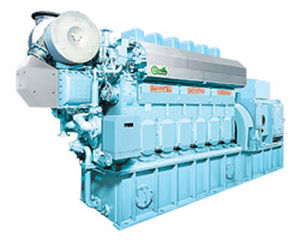
- Area: Fuel injection nozzle atomization improvement required
- Area: Fuel injection valve inspection and maintenance critical
- Area: Vibration reinforcement needed on fuel main pipe
- Area: Fuel high pressure block mounting bolts require specific torque specification
Verifizierte Familien-Daten (Hersteller-Datenblaetter + Fachquellen, 2026-06). Teils klassen-allgemeine Inspektionspunkte — pro Eintrag Quelle.
- Area: Connecting rod bolts hitting the frame (three-piece connecting rod models)
- Area: Ring groove wear requiring chromium plating of No. 1 and 2 ring grooves (5DK-26, 6DK-26 models); also alteration of top ring width needed
- Area: Fuel injection pump tappet adjustment screw loosening (DK-28, DK-32)
- Area: Pulse absorber degradation requiring regular renewal for reliability (DK-20, DK-26, DK-28)
- Area: Crankshaft journal wear in high-service applications; on-site grinding to 0.50 mm undersize documented as restoration method
Verifizierte Familien-Daten (Hersteller-Datenblaetter + Fachquellen, 2026-06). Teils klassen-allgemeine Inspektionspunkte — pro Eintrag Quelle.
- Area: Fuel injection nozzle atomization improvement required
- Area: Fuel injection valve inspection and maintenance critical
- Area: Vibration reinforcement needed on fuel main pipe
- Area: Fuel high pressure block mounting bolts require specific torque specification
Verifizierte Familien-Daten (Hersteller-Datenblaetter + Fachquellen, 2026-06). Teils klassen-allgemeine Inspektionspunkte — pro Eintrag Quelle.
- Area: Fuel injection nozzle atomization improvement required
- Area: Fuel injection valve inspection and maintenance critical
- Area: Vibration reinforcement needed on fuel main pipe
- Area: Fuel high pressure block mounting bolts require specific torque specification
Verifizierte Familien-Daten (Hersteller-Datenblaetter + Fachquellen, 2026-06). Teils klassen-allgemeine Inspektionspunkte — pro Eintrag Quelle.
- Area: Fuel injection nozzle corrosion from improper cooling temperature control. Low temperatures cause sulfated corrosion on nozzle tip; high temperatures cause carb
- Area: Vibration and fatigue failure of fuel oil piping due to high-pressure oscillations; documented technical bulletin countermeasures exist
- Area: Cylinder ring groove wear and chromium plating degradation requiring renewal; chromium-plated piston rings must be replaced when original surface appears worn
- Area: O-ring degradation in cooling water connecting pipes leading to sealing failures and coolant leakage; improved O-ring specifications documented
- Area: Piston ring seal degradation causing insufficient compression pressure; non-airtight piston rings require maintenance or replacement
Verifizierte Familien-Daten (Hersteller-Datenblaetter + Fachquellen, 2026-06). Teils klassen-allgemeine Inspektionspunkte — pro Eintrag Quelle.
- Area: Fuel injection pump tappet adjustment screw loosening on DK-28 and DK-32 engines - documented preventive measures required
- Area: Engine-driven cooling water pump maintenance/parts replacement required on DK-26, DK-28, DK-32, DK-36 series
- Area: Valve assembly critical tolerance - caution required for intake and exhaust valve assembly on DK-32 engines
- Area: Exhaust valve guide and spindle wear limits exist but specific numeric limits not publicly accessible
- Area: Imitation parts degrade performance and void certification per Daihatsu warnings - genuine parts required
Verifizierte Familien-Daten (Hersteller-Datenblaetter + Fachquellen, 2026-06). Teils klassen-allgemeine Inspektionspunkte — pro Eintrag Quelle.
- Area: Fuel injection nozzle corrosion from improper cooling temperature control. Low temperatures cause sulfated corrosion on nozzle tip; high temperatures cause carb
- Area: Vibration and fatigue failure of fuel oil piping due to high-pressure oscillations; documented technical bulletin countermeasures exist
- Area: Cylinder ring groove wear and chromium plating degradation requiring renewal; chromium-plated piston rings must be replaced when original surface appears worn
- Area: O-ring degradation in cooling water connecting pipes leading to sealing failures and coolant leakage; improved O-ring specifications documented
- Area: Piston ring seal degradation causing insufficient compression pressure; non-airtight piston rings require maintenance or replacement
Verifizierte Familien-Daten (Hersteller-Datenblaetter + Fachquellen, 2026-06). Teils klassen-allgemeine Inspektionspunkte — pro Eintrag Quelle.
- Area: Connecting rod bolts hitting the frame (three-piece connecting rod models)
- Area: Ring groove wear requiring chromium plating of No. 1 and 2 ring grooves (5DK-26, 6DK-26 models); also alteration of top ring width needed
- Area: Fuel injection pump tappet adjustment screw loosening (DK-28, DK-32)
- Area: Pulse absorber degradation requiring regular renewal for reliability (DK-20, DK-26, DK-28)
- Area: Crankshaft journal wear in high-service applications; on-site grinding to 0.50 mm undersize documented as restoration method
Verifizierte Familien-Daten (Hersteller-Datenblaetter + Fachquellen, 2026-06). Teils klassen-allgemeine Inspektionspunkte — pro Eintrag Quelle.
- Area: Connecting rod bolts hitting the frame (three-piece connecting rod models)
- Area: Ring groove wear requiring chromium plating of No. 1 and 2 ring grooves (5DK-26, 6DK-26 models); also alteration of top ring width needed
- Area: Fuel injection pump tappet adjustment screw loosening (DK-28, DK-32)
- Area: Pulse absorber degradation requiring regular renewal for reliability (DK-20, DK-26, DK-28)
- Area: Crankshaft journal wear in high-service applications; on-site grinding to 0.50 mm undersize documented as restoration method
Verifizierte Familien-Daten (Hersteller-Datenblaetter + Fachquellen, 2026-06). Teils klassen-allgemeine Inspektionspunkte — pro Eintrag Quelle.
- Area: Fuel injection nozzle corrosion from improper cooling temperature control. Low temperatures cause sulfated corrosion on nozzle tip; high temperatures cause carb
- Area: Vibration and fatigue failure of fuel oil piping due to high-pressure oscillations; documented technical bulletin countermeasures exist
- Area: Cylinder ring groove wear and chromium plating degradation requiring renewal; chromium-plated piston rings must be replaced when original surface appears worn
- Area: O-ring degradation in cooling water connecting pipes leading to sealing failures and coolant leakage; improved O-ring specifications documented
- Area: Piston ring seal degradation causing insufficient compression pressure; non-airtight piston rings require maintenance or replacement
Verifizierte Familien-Daten (Hersteller-Datenblaetter + Fachquellen, 2026-06). Teils klassen-allgemeine Inspektionspunkte — pro Eintrag Quelle.
- Area: Fuel injection nozzle atomization improvement required
- Area: Fuel injection valve inspection and maintenance critical
- Area: Vibration reinforcement needed on fuel main pipe
- Area: Fuel high pressure block mounting bolts require specific torque specification
Verifizierte Familien-Daten (Hersteller-Datenblaetter + Fachquellen, 2026-06). Teils klassen-allgemeine Inspektionspunkte — pro Eintrag Quelle.
- Komponenten-Verschleiß durch Betriebsstunden und Umgebungsbedingungen
- Korrosion durch Seewasser-/Salzluft-Exposition
- Elektronik-/Steuerungsausfall durch Feuchtigkeit oder Vibration
- Wartungsintervall-Überschreitung verursacht vorzeitigen Ausfall

- MDO
- HFO
- Area: Fuel injection nozzle atomization improvement required
- Area: Fuel injection valve inspection and maintenance critical
- Area: Vibration reinforcement needed on fuel main pipe
- Area: Fuel high pressure block mounting bolts require specific torque specification
Verifizierte Familien-Daten (Hersteller-Datenblaetter + Fachquellen, 2026-06). Teils klassen-allgemeine Inspektionspunkte — pro Eintrag Quelle.
- MDO
- HFO
- Area: Fuel injection nozzle corrosion from improper cooling temperature control. Low temperatures cause sulfated corrosion on nozzle tip; high temperatures cause carb
- Area: Vibration and fatigue failure of fuel oil piping due to high-pressure oscillations; documented technical bulletin countermeasures exist
- Area: Cylinder ring groove wear and chromium plating degradation requiring renewal; chromium-plated piston rings must be replaced when original surface appears worn
- Area: O-ring degradation in cooling water connecting pipes leading to sealing failures and coolant leakage; improved O-ring specifications documented
- Area: Piston ring seal degradation causing insufficient compression pressure; non-airtight piston rings require maintenance or replacement
Verifizierte Familien-Daten (Hersteller-Datenblaetter + Fachquellen, 2026-06). Teils klassen-allgemeine Inspektionspunkte — pro Eintrag Quelle.
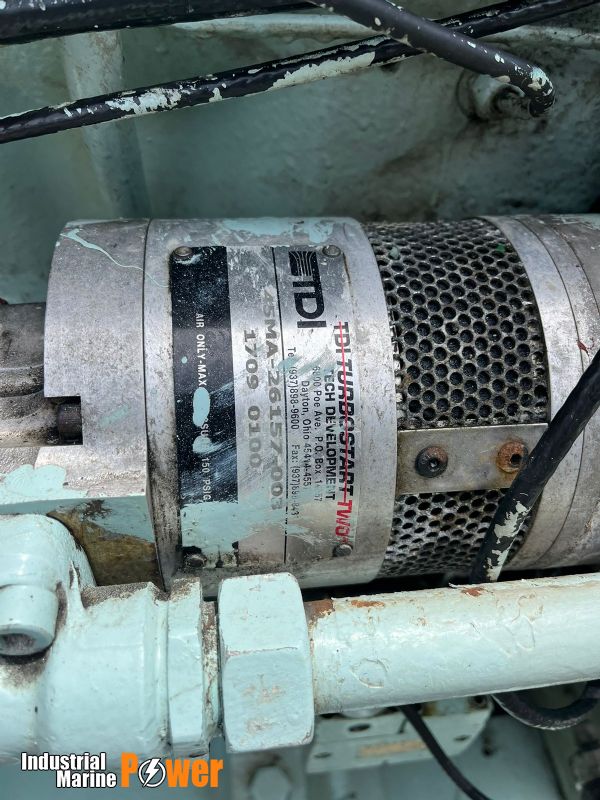
- MDO
- HFO
- Area: Fuel injection nozzle corrosion from improper cooling temperature control. Low temperatures cause sulfated corrosion on nozzle tip; high temperatures cause carb
- Area: Vibration and fatigue failure of fuel oil piping due to high-pressure oscillations; documented technical bulletin countermeasures exist
- Area: Cylinder ring groove wear and chromium plating degradation requiring renewal; chromium-plated piston rings must be replaced when original surface appears worn
- Area: O-ring degradation in cooling water connecting pipes leading to sealing failures and coolant leakage; improved O-ring specifications documented
- Area: Piston ring seal degradation causing insufficient compression pressure; non-airtight piston rings require maintenance or replacement
Verifizierte Familien-Daten (Hersteller-Datenblaetter + Fachquellen, 2026-06). Teils klassen-allgemeine Inspektionspunkte — pro Eintrag Quelle.
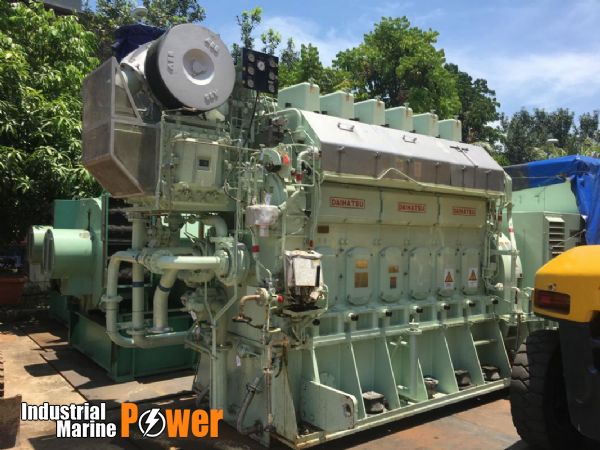
- MDO
- HFO
- Area: Connecting rod bolts hitting the frame (three-piece connecting rod models)
- Area: Ring groove wear requiring chromium plating of No. 1 and 2 ring grooves (5DK-26, 6DK-26 models); also alteration of top ring width needed
- Area: Fuel injection pump tappet adjustment screw loosening (DK-28, DK-32)
- Area: Pulse absorber degradation requiring regular renewal for reliability (DK-20, DK-26, DK-28)
- Area: Crankshaft journal wear in high-service applications; on-site grinding to 0.50 mm undersize documented as restoration method
Verifizierte Familien-Daten (Hersteller-Datenblaetter + Fachquellen, 2026-06). Teils klassen-allgemeine Inspektionspunkte — pro Eintrag Quelle.
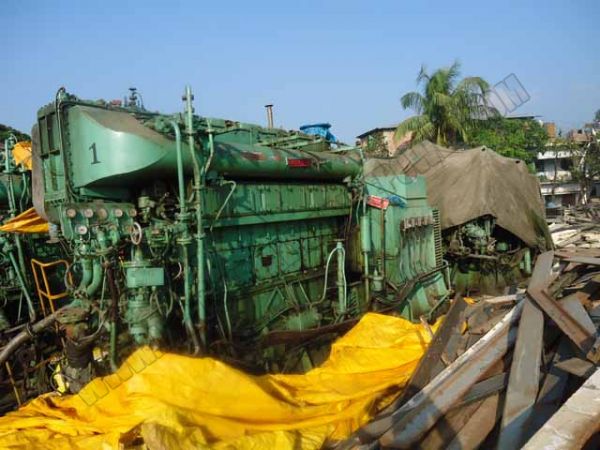
- MDO
- HFO
- Area: Connecting rod bolts hitting the frame (three-piece connecting rod models)
- Area: Ring groove wear requiring chromium plating of No. 1 and 2 ring grooves (5DK-26, 6DK-26 models); also alteration of top ring width needed
- Area: Fuel injection pump tappet adjustment screw loosening (DK-28, DK-32)
- Area: Pulse absorber degradation requiring regular renewal for reliability (DK-20, DK-26, DK-28)
- Area: Crankshaft journal wear in high-service applications; on-site grinding to 0.50 mm undersize documented as restoration method
Verifizierte Familien-Daten (Hersteller-Datenblaetter + Fachquellen, 2026-06). Teils klassen-allgemeine Inspektionspunkte — pro Eintrag Quelle.
- 260
- 280
- 320
- 380
- 390
- 420
- 720
- 900
- 500
- 3500
- HFO
- VLSFO
- MGO
- Area: Connecting rod bolts hitting the frame (three-piece connecting rod models)
- Area: Ring groove wear requiring chromium plating of No. 1 and 2 ring grooves (5DK-26, 6DK-26 models); also alteration of top ring width needed
- Area: Fuel injection pump tappet adjustment screw loosening (DK-28, DK-32)
- Area: Pulse absorber degradation requiring regular renewal for reliability (DK-20, DK-26, DK-28)
- Area: Crankshaft journal wear in high-service applications; on-site grinding to 0.50 mm undersize documented as restoration method
Verifizierte Familien-Daten (Hersteller-Datenblaetter + Fachquellen, 2026-06). Teils klassen-allgemeine Inspektionspunkte — pro Eintrag Quelle.
Caterpillar / MaK
17- 1200
- 1800
- 1500
- 2350
- MGO
- VLSFO
- Area: SFOC-Spezifikation und Boost-Druck: Unterschiedliche Effizienzwerte je nach Ausführung und Lastbereich dokumentiert (177–179 g/kWh); Optimierung des Brennstoffv
- Area: Turbolader-Verschleiß: Hocheffiziente Ausführung mit 'low wear rate due to calibration ring' wird beschrieben; langlebig konstruiert, aber spezifische Verschlei
- Area: Brennstoff-Qualität: Bei HFO-Betrieb erforderlich — Verunreinigungen und Schwefelgehalt sind Risiken; 75% der Flotte läuft auf HFO, daher hohes Managementrisiko
- Area: Lagerschale-Überwachung: Caterpillar bietet optionales 'Crankshaft Bearing Condition Monitoring System' an — deutet auf Lagerverschleiß als Inspektionsthema hin
- Area: Kühlsystem-Korrosion bei Seewassereinlass: Hinweise auf typische marine Korrosion bei Kühlanlagen mit Seewasserkühlung; Anoden und Spülung erforderlich
Verifizierte Familien-Daten (Hersteller-Datenblaetter + Fachquellen, 2026-06). Teils klassen-allgemeine Inspektionspunkte fuer Viertakt-Marinediesel — pro Eintrag Quelle.
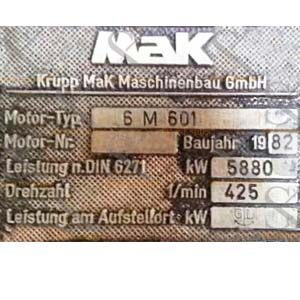
- Area: Nockenwelle-Lagerschliff und Nockenschleifer-Verschleiß mit übermäßigem AxialspielCheck: Visuelle Inspektion Nockenwellen-Lager auf Verschleiß/Kratzer, Axialspiel messen, bei Kaltstart auf metallisches Klappern aus Ventildeckel prüfen
- Area: Kurbelwellen-Lagerung Verschleiß mit Kreuzkopfbolzen-Kratzer und potenzielle LagerschalenanrisseCheck: Thermoelektrisches Monitoringsystem einbauen/kontrollieren; Wellenzapfen auf Kratzer/Politur prüfen; Lagerspiele messen
- Area: Zylinderliner ungleichmäßiger Verschleiß und Honen-Mark-Oberflächenrauheit-VerschleißCheck: Kanal-Videoendoskopie durchführen; Laser-Messungen für Out-of-Roundness und Verschleiß (Limit >0.4-0.8% Ø), Oberflächenrauheit prüfen; Kolben-auf-Liner-Kratzer-Abdrücke kontrollieren
- Area: Kolbenring-Verschleiß mit Kompressionsverlust und Blowby-AnzeichenCheck: Kompressionstester durchführen; Kolbenkrone auf Risse und Ringnut-Verschleiß kontrollieren; Ring-Freispiele messen; Kreuzkopf-Kolbenbolzen-Verschleiß prüfen
- Area: Auslassventil-Verschleiß, Kohlenstoffablagerungen und Sitzleck-UndichtigkeitCheck: Ventilsitz-Messung mit Lehrlehre durchführen, Oberflächenrauheit prüfen, Durchlässigkeitsprüfung mit Kompressionstester, Ventilkrone auf Erosion/Ablagerungen überprüfen
Verifizierte Familien-Daten (Hersteller-Datenblaetter + Fachquellen, 2026-06). Teils klassen-allgemeine Inspektionspunkte fuer Viertakt-Marinediesel — pro Eintrag Quelle.
- Area: SFOC-Spezifikation und Boost-Druck: Unterschiedliche Effizienzwerte je nach Ausführung und Lastbereich dokumentiert (177–179 g/kWh); Optimierung des Brennstoffv
- Area: Turbolader-Verschleiß: Hocheffiziente Ausführung mit 'low wear rate due to calibration ring' wird beschrieben; langlebig konstruiert, aber spezifische Verschlei
- Area: Brennstoff-Qualität: Bei HFO-Betrieb erforderlich — Verunreinigungen und Schwefelgehalt sind Risiken; 75% der Flotte läuft auf HFO, daher hohes Managementrisiko
- Area: Lagerschale-Überwachung: Caterpillar bietet optionales 'Crankshaft Bearing Condition Monitoring System' an — deutet auf Lagerverschleiß als Inspektionsthema hin
- Area: Kühlsystem-Korrosion bei Seewassereinlass: Hinweise auf typische marine Korrosion bei Kühlanlagen mit Seewasserkühlung; Anoden und Spülung erforderlich
Verifizierte Familien-Daten (Hersteller-Datenblaetter + Fachquellen, 2026-06). Teils klassen-allgemeine Inspektionspunkte fuer Viertakt-Marinediesel — pro Eintrag Quelle.
- Area: SFOC-Spezifikation und Boost-Druck: Unterschiedliche Effizienzwerte je nach Ausführung und Lastbereich dokumentiert (177–179 g/kWh); Optimierung des Brennstoffv
- Area: Turbolader-Verschleiß: Hocheffiziente Ausführung mit 'low wear rate due to calibration ring' wird beschrieben; langlebig konstruiert, aber spezifische Verschlei
- Area: Brennstoff-Qualität: Bei HFO-Betrieb erforderlich — Verunreinigungen und Schwefelgehalt sind Risiken; 75% der Flotte läuft auf HFO, daher hohes Managementrisiko
- Area: Lagerschale-Überwachung: Caterpillar bietet optionales 'Crankshaft Bearing Condition Monitoring System' an — deutet auf Lagerverschleiß als Inspektionsthema hin
- Area: Kühlsystem-Korrosion bei Seewassereinlass: Hinweise auf typische marine Korrosion bei Kühlanlagen mit Seewasserkühlung; Anoden und Spülung erforderlich
Verifizierte Familien-Daten (Hersteller-Datenblaetter + Fachquellen, 2026-06). Teils klassen-allgemeine Inspektionspunkte fuer Viertakt-Marinediesel — pro Eintrag Quelle.
- Area: SFOC-Spezifikation und Boost-Druck: Unterschiedliche Effizienzwerte je nach Ausführung und Lastbereich dokumentiert (177–179 g/kWh); Optimierung des Brennstoffv
- Area: Turbolader-Verschleiß: Hocheffiziente Ausführung mit 'low wear rate due to calibration ring' wird beschrieben; langlebig konstruiert, aber spezifische Verschlei
- Area: Brennstoff-Qualität: Bei HFO-Betrieb erforderlich — Verunreinigungen und Schwefelgehalt sind Risiken; 75% der Flotte läuft auf HFO, daher hohes Managementrisiko
- Area: Lagerschale-Überwachung: Caterpillar bietet optionales 'Crankshaft Bearing Condition Monitoring System' an — deutet auf Lagerverschleiß als Inspektionsthema hin
- Area: Kühlsystem-Korrosion bei Seewassereinlass: Hinweise auf typische marine Korrosion bei Kühlanlagen mit Seewasserkühlung; Anoden und Spülung erforderlich
Verifizierte Familien-Daten (Hersteller-Datenblaetter + Fachquellen, 2026-06). Teils klassen-allgemeine Inspektionspunkte fuer Viertakt-Marinediesel — pro Eintrag Quelle.
- Area: SFOC-Spezifikation und Boost-Druck: Unterschiedliche Effizienzwerte je nach Ausführung und Lastbereich dokumentiert (177–179 g/kWh); Optimierung des Brennstoffv
- Area: Turbolader-Verschleiß: Hocheffiziente Ausführung mit 'low wear rate due to calibration ring' wird beschrieben; langlebig konstruiert, aber spezifische Verschlei
- Area: Brennstoff-Qualität: Bei HFO-Betrieb erforderlich — Verunreinigungen und Schwefelgehalt sind Risiken; 75% der Flotte läuft auf HFO, daher hohes Managementrisiko
- Area: Lagerschale-Überwachung: Caterpillar bietet optionales 'Crankshaft Bearing Condition Monitoring System' an — deutet auf Lagerverschleiß als Inspektionsthema hin
- Area: Kühlsystem-Korrosion bei Seewassereinlass: Hinweise auf typische marine Korrosion bei Kühlanlagen mit Seewasserkühlung; Anoden und Spülung erforderlich
Verifizierte Familien-Daten (Hersteller-Datenblaetter + Fachquellen, 2026-06). Teils klassen-allgemeine Inspektionspunkte fuer Viertakt-Marinediesel — pro Eintrag Quelle.
- Area: SFOC-Spezifikation und Boost-Druck: Unterschiedliche Effizienzwerte je nach Ausführung und Lastbereich dokumentiert (177–179 g/kWh); Optimierung des Brennstoffv
- Area: Turbolader-Verschleiß: Hocheffiziente Ausführung mit 'low wear rate due to calibration ring' wird beschrieben; langlebig konstruiert, aber spezifische Verschlei
- Area: Brennstoff-Qualität: Bei HFO-Betrieb erforderlich — Verunreinigungen und Schwefelgehalt sind Risiken; 75% der Flotte läuft auf HFO, daher hohes Managementrisiko
- Area: Lagerschale-Überwachung: Caterpillar bietet optionales 'Crankshaft Bearing Condition Monitoring System' an — deutet auf Lagerverschleiß als Inspektionsthema hin
- Area: Kühlsystem-Korrosion bei Seewassereinlass: Hinweise auf typische marine Korrosion bei Kühlanlagen mit Seewasserkühlung; Anoden und Spülung erforderlich
Verifizierte Familien-Daten (Hersteller-Datenblaetter + Fachquellen, 2026-06). Teils klassen-allgemeine Inspektionspunkte fuer Viertakt-Marinediesel — pro Eintrag Quelle.
- Area: SFOC-Spezifikation und Boost-Druck: Unterschiedliche Effizienzwerte je nach Ausführung und Lastbereich dokumentiert (177–179 g/kWh); Optimierung des Brennstoffv
- Area: Turbolader-Verschleiß: Hocheffiziente Ausführung mit 'low wear rate due to calibration ring' wird beschrieben; langlebig konstruiert, aber spezifische Verschlei
- Area: Brennstoff-Qualität: Bei HFO-Betrieb erforderlich — Verunreinigungen und Schwefelgehalt sind Risiken; 75% der Flotte läuft auf HFO, daher hohes Managementrisiko
- Area: Lagerschale-Überwachung: Caterpillar bietet optionales 'Crankshaft Bearing Condition Monitoring System' an — deutet auf Lagerverschleiß als Inspektionsthema hin
- Area: Kühlsystem-Korrosion bei Seewassereinlass: Hinweise auf typische marine Korrosion bei Kühlanlagen mit Seewasserkühlung; Anoden und Spülung erforderlich
Verifizierte Familien-Daten (Hersteller-Datenblaetter + Fachquellen, 2026-06). Teils klassen-allgemeine Inspektionspunkte fuer Viertakt-Marinediesel — pro Eintrag Quelle.
Yanmar
14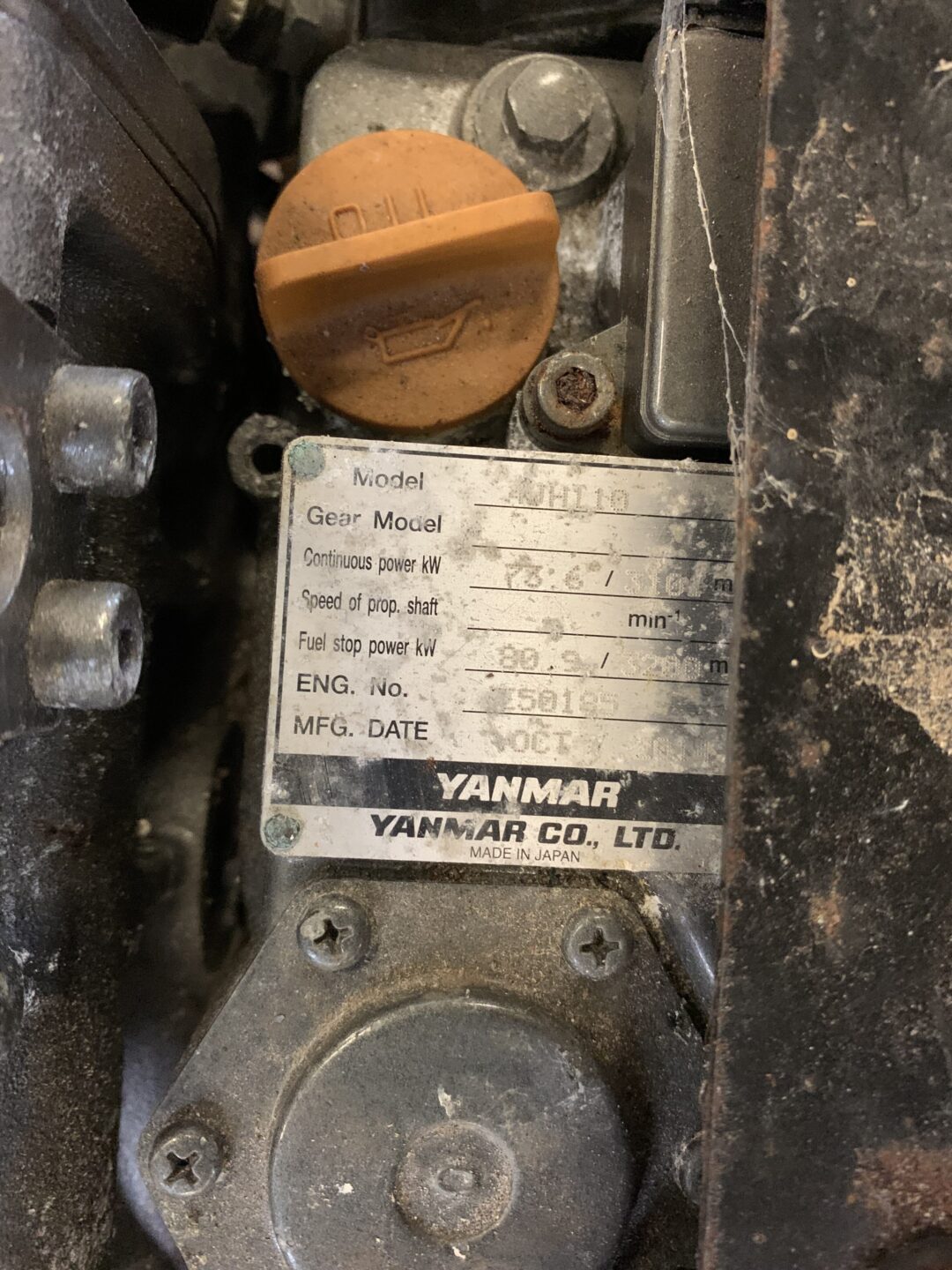
- Area: Raw water pump impeller wear/failure causing seawater flow restriction and engine overheating. Impeller material: neoprene rubber 12-bladed. Inspection recommen
- Area: Oil cooler pinhole corrosion/failure leading to seawater contamination of engine oil, requiring cooler removal and pressure-testing at 7 psi to check integrity
- Area: Metal particles in engine oil (filtration bypass) causing crankshaft pin bearing burn-in and potential crankshaft breakage if oil supply is restricted to bearin
- Area: Turbocharger failure following oil cooler failure and oil contamination; turbo inspection required for smooth rotation, oil leakage, carbon buildup
- Area: Fuel injector clogging/stuck injectors requiring pop-testing at 1000 hours; preventative replacement recommended at 1600 hours. Injectors easily removable via r
Verifizierte Familien-Daten (Hersteller-Datenblaetter + Fachquellen, 2026-06). Teils klassen-allgemeine Inspektionspunkte — pro Eintrag Quelle.
- Area: Raw water cooling system blockage - barnacles, seaweed, and debris clog seacock inlet reducing flow to heat exchanger, causing overheating especially during lowCheck: Inspect seacock intake at through-hull, check raw water strainer basket for debris, verify heat exchanger cleanliness every 2-3 years, test for partial hose collapse under negative pressure on suction side
- Area: Turbocharger oil leakage and intercooler fouling - Internal turbo seal failure allows oil into intercooler causing blockage on air side, reduces boost pressureCheck: Inspect turbo seals for excessive shaft play, check oil feed and return lines for cracks or blockages, remove exhaust elbow and visually inspect turbo internals for corrosion or damaged turbine blades, verify intercooler air side is clean
- Area: Fuel system contamination - Water ingress (hygroscopic diesel absorbs moisture), microbial growth, and debris cause fuel pump/injector seizure, poor atomizationCheck: Test fuel for water content and microbial growth, inspect secondary fuel filters every 100-200 hours, check fuel tank for condensation and sediment, examine fuel injector spray pattern and opening pressure with test equipment
- Area: Head gasket failure with white smoke and water loss - Coolant leaks into combustion chambers from warped cylinder head or blown gasket indicated by white exhausCheck: Check coolant level and condition (presence of milky appearance indicates water in oil), perform compression test to detect head gasket leakage between cylinders, conduct hydrostatic pressure test on cylinder head for water jacket cracks
- Area: Electrical system corrosion and alternator failure - Yanmar control panel wiring uses non-tinned copper prone to corrosion; corroded connectors cause charging fCheck: Measure alternator output (13.5-14.5V DC normal), check all battery and alternator connectors for corrosion and loose terminals, test alternator diodes for AC leakage with meter, inspect engine ground connection for corrosion
Verifizierte Familien-Daten (Hersteller-Datenblaetter + Fachquellen, 2026-06). Teils klassen-allgemeine Inspektionspunkte — pro Eintrag Quelle.
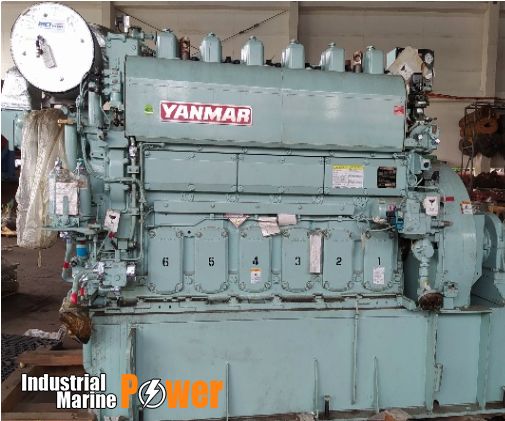
- MDO
- HFO
- Area: Turbolader-Verschleiß und Fehlausfälle durch kontaminiertes Öl oder Kohlenstoffablagerungen; Rauchentwicklung unter Last deutet auf Turbo-Verschleiß hin
- Area: Zylinderkopfdichtung-Lecks (Kühlwasser-Lecks intern/extern); Ursachen: Kratzer auf Dichtflächen, unzureichende Reinigung, Fehler beim Anzugsmoment
- Area: Einspritzdüsen-Verschleiß durch Kavitation mit Trumpetförmiger Vergrößerung der Einspritzlochbohrung, beeinträchtigt Druckaufbau und Brennstoff-Zerstäubung
- Area: Lagerschaden und Kolbenstangenführungs-Verschleiß; Überwachung mittels Öl-Analyse (Metallpartikel) und Bearing Wear Monitoring (BWM) Systeme erforderlich
Verifizierte Familien-Daten (Hersteller-Datenblaetter + Fachquellen, 2026-06). Teils klassen-allgemeine Inspektionspunkte — pro Eintrag Quelle.
- MDO
- HFO
- Area: Turbolader-Verschleiß und Fehlausfälle durch kontaminiertes Öl oder Kohlenstoffablagerungen; Rauchentwicklung unter Last deutet auf Turbo-Verschleiß hin
- Area: Zylinderkopfdichtung-Lecks (Kühlwasser-Lecks intern/extern); Ursachen: Kratzer auf Dichtflächen, unzureichende Reinigung, Fehler beim Anzugsmoment
- Area: Einspritzdüsen-Verschleiß durch Kavitation mit Trumpetförmiger Vergrößerung der Einspritzlochbohrung, beeinträchtigt Druckaufbau und Brennstoff-Zerstäubung
- Area: Lagerschaden und Kolbenstangenführungs-Verschleiß; Überwachung mittels Öl-Analyse (Metallpartikel) und Bearing Wear Monitoring (BWM) Systeme erforderlich
Verifizierte Familien-Daten (Hersteller-Datenblaetter + Fachquellen, 2026-06). Teils klassen-allgemeine Inspektionspunkte — pro Eintrag Quelle.
- MDO
- HFO
- Area: Turbolader-Verschleiß und Fehlausfälle durch kontaminiertes Öl oder Kohlenstoffablagerungen; Rauchentwicklung unter Last deutet auf Turbo-Verschleiß hin
- Area: Zylinderkopfdichtung-Lecks (Kühlwasser-Lecks intern/extern); Ursachen: Kratzer auf Dichtflächen, unzureichende Reinigung, Fehler beim Anzugsmoment
- Area: Einspritzdüsen-Verschleiß durch Kavitation mit Trumpetförmiger Vergrößerung der Einspritzlochbohrung, beeinträchtigt Druckaufbau und Brennstoff-Zerstäubung
- Area: Lagerschaden und Kolbenstangenführungs-Verschleiß; Überwachung mittels Öl-Analyse (Metallpartikel) und Bearing Wear Monitoring (BWM) Systeme erforderlich
Verifizierte Familien-Daten (Hersteller-Datenblaetter + Fachquellen, 2026-06). Teils klassen-allgemeine Inspektionspunkte — pro Eintrag Quelle.
- MDO
- HFO
- Area: Turbolader-Verschleiß und Fehlausfälle durch kontaminiertes Öl oder Kohlenstoffablagerungen; Rauchentwicklung unter Last deutet auf Turbo-Verschleiß hin
- Area: Zylinderkopfdichtung-Lecks (Kühlwasser-Lecks intern/extern); Ursachen: Kratzer auf Dichtflächen, unzureichende Reinigung, Fehler beim Anzugsmoment
- Area: Einspritzdüsen-Verschleiß durch Kavitation mit Trumpetförmiger Vergrößerung der Einspritzlochbohrung, beeinträchtigt Druckaufbau und Brennstoff-Zerstäubung
- Area: Lagerschaden und Kolbenstangenführungs-Verschleiß; Überwachung mittels Öl-Analyse (Metallpartikel) und Bearing Wear Monitoring (BWM) Systeme erforderlich
Verifizierte Familien-Daten (Hersteller-Datenblaetter + Fachquellen, 2026-06). Teils klassen-allgemeine Inspektionspunkte — pro Eintrag Quelle.

- MDO
- HFO
- Area: Turbolader-Verschleiß und Fehlausfälle durch kontaminiertes Öl oder Kohlenstoffablagerungen; Rauchentwicklung unter Last deutet auf Turbo-Verschleiß hin
- Area: Zylinderkopfdichtung-Lecks (Kühlwasser-Lecks intern/extern); Ursachen: Kratzer auf Dichtflächen, unzureichende Reinigung, Fehler beim Anzugsmoment
- Area: Einspritzdüsen-Verschleiß durch Kavitation mit Trumpetförmiger Vergrößerung der Einspritzlochbohrung, beeinträchtigt Druckaufbau und Brennstoff-Zerstäubung
- Area: Lagerschaden und Kolbenstangenführungs-Verschleiß; Überwachung mittels Öl-Analyse (Metallpartikel) und Bearing Wear Monitoring (BWM) Systeme erforderlich
Verifizierte Familien-Daten (Hersteller-Datenblaetter + Fachquellen, 2026-06). Teils klassen-allgemeine Inspektionspunkte — pro Eintrag Quelle.
- MDO
- HFO
- Area: Turbolader-Verschleiß und Fehlausfälle durch kontaminiertes Öl oder Kohlenstoffablagerungen; Rauchentwicklung unter Last deutet auf Turbo-Verschleiß hin
- Area: Zylinderkopfdichtung-Lecks (Kühlwasser-Lecks intern/extern); Ursachen: Kratzer auf Dichtflächen, unzureichende Reinigung, Fehler beim Anzugsmoment
- Area: Einspritzdüsen-Verschleiß durch Kavitation mit Trumpetförmiger Vergrößerung der Einspritzlochbohrung, beeinträchtigt Druckaufbau und Brennstoff-Zerstäubung
- Area: Lagerschaden und Kolbenstangenführungs-Verschleiß; Überwachung mittels Öl-Analyse (Metallpartikel) und Bearing Wear Monitoring (BWM) Systeme erforderlich
Verifizierte Familien-Daten (Hersteller-Datenblaetter + Fachquellen, 2026-06). Teils klassen-allgemeine Inspektionspunkte — pro Eintrag Quelle.
- Area: Turbolader-Verschleiß und Fehlausfälle durch kontaminiertes Öl oder Kohlenstoffablagerungen; Rauchentwicklung unter Last deutet auf Turbo-Verschleiß hin
- Area: Zylinderkopfdichtung-Lecks (Kühlwasser-Lecks intern/extern); Ursachen: Kratzer auf Dichtflächen, unzureichende Reinigung, Fehler beim Anzugsmoment
- Area: Einspritzdüsen-Verschleiß durch Kavitation mit Trumpetförmiger Vergrößerung der Einspritzlochbohrung, beeinträchtigt Druckaufbau und Brennstoff-Zerstäubung
- Area: Lagerschaden und Kolbenstangenführungs-Verschleiß; Überwachung mittels Öl-Analyse (Metallpartikel) und Bearing Wear Monitoring (BWM) Systeme erforderlich
Verifizierte Familien-Daten (Hersteller-Datenblaetter + Fachquellen, 2026-06). Teils klassen-allgemeine Inspektionspunkte — pro Eintrag Quelle.
Daihatsu Diesel Aux
9Cummins Power Generation
8MAN Energy Solutions
8- MDO
- HFO
- Area: Valve clearance adjustment failures causing valve bridge guide stress and engine breakdownCheck: Verify valve clearance adjustment per manufacturer specification; incorrect adjustment leads to excessive stress on valve bridge guides and potential engine damage
- Area: Connecting rod bolt preload inconsistency - gap detected between bolt head and connecting rod in fully tightened assembled conditionCheck: Inspect connecting rod assembly for gaps between bolt head and rod; follow updated MAN tightening procedure to minimize maintenance-induced failure risk
- Area: Lube oil cooler overstress from improper power tool tightening and single-bolt procedures on pressurized coolersCheck: Visually inspect all cooler bolts and nuts; replace if damage detected or if any doubt about integrity exists; avoid power tools on pressurized systems
- Area: Coolant water quality and treatment deficiency causing operational damage (nitrite-based additives require strict monitoring)Check: Monitor cooling water pH and nitrite additive concentration per schedule; inspect for sludging and water treatment adequacy; continuous lube oil separator operation mandatory for IMO NOx-retarded engines
- Area: Fuel injection valve opening pressure drop (up to 50 bar) after few operating hours when new nozzles installedCheck: Verify fuel injection valve opening pressure within specification after new nozzle installation; monitor pressure drop during break-in period; deviation >40°C exhaust gas outlet temperature between cylinders indicates fuel valve inspection needed
Verifizierte Familien-Daten (Hersteller-Datenblaetter + Fachquellen, 2026-06). Teils klassen-allgemeine Inspektionspunkte fuer Viertakt-Marinediesel — pro Eintrag Quelle.
- MDO
- HFO
- Area: Valve clearance adjustment failures causing valve bridge guide stress and engine breakdownCheck: Verify valve clearance adjustment per manufacturer specification; incorrect adjustment leads to excessive stress on valve bridge guides and potential engine damage
- Area: Connecting rod bolt preload inconsistency - gap detected between bolt head and connecting rod in fully tightened assembled conditionCheck: Inspect connecting rod assembly for gaps between bolt head and rod; follow updated MAN tightening procedure to minimize maintenance-induced failure risk
- Area: Lube oil cooler overstress from improper power tool tightening and single-bolt procedures on pressurized coolersCheck: Visually inspect all cooler bolts and nuts; replace if damage detected or if any doubt about integrity exists; avoid power tools on pressurized systems
- Area: Coolant water quality and treatment deficiency causing operational damage (nitrite-based additives require strict monitoring)Check: Monitor cooling water pH and nitrite additive concentration per schedule; inspect for sludging and water treatment adequacy; continuous lube oil separator operation mandatory for IMO NOx-retarded engines
- Area: Fuel injection valve opening pressure drop (up to 50 bar) after few operating hours when new nozzles installedCheck: Verify fuel injection valve opening pressure within specification after new nozzle installation; monitor pressure drop during break-in period; deviation >40°C exhaust gas outlet temperature between cylinders indicates fuel valve inspection needed
Verifizierte Familien-Daten (Hersteller-Datenblaetter + Fachquellen, 2026-06). Teils klassen-allgemeine Inspektionspunkte fuer Viertakt-Marinediesel — pro Eintrag Quelle.
- MDO
- HFO
- Area: Valve clearance adjustment failures causing valve bridge guide stress and engine breakdownCheck: Verify valve clearance adjustment per manufacturer specification; incorrect adjustment leads to excessive stress on valve bridge guides and potential engine damage
- Area: Connecting rod bolt preload inconsistency - gap detected between bolt head and connecting rod in fully tightened assembled conditionCheck: Inspect connecting rod assembly for gaps between bolt head and rod; follow updated MAN tightening procedure to minimize maintenance-induced failure risk
- Area: Lube oil cooler overstress from improper power tool tightening and single-bolt procedures on pressurized coolersCheck: Visually inspect all cooler bolts and nuts; replace if damage detected or if any doubt about integrity exists; avoid power tools on pressurized systems
- Area: Coolant water quality and treatment deficiency causing operational damage (nitrite-based additives require strict monitoring)Check: Monitor cooling water pH and nitrite additive concentration per schedule; inspect for sludging and water treatment adequacy; continuous lube oil separator operation mandatory for IMO NOx-retarded engines
- Area: Fuel injection valve opening pressure drop (up to 50 bar) after few operating hours when new nozzles installedCheck: Verify fuel injection valve opening pressure within specification after new nozzle installation; monitor pressure drop during break-in period; deviation >40°C exhaust gas outlet temperature between cylinders indicates fuel valve inspection needed
Verifizierte Familien-Daten (Hersteller-Datenblaetter + Fachquellen, 2026-06). Teils klassen-allgemeine Inspektionspunkte fuer Viertakt-Marinediesel — pro Eintrag Quelle.
- 900
- 1000
- 750
- 1980
- HFO
- VLSFO
- MGO
- Area: Piston ring stiction and breakage due to carbon deposits in grooves - Rings may seize and rupture causing severe liner damage. Residue buildup between ring groo
- Area: Cylinder liner scuffing and wear due to inadequate lubrication film - occurs when lubricant breaks down between piston rings and liner, leading to micro-welding
- Area: Exhaust valve deposits and carbon buildup - Salt deposits in fuel increase combustion space fouling. L21/31 design includes valve rotators to ensure even temper
- Area: Water contamination in fuel system - Four-stroke fuel-injected engines rely entirely on fuel for high-pressure pump lubrication; water kills the fuel pump faste
- Area: Turbocharger fouling and excessive play - Turbocharger inspection required for fouling, bearing play exceeding limits, or oil leakage (class-wide issue for all
Verifizierte Familien-Daten (Hersteller-Datenblaetter + Fachquellen, 2026-06). Teils klassen-allgemeine Inspektionspunkte fuer Viertakt-Marinediesel — pro Eintrag Quelle.
Mitsubishi
7- Diesel
- MDO
- Injector wear causing smoke and exhaust temperature spread
- Turbocharger fouling
- Cooling water pump seal leakage
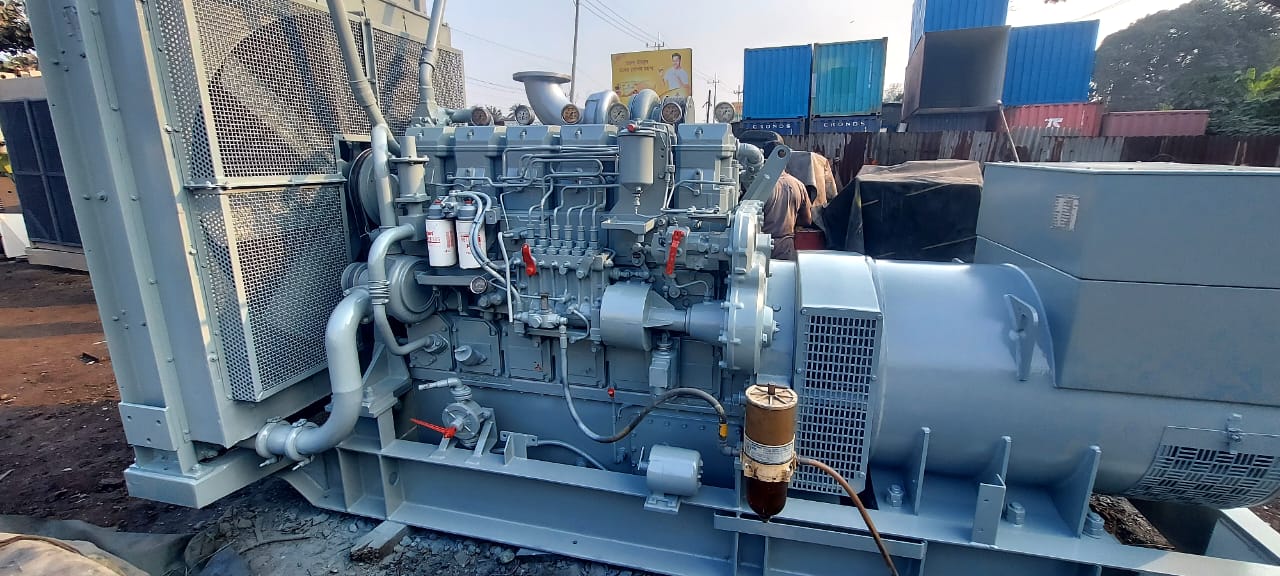
- MDO
- HFO
- Exhaust valve wear in residual fuel operation
- Fuel injector deposits
- Turbocharger fouling
- Area: Kolbenring-Verschleiß und -Bruch: Unzureichendes Kolbenring- und Nuten-Spiel führt zu Ringklemmen bei Betriebstemperatur, Blow-by und potenziellem Ringbruch. HoCheck: Kolbenringspalt-Messung und Ringbewegungsprüfung in den Nuten durchführen; abnorme Rauchentwicklung überwachen
- Area: Turbolader-Schaden: Surging, Schaufel-Schäden, Lager-Ausfälle führen zu vermindertem Spülverdichtungsdruck, schwarzer Rauchentwicklung und erhöhter AbgastemperaCheck: Turbolader auf abnormale Geräusche prüfen, Verdichtungsdruck messen, Schaufeln auf Beschädigungen kontrollieren
- Area: Planmäßige Überholung erforderlich nach ca. 20,000 Betriebsstunden: reduzierte Motorleistung, erhöhter Brennstoffverbrauch, schwarze/blaue Abgase, erhöhter ÖlveCheck: Wartungs-Logbuch überprüfen, Betriebsstunden tracken, Abgasfarbe dokumentieren, Ölverbrauch monitoren
- Area: Luftkühler-Verschleiß und Korrosion: Wasserkondensation bei Spüllufttemperatur <40-45°C (Slow-Steaming), Rostbildung durch Ölnebel und Salzfeuchte.Check: Spüllufttemperatur kontinuierlich überwachen (Sollwert: 50°C), Luftkühler-Entwässerung regelmäßig durchführen
- Area: Brennstoff-Einspritzanlage-Probleme: Zu frühe Einspritzung oder zu niedrige Brennstofftemperatur verursachen Verbrennungsklopfen während Manövern; Einspritz-DruCheck: Einspritzzeitpunkt überprüfen, Brennstoff-Temperatur auf ~50°C halten, Injektoren auf Druckverlust prüfen
Verifizierte Familien-Daten (Hersteller-Datenblaetter + Fachquellen, 2026-06). Teils klassen-allgemeine Inspektionspunkte — pro Eintrag Quelle.
- Area: Kolbenring-Verschleiß und -Bruch: Unzureichendes Kolbenring- und Nuten-Spiel führt zu Ringklemmen bei Betriebstemperatur, Blow-by und potenziellem Ringbruch. HoCheck: Kolbenringspalt-Messung und Ringbewegungsprüfung in den Nuten durchführen; abnorme Rauchentwicklung überwachen
- Area: Turbolader-Schaden: Surging, Schaufel-Schäden, Lager-Ausfälle führen zu vermindertem Spülverdichtungsdruck, schwarzer Rauchentwicklung und erhöhter AbgastemperaCheck: Turbolader auf abnormale Geräusche prüfen, Verdichtungsdruck messen, Schaufeln auf Beschädigungen kontrollieren
- Area: Planmäßige Überholung erforderlich nach ca. 20,000 Betriebsstunden: reduzierte Motorleistung, erhöhter Brennstoffverbrauch, schwarze/blaue Abgase, erhöhter ÖlveCheck: Wartungs-Logbuch überprüfen, Betriebsstunden tracken, Abgasfarbe dokumentieren, Ölverbrauch monitoren
- Area: Luftkühler-Verschleiß und Korrosion: Wasserkondensation bei Spüllufttemperatur <40-45°C (Slow-Steaming), Rostbildung durch Ölnebel und Salzfeuchte.Check: Spüllufttemperatur kontinuierlich überwachen (Sollwert: 50°C), Luftkühler-Entwässerung regelmäßig durchführen
- Area: Brennstoff-Einspritzanlage-Probleme: Zu frühe Einspritzung oder zu niedrige Brennstofftemperatur verursachen Verbrennungsklopfen während Manövern; Einspritz-DruCheck: Einspritzzeitpunkt überprüfen, Brennstoff-Temperatur auf ~50°C halten, Injektoren auf Druckverlust prüfen
Verifizierte Familien-Daten (Hersteller-Datenblaetter + Fachquellen, 2026-06). Teils klassen-allgemeine Inspektionspunkte — pro Eintrag Quelle.
Cummins
5- Area: Brennstoffeinspritzer-Ueberhitzung durch verstopfte Brennstoff-Rueckfuehrungsleitung (besonders QSK19-DM)Check: Rueckfuehrleitungen auf Verstopfung pruefen, Brennstoff-Ruckkehrdruck (Target: >20 psi bei Last) messen, Einspritzer-Temperaturueberwachung kontrollieren
- Area: Leckage Brennstoff in Oelkreislauf (Brennstoffpumpen-Dichtungen)Check: Oelviskositaet ueberpruefung, Brennstoffgehalt im Oel mittels GLC (Gas Liquid Chromatography) oder Wassertropfen-Test, Brennstoffpumpen-Dichtungen auf Verschleiß inspizieren
- Area: Turbolader-Dichtungsausfaelle (Oelaustritte, blaue Rauchabgase bei Verschleiß)Check: Turbolader auf Oelaustritte inspizieren, Verdichtungsdruck messen, Schaufel- und Lagerabnutzung visualisieren, Drehzahlverhalten unter Last kontrollieren
- Area: Kuehler-Leckagen und Korrosion des Kuehljacketts (maritime Umgebung)Check: Kuehler auf Rostbildung und Dichtsitze inspizieren, Kuehldruck bei Betrieb messen, Kuehlerflussigkeits-Chemie (pH, Inhibitor-Konzentration) pruefen, Spuelzyklus-Wartung ueberpruefen (1000 h oder jaehrlich)
- Area: Zylinderliner-Verschleiß und Kolben-Ring-Probleme (Verschleiß, unangepasste Ersatzteile)Check: Zylinderliner-Protrusion messen (Verschleiß 0,05–0,15 mm anormal), Kolben-Freiraum messen, Verschleißmarken (Kratzer, Verfaerbung) pruefen, Ringspiel- und Rillenspiel-Messung durchfuehren, Kolben-Ring-Kompatibilität bei Ersatz vergewissern
Verifizierte Familien-Daten (Hersteller-Datenblaetter + Fachquellen, 2026-06). Teils klassen-allgemeine Inspektionspunkte — pro Eintrag Quelle.
- Area: Cylinder Liner Cavitation ErosionCheck: Inspect outer cylinder wall surfaces for honeycomb erosion patterns, especially along connecting rod swing direction. Verify DCA (Diesel Coolant Additive) quality and concentration. Check for water-in-oil condition via crankcase oil sampling.
- Area: Engine Overheating - Cooling System FailureCheck: Monitor coolant levels monthly, inspect radiator/heat exchanger for blockage, test thermostats, check water pump operation and cooling fan function. Look for steam venting or elevated temperature gauge readings.
- Area: Turbocharger Degradation and Bearing FailureCheck: Listen for whining/high-pitched squealing (bearing failure) or rattling (excessive shaft play). Inspect for boost leaks (hissing sounds). Check intake/exhaust temperatures. Verify compressor wheel integrity for damage.
- Area: Fuel System Contamination and Injector WearCheck: Drain water separator regularly, replace fuel filters per maintenance schedule (typically 1500 hours), test fuel pressure, inspect injectors for proper atomization, check fuel pump operation.
- Area: Oil Leaks from Gaskets and SealsCheck: Inspect all gasket seals (head, pan, crankcase covers) for seeping, monitor crankcase pressure (excessive pressure indicates seal failure), check oil level regularly for unexplained loss.
Verifizierte Familien-Daten (Hersteller-Datenblaetter + Fachquellen, 2026-06). Teils klassen-allgemeine Inspektionspunkte — pro Eintrag Quelle.
- Area: Turbolader-Gehäusserrisse und Schaufelschäden
- Area: Exhaust-Krümmer-Bolzenbruch und Undichtigkeiten
- Area: Rußausström und Rauchabgabe (schwarz/blau/weiß)
- Area: Aftercooler-Verschmutzung und Kalkablagerungen
- Area: Common-Rail-Einspritzsystem: Fuel-Qualität kritisch
Verifizierte Familien-Daten (Hersteller-Datenblaetter + Fachquellen, 2026-06). Teils klassen-allgemeine Inspektionspunkte — pro Eintrag Quelle.
John Deere
5Mitsubishi Heavy Industries
5- Area: Kolbenring-Verschleiß und -Bruch: Unzureichendes Kolbenring- und Nuten-Spiel führt zu Ringklemmen bei Betriebstemperatur, Blow-by und potenziellem Ringbruch. HoCheck: Kolbenringspalt-Messung und Ringbewegungsprüfung in den Nuten durchführen; abnorme Rauchentwicklung überwachen
- Area: Turbolader-Schaden: Surging, Schaufel-Schäden, Lager-Ausfälle führen zu vermindertem Spülverdichtungsdruck, schwarzer Rauchentwicklung und erhöhter AbgastemperaCheck: Turbolader auf abnormale Geräusche prüfen, Verdichtungsdruck messen, Schaufeln auf Beschädigungen kontrollieren
- Area: Planmäßige Überholung erforderlich nach ca. 20,000 Betriebsstunden: reduzierte Motorleistung, erhöhter Brennstoffverbrauch, schwarze/blaue Abgase, erhöhter ÖlveCheck: Wartungs-Logbuch überprüfen, Betriebsstunden tracken, Abgasfarbe dokumentieren, Ölverbrauch monitoren
- Area: Luftkühler-Verschleiß und Korrosion: Wasserkondensation bei Spüllufttemperatur <40-45°C (Slow-Steaming), Rostbildung durch Ölnebel und Salzfeuchte.Check: Spüllufttemperatur kontinuierlich überwachen (Sollwert: 50°C), Luftkühler-Entwässerung regelmäßig durchführen
- Area: Brennstoff-Einspritzanlage-Probleme: Zu frühe Einspritzung oder zu niedrige Brennstofftemperatur verursachen Verbrennungsklopfen während Manövern; Einspritz-DruCheck: Einspritzzeitpunkt überprüfen, Brennstoff-Temperatur auf ~50°C halten, Injektoren auf Druckverlust prüfen
Verifizierte Familien-Daten (Hersteller-Datenblaetter + Fachquellen, 2026-06). Teils klassen-allgemeine Inspektionspunkte — pro Eintrag Quelle.
- Area: Kolbenring-Verschleiß und -Bruch: Unzureichendes Kolbenring- und Nuten-Spiel führt zu Ringklemmen bei Betriebstemperatur, Blow-by und potenziellem Ringbruch. HoCheck: Kolbenringspalt-Messung und Ringbewegungsprüfung in den Nuten durchführen; abnorme Rauchentwicklung überwachen
- Area: Turbolader-Schaden: Surging, Schaufel-Schäden, Lager-Ausfälle führen zu vermindertem Spülverdichtungsdruck, schwarzer Rauchentwicklung und erhöhter AbgastemperaCheck: Turbolader auf abnormale Geräusche prüfen, Verdichtungsdruck messen, Schaufeln auf Beschädigungen kontrollieren
- Area: Planmäßige Überholung erforderlich nach ca. 20,000 Betriebsstunden: reduzierte Motorleistung, erhöhter Brennstoffverbrauch, schwarze/blaue Abgase, erhöhter ÖlveCheck: Wartungs-Logbuch überprüfen, Betriebsstunden tracken, Abgasfarbe dokumentieren, Ölverbrauch monitoren
- Area: Luftkühler-Verschleiß und Korrosion: Wasserkondensation bei Spüllufttemperatur <40-45°C (Slow-Steaming), Rostbildung durch Ölnebel und Salzfeuchte.Check: Spüllufttemperatur kontinuierlich überwachen (Sollwert: 50°C), Luftkühler-Entwässerung regelmäßig durchführen
- Area: Brennstoff-Einspritzanlage-Probleme: Zu frühe Einspritzung oder zu niedrige Brennstofftemperatur verursachen Verbrennungsklopfen während Manövern; Einspritz-DruCheck: Einspritzzeitpunkt überprüfen, Brennstoff-Temperatur auf ~50°C halten, Injektoren auf Druckverlust prüfen
Verifizierte Familien-Daten (Hersteller-Datenblaetter + Fachquellen, 2026-06). Teils klassen-allgemeine Inspektionspunkte — pro Eintrag Quelle.
- Area: Kolbenring-Verschleiß und -Bruch: Unzureichendes Kolbenring- und Nuten-Spiel führt zu Ringklemmen bei Betriebstemperatur, Blow-by und potenziellem Ringbruch. HoCheck: Kolbenringspalt-Messung und Ringbewegungsprüfung in den Nuten durchführen; abnorme Rauchentwicklung überwachen
- Area: Turbolader-Schaden: Surging, Schaufel-Schäden, Lager-Ausfälle führen zu vermindertem Spülverdichtungsdruck, schwarzer Rauchentwicklung und erhöhter AbgastemperaCheck: Turbolader auf abnormale Geräusche prüfen, Verdichtungsdruck messen, Schaufeln auf Beschädigungen kontrollieren
- Area: Planmäßige Überholung erforderlich nach ca. 20,000 Betriebsstunden: reduzierte Motorleistung, erhöhter Brennstoffverbrauch, schwarze/blaue Abgase, erhöhter ÖlveCheck: Wartungs-Logbuch überprüfen, Betriebsstunden tracken, Abgasfarbe dokumentieren, Ölverbrauch monitoren
- Area: Luftkühler-Verschleiß und Korrosion: Wasserkondensation bei Spüllufttemperatur <40-45°C (Slow-Steaming), Rostbildung durch Ölnebel und Salzfeuchte.Check: Spüllufttemperatur kontinuierlich überwachen (Sollwert: 50°C), Luftkühler-Entwässerung regelmäßig durchführen
- Area: Brennstoff-Einspritzanlage-Probleme: Zu frühe Einspritzung oder zu niedrige Brennstofftemperatur verursachen Verbrennungsklopfen während Manövern; Einspritz-DruCheck: Einspritzzeitpunkt überprüfen, Brennstoff-Temperatur auf ~50°C halten, Injektoren auf Druckverlust prüfen
Verifizierte Familien-Daten (Hersteller-Datenblaetter + Fachquellen, 2026-06). Teils klassen-allgemeine Inspektionspunkte — pro Eintrag Quelle.
Perkins Marine Aux
5Volvo Penta Power
5Yanmar Marine
5Caterpillar Marine
3FG Wilson
3Scania
3- Diesel
- MGO
- Injector faults causing smoke
- Seawater pump leakage
- Charge-air cooler fouling
- Diesel
- MGO
- Turbocharger fouling under low-load operation
- Injector wear causing uneven exhaust temperatures
- Cooling system scaling
- Diesel
- MGO
- Injector faults causing cylinder imbalance
- Turbocharger fouling
- Heat exchanger fouling causing high temperature
STX Engine
3
- MDO
- HFO
- Fuel valve fouling
- Exhaust valve seat wear
- Turbocharger fouling
- MDO
- HFO
- Fuel injector carbon deposits
- Exhaust valve burning
- Charge-air cooler fouling
- MDO
- HFO
- Exhaust valve wear
- Fuel pump element wear
- Turbocharger fouling
Niigata Power Systems
2
- Diesel
- MDO
- Fuel injector fouling
- Cooling water leakage at ageing gaskets
- Turbocharger fouling
- Diesel
- MDO
- Injector nozzle deposits
- Exhaust valve seat wear
- Charge-air cooler fouling
Perkins
2- Diesel
- MGO
- Raw-water pump impeller failure
- Injector fouling
- Heat exchanger scaling

- Diesel
- MGO
- Injector wear causing hard starting
- Turbocharger fouling
- Cooling system scaling
Wärtsilä
2Doosan Power
1HiMSEN
1- 210
- 250
- 320
- 320
- 330
- 400
- 720
- 900
- 1000
- 6000
- HFO
- VLSFO
- MGO
- LNG (DF variants)
- Area: Piston cooling nozzle blockage/misalignment: Gasket residue and combustion deposits can clog cooling nozzles, leading to piston crown overheating, expansion, an
- Area: Scavenge space fire risk: Blow-past from defective piston rings or worn liners allows combustion products/oil into scavenge space; leaking air cooler can raise
- Area: Exhaust valve seat erosion/regression: High combustion temperatures cause valve seat wear; internal clearances tighten as seats erode, reducing flow and increas
- Area: Fuel injection nozzle coking: Poor fuel quality and high combustion temperatures cause deposit buildup in injector holes, reducing spray pattern and combustion
Verifizierte Familien-Daten (Hersteller-Datenblaetter + Fachquellen, 2026-06). Teils klassen-allgemeine Inspektionspunkte — pro Eintrag Quelle.
John Deere Marine Aux
1Kongsberg Maritime
1Mase Generators
1- Seawater pump impeller damage
- Exhaust elbow corrosion
- Control panel sensor faults
Yanmar (Japan)
1- 720
- 900
- 750
- 1600
- HFO
- VLSFO
- MGO
- Widely used as auxiliary on bulk carriers and tankers
- HFO-capable with preheating system
- Strong Yanmar service network in Asia
- Fuel injector nozzle wear
- Cylinder head valve seat erosion
- Turbocharger issues
- Governor problems