DI16 070M Marine Generator Engine
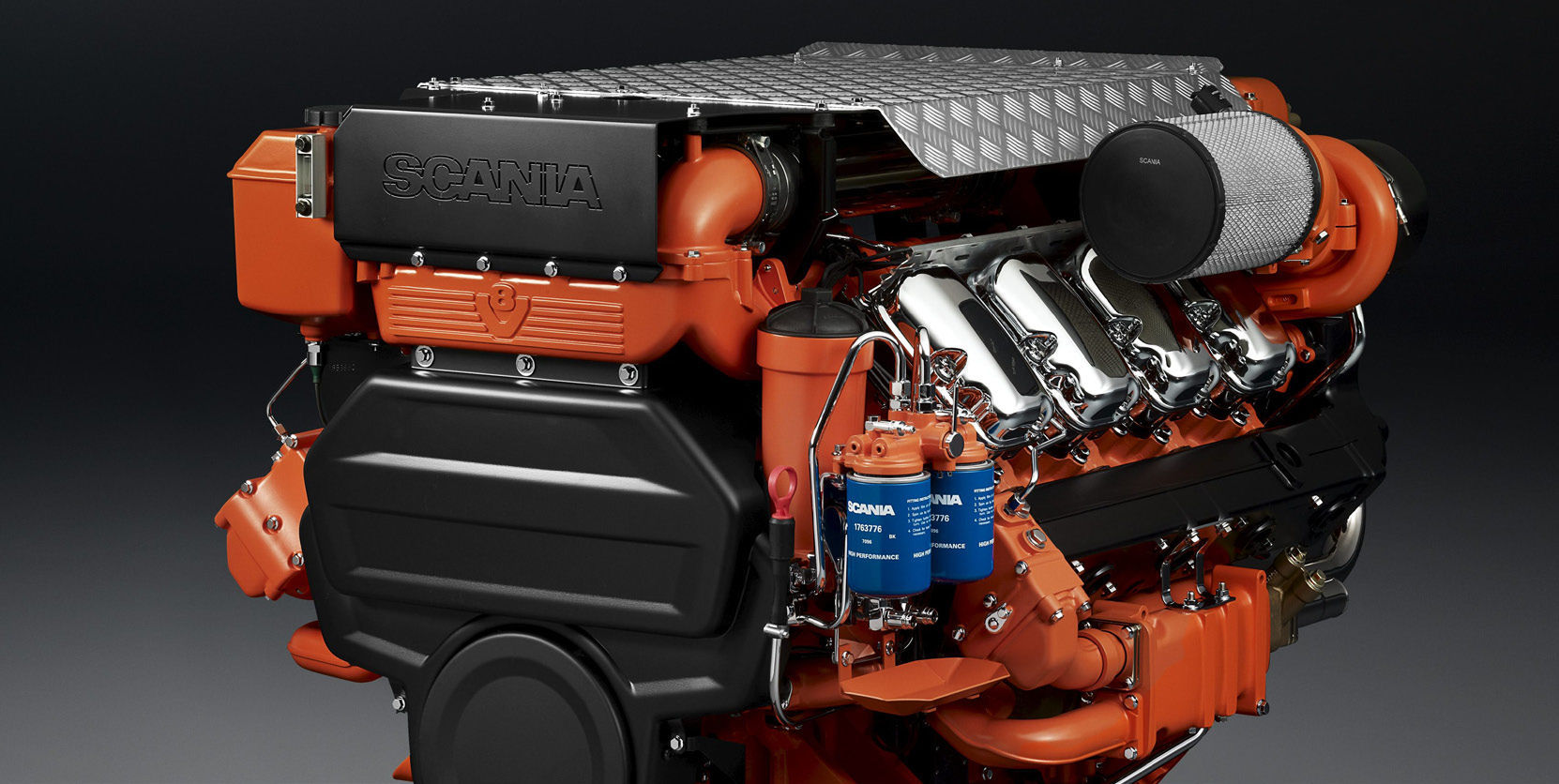
The Scania DI16 070M is a V‑8, 16.4 L displacement marine auxiliary engine that drives shipboard generators at 1500 rpm, delivering roughly 700 kW of electrical power.
Inspector Detail
✓ verified
▸
Common issues
- Injector faults causing cylinder imbalance and rough running
- Turbocharger fouling leading to reduced boost pressure and power
- Heat exchanger fouling (freshwater or seawater side) causing high engine temperatures
- Fuel system contamination (water, particulates) leading to filter blockage and injector wear
- Vibration issues due to worn engine mounts or misalignment with generator
- Starting system failures (battery degradation, starter motor solenoid issues)
- Coolant leaks from hoses, clamps, or pump seals
Inspection checklist
- Check engine oil level and condition (visual for contamination)
- Inspect coolant level and condition in expansion tank, check for leaks
- Verify fuel system for leaks (lines, filters, pump) and water presence in primary filter bowl
- Examine drive belts (alternator, water pump) for tension, cracks, and wear
- Listen for unusual noises (knocking, grinding, whistling) during engine operation
- Monitor exhaust gas appearance (should be clear or light haze, not black or white smoke)
- Check all gauges (oil pressure, coolant temperature, exhaust temperature, boost pressure) are within normal operating ranges
- Inspect air filter restriction indicator or visually check filter element cleanliness
- Verify cleanliness of charge air cooler and heat exchanger external fins (if accessible)
- Test emergency stop functionality and confirm alarm system operation
Service intervals
| Engine Oil & Filter Change | 250-500 hours (or annually, based on oil analysis and duty cycle) |
| Fuel Filters (Primary & Secondary) | 500-1000 hours (or annually, more frequently if fuel quality is poor) |
| Air Filter Element Replacement | 500-1000 hours (or annually, depending on operating environment) |
| Coolant System Inspection & Additive Check | 500-1000 hours (or annually) |
| Valve Clearance Adjustment | 2000-4000 hours |
| Injector Inspection/Testing | 4000-8000 hours |
| Turbocharger Inspection | 2000-4000 hours (bearing play, impeller condition) |
| Heat Exchanger Cleaning | 2000-4000 hours (or as required by temperature trends) |
Typical wear limits
| Crankshaft Deflection | < 0.05 mm (max deviation between main bearings) |
| Cylinder Liner Wear | < 0.20 mm (increase in diameter from nominal) |
| Piston Ring End Gap | Max 1.0 - 1.5 mm (depending on ring type, consult OEM manual) |
| Valve Seat Recession | < 0.5 mm (from cylinder head surface) |
| Turbocharger Shaft Axial Play | < 0.15 mm |
| Turbocharger Shaft Radial Play | < 0.30 mm (for journal bearing type) |
Ranges are typical for this design class. Always confirm against the manufacturer documentation for your serial number.
Critical spares
- Full set of fuel filters (primary and secondary)
- Engine oil filters
- Air filter element
- Drive belts (alternator, water pump)
- Spare injector (at least one, or a complete set if common failure)
- Coolant pump repair kit or spare pump
- Engine oil pressure sensor and coolant temperature sensor
- Starter motor solenoid or complete starter motor
Safety
- High-temperature surfaces (exhaust manifold, turbocharger, cooling system components) requiring burn protection
- Rotating machinery (belts, flywheel, fan) posing entanglement hazards; ensure guards are in place
- High-pressure fuel lines and common rail system; exercise extreme caution during inspection/maintenance to avoid diesel injection injuries
- Electrical hazards from generator output and starting system (high voltage/current); ensure proper lockout/tagout procedures
- Noise levels in the engine room; hearing protection is mandatory during operation
Class survey
Surveyors will typically check for valid maintenance records and logbook entries. Critical safety devices such as overspeed trip, low oil pressure shutdown, and high coolant temperature shutdown will be tested. Fuel system integrity, including piping, shut-off valves, and fire insulation, will be inspected. Exhaust system insulation, supports, and absence of leaks are key. Engine mountings and foundation bolts will be checked for security and signs of excessive vibration. The starting system's reliability (battery condition, charging, air start pressure if applicable) is crucial. Generator connections, insulation resistance, and emergency stop functionality will also be verified. A load test may be requested to confirm engine performance and stability under typical operating conditions.
Components & Design
Component data being added…
Technical Data
🤖 Ask about this model
One free question — answered like a marine engineer. No account needed.
Common failures & inspection points
Service & Maintenance
Follow Scania maintenance schedule with oil analysis, filter changes, coolant testing and periodic load checks.
Suppliers & Spare Parts
Direct links to manufacturer, datasheet, spare-parts portal and dealers — request access below.
📄 Request sourcing links & documentsCases, daily reports, timesheets and AI troubleshooting in the OceanSphere Marine app — free for 14 days.
Start free trial →Find manufacturers, repair shops and spare-part dealers in the Maritime Network — our global company directory.
Maritime Network →