Deck Crane
A deck crane lifts cargo and stores independent of shore facilities, and its rated capacity falls sharply with outreach; the figure that matters is the load chart at the radius actually being used, not the maximum SWL painted on the boom.
Read more — Deck Crane explained ▾
What makes a deck crane different from cargo gear in general
A deck crane is a self-contained, slewing lifting appliance permanently fitted to the ship, distinct from derrick-and-boom cargo gear or gantry systems that move on rails. It combines its own power source (electro-hydraulic on the great majority of newbuildings, older units still found with electric or steam drive), a slewing platform, a luffing or fixed jib, and its own control station, so it can work independently of shore cranes at any berth or anchorage. On general cargo ships the deck crane may handle the entire cargo operation; on tankers and bulk carriers it more often serves stores, spares, hose handling and maintenance lifts, but the safety case is the same regardless of how often it is used.
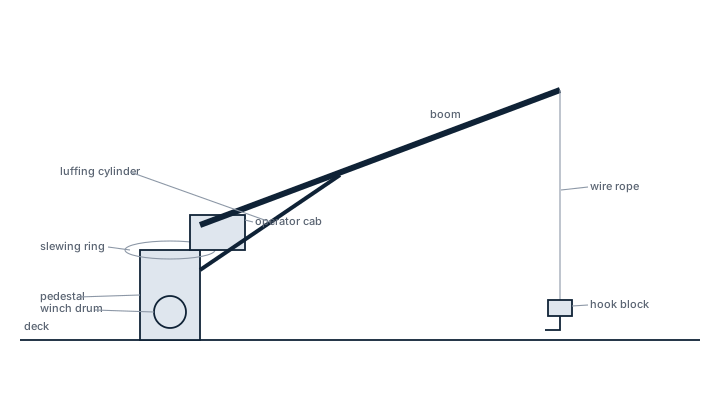
Main components
Hydraulic power pack and drive
An electric motor drives a hydraulic pump feeding the slew, luff and hoist motors; this gives smooth, controllable lifting speed and allows the crane to be started and stopped locally without warming up a large prime mover.
Jib and luffing system
The jib is either fixed-length with a luffing cylinder to change radius, or telescopic to extend reach without increasing height. Luffing cylinders and their locking devices carry the full overturning moment of the load and are a primary inspection point.
Slewing ring and bearing
A large-diameter bearing carries the whole crane structure and lets it rotate on the pedestal; it takes both the vertical load and the tipping moment from an offset load, and its condition determines the crane's remaining working life more than almost any other single part.
Hoist winch and wire rope
The hoist drum and wire rope lift the load; rope diameter, construction and discard criteria are set against the crane's rated load and the wire rope's design factor, not chosen for convenience.
Overload and limit protection
A load moment indicator or equivalent safe load indicator monitors load against radius in real time and cuts hoist and luff functions before the rated capacity at that radius is exceeded.
Selection and sizing
- Safe working load at the radius actually needed on deck, read from the crane's load chart, not the single maximum SWL figure
- Outreach required to clear hatch coamings, deck cargo or the ship's side when working stores or spares
- Hoisting speed and duty cycle appropriate to the cargo handled — general cargo work needs faster cycling than occasional stores lifts
- Deck space and structural strengthening available at the pedestal foundation
Regulations and class
Deck cranes are lifting appliances subject to class society rules for cargo gear, which require a proof load test and thorough examination before entry into service and at periodic intervals thereafter, commonly annual thorough examination with a proof load test at longer, class-defined intervals. Wire ropes, hooks and other loose lifting gear associated with the crane carry their own certification and discard criteria. Where the crane is used for lifting persons in a work basket, additional class and flag requirements apply and are not automatically covered by the crane's cargo lifting certificate.
Typical faults
| Fault | Cause | Consequence |
|---|---|---|
| Slewing ring bearing wear | Inadequate lubrication or long-term overload at maximum radius | Play in the crane structure, uneven slewing, eventual bearing failure |
| Hydraulic cylinder seal leakage | Seal wear or contaminated hydraulic oil | Loss of luffing control, jib creep under load |
| Wire rope degradation | Corrosion, fatigue from repeated bending over the drum and sheaves, poor lubrication | Broken wires reaching discard criteria, risk of rope failure under load |
| Load moment indicator drift | Sensor calibration lost over time, or damage during maintenance | Crane allows lifts beyond the true safe working load at a given radius |
What to look for in a supplier
- Load charts and safe working load documentation matched to the exact crane model and jib configuration fitted
- Genuine or approved-equivalent hydraulic and electrical spares, given how model-specific crane control systems tend to be
- Service history and proof load test records available with the crane if purchased second-hand or transferred between vessels
- Local service support in the trading area, since a crane failure often means cargo operations stop entirely
The load chart, not the SWL plate, is what governs a lift — a crane rated for twenty tonnes close in may be good for a fraction of that at full outreach, and more than one deck incident has started with someone reading the wrong number.
42 manufacturers · 1718 models
MacGregor
262 ✓ 18 verified- Safe Working Load (SWL)
- 25–100 t (Standardlinien); >500 t (Heavy Lift); kundenspezifische Anpassung möglich
- Jib-Radius (Ausladung)
- 18–44 m (modellabhängig)
- Antrieb
- Hydraulic (Closed-Loop System) or Electric (VFD); both types same SWL and reach
- Drehkranz-lager
- Self-aligning Rollenlager; Schmierung mit strukturiertem Fettplan; Rocking-Test zur Abnutzungsprüfung
- Hydraulik
- Closed-Loop Design; independent control hoisting/slewing/tilting at full speed; monitoring and diagnostic functions
- Zertifizierung
- DNV-GL-ST-0378 (optional); IACS-Member-Gesellschaften; Klassenzertifizierung verfügbar
- GL (Multipurpose Hydraulic)
- GLE (Multipurpose Electric)
- GLH (Heavy Lift Hydraulic)
- GLHE (Heavy Lift Electric)
- GLB (Bulker Hydraulic)
- GLBE (Bulker Electric)
- GLBS (Bulker Electro-Hydraulic)
- PK/BPK (Provision/Boat Cranes)
- HTC (Telescopic Knuckle Boom)
- Area: Wire rope wear and damageCheck: Visual inspection for breaks, deformation, corrosion; DNV 5-year rule: sample and laboratory test; annual inspection of full length if damage indicators present → replacement if necessary
- Area: Slew ring bearing wear and grease starvationCheck: Rocking test (measure axial play); visual inspection: grease traces under bearing (dry = wear risk); take grease samples for ferrography analysis (wear particle monitoring: lamella particles = bearing damage)
- Area: Hydraulic wear and leakageCheck: Visual inspection for oil leaks at valves, cylinders, hoses; hydraulic oil samples for analysis (water content, wear metals); pressure test and control valve functional test; OnWatch Scout IoT condition monitoring optionally available
- Area: Hooks, eyes and pin connectionsCheck: Surface cracks and deformation (visual inspection); tensile test to UNE-EN ISO 6892-1:2010; 'safety-related' components: high inspection level before commissioning and during service life
- Area: Load test and SWL certificationCheck: Alle 5 Jahre Lasttest erforderlich (DNV-Anforderung); Proof-Load-Test: max. 110% der Maximallast (OSHA/ASME B30.2.0-1967); Funktionsprüfung aller Positionen unter Wasser/Kalibriergewichten; DNV-Surveyor anwesend
- Area: Control systems and safety switchesCheck: Endschalter (Heben/Senken Grenzen); Überlaststoppfunktion; Druckregelventile (Druckprobe); Redundanz-Prüfung der Bremsen
Typ-universelle Inspektions-/Wartungspunkte fuer Deck Cranes (MacGregor + DNV/OSHA, 2026-06). Per-Modell-Specs NICHT auto-gefuellt.
- Very high Safe Working Load range (25‑100 t standard, >500 t heavy‑lift option)
- Self‑aligning bearing system with structured lubrication reduces wear and downtime
- Dual power options (hydraulic or electric) allow integration with existing ship systems
- Integrated monitoring & diagnostic functions for condition‑based maintenance
- Proven class‑approval record; widely installed on many vessel types
- Large structural footprint can limit installation on vessels with restricted deck space
- Hydraulic version requires regular oil analysis and leak‑inspection programmes
- Higher initial capital cost compared with simpler single‑speed knuckle‑boom cranes
- Maintenance of self‑aligning bearings demands skilled personnel and periodic rocking tests
- Jib radius limited to 44 m; not as compact as telescopic knuckle‑boom solutions for tight stowage
- Safe Working Load (SWL)
- 25–100 t (Standardlinien); >500 t (Heavy Lift); kundenspezifische Anpassung möglich
- Jib-Radius (Ausladung)
- 18–44 m (modellabhängig)
- Antrieb
- Hydraulic (Closed-Loop System) or Electric (VFD); both types same SWL and reach
- Drehkranz-lager
- Self-aligning Rollenlager; Schmierung mit strukturiertem Fettplan; Rocking-Test zur Abnutzungsprüfung
- Hydraulik
- Closed-Loop Design; independent control hoisting/slewing/tilting at full speed; monitoring and diagnostic functions
- Zertifizierung
- DNV-GL-ST-0378 (optional); IACS-Member-Gesellschaften; Klassenzertifizierung verfügbar
- GL (Multipurpose Hydraulic)
- GLE (Multipurpose Electric)
- GLH (Heavy Lift Hydraulic)
- GLHE (Heavy Lift Electric)
- GLB (Bulker Hydraulic)
- GLBE (Bulker Electric)
- GLBS (Bulker Electro-Hydraulic)
- PK/BPK (Provision/Boat Cranes)
- HTC (Telescopic Knuckle Boom)
- Area: Wire rope wear and damageCheck: Visual inspection for breaks, deformation, corrosion; DNV 5-year rule: sample and laboratory test; annual inspection of full length if damage indicators present → replacement if necessary
- Area: Slew ring bearing wear and grease starvationCheck: Rocking test (measure axial play); visual inspection: grease traces under bearing (dry = wear risk); take grease samples for ferrography analysis (wear particle monitoring: lamella particles = bearing damage)
- Area: Hydraulic wear and leakageCheck: Visual inspection for oil leaks at valves, cylinders, hoses; hydraulic oil samples for analysis (water content, wear metals); pressure test and control valve functional test; OnWatch Scout IoT condition monitoring optionally available
- Area: Hooks, eyes and pin connectionsCheck: Surface cracks and deformation (visual inspection); tensile test to UNE-EN ISO 6892-1:2010; 'safety-related' components: high inspection level before commissioning and during service life
- Area: Load test and SWL certificationCheck: Alle 5 Jahre Lasttest erforderlich (DNV-Anforderung); Proof-Load-Test: max. 110% der Maximallast (OSHA/ASME B30.2.0-1967); Funktionsprüfung aller Positionen unter Wasser/Kalibriergewichten; DNV-Surveyor anwesend
- Area: Control systems and safety switchesCheck: Endschalter (Heben/Senken Grenzen); Überlaststoppfunktion; Druckregelventile (Druckprobe); Redundanz-Prüfung der Bremsen
Typ-universelle Inspektions-/Wartungspunkte fuer Deck Cranes (MacGregor + DNV/OSHA, 2026-06). Per-Modell-Specs NICHT auto-gefuellt.

- Safe Working Load (SWL)
- 25–100 t (Standardlinien); >500 t (Heavy Lift); kundenspezifische Anpassung möglich
- Jib-Radius (Ausladung)
- 18–44 m (modellabhängig)
- Antrieb
- Hydraulic (Closed-Loop System) or Electric (VFD); both types same SWL and reach
- Drehkranz-lager
- Self-aligning Rollenlager; Schmierung mit strukturiertem Fettplan; Rocking-Test zur Abnutzungsprüfung
- Hydraulik
- Closed-Loop Design; independent control hoisting/slewing/tilting at full speed; monitoring and diagnostic functions
- Zertifizierung
- DNV-GL-ST-0378 (optional); IACS-Member-Gesellschaften; Klassenzertifizierung verfügbar
- GL (Multipurpose Hydraulic)
- GLE (Multipurpose Electric)
- GLH (Heavy Lift Hydraulic)
- GLHE (Heavy Lift Electric)
- GLB (Bulker Hydraulic)
- GLBE (Bulker Electric)
- GLBS (Bulker Electro-Hydraulic)
- PK/BPK (Provision/Boat Cranes)
- HTC (Telescopic Knuckle Boom)
- Area: Wire rope wear and damageCheck: Visual inspection for breaks, deformation, corrosion; DNV 5-year rule: sample and laboratory test; annual inspection of full length if damage indicators present → replacement if necessary
- Area: Slew ring bearing wear and grease starvationCheck: Rocking test (measure axial play); visual inspection: grease traces under bearing (dry = wear risk); take grease samples for ferrography analysis (wear particle monitoring: lamella particles = bearing damage)
- Area: Hydraulic wear and leakageCheck: Visual inspection for oil leaks at valves, cylinders, hoses; hydraulic oil samples for analysis (water content, wear metals); pressure test and control valve functional test; OnWatch Scout IoT condition monitoring optionally available
- Area: Hooks, eyes and pin connectionsCheck: Surface cracks and deformation (visual inspection); tensile test to UNE-EN ISO 6892-1:2010; 'safety-related' components: high inspection level before commissioning and during service life
- Area: Load test and SWL certificationCheck: Alle 5 Jahre Lasttest erforderlich (DNV-Anforderung); Proof-Load-Test: max. 110% der Maximallast (OSHA/ASME B30.2.0-1967); Funktionsprüfung aller Positionen unter Wasser/Kalibriergewichten; DNV-Surveyor anwesend
- Area: Control systems and safety switchesCheck: Endschalter (Heben/Senken Grenzen); Überlaststoppfunktion; Druckregelventile (Druckprobe); Redundanz-Prüfung der Bremsen
Typ-universelle Inspektions-/Wartungspunkte fuer Deck Cranes (MacGregor + DNV/OSHA, 2026-06). Per-Modell-Specs NICHT auto-gefuellt.
- Safe Working Load (SWL)
- 25–100 t (Standardlinien); >500 t (Heavy Lift); kundenspezifische Anpassung möglich
- Jib-Radius (Ausladung)
- 18–44 m (modellabhängig)
- Antrieb
- Hydraulic (Closed-Loop System) or Electric (VFD); both types same SWL and reach
- Drehkranz-lager
- Self-aligning Rollenlager; Schmierung mit strukturiertem Fettplan; Rocking-Test zur Abnutzungsprüfung
- Hydraulik
- Closed-Loop Design; independent control hoisting/slewing/tilting at full speed; monitoring and diagnostic functions
- Zertifizierung
- DNV-GL-ST-0378 (optional); IACS-Member-Gesellschaften; Klassenzertifizierung verfügbar
- GL (Multipurpose Hydraulic)
- GLE (Multipurpose Electric)
- GLH (Heavy Lift Hydraulic)
- GLHE (Heavy Lift Electric)
- GLB (Bulker Hydraulic)
- GLBE (Bulker Electric)
- GLBS (Bulker Electro-Hydraulic)
- PK/BPK (Provision/Boat Cranes)
- HTC (Telescopic Knuckle Boom)
- Area: Wire rope wear and damageCheck: Visual inspection for breaks, deformation, corrosion; DNV 5-year rule: sample and laboratory test; annual inspection of full length if damage indicators present → replacement if necessary
- Area: Slew ring bearing wear and grease starvationCheck: Rocking test (measure axial play); visual inspection: grease traces under bearing (dry = wear risk); take grease samples for ferrography analysis (wear particle monitoring: lamella particles = bearing damage)
- Area: Hydraulic wear and leakageCheck: Visual inspection for oil leaks at valves, cylinders, hoses; hydraulic oil samples for analysis (water content, wear metals); pressure test and control valve functional test; OnWatch Scout IoT condition monitoring optionally available
- Area: Hooks, eyes and pin connectionsCheck: Surface cracks and deformation (visual inspection); tensile test to UNE-EN ISO 6892-1:2010; 'safety-related' components: high inspection level before commissioning and during service life
- Area: Load test and SWL certificationCheck: Alle 5 Jahre Lasttest erforderlich (DNV-Anforderung); Proof-Load-Test: max. 110% der Maximallast (OSHA/ASME B30.2.0-1967); Funktionsprüfung aller Positionen unter Wasser/Kalibriergewichten; DNV-Surveyor anwesend
- Area: Control systems and safety switchesCheck: Endschalter (Heben/Senken Grenzen); Überlaststoppfunktion; Druckregelventile (Druckprobe); Redundanz-Prüfung der Bremsen
Typ-universelle Inspektions-/Wartungspunkte fuer Deck Cranes (MacGregor + DNV/OSHA, 2026-06). Per-Modell-Specs NICHT auto-gefuellt.

- Safe Working Load (SWL)
- 25–100 t (Standardlinien); >500 t (Heavy Lift); kundenspezifische Anpassung möglich
- Jib-Radius (Ausladung)
- 18–44 m (modellabhängig)
- Antrieb
- Hydraulic (Closed-Loop System) or Electric (VFD); both types same SWL and reach
- Drehkranz-lager
- Self-aligning Rollenlager; Schmierung mit strukturiertem Fettplan; Rocking-Test zur Abnutzungsprüfung
- Hydraulik
- Closed-Loop Design; independent control hoisting/slewing/tilting at full speed; monitoring and diagnostic functions
- Zertifizierung
- DNV-GL-ST-0378 (optional); IACS-Member-Gesellschaften; Klassenzertifizierung verfügbar
- GL (Multipurpose Hydraulic)
- GLE (Multipurpose Electric)
- GLH (Heavy Lift Hydraulic)
- GLHE (Heavy Lift Electric)
- GLB (Bulker Hydraulic)
- GLBE (Bulker Electric)
- GLBS (Bulker Electro-Hydraulic)
- PK/BPK (Provision/Boat Cranes)
- HTC (Telescopic Knuckle Boom)
- Area: Wire rope wear and damageCheck: Visual inspection for breaks, deformation, corrosion; DNV 5-year rule: sample and laboratory test; annual inspection of full length if damage indicators present → replacement if necessary
- Area: Slew ring bearing wear and grease starvationCheck: Rocking test (measure axial play); visual inspection: grease traces under bearing (dry = wear risk); take grease samples for ferrography analysis (wear particle monitoring: lamella particles = bearing damage)
- Area: Hydraulic wear and leakageCheck: Visual inspection for oil leaks at valves, cylinders, hoses; hydraulic oil samples for analysis (water content, wear metals); pressure test and control valve functional test; OnWatch Scout IoT condition monitoring optionally available
- Area: Hooks, eyes and pin connectionsCheck: Surface cracks and deformation (visual inspection); tensile test to UNE-EN ISO 6892-1:2010; 'safety-related' components: high inspection level before commissioning and during service life
- Area: Load test and SWL certificationCheck: Alle 5 Jahre Lasttest erforderlich (DNV-Anforderung); Proof-Load-Test: max. 110% der Maximallast (OSHA/ASME B30.2.0-1967); Funktionsprüfung aller Positionen unter Wasser/Kalibriergewichten; DNV-Surveyor anwesend
- Area: Control systems and safety switchesCheck: Endschalter (Heben/Senken Grenzen); Überlaststoppfunktion; Druckregelventile (Druckprobe); Redundanz-Prüfung der Bremsen
Typ-universelle Inspektions-/Wartungspunkte fuer Deck Cranes (MacGregor + DNV/OSHA, 2026-06). Per-Modell-Specs NICHT auto-gefuellt.
- Safe Working Load (SWL)
- 25–100 t (Standardlinien); >500 t (Heavy Lift); kundenspezifische Anpassung möglich
- Jib-Radius (Ausladung)
- 18–44 m (modellabhängig)
- Antrieb
- Hydraulic (Closed-Loop System) or Electric (VFD); both types same SWL and reach
- Drehkranz-lager
- Self-aligning Rollenlager; Schmierung mit strukturiertem Fettplan; Rocking-Test zur Abnutzungsprüfung
- Hydraulik
- Closed-Loop Design; independent control hoisting/slewing/tilting at full speed; monitoring and diagnostic functions
- Zertifizierung
- DNV-GL-ST-0378 (optional); IACS-Member-Gesellschaften; Klassenzertifizierung verfügbar
- GL (Multipurpose Hydraulic)
- GLE (Multipurpose Electric)
- GLH (Heavy Lift Hydraulic)
- GLHE (Heavy Lift Electric)
- GLB (Bulker Hydraulic)
- GLBE (Bulker Electric)
- GLBS (Bulker Electro-Hydraulic)
- PK/BPK (Provision/Boat Cranes)
- HTC (Telescopic Knuckle Boom)
- Area: Wire rope wear and damageCheck: Visual inspection for breaks, deformation, corrosion; DNV 5-year rule: sample and laboratory test; annual inspection of full length if damage indicators present → replacement if necessary
- Area: Slew ring bearing wear and grease starvationCheck: Rocking test (measure axial play); visual inspection: grease traces under bearing (dry = wear risk); take grease samples for ferrography analysis (wear particle monitoring: lamella particles = bearing damage)
- Area: Hydraulic wear and leakageCheck: Visual inspection for oil leaks at valves, cylinders, hoses; hydraulic oil samples for analysis (water content, wear metals); pressure test and control valve functional test; OnWatch Scout IoT condition monitoring optionally available
- Area: Hooks, eyes and pin connectionsCheck: Surface cracks and deformation (visual inspection); tensile test to UNE-EN ISO 6892-1:2010; 'safety-related' components: high inspection level before commissioning and during service life
- Area: Load test and SWL certificationCheck: Alle 5 Jahre Lasttest erforderlich (DNV-Anforderung); Proof-Load-Test: max. 110% der Maximallast (OSHA/ASME B30.2.0-1967); Funktionsprüfung aller Positionen unter Wasser/Kalibriergewichten; DNV-Surveyor anwesend
- Area: Control systems and safety switchesCheck: Endschalter (Heben/Senken Grenzen); Überlaststoppfunktion; Druckregelventile (Druckprobe); Redundanz-Prüfung der Bremsen
Typ-universelle Inspektions-/Wartungspunkte fuer Deck Cranes (MacGregor + DNV/OSHA, 2026-06). Per-Modell-Specs NICHT auto-gefuellt.
- Safe Working Load (SWL)
- 25–100 t (Standardlinien); >500 t (Heavy Lift); kundenspezifische Anpassung möglich
- Jib-Radius (Ausladung)
- 18–44 m (modellabhängig)
- Antrieb
- Hydraulic (Closed-Loop System) or Electric (VFD); both types same SWL and reach
- Drehkranz-lager
- Self-aligning Rollenlager; Schmierung mit strukturiertem Fettplan; Rocking-Test zur Abnutzungsprüfung
- Hydraulik
- Closed-Loop Design; independent control hoisting/slewing/tilting at full speed; monitoring and diagnostic functions
- Zertifizierung
- DNV-GL-ST-0378 (optional); IACS-Member-Gesellschaften; Klassenzertifizierung verfügbar
- GL (Multipurpose Hydraulic)
- GLE (Multipurpose Electric)
- GLH (Heavy Lift Hydraulic)
- GLHE (Heavy Lift Electric)
- GLB (Bulker Hydraulic)
- GLBE (Bulker Electric)
- GLBS (Bulker Electro-Hydraulic)
- PK/BPK (Provision/Boat Cranes)
- HTC (Telescopic Knuckle Boom)
- Area: Wire rope wear and damageCheck: Visual inspection for breaks, deformation, corrosion; DNV 5-year rule: sample and laboratory test; annual inspection of full length if damage indicators present → replacement if necessary
- Area: Slew ring bearing wear and grease starvationCheck: Rocking test (measure axial play); visual inspection: grease traces under bearing (dry = wear risk); take grease samples for ferrography analysis (wear particle monitoring: lamella particles = bearing damage)
- Area: Hydraulic wear and leakageCheck: Visual inspection for oil leaks at valves, cylinders, hoses; hydraulic oil samples for analysis (water content, wear metals); pressure test and control valve functional test; OnWatch Scout IoT condition monitoring optionally available
- Area: Hooks, eyes and pin connectionsCheck: Surface cracks and deformation (visual inspection); tensile test to UNE-EN ISO 6892-1:2010; 'safety-related' components: high inspection level before commissioning and during service life
- Area: Load test and SWL certificationCheck: Alle 5 Jahre Lasttest erforderlich (DNV-Anforderung); Proof-Load-Test: max. 110% der Maximallast (OSHA/ASME B30.2.0-1967); Funktionsprüfung aller Positionen unter Wasser/Kalibriergewichten; DNV-Surveyor anwesend
- Area: Control systems and safety switchesCheck: Endschalter (Heben/Senken Grenzen); Überlaststoppfunktion; Druckregelventile (Druckprobe); Redundanz-Prüfung der Bremsen
Typ-universelle Inspektions-/Wartungspunkte fuer Deck Cranes (MacGregor + DNV/OSHA, 2026-06). Per-Modell-Specs NICHT auto-gefuellt.
- Safe Working Load (SWL)
- 25–100 t (Standardlinien); >500 t (Heavy Lift); kundenspezifische Anpassung möglich
- Jib-Radius (Ausladung)
- 18–44 m (modellabhängig)
- Antrieb
- Hydraulic (Closed-Loop System) or Electric (VFD); both types same SWL and reach
- Drehkranz-lager
- Self-aligning Rollenlager; Schmierung mit strukturiertem Fettplan; Rocking-Test zur Abnutzungsprüfung
- Hydraulik
- Closed-Loop Design; independent control hoisting/slewing/tilting at full speed; monitoring and diagnostic functions
- Zertifizierung
- DNV-GL-ST-0378 (optional); IACS-Member-Gesellschaften; Klassenzertifizierung verfügbar
- GL (Multipurpose Hydraulic)
- GLE (Multipurpose Electric)
- GLH (Heavy Lift Hydraulic)
- GLHE (Heavy Lift Electric)
- GLB (Bulker Hydraulic)
- GLBE (Bulker Electric)
- GLBS (Bulker Electro-Hydraulic)
- PK/BPK (Provision/Boat Cranes)
- HTC (Telescopic Knuckle Boom)
- Area: Wire rope wear and damageCheck: Visual inspection for breaks, deformation, corrosion; DNV 5-year rule: sample and laboratory test; annual inspection of full length if damage indicators present → replacement if necessary
- Area: Slew ring bearing wear and grease starvationCheck: Rocking test (measure axial play); visual inspection: grease traces under bearing (dry = wear risk); take grease samples for ferrography analysis (wear particle monitoring: lamella particles = bearing damage)
- Area: Hydraulic wear and leakageCheck: Visual inspection for oil leaks at valves, cylinders, hoses; hydraulic oil samples for analysis (water content, wear metals); pressure test and control valve functional test; OnWatch Scout IoT condition monitoring optionally available
- Area: Hooks, eyes and pin connectionsCheck: Surface cracks and deformation (visual inspection); tensile test to UNE-EN ISO 6892-1:2010; 'safety-related' components: high inspection level before commissioning and during service life
- Area: Load test and SWL certificationCheck: Alle 5 Jahre Lasttest erforderlich (DNV-Anforderung); Proof-Load-Test: max. 110% der Maximallast (OSHA/ASME B30.2.0-1967); Funktionsprüfung aller Positionen unter Wasser/Kalibriergewichten; DNV-Surveyor anwesend
- Area: Control systems and safety switchesCheck: Endschalter (Heben/Senken Grenzen); Überlaststoppfunktion; Druckregelventile (Druckprobe); Redundanz-Prüfung der Bremsen
Typ-universelle Inspektions-/Wartungspunkte fuer Deck Cranes (MacGregor + DNV/OSHA, 2026-06). Per-Modell-Specs NICHT auto-gefuellt.
- Safe Working Load (SWL)
- 25–100 t (Standardlinien); >500 t (Heavy Lift); kundenspezifische Anpassung möglich
- Jib-Radius (Ausladung)
- 18–44 m (modellabhängig)
- Antrieb
- Hydraulic (Closed-Loop System) or Electric (VFD); both types same SWL and reach
- Drehkranz-lager
- Self-aligning Rollenlager; Schmierung mit strukturiertem Fettplan; Rocking-Test zur Abnutzungsprüfung
- Hydraulik
- Closed-Loop Design; independent control hoisting/slewing/tilting at full speed; monitoring and diagnostic functions
- Zertifizierung
- DNV-GL-ST-0378 (optional); IACS-Member-Gesellschaften; Klassenzertifizierung verfügbar
- GL (Multipurpose Hydraulic)
- GLE (Multipurpose Electric)
- GLH (Heavy Lift Hydraulic)
- GLHE (Heavy Lift Electric)
- GLB (Bulker Hydraulic)
- GLBE (Bulker Electric)
- GLBS (Bulker Electro-Hydraulic)
- PK/BPK (Provision/Boat Cranes)
- HTC (Telescopic Knuckle Boom)
- Area: Wire rope wear and damageCheck: Visual inspection for breaks, deformation, corrosion; DNV 5-year rule: sample and laboratory test; annual inspection of full length if damage indicators present → replacement if necessary
- Area: Slew ring bearing wear and grease starvationCheck: Rocking test (measure axial play); visual inspection: grease traces under bearing (dry = wear risk); take grease samples for ferrography analysis (wear particle monitoring: lamella particles = bearing damage)
- Area: Hydraulic wear and leakageCheck: Visual inspection for oil leaks at valves, cylinders, hoses; hydraulic oil samples for analysis (water content, wear metals); pressure test and control valve functional test; OnWatch Scout IoT condition monitoring optionally available
- Area: Hooks, eyes and pin connectionsCheck: Surface cracks and deformation (visual inspection); tensile test to UNE-EN ISO 6892-1:2010; 'safety-related' components: high inspection level before commissioning and during service life
- Area: Load test and SWL certificationCheck: Alle 5 Jahre Lasttest erforderlich (DNV-Anforderung); Proof-Load-Test: max. 110% der Maximallast (OSHA/ASME B30.2.0-1967); Funktionsprüfung aller Positionen unter Wasser/Kalibriergewichten; DNV-Surveyor anwesend
- Area: Control systems and safety switchesCheck: Endschalter (Heben/Senken Grenzen); Überlaststoppfunktion; Druckregelventile (Druckprobe); Redundanz-Prüfung der Bremsen
Typ-universelle Inspektions-/Wartungspunkte fuer Deck Cranes (MacGregor + DNV/OSHA, 2026-06). Per-Modell-Specs NICHT auto-gefuellt.

- Safe Working Load (SWL)
- 25–100 t (Standardlinien); >500 t (Heavy Lift); kundenspezifische Anpassung möglich
- Jib-Radius (Ausladung)
- 18–44 m (modellabhängig)
- Antrieb
- Hydraulic (Closed-Loop System) or Electric (VFD); both types same SWL and reach
- Drehkranz-lager
- Self-aligning Rollenlager; Schmierung mit strukturiertem Fettplan; Rocking-Test zur Abnutzungsprüfung
- Hydraulik
- Closed-Loop Design; independent control hoisting/slewing/tilting at full speed; monitoring and diagnostic functions
- Zertifizierung
- DNV-GL-ST-0378 (optional); IACS-Member-Gesellschaften; Klassenzertifizierung verfügbar
- GL (Multipurpose Hydraulic)
- GLE (Multipurpose Electric)
- GLH (Heavy Lift Hydraulic)
- GLHE (Heavy Lift Electric)
- GLB (Bulker Hydraulic)
- GLBE (Bulker Electric)
- GLBS (Bulker Electro-Hydraulic)
- PK/BPK (Provision/Boat Cranes)
- HTC (Telescopic Knuckle Boom)
- Area: Wire rope wear and damageCheck: Visual inspection for breaks, deformation, corrosion; DNV 5-year rule: sample and laboratory test; annual inspection of full length if damage indicators present → replacement if necessary
- Area: Slew ring bearing wear and grease starvationCheck: Rocking test (measure axial play); visual inspection: grease traces under bearing (dry = wear risk); take grease samples for ferrography analysis (wear particle monitoring: lamella particles = bearing damage)
- Area: Hydraulic wear and leakageCheck: Visual inspection for oil leaks at valves, cylinders, hoses; hydraulic oil samples for analysis (water content, wear metals); pressure test and control valve functional test; OnWatch Scout IoT condition monitoring optionally available
- Area: Hooks, eyes and pin connectionsCheck: Surface cracks and deformation (visual inspection); tensile test to UNE-EN ISO 6892-1:2010; 'safety-related' components: high inspection level before commissioning and during service life
- Area: Load test and SWL certificationCheck: Alle 5 Jahre Lasttest erforderlich (DNV-Anforderung); Proof-Load-Test: max. 110% der Maximallast (OSHA/ASME B30.2.0-1967); Funktionsprüfung aller Positionen unter Wasser/Kalibriergewichten; DNV-Surveyor anwesend
- Area: Control systems and safety switchesCheck: Endschalter (Heben/Senken Grenzen); Überlaststoppfunktion; Druckregelventile (Druckprobe); Redundanz-Prüfung der Bremsen
Typ-universelle Inspektions-/Wartungspunkte fuer Deck Cranes (MacGregor + DNV/OSHA, 2026-06). Per-Modell-Specs NICHT auto-gefuellt.
- Safe Working Load (SWL)
- 25–100 t (Standardlinien); >500 t (Heavy Lift); kundenspezifische Anpassung möglich
- Jib-Radius (Ausladung)
- 18–44 m (modellabhängig)
- Antrieb
- Hydraulic (Closed-Loop System) or Electric (VFD); both types same SWL and reach
- Drehkranz-lager
- Self-aligning Rollenlager; Schmierung mit strukturiertem Fettplan; Rocking-Test zur Abnutzungsprüfung
- Hydraulik
- Closed-Loop Design; independent control hoisting/slewing/tilting at full speed; monitoring and diagnostic functions
- Zertifizierung
- DNV-GL-ST-0378 (optional); IACS-Member-Gesellschaften; Klassenzertifizierung verfügbar
- GL (Multipurpose Hydraulic)
- GLE (Multipurpose Electric)
- GLH (Heavy Lift Hydraulic)
- GLHE (Heavy Lift Electric)
- GLB (Bulker Hydraulic)
- GLBE (Bulker Electric)
- GLBS (Bulker Electro-Hydraulic)
- PK/BPK (Provision/Boat Cranes)
- HTC (Telescopic Knuckle Boom)
- Area: Wire rope wear and damageCheck: Visual inspection for breaks, deformation, corrosion; DNV 5-year rule: sample and laboratory test; annual inspection of full length if damage indicators present → replacement if necessary
- Area: Slew ring bearing wear and grease starvationCheck: Rocking test (measure axial play); visual inspection: grease traces under bearing (dry = wear risk); take grease samples for ferrography analysis (wear particle monitoring: lamella particles = bearing damage)
- Area: Hydraulic wear and leakageCheck: Visual inspection for oil leaks at valves, cylinders, hoses; hydraulic oil samples for analysis (water content, wear metals); pressure test and control valve functional test; OnWatch Scout IoT condition monitoring optionally available
- Area: Hooks, eyes and pin connectionsCheck: Surface cracks and deformation (visual inspection); tensile test to UNE-EN ISO 6892-1:2010; 'safety-related' components: high inspection level before commissioning and during service life
- Area: Load test and SWL certificationCheck: Alle 5 Jahre Lasttest erforderlich (DNV-Anforderung); Proof-Load-Test: max. 110% der Maximallast (OSHA/ASME B30.2.0-1967); Funktionsprüfung aller Positionen unter Wasser/Kalibriergewichten; DNV-Surveyor anwesend
- Area: Control systems and safety switchesCheck: Endschalter (Heben/Senken Grenzen); Überlaststoppfunktion; Druckregelventile (Druckprobe); Redundanz-Prüfung der Bremsen
Typ-universelle Inspektions-/Wartungspunkte fuer Deck Cranes (MacGregor + DNV/OSHA, 2026-06). Per-Modell-Specs NICHT auto-gefuellt.
- Safe Working Load (SWL)
- 25–100 t (Standardlinien); >500 t (Heavy Lift); kundenspezifische Anpassung möglich
- Jib-Radius (Ausladung)
- 18–44 m (modellabhängig)
- Antrieb
- Hydraulic (Closed-Loop System) or Electric (VFD); both types same SWL and reach
- Drehkranz-lager
- Self-aligning Rollenlager; Schmierung mit strukturiertem Fettplan; Rocking-Test zur Abnutzungsprüfung
- Hydraulik
- Closed-Loop Design; independent control hoisting/slewing/tilting at full speed; monitoring and diagnostic functions
- Zertifizierung
- DNV-GL-ST-0378 (optional); IACS-Member-Gesellschaften; Klassenzertifizierung verfügbar
- GL (Multipurpose Hydraulic)
- GLE (Multipurpose Electric)
- GLH (Heavy Lift Hydraulic)
- GLHE (Heavy Lift Electric)
- GLB (Bulker Hydraulic)
- GLBE (Bulker Electric)
- GLBS (Bulker Electro-Hydraulic)
- PK/BPK (Provision/Boat Cranes)
- HTC (Telescopic Knuckle Boom)
- Area: Wire rope wear and damageCheck: Visual inspection for breaks, deformation, corrosion; DNV 5-year rule: sample and laboratory test; annual inspection of full length if damage indicators present → replacement if necessary
- Area: Slew ring bearing wear and grease starvationCheck: Rocking test (measure axial play); visual inspection: grease traces under bearing (dry = wear risk); take grease samples for ferrography analysis (wear particle monitoring: lamella particles = bearing damage)
- Area: Hydraulic wear and leakageCheck: Visual inspection for oil leaks at valves, cylinders, hoses; hydraulic oil samples for analysis (water content, wear metals); pressure test and control valve functional test; OnWatch Scout IoT condition monitoring optionally available
- Area: Hooks, eyes and pin connectionsCheck: Surface cracks and deformation (visual inspection); tensile test to UNE-EN ISO 6892-1:2010; 'safety-related' components: high inspection level before commissioning and during service life
- Area: Load test and SWL certificationCheck: Alle 5 Jahre Lasttest erforderlich (DNV-Anforderung); Proof-Load-Test: max. 110% der Maximallast (OSHA/ASME B30.2.0-1967); Funktionsprüfung aller Positionen unter Wasser/Kalibriergewichten; DNV-Surveyor anwesend
- Area: Control systems and safety switchesCheck: Endschalter (Heben/Senken Grenzen); Überlaststoppfunktion; Druckregelventile (Druckprobe); Redundanz-Prüfung der Bremsen
Typ-universelle Inspektions-/Wartungspunkte fuer Deck Cranes (MacGregor + DNV/OSHA, 2026-06). Per-Modell-Specs NICHT auto-gefuellt.
- Safe Working Load (SWL)
- 25–100 t (Standardlinien); >500 t (Heavy Lift); kundenspezifische Anpassung möglich
- Jib-Radius (Ausladung)
- 18–44 m (modellabhängig)
- Antrieb
- Hydraulic (Closed-Loop System) or Electric (VFD); both types same SWL and reach
- Drehkranz-lager
- Self-aligning Rollenlager; Schmierung mit strukturiertem Fettplan; Rocking-Test zur Abnutzungsprüfung
- Hydraulik
- Closed-Loop Design; independent control hoisting/slewing/tilting at full speed; monitoring and diagnostic functions
- Zertifizierung
- DNV-GL-ST-0378 (optional); IACS-Member-Gesellschaften; Klassenzertifizierung verfügbar
- GL (Multipurpose Hydraulic)
- GLE (Multipurpose Electric)
- GLH (Heavy Lift Hydraulic)
- GLHE (Heavy Lift Electric)
- GLB (Bulker Hydraulic)
- GLBE (Bulker Electric)
- GLBS (Bulker Electro-Hydraulic)
- PK/BPK (Provision/Boat Cranes)
- HTC (Telescopic Knuckle Boom)
- Area: Wire rope wear and damageCheck: Visual inspection for breaks, deformation, corrosion; DNV 5-year rule: sample and laboratory test; annual inspection of full length if damage indicators present → replacement if necessary
- Area: Slew ring bearing wear and grease starvationCheck: Rocking test (measure axial play); visual inspection: grease traces under bearing (dry = wear risk); take grease samples for ferrography analysis (wear particle monitoring: lamella particles = bearing damage)
- Area: Hydraulic wear and leakageCheck: Visual inspection for oil leaks at valves, cylinders, hoses; hydraulic oil samples for analysis (water content, wear metals); pressure test and control valve functional test; OnWatch Scout IoT condition monitoring optionally available
- Area: Hooks, eyes and pin connectionsCheck: Surface cracks and deformation (visual inspection); tensile test to UNE-EN ISO 6892-1:2010; 'safety-related' components: high inspection level before commissioning and during service life
- Area: Load test and SWL certificationCheck: Alle 5 Jahre Lasttest erforderlich (DNV-Anforderung); Proof-Load-Test: max. 110% der Maximallast (OSHA/ASME B30.2.0-1967); Funktionsprüfung aller Positionen unter Wasser/Kalibriergewichten; DNV-Surveyor anwesend
- Area: Control systems and safety switchesCheck: Endschalter (Heben/Senken Grenzen); Überlaststoppfunktion; Druckregelventile (Druckprobe); Redundanz-Prüfung der Bremsen
Typ-universelle Inspektions-/Wartungspunkte fuer Deck Cranes (MacGregor + DNV/OSHA, 2026-06). Per-Modell-Specs NICHT auto-gefuellt.
- Safe Working Load (SWL)
- 25–100 t (Standardlinien); >500 t (Heavy Lift); kundenspezifische Anpassung möglich
- Jib-Radius (Ausladung)
- 18–44 m (modellabhängig)
- Antrieb
- Hydraulic (Closed-Loop System) or Electric (VFD); both types same SWL and reach
- Drehkranz-lager
- Self-aligning Rollenlager; Schmierung mit strukturiertem Fettplan; Rocking-Test zur Abnutzungsprüfung
- Hydraulik
- Closed-Loop Design; independent control hoisting/slewing/tilting at full speed; monitoring and diagnostic functions
- Zertifizierung
- DNV-GL-ST-0378 (optional); IACS-Member-Gesellschaften; Klassenzertifizierung verfügbar
- GL (Multipurpose Hydraulic)
- GLE (Multipurpose Electric)
- GLH (Heavy Lift Hydraulic)
- GLHE (Heavy Lift Electric)
- GLB (Bulker Hydraulic)
- GLBE (Bulker Electric)
- GLBS (Bulker Electro-Hydraulic)
- PK/BPK (Provision/Boat Cranes)
- HTC (Telescopic Knuckle Boom)
- Area: Wire rope wear and damageCheck: Visual inspection for breaks, deformation, corrosion; DNV 5-year rule: sample and laboratory test; annual inspection of full length if damage indicators present → replacement if necessary
- Area: Slew ring bearing wear and grease starvationCheck: Rocking test (measure axial play); visual inspection: grease traces under bearing (dry = wear risk); take grease samples for ferrography analysis (wear particle monitoring: lamella particles = bearing damage)
- Area: Hydraulic wear and leakageCheck: Visual inspection for oil leaks at valves, cylinders, hoses; hydraulic oil samples for analysis (water content, wear metals); pressure test and control valve functional test; OnWatch Scout IoT condition monitoring optionally available
- Area: Hooks, eyes and pin connectionsCheck: Surface cracks and deformation (visual inspection); tensile test to UNE-EN ISO 6892-1:2010; 'safety-related' components: high inspection level before commissioning and during service life
- Area: Load test and SWL certificationCheck: Alle 5 Jahre Lasttest erforderlich (DNV-Anforderung); Proof-Load-Test: max. 110% der Maximallast (OSHA/ASME B30.2.0-1967); Funktionsprüfung aller Positionen unter Wasser/Kalibriergewichten; DNV-Surveyor anwesend
- Area: Control systems and safety switchesCheck: Endschalter (Heben/Senken Grenzen); Überlaststoppfunktion; Druckregelventile (Druckprobe); Redundanz-Prüfung der Bremsen
Typ-universelle Inspektions-/Wartungspunkte fuer Deck Cranes (MacGregor + DNV/OSHA, 2026-06). Per-Modell-Specs NICHT auto-gefuellt.
- Safe Working Load (SWL)
- 25–100 t (Standardlinien); >500 t (Heavy Lift); kundenspezifische Anpassung möglich
- Jib-Radius (Ausladung)
- 18–44 m (modellabhängig)
- Antrieb
- Hydraulic (Closed-Loop System) or Electric (VFD); both types same SWL and reach
- Drehkranz-lager
- Self-aligning Rollenlager; Schmierung mit strukturiertem Fettplan; Rocking-Test zur Abnutzungsprüfung
- Hydraulik
- Closed-Loop Design; independent control hoisting/slewing/tilting at full speed; monitoring and diagnostic functions
- Zertifizierung
- DNV-GL-ST-0378 (optional); IACS-Member-Gesellschaften; Klassenzertifizierung verfügbar
- GL (Multipurpose Hydraulic)
- GLE (Multipurpose Electric)
- GLH (Heavy Lift Hydraulic)
- GLHE (Heavy Lift Electric)
- GLB (Bulker Hydraulic)
- GLBE (Bulker Electric)
- GLBS (Bulker Electro-Hydraulic)
- PK/BPK (Provision/Boat Cranes)
- HTC (Telescopic Knuckle Boom)
- Area: Wire rope wear and damageCheck: Visual inspection for breaks, deformation, corrosion; DNV 5-year rule: sample and laboratory test; annual inspection of full length if damage indicators present → replacement if necessary
- Area: Slew ring bearing wear and grease starvationCheck: Rocking test (measure axial play); visual inspection: grease traces under bearing (dry = wear risk); take grease samples for ferrography analysis (wear particle monitoring: lamella particles = bearing damage)
- Area: Hydraulic wear and leakageCheck: Visual inspection for oil leaks at valves, cylinders, hoses; hydraulic oil samples for analysis (water content, wear metals); pressure test and control valve functional test; OnWatch Scout IoT condition monitoring optionally available
- Area: Hooks, eyes and pin connectionsCheck: Surface cracks and deformation (visual inspection); tensile test to UNE-EN ISO 6892-1:2010; 'safety-related' components: high inspection level before commissioning and during service life
- Area: Load test and SWL certificationCheck: Alle 5 Jahre Lasttest erforderlich (DNV-Anforderung); Proof-Load-Test: max. 110% der Maximallast (OSHA/ASME B30.2.0-1967); Funktionsprüfung aller Positionen unter Wasser/Kalibriergewichten; DNV-Surveyor anwesend
- Area: Control systems and safety switchesCheck: Endschalter (Heben/Senken Grenzen); Überlaststoppfunktion; Druckregelventile (Druckprobe); Redundanz-Prüfung der Bremsen
Typ-universelle Inspektions-/Wartungspunkte fuer Deck Cranes (MacGregor + DNV/OSHA, 2026-06). Per-Modell-Specs NICHT auto-gefuellt.
- Safe Working Load (SWL)
- 25–100 t (Standardlinien); >500 t (Heavy Lift); kundenspezifische Anpassung möglich
- Jib-Radius (Ausladung)
- 18–44 m (modellabhängig)
- Antrieb
- Hydraulic (Closed-Loop System) or Electric (VFD); both types same SWL and reach
- Drehkranz-lager
- Self-aligning Rollenlager; Schmierung mit strukturiertem Fettplan; Rocking-Test zur Abnutzungsprüfung
- Hydraulik
- Closed-Loop Design; independent control hoisting/slewing/tilting at full speed; monitoring and diagnostic functions
- Zertifizierung
- DNV-GL-ST-0378 (optional); IACS-Member-Gesellschaften; Klassenzertifizierung verfügbar
- GL (Multipurpose Hydraulic)
- GLE (Multipurpose Electric)
- GLH (Heavy Lift Hydraulic)
- GLHE (Heavy Lift Electric)
- GLB (Bulker Hydraulic)
- GLBE (Bulker Electric)
- GLBS (Bulker Electro-Hydraulic)
- PK/BPK (Provision/Boat Cranes)
- HTC (Telescopic Knuckle Boom)
- Area: Wire rope wear and damageCheck: Visual inspection for breaks, deformation, corrosion; DNV 5-year rule: sample and laboratory test; annual inspection of full length if damage indicators present → replacement if necessary
- Area: Slew ring bearing wear and grease starvationCheck: Rocking test (measure axial play); visual inspection: grease traces under bearing (dry = wear risk); take grease samples for ferrography analysis (wear particle monitoring: lamella particles = bearing damage)
- Area: Hydraulic wear and leakageCheck: Visual inspection for oil leaks at valves, cylinders, hoses; hydraulic oil samples for analysis (water content, wear metals); pressure test and control valve functional test; OnWatch Scout IoT condition monitoring optionally available
- Area: Hooks, eyes and pin connectionsCheck: Surface cracks and deformation (visual inspection); tensile test to UNE-EN ISO 6892-1:2010; 'safety-related' components: high inspection level before commissioning and during service life
- Area: Load test and SWL certificationCheck: Alle 5 Jahre Lasttest erforderlich (DNV-Anforderung); Proof-Load-Test: max. 110% der Maximallast (OSHA/ASME B30.2.0-1967); Funktionsprüfung aller Positionen unter Wasser/Kalibriergewichten; DNV-Surveyor anwesend
- Area: Control systems and safety switchesCheck: Endschalter (Heben/Senken Grenzen); Überlaststoppfunktion; Druckregelventile (Druckprobe); Redundanz-Prüfung der Bremsen
Typ-universelle Inspektions-/Wartungspunkte fuer Deck Cranes (MacGregor + DNV/OSHA, 2026-06). Per-Modell-Specs NICHT auto-gefuellt.
- Safe Working Load (SWL)
- 25–100 t (Standardlinien); >500 t (Heavy Lift); kundenspezifische Anpassung möglich
- Jib-Radius (Ausladung)
- 18–44 m (modellabhängig)
- Antrieb
- Hydraulic (Closed-Loop System) or Electric (VFD); both types same SWL and reach
- Drehkranz-lager
- Self-aligning Rollenlager; Schmierung mit strukturiertem Fettplan; Rocking-Test zur Abnutzungsprüfung
- Hydraulik
- Closed-Loop Design; independent control hoisting/slewing/tilting at full speed; monitoring and diagnostic functions
- Zertifizierung
- DNV-GL-ST-0378 (optional); IACS-Member-Gesellschaften; Klassenzertifizierung verfügbar
- GL (Multipurpose Hydraulic)
- GLE (Multipurpose Electric)
- GLH (Heavy Lift Hydraulic)
- GLHE (Heavy Lift Electric)
- GLB (Bulker Hydraulic)
- GLBE (Bulker Electric)
- GLBS (Bulker Electro-Hydraulic)
- PK/BPK (Provision/Boat Cranes)
- HTC (Telescopic Knuckle Boom)
- Area: Wire rope wear and damageCheck: Visual inspection for breaks, deformation, corrosion; DNV 5-year rule: sample and laboratory test; annual inspection of full length if damage indicators present → replacement if necessary
- Area: Slew ring bearing wear and grease starvationCheck: Rocking test (measure axial play); visual inspection: grease traces under bearing (dry = wear risk); take grease samples for ferrography analysis (wear particle monitoring: lamella particles = bearing damage)
- Area: Hydraulic wear and leakageCheck: Visual inspection for oil leaks at valves, cylinders, hoses; hydraulic oil samples for analysis (water content, wear metals); pressure test and control valve functional test; OnWatch Scout IoT condition monitoring optionally available
- Area: Hooks, eyes and pin connectionsCheck: Surface cracks and deformation (visual inspection); tensile test to UNE-EN ISO 6892-1:2010; 'safety-related' components: high inspection level before commissioning and during service life
- Area: Load test and SWL certificationCheck: Alle 5 Jahre Lasttest erforderlich (DNV-Anforderung); Proof-Load-Test: max. 110% der Maximallast (OSHA/ASME B30.2.0-1967); Funktionsprüfung aller Positionen unter Wasser/Kalibriergewichten; DNV-Surveyor anwesend
- Area: Control systems and safety switchesCheck: Endschalter (Heben/Senken Grenzen); Überlaststoppfunktion; Druckregelventile (Druckprobe); Redundanz-Prüfung der Bremsen
Typ-universelle Inspektions-/Wartungspunkte fuer Deck Cranes (MacGregor + DNV/OSHA, 2026-06). Per-Modell-Specs NICHT auto-gefuellt.
- Safe Working Load (SWL)
- 25–100 t (Standardlinien); >500 t (Heavy Lift); kundenspezifische Anpassung möglich
- Jib-Radius (Ausladung)
- 18–44 m (modellabhängig)
- Antrieb
- Hydraulic (Closed-Loop System) or Electric (VFD); both types same SWL and reach
- Drehkranz-lager
- Self-aligning Rollenlager; Schmierung mit strukturiertem Fettplan; Rocking-Test zur Abnutzungsprüfung
- Hydraulik
- Closed-Loop Design; independent control hoisting/slewing/tilting at full speed; monitoring and diagnostic functions
- Zertifizierung
- DNV-GL-ST-0378 (optional); IACS-Member-Gesellschaften; Klassenzertifizierung verfügbar
- GL (Multipurpose Hydraulic)
- GLE (Multipurpose Electric)
- GLH (Heavy Lift Hydraulic)
- GLHE (Heavy Lift Electric)
- GLB (Bulker Hydraulic)
- GLBE (Bulker Electric)
- GLBS (Bulker Electro-Hydraulic)
- PK/BPK (Provision/Boat Cranes)
- HTC (Telescopic Knuckle Boom)
- Area: Wire rope wear and damageCheck: Visual inspection for breaks, deformation, corrosion; DNV 5-year rule: sample and laboratory test; annual inspection of full length if damage indicators present → replacement if necessary
- Area: Slew ring bearing wear and grease starvationCheck: Rocking test (measure axial play); visual inspection: grease traces under bearing (dry = wear risk); take grease samples for ferrography analysis (wear particle monitoring: lamella particles = bearing damage)
- Area: Hydraulic wear and leakageCheck: Visual inspection for oil leaks at valves, cylinders, hoses; hydraulic oil samples for analysis (water content, wear metals); pressure test and control valve functional test; OnWatch Scout IoT condition monitoring optionally available
- Area: Hooks, eyes and pin connectionsCheck: Surface cracks and deformation (visual inspection); tensile test to UNE-EN ISO 6892-1:2010; 'safety-related' components: high inspection level before commissioning and during service life
- Area: Load test and SWL certificationCheck: Alle 5 Jahre Lasttest erforderlich (DNV-Anforderung); Proof-Load-Test: max. 110% der Maximallast (OSHA/ASME B30.2.0-1967); Funktionsprüfung aller Positionen unter Wasser/Kalibriergewichten; DNV-Surveyor anwesend
- Area: Control systems and safety switchesCheck: Endschalter (Heben/Senken Grenzen); Überlaststoppfunktion; Druckregelventile (Druckprobe); Redundanz-Prüfung der Bremsen
Typ-universelle Inspektions-/Wartungspunkte fuer Deck Cranes (MacGregor + DNV/OSHA, 2026-06). Per-Modell-Specs NICHT auto-gefuellt.
- Safe Working Load (SWL)
- 25–100 t (Standardlinien); >500 t (Heavy Lift); kundenspezifische Anpassung möglich
- Jib-Radius (Ausladung)
- 18–44 m (modellabhängig)
- Antrieb
- Hydraulic (Closed-Loop System) or Electric (VFD); both types same SWL and reach
- Drehkranz-lager
- Self-aligning Rollenlager; Schmierung mit strukturiertem Fettplan; Rocking-Test zur Abnutzungsprüfung
- Hydraulik
- Closed-Loop Design; independent control hoisting/slewing/tilting at full speed; monitoring and diagnostic functions
- Zertifizierung
- DNV-GL-ST-0378 (optional); IACS-Member-Gesellschaften; Klassenzertifizierung verfügbar
- GL (Multipurpose Hydraulic)
- GLE (Multipurpose Electric)
- GLH (Heavy Lift Hydraulic)
- GLHE (Heavy Lift Electric)
- GLB (Bulker Hydraulic)
- GLBE (Bulker Electric)
- GLBS (Bulker Electro-Hydraulic)
- PK/BPK (Provision/Boat Cranes)
- HTC (Telescopic Knuckle Boom)
- Area: Wire rope wear and damageCheck: Visual inspection for breaks, deformation, corrosion; DNV 5-year rule: sample and laboratory test; annual inspection of full length if damage indicators present → replacement if necessary
- Area: Slew ring bearing wear and grease starvationCheck: Rocking test (measure axial play); visual inspection: grease traces under bearing (dry = wear risk); take grease samples for ferrography analysis (wear particle monitoring: lamella particles = bearing damage)
- Area: Hydraulic wear and leakageCheck: Visual inspection for oil leaks at valves, cylinders, hoses; hydraulic oil samples for analysis (water content, wear metals); pressure test and control valve functional test; OnWatch Scout IoT condition monitoring optionally available
- Area: Hooks, eyes and pin connectionsCheck: Surface cracks and deformation (visual inspection); tensile test to UNE-EN ISO 6892-1:2010; 'safety-related' components: high inspection level before commissioning and during service life
- Area: Load test and SWL certificationCheck: Alle 5 Jahre Lasttest erforderlich (DNV-Anforderung); Proof-Load-Test: max. 110% der Maximallast (OSHA/ASME B30.2.0-1967); Funktionsprüfung aller Positionen unter Wasser/Kalibriergewichten; DNV-Surveyor anwesend
- Area: Control systems and safety switchesCheck: Endschalter (Heben/Senken Grenzen); Überlaststoppfunktion; Druckregelventile (Druckprobe); Redundanz-Prüfung der Bremsen
Typ-universelle Inspektions-/Wartungspunkte fuer Deck Cranes (MacGregor + DNV/OSHA, 2026-06). Per-Modell-Specs NICHT auto-gefuellt.
- Safe Working Load (SWL)
- 25–100 t (Standardlinien); >500 t (Heavy Lift); kundenspezifische Anpassung möglich
- Jib-Radius (Ausladung)
- 18–44 m (modellabhängig)
- Antrieb
- Hydraulic (Closed-Loop System) or Electric (VFD); both types same SWL and reach
- Drehkranz-lager
- Self-aligning Rollenlager; Schmierung mit strukturiertem Fettplan; Rocking-Test zur Abnutzungsprüfung
- Hydraulik
- Closed-Loop Design; independent control hoisting/slewing/tilting at full speed; monitoring and diagnostic functions
- Zertifizierung
- DNV-GL-ST-0378 (optional); IACS-Member-Gesellschaften; Klassenzertifizierung verfügbar
- GL (Multipurpose Hydraulic)
- GLE (Multipurpose Electric)
- GLH (Heavy Lift Hydraulic)
- GLHE (Heavy Lift Electric)
- GLB (Bulker Hydraulic)
- GLBE (Bulker Electric)
- GLBS (Bulker Electro-Hydraulic)
- PK/BPK (Provision/Boat Cranes)
- HTC (Telescopic Knuckle Boom)
- Area: Wire rope wear and damageCheck: Visual inspection for breaks, deformation, corrosion; DNV 5-year rule: sample and laboratory test; annual inspection of full length if damage indicators present → replacement if necessary
- Area: Slew ring bearing wear and grease starvationCheck: Rocking test (measure axial play); visual inspection: grease traces under bearing (dry = wear risk); take grease samples for ferrography analysis (wear particle monitoring: lamella particles = bearing damage)
- Area: Hydraulic wear and leakageCheck: Visual inspection for oil leaks at valves, cylinders, hoses; hydraulic oil samples for analysis (water content, wear metals); pressure test and control valve functional test; OnWatch Scout IoT condition monitoring optionally available
- Area: Hooks, eyes and pin connectionsCheck: Surface cracks and deformation (visual inspection); tensile test to UNE-EN ISO 6892-1:2010; 'safety-related' components: high inspection level before commissioning and during service life
- Area: Load test and SWL certificationCheck: Alle 5 Jahre Lasttest erforderlich (DNV-Anforderung); Proof-Load-Test: max. 110% der Maximallast (OSHA/ASME B30.2.0-1967); Funktionsprüfung aller Positionen unter Wasser/Kalibriergewichten; DNV-Surveyor anwesend
- Area: Control systems and safety switchesCheck: Endschalter (Heben/Senken Grenzen); Überlaststoppfunktion; Druckregelventile (Druckprobe); Redundanz-Prüfung der Bremsen
Typ-universelle Inspektions-/Wartungspunkte fuer Deck Cranes (MacGregor + DNV/OSHA, 2026-06). Per-Modell-Specs NICHT auto-gefuellt.
- Safe Working Load (SWL)
- 25–100 t (Standardlinien); >500 t (Heavy Lift); kundenspezifische Anpassung möglich
- Jib-Radius (Ausladung)
- 18–44 m (modellabhängig)
- Antrieb
- Hydraulic (Closed-Loop System) or Electric (VFD); both types same SWL and reach
- Drehkranz-lager
- Self-aligning Rollenlager; Schmierung mit strukturiertem Fettplan; Rocking-Test zur Abnutzungsprüfung
- Hydraulik
- Closed-Loop Design; independent control hoisting/slewing/tilting at full speed; monitoring and diagnostic functions
- Zertifizierung
- DNV-GL-ST-0378 (optional); IACS-Member-Gesellschaften; Klassenzertifizierung verfügbar
- GL (Multipurpose Hydraulic)
- GLE (Multipurpose Electric)
- GLH (Heavy Lift Hydraulic)
- GLHE (Heavy Lift Electric)
- GLB (Bulker Hydraulic)
- GLBE (Bulker Electric)
- GLBS (Bulker Electro-Hydraulic)
- PK/BPK (Provision/Boat Cranes)
- HTC (Telescopic Knuckle Boom)
- Area: Wire rope wear and damageCheck: Visual inspection for breaks, deformation, corrosion; DNV 5-year rule: sample and laboratory test; annual inspection of full length if damage indicators present → replacement if necessary
- Area: Slew ring bearing wear and grease starvationCheck: Rocking test (measure axial play); visual inspection: grease traces under bearing (dry = wear risk); take grease samples for ferrography analysis (wear particle monitoring: lamella particles = bearing damage)
- Area: Hydraulic wear and leakageCheck: Visual inspection for oil leaks at valves, cylinders, hoses; hydraulic oil samples for analysis (water content, wear metals); pressure test and control valve functional test; OnWatch Scout IoT condition monitoring optionally available
- Area: Hooks, eyes and pin connectionsCheck: Surface cracks and deformation (visual inspection); tensile test to UNE-EN ISO 6892-1:2010; 'safety-related' components: high inspection level before commissioning and during service life
- Area: Load test and SWL certificationCheck: Alle 5 Jahre Lasttest erforderlich (DNV-Anforderung); Proof-Load-Test: max. 110% der Maximallast (OSHA/ASME B30.2.0-1967); Funktionsprüfung aller Positionen unter Wasser/Kalibriergewichten; DNV-Surveyor anwesend
- Area: Control systems and safety switchesCheck: Endschalter (Heben/Senken Grenzen); Überlaststoppfunktion; Druckregelventile (Druckprobe); Redundanz-Prüfung der Bremsen
Typ-universelle Inspektions-/Wartungspunkte fuer Deck Cranes (MacGregor + DNV/OSHA, 2026-06). Per-Modell-Specs NICHT auto-gefuellt.
- Safe Working Load (SWL)
- 25–100 t (Standardlinien); >500 t (Heavy Lift); kundenspezifische Anpassung möglich
- Jib-Radius (Ausladung)
- 18–44 m (modellabhängig)
- Antrieb
- Hydraulic (Closed-Loop System) or Electric (VFD); both types same SWL and reach
- Drehkranz-lager
- Self-aligning Rollenlager; Schmierung mit strukturiertem Fettplan; Rocking-Test zur Abnutzungsprüfung
- Hydraulik
- Closed-Loop Design; independent control hoisting/slewing/tilting at full speed; monitoring and diagnostic functions
- Zertifizierung
- DNV-GL-ST-0378 (optional); IACS-Member-Gesellschaften; Klassenzertifizierung verfügbar
- GL (Multipurpose Hydraulic)
- GLE (Multipurpose Electric)
- GLH (Heavy Lift Hydraulic)
- GLHE (Heavy Lift Electric)
- GLB (Bulker Hydraulic)
- GLBE (Bulker Electric)
- GLBS (Bulker Electro-Hydraulic)
- PK/BPK (Provision/Boat Cranes)
- HTC (Telescopic Knuckle Boom)
- Area: Wire rope wear and damageCheck: Visual inspection for breaks, deformation, corrosion; DNV 5-year rule: sample and laboratory test; annual inspection of full length if damage indicators present → replacement if necessary
- Area: Slew ring bearing wear and grease starvationCheck: Rocking test (measure axial play); visual inspection: grease traces under bearing (dry = wear risk); take grease samples for ferrography analysis (wear particle monitoring: lamella particles = bearing damage)
- Area: Hydraulic wear and leakageCheck: Visual inspection for oil leaks at valves, cylinders, hoses; hydraulic oil samples for analysis (water content, wear metals); pressure test and control valve functional test; OnWatch Scout IoT condition monitoring optionally available
- Area: Hooks, eyes and pin connectionsCheck: Surface cracks and deformation (visual inspection); tensile test to UNE-EN ISO 6892-1:2010; 'safety-related' components: high inspection level before commissioning and during service life
- Area: Load test and SWL certificationCheck: Alle 5 Jahre Lasttest erforderlich (DNV-Anforderung); Proof-Load-Test: max. 110% der Maximallast (OSHA/ASME B30.2.0-1967); Funktionsprüfung aller Positionen unter Wasser/Kalibriergewichten; DNV-Surveyor anwesend
- Area: Control systems and safety switchesCheck: Endschalter (Heben/Senken Grenzen); Überlaststoppfunktion; Druckregelventile (Druckprobe); Redundanz-Prüfung der Bremsen
Typ-universelle Inspektions-/Wartungspunkte fuer Deck Cranes (MacGregor + DNV/OSHA, 2026-06). Per-Modell-Specs NICHT auto-gefuellt.
- Safe Working Load (SWL)
- 25–100 t (Standardlinien); >500 t (Heavy Lift); kundenspezifische Anpassung möglich
- Jib-Radius (Ausladung)
- 18–44 m (modellabhängig)
- Antrieb
- Hydraulic (Closed-Loop System) or Electric (VFD); both types same SWL and reach
- Drehkranz-lager
- Self-aligning Rollenlager; Schmierung mit strukturiertem Fettplan; Rocking-Test zur Abnutzungsprüfung
- Hydraulik
- Closed-Loop Design; independent control hoisting/slewing/tilting at full speed; monitoring and diagnostic functions
- Zertifizierung
- DNV-GL-ST-0378 (optional); IACS-Member-Gesellschaften; Klassenzertifizierung verfügbar
- GL (Multipurpose Hydraulic)
- GLE (Multipurpose Electric)
- GLH (Heavy Lift Hydraulic)
- GLHE (Heavy Lift Electric)
- GLB (Bulker Hydraulic)
- GLBE (Bulker Electric)
- GLBS (Bulker Electro-Hydraulic)
- PK/BPK (Provision/Boat Cranes)
- HTC (Telescopic Knuckle Boom)
- Area: Wire rope wear and damageCheck: Visual inspection for breaks, deformation, corrosion; DNV 5-year rule: sample and laboratory test; annual inspection of full length if damage indicators present → replacement if necessary
- Area: Slew ring bearing wear and grease starvationCheck: Rocking test (measure axial play); visual inspection: grease traces under bearing (dry = wear risk); take grease samples for ferrography analysis (wear particle monitoring: lamella particles = bearing damage)
- Area: Hydraulic wear and leakageCheck: Visual inspection for oil leaks at valves, cylinders, hoses; hydraulic oil samples for analysis (water content, wear metals); pressure test and control valve functional test; OnWatch Scout IoT condition monitoring optionally available
- Area: Hooks, eyes and pin connectionsCheck: Surface cracks and deformation (visual inspection); tensile test to UNE-EN ISO 6892-1:2010; 'safety-related' components: high inspection level before commissioning and during service life
- Area: Load test and SWL certificationCheck: Alle 5 Jahre Lasttest erforderlich (DNV-Anforderung); Proof-Load-Test: max. 110% der Maximallast (OSHA/ASME B30.2.0-1967); Funktionsprüfung aller Positionen unter Wasser/Kalibriergewichten; DNV-Surveyor anwesend
- Area: Control systems and safety switchesCheck: Endschalter (Heben/Senken Grenzen); Überlaststoppfunktion; Druckregelventile (Druckprobe); Redundanz-Prüfung der Bremsen
Typ-universelle Inspektions-/Wartungspunkte fuer Deck Cranes (MacGregor + DNV/OSHA, 2026-06). Per-Modell-Specs NICHT auto-gefuellt.
- Safe Working Load (SWL)
- 25–100 t (Standardlinien); >500 t (Heavy Lift); kundenspezifische Anpassung möglich
- Jib-Radius (Ausladung)
- 18–44 m (modellabhängig)
- Antrieb
- Hydraulic (Closed-Loop System) or Electric (VFD); both types same SWL and reach
- Drehkranz-lager
- Self-aligning Rollenlager; Schmierung mit strukturiertem Fettplan; Rocking-Test zur Abnutzungsprüfung
- Hydraulik
- Closed-Loop Design; independent control hoisting/slewing/tilting at full speed; monitoring and diagnostic functions
- Zertifizierung
- DNV-GL-ST-0378 (optional); IACS-Member-Gesellschaften; Klassenzertifizierung verfügbar
- GL (Multipurpose Hydraulic)
- GLE (Multipurpose Electric)
- GLH (Heavy Lift Hydraulic)
- GLHE (Heavy Lift Electric)
- GLB (Bulker Hydraulic)
- GLBE (Bulker Electric)
- GLBS (Bulker Electro-Hydraulic)
- PK/BPK (Provision/Boat Cranes)
- HTC (Telescopic Knuckle Boom)
- Area: Wire rope wear and damageCheck: Visual inspection for breaks, deformation, corrosion; DNV 5-year rule: sample and laboratory test; annual inspection of full length if damage indicators present → replacement if necessary
- Area: Slew ring bearing wear and grease starvationCheck: Rocking test (measure axial play); visual inspection: grease traces under bearing (dry = wear risk); take grease samples for ferrography analysis (wear particle monitoring: lamella particles = bearing damage)
- Area: Hydraulic wear and leakageCheck: Visual inspection for oil leaks at valves, cylinders, hoses; hydraulic oil samples for analysis (water content, wear metals); pressure test and control valve functional test; OnWatch Scout IoT condition monitoring optionally available
- Area: Hooks, eyes and pin connectionsCheck: Surface cracks and deformation (visual inspection); tensile test to UNE-EN ISO 6892-1:2010; 'safety-related' components: high inspection level before commissioning and during service life
- Area: Load test and SWL certificationCheck: Alle 5 Jahre Lasttest erforderlich (DNV-Anforderung); Proof-Load-Test: max. 110% der Maximallast (OSHA/ASME B30.2.0-1967); Funktionsprüfung aller Positionen unter Wasser/Kalibriergewichten; DNV-Surveyor anwesend
- Area: Control systems and safety switchesCheck: Endschalter (Heben/Senken Grenzen); Überlaststoppfunktion; Druckregelventile (Druckprobe); Redundanz-Prüfung der Bremsen
Typ-universelle Inspektions-/Wartungspunkte fuer Deck Cranes (MacGregor + DNV/OSHA, 2026-06). Per-Modell-Specs NICHT auto-gefuellt.
- Safe Working Load (SWL)
- 25–100 t (Standardlinien); >500 t (Heavy Lift); kundenspezifische Anpassung möglich
- Jib-Radius (Ausladung)
- 18–44 m (modellabhängig)
- Antrieb
- Hydraulic (Closed-Loop System) or Electric (VFD); both types same SWL and reach
- Drehkranz-lager
- Self-aligning Rollenlager; Schmierung mit strukturiertem Fettplan; Rocking-Test zur Abnutzungsprüfung
- Hydraulik
- Closed-Loop Design; independent control hoisting/slewing/tilting at full speed; monitoring and diagnostic functions
- Zertifizierung
- DNV-GL-ST-0378 (optional); IACS-Member-Gesellschaften; Klassenzertifizierung verfügbar
- GL (Multipurpose Hydraulic)
- GLE (Multipurpose Electric)
- GLH (Heavy Lift Hydraulic)
- GLHE (Heavy Lift Electric)
- GLB (Bulker Hydraulic)
- GLBE (Bulker Electric)
- GLBS (Bulker Electro-Hydraulic)
- PK/BPK (Provision/Boat Cranes)
- HTC (Telescopic Knuckle Boom)
- Area: Wire rope wear and damageCheck: Visual inspection for breaks, deformation, corrosion; DNV 5-year rule: sample and laboratory test; annual inspection of full length if damage indicators present → replacement if necessary
- Area: Slew ring bearing wear and grease starvationCheck: Rocking test (measure axial play); visual inspection: grease traces under bearing (dry = wear risk); take grease samples for ferrography analysis (wear particle monitoring: lamella particles = bearing damage)
- Area: Hydraulic wear and leakageCheck: Visual inspection for oil leaks at valves, cylinders, hoses; hydraulic oil samples for analysis (water content, wear metals); pressure test and control valve functional test; OnWatch Scout IoT condition monitoring optionally available
- Area: Hooks, eyes and pin connectionsCheck: Surface cracks and deformation (visual inspection); tensile test to UNE-EN ISO 6892-1:2010; 'safety-related' components: high inspection level before commissioning and during service life
- Area: Load test and SWL certificationCheck: Alle 5 Jahre Lasttest erforderlich (DNV-Anforderung); Proof-Load-Test: max. 110% der Maximallast (OSHA/ASME B30.2.0-1967); Funktionsprüfung aller Positionen unter Wasser/Kalibriergewichten; DNV-Surveyor anwesend
- Area: Control systems and safety switchesCheck: Endschalter (Heben/Senken Grenzen); Überlaststoppfunktion; Druckregelventile (Druckprobe); Redundanz-Prüfung der Bremsen
Typ-universelle Inspektions-/Wartungspunkte fuer Deck Cranes (MacGregor + DNV/OSHA, 2026-06). Per-Modell-Specs NICHT auto-gefuellt.
- Safe Working Load (SWL)
- 25–100 t (Standardlinien); >500 t (Heavy Lift); kundenspezifische Anpassung möglich
- Jib-Radius (Ausladung)
- 18–44 m (modellabhängig)
- Antrieb
- Hydraulic (Closed-Loop System) or Electric (VFD); both types same SWL and reach
- Drehkranz-lager
- Self-aligning Rollenlager; Schmierung mit strukturiertem Fettplan; Rocking-Test zur Abnutzungsprüfung
- Hydraulik
- Closed-Loop Design; independent control hoisting/slewing/tilting at full speed; monitoring and diagnostic functions
- Zertifizierung
- DNV-GL-ST-0378 (optional); IACS-Member-Gesellschaften; Klassenzertifizierung verfügbar
- GL (Multipurpose Hydraulic)
- GLE (Multipurpose Electric)
- GLH (Heavy Lift Hydraulic)
- GLHE (Heavy Lift Electric)
- GLB (Bulker Hydraulic)
- GLBE (Bulker Electric)
- GLBS (Bulker Electro-Hydraulic)
- PK/BPK (Provision/Boat Cranes)
- HTC (Telescopic Knuckle Boom)
- Area: Wire rope wear and damageCheck: Visual inspection for breaks, deformation, corrosion; DNV 5-year rule: sample and laboratory test; annual inspection of full length if damage indicators present → replacement if necessary
- Area: Slew ring bearing wear and grease starvationCheck: Rocking test (measure axial play); visual inspection: grease traces under bearing (dry = wear risk); take grease samples for ferrography analysis (wear particle monitoring: lamella particles = bearing damage)
- Area: Hydraulic wear and leakageCheck: Visual inspection for oil leaks at valves, cylinders, hoses; hydraulic oil samples for analysis (water content, wear metals); pressure test and control valve functional test; OnWatch Scout IoT condition monitoring optionally available
- Area: Hooks, eyes and pin connectionsCheck: Surface cracks and deformation (visual inspection); tensile test to UNE-EN ISO 6892-1:2010; 'safety-related' components: high inspection level before commissioning and during service life
- Area: Load test and SWL certificationCheck: Alle 5 Jahre Lasttest erforderlich (DNV-Anforderung); Proof-Load-Test: max. 110% der Maximallast (OSHA/ASME B30.2.0-1967); Funktionsprüfung aller Positionen unter Wasser/Kalibriergewichten; DNV-Surveyor anwesend
- Area: Control systems and safety switchesCheck: Endschalter (Heben/Senken Grenzen); Überlaststoppfunktion; Druckregelventile (Druckprobe); Redundanz-Prüfung der Bremsen
Typ-universelle Inspektions-/Wartungspunkte fuer Deck Cranes (MacGregor + DNV/OSHA, 2026-06). Per-Modell-Specs NICHT auto-gefuellt.
- Safe Working Load (SWL)
- 25–100 t (Standardlinien); >500 t (Heavy Lift); kundenspezifische Anpassung möglich
- Jib-Radius (Ausladung)
- 18–44 m (modellabhängig)
- Antrieb
- Hydraulic (Closed-Loop System) or Electric (VFD); both types same SWL and reach
- Drehkranz-lager
- Self-aligning Rollenlager; Schmierung mit strukturiertem Fettplan; Rocking-Test zur Abnutzungsprüfung
- Hydraulik
- Closed-Loop Design; independent control hoisting/slewing/tilting at full speed; monitoring and diagnostic functions
- Zertifizierung
- DNV-GL-ST-0378 (optional); IACS-Member-Gesellschaften; Klassenzertifizierung verfügbar
- GL (Multipurpose Hydraulic)
- GLE (Multipurpose Electric)
- GLH (Heavy Lift Hydraulic)
- GLHE (Heavy Lift Electric)
- GLB (Bulker Hydraulic)
- GLBE (Bulker Electric)
- GLBS (Bulker Electro-Hydraulic)
- PK/BPK (Provision/Boat Cranes)
- HTC (Telescopic Knuckle Boom)
- Area: Wire rope wear and damageCheck: Visual inspection for breaks, deformation, corrosion; DNV 5-year rule: sample and laboratory test; annual inspection of full length if damage indicators present → replacement if necessary
- Area: Slew ring bearing wear and grease starvationCheck: Rocking test (measure axial play); visual inspection: grease traces under bearing (dry = wear risk); take grease samples for ferrography analysis (wear particle monitoring: lamella particles = bearing damage)
- Area: Hydraulic wear and leakageCheck: Visual inspection for oil leaks at valves, cylinders, hoses; hydraulic oil samples for analysis (water content, wear metals); pressure test and control valve functional test; OnWatch Scout IoT condition monitoring optionally available
- Area: Hooks, eyes and pin connectionsCheck: Surface cracks and deformation (visual inspection); tensile test to UNE-EN ISO 6892-1:2010; 'safety-related' components: high inspection level before commissioning and during service life
- Area: Load test and SWL certificationCheck: Alle 5 Jahre Lasttest erforderlich (DNV-Anforderung); Proof-Load-Test: max. 110% der Maximallast (OSHA/ASME B30.2.0-1967); Funktionsprüfung aller Positionen unter Wasser/Kalibriergewichten; DNV-Surveyor anwesend
- Area: Control systems and safety switchesCheck: Endschalter (Heben/Senken Grenzen); Überlaststoppfunktion; Druckregelventile (Druckprobe); Redundanz-Prüfung der Bremsen
Typ-universelle Inspektions-/Wartungspunkte fuer Deck Cranes (MacGregor + DNV/OSHA, 2026-06). Per-Modell-Specs NICHT auto-gefuellt.
- Safe Working Load (SWL)
- 25–100 t (Standardlinien); >500 t (Heavy Lift); kundenspezifische Anpassung möglich
- Jib-Radius (Ausladung)
- 18–44 m (modellabhängig)
- Antrieb
- Hydraulic (Closed-Loop System) or Electric (VFD); both types same SWL and reach
- Drehkranz-lager
- Self-aligning Rollenlager; Schmierung mit strukturiertem Fettplan; Rocking-Test zur Abnutzungsprüfung
- Hydraulik
- Closed-Loop Design; independent control hoisting/slewing/tilting at full speed; monitoring and diagnostic functions
- Zertifizierung
- DNV-GL-ST-0378 (optional); IACS-Member-Gesellschaften; Klassenzertifizierung verfügbar
- GL (Multipurpose Hydraulic)
- GLE (Multipurpose Electric)
- GLH (Heavy Lift Hydraulic)
- GLHE (Heavy Lift Electric)
- GLB (Bulker Hydraulic)
- GLBE (Bulker Electric)
- GLBS (Bulker Electro-Hydraulic)
- PK/BPK (Provision/Boat Cranes)
- HTC (Telescopic Knuckle Boom)
- Area: Wire rope wear and damageCheck: Visual inspection for breaks, deformation, corrosion; DNV 5-year rule: sample and laboratory test; annual inspection of full length if damage indicators present → replacement if necessary
- Area: Slew ring bearing wear and grease starvationCheck: Rocking test (measure axial play); visual inspection: grease traces under bearing (dry = wear risk); take grease samples for ferrography analysis (wear particle monitoring: lamella particles = bearing damage)
- Area: Hydraulic wear and leakageCheck: Visual inspection for oil leaks at valves, cylinders, hoses; hydraulic oil samples for analysis (water content, wear metals); pressure test and control valve functional test; OnWatch Scout IoT condition monitoring optionally available
- Area: Hooks, eyes and pin connectionsCheck: Surface cracks and deformation (visual inspection); tensile test to UNE-EN ISO 6892-1:2010; 'safety-related' components: high inspection level before commissioning and during service life
- Area: Load test and SWL certificationCheck: Alle 5 Jahre Lasttest erforderlich (DNV-Anforderung); Proof-Load-Test: max. 110% der Maximallast (OSHA/ASME B30.2.0-1967); Funktionsprüfung aller Positionen unter Wasser/Kalibriergewichten; DNV-Surveyor anwesend
- Area: Control systems and safety switchesCheck: Endschalter (Heben/Senken Grenzen); Überlaststoppfunktion; Druckregelventile (Druckprobe); Redundanz-Prüfung der Bremsen
Typ-universelle Inspektions-/Wartungspunkte fuer Deck Cranes (MacGregor + DNV/OSHA, 2026-06). Per-Modell-Specs NICHT auto-gefuellt.
- Safe Working Load (SWL)
- 25–100 t (Standardlinien); >500 t (Heavy Lift); kundenspezifische Anpassung möglich
- Jib-Radius (Ausladung)
- 18–44 m (modellabhängig)
- Antrieb
- Hydraulic (Closed-Loop System) or Electric (VFD); both types same SWL and reach
- Drehkranz-lager
- Self-aligning Rollenlager; Schmierung mit strukturiertem Fettplan; Rocking-Test zur Abnutzungsprüfung
- Hydraulik
- Closed-Loop Design; independent control hoisting/slewing/tilting at full speed; monitoring and diagnostic functions
- Zertifizierung
- DNV-GL-ST-0378 (optional); IACS-Member-Gesellschaften; Klassenzertifizierung verfügbar
- GL (Multipurpose Hydraulic)
- GLE (Multipurpose Electric)
- GLH (Heavy Lift Hydraulic)
- GLHE (Heavy Lift Electric)
- GLB (Bulker Hydraulic)
- GLBE (Bulker Electric)
- GLBS (Bulker Electro-Hydraulic)
- PK/BPK (Provision/Boat Cranes)
- HTC (Telescopic Knuckle Boom)
- Area: Wire rope wear and damageCheck: Visual inspection for breaks, deformation, corrosion; DNV 5-year rule: sample and laboratory test; annual inspection of full length if damage indicators present → replacement if necessary
- Area: Slew ring bearing wear and grease starvationCheck: Rocking test (measure axial play); visual inspection: grease traces under bearing (dry = wear risk); take grease samples for ferrography analysis (wear particle monitoring: lamella particles = bearing damage)
- Area: Hydraulic wear and leakageCheck: Visual inspection for oil leaks at valves, cylinders, hoses; hydraulic oil samples for analysis (water content, wear metals); pressure test and control valve functional test; OnWatch Scout IoT condition monitoring optionally available
- Area: Hooks, eyes and pin connectionsCheck: Surface cracks and deformation (visual inspection); tensile test to UNE-EN ISO 6892-1:2010; 'safety-related' components: high inspection level before commissioning and during service life
- Area: Load test and SWL certificationCheck: Alle 5 Jahre Lasttest erforderlich (DNV-Anforderung); Proof-Load-Test: max. 110% der Maximallast (OSHA/ASME B30.2.0-1967); Funktionsprüfung aller Positionen unter Wasser/Kalibriergewichten; DNV-Surveyor anwesend
- Area: Control systems and safety switchesCheck: Endschalter (Heben/Senken Grenzen); Überlaststoppfunktion; Druckregelventile (Druckprobe); Redundanz-Prüfung der Bremsen
Typ-universelle Inspektions-/Wartungspunkte fuer Deck Cranes (MacGregor + DNV/OSHA, 2026-06). Per-Modell-Specs NICHT auto-gefuellt.

- Safe Working Load (SWL)
- 25–100 t (Standardlinien); >500 t (Heavy Lift); kundenspezifische Anpassung möglich
- Jib-Radius (Ausladung)
- 18–44 m (modellabhängig)
- Antrieb
- Hydraulic (Closed-Loop System) or Electric (VFD); both types same SWL and reach
- Drehkranz-lager
- Self-aligning Rollenlager; Schmierung mit strukturiertem Fettplan; Rocking-Test zur Abnutzungsprüfung
- Hydraulik
- Closed-Loop Design; independent control hoisting/slewing/tilting at full speed; monitoring and diagnostic functions
- Zertifizierung
- DNV-GL-ST-0378 (optional); IACS-Member-Gesellschaften; Klassenzertifizierung verfügbar
- GL (Multipurpose Hydraulic)
- GLE (Multipurpose Electric)
- GLH (Heavy Lift Hydraulic)
- GLHE (Heavy Lift Electric)
- GLB (Bulker Hydraulic)
- GLBE (Bulker Electric)
- GLBS (Bulker Electro-Hydraulic)
- PK/BPK (Provision/Boat Cranes)
- HTC (Telescopic Knuckle Boom)
- Area: Wire rope wear and damageCheck: Visual inspection for breaks, deformation, corrosion; DNV 5-year rule: sample and laboratory test; annual inspection of full length if damage indicators present → replacement if necessary
- Area: Slew ring bearing wear and grease starvationCheck: Rocking test (measure axial play); visual inspection: grease traces under bearing (dry = wear risk); take grease samples for ferrography analysis (wear particle monitoring: lamella particles = bearing damage)
- Area: Hydraulic wear and leakageCheck: Visual inspection for oil leaks at valves, cylinders, hoses; hydraulic oil samples for analysis (water content, wear metals); pressure test and control valve functional test; OnWatch Scout IoT condition monitoring optionally available
- Area: Hooks, eyes and pin connectionsCheck: Surface cracks and deformation (visual inspection); tensile test to UNE-EN ISO 6892-1:2010; 'safety-related' components: high inspection level before commissioning and during service life
- Area: Load test and SWL certificationCheck: Alle 5 Jahre Lasttest erforderlich (DNV-Anforderung); Proof-Load-Test: max. 110% der Maximallast (OSHA/ASME B30.2.0-1967); Funktionsprüfung aller Positionen unter Wasser/Kalibriergewichten; DNV-Surveyor anwesend
- Area: Control systems and safety switchesCheck: Endschalter (Heben/Senken Grenzen); Überlaststoppfunktion; Druckregelventile (Druckprobe); Redundanz-Prüfung der Bremsen
Typ-universelle Inspektions-/Wartungspunkte fuer Deck Cranes (MacGregor + DNV/OSHA, 2026-06). Per-Modell-Specs NICHT auto-gefuellt.
- Safe Working Load (SWL)
- 25–100 t (Standardlinien); >500 t (Heavy Lift); kundenspezifische Anpassung möglich
- Jib-Radius (Ausladung)
- 18–44 m (modellabhängig)
- Antrieb
- Hydraulic (Closed-Loop System) or Electric (VFD); both types same SWL and reach
- Drehkranz-lager
- Self-aligning Rollenlager; Schmierung mit strukturiertem Fettplan; Rocking-Test zur Abnutzungsprüfung
- Hydraulik
- Closed-Loop Design; independent control hoisting/slewing/tilting at full speed; monitoring and diagnostic functions
- Zertifizierung
- DNV-GL-ST-0378 (optional); IACS-Member-Gesellschaften; Klassenzertifizierung verfügbar
- GL (Multipurpose Hydraulic)
- GLE (Multipurpose Electric)
- GLH (Heavy Lift Hydraulic)
- GLHE (Heavy Lift Electric)
- GLB (Bulker Hydraulic)
- GLBE (Bulker Electric)
- GLBS (Bulker Electro-Hydraulic)
- PK/BPK (Provision/Boat Cranes)
- HTC (Telescopic Knuckle Boom)
- Area: Wire rope wear and damageCheck: Visual inspection for breaks, deformation, corrosion; DNV 5-year rule: sample and laboratory test; annual inspection of full length if damage indicators present → replacement if necessary
- Area: Slew ring bearing wear and grease starvationCheck: Rocking test (measure axial play); visual inspection: grease traces under bearing (dry = wear risk); take grease samples for ferrography analysis (wear particle monitoring: lamella particles = bearing damage)
- Area: Hydraulic wear and leakageCheck: Visual inspection for oil leaks at valves, cylinders, hoses; hydraulic oil samples for analysis (water content, wear metals); pressure test and control valve functional test; OnWatch Scout IoT condition monitoring optionally available
- Area: Hooks, eyes and pin connectionsCheck: Surface cracks and deformation (visual inspection); tensile test to UNE-EN ISO 6892-1:2010; 'safety-related' components: high inspection level before commissioning and during service life
- Area: Load test and SWL certificationCheck: Alle 5 Jahre Lasttest erforderlich (DNV-Anforderung); Proof-Load-Test: max. 110% der Maximallast (OSHA/ASME B30.2.0-1967); Funktionsprüfung aller Positionen unter Wasser/Kalibriergewichten; DNV-Surveyor anwesend
- Area: Control systems and safety switchesCheck: Endschalter (Heben/Senken Grenzen); Überlaststoppfunktion; Druckregelventile (Druckprobe); Redundanz-Prüfung der Bremsen
Typ-universelle Inspektions-/Wartungspunkte fuer Deck Cranes (MacGregor + DNV/OSHA, 2026-06). Per-Modell-Specs NICHT auto-gefuellt.
- Safe Working Load (SWL)
- 25–100 t (Standardlinien); >500 t (Heavy Lift); kundenspezifische Anpassung möglich
- Jib-Radius (Ausladung)
- 18–44 m (modellabhängig)
- Antrieb
- Hydraulic (Closed-Loop System) or Electric (VFD); both types same SWL and reach
- Drehkranz-lager
- Self-aligning Rollenlager; Schmierung mit strukturiertem Fettplan; Rocking-Test zur Abnutzungsprüfung
- Hydraulik
- Closed-Loop Design; independent control hoisting/slewing/tilting at full speed; monitoring and diagnostic functions
- Zertifizierung
- DNV-GL-ST-0378 (optional); IACS-Member-Gesellschaften; Klassenzertifizierung verfügbar
- GL (Multipurpose Hydraulic)
- GLE (Multipurpose Electric)
- GLH (Heavy Lift Hydraulic)
- GLHE (Heavy Lift Electric)
- GLB (Bulker Hydraulic)
- GLBE (Bulker Electric)
- GLBS (Bulker Electro-Hydraulic)
- PK/BPK (Provision/Boat Cranes)
- HTC (Telescopic Knuckle Boom)
- Area: Wire rope wear and damageCheck: Visual inspection for breaks, deformation, corrosion; DNV 5-year rule: sample and laboratory test; annual inspection of full length if damage indicators present → replacement if necessary
- Area: Slew ring bearing wear and grease starvationCheck: Rocking test (measure axial play); visual inspection: grease traces under bearing (dry = wear risk); take grease samples for ferrography analysis (wear particle monitoring: lamella particles = bearing damage)
- Area: Hydraulic wear and leakageCheck: Visual inspection for oil leaks at valves, cylinders, hoses; hydraulic oil samples for analysis (water content, wear metals); pressure test and control valve functional test; OnWatch Scout IoT condition monitoring optionally available
- Area: Hooks, eyes and pin connectionsCheck: Surface cracks and deformation (visual inspection); tensile test to UNE-EN ISO 6892-1:2010; 'safety-related' components: high inspection level before commissioning and during service life
- Area: Load test and SWL certificationCheck: Alle 5 Jahre Lasttest erforderlich (DNV-Anforderung); Proof-Load-Test: max. 110% der Maximallast (OSHA/ASME B30.2.0-1967); Funktionsprüfung aller Positionen unter Wasser/Kalibriergewichten; DNV-Surveyor anwesend
- Area: Control systems and safety switchesCheck: Endschalter (Heben/Senken Grenzen); Überlaststoppfunktion; Druckregelventile (Druckprobe); Redundanz-Prüfung der Bremsen
Typ-universelle Inspektions-/Wartungspunkte fuer Deck Cranes (MacGregor + DNV/OSHA, 2026-06). Per-Modell-Specs NICHT auto-gefuellt.
- Safe Working Load (SWL)
- 25–100 t (Standardlinien); >500 t (Heavy Lift); kundenspezifische Anpassung möglich
- Jib-Radius (Ausladung)
- 18–44 m (modellabhängig)
- Antrieb
- Hydraulic (Closed-Loop System) or Electric (VFD); both types same SWL and reach
- Drehkranz-lager
- Self-aligning Rollenlager; Schmierung mit strukturiertem Fettplan; Rocking-Test zur Abnutzungsprüfung
- Hydraulik
- Closed-Loop Design; independent control hoisting/slewing/tilting at full speed; monitoring and diagnostic functions
- Zertifizierung
- DNV-GL-ST-0378 (optional); IACS-Member-Gesellschaften; Klassenzertifizierung verfügbar
- GL (Multipurpose Hydraulic)
- GLE (Multipurpose Electric)
- GLH (Heavy Lift Hydraulic)
- GLHE (Heavy Lift Electric)
- GLB (Bulker Hydraulic)
- GLBE (Bulker Electric)
- GLBS (Bulker Electro-Hydraulic)
- PK/BPK (Provision/Boat Cranes)
- HTC (Telescopic Knuckle Boom)
- Area: Wire rope wear and damageCheck: Visual inspection for breaks, deformation, corrosion; DNV 5-year rule: sample and laboratory test; annual inspection of full length if damage indicators present → replacement if necessary
- Area: Slew ring bearing wear and grease starvationCheck: Rocking test (measure axial play); visual inspection: grease traces under bearing (dry = wear risk); take grease samples for ferrography analysis (wear particle monitoring: lamella particles = bearing damage)
- Area: Hydraulic wear and leakageCheck: Visual inspection for oil leaks at valves, cylinders, hoses; hydraulic oil samples for analysis (water content, wear metals); pressure test and control valve functional test; OnWatch Scout IoT condition monitoring optionally available
- Area: Hooks, eyes and pin connectionsCheck: Surface cracks and deformation (visual inspection); tensile test to UNE-EN ISO 6892-1:2010; 'safety-related' components: high inspection level before commissioning and during service life
- Area: Load test and SWL certificationCheck: Alle 5 Jahre Lasttest erforderlich (DNV-Anforderung); Proof-Load-Test: max. 110% der Maximallast (OSHA/ASME B30.2.0-1967); Funktionsprüfung aller Positionen unter Wasser/Kalibriergewichten; DNV-Surveyor anwesend
- Area: Control systems and safety switchesCheck: Endschalter (Heben/Senken Grenzen); Überlaststoppfunktion; Druckregelventile (Druckprobe); Redundanz-Prüfung der Bremsen
Typ-universelle Inspektions-/Wartungspunkte fuer Deck Cranes (MacGregor + DNV/OSHA, 2026-06). Per-Modell-Specs NICHT auto-gefuellt.
- Safe Working Load (SWL)
- 25–100 t (Standardlinien); >500 t (Heavy Lift); kundenspezifische Anpassung möglich
- Jib-Radius (Ausladung)
- 18–44 m (modellabhängig)
- Antrieb
- Hydraulic (Closed-Loop System) or Electric (VFD); both types same SWL and reach
- Drehkranz-lager
- Self-aligning Rollenlager; Schmierung mit strukturiertem Fettplan; Rocking-Test zur Abnutzungsprüfung
- Hydraulik
- Closed-Loop Design; independent control hoisting/slewing/tilting at full speed; monitoring and diagnostic functions
- Zertifizierung
- DNV-GL-ST-0378 (optional); IACS-Member-Gesellschaften; Klassenzertifizierung verfügbar
- GL (Multipurpose Hydraulic)
- GLE (Multipurpose Electric)
- GLH (Heavy Lift Hydraulic)
- GLHE (Heavy Lift Electric)
- GLB (Bulker Hydraulic)
- GLBE (Bulker Electric)
- GLBS (Bulker Electro-Hydraulic)
- PK/BPK (Provision/Boat Cranes)
- HTC (Telescopic Knuckle Boom)
- Area: Wire rope wear and damageCheck: Visual inspection for breaks, deformation, corrosion; DNV 5-year rule: sample and laboratory test; annual inspection of full length if damage indicators present → replacement if necessary
- Area: Slew ring bearing wear and grease starvationCheck: Rocking test (measure axial play); visual inspection: grease traces under bearing (dry = wear risk); take grease samples for ferrography analysis (wear particle monitoring: lamella particles = bearing damage)
- Area: Hydraulic wear and leakageCheck: Visual inspection for oil leaks at valves, cylinders, hoses; hydraulic oil samples for analysis (water content, wear metals); pressure test and control valve functional test; OnWatch Scout IoT condition monitoring optionally available
- Area: Hooks, eyes and pin connectionsCheck: Surface cracks and deformation (visual inspection); tensile test to UNE-EN ISO 6892-1:2010; 'safety-related' components: high inspection level before commissioning and during service life
- Area: Load test and SWL certificationCheck: Alle 5 Jahre Lasttest erforderlich (DNV-Anforderung); Proof-Load-Test: max. 110% der Maximallast (OSHA/ASME B30.2.0-1967); Funktionsprüfung aller Positionen unter Wasser/Kalibriergewichten; DNV-Surveyor anwesend
- Area: Control systems and safety switchesCheck: Endschalter (Heben/Senken Grenzen); Überlaststoppfunktion; Druckregelventile (Druckprobe); Redundanz-Prüfung der Bremsen
Typ-universelle Inspektions-/Wartungspunkte fuer Deck Cranes (MacGregor + DNV/OSHA, 2026-06). Per-Modell-Specs NICHT auto-gefuellt.
- Safe Working Load (SWL)
- 25–100 t (Standardlinien); >500 t (Heavy Lift); kundenspezifische Anpassung möglich
- Jib-Radius (Ausladung)
- 18–44 m (modellabhängig)
- Antrieb
- Hydraulic (Closed-Loop System) or Electric (VFD); both types same SWL and reach
- Drehkranz-lager
- Self-aligning Rollenlager; Schmierung mit strukturiertem Fettplan; Rocking-Test zur Abnutzungsprüfung
- Hydraulik
- Closed-Loop Design; independent control hoisting/slewing/tilting at full speed; monitoring and diagnostic functions
- Zertifizierung
- DNV-GL-ST-0378 (optional); IACS-Member-Gesellschaften; Klassenzertifizierung verfügbar
- GL (Multipurpose Hydraulic)
- GLE (Multipurpose Electric)
- GLH (Heavy Lift Hydraulic)
- GLHE (Heavy Lift Electric)
- GLB (Bulker Hydraulic)
- GLBE (Bulker Electric)
- GLBS (Bulker Electro-Hydraulic)
- PK/BPK (Provision/Boat Cranes)
- HTC (Telescopic Knuckle Boom)
- Area: Wire rope wear and damageCheck: Visual inspection for breaks, deformation, corrosion; DNV 5-year rule: sample and laboratory test; annual inspection of full length if damage indicators present → replacement if necessary
- Area: Slew ring bearing wear and grease starvationCheck: Rocking test (measure axial play); visual inspection: grease traces under bearing (dry = wear risk); take grease samples for ferrography analysis (wear particle monitoring: lamella particles = bearing damage)
- Area: Hydraulic wear and leakageCheck: Visual inspection for oil leaks at valves, cylinders, hoses; hydraulic oil samples for analysis (water content, wear metals); pressure test and control valve functional test; OnWatch Scout IoT condition monitoring optionally available
- Area: Hooks, eyes and pin connectionsCheck: Surface cracks and deformation (visual inspection); tensile test to UNE-EN ISO 6892-1:2010; 'safety-related' components: high inspection level before commissioning and during service life
- Area: Load test and SWL certificationCheck: Alle 5 Jahre Lasttest erforderlich (DNV-Anforderung); Proof-Load-Test: max. 110% der Maximallast (OSHA/ASME B30.2.0-1967); Funktionsprüfung aller Positionen unter Wasser/Kalibriergewichten; DNV-Surveyor anwesend
- Area: Control systems and safety switchesCheck: Endschalter (Heben/Senken Grenzen); Überlaststoppfunktion; Druckregelventile (Druckprobe); Redundanz-Prüfung der Bremsen
Typ-universelle Inspektions-/Wartungspunkte fuer Deck Cranes (MacGregor + DNV/OSHA, 2026-06). Per-Modell-Specs NICHT auto-gefuellt.

- Safe Working Load (SWL)
- 25–100 t (Standardlinien); >500 t (Heavy Lift); kundenspezifische Anpassung möglich
- Jib-Radius (Ausladung)
- 18–44 m (modellabhängig)
- Antrieb
- Hydraulic (Closed-Loop System) or Electric (VFD); both types same SWL and reach
- Drehkranz-lager
- Self-aligning Rollenlager; Schmierung mit strukturiertem Fettplan; Rocking-Test zur Abnutzungsprüfung
- Hydraulik
- Closed-Loop Design; independent control hoisting/slewing/tilting at full speed; monitoring and diagnostic functions
- Zertifizierung
- DNV-GL-ST-0378 (optional); IACS-Member-Gesellschaften; Klassenzertifizierung verfügbar
- GL (Multipurpose Hydraulic)
- GLE (Multipurpose Electric)
- GLH (Heavy Lift Hydraulic)
- GLHE (Heavy Lift Electric)
- GLB (Bulker Hydraulic)
- GLBE (Bulker Electric)
- GLBS (Bulker Electro-Hydraulic)
- PK/BPK (Provision/Boat Cranes)
- HTC (Telescopic Knuckle Boom)
- Area: Wire rope wear and damageCheck: Visual inspection for breaks, deformation, corrosion; DNV 5-year rule: sample and laboratory test; annual inspection of full length if damage indicators present → replacement if necessary
- Area: Slew ring bearing wear and grease starvationCheck: Rocking test (measure axial play); visual inspection: grease traces under bearing (dry = wear risk); take grease samples for ferrography analysis (wear particle monitoring: lamella particles = bearing damage)
- Area: Hydraulic wear and leakageCheck: Visual inspection for oil leaks at valves, cylinders, hoses; hydraulic oil samples for analysis (water content, wear metals); pressure test and control valve functional test; OnWatch Scout IoT condition monitoring optionally available
- Area: Hooks, eyes and pin connectionsCheck: Surface cracks and deformation (visual inspection); tensile test to UNE-EN ISO 6892-1:2010; 'safety-related' components: high inspection level before commissioning and during service life
- Area: Load test and SWL certificationCheck: Alle 5 Jahre Lasttest erforderlich (DNV-Anforderung); Proof-Load-Test: max. 110% der Maximallast (OSHA/ASME B30.2.0-1967); Funktionsprüfung aller Positionen unter Wasser/Kalibriergewichten; DNV-Surveyor anwesend
- Area: Control systems and safety switchesCheck: Endschalter (Heben/Senken Grenzen); Überlaststoppfunktion; Druckregelventile (Druckprobe); Redundanz-Prüfung der Bremsen
Typ-universelle Inspektions-/Wartungspunkte fuer Deck Cranes (MacGregor + DNV/OSHA, 2026-06). Per-Modell-Specs NICHT auto-gefuellt.
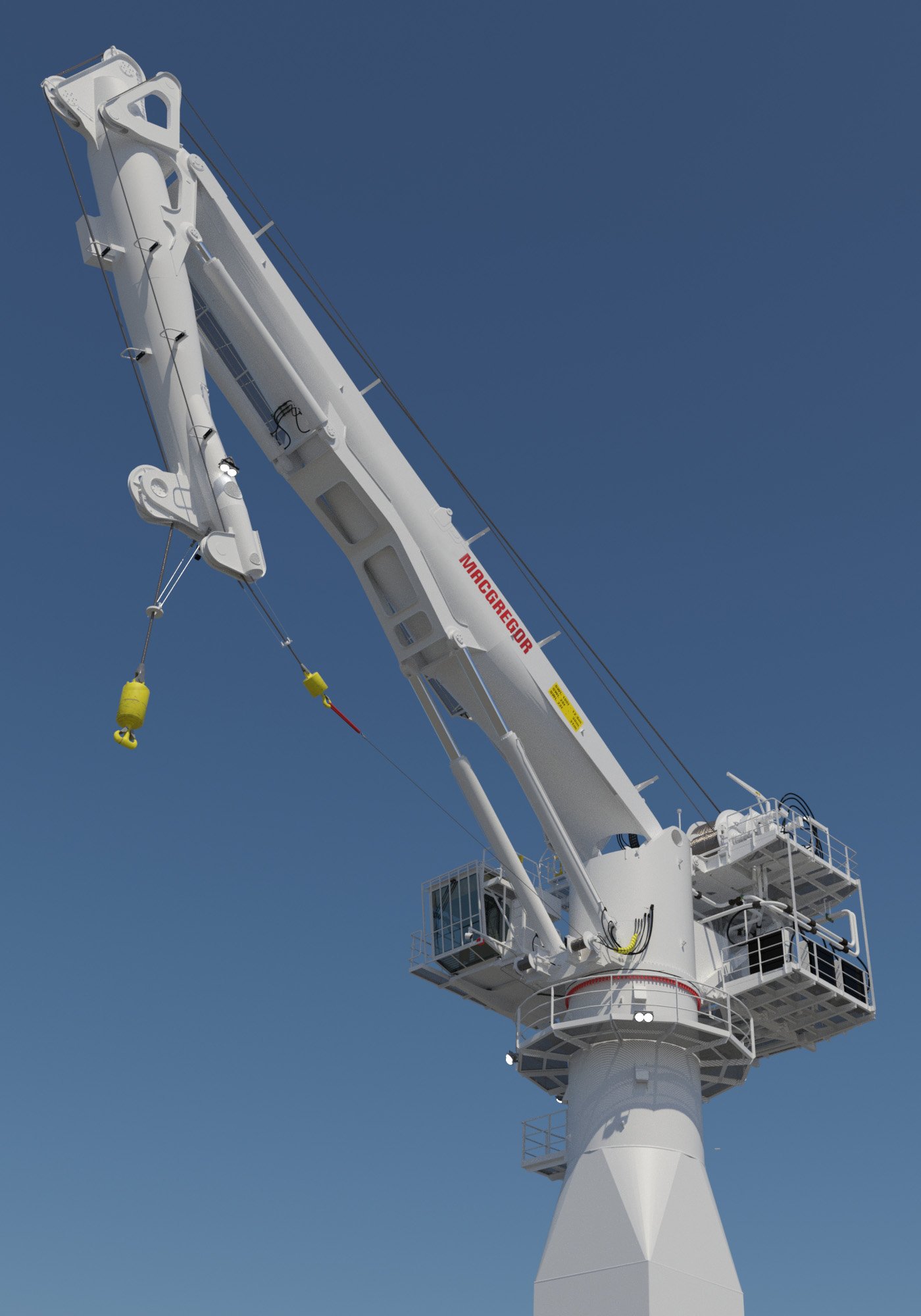
- Safe Working Load (SWL)
- 25–100 t (Standardlinien); >500 t (Heavy Lift); kundenspezifische Anpassung möglich
- Jib-Radius (Ausladung)
- 18–44 m (modellabhängig)
- Antrieb
- Hydraulic (Closed-Loop System) or Electric (VFD); both types same SWL and reach
- Drehkranz-lager
- Self-aligning Rollenlager; Schmierung mit strukturiertem Fettplan; Rocking-Test zur Abnutzungsprüfung
- Hydraulik
- Closed-Loop Design; independent control hoisting/slewing/tilting at full speed; monitoring and diagnostic functions
- Zertifizierung
- DNV-GL-ST-0378 (optional); IACS-Member-Gesellschaften; Klassenzertifizierung verfügbar
- GL (Multipurpose Hydraulic)
- GLE (Multipurpose Electric)
- GLH (Heavy Lift Hydraulic)
- GLHE (Heavy Lift Electric)
- GLB (Bulker Hydraulic)
- GLBE (Bulker Electric)
- GLBS (Bulker Electro-Hydraulic)
- PK/BPK (Provision/Boat Cranes)
- HTC (Telescopic Knuckle Boom)
- Area: Wire rope wear and damageCheck: Visual inspection for breaks, deformation, corrosion; DNV 5-year rule: sample and laboratory test; annual inspection of full length if damage indicators present → replacement if necessary
- Area: Slew ring bearing wear and grease starvationCheck: Rocking test (measure axial play); visual inspection: grease traces under bearing (dry = wear risk); take grease samples for ferrography analysis (wear particle monitoring: lamella particles = bearing damage)
- Area: Hydraulic wear and leakageCheck: Visual inspection for oil leaks at valves, cylinders, hoses; hydraulic oil samples for analysis (water content, wear metals); pressure test and control valve functional test; OnWatch Scout IoT condition monitoring optionally available
- Area: Hooks, eyes and pin connectionsCheck: Surface cracks and deformation (visual inspection); tensile test to UNE-EN ISO 6892-1:2010; 'safety-related' components: high inspection level before commissioning and during service life
- Area: Load test and SWL certificationCheck: Alle 5 Jahre Lasttest erforderlich (DNV-Anforderung); Proof-Load-Test: max. 110% der Maximallast (OSHA/ASME B30.2.0-1967); Funktionsprüfung aller Positionen unter Wasser/Kalibriergewichten; DNV-Surveyor anwesend
- Area: Control systems and safety switchesCheck: Endschalter (Heben/Senken Grenzen); Überlaststoppfunktion; Druckregelventile (Druckprobe); Redundanz-Prüfung der Bremsen
Typ-universelle Inspektions-/Wartungspunkte fuer Deck Cranes (MacGregor + DNV/OSHA, 2026-06). Per-Modell-Specs NICHT auto-gefuellt.

- Safe Working Load (SWL)
- 25–100 t (Standardlinien); >500 t (Heavy Lift); kundenspezifische Anpassung möglich
- Jib-Radius (Ausladung)
- 18–44 m (modellabhängig)
- Antrieb
- Hydraulic (Closed-Loop System) or Electric (VFD); both types same SWL and reach
- Drehkranz-lager
- Self-aligning Rollenlager; Schmierung mit strukturiertem Fettplan; Rocking-Test zur Abnutzungsprüfung
- Hydraulik
- Closed-Loop Design; independent control hoisting/slewing/tilting at full speed; monitoring and diagnostic functions
- Zertifizierung
- DNV-GL-ST-0378 (optional); IACS-Member-Gesellschaften; Klassenzertifizierung verfügbar
- GL (Multipurpose Hydraulic)
- GLE (Multipurpose Electric)
- GLH (Heavy Lift Hydraulic)
- GLHE (Heavy Lift Electric)
- GLB (Bulker Hydraulic)
- GLBE (Bulker Electric)
- GLBS (Bulker Electro-Hydraulic)
- PK/BPK (Provision/Boat Cranes)
- HTC (Telescopic Knuckle Boom)
- Area: Wire rope wear and damageCheck: Visual inspection for breaks, deformation, corrosion; DNV 5-year rule: sample and laboratory test; annual inspection of full length if damage indicators present → replacement if necessary
- Area: Slew ring bearing wear and grease starvationCheck: Rocking test (measure axial play); visual inspection: grease traces under bearing (dry = wear risk); take grease samples for ferrography analysis (wear particle monitoring: lamella particles = bearing damage)
- Area: Hydraulic wear and leakageCheck: Visual inspection for oil leaks at valves, cylinders, hoses; hydraulic oil samples for analysis (water content, wear metals); pressure test and control valve functional test; OnWatch Scout IoT condition monitoring optionally available
- Area: Hooks, eyes and pin connectionsCheck: Surface cracks and deformation (visual inspection); tensile test to UNE-EN ISO 6892-1:2010; 'safety-related' components: high inspection level before commissioning and during service life
- Area: Load test and SWL certificationCheck: Alle 5 Jahre Lasttest erforderlich (DNV-Anforderung); Proof-Load-Test: max. 110% der Maximallast (OSHA/ASME B30.2.0-1967); Funktionsprüfung aller Positionen unter Wasser/Kalibriergewichten; DNV-Surveyor anwesend
- Area: Control systems and safety switchesCheck: Endschalter (Heben/Senken Grenzen); Überlaststoppfunktion; Druckregelventile (Druckprobe); Redundanz-Prüfung der Bremsen
Typ-universelle Inspektions-/Wartungspunkte fuer Deck Cranes (MacGregor + DNV/OSHA, 2026-06). Per-Modell-Specs NICHT auto-gefuellt.
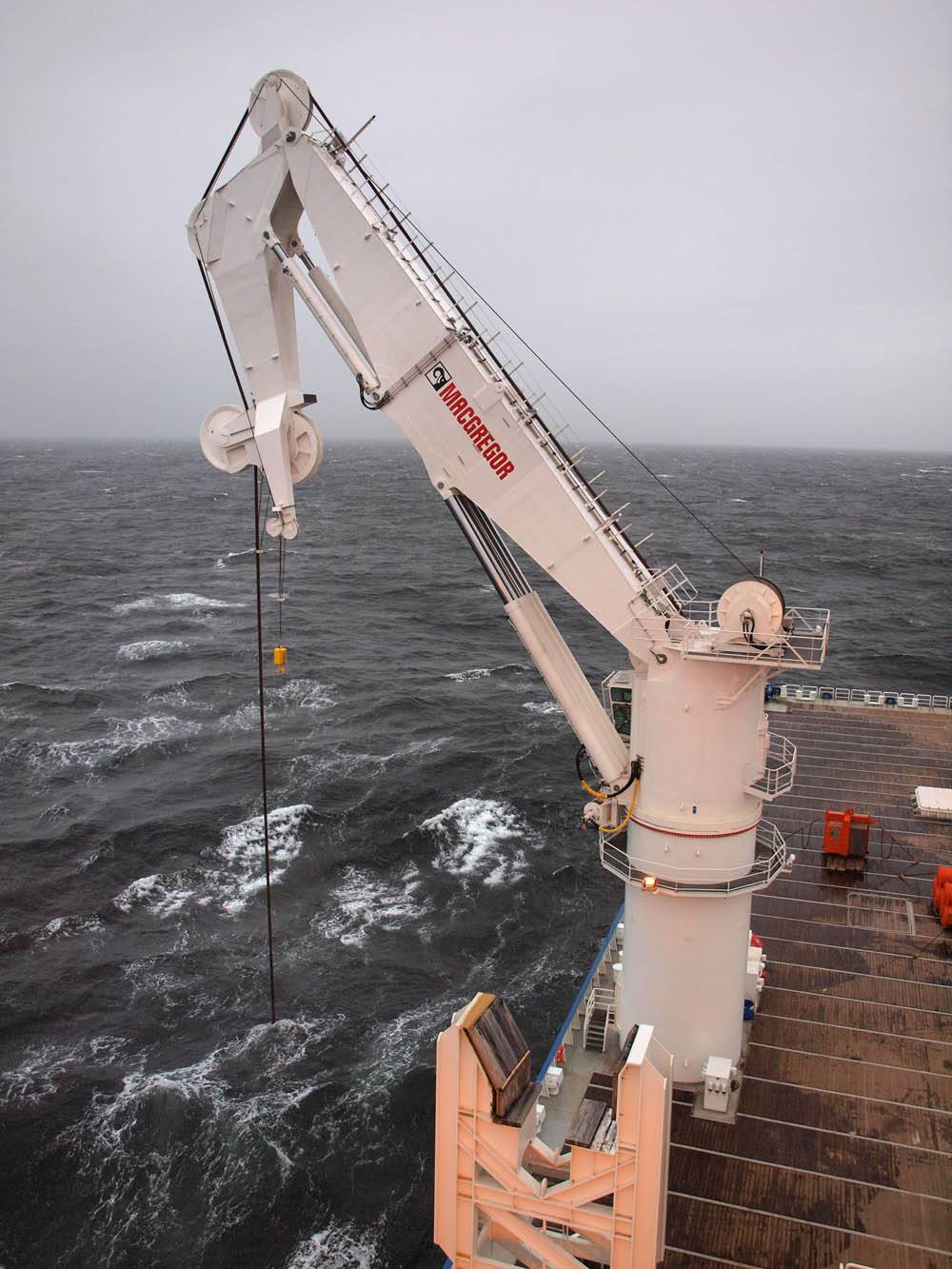
- Safe Working Load (SWL)
- 25–100 t (Standardlinien); >500 t (Heavy Lift); kundenspezifische Anpassung möglich
- Jib-Radius (Ausladung)
- 18–44 m (modellabhängig)
- Antrieb
- Hydraulic (Closed-Loop System) or Electric (VFD); both types same SWL and reach
- Drehkranz-lager
- Self-aligning Rollenlager; Schmierung mit strukturiertem Fettplan; Rocking-Test zur Abnutzungsprüfung
- Hydraulik
- Closed-Loop Design; independent control hoisting/slewing/tilting at full speed; monitoring and diagnostic functions
- Zertifizierung
- DNV-GL-ST-0378 (optional); IACS-Member-Gesellschaften; Klassenzertifizierung verfügbar
- GL (Multipurpose Hydraulic)
- GLE (Multipurpose Electric)
- GLH (Heavy Lift Hydraulic)
- GLHE (Heavy Lift Electric)
- GLB (Bulker Hydraulic)
- GLBE (Bulker Electric)
- GLBS (Bulker Electro-Hydraulic)
- PK/BPK (Provision/Boat Cranes)
- HTC (Telescopic Knuckle Boom)
- Area: Wire rope wear and damageCheck: Visual inspection for breaks, deformation, corrosion; DNV 5-year rule: sample and laboratory test; annual inspection of full length if damage indicators present → replacement if necessary
- Area: Slew ring bearing wear and grease starvationCheck: Rocking test (measure axial play); visual inspection: grease traces under bearing (dry = wear risk); take grease samples for ferrography analysis (wear particle monitoring: lamella particles = bearing damage)
- Area: Hydraulic wear and leakageCheck: Visual inspection for oil leaks at valves, cylinders, hoses; hydraulic oil samples for analysis (water content, wear metals); pressure test and control valve functional test; OnWatch Scout IoT condition monitoring optionally available
- Area: Hooks, eyes and pin connectionsCheck: Surface cracks and deformation (visual inspection); tensile test to UNE-EN ISO 6892-1:2010; 'safety-related' components: high inspection level before commissioning and during service life
- Area: Load test and SWL certificationCheck: Alle 5 Jahre Lasttest erforderlich (DNV-Anforderung); Proof-Load-Test: max. 110% der Maximallast (OSHA/ASME B30.2.0-1967); Funktionsprüfung aller Positionen unter Wasser/Kalibriergewichten; DNV-Surveyor anwesend
- Area: Control systems and safety switchesCheck: Endschalter (Heben/Senken Grenzen); Überlaststoppfunktion; Druckregelventile (Druckprobe); Redundanz-Prüfung der Bremsen
Typ-universelle Inspektions-/Wartungspunkte fuer Deck Cranes (MacGregor + DNV/OSHA, 2026-06). Per-Modell-Specs NICHT auto-gefuellt.
- Safe Working Load (SWL)
- 25–100 t (Standardlinien); >500 t (Heavy Lift); kundenspezifische Anpassung möglich
- Jib-Radius (Ausladung)
- 18–44 m (modellabhängig)
- Antrieb
- Hydraulic (Closed-Loop System) or Electric (VFD); both types same SWL and reach
- Drehkranz-lager
- Self-aligning Rollenlager; Schmierung mit strukturiertem Fettplan; Rocking-Test zur Abnutzungsprüfung
- Hydraulik
- Closed-Loop Design; independent control hoisting/slewing/tilting at full speed; monitoring and diagnostic functions
- Zertifizierung
- DNV-GL-ST-0378 (optional); IACS-Member-Gesellschaften; Klassenzertifizierung verfügbar
- GL (Multipurpose Hydraulic)
- GLE (Multipurpose Electric)
- GLH (Heavy Lift Hydraulic)
- GLHE (Heavy Lift Electric)
- GLB (Bulker Hydraulic)
- GLBE (Bulker Electric)
- GLBS (Bulker Electro-Hydraulic)
- PK/BPK (Provision/Boat Cranes)
- HTC (Telescopic Knuckle Boom)
- Area: Wire rope wear and damageCheck: Visual inspection for breaks, deformation, corrosion; DNV 5-year rule: sample and laboratory test; annual inspection of full length if damage indicators present → replacement if necessary
- Area: Slew ring bearing wear and grease starvationCheck: Rocking test (measure axial play); visual inspection: grease traces under bearing (dry = wear risk); take grease samples for ferrography analysis (wear particle monitoring: lamella particles = bearing damage)
- Area: Hydraulic wear and leakageCheck: Visual inspection for oil leaks at valves, cylinders, hoses; hydraulic oil samples for analysis (water content, wear metals); pressure test and control valve functional test; OnWatch Scout IoT condition monitoring optionally available
- Area: Hooks, eyes and pin connectionsCheck: Surface cracks and deformation (visual inspection); tensile test to UNE-EN ISO 6892-1:2010; 'safety-related' components: high inspection level before commissioning and during service life
- Area: Load test and SWL certificationCheck: Alle 5 Jahre Lasttest erforderlich (DNV-Anforderung); Proof-Load-Test: max. 110% der Maximallast (OSHA/ASME B30.2.0-1967); Funktionsprüfung aller Positionen unter Wasser/Kalibriergewichten; DNV-Surveyor anwesend
- Area: Control systems and safety switchesCheck: Endschalter (Heben/Senken Grenzen); Überlaststoppfunktion; Druckregelventile (Druckprobe); Redundanz-Prüfung der Bremsen
Typ-universelle Inspektions-/Wartungspunkte fuer Deck Cranes (MacGregor + DNV/OSHA, 2026-06). Per-Modell-Specs NICHT auto-gefuellt.
- Safe Working Load (SWL)
- 25–100 t (Standardlinien); >500 t (Heavy Lift); kundenspezifische Anpassung möglich
- Jib-Radius (Ausladung)
- 18–44 m (modellabhängig)
- Antrieb
- Hydraulic (Closed-Loop System) or Electric (VFD); both types same SWL and reach
- Drehkranz-lager
- Self-aligning Rollenlager; Schmierung mit strukturiertem Fettplan; Rocking-Test zur Abnutzungsprüfung
- Hydraulik
- Closed-Loop Design; independent control hoisting/slewing/tilting at full speed; monitoring and diagnostic functions
- Zertifizierung
- DNV-GL-ST-0378 (optional); IACS-Member-Gesellschaften; Klassenzertifizierung verfügbar
- GL (Multipurpose Hydraulic)
- GLE (Multipurpose Electric)
- GLH (Heavy Lift Hydraulic)
- GLHE (Heavy Lift Electric)
- GLB (Bulker Hydraulic)
- GLBE (Bulker Electric)
- GLBS (Bulker Electro-Hydraulic)
- PK/BPK (Provision/Boat Cranes)
- HTC (Telescopic Knuckle Boom)
- Area: Wire rope wear and damageCheck: Visual inspection for breaks, deformation, corrosion; DNV 5-year rule: sample and laboratory test; annual inspection of full length if damage indicators present → replacement if necessary
- Area: Slew ring bearing wear and grease starvationCheck: Rocking test (measure axial play); visual inspection: grease traces under bearing (dry = wear risk); take grease samples for ferrography analysis (wear particle monitoring: lamella particles = bearing damage)
- Area: Hydraulic wear and leakageCheck: Visual inspection for oil leaks at valves, cylinders, hoses; hydraulic oil samples for analysis (water content, wear metals); pressure test and control valve functional test; OnWatch Scout IoT condition monitoring optionally available
- Area: Hooks, eyes and pin connectionsCheck: Surface cracks and deformation (visual inspection); tensile test to UNE-EN ISO 6892-1:2010; 'safety-related' components: high inspection level before commissioning and during service life
- Area: Load test and SWL certificationCheck: Alle 5 Jahre Lasttest erforderlich (DNV-Anforderung); Proof-Load-Test: max. 110% der Maximallast (OSHA/ASME B30.2.0-1967); Funktionsprüfung aller Positionen unter Wasser/Kalibriergewichten; DNV-Surveyor anwesend
- Area: Control systems and safety switchesCheck: Endschalter (Heben/Senken Grenzen); Überlaststoppfunktion; Druckregelventile (Druckprobe); Redundanz-Prüfung der Bremsen
Typ-universelle Inspektions-/Wartungspunkte fuer Deck Cranes (MacGregor + DNV/OSHA, 2026-06). Per-Modell-Specs NICHT auto-gefuellt.
- Safe Working Load (SWL)
- 25–100 t (Standardlinien); >500 t (Heavy Lift); kundenspezifische Anpassung möglich
- Jib-Radius (Ausladung)
- 18–44 m (modellabhängig)
- Antrieb
- Hydraulic (Closed-Loop System) or Electric (VFD); both types same SWL and reach
- Drehkranz-lager
- Self-aligning Rollenlager; Schmierung mit strukturiertem Fettplan; Rocking-Test zur Abnutzungsprüfung
- Hydraulik
- Closed-Loop Design; independent control hoisting/slewing/tilting at full speed; monitoring and diagnostic functions
- Zertifizierung
- DNV-GL-ST-0378 (optional); IACS-Member-Gesellschaften; Klassenzertifizierung verfügbar
- GL (Multipurpose Hydraulic)
- GLE (Multipurpose Electric)
- GLH (Heavy Lift Hydraulic)
- GLHE (Heavy Lift Electric)
- GLB (Bulker Hydraulic)
- GLBE (Bulker Electric)
- GLBS (Bulker Electro-Hydraulic)
- PK/BPK (Provision/Boat Cranes)
- HTC (Telescopic Knuckle Boom)
- Area: Wire rope wear and damageCheck: Visual inspection for breaks, deformation, corrosion; DNV 5-year rule: sample and laboratory test; annual inspection of full length if damage indicators present → replacement if necessary
- Area: Slew ring bearing wear and grease starvationCheck: Rocking test (measure axial play); visual inspection: grease traces under bearing (dry = wear risk); take grease samples for ferrography analysis (wear particle monitoring: lamella particles = bearing damage)
- Area: Hydraulic wear and leakageCheck: Visual inspection for oil leaks at valves, cylinders, hoses; hydraulic oil samples for analysis (water content, wear metals); pressure test and control valve functional test; OnWatch Scout IoT condition monitoring optionally available
- Area: Hooks, eyes and pin connectionsCheck: Surface cracks and deformation (visual inspection); tensile test to UNE-EN ISO 6892-1:2010; 'safety-related' components: high inspection level before commissioning and during service life
- Area: Load test and SWL certificationCheck: Alle 5 Jahre Lasttest erforderlich (DNV-Anforderung); Proof-Load-Test: max. 110% der Maximallast (OSHA/ASME B30.2.0-1967); Funktionsprüfung aller Positionen unter Wasser/Kalibriergewichten; DNV-Surveyor anwesend
- Area: Control systems and safety switchesCheck: Endschalter (Heben/Senken Grenzen); Überlaststoppfunktion; Druckregelventile (Druckprobe); Redundanz-Prüfung der Bremsen
Typ-universelle Inspektions-/Wartungspunkte fuer Deck Cranes (MacGregor + DNV/OSHA, 2026-06). Per-Modell-Specs NICHT auto-gefuellt.
- Safe Working Load (SWL)
- 25–100 t (Standardlinien); >500 t (Heavy Lift); kundenspezifische Anpassung möglich
- Jib-Radius (Ausladung)
- 18–44 m (modellabhängig)
- Antrieb
- Hydraulic (Closed-Loop System) or Electric (VFD); both types same SWL and reach
- Drehkranz-lager
- Self-aligning Rollenlager; Schmierung mit strukturiertem Fettplan; Rocking-Test zur Abnutzungsprüfung
- Hydraulik
- Closed-Loop Design; independent control hoisting/slewing/tilting at full speed; monitoring and diagnostic functions
- Zertifizierung
- DNV-GL-ST-0378 (optional); IACS-Member-Gesellschaften; Klassenzertifizierung verfügbar
- GL (Multipurpose Hydraulic)
- GLE (Multipurpose Electric)
- GLH (Heavy Lift Hydraulic)
- GLHE (Heavy Lift Electric)
- GLB (Bulker Hydraulic)
- GLBE (Bulker Electric)
- GLBS (Bulker Electro-Hydraulic)
- PK/BPK (Provision/Boat Cranes)
- HTC (Telescopic Knuckle Boom)
- Area: Wire rope wear and damageCheck: Visual inspection for breaks, deformation, corrosion; DNV 5-year rule: sample and laboratory test; annual inspection of full length if damage indicators present → replacement if necessary
- Area: Slew ring bearing wear and grease starvationCheck: Rocking test (measure axial play); visual inspection: grease traces under bearing (dry = wear risk); take grease samples for ferrography analysis (wear particle monitoring: lamella particles = bearing damage)
- Area: Hydraulic wear and leakageCheck: Visual inspection for oil leaks at valves, cylinders, hoses; hydraulic oil samples for analysis (water content, wear metals); pressure test and control valve functional test; OnWatch Scout IoT condition monitoring optionally available
- Area: Hooks, eyes and pin connectionsCheck: Surface cracks and deformation (visual inspection); tensile test to UNE-EN ISO 6892-1:2010; 'safety-related' components: high inspection level before commissioning and during service life
- Area: Load test and SWL certificationCheck: Alle 5 Jahre Lasttest erforderlich (DNV-Anforderung); Proof-Load-Test: max. 110% der Maximallast (OSHA/ASME B30.2.0-1967); Funktionsprüfung aller Positionen unter Wasser/Kalibriergewichten; DNV-Surveyor anwesend
- Area: Control systems and safety switchesCheck: Endschalter (Heben/Senken Grenzen); Überlaststoppfunktion; Druckregelventile (Druckprobe); Redundanz-Prüfung der Bremsen
Typ-universelle Inspektions-/Wartungspunkte fuer Deck Cranes (MacGregor + DNV/OSHA, 2026-06). Per-Modell-Specs NICHT auto-gefuellt.
- Safe Working Load (SWL)
- 25–100 t (Standardlinien); >500 t (Heavy Lift); kundenspezifische Anpassung möglich
- Jib-Radius (Ausladung)
- 18–44 m (modellabhängig)
- Antrieb
- Hydraulic (Closed-Loop System) or Electric (VFD); both types same SWL and reach
- Drehkranz-lager
- Self-aligning Rollenlager; Schmierung mit strukturiertem Fettplan; Rocking-Test zur Abnutzungsprüfung
- Hydraulik
- Closed-Loop Design; independent control hoisting/slewing/tilting at full speed; monitoring and diagnostic functions
- Zertifizierung
- DNV-GL-ST-0378 (optional); IACS-Member-Gesellschaften; Klassenzertifizierung verfügbar
- GL (Multipurpose Hydraulic)
- GLE (Multipurpose Electric)
- GLH (Heavy Lift Hydraulic)
- GLHE (Heavy Lift Electric)
- GLB (Bulker Hydraulic)
- GLBE (Bulker Electric)
- GLBS (Bulker Electro-Hydraulic)
- PK/BPK (Provision/Boat Cranes)
- HTC (Telescopic Knuckle Boom)
- Area: Wire rope wear and damageCheck: Visual inspection for breaks, deformation, corrosion; DNV 5-year rule: sample and laboratory test; annual inspection of full length if damage indicators present → replacement if necessary
- Area: Slew ring bearing wear and grease starvationCheck: Rocking test (measure axial play); visual inspection: grease traces under bearing (dry = wear risk); take grease samples for ferrography analysis (wear particle monitoring: lamella particles = bearing damage)
- Area: Hydraulic wear and leakageCheck: Visual inspection for oil leaks at valves, cylinders, hoses; hydraulic oil samples for analysis (water content, wear metals); pressure test and control valve functional test; OnWatch Scout IoT condition monitoring optionally available
- Area: Hooks, eyes and pin connectionsCheck: Surface cracks and deformation (visual inspection); tensile test to UNE-EN ISO 6892-1:2010; 'safety-related' components: high inspection level before commissioning and during service life
- Area: Load test and SWL certificationCheck: Alle 5 Jahre Lasttest erforderlich (DNV-Anforderung); Proof-Load-Test: max. 110% der Maximallast (OSHA/ASME B30.2.0-1967); Funktionsprüfung aller Positionen unter Wasser/Kalibriergewichten; DNV-Surveyor anwesend
- Area: Control systems and safety switchesCheck: Endschalter (Heben/Senken Grenzen); Überlaststoppfunktion; Druckregelventile (Druckprobe); Redundanz-Prüfung der Bremsen
Typ-universelle Inspektions-/Wartungspunkte fuer Deck Cranes (MacGregor + DNV/OSHA, 2026-06). Per-Modell-Specs NICHT auto-gefuellt.
- Safe Working Load (SWL)
- 25–100 t (Standardlinien); >500 t (Heavy Lift); kundenspezifische Anpassung möglich
- Jib-Radius (Ausladung)
- 18–44 m (modellabhängig)
- Antrieb
- Hydraulic (Closed-Loop System) or Electric (VFD); both types same SWL and reach
- Drehkranz-lager
- Self-aligning Rollenlager; Schmierung mit strukturiertem Fettplan; Rocking-Test zur Abnutzungsprüfung
- Hydraulik
- Closed-Loop Design; independent control hoisting/slewing/tilting at full speed; monitoring and diagnostic functions
- Zertifizierung
- DNV-GL-ST-0378 (optional); IACS-Member-Gesellschaften; Klassenzertifizierung verfügbar
- GL (Multipurpose Hydraulic)
- GLE (Multipurpose Electric)
- GLH (Heavy Lift Hydraulic)
- GLHE (Heavy Lift Electric)
- GLB (Bulker Hydraulic)
- GLBE (Bulker Electric)
- GLBS (Bulker Electro-Hydraulic)
- PK/BPK (Provision/Boat Cranes)
- HTC (Telescopic Knuckle Boom)
- Area: Wire rope wear and damageCheck: Visual inspection for breaks, deformation, corrosion; DNV 5-year rule: sample and laboratory test; annual inspection of full length if damage indicators present → replacement if necessary
- Area: Slew ring bearing wear and grease starvationCheck: Rocking test (measure axial play); visual inspection: grease traces under bearing (dry = wear risk); take grease samples for ferrography analysis (wear particle monitoring: lamella particles = bearing damage)
- Area: Hydraulic wear and leakageCheck: Visual inspection for oil leaks at valves, cylinders, hoses; hydraulic oil samples for analysis (water content, wear metals); pressure test and control valve functional test; OnWatch Scout IoT condition monitoring optionally available
- Area: Hooks, eyes and pin connectionsCheck: Surface cracks and deformation (visual inspection); tensile test to UNE-EN ISO 6892-1:2010; 'safety-related' components: high inspection level before commissioning and during service life
- Area: Load test and SWL certificationCheck: Alle 5 Jahre Lasttest erforderlich (DNV-Anforderung); Proof-Load-Test: max. 110% der Maximallast (OSHA/ASME B30.2.0-1967); Funktionsprüfung aller Positionen unter Wasser/Kalibriergewichten; DNV-Surveyor anwesend
- Area: Control systems and safety switchesCheck: Endschalter (Heben/Senken Grenzen); Überlaststoppfunktion; Druckregelventile (Druckprobe); Redundanz-Prüfung der Bremsen
Typ-universelle Inspektions-/Wartungspunkte fuer Deck Cranes (MacGregor + DNV/OSHA, 2026-06). Per-Modell-Specs NICHT auto-gefuellt.
- Safe Working Load (SWL)
- 25–100 t (Standardlinien); >500 t (Heavy Lift); kundenspezifische Anpassung möglich
- Jib-Radius (Ausladung)
- 18–44 m (modellabhängig)
- Antrieb
- Hydraulic (Closed-Loop System) or Electric (VFD); both types same SWL and reach
- Drehkranz-lager
- Self-aligning Rollenlager; Schmierung mit strukturiertem Fettplan; Rocking-Test zur Abnutzungsprüfung
- Hydraulik
- Closed-Loop Design; independent control hoisting/slewing/tilting at full speed; monitoring and diagnostic functions
- Zertifizierung
- DNV-GL-ST-0378 (optional); IACS-Member-Gesellschaften; Klassenzertifizierung verfügbar
- GL (Multipurpose Hydraulic)
- GLE (Multipurpose Electric)
- GLH (Heavy Lift Hydraulic)
- GLHE (Heavy Lift Electric)
- GLB (Bulker Hydraulic)
- GLBE (Bulker Electric)
- GLBS (Bulker Electro-Hydraulic)
- PK/BPK (Provision/Boat Cranes)
- HTC (Telescopic Knuckle Boom)
- Area: Wire rope wear and damageCheck: Visual inspection for breaks, deformation, corrosion; DNV 5-year rule: sample and laboratory test; annual inspection of full length if damage indicators present → replacement if necessary
- Area: Slew ring bearing wear and grease starvationCheck: Rocking test (measure axial play); visual inspection: grease traces under bearing (dry = wear risk); take grease samples for ferrography analysis (wear particle monitoring: lamella particles = bearing damage)
- Area: Hydraulic wear and leakageCheck: Visual inspection for oil leaks at valves, cylinders, hoses; hydraulic oil samples for analysis (water content, wear metals); pressure test and control valve functional test; OnWatch Scout IoT condition monitoring optionally available
- Area: Hooks, eyes and pin connectionsCheck: Surface cracks and deformation (visual inspection); tensile test to UNE-EN ISO 6892-1:2010; 'safety-related' components: high inspection level before commissioning and during service life
- Area: Load test and SWL certificationCheck: Alle 5 Jahre Lasttest erforderlich (DNV-Anforderung); Proof-Load-Test: max. 110% der Maximallast (OSHA/ASME B30.2.0-1967); Funktionsprüfung aller Positionen unter Wasser/Kalibriergewichten; DNV-Surveyor anwesend
- Area: Control systems and safety switchesCheck: Endschalter (Heben/Senken Grenzen); Überlaststoppfunktion; Druckregelventile (Druckprobe); Redundanz-Prüfung der Bremsen
Typ-universelle Inspektions-/Wartungspunkte fuer Deck Cranes (MacGregor + DNV/OSHA, 2026-06). Per-Modell-Specs NICHT auto-gefuellt.
- Safe Working Load (SWL)
- 25–100 t (Standardlinien); >500 t (Heavy Lift); kundenspezifische Anpassung möglich
- Jib-Radius (Ausladung)
- 18–44 m (modellabhängig)
- Antrieb
- Hydraulic (Closed-Loop System) or Electric (VFD); both types same SWL and reach
- Drehkranz-lager
- Self-aligning Rollenlager; Schmierung mit strukturiertem Fettplan; Rocking-Test zur Abnutzungsprüfung
- Hydraulik
- Closed-Loop Design; independent control hoisting/slewing/tilting at full speed; monitoring and diagnostic functions
- Zertifizierung
- DNV-GL-ST-0378 (optional); IACS-Member-Gesellschaften; Klassenzertifizierung verfügbar
- GL (Multipurpose Hydraulic)
- GLE (Multipurpose Electric)
- GLH (Heavy Lift Hydraulic)
- GLHE (Heavy Lift Electric)
- GLB (Bulker Hydraulic)
- GLBE (Bulker Electric)
- GLBS (Bulker Electro-Hydraulic)
- PK/BPK (Provision/Boat Cranes)
- HTC (Telescopic Knuckle Boom)
- Area: Wire rope wear and damageCheck: Visual inspection for breaks, deformation, corrosion; DNV 5-year rule: sample and laboratory test; annual inspection of full length if damage indicators present → replacement if necessary
- Area: Slew ring bearing wear and grease starvationCheck: Rocking test (measure axial play); visual inspection: grease traces under bearing (dry = wear risk); take grease samples for ferrography analysis (wear particle monitoring: lamella particles = bearing damage)
- Area: Hydraulic wear and leakageCheck: Visual inspection for oil leaks at valves, cylinders, hoses; hydraulic oil samples for analysis (water content, wear metals); pressure test and control valve functional test; OnWatch Scout IoT condition monitoring optionally available
- Area: Hooks, eyes and pin connectionsCheck: Surface cracks and deformation (visual inspection); tensile test to UNE-EN ISO 6892-1:2010; 'safety-related' components: high inspection level before commissioning and during service life
- Area: Load test and SWL certificationCheck: Alle 5 Jahre Lasttest erforderlich (DNV-Anforderung); Proof-Load-Test: max. 110% der Maximallast (OSHA/ASME B30.2.0-1967); Funktionsprüfung aller Positionen unter Wasser/Kalibriergewichten; DNV-Surveyor anwesend
- Area: Control systems and safety switchesCheck: Endschalter (Heben/Senken Grenzen); Überlaststoppfunktion; Druckregelventile (Druckprobe); Redundanz-Prüfung der Bremsen
Typ-universelle Inspektions-/Wartungspunkte fuer Deck Cranes (MacGregor + DNV/OSHA, 2026-06). Per-Modell-Specs NICHT auto-gefuellt.
- Safe Working Load (SWL)
- 25–100 t (Standardlinien); >500 t (Heavy Lift); kundenspezifische Anpassung möglich
- Jib-Radius (Ausladung)
- 18–44 m (modellabhängig)
- Antrieb
- Hydraulic (Closed-Loop System) or Electric (VFD); both types same SWL and reach
- Drehkranz-lager
- Self-aligning Rollenlager; Schmierung mit strukturiertem Fettplan; Rocking-Test zur Abnutzungsprüfung
- Hydraulik
- Closed-Loop Design; independent control hoisting/slewing/tilting at full speed; monitoring and diagnostic functions
- Zertifizierung
- DNV-GL-ST-0378 (optional); IACS-Member-Gesellschaften; Klassenzertifizierung verfügbar
- GL (Multipurpose Hydraulic)
- GLE (Multipurpose Electric)
- GLH (Heavy Lift Hydraulic)
- GLHE (Heavy Lift Electric)
- GLB (Bulker Hydraulic)
- GLBE (Bulker Electric)
- GLBS (Bulker Electro-Hydraulic)
- PK/BPK (Provision/Boat Cranes)
- HTC (Telescopic Knuckle Boom)
- Area: Wire rope wear and damageCheck: Visual inspection for breaks, deformation, corrosion; DNV 5-year rule: sample and laboratory test; annual inspection of full length if damage indicators present → replacement if necessary
- Area: Slew ring bearing wear and grease starvationCheck: Rocking test (measure axial play); visual inspection: grease traces under bearing (dry = wear risk); take grease samples for ferrography analysis (wear particle monitoring: lamella particles = bearing damage)
- Area: Hydraulic wear and leakageCheck: Visual inspection for oil leaks at valves, cylinders, hoses; hydraulic oil samples for analysis (water content, wear metals); pressure test and control valve functional test; OnWatch Scout IoT condition monitoring optionally available
- Area: Hooks, eyes and pin connectionsCheck: Surface cracks and deformation (visual inspection); tensile test to UNE-EN ISO 6892-1:2010; 'safety-related' components: high inspection level before commissioning and during service life
- Area: Load test and SWL certificationCheck: Alle 5 Jahre Lasttest erforderlich (DNV-Anforderung); Proof-Load-Test: max. 110% der Maximallast (OSHA/ASME B30.2.0-1967); Funktionsprüfung aller Positionen unter Wasser/Kalibriergewichten; DNV-Surveyor anwesend
- Area: Control systems and safety switchesCheck: Endschalter (Heben/Senken Grenzen); Überlaststoppfunktion; Druckregelventile (Druckprobe); Redundanz-Prüfung der Bremsen
Typ-universelle Inspektions-/Wartungspunkte fuer Deck Cranes (MacGregor + DNV/OSHA, 2026-06). Per-Modell-Specs NICHT auto-gefuellt.
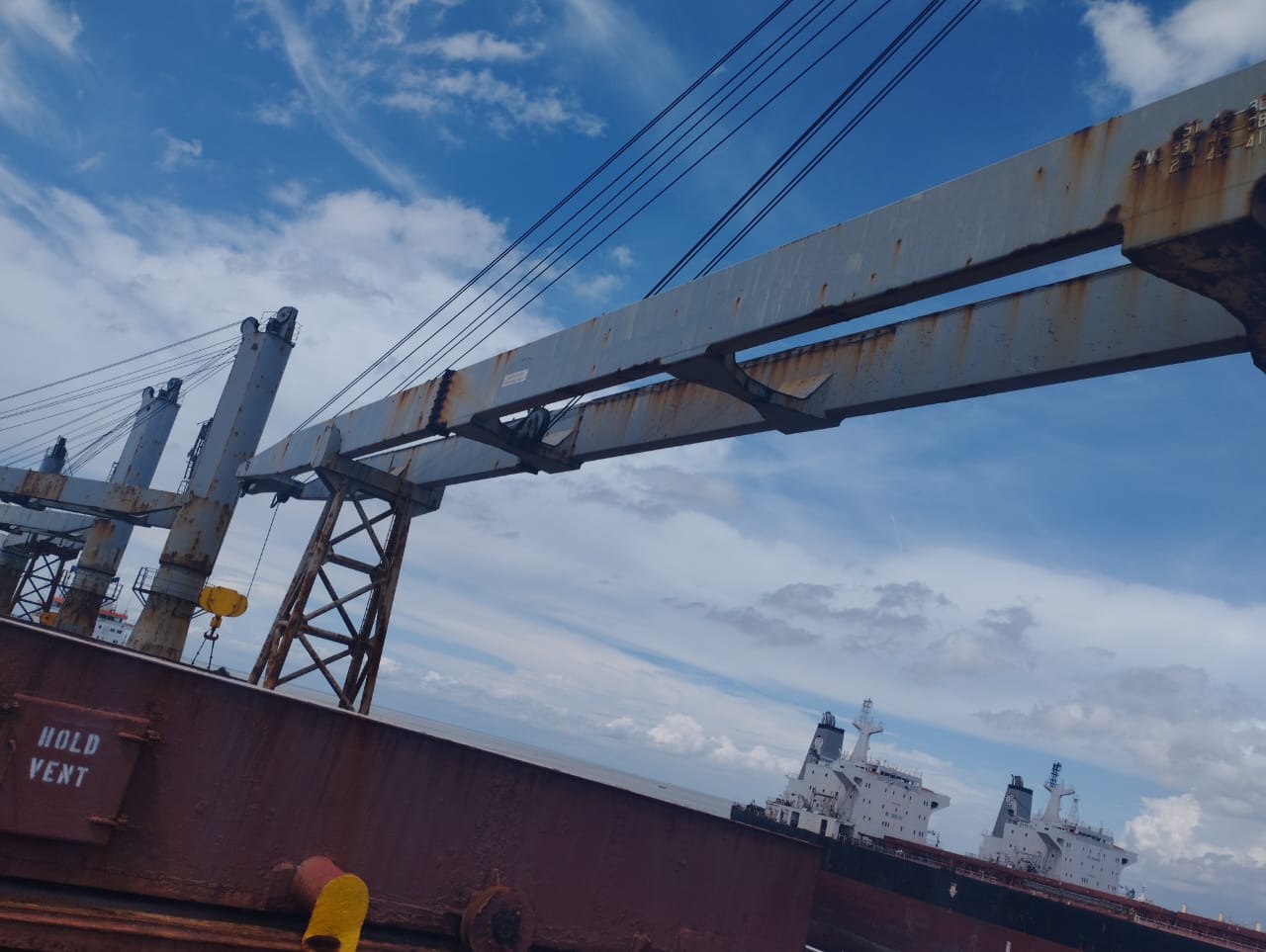
- Safe Working Load (SWL)
- 25–100 t (Standardlinien); >500 t (Heavy Lift); kundenspezifische Anpassung möglich
- Jib-Radius (Ausladung)
- 18–44 m (modellabhängig)
- Antrieb
- Hydraulic (Closed-Loop System) or Electric (VFD); both types same SWL and reach
- Drehkranz-lager
- Self-aligning Rollenlager; Schmierung mit strukturiertem Fettplan; Rocking-Test zur Abnutzungsprüfung
- Hydraulik
- Closed-Loop Design; independent control hoisting/slewing/tilting at full speed; monitoring and diagnostic functions
- Zertifizierung
- DNV-GL-ST-0378 (optional); IACS-Member-Gesellschaften; Klassenzertifizierung verfügbar
- GL (Multipurpose Hydraulic)
- GLE (Multipurpose Electric)
- GLH (Heavy Lift Hydraulic)
- GLHE (Heavy Lift Electric)
- GLB (Bulker Hydraulic)
- GLBE (Bulker Electric)
- GLBS (Bulker Electro-Hydraulic)
- PK/BPK (Provision/Boat Cranes)
- HTC (Telescopic Knuckle Boom)
- Area: Wire rope wear and damageCheck: Visual inspection for breaks, deformation, corrosion; DNV 5-year rule: sample and laboratory test; annual inspection of full length if damage indicators present → replacement if necessary
- Area: Slew ring bearing wear and grease starvationCheck: Rocking test (measure axial play); visual inspection: grease traces under bearing (dry = wear risk); take grease samples for ferrography analysis (wear particle monitoring: lamella particles = bearing damage)
- Area: Hydraulic wear and leakageCheck: Visual inspection for oil leaks at valves, cylinders, hoses; hydraulic oil samples for analysis (water content, wear metals); pressure test and control valve functional test; OnWatch Scout IoT condition monitoring optionally available
- Area: Hooks, eyes and pin connectionsCheck: Surface cracks and deformation (visual inspection); tensile test to UNE-EN ISO 6892-1:2010; 'safety-related' components: high inspection level before commissioning and during service life
- Area: Load test and SWL certificationCheck: Alle 5 Jahre Lasttest erforderlich (DNV-Anforderung); Proof-Load-Test: max. 110% der Maximallast (OSHA/ASME B30.2.0-1967); Funktionsprüfung aller Positionen unter Wasser/Kalibriergewichten; DNV-Surveyor anwesend
- Area: Control systems and safety switchesCheck: Endschalter (Heben/Senken Grenzen); Überlaststoppfunktion; Druckregelventile (Druckprobe); Redundanz-Prüfung der Bremsen
Typ-universelle Inspektions-/Wartungspunkte fuer Deck Cranes (MacGregor + DNV/OSHA, 2026-06). Per-Modell-Specs NICHT auto-gefuellt.
- Safe Working Load (SWL)
- 25–100 t (Standardlinien); >500 t (Heavy Lift); kundenspezifische Anpassung möglich
- Jib-Radius (Ausladung)
- 18–44 m (modellabhängig)
- Antrieb
- Hydraulic (Closed-Loop System) or Electric (VFD); both types same SWL and reach
- Drehkranz-lager
- Self-aligning Rollenlager; Schmierung mit strukturiertem Fettplan; Rocking-Test zur Abnutzungsprüfung
- Hydraulik
- Closed-Loop Design; independent control hoisting/slewing/tilting at full speed; monitoring and diagnostic functions
- Zertifizierung
- DNV-GL-ST-0378 (optional); IACS-Member-Gesellschaften; Klassenzertifizierung verfügbar
- GL (Multipurpose Hydraulic)
- GLE (Multipurpose Electric)
- GLH (Heavy Lift Hydraulic)
- GLHE (Heavy Lift Electric)
- GLB (Bulker Hydraulic)
- GLBE (Bulker Electric)
- GLBS (Bulker Electro-Hydraulic)
- PK/BPK (Provision/Boat Cranes)
- HTC (Telescopic Knuckle Boom)
- Area: Wire rope wear and damageCheck: Visual inspection for breaks, deformation, corrosion; DNV 5-year rule: sample and laboratory test; annual inspection of full length if damage indicators present → replacement if necessary
- Area: Slew ring bearing wear and grease starvationCheck: Rocking test (measure axial play); visual inspection: grease traces under bearing (dry = wear risk); take grease samples for ferrography analysis (wear particle monitoring: lamella particles = bearing damage)
- Area: Hydraulic wear and leakageCheck: Visual inspection for oil leaks at valves, cylinders, hoses; hydraulic oil samples for analysis (water content, wear metals); pressure test and control valve functional test; OnWatch Scout IoT condition monitoring optionally available
- Area: Hooks, eyes and pin connectionsCheck: Surface cracks and deformation (visual inspection); tensile test to UNE-EN ISO 6892-1:2010; 'safety-related' components: high inspection level before commissioning and during service life
- Area: Load test and SWL certificationCheck: Alle 5 Jahre Lasttest erforderlich (DNV-Anforderung); Proof-Load-Test: max. 110% der Maximallast (OSHA/ASME B30.2.0-1967); Funktionsprüfung aller Positionen unter Wasser/Kalibriergewichten; DNV-Surveyor anwesend
- Area: Control systems and safety switchesCheck: Endschalter (Heben/Senken Grenzen); Überlaststoppfunktion; Druckregelventile (Druckprobe); Redundanz-Prüfung der Bremsen
Typ-universelle Inspektions-/Wartungspunkte fuer Deck Cranes (MacGregor + DNV/OSHA, 2026-06). Per-Modell-Specs NICHT auto-gefuellt.

- Safe Working Load (SWL)
- 25–100 t (Standardlinien); >500 t (Heavy Lift); kundenspezifische Anpassung möglich
- Jib-Radius (Ausladung)
- 18–44 m (modellabhängig)
- Antrieb
- Hydraulic (Closed-Loop System) or Electric (VFD); both types same SWL and reach
- Drehkranz-lager
- Self-aligning Rollenlager; Schmierung mit strukturiertem Fettplan; Rocking-Test zur Abnutzungsprüfung
- Hydraulik
- Closed-Loop Design; independent control hoisting/slewing/tilting at full speed; monitoring and diagnostic functions
- Zertifizierung
- DNV-GL-ST-0378 (optional); IACS-Member-Gesellschaften; Klassenzertifizierung verfügbar
- GL (Multipurpose Hydraulic)
- GLE (Multipurpose Electric)
- GLH (Heavy Lift Hydraulic)
- GLHE (Heavy Lift Electric)
- GLB (Bulker Hydraulic)
- GLBE (Bulker Electric)
- GLBS (Bulker Electro-Hydraulic)
- PK/BPK (Provision/Boat Cranes)
- HTC (Telescopic Knuckle Boom)
- Area: Wire rope wear and damageCheck: Visual inspection for breaks, deformation, corrosion; DNV 5-year rule: sample and laboratory test; annual inspection of full length if damage indicators present → replacement if necessary
- Area: Slew ring bearing wear and grease starvationCheck: Rocking test (measure axial play); visual inspection: grease traces under bearing (dry = wear risk); take grease samples for ferrography analysis (wear particle monitoring: lamella particles = bearing damage)
- Area: Hydraulic wear and leakageCheck: Visual inspection for oil leaks at valves, cylinders, hoses; hydraulic oil samples for analysis (water content, wear metals); pressure test and control valve functional test; OnWatch Scout IoT condition monitoring optionally available
- Area: Hooks, eyes and pin connectionsCheck: Surface cracks and deformation (visual inspection); tensile test to UNE-EN ISO 6892-1:2010; 'safety-related' components: high inspection level before commissioning and during service life
- Area: Load test and SWL certificationCheck: Alle 5 Jahre Lasttest erforderlich (DNV-Anforderung); Proof-Load-Test: max. 110% der Maximallast (OSHA/ASME B30.2.0-1967); Funktionsprüfung aller Positionen unter Wasser/Kalibriergewichten; DNV-Surveyor anwesend
- Area: Control systems and safety switchesCheck: Endschalter (Heben/Senken Grenzen); Überlaststoppfunktion; Druckregelventile (Druckprobe); Redundanz-Prüfung der Bremsen
Typ-universelle Inspektions-/Wartungspunkte fuer Deck Cranes (MacGregor + DNV/OSHA, 2026-06). Per-Modell-Specs NICHT auto-gefuellt.
- Safe Working Load (SWL)
- 25–100 t (Standardlinien); >500 t (Heavy Lift); kundenspezifische Anpassung möglich
- Jib-Radius (Ausladung)
- 18–44 m (modellabhängig)
- Antrieb
- Hydraulic (Closed-Loop System) or Electric (VFD); both types same SWL and reach
- Drehkranz-lager
- Self-aligning Rollenlager; Schmierung mit strukturiertem Fettplan; Rocking-Test zur Abnutzungsprüfung
- Hydraulik
- Closed-Loop Design; independent control hoisting/slewing/tilting at full speed; monitoring and diagnostic functions
- Zertifizierung
- DNV-GL-ST-0378 (optional); IACS-Member-Gesellschaften; Klassenzertifizierung verfügbar
- GL (Multipurpose Hydraulic)
- GLE (Multipurpose Electric)
- GLH (Heavy Lift Hydraulic)
- GLHE (Heavy Lift Electric)
- GLB (Bulker Hydraulic)
- GLBE (Bulker Electric)
- GLBS (Bulker Electro-Hydraulic)
- PK/BPK (Provision/Boat Cranes)
- HTC (Telescopic Knuckle Boom)
- Area: Wire rope wear and damageCheck: Visual inspection for breaks, deformation, corrosion; DNV 5-year rule: sample and laboratory test; annual inspection of full length if damage indicators present → replacement if necessary
- Area: Slew ring bearing wear and grease starvationCheck: Rocking test (measure axial play); visual inspection: grease traces under bearing (dry = wear risk); take grease samples for ferrography analysis (wear particle monitoring: lamella particles = bearing damage)
- Area: Hydraulic wear and leakageCheck: Visual inspection for oil leaks at valves, cylinders, hoses; hydraulic oil samples for analysis (water content, wear metals); pressure test and control valve functional test; OnWatch Scout IoT condition monitoring optionally available
- Area: Hooks, eyes and pin connectionsCheck: Surface cracks and deformation (visual inspection); tensile test to UNE-EN ISO 6892-1:2010; 'safety-related' components: high inspection level before commissioning and during service life
- Area: Load test and SWL certificationCheck: Alle 5 Jahre Lasttest erforderlich (DNV-Anforderung); Proof-Load-Test: max. 110% der Maximallast (OSHA/ASME B30.2.0-1967); Funktionsprüfung aller Positionen unter Wasser/Kalibriergewichten; DNV-Surveyor anwesend
- Area: Control systems and safety switchesCheck: Endschalter (Heben/Senken Grenzen); Überlaststoppfunktion; Druckregelventile (Druckprobe); Redundanz-Prüfung der Bremsen
Typ-universelle Inspektions-/Wartungspunkte fuer Deck Cranes (MacGregor + DNV/OSHA, 2026-06). Per-Modell-Specs NICHT auto-gefuellt.
- Safe Working Load (SWL)
- 25–100 t (Standardlinien); >500 t (Heavy Lift); kundenspezifische Anpassung möglich
- Jib-Radius (Ausladung)
- 18–44 m (modellabhängig)
- Antrieb
- Hydraulic (Closed-Loop System) or Electric (VFD); both types same SWL and reach
- Drehkranz-lager
- Self-aligning Rollenlager; Schmierung mit strukturiertem Fettplan; Rocking-Test zur Abnutzungsprüfung
- Hydraulik
- Closed-Loop Design; independent control hoisting/slewing/tilting at full speed; monitoring and diagnostic functions
- Zertifizierung
- DNV-GL-ST-0378 (optional); IACS-Member-Gesellschaften; Klassenzertifizierung verfügbar
- GL (Multipurpose Hydraulic)
- GLE (Multipurpose Electric)
- GLH (Heavy Lift Hydraulic)
- GLHE (Heavy Lift Electric)
- GLB (Bulker Hydraulic)
- GLBE (Bulker Electric)
- GLBS (Bulker Electro-Hydraulic)
- PK/BPK (Provision/Boat Cranes)
- HTC (Telescopic Knuckle Boom)
- Area: Wire rope wear and damageCheck: Visual inspection for breaks, deformation, corrosion; DNV 5-year rule: sample and laboratory test; annual inspection of full length if damage indicators present → replacement if necessary
- Area: Slew ring bearing wear and grease starvationCheck: Rocking test (measure axial play); visual inspection: grease traces under bearing (dry = wear risk); take grease samples for ferrography analysis (wear particle monitoring: lamella particles = bearing damage)
- Area: Hydraulic wear and leakageCheck: Visual inspection for oil leaks at valves, cylinders, hoses; hydraulic oil samples for analysis (water content, wear metals); pressure test and control valve functional test; OnWatch Scout IoT condition monitoring optionally available
- Area: Hooks, eyes and pin connectionsCheck: Surface cracks and deformation (visual inspection); tensile test to UNE-EN ISO 6892-1:2010; 'safety-related' components: high inspection level before commissioning and during service life
- Area: Load test and SWL certificationCheck: Alle 5 Jahre Lasttest erforderlich (DNV-Anforderung); Proof-Load-Test: max. 110% der Maximallast (OSHA/ASME B30.2.0-1967); Funktionsprüfung aller Positionen unter Wasser/Kalibriergewichten; DNV-Surveyor anwesend
- Area: Control systems and safety switchesCheck: Endschalter (Heben/Senken Grenzen); Überlaststoppfunktion; Druckregelventile (Druckprobe); Redundanz-Prüfung der Bremsen
Typ-universelle Inspektions-/Wartungspunkte fuer Deck Cranes (MacGregor + DNV/OSHA, 2026-06). Per-Modell-Specs NICHT auto-gefuellt.
- Safe Working Load (SWL)
- 25–100 t (Standardlinien); >500 t (Heavy Lift); kundenspezifische Anpassung möglich
- Jib-Radius (Ausladung)
- 18–44 m (modellabhängig)
- Antrieb
- Hydraulic (Closed-Loop System) or Electric (VFD); both types same SWL and reach
- Drehkranz-lager
- Self-aligning Rollenlager; Schmierung mit strukturiertem Fettplan; Rocking-Test zur Abnutzungsprüfung
- Hydraulik
- Closed-Loop Design; independent control hoisting/slewing/tilting at full speed; monitoring and diagnostic functions
- Zertifizierung
- DNV-GL-ST-0378 (optional); IACS-Member-Gesellschaften; Klassenzertifizierung verfügbar
- GL (Multipurpose Hydraulic)
- GLE (Multipurpose Electric)
- GLH (Heavy Lift Hydraulic)
- GLHE (Heavy Lift Electric)
- GLB (Bulker Hydraulic)
- GLBE (Bulker Electric)
- GLBS (Bulker Electro-Hydraulic)
- PK/BPK (Provision/Boat Cranes)
- HTC (Telescopic Knuckle Boom)
- Area: Wire rope wear and damageCheck: Visual inspection for breaks, deformation, corrosion; DNV 5-year rule: sample and laboratory test; annual inspection of full length if damage indicators present → replacement if necessary
- Area: Slew ring bearing wear and grease starvationCheck: Rocking test (measure axial play); visual inspection: grease traces under bearing (dry = wear risk); take grease samples for ferrography analysis (wear particle monitoring: lamella particles = bearing damage)
- Area: Hydraulic wear and leakageCheck: Visual inspection for oil leaks at valves, cylinders, hoses; hydraulic oil samples for analysis (water content, wear metals); pressure test and control valve functional test; OnWatch Scout IoT condition monitoring optionally available
- Area: Hooks, eyes and pin connectionsCheck: Surface cracks and deformation (visual inspection); tensile test to UNE-EN ISO 6892-1:2010; 'safety-related' components: high inspection level before commissioning and during service life
- Area: Load test and SWL certificationCheck: Alle 5 Jahre Lasttest erforderlich (DNV-Anforderung); Proof-Load-Test: max. 110% der Maximallast (OSHA/ASME B30.2.0-1967); Funktionsprüfung aller Positionen unter Wasser/Kalibriergewichten; DNV-Surveyor anwesend
- Area: Control systems and safety switchesCheck: Endschalter (Heben/Senken Grenzen); Überlaststoppfunktion; Druckregelventile (Druckprobe); Redundanz-Prüfung der Bremsen
Typ-universelle Inspektions-/Wartungspunkte fuer Deck Cranes (MacGregor + DNV/OSHA, 2026-06). Per-Modell-Specs NICHT auto-gefuellt.
- Safe Working Load (SWL)
- 25–100 t (Standardlinien); >500 t (Heavy Lift); kundenspezifische Anpassung möglich
- Jib-Radius (Ausladung)
- 18–44 m (modellabhängig)
- Antrieb
- Hydraulic (Closed-Loop System) or Electric (VFD); both types same SWL and reach
- Drehkranz-lager
- Self-aligning Rollenlager; Schmierung mit strukturiertem Fettplan; Rocking-Test zur Abnutzungsprüfung
- Hydraulik
- Closed-Loop Design; independent control hoisting/slewing/tilting at full speed; monitoring and diagnostic functions
- Zertifizierung
- DNV-GL-ST-0378 (optional); IACS-Member-Gesellschaften; Klassenzertifizierung verfügbar
- GL (Multipurpose Hydraulic)
- GLE (Multipurpose Electric)
- GLH (Heavy Lift Hydraulic)
- GLHE (Heavy Lift Electric)
- GLB (Bulker Hydraulic)
- GLBE (Bulker Electric)
- GLBS (Bulker Electro-Hydraulic)
- PK/BPK (Provision/Boat Cranes)
- HTC (Telescopic Knuckle Boom)
- Area: Wire rope wear and damageCheck: Visual inspection for breaks, deformation, corrosion; DNV 5-year rule: sample and laboratory test; annual inspection of full length if damage indicators present → replacement if necessary
- Area: Slew ring bearing wear and grease starvationCheck: Rocking test (measure axial play); visual inspection: grease traces under bearing (dry = wear risk); take grease samples for ferrography analysis (wear particle monitoring: lamella particles = bearing damage)
- Area: Hydraulic wear and leakageCheck: Visual inspection for oil leaks at valves, cylinders, hoses; hydraulic oil samples for analysis (water content, wear metals); pressure test and control valve functional test; OnWatch Scout IoT condition monitoring optionally available
- Area: Hooks, eyes and pin connectionsCheck: Surface cracks and deformation (visual inspection); tensile test to UNE-EN ISO 6892-1:2010; 'safety-related' components: high inspection level before commissioning and during service life
- Area: Load test and SWL certificationCheck: Alle 5 Jahre Lasttest erforderlich (DNV-Anforderung); Proof-Load-Test: max. 110% der Maximallast (OSHA/ASME B30.2.0-1967); Funktionsprüfung aller Positionen unter Wasser/Kalibriergewichten; DNV-Surveyor anwesend
- Area: Control systems and safety switchesCheck: Endschalter (Heben/Senken Grenzen); Überlaststoppfunktion; Druckregelventile (Druckprobe); Redundanz-Prüfung der Bremsen
Typ-universelle Inspektions-/Wartungspunkte fuer Deck Cranes (MacGregor + DNV/OSHA, 2026-06). Per-Modell-Specs NICHT auto-gefuellt.
- Safe Working Load (SWL)
- 25–100 t (Standardlinien); >500 t (Heavy Lift); kundenspezifische Anpassung möglich
- Jib-Radius (Ausladung)
- 18–44 m (modellabhängig)
- Antrieb
- Hydraulic (Closed-Loop System) or Electric (VFD); both types same SWL and reach
- Drehkranz-lager
- Self-aligning Rollenlager; Schmierung mit strukturiertem Fettplan; Rocking-Test zur Abnutzungsprüfung
- Hydraulik
- Closed-Loop Design; independent control hoisting/slewing/tilting at full speed; monitoring and diagnostic functions
- Zertifizierung
- DNV-GL-ST-0378 (optional); IACS-Member-Gesellschaften; Klassenzertifizierung verfügbar
- GL (Multipurpose Hydraulic)
- GLE (Multipurpose Electric)
- GLH (Heavy Lift Hydraulic)
- GLHE (Heavy Lift Electric)
- GLB (Bulker Hydraulic)
- GLBE (Bulker Electric)
- GLBS (Bulker Electro-Hydraulic)
- PK/BPK (Provision/Boat Cranes)
- HTC (Telescopic Knuckle Boom)
- Area: Wire rope wear and damageCheck: Visual inspection for breaks, deformation, corrosion; DNV 5-year rule: sample and laboratory test; annual inspection of full length if damage indicators present → replacement if necessary
- Area: Slew ring bearing wear and grease starvationCheck: Rocking test (measure axial play); visual inspection: grease traces under bearing (dry = wear risk); take grease samples for ferrography analysis (wear particle monitoring: lamella particles = bearing damage)
- Area: Hydraulic wear and leakageCheck: Visual inspection for oil leaks at valves, cylinders, hoses; hydraulic oil samples for analysis (water content, wear metals); pressure test and control valve functional test; OnWatch Scout IoT condition monitoring optionally available
- Area: Hooks, eyes and pin connectionsCheck: Surface cracks and deformation (visual inspection); tensile test to UNE-EN ISO 6892-1:2010; 'safety-related' components: high inspection level before commissioning and during service life
- Area: Load test and SWL certificationCheck: Alle 5 Jahre Lasttest erforderlich (DNV-Anforderung); Proof-Load-Test: max. 110% der Maximallast (OSHA/ASME B30.2.0-1967); Funktionsprüfung aller Positionen unter Wasser/Kalibriergewichten; DNV-Surveyor anwesend
- Area: Control systems and safety switchesCheck: Endschalter (Heben/Senken Grenzen); Überlaststoppfunktion; Druckregelventile (Druckprobe); Redundanz-Prüfung der Bremsen
Typ-universelle Inspektions-/Wartungspunkte fuer Deck Cranes (MacGregor + DNV/OSHA, 2026-06). Per-Modell-Specs NICHT auto-gefuellt.
- Safe Working Load (SWL)
- 25–100 t (Standardlinien); >500 t (Heavy Lift); kundenspezifische Anpassung möglich
- Jib-Radius (Ausladung)
- 18–44 m (modellabhängig)
- Antrieb
- Hydraulic (Closed-Loop System) or Electric (VFD); both types same SWL and reach
- Drehkranz-lager
- Self-aligning Rollenlager; Schmierung mit strukturiertem Fettplan; Rocking-Test zur Abnutzungsprüfung
- Hydraulik
- Closed-Loop Design; independent control hoisting/slewing/tilting at full speed; monitoring and diagnostic functions
- Zertifizierung
- DNV-GL-ST-0378 (optional); IACS-Member-Gesellschaften; Klassenzertifizierung verfügbar
- GL (Multipurpose Hydraulic)
- GLE (Multipurpose Electric)
- GLH (Heavy Lift Hydraulic)
- GLHE (Heavy Lift Electric)
- GLB (Bulker Hydraulic)
- GLBE (Bulker Electric)
- GLBS (Bulker Electro-Hydraulic)
- PK/BPK (Provision/Boat Cranes)
- HTC (Telescopic Knuckle Boom)
- Area: Wire rope wear and damageCheck: Visual inspection for breaks, deformation, corrosion; DNV 5-year rule: sample and laboratory test; annual inspection of full length if damage indicators present → replacement if necessary
- Area: Slew ring bearing wear and grease starvationCheck: Rocking test (measure axial play); visual inspection: grease traces under bearing (dry = wear risk); take grease samples for ferrography analysis (wear particle monitoring: lamella particles = bearing damage)
- Area: Hydraulic wear and leakageCheck: Visual inspection for oil leaks at valves, cylinders, hoses; hydraulic oil samples for analysis (water content, wear metals); pressure test and control valve functional test; OnWatch Scout IoT condition monitoring optionally available
- Area: Hooks, eyes and pin connectionsCheck: Surface cracks and deformation (visual inspection); tensile test to UNE-EN ISO 6892-1:2010; 'safety-related' components: high inspection level before commissioning and during service life
- Area: Load test and SWL certificationCheck: Alle 5 Jahre Lasttest erforderlich (DNV-Anforderung); Proof-Load-Test: max. 110% der Maximallast (OSHA/ASME B30.2.0-1967); Funktionsprüfung aller Positionen unter Wasser/Kalibriergewichten; DNV-Surveyor anwesend
- Area: Control systems and safety switchesCheck: Endschalter (Heben/Senken Grenzen); Überlaststoppfunktion; Druckregelventile (Druckprobe); Redundanz-Prüfung der Bremsen
Typ-universelle Inspektions-/Wartungspunkte fuer Deck Cranes (MacGregor + DNV/OSHA, 2026-06). Per-Modell-Specs NICHT auto-gefuellt.
- Safe Working Load (SWL)
- 25–100 t (Standardlinien); >500 t (Heavy Lift); kundenspezifische Anpassung möglich
- Jib-Radius (Ausladung)
- 18–44 m (modellabhängig)
- Antrieb
- Hydraulic (Closed-Loop System) or Electric (VFD); both types same SWL and reach
- Drehkranz-lager
- Self-aligning Rollenlager; Schmierung mit strukturiertem Fettplan; Rocking-Test zur Abnutzungsprüfung
- Hydraulik
- Closed-Loop Design; independent control hoisting/slewing/tilting at full speed; monitoring and diagnostic functions
- Zertifizierung
- DNV-GL-ST-0378 (optional); IACS-Member-Gesellschaften; Klassenzertifizierung verfügbar
- GL (Multipurpose Hydraulic)
- GLE (Multipurpose Electric)
- GLH (Heavy Lift Hydraulic)
- GLHE (Heavy Lift Electric)
- GLB (Bulker Hydraulic)
- GLBE (Bulker Electric)
- GLBS (Bulker Electro-Hydraulic)
- PK/BPK (Provision/Boat Cranes)
- HTC (Telescopic Knuckle Boom)
- Area: Wire rope wear and damageCheck: Visual inspection for breaks, deformation, corrosion; DNV 5-year rule: sample and laboratory test; annual inspection of full length if damage indicators present → replacement if necessary
- Area: Slew ring bearing wear and grease starvationCheck: Rocking test (measure axial play); visual inspection: grease traces under bearing (dry = wear risk); take grease samples for ferrography analysis (wear particle monitoring: lamella particles = bearing damage)
- Area: Hydraulic wear and leakageCheck: Visual inspection for oil leaks at valves, cylinders, hoses; hydraulic oil samples for analysis (water content, wear metals); pressure test and control valve functional test; OnWatch Scout IoT condition monitoring optionally available
- Area: Hooks, eyes and pin connectionsCheck: Surface cracks and deformation (visual inspection); tensile test to UNE-EN ISO 6892-1:2010; 'safety-related' components: high inspection level before commissioning and during service life
- Area: Load test and SWL certificationCheck: Alle 5 Jahre Lasttest erforderlich (DNV-Anforderung); Proof-Load-Test: max. 110% der Maximallast (OSHA/ASME B30.2.0-1967); Funktionsprüfung aller Positionen unter Wasser/Kalibriergewichten; DNV-Surveyor anwesend
- Area: Control systems and safety switchesCheck: Endschalter (Heben/Senken Grenzen); Überlaststoppfunktion; Druckregelventile (Druckprobe); Redundanz-Prüfung der Bremsen
Typ-universelle Inspektions-/Wartungspunkte fuer Deck Cranes (MacGregor + DNV/OSHA, 2026-06). Per-Modell-Specs NICHT auto-gefuellt.
- Safe Working Load (SWL)
- 25–100 t (Standardlinien); >500 t (Heavy Lift); kundenspezifische Anpassung möglich
- Jib-Radius (Ausladung)
- 18–44 m (modellabhängig)
- Antrieb
- Hydraulic (Closed-Loop System) or Electric (VFD); both types same SWL and reach
- Drehkranz-lager
- Self-aligning Rollenlager; Schmierung mit strukturiertem Fettplan; Rocking-Test zur Abnutzungsprüfung
- Hydraulik
- Closed-Loop Design; independent control hoisting/slewing/tilting at full speed; monitoring and diagnostic functions
- Zertifizierung
- DNV-GL-ST-0378 (optional); IACS-Member-Gesellschaften; Klassenzertifizierung verfügbar
- GL (Multipurpose Hydraulic)
- GLE (Multipurpose Electric)
- GLH (Heavy Lift Hydraulic)
- GLHE (Heavy Lift Electric)
- GLB (Bulker Hydraulic)
- GLBE (Bulker Electric)
- GLBS (Bulker Electro-Hydraulic)
- PK/BPK (Provision/Boat Cranes)
- HTC (Telescopic Knuckle Boom)
- Area: Wire rope wear and damageCheck: Visual inspection for breaks, deformation, corrosion; DNV 5-year rule: sample and laboratory test; annual inspection of full length if damage indicators present → replacement if necessary
- Area: Slew ring bearing wear and grease starvationCheck: Rocking test (measure axial play); visual inspection: grease traces under bearing (dry = wear risk); take grease samples for ferrography analysis (wear particle monitoring: lamella particles = bearing damage)
- Area: Hydraulic wear and leakageCheck: Visual inspection for oil leaks at valves, cylinders, hoses; hydraulic oil samples for analysis (water content, wear metals); pressure test and control valve functional test; OnWatch Scout IoT condition monitoring optionally available
- Area: Hooks, eyes and pin connectionsCheck: Surface cracks and deformation (visual inspection); tensile test to UNE-EN ISO 6892-1:2010; 'safety-related' components: high inspection level before commissioning and during service life
- Area: Load test and SWL certificationCheck: Alle 5 Jahre Lasttest erforderlich (DNV-Anforderung); Proof-Load-Test: max. 110% der Maximallast (OSHA/ASME B30.2.0-1967); Funktionsprüfung aller Positionen unter Wasser/Kalibriergewichten; DNV-Surveyor anwesend
- Area: Control systems and safety switchesCheck: Endschalter (Heben/Senken Grenzen); Überlaststoppfunktion; Druckregelventile (Druckprobe); Redundanz-Prüfung der Bremsen
Typ-universelle Inspektions-/Wartungspunkte fuer Deck Cranes (MacGregor + DNV/OSHA, 2026-06). Per-Modell-Specs NICHT auto-gefuellt.

- Safe Working Load (SWL)
- 25–100 t (Standardlinien); >500 t (Heavy Lift); kundenspezifische Anpassung möglich
- Jib-Radius (Ausladung)
- 18–44 m (modellabhängig)
- Antrieb
- Hydraulic (Closed-Loop System) or Electric (VFD); both types same SWL and reach
- Drehkranz-lager
- Self-aligning Rollenlager; Schmierung mit strukturiertem Fettplan; Rocking-Test zur Abnutzungsprüfung
- Hydraulik
- Closed-Loop Design; independent control hoisting/slewing/tilting at full speed; monitoring and diagnostic functions
- Zertifizierung
- DNV-GL-ST-0378 (optional); IACS-Member-Gesellschaften; Klassenzertifizierung verfügbar
- GL (Multipurpose Hydraulic)
- GLE (Multipurpose Electric)
- GLH (Heavy Lift Hydraulic)
- GLHE (Heavy Lift Electric)
- GLB (Bulker Hydraulic)
- GLBE (Bulker Electric)
- GLBS (Bulker Electro-Hydraulic)
- PK/BPK (Provision/Boat Cranes)
- HTC (Telescopic Knuckle Boom)
- Area: Wire rope wear and damageCheck: Visual inspection for breaks, deformation, corrosion; DNV 5-year rule: sample and laboratory test; annual inspection of full length if damage indicators present → replacement if necessary
- Area: Slew ring bearing wear and grease starvationCheck: Rocking test (measure axial play); visual inspection: grease traces under bearing (dry = wear risk); take grease samples for ferrography analysis (wear particle monitoring: lamella particles = bearing damage)
- Area: Hydraulic wear and leakageCheck: Visual inspection for oil leaks at valves, cylinders, hoses; hydraulic oil samples for analysis (water content, wear metals); pressure test and control valve functional test; OnWatch Scout IoT condition monitoring optionally available
- Area: Hooks, eyes and pin connectionsCheck: Surface cracks and deformation (visual inspection); tensile test to UNE-EN ISO 6892-1:2010; 'safety-related' components: high inspection level before commissioning and during service life
- Area: Load test and SWL certificationCheck: Alle 5 Jahre Lasttest erforderlich (DNV-Anforderung); Proof-Load-Test: max. 110% der Maximallast (OSHA/ASME B30.2.0-1967); Funktionsprüfung aller Positionen unter Wasser/Kalibriergewichten; DNV-Surveyor anwesend
- Area: Control systems and safety switchesCheck: Endschalter (Heben/Senken Grenzen); Überlaststoppfunktion; Druckregelventile (Druckprobe); Redundanz-Prüfung der Bremsen
Typ-universelle Inspektions-/Wartungspunkte fuer Deck Cranes (MacGregor + DNV/OSHA, 2026-06). Per-Modell-Specs NICHT auto-gefuellt.
- Safe Working Load (SWL)
- 25–100 t (Standardlinien); >500 t (Heavy Lift); kundenspezifische Anpassung möglich
- Jib-Radius (Ausladung)
- 18–44 m (modellabhängig)
- Antrieb
- Hydraulic (Closed-Loop System) or Electric (VFD); both types same SWL and reach
- Drehkranz-lager
- Self-aligning Rollenlager; Schmierung mit strukturiertem Fettplan; Rocking-Test zur Abnutzungsprüfung
- Hydraulik
- Closed-Loop Design; independent control hoisting/slewing/tilting at full speed; monitoring and diagnostic functions
- Zertifizierung
- DNV-GL-ST-0378 (optional); IACS-Member-Gesellschaften; Klassenzertifizierung verfügbar
- GL (Multipurpose Hydraulic)
- GLE (Multipurpose Electric)
- GLH (Heavy Lift Hydraulic)
- GLHE (Heavy Lift Electric)
- GLB (Bulker Hydraulic)
- GLBE (Bulker Electric)
- GLBS (Bulker Electro-Hydraulic)
- PK/BPK (Provision/Boat Cranes)
- HTC (Telescopic Knuckle Boom)
- Area: Wire rope wear and damageCheck: Visual inspection for breaks, deformation, corrosion; DNV 5-year rule: sample and laboratory test; annual inspection of full length if damage indicators present → replacement if necessary
- Area: Slew ring bearing wear and grease starvationCheck: Rocking test (measure axial play); visual inspection: grease traces under bearing (dry = wear risk); take grease samples for ferrography analysis (wear particle monitoring: lamella particles = bearing damage)
- Area: Hydraulic wear and leakageCheck: Visual inspection for oil leaks at valves, cylinders, hoses; hydraulic oil samples for analysis (water content, wear metals); pressure test and control valve functional test; OnWatch Scout IoT condition monitoring optionally available
- Area: Hooks, eyes and pin connectionsCheck: Surface cracks and deformation (visual inspection); tensile test to UNE-EN ISO 6892-1:2010; 'safety-related' components: high inspection level before commissioning and during service life
- Area: Load test and SWL certificationCheck: Alle 5 Jahre Lasttest erforderlich (DNV-Anforderung); Proof-Load-Test: max. 110% der Maximallast (OSHA/ASME B30.2.0-1967); Funktionsprüfung aller Positionen unter Wasser/Kalibriergewichten; DNV-Surveyor anwesend
- Area: Control systems and safety switchesCheck: Endschalter (Heben/Senken Grenzen); Überlaststoppfunktion; Druckregelventile (Druckprobe); Redundanz-Prüfung der Bremsen
Typ-universelle Inspektions-/Wartungspunkte fuer Deck Cranes (MacGregor + DNV/OSHA, 2026-06). Per-Modell-Specs NICHT auto-gefuellt.
- Safe Working Load (SWL)
- 25–100 t (Standardlinien); >500 t (Heavy Lift); kundenspezifische Anpassung möglich
- Jib-Radius (Ausladung)
- 18–44 m (modellabhängig)
- Antrieb
- Hydraulic (Closed-Loop System) or Electric (VFD); both types same SWL and reach
- Drehkranz-lager
- Self-aligning Rollenlager; Schmierung mit strukturiertem Fettplan; Rocking-Test zur Abnutzungsprüfung
- Hydraulik
- Closed-Loop Design; independent control hoisting/slewing/tilting at full speed; monitoring and diagnostic functions
- Zertifizierung
- DNV-GL-ST-0378 (optional); IACS-Member-Gesellschaften; Klassenzertifizierung verfügbar
- GL (Multipurpose Hydraulic)
- GLE (Multipurpose Electric)
- GLH (Heavy Lift Hydraulic)
- GLHE (Heavy Lift Electric)
- GLB (Bulker Hydraulic)
- GLBE (Bulker Electric)
- GLBS (Bulker Electro-Hydraulic)
- PK/BPK (Provision/Boat Cranes)
- HTC (Telescopic Knuckle Boom)
- Area: Wire rope wear and damageCheck: Visual inspection for breaks, deformation, corrosion; DNV 5-year rule: sample and laboratory test; annual inspection of full length if damage indicators present → replacement if necessary
- Area: Slew ring bearing wear and grease starvationCheck: Rocking test (measure axial play); visual inspection: grease traces under bearing (dry = wear risk); take grease samples for ferrography analysis (wear particle monitoring: lamella particles = bearing damage)
- Area: Hydraulic wear and leakageCheck: Visual inspection for oil leaks at valves, cylinders, hoses; hydraulic oil samples for analysis (water content, wear metals); pressure test and control valve functional test; OnWatch Scout IoT condition monitoring optionally available
- Area: Hooks, eyes and pin connectionsCheck: Surface cracks and deformation (visual inspection); tensile test to UNE-EN ISO 6892-1:2010; 'safety-related' components: high inspection level before commissioning and during service life
- Area: Load test and SWL certificationCheck: Alle 5 Jahre Lasttest erforderlich (DNV-Anforderung); Proof-Load-Test: max. 110% der Maximallast (OSHA/ASME B30.2.0-1967); Funktionsprüfung aller Positionen unter Wasser/Kalibriergewichten; DNV-Surveyor anwesend
- Area: Control systems and safety switchesCheck: Endschalter (Heben/Senken Grenzen); Überlaststoppfunktion; Druckregelventile (Druckprobe); Redundanz-Prüfung der Bremsen
Typ-universelle Inspektions-/Wartungspunkte fuer Deck Cranes (MacGregor + DNV/OSHA, 2026-06). Per-Modell-Specs NICHT auto-gefuellt.

- Safe Working Load (SWL)
- 25–100 t (Standardlinien); >500 t (Heavy Lift); kundenspezifische Anpassung möglich
- Jib-Radius (Ausladung)
- 18–44 m (modellabhängig)
- Antrieb
- Hydraulic (Closed-Loop System) or Electric (VFD); both types same SWL and reach
- Drehkranz-lager
- Self-aligning Rollenlager; Schmierung mit strukturiertem Fettplan; Rocking-Test zur Abnutzungsprüfung
- Hydraulik
- Closed-Loop Design; independent control hoisting/slewing/tilting at full speed; monitoring and diagnostic functions
- Zertifizierung
- DNV-GL-ST-0378 (optional); IACS-Member-Gesellschaften; Klassenzertifizierung verfügbar
- GL (Multipurpose Hydraulic)
- GLE (Multipurpose Electric)
- GLH (Heavy Lift Hydraulic)
- GLHE (Heavy Lift Electric)
- GLB (Bulker Hydraulic)
- GLBE (Bulker Electric)
- GLBS (Bulker Electro-Hydraulic)
- PK/BPK (Provision/Boat Cranes)
- HTC (Telescopic Knuckle Boom)
- Area: Wire rope wear and damageCheck: Visual inspection for breaks, deformation, corrosion; DNV 5-year rule: sample and laboratory test; annual inspection of full length if damage indicators present → replacement if necessary
- Area: Slew ring bearing wear and grease starvationCheck: Rocking test (measure axial play); visual inspection: grease traces under bearing (dry = wear risk); take grease samples for ferrography analysis (wear particle monitoring: lamella particles = bearing damage)
- Area: Hydraulic wear and leakageCheck: Visual inspection for oil leaks at valves, cylinders, hoses; hydraulic oil samples for analysis (water content, wear metals); pressure test and control valve functional test; OnWatch Scout IoT condition monitoring optionally available
- Area: Hooks, eyes and pin connectionsCheck: Surface cracks and deformation (visual inspection); tensile test to UNE-EN ISO 6892-1:2010; 'safety-related' components: high inspection level before commissioning and during service life
- Area: Load test and SWL certificationCheck: Alle 5 Jahre Lasttest erforderlich (DNV-Anforderung); Proof-Load-Test: max. 110% der Maximallast (OSHA/ASME B30.2.0-1967); Funktionsprüfung aller Positionen unter Wasser/Kalibriergewichten; DNV-Surveyor anwesend
- Area: Control systems and safety switchesCheck: Endschalter (Heben/Senken Grenzen); Überlaststoppfunktion; Druckregelventile (Druckprobe); Redundanz-Prüfung der Bremsen
Typ-universelle Inspektions-/Wartungspunkte fuer Deck Cranes (MacGregor + DNV/OSHA, 2026-06). Per-Modell-Specs NICHT auto-gefuellt.
- Safe Working Load (SWL)
- 25–100 t (Standardlinien); >500 t (Heavy Lift); kundenspezifische Anpassung möglich
- Jib-Radius (Ausladung)
- 18–44 m (modellabhängig)
- Antrieb
- Hydraulic (Closed-Loop System) or Electric (VFD); both types same SWL and reach
- Drehkranz-lager
- Self-aligning Rollenlager; Schmierung mit strukturiertem Fettplan; Rocking-Test zur Abnutzungsprüfung
- Hydraulik
- Closed-Loop Design; independent control hoisting/slewing/tilting at full speed; monitoring and diagnostic functions
- Zertifizierung
- DNV-GL-ST-0378 (optional); IACS-Member-Gesellschaften; Klassenzertifizierung verfügbar
- GL (Multipurpose Hydraulic)
- GLE (Multipurpose Electric)
- GLH (Heavy Lift Hydraulic)
- GLHE (Heavy Lift Electric)
- GLB (Bulker Hydraulic)
- GLBE (Bulker Electric)
- GLBS (Bulker Electro-Hydraulic)
- PK/BPK (Provision/Boat Cranes)
- HTC (Telescopic Knuckle Boom)
- Area: Wire rope wear and damageCheck: Visual inspection for breaks, deformation, corrosion; DNV 5-year rule: sample and laboratory test; annual inspection of full length if damage indicators present → replacement if necessary
- Area: Slew ring bearing wear and grease starvationCheck: Rocking test (measure axial play); visual inspection: grease traces under bearing (dry = wear risk); take grease samples for ferrography analysis (wear particle monitoring: lamella particles = bearing damage)
- Area: Hydraulic wear and leakageCheck: Visual inspection for oil leaks at valves, cylinders, hoses; hydraulic oil samples for analysis (water content, wear metals); pressure test and control valve functional test; OnWatch Scout IoT condition monitoring optionally available
- Area: Hooks, eyes and pin connectionsCheck: Surface cracks and deformation (visual inspection); tensile test to UNE-EN ISO 6892-1:2010; 'safety-related' components: high inspection level before commissioning and during service life
- Area: Load test and SWL certificationCheck: Alle 5 Jahre Lasttest erforderlich (DNV-Anforderung); Proof-Load-Test: max. 110% der Maximallast (OSHA/ASME B30.2.0-1967); Funktionsprüfung aller Positionen unter Wasser/Kalibriergewichten; DNV-Surveyor anwesend
- Area: Control systems and safety switchesCheck: Endschalter (Heben/Senken Grenzen); Überlaststoppfunktion; Druckregelventile (Druckprobe); Redundanz-Prüfung der Bremsen
Typ-universelle Inspektions-/Wartungspunkte fuer Deck Cranes (MacGregor + DNV/OSHA, 2026-06). Per-Modell-Specs NICHT auto-gefuellt.
- Safe Working Load (SWL)
- 25–100 t (Standardlinien); >500 t (Heavy Lift); kundenspezifische Anpassung möglich
- Jib-Radius (Ausladung)
- 18–44 m (modellabhängig)
- Antrieb
- Hydraulic (Closed-Loop System) or Electric (VFD); both types same SWL and reach
- Drehkranz-lager
- Self-aligning Rollenlager; Schmierung mit strukturiertem Fettplan; Rocking-Test zur Abnutzungsprüfung
- Hydraulik
- Closed-Loop Design; independent control hoisting/slewing/tilting at full speed; monitoring and diagnostic functions
- Zertifizierung
- DNV-GL-ST-0378 (optional); IACS-Member-Gesellschaften; Klassenzertifizierung verfügbar
- GL (Multipurpose Hydraulic)
- GLE (Multipurpose Electric)
- GLH (Heavy Lift Hydraulic)
- GLHE (Heavy Lift Electric)
- GLB (Bulker Hydraulic)
- GLBE (Bulker Electric)
- GLBS (Bulker Electro-Hydraulic)
- PK/BPK (Provision/Boat Cranes)
- HTC (Telescopic Knuckle Boom)
- Area: Wire rope wear and damageCheck: Visual inspection for breaks, deformation, corrosion; DNV 5-year rule: sample and laboratory test; annual inspection of full length if damage indicators present → replacement if necessary
- Area: Slew ring bearing wear and grease starvationCheck: Rocking test (measure axial play); visual inspection: grease traces under bearing (dry = wear risk); take grease samples for ferrography analysis (wear particle monitoring: lamella particles = bearing damage)
- Area: Hydraulic wear and leakageCheck: Visual inspection for oil leaks at valves, cylinders, hoses; hydraulic oil samples for analysis (water content, wear metals); pressure test and control valve functional test; OnWatch Scout IoT condition monitoring optionally available
- Area: Hooks, eyes and pin connectionsCheck: Surface cracks and deformation (visual inspection); tensile test to UNE-EN ISO 6892-1:2010; 'safety-related' components: high inspection level before commissioning and during service life
- Area: Load test and SWL certificationCheck: Alle 5 Jahre Lasttest erforderlich (DNV-Anforderung); Proof-Load-Test: max. 110% der Maximallast (OSHA/ASME B30.2.0-1967); Funktionsprüfung aller Positionen unter Wasser/Kalibriergewichten; DNV-Surveyor anwesend
- Area: Control systems and safety switchesCheck: Endschalter (Heben/Senken Grenzen); Überlaststoppfunktion; Druckregelventile (Druckprobe); Redundanz-Prüfung der Bremsen
Typ-universelle Inspektions-/Wartungspunkte fuer Deck Cranes (MacGregor + DNV/OSHA, 2026-06). Per-Modell-Specs NICHT auto-gefuellt.
- Safe Working Load (SWL)
- 25–100 t (Standardlinien); >500 t (Heavy Lift); kundenspezifische Anpassung möglich
- Jib-Radius (Ausladung)
- 18–44 m (modellabhängig)
- Antrieb
- Hydraulic (Closed-Loop System) or Electric (VFD); both types same SWL and reach
- Drehkranz-lager
- Self-aligning Rollenlager; Schmierung mit strukturiertem Fettplan; Rocking-Test zur Abnutzungsprüfung
- Hydraulik
- Closed-Loop Design; independent control hoisting/slewing/tilting at full speed; monitoring and diagnostic functions
- Zertifizierung
- DNV-GL-ST-0378 (optional); IACS-Member-Gesellschaften; Klassenzertifizierung verfügbar
- GL (Multipurpose Hydraulic)
- GLE (Multipurpose Electric)
- GLH (Heavy Lift Hydraulic)
- GLHE (Heavy Lift Electric)
- GLB (Bulker Hydraulic)
- GLBE (Bulker Electric)
- GLBS (Bulker Electro-Hydraulic)
- PK/BPK (Provision/Boat Cranes)
- HTC (Telescopic Knuckle Boom)
- Area: Wire rope wear and damageCheck: Visual inspection for breaks, deformation, corrosion; DNV 5-year rule: sample and laboratory test; annual inspection of full length if damage indicators present → replacement if necessary
- Area: Slew ring bearing wear and grease starvationCheck: Rocking test (measure axial play); visual inspection: grease traces under bearing (dry = wear risk); take grease samples for ferrography analysis (wear particle monitoring: lamella particles = bearing damage)
- Area: Hydraulic wear and leakageCheck: Visual inspection for oil leaks at valves, cylinders, hoses; hydraulic oil samples for analysis (water content, wear metals); pressure test and control valve functional test; OnWatch Scout IoT condition monitoring optionally available
- Area: Hooks, eyes and pin connectionsCheck: Surface cracks and deformation (visual inspection); tensile test to UNE-EN ISO 6892-1:2010; 'safety-related' components: high inspection level before commissioning and during service life
- Area: Load test and SWL certificationCheck: Alle 5 Jahre Lasttest erforderlich (DNV-Anforderung); Proof-Load-Test: max. 110% der Maximallast (OSHA/ASME B30.2.0-1967); Funktionsprüfung aller Positionen unter Wasser/Kalibriergewichten; DNV-Surveyor anwesend
- Area: Control systems and safety switchesCheck: Endschalter (Heben/Senken Grenzen); Überlaststoppfunktion; Druckregelventile (Druckprobe); Redundanz-Prüfung der Bremsen
Typ-universelle Inspektions-/Wartungspunkte fuer Deck Cranes (MacGregor + DNV/OSHA, 2026-06). Per-Modell-Specs NICHT auto-gefuellt.

- Safe Working Load (SWL)
- 25–100 t (Standardlinien); >500 t (Heavy Lift); kundenspezifische Anpassung möglich
- Jib-Radius (Ausladung)
- 18–44 m (modellabhängig)
- Antrieb
- Hydraulic (Closed-Loop System) or Electric (VFD); both types same SWL and reach
- Drehkranz-lager
- Self-aligning Rollenlager; Schmierung mit strukturiertem Fettplan; Rocking-Test zur Abnutzungsprüfung
- Hydraulik
- Closed-Loop Design; independent control hoisting/slewing/tilting at full speed; monitoring and diagnostic functions
- Zertifizierung
- DNV-GL-ST-0378 (optional); IACS-Member-Gesellschaften; Klassenzertifizierung verfügbar
- GL (Multipurpose Hydraulic)
- GLE (Multipurpose Electric)
- GLH (Heavy Lift Hydraulic)
- GLHE (Heavy Lift Electric)
- GLB (Bulker Hydraulic)
- GLBE (Bulker Electric)
- GLBS (Bulker Electro-Hydraulic)
- PK/BPK (Provision/Boat Cranes)
- HTC (Telescopic Knuckle Boom)
- Area: Wire rope wear and damageCheck: Visual inspection for breaks, deformation, corrosion; DNV 5-year rule: sample and laboratory test; annual inspection of full length if damage indicators present → replacement if necessary
- Area: Slew ring bearing wear and grease starvationCheck: Rocking test (measure axial play); visual inspection: grease traces under bearing (dry = wear risk); take grease samples for ferrography analysis (wear particle monitoring: lamella particles = bearing damage)
- Area: Hydraulic wear and leakageCheck: Visual inspection for oil leaks at valves, cylinders, hoses; hydraulic oil samples for analysis (water content, wear metals); pressure test and control valve functional test; OnWatch Scout IoT condition monitoring optionally available
- Area: Hooks, eyes and pin connectionsCheck: Surface cracks and deformation (visual inspection); tensile test to UNE-EN ISO 6892-1:2010; 'safety-related' components: high inspection level before commissioning and during service life
- Area: Load test and SWL certificationCheck: Alle 5 Jahre Lasttest erforderlich (DNV-Anforderung); Proof-Load-Test: max. 110% der Maximallast (OSHA/ASME B30.2.0-1967); Funktionsprüfung aller Positionen unter Wasser/Kalibriergewichten; DNV-Surveyor anwesend
- Area: Control systems and safety switchesCheck: Endschalter (Heben/Senken Grenzen); Überlaststoppfunktion; Druckregelventile (Druckprobe); Redundanz-Prüfung der Bremsen
Typ-universelle Inspektions-/Wartungspunkte fuer Deck Cranes (MacGregor + DNV/OSHA, 2026-06). Per-Modell-Specs NICHT auto-gefuellt.
- Safe Working Load (SWL)
- 25–100 t (Standardlinien); >500 t (Heavy Lift); kundenspezifische Anpassung möglich
- Jib-Radius (Ausladung)
- 18–44 m (modellabhängig)
- Antrieb
- Hydraulic (Closed-Loop System) or Electric (VFD); both types same SWL and reach
- Drehkranz-lager
- Self-aligning Rollenlager; Schmierung mit strukturiertem Fettplan; Rocking-Test zur Abnutzungsprüfung
- Hydraulik
- Closed-Loop Design; independent control hoisting/slewing/tilting at full speed; monitoring and diagnostic functions
- Zertifizierung
- DNV-GL-ST-0378 (optional); IACS-Member-Gesellschaften; Klassenzertifizierung verfügbar
- GL (Multipurpose Hydraulic)
- GLE (Multipurpose Electric)
- GLH (Heavy Lift Hydraulic)
- GLHE (Heavy Lift Electric)
- GLB (Bulker Hydraulic)
- GLBE (Bulker Electric)
- GLBS (Bulker Electro-Hydraulic)
- PK/BPK (Provision/Boat Cranes)
- HTC (Telescopic Knuckle Boom)
- Area: Wire rope wear and damageCheck: Visual inspection for breaks, deformation, corrosion; DNV 5-year rule: sample and laboratory test; annual inspection of full length if damage indicators present → replacement if necessary
- Area: Slew ring bearing wear and grease starvationCheck: Rocking test (measure axial play); visual inspection: grease traces under bearing (dry = wear risk); take grease samples for ferrography analysis (wear particle monitoring: lamella particles = bearing damage)
- Area: Hydraulic wear and leakageCheck: Visual inspection for oil leaks at valves, cylinders, hoses; hydraulic oil samples for analysis (water content, wear metals); pressure test and control valve functional test; OnWatch Scout IoT condition monitoring optionally available
- Area: Hooks, eyes and pin connectionsCheck: Surface cracks and deformation (visual inspection); tensile test to UNE-EN ISO 6892-1:2010; 'safety-related' components: high inspection level before commissioning and during service life
- Area: Load test and SWL certificationCheck: Alle 5 Jahre Lasttest erforderlich (DNV-Anforderung); Proof-Load-Test: max. 110% der Maximallast (OSHA/ASME B30.2.0-1967); Funktionsprüfung aller Positionen unter Wasser/Kalibriergewichten; DNV-Surveyor anwesend
- Area: Control systems and safety switchesCheck: Endschalter (Heben/Senken Grenzen); Überlaststoppfunktion; Druckregelventile (Druckprobe); Redundanz-Prüfung der Bremsen
Typ-universelle Inspektions-/Wartungspunkte fuer Deck Cranes (MacGregor + DNV/OSHA, 2026-06). Per-Modell-Specs NICHT auto-gefuellt.
- Safe Working Load (SWL)
- 25–100 t (Standardlinien); >500 t (Heavy Lift); kundenspezifische Anpassung möglich
- Jib-Radius (Ausladung)
- 18–44 m (modellabhängig)
- Antrieb
- Hydraulic (Closed-Loop System) or Electric (VFD); both types same SWL and reach
- Drehkranz-lager
- Self-aligning Rollenlager; Schmierung mit strukturiertem Fettplan; Rocking-Test zur Abnutzungsprüfung
- Hydraulik
- Closed-Loop Design; independent control hoisting/slewing/tilting at full speed; monitoring and diagnostic functions
- Zertifizierung
- DNV-GL-ST-0378 (optional); IACS-Member-Gesellschaften; Klassenzertifizierung verfügbar
- GL (Multipurpose Hydraulic)
- GLE (Multipurpose Electric)
- GLH (Heavy Lift Hydraulic)
- GLHE (Heavy Lift Electric)
- GLB (Bulker Hydraulic)
- GLBE (Bulker Electric)
- GLBS (Bulker Electro-Hydraulic)
- PK/BPK (Provision/Boat Cranes)
- HTC (Telescopic Knuckle Boom)
- Area: Wire rope wear and damageCheck: Visual inspection for breaks, deformation, corrosion; DNV 5-year rule: sample and laboratory test; annual inspection of full length if damage indicators present → replacement if necessary
- Area: Slew ring bearing wear and grease starvationCheck: Rocking test (measure axial play); visual inspection: grease traces under bearing (dry = wear risk); take grease samples for ferrography analysis (wear particle monitoring: lamella particles = bearing damage)
- Area: Hydraulic wear and leakageCheck: Visual inspection for oil leaks at valves, cylinders, hoses; hydraulic oil samples for analysis (water content, wear metals); pressure test and control valve functional test; OnWatch Scout IoT condition monitoring optionally available
- Area: Hooks, eyes and pin connectionsCheck: Surface cracks and deformation (visual inspection); tensile test to UNE-EN ISO 6892-1:2010; 'safety-related' components: high inspection level before commissioning and during service life
- Area: Load test and SWL certificationCheck: Alle 5 Jahre Lasttest erforderlich (DNV-Anforderung); Proof-Load-Test: max. 110% der Maximallast (OSHA/ASME B30.2.0-1967); Funktionsprüfung aller Positionen unter Wasser/Kalibriergewichten; DNV-Surveyor anwesend
- Area: Control systems and safety switchesCheck: Endschalter (Heben/Senken Grenzen); Überlaststoppfunktion; Druckregelventile (Druckprobe); Redundanz-Prüfung der Bremsen
Typ-universelle Inspektions-/Wartungspunkte fuer Deck Cranes (MacGregor + DNV/OSHA, 2026-06). Per-Modell-Specs NICHT auto-gefuellt.
- Safe Working Load (SWL)
- 25–100 t (Standardlinien); >500 t (Heavy Lift); kundenspezifische Anpassung möglich
- Jib-Radius (Ausladung)
- 18–44 m (modellabhängig)
- Antrieb
- Hydraulic (Closed-Loop System) or Electric (VFD); both types same SWL and reach
- Drehkranz-lager
- Self-aligning Rollenlager; Schmierung mit strukturiertem Fettplan; Rocking-Test zur Abnutzungsprüfung
- Hydraulik
- Closed-Loop Design; independent control hoisting/slewing/tilting at full speed; monitoring and diagnostic functions
- Zertifizierung
- DNV-GL-ST-0378 (optional); IACS-Member-Gesellschaften; Klassenzertifizierung verfügbar
- GL (Multipurpose Hydraulic)
- GLE (Multipurpose Electric)
- GLH (Heavy Lift Hydraulic)
- GLHE (Heavy Lift Electric)
- GLB (Bulker Hydraulic)
- GLBE (Bulker Electric)
- GLBS (Bulker Electro-Hydraulic)
- PK/BPK (Provision/Boat Cranes)
- HTC (Telescopic Knuckle Boom)
- Area: Wire rope wear and damageCheck: Visual inspection for breaks, deformation, corrosion; DNV 5-year rule: sample and laboratory test; annual inspection of full length if damage indicators present → replacement if necessary
- Area: Slew ring bearing wear and grease starvationCheck: Rocking test (measure axial play); visual inspection: grease traces under bearing (dry = wear risk); take grease samples for ferrography analysis (wear particle monitoring: lamella particles = bearing damage)
- Area: Hydraulic wear and leakageCheck: Visual inspection for oil leaks at valves, cylinders, hoses; hydraulic oil samples for analysis (water content, wear metals); pressure test and control valve functional test; OnWatch Scout IoT condition monitoring optionally available
- Area: Hooks, eyes and pin connectionsCheck: Surface cracks and deformation (visual inspection); tensile test to UNE-EN ISO 6892-1:2010; 'safety-related' components: high inspection level before commissioning and during service life
- Area: Load test and SWL certificationCheck: Alle 5 Jahre Lasttest erforderlich (DNV-Anforderung); Proof-Load-Test: max. 110% der Maximallast (OSHA/ASME B30.2.0-1967); Funktionsprüfung aller Positionen unter Wasser/Kalibriergewichten; DNV-Surveyor anwesend
- Area: Control systems and safety switchesCheck: Endschalter (Heben/Senken Grenzen); Überlaststoppfunktion; Druckregelventile (Druckprobe); Redundanz-Prüfung der Bremsen
Typ-universelle Inspektions-/Wartungspunkte fuer Deck Cranes (MacGregor + DNV/OSHA, 2026-06). Per-Modell-Specs NICHT auto-gefuellt.
- Safe Working Load (SWL)
- 25–100 t (Standardlinien); >500 t (Heavy Lift); kundenspezifische Anpassung möglich
- Jib-Radius (Ausladung)
- 18–44 m (modellabhängig)
- Antrieb
- Hydraulic (Closed-Loop System) or Electric (VFD); both types same SWL and reach
- Drehkranz-lager
- Self-aligning Rollenlager; Schmierung mit strukturiertem Fettplan; Rocking-Test zur Abnutzungsprüfung
- Hydraulik
- Closed-Loop Design; independent control hoisting/slewing/tilting at full speed; monitoring and diagnostic functions
- Zertifizierung
- DNV-GL-ST-0378 (optional); IACS-Member-Gesellschaften; Klassenzertifizierung verfügbar
- GL (Multipurpose Hydraulic)
- GLE (Multipurpose Electric)
- GLH (Heavy Lift Hydraulic)
- GLHE (Heavy Lift Electric)
- GLB (Bulker Hydraulic)
- GLBE (Bulker Electric)
- GLBS (Bulker Electro-Hydraulic)
- PK/BPK (Provision/Boat Cranes)
- HTC (Telescopic Knuckle Boom)
- Area: Wire rope wear and damageCheck: Visual inspection for breaks, deformation, corrosion; DNV 5-year rule: sample and laboratory test; annual inspection of full length if damage indicators present → replacement if necessary
- Area: Slew ring bearing wear and grease starvationCheck: Rocking test (measure axial play); visual inspection: grease traces under bearing (dry = wear risk); take grease samples for ferrography analysis (wear particle monitoring: lamella particles = bearing damage)
- Area: Hydraulic wear and leakageCheck: Visual inspection for oil leaks at valves, cylinders, hoses; hydraulic oil samples for analysis (water content, wear metals); pressure test and control valve functional test; OnWatch Scout IoT condition monitoring optionally available
- Area: Hooks, eyes and pin connectionsCheck: Surface cracks and deformation (visual inspection); tensile test to UNE-EN ISO 6892-1:2010; 'safety-related' components: high inspection level before commissioning and during service life
- Area: Load test and SWL certificationCheck: Alle 5 Jahre Lasttest erforderlich (DNV-Anforderung); Proof-Load-Test: max. 110% der Maximallast (OSHA/ASME B30.2.0-1967); Funktionsprüfung aller Positionen unter Wasser/Kalibriergewichten; DNV-Surveyor anwesend
- Area: Control systems and safety switchesCheck: Endschalter (Heben/Senken Grenzen); Überlaststoppfunktion; Druckregelventile (Druckprobe); Redundanz-Prüfung der Bremsen
Typ-universelle Inspektions-/Wartungspunkte fuer Deck Cranes (MacGregor + DNV/OSHA, 2026-06). Per-Modell-Specs NICHT auto-gefuellt.
- Safe Working Load (SWL)
- 25–100 t (Standardlinien); >500 t (Heavy Lift); kundenspezifische Anpassung möglich
- Jib-Radius (Ausladung)
- 18–44 m (modellabhängig)
- Antrieb
- Hydraulic (Closed-Loop System) or Electric (VFD); both types same SWL and reach
- Drehkranz-lager
- Self-aligning Rollenlager; Schmierung mit strukturiertem Fettplan; Rocking-Test zur Abnutzungsprüfung
- Hydraulik
- Closed-Loop Design; independent control hoisting/slewing/tilting at full speed; monitoring and diagnostic functions
- Zertifizierung
- DNV-GL-ST-0378 (optional); IACS-Member-Gesellschaften; Klassenzertifizierung verfügbar
- GL (Multipurpose Hydraulic)
- GLE (Multipurpose Electric)
- GLH (Heavy Lift Hydraulic)
- GLHE (Heavy Lift Electric)
- GLB (Bulker Hydraulic)
- GLBE (Bulker Electric)
- GLBS (Bulker Electro-Hydraulic)
- PK/BPK (Provision/Boat Cranes)
- HTC (Telescopic Knuckle Boom)
- Area: Wire rope wear and damageCheck: Visual inspection for breaks, deformation, corrosion; DNV 5-year rule: sample and laboratory test; annual inspection of full length if damage indicators present → replacement if necessary
- Area: Slew ring bearing wear and grease starvationCheck: Rocking test (measure axial play); visual inspection: grease traces under bearing (dry = wear risk); take grease samples for ferrography analysis (wear particle monitoring: lamella particles = bearing damage)
- Area: Hydraulic wear and leakageCheck: Visual inspection for oil leaks at valves, cylinders, hoses; hydraulic oil samples for analysis (water content, wear metals); pressure test and control valve functional test; OnWatch Scout IoT condition monitoring optionally available
- Area: Hooks, eyes and pin connectionsCheck: Surface cracks and deformation (visual inspection); tensile test to UNE-EN ISO 6892-1:2010; 'safety-related' components: high inspection level before commissioning and during service life
- Area: Load test and SWL certificationCheck: Alle 5 Jahre Lasttest erforderlich (DNV-Anforderung); Proof-Load-Test: max. 110% der Maximallast (OSHA/ASME B30.2.0-1967); Funktionsprüfung aller Positionen unter Wasser/Kalibriergewichten; DNV-Surveyor anwesend
- Area: Control systems and safety switchesCheck: Endschalter (Heben/Senken Grenzen); Überlaststoppfunktion; Druckregelventile (Druckprobe); Redundanz-Prüfung der Bremsen
Typ-universelle Inspektions-/Wartungspunkte fuer Deck Cranes (MacGregor + DNV/OSHA, 2026-06). Per-Modell-Specs NICHT auto-gefuellt.

- Safe Working Load (SWL)
- 25–100 t (Standardlinien); >500 t (Heavy Lift); kundenspezifische Anpassung möglich
- Jib-Radius (Ausladung)
- 18–44 m (modellabhängig)
- Antrieb
- Hydraulic (Closed-Loop System) or Electric (VFD); both types same SWL and reach
- Drehkranz-lager
- Self-aligning Rollenlager; Schmierung mit strukturiertem Fettplan; Rocking-Test zur Abnutzungsprüfung
- Hydraulik
- Closed-Loop Design; independent control hoisting/slewing/tilting at full speed; monitoring and diagnostic functions
- Zertifizierung
- DNV-GL-ST-0378 (optional); IACS-Member-Gesellschaften; Klassenzertifizierung verfügbar
- GL (Multipurpose Hydraulic)
- GLE (Multipurpose Electric)
- GLH (Heavy Lift Hydraulic)
- GLHE (Heavy Lift Electric)
- GLB (Bulker Hydraulic)
- GLBE (Bulker Electric)
- GLBS (Bulker Electro-Hydraulic)
- PK/BPK (Provision/Boat Cranes)
- HTC (Telescopic Knuckle Boom)
- Area: Wire rope wear and damageCheck: Visual inspection for breaks, deformation, corrosion; DNV 5-year rule: sample and laboratory test; annual inspection of full length if damage indicators present → replacement if necessary
- Area: Slew ring bearing wear and grease starvationCheck: Rocking test (measure axial play); visual inspection: grease traces under bearing (dry = wear risk); take grease samples for ferrography analysis (wear particle monitoring: lamella particles = bearing damage)
- Area: Hydraulic wear and leakageCheck: Visual inspection for oil leaks at valves, cylinders, hoses; hydraulic oil samples for analysis (water content, wear metals); pressure test and control valve functional test; OnWatch Scout IoT condition monitoring optionally available
- Area: Hooks, eyes and pin connectionsCheck: Surface cracks and deformation (visual inspection); tensile test to UNE-EN ISO 6892-1:2010; 'safety-related' components: high inspection level before commissioning and during service life
- Area: Load test and SWL certificationCheck: Alle 5 Jahre Lasttest erforderlich (DNV-Anforderung); Proof-Load-Test: max. 110% der Maximallast (OSHA/ASME B30.2.0-1967); Funktionsprüfung aller Positionen unter Wasser/Kalibriergewichten; DNV-Surveyor anwesend
- Area: Control systems and safety switchesCheck: Endschalter (Heben/Senken Grenzen); Überlaststoppfunktion; Druckregelventile (Druckprobe); Redundanz-Prüfung der Bremsen
Typ-universelle Inspektions-/Wartungspunkte fuer Deck Cranes (MacGregor + DNV/OSHA, 2026-06). Per-Modell-Specs NICHT auto-gefuellt.
- Safe Working Load (SWL)
- 25–100 t (Standardlinien); >500 t (Heavy Lift); kundenspezifische Anpassung möglich
- Jib-Radius (Ausladung)
- 18–44 m (modellabhängig)
- Antrieb
- Hydraulic (Closed-Loop System) or Electric (VFD); both types same SWL and reach
- Drehkranz-lager
- Self-aligning Rollenlager; Schmierung mit strukturiertem Fettplan; Rocking-Test zur Abnutzungsprüfung
- Hydraulik
- Closed-Loop Design; independent control hoisting/slewing/tilting at full speed; monitoring and diagnostic functions
- Zertifizierung
- DNV-GL-ST-0378 (optional); IACS-Member-Gesellschaften; Klassenzertifizierung verfügbar
- GL (Multipurpose Hydraulic)
- GLE (Multipurpose Electric)
- GLH (Heavy Lift Hydraulic)
- GLHE (Heavy Lift Electric)
- GLB (Bulker Hydraulic)
- GLBE (Bulker Electric)
- GLBS (Bulker Electro-Hydraulic)
- PK/BPK (Provision/Boat Cranes)
- HTC (Telescopic Knuckle Boom)
- Area: Wire rope wear and damageCheck: Visual inspection for breaks, deformation, corrosion; DNV 5-year rule: sample and laboratory test; annual inspection of full length if damage indicators present → replacement if necessary
- Area: Slew ring bearing wear and grease starvationCheck: Rocking test (measure axial play); visual inspection: grease traces under bearing (dry = wear risk); take grease samples for ferrography analysis (wear particle monitoring: lamella particles = bearing damage)
- Area: Hydraulic wear and leakageCheck: Visual inspection for oil leaks at valves, cylinders, hoses; hydraulic oil samples for analysis (water content, wear metals); pressure test and control valve functional test; OnWatch Scout IoT condition monitoring optionally available
- Area: Hooks, eyes and pin connectionsCheck: Surface cracks and deformation (visual inspection); tensile test to UNE-EN ISO 6892-1:2010; 'safety-related' components: high inspection level before commissioning and during service life
- Area: Load test and SWL certificationCheck: Alle 5 Jahre Lasttest erforderlich (DNV-Anforderung); Proof-Load-Test: max. 110% der Maximallast (OSHA/ASME B30.2.0-1967); Funktionsprüfung aller Positionen unter Wasser/Kalibriergewichten; DNV-Surveyor anwesend
- Area: Control systems and safety switchesCheck: Endschalter (Heben/Senken Grenzen); Überlaststoppfunktion; Druckregelventile (Druckprobe); Redundanz-Prüfung der Bremsen
Typ-universelle Inspektions-/Wartungspunkte fuer Deck Cranes (MacGregor + DNV/OSHA, 2026-06). Per-Modell-Specs NICHT auto-gefuellt.
- Safe Working Load (SWL)
- 25–100 t (Standardlinien); >500 t (Heavy Lift); kundenspezifische Anpassung möglich
- Jib-Radius (Ausladung)
- 18–44 m (modellabhängig)
- Antrieb
- Hydraulic (Closed-Loop System) or Electric (VFD); both types same SWL and reach
- Drehkranz-lager
- Self-aligning Rollenlager; Schmierung mit strukturiertem Fettplan; Rocking-Test zur Abnutzungsprüfung
- Hydraulik
- Closed-Loop Design; independent control hoisting/slewing/tilting at full speed; monitoring and diagnostic functions
- Zertifizierung
- DNV-GL-ST-0378 (optional); IACS-Member-Gesellschaften; Klassenzertifizierung verfügbar
- GL (Multipurpose Hydraulic)
- GLE (Multipurpose Electric)
- GLH (Heavy Lift Hydraulic)
- GLHE (Heavy Lift Electric)
- GLB (Bulker Hydraulic)
- GLBE (Bulker Electric)
- GLBS (Bulker Electro-Hydraulic)
- PK/BPK (Provision/Boat Cranes)
- HTC (Telescopic Knuckle Boom)
- Area: Wire rope wear and damageCheck: Visual inspection for breaks, deformation, corrosion; DNV 5-year rule: sample and laboratory test; annual inspection of full length if damage indicators present → replacement if necessary
- Area: Slew ring bearing wear and grease starvationCheck: Rocking test (measure axial play); visual inspection: grease traces under bearing (dry = wear risk); take grease samples for ferrography analysis (wear particle monitoring: lamella particles = bearing damage)
- Area: Hydraulic wear and leakageCheck: Visual inspection for oil leaks at valves, cylinders, hoses; hydraulic oil samples for analysis (water content, wear metals); pressure test and control valve functional test; OnWatch Scout IoT condition monitoring optionally available
- Area: Hooks, eyes and pin connectionsCheck: Surface cracks and deformation (visual inspection); tensile test to UNE-EN ISO 6892-1:2010; 'safety-related' components: high inspection level before commissioning and during service life
- Area: Load test and SWL certificationCheck: Alle 5 Jahre Lasttest erforderlich (DNV-Anforderung); Proof-Load-Test: max. 110% der Maximallast (OSHA/ASME B30.2.0-1967); Funktionsprüfung aller Positionen unter Wasser/Kalibriergewichten; DNV-Surveyor anwesend
- Area: Control systems and safety switchesCheck: Endschalter (Heben/Senken Grenzen); Überlaststoppfunktion; Druckregelventile (Druckprobe); Redundanz-Prüfung der Bremsen
Typ-universelle Inspektions-/Wartungspunkte fuer Deck Cranes (MacGregor + DNV/OSHA, 2026-06). Per-Modell-Specs NICHT auto-gefuellt.
- Safe Working Load (SWL)
- 25–100 t (Standardlinien); >500 t (Heavy Lift); kundenspezifische Anpassung möglich
- Jib-Radius (Ausladung)
- 18–44 m (modellabhängig)
- Antrieb
- Hydraulic (Closed-Loop System) or Electric (VFD); both types same SWL and reach
- Drehkranz-lager
- Self-aligning Rollenlager; Schmierung mit strukturiertem Fettplan; Rocking-Test zur Abnutzungsprüfung
- Hydraulik
- Closed-Loop Design; independent control hoisting/slewing/tilting at full speed; monitoring and diagnostic functions
- Zertifizierung
- DNV-GL-ST-0378 (optional); IACS-Member-Gesellschaften; Klassenzertifizierung verfügbar
- GL (Multipurpose Hydraulic)
- GLE (Multipurpose Electric)
- GLH (Heavy Lift Hydraulic)
- GLHE (Heavy Lift Electric)
- GLB (Bulker Hydraulic)
- GLBE (Bulker Electric)
- GLBS (Bulker Electro-Hydraulic)
- PK/BPK (Provision/Boat Cranes)
- HTC (Telescopic Knuckle Boom)
- Area: Wire rope wear and damageCheck: Visual inspection for breaks, deformation, corrosion; DNV 5-year rule: sample and laboratory test; annual inspection of full length if damage indicators present → replacement if necessary
- Area: Slew ring bearing wear and grease starvationCheck: Rocking test (measure axial play); visual inspection: grease traces under bearing (dry = wear risk); take grease samples for ferrography analysis (wear particle monitoring: lamella particles = bearing damage)
- Area: Hydraulic wear and leakageCheck: Visual inspection for oil leaks at valves, cylinders, hoses; hydraulic oil samples for analysis (water content, wear metals); pressure test and control valve functional test; OnWatch Scout IoT condition monitoring optionally available
- Area: Hooks, eyes and pin connectionsCheck: Surface cracks and deformation (visual inspection); tensile test to UNE-EN ISO 6892-1:2010; 'safety-related' components: high inspection level before commissioning and during service life
- Area: Load test and SWL certificationCheck: Alle 5 Jahre Lasttest erforderlich (DNV-Anforderung); Proof-Load-Test: max. 110% der Maximallast (OSHA/ASME B30.2.0-1967); Funktionsprüfung aller Positionen unter Wasser/Kalibriergewichten; DNV-Surveyor anwesend
- Area: Control systems and safety switchesCheck: Endschalter (Heben/Senken Grenzen); Überlaststoppfunktion; Druckregelventile (Druckprobe); Redundanz-Prüfung der Bremsen
Typ-universelle Inspektions-/Wartungspunkte fuer Deck Cranes (MacGregor + DNV/OSHA, 2026-06). Per-Modell-Specs NICHT auto-gefuellt.
- Safe Working Load (SWL)
- 25–100 t (Standardlinien); >500 t (Heavy Lift); kundenspezifische Anpassung möglich
- Jib-Radius (Ausladung)
- 18–44 m (modellabhängig)
- Antrieb
- Hydraulic (Closed-Loop System) or Electric (VFD); both types same SWL and reach
- Drehkranz-lager
- Self-aligning Rollenlager; Schmierung mit strukturiertem Fettplan; Rocking-Test zur Abnutzungsprüfung
- Hydraulik
- Closed-Loop Design; independent control hoisting/slewing/tilting at full speed; monitoring and diagnostic functions
- Zertifizierung
- DNV-GL-ST-0378 (optional); IACS-Member-Gesellschaften; Klassenzertifizierung verfügbar
- GL (Multipurpose Hydraulic)
- GLE (Multipurpose Electric)
- GLH (Heavy Lift Hydraulic)
- GLHE (Heavy Lift Electric)
- GLB (Bulker Hydraulic)
- GLBE (Bulker Electric)
- GLBS (Bulker Electro-Hydraulic)
- PK/BPK (Provision/Boat Cranes)
- HTC (Telescopic Knuckle Boom)
- Area: Wire rope wear and damageCheck: Visual inspection for breaks, deformation, corrosion; DNV 5-year rule: sample and laboratory test; annual inspection of full length if damage indicators present → replacement if necessary
- Area: Slew ring bearing wear and grease starvationCheck: Rocking test (measure axial play); visual inspection: grease traces under bearing (dry = wear risk); take grease samples for ferrography analysis (wear particle monitoring: lamella particles = bearing damage)
- Area: Hydraulic wear and leakageCheck: Visual inspection for oil leaks at valves, cylinders, hoses; hydraulic oil samples for analysis (water content, wear metals); pressure test and control valve functional test; OnWatch Scout IoT condition monitoring optionally available
- Area: Hooks, eyes and pin connectionsCheck: Surface cracks and deformation (visual inspection); tensile test to UNE-EN ISO 6892-1:2010; 'safety-related' components: high inspection level before commissioning and during service life
- Area: Load test and SWL certificationCheck: Alle 5 Jahre Lasttest erforderlich (DNV-Anforderung); Proof-Load-Test: max. 110% der Maximallast (OSHA/ASME B30.2.0-1967); Funktionsprüfung aller Positionen unter Wasser/Kalibriergewichten; DNV-Surveyor anwesend
- Area: Control systems and safety switchesCheck: Endschalter (Heben/Senken Grenzen); Überlaststoppfunktion; Druckregelventile (Druckprobe); Redundanz-Prüfung der Bremsen
Typ-universelle Inspektions-/Wartungspunkte fuer Deck Cranes (MacGregor + DNV/OSHA, 2026-06). Per-Modell-Specs NICHT auto-gefuellt.
- Safe Working Load (SWL)
- 25–100 t (Standardlinien); >500 t (Heavy Lift); kundenspezifische Anpassung möglich
- Jib-Radius (Ausladung)
- 18–44 m (modellabhängig)
- Antrieb
- Hydraulic (Closed-Loop System) or Electric (VFD); both types same SWL and reach
- Drehkranz-lager
- Self-aligning Rollenlager; Schmierung mit strukturiertem Fettplan; Rocking-Test zur Abnutzungsprüfung
- Hydraulik
- Closed-Loop Design; independent control hoisting/slewing/tilting at full speed; monitoring and diagnostic functions
- Zertifizierung
- DNV-GL-ST-0378 (optional); IACS-Member-Gesellschaften; Klassenzertifizierung verfügbar
- GL (Multipurpose Hydraulic)
- GLE (Multipurpose Electric)
- GLH (Heavy Lift Hydraulic)
- GLHE (Heavy Lift Electric)
- GLB (Bulker Hydraulic)
- GLBE (Bulker Electric)
- GLBS (Bulker Electro-Hydraulic)
- PK/BPK (Provision/Boat Cranes)
- HTC (Telescopic Knuckle Boom)
- Area: Wire rope wear and damageCheck: Visual inspection for breaks, deformation, corrosion; DNV 5-year rule: sample and laboratory test; annual inspection of full length if damage indicators present → replacement if necessary
- Area: Slew ring bearing wear and grease starvationCheck: Rocking test (measure axial play); visual inspection: grease traces under bearing (dry = wear risk); take grease samples for ferrography analysis (wear particle monitoring: lamella particles = bearing damage)
- Area: Hydraulic wear and leakageCheck: Visual inspection for oil leaks at valves, cylinders, hoses; hydraulic oil samples for analysis (water content, wear metals); pressure test and control valve functional test; OnWatch Scout IoT condition monitoring optionally available
- Area: Hooks, eyes and pin connectionsCheck: Surface cracks and deformation (visual inspection); tensile test to UNE-EN ISO 6892-1:2010; 'safety-related' components: high inspection level before commissioning and during service life
- Area: Load test and SWL certificationCheck: Alle 5 Jahre Lasttest erforderlich (DNV-Anforderung); Proof-Load-Test: max. 110% der Maximallast (OSHA/ASME B30.2.0-1967); Funktionsprüfung aller Positionen unter Wasser/Kalibriergewichten; DNV-Surveyor anwesend
- Area: Control systems and safety switchesCheck: Endschalter (Heben/Senken Grenzen); Überlaststoppfunktion; Druckregelventile (Druckprobe); Redundanz-Prüfung der Bremsen
Typ-universelle Inspektions-/Wartungspunkte fuer Deck Cranes (MacGregor + DNV/OSHA, 2026-06). Per-Modell-Specs NICHT auto-gefuellt.
- Safe Working Load (SWL)
- 25–100 t (Standardlinien); >500 t (Heavy Lift); kundenspezifische Anpassung möglich
- Jib-Radius (Ausladung)
- 18–44 m (modellabhängig)
- Antrieb
- Hydraulic (Closed-Loop System) or Electric (VFD); both types same SWL and reach
- Drehkranz-lager
- Self-aligning Rollenlager; Schmierung mit strukturiertem Fettplan; Rocking-Test zur Abnutzungsprüfung
- Hydraulik
- Closed-Loop Design; independent control hoisting/slewing/tilting at full speed; monitoring and diagnostic functions
- Zertifizierung
- DNV-GL-ST-0378 (optional); IACS-Member-Gesellschaften; Klassenzertifizierung verfügbar
- GL (Multipurpose Hydraulic)
- GLE (Multipurpose Electric)
- GLH (Heavy Lift Hydraulic)
- GLHE (Heavy Lift Electric)
- GLB (Bulker Hydraulic)
- GLBE (Bulker Electric)
- GLBS (Bulker Electro-Hydraulic)
- PK/BPK (Provision/Boat Cranes)
- HTC (Telescopic Knuckle Boom)
- Area: Wire rope wear and damageCheck: Visual inspection for breaks, deformation, corrosion; DNV 5-year rule: sample and laboratory test; annual inspection of full length if damage indicators present → replacement if necessary
- Area: Slew ring bearing wear and grease starvationCheck: Rocking test (measure axial play); visual inspection: grease traces under bearing (dry = wear risk); take grease samples for ferrography analysis (wear particle monitoring: lamella particles = bearing damage)
- Area: Hydraulic wear and leakageCheck: Visual inspection for oil leaks at valves, cylinders, hoses; hydraulic oil samples for analysis (water content, wear metals); pressure test and control valve functional test; OnWatch Scout IoT condition monitoring optionally available
- Area: Hooks, eyes and pin connectionsCheck: Surface cracks and deformation (visual inspection); tensile test to UNE-EN ISO 6892-1:2010; 'safety-related' components: high inspection level before commissioning and during service life
- Area: Load test and SWL certificationCheck: Alle 5 Jahre Lasttest erforderlich (DNV-Anforderung); Proof-Load-Test: max. 110% der Maximallast (OSHA/ASME B30.2.0-1967); Funktionsprüfung aller Positionen unter Wasser/Kalibriergewichten; DNV-Surveyor anwesend
- Area: Control systems and safety switchesCheck: Endschalter (Heben/Senken Grenzen); Überlaststoppfunktion; Druckregelventile (Druckprobe); Redundanz-Prüfung der Bremsen
Typ-universelle Inspektions-/Wartungspunkte fuer Deck Cranes (MacGregor + DNV/OSHA, 2026-06). Per-Modell-Specs NICHT auto-gefuellt.
- Safe Working Load (SWL)
- 25–100 t (Standardlinien); >500 t (Heavy Lift); kundenspezifische Anpassung möglich
- Jib-Radius (Ausladung)
- 18–44 m (modellabhängig)
- Antrieb
- Hydraulic (Closed-Loop System) or Electric (VFD); both types same SWL and reach
- Drehkranz-lager
- Self-aligning Rollenlager; Schmierung mit strukturiertem Fettplan; Rocking-Test zur Abnutzungsprüfung
- Hydraulik
- Closed-Loop Design; independent control hoisting/slewing/tilting at full speed; monitoring and diagnostic functions
- Zertifizierung
- DNV-GL-ST-0378 (optional); IACS-Member-Gesellschaften; Klassenzertifizierung verfügbar
- GL (Multipurpose Hydraulic)
- GLE (Multipurpose Electric)
- GLH (Heavy Lift Hydraulic)
- GLHE (Heavy Lift Electric)
- GLB (Bulker Hydraulic)
- GLBE (Bulker Electric)
- GLBS (Bulker Electro-Hydraulic)
- PK/BPK (Provision/Boat Cranes)
- HTC (Telescopic Knuckle Boom)
- Area: Wire rope wear and damageCheck: Visual inspection for breaks, deformation, corrosion; DNV 5-year rule: sample and laboratory test; annual inspection of full length if damage indicators present → replacement if necessary
- Area: Slew ring bearing wear and grease starvationCheck: Rocking test (measure axial play); visual inspection: grease traces under bearing (dry = wear risk); take grease samples for ferrography analysis (wear particle monitoring: lamella particles = bearing damage)
- Area: Hydraulic wear and leakageCheck: Visual inspection for oil leaks at valves, cylinders, hoses; hydraulic oil samples for analysis (water content, wear metals); pressure test and control valve functional test; OnWatch Scout IoT condition monitoring optionally available
- Area: Hooks, eyes and pin connectionsCheck: Surface cracks and deformation (visual inspection); tensile test to UNE-EN ISO 6892-1:2010; 'safety-related' components: high inspection level before commissioning and during service life
- Area: Load test and SWL certificationCheck: Alle 5 Jahre Lasttest erforderlich (DNV-Anforderung); Proof-Load-Test: max. 110% der Maximallast (OSHA/ASME B30.2.0-1967); Funktionsprüfung aller Positionen unter Wasser/Kalibriergewichten; DNV-Surveyor anwesend
- Area: Control systems and safety switchesCheck: Endschalter (Heben/Senken Grenzen); Überlaststoppfunktion; Druckregelventile (Druckprobe); Redundanz-Prüfung der Bremsen
Typ-universelle Inspektions-/Wartungspunkte fuer Deck Cranes (MacGregor + DNV/OSHA, 2026-06). Per-Modell-Specs NICHT auto-gefuellt.
- Safe Working Load (SWL)
- 25–100 t (Standardlinien); >500 t (Heavy Lift); kundenspezifische Anpassung möglich
- Jib-Radius (Ausladung)
- 18–44 m (modellabhängig)
- Antrieb
- Hydraulic (Closed-Loop System) or Electric (VFD); both types same SWL and reach
- Drehkranz-lager
- Self-aligning Rollenlager; Schmierung mit strukturiertem Fettplan; Rocking-Test zur Abnutzungsprüfung
- Hydraulik
- Closed-Loop Design; independent control hoisting/slewing/tilting at full speed; monitoring and diagnostic functions
- Zertifizierung
- DNV-GL-ST-0378 (optional); IACS-Member-Gesellschaften; Klassenzertifizierung verfügbar
- GL (Multipurpose Hydraulic)
- GLE (Multipurpose Electric)
- GLH (Heavy Lift Hydraulic)
- GLHE (Heavy Lift Electric)
- GLB (Bulker Hydraulic)
- GLBE (Bulker Electric)
- GLBS (Bulker Electro-Hydraulic)
- PK/BPK (Provision/Boat Cranes)
- HTC (Telescopic Knuckle Boom)
- Area: Wire rope wear and damageCheck: Visual inspection for breaks, deformation, corrosion; DNV 5-year rule: sample and laboratory test; annual inspection of full length if damage indicators present → replacement if necessary
- Area: Slew ring bearing wear and grease starvationCheck: Rocking test (measure axial play); visual inspection: grease traces under bearing (dry = wear risk); take grease samples for ferrography analysis (wear particle monitoring: lamella particles = bearing damage)
- Area: Hydraulic wear and leakageCheck: Visual inspection for oil leaks at valves, cylinders, hoses; hydraulic oil samples for analysis (water content, wear metals); pressure test and control valve functional test; OnWatch Scout IoT condition monitoring optionally available
- Area: Hooks, eyes and pin connectionsCheck: Surface cracks and deformation (visual inspection); tensile test to UNE-EN ISO 6892-1:2010; 'safety-related' components: high inspection level before commissioning and during service life
- Area: Load test and SWL certificationCheck: Alle 5 Jahre Lasttest erforderlich (DNV-Anforderung); Proof-Load-Test: max. 110% der Maximallast (OSHA/ASME B30.2.0-1967); Funktionsprüfung aller Positionen unter Wasser/Kalibriergewichten; DNV-Surveyor anwesend
- Area: Control systems and safety switchesCheck: Endschalter (Heben/Senken Grenzen); Überlaststoppfunktion; Druckregelventile (Druckprobe); Redundanz-Prüfung der Bremsen
Typ-universelle Inspektions-/Wartungspunkte fuer Deck Cranes (MacGregor + DNV/OSHA, 2026-06). Per-Modell-Specs NICHT auto-gefuellt.
- Safe Working Load (SWL)
- 25–100 t (Standardlinien); >500 t (Heavy Lift); kundenspezifische Anpassung möglich
- Jib-Radius (Ausladung)
- 18–44 m (modellabhängig)
- Antrieb
- Hydraulic (Closed-Loop System) or Electric (VFD); both types same SWL and reach
- Drehkranz-lager
- Self-aligning Rollenlager; Schmierung mit strukturiertem Fettplan; Rocking-Test zur Abnutzungsprüfung
- Hydraulik
- Closed-Loop Design; independent control hoisting/slewing/tilting at full speed; monitoring and diagnostic functions
- Zertifizierung
- DNV-GL-ST-0378 (optional); IACS-Member-Gesellschaften; Klassenzertifizierung verfügbar
- GL (Multipurpose Hydraulic)
- GLE (Multipurpose Electric)
- GLH (Heavy Lift Hydraulic)
- GLHE (Heavy Lift Electric)
- GLB (Bulker Hydraulic)
- GLBE (Bulker Electric)
- GLBS (Bulker Electro-Hydraulic)
- PK/BPK (Provision/Boat Cranes)
- HTC (Telescopic Knuckle Boom)
- Area: Wire rope wear and damageCheck: Visual inspection for breaks, deformation, corrosion; DNV 5-year rule: sample and laboratory test; annual inspection of full length if damage indicators present → replacement if necessary
- Area: Slew ring bearing wear and grease starvationCheck: Rocking test (measure axial play); visual inspection: grease traces under bearing (dry = wear risk); take grease samples for ferrography analysis (wear particle monitoring: lamella particles = bearing damage)
- Area: Hydraulic wear and leakageCheck: Visual inspection for oil leaks at valves, cylinders, hoses; hydraulic oil samples for analysis (water content, wear metals); pressure test and control valve functional test; OnWatch Scout IoT condition monitoring optionally available
- Area: Hooks, eyes and pin connectionsCheck: Surface cracks and deformation (visual inspection); tensile test to UNE-EN ISO 6892-1:2010; 'safety-related' components: high inspection level before commissioning and during service life
- Area: Load test and SWL certificationCheck: Alle 5 Jahre Lasttest erforderlich (DNV-Anforderung); Proof-Load-Test: max. 110% der Maximallast (OSHA/ASME B30.2.0-1967); Funktionsprüfung aller Positionen unter Wasser/Kalibriergewichten; DNV-Surveyor anwesend
- Area: Control systems and safety switchesCheck: Endschalter (Heben/Senken Grenzen); Überlaststoppfunktion; Druckregelventile (Druckprobe); Redundanz-Prüfung der Bremsen
Typ-universelle Inspektions-/Wartungspunkte fuer Deck Cranes (MacGregor + DNV/OSHA, 2026-06). Per-Modell-Specs NICHT auto-gefuellt.
- Safe Working Load (SWL)
- 25–100 t (Standardlinien); >500 t (Heavy Lift); kundenspezifische Anpassung möglich
- Jib-Radius (Ausladung)
- 18–44 m (modellabhängig)
- Antrieb
- Hydraulic (Closed-Loop System) or Electric (VFD); both types same SWL and reach
- Drehkranz-lager
- Self-aligning Rollenlager; Schmierung mit strukturiertem Fettplan; Rocking-Test zur Abnutzungsprüfung
- Hydraulik
- Closed-Loop Design; independent control hoisting/slewing/tilting at full speed; monitoring and diagnostic functions
- Zertifizierung
- DNV-GL-ST-0378 (optional); IACS-Member-Gesellschaften; Klassenzertifizierung verfügbar
- GL (Multipurpose Hydraulic)
- GLE (Multipurpose Electric)
- GLH (Heavy Lift Hydraulic)
- GLHE (Heavy Lift Electric)
- GLB (Bulker Hydraulic)
- GLBE (Bulker Electric)
- GLBS (Bulker Electro-Hydraulic)
- PK/BPK (Provision/Boat Cranes)
- HTC (Telescopic Knuckle Boom)
- Area: Wire rope wear and damageCheck: Visual inspection for breaks, deformation, corrosion; DNV 5-year rule: sample and laboratory test; annual inspection of full length if damage indicators present → replacement if necessary
- Area: Slew ring bearing wear and grease starvationCheck: Rocking test (measure axial play); visual inspection: grease traces under bearing (dry = wear risk); take grease samples for ferrography analysis (wear particle monitoring: lamella particles = bearing damage)
- Area: Hydraulic wear and leakageCheck: Visual inspection for oil leaks at valves, cylinders, hoses; hydraulic oil samples for analysis (water content, wear metals); pressure test and control valve functional test; OnWatch Scout IoT condition monitoring optionally available
- Area: Hooks, eyes and pin connectionsCheck: Surface cracks and deformation (visual inspection); tensile test to UNE-EN ISO 6892-1:2010; 'safety-related' components: high inspection level before commissioning and during service life
- Area: Load test and SWL certificationCheck: Alle 5 Jahre Lasttest erforderlich (DNV-Anforderung); Proof-Load-Test: max. 110% der Maximallast (OSHA/ASME B30.2.0-1967); Funktionsprüfung aller Positionen unter Wasser/Kalibriergewichten; DNV-Surveyor anwesend
- Area: Control systems and safety switchesCheck: Endschalter (Heben/Senken Grenzen); Überlaststoppfunktion; Druckregelventile (Druckprobe); Redundanz-Prüfung der Bremsen
Typ-universelle Inspektions-/Wartungspunkte fuer Deck Cranes (MacGregor + DNV/OSHA, 2026-06). Per-Modell-Specs NICHT auto-gefuellt.
- Safe Working Load (SWL)
- 25–100 t (Standardlinien); >500 t (Heavy Lift); kundenspezifische Anpassung möglich
- Jib-Radius (Ausladung)
- 18–44 m (modellabhängig)
- Antrieb
- Hydraulic (Closed-Loop System) or Electric (VFD); both types same SWL and reach
- Drehkranz-lager
- Self-aligning Rollenlager; Schmierung mit strukturiertem Fettplan; Rocking-Test zur Abnutzungsprüfung
- Hydraulik
- Closed-Loop Design; independent control hoisting/slewing/tilting at full speed; monitoring and diagnostic functions
- Zertifizierung
- DNV-GL-ST-0378 (optional); IACS-Member-Gesellschaften; Klassenzertifizierung verfügbar
- GL (Multipurpose Hydraulic)
- GLE (Multipurpose Electric)
- GLH (Heavy Lift Hydraulic)
- GLHE (Heavy Lift Electric)
- GLB (Bulker Hydraulic)
- GLBE (Bulker Electric)
- GLBS (Bulker Electro-Hydraulic)
- PK/BPK (Provision/Boat Cranes)
- HTC (Telescopic Knuckle Boom)
- Area: Wire rope wear and damageCheck: Visual inspection for breaks, deformation, corrosion; DNV 5-year rule: sample and laboratory test; annual inspection of full length if damage indicators present → replacement if necessary
- Area: Slew ring bearing wear and grease starvationCheck: Rocking test (measure axial play); visual inspection: grease traces under bearing (dry = wear risk); take grease samples for ferrography analysis (wear particle monitoring: lamella particles = bearing damage)
- Area: Hydraulic wear and leakageCheck: Visual inspection for oil leaks at valves, cylinders, hoses; hydraulic oil samples for analysis (water content, wear metals); pressure test and control valve functional test; OnWatch Scout IoT condition monitoring optionally available
- Area: Hooks, eyes and pin connectionsCheck: Surface cracks and deformation (visual inspection); tensile test to UNE-EN ISO 6892-1:2010; 'safety-related' components: high inspection level before commissioning and during service life
- Area: Load test and SWL certificationCheck: Alle 5 Jahre Lasttest erforderlich (DNV-Anforderung); Proof-Load-Test: max. 110% der Maximallast (OSHA/ASME B30.2.0-1967); Funktionsprüfung aller Positionen unter Wasser/Kalibriergewichten; DNV-Surveyor anwesend
- Area: Control systems and safety switchesCheck: Endschalter (Heben/Senken Grenzen); Überlaststoppfunktion; Druckregelventile (Druckprobe); Redundanz-Prüfung der Bremsen
Typ-universelle Inspektions-/Wartungspunkte fuer Deck Cranes (MacGregor + DNV/OSHA, 2026-06). Per-Modell-Specs NICHT auto-gefuellt.
- Safe Working Load (SWL)
- 25–100 t (Standardlinien); >500 t (Heavy Lift); kundenspezifische Anpassung möglich
- Jib-Radius (Ausladung)
- 18–44 m (modellabhängig)
- Antrieb
- Hydraulic (Closed-Loop System) or Electric (VFD); both types same SWL and reach
- Drehkranz-lager
- Self-aligning Rollenlager; Schmierung mit strukturiertem Fettplan; Rocking-Test zur Abnutzungsprüfung
- Hydraulik
- Closed-Loop Design; independent control hoisting/slewing/tilting at full speed; monitoring and diagnostic functions
- Zertifizierung
- DNV-GL-ST-0378 (optional); IACS-Member-Gesellschaften; Klassenzertifizierung verfügbar
- GL (Multipurpose Hydraulic)
- GLE (Multipurpose Electric)
- GLH (Heavy Lift Hydraulic)
- GLHE (Heavy Lift Electric)
- GLB (Bulker Hydraulic)
- GLBE (Bulker Electric)
- GLBS (Bulker Electro-Hydraulic)
- PK/BPK (Provision/Boat Cranes)
- HTC (Telescopic Knuckle Boom)
- Area: Wire rope wear and damageCheck: Visual inspection for breaks, deformation, corrosion; DNV 5-year rule: sample and laboratory test; annual inspection of full length if damage indicators present → replacement if necessary
- Area: Slew ring bearing wear and grease starvationCheck: Rocking test (measure axial play); visual inspection: grease traces under bearing (dry = wear risk); take grease samples for ferrography analysis (wear particle monitoring: lamella particles = bearing damage)
- Area: Hydraulic wear and leakageCheck: Visual inspection for oil leaks at valves, cylinders, hoses; hydraulic oil samples for analysis (water content, wear metals); pressure test and control valve functional test; OnWatch Scout IoT condition monitoring optionally available
- Area: Hooks, eyes and pin connectionsCheck: Surface cracks and deformation (visual inspection); tensile test to UNE-EN ISO 6892-1:2010; 'safety-related' components: high inspection level before commissioning and during service life
- Area: Load test and SWL certificationCheck: Alle 5 Jahre Lasttest erforderlich (DNV-Anforderung); Proof-Load-Test: max. 110% der Maximallast (OSHA/ASME B30.2.0-1967); Funktionsprüfung aller Positionen unter Wasser/Kalibriergewichten; DNV-Surveyor anwesend
- Area: Control systems and safety switchesCheck: Endschalter (Heben/Senken Grenzen); Überlaststoppfunktion; Druckregelventile (Druckprobe); Redundanz-Prüfung der Bremsen
Typ-universelle Inspektions-/Wartungspunkte fuer Deck Cranes (MacGregor + DNV/OSHA, 2026-06). Per-Modell-Specs NICHT auto-gefuellt.
- Safe Working Load (SWL)
- 25–100 t (Standardlinien); >500 t (Heavy Lift); kundenspezifische Anpassung möglich
- Jib-Radius (Ausladung)
- 18–44 m (modellabhängig)
- Antrieb
- Hydraulic (Closed-Loop System) or Electric (VFD); both types same SWL and reach
- Drehkranz-lager
- Self-aligning Rollenlager; Schmierung mit strukturiertem Fettplan; Rocking-Test zur Abnutzungsprüfung
- Hydraulik
- Closed-Loop Design; independent control hoisting/slewing/tilting at full speed; monitoring and diagnostic functions
- Zertifizierung
- DNV-GL-ST-0378 (optional); IACS-Member-Gesellschaften; Klassenzertifizierung verfügbar
- GL (Multipurpose Hydraulic)
- GLE (Multipurpose Electric)
- GLH (Heavy Lift Hydraulic)
- GLHE (Heavy Lift Electric)
- GLB (Bulker Hydraulic)
- GLBE (Bulker Electric)
- GLBS (Bulker Electro-Hydraulic)
- PK/BPK (Provision/Boat Cranes)
- HTC (Telescopic Knuckle Boom)
- Area: Wire rope wear and damageCheck: Visual inspection for breaks, deformation, corrosion; DNV 5-year rule: sample and laboratory test; annual inspection of full length if damage indicators present → replacement if necessary
- Area: Slew ring bearing wear and grease starvationCheck: Rocking test (measure axial play); visual inspection: grease traces under bearing (dry = wear risk); take grease samples for ferrography analysis (wear particle monitoring: lamella particles = bearing damage)
- Area: Hydraulic wear and leakageCheck: Visual inspection for oil leaks at valves, cylinders, hoses; hydraulic oil samples for analysis (water content, wear metals); pressure test and control valve functional test; OnWatch Scout IoT condition monitoring optionally available
- Area: Hooks, eyes and pin connectionsCheck: Surface cracks and deformation (visual inspection); tensile test to UNE-EN ISO 6892-1:2010; 'safety-related' components: high inspection level before commissioning and during service life
- Area: Load test and SWL certificationCheck: Alle 5 Jahre Lasttest erforderlich (DNV-Anforderung); Proof-Load-Test: max. 110% der Maximallast (OSHA/ASME B30.2.0-1967); Funktionsprüfung aller Positionen unter Wasser/Kalibriergewichten; DNV-Surveyor anwesend
- Area: Control systems and safety switchesCheck: Endschalter (Heben/Senken Grenzen); Überlaststoppfunktion; Druckregelventile (Druckprobe); Redundanz-Prüfung der Bremsen
Typ-universelle Inspektions-/Wartungspunkte fuer Deck Cranes (MacGregor + DNV/OSHA, 2026-06). Per-Modell-Specs NICHT auto-gefuellt.
- Safe Working Load (SWL)
- 25–100 t (Standardlinien); >500 t (Heavy Lift); kundenspezifische Anpassung möglich
- Jib-Radius (Ausladung)
- 18–44 m (modellabhängig)
- Antrieb
- Hydraulic (Closed-Loop System) or Electric (VFD); both types same SWL and reach
- Drehkranz-lager
- Self-aligning Rollenlager; Schmierung mit strukturiertem Fettplan; Rocking-Test zur Abnutzungsprüfung
- Hydraulik
- Closed-Loop Design; independent control hoisting/slewing/tilting at full speed; monitoring and diagnostic functions
- Zertifizierung
- DNV-GL-ST-0378 (optional); IACS-Member-Gesellschaften; Klassenzertifizierung verfügbar
- GL (Multipurpose Hydraulic)
- GLE (Multipurpose Electric)
- GLH (Heavy Lift Hydraulic)
- GLHE (Heavy Lift Electric)
- GLB (Bulker Hydraulic)
- GLBE (Bulker Electric)
- GLBS (Bulker Electro-Hydraulic)
- PK/BPK (Provision/Boat Cranes)
- HTC (Telescopic Knuckle Boom)
- Area: Wire rope wear and damageCheck: Visual inspection for breaks, deformation, corrosion; DNV 5-year rule: sample and laboratory test; annual inspection of full length if damage indicators present → replacement if necessary
- Area: Slew ring bearing wear and grease starvationCheck: Rocking test (measure axial play); visual inspection: grease traces under bearing (dry = wear risk); take grease samples for ferrography analysis (wear particle monitoring: lamella particles = bearing damage)
- Area: Hydraulic wear and leakageCheck: Visual inspection for oil leaks at valves, cylinders, hoses; hydraulic oil samples for analysis (water content, wear metals); pressure test and control valve functional test; OnWatch Scout IoT condition monitoring optionally available
- Area: Hooks, eyes and pin connectionsCheck: Surface cracks and deformation (visual inspection); tensile test to UNE-EN ISO 6892-1:2010; 'safety-related' components: high inspection level before commissioning and during service life
- Area: Load test and SWL certificationCheck: Alle 5 Jahre Lasttest erforderlich (DNV-Anforderung); Proof-Load-Test: max. 110% der Maximallast (OSHA/ASME B30.2.0-1967); Funktionsprüfung aller Positionen unter Wasser/Kalibriergewichten; DNV-Surveyor anwesend
- Area: Control systems and safety switchesCheck: Endschalter (Heben/Senken Grenzen); Überlaststoppfunktion; Druckregelventile (Druckprobe); Redundanz-Prüfung der Bremsen
Typ-universelle Inspektions-/Wartungspunkte fuer Deck Cranes (MacGregor + DNV/OSHA, 2026-06). Per-Modell-Specs NICHT auto-gefuellt.
- Safe Working Load (SWL)
- 25–100 t (Standardlinien); >500 t (Heavy Lift); kundenspezifische Anpassung möglich
- Jib-Radius (Ausladung)
- 18–44 m (modellabhängig)
- Antrieb
- Hydraulic (Closed-Loop System) or Electric (VFD); both types same SWL and reach
- Drehkranz-lager
- Self-aligning Rollenlager; Schmierung mit strukturiertem Fettplan; Rocking-Test zur Abnutzungsprüfung
- Hydraulik
- Closed-Loop Design; independent control hoisting/slewing/tilting at full speed; monitoring and diagnostic functions
- Zertifizierung
- DNV-GL-ST-0378 (optional); IACS-Member-Gesellschaften; Klassenzertifizierung verfügbar
- GL (Multipurpose Hydraulic)
- GLE (Multipurpose Electric)
- GLH (Heavy Lift Hydraulic)
- GLHE (Heavy Lift Electric)
- GLB (Bulker Hydraulic)
- GLBE (Bulker Electric)
- GLBS (Bulker Electro-Hydraulic)
- PK/BPK (Provision/Boat Cranes)
- HTC (Telescopic Knuckle Boom)
- Area: Wire rope wear and damageCheck: Visual inspection for breaks, deformation, corrosion; DNV 5-year rule: sample and laboratory test; annual inspection of full length if damage indicators present → replacement if necessary
- Area: Slew ring bearing wear and grease starvationCheck: Rocking test (measure axial play); visual inspection: grease traces under bearing (dry = wear risk); take grease samples for ferrography analysis (wear particle monitoring: lamella particles = bearing damage)
- Area: Hydraulic wear and leakageCheck: Visual inspection for oil leaks at valves, cylinders, hoses; hydraulic oil samples for analysis (water content, wear metals); pressure test and control valve functional test; OnWatch Scout IoT condition monitoring optionally available
- Area: Hooks, eyes and pin connectionsCheck: Surface cracks and deformation (visual inspection); tensile test to UNE-EN ISO 6892-1:2010; 'safety-related' components: high inspection level before commissioning and during service life
- Area: Load test and SWL certificationCheck: Alle 5 Jahre Lasttest erforderlich (DNV-Anforderung); Proof-Load-Test: max. 110% der Maximallast (OSHA/ASME B30.2.0-1967); Funktionsprüfung aller Positionen unter Wasser/Kalibriergewichten; DNV-Surveyor anwesend
- Area: Control systems and safety switchesCheck: Endschalter (Heben/Senken Grenzen); Überlaststoppfunktion; Druckregelventile (Druckprobe); Redundanz-Prüfung der Bremsen
Typ-universelle Inspektions-/Wartungspunkte fuer Deck Cranes (MacGregor + DNV/OSHA, 2026-06). Per-Modell-Specs NICHT auto-gefuellt.
- Safe Working Load (SWL)
- 25–100 t (Standardlinien); >500 t (Heavy Lift); kundenspezifische Anpassung möglich
- Jib-Radius (Ausladung)
- 18–44 m (modellabhängig)
- Antrieb
- Hydraulic (Closed-Loop System) or Electric (VFD); both types same SWL and reach
- Drehkranz-lager
- Self-aligning Rollenlager; Schmierung mit strukturiertem Fettplan; Rocking-Test zur Abnutzungsprüfung
- Hydraulik
- Closed-Loop Design; independent control hoisting/slewing/tilting at full speed; monitoring and diagnostic functions
- Zertifizierung
- DNV-GL-ST-0378 (optional); IACS-Member-Gesellschaften; Klassenzertifizierung verfügbar
- GL (Multipurpose Hydraulic)
- GLE (Multipurpose Electric)
- GLH (Heavy Lift Hydraulic)
- GLHE (Heavy Lift Electric)
- GLB (Bulker Hydraulic)
- GLBE (Bulker Electric)
- GLBS (Bulker Electro-Hydraulic)
- PK/BPK (Provision/Boat Cranes)
- HTC (Telescopic Knuckle Boom)
- Area: Wire rope wear and damageCheck: Visual inspection for breaks, deformation, corrosion; DNV 5-year rule: sample and laboratory test; annual inspection of full length if damage indicators present → replacement if necessary
- Area: Slew ring bearing wear and grease starvationCheck: Rocking test (measure axial play); visual inspection: grease traces under bearing (dry = wear risk); take grease samples for ferrography analysis (wear particle monitoring: lamella particles = bearing damage)
- Area: Hydraulic wear and leakageCheck: Visual inspection for oil leaks at valves, cylinders, hoses; hydraulic oil samples for analysis (water content, wear metals); pressure test and control valve functional test; OnWatch Scout IoT condition monitoring optionally available
- Area: Hooks, eyes and pin connectionsCheck: Surface cracks and deformation (visual inspection); tensile test to UNE-EN ISO 6892-1:2010; 'safety-related' components: high inspection level before commissioning and during service life
- Area: Load test and SWL certificationCheck: Alle 5 Jahre Lasttest erforderlich (DNV-Anforderung); Proof-Load-Test: max. 110% der Maximallast (OSHA/ASME B30.2.0-1967); Funktionsprüfung aller Positionen unter Wasser/Kalibriergewichten; DNV-Surveyor anwesend
- Area: Control systems and safety switchesCheck: Endschalter (Heben/Senken Grenzen); Überlaststoppfunktion; Druckregelventile (Druckprobe); Redundanz-Prüfung der Bremsen
Typ-universelle Inspektions-/Wartungspunkte fuer Deck Cranes (MacGregor + DNV/OSHA, 2026-06). Per-Modell-Specs NICHT auto-gefuellt.
- Safe Working Load (SWL)
- 25–100 t (Standardlinien); >500 t (Heavy Lift); kundenspezifische Anpassung möglich
- Jib-Radius (Ausladung)
- 18–44 m (modellabhängig)
- Antrieb
- Hydraulic (Closed-Loop System) or Electric (VFD); both types same SWL and reach
- Drehkranz-lager
- Self-aligning Rollenlager; Schmierung mit strukturiertem Fettplan; Rocking-Test zur Abnutzungsprüfung
- Hydraulik
- Closed-Loop Design; independent control hoisting/slewing/tilting at full speed; monitoring and diagnostic functions
- Zertifizierung
- DNV-GL-ST-0378 (optional); IACS-Member-Gesellschaften; Klassenzertifizierung verfügbar
- GL (Multipurpose Hydraulic)
- GLE (Multipurpose Electric)
- GLH (Heavy Lift Hydraulic)
- GLHE (Heavy Lift Electric)
- GLB (Bulker Hydraulic)
- GLBE (Bulker Electric)
- GLBS (Bulker Electro-Hydraulic)
- PK/BPK (Provision/Boat Cranes)
- HTC (Telescopic Knuckle Boom)
- Area: Wire rope wear and damageCheck: Visual inspection for breaks, deformation, corrosion; DNV 5-year rule: sample and laboratory test; annual inspection of full length if damage indicators present → replacement if necessary
- Area: Slew ring bearing wear and grease starvationCheck: Rocking test (measure axial play); visual inspection: grease traces under bearing (dry = wear risk); take grease samples for ferrography analysis (wear particle monitoring: lamella particles = bearing damage)
- Area: Hydraulic wear and leakageCheck: Visual inspection for oil leaks at valves, cylinders, hoses; hydraulic oil samples for analysis (water content, wear metals); pressure test and control valve functional test; OnWatch Scout IoT condition monitoring optionally available
- Area: Hooks, eyes and pin connectionsCheck: Surface cracks and deformation (visual inspection); tensile test to UNE-EN ISO 6892-1:2010; 'safety-related' components: high inspection level before commissioning and during service life
- Area: Load test and SWL certificationCheck: Alle 5 Jahre Lasttest erforderlich (DNV-Anforderung); Proof-Load-Test: max. 110% der Maximallast (OSHA/ASME B30.2.0-1967); Funktionsprüfung aller Positionen unter Wasser/Kalibriergewichten; DNV-Surveyor anwesend
- Area: Control systems and safety switchesCheck: Endschalter (Heben/Senken Grenzen); Überlaststoppfunktion; Druckregelventile (Druckprobe); Redundanz-Prüfung der Bremsen
Typ-universelle Inspektions-/Wartungspunkte fuer Deck Cranes (MacGregor + DNV/OSHA, 2026-06). Per-Modell-Specs NICHT auto-gefuellt.
- Safe Working Load (SWL)
- 25–100 t (Standardlinien); >500 t (Heavy Lift); kundenspezifische Anpassung möglich
- Jib-Radius (Ausladung)
- 18–44 m (modellabhängig)
- Antrieb
- Hydraulic (Closed-Loop System) or Electric (VFD); both types same SWL and reach
- Drehkranz-lager
- Self-aligning Rollenlager; Schmierung mit strukturiertem Fettplan; Rocking-Test zur Abnutzungsprüfung
- Hydraulik
- Closed-Loop Design; independent control hoisting/slewing/tilting at full speed; monitoring and diagnostic functions
- Zertifizierung
- DNV-GL-ST-0378 (optional); IACS-Member-Gesellschaften; Klassenzertifizierung verfügbar
- GL (Multipurpose Hydraulic)
- GLE (Multipurpose Electric)
- GLH (Heavy Lift Hydraulic)
- GLHE (Heavy Lift Electric)
- GLB (Bulker Hydraulic)
- GLBE (Bulker Electric)
- GLBS (Bulker Electro-Hydraulic)
- PK/BPK (Provision/Boat Cranes)
- HTC (Telescopic Knuckle Boom)
- Area: Wire rope wear and damageCheck: Visual inspection for breaks, deformation, corrosion; DNV 5-year rule: sample and laboratory test; annual inspection of full length if damage indicators present → replacement if necessary
- Area: Slew ring bearing wear and grease starvationCheck: Rocking test (measure axial play); visual inspection: grease traces under bearing (dry = wear risk); take grease samples for ferrography analysis (wear particle monitoring: lamella particles = bearing damage)
- Area: Hydraulic wear and leakageCheck: Visual inspection for oil leaks at valves, cylinders, hoses; hydraulic oil samples for analysis (water content, wear metals); pressure test and control valve functional test; OnWatch Scout IoT condition monitoring optionally available
- Area: Hooks, eyes and pin connectionsCheck: Surface cracks and deformation (visual inspection); tensile test to UNE-EN ISO 6892-1:2010; 'safety-related' components: high inspection level before commissioning and during service life
- Area: Load test and SWL certificationCheck: Alle 5 Jahre Lasttest erforderlich (DNV-Anforderung); Proof-Load-Test: max. 110% der Maximallast (OSHA/ASME B30.2.0-1967); Funktionsprüfung aller Positionen unter Wasser/Kalibriergewichten; DNV-Surveyor anwesend
- Area: Control systems and safety switchesCheck: Endschalter (Heben/Senken Grenzen); Überlaststoppfunktion; Druckregelventile (Druckprobe); Redundanz-Prüfung der Bremsen
Typ-universelle Inspektions-/Wartungspunkte fuer Deck Cranes (MacGregor + DNV/OSHA, 2026-06). Per-Modell-Specs NICHT auto-gefuellt.
- Safe Working Load (SWL)
- 25–100 t (Standardlinien); >500 t (Heavy Lift); kundenspezifische Anpassung möglich
- Jib-Radius (Ausladung)
- 18–44 m (modellabhängig)
- Antrieb
- Hydraulic (Closed-Loop System) or Electric (VFD); both types same SWL and reach
- Drehkranz-lager
- Self-aligning Rollenlager; Schmierung mit strukturiertem Fettplan; Rocking-Test zur Abnutzungsprüfung
- Hydraulik
- Closed-Loop Design; independent control hoisting/slewing/tilting at full speed; monitoring and diagnostic functions
- Zertifizierung
- DNV-GL-ST-0378 (optional); IACS-Member-Gesellschaften; Klassenzertifizierung verfügbar
- GL (Multipurpose Hydraulic)
- GLE (Multipurpose Electric)
- GLH (Heavy Lift Hydraulic)
- GLHE (Heavy Lift Electric)
- GLB (Bulker Hydraulic)
- GLBE (Bulker Electric)
- GLBS (Bulker Electro-Hydraulic)
- PK/BPK (Provision/Boat Cranes)
- HTC (Telescopic Knuckle Boom)
- Area: Wire rope wear and damageCheck: Visual inspection for breaks, deformation, corrosion; DNV 5-year rule: sample and laboratory test; annual inspection of full length if damage indicators present → replacement if necessary
- Area: Slew ring bearing wear and grease starvationCheck: Rocking test (measure axial play); visual inspection: grease traces under bearing (dry = wear risk); take grease samples for ferrography analysis (wear particle monitoring: lamella particles = bearing damage)
- Area: Hydraulic wear and leakageCheck: Visual inspection for oil leaks at valves, cylinders, hoses; hydraulic oil samples for analysis (water content, wear metals); pressure test and control valve functional test; OnWatch Scout IoT condition monitoring optionally available
- Area: Hooks, eyes and pin connectionsCheck: Surface cracks and deformation (visual inspection); tensile test to UNE-EN ISO 6892-1:2010; 'safety-related' components: high inspection level before commissioning and during service life
- Area: Load test and SWL certificationCheck: Alle 5 Jahre Lasttest erforderlich (DNV-Anforderung); Proof-Load-Test: max. 110% der Maximallast (OSHA/ASME B30.2.0-1967); Funktionsprüfung aller Positionen unter Wasser/Kalibriergewichten; DNV-Surveyor anwesend
- Area: Control systems and safety switchesCheck: Endschalter (Heben/Senken Grenzen); Überlaststoppfunktion; Druckregelventile (Druckprobe); Redundanz-Prüfung der Bremsen
Typ-universelle Inspektions-/Wartungspunkte fuer Deck Cranes (MacGregor + DNV/OSHA, 2026-06). Per-Modell-Specs NICHT auto-gefuellt.
- Safe Working Load (SWL)
- 25–100 t (Standardlinien); >500 t (Heavy Lift); kundenspezifische Anpassung möglich
- Jib-Radius (Ausladung)
- 18–44 m (modellabhängig)
- Antrieb
- Hydraulic (Closed-Loop System) or Electric (VFD); both types same SWL and reach
- Drehkranz-lager
- Self-aligning Rollenlager; Schmierung mit strukturiertem Fettplan; Rocking-Test zur Abnutzungsprüfung
- Hydraulik
- Closed-Loop Design; independent control hoisting/slewing/tilting at full speed; monitoring and diagnostic functions
- Zertifizierung
- DNV-GL-ST-0378 (optional); IACS-Member-Gesellschaften; Klassenzertifizierung verfügbar
- GL (Multipurpose Hydraulic)
- GLE (Multipurpose Electric)
- GLH (Heavy Lift Hydraulic)
- GLHE (Heavy Lift Electric)
- GLB (Bulker Hydraulic)
- GLBE (Bulker Electric)
- GLBS (Bulker Electro-Hydraulic)
- PK/BPK (Provision/Boat Cranes)
- HTC (Telescopic Knuckle Boom)
- Area: Wire rope wear and damageCheck: Visual inspection for breaks, deformation, corrosion; DNV 5-year rule: sample and laboratory test; annual inspection of full length if damage indicators present → replacement if necessary
- Area: Slew ring bearing wear and grease starvationCheck: Rocking test (measure axial play); visual inspection: grease traces under bearing (dry = wear risk); take grease samples for ferrography analysis (wear particle monitoring: lamella particles = bearing damage)
- Area: Hydraulic wear and leakageCheck: Visual inspection for oil leaks at valves, cylinders, hoses; hydraulic oil samples for analysis (water content, wear metals); pressure test and control valve functional test; OnWatch Scout IoT condition monitoring optionally available
- Area: Hooks, eyes and pin connectionsCheck: Surface cracks and deformation (visual inspection); tensile test to UNE-EN ISO 6892-1:2010; 'safety-related' components: high inspection level before commissioning and during service life
- Area: Load test and SWL certificationCheck: Alle 5 Jahre Lasttest erforderlich (DNV-Anforderung); Proof-Load-Test: max. 110% der Maximallast (OSHA/ASME B30.2.0-1967); Funktionsprüfung aller Positionen unter Wasser/Kalibriergewichten; DNV-Surveyor anwesend
- Area: Control systems and safety switchesCheck: Endschalter (Heben/Senken Grenzen); Überlaststoppfunktion; Druckregelventile (Druckprobe); Redundanz-Prüfung der Bremsen
Typ-universelle Inspektions-/Wartungspunkte fuer Deck Cranes (MacGregor + DNV/OSHA, 2026-06). Per-Modell-Specs NICHT auto-gefuellt.
- Safe Working Load (SWL)
- 25–100 t (Standardlinien); >500 t (Heavy Lift); kundenspezifische Anpassung möglich
- Jib-Radius (Ausladung)
- 18–44 m (modellabhängig)
- Antrieb
- Hydraulic (Closed-Loop System) or Electric (VFD); both types same SWL and reach
- Drehkranz-lager
- Self-aligning Rollenlager; Schmierung mit strukturiertem Fettplan; Rocking-Test zur Abnutzungsprüfung
- Hydraulik
- Closed-Loop Design; independent control hoisting/slewing/tilting at full speed; monitoring and diagnostic functions
- Zertifizierung
- DNV-GL-ST-0378 (optional); IACS-Member-Gesellschaften; Klassenzertifizierung verfügbar
- GL (Multipurpose Hydraulic)
- GLE (Multipurpose Electric)
- GLH (Heavy Lift Hydraulic)
- GLHE (Heavy Lift Electric)
- GLB (Bulker Hydraulic)
- GLBE (Bulker Electric)
- GLBS (Bulker Electro-Hydraulic)
- PK/BPK (Provision/Boat Cranes)
- HTC (Telescopic Knuckle Boom)
- Area: Wire rope wear and damageCheck: Visual inspection for breaks, deformation, corrosion; DNV 5-year rule: sample and laboratory test; annual inspection of full length if damage indicators present → replacement if necessary
- Area: Slew ring bearing wear and grease starvationCheck: Rocking test (measure axial play); visual inspection: grease traces under bearing (dry = wear risk); take grease samples for ferrography analysis (wear particle monitoring: lamella particles = bearing damage)
- Area: Hydraulic wear and leakageCheck: Visual inspection for oil leaks at valves, cylinders, hoses; hydraulic oil samples for analysis (water content, wear metals); pressure test and control valve functional test; OnWatch Scout IoT condition monitoring optionally available
- Area: Hooks, eyes and pin connectionsCheck: Surface cracks and deformation (visual inspection); tensile test to UNE-EN ISO 6892-1:2010; 'safety-related' components: high inspection level before commissioning and during service life
- Area: Load test and SWL certificationCheck: Alle 5 Jahre Lasttest erforderlich (DNV-Anforderung); Proof-Load-Test: max. 110% der Maximallast (OSHA/ASME B30.2.0-1967); Funktionsprüfung aller Positionen unter Wasser/Kalibriergewichten; DNV-Surveyor anwesend
- Area: Control systems and safety switchesCheck: Endschalter (Heben/Senken Grenzen); Überlaststoppfunktion; Druckregelventile (Druckprobe); Redundanz-Prüfung der Bremsen
Typ-universelle Inspektions-/Wartungspunkte fuer Deck Cranes (MacGregor + DNV/OSHA, 2026-06). Per-Modell-Specs NICHT auto-gefuellt.
- Safe Working Load (SWL)
- 25–100 t (Standardlinien); >500 t (Heavy Lift); kundenspezifische Anpassung möglich
- Jib-Radius (Ausladung)
- 18–44 m (modellabhängig)
- Antrieb
- Hydraulic (Closed-Loop System) or Electric (VFD); both types same SWL and reach
- Drehkranz-lager
- Self-aligning Rollenlager; Schmierung mit strukturiertem Fettplan; Rocking-Test zur Abnutzungsprüfung
- Hydraulik
- Closed-Loop Design; independent control hoisting/slewing/tilting at full speed; monitoring and diagnostic functions
- Zertifizierung
- DNV-GL-ST-0378 (optional); IACS-Member-Gesellschaften; Klassenzertifizierung verfügbar
- GL (Multipurpose Hydraulic)
- GLE (Multipurpose Electric)
- GLH (Heavy Lift Hydraulic)
- GLHE (Heavy Lift Electric)
- GLB (Bulker Hydraulic)
- GLBE (Bulker Electric)
- GLBS (Bulker Electro-Hydraulic)
- PK/BPK (Provision/Boat Cranes)
- HTC (Telescopic Knuckle Boom)
- Area: Wire rope wear and damageCheck: Visual inspection for breaks, deformation, corrosion; DNV 5-year rule: sample and laboratory test; annual inspection of full length if damage indicators present → replacement if necessary
- Area: Slew ring bearing wear and grease starvationCheck: Rocking test (measure axial play); visual inspection: grease traces under bearing (dry = wear risk); take grease samples for ferrography analysis (wear particle monitoring: lamella particles = bearing damage)
- Area: Hydraulic wear and leakageCheck: Visual inspection for oil leaks at valves, cylinders, hoses; hydraulic oil samples for analysis (water content, wear metals); pressure test and control valve functional test; OnWatch Scout IoT condition monitoring optionally available
- Area: Hooks, eyes and pin connectionsCheck: Surface cracks and deformation (visual inspection); tensile test to UNE-EN ISO 6892-1:2010; 'safety-related' components: high inspection level before commissioning and during service life
- Area: Load test and SWL certificationCheck: Alle 5 Jahre Lasttest erforderlich (DNV-Anforderung); Proof-Load-Test: max. 110% der Maximallast (OSHA/ASME B30.2.0-1967); Funktionsprüfung aller Positionen unter Wasser/Kalibriergewichten; DNV-Surveyor anwesend
- Area: Control systems and safety switchesCheck: Endschalter (Heben/Senken Grenzen); Überlaststoppfunktion; Druckregelventile (Druckprobe); Redundanz-Prüfung der Bremsen
Typ-universelle Inspektions-/Wartungspunkte fuer Deck Cranes (MacGregor + DNV/OSHA, 2026-06). Per-Modell-Specs NICHT auto-gefuellt.
- Safe Working Load (SWL)
- 25–100 t (Standardlinien); >500 t (Heavy Lift); kundenspezifische Anpassung möglich
- Jib-Radius (Ausladung)
- 18–44 m (modellabhängig)
- Antrieb
- Hydraulic (Closed-Loop System) or Electric (VFD); both types same SWL and reach
- Drehkranz-lager
- Self-aligning Rollenlager; Schmierung mit strukturiertem Fettplan; Rocking-Test zur Abnutzungsprüfung
- Hydraulik
- Closed-Loop Design; independent control hoisting/slewing/tilting at full speed; monitoring and diagnostic functions
- Zertifizierung
- DNV-GL-ST-0378 (optional); IACS-Member-Gesellschaften; Klassenzertifizierung verfügbar
- GL (Multipurpose Hydraulic)
- GLE (Multipurpose Electric)
- GLH (Heavy Lift Hydraulic)
- GLHE (Heavy Lift Electric)
- GLB (Bulker Hydraulic)
- GLBE (Bulker Electric)
- GLBS (Bulker Electro-Hydraulic)
- PK/BPK (Provision/Boat Cranes)
- HTC (Telescopic Knuckle Boom)
- Area: Wire rope wear and damageCheck: Visual inspection for breaks, deformation, corrosion; DNV 5-year rule: sample and laboratory test; annual inspection of full length if damage indicators present → replacement if necessary
- Area: Slew ring bearing wear and grease starvationCheck: Rocking test (measure axial play); visual inspection: grease traces under bearing (dry = wear risk); take grease samples for ferrography analysis (wear particle monitoring: lamella particles = bearing damage)
- Area: Hydraulic wear and leakageCheck: Visual inspection for oil leaks at valves, cylinders, hoses; hydraulic oil samples for analysis (water content, wear metals); pressure test and control valve functional test; OnWatch Scout IoT condition monitoring optionally available
- Area: Hooks, eyes and pin connectionsCheck: Surface cracks and deformation (visual inspection); tensile test to UNE-EN ISO 6892-1:2010; 'safety-related' components: high inspection level before commissioning and during service life
- Area: Load test and SWL certificationCheck: Alle 5 Jahre Lasttest erforderlich (DNV-Anforderung); Proof-Load-Test: max. 110% der Maximallast (OSHA/ASME B30.2.0-1967); Funktionsprüfung aller Positionen unter Wasser/Kalibriergewichten; DNV-Surveyor anwesend
- Area: Control systems and safety switchesCheck: Endschalter (Heben/Senken Grenzen); Überlaststoppfunktion; Druckregelventile (Druckprobe); Redundanz-Prüfung der Bremsen
Typ-universelle Inspektions-/Wartungspunkte fuer Deck Cranes (MacGregor + DNV/OSHA, 2026-06). Per-Modell-Specs NICHT auto-gefuellt.
- Safe Working Load (SWL)
- 25–100 t (Standardlinien); >500 t (Heavy Lift); kundenspezifische Anpassung möglich
- Jib-Radius (Ausladung)
- 18–44 m (modellabhängig)
- Antrieb
- Hydraulic (Closed-Loop System) or Electric (VFD); both types same SWL and reach
- Drehkranz-lager
- Self-aligning Rollenlager; Schmierung mit strukturiertem Fettplan; Rocking-Test zur Abnutzungsprüfung
- Hydraulik
- Closed-Loop Design; independent control hoisting/slewing/tilting at full speed; monitoring and diagnostic functions
- Zertifizierung
- DNV-GL-ST-0378 (optional); IACS-Member-Gesellschaften; Klassenzertifizierung verfügbar
- GL (Multipurpose Hydraulic)
- GLE (Multipurpose Electric)
- GLH (Heavy Lift Hydraulic)
- GLHE (Heavy Lift Electric)
- GLB (Bulker Hydraulic)
- GLBE (Bulker Electric)
- GLBS (Bulker Electro-Hydraulic)
- PK/BPK (Provision/Boat Cranes)
- HTC (Telescopic Knuckle Boom)
- Area: Wire rope wear and damageCheck: Visual inspection for breaks, deformation, corrosion; DNV 5-year rule: sample and laboratory test; annual inspection of full length if damage indicators present → replacement if necessary
- Area: Slew ring bearing wear and grease starvationCheck: Rocking test (measure axial play); visual inspection: grease traces under bearing (dry = wear risk); take grease samples for ferrography analysis (wear particle monitoring: lamella particles = bearing damage)
- Area: Hydraulic wear and leakageCheck: Visual inspection for oil leaks at valves, cylinders, hoses; hydraulic oil samples for analysis (water content, wear metals); pressure test and control valve functional test; OnWatch Scout IoT condition monitoring optionally available
- Area: Hooks, eyes and pin connectionsCheck: Surface cracks and deformation (visual inspection); tensile test to UNE-EN ISO 6892-1:2010; 'safety-related' components: high inspection level before commissioning and during service life
- Area: Load test and SWL certificationCheck: Alle 5 Jahre Lasttest erforderlich (DNV-Anforderung); Proof-Load-Test: max. 110% der Maximallast (OSHA/ASME B30.2.0-1967); Funktionsprüfung aller Positionen unter Wasser/Kalibriergewichten; DNV-Surveyor anwesend
- Area: Control systems and safety switchesCheck: Endschalter (Heben/Senken Grenzen); Überlaststoppfunktion; Druckregelventile (Druckprobe); Redundanz-Prüfung der Bremsen
Typ-universelle Inspektions-/Wartungspunkte fuer Deck Cranes (MacGregor + DNV/OSHA, 2026-06). Per-Modell-Specs NICHT auto-gefuellt.
- Safe Working Load (SWL)
- 25–100 t (Standardlinien); >500 t (Heavy Lift); kundenspezifische Anpassung möglich
- Jib-Radius (Ausladung)
- 18–44 m (modellabhängig)
- Antrieb
- Hydraulic (Closed-Loop System) or Electric (VFD); both types same SWL and reach
- Drehkranz-lager
- Self-aligning Rollenlager; Schmierung mit strukturiertem Fettplan; Rocking-Test zur Abnutzungsprüfung
- Hydraulik
- Closed-Loop Design; independent control hoisting/slewing/tilting at full speed; monitoring and diagnostic functions
- Zertifizierung
- DNV-GL-ST-0378 (optional); IACS-Member-Gesellschaften; Klassenzertifizierung verfügbar
- GL (Multipurpose Hydraulic)
- GLE (Multipurpose Electric)
- GLH (Heavy Lift Hydraulic)
- GLHE (Heavy Lift Electric)
- GLB (Bulker Hydraulic)
- GLBE (Bulker Electric)
- GLBS (Bulker Electro-Hydraulic)
- PK/BPK (Provision/Boat Cranes)
- HTC (Telescopic Knuckle Boom)
- Area: Wire rope wear and damageCheck: Visual inspection for breaks, deformation, corrosion; DNV 5-year rule: sample and laboratory test; annual inspection of full length if damage indicators present → replacement if necessary
- Area: Slew ring bearing wear and grease starvationCheck: Rocking test (measure axial play); visual inspection: grease traces under bearing (dry = wear risk); take grease samples for ferrography analysis (wear particle monitoring: lamella particles = bearing damage)
- Area: Hydraulic wear and leakageCheck: Visual inspection for oil leaks at valves, cylinders, hoses; hydraulic oil samples for analysis (water content, wear metals); pressure test and control valve functional test; OnWatch Scout IoT condition monitoring optionally available
- Area: Hooks, eyes and pin connectionsCheck: Surface cracks and deformation (visual inspection); tensile test to UNE-EN ISO 6892-1:2010; 'safety-related' components: high inspection level before commissioning and during service life
- Area: Load test and SWL certificationCheck: Alle 5 Jahre Lasttest erforderlich (DNV-Anforderung); Proof-Load-Test: max. 110% der Maximallast (OSHA/ASME B30.2.0-1967); Funktionsprüfung aller Positionen unter Wasser/Kalibriergewichten; DNV-Surveyor anwesend
- Area: Control systems and safety switchesCheck: Endschalter (Heben/Senken Grenzen); Überlaststoppfunktion; Druckregelventile (Druckprobe); Redundanz-Prüfung der Bremsen
Typ-universelle Inspektions-/Wartungspunkte fuer Deck Cranes (MacGregor + DNV/OSHA, 2026-06). Per-Modell-Specs NICHT auto-gefuellt.
- Safe Working Load (SWL)
- 25–100 t (Standardlinien); >500 t (Heavy Lift); kundenspezifische Anpassung möglich
- Jib-Radius (Ausladung)
- 18–44 m (modellabhängig)
- Antrieb
- Hydraulic (Closed-Loop System) or Electric (VFD); both types same SWL and reach
- Drehkranz-lager
- Self-aligning Rollenlager; Schmierung mit strukturiertem Fettplan; Rocking-Test zur Abnutzungsprüfung
- Hydraulik
- Closed-Loop Design; independent control hoisting/slewing/tilting at full speed; monitoring and diagnostic functions
- Zertifizierung
- DNV-GL-ST-0378 (optional); IACS-Member-Gesellschaften; Klassenzertifizierung verfügbar
- GL (Multipurpose Hydraulic)
- GLE (Multipurpose Electric)
- GLH (Heavy Lift Hydraulic)
- GLHE (Heavy Lift Electric)
- GLB (Bulker Hydraulic)
- GLBE (Bulker Electric)
- GLBS (Bulker Electro-Hydraulic)
- PK/BPK (Provision/Boat Cranes)
- HTC (Telescopic Knuckle Boom)
- Area: Wire rope wear and damageCheck: Visual inspection for breaks, deformation, corrosion; DNV 5-year rule: sample and laboratory test; annual inspection of full length if damage indicators present → replacement if necessary
- Area: Slew ring bearing wear and grease starvationCheck: Rocking test (measure axial play); visual inspection: grease traces under bearing (dry = wear risk); take grease samples for ferrography analysis (wear particle monitoring: lamella particles = bearing damage)
- Area: Hydraulic wear and leakageCheck: Visual inspection for oil leaks at valves, cylinders, hoses; hydraulic oil samples for analysis (water content, wear metals); pressure test and control valve functional test; OnWatch Scout IoT condition monitoring optionally available
- Area: Hooks, eyes and pin connectionsCheck: Surface cracks and deformation (visual inspection); tensile test to UNE-EN ISO 6892-1:2010; 'safety-related' components: high inspection level before commissioning and during service life
- Area: Load test and SWL certificationCheck: Alle 5 Jahre Lasttest erforderlich (DNV-Anforderung); Proof-Load-Test: max. 110% der Maximallast (OSHA/ASME B30.2.0-1967); Funktionsprüfung aller Positionen unter Wasser/Kalibriergewichten; DNV-Surveyor anwesend
- Area: Control systems and safety switchesCheck: Endschalter (Heben/Senken Grenzen); Überlaststoppfunktion; Druckregelventile (Druckprobe); Redundanz-Prüfung der Bremsen
Typ-universelle Inspektions-/Wartungspunkte fuer Deck Cranes (MacGregor + DNV/OSHA, 2026-06). Per-Modell-Specs NICHT auto-gefuellt.
- Safe Working Load (SWL)
- 25–100 t (Standardlinien); >500 t (Heavy Lift); kundenspezifische Anpassung möglich
- Jib-Radius (Ausladung)
- 18–44 m (modellabhängig)
- Antrieb
- Hydraulic (Closed-Loop System) or Electric (VFD); both types same SWL and reach
- Drehkranz-lager
- Self-aligning Rollenlager; Schmierung mit strukturiertem Fettplan; Rocking-Test zur Abnutzungsprüfung
- Hydraulik
- Closed-Loop Design; independent control hoisting/slewing/tilting at full speed; monitoring and diagnostic functions
- Zertifizierung
- DNV-GL-ST-0378 (optional); IACS-Member-Gesellschaften; Klassenzertifizierung verfügbar
- GL (Multipurpose Hydraulic)
- GLE (Multipurpose Electric)
- GLH (Heavy Lift Hydraulic)
- GLHE (Heavy Lift Electric)
- GLB (Bulker Hydraulic)
- GLBE (Bulker Electric)
- GLBS (Bulker Electro-Hydraulic)
- PK/BPK (Provision/Boat Cranes)
- HTC (Telescopic Knuckle Boom)
- Area: Wire rope wear and damageCheck: Visual inspection for breaks, deformation, corrosion; DNV 5-year rule: sample and laboratory test; annual inspection of full length if damage indicators present → replacement if necessary
- Area: Slew ring bearing wear and grease starvationCheck: Rocking test (measure axial play); visual inspection: grease traces under bearing (dry = wear risk); take grease samples for ferrography analysis (wear particle monitoring: lamella particles = bearing damage)
- Area: Hydraulic wear and leakageCheck: Visual inspection for oil leaks at valves, cylinders, hoses; hydraulic oil samples for analysis (water content, wear metals); pressure test and control valve functional test; OnWatch Scout IoT condition monitoring optionally available
- Area: Hooks, eyes and pin connectionsCheck: Surface cracks and deformation (visual inspection); tensile test to UNE-EN ISO 6892-1:2010; 'safety-related' components: high inspection level before commissioning and during service life
- Area: Load test and SWL certificationCheck: Alle 5 Jahre Lasttest erforderlich (DNV-Anforderung); Proof-Load-Test: max. 110% der Maximallast (OSHA/ASME B30.2.0-1967); Funktionsprüfung aller Positionen unter Wasser/Kalibriergewichten; DNV-Surveyor anwesend
- Area: Control systems and safety switchesCheck: Endschalter (Heben/Senken Grenzen); Überlaststoppfunktion; Druckregelventile (Druckprobe); Redundanz-Prüfung der Bremsen
Typ-universelle Inspektions-/Wartungspunkte fuer Deck Cranes (MacGregor + DNV/OSHA, 2026-06). Per-Modell-Specs NICHT auto-gefuellt.
- Safe Working Load (SWL)
- 25–100 t (Standardlinien); >500 t (Heavy Lift); kundenspezifische Anpassung möglich
- Jib-Radius (Ausladung)
- 18–44 m (modellabhängig)
- Antrieb
- Hydraulic (Closed-Loop System) or Electric (VFD); both types same SWL and reach
- Drehkranz-lager
- Self-aligning Rollenlager; Schmierung mit strukturiertem Fettplan; Rocking-Test zur Abnutzungsprüfung
- Hydraulik
- Closed-Loop Design; independent control hoisting/slewing/tilting at full speed; monitoring and diagnostic functions
- Zertifizierung
- DNV-GL-ST-0378 (optional); IACS-Member-Gesellschaften; Klassenzertifizierung verfügbar
- GL (Multipurpose Hydraulic)
- GLE (Multipurpose Electric)
- GLH (Heavy Lift Hydraulic)
- GLHE (Heavy Lift Electric)
- GLB (Bulker Hydraulic)
- GLBE (Bulker Electric)
- GLBS (Bulker Electro-Hydraulic)
- PK/BPK (Provision/Boat Cranes)
- HTC (Telescopic Knuckle Boom)
- Area: Wire rope wear and damageCheck: Visual inspection for breaks, deformation, corrosion; DNV 5-year rule: sample and laboratory test; annual inspection of full length if damage indicators present → replacement if necessary
- Area: Slew ring bearing wear and grease starvationCheck: Rocking test (measure axial play); visual inspection: grease traces under bearing (dry = wear risk); take grease samples for ferrography analysis (wear particle monitoring: lamella particles = bearing damage)
- Area: Hydraulic wear and leakageCheck: Visual inspection for oil leaks at valves, cylinders, hoses; hydraulic oil samples for analysis (water content, wear metals); pressure test and control valve functional test; OnWatch Scout IoT condition monitoring optionally available
- Area: Hooks, eyes and pin connectionsCheck: Surface cracks and deformation (visual inspection); tensile test to UNE-EN ISO 6892-1:2010; 'safety-related' components: high inspection level before commissioning and during service life
- Area: Load test and SWL certificationCheck: Alle 5 Jahre Lasttest erforderlich (DNV-Anforderung); Proof-Load-Test: max. 110% der Maximallast (OSHA/ASME B30.2.0-1967); Funktionsprüfung aller Positionen unter Wasser/Kalibriergewichten; DNV-Surveyor anwesend
- Area: Control systems and safety switchesCheck: Endschalter (Heben/Senken Grenzen); Überlaststoppfunktion; Druckregelventile (Druckprobe); Redundanz-Prüfung der Bremsen
Typ-universelle Inspektions-/Wartungspunkte fuer Deck Cranes (MacGregor + DNV/OSHA, 2026-06). Per-Modell-Specs NICHT auto-gefuellt.
- Safe Working Load (SWL)
- 25–100 t (Standardlinien); >500 t (Heavy Lift); kundenspezifische Anpassung möglich
- Jib-Radius (Ausladung)
- 18–44 m (modellabhängig)
- Antrieb
- Hydraulic (Closed-Loop System) or Electric (VFD); both types same SWL and reach
- Drehkranz-lager
- Self-aligning Rollenlager; Schmierung mit strukturiertem Fettplan; Rocking-Test zur Abnutzungsprüfung
- Hydraulik
- Closed-Loop Design; independent control hoisting/slewing/tilting at full speed; monitoring and diagnostic functions
- Zertifizierung
- DNV-GL-ST-0378 (optional); IACS-Member-Gesellschaften; Klassenzertifizierung verfügbar
- GL (Multipurpose Hydraulic)
- GLE (Multipurpose Electric)
- GLH (Heavy Lift Hydraulic)
- GLHE (Heavy Lift Electric)
- GLB (Bulker Hydraulic)
- GLBE (Bulker Electric)
- GLBS (Bulker Electro-Hydraulic)
- PK/BPK (Provision/Boat Cranes)
- HTC (Telescopic Knuckle Boom)
- Area: Wire rope wear and damageCheck: Visual inspection for breaks, deformation, corrosion; DNV 5-year rule: sample and laboratory test; annual inspection of full length if damage indicators present → replacement if necessary
- Area: Slew ring bearing wear and grease starvationCheck: Rocking test (measure axial play); visual inspection: grease traces under bearing (dry = wear risk); take grease samples for ferrography analysis (wear particle monitoring: lamella particles = bearing damage)
- Area: Hydraulic wear and leakageCheck: Visual inspection for oil leaks at valves, cylinders, hoses; hydraulic oil samples for analysis (water content, wear metals); pressure test and control valve functional test; OnWatch Scout IoT condition monitoring optionally available
- Area: Hooks, eyes and pin connectionsCheck: Surface cracks and deformation (visual inspection); tensile test to UNE-EN ISO 6892-1:2010; 'safety-related' components: high inspection level before commissioning and during service life
- Area: Load test and SWL certificationCheck: Alle 5 Jahre Lasttest erforderlich (DNV-Anforderung); Proof-Load-Test: max. 110% der Maximallast (OSHA/ASME B30.2.0-1967); Funktionsprüfung aller Positionen unter Wasser/Kalibriergewichten; DNV-Surveyor anwesend
- Area: Control systems and safety switchesCheck: Endschalter (Heben/Senken Grenzen); Überlaststoppfunktion; Druckregelventile (Druckprobe); Redundanz-Prüfung der Bremsen
Typ-universelle Inspektions-/Wartungspunkte fuer Deck Cranes (MacGregor + DNV/OSHA, 2026-06). Per-Modell-Specs NICHT auto-gefuellt.
- Safe Working Load (SWL)
- 25–100 t (Standardlinien); >500 t (Heavy Lift); kundenspezifische Anpassung möglich
- Jib-Radius (Ausladung)
- 18–44 m (modellabhängig)
- Antrieb
- Hydraulic (Closed-Loop System) or Electric (VFD); both types same SWL and reach
- Drehkranz-lager
- Self-aligning Rollenlager; Schmierung mit strukturiertem Fettplan; Rocking-Test zur Abnutzungsprüfung
- Hydraulik
- Closed-Loop Design; independent control hoisting/slewing/tilting at full speed; monitoring and diagnostic functions
- Zertifizierung
- DNV-GL-ST-0378 (optional); IACS-Member-Gesellschaften; Klassenzertifizierung verfügbar
- GL (Multipurpose Hydraulic)
- GLE (Multipurpose Electric)
- GLH (Heavy Lift Hydraulic)
- GLHE (Heavy Lift Electric)
- GLB (Bulker Hydraulic)
- GLBE (Bulker Electric)
- GLBS (Bulker Electro-Hydraulic)
- PK/BPK (Provision/Boat Cranes)
- HTC (Telescopic Knuckle Boom)
- Area: Wire rope wear and damageCheck: Visual inspection for breaks, deformation, corrosion; DNV 5-year rule: sample and laboratory test; annual inspection of full length if damage indicators present → replacement if necessary
- Area: Slew ring bearing wear and grease starvationCheck: Rocking test (measure axial play); visual inspection: grease traces under bearing (dry = wear risk); take grease samples for ferrography analysis (wear particle monitoring: lamella particles = bearing damage)
- Area: Hydraulic wear and leakageCheck: Visual inspection for oil leaks at valves, cylinders, hoses; hydraulic oil samples for analysis (water content, wear metals); pressure test and control valve functional test; OnWatch Scout IoT condition monitoring optionally available
- Area: Hooks, eyes and pin connectionsCheck: Surface cracks and deformation (visual inspection); tensile test to UNE-EN ISO 6892-1:2010; 'safety-related' components: high inspection level before commissioning and during service life
- Area: Load test and SWL certificationCheck: Alle 5 Jahre Lasttest erforderlich (DNV-Anforderung); Proof-Load-Test: max. 110% der Maximallast (OSHA/ASME B30.2.0-1967); Funktionsprüfung aller Positionen unter Wasser/Kalibriergewichten; DNV-Surveyor anwesend
- Area: Control systems and safety switchesCheck: Endschalter (Heben/Senken Grenzen); Überlaststoppfunktion; Druckregelventile (Druckprobe); Redundanz-Prüfung der Bremsen
Typ-universelle Inspektions-/Wartungspunkte fuer Deck Cranes (MacGregor + DNV/OSHA, 2026-06). Per-Modell-Specs NICHT auto-gefuellt.
- Safe Working Load (SWL)
- 25–100 t (Standardlinien); >500 t (Heavy Lift); kundenspezifische Anpassung möglich
- Jib-Radius (Ausladung)
- 18–44 m (modellabhängig)
- Antrieb
- Hydraulic (Closed-Loop System) or Electric (VFD); both types same SWL and reach
- Drehkranz-lager
- Self-aligning Rollenlager; Schmierung mit strukturiertem Fettplan; Rocking-Test zur Abnutzungsprüfung
- Hydraulik
- Closed-Loop Design; independent control hoisting/slewing/tilting at full speed; monitoring and diagnostic functions
- Zertifizierung
- DNV-GL-ST-0378 (optional); IACS-Member-Gesellschaften; Klassenzertifizierung verfügbar
- GL (Multipurpose Hydraulic)
- GLE (Multipurpose Electric)
- GLH (Heavy Lift Hydraulic)
- GLHE (Heavy Lift Electric)
- GLB (Bulker Hydraulic)
- GLBE (Bulker Electric)
- GLBS (Bulker Electro-Hydraulic)
- PK/BPK (Provision/Boat Cranes)
- HTC (Telescopic Knuckle Boom)
- Area: Wire rope wear and damageCheck: Visual inspection for breaks, deformation, corrosion; DNV 5-year rule: sample and laboratory test; annual inspection of full length if damage indicators present → replacement if necessary
- Area: Slew ring bearing wear and grease starvationCheck: Rocking test (measure axial play); visual inspection: grease traces under bearing (dry = wear risk); take grease samples for ferrography analysis (wear particle monitoring: lamella particles = bearing damage)
- Area: Hydraulic wear and leakageCheck: Visual inspection for oil leaks at valves, cylinders, hoses; hydraulic oil samples for analysis (water content, wear metals); pressure test and control valve functional test; OnWatch Scout IoT condition monitoring optionally available
- Area: Hooks, eyes and pin connectionsCheck: Surface cracks and deformation (visual inspection); tensile test to UNE-EN ISO 6892-1:2010; 'safety-related' components: high inspection level before commissioning and during service life
- Area: Load test and SWL certificationCheck: Alle 5 Jahre Lasttest erforderlich (DNV-Anforderung); Proof-Load-Test: max. 110% der Maximallast (OSHA/ASME B30.2.0-1967); Funktionsprüfung aller Positionen unter Wasser/Kalibriergewichten; DNV-Surveyor anwesend
- Area: Control systems and safety switchesCheck: Endschalter (Heben/Senken Grenzen); Überlaststoppfunktion; Druckregelventile (Druckprobe); Redundanz-Prüfung der Bremsen
Typ-universelle Inspektions-/Wartungspunkte fuer Deck Cranes (MacGregor + DNV/OSHA, 2026-06). Per-Modell-Specs NICHT auto-gefuellt.
- Safe Working Load (SWL)
- 25–100 t (Standardlinien); >500 t (Heavy Lift); kundenspezifische Anpassung möglich
- Jib-Radius (Ausladung)
- 18–44 m (modellabhängig)
- Antrieb
- Hydraulic (Closed-Loop System) or Electric (VFD); both types same SWL and reach
- Drehkranz-lager
- Self-aligning Rollenlager; Schmierung mit strukturiertem Fettplan; Rocking-Test zur Abnutzungsprüfung
- Hydraulik
- Closed-Loop Design; independent control hoisting/slewing/tilting at full speed; monitoring and diagnostic functions
- Zertifizierung
- DNV-GL-ST-0378 (optional); IACS-Member-Gesellschaften; Klassenzertifizierung verfügbar
- GL (Multipurpose Hydraulic)
- GLE (Multipurpose Electric)
- GLH (Heavy Lift Hydraulic)
- GLHE (Heavy Lift Electric)
- GLB (Bulker Hydraulic)
- GLBE (Bulker Electric)
- GLBS (Bulker Electro-Hydraulic)
- PK/BPK (Provision/Boat Cranes)
- HTC (Telescopic Knuckle Boom)
- Area: Wire rope wear and damageCheck: Visual inspection for breaks, deformation, corrosion; DNV 5-year rule: sample and laboratory test; annual inspection of full length if damage indicators present → replacement if necessary
- Area: Slew ring bearing wear and grease starvationCheck: Rocking test (measure axial play); visual inspection: grease traces under bearing (dry = wear risk); take grease samples for ferrography analysis (wear particle monitoring: lamella particles = bearing damage)
- Area: Hydraulic wear and leakageCheck: Visual inspection for oil leaks at valves, cylinders, hoses; hydraulic oil samples for analysis (water content, wear metals); pressure test and control valve functional test; OnWatch Scout IoT condition monitoring optionally available
- Area: Hooks, eyes and pin connectionsCheck: Surface cracks and deformation (visual inspection); tensile test to UNE-EN ISO 6892-1:2010; 'safety-related' components: high inspection level before commissioning and during service life
- Area: Load test and SWL certificationCheck: Alle 5 Jahre Lasttest erforderlich (DNV-Anforderung); Proof-Load-Test: max. 110% der Maximallast (OSHA/ASME B30.2.0-1967); Funktionsprüfung aller Positionen unter Wasser/Kalibriergewichten; DNV-Surveyor anwesend
- Area: Control systems and safety switchesCheck: Endschalter (Heben/Senken Grenzen); Überlaststoppfunktion; Druckregelventile (Druckprobe); Redundanz-Prüfung der Bremsen
Typ-universelle Inspektions-/Wartungspunkte fuer Deck Cranes (MacGregor + DNV/OSHA, 2026-06). Per-Modell-Specs NICHT auto-gefuellt.
- Safe Working Load (SWL)
- 25–100 t (Standardlinien); >500 t (Heavy Lift); kundenspezifische Anpassung möglich
- Jib-Radius (Ausladung)
- 18–44 m (modellabhängig)
- Antrieb
- Hydraulic (Closed-Loop System) or Electric (VFD); both types same SWL and reach
- Drehkranz-lager
- Self-aligning Rollenlager; Schmierung mit strukturiertem Fettplan; Rocking-Test zur Abnutzungsprüfung
- Hydraulik
- Closed-Loop Design; independent control hoisting/slewing/tilting at full speed; monitoring and diagnostic functions
- Zertifizierung
- DNV-GL-ST-0378 (optional); IACS-Member-Gesellschaften; Klassenzertifizierung verfügbar
- GL (Multipurpose Hydraulic)
- GLE (Multipurpose Electric)
- GLH (Heavy Lift Hydraulic)
- GLHE (Heavy Lift Electric)
- GLB (Bulker Hydraulic)
- GLBE (Bulker Electric)
- GLBS (Bulker Electro-Hydraulic)
- PK/BPK (Provision/Boat Cranes)
- HTC (Telescopic Knuckle Boom)
- Area: Wire rope wear and damageCheck: Visual inspection for breaks, deformation, corrosion; DNV 5-year rule: sample and laboratory test; annual inspection of full length if damage indicators present → replacement if necessary
- Area: Slew ring bearing wear and grease starvationCheck: Rocking test (measure axial play); visual inspection: grease traces under bearing (dry = wear risk); take grease samples for ferrography analysis (wear particle monitoring: lamella particles = bearing damage)
- Area: Hydraulic wear and leakageCheck: Visual inspection for oil leaks at valves, cylinders, hoses; hydraulic oil samples for analysis (water content, wear metals); pressure test and control valve functional test; OnWatch Scout IoT condition monitoring optionally available
- Area: Hooks, eyes and pin connectionsCheck: Surface cracks and deformation (visual inspection); tensile test to UNE-EN ISO 6892-1:2010; 'safety-related' components: high inspection level before commissioning and during service life
- Area: Load test and SWL certificationCheck: Alle 5 Jahre Lasttest erforderlich (DNV-Anforderung); Proof-Load-Test: max. 110% der Maximallast (OSHA/ASME B30.2.0-1967); Funktionsprüfung aller Positionen unter Wasser/Kalibriergewichten; DNV-Surveyor anwesend
- Area: Control systems and safety switchesCheck: Endschalter (Heben/Senken Grenzen); Überlaststoppfunktion; Druckregelventile (Druckprobe); Redundanz-Prüfung der Bremsen
Typ-universelle Inspektions-/Wartungspunkte fuer Deck Cranes (MacGregor + DNV/OSHA, 2026-06). Per-Modell-Specs NICHT auto-gefuellt.
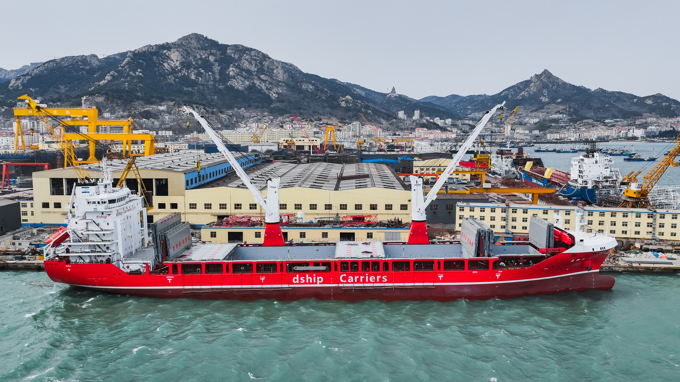
- Safe Working Load (SWL)
- 25–100 t (Standardlinien); >500 t (Heavy Lift); kundenspezifische Anpassung möglich
- Jib-Radius (Ausladung)
- 18–44 m (modellabhängig)
- Antrieb
- Hydraulic (Closed-Loop System) or Electric (VFD); both types same SWL and reach
- Drehkranz-lager
- Self-aligning Rollenlager; Schmierung mit strukturiertem Fettplan; Rocking-Test zur Abnutzungsprüfung
- Hydraulik
- Closed-Loop Design; independent control hoisting/slewing/tilting at full speed; monitoring and diagnostic functions
- Zertifizierung
- DNV-GL-ST-0378 (optional); IACS-Member-Gesellschaften; Klassenzertifizierung verfügbar
- GL (Multipurpose Hydraulic)
- GLE (Multipurpose Electric)
- GLH (Heavy Lift Hydraulic)
- GLHE (Heavy Lift Electric)
- GLB (Bulker Hydraulic)
- GLBE (Bulker Electric)
- GLBS (Bulker Electro-Hydraulic)
- PK/BPK (Provision/Boat Cranes)
- HTC (Telescopic Knuckle Boom)
- Area: Wire rope wear and damageCheck: Visual inspection for breaks, deformation, corrosion; DNV 5-year rule: sample and laboratory test; annual inspection of full length if damage indicators present → replacement if necessary
- Area: Slew ring bearing wear and grease starvationCheck: Rocking test (measure axial play); visual inspection: grease traces under bearing (dry = wear risk); take grease samples for ferrography analysis (wear particle monitoring: lamella particles = bearing damage)
- Area: Hydraulic wear and leakageCheck: Visual inspection for oil leaks at valves, cylinders, hoses; hydraulic oil samples for analysis (water content, wear metals); pressure test and control valve functional test; OnWatch Scout IoT condition monitoring optionally available
- Area: Hooks, eyes and pin connectionsCheck: Surface cracks and deformation (visual inspection); tensile test to UNE-EN ISO 6892-1:2010; 'safety-related' components: high inspection level before commissioning and during service life
- Area: Load test and SWL certificationCheck: Alle 5 Jahre Lasttest erforderlich (DNV-Anforderung); Proof-Load-Test: max. 110% der Maximallast (OSHA/ASME B30.2.0-1967); Funktionsprüfung aller Positionen unter Wasser/Kalibriergewichten; DNV-Surveyor anwesend
- Area: Control systems and safety switchesCheck: Endschalter (Heben/Senken Grenzen); Überlaststoppfunktion; Druckregelventile (Druckprobe); Redundanz-Prüfung der Bremsen
Typ-universelle Inspektions-/Wartungspunkte fuer Deck Cranes (MacGregor + DNV/OSHA, 2026-06). Per-Modell-Specs NICHT auto-gefuellt.

- Safe Working Load (SWL)
- 25–100 t (Standardlinien); >500 t (Heavy Lift); kundenspezifische Anpassung möglich
- Jib-Radius (Ausladung)
- 18–44 m (modellabhängig)
- Antrieb
- Hydraulic (Closed-Loop System) or Electric (VFD); both types same SWL and reach
- Drehkranz-lager
- Self-aligning Rollenlager; Schmierung mit strukturiertem Fettplan; Rocking-Test zur Abnutzungsprüfung
- Hydraulik
- Closed-Loop Design; independent control hoisting/slewing/tilting at full speed; monitoring and diagnostic functions
- Zertifizierung
- DNV-GL-ST-0378 (optional); IACS-Member-Gesellschaften; Klassenzertifizierung verfügbar
- GL (Multipurpose Hydraulic)
- GLE (Multipurpose Electric)
- GLH (Heavy Lift Hydraulic)
- GLHE (Heavy Lift Electric)
- GLB (Bulker Hydraulic)
- GLBE (Bulker Electric)
- GLBS (Bulker Electro-Hydraulic)
- PK/BPK (Provision/Boat Cranes)
- HTC (Telescopic Knuckle Boom)
- Area: Wire rope wear and damageCheck: Visual inspection for breaks, deformation, corrosion; DNV 5-year rule: sample and laboratory test; annual inspection of full length if damage indicators present → replacement if necessary
- Area: Slew ring bearing wear and grease starvationCheck: Rocking test (measure axial play); visual inspection: grease traces under bearing (dry = wear risk); take grease samples for ferrography analysis (wear particle monitoring: lamella particles = bearing damage)
- Area: Hydraulic wear and leakageCheck: Visual inspection for oil leaks at valves, cylinders, hoses; hydraulic oil samples for analysis (water content, wear metals); pressure test and control valve functional test; OnWatch Scout IoT condition monitoring optionally available
- Area: Hooks, eyes and pin connectionsCheck: Surface cracks and deformation (visual inspection); tensile test to UNE-EN ISO 6892-1:2010; 'safety-related' components: high inspection level before commissioning and during service life
- Area: Load test and SWL certificationCheck: Alle 5 Jahre Lasttest erforderlich (DNV-Anforderung); Proof-Load-Test: max. 110% der Maximallast (OSHA/ASME B30.2.0-1967); Funktionsprüfung aller Positionen unter Wasser/Kalibriergewichten; DNV-Surveyor anwesend
- Area: Control systems and safety switchesCheck: Endschalter (Heben/Senken Grenzen); Überlaststoppfunktion; Druckregelventile (Druckprobe); Redundanz-Prüfung der Bremsen
Typ-universelle Inspektions-/Wartungspunkte fuer Deck Cranes (MacGregor + DNV/OSHA, 2026-06). Per-Modell-Specs NICHT auto-gefuellt.
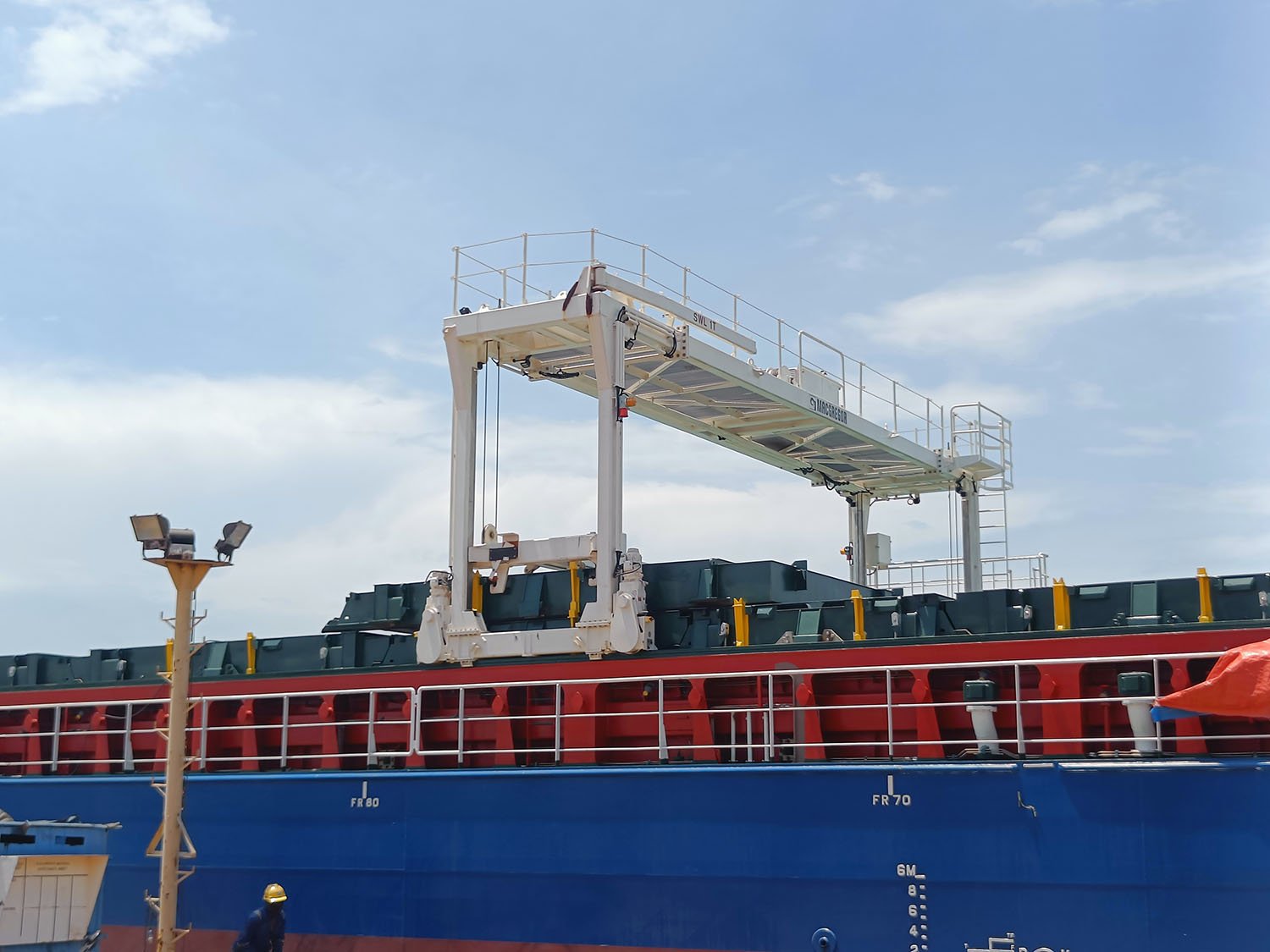
- Safe Working Load (SWL)
- 25–100 t (Standardlinien); >500 t (Heavy Lift); kundenspezifische Anpassung möglich
- Jib-Radius (Ausladung)
- 18–44 m (modellabhängig)
- Antrieb
- Hydraulic (Closed-Loop System) or Electric (VFD); both types same SWL and reach
- Drehkranz-lager
- Self-aligning Rollenlager; Schmierung mit strukturiertem Fettplan; Rocking-Test zur Abnutzungsprüfung
- Hydraulik
- Closed-Loop Design; independent control hoisting/slewing/tilting at full speed; monitoring and diagnostic functions
- Zertifizierung
- DNV-GL-ST-0378 (optional); IACS-Member-Gesellschaften; Klassenzertifizierung verfügbar
- GL (Multipurpose Hydraulic)
- GLE (Multipurpose Electric)
- GLH (Heavy Lift Hydraulic)
- GLHE (Heavy Lift Electric)
- GLB (Bulker Hydraulic)
- GLBE (Bulker Electric)
- GLBS (Bulker Electro-Hydraulic)
- PK/BPK (Provision/Boat Cranes)
- HTC (Telescopic Knuckle Boom)
- Area: Wire rope wear and damageCheck: Visual inspection for breaks, deformation, corrosion; DNV 5-year rule: sample and laboratory test; annual inspection of full length if damage indicators present → replacement if necessary
- Area: Slew ring bearing wear and grease starvationCheck: Rocking test (measure axial play); visual inspection: grease traces under bearing (dry = wear risk); take grease samples for ferrography analysis (wear particle monitoring: lamella particles = bearing damage)
- Area: Hydraulic wear and leakageCheck: Visual inspection for oil leaks at valves, cylinders, hoses; hydraulic oil samples for analysis (water content, wear metals); pressure test and control valve functional test; OnWatch Scout IoT condition monitoring optionally available
- Area: Hooks, eyes and pin connectionsCheck: Surface cracks and deformation (visual inspection); tensile test to UNE-EN ISO 6892-1:2010; 'safety-related' components: high inspection level before commissioning and during service life
- Area: Load test and SWL certificationCheck: Alle 5 Jahre Lasttest erforderlich (DNV-Anforderung); Proof-Load-Test: max. 110% der Maximallast (OSHA/ASME B30.2.0-1967); Funktionsprüfung aller Positionen unter Wasser/Kalibriergewichten; DNV-Surveyor anwesend
- Area: Control systems and safety switchesCheck: Endschalter (Heben/Senken Grenzen); Überlaststoppfunktion; Druckregelventile (Druckprobe); Redundanz-Prüfung der Bremsen
Typ-universelle Inspektions-/Wartungspunkte fuer Deck Cranes (MacGregor + DNV/OSHA, 2026-06). Per-Modell-Specs NICHT auto-gefuellt.

- Safe Working Load (SWL)
- 25–100 t (Standardlinien); >500 t (Heavy Lift); kundenspezifische Anpassung möglich
- Jib-Radius (Ausladung)
- 18–44 m (modellabhängig)
- Antrieb
- Hydraulic (Closed-Loop System) or Electric (VFD); both types same SWL and reach
- Drehkranz-lager
- Self-aligning Rollenlager; Schmierung mit strukturiertem Fettplan; Rocking-Test zur Abnutzungsprüfung
- Hydraulik
- Closed-Loop Design; independent control hoisting/slewing/tilting at full speed; monitoring and diagnostic functions
- Zertifizierung
- DNV-GL-ST-0378 (optional); IACS-Member-Gesellschaften; Klassenzertifizierung verfügbar
- GL (Multipurpose Hydraulic)
- GLE (Multipurpose Electric)
- GLH (Heavy Lift Hydraulic)
- GLHE (Heavy Lift Electric)
- GLB (Bulker Hydraulic)
- GLBE (Bulker Electric)
- GLBS (Bulker Electro-Hydraulic)
- PK/BPK (Provision/Boat Cranes)
- HTC (Telescopic Knuckle Boom)
- Area: Wire rope wear and damageCheck: Visual inspection for breaks, deformation, corrosion; DNV 5-year rule: sample and laboratory test; annual inspection of full length if damage indicators present → replacement if necessary
- Area: Slew ring bearing wear and grease starvationCheck: Rocking test (measure axial play); visual inspection: grease traces under bearing (dry = wear risk); take grease samples for ferrography analysis (wear particle monitoring: lamella particles = bearing damage)
- Area: Hydraulic wear and leakageCheck: Visual inspection for oil leaks at valves, cylinders, hoses; hydraulic oil samples for analysis (water content, wear metals); pressure test and control valve functional test; OnWatch Scout IoT condition monitoring optionally available
- Area: Hooks, eyes and pin connectionsCheck: Surface cracks and deformation (visual inspection); tensile test to UNE-EN ISO 6892-1:2010; 'safety-related' components: high inspection level before commissioning and during service life
- Area: Load test and SWL certificationCheck: Alle 5 Jahre Lasttest erforderlich (DNV-Anforderung); Proof-Load-Test: max. 110% der Maximallast (OSHA/ASME B30.2.0-1967); Funktionsprüfung aller Positionen unter Wasser/Kalibriergewichten; DNV-Surveyor anwesend
- Area: Control systems and safety switchesCheck: Endschalter (Heben/Senken Grenzen); Überlaststoppfunktion; Druckregelventile (Druckprobe); Redundanz-Prüfung der Bremsen
Typ-universelle Inspektions-/Wartungspunkte fuer Deck Cranes (MacGregor + DNV/OSHA, 2026-06). Per-Modell-Specs NICHT auto-gefuellt.
- Safe Working Load (SWL)
- 25–100 t (Standardlinien); >500 t (Heavy Lift); kundenspezifische Anpassung möglich
- Jib-Radius (Ausladung)
- 18–44 m (modellabhängig)
- Antrieb
- Hydraulic (Closed-Loop System) or Electric (VFD); both types same SWL and reach
- Drehkranz-lager
- Self-aligning Rollenlager; Schmierung mit strukturiertem Fettplan; Rocking-Test zur Abnutzungsprüfung
- Hydraulik
- Closed-Loop Design; independent control hoisting/slewing/tilting at full speed; monitoring and diagnostic functions
- Zertifizierung
- DNV-GL-ST-0378 (optional); IACS-Member-Gesellschaften; Klassenzertifizierung verfügbar
- GL (Multipurpose Hydraulic)
- GLE (Multipurpose Electric)
- GLH (Heavy Lift Hydraulic)
- GLHE (Heavy Lift Electric)
- GLB (Bulker Hydraulic)
- GLBE (Bulker Electric)
- GLBS (Bulker Electro-Hydraulic)
- PK/BPK (Provision/Boat Cranes)
- HTC (Telescopic Knuckle Boom)
- Area: Wire rope wear and damageCheck: Visual inspection for breaks, deformation, corrosion; DNV 5-year rule: sample and laboratory test; annual inspection of full length if damage indicators present → replacement if necessary
- Area: Slew ring bearing wear and grease starvationCheck: Rocking test (measure axial play); visual inspection: grease traces under bearing (dry = wear risk); take grease samples for ferrography analysis (wear particle monitoring: lamella particles = bearing damage)
- Area: Hydraulic wear and leakageCheck: Visual inspection for oil leaks at valves, cylinders, hoses; hydraulic oil samples for analysis (water content, wear metals); pressure test and control valve functional test; OnWatch Scout IoT condition monitoring optionally available
- Area: Hooks, eyes and pin connectionsCheck: Surface cracks and deformation (visual inspection); tensile test to UNE-EN ISO 6892-1:2010; 'safety-related' components: high inspection level before commissioning and during service life
- Area: Load test and SWL certificationCheck: Alle 5 Jahre Lasttest erforderlich (DNV-Anforderung); Proof-Load-Test: max. 110% der Maximallast (OSHA/ASME B30.2.0-1967); Funktionsprüfung aller Positionen unter Wasser/Kalibriergewichten; DNV-Surveyor anwesend
- Area: Control systems and safety switchesCheck: Endschalter (Heben/Senken Grenzen); Überlaststoppfunktion; Druckregelventile (Druckprobe); Redundanz-Prüfung der Bremsen
Typ-universelle Inspektions-/Wartungspunkte fuer Deck Cranes (MacGregor + DNV/OSHA, 2026-06). Per-Modell-Specs NICHT auto-gefuellt.
- Safe Working Load (SWL)
- 25–100 t (Standardlinien); >500 t (Heavy Lift); kundenspezifische Anpassung möglich
- Jib-Radius (Ausladung)
- 18–44 m (modellabhängig)
- Antrieb
- Hydraulic (Closed-Loop System) or Electric (VFD); both types same SWL and reach
- Drehkranz-lager
- Self-aligning Rollenlager; Schmierung mit strukturiertem Fettplan; Rocking-Test zur Abnutzungsprüfung
- Hydraulik
- Closed-Loop Design; independent control hoisting/slewing/tilting at full speed; monitoring and diagnostic functions
- Zertifizierung
- DNV-GL-ST-0378 (optional); IACS-Member-Gesellschaften; Klassenzertifizierung verfügbar
- GL (Multipurpose Hydraulic)
- GLE (Multipurpose Electric)
- GLH (Heavy Lift Hydraulic)
- GLHE (Heavy Lift Electric)
- GLB (Bulker Hydraulic)
- GLBE (Bulker Electric)
- GLBS (Bulker Electro-Hydraulic)
- PK/BPK (Provision/Boat Cranes)
- HTC (Telescopic Knuckle Boom)
- Area: Wire rope wear and damageCheck: Visual inspection for breaks, deformation, corrosion; DNV 5-year rule: sample and laboratory test; annual inspection of full length if damage indicators present → replacement if necessary
- Area: Slew ring bearing wear and grease starvationCheck: Rocking test (measure axial play); visual inspection: grease traces under bearing (dry = wear risk); take grease samples for ferrography analysis (wear particle monitoring: lamella particles = bearing damage)
- Area: Hydraulic wear and leakageCheck: Visual inspection for oil leaks at valves, cylinders, hoses; hydraulic oil samples for analysis (water content, wear metals); pressure test and control valve functional test; OnWatch Scout IoT condition monitoring optionally available
- Area: Hooks, eyes and pin connectionsCheck: Surface cracks and deformation (visual inspection); tensile test to UNE-EN ISO 6892-1:2010; 'safety-related' components: high inspection level before commissioning and during service life
- Area: Load test and SWL certificationCheck: Alle 5 Jahre Lasttest erforderlich (DNV-Anforderung); Proof-Load-Test: max. 110% der Maximallast (OSHA/ASME B30.2.0-1967); Funktionsprüfung aller Positionen unter Wasser/Kalibriergewichten; DNV-Surveyor anwesend
- Area: Control systems and safety switchesCheck: Endschalter (Heben/Senken Grenzen); Überlaststoppfunktion; Druckregelventile (Druckprobe); Redundanz-Prüfung der Bremsen
Typ-universelle Inspektions-/Wartungspunkte fuer Deck Cranes (MacGregor + DNV/OSHA, 2026-06). Per-Modell-Specs NICHT auto-gefuellt.
- Safe Working Load (SWL)
- 25–100 t (Standardlinien); >500 t (Heavy Lift); kundenspezifische Anpassung möglich
- Jib-Radius (Ausladung)
- 18–44 m (modellabhängig)
- Antrieb
- Hydraulic (Closed-Loop System) or Electric (VFD); both types same SWL and reach
- Drehkranz-lager
- Self-aligning Rollenlager; Schmierung mit strukturiertem Fettplan; Rocking-Test zur Abnutzungsprüfung
- Hydraulik
- Closed-Loop Design; independent control hoisting/slewing/tilting at full speed; monitoring and diagnostic functions
- Zertifizierung
- DNV-GL-ST-0378 (optional); IACS-Member-Gesellschaften; Klassenzertifizierung verfügbar
- GL (Multipurpose Hydraulic)
- GLE (Multipurpose Electric)
- GLH (Heavy Lift Hydraulic)
- GLHE (Heavy Lift Electric)
- GLB (Bulker Hydraulic)
- GLBE (Bulker Electric)
- GLBS (Bulker Electro-Hydraulic)
- PK/BPK (Provision/Boat Cranes)
- HTC (Telescopic Knuckle Boom)
- Area: Wire rope wear and damageCheck: Visual inspection for breaks, deformation, corrosion; DNV 5-year rule: sample and laboratory test; annual inspection of full length if damage indicators present → replacement if necessary
- Area: Slew ring bearing wear and grease starvationCheck: Rocking test (measure axial play); visual inspection: grease traces under bearing (dry = wear risk); take grease samples for ferrography analysis (wear particle monitoring: lamella particles = bearing damage)
- Area: Hydraulic wear and leakageCheck: Visual inspection for oil leaks at valves, cylinders, hoses; hydraulic oil samples for analysis (water content, wear metals); pressure test and control valve functional test; OnWatch Scout IoT condition monitoring optionally available
- Area: Hooks, eyes and pin connectionsCheck: Surface cracks and deformation (visual inspection); tensile test to UNE-EN ISO 6892-1:2010; 'safety-related' components: high inspection level before commissioning and during service life
- Area: Load test and SWL certificationCheck: Alle 5 Jahre Lasttest erforderlich (DNV-Anforderung); Proof-Load-Test: max. 110% der Maximallast (OSHA/ASME B30.2.0-1967); Funktionsprüfung aller Positionen unter Wasser/Kalibriergewichten; DNV-Surveyor anwesend
- Area: Control systems and safety switchesCheck: Endschalter (Heben/Senken Grenzen); Überlaststoppfunktion; Druckregelventile (Druckprobe); Redundanz-Prüfung der Bremsen
Typ-universelle Inspektions-/Wartungspunkte fuer Deck Cranes (MacGregor + DNV/OSHA, 2026-06). Per-Modell-Specs NICHT auto-gefuellt.
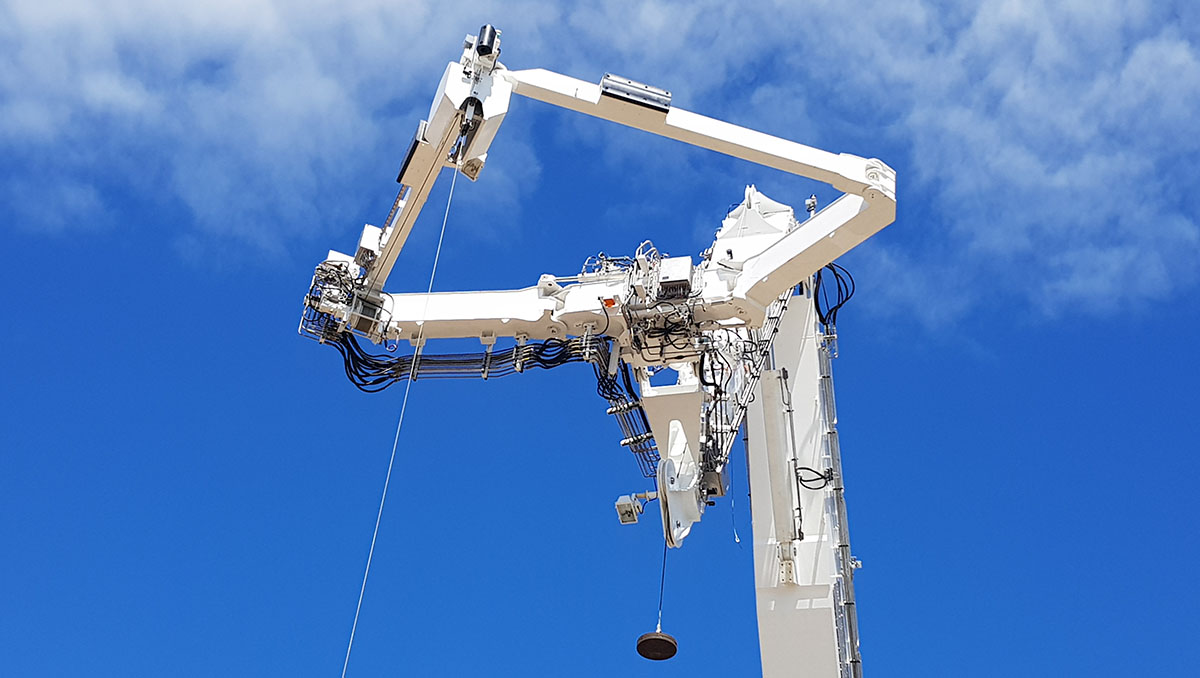
- Safe Working Load (SWL)
- 25–100 t (Standardlinien); >500 t (Heavy Lift); kundenspezifische Anpassung möglich
- Jib-Radius (Ausladung)
- 18–44 m (modellabhängig)
- Antrieb
- Hydraulic (Closed-Loop System) or Electric (VFD); both types same SWL and reach
- Drehkranz-lager
- Self-aligning Rollenlager; Schmierung mit strukturiertem Fettplan; Rocking-Test zur Abnutzungsprüfung
- Hydraulik
- Closed-Loop Design; independent control hoisting/slewing/tilting at full speed; monitoring and diagnostic functions
- Zertifizierung
- DNV-GL-ST-0378 (optional); IACS-Member-Gesellschaften; Klassenzertifizierung verfügbar
- GL (Multipurpose Hydraulic)
- GLE (Multipurpose Electric)
- GLH (Heavy Lift Hydraulic)
- GLHE (Heavy Lift Electric)
- GLB (Bulker Hydraulic)
- GLBE (Bulker Electric)
- GLBS (Bulker Electro-Hydraulic)
- PK/BPK (Provision/Boat Cranes)
- HTC (Telescopic Knuckle Boom)
- Area: Wire rope wear and damageCheck: Visual inspection for breaks, deformation, corrosion; DNV 5-year rule: sample and laboratory test; annual inspection of full length if damage indicators present → replacement if necessary
- Area: Slew ring bearing wear and grease starvationCheck: Rocking test (measure axial play); visual inspection: grease traces under bearing (dry = wear risk); take grease samples for ferrography analysis (wear particle monitoring: lamella particles = bearing damage)
- Area: Hydraulic wear and leakageCheck: Visual inspection for oil leaks at valves, cylinders, hoses; hydraulic oil samples for analysis (water content, wear metals); pressure test and control valve functional test; OnWatch Scout IoT condition monitoring optionally available
- Area: Hooks, eyes and pin connectionsCheck: Surface cracks and deformation (visual inspection); tensile test to UNE-EN ISO 6892-1:2010; 'safety-related' components: high inspection level before commissioning and during service life
- Area: Load test and SWL certificationCheck: Alle 5 Jahre Lasttest erforderlich (DNV-Anforderung); Proof-Load-Test: max. 110% der Maximallast (OSHA/ASME B30.2.0-1967); Funktionsprüfung aller Positionen unter Wasser/Kalibriergewichten; DNV-Surveyor anwesend
- Area: Control systems and safety switchesCheck: Endschalter (Heben/Senken Grenzen); Überlaststoppfunktion; Druckregelventile (Druckprobe); Redundanz-Prüfung der Bremsen
Typ-universelle Inspektions-/Wartungspunkte fuer Deck Cranes (MacGregor + DNV/OSHA, 2026-06). Per-Modell-Specs NICHT auto-gefuellt.
- Safe Working Load (SWL)
- 25–100 t (Standardlinien); >500 t (Heavy Lift); kundenspezifische Anpassung möglich
- Jib-Radius (Ausladung)
- 18–44 m (modellabhängig)
- Antrieb
- Hydraulic (Closed-Loop System) or Electric (VFD); both types same SWL and reach
- Drehkranz-lager
- Self-aligning Rollenlager; Schmierung mit strukturiertem Fettplan; Rocking-Test zur Abnutzungsprüfung
- Hydraulik
- Closed-Loop Design; independent control hoisting/slewing/tilting at full speed; monitoring and diagnostic functions
- Zertifizierung
- DNV-GL-ST-0378 (optional); IACS-Member-Gesellschaften; Klassenzertifizierung verfügbar
- GL (Multipurpose Hydraulic)
- GLE (Multipurpose Electric)
- GLH (Heavy Lift Hydraulic)
- GLHE (Heavy Lift Electric)
- GLB (Bulker Hydraulic)
- GLBE (Bulker Electric)
- GLBS (Bulker Electro-Hydraulic)
- PK/BPK (Provision/Boat Cranes)
- HTC (Telescopic Knuckle Boom)
- Area: Wire rope wear and damageCheck: Visual inspection for breaks, deformation, corrosion; DNV 5-year rule: sample and laboratory test; annual inspection of full length if damage indicators present → replacement if necessary
- Area: Slew ring bearing wear and grease starvationCheck: Rocking test (measure axial play); visual inspection: grease traces under bearing (dry = wear risk); take grease samples for ferrography analysis (wear particle monitoring: lamella particles = bearing damage)
- Area: Hydraulic wear and leakageCheck: Visual inspection for oil leaks at valves, cylinders, hoses; hydraulic oil samples for analysis (water content, wear metals); pressure test and control valve functional test; OnWatch Scout IoT condition monitoring optionally available
- Area: Hooks, eyes and pin connectionsCheck: Surface cracks and deformation (visual inspection); tensile test to UNE-EN ISO 6892-1:2010; 'safety-related' components: high inspection level before commissioning and during service life
- Area: Load test and SWL certificationCheck: Alle 5 Jahre Lasttest erforderlich (DNV-Anforderung); Proof-Load-Test: max. 110% der Maximallast (OSHA/ASME B30.2.0-1967); Funktionsprüfung aller Positionen unter Wasser/Kalibriergewichten; DNV-Surveyor anwesend
- Area: Control systems and safety switchesCheck: Endschalter (Heben/Senken Grenzen); Überlaststoppfunktion; Druckregelventile (Druckprobe); Redundanz-Prüfung der Bremsen
Typ-universelle Inspektions-/Wartungspunkte fuer Deck Cranes (MacGregor + DNV/OSHA, 2026-06). Per-Modell-Specs NICHT auto-gefuellt.

- Safe Working Load (SWL)
- 25–100 t (Standardlinien); >500 t (Heavy Lift); kundenspezifische Anpassung möglich
- Jib-Radius (Ausladung)
- 18–44 m (modellabhängig)
- Antrieb
- Hydraulic (Closed-Loop System) or Electric (VFD); both types same SWL and reach
- Drehkranz-lager
- Self-aligning Rollenlager; Schmierung mit strukturiertem Fettplan; Rocking-Test zur Abnutzungsprüfung
- Hydraulik
- Closed-Loop Design; independent control hoisting/slewing/tilting at full speed; monitoring and diagnostic functions
- Zertifizierung
- DNV-GL-ST-0378 (optional); IACS-Member-Gesellschaften; Klassenzertifizierung verfügbar
- GL (Multipurpose Hydraulic)
- GLE (Multipurpose Electric)
- GLH (Heavy Lift Hydraulic)
- GLHE (Heavy Lift Electric)
- GLB (Bulker Hydraulic)
- GLBE (Bulker Electric)
- GLBS (Bulker Electro-Hydraulic)
- PK/BPK (Provision/Boat Cranes)
- HTC (Telescopic Knuckle Boom)
- Area: Wire rope wear and damageCheck: Visual inspection for breaks, deformation, corrosion; DNV 5-year rule: sample and laboratory test; annual inspection of full length if damage indicators present → replacement if necessary
- Area: Slew ring bearing wear and grease starvationCheck: Rocking test (measure axial play); visual inspection: grease traces under bearing (dry = wear risk); take grease samples for ferrography analysis (wear particle monitoring: lamella particles = bearing damage)
- Area: Hydraulic wear and leakageCheck: Visual inspection for oil leaks at valves, cylinders, hoses; hydraulic oil samples for analysis (water content, wear metals); pressure test and control valve functional test; OnWatch Scout IoT condition monitoring optionally available
- Area: Hooks, eyes and pin connectionsCheck: Surface cracks and deformation (visual inspection); tensile test to UNE-EN ISO 6892-1:2010; 'safety-related' components: high inspection level before commissioning and during service life
- Area: Load test and SWL certificationCheck: Alle 5 Jahre Lasttest erforderlich (DNV-Anforderung); Proof-Load-Test: max. 110% der Maximallast (OSHA/ASME B30.2.0-1967); Funktionsprüfung aller Positionen unter Wasser/Kalibriergewichten; DNV-Surveyor anwesend
- Area: Control systems and safety switchesCheck: Endschalter (Heben/Senken Grenzen); Überlaststoppfunktion; Druckregelventile (Druckprobe); Redundanz-Prüfung der Bremsen
Typ-universelle Inspektions-/Wartungspunkte fuer Deck Cranes (MacGregor + DNV/OSHA, 2026-06). Per-Modell-Specs NICHT auto-gefuellt.
- Safe Working Load (SWL)
- 25–100 t (Standardlinien); >500 t (Heavy Lift); kundenspezifische Anpassung möglich
- Jib-Radius (Ausladung)
- 18–44 m (modellabhängig)
- Antrieb
- Hydraulic (Closed-Loop System) or Electric (VFD); both types same SWL and reach
- Drehkranz-lager
- Self-aligning Rollenlager; Schmierung mit strukturiertem Fettplan; Rocking-Test zur Abnutzungsprüfung
- Hydraulik
- Closed-Loop Design; independent control hoisting/slewing/tilting at full speed; monitoring and diagnostic functions
- Zertifizierung
- DNV-GL-ST-0378 (optional); IACS-Member-Gesellschaften; Klassenzertifizierung verfügbar
- GL (Multipurpose Hydraulic)
- GLE (Multipurpose Electric)
- GLH (Heavy Lift Hydraulic)
- GLHE (Heavy Lift Electric)
- GLB (Bulker Hydraulic)
- GLBE (Bulker Electric)
- GLBS (Bulker Electro-Hydraulic)
- PK/BPK (Provision/Boat Cranes)
- HTC (Telescopic Knuckle Boom)
- Area: Wire rope wear and damageCheck: Visual inspection for breaks, deformation, corrosion; DNV 5-year rule: sample and laboratory test; annual inspection of full length if damage indicators present → replacement if necessary
- Area: Slew ring bearing wear and grease starvationCheck: Rocking test (measure axial play); visual inspection: grease traces under bearing (dry = wear risk); take grease samples for ferrography analysis (wear particle monitoring: lamella particles = bearing damage)
- Area: Hydraulic wear and leakageCheck: Visual inspection for oil leaks at valves, cylinders, hoses; hydraulic oil samples for analysis (water content, wear metals); pressure test and control valve functional test; OnWatch Scout IoT condition monitoring optionally available
- Area: Hooks, eyes and pin connectionsCheck: Surface cracks and deformation (visual inspection); tensile test to UNE-EN ISO 6892-1:2010; 'safety-related' components: high inspection level before commissioning and during service life
- Area: Load test and SWL certificationCheck: Alle 5 Jahre Lasttest erforderlich (DNV-Anforderung); Proof-Load-Test: max. 110% der Maximallast (OSHA/ASME B30.2.0-1967); Funktionsprüfung aller Positionen unter Wasser/Kalibriergewichten; DNV-Surveyor anwesend
- Area: Control systems and safety switchesCheck: Endschalter (Heben/Senken Grenzen); Überlaststoppfunktion; Druckregelventile (Druckprobe); Redundanz-Prüfung der Bremsen
Typ-universelle Inspektions-/Wartungspunkte fuer Deck Cranes (MacGregor + DNV/OSHA, 2026-06). Per-Modell-Specs NICHT auto-gefuellt.
- Safe Working Load (SWL)
- 25–100 t (Standardlinien); >500 t (Heavy Lift); kundenspezifische Anpassung möglich
- Jib-Radius (Ausladung)
- 18–44 m (modellabhängig)
- Antrieb
- Hydraulic (Closed-Loop System) or Electric (VFD); both types same SWL and reach
- Drehkranz-lager
- Self-aligning Rollenlager; Schmierung mit strukturiertem Fettplan; Rocking-Test zur Abnutzungsprüfung
- Hydraulik
- Closed-Loop Design; independent control hoisting/slewing/tilting at full speed; monitoring and diagnostic functions
- Zertifizierung
- DNV-GL-ST-0378 (optional); IACS-Member-Gesellschaften; Klassenzertifizierung verfügbar
- GL (Multipurpose Hydraulic)
- GLE (Multipurpose Electric)
- GLH (Heavy Lift Hydraulic)
- GLHE (Heavy Lift Electric)
- GLB (Bulker Hydraulic)
- GLBE (Bulker Electric)
- GLBS (Bulker Electro-Hydraulic)
- PK/BPK (Provision/Boat Cranes)
- HTC (Telescopic Knuckle Boom)
- Area: Wire rope wear and damageCheck: Visual inspection for breaks, deformation, corrosion; DNV 5-year rule: sample and laboratory test; annual inspection of full length if damage indicators present → replacement if necessary
- Area: Slew ring bearing wear and grease starvationCheck: Rocking test (measure axial play); visual inspection: grease traces under bearing (dry = wear risk); take grease samples for ferrography analysis (wear particle monitoring: lamella particles = bearing damage)
- Area: Hydraulic wear and leakageCheck: Visual inspection for oil leaks at valves, cylinders, hoses; hydraulic oil samples for analysis (water content, wear metals); pressure test and control valve functional test; OnWatch Scout IoT condition monitoring optionally available
- Area: Hooks, eyes and pin connectionsCheck: Surface cracks and deformation (visual inspection); tensile test to UNE-EN ISO 6892-1:2010; 'safety-related' components: high inspection level before commissioning and during service life
- Area: Load test and SWL certificationCheck: Alle 5 Jahre Lasttest erforderlich (DNV-Anforderung); Proof-Load-Test: max. 110% der Maximallast (OSHA/ASME B30.2.0-1967); Funktionsprüfung aller Positionen unter Wasser/Kalibriergewichten; DNV-Surveyor anwesend
- Area: Control systems and safety switchesCheck: Endschalter (Heben/Senken Grenzen); Überlaststoppfunktion; Druckregelventile (Druckprobe); Redundanz-Prüfung der Bremsen
Typ-universelle Inspektions-/Wartungspunkte fuer Deck Cranes (MacGregor + DNV/OSHA, 2026-06). Per-Modell-Specs NICHT auto-gefuellt.
- Safe Working Load (SWL)
- 25–100 t (Standardlinien); >500 t (Heavy Lift); kundenspezifische Anpassung möglich
- Jib-Radius (Ausladung)
- 18–44 m (modellabhängig)
- Antrieb
- Hydraulic (Closed-Loop System) or Electric (VFD); both types same SWL and reach
- Drehkranz-lager
- Self-aligning Rollenlager; Schmierung mit strukturiertem Fettplan; Rocking-Test zur Abnutzungsprüfung
- Hydraulik
- Closed-Loop Design; independent control hoisting/slewing/tilting at full speed; monitoring and diagnostic functions
- Zertifizierung
- DNV-GL-ST-0378 (optional); IACS-Member-Gesellschaften; Klassenzertifizierung verfügbar
- GL (Multipurpose Hydraulic)
- GLE (Multipurpose Electric)
- GLH (Heavy Lift Hydraulic)
- GLHE (Heavy Lift Electric)
- GLB (Bulker Hydraulic)
- GLBE (Bulker Electric)
- GLBS (Bulker Electro-Hydraulic)
- PK/BPK (Provision/Boat Cranes)
- HTC (Telescopic Knuckle Boom)
- Area: Wire rope wear and damageCheck: Visual inspection for breaks, deformation, corrosion; DNV 5-year rule: sample and laboratory test; annual inspection of full length if damage indicators present → replacement if necessary
- Area: Slew ring bearing wear and grease starvationCheck: Rocking test (measure axial play); visual inspection: grease traces under bearing (dry = wear risk); take grease samples for ferrography analysis (wear particle monitoring: lamella particles = bearing damage)
- Area: Hydraulic wear and leakageCheck: Visual inspection for oil leaks at valves, cylinders, hoses; hydraulic oil samples for analysis (water content, wear metals); pressure test and control valve functional test; OnWatch Scout IoT condition monitoring optionally available
- Area: Hooks, eyes and pin connectionsCheck: Surface cracks and deformation (visual inspection); tensile test to UNE-EN ISO 6892-1:2010; 'safety-related' components: high inspection level before commissioning and during service life
- Area: Load test and SWL certificationCheck: Alle 5 Jahre Lasttest erforderlich (DNV-Anforderung); Proof-Load-Test: max. 110% der Maximallast (OSHA/ASME B30.2.0-1967); Funktionsprüfung aller Positionen unter Wasser/Kalibriergewichten; DNV-Surveyor anwesend
- Area: Control systems and safety switchesCheck: Endschalter (Heben/Senken Grenzen); Überlaststoppfunktion; Druckregelventile (Druckprobe); Redundanz-Prüfung der Bremsen
Typ-universelle Inspektions-/Wartungspunkte fuer Deck Cranes (MacGregor + DNV/OSHA, 2026-06). Per-Modell-Specs NICHT auto-gefuellt.
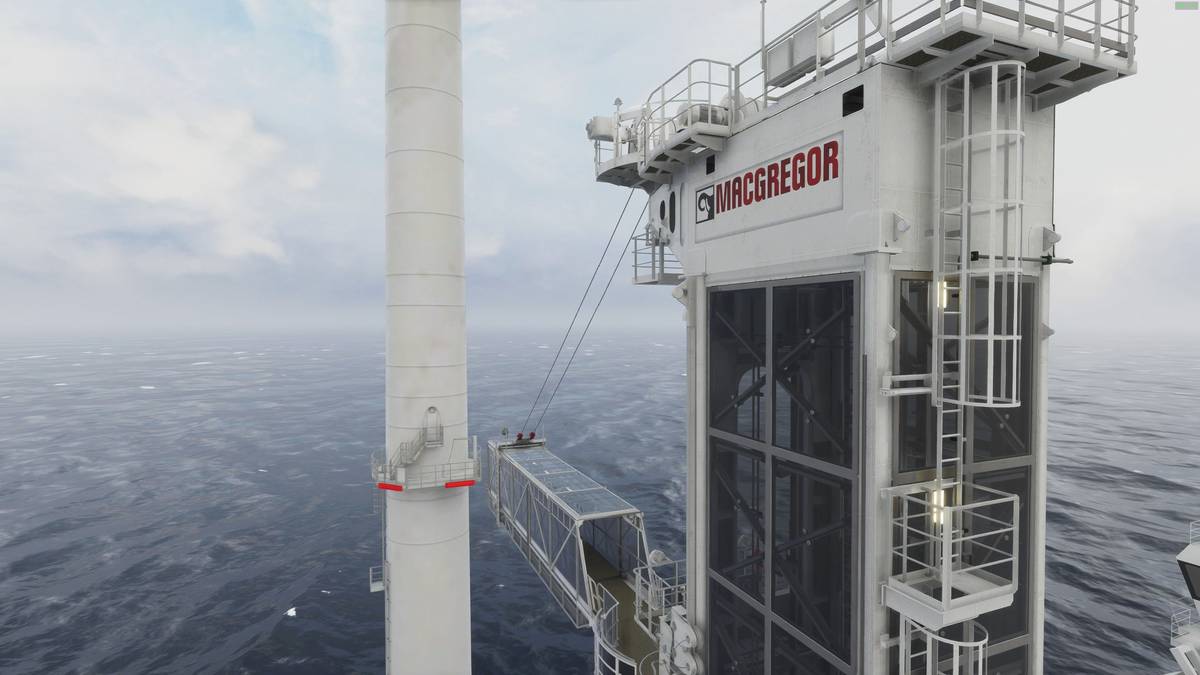
- Safe Working Load (SWL)
- 25–100 t (Standardlinien); >500 t (Heavy Lift); kundenspezifische Anpassung möglich
- Jib-Radius (Ausladung)
- 18–44 m (modellabhängig)
- Antrieb
- Hydraulic (Closed-Loop System) or Electric (VFD); both types same SWL and reach
- Drehkranz-lager
- Self-aligning Rollenlager; Schmierung mit strukturiertem Fettplan; Rocking-Test zur Abnutzungsprüfung
- Hydraulik
- Closed-Loop Design; independent control hoisting/slewing/tilting at full speed; monitoring and diagnostic functions
- Zertifizierung
- DNV-GL-ST-0378 (optional); IACS-Member-Gesellschaften; Klassenzertifizierung verfügbar
- GL (Multipurpose Hydraulic)
- GLE (Multipurpose Electric)
- GLH (Heavy Lift Hydraulic)
- GLHE (Heavy Lift Electric)
- GLB (Bulker Hydraulic)
- GLBE (Bulker Electric)
- GLBS (Bulker Electro-Hydraulic)
- PK/BPK (Provision/Boat Cranes)
- HTC (Telescopic Knuckle Boom)
- Area: Wire rope wear and damageCheck: Visual inspection for breaks, deformation, corrosion; DNV 5-year rule: sample and laboratory test; annual inspection of full length if damage indicators present → replacement if necessary
- Area: Slew ring bearing wear and grease starvationCheck: Rocking test (measure axial play); visual inspection: grease traces under bearing (dry = wear risk); take grease samples for ferrography analysis (wear particle monitoring: lamella particles = bearing damage)
- Area: Hydraulic wear and leakageCheck: Visual inspection for oil leaks at valves, cylinders, hoses; hydraulic oil samples for analysis (water content, wear metals); pressure test and control valve functional test; OnWatch Scout IoT condition monitoring optionally available
- Area: Hooks, eyes and pin connectionsCheck: Surface cracks and deformation (visual inspection); tensile test to UNE-EN ISO 6892-1:2010; 'safety-related' components: high inspection level before commissioning and during service life
- Area: Load test and SWL certificationCheck: Alle 5 Jahre Lasttest erforderlich (DNV-Anforderung); Proof-Load-Test: max. 110% der Maximallast (OSHA/ASME B30.2.0-1967); Funktionsprüfung aller Positionen unter Wasser/Kalibriergewichten; DNV-Surveyor anwesend
- Area: Control systems and safety switchesCheck: Endschalter (Heben/Senken Grenzen); Überlaststoppfunktion; Druckregelventile (Druckprobe); Redundanz-Prüfung der Bremsen
Typ-universelle Inspektions-/Wartungspunkte fuer Deck Cranes (MacGregor + DNV/OSHA, 2026-06). Per-Modell-Specs NICHT auto-gefuellt.
- Safe Working Load (SWL)
- 25–100 t (Standardlinien); >500 t (Heavy Lift); kundenspezifische Anpassung möglich
- Jib-Radius (Ausladung)
- 18–44 m (modellabhängig)
- Antrieb
- Hydraulic (Closed-Loop System) or Electric (VFD); both types same SWL and reach
- Drehkranz-lager
- Self-aligning Rollenlager; Schmierung mit strukturiertem Fettplan; Rocking-Test zur Abnutzungsprüfung
- Hydraulik
- Closed-Loop Design; independent control hoisting/slewing/tilting at full speed; monitoring and diagnostic functions
- Zertifizierung
- DNV-GL-ST-0378 (optional); IACS-Member-Gesellschaften; Klassenzertifizierung verfügbar
- GL (Multipurpose Hydraulic)
- GLE (Multipurpose Electric)
- GLH (Heavy Lift Hydraulic)
- GLHE (Heavy Lift Electric)
- GLB (Bulker Hydraulic)
- GLBE (Bulker Electric)
- GLBS (Bulker Electro-Hydraulic)
- PK/BPK (Provision/Boat Cranes)
- HTC (Telescopic Knuckle Boom)
- Area: Wire rope wear and damageCheck: Visual inspection for breaks, deformation, corrosion; DNV 5-year rule: sample and laboratory test; annual inspection of full length if damage indicators present → replacement if necessary
- Area: Slew ring bearing wear and grease starvationCheck: Rocking test (measure axial play); visual inspection: grease traces under bearing (dry = wear risk); take grease samples for ferrography analysis (wear particle monitoring: lamella particles = bearing damage)
- Area: Hydraulic wear and leakageCheck: Visual inspection for oil leaks at valves, cylinders, hoses; hydraulic oil samples for analysis (water content, wear metals); pressure test and control valve functional test; OnWatch Scout IoT condition monitoring optionally available
- Area: Hooks, eyes and pin connectionsCheck: Surface cracks and deformation (visual inspection); tensile test to UNE-EN ISO 6892-1:2010; 'safety-related' components: high inspection level before commissioning and during service life
- Area: Load test and SWL certificationCheck: Alle 5 Jahre Lasttest erforderlich (DNV-Anforderung); Proof-Load-Test: max. 110% der Maximallast (OSHA/ASME B30.2.0-1967); Funktionsprüfung aller Positionen unter Wasser/Kalibriergewichten; DNV-Surveyor anwesend
- Area: Control systems and safety switchesCheck: Endschalter (Heben/Senken Grenzen); Überlaststoppfunktion; Druckregelventile (Druckprobe); Redundanz-Prüfung der Bremsen
Typ-universelle Inspektions-/Wartungspunkte fuer Deck Cranes (MacGregor + DNV/OSHA, 2026-06). Per-Modell-Specs NICHT auto-gefuellt.
- Safe Working Load (SWL)
- 25–100 t (Standardlinien); >500 t (Heavy Lift); kundenspezifische Anpassung möglich
- Jib-Radius (Ausladung)
- 18–44 m (modellabhängig)
- Antrieb
- Hydraulic (Closed-Loop System) or Electric (VFD); both types same SWL and reach
- Drehkranz-lager
- Self-aligning Rollenlager; Schmierung mit strukturiertem Fettplan; Rocking-Test zur Abnutzungsprüfung
- Hydraulik
- Closed-Loop Design; independent control hoisting/slewing/tilting at full speed; monitoring and diagnostic functions
- Zertifizierung
- DNV-GL-ST-0378 (optional); IACS-Member-Gesellschaften; Klassenzertifizierung verfügbar
- GL (Multipurpose Hydraulic)
- GLE (Multipurpose Electric)
- GLH (Heavy Lift Hydraulic)
- GLHE (Heavy Lift Electric)
- GLB (Bulker Hydraulic)
- GLBE (Bulker Electric)
- GLBS (Bulker Electro-Hydraulic)
- PK/BPK (Provision/Boat Cranes)
- HTC (Telescopic Knuckle Boom)
- Area: Wire rope wear and damageCheck: Visual inspection for breaks, deformation, corrosion; DNV 5-year rule: sample and laboratory test; annual inspection of full length if damage indicators present → replacement if necessary
- Area: Slew ring bearing wear and grease starvationCheck: Rocking test (measure axial play); visual inspection: grease traces under bearing (dry = wear risk); take grease samples for ferrography analysis (wear particle monitoring: lamella particles = bearing damage)
- Area: Hydraulic wear and leakageCheck: Visual inspection for oil leaks at valves, cylinders, hoses; hydraulic oil samples for analysis (water content, wear metals); pressure test and control valve functional test; OnWatch Scout IoT condition monitoring optionally available
- Area: Hooks, eyes and pin connectionsCheck: Surface cracks and deformation (visual inspection); tensile test to UNE-EN ISO 6892-1:2010; 'safety-related' components: high inspection level before commissioning and during service life
- Area: Load test and SWL certificationCheck: Alle 5 Jahre Lasttest erforderlich (DNV-Anforderung); Proof-Load-Test: max. 110% der Maximallast (OSHA/ASME B30.2.0-1967); Funktionsprüfung aller Positionen unter Wasser/Kalibriergewichten; DNV-Surveyor anwesend
- Area: Control systems and safety switchesCheck: Endschalter (Heben/Senken Grenzen); Überlaststoppfunktion; Druckregelventile (Druckprobe); Redundanz-Prüfung der Bremsen
Typ-universelle Inspektions-/Wartungspunkte fuer Deck Cranes (MacGregor + DNV/OSHA, 2026-06). Per-Modell-Specs NICHT auto-gefuellt.
- Safe Working Load (SWL)
- 25–100 t (Standardlinien); >500 t (Heavy Lift); kundenspezifische Anpassung möglich
- Jib-Radius (Ausladung)
- 18–44 m (modellabhängig)
- Antrieb
- Hydraulic (Closed-Loop System) or Electric (VFD); both types same SWL and reach
- Drehkranz-lager
- Self-aligning Rollenlager; Schmierung mit strukturiertem Fettplan; Rocking-Test zur Abnutzungsprüfung
- Hydraulik
- Closed-Loop Design; independent control hoisting/slewing/tilting at full speed; monitoring and diagnostic functions
- Zertifizierung
- DNV-GL-ST-0378 (optional); IACS-Member-Gesellschaften; Klassenzertifizierung verfügbar
- GL (Multipurpose Hydraulic)
- GLE (Multipurpose Electric)
- GLH (Heavy Lift Hydraulic)
- GLHE (Heavy Lift Electric)
- GLB (Bulker Hydraulic)
- GLBE (Bulker Electric)
- GLBS (Bulker Electro-Hydraulic)
- PK/BPK (Provision/Boat Cranes)
- HTC (Telescopic Knuckle Boom)
- Area: Wire rope wear and damageCheck: Visual inspection for breaks, deformation, corrosion; DNV 5-year rule: sample and laboratory test; annual inspection of full length if damage indicators present → replacement if necessary
- Area: Slew ring bearing wear and grease starvationCheck: Rocking test (measure axial play); visual inspection: grease traces under bearing (dry = wear risk); take grease samples for ferrography analysis (wear particle monitoring: lamella particles = bearing damage)
- Area: Hydraulic wear and leakageCheck: Visual inspection for oil leaks at valves, cylinders, hoses; hydraulic oil samples for analysis (water content, wear metals); pressure test and control valve functional test; OnWatch Scout IoT condition monitoring optionally available
- Area: Hooks, eyes and pin connectionsCheck: Surface cracks and deformation (visual inspection); tensile test to UNE-EN ISO 6892-1:2010; 'safety-related' components: high inspection level before commissioning and during service life
- Area: Load test and SWL certificationCheck: Alle 5 Jahre Lasttest erforderlich (DNV-Anforderung); Proof-Load-Test: max. 110% der Maximallast (OSHA/ASME B30.2.0-1967); Funktionsprüfung aller Positionen unter Wasser/Kalibriergewichten; DNV-Surveyor anwesend
- Area: Control systems and safety switchesCheck: Endschalter (Heben/Senken Grenzen); Überlaststoppfunktion; Druckregelventile (Druckprobe); Redundanz-Prüfung der Bremsen
Typ-universelle Inspektions-/Wartungspunkte fuer Deck Cranes (MacGregor + DNV/OSHA, 2026-06). Per-Modell-Specs NICHT auto-gefuellt.
- Safe Working Load (SWL)
- 25–100 t (Standardlinien); >500 t (Heavy Lift); kundenspezifische Anpassung möglich
- Jib-Radius (Ausladung)
- 18–44 m (modellabhängig)
- Antrieb
- Hydraulic (Closed-Loop System) or Electric (VFD); both types same SWL and reach
- Drehkranz-lager
- Self-aligning Rollenlager; Schmierung mit strukturiertem Fettplan; Rocking-Test zur Abnutzungsprüfung
- Hydraulik
- Closed-Loop Design; independent control hoisting/slewing/tilting at full speed; monitoring and diagnostic functions
- Zertifizierung
- DNV-GL-ST-0378 (optional); IACS-Member-Gesellschaften; Klassenzertifizierung verfügbar
- GL (Multipurpose Hydraulic)
- GLE (Multipurpose Electric)
- GLH (Heavy Lift Hydraulic)
- GLHE (Heavy Lift Electric)
- GLB (Bulker Hydraulic)
- GLBE (Bulker Electric)
- GLBS (Bulker Electro-Hydraulic)
- PK/BPK (Provision/Boat Cranes)
- HTC (Telescopic Knuckle Boom)
- Area: Wire rope wear and damageCheck: Visual inspection for breaks, deformation, corrosion; DNV 5-year rule: sample and laboratory test; annual inspection of full length if damage indicators present → replacement if necessary
- Area: Slew ring bearing wear and grease starvationCheck: Rocking test (measure axial play); visual inspection: grease traces under bearing (dry = wear risk); take grease samples for ferrography analysis (wear particle monitoring: lamella particles = bearing damage)
- Area: Hydraulic wear and leakageCheck: Visual inspection for oil leaks at valves, cylinders, hoses; hydraulic oil samples for analysis (water content, wear metals); pressure test and control valve functional test; OnWatch Scout IoT condition monitoring optionally available
- Area: Hooks, eyes and pin connectionsCheck: Surface cracks and deformation (visual inspection); tensile test to UNE-EN ISO 6892-1:2010; 'safety-related' components: high inspection level before commissioning and during service life
- Area: Load test and SWL certificationCheck: Alle 5 Jahre Lasttest erforderlich (DNV-Anforderung); Proof-Load-Test: max. 110% der Maximallast (OSHA/ASME B30.2.0-1967); Funktionsprüfung aller Positionen unter Wasser/Kalibriergewichten; DNV-Surveyor anwesend
- Area: Control systems and safety switchesCheck: Endschalter (Heben/Senken Grenzen); Überlaststoppfunktion; Druckregelventile (Druckprobe); Redundanz-Prüfung der Bremsen
Typ-universelle Inspektions-/Wartungspunkte fuer Deck Cranes (MacGregor + DNV/OSHA, 2026-06). Per-Modell-Specs NICHT auto-gefuellt.
- Safe Working Load (SWL)
- 25–100 t (Standardlinien); >500 t (Heavy Lift); kundenspezifische Anpassung möglich
- Jib-Radius (Ausladung)
- 18–44 m (modellabhängig)
- Antrieb
- Hydraulic (Closed-Loop System) or Electric (VFD); both types same SWL and reach
- Drehkranz-lager
- Self-aligning Rollenlager; Schmierung mit strukturiertem Fettplan; Rocking-Test zur Abnutzungsprüfung
- Hydraulik
- Closed-Loop Design; independent control hoisting/slewing/tilting at full speed; monitoring and diagnostic functions
- Zertifizierung
- DNV-GL-ST-0378 (optional); IACS-Member-Gesellschaften; Klassenzertifizierung verfügbar
- GL (Multipurpose Hydraulic)
- GLE (Multipurpose Electric)
- GLH (Heavy Lift Hydraulic)
- GLHE (Heavy Lift Electric)
- GLB (Bulker Hydraulic)
- GLBE (Bulker Electric)
- GLBS (Bulker Electro-Hydraulic)
- PK/BPK (Provision/Boat Cranes)
- HTC (Telescopic Knuckle Boom)
- Area: Wire rope wear and damageCheck: Visual inspection for breaks, deformation, corrosion; DNV 5-year rule: sample and laboratory test; annual inspection of full length if damage indicators present → replacement if necessary
- Area: Slew ring bearing wear and grease starvationCheck: Rocking test (measure axial play); visual inspection: grease traces under bearing (dry = wear risk); take grease samples for ferrography analysis (wear particle monitoring: lamella particles = bearing damage)
- Area: Hydraulic wear and leakageCheck: Visual inspection for oil leaks at valves, cylinders, hoses; hydraulic oil samples for analysis (water content, wear metals); pressure test and control valve functional test; OnWatch Scout IoT condition monitoring optionally available
- Area: Hooks, eyes and pin connectionsCheck: Surface cracks and deformation (visual inspection); tensile test to UNE-EN ISO 6892-1:2010; 'safety-related' components: high inspection level before commissioning and during service life
- Area: Load test and SWL certificationCheck: Alle 5 Jahre Lasttest erforderlich (DNV-Anforderung); Proof-Load-Test: max. 110% der Maximallast (OSHA/ASME B30.2.0-1967); Funktionsprüfung aller Positionen unter Wasser/Kalibriergewichten; DNV-Surveyor anwesend
- Area: Control systems and safety switchesCheck: Endschalter (Heben/Senken Grenzen); Überlaststoppfunktion; Druckregelventile (Druckprobe); Redundanz-Prüfung der Bremsen
Typ-universelle Inspektions-/Wartungspunkte fuer Deck Cranes (MacGregor + DNV/OSHA, 2026-06). Per-Modell-Specs NICHT auto-gefuellt.
- Safe Working Load (SWL)
- 25–100 t (Standardlinien); >500 t (Heavy Lift); kundenspezifische Anpassung möglich
- Jib-Radius (Ausladung)
- 18–44 m (modellabhängig)
- Antrieb
- Hydraulic (Closed-Loop System) or Electric (VFD); both types same SWL and reach
- Drehkranz-lager
- Self-aligning Rollenlager; Schmierung mit strukturiertem Fettplan; Rocking-Test zur Abnutzungsprüfung
- Hydraulik
- Closed-Loop Design; independent control hoisting/slewing/tilting at full speed; monitoring and diagnostic functions
- Zertifizierung
- DNV-GL-ST-0378 (optional); IACS-Member-Gesellschaften; Klassenzertifizierung verfügbar
- GL (Multipurpose Hydraulic)
- GLE (Multipurpose Electric)
- GLH (Heavy Lift Hydraulic)
- GLHE (Heavy Lift Electric)
- GLB (Bulker Hydraulic)
- GLBE (Bulker Electric)
- GLBS (Bulker Electro-Hydraulic)
- PK/BPK (Provision/Boat Cranes)
- HTC (Telescopic Knuckle Boom)
- Area: Wire rope wear and damageCheck: Visual inspection for breaks, deformation, corrosion; DNV 5-year rule: sample and laboratory test; annual inspection of full length if damage indicators present → replacement if necessary
- Area: Slew ring bearing wear and grease starvationCheck: Rocking test (measure axial play); visual inspection: grease traces under bearing (dry = wear risk); take grease samples for ferrography analysis (wear particle monitoring: lamella particles = bearing damage)
- Area: Hydraulic wear and leakageCheck: Visual inspection for oil leaks at valves, cylinders, hoses; hydraulic oil samples for analysis (water content, wear metals); pressure test and control valve functional test; OnWatch Scout IoT condition monitoring optionally available
- Area: Hooks, eyes and pin connectionsCheck: Surface cracks and deformation (visual inspection); tensile test to UNE-EN ISO 6892-1:2010; 'safety-related' components: high inspection level before commissioning and during service life
- Area: Load test and SWL certificationCheck: Alle 5 Jahre Lasttest erforderlich (DNV-Anforderung); Proof-Load-Test: max. 110% der Maximallast (OSHA/ASME B30.2.0-1967); Funktionsprüfung aller Positionen unter Wasser/Kalibriergewichten; DNV-Surveyor anwesend
- Area: Control systems and safety switchesCheck: Endschalter (Heben/Senken Grenzen); Überlaststoppfunktion; Druckregelventile (Druckprobe); Redundanz-Prüfung der Bremsen
Typ-universelle Inspektions-/Wartungspunkte fuer Deck Cranes (MacGregor + DNV/OSHA, 2026-06). Per-Modell-Specs NICHT auto-gefuellt.
- Safe Working Load (SWL)
- 25–100 t (Standardlinien); >500 t (Heavy Lift); kundenspezifische Anpassung möglich
- Jib-Radius (Ausladung)
- 18–44 m (modellabhängig)
- Antrieb
- Hydraulic (Closed-Loop System) or Electric (VFD); both types same SWL and reach
- Drehkranz-lager
- Self-aligning Rollenlager; Schmierung mit strukturiertem Fettplan; Rocking-Test zur Abnutzungsprüfung
- Hydraulik
- Closed-Loop Design; independent control hoisting/slewing/tilting at full speed; monitoring and diagnostic functions
- Zertifizierung
- DNV-GL-ST-0378 (optional); IACS-Member-Gesellschaften; Klassenzertifizierung verfügbar
- GL (Multipurpose Hydraulic)
- GLE (Multipurpose Electric)
- GLH (Heavy Lift Hydraulic)
- GLHE (Heavy Lift Electric)
- GLB (Bulker Hydraulic)
- GLBE (Bulker Electric)
- GLBS (Bulker Electro-Hydraulic)
- PK/BPK (Provision/Boat Cranes)
- HTC (Telescopic Knuckle Boom)
- Area: Wire rope wear and damageCheck: Visual inspection for breaks, deformation, corrosion; DNV 5-year rule: sample and laboratory test; annual inspection of full length if damage indicators present → replacement if necessary
- Area: Slew ring bearing wear and grease starvationCheck: Rocking test (measure axial play); visual inspection: grease traces under bearing (dry = wear risk); take grease samples for ferrography analysis (wear particle monitoring: lamella particles = bearing damage)
- Area: Hydraulic wear and leakageCheck: Visual inspection for oil leaks at valves, cylinders, hoses; hydraulic oil samples for analysis (water content, wear metals); pressure test and control valve functional test; OnWatch Scout IoT condition monitoring optionally available
- Area: Hooks, eyes and pin connectionsCheck: Surface cracks and deformation (visual inspection); tensile test to UNE-EN ISO 6892-1:2010; 'safety-related' components: high inspection level before commissioning and during service life
- Area: Load test and SWL certificationCheck: Alle 5 Jahre Lasttest erforderlich (DNV-Anforderung); Proof-Load-Test: max. 110% der Maximallast (OSHA/ASME B30.2.0-1967); Funktionsprüfung aller Positionen unter Wasser/Kalibriergewichten; DNV-Surveyor anwesend
- Area: Control systems and safety switchesCheck: Endschalter (Heben/Senken Grenzen); Überlaststoppfunktion; Druckregelventile (Druckprobe); Redundanz-Prüfung der Bremsen
Typ-universelle Inspektions-/Wartungspunkte fuer Deck Cranes (MacGregor + DNV/OSHA, 2026-06). Per-Modell-Specs NICHT auto-gefuellt.
- Safe Working Load (SWL)
- 25–100 t (Standardlinien); >500 t (Heavy Lift); kundenspezifische Anpassung möglich
- Jib-Radius (Ausladung)
- 18–44 m (modellabhängig)
- Antrieb
- Hydraulic (Closed-Loop System) or Electric (VFD); both types same SWL and reach
- Drehkranz-lager
- Self-aligning Rollenlager; Schmierung mit strukturiertem Fettplan; Rocking-Test zur Abnutzungsprüfung
- Hydraulik
- Closed-Loop Design; independent control hoisting/slewing/tilting at full speed; monitoring and diagnostic functions
- Zertifizierung
- DNV-GL-ST-0378 (optional); IACS-Member-Gesellschaften; Klassenzertifizierung verfügbar
- GL (Multipurpose Hydraulic)
- GLE (Multipurpose Electric)
- GLH (Heavy Lift Hydraulic)
- GLHE (Heavy Lift Electric)
- GLB (Bulker Hydraulic)
- GLBE (Bulker Electric)
- GLBS (Bulker Electro-Hydraulic)
- PK/BPK (Provision/Boat Cranes)
- HTC (Telescopic Knuckle Boom)
- Area: Wire rope wear and damageCheck: Visual inspection for breaks, deformation, corrosion; DNV 5-year rule: sample and laboratory test; annual inspection of full length if damage indicators present → replacement if necessary
- Area: Slew ring bearing wear and grease starvationCheck: Rocking test (measure axial play); visual inspection: grease traces under bearing (dry = wear risk); take grease samples for ferrography analysis (wear particle monitoring: lamella particles = bearing damage)
- Area: Hydraulic wear and leakageCheck: Visual inspection for oil leaks at valves, cylinders, hoses; hydraulic oil samples for analysis (water content, wear metals); pressure test and control valve functional test; OnWatch Scout IoT condition monitoring optionally available
- Area: Hooks, eyes and pin connectionsCheck: Surface cracks and deformation (visual inspection); tensile test to UNE-EN ISO 6892-1:2010; 'safety-related' components: high inspection level before commissioning and during service life
- Area: Load test and SWL certificationCheck: Alle 5 Jahre Lasttest erforderlich (DNV-Anforderung); Proof-Load-Test: max. 110% der Maximallast (OSHA/ASME B30.2.0-1967); Funktionsprüfung aller Positionen unter Wasser/Kalibriergewichten; DNV-Surveyor anwesend
- Area: Control systems and safety switchesCheck: Endschalter (Heben/Senken Grenzen); Überlaststoppfunktion; Druckregelventile (Druckprobe); Redundanz-Prüfung der Bremsen
Typ-universelle Inspektions-/Wartungspunkte fuer Deck Cranes (MacGregor + DNV/OSHA, 2026-06). Per-Modell-Specs NICHT auto-gefuellt.
- Safe Working Load (SWL)
- 25–100 t (Standardlinien); >500 t (Heavy Lift); kundenspezifische Anpassung möglich
- Jib-Radius (Ausladung)
- 18–44 m (modellabhängig)
- Antrieb
- Hydraulic (Closed-Loop System) or Electric (VFD); both types same SWL and reach
- Drehkranz-lager
- Self-aligning Rollenlager; Schmierung mit strukturiertem Fettplan; Rocking-Test zur Abnutzungsprüfung
- Hydraulik
- Closed-Loop Design; independent control hoisting/slewing/tilting at full speed; monitoring and diagnostic functions
- Zertifizierung
- DNV-GL-ST-0378 (optional); IACS-Member-Gesellschaften; Klassenzertifizierung verfügbar
- GL (Multipurpose Hydraulic)
- GLE (Multipurpose Electric)
- GLH (Heavy Lift Hydraulic)
- GLHE (Heavy Lift Electric)
- GLB (Bulker Hydraulic)
- GLBE (Bulker Electric)
- GLBS (Bulker Electro-Hydraulic)
- PK/BPK (Provision/Boat Cranes)
- HTC (Telescopic Knuckle Boom)
- Area: Wire rope wear and damageCheck: Visual inspection for breaks, deformation, corrosion; DNV 5-year rule: sample and laboratory test; annual inspection of full length if damage indicators present → replacement if necessary
- Area: Slew ring bearing wear and grease starvationCheck: Rocking test (measure axial play); visual inspection: grease traces under bearing (dry = wear risk); take grease samples for ferrography analysis (wear particle monitoring: lamella particles = bearing damage)
- Area: Hydraulic wear and leakageCheck: Visual inspection for oil leaks at valves, cylinders, hoses; hydraulic oil samples for analysis (water content, wear metals); pressure test and control valve functional test; OnWatch Scout IoT condition monitoring optionally available
- Area: Hooks, eyes and pin connectionsCheck: Surface cracks and deformation (visual inspection); tensile test to UNE-EN ISO 6892-1:2010; 'safety-related' components: high inspection level before commissioning and during service life
- Area: Load test and SWL certificationCheck: Alle 5 Jahre Lasttest erforderlich (DNV-Anforderung); Proof-Load-Test: max. 110% der Maximallast (OSHA/ASME B30.2.0-1967); Funktionsprüfung aller Positionen unter Wasser/Kalibriergewichten; DNV-Surveyor anwesend
- Area: Control systems and safety switchesCheck: Endschalter (Heben/Senken Grenzen); Überlaststoppfunktion; Druckregelventile (Druckprobe); Redundanz-Prüfung der Bremsen
Typ-universelle Inspektions-/Wartungspunkte fuer Deck Cranes (MacGregor + DNV/OSHA, 2026-06). Per-Modell-Specs NICHT auto-gefuellt.
- Safe Working Load (SWL)
- 25–100 t (Standardlinien); >500 t (Heavy Lift); kundenspezifische Anpassung möglich
- Jib-Radius (Ausladung)
- 18–44 m (modellabhängig)
- Antrieb
- Hydraulic (Closed-Loop System) or Electric (VFD); both types same SWL and reach
- Drehkranz-lager
- Self-aligning Rollenlager; Schmierung mit strukturiertem Fettplan; Rocking-Test zur Abnutzungsprüfung
- Hydraulik
- Closed-Loop Design; independent control hoisting/slewing/tilting at full speed; monitoring and diagnostic functions
- Zertifizierung
- DNV-GL-ST-0378 (optional); IACS-Member-Gesellschaften; Klassenzertifizierung verfügbar
- GL (Multipurpose Hydraulic)
- GLE (Multipurpose Electric)
- GLH (Heavy Lift Hydraulic)
- GLHE (Heavy Lift Electric)
- GLB (Bulker Hydraulic)
- GLBE (Bulker Electric)
- GLBS (Bulker Electro-Hydraulic)
- PK/BPK (Provision/Boat Cranes)
- HTC (Telescopic Knuckle Boom)
- Area: Wire rope wear and damageCheck: Visual inspection for breaks, deformation, corrosion; DNV 5-year rule: sample and laboratory test; annual inspection of full length if damage indicators present → replacement if necessary
- Area: Slew ring bearing wear and grease starvationCheck: Rocking test (measure axial play); visual inspection: grease traces under bearing (dry = wear risk); take grease samples for ferrography analysis (wear particle monitoring: lamella particles = bearing damage)
- Area: Hydraulic wear and leakageCheck: Visual inspection for oil leaks at valves, cylinders, hoses; hydraulic oil samples for analysis (water content, wear metals); pressure test and control valve functional test; OnWatch Scout IoT condition monitoring optionally available
- Area: Hooks, eyes and pin connectionsCheck: Surface cracks and deformation (visual inspection); tensile test to UNE-EN ISO 6892-1:2010; 'safety-related' components: high inspection level before commissioning and during service life
- Area: Load test and SWL certificationCheck: Alle 5 Jahre Lasttest erforderlich (DNV-Anforderung); Proof-Load-Test: max. 110% der Maximallast (OSHA/ASME B30.2.0-1967); Funktionsprüfung aller Positionen unter Wasser/Kalibriergewichten; DNV-Surveyor anwesend
- Area: Control systems and safety switchesCheck: Endschalter (Heben/Senken Grenzen); Überlaststoppfunktion; Druckregelventile (Druckprobe); Redundanz-Prüfung der Bremsen
Typ-universelle Inspektions-/Wartungspunkte fuer Deck Cranes (MacGregor + DNV/OSHA, 2026-06). Per-Modell-Specs NICHT auto-gefuellt.
- Safe Working Load (SWL)
- 25–100 t (Standardlinien); >500 t (Heavy Lift); kundenspezifische Anpassung möglich
- Jib-Radius (Ausladung)
- 18–44 m (modellabhängig)
- Antrieb
- Hydraulic (Closed-Loop System) or Electric (VFD); both types same SWL and reach
- Drehkranz-lager
- Self-aligning Rollenlager; Schmierung mit strukturiertem Fettplan; Rocking-Test zur Abnutzungsprüfung
- Hydraulik
- Closed-Loop Design; independent control hoisting/slewing/tilting at full speed; monitoring and diagnostic functions
- Zertifizierung
- DNV-GL-ST-0378 (optional); IACS-Member-Gesellschaften; Klassenzertifizierung verfügbar
- GL (Multipurpose Hydraulic)
- GLE (Multipurpose Electric)
- GLH (Heavy Lift Hydraulic)
- GLHE (Heavy Lift Electric)
- GLB (Bulker Hydraulic)
- GLBE (Bulker Electric)
- GLBS (Bulker Electro-Hydraulic)
- PK/BPK (Provision/Boat Cranes)
- HTC (Telescopic Knuckle Boom)
- Area: Wire rope wear and damageCheck: Visual inspection for breaks, deformation, corrosion; DNV 5-year rule: sample and laboratory test; annual inspection of full length if damage indicators present → replacement if necessary
- Area: Slew ring bearing wear and grease starvationCheck: Rocking test (measure axial play); visual inspection: grease traces under bearing (dry = wear risk); take grease samples for ferrography analysis (wear particle monitoring: lamella particles = bearing damage)
- Area: Hydraulic wear and leakageCheck: Visual inspection for oil leaks at valves, cylinders, hoses; hydraulic oil samples for analysis (water content, wear metals); pressure test and control valve functional test; OnWatch Scout IoT condition monitoring optionally available
- Area: Hooks, eyes and pin connectionsCheck: Surface cracks and deformation (visual inspection); tensile test to UNE-EN ISO 6892-1:2010; 'safety-related' components: high inspection level before commissioning and during service life
- Area: Load test and SWL certificationCheck: Alle 5 Jahre Lasttest erforderlich (DNV-Anforderung); Proof-Load-Test: max. 110% der Maximallast (OSHA/ASME B30.2.0-1967); Funktionsprüfung aller Positionen unter Wasser/Kalibriergewichten; DNV-Surveyor anwesend
- Area: Control systems and safety switchesCheck: Endschalter (Heben/Senken Grenzen); Überlaststoppfunktion; Druckregelventile (Druckprobe); Redundanz-Prüfung der Bremsen
Typ-universelle Inspektions-/Wartungspunkte fuer Deck Cranes (MacGregor + DNV/OSHA, 2026-06). Per-Modell-Specs NICHT auto-gefuellt.
- Safe Working Load (SWL)
- 25–100 t (Standardlinien); >500 t (Heavy Lift); kundenspezifische Anpassung möglich
- Jib-Radius (Ausladung)
- 18–44 m (modellabhängig)
- Antrieb
- Hydraulic (Closed-Loop System) or Electric (VFD); both types same SWL and reach
- Drehkranz-lager
- Self-aligning Rollenlager; Schmierung mit strukturiertem Fettplan; Rocking-Test zur Abnutzungsprüfung
- Hydraulik
- Closed-Loop Design; independent control hoisting/slewing/tilting at full speed; monitoring and diagnostic functions
- Zertifizierung
- DNV-GL-ST-0378 (optional); IACS-Member-Gesellschaften; Klassenzertifizierung verfügbar
- GL (Multipurpose Hydraulic)
- GLE (Multipurpose Electric)
- GLH (Heavy Lift Hydraulic)
- GLHE (Heavy Lift Electric)
- GLB (Bulker Hydraulic)
- GLBE (Bulker Electric)
- GLBS (Bulker Electro-Hydraulic)
- PK/BPK (Provision/Boat Cranes)
- HTC (Telescopic Knuckle Boom)
- Area: Wire rope wear and damageCheck: Visual inspection for breaks, deformation, corrosion; DNV 5-year rule: sample and laboratory test; annual inspection of full length if damage indicators present → replacement if necessary
- Area: Slew ring bearing wear and grease starvationCheck: Rocking test (measure axial play); visual inspection: grease traces under bearing (dry = wear risk); take grease samples for ferrography analysis (wear particle monitoring: lamella particles = bearing damage)
- Area: Hydraulic wear and leakageCheck: Visual inspection for oil leaks at valves, cylinders, hoses; hydraulic oil samples for analysis (water content, wear metals); pressure test and control valve functional test; OnWatch Scout IoT condition monitoring optionally available
- Area: Hooks, eyes and pin connectionsCheck: Surface cracks and deformation (visual inspection); tensile test to UNE-EN ISO 6892-1:2010; 'safety-related' components: high inspection level before commissioning and during service life
- Area: Load test and SWL certificationCheck: Alle 5 Jahre Lasttest erforderlich (DNV-Anforderung); Proof-Load-Test: max. 110% der Maximallast (OSHA/ASME B30.2.0-1967); Funktionsprüfung aller Positionen unter Wasser/Kalibriergewichten; DNV-Surveyor anwesend
- Area: Control systems and safety switchesCheck: Endschalter (Heben/Senken Grenzen); Überlaststoppfunktion; Druckregelventile (Druckprobe); Redundanz-Prüfung der Bremsen
Typ-universelle Inspektions-/Wartungspunkte fuer Deck Cranes (MacGregor + DNV/OSHA, 2026-06). Per-Modell-Specs NICHT auto-gefuellt.
- Safe Working Load (SWL)
- 25–100 t (Standardlinien); >500 t (Heavy Lift); kundenspezifische Anpassung möglich
- Jib-Radius (Ausladung)
- 18–44 m (modellabhängig)
- Antrieb
- Hydraulic (Closed-Loop System) or Electric (VFD); both types same SWL and reach
- Drehkranz-lager
- Self-aligning Rollenlager; Schmierung mit strukturiertem Fettplan; Rocking-Test zur Abnutzungsprüfung
- Hydraulik
- Closed-Loop Design; independent control hoisting/slewing/tilting at full speed; monitoring and diagnostic functions
- Zertifizierung
- DNV-GL-ST-0378 (optional); IACS-Member-Gesellschaften; Klassenzertifizierung verfügbar
- GL (Multipurpose Hydraulic)
- GLE (Multipurpose Electric)
- GLH (Heavy Lift Hydraulic)
- GLHE (Heavy Lift Electric)
- GLB (Bulker Hydraulic)
- GLBE (Bulker Electric)
- GLBS (Bulker Electro-Hydraulic)
- PK/BPK (Provision/Boat Cranes)
- HTC (Telescopic Knuckle Boom)
- Area: Wire rope wear and damageCheck: Visual inspection for breaks, deformation, corrosion; DNV 5-year rule: sample and laboratory test; annual inspection of full length if damage indicators present → replacement if necessary
- Area: Slew ring bearing wear and grease starvationCheck: Rocking test (measure axial play); visual inspection: grease traces under bearing (dry = wear risk); take grease samples for ferrography analysis (wear particle monitoring: lamella particles = bearing damage)
- Area: Hydraulic wear and leakageCheck: Visual inspection for oil leaks at valves, cylinders, hoses; hydraulic oil samples for analysis (water content, wear metals); pressure test and control valve functional test; OnWatch Scout IoT condition monitoring optionally available
- Area: Hooks, eyes and pin connectionsCheck: Surface cracks and deformation (visual inspection); tensile test to UNE-EN ISO 6892-1:2010; 'safety-related' components: high inspection level before commissioning and during service life
- Area: Load test and SWL certificationCheck: Alle 5 Jahre Lasttest erforderlich (DNV-Anforderung); Proof-Load-Test: max. 110% der Maximallast (OSHA/ASME B30.2.0-1967); Funktionsprüfung aller Positionen unter Wasser/Kalibriergewichten; DNV-Surveyor anwesend
- Area: Control systems and safety switchesCheck: Endschalter (Heben/Senken Grenzen); Überlaststoppfunktion; Druckregelventile (Druckprobe); Redundanz-Prüfung der Bremsen
Typ-universelle Inspektions-/Wartungspunkte fuer Deck Cranes (MacGregor + DNV/OSHA, 2026-06). Per-Modell-Specs NICHT auto-gefuellt.
- Safe Working Load (SWL)
- 25–100 t (Standardlinien); >500 t (Heavy Lift); kundenspezifische Anpassung möglich
- Jib-Radius (Ausladung)
- 18–44 m (modellabhängig)
- Antrieb
- Hydraulic (Closed-Loop System) or Electric (VFD); both types same SWL and reach
- Drehkranz-lager
- Self-aligning Rollenlager; Schmierung mit strukturiertem Fettplan; Rocking-Test zur Abnutzungsprüfung
- Hydraulik
- Closed-Loop Design; independent control hoisting/slewing/tilting at full speed; monitoring and diagnostic functions
- Zertifizierung
- DNV-GL-ST-0378 (optional); IACS-Member-Gesellschaften; Klassenzertifizierung verfügbar
- GL (Multipurpose Hydraulic)
- GLE (Multipurpose Electric)
- GLH (Heavy Lift Hydraulic)
- GLHE (Heavy Lift Electric)
- GLB (Bulker Hydraulic)
- GLBE (Bulker Electric)
- GLBS (Bulker Electro-Hydraulic)
- PK/BPK (Provision/Boat Cranes)
- HTC (Telescopic Knuckle Boom)
- Area: Wire rope wear and damageCheck: Visual inspection for breaks, deformation, corrosion; DNV 5-year rule: sample and laboratory test; annual inspection of full length if damage indicators present → replacement if necessary
- Area: Slew ring bearing wear and grease starvationCheck: Rocking test (measure axial play); visual inspection: grease traces under bearing (dry = wear risk); take grease samples for ferrography analysis (wear particle monitoring: lamella particles = bearing damage)
- Area: Hydraulic wear and leakageCheck: Visual inspection for oil leaks at valves, cylinders, hoses; hydraulic oil samples for analysis (water content, wear metals); pressure test and control valve functional test; OnWatch Scout IoT condition monitoring optionally available
- Area: Hooks, eyes and pin connectionsCheck: Surface cracks and deformation (visual inspection); tensile test to UNE-EN ISO 6892-1:2010; 'safety-related' components: high inspection level before commissioning and during service life
- Area: Load test and SWL certificationCheck: Alle 5 Jahre Lasttest erforderlich (DNV-Anforderung); Proof-Load-Test: max. 110% der Maximallast (OSHA/ASME B30.2.0-1967); Funktionsprüfung aller Positionen unter Wasser/Kalibriergewichten; DNV-Surveyor anwesend
- Area: Control systems and safety switchesCheck: Endschalter (Heben/Senken Grenzen); Überlaststoppfunktion; Druckregelventile (Druckprobe); Redundanz-Prüfung der Bremsen
Typ-universelle Inspektions-/Wartungspunkte fuer Deck Cranes (MacGregor + DNV/OSHA, 2026-06). Per-Modell-Specs NICHT auto-gefuellt.
- Safe Working Load (SWL)
- 25–100 t (Standardlinien); >500 t (Heavy Lift); kundenspezifische Anpassung möglich
- Jib-Radius (Ausladung)
- 18–44 m (modellabhängig)
- Antrieb
- Hydraulic (Closed-Loop System) or Electric (VFD); both types same SWL and reach
- Drehkranz-lager
- Self-aligning Rollenlager; Schmierung mit strukturiertem Fettplan; Rocking-Test zur Abnutzungsprüfung
- Hydraulik
- Closed-Loop Design; independent control hoisting/slewing/tilting at full speed; monitoring and diagnostic functions
- Zertifizierung
- DNV-GL-ST-0378 (optional); IACS-Member-Gesellschaften; Klassenzertifizierung verfügbar
- GL (Multipurpose Hydraulic)
- GLE (Multipurpose Electric)
- GLH (Heavy Lift Hydraulic)
- GLHE (Heavy Lift Electric)
- GLB (Bulker Hydraulic)
- GLBE (Bulker Electric)
- GLBS (Bulker Electro-Hydraulic)
- PK/BPK (Provision/Boat Cranes)
- HTC (Telescopic Knuckle Boom)
- Area: Wire rope wear and damageCheck: Visual inspection for breaks, deformation, corrosion; DNV 5-year rule: sample and laboratory test; annual inspection of full length if damage indicators present → replacement if necessary
- Area: Slew ring bearing wear and grease starvationCheck: Rocking test (measure axial play); visual inspection: grease traces under bearing (dry = wear risk); take grease samples for ferrography analysis (wear particle monitoring: lamella particles = bearing damage)
- Area: Hydraulic wear and leakageCheck: Visual inspection for oil leaks at valves, cylinders, hoses; hydraulic oil samples for analysis (water content, wear metals); pressure test and control valve functional test; OnWatch Scout IoT condition monitoring optionally available
- Area: Hooks, eyes and pin connectionsCheck: Surface cracks and deformation (visual inspection); tensile test to UNE-EN ISO 6892-1:2010; 'safety-related' components: high inspection level before commissioning and during service life
- Area: Load test and SWL certificationCheck: Alle 5 Jahre Lasttest erforderlich (DNV-Anforderung); Proof-Load-Test: max. 110% der Maximallast (OSHA/ASME B30.2.0-1967); Funktionsprüfung aller Positionen unter Wasser/Kalibriergewichten; DNV-Surveyor anwesend
- Area: Control systems and safety switchesCheck: Endschalter (Heben/Senken Grenzen); Überlaststoppfunktion; Druckregelventile (Druckprobe); Redundanz-Prüfung der Bremsen
Typ-universelle Inspektions-/Wartungspunkte fuer Deck Cranes (MacGregor + DNV/OSHA, 2026-06). Per-Modell-Specs NICHT auto-gefuellt.
- Safe Working Load (SWL)
- 25–100 t (Standardlinien); >500 t (Heavy Lift); kundenspezifische Anpassung möglich
- Jib-Radius (Ausladung)
- 18–44 m (modellabhängig)
- Antrieb
- Hydraulic (Closed-Loop System) or Electric (VFD); both types same SWL and reach
- Drehkranz-lager
- Self-aligning Rollenlager; Schmierung mit strukturiertem Fettplan; Rocking-Test zur Abnutzungsprüfung
- Hydraulik
- Closed-Loop Design; independent control hoisting/slewing/tilting at full speed; monitoring and diagnostic functions
- Zertifizierung
- DNV-GL-ST-0378 (optional); IACS-Member-Gesellschaften; Klassenzertifizierung verfügbar
- GL (Multipurpose Hydraulic)
- GLE (Multipurpose Electric)
- GLH (Heavy Lift Hydraulic)
- GLHE (Heavy Lift Electric)
- GLB (Bulker Hydraulic)
- GLBE (Bulker Electric)
- GLBS (Bulker Electro-Hydraulic)
- PK/BPK (Provision/Boat Cranes)
- HTC (Telescopic Knuckle Boom)
- Area: Wire rope wear and damageCheck: Visual inspection for breaks, deformation, corrosion; DNV 5-year rule: sample and laboratory test; annual inspection of full length if damage indicators present → replacement if necessary
- Area: Slew ring bearing wear and grease starvationCheck: Rocking test (measure axial play); visual inspection: grease traces under bearing (dry = wear risk); take grease samples for ferrography analysis (wear particle monitoring: lamella particles = bearing damage)
- Area: Hydraulic wear and leakageCheck: Visual inspection for oil leaks at valves, cylinders, hoses; hydraulic oil samples for analysis (water content, wear metals); pressure test and control valve functional test; OnWatch Scout IoT condition monitoring optionally available
- Area: Hooks, eyes and pin connectionsCheck: Surface cracks and deformation (visual inspection); tensile test to UNE-EN ISO 6892-1:2010; 'safety-related' components: high inspection level before commissioning and during service life
- Area: Load test and SWL certificationCheck: Alle 5 Jahre Lasttest erforderlich (DNV-Anforderung); Proof-Load-Test: max. 110% der Maximallast (OSHA/ASME B30.2.0-1967); Funktionsprüfung aller Positionen unter Wasser/Kalibriergewichten; DNV-Surveyor anwesend
- Area: Control systems and safety switchesCheck: Endschalter (Heben/Senken Grenzen); Überlaststoppfunktion; Druckregelventile (Druckprobe); Redundanz-Prüfung der Bremsen
Typ-universelle Inspektions-/Wartungspunkte fuer Deck Cranes (MacGregor + DNV/OSHA, 2026-06). Per-Modell-Specs NICHT auto-gefuellt.
- Safe Working Load (SWL)
- 25–100 t (Standardlinien); >500 t (Heavy Lift); kundenspezifische Anpassung möglich
- Jib-Radius (Ausladung)
- 18–44 m (modellabhängig)
- Antrieb
- Hydraulic (Closed-Loop System) or Electric (VFD); both types same SWL and reach
- Drehkranz-lager
- Self-aligning Rollenlager; Schmierung mit strukturiertem Fettplan; Rocking-Test zur Abnutzungsprüfung
- Hydraulik
- Closed-Loop Design; independent control hoisting/slewing/tilting at full speed; monitoring and diagnostic functions
- Zertifizierung
- DNV-GL-ST-0378 (optional); IACS-Member-Gesellschaften; Klassenzertifizierung verfügbar
- GL (Multipurpose Hydraulic)
- GLE (Multipurpose Electric)
- GLH (Heavy Lift Hydraulic)
- GLHE (Heavy Lift Electric)
- GLB (Bulker Hydraulic)
- GLBE (Bulker Electric)
- GLBS (Bulker Electro-Hydraulic)
- PK/BPK (Provision/Boat Cranes)
- HTC (Telescopic Knuckle Boom)
- Area: Wire rope wear and damageCheck: Visual inspection for breaks, deformation, corrosion; DNV 5-year rule: sample and laboratory test; annual inspection of full length if damage indicators present → replacement if necessary
- Area: Slew ring bearing wear and grease starvationCheck: Rocking test (measure axial play); visual inspection: grease traces under bearing (dry = wear risk); take grease samples for ferrography analysis (wear particle monitoring: lamella particles = bearing damage)
- Area: Hydraulic wear and leakageCheck: Visual inspection for oil leaks at valves, cylinders, hoses; hydraulic oil samples for analysis (water content, wear metals); pressure test and control valve functional test; OnWatch Scout IoT condition monitoring optionally available
- Area: Hooks, eyes and pin connectionsCheck: Surface cracks and deformation (visual inspection); tensile test to UNE-EN ISO 6892-1:2010; 'safety-related' components: high inspection level before commissioning and during service life
- Area: Load test and SWL certificationCheck: Alle 5 Jahre Lasttest erforderlich (DNV-Anforderung); Proof-Load-Test: max. 110% der Maximallast (OSHA/ASME B30.2.0-1967); Funktionsprüfung aller Positionen unter Wasser/Kalibriergewichten; DNV-Surveyor anwesend
- Area: Control systems and safety switchesCheck: Endschalter (Heben/Senken Grenzen); Überlaststoppfunktion; Druckregelventile (Druckprobe); Redundanz-Prüfung der Bremsen
Typ-universelle Inspektions-/Wartungspunkte fuer Deck Cranes (MacGregor + DNV/OSHA, 2026-06). Per-Modell-Specs NICHT auto-gefuellt.
- Safe Working Load (SWL)
- 25–100 t (Standardlinien); >500 t (Heavy Lift); kundenspezifische Anpassung möglich
- Jib-Radius (Ausladung)
- 18–44 m (modellabhängig)
- Antrieb
- Hydraulic (Closed-Loop System) or Electric (VFD); both types same SWL and reach
- Drehkranz-lager
- Self-aligning Rollenlager; Schmierung mit strukturiertem Fettplan; Rocking-Test zur Abnutzungsprüfung
- Hydraulik
- Closed-Loop Design; independent control hoisting/slewing/tilting at full speed; monitoring and diagnostic functions
- Zertifizierung
- DNV-GL-ST-0378 (optional); IACS-Member-Gesellschaften; Klassenzertifizierung verfügbar
- GL (Multipurpose Hydraulic)
- GLE (Multipurpose Electric)
- GLH (Heavy Lift Hydraulic)
- GLHE (Heavy Lift Electric)
- GLB (Bulker Hydraulic)
- GLBE (Bulker Electric)
- GLBS (Bulker Electro-Hydraulic)
- PK/BPK (Provision/Boat Cranes)
- HTC (Telescopic Knuckle Boom)
- Area: Wire rope wear and damageCheck: Visual inspection for breaks, deformation, corrosion; DNV 5-year rule: sample and laboratory test; annual inspection of full length if damage indicators present → replacement if necessary
- Area: Slew ring bearing wear and grease starvationCheck: Rocking test (measure axial play); visual inspection: grease traces under bearing (dry = wear risk); take grease samples for ferrography analysis (wear particle monitoring: lamella particles = bearing damage)
- Area: Hydraulic wear and leakageCheck: Visual inspection for oil leaks at valves, cylinders, hoses; hydraulic oil samples for analysis (water content, wear metals); pressure test and control valve functional test; OnWatch Scout IoT condition monitoring optionally available
- Area: Hooks, eyes and pin connectionsCheck: Surface cracks and deformation (visual inspection); tensile test to UNE-EN ISO 6892-1:2010; 'safety-related' components: high inspection level before commissioning and during service life
- Area: Load test and SWL certificationCheck: Alle 5 Jahre Lasttest erforderlich (DNV-Anforderung); Proof-Load-Test: max. 110% der Maximallast (OSHA/ASME B30.2.0-1967); Funktionsprüfung aller Positionen unter Wasser/Kalibriergewichten; DNV-Surveyor anwesend
- Area: Control systems and safety switchesCheck: Endschalter (Heben/Senken Grenzen); Überlaststoppfunktion; Druckregelventile (Druckprobe); Redundanz-Prüfung der Bremsen
Typ-universelle Inspektions-/Wartungspunkte fuer Deck Cranes (MacGregor + DNV/OSHA, 2026-06). Per-Modell-Specs NICHT auto-gefuellt.
- Safe Working Load (SWL)
- 25–100 t (Standardlinien); >500 t (Heavy Lift); kundenspezifische Anpassung möglich
- Jib-Radius (Ausladung)
- 18–44 m (modellabhängig)
- Antrieb
- Hydraulic (Closed-Loop System) or Electric (VFD); both types same SWL and reach
- Drehkranz-lager
- Self-aligning Rollenlager; Schmierung mit strukturiertem Fettplan; Rocking-Test zur Abnutzungsprüfung
- Hydraulik
- Closed-Loop Design; independent control hoisting/slewing/tilting at full speed; monitoring and diagnostic functions
- Zertifizierung
- DNV-GL-ST-0378 (optional); IACS-Member-Gesellschaften; Klassenzertifizierung verfügbar
- GL (Multipurpose Hydraulic)
- GLE (Multipurpose Electric)
- GLH (Heavy Lift Hydraulic)
- GLHE (Heavy Lift Electric)
- GLB (Bulker Hydraulic)
- GLBE (Bulker Electric)
- GLBS (Bulker Electro-Hydraulic)
- PK/BPK (Provision/Boat Cranes)
- HTC (Telescopic Knuckle Boom)
- Area: Wire rope wear and damageCheck: Visual inspection for breaks, deformation, corrosion; DNV 5-year rule: sample and laboratory test; annual inspection of full length if damage indicators present → replacement if necessary
- Area: Slew ring bearing wear and grease starvationCheck: Rocking test (measure axial play); visual inspection: grease traces under bearing (dry = wear risk); take grease samples for ferrography analysis (wear particle monitoring: lamella particles = bearing damage)
- Area: Hydraulic wear and leakageCheck: Visual inspection for oil leaks at valves, cylinders, hoses; hydraulic oil samples for analysis (water content, wear metals); pressure test and control valve functional test; OnWatch Scout IoT condition monitoring optionally available
- Area: Hooks, eyes and pin connectionsCheck: Surface cracks and deformation (visual inspection); tensile test to UNE-EN ISO 6892-1:2010; 'safety-related' components: high inspection level before commissioning and during service life
- Area: Load test and SWL certificationCheck: Alle 5 Jahre Lasttest erforderlich (DNV-Anforderung); Proof-Load-Test: max. 110% der Maximallast (OSHA/ASME B30.2.0-1967); Funktionsprüfung aller Positionen unter Wasser/Kalibriergewichten; DNV-Surveyor anwesend
- Area: Control systems and safety switchesCheck: Endschalter (Heben/Senken Grenzen); Überlaststoppfunktion; Druckregelventile (Druckprobe); Redundanz-Prüfung der Bremsen
Typ-universelle Inspektions-/Wartungspunkte fuer Deck Cranes (MacGregor + DNV/OSHA, 2026-06). Per-Modell-Specs NICHT auto-gefuellt.
- Safe Working Load (SWL)
- 25–100 t (Standardlinien); >500 t (Heavy Lift); kundenspezifische Anpassung möglich
- Jib-Radius (Ausladung)
- 18–44 m (modellabhängig)
- Antrieb
- Hydraulic (Closed-Loop System) or Electric (VFD); both types same SWL and reach
- Drehkranz-lager
- Self-aligning Rollenlager; Schmierung mit strukturiertem Fettplan; Rocking-Test zur Abnutzungsprüfung
- Hydraulik
- Closed-Loop Design; independent control hoisting/slewing/tilting at full speed; monitoring and diagnostic functions
- Zertifizierung
- DNV-GL-ST-0378 (optional); IACS-Member-Gesellschaften; Klassenzertifizierung verfügbar
- GL (Multipurpose Hydraulic)
- GLE (Multipurpose Electric)
- GLH (Heavy Lift Hydraulic)
- GLHE (Heavy Lift Electric)
- GLB (Bulker Hydraulic)
- GLBE (Bulker Electric)
- GLBS (Bulker Electro-Hydraulic)
- PK/BPK (Provision/Boat Cranes)
- HTC (Telescopic Knuckle Boom)
- Area: Wire rope wear and damageCheck: Visual inspection for breaks, deformation, corrosion; DNV 5-year rule: sample and laboratory test; annual inspection of full length if damage indicators present → replacement if necessary
- Area: Slew ring bearing wear and grease starvationCheck: Rocking test (measure axial play); visual inspection: grease traces under bearing (dry = wear risk); take grease samples for ferrography analysis (wear particle monitoring: lamella particles = bearing damage)
- Area: Hydraulic wear and leakageCheck: Visual inspection for oil leaks at valves, cylinders, hoses; hydraulic oil samples for analysis (water content, wear metals); pressure test and control valve functional test; OnWatch Scout IoT condition monitoring optionally available
- Area: Hooks, eyes and pin connectionsCheck: Surface cracks and deformation (visual inspection); tensile test to UNE-EN ISO 6892-1:2010; 'safety-related' components: high inspection level before commissioning and during service life
- Area: Load test and SWL certificationCheck: Alle 5 Jahre Lasttest erforderlich (DNV-Anforderung); Proof-Load-Test: max. 110% der Maximallast (OSHA/ASME B30.2.0-1967); Funktionsprüfung aller Positionen unter Wasser/Kalibriergewichten; DNV-Surveyor anwesend
- Area: Control systems and safety switchesCheck: Endschalter (Heben/Senken Grenzen); Überlaststoppfunktion; Druckregelventile (Druckprobe); Redundanz-Prüfung der Bremsen
Typ-universelle Inspektions-/Wartungspunkte fuer Deck Cranes (MacGregor + DNV/OSHA, 2026-06). Per-Modell-Specs NICHT auto-gefuellt.
- Safe Working Load (SWL)
- 25–100 t (Standardlinien); >500 t (Heavy Lift); kundenspezifische Anpassung möglich
- Jib-Radius (Ausladung)
- 18–44 m (modellabhängig)
- Antrieb
- Hydraulic (Closed-Loop System) or Electric (VFD); both types same SWL and reach
- Drehkranz-lager
- Self-aligning Rollenlager; Schmierung mit strukturiertem Fettplan; Rocking-Test zur Abnutzungsprüfung
- Hydraulik
- Closed-Loop Design; independent control hoisting/slewing/tilting at full speed; monitoring and diagnostic functions
- Zertifizierung
- DNV-GL-ST-0378 (optional); IACS-Member-Gesellschaften; Klassenzertifizierung verfügbar
- GL (Multipurpose Hydraulic)
- GLE (Multipurpose Electric)
- GLH (Heavy Lift Hydraulic)
- GLHE (Heavy Lift Electric)
- GLB (Bulker Hydraulic)
- GLBE (Bulker Electric)
- GLBS (Bulker Electro-Hydraulic)
- PK/BPK (Provision/Boat Cranes)
- HTC (Telescopic Knuckle Boom)
- Area: Wire rope wear and damageCheck: Visual inspection for breaks, deformation, corrosion; DNV 5-year rule: sample and laboratory test; annual inspection of full length if damage indicators present → replacement if necessary
- Area: Slew ring bearing wear and grease starvationCheck: Rocking test (measure axial play); visual inspection: grease traces under bearing (dry = wear risk); take grease samples for ferrography analysis (wear particle monitoring: lamella particles = bearing damage)
- Area: Hydraulic wear and leakageCheck: Visual inspection for oil leaks at valves, cylinders, hoses; hydraulic oil samples for analysis (water content, wear metals); pressure test and control valve functional test; OnWatch Scout IoT condition monitoring optionally available
- Area: Hooks, eyes and pin connectionsCheck: Surface cracks and deformation (visual inspection); tensile test to UNE-EN ISO 6892-1:2010; 'safety-related' components: high inspection level before commissioning and during service life
- Area: Load test and SWL certificationCheck: Alle 5 Jahre Lasttest erforderlich (DNV-Anforderung); Proof-Load-Test: max. 110% der Maximallast (OSHA/ASME B30.2.0-1967); Funktionsprüfung aller Positionen unter Wasser/Kalibriergewichten; DNV-Surveyor anwesend
- Area: Control systems and safety switchesCheck: Endschalter (Heben/Senken Grenzen); Überlaststoppfunktion; Druckregelventile (Druckprobe); Redundanz-Prüfung der Bremsen
Typ-universelle Inspektions-/Wartungspunkte fuer Deck Cranes (MacGregor + DNV/OSHA, 2026-06). Per-Modell-Specs NICHT auto-gefuellt.
- Safe Working Load (SWL)
- 25–100 t (Standardlinien); >500 t (Heavy Lift); kundenspezifische Anpassung möglich
- Jib-Radius (Ausladung)
- 18–44 m (modellabhängig)
- Antrieb
- Hydraulic (Closed-Loop System) or Electric (VFD); both types same SWL and reach
- Drehkranz-lager
- Self-aligning Rollenlager; Schmierung mit strukturiertem Fettplan; Rocking-Test zur Abnutzungsprüfung
- Hydraulik
- Closed-Loop Design; independent control hoisting/slewing/tilting at full speed; monitoring and diagnostic functions
- Zertifizierung
- DNV-GL-ST-0378 (optional); IACS-Member-Gesellschaften; Klassenzertifizierung verfügbar
- GL (Multipurpose Hydraulic)
- GLE (Multipurpose Electric)
- GLH (Heavy Lift Hydraulic)
- GLHE (Heavy Lift Electric)
- GLB (Bulker Hydraulic)
- GLBE (Bulker Electric)
- GLBS (Bulker Electro-Hydraulic)
- PK/BPK (Provision/Boat Cranes)
- HTC (Telescopic Knuckle Boom)
- Area: Wire rope wear and damageCheck: Visual inspection for breaks, deformation, corrosion; DNV 5-year rule: sample and laboratory test; annual inspection of full length if damage indicators present → replacement if necessary
- Area: Slew ring bearing wear and grease starvationCheck: Rocking test (measure axial play); visual inspection: grease traces under bearing (dry = wear risk); take grease samples for ferrography analysis (wear particle monitoring: lamella particles = bearing damage)
- Area: Hydraulic wear and leakageCheck: Visual inspection for oil leaks at valves, cylinders, hoses; hydraulic oil samples for analysis (water content, wear metals); pressure test and control valve functional test; OnWatch Scout IoT condition monitoring optionally available
- Area: Hooks, eyes and pin connectionsCheck: Surface cracks and deformation (visual inspection); tensile test to UNE-EN ISO 6892-1:2010; 'safety-related' components: high inspection level before commissioning and during service life
- Area: Load test and SWL certificationCheck: Alle 5 Jahre Lasttest erforderlich (DNV-Anforderung); Proof-Load-Test: max. 110% der Maximallast (OSHA/ASME B30.2.0-1967); Funktionsprüfung aller Positionen unter Wasser/Kalibriergewichten; DNV-Surveyor anwesend
- Area: Control systems and safety switchesCheck: Endschalter (Heben/Senken Grenzen); Überlaststoppfunktion; Druckregelventile (Druckprobe); Redundanz-Prüfung der Bremsen
Typ-universelle Inspektions-/Wartungspunkte fuer Deck Cranes (MacGregor + DNV/OSHA, 2026-06). Per-Modell-Specs NICHT auto-gefuellt.
- Safe Working Load (SWL)
- 25–100 t (Standardlinien); >500 t (Heavy Lift); kundenspezifische Anpassung möglich
- Jib-Radius (Ausladung)
- 18–44 m (modellabhängig)
- Antrieb
- Hydraulic (Closed-Loop System) or Electric (VFD); both types same SWL and reach
- Drehkranz-lager
- Self-aligning Rollenlager; Schmierung mit strukturiertem Fettplan; Rocking-Test zur Abnutzungsprüfung
- Hydraulik
- Closed-Loop Design; independent control hoisting/slewing/tilting at full speed; monitoring and diagnostic functions
- Zertifizierung
- DNV-GL-ST-0378 (optional); IACS-Member-Gesellschaften; Klassenzertifizierung verfügbar
- GL (Multipurpose Hydraulic)
- GLE (Multipurpose Electric)
- GLH (Heavy Lift Hydraulic)
- GLHE (Heavy Lift Electric)
- GLB (Bulker Hydraulic)
- GLBE (Bulker Electric)
- GLBS (Bulker Electro-Hydraulic)
- PK/BPK (Provision/Boat Cranes)
- HTC (Telescopic Knuckle Boom)
- Area: Wire rope wear and damageCheck: Visual inspection for breaks, deformation, corrosion; DNV 5-year rule: sample and laboratory test; annual inspection of full length if damage indicators present → replacement if necessary
- Area: Slew ring bearing wear and grease starvationCheck: Rocking test (measure axial play); visual inspection: grease traces under bearing (dry = wear risk); take grease samples for ferrography analysis (wear particle monitoring: lamella particles = bearing damage)
- Area: Hydraulic wear and leakageCheck: Visual inspection for oil leaks at valves, cylinders, hoses; hydraulic oil samples for analysis (water content, wear metals); pressure test and control valve functional test; OnWatch Scout IoT condition monitoring optionally available
- Area: Hooks, eyes and pin connectionsCheck: Surface cracks and deformation (visual inspection); tensile test to UNE-EN ISO 6892-1:2010; 'safety-related' components: high inspection level before commissioning and during service life
- Area: Load test and SWL certificationCheck: Alle 5 Jahre Lasttest erforderlich (DNV-Anforderung); Proof-Load-Test: max. 110% der Maximallast (OSHA/ASME B30.2.0-1967); Funktionsprüfung aller Positionen unter Wasser/Kalibriergewichten; DNV-Surveyor anwesend
- Area: Control systems and safety switchesCheck: Endschalter (Heben/Senken Grenzen); Überlaststoppfunktion; Druckregelventile (Druckprobe); Redundanz-Prüfung der Bremsen
Typ-universelle Inspektions-/Wartungspunkte fuer Deck Cranes (MacGregor + DNV/OSHA, 2026-06). Per-Modell-Specs NICHT auto-gefuellt.
- Safe Working Load (SWL)
- 25–100 t (Standardlinien); >500 t (Heavy Lift); kundenspezifische Anpassung möglich
- Jib-Radius (Ausladung)
- 18–44 m (modellabhängig)
- Antrieb
- Hydraulic (Closed-Loop System) or Electric (VFD); both types same SWL and reach
- Drehkranz-lager
- Self-aligning Rollenlager; Schmierung mit strukturiertem Fettplan; Rocking-Test zur Abnutzungsprüfung
- Hydraulik
- Closed-Loop Design; independent control hoisting/slewing/tilting at full speed; monitoring and diagnostic functions
- Zertifizierung
- DNV-GL-ST-0378 (optional); IACS-Member-Gesellschaften; Klassenzertifizierung verfügbar
- GL (Multipurpose Hydraulic)
- GLE (Multipurpose Electric)
- GLH (Heavy Lift Hydraulic)
- GLHE (Heavy Lift Electric)
- GLB (Bulker Hydraulic)
- GLBE (Bulker Electric)
- GLBS (Bulker Electro-Hydraulic)
- PK/BPK (Provision/Boat Cranes)
- HTC (Telescopic Knuckle Boom)
- Area: Wire rope wear and damageCheck: Visual inspection for breaks, deformation, corrosion; DNV 5-year rule: sample and laboratory test; annual inspection of full length if damage indicators present → replacement if necessary
- Area: Slew ring bearing wear and grease starvationCheck: Rocking test (measure axial play); visual inspection: grease traces under bearing (dry = wear risk); take grease samples for ferrography analysis (wear particle monitoring: lamella particles = bearing damage)
- Area: Hydraulic wear and leakageCheck: Visual inspection for oil leaks at valves, cylinders, hoses; hydraulic oil samples for analysis (water content, wear metals); pressure test and control valve functional test; OnWatch Scout IoT condition monitoring optionally available
- Area: Hooks, eyes and pin connectionsCheck: Surface cracks and deformation (visual inspection); tensile test to UNE-EN ISO 6892-1:2010; 'safety-related' components: high inspection level before commissioning and during service life
- Area: Load test and SWL certificationCheck: Alle 5 Jahre Lasttest erforderlich (DNV-Anforderung); Proof-Load-Test: max. 110% der Maximallast (OSHA/ASME B30.2.0-1967); Funktionsprüfung aller Positionen unter Wasser/Kalibriergewichten; DNV-Surveyor anwesend
- Area: Control systems and safety switchesCheck: Endschalter (Heben/Senken Grenzen); Überlaststoppfunktion; Druckregelventile (Druckprobe); Redundanz-Prüfung der Bremsen
Typ-universelle Inspektions-/Wartungspunkte fuer Deck Cranes (MacGregor + DNV/OSHA, 2026-06). Per-Modell-Specs NICHT auto-gefuellt.
- Safe Working Load (SWL)
- 25–100 t (Standardlinien); >500 t (Heavy Lift); kundenspezifische Anpassung möglich
- Jib-Radius (Ausladung)
- 18–44 m (modellabhängig)
- Antrieb
- Hydraulic (Closed-Loop System) or Electric (VFD); both types same SWL and reach
- Drehkranz-lager
- Self-aligning Rollenlager; Schmierung mit strukturiertem Fettplan; Rocking-Test zur Abnutzungsprüfung
- Hydraulik
- Closed-Loop Design; independent control hoisting/slewing/tilting at full speed; monitoring and diagnostic functions
- Zertifizierung
- DNV-GL-ST-0378 (optional); IACS-Member-Gesellschaften; Klassenzertifizierung verfügbar
- GL (Multipurpose Hydraulic)
- GLE (Multipurpose Electric)
- GLH (Heavy Lift Hydraulic)
- GLHE (Heavy Lift Electric)
- GLB (Bulker Hydraulic)
- GLBE (Bulker Electric)
- GLBS (Bulker Electro-Hydraulic)
- PK/BPK (Provision/Boat Cranes)
- HTC (Telescopic Knuckle Boom)
- Area: Wire rope wear and damageCheck: Visual inspection for breaks, deformation, corrosion; DNV 5-year rule: sample and laboratory test; annual inspection of full length if damage indicators present → replacement if necessary
- Area: Slew ring bearing wear and grease starvationCheck: Rocking test (measure axial play); visual inspection: grease traces under bearing (dry = wear risk); take grease samples for ferrography analysis (wear particle monitoring: lamella particles = bearing damage)
- Area: Hydraulic wear and leakageCheck: Visual inspection for oil leaks at valves, cylinders, hoses; hydraulic oil samples for analysis (water content, wear metals); pressure test and control valve functional test; OnWatch Scout IoT condition monitoring optionally available
- Area: Hooks, eyes and pin connectionsCheck: Surface cracks and deformation (visual inspection); tensile test to UNE-EN ISO 6892-1:2010; 'safety-related' components: high inspection level before commissioning and during service life
- Area: Load test and SWL certificationCheck: Alle 5 Jahre Lasttest erforderlich (DNV-Anforderung); Proof-Load-Test: max. 110% der Maximallast (OSHA/ASME B30.2.0-1967); Funktionsprüfung aller Positionen unter Wasser/Kalibriergewichten; DNV-Surveyor anwesend
- Area: Control systems and safety switchesCheck: Endschalter (Heben/Senken Grenzen); Überlaststoppfunktion; Druckregelventile (Druckprobe); Redundanz-Prüfung der Bremsen
Typ-universelle Inspektions-/Wartungspunkte fuer Deck Cranes (MacGregor + DNV/OSHA, 2026-06). Per-Modell-Specs NICHT auto-gefuellt.
- Safe Working Load (SWL)
- 25–100 t (Standardlinien); >500 t (Heavy Lift); kundenspezifische Anpassung möglich
- Jib-Radius (Ausladung)
- 18–44 m (modellabhängig)
- Antrieb
- Hydraulic (Closed-Loop System) or Electric (VFD); both types same SWL and reach
- Drehkranz-lager
- Self-aligning Rollenlager; Schmierung mit strukturiertem Fettplan; Rocking-Test zur Abnutzungsprüfung
- Hydraulik
- Closed-Loop Design; independent control hoisting/slewing/tilting at full speed; monitoring and diagnostic functions
- Zertifizierung
- DNV-GL-ST-0378 (optional); IACS-Member-Gesellschaften; Klassenzertifizierung verfügbar
- GL (Multipurpose Hydraulic)
- GLE (Multipurpose Electric)
- GLH (Heavy Lift Hydraulic)
- GLHE (Heavy Lift Electric)
- GLB (Bulker Hydraulic)
- GLBE (Bulker Electric)
- GLBS (Bulker Electro-Hydraulic)
- PK/BPK (Provision/Boat Cranes)
- HTC (Telescopic Knuckle Boom)
- Area: Wire rope wear and damageCheck: Visual inspection for breaks, deformation, corrosion; DNV 5-year rule: sample and laboratory test; annual inspection of full length if damage indicators present → replacement if necessary
- Area: Slew ring bearing wear and grease starvationCheck: Rocking test (measure axial play); visual inspection: grease traces under bearing (dry = wear risk); take grease samples for ferrography analysis (wear particle monitoring: lamella particles = bearing damage)
- Area: Hydraulic wear and leakageCheck: Visual inspection for oil leaks at valves, cylinders, hoses; hydraulic oil samples for analysis (water content, wear metals); pressure test and control valve functional test; OnWatch Scout IoT condition monitoring optionally available
- Area: Hooks, eyes and pin connectionsCheck: Surface cracks and deformation (visual inspection); tensile test to UNE-EN ISO 6892-1:2010; 'safety-related' components: high inspection level before commissioning and during service life
- Area: Load test and SWL certificationCheck: Alle 5 Jahre Lasttest erforderlich (DNV-Anforderung); Proof-Load-Test: max. 110% der Maximallast (OSHA/ASME B30.2.0-1967); Funktionsprüfung aller Positionen unter Wasser/Kalibriergewichten; DNV-Surveyor anwesend
- Area: Control systems and safety switchesCheck: Endschalter (Heben/Senken Grenzen); Überlaststoppfunktion; Druckregelventile (Druckprobe); Redundanz-Prüfung der Bremsen
Typ-universelle Inspektions-/Wartungspunkte fuer Deck Cranes (MacGregor + DNV/OSHA, 2026-06). Per-Modell-Specs NICHT auto-gefuellt.
- Safe Working Load (SWL)
- 25–100 t (Standardlinien); >500 t (Heavy Lift); kundenspezifische Anpassung möglich
- Jib-Radius (Ausladung)
- 18–44 m (modellabhängig)
- Antrieb
- Hydraulic (Closed-Loop System) or Electric (VFD); both types same SWL and reach
- Drehkranz-lager
- Self-aligning Rollenlager; Schmierung mit strukturiertem Fettplan; Rocking-Test zur Abnutzungsprüfung
- Hydraulik
- Closed-Loop Design; independent control hoisting/slewing/tilting at full speed; monitoring and diagnostic functions
- Zertifizierung
- DNV-GL-ST-0378 (optional); IACS-Member-Gesellschaften; Klassenzertifizierung verfügbar
- GL (Multipurpose Hydraulic)
- GLE (Multipurpose Electric)
- GLH (Heavy Lift Hydraulic)
- GLHE (Heavy Lift Electric)
- GLB (Bulker Hydraulic)
- GLBE (Bulker Electric)
- GLBS (Bulker Electro-Hydraulic)
- PK/BPK (Provision/Boat Cranes)
- HTC (Telescopic Knuckle Boom)
- Area: Wire rope wear and damageCheck: Visual inspection for breaks, deformation, corrosion; DNV 5-year rule: sample and laboratory test; annual inspection of full length if damage indicators present → replacement if necessary
- Area: Slew ring bearing wear and grease starvationCheck: Rocking test (measure axial play); visual inspection: grease traces under bearing (dry = wear risk); take grease samples for ferrography analysis (wear particle monitoring: lamella particles = bearing damage)
- Area: Hydraulic wear and leakageCheck: Visual inspection for oil leaks at valves, cylinders, hoses; hydraulic oil samples for analysis (water content, wear metals); pressure test and control valve functional test; OnWatch Scout IoT condition monitoring optionally available
- Area: Hooks, eyes and pin connectionsCheck: Surface cracks and deformation (visual inspection); tensile test to UNE-EN ISO 6892-1:2010; 'safety-related' components: high inspection level before commissioning and during service life
- Area: Load test and SWL certificationCheck: Alle 5 Jahre Lasttest erforderlich (DNV-Anforderung); Proof-Load-Test: max. 110% der Maximallast (OSHA/ASME B30.2.0-1967); Funktionsprüfung aller Positionen unter Wasser/Kalibriergewichten; DNV-Surveyor anwesend
- Area: Control systems and safety switchesCheck: Endschalter (Heben/Senken Grenzen); Überlaststoppfunktion; Druckregelventile (Druckprobe); Redundanz-Prüfung der Bremsen
Typ-universelle Inspektions-/Wartungspunkte fuer Deck Cranes (MacGregor + DNV/OSHA, 2026-06). Per-Modell-Specs NICHT auto-gefuellt.
- Safe Working Load (SWL)
- 25–100 t (Standardlinien); >500 t (Heavy Lift); kundenspezifische Anpassung möglich
- Jib-Radius (Ausladung)
- 18–44 m (modellabhängig)
- Antrieb
- Hydraulic (Closed-Loop System) or Electric (VFD); both types same SWL and reach
- Drehkranz-lager
- Self-aligning Rollenlager; Schmierung mit strukturiertem Fettplan; Rocking-Test zur Abnutzungsprüfung
- Hydraulik
- Closed-Loop Design; independent control hoisting/slewing/tilting at full speed; monitoring and diagnostic functions
- Zertifizierung
- DNV-GL-ST-0378 (optional); IACS-Member-Gesellschaften; Klassenzertifizierung verfügbar
- GL (Multipurpose Hydraulic)
- GLE (Multipurpose Electric)
- GLH (Heavy Lift Hydraulic)
- GLHE (Heavy Lift Electric)
- GLB (Bulker Hydraulic)
- GLBE (Bulker Electric)
- GLBS (Bulker Electro-Hydraulic)
- PK/BPK (Provision/Boat Cranes)
- HTC (Telescopic Knuckle Boom)
- Area: Wire rope wear and damageCheck: Visual inspection for breaks, deformation, corrosion; DNV 5-year rule: sample and laboratory test; annual inspection of full length if damage indicators present → replacement if necessary
- Area: Slew ring bearing wear and grease starvationCheck: Rocking test (measure axial play); visual inspection: grease traces under bearing (dry = wear risk); take grease samples for ferrography analysis (wear particle monitoring: lamella particles = bearing damage)
- Area: Hydraulic wear and leakageCheck: Visual inspection for oil leaks at valves, cylinders, hoses; hydraulic oil samples for analysis (water content, wear metals); pressure test and control valve functional test; OnWatch Scout IoT condition monitoring optionally available
- Area: Hooks, eyes and pin connectionsCheck: Surface cracks and deformation (visual inspection); tensile test to UNE-EN ISO 6892-1:2010; 'safety-related' components: high inspection level before commissioning and during service life
- Area: Load test and SWL certificationCheck: Alle 5 Jahre Lasttest erforderlich (DNV-Anforderung); Proof-Load-Test: max. 110% der Maximallast (OSHA/ASME B30.2.0-1967); Funktionsprüfung aller Positionen unter Wasser/Kalibriergewichten; DNV-Surveyor anwesend
- Area: Control systems and safety switchesCheck: Endschalter (Heben/Senken Grenzen); Überlaststoppfunktion; Druckregelventile (Druckprobe); Redundanz-Prüfung der Bremsen
Typ-universelle Inspektions-/Wartungspunkte fuer Deck Cranes (MacGregor + DNV/OSHA, 2026-06). Per-Modell-Specs NICHT auto-gefuellt.
- Safe Working Load (SWL)
- 25–100 t (Standardlinien); >500 t (Heavy Lift); kundenspezifische Anpassung möglich
- Jib-Radius (Ausladung)
- 18–44 m (modellabhängig)
- Antrieb
- Hydraulic (Closed-Loop System) or Electric (VFD); both types same SWL and reach
- Drehkranz-lager
- Self-aligning Rollenlager; Schmierung mit strukturiertem Fettplan; Rocking-Test zur Abnutzungsprüfung
- Hydraulik
- Closed-Loop Design; independent control hoisting/slewing/tilting at full speed; monitoring and diagnostic functions
- Zertifizierung
- DNV-GL-ST-0378 (optional); IACS-Member-Gesellschaften; Klassenzertifizierung verfügbar
- GL (Multipurpose Hydraulic)
- GLE (Multipurpose Electric)
- GLH (Heavy Lift Hydraulic)
- GLHE (Heavy Lift Electric)
- GLB (Bulker Hydraulic)
- GLBE (Bulker Electric)
- GLBS (Bulker Electro-Hydraulic)
- PK/BPK (Provision/Boat Cranes)
- HTC (Telescopic Knuckle Boom)
- Area: Wire rope wear and damageCheck: Visual inspection for breaks, deformation, corrosion; DNV 5-year rule: sample and laboratory test; annual inspection of full length if damage indicators present → replacement if necessary
- Area: Slew ring bearing wear and grease starvationCheck: Rocking test (measure axial play); visual inspection: grease traces under bearing (dry = wear risk); take grease samples for ferrography analysis (wear particle monitoring: lamella particles = bearing damage)
- Area: Hydraulic wear and leakageCheck: Visual inspection for oil leaks at valves, cylinders, hoses; hydraulic oil samples for analysis (water content, wear metals); pressure test and control valve functional test; OnWatch Scout IoT condition monitoring optionally available
- Area: Hooks, eyes and pin connectionsCheck: Surface cracks and deformation (visual inspection); tensile test to UNE-EN ISO 6892-1:2010; 'safety-related' components: high inspection level before commissioning and during service life
- Area: Load test and SWL certificationCheck: Alle 5 Jahre Lasttest erforderlich (DNV-Anforderung); Proof-Load-Test: max. 110% der Maximallast (OSHA/ASME B30.2.0-1967); Funktionsprüfung aller Positionen unter Wasser/Kalibriergewichten; DNV-Surveyor anwesend
- Area: Control systems and safety switchesCheck: Endschalter (Heben/Senken Grenzen); Überlaststoppfunktion; Druckregelventile (Druckprobe); Redundanz-Prüfung der Bremsen
Typ-universelle Inspektions-/Wartungspunkte fuer Deck Cranes (MacGregor + DNV/OSHA, 2026-06). Per-Modell-Specs NICHT auto-gefuellt.
- Safe Working Load (SWL)
- 25–100 t (Standardlinien); >500 t (Heavy Lift); kundenspezifische Anpassung möglich
- Jib-Radius (Ausladung)
- 18–44 m (modellabhängig)
- Antrieb
- Hydraulic (Closed-Loop System) or Electric (VFD); both types same SWL and reach
- Drehkranz-lager
- Self-aligning Rollenlager; Schmierung mit strukturiertem Fettplan; Rocking-Test zur Abnutzungsprüfung
- Hydraulik
- Closed-Loop Design; independent control hoisting/slewing/tilting at full speed; monitoring and diagnostic functions
- Zertifizierung
- DNV-GL-ST-0378 (optional); IACS-Member-Gesellschaften; Klassenzertifizierung verfügbar
- GL (Multipurpose Hydraulic)
- GLE (Multipurpose Electric)
- GLH (Heavy Lift Hydraulic)
- GLHE (Heavy Lift Electric)
- GLB (Bulker Hydraulic)
- GLBE (Bulker Electric)
- GLBS (Bulker Electro-Hydraulic)
- PK/BPK (Provision/Boat Cranes)
- HTC (Telescopic Knuckle Boom)
- Area: Wire rope wear and damageCheck: Visual inspection for breaks, deformation, corrosion; DNV 5-year rule: sample and laboratory test; annual inspection of full length if damage indicators present → replacement if necessary
- Area: Slew ring bearing wear and grease starvationCheck: Rocking test (measure axial play); visual inspection: grease traces under bearing (dry = wear risk); take grease samples for ferrography analysis (wear particle monitoring: lamella particles = bearing damage)
- Area: Hydraulic wear and leakageCheck: Visual inspection for oil leaks at valves, cylinders, hoses; hydraulic oil samples for analysis (water content, wear metals); pressure test and control valve functional test; OnWatch Scout IoT condition monitoring optionally available
- Area: Hooks, eyes and pin connectionsCheck: Surface cracks and deformation (visual inspection); tensile test to UNE-EN ISO 6892-1:2010; 'safety-related' components: high inspection level before commissioning and during service life
- Area: Load test and SWL certificationCheck: Alle 5 Jahre Lasttest erforderlich (DNV-Anforderung); Proof-Load-Test: max. 110% der Maximallast (OSHA/ASME B30.2.0-1967); Funktionsprüfung aller Positionen unter Wasser/Kalibriergewichten; DNV-Surveyor anwesend
- Area: Control systems and safety switchesCheck: Endschalter (Heben/Senken Grenzen); Überlaststoppfunktion; Druckregelventile (Druckprobe); Redundanz-Prüfung der Bremsen
Typ-universelle Inspektions-/Wartungspunkte fuer Deck Cranes (MacGregor + DNV/OSHA, 2026-06). Per-Modell-Specs NICHT auto-gefuellt.
- Safe Working Load (SWL)
- 25–100 t (Standardlinien); >500 t (Heavy Lift); kundenspezifische Anpassung möglich
- Jib-Radius (Ausladung)
- 18–44 m (modellabhängig)
- Antrieb
- Hydraulic (Closed-Loop System) or Electric (VFD); both types same SWL and reach
- Drehkranz-lager
- Self-aligning Rollenlager; Schmierung mit strukturiertem Fettplan; Rocking-Test zur Abnutzungsprüfung
- Hydraulik
- Closed-Loop Design; independent control hoisting/slewing/tilting at full speed; monitoring and diagnostic functions
- Zertifizierung
- DNV-GL-ST-0378 (optional); IACS-Member-Gesellschaften; Klassenzertifizierung verfügbar
- GL (Multipurpose Hydraulic)
- GLE (Multipurpose Electric)
- GLH (Heavy Lift Hydraulic)
- GLHE (Heavy Lift Electric)
- GLB (Bulker Hydraulic)
- GLBE (Bulker Electric)
- GLBS (Bulker Electro-Hydraulic)
- PK/BPK (Provision/Boat Cranes)
- HTC (Telescopic Knuckle Boom)
- Area: Wire rope wear and damageCheck: Visual inspection for breaks, deformation, corrosion; DNV 5-year rule: sample and laboratory test; annual inspection of full length if damage indicators present → replacement if necessary
- Area: Slew ring bearing wear and grease starvationCheck: Rocking test (measure axial play); visual inspection: grease traces under bearing (dry = wear risk); take grease samples for ferrography analysis (wear particle monitoring: lamella particles = bearing damage)
- Area: Hydraulic wear and leakageCheck: Visual inspection for oil leaks at valves, cylinders, hoses; hydraulic oil samples for analysis (water content, wear metals); pressure test and control valve functional test; OnWatch Scout IoT condition monitoring optionally available
- Area: Hooks, eyes and pin connectionsCheck: Surface cracks and deformation (visual inspection); tensile test to UNE-EN ISO 6892-1:2010; 'safety-related' components: high inspection level before commissioning and during service life
- Area: Load test and SWL certificationCheck: Alle 5 Jahre Lasttest erforderlich (DNV-Anforderung); Proof-Load-Test: max. 110% der Maximallast (OSHA/ASME B30.2.0-1967); Funktionsprüfung aller Positionen unter Wasser/Kalibriergewichten; DNV-Surveyor anwesend
- Area: Control systems and safety switchesCheck: Endschalter (Heben/Senken Grenzen); Überlaststoppfunktion; Druckregelventile (Druckprobe); Redundanz-Prüfung der Bremsen
Typ-universelle Inspektions-/Wartungspunkte fuer Deck Cranes (MacGregor + DNV/OSHA, 2026-06). Per-Modell-Specs NICHT auto-gefuellt.
- Safe Working Load (SWL)
- 25–100 t (Standardlinien); >500 t (Heavy Lift); kundenspezifische Anpassung möglich
- Jib-Radius (Ausladung)
- 18–44 m (modellabhängig)
- Antrieb
- Hydraulic (Closed-Loop System) or Electric (VFD); both types same SWL and reach
- Drehkranz-lager
- Self-aligning Rollenlager; Schmierung mit strukturiertem Fettplan; Rocking-Test zur Abnutzungsprüfung
- Hydraulik
- Closed-Loop Design; independent control hoisting/slewing/tilting at full speed; monitoring and diagnostic functions
- Zertifizierung
- DNV-GL-ST-0378 (optional); IACS-Member-Gesellschaften; Klassenzertifizierung verfügbar
- GL (Multipurpose Hydraulic)
- GLE (Multipurpose Electric)
- GLH (Heavy Lift Hydraulic)
- GLHE (Heavy Lift Electric)
- GLB (Bulker Hydraulic)
- GLBE (Bulker Electric)
- GLBS (Bulker Electro-Hydraulic)
- PK/BPK (Provision/Boat Cranes)
- HTC (Telescopic Knuckle Boom)
- Area: Wire rope wear and damageCheck: Visual inspection for breaks, deformation, corrosion; DNV 5-year rule: sample and laboratory test; annual inspection of full length if damage indicators present → replacement if necessary
- Area: Slew ring bearing wear and grease starvationCheck: Rocking test (measure axial play); visual inspection: grease traces under bearing (dry = wear risk); take grease samples for ferrography analysis (wear particle monitoring: lamella particles = bearing damage)
- Area: Hydraulic wear and leakageCheck: Visual inspection for oil leaks at valves, cylinders, hoses; hydraulic oil samples for analysis (water content, wear metals); pressure test and control valve functional test; OnWatch Scout IoT condition monitoring optionally available
- Area: Hooks, eyes and pin connectionsCheck: Surface cracks and deformation (visual inspection); tensile test to UNE-EN ISO 6892-1:2010; 'safety-related' components: high inspection level before commissioning and during service life
- Area: Load test and SWL certificationCheck: Alle 5 Jahre Lasttest erforderlich (DNV-Anforderung); Proof-Load-Test: max. 110% der Maximallast (OSHA/ASME B30.2.0-1967); Funktionsprüfung aller Positionen unter Wasser/Kalibriergewichten; DNV-Surveyor anwesend
- Area: Control systems and safety switchesCheck: Endschalter (Heben/Senken Grenzen); Überlaststoppfunktion; Druckregelventile (Druckprobe); Redundanz-Prüfung der Bremsen
Typ-universelle Inspektions-/Wartungspunkte fuer Deck Cranes (MacGregor + DNV/OSHA, 2026-06). Per-Modell-Specs NICHT auto-gefuellt.
- Safe Working Load (SWL)
- 25–100 t (Standardlinien); >500 t (Heavy Lift); kundenspezifische Anpassung möglich
- Jib-Radius (Ausladung)
- 18–44 m (modellabhängig)
- Antrieb
- Hydraulic (Closed-Loop System) or Electric (VFD); both types same SWL and reach
- Drehkranz-lager
- Self-aligning Rollenlager; Schmierung mit strukturiertem Fettplan; Rocking-Test zur Abnutzungsprüfung
- Hydraulik
- Closed-Loop Design; independent control hoisting/slewing/tilting at full speed; monitoring and diagnostic functions
- Zertifizierung
- DNV-GL-ST-0378 (optional); IACS-Member-Gesellschaften; Klassenzertifizierung verfügbar
- GL (Multipurpose Hydraulic)
- GLE (Multipurpose Electric)
- GLH (Heavy Lift Hydraulic)
- GLHE (Heavy Lift Electric)
- GLB (Bulker Hydraulic)
- GLBE (Bulker Electric)
- GLBS (Bulker Electro-Hydraulic)
- PK/BPK (Provision/Boat Cranes)
- HTC (Telescopic Knuckle Boom)
- Area: Wire rope wear and damageCheck: Visual inspection for breaks, deformation, corrosion; DNV 5-year rule: sample and laboratory test; annual inspection of full length if damage indicators present → replacement if necessary
- Area: Slew ring bearing wear and grease starvationCheck: Rocking test (measure axial play); visual inspection: grease traces under bearing (dry = wear risk); take grease samples for ferrography analysis (wear particle monitoring: lamella particles = bearing damage)
- Area: Hydraulic wear and leakageCheck: Visual inspection for oil leaks at valves, cylinders, hoses; hydraulic oil samples for analysis (water content, wear metals); pressure test and control valve functional test; OnWatch Scout IoT condition monitoring optionally available
- Area: Hooks, eyes and pin connectionsCheck: Surface cracks and deformation (visual inspection); tensile test to UNE-EN ISO 6892-1:2010; 'safety-related' components: high inspection level before commissioning and during service life
- Area: Load test and SWL certificationCheck: Alle 5 Jahre Lasttest erforderlich (DNV-Anforderung); Proof-Load-Test: max. 110% der Maximallast (OSHA/ASME B30.2.0-1967); Funktionsprüfung aller Positionen unter Wasser/Kalibriergewichten; DNV-Surveyor anwesend
- Area: Control systems and safety switchesCheck: Endschalter (Heben/Senken Grenzen); Überlaststoppfunktion; Druckregelventile (Druckprobe); Redundanz-Prüfung der Bremsen
Typ-universelle Inspektions-/Wartungspunkte fuer Deck Cranes (MacGregor + DNV/OSHA, 2026-06). Per-Modell-Specs NICHT auto-gefuellt.
- Safe Working Load (SWL)
- 25–100 t (Standardlinien); >500 t (Heavy Lift); kundenspezifische Anpassung möglich
- Jib-Radius (Ausladung)
- 18–44 m (modellabhängig)
- Antrieb
- Hydraulic (Closed-Loop System) or Electric (VFD); both types same SWL and reach
- Drehkranz-lager
- Self-aligning Rollenlager; Schmierung mit strukturiertem Fettplan; Rocking-Test zur Abnutzungsprüfung
- Hydraulik
- Closed-Loop Design; independent control hoisting/slewing/tilting at full speed; monitoring and diagnostic functions
- Zertifizierung
- DNV-GL-ST-0378 (optional); IACS-Member-Gesellschaften; Klassenzertifizierung verfügbar
- GL (Multipurpose Hydraulic)
- GLE (Multipurpose Electric)
- GLH (Heavy Lift Hydraulic)
- GLHE (Heavy Lift Electric)
- GLB (Bulker Hydraulic)
- GLBE (Bulker Electric)
- GLBS (Bulker Electro-Hydraulic)
- PK/BPK (Provision/Boat Cranes)
- HTC (Telescopic Knuckle Boom)
- Area: Wire rope wear and damageCheck: Visual inspection for breaks, deformation, corrosion; DNV 5-year rule: sample and laboratory test; annual inspection of full length if damage indicators present → replacement if necessary
- Area: Slew ring bearing wear and grease starvationCheck: Rocking test (measure axial play); visual inspection: grease traces under bearing (dry = wear risk); take grease samples for ferrography analysis (wear particle monitoring: lamella particles = bearing damage)
- Area: Hydraulic wear and leakageCheck: Visual inspection for oil leaks at valves, cylinders, hoses; hydraulic oil samples for analysis (water content, wear metals); pressure test and control valve functional test; OnWatch Scout IoT condition monitoring optionally available
- Area: Hooks, eyes and pin connectionsCheck: Surface cracks and deformation (visual inspection); tensile test to UNE-EN ISO 6892-1:2010; 'safety-related' components: high inspection level before commissioning and during service life
- Area: Load test and SWL certificationCheck: Alle 5 Jahre Lasttest erforderlich (DNV-Anforderung); Proof-Load-Test: max. 110% der Maximallast (OSHA/ASME B30.2.0-1967); Funktionsprüfung aller Positionen unter Wasser/Kalibriergewichten; DNV-Surveyor anwesend
- Area: Control systems and safety switchesCheck: Endschalter (Heben/Senken Grenzen); Überlaststoppfunktion; Druckregelventile (Druckprobe); Redundanz-Prüfung der Bremsen
Typ-universelle Inspektions-/Wartungspunkte fuer Deck Cranes (MacGregor + DNV/OSHA, 2026-06). Per-Modell-Specs NICHT auto-gefuellt.
- Safe Working Load (SWL)
- 25–100 t (Standardlinien); >500 t (Heavy Lift); kundenspezifische Anpassung möglich
- Jib-Radius (Ausladung)
- 18–44 m (modellabhängig)
- Antrieb
- Hydraulic (Closed-Loop System) or Electric (VFD); both types same SWL and reach
- Drehkranz-lager
- Self-aligning Rollenlager; Schmierung mit strukturiertem Fettplan; Rocking-Test zur Abnutzungsprüfung
- Hydraulik
- Closed-Loop Design; independent control hoisting/slewing/tilting at full speed; monitoring and diagnostic functions
- Zertifizierung
- DNV-GL-ST-0378 (optional); IACS-Member-Gesellschaften; Klassenzertifizierung verfügbar
- GL (Multipurpose Hydraulic)
- GLE (Multipurpose Electric)
- GLH (Heavy Lift Hydraulic)
- GLHE (Heavy Lift Electric)
- GLB (Bulker Hydraulic)
- GLBE (Bulker Electric)
- GLBS (Bulker Electro-Hydraulic)
- PK/BPK (Provision/Boat Cranes)
- HTC (Telescopic Knuckle Boom)
- Area: Wire rope wear and damageCheck: Visual inspection for breaks, deformation, corrosion; DNV 5-year rule: sample and laboratory test; annual inspection of full length if damage indicators present → replacement if necessary
- Area: Slew ring bearing wear and grease starvationCheck: Rocking test (measure axial play); visual inspection: grease traces under bearing (dry = wear risk); take grease samples for ferrography analysis (wear particle monitoring: lamella particles = bearing damage)
- Area: Hydraulic wear and leakageCheck: Visual inspection for oil leaks at valves, cylinders, hoses; hydraulic oil samples for analysis (water content, wear metals); pressure test and control valve functional test; OnWatch Scout IoT condition monitoring optionally available
- Area: Hooks, eyes and pin connectionsCheck: Surface cracks and deformation (visual inspection); tensile test to UNE-EN ISO 6892-1:2010; 'safety-related' components: high inspection level before commissioning and during service life
- Area: Load test and SWL certificationCheck: Alle 5 Jahre Lasttest erforderlich (DNV-Anforderung); Proof-Load-Test: max. 110% der Maximallast (OSHA/ASME B30.2.0-1967); Funktionsprüfung aller Positionen unter Wasser/Kalibriergewichten; DNV-Surveyor anwesend
- Area: Control systems and safety switchesCheck: Endschalter (Heben/Senken Grenzen); Überlaststoppfunktion; Druckregelventile (Druckprobe); Redundanz-Prüfung der Bremsen
Typ-universelle Inspektions-/Wartungspunkte fuer Deck Cranes (MacGregor + DNV/OSHA, 2026-06). Per-Modell-Specs NICHT auto-gefuellt.
- Safe Working Load (SWL)
- 25–100 t (Standardlinien); >500 t (Heavy Lift); kundenspezifische Anpassung möglich
- Jib-Radius (Ausladung)
- 18–44 m (modellabhängig)
- Antrieb
- Hydraulic (Closed-Loop System) or Electric (VFD); both types same SWL and reach
- Drehkranz-lager
- Self-aligning Rollenlager; Schmierung mit strukturiertem Fettplan; Rocking-Test zur Abnutzungsprüfung
- Hydraulik
- Closed-Loop Design; independent control hoisting/slewing/tilting at full speed; monitoring and diagnostic functions
- Zertifizierung
- DNV-GL-ST-0378 (optional); IACS-Member-Gesellschaften; Klassenzertifizierung verfügbar
- GL (Multipurpose Hydraulic)
- GLE (Multipurpose Electric)
- GLH (Heavy Lift Hydraulic)
- GLHE (Heavy Lift Electric)
- GLB (Bulker Hydraulic)
- GLBE (Bulker Electric)
- GLBS (Bulker Electro-Hydraulic)
- PK/BPK (Provision/Boat Cranes)
- HTC (Telescopic Knuckle Boom)
- Area: Wire rope wear and damageCheck: Visual inspection for breaks, deformation, corrosion; DNV 5-year rule: sample and laboratory test; annual inspection of full length if damage indicators present → replacement if necessary
- Area: Slew ring bearing wear and grease starvationCheck: Rocking test (measure axial play); visual inspection: grease traces under bearing (dry = wear risk); take grease samples for ferrography analysis (wear particle monitoring: lamella particles = bearing damage)
- Area: Hydraulic wear and leakageCheck: Visual inspection for oil leaks at valves, cylinders, hoses; hydraulic oil samples for analysis (water content, wear metals); pressure test and control valve functional test; OnWatch Scout IoT condition monitoring optionally available
- Area: Hooks, eyes and pin connectionsCheck: Surface cracks and deformation (visual inspection); tensile test to UNE-EN ISO 6892-1:2010; 'safety-related' components: high inspection level before commissioning and during service life
- Area: Load test and SWL certificationCheck: Alle 5 Jahre Lasttest erforderlich (DNV-Anforderung); Proof-Load-Test: max. 110% der Maximallast (OSHA/ASME B30.2.0-1967); Funktionsprüfung aller Positionen unter Wasser/Kalibriergewichten; DNV-Surveyor anwesend
- Area: Control systems and safety switchesCheck: Endschalter (Heben/Senken Grenzen); Überlaststoppfunktion; Druckregelventile (Druckprobe); Redundanz-Prüfung der Bremsen
Typ-universelle Inspektions-/Wartungspunkte fuer Deck Cranes (MacGregor + DNV/OSHA, 2026-06). Per-Modell-Specs NICHT auto-gefuellt.
- Safe Working Load (SWL)
- 25–100 t (Standardlinien); >500 t (Heavy Lift); kundenspezifische Anpassung möglich
- Jib-Radius (Ausladung)
- 18–44 m (modellabhängig)
- Antrieb
- Hydraulic (Closed-Loop System) or Electric (VFD); both types same SWL and reach
- Drehkranz-lager
- Self-aligning Rollenlager; Schmierung mit strukturiertem Fettplan; Rocking-Test zur Abnutzungsprüfung
- Hydraulik
- Closed-Loop Design; independent control hoisting/slewing/tilting at full speed; monitoring and diagnostic functions
- Zertifizierung
- DNV-GL-ST-0378 (optional); IACS-Member-Gesellschaften; Klassenzertifizierung verfügbar
- GL (Multipurpose Hydraulic)
- GLE (Multipurpose Electric)
- GLH (Heavy Lift Hydraulic)
- GLHE (Heavy Lift Electric)
- GLB (Bulker Hydraulic)
- GLBE (Bulker Electric)
- GLBS (Bulker Electro-Hydraulic)
- PK/BPK (Provision/Boat Cranes)
- HTC (Telescopic Knuckle Boom)
- Area: Wire rope wear and damageCheck: Visual inspection for breaks, deformation, corrosion; DNV 5-year rule: sample and laboratory test; annual inspection of full length if damage indicators present → replacement if necessary
- Area: Slew ring bearing wear and grease starvationCheck: Rocking test (measure axial play); visual inspection: grease traces under bearing (dry = wear risk); take grease samples for ferrography analysis (wear particle monitoring: lamella particles = bearing damage)
- Area: Hydraulic wear and leakageCheck: Visual inspection for oil leaks at valves, cylinders, hoses; hydraulic oil samples for analysis (water content, wear metals); pressure test and control valve functional test; OnWatch Scout IoT condition monitoring optionally available
- Area: Hooks, eyes and pin connectionsCheck: Surface cracks and deformation (visual inspection); tensile test to UNE-EN ISO 6892-1:2010; 'safety-related' components: high inspection level before commissioning and during service life
- Area: Load test and SWL certificationCheck: Alle 5 Jahre Lasttest erforderlich (DNV-Anforderung); Proof-Load-Test: max. 110% der Maximallast (OSHA/ASME B30.2.0-1967); Funktionsprüfung aller Positionen unter Wasser/Kalibriergewichten; DNV-Surveyor anwesend
- Area: Control systems and safety switchesCheck: Endschalter (Heben/Senken Grenzen); Überlaststoppfunktion; Druckregelventile (Druckprobe); Redundanz-Prüfung der Bremsen
Typ-universelle Inspektions-/Wartungspunkte fuer Deck Cranes (MacGregor + DNV/OSHA, 2026-06). Per-Modell-Specs NICHT auto-gefuellt.
- Safe Working Load (SWL)
- 25–100 t (Standardlinien); >500 t (Heavy Lift); kundenspezifische Anpassung möglich
- Jib-Radius (Ausladung)
- 18–44 m (modellabhängig)
- Antrieb
- Hydraulic (Closed-Loop System) or Electric (VFD); both types same SWL and reach
- Drehkranz-lager
- Self-aligning Rollenlager; Schmierung mit strukturiertem Fettplan; Rocking-Test zur Abnutzungsprüfung
- Hydraulik
- Closed-Loop Design; independent control hoisting/slewing/tilting at full speed; monitoring and diagnostic functions
- Zertifizierung
- DNV-GL-ST-0378 (optional); IACS-Member-Gesellschaften; Klassenzertifizierung verfügbar
- GL (Multipurpose Hydraulic)
- GLE (Multipurpose Electric)
- GLH (Heavy Lift Hydraulic)
- GLHE (Heavy Lift Electric)
- GLB (Bulker Hydraulic)
- GLBE (Bulker Electric)
- GLBS (Bulker Electro-Hydraulic)
- PK/BPK (Provision/Boat Cranes)
- HTC (Telescopic Knuckle Boom)
- Area: Wire rope wear and damageCheck: Visual inspection for breaks, deformation, corrosion; DNV 5-year rule: sample and laboratory test; annual inspection of full length if damage indicators present → replacement if necessary
- Area: Slew ring bearing wear and grease starvationCheck: Rocking test (measure axial play); visual inspection: grease traces under bearing (dry = wear risk); take grease samples for ferrography analysis (wear particle monitoring: lamella particles = bearing damage)
- Area: Hydraulic wear and leakageCheck: Visual inspection for oil leaks at valves, cylinders, hoses; hydraulic oil samples for analysis (water content, wear metals); pressure test and control valve functional test; OnWatch Scout IoT condition monitoring optionally available
- Area: Hooks, eyes and pin connectionsCheck: Surface cracks and deformation (visual inspection); tensile test to UNE-EN ISO 6892-1:2010; 'safety-related' components: high inspection level before commissioning and during service life
- Area: Load test and SWL certificationCheck: Alle 5 Jahre Lasttest erforderlich (DNV-Anforderung); Proof-Load-Test: max. 110% der Maximallast (OSHA/ASME B30.2.0-1967); Funktionsprüfung aller Positionen unter Wasser/Kalibriergewichten; DNV-Surveyor anwesend
- Area: Control systems and safety switchesCheck: Endschalter (Heben/Senken Grenzen); Überlaststoppfunktion; Druckregelventile (Druckprobe); Redundanz-Prüfung der Bremsen
Typ-universelle Inspektions-/Wartungspunkte fuer Deck Cranes (MacGregor + DNV/OSHA, 2026-06). Per-Modell-Specs NICHT auto-gefuellt.
- Safe Working Load (SWL)
- 25–100 t (Standardlinien); >500 t (Heavy Lift); kundenspezifische Anpassung möglich
- Jib-Radius (Ausladung)
- 18–44 m (modellabhängig)
- Antrieb
- Hydraulic (Closed-Loop System) or Electric (VFD); both types same SWL and reach
- Drehkranz-lager
- Self-aligning Rollenlager; Schmierung mit strukturiertem Fettplan; Rocking-Test zur Abnutzungsprüfung
- Hydraulik
- Closed-Loop Design; independent control hoisting/slewing/tilting at full speed; monitoring and diagnostic functions
- Zertifizierung
- DNV-GL-ST-0378 (optional); IACS-Member-Gesellschaften; Klassenzertifizierung verfügbar
- GL (Multipurpose Hydraulic)
- GLE (Multipurpose Electric)
- GLH (Heavy Lift Hydraulic)
- GLHE (Heavy Lift Electric)
- GLB (Bulker Hydraulic)
- GLBE (Bulker Electric)
- GLBS (Bulker Electro-Hydraulic)
- PK/BPK (Provision/Boat Cranes)
- HTC (Telescopic Knuckle Boom)
- Area: Wire rope wear and damageCheck: Visual inspection for breaks, deformation, corrosion; DNV 5-year rule: sample and laboratory test; annual inspection of full length if damage indicators present → replacement if necessary
- Area: Slew ring bearing wear and grease starvationCheck: Rocking test (measure axial play); visual inspection: grease traces under bearing (dry = wear risk); take grease samples for ferrography analysis (wear particle monitoring: lamella particles = bearing damage)
- Area: Hydraulic wear and leakageCheck: Visual inspection for oil leaks at valves, cylinders, hoses; hydraulic oil samples for analysis (water content, wear metals); pressure test and control valve functional test; OnWatch Scout IoT condition monitoring optionally available
- Area: Hooks, eyes and pin connectionsCheck: Surface cracks and deformation (visual inspection); tensile test to UNE-EN ISO 6892-1:2010; 'safety-related' components: high inspection level before commissioning and during service life
- Area: Load test and SWL certificationCheck: Alle 5 Jahre Lasttest erforderlich (DNV-Anforderung); Proof-Load-Test: max. 110% der Maximallast (OSHA/ASME B30.2.0-1967); Funktionsprüfung aller Positionen unter Wasser/Kalibriergewichten; DNV-Surveyor anwesend
- Area: Control systems and safety switchesCheck: Endschalter (Heben/Senken Grenzen); Überlaststoppfunktion; Druckregelventile (Druckprobe); Redundanz-Prüfung der Bremsen
Typ-universelle Inspektions-/Wartungspunkte fuer Deck Cranes (MacGregor + DNV/OSHA, 2026-06). Per-Modell-Specs NICHT auto-gefuellt.
- Safe Working Load (SWL)
- 25–100 t (Standardlinien); >500 t (Heavy Lift); kundenspezifische Anpassung möglich
- Jib-Radius (Ausladung)
- 18–44 m (modellabhängig)
- Antrieb
- Hydraulic (Closed-Loop System) or Electric (VFD); both types same SWL and reach
- Drehkranz-lager
- Self-aligning Rollenlager; Schmierung mit strukturiertem Fettplan; Rocking-Test zur Abnutzungsprüfung
- Hydraulik
- Closed-Loop Design; independent control hoisting/slewing/tilting at full speed; monitoring and diagnostic functions
- Zertifizierung
- DNV-GL-ST-0378 (optional); IACS-Member-Gesellschaften; Klassenzertifizierung verfügbar
- GL (Multipurpose Hydraulic)
- GLE (Multipurpose Electric)
- GLH (Heavy Lift Hydraulic)
- GLHE (Heavy Lift Electric)
- GLB (Bulker Hydraulic)
- GLBE (Bulker Electric)
- GLBS (Bulker Electro-Hydraulic)
- PK/BPK (Provision/Boat Cranes)
- HTC (Telescopic Knuckle Boom)
- Area: Wire rope wear and damageCheck: Visual inspection for breaks, deformation, corrosion; DNV 5-year rule: sample and laboratory test; annual inspection of full length if damage indicators present → replacement if necessary
- Area: Slew ring bearing wear and grease starvationCheck: Rocking test (measure axial play); visual inspection: grease traces under bearing (dry = wear risk); take grease samples for ferrography analysis (wear particle monitoring: lamella particles = bearing damage)
- Area: Hydraulic wear and leakageCheck: Visual inspection for oil leaks at valves, cylinders, hoses; hydraulic oil samples for analysis (water content, wear metals); pressure test and control valve functional test; OnWatch Scout IoT condition monitoring optionally available
- Area: Hooks, eyes and pin connectionsCheck: Surface cracks and deformation (visual inspection); tensile test to UNE-EN ISO 6892-1:2010; 'safety-related' components: high inspection level before commissioning and during service life
- Area: Load test and SWL certificationCheck: Alle 5 Jahre Lasttest erforderlich (DNV-Anforderung); Proof-Load-Test: max. 110% der Maximallast (OSHA/ASME B30.2.0-1967); Funktionsprüfung aller Positionen unter Wasser/Kalibriergewichten; DNV-Surveyor anwesend
- Area: Control systems and safety switchesCheck: Endschalter (Heben/Senken Grenzen); Überlaststoppfunktion; Druckregelventile (Druckprobe); Redundanz-Prüfung der Bremsen
Typ-universelle Inspektions-/Wartungspunkte fuer Deck Cranes (MacGregor + DNV/OSHA, 2026-06). Per-Modell-Specs NICHT auto-gefuellt.
- Safe Working Load (SWL)
- 25–100 t (Standardlinien); >500 t (Heavy Lift); kundenspezifische Anpassung möglich
- Jib-Radius (Ausladung)
- 18–44 m (modellabhängig)
- Antrieb
- Hydraulic (Closed-Loop System) or Electric (VFD); both types same SWL and reach
- Drehkranz-lager
- Self-aligning Rollenlager; Schmierung mit strukturiertem Fettplan; Rocking-Test zur Abnutzungsprüfung
- Hydraulik
- Closed-Loop Design; independent control hoisting/slewing/tilting at full speed; monitoring and diagnostic functions
- Zertifizierung
- DNV-GL-ST-0378 (optional); IACS-Member-Gesellschaften; Klassenzertifizierung verfügbar
- GL (Multipurpose Hydraulic)
- GLE (Multipurpose Electric)
- GLH (Heavy Lift Hydraulic)
- GLHE (Heavy Lift Electric)
- GLB (Bulker Hydraulic)
- GLBE (Bulker Electric)
- GLBS (Bulker Electro-Hydraulic)
- PK/BPK (Provision/Boat Cranes)
- HTC (Telescopic Knuckle Boom)
- Area: Wire rope wear and damageCheck: Visual inspection for breaks, deformation, corrosion; DNV 5-year rule: sample and laboratory test; annual inspection of full length if damage indicators present → replacement if necessary
- Area: Slew ring bearing wear and grease starvationCheck: Rocking test (measure axial play); visual inspection: grease traces under bearing (dry = wear risk); take grease samples for ferrography analysis (wear particle monitoring: lamella particles = bearing damage)
- Area: Hydraulic wear and leakageCheck: Visual inspection for oil leaks at valves, cylinders, hoses; hydraulic oil samples for analysis (water content, wear metals); pressure test and control valve functional test; OnWatch Scout IoT condition monitoring optionally available
- Area: Hooks, eyes and pin connectionsCheck: Surface cracks and deformation (visual inspection); tensile test to UNE-EN ISO 6892-1:2010; 'safety-related' components: high inspection level before commissioning and during service life
- Area: Load test and SWL certificationCheck: Alle 5 Jahre Lasttest erforderlich (DNV-Anforderung); Proof-Load-Test: max. 110% der Maximallast (OSHA/ASME B30.2.0-1967); Funktionsprüfung aller Positionen unter Wasser/Kalibriergewichten; DNV-Surveyor anwesend
- Area: Control systems and safety switchesCheck: Endschalter (Heben/Senken Grenzen); Überlaststoppfunktion; Druckregelventile (Druckprobe); Redundanz-Prüfung der Bremsen
Typ-universelle Inspektions-/Wartungspunkte fuer Deck Cranes (MacGregor + DNV/OSHA, 2026-06). Per-Modell-Specs NICHT auto-gefuellt.
- Safe Working Load (SWL)
- 25–100 t (Standardlinien); >500 t (Heavy Lift); kundenspezifische Anpassung möglich
- Jib-Radius (Ausladung)
- 18–44 m (modellabhängig)
- Antrieb
- Hydraulic (Closed-Loop System) or Electric (VFD); both types same SWL and reach
- Drehkranz-lager
- Self-aligning Rollenlager; Schmierung mit strukturiertem Fettplan; Rocking-Test zur Abnutzungsprüfung
- Hydraulik
- Closed-Loop Design; independent control hoisting/slewing/tilting at full speed; monitoring and diagnostic functions
- Zertifizierung
- DNV-GL-ST-0378 (optional); IACS-Member-Gesellschaften; Klassenzertifizierung verfügbar
- GL (Multipurpose Hydraulic)
- GLE (Multipurpose Electric)
- GLH (Heavy Lift Hydraulic)
- GLHE (Heavy Lift Electric)
- GLB (Bulker Hydraulic)
- GLBE (Bulker Electric)
- GLBS (Bulker Electro-Hydraulic)
- PK/BPK (Provision/Boat Cranes)
- HTC (Telescopic Knuckle Boom)
- Area: Wire rope wear and damageCheck: Visual inspection for breaks, deformation, corrosion; DNV 5-year rule: sample and laboratory test; annual inspection of full length if damage indicators present → replacement if necessary
- Area: Slew ring bearing wear and grease starvationCheck: Rocking test (measure axial play); visual inspection: grease traces under bearing (dry = wear risk); take grease samples for ferrography analysis (wear particle monitoring: lamella particles = bearing damage)
- Area: Hydraulic wear and leakageCheck: Visual inspection for oil leaks at valves, cylinders, hoses; hydraulic oil samples for analysis (water content, wear metals); pressure test and control valve functional test; OnWatch Scout IoT condition monitoring optionally available
- Area: Hooks, eyes and pin connectionsCheck: Surface cracks and deformation (visual inspection); tensile test to UNE-EN ISO 6892-1:2010; 'safety-related' components: high inspection level before commissioning and during service life
- Area: Load test and SWL certificationCheck: Alle 5 Jahre Lasttest erforderlich (DNV-Anforderung); Proof-Load-Test: max. 110% der Maximallast (OSHA/ASME B30.2.0-1967); Funktionsprüfung aller Positionen unter Wasser/Kalibriergewichten; DNV-Surveyor anwesend
- Area: Control systems and safety switchesCheck: Endschalter (Heben/Senken Grenzen); Überlaststoppfunktion; Druckregelventile (Druckprobe); Redundanz-Prüfung der Bremsen
Typ-universelle Inspektions-/Wartungspunkte fuer Deck Cranes (MacGregor + DNV/OSHA, 2026-06). Per-Modell-Specs NICHT auto-gefuellt.
- Safe Working Load (SWL)
- 25–100 t (Standardlinien); >500 t (Heavy Lift); kundenspezifische Anpassung möglich
- Jib-Radius (Ausladung)
- 18–44 m (modellabhängig)
- Antrieb
- Hydraulic (Closed-Loop System) or Electric (VFD); both types same SWL and reach
- Drehkranz-lager
- Self-aligning Rollenlager; Schmierung mit strukturiertem Fettplan; Rocking-Test zur Abnutzungsprüfung
- Hydraulik
- Closed-Loop Design; independent control hoisting/slewing/tilting at full speed; monitoring and diagnostic functions
- Zertifizierung
- DNV-GL-ST-0378 (optional); IACS-Member-Gesellschaften; Klassenzertifizierung verfügbar
- GL (Multipurpose Hydraulic)
- GLE (Multipurpose Electric)
- GLH (Heavy Lift Hydraulic)
- GLHE (Heavy Lift Electric)
- GLB (Bulker Hydraulic)
- GLBE (Bulker Electric)
- GLBS (Bulker Electro-Hydraulic)
- PK/BPK (Provision/Boat Cranes)
- HTC (Telescopic Knuckle Boom)
- Area: Wire rope wear and damageCheck: Visual inspection for breaks, deformation, corrosion; DNV 5-year rule: sample and laboratory test; annual inspection of full length if damage indicators present → replacement if necessary
- Area: Slew ring bearing wear and grease starvationCheck: Rocking test (measure axial play); visual inspection: grease traces under bearing (dry = wear risk); take grease samples for ferrography analysis (wear particle monitoring: lamella particles = bearing damage)
- Area: Hydraulic wear and leakageCheck: Visual inspection for oil leaks at valves, cylinders, hoses; hydraulic oil samples for analysis (water content, wear metals); pressure test and control valve functional test; OnWatch Scout IoT condition monitoring optionally available
- Area: Hooks, eyes and pin connectionsCheck: Surface cracks and deformation (visual inspection); tensile test to UNE-EN ISO 6892-1:2010; 'safety-related' components: high inspection level before commissioning and during service life
- Area: Load test and SWL certificationCheck: Alle 5 Jahre Lasttest erforderlich (DNV-Anforderung); Proof-Load-Test: max. 110% der Maximallast (OSHA/ASME B30.2.0-1967); Funktionsprüfung aller Positionen unter Wasser/Kalibriergewichten; DNV-Surveyor anwesend
- Area: Control systems and safety switchesCheck: Endschalter (Heben/Senken Grenzen); Überlaststoppfunktion; Druckregelventile (Druckprobe); Redundanz-Prüfung der Bremsen
Typ-universelle Inspektions-/Wartungspunkte fuer Deck Cranes (MacGregor + DNV/OSHA, 2026-06). Per-Modell-Specs NICHT auto-gefuellt.
- Safe Working Load (SWL)
- 25–100 t (Standardlinien); >500 t (Heavy Lift); kundenspezifische Anpassung möglich
- Jib-Radius (Ausladung)
- 18–44 m (modellabhängig)
- Antrieb
- Hydraulic (Closed-Loop System) or Electric (VFD); both types same SWL and reach
- Drehkranz-lager
- Self-aligning Rollenlager; Schmierung mit strukturiertem Fettplan; Rocking-Test zur Abnutzungsprüfung
- Hydraulik
- Closed-Loop Design; independent control hoisting/slewing/tilting at full speed; monitoring and diagnostic functions
- Zertifizierung
- DNV-GL-ST-0378 (optional); IACS-Member-Gesellschaften; Klassenzertifizierung verfügbar
- GL (Multipurpose Hydraulic)
- GLE (Multipurpose Electric)
- GLH (Heavy Lift Hydraulic)
- GLHE (Heavy Lift Electric)
- GLB (Bulker Hydraulic)
- GLBE (Bulker Electric)
- GLBS (Bulker Electro-Hydraulic)
- PK/BPK (Provision/Boat Cranes)
- HTC (Telescopic Knuckle Boom)
- Area: Wire rope wear and damageCheck: Visual inspection for breaks, deformation, corrosion; DNV 5-year rule: sample and laboratory test; annual inspection of full length if damage indicators present → replacement if necessary
- Area: Slew ring bearing wear and grease starvationCheck: Rocking test (measure axial play); visual inspection: grease traces under bearing (dry = wear risk); take grease samples for ferrography analysis (wear particle monitoring: lamella particles = bearing damage)
- Area: Hydraulic wear and leakageCheck: Visual inspection for oil leaks at valves, cylinders, hoses; hydraulic oil samples for analysis (water content, wear metals); pressure test and control valve functional test; OnWatch Scout IoT condition monitoring optionally available
- Area: Hooks, eyes and pin connectionsCheck: Surface cracks and deformation (visual inspection); tensile test to UNE-EN ISO 6892-1:2010; 'safety-related' components: high inspection level before commissioning and during service life
- Area: Load test and SWL certificationCheck: Alle 5 Jahre Lasttest erforderlich (DNV-Anforderung); Proof-Load-Test: max. 110% der Maximallast (OSHA/ASME B30.2.0-1967); Funktionsprüfung aller Positionen unter Wasser/Kalibriergewichten; DNV-Surveyor anwesend
- Area: Control systems and safety switchesCheck: Endschalter (Heben/Senken Grenzen); Überlaststoppfunktion; Druckregelventile (Druckprobe); Redundanz-Prüfung der Bremsen
Typ-universelle Inspektions-/Wartungspunkte fuer Deck Cranes (MacGregor + DNV/OSHA, 2026-06). Per-Modell-Specs NICHT auto-gefuellt.
- Safe Working Load (SWL)
- 25–100 t (Standardlinien); >500 t (Heavy Lift); kundenspezifische Anpassung möglich
- Jib-Radius (Ausladung)
- 18–44 m (modellabhängig)
- Antrieb
- Hydraulic (Closed-Loop System) or Electric (VFD); both types same SWL and reach
- Drehkranz-lager
- Self-aligning Rollenlager; Schmierung mit strukturiertem Fettplan; Rocking-Test zur Abnutzungsprüfung
- Hydraulik
- Closed-Loop Design; independent control hoisting/slewing/tilting at full speed; monitoring and diagnostic functions
- Zertifizierung
- DNV-GL-ST-0378 (optional); IACS-Member-Gesellschaften; Klassenzertifizierung verfügbar
- GL (Multipurpose Hydraulic)
- GLE (Multipurpose Electric)
- GLH (Heavy Lift Hydraulic)
- GLHE (Heavy Lift Electric)
- GLB (Bulker Hydraulic)
- GLBE (Bulker Electric)
- GLBS (Bulker Electro-Hydraulic)
- PK/BPK (Provision/Boat Cranes)
- HTC (Telescopic Knuckle Boom)
- Area: Wire rope wear and damageCheck: Visual inspection for breaks, deformation, corrosion; DNV 5-year rule: sample and laboratory test; annual inspection of full length if damage indicators present → replacement if necessary
- Area: Slew ring bearing wear and grease starvationCheck: Rocking test (measure axial play); visual inspection: grease traces under bearing (dry = wear risk); take grease samples for ferrography analysis (wear particle monitoring: lamella particles = bearing damage)
- Area: Hydraulic wear and leakageCheck: Visual inspection for oil leaks at valves, cylinders, hoses; hydraulic oil samples for analysis (water content, wear metals); pressure test and control valve functional test; OnWatch Scout IoT condition monitoring optionally available
- Area: Hooks, eyes and pin connectionsCheck: Surface cracks and deformation (visual inspection); tensile test to UNE-EN ISO 6892-1:2010; 'safety-related' components: high inspection level before commissioning and during service life
- Area: Load test and SWL certificationCheck: Alle 5 Jahre Lasttest erforderlich (DNV-Anforderung); Proof-Load-Test: max. 110% der Maximallast (OSHA/ASME B30.2.0-1967); Funktionsprüfung aller Positionen unter Wasser/Kalibriergewichten; DNV-Surveyor anwesend
- Area: Control systems and safety switchesCheck: Endschalter (Heben/Senken Grenzen); Überlaststoppfunktion; Druckregelventile (Druckprobe); Redundanz-Prüfung der Bremsen
Typ-universelle Inspektions-/Wartungspunkte fuer Deck Cranes (MacGregor + DNV/OSHA, 2026-06). Per-Modell-Specs NICHT auto-gefuellt.
- Safe Working Load (SWL)
- 25–100 t (Standardlinien); >500 t (Heavy Lift); kundenspezifische Anpassung möglich
- Jib-Radius (Ausladung)
- 18–44 m (modellabhängig)
- Antrieb
- Hydraulic (Closed-Loop System) or Electric (VFD); both types same SWL and reach
- Drehkranz-lager
- Self-aligning Rollenlager; Schmierung mit strukturiertem Fettplan; Rocking-Test zur Abnutzungsprüfung
- Hydraulik
- Closed-Loop Design; independent control hoisting/slewing/tilting at full speed; monitoring and diagnostic functions
- Zertifizierung
- DNV-GL-ST-0378 (optional); IACS-Member-Gesellschaften; Klassenzertifizierung verfügbar
- GL (Multipurpose Hydraulic)
- GLE (Multipurpose Electric)
- GLH (Heavy Lift Hydraulic)
- GLHE (Heavy Lift Electric)
- GLB (Bulker Hydraulic)
- GLBE (Bulker Electric)
- GLBS (Bulker Electro-Hydraulic)
- PK/BPK (Provision/Boat Cranes)
- HTC (Telescopic Knuckle Boom)
- Area: Wire rope wear and damageCheck: Visual inspection for breaks, deformation, corrosion; DNV 5-year rule: sample and laboratory test; annual inspection of full length if damage indicators present → replacement if necessary
- Area: Slew ring bearing wear and grease starvationCheck: Rocking test (measure axial play); visual inspection: grease traces under bearing (dry = wear risk); take grease samples for ferrography analysis (wear particle monitoring: lamella particles = bearing damage)
- Area: Hydraulic wear and leakageCheck: Visual inspection for oil leaks at valves, cylinders, hoses; hydraulic oil samples for analysis (water content, wear metals); pressure test and control valve functional test; OnWatch Scout IoT condition monitoring optionally available
- Area: Hooks, eyes and pin connectionsCheck: Surface cracks and deformation (visual inspection); tensile test to UNE-EN ISO 6892-1:2010; 'safety-related' components: high inspection level before commissioning and during service life
- Area: Load test and SWL certificationCheck: Alle 5 Jahre Lasttest erforderlich (DNV-Anforderung); Proof-Load-Test: max. 110% der Maximallast (OSHA/ASME B30.2.0-1967); Funktionsprüfung aller Positionen unter Wasser/Kalibriergewichten; DNV-Surveyor anwesend
- Area: Control systems and safety switchesCheck: Endschalter (Heben/Senken Grenzen); Überlaststoppfunktion; Druckregelventile (Druckprobe); Redundanz-Prüfung der Bremsen
Typ-universelle Inspektions-/Wartungspunkte fuer Deck Cranes (MacGregor + DNV/OSHA, 2026-06). Per-Modell-Specs NICHT auto-gefuellt.
- Safe Working Load (SWL)
- 25–100 t (Standardlinien); >500 t (Heavy Lift); kundenspezifische Anpassung möglich
- Jib-Radius (Ausladung)
- 18–44 m (modellabhängig)
- Antrieb
- Hydraulic (Closed-Loop System) or Electric (VFD); both types same SWL and reach
- Drehkranz-lager
- Self-aligning Rollenlager; Schmierung mit strukturiertem Fettplan; Rocking-Test zur Abnutzungsprüfung
- Hydraulik
- Closed-Loop Design; independent control hoisting/slewing/tilting at full speed; monitoring and diagnostic functions
- Zertifizierung
- DNV-GL-ST-0378 (optional); IACS-Member-Gesellschaften; Klassenzertifizierung verfügbar
- GL (Multipurpose Hydraulic)
- GLE (Multipurpose Electric)
- GLH (Heavy Lift Hydraulic)
- GLHE (Heavy Lift Electric)
- GLB (Bulker Hydraulic)
- GLBE (Bulker Electric)
- GLBS (Bulker Electro-Hydraulic)
- PK/BPK (Provision/Boat Cranes)
- HTC (Telescopic Knuckle Boom)
- Area: Wire rope wear and damageCheck: Visual inspection for breaks, deformation, corrosion; DNV 5-year rule: sample and laboratory test; annual inspection of full length if damage indicators present → replacement if necessary
- Area: Slew ring bearing wear and grease starvationCheck: Rocking test (measure axial play); visual inspection: grease traces under bearing (dry = wear risk); take grease samples for ferrography analysis (wear particle monitoring: lamella particles = bearing damage)
- Area: Hydraulic wear and leakageCheck: Visual inspection for oil leaks at valves, cylinders, hoses; hydraulic oil samples for analysis (water content, wear metals); pressure test and control valve functional test; OnWatch Scout IoT condition monitoring optionally available
- Area: Hooks, eyes and pin connectionsCheck: Surface cracks and deformation (visual inspection); tensile test to UNE-EN ISO 6892-1:2010; 'safety-related' components: high inspection level before commissioning and during service life
- Area: Load test and SWL certificationCheck: Alle 5 Jahre Lasttest erforderlich (DNV-Anforderung); Proof-Load-Test: max. 110% der Maximallast (OSHA/ASME B30.2.0-1967); Funktionsprüfung aller Positionen unter Wasser/Kalibriergewichten; DNV-Surveyor anwesend
- Area: Control systems and safety switchesCheck: Endschalter (Heben/Senken Grenzen); Überlaststoppfunktion; Druckregelventile (Druckprobe); Redundanz-Prüfung der Bremsen
Typ-universelle Inspektions-/Wartungspunkte fuer Deck Cranes (MacGregor + DNV/OSHA, 2026-06). Per-Modell-Specs NICHT auto-gefuellt.
- Safe Working Load (SWL)
- 25–100 t (Standardlinien); >500 t (Heavy Lift); kundenspezifische Anpassung möglich
- Jib-Radius (Ausladung)
- 18–44 m (modellabhängig)
- Antrieb
- Hydraulic (Closed-Loop System) or Electric (VFD); both types same SWL and reach
- Drehkranz-lager
- Self-aligning Rollenlager; Schmierung mit strukturiertem Fettplan; Rocking-Test zur Abnutzungsprüfung
- Hydraulik
- Closed-Loop Design; independent control hoisting/slewing/tilting at full speed; monitoring and diagnostic functions
- Zertifizierung
- DNV-GL-ST-0378 (optional); IACS-Member-Gesellschaften; Klassenzertifizierung verfügbar
- GL (Multipurpose Hydraulic)
- GLE (Multipurpose Electric)
- GLH (Heavy Lift Hydraulic)
- GLHE (Heavy Lift Electric)
- GLB (Bulker Hydraulic)
- GLBE (Bulker Electric)
- GLBS (Bulker Electro-Hydraulic)
- PK/BPK (Provision/Boat Cranes)
- HTC (Telescopic Knuckle Boom)
- Area: Wire rope wear and damageCheck: Visual inspection for breaks, deformation, corrosion; DNV 5-year rule: sample and laboratory test; annual inspection of full length if damage indicators present → replacement if necessary
- Area: Slew ring bearing wear and grease starvationCheck: Rocking test (measure axial play); visual inspection: grease traces under bearing (dry = wear risk); take grease samples for ferrography analysis (wear particle monitoring: lamella particles = bearing damage)
- Area: Hydraulic wear and leakageCheck: Visual inspection for oil leaks at valves, cylinders, hoses; hydraulic oil samples for analysis (water content, wear metals); pressure test and control valve functional test; OnWatch Scout IoT condition monitoring optionally available
- Area: Hooks, eyes and pin connectionsCheck: Surface cracks and deformation (visual inspection); tensile test to UNE-EN ISO 6892-1:2010; 'safety-related' components: high inspection level before commissioning and during service life
- Area: Load test and SWL certificationCheck: Alle 5 Jahre Lasttest erforderlich (DNV-Anforderung); Proof-Load-Test: max. 110% der Maximallast (OSHA/ASME B30.2.0-1967); Funktionsprüfung aller Positionen unter Wasser/Kalibriergewichten; DNV-Surveyor anwesend
- Area: Control systems and safety switchesCheck: Endschalter (Heben/Senken Grenzen); Überlaststoppfunktion; Druckregelventile (Druckprobe); Redundanz-Prüfung der Bremsen
Typ-universelle Inspektions-/Wartungspunkte fuer Deck Cranes (MacGregor + DNV/OSHA, 2026-06). Per-Modell-Specs NICHT auto-gefuellt.
- Safe Working Load (SWL)
- 25–100 t (Standardlinien); >500 t (Heavy Lift); kundenspezifische Anpassung möglich
- Jib-Radius (Ausladung)
- 18–44 m (modellabhängig)
- Antrieb
- Hydraulic (Closed-Loop System) or Electric (VFD); both types same SWL and reach
- Drehkranz-lager
- Self-aligning Rollenlager; Schmierung mit strukturiertem Fettplan; Rocking-Test zur Abnutzungsprüfung
- Hydraulik
- Closed-Loop Design; independent control hoisting/slewing/tilting at full speed; monitoring and diagnostic functions
- Zertifizierung
- DNV-GL-ST-0378 (optional); IACS-Member-Gesellschaften; Klassenzertifizierung verfügbar
- GL (Multipurpose Hydraulic)
- GLE (Multipurpose Electric)
- GLH (Heavy Lift Hydraulic)
- GLHE (Heavy Lift Electric)
- GLB (Bulker Hydraulic)
- GLBE (Bulker Electric)
- GLBS (Bulker Electro-Hydraulic)
- PK/BPK (Provision/Boat Cranes)
- HTC (Telescopic Knuckle Boom)
- Area: Wire rope wear and damageCheck: Visual inspection for breaks, deformation, corrosion; DNV 5-year rule: sample and laboratory test; annual inspection of full length if damage indicators present → replacement if necessary
- Area: Slew ring bearing wear and grease starvationCheck: Rocking test (measure axial play); visual inspection: grease traces under bearing (dry = wear risk); take grease samples for ferrography analysis (wear particle monitoring: lamella particles = bearing damage)
- Area: Hydraulic wear and leakageCheck: Visual inspection for oil leaks at valves, cylinders, hoses; hydraulic oil samples for analysis (water content, wear metals); pressure test and control valve functional test; OnWatch Scout IoT condition monitoring optionally available
- Area: Hooks, eyes and pin connectionsCheck: Surface cracks and deformation (visual inspection); tensile test to UNE-EN ISO 6892-1:2010; 'safety-related' components: high inspection level before commissioning and during service life
- Area: Load test and SWL certificationCheck: Alle 5 Jahre Lasttest erforderlich (DNV-Anforderung); Proof-Load-Test: max. 110% der Maximallast (OSHA/ASME B30.2.0-1967); Funktionsprüfung aller Positionen unter Wasser/Kalibriergewichten; DNV-Surveyor anwesend
- Area: Control systems and safety switchesCheck: Endschalter (Heben/Senken Grenzen); Überlaststoppfunktion; Druckregelventile (Druckprobe); Redundanz-Prüfung der Bremsen
Typ-universelle Inspektions-/Wartungspunkte fuer Deck Cranes (MacGregor + DNV/OSHA, 2026-06). Per-Modell-Specs NICHT auto-gefuellt.
- Safe Working Load (SWL)
- 25–100 t (Standardlinien); >500 t (Heavy Lift); kundenspezifische Anpassung möglich
- Jib-Radius (Ausladung)
- 18–44 m (modellabhängig)
- Antrieb
- Hydraulic (Closed-Loop System) or Electric (VFD); both types same SWL and reach
- Drehkranz-lager
- Self-aligning Rollenlager; Schmierung mit strukturiertem Fettplan; Rocking-Test zur Abnutzungsprüfung
- Hydraulik
- Closed-Loop Design; independent control hoisting/slewing/tilting at full speed; monitoring and diagnostic functions
- Zertifizierung
- DNV-GL-ST-0378 (optional); IACS-Member-Gesellschaften; Klassenzertifizierung verfügbar
- GL (Multipurpose Hydraulic)
- GLE (Multipurpose Electric)
- GLH (Heavy Lift Hydraulic)
- GLHE (Heavy Lift Electric)
- GLB (Bulker Hydraulic)
- GLBE (Bulker Electric)
- GLBS (Bulker Electro-Hydraulic)
- PK/BPK (Provision/Boat Cranes)
- HTC (Telescopic Knuckle Boom)
- Area: Wire rope wear and damageCheck: Visual inspection for breaks, deformation, corrosion; DNV 5-year rule: sample and laboratory test; annual inspection of full length if damage indicators present → replacement if necessary
- Area: Slew ring bearing wear and grease starvationCheck: Rocking test (measure axial play); visual inspection: grease traces under bearing (dry = wear risk); take grease samples for ferrography analysis (wear particle monitoring: lamella particles = bearing damage)
- Area: Hydraulic wear and leakageCheck: Visual inspection for oil leaks at valves, cylinders, hoses; hydraulic oil samples for analysis (water content, wear metals); pressure test and control valve functional test; OnWatch Scout IoT condition monitoring optionally available
- Area: Hooks, eyes and pin connectionsCheck: Surface cracks and deformation (visual inspection); tensile test to UNE-EN ISO 6892-1:2010; 'safety-related' components: high inspection level before commissioning and during service life
- Area: Load test and SWL certificationCheck: Alle 5 Jahre Lasttest erforderlich (DNV-Anforderung); Proof-Load-Test: max. 110% der Maximallast (OSHA/ASME B30.2.0-1967); Funktionsprüfung aller Positionen unter Wasser/Kalibriergewichten; DNV-Surveyor anwesend
- Area: Control systems and safety switchesCheck: Endschalter (Heben/Senken Grenzen); Überlaststoppfunktion; Druckregelventile (Druckprobe); Redundanz-Prüfung der Bremsen
Typ-universelle Inspektions-/Wartungspunkte fuer Deck Cranes (MacGregor + DNV/OSHA, 2026-06). Per-Modell-Specs NICHT auto-gefuellt.
- Safe Working Load (SWL)
- 25–100 t (Standardlinien); >500 t (Heavy Lift); kundenspezifische Anpassung möglich
- Jib-Radius (Ausladung)
- 18–44 m (modellabhängig)
- Antrieb
- Hydraulic (Closed-Loop System) or Electric (VFD); both types same SWL and reach
- Drehkranz-lager
- Self-aligning Rollenlager; Schmierung mit strukturiertem Fettplan; Rocking-Test zur Abnutzungsprüfung
- Hydraulik
- Closed-Loop Design; independent control hoisting/slewing/tilting at full speed; monitoring and diagnostic functions
- Zertifizierung
- DNV-GL-ST-0378 (optional); IACS-Member-Gesellschaften; Klassenzertifizierung verfügbar
- GL (Multipurpose Hydraulic)
- GLE (Multipurpose Electric)
- GLH (Heavy Lift Hydraulic)
- GLHE (Heavy Lift Electric)
- GLB (Bulker Hydraulic)
- GLBE (Bulker Electric)
- GLBS (Bulker Electro-Hydraulic)
- PK/BPK (Provision/Boat Cranes)
- HTC (Telescopic Knuckle Boom)
- Area: Wire rope wear and damageCheck: Visual inspection for breaks, deformation, corrosion; DNV 5-year rule: sample and laboratory test; annual inspection of full length if damage indicators present → replacement if necessary
- Area: Slew ring bearing wear and grease starvationCheck: Rocking test (measure axial play); visual inspection: grease traces under bearing (dry = wear risk); take grease samples for ferrography analysis (wear particle monitoring: lamella particles = bearing damage)
- Area: Hydraulic wear and leakageCheck: Visual inspection for oil leaks at valves, cylinders, hoses; hydraulic oil samples for analysis (water content, wear metals); pressure test and control valve functional test; OnWatch Scout IoT condition monitoring optionally available
- Area: Hooks, eyes and pin connectionsCheck: Surface cracks and deformation (visual inspection); tensile test to UNE-EN ISO 6892-1:2010; 'safety-related' components: high inspection level before commissioning and during service life
- Area: Load test and SWL certificationCheck: Alle 5 Jahre Lasttest erforderlich (DNV-Anforderung); Proof-Load-Test: max. 110% der Maximallast (OSHA/ASME B30.2.0-1967); Funktionsprüfung aller Positionen unter Wasser/Kalibriergewichten; DNV-Surveyor anwesend
- Area: Control systems and safety switchesCheck: Endschalter (Heben/Senken Grenzen); Überlaststoppfunktion; Druckregelventile (Druckprobe); Redundanz-Prüfung der Bremsen
Typ-universelle Inspektions-/Wartungspunkte fuer Deck Cranes (MacGregor + DNV/OSHA, 2026-06). Per-Modell-Specs NICHT auto-gefuellt.
- Safe Working Load (SWL)
- 25–100 t (Standardlinien); >500 t (Heavy Lift); kundenspezifische Anpassung möglich
- Jib-Radius (Ausladung)
- 18–44 m (modellabhängig)
- Antrieb
- Hydraulic (Closed-Loop System) or Electric (VFD); both types same SWL and reach
- Drehkranz-lager
- Self-aligning Rollenlager; Schmierung mit strukturiertem Fettplan; Rocking-Test zur Abnutzungsprüfung
- Hydraulik
- Closed-Loop Design; independent control hoisting/slewing/tilting at full speed; monitoring and diagnostic functions
- Zertifizierung
- DNV-GL-ST-0378 (optional); IACS-Member-Gesellschaften; Klassenzertifizierung verfügbar
- GL (Multipurpose Hydraulic)
- GLE (Multipurpose Electric)
- GLH (Heavy Lift Hydraulic)
- GLHE (Heavy Lift Electric)
- GLB (Bulker Hydraulic)
- GLBE (Bulker Electric)
- GLBS (Bulker Electro-Hydraulic)
- PK/BPK (Provision/Boat Cranes)
- HTC (Telescopic Knuckle Boom)
- Area: Wire rope wear and damageCheck: Visual inspection for breaks, deformation, corrosion; DNV 5-year rule: sample and laboratory test; annual inspection of full length if damage indicators present → replacement if necessary
- Area: Slew ring bearing wear and grease starvationCheck: Rocking test (measure axial play); visual inspection: grease traces under bearing (dry = wear risk); take grease samples for ferrography analysis (wear particle monitoring: lamella particles = bearing damage)
- Area: Hydraulic wear and leakageCheck: Visual inspection for oil leaks at valves, cylinders, hoses; hydraulic oil samples for analysis (water content, wear metals); pressure test and control valve functional test; OnWatch Scout IoT condition monitoring optionally available
- Area: Hooks, eyes and pin connectionsCheck: Surface cracks and deformation (visual inspection); tensile test to UNE-EN ISO 6892-1:2010; 'safety-related' components: high inspection level before commissioning and during service life
- Area: Load test and SWL certificationCheck: Alle 5 Jahre Lasttest erforderlich (DNV-Anforderung); Proof-Load-Test: max. 110% der Maximallast (OSHA/ASME B30.2.0-1967); Funktionsprüfung aller Positionen unter Wasser/Kalibriergewichten; DNV-Surveyor anwesend
- Area: Control systems and safety switchesCheck: Endschalter (Heben/Senken Grenzen); Überlaststoppfunktion; Druckregelventile (Druckprobe); Redundanz-Prüfung der Bremsen
Typ-universelle Inspektions-/Wartungspunkte fuer Deck Cranes (MacGregor + DNV/OSHA, 2026-06). Per-Modell-Specs NICHT auto-gefuellt.
- Safe Working Load (SWL)
- 25–100 t (Standardlinien); >500 t (Heavy Lift); kundenspezifische Anpassung möglich
- Jib-Radius (Ausladung)
- 18–44 m (modellabhängig)
- Antrieb
- Hydraulic (Closed-Loop System) or Electric (VFD); both types same SWL and reach
- Drehkranz-lager
- Self-aligning Rollenlager; Schmierung mit strukturiertem Fettplan; Rocking-Test zur Abnutzungsprüfung
- Hydraulik
- Closed-Loop Design; independent control hoisting/slewing/tilting at full speed; monitoring and diagnostic functions
- Zertifizierung
- DNV-GL-ST-0378 (optional); IACS-Member-Gesellschaften; Klassenzertifizierung verfügbar
- GL (Multipurpose Hydraulic)
- GLE (Multipurpose Electric)
- GLH (Heavy Lift Hydraulic)
- GLHE (Heavy Lift Electric)
- GLB (Bulker Hydraulic)
- GLBE (Bulker Electric)
- GLBS (Bulker Electro-Hydraulic)
- PK/BPK (Provision/Boat Cranes)
- HTC (Telescopic Knuckle Boom)
- Area: Wire rope wear and damageCheck: Visual inspection for breaks, deformation, corrosion; DNV 5-year rule: sample and laboratory test; annual inspection of full length if damage indicators present → replacement if necessary
- Area: Slew ring bearing wear and grease starvationCheck: Rocking test (measure axial play); visual inspection: grease traces under bearing (dry = wear risk); take grease samples for ferrography analysis (wear particle monitoring: lamella particles = bearing damage)
- Area: Hydraulic wear and leakageCheck: Visual inspection for oil leaks at valves, cylinders, hoses; hydraulic oil samples for analysis (water content, wear metals); pressure test and control valve functional test; OnWatch Scout IoT condition monitoring optionally available
- Area: Hooks, eyes and pin connectionsCheck: Surface cracks and deformation (visual inspection); tensile test to UNE-EN ISO 6892-1:2010; 'safety-related' components: high inspection level before commissioning and during service life
- Area: Load test and SWL certificationCheck: Alle 5 Jahre Lasttest erforderlich (DNV-Anforderung); Proof-Load-Test: max. 110% der Maximallast (OSHA/ASME B30.2.0-1967); Funktionsprüfung aller Positionen unter Wasser/Kalibriergewichten; DNV-Surveyor anwesend
- Area: Control systems and safety switchesCheck: Endschalter (Heben/Senken Grenzen); Überlaststoppfunktion; Druckregelventile (Druckprobe); Redundanz-Prüfung der Bremsen
Typ-universelle Inspektions-/Wartungspunkte fuer Deck Cranes (MacGregor + DNV/OSHA, 2026-06). Per-Modell-Specs NICHT auto-gefuellt.
- Safe Working Load (SWL)
- 25–100 t (Standardlinien); >500 t (Heavy Lift); kundenspezifische Anpassung möglich
- Jib-Radius (Ausladung)
- 18–44 m (modellabhängig)
- Antrieb
- Hydraulic (Closed-Loop System) or Electric (VFD); both types same SWL and reach
- Drehkranz-lager
- Self-aligning Rollenlager; Schmierung mit strukturiertem Fettplan; Rocking-Test zur Abnutzungsprüfung
- Hydraulik
- Closed-Loop Design; independent control hoisting/slewing/tilting at full speed; monitoring and diagnostic functions
- Zertifizierung
- DNV-GL-ST-0378 (optional); IACS-Member-Gesellschaften; Klassenzertifizierung verfügbar
- GL (Multipurpose Hydraulic)
- GLE (Multipurpose Electric)
- GLH (Heavy Lift Hydraulic)
- GLHE (Heavy Lift Electric)
- GLB (Bulker Hydraulic)
- GLBE (Bulker Electric)
- GLBS (Bulker Electro-Hydraulic)
- PK/BPK (Provision/Boat Cranes)
- HTC (Telescopic Knuckle Boom)
- Area: Wire rope wear and damageCheck: Visual inspection for breaks, deformation, corrosion; DNV 5-year rule: sample and laboratory test; annual inspection of full length if damage indicators present → replacement if necessary
- Area: Slew ring bearing wear and grease starvationCheck: Rocking test (measure axial play); visual inspection: grease traces under bearing (dry = wear risk); take grease samples for ferrography analysis (wear particle monitoring: lamella particles = bearing damage)
- Area: Hydraulic wear and leakageCheck: Visual inspection for oil leaks at valves, cylinders, hoses; hydraulic oil samples for analysis (water content, wear metals); pressure test and control valve functional test; OnWatch Scout IoT condition monitoring optionally available
- Area: Hooks, eyes and pin connectionsCheck: Surface cracks and deformation (visual inspection); tensile test to UNE-EN ISO 6892-1:2010; 'safety-related' components: high inspection level before commissioning and during service life
- Area: Load test and SWL certificationCheck: Alle 5 Jahre Lasttest erforderlich (DNV-Anforderung); Proof-Load-Test: max. 110% der Maximallast (OSHA/ASME B30.2.0-1967); Funktionsprüfung aller Positionen unter Wasser/Kalibriergewichten; DNV-Surveyor anwesend
- Area: Control systems and safety switchesCheck: Endschalter (Heben/Senken Grenzen); Überlaststoppfunktion; Druckregelventile (Druckprobe); Redundanz-Prüfung der Bremsen
Typ-universelle Inspektions-/Wartungspunkte fuer Deck Cranes (MacGregor + DNV/OSHA, 2026-06). Per-Modell-Specs NICHT auto-gefuellt.
- Safe Working Load (SWL)
- 25–100 t (Standardlinien); >500 t (Heavy Lift); kundenspezifische Anpassung möglich
- Jib-Radius (Ausladung)
- 18–44 m (modellabhängig)
- Antrieb
- Hydraulic (Closed-Loop System) or Electric (VFD); both types same SWL and reach
- Drehkranz-lager
- Self-aligning Rollenlager; Schmierung mit strukturiertem Fettplan; Rocking-Test zur Abnutzungsprüfung
- Hydraulik
- Closed-Loop Design; independent control hoisting/slewing/tilting at full speed; monitoring and diagnostic functions
- Zertifizierung
- DNV-GL-ST-0378 (optional); IACS-Member-Gesellschaften; Klassenzertifizierung verfügbar
- GL (Multipurpose Hydraulic)
- GLE (Multipurpose Electric)
- GLH (Heavy Lift Hydraulic)
- GLHE (Heavy Lift Electric)
- GLB (Bulker Hydraulic)
- GLBE (Bulker Electric)
- GLBS (Bulker Electro-Hydraulic)
- PK/BPK (Provision/Boat Cranes)
- HTC (Telescopic Knuckle Boom)
- Area: Wire rope wear and damageCheck: Visual inspection for breaks, deformation, corrosion; DNV 5-year rule: sample and laboratory test; annual inspection of full length if damage indicators present → replacement if necessary
- Area: Slew ring bearing wear and grease starvationCheck: Rocking test (measure axial play); visual inspection: grease traces under bearing (dry = wear risk); take grease samples for ferrography analysis (wear particle monitoring: lamella particles = bearing damage)
- Area: Hydraulic wear and leakageCheck: Visual inspection for oil leaks at valves, cylinders, hoses; hydraulic oil samples for analysis (water content, wear metals); pressure test and control valve functional test; OnWatch Scout IoT condition monitoring optionally available
- Area: Hooks, eyes and pin connectionsCheck: Surface cracks and deformation (visual inspection); tensile test to UNE-EN ISO 6892-1:2010; 'safety-related' components: high inspection level before commissioning and during service life
- Area: Load test and SWL certificationCheck: Alle 5 Jahre Lasttest erforderlich (DNV-Anforderung); Proof-Load-Test: max. 110% der Maximallast (OSHA/ASME B30.2.0-1967); Funktionsprüfung aller Positionen unter Wasser/Kalibriergewichten; DNV-Surveyor anwesend
- Area: Control systems and safety switchesCheck: Endschalter (Heben/Senken Grenzen); Überlaststoppfunktion; Druckregelventile (Druckprobe); Redundanz-Prüfung der Bremsen
Typ-universelle Inspektions-/Wartungspunkte fuer Deck Cranes (MacGregor + DNV/OSHA, 2026-06). Per-Modell-Specs NICHT auto-gefuellt.
- Safe Working Load (SWL)
- 25–100 t (Standardlinien); >500 t (Heavy Lift); kundenspezifische Anpassung möglich
- Jib-Radius (Ausladung)
- 18–44 m (modellabhängig)
- Antrieb
- Hydraulic (Closed-Loop System) or Electric (VFD); both types same SWL and reach
- Drehkranz-lager
- Self-aligning Rollenlager; Schmierung mit strukturiertem Fettplan; Rocking-Test zur Abnutzungsprüfung
- Hydraulik
- Closed-Loop Design; independent control hoisting/slewing/tilting at full speed; monitoring and diagnostic functions
- Zertifizierung
- DNV-GL-ST-0378 (optional); IACS-Member-Gesellschaften; Klassenzertifizierung verfügbar
- GL (Multipurpose Hydraulic)
- GLE (Multipurpose Electric)
- GLH (Heavy Lift Hydraulic)
- GLHE (Heavy Lift Electric)
- GLB (Bulker Hydraulic)
- GLBE (Bulker Electric)
- GLBS (Bulker Electro-Hydraulic)
- PK/BPK (Provision/Boat Cranes)
- HTC (Telescopic Knuckle Boom)
- Area: Wire rope wear and damageCheck: Visual inspection for breaks, deformation, corrosion; DNV 5-year rule: sample and laboratory test; annual inspection of full length if damage indicators present → replacement if necessary
- Area: Slew ring bearing wear and grease starvationCheck: Rocking test (measure axial play); visual inspection: grease traces under bearing (dry = wear risk); take grease samples for ferrography analysis (wear particle monitoring: lamella particles = bearing damage)
- Area: Hydraulic wear and leakageCheck: Visual inspection for oil leaks at valves, cylinders, hoses; hydraulic oil samples for analysis (water content, wear metals); pressure test and control valve functional test; OnWatch Scout IoT condition monitoring optionally available
- Area: Hooks, eyes and pin connectionsCheck: Surface cracks and deformation (visual inspection); tensile test to UNE-EN ISO 6892-1:2010; 'safety-related' components: high inspection level before commissioning and during service life
- Area: Load test and SWL certificationCheck: Alle 5 Jahre Lasttest erforderlich (DNV-Anforderung); Proof-Load-Test: max. 110% der Maximallast (OSHA/ASME B30.2.0-1967); Funktionsprüfung aller Positionen unter Wasser/Kalibriergewichten; DNV-Surveyor anwesend
- Area: Control systems and safety switchesCheck: Endschalter (Heben/Senken Grenzen); Überlaststoppfunktion; Druckregelventile (Druckprobe); Redundanz-Prüfung der Bremsen
Typ-universelle Inspektions-/Wartungspunkte fuer Deck Cranes (MacGregor + DNV/OSHA, 2026-06). Per-Modell-Specs NICHT auto-gefuellt.
- Safe Working Load (SWL)
- 25–100 t (Standardlinien); >500 t (Heavy Lift); kundenspezifische Anpassung möglich
- Jib-Radius (Ausladung)
- 18–44 m (modellabhängig)
- Antrieb
- Hydraulic (Closed-Loop System) or Electric (VFD); both types same SWL and reach
- Drehkranz-lager
- Self-aligning Rollenlager; Schmierung mit strukturiertem Fettplan; Rocking-Test zur Abnutzungsprüfung
- Hydraulik
- Closed-Loop Design; independent control hoisting/slewing/tilting at full speed; monitoring and diagnostic functions
- Zertifizierung
- DNV-GL-ST-0378 (optional); IACS-Member-Gesellschaften; Klassenzertifizierung verfügbar
- GL (Multipurpose Hydraulic)
- GLE (Multipurpose Electric)
- GLH (Heavy Lift Hydraulic)
- GLHE (Heavy Lift Electric)
- GLB (Bulker Hydraulic)
- GLBE (Bulker Electric)
- GLBS (Bulker Electro-Hydraulic)
- PK/BPK (Provision/Boat Cranes)
- HTC (Telescopic Knuckle Boom)
- Area: Wire rope wear and damageCheck: Visual inspection for breaks, deformation, corrosion; DNV 5-year rule: sample and laboratory test; annual inspection of full length if damage indicators present → replacement if necessary
- Area: Slew ring bearing wear and grease starvationCheck: Rocking test (measure axial play); visual inspection: grease traces under bearing (dry = wear risk); take grease samples for ferrography analysis (wear particle monitoring: lamella particles = bearing damage)
- Area: Hydraulic wear and leakageCheck: Visual inspection for oil leaks at valves, cylinders, hoses; hydraulic oil samples for analysis (water content, wear metals); pressure test and control valve functional test; OnWatch Scout IoT condition monitoring optionally available
- Area: Hooks, eyes and pin connectionsCheck: Surface cracks and deformation (visual inspection); tensile test to UNE-EN ISO 6892-1:2010; 'safety-related' components: high inspection level before commissioning and during service life
- Area: Load test and SWL certificationCheck: Alle 5 Jahre Lasttest erforderlich (DNV-Anforderung); Proof-Load-Test: max. 110% der Maximallast (OSHA/ASME B30.2.0-1967); Funktionsprüfung aller Positionen unter Wasser/Kalibriergewichten; DNV-Surveyor anwesend
- Area: Control systems and safety switchesCheck: Endschalter (Heben/Senken Grenzen); Überlaststoppfunktion; Druckregelventile (Druckprobe); Redundanz-Prüfung der Bremsen
Typ-universelle Inspektions-/Wartungspunkte fuer Deck Cranes (MacGregor + DNV/OSHA, 2026-06). Per-Modell-Specs NICHT auto-gefuellt.
- Safe Working Load (SWL)
- 25–100 t (Standardlinien); >500 t (Heavy Lift); kundenspezifische Anpassung möglich
- Jib-Radius (Ausladung)
- 18–44 m (modellabhängig)
- Antrieb
- Hydraulic (Closed-Loop System) or Electric (VFD); both types same SWL and reach
- Drehkranz-lager
- Self-aligning Rollenlager; Schmierung mit strukturiertem Fettplan; Rocking-Test zur Abnutzungsprüfung
- Hydraulik
- Closed-Loop Design; independent control hoisting/slewing/tilting at full speed; monitoring and diagnostic functions
- Zertifizierung
- DNV-GL-ST-0378 (optional); IACS-Member-Gesellschaften; Klassenzertifizierung verfügbar
- GL (Multipurpose Hydraulic)
- GLE (Multipurpose Electric)
- GLH (Heavy Lift Hydraulic)
- GLHE (Heavy Lift Electric)
- GLB (Bulker Hydraulic)
- GLBE (Bulker Electric)
- GLBS (Bulker Electro-Hydraulic)
- PK/BPK (Provision/Boat Cranes)
- HTC (Telescopic Knuckle Boom)
- Area: Wire rope wear and damageCheck: Visual inspection for breaks, deformation, corrosion; DNV 5-year rule: sample and laboratory test; annual inspection of full length if damage indicators present → replacement if necessary
- Area: Slew ring bearing wear and grease starvationCheck: Rocking test (measure axial play); visual inspection: grease traces under bearing (dry = wear risk); take grease samples for ferrography analysis (wear particle monitoring: lamella particles = bearing damage)
- Area: Hydraulic wear and leakageCheck: Visual inspection for oil leaks at valves, cylinders, hoses; hydraulic oil samples for analysis (water content, wear metals); pressure test and control valve functional test; OnWatch Scout IoT condition monitoring optionally available
- Area: Hooks, eyes and pin connectionsCheck: Surface cracks and deformation (visual inspection); tensile test to UNE-EN ISO 6892-1:2010; 'safety-related' components: high inspection level before commissioning and during service life
- Area: Load test and SWL certificationCheck: Alle 5 Jahre Lasttest erforderlich (DNV-Anforderung); Proof-Load-Test: max. 110% der Maximallast (OSHA/ASME B30.2.0-1967); Funktionsprüfung aller Positionen unter Wasser/Kalibriergewichten; DNV-Surveyor anwesend
- Area: Control systems and safety switchesCheck: Endschalter (Heben/Senken Grenzen); Überlaststoppfunktion; Druckregelventile (Druckprobe); Redundanz-Prüfung der Bremsen
Typ-universelle Inspektions-/Wartungspunkte fuer Deck Cranes (MacGregor + DNV/OSHA, 2026-06). Per-Modell-Specs NICHT auto-gefuellt.
- Safe Working Load (SWL)
- 25–100 t (Standardlinien); >500 t (Heavy Lift); kundenspezifische Anpassung möglich
- Jib-Radius (Ausladung)
- 18–44 m (modellabhängig)
- Antrieb
- Hydraulic (Closed-Loop System) or Electric (VFD); both types same SWL and reach
- Drehkranz-lager
- Self-aligning Rollenlager; Schmierung mit strukturiertem Fettplan; Rocking-Test zur Abnutzungsprüfung
- Hydraulik
- Closed-Loop Design; independent control hoisting/slewing/tilting at full speed; monitoring and diagnostic functions
- Zertifizierung
- DNV-GL-ST-0378 (optional); IACS-Member-Gesellschaften; Klassenzertifizierung verfügbar
- GL (Multipurpose Hydraulic)
- GLE (Multipurpose Electric)
- GLH (Heavy Lift Hydraulic)
- GLHE (Heavy Lift Electric)
- GLB (Bulker Hydraulic)
- GLBE (Bulker Electric)
- GLBS (Bulker Electro-Hydraulic)
- PK/BPK (Provision/Boat Cranes)
- HTC (Telescopic Knuckle Boom)
- Area: Wire rope wear and damageCheck: Visual inspection for breaks, deformation, corrosion; DNV 5-year rule: sample and laboratory test; annual inspection of full length if damage indicators present → replacement if necessary
- Area: Slew ring bearing wear and grease starvationCheck: Rocking test (measure axial play); visual inspection: grease traces under bearing (dry = wear risk); take grease samples for ferrography analysis (wear particle monitoring: lamella particles = bearing damage)
- Area: Hydraulic wear and leakageCheck: Visual inspection for oil leaks at valves, cylinders, hoses; hydraulic oil samples for analysis (water content, wear metals); pressure test and control valve functional test; OnWatch Scout IoT condition monitoring optionally available
- Area: Hooks, eyes and pin connectionsCheck: Surface cracks and deformation (visual inspection); tensile test to UNE-EN ISO 6892-1:2010; 'safety-related' components: high inspection level before commissioning and during service life
- Area: Load test and SWL certificationCheck: Alle 5 Jahre Lasttest erforderlich (DNV-Anforderung); Proof-Load-Test: max. 110% der Maximallast (OSHA/ASME B30.2.0-1967); Funktionsprüfung aller Positionen unter Wasser/Kalibriergewichten; DNV-Surveyor anwesend
- Area: Control systems and safety switchesCheck: Endschalter (Heben/Senken Grenzen); Überlaststoppfunktion; Druckregelventile (Druckprobe); Redundanz-Prüfung der Bremsen
Typ-universelle Inspektions-/Wartungspunkte fuer Deck Cranes (MacGregor + DNV/OSHA, 2026-06). Per-Modell-Specs NICHT auto-gefuellt.
- Safe Working Load (SWL)
- 25–100 t (Standardlinien); >500 t (Heavy Lift); kundenspezifische Anpassung möglich
- Jib-Radius (Ausladung)
- 18–44 m (modellabhängig)
- Antrieb
- Hydraulic (Closed-Loop System) or Electric (VFD); both types same SWL and reach
- Drehkranz-lager
- Self-aligning Rollenlager; Schmierung mit strukturiertem Fettplan; Rocking-Test zur Abnutzungsprüfung
- Hydraulik
- Closed-Loop Design; independent control hoisting/slewing/tilting at full speed; monitoring and diagnostic functions
- Zertifizierung
- DNV-GL-ST-0378 (optional); IACS-Member-Gesellschaften; Klassenzertifizierung verfügbar
- GL (Multipurpose Hydraulic)
- GLE (Multipurpose Electric)
- GLH (Heavy Lift Hydraulic)
- GLHE (Heavy Lift Electric)
- GLB (Bulker Hydraulic)
- GLBE (Bulker Electric)
- GLBS (Bulker Electro-Hydraulic)
- PK/BPK (Provision/Boat Cranes)
- HTC (Telescopic Knuckle Boom)
- Area: Wire rope wear and damageCheck: Visual inspection for breaks, deformation, corrosion; DNV 5-year rule: sample and laboratory test; annual inspection of full length if damage indicators present → replacement if necessary
- Area: Slew ring bearing wear and grease starvationCheck: Rocking test (measure axial play); visual inspection: grease traces under bearing (dry = wear risk); take grease samples for ferrography analysis (wear particle monitoring: lamella particles = bearing damage)
- Area: Hydraulic wear and leakageCheck: Visual inspection for oil leaks at valves, cylinders, hoses; hydraulic oil samples for analysis (water content, wear metals); pressure test and control valve functional test; OnWatch Scout IoT condition monitoring optionally available
- Area: Hooks, eyes and pin connectionsCheck: Surface cracks and deformation (visual inspection); tensile test to UNE-EN ISO 6892-1:2010; 'safety-related' components: high inspection level before commissioning and during service life
- Area: Load test and SWL certificationCheck: Alle 5 Jahre Lasttest erforderlich (DNV-Anforderung); Proof-Load-Test: max. 110% der Maximallast (OSHA/ASME B30.2.0-1967); Funktionsprüfung aller Positionen unter Wasser/Kalibriergewichten; DNV-Surveyor anwesend
- Area: Control systems and safety switchesCheck: Endschalter (Heben/Senken Grenzen); Überlaststoppfunktion; Druckregelventile (Druckprobe); Redundanz-Prüfung der Bremsen
Typ-universelle Inspektions-/Wartungspunkte fuer Deck Cranes (MacGregor + DNV/OSHA, 2026-06). Per-Modell-Specs NICHT auto-gefuellt.
- Safe Working Load (SWL)
- 25–100 t (Standardlinien); >500 t (Heavy Lift); kundenspezifische Anpassung möglich
- Jib-Radius (Ausladung)
- 18–44 m (modellabhängig)
- Antrieb
- Hydraulic (Closed-Loop System) or Electric (VFD); both types same SWL and reach
- Drehkranz-lager
- Self-aligning Rollenlager; Schmierung mit strukturiertem Fettplan; Rocking-Test zur Abnutzungsprüfung
- Hydraulik
- Closed-Loop Design; independent control hoisting/slewing/tilting at full speed; monitoring and diagnostic functions
- Zertifizierung
- DNV-GL-ST-0378 (optional); IACS-Member-Gesellschaften; Klassenzertifizierung verfügbar
- GL (Multipurpose Hydraulic)
- GLE (Multipurpose Electric)
- GLH (Heavy Lift Hydraulic)
- GLHE (Heavy Lift Electric)
- GLB (Bulker Hydraulic)
- GLBE (Bulker Electric)
- GLBS (Bulker Electro-Hydraulic)
- PK/BPK (Provision/Boat Cranes)
- HTC (Telescopic Knuckle Boom)
- Area: Wire rope wear and damageCheck: Visual inspection for breaks, deformation, corrosion; DNV 5-year rule: sample and laboratory test; annual inspection of full length if damage indicators present → replacement if necessary
- Area: Slew ring bearing wear and grease starvationCheck: Rocking test (measure axial play); visual inspection: grease traces under bearing (dry = wear risk); take grease samples for ferrography analysis (wear particle monitoring: lamella particles = bearing damage)
- Area: Hydraulic wear and leakageCheck: Visual inspection for oil leaks at valves, cylinders, hoses; hydraulic oil samples for analysis (water content, wear metals); pressure test and control valve functional test; OnWatch Scout IoT condition monitoring optionally available
- Area: Hooks, eyes and pin connectionsCheck: Surface cracks and deformation (visual inspection); tensile test to UNE-EN ISO 6892-1:2010; 'safety-related' components: high inspection level before commissioning and during service life
- Area: Load test and SWL certificationCheck: Alle 5 Jahre Lasttest erforderlich (DNV-Anforderung); Proof-Load-Test: max. 110% der Maximallast (OSHA/ASME B30.2.0-1967); Funktionsprüfung aller Positionen unter Wasser/Kalibriergewichten; DNV-Surveyor anwesend
- Area: Control systems and safety switchesCheck: Endschalter (Heben/Senken Grenzen); Überlaststoppfunktion; Druckregelventile (Druckprobe); Redundanz-Prüfung der Bremsen
Typ-universelle Inspektions-/Wartungspunkte fuer Deck Cranes (MacGregor + DNV/OSHA, 2026-06). Per-Modell-Specs NICHT auto-gefuellt.
- Safe Working Load (SWL)
- 25–100 t (Standardlinien); >500 t (Heavy Lift); kundenspezifische Anpassung möglich
- Jib-Radius (Ausladung)
- 18–44 m (modellabhängig)
- Antrieb
- Hydraulic (Closed-Loop System) or Electric (VFD); both types same SWL and reach
- Drehkranz-lager
- Self-aligning Rollenlager; Schmierung mit strukturiertem Fettplan; Rocking-Test zur Abnutzungsprüfung
- Hydraulik
- Closed-Loop Design; independent control hoisting/slewing/tilting at full speed; monitoring and diagnostic functions
- Zertifizierung
- DNV-GL-ST-0378 (optional); IACS-Member-Gesellschaften; Klassenzertifizierung verfügbar
- GL (Multipurpose Hydraulic)
- GLE (Multipurpose Electric)
- GLH (Heavy Lift Hydraulic)
- GLHE (Heavy Lift Electric)
- GLB (Bulker Hydraulic)
- GLBE (Bulker Electric)
- GLBS (Bulker Electro-Hydraulic)
- PK/BPK (Provision/Boat Cranes)
- HTC (Telescopic Knuckle Boom)
- Area: Wire rope wear and damageCheck: Visual inspection for breaks, deformation, corrosion; DNV 5-year rule: sample and laboratory test; annual inspection of full length if damage indicators present → replacement if necessary
- Area: Slew ring bearing wear and grease starvationCheck: Rocking test (measure axial play); visual inspection: grease traces under bearing (dry = wear risk); take grease samples for ferrography analysis (wear particle monitoring: lamella particles = bearing damage)
- Area: Hydraulic wear and leakageCheck: Visual inspection for oil leaks at valves, cylinders, hoses; hydraulic oil samples for analysis (water content, wear metals); pressure test and control valve functional test; OnWatch Scout IoT condition monitoring optionally available
- Area: Hooks, eyes and pin connectionsCheck: Surface cracks and deformation (visual inspection); tensile test to UNE-EN ISO 6892-1:2010; 'safety-related' components: high inspection level before commissioning and during service life
- Area: Load test and SWL certificationCheck: Alle 5 Jahre Lasttest erforderlich (DNV-Anforderung); Proof-Load-Test: max. 110% der Maximallast (OSHA/ASME B30.2.0-1967); Funktionsprüfung aller Positionen unter Wasser/Kalibriergewichten; DNV-Surveyor anwesend
- Area: Control systems and safety switchesCheck: Endschalter (Heben/Senken Grenzen); Überlaststoppfunktion; Druckregelventile (Druckprobe); Redundanz-Prüfung der Bremsen
Typ-universelle Inspektions-/Wartungspunkte fuer Deck Cranes (MacGregor + DNV/OSHA, 2026-06). Per-Modell-Specs NICHT auto-gefuellt.
- Safe Working Load (SWL)
- 25–100 t (Standardlinien); >500 t (Heavy Lift); kundenspezifische Anpassung möglich
- Jib-Radius (Ausladung)
- 18–44 m (modellabhängig)
- Antrieb
- Hydraulic (Closed-Loop System) or Electric (VFD); both types same SWL and reach
- Drehkranz-lager
- Self-aligning Rollenlager; Schmierung mit strukturiertem Fettplan; Rocking-Test zur Abnutzungsprüfung
- Hydraulik
- Closed-Loop Design; independent control hoisting/slewing/tilting at full speed; monitoring and diagnostic functions
- Zertifizierung
- DNV-GL-ST-0378 (optional); IACS-Member-Gesellschaften; Klassenzertifizierung verfügbar
- GL (Multipurpose Hydraulic)
- GLE (Multipurpose Electric)
- GLH (Heavy Lift Hydraulic)
- GLHE (Heavy Lift Electric)
- GLB (Bulker Hydraulic)
- GLBE (Bulker Electric)
- GLBS (Bulker Electro-Hydraulic)
- PK/BPK (Provision/Boat Cranes)
- HTC (Telescopic Knuckle Boom)
- Area: Wire rope wear and damageCheck: Visual inspection for breaks, deformation, corrosion; DNV 5-year rule: sample and laboratory test; annual inspection of full length if damage indicators present → replacement if necessary
- Area: Slew ring bearing wear and grease starvationCheck: Rocking test (measure axial play); visual inspection: grease traces under bearing (dry = wear risk); take grease samples for ferrography analysis (wear particle monitoring: lamella particles = bearing damage)
- Area: Hydraulic wear and leakageCheck: Visual inspection for oil leaks at valves, cylinders, hoses; hydraulic oil samples for analysis (water content, wear metals); pressure test and control valve functional test; OnWatch Scout IoT condition monitoring optionally available
- Area: Hooks, eyes and pin connectionsCheck: Surface cracks and deformation (visual inspection); tensile test to UNE-EN ISO 6892-1:2010; 'safety-related' components: high inspection level before commissioning and during service life
- Area: Load test and SWL certificationCheck: Alle 5 Jahre Lasttest erforderlich (DNV-Anforderung); Proof-Load-Test: max. 110% der Maximallast (OSHA/ASME B30.2.0-1967); Funktionsprüfung aller Positionen unter Wasser/Kalibriergewichten; DNV-Surveyor anwesend
- Area: Control systems and safety switchesCheck: Endschalter (Heben/Senken Grenzen); Überlaststoppfunktion; Druckregelventile (Druckprobe); Redundanz-Prüfung der Bremsen
Typ-universelle Inspektions-/Wartungspunkte fuer Deck Cranes (MacGregor + DNV/OSHA, 2026-06). Per-Modell-Specs NICHT auto-gefuellt.
- Safe Working Load (SWL)
- 25–100 t (Standardlinien); >500 t (Heavy Lift); kundenspezifische Anpassung möglich
- Jib-Radius (Ausladung)
- 18–44 m (modellabhängig)
- Antrieb
- Hydraulic (Closed-Loop System) or Electric (VFD); both types same SWL and reach
- Drehkranz-lager
- Self-aligning Rollenlager; Schmierung mit strukturiertem Fettplan; Rocking-Test zur Abnutzungsprüfung
- Hydraulik
- Closed-Loop Design; independent control hoisting/slewing/tilting at full speed; monitoring and diagnostic functions
- Zertifizierung
- DNV-GL-ST-0378 (optional); IACS-Member-Gesellschaften; Klassenzertifizierung verfügbar
- GL (Multipurpose Hydraulic)
- GLE (Multipurpose Electric)
- GLH (Heavy Lift Hydraulic)
- GLHE (Heavy Lift Electric)
- GLB (Bulker Hydraulic)
- GLBE (Bulker Electric)
- GLBS (Bulker Electro-Hydraulic)
- PK/BPK (Provision/Boat Cranes)
- HTC (Telescopic Knuckle Boom)
- Area: Wire rope wear and damageCheck: Visual inspection for breaks, deformation, corrosion; DNV 5-year rule: sample and laboratory test; annual inspection of full length if damage indicators present → replacement if necessary
- Area: Slew ring bearing wear and grease starvationCheck: Rocking test (measure axial play); visual inspection: grease traces under bearing (dry = wear risk); take grease samples for ferrography analysis (wear particle monitoring: lamella particles = bearing damage)
- Area: Hydraulic wear and leakageCheck: Visual inspection for oil leaks at valves, cylinders, hoses; hydraulic oil samples for analysis (water content, wear metals); pressure test and control valve functional test; OnWatch Scout IoT condition monitoring optionally available
- Area: Hooks, eyes and pin connectionsCheck: Surface cracks and deformation (visual inspection); tensile test to UNE-EN ISO 6892-1:2010; 'safety-related' components: high inspection level before commissioning and during service life
- Area: Load test and SWL certificationCheck: Alle 5 Jahre Lasttest erforderlich (DNV-Anforderung); Proof-Load-Test: max. 110% der Maximallast (OSHA/ASME B30.2.0-1967); Funktionsprüfung aller Positionen unter Wasser/Kalibriergewichten; DNV-Surveyor anwesend
- Area: Control systems and safety switchesCheck: Endschalter (Heben/Senken Grenzen); Überlaststoppfunktion; Druckregelventile (Druckprobe); Redundanz-Prüfung der Bremsen
Typ-universelle Inspektions-/Wartungspunkte fuer Deck Cranes (MacGregor + DNV/OSHA, 2026-06). Per-Modell-Specs NICHT auto-gefuellt.
- Safe Working Load (SWL)
- 25–100 t (Standardlinien); >500 t (Heavy Lift); kundenspezifische Anpassung möglich
- Jib-Radius (Ausladung)
- 18–44 m (modellabhängig)
- Antrieb
- Hydraulic (Closed-Loop System) or Electric (VFD); both types same SWL and reach
- Drehkranz-lager
- Self-aligning Rollenlager; Schmierung mit strukturiertem Fettplan; Rocking-Test zur Abnutzungsprüfung
- Hydraulik
- Closed-Loop Design; independent control hoisting/slewing/tilting at full speed; monitoring and diagnostic functions
- Zertifizierung
- DNV-GL-ST-0378 (optional); IACS-Member-Gesellschaften; Klassenzertifizierung verfügbar
- GL (Multipurpose Hydraulic)
- GLE (Multipurpose Electric)
- GLH (Heavy Lift Hydraulic)
- GLHE (Heavy Lift Electric)
- GLB (Bulker Hydraulic)
- GLBE (Bulker Electric)
- GLBS (Bulker Electro-Hydraulic)
- PK/BPK (Provision/Boat Cranes)
- HTC (Telescopic Knuckle Boom)
- Area: Wire rope wear and damageCheck: Visual inspection for breaks, deformation, corrosion; DNV 5-year rule: sample and laboratory test; annual inspection of full length if damage indicators present → replacement if necessary
- Area: Slew ring bearing wear and grease starvationCheck: Rocking test (measure axial play); visual inspection: grease traces under bearing (dry = wear risk); take grease samples for ferrography analysis (wear particle monitoring: lamella particles = bearing damage)
- Area: Hydraulic wear and leakageCheck: Visual inspection for oil leaks at valves, cylinders, hoses; hydraulic oil samples for analysis (water content, wear metals); pressure test and control valve functional test; OnWatch Scout IoT condition monitoring optionally available
- Area: Hooks, eyes and pin connectionsCheck: Surface cracks and deformation (visual inspection); tensile test to UNE-EN ISO 6892-1:2010; 'safety-related' components: high inspection level before commissioning and during service life
- Area: Load test and SWL certificationCheck: Alle 5 Jahre Lasttest erforderlich (DNV-Anforderung); Proof-Load-Test: max. 110% der Maximallast (OSHA/ASME B30.2.0-1967); Funktionsprüfung aller Positionen unter Wasser/Kalibriergewichten; DNV-Surveyor anwesend
- Area: Control systems and safety switchesCheck: Endschalter (Heben/Senken Grenzen); Überlaststoppfunktion; Druckregelventile (Druckprobe); Redundanz-Prüfung der Bremsen
Typ-universelle Inspektions-/Wartungspunkte fuer Deck Cranes (MacGregor + DNV/OSHA, 2026-06). Per-Modell-Specs NICHT auto-gefuellt.
- Safe Working Load (SWL)
- 25–100 t (Standardlinien); >500 t (Heavy Lift); kundenspezifische Anpassung möglich
- Jib-Radius (Ausladung)
- 18–44 m (modellabhängig)
- Antrieb
- Hydraulic (Closed-Loop System) or Electric (VFD); both types same SWL and reach
- Drehkranz-lager
- Self-aligning Rollenlager; Schmierung mit strukturiertem Fettplan; Rocking-Test zur Abnutzungsprüfung
- Hydraulik
- Closed-Loop Design; independent control hoisting/slewing/tilting at full speed; monitoring and diagnostic functions
- Zertifizierung
- DNV-GL-ST-0378 (optional); IACS-Member-Gesellschaften; Klassenzertifizierung verfügbar
- GL (Multipurpose Hydraulic)
- GLE (Multipurpose Electric)
- GLH (Heavy Lift Hydraulic)
- GLHE (Heavy Lift Electric)
- GLB (Bulker Hydraulic)
- GLBE (Bulker Electric)
- GLBS (Bulker Electro-Hydraulic)
- PK/BPK (Provision/Boat Cranes)
- HTC (Telescopic Knuckle Boom)
- Area: Wire rope wear and damageCheck: Visual inspection for breaks, deformation, corrosion; DNV 5-year rule: sample and laboratory test; annual inspection of full length if damage indicators present → replacement if necessary
- Area: Slew ring bearing wear and grease starvationCheck: Rocking test (measure axial play); visual inspection: grease traces under bearing (dry = wear risk); take grease samples for ferrography analysis (wear particle monitoring: lamella particles = bearing damage)
- Area: Hydraulic wear and leakageCheck: Visual inspection for oil leaks at valves, cylinders, hoses; hydraulic oil samples for analysis (water content, wear metals); pressure test and control valve functional test; OnWatch Scout IoT condition monitoring optionally available
- Area: Hooks, eyes and pin connectionsCheck: Surface cracks and deformation (visual inspection); tensile test to UNE-EN ISO 6892-1:2010; 'safety-related' components: high inspection level before commissioning and during service life
- Area: Load test and SWL certificationCheck: Alle 5 Jahre Lasttest erforderlich (DNV-Anforderung); Proof-Load-Test: max. 110% der Maximallast (OSHA/ASME B30.2.0-1967); Funktionsprüfung aller Positionen unter Wasser/Kalibriergewichten; DNV-Surveyor anwesend
- Area: Control systems and safety switchesCheck: Endschalter (Heben/Senken Grenzen); Überlaststoppfunktion; Druckregelventile (Druckprobe); Redundanz-Prüfung der Bremsen
Typ-universelle Inspektions-/Wartungspunkte fuer Deck Cranes (MacGregor + DNV/OSHA, 2026-06). Per-Modell-Specs NICHT auto-gefuellt.
- Safe Working Load (SWL)
- 25–100 t (Standardlinien); >500 t (Heavy Lift); kundenspezifische Anpassung möglich
- Jib-Radius (Ausladung)
- 18–44 m (modellabhängig)
- Antrieb
- Hydraulic (Closed-Loop System) or Electric (VFD); both types same SWL and reach
- Drehkranz-lager
- Self-aligning Rollenlager; Schmierung mit strukturiertem Fettplan; Rocking-Test zur Abnutzungsprüfung
- Hydraulik
- Closed-Loop Design; independent control hoisting/slewing/tilting at full speed; monitoring and diagnostic functions
- Zertifizierung
- DNV-GL-ST-0378 (optional); IACS-Member-Gesellschaften; Klassenzertifizierung verfügbar
- GL (Multipurpose Hydraulic)
- GLE (Multipurpose Electric)
- GLH (Heavy Lift Hydraulic)
- GLHE (Heavy Lift Electric)
- GLB (Bulker Hydraulic)
- GLBE (Bulker Electric)
- GLBS (Bulker Electro-Hydraulic)
- PK/BPK (Provision/Boat Cranes)
- HTC (Telescopic Knuckle Boom)
- Area: Wire rope wear and damageCheck: Visual inspection for breaks, deformation, corrosion; DNV 5-year rule: sample and laboratory test; annual inspection of full length if damage indicators present → replacement if necessary
- Area: Slew ring bearing wear and grease starvationCheck: Rocking test (measure axial play); visual inspection: grease traces under bearing (dry = wear risk); take grease samples for ferrography analysis (wear particle monitoring: lamella particles = bearing damage)
- Area: Hydraulic wear and leakageCheck: Visual inspection for oil leaks at valves, cylinders, hoses; hydraulic oil samples for analysis (water content, wear metals); pressure test and control valve functional test; OnWatch Scout IoT condition monitoring optionally available
- Area: Hooks, eyes and pin connectionsCheck: Surface cracks and deformation (visual inspection); tensile test to UNE-EN ISO 6892-1:2010; 'safety-related' components: high inspection level before commissioning and during service life
- Area: Load test and SWL certificationCheck: Alle 5 Jahre Lasttest erforderlich (DNV-Anforderung); Proof-Load-Test: max. 110% der Maximallast (OSHA/ASME B30.2.0-1967); Funktionsprüfung aller Positionen unter Wasser/Kalibriergewichten; DNV-Surveyor anwesend
- Area: Control systems and safety switchesCheck: Endschalter (Heben/Senken Grenzen); Überlaststoppfunktion; Druckregelventile (Druckprobe); Redundanz-Prüfung der Bremsen
Typ-universelle Inspektions-/Wartungspunkte fuer Deck Cranes (MacGregor + DNV/OSHA, 2026-06). Per-Modell-Specs NICHT auto-gefuellt.
- Safe Working Load (SWL)
- 25–100 t (Standardlinien); >500 t (Heavy Lift); kundenspezifische Anpassung möglich
- Jib-Radius (Ausladung)
- 18–44 m (modellabhängig)
- Antrieb
- Hydraulic (Closed-Loop System) or Electric (VFD); both types same SWL and reach
- Drehkranz-lager
- Self-aligning Rollenlager; Schmierung mit strukturiertem Fettplan; Rocking-Test zur Abnutzungsprüfung
- Hydraulik
- Closed-Loop Design; independent control hoisting/slewing/tilting at full speed; monitoring and diagnostic functions
- Zertifizierung
- DNV-GL-ST-0378 (optional); IACS-Member-Gesellschaften; Klassenzertifizierung verfügbar
- GL (Multipurpose Hydraulic)
- GLE (Multipurpose Electric)
- GLH (Heavy Lift Hydraulic)
- GLHE (Heavy Lift Electric)
- GLB (Bulker Hydraulic)
- GLBE (Bulker Electric)
- GLBS (Bulker Electro-Hydraulic)
- PK/BPK (Provision/Boat Cranes)
- HTC (Telescopic Knuckle Boom)
- Area: Wire rope wear and damageCheck: Visual inspection for breaks, deformation, corrosion; DNV 5-year rule: sample and laboratory test; annual inspection of full length if damage indicators present → replacement if necessary
- Area: Slew ring bearing wear and grease starvationCheck: Rocking test (measure axial play); visual inspection: grease traces under bearing (dry = wear risk); take grease samples for ferrography analysis (wear particle monitoring: lamella particles = bearing damage)
- Area: Hydraulic wear and leakageCheck: Visual inspection for oil leaks at valves, cylinders, hoses; hydraulic oil samples for analysis (water content, wear metals); pressure test and control valve functional test; OnWatch Scout IoT condition monitoring optionally available
- Area: Hooks, eyes and pin connectionsCheck: Surface cracks and deformation (visual inspection); tensile test to UNE-EN ISO 6892-1:2010; 'safety-related' components: high inspection level before commissioning and during service life
- Area: Load test and SWL certificationCheck: Alle 5 Jahre Lasttest erforderlich (DNV-Anforderung); Proof-Load-Test: max. 110% der Maximallast (OSHA/ASME B30.2.0-1967); Funktionsprüfung aller Positionen unter Wasser/Kalibriergewichten; DNV-Surveyor anwesend
- Area: Control systems and safety switchesCheck: Endschalter (Heben/Senken Grenzen); Überlaststoppfunktion; Druckregelventile (Druckprobe); Redundanz-Prüfung der Bremsen
Typ-universelle Inspektions-/Wartungspunkte fuer Deck Cranes (MacGregor + DNV/OSHA, 2026-06). Per-Modell-Specs NICHT auto-gefuellt.
- Safe Working Load (SWL)
- 25–100 t (Standardlinien); >500 t (Heavy Lift); kundenspezifische Anpassung möglich
- Jib-Radius (Ausladung)
- 18–44 m (modellabhängig)
- Antrieb
- Hydraulic (Closed-Loop System) or Electric (VFD); both types same SWL and reach
- Drehkranz-lager
- Self-aligning Rollenlager; Schmierung mit strukturiertem Fettplan; Rocking-Test zur Abnutzungsprüfung
- Hydraulik
- Closed-Loop Design; independent control hoisting/slewing/tilting at full speed; monitoring and diagnostic functions
- Zertifizierung
- DNV-GL-ST-0378 (optional); IACS-Member-Gesellschaften; Klassenzertifizierung verfügbar
- GL (Multipurpose Hydraulic)
- GLE (Multipurpose Electric)
- GLH (Heavy Lift Hydraulic)
- GLHE (Heavy Lift Electric)
- GLB (Bulker Hydraulic)
- GLBE (Bulker Electric)
- GLBS (Bulker Electro-Hydraulic)
- PK/BPK (Provision/Boat Cranes)
- HTC (Telescopic Knuckle Boom)
- Area: Wire rope wear and damageCheck: Visual inspection for breaks, deformation, corrosion; DNV 5-year rule: sample and laboratory test; annual inspection of full length if damage indicators present → replacement if necessary
- Area: Slew ring bearing wear and grease starvationCheck: Rocking test (measure axial play); visual inspection: grease traces under bearing (dry = wear risk); take grease samples for ferrography analysis (wear particle monitoring: lamella particles = bearing damage)
- Area: Hydraulic wear and leakageCheck: Visual inspection for oil leaks at valves, cylinders, hoses; hydraulic oil samples for analysis (water content, wear metals); pressure test and control valve functional test; OnWatch Scout IoT condition monitoring optionally available
- Area: Hooks, eyes and pin connectionsCheck: Surface cracks and deformation (visual inspection); tensile test to UNE-EN ISO 6892-1:2010; 'safety-related' components: high inspection level before commissioning and during service life
- Area: Load test and SWL certificationCheck: Alle 5 Jahre Lasttest erforderlich (DNV-Anforderung); Proof-Load-Test: max. 110% der Maximallast (OSHA/ASME B30.2.0-1967); Funktionsprüfung aller Positionen unter Wasser/Kalibriergewichten; DNV-Surveyor anwesend
- Area: Control systems and safety switchesCheck: Endschalter (Heben/Senken Grenzen); Überlaststoppfunktion; Druckregelventile (Druckprobe); Redundanz-Prüfung der Bremsen
Typ-universelle Inspektions-/Wartungspunkte fuer Deck Cranes (MacGregor + DNV/OSHA, 2026-06). Per-Modell-Specs NICHT auto-gefuellt.
- Safe Working Load (SWL)
- 25–100 t (Standardlinien); >500 t (Heavy Lift); kundenspezifische Anpassung möglich
- Jib-Radius (Ausladung)
- 18–44 m (modellabhängig)
- Antrieb
- Hydraulic (Closed-Loop System) or Electric (VFD); both types same SWL and reach
- Drehkranz-lager
- Self-aligning Rollenlager; Schmierung mit strukturiertem Fettplan; Rocking-Test zur Abnutzungsprüfung
- Hydraulik
- Closed-Loop Design; independent control hoisting/slewing/tilting at full speed; monitoring and diagnostic functions
- Zertifizierung
- DNV-GL-ST-0378 (optional); IACS-Member-Gesellschaften; Klassenzertifizierung verfügbar
- GL (Multipurpose Hydraulic)
- GLE (Multipurpose Electric)
- GLH (Heavy Lift Hydraulic)
- GLHE (Heavy Lift Electric)
- GLB (Bulker Hydraulic)
- GLBE (Bulker Electric)
- GLBS (Bulker Electro-Hydraulic)
- PK/BPK (Provision/Boat Cranes)
- HTC (Telescopic Knuckle Boom)
- Area: Wire rope wear and damageCheck: Visual inspection for breaks, deformation, corrosion; DNV 5-year rule: sample and laboratory test; annual inspection of full length if damage indicators present → replacement if necessary
- Area: Slew ring bearing wear and grease starvationCheck: Rocking test (measure axial play); visual inspection: grease traces under bearing (dry = wear risk); take grease samples for ferrography analysis (wear particle monitoring: lamella particles = bearing damage)
- Area: Hydraulic wear and leakageCheck: Visual inspection for oil leaks at valves, cylinders, hoses; hydraulic oil samples for analysis (water content, wear metals); pressure test and control valve functional test; OnWatch Scout IoT condition monitoring optionally available
- Area: Hooks, eyes and pin connectionsCheck: Surface cracks and deformation (visual inspection); tensile test to UNE-EN ISO 6892-1:2010; 'safety-related' components: high inspection level before commissioning and during service life
- Area: Load test and SWL certificationCheck: Alle 5 Jahre Lasttest erforderlich (DNV-Anforderung); Proof-Load-Test: max. 110% der Maximallast (OSHA/ASME B30.2.0-1967); Funktionsprüfung aller Positionen unter Wasser/Kalibriergewichten; DNV-Surveyor anwesend
- Area: Control systems and safety switchesCheck: Endschalter (Heben/Senken Grenzen); Überlaststoppfunktion; Druckregelventile (Druckprobe); Redundanz-Prüfung der Bremsen
Typ-universelle Inspektions-/Wartungspunkte fuer Deck Cranes (MacGregor + DNV/OSHA, 2026-06). Per-Modell-Specs NICHT auto-gefuellt.
- Safe Working Load (SWL)
- 25–100 t (Standardlinien); >500 t (Heavy Lift); kundenspezifische Anpassung möglich
- Jib-Radius (Ausladung)
- 18–44 m (modellabhängig)
- Antrieb
- Hydraulic (Closed-Loop System) or Electric (VFD); both types same SWL and reach
- Drehkranz-lager
- Self-aligning Rollenlager; Schmierung mit strukturiertem Fettplan; Rocking-Test zur Abnutzungsprüfung
- Hydraulik
- Closed-Loop Design; independent control hoisting/slewing/tilting at full speed; monitoring and diagnostic functions
- Zertifizierung
- DNV-GL-ST-0378 (optional); IACS-Member-Gesellschaften; Klassenzertifizierung verfügbar
- GL (Multipurpose Hydraulic)
- GLE (Multipurpose Electric)
- GLH (Heavy Lift Hydraulic)
- GLHE (Heavy Lift Electric)
- GLB (Bulker Hydraulic)
- GLBE (Bulker Electric)
- GLBS (Bulker Electro-Hydraulic)
- PK/BPK (Provision/Boat Cranes)
- HTC (Telescopic Knuckle Boom)
- Area: Wire rope wear and damageCheck: Visual inspection for breaks, deformation, corrosion; DNV 5-year rule: sample and laboratory test; annual inspection of full length if damage indicators present → replacement if necessary
- Area: Slew ring bearing wear and grease starvationCheck: Rocking test (measure axial play); visual inspection: grease traces under bearing (dry = wear risk); take grease samples for ferrography analysis (wear particle monitoring: lamella particles = bearing damage)
- Area: Hydraulic wear and leakageCheck: Visual inspection for oil leaks at valves, cylinders, hoses; hydraulic oil samples for analysis (water content, wear metals); pressure test and control valve functional test; OnWatch Scout IoT condition monitoring optionally available
- Area: Hooks, eyes and pin connectionsCheck: Surface cracks and deformation (visual inspection); tensile test to UNE-EN ISO 6892-1:2010; 'safety-related' components: high inspection level before commissioning and during service life
- Area: Load test and SWL certificationCheck: Alle 5 Jahre Lasttest erforderlich (DNV-Anforderung); Proof-Load-Test: max. 110% der Maximallast (OSHA/ASME B30.2.0-1967); Funktionsprüfung aller Positionen unter Wasser/Kalibriergewichten; DNV-Surveyor anwesend
- Area: Control systems and safety switchesCheck: Endschalter (Heben/Senken Grenzen); Überlaststoppfunktion; Druckregelventile (Druckprobe); Redundanz-Prüfung der Bremsen
Typ-universelle Inspektions-/Wartungspunkte fuer Deck Cranes (MacGregor + DNV/OSHA, 2026-06). Per-Modell-Specs NICHT auto-gefuellt.
- Safe Working Load (SWL)
- 25–100 t (Standardlinien); >500 t (Heavy Lift); kundenspezifische Anpassung möglich
- Jib-Radius (Ausladung)
- 18–44 m (modellabhängig)
- Antrieb
- Hydraulic (Closed-Loop System) or Electric (VFD); both types same SWL and reach
- Drehkranz-lager
- Self-aligning Rollenlager; Schmierung mit strukturiertem Fettplan; Rocking-Test zur Abnutzungsprüfung
- Hydraulik
- Closed-Loop Design; independent control hoisting/slewing/tilting at full speed; monitoring and diagnostic functions
- Zertifizierung
- DNV-GL-ST-0378 (optional); IACS-Member-Gesellschaften; Klassenzertifizierung verfügbar
- GL (Multipurpose Hydraulic)
- GLE (Multipurpose Electric)
- GLH (Heavy Lift Hydraulic)
- GLHE (Heavy Lift Electric)
- GLB (Bulker Hydraulic)
- GLBE (Bulker Electric)
- GLBS (Bulker Electro-Hydraulic)
- PK/BPK (Provision/Boat Cranes)
- HTC (Telescopic Knuckle Boom)
- Area: Wire rope wear and damageCheck: Visual inspection for breaks, deformation, corrosion; DNV 5-year rule: sample and laboratory test; annual inspection of full length if damage indicators present → replacement if necessary
- Area: Slew ring bearing wear and grease starvationCheck: Rocking test (measure axial play); visual inspection: grease traces under bearing (dry = wear risk); take grease samples for ferrography analysis (wear particle monitoring: lamella particles = bearing damage)
- Area: Hydraulic wear and leakageCheck: Visual inspection for oil leaks at valves, cylinders, hoses; hydraulic oil samples for analysis (water content, wear metals); pressure test and control valve functional test; OnWatch Scout IoT condition monitoring optionally available
- Area: Hooks, eyes and pin connectionsCheck: Surface cracks and deformation (visual inspection); tensile test to UNE-EN ISO 6892-1:2010; 'safety-related' components: high inspection level before commissioning and during service life
- Area: Load test and SWL certificationCheck: Alle 5 Jahre Lasttest erforderlich (DNV-Anforderung); Proof-Load-Test: max. 110% der Maximallast (OSHA/ASME B30.2.0-1967); Funktionsprüfung aller Positionen unter Wasser/Kalibriergewichten; DNV-Surveyor anwesend
- Area: Control systems and safety switchesCheck: Endschalter (Heben/Senken Grenzen); Überlaststoppfunktion; Druckregelventile (Druckprobe); Redundanz-Prüfung der Bremsen
Typ-universelle Inspektions-/Wartungspunkte fuer Deck Cranes (MacGregor + DNV/OSHA, 2026-06). Per-Modell-Specs NICHT auto-gefuellt.
- Safe Working Load (SWL)
- 25–100 t (Standardlinien); >500 t (Heavy Lift); kundenspezifische Anpassung möglich
- Jib-Radius (Ausladung)
- 18–44 m (modellabhängig)
- Antrieb
- Hydraulic (Closed-Loop System) or Electric (VFD); both types same SWL and reach
- Drehkranz-lager
- Self-aligning Rollenlager; Schmierung mit strukturiertem Fettplan; Rocking-Test zur Abnutzungsprüfung
- Hydraulik
- Closed-Loop Design; independent control hoisting/slewing/tilting at full speed; monitoring and diagnostic functions
- Zertifizierung
- DNV-GL-ST-0378 (optional); IACS-Member-Gesellschaften; Klassenzertifizierung verfügbar
- GL (Multipurpose Hydraulic)
- GLE (Multipurpose Electric)
- GLH (Heavy Lift Hydraulic)
- GLHE (Heavy Lift Electric)
- GLB (Bulker Hydraulic)
- GLBE (Bulker Electric)
- GLBS (Bulker Electro-Hydraulic)
- PK/BPK (Provision/Boat Cranes)
- HTC (Telescopic Knuckle Boom)
- Area: Wire rope wear and damageCheck: Visual inspection for breaks, deformation, corrosion; DNV 5-year rule: sample and laboratory test; annual inspection of full length if damage indicators present → replacement if necessary
- Area: Slew ring bearing wear and grease starvationCheck: Rocking test (measure axial play); visual inspection: grease traces under bearing (dry = wear risk); take grease samples for ferrography analysis (wear particle monitoring: lamella particles = bearing damage)
- Area: Hydraulic wear and leakageCheck: Visual inspection for oil leaks at valves, cylinders, hoses; hydraulic oil samples for analysis (water content, wear metals); pressure test and control valve functional test; OnWatch Scout IoT condition monitoring optionally available
- Area: Hooks, eyes and pin connectionsCheck: Surface cracks and deformation (visual inspection); tensile test to UNE-EN ISO 6892-1:2010; 'safety-related' components: high inspection level before commissioning and during service life
- Area: Load test and SWL certificationCheck: Alle 5 Jahre Lasttest erforderlich (DNV-Anforderung); Proof-Load-Test: max. 110% der Maximallast (OSHA/ASME B30.2.0-1967); Funktionsprüfung aller Positionen unter Wasser/Kalibriergewichten; DNV-Surveyor anwesend
- Area: Control systems and safety switchesCheck: Endschalter (Heben/Senken Grenzen); Überlaststoppfunktion; Druckregelventile (Druckprobe); Redundanz-Prüfung der Bremsen
Typ-universelle Inspektions-/Wartungspunkte fuer Deck Cranes (MacGregor + DNV/OSHA, 2026-06). Per-Modell-Specs NICHT auto-gefuellt.
- Safe Working Load (SWL)
- 25–100 t (Standardlinien); >500 t (Heavy Lift); kundenspezifische Anpassung möglich
- Jib-Radius (Ausladung)
- 18–44 m (modellabhängig)
- Antrieb
- Hydraulic (Closed-Loop System) or Electric (VFD); both types same SWL and reach
- Drehkranz-lager
- Self-aligning Rollenlager; Schmierung mit strukturiertem Fettplan; Rocking-Test zur Abnutzungsprüfung
- Hydraulik
- Closed-Loop Design; independent control hoisting/slewing/tilting at full speed; monitoring and diagnostic functions
- Zertifizierung
- DNV-GL-ST-0378 (optional); IACS-Member-Gesellschaften; Klassenzertifizierung verfügbar
- GL (Multipurpose Hydraulic)
- GLE (Multipurpose Electric)
- GLH (Heavy Lift Hydraulic)
- GLHE (Heavy Lift Electric)
- GLB (Bulker Hydraulic)
- GLBE (Bulker Electric)
- GLBS (Bulker Electro-Hydraulic)
- PK/BPK (Provision/Boat Cranes)
- HTC (Telescopic Knuckle Boom)
- Area: Wire rope wear and damageCheck: Visual inspection for breaks, deformation, corrosion; DNV 5-year rule: sample and laboratory test; annual inspection of full length if damage indicators present → replacement if necessary
- Area: Slew ring bearing wear and grease starvationCheck: Rocking test (measure axial play); visual inspection: grease traces under bearing (dry = wear risk); take grease samples for ferrography analysis (wear particle monitoring: lamella particles = bearing damage)
- Area: Hydraulic wear and leakageCheck: Visual inspection for oil leaks at valves, cylinders, hoses; hydraulic oil samples for analysis (water content, wear metals); pressure test and control valve functional test; OnWatch Scout IoT condition monitoring optionally available
- Area: Hooks, eyes and pin connectionsCheck: Surface cracks and deformation (visual inspection); tensile test to UNE-EN ISO 6892-1:2010; 'safety-related' components: high inspection level before commissioning and during service life
- Area: Load test and SWL certificationCheck: Alle 5 Jahre Lasttest erforderlich (DNV-Anforderung); Proof-Load-Test: max. 110% der Maximallast (OSHA/ASME B30.2.0-1967); Funktionsprüfung aller Positionen unter Wasser/Kalibriergewichten; DNV-Surveyor anwesend
- Area: Control systems and safety switchesCheck: Endschalter (Heben/Senken Grenzen); Überlaststoppfunktion; Druckregelventile (Druckprobe); Redundanz-Prüfung der Bremsen
Typ-universelle Inspektions-/Wartungspunkte fuer Deck Cranes (MacGregor + DNV/OSHA, 2026-06). Per-Modell-Specs NICHT auto-gefuellt.
- Safe Working Load (SWL)
- 25–100 t (Standardlinien); >500 t (Heavy Lift); kundenspezifische Anpassung möglich
- Jib-Radius (Ausladung)
- 18–44 m (modellabhängig)
- Antrieb
- Hydraulic (Closed-Loop System) or Electric (VFD); both types same SWL and reach
- Drehkranz-lager
- Self-aligning Rollenlager; Schmierung mit strukturiertem Fettplan; Rocking-Test zur Abnutzungsprüfung
- Hydraulik
- Closed-Loop Design; independent control hoisting/slewing/tilting at full speed; monitoring and diagnostic functions
- Zertifizierung
- DNV-GL-ST-0378 (optional); IACS-Member-Gesellschaften; Klassenzertifizierung verfügbar
- GL (Multipurpose Hydraulic)
- GLE (Multipurpose Electric)
- GLH (Heavy Lift Hydraulic)
- GLHE (Heavy Lift Electric)
- GLB (Bulker Hydraulic)
- GLBE (Bulker Electric)
- GLBS (Bulker Electro-Hydraulic)
- PK/BPK (Provision/Boat Cranes)
- HTC (Telescopic Knuckle Boom)
- Area: Wire rope wear and damageCheck: Visual inspection for breaks, deformation, corrosion; DNV 5-year rule: sample and laboratory test; annual inspection of full length if damage indicators present → replacement if necessary
- Area: Slew ring bearing wear and grease starvationCheck: Rocking test (measure axial play); visual inspection: grease traces under bearing (dry = wear risk); take grease samples for ferrography analysis (wear particle monitoring: lamella particles = bearing damage)
- Area: Hydraulic wear and leakageCheck: Visual inspection for oil leaks at valves, cylinders, hoses; hydraulic oil samples for analysis (water content, wear metals); pressure test and control valve functional test; OnWatch Scout IoT condition monitoring optionally available
- Area: Hooks, eyes and pin connectionsCheck: Surface cracks and deformation (visual inspection); tensile test to UNE-EN ISO 6892-1:2010; 'safety-related' components: high inspection level before commissioning and during service life
- Area: Load test and SWL certificationCheck: Alle 5 Jahre Lasttest erforderlich (DNV-Anforderung); Proof-Load-Test: max. 110% der Maximallast (OSHA/ASME B30.2.0-1967); Funktionsprüfung aller Positionen unter Wasser/Kalibriergewichten; DNV-Surveyor anwesend
- Area: Control systems and safety switchesCheck: Endschalter (Heben/Senken Grenzen); Überlaststoppfunktion; Druckregelventile (Druckprobe); Redundanz-Prüfung der Bremsen
Typ-universelle Inspektions-/Wartungspunkte fuer Deck Cranes (MacGregor + DNV/OSHA, 2026-06). Per-Modell-Specs NICHT auto-gefuellt.
- Safe Working Load (SWL)
- 25–100 t (Standardlinien); >500 t (Heavy Lift); kundenspezifische Anpassung möglich
- Jib-Radius (Ausladung)
- 18–44 m (modellabhängig)
- Antrieb
- Hydraulic (Closed-Loop System) or Electric (VFD); both types same SWL and reach
- Drehkranz-lager
- Self-aligning Rollenlager; Schmierung mit strukturiertem Fettplan; Rocking-Test zur Abnutzungsprüfung
- Hydraulik
- Closed-Loop Design; independent control hoisting/slewing/tilting at full speed; monitoring and diagnostic functions
- Zertifizierung
- DNV-GL-ST-0378 (optional); IACS-Member-Gesellschaften; Klassenzertifizierung verfügbar
- GL (Multipurpose Hydraulic)
- GLE (Multipurpose Electric)
- GLH (Heavy Lift Hydraulic)
- GLHE (Heavy Lift Electric)
- GLB (Bulker Hydraulic)
- GLBE (Bulker Electric)
- GLBS (Bulker Electro-Hydraulic)
- PK/BPK (Provision/Boat Cranes)
- HTC (Telescopic Knuckle Boom)
- Area: Wire rope wear and damageCheck: Visual inspection for breaks, deformation, corrosion; DNV 5-year rule: sample and laboratory test; annual inspection of full length if damage indicators present → replacement if necessary
- Area: Slew ring bearing wear and grease starvationCheck: Rocking test (measure axial play); visual inspection: grease traces under bearing (dry = wear risk); take grease samples for ferrography analysis (wear particle monitoring: lamella particles = bearing damage)
- Area: Hydraulic wear and leakageCheck: Visual inspection for oil leaks at valves, cylinders, hoses; hydraulic oil samples for analysis (water content, wear metals); pressure test and control valve functional test; OnWatch Scout IoT condition monitoring optionally available
- Area: Hooks, eyes and pin connectionsCheck: Surface cracks and deformation (visual inspection); tensile test to UNE-EN ISO 6892-1:2010; 'safety-related' components: high inspection level before commissioning and during service life
- Area: Load test and SWL certificationCheck: Alle 5 Jahre Lasttest erforderlich (DNV-Anforderung); Proof-Load-Test: max. 110% der Maximallast (OSHA/ASME B30.2.0-1967); Funktionsprüfung aller Positionen unter Wasser/Kalibriergewichten; DNV-Surveyor anwesend
- Area: Control systems and safety switchesCheck: Endschalter (Heben/Senken Grenzen); Überlaststoppfunktion; Druckregelventile (Druckprobe); Redundanz-Prüfung der Bremsen
Typ-universelle Inspektions-/Wartungspunkte fuer Deck Cranes (MacGregor + DNV/OSHA, 2026-06). Per-Modell-Specs NICHT auto-gefuellt.
- Safe Working Load (SWL)
- 25–100 t (Standardlinien); >500 t (Heavy Lift); kundenspezifische Anpassung möglich
- Jib-Radius (Ausladung)
- 18–44 m (modellabhängig)
- Antrieb
- Hydraulic (Closed-Loop System) or Electric (VFD); both types same SWL and reach
- Drehkranz-lager
- Self-aligning Rollenlager; Schmierung mit strukturiertem Fettplan; Rocking-Test zur Abnutzungsprüfung
- Hydraulik
- Closed-Loop Design; independent control hoisting/slewing/tilting at full speed; monitoring and diagnostic functions
- Zertifizierung
- DNV-GL-ST-0378 (optional); IACS-Member-Gesellschaften; Klassenzertifizierung verfügbar
- GL (Multipurpose Hydraulic)
- GLE (Multipurpose Electric)
- GLH (Heavy Lift Hydraulic)
- GLHE (Heavy Lift Electric)
- GLB (Bulker Hydraulic)
- GLBE (Bulker Electric)
- GLBS (Bulker Electro-Hydraulic)
- PK/BPK (Provision/Boat Cranes)
- HTC (Telescopic Knuckle Boom)
- Area: Wire rope wear and damageCheck: Visual inspection for breaks, deformation, corrosion; DNV 5-year rule: sample and laboratory test; annual inspection of full length if damage indicators present → replacement if necessary
- Area: Slew ring bearing wear and grease starvationCheck: Rocking test (measure axial play); visual inspection: grease traces under bearing (dry = wear risk); take grease samples for ferrography analysis (wear particle monitoring: lamella particles = bearing damage)
- Area: Hydraulic wear and leakageCheck: Visual inspection for oil leaks at valves, cylinders, hoses; hydraulic oil samples for analysis (water content, wear metals); pressure test and control valve functional test; OnWatch Scout IoT condition monitoring optionally available
- Area: Hooks, eyes and pin connectionsCheck: Surface cracks and deformation (visual inspection); tensile test to UNE-EN ISO 6892-1:2010; 'safety-related' components: high inspection level before commissioning and during service life
- Area: Load test and SWL certificationCheck: Alle 5 Jahre Lasttest erforderlich (DNV-Anforderung); Proof-Load-Test: max. 110% der Maximallast (OSHA/ASME B30.2.0-1967); Funktionsprüfung aller Positionen unter Wasser/Kalibriergewichten; DNV-Surveyor anwesend
- Area: Control systems and safety switchesCheck: Endschalter (Heben/Senken Grenzen); Überlaststoppfunktion; Druckregelventile (Druckprobe); Redundanz-Prüfung der Bremsen
Typ-universelle Inspektions-/Wartungspunkte fuer Deck Cranes (MacGregor + DNV/OSHA, 2026-06). Per-Modell-Specs NICHT auto-gefuellt.
- Safe Working Load (SWL)
- 25–100 t (Standardlinien); >500 t (Heavy Lift); kundenspezifische Anpassung möglich
- Jib-Radius (Ausladung)
- 18–44 m (modellabhängig)
- Antrieb
- Hydraulic (Closed-Loop System) or Electric (VFD); both types same SWL and reach
- Drehkranz-lager
- Self-aligning Rollenlager; Schmierung mit strukturiertem Fettplan; Rocking-Test zur Abnutzungsprüfung
- Hydraulik
- Closed-Loop Design; independent control hoisting/slewing/tilting at full speed; monitoring and diagnostic functions
- Zertifizierung
- DNV-GL-ST-0378 (optional); IACS-Member-Gesellschaften; Klassenzertifizierung verfügbar
- GL (Multipurpose Hydraulic)
- GLE (Multipurpose Electric)
- GLH (Heavy Lift Hydraulic)
- GLHE (Heavy Lift Electric)
- GLB (Bulker Hydraulic)
- GLBE (Bulker Electric)
- GLBS (Bulker Electro-Hydraulic)
- PK/BPK (Provision/Boat Cranes)
- HTC (Telescopic Knuckle Boom)
- Area: Wire rope wear and damageCheck: Visual inspection for breaks, deformation, corrosion; DNV 5-year rule: sample and laboratory test; annual inspection of full length if damage indicators present → replacement if necessary
- Area: Slew ring bearing wear and grease starvationCheck: Rocking test (measure axial play); visual inspection: grease traces under bearing (dry = wear risk); take grease samples for ferrography analysis (wear particle monitoring: lamella particles = bearing damage)
- Area: Hydraulic wear and leakageCheck: Visual inspection for oil leaks at valves, cylinders, hoses; hydraulic oil samples for analysis (water content, wear metals); pressure test and control valve functional test; OnWatch Scout IoT condition monitoring optionally available
- Area: Hooks, eyes and pin connectionsCheck: Surface cracks and deformation (visual inspection); tensile test to UNE-EN ISO 6892-1:2010; 'safety-related' components: high inspection level before commissioning and during service life
- Area: Load test and SWL certificationCheck: Alle 5 Jahre Lasttest erforderlich (DNV-Anforderung); Proof-Load-Test: max. 110% der Maximallast (OSHA/ASME B30.2.0-1967); Funktionsprüfung aller Positionen unter Wasser/Kalibriergewichten; DNV-Surveyor anwesend
- Area: Control systems and safety switchesCheck: Endschalter (Heben/Senken Grenzen); Überlaststoppfunktion; Druckregelventile (Druckprobe); Redundanz-Prüfung der Bremsen
Typ-universelle Inspektions-/Wartungspunkte fuer Deck Cranes (MacGregor + DNV/OSHA, 2026-06). Per-Modell-Specs NICHT auto-gefuellt.
- Safe Working Load (SWL)
- 25–100 t (Standardlinien); >500 t (Heavy Lift); kundenspezifische Anpassung möglich
- Jib-Radius (Ausladung)
- 18–44 m (modellabhängig)
- Antrieb
- Hydraulic (Closed-Loop System) or Electric (VFD); both types same SWL and reach
- Drehkranz-lager
- Self-aligning Rollenlager; Schmierung mit strukturiertem Fettplan; Rocking-Test zur Abnutzungsprüfung
- Hydraulik
- Closed-Loop Design; independent control hoisting/slewing/tilting at full speed; monitoring and diagnostic functions
- Zertifizierung
- DNV-GL-ST-0378 (optional); IACS-Member-Gesellschaften; Klassenzertifizierung verfügbar
- GL (Multipurpose Hydraulic)
- GLE (Multipurpose Electric)
- GLH (Heavy Lift Hydraulic)
- GLHE (Heavy Lift Electric)
- GLB (Bulker Hydraulic)
- GLBE (Bulker Electric)
- GLBS (Bulker Electro-Hydraulic)
- PK/BPK (Provision/Boat Cranes)
- HTC (Telescopic Knuckle Boom)
- Area: Wire rope wear and damageCheck: Visual inspection for breaks, deformation, corrosion; DNV 5-year rule: sample and laboratory test; annual inspection of full length if damage indicators present → replacement if necessary
- Area: Slew ring bearing wear and grease starvationCheck: Rocking test (measure axial play); visual inspection: grease traces under bearing (dry = wear risk); take grease samples for ferrography analysis (wear particle monitoring: lamella particles = bearing damage)
- Area: Hydraulic wear and leakageCheck: Visual inspection for oil leaks at valves, cylinders, hoses; hydraulic oil samples for analysis (water content, wear metals); pressure test and control valve functional test; OnWatch Scout IoT condition monitoring optionally available
- Area: Hooks, eyes and pin connectionsCheck: Surface cracks and deformation (visual inspection); tensile test to UNE-EN ISO 6892-1:2010; 'safety-related' components: high inspection level before commissioning and during service life
- Area: Load test and SWL certificationCheck: Alle 5 Jahre Lasttest erforderlich (DNV-Anforderung); Proof-Load-Test: max. 110% der Maximallast (OSHA/ASME B30.2.0-1967); Funktionsprüfung aller Positionen unter Wasser/Kalibriergewichten; DNV-Surveyor anwesend
- Area: Control systems and safety switchesCheck: Endschalter (Heben/Senken Grenzen); Überlaststoppfunktion; Druckregelventile (Druckprobe); Redundanz-Prüfung der Bremsen
Typ-universelle Inspektions-/Wartungspunkte fuer Deck Cranes (MacGregor + DNV/OSHA, 2026-06). Per-Modell-Specs NICHT auto-gefuellt.
- Safe Working Load (SWL)
- 25–100 t (Standardlinien); >500 t (Heavy Lift); kundenspezifische Anpassung möglich
- Jib-Radius (Ausladung)
- 18–44 m (modellabhängig)
- Antrieb
- Hydraulic (Closed-Loop System) or Electric (VFD); both types same SWL and reach
- Drehkranz-lager
- Self-aligning Rollenlager; Schmierung mit strukturiertem Fettplan; Rocking-Test zur Abnutzungsprüfung
- Hydraulik
- Closed-Loop Design; independent control hoisting/slewing/tilting at full speed; monitoring and diagnostic functions
- Zertifizierung
- DNV-GL-ST-0378 (optional); IACS-Member-Gesellschaften; Klassenzertifizierung verfügbar
- GL (Multipurpose Hydraulic)
- GLE (Multipurpose Electric)
- GLH (Heavy Lift Hydraulic)
- GLHE (Heavy Lift Electric)
- GLB (Bulker Hydraulic)
- GLBE (Bulker Electric)
- GLBS (Bulker Electro-Hydraulic)
- PK/BPK (Provision/Boat Cranes)
- HTC (Telescopic Knuckle Boom)
- Area: Wire rope wear and damageCheck: Visual inspection for breaks, deformation, corrosion; DNV 5-year rule: sample and laboratory test; annual inspection of full length if damage indicators present → replacement if necessary
- Area: Slew ring bearing wear and grease starvationCheck: Rocking test (measure axial play); visual inspection: grease traces under bearing (dry = wear risk); take grease samples for ferrography analysis (wear particle monitoring: lamella particles = bearing damage)
- Area: Hydraulic wear and leakageCheck: Visual inspection for oil leaks at valves, cylinders, hoses; hydraulic oil samples for analysis (water content, wear metals); pressure test and control valve functional test; OnWatch Scout IoT condition monitoring optionally available
- Area: Hooks, eyes and pin connectionsCheck: Surface cracks and deformation (visual inspection); tensile test to UNE-EN ISO 6892-1:2010; 'safety-related' components: high inspection level before commissioning and during service life
- Area: Load test and SWL certificationCheck: Alle 5 Jahre Lasttest erforderlich (DNV-Anforderung); Proof-Load-Test: max. 110% der Maximallast (OSHA/ASME B30.2.0-1967); Funktionsprüfung aller Positionen unter Wasser/Kalibriergewichten; DNV-Surveyor anwesend
- Area: Control systems and safety switchesCheck: Endschalter (Heben/Senken Grenzen); Überlaststoppfunktion; Druckregelventile (Druckprobe); Redundanz-Prüfung der Bremsen
Typ-universelle Inspektions-/Wartungspunkte fuer Deck Cranes (MacGregor + DNV/OSHA, 2026-06). Per-Modell-Specs NICHT auto-gefuellt.
- Safe Working Load (SWL)
- 25–100 t (Standardlinien); >500 t (Heavy Lift); kundenspezifische Anpassung möglich
- Jib-Radius (Ausladung)
- 18–44 m (modellabhängig)
- Antrieb
- Hydraulic (Closed-Loop System) or Electric (VFD); both types same SWL and reach
- Drehkranz-lager
- Self-aligning Rollenlager; Schmierung mit strukturiertem Fettplan; Rocking-Test zur Abnutzungsprüfung
- Hydraulik
- Closed-Loop Design; independent control hoisting/slewing/tilting at full speed; monitoring and diagnostic functions
- Zertifizierung
- DNV-GL-ST-0378 (optional); IACS-Member-Gesellschaften; Klassenzertifizierung verfügbar
- GL (Multipurpose Hydraulic)
- GLE (Multipurpose Electric)
- GLH (Heavy Lift Hydraulic)
- GLHE (Heavy Lift Electric)
- GLB (Bulker Hydraulic)
- GLBE (Bulker Electric)
- GLBS (Bulker Electro-Hydraulic)
- PK/BPK (Provision/Boat Cranes)
- HTC (Telescopic Knuckle Boom)
- Area: Wire rope wear and damageCheck: Visual inspection for breaks, deformation, corrosion; DNV 5-year rule: sample and laboratory test; annual inspection of full length if damage indicators present → replacement if necessary
- Area: Slew ring bearing wear and grease starvationCheck: Rocking test (measure axial play); visual inspection: grease traces under bearing (dry = wear risk); take grease samples for ferrography analysis (wear particle monitoring: lamella particles = bearing damage)
- Area: Hydraulic wear and leakageCheck: Visual inspection for oil leaks at valves, cylinders, hoses; hydraulic oil samples for analysis (water content, wear metals); pressure test and control valve functional test; OnWatch Scout IoT condition monitoring optionally available
- Area: Hooks, eyes and pin connectionsCheck: Surface cracks and deformation (visual inspection); tensile test to UNE-EN ISO 6892-1:2010; 'safety-related' components: high inspection level before commissioning and during service life
- Area: Load test and SWL certificationCheck: Alle 5 Jahre Lasttest erforderlich (DNV-Anforderung); Proof-Load-Test: max. 110% der Maximallast (OSHA/ASME B30.2.0-1967); Funktionsprüfung aller Positionen unter Wasser/Kalibriergewichten; DNV-Surveyor anwesend
- Area: Control systems and safety switchesCheck: Endschalter (Heben/Senken Grenzen); Überlaststoppfunktion; Druckregelventile (Druckprobe); Redundanz-Prüfung der Bremsen
Typ-universelle Inspektions-/Wartungspunkte fuer Deck Cranes (MacGregor + DNV/OSHA, 2026-06). Per-Modell-Specs NICHT auto-gefuellt.
- Safe Working Load (SWL)
- 25–100 t (Standardlinien); >500 t (Heavy Lift); kundenspezifische Anpassung möglich
- Jib-Radius (Ausladung)
- 18–44 m (modellabhängig)
- Antrieb
- Hydraulic (Closed-Loop System) or Electric (VFD); both types same SWL and reach
- Drehkranz-lager
- Self-aligning Rollenlager; Schmierung mit strukturiertem Fettplan; Rocking-Test zur Abnutzungsprüfung
- Hydraulik
- Closed-Loop Design; independent control hoisting/slewing/tilting at full speed; monitoring and diagnostic functions
- Zertifizierung
- DNV-GL-ST-0378 (optional); IACS-Member-Gesellschaften; Klassenzertifizierung verfügbar
- GL (Multipurpose Hydraulic)
- GLE (Multipurpose Electric)
- GLH (Heavy Lift Hydraulic)
- GLHE (Heavy Lift Electric)
- GLB (Bulker Hydraulic)
- GLBE (Bulker Electric)
- GLBS (Bulker Electro-Hydraulic)
- PK/BPK (Provision/Boat Cranes)
- HTC (Telescopic Knuckle Boom)
- Area: Wire rope wear and damageCheck: Visual inspection for breaks, deformation, corrosion; DNV 5-year rule: sample and laboratory test; annual inspection of full length if damage indicators present → replacement if necessary
- Area: Slew ring bearing wear and grease starvationCheck: Rocking test (measure axial play); visual inspection: grease traces under bearing (dry = wear risk); take grease samples for ferrography analysis (wear particle monitoring: lamella particles = bearing damage)
- Area: Hydraulic wear and leakageCheck: Visual inspection for oil leaks at valves, cylinders, hoses; hydraulic oil samples for analysis (water content, wear metals); pressure test and control valve functional test; OnWatch Scout IoT condition monitoring optionally available
- Area: Hooks, eyes and pin connectionsCheck: Surface cracks and deformation (visual inspection); tensile test to UNE-EN ISO 6892-1:2010; 'safety-related' components: high inspection level before commissioning and during service life
- Area: Load test and SWL certificationCheck: Alle 5 Jahre Lasttest erforderlich (DNV-Anforderung); Proof-Load-Test: max. 110% der Maximallast (OSHA/ASME B30.2.0-1967); Funktionsprüfung aller Positionen unter Wasser/Kalibriergewichten; DNV-Surveyor anwesend
- Area: Control systems and safety switchesCheck: Endschalter (Heben/Senken Grenzen); Überlaststoppfunktion; Druckregelventile (Druckprobe); Redundanz-Prüfung der Bremsen
Typ-universelle Inspektions-/Wartungspunkte fuer Deck Cranes (MacGregor + DNV/OSHA, 2026-06). Per-Modell-Specs NICHT auto-gefuellt.
- Safe Working Load (SWL)
- 25–100 t (Standardlinien); >500 t (Heavy Lift); kundenspezifische Anpassung möglich
- Jib-Radius (Ausladung)
- 18–44 m (modellabhängig)
- Antrieb
- Hydraulic (Closed-Loop System) or Electric (VFD); both types same SWL and reach
- Drehkranz-lager
- Self-aligning Rollenlager; Schmierung mit strukturiertem Fettplan; Rocking-Test zur Abnutzungsprüfung
- Hydraulik
- Closed-Loop Design; independent control hoisting/slewing/tilting at full speed; monitoring and diagnostic functions
- Zertifizierung
- DNV-GL-ST-0378 (optional); IACS-Member-Gesellschaften; Klassenzertifizierung verfügbar
- GL (Multipurpose Hydraulic)
- GLE (Multipurpose Electric)
- GLH (Heavy Lift Hydraulic)
- GLHE (Heavy Lift Electric)
- GLB (Bulker Hydraulic)
- GLBE (Bulker Electric)
- GLBS (Bulker Electro-Hydraulic)
- PK/BPK (Provision/Boat Cranes)
- HTC (Telescopic Knuckle Boom)
- Area: Wire rope wear and damageCheck: Visual inspection for breaks, deformation, corrosion; DNV 5-year rule: sample and laboratory test; annual inspection of full length if damage indicators present → replacement if necessary
- Area: Slew ring bearing wear and grease starvationCheck: Rocking test (measure axial play); visual inspection: grease traces under bearing (dry = wear risk); take grease samples for ferrography analysis (wear particle monitoring: lamella particles = bearing damage)
- Area: Hydraulic wear and leakageCheck: Visual inspection for oil leaks at valves, cylinders, hoses; hydraulic oil samples for analysis (water content, wear metals); pressure test and control valve functional test; OnWatch Scout IoT condition monitoring optionally available
- Area: Hooks, eyes and pin connectionsCheck: Surface cracks and deformation (visual inspection); tensile test to UNE-EN ISO 6892-1:2010; 'safety-related' components: high inspection level before commissioning and during service life
- Area: Load test and SWL certificationCheck: Alle 5 Jahre Lasttest erforderlich (DNV-Anforderung); Proof-Load-Test: max. 110% der Maximallast (OSHA/ASME B30.2.0-1967); Funktionsprüfung aller Positionen unter Wasser/Kalibriergewichten; DNV-Surveyor anwesend
- Area: Control systems and safety switchesCheck: Endschalter (Heben/Senken Grenzen); Überlaststoppfunktion; Druckregelventile (Druckprobe); Redundanz-Prüfung der Bremsen
Typ-universelle Inspektions-/Wartungspunkte fuer Deck Cranes (MacGregor + DNV/OSHA, 2026-06). Per-Modell-Specs NICHT auto-gefuellt.
- Safe Working Load (SWL)
- 25–100 t (Standardlinien); >500 t (Heavy Lift); kundenspezifische Anpassung möglich
- Jib-Radius (Ausladung)
- 18–44 m (modellabhängig)
- Antrieb
- Hydraulic (Closed-Loop System) or Electric (VFD); both types same SWL and reach
- Drehkranz-lager
- Self-aligning Rollenlager; Schmierung mit strukturiertem Fettplan; Rocking-Test zur Abnutzungsprüfung
- Hydraulik
- Closed-Loop Design; independent control hoisting/slewing/tilting at full speed; monitoring and diagnostic functions
- Zertifizierung
- DNV-GL-ST-0378 (optional); IACS-Member-Gesellschaften; Klassenzertifizierung verfügbar
- GL (Multipurpose Hydraulic)
- GLE (Multipurpose Electric)
- GLH (Heavy Lift Hydraulic)
- GLHE (Heavy Lift Electric)
- GLB (Bulker Hydraulic)
- GLBE (Bulker Electric)
- GLBS (Bulker Electro-Hydraulic)
- PK/BPK (Provision/Boat Cranes)
- HTC (Telescopic Knuckle Boom)
- Area: Wire rope wear and damageCheck: Visual inspection for breaks, deformation, corrosion; DNV 5-year rule: sample and laboratory test; annual inspection of full length if damage indicators present → replacement if necessary
- Area: Slew ring bearing wear and grease starvationCheck: Rocking test (measure axial play); visual inspection: grease traces under bearing (dry = wear risk); take grease samples for ferrography analysis (wear particle monitoring: lamella particles = bearing damage)
- Area: Hydraulic wear and leakageCheck: Visual inspection for oil leaks at valves, cylinders, hoses; hydraulic oil samples for analysis (water content, wear metals); pressure test and control valve functional test; OnWatch Scout IoT condition monitoring optionally available
- Area: Hooks, eyes and pin connectionsCheck: Surface cracks and deformation (visual inspection); tensile test to UNE-EN ISO 6892-1:2010; 'safety-related' components: high inspection level before commissioning and during service life
- Area: Load test and SWL certificationCheck: Alle 5 Jahre Lasttest erforderlich (DNV-Anforderung); Proof-Load-Test: max. 110% der Maximallast (OSHA/ASME B30.2.0-1967); Funktionsprüfung aller Positionen unter Wasser/Kalibriergewichten; DNV-Surveyor anwesend
- Area: Control systems and safety switchesCheck: Endschalter (Heben/Senken Grenzen); Überlaststoppfunktion; Druckregelventile (Druckprobe); Redundanz-Prüfung der Bremsen
Typ-universelle Inspektions-/Wartungspunkte fuer Deck Cranes (MacGregor + DNV/OSHA, 2026-06). Per-Modell-Specs NICHT auto-gefuellt.
- Safe Working Load (SWL)
- 25–100 t (Standardlinien); >500 t (Heavy Lift); kundenspezifische Anpassung möglich
- Jib-Radius (Ausladung)
- 18–44 m (modellabhängig)
- Antrieb
- Hydraulic (Closed-Loop System) or Electric (VFD); both types same SWL and reach
- Drehkranz-lager
- Self-aligning Rollenlager; Schmierung mit strukturiertem Fettplan; Rocking-Test zur Abnutzungsprüfung
- Hydraulik
- Closed-Loop Design; independent control hoisting/slewing/tilting at full speed; monitoring and diagnostic functions
- Zertifizierung
- DNV-GL-ST-0378 (optional); IACS-Member-Gesellschaften; Klassenzertifizierung verfügbar
- GL (Multipurpose Hydraulic)
- GLE (Multipurpose Electric)
- GLH (Heavy Lift Hydraulic)
- GLHE (Heavy Lift Electric)
- GLB (Bulker Hydraulic)
- GLBE (Bulker Electric)
- GLBS (Bulker Electro-Hydraulic)
- PK/BPK (Provision/Boat Cranes)
- HTC (Telescopic Knuckle Boom)
- Area: Wire rope wear and damageCheck: Visual inspection for breaks, deformation, corrosion; DNV 5-year rule: sample and laboratory test; annual inspection of full length if damage indicators present → replacement if necessary
- Area: Slew ring bearing wear and grease starvationCheck: Rocking test (measure axial play); visual inspection: grease traces under bearing (dry = wear risk); take grease samples for ferrography analysis (wear particle monitoring: lamella particles = bearing damage)
- Area: Hydraulic wear and leakageCheck: Visual inspection for oil leaks at valves, cylinders, hoses; hydraulic oil samples for analysis (water content, wear metals); pressure test and control valve functional test; OnWatch Scout IoT condition monitoring optionally available
- Area: Hooks, eyes and pin connectionsCheck: Surface cracks and deformation (visual inspection); tensile test to UNE-EN ISO 6892-1:2010; 'safety-related' components: high inspection level before commissioning and during service life
- Area: Load test and SWL certificationCheck: Alle 5 Jahre Lasttest erforderlich (DNV-Anforderung); Proof-Load-Test: max. 110% der Maximallast (OSHA/ASME B30.2.0-1967); Funktionsprüfung aller Positionen unter Wasser/Kalibriergewichten; DNV-Surveyor anwesend
- Area: Control systems and safety switchesCheck: Endschalter (Heben/Senken Grenzen); Überlaststoppfunktion; Druckregelventile (Druckprobe); Redundanz-Prüfung der Bremsen
Typ-universelle Inspektions-/Wartungspunkte fuer Deck Cranes (MacGregor + DNV/OSHA, 2026-06). Per-Modell-Specs NICHT auto-gefuellt.
- Safe Working Load (SWL)
- 25–100 t (Standardlinien); >500 t (Heavy Lift); kundenspezifische Anpassung möglich
- Jib-Radius (Ausladung)
- 18–44 m (modellabhängig)
- Antrieb
- Hydraulic (Closed-Loop System) or Electric (VFD); both types same SWL and reach
- Drehkranz-lager
- Self-aligning Rollenlager; Schmierung mit strukturiertem Fettplan; Rocking-Test zur Abnutzungsprüfung
- Hydraulik
- Closed-Loop Design; independent control hoisting/slewing/tilting at full speed; monitoring and diagnostic functions
- Zertifizierung
- DNV-GL-ST-0378 (optional); IACS-Member-Gesellschaften; Klassenzertifizierung verfügbar
- GL (Multipurpose Hydraulic)
- GLE (Multipurpose Electric)
- GLH (Heavy Lift Hydraulic)
- GLHE (Heavy Lift Electric)
- GLB (Bulker Hydraulic)
- GLBE (Bulker Electric)
- GLBS (Bulker Electro-Hydraulic)
- PK/BPK (Provision/Boat Cranes)
- HTC (Telescopic Knuckle Boom)
- Area: Wire rope wear and damageCheck: Visual inspection for breaks, deformation, corrosion; DNV 5-year rule: sample and laboratory test; annual inspection of full length if damage indicators present → replacement if necessary
- Area: Slew ring bearing wear and grease starvationCheck: Rocking test (measure axial play); visual inspection: grease traces under bearing (dry = wear risk); take grease samples for ferrography analysis (wear particle monitoring: lamella particles = bearing damage)
- Area: Hydraulic wear and leakageCheck: Visual inspection for oil leaks at valves, cylinders, hoses; hydraulic oil samples for analysis (water content, wear metals); pressure test and control valve functional test; OnWatch Scout IoT condition monitoring optionally available
- Area: Hooks, eyes and pin connectionsCheck: Surface cracks and deformation (visual inspection); tensile test to UNE-EN ISO 6892-1:2010; 'safety-related' components: high inspection level before commissioning and during service life
- Area: Load test and SWL certificationCheck: Alle 5 Jahre Lasttest erforderlich (DNV-Anforderung); Proof-Load-Test: max. 110% der Maximallast (OSHA/ASME B30.2.0-1967); Funktionsprüfung aller Positionen unter Wasser/Kalibriergewichten; DNV-Surveyor anwesend
- Area: Control systems and safety switchesCheck: Endschalter (Heben/Senken Grenzen); Überlaststoppfunktion; Druckregelventile (Druckprobe); Redundanz-Prüfung der Bremsen
Typ-universelle Inspektions-/Wartungspunkte fuer Deck Cranes (MacGregor + DNV/OSHA, 2026-06). Per-Modell-Specs NICHT auto-gefuellt.
- Safe Working Load (SWL)
- 25–100 t (Standardlinien); >500 t (Heavy Lift); kundenspezifische Anpassung möglich
- Jib-Radius (Ausladung)
- 18–44 m (modellabhängig)
- Antrieb
- Hydraulic (Closed-Loop System) or Electric (VFD); both types same SWL and reach
- Drehkranz-lager
- Self-aligning Rollenlager; Schmierung mit strukturiertem Fettplan; Rocking-Test zur Abnutzungsprüfung
- Hydraulik
- Closed-Loop Design; independent control hoisting/slewing/tilting at full speed; monitoring and diagnostic functions
- Zertifizierung
- DNV-GL-ST-0378 (optional); IACS-Member-Gesellschaften; Klassenzertifizierung verfügbar
- GL (Multipurpose Hydraulic)
- GLE (Multipurpose Electric)
- GLH (Heavy Lift Hydraulic)
- GLHE (Heavy Lift Electric)
- GLB (Bulker Hydraulic)
- GLBE (Bulker Electric)
- GLBS (Bulker Electro-Hydraulic)
- PK/BPK (Provision/Boat Cranes)
- HTC (Telescopic Knuckle Boom)
- Area: Wire rope wear and damageCheck: Visual inspection for breaks, deformation, corrosion; DNV 5-year rule: sample and laboratory test; annual inspection of full length if damage indicators present → replacement if necessary
- Area: Slew ring bearing wear and grease starvationCheck: Rocking test (measure axial play); visual inspection: grease traces under bearing (dry = wear risk); take grease samples for ferrography analysis (wear particle monitoring: lamella particles = bearing damage)
- Area: Hydraulic wear and leakageCheck: Visual inspection for oil leaks at valves, cylinders, hoses; hydraulic oil samples for analysis (water content, wear metals); pressure test and control valve functional test; OnWatch Scout IoT condition monitoring optionally available
- Area: Hooks, eyes and pin connectionsCheck: Surface cracks and deformation (visual inspection); tensile test to UNE-EN ISO 6892-1:2010; 'safety-related' components: high inspection level before commissioning and during service life
- Area: Load test and SWL certificationCheck: Alle 5 Jahre Lasttest erforderlich (DNV-Anforderung); Proof-Load-Test: max. 110% der Maximallast (OSHA/ASME B30.2.0-1967); Funktionsprüfung aller Positionen unter Wasser/Kalibriergewichten; DNV-Surveyor anwesend
- Area: Control systems and safety switchesCheck: Endschalter (Heben/Senken Grenzen); Überlaststoppfunktion; Druckregelventile (Druckprobe); Redundanz-Prüfung der Bremsen
Typ-universelle Inspektions-/Wartungspunkte fuer Deck Cranes (MacGregor + DNV/OSHA, 2026-06). Per-Modell-Specs NICHT auto-gefuellt.
- Safe Working Load (SWL)
- 25–100 t (Standardlinien); >500 t (Heavy Lift); kundenspezifische Anpassung möglich
- Jib-Radius (Ausladung)
- 18–44 m (modellabhängig)
- Antrieb
- Hydraulic (Closed-Loop System) or Electric (VFD); both types same SWL and reach
- Drehkranz-lager
- Self-aligning Rollenlager; Schmierung mit strukturiertem Fettplan; Rocking-Test zur Abnutzungsprüfung
- Hydraulik
- Closed-Loop Design; independent control hoisting/slewing/tilting at full speed; monitoring and diagnostic functions
- Zertifizierung
- DNV-GL-ST-0378 (optional); IACS-Member-Gesellschaften; Klassenzertifizierung verfügbar
- GL (Multipurpose Hydraulic)
- GLE (Multipurpose Electric)
- GLH (Heavy Lift Hydraulic)
- GLHE (Heavy Lift Electric)
- GLB (Bulker Hydraulic)
- GLBE (Bulker Electric)
- GLBS (Bulker Electro-Hydraulic)
- PK/BPK (Provision/Boat Cranes)
- HTC (Telescopic Knuckle Boom)
- Area: Wire rope wear and damageCheck: Visual inspection for breaks, deformation, corrosion; DNV 5-year rule: sample and laboratory test; annual inspection of full length if damage indicators present → replacement if necessary
- Area: Slew ring bearing wear and grease starvationCheck: Rocking test (measure axial play); visual inspection: grease traces under bearing (dry = wear risk); take grease samples for ferrography analysis (wear particle monitoring: lamella particles = bearing damage)
- Area: Hydraulic wear and leakageCheck: Visual inspection for oil leaks at valves, cylinders, hoses; hydraulic oil samples for analysis (water content, wear metals); pressure test and control valve functional test; OnWatch Scout IoT condition monitoring optionally available
- Area: Hooks, eyes and pin connectionsCheck: Surface cracks and deformation (visual inspection); tensile test to UNE-EN ISO 6892-1:2010; 'safety-related' components: high inspection level before commissioning and during service life
- Area: Load test and SWL certificationCheck: Alle 5 Jahre Lasttest erforderlich (DNV-Anforderung); Proof-Load-Test: max. 110% der Maximallast (OSHA/ASME B30.2.0-1967); Funktionsprüfung aller Positionen unter Wasser/Kalibriergewichten; DNV-Surveyor anwesend
- Area: Control systems and safety switchesCheck: Endschalter (Heben/Senken Grenzen); Überlaststoppfunktion; Druckregelventile (Druckprobe); Redundanz-Prüfung der Bremsen
Typ-universelle Inspektions-/Wartungspunkte fuer Deck Cranes (MacGregor + DNV/OSHA, 2026-06). Per-Modell-Specs NICHT auto-gefuellt.
- Safe Working Load (SWL)
- 25–100 t (Standardlinien); >500 t (Heavy Lift); kundenspezifische Anpassung möglich
- Jib-Radius (Ausladung)
- 18–44 m (modellabhängig)
- Antrieb
- Hydraulic (Closed-Loop System) or Electric (VFD); both types same SWL and reach
- Drehkranz-lager
- Self-aligning Rollenlager; Schmierung mit strukturiertem Fettplan; Rocking-Test zur Abnutzungsprüfung
- Hydraulik
- Closed-Loop Design; independent control hoisting/slewing/tilting at full speed; monitoring and diagnostic functions
- Zertifizierung
- DNV-GL-ST-0378 (optional); IACS-Member-Gesellschaften; Klassenzertifizierung verfügbar
- GL (Multipurpose Hydraulic)
- GLE (Multipurpose Electric)
- GLH (Heavy Lift Hydraulic)
- GLHE (Heavy Lift Electric)
- GLB (Bulker Hydraulic)
- GLBE (Bulker Electric)
- GLBS (Bulker Electro-Hydraulic)
- PK/BPK (Provision/Boat Cranes)
- HTC (Telescopic Knuckle Boom)
- Area: Wire rope wear and damageCheck: Visual inspection for breaks, deformation, corrosion; DNV 5-year rule: sample and laboratory test; annual inspection of full length if damage indicators present → replacement if necessary
- Area: Slew ring bearing wear and grease starvationCheck: Rocking test (measure axial play); visual inspection: grease traces under bearing (dry = wear risk); take grease samples for ferrography analysis (wear particle monitoring: lamella particles = bearing damage)
- Area: Hydraulic wear and leakageCheck: Visual inspection for oil leaks at valves, cylinders, hoses; hydraulic oil samples for analysis (water content, wear metals); pressure test and control valve functional test; OnWatch Scout IoT condition monitoring optionally available
- Area: Hooks, eyes and pin connectionsCheck: Surface cracks and deformation (visual inspection); tensile test to UNE-EN ISO 6892-1:2010; 'safety-related' components: high inspection level before commissioning and during service life
- Area: Load test and SWL certificationCheck: Alle 5 Jahre Lasttest erforderlich (DNV-Anforderung); Proof-Load-Test: max. 110% der Maximallast (OSHA/ASME B30.2.0-1967); Funktionsprüfung aller Positionen unter Wasser/Kalibriergewichten; DNV-Surveyor anwesend
- Area: Control systems and safety switchesCheck: Endschalter (Heben/Senken Grenzen); Überlaststoppfunktion; Druckregelventile (Druckprobe); Redundanz-Prüfung der Bremsen
Typ-universelle Inspektions-/Wartungspunkte fuer Deck Cranes (MacGregor + DNV/OSHA, 2026-06). Per-Modell-Specs NICHT auto-gefuellt.
- Safe Working Load (SWL)
- 25–100 t (Standardlinien); >500 t (Heavy Lift); kundenspezifische Anpassung möglich
- Jib-Radius (Ausladung)
- 18–44 m (modellabhängig)
- Antrieb
- Hydraulic (Closed-Loop System) or Electric (VFD); both types same SWL and reach
- Drehkranz-lager
- Self-aligning Rollenlager; Schmierung mit strukturiertem Fettplan; Rocking-Test zur Abnutzungsprüfung
- Hydraulik
- Closed-Loop Design; independent control hoisting/slewing/tilting at full speed; monitoring and diagnostic functions
- Zertifizierung
- DNV-GL-ST-0378 (optional); IACS-Member-Gesellschaften; Klassenzertifizierung verfügbar
- GL (Multipurpose Hydraulic)
- GLE (Multipurpose Electric)
- GLH (Heavy Lift Hydraulic)
- GLHE (Heavy Lift Electric)
- GLB (Bulker Hydraulic)
- GLBE (Bulker Electric)
- GLBS (Bulker Electro-Hydraulic)
- PK/BPK (Provision/Boat Cranes)
- HTC (Telescopic Knuckle Boom)
- Area: Wire rope wear and damageCheck: Visual inspection for breaks, deformation, corrosion; DNV 5-year rule: sample and laboratory test; annual inspection of full length if damage indicators present → replacement if necessary
- Area: Slew ring bearing wear and grease starvationCheck: Rocking test (measure axial play); visual inspection: grease traces under bearing (dry = wear risk); take grease samples for ferrography analysis (wear particle monitoring: lamella particles = bearing damage)
- Area: Hydraulic wear and leakageCheck: Visual inspection for oil leaks at valves, cylinders, hoses; hydraulic oil samples for analysis (water content, wear metals); pressure test and control valve functional test; OnWatch Scout IoT condition monitoring optionally available
- Area: Hooks, eyes and pin connectionsCheck: Surface cracks and deformation (visual inspection); tensile test to UNE-EN ISO 6892-1:2010; 'safety-related' components: high inspection level before commissioning and during service life
- Area: Load test and SWL certificationCheck: Alle 5 Jahre Lasttest erforderlich (DNV-Anforderung); Proof-Load-Test: max. 110% der Maximallast (OSHA/ASME B30.2.0-1967); Funktionsprüfung aller Positionen unter Wasser/Kalibriergewichten; DNV-Surveyor anwesend
- Area: Control systems and safety switchesCheck: Endschalter (Heben/Senken Grenzen); Überlaststoppfunktion; Druckregelventile (Druckprobe); Redundanz-Prüfung der Bremsen
Typ-universelle Inspektions-/Wartungspunkte fuer Deck Cranes (MacGregor + DNV/OSHA, 2026-06). Per-Modell-Specs NICHT auto-gefuellt.
- Safe Working Load (SWL)
- 25–100 t (Standardlinien); >500 t (Heavy Lift); kundenspezifische Anpassung möglich
- Jib-Radius (Ausladung)
- 18–44 m (modellabhängig)
- Antrieb
- Hydraulic (Closed-Loop System) or Electric (VFD); both types same SWL and reach
- Drehkranz-lager
- Self-aligning Rollenlager; Schmierung mit strukturiertem Fettplan; Rocking-Test zur Abnutzungsprüfung
- Hydraulik
- Closed-Loop Design; independent control hoisting/slewing/tilting at full speed; monitoring and diagnostic functions
- Zertifizierung
- DNV-GL-ST-0378 (optional); IACS-Member-Gesellschaften; Klassenzertifizierung verfügbar
- GL (Multipurpose Hydraulic)
- GLE (Multipurpose Electric)
- GLH (Heavy Lift Hydraulic)
- GLHE (Heavy Lift Electric)
- GLB (Bulker Hydraulic)
- GLBE (Bulker Electric)
- GLBS (Bulker Electro-Hydraulic)
- PK/BPK (Provision/Boat Cranes)
- HTC (Telescopic Knuckle Boom)
- Area: Wire rope wear and damageCheck: Visual inspection for breaks, deformation, corrosion; DNV 5-year rule: sample and laboratory test; annual inspection of full length if damage indicators present → replacement if necessary
- Area: Slew ring bearing wear and grease starvationCheck: Rocking test (measure axial play); visual inspection: grease traces under bearing (dry = wear risk); take grease samples for ferrography analysis (wear particle monitoring: lamella particles = bearing damage)
- Area: Hydraulic wear and leakageCheck: Visual inspection for oil leaks at valves, cylinders, hoses; hydraulic oil samples for analysis (water content, wear metals); pressure test and control valve functional test; OnWatch Scout IoT condition monitoring optionally available
- Area: Hooks, eyes and pin connectionsCheck: Surface cracks and deformation (visual inspection); tensile test to UNE-EN ISO 6892-1:2010; 'safety-related' components: high inspection level before commissioning and during service life
- Area: Load test and SWL certificationCheck: Alle 5 Jahre Lasttest erforderlich (DNV-Anforderung); Proof-Load-Test: max. 110% der Maximallast (OSHA/ASME B30.2.0-1967); Funktionsprüfung aller Positionen unter Wasser/Kalibriergewichten; DNV-Surveyor anwesend
- Area: Control systems and safety switchesCheck: Endschalter (Heben/Senken Grenzen); Überlaststoppfunktion; Druckregelventile (Druckprobe); Redundanz-Prüfung der Bremsen
Typ-universelle Inspektions-/Wartungspunkte fuer Deck Cranes (MacGregor + DNV/OSHA, 2026-06). Per-Modell-Specs NICHT auto-gefuellt.
- Safe Working Load (SWL)
- 25–100 t (Standardlinien); >500 t (Heavy Lift); kundenspezifische Anpassung möglich
- Jib-Radius (Ausladung)
- 18–44 m (modellabhängig)
- Antrieb
- Hydraulic (Closed-Loop System) or Electric (VFD); both types same SWL and reach
- Drehkranz-lager
- Self-aligning Rollenlager; Schmierung mit strukturiertem Fettplan; Rocking-Test zur Abnutzungsprüfung
- Hydraulik
- Closed-Loop Design; independent control hoisting/slewing/tilting at full speed; monitoring and diagnostic functions
- Zertifizierung
- DNV-GL-ST-0378 (optional); IACS-Member-Gesellschaften; Klassenzertifizierung verfügbar
- GL (Multipurpose Hydraulic)
- GLE (Multipurpose Electric)
- GLH (Heavy Lift Hydraulic)
- GLHE (Heavy Lift Electric)
- GLB (Bulker Hydraulic)
- GLBE (Bulker Electric)
- GLBS (Bulker Electro-Hydraulic)
- PK/BPK (Provision/Boat Cranes)
- HTC (Telescopic Knuckle Boom)
- Area: Wire rope wear and damageCheck: Visual inspection for breaks, deformation, corrosion; DNV 5-year rule: sample and laboratory test; annual inspection of full length if damage indicators present → replacement if necessary
- Area: Slew ring bearing wear and grease starvationCheck: Rocking test (measure axial play); visual inspection: grease traces under bearing (dry = wear risk); take grease samples for ferrography analysis (wear particle monitoring: lamella particles = bearing damage)
- Area: Hydraulic wear and leakageCheck: Visual inspection for oil leaks at valves, cylinders, hoses; hydraulic oil samples for analysis (water content, wear metals); pressure test and control valve functional test; OnWatch Scout IoT condition monitoring optionally available
- Area: Hooks, eyes and pin connectionsCheck: Surface cracks and deformation (visual inspection); tensile test to UNE-EN ISO 6892-1:2010; 'safety-related' components: high inspection level before commissioning and during service life
- Area: Load test and SWL certificationCheck: Alle 5 Jahre Lasttest erforderlich (DNV-Anforderung); Proof-Load-Test: max. 110% der Maximallast (OSHA/ASME B30.2.0-1967); Funktionsprüfung aller Positionen unter Wasser/Kalibriergewichten; DNV-Surveyor anwesend
- Area: Control systems and safety switchesCheck: Endschalter (Heben/Senken Grenzen); Überlaststoppfunktion; Druckregelventile (Druckprobe); Redundanz-Prüfung der Bremsen
Typ-universelle Inspektions-/Wartungspunkte fuer Deck Cranes (MacGregor + DNV/OSHA, 2026-06). Per-Modell-Specs NICHT auto-gefuellt.
- Safe Working Load (SWL)
- 25–100 t (Standardlinien); >500 t (Heavy Lift); kundenspezifische Anpassung möglich
- Jib-Radius (Ausladung)
- 18–44 m (modellabhängig)
- Antrieb
- Hydraulic (Closed-Loop System) or Electric (VFD); both types same SWL and reach
- Drehkranz-lager
- Self-aligning Rollenlager; Schmierung mit strukturiertem Fettplan; Rocking-Test zur Abnutzungsprüfung
- Hydraulik
- Closed-Loop Design; independent control hoisting/slewing/tilting at full speed; monitoring and diagnostic functions
- Zertifizierung
- DNV-GL-ST-0378 (optional); IACS-Member-Gesellschaften; Klassenzertifizierung verfügbar
- GL (Multipurpose Hydraulic)
- GLE (Multipurpose Electric)
- GLH (Heavy Lift Hydraulic)
- GLHE (Heavy Lift Electric)
- GLB (Bulker Hydraulic)
- GLBE (Bulker Electric)
- GLBS (Bulker Electro-Hydraulic)
- PK/BPK (Provision/Boat Cranes)
- HTC (Telescopic Knuckle Boom)
- Area: Wire rope wear and damageCheck: Visual inspection for breaks, deformation, corrosion; DNV 5-year rule: sample and laboratory test; annual inspection of full length if damage indicators present → replacement if necessary
- Area: Slew ring bearing wear and grease starvationCheck: Rocking test (measure axial play); visual inspection: grease traces under bearing (dry = wear risk); take grease samples for ferrography analysis (wear particle monitoring: lamella particles = bearing damage)
- Area: Hydraulic wear and leakageCheck: Visual inspection for oil leaks at valves, cylinders, hoses; hydraulic oil samples for analysis (water content, wear metals); pressure test and control valve functional test; OnWatch Scout IoT condition monitoring optionally available
- Area: Hooks, eyes and pin connectionsCheck: Surface cracks and deformation (visual inspection); tensile test to UNE-EN ISO 6892-1:2010; 'safety-related' components: high inspection level before commissioning and during service life
- Area: Load test and SWL certificationCheck: Alle 5 Jahre Lasttest erforderlich (DNV-Anforderung); Proof-Load-Test: max. 110% der Maximallast (OSHA/ASME B30.2.0-1967); Funktionsprüfung aller Positionen unter Wasser/Kalibriergewichten; DNV-Surveyor anwesend
- Area: Control systems and safety switchesCheck: Endschalter (Heben/Senken Grenzen); Überlaststoppfunktion; Druckregelventile (Druckprobe); Redundanz-Prüfung der Bremsen
Typ-universelle Inspektions-/Wartungspunkte fuer Deck Cranes (MacGregor + DNV/OSHA, 2026-06). Per-Modell-Specs NICHT auto-gefuellt.
- Safe Working Load (SWL)
- 25–100 t (Standardlinien); >500 t (Heavy Lift); kundenspezifische Anpassung möglich
- Jib-Radius (Ausladung)
- 18–44 m (modellabhängig)
- Antrieb
- Hydraulic (Closed-Loop System) or Electric (VFD); both types same SWL and reach
- Drehkranz-lager
- Self-aligning Rollenlager; Schmierung mit strukturiertem Fettplan; Rocking-Test zur Abnutzungsprüfung
- Hydraulik
- Closed-Loop Design; independent control hoisting/slewing/tilting at full speed; monitoring and diagnostic functions
- Zertifizierung
- DNV-GL-ST-0378 (optional); IACS-Member-Gesellschaften; Klassenzertifizierung verfügbar
- GL (Multipurpose Hydraulic)
- GLE (Multipurpose Electric)
- GLH (Heavy Lift Hydraulic)
- GLHE (Heavy Lift Electric)
- GLB (Bulker Hydraulic)
- GLBE (Bulker Electric)
- GLBS (Bulker Electro-Hydraulic)
- PK/BPK (Provision/Boat Cranes)
- HTC (Telescopic Knuckle Boom)
- Area: Wire rope wear and damageCheck: Visual inspection for breaks, deformation, corrosion; DNV 5-year rule: sample and laboratory test; annual inspection of full length if damage indicators present → replacement if necessary
- Area: Slew ring bearing wear and grease starvationCheck: Rocking test (measure axial play); visual inspection: grease traces under bearing (dry = wear risk); take grease samples for ferrography analysis (wear particle monitoring: lamella particles = bearing damage)
- Area: Hydraulic wear and leakageCheck: Visual inspection for oil leaks at valves, cylinders, hoses; hydraulic oil samples for analysis (water content, wear metals); pressure test and control valve functional test; OnWatch Scout IoT condition monitoring optionally available
- Area: Hooks, eyes and pin connectionsCheck: Surface cracks and deformation (visual inspection); tensile test to UNE-EN ISO 6892-1:2010; 'safety-related' components: high inspection level before commissioning and during service life
- Area: Load test and SWL certificationCheck: Alle 5 Jahre Lasttest erforderlich (DNV-Anforderung); Proof-Load-Test: max. 110% der Maximallast (OSHA/ASME B30.2.0-1967); Funktionsprüfung aller Positionen unter Wasser/Kalibriergewichten; DNV-Surveyor anwesend
- Area: Control systems and safety switchesCheck: Endschalter (Heben/Senken Grenzen); Überlaststoppfunktion; Druckregelventile (Druckprobe); Redundanz-Prüfung der Bremsen
Typ-universelle Inspektions-/Wartungspunkte fuer Deck Cranes (MacGregor + DNV/OSHA, 2026-06). Per-Modell-Specs NICHT auto-gefuellt.
- Safe Working Load (SWL)
- 25–100 t (Standardlinien); >500 t (Heavy Lift); kundenspezifische Anpassung möglich
- Jib-Radius (Ausladung)
- 18–44 m (modellabhängig)
- Antrieb
- Hydraulic (Closed-Loop System) or Electric (VFD); both types same SWL and reach
- Drehkranz-lager
- Self-aligning Rollenlager; Schmierung mit strukturiertem Fettplan; Rocking-Test zur Abnutzungsprüfung
- Hydraulik
- Closed-Loop Design; independent control hoisting/slewing/tilting at full speed; monitoring and diagnostic functions
- Zertifizierung
- DNV-GL-ST-0378 (optional); IACS-Member-Gesellschaften; Klassenzertifizierung verfügbar
- GL (Multipurpose Hydraulic)
- GLE (Multipurpose Electric)
- GLH (Heavy Lift Hydraulic)
- GLHE (Heavy Lift Electric)
- GLB (Bulker Hydraulic)
- GLBE (Bulker Electric)
- GLBS (Bulker Electro-Hydraulic)
- PK/BPK (Provision/Boat Cranes)
- HTC (Telescopic Knuckle Boom)
- Area: Wire rope wear and damageCheck: Visual inspection for breaks, deformation, corrosion; DNV 5-year rule: sample and laboratory test; annual inspection of full length if damage indicators present → replacement if necessary
- Area: Slew ring bearing wear and grease starvationCheck: Rocking test (measure axial play); visual inspection: grease traces under bearing (dry = wear risk); take grease samples for ferrography analysis (wear particle monitoring: lamella particles = bearing damage)
- Area: Hydraulic wear and leakageCheck: Visual inspection for oil leaks at valves, cylinders, hoses; hydraulic oil samples for analysis (water content, wear metals); pressure test and control valve functional test; OnWatch Scout IoT condition monitoring optionally available
- Area: Hooks, eyes and pin connectionsCheck: Surface cracks and deformation (visual inspection); tensile test to UNE-EN ISO 6892-1:2010; 'safety-related' components: high inspection level before commissioning and during service life
- Area: Load test and SWL certificationCheck: Alle 5 Jahre Lasttest erforderlich (DNV-Anforderung); Proof-Load-Test: max. 110% der Maximallast (OSHA/ASME B30.2.0-1967); Funktionsprüfung aller Positionen unter Wasser/Kalibriergewichten; DNV-Surveyor anwesend
- Area: Control systems and safety switchesCheck: Endschalter (Heben/Senken Grenzen); Überlaststoppfunktion; Druckregelventile (Druckprobe); Redundanz-Prüfung der Bremsen
Typ-universelle Inspektions-/Wartungspunkte fuer Deck Cranes (MacGregor + DNV/OSHA, 2026-06). Per-Modell-Specs NICHT auto-gefuellt.
- Safe Working Load (SWL)
- 25–100 t (Standardlinien); >500 t (Heavy Lift); kundenspezifische Anpassung möglich
- Jib-Radius (Ausladung)
- 18–44 m (modellabhängig)
- Antrieb
- Hydraulic (Closed-Loop System) or Electric (VFD); both types same SWL and reach
- Drehkranz-lager
- Self-aligning Rollenlager; Schmierung mit strukturiertem Fettplan; Rocking-Test zur Abnutzungsprüfung
- Hydraulik
- Closed-Loop Design; independent control hoisting/slewing/tilting at full speed; monitoring and diagnostic functions
- Zertifizierung
- DNV-GL-ST-0378 (optional); IACS-Member-Gesellschaften; Klassenzertifizierung verfügbar
- GL (Multipurpose Hydraulic)
- GLE (Multipurpose Electric)
- GLH (Heavy Lift Hydraulic)
- GLHE (Heavy Lift Electric)
- GLB (Bulker Hydraulic)
- GLBE (Bulker Electric)
- GLBS (Bulker Electro-Hydraulic)
- PK/BPK (Provision/Boat Cranes)
- HTC (Telescopic Knuckle Boom)
- Area: Wire rope wear and damageCheck: Visual inspection for breaks, deformation, corrosion; DNV 5-year rule: sample and laboratory test; annual inspection of full length if damage indicators present → replacement if necessary
- Area: Slew ring bearing wear and grease starvationCheck: Rocking test (measure axial play); visual inspection: grease traces under bearing (dry = wear risk); take grease samples for ferrography analysis (wear particle monitoring: lamella particles = bearing damage)
- Area: Hydraulic wear and leakageCheck: Visual inspection for oil leaks at valves, cylinders, hoses; hydraulic oil samples for analysis (water content, wear metals); pressure test and control valve functional test; OnWatch Scout IoT condition monitoring optionally available
- Area: Hooks, eyes and pin connectionsCheck: Surface cracks and deformation (visual inspection); tensile test to UNE-EN ISO 6892-1:2010; 'safety-related' components: high inspection level before commissioning and during service life
- Area: Load test and SWL certificationCheck: Alle 5 Jahre Lasttest erforderlich (DNV-Anforderung); Proof-Load-Test: max. 110% der Maximallast (OSHA/ASME B30.2.0-1967); Funktionsprüfung aller Positionen unter Wasser/Kalibriergewichten; DNV-Surveyor anwesend
- Area: Control systems and safety switchesCheck: Endschalter (Heben/Senken Grenzen); Überlaststoppfunktion; Druckregelventile (Druckprobe); Redundanz-Prüfung der Bremsen
Typ-universelle Inspektions-/Wartungspunkte fuer Deck Cranes (MacGregor + DNV/OSHA, 2026-06). Per-Modell-Specs NICHT auto-gefuellt.
- Safe Working Load (SWL)
- 25–100 t (Standardlinien); >500 t (Heavy Lift); kundenspezifische Anpassung möglich
- Jib-Radius (Ausladung)
- 18–44 m (modellabhängig)
- Antrieb
- Hydraulic (Closed-Loop System) or Electric (VFD); both types same SWL and reach
- Drehkranz-lager
- Self-aligning Rollenlager; Schmierung mit strukturiertem Fettplan; Rocking-Test zur Abnutzungsprüfung
- Hydraulik
- Closed-Loop Design; independent control hoisting/slewing/tilting at full speed; monitoring and diagnostic functions
- Zertifizierung
- DNV-GL-ST-0378 (optional); IACS-Member-Gesellschaften; Klassenzertifizierung verfügbar
- GL (Multipurpose Hydraulic)
- GLE (Multipurpose Electric)
- GLH (Heavy Lift Hydraulic)
- GLHE (Heavy Lift Electric)
- GLB (Bulker Hydraulic)
- GLBE (Bulker Electric)
- GLBS (Bulker Electro-Hydraulic)
- PK/BPK (Provision/Boat Cranes)
- HTC (Telescopic Knuckle Boom)
- Area: Wire rope wear and damageCheck: Visual inspection for breaks, deformation, corrosion; DNV 5-year rule: sample and laboratory test; annual inspection of full length if damage indicators present → replacement if necessary
- Area: Slew ring bearing wear and grease starvationCheck: Rocking test (measure axial play); visual inspection: grease traces under bearing (dry = wear risk); take grease samples for ferrography analysis (wear particle monitoring: lamella particles = bearing damage)
- Area: Hydraulic wear and leakageCheck: Visual inspection for oil leaks at valves, cylinders, hoses; hydraulic oil samples for analysis (water content, wear metals); pressure test and control valve functional test; OnWatch Scout IoT condition monitoring optionally available
- Area: Hooks, eyes and pin connectionsCheck: Surface cracks and deformation (visual inspection); tensile test to UNE-EN ISO 6892-1:2010; 'safety-related' components: high inspection level before commissioning and during service life
- Area: Load test and SWL certificationCheck: Alle 5 Jahre Lasttest erforderlich (DNV-Anforderung); Proof-Load-Test: max. 110% der Maximallast (OSHA/ASME B30.2.0-1967); Funktionsprüfung aller Positionen unter Wasser/Kalibriergewichten; DNV-Surveyor anwesend
- Area: Control systems and safety switchesCheck: Endschalter (Heben/Senken Grenzen); Überlaststoppfunktion; Druckregelventile (Druckprobe); Redundanz-Prüfung der Bremsen
Typ-universelle Inspektions-/Wartungspunkte fuer Deck Cranes (MacGregor + DNV/OSHA, 2026-06). Per-Modell-Specs NICHT auto-gefuellt.
- Safe Working Load (SWL)
- 25–100 t (Standardlinien); >500 t (Heavy Lift); kundenspezifische Anpassung möglich
- Jib-Radius (Ausladung)
- 18–44 m (modellabhängig)
- Antrieb
- Hydraulic (Closed-Loop System) or Electric (VFD); both types same SWL and reach
- Drehkranz-lager
- Self-aligning Rollenlager; Schmierung mit strukturiertem Fettplan; Rocking-Test zur Abnutzungsprüfung
- Hydraulik
- Closed-Loop Design; independent control hoisting/slewing/tilting at full speed; monitoring and diagnostic functions
- Zertifizierung
- DNV-GL-ST-0378 (optional); IACS-Member-Gesellschaften; Klassenzertifizierung verfügbar
- GL (Multipurpose Hydraulic)
- GLE (Multipurpose Electric)
- GLH (Heavy Lift Hydraulic)
- GLHE (Heavy Lift Electric)
- GLB (Bulker Hydraulic)
- GLBE (Bulker Electric)
- GLBS (Bulker Electro-Hydraulic)
- PK/BPK (Provision/Boat Cranes)
- HTC (Telescopic Knuckle Boom)
- Area: Wire rope wear and damageCheck: Visual inspection for breaks, deformation, corrosion; DNV 5-year rule: sample and laboratory test; annual inspection of full length if damage indicators present → replacement if necessary
- Area: Slew ring bearing wear and grease starvationCheck: Rocking test (measure axial play); visual inspection: grease traces under bearing (dry = wear risk); take grease samples for ferrography analysis (wear particle monitoring: lamella particles = bearing damage)
- Area: Hydraulic wear and leakageCheck: Visual inspection for oil leaks at valves, cylinders, hoses; hydraulic oil samples for analysis (water content, wear metals); pressure test and control valve functional test; OnWatch Scout IoT condition monitoring optionally available
- Area: Hooks, eyes and pin connectionsCheck: Surface cracks and deformation (visual inspection); tensile test to UNE-EN ISO 6892-1:2010; 'safety-related' components: high inspection level before commissioning and during service life
- Area: Load test and SWL certificationCheck: Alle 5 Jahre Lasttest erforderlich (DNV-Anforderung); Proof-Load-Test: max. 110% der Maximallast (OSHA/ASME B30.2.0-1967); Funktionsprüfung aller Positionen unter Wasser/Kalibriergewichten; DNV-Surveyor anwesend
- Area: Control systems and safety switchesCheck: Endschalter (Heben/Senken Grenzen); Überlaststoppfunktion; Druckregelventile (Druckprobe); Redundanz-Prüfung der Bremsen
Typ-universelle Inspektions-/Wartungspunkte fuer Deck Cranes (MacGregor + DNV/OSHA, 2026-06). Per-Modell-Specs NICHT auto-gefuellt.
- Safe Working Load (SWL)
- 25–100 t (Standardlinien); >500 t (Heavy Lift); kundenspezifische Anpassung möglich
- Jib-Radius (Ausladung)
- 18–44 m (modellabhängig)
- Antrieb
- Hydraulic (Closed-Loop System) or Electric (VFD); both types same SWL and reach
- Drehkranz-lager
- Self-aligning Rollenlager; Schmierung mit strukturiertem Fettplan; Rocking-Test zur Abnutzungsprüfung
- Hydraulik
- Closed-Loop Design; independent control hoisting/slewing/tilting at full speed; monitoring and diagnostic functions
- Zertifizierung
- DNV-GL-ST-0378 (optional); IACS-Member-Gesellschaften; Klassenzertifizierung verfügbar
- GL (Multipurpose Hydraulic)
- GLE (Multipurpose Electric)
- GLH (Heavy Lift Hydraulic)
- GLHE (Heavy Lift Electric)
- GLB (Bulker Hydraulic)
- GLBE (Bulker Electric)
- GLBS (Bulker Electro-Hydraulic)
- PK/BPK (Provision/Boat Cranes)
- HTC (Telescopic Knuckle Boom)
- Area: Wire rope wear and damageCheck: Visual inspection for breaks, deformation, corrosion; DNV 5-year rule: sample and laboratory test; annual inspection of full length if damage indicators present → replacement if necessary
- Area: Slew ring bearing wear and grease starvationCheck: Rocking test (measure axial play); visual inspection: grease traces under bearing (dry = wear risk); take grease samples for ferrography analysis (wear particle monitoring: lamella particles = bearing damage)
- Area: Hydraulic wear and leakageCheck: Visual inspection for oil leaks at valves, cylinders, hoses; hydraulic oil samples for analysis (water content, wear metals); pressure test and control valve functional test; OnWatch Scout IoT condition monitoring optionally available
- Area: Hooks, eyes and pin connectionsCheck: Surface cracks and deformation (visual inspection); tensile test to UNE-EN ISO 6892-1:2010; 'safety-related' components: high inspection level before commissioning and during service life
- Area: Load test and SWL certificationCheck: Alle 5 Jahre Lasttest erforderlich (DNV-Anforderung); Proof-Load-Test: max. 110% der Maximallast (OSHA/ASME B30.2.0-1967); Funktionsprüfung aller Positionen unter Wasser/Kalibriergewichten; DNV-Surveyor anwesend
- Area: Control systems and safety switchesCheck: Endschalter (Heben/Senken Grenzen); Überlaststoppfunktion; Druckregelventile (Druckprobe); Redundanz-Prüfung der Bremsen
Typ-universelle Inspektions-/Wartungspunkte fuer Deck Cranes (MacGregor + DNV/OSHA, 2026-06). Per-Modell-Specs NICHT auto-gefuellt.
- Safe Working Load (SWL)
- 25–100 t (Standardlinien); >500 t (Heavy Lift); kundenspezifische Anpassung möglich
- Jib-Radius (Ausladung)
- 18–44 m (modellabhängig)
- Antrieb
- Hydraulic (Closed-Loop System) or Electric (VFD); both types same SWL and reach
- Drehkranz-lager
- Self-aligning Rollenlager; Schmierung mit strukturiertem Fettplan; Rocking-Test zur Abnutzungsprüfung
- Hydraulik
- Closed-Loop Design; independent control hoisting/slewing/tilting at full speed; monitoring and diagnostic functions
- Zertifizierung
- DNV-GL-ST-0378 (optional); IACS-Member-Gesellschaften; Klassenzertifizierung verfügbar
- GL (Multipurpose Hydraulic)
- GLE (Multipurpose Electric)
- GLH (Heavy Lift Hydraulic)
- GLHE (Heavy Lift Electric)
- GLB (Bulker Hydraulic)
- GLBE (Bulker Electric)
- GLBS (Bulker Electro-Hydraulic)
- PK/BPK (Provision/Boat Cranes)
- HTC (Telescopic Knuckle Boom)
- Area: Wire rope wear and damageCheck: Visual inspection for breaks, deformation, corrosion; DNV 5-year rule: sample and laboratory test; annual inspection of full length if damage indicators present → replacement if necessary
- Area: Slew ring bearing wear and grease starvationCheck: Rocking test (measure axial play); visual inspection: grease traces under bearing (dry = wear risk); take grease samples for ferrography analysis (wear particle monitoring: lamella particles = bearing damage)
- Area: Hydraulic wear and leakageCheck: Visual inspection for oil leaks at valves, cylinders, hoses; hydraulic oil samples for analysis (water content, wear metals); pressure test and control valve functional test; OnWatch Scout IoT condition monitoring optionally available
- Area: Hooks, eyes and pin connectionsCheck: Surface cracks and deformation (visual inspection); tensile test to UNE-EN ISO 6892-1:2010; 'safety-related' components: high inspection level before commissioning and during service life
- Area: Load test and SWL certificationCheck: Alle 5 Jahre Lasttest erforderlich (DNV-Anforderung); Proof-Load-Test: max. 110% der Maximallast (OSHA/ASME B30.2.0-1967); Funktionsprüfung aller Positionen unter Wasser/Kalibriergewichten; DNV-Surveyor anwesend
- Area: Control systems and safety switchesCheck: Endschalter (Heben/Senken Grenzen); Überlaststoppfunktion; Druckregelventile (Druckprobe); Redundanz-Prüfung der Bremsen
Typ-universelle Inspektions-/Wartungspunkte fuer Deck Cranes (MacGregor + DNV/OSHA, 2026-06). Per-Modell-Specs NICHT auto-gefuellt.
- Safe Working Load (SWL)
- 25–100 t (Standardlinien); >500 t (Heavy Lift); kundenspezifische Anpassung möglich
- Jib-Radius (Ausladung)
- 18–44 m (modellabhängig)
- Antrieb
- Hydraulic (Closed-Loop System) or Electric (VFD); both types same SWL and reach
- Drehkranz-lager
- Self-aligning Rollenlager; Schmierung mit strukturiertem Fettplan; Rocking-Test zur Abnutzungsprüfung
- Hydraulik
- Closed-Loop Design; independent control hoisting/slewing/tilting at full speed; monitoring and diagnostic functions
- Zertifizierung
- DNV-GL-ST-0378 (optional); IACS-Member-Gesellschaften; Klassenzertifizierung verfügbar
- GL (Multipurpose Hydraulic)
- GLE (Multipurpose Electric)
- GLH (Heavy Lift Hydraulic)
- GLHE (Heavy Lift Electric)
- GLB (Bulker Hydraulic)
- GLBE (Bulker Electric)
- GLBS (Bulker Electro-Hydraulic)
- PK/BPK (Provision/Boat Cranes)
- HTC (Telescopic Knuckle Boom)
- Area: Wire rope wear and damageCheck: Visual inspection for breaks, deformation, corrosion; DNV 5-year rule: sample and laboratory test; annual inspection of full length if damage indicators present → replacement if necessary
- Area: Slew ring bearing wear and grease starvationCheck: Rocking test (measure axial play); visual inspection: grease traces under bearing (dry = wear risk); take grease samples for ferrography analysis (wear particle monitoring: lamella particles = bearing damage)
- Area: Hydraulic wear and leakageCheck: Visual inspection for oil leaks at valves, cylinders, hoses; hydraulic oil samples for analysis (water content, wear metals); pressure test and control valve functional test; OnWatch Scout IoT condition monitoring optionally available
- Area: Hooks, eyes and pin connectionsCheck: Surface cracks and deformation (visual inspection); tensile test to UNE-EN ISO 6892-1:2010; 'safety-related' components: high inspection level before commissioning and during service life
- Area: Load test and SWL certificationCheck: Alle 5 Jahre Lasttest erforderlich (DNV-Anforderung); Proof-Load-Test: max. 110% der Maximallast (OSHA/ASME B30.2.0-1967); Funktionsprüfung aller Positionen unter Wasser/Kalibriergewichten; DNV-Surveyor anwesend
- Area: Control systems and safety switchesCheck: Endschalter (Heben/Senken Grenzen); Überlaststoppfunktion; Druckregelventile (Druckprobe); Redundanz-Prüfung der Bremsen
Typ-universelle Inspektions-/Wartungspunkte fuer Deck Cranes (MacGregor + DNV/OSHA, 2026-06). Per-Modell-Specs NICHT auto-gefuellt.
- Safe Working Load (SWL)
- 25–100 t (Standardlinien); >500 t (Heavy Lift); kundenspezifische Anpassung möglich
- Jib-Radius (Ausladung)
- 18–44 m (modellabhängig)
- Antrieb
- Hydraulic (Closed-Loop System) or Electric (VFD); both types same SWL and reach
- Drehkranz-lager
- Self-aligning Rollenlager; Schmierung mit strukturiertem Fettplan; Rocking-Test zur Abnutzungsprüfung
- Hydraulik
- Closed-Loop Design; independent control hoisting/slewing/tilting at full speed; monitoring and diagnostic functions
- Zertifizierung
- DNV-GL-ST-0378 (optional); IACS-Member-Gesellschaften; Klassenzertifizierung verfügbar
- GL (Multipurpose Hydraulic)
- GLE (Multipurpose Electric)
- GLH (Heavy Lift Hydraulic)
- GLHE (Heavy Lift Electric)
- GLB (Bulker Hydraulic)
- GLBE (Bulker Electric)
- GLBS (Bulker Electro-Hydraulic)
- PK/BPK (Provision/Boat Cranes)
- HTC (Telescopic Knuckle Boom)
- Area: Wire rope wear and damageCheck: Visual inspection for breaks, deformation, corrosion; DNV 5-year rule: sample and laboratory test; annual inspection of full length if damage indicators present → replacement if necessary
- Area: Slew ring bearing wear and grease starvationCheck: Rocking test (measure axial play); visual inspection: grease traces under bearing (dry = wear risk); take grease samples for ferrography analysis (wear particle monitoring: lamella particles = bearing damage)
- Area: Hydraulic wear and leakageCheck: Visual inspection for oil leaks at valves, cylinders, hoses; hydraulic oil samples for analysis (water content, wear metals); pressure test and control valve functional test; OnWatch Scout IoT condition monitoring optionally available
- Area: Hooks, eyes and pin connectionsCheck: Surface cracks and deformation (visual inspection); tensile test to UNE-EN ISO 6892-1:2010; 'safety-related' components: high inspection level before commissioning and during service life
- Area: Load test and SWL certificationCheck: Alle 5 Jahre Lasttest erforderlich (DNV-Anforderung); Proof-Load-Test: max. 110% der Maximallast (OSHA/ASME B30.2.0-1967); Funktionsprüfung aller Positionen unter Wasser/Kalibriergewichten; DNV-Surveyor anwesend
- Area: Control systems and safety switchesCheck: Endschalter (Heben/Senken Grenzen); Überlaststoppfunktion; Druckregelventile (Druckprobe); Redundanz-Prüfung der Bremsen
Typ-universelle Inspektions-/Wartungspunkte fuer Deck Cranes (MacGregor + DNV/OSHA, 2026-06). Per-Modell-Specs NICHT auto-gefuellt.
- Safe Working Load (SWL)
- 25–100 t (Standardlinien); >500 t (Heavy Lift); kundenspezifische Anpassung möglich
- Jib-Radius (Ausladung)
- 18–44 m (modellabhängig)
- Antrieb
- Hydraulic (Closed-Loop System) or Electric (VFD); both types same SWL and reach
- Drehkranz-lager
- Self-aligning Rollenlager; Schmierung mit strukturiertem Fettplan; Rocking-Test zur Abnutzungsprüfung
- Hydraulik
- Closed-Loop Design; independent control hoisting/slewing/tilting at full speed; monitoring and diagnostic functions
- Zertifizierung
- DNV-GL-ST-0378 (optional); IACS-Member-Gesellschaften; Klassenzertifizierung verfügbar
- GL (Multipurpose Hydraulic)
- GLE (Multipurpose Electric)
- GLH (Heavy Lift Hydraulic)
- GLHE (Heavy Lift Electric)
- GLB (Bulker Hydraulic)
- GLBE (Bulker Electric)
- GLBS (Bulker Electro-Hydraulic)
- PK/BPK (Provision/Boat Cranes)
- HTC (Telescopic Knuckle Boom)
- Area: Wire rope wear and damageCheck: Visual inspection for breaks, deformation, corrosion; DNV 5-year rule: sample and laboratory test; annual inspection of full length if damage indicators present → replacement if necessary
- Area: Slew ring bearing wear and grease starvationCheck: Rocking test (measure axial play); visual inspection: grease traces under bearing (dry = wear risk); take grease samples for ferrography analysis (wear particle monitoring: lamella particles = bearing damage)
- Area: Hydraulic wear and leakageCheck: Visual inspection for oil leaks at valves, cylinders, hoses; hydraulic oil samples for analysis (water content, wear metals); pressure test and control valve functional test; OnWatch Scout IoT condition monitoring optionally available
- Area: Hooks, eyes and pin connectionsCheck: Surface cracks and deformation (visual inspection); tensile test to UNE-EN ISO 6892-1:2010; 'safety-related' components: high inspection level before commissioning and during service life
- Area: Load test and SWL certificationCheck: Alle 5 Jahre Lasttest erforderlich (DNV-Anforderung); Proof-Load-Test: max. 110% der Maximallast (OSHA/ASME B30.2.0-1967); Funktionsprüfung aller Positionen unter Wasser/Kalibriergewichten; DNV-Surveyor anwesend
- Area: Control systems and safety switchesCheck: Endschalter (Heben/Senken Grenzen); Überlaststoppfunktion; Druckregelventile (Druckprobe); Redundanz-Prüfung der Bremsen
Typ-universelle Inspektions-/Wartungspunkte fuer Deck Cranes (MacGregor + DNV/OSHA, 2026-06). Per-Modell-Specs NICHT auto-gefuellt.
- Safe Working Load (SWL)
- 25–100 t (Standardlinien); >500 t (Heavy Lift); kundenspezifische Anpassung möglich
- Jib-Radius (Ausladung)
- 18–44 m (modellabhängig)
- Antrieb
- Hydraulic (Closed-Loop System) or Electric (VFD); both types same SWL and reach
- Drehkranz-lager
- Self-aligning Rollenlager; Schmierung mit strukturiertem Fettplan; Rocking-Test zur Abnutzungsprüfung
- Hydraulik
- Closed-Loop Design; independent control hoisting/slewing/tilting at full speed; monitoring and diagnostic functions
- Zertifizierung
- DNV-GL-ST-0378 (optional); IACS-Member-Gesellschaften; Klassenzertifizierung verfügbar
- GL (Multipurpose Hydraulic)
- GLE (Multipurpose Electric)
- GLH (Heavy Lift Hydraulic)
- GLHE (Heavy Lift Electric)
- GLB (Bulker Hydraulic)
- GLBE (Bulker Electric)
- GLBS (Bulker Electro-Hydraulic)
- PK/BPK (Provision/Boat Cranes)
- HTC (Telescopic Knuckle Boom)
- Area: Wire rope wear and damageCheck: Visual inspection for breaks, deformation, corrosion; DNV 5-year rule: sample and laboratory test; annual inspection of full length if damage indicators present → replacement if necessary
- Area: Slew ring bearing wear and grease starvationCheck: Rocking test (measure axial play); visual inspection: grease traces under bearing (dry = wear risk); take grease samples for ferrography analysis (wear particle monitoring: lamella particles = bearing damage)
- Area: Hydraulic wear and leakageCheck: Visual inspection for oil leaks at valves, cylinders, hoses; hydraulic oil samples for analysis (water content, wear metals); pressure test and control valve functional test; OnWatch Scout IoT condition monitoring optionally available
- Area: Hooks, eyes and pin connectionsCheck: Surface cracks and deformation (visual inspection); tensile test to UNE-EN ISO 6892-1:2010; 'safety-related' components: high inspection level before commissioning and during service life
- Area: Load test and SWL certificationCheck: Alle 5 Jahre Lasttest erforderlich (DNV-Anforderung); Proof-Load-Test: max. 110% der Maximallast (OSHA/ASME B30.2.0-1967); Funktionsprüfung aller Positionen unter Wasser/Kalibriergewichten; DNV-Surveyor anwesend
- Area: Control systems and safety switchesCheck: Endschalter (Heben/Senken Grenzen); Überlaststoppfunktion; Druckregelventile (Druckprobe); Redundanz-Prüfung der Bremsen
Typ-universelle Inspektions-/Wartungspunkte fuer Deck Cranes (MacGregor + DNV/OSHA, 2026-06). Per-Modell-Specs NICHT auto-gefuellt.
- Safe Working Load (SWL)
- 25–100 t (Standardlinien); >500 t (Heavy Lift); kundenspezifische Anpassung möglich
- Jib-Radius (Ausladung)
- 18–44 m (modellabhängig)
- Antrieb
- Hydraulic (Closed-Loop System) or Electric (VFD); both types same SWL and reach
- Drehkranz-lager
- Self-aligning Rollenlager; Schmierung mit strukturiertem Fettplan; Rocking-Test zur Abnutzungsprüfung
- Hydraulik
- Closed-Loop Design; independent control hoisting/slewing/tilting at full speed; monitoring and diagnostic functions
- Zertifizierung
- DNV-GL-ST-0378 (optional); IACS-Member-Gesellschaften; Klassenzertifizierung verfügbar
- GL (Multipurpose Hydraulic)
- GLE (Multipurpose Electric)
- GLH (Heavy Lift Hydraulic)
- GLHE (Heavy Lift Electric)
- GLB (Bulker Hydraulic)
- GLBE (Bulker Electric)
- GLBS (Bulker Electro-Hydraulic)
- PK/BPK (Provision/Boat Cranes)
- HTC (Telescopic Knuckle Boom)
- Area: Wire rope wear and damageCheck: Visual inspection for breaks, deformation, corrosion; DNV 5-year rule: sample and laboratory test; annual inspection of full length if damage indicators present → replacement if necessary
- Area: Slew ring bearing wear and grease starvationCheck: Rocking test (measure axial play); visual inspection: grease traces under bearing (dry = wear risk); take grease samples for ferrography analysis (wear particle monitoring: lamella particles = bearing damage)
- Area: Hydraulic wear and leakageCheck: Visual inspection for oil leaks at valves, cylinders, hoses; hydraulic oil samples for analysis (water content, wear metals); pressure test and control valve functional test; OnWatch Scout IoT condition monitoring optionally available
- Area: Hooks, eyes and pin connectionsCheck: Surface cracks and deformation (visual inspection); tensile test to UNE-EN ISO 6892-1:2010; 'safety-related' components: high inspection level before commissioning and during service life
- Area: Load test and SWL certificationCheck: Alle 5 Jahre Lasttest erforderlich (DNV-Anforderung); Proof-Load-Test: max. 110% der Maximallast (OSHA/ASME B30.2.0-1967); Funktionsprüfung aller Positionen unter Wasser/Kalibriergewichten; DNV-Surveyor anwesend
- Area: Control systems and safety switchesCheck: Endschalter (Heben/Senken Grenzen); Überlaststoppfunktion; Druckregelventile (Druckprobe); Redundanz-Prüfung der Bremsen
Typ-universelle Inspektions-/Wartungspunkte fuer Deck Cranes (MacGregor + DNV/OSHA, 2026-06). Per-Modell-Specs NICHT auto-gefuellt.
- Safe Working Load (SWL)
- 25–100 t (Standardlinien); >500 t (Heavy Lift); kundenspezifische Anpassung möglich
- Jib-Radius (Ausladung)
- 18–44 m (modellabhängig)
- Antrieb
- Hydraulic (Closed-Loop System) or Electric (VFD); both types same SWL and reach
- Drehkranz-lager
- Self-aligning Rollenlager; Schmierung mit strukturiertem Fettplan; Rocking-Test zur Abnutzungsprüfung
- Hydraulik
- Closed-Loop Design; independent control hoisting/slewing/tilting at full speed; monitoring and diagnostic functions
- Zertifizierung
- DNV-GL-ST-0378 (optional); IACS-Member-Gesellschaften; Klassenzertifizierung verfügbar
- GL (Multipurpose Hydraulic)
- GLE (Multipurpose Electric)
- GLH (Heavy Lift Hydraulic)
- GLHE (Heavy Lift Electric)
- GLB (Bulker Hydraulic)
- GLBE (Bulker Electric)
- GLBS (Bulker Electro-Hydraulic)
- PK/BPK (Provision/Boat Cranes)
- HTC (Telescopic Knuckle Boom)
- Area: Wire rope wear and damageCheck: Visual inspection for breaks, deformation, corrosion; DNV 5-year rule: sample and laboratory test; annual inspection of full length if damage indicators present → replacement if necessary
- Area: Slew ring bearing wear and grease starvationCheck: Rocking test (measure axial play); visual inspection: grease traces under bearing (dry = wear risk); take grease samples for ferrography analysis (wear particle monitoring: lamella particles = bearing damage)
- Area: Hydraulic wear and leakageCheck: Visual inspection for oil leaks at valves, cylinders, hoses; hydraulic oil samples for analysis (water content, wear metals); pressure test and control valve functional test; OnWatch Scout IoT condition monitoring optionally available
- Area: Hooks, eyes and pin connectionsCheck: Surface cracks and deformation (visual inspection); tensile test to UNE-EN ISO 6892-1:2010; 'safety-related' components: high inspection level before commissioning and during service life
- Area: Load test and SWL certificationCheck: Alle 5 Jahre Lasttest erforderlich (DNV-Anforderung); Proof-Load-Test: max. 110% der Maximallast (OSHA/ASME B30.2.0-1967); Funktionsprüfung aller Positionen unter Wasser/Kalibriergewichten; DNV-Surveyor anwesend
- Area: Control systems and safety switchesCheck: Endschalter (Heben/Senken Grenzen); Überlaststoppfunktion; Druckregelventile (Druckprobe); Redundanz-Prüfung der Bremsen
Typ-universelle Inspektions-/Wartungspunkte fuer Deck Cranes (MacGregor + DNV/OSHA, 2026-06). Per-Modell-Specs NICHT auto-gefuellt.
- Safe Working Load (SWL)
- 25–100 t (Standardlinien); >500 t (Heavy Lift); kundenspezifische Anpassung möglich
- Jib-Radius (Ausladung)
- 18–44 m (modellabhängig)
- Antrieb
- Hydraulic (Closed-Loop System) or Electric (VFD); both types same SWL and reach
- Drehkranz-lager
- Self-aligning Rollenlager; Schmierung mit strukturiertem Fettplan; Rocking-Test zur Abnutzungsprüfung
- Hydraulik
- Closed-Loop Design; independent control hoisting/slewing/tilting at full speed; monitoring and diagnostic functions
- Zertifizierung
- DNV-GL-ST-0378 (optional); IACS-Member-Gesellschaften; Klassenzertifizierung verfügbar
- GL (Multipurpose Hydraulic)
- GLE (Multipurpose Electric)
- GLH (Heavy Lift Hydraulic)
- GLHE (Heavy Lift Electric)
- GLB (Bulker Hydraulic)
- GLBE (Bulker Electric)
- GLBS (Bulker Electro-Hydraulic)
- PK/BPK (Provision/Boat Cranes)
- HTC (Telescopic Knuckle Boom)
- Area: Wire rope wear and damageCheck: Visual inspection for breaks, deformation, corrosion; DNV 5-year rule: sample and laboratory test; annual inspection of full length if damage indicators present → replacement if necessary
- Area: Slew ring bearing wear and grease starvationCheck: Rocking test (measure axial play); visual inspection: grease traces under bearing (dry = wear risk); take grease samples for ferrography analysis (wear particle monitoring: lamella particles = bearing damage)
- Area: Hydraulic wear and leakageCheck: Visual inspection for oil leaks at valves, cylinders, hoses; hydraulic oil samples for analysis (water content, wear metals); pressure test and control valve functional test; OnWatch Scout IoT condition monitoring optionally available
- Area: Hooks, eyes and pin connectionsCheck: Surface cracks and deformation (visual inspection); tensile test to UNE-EN ISO 6892-1:2010; 'safety-related' components: high inspection level before commissioning and during service life
- Area: Load test and SWL certificationCheck: Alle 5 Jahre Lasttest erforderlich (DNV-Anforderung); Proof-Load-Test: max. 110% der Maximallast (OSHA/ASME B30.2.0-1967); Funktionsprüfung aller Positionen unter Wasser/Kalibriergewichten; DNV-Surveyor anwesend
- Area: Control systems and safety switchesCheck: Endschalter (Heben/Senken Grenzen); Überlaststoppfunktion; Druckregelventile (Druckprobe); Redundanz-Prüfung der Bremsen
Typ-universelle Inspektions-/Wartungspunkte fuer Deck Cranes (MacGregor + DNV/OSHA, 2026-06). Per-Modell-Specs NICHT auto-gefuellt.
- Safe Working Load (SWL)
- 25–100 t (Standardlinien); >500 t (Heavy Lift); kundenspezifische Anpassung möglich
- Jib-Radius (Ausladung)
- 18–44 m (modellabhängig)
- Antrieb
- Hydraulic (Closed-Loop System) or Electric (VFD); both types same SWL and reach
- Drehkranz-lager
- Self-aligning Rollenlager; Schmierung mit strukturiertem Fettplan; Rocking-Test zur Abnutzungsprüfung
- Hydraulik
- Closed-Loop Design; independent control hoisting/slewing/tilting at full speed; monitoring and diagnostic functions
- Zertifizierung
- DNV-GL-ST-0378 (optional); IACS-Member-Gesellschaften; Klassenzertifizierung verfügbar
- GL (Multipurpose Hydraulic)
- GLE (Multipurpose Electric)
- GLH (Heavy Lift Hydraulic)
- GLHE (Heavy Lift Electric)
- GLB (Bulker Hydraulic)
- GLBE (Bulker Electric)
- GLBS (Bulker Electro-Hydraulic)
- PK/BPK (Provision/Boat Cranes)
- HTC (Telescopic Knuckle Boom)
- Area: Wire rope wear and damageCheck: Visual inspection for breaks, deformation, corrosion; DNV 5-year rule: sample and laboratory test; annual inspection of full length if damage indicators present → replacement if necessary
- Area: Slew ring bearing wear and grease starvationCheck: Rocking test (measure axial play); visual inspection: grease traces under bearing (dry = wear risk); take grease samples for ferrography analysis (wear particle monitoring: lamella particles = bearing damage)
- Area: Hydraulic wear and leakageCheck: Visual inspection for oil leaks at valves, cylinders, hoses; hydraulic oil samples for analysis (water content, wear metals); pressure test and control valve functional test; OnWatch Scout IoT condition monitoring optionally available
- Area: Hooks, eyes and pin connectionsCheck: Surface cracks and deformation (visual inspection); tensile test to UNE-EN ISO 6892-1:2010; 'safety-related' components: high inspection level before commissioning and during service life
- Area: Load test and SWL certificationCheck: Alle 5 Jahre Lasttest erforderlich (DNV-Anforderung); Proof-Load-Test: max. 110% der Maximallast (OSHA/ASME B30.2.0-1967); Funktionsprüfung aller Positionen unter Wasser/Kalibriergewichten; DNV-Surveyor anwesend
- Area: Control systems and safety switchesCheck: Endschalter (Heben/Senken Grenzen); Überlaststoppfunktion; Druckregelventile (Druckprobe); Redundanz-Prüfung der Bremsen
Typ-universelle Inspektions-/Wartungspunkte fuer Deck Cranes (MacGregor + DNV/OSHA, 2026-06). Per-Modell-Specs NICHT auto-gefuellt.
- Safe Working Load (SWL)
- 25–100 t (Standardlinien); >500 t (Heavy Lift); kundenspezifische Anpassung möglich
- Jib-Radius (Ausladung)
- 18–44 m (modellabhängig)
- Antrieb
- Hydraulic (Closed-Loop System) or Electric (VFD); both types same SWL and reach
- Drehkranz-lager
- Self-aligning Rollenlager; Schmierung mit strukturiertem Fettplan; Rocking-Test zur Abnutzungsprüfung
- Hydraulik
- Closed-Loop Design; independent control hoisting/slewing/tilting at full speed; monitoring and diagnostic functions
- Zertifizierung
- DNV-GL-ST-0378 (optional); IACS-Member-Gesellschaften; Klassenzertifizierung verfügbar
- GL (Multipurpose Hydraulic)
- GLE (Multipurpose Electric)
- GLH (Heavy Lift Hydraulic)
- GLHE (Heavy Lift Electric)
- GLB (Bulker Hydraulic)
- GLBE (Bulker Electric)
- GLBS (Bulker Electro-Hydraulic)
- PK/BPK (Provision/Boat Cranes)
- HTC (Telescopic Knuckle Boom)
- Area: Wire rope wear and damageCheck: Visual inspection for breaks, deformation, corrosion; DNV 5-year rule: sample and laboratory test; annual inspection of full length if damage indicators present → replacement if necessary
- Area: Slew ring bearing wear and grease starvationCheck: Rocking test (measure axial play); visual inspection: grease traces under bearing (dry = wear risk); take grease samples for ferrography analysis (wear particle monitoring: lamella particles = bearing damage)
- Area: Hydraulic wear and leakageCheck: Visual inspection for oil leaks at valves, cylinders, hoses; hydraulic oil samples for analysis (water content, wear metals); pressure test and control valve functional test; OnWatch Scout IoT condition monitoring optionally available
- Area: Hooks, eyes and pin connectionsCheck: Surface cracks and deformation (visual inspection); tensile test to UNE-EN ISO 6892-1:2010; 'safety-related' components: high inspection level before commissioning and during service life
- Area: Load test and SWL certificationCheck: Alle 5 Jahre Lasttest erforderlich (DNV-Anforderung); Proof-Load-Test: max. 110% der Maximallast (OSHA/ASME B30.2.0-1967); Funktionsprüfung aller Positionen unter Wasser/Kalibriergewichten; DNV-Surveyor anwesend
- Area: Control systems and safety switchesCheck: Endschalter (Heben/Senken Grenzen); Überlaststoppfunktion; Druckregelventile (Druckprobe); Redundanz-Prüfung der Bremsen
Typ-universelle Inspektions-/Wartungspunkte fuer Deck Cranes (MacGregor + DNV/OSHA, 2026-06). Per-Modell-Specs NICHT auto-gefuellt.
- Safe Working Load (SWL)
- 25–100 t (Standardlinien); >500 t (Heavy Lift); kundenspezifische Anpassung möglich
- Jib-Radius (Ausladung)
- 18–44 m (modellabhängig)
- Antrieb
- Hydraulic (Closed-Loop System) or Electric (VFD); both types same SWL and reach
- Drehkranz-lager
- Self-aligning Rollenlager; Schmierung mit strukturiertem Fettplan; Rocking-Test zur Abnutzungsprüfung
- Hydraulik
- Closed-Loop Design; independent control hoisting/slewing/tilting at full speed; monitoring and diagnostic functions
- Zertifizierung
- DNV-GL-ST-0378 (optional); IACS-Member-Gesellschaften; Klassenzertifizierung verfügbar
- GL (Multipurpose Hydraulic)
- GLE (Multipurpose Electric)
- GLH (Heavy Lift Hydraulic)
- GLHE (Heavy Lift Electric)
- GLB (Bulker Hydraulic)
- GLBE (Bulker Electric)
- GLBS (Bulker Electro-Hydraulic)
- PK/BPK (Provision/Boat Cranes)
- HTC (Telescopic Knuckle Boom)
- Area: Wire rope wear and damageCheck: Visual inspection for breaks, deformation, corrosion; DNV 5-year rule: sample and laboratory test; annual inspection of full length if damage indicators present → replacement if necessary
- Area: Slew ring bearing wear and grease starvationCheck: Rocking test (measure axial play); visual inspection: grease traces under bearing (dry = wear risk); take grease samples for ferrography analysis (wear particle monitoring: lamella particles = bearing damage)
- Area: Hydraulic wear and leakageCheck: Visual inspection for oil leaks at valves, cylinders, hoses; hydraulic oil samples for analysis (water content, wear metals); pressure test and control valve functional test; OnWatch Scout IoT condition monitoring optionally available
- Area: Hooks, eyes and pin connectionsCheck: Surface cracks and deformation (visual inspection); tensile test to UNE-EN ISO 6892-1:2010; 'safety-related' components: high inspection level before commissioning and during service life
- Area: Load test and SWL certificationCheck: Alle 5 Jahre Lasttest erforderlich (DNV-Anforderung); Proof-Load-Test: max. 110% der Maximallast (OSHA/ASME B30.2.0-1967); Funktionsprüfung aller Positionen unter Wasser/Kalibriergewichten; DNV-Surveyor anwesend
- Area: Control systems and safety switchesCheck: Endschalter (Heben/Senken Grenzen); Überlaststoppfunktion; Druckregelventile (Druckprobe); Redundanz-Prüfung der Bremsen
Typ-universelle Inspektions-/Wartungspunkte fuer Deck Cranes (MacGregor + DNV/OSHA, 2026-06). Per-Modell-Specs NICHT auto-gefuellt.
- Safe Working Load (SWL)
- 25–100 t (Standardlinien); >500 t (Heavy Lift); kundenspezifische Anpassung möglich
- Jib-Radius (Ausladung)
- 18–44 m (modellabhängig)
- Antrieb
- Hydraulic (Closed-Loop System) or Electric (VFD); both types same SWL and reach
- Drehkranz-lager
- Self-aligning Rollenlager; Schmierung mit strukturiertem Fettplan; Rocking-Test zur Abnutzungsprüfung
- Hydraulik
- Closed-Loop Design; independent control hoisting/slewing/tilting at full speed; monitoring and diagnostic functions
- Zertifizierung
- DNV-GL-ST-0378 (optional); IACS-Member-Gesellschaften; Klassenzertifizierung verfügbar
- GL (Multipurpose Hydraulic)
- GLE (Multipurpose Electric)
- GLH (Heavy Lift Hydraulic)
- GLHE (Heavy Lift Electric)
- GLB (Bulker Hydraulic)
- GLBE (Bulker Electric)
- GLBS (Bulker Electro-Hydraulic)
- PK/BPK (Provision/Boat Cranes)
- HTC (Telescopic Knuckle Boom)
- Area: Wire rope wear and damageCheck: Visual inspection for breaks, deformation, corrosion; DNV 5-year rule: sample and laboratory test; annual inspection of full length if damage indicators present → replacement if necessary
- Area: Slew ring bearing wear and grease starvationCheck: Rocking test (measure axial play); visual inspection: grease traces under bearing (dry = wear risk); take grease samples for ferrography analysis (wear particle monitoring: lamella particles = bearing damage)
- Area: Hydraulic wear and leakageCheck: Visual inspection for oil leaks at valves, cylinders, hoses; hydraulic oil samples for analysis (water content, wear metals); pressure test and control valve functional test; OnWatch Scout IoT condition monitoring optionally available
- Area: Hooks, eyes and pin connectionsCheck: Surface cracks and deformation (visual inspection); tensile test to UNE-EN ISO 6892-1:2010; 'safety-related' components: high inspection level before commissioning and during service life
- Area: Load test and SWL certificationCheck: Alle 5 Jahre Lasttest erforderlich (DNV-Anforderung); Proof-Load-Test: max. 110% der Maximallast (OSHA/ASME B30.2.0-1967); Funktionsprüfung aller Positionen unter Wasser/Kalibriergewichten; DNV-Surveyor anwesend
- Area: Control systems and safety switchesCheck: Endschalter (Heben/Senken Grenzen); Überlaststoppfunktion; Druckregelventile (Druckprobe); Redundanz-Prüfung der Bremsen
Typ-universelle Inspektions-/Wartungspunkte fuer Deck Cranes (MacGregor + DNV/OSHA, 2026-06). Per-Modell-Specs NICHT auto-gefuellt.
- Safe Working Load (SWL)
- 25–100 t (Standardlinien); >500 t (Heavy Lift); kundenspezifische Anpassung möglich
- Jib-Radius (Ausladung)
- 18–44 m (modellabhängig)
- Antrieb
- Hydraulic (Closed-Loop System) or Electric (VFD); both types same SWL and reach
- Drehkranz-lager
- Self-aligning Rollenlager; Schmierung mit strukturiertem Fettplan; Rocking-Test zur Abnutzungsprüfung
- Hydraulik
- Closed-Loop Design; independent control hoisting/slewing/tilting at full speed; monitoring and diagnostic functions
- Zertifizierung
- DNV-GL-ST-0378 (optional); IACS-Member-Gesellschaften; Klassenzertifizierung verfügbar
- GL (Multipurpose Hydraulic)
- GLE (Multipurpose Electric)
- GLH (Heavy Lift Hydraulic)
- GLHE (Heavy Lift Electric)
- GLB (Bulker Hydraulic)
- GLBE (Bulker Electric)
- GLBS (Bulker Electro-Hydraulic)
- PK/BPK (Provision/Boat Cranes)
- HTC (Telescopic Knuckle Boom)
- Area: Wire rope wear and damageCheck: Visual inspection for breaks, deformation, corrosion; DNV 5-year rule: sample and laboratory test; annual inspection of full length if damage indicators present → replacement if necessary
- Area: Slew ring bearing wear and grease starvationCheck: Rocking test (measure axial play); visual inspection: grease traces under bearing (dry = wear risk); take grease samples for ferrography analysis (wear particle monitoring: lamella particles = bearing damage)
- Area: Hydraulic wear and leakageCheck: Visual inspection for oil leaks at valves, cylinders, hoses; hydraulic oil samples for analysis (water content, wear metals); pressure test and control valve functional test; OnWatch Scout IoT condition monitoring optionally available
- Area: Hooks, eyes and pin connectionsCheck: Surface cracks and deformation (visual inspection); tensile test to UNE-EN ISO 6892-1:2010; 'safety-related' components: high inspection level before commissioning and during service life
- Area: Load test and SWL certificationCheck: Alle 5 Jahre Lasttest erforderlich (DNV-Anforderung); Proof-Load-Test: max. 110% der Maximallast (OSHA/ASME B30.2.0-1967); Funktionsprüfung aller Positionen unter Wasser/Kalibriergewichten; DNV-Surveyor anwesend
- Area: Control systems and safety switchesCheck: Endschalter (Heben/Senken Grenzen); Überlaststoppfunktion; Druckregelventile (Druckprobe); Redundanz-Prüfung der Bremsen
Typ-universelle Inspektions-/Wartungspunkte fuer Deck Cranes (MacGregor + DNV/OSHA, 2026-06). Per-Modell-Specs NICHT auto-gefuellt.
- Safe Working Load (SWL)
- 25–100 t (Standardlinien); >500 t (Heavy Lift); kundenspezifische Anpassung möglich
- Jib-Radius (Ausladung)
- 18–44 m (modellabhängig)
- Antrieb
- Hydraulic (Closed-Loop System) or Electric (VFD); both types same SWL and reach
- Drehkranz-lager
- Self-aligning Rollenlager; Schmierung mit strukturiertem Fettplan; Rocking-Test zur Abnutzungsprüfung
- Hydraulik
- Closed-Loop Design; independent control hoisting/slewing/tilting at full speed; monitoring and diagnostic functions
- Zertifizierung
- DNV-GL-ST-0378 (optional); IACS-Member-Gesellschaften; Klassenzertifizierung verfügbar
- GL (Multipurpose Hydraulic)
- GLE (Multipurpose Electric)
- GLH (Heavy Lift Hydraulic)
- GLHE (Heavy Lift Electric)
- GLB (Bulker Hydraulic)
- GLBE (Bulker Electric)
- GLBS (Bulker Electro-Hydraulic)
- PK/BPK (Provision/Boat Cranes)
- HTC (Telescopic Knuckle Boom)
- Area: Wire rope wear and damageCheck: Visual inspection for breaks, deformation, corrosion; DNV 5-year rule: sample and laboratory test; annual inspection of full length if damage indicators present → replacement if necessary
- Area: Slew ring bearing wear and grease starvationCheck: Rocking test (measure axial play); visual inspection: grease traces under bearing (dry = wear risk); take grease samples for ferrography analysis (wear particle monitoring: lamella particles = bearing damage)
- Area: Hydraulic wear and leakageCheck: Visual inspection for oil leaks at valves, cylinders, hoses; hydraulic oil samples for analysis (water content, wear metals); pressure test and control valve functional test; OnWatch Scout IoT condition monitoring optionally available
- Area: Hooks, eyes and pin connectionsCheck: Surface cracks and deformation (visual inspection); tensile test to UNE-EN ISO 6892-1:2010; 'safety-related' components: high inspection level before commissioning and during service life
- Area: Load test and SWL certificationCheck: Alle 5 Jahre Lasttest erforderlich (DNV-Anforderung); Proof-Load-Test: max. 110% der Maximallast (OSHA/ASME B30.2.0-1967); Funktionsprüfung aller Positionen unter Wasser/Kalibriergewichten; DNV-Surveyor anwesend
- Area: Control systems and safety switchesCheck: Endschalter (Heben/Senken Grenzen); Überlaststoppfunktion; Druckregelventile (Druckprobe); Redundanz-Prüfung der Bremsen
Typ-universelle Inspektions-/Wartungspunkte fuer Deck Cranes (MacGregor + DNV/OSHA, 2026-06). Per-Modell-Specs NICHT auto-gefuellt.
- Area: Wire rope / lifting medium inspection: check for broken wires, kinks, corrosion, wear, and correct spooling on drum; verify wire rope certification and replacemCheck: Wire rope / lifting medium inspection: check for broken wires, kinks, corrosion, wear, and correct spooling on drum; verify wire rope certification and replacement intervals per manufacturer and class society requirements
- Area: Slewing ring and bearing inspection: check for play, abnormal noise, lubrication condition, and corrosion; verify torque of fastening bolts; inspect gear teethCheck: Slewing ring and bearing inspection: check for play, abnormal noise, lubrication condition, and corrosion; verify torque of fastening bolts; inspect gear teeth for wear
- Area: Hydraulic system (where applicable): check oil level, oil condition/contamination, filter status, hose integrity (abrasion, cracking, fittings), accumulator preCheck: Hydraulic system (where applicable): check oil level, oil condition/contamination, filter status, hose integrity (abrasion, cracking, fittings), accumulator pre-charge pressure, and absence of leaks
- Area: Structural inspection: examine boom, jib, pedestal, and crane house for cracks, corrosion, deformation, weld integrity, and paint/coating condition; particularCheck: Structural inspection: examine boom, jib, pedestal, and crane house for cracks, corrosion, deformation, weld integrity, and paint/coating condition; particular attention to pedestal deck penetration welds
- Area: Safe Working Load (SWL) and overload protection: verify functionality of load moment limiter (LML), anti-two-block device, and overload cut-off; confirm rated cCheck: Safe Working Load (SWL) and overload protection: verify functionality of load moment limiter (LML), anti-two-block device, and overload cut-off; confirm rated capacity indicator calibration
- Area: Brakes and safety devices: test hoist, luffing, and slewing brake holding capacity; check emergency stop function; verify anti-collision systems (where fitted)Check: Brakes and safety devices: test hoist, luffing, and slewing brake holding capacity; check emergency stop function; verify anti-collision systems (where fitted) and limit switches on all crane motions
- Area: Electrical and control systems: inspect wiring, control pendants, radio remote controls, and junction boxes for moisture ingress and corrosion; verify emergencyCheck: Electrical and control systems: inspect wiring, control pendants, radio remote controls, and junction boxes for moisture ingress and corrosion; verify emergency power-off function and alarm signals
- Area: Periodic load test / proof load test: conduct 5-yearly proof load test at 110% SWL (or per class society requirements); document test results and renew liftingCheck: Periodic load test / proof load test: conduct 5-yearly proof load test at 110% SWL (or per class society requirements); document test results and renew lifting gear certificates
Typ-universelle Inspektionspunkte fuer Deck Cranes (verifiziert, 2026-06).
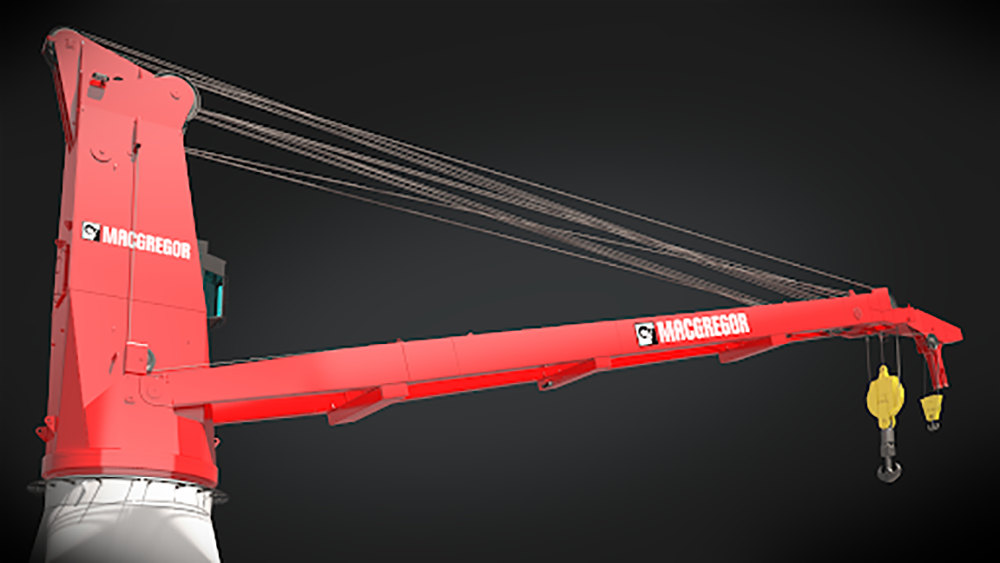
- Area: Wire rope / lifting medium inspection: check for broken wires, kinks, corrosion, wear, and correct spooling on drum; verify wire rope certification and replacemCheck: Wire rope / lifting medium inspection: check for broken wires, kinks, corrosion, wear, and correct spooling on drum; verify wire rope certification and replacement intervals per manufacturer and class society requirements
- Area: Slewing ring and bearing inspection: check for play, abnormal noise, lubrication condition, and corrosion; verify torque of fastening bolts; inspect gear teethCheck: Slewing ring and bearing inspection: check for play, abnormal noise, lubrication condition, and corrosion; verify torque of fastening bolts; inspect gear teeth for wear
- Area: Hydraulic system (where applicable): check oil level, oil condition/contamination, filter status, hose integrity (abrasion, cracking, fittings), accumulator preCheck: Hydraulic system (where applicable): check oil level, oil condition/contamination, filter status, hose integrity (abrasion, cracking, fittings), accumulator pre-charge pressure, and absence of leaks
- Area: Structural inspection: examine boom, jib, pedestal, and crane house for cracks, corrosion, deformation, weld integrity, and paint/coating condition; particularCheck: Structural inspection: examine boom, jib, pedestal, and crane house for cracks, corrosion, deformation, weld integrity, and paint/coating condition; particular attention to pedestal deck penetration welds
- Area: Safe Working Load (SWL) and overload protection: verify functionality of load moment limiter (LML), anti-two-block device, and overload cut-off; confirm rated cCheck: Safe Working Load (SWL) and overload protection: verify functionality of load moment limiter (LML), anti-two-block device, and overload cut-off; confirm rated capacity indicator calibration
- Area: Brakes and safety devices: test hoist, luffing, and slewing brake holding capacity; check emergency stop function; verify anti-collision systems (where fitted)Check: Brakes and safety devices: test hoist, luffing, and slewing brake holding capacity; check emergency stop function; verify anti-collision systems (where fitted) and limit switches on all crane motions
- Area: Electrical and control systems: inspect wiring, control pendants, radio remote controls, and junction boxes for moisture ingress and corrosion; verify emergencyCheck: Electrical and control systems: inspect wiring, control pendants, radio remote controls, and junction boxes for moisture ingress and corrosion; verify emergency power-off function and alarm signals
- Area: Periodic load test / proof load test: conduct 5-yearly proof load test at 110% SWL (or per class society requirements); document test results and renew liftingCheck: Periodic load test / proof load test: conduct 5-yearly proof load test at 110% SWL (or per class society requirements); document test results and renew lifting gear certificates
Typ-universelle Inspektionspunkte fuer Deck Cranes (verifiziert, 2026-06).
- Area: Wire rope / lifting medium inspection: check for broken wires, kinks, corrosion, wear, and correct spooling on drum; verify wire rope certification and replacemCheck: Wire rope / lifting medium inspection: check for broken wires, kinks, corrosion, wear, and correct spooling on drum; verify wire rope certification and replacement intervals per manufacturer and class society requirements
- Area: Slewing ring and bearing inspection: check for play, abnormal noise, lubrication condition, and corrosion; verify torque of fastening bolts; inspect gear teethCheck: Slewing ring and bearing inspection: check for play, abnormal noise, lubrication condition, and corrosion; verify torque of fastening bolts; inspect gear teeth for wear
- Area: Hydraulic system (where applicable): check oil level, oil condition/contamination, filter status, hose integrity (abrasion, cracking, fittings), accumulator preCheck: Hydraulic system (where applicable): check oil level, oil condition/contamination, filter status, hose integrity (abrasion, cracking, fittings), accumulator pre-charge pressure, and absence of leaks
- Area: Structural inspection: examine boom, jib, pedestal, and crane house for cracks, corrosion, deformation, weld integrity, and paint/coating condition; particularCheck: Structural inspection: examine boom, jib, pedestal, and crane house for cracks, corrosion, deformation, weld integrity, and paint/coating condition; particular attention to pedestal deck penetration welds
- Area: Safe Working Load (SWL) and overload protection: verify functionality of load moment limiter (LML), anti-two-block device, and overload cut-off; confirm rated cCheck: Safe Working Load (SWL) and overload protection: verify functionality of load moment limiter (LML), anti-two-block device, and overload cut-off; confirm rated capacity indicator calibration
- Area: Brakes and safety devices: test hoist, luffing, and slewing brake holding capacity; check emergency stop function; verify anti-collision systems (where fitted)Check: Brakes and safety devices: test hoist, luffing, and slewing brake holding capacity; check emergency stop function; verify anti-collision systems (where fitted) and limit switches on all crane motions
- Area: Electrical and control systems: inspect wiring, control pendants, radio remote controls, and junction boxes for moisture ingress and corrosion; verify emergencyCheck: Electrical and control systems: inspect wiring, control pendants, radio remote controls, and junction boxes for moisture ingress and corrosion; verify emergency power-off function and alarm signals
- Area: Periodic load test / proof load test: conduct 5-yearly proof load test at 110% SWL (or per class society requirements); document test results and renew liftingCheck: Periodic load test / proof load test: conduct 5-yearly proof load test at 110% SWL (or per class society requirements); document test results and renew lifting gear certificates
Typ-universelle Inspektionspunkte fuer Deck Cranes (verifiziert, 2026-06).

- Area: Wire rope / lifting medium inspection: check for broken wires, kinks, corrosion, wear, and correct spooling on drum; verify wire rope certification and replacemCheck: Wire rope / lifting medium inspection: check for broken wires, kinks, corrosion, wear, and correct spooling on drum; verify wire rope certification and replacement intervals per manufacturer and class society requirements
- Area: Slewing ring and bearing inspection: check for play, abnormal noise, lubrication condition, and corrosion; verify torque of fastening bolts; inspect gear teethCheck: Slewing ring and bearing inspection: check for play, abnormal noise, lubrication condition, and corrosion; verify torque of fastening bolts; inspect gear teeth for wear
- Area: Hydraulic system (where applicable): check oil level, oil condition/contamination, filter status, hose integrity (abrasion, cracking, fittings), accumulator preCheck: Hydraulic system (where applicable): check oil level, oil condition/contamination, filter status, hose integrity (abrasion, cracking, fittings), accumulator pre-charge pressure, and absence of leaks
- Area: Structural inspection: examine boom, jib, pedestal, and crane house for cracks, corrosion, deformation, weld integrity, and paint/coating condition; particularCheck: Structural inspection: examine boom, jib, pedestal, and crane house for cracks, corrosion, deformation, weld integrity, and paint/coating condition; particular attention to pedestal deck penetration welds
- Area: Safe Working Load (SWL) and overload protection: verify functionality of load moment limiter (LML), anti-two-block device, and overload cut-off; confirm rated cCheck: Safe Working Load (SWL) and overload protection: verify functionality of load moment limiter (LML), anti-two-block device, and overload cut-off; confirm rated capacity indicator calibration
- Area: Brakes and safety devices: test hoist, luffing, and slewing brake holding capacity; check emergency stop function; verify anti-collision systems (where fitted)Check: Brakes and safety devices: test hoist, luffing, and slewing brake holding capacity; check emergency stop function; verify anti-collision systems (where fitted) and limit switches on all crane motions
- Area: Electrical and control systems: inspect wiring, control pendants, radio remote controls, and junction boxes for moisture ingress and corrosion; verify emergencyCheck: Electrical and control systems: inspect wiring, control pendants, radio remote controls, and junction boxes for moisture ingress and corrosion; verify emergency power-off function and alarm signals
- Area: Periodic load test / proof load test: conduct 5-yearly proof load test at 110% SWL (or per class society requirements); document test results and renew liftingCheck: Periodic load test / proof load test: conduct 5-yearly proof load test at 110% SWL (or per class society requirements); document test results and renew lifting gear certificates
Typ-universelle Inspektionspunkte fuer Deck Cranes (verifiziert, 2026-06).
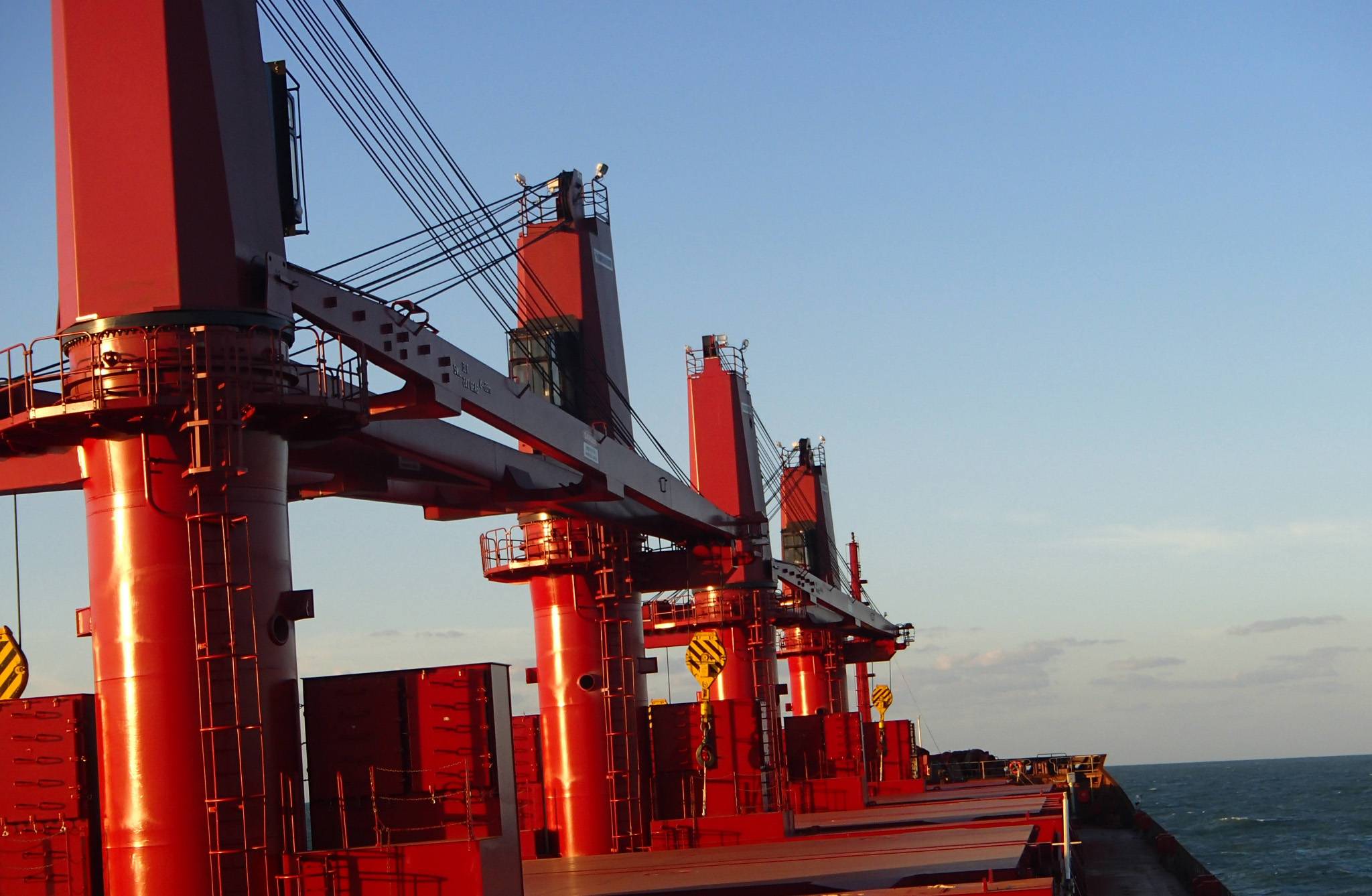
- Area: Wire rope / lifting medium inspection: check for broken wires, kinks, corrosion, wear, and correct spooling on drum; verify wire rope certification and replacemCheck: Wire rope / lifting medium inspection: check for broken wires, kinks, corrosion, wear, and correct spooling on drum; verify wire rope certification and replacement intervals per manufacturer and class society requirements
- Area: Slewing ring and bearing inspection: check for play, abnormal noise, lubrication condition, and corrosion; verify torque of fastening bolts; inspect gear teethCheck: Slewing ring and bearing inspection: check for play, abnormal noise, lubrication condition, and corrosion; verify torque of fastening bolts; inspect gear teeth for wear
- Area: Hydraulic system (where applicable): check oil level, oil condition/contamination, filter status, hose integrity (abrasion, cracking, fittings), accumulator preCheck: Hydraulic system (where applicable): check oil level, oil condition/contamination, filter status, hose integrity (abrasion, cracking, fittings), accumulator pre-charge pressure, and absence of leaks
- Area: Structural inspection: examine boom, jib, pedestal, and crane house for cracks, corrosion, deformation, weld integrity, and paint/coating condition; particularCheck: Structural inspection: examine boom, jib, pedestal, and crane house for cracks, corrosion, deformation, weld integrity, and paint/coating condition; particular attention to pedestal deck penetration welds
- Area: Safe Working Load (SWL) and overload protection: verify functionality of load moment limiter (LML), anti-two-block device, and overload cut-off; confirm rated cCheck: Safe Working Load (SWL) and overload protection: verify functionality of load moment limiter (LML), anti-two-block device, and overload cut-off; confirm rated capacity indicator calibration
- Area: Brakes and safety devices: test hoist, luffing, and slewing brake holding capacity; check emergency stop function; verify anti-collision systems (where fitted)Check: Brakes and safety devices: test hoist, luffing, and slewing brake holding capacity; check emergency stop function; verify anti-collision systems (where fitted) and limit switches on all crane motions
- Area: Electrical and control systems: inspect wiring, control pendants, radio remote controls, and junction boxes for moisture ingress and corrosion; verify emergencyCheck: Electrical and control systems: inspect wiring, control pendants, radio remote controls, and junction boxes for moisture ingress and corrosion; verify emergency power-off function and alarm signals
- Area: Periodic load test / proof load test: conduct 5-yearly proof load test at 110% SWL (or per class society requirements); document test results and renew liftingCheck: Periodic load test / proof load test: conduct 5-yearly proof load test at 110% SWL (or per class society requirements); document test results and renew lifting gear certificates
Typ-universelle Inspektionspunkte fuer Deck Cranes (verifiziert, 2026-06).

- Area: Wire rope / lifting medium inspection: check for broken wires, kinks, corrosion, wear, and correct spooling on drum; verify wire rope certification and replacemCheck: Wire rope / lifting medium inspection: check for broken wires, kinks, corrosion, wear, and correct spooling on drum; verify wire rope certification and replacement intervals per manufacturer and class society requirements
- Area: Slewing ring and bearing inspection: check for play, abnormal noise, lubrication condition, and corrosion; verify torque of fastening bolts; inspect gear teethCheck: Slewing ring and bearing inspection: check for play, abnormal noise, lubrication condition, and corrosion; verify torque of fastening bolts; inspect gear teeth for wear
- Area: Hydraulic system (where applicable): check oil level, oil condition/contamination, filter status, hose integrity (abrasion, cracking, fittings), accumulator preCheck: Hydraulic system (where applicable): check oil level, oil condition/contamination, filter status, hose integrity (abrasion, cracking, fittings), accumulator pre-charge pressure, and absence of leaks
- Area: Structural inspection: examine boom, jib, pedestal, and crane house for cracks, corrosion, deformation, weld integrity, and paint/coating condition; particularCheck: Structural inspection: examine boom, jib, pedestal, and crane house for cracks, corrosion, deformation, weld integrity, and paint/coating condition; particular attention to pedestal deck penetration welds
- Area: Safe Working Load (SWL) and overload protection: verify functionality of load moment limiter (LML), anti-two-block device, and overload cut-off; confirm rated cCheck: Safe Working Load (SWL) and overload protection: verify functionality of load moment limiter (LML), anti-two-block device, and overload cut-off; confirm rated capacity indicator calibration
- Area: Brakes and safety devices: test hoist, luffing, and slewing brake holding capacity; check emergency stop function; verify anti-collision systems (where fitted)Check: Brakes and safety devices: test hoist, luffing, and slewing brake holding capacity; check emergency stop function; verify anti-collision systems (where fitted) and limit switches on all crane motions
- Area: Electrical and control systems: inspect wiring, control pendants, radio remote controls, and junction boxes for moisture ingress and corrosion; verify emergencyCheck: Electrical and control systems: inspect wiring, control pendants, radio remote controls, and junction boxes for moisture ingress and corrosion; verify emergency power-off function and alarm signals
- Area: Periodic load test / proof load test: conduct 5-yearly proof load test at 110% SWL (or per class society requirements); document test results and renew liftingCheck: Periodic load test / proof load test: conduct 5-yearly proof load test at 110% SWL (or per class society requirements); document test results and renew lifting gear certificates
Typ-universelle Inspektionspunkte fuer Deck Cranes (verifiziert, 2026-06).

- Area: Wire rope / lifting medium inspection: check for broken wires, kinks, corrosion, wear, and correct spooling on drum; verify wire rope certification and replacemCheck: Wire rope / lifting medium inspection: check for broken wires, kinks, corrosion, wear, and correct spooling on drum; verify wire rope certification and replacement intervals per manufacturer and class society requirements
- Area: Slewing ring and bearing inspection: check for play, abnormal noise, lubrication condition, and corrosion; verify torque of fastening bolts; inspect gear teethCheck: Slewing ring and bearing inspection: check for play, abnormal noise, lubrication condition, and corrosion; verify torque of fastening bolts; inspect gear teeth for wear
- Area: Hydraulic system (where applicable): check oil level, oil condition/contamination, filter status, hose integrity (abrasion, cracking, fittings), accumulator preCheck: Hydraulic system (where applicable): check oil level, oil condition/contamination, filter status, hose integrity (abrasion, cracking, fittings), accumulator pre-charge pressure, and absence of leaks
- Area: Structural inspection: examine boom, jib, pedestal, and crane house for cracks, corrosion, deformation, weld integrity, and paint/coating condition; particularCheck: Structural inspection: examine boom, jib, pedestal, and crane house for cracks, corrosion, deformation, weld integrity, and paint/coating condition; particular attention to pedestal deck penetration welds
- Area: Safe Working Load (SWL) and overload protection: verify functionality of load moment limiter (LML), anti-two-block device, and overload cut-off; confirm rated cCheck: Safe Working Load (SWL) and overload protection: verify functionality of load moment limiter (LML), anti-two-block device, and overload cut-off; confirm rated capacity indicator calibration
- Area: Brakes and safety devices: test hoist, luffing, and slewing brake holding capacity; check emergency stop function; verify anti-collision systems (where fitted)Check: Brakes and safety devices: test hoist, luffing, and slewing brake holding capacity; check emergency stop function; verify anti-collision systems (where fitted) and limit switches on all crane motions
- Area: Electrical and control systems: inspect wiring, control pendants, radio remote controls, and junction boxes for moisture ingress and corrosion; verify emergencyCheck: Electrical and control systems: inspect wiring, control pendants, radio remote controls, and junction boxes for moisture ingress and corrosion; verify emergency power-off function and alarm signals
- Area: Periodic load test / proof load test: conduct 5-yearly proof load test at 110% SWL (or per class society requirements); document test results and renew liftingCheck: Periodic load test / proof load test: conduct 5-yearly proof load test at 110% SWL (or per class society requirements); document test results and renew lifting gear certificates
Typ-universelle Inspektionspunkte fuer Deck Cranes (verifiziert, 2026-06).
- Area: Wire rope / lifting medium inspection: check for broken wires, kinks, corrosion, wear, and correct spooling on drum; verify wire rope certification and replacemCheck: Wire rope / lifting medium inspection: check for broken wires, kinks, corrosion, wear, and correct spooling on drum; verify wire rope certification and replacement intervals per manufacturer and class society requirements
- Area: Slewing ring and bearing inspection: check for play, abnormal noise, lubrication condition, and corrosion; verify torque of fastening bolts; inspect gear teethCheck: Slewing ring and bearing inspection: check for play, abnormal noise, lubrication condition, and corrosion; verify torque of fastening bolts; inspect gear teeth for wear
- Area: Hydraulic system (where applicable): check oil level, oil condition/contamination, filter status, hose integrity (abrasion, cracking, fittings), accumulator preCheck: Hydraulic system (where applicable): check oil level, oil condition/contamination, filter status, hose integrity (abrasion, cracking, fittings), accumulator pre-charge pressure, and absence of leaks
- Area: Structural inspection: examine boom, jib, pedestal, and crane house for cracks, corrosion, deformation, weld integrity, and paint/coating condition; particularCheck: Structural inspection: examine boom, jib, pedestal, and crane house for cracks, corrosion, deformation, weld integrity, and paint/coating condition; particular attention to pedestal deck penetration welds
- Area: Safe Working Load (SWL) and overload protection: verify functionality of load moment limiter (LML), anti-two-block device, and overload cut-off; confirm rated cCheck: Safe Working Load (SWL) and overload protection: verify functionality of load moment limiter (LML), anti-two-block device, and overload cut-off; confirm rated capacity indicator calibration
- Area: Brakes and safety devices: test hoist, luffing, and slewing brake holding capacity; check emergency stop function; verify anti-collision systems (where fitted)Check: Brakes and safety devices: test hoist, luffing, and slewing brake holding capacity; check emergency stop function; verify anti-collision systems (where fitted) and limit switches on all crane motions
- Area: Electrical and control systems: inspect wiring, control pendants, radio remote controls, and junction boxes for moisture ingress and corrosion; verify emergencyCheck: Electrical and control systems: inspect wiring, control pendants, radio remote controls, and junction boxes for moisture ingress and corrosion; verify emergency power-off function and alarm signals
- Area: Periodic load test / proof load test: conduct 5-yearly proof load test at 110% SWL (or per class society requirements); document test results and renew liftingCheck: Periodic load test / proof load test: conduct 5-yearly proof load test at 110% SWL (or per class society requirements); document test results and renew lifting gear certificates
Typ-universelle Inspektionspunkte fuer Deck Cranes (verifiziert, 2026-06).
- Area: Wire rope / lifting medium inspection: check for broken wires, kinks, corrosion, wear, and correct spooling on drum; verify wire rope certification and replacemCheck: Wire rope / lifting medium inspection: check for broken wires, kinks, corrosion, wear, and correct spooling on drum; verify wire rope certification and replacement intervals per manufacturer and class society requirements
- Area: Slewing ring and bearing inspection: check for play, abnormal noise, lubrication condition, and corrosion; verify torque of fastening bolts; inspect gear teethCheck: Slewing ring and bearing inspection: check for play, abnormal noise, lubrication condition, and corrosion; verify torque of fastening bolts; inspect gear teeth for wear
- Area: Hydraulic system (where applicable): check oil level, oil condition/contamination, filter status, hose integrity (abrasion, cracking, fittings), accumulator preCheck: Hydraulic system (where applicable): check oil level, oil condition/contamination, filter status, hose integrity (abrasion, cracking, fittings), accumulator pre-charge pressure, and absence of leaks
- Area: Structural inspection: examine boom, jib, pedestal, and crane house for cracks, corrosion, deformation, weld integrity, and paint/coating condition; particularCheck: Structural inspection: examine boom, jib, pedestal, and crane house for cracks, corrosion, deformation, weld integrity, and paint/coating condition; particular attention to pedestal deck penetration welds
- Area: Safe Working Load (SWL) and overload protection: verify functionality of load moment limiter (LML), anti-two-block device, and overload cut-off; confirm rated cCheck: Safe Working Load (SWL) and overload protection: verify functionality of load moment limiter (LML), anti-two-block device, and overload cut-off; confirm rated capacity indicator calibration
- Area: Brakes and safety devices: test hoist, luffing, and slewing brake holding capacity; check emergency stop function; verify anti-collision systems (where fitted)Check: Brakes and safety devices: test hoist, luffing, and slewing brake holding capacity; check emergency stop function; verify anti-collision systems (where fitted) and limit switches on all crane motions
- Area: Electrical and control systems: inspect wiring, control pendants, radio remote controls, and junction boxes for moisture ingress and corrosion; verify emergencyCheck: Electrical and control systems: inspect wiring, control pendants, radio remote controls, and junction boxes for moisture ingress and corrosion; verify emergency power-off function and alarm signals
- Area: Periodic load test / proof load test: conduct 5-yearly proof load test at 110% SWL (or per class society requirements); document test results and renew liftingCheck: Periodic load test / proof load test: conduct 5-yearly proof load test at 110% SWL (or per class society requirements); document test results and renew lifting gear certificates
Typ-universelle Inspektionspunkte fuer Deck Cranes (verifiziert, 2026-06).
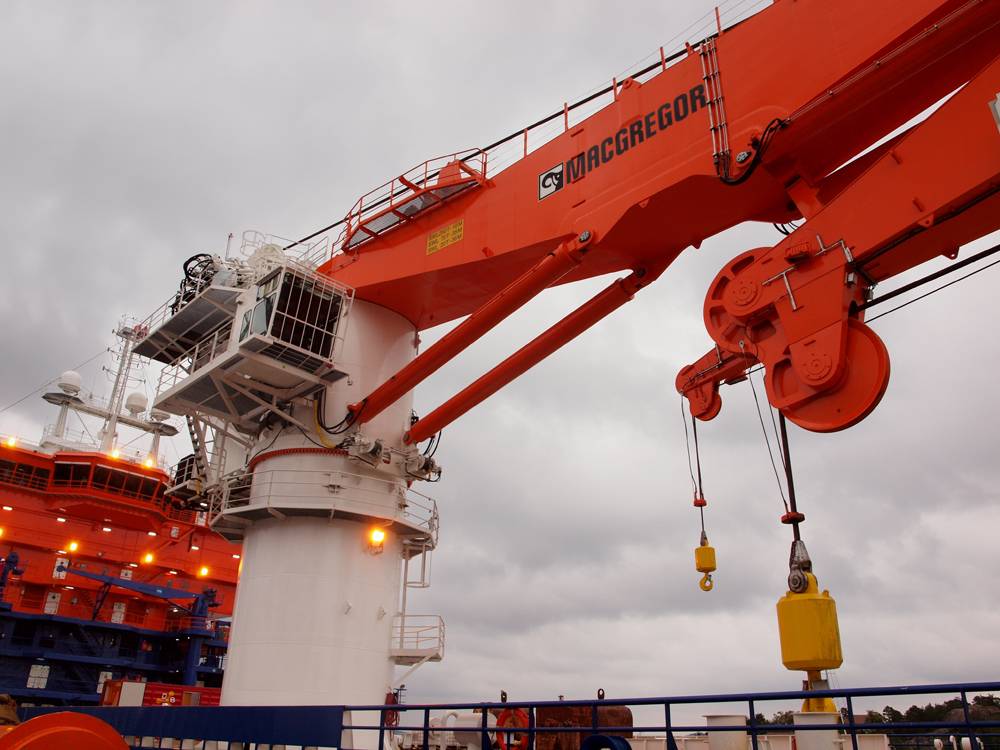
- Area: Wire rope / lifting medium inspection: check for broken wires, kinks, corrosion, wear, and correct spooling on drum; verify wire rope certification and replacemCheck: Wire rope / lifting medium inspection: check for broken wires, kinks, corrosion, wear, and correct spooling on drum; verify wire rope certification and replacement intervals per manufacturer and class society requirements
- Area: Slewing ring and bearing inspection: check for play, abnormal noise, lubrication condition, and corrosion; verify torque of fastening bolts; inspect gear teethCheck: Slewing ring and bearing inspection: check for play, abnormal noise, lubrication condition, and corrosion; verify torque of fastening bolts; inspect gear teeth for wear
- Area: Hydraulic system (where applicable): check oil level, oil condition/contamination, filter status, hose integrity (abrasion, cracking, fittings), accumulator preCheck: Hydraulic system (where applicable): check oil level, oil condition/contamination, filter status, hose integrity (abrasion, cracking, fittings), accumulator pre-charge pressure, and absence of leaks
- Area: Structural inspection: examine boom, jib, pedestal, and crane house for cracks, corrosion, deformation, weld integrity, and paint/coating condition; particularCheck: Structural inspection: examine boom, jib, pedestal, and crane house for cracks, corrosion, deformation, weld integrity, and paint/coating condition; particular attention to pedestal deck penetration welds
- Area: Safe Working Load (SWL) and overload protection: verify functionality of load moment limiter (LML), anti-two-block device, and overload cut-off; confirm rated cCheck: Safe Working Load (SWL) and overload protection: verify functionality of load moment limiter (LML), anti-two-block device, and overload cut-off; confirm rated capacity indicator calibration
- Area: Brakes and safety devices: test hoist, luffing, and slewing brake holding capacity; check emergency stop function; verify anti-collision systems (where fitted)Check: Brakes and safety devices: test hoist, luffing, and slewing brake holding capacity; check emergency stop function; verify anti-collision systems (where fitted) and limit switches on all crane motions
- Area: Electrical and control systems: inspect wiring, control pendants, radio remote controls, and junction boxes for moisture ingress and corrosion; verify emergencyCheck: Electrical and control systems: inspect wiring, control pendants, radio remote controls, and junction boxes for moisture ingress and corrosion; verify emergency power-off function and alarm signals
- Area: Periodic load test / proof load test: conduct 5-yearly proof load test at 110% SWL (or per class society requirements); document test results and renew liftingCheck: Periodic load test / proof load test: conduct 5-yearly proof load test at 110% SWL (or per class society requirements); document test results and renew lifting gear certificates
Typ-universelle Inspektionspunkte fuer Deck Cranes (verifiziert, 2026-06).
- Area: Wire rope / lifting medium inspection: check for broken wires, kinks, corrosion, wear, and correct spooling on drum; verify wire rope certification and replacemCheck: Wire rope / lifting medium inspection: check for broken wires, kinks, corrosion, wear, and correct spooling on drum; verify wire rope certification and replacement intervals per manufacturer and class society requirements
- Area: Slewing ring and bearing inspection: check for play, abnormal noise, lubrication condition, and corrosion; verify torque of fastening bolts; inspect gear teethCheck: Slewing ring and bearing inspection: check for play, abnormal noise, lubrication condition, and corrosion; verify torque of fastening bolts; inspect gear teeth for wear
- Area: Hydraulic system (where applicable): check oil level, oil condition/contamination, filter status, hose integrity (abrasion, cracking, fittings), accumulator preCheck: Hydraulic system (where applicable): check oil level, oil condition/contamination, filter status, hose integrity (abrasion, cracking, fittings), accumulator pre-charge pressure, and absence of leaks
- Area: Structural inspection: examine boom, jib, pedestal, and crane house for cracks, corrosion, deformation, weld integrity, and paint/coating condition; particularCheck: Structural inspection: examine boom, jib, pedestal, and crane house for cracks, corrosion, deformation, weld integrity, and paint/coating condition; particular attention to pedestal deck penetration welds
- Area: Safe Working Load (SWL) and overload protection: verify functionality of load moment limiter (LML), anti-two-block device, and overload cut-off; confirm rated cCheck: Safe Working Load (SWL) and overload protection: verify functionality of load moment limiter (LML), anti-two-block device, and overload cut-off; confirm rated capacity indicator calibration
- Area: Brakes and safety devices: test hoist, luffing, and slewing brake holding capacity; check emergency stop function; verify anti-collision systems (where fitted)Check: Brakes and safety devices: test hoist, luffing, and slewing brake holding capacity; check emergency stop function; verify anti-collision systems (where fitted) and limit switches on all crane motions
- Area: Electrical and control systems: inspect wiring, control pendants, radio remote controls, and junction boxes for moisture ingress and corrosion; verify emergencyCheck: Electrical and control systems: inspect wiring, control pendants, radio remote controls, and junction boxes for moisture ingress and corrosion; verify emergency power-off function and alarm signals
- Area: Periodic load test / proof load test: conduct 5-yearly proof load test at 110% SWL (or per class society requirements); document test results and renew liftingCheck: Periodic load test / proof load test: conduct 5-yearly proof load test at 110% SWL (or per class society requirements); document test results and renew lifting gear certificates
Typ-universelle Inspektionspunkte fuer Deck Cranes (verifiziert, 2026-06).
- Area: Wire rope / lifting medium inspection: check for broken wires, kinks, corrosion, wear, and correct spooling on drum; verify wire rope certification and replacemCheck: Wire rope / lifting medium inspection: check for broken wires, kinks, corrosion, wear, and correct spooling on drum; verify wire rope certification and replacement intervals per manufacturer and class society requirements
- Area: Slewing ring and bearing inspection: check for play, abnormal noise, lubrication condition, and corrosion; verify torque of fastening bolts; inspect gear teethCheck: Slewing ring and bearing inspection: check for play, abnormal noise, lubrication condition, and corrosion; verify torque of fastening bolts; inspect gear teeth for wear
- Area: Hydraulic system (where applicable): check oil level, oil condition/contamination, filter status, hose integrity (abrasion, cracking, fittings), accumulator preCheck: Hydraulic system (where applicable): check oil level, oil condition/contamination, filter status, hose integrity (abrasion, cracking, fittings), accumulator pre-charge pressure, and absence of leaks
- Area: Structural inspection: examine boom, jib, pedestal, and crane house for cracks, corrosion, deformation, weld integrity, and paint/coating condition; particularCheck: Structural inspection: examine boom, jib, pedestal, and crane house for cracks, corrosion, deformation, weld integrity, and paint/coating condition; particular attention to pedestal deck penetration welds
- Area: Safe Working Load (SWL) and overload protection: verify functionality of load moment limiter (LML), anti-two-block device, and overload cut-off; confirm rated cCheck: Safe Working Load (SWL) and overload protection: verify functionality of load moment limiter (LML), anti-two-block device, and overload cut-off; confirm rated capacity indicator calibration
- Area: Brakes and safety devices: test hoist, luffing, and slewing brake holding capacity; check emergency stop function; verify anti-collision systems (where fitted)Check: Brakes and safety devices: test hoist, luffing, and slewing brake holding capacity; check emergency stop function; verify anti-collision systems (where fitted) and limit switches on all crane motions
- Area: Electrical and control systems: inspect wiring, control pendants, radio remote controls, and junction boxes for moisture ingress and corrosion; verify emergencyCheck: Electrical and control systems: inspect wiring, control pendants, radio remote controls, and junction boxes for moisture ingress and corrosion; verify emergency power-off function and alarm signals
- Area: Periodic load test / proof load test: conduct 5-yearly proof load test at 110% SWL (or per class society requirements); document test results and renew liftingCheck: Periodic load test / proof load test: conduct 5-yearly proof load test at 110% SWL (or per class society requirements); document test results and renew lifting gear certificates
Typ-universelle Inspektionspunkte fuer Deck Cranes (verifiziert, 2026-06).
- Area: Wire rope / lifting medium inspection: check for broken wires, kinks, corrosion, wear, and correct spooling on drum; verify wire rope certification and replacemCheck: Wire rope / lifting medium inspection: check for broken wires, kinks, corrosion, wear, and correct spooling on drum; verify wire rope certification and replacement intervals per manufacturer and class society requirements
- Area: Slewing ring and bearing inspection: check for play, abnormal noise, lubrication condition, and corrosion; verify torque of fastening bolts; inspect gear teethCheck: Slewing ring and bearing inspection: check for play, abnormal noise, lubrication condition, and corrosion; verify torque of fastening bolts; inspect gear teeth for wear
- Area: Hydraulic system (where applicable): check oil level, oil condition/contamination, filter status, hose integrity (abrasion, cracking, fittings), accumulator preCheck: Hydraulic system (where applicable): check oil level, oil condition/contamination, filter status, hose integrity (abrasion, cracking, fittings), accumulator pre-charge pressure, and absence of leaks
- Area: Structural inspection: examine boom, jib, pedestal, and crane house for cracks, corrosion, deformation, weld integrity, and paint/coating condition; particularCheck: Structural inspection: examine boom, jib, pedestal, and crane house for cracks, corrosion, deformation, weld integrity, and paint/coating condition; particular attention to pedestal deck penetration welds
- Area: Safe Working Load (SWL) and overload protection: verify functionality of load moment limiter (LML), anti-two-block device, and overload cut-off; confirm rated cCheck: Safe Working Load (SWL) and overload protection: verify functionality of load moment limiter (LML), anti-two-block device, and overload cut-off; confirm rated capacity indicator calibration
- Area: Brakes and safety devices: test hoist, luffing, and slewing brake holding capacity; check emergency stop function; verify anti-collision systems (where fitted)Check: Brakes and safety devices: test hoist, luffing, and slewing brake holding capacity; check emergency stop function; verify anti-collision systems (where fitted) and limit switches on all crane motions
- Area: Electrical and control systems: inspect wiring, control pendants, radio remote controls, and junction boxes for moisture ingress and corrosion; verify emergencyCheck: Electrical and control systems: inspect wiring, control pendants, radio remote controls, and junction boxes for moisture ingress and corrosion; verify emergency power-off function and alarm signals
- Area: Periodic load test / proof load test: conduct 5-yearly proof load test at 110% SWL (or per class society requirements); document test results and renew liftingCheck: Periodic load test / proof load test: conduct 5-yearly proof load test at 110% SWL (or per class society requirements); document test results and renew lifting gear certificates
Typ-universelle Inspektionspunkte fuer Deck Cranes (verifiziert, 2026-06).
- Area: Wire rope / lifting medium inspection: check for broken wires, kinks, corrosion, wear, and correct spooling on drum; verify wire rope certification and replacemCheck: Wire rope / lifting medium inspection: check for broken wires, kinks, corrosion, wear, and correct spooling on drum; verify wire rope certification and replacement intervals per manufacturer and class society requirements
- Area: Slewing ring and bearing inspection: check for play, abnormal noise, lubrication condition, and corrosion; verify torque of fastening bolts; inspect gear teethCheck: Slewing ring and bearing inspection: check for play, abnormal noise, lubrication condition, and corrosion; verify torque of fastening bolts; inspect gear teeth for wear
- Area: Hydraulic system (where applicable): check oil level, oil condition/contamination, filter status, hose integrity (abrasion, cracking, fittings), accumulator preCheck: Hydraulic system (where applicable): check oil level, oil condition/contamination, filter status, hose integrity (abrasion, cracking, fittings), accumulator pre-charge pressure, and absence of leaks
- Area: Structural inspection: examine boom, jib, pedestal, and crane house for cracks, corrosion, deformation, weld integrity, and paint/coating condition; particularCheck: Structural inspection: examine boom, jib, pedestal, and crane house for cracks, corrosion, deformation, weld integrity, and paint/coating condition; particular attention to pedestal deck penetration welds
- Area: Safe Working Load (SWL) and overload protection: verify functionality of load moment limiter (LML), anti-two-block device, and overload cut-off; confirm rated cCheck: Safe Working Load (SWL) and overload protection: verify functionality of load moment limiter (LML), anti-two-block device, and overload cut-off; confirm rated capacity indicator calibration
- Area: Brakes and safety devices: test hoist, luffing, and slewing brake holding capacity; check emergency stop function; verify anti-collision systems (where fitted)Check: Brakes and safety devices: test hoist, luffing, and slewing brake holding capacity; check emergency stop function; verify anti-collision systems (where fitted) and limit switches on all crane motions
- Area: Electrical and control systems: inspect wiring, control pendants, radio remote controls, and junction boxes for moisture ingress and corrosion; verify emergencyCheck: Electrical and control systems: inspect wiring, control pendants, radio remote controls, and junction boxes for moisture ingress and corrosion; verify emergency power-off function and alarm signals
- Area: Periodic load test / proof load test: conduct 5-yearly proof load test at 110% SWL (or per class society requirements); document test results and renew liftingCheck: Periodic load test / proof load test: conduct 5-yearly proof load test at 110% SWL (or per class society requirements); document test results and renew lifting gear certificates
Typ-universelle Inspektionspunkte fuer Deck Cranes (verifiziert, 2026-06).
- Area: Wire rope / lifting medium inspection: check for broken wires, kinks, corrosion, wear, and correct spooling on drum; verify wire rope certification and replacemCheck: Wire rope / lifting medium inspection: check for broken wires, kinks, corrosion, wear, and correct spooling on drum; verify wire rope certification and replacement intervals per manufacturer and class society requirements
- Area: Slewing ring and bearing inspection: check for play, abnormal noise, lubrication condition, and corrosion; verify torque of fastening bolts; inspect gear teethCheck: Slewing ring and bearing inspection: check for play, abnormal noise, lubrication condition, and corrosion; verify torque of fastening bolts; inspect gear teeth for wear
- Area: Hydraulic system (where applicable): check oil level, oil condition/contamination, filter status, hose integrity (abrasion, cracking, fittings), accumulator preCheck: Hydraulic system (where applicable): check oil level, oil condition/contamination, filter status, hose integrity (abrasion, cracking, fittings), accumulator pre-charge pressure, and absence of leaks
- Area: Structural inspection: examine boom, jib, pedestal, and crane house for cracks, corrosion, deformation, weld integrity, and paint/coating condition; particularCheck: Structural inspection: examine boom, jib, pedestal, and crane house for cracks, corrosion, deformation, weld integrity, and paint/coating condition; particular attention to pedestal deck penetration welds
- Area: Safe Working Load (SWL) and overload protection: verify functionality of load moment limiter (LML), anti-two-block device, and overload cut-off; confirm rated cCheck: Safe Working Load (SWL) and overload protection: verify functionality of load moment limiter (LML), anti-two-block device, and overload cut-off; confirm rated capacity indicator calibration
- Area: Brakes and safety devices: test hoist, luffing, and slewing brake holding capacity; check emergency stop function; verify anti-collision systems (where fitted)Check: Brakes and safety devices: test hoist, luffing, and slewing brake holding capacity; check emergency stop function; verify anti-collision systems (where fitted) and limit switches on all crane motions
- Area: Electrical and control systems: inspect wiring, control pendants, radio remote controls, and junction boxes for moisture ingress and corrosion; verify emergencyCheck: Electrical and control systems: inspect wiring, control pendants, radio remote controls, and junction boxes for moisture ingress and corrosion; verify emergency power-off function and alarm signals
- Area: Periodic load test / proof load test: conduct 5-yearly proof load test at 110% SWL (or per class society requirements); document test results and renew liftingCheck: Periodic load test / proof load test: conduct 5-yearly proof load test at 110% SWL (or per class society requirements); document test results and renew lifting gear certificates
Typ-universelle Inspektionspunkte fuer Deck Cranes (verifiziert, 2026-06).
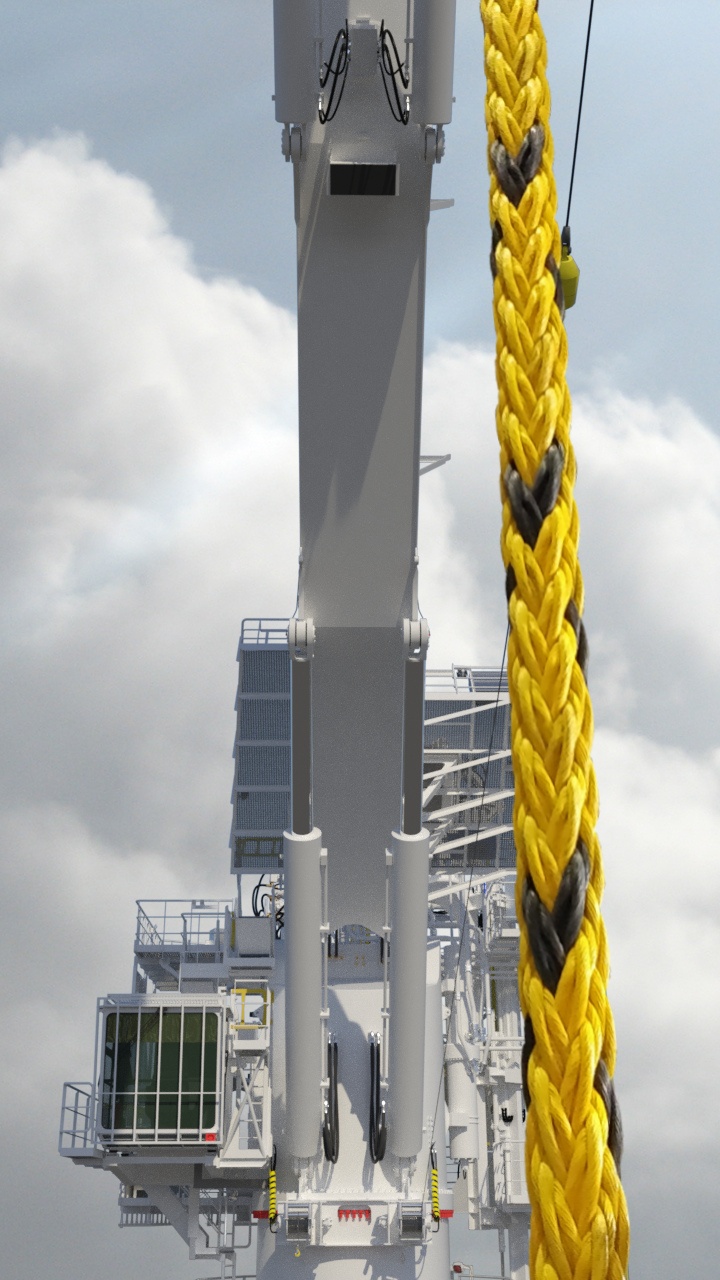
- Area: Wire rope / lifting medium inspection: check for broken wires, kinks, corrosion, wear, and correct spooling on drum; verify wire rope certification and replacemCheck: Wire rope / lifting medium inspection: check for broken wires, kinks, corrosion, wear, and correct spooling on drum; verify wire rope certification and replacement intervals per manufacturer and class society requirements
- Area: Slewing ring and bearing inspection: check for play, abnormal noise, lubrication condition, and corrosion; verify torque of fastening bolts; inspect gear teethCheck: Slewing ring and bearing inspection: check for play, abnormal noise, lubrication condition, and corrosion; verify torque of fastening bolts; inspect gear teeth for wear
- Area: Hydraulic system (where applicable): check oil level, oil condition/contamination, filter status, hose integrity (abrasion, cracking, fittings), accumulator preCheck: Hydraulic system (where applicable): check oil level, oil condition/contamination, filter status, hose integrity (abrasion, cracking, fittings), accumulator pre-charge pressure, and absence of leaks
- Area: Structural inspection: examine boom, jib, pedestal, and crane house for cracks, corrosion, deformation, weld integrity, and paint/coating condition; particularCheck: Structural inspection: examine boom, jib, pedestal, and crane house for cracks, corrosion, deformation, weld integrity, and paint/coating condition; particular attention to pedestal deck penetration welds
- Area: Safe Working Load (SWL) and overload protection: verify functionality of load moment limiter (LML), anti-two-block device, and overload cut-off; confirm rated cCheck: Safe Working Load (SWL) and overload protection: verify functionality of load moment limiter (LML), anti-two-block device, and overload cut-off; confirm rated capacity indicator calibration
- Area: Brakes and safety devices: test hoist, luffing, and slewing brake holding capacity; check emergency stop function; verify anti-collision systems (where fitted)Check: Brakes and safety devices: test hoist, luffing, and slewing brake holding capacity; check emergency stop function; verify anti-collision systems (where fitted) and limit switches on all crane motions
- Area: Electrical and control systems: inspect wiring, control pendants, radio remote controls, and junction boxes for moisture ingress and corrosion; verify emergencyCheck: Electrical and control systems: inspect wiring, control pendants, radio remote controls, and junction boxes for moisture ingress and corrosion; verify emergency power-off function and alarm signals
- Area: Periodic load test / proof load test: conduct 5-yearly proof load test at 110% SWL (or per class society requirements); document test results and renew liftingCheck: Periodic load test / proof load test: conduct 5-yearly proof load test at 110% SWL (or per class society requirements); document test results and renew lifting gear certificates
Typ-universelle Inspektionspunkte fuer Deck Cranes (verifiziert, 2026-06).

- Area: Wire rope / lifting medium inspection: check for broken wires, kinks, corrosion, wear, and correct spooling on drum; verify wire rope certification and replacemCheck: Wire rope / lifting medium inspection: check for broken wires, kinks, corrosion, wear, and correct spooling on drum; verify wire rope certification and replacement intervals per manufacturer and class society requirements
- Area: Slewing ring and bearing inspection: check for play, abnormal noise, lubrication condition, and corrosion; verify torque of fastening bolts; inspect gear teethCheck: Slewing ring and bearing inspection: check for play, abnormal noise, lubrication condition, and corrosion; verify torque of fastening bolts; inspect gear teeth for wear
- Area: Hydraulic system (where applicable): check oil level, oil condition/contamination, filter status, hose integrity (abrasion, cracking, fittings), accumulator preCheck: Hydraulic system (where applicable): check oil level, oil condition/contamination, filter status, hose integrity (abrasion, cracking, fittings), accumulator pre-charge pressure, and absence of leaks
- Area: Structural inspection: examine boom, jib, pedestal, and crane house for cracks, corrosion, deformation, weld integrity, and paint/coating condition; particularCheck: Structural inspection: examine boom, jib, pedestal, and crane house for cracks, corrosion, deformation, weld integrity, and paint/coating condition; particular attention to pedestal deck penetration welds
- Area: Safe Working Load (SWL) and overload protection: verify functionality of load moment limiter (LML), anti-two-block device, and overload cut-off; confirm rated cCheck: Safe Working Load (SWL) and overload protection: verify functionality of load moment limiter (LML), anti-two-block device, and overload cut-off; confirm rated capacity indicator calibration
- Area: Brakes and safety devices: test hoist, luffing, and slewing brake holding capacity; check emergency stop function; verify anti-collision systems (where fitted)Check: Brakes and safety devices: test hoist, luffing, and slewing brake holding capacity; check emergency stop function; verify anti-collision systems (where fitted) and limit switches on all crane motions
- Area: Electrical and control systems: inspect wiring, control pendants, radio remote controls, and junction boxes for moisture ingress and corrosion; verify emergencyCheck: Electrical and control systems: inspect wiring, control pendants, radio remote controls, and junction boxes for moisture ingress and corrosion; verify emergency power-off function and alarm signals
- Area: Periodic load test / proof load test: conduct 5-yearly proof load test at 110% SWL (or per class society requirements); document test results and renew liftingCheck: Periodic load test / proof load test: conduct 5-yearly proof load test at 110% SWL (or per class society requirements); document test results and renew lifting gear certificates
Typ-universelle Inspektionspunkte fuer Deck Cranes (verifiziert, 2026-06).
- Area: Wire rope / lifting medium inspection: check for broken wires, kinks, corrosion, wear, and correct spooling on drum; verify wire rope certification and replacemCheck: Wire rope / lifting medium inspection: check for broken wires, kinks, corrosion, wear, and correct spooling on drum; verify wire rope certification and replacement intervals per manufacturer and class society requirements
- Area: Slewing ring and bearing inspection: check for play, abnormal noise, lubrication condition, and corrosion; verify torque of fastening bolts; inspect gear teethCheck: Slewing ring and bearing inspection: check for play, abnormal noise, lubrication condition, and corrosion; verify torque of fastening bolts; inspect gear teeth for wear
- Area: Hydraulic system (where applicable): check oil level, oil condition/contamination, filter status, hose integrity (abrasion, cracking, fittings), accumulator preCheck: Hydraulic system (where applicable): check oil level, oil condition/contamination, filter status, hose integrity (abrasion, cracking, fittings), accumulator pre-charge pressure, and absence of leaks
- Area: Structural inspection: examine boom, jib, pedestal, and crane house for cracks, corrosion, deformation, weld integrity, and paint/coating condition; particularCheck: Structural inspection: examine boom, jib, pedestal, and crane house for cracks, corrosion, deformation, weld integrity, and paint/coating condition; particular attention to pedestal deck penetration welds
- Area: Safe Working Load (SWL) and overload protection: verify functionality of load moment limiter (LML), anti-two-block device, and overload cut-off; confirm rated cCheck: Safe Working Load (SWL) and overload protection: verify functionality of load moment limiter (LML), anti-two-block device, and overload cut-off; confirm rated capacity indicator calibration
- Area: Brakes and safety devices: test hoist, luffing, and slewing brake holding capacity; check emergency stop function; verify anti-collision systems (where fitted)Check: Brakes and safety devices: test hoist, luffing, and slewing brake holding capacity; check emergency stop function; verify anti-collision systems (where fitted) and limit switches on all crane motions
- Area: Electrical and control systems: inspect wiring, control pendants, radio remote controls, and junction boxes for moisture ingress and corrosion; verify emergencyCheck: Electrical and control systems: inspect wiring, control pendants, radio remote controls, and junction boxes for moisture ingress and corrosion; verify emergency power-off function and alarm signals
- Area: Periodic load test / proof load test: conduct 5-yearly proof load test at 110% SWL (or per class society requirements); document test results and renew liftingCheck: Periodic load test / proof load test: conduct 5-yearly proof load test at 110% SWL (or per class society requirements); document test results and renew lifting gear certificates
Typ-universelle Inspektionspunkte fuer Deck Cranes (verifiziert, 2026-06).
- Hoist or luffing brake deterioration, causing load drift, poor stopping accuracy or brake overheating
- Hydraulic or drive-system leakage and wear, producing slow motions, pressure alarms or oil loss
- Wire-rope and sheave wear from high-cycle cargo work, noticed as broken wires, diameter loss, groove damage or uneven reeving
- Slewing bearing, gearbox or pinion wear, indicated by abnormal backlash, noise or vibration
- Structural cracking or corrosion at boom, pedestal and high-stress welds, found during inspection or after abnormal loading
- Hoist or luffing brake deterioration, causing load drift, poor stopping accuracy or brake overheating
- Hydraulic or drive-system leakage and wear, producing slow motions, pressure alarms or oil loss
- Wire-rope and sheave wear from high-cycle cargo work, noticed as broken wires, diameter loss, groove damage or uneven reeving
- Slewing bearing, gearbox or pinion wear, indicated by abnormal backlash, noise or vibration
- Structural cracking or corrosion at boom, pedestal and high-stress welds, found during inspection or after abnormal loading
- Hoist or luffing brake deterioration, causing load drift, poor stopping accuracy or brake overheating
- Hydraulic or drive-system leakage and wear, producing slow motions, pressure alarms or oil loss
- Wire-rope and sheave wear from high-cycle cargo work, noticed as broken wires, diameter loss, groove damage or uneven reeving
- Slewing bearing, gearbox or pinion wear, indicated by abnormal backlash, noise or vibration
- Structural cracking or corrosion at boom, pedestal and high-stress welds, found during inspection or after abnormal loading
- Hoist or luffing brake deterioration, causing load drift, poor stopping accuracy or brake overheating
- Hydraulic or drive-system leakage and wear, producing slow motions, pressure alarms or oil loss
- Wire-rope and sheave wear from high-cycle cargo work, noticed as broken wires, diameter loss, groove damage or uneven reeving
- Slewing bearing, gearbox or pinion wear, indicated by abnormal backlash, noise or vibration
- Structural cracking or corrosion at boom, pedestal and high-stress welds, found during inspection or after abnormal loading
- Hoist or luffing brake deterioration, causing load drift, poor stopping accuracy or brake overheating
- Hydraulic or drive-system leakage and wear, producing slow motions, pressure alarms or oil loss
- Wire-rope and sheave wear from high-cycle cargo work, noticed as broken wires, diameter loss, groove damage or uneven reeving
- Slewing bearing, gearbox or pinion wear, indicated by abnormal backlash, noise or vibration
- Structural cracking or corrosion at boom, pedestal and high-stress welds, found during inspection or after abnormal loading
- Hoist or luffing brake deterioration, causing load drift, poor stopping accuracy or brake overheating
- Hydraulic or drive-system leakage and wear, producing slow motions, pressure alarms or oil loss
- Wire-rope and sheave wear from high-cycle cargo work, noticed as broken wires, diameter loss, groove damage or uneven reeving
- Slewing bearing, gearbox or pinion wear, indicated by abnormal backlash, noise or vibration
- Structural cracking or corrosion at boom, pedestal and high-stress welds, found during inspection or after abnormal loading
- Hoist or luffing brake deterioration, causing load drift, poor stopping accuracy or brake overheating
- Hydraulic or drive-system leakage and wear, producing slow motions, pressure alarms or oil loss
- Wire-rope and sheave wear from high-cycle cargo work, noticed as broken wires, diameter loss, groove damage or uneven reeving
- Slewing bearing, gearbox or pinion wear, indicated by abnormal backlash, noise or vibration
- Structural cracking or corrosion at boom, pedestal and high-stress welds, found during inspection or after abnormal loading
- Hoist or luffing brake deterioration, causing load drift, poor stopping accuracy or brake overheating
- Hydraulic or drive-system leakage and wear, producing slow motions, pressure alarms or oil loss
- Wire-rope and sheave wear from high-cycle cargo work, noticed as broken wires, diameter loss, groove damage or uneven reeving
- Slewing bearing, gearbox or pinion wear, indicated by abnormal backlash, noise or vibration
- Structural cracking or corrosion at boom, pedestal and high-stress welds, found during inspection or after abnormal loading
- Hydraulic leakage, low system pressure, pump wear, or valve faults cause slow, jerky, or weak movement
- Wire rope, chain, sheave, drum, bearing, or structural wear from load cycles and corrosion causes visible damage, noise, poor spooling, or increased play
- Brake, clutch, or holding-device wear causes load creep, slipping, or inability to hold position
- Limit switch, encoder, load sensor, interlock, or control-system faults cause restricted movement, nuisance shutdowns, or loss of automatic functions
- Corrosion, damaged hoses or cables, loose fasteners, or foundation defects from deck exposure cause leakage, unreliable controls, or structural concerns
- Hydraulic leakage, low system pressure, pump wear, or valve faults cause slow, jerky, or weak movement
- Wire rope, chain, sheave, drum, bearing, or structural wear from load cycles and corrosion causes visible damage, noise, poor spooling, or increased play
- Brake, clutch, or holding-device wear causes load creep, slipping, or inability to hold position
- Limit switch, encoder, load sensor, interlock, or control-system faults cause restricted movement, nuisance shutdowns, or loss of automatic functions
- Corrosion, damaged hoses or cables, loose fasteners, or foundation defects from deck exposure cause leakage, unreliable controls, or structural concerns
- Hydraulic leakage, low system pressure, pump wear, or valve faults cause slow, jerky, or weak movement
- Wire rope, chain, sheave, drum, bearing, or structural wear from load cycles and corrosion causes visible damage, noise, poor spooling, or increased play
- Brake, clutch, or holding-device wear causes load creep, slipping, or inability to hold position
- Limit switch, encoder, load sensor, interlock, or control-system faults cause restricted movement, nuisance shutdowns, or loss of automatic functions
- Corrosion, damaged hoses or cables, loose fasteners, or foundation defects from deck exposure cause leakage, unreliable controls, or structural concerns
Palfinger Marine
234 ✓ 81 verified- Hydraulic leakage, low system pressure, pump wear, or valve faults cause slow, jerky, or weak movement
- Wire rope, chain, sheave, drum, bearing, or structural wear from load cycles and corrosion causes visible damage, noise, poor spooling, or increased play
- Brake, clutch, or holding-device wear causes load creep, slipping, or inability to hold position
- Limit switch, encoder, load sensor, interlock, or control-system faults cause restricted movement, nuisance shutdowns, or loss of automatic functions
- Corrosion, damaged hoses or cables, loose fasteners, or foundation defects from deck exposure cause leakage, unreliable controls, or structural concerns
- Hydraulic leakage, low system pressure, pump wear, or valve faults cause slow, jerky, or weak movement
- Wire rope, chain, sheave, drum, bearing, or structural wear from load cycles and corrosion causes visible damage, noise, poor spooling, or increased play
- Brake, clutch, or holding-device wear causes load creep, slipping, or inability to hold position
- Limit switch, encoder, load sensor, interlock, or control-system faults cause restricted movement, nuisance shutdowns, or loss of automatic functions
- Corrosion, damaged hoses or cables, loose fasteners, or foundation defects from deck exposure cause leakage, unreliable controls, or structural concerns
- Hydraulic leakage, low system pressure, pump wear, or valve faults cause slow, jerky, or weak movement
- Wire rope, chain, sheave, drum, bearing, or structural wear from load cycles and corrosion causes visible damage, noise, poor spooling, or increased play
- Brake, clutch, or holding-device wear causes load creep, slipping, or inability to hold position
- Limit switch, encoder, load sensor, interlock, or control-system faults cause restricted movement, nuisance shutdowns, or loss of automatic functions
- Corrosion, damaged hoses or cables, loose fasteners, or foundation defects from deck exposure cause leakage, unreliable controls, or structural concerns
- Hydraulic leakage, low system pressure, pump wear, or valve faults cause slow, jerky, or weak movement
- Wire rope, chain, sheave, drum, bearing, or structural wear from load cycles and corrosion causes visible damage, noise, poor spooling, or increased play
- Brake, clutch, or holding-device wear causes load creep, slipping, or inability to hold position
- Limit switch, encoder, load sensor, interlock, or control-system faults cause restricted movement, nuisance shutdowns, or loss of automatic functions
- Corrosion, damaged hoses or cables, loose fasteners, or foundation defects from deck exposure cause leakage, unreliable controls, or structural concerns
- Hydraulic leakage, low system pressure, pump wear, or valve faults cause slow, jerky, or weak movement
- Wire rope, chain, sheave, drum, bearing, or structural wear from load cycles and corrosion causes visible damage, noise, poor spooling, or increased play
- Brake, clutch, or holding-device wear causes load creep, slipping, or inability to hold position
- Limit switch, encoder, load sensor, interlock, or control-system faults cause restricted movement, nuisance shutdowns, or loss of automatic functions
- Corrosion, damaged hoses or cables, loose fasteners, or foundation defects from deck exposure cause leakage, unreliable controls, or structural concerns
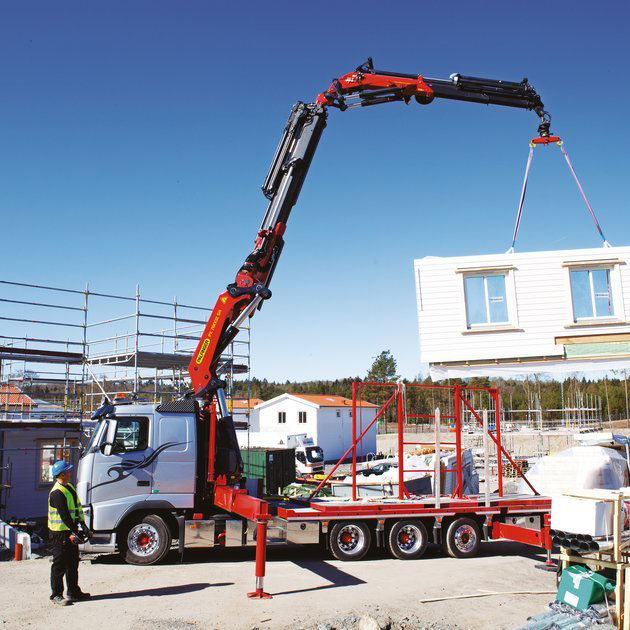
- Hydraulic leakage, low system pressure, pump wear, or valve faults cause slow, jerky, or weak movement
- Wire rope, chain, sheave, drum, bearing, or structural wear from load cycles and corrosion causes visible damage, noise, poor spooling, or increased play
- Brake, clutch, or holding-device wear causes load creep, slipping, or inability to hold position
- Limit switch, encoder, load sensor, interlock, or control-system faults cause restricted movement, nuisance shutdowns, or loss of automatic functions
- Corrosion, damaged hoses or cables, loose fasteners, or foundation defects from deck exposure cause leakage, unreliable controls, or structural concerns
- Hydraulic leakage, low system pressure, pump wear, or valve faults cause slow, jerky, or weak movement
- Wire rope, chain, sheave, drum, bearing, or structural wear from load cycles and corrosion causes visible damage, noise, poor spooling, or increased play
- Brake, clutch, or holding-device wear causes load creep, slipping, or inability to hold position
- Limit switch, encoder, load sensor, interlock, or control-system faults cause restricted movement, nuisance shutdowns, or loss of automatic functions
- Corrosion, damaged hoses or cables, loose fasteners, or foundation defects from deck exposure cause leakage, unreliable controls, or structural concerns
- Hydraulic leakage, low system pressure, pump wear, or valve faults cause slow, jerky, or weak movement
- Wire rope, chain, sheave, drum, bearing, or structural wear from load cycles and corrosion causes visible damage, noise, poor spooling, or increased play
- Brake, clutch, or holding-device wear causes load creep, slipping, or inability to hold position
- Limit switch, encoder, load sensor, interlock, or control-system faults cause restricted movement, nuisance shutdowns, or loss of automatic functions
- Corrosion, damaged hoses or cables, loose fasteners, or foundation defects from deck exposure cause leakage, unreliable controls, or structural concerns
- Hydraulic leakage, low system pressure, pump wear, or valve faults cause slow, jerky, or weak movement
- Wire rope, chain, sheave, drum, bearing, or structural wear from load cycles and corrosion causes visible damage, noise, poor spooling, or increased play
- Brake, clutch, or holding-device wear causes load creep, slipping, or inability to hold position
- Limit switch, encoder, load sensor, interlock, or control-system faults cause restricted movement, nuisance shutdowns, or loss of automatic functions
- Corrosion, damaged hoses or cables, loose fasteners, or foundation defects from deck exposure cause leakage, unreliable controls, or structural concerns
- Hydraulic leakage, low system pressure, pump wear, or valve faults cause slow, jerky, or weak movement
- Wire rope, chain, sheave, drum, bearing, or structural wear from load cycles and corrosion causes visible damage, noise, poor spooling, or increased play
- Brake, clutch, or holding-device wear causes load creep, slipping, or inability to hold position
- Limit switch, encoder, load sensor, interlock, or control-system faults cause restricted movement, nuisance shutdowns, or loss of automatic functions
- Corrosion, damaged hoses or cables, loose fasteners, or foundation defects from deck exposure cause leakage, unreliable controls, or structural concerns
- Hydraulic leakage, low system pressure, pump wear, or valve faults cause slow, jerky, or weak movement
- Wire rope, chain, sheave, drum, bearing, or structural wear from load cycles and corrosion causes visible damage, noise, poor spooling, or increased play
- Brake, clutch, or holding-device wear causes load creep, slipping, or inability to hold position
- Limit switch, encoder, load sensor, interlock, or control-system faults cause restricted movement, nuisance shutdowns, or loss of automatic functions
- Corrosion, damaged hoses or cables, loose fasteners, or foundation defects from deck exposure cause leakage, unreliable controls, or structural concerns

- Hydraulic leakage, low system pressure, pump wear, or valve faults cause slow, jerky, or weak movement
- Wire rope, chain, sheave, drum, bearing, or structural wear from load cycles and corrosion causes visible damage, noise, poor spooling, or increased play
- Brake, clutch, or holding-device wear causes load creep, slipping, or inability to hold position
- Limit switch, encoder, load sensor, interlock, or control-system faults cause restricted movement, nuisance shutdowns, or loss of automatic functions
- Corrosion, damaged hoses or cables, loose fasteners, or foundation defects from deck exposure cause leakage, unreliable controls, or structural concerns

- Hydraulic leakage, low system pressure, pump wear, or valve faults cause slow, jerky, or weak movement
- Wire rope, chain, sheave, drum, bearing, or structural wear from load cycles and corrosion causes visible damage, noise, poor spooling, or increased play
- Brake, clutch, or holding-device wear causes load creep, slipping, or inability to hold position
- Limit switch, encoder, load sensor, interlock, or control-system faults cause restricted movement, nuisance shutdowns, or loss of automatic functions
- Corrosion, damaged hoses or cables, loose fasteners, or foundation defects from deck exposure cause leakage, unreliable controls, or structural concerns

- Hydraulic leakage, low system pressure, pump wear, or valve faults cause slow, jerky, or weak movement
- Wire rope, chain, sheave, drum, bearing, or structural wear from load cycles and corrosion causes visible damage, noise, poor spooling, or increased play
- Brake, clutch, or holding-device wear causes load creep, slipping, or inability to hold position
- Limit switch, encoder, load sensor, interlock, or control-system faults cause restricted movement, nuisance shutdowns, or loss of automatic functions
- Corrosion, damaged hoses or cables, loose fasteners, or foundation defects from deck exposure cause leakage, unreliable controls, or structural concerns
- Hydraulic leakage, low system pressure, pump wear, or valve faults cause slow, jerky, or weak movement
- Wire rope, chain, sheave, drum, bearing, or structural wear from load cycles and corrosion causes visible damage, noise, poor spooling, or increased play
- Brake, clutch, or holding-device wear causes load creep, slipping, or inability to hold position
- Limit switch, encoder, load sensor, interlock, or control-system faults cause restricted movement, nuisance shutdowns, or loss of automatic functions
- Corrosion, damaged hoses or cables, loose fasteners, or foundation defects from deck exposure cause leakage, unreliable controls, or structural concerns
- Hydraulic leakage, low system pressure, pump wear, or valve faults cause slow, jerky, or weak movement
- Wire rope, chain, sheave, drum, bearing, or structural wear from load cycles and corrosion causes visible damage, noise, poor spooling, or increased play
- Brake, clutch, or holding-device wear causes load creep, slipping, or inability to hold position
- Limit switch, encoder, load sensor, interlock, or control-system faults cause restricted movement, nuisance shutdowns, or loss of automatic functions
- Corrosion, damaged hoses or cables, loose fasteners, or foundation defects from deck exposure cause leakage, unreliable controls, or structural concerns
- Hydraulic leakage, low system pressure, pump wear, or valve faults cause slow, jerky, or weak movement
- Wire rope, chain, sheave, drum, bearing, or structural wear from load cycles and corrosion causes visible damage, noise, poor spooling, or increased play
- Brake, clutch, or holding-device wear causes load creep, slipping, or inability to hold position
- Limit switch, encoder, load sensor, interlock, or control-system faults cause restricted movement, nuisance shutdowns, or loss of automatic functions
- Corrosion, damaged hoses or cables, loose fasteners, or foundation defects from deck exposure cause leakage, unreliable controls, or structural concerns
- Hydraulic leakage, low system pressure, pump wear, or valve faults cause slow, jerky, or weak movement
- Wire rope, chain, sheave, drum, bearing, or structural wear from load cycles and corrosion causes visible damage, noise, poor spooling, or increased play
- Brake, clutch, or holding-device wear causes load creep, slipping, or inability to hold position
- Limit switch, encoder, load sensor, interlock, or control-system faults cause restricted movement, nuisance shutdowns, or loss of automatic functions
- Corrosion, damaged hoses or cables, loose fasteners, or foundation defects from deck exposure cause leakage, unreliable controls, or structural concerns
- Hydraulic leakage, low system pressure, pump wear, or valve faults cause slow, jerky, or weak movement
- Wire rope, chain, sheave, drum, bearing, or structural wear from load cycles and corrosion causes visible damage, noise, poor spooling, or increased play
- Brake, clutch, or holding-device wear causes load creep, slipping, or inability to hold position
- Limit switch, encoder, load sensor, interlock, or control-system faults cause restricted movement, nuisance shutdowns, or loss of automatic functions
- Corrosion, damaged hoses or cables, loose fasteners, or foundation defects from deck exposure cause leakage, unreliable controls, or structural concerns

- Hydraulic leakage, low system pressure, pump wear, or valve faults cause slow, jerky, or weak movement
- Wire rope, chain, sheave, drum, bearing, or structural wear from load cycles and corrosion causes visible damage, noise, poor spooling, or increased play
- Brake, clutch, or holding-device wear causes load creep, slipping, or inability to hold position
- Limit switch, encoder, load sensor, interlock, or control-system faults cause restricted movement, nuisance shutdowns, or loss of automatic functions
- Corrosion, damaged hoses or cables, loose fasteners, or foundation defects from deck exposure cause leakage, unreliable controls, or structural concerns
- Hydraulic leakage, low system pressure, pump wear, or valve faults cause slow, jerky, or weak movement
- Wire rope, chain, sheave, drum, bearing, or structural wear from load cycles and corrosion causes visible damage, noise, poor spooling, or increased play
- Brake, clutch, or holding-device wear causes load creep, slipping, or inability to hold position
- Limit switch, encoder, load sensor, interlock, or control-system faults cause restricted movement, nuisance shutdowns, or loss of automatic functions
- Corrosion, damaged hoses or cables, loose fasteners, or foundation defects from deck exposure cause leakage, unreliable controls, or structural concerns

- Hydraulic leakage, low system pressure, pump wear, or valve faults cause slow, jerky, or weak movement
- Wire rope, chain, sheave, drum, bearing, or structural wear from load cycles and corrosion causes visible damage, noise, poor spooling, or increased play
- Brake, clutch, or holding-device wear causes load creep, slipping, or inability to hold position
- Limit switch, encoder, load sensor, interlock, or control-system faults cause restricted movement, nuisance shutdowns, or loss of automatic functions
- Corrosion, damaged hoses or cables, loose fasteners, or foundation defects from deck exposure cause leakage, unreliable controls, or structural concerns
- Hydraulic leakage, low system pressure, pump wear, or valve faults cause slow, jerky, or weak movement
- Wire rope, chain, sheave, drum, bearing, or structural wear from load cycles and corrosion causes visible damage, noise, poor spooling, or increased play
- Brake, clutch, or holding-device wear causes load creep, slipping, or inability to hold position
- Limit switch, encoder, load sensor, interlock, or control-system faults cause restricted movement, nuisance shutdowns, or loss of automatic functions
- Corrosion, damaged hoses or cables, loose fasteners, or foundation defects from deck exposure cause leakage, unreliable controls, or structural concerns
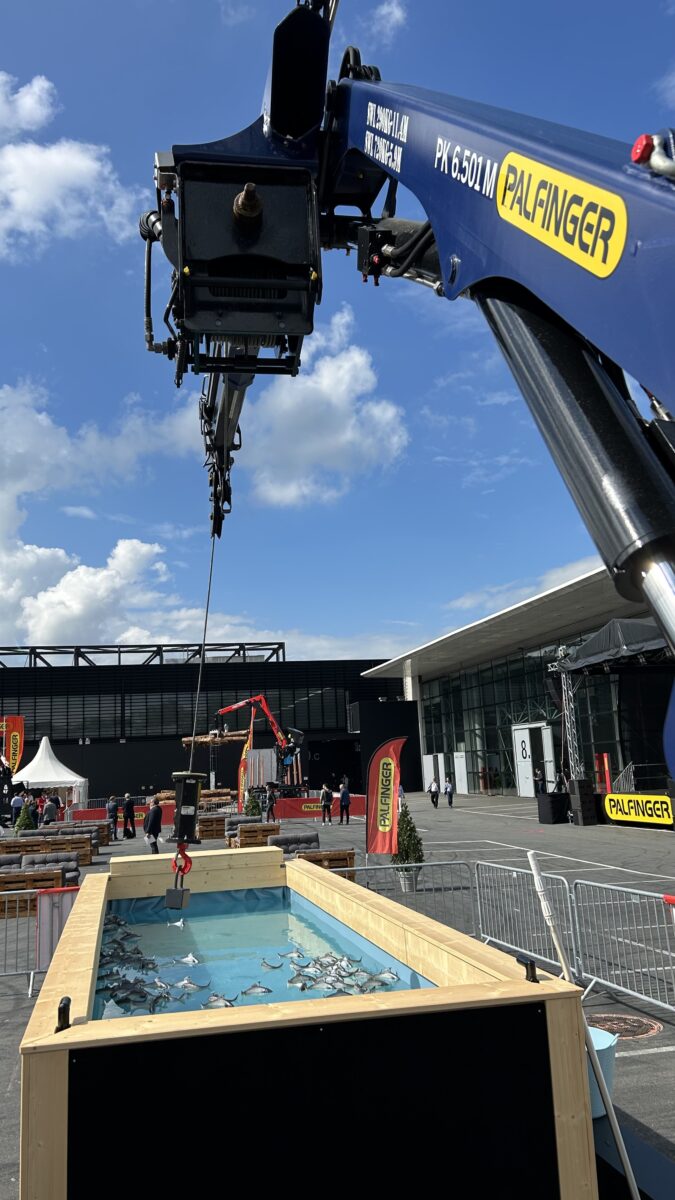
- Hydraulic leakage, low system pressure, pump wear, or valve faults cause slow, jerky, or weak movement
- Wire rope, chain, sheave, drum, bearing, or structural wear from load cycles and corrosion causes visible damage, noise, poor spooling, or increased play
- Brake, clutch, or holding-device wear causes load creep, slipping, or inability to hold position
- Limit switch, encoder, load sensor, interlock, or control-system faults cause restricted movement, nuisance shutdowns, or loss of automatic functions
- Corrosion, damaged hoses or cables, loose fasteners, or foundation defects from deck exposure cause leakage, unreliable controls, or structural concerns
- Hydraulic leakage, low system pressure, pump wear, or valve faults cause slow, jerky, or weak movement
- Wire rope, chain, sheave, drum, bearing, or structural wear from load cycles and corrosion causes visible damage, noise, poor spooling, or increased play
- Brake, clutch, or holding-device wear causes load creep, slipping, or inability to hold position
- Limit switch, encoder, load sensor, interlock, or control-system faults cause restricted movement, nuisance shutdowns, or loss of automatic functions
- Corrosion, damaged hoses or cables, loose fasteners, or foundation defects from deck exposure cause leakage, unreliable controls, or structural concerns
- Hydraulic leakage, low system pressure, pump wear, or valve faults cause slow, jerky, or weak movement
- Wire rope, chain, sheave, drum, bearing, or structural wear from load cycles and corrosion causes visible damage, noise, poor spooling, or increased play
- Brake, clutch, or holding-device wear causes load creep, slipping, or inability to hold position
- Limit switch, encoder, load sensor, interlock, or control-system faults cause restricted movement, nuisance shutdowns, or loss of automatic functions
- Corrosion, damaged hoses or cables, loose fasteners, or foundation defects from deck exposure cause leakage, unreliable controls, or structural concerns
- Hydraulic leakage, low system pressure, pump wear, or valve faults cause slow, jerky, or weak movement
- Wire rope, chain, sheave, drum, bearing, or structural wear from load cycles and corrosion causes visible damage, noise, poor spooling, or increased play
- Brake, clutch, or holding-device wear causes load creep, slipping, or inability to hold position
- Limit switch, encoder, load sensor, interlock, or control-system faults cause restricted movement, nuisance shutdowns, or loss of automatic functions
- Corrosion, damaged hoses or cables, loose fasteners, or foundation defects from deck exposure cause leakage, unreliable controls, or structural concerns
?ts=1776782045837&dpr=off)
- Hydraulic leakage, low system pressure, pump wear, or valve faults cause slow, jerky, or weak movement
- Wire rope, chain, sheave, drum, bearing, or structural wear from load cycles and corrosion causes visible damage, noise, poor spooling, or increased play
- Brake, clutch, or holding-device wear causes load creep, slipping, or inability to hold position
- Limit switch, encoder, load sensor, interlock, or control-system faults cause restricted movement, nuisance shutdowns, or loss of automatic functions
- Corrosion, damaged hoses or cables, loose fasteners, or foundation defects from deck exposure cause leakage, unreliable controls, or structural concerns
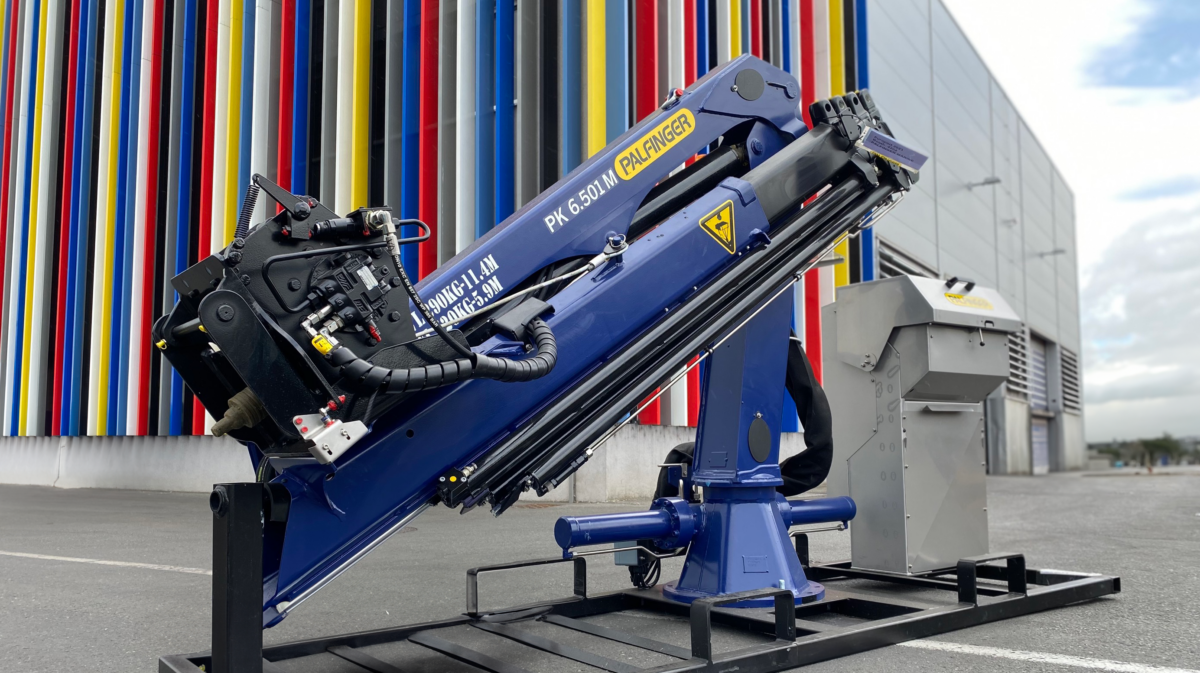
- Hydraulic leakage, low system pressure, pump wear, or valve faults cause slow, jerky, or weak movement
- Wire rope, chain, sheave, drum, bearing, or structural wear from load cycles and corrosion causes visible damage, noise, poor spooling, or increased play
- Brake, clutch, or holding-device wear causes load creep, slipping, or inability to hold position
- Limit switch, encoder, load sensor, interlock, or control-system faults cause restricted movement, nuisance shutdowns, or loss of automatic functions
- Corrosion, damaged hoses or cables, loose fasteners, or foundation defects from deck exposure cause leakage, unreliable controls, or structural concerns
- Hydraulic leakage, low system pressure, pump wear, or valve faults cause slow, jerky, or weak movement
- Wire rope, chain, sheave, drum, bearing, or structural wear from load cycles and corrosion causes visible damage, noise, poor spooling, or increased play
- Brake, clutch, or holding-device wear causes load creep, slipping, or inability to hold position
- Limit switch, encoder, load sensor, interlock, or control-system faults cause restricted movement, nuisance shutdowns, or loss of automatic functions
- Corrosion, damaged hoses or cables, loose fasteners, or foundation defects from deck exposure cause leakage, unreliable controls, or structural concerns
- Hydraulic leakage, low system pressure, pump wear, or valve faults cause slow, jerky, or weak movement
- Wire rope, chain, sheave, drum, bearing, or structural wear from load cycles and corrosion causes visible damage, noise, poor spooling, or increased play
- Brake, clutch, or holding-device wear causes load creep, slipping, or inability to hold position
- Limit switch, encoder, load sensor, interlock, or control-system faults cause restricted movement, nuisance shutdowns, or loss of automatic functions
- Corrosion, damaged hoses or cables, loose fasteners, or foundation defects from deck exposure cause leakage, unreliable controls, or structural concerns
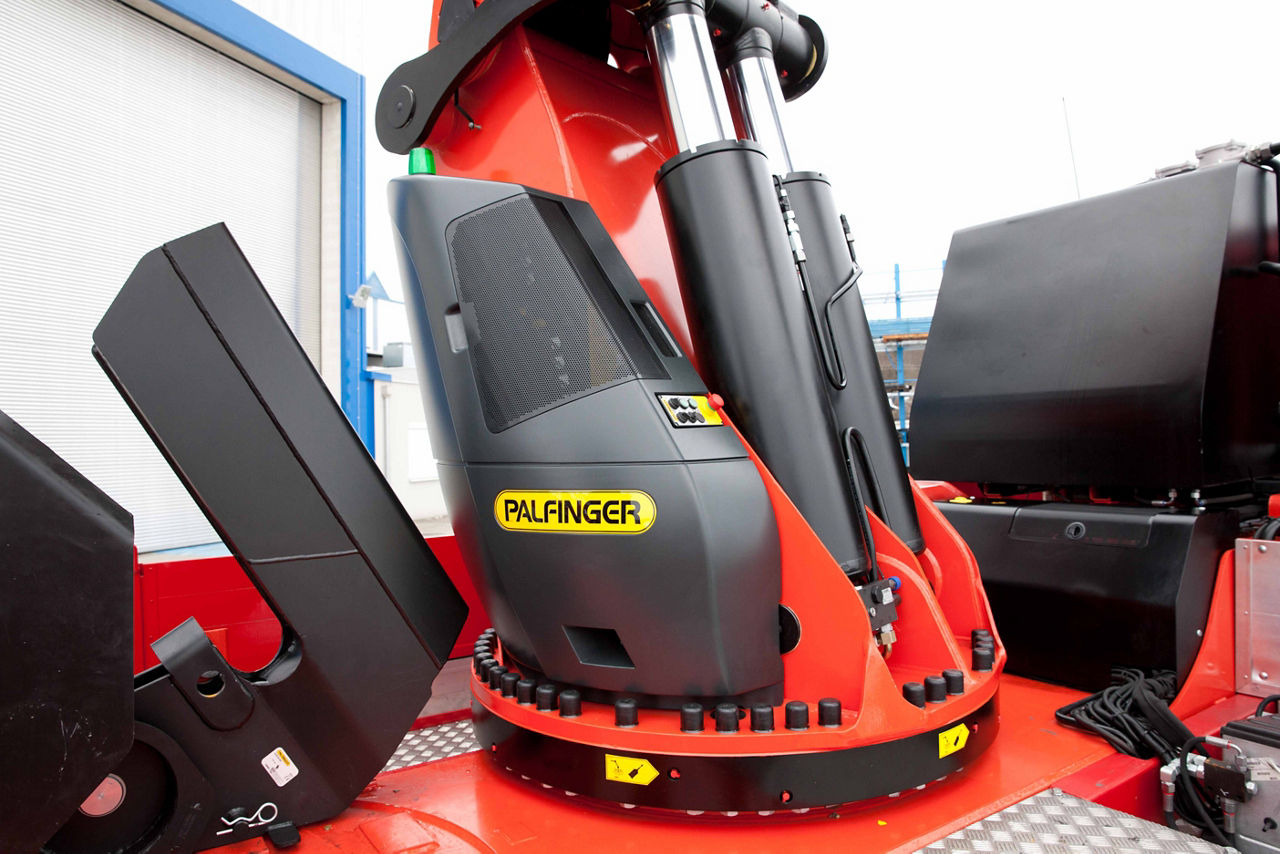
- Hydraulic leakage, contamination or pressure loss caused by worn seals, damaged hoses or pump faults can produce slow movement, reduced force or visible oil leakage
- Brake or holding-device wear caused by friction, contamination or incorrect adjustment can lead to slipping, poor holding or abnormal stopping behavior
- Wire, chain, sheave, drum, bearing or pin wear caused by corrosion, overload or inadequate lubrication can show as noise, rough motion, deformation or visible damage
- Limit switch, sensor or control faults caused by damaged wiring, misalignment or moisture can produce inhibited motions, nuisance trips or loss of safety functions
- Structural corrosion, cracking or loose foundation fasteners caused by cyclic loading and marine exposure can appear as movement, coating breakdown or visible defects around load paths
- Hydraulic leakage, contamination or pressure loss caused by worn seals, damaged hoses or pump faults can produce slow movement, reduced force or visible oil leakage
- Brake or holding-device wear caused by friction, contamination or incorrect adjustment can lead to slipping, poor holding or abnormal stopping behavior
- Wire, chain, sheave, drum, bearing or pin wear caused by corrosion, overload or inadequate lubrication can show as noise, rough motion, deformation or visible damage
- Limit switch, sensor or control faults caused by damaged wiring, misalignment or moisture can produce inhibited motions, nuisance trips or loss of safety functions
- Structural corrosion, cracking or loose foundation fasteners caused by cyclic loading and marine exposure can appear as movement, coating breakdown or visible defects around load paths
- Hydraulic leakage, contamination or pressure loss caused by worn seals, damaged hoses or pump faults can produce slow movement, reduced force or visible oil leakage
- Brake or holding-device wear caused by friction, contamination or incorrect adjustment can lead to slipping, poor holding or abnormal stopping behavior
- Wire, chain, sheave, drum, bearing or pin wear caused by corrosion, overload or inadequate lubrication can show as noise, rough motion, deformation or visible damage
- Limit switch, sensor or control faults caused by damaged wiring, misalignment or moisture can produce inhibited motions, nuisance trips or loss of safety functions
- Structural corrosion, cracking or loose foundation fasteners caused by cyclic loading and marine exposure can appear as movement, coating breakdown or visible defects around load paths
- Hydraulic leakage, contamination or pressure loss caused by worn seals, damaged hoses or pump faults can produce slow movement, reduced force or visible oil leakage
- Brake or holding-device wear caused by friction, contamination or incorrect adjustment can lead to slipping, poor holding or abnormal stopping behavior
- Wire, chain, sheave, drum, bearing or pin wear caused by corrosion, overload or inadequate lubrication can show as noise, rough motion, deformation or visible damage
- Limit switch, sensor or control faults caused by damaged wiring, misalignment or moisture can produce inhibited motions, nuisance trips or loss of safety functions
- Structural corrosion, cracking or loose foundation fasteners caused by cyclic loading and marine exposure can appear as movement, coating breakdown or visible defects around load paths
- Hydraulic leakage, contamination or pressure loss caused by worn seals, damaged hoses or pump faults can produce slow movement, reduced force or visible oil leakage
- Brake or holding-device wear caused by friction, contamination or incorrect adjustment can lead to slipping, poor holding or abnormal stopping behavior
- Wire, chain, sheave, drum, bearing or pin wear caused by corrosion, overload or inadequate lubrication can show as noise, rough motion, deformation or visible damage
- Limit switch, sensor or control faults caused by damaged wiring, misalignment or moisture can produce inhibited motions, nuisance trips or loss of safety functions
- Structural corrosion, cracking or loose foundation fasteners caused by cyclic loading and marine exposure can appear as movement, coating breakdown or visible defects around load paths
- Hydraulic leakage, contamination or pressure loss caused by worn seals, damaged hoses or pump faults can produce slow movement, reduced force or visible oil leakage
- Brake or holding-device wear caused by friction, contamination or incorrect adjustment can lead to slipping, poor holding or abnormal stopping behavior
- Wire, chain, sheave, drum, bearing or pin wear caused by corrosion, overload or inadequate lubrication can show as noise, rough motion, deformation or visible damage
- Limit switch, sensor or control faults caused by damaged wiring, misalignment or moisture can produce inhibited motions, nuisance trips or loss of safety functions
- Structural corrosion, cracking or loose foundation fasteners caused by cyclic loading and marine exposure can appear as movement, coating breakdown or visible defects around load paths
- Wire-rope, chain, roller or line-contact wear caused by loaded movement, corrosion or poor lubrication, resulting in visible damage, rough operation or accelerated rope wear
- Brake, locking or clutch deterioration caused by repeated loading or contamination, resulting in poor holding or excessive travel
- Hydraulic or electric drive failure caused by leakage, motor faults or control problems, resulting in slow, weak or unavailable movement
- Bearing, pin, hinge or structural wear caused by cyclic loading and corrosion, resulting in play, vibration, misalignment or abnormal noise
- Limit, interlock or control-system fault caused by sensor, wiring or calibration problems, resulting in inhibited movement, alarms or loss of protective functions
- Wire-rope, chain, roller or line-contact wear caused by loaded movement, corrosion or poor lubrication, resulting in visible damage, rough operation or accelerated rope wear
- Brake, locking or clutch deterioration caused by repeated loading or contamination, resulting in poor holding or excessive travel
- Hydraulic or electric drive failure caused by leakage, motor faults or control problems, resulting in slow, weak or unavailable movement
- Bearing, pin, hinge or structural wear caused by cyclic loading and corrosion, resulting in play, vibration, misalignment or abnormal noise
- Limit, interlock or control-system fault caused by sensor, wiring or calibration problems, resulting in inhibited movement, alarms or loss of protective functions
- Wire-rope, chain, roller or line-contact wear caused by loaded movement, corrosion or poor lubrication, resulting in visible damage, rough operation or accelerated rope wear
- Brake, locking or clutch deterioration caused by repeated loading or contamination, resulting in poor holding or excessive travel
- Hydraulic or electric drive failure caused by leakage, motor faults or control problems, resulting in slow, weak or unavailable movement
- Bearing, pin, hinge or structural wear caused by cyclic loading and corrosion, resulting in play, vibration, misalignment or abnormal noise
- Limit, interlock or control-system fault caused by sensor, wiring or calibration problems, resulting in inhibited movement, alarms or loss of protective functions
- Wire-rope, chain, roller or line-contact wear caused by loaded movement, corrosion or poor lubrication, resulting in visible damage, rough operation or accelerated rope wear
- Brake, locking or clutch deterioration caused by repeated loading or contamination, resulting in poor holding or excessive travel
- Hydraulic or electric drive failure caused by leakage, motor faults or control problems, resulting in slow, weak or unavailable movement
- Bearing, pin, hinge or structural wear caused by cyclic loading and corrosion, resulting in play, vibration, misalignment or abnormal noise
- Limit, interlock or control-system fault caused by sensor, wiring or calibration problems, resulting in inhibited movement, alarms or loss of protective functions
- Wire-rope, chain, roller or line-contact wear caused by loaded movement, corrosion or poor lubrication, resulting in visible damage, rough operation or accelerated rope wear
- Brake, locking or clutch deterioration caused by repeated loading or contamination, resulting in poor holding or excessive travel
- Hydraulic or electric drive failure caused by leakage, motor faults or control problems, resulting in slow, weak or unavailable movement
- Bearing, pin, hinge or structural wear caused by cyclic loading and corrosion, resulting in play, vibration, misalignment or abnormal noise
- Limit, interlock or control-system fault caused by sensor, wiring or calibration problems, resulting in inhibited movement, alarms or loss of protective functions
- Wire-rope, chain, roller or line-contact wear caused by loaded movement, corrosion or poor lubrication, resulting in visible damage, rough operation or accelerated rope wear
- Brake, locking or clutch deterioration caused by repeated loading or contamination, resulting in poor holding or excessive travel
- Hydraulic or electric drive failure caused by leakage, motor faults or control problems, resulting in slow, weak or unavailable movement
- Bearing, pin, hinge or structural wear caused by cyclic loading and corrosion, resulting in play, vibration, misalignment or abnormal noise
- Limit, interlock or control-system fault caused by sensor, wiring or calibration problems, resulting in inhibited movement, alarms or loss of protective functions
- Wire-rope, chain, roller or line-contact wear caused by loaded movement, corrosion or poor lubrication, resulting in visible damage, rough operation or accelerated rope wear
- Brake, locking or clutch deterioration caused by repeated loading or contamination, resulting in poor holding or excessive travel
- Hydraulic or electric drive failure caused by leakage, motor faults or control problems, resulting in slow, weak or unavailable movement
- Bearing, pin, hinge or structural wear caused by cyclic loading and corrosion, resulting in play, vibration, misalignment or abnormal noise
- Limit, interlock or control-system fault caused by sensor, wiring or calibration problems, resulting in inhibited movement, alarms or loss of protective functions
- Wire-rope, chain, roller or line-contact wear caused by loaded movement, corrosion or poor lubrication, resulting in visible damage, rough operation or accelerated rope wear
- Brake, locking or clutch deterioration caused by repeated loading or contamination, resulting in poor holding or excessive travel
- Hydraulic or electric drive failure caused by leakage, motor faults or control problems, resulting in slow, weak or unavailable movement
- Bearing, pin, hinge or structural wear caused by cyclic loading and corrosion, resulting in play, vibration, misalignment or abnormal noise
- Limit, interlock or control-system fault caused by sensor, wiring or calibration problems, resulting in inhibited movement, alarms or loss of protective functions
- Wire-rope, chain, roller or line-contact wear caused by loaded movement, corrosion or poor lubrication, resulting in visible damage, rough operation or accelerated rope wear
- Brake, locking or clutch deterioration caused by repeated loading or contamination, resulting in poor holding or excessive travel
- Hydraulic or electric drive failure caused by leakage, motor faults or control problems, resulting in slow, weak or unavailable movement
- Bearing, pin, hinge or structural wear caused by cyclic loading and corrosion, resulting in play, vibration, misalignment or abnormal noise
- Limit, interlock or control-system fault caused by sensor, wiring or calibration problems, resulting in inhibited movement, alarms or loss of protective functions
- Wire-rope, chain, roller or line-contact wear caused by loaded movement, corrosion or poor lubrication, resulting in visible damage, rough operation or accelerated rope wear
- Brake, locking or clutch deterioration caused by repeated loading or contamination, resulting in poor holding or excessive travel
- Hydraulic or electric drive failure caused by leakage, motor faults or control problems, resulting in slow, weak or unavailable movement
- Bearing, pin, hinge or structural wear caused by cyclic loading and corrosion, resulting in play, vibration, misalignment or abnormal noise
- Limit, interlock or control-system fault caused by sensor, wiring or calibration problems, resulting in inhibited movement, alarms or loss of protective functions
- Wire-rope, chain, roller or line-contact wear caused by loaded movement, corrosion or poor lubrication, resulting in visible damage, rough operation or accelerated rope wear
- Brake, locking or clutch deterioration caused by repeated loading or contamination, resulting in poor holding or excessive travel
- Hydraulic or electric drive failure caused by leakage, motor faults or control problems, resulting in slow, weak or unavailable movement
- Bearing, pin, hinge or structural wear caused by cyclic loading and corrosion, resulting in play, vibration, misalignment or abnormal noise
- Limit, interlock or control-system fault caused by sensor, wiring or calibration problems, resulting in inhibited movement, alarms or loss of protective functions
- Wire-rope, chain, roller or line-contact wear caused by loaded movement, corrosion or poor lubrication, resulting in visible damage, rough operation or accelerated rope wear
- Brake, locking or clutch deterioration caused by repeated loading or contamination, resulting in poor holding or excessive travel
- Hydraulic or electric drive failure caused by leakage, motor faults or control problems, resulting in slow, weak or unavailable movement
- Bearing, pin, hinge or structural wear caused by cyclic loading and corrosion, resulting in play, vibration, misalignment or abnormal noise
- Limit, interlock or control-system fault caused by sensor, wiring or calibration problems, resulting in inhibited movement, alarms or loss of protective functions
- Wire-rope, chain, roller or line-contact wear caused by loaded movement, corrosion or poor lubrication, resulting in visible damage, rough operation or accelerated rope wear
- Brake, locking or clutch deterioration caused by repeated loading or contamination, resulting in poor holding or excessive travel
- Hydraulic or electric drive failure caused by leakage, motor faults or control problems, resulting in slow, weak or unavailable movement
- Bearing, pin, hinge or structural wear caused by cyclic loading and corrosion, resulting in play, vibration, misalignment or abnormal noise
- Limit, interlock or control-system fault caused by sensor, wiring or calibration problems, resulting in inhibited movement, alarms or loss of protective functions
- Wire-rope, chain, roller or line-contact wear caused by loaded movement, corrosion or poor lubrication, resulting in visible damage, rough operation or accelerated rope wear
- Brake, locking or clutch deterioration caused by repeated loading or contamination, resulting in poor holding or excessive travel
- Hydraulic or electric drive failure caused by leakage, motor faults or control problems, resulting in slow, weak or unavailable movement
- Bearing, pin, hinge or structural wear caused by cyclic loading and corrosion, resulting in play, vibration, misalignment or abnormal noise
- Limit, interlock or control-system fault caused by sensor, wiring or calibration problems, resulting in inhibited movement, alarms or loss of protective functions
- Wire-rope, chain, roller or line-contact wear caused by loaded movement, corrosion or poor lubrication, resulting in visible damage, rough operation or accelerated rope wear
- Brake, locking or clutch deterioration caused by repeated loading or contamination, resulting in poor holding or excessive travel
- Hydraulic or electric drive failure caused by leakage, motor faults or control problems, resulting in slow, weak or unavailable movement
- Bearing, pin, hinge or structural wear caused by cyclic loading and corrosion, resulting in play, vibration, misalignment or abnormal noise
- Limit, interlock or control-system fault caused by sensor, wiring or calibration problems, resulting in inhibited movement, alarms or loss of protective functions
- Wire-rope, chain, roller or line-contact wear caused by loaded movement, corrosion or poor lubrication, resulting in visible damage, rough operation or accelerated rope wear
- Brake, locking or clutch deterioration caused by repeated loading or contamination, resulting in poor holding or excessive travel
- Hydraulic or electric drive failure caused by leakage, motor faults or control problems, resulting in slow, weak or unavailable movement
- Bearing, pin, hinge or structural wear caused by cyclic loading and corrosion, resulting in play, vibration, misalignment or abnormal noise
- Limit, interlock or control-system fault caused by sensor, wiring or calibration problems, resulting in inhibited movement, alarms or loss of protective functions
- Wire-rope, chain, roller or line-contact wear caused by loaded movement, corrosion or poor lubrication, resulting in visible damage, rough operation or accelerated rope wear
- Brake, locking or clutch deterioration caused by repeated loading or contamination, resulting in poor holding or excessive travel
- Hydraulic or electric drive failure caused by leakage, motor faults or control problems, resulting in slow, weak or unavailable movement
- Bearing, pin, hinge or structural wear caused by cyclic loading and corrosion, resulting in play, vibration, misalignment or abnormal noise
- Limit, interlock or control-system fault caused by sensor, wiring or calibration problems, resulting in inhibited movement, alarms or loss of protective functions
- Wire-rope, chain, roller or line-contact wear caused by loaded movement, corrosion or poor lubrication, resulting in visible damage, rough operation or accelerated rope wear
- Brake, locking or clutch deterioration caused by repeated loading or contamination, resulting in poor holding or excessive travel
- Hydraulic or electric drive failure caused by leakage, motor faults or control problems, resulting in slow, weak or unavailable movement
- Bearing, pin, hinge or structural wear caused by cyclic loading and corrosion, resulting in play, vibration, misalignment or abnormal noise
- Limit, interlock or control-system fault caused by sensor, wiring or calibration problems, resulting in inhibited movement, alarms or loss of protective functions
- Wire-rope, chain, roller or line-contact wear caused by loaded movement, corrosion or poor lubrication, resulting in visible damage, rough operation or accelerated rope wear
- Brake, locking or clutch deterioration caused by repeated loading or contamination, resulting in poor holding or excessive travel
- Hydraulic or electric drive failure caused by leakage, motor faults or control problems, resulting in slow, weak or unavailable movement
- Bearing, pin, hinge or structural wear caused by cyclic loading and corrosion, resulting in play, vibration, misalignment or abnormal noise
- Limit, interlock or control-system fault caused by sensor, wiring or calibration problems, resulting in inhibited movement, alarms or loss of protective functions
- Wire-rope, chain, roller or line-contact wear caused by loaded movement, corrosion or poor lubrication, resulting in visible damage, rough operation or accelerated rope wear
- Brake, locking or clutch deterioration caused by repeated loading or contamination, resulting in poor holding or excessive travel
- Hydraulic or electric drive failure caused by leakage, motor faults or control problems, resulting in slow, weak or unavailable movement
- Bearing, pin, hinge or structural wear caused by cyclic loading and corrosion, resulting in play, vibration, misalignment or abnormal noise
- Limit, interlock or control-system fault caused by sensor, wiring or calibration problems, resulting in inhibited movement, alarms or loss of protective functions
- Wire-rope, chain, roller or line-contact wear caused by loaded movement, corrosion or poor lubrication, resulting in visible damage, rough operation or accelerated rope wear
- Brake, locking or clutch deterioration caused by repeated loading or contamination, resulting in poor holding or excessive travel
- Hydraulic or electric drive failure caused by leakage, motor faults or control problems, resulting in slow, weak or unavailable movement
- Bearing, pin, hinge or structural wear caused by cyclic loading and corrosion, resulting in play, vibration, misalignment or abnormal noise
- Limit, interlock or control-system fault caused by sensor, wiring or calibration problems, resulting in inhibited movement, alarms or loss of protective functions
- Wire-rope, chain, roller or line-contact wear caused by loaded movement, corrosion or poor lubrication, resulting in visible damage, rough operation or accelerated rope wear
- Brake, locking or clutch deterioration caused by repeated loading or contamination, resulting in poor holding or excessive travel
- Hydraulic or electric drive failure caused by leakage, motor faults or control problems, resulting in slow, weak or unavailable movement
- Bearing, pin, hinge or structural wear caused by cyclic loading and corrosion, resulting in play, vibration, misalignment or abnormal noise
- Limit, interlock or control-system fault caused by sensor, wiring or calibration problems, resulting in inhibited movement, alarms or loss of protective functions
- Wire-rope, chain, roller or line-contact wear caused by loaded movement, corrosion or poor lubrication, resulting in visible damage, rough operation or accelerated rope wear
- Brake, locking or clutch deterioration caused by repeated loading or contamination, resulting in poor holding or excessive travel
- Hydraulic or electric drive failure caused by leakage, motor faults or control problems, resulting in slow, weak or unavailable movement
- Bearing, pin, hinge or structural wear caused by cyclic loading and corrosion, resulting in play, vibration, misalignment or abnormal noise
- Limit, interlock or control-system fault caused by sensor, wiring or calibration problems, resulting in inhibited movement, alarms or loss of protective functions
- Wire-rope, chain, roller or line-contact wear caused by loaded movement, corrosion or poor lubrication, resulting in visible damage, rough operation or accelerated rope wear
- Brake, locking or clutch deterioration caused by repeated loading or contamination, resulting in poor holding or excessive travel
- Hydraulic or electric drive failure caused by leakage, motor faults or control problems, resulting in slow, weak or unavailable movement
- Bearing, pin, hinge or structural wear caused by cyclic loading and corrosion, resulting in play, vibration, misalignment or abnormal noise
- Limit, interlock or control-system fault caused by sensor, wiring or calibration problems, resulting in inhibited movement, alarms or loss of protective functions
- Wire-rope, chain, roller or line-contact wear caused by loaded movement, corrosion or poor lubrication, resulting in visible damage, rough operation or accelerated rope wear
- Brake, locking or clutch deterioration caused by repeated loading or contamination, resulting in poor holding or excessive travel
- Hydraulic or electric drive failure caused by leakage, motor faults or control problems, resulting in slow, weak or unavailable movement
- Bearing, pin, hinge or structural wear caused by cyclic loading and corrosion, resulting in play, vibration, misalignment or abnormal noise
- Limit, interlock or control-system fault caused by sensor, wiring or calibration problems, resulting in inhibited movement, alarms or loss of protective functions
- Wire-rope, chain, roller or line-contact wear caused by loaded movement, corrosion or poor lubrication, resulting in visible damage, rough operation or accelerated rope wear
- Brake, locking or clutch deterioration caused by repeated loading or contamination, resulting in poor holding or excessive travel
- Hydraulic or electric drive failure caused by leakage, motor faults or control problems, resulting in slow, weak or unavailable movement
- Bearing, pin, hinge or structural wear caused by cyclic loading and corrosion, resulting in play, vibration, misalignment or abnormal noise
- Limit, interlock or control-system fault caused by sensor, wiring or calibration problems, resulting in inhibited movement, alarms or loss of protective functions
- Wire-rope, chain, roller or line-contact wear caused by loaded movement, corrosion or poor lubrication, resulting in visible damage, rough operation or accelerated rope wear
- Brake, locking or clutch deterioration caused by repeated loading or contamination, resulting in poor holding or excessive travel
- Hydraulic or electric drive failure caused by leakage, motor faults or control problems, resulting in slow, weak or unavailable movement
- Bearing, pin, hinge or structural wear caused by cyclic loading and corrosion, resulting in play, vibration, misalignment or abnormal noise
- Limit, interlock or control-system fault caused by sensor, wiring or calibration problems, resulting in inhibited movement, alarms or loss of protective functions
- Wire-rope, chain, roller or line-contact wear caused by loaded movement, corrosion or poor lubrication, resulting in visible damage, rough operation or accelerated rope wear
- Brake, locking or clutch deterioration caused by repeated loading or contamination, resulting in poor holding or excessive travel
- Hydraulic or electric drive failure caused by leakage, motor faults or control problems, resulting in slow, weak or unavailable movement
- Bearing, pin, hinge or structural wear caused by cyclic loading and corrosion, resulting in play, vibration, misalignment or abnormal noise
- Limit, interlock or control-system fault caused by sensor, wiring or calibration problems, resulting in inhibited movement, alarms or loss of protective functions
- Wire-rope, chain, roller or line-contact wear caused by loaded movement, corrosion or poor lubrication, resulting in visible damage, rough operation or accelerated rope wear
- Brake, locking or clutch deterioration caused by repeated loading or contamination, resulting in poor holding or excessive travel
- Hydraulic or electric drive failure caused by leakage, motor faults or control problems, resulting in slow, weak or unavailable movement
- Bearing, pin, hinge or structural wear caused by cyclic loading and corrosion, resulting in play, vibration, misalignment or abnormal noise
- Limit, interlock or control-system fault caused by sensor, wiring or calibration problems, resulting in inhibited movement, alarms or loss of protective functions
- Wire-rope, chain, roller or line-contact wear caused by loaded movement, corrosion or poor lubrication, resulting in visible damage, rough operation or accelerated rope wear
- Brake, locking or clutch deterioration caused by repeated loading or contamination, resulting in poor holding or excessive travel
- Hydraulic or electric drive failure caused by leakage, motor faults or control problems, resulting in slow, weak or unavailable movement
- Bearing, pin, hinge or structural wear caused by cyclic loading and corrosion, resulting in play, vibration, misalignment or abnormal noise
- Limit, interlock or control-system fault caused by sensor, wiring or calibration problems, resulting in inhibited movement, alarms or loss of protective functions
- Wire-rope, chain, roller or line-contact wear caused by loaded movement, corrosion or poor lubrication, resulting in visible damage, rough operation or accelerated rope wear
- Brake, locking or clutch deterioration caused by repeated loading or contamination, resulting in poor holding or excessive travel
- Hydraulic or electric drive failure caused by leakage, motor faults or control problems, resulting in slow, weak or unavailable movement
- Bearing, pin, hinge or structural wear caused by cyclic loading and corrosion, resulting in play, vibration, misalignment or abnormal noise
- Limit, interlock or control-system fault caused by sensor, wiring or calibration problems, resulting in inhibited movement, alarms or loss of protective functions
- Wire-rope, chain, roller or line-contact wear caused by loaded movement, corrosion or poor lubrication, resulting in visible damage, rough operation or accelerated rope wear
- Brake, locking or clutch deterioration caused by repeated loading or contamination, resulting in poor holding or excessive travel
- Hydraulic or electric drive failure caused by leakage, motor faults or control problems, resulting in slow, weak or unavailable movement
- Bearing, pin, hinge or structural wear caused by cyclic loading and corrosion, resulting in play, vibration, misalignment or abnormal noise
- Limit, interlock or control-system fault caused by sensor, wiring or calibration problems, resulting in inhibited movement, alarms or loss of protective functions
- Wire-rope, chain, roller or line-contact wear caused by loaded movement, corrosion or poor lubrication, resulting in visible damage, rough operation or accelerated rope wear
- Brake, locking or clutch deterioration caused by repeated loading or contamination, resulting in poor holding or excessive travel
- Hydraulic or electric drive failure caused by leakage, motor faults or control problems, resulting in slow, weak or unavailable movement
- Bearing, pin, hinge or structural wear caused by cyclic loading and corrosion, resulting in play, vibration, misalignment or abnormal noise
- Limit, interlock or control-system fault caused by sensor, wiring or calibration problems, resulting in inhibited movement, alarms or loss of protective functions
- Wire-rope, chain, roller or line-contact wear caused by loaded movement, corrosion or poor lubrication, resulting in visible damage, rough operation or accelerated rope wear
- Brake, locking or clutch deterioration caused by repeated loading or contamination, resulting in poor holding or excessive travel
- Hydraulic or electric drive failure caused by leakage, motor faults or control problems, resulting in slow, weak or unavailable movement
- Bearing, pin, hinge or structural wear caused by cyclic loading and corrosion, resulting in play, vibration, misalignment or abnormal noise
- Limit, interlock or control-system fault caused by sensor, wiring or calibration problems, resulting in inhibited movement, alarms or loss of protective functions
- Wire-rope, chain, roller or line-contact wear caused by loaded movement, corrosion or poor lubrication, resulting in visible damage, rough operation or accelerated rope wear
- Brake, locking or clutch deterioration caused by repeated loading or contamination, resulting in poor holding or excessive travel
- Hydraulic or electric drive failure caused by leakage, motor faults or control problems, resulting in slow, weak or unavailable movement
- Bearing, pin, hinge or structural wear caused by cyclic loading and corrosion, resulting in play, vibration, misalignment or abnormal noise
- Limit, interlock or control-system fault caused by sensor, wiring or calibration problems, resulting in inhibited movement, alarms or loss of protective functions
- Wire-rope, chain, roller or line-contact wear caused by loaded movement, corrosion or poor lubrication, resulting in visible damage, rough operation or accelerated rope wear
- Brake, locking or clutch deterioration caused by repeated loading or contamination, resulting in poor holding or excessive travel
- Hydraulic or electric drive failure caused by leakage, motor faults or control problems, resulting in slow, weak or unavailable movement
- Bearing, pin, hinge or structural wear caused by cyclic loading and corrosion, resulting in play, vibration, misalignment or abnormal noise
- Limit, interlock or control-system fault caused by sensor, wiring or calibration problems, resulting in inhibited movement, alarms or loss of protective functions
- Wire-rope, chain, roller or line-contact wear caused by loaded movement, corrosion or poor lubrication, resulting in visible damage, rough operation or accelerated rope wear
- Brake, locking or clutch deterioration caused by repeated loading or contamination, resulting in poor holding or excessive travel
- Hydraulic or electric drive failure caused by leakage, motor faults or control problems, resulting in slow, weak or unavailable movement
- Bearing, pin, hinge or structural wear caused by cyclic loading and corrosion, resulting in play, vibration, misalignment or abnormal noise
- Limit, interlock or control-system fault caused by sensor, wiring or calibration problems, resulting in inhibited movement, alarms or loss of protective functions
- Wire-rope, chain, roller or line-contact wear caused by loaded movement, corrosion or poor lubrication, resulting in visible damage, rough operation or accelerated rope wear
- Brake, locking or clutch deterioration caused by repeated loading or contamination, resulting in poor holding or excessive travel
- Hydraulic or electric drive failure caused by leakage, motor faults or control problems, resulting in slow, weak or unavailable movement
- Bearing, pin, hinge or structural wear caused by cyclic loading and corrosion, resulting in play, vibration, misalignment or abnormal noise
- Limit, interlock or control-system fault caused by sensor, wiring or calibration problems, resulting in inhibited movement, alarms or loss of protective functions
- Wire-rope, chain, roller or line-contact wear caused by loaded movement, corrosion or poor lubrication, resulting in visible damage, rough operation or accelerated rope wear
- Brake, locking or clutch deterioration caused by repeated loading or contamination, resulting in poor holding or excessive travel
- Hydraulic or electric drive failure caused by leakage, motor faults or control problems, resulting in slow, weak or unavailable movement
- Bearing, pin, hinge or structural wear caused by cyclic loading and corrosion, resulting in play, vibration, misalignment or abnormal noise
- Limit, interlock or control-system fault caused by sensor, wiring or calibration problems, resulting in inhibited movement, alarms or loss of protective functions
- Wire-rope, chain, roller or line-contact wear caused by loaded movement, corrosion or poor lubrication, resulting in visible damage, rough operation or accelerated rope wear
- Brake, locking or clutch deterioration caused by repeated loading or contamination, resulting in poor holding or excessive travel
- Hydraulic or electric drive failure caused by leakage, motor faults or control problems, resulting in slow, weak or unavailable movement
- Bearing, pin, hinge or structural wear caused by cyclic loading and corrosion, resulting in play, vibration, misalignment or abnormal noise
- Limit, interlock or control-system fault caused by sensor, wiring or calibration problems, resulting in inhibited movement, alarms or loss of protective functions
- Wire-rope, chain, roller or line-contact wear caused by loaded movement, corrosion or poor lubrication, resulting in visible damage, rough operation or accelerated rope wear
- Brake, locking or clutch deterioration caused by repeated loading or contamination, resulting in poor holding or excessive travel
- Hydraulic or electric drive failure caused by leakage, motor faults or control problems, resulting in slow, weak or unavailable movement
- Bearing, pin, hinge or structural wear caused by cyclic loading and corrosion, resulting in play, vibration, misalignment or abnormal noise
- Limit, interlock or control-system fault caused by sensor, wiring or calibration problems, resulting in inhibited movement, alarms or loss of protective functions
- Wire-rope, chain, roller or line-contact wear caused by loaded movement, corrosion or poor lubrication, resulting in visible damage, rough operation or accelerated rope wear
- Brake, locking or clutch deterioration caused by repeated loading or contamination, resulting in poor holding or excessive travel
- Hydraulic or electric drive failure caused by leakage, motor faults or control problems, resulting in slow, weak or unavailable movement
- Bearing, pin, hinge or structural wear caused by cyclic loading and corrosion, resulting in play, vibration, misalignment or abnormal noise
- Limit, interlock or control-system fault caused by sensor, wiring or calibration problems, resulting in inhibited movement, alarms or loss of protective functions
- Wire-rope, chain, roller or line-contact wear caused by loaded movement, corrosion or poor lubrication, resulting in visible damage, rough operation or accelerated rope wear
- Brake, locking or clutch deterioration caused by repeated loading or contamination, resulting in poor holding or excessive travel
- Hydraulic or electric drive failure caused by leakage, motor faults or control problems, resulting in slow, weak or unavailable movement
- Bearing, pin, hinge or structural wear caused by cyclic loading and corrosion, resulting in play, vibration, misalignment or abnormal noise
- Limit, interlock or control-system fault caused by sensor, wiring or calibration problems, resulting in inhibited movement, alarms or loss of protective functions
- Wire-rope, chain, roller or line-contact wear caused by loaded movement, corrosion or poor lubrication, resulting in visible damage, rough operation or accelerated rope wear
- Brake, locking or clutch deterioration caused by repeated loading or contamination, resulting in poor holding or excessive travel
- Hydraulic or electric drive failure caused by leakage, motor faults or control problems, resulting in slow, weak or unavailable movement
- Bearing, pin, hinge or structural wear caused by cyclic loading and corrosion, resulting in play, vibration, misalignment or abnormal noise
- Limit, interlock or control-system fault caused by sensor, wiring or calibration problems, resulting in inhibited movement, alarms or loss of protective functions
- Wire-rope, chain, roller or line-contact wear caused by loaded movement, corrosion or poor lubrication, resulting in visible damage, rough operation or accelerated rope wear
- Brake, locking or clutch deterioration caused by repeated loading or contamination, resulting in poor holding or excessive travel
- Hydraulic or electric drive failure caused by leakage, motor faults or control problems, resulting in slow, weak or unavailable movement
- Bearing, pin, hinge or structural wear caused by cyclic loading and corrosion, resulting in play, vibration, misalignment or abnormal noise
- Limit, interlock or control-system fault caused by sensor, wiring or calibration problems, resulting in inhibited movement, alarms or loss of protective functions
- Wire-rope, chain, roller or line-contact wear caused by loaded movement, corrosion or poor lubrication, resulting in visible damage, rough operation or accelerated rope wear
- Brake, locking or clutch deterioration caused by repeated loading or contamination, resulting in poor holding or excessive travel
- Hydraulic or electric drive failure caused by leakage, motor faults or control problems, resulting in slow, weak or unavailable movement
- Bearing, pin, hinge or structural wear caused by cyclic loading and corrosion, resulting in play, vibration, misalignment or abnormal noise
- Limit, interlock or control-system fault caused by sensor, wiring or calibration problems, resulting in inhibited movement, alarms or loss of protective functions
- Wire-rope, chain, roller or line-contact wear caused by loaded movement, corrosion or poor lubrication, resulting in visible damage, rough operation or accelerated rope wear
- Brake, locking or clutch deterioration caused by repeated loading or contamination, resulting in poor holding or excessive travel
- Hydraulic or electric drive failure caused by leakage, motor faults or control problems, resulting in slow, weak or unavailable movement
- Bearing, pin, hinge or structural wear caused by cyclic loading and corrosion, resulting in play, vibration, misalignment or abnormal noise
- Limit, interlock or control-system fault caused by sensor, wiring or calibration problems, resulting in inhibited movement, alarms or loss of protective functions
- Wire-rope, chain, roller or line-contact wear caused by loaded movement, corrosion or poor lubrication, resulting in visible damage, rough operation or accelerated rope wear
- Brake, locking or clutch deterioration caused by repeated loading or contamination, resulting in poor holding or excessive travel
- Hydraulic or electric drive failure caused by leakage, motor faults or control problems, resulting in slow, weak or unavailable movement
- Bearing, pin, hinge or structural wear caused by cyclic loading and corrosion, resulting in play, vibration, misalignment or abnormal noise
- Limit, interlock or control-system fault caused by sensor, wiring or calibration problems, resulting in inhibited movement, alarms or loss of protective functions
- Wire-rope, chain, roller or line-contact wear caused by loaded movement, corrosion or poor lubrication, resulting in visible damage, rough operation or accelerated rope wear
- Brake, locking or clutch deterioration caused by repeated loading or contamination, resulting in poor holding or excessive travel
- Hydraulic or electric drive failure caused by leakage, motor faults or control problems, resulting in slow, weak or unavailable movement
- Bearing, pin, hinge or structural wear caused by cyclic loading and corrosion, resulting in play, vibration, misalignment or abnormal noise
- Limit, interlock or control-system fault caused by sensor, wiring or calibration problems, resulting in inhibited movement, alarms or loss of protective functions
- Wire-rope, chain, roller or line-contact wear caused by loaded movement, corrosion or poor lubrication, resulting in visible damage, rough operation or accelerated rope wear
- Brake, locking or clutch deterioration caused by repeated loading or contamination, resulting in poor holding or excessive travel
- Hydraulic or electric drive failure caused by leakage, motor faults or control problems, resulting in slow, weak or unavailable movement
- Bearing, pin, hinge or structural wear caused by cyclic loading and corrosion, resulting in play, vibration, misalignment or abnormal noise
- Limit, interlock or control-system fault caused by sensor, wiring or calibration problems, resulting in inhibited movement, alarms or loss of protective functions
- Wire-rope, chain, roller or line-contact wear caused by loaded movement, corrosion or poor lubrication, resulting in visible damage, rough operation or accelerated rope wear
- Brake, locking or clutch deterioration caused by repeated loading or contamination, resulting in poor holding or excessive travel
- Hydraulic or electric drive failure caused by leakage, motor faults or control problems, resulting in slow, weak or unavailable movement
- Bearing, pin, hinge or structural wear caused by cyclic loading and corrosion, resulting in play, vibration, misalignment or abnormal noise
- Limit, interlock or control-system fault caused by sensor, wiring or calibration problems, resulting in inhibited movement, alarms or loss of protective functions
- Wire-rope, chain, roller or line-contact wear caused by loaded movement, corrosion or poor lubrication, resulting in visible damage, rough operation or accelerated rope wear
- Brake, locking or clutch deterioration caused by repeated loading or contamination, resulting in poor holding or excessive travel
- Hydraulic or electric drive failure caused by leakage, motor faults or control problems, resulting in slow, weak or unavailable movement
- Bearing, pin, hinge or structural wear caused by cyclic loading and corrosion, resulting in play, vibration, misalignment or abnormal noise
- Limit, interlock or control-system fault caused by sensor, wiring or calibration problems, resulting in inhibited movement, alarms or loss of protective functions
- Wire-rope, chain, roller or line-contact wear caused by loaded movement, corrosion or poor lubrication, resulting in visible damage, rough operation or accelerated rope wear
- Brake, locking or clutch deterioration caused by repeated loading or contamination, resulting in poor holding or excessive travel
- Hydraulic or electric drive failure caused by leakage, motor faults or control problems, resulting in slow, weak or unavailable movement
- Bearing, pin, hinge or structural wear caused by cyclic loading and corrosion, resulting in play, vibration, misalignment or abnormal noise
- Limit, interlock or control-system fault caused by sensor, wiring or calibration problems, resulting in inhibited movement, alarms or loss of protective functions
- Wire-rope, chain, roller or line-contact wear caused by loaded movement, corrosion or poor lubrication, resulting in visible damage, rough operation or accelerated rope wear
- Brake, locking or clutch deterioration caused by repeated loading or contamination, resulting in poor holding or excessive travel
- Hydraulic or electric drive failure caused by leakage, motor faults or control problems, resulting in slow, weak or unavailable movement
- Bearing, pin, hinge or structural wear caused by cyclic loading and corrosion, resulting in play, vibration, misalignment or abnormal noise
- Limit, interlock or control-system fault caused by sensor, wiring or calibration problems, resulting in inhibited movement, alarms or loss of protective functions
- Wire-rope, chain, roller or line-contact wear caused by loaded movement, corrosion or poor lubrication, resulting in visible damage, rough operation or accelerated rope wear
- Brake, locking or clutch deterioration caused by repeated loading or contamination, resulting in poor holding or excessive travel
- Hydraulic or electric drive failure caused by leakage, motor faults or control problems, resulting in slow, weak or unavailable movement
- Bearing, pin, hinge or structural wear caused by cyclic loading and corrosion, resulting in play, vibration, misalignment or abnormal noise
- Limit, interlock or control-system fault caused by sensor, wiring or calibration problems, resulting in inhibited movement, alarms or loss of protective functions
- Wire-rope, chain, roller or line-contact wear caused by loaded movement, corrosion or poor lubrication, resulting in visible damage, rough operation or accelerated rope wear
- Brake, locking or clutch deterioration caused by repeated loading or contamination, resulting in poor holding or excessive travel
- Hydraulic or electric drive failure caused by leakage, motor faults or control problems, resulting in slow, weak or unavailable movement
- Bearing, pin, hinge or structural wear caused by cyclic loading and corrosion, resulting in play, vibration, misalignment or abnormal noise
- Limit, interlock or control-system fault caused by sensor, wiring or calibration problems, resulting in inhibited movement, alarms or loss of protective functions
- Wire-rope, chain, roller or line-contact wear caused by loaded movement, corrosion or poor lubrication, resulting in visible damage, rough operation or accelerated rope wear
- Brake, locking or clutch deterioration caused by repeated loading or contamination, resulting in poor holding or excessive travel
- Hydraulic or electric drive failure caused by leakage, motor faults or control problems, resulting in slow, weak or unavailable movement
- Bearing, pin, hinge or structural wear caused by cyclic loading and corrosion, resulting in play, vibration, misalignment or abnormal noise
- Limit, interlock or control-system fault caused by sensor, wiring or calibration problems, resulting in inhibited movement, alarms or loss of protective functions
- Wire-rope, chain, roller or line-contact wear caused by loaded movement, corrosion or poor lubrication, resulting in visible damage, rough operation or accelerated rope wear
- Brake, locking or clutch deterioration caused by repeated loading or contamination, resulting in poor holding or excessive travel
- Hydraulic or electric drive failure caused by leakage, motor faults or control problems, resulting in slow, weak or unavailable movement
- Bearing, pin, hinge or structural wear caused by cyclic loading and corrosion, resulting in play, vibration, misalignment or abnormal noise
- Limit, interlock or control-system fault caused by sensor, wiring or calibration problems, resulting in inhibited movement, alarms or loss of protective functions
- Wire-rope, chain, roller or line-contact wear caused by loaded movement, corrosion or poor lubrication, resulting in visible damage, rough operation or accelerated rope wear
- Brake, locking or clutch deterioration caused by repeated loading or contamination, resulting in poor holding or excessive travel
- Hydraulic or electric drive failure caused by leakage, motor faults or control problems, resulting in slow, weak or unavailable movement
- Bearing, pin, hinge or structural wear caused by cyclic loading and corrosion, resulting in play, vibration, misalignment or abnormal noise
- Limit, interlock or control-system fault caused by sensor, wiring or calibration problems, resulting in inhibited movement, alarms or loss of protective functions
- Wire-rope, chain, roller or line-contact wear caused by loaded movement, corrosion or poor lubrication, resulting in visible damage, rough operation or accelerated rope wear
- Brake, locking or clutch deterioration caused by repeated loading or contamination, resulting in poor holding or excessive travel
- Hydraulic or electric drive failure caused by leakage, motor faults or control problems, resulting in slow, weak or unavailable movement
- Bearing, pin, hinge or structural wear caused by cyclic loading and corrosion, resulting in play, vibration, misalignment or abnormal noise
- Limit, interlock or control-system fault caused by sensor, wiring or calibration problems, resulting in inhibited movement, alarms or loss of protective functions
- Wire-rope, chain, roller or line-contact wear caused by loaded movement, corrosion or poor lubrication, resulting in visible damage, rough operation or accelerated rope wear
- Brake, locking or clutch deterioration caused by repeated loading or contamination, resulting in poor holding or excessive travel
- Hydraulic or electric drive failure caused by leakage, motor faults or control problems, resulting in slow, weak or unavailable movement
- Bearing, pin, hinge or structural wear caused by cyclic loading and corrosion, resulting in play, vibration, misalignment or abnormal noise
- Limit, interlock or control-system fault caused by sensor, wiring or calibration problems, resulting in inhibited movement, alarms or loss of protective functions
- Wire-rope, chain, roller or line-contact wear caused by loaded movement, corrosion or poor lubrication, resulting in visible damage, rough operation or accelerated rope wear
- Brake, locking or clutch deterioration caused by repeated loading or contamination, resulting in poor holding or excessive travel
- Hydraulic or electric drive failure caused by leakage, motor faults or control problems, resulting in slow, weak or unavailable movement
- Bearing, pin, hinge or structural wear caused by cyclic loading and corrosion, resulting in play, vibration, misalignment or abnormal noise
- Limit, interlock or control-system fault caused by sensor, wiring or calibration problems, resulting in inhibited movement, alarms or loss of protective functions
- Wire-rope, chain, roller or line-contact wear caused by loaded movement, corrosion or poor lubrication, resulting in visible damage, rough operation or accelerated rope wear
- Brake, locking or clutch deterioration caused by repeated loading or contamination, resulting in poor holding or excessive travel
- Hydraulic or electric drive failure caused by leakage, motor faults or control problems, resulting in slow, weak or unavailable movement
- Bearing, pin, hinge or structural wear caused by cyclic loading and corrosion, resulting in play, vibration, misalignment or abnormal noise
- Limit, interlock or control-system fault caused by sensor, wiring or calibration problems, resulting in inhibited movement, alarms or loss of protective functions
- Wire-rope, chain, roller or line-contact wear caused by loaded movement, corrosion or poor lubrication, resulting in visible damage, rough operation or accelerated rope wear
- Brake, locking or clutch deterioration caused by repeated loading or contamination, resulting in poor holding or excessive travel
- Hydraulic or electric drive failure caused by leakage, motor faults or control problems, resulting in slow, weak or unavailable movement
- Bearing, pin, hinge or structural wear caused by cyclic loading and corrosion, resulting in play, vibration, misalignment or abnormal noise
- Limit, interlock or control-system fault caused by sensor, wiring or calibration problems, resulting in inhibited movement, alarms or loss of protective functions
- Wire-rope, chain, roller or line-contact wear caused by loaded movement, corrosion or poor lubrication, resulting in visible damage, rough operation or accelerated rope wear
- Brake, locking or clutch deterioration caused by repeated loading or contamination, resulting in poor holding or excessive travel
- Hydraulic or electric drive failure caused by leakage, motor faults or control problems, resulting in slow, weak or unavailable movement
- Bearing, pin, hinge or structural wear caused by cyclic loading and corrosion, resulting in play, vibration, misalignment or abnormal noise
- Limit, interlock or control-system fault caused by sensor, wiring or calibration problems, resulting in inhibited movement, alarms or loss of protective functions
- Wire-rope, chain, roller or line-contact wear caused by loaded movement, corrosion or poor lubrication, resulting in visible damage, rough operation or accelerated rope wear
- Brake, locking or clutch deterioration caused by repeated loading or contamination, resulting in poor holding or excessive travel
- Hydraulic or electric drive failure caused by leakage, motor faults or control problems, resulting in slow, weak or unavailable movement
- Bearing, pin, hinge or structural wear caused by cyclic loading and corrosion, resulting in play, vibration, misalignment or abnormal noise
- Limit, interlock or control-system fault caused by sensor, wiring or calibration problems, resulting in inhibited movement, alarms or loss of protective functions
- Wire-rope, chain, roller or line-contact wear caused by loaded movement, corrosion or poor lubrication, resulting in visible damage, rough operation or accelerated rope wear
- Brake, locking or clutch deterioration caused by repeated loading or contamination, resulting in poor holding or excessive travel
- Hydraulic or electric drive failure caused by leakage, motor faults or control problems, resulting in slow, weak or unavailable movement
- Bearing, pin, hinge or structural wear caused by cyclic loading and corrosion, resulting in play, vibration, misalignment or abnormal noise
- Limit, interlock or control-system fault caused by sensor, wiring or calibration problems, resulting in inhibited movement, alarms or loss of protective functions
- Wire-rope, chain, roller or line-contact wear caused by loaded movement, corrosion or poor lubrication, resulting in visible damage, rough operation or accelerated rope wear
- Brake, locking or clutch deterioration caused by repeated loading or contamination, resulting in poor holding or excessive travel
- Hydraulic or electric drive failure caused by leakage, motor faults or control problems, resulting in slow, weak or unavailable movement
- Bearing, pin, hinge or structural wear caused by cyclic loading and corrosion, resulting in play, vibration, misalignment or abnormal noise
- Limit, interlock or control-system fault caused by sensor, wiring or calibration problems, resulting in inhibited movement, alarms or loss of protective functions
- Wire-rope, chain, roller or line-contact wear caused by loaded movement, corrosion or poor lubrication, resulting in visible damage, rough operation or accelerated rope wear
- Brake, locking or clutch deterioration caused by repeated loading or contamination, resulting in poor holding or excessive travel
- Hydraulic or electric drive failure caused by leakage, motor faults or control problems, resulting in slow, weak or unavailable movement
- Bearing, pin, hinge or structural wear caused by cyclic loading and corrosion, resulting in play, vibration, misalignment or abnormal noise
- Limit, interlock or control-system fault caused by sensor, wiring or calibration problems, resulting in inhibited movement, alarms or loss of protective functions
- Wire-rope, chain, roller or line-contact wear caused by loaded movement, corrosion or poor lubrication, resulting in visible damage, rough operation or accelerated rope wear
- Brake, locking or clutch deterioration caused by repeated loading or contamination, resulting in poor holding or excessive travel
- Hydraulic or electric drive failure caused by leakage, motor faults or control problems, resulting in slow, weak or unavailable movement
- Bearing, pin, hinge or structural wear caused by cyclic loading and corrosion, resulting in play, vibration, misalignment or abnormal noise
- Limit, interlock or control-system fault caused by sensor, wiring or calibration problems, resulting in inhibited movement, alarms or loss of protective functions
- Wire-rope, chain, roller or line-contact wear caused by loaded movement, corrosion or poor lubrication, resulting in visible damage, rough operation or accelerated rope wear
- Brake, locking or clutch deterioration caused by repeated loading or contamination, resulting in poor holding or excessive travel
- Hydraulic or electric drive failure caused by leakage, motor faults or control problems, resulting in slow, weak or unavailable movement
- Bearing, pin, hinge or structural wear caused by cyclic loading and corrosion, resulting in play, vibration, misalignment or abnormal noise
- Limit, interlock or control-system fault caused by sensor, wiring or calibration problems, resulting in inhibited movement, alarms or loss of protective functions
- Wire-rope, chain, roller or line-contact wear caused by loaded movement, corrosion or poor lubrication, resulting in visible damage, rough operation or accelerated rope wear
- Brake, locking or clutch deterioration caused by repeated loading or contamination, resulting in poor holding or excessive travel
- Hydraulic or electric drive failure caused by leakage, motor faults or control problems, resulting in slow, weak or unavailable movement
- Bearing, pin, hinge or structural wear caused by cyclic loading and corrosion, resulting in play, vibration, misalignment or abnormal noise
- Limit, interlock or control-system fault caused by sensor, wiring or calibration problems, resulting in inhibited movement, alarms or loss of protective functions
- Wire-rope, chain, roller or line-contact wear caused by loaded movement, corrosion or poor lubrication, resulting in visible damage, rough operation or accelerated rope wear
- Brake, locking or clutch deterioration caused by repeated loading or contamination, resulting in poor holding or excessive travel
- Hydraulic or electric drive failure caused by leakage, motor faults or control problems, resulting in slow, weak or unavailable movement
- Bearing, pin, hinge or structural wear caused by cyclic loading and corrosion, resulting in play, vibration, misalignment or abnormal noise
- Limit, interlock or control-system fault caused by sensor, wiring or calibration problems, resulting in inhibited movement, alarms or loss of protective functions
- Wire-rope, chain, roller or line-contact wear caused by loaded movement, corrosion or poor lubrication, resulting in visible damage, rough operation or accelerated rope wear
- Brake, locking or clutch deterioration caused by repeated loading or contamination, resulting in poor holding or excessive travel
- Hydraulic or electric drive failure caused by leakage, motor faults or control problems, resulting in slow, weak or unavailable movement
- Bearing, pin, hinge or structural wear caused by cyclic loading and corrosion, resulting in play, vibration, misalignment or abnormal noise
- Limit, interlock or control-system fault caused by sensor, wiring or calibration problems, resulting in inhibited movement, alarms or loss of protective functions
- Wire-rope, chain, roller or line-contact wear caused by loaded movement, corrosion or poor lubrication, resulting in visible damage, rough operation or accelerated rope wear
- Brake, locking or clutch deterioration caused by repeated loading or contamination, resulting in poor holding or excessive travel
- Hydraulic or electric drive failure caused by leakage, motor faults or control problems, resulting in slow, weak or unavailable movement
- Bearing, pin, hinge or structural wear caused by cyclic loading and corrosion, resulting in play, vibration, misalignment or abnormal noise
- Limit, interlock or control-system fault caused by sensor, wiring or calibration problems, resulting in inhibited movement, alarms or loss of protective functions
- Wire-rope, chain, roller or line-contact wear caused by loaded movement, corrosion or poor lubrication, resulting in visible damage, rough operation or accelerated rope wear
- Brake, locking or clutch deterioration caused by repeated loading or contamination, resulting in poor holding or excessive travel
- Hydraulic or electric drive failure caused by leakage, motor faults or control problems, resulting in slow, weak or unavailable movement
- Bearing, pin, hinge or structural wear caused by cyclic loading and corrosion, resulting in play, vibration, misalignment or abnormal noise
- Limit, interlock or control-system fault caused by sensor, wiring or calibration problems, resulting in inhibited movement, alarms or loss of protective functions
- Wire-rope, chain, roller or line-contact wear caused by loaded movement, corrosion or poor lubrication, resulting in visible damage, rough operation or accelerated rope wear
- Brake, locking or clutch deterioration caused by repeated loading or contamination, resulting in poor holding or excessive travel
- Hydraulic or electric drive failure caused by leakage, motor faults or control problems, resulting in slow, weak or unavailable movement
- Bearing, pin, hinge or structural wear caused by cyclic loading and corrosion, resulting in play, vibration, misalignment or abnormal noise
- Limit, interlock or control-system fault caused by sensor, wiring or calibration problems, resulting in inhibited movement, alarms or loss of protective functions
- Wire-rope, chain, roller or line-contact wear caused by loaded movement, corrosion or poor lubrication, resulting in visible damage, rough operation or accelerated rope wear
- Brake, locking or clutch deterioration caused by repeated loading or contamination, resulting in poor holding or excessive travel
- Hydraulic or electric drive failure caused by leakage, motor faults or control problems, resulting in slow, weak or unavailable movement
- Bearing, pin, hinge or structural wear caused by cyclic loading and corrosion, resulting in play, vibration, misalignment or abnormal noise
- Limit, interlock or control-system fault caused by sensor, wiring or calibration problems, resulting in inhibited movement, alarms or loss of protective functions
- Wire-rope, chain, roller or line-contact wear caused by loaded movement, corrosion or poor lubrication, resulting in visible damage, rough operation or accelerated rope wear
- Brake, locking or clutch deterioration caused by repeated loading or contamination, resulting in poor holding or excessive travel
- Hydraulic or electric drive failure caused by leakage, motor faults or control problems, resulting in slow, weak or unavailable movement
- Bearing, pin, hinge or structural wear caused by cyclic loading and corrosion, resulting in play, vibration, misalignment or abnormal noise
- Limit, interlock or control-system fault caused by sensor, wiring or calibration problems, resulting in inhibited movement, alarms or loss of protective functions
- Wire-rope, chain, roller or line-contact wear caused by loaded movement, corrosion or poor lubrication, resulting in visible damage, rough operation or accelerated rope wear
- Brake, locking or clutch deterioration caused by repeated loading or contamination, resulting in poor holding or excessive travel
- Hydraulic or electric drive failure caused by leakage, motor faults or control problems, resulting in slow, weak or unavailable movement
- Bearing, pin, hinge or structural wear caused by cyclic loading and corrosion, resulting in play, vibration, misalignment or abnormal noise
- Limit, interlock or control-system fault caused by sensor, wiring or calibration problems, resulting in inhibited movement, alarms or loss of protective functions
- Wire-rope, chain, roller or line-contact wear caused by loaded movement, corrosion or poor lubrication, resulting in visible damage, rough operation or accelerated rope wear
- Brake, locking or clutch deterioration caused by repeated loading or contamination, resulting in poor holding or excessive travel
- Hydraulic or electric drive failure caused by leakage, motor faults or control problems, resulting in slow, weak or unavailable movement
- Bearing, pin, hinge or structural wear caused by cyclic loading and corrosion, resulting in play, vibration, misalignment or abnormal noise
- Limit, interlock or control-system fault caused by sensor, wiring or calibration problems, resulting in inhibited movement, alarms or loss of protective functions
- Wire-rope, chain, roller or line-contact wear caused by loaded movement, corrosion or poor lubrication, resulting in visible damage, rough operation or accelerated rope wear
- Brake, locking or clutch deterioration caused by repeated loading or contamination, resulting in poor holding or excessive travel
- Hydraulic or electric drive failure caused by leakage, motor faults or control problems, resulting in slow, weak or unavailable movement
- Bearing, pin, hinge or structural wear caused by cyclic loading and corrosion, resulting in play, vibration, misalignment or abnormal noise
- Limit, interlock or control-system fault caused by sensor, wiring or calibration problems, resulting in inhibited movement, alarms or loss of protective functions
- Wire-rope, chain, roller or line-contact wear caused by loaded movement, corrosion or poor lubrication, resulting in visible damage, rough operation or accelerated rope wear
- Brake, locking or clutch deterioration caused by repeated loading or contamination, resulting in poor holding or excessive travel
- Hydraulic or electric drive failure caused by leakage, motor faults or control problems, resulting in slow, weak or unavailable movement
- Bearing, pin, hinge or structural wear caused by cyclic loading and corrosion, resulting in play, vibration, misalignment or abnormal noise
- Limit, interlock or control-system fault caused by sensor, wiring or calibration problems, resulting in inhibited movement, alarms or loss of protective functions
- Wire-rope, chain, roller or line-contact wear caused by loaded movement, corrosion or poor lubrication, resulting in visible damage, rough operation or accelerated rope wear
- Brake, locking or clutch deterioration caused by repeated loading or contamination, resulting in poor holding or excessive travel
- Hydraulic or electric drive failure caused by leakage, motor faults or control problems, resulting in slow, weak or unavailable movement
- Bearing, pin, hinge or structural wear caused by cyclic loading and corrosion, resulting in play, vibration, misalignment or abnormal noise
- Limit, interlock or control-system fault caused by sensor, wiring or calibration problems, resulting in inhibited movement, alarms or loss of protective functions
- Wire-rope, chain, roller or line-contact wear caused by loaded movement, corrosion or poor lubrication, resulting in visible damage, rough operation or accelerated rope wear
- Brake, locking or clutch deterioration caused by repeated loading or contamination, resulting in poor holding or excessive travel
- Hydraulic or electric drive failure caused by leakage, motor faults or control problems, resulting in slow, weak or unavailable movement
- Bearing, pin, hinge or structural wear caused by cyclic loading and corrosion, resulting in play, vibration, misalignment or abnormal noise
- Limit, interlock or control-system fault caused by sensor, wiring or calibration problems, resulting in inhibited movement, alarms or loss of protective functions
- Wire-rope, chain, roller or line-contact wear caused by loaded movement, corrosion or poor lubrication, resulting in visible damage, rough operation or accelerated rope wear
- Brake, locking or clutch deterioration caused by repeated loading or contamination, resulting in poor holding or excessive travel
- Hydraulic or electric drive failure caused by leakage, motor faults or control problems, resulting in slow, weak or unavailable movement
- Bearing, pin, hinge or structural wear caused by cyclic loading and corrosion, resulting in play, vibration, misalignment or abnormal noise
- Limit, interlock or control-system fault caused by sensor, wiring or calibration problems, resulting in inhibited movement, alarms or loss of protective functions
- Wire-rope, chain, roller or line-contact wear caused by loaded movement, corrosion or poor lubrication, resulting in visible damage, rough operation or accelerated rope wear
- Brake, locking or clutch deterioration caused by repeated loading or contamination, resulting in poor holding or excessive travel
- Hydraulic or electric drive failure caused by leakage, motor faults or control problems, resulting in slow, weak or unavailable movement
- Bearing, pin, hinge or structural wear caused by cyclic loading and corrosion, resulting in play, vibration, misalignment or abnormal noise
- Limit, interlock or control-system fault caused by sensor, wiring or calibration problems, resulting in inhibited movement, alarms or loss of protective functions
- Wire-rope, chain, roller or line-contact wear caused by loaded movement, corrosion or poor lubrication, resulting in visible damage, rough operation or accelerated rope wear
- Brake, locking or clutch deterioration caused by repeated loading or contamination, resulting in poor holding or excessive travel
- Hydraulic or electric drive failure caused by leakage, motor faults or control problems, resulting in slow, weak or unavailable movement
- Bearing, pin, hinge or structural wear caused by cyclic loading and corrosion, resulting in play, vibration, misalignment or abnormal noise
- Limit, interlock or control-system fault caused by sensor, wiring or calibration problems, resulting in inhibited movement, alarms or loss of protective functions
- Wire-rope, chain, roller or line-contact wear caused by loaded movement, corrosion or poor lubrication, resulting in visible damage, rough operation or accelerated rope wear
- Brake, locking or clutch deterioration caused by repeated loading or contamination, resulting in poor holding or excessive travel
- Hydraulic or electric drive failure caused by leakage, motor faults or control problems, resulting in slow, weak or unavailable movement
- Bearing, pin, hinge or structural wear caused by cyclic loading and corrosion, resulting in play, vibration, misalignment or abnormal noise
- Limit, interlock or control-system fault caused by sensor, wiring or calibration problems, resulting in inhibited movement, alarms or loss of protective functions
- Wire-rope, chain, roller or line-contact wear caused by loaded movement, corrosion or poor lubrication, resulting in visible damage, rough operation or accelerated rope wear
- Brake, locking or clutch deterioration caused by repeated loading or contamination, resulting in poor holding or excessive travel
- Hydraulic or electric drive failure caused by leakage, motor faults or control problems, resulting in slow, weak or unavailable movement
- Bearing, pin, hinge or structural wear caused by cyclic loading and corrosion, resulting in play, vibration, misalignment or abnormal noise
- Limit, interlock or control-system fault caused by sensor, wiring or calibration problems, resulting in inhibited movement, alarms or loss of protective functions
- Wire-rope, chain, roller or line-contact wear caused by loaded movement, corrosion or poor lubrication, resulting in visible damage, rough operation or accelerated rope wear
- Brake, locking or clutch deterioration caused by repeated loading or contamination, resulting in poor holding or excessive travel
- Hydraulic or electric drive failure caused by leakage, motor faults or control problems, resulting in slow, weak or unavailable movement
- Bearing, pin, hinge or structural wear caused by cyclic loading and corrosion, resulting in play, vibration, misalignment or abnormal noise
- Limit, interlock or control-system fault caused by sensor, wiring or calibration problems, resulting in inhibited movement, alarms or loss of protective functions
- Wire-rope, chain, roller or line-contact wear caused by loaded movement, corrosion or poor lubrication, resulting in visible damage, rough operation or accelerated rope wear
- Brake, locking or clutch deterioration caused by repeated loading or contamination, resulting in poor holding or excessive travel
- Hydraulic or electric drive failure caused by leakage, motor faults or control problems, resulting in slow, weak or unavailable movement
- Bearing, pin, hinge or structural wear caused by cyclic loading and corrosion, resulting in play, vibration, misalignment or abnormal noise
- Limit, interlock or control-system fault caused by sensor, wiring or calibration problems, resulting in inhibited movement, alarms or loss of protective functions
- Wire-rope, chain, roller or line-contact wear caused by loaded movement, corrosion or poor lubrication, resulting in visible damage, rough operation or accelerated rope wear
- Brake, locking or clutch deterioration caused by repeated loading or contamination, resulting in poor holding or excessive travel
- Hydraulic or electric drive failure caused by leakage, motor faults or control problems, resulting in slow, weak or unavailable movement
- Bearing, pin, hinge or structural wear caused by cyclic loading and corrosion, resulting in play, vibration, misalignment or abnormal noise
- Limit, interlock or control-system fault caused by sensor, wiring or calibration problems, resulting in inhibited movement, alarms or loss of protective functions
- Wire-rope, chain, roller or line-contact wear caused by loaded movement, corrosion or poor lubrication, resulting in visible damage, rough operation or accelerated rope wear
- Brake, locking or clutch deterioration caused by repeated loading or contamination, resulting in poor holding or excessive travel
- Hydraulic or electric drive failure caused by leakage, motor faults or control problems, resulting in slow, weak or unavailable movement
- Bearing, pin, hinge or structural wear caused by cyclic loading and corrosion, resulting in play, vibration, misalignment or abnormal noise
- Limit, interlock or control-system fault caused by sensor, wiring or calibration problems, resulting in inhibited movement, alarms or loss of protective functions
- Wire-rope, chain, roller or line-contact wear caused by loaded movement, corrosion or poor lubrication, resulting in visible damage, rough operation or accelerated rope wear
- Brake, locking or clutch deterioration caused by repeated loading or contamination, resulting in poor holding or excessive travel
- Hydraulic or electric drive failure caused by leakage, motor faults or control problems, resulting in slow, weak or unavailable movement
- Bearing, pin, hinge or structural wear caused by cyclic loading and corrosion, resulting in play, vibration, misalignment or abnormal noise
- Limit, interlock or control-system fault caused by sensor, wiring or calibration problems, resulting in inhibited movement, alarms or loss of protective functions
- Wire-rope, chain, roller or line-contact wear caused by loaded movement, corrosion or poor lubrication, resulting in visible damage, rough operation or accelerated rope wear
- Brake, locking or clutch deterioration caused by repeated loading or contamination, resulting in poor holding or excessive travel
- Hydraulic or electric drive failure caused by leakage, motor faults or control problems, resulting in slow, weak or unavailable movement
- Bearing, pin, hinge or structural wear caused by cyclic loading and corrosion, resulting in play, vibration, misalignment or abnormal noise
- Limit, interlock or control-system fault caused by sensor, wiring or calibration problems, resulting in inhibited movement, alarms or loss of protective functions
- Wire-rope, chain, roller or line-contact wear caused by loaded movement, corrosion or poor lubrication, resulting in visible damage, rough operation or accelerated rope wear
- Brake, locking or clutch deterioration caused by repeated loading or contamination, resulting in poor holding or excessive travel
- Hydraulic or electric drive failure caused by leakage, motor faults or control problems, resulting in slow, weak or unavailable movement
- Bearing, pin, hinge or structural wear caused by cyclic loading and corrosion, resulting in play, vibration, misalignment or abnormal noise
- Limit, interlock or control-system fault caused by sensor, wiring or calibration problems, resulting in inhibited movement, alarms or loss of protective functions
- Wire-rope, chain, roller or line-contact wear caused by loaded movement, corrosion or poor lubrication, resulting in visible damage, rough operation or accelerated rope wear
- Brake, locking or clutch deterioration caused by repeated loading or contamination, resulting in poor holding or excessive travel
- Hydraulic or electric drive failure caused by leakage, motor faults or control problems, resulting in slow, weak or unavailable movement
- Bearing, pin, hinge or structural wear caused by cyclic loading and corrosion, resulting in play, vibration, misalignment or abnormal noise
- Limit, interlock or control-system fault caused by sensor, wiring or calibration problems, resulting in inhibited movement, alarms or loss of protective functions
- Wire-rope, chain, roller or line-contact wear caused by loaded movement, corrosion or poor lubrication, resulting in visible damage, rough operation or accelerated rope wear
- Brake, locking or clutch deterioration caused by repeated loading or contamination, resulting in poor holding or excessive travel
- Hydraulic or electric drive failure caused by leakage, motor faults or control problems, resulting in slow, weak or unavailable movement
- Bearing, pin, hinge or structural wear caused by cyclic loading and corrosion, resulting in play, vibration, misalignment or abnormal noise
- Limit, interlock or control-system fault caused by sensor, wiring or calibration problems, resulting in inhibited movement, alarms or loss of protective functions
- Wire-rope, chain, roller or line-contact wear caused by loaded movement, corrosion or poor lubrication, resulting in visible damage, rough operation or accelerated rope wear
- Brake, locking or clutch deterioration caused by repeated loading or contamination, resulting in poor holding or excessive travel
- Hydraulic or electric drive failure caused by leakage, motor faults or control problems, resulting in slow, weak or unavailable movement
- Bearing, pin, hinge or structural wear caused by cyclic loading and corrosion, resulting in play, vibration, misalignment or abnormal noise
- Limit, interlock or control-system fault caused by sensor, wiring or calibration problems, resulting in inhibited movement, alarms or loss of protective functions
- Wire-rope, chain, roller or line-contact wear caused by loaded movement, corrosion or poor lubrication, resulting in visible damage, rough operation or accelerated rope wear
- Brake, locking or clutch deterioration caused by repeated loading or contamination, resulting in poor holding or excessive travel
- Hydraulic or electric drive failure caused by leakage, motor faults or control problems, resulting in slow, weak or unavailable movement
- Bearing, pin, hinge or structural wear caused by cyclic loading and corrosion, resulting in play, vibration, misalignment or abnormal noise
- Limit, interlock or control-system fault caused by sensor, wiring or calibration problems, resulting in inhibited movement, alarms or loss of protective functions
- Wire-rope, chain, roller or line-contact wear caused by loaded movement, corrosion or poor lubrication, resulting in visible damage, rough operation or accelerated rope wear
- Brake, locking or clutch deterioration caused by repeated loading or contamination, resulting in poor holding or excessive travel
- Hydraulic or electric drive failure caused by leakage, motor faults or control problems, resulting in slow, weak or unavailable movement
- Bearing, pin, hinge or structural wear caused by cyclic loading and corrosion, resulting in play, vibration, misalignment or abnormal noise
- Limit, interlock or control-system fault caused by sensor, wiring or calibration problems, resulting in inhibited movement, alarms or loss of protective functions
- Wire-rope, chain, roller or line-contact wear caused by loaded movement, corrosion or poor lubrication, resulting in visible damage, rough operation or accelerated rope wear
- Brake, locking or clutch deterioration caused by repeated loading or contamination, resulting in poor holding or excessive travel
- Hydraulic or electric drive failure caused by leakage, motor faults or control problems, resulting in slow, weak or unavailable movement
- Bearing, pin, hinge or structural wear caused by cyclic loading and corrosion, resulting in play, vibration, misalignment or abnormal noise
- Limit, interlock or control-system fault caused by sensor, wiring or calibration problems, resulting in inhibited movement, alarms or loss of protective functions
- Wire-rope, chain, roller or line-contact wear caused by loaded movement, corrosion or poor lubrication, resulting in visible damage, rough operation or accelerated rope wear
- Brake, locking or clutch deterioration caused by repeated loading or contamination, resulting in poor holding or excessive travel
- Hydraulic or electric drive failure caused by leakage, motor faults or control problems, resulting in slow, weak or unavailable movement
- Bearing, pin, hinge or structural wear caused by cyclic loading and corrosion, resulting in play, vibration, misalignment or abnormal noise
- Limit, interlock or control-system fault caused by sensor, wiring or calibration problems, resulting in inhibited movement, alarms or loss of protective functions
- Area: Hydraulic system fluid contamination and leakage pointsCheck: Inspect all hydraulic connections, hose assemblies, and seal integrity; verify fluid color and condition; check pressure gauges for normal operation; document any seepage or evidence of past leaks
- Area: Load-bearing structure integrity and corrosion damageCheck: Visually inspect boom, pedestal, and structural welds for cracks, fatigue damage, and corrosion; perform NDT testing (ultrasonic or UT) on critical welds; verify paint/coating integrity in marine environment
- Area: Wire rope condition, wear, and termination strengthCheck: Examine wire rope for kinks, broken wires, corrosion, and abrasion; verify diameter loss is within limits; inspect terminations (shackles, splices) for proper attachment and fatigue cracks; conduct proof load test as per class requirements
- Area: Hook block and load-bearing attachment certificationCheck: Verify hook block is properly marked with SWL and proof load; inspect for cracks, bending, or wear; confirm certification plate matches crane model and capacity; test mechanical properties of attachment point
- Area: Control system responsiveness and emergency stop functionalityCheck: Activate emergency stop button and verify crane stops immediately; test all motion controls (hoist, luff, slew) for smooth operation and proper load limiting; verify sensors and limit switches are functional; confirm radio remote control batteries and signal strength (if applicable)
Typ-universelle Inspektionspunkte fuer Deck Cranes (verifiziert, 2026-06).
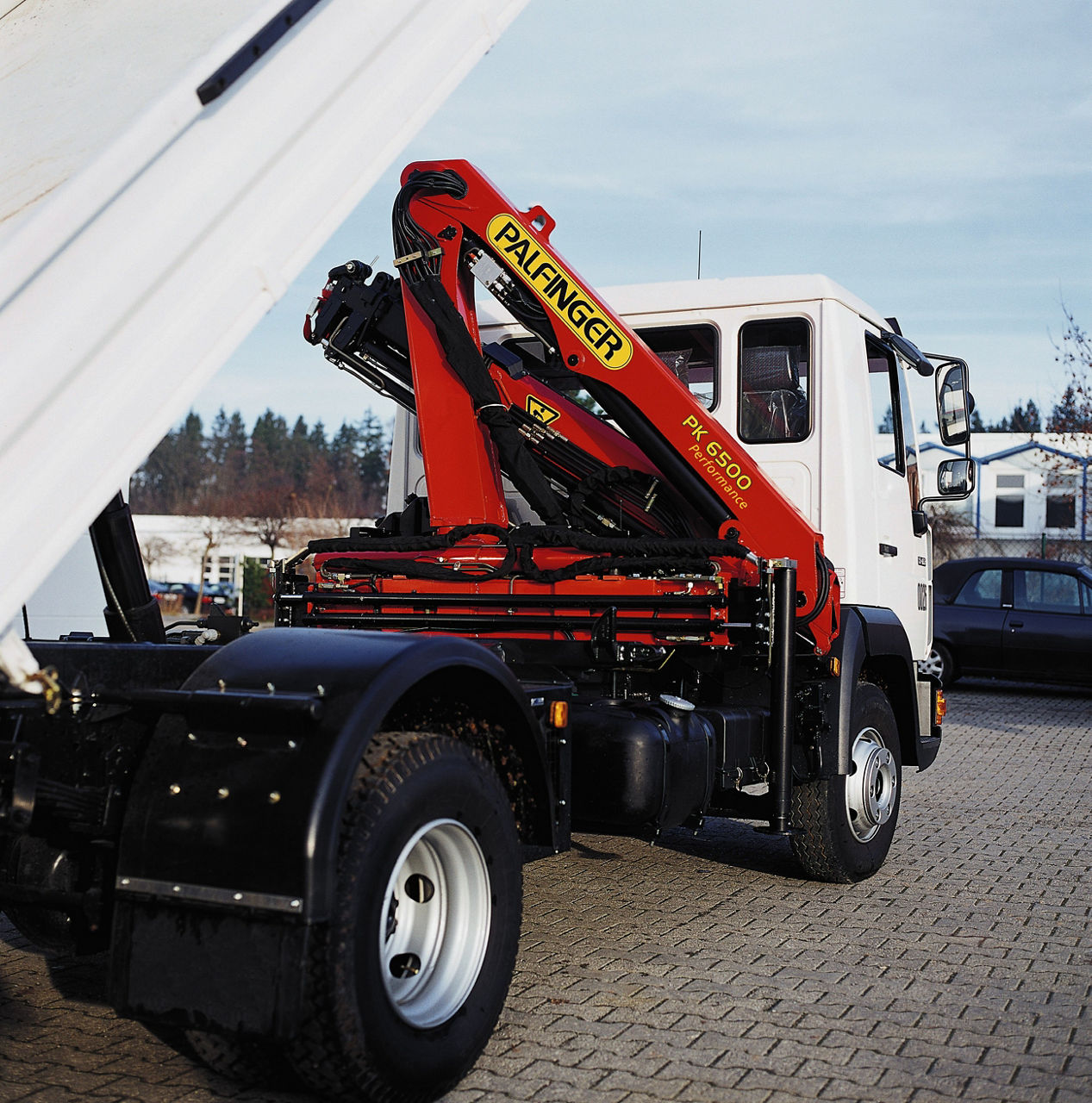
- Area: Hydraulic system fluid contamination and leakage pointsCheck: Inspect all hydraulic connections, hose assemblies, and seal integrity; verify fluid color and condition; check pressure gauges for normal operation; document any seepage or evidence of past leaks
- Area: Load-bearing structure integrity and corrosion damageCheck: Visually inspect boom, pedestal, and structural welds for cracks, fatigue damage, and corrosion; perform NDT testing (ultrasonic or UT) on critical welds; verify paint/coating integrity in marine environment
- Area: Wire rope condition, wear, and termination strengthCheck: Examine wire rope for kinks, broken wires, corrosion, and abrasion; verify diameter loss is within limits; inspect terminations (shackles, splices) for proper attachment and fatigue cracks; conduct proof load test as per class requirements
- Area: Hook block and load-bearing attachment certificationCheck: Verify hook block is properly marked with SWL and proof load; inspect for cracks, bending, or wear; confirm certification plate matches crane model and capacity; test mechanical properties of attachment point
- Area: Control system responsiveness and emergency stop functionalityCheck: Activate emergency stop button and verify crane stops immediately; test all motion controls (hoist, luff, slew) for smooth operation and proper load limiting; verify sensors and limit switches are functional; confirm radio remote control batteries and signal strength (if applicable)
Typ-universelle Inspektionspunkte fuer Deck Cranes (verifiziert, 2026-06).
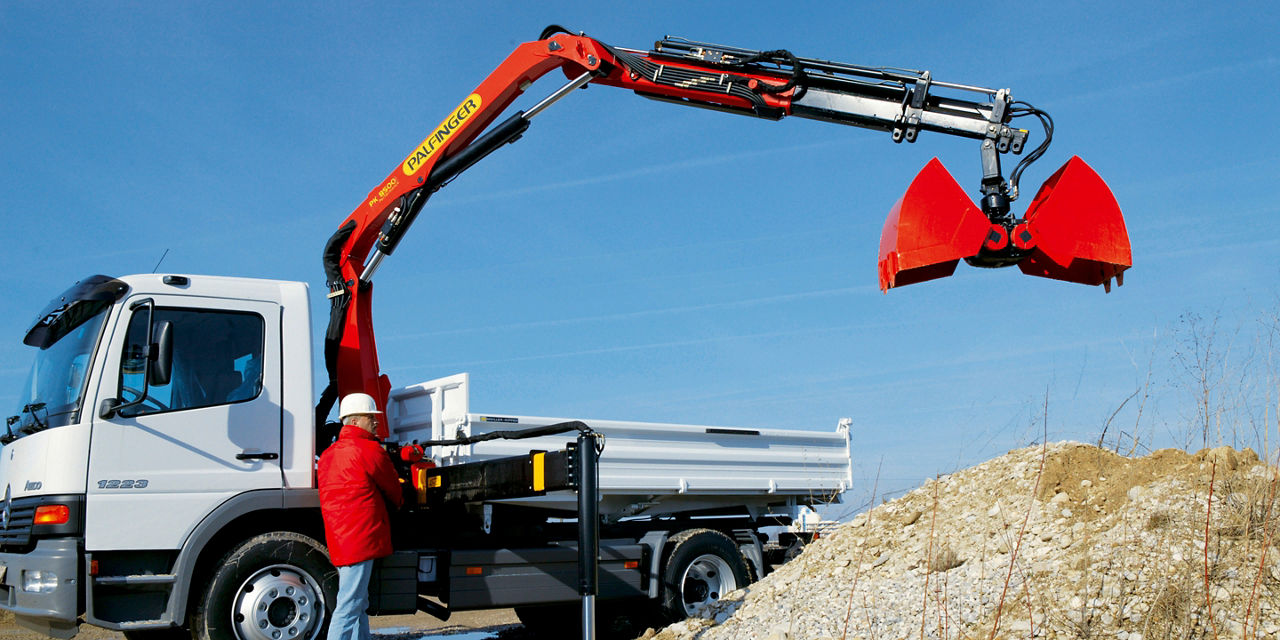
- Area: Hydraulic system fluid contamination and leakage pointsCheck: Inspect all hydraulic connections, hose assemblies, and seal integrity; verify fluid color and condition; check pressure gauges for normal operation; document any seepage or evidence of past leaks
- Area: Load-bearing structure integrity and corrosion damageCheck: Visually inspect boom, pedestal, and structural welds for cracks, fatigue damage, and corrosion; perform NDT testing (ultrasonic or UT) on critical welds; verify paint/coating integrity in marine environment
- Area: Wire rope condition, wear, and termination strengthCheck: Examine wire rope for kinks, broken wires, corrosion, and abrasion; verify diameter loss is within limits; inspect terminations (shackles, splices) for proper attachment and fatigue cracks; conduct proof load test as per class requirements
- Area: Hook block and load-bearing attachment certificationCheck: Verify hook block is properly marked with SWL and proof load; inspect for cracks, bending, or wear; confirm certification plate matches crane model and capacity; test mechanical properties of attachment point
- Area: Control system responsiveness and emergency stop functionalityCheck: Activate emergency stop button and verify crane stops immediately; test all motion controls (hoist, luff, slew) for smooth operation and proper load limiting; verify sensors and limit switches are functional; confirm radio remote control batteries and signal strength (if applicable)
Typ-universelle Inspektionspunkte fuer Deck Cranes (verifiziert, 2026-06).
- Area: Hydraulic system fluid contamination and leakage pointsCheck: Inspect all hydraulic connections, hose assemblies, and seal integrity; verify fluid color and condition; check pressure gauges for normal operation; document any seepage or evidence of past leaks
- Area: Load-bearing structure integrity and corrosion damageCheck: Visually inspect boom, pedestal, and structural welds for cracks, fatigue damage, and corrosion; perform NDT testing (ultrasonic or UT) on critical welds; verify paint/coating integrity in marine environment
- Area: Wire rope condition, wear, and termination strengthCheck: Examine wire rope for kinks, broken wires, corrosion, and abrasion; verify diameter loss is within limits; inspect terminations (shackles, splices) for proper attachment and fatigue cracks; conduct proof load test as per class requirements
- Area: Hook block and load-bearing attachment certificationCheck: Verify hook block is properly marked with SWL and proof load; inspect for cracks, bending, or wear; confirm certification plate matches crane model and capacity; test mechanical properties of attachment point
- Area: Control system responsiveness and emergency stop functionalityCheck: Activate emergency stop button and verify crane stops immediately; test all motion controls (hoist, luff, slew) for smooth operation and proper load limiting; verify sensors and limit switches are functional; confirm radio remote control batteries and signal strength (if applicable)
Typ-universelle Inspektionspunkte fuer Deck Cranes (verifiziert, 2026-06).
- Area: Hydraulic system fluid contamination and leakage pointsCheck: Inspect all hydraulic connections, hose assemblies, and seal integrity; verify fluid color and condition; check pressure gauges for normal operation; document any seepage or evidence of past leaks
- Area: Load-bearing structure integrity and corrosion damageCheck: Visually inspect boom, pedestal, and structural welds for cracks, fatigue damage, and corrosion; perform NDT testing (ultrasonic or UT) on critical welds; verify paint/coating integrity in marine environment
- Area: Wire rope condition, wear, and termination strengthCheck: Examine wire rope for kinks, broken wires, corrosion, and abrasion; verify diameter loss is within limits; inspect terminations (shackles, splices) for proper attachment and fatigue cracks; conduct proof load test as per class requirements
- Area: Hook block and load-bearing attachment certificationCheck: Verify hook block is properly marked with SWL and proof load; inspect for cracks, bending, or wear; confirm certification plate matches crane model and capacity; test mechanical properties of attachment point
- Area: Control system responsiveness and emergency stop functionalityCheck: Activate emergency stop button and verify crane stops immediately; test all motion controls (hoist, luff, slew) for smooth operation and proper load limiting; verify sensors and limit switches are functional; confirm radio remote control batteries and signal strength (if applicable)
Typ-universelle Inspektionspunkte fuer Deck Cranes (verifiziert, 2026-06).
- Area: Hydraulic system fluid contamination and leakage pointsCheck: Inspect all hydraulic connections, hose assemblies, and seal integrity; verify fluid color and condition; check pressure gauges for normal operation; document any seepage or evidence of past leaks
- Area: Load-bearing structure integrity and corrosion damageCheck: Visually inspect boom, pedestal, and structural welds for cracks, fatigue damage, and corrosion; perform NDT testing (ultrasonic or UT) on critical welds; verify paint/coating integrity in marine environment
- Area: Wire rope condition, wear, and termination strengthCheck: Examine wire rope for kinks, broken wires, corrosion, and abrasion; verify diameter loss is within limits; inspect terminations (shackles, splices) for proper attachment and fatigue cracks; conduct proof load test as per class requirements
- Area: Hook block and load-bearing attachment certificationCheck: Verify hook block is properly marked with SWL and proof load; inspect for cracks, bending, or wear; confirm certification plate matches crane model and capacity; test mechanical properties of attachment point
- Area: Control system responsiveness and emergency stop functionalityCheck: Activate emergency stop button and verify crane stops immediately; test all motion controls (hoist, luff, slew) for smooth operation and proper load limiting; verify sensors and limit switches are functional; confirm radio remote control batteries and signal strength (if applicable)
Typ-universelle Inspektionspunkte fuer Deck Cranes (verifiziert, 2026-06).
- Area: Hydraulic system fluid contamination and leakage pointsCheck: Inspect all hydraulic connections, hose assemblies, and seal integrity; verify fluid color and condition; check pressure gauges for normal operation; document any seepage or evidence of past leaks
- Area: Load-bearing structure integrity and corrosion damageCheck: Visually inspect boom, pedestal, and structural welds for cracks, fatigue damage, and corrosion; perform NDT testing (ultrasonic or UT) on critical welds; verify paint/coating integrity in marine environment
- Area: Wire rope condition, wear, and termination strengthCheck: Examine wire rope for kinks, broken wires, corrosion, and abrasion; verify diameter loss is within limits; inspect terminations (shackles, splices) for proper attachment and fatigue cracks; conduct proof load test as per class requirements
- Area: Hook block and load-bearing attachment certificationCheck: Verify hook block is properly marked with SWL and proof load; inspect for cracks, bending, or wear; confirm certification plate matches crane model and capacity; test mechanical properties of attachment point
- Area: Control system responsiveness and emergency stop functionalityCheck: Activate emergency stop button and verify crane stops immediately; test all motion controls (hoist, luff, slew) for smooth operation and proper load limiting; verify sensors and limit switches are functional; confirm radio remote control batteries and signal strength (if applicable)
Typ-universelle Inspektionspunkte fuer Deck Cranes (verifiziert, 2026-06).
- Area: Hydraulic system fluid contamination and leakage pointsCheck: Inspect all hydraulic connections, hose assemblies, and seal integrity; verify fluid color and condition; check pressure gauges for normal operation; document any seepage or evidence of past leaks
- Area: Load-bearing structure integrity and corrosion damageCheck: Visually inspect boom, pedestal, and structural welds for cracks, fatigue damage, and corrosion; perform NDT testing (ultrasonic or UT) on critical welds; verify paint/coating integrity in marine environment
- Area: Wire rope condition, wear, and termination strengthCheck: Examine wire rope for kinks, broken wires, corrosion, and abrasion; verify diameter loss is within limits; inspect terminations (shackles, splices) for proper attachment and fatigue cracks; conduct proof load test as per class requirements
- Area: Hook block and load-bearing attachment certificationCheck: Verify hook block is properly marked with SWL and proof load; inspect for cracks, bending, or wear; confirm certification plate matches crane model and capacity; test mechanical properties of attachment point
- Area: Control system responsiveness and emergency stop functionalityCheck: Activate emergency stop button and verify crane stops immediately; test all motion controls (hoist, luff, slew) for smooth operation and proper load limiting; verify sensors and limit switches are functional; confirm radio remote control batteries and signal strength (if applicable)
Typ-universelle Inspektionspunkte fuer Deck Cranes (verifiziert, 2026-06).
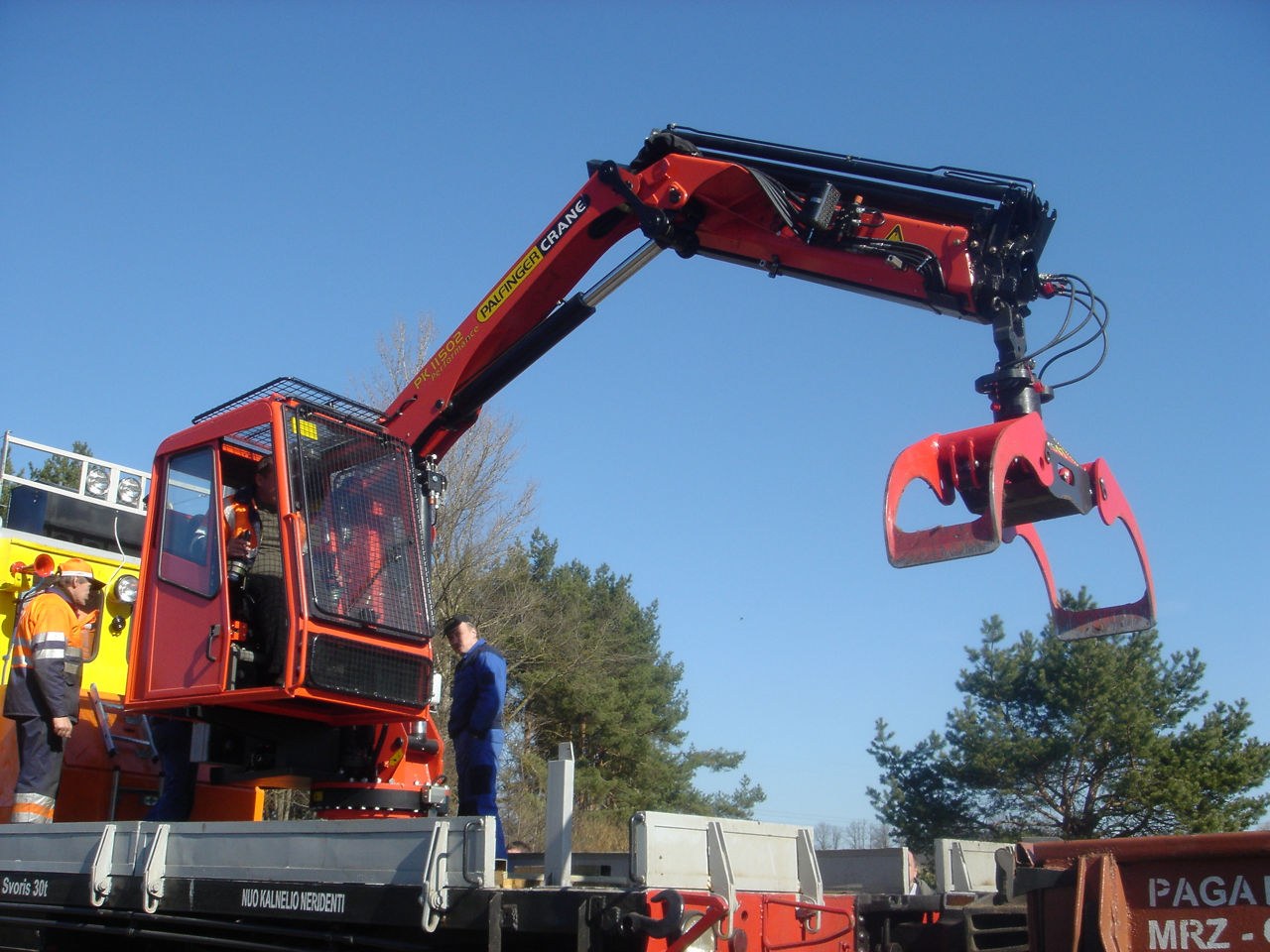
- Area: Hydraulic system fluid contamination and leakage pointsCheck: Inspect all hydraulic connections, hose assemblies, and seal integrity; verify fluid color and condition; check pressure gauges for normal operation; document any seepage or evidence of past leaks
- Area: Load-bearing structure integrity and corrosion damageCheck: Visually inspect boom, pedestal, and structural welds for cracks, fatigue damage, and corrosion; perform NDT testing (ultrasonic or UT) on critical welds; verify paint/coating integrity in marine environment
- Area: Wire rope condition, wear, and termination strengthCheck: Examine wire rope for kinks, broken wires, corrosion, and abrasion; verify diameter loss is within limits; inspect terminations (shackles, splices) for proper attachment and fatigue cracks; conduct proof load test as per class requirements
- Area: Hook block and load-bearing attachment certificationCheck: Verify hook block is properly marked with SWL and proof load; inspect for cracks, bending, or wear; confirm certification plate matches crane model and capacity; test mechanical properties of attachment point
- Area: Control system responsiveness and emergency stop functionalityCheck: Activate emergency stop button and verify crane stops immediately; test all motion controls (hoist, luff, slew) for smooth operation and proper load limiting; verify sensors and limit switches are functional; confirm radio remote control batteries and signal strength (if applicable)
Typ-universelle Inspektionspunkte fuer Deck Cranes (verifiziert, 2026-06).
- Area: Hydraulic system fluid contamination and leakage pointsCheck: Inspect all hydraulic connections, hose assemblies, and seal integrity; verify fluid color and condition; check pressure gauges for normal operation; document any seepage or evidence of past leaks
- Area: Load-bearing structure integrity and corrosion damageCheck: Visually inspect boom, pedestal, and structural welds for cracks, fatigue damage, and corrosion; perform NDT testing (ultrasonic or UT) on critical welds; verify paint/coating integrity in marine environment
- Area: Wire rope condition, wear, and termination strengthCheck: Examine wire rope for kinks, broken wires, corrosion, and abrasion; verify diameter loss is within limits; inspect terminations (shackles, splices) for proper attachment and fatigue cracks; conduct proof load test as per class requirements
- Area: Hook block and load-bearing attachment certificationCheck: Verify hook block is properly marked with SWL and proof load; inspect for cracks, bending, or wear; confirm certification plate matches crane model and capacity; test mechanical properties of attachment point
- Area: Control system responsiveness and emergency stop functionalityCheck: Activate emergency stop button and verify crane stops immediately; test all motion controls (hoist, luff, slew) for smooth operation and proper load limiting; verify sensors and limit switches are functional; confirm radio remote control batteries and signal strength (if applicable)
Typ-universelle Inspektionspunkte fuer Deck Cranes (verifiziert, 2026-06).
- Area: Hydraulic system fluid contamination and leakage pointsCheck: Inspect all hydraulic connections, hose assemblies, and seal integrity; verify fluid color and condition; check pressure gauges for normal operation; document any seepage or evidence of past leaks
- Area: Load-bearing structure integrity and corrosion damageCheck: Visually inspect boom, pedestal, and structural welds for cracks, fatigue damage, and corrosion; perform NDT testing (ultrasonic or UT) on critical welds; verify paint/coating integrity in marine environment
- Area: Wire rope condition, wear, and termination strengthCheck: Examine wire rope for kinks, broken wires, corrosion, and abrasion; verify diameter loss is within limits; inspect terminations (shackles, splices) for proper attachment and fatigue cracks; conduct proof load test as per class requirements
- Area: Hook block and load-bearing attachment certificationCheck: Verify hook block is properly marked with SWL and proof load; inspect for cracks, bending, or wear; confirm certification plate matches crane model and capacity; test mechanical properties of attachment point
- Area: Control system responsiveness and emergency stop functionalityCheck: Activate emergency stop button and verify crane stops immediately; test all motion controls (hoist, luff, slew) for smooth operation and proper load limiting; verify sensors and limit switches are functional; confirm radio remote control batteries and signal strength (if applicable)
Typ-universelle Inspektionspunkte fuer Deck Cranes (verifiziert, 2026-06).
- Area: Hydraulic system fluid contamination and leakage pointsCheck: Inspect all hydraulic connections, hose assemblies, and seal integrity; verify fluid color and condition; check pressure gauges for normal operation; document any seepage or evidence of past leaks
- Area: Load-bearing structure integrity and corrosion damageCheck: Visually inspect boom, pedestal, and structural welds for cracks, fatigue damage, and corrosion; perform NDT testing (ultrasonic or UT) on critical welds; verify paint/coating integrity in marine environment
- Area: Wire rope condition, wear, and termination strengthCheck: Examine wire rope for kinks, broken wires, corrosion, and abrasion; verify diameter loss is within limits; inspect terminations (shackles, splices) for proper attachment and fatigue cracks; conduct proof load test as per class requirements
- Area: Hook block and load-bearing attachment certificationCheck: Verify hook block is properly marked with SWL and proof load; inspect for cracks, bending, or wear; confirm certification plate matches crane model and capacity; test mechanical properties of attachment point
- Area: Control system responsiveness and emergency stop functionalityCheck: Activate emergency stop button and verify crane stops immediately; test all motion controls (hoist, luff, slew) for smooth operation and proper load limiting; verify sensors and limit switches are functional; confirm radio remote control batteries and signal strength (if applicable)
Typ-universelle Inspektionspunkte fuer Deck Cranes (verifiziert, 2026-06).
- Area: Hydraulic system fluid contamination and leakage pointsCheck: Inspect all hydraulic connections, hose assemblies, and seal integrity; verify fluid color and condition; check pressure gauges for normal operation; document any seepage or evidence of past leaks
- Area: Load-bearing structure integrity and corrosion damageCheck: Visually inspect boom, pedestal, and structural welds for cracks, fatigue damage, and corrosion; perform NDT testing (ultrasonic or UT) on critical welds; verify paint/coating integrity in marine environment
- Area: Wire rope condition, wear, and termination strengthCheck: Examine wire rope for kinks, broken wires, corrosion, and abrasion; verify diameter loss is within limits; inspect terminations (shackles, splices) for proper attachment and fatigue cracks; conduct proof load test as per class requirements
- Area: Hook block and load-bearing attachment certificationCheck: Verify hook block is properly marked with SWL and proof load; inspect for cracks, bending, or wear; confirm certification plate matches crane model and capacity; test mechanical properties of attachment point
- Area: Control system responsiveness and emergency stop functionalityCheck: Activate emergency stop button and verify crane stops immediately; test all motion controls (hoist, luff, slew) for smooth operation and proper load limiting; verify sensors and limit switches are functional; confirm radio remote control batteries and signal strength (if applicable)
Typ-universelle Inspektionspunkte fuer Deck Cranes (verifiziert, 2026-06).
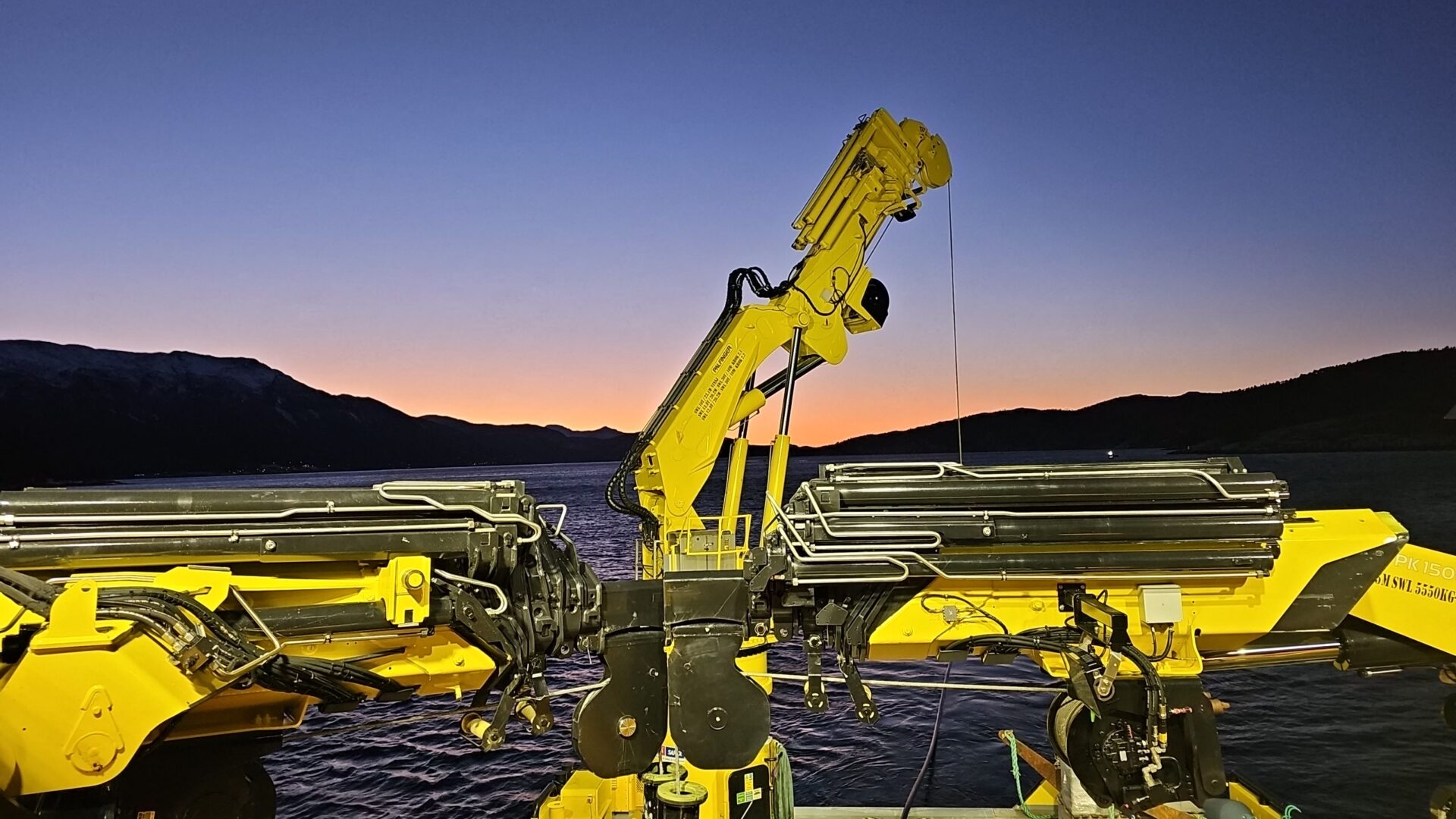
- Area: Hydraulic system fluid contamination and leakage pointsCheck: Inspect all hydraulic connections, hose assemblies, and seal integrity; verify fluid color and condition; check pressure gauges for normal operation; document any seepage or evidence of past leaks
- Area: Load-bearing structure integrity and corrosion damageCheck: Visually inspect boom, pedestal, and structural welds for cracks, fatigue damage, and corrosion; perform NDT testing (ultrasonic or UT) on critical welds; verify paint/coating integrity in marine environment
- Area: Wire rope condition, wear, and termination strengthCheck: Examine wire rope for kinks, broken wires, corrosion, and abrasion; verify diameter loss is within limits; inspect terminations (shackles, splices) for proper attachment and fatigue cracks; conduct proof load test as per class requirements
- Area: Hook block and load-bearing attachment certificationCheck: Verify hook block is properly marked with SWL and proof load; inspect for cracks, bending, or wear; confirm certification plate matches crane model and capacity; test mechanical properties of attachment point
- Area: Control system responsiveness and emergency stop functionalityCheck: Activate emergency stop button and verify crane stops immediately; test all motion controls (hoist, luff, slew) for smooth operation and proper load limiting; verify sensors and limit switches are functional; confirm radio remote control batteries and signal strength (if applicable)
Typ-universelle Inspektionspunkte fuer Deck Cranes (verifiziert, 2026-06).
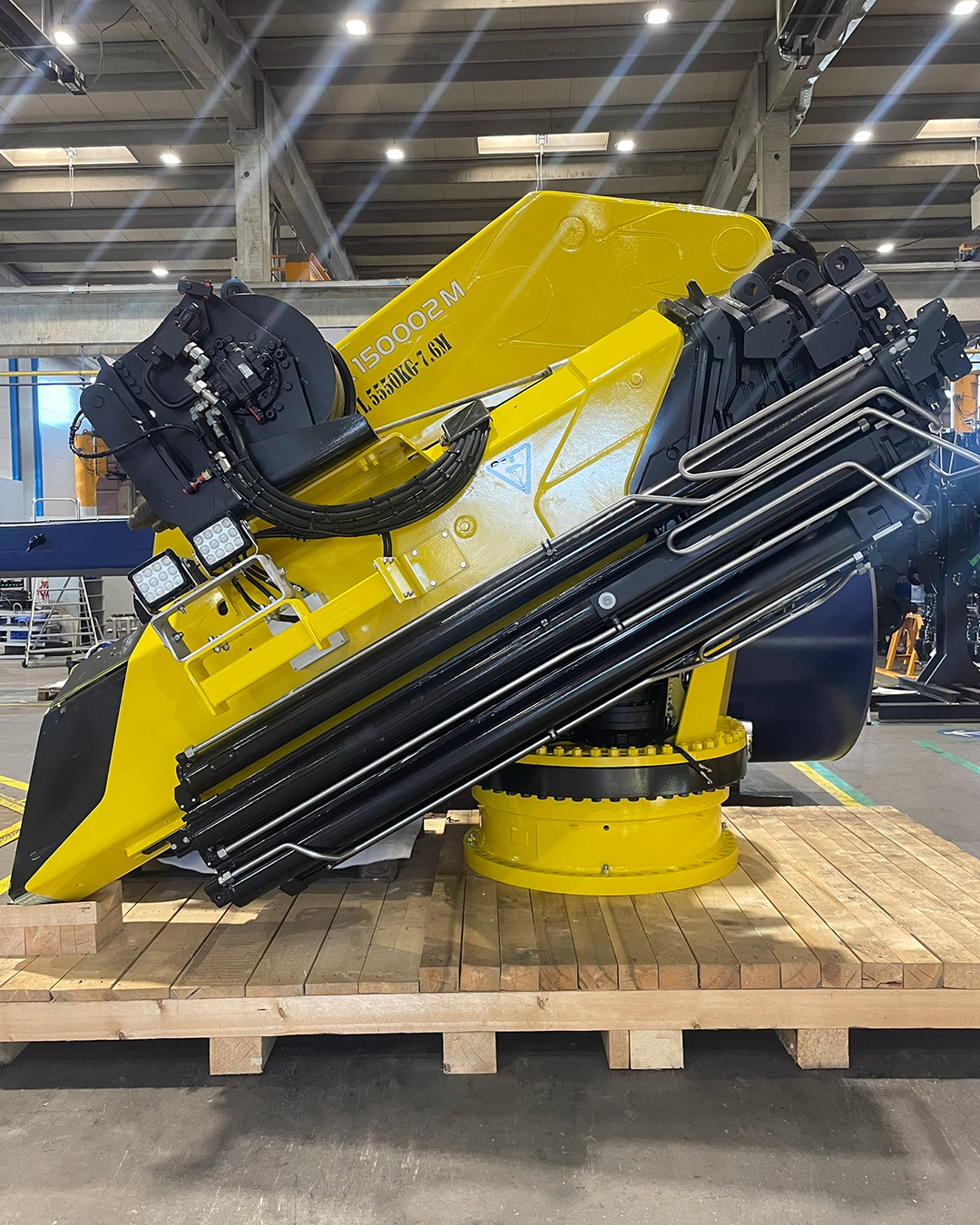
- Area: Hydraulic system fluid contamination and leakage pointsCheck: Inspect all hydraulic connections, hose assemblies, and seal integrity; verify fluid color and condition; check pressure gauges for normal operation; document any seepage or evidence of past leaks
- Area: Load-bearing structure integrity and corrosion damageCheck: Visually inspect boom, pedestal, and structural welds for cracks, fatigue damage, and corrosion; perform NDT testing (ultrasonic or UT) on critical welds; verify paint/coating integrity in marine environment
- Area: Wire rope condition, wear, and termination strengthCheck: Examine wire rope for kinks, broken wires, corrosion, and abrasion; verify diameter loss is within limits; inspect terminations (shackles, splices) for proper attachment and fatigue cracks; conduct proof load test as per class requirements
- Area: Hook block and load-bearing attachment certificationCheck: Verify hook block is properly marked with SWL and proof load; inspect for cracks, bending, or wear; confirm certification plate matches crane model and capacity; test mechanical properties of attachment point
- Area: Control system responsiveness and emergency stop functionalityCheck: Activate emergency stop button and verify crane stops immediately; test all motion controls (hoist, luff, slew) for smooth operation and proper load limiting; verify sensors and limit switches are functional; confirm radio remote control batteries and signal strength (if applicable)
Typ-universelle Inspektionspunkte fuer Deck Cranes (verifiziert, 2026-06).
- Area: Hydraulic system fluid contamination and leakage pointsCheck: Inspect all hydraulic connections, hose assemblies, and seal integrity; verify fluid color and condition; check pressure gauges for normal operation; document any seepage or evidence of past leaks
- Area: Load-bearing structure integrity and corrosion damageCheck: Visually inspect boom, pedestal, and structural welds for cracks, fatigue damage, and corrosion; perform NDT testing (ultrasonic or UT) on critical welds; verify paint/coating integrity in marine environment
- Area: Wire rope condition, wear, and termination strengthCheck: Examine wire rope for kinks, broken wires, corrosion, and abrasion; verify diameter loss is within limits; inspect terminations (shackles, splices) for proper attachment and fatigue cracks; conduct proof load test as per class requirements
- Area: Hook block and load-bearing attachment certificationCheck: Verify hook block is properly marked with SWL and proof load; inspect for cracks, bending, or wear; confirm certification plate matches crane model and capacity; test mechanical properties of attachment point
- Area: Control system responsiveness and emergency stop functionalityCheck: Activate emergency stop button and verify crane stops immediately; test all motion controls (hoist, luff, slew) for smooth operation and proper load limiting; verify sensors and limit switches are functional; confirm radio remote control batteries and signal strength (if applicable)
Typ-universelle Inspektionspunkte fuer Deck Cranes (verifiziert, 2026-06).
- Area: Hydraulic system fluid contamination and leakage pointsCheck: Inspect all hydraulic connections, hose assemblies, and seal integrity; verify fluid color and condition; check pressure gauges for normal operation; document any seepage or evidence of past leaks
- Area: Load-bearing structure integrity and corrosion damageCheck: Visually inspect boom, pedestal, and structural welds for cracks, fatigue damage, and corrosion; perform NDT testing (ultrasonic or UT) on critical welds; verify paint/coating integrity in marine environment
- Area: Wire rope condition, wear, and termination strengthCheck: Examine wire rope for kinks, broken wires, corrosion, and abrasion; verify diameter loss is within limits; inspect terminations (shackles, splices) for proper attachment and fatigue cracks; conduct proof load test as per class requirements
- Area: Hook block and load-bearing attachment certificationCheck: Verify hook block is properly marked with SWL and proof load; inspect for cracks, bending, or wear; confirm certification plate matches crane model and capacity; test mechanical properties of attachment point
- Area: Control system responsiveness and emergency stop functionalityCheck: Activate emergency stop button and verify crane stops immediately; test all motion controls (hoist, luff, slew) for smooth operation and proper load limiting; verify sensors and limit switches are functional; confirm radio remote control batteries and signal strength (if applicable)
Typ-universelle Inspektionspunkte fuer Deck Cranes (verifiziert, 2026-06).
- Area: Hydraulic system fluid contamination and leakage pointsCheck: Inspect all hydraulic connections, hose assemblies, and seal integrity; verify fluid color and condition; check pressure gauges for normal operation; document any seepage or evidence of past leaks
- Area: Load-bearing structure integrity and corrosion damageCheck: Visually inspect boom, pedestal, and structural welds for cracks, fatigue damage, and corrosion; perform NDT testing (ultrasonic or UT) on critical welds; verify paint/coating integrity in marine environment
- Area: Wire rope condition, wear, and termination strengthCheck: Examine wire rope for kinks, broken wires, corrosion, and abrasion; verify diameter loss is within limits; inspect terminations (shackles, splices) for proper attachment and fatigue cracks; conduct proof load test as per class requirements
- Area: Hook block and load-bearing attachment certificationCheck: Verify hook block is properly marked with SWL and proof load; inspect for cracks, bending, or wear; confirm certification plate matches crane model and capacity; test mechanical properties of attachment point
- Area: Control system responsiveness and emergency stop functionalityCheck: Activate emergency stop button and verify crane stops immediately; test all motion controls (hoist, luff, slew) for smooth operation and proper load limiting; verify sensors and limit switches are functional; confirm radio remote control batteries and signal strength (if applicable)
Typ-universelle Inspektionspunkte fuer Deck Cranes (verifiziert, 2026-06).

- Area: Hydraulic system fluid contamination and leakage pointsCheck: Inspect all hydraulic connections, hose assemblies, and seal integrity; verify fluid color and condition; check pressure gauges for normal operation; document any seepage or evidence of past leaks
- Area: Load-bearing structure integrity and corrosion damageCheck: Visually inspect boom, pedestal, and structural welds for cracks, fatigue damage, and corrosion; perform NDT testing (ultrasonic or UT) on critical welds; verify paint/coating integrity in marine environment
- Area: Wire rope condition, wear, and termination strengthCheck: Examine wire rope for kinks, broken wires, corrosion, and abrasion; verify diameter loss is within limits; inspect terminations (shackles, splices) for proper attachment and fatigue cracks; conduct proof load test as per class requirements
- Area: Hook block and load-bearing attachment certificationCheck: Verify hook block is properly marked with SWL and proof load; inspect for cracks, bending, or wear; confirm certification plate matches crane model and capacity; test mechanical properties of attachment point
- Area: Control system responsiveness and emergency stop functionalityCheck: Activate emergency stop button and verify crane stops immediately; test all motion controls (hoist, luff, slew) for smooth operation and proper load limiting; verify sensors and limit switches are functional; confirm radio remote control batteries and signal strength (if applicable)
Typ-universelle Inspektionspunkte fuer Deck Cranes (verifiziert, 2026-06).
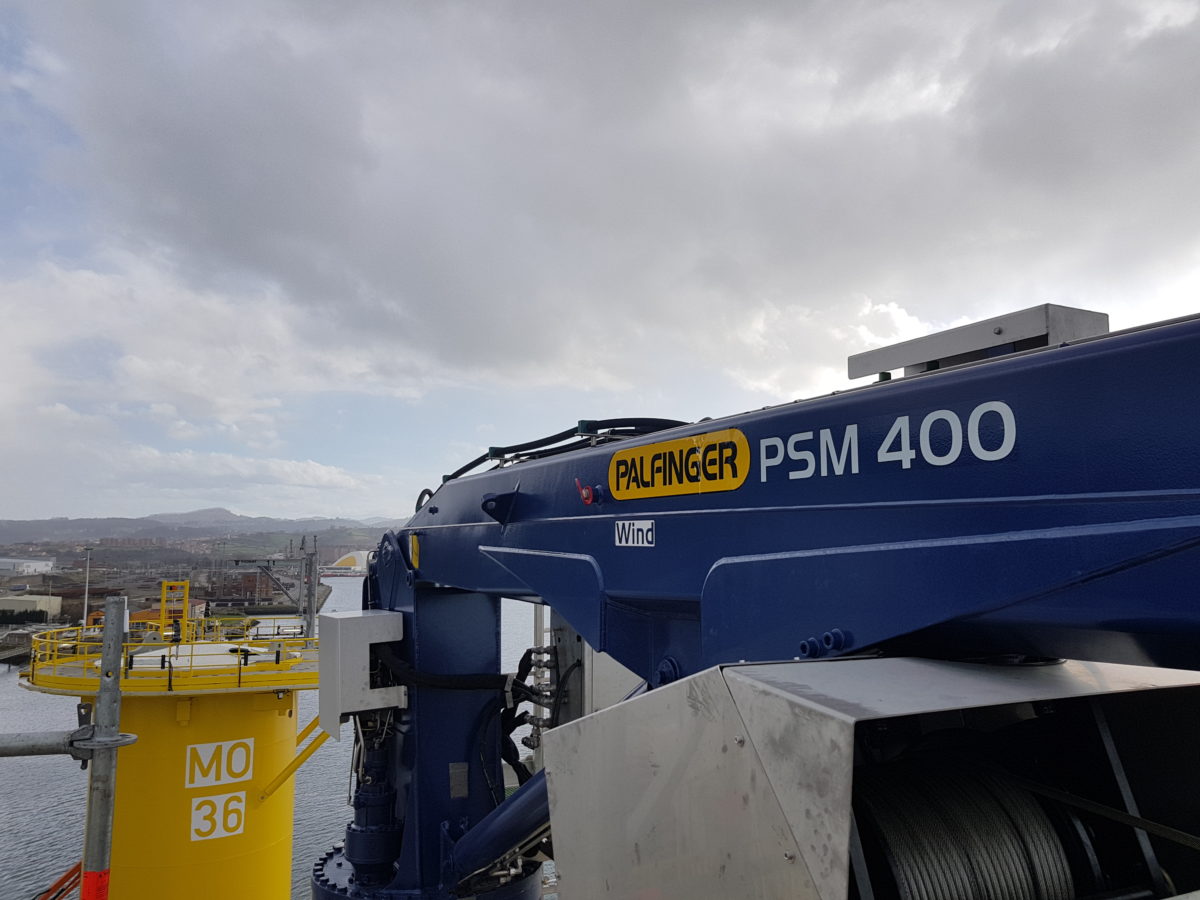
- Area: Hydraulic system fluid contamination and leakage pointsCheck: Inspect all hydraulic connections, hose assemblies, and seal integrity; verify fluid color and condition; check pressure gauges for normal operation; document any seepage or evidence of past leaks
- Area: Load-bearing structure integrity and corrosion damageCheck: Visually inspect boom, pedestal, and structural welds for cracks, fatigue damage, and corrosion; perform NDT testing (ultrasonic or UT) on critical welds; verify paint/coating integrity in marine environment
- Area: Wire rope condition, wear, and termination strengthCheck: Examine wire rope for kinks, broken wires, corrosion, and abrasion; verify diameter loss is within limits; inspect terminations (shackles, splices) for proper attachment and fatigue cracks; conduct proof load test as per class requirements
- Area: Hook block and load-bearing attachment certificationCheck: Verify hook block is properly marked with SWL and proof load; inspect for cracks, bending, or wear; confirm certification plate matches crane model and capacity; test mechanical properties of attachment point
- Area: Control system responsiveness and emergency stop functionalityCheck: Activate emergency stop button and verify crane stops immediately; test all motion controls (hoist, luff, slew) for smooth operation and proper load limiting; verify sensors and limit switches are functional; confirm radio remote control batteries and signal strength (if applicable)
Typ-universelle Inspektionspunkte fuer Deck Cranes (verifiziert, 2026-06).
- Area: Hydraulic system fluid contamination and leakage pointsCheck: Inspect all hydraulic connections, hose assemblies, and seal integrity; verify fluid color and condition; check pressure gauges for normal operation; document any seepage or evidence of past leaks
- Area: Load-bearing structure integrity and corrosion damageCheck: Visually inspect boom, pedestal, and structural welds for cracks, fatigue damage, and corrosion; perform NDT testing (ultrasonic or UT) on critical welds; verify paint/coating integrity in marine environment
- Area: Wire rope condition, wear, and termination strengthCheck: Examine wire rope for kinks, broken wires, corrosion, and abrasion; verify diameter loss is within limits; inspect terminations (shackles, splices) for proper attachment and fatigue cracks; conduct proof load test as per class requirements
- Area: Hook block and load-bearing attachment certificationCheck: Verify hook block is properly marked with SWL and proof load; inspect for cracks, bending, or wear; confirm certification plate matches crane model and capacity; test mechanical properties of attachment point
- Area: Control system responsiveness and emergency stop functionalityCheck: Activate emergency stop button and verify crane stops immediately; test all motion controls (hoist, luff, slew) for smooth operation and proper load limiting; verify sensors and limit switches are functional; confirm radio remote control batteries and signal strength (if applicable)
Typ-universelle Inspektionspunkte fuer Deck Cranes (verifiziert, 2026-06).
- Area: Hydraulic system fluid contamination and leakage pointsCheck: Inspect all hydraulic connections, hose assemblies, and seal integrity; verify fluid color and condition; check pressure gauges for normal operation; document any seepage or evidence of past leaks
- Area: Load-bearing structure integrity and corrosion damageCheck: Visually inspect boom, pedestal, and structural welds for cracks, fatigue damage, and corrosion; perform NDT testing (ultrasonic or UT) on critical welds; verify paint/coating integrity in marine environment
- Area: Wire rope condition, wear, and termination strengthCheck: Examine wire rope for kinks, broken wires, corrosion, and abrasion; verify diameter loss is within limits; inspect terminations (shackles, splices) for proper attachment and fatigue cracks; conduct proof load test as per class requirements
- Area: Hook block and load-bearing attachment certificationCheck: Verify hook block is properly marked with SWL and proof load; inspect for cracks, bending, or wear; confirm certification plate matches crane model and capacity; test mechanical properties of attachment point
- Area: Control system responsiveness and emergency stop functionalityCheck: Activate emergency stop button and verify crane stops immediately; test all motion controls (hoist, luff, slew) for smooth operation and proper load limiting; verify sensors and limit switches are functional; confirm radio remote control batteries and signal strength (if applicable)
Typ-universelle Inspektionspunkte fuer Deck Cranes (verifiziert, 2026-06).
- Area: Hydraulic system fluid contamination and leakage pointsCheck: Inspect all hydraulic connections, hose assemblies, and seal integrity; verify fluid color and condition; check pressure gauges for normal operation; document any seepage or evidence of past leaks
- Area: Load-bearing structure integrity and corrosion damageCheck: Visually inspect boom, pedestal, and structural welds for cracks, fatigue damage, and corrosion; perform NDT testing (ultrasonic or UT) on critical welds; verify paint/coating integrity in marine environment
- Area: Wire rope condition, wear, and termination strengthCheck: Examine wire rope for kinks, broken wires, corrosion, and abrasion; verify diameter loss is within limits; inspect terminations (shackles, splices) for proper attachment and fatigue cracks; conduct proof load test as per class requirements
- Area: Hook block and load-bearing attachment certificationCheck: Verify hook block is properly marked with SWL and proof load; inspect for cracks, bending, or wear; confirm certification plate matches crane model and capacity; test mechanical properties of attachment point
- Area: Control system responsiveness and emergency stop functionalityCheck: Activate emergency stop button and verify crane stops immediately; test all motion controls (hoist, luff, slew) for smooth operation and proper load limiting; verify sensors and limit switches are functional; confirm radio remote control batteries and signal strength (if applicable)
Typ-universelle Inspektionspunkte fuer Deck Cranes (verifiziert, 2026-06).
- Area: Hydraulic system fluid contamination and leakage pointsCheck: Inspect all hydraulic connections, hose assemblies, and seal integrity; verify fluid color and condition; check pressure gauges for normal operation; document any seepage or evidence of past leaks
- Area: Load-bearing structure integrity and corrosion damageCheck: Visually inspect boom, pedestal, and structural welds for cracks, fatigue damage, and corrosion; perform NDT testing (ultrasonic or UT) on critical welds; verify paint/coating integrity in marine environment
- Area: Wire rope condition, wear, and termination strengthCheck: Examine wire rope for kinks, broken wires, corrosion, and abrasion; verify diameter loss is within limits; inspect terminations (shackles, splices) for proper attachment and fatigue cracks; conduct proof load test as per class requirements
- Area: Hook block and load-bearing attachment certificationCheck: Verify hook block is properly marked with SWL and proof load; inspect for cracks, bending, or wear; confirm certification plate matches crane model and capacity; test mechanical properties of attachment point
- Area: Control system responsiveness and emergency stop functionalityCheck: Activate emergency stop button and verify crane stops immediately; test all motion controls (hoist, luff, slew) for smooth operation and proper load limiting; verify sensors and limit switches are functional; confirm radio remote control batteries and signal strength (if applicable)
Typ-universelle Inspektionspunkte fuer Deck Cranes (verifiziert, 2026-06).
- Area: Hydraulic system fluid contamination and leakage pointsCheck: Inspect all hydraulic connections, hose assemblies, and seal integrity; verify fluid color and condition; check pressure gauges for normal operation; document any seepage or evidence of past leaks
- Area: Load-bearing structure integrity and corrosion damageCheck: Visually inspect boom, pedestal, and structural welds for cracks, fatigue damage, and corrosion; perform NDT testing (ultrasonic or UT) on critical welds; verify paint/coating integrity in marine environment
- Area: Wire rope condition, wear, and termination strengthCheck: Examine wire rope for kinks, broken wires, corrosion, and abrasion; verify diameter loss is within limits; inspect terminations (shackles, splices) for proper attachment and fatigue cracks; conduct proof load test as per class requirements
- Area: Hook block and load-bearing attachment certificationCheck: Verify hook block is properly marked with SWL and proof load; inspect for cracks, bending, or wear; confirm certification plate matches crane model and capacity; test mechanical properties of attachment point
- Area: Control system responsiveness and emergency stop functionalityCheck: Activate emergency stop button and verify crane stops immediately; test all motion controls (hoist, luff, slew) for smooth operation and proper load limiting; verify sensors and limit switches are functional; confirm radio remote control batteries and signal strength (if applicable)
Typ-universelle Inspektionspunkte fuer Deck Cranes (verifiziert, 2026-06).
- Area: Hydraulic system fluid contamination and leakage pointsCheck: Inspect all hydraulic connections, hose assemblies, and seal integrity; verify fluid color and condition; check pressure gauges for normal operation; document any seepage or evidence of past leaks
- Area: Load-bearing structure integrity and corrosion damageCheck: Visually inspect boom, pedestal, and structural welds for cracks, fatigue damage, and corrosion; perform NDT testing (ultrasonic or UT) on critical welds; verify paint/coating integrity in marine environment
- Area: Wire rope condition, wear, and termination strengthCheck: Examine wire rope for kinks, broken wires, corrosion, and abrasion; verify diameter loss is within limits; inspect terminations (shackles, splices) for proper attachment and fatigue cracks; conduct proof load test as per class requirements
- Area: Hook block and load-bearing attachment certificationCheck: Verify hook block is properly marked with SWL and proof load; inspect for cracks, bending, or wear; confirm certification plate matches crane model and capacity; test mechanical properties of attachment point
- Area: Control system responsiveness and emergency stop functionalityCheck: Activate emergency stop button and verify crane stops immediately; test all motion controls (hoist, luff, slew) for smooth operation and proper load limiting; verify sensors and limit switches are functional; confirm radio remote control batteries and signal strength (if applicable)
Typ-universelle Inspektionspunkte fuer Deck Cranes (verifiziert, 2026-06).
- Area: Hydraulic system fluid contamination and leakage pointsCheck: Inspect all hydraulic connections, hose assemblies, and seal integrity; verify fluid color and condition; check pressure gauges for normal operation; document any seepage or evidence of past leaks
- Area: Load-bearing structure integrity and corrosion damageCheck: Visually inspect boom, pedestal, and structural welds for cracks, fatigue damage, and corrosion; perform NDT testing (ultrasonic or UT) on critical welds; verify paint/coating integrity in marine environment
- Area: Wire rope condition, wear, and termination strengthCheck: Examine wire rope for kinks, broken wires, corrosion, and abrasion; verify diameter loss is within limits; inspect terminations (shackles, splices) for proper attachment and fatigue cracks; conduct proof load test as per class requirements
- Area: Hook block and load-bearing attachment certificationCheck: Verify hook block is properly marked with SWL and proof load; inspect for cracks, bending, or wear; confirm certification plate matches crane model and capacity; test mechanical properties of attachment point
- Area: Control system responsiveness and emergency stop functionalityCheck: Activate emergency stop button and verify crane stops immediately; test all motion controls (hoist, luff, slew) for smooth operation and proper load limiting; verify sensors and limit switches are functional; confirm radio remote control batteries and signal strength (if applicable)
Typ-universelle Inspektionspunkte fuer Deck Cranes (verifiziert, 2026-06).
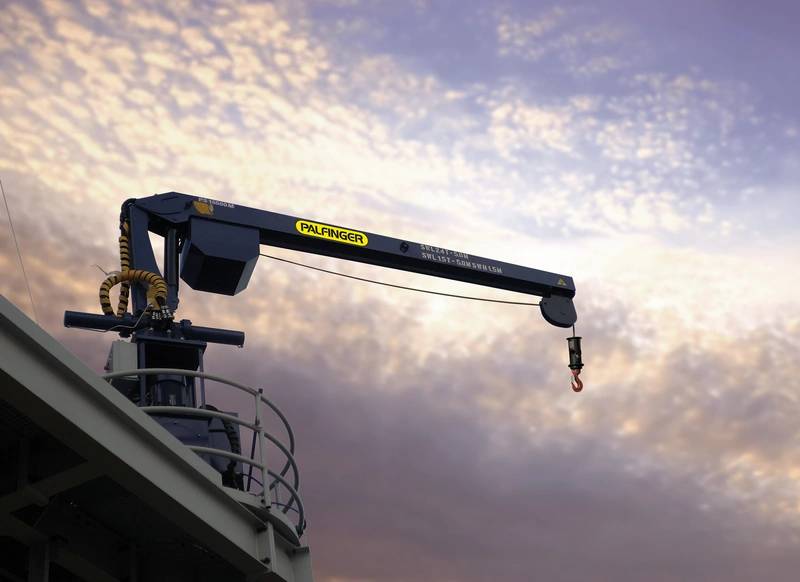
- Area: Hydraulic system fluid contamination and leakage pointsCheck: Inspect all hydraulic connections, hose assemblies, and seal integrity; verify fluid color and condition; check pressure gauges for normal operation; document any seepage or evidence of past leaks
- Area: Load-bearing structure integrity and corrosion damageCheck: Visually inspect boom, pedestal, and structural welds for cracks, fatigue damage, and corrosion; perform NDT testing (ultrasonic or UT) on critical welds; verify paint/coating integrity in marine environment
- Area: Wire rope condition, wear, and termination strengthCheck: Examine wire rope for kinks, broken wires, corrosion, and abrasion; verify diameter loss is within limits; inspect terminations (shackles, splices) for proper attachment and fatigue cracks; conduct proof load test as per class requirements
- Area: Hook block and load-bearing attachment certificationCheck: Verify hook block is properly marked with SWL and proof load; inspect for cracks, bending, or wear; confirm certification plate matches crane model and capacity; test mechanical properties of attachment point
- Area: Control system responsiveness and emergency stop functionalityCheck: Activate emergency stop button and verify crane stops immediately; test all motion controls (hoist, luff, slew) for smooth operation and proper load limiting; verify sensors and limit switches are functional; confirm radio remote control batteries and signal strength (if applicable)
Typ-universelle Inspektionspunkte fuer Deck Cranes (verifiziert, 2026-06).
- Area: Hydraulic system fluid contamination and leakage pointsCheck: Inspect all hydraulic connections, hose assemblies, and seal integrity; verify fluid color and condition; check pressure gauges for normal operation; document any seepage or evidence of past leaks
- Area: Load-bearing structure integrity and corrosion damageCheck: Visually inspect boom, pedestal, and structural welds for cracks, fatigue damage, and corrosion; perform NDT testing (ultrasonic or UT) on critical welds; verify paint/coating integrity in marine environment
- Area: Wire rope condition, wear, and termination strengthCheck: Examine wire rope for kinks, broken wires, corrosion, and abrasion; verify diameter loss is within limits; inspect terminations (shackles, splices) for proper attachment and fatigue cracks; conduct proof load test as per class requirements
- Area: Hook block and load-bearing attachment certificationCheck: Verify hook block is properly marked with SWL and proof load; inspect for cracks, bending, or wear; confirm certification plate matches crane model and capacity; test mechanical properties of attachment point
- Area: Control system responsiveness and emergency stop functionalityCheck: Activate emergency stop button and verify crane stops immediately; test all motion controls (hoist, luff, slew) for smooth operation and proper load limiting; verify sensors and limit switches are functional; confirm radio remote control batteries and signal strength (if applicable)
Typ-universelle Inspektionspunkte fuer Deck Cranes (verifiziert, 2026-06).
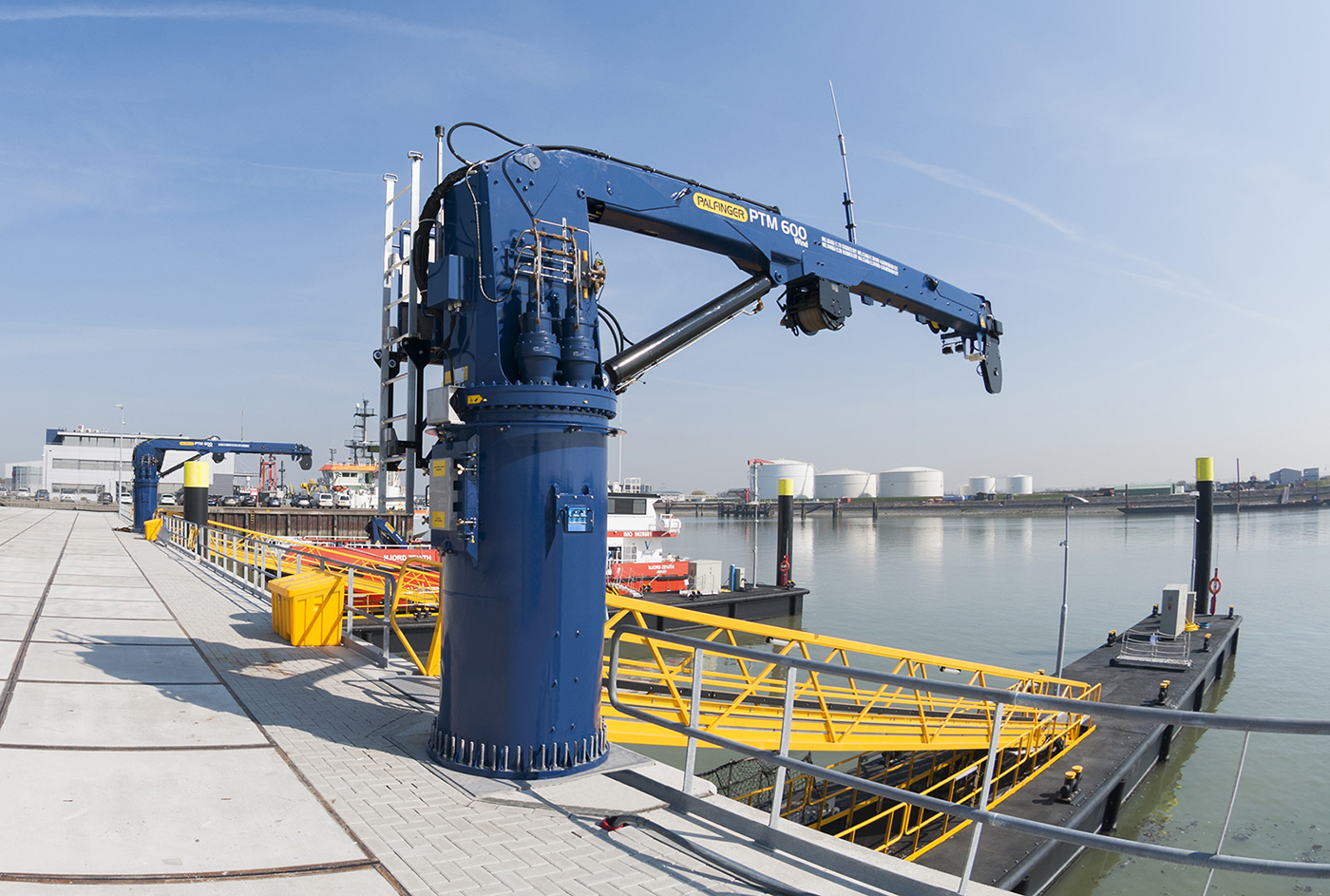
- Area: Hydraulic system fluid contamination and leakage pointsCheck: Inspect all hydraulic connections, hose assemblies, and seal integrity; verify fluid color and condition; check pressure gauges for normal operation; document any seepage or evidence of past leaks
- Area: Load-bearing structure integrity and corrosion damageCheck: Visually inspect boom, pedestal, and structural welds for cracks, fatigue damage, and corrosion; perform NDT testing (ultrasonic or UT) on critical welds; verify paint/coating integrity in marine environment
- Area: Wire rope condition, wear, and termination strengthCheck: Examine wire rope for kinks, broken wires, corrosion, and abrasion; verify diameter loss is within limits; inspect terminations (shackles, splices) for proper attachment and fatigue cracks; conduct proof load test as per class requirements
- Area: Hook block and load-bearing attachment certificationCheck: Verify hook block is properly marked with SWL and proof load; inspect for cracks, bending, or wear; confirm certification plate matches crane model and capacity; test mechanical properties of attachment point
- Area: Control system responsiveness and emergency stop functionalityCheck: Activate emergency stop button and verify crane stops immediately; test all motion controls (hoist, luff, slew) for smooth operation and proper load limiting; verify sensors and limit switches are functional; confirm radio remote control batteries and signal strength (if applicable)
Typ-universelle Inspektionspunkte fuer Deck Cranes (verifiziert, 2026-06).
?ts=1773129667380&dpr=off)
- Area: Hydraulic system fluid contamination and leakage pointsCheck: Inspect all hydraulic connections, hose assemblies, and seal integrity; verify fluid color and condition; check pressure gauges for normal operation; document any seepage or evidence of past leaks
- Area: Load-bearing structure integrity and corrosion damageCheck: Visually inspect boom, pedestal, and structural welds for cracks, fatigue damage, and corrosion; perform NDT testing (ultrasonic or UT) on critical welds; verify paint/coating integrity in marine environment
- Area: Wire rope condition, wear, and termination strengthCheck: Examine wire rope for kinks, broken wires, corrosion, and abrasion; verify diameter loss is within limits; inspect terminations (shackles, splices) for proper attachment and fatigue cracks; conduct proof load test as per class requirements
- Area: Hook block and load-bearing attachment certificationCheck: Verify hook block is properly marked with SWL and proof load; inspect for cracks, bending, or wear; confirm certification plate matches crane model and capacity; test mechanical properties of attachment point
- Area: Control system responsiveness and emergency stop functionalityCheck: Activate emergency stop button and verify crane stops immediately; test all motion controls (hoist, luff, slew) for smooth operation and proper load limiting; verify sensors and limit switches are functional; confirm radio remote control batteries and signal strength (if applicable)
Typ-universelle Inspektionspunkte fuer Deck Cranes (verifiziert, 2026-06).
- Area: Hydraulic system fluid contamination and leakage pointsCheck: Inspect all hydraulic connections, hose assemblies, and seal integrity; verify fluid color and condition; check pressure gauges for normal operation; document any seepage or evidence of past leaks
- Area: Load-bearing structure integrity and corrosion damageCheck: Visually inspect boom, pedestal, and structural welds for cracks, fatigue damage, and corrosion; perform NDT testing (ultrasonic or UT) on critical welds; verify paint/coating integrity in marine environment
- Area: Wire rope condition, wear, and termination strengthCheck: Examine wire rope for kinks, broken wires, corrosion, and abrasion; verify diameter loss is within limits; inspect terminations (shackles, splices) for proper attachment and fatigue cracks; conduct proof load test as per class requirements
- Area: Hook block and load-bearing attachment certificationCheck: Verify hook block is properly marked with SWL and proof load; inspect for cracks, bending, or wear; confirm certification plate matches crane model and capacity; test mechanical properties of attachment point
- Area: Control system responsiveness and emergency stop functionalityCheck: Activate emergency stop button and verify crane stops immediately; test all motion controls (hoist, luff, slew) for smooth operation and proper load limiting; verify sensors and limit switches are functional; confirm radio remote control batteries and signal strength (if applicable)
Typ-universelle Inspektionspunkte fuer Deck Cranes (verifiziert, 2026-06).
- Area: Hydraulic system fluid contamination and leakage pointsCheck: Inspect all hydraulic connections, hose assemblies, and seal integrity; verify fluid color and condition; check pressure gauges for normal operation; document any seepage or evidence of past leaks
- Area: Load-bearing structure integrity and corrosion damageCheck: Visually inspect boom, pedestal, and structural welds for cracks, fatigue damage, and corrosion; perform NDT testing (ultrasonic or UT) on critical welds; verify paint/coating integrity in marine environment
- Area: Wire rope condition, wear, and termination strengthCheck: Examine wire rope for kinks, broken wires, corrosion, and abrasion; verify diameter loss is within limits; inspect terminations (shackles, splices) for proper attachment and fatigue cracks; conduct proof load test as per class requirements
- Area: Hook block and load-bearing attachment certificationCheck: Verify hook block is properly marked with SWL and proof load; inspect for cracks, bending, or wear; confirm certification plate matches crane model and capacity; test mechanical properties of attachment point
- Area: Control system responsiveness and emergency stop functionalityCheck: Activate emergency stop button and verify crane stops immediately; test all motion controls (hoist, luff, slew) for smooth operation and proper load limiting; verify sensors and limit switches are functional; confirm radio remote control batteries and signal strength (if applicable)
Typ-universelle Inspektionspunkte fuer Deck Cranes (verifiziert, 2026-06).
- Area: Hydraulic system fluid contamination and leakage pointsCheck: Inspect all hydraulic connections, hose assemblies, and seal integrity; verify fluid color and condition; check pressure gauges for normal operation; document any seepage or evidence of past leaks
- Area: Load-bearing structure integrity and corrosion damageCheck: Visually inspect boom, pedestal, and structural welds for cracks, fatigue damage, and corrosion; perform NDT testing (ultrasonic or UT) on critical welds; verify paint/coating integrity in marine environment
- Area: Wire rope condition, wear, and termination strengthCheck: Examine wire rope for kinks, broken wires, corrosion, and abrasion; verify diameter loss is within limits; inspect terminations (shackles, splices) for proper attachment and fatigue cracks; conduct proof load test as per class requirements
- Area: Hook block and load-bearing attachment certificationCheck: Verify hook block is properly marked with SWL and proof load; inspect for cracks, bending, or wear; confirm certification plate matches crane model and capacity; test mechanical properties of attachment point
- Area: Control system responsiveness and emergency stop functionalityCheck: Activate emergency stop button and verify crane stops immediately; test all motion controls (hoist, luff, slew) for smooth operation and proper load limiting; verify sensors and limit switches are functional; confirm radio remote control batteries and signal strength (if applicable)
Typ-universelle Inspektionspunkte fuer Deck Cranes (verifiziert, 2026-06).

- Area: Hydraulic system fluid contamination and leakage pointsCheck: Inspect all hydraulic connections, hose assemblies, and seal integrity; verify fluid color and condition; check pressure gauges for normal operation; document any seepage or evidence of past leaks
- Area: Load-bearing structure integrity and corrosion damageCheck: Visually inspect boom, pedestal, and structural welds for cracks, fatigue damage, and corrosion; perform NDT testing (ultrasonic or UT) on critical welds; verify paint/coating integrity in marine environment
- Area: Wire rope condition, wear, and termination strengthCheck: Examine wire rope for kinks, broken wires, corrosion, and abrasion; verify diameter loss is within limits; inspect terminations (shackles, splices) for proper attachment and fatigue cracks; conduct proof load test as per class requirements
- Area: Hook block and load-bearing attachment certificationCheck: Verify hook block is properly marked with SWL and proof load; inspect for cracks, bending, or wear; confirm certification plate matches crane model and capacity; test mechanical properties of attachment point
- Area: Control system responsiveness and emergency stop functionalityCheck: Activate emergency stop button and verify crane stops immediately; test all motion controls (hoist, luff, slew) for smooth operation and proper load limiting; verify sensors and limit switches are functional; confirm radio remote control batteries and signal strength (if applicable)
Typ-universelle Inspektionspunkte fuer Deck Cranes (verifiziert, 2026-06).
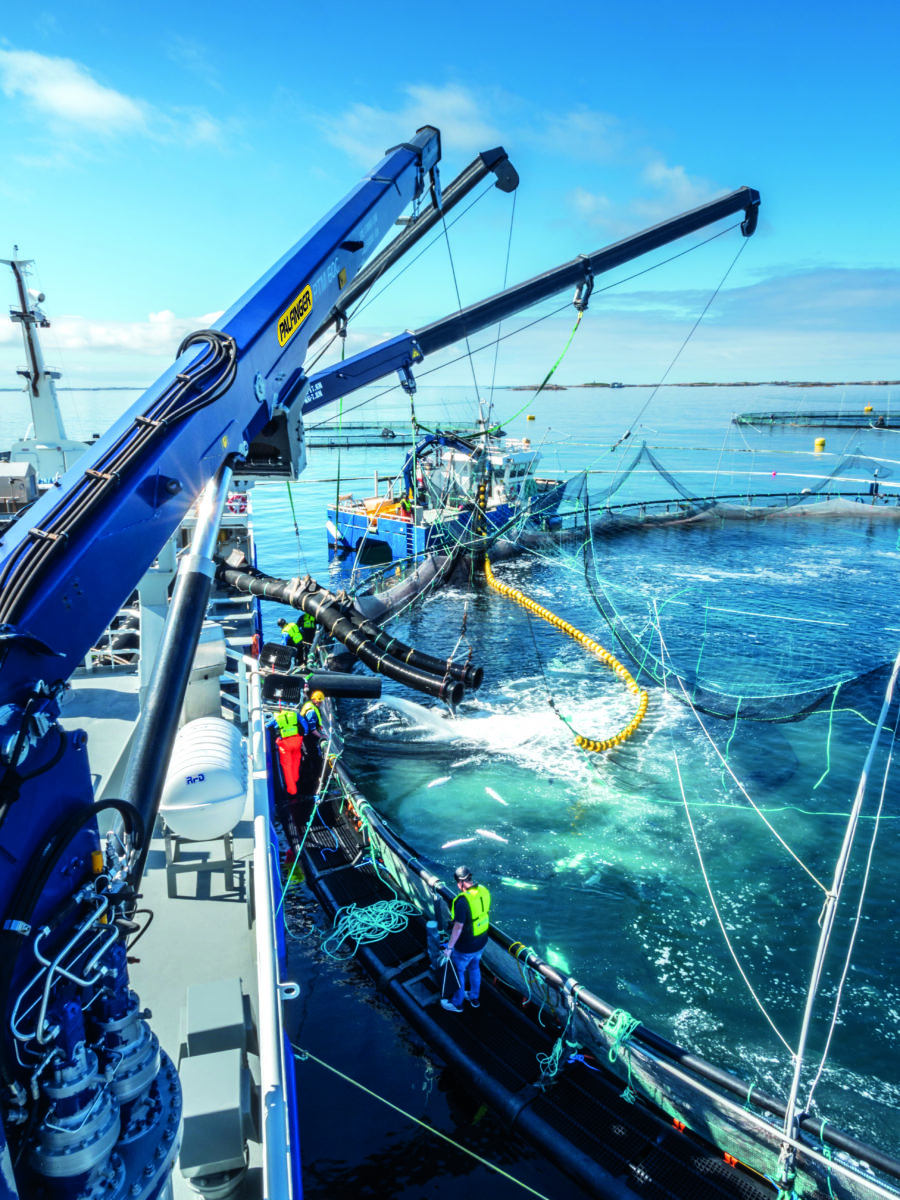
- Area: Hydraulic system fluid contamination and leakage pointsCheck: Inspect all hydraulic connections, hose assemblies, and seal integrity; verify fluid color and condition; check pressure gauges for normal operation; document any seepage or evidence of past leaks
- Area: Load-bearing structure integrity and corrosion damageCheck: Visually inspect boom, pedestal, and structural welds for cracks, fatigue damage, and corrosion; perform NDT testing (ultrasonic or UT) on critical welds; verify paint/coating integrity in marine environment
- Area: Wire rope condition, wear, and termination strengthCheck: Examine wire rope for kinks, broken wires, corrosion, and abrasion; verify diameter loss is within limits; inspect terminations (shackles, splices) for proper attachment and fatigue cracks; conduct proof load test as per class requirements
- Area: Hook block and load-bearing attachment certificationCheck: Verify hook block is properly marked with SWL and proof load; inspect for cracks, bending, or wear; confirm certification plate matches crane model and capacity; test mechanical properties of attachment point
- Area: Control system responsiveness and emergency stop functionalityCheck: Activate emergency stop button and verify crane stops immediately; test all motion controls (hoist, luff, slew) for smooth operation and proper load limiting; verify sensors and limit switches are functional; confirm radio remote control batteries and signal strength (if applicable)
Typ-universelle Inspektionspunkte fuer Deck Cranes (verifiziert, 2026-06).
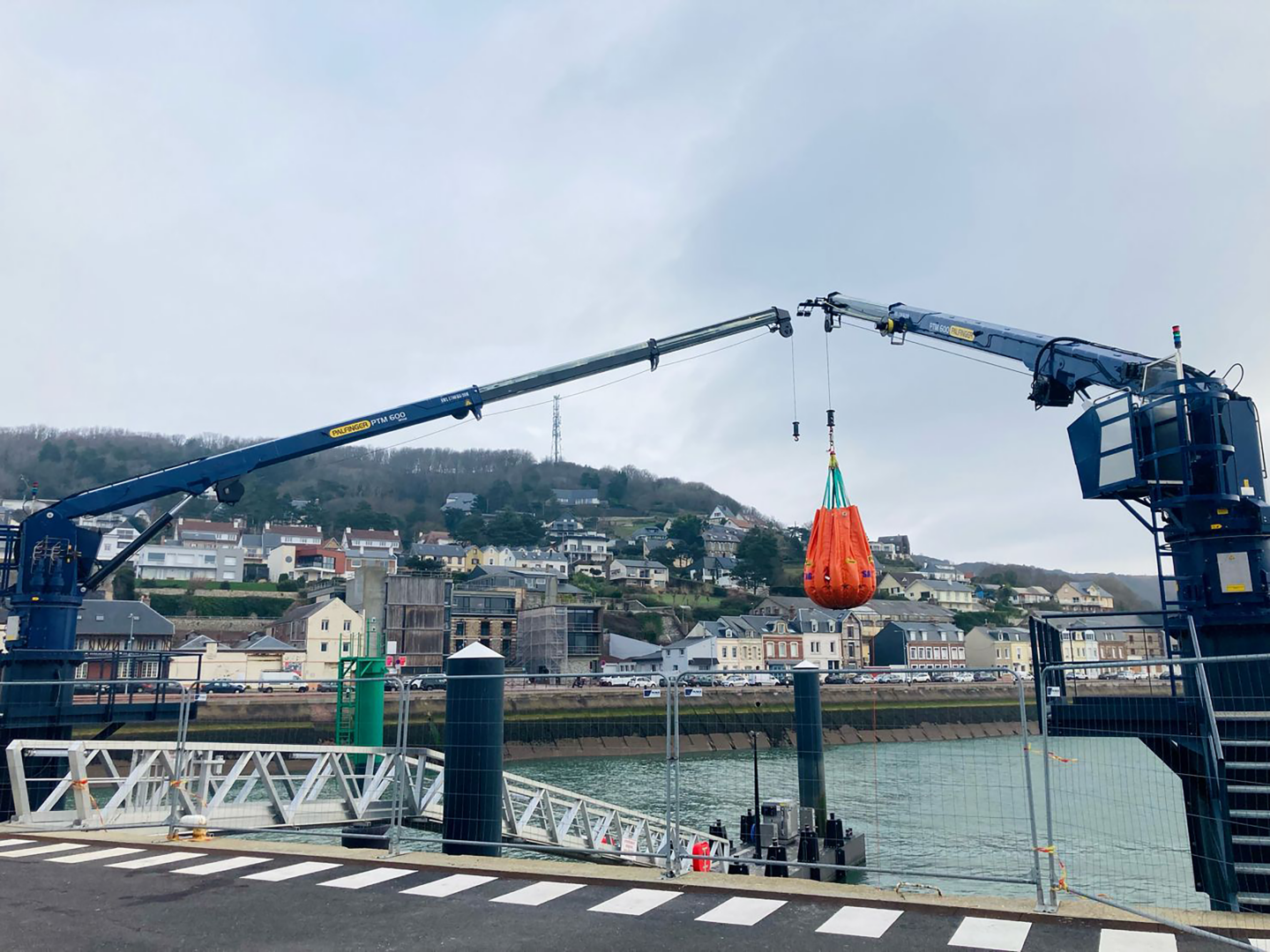
- Area: Hydraulic system fluid contamination and leakage pointsCheck: Inspect all hydraulic connections, hose assemblies, and seal integrity; verify fluid color and condition; check pressure gauges for normal operation; document any seepage or evidence of past leaks
- Area: Load-bearing structure integrity and corrosion damageCheck: Visually inspect boom, pedestal, and structural welds for cracks, fatigue damage, and corrosion; perform NDT testing (ultrasonic or UT) on critical welds; verify paint/coating integrity in marine environment
- Area: Wire rope condition, wear, and termination strengthCheck: Examine wire rope for kinks, broken wires, corrosion, and abrasion; verify diameter loss is within limits; inspect terminations (shackles, splices) for proper attachment and fatigue cracks; conduct proof load test as per class requirements
- Area: Hook block and load-bearing attachment certificationCheck: Verify hook block is properly marked with SWL and proof load; inspect for cracks, bending, or wear; confirm certification plate matches crane model and capacity; test mechanical properties of attachment point
- Area: Control system responsiveness and emergency stop functionalityCheck: Activate emergency stop button and verify crane stops immediately; test all motion controls (hoist, luff, slew) for smooth operation and proper load limiting; verify sensors and limit switches are functional; confirm radio remote control batteries and signal strength (if applicable)
Typ-universelle Inspektionspunkte fuer Deck Cranes (verifiziert, 2026-06).
- Area: Hydraulic system fluid contamination and leakage pointsCheck: Inspect all hydraulic connections, hose assemblies, and seal integrity; verify fluid color and condition; check pressure gauges for normal operation; document any seepage or evidence of past leaks
- Area: Load-bearing structure integrity and corrosion damageCheck: Visually inspect boom, pedestal, and structural welds for cracks, fatigue damage, and corrosion; perform NDT testing (ultrasonic or UT) on critical welds; verify paint/coating integrity in marine environment
- Area: Wire rope condition, wear, and termination strengthCheck: Examine wire rope for kinks, broken wires, corrosion, and abrasion; verify diameter loss is within limits; inspect terminations (shackles, splices) for proper attachment and fatigue cracks; conduct proof load test as per class requirements
- Area: Hook block and load-bearing attachment certificationCheck: Verify hook block is properly marked with SWL and proof load; inspect for cracks, bending, or wear; confirm certification plate matches crane model and capacity; test mechanical properties of attachment point
- Area: Control system responsiveness and emergency stop functionalityCheck: Activate emergency stop button and verify crane stops immediately; test all motion controls (hoist, luff, slew) for smooth operation and proper load limiting; verify sensors and limit switches are functional; confirm radio remote control batteries and signal strength (if applicable)
Typ-universelle Inspektionspunkte fuer Deck Cranes (verifiziert, 2026-06).
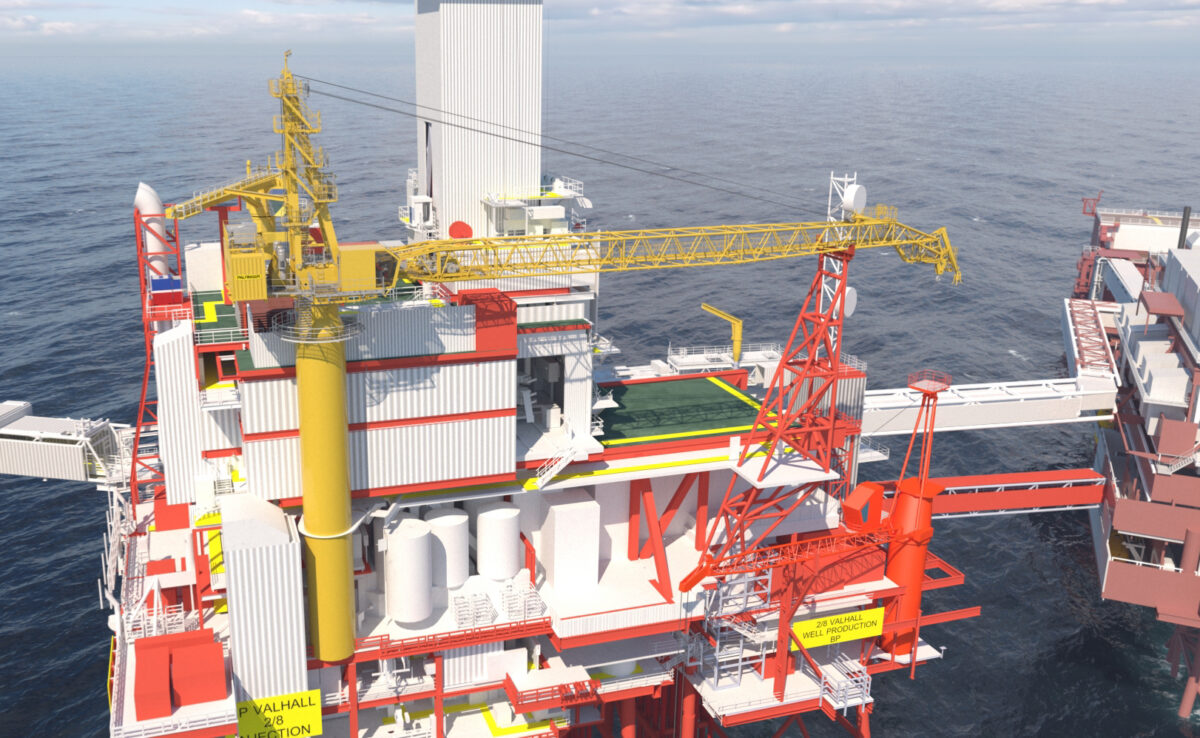
- Area: Hydraulic system fluid contamination and leakage pointsCheck: Inspect all hydraulic connections, hose assemblies, and seal integrity; verify fluid color and condition; check pressure gauges for normal operation; document any seepage or evidence of past leaks
- Area: Load-bearing structure integrity and corrosion damageCheck: Visually inspect boom, pedestal, and structural welds for cracks, fatigue damage, and corrosion; perform NDT testing (ultrasonic or UT) on critical welds; verify paint/coating integrity in marine environment
- Area: Wire rope condition, wear, and termination strengthCheck: Examine wire rope for kinks, broken wires, corrosion, and abrasion; verify diameter loss is within limits; inspect terminations (shackles, splices) for proper attachment and fatigue cracks; conduct proof load test as per class requirements
- Area: Hook block and load-bearing attachment certificationCheck: Verify hook block is properly marked with SWL and proof load; inspect for cracks, bending, or wear; confirm certification plate matches crane model and capacity; test mechanical properties of attachment point
- Area: Control system responsiveness and emergency stop functionalityCheck: Activate emergency stop button and verify crane stops immediately; test all motion controls (hoist, luff, slew) for smooth operation and proper load limiting; verify sensors and limit switches are functional; confirm radio remote control batteries and signal strength (if applicable)
Typ-universelle Inspektionspunkte fuer Deck Cranes (verifiziert, 2026-06).
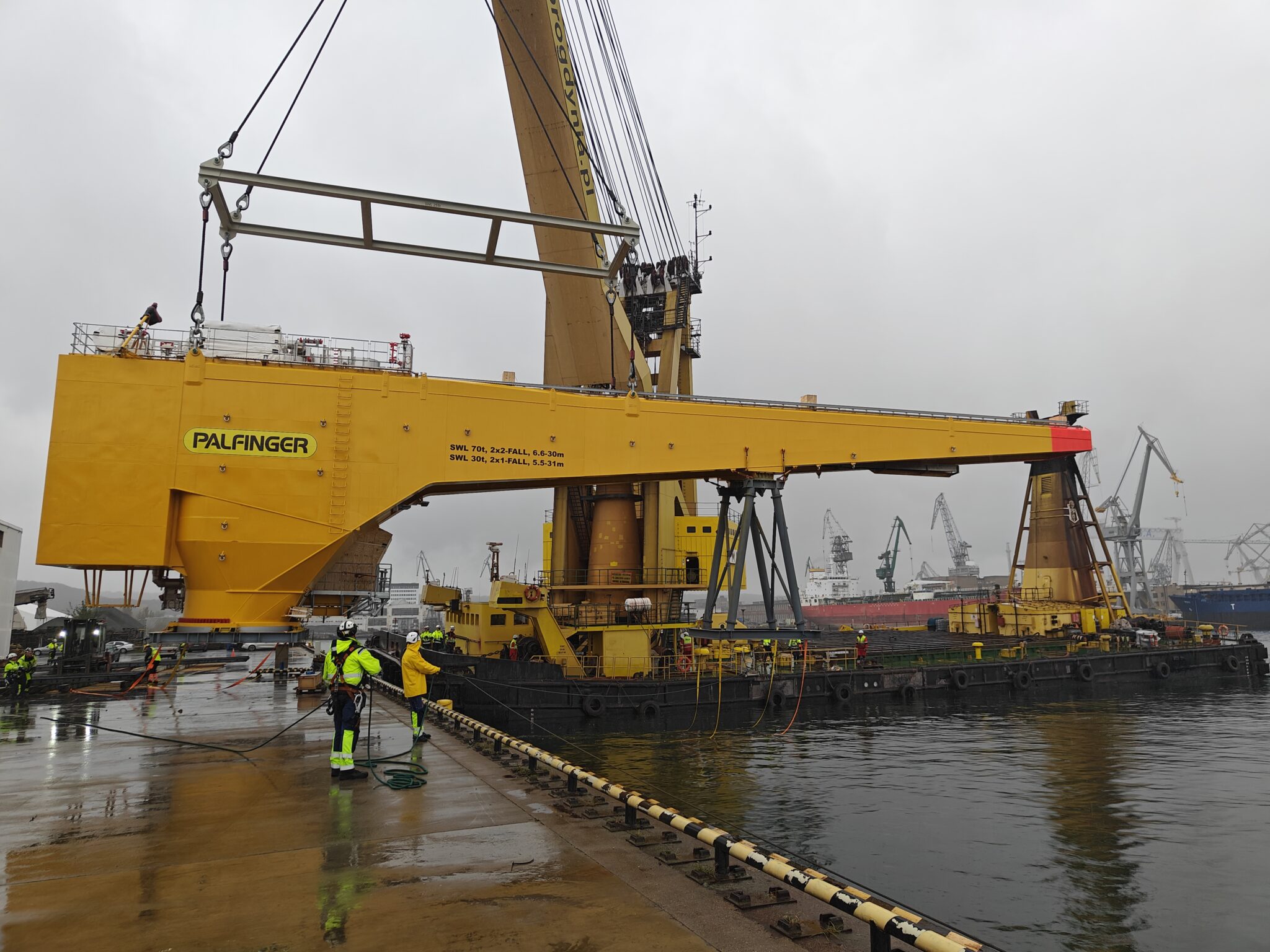
- Area: Hydraulic system fluid contamination and leakage pointsCheck: Inspect all hydraulic connections, hose assemblies, and seal integrity; verify fluid color and condition; check pressure gauges for normal operation; document any seepage or evidence of past leaks
- Area: Load-bearing structure integrity and corrosion damageCheck: Visually inspect boom, pedestal, and structural welds for cracks, fatigue damage, and corrosion; perform NDT testing (ultrasonic or UT) on critical welds; verify paint/coating integrity in marine environment
- Area: Wire rope condition, wear, and termination strengthCheck: Examine wire rope for kinks, broken wires, corrosion, and abrasion; verify diameter loss is within limits; inspect terminations (shackles, splices) for proper attachment and fatigue cracks; conduct proof load test as per class requirements
- Area: Hook block and load-bearing attachment certificationCheck: Verify hook block is properly marked with SWL and proof load; inspect for cracks, bending, or wear; confirm certification plate matches crane model and capacity; test mechanical properties of attachment point
- Area: Control system responsiveness and emergency stop functionalityCheck: Activate emergency stop button and verify crane stops immediately; test all motion controls (hoist, luff, slew) for smooth operation and proper load limiting; verify sensors and limit switches are functional; confirm radio remote control batteries and signal strength (if applicable)
Typ-universelle Inspektionspunkte fuer Deck Cranes (verifiziert, 2026-06).
- Area: Structural inspection of boom, jib, and pedestal for cracks, corrosion, deformation, and weld integrity (per EN 13852 / API 2C / NORSOK R-002)Check: Structural inspection of boom, jib, and pedestal for cracks, corrosion, deformation, and weld integrity (per EN 13852 / API 2C / NORSOK R-002)
- Area: Wire rope and sheave inspection: check for broken wires, kinks, wear, correct spooling on drum, and wire termination integrityCheck: Wire rope and sheave inspection: check for broken wires, kinks, wear, correct spooling on drum, and wire termination integrity
- Area: Hydraulic system check: oil level, hose condition (abrasion, leaks, fittings), pump pressure test, relief valve calibration, and cylinder seal integrityCheck: Hydraulic system check: oil level, hose condition (abrasion, leaks, fittings), pump pressure test, relief valve calibration, and cylinder seal integrity
- Area: Slewing ring and slewing gear inspection: lubrication, backlash measurement, bolt torque verification, gear tooth wearCheck: Slewing ring and slewing gear inspection: lubrication, backlash measurement, bolt torque verification, gear tooth wear
- Area: Load testing and SWL verification: periodic proof load test at 110–125% SWL, functional test of overload protection and load-limiting devicesCheck: Load testing and SWL verification: periodic proof load test at 110–125% SWL, functional test of overload protection and load-limiting devices
- Area: Hook, swivel, and block inspection: wear, deformation, safety latch function, crack testing on hook body (NDT as required by class)Check: Hook, swivel, and block inspection: wear, deformation, safety latch function, crack testing on hook body (NDT as required by class)
- Area: Brake systems check: hoisting, luffing, and slewing brakes — test function, check pad/disc wear, verify fail-safe operationCheck: Brake systems check: hoisting, luffing, and slewing brakes — test function, check pad/disc wear, verify fail-safe operation
- Area: Electrical and control systems check: limit switches (hoist upper/lower, slewing), emergency stop function, pendant/remote control operability, corrosion protecCheck: Electrical and control systems check: limit switches (hoist upper/lower, slewing), emergency stop function, pendant/remote control operability, corrosion protection of enclosures
Typ-universelle Inspektionspunkte fuer Deck Cranes (verifiziert, 2026-06).
- Area: Structural inspection of boom, jib, and pedestal for cracks, corrosion, deformation, and weld integrity (per EN 13852 / API 2C / NORSOK R-002)Check: Structural inspection of boom, jib, and pedestal for cracks, corrosion, deformation, and weld integrity (per EN 13852 / API 2C / NORSOK R-002)
- Area: Wire rope and sheave inspection: check for broken wires, kinks, wear, correct spooling on drum, and wire termination integrityCheck: Wire rope and sheave inspection: check for broken wires, kinks, wear, correct spooling on drum, and wire termination integrity
- Area: Hydraulic system check: oil level, hose condition (abrasion, leaks, fittings), pump pressure test, relief valve calibration, and cylinder seal integrityCheck: Hydraulic system check: oil level, hose condition (abrasion, leaks, fittings), pump pressure test, relief valve calibration, and cylinder seal integrity
- Area: Slewing ring and slewing gear inspection: lubrication, backlash measurement, bolt torque verification, gear tooth wearCheck: Slewing ring and slewing gear inspection: lubrication, backlash measurement, bolt torque verification, gear tooth wear
- Area: Load testing and SWL verification: periodic proof load test at 110–125% SWL, functional test of overload protection and load-limiting devicesCheck: Load testing and SWL verification: periodic proof load test at 110–125% SWL, functional test of overload protection and load-limiting devices
- Area: Hook, swivel, and block inspection: wear, deformation, safety latch function, crack testing on hook body (NDT as required by class)Check: Hook, swivel, and block inspection: wear, deformation, safety latch function, crack testing on hook body (NDT as required by class)
- Area: Brake systems check: hoisting, luffing, and slewing brakes — test function, check pad/disc wear, verify fail-safe operationCheck: Brake systems check: hoisting, luffing, and slewing brakes — test function, check pad/disc wear, verify fail-safe operation
- Area: Electrical and control systems check: limit switches (hoist upper/lower, slewing), emergency stop function, pendant/remote control operability, corrosion protecCheck: Electrical and control systems check: limit switches (hoist upper/lower, slewing), emergency stop function, pendant/remote control operability, corrosion protection of enclosures
Typ-universelle Inspektionspunkte fuer Deck Cranes (verifiziert, 2026-06).
- Area: Structural inspection of boom, jib, and pedestal for cracks, corrosion, deformation, and weld integrity (per EN 13852 / API 2C / NORSOK R-002)Check: Structural inspection of boom, jib, and pedestal for cracks, corrosion, deformation, and weld integrity (per EN 13852 / API 2C / NORSOK R-002)
- Area: Wire rope and sheave inspection: check for broken wires, kinks, wear, correct spooling on drum, and wire termination integrityCheck: Wire rope and sheave inspection: check for broken wires, kinks, wear, correct spooling on drum, and wire termination integrity
- Area: Hydraulic system check: oil level, hose condition (abrasion, leaks, fittings), pump pressure test, relief valve calibration, and cylinder seal integrityCheck: Hydraulic system check: oil level, hose condition (abrasion, leaks, fittings), pump pressure test, relief valve calibration, and cylinder seal integrity
- Area: Slewing ring and slewing gear inspection: lubrication, backlash measurement, bolt torque verification, gear tooth wearCheck: Slewing ring and slewing gear inspection: lubrication, backlash measurement, bolt torque verification, gear tooth wear
- Area: Load testing and SWL verification: periodic proof load test at 110–125% SWL, functional test of overload protection and load-limiting devicesCheck: Load testing and SWL verification: periodic proof load test at 110–125% SWL, functional test of overload protection and load-limiting devices
- Area: Hook, swivel, and block inspection: wear, deformation, safety latch function, crack testing on hook body (NDT as required by class)Check: Hook, swivel, and block inspection: wear, deformation, safety latch function, crack testing on hook body (NDT as required by class)
- Area: Brake systems check: hoisting, luffing, and slewing brakes — test function, check pad/disc wear, verify fail-safe operationCheck: Brake systems check: hoisting, luffing, and slewing brakes — test function, check pad/disc wear, verify fail-safe operation
- Area: Electrical and control systems check: limit switches (hoist upper/lower, slewing), emergency stop function, pendant/remote control operability, corrosion protecCheck: Electrical and control systems check: limit switches (hoist upper/lower, slewing), emergency stop function, pendant/remote control operability, corrosion protection of enclosures
Typ-universelle Inspektionspunkte fuer Deck Cranes (verifiziert, 2026-06).
- Area: Structural inspection of boom, jib, and pedestal for cracks, corrosion, deformation, and weld integrity (per EN 13852 / API 2C / NORSOK R-002)Check: Structural inspection of boom, jib, and pedestal for cracks, corrosion, deformation, and weld integrity (per EN 13852 / API 2C / NORSOK R-002)
- Area: Wire rope and sheave inspection: check for broken wires, kinks, wear, correct spooling on drum, and wire termination integrityCheck: Wire rope and sheave inspection: check for broken wires, kinks, wear, correct spooling on drum, and wire termination integrity
- Area: Hydraulic system check: oil level, hose condition (abrasion, leaks, fittings), pump pressure test, relief valve calibration, and cylinder seal integrityCheck: Hydraulic system check: oil level, hose condition (abrasion, leaks, fittings), pump pressure test, relief valve calibration, and cylinder seal integrity
- Area: Slewing ring and slewing gear inspection: lubrication, backlash measurement, bolt torque verification, gear tooth wearCheck: Slewing ring and slewing gear inspection: lubrication, backlash measurement, bolt torque verification, gear tooth wear
- Area: Load testing and SWL verification: periodic proof load test at 110–125% SWL, functional test of overload protection and load-limiting devicesCheck: Load testing and SWL verification: periodic proof load test at 110–125% SWL, functional test of overload protection and load-limiting devices
- Area: Hook, swivel, and block inspection: wear, deformation, safety latch function, crack testing on hook body (NDT as required by class)Check: Hook, swivel, and block inspection: wear, deformation, safety latch function, crack testing on hook body (NDT as required by class)
- Area: Brake systems check: hoisting, luffing, and slewing brakes — test function, check pad/disc wear, verify fail-safe operationCheck: Brake systems check: hoisting, luffing, and slewing brakes — test function, check pad/disc wear, verify fail-safe operation
- Area: Electrical and control systems check: limit switches (hoist upper/lower, slewing), emergency stop function, pendant/remote control operability, corrosion protecCheck: Electrical and control systems check: limit switches (hoist upper/lower, slewing), emergency stop function, pendant/remote control operability, corrosion protection of enclosures
Typ-universelle Inspektionspunkte fuer Deck Cranes (verifiziert, 2026-06).
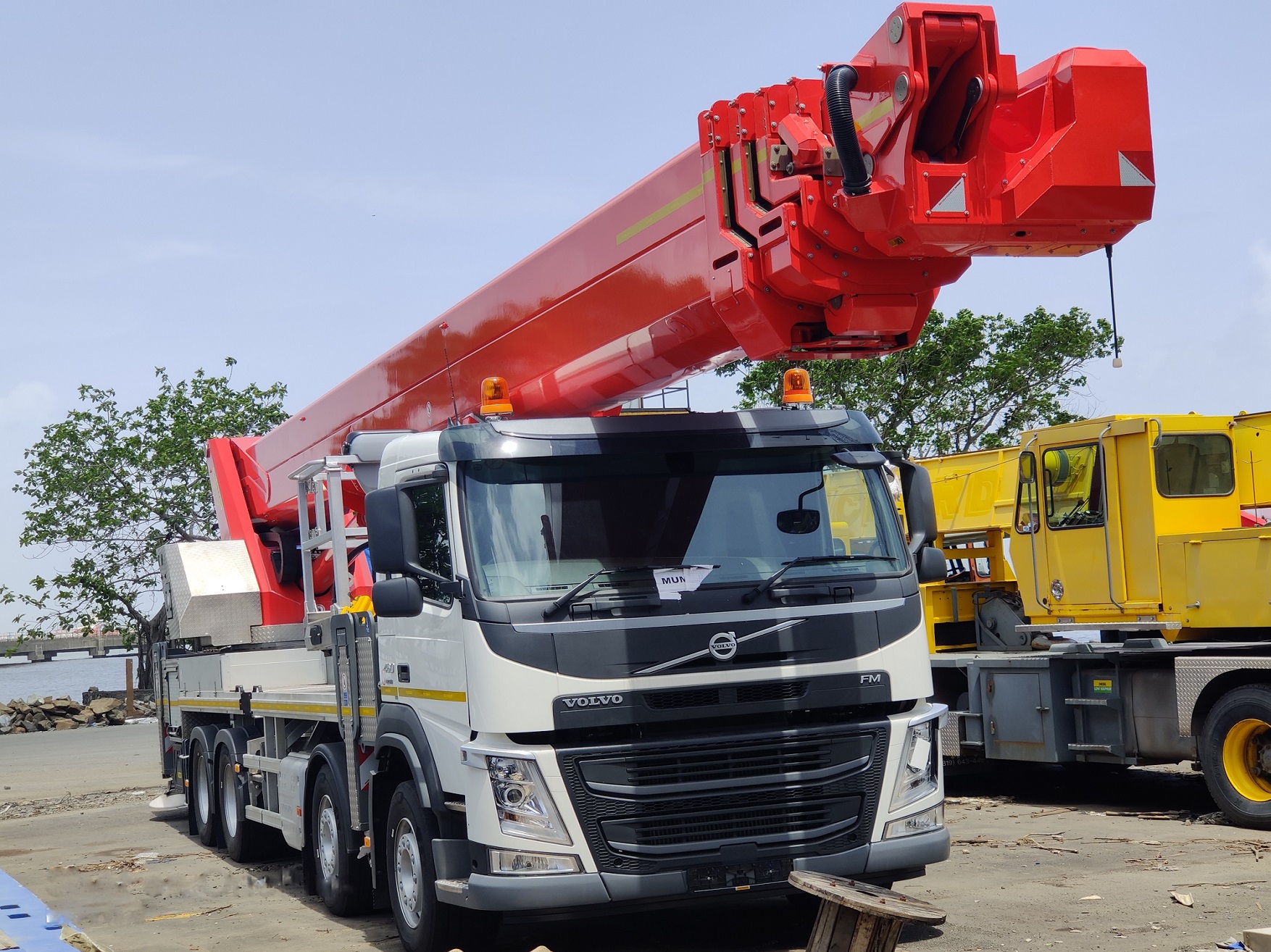
- Area: Structural inspection of boom, jib, and pedestal for cracks, corrosion, deformation, and weld integrity (per EN 13852 / API 2C / NORSOK R-002)Check: Structural inspection of boom, jib, and pedestal for cracks, corrosion, deformation, and weld integrity (per EN 13852 / API 2C / NORSOK R-002)
- Area: Wire rope and sheave inspection: check for broken wires, kinks, wear, correct spooling on drum, and wire termination integrityCheck: Wire rope and sheave inspection: check for broken wires, kinks, wear, correct spooling on drum, and wire termination integrity
- Area: Hydraulic system check: oil level, hose condition (abrasion, leaks, fittings), pump pressure test, relief valve calibration, and cylinder seal integrityCheck: Hydraulic system check: oil level, hose condition (abrasion, leaks, fittings), pump pressure test, relief valve calibration, and cylinder seal integrity
- Area: Slewing ring and slewing gear inspection: lubrication, backlash measurement, bolt torque verification, gear tooth wearCheck: Slewing ring and slewing gear inspection: lubrication, backlash measurement, bolt torque verification, gear tooth wear
- Area: Load testing and SWL verification: periodic proof load test at 110–125% SWL, functional test of overload protection and load-limiting devicesCheck: Load testing and SWL verification: periodic proof load test at 110–125% SWL, functional test of overload protection and load-limiting devices
- Area: Hook, swivel, and block inspection: wear, deformation, safety latch function, crack testing on hook body (NDT as required by class)Check: Hook, swivel, and block inspection: wear, deformation, safety latch function, crack testing on hook body (NDT as required by class)
- Area: Brake systems check: hoisting, luffing, and slewing brakes — test function, check pad/disc wear, verify fail-safe operationCheck: Brake systems check: hoisting, luffing, and slewing brakes — test function, check pad/disc wear, verify fail-safe operation
- Area: Electrical and control systems check: limit switches (hoist upper/lower, slewing), emergency stop function, pendant/remote control operability, corrosion protecCheck: Electrical and control systems check: limit switches (hoist upper/lower, slewing), emergency stop function, pendant/remote control operability, corrosion protection of enclosures
Typ-universelle Inspektionspunkte fuer Deck Cranes (verifiziert, 2026-06).
- Area: Structural inspection of boom, jib, and pedestal for cracks, corrosion, deformation, and weld integrity (per EN 13852 / API 2C / NORSOK R-002)Check: Structural inspection of boom, jib, and pedestal for cracks, corrosion, deformation, and weld integrity (per EN 13852 / API 2C / NORSOK R-002)
- Area: Wire rope and sheave inspection: check for broken wires, kinks, wear, correct spooling on drum, and wire termination integrityCheck: Wire rope and sheave inspection: check for broken wires, kinks, wear, correct spooling on drum, and wire termination integrity
- Area: Hydraulic system check: oil level, hose condition (abrasion, leaks, fittings), pump pressure test, relief valve calibration, and cylinder seal integrityCheck: Hydraulic system check: oil level, hose condition (abrasion, leaks, fittings), pump pressure test, relief valve calibration, and cylinder seal integrity
- Area: Slewing ring and slewing gear inspection: lubrication, backlash measurement, bolt torque verification, gear tooth wearCheck: Slewing ring and slewing gear inspection: lubrication, backlash measurement, bolt torque verification, gear tooth wear
- Area: Load testing and SWL verification: periodic proof load test at 110–125% SWL, functional test of overload protection and load-limiting devicesCheck: Load testing and SWL verification: periodic proof load test at 110–125% SWL, functional test of overload protection and load-limiting devices
- Area: Hook, swivel, and block inspection: wear, deformation, safety latch function, crack testing on hook body (NDT as required by class)Check: Hook, swivel, and block inspection: wear, deformation, safety latch function, crack testing on hook body (NDT as required by class)
- Area: Brake systems check: hoisting, luffing, and slewing brakes — test function, check pad/disc wear, verify fail-safe operationCheck: Brake systems check: hoisting, luffing, and slewing brakes — test function, check pad/disc wear, verify fail-safe operation
- Area: Electrical and control systems check: limit switches (hoist upper/lower, slewing), emergency stop function, pendant/remote control operability, corrosion protecCheck: Electrical and control systems check: limit switches (hoist upper/lower, slewing), emergency stop function, pendant/remote control operability, corrosion protection of enclosures
Typ-universelle Inspektionspunkte fuer Deck Cranes (verifiziert, 2026-06).

- Area: Structural inspection of boom, jib, and pedestal for cracks, corrosion, deformation, and weld integrity (per EN 13852 / API 2C / NORSOK R-002)Check: Structural inspection of boom, jib, and pedestal for cracks, corrosion, deformation, and weld integrity (per EN 13852 / API 2C / NORSOK R-002)
- Area: Wire rope and sheave inspection: check for broken wires, kinks, wear, correct spooling on drum, and wire termination integrityCheck: Wire rope and sheave inspection: check for broken wires, kinks, wear, correct spooling on drum, and wire termination integrity
- Area: Hydraulic system check: oil level, hose condition (abrasion, leaks, fittings), pump pressure test, relief valve calibration, and cylinder seal integrityCheck: Hydraulic system check: oil level, hose condition (abrasion, leaks, fittings), pump pressure test, relief valve calibration, and cylinder seal integrity
- Area: Slewing ring and slewing gear inspection: lubrication, backlash measurement, bolt torque verification, gear tooth wearCheck: Slewing ring and slewing gear inspection: lubrication, backlash measurement, bolt torque verification, gear tooth wear
- Area: Load testing and SWL verification: periodic proof load test at 110–125% SWL, functional test of overload protection and load-limiting devicesCheck: Load testing and SWL verification: periodic proof load test at 110–125% SWL, functional test of overload protection and load-limiting devices
- Area: Hook, swivel, and block inspection: wear, deformation, safety latch function, crack testing on hook body (NDT as required by class)Check: Hook, swivel, and block inspection: wear, deformation, safety latch function, crack testing on hook body (NDT as required by class)
- Area: Brake systems check: hoisting, luffing, and slewing brakes — test function, check pad/disc wear, verify fail-safe operationCheck: Brake systems check: hoisting, luffing, and slewing brakes — test function, check pad/disc wear, verify fail-safe operation
- Area: Electrical and control systems check: limit switches (hoist upper/lower, slewing), emergency stop function, pendant/remote control operability, corrosion protecCheck: Electrical and control systems check: limit switches (hoist upper/lower, slewing), emergency stop function, pendant/remote control operability, corrosion protection of enclosures
Typ-universelle Inspektionspunkte fuer Deck Cranes (verifiziert, 2026-06).
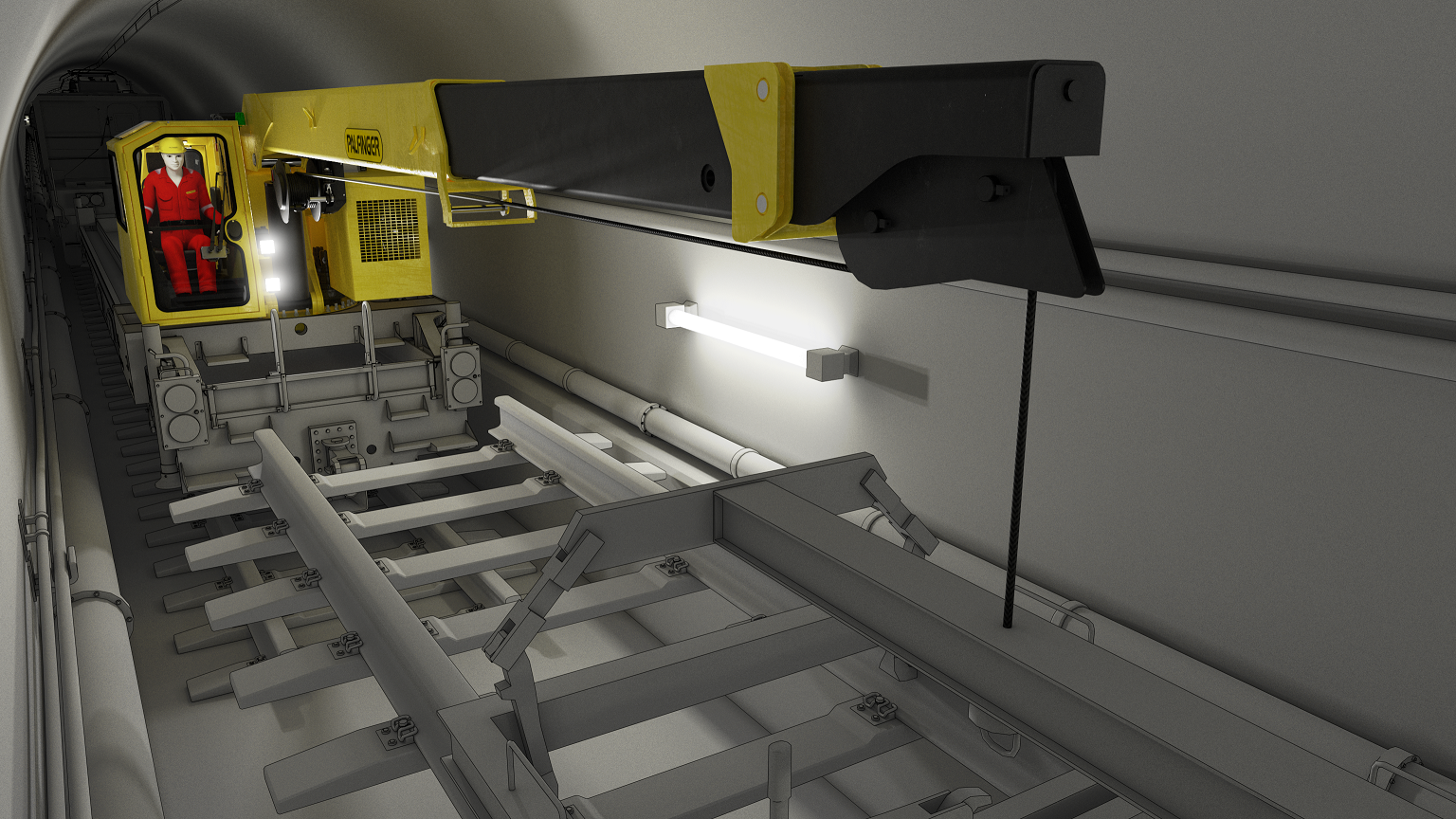
- Area: Structural inspection of boom, jib, and pedestal for cracks, corrosion, deformation, and weld integrity (per EN 13852 / API 2C / NORSOK R-002)Check: Structural inspection of boom, jib, and pedestal for cracks, corrosion, deformation, and weld integrity (per EN 13852 / API 2C / NORSOK R-002)
- Area: Wire rope and sheave inspection: check for broken wires, kinks, wear, correct spooling on drum, and wire termination integrityCheck: Wire rope and sheave inspection: check for broken wires, kinks, wear, correct spooling on drum, and wire termination integrity
- Area: Hydraulic system check: oil level, hose condition (abrasion, leaks, fittings), pump pressure test, relief valve calibration, and cylinder seal integrityCheck: Hydraulic system check: oil level, hose condition (abrasion, leaks, fittings), pump pressure test, relief valve calibration, and cylinder seal integrity
- Area: Slewing ring and slewing gear inspection: lubrication, backlash measurement, bolt torque verification, gear tooth wearCheck: Slewing ring and slewing gear inspection: lubrication, backlash measurement, bolt torque verification, gear tooth wear
- Area: Load testing and SWL verification: periodic proof load test at 110–125% SWL, functional test of overload protection and load-limiting devicesCheck: Load testing and SWL verification: periodic proof load test at 110–125% SWL, functional test of overload protection and load-limiting devices
- Area: Hook, swivel, and block inspection: wear, deformation, safety latch function, crack testing on hook body (NDT as required by class)Check: Hook, swivel, and block inspection: wear, deformation, safety latch function, crack testing on hook body (NDT as required by class)
- Area: Brake systems check: hoisting, luffing, and slewing brakes — test function, check pad/disc wear, verify fail-safe operationCheck: Brake systems check: hoisting, luffing, and slewing brakes — test function, check pad/disc wear, verify fail-safe operation
- Area: Electrical and control systems check: limit switches (hoist upper/lower, slewing), emergency stop function, pendant/remote control operability, corrosion protecCheck: Electrical and control systems check: limit switches (hoist upper/lower, slewing), emergency stop function, pendant/remote control operability, corrosion protection of enclosures
Typ-universelle Inspektionspunkte fuer Deck Cranes (verifiziert, 2026-06).
- Area: Structural inspection of boom, jib, and pedestal for cracks, corrosion, deformation, and weld integrity (per EN 13852 / API 2C / NORSOK R-002)Check: Structural inspection of boom, jib, and pedestal for cracks, corrosion, deformation, and weld integrity (per EN 13852 / API 2C / NORSOK R-002)
- Area: Wire rope and sheave inspection: check for broken wires, kinks, wear, correct spooling on drum, and wire termination integrityCheck: Wire rope and sheave inspection: check for broken wires, kinks, wear, correct spooling on drum, and wire termination integrity
- Area: Hydraulic system check: oil level, hose condition (abrasion, leaks, fittings), pump pressure test, relief valve calibration, and cylinder seal integrityCheck: Hydraulic system check: oil level, hose condition (abrasion, leaks, fittings), pump pressure test, relief valve calibration, and cylinder seal integrity
- Area: Slewing ring and slewing gear inspection: lubrication, backlash measurement, bolt torque verification, gear tooth wearCheck: Slewing ring and slewing gear inspection: lubrication, backlash measurement, bolt torque verification, gear tooth wear
- Area: Load testing and SWL verification: periodic proof load test at 110–125% SWL, functional test of overload protection and load-limiting devicesCheck: Load testing and SWL verification: periodic proof load test at 110–125% SWL, functional test of overload protection and load-limiting devices
- Area: Hook, swivel, and block inspection: wear, deformation, safety latch function, crack testing on hook body (NDT as required by class)Check: Hook, swivel, and block inspection: wear, deformation, safety latch function, crack testing on hook body (NDT as required by class)
- Area: Brake systems check: hoisting, luffing, and slewing brakes — test function, check pad/disc wear, verify fail-safe operationCheck: Brake systems check: hoisting, luffing, and slewing brakes — test function, check pad/disc wear, verify fail-safe operation
- Area: Electrical and control systems check: limit switches (hoist upper/lower, slewing), emergency stop function, pendant/remote control operability, corrosion protecCheck: Electrical and control systems check: limit switches (hoist upper/lower, slewing), emergency stop function, pendant/remote control operability, corrosion protection of enclosures
Typ-universelle Inspektionspunkte fuer Deck Cranes (verifiziert, 2026-06).
- Area: Structural inspection of boom, jib, and pedestal for cracks, corrosion, deformation, and weld integrity (per EN 13852 / API 2C / NORSOK R-002)Check: Structural inspection of boom, jib, and pedestal for cracks, corrosion, deformation, and weld integrity (per EN 13852 / API 2C / NORSOK R-002)
- Area: Wire rope and sheave inspection: check for broken wires, kinks, wear, correct spooling on drum, and wire termination integrityCheck: Wire rope and sheave inspection: check for broken wires, kinks, wear, correct spooling on drum, and wire termination integrity
- Area: Hydraulic system check: oil level, hose condition (abrasion, leaks, fittings), pump pressure test, relief valve calibration, and cylinder seal integrityCheck: Hydraulic system check: oil level, hose condition (abrasion, leaks, fittings), pump pressure test, relief valve calibration, and cylinder seal integrity
- Area: Slewing ring and slewing gear inspection: lubrication, backlash measurement, bolt torque verification, gear tooth wearCheck: Slewing ring and slewing gear inspection: lubrication, backlash measurement, bolt torque verification, gear tooth wear
- Area: Load testing and SWL verification: periodic proof load test at 110–125% SWL, functional test of overload protection and load-limiting devicesCheck: Load testing and SWL verification: periodic proof load test at 110–125% SWL, functional test of overload protection and load-limiting devices
- Area: Hook, swivel, and block inspection: wear, deformation, safety latch function, crack testing on hook body (NDT as required by class)Check: Hook, swivel, and block inspection: wear, deformation, safety latch function, crack testing on hook body (NDT as required by class)
- Area: Brake systems check: hoisting, luffing, and slewing brakes — test function, check pad/disc wear, verify fail-safe operationCheck: Brake systems check: hoisting, luffing, and slewing brakes — test function, check pad/disc wear, verify fail-safe operation
- Area: Electrical and control systems check: limit switches (hoist upper/lower, slewing), emergency stop function, pendant/remote control operability, corrosion protecCheck: Electrical and control systems check: limit switches (hoist upper/lower, slewing), emergency stop function, pendant/remote control operability, corrosion protection of enclosures
Typ-universelle Inspektionspunkte fuer Deck Cranes (verifiziert, 2026-06).
?ts=1772096597543&dpr=off)
- Area: Structural inspection of boom, jib, and pedestal for cracks, corrosion, deformation, and weld integrity (per EN 13852 / API 2C / NORSOK R-002)Check: Structural inspection of boom, jib, and pedestal for cracks, corrosion, deformation, and weld integrity (per EN 13852 / API 2C / NORSOK R-002)
- Area: Wire rope and sheave inspection: check for broken wires, kinks, wear, correct spooling on drum, and wire termination integrityCheck: Wire rope and sheave inspection: check for broken wires, kinks, wear, correct spooling on drum, and wire termination integrity
- Area: Hydraulic system check: oil level, hose condition (abrasion, leaks, fittings), pump pressure test, relief valve calibration, and cylinder seal integrityCheck: Hydraulic system check: oil level, hose condition (abrasion, leaks, fittings), pump pressure test, relief valve calibration, and cylinder seal integrity
- Area: Slewing ring and slewing gear inspection: lubrication, backlash measurement, bolt torque verification, gear tooth wearCheck: Slewing ring and slewing gear inspection: lubrication, backlash measurement, bolt torque verification, gear tooth wear
- Area: Load testing and SWL verification: periodic proof load test at 110–125% SWL, functional test of overload protection and load-limiting devicesCheck: Load testing and SWL verification: periodic proof load test at 110–125% SWL, functional test of overload protection and load-limiting devices
- Area: Hook, swivel, and block inspection: wear, deformation, safety latch function, crack testing on hook body (NDT as required by class)Check: Hook, swivel, and block inspection: wear, deformation, safety latch function, crack testing on hook body (NDT as required by class)
- Area: Brake systems check: hoisting, luffing, and slewing brakes — test function, check pad/disc wear, verify fail-safe operationCheck: Brake systems check: hoisting, luffing, and slewing brakes — test function, check pad/disc wear, verify fail-safe operation
- Area: Electrical and control systems check: limit switches (hoist upper/lower, slewing), emergency stop function, pendant/remote control operability, corrosion protecCheck: Electrical and control systems check: limit switches (hoist upper/lower, slewing), emergency stop function, pendant/remote control operability, corrosion protection of enclosures
Typ-universelle Inspektionspunkte fuer Deck Cranes (verifiziert, 2026-06).

- Area: Structural inspection of boom, jib, and pedestal for cracks, corrosion, deformation, and weld integrity (per EN 13852 / API 2C / NORSOK R-002)Check: Structural inspection of boom, jib, and pedestal for cracks, corrosion, deformation, and weld integrity (per EN 13852 / API 2C / NORSOK R-002)
- Area: Wire rope and sheave inspection: check for broken wires, kinks, wear, correct spooling on drum, and wire termination integrityCheck: Wire rope and sheave inspection: check for broken wires, kinks, wear, correct spooling on drum, and wire termination integrity
- Area: Hydraulic system check: oil level, hose condition (abrasion, leaks, fittings), pump pressure test, relief valve calibration, and cylinder seal integrityCheck: Hydraulic system check: oil level, hose condition (abrasion, leaks, fittings), pump pressure test, relief valve calibration, and cylinder seal integrity
- Area: Slewing ring and slewing gear inspection: lubrication, backlash measurement, bolt torque verification, gear tooth wearCheck: Slewing ring and slewing gear inspection: lubrication, backlash measurement, bolt torque verification, gear tooth wear
- Area: Load testing and SWL verification: periodic proof load test at 110–125% SWL, functional test of overload protection and load-limiting devicesCheck: Load testing and SWL verification: periodic proof load test at 110–125% SWL, functional test of overload protection and load-limiting devices
- Area: Hook, swivel, and block inspection: wear, deformation, safety latch function, crack testing on hook body (NDT as required by class)Check: Hook, swivel, and block inspection: wear, deformation, safety latch function, crack testing on hook body (NDT as required by class)
- Area: Brake systems check: hoisting, luffing, and slewing brakes — test function, check pad/disc wear, verify fail-safe operationCheck: Brake systems check: hoisting, luffing, and slewing brakes — test function, check pad/disc wear, verify fail-safe operation
- Area: Electrical and control systems check: limit switches (hoist upper/lower, slewing), emergency stop function, pendant/remote control operability, corrosion protecCheck: Electrical and control systems check: limit switches (hoist upper/lower, slewing), emergency stop function, pendant/remote control operability, corrosion protection of enclosures
Typ-universelle Inspektionspunkte fuer Deck Cranes (verifiziert, 2026-06).
- Area: Structural inspection of boom, jib, and pedestal for cracks, corrosion, deformation, and weld integrity (per EN 13852 / API 2C / NORSOK R-002)Check: Structural inspection of boom, jib, and pedestal for cracks, corrosion, deformation, and weld integrity (per EN 13852 / API 2C / NORSOK R-002)
- Area: Wire rope and sheave inspection: check for broken wires, kinks, wear, correct spooling on drum, and wire termination integrityCheck: Wire rope and sheave inspection: check for broken wires, kinks, wear, correct spooling on drum, and wire termination integrity
- Area: Hydraulic system check: oil level, hose condition (abrasion, leaks, fittings), pump pressure test, relief valve calibration, and cylinder seal integrityCheck: Hydraulic system check: oil level, hose condition (abrasion, leaks, fittings), pump pressure test, relief valve calibration, and cylinder seal integrity
- Area: Slewing ring and slewing gear inspection: lubrication, backlash measurement, bolt torque verification, gear tooth wearCheck: Slewing ring and slewing gear inspection: lubrication, backlash measurement, bolt torque verification, gear tooth wear
- Area: Load testing and SWL verification: periodic proof load test at 110–125% SWL, functional test of overload protection and load-limiting devicesCheck: Load testing and SWL verification: periodic proof load test at 110–125% SWL, functional test of overload protection and load-limiting devices
- Area: Hook, swivel, and block inspection: wear, deformation, safety latch function, crack testing on hook body (NDT as required by class)Check: Hook, swivel, and block inspection: wear, deformation, safety latch function, crack testing on hook body (NDT as required by class)
- Area: Brake systems check: hoisting, luffing, and slewing brakes — test function, check pad/disc wear, verify fail-safe operationCheck: Brake systems check: hoisting, luffing, and slewing brakes — test function, check pad/disc wear, verify fail-safe operation
- Area: Electrical and control systems check: limit switches (hoist upper/lower, slewing), emergency stop function, pendant/remote control operability, corrosion protecCheck: Electrical and control systems check: limit switches (hoist upper/lower, slewing), emergency stop function, pendant/remote control operability, corrosion protection of enclosures
Typ-universelle Inspektionspunkte fuer Deck Cranes (verifiziert, 2026-06).
- Area: Structural inspection of boom, jib, and pedestal for cracks, corrosion, deformation, and weld integrity (per EN 13852 / API 2C / NORSOK R-002)Check: Structural inspection of boom, jib, and pedestal for cracks, corrosion, deformation, and weld integrity (per EN 13852 / API 2C / NORSOK R-002)
- Area: Wire rope and sheave inspection: check for broken wires, kinks, wear, correct spooling on drum, and wire termination integrityCheck: Wire rope and sheave inspection: check for broken wires, kinks, wear, correct spooling on drum, and wire termination integrity
- Area: Hydraulic system check: oil level, hose condition (abrasion, leaks, fittings), pump pressure test, relief valve calibration, and cylinder seal integrityCheck: Hydraulic system check: oil level, hose condition (abrasion, leaks, fittings), pump pressure test, relief valve calibration, and cylinder seal integrity
- Area: Slewing ring and slewing gear inspection: lubrication, backlash measurement, bolt torque verification, gear tooth wearCheck: Slewing ring and slewing gear inspection: lubrication, backlash measurement, bolt torque verification, gear tooth wear
- Area: Load testing and SWL verification: periodic proof load test at 110–125% SWL, functional test of overload protection and load-limiting devicesCheck: Load testing and SWL verification: periodic proof load test at 110–125% SWL, functional test of overload protection and load-limiting devices
- Area: Hook, swivel, and block inspection: wear, deformation, safety latch function, crack testing on hook body (NDT as required by class)Check: Hook, swivel, and block inspection: wear, deformation, safety latch function, crack testing on hook body (NDT as required by class)
- Area: Brake systems check: hoisting, luffing, and slewing brakes — test function, check pad/disc wear, verify fail-safe operationCheck: Brake systems check: hoisting, luffing, and slewing brakes — test function, check pad/disc wear, verify fail-safe operation
- Area: Electrical and control systems check: limit switches (hoist upper/lower, slewing), emergency stop function, pendant/remote control operability, corrosion protecCheck: Electrical and control systems check: limit switches (hoist upper/lower, slewing), emergency stop function, pendant/remote control operability, corrosion protection of enclosures
Typ-universelle Inspektionspunkte fuer Deck Cranes (verifiziert, 2026-06).
- Area: Structural inspection of boom, jib, and pedestal for cracks, corrosion, deformation, and weld integrity (per EN 13852 / API 2C / NORSOK R-002)Check: Structural inspection of boom, jib, and pedestal for cracks, corrosion, deformation, and weld integrity (per EN 13852 / API 2C / NORSOK R-002)
- Area: Wire rope and sheave inspection: check for broken wires, kinks, wear, correct spooling on drum, and wire termination integrityCheck: Wire rope and sheave inspection: check for broken wires, kinks, wear, correct spooling on drum, and wire termination integrity
- Area: Hydraulic system check: oil level, hose condition (abrasion, leaks, fittings), pump pressure test, relief valve calibration, and cylinder seal integrityCheck: Hydraulic system check: oil level, hose condition (abrasion, leaks, fittings), pump pressure test, relief valve calibration, and cylinder seal integrity
- Area: Slewing ring and slewing gear inspection: lubrication, backlash measurement, bolt torque verification, gear tooth wearCheck: Slewing ring and slewing gear inspection: lubrication, backlash measurement, bolt torque verification, gear tooth wear
- Area: Load testing and SWL verification: periodic proof load test at 110–125% SWL, functional test of overload protection and load-limiting devicesCheck: Load testing and SWL verification: periodic proof load test at 110–125% SWL, functional test of overload protection and load-limiting devices
- Area: Hook, swivel, and block inspection: wear, deformation, safety latch function, crack testing on hook body (NDT as required by class)Check: Hook, swivel, and block inspection: wear, deformation, safety latch function, crack testing on hook body (NDT as required by class)
- Area: Brake systems check: hoisting, luffing, and slewing brakes — test function, check pad/disc wear, verify fail-safe operationCheck: Brake systems check: hoisting, luffing, and slewing brakes — test function, check pad/disc wear, verify fail-safe operation
- Area: Electrical and control systems check: limit switches (hoist upper/lower, slewing), emergency stop function, pendant/remote control operability, corrosion protecCheck: Electrical and control systems check: limit switches (hoist upper/lower, slewing), emergency stop function, pendant/remote control operability, corrosion protection of enclosures
Typ-universelle Inspektionspunkte fuer Deck Cranes (verifiziert, 2026-06).
- Area: Structural inspection of boom, jib, and pedestal for cracks, corrosion, deformation, and weld integrity (per EN 13852 / API 2C / NORSOK R-002)Check: Structural inspection of boom, jib, and pedestal for cracks, corrosion, deformation, and weld integrity (per EN 13852 / API 2C / NORSOK R-002)
- Area: Wire rope and sheave inspection: check for broken wires, kinks, wear, correct spooling on drum, and wire termination integrityCheck: Wire rope and sheave inspection: check for broken wires, kinks, wear, correct spooling on drum, and wire termination integrity
- Area: Hydraulic system check: oil level, hose condition (abrasion, leaks, fittings), pump pressure test, relief valve calibration, and cylinder seal integrityCheck: Hydraulic system check: oil level, hose condition (abrasion, leaks, fittings), pump pressure test, relief valve calibration, and cylinder seal integrity
- Area: Slewing ring and slewing gear inspection: lubrication, backlash measurement, bolt torque verification, gear tooth wearCheck: Slewing ring and slewing gear inspection: lubrication, backlash measurement, bolt torque verification, gear tooth wear
- Area: Load testing and SWL verification: periodic proof load test at 110–125% SWL, functional test of overload protection and load-limiting devicesCheck: Load testing and SWL verification: periodic proof load test at 110–125% SWL, functional test of overload protection and load-limiting devices
- Area: Hook, swivel, and block inspection: wear, deformation, safety latch function, crack testing on hook body (NDT as required by class)Check: Hook, swivel, and block inspection: wear, deformation, safety latch function, crack testing on hook body (NDT as required by class)
- Area: Brake systems check: hoisting, luffing, and slewing brakes — test function, check pad/disc wear, verify fail-safe operationCheck: Brake systems check: hoisting, luffing, and slewing brakes — test function, check pad/disc wear, verify fail-safe operation
- Area: Electrical and control systems check: limit switches (hoist upper/lower, slewing), emergency stop function, pendant/remote control operability, corrosion protecCheck: Electrical and control systems check: limit switches (hoist upper/lower, slewing), emergency stop function, pendant/remote control operability, corrosion protection of enclosures
Typ-universelle Inspektionspunkte fuer Deck Cranes (verifiziert, 2026-06).

- Area: Structural inspection of boom, jib, and pedestal for cracks, corrosion, deformation, and weld integrity (per EN 13852 / API 2C / NORSOK R-002)Check: Structural inspection of boom, jib, and pedestal for cracks, corrosion, deformation, and weld integrity (per EN 13852 / API 2C / NORSOK R-002)
- Area: Wire rope and sheave inspection: check for broken wires, kinks, wear, correct spooling on drum, and wire termination integrityCheck: Wire rope and sheave inspection: check for broken wires, kinks, wear, correct spooling on drum, and wire termination integrity
- Area: Hydraulic system check: oil level, hose condition (abrasion, leaks, fittings), pump pressure test, relief valve calibration, and cylinder seal integrityCheck: Hydraulic system check: oil level, hose condition (abrasion, leaks, fittings), pump pressure test, relief valve calibration, and cylinder seal integrity
- Area: Slewing ring and slewing gear inspection: lubrication, backlash measurement, bolt torque verification, gear tooth wearCheck: Slewing ring and slewing gear inspection: lubrication, backlash measurement, bolt torque verification, gear tooth wear
- Area: Load testing and SWL verification: periodic proof load test at 110–125% SWL, functional test of overload protection and load-limiting devicesCheck: Load testing and SWL verification: periodic proof load test at 110–125% SWL, functional test of overload protection and load-limiting devices
- Area: Hook, swivel, and block inspection: wear, deformation, safety latch function, crack testing on hook body (NDT as required by class)Check: Hook, swivel, and block inspection: wear, deformation, safety latch function, crack testing on hook body (NDT as required by class)
- Area: Brake systems check: hoisting, luffing, and slewing brakes — test function, check pad/disc wear, verify fail-safe operationCheck: Brake systems check: hoisting, luffing, and slewing brakes — test function, check pad/disc wear, verify fail-safe operation
- Area: Electrical and control systems check: limit switches (hoist upper/lower, slewing), emergency stop function, pendant/remote control operability, corrosion protecCheck: Electrical and control systems check: limit switches (hoist upper/lower, slewing), emergency stop function, pendant/remote control operability, corrosion protection of enclosures
Typ-universelle Inspektionspunkte fuer Deck Cranes (verifiziert, 2026-06).
- Area: Structural inspection of boom, jib, and pedestal for cracks, corrosion, deformation, and weld integrity (per EN 13852 / API 2C / NORSOK R-002)Check: Structural inspection of boom, jib, and pedestal for cracks, corrosion, deformation, and weld integrity (per EN 13852 / API 2C / NORSOK R-002)
- Area: Wire rope and sheave inspection: check for broken wires, kinks, wear, correct spooling on drum, and wire termination integrityCheck: Wire rope and sheave inspection: check for broken wires, kinks, wear, correct spooling on drum, and wire termination integrity
- Area: Hydraulic system check: oil level, hose condition (abrasion, leaks, fittings), pump pressure test, relief valve calibration, and cylinder seal integrityCheck: Hydraulic system check: oil level, hose condition (abrasion, leaks, fittings), pump pressure test, relief valve calibration, and cylinder seal integrity
- Area: Slewing ring and slewing gear inspection: lubrication, backlash measurement, bolt torque verification, gear tooth wearCheck: Slewing ring and slewing gear inspection: lubrication, backlash measurement, bolt torque verification, gear tooth wear
- Area: Load testing and SWL verification: periodic proof load test at 110–125% SWL, functional test of overload protection and load-limiting devicesCheck: Load testing and SWL verification: periodic proof load test at 110–125% SWL, functional test of overload protection and load-limiting devices
- Area: Hook, swivel, and block inspection: wear, deformation, safety latch function, crack testing on hook body (NDT as required by class)Check: Hook, swivel, and block inspection: wear, deformation, safety latch function, crack testing on hook body (NDT as required by class)
- Area: Brake systems check: hoisting, luffing, and slewing brakes — test function, check pad/disc wear, verify fail-safe operationCheck: Brake systems check: hoisting, luffing, and slewing brakes — test function, check pad/disc wear, verify fail-safe operation
- Area: Electrical and control systems check: limit switches (hoist upper/lower, slewing), emergency stop function, pendant/remote control operability, corrosion protecCheck: Electrical and control systems check: limit switches (hoist upper/lower, slewing), emergency stop function, pendant/remote control operability, corrosion protection of enclosures
Typ-universelle Inspektionspunkte fuer Deck Cranes (verifiziert, 2026-06).
- Area: Structural inspection of boom, jib, and pedestal for cracks, corrosion, deformation, and weld integrity (per EN 13852 / API 2C / NORSOK R-002)Check: Structural inspection of boom, jib, and pedestal for cracks, corrosion, deformation, and weld integrity (per EN 13852 / API 2C / NORSOK R-002)
- Area: Wire rope and sheave inspection: check for broken wires, kinks, wear, correct spooling on drum, and wire termination integrityCheck: Wire rope and sheave inspection: check for broken wires, kinks, wear, correct spooling on drum, and wire termination integrity
- Area: Hydraulic system check: oil level, hose condition (abrasion, leaks, fittings), pump pressure test, relief valve calibration, and cylinder seal integrityCheck: Hydraulic system check: oil level, hose condition (abrasion, leaks, fittings), pump pressure test, relief valve calibration, and cylinder seal integrity
- Area: Slewing ring and slewing gear inspection: lubrication, backlash measurement, bolt torque verification, gear tooth wearCheck: Slewing ring and slewing gear inspection: lubrication, backlash measurement, bolt torque verification, gear tooth wear
- Area: Load testing and SWL verification: periodic proof load test at 110–125% SWL, functional test of overload protection and load-limiting devicesCheck: Load testing and SWL verification: periodic proof load test at 110–125% SWL, functional test of overload protection and load-limiting devices
- Area: Hook, swivel, and block inspection: wear, deformation, safety latch function, crack testing on hook body (NDT as required by class)Check: Hook, swivel, and block inspection: wear, deformation, safety latch function, crack testing on hook body (NDT as required by class)
- Area: Brake systems check: hoisting, luffing, and slewing brakes — test function, check pad/disc wear, verify fail-safe operationCheck: Brake systems check: hoisting, luffing, and slewing brakes — test function, check pad/disc wear, verify fail-safe operation
- Area: Electrical and control systems check: limit switches (hoist upper/lower, slewing), emergency stop function, pendant/remote control operability, corrosion protecCheck: Electrical and control systems check: limit switches (hoist upper/lower, slewing), emergency stop function, pendant/remote control operability, corrosion protection of enclosures
Typ-universelle Inspektionspunkte fuer Deck Cranes (verifiziert, 2026-06).
- Area: Structural inspection of boom, jib, and pedestal for cracks, corrosion, deformation, and weld integrity (per EN 13852 / API 2C / NORSOK R-002)Check: Structural inspection of boom, jib, and pedestal for cracks, corrosion, deformation, and weld integrity (per EN 13852 / API 2C / NORSOK R-002)
- Area: Wire rope and sheave inspection: check for broken wires, kinks, wear, correct spooling on drum, and wire termination integrityCheck: Wire rope and sheave inspection: check for broken wires, kinks, wear, correct spooling on drum, and wire termination integrity
- Area: Hydraulic system check: oil level, hose condition (abrasion, leaks, fittings), pump pressure test, relief valve calibration, and cylinder seal integrityCheck: Hydraulic system check: oil level, hose condition (abrasion, leaks, fittings), pump pressure test, relief valve calibration, and cylinder seal integrity
- Area: Slewing ring and slewing gear inspection: lubrication, backlash measurement, bolt torque verification, gear tooth wearCheck: Slewing ring and slewing gear inspection: lubrication, backlash measurement, bolt torque verification, gear tooth wear
- Area: Load testing and SWL verification: periodic proof load test at 110–125% SWL, functional test of overload protection and load-limiting devicesCheck: Load testing and SWL verification: periodic proof load test at 110–125% SWL, functional test of overload protection and load-limiting devices
- Area: Hook, swivel, and block inspection: wear, deformation, safety latch function, crack testing on hook body (NDT as required by class)Check: Hook, swivel, and block inspection: wear, deformation, safety latch function, crack testing on hook body (NDT as required by class)
- Area: Brake systems check: hoisting, luffing, and slewing brakes — test function, check pad/disc wear, verify fail-safe operationCheck: Brake systems check: hoisting, luffing, and slewing brakes — test function, check pad/disc wear, verify fail-safe operation
- Area: Electrical and control systems check: limit switches (hoist upper/lower, slewing), emergency stop function, pendant/remote control operability, corrosion protecCheck: Electrical and control systems check: limit switches (hoist upper/lower, slewing), emergency stop function, pendant/remote control operability, corrosion protection of enclosures
Typ-universelle Inspektionspunkte fuer Deck Cranes (verifiziert, 2026-06).
?ts=1772096595449&dpr=off)
- Area: Structural inspection of boom, jib, and pedestal for cracks, corrosion, deformation, and weld integrity (per EN 13852 / API 2C / NORSOK R-002)Check: Structural inspection of boom, jib, and pedestal for cracks, corrosion, deformation, and weld integrity (per EN 13852 / API 2C / NORSOK R-002)
- Area: Wire rope and sheave inspection: check for broken wires, kinks, wear, correct spooling on drum, and wire termination integrityCheck: Wire rope and sheave inspection: check for broken wires, kinks, wear, correct spooling on drum, and wire termination integrity
- Area: Hydraulic system check: oil level, hose condition (abrasion, leaks, fittings), pump pressure test, relief valve calibration, and cylinder seal integrityCheck: Hydraulic system check: oil level, hose condition (abrasion, leaks, fittings), pump pressure test, relief valve calibration, and cylinder seal integrity
- Area: Slewing ring and slewing gear inspection: lubrication, backlash measurement, bolt torque verification, gear tooth wearCheck: Slewing ring and slewing gear inspection: lubrication, backlash measurement, bolt torque verification, gear tooth wear
- Area: Load testing and SWL verification: periodic proof load test at 110–125% SWL, functional test of overload protection and load-limiting devicesCheck: Load testing and SWL verification: periodic proof load test at 110–125% SWL, functional test of overload protection and load-limiting devices
- Area: Hook, swivel, and block inspection: wear, deformation, safety latch function, crack testing on hook body (NDT as required by class)Check: Hook, swivel, and block inspection: wear, deformation, safety latch function, crack testing on hook body (NDT as required by class)
- Area: Brake systems check: hoisting, luffing, and slewing brakes — test function, check pad/disc wear, verify fail-safe operationCheck: Brake systems check: hoisting, luffing, and slewing brakes — test function, check pad/disc wear, verify fail-safe operation
- Area: Electrical and control systems check: limit switches (hoist upper/lower, slewing), emergency stop function, pendant/remote control operability, corrosion protecCheck: Electrical and control systems check: limit switches (hoist upper/lower, slewing), emergency stop function, pendant/remote control operability, corrosion protection of enclosures
Typ-universelle Inspektionspunkte fuer Deck Cranes (verifiziert, 2026-06).
- Area: Structural inspection of boom, jib, and pedestal for cracks, corrosion, deformation, and weld integrity (per EN 13852 / API 2C / NORSOK R-002)Check: Structural inspection of boom, jib, and pedestal for cracks, corrosion, deformation, and weld integrity (per EN 13852 / API 2C / NORSOK R-002)
- Area: Wire rope and sheave inspection: check for broken wires, kinks, wear, correct spooling on drum, and wire termination integrityCheck: Wire rope and sheave inspection: check for broken wires, kinks, wear, correct spooling on drum, and wire termination integrity
- Area: Hydraulic system check: oil level, hose condition (abrasion, leaks, fittings), pump pressure test, relief valve calibration, and cylinder seal integrityCheck: Hydraulic system check: oil level, hose condition (abrasion, leaks, fittings), pump pressure test, relief valve calibration, and cylinder seal integrity
- Area: Slewing ring and slewing gear inspection: lubrication, backlash measurement, bolt torque verification, gear tooth wearCheck: Slewing ring and slewing gear inspection: lubrication, backlash measurement, bolt torque verification, gear tooth wear
- Area: Load testing and SWL verification: periodic proof load test at 110–125% SWL, functional test of overload protection and load-limiting devicesCheck: Load testing and SWL verification: periodic proof load test at 110–125% SWL, functional test of overload protection and load-limiting devices
- Area: Hook, swivel, and block inspection: wear, deformation, safety latch function, crack testing on hook body (NDT as required by class)Check: Hook, swivel, and block inspection: wear, deformation, safety latch function, crack testing on hook body (NDT as required by class)
- Area: Brake systems check: hoisting, luffing, and slewing brakes — test function, check pad/disc wear, verify fail-safe operationCheck: Brake systems check: hoisting, luffing, and slewing brakes — test function, check pad/disc wear, verify fail-safe operation
- Area: Electrical and control systems check: limit switches (hoist upper/lower, slewing), emergency stop function, pendant/remote control operability, corrosion protecCheck: Electrical and control systems check: limit switches (hoist upper/lower, slewing), emergency stop function, pendant/remote control operability, corrosion protection of enclosures
Typ-universelle Inspektionspunkte fuer Deck Cranes (verifiziert, 2026-06).
- Area: Structural inspection of boom, jib, and pedestal for cracks, corrosion, deformation, and weld integrity (per EN 13852 / API 2C / NORSOK R-002)Check: Structural inspection of boom, jib, and pedestal for cracks, corrosion, deformation, and weld integrity (per EN 13852 / API 2C / NORSOK R-002)
- Area: Wire rope and sheave inspection: check for broken wires, kinks, wear, correct spooling on drum, and wire termination integrityCheck: Wire rope and sheave inspection: check for broken wires, kinks, wear, correct spooling on drum, and wire termination integrity
- Area: Hydraulic system check: oil level, hose condition (abrasion, leaks, fittings), pump pressure test, relief valve calibration, and cylinder seal integrityCheck: Hydraulic system check: oil level, hose condition (abrasion, leaks, fittings), pump pressure test, relief valve calibration, and cylinder seal integrity
- Area: Slewing ring and slewing gear inspection: lubrication, backlash measurement, bolt torque verification, gear tooth wearCheck: Slewing ring and slewing gear inspection: lubrication, backlash measurement, bolt torque verification, gear tooth wear
- Area: Load testing and SWL verification: periodic proof load test at 110–125% SWL, functional test of overload protection and load-limiting devicesCheck: Load testing and SWL verification: periodic proof load test at 110–125% SWL, functional test of overload protection and load-limiting devices
- Area: Hook, swivel, and block inspection: wear, deformation, safety latch function, crack testing on hook body (NDT as required by class)Check: Hook, swivel, and block inspection: wear, deformation, safety latch function, crack testing on hook body (NDT as required by class)
- Area: Brake systems check: hoisting, luffing, and slewing brakes — test function, check pad/disc wear, verify fail-safe operationCheck: Brake systems check: hoisting, luffing, and slewing brakes — test function, check pad/disc wear, verify fail-safe operation
- Area: Electrical and control systems check: limit switches (hoist upper/lower, slewing), emergency stop function, pendant/remote control operability, corrosion protecCheck: Electrical and control systems check: limit switches (hoist upper/lower, slewing), emergency stop function, pendant/remote control operability, corrosion protection of enclosures
Typ-universelle Inspektionspunkte fuer Deck Cranes (verifiziert, 2026-06).

- Area: Structural inspection of boom, jib, and pedestal for cracks, corrosion, deformation, and weld integrity (per EN 13852 / API 2C / NORSOK R-002)Check: Structural inspection of boom, jib, and pedestal for cracks, corrosion, deformation, and weld integrity (per EN 13852 / API 2C / NORSOK R-002)
- Area: Wire rope and sheave inspection: check for broken wires, kinks, wear, correct spooling on drum, and wire termination integrityCheck: Wire rope and sheave inspection: check for broken wires, kinks, wear, correct spooling on drum, and wire termination integrity
- Area: Hydraulic system check: oil level, hose condition (abrasion, leaks, fittings), pump pressure test, relief valve calibration, and cylinder seal integrityCheck: Hydraulic system check: oil level, hose condition (abrasion, leaks, fittings), pump pressure test, relief valve calibration, and cylinder seal integrity
- Area: Slewing ring and slewing gear inspection: lubrication, backlash measurement, bolt torque verification, gear tooth wearCheck: Slewing ring and slewing gear inspection: lubrication, backlash measurement, bolt torque verification, gear tooth wear
- Area: Load testing and SWL verification: periodic proof load test at 110–125% SWL, functional test of overload protection and load-limiting devicesCheck: Load testing and SWL verification: periodic proof load test at 110–125% SWL, functional test of overload protection and load-limiting devices
- Area: Hook, swivel, and block inspection: wear, deformation, safety latch function, crack testing on hook body (NDT as required by class)Check: Hook, swivel, and block inspection: wear, deformation, safety latch function, crack testing on hook body (NDT as required by class)
- Area: Brake systems check: hoisting, luffing, and slewing brakes — test function, check pad/disc wear, verify fail-safe operationCheck: Brake systems check: hoisting, luffing, and slewing brakes — test function, check pad/disc wear, verify fail-safe operation
- Area: Electrical and control systems check: limit switches (hoist upper/lower, slewing), emergency stop function, pendant/remote control operability, corrosion protecCheck: Electrical and control systems check: limit switches (hoist upper/lower, slewing), emergency stop function, pendant/remote control operability, corrosion protection of enclosures
Typ-universelle Inspektionspunkte fuer Deck Cranes (verifiziert, 2026-06).

- Area: Structural inspection of boom, jib, and pedestal for cracks, corrosion, deformation, and weld integrity (per EN 13852 / API 2C / NORSOK R-002)Check: Structural inspection of boom, jib, and pedestal for cracks, corrosion, deformation, and weld integrity (per EN 13852 / API 2C / NORSOK R-002)
- Area: Wire rope and sheave inspection: check for broken wires, kinks, wear, correct spooling on drum, and wire termination integrityCheck: Wire rope and sheave inspection: check for broken wires, kinks, wear, correct spooling on drum, and wire termination integrity
- Area: Hydraulic system check: oil level, hose condition (abrasion, leaks, fittings), pump pressure test, relief valve calibration, and cylinder seal integrityCheck: Hydraulic system check: oil level, hose condition (abrasion, leaks, fittings), pump pressure test, relief valve calibration, and cylinder seal integrity
- Area: Slewing ring and slewing gear inspection: lubrication, backlash measurement, bolt torque verification, gear tooth wearCheck: Slewing ring and slewing gear inspection: lubrication, backlash measurement, bolt torque verification, gear tooth wear
- Area: Load testing and SWL verification: periodic proof load test at 110–125% SWL, functional test of overload protection and load-limiting devicesCheck: Load testing and SWL verification: periodic proof load test at 110–125% SWL, functional test of overload protection and load-limiting devices
- Area: Hook, swivel, and block inspection: wear, deformation, safety latch function, crack testing on hook body (NDT as required by class)Check: Hook, swivel, and block inspection: wear, deformation, safety latch function, crack testing on hook body (NDT as required by class)
- Area: Brake systems check: hoisting, luffing, and slewing brakes — test function, check pad/disc wear, verify fail-safe operationCheck: Brake systems check: hoisting, luffing, and slewing brakes — test function, check pad/disc wear, verify fail-safe operation
- Area: Electrical and control systems check: limit switches (hoist upper/lower, slewing), emergency stop function, pendant/remote control operability, corrosion protecCheck: Electrical and control systems check: limit switches (hoist upper/lower, slewing), emergency stop function, pendant/remote control operability, corrosion protection of enclosures
Typ-universelle Inspektionspunkte fuer Deck Cranes (verifiziert, 2026-06).
- Area: Structural inspection of boom, jib, and pedestal for cracks, corrosion, deformation, and weld integrity (per EN 13852 / API 2C / NORSOK R-002)Check: Structural inspection of boom, jib, and pedestal for cracks, corrosion, deformation, and weld integrity (per EN 13852 / API 2C / NORSOK R-002)
- Area: Wire rope and sheave inspection: check for broken wires, kinks, wear, correct spooling on drum, and wire termination integrityCheck: Wire rope and sheave inspection: check for broken wires, kinks, wear, correct spooling on drum, and wire termination integrity
- Area: Hydraulic system check: oil level, hose condition (abrasion, leaks, fittings), pump pressure test, relief valve calibration, and cylinder seal integrityCheck: Hydraulic system check: oil level, hose condition (abrasion, leaks, fittings), pump pressure test, relief valve calibration, and cylinder seal integrity
- Area: Slewing ring and slewing gear inspection: lubrication, backlash measurement, bolt torque verification, gear tooth wearCheck: Slewing ring and slewing gear inspection: lubrication, backlash measurement, bolt torque verification, gear tooth wear
- Area: Load testing and SWL verification: periodic proof load test at 110–125% SWL, functional test of overload protection and load-limiting devicesCheck: Load testing and SWL verification: periodic proof load test at 110–125% SWL, functional test of overload protection and load-limiting devices
- Area: Hook, swivel, and block inspection: wear, deformation, safety latch function, crack testing on hook body (NDT as required by class)Check: Hook, swivel, and block inspection: wear, deformation, safety latch function, crack testing on hook body (NDT as required by class)
- Area: Brake systems check: hoisting, luffing, and slewing brakes — test function, check pad/disc wear, verify fail-safe operationCheck: Brake systems check: hoisting, luffing, and slewing brakes — test function, check pad/disc wear, verify fail-safe operation
- Area: Electrical and control systems check: limit switches (hoist upper/lower, slewing), emergency stop function, pendant/remote control operability, corrosion protecCheck: Electrical and control systems check: limit switches (hoist upper/lower, slewing), emergency stop function, pendant/remote control operability, corrosion protection of enclosures
Typ-universelle Inspektionspunkte fuer Deck Cranes (verifiziert, 2026-06).
- Area: Structural inspection of boom, jib, and pedestal for cracks, corrosion, deformation, and weld integrity (per EN 13852 / API 2C / NORSOK R-002)Check: Structural inspection of boom, jib, and pedestal for cracks, corrosion, deformation, and weld integrity (per EN 13852 / API 2C / NORSOK R-002)
- Area: Wire rope and sheave inspection: check for broken wires, kinks, wear, correct spooling on drum, and wire termination integrityCheck: Wire rope and sheave inspection: check for broken wires, kinks, wear, correct spooling on drum, and wire termination integrity
- Area: Hydraulic system check: oil level, hose condition (abrasion, leaks, fittings), pump pressure test, relief valve calibration, and cylinder seal integrityCheck: Hydraulic system check: oil level, hose condition (abrasion, leaks, fittings), pump pressure test, relief valve calibration, and cylinder seal integrity
- Area: Slewing ring and slewing gear inspection: lubrication, backlash measurement, bolt torque verification, gear tooth wearCheck: Slewing ring and slewing gear inspection: lubrication, backlash measurement, bolt torque verification, gear tooth wear
- Area: Load testing and SWL verification: periodic proof load test at 110–125% SWL, functional test of overload protection and load-limiting devicesCheck: Load testing and SWL verification: periodic proof load test at 110–125% SWL, functional test of overload protection and load-limiting devices
- Area: Hook, swivel, and block inspection: wear, deformation, safety latch function, crack testing on hook body (NDT as required by class)Check: Hook, swivel, and block inspection: wear, deformation, safety latch function, crack testing on hook body (NDT as required by class)
- Area: Brake systems check: hoisting, luffing, and slewing brakes — test function, check pad/disc wear, verify fail-safe operationCheck: Brake systems check: hoisting, luffing, and slewing brakes — test function, check pad/disc wear, verify fail-safe operation
- Area: Electrical and control systems check: limit switches (hoist upper/lower, slewing), emergency stop function, pendant/remote control operability, corrosion protecCheck: Electrical and control systems check: limit switches (hoist upper/lower, slewing), emergency stop function, pendant/remote control operability, corrosion protection of enclosures
Typ-universelle Inspektionspunkte fuer Deck Cranes (verifiziert, 2026-06).
- Area: Structural inspection of boom, jib, and pedestal for cracks, corrosion, deformation, and weld integrity (per EN 13852 / API 2C / NORSOK R-002)Check: Structural inspection of boom, jib, and pedestal for cracks, corrosion, deformation, and weld integrity (per EN 13852 / API 2C / NORSOK R-002)
- Area: Wire rope and sheave inspection: check for broken wires, kinks, wear, correct spooling on drum, and wire termination integrityCheck: Wire rope and sheave inspection: check for broken wires, kinks, wear, correct spooling on drum, and wire termination integrity
- Area: Hydraulic system check: oil level, hose condition (abrasion, leaks, fittings), pump pressure test, relief valve calibration, and cylinder seal integrityCheck: Hydraulic system check: oil level, hose condition (abrasion, leaks, fittings), pump pressure test, relief valve calibration, and cylinder seal integrity
- Area: Slewing ring and slewing gear inspection: lubrication, backlash measurement, bolt torque verification, gear tooth wearCheck: Slewing ring and slewing gear inspection: lubrication, backlash measurement, bolt torque verification, gear tooth wear
- Area: Load testing and SWL verification: periodic proof load test at 110–125% SWL, functional test of overload protection and load-limiting devicesCheck: Load testing and SWL verification: periodic proof load test at 110–125% SWL, functional test of overload protection and load-limiting devices
- Area: Hook, swivel, and block inspection: wear, deformation, safety latch function, crack testing on hook body (NDT as required by class)Check: Hook, swivel, and block inspection: wear, deformation, safety latch function, crack testing on hook body (NDT as required by class)
- Area: Brake systems check: hoisting, luffing, and slewing brakes — test function, check pad/disc wear, verify fail-safe operationCheck: Brake systems check: hoisting, luffing, and slewing brakes — test function, check pad/disc wear, verify fail-safe operation
- Area: Electrical and control systems check: limit switches (hoist upper/lower, slewing), emergency stop function, pendant/remote control operability, corrosion protecCheck: Electrical and control systems check: limit switches (hoist upper/lower, slewing), emergency stop function, pendant/remote control operability, corrosion protection of enclosures
Typ-universelle Inspektionspunkte fuer Deck Cranes (verifiziert, 2026-06).
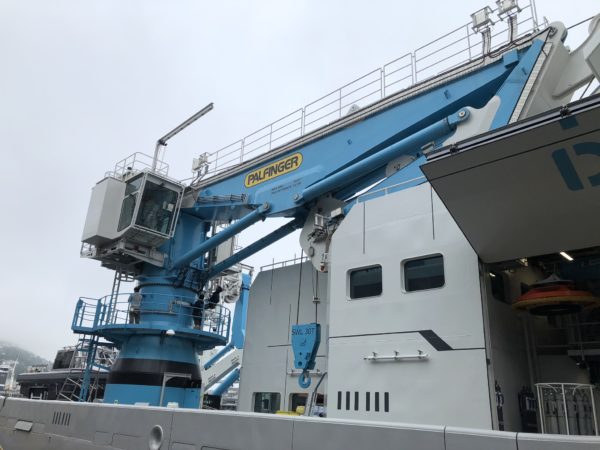
- Area: Structural inspection of boom, jib, and pedestal for cracks, corrosion, deformation, and weld integrity (per EN 13852 / API 2C / NORSOK R-002)Check: Structural inspection of boom, jib, and pedestal for cracks, corrosion, deformation, and weld integrity (per EN 13852 / API 2C / NORSOK R-002)
- Area: Wire rope and sheave inspection: check for broken wires, kinks, wear, correct spooling on drum, and wire termination integrityCheck: Wire rope and sheave inspection: check for broken wires, kinks, wear, correct spooling on drum, and wire termination integrity
- Area: Hydraulic system check: oil level, hose condition (abrasion, leaks, fittings), pump pressure test, relief valve calibration, and cylinder seal integrityCheck: Hydraulic system check: oil level, hose condition (abrasion, leaks, fittings), pump pressure test, relief valve calibration, and cylinder seal integrity
- Area: Slewing ring and slewing gear inspection: lubrication, backlash measurement, bolt torque verification, gear tooth wearCheck: Slewing ring and slewing gear inspection: lubrication, backlash measurement, bolt torque verification, gear tooth wear
- Area: Load testing and SWL verification: periodic proof load test at 110–125% SWL, functional test of overload protection and load-limiting devicesCheck: Load testing and SWL verification: periodic proof load test at 110–125% SWL, functional test of overload protection and load-limiting devices
- Area: Hook, swivel, and block inspection: wear, deformation, safety latch function, crack testing on hook body (NDT as required by class)Check: Hook, swivel, and block inspection: wear, deformation, safety latch function, crack testing on hook body (NDT as required by class)
- Area: Brake systems check: hoisting, luffing, and slewing brakes — test function, check pad/disc wear, verify fail-safe operationCheck: Brake systems check: hoisting, luffing, and slewing brakes — test function, check pad/disc wear, verify fail-safe operation
- Area: Electrical and control systems check: limit switches (hoist upper/lower, slewing), emergency stop function, pendant/remote control operability, corrosion protecCheck: Electrical and control systems check: limit switches (hoist upper/lower, slewing), emergency stop function, pendant/remote control operability, corrosion protection of enclosures
Typ-universelle Inspektionspunkte fuer Deck Cranes (verifiziert, 2026-06).
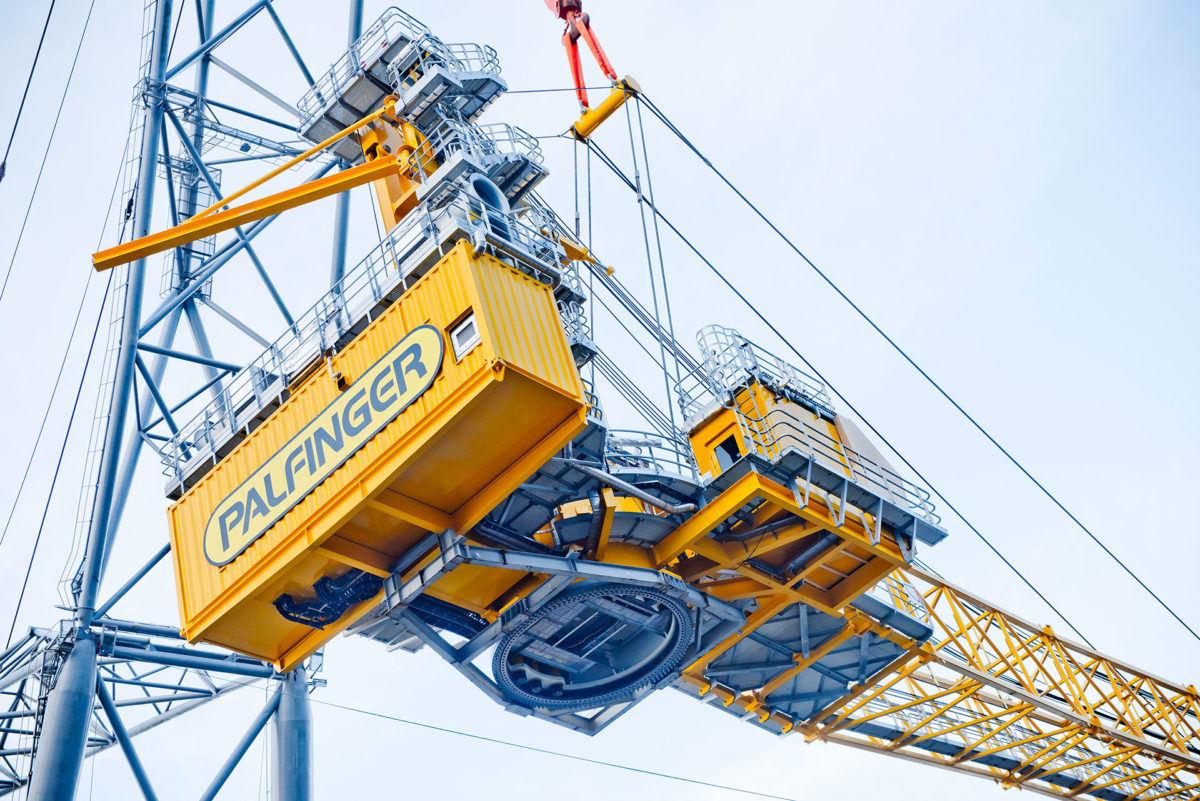
- Area: Structural inspection of boom, jib, and pedestal for cracks, corrosion, deformation, and weld integrity (per EN 13852 / API 2C / NORSOK R-002)Check: Structural inspection of boom, jib, and pedestal for cracks, corrosion, deformation, and weld integrity (per EN 13852 / API 2C / NORSOK R-002)
- Area: Wire rope and sheave inspection: check for broken wires, kinks, wear, correct spooling on drum, and wire termination integrityCheck: Wire rope and sheave inspection: check for broken wires, kinks, wear, correct spooling on drum, and wire termination integrity
- Area: Hydraulic system check: oil level, hose condition (abrasion, leaks, fittings), pump pressure test, relief valve calibration, and cylinder seal integrityCheck: Hydraulic system check: oil level, hose condition (abrasion, leaks, fittings), pump pressure test, relief valve calibration, and cylinder seal integrity
- Area: Slewing ring and slewing gear inspection: lubrication, backlash measurement, bolt torque verification, gear tooth wearCheck: Slewing ring and slewing gear inspection: lubrication, backlash measurement, bolt torque verification, gear tooth wear
- Area: Load testing and SWL verification: periodic proof load test at 110–125% SWL, functional test of overload protection and load-limiting devicesCheck: Load testing and SWL verification: periodic proof load test at 110–125% SWL, functional test of overload protection and load-limiting devices
- Area: Hook, swivel, and block inspection: wear, deformation, safety latch function, crack testing on hook body (NDT as required by class)Check: Hook, swivel, and block inspection: wear, deformation, safety latch function, crack testing on hook body (NDT as required by class)
- Area: Brake systems check: hoisting, luffing, and slewing brakes — test function, check pad/disc wear, verify fail-safe operationCheck: Brake systems check: hoisting, luffing, and slewing brakes — test function, check pad/disc wear, verify fail-safe operation
- Area: Electrical and control systems check: limit switches (hoist upper/lower, slewing), emergency stop function, pendant/remote control operability, corrosion protecCheck: Electrical and control systems check: limit switches (hoist upper/lower, slewing), emergency stop function, pendant/remote control operability, corrosion protection of enclosures
Typ-universelle Inspektionspunkte fuer Deck Cranes (verifiziert, 2026-06).
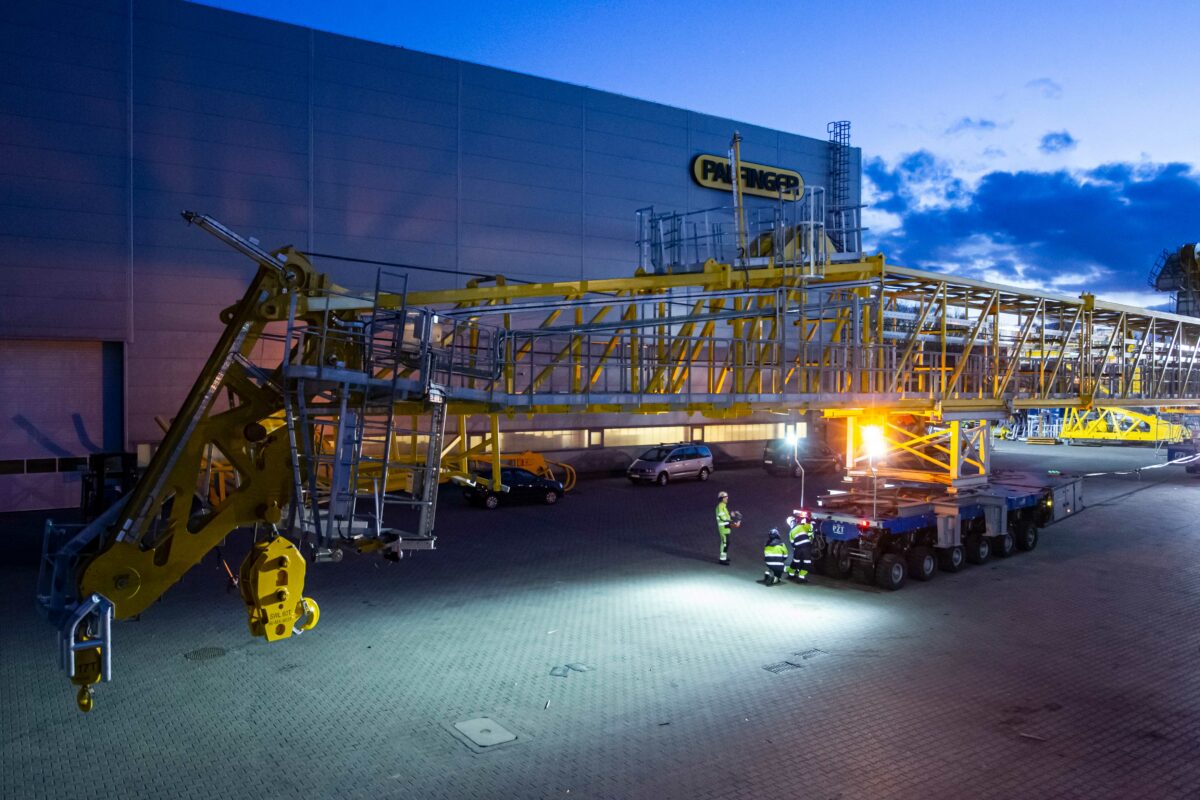
- Area: Structural inspection of boom, jib, and pedestal for cracks, corrosion, deformation, and weld integrity (per EN 13852 / API 2C / NORSOK R-002)Check: Structural inspection of boom, jib, and pedestal for cracks, corrosion, deformation, and weld integrity (per EN 13852 / API 2C / NORSOK R-002)
- Area: Wire rope and sheave inspection: check for broken wires, kinks, wear, correct spooling on drum, and wire termination integrityCheck: Wire rope and sheave inspection: check for broken wires, kinks, wear, correct spooling on drum, and wire termination integrity
- Area: Hydraulic system check: oil level, hose condition (abrasion, leaks, fittings), pump pressure test, relief valve calibration, and cylinder seal integrityCheck: Hydraulic system check: oil level, hose condition (abrasion, leaks, fittings), pump pressure test, relief valve calibration, and cylinder seal integrity
- Area: Slewing ring and slewing gear inspection: lubrication, backlash measurement, bolt torque verification, gear tooth wearCheck: Slewing ring and slewing gear inspection: lubrication, backlash measurement, bolt torque verification, gear tooth wear
- Area: Load testing and SWL verification: periodic proof load test at 110–125% SWL, functional test of overload protection and load-limiting devicesCheck: Load testing and SWL verification: periodic proof load test at 110–125% SWL, functional test of overload protection and load-limiting devices
- Area: Hook, swivel, and block inspection: wear, deformation, safety latch function, crack testing on hook body (NDT as required by class)Check: Hook, swivel, and block inspection: wear, deformation, safety latch function, crack testing on hook body (NDT as required by class)
- Area: Brake systems check: hoisting, luffing, and slewing brakes — test function, check pad/disc wear, verify fail-safe operationCheck: Brake systems check: hoisting, luffing, and slewing brakes — test function, check pad/disc wear, verify fail-safe operation
- Area: Electrical and control systems check: limit switches (hoist upper/lower, slewing), emergency stop function, pendant/remote control operability, corrosion protecCheck: Electrical and control systems check: limit switches (hoist upper/lower, slewing), emergency stop function, pendant/remote control operability, corrosion protection of enclosures
Typ-universelle Inspektionspunkte fuer Deck Cranes (verifiziert, 2026-06).
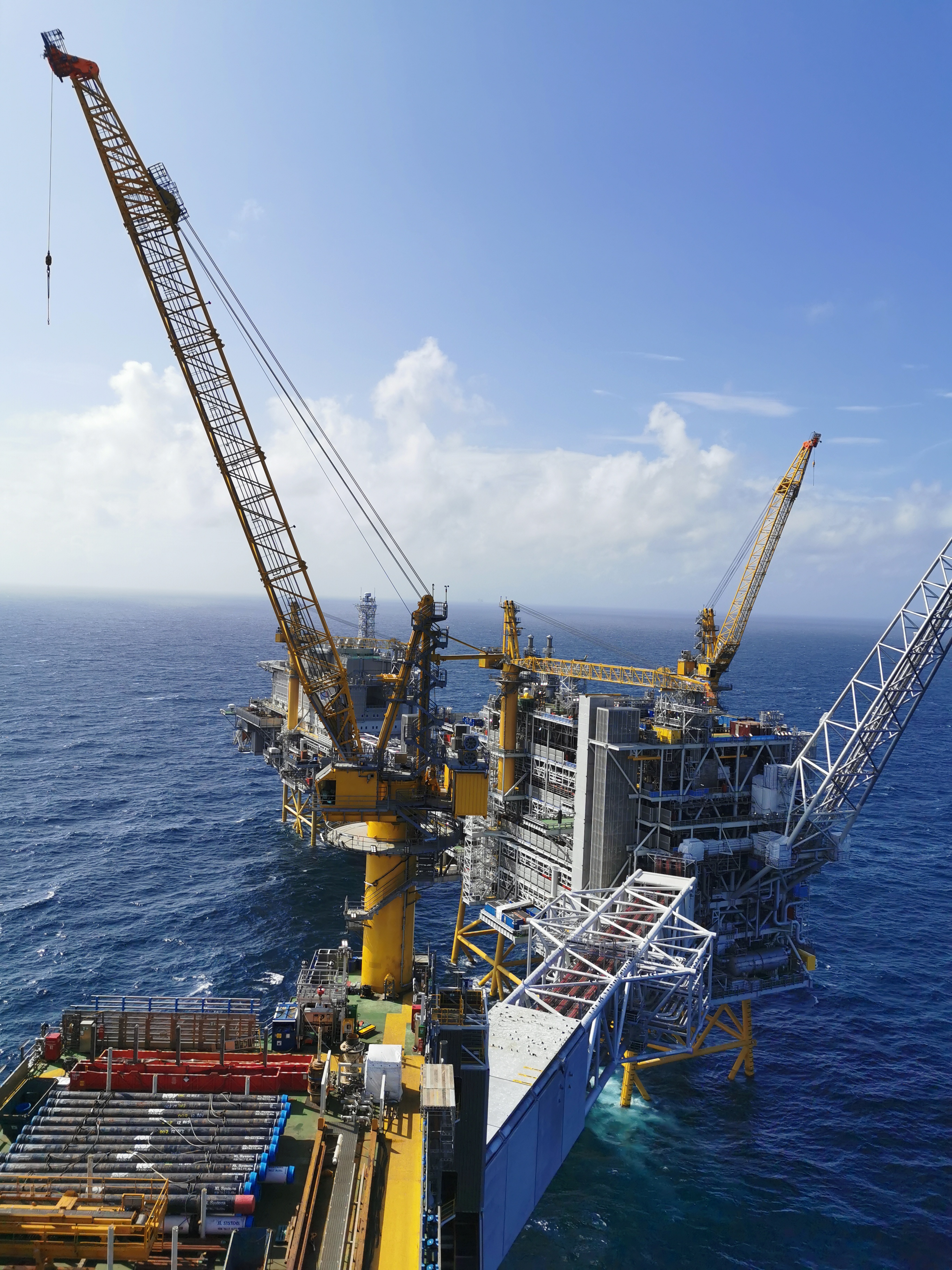
- Area: Structural inspection of boom, jib, and pedestal for cracks, corrosion, deformation, and weld integrity (per EN 13852 / API 2C / NORSOK R-002)Check: Structural inspection of boom, jib, and pedestal for cracks, corrosion, deformation, and weld integrity (per EN 13852 / API 2C / NORSOK R-002)
- Area: Wire rope and sheave inspection: check for broken wires, kinks, wear, correct spooling on drum, and wire termination integrityCheck: Wire rope and sheave inspection: check for broken wires, kinks, wear, correct spooling on drum, and wire termination integrity
- Area: Hydraulic system check: oil level, hose condition (abrasion, leaks, fittings), pump pressure test, relief valve calibration, and cylinder seal integrityCheck: Hydraulic system check: oil level, hose condition (abrasion, leaks, fittings), pump pressure test, relief valve calibration, and cylinder seal integrity
- Area: Slewing ring and slewing gear inspection: lubrication, backlash measurement, bolt torque verification, gear tooth wearCheck: Slewing ring and slewing gear inspection: lubrication, backlash measurement, bolt torque verification, gear tooth wear
- Area: Load testing and SWL verification: periodic proof load test at 110–125% SWL, functional test of overload protection and load-limiting devicesCheck: Load testing and SWL verification: periodic proof load test at 110–125% SWL, functional test of overload protection and load-limiting devices
- Area: Hook, swivel, and block inspection: wear, deformation, safety latch function, crack testing on hook body (NDT as required by class)Check: Hook, swivel, and block inspection: wear, deformation, safety latch function, crack testing on hook body (NDT as required by class)
- Area: Brake systems check: hoisting, luffing, and slewing brakes — test function, check pad/disc wear, verify fail-safe operationCheck: Brake systems check: hoisting, luffing, and slewing brakes — test function, check pad/disc wear, verify fail-safe operation
- Area: Electrical and control systems check: limit switches (hoist upper/lower, slewing), emergency stop function, pendant/remote control operability, corrosion protecCheck: Electrical and control systems check: limit switches (hoist upper/lower, slewing), emergency stop function, pendant/remote control operability, corrosion protection of enclosures
Typ-universelle Inspektionspunkte fuer Deck Cranes (verifiziert, 2026-06).
- Area: Structural inspection of boom, jib, and pedestal for cracks, corrosion, deformation, and weld integrity (per EN 13852 / API 2C / NORSOK R-002)Check: Structural inspection of boom, jib, and pedestal for cracks, corrosion, deformation, and weld integrity (per EN 13852 / API 2C / NORSOK R-002)
- Area: Wire rope and sheave inspection: check for broken wires, kinks, wear, correct spooling on drum, and wire termination integrityCheck: Wire rope and sheave inspection: check for broken wires, kinks, wear, correct spooling on drum, and wire termination integrity
- Area: Hydraulic system check: oil level, hose condition (abrasion, leaks, fittings), pump pressure test, relief valve calibration, and cylinder seal integrityCheck: Hydraulic system check: oil level, hose condition (abrasion, leaks, fittings), pump pressure test, relief valve calibration, and cylinder seal integrity
- Area: Slewing ring and slewing gear inspection: lubrication, backlash measurement, bolt torque verification, gear tooth wearCheck: Slewing ring and slewing gear inspection: lubrication, backlash measurement, bolt torque verification, gear tooth wear
- Area: Load testing and SWL verification: periodic proof load test at 110–125% SWL, functional test of overload protection and load-limiting devicesCheck: Load testing and SWL verification: periodic proof load test at 110–125% SWL, functional test of overload protection and load-limiting devices
- Area: Hook, swivel, and block inspection: wear, deformation, safety latch function, crack testing on hook body (NDT as required by class)Check: Hook, swivel, and block inspection: wear, deformation, safety latch function, crack testing on hook body (NDT as required by class)
- Area: Brake systems check: hoisting, luffing, and slewing brakes — test function, check pad/disc wear, verify fail-safe operationCheck: Brake systems check: hoisting, luffing, and slewing brakes — test function, check pad/disc wear, verify fail-safe operation
- Area: Electrical and control systems check: limit switches (hoist upper/lower, slewing), emergency stop function, pendant/remote control operability, corrosion protecCheck: Electrical and control systems check: limit switches (hoist upper/lower, slewing), emergency stop function, pendant/remote control operability, corrosion protection of enclosures
Typ-universelle Inspektionspunkte fuer Deck Cranes (verifiziert, 2026-06).
- Area: Structural inspection of boom, jib, and pedestal for cracks, corrosion, deformation, and weld integrity (per EN 13852 / API 2C / NORSOK R-002)Check: Structural inspection of boom, jib, and pedestal for cracks, corrosion, deformation, and weld integrity (per EN 13852 / API 2C / NORSOK R-002)
- Area: Wire rope and sheave inspection: check for broken wires, kinks, wear, correct spooling on drum, and wire termination integrityCheck: Wire rope and sheave inspection: check for broken wires, kinks, wear, correct spooling on drum, and wire termination integrity
- Area: Hydraulic system check: oil level, hose condition (abrasion, leaks, fittings), pump pressure test, relief valve calibration, and cylinder seal integrityCheck: Hydraulic system check: oil level, hose condition (abrasion, leaks, fittings), pump pressure test, relief valve calibration, and cylinder seal integrity
- Area: Slewing ring and slewing gear inspection: lubrication, backlash measurement, bolt torque verification, gear tooth wearCheck: Slewing ring and slewing gear inspection: lubrication, backlash measurement, bolt torque verification, gear tooth wear
- Area: Load testing and SWL verification: periodic proof load test at 110–125% SWL, functional test of overload protection and load-limiting devicesCheck: Load testing and SWL verification: periodic proof load test at 110–125% SWL, functional test of overload protection and load-limiting devices
- Area: Hook, swivel, and block inspection: wear, deformation, safety latch function, crack testing on hook body (NDT as required by class)Check: Hook, swivel, and block inspection: wear, deformation, safety latch function, crack testing on hook body (NDT as required by class)
- Area: Brake systems check: hoisting, luffing, and slewing brakes — test function, check pad/disc wear, verify fail-safe operationCheck: Brake systems check: hoisting, luffing, and slewing brakes — test function, check pad/disc wear, verify fail-safe operation
- Area: Electrical and control systems check: limit switches (hoist upper/lower, slewing), emergency stop function, pendant/remote control operability, corrosion protecCheck: Electrical and control systems check: limit switches (hoist upper/lower, slewing), emergency stop function, pendant/remote control operability, corrosion protection of enclosures
Typ-universelle Inspektionspunkte fuer Deck Cranes (verifiziert, 2026-06).
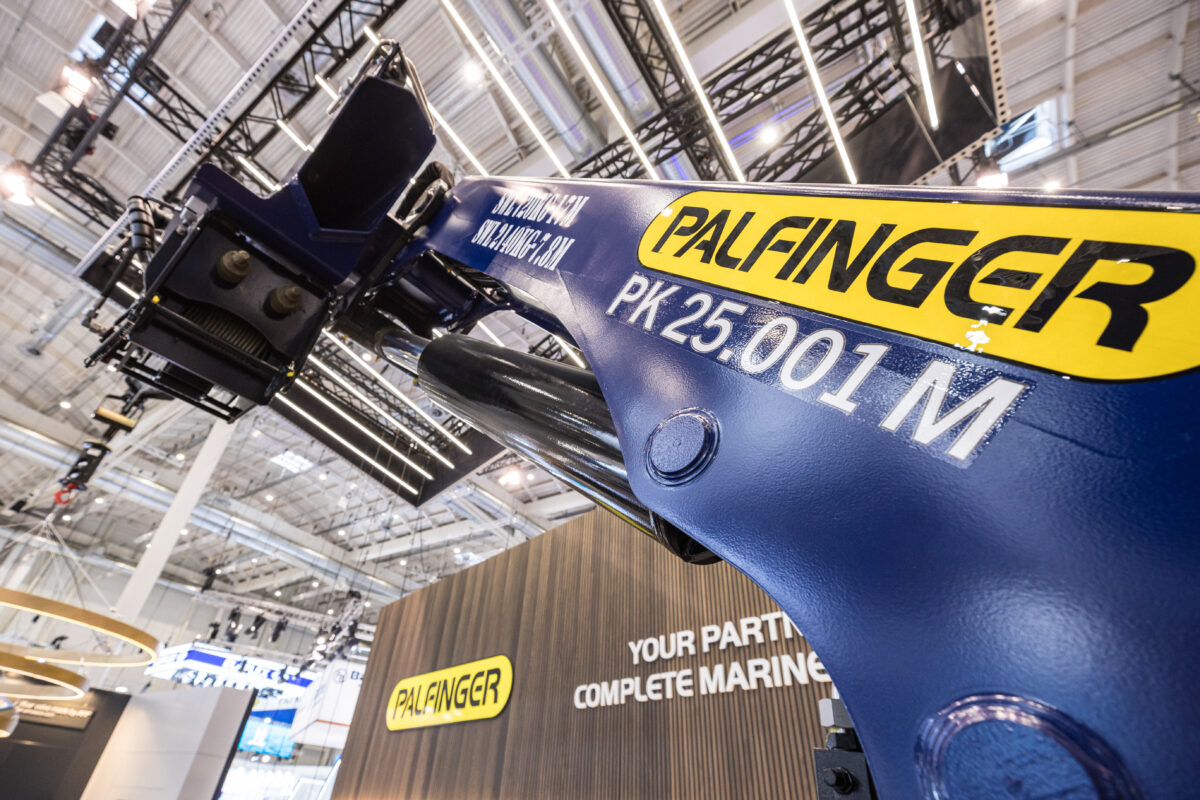
- Area: Structural inspection of boom, jib, and pedestal for cracks, corrosion, deformation, and weld integrity (per EN 13852 / API 2C / NORSOK R-002)Check: Structural inspection of boom, jib, and pedestal for cracks, corrosion, deformation, and weld integrity (per EN 13852 / API 2C / NORSOK R-002)
- Area: Wire rope and sheave inspection: check for broken wires, kinks, wear, correct spooling on drum, and wire termination integrityCheck: Wire rope and sheave inspection: check for broken wires, kinks, wear, correct spooling on drum, and wire termination integrity
- Area: Hydraulic system check: oil level, hose condition (abrasion, leaks, fittings), pump pressure test, relief valve calibration, and cylinder seal integrityCheck: Hydraulic system check: oil level, hose condition (abrasion, leaks, fittings), pump pressure test, relief valve calibration, and cylinder seal integrity
- Area: Slewing ring and slewing gear inspection: lubrication, backlash measurement, bolt torque verification, gear tooth wearCheck: Slewing ring and slewing gear inspection: lubrication, backlash measurement, bolt torque verification, gear tooth wear
- Area: Load testing and SWL verification: periodic proof load test at 110–125% SWL, functional test of overload protection and load-limiting devicesCheck: Load testing and SWL verification: periodic proof load test at 110–125% SWL, functional test of overload protection and load-limiting devices
- Area: Hook, swivel, and block inspection: wear, deformation, safety latch function, crack testing on hook body (NDT as required by class)Check: Hook, swivel, and block inspection: wear, deformation, safety latch function, crack testing on hook body (NDT as required by class)
- Area: Brake systems check: hoisting, luffing, and slewing brakes — test function, check pad/disc wear, verify fail-safe operationCheck: Brake systems check: hoisting, luffing, and slewing brakes — test function, check pad/disc wear, verify fail-safe operation
- Area: Electrical and control systems check: limit switches (hoist upper/lower, slewing), emergency stop function, pendant/remote control operability, corrosion protecCheck: Electrical and control systems check: limit switches (hoist upper/lower, slewing), emergency stop function, pendant/remote control operability, corrosion protection of enclosures
Typ-universelle Inspektionspunkte fuer Deck Cranes (verifiziert, 2026-06).
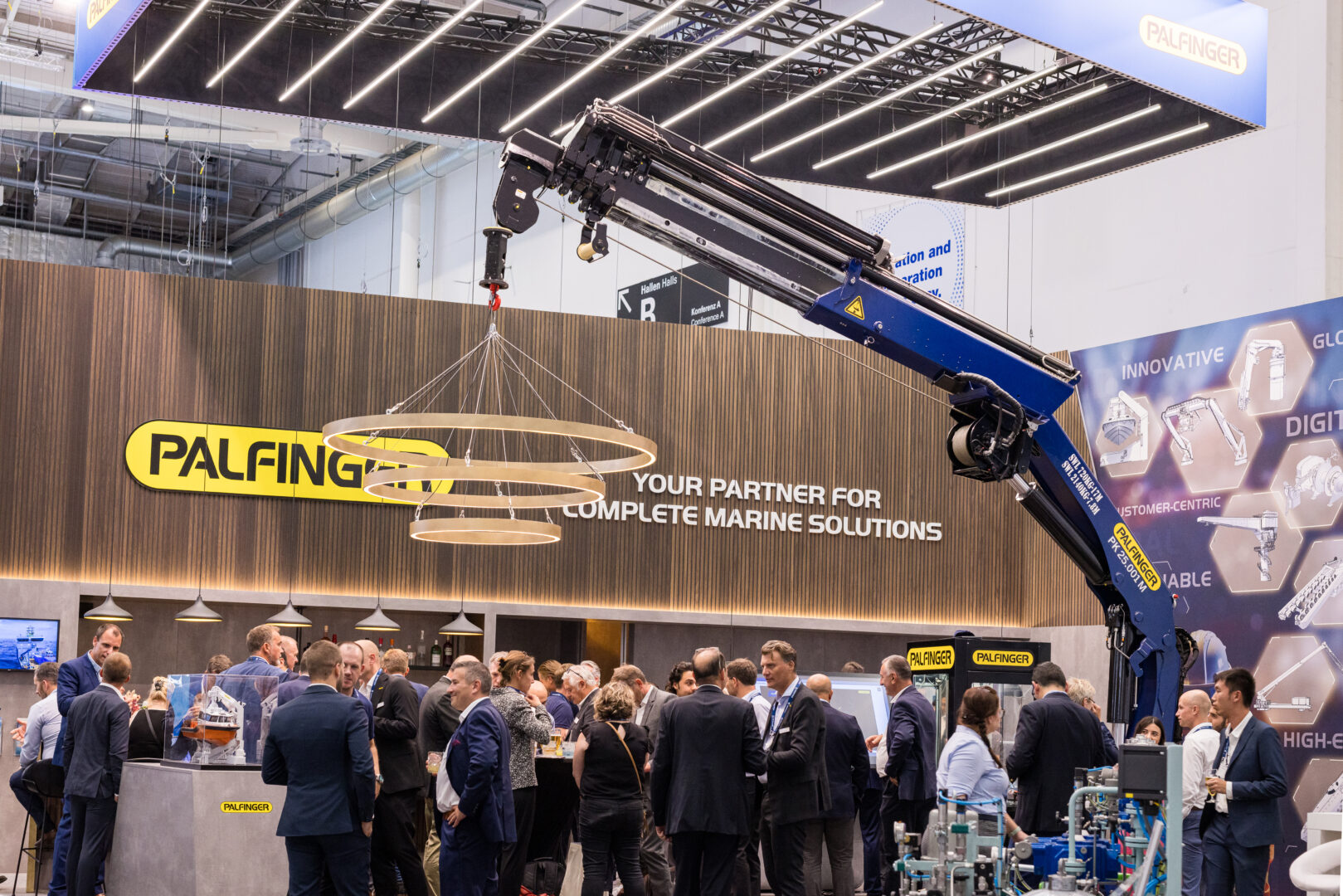
- Area: Structural inspection of boom, jib, and pedestal for cracks, corrosion, deformation, and weld integrity (per EN 13852 / API 2C / NORSOK R-002)Check: Structural inspection of boom, jib, and pedestal for cracks, corrosion, deformation, and weld integrity (per EN 13852 / API 2C / NORSOK R-002)
- Area: Wire rope and sheave inspection: check for broken wires, kinks, wear, correct spooling on drum, and wire termination integrityCheck: Wire rope and sheave inspection: check for broken wires, kinks, wear, correct spooling on drum, and wire termination integrity
- Area: Hydraulic system check: oil level, hose condition (abrasion, leaks, fittings), pump pressure test, relief valve calibration, and cylinder seal integrityCheck: Hydraulic system check: oil level, hose condition (abrasion, leaks, fittings), pump pressure test, relief valve calibration, and cylinder seal integrity
- Area: Slewing ring and slewing gear inspection: lubrication, backlash measurement, bolt torque verification, gear tooth wearCheck: Slewing ring and slewing gear inspection: lubrication, backlash measurement, bolt torque verification, gear tooth wear
- Area: Load testing and SWL verification: periodic proof load test at 110–125% SWL, functional test of overload protection and load-limiting devicesCheck: Load testing and SWL verification: periodic proof load test at 110–125% SWL, functional test of overload protection and load-limiting devices
- Area: Hook, swivel, and block inspection: wear, deformation, safety latch function, crack testing on hook body (NDT as required by class)Check: Hook, swivel, and block inspection: wear, deformation, safety latch function, crack testing on hook body (NDT as required by class)
- Area: Brake systems check: hoisting, luffing, and slewing brakes — test function, check pad/disc wear, verify fail-safe operationCheck: Brake systems check: hoisting, luffing, and slewing brakes — test function, check pad/disc wear, verify fail-safe operation
- Area: Electrical and control systems check: limit switches (hoist upper/lower, slewing), emergency stop function, pendant/remote control operability, corrosion protecCheck: Electrical and control systems check: limit switches (hoist upper/lower, slewing), emergency stop function, pendant/remote control operability, corrosion protection of enclosures
Typ-universelle Inspektionspunkte fuer Deck Cranes (verifiziert, 2026-06).
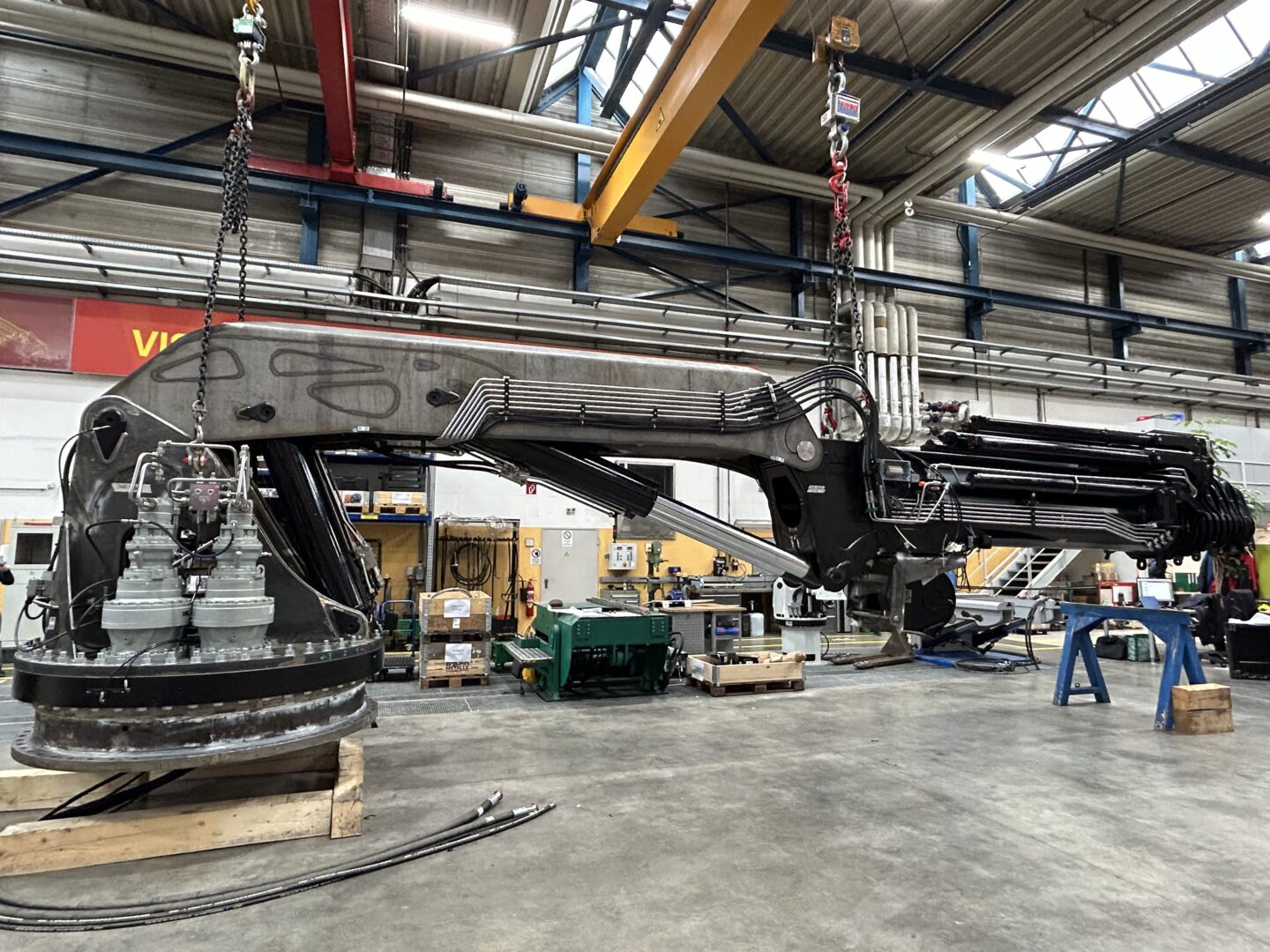
- Area: Structural inspection of boom, jib, and pedestal for cracks, corrosion, deformation, and weld integrity (per EN 13852 / API 2C / NORSOK R-002)Check: Structural inspection of boom, jib, and pedestal for cracks, corrosion, deformation, and weld integrity (per EN 13852 / API 2C / NORSOK R-002)
- Area: Wire rope and sheave inspection: check for broken wires, kinks, wear, correct spooling on drum, and wire termination integrityCheck: Wire rope and sheave inspection: check for broken wires, kinks, wear, correct spooling on drum, and wire termination integrity
- Area: Hydraulic system check: oil level, hose condition (abrasion, leaks, fittings), pump pressure test, relief valve calibration, and cylinder seal integrityCheck: Hydraulic system check: oil level, hose condition (abrasion, leaks, fittings), pump pressure test, relief valve calibration, and cylinder seal integrity
- Area: Slewing ring and slewing gear inspection: lubrication, backlash measurement, bolt torque verification, gear tooth wearCheck: Slewing ring and slewing gear inspection: lubrication, backlash measurement, bolt torque verification, gear tooth wear
- Area: Load testing and SWL verification: periodic proof load test at 110–125% SWL, functional test of overload protection and load-limiting devicesCheck: Load testing and SWL verification: periodic proof load test at 110–125% SWL, functional test of overload protection and load-limiting devices
- Area: Hook, swivel, and block inspection: wear, deformation, safety latch function, crack testing on hook body (NDT as required by class)Check: Hook, swivel, and block inspection: wear, deformation, safety latch function, crack testing on hook body (NDT as required by class)
- Area: Brake systems check: hoisting, luffing, and slewing brakes — test function, check pad/disc wear, verify fail-safe operationCheck: Brake systems check: hoisting, luffing, and slewing brakes — test function, check pad/disc wear, verify fail-safe operation
- Area: Electrical and control systems check: limit switches (hoist upper/lower, slewing), emergency stop function, pendant/remote control operability, corrosion protecCheck: Electrical and control systems check: limit switches (hoist upper/lower, slewing), emergency stop function, pendant/remote control operability, corrosion protection of enclosures
Typ-universelle Inspektionspunkte fuer Deck Cranes (verifiziert, 2026-06).
- Area: Structural inspection of boom, jib, and pedestal for cracks, corrosion, deformation, and weld integrity (per EN 13852 / API 2C / NORSOK R-002)Check: Structural inspection of boom, jib, and pedestal for cracks, corrosion, deformation, and weld integrity (per EN 13852 / API 2C / NORSOK R-002)
- Area: Wire rope and sheave inspection: check for broken wires, kinks, wear, correct spooling on drum, and wire termination integrityCheck: Wire rope and sheave inspection: check for broken wires, kinks, wear, correct spooling on drum, and wire termination integrity
- Area: Hydraulic system check: oil level, hose condition (abrasion, leaks, fittings), pump pressure test, relief valve calibration, and cylinder seal integrityCheck: Hydraulic system check: oil level, hose condition (abrasion, leaks, fittings), pump pressure test, relief valve calibration, and cylinder seal integrity
- Area: Slewing ring and slewing gear inspection: lubrication, backlash measurement, bolt torque verification, gear tooth wearCheck: Slewing ring and slewing gear inspection: lubrication, backlash measurement, bolt torque verification, gear tooth wear
- Area: Load testing and SWL verification: periodic proof load test at 110–125% SWL, functional test of overload protection and load-limiting devicesCheck: Load testing and SWL verification: periodic proof load test at 110–125% SWL, functional test of overload protection and load-limiting devices
- Area: Hook, swivel, and block inspection: wear, deformation, safety latch function, crack testing on hook body (NDT as required by class)Check: Hook, swivel, and block inspection: wear, deformation, safety latch function, crack testing on hook body (NDT as required by class)
- Area: Brake systems check: hoisting, luffing, and slewing brakes — test function, check pad/disc wear, verify fail-safe operationCheck: Brake systems check: hoisting, luffing, and slewing brakes — test function, check pad/disc wear, verify fail-safe operation
- Area: Electrical and control systems check: limit switches (hoist upper/lower, slewing), emergency stop function, pendant/remote control operability, corrosion protecCheck: Electrical and control systems check: limit switches (hoist upper/lower, slewing), emergency stop function, pendant/remote control operability, corrosion protection of enclosures
Typ-universelle Inspektionspunkte fuer Deck Cranes (verifiziert, 2026-06).
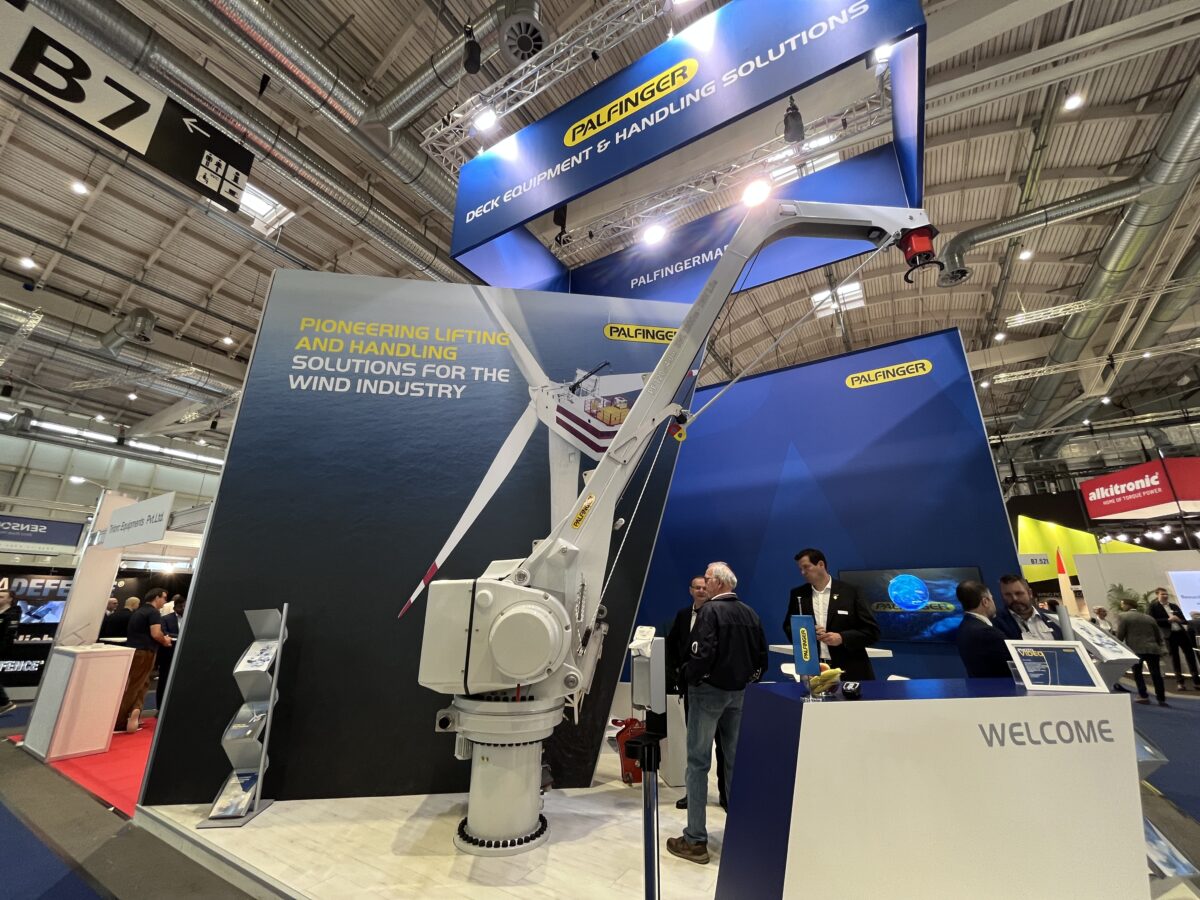
- Area: Structural inspection of boom, jib, and pedestal for cracks, corrosion, deformation, and weld integrity (per EN 13852 / API 2C / NORSOK R-002)Check: Structural inspection of boom, jib, and pedestal for cracks, corrosion, deformation, and weld integrity (per EN 13852 / API 2C / NORSOK R-002)
- Area: Wire rope and sheave inspection: check for broken wires, kinks, wear, correct spooling on drum, and wire termination integrityCheck: Wire rope and sheave inspection: check for broken wires, kinks, wear, correct spooling on drum, and wire termination integrity
- Area: Hydraulic system check: oil level, hose condition (abrasion, leaks, fittings), pump pressure test, relief valve calibration, and cylinder seal integrityCheck: Hydraulic system check: oil level, hose condition (abrasion, leaks, fittings), pump pressure test, relief valve calibration, and cylinder seal integrity
- Area: Slewing ring and slewing gear inspection: lubrication, backlash measurement, bolt torque verification, gear tooth wearCheck: Slewing ring and slewing gear inspection: lubrication, backlash measurement, bolt torque verification, gear tooth wear
- Area: Load testing and SWL verification: periodic proof load test at 110–125% SWL, functional test of overload protection and load-limiting devicesCheck: Load testing and SWL verification: periodic proof load test at 110–125% SWL, functional test of overload protection and load-limiting devices
- Area: Hook, swivel, and block inspection: wear, deformation, safety latch function, crack testing on hook body (NDT as required by class)Check: Hook, swivel, and block inspection: wear, deformation, safety latch function, crack testing on hook body (NDT as required by class)
- Area: Brake systems check: hoisting, luffing, and slewing brakes — test function, check pad/disc wear, verify fail-safe operationCheck: Brake systems check: hoisting, luffing, and slewing brakes — test function, check pad/disc wear, verify fail-safe operation
- Area: Electrical and control systems check: limit switches (hoist upper/lower, slewing), emergency stop function, pendant/remote control operability, corrosion protecCheck: Electrical and control systems check: limit switches (hoist upper/lower, slewing), emergency stop function, pendant/remote control operability, corrosion protection of enclosures
Typ-universelle Inspektionspunkte fuer Deck Cranes (verifiziert, 2026-06).
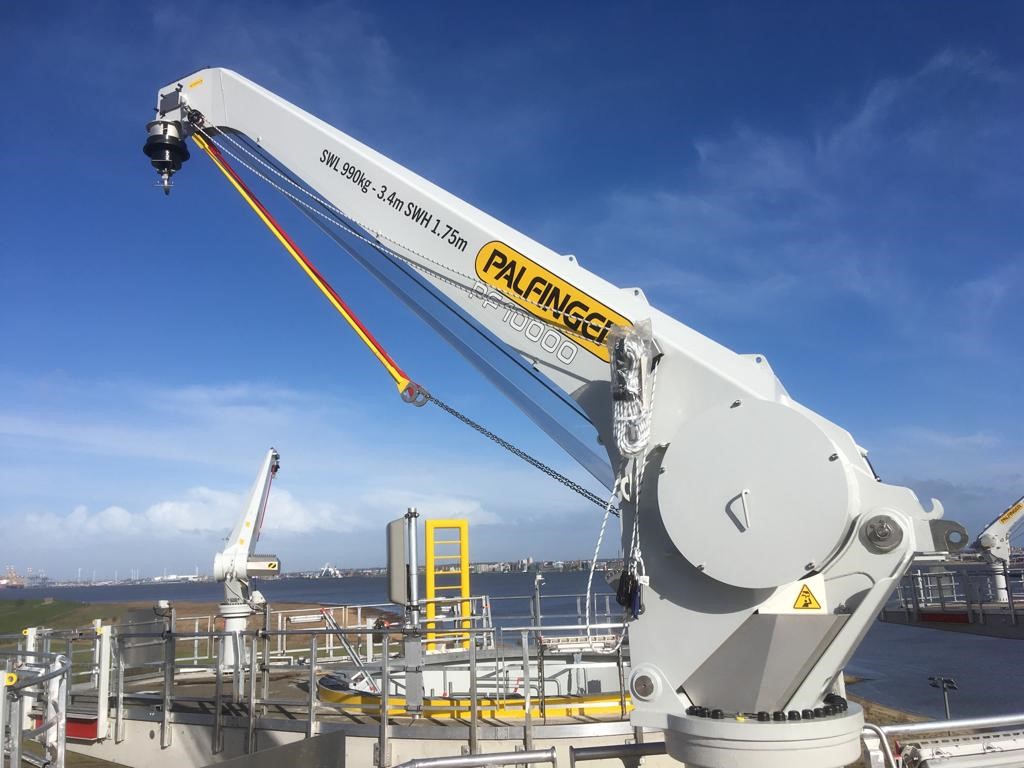
- Area: Structural inspection of boom, jib, and pedestal for cracks, corrosion, deformation, and weld integrity (per EN 13852 / API 2C / NORSOK R-002)Check: Structural inspection of boom, jib, and pedestal for cracks, corrosion, deformation, and weld integrity (per EN 13852 / API 2C / NORSOK R-002)
- Area: Wire rope and sheave inspection: check for broken wires, kinks, wear, correct spooling on drum, and wire termination integrityCheck: Wire rope and sheave inspection: check for broken wires, kinks, wear, correct spooling on drum, and wire termination integrity
- Area: Hydraulic system check: oil level, hose condition (abrasion, leaks, fittings), pump pressure test, relief valve calibration, and cylinder seal integrityCheck: Hydraulic system check: oil level, hose condition (abrasion, leaks, fittings), pump pressure test, relief valve calibration, and cylinder seal integrity
- Area: Slewing ring and slewing gear inspection: lubrication, backlash measurement, bolt torque verification, gear tooth wearCheck: Slewing ring and slewing gear inspection: lubrication, backlash measurement, bolt torque verification, gear tooth wear
- Area: Load testing and SWL verification: periodic proof load test at 110–125% SWL, functional test of overload protection and load-limiting devicesCheck: Load testing and SWL verification: periodic proof load test at 110–125% SWL, functional test of overload protection and load-limiting devices
- Area: Hook, swivel, and block inspection: wear, deformation, safety latch function, crack testing on hook body (NDT as required by class)Check: Hook, swivel, and block inspection: wear, deformation, safety latch function, crack testing on hook body (NDT as required by class)
- Area: Brake systems check: hoisting, luffing, and slewing brakes — test function, check pad/disc wear, verify fail-safe operationCheck: Brake systems check: hoisting, luffing, and slewing brakes — test function, check pad/disc wear, verify fail-safe operation
- Area: Electrical and control systems check: limit switches (hoist upper/lower, slewing), emergency stop function, pendant/remote control operability, corrosion protecCheck: Electrical and control systems check: limit switches (hoist upper/lower, slewing), emergency stop function, pendant/remote control operability, corrosion protection of enclosures
Typ-universelle Inspektionspunkte fuer Deck Cranes (verifiziert, 2026-06).
- Area: Structural inspection of boom, jib, and pedestal for cracks, corrosion, deformation, and weld integrity (per EN 13852 / API 2C / NORSOK R-002)Check: Structural inspection of boom, jib, and pedestal for cracks, corrosion, deformation, and weld integrity (per EN 13852 / API 2C / NORSOK R-002)
- Area: Wire rope and sheave inspection: check for broken wires, kinks, wear, correct spooling on drum, and wire termination integrityCheck: Wire rope and sheave inspection: check for broken wires, kinks, wear, correct spooling on drum, and wire termination integrity
- Area: Hydraulic system check: oil level, hose condition (abrasion, leaks, fittings), pump pressure test, relief valve calibration, and cylinder seal integrityCheck: Hydraulic system check: oil level, hose condition (abrasion, leaks, fittings), pump pressure test, relief valve calibration, and cylinder seal integrity
- Area: Slewing ring and slewing gear inspection: lubrication, backlash measurement, bolt torque verification, gear tooth wearCheck: Slewing ring and slewing gear inspection: lubrication, backlash measurement, bolt torque verification, gear tooth wear
- Area: Load testing and SWL verification: periodic proof load test at 110–125% SWL, functional test of overload protection and load-limiting devicesCheck: Load testing and SWL verification: periodic proof load test at 110–125% SWL, functional test of overload protection and load-limiting devices
- Area: Hook, swivel, and block inspection: wear, deformation, safety latch function, crack testing on hook body (NDT as required by class)Check: Hook, swivel, and block inspection: wear, deformation, safety latch function, crack testing on hook body (NDT as required by class)
- Area: Brake systems check: hoisting, luffing, and slewing brakes — test function, check pad/disc wear, verify fail-safe operationCheck: Brake systems check: hoisting, luffing, and slewing brakes — test function, check pad/disc wear, verify fail-safe operation
- Area: Electrical and control systems check: limit switches (hoist upper/lower, slewing), emergency stop function, pendant/remote control operability, corrosion protecCheck: Electrical and control systems check: limit switches (hoist upper/lower, slewing), emergency stop function, pendant/remote control operability, corrosion protection of enclosures
Typ-universelle Inspektionspunkte fuer Deck Cranes (verifiziert, 2026-06).
TTS Marine
138 ✓ 25 verified- Wire-rope wear, corrosion or poor spooling causes visible damage, crushing or irregular hoisting
- Hydraulic leakage or pump wear reduces motion speed and can cause pressure loss or uncontrolled drift
- Brake wear or maladjustment causes load creep, poor holding or abnormal stopping distance
- Limit switch, overload or control faults cause nuisance trips or loss of protective functions
- Bearing, slew-ring or structural wear produces play, noise, vibration or abnormal movement under load
- Wire-rope wear, corrosion or poor spooling causes visible damage, crushing or irregular hoisting
- Hydraulic leakage or pump wear reduces motion speed and can cause pressure loss or uncontrolled drift
- Brake wear or maladjustment causes load creep, poor holding or abnormal stopping distance
- Limit switch, overload or control faults cause nuisance trips or loss of protective functions
- Bearing, slew-ring or structural wear produces play, noise, vibration or abnormal movement under load
- Wire-rope, chain or reeving wear causes broken wires, poor spooling, vibration or uneven movement
- Hydraulic leakage, pump wear or electric-drive faults cause slow operation, drift or inability to complete a motion
- Brake, holding-valve or locking deterioration causes load creep or poor holding
- Pins, bearings, sheaves or structural joints develop play and are noticed as noise or abnormal movement
- Limit-switch, overload, interlock or control faults cause alarms, blocked motions or unreliable protection
- Wire-rope, chain or reeving wear causes broken wires, poor spooling, vibration or uneven movement
- Hydraulic leakage, pump wear or electric-drive faults cause slow operation, drift or inability to complete a motion
- Brake, holding-valve or locking deterioration causes load creep or poor holding
- Pins, bearings, sheaves or structural joints develop play and are noticed as noise or abnormal movement
- Limit-switch, overload, interlock or control faults cause alarms, blocked motions or unreliable protection
- Wire-rope, chain or reeving wear causes broken wires, poor spooling, vibration or uneven movement
- Hydraulic leakage, pump wear or electric-drive faults cause slow operation, drift or inability to complete a motion
- Brake, holding-valve or locking deterioration causes load creep or poor holding
- Pins, bearings, sheaves or structural joints develop play and are noticed as noise or abnormal movement
- Limit-switch, overload, interlock or control faults cause alarms, blocked motions or unreliable protection
- Wire-rope, chain or reeving wear causes broken wires, poor spooling, vibration or uneven movement
- Hydraulic leakage, pump wear or electric-drive faults cause slow operation, drift or inability to complete a motion
- Brake, holding-valve or locking deterioration causes load creep or poor holding
- Pins, bearings, sheaves or structural joints develop play and are noticed as noise or abnormal movement
- Limit-switch, overload, interlock or control faults cause alarms, blocked motions or unreliable protection
- Wire-rope, chain or reeving wear causes broken wires, poor spooling, vibration or uneven movement
- Hydraulic leakage, pump wear or electric-drive faults cause slow operation, drift or inability to complete a motion
- Brake, holding-valve or locking deterioration causes load creep or poor holding
- Pins, bearings, sheaves or structural joints develop play and are noticed as noise or abnormal movement
- Limit-switch, overload, interlock or control faults cause alarms, blocked motions or unreliable protection
- Wire-rope, chain or reeving wear causes broken wires, poor spooling, vibration or uneven movement
- Hydraulic leakage, pump wear or electric-drive faults cause slow operation, drift or inability to complete a motion
- Brake, holding-valve or locking deterioration causes load creep or poor holding
- Pins, bearings, sheaves or structural joints develop play and are noticed as noise or abnormal movement
- Limit-switch, overload, interlock or control faults cause alarms, blocked motions or unreliable protection
- Wire-rope, chain or reeving wear causes broken wires, poor spooling, vibration or uneven movement
- Hydraulic leakage, pump wear or electric-drive faults cause slow operation, drift or inability to complete a motion
- Brake, holding-valve or locking deterioration causes load creep or poor holding
- Pins, bearings, sheaves or structural joints develop play and are noticed as noise or abnormal movement
- Limit-switch, overload, interlock or control faults cause alarms, blocked motions or unreliable protection
- Hydraulic leakage, low pressure, pump wear, or control-valve faults cause slow, jerky, or weak crane movements
- Wire-rope, sheave, drum, bearing, or structural wear from load cycles and corrosion causes visible damage, noise, poor spooling, or increased play
- Brake or holding-device wear causes load creep, slipping, or inability to hold position
- Limit switch, encoder, load sensor, interlock, or control-system faults cause restricted movement, nuisance shutdowns, or loss of automatic functions
- Corrosion, damaged hoses or cables, loose fasteners, or foundation defects from deck exposure create leakage, unreliable controls, or structural concerns
- Wire-rope wear, corrosion or broken strands from fatigue and poor lubrication, typically indicated by visible rope damage, uneven winding or failed inspection
- Hydraulic leakage or pressure loss from hoses, seals or valves, typically indicated by slow functions, drifting load or oil leakage
- Brake or clutch wear, typically indicated by poor load holding, excessive stopping distance or abnormal heat
- Slew/hoist bearing or gearbox wear from lubrication failure or overload, typically indicated by noise, backlash, vibration or overheating
- Limit, overload or control-system fault, typically indicated by inhibited movement, incorrect indication or unsafe failure to stop at limits
- Wire-rope wear, corrosion or broken strands from fatigue and poor lubrication, typically indicated by visible rope damage, uneven winding or failed inspection
- Hydraulic leakage or pressure loss from hoses, seals or valves, typically indicated by slow functions, drifting load or oil leakage
- Brake or clutch wear, typically indicated by poor load holding, excessive stopping distance or abnormal heat
- Slew/hoist bearing or gearbox wear from lubrication failure or overload, typically indicated by noise, backlash, vibration or overheating
- Limit, overload or control-system fault, typically indicated by inhibited movement, incorrect indication or unsafe failure to stop at limits
- Wire-rope wear, corrosion or broken strands from fatigue and poor lubrication, typically indicated by visible rope damage, uneven winding or failed inspection
- Hydraulic leakage or pressure loss from hoses, seals or valves, typically indicated by slow functions, drifting load or oil leakage
- Brake or clutch wear, typically indicated by poor load holding, excessive stopping distance or abnormal heat
- Slew/hoist bearing or gearbox wear from lubrication failure or overload, typically indicated by noise, backlash, vibration or overheating
- Limit, overload or control-system fault, typically indicated by inhibited movement, incorrect indication or unsafe failure to stop at limits
- Wire-rope wear, corrosion or broken strands from fatigue and poor lubrication, typically indicated by visible rope damage, uneven winding or failed inspection
- Hydraulic leakage or pressure loss from hoses, seals or valves, typically indicated by slow functions, drifting load or oil leakage
- Brake or clutch wear, typically indicated by poor load holding, excessive stopping distance or abnormal heat
- Slew/hoist bearing or gearbox wear from lubrication failure or overload, typically indicated by noise, backlash, vibration or overheating
- Limit, overload or control-system fault, typically indicated by inhibited movement, incorrect indication or unsafe failure to stop at limits
- Wire-rope wear, corrosion or broken strands from fatigue and poor lubrication, typically indicated by visible rope damage, uneven winding or failed inspection
- Hydraulic leakage or pressure loss from hoses, seals or valves, typically indicated by slow functions, drifting load or oil leakage
- Brake or clutch wear, typically indicated by poor load holding, excessive stopping distance or abnormal heat
- Slew/hoist bearing or gearbox wear from lubrication failure or overload, typically indicated by noise, backlash, vibration or overheating
- Limit, overload or control-system fault, typically indicated by inhibited movement, incorrect indication or unsafe failure to stop at limits
- Wire-rope wear, corrosion or broken strands from fatigue and poor lubrication, typically indicated by visible rope damage, uneven winding or failed inspection
- Hydraulic leakage or pressure loss from hoses, seals or valves, typically indicated by slow functions, drifting load or oil leakage
- Brake or clutch wear, typically indicated by poor load holding, excessive stopping distance or abnormal heat
- Slew/hoist bearing or gearbox wear from lubrication failure or overload, typically indicated by noise, backlash, vibration or overheating
- Limit, overload or control-system fault, typically indicated by inhibited movement, incorrect indication or unsafe failure to stop at limits
- Wire-rope wear, corrosion or broken strands from fatigue and poor lubrication, typically indicated by visible rope damage, uneven winding or failed inspection
- Hydraulic leakage or pressure loss from hoses, seals or valves, typically indicated by slow functions, drifting load or oil leakage
- Brake or clutch wear, typically indicated by poor load holding, excessive stopping distance or abnormal heat
- Slew/hoist bearing or gearbox wear from lubrication failure or overload, typically indicated by noise, backlash, vibration or overheating
- Limit, overload or control-system fault, typically indicated by inhibited movement, incorrect indication or unsafe failure to stop at limits
- Hydraulic leakage, low pressure, pump wear, or control-valve faults cause slow, jerky, or weak crane movements
- Wire-rope, sheave, drum, bearing, or structural wear from load cycles and corrosion causes visible damage, noise, poor spooling, or increased play
- Brake or holding-device wear causes load creep, slipping, or inability to hold position
- Limit switch, encoder, load sensor, interlock, or control-system faults cause restricted movement, nuisance shutdowns, or loss of automatic functions
- Corrosion, damaged hoses or cables, loose fasteners, or foundation defects from deck exposure create leakage, unreliable controls, or structural concerns
- Wire-rope wear, corrosion or broken strands from fatigue and poor lubrication, typically indicated by visible rope damage, uneven winding or failed inspection
- Hydraulic leakage or pressure loss from hoses, seals or valves, typically indicated by slow functions, drifting load or oil leakage
- Brake or clutch wear, typically indicated by poor load holding, excessive stopping distance or abnormal heat
- Slew/hoist bearing or gearbox wear from lubrication failure or overload, typically indicated by noise, backlash, vibration or overheating
- Limit, overload or control-system fault, typically indicated by inhibited movement, incorrect indication or unsafe failure to stop at limits
- Wire-rope wear, corrosion or broken strands from fatigue and poor lubrication, typically indicated by visible rope damage, uneven winding or failed inspection
- Hydraulic leakage or pressure loss from hoses, seals or valves, typically indicated by slow functions, drifting load or oil leakage
- Brake or clutch wear, typically indicated by poor load holding, excessive stopping distance or abnormal heat
- Slew/hoist bearing or gearbox wear from lubrication failure or overload, typically indicated by noise, backlash, vibration or overheating
- Limit, overload or control-system fault, typically indicated by inhibited movement, incorrect indication or unsafe failure to stop at limits
- Wire-rope wear, corrosion or broken strands from fatigue and poor lubrication, typically indicated by visible rope damage, uneven winding or failed inspection
- Hydraulic leakage or pressure loss from hoses, seals or valves, typically indicated by slow functions, drifting load or oil leakage
- Brake or clutch wear, typically indicated by poor load holding, excessive stopping distance or abnormal heat
- Slew/hoist bearing or gearbox wear from lubrication failure or overload, typically indicated by noise, backlash, vibration or overheating
- Limit, overload or control-system fault, typically indicated by inhibited movement, incorrect indication or unsafe failure to stop at limits
- Wire-rope wear, corrosion or broken strands from fatigue and poor lubrication, typically indicated by visible rope damage, uneven winding or failed inspection
- Hydraulic leakage or pressure loss from hoses, seals or valves, typically indicated by slow functions, drifting load or oil leakage
- Brake or clutch wear, typically indicated by poor load holding, excessive stopping distance or abnormal heat
- Slew/hoist bearing or gearbox wear from lubrication failure or overload, typically indicated by noise, backlash, vibration or overheating
- Limit, overload or control-system fault, typically indicated by inhibited movement, incorrect indication or unsafe failure to stop at limits
- Wire-rope wear, corrosion or broken strands from fatigue and poor lubrication, typically indicated by visible rope damage, uneven winding or failed inspection
- Hydraulic leakage or pressure loss from hoses, seals or valves, typically indicated by slow functions, drifting load or oil leakage
- Brake or clutch wear, typically indicated by poor load holding, excessive stopping distance or abnormal heat
- Slew/hoist bearing or gearbox wear from lubrication failure or overload, typically indicated by noise, backlash, vibration or overheating
- Limit, overload or control-system fault, typically indicated by inhibited movement, incorrect indication or unsafe failure to stop at limits
- Wire-rope wear, corrosion or broken strands from fatigue and poor lubrication, typically indicated by visible rope damage, uneven winding or failed inspection
- Hydraulic leakage or pressure loss from hoses, seals or valves, typically indicated by slow functions, drifting load or oil leakage
- Brake or clutch wear, typically indicated by poor load holding, excessive stopping distance or abnormal heat
- Slew/hoist bearing or gearbox wear from lubrication failure or overload, typically indicated by noise, backlash, vibration or overheating
- Limit, overload or control-system fault, typically indicated by inhibited movement, incorrect indication or unsafe failure to stop at limits
- Wire-rope wear, corrosion or broken strands from fatigue and poor lubrication, typically indicated by visible rope damage, uneven winding or failed inspection
- Hydraulic leakage or pressure loss from hoses, seals or valves, typically indicated by slow functions, drifting load or oil leakage
- Brake or clutch wear, typically indicated by poor load holding, excessive stopping distance or abnormal heat
- Slew/hoist bearing or gearbox wear from lubrication failure or overload, typically indicated by noise, backlash, vibration or overheating
- Limit, overload or control-system fault, typically indicated by inhibited movement, incorrect indication or unsafe failure to stop at limits
- Hydraulic leakage, low pressure, pump wear, or control-valve faults cause slow, jerky, or weak crane movements
- Wire-rope, sheave, drum, bearing, or structural wear from load cycles and corrosion causes visible damage, noise, poor spooling, or increased play
- Brake or holding-device wear causes load creep, slipping, or inability to hold position
- Limit switch, encoder, load sensor, interlock, or control-system faults cause restricted movement, nuisance shutdowns, or loss of automatic functions
- Corrosion, damaged hoses or cables, loose fasteners, or foundation defects from deck exposure create leakage, unreliable controls, or structural concerns
- Wire-rope wear, corrosion or broken strands from fatigue and poor lubrication, typically indicated by visible rope damage, uneven winding or failed inspection
- Hydraulic leakage or pressure loss from hoses, seals or valves, typically indicated by slow functions, drifting load or oil leakage
- Brake or clutch wear, typically indicated by poor load holding, excessive stopping distance or abnormal heat
- Slew/hoist bearing or gearbox wear from lubrication failure or overload, typically indicated by noise, backlash, vibration or overheating
- Limit, overload or control-system fault, typically indicated by inhibited movement, incorrect indication or unsafe failure to stop at limits
- Wire-rope wear, corrosion or broken strands from fatigue and poor lubrication, typically indicated by visible rope damage, uneven winding or failed inspection
- Hydraulic leakage or pressure loss from hoses, seals or valves, typically indicated by slow functions, drifting load or oil leakage
- Brake or clutch wear, typically indicated by poor load holding, excessive stopping distance or abnormal heat
- Slew/hoist bearing or gearbox wear from lubrication failure or overload, typically indicated by noise, backlash, vibration or overheating
- Limit, overload or control-system fault, typically indicated by inhibited movement, incorrect indication or unsafe failure to stop at limits
- Wire-rope wear, corrosion or broken strands from fatigue and poor lubrication, typically indicated by visible rope damage, uneven winding or failed inspection
- Hydraulic leakage or pressure loss from hoses, seals or valves, typically indicated by slow functions, drifting load or oil leakage
- Brake or clutch wear, typically indicated by poor load holding, excessive stopping distance or abnormal heat
- Slew/hoist bearing or gearbox wear from lubrication failure or overload, typically indicated by noise, backlash, vibration or overheating
- Limit, overload or control-system fault, typically indicated by inhibited movement, incorrect indication or unsafe failure to stop at limits
- Wire-rope wear, corrosion or broken strands from fatigue and poor lubrication, typically indicated by visible rope damage, uneven winding or failed inspection
- Hydraulic leakage or pressure loss from hoses, seals or valves, typically indicated by slow functions, drifting load or oil leakage
- Brake or clutch wear, typically indicated by poor load holding, excessive stopping distance or abnormal heat
- Slew/hoist bearing or gearbox wear from lubrication failure or overload, typically indicated by noise, backlash, vibration or overheating
- Limit, overload or control-system fault, typically indicated by inhibited movement, incorrect indication or unsafe failure to stop at limits
- Wire-rope wear, corrosion or broken strands from fatigue and poor lubrication, typically indicated by visible rope damage, uneven winding or failed inspection
- Hydraulic leakage or pressure loss from hoses, seals or valves, typically indicated by slow functions, drifting load or oil leakage
- Brake or clutch wear, typically indicated by poor load holding, excessive stopping distance or abnormal heat
- Slew/hoist bearing or gearbox wear from lubrication failure or overload, typically indicated by noise, backlash, vibration or overheating
- Limit, overload or control-system fault, typically indicated by inhibited movement, incorrect indication or unsafe failure to stop at limits
- Wire-rope wear, corrosion or broken strands from fatigue and poor lubrication, typically indicated by visible rope damage, uneven winding or failed inspection
- Hydraulic leakage or pressure loss from hoses, seals or valves, typically indicated by slow functions, drifting load or oil leakage
- Brake or clutch wear, typically indicated by poor load holding, excessive stopping distance or abnormal heat
- Slew/hoist bearing or gearbox wear from lubrication failure or overload, typically indicated by noise, backlash, vibration or overheating
- Limit, overload or control-system fault, typically indicated by inhibited movement, incorrect indication or unsafe failure to stop at limits
- Wire-rope wear, corrosion or broken strands from fatigue and poor lubrication, typically indicated by visible rope damage, uneven winding or failed inspection
- Hydraulic leakage or pressure loss from hoses, seals or valves, typically indicated by slow functions, drifting load or oil leakage
- Brake or clutch wear, typically indicated by poor load holding, excessive stopping distance or abnormal heat
- Slew/hoist bearing or gearbox wear from lubrication failure or overload, typically indicated by noise, backlash, vibration or overheating
- Limit, overload or control-system fault, typically indicated by inhibited movement, incorrect indication or unsafe failure to stop at limits
- Hydraulic leakage, low pressure, pump wear, or control-valve faults cause slow, jerky, or weak crane movements
- Wire-rope, sheave, drum, bearing, or structural wear from load cycles and corrosion causes visible damage, noise, poor spooling, or increased play
- Brake or holding-device wear causes load creep, slipping, or inability to hold position
- Limit switch, encoder, load sensor, interlock, or control-system faults cause restricted movement, nuisance shutdowns, or loss of automatic functions
- Corrosion, damaged hoses or cables, loose fasteners, or foundation defects from deck exposure create leakage, unreliable controls, or structural concerns
- Wire-rope wear, corrosion or broken strands from fatigue and poor lubrication, typically indicated by visible rope damage, uneven winding or failed inspection
- Hydraulic leakage or pressure loss from hoses, seals or valves, typically indicated by slow functions, drifting load or oil leakage
- Brake or clutch wear, typically indicated by poor load holding, excessive stopping distance or abnormal heat
- Slew/hoist bearing or gearbox wear from lubrication failure or overload, typically indicated by noise, backlash, vibration or overheating
- Limit, overload or control-system fault, typically indicated by inhibited movement, incorrect indication or unsafe failure to stop at limits
- Wire-rope wear, corrosion or broken strands from fatigue and poor lubrication, typically indicated by visible rope damage, uneven winding or failed inspection
- Hydraulic leakage or pressure loss from hoses, seals or valves, typically indicated by slow functions, drifting load or oil leakage
- Brake or clutch wear, typically indicated by poor load holding, excessive stopping distance or abnormal heat
- Slew/hoist bearing or gearbox wear from lubrication failure or overload, typically indicated by noise, backlash, vibration or overheating
- Limit, overload or control-system fault, typically indicated by inhibited movement, incorrect indication or unsafe failure to stop at limits
- Wire-rope wear, corrosion or broken strands from fatigue and poor lubrication, typically indicated by visible rope damage, uneven winding or failed inspection
- Hydraulic leakage or pressure loss from hoses, seals or valves, typically indicated by slow functions, drifting load or oil leakage
- Brake or clutch wear, typically indicated by poor load holding, excessive stopping distance or abnormal heat
- Slew/hoist bearing or gearbox wear from lubrication failure or overload, typically indicated by noise, backlash, vibration or overheating
- Limit, overload or control-system fault, typically indicated by inhibited movement, incorrect indication or unsafe failure to stop at limits
- Wire-rope wear, corrosion or broken strands from fatigue and poor lubrication, typically indicated by visible rope damage, uneven winding or failed inspection
- Hydraulic leakage or pressure loss from hoses, seals or valves, typically indicated by slow functions, drifting load or oil leakage
- Brake or clutch wear, typically indicated by poor load holding, excessive stopping distance or abnormal heat
- Slew/hoist bearing or gearbox wear from lubrication failure or overload, typically indicated by noise, backlash, vibration or overheating
- Limit, overload or control-system fault, typically indicated by inhibited movement, incorrect indication or unsafe failure to stop at limits
- Wire-rope wear, corrosion or broken strands from fatigue and poor lubrication, typically indicated by visible rope damage, uneven winding or failed inspection
- Hydraulic leakage or pressure loss from hoses, seals or valves, typically indicated by slow functions, drifting load or oil leakage
- Brake or clutch wear, typically indicated by poor load holding, excessive stopping distance or abnormal heat
- Slew/hoist bearing or gearbox wear from lubrication failure or overload, typically indicated by noise, backlash, vibration or overheating
- Limit, overload or control-system fault, typically indicated by inhibited movement, incorrect indication or unsafe failure to stop at limits
- Wire-rope wear, corrosion or broken strands from fatigue and poor lubrication, typically indicated by visible rope damage, uneven winding or failed inspection
- Hydraulic leakage or pressure loss from hoses, seals or valves, typically indicated by slow functions, drifting load or oil leakage
- Brake or clutch wear, typically indicated by poor load holding, excessive stopping distance or abnormal heat
- Slew/hoist bearing or gearbox wear from lubrication failure or overload, typically indicated by noise, backlash, vibration or overheating
- Limit, overload or control-system fault, typically indicated by inhibited movement, incorrect indication or unsafe failure to stop at limits
- Wire-rope wear, corrosion or broken strands from fatigue and poor lubrication, typically indicated by visible rope damage, uneven winding or failed inspection
- Hydraulic leakage or pressure loss from hoses, seals or valves, typically indicated by slow functions, drifting load or oil leakage
- Brake or clutch wear, typically indicated by poor load holding, excessive stopping distance or abnormal heat
- Slew/hoist bearing or gearbox wear from lubrication failure or overload, typically indicated by noise, backlash, vibration or overheating
- Limit, overload or control-system fault, typically indicated by inhibited movement, incorrect indication or unsafe failure to stop at limits
- Hydraulic leakage, low pressure, pump wear, or control-valve faults cause slow, jerky, or weak crane movements
- Wire-rope, sheave, drum, bearing, or structural wear from load cycles and corrosion causes visible damage, noise, poor spooling, or increased play
- Brake or holding-device wear causes load creep, slipping, or inability to hold position
- Limit switch, encoder, load sensor, interlock, or control-system faults cause restricted movement, nuisance shutdowns, or loss of automatic functions
- Corrosion, damaged hoses or cables, loose fasteners, or foundation defects from deck exposure create leakage, unreliable controls, or structural concerns
- Wire-rope wear, corrosion or broken strands from fatigue and poor lubrication, typically indicated by visible rope damage, uneven winding or failed inspection
- Hydraulic leakage or pressure loss from hoses, seals or valves, typically indicated by slow functions, drifting load or oil leakage
- Brake or clutch wear, typically indicated by poor load holding, excessive stopping distance or abnormal heat
- Slew/hoist bearing or gearbox wear from lubrication failure or overload, typically indicated by noise, backlash, vibration or overheating
- Limit, overload or control-system fault, typically indicated by inhibited movement, incorrect indication or unsafe failure to stop at limits
- Wire-rope wear, corrosion or broken strands from fatigue and poor lubrication, typically indicated by visible rope damage, uneven winding or failed inspection
- Hydraulic leakage or pressure loss from hoses, seals or valves, typically indicated by slow functions, drifting load or oil leakage
- Brake or clutch wear, typically indicated by poor load holding, excessive stopping distance or abnormal heat
- Slew/hoist bearing or gearbox wear from lubrication failure or overload, typically indicated by noise, backlash, vibration or overheating
- Limit, overload or control-system fault, typically indicated by inhibited movement, incorrect indication or unsafe failure to stop at limits
- Wire-rope wear, corrosion or broken strands from fatigue and poor lubrication, typically indicated by visible rope damage, uneven winding or failed inspection
- Hydraulic leakage or pressure loss from hoses, seals or valves, typically indicated by slow functions, drifting load or oil leakage
- Brake or clutch wear, typically indicated by poor load holding, excessive stopping distance or abnormal heat
- Slew/hoist bearing or gearbox wear from lubrication failure or overload, typically indicated by noise, backlash, vibration or overheating
- Limit, overload or control-system fault, typically indicated by inhibited movement, incorrect indication or unsafe failure to stop at limits
- Wire-rope wear, corrosion or broken strands from fatigue and poor lubrication, typically indicated by visible rope damage, uneven winding or failed inspection
- Hydraulic leakage or pressure loss from hoses, seals or valves, typically indicated by slow functions, drifting load or oil leakage
- Brake or clutch wear, typically indicated by poor load holding, excessive stopping distance or abnormal heat
- Slew/hoist bearing or gearbox wear from lubrication failure or overload, typically indicated by noise, backlash, vibration or overheating
- Limit, overload or control-system fault, typically indicated by inhibited movement, incorrect indication or unsafe failure to stop at limits
- Wire-rope wear, corrosion or broken strands from fatigue and poor lubrication, typically indicated by visible rope damage, uneven winding or failed inspection
- Hydraulic leakage or pressure loss from hoses, seals or valves, typically indicated by slow functions, drifting load or oil leakage
- Brake or clutch wear, typically indicated by poor load holding, excessive stopping distance or abnormal heat
- Slew/hoist bearing or gearbox wear from lubrication failure or overload, typically indicated by noise, backlash, vibration or overheating
- Limit, overload or control-system fault, typically indicated by inhibited movement, incorrect indication or unsafe failure to stop at limits
- Wire-rope wear, corrosion or broken strands from fatigue and poor lubrication, typically indicated by visible rope damage, uneven winding or failed inspection
- Hydraulic leakage or pressure loss from hoses, seals or valves, typically indicated by slow functions, drifting load or oil leakage
- Brake or clutch wear, typically indicated by poor load holding, excessive stopping distance or abnormal heat
- Slew/hoist bearing or gearbox wear from lubrication failure or overload, typically indicated by noise, backlash, vibration or overheating
- Limit, overload or control-system fault, typically indicated by inhibited movement, incorrect indication or unsafe failure to stop at limits
- Wire-rope wear, corrosion or broken strands from fatigue and poor lubrication, typically indicated by visible rope damage, uneven winding or failed inspection
- Hydraulic leakage or pressure loss from hoses, seals or valves, typically indicated by slow functions, drifting load or oil leakage
- Brake or clutch wear, typically indicated by poor load holding, excessive stopping distance or abnormal heat
- Slew/hoist bearing or gearbox wear from lubrication failure or overload, typically indicated by noise, backlash, vibration or overheating
- Limit, overload or control-system fault, typically indicated by inhibited movement, incorrect indication or unsafe failure to stop at limits
- Hydraulic leakage, low pressure, pump wear, or control-valve faults cause slow, jerky, or weak crane movements
- Wire-rope, sheave, drum, bearing, or structural wear from load cycles and corrosion causes visible damage, noise, poor spooling, or increased play
- Brake or holding-device wear causes load creep, slipping, or inability to hold position
- Limit switch, encoder, load sensor, interlock, or control-system faults cause restricted movement, nuisance shutdowns, or loss of automatic functions
- Corrosion, damaged hoses or cables, loose fasteners, or foundation defects from deck exposure create leakage, unreliable controls, or structural concerns
- Wire-rope wear, corrosion or broken strands from fatigue and poor lubrication, typically indicated by visible rope damage, uneven winding or failed inspection
- Hydraulic leakage or pressure loss from hoses, seals or valves, typically indicated by slow functions, drifting load or oil leakage
- Brake or clutch wear, typically indicated by poor load holding, excessive stopping distance or abnormal heat
- Slew/hoist bearing or gearbox wear from lubrication failure or overload, typically indicated by noise, backlash, vibration or overheating
- Limit, overload or control-system fault, typically indicated by inhibited movement, incorrect indication or unsafe failure to stop at limits
- Wire-rope wear, corrosion or broken strands from fatigue and poor lubrication, typically indicated by visible rope damage, uneven winding or failed inspection
- Hydraulic leakage or pressure loss from hoses, seals or valves, typically indicated by slow functions, drifting load or oil leakage
- Brake or clutch wear, typically indicated by poor load holding, excessive stopping distance or abnormal heat
- Slew/hoist bearing or gearbox wear from lubrication failure or overload, typically indicated by noise, backlash, vibration or overheating
- Limit, overload or control-system fault, typically indicated by inhibited movement, incorrect indication or unsafe failure to stop at limits
- Wire-rope wear, corrosion or broken strands from fatigue and poor lubrication, typically indicated by visible rope damage, uneven winding or failed inspection
- Hydraulic leakage or pressure loss from hoses, seals or valves, typically indicated by slow functions, drifting load or oil leakage
- Brake or clutch wear, typically indicated by poor load holding, excessive stopping distance or abnormal heat
- Slew/hoist bearing or gearbox wear from lubrication failure or overload, typically indicated by noise, backlash, vibration or overheating
- Limit, overload or control-system fault, typically indicated by inhibited movement, incorrect indication or unsafe failure to stop at limits
- Wire-rope wear, corrosion or broken strands from fatigue and poor lubrication, typically indicated by visible rope damage, uneven winding or failed inspection
- Hydraulic leakage or pressure loss from hoses, seals or valves, typically indicated by slow functions, drifting load or oil leakage
- Brake or clutch wear, typically indicated by poor load holding, excessive stopping distance or abnormal heat
- Slew/hoist bearing or gearbox wear from lubrication failure or overload, typically indicated by noise, backlash, vibration or overheating
- Limit, overload or control-system fault, typically indicated by inhibited movement, incorrect indication or unsafe failure to stop at limits
- Wire-rope wear, corrosion or broken strands from fatigue and poor lubrication, typically indicated by visible rope damage, uneven winding or failed inspection
- Hydraulic leakage or pressure loss from hoses, seals or valves, typically indicated by slow functions, drifting load or oil leakage
- Brake or clutch wear, typically indicated by poor load holding, excessive stopping distance or abnormal heat
- Slew/hoist bearing or gearbox wear from lubrication failure or overload, typically indicated by noise, backlash, vibration or overheating
- Limit, overload or control-system fault, typically indicated by inhibited movement, incorrect indication or unsafe failure to stop at limits
- Wire-rope wear, corrosion or broken strands from fatigue and poor lubrication, typically indicated by visible rope damage, uneven winding or failed inspection
- Hydraulic leakage or pressure loss from hoses, seals or valves, typically indicated by slow functions, drifting load or oil leakage
- Brake or clutch wear, typically indicated by poor load holding, excessive stopping distance or abnormal heat
- Slew/hoist bearing or gearbox wear from lubrication failure or overload, typically indicated by noise, backlash, vibration or overheating
- Limit, overload or control-system fault, typically indicated by inhibited movement, incorrect indication or unsafe failure to stop at limits
- Wire-rope wear, corrosion or broken strands from fatigue and poor lubrication, typically indicated by visible rope damage, uneven winding or failed inspection
- Hydraulic leakage or pressure loss from hoses, seals or valves, typically indicated by slow functions, drifting load or oil leakage
- Brake or clutch wear, typically indicated by poor load holding, excessive stopping distance or abnormal heat
- Slew/hoist bearing or gearbox wear from lubrication failure or overload, typically indicated by noise, backlash, vibration or overheating
- Limit, overload or control-system fault, typically indicated by inhibited movement, incorrect indication or unsafe failure to stop at limits
- Hydraulic leakage, low pressure, pump wear, or control-valve faults cause slow, jerky, or weak crane movements
- Wire-rope, sheave, drum, bearing, or structural wear from load cycles and corrosion causes visible damage, noise, poor spooling, or increased play
- Brake or holding-device wear causes load creep, slipping, or inability to hold position
- Limit switch, encoder, load sensor, interlock, or control-system faults cause restricted movement, nuisance shutdowns, or loss of automatic functions
- Corrosion, damaged hoses or cables, loose fasteners, or foundation defects from deck exposure create leakage, unreliable controls, or structural concerns
- Wire-rope wear, corrosion or broken strands from fatigue and poor lubrication, typically indicated by visible rope damage, uneven winding or failed inspection
- Hydraulic leakage or pressure loss from hoses, seals or valves, typically indicated by slow functions, drifting load or oil leakage
- Brake or clutch wear, typically indicated by poor load holding, excessive stopping distance or abnormal heat
- Slew/hoist bearing or gearbox wear from lubrication failure or overload, typically indicated by noise, backlash, vibration or overheating
- Limit, overload or control-system fault, typically indicated by inhibited movement, incorrect indication or unsafe failure to stop at limits
- Wire-rope wear, corrosion or broken strands from fatigue and poor lubrication, typically indicated by visible rope damage, uneven winding or failed inspection
- Hydraulic leakage or pressure loss from hoses, seals or valves, typically indicated by slow functions, drifting load or oil leakage
- Brake or clutch wear, typically indicated by poor load holding, excessive stopping distance or abnormal heat
- Slew/hoist bearing or gearbox wear from lubrication failure or overload, typically indicated by noise, backlash, vibration or overheating
- Limit, overload or control-system fault, typically indicated by inhibited movement, incorrect indication or unsafe failure to stop at limits
- Wire-rope wear, corrosion or broken strands from fatigue and poor lubrication, typically indicated by visible rope damage, uneven winding or failed inspection
- Hydraulic leakage or pressure loss from hoses, seals or valves, typically indicated by slow functions, drifting load or oil leakage
- Brake or clutch wear, typically indicated by poor load holding, excessive stopping distance or abnormal heat
- Slew/hoist bearing or gearbox wear from lubrication failure or overload, typically indicated by noise, backlash, vibration or overheating
- Limit, overload or control-system fault, typically indicated by inhibited movement, incorrect indication or unsafe failure to stop at limits
- Wire-rope wear, corrosion or broken strands from fatigue and poor lubrication, typically indicated by visible rope damage, uneven winding or failed inspection
- Hydraulic leakage or pressure loss from hoses, seals or valves, typically indicated by slow functions, drifting load or oil leakage
- Brake or clutch wear, typically indicated by poor load holding, excessive stopping distance or abnormal heat
- Slew/hoist bearing or gearbox wear from lubrication failure or overload, typically indicated by noise, backlash, vibration or overheating
- Limit, overload or control-system fault, typically indicated by inhibited movement, incorrect indication or unsafe failure to stop at limits
- Wire-rope wear, corrosion or broken strands from fatigue and poor lubrication, typically indicated by visible rope damage, uneven winding or failed inspection
- Hydraulic leakage or pressure loss from hoses, seals or valves, typically indicated by slow functions, drifting load or oil leakage
- Brake or clutch wear, typically indicated by poor load holding, excessive stopping distance or abnormal heat
- Slew/hoist bearing or gearbox wear from lubrication failure or overload, typically indicated by noise, backlash, vibration or overheating
- Limit, overload or control-system fault, typically indicated by inhibited movement, incorrect indication or unsafe failure to stop at limits
- Wire-rope wear, corrosion or broken strands from fatigue and poor lubrication, typically indicated by visible rope damage, uneven winding or failed inspection
- Hydraulic leakage or pressure loss from hoses, seals or valves, typically indicated by slow functions, drifting load or oil leakage
- Brake or clutch wear, typically indicated by poor load holding, excessive stopping distance or abnormal heat
- Slew/hoist bearing or gearbox wear from lubrication failure or overload, typically indicated by noise, backlash, vibration or overheating
- Limit, overload or control-system fault, typically indicated by inhibited movement, incorrect indication or unsafe failure to stop at limits
- Wire-rope wear, corrosion or broken strands from fatigue and poor lubrication, typically indicated by visible rope damage, uneven winding or failed inspection
- Hydraulic leakage or pressure loss from hoses, seals or valves, typically indicated by slow functions, drifting load or oil leakage
- Brake or clutch wear, typically indicated by poor load holding, excessive stopping distance or abnormal heat
- Slew/hoist bearing or gearbox wear from lubrication failure or overload, typically indicated by noise, backlash, vibration or overheating
- Limit, overload or control-system fault, typically indicated by inhibited movement, incorrect indication or unsafe failure to stop at limits
- Hydraulic leakage, low pressure, pump wear, or control-valve faults cause slow, jerky, or weak crane movements
- Wire-rope, sheave, drum, bearing, or structural wear from load cycles and corrosion causes visible damage, noise, poor spooling, or increased play
- Brake or holding-device wear causes load creep, slipping, or inability to hold position
- Limit switch, encoder, load sensor, interlock, or control-system faults cause restricted movement, nuisance shutdowns, or loss of automatic functions
- Corrosion, damaged hoses or cables, loose fasteners, or foundation defects from deck exposure create leakage, unreliable controls, or structural concerns
- Wire-rope wear, corrosion or broken strands from fatigue and poor lubrication, typically indicated by visible rope damage, uneven winding or failed inspection
- Hydraulic leakage or pressure loss from hoses, seals or valves, typically indicated by slow functions, drifting load or oil leakage
- Brake or clutch wear, typically indicated by poor load holding, excessive stopping distance or abnormal heat
- Slew/hoist bearing or gearbox wear from lubrication failure or overload, typically indicated by noise, backlash, vibration or overheating
- Limit, overload or control-system fault, typically indicated by inhibited movement, incorrect indication or unsafe failure to stop at limits
- Wire-rope wear, corrosion or broken strands from fatigue and poor lubrication, typically indicated by visible rope damage, uneven winding or failed inspection
- Hydraulic leakage or pressure loss from hoses, seals or valves, typically indicated by slow functions, drifting load or oil leakage
- Brake or clutch wear, typically indicated by poor load holding, excessive stopping distance or abnormal heat
- Slew/hoist bearing or gearbox wear from lubrication failure or overload, typically indicated by noise, backlash, vibration or overheating
- Limit, overload or control-system fault, typically indicated by inhibited movement, incorrect indication or unsafe failure to stop at limits
- Wire-rope wear, corrosion or broken strands from fatigue and poor lubrication, typically indicated by visible rope damage, uneven winding or failed inspection
- Hydraulic leakage or pressure loss from hoses, seals or valves, typically indicated by slow functions, drifting load or oil leakage
- Brake or clutch wear, typically indicated by poor load holding, excessive stopping distance or abnormal heat
- Slew/hoist bearing or gearbox wear from lubrication failure or overload, typically indicated by noise, backlash, vibration or overheating
- Limit, overload or control-system fault, typically indicated by inhibited movement, incorrect indication or unsafe failure to stop at limits
- Wire-rope wear, corrosion or broken strands from fatigue and poor lubrication, typically indicated by visible rope damage, uneven winding or failed inspection
- Hydraulic leakage or pressure loss from hoses, seals or valves, typically indicated by slow functions, drifting load or oil leakage
- Brake or clutch wear, typically indicated by poor load holding, excessive stopping distance or abnormal heat
- Slew/hoist bearing or gearbox wear from lubrication failure or overload, typically indicated by noise, backlash, vibration or overheating
- Limit, overload or control-system fault, typically indicated by inhibited movement, incorrect indication or unsafe failure to stop at limits
- Wire-rope wear, corrosion or broken strands from fatigue and poor lubrication, typically indicated by visible rope damage, uneven winding or failed inspection
- Hydraulic leakage or pressure loss from hoses, seals or valves, typically indicated by slow functions, drifting load or oil leakage
- Brake or clutch wear, typically indicated by poor load holding, excessive stopping distance or abnormal heat
- Slew/hoist bearing or gearbox wear from lubrication failure or overload, typically indicated by noise, backlash, vibration or overheating
- Limit, overload or control-system fault, typically indicated by inhibited movement, incorrect indication or unsafe failure to stop at limits
- Wire-rope wear, corrosion or broken strands from fatigue and poor lubrication, typically indicated by visible rope damage, uneven winding or failed inspection
- Hydraulic leakage or pressure loss from hoses, seals or valves, typically indicated by slow functions, drifting load or oil leakage
- Brake or clutch wear, typically indicated by poor load holding, excessive stopping distance or abnormal heat
- Slew/hoist bearing or gearbox wear from lubrication failure or overload, typically indicated by noise, backlash, vibration or overheating
- Limit, overload or control-system fault, typically indicated by inhibited movement, incorrect indication or unsafe failure to stop at limits
- Wire-rope wear, corrosion or broken strands from fatigue and poor lubrication, typically indicated by visible rope damage, uneven winding or failed inspection
- Hydraulic leakage or pressure loss from hoses, seals or valves, typically indicated by slow functions, drifting load or oil leakage
- Brake or clutch wear, typically indicated by poor load holding, excessive stopping distance or abnormal heat
- Slew/hoist bearing or gearbox wear from lubrication failure or overload, typically indicated by noise, backlash, vibration or overheating
- Limit, overload or control-system fault, typically indicated by inhibited movement, incorrect indication or unsafe failure to stop at limits
- Hydraulic leakage, low pressure, pump wear, or control-valve faults cause slow, jerky, or weak crane movements
- Wire-rope, sheave, drum, bearing, or structural wear from load cycles and corrosion causes visible damage, noise, poor spooling, or increased play
- Brake or holding-device wear causes load creep, slipping, or inability to hold position
- Limit switch, encoder, load sensor, interlock, or control-system faults cause restricted movement, nuisance shutdowns, or loss of automatic functions
- Corrosion, damaged hoses or cables, loose fasteners, or foundation defects from deck exposure create leakage, unreliable controls, or structural concerns
- Wire-rope wear, corrosion or broken strands from fatigue and poor lubrication, typically indicated by visible rope damage, uneven winding or failed inspection
- Hydraulic leakage or pressure loss from hoses, seals or valves, typically indicated by slow functions, drifting load or oil leakage
- Brake or clutch wear, typically indicated by poor load holding, excessive stopping distance or abnormal heat
- Slew/hoist bearing or gearbox wear from lubrication failure or overload, typically indicated by noise, backlash, vibration or overheating
- Limit, overload or control-system fault, typically indicated by inhibited movement, incorrect indication or unsafe failure to stop at limits
- Wire-rope wear, corrosion or broken strands from fatigue and poor lubrication, typically indicated by visible rope damage, uneven winding or failed inspection
- Hydraulic leakage or pressure loss from hoses, seals or valves, typically indicated by slow functions, drifting load or oil leakage
- Brake or clutch wear, typically indicated by poor load holding, excessive stopping distance or abnormal heat
- Slew/hoist bearing or gearbox wear from lubrication failure or overload, typically indicated by noise, backlash, vibration or overheating
- Limit, overload or control-system fault, typically indicated by inhibited movement, incorrect indication or unsafe failure to stop at limits
- Wire-rope wear, corrosion or broken strands from fatigue and poor lubrication, typically indicated by visible rope damage, uneven winding or failed inspection
- Hydraulic leakage or pressure loss from hoses, seals or valves, typically indicated by slow functions, drifting load or oil leakage
- Brake or clutch wear, typically indicated by poor load holding, excessive stopping distance or abnormal heat
- Slew/hoist bearing or gearbox wear from lubrication failure or overload, typically indicated by noise, backlash, vibration or overheating
- Limit, overload or control-system fault, typically indicated by inhibited movement, incorrect indication or unsafe failure to stop at limits
- Wire-rope wear, corrosion or broken strands from fatigue and poor lubrication, typically indicated by visible rope damage, uneven winding or failed inspection
- Hydraulic leakage or pressure loss from hoses, seals or valves, typically indicated by slow functions, drifting load or oil leakage
- Brake or clutch wear, typically indicated by poor load holding, excessive stopping distance or abnormal heat
- Slew/hoist bearing or gearbox wear from lubrication failure or overload, typically indicated by noise, backlash, vibration or overheating
- Limit, overload or control-system fault, typically indicated by inhibited movement, incorrect indication or unsafe failure to stop at limits
- Wire-rope wear, corrosion or broken strands from fatigue and poor lubrication, typically indicated by visible rope damage, uneven winding or failed inspection
- Hydraulic leakage or pressure loss from hoses, seals or valves, typically indicated by slow functions, drifting load or oil leakage
- Brake or clutch wear, typically indicated by poor load holding, excessive stopping distance or abnormal heat
- Slew/hoist bearing or gearbox wear from lubrication failure or overload, typically indicated by noise, backlash, vibration or overheating
- Limit, overload or control-system fault, typically indicated by inhibited movement, incorrect indication or unsafe failure to stop at limits
- Wire-rope wear, corrosion or broken strands from fatigue and poor lubrication, typically indicated by visible rope damage, uneven winding or failed inspection
- Hydraulic leakage or pressure loss from hoses, seals or valves, typically indicated by slow functions, drifting load or oil leakage
- Brake or clutch wear, typically indicated by poor load holding, excessive stopping distance or abnormal heat
- Slew/hoist bearing or gearbox wear from lubrication failure or overload, typically indicated by noise, backlash, vibration or overheating
- Limit, overload or control-system fault, typically indicated by inhibited movement, incorrect indication or unsafe failure to stop at limits
- Wire-rope wear, corrosion or broken strands from fatigue and poor lubrication, typically indicated by visible rope damage, uneven winding or failed inspection
- Hydraulic leakage or pressure loss from hoses, seals or valves, typically indicated by slow functions, drifting load or oil leakage
- Brake or clutch wear, typically indicated by poor load holding, excessive stopping distance or abnormal heat
- Slew/hoist bearing or gearbox wear from lubrication failure or overload, typically indicated by noise, backlash, vibration or overheating
- Limit, overload or control-system fault, typically indicated by inhibited movement, incorrect indication or unsafe failure to stop at limits
- Hydraulic leakage, low pressure, pump wear, or control-valve faults cause slow, jerky, or weak crane movements
- Wire-rope, sheave, drum, bearing, or structural wear from load cycles and corrosion causes visible damage, noise, poor spooling, or increased play
- Brake or holding-device wear causes load creep, slipping, or inability to hold position
- Limit switch, encoder, load sensor, interlock, or control-system faults cause restricted movement, nuisance shutdowns, or loss of automatic functions
- Corrosion, damaged hoses or cables, loose fasteners, or foundation defects from deck exposure create leakage, unreliable controls, or structural concerns
- Wire-rope wear, corrosion or broken strands from fatigue and poor lubrication, typically indicated by visible rope damage, uneven winding or failed inspection
- Hydraulic leakage or pressure loss from hoses, seals or valves, typically indicated by slow functions, drifting load or oil leakage
- Brake or clutch wear, typically indicated by poor load holding, excessive stopping distance or abnormal heat
- Slew/hoist bearing or gearbox wear from lubrication failure or overload, typically indicated by noise, backlash, vibration or overheating
- Limit, overload or control-system fault, typically indicated by inhibited movement, incorrect indication or unsafe failure to stop at limits
- Wire-rope wear, corrosion or broken strands from fatigue and poor lubrication, typically indicated by visible rope damage, uneven winding or failed inspection
- Hydraulic leakage or pressure loss from hoses, seals or valves, typically indicated by slow functions, drifting load or oil leakage
- Brake or clutch wear, typically indicated by poor load holding, excessive stopping distance or abnormal heat
- Slew/hoist bearing or gearbox wear from lubrication failure or overload, typically indicated by noise, backlash, vibration or overheating
- Limit, overload or control-system fault, typically indicated by inhibited movement, incorrect indication or unsafe failure to stop at limits
- Wire-rope wear, corrosion or broken strands from fatigue and poor lubrication, typically indicated by visible rope damage, uneven winding or failed inspection
- Hydraulic leakage or pressure loss from hoses, seals or valves, typically indicated by slow functions, drifting load or oil leakage
- Brake or clutch wear, typically indicated by poor load holding, excessive stopping distance or abnormal heat
- Slew/hoist bearing or gearbox wear from lubrication failure or overload, typically indicated by noise, backlash, vibration or overheating
- Limit, overload or control-system fault, typically indicated by inhibited movement, incorrect indication or unsafe failure to stop at limits
- Wire-rope wear, corrosion or broken strands from fatigue and poor lubrication, typically indicated by visible rope damage, uneven winding or failed inspection
- Hydraulic leakage or pressure loss from hoses, seals or valves, typically indicated by slow functions, drifting load or oil leakage
- Brake or clutch wear, typically indicated by poor load holding, excessive stopping distance or abnormal heat
- Slew/hoist bearing or gearbox wear from lubrication failure or overload, typically indicated by noise, backlash, vibration or overheating
- Limit, overload or control-system fault, typically indicated by inhibited movement, incorrect indication or unsafe failure to stop at limits
- Wire-rope wear, corrosion or broken strands from fatigue and poor lubrication, typically indicated by visible rope damage, uneven winding or failed inspection
- Hydraulic leakage or pressure loss from hoses, seals or valves, typically indicated by slow functions, drifting load or oil leakage
- Brake or clutch wear, typically indicated by poor load holding, excessive stopping distance or abnormal heat
- Slew/hoist bearing or gearbox wear from lubrication failure or overload, typically indicated by noise, backlash, vibration or overheating
- Limit, overload or control-system fault, typically indicated by inhibited movement, incorrect indication or unsafe failure to stop at limits
- Wire-rope wear, corrosion or broken strands from fatigue and poor lubrication, typically indicated by visible rope damage, uneven winding or failed inspection
- Hydraulic leakage or pressure loss from hoses, seals or valves, typically indicated by slow functions, drifting load or oil leakage
- Brake or clutch wear, typically indicated by poor load holding, excessive stopping distance or abnormal heat
- Slew/hoist bearing or gearbox wear from lubrication failure or overload, typically indicated by noise, backlash, vibration or overheating
- Limit, overload or control-system fault, typically indicated by inhibited movement, incorrect indication or unsafe failure to stop at limits
- Wire-rope wear, corrosion or broken strands from fatigue and poor lubrication, typically indicated by visible rope damage, uneven winding or failed inspection
- Hydraulic leakage or pressure loss from hoses, seals or valves, typically indicated by slow functions, drifting load or oil leakage
- Brake or clutch wear, typically indicated by poor load holding, excessive stopping distance or abnormal heat
- Slew/hoist bearing or gearbox wear from lubrication failure or overload, typically indicated by noise, backlash, vibration or overheating
- Limit, overload or control-system fault, typically indicated by inhibited movement, incorrect indication or unsafe failure to stop at limits
- Hydraulic leakage, low pressure, pump wear, or control-valve faults cause slow, jerky, or weak crane movements
- Wire-rope, sheave, drum, bearing, or structural wear from load cycles and corrosion causes visible damage, noise, poor spooling, or increased play
- Brake or holding-device wear causes load creep, slipping, or inability to hold position
- Limit switch, encoder, load sensor, interlock, or control-system faults cause restricted movement, nuisance shutdowns, or loss of automatic functions
- Corrosion, damaged hoses or cables, loose fasteners, or foundation defects from deck exposure create leakage, unreliable controls, or structural concerns
- Wire-rope wear, corrosion or broken strands from fatigue and poor lubrication, typically indicated by visible rope damage, uneven winding or failed inspection
- Hydraulic leakage or pressure loss from hoses, seals or valves, typically indicated by slow functions, drifting load or oil leakage
- Brake or clutch wear, typically indicated by poor load holding, excessive stopping distance or abnormal heat
- Slew/hoist bearing or gearbox wear from lubrication failure or overload, typically indicated by noise, backlash, vibration or overheating
- Limit, overload or control-system fault, typically indicated by inhibited movement, incorrect indication or unsafe failure to stop at limits
- Wire-rope wear, corrosion or broken strands from fatigue and poor lubrication, typically indicated by visible rope damage, uneven winding or failed inspection
- Hydraulic leakage or pressure loss from hoses, seals or valves, typically indicated by slow functions, drifting load or oil leakage
- Brake or clutch wear, typically indicated by poor load holding, excessive stopping distance or abnormal heat
- Slew/hoist bearing or gearbox wear from lubrication failure or overload, typically indicated by noise, backlash, vibration or overheating
- Limit, overload or control-system fault, typically indicated by inhibited movement, incorrect indication or unsafe failure to stop at limits
- Wire-rope wear, corrosion or broken strands from fatigue and poor lubrication, typically indicated by visible rope damage, uneven winding or failed inspection
- Hydraulic leakage or pressure loss from hoses, seals or valves, typically indicated by slow functions, drifting load or oil leakage
- Brake or clutch wear, typically indicated by poor load holding, excessive stopping distance or abnormal heat
- Slew/hoist bearing or gearbox wear from lubrication failure or overload, typically indicated by noise, backlash, vibration or overheating
- Limit, overload or control-system fault, typically indicated by inhibited movement, incorrect indication or unsafe failure to stop at limits
- Wire-rope wear, corrosion or broken strands from fatigue and poor lubrication, typically indicated by visible rope damage, uneven winding or failed inspection
- Hydraulic leakage or pressure loss from hoses, seals or valves, typically indicated by slow functions, drifting load or oil leakage
- Brake or clutch wear, typically indicated by poor load holding, excessive stopping distance or abnormal heat
- Slew/hoist bearing or gearbox wear from lubrication failure or overload, typically indicated by noise, backlash, vibration or overheating
- Limit, overload or control-system fault, typically indicated by inhibited movement, incorrect indication or unsafe failure to stop at limits
- Wire-rope wear, corrosion or broken strands from fatigue and poor lubrication, typically indicated by visible rope damage, uneven winding or failed inspection
- Hydraulic leakage or pressure loss from hoses, seals or valves, typically indicated by slow functions, drifting load or oil leakage
- Brake or clutch wear, typically indicated by poor load holding, excessive stopping distance or abnormal heat
- Slew/hoist bearing or gearbox wear from lubrication failure or overload, typically indicated by noise, backlash, vibration or overheating
- Limit, overload or control-system fault, typically indicated by inhibited movement, incorrect indication or unsafe failure to stop at limits
- Wire-rope wear, corrosion or broken strands from fatigue and poor lubrication, typically indicated by visible rope damage, uneven winding or failed inspection
- Hydraulic leakage or pressure loss from hoses, seals or valves, typically indicated by slow functions, drifting load or oil leakage
- Brake or clutch wear, typically indicated by poor load holding, excessive stopping distance or abnormal heat
- Slew/hoist bearing or gearbox wear from lubrication failure or overload, typically indicated by noise, backlash, vibration or overheating
- Limit, overload or control-system fault, typically indicated by inhibited movement, incorrect indication or unsafe failure to stop at limits
- Wire-rope wear, corrosion or broken strands from fatigue and poor lubrication, typically indicated by visible rope damage, uneven winding or failed inspection
- Hydraulic leakage or pressure loss from hoses, seals or valves, typically indicated by slow functions, drifting load or oil leakage
- Brake or clutch wear, typically indicated by poor load holding, excessive stopping distance or abnormal heat
- Slew/hoist bearing or gearbox wear from lubrication failure or overload, typically indicated by noise, backlash, vibration or overheating
- Limit, overload or control-system fault, typically indicated by inhibited movement, incorrect indication or unsafe failure to stop at limits
- Hydraulic leakage, low pressure, pump wear, or control-valve faults cause slow, jerky, or weak crane movements
- Wire-rope, sheave, drum, bearing, or structural wear from load cycles and corrosion causes visible damage, noise, poor spooling, or increased play
- Brake or holding-device wear causes load creep, slipping, or inability to hold position
- Limit switch, encoder, load sensor, interlock, or control-system faults cause restricted movement, nuisance shutdowns, or loss of automatic functions
- Corrosion, damaged hoses or cables, loose fasteners, or foundation defects from deck exposure create leakage, unreliable controls, or structural concerns
- Wire-rope wear, corrosion or broken strands from fatigue and poor lubrication, typically indicated by visible rope damage, uneven winding or failed inspection
- Hydraulic leakage or pressure loss from hoses, seals or valves, typically indicated by slow functions, drifting load or oil leakage
- Brake or clutch wear, typically indicated by poor load holding, excessive stopping distance or abnormal heat
- Slew/hoist bearing or gearbox wear from lubrication failure or overload, typically indicated by noise, backlash, vibration or overheating
- Limit, overload or control-system fault, typically indicated by inhibited movement, incorrect indication or unsafe failure to stop at limits
- Wire-rope wear, corrosion or broken strands from fatigue and poor lubrication, typically indicated by visible rope damage, uneven winding or failed inspection
- Hydraulic leakage or pressure loss from hoses, seals or valves, typically indicated by slow functions, drifting load or oil leakage
- Brake or clutch wear, typically indicated by poor load holding, excessive stopping distance or abnormal heat
- Slew/hoist bearing or gearbox wear from lubrication failure or overload, typically indicated by noise, backlash, vibration or overheating
- Limit, overload or control-system fault, typically indicated by inhibited movement, incorrect indication or unsafe failure to stop at limits
- Wire-rope wear, corrosion or broken strands from fatigue and poor lubrication, typically indicated by visible rope damage, uneven winding or failed inspection
- Hydraulic leakage or pressure loss from hoses, seals or valves, typically indicated by slow functions, drifting load or oil leakage
- Brake or clutch wear, typically indicated by poor load holding, excessive stopping distance or abnormal heat
- Slew/hoist bearing or gearbox wear from lubrication failure or overload, typically indicated by noise, backlash, vibration or overheating
- Limit, overload or control-system fault, typically indicated by inhibited movement, incorrect indication or unsafe failure to stop at limits
- Wire-rope wear, corrosion or broken strands from fatigue and poor lubrication, typically indicated by visible rope damage, uneven winding or failed inspection
- Hydraulic leakage or pressure loss from hoses, seals or valves, typically indicated by slow functions, drifting load or oil leakage
- Brake or clutch wear, typically indicated by poor load holding, excessive stopping distance or abnormal heat
- Slew/hoist bearing or gearbox wear from lubrication failure or overload, typically indicated by noise, backlash, vibration or overheating
- Limit, overload or control-system fault, typically indicated by inhibited movement, incorrect indication or unsafe failure to stop at limits
- Wire-rope wear, corrosion or broken strands from fatigue and poor lubrication, typically indicated by visible rope damage, uneven winding or failed inspection
- Hydraulic leakage or pressure loss from hoses, seals or valves, typically indicated by slow functions, drifting load or oil leakage
- Brake or clutch wear, typically indicated by poor load holding, excessive stopping distance or abnormal heat
- Slew/hoist bearing or gearbox wear from lubrication failure or overload, typically indicated by noise, backlash, vibration or overheating
- Limit, overload or control-system fault, typically indicated by inhibited movement, incorrect indication or unsafe failure to stop at limits
- Wire-rope wear, corrosion or broken strands from fatigue and poor lubrication, typically indicated by visible rope damage, uneven winding or failed inspection
- Hydraulic leakage or pressure loss from hoses, seals or valves, typically indicated by slow functions, drifting load or oil leakage
- Brake or clutch wear, typically indicated by poor load holding, excessive stopping distance or abnormal heat
- Slew/hoist bearing or gearbox wear from lubrication failure or overload, typically indicated by noise, backlash, vibration or overheating
- Limit, overload or control-system fault, typically indicated by inhibited movement, incorrect indication or unsafe failure to stop at limits
- Wire-rope wear, corrosion or broken strands from fatigue and poor lubrication, typically indicated by visible rope damage, uneven winding or failed inspection
- Hydraulic leakage or pressure loss from hoses, seals or valves, typically indicated by slow functions, drifting load or oil leakage
- Brake or clutch wear, typically indicated by poor load holding, excessive stopping distance or abnormal heat
- Slew/hoist bearing or gearbox wear from lubrication failure or overload, typically indicated by noise, backlash, vibration or overheating
- Limit, overload or control-system fault, typically indicated by inhibited movement, incorrect indication or unsafe failure to stop at limits
- Hydraulic leakage, low pressure, pump wear, or control-valve faults cause slow, jerky, or weak crane movements
- Wire-rope, sheave, drum, bearing, or structural wear from load cycles and corrosion causes visible damage, noise, poor spooling, or increased play
- Brake or holding-device wear causes load creep, slipping, or inability to hold position
- Limit switch, encoder, load sensor, interlock, or control-system faults cause restricted movement, nuisance shutdowns, or loss of automatic functions
- Corrosion, damaged hoses or cables, loose fasteners, or foundation defects from deck exposure create leakage, unreliable controls, or structural concerns
- Wire-rope wear, corrosion or broken strands from fatigue and poor lubrication, typically indicated by visible rope damage, uneven winding or failed inspection
- Hydraulic leakage or pressure loss from hoses, seals or valves, typically indicated by slow functions, drifting load or oil leakage
- Brake or clutch wear, typically indicated by poor load holding, excessive stopping distance or abnormal heat
- Slew/hoist bearing or gearbox wear from lubrication failure or overload, typically indicated by noise, backlash, vibration or overheating
- Limit, overload or control-system fault, typically indicated by inhibited movement, incorrect indication or unsafe failure to stop at limits
- Wire-rope wear, corrosion or broken strands from fatigue and poor lubrication, typically indicated by visible rope damage, uneven winding or failed inspection
- Hydraulic leakage or pressure loss from hoses, seals or valves, typically indicated by slow functions, drifting load or oil leakage
- Brake or clutch wear, typically indicated by poor load holding, excessive stopping distance or abnormal heat
- Slew/hoist bearing or gearbox wear from lubrication failure or overload, typically indicated by noise, backlash, vibration or overheating
- Limit, overload or control-system fault, typically indicated by inhibited movement, incorrect indication or unsafe failure to stop at limits
- Wire-rope wear, corrosion or broken strands from fatigue and poor lubrication, typically indicated by visible rope damage, uneven winding or failed inspection
- Hydraulic leakage or pressure loss from hoses, seals or valves, typically indicated by slow functions, drifting load or oil leakage
- Brake or clutch wear, typically indicated by poor load holding, excessive stopping distance or abnormal heat
- Slew/hoist bearing or gearbox wear from lubrication failure or overload, typically indicated by noise, backlash, vibration or overheating
- Limit, overload or control-system fault, typically indicated by inhibited movement, incorrect indication or unsafe failure to stop at limits
- Wire-rope wear, corrosion or broken strands from fatigue and poor lubrication, typically indicated by visible rope damage, uneven winding or failed inspection
- Hydraulic leakage or pressure loss from hoses, seals or valves, typically indicated by slow functions, drifting load or oil leakage
- Brake or clutch wear, typically indicated by poor load holding, excessive stopping distance or abnormal heat
- Slew/hoist bearing or gearbox wear from lubrication failure or overload, typically indicated by noise, backlash, vibration or overheating
- Limit, overload or control-system fault, typically indicated by inhibited movement, incorrect indication or unsafe failure to stop at limits
- Wire-rope wear, corrosion or broken strands from fatigue and poor lubrication, typically indicated by visible rope damage, uneven winding or failed inspection
- Hydraulic leakage or pressure loss from hoses, seals or valves, typically indicated by slow functions, drifting load or oil leakage
- Brake or clutch wear, typically indicated by poor load holding, excessive stopping distance or abnormal heat
- Slew/hoist bearing or gearbox wear from lubrication failure or overload, typically indicated by noise, backlash, vibration or overheating
- Limit, overload or control-system fault, typically indicated by inhibited movement, incorrect indication or unsafe failure to stop at limits
- Wire-rope wear, corrosion or broken strands from fatigue and poor lubrication, typically indicated by visible rope damage, uneven winding or failed inspection
- Hydraulic leakage or pressure loss from hoses, seals or valves, typically indicated by slow functions, drifting load or oil leakage
- Brake or clutch wear, typically indicated by poor load holding, excessive stopping distance or abnormal heat
- Slew/hoist bearing or gearbox wear from lubrication failure or overload, typically indicated by noise, backlash, vibration or overheating
- Limit, overload or control-system fault, typically indicated by inhibited movement, incorrect indication or unsafe failure to stop at limits
- Wire-rope wear, corrosion or broken strands from fatigue and poor lubrication, typically indicated by visible rope damage, uneven winding or failed inspection
- Hydraulic leakage or pressure loss from hoses, seals or valves, typically indicated by slow functions, drifting load or oil leakage
- Brake or clutch wear, typically indicated by poor load holding, excessive stopping distance or abnormal heat
- Slew/hoist bearing or gearbox wear from lubrication failure or overload, typically indicated by noise, backlash, vibration or overheating
- Limit, overload or control-system fault, typically indicated by inhibited movement, incorrect indication or unsafe failure to stop at limits
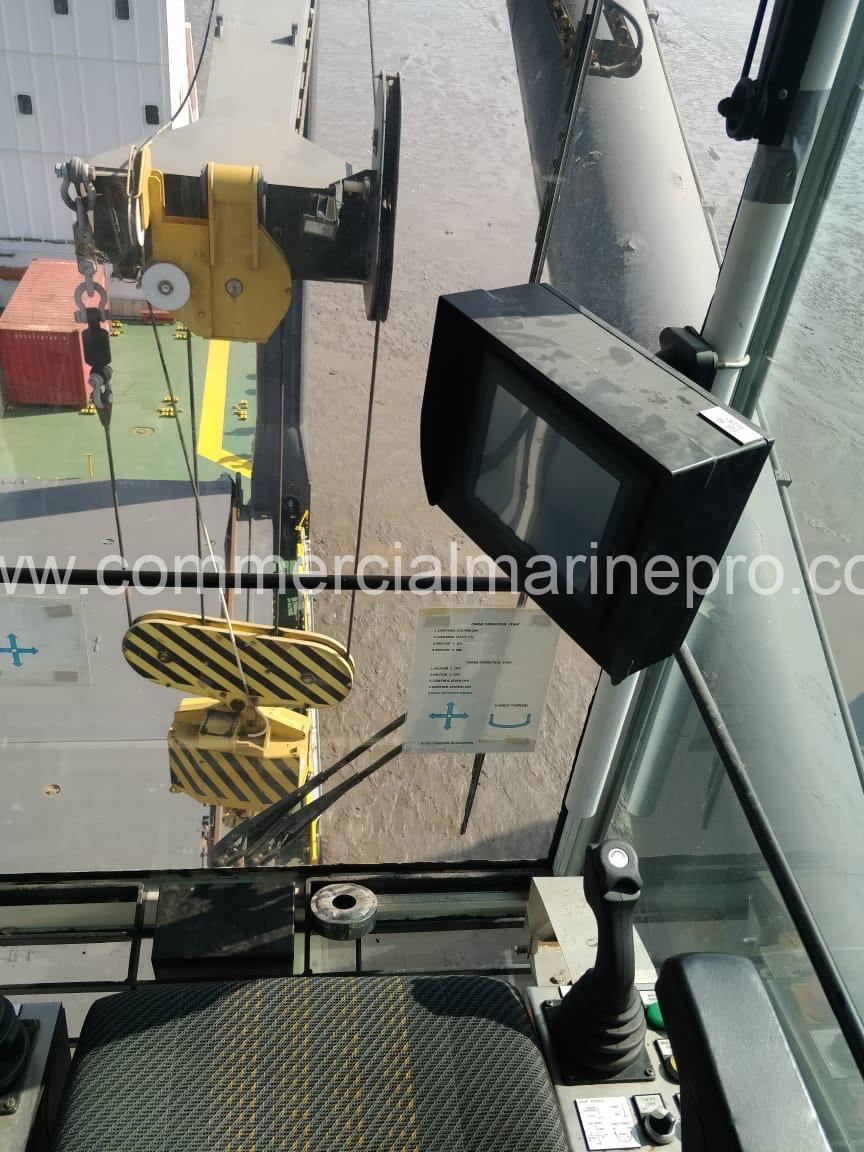
- Area: Structural Integrity of Boom/JibCheck: Visual inspection for cracks, distortion, permanent deformation; ultrasonic thickness measurement on critical weld zones (especially luffing hinges, main boom base, knuckle joints); verify no corrosion pitting > 2mm depth
- Area: Hydraulic System IntegrityCheck: Pressure test main circuit at 1.3x rated pressure; inspect all hoses for leakage, abrasion, age (>5-7 years = mandatory replacement per ISO 1402); verify pump output per load chart; check accumulator pre-charge pressure; inspect cylinder rod seals for scarring
- Area: Slew Bearing ConditionCheck: Measure bearing play/radial runout (limit 2-3mm for deck cranes per ABS); inspect roller/ball elements for spalling; check lubrication level and grease condition (color, contamination); verify bearing preload and locking mechanism engagement
- Area: Load Chain/Wire Rope IntegrityCheck: Measure wire diameter at 10 locations per DNV-GL (reject if >3% wear); inspect for kinks, corrosion, bird-caging, broken strands; verify safe working load certificate matches nameplate; check pulley/sheave condition for wear grooves >2mm
- Area: Safety Devices & Load IndicatorsCheck: Test load limiters at 125% rated SWL; verify anemometer function if wind speed cutout installed; confirm LMI (Load Moment Indicator) calibration within 12 months; check emergency stop circuits (e-stop buttons) for continuity and manual overrides
Typ-universelle Inspektionspunkte fuer Deck Cranes (verifiziert, 2026-06).
- Area: Structural Integrity of Boom/JibCheck: Visual inspection for cracks, distortion, permanent deformation; ultrasonic thickness measurement on critical weld zones (especially luffing hinges, main boom base, knuckle joints); verify no corrosion pitting > 2mm depth
- Area: Hydraulic System IntegrityCheck: Pressure test main circuit at 1.3x rated pressure; inspect all hoses for leakage, abrasion, age (>5-7 years = mandatory replacement per ISO 1402); verify pump output per load chart; check accumulator pre-charge pressure; inspect cylinder rod seals for scarring
- Area: Slew Bearing ConditionCheck: Measure bearing play/radial runout (limit 2-3mm for deck cranes per ABS); inspect roller/ball elements for spalling; check lubrication level and grease condition (color, contamination); verify bearing preload and locking mechanism engagement
- Area: Load Chain/Wire Rope IntegrityCheck: Measure wire diameter at 10 locations per DNV-GL (reject if >3% wear); inspect for kinks, corrosion, bird-caging, broken strands; verify safe working load certificate matches nameplate; check pulley/sheave condition for wear grooves >2mm
- Area: Safety Devices & Load IndicatorsCheck: Test load limiters at 125% rated SWL; verify anemometer function if wind speed cutout installed; confirm LMI (Load Moment Indicator) calibration within 12 months; check emergency stop circuits (e-stop buttons) for continuity and manual overrides
Typ-universelle Inspektionspunkte fuer Deck Cranes (verifiziert, 2026-06).
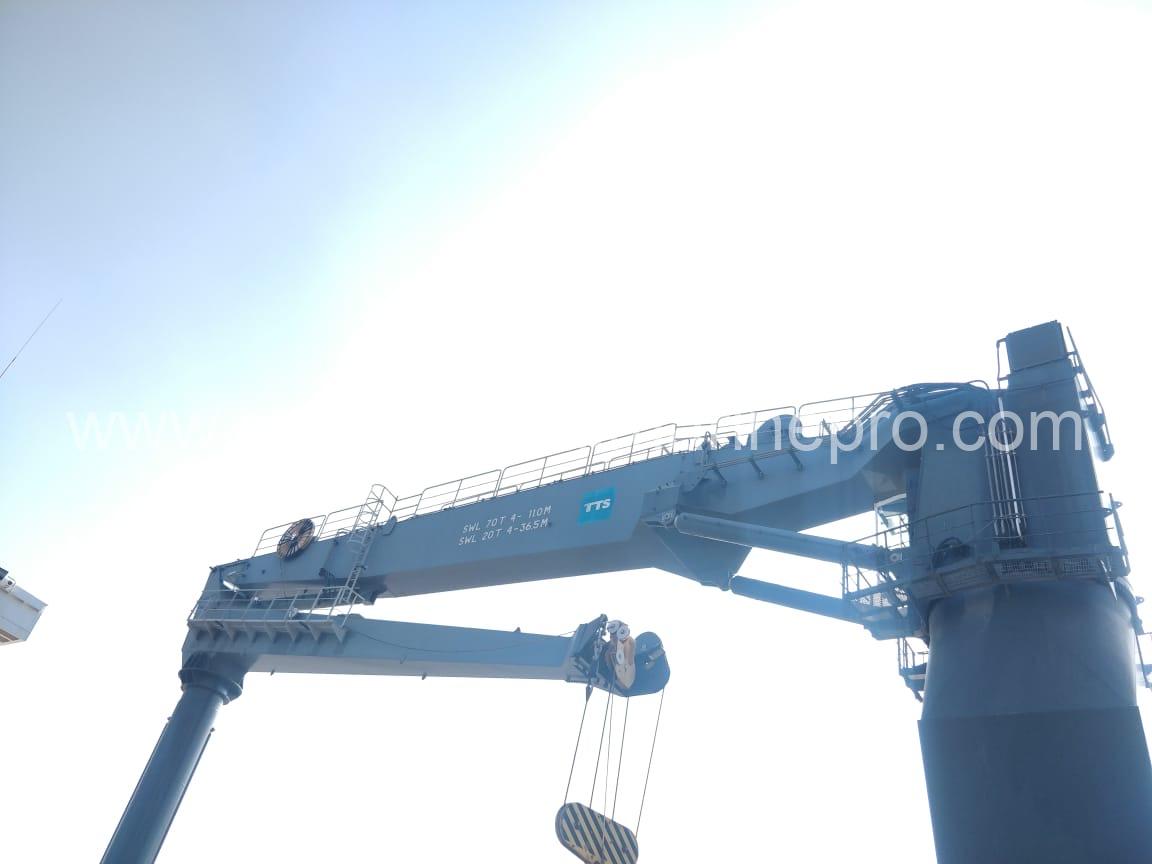
- Area: Structural Integrity of Boom/JibCheck: Visual inspection for cracks, distortion, permanent deformation; ultrasonic thickness measurement on critical weld zones (especially luffing hinges, main boom base, knuckle joints); verify no corrosion pitting > 2mm depth
- Area: Hydraulic System IntegrityCheck: Pressure test main circuit at 1.3x rated pressure; inspect all hoses for leakage, abrasion, age (>5-7 years = mandatory replacement per ISO 1402); verify pump output per load chart; check accumulator pre-charge pressure; inspect cylinder rod seals for scarring
- Area: Slew Bearing ConditionCheck: Measure bearing play/radial runout (limit 2-3mm for deck cranes per ABS); inspect roller/ball elements for spalling; check lubrication level and grease condition (color, contamination); verify bearing preload and locking mechanism engagement
- Area: Load Chain/Wire Rope IntegrityCheck: Measure wire diameter at 10 locations per DNV-GL (reject if >3% wear); inspect for kinks, corrosion, bird-caging, broken strands; verify safe working load certificate matches nameplate; check pulley/sheave condition for wear grooves >2mm
- Area: Safety Devices & Load IndicatorsCheck: Test load limiters at 125% rated SWL; verify anemometer function if wind speed cutout installed; confirm LMI (Load Moment Indicator) calibration within 12 months; check emergency stop circuits (e-stop buttons) for continuity and manual overrides
Typ-universelle Inspektionspunkte fuer Deck Cranes (verifiziert, 2026-06).
- Area: Structural Integrity of Boom/JibCheck: Visual inspection for cracks, distortion, permanent deformation; ultrasonic thickness measurement on critical weld zones (especially luffing hinges, main boom base, knuckle joints); verify no corrosion pitting > 2mm depth
- Area: Hydraulic System IntegrityCheck: Pressure test main circuit at 1.3x rated pressure; inspect all hoses for leakage, abrasion, age (>5-7 years = mandatory replacement per ISO 1402); verify pump output per load chart; check accumulator pre-charge pressure; inspect cylinder rod seals for scarring
- Area: Slew Bearing ConditionCheck: Measure bearing play/radial runout (limit 2-3mm for deck cranes per ABS); inspect roller/ball elements for spalling; check lubrication level and grease condition (color, contamination); verify bearing preload and locking mechanism engagement
- Area: Load Chain/Wire Rope IntegrityCheck: Measure wire diameter at 10 locations per DNV-GL (reject if >3% wear); inspect for kinks, corrosion, bird-caging, broken strands; verify safe working load certificate matches nameplate; check pulley/sheave condition for wear grooves >2mm
- Area: Safety Devices & Load IndicatorsCheck: Test load limiters at 125% rated SWL; verify anemometer function if wind speed cutout installed; confirm LMI (Load Moment Indicator) calibration within 12 months; check emergency stop circuits (e-stop buttons) for continuity and manual overrides
Typ-universelle Inspektionspunkte fuer Deck Cranes (verifiziert, 2026-06).
- Area: Structural Integrity of Boom/JibCheck: Visual inspection for cracks, distortion, permanent deformation; ultrasonic thickness measurement on critical weld zones (especially luffing hinges, main boom base, knuckle joints); verify no corrosion pitting > 2mm depth
- Area: Hydraulic System IntegrityCheck: Pressure test main circuit at 1.3x rated pressure; inspect all hoses for leakage, abrasion, age (>5-7 years = mandatory replacement per ISO 1402); verify pump output per load chart; check accumulator pre-charge pressure; inspect cylinder rod seals for scarring
- Area: Slew Bearing ConditionCheck: Measure bearing play/radial runout (limit 2-3mm for deck cranes per ABS); inspect roller/ball elements for spalling; check lubrication level and grease condition (color, contamination); verify bearing preload and locking mechanism engagement
- Area: Load Chain/Wire Rope IntegrityCheck: Measure wire diameter at 10 locations per DNV-GL (reject if >3% wear); inspect for kinks, corrosion, bird-caging, broken strands; verify safe working load certificate matches nameplate; check pulley/sheave condition for wear grooves >2mm
- Area: Safety Devices & Load IndicatorsCheck: Test load limiters at 125% rated SWL; verify anemometer function if wind speed cutout installed; confirm LMI (Load Moment Indicator) calibration within 12 months; check emergency stop circuits (e-stop buttons) for continuity and manual overrides
Typ-universelle Inspektionspunkte fuer Deck Cranes (verifiziert, 2026-06).
- Area: Structural Integrity of Boom/JibCheck: Visual inspection for cracks, distortion, permanent deformation; ultrasonic thickness measurement on critical weld zones (especially luffing hinges, main boom base, knuckle joints); verify no corrosion pitting > 2mm depth
- Area: Hydraulic System IntegrityCheck: Pressure test main circuit at 1.3x rated pressure; inspect all hoses for leakage, abrasion, age (>5-7 years = mandatory replacement per ISO 1402); verify pump output per load chart; check accumulator pre-charge pressure; inspect cylinder rod seals for scarring
- Area: Slew Bearing ConditionCheck: Measure bearing play/radial runout (limit 2-3mm for deck cranes per ABS); inspect roller/ball elements for spalling; check lubrication level and grease condition (color, contamination); verify bearing preload and locking mechanism engagement
- Area: Load Chain/Wire Rope IntegrityCheck: Measure wire diameter at 10 locations per DNV-GL (reject if >3% wear); inspect for kinks, corrosion, bird-caging, broken strands; verify safe working load certificate matches nameplate; check pulley/sheave condition for wear grooves >2mm
- Area: Safety Devices & Load IndicatorsCheck: Test load limiters at 125% rated SWL; verify anemometer function if wind speed cutout installed; confirm LMI (Load Moment Indicator) calibration within 12 months; check emergency stop circuits (e-stop buttons) for continuity and manual overrides
Typ-universelle Inspektionspunkte fuer Deck Cranes (verifiziert, 2026-06).
- Area: Structural Integrity of Boom/JibCheck: Visual inspection for cracks, distortion, permanent deformation; ultrasonic thickness measurement on critical weld zones (especially luffing hinges, main boom base, knuckle joints); verify no corrosion pitting > 2mm depth
- Area: Hydraulic System IntegrityCheck: Pressure test main circuit at 1.3x rated pressure; inspect all hoses for leakage, abrasion, age (>5-7 years = mandatory replacement per ISO 1402); verify pump output per load chart; check accumulator pre-charge pressure; inspect cylinder rod seals for scarring
- Area: Slew Bearing ConditionCheck: Measure bearing play/radial runout (limit 2-3mm for deck cranes per ABS); inspect roller/ball elements for spalling; check lubrication level and grease condition (color, contamination); verify bearing preload and locking mechanism engagement
- Area: Load Chain/Wire Rope IntegrityCheck: Measure wire diameter at 10 locations per DNV-GL (reject if >3% wear); inspect for kinks, corrosion, bird-caging, broken strands; verify safe working load certificate matches nameplate; check pulley/sheave condition for wear grooves >2mm
- Area: Safety Devices & Load IndicatorsCheck: Test load limiters at 125% rated SWL; verify anemometer function if wind speed cutout installed; confirm LMI (Load Moment Indicator) calibration within 12 months; check emergency stop circuits (e-stop buttons) for continuity and manual overrides
Typ-universelle Inspektionspunkte fuer Deck Cranes (verifiziert, 2026-06).
- Area: Structural Integrity of Boom/JibCheck: Visual inspection for cracks, distortion, permanent deformation; ultrasonic thickness measurement on critical weld zones (especially luffing hinges, main boom base, knuckle joints); verify no corrosion pitting > 2mm depth
- Area: Hydraulic System IntegrityCheck: Pressure test main circuit at 1.3x rated pressure; inspect all hoses for leakage, abrasion, age (>5-7 years = mandatory replacement per ISO 1402); verify pump output per load chart; check accumulator pre-charge pressure; inspect cylinder rod seals for scarring
- Area: Slew Bearing ConditionCheck: Measure bearing play/radial runout (limit 2-3mm for deck cranes per ABS); inspect roller/ball elements for spalling; check lubrication level and grease condition (color, contamination); verify bearing preload and locking mechanism engagement
- Area: Load Chain/Wire Rope IntegrityCheck: Measure wire diameter at 10 locations per DNV-GL (reject if >3% wear); inspect for kinks, corrosion, bird-caging, broken strands; verify safe working load certificate matches nameplate; check pulley/sheave condition for wear grooves >2mm
- Area: Safety Devices & Load IndicatorsCheck: Test load limiters at 125% rated SWL; verify anemometer function if wind speed cutout installed; confirm LMI (Load Moment Indicator) calibration within 12 months; check emergency stop circuits (e-stop buttons) for continuity and manual overrides
Typ-universelle Inspektionspunkte fuer Deck Cranes (verifiziert, 2026-06).
- Area: Structural Integrity of Boom/JibCheck: Visual inspection for cracks, distortion, permanent deformation; ultrasonic thickness measurement on critical weld zones (especially luffing hinges, main boom base, knuckle joints); verify no corrosion pitting > 2mm depth
- Area: Hydraulic System IntegrityCheck: Pressure test main circuit at 1.3x rated pressure; inspect all hoses for leakage, abrasion, age (>5-7 years = mandatory replacement per ISO 1402); verify pump output per load chart; check accumulator pre-charge pressure; inspect cylinder rod seals for scarring
- Area: Slew Bearing ConditionCheck: Measure bearing play/radial runout (limit 2-3mm for deck cranes per ABS); inspect roller/ball elements for spalling; check lubrication level and grease condition (color, contamination); verify bearing preload and locking mechanism engagement
- Area: Load Chain/Wire Rope IntegrityCheck: Measure wire diameter at 10 locations per DNV-GL (reject if >3% wear); inspect for kinks, corrosion, bird-caging, broken strands; verify safe working load certificate matches nameplate; check pulley/sheave condition for wear grooves >2mm
- Area: Safety Devices & Load IndicatorsCheck: Test load limiters at 125% rated SWL; verify anemometer function if wind speed cutout installed; confirm LMI (Load Moment Indicator) calibration within 12 months; check emergency stop circuits (e-stop buttons) for continuity and manual overrides
Typ-universelle Inspektionspunkte fuer Deck Cranes (verifiziert, 2026-06).

- Area: Structural Integrity of Boom/JibCheck: Visual inspection for cracks, distortion, permanent deformation; ultrasonic thickness measurement on critical weld zones (especially luffing hinges, main boom base, knuckle joints); verify no corrosion pitting > 2mm depth
- Area: Hydraulic System IntegrityCheck: Pressure test main circuit at 1.3x rated pressure; inspect all hoses for leakage, abrasion, age (>5-7 years = mandatory replacement per ISO 1402); verify pump output per load chart; check accumulator pre-charge pressure; inspect cylinder rod seals for scarring
- Area: Slew Bearing ConditionCheck: Measure bearing play/radial runout (limit 2-3mm for deck cranes per ABS); inspect roller/ball elements for spalling; check lubrication level and grease condition (color, contamination); verify bearing preload and locking mechanism engagement
- Area: Load Chain/Wire Rope IntegrityCheck: Measure wire diameter at 10 locations per DNV-GL (reject if >3% wear); inspect for kinks, corrosion, bird-caging, broken strands; verify safe working load certificate matches nameplate; check pulley/sheave condition for wear grooves >2mm
- Area: Safety Devices & Load IndicatorsCheck: Test load limiters at 125% rated SWL; verify anemometer function if wind speed cutout installed; confirm LMI (Load Moment Indicator) calibration within 12 months; check emergency stop circuits (e-stop buttons) for continuity and manual overrides
Typ-universelle Inspektionspunkte fuer Deck Cranes (verifiziert, 2026-06).
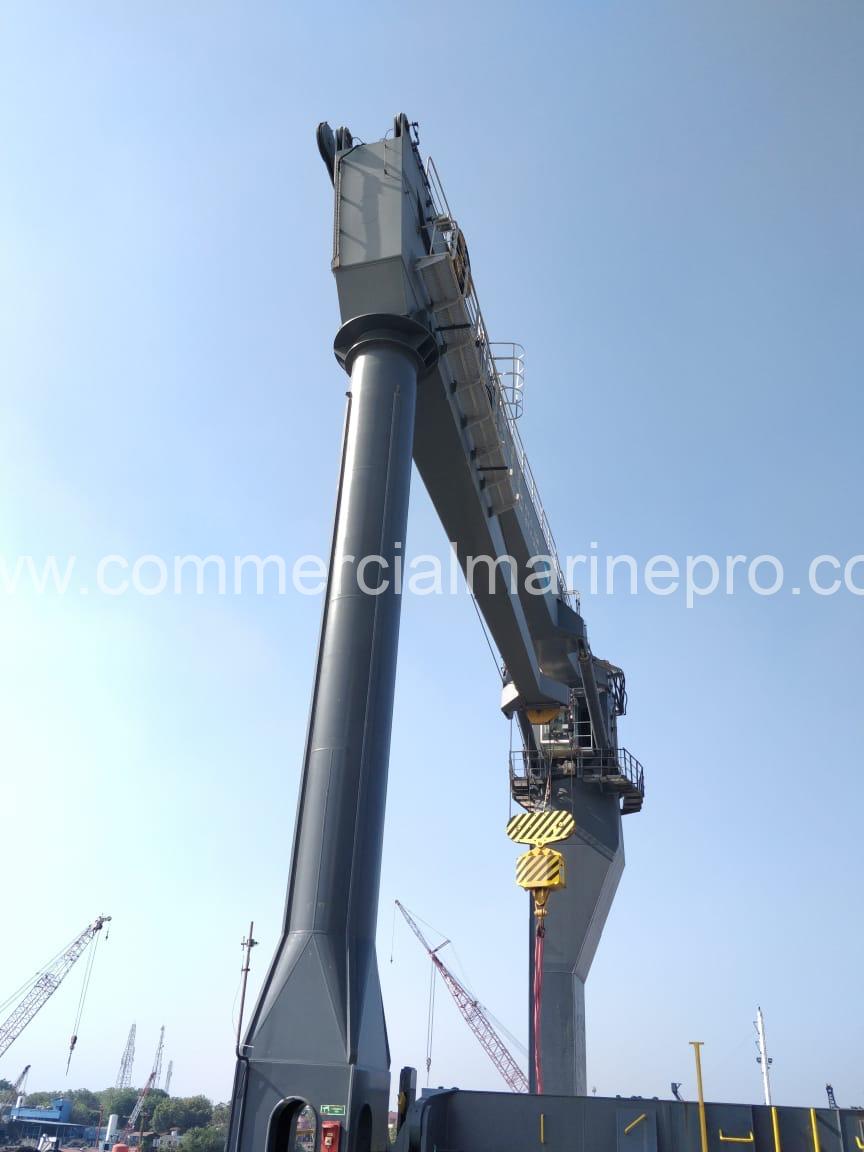
- Area: Structural Integrity of Boom/JibCheck: Visual inspection for cracks, distortion, permanent deformation; ultrasonic thickness measurement on critical weld zones (especially luffing hinges, main boom base, knuckle joints); verify no corrosion pitting > 2mm depth
- Area: Hydraulic System IntegrityCheck: Pressure test main circuit at 1.3x rated pressure; inspect all hoses for leakage, abrasion, age (>5-7 years = mandatory replacement per ISO 1402); verify pump output per load chart; check accumulator pre-charge pressure; inspect cylinder rod seals for scarring
- Area: Slew Bearing ConditionCheck: Measure bearing play/radial runout (limit 2-3mm for deck cranes per ABS); inspect roller/ball elements for spalling; check lubrication level and grease condition (color, contamination); verify bearing preload and locking mechanism engagement
- Area: Load Chain/Wire Rope IntegrityCheck: Measure wire diameter at 10 locations per DNV-GL (reject if >3% wear); inspect for kinks, corrosion, bird-caging, broken strands; verify safe working load certificate matches nameplate; check pulley/sheave condition for wear grooves >2mm
- Area: Safety Devices & Load IndicatorsCheck: Test load limiters at 125% rated SWL; verify anemometer function if wind speed cutout installed; confirm LMI (Load Moment Indicator) calibration within 12 months; check emergency stop circuits (e-stop buttons) for continuity and manual overrides
Typ-universelle Inspektionspunkte fuer Deck Cranes (verifiziert, 2026-06).
- Area: Structural Integrity of Boom/JibCheck: Visual inspection for cracks, distortion, permanent deformation; ultrasonic thickness measurement on critical weld zones (especially luffing hinges, main boom base, knuckle joints); verify no corrosion pitting > 2mm depth
- Area: Hydraulic System IntegrityCheck: Pressure test main circuit at 1.3x rated pressure; inspect all hoses for leakage, abrasion, age (>5-7 years = mandatory replacement per ISO 1402); verify pump output per load chart; check accumulator pre-charge pressure; inspect cylinder rod seals for scarring
- Area: Slew Bearing ConditionCheck: Measure bearing play/radial runout (limit 2-3mm for deck cranes per ABS); inspect roller/ball elements for spalling; check lubrication level and grease condition (color, contamination); verify bearing preload and locking mechanism engagement
- Area: Load Chain/Wire Rope IntegrityCheck: Measure wire diameter at 10 locations per DNV-GL (reject if >3% wear); inspect for kinks, corrosion, bird-caging, broken strands; verify safe working load certificate matches nameplate; check pulley/sheave condition for wear grooves >2mm
- Area: Safety Devices & Load IndicatorsCheck: Test load limiters at 125% rated SWL; verify anemometer function if wind speed cutout installed; confirm LMI (Load Moment Indicator) calibration within 12 months; check emergency stop circuits (e-stop buttons) for continuity and manual overrides
Typ-universelle Inspektionspunkte fuer Deck Cranes (verifiziert, 2026-06).
- Area: Structural Integrity of Boom/JibCheck: Visual inspection for cracks, distortion, permanent deformation; ultrasonic thickness measurement on critical weld zones (especially luffing hinges, main boom base, knuckle joints); verify no corrosion pitting > 2mm depth
- Area: Hydraulic System IntegrityCheck: Pressure test main circuit at 1.3x rated pressure; inspect all hoses for leakage, abrasion, age (>5-7 years = mandatory replacement per ISO 1402); verify pump output per load chart; check accumulator pre-charge pressure; inspect cylinder rod seals for scarring
- Area: Slew Bearing ConditionCheck: Measure bearing play/radial runout (limit 2-3mm for deck cranes per ABS); inspect roller/ball elements for spalling; check lubrication level and grease condition (color, contamination); verify bearing preload and locking mechanism engagement
- Area: Load Chain/Wire Rope IntegrityCheck: Measure wire diameter at 10 locations per DNV-GL (reject if >3% wear); inspect for kinks, corrosion, bird-caging, broken strands; verify safe working load certificate matches nameplate; check pulley/sheave condition for wear grooves >2mm
- Area: Safety Devices & Load IndicatorsCheck: Test load limiters at 125% rated SWL; verify anemometer function if wind speed cutout installed; confirm LMI (Load Moment Indicator) calibration within 12 months; check emergency stop circuits (e-stop buttons) for continuity and manual overrides
Typ-universelle Inspektionspunkte fuer Deck Cranes (verifiziert, 2026-06).
- Area: Structural Integrity of Boom/JibCheck: Visual inspection for cracks, distortion, permanent deformation; ultrasonic thickness measurement on critical weld zones (especially luffing hinges, main boom base, knuckle joints); verify no corrosion pitting > 2mm depth
- Area: Hydraulic System IntegrityCheck: Pressure test main circuit at 1.3x rated pressure; inspect all hoses for leakage, abrasion, age (>5-7 years = mandatory replacement per ISO 1402); verify pump output per load chart; check accumulator pre-charge pressure; inspect cylinder rod seals for scarring
- Area: Slew Bearing ConditionCheck: Measure bearing play/radial runout (limit 2-3mm for deck cranes per ABS); inspect roller/ball elements for spalling; check lubrication level and grease condition (color, contamination); verify bearing preload and locking mechanism engagement
- Area: Load Chain/Wire Rope IntegrityCheck: Measure wire diameter at 10 locations per DNV-GL (reject if >3% wear); inspect for kinks, corrosion, bird-caging, broken strands; verify safe working load certificate matches nameplate; check pulley/sheave condition for wear grooves >2mm
- Area: Safety Devices & Load IndicatorsCheck: Test load limiters at 125% rated SWL; verify anemometer function if wind speed cutout installed; confirm LMI (Load Moment Indicator) calibration within 12 months; check emergency stop circuits (e-stop buttons) for continuity and manual overrides
Typ-universelle Inspektionspunkte fuer Deck Cranes (verifiziert, 2026-06).
- Area: Structural Integrity of Boom/JibCheck: Visual inspection for cracks, distortion, permanent deformation; ultrasonic thickness measurement on critical weld zones (especially luffing hinges, main boom base, knuckle joints); verify no corrosion pitting > 2mm depth
- Area: Hydraulic System IntegrityCheck: Pressure test main circuit at 1.3x rated pressure; inspect all hoses for leakage, abrasion, age (>5-7 years = mandatory replacement per ISO 1402); verify pump output per load chart; check accumulator pre-charge pressure; inspect cylinder rod seals for scarring
- Area: Slew Bearing ConditionCheck: Measure bearing play/radial runout (limit 2-3mm for deck cranes per ABS); inspect roller/ball elements for spalling; check lubrication level and grease condition (color, contamination); verify bearing preload and locking mechanism engagement
- Area: Load Chain/Wire Rope IntegrityCheck: Measure wire diameter at 10 locations per DNV-GL (reject if >3% wear); inspect for kinks, corrosion, bird-caging, broken strands; verify safe working load certificate matches nameplate; check pulley/sheave condition for wear grooves >2mm
- Area: Safety Devices & Load IndicatorsCheck: Test load limiters at 125% rated SWL; verify anemometer function if wind speed cutout installed; confirm LMI (Load Moment Indicator) calibration within 12 months; check emergency stop circuits (e-stop buttons) for continuity and manual overrides
Typ-universelle Inspektionspunkte fuer Deck Cranes (verifiziert, 2026-06).
- Area: Structural Integrity of Boom/JibCheck: Visual inspection for cracks, distortion, permanent deformation; ultrasonic thickness measurement on critical weld zones (especially luffing hinges, main boom base, knuckle joints); verify no corrosion pitting > 2mm depth
- Area: Hydraulic System IntegrityCheck: Pressure test main circuit at 1.3x rated pressure; inspect all hoses for leakage, abrasion, age (>5-7 years = mandatory replacement per ISO 1402); verify pump output per load chart; check accumulator pre-charge pressure; inspect cylinder rod seals for scarring
- Area: Slew Bearing ConditionCheck: Measure bearing play/radial runout (limit 2-3mm for deck cranes per ABS); inspect roller/ball elements for spalling; check lubrication level and grease condition (color, contamination); verify bearing preload and locking mechanism engagement
- Area: Load Chain/Wire Rope IntegrityCheck: Measure wire diameter at 10 locations per DNV-GL (reject if >3% wear); inspect for kinks, corrosion, bird-caging, broken strands; verify safe working load certificate matches nameplate; check pulley/sheave condition for wear grooves >2mm
- Area: Safety Devices & Load IndicatorsCheck: Test load limiters at 125% rated SWL; verify anemometer function if wind speed cutout installed; confirm LMI (Load Moment Indicator) calibration within 12 months; check emergency stop circuits (e-stop buttons) for continuity and manual overrides
Typ-universelle Inspektionspunkte fuer Deck Cranes (verifiziert, 2026-06).
- Area: Structural Integrity of Boom/JibCheck: Visual inspection for cracks, distortion, permanent deformation; ultrasonic thickness measurement on critical weld zones (especially luffing hinges, main boom base, knuckle joints); verify no corrosion pitting > 2mm depth
- Area: Hydraulic System IntegrityCheck: Pressure test main circuit at 1.3x rated pressure; inspect all hoses for leakage, abrasion, age (>5-7 years = mandatory replacement per ISO 1402); verify pump output per load chart; check accumulator pre-charge pressure; inspect cylinder rod seals for scarring
- Area: Slew Bearing ConditionCheck: Measure bearing play/radial runout (limit 2-3mm for deck cranes per ABS); inspect roller/ball elements for spalling; check lubrication level and grease condition (color, contamination); verify bearing preload and locking mechanism engagement
- Area: Load Chain/Wire Rope IntegrityCheck: Measure wire diameter at 10 locations per DNV-GL (reject if >3% wear); inspect for kinks, corrosion, bird-caging, broken strands; verify safe working load certificate matches nameplate; check pulley/sheave condition for wear grooves >2mm
- Area: Safety Devices & Load IndicatorsCheck: Test load limiters at 125% rated SWL; verify anemometer function if wind speed cutout installed; confirm LMI (Load Moment Indicator) calibration within 12 months; check emergency stop circuits (e-stop buttons) for continuity and manual overrides
Typ-universelle Inspektionspunkte fuer Deck Cranes (verifiziert, 2026-06).
- Area: Structural Integrity of Boom/JibCheck: Visual inspection for cracks, distortion, permanent deformation; ultrasonic thickness measurement on critical weld zones (especially luffing hinges, main boom base, knuckle joints); verify no corrosion pitting > 2mm depth
- Area: Hydraulic System IntegrityCheck: Pressure test main circuit at 1.3x rated pressure; inspect all hoses for leakage, abrasion, age (>5-7 years = mandatory replacement per ISO 1402); verify pump output per load chart; check accumulator pre-charge pressure; inspect cylinder rod seals for scarring
- Area: Slew Bearing ConditionCheck: Measure bearing play/radial runout (limit 2-3mm for deck cranes per ABS); inspect roller/ball elements for spalling; check lubrication level and grease condition (color, contamination); verify bearing preload and locking mechanism engagement
- Area: Load Chain/Wire Rope IntegrityCheck: Measure wire diameter at 10 locations per DNV-GL (reject if >3% wear); inspect for kinks, corrosion, bird-caging, broken strands; verify safe working load certificate matches nameplate; check pulley/sheave condition for wear grooves >2mm
- Area: Safety Devices & Load IndicatorsCheck: Test load limiters at 125% rated SWL; verify anemometer function if wind speed cutout installed; confirm LMI (Load Moment Indicator) calibration within 12 months; check emergency stop circuits (e-stop buttons) for continuity and manual overrides
Typ-universelle Inspektionspunkte fuer Deck Cranes (verifiziert, 2026-06).
- Area: Structural Integrity of Boom/JibCheck: Visual inspection for cracks, distortion, permanent deformation; ultrasonic thickness measurement on critical weld zones (especially luffing hinges, main boom base, knuckle joints); verify no corrosion pitting > 2mm depth
- Area: Hydraulic System IntegrityCheck: Pressure test main circuit at 1.3x rated pressure; inspect all hoses for leakage, abrasion, age (>5-7 years = mandatory replacement per ISO 1402); verify pump output per load chart; check accumulator pre-charge pressure; inspect cylinder rod seals for scarring
- Area: Slew Bearing ConditionCheck: Measure bearing play/radial runout (limit 2-3mm for deck cranes per ABS); inspect roller/ball elements for spalling; check lubrication level and grease condition (color, contamination); verify bearing preload and locking mechanism engagement
- Area: Load Chain/Wire Rope IntegrityCheck: Measure wire diameter at 10 locations per DNV-GL (reject if >3% wear); inspect for kinks, corrosion, bird-caging, broken strands; verify safe working load certificate matches nameplate; check pulley/sheave condition for wear grooves >2mm
- Area: Safety Devices & Load IndicatorsCheck: Test load limiters at 125% rated SWL; verify anemometer function if wind speed cutout installed; confirm LMI (Load Moment Indicator) calibration within 12 months; check emergency stop circuits (e-stop buttons) for continuity and manual overrides
Typ-universelle Inspektionspunkte fuer Deck Cranes (verifiziert, 2026-06).
- Area: Structural Integrity of Boom/JibCheck: Visual inspection for cracks, distortion, permanent deformation; ultrasonic thickness measurement on critical weld zones (especially luffing hinges, main boom base, knuckle joints); verify no corrosion pitting > 2mm depth
- Area: Hydraulic System IntegrityCheck: Pressure test main circuit at 1.3x rated pressure; inspect all hoses for leakage, abrasion, age (>5-7 years = mandatory replacement per ISO 1402); verify pump output per load chart; check accumulator pre-charge pressure; inspect cylinder rod seals for scarring
- Area: Slew Bearing ConditionCheck: Measure bearing play/radial runout (limit 2-3mm for deck cranes per ABS); inspect roller/ball elements for spalling; check lubrication level and grease condition (color, contamination); verify bearing preload and locking mechanism engagement
- Area: Load Chain/Wire Rope IntegrityCheck: Measure wire diameter at 10 locations per DNV-GL (reject if >3% wear); inspect for kinks, corrosion, bird-caging, broken strands; verify safe working load certificate matches nameplate; check pulley/sheave condition for wear grooves >2mm
- Area: Safety Devices & Load IndicatorsCheck: Test load limiters at 125% rated SWL; verify anemometer function if wind speed cutout installed; confirm LMI (Load Moment Indicator) calibration within 12 months; check emergency stop circuits (e-stop buttons) for continuity and manual overrides
Typ-universelle Inspektionspunkte fuer Deck Cranes (verifiziert, 2026-06).
- Area: Structural Integrity of Boom/JibCheck: Visual inspection for cracks, distortion, permanent deformation; ultrasonic thickness measurement on critical weld zones (especially luffing hinges, main boom base, knuckle joints); verify no corrosion pitting > 2mm depth
- Area: Hydraulic System IntegrityCheck: Pressure test main circuit at 1.3x rated pressure; inspect all hoses for leakage, abrasion, age (>5-7 years = mandatory replacement per ISO 1402); verify pump output per load chart; check accumulator pre-charge pressure; inspect cylinder rod seals for scarring
- Area: Slew Bearing ConditionCheck: Measure bearing play/radial runout (limit 2-3mm for deck cranes per ABS); inspect roller/ball elements for spalling; check lubrication level and grease condition (color, contamination); verify bearing preload and locking mechanism engagement
- Area: Load Chain/Wire Rope IntegrityCheck: Measure wire diameter at 10 locations per DNV-GL (reject if >3% wear); inspect for kinks, corrosion, bird-caging, broken strands; verify safe working load certificate matches nameplate; check pulley/sheave condition for wear grooves >2mm
- Area: Safety Devices & Load IndicatorsCheck: Test load limiters at 125% rated SWL; verify anemometer function if wind speed cutout installed; confirm LMI (Load Moment Indicator) calibration within 12 months; check emergency stop circuits (e-stop buttons) for continuity and manual overrides
Typ-universelle Inspektionspunkte fuer Deck Cranes (verifiziert, 2026-06).
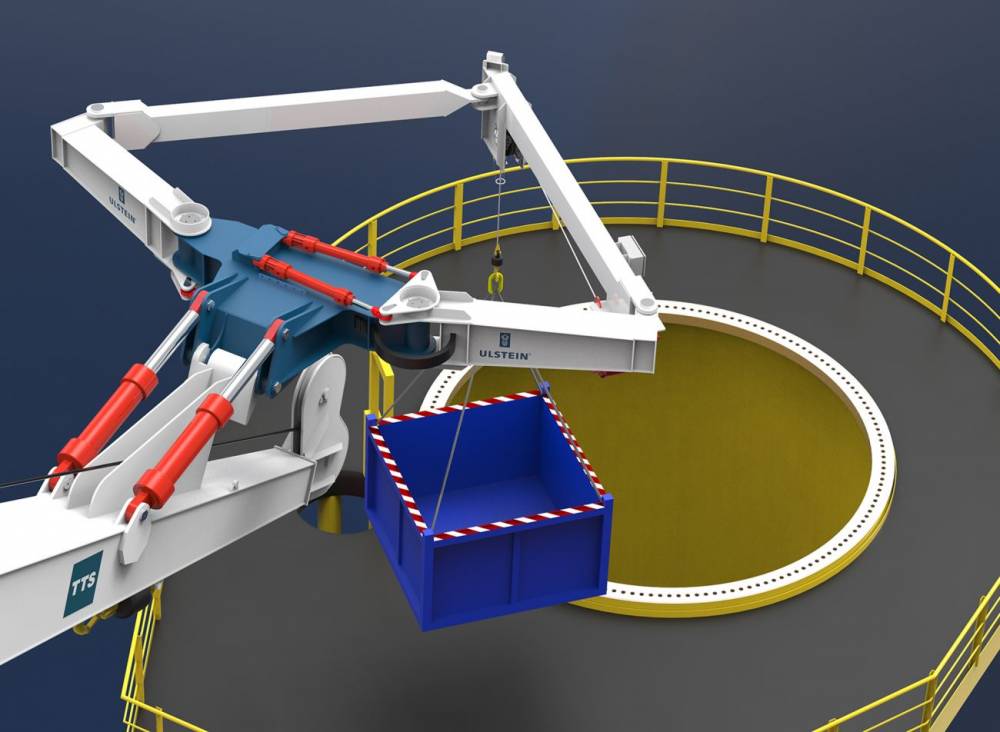
- Area: Structural Integrity of Boom/JibCheck: Visual inspection for cracks, distortion, permanent deformation; ultrasonic thickness measurement on critical weld zones (especially luffing hinges, main boom base, knuckle joints); verify no corrosion pitting > 2mm depth
- Area: Hydraulic System IntegrityCheck: Pressure test main circuit at 1.3x rated pressure; inspect all hoses for leakage, abrasion, age (>5-7 years = mandatory replacement per ISO 1402); verify pump output per load chart; check accumulator pre-charge pressure; inspect cylinder rod seals for scarring
- Area: Slew Bearing ConditionCheck: Measure bearing play/radial runout (limit 2-3mm for deck cranes per ABS); inspect roller/ball elements for spalling; check lubrication level and grease condition (color, contamination); verify bearing preload and locking mechanism engagement
- Area: Load Chain/Wire Rope IntegrityCheck: Measure wire diameter at 10 locations per DNV-GL (reject if >3% wear); inspect for kinks, corrosion, bird-caging, broken strands; verify safe working load certificate matches nameplate; check pulley/sheave condition for wear grooves >2mm
- Area: Safety Devices & Load IndicatorsCheck: Test load limiters at 125% rated SWL; verify anemometer function if wind speed cutout installed; confirm LMI (Load Moment Indicator) calibration within 12 months; check emergency stop circuits (e-stop buttons) for continuity and manual overrides
Typ-universelle Inspektionspunkte fuer Deck Cranes (verifiziert, 2026-06).
- Area: Structural Integrity of Boom/JibCheck: Visual inspection for cracks, distortion, permanent deformation; ultrasonic thickness measurement on critical weld zones (especially luffing hinges, main boom base, knuckle joints); verify no corrosion pitting > 2mm depth
- Area: Hydraulic System IntegrityCheck: Pressure test main circuit at 1.3x rated pressure; inspect all hoses for leakage, abrasion, age (>5-7 years = mandatory replacement per ISO 1402); verify pump output per load chart; check accumulator pre-charge pressure; inspect cylinder rod seals for scarring
- Area: Slew Bearing ConditionCheck: Measure bearing play/radial runout (limit 2-3mm for deck cranes per ABS); inspect roller/ball elements for spalling; check lubrication level and grease condition (color, contamination); verify bearing preload and locking mechanism engagement
- Area: Load Chain/Wire Rope IntegrityCheck: Measure wire diameter at 10 locations per DNV-GL (reject if >3% wear); inspect for kinks, corrosion, bird-caging, broken strands; verify safe working load certificate matches nameplate; check pulley/sheave condition for wear grooves >2mm
- Area: Safety Devices & Load IndicatorsCheck: Test load limiters at 125% rated SWL; verify anemometer function if wind speed cutout installed; confirm LMI (Load Moment Indicator) calibration within 12 months; check emergency stop circuits (e-stop buttons) for continuity and manual overrides
Typ-universelle Inspektionspunkte fuer Deck Cranes (verifiziert, 2026-06).
- Area: Structural Integrity of Boom/JibCheck: Visual inspection for cracks, distortion, permanent deformation; ultrasonic thickness measurement on critical weld zones (especially luffing hinges, main boom base, knuckle joints); verify no corrosion pitting > 2mm depth
- Area: Hydraulic System IntegrityCheck: Pressure test main circuit at 1.3x rated pressure; inspect all hoses for leakage, abrasion, age (>5-7 years = mandatory replacement per ISO 1402); verify pump output per load chart; check accumulator pre-charge pressure; inspect cylinder rod seals for scarring
- Area: Slew Bearing ConditionCheck: Measure bearing play/radial runout (limit 2-3mm for deck cranes per ABS); inspect roller/ball elements for spalling; check lubrication level and grease condition (color, contamination); verify bearing preload and locking mechanism engagement
- Area: Load Chain/Wire Rope IntegrityCheck: Measure wire diameter at 10 locations per DNV-GL (reject if >3% wear); inspect for kinks, corrosion, bird-caging, broken strands; verify safe working load certificate matches nameplate; check pulley/sheave condition for wear grooves >2mm
- Area: Safety Devices & Load IndicatorsCheck: Test load limiters at 125% rated SWL; verify anemometer function if wind speed cutout installed; confirm LMI (Load Moment Indicator) calibration within 12 months; check emergency stop circuits (e-stop buttons) for continuity and manual overrides
Typ-universelle Inspektionspunkte fuer Deck Cranes (verifiziert, 2026-06).
- Area: Structural Integrity of Boom/JibCheck: Visual inspection for cracks, distortion, permanent deformation; ultrasonic thickness measurement on critical weld zones (especially luffing hinges, main boom base, knuckle joints); verify no corrosion pitting > 2mm depth
- Area: Hydraulic System IntegrityCheck: Pressure test main circuit at 1.3x rated pressure; inspect all hoses for leakage, abrasion, age (>5-7 years = mandatory replacement per ISO 1402); verify pump output per load chart; check accumulator pre-charge pressure; inspect cylinder rod seals for scarring
- Area: Slew Bearing ConditionCheck: Measure bearing play/radial runout (limit 2-3mm for deck cranes per ABS); inspect roller/ball elements for spalling; check lubrication level and grease condition (color, contamination); verify bearing preload and locking mechanism engagement
- Area: Load Chain/Wire Rope IntegrityCheck: Measure wire diameter at 10 locations per DNV-GL (reject if >3% wear); inspect for kinks, corrosion, bird-caging, broken strands; verify safe working load certificate matches nameplate; check pulley/sheave condition for wear grooves >2mm
- Area: Safety Devices & Load IndicatorsCheck: Test load limiters at 125% rated SWL; verify anemometer function if wind speed cutout installed; confirm LMI (Load Moment Indicator) calibration within 12 months; check emergency stop circuits (e-stop buttons) for continuity and manual overrides
Typ-universelle Inspektionspunkte fuer Deck Cranes (verifiziert, 2026-06).
Techcrane
52 ✓ 42 verified- Wire-rope wear, corrosion or poor spooling causes visible damage, crushing or irregular hoisting
- Hydraulic leakage or pump wear reduces motion speed and can cause pressure loss or uncontrolled drift
- Brake wear or maladjustment causes load creep, poor holding or abnormal stopping distance
- Limit switch, overload or control faults cause nuisance trips or loss of protective functions
- Bearing, slew-ring or structural wear produces play, noise, vibration or abnormal movement under load
- Wire-rope wear, corrosion or poor spooling causes visible damage, crushing or irregular hoisting
- Hydraulic leakage or pump wear reduces motion speed and can cause pressure loss or uncontrolled drift
- Brake wear or maladjustment causes load creep, poor holding or abnormal stopping distance
- Limit switch, overload or control faults cause nuisance trips or loss of protective functions
- Bearing, slew-ring or structural wear produces play, noise, vibration or abnormal movement under load
- Wire-rope deterioration caused by corrosion, broken wires, crushing or poor spooling, resulting in visible damage or unreliable hoisting
- Hydraulic leakage or drive failure caused by hose, seal, pump or valve faults, resulting in slow, jerky or unavailable movement
- Brake or winch deterioration caused by wear or contamination, resulting in load drift, poor holding or abnormal noise
- Slew-bearing, pin or sheave wear caused by cyclic loading and inadequate lubrication, resulting in play, vibration or rough movement
- Limit, overload or control-system fault caused by sensor, wiring or calibration problems, resulting in alarms, inhibited motion or loss of protective functions
- Wire-rope deterioration caused by corrosion, broken wires, crushing or poor spooling, resulting in visible damage or unreliable hoisting
- Hydraulic leakage or drive failure caused by hose, seal, pump or valve faults, resulting in slow, jerky or unavailable movement
- Brake or winch deterioration caused by wear or contamination, resulting in load drift, poor holding or abnormal noise
- Slew-bearing, pin or sheave wear caused by cyclic loading and inadequate lubrication, resulting in play, vibration or rough movement
- Limit, overload or control-system fault caused by sensor, wiring or calibration problems, resulting in alarms, inhibited motion or loss of protective functions
- Wire-rope deterioration caused by corrosion, broken wires, crushing or poor spooling, resulting in visible damage or unreliable hoisting
- Hydraulic leakage or drive failure caused by hose, seal, pump or valve faults, resulting in slow, jerky or unavailable movement
- Brake or winch deterioration caused by wear or contamination, resulting in load drift, poor holding or abnormal noise
- Slew-bearing, pin or sheave wear caused by cyclic loading and inadequate lubrication, resulting in play, vibration or rough movement
- Limit, overload or control-system fault caused by sensor, wiring or calibration problems, resulting in alarms, inhibited motion or loss of protective functions
- Wire-rope deterioration caused by corrosion, broken wires, crushing or poor spooling, resulting in visible damage or unreliable hoisting
- Hydraulic leakage or drive failure caused by hose, seal, pump or valve faults, resulting in slow, jerky or unavailable movement
- Brake or winch deterioration caused by wear or contamination, resulting in load drift, poor holding or abnormal noise
- Slew-bearing, pin or sheave wear caused by cyclic loading and inadequate lubrication, resulting in play, vibration or rough movement
- Limit, overload or control-system fault caused by sensor, wiring or calibration problems, resulting in alarms, inhibited motion or loss of protective functions
- Wire-rope deterioration caused by corrosion, broken wires, crushing or poor spooling, resulting in visible damage or unreliable hoisting
- Hydraulic leakage or drive failure caused by hose, seal, pump or valve faults, resulting in slow, jerky or unavailable movement
- Brake or winch deterioration caused by wear or contamination, resulting in load drift, poor holding or abnormal noise
- Slew-bearing, pin or sheave wear caused by cyclic loading and inadequate lubrication, resulting in play, vibration or rough movement
- Limit, overload or control-system fault caused by sensor, wiring or calibration problems, resulting in alarms, inhibited motion or loss of protective functions
- Wire-rope deterioration caused by corrosion, broken wires, crushing or poor spooling, resulting in visible damage or unreliable hoisting
- Hydraulic leakage or drive failure caused by hose, seal, pump or valve faults, resulting in slow, jerky or unavailable movement
- Brake or winch deterioration caused by wear or contamination, resulting in load drift, poor holding or abnormal noise
- Slew-bearing, pin or sheave wear caused by cyclic loading and inadequate lubrication, resulting in play, vibration or rough movement
- Limit, overload or control-system fault caused by sensor, wiring or calibration problems, resulting in alarms, inhibited motion or loss of protective functions
- Wire-rope deterioration caused by corrosion, broken wires, crushing or poor spooling, resulting in visible damage or unreliable hoisting
- Hydraulic leakage or drive failure caused by hose, seal, pump or valve faults, resulting in slow, jerky or unavailable movement
- Brake or winch deterioration caused by wear or contamination, resulting in load drift, poor holding or abnormal noise
- Slew-bearing, pin or sheave wear caused by cyclic loading and inadequate lubrication, resulting in play, vibration or rough movement
- Limit, overload or control-system fault caused by sensor, wiring or calibration problems, resulting in alarms, inhibited motion or loss of protective functions
- Wire-rope deterioration caused by corrosion, broken wires, crushing or poor spooling, resulting in visible damage or unreliable hoisting
- Hydraulic leakage or drive failure caused by hose, seal, pump or valve faults, resulting in slow, jerky or unavailable movement
- Brake or winch deterioration caused by wear or contamination, resulting in load drift, poor holding or abnormal noise
- Slew-bearing, pin or sheave wear caused by cyclic loading and inadequate lubrication, resulting in play, vibration or rough movement
- Limit, overload or control-system fault caused by sensor, wiring or calibration problems, resulting in alarms, inhibited motion or loss of protective functions
- Area: Wire rope condition and compliance with ISO 4309 discard criteriaCheck: Annual thorough examination: inspect for fraying, corrosion, wear patterns; measure rope diameter loss; apply ISO 4309 discard criteria (including core loss, outer wire loss, inner wire loss)
- Area: Structural integrity: cracking, corrosion, wastage, bearing condition, bolt elongationCheck: Annual thorough examination: visual inspection for cracks in boom, pedestal, slewing bearing; measure corrosion/wastage depth; check bearing play; inspect bolt tension via torque wrench; document any deviations
- Area: Load, wind, and other indicators accuracy and safety function verificationCheck: Annual test: calibrate load indicators against certified scales across full range; verify emergency stop, limit switches, overload protection activate correctly; test windspeed cutoff if applicable
- Area: Hoisting machinery, brake system wear, pawls, ratchets conditionCheck: Quarterly/annual inspection: measure brake pad/lining thickness; inspect for excessive heat discoloration; check pawl/ratchet engagement and wear; test brake holding under full SWL at 125% load; verify no oil leakage
- Area: 5-yearly load test at 1.25x SWL and slewing bearing play measurementCheck: Every 5 years: perform certified load test to 1.25x SWL; measure slewing bearing radial and axial play; document results; verify no permanent deformations; update Certificate of Test and Thorough Examination
Typ-universelle Inspektionspunkte fuer Deck Cranes (verifiziert, 2026-06).
- Area: Wire rope condition and compliance with ISO 4309 discard criteriaCheck: Annual thorough examination: inspect for fraying, corrosion, wear patterns; measure rope diameter loss; apply ISO 4309 discard criteria (including core loss, outer wire loss, inner wire loss)
- Area: Structural integrity: cracking, corrosion, wastage, bearing condition, bolt elongationCheck: Annual thorough examination: visual inspection for cracks in boom, pedestal, slewing bearing; measure corrosion/wastage depth; check bearing play; inspect bolt tension via torque wrench; document any deviations
- Area: Load, wind, and other indicators accuracy and safety function verificationCheck: Annual test: calibrate load indicators against certified scales across full range; verify emergency stop, limit switches, overload protection activate correctly; test windspeed cutoff if applicable
- Area: Hoisting machinery, brake system wear, pawls, ratchets conditionCheck: Quarterly/annual inspection: measure brake pad/lining thickness; inspect for excessive heat discoloration; check pawl/ratchet engagement and wear; test brake holding under full SWL at 125% load; verify no oil leakage
- Area: 5-yearly load test at 1.25x SWL and slewing bearing play measurementCheck: Every 5 years: perform certified load test to 1.25x SWL; measure slewing bearing radial and axial play; document results; verify no permanent deformations; update Certificate of Test and Thorough Examination
Typ-universelle Inspektionspunkte fuer Deck Cranes (verifiziert, 2026-06).
- Area: Wire rope condition and compliance with ISO 4309 discard criteriaCheck: Annual thorough examination: inspect for fraying, corrosion, wear patterns; measure rope diameter loss; apply ISO 4309 discard criteria (including core loss, outer wire loss, inner wire loss)
- Area: Structural integrity: cracking, corrosion, wastage, bearing condition, bolt elongationCheck: Annual thorough examination: visual inspection for cracks in boom, pedestal, slewing bearing; measure corrosion/wastage depth; check bearing play; inspect bolt tension via torque wrench; document any deviations
- Area: Load, wind, and other indicators accuracy and safety function verificationCheck: Annual test: calibrate load indicators against certified scales across full range; verify emergency stop, limit switches, overload protection activate correctly; test windspeed cutoff if applicable
- Area: Hoisting machinery, brake system wear, pawls, ratchets conditionCheck: Quarterly/annual inspection: measure brake pad/lining thickness; inspect for excessive heat discoloration; check pawl/ratchet engagement and wear; test brake holding under full SWL at 125% load; verify no oil leakage
- Area: 5-yearly load test at 1.25x SWL and slewing bearing play measurementCheck: Every 5 years: perform certified load test to 1.25x SWL; measure slewing bearing radial and axial play; document results; verify no permanent deformations; update Certificate of Test and Thorough Examination
Typ-universelle Inspektionspunkte fuer Deck Cranes (verifiziert, 2026-06).
- Area: Wire rope condition and compliance with ISO 4309 discard criteriaCheck: Annual thorough examination: inspect for fraying, corrosion, wear patterns; measure rope diameter loss; apply ISO 4309 discard criteria (including core loss, outer wire loss, inner wire loss)
- Area: Structural integrity: cracking, corrosion, wastage, bearing condition, bolt elongationCheck: Annual thorough examination: visual inspection for cracks in boom, pedestal, slewing bearing; measure corrosion/wastage depth; check bearing play; inspect bolt tension via torque wrench; document any deviations
- Area: Load, wind, and other indicators accuracy and safety function verificationCheck: Annual test: calibrate load indicators against certified scales across full range; verify emergency stop, limit switches, overload protection activate correctly; test windspeed cutoff if applicable
- Area: Hoisting machinery, brake system wear, pawls, ratchets conditionCheck: Quarterly/annual inspection: measure brake pad/lining thickness; inspect for excessive heat discoloration; check pawl/ratchet engagement and wear; test brake holding under full SWL at 125% load; verify no oil leakage
- Area: 5-yearly load test at 1.25x SWL and slewing bearing play measurementCheck: Every 5 years: perform certified load test to 1.25x SWL; measure slewing bearing radial and axial play; document results; verify no permanent deformations; update Certificate of Test and Thorough Examination
Typ-universelle Inspektionspunkte fuer Deck Cranes (verifiziert, 2026-06).
- Area: Wire rope condition and compliance with ISO 4309 discard criteriaCheck: Annual thorough examination: inspect for fraying, corrosion, wear patterns; measure rope diameter loss; apply ISO 4309 discard criteria (including core loss, outer wire loss, inner wire loss)
- Area: Structural integrity: cracking, corrosion, wastage, bearing condition, bolt elongationCheck: Annual thorough examination: visual inspection for cracks in boom, pedestal, slewing bearing; measure corrosion/wastage depth; check bearing play; inspect bolt tension via torque wrench; document any deviations
- Area: Load, wind, and other indicators accuracy and safety function verificationCheck: Annual test: calibrate load indicators against certified scales across full range; verify emergency stop, limit switches, overload protection activate correctly; test windspeed cutoff if applicable
- Area: Hoisting machinery, brake system wear, pawls, ratchets conditionCheck: Quarterly/annual inspection: measure brake pad/lining thickness; inspect for excessive heat discoloration; check pawl/ratchet engagement and wear; test brake holding under full SWL at 125% load; verify no oil leakage
- Area: 5-yearly load test at 1.25x SWL and slewing bearing play measurementCheck: Every 5 years: perform certified load test to 1.25x SWL; measure slewing bearing radial and axial play; document results; verify no permanent deformations; update Certificate of Test and Thorough Examination
Typ-universelle Inspektionspunkte fuer Deck Cranes (verifiziert, 2026-06).
- Area: Wire rope condition and compliance with ISO 4309 discard criteriaCheck: Annual thorough examination: inspect for fraying, corrosion, wear patterns; measure rope diameter loss; apply ISO 4309 discard criteria (including core loss, outer wire loss, inner wire loss)
- Area: Structural integrity: cracking, corrosion, wastage, bearing condition, bolt elongationCheck: Annual thorough examination: visual inspection for cracks in boom, pedestal, slewing bearing; measure corrosion/wastage depth; check bearing play; inspect bolt tension via torque wrench; document any deviations
- Area: Load, wind, and other indicators accuracy and safety function verificationCheck: Annual test: calibrate load indicators against certified scales across full range; verify emergency stop, limit switches, overload protection activate correctly; test windspeed cutoff if applicable
- Area: Hoisting machinery, brake system wear, pawls, ratchets conditionCheck: Quarterly/annual inspection: measure brake pad/lining thickness; inspect for excessive heat discoloration; check pawl/ratchet engagement and wear; test brake holding under full SWL at 125% load; verify no oil leakage
- Area: 5-yearly load test at 1.25x SWL and slewing bearing play measurementCheck: Every 5 years: perform certified load test to 1.25x SWL; measure slewing bearing radial and axial play; document results; verify no permanent deformations; update Certificate of Test and Thorough Examination
Typ-universelle Inspektionspunkte fuer Deck Cranes (verifiziert, 2026-06).
- Area: Wire rope condition and compliance with ISO 4309 discard criteriaCheck: Annual thorough examination: inspect for fraying, corrosion, wear patterns; measure rope diameter loss; apply ISO 4309 discard criteria (including core loss, outer wire loss, inner wire loss)
- Area: Structural integrity: cracking, corrosion, wastage, bearing condition, bolt elongationCheck: Annual thorough examination: visual inspection for cracks in boom, pedestal, slewing bearing; measure corrosion/wastage depth; check bearing play; inspect bolt tension via torque wrench; document any deviations
- Area: Load, wind, and other indicators accuracy and safety function verificationCheck: Annual test: calibrate load indicators against certified scales across full range; verify emergency stop, limit switches, overload protection activate correctly; test windspeed cutoff if applicable
- Area: Hoisting machinery, brake system wear, pawls, ratchets conditionCheck: Quarterly/annual inspection: measure brake pad/lining thickness; inspect for excessive heat discoloration; check pawl/ratchet engagement and wear; test brake holding under full SWL at 125% load; verify no oil leakage
- Area: 5-yearly load test at 1.25x SWL and slewing bearing play measurementCheck: Every 5 years: perform certified load test to 1.25x SWL; measure slewing bearing radial and axial play; document results; verify no permanent deformations; update Certificate of Test and Thorough Examination
Typ-universelle Inspektionspunkte fuer Deck Cranes (verifiziert, 2026-06).
- Area: Wire rope condition and compliance with ISO 4309 discard criteriaCheck: Annual thorough examination: inspect for fraying, corrosion, wear patterns; measure rope diameter loss; apply ISO 4309 discard criteria (including core loss, outer wire loss, inner wire loss)
- Area: Structural integrity: cracking, corrosion, wastage, bearing condition, bolt elongationCheck: Annual thorough examination: visual inspection for cracks in boom, pedestal, slewing bearing; measure corrosion/wastage depth; check bearing play; inspect bolt tension via torque wrench; document any deviations
- Area: Load, wind, and other indicators accuracy and safety function verificationCheck: Annual test: calibrate load indicators against certified scales across full range; verify emergency stop, limit switches, overload protection activate correctly; test windspeed cutoff if applicable
- Area: Hoisting machinery, brake system wear, pawls, ratchets conditionCheck: Quarterly/annual inspection: measure brake pad/lining thickness; inspect for excessive heat discoloration; check pawl/ratchet engagement and wear; test brake holding under full SWL at 125% load; verify no oil leakage
- Area: 5-yearly load test at 1.25x SWL and slewing bearing play measurementCheck: Every 5 years: perform certified load test to 1.25x SWL; measure slewing bearing radial and axial play; document results; verify no permanent deformations; update Certificate of Test and Thorough Examination
Typ-universelle Inspektionspunkte fuer Deck Cranes (verifiziert, 2026-06).
- Area: Wire rope condition and compliance with ISO 4309 discard criteriaCheck: Annual thorough examination: inspect for fraying, corrosion, wear patterns; measure rope diameter loss; apply ISO 4309 discard criteria (including core loss, outer wire loss, inner wire loss)
- Area: Structural integrity: cracking, corrosion, wastage, bearing condition, bolt elongationCheck: Annual thorough examination: visual inspection for cracks in boom, pedestal, slewing bearing; measure corrosion/wastage depth; check bearing play; inspect bolt tension via torque wrench; document any deviations
- Area: Load, wind, and other indicators accuracy and safety function verificationCheck: Annual test: calibrate load indicators against certified scales across full range; verify emergency stop, limit switches, overload protection activate correctly; test windspeed cutoff if applicable
- Area: Hoisting machinery, brake system wear, pawls, ratchets conditionCheck: Quarterly/annual inspection: measure brake pad/lining thickness; inspect for excessive heat discoloration; check pawl/ratchet engagement and wear; test brake holding under full SWL at 125% load; verify no oil leakage
- Area: 5-yearly load test at 1.25x SWL and slewing bearing play measurementCheck: Every 5 years: perform certified load test to 1.25x SWL; measure slewing bearing radial and axial play; document results; verify no permanent deformations; update Certificate of Test and Thorough Examination
Typ-universelle Inspektionspunkte fuer Deck Cranes (verifiziert, 2026-06).
- Area: Wire rope condition and compliance with ISO 4309 discard criteriaCheck: Annual thorough examination: inspect for fraying, corrosion, wear patterns; measure rope diameter loss; apply ISO 4309 discard criteria (including core loss, outer wire loss, inner wire loss)
- Area: Structural integrity: cracking, corrosion, wastage, bearing condition, bolt elongationCheck: Annual thorough examination: visual inspection for cracks in boom, pedestal, slewing bearing; measure corrosion/wastage depth; check bearing play; inspect bolt tension via torque wrench; document any deviations
- Area: Load, wind, and other indicators accuracy and safety function verificationCheck: Annual test: calibrate load indicators against certified scales across full range; verify emergency stop, limit switches, overload protection activate correctly; test windspeed cutoff if applicable
- Area: Hoisting machinery, brake system wear, pawls, ratchets conditionCheck: Quarterly/annual inspection: measure brake pad/lining thickness; inspect for excessive heat discoloration; check pawl/ratchet engagement and wear; test brake holding under full SWL at 125% load; verify no oil leakage
- Area: 5-yearly load test at 1.25x SWL and slewing bearing play measurementCheck: Every 5 years: perform certified load test to 1.25x SWL; measure slewing bearing radial and axial play; document results; verify no permanent deformations; update Certificate of Test and Thorough Examination
Typ-universelle Inspektionspunkte fuer Deck Cranes (verifiziert, 2026-06).
- Area: Wire rope condition and compliance with ISO 4309 discard criteriaCheck: Annual thorough examination: inspect for fraying, corrosion, wear patterns; measure rope diameter loss; apply ISO 4309 discard criteria (including core loss, outer wire loss, inner wire loss)
- Area: Structural integrity: cracking, corrosion, wastage, bearing condition, bolt elongationCheck: Annual thorough examination: visual inspection for cracks in boom, pedestal, slewing bearing; measure corrosion/wastage depth; check bearing play; inspect bolt tension via torque wrench; document any deviations
- Area: Load, wind, and other indicators accuracy and safety function verificationCheck: Annual test: calibrate load indicators against certified scales across full range; verify emergency stop, limit switches, overload protection activate correctly; test windspeed cutoff if applicable
- Area: Hoisting machinery, brake system wear, pawls, ratchets conditionCheck: Quarterly/annual inspection: measure brake pad/lining thickness; inspect for excessive heat discoloration; check pawl/ratchet engagement and wear; test brake holding under full SWL at 125% load; verify no oil leakage
- Area: 5-yearly load test at 1.25x SWL and slewing bearing play measurementCheck: Every 5 years: perform certified load test to 1.25x SWL; measure slewing bearing radial and axial play; document results; verify no permanent deformations; update Certificate of Test and Thorough Examination
Typ-universelle Inspektionspunkte fuer Deck Cranes (verifiziert, 2026-06).
- Area: Wire rope condition and compliance with ISO 4309 discard criteriaCheck: Annual thorough examination: inspect for fraying, corrosion, wear patterns; measure rope diameter loss; apply ISO 4309 discard criteria (including core loss, outer wire loss, inner wire loss)
- Area: Structural integrity: cracking, corrosion, wastage, bearing condition, bolt elongationCheck: Annual thorough examination: visual inspection for cracks in boom, pedestal, slewing bearing; measure corrosion/wastage depth; check bearing play; inspect bolt tension via torque wrench; document any deviations
- Area: Load, wind, and other indicators accuracy and safety function verificationCheck: Annual test: calibrate load indicators against certified scales across full range; verify emergency stop, limit switches, overload protection activate correctly; test windspeed cutoff if applicable
- Area: Hoisting machinery, brake system wear, pawls, ratchets conditionCheck: Quarterly/annual inspection: measure brake pad/lining thickness; inspect for excessive heat discoloration; check pawl/ratchet engagement and wear; test brake holding under full SWL at 125% load; verify no oil leakage
- Area: 5-yearly load test at 1.25x SWL and slewing bearing play measurementCheck: Every 5 years: perform certified load test to 1.25x SWL; measure slewing bearing radial and axial play; document results; verify no permanent deformations; update Certificate of Test and Thorough Examination
Typ-universelle Inspektionspunkte fuer Deck Cranes (verifiziert, 2026-06).
- Area: Wire rope condition and compliance with ISO 4309 discard criteriaCheck: Annual thorough examination: inspect for fraying, corrosion, wear patterns; measure rope diameter loss; apply ISO 4309 discard criteria (including core loss, outer wire loss, inner wire loss)
- Area: Structural integrity: cracking, corrosion, wastage, bearing condition, bolt elongationCheck: Annual thorough examination: visual inspection for cracks in boom, pedestal, slewing bearing; measure corrosion/wastage depth; check bearing play; inspect bolt tension via torque wrench; document any deviations
- Area: Load, wind, and other indicators accuracy and safety function verificationCheck: Annual test: calibrate load indicators against certified scales across full range; verify emergency stop, limit switches, overload protection activate correctly; test windspeed cutoff if applicable
- Area: Hoisting machinery, brake system wear, pawls, ratchets conditionCheck: Quarterly/annual inspection: measure brake pad/lining thickness; inspect for excessive heat discoloration; check pawl/ratchet engagement and wear; test brake holding under full SWL at 125% load; verify no oil leakage
- Area: 5-yearly load test at 1.25x SWL and slewing bearing play measurementCheck: Every 5 years: perform certified load test to 1.25x SWL; measure slewing bearing radial and axial play; document results; verify no permanent deformations; update Certificate of Test and Thorough Examination
Typ-universelle Inspektionspunkte fuer Deck Cranes (verifiziert, 2026-06).
- Area: Wire rope condition and compliance with ISO 4309 discard criteriaCheck: Annual thorough examination: inspect for fraying, corrosion, wear patterns; measure rope diameter loss; apply ISO 4309 discard criteria (including core loss, outer wire loss, inner wire loss)
- Area: Structural integrity: cracking, corrosion, wastage, bearing condition, bolt elongationCheck: Annual thorough examination: visual inspection for cracks in boom, pedestal, slewing bearing; measure corrosion/wastage depth; check bearing play; inspect bolt tension via torque wrench; document any deviations
- Area: Load, wind, and other indicators accuracy and safety function verificationCheck: Annual test: calibrate load indicators against certified scales across full range; verify emergency stop, limit switches, overload protection activate correctly; test windspeed cutoff if applicable
- Area: Hoisting machinery, brake system wear, pawls, ratchets conditionCheck: Quarterly/annual inspection: measure brake pad/lining thickness; inspect for excessive heat discoloration; check pawl/ratchet engagement and wear; test brake holding under full SWL at 125% load; verify no oil leakage
- Area: 5-yearly load test at 1.25x SWL and slewing bearing play measurementCheck: Every 5 years: perform certified load test to 1.25x SWL; measure slewing bearing radial and axial play; document results; verify no permanent deformations; update Certificate of Test and Thorough Examination
Typ-universelle Inspektionspunkte fuer Deck Cranes (verifiziert, 2026-06).
- Area: Wire rope condition and compliance with ISO 4309 discard criteriaCheck: Annual thorough examination: inspect for fraying, corrosion, wear patterns; measure rope diameter loss; apply ISO 4309 discard criteria (including core loss, outer wire loss, inner wire loss)
- Area: Structural integrity: cracking, corrosion, wastage, bearing condition, bolt elongationCheck: Annual thorough examination: visual inspection for cracks in boom, pedestal, slewing bearing; measure corrosion/wastage depth; check bearing play; inspect bolt tension via torque wrench; document any deviations
- Area: Load, wind, and other indicators accuracy and safety function verificationCheck: Annual test: calibrate load indicators against certified scales across full range; verify emergency stop, limit switches, overload protection activate correctly; test windspeed cutoff if applicable
- Area: Hoisting machinery, brake system wear, pawls, ratchets conditionCheck: Quarterly/annual inspection: measure brake pad/lining thickness; inspect for excessive heat discoloration; check pawl/ratchet engagement and wear; test brake holding under full SWL at 125% load; verify no oil leakage
- Area: 5-yearly load test at 1.25x SWL and slewing bearing play measurementCheck: Every 5 years: perform certified load test to 1.25x SWL; measure slewing bearing radial and axial play; document results; verify no permanent deformations; update Certificate of Test and Thorough Examination
Typ-universelle Inspektionspunkte fuer Deck Cranes (verifiziert, 2026-06).
- Area: Wire rope condition and compliance with ISO 4309 discard criteriaCheck: Annual thorough examination: inspect for fraying, corrosion, wear patterns; measure rope diameter loss; apply ISO 4309 discard criteria (including core loss, outer wire loss, inner wire loss)
- Area: Structural integrity: cracking, corrosion, wastage, bearing condition, bolt elongationCheck: Annual thorough examination: visual inspection for cracks in boom, pedestal, slewing bearing; measure corrosion/wastage depth; check bearing play; inspect bolt tension via torque wrench; document any deviations
- Area: Load, wind, and other indicators accuracy and safety function verificationCheck: Annual test: calibrate load indicators against certified scales across full range; verify emergency stop, limit switches, overload protection activate correctly; test windspeed cutoff if applicable
- Area: Hoisting machinery, brake system wear, pawls, ratchets conditionCheck: Quarterly/annual inspection: measure brake pad/lining thickness; inspect for excessive heat discoloration; check pawl/ratchet engagement and wear; test brake holding under full SWL at 125% load; verify no oil leakage
- Area: 5-yearly load test at 1.25x SWL and slewing bearing play measurementCheck: Every 5 years: perform certified load test to 1.25x SWL; measure slewing bearing radial and axial play; document results; verify no permanent deformations; update Certificate of Test and Thorough Examination
Typ-universelle Inspektionspunkte fuer Deck Cranes (verifiziert, 2026-06).
- Area: Wire rope condition and compliance with ISO 4309 discard criteriaCheck: Annual thorough examination: inspect for fraying, corrosion, wear patterns; measure rope diameter loss; apply ISO 4309 discard criteria (including core loss, outer wire loss, inner wire loss)
- Area: Structural integrity: cracking, corrosion, wastage, bearing condition, bolt elongationCheck: Annual thorough examination: visual inspection for cracks in boom, pedestal, slewing bearing; measure corrosion/wastage depth; check bearing play; inspect bolt tension via torque wrench; document any deviations
- Area: Load, wind, and other indicators accuracy and safety function verificationCheck: Annual test: calibrate load indicators against certified scales across full range; verify emergency stop, limit switches, overload protection activate correctly; test windspeed cutoff if applicable
- Area: Hoisting machinery, brake system wear, pawls, ratchets conditionCheck: Quarterly/annual inspection: measure brake pad/lining thickness; inspect for excessive heat discoloration; check pawl/ratchet engagement and wear; test brake holding under full SWL at 125% load; verify no oil leakage
- Area: 5-yearly load test at 1.25x SWL and slewing bearing play measurementCheck: Every 5 years: perform certified load test to 1.25x SWL; measure slewing bearing radial and axial play; document results; verify no permanent deformations; update Certificate of Test and Thorough Examination
Typ-universelle Inspektionspunkte fuer Deck Cranes (verifiziert, 2026-06).
- Area: Wire rope condition and compliance with ISO 4309 discard criteriaCheck: Annual thorough examination: inspect for fraying, corrosion, wear patterns; measure rope diameter loss; apply ISO 4309 discard criteria (including core loss, outer wire loss, inner wire loss)
- Area: Structural integrity: cracking, corrosion, wastage, bearing condition, bolt elongationCheck: Annual thorough examination: visual inspection for cracks in boom, pedestal, slewing bearing; measure corrosion/wastage depth; check bearing play; inspect bolt tension via torque wrench; document any deviations
- Area: Load, wind, and other indicators accuracy and safety function verificationCheck: Annual test: calibrate load indicators against certified scales across full range; verify emergency stop, limit switches, overload protection activate correctly; test windspeed cutoff if applicable
- Area: Hoisting machinery, brake system wear, pawls, ratchets conditionCheck: Quarterly/annual inspection: measure brake pad/lining thickness; inspect for excessive heat discoloration; check pawl/ratchet engagement and wear; test brake holding under full SWL at 125% load; verify no oil leakage
- Area: 5-yearly load test at 1.25x SWL and slewing bearing play measurementCheck: Every 5 years: perform certified load test to 1.25x SWL; measure slewing bearing radial and axial play; document results; verify no permanent deformations; update Certificate of Test and Thorough Examination
Typ-universelle Inspektionspunkte fuer Deck Cranes (verifiziert, 2026-06).
- Area: Wire rope condition and compliance with ISO 4309 discard criteriaCheck: Annual thorough examination: inspect for fraying, corrosion, wear patterns; measure rope diameter loss; apply ISO 4309 discard criteria (including core loss, outer wire loss, inner wire loss)
- Area: Structural integrity: cracking, corrosion, wastage, bearing condition, bolt elongationCheck: Annual thorough examination: visual inspection for cracks in boom, pedestal, slewing bearing; measure corrosion/wastage depth; check bearing play; inspect bolt tension via torque wrench; document any deviations
- Area: Load, wind, and other indicators accuracy and safety function verificationCheck: Annual test: calibrate load indicators against certified scales across full range; verify emergency stop, limit switches, overload protection activate correctly; test windspeed cutoff if applicable
- Area: Hoisting machinery, brake system wear, pawls, ratchets conditionCheck: Quarterly/annual inspection: measure brake pad/lining thickness; inspect for excessive heat discoloration; check pawl/ratchet engagement and wear; test brake holding under full SWL at 125% load; verify no oil leakage
- Area: 5-yearly load test at 1.25x SWL and slewing bearing play measurementCheck: Every 5 years: perform certified load test to 1.25x SWL; measure slewing bearing radial and axial play; document results; verify no permanent deformations; update Certificate of Test and Thorough Examination
Typ-universelle Inspektionspunkte fuer Deck Cranes (verifiziert, 2026-06).
- Area: Wire rope condition and compliance with ISO 4309 discard criteriaCheck: Annual thorough examination: inspect for fraying, corrosion, wear patterns; measure rope diameter loss; apply ISO 4309 discard criteria (including core loss, outer wire loss, inner wire loss)
- Area: Structural integrity: cracking, corrosion, wastage, bearing condition, bolt elongationCheck: Annual thorough examination: visual inspection for cracks in boom, pedestal, slewing bearing; measure corrosion/wastage depth; check bearing play; inspect bolt tension via torque wrench; document any deviations
- Area: Load, wind, and other indicators accuracy and safety function verificationCheck: Annual test: calibrate load indicators against certified scales across full range; verify emergency stop, limit switches, overload protection activate correctly; test windspeed cutoff if applicable
- Area: Hoisting machinery, brake system wear, pawls, ratchets conditionCheck: Quarterly/annual inspection: measure brake pad/lining thickness; inspect for excessive heat discoloration; check pawl/ratchet engagement and wear; test brake holding under full SWL at 125% load; verify no oil leakage
- Area: 5-yearly load test at 1.25x SWL and slewing bearing play measurementCheck: Every 5 years: perform certified load test to 1.25x SWL; measure slewing bearing radial and axial play; document results; verify no permanent deformations; update Certificate of Test and Thorough Examination
Typ-universelle Inspektionspunkte fuer Deck Cranes (verifiziert, 2026-06).
- Area: Wire rope condition and compliance with ISO 4309 discard criteriaCheck: Annual thorough examination: inspect for fraying, corrosion, wear patterns; measure rope diameter loss; apply ISO 4309 discard criteria (including core loss, outer wire loss, inner wire loss)
- Area: Structural integrity: cracking, corrosion, wastage, bearing condition, bolt elongationCheck: Annual thorough examination: visual inspection for cracks in boom, pedestal, slewing bearing; measure corrosion/wastage depth; check bearing play; inspect bolt tension via torque wrench; document any deviations
- Area: Load, wind, and other indicators accuracy and safety function verificationCheck: Annual test: calibrate load indicators against certified scales across full range; verify emergency stop, limit switches, overload protection activate correctly; test windspeed cutoff if applicable
- Area: Hoisting machinery, brake system wear, pawls, ratchets conditionCheck: Quarterly/annual inspection: measure brake pad/lining thickness; inspect for excessive heat discoloration; check pawl/ratchet engagement and wear; test brake holding under full SWL at 125% load; verify no oil leakage
- Area: 5-yearly load test at 1.25x SWL and slewing bearing play measurementCheck: Every 5 years: perform certified load test to 1.25x SWL; measure slewing bearing radial and axial play; document results; verify no permanent deformations; update Certificate of Test and Thorough Examination
Typ-universelle Inspektionspunkte fuer Deck Cranes (verifiziert, 2026-06).
- Area: Wire rope condition and compliance with ISO 4309 discard criteriaCheck: Annual thorough examination: inspect for fraying, corrosion, wear patterns; measure rope diameter loss; apply ISO 4309 discard criteria (including core loss, outer wire loss, inner wire loss)
- Area: Structural integrity: cracking, corrosion, wastage, bearing condition, bolt elongationCheck: Annual thorough examination: visual inspection for cracks in boom, pedestal, slewing bearing; measure corrosion/wastage depth; check bearing play; inspect bolt tension via torque wrench; document any deviations
- Area: Load, wind, and other indicators accuracy and safety function verificationCheck: Annual test: calibrate load indicators against certified scales across full range; verify emergency stop, limit switches, overload protection activate correctly; test windspeed cutoff if applicable
- Area: Hoisting machinery, brake system wear, pawls, ratchets conditionCheck: Quarterly/annual inspection: measure brake pad/lining thickness; inspect for excessive heat discoloration; check pawl/ratchet engagement and wear; test brake holding under full SWL at 125% load; verify no oil leakage
- Area: 5-yearly load test at 1.25x SWL and slewing bearing play measurementCheck: Every 5 years: perform certified load test to 1.25x SWL; measure slewing bearing radial and axial play; document results; verify no permanent deformations; update Certificate of Test and Thorough Examination
Typ-universelle Inspektionspunkte fuer Deck Cranes (verifiziert, 2026-06).
- Area: Wire rope condition and compliance with ISO 4309 discard criteriaCheck: Annual thorough examination: inspect for fraying, corrosion, wear patterns; measure rope diameter loss; apply ISO 4309 discard criteria (including core loss, outer wire loss, inner wire loss)
- Area: Structural integrity: cracking, corrosion, wastage, bearing condition, bolt elongationCheck: Annual thorough examination: visual inspection for cracks in boom, pedestal, slewing bearing; measure corrosion/wastage depth; check bearing play; inspect bolt tension via torque wrench; document any deviations
- Area: Load, wind, and other indicators accuracy and safety function verificationCheck: Annual test: calibrate load indicators against certified scales across full range; verify emergency stop, limit switches, overload protection activate correctly; test windspeed cutoff if applicable
- Area: Hoisting machinery, brake system wear, pawls, ratchets conditionCheck: Quarterly/annual inspection: measure brake pad/lining thickness; inspect for excessive heat discoloration; check pawl/ratchet engagement and wear; test brake holding under full SWL at 125% load; verify no oil leakage
- Area: 5-yearly load test at 1.25x SWL and slewing bearing play measurementCheck: Every 5 years: perform certified load test to 1.25x SWL; measure slewing bearing radial and axial play; document results; verify no permanent deformations; update Certificate of Test and Thorough Examination
Typ-universelle Inspektionspunkte fuer Deck Cranes (verifiziert, 2026-06).
- Area: Wire rope condition and compliance with ISO 4309 discard criteriaCheck: Annual thorough examination: inspect for fraying, corrosion, wear patterns; measure rope diameter loss; apply ISO 4309 discard criteria (including core loss, outer wire loss, inner wire loss)
- Area: Structural integrity: cracking, corrosion, wastage, bearing condition, bolt elongationCheck: Annual thorough examination: visual inspection for cracks in boom, pedestal, slewing bearing; measure corrosion/wastage depth; check bearing play; inspect bolt tension via torque wrench; document any deviations
- Area: Load, wind, and other indicators accuracy and safety function verificationCheck: Annual test: calibrate load indicators against certified scales across full range; verify emergency stop, limit switches, overload protection activate correctly; test windspeed cutoff if applicable
- Area: Hoisting machinery, brake system wear, pawls, ratchets conditionCheck: Quarterly/annual inspection: measure brake pad/lining thickness; inspect for excessive heat discoloration; check pawl/ratchet engagement and wear; test brake holding under full SWL at 125% load; verify no oil leakage
- Area: 5-yearly load test at 1.25x SWL and slewing bearing play measurementCheck: Every 5 years: perform certified load test to 1.25x SWL; measure slewing bearing radial and axial play; document results; verify no permanent deformations; update Certificate of Test and Thorough Examination
Typ-universelle Inspektionspunkte fuer Deck Cranes (verifiziert, 2026-06).
- Area: Wire rope condition and compliance with ISO 4309 discard criteriaCheck: Annual thorough examination: inspect for fraying, corrosion, wear patterns; measure rope diameter loss; apply ISO 4309 discard criteria (including core loss, outer wire loss, inner wire loss)
- Area: Structural integrity: cracking, corrosion, wastage, bearing condition, bolt elongationCheck: Annual thorough examination: visual inspection for cracks in boom, pedestal, slewing bearing; measure corrosion/wastage depth; check bearing play; inspect bolt tension via torque wrench; document any deviations
- Area: Load, wind, and other indicators accuracy and safety function verificationCheck: Annual test: calibrate load indicators against certified scales across full range; verify emergency stop, limit switches, overload protection activate correctly; test windspeed cutoff if applicable
- Area: Hoisting machinery, brake system wear, pawls, ratchets conditionCheck: Quarterly/annual inspection: measure brake pad/lining thickness; inspect for excessive heat discoloration; check pawl/ratchet engagement and wear; test brake holding under full SWL at 125% load; verify no oil leakage
- Area: 5-yearly load test at 1.25x SWL and slewing bearing play measurementCheck: Every 5 years: perform certified load test to 1.25x SWL; measure slewing bearing radial and axial play; document results; verify no permanent deformations; update Certificate of Test and Thorough Examination
Typ-universelle Inspektionspunkte fuer Deck Cranes (verifiziert, 2026-06).
- Area: Wire rope condition and compliance with ISO 4309 discard criteriaCheck: Annual thorough examination: inspect for fraying, corrosion, wear patterns; measure rope diameter loss; apply ISO 4309 discard criteria (including core loss, outer wire loss, inner wire loss)
- Area: Structural integrity: cracking, corrosion, wastage, bearing condition, bolt elongationCheck: Annual thorough examination: visual inspection for cracks in boom, pedestal, slewing bearing; measure corrosion/wastage depth; check bearing play; inspect bolt tension via torque wrench; document any deviations
- Area: Load, wind, and other indicators accuracy and safety function verificationCheck: Annual test: calibrate load indicators against certified scales across full range; verify emergency stop, limit switches, overload protection activate correctly; test windspeed cutoff if applicable
- Area: Hoisting machinery, brake system wear, pawls, ratchets conditionCheck: Quarterly/annual inspection: measure brake pad/lining thickness; inspect for excessive heat discoloration; check pawl/ratchet engagement and wear; test brake holding under full SWL at 125% load; verify no oil leakage
- Area: 5-yearly load test at 1.25x SWL and slewing bearing play measurementCheck: Every 5 years: perform certified load test to 1.25x SWL; measure slewing bearing radial and axial play; document results; verify no permanent deformations; update Certificate of Test and Thorough Examination
Typ-universelle Inspektionspunkte fuer Deck Cranes (verifiziert, 2026-06).
- Area: Wire rope condition and compliance with ISO 4309 discard criteriaCheck: Annual thorough examination: inspect for fraying, corrosion, wear patterns; measure rope diameter loss; apply ISO 4309 discard criteria (including core loss, outer wire loss, inner wire loss)
- Area: Structural integrity: cracking, corrosion, wastage, bearing condition, bolt elongationCheck: Annual thorough examination: visual inspection for cracks in boom, pedestal, slewing bearing; measure corrosion/wastage depth; check bearing play; inspect bolt tension via torque wrench; document any deviations
- Area: Load, wind, and other indicators accuracy and safety function verificationCheck: Annual test: calibrate load indicators against certified scales across full range; verify emergency stop, limit switches, overload protection activate correctly; test windspeed cutoff if applicable
- Area: Hoisting machinery, brake system wear, pawls, ratchets conditionCheck: Quarterly/annual inspection: measure brake pad/lining thickness; inspect for excessive heat discoloration; check pawl/ratchet engagement and wear; test brake holding under full SWL at 125% load; verify no oil leakage
- Area: 5-yearly load test at 1.25x SWL and slewing bearing play measurementCheck: Every 5 years: perform certified load test to 1.25x SWL; measure slewing bearing radial and axial play; document results; verify no permanent deformations; update Certificate of Test and Thorough Examination
Typ-universelle Inspektionspunkte fuer Deck Cranes (verifiziert, 2026-06).
- Area: Wire rope condition and compliance with ISO 4309 discard criteriaCheck: Annual thorough examination: inspect for fraying, corrosion, wear patterns; measure rope diameter loss; apply ISO 4309 discard criteria (including core loss, outer wire loss, inner wire loss)
- Area: Structural integrity: cracking, corrosion, wastage, bearing condition, bolt elongationCheck: Annual thorough examination: visual inspection for cracks in boom, pedestal, slewing bearing; measure corrosion/wastage depth; check bearing play; inspect bolt tension via torque wrench; document any deviations
- Area: Load, wind, and other indicators accuracy and safety function verificationCheck: Annual test: calibrate load indicators against certified scales across full range; verify emergency stop, limit switches, overload protection activate correctly; test windspeed cutoff if applicable
- Area: Hoisting machinery, brake system wear, pawls, ratchets conditionCheck: Quarterly/annual inspection: measure brake pad/lining thickness; inspect for excessive heat discoloration; check pawl/ratchet engagement and wear; test brake holding under full SWL at 125% load; verify no oil leakage
- Area: 5-yearly load test at 1.25x SWL and slewing bearing play measurementCheck: Every 5 years: perform certified load test to 1.25x SWL; measure slewing bearing radial and axial play; document results; verify no permanent deformations; update Certificate of Test and Thorough Examination
Typ-universelle Inspektionspunkte fuer Deck Cranes (verifiziert, 2026-06).
- Area: Wire rope condition and compliance with ISO 4309 discard criteriaCheck: Annual thorough examination: inspect for fraying, corrosion, wear patterns; measure rope diameter loss; apply ISO 4309 discard criteria (including core loss, outer wire loss, inner wire loss)
- Area: Structural integrity: cracking, corrosion, wastage, bearing condition, bolt elongationCheck: Annual thorough examination: visual inspection for cracks in boom, pedestal, slewing bearing; measure corrosion/wastage depth; check bearing play; inspect bolt tension via torque wrench; document any deviations
- Area: Load, wind, and other indicators accuracy and safety function verificationCheck: Annual test: calibrate load indicators against certified scales across full range; verify emergency stop, limit switches, overload protection activate correctly; test windspeed cutoff if applicable
- Area: Hoisting machinery, brake system wear, pawls, ratchets conditionCheck: Quarterly/annual inspection: measure brake pad/lining thickness; inspect for excessive heat discoloration; check pawl/ratchet engagement and wear; test brake holding under full SWL at 125% load; verify no oil leakage
- Area: 5-yearly load test at 1.25x SWL and slewing bearing play measurementCheck: Every 5 years: perform certified load test to 1.25x SWL; measure slewing bearing radial and axial play; document results; verify no permanent deformations; update Certificate of Test and Thorough Examination
Typ-universelle Inspektionspunkte fuer Deck Cranes (verifiziert, 2026-06).
- Area: Wire rope condition and compliance with ISO 4309 discard criteriaCheck: Annual thorough examination: inspect for fraying, corrosion, wear patterns; measure rope diameter loss; apply ISO 4309 discard criteria (including core loss, outer wire loss, inner wire loss)
- Area: Structural integrity: cracking, corrosion, wastage, bearing condition, bolt elongationCheck: Annual thorough examination: visual inspection for cracks in boom, pedestal, slewing bearing; measure corrosion/wastage depth; check bearing play; inspect bolt tension via torque wrench; document any deviations
- Area: Load, wind, and other indicators accuracy and safety function verificationCheck: Annual test: calibrate load indicators against certified scales across full range; verify emergency stop, limit switches, overload protection activate correctly; test windspeed cutoff if applicable
- Area: Hoisting machinery, brake system wear, pawls, ratchets conditionCheck: Quarterly/annual inspection: measure brake pad/lining thickness; inspect for excessive heat discoloration; check pawl/ratchet engagement and wear; test brake holding under full SWL at 125% load; verify no oil leakage
- Area: 5-yearly load test at 1.25x SWL and slewing bearing play measurementCheck: Every 5 years: perform certified load test to 1.25x SWL; measure slewing bearing radial and axial play; document results; verify no permanent deformations; update Certificate of Test and Thorough Examination
Typ-universelle Inspektionspunkte fuer Deck Cranes (verifiziert, 2026-06).
- Area: Wire rope condition and compliance with ISO 4309 discard criteriaCheck: Annual thorough examination: inspect for fraying, corrosion, wear patterns; measure rope diameter loss; apply ISO 4309 discard criteria (including core loss, outer wire loss, inner wire loss)
- Area: Structural integrity: cracking, corrosion, wastage, bearing condition, bolt elongationCheck: Annual thorough examination: visual inspection for cracks in boom, pedestal, slewing bearing; measure corrosion/wastage depth; check bearing play; inspect bolt tension via torque wrench; document any deviations
- Area: Load, wind, and other indicators accuracy and safety function verificationCheck: Annual test: calibrate load indicators against certified scales across full range; verify emergency stop, limit switches, overload protection activate correctly; test windspeed cutoff if applicable
- Area: Hoisting machinery, brake system wear, pawls, ratchets conditionCheck: Quarterly/annual inspection: measure brake pad/lining thickness; inspect for excessive heat discoloration; check pawl/ratchet engagement and wear; test brake holding under full SWL at 125% load; verify no oil leakage
- Area: 5-yearly load test at 1.25x SWL and slewing bearing play measurementCheck: Every 5 years: perform certified load test to 1.25x SWL; measure slewing bearing radial and axial play; document results; verify no permanent deformations; update Certificate of Test and Thorough Examination
Typ-universelle Inspektionspunkte fuer Deck Cranes (verifiziert, 2026-06).
- Area: Wire rope condition and compliance with ISO 4309 discard criteriaCheck: Annual thorough examination: inspect for fraying, corrosion, wear patterns; measure rope diameter loss; apply ISO 4309 discard criteria (including core loss, outer wire loss, inner wire loss)
- Area: Structural integrity: cracking, corrosion, wastage, bearing condition, bolt elongationCheck: Annual thorough examination: visual inspection for cracks in boom, pedestal, slewing bearing; measure corrosion/wastage depth; check bearing play; inspect bolt tension via torque wrench; document any deviations
- Area: Load, wind, and other indicators accuracy and safety function verificationCheck: Annual test: calibrate load indicators against certified scales across full range; verify emergency stop, limit switches, overload protection activate correctly; test windspeed cutoff if applicable
- Area: Hoisting machinery, brake system wear, pawls, ratchets conditionCheck: Quarterly/annual inspection: measure brake pad/lining thickness; inspect for excessive heat discoloration; check pawl/ratchet engagement and wear; test brake holding under full SWL at 125% load; verify no oil leakage
- Area: 5-yearly load test at 1.25x SWL and slewing bearing play measurementCheck: Every 5 years: perform certified load test to 1.25x SWL; measure slewing bearing radial and axial play; document results; verify no permanent deformations; update Certificate of Test and Thorough Examination
Typ-universelle Inspektionspunkte fuer Deck Cranes (verifiziert, 2026-06).
- Area: Wire rope condition and compliance with ISO 4309 discard criteriaCheck: Annual thorough examination: inspect for fraying, corrosion, wear patterns; measure rope diameter loss; apply ISO 4309 discard criteria (including core loss, outer wire loss, inner wire loss)
- Area: Structural integrity: cracking, corrosion, wastage, bearing condition, bolt elongationCheck: Annual thorough examination: visual inspection for cracks in boom, pedestal, slewing bearing; measure corrosion/wastage depth; check bearing play; inspect bolt tension via torque wrench; document any deviations
- Area: Load, wind, and other indicators accuracy and safety function verificationCheck: Annual test: calibrate load indicators against certified scales across full range; verify emergency stop, limit switches, overload protection activate correctly; test windspeed cutoff if applicable
- Area: Hoisting machinery, brake system wear, pawls, ratchets conditionCheck: Quarterly/annual inspection: measure brake pad/lining thickness; inspect for excessive heat discoloration; check pawl/ratchet engagement and wear; test brake holding under full SWL at 125% load; verify no oil leakage
- Area: 5-yearly load test at 1.25x SWL and slewing bearing play measurementCheck: Every 5 years: perform certified load test to 1.25x SWL; measure slewing bearing radial and axial play; document results; verify no permanent deformations; update Certificate of Test and Thorough Examination
Typ-universelle Inspektionspunkte fuer Deck Cranes (verifiziert, 2026-06).
- Area: Wire rope condition and compliance with ISO 4309 discard criteriaCheck: Annual thorough examination: inspect for fraying, corrosion, wear patterns; measure rope diameter loss; apply ISO 4309 discard criteria (including core loss, outer wire loss, inner wire loss)
- Area: Structural integrity: cracking, corrosion, wastage, bearing condition, bolt elongationCheck: Annual thorough examination: visual inspection for cracks in boom, pedestal, slewing bearing; measure corrosion/wastage depth; check bearing play; inspect bolt tension via torque wrench; document any deviations
- Area: Load, wind, and other indicators accuracy and safety function verificationCheck: Annual test: calibrate load indicators against certified scales across full range; verify emergency stop, limit switches, overload protection activate correctly; test windspeed cutoff if applicable
- Area: Hoisting machinery, brake system wear, pawls, ratchets conditionCheck: Quarterly/annual inspection: measure brake pad/lining thickness; inspect for excessive heat discoloration; check pawl/ratchet engagement and wear; test brake holding under full SWL at 125% load; verify no oil leakage
- Area: 5-yearly load test at 1.25x SWL and slewing bearing play measurementCheck: Every 5 years: perform certified load test to 1.25x SWL; measure slewing bearing radial and axial play; document results; verify no permanent deformations; update Certificate of Test and Thorough Examination
Typ-universelle Inspektionspunkte fuer Deck Cranes (verifiziert, 2026-06).
- Area: Wire rope condition and compliance with ISO 4309 discard criteriaCheck: Annual thorough examination: inspect for fraying, corrosion, wear patterns; measure rope diameter loss; apply ISO 4309 discard criteria (including core loss, outer wire loss, inner wire loss)
- Area: Structural integrity: cracking, corrosion, wastage, bearing condition, bolt elongationCheck: Annual thorough examination: visual inspection for cracks in boom, pedestal, slewing bearing; measure corrosion/wastage depth; check bearing play; inspect bolt tension via torque wrench; document any deviations
- Area: Load, wind, and other indicators accuracy and safety function verificationCheck: Annual test: calibrate load indicators against certified scales across full range; verify emergency stop, limit switches, overload protection activate correctly; test windspeed cutoff if applicable
- Area: Hoisting machinery, brake system wear, pawls, ratchets conditionCheck: Quarterly/annual inspection: measure brake pad/lining thickness; inspect for excessive heat discoloration; check pawl/ratchet engagement and wear; test brake holding under full SWL at 125% load; verify no oil leakage
- Area: 5-yearly load test at 1.25x SWL and slewing bearing play measurementCheck: Every 5 years: perform certified load test to 1.25x SWL; measure slewing bearing radial and axial play; document results; verify no permanent deformations; update Certificate of Test and Thorough Examination
Typ-universelle Inspektionspunkte fuer Deck Cranes (verifiziert, 2026-06).
- Area: Wire rope condition and compliance with ISO 4309 discard criteriaCheck: Annual thorough examination: inspect for fraying, corrosion, wear patterns; measure rope diameter loss; apply ISO 4309 discard criteria (including core loss, outer wire loss, inner wire loss)
- Area: Structural integrity: cracking, corrosion, wastage, bearing condition, bolt elongationCheck: Annual thorough examination: visual inspection for cracks in boom, pedestal, slewing bearing; measure corrosion/wastage depth; check bearing play; inspect bolt tension via torque wrench; document any deviations
- Area: Load, wind, and other indicators accuracy and safety function verificationCheck: Annual test: calibrate load indicators against certified scales across full range; verify emergency stop, limit switches, overload protection activate correctly; test windspeed cutoff if applicable
- Area: Hoisting machinery, brake system wear, pawls, ratchets conditionCheck: Quarterly/annual inspection: measure brake pad/lining thickness; inspect for excessive heat discoloration; check pawl/ratchet engagement and wear; test brake holding under full SWL at 125% load; verify no oil leakage
- Area: 5-yearly load test at 1.25x SWL and slewing bearing play measurementCheck: Every 5 years: perform certified load test to 1.25x SWL; measure slewing bearing radial and axial play; document results; verify no permanent deformations; update Certificate of Test and Thorough Examination
Typ-universelle Inspektionspunkte fuer Deck Cranes (verifiziert, 2026-06).
- Area: Wire rope condition and compliance with ISO 4309 discard criteriaCheck: Annual thorough examination: inspect for fraying, corrosion, wear patterns; measure rope diameter loss; apply ISO 4309 discard criteria (including core loss, outer wire loss, inner wire loss)
- Area: Structural integrity: cracking, corrosion, wastage, bearing condition, bolt elongationCheck: Annual thorough examination: visual inspection for cracks in boom, pedestal, slewing bearing; measure corrosion/wastage depth; check bearing play; inspect bolt tension via torque wrench; document any deviations
- Area: Load, wind, and other indicators accuracy and safety function verificationCheck: Annual test: calibrate load indicators against certified scales across full range; verify emergency stop, limit switches, overload protection activate correctly; test windspeed cutoff if applicable
- Area: Hoisting machinery, brake system wear, pawls, ratchets conditionCheck: Quarterly/annual inspection: measure brake pad/lining thickness; inspect for excessive heat discoloration; check pawl/ratchet engagement and wear; test brake holding under full SWL at 125% load; verify no oil leakage
- Area: 5-yearly load test at 1.25x SWL and slewing bearing play measurementCheck: Every 5 years: perform certified load test to 1.25x SWL; measure slewing bearing radial and axial play; document results; verify no permanent deformations; update Certificate of Test and Thorough Examination
Typ-universelle Inspektionspunkte fuer Deck Cranes (verifiziert, 2026-06).
- Area: Wire rope condition and compliance with ISO 4309 discard criteriaCheck: Annual thorough examination: inspect for fraying, corrosion, wear patterns; measure rope diameter loss; apply ISO 4309 discard criteria (including core loss, outer wire loss, inner wire loss)
- Area: Structural integrity: cracking, corrosion, wastage, bearing condition, bolt elongationCheck: Annual thorough examination: visual inspection for cracks in boom, pedestal, slewing bearing; measure corrosion/wastage depth; check bearing play; inspect bolt tension via torque wrench; document any deviations
- Area: Load, wind, and other indicators accuracy and safety function verificationCheck: Annual test: calibrate load indicators against certified scales across full range; verify emergency stop, limit switches, overload protection activate correctly; test windspeed cutoff if applicable
- Area: Hoisting machinery, brake system wear, pawls, ratchets conditionCheck: Quarterly/annual inspection: measure brake pad/lining thickness; inspect for excessive heat discoloration; check pawl/ratchet engagement and wear; test brake holding under full SWL at 125% load; verify no oil leakage
- Area: 5-yearly load test at 1.25x SWL and slewing bearing play measurementCheck: Every 5 years: perform certified load test to 1.25x SWL; measure slewing bearing radial and axial play; document results; verify no permanent deformations; update Certificate of Test and Thorough Examination
Typ-universelle Inspektionspunkte fuer Deck Cranes (verifiziert, 2026-06).
- Area: Wire rope condition and compliance with ISO 4309 discard criteriaCheck: Annual thorough examination: inspect for fraying, corrosion, wear patterns; measure rope diameter loss; apply ISO 4309 discard criteria (including core loss, outer wire loss, inner wire loss)
- Area: Structural integrity: cracking, corrosion, wastage, bearing condition, bolt elongationCheck: Annual thorough examination: visual inspection for cracks in boom, pedestal, slewing bearing; measure corrosion/wastage depth; check bearing play; inspect bolt tension via torque wrench; document any deviations
- Area: Load, wind, and other indicators accuracy and safety function verificationCheck: Annual test: calibrate load indicators against certified scales across full range; verify emergency stop, limit switches, overload protection activate correctly; test windspeed cutoff if applicable
- Area: Hoisting machinery, brake system wear, pawls, ratchets conditionCheck: Quarterly/annual inspection: measure brake pad/lining thickness; inspect for excessive heat discoloration; check pawl/ratchet engagement and wear; test brake holding under full SWL at 125% load; verify no oil leakage
- Area: 5-yearly load test at 1.25x SWL and slewing bearing play measurementCheck: Every 5 years: perform certified load test to 1.25x SWL; measure slewing bearing radial and axial play; document results; verify no permanent deformations; update Certificate of Test and Thorough Examination
Typ-universelle Inspektionspunkte fuer Deck Cranes (verifiziert, 2026-06).
- Area: Wire rope condition and compliance with ISO 4309 discard criteriaCheck: Annual thorough examination: inspect for fraying, corrosion, wear patterns; measure rope diameter loss; apply ISO 4309 discard criteria (including core loss, outer wire loss, inner wire loss)
- Area: Structural integrity: cracking, corrosion, wastage, bearing condition, bolt elongationCheck: Annual thorough examination: visual inspection for cracks in boom, pedestal, slewing bearing; measure corrosion/wastage depth; check bearing play; inspect bolt tension via torque wrench; document any deviations
- Area: Load, wind, and other indicators accuracy and safety function verificationCheck: Annual test: calibrate load indicators against certified scales across full range; verify emergency stop, limit switches, overload protection activate correctly; test windspeed cutoff if applicable
- Area: Hoisting machinery, brake system wear, pawls, ratchets conditionCheck: Quarterly/annual inspection: measure brake pad/lining thickness; inspect for excessive heat discoloration; check pawl/ratchet engagement and wear; test brake holding under full SWL at 125% load; verify no oil leakage
- Area: 5-yearly load test at 1.25x SWL and slewing bearing play measurementCheck: Every 5 years: perform certified load test to 1.25x SWL; measure slewing bearing radial and axial play; document results; verify no permanent deformations; update Certificate of Test and Thorough Examination
Typ-universelle Inspektionspunkte fuer Deck Cranes (verifiziert, 2026-06).
- Area: Wire rope condition and compliance with ISO 4309 discard criteriaCheck: Annual thorough examination: inspect for fraying, corrosion, wear patterns; measure rope diameter loss; apply ISO 4309 discard criteria (including core loss, outer wire loss, inner wire loss)
- Area: Structural integrity: cracking, corrosion, wastage, bearing condition, bolt elongationCheck: Annual thorough examination: visual inspection for cracks in boom, pedestal, slewing bearing; measure corrosion/wastage depth; check bearing play; inspect bolt tension via torque wrench; document any deviations
- Area: Load, wind, and other indicators accuracy and safety function verificationCheck: Annual test: calibrate load indicators against certified scales across full range; verify emergency stop, limit switches, overload protection activate correctly; test windspeed cutoff if applicable
- Area: Hoisting machinery, brake system wear, pawls, ratchets conditionCheck: Quarterly/annual inspection: measure brake pad/lining thickness; inspect for excessive heat discoloration; check pawl/ratchet engagement and wear; test brake holding under full SWL at 125% load; verify no oil leakage
- Area: 5-yearly load test at 1.25x SWL and slewing bearing play measurementCheck: Every 5 years: perform certified load test to 1.25x SWL; measure slewing bearing radial and axial play; document results; verify no permanent deformations; update Certificate of Test and Thorough Examination
Typ-universelle Inspektionspunkte fuer Deck Cranes (verifiziert, 2026-06).
- Area: Wire rope condition and compliance with ISO 4309 discard criteriaCheck: Annual thorough examination: inspect for fraying, corrosion, wear patterns; measure rope diameter loss; apply ISO 4309 discard criteria (including core loss, outer wire loss, inner wire loss)
- Area: Structural integrity: cracking, corrosion, wastage, bearing condition, bolt elongationCheck: Annual thorough examination: visual inspection for cracks in boom, pedestal, slewing bearing; measure corrosion/wastage depth; check bearing play; inspect bolt tension via torque wrench; document any deviations
- Area: Load, wind, and other indicators accuracy and safety function verificationCheck: Annual test: calibrate load indicators against certified scales across full range; verify emergency stop, limit switches, overload protection activate correctly; test windspeed cutoff if applicable
- Area: Hoisting machinery, brake system wear, pawls, ratchets conditionCheck: Quarterly/annual inspection: measure brake pad/lining thickness; inspect for excessive heat discoloration; check pawl/ratchet engagement and wear; test brake holding under full SWL at 125% load; verify no oil leakage
- Area: 5-yearly load test at 1.25x SWL and slewing bearing play measurementCheck: Every 5 years: perform certified load test to 1.25x SWL; measure slewing bearing radial and axial play; document results; verify no permanent deformations; update Certificate of Test and Thorough Examination
Typ-universelle Inspektionspunkte fuer Deck Cranes (verifiziert, 2026-06).
Heila Cranes
42 ✓ 39 verified- Hydraulic leakage, low system pressure, pump wear, or valve faults cause slow, jerky, or weak movement
- Wire rope, chain, sheave, drum, bearing, or structural wear from load cycles and corrosion causes visible damage, noise, poor spooling, or increased play
- Brake, clutch, or holding-device wear causes load creep, slipping, or inability to hold position
- Limit switch, encoder, load sensor, interlock, or control-system faults cause restricted movement, nuisance shutdowns, or loss of automatic functions
- Corrosion, damaged hoses or cables, loose fasteners, or foundation defects from deck exposure cause leakage, unreliable controls, or structural concerns
- Hydraulic leakage, low system pressure, pump wear, or valve faults cause slow, jerky, or weak movement
- Wire rope, chain, sheave, drum, bearing, or structural wear from load cycles and corrosion causes visible damage, noise, poor spooling, or increased play
- Brake, clutch, or holding-device wear causes load creep, slipping, or inability to hold position
- Limit switch, encoder, load sensor, interlock, or control-system faults cause restricted movement, nuisance shutdowns, or loss of automatic functions
- Corrosion, damaged hoses or cables, loose fasteners, or foundation defects from deck exposure cause leakage, unreliable controls, or structural concerns
- Hydraulic leakage, low system pressure, pump wear, or valve faults cause slow, jerky, or weak movement
- Wire rope, chain, sheave, drum, bearing, or structural wear from load cycles and corrosion causes visible damage, noise, poor spooling, or increased play
- Brake, clutch, or holding-device wear causes load creep, slipping, or inability to hold position
- Limit switch, encoder, load sensor, interlock, or control-system faults cause restricted movement, nuisance shutdowns, or loss of automatic functions
- Corrosion, damaged hoses or cables, loose fasteners, or foundation defects from deck exposure cause leakage, unreliable controls, or structural concerns
- Area: Hydraulic system degradation and contaminationCheck: Visual inspection of hydraulic oil level, color and clarity; check for water contamination and perform particle count analysis; inspect all hydraulic hoses for leaks, corrosion and wear; verify filter condition and magnetic chip accumulation indicating wear
- Area: Brake system failure and control lossCheck: Inspect band brake tension and lining thickness for wear; measure disk brake clearance; verify brake holding capacity under load; check for oil contamination; test emergency braking response and record measurements in maintenance logs
- Area: Structural integrity failure - corrosion, cracks, weld degradationCheck: Visual inspection of pedestal base and deck reinforcement areas; test for corrosion pitting and rust development; perform weld integrity examination; assess dynamic load bearing capacity considering vessel motion effects; check for stress cracks
- Area: Wire rope and lifting appliance deteriorationCheck: Verify wire rope certificates are current and kept in cargo gear record book; inspect rope for broken wires, rust, kinking and corrosion; verify load test certificates and thorough examination records are up-to-date per IMO MSC.1/Circ.1663
- Area: Control and slewing mechanism malfunctionCheck: Test 360-degree rotation capability and slewing speed consistency; inspect rotation gearbox for leaks and wear; verify radio remote controls and proportional valve response; check limit switches and safety device functionality
Typ-universelle Inspektionspunkte fuer Deck Cranes (verifiziert, 2026-06).
- Area: Hydraulic system degradation and contaminationCheck: Visual inspection of hydraulic oil level, color and clarity; check for water contamination and perform particle count analysis; inspect all hydraulic hoses for leaks, corrosion and wear; verify filter condition and magnetic chip accumulation indicating wear
- Area: Brake system failure and control lossCheck: Inspect band brake tension and lining thickness for wear; measure disk brake clearance; verify brake holding capacity under load; check for oil contamination; test emergency braking response and record measurements in maintenance logs
- Area: Structural integrity failure - corrosion, cracks, weld degradationCheck: Visual inspection of pedestal base and deck reinforcement areas; test for corrosion pitting and rust development; perform weld integrity examination; assess dynamic load bearing capacity considering vessel motion effects; check for stress cracks
- Area: Wire rope and lifting appliance deteriorationCheck: Verify wire rope certificates are current and kept in cargo gear record book; inspect rope for broken wires, rust, kinking and corrosion; verify load test certificates and thorough examination records are up-to-date per IMO MSC.1/Circ.1663
- Area: Control and slewing mechanism malfunctionCheck: Test 360-degree rotation capability and slewing speed consistency; inspect rotation gearbox for leaks and wear; verify radio remote controls and proportional valve response; check limit switches and safety device functionality
Typ-universelle Inspektionspunkte fuer Deck Cranes (verifiziert, 2026-06).
- Area: Hydraulic system degradation and contaminationCheck: Visual inspection of hydraulic oil level, color and clarity; check for water contamination and perform particle count analysis; inspect all hydraulic hoses for leaks, corrosion and wear; verify filter condition and magnetic chip accumulation indicating wear
- Area: Brake system failure and control lossCheck: Inspect band brake tension and lining thickness for wear; measure disk brake clearance; verify brake holding capacity under load; check for oil contamination; test emergency braking response and record measurements in maintenance logs
- Area: Structural integrity failure - corrosion, cracks, weld degradationCheck: Visual inspection of pedestal base and deck reinforcement areas; test for corrosion pitting and rust development; perform weld integrity examination; assess dynamic load bearing capacity considering vessel motion effects; check for stress cracks
- Area: Wire rope and lifting appliance deteriorationCheck: Verify wire rope certificates are current and kept in cargo gear record book; inspect rope for broken wires, rust, kinking and corrosion; verify load test certificates and thorough examination records are up-to-date per IMO MSC.1/Circ.1663
- Area: Control and slewing mechanism malfunctionCheck: Test 360-degree rotation capability and slewing speed consistency; inspect rotation gearbox for leaks and wear; verify radio remote controls and proportional valve response; check limit switches and safety device functionality
Typ-universelle Inspektionspunkte fuer Deck Cranes (verifiziert, 2026-06).
- Area: Hydraulic system degradation and contaminationCheck: Visual inspection of hydraulic oil level, color and clarity; check for water contamination and perform particle count analysis; inspect all hydraulic hoses for leaks, corrosion and wear; verify filter condition and magnetic chip accumulation indicating wear
- Area: Brake system failure and control lossCheck: Inspect band brake tension and lining thickness for wear; measure disk brake clearance; verify brake holding capacity under load; check for oil contamination; test emergency braking response and record measurements in maintenance logs
- Area: Structural integrity failure - corrosion, cracks, weld degradationCheck: Visual inspection of pedestal base and deck reinforcement areas; test for corrosion pitting and rust development; perform weld integrity examination; assess dynamic load bearing capacity considering vessel motion effects; check for stress cracks
- Area: Wire rope and lifting appliance deteriorationCheck: Verify wire rope certificates are current and kept in cargo gear record book; inspect rope for broken wires, rust, kinking and corrosion; verify load test certificates and thorough examination records are up-to-date per IMO MSC.1/Circ.1663
- Area: Control and slewing mechanism malfunctionCheck: Test 360-degree rotation capability and slewing speed consistency; inspect rotation gearbox for leaks and wear; verify radio remote controls and proportional valve response; check limit switches and safety device functionality
Typ-universelle Inspektionspunkte fuer Deck Cranes (verifiziert, 2026-06).
- Area: Hydraulic system degradation and contaminationCheck: Visual inspection of hydraulic oil level, color and clarity; check for water contamination and perform particle count analysis; inspect all hydraulic hoses for leaks, corrosion and wear; verify filter condition and magnetic chip accumulation indicating wear
- Area: Brake system failure and control lossCheck: Inspect band brake tension and lining thickness for wear; measure disk brake clearance; verify brake holding capacity under load; check for oil contamination; test emergency braking response and record measurements in maintenance logs
- Area: Structural integrity failure - corrosion, cracks, weld degradationCheck: Visual inspection of pedestal base and deck reinforcement areas; test for corrosion pitting and rust development; perform weld integrity examination; assess dynamic load bearing capacity considering vessel motion effects; check for stress cracks
- Area: Wire rope and lifting appliance deteriorationCheck: Verify wire rope certificates are current and kept in cargo gear record book; inspect rope for broken wires, rust, kinking and corrosion; verify load test certificates and thorough examination records are up-to-date per IMO MSC.1/Circ.1663
- Area: Control and slewing mechanism malfunctionCheck: Test 360-degree rotation capability and slewing speed consistency; inspect rotation gearbox for leaks and wear; verify radio remote controls and proportional valve response; check limit switches and safety device functionality
Typ-universelle Inspektionspunkte fuer Deck Cranes (verifiziert, 2026-06).
- Area: Hydraulic system degradation and contaminationCheck: Visual inspection of hydraulic oil level, color and clarity; check for water contamination and perform particle count analysis; inspect all hydraulic hoses for leaks, corrosion and wear; verify filter condition and magnetic chip accumulation indicating wear
- Area: Brake system failure and control lossCheck: Inspect band brake tension and lining thickness for wear; measure disk brake clearance; verify brake holding capacity under load; check for oil contamination; test emergency braking response and record measurements in maintenance logs
- Area: Structural integrity failure - corrosion, cracks, weld degradationCheck: Visual inspection of pedestal base and deck reinforcement areas; test for corrosion pitting and rust development; perform weld integrity examination; assess dynamic load bearing capacity considering vessel motion effects; check for stress cracks
- Area: Wire rope and lifting appliance deteriorationCheck: Verify wire rope certificates are current and kept in cargo gear record book; inspect rope for broken wires, rust, kinking and corrosion; verify load test certificates and thorough examination records are up-to-date per IMO MSC.1/Circ.1663
- Area: Control and slewing mechanism malfunctionCheck: Test 360-degree rotation capability and slewing speed consistency; inspect rotation gearbox for leaks and wear; verify radio remote controls and proportional valve response; check limit switches and safety device functionality
Typ-universelle Inspektionspunkte fuer Deck Cranes (verifiziert, 2026-06).
- Area: Hydraulic system degradation and contaminationCheck: Visual inspection of hydraulic oil level, color and clarity; check for water contamination and perform particle count analysis; inspect all hydraulic hoses for leaks, corrosion and wear; verify filter condition and magnetic chip accumulation indicating wear
- Area: Brake system failure and control lossCheck: Inspect band brake tension and lining thickness for wear; measure disk brake clearance; verify brake holding capacity under load; check for oil contamination; test emergency braking response and record measurements in maintenance logs
- Area: Structural integrity failure - corrosion, cracks, weld degradationCheck: Visual inspection of pedestal base and deck reinforcement areas; test for corrosion pitting and rust development; perform weld integrity examination; assess dynamic load bearing capacity considering vessel motion effects; check for stress cracks
- Area: Wire rope and lifting appliance deteriorationCheck: Verify wire rope certificates are current and kept in cargo gear record book; inspect rope for broken wires, rust, kinking and corrosion; verify load test certificates and thorough examination records are up-to-date per IMO MSC.1/Circ.1663
- Area: Control and slewing mechanism malfunctionCheck: Test 360-degree rotation capability and slewing speed consistency; inspect rotation gearbox for leaks and wear; verify radio remote controls and proportional valve response; check limit switches and safety device functionality
Typ-universelle Inspektionspunkte fuer Deck Cranes (verifiziert, 2026-06).
- Area: Hydraulic system degradation and contaminationCheck: Visual inspection of hydraulic oil level, color and clarity; check for water contamination and perform particle count analysis; inspect all hydraulic hoses for leaks, corrosion and wear; verify filter condition and magnetic chip accumulation indicating wear
- Area: Brake system failure and control lossCheck: Inspect band brake tension and lining thickness for wear; measure disk brake clearance; verify brake holding capacity under load; check for oil contamination; test emergency braking response and record measurements in maintenance logs
- Area: Structural integrity failure - corrosion, cracks, weld degradationCheck: Visual inspection of pedestal base and deck reinforcement areas; test for corrosion pitting and rust development; perform weld integrity examination; assess dynamic load bearing capacity considering vessel motion effects; check for stress cracks
- Area: Wire rope and lifting appliance deteriorationCheck: Verify wire rope certificates are current and kept in cargo gear record book; inspect rope for broken wires, rust, kinking and corrosion; verify load test certificates and thorough examination records are up-to-date per IMO MSC.1/Circ.1663
- Area: Control and slewing mechanism malfunctionCheck: Test 360-degree rotation capability and slewing speed consistency; inspect rotation gearbox for leaks and wear; verify radio remote controls and proportional valve response; check limit switches and safety device functionality
Typ-universelle Inspektionspunkte fuer Deck Cranes (verifiziert, 2026-06).
- Area: Hydraulic system degradation and contaminationCheck: Visual inspection of hydraulic oil level, color and clarity; check for water contamination and perform particle count analysis; inspect all hydraulic hoses for leaks, corrosion and wear; verify filter condition and magnetic chip accumulation indicating wear
- Area: Brake system failure and control lossCheck: Inspect band brake tension and lining thickness for wear; measure disk brake clearance; verify brake holding capacity under load; check for oil contamination; test emergency braking response and record measurements in maintenance logs
- Area: Structural integrity failure - corrosion, cracks, weld degradationCheck: Visual inspection of pedestal base and deck reinforcement areas; test for corrosion pitting and rust development; perform weld integrity examination; assess dynamic load bearing capacity considering vessel motion effects; check for stress cracks
- Area: Wire rope and lifting appliance deteriorationCheck: Verify wire rope certificates are current and kept in cargo gear record book; inspect rope for broken wires, rust, kinking and corrosion; verify load test certificates and thorough examination records are up-to-date per IMO MSC.1/Circ.1663
- Area: Control and slewing mechanism malfunctionCheck: Test 360-degree rotation capability and slewing speed consistency; inspect rotation gearbox for leaks and wear; verify radio remote controls and proportional valve response; check limit switches and safety device functionality
Typ-universelle Inspektionspunkte fuer Deck Cranes (verifiziert, 2026-06).
- Area: Hydraulic system degradation and contaminationCheck: Visual inspection of hydraulic oil level, color and clarity; check for water contamination and perform particle count analysis; inspect all hydraulic hoses for leaks, corrosion and wear; verify filter condition and magnetic chip accumulation indicating wear
- Area: Brake system failure and control lossCheck: Inspect band brake tension and lining thickness for wear; measure disk brake clearance; verify brake holding capacity under load; check for oil contamination; test emergency braking response and record measurements in maintenance logs
- Area: Structural integrity failure - corrosion, cracks, weld degradationCheck: Visual inspection of pedestal base and deck reinforcement areas; test for corrosion pitting and rust development; perform weld integrity examination; assess dynamic load bearing capacity considering vessel motion effects; check for stress cracks
- Area: Wire rope and lifting appliance deteriorationCheck: Verify wire rope certificates are current and kept in cargo gear record book; inspect rope for broken wires, rust, kinking and corrosion; verify load test certificates and thorough examination records are up-to-date per IMO MSC.1/Circ.1663
- Area: Control and slewing mechanism malfunctionCheck: Test 360-degree rotation capability and slewing speed consistency; inspect rotation gearbox for leaks and wear; verify radio remote controls and proportional valve response; check limit switches and safety device functionality
Typ-universelle Inspektionspunkte fuer Deck Cranes (verifiziert, 2026-06).
- Area: Hydraulic system degradation and contaminationCheck: Visual inspection of hydraulic oil level, color and clarity; check for water contamination and perform particle count analysis; inspect all hydraulic hoses for leaks, corrosion and wear; verify filter condition and magnetic chip accumulation indicating wear
- Area: Brake system failure and control lossCheck: Inspect band brake tension and lining thickness for wear; measure disk brake clearance; verify brake holding capacity under load; check for oil contamination; test emergency braking response and record measurements in maintenance logs
- Area: Structural integrity failure - corrosion, cracks, weld degradationCheck: Visual inspection of pedestal base and deck reinforcement areas; test for corrosion pitting and rust development; perform weld integrity examination; assess dynamic load bearing capacity considering vessel motion effects; check for stress cracks
- Area: Wire rope and lifting appliance deteriorationCheck: Verify wire rope certificates are current and kept in cargo gear record book; inspect rope for broken wires, rust, kinking and corrosion; verify load test certificates and thorough examination records are up-to-date per IMO MSC.1/Circ.1663
- Area: Control and slewing mechanism malfunctionCheck: Test 360-degree rotation capability and slewing speed consistency; inspect rotation gearbox for leaks and wear; verify radio remote controls and proportional valve response; check limit switches and safety device functionality
Typ-universelle Inspektionspunkte fuer Deck Cranes (verifiziert, 2026-06).
- Area: Hydraulic system degradation and contaminationCheck: Visual inspection of hydraulic oil level, color and clarity; check for water contamination and perform particle count analysis; inspect all hydraulic hoses for leaks, corrosion and wear; verify filter condition and magnetic chip accumulation indicating wear
- Area: Brake system failure and control lossCheck: Inspect band brake tension and lining thickness for wear; measure disk brake clearance; verify brake holding capacity under load; check for oil contamination; test emergency braking response and record measurements in maintenance logs
- Area: Structural integrity failure - corrosion, cracks, weld degradationCheck: Visual inspection of pedestal base and deck reinforcement areas; test for corrosion pitting and rust development; perform weld integrity examination; assess dynamic load bearing capacity considering vessel motion effects; check for stress cracks
- Area: Wire rope and lifting appliance deteriorationCheck: Verify wire rope certificates are current and kept in cargo gear record book; inspect rope for broken wires, rust, kinking and corrosion; verify load test certificates and thorough examination records are up-to-date per IMO MSC.1/Circ.1663
- Area: Control and slewing mechanism malfunctionCheck: Test 360-degree rotation capability and slewing speed consistency; inspect rotation gearbox for leaks and wear; verify radio remote controls and proportional valve response; check limit switches and safety device functionality
Typ-universelle Inspektionspunkte fuer Deck Cranes (verifiziert, 2026-06).
- Area: Hydraulic system degradation and contaminationCheck: Visual inspection of hydraulic oil level, color and clarity; check for water contamination and perform particle count analysis; inspect all hydraulic hoses for leaks, corrosion and wear; verify filter condition and magnetic chip accumulation indicating wear
- Area: Brake system failure and control lossCheck: Inspect band brake tension and lining thickness for wear; measure disk brake clearance; verify brake holding capacity under load; check for oil contamination; test emergency braking response and record measurements in maintenance logs
- Area: Structural integrity failure - corrosion, cracks, weld degradationCheck: Visual inspection of pedestal base and deck reinforcement areas; test for corrosion pitting and rust development; perform weld integrity examination; assess dynamic load bearing capacity considering vessel motion effects; check for stress cracks
- Area: Wire rope and lifting appliance deteriorationCheck: Verify wire rope certificates are current and kept in cargo gear record book; inspect rope for broken wires, rust, kinking and corrosion; verify load test certificates and thorough examination records are up-to-date per IMO MSC.1/Circ.1663
- Area: Control and slewing mechanism malfunctionCheck: Test 360-degree rotation capability and slewing speed consistency; inspect rotation gearbox for leaks and wear; verify radio remote controls and proportional valve response; check limit switches and safety device functionality
Typ-universelle Inspektionspunkte fuer Deck Cranes (verifiziert, 2026-06).
- Area: Hydraulic system degradation and contaminationCheck: Visual inspection of hydraulic oil level, color and clarity; check for water contamination and perform particle count analysis; inspect all hydraulic hoses for leaks, corrosion and wear; verify filter condition and magnetic chip accumulation indicating wear
- Area: Brake system failure and control lossCheck: Inspect band brake tension and lining thickness for wear; measure disk brake clearance; verify brake holding capacity under load; check for oil contamination; test emergency braking response and record measurements in maintenance logs
- Area: Structural integrity failure - corrosion, cracks, weld degradationCheck: Visual inspection of pedestal base and deck reinforcement areas; test for corrosion pitting and rust development; perform weld integrity examination; assess dynamic load bearing capacity considering vessel motion effects; check for stress cracks
- Area: Wire rope and lifting appliance deteriorationCheck: Verify wire rope certificates are current and kept in cargo gear record book; inspect rope for broken wires, rust, kinking and corrosion; verify load test certificates and thorough examination records are up-to-date per IMO MSC.1/Circ.1663
- Area: Control and slewing mechanism malfunctionCheck: Test 360-degree rotation capability and slewing speed consistency; inspect rotation gearbox for leaks and wear; verify radio remote controls and proportional valve response; check limit switches and safety device functionality
Typ-universelle Inspektionspunkte fuer Deck Cranes (verifiziert, 2026-06).
- Area: Hydraulic system degradation and contaminationCheck: Visual inspection of hydraulic oil level, color and clarity; check for water contamination and perform particle count analysis; inspect all hydraulic hoses for leaks, corrosion and wear; verify filter condition and magnetic chip accumulation indicating wear
- Area: Brake system failure and control lossCheck: Inspect band brake tension and lining thickness for wear; measure disk brake clearance; verify brake holding capacity under load; check for oil contamination; test emergency braking response and record measurements in maintenance logs
- Area: Structural integrity failure - corrosion, cracks, weld degradationCheck: Visual inspection of pedestal base and deck reinforcement areas; test for corrosion pitting and rust development; perform weld integrity examination; assess dynamic load bearing capacity considering vessel motion effects; check for stress cracks
- Area: Wire rope and lifting appliance deteriorationCheck: Verify wire rope certificates are current and kept in cargo gear record book; inspect rope for broken wires, rust, kinking and corrosion; verify load test certificates and thorough examination records are up-to-date per IMO MSC.1/Circ.1663
- Area: Control and slewing mechanism malfunctionCheck: Test 360-degree rotation capability and slewing speed consistency; inspect rotation gearbox for leaks and wear; verify radio remote controls and proportional valve response; check limit switches and safety device functionality
Typ-universelle Inspektionspunkte fuer Deck Cranes (verifiziert, 2026-06).
- Area: Hydraulic system degradation and contaminationCheck: Visual inspection of hydraulic oil level, color and clarity; check for water contamination and perform particle count analysis; inspect all hydraulic hoses for leaks, corrosion and wear; verify filter condition and magnetic chip accumulation indicating wear
- Area: Brake system failure and control lossCheck: Inspect band brake tension and lining thickness for wear; measure disk brake clearance; verify brake holding capacity under load; check for oil contamination; test emergency braking response and record measurements in maintenance logs
- Area: Structural integrity failure - corrosion, cracks, weld degradationCheck: Visual inspection of pedestal base and deck reinforcement areas; test for corrosion pitting and rust development; perform weld integrity examination; assess dynamic load bearing capacity considering vessel motion effects; check for stress cracks
- Area: Wire rope and lifting appliance deteriorationCheck: Verify wire rope certificates are current and kept in cargo gear record book; inspect rope for broken wires, rust, kinking and corrosion; verify load test certificates and thorough examination records are up-to-date per IMO MSC.1/Circ.1663
- Area: Control and slewing mechanism malfunctionCheck: Test 360-degree rotation capability and slewing speed consistency; inspect rotation gearbox for leaks and wear; verify radio remote controls and proportional valve response; check limit switches and safety device functionality
Typ-universelle Inspektionspunkte fuer Deck Cranes (verifiziert, 2026-06).
- Area: Hydraulic system degradation and contaminationCheck: Visual inspection of hydraulic oil level, color and clarity; check for water contamination and perform particle count analysis; inspect all hydraulic hoses for leaks, corrosion and wear; verify filter condition and magnetic chip accumulation indicating wear
- Area: Brake system failure and control lossCheck: Inspect band brake tension and lining thickness for wear; measure disk brake clearance; verify brake holding capacity under load; check for oil contamination; test emergency braking response and record measurements in maintenance logs
- Area: Structural integrity failure - corrosion, cracks, weld degradationCheck: Visual inspection of pedestal base and deck reinforcement areas; test for corrosion pitting and rust development; perform weld integrity examination; assess dynamic load bearing capacity considering vessel motion effects; check for stress cracks
- Area: Wire rope and lifting appliance deteriorationCheck: Verify wire rope certificates are current and kept in cargo gear record book; inspect rope for broken wires, rust, kinking and corrosion; verify load test certificates and thorough examination records are up-to-date per IMO MSC.1/Circ.1663
- Area: Control and slewing mechanism malfunctionCheck: Test 360-degree rotation capability and slewing speed consistency; inspect rotation gearbox for leaks and wear; verify radio remote controls and proportional valve response; check limit switches and safety device functionality
Typ-universelle Inspektionspunkte fuer Deck Cranes (verifiziert, 2026-06).
- Area: Hydraulic system degradation and contaminationCheck: Visual inspection of hydraulic oil level, color and clarity; check for water contamination and perform particle count analysis; inspect all hydraulic hoses for leaks, corrosion and wear; verify filter condition and magnetic chip accumulation indicating wear
- Area: Brake system failure and control lossCheck: Inspect band brake tension and lining thickness for wear; measure disk brake clearance; verify brake holding capacity under load; check for oil contamination; test emergency braking response and record measurements in maintenance logs
- Area: Structural integrity failure - corrosion, cracks, weld degradationCheck: Visual inspection of pedestal base and deck reinforcement areas; test for corrosion pitting and rust development; perform weld integrity examination; assess dynamic load bearing capacity considering vessel motion effects; check for stress cracks
- Area: Wire rope and lifting appliance deteriorationCheck: Verify wire rope certificates are current and kept in cargo gear record book; inspect rope for broken wires, rust, kinking and corrosion; verify load test certificates and thorough examination records are up-to-date per IMO MSC.1/Circ.1663
- Area: Control and slewing mechanism malfunctionCheck: Test 360-degree rotation capability and slewing speed consistency; inspect rotation gearbox for leaks and wear; verify radio remote controls and proportional valve response; check limit switches and safety device functionality
Typ-universelle Inspektionspunkte fuer Deck Cranes (verifiziert, 2026-06).
- Area: Hydraulic system degradation and contaminationCheck: Visual inspection of hydraulic oil level, color and clarity; check for water contamination and perform particle count analysis; inspect all hydraulic hoses for leaks, corrosion and wear; verify filter condition and magnetic chip accumulation indicating wear
- Area: Brake system failure and control lossCheck: Inspect band brake tension and lining thickness for wear; measure disk brake clearance; verify brake holding capacity under load; check for oil contamination; test emergency braking response and record measurements in maintenance logs
- Area: Structural integrity failure - corrosion, cracks, weld degradationCheck: Visual inspection of pedestal base and deck reinforcement areas; test for corrosion pitting and rust development; perform weld integrity examination; assess dynamic load bearing capacity considering vessel motion effects; check for stress cracks
- Area: Wire rope and lifting appliance deteriorationCheck: Verify wire rope certificates are current and kept in cargo gear record book; inspect rope for broken wires, rust, kinking and corrosion; verify load test certificates and thorough examination records are up-to-date per IMO MSC.1/Circ.1663
- Area: Control and slewing mechanism malfunctionCheck: Test 360-degree rotation capability and slewing speed consistency; inspect rotation gearbox for leaks and wear; verify radio remote controls and proportional valve response; check limit switches and safety device functionality
Typ-universelle Inspektionspunkte fuer Deck Cranes (verifiziert, 2026-06).
- Area: Hydraulic system degradation and contaminationCheck: Visual inspection of hydraulic oil level, color and clarity; check for water contamination and perform particle count analysis; inspect all hydraulic hoses for leaks, corrosion and wear; verify filter condition and magnetic chip accumulation indicating wear
- Area: Brake system failure and control lossCheck: Inspect band brake tension and lining thickness for wear; measure disk brake clearance; verify brake holding capacity under load; check for oil contamination; test emergency braking response and record measurements in maintenance logs
- Area: Structural integrity failure - corrosion, cracks, weld degradationCheck: Visual inspection of pedestal base and deck reinforcement areas; test for corrosion pitting and rust development; perform weld integrity examination; assess dynamic load bearing capacity considering vessel motion effects; check for stress cracks
- Area: Wire rope and lifting appliance deteriorationCheck: Verify wire rope certificates are current and kept in cargo gear record book; inspect rope for broken wires, rust, kinking and corrosion; verify load test certificates and thorough examination records are up-to-date per IMO MSC.1/Circ.1663
- Area: Control and slewing mechanism malfunctionCheck: Test 360-degree rotation capability and slewing speed consistency; inspect rotation gearbox for leaks and wear; verify radio remote controls and proportional valve response; check limit switches and safety device functionality
Typ-universelle Inspektionspunkte fuer Deck Cranes (verifiziert, 2026-06).
- Area: Hydraulic system degradation and contaminationCheck: Visual inspection of hydraulic oil level, color and clarity; check for water contamination and perform particle count analysis; inspect all hydraulic hoses for leaks, corrosion and wear; verify filter condition and magnetic chip accumulation indicating wear
- Area: Brake system failure and control lossCheck: Inspect band brake tension and lining thickness for wear; measure disk brake clearance; verify brake holding capacity under load; check for oil contamination; test emergency braking response and record measurements in maintenance logs
- Area: Structural integrity failure - corrosion, cracks, weld degradationCheck: Visual inspection of pedestal base and deck reinforcement areas; test for corrosion pitting and rust development; perform weld integrity examination; assess dynamic load bearing capacity considering vessel motion effects; check for stress cracks
- Area: Wire rope and lifting appliance deteriorationCheck: Verify wire rope certificates are current and kept in cargo gear record book; inspect rope for broken wires, rust, kinking and corrosion; verify load test certificates and thorough examination records are up-to-date per IMO MSC.1/Circ.1663
- Area: Control and slewing mechanism malfunctionCheck: Test 360-degree rotation capability and slewing speed consistency; inspect rotation gearbox for leaks and wear; verify radio remote controls and proportional valve response; check limit switches and safety device functionality
Typ-universelle Inspektionspunkte fuer Deck Cranes (verifiziert, 2026-06).
- Area: Hydraulic system degradation and contaminationCheck: Visual inspection of hydraulic oil level, color and clarity; check for water contamination and perform particle count analysis; inspect all hydraulic hoses for leaks, corrosion and wear; verify filter condition and magnetic chip accumulation indicating wear
- Area: Brake system failure and control lossCheck: Inspect band brake tension and lining thickness for wear; measure disk brake clearance; verify brake holding capacity under load; check for oil contamination; test emergency braking response and record measurements in maintenance logs
- Area: Structural integrity failure - corrosion, cracks, weld degradationCheck: Visual inspection of pedestal base and deck reinforcement areas; test for corrosion pitting and rust development; perform weld integrity examination; assess dynamic load bearing capacity considering vessel motion effects; check for stress cracks
- Area: Wire rope and lifting appliance deteriorationCheck: Verify wire rope certificates are current and kept in cargo gear record book; inspect rope for broken wires, rust, kinking and corrosion; verify load test certificates and thorough examination records are up-to-date per IMO MSC.1/Circ.1663
- Area: Control and slewing mechanism malfunctionCheck: Test 360-degree rotation capability and slewing speed consistency; inspect rotation gearbox for leaks and wear; verify radio remote controls and proportional valve response; check limit switches and safety device functionality
Typ-universelle Inspektionspunkte fuer Deck Cranes (verifiziert, 2026-06).
- Area: Hydraulic system degradation and contaminationCheck: Visual inspection of hydraulic oil level, color and clarity; check for water contamination and perform particle count analysis; inspect all hydraulic hoses for leaks, corrosion and wear; verify filter condition and magnetic chip accumulation indicating wear
- Area: Brake system failure and control lossCheck: Inspect band brake tension and lining thickness for wear; measure disk brake clearance; verify brake holding capacity under load; check for oil contamination; test emergency braking response and record measurements in maintenance logs
- Area: Structural integrity failure - corrosion, cracks, weld degradationCheck: Visual inspection of pedestal base and deck reinforcement areas; test for corrosion pitting and rust development; perform weld integrity examination; assess dynamic load bearing capacity considering vessel motion effects; check for stress cracks
- Area: Wire rope and lifting appliance deteriorationCheck: Verify wire rope certificates are current and kept in cargo gear record book; inspect rope for broken wires, rust, kinking and corrosion; verify load test certificates and thorough examination records are up-to-date per IMO MSC.1/Circ.1663
- Area: Control and slewing mechanism malfunctionCheck: Test 360-degree rotation capability and slewing speed consistency; inspect rotation gearbox for leaks and wear; verify radio remote controls and proportional valve response; check limit switches and safety device functionality
Typ-universelle Inspektionspunkte fuer Deck Cranes (verifiziert, 2026-06).
- Area: Hydraulic system degradation and contaminationCheck: Visual inspection of hydraulic oil level, color and clarity; check for water contamination and perform particle count analysis; inspect all hydraulic hoses for leaks, corrosion and wear; verify filter condition and magnetic chip accumulation indicating wear
- Area: Brake system failure and control lossCheck: Inspect band brake tension and lining thickness for wear; measure disk brake clearance; verify brake holding capacity under load; check for oil contamination; test emergency braking response and record measurements in maintenance logs
- Area: Structural integrity failure - corrosion, cracks, weld degradationCheck: Visual inspection of pedestal base and deck reinforcement areas; test for corrosion pitting and rust development; perform weld integrity examination; assess dynamic load bearing capacity considering vessel motion effects; check for stress cracks
- Area: Wire rope and lifting appliance deteriorationCheck: Verify wire rope certificates are current and kept in cargo gear record book; inspect rope for broken wires, rust, kinking and corrosion; verify load test certificates and thorough examination records are up-to-date per IMO MSC.1/Circ.1663
- Area: Control and slewing mechanism malfunctionCheck: Test 360-degree rotation capability and slewing speed consistency; inspect rotation gearbox for leaks and wear; verify radio remote controls and proportional valve response; check limit switches and safety device functionality
Typ-universelle Inspektionspunkte fuer Deck Cranes (verifiziert, 2026-06).
- Area: Hydraulic system degradation and contaminationCheck: Visual inspection of hydraulic oil level, color and clarity; check for water contamination and perform particle count analysis; inspect all hydraulic hoses for leaks, corrosion and wear; verify filter condition and magnetic chip accumulation indicating wear
- Area: Brake system failure and control lossCheck: Inspect band brake tension and lining thickness for wear; measure disk brake clearance; verify brake holding capacity under load; check for oil contamination; test emergency braking response and record measurements in maintenance logs
- Area: Structural integrity failure - corrosion, cracks, weld degradationCheck: Visual inspection of pedestal base and deck reinforcement areas; test for corrosion pitting and rust development; perform weld integrity examination; assess dynamic load bearing capacity considering vessel motion effects; check for stress cracks
- Area: Wire rope and lifting appliance deteriorationCheck: Verify wire rope certificates are current and kept in cargo gear record book; inspect rope for broken wires, rust, kinking and corrosion; verify load test certificates and thorough examination records are up-to-date per IMO MSC.1/Circ.1663
- Area: Control and slewing mechanism malfunctionCheck: Test 360-degree rotation capability and slewing speed consistency; inspect rotation gearbox for leaks and wear; verify radio remote controls and proportional valve response; check limit switches and safety device functionality
Typ-universelle Inspektionspunkte fuer Deck Cranes (verifiziert, 2026-06).
- Area: Hydraulic system degradation and contaminationCheck: Visual inspection of hydraulic oil level, color and clarity; check for water contamination and perform particle count analysis; inspect all hydraulic hoses for leaks, corrosion and wear; verify filter condition and magnetic chip accumulation indicating wear
- Area: Brake system failure and control lossCheck: Inspect band brake tension and lining thickness for wear; measure disk brake clearance; verify brake holding capacity under load; check for oil contamination; test emergency braking response and record measurements in maintenance logs
- Area: Structural integrity failure - corrosion, cracks, weld degradationCheck: Visual inspection of pedestal base and deck reinforcement areas; test for corrosion pitting and rust development; perform weld integrity examination; assess dynamic load bearing capacity considering vessel motion effects; check for stress cracks
- Area: Wire rope and lifting appliance deteriorationCheck: Verify wire rope certificates are current and kept in cargo gear record book; inspect rope for broken wires, rust, kinking and corrosion; verify load test certificates and thorough examination records are up-to-date per IMO MSC.1/Circ.1663
- Area: Control and slewing mechanism malfunctionCheck: Test 360-degree rotation capability and slewing speed consistency; inspect rotation gearbox for leaks and wear; verify radio remote controls and proportional valve response; check limit switches and safety device functionality
Typ-universelle Inspektionspunkte fuer Deck Cranes (verifiziert, 2026-06).
- Area: Inspect wire rope and hoisting cables for kinks, broken wires, corrosion, and wear — replace if degradation exceeds class-society limitsCheck: Inspect wire rope and hoisting cables for kinks, broken wires, corrosion, and wear — replace if degradation exceeds class-society limits
- Area: Check all hydraulic hoses, fittings, cylinders, and seals for leaks, chafing, and pressure integrity; verify hydraulic fluid cleanliness (NAS 7 / ISO 4406)Check: Check all hydraulic hoses, fittings, cylinders, and seals for leaks, chafing, and pressure integrity; verify hydraulic fluid cleanliness (NAS 7 / ISO 4406)
- Area: Inspect slewing ring gear, slewing bearing, and pinion for backlash, tooth wear, lubrication condition, and fastener torqueCheck: Inspect slewing ring gear, slewing bearing, and pinion for backlash, tooth wear, lubrication condition, and fastener torque
- Area: Test overload protection systems (AOPS/MOPS) and load limiters; verify SWL indicator calibration and alarm set-points (90 % / 100 % / 110 %)Check: Test overload protection systems (AOPS/MOPS) and load limiters; verify SWL indicator calibration and alarm set-points (90 % / 100 % / 110 %)
- Area: Check wire rope sheaves, pulleys, and hook assembly (hook latch, swivel, safety pin, and deformation) for wear and proper rotationCheck: Check wire rope sheaves, pulleys, and hook assembly (hook latch, swivel, safety pin, and deformation) for wear and proper rotation
- Area: Lubricate all grease points on boom pivots, knuckle joints, extension cylinders, and slewing bearing per manufacturer schedule; inspect centralised greasing sysCheck: Lubricate all grease points on boom pivots, knuckle joints, extension cylinders, and slewing bearing per manufacturer schedule; inspect centralised greasing system if fitted
- Area: Inspect structural elements — boom sections, pedestal, turntable, and connecting welds — for cracks, corrosion, and mechanical damage; verify anti-corrosion coaCheck: Inspect structural elements — boom sections, pedestal, turntable, and connecting welds — for cracks, corrosion, and mechanical damage; verify anti-corrosion coating condition (ISO 12944 C5-M / CX requirement)
- Area: Function-test all controls (local panel, remote control, operator cabin), safety limit switches, heel limiting device, lighting, and emergency-stop circuits; veCheck: Function-test all controls (local panel, remote control, operator cabin), safety limit switches, heel limiting device, lighting, and emergency-stop circuits; verify classification-society annual test records and logbook entries
Typ-universelle Inspektionspunkte fuer Deck Cranes (verifiziert, 2026-06).
- Area: Inspect wire rope and hoisting cables for kinks, broken wires, corrosion, and wear — replace if degradation exceeds class-society limitsCheck: Inspect wire rope and hoisting cables for kinks, broken wires, corrosion, and wear — replace if degradation exceeds class-society limits
- Area: Check all hydraulic hoses, fittings, cylinders, and seals for leaks, chafing, and pressure integrity; verify hydraulic fluid cleanliness (NAS 7 / ISO 4406)Check: Check all hydraulic hoses, fittings, cylinders, and seals for leaks, chafing, and pressure integrity; verify hydraulic fluid cleanliness (NAS 7 / ISO 4406)
- Area: Inspect slewing ring gear, slewing bearing, and pinion for backlash, tooth wear, lubrication condition, and fastener torqueCheck: Inspect slewing ring gear, slewing bearing, and pinion for backlash, tooth wear, lubrication condition, and fastener torque
- Area: Test overload protection systems (AOPS/MOPS) and load limiters; verify SWL indicator calibration and alarm set-points (90 % / 100 % / 110 %)Check: Test overload protection systems (AOPS/MOPS) and load limiters; verify SWL indicator calibration and alarm set-points (90 % / 100 % / 110 %)
- Area: Check wire rope sheaves, pulleys, and hook assembly (hook latch, swivel, safety pin, and deformation) for wear and proper rotationCheck: Check wire rope sheaves, pulleys, and hook assembly (hook latch, swivel, safety pin, and deformation) for wear and proper rotation
- Area: Lubricate all grease points on boom pivots, knuckle joints, extension cylinders, and slewing bearing per manufacturer schedule; inspect centralised greasing sysCheck: Lubricate all grease points on boom pivots, knuckle joints, extension cylinders, and slewing bearing per manufacturer schedule; inspect centralised greasing system if fitted
- Area: Inspect structural elements — boom sections, pedestal, turntable, and connecting welds — for cracks, corrosion, and mechanical damage; verify anti-corrosion coaCheck: Inspect structural elements — boom sections, pedestal, turntable, and connecting welds — for cracks, corrosion, and mechanical damage; verify anti-corrosion coating condition (ISO 12944 C5-M / CX requirement)
- Area: Function-test all controls (local panel, remote control, operator cabin), safety limit switches, heel limiting device, lighting, and emergency-stop circuits; veCheck: Function-test all controls (local panel, remote control, operator cabin), safety limit switches, heel limiting device, lighting, and emergency-stop circuits; verify classification-society annual test records and logbook entries
Typ-universelle Inspektionspunkte fuer Deck Cranes (verifiziert, 2026-06).
- Area: Inspect wire rope and hoisting cables for kinks, broken wires, corrosion, and wear — replace if degradation exceeds class-society limitsCheck: Inspect wire rope and hoisting cables for kinks, broken wires, corrosion, and wear — replace if degradation exceeds class-society limits
- Area: Check all hydraulic hoses, fittings, cylinders, and seals for leaks, chafing, and pressure integrity; verify hydraulic fluid cleanliness (NAS 7 / ISO 4406)Check: Check all hydraulic hoses, fittings, cylinders, and seals for leaks, chafing, and pressure integrity; verify hydraulic fluid cleanliness (NAS 7 / ISO 4406)
- Area: Inspect slewing ring gear, slewing bearing, and pinion for backlash, tooth wear, lubrication condition, and fastener torqueCheck: Inspect slewing ring gear, slewing bearing, and pinion for backlash, tooth wear, lubrication condition, and fastener torque
- Area: Test overload protection systems (AOPS/MOPS) and load limiters; verify SWL indicator calibration and alarm set-points (90 % / 100 % / 110 %)Check: Test overload protection systems (AOPS/MOPS) and load limiters; verify SWL indicator calibration and alarm set-points (90 % / 100 % / 110 %)
- Area: Check wire rope sheaves, pulleys, and hook assembly (hook latch, swivel, safety pin, and deformation) for wear and proper rotationCheck: Check wire rope sheaves, pulleys, and hook assembly (hook latch, swivel, safety pin, and deformation) for wear and proper rotation
- Area: Lubricate all grease points on boom pivots, knuckle joints, extension cylinders, and slewing bearing per manufacturer schedule; inspect centralised greasing sysCheck: Lubricate all grease points on boom pivots, knuckle joints, extension cylinders, and slewing bearing per manufacturer schedule; inspect centralised greasing system if fitted
- Area: Inspect structural elements — boom sections, pedestal, turntable, and connecting welds — for cracks, corrosion, and mechanical damage; verify anti-corrosion coaCheck: Inspect structural elements — boom sections, pedestal, turntable, and connecting welds — for cracks, corrosion, and mechanical damage; verify anti-corrosion coating condition (ISO 12944 C5-M / CX requirement)
- Area: Function-test all controls (local panel, remote control, operator cabin), safety limit switches, heel limiting device, lighting, and emergency-stop circuits; veCheck: Function-test all controls (local panel, remote control, operator cabin), safety limit switches, heel limiting device, lighting, and emergency-stop circuits; verify classification-society annual test records and logbook entries
Typ-universelle Inspektionspunkte fuer Deck Cranes (verifiziert, 2026-06).
- Area: Inspect wire rope and hoisting cables for kinks, broken wires, corrosion, and wear — replace if degradation exceeds class-society limitsCheck: Inspect wire rope and hoisting cables for kinks, broken wires, corrosion, and wear — replace if degradation exceeds class-society limits
- Area: Check all hydraulic hoses, fittings, cylinders, and seals for leaks, chafing, and pressure integrity; verify hydraulic fluid cleanliness (NAS 7 / ISO 4406)Check: Check all hydraulic hoses, fittings, cylinders, and seals for leaks, chafing, and pressure integrity; verify hydraulic fluid cleanliness (NAS 7 / ISO 4406)
- Area: Inspect slewing ring gear, slewing bearing, and pinion for backlash, tooth wear, lubrication condition, and fastener torqueCheck: Inspect slewing ring gear, slewing bearing, and pinion for backlash, tooth wear, lubrication condition, and fastener torque
- Area: Test overload protection systems (AOPS/MOPS) and load limiters; verify SWL indicator calibration and alarm set-points (90 % / 100 % / 110 %)Check: Test overload protection systems (AOPS/MOPS) and load limiters; verify SWL indicator calibration and alarm set-points (90 % / 100 % / 110 %)
- Area: Check wire rope sheaves, pulleys, and hook assembly (hook latch, swivel, safety pin, and deformation) for wear and proper rotationCheck: Check wire rope sheaves, pulleys, and hook assembly (hook latch, swivel, safety pin, and deformation) for wear and proper rotation
- Area: Lubricate all grease points on boom pivots, knuckle joints, extension cylinders, and slewing bearing per manufacturer schedule; inspect centralised greasing sysCheck: Lubricate all grease points on boom pivots, knuckle joints, extension cylinders, and slewing bearing per manufacturer schedule; inspect centralised greasing system if fitted
- Area: Inspect structural elements — boom sections, pedestal, turntable, and connecting welds — for cracks, corrosion, and mechanical damage; verify anti-corrosion coaCheck: Inspect structural elements — boom sections, pedestal, turntable, and connecting welds — for cracks, corrosion, and mechanical damage; verify anti-corrosion coating condition (ISO 12944 C5-M / CX requirement)
- Area: Function-test all controls (local panel, remote control, operator cabin), safety limit switches, heel limiting device, lighting, and emergency-stop circuits; veCheck: Function-test all controls (local panel, remote control, operator cabin), safety limit switches, heel limiting device, lighting, and emergency-stop circuits; verify classification-society annual test records and logbook entries
Typ-universelle Inspektionspunkte fuer Deck Cranes (verifiziert, 2026-06).
- Area: Inspect wire rope and hoisting cables for kinks, broken wires, corrosion, and wear — replace if degradation exceeds class-society limitsCheck: Inspect wire rope and hoisting cables for kinks, broken wires, corrosion, and wear — replace if degradation exceeds class-society limits
- Area: Check all hydraulic hoses, fittings, cylinders, and seals for leaks, chafing, and pressure integrity; verify hydraulic fluid cleanliness (NAS 7 / ISO 4406)Check: Check all hydraulic hoses, fittings, cylinders, and seals for leaks, chafing, and pressure integrity; verify hydraulic fluid cleanliness (NAS 7 / ISO 4406)
- Area: Inspect slewing ring gear, slewing bearing, and pinion for backlash, tooth wear, lubrication condition, and fastener torqueCheck: Inspect slewing ring gear, slewing bearing, and pinion for backlash, tooth wear, lubrication condition, and fastener torque
- Area: Test overload protection systems (AOPS/MOPS) and load limiters; verify SWL indicator calibration and alarm set-points (90 % / 100 % / 110 %)Check: Test overload protection systems (AOPS/MOPS) and load limiters; verify SWL indicator calibration and alarm set-points (90 % / 100 % / 110 %)
- Area: Check wire rope sheaves, pulleys, and hook assembly (hook latch, swivel, safety pin, and deformation) for wear and proper rotationCheck: Check wire rope sheaves, pulleys, and hook assembly (hook latch, swivel, safety pin, and deformation) for wear and proper rotation
- Area: Lubricate all grease points on boom pivots, knuckle joints, extension cylinders, and slewing bearing per manufacturer schedule; inspect centralised greasing sysCheck: Lubricate all grease points on boom pivots, knuckle joints, extension cylinders, and slewing bearing per manufacturer schedule; inspect centralised greasing system if fitted
- Area: Inspect structural elements — boom sections, pedestal, turntable, and connecting welds — for cracks, corrosion, and mechanical damage; verify anti-corrosion coaCheck: Inspect structural elements — boom sections, pedestal, turntable, and connecting welds — for cracks, corrosion, and mechanical damage; verify anti-corrosion coating condition (ISO 12944 C5-M / CX requirement)
- Area: Function-test all controls (local panel, remote control, operator cabin), safety limit switches, heel limiting device, lighting, and emergency-stop circuits; veCheck: Function-test all controls (local panel, remote control, operator cabin), safety limit switches, heel limiting device, lighting, and emergency-stop circuits; verify classification-society annual test records and logbook entries
Typ-universelle Inspektionspunkte fuer Deck Cranes (verifiziert, 2026-06).
- Area: Inspect wire rope and hoisting cables for kinks, broken wires, corrosion, and wear — replace if degradation exceeds class-society limitsCheck: Inspect wire rope and hoisting cables for kinks, broken wires, corrosion, and wear — replace if degradation exceeds class-society limits
- Area: Check all hydraulic hoses, fittings, cylinders, and seals for leaks, chafing, and pressure integrity; verify hydraulic fluid cleanliness (NAS 7 / ISO 4406)Check: Check all hydraulic hoses, fittings, cylinders, and seals for leaks, chafing, and pressure integrity; verify hydraulic fluid cleanliness (NAS 7 / ISO 4406)
- Area: Inspect slewing ring gear, slewing bearing, and pinion for backlash, tooth wear, lubrication condition, and fastener torqueCheck: Inspect slewing ring gear, slewing bearing, and pinion for backlash, tooth wear, lubrication condition, and fastener torque
- Area: Test overload protection systems (AOPS/MOPS) and load limiters; verify SWL indicator calibration and alarm set-points (90 % / 100 % / 110 %)Check: Test overload protection systems (AOPS/MOPS) and load limiters; verify SWL indicator calibration and alarm set-points (90 % / 100 % / 110 %)
- Area: Check wire rope sheaves, pulleys, and hook assembly (hook latch, swivel, safety pin, and deformation) for wear and proper rotationCheck: Check wire rope sheaves, pulleys, and hook assembly (hook latch, swivel, safety pin, and deformation) for wear and proper rotation
- Area: Lubricate all grease points on boom pivots, knuckle joints, extension cylinders, and slewing bearing per manufacturer schedule; inspect centralised greasing sysCheck: Lubricate all grease points on boom pivots, knuckle joints, extension cylinders, and slewing bearing per manufacturer schedule; inspect centralised greasing system if fitted
- Area: Inspect structural elements — boom sections, pedestal, turntable, and connecting welds — for cracks, corrosion, and mechanical damage; verify anti-corrosion coaCheck: Inspect structural elements — boom sections, pedestal, turntable, and connecting welds — for cracks, corrosion, and mechanical damage; verify anti-corrosion coating condition (ISO 12944 C5-M / CX requirement)
- Area: Function-test all controls (local panel, remote control, operator cabin), safety limit switches, heel limiting device, lighting, and emergency-stop circuits; veCheck: Function-test all controls (local panel, remote control, operator cabin), safety limit switches, heel limiting device, lighting, and emergency-stop circuits; verify classification-society annual test records and logbook entries
Typ-universelle Inspektionspunkte fuer Deck Cranes (verifiziert, 2026-06).
- Area: Inspect wire rope and hoisting cables for kinks, broken wires, corrosion, and wear — replace if degradation exceeds class-society limitsCheck: Inspect wire rope and hoisting cables for kinks, broken wires, corrosion, and wear — replace if degradation exceeds class-society limits
- Area: Check all hydraulic hoses, fittings, cylinders, and seals for leaks, chafing, and pressure integrity; verify hydraulic fluid cleanliness (NAS 7 / ISO 4406)Check: Check all hydraulic hoses, fittings, cylinders, and seals for leaks, chafing, and pressure integrity; verify hydraulic fluid cleanliness (NAS 7 / ISO 4406)
- Area: Inspect slewing ring gear, slewing bearing, and pinion for backlash, tooth wear, lubrication condition, and fastener torqueCheck: Inspect slewing ring gear, slewing bearing, and pinion for backlash, tooth wear, lubrication condition, and fastener torque
- Area: Test overload protection systems (AOPS/MOPS) and load limiters; verify SWL indicator calibration and alarm set-points (90 % / 100 % / 110 %)Check: Test overload protection systems (AOPS/MOPS) and load limiters; verify SWL indicator calibration and alarm set-points (90 % / 100 % / 110 %)
- Area: Check wire rope sheaves, pulleys, and hook assembly (hook latch, swivel, safety pin, and deformation) for wear and proper rotationCheck: Check wire rope sheaves, pulleys, and hook assembly (hook latch, swivel, safety pin, and deformation) for wear and proper rotation
- Area: Lubricate all grease points on boom pivots, knuckle joints, extension cylinders, and slewing bearing per manufacturer schedule; inspect centralised greasing sysCheck: Lubricate all grease points on boom pivots, knuckle joints, extension cylinders, and slewing bearing per manufacturer schedule; inspect centralised greasing system if fitted
- Area: Inspect structural elements — boom sections, pedestal, turntable, and connecting welds — for cracks, corrosion, and mechanical damage; verify anti-corrosion coaCheck: Inspect structural elements — boom sections, pedestal, turntable, and connecting welds — for cracks, corrosion, and mechanical damage; verify anti-corrosion coating condition (ISO 12944 C5-M / CX requirement)
- Area: Function-test all controls (local panel, remote control, operator cabin), safety limit switches, heel limiting device, lighting, and emergency-stop circuits; veCheck: Function-test all controls (local panel, remote control, operator cabin), safety limit switches, heel limiting device, lighting, and emergency-stop circuits; verify classification-society annual test records and logbook entries
Typ-universelle Inspektionspunkte fuer Deck Cranes (verifiziert, 2026-06).
- Area: Inspect wire rope and hoisting cables for kinks, broken wires, corrosion, and wear — replace if degradation exceeds class-society limitsCheck: Inspect wire rope and hoisting cables for kinks, broken wires, corrosion, and wear — replace if degradation exceeds class-society limits
- Area: Check all hydraulic hoses, fittings, cylinders, and seals for leaks, chafing, and pressure integrity; verify hydraulic fluid cleanliness (NAS 7 / ISO 4406)Check: Check all hydraulic hoses, fittings, cylinders, and seals for leaks, chafing, and pressure integrity; verify hydraulic fluid cleanliness (NAS 7 / ISO 4406)
- Area: Inspect slewing ring gear, slewing bearing, and pinion for backlash, tooth wear, lubrication condition, and fastener torqueCheck: Inspect slewing ring gear, slewing bearing, and pinion for backlash, tooth wear, lubrication condition, and fastener torque
- Area: Test overload protection systems (AOPS/MOPS) and load limiters; verify SWL indicator calibration and alarm set-points (90 % / 100 % / 110 %)Check: Test overload protection systems (AOPS/MOPS) and load limiters; verify SWL indicator calibration and alarm set-points (90 % / 100 % / 110 %)
- Area: Check wire rope sheaves, pulleys, and hook assembly (hook latch, swivel, safety pin, and deformation) for wear and proper rotationCheck: Check wire rope sheaves, pulleys, and hook assembly (hook latch, swivel, safety pin, and deformation) for wear and proper rotation
- Area: Lubricate all grease points on boom pivots, knuckle joints, extension cylinders, and slewing bearing per manufacturer schedule; inspect centralised greasing sysCheck: Lubricate all grease points on boom pivots, knuckle joints, extension cylinders, and slewing bearing per manufacturer schedule; inspect centralised greasing system if fitted
- Area: Inspect structural elements — boom sections, pedestal, turntable, and connecting welds — for cracks, corrosion, and mechanical damage; verify anti-corrosion coaCheck: Inspect structural elements — boom sections, pedestal, turntable, and connecting welds — for cracks, corrosion, and mechanical damage; verify anti-corrosion coating condition (ISO 12944 C5-M / CX requirement)
- Area: Function-test all controls (local panel, remote control, operator cabin), safety limit switches, heel limiting device, lighting, and emergency-stop circuits; veCheck: Function-test all controls (local panel, remote control, operator cabin), safety limit switches, heel limiting device, lighting, and emergency-stop circuits; verify classification-society annual test records and logbook entries
Typ-universelle Inspektionspunkte fuer Deck Cranes (verifiziert, 2026-06).
- Area: Inspect wire rope and hoisting cables for kinks, broken wires, corrosion, and wear — replace if degradation exceeds class-society limitsCheck: Inspect wire rope and hoisting cables for kinks, broken wires, corrosion, and wear — replace if degradation exceeds class-society limits
- Area: Check all hydraulic hoses, fittings, cylinders, and seals for leaks, chafing, and pressure integrity; verify hydraulic fluid cleanliness (NAS 7 / ISO 4406)Check: Check all hydraulic hoses, fittings, cylinders, and seals for leaks, chafing, and pressure integrity; verify hydraulic fluid cleanliness (NAS 7 / ISO 4406)
- Area: Inspect slewing ring gear, slewing bearing, and pinion for backlash, tooth wear, lubrication condition, and fastener torqueCheck: Inspect slewing ring gear, slewing bearing, and pinion for backlash, tooth wear, lubrication condition, and fastener torque
- Area: Test overload protection systems (AOPS/MOPS) and load limiters; verify SWL indicator calibration and alarm set-points (90 % / 100 % / 110 %)Check: Test overload protection systems (AOPS/MOPS) and load limiters; verify SWL indicator calibration and alarm set-points (90 % / 100 % / 110 %)
- Area: Check wire rope sheaves, pulleys, and hook assembly (hook latch, swivel, safety pin, and deformation) for wear and proper rotationCheck: Check wire rope sheaves, pulleys, and hook assembly (hook latch, swivel, safety pin, and deformation) for wear and proper rotation
- Area: Lubricate all grease points on boom pivots, knuckle joints, extension cylinders, and slewing bearing per manufacturer schedule; inspect centralised greasing sysCheck: Lubricate all grease points on boom pivots, knuckle joints, extension cylinders, and slewing bearing per manufacturer schedule; inspect centralised greasing system if fitted
- Area: Inspect structural elements — boom sections, pedestal, turntable, and connecting welds — for cracks, corrosion, and mechanical damage; verify anti-corrosion coaCheck: Inspect structural elements — boom sections, pedestal, turntable, and connecting welds — for cracks, corrosion, and mechanical damage; verify anti-corrosion coating condition (ISO 12944 C5-M / CX requirement)
- Area: Function-test all controls (local panel, remote control, operator cabin), safety limit switches, heel limiting device, lighting, and emergency-stop circuits; veCheck: Function-test all controls (local panel, remote control, operator cabin), safety limit switches, heel limiting device, lighting, and emergency-stop circuits; verify classification-society annual test records and logbook entries
Typ-universelle Inspektionspunkte fuer Deck Cranes (verifiziert, 2026-06).
- Area: Inspect wire rope and hoisting cables for kinks, broken wires, corrosion, and wear — replace if degradation exceeds class-society limitsCheck: Inspect wire rope and hoisting cables for kinks, broken wires, corrosion, and wear — replace if degradation exceeds class-society limits
- Area: Check all hydraulic hoses, fittings, cylinders, and seals for leaks, chafing, and pressure integrity; verify hydraulic fluid cleanliness (NAS 7 / ISO 4406)Check: Check all hydraulic hoses, fittings, cylinders, and seals for leaks, chafing, and pressure integrity; verify hydraulic fluid cleanliness (NAS 7 / ISO 4406)
- Area: Inspect slewing ring gear, slewing bearing, and pinion for backlash, tooth wear, lubrication condition, and fastener torqueCheck: Inspect slewing ring gear, slewing bearing, and pinion for backlash, tooth wear, lubrication condition, and fastener torque
- Area: Test overload protection systems (AOPS/MOPS) and load limiters; verify SWL indicator calibration and alarm set-points (90 % / 100 % / 110 %)Check: Test overload protection systems (AOPS/MOPS) and load limiters; verify SWL indicator calibration and alarm set-points (90 % / 100 % / 110 %)
- Area: Check wire rope sheaves, pulleys, and hook assembly (hook latch, swivel, safety pin, and deformation) for wear and proper rotationCheck: Check wire rope sheaves, pulleys, and hook assembly (hook latch, swivel, safety pin, and deformation) for wear and proper rotation
- Area: Lubricate all grease points on boom pivots, knuckle joints, extension cylinders, and slewing bearing per manufacturer schedule; inspect centralised greasing sysCheck: Lubricate all grease points on boom pivots, knuckle joints, extension cylinders, and slewing bearing per manufacturer schedule; inspect centralised greasing system if fitted
- Area: Inspect structural elements — boom sections, pedestal, turntable, and connecting welds — for cracks, corrosion, and mechanical damage; verify anti-corrosion coaCheck: Inspect structural elements — boom sections, pedestal, turntable, and connecting welds — for cracks, corrosion, and mechanical damage; verify anti-corrosion coating condition (ISO 12944 C5-M / CX requirement)
- Area: Function-test all controls (local panel, remote control, operator cabin), safety limit switches, heel limiting device, lighting, and emergency-stop circuits; veCheck: Function-test all controls (local panel, remote control, operator cabin), safety limit switches, heel limiting device, lighting, and emergency-stop circuits; verify classification-society annual test records and logbook entries
Typ-universelle Inspektionspunkte fuer Deck Cranes (verifiziert, 2026-06).
- Area: Inspect wire rope and hoisting cables for kinks, broken wires, corrosion, and wear — replace if degradation exceeds class-society limitsCheck: Inspect wire rope and hoisting cables for kinks, broken wires, corrosion, and wear — replace if degradation exceeds class-society limits
- Area: Check all hydraulic hoses, fittings, cylinders, and seals for leaks, chafing, and pressure integrity; verify hydraulic fluid cleanliness (NAS 7 / ISO 4406)Check: Check all hydraulic hoses, fittings, cylinders, and seals for leaks, chafing, and pressure integrity; verify hydraulic fluid cleanliness (NAS 7 / ISO 4406)
- Area: Inspect slewing ring gear, slewing bearing, and pinion for backlash, tooth wear, lubrication condition, and fastener torqueCheck: Inspect slewing ring gear, slewing bearing, and pinion for backlash, tooth wear, lubrication condition, and fastener torque
- Area: Test overload protection systems (AOPS/MOPS) and load limiters; verify SWL indicator calibration and alarm set-points (90 % / 100 % / 110 %)Check: Test overload protection systems (AOPS/MOPS) and load limiters; verify SWL indicator calibration and alarm set-points (90 % / 100 % / 110 %)
- Area: Check wire rope sheaves, pulleys, and hook assembly (hook latch, swivel, safety pin, and deformation) for wear and proper rotationCheck: Check wire rope sheaves, pulleys, and hook assembly (hook latch, swivel, safety pin, and deformation) for wear and proper rotation
- Area: Lubricate all grease points on boom pivots, knuckle joints, extension cylinders, and slewing bearing per manufacturer schedule; inspect centralised greasing sysCheck: Lubricate all grease points on boom pivots, knuckle joints, extension cylinders, and slewing bearing per manufacturer schedule; inspect centralised greasing system if fitted
- Area: Inspect structural elements — boom sections, pedestal, turntable, and connecting welds — for cracks, corrosion, and mechanical damage; verify anti-corrosion coaCheck: Inspect structural elements — boom sections, pedestal, turntable, and connecting welds — for cracks, corrosion, and mechanical damage; verify anti-corrosion coating condition (ISO 12944 C5-M / CX requirement)
- Area: Function-test all controls (local panel, remote control, operator cabin), safety limit switches, heel limiting device, lighting, and emergency-stop circuits; veCheck: Function-test all controls (local panel, remote control, operator cabin), safety limit switches, heel limiting device, lighting, and emergency-stop circuits; verify classification-society annual test records and logbook entries
Typ-universelle Inspektionspunkte fuer Deck Cranes (verifiziert, 2026-06).
- Area: Inspect wire rope and hoisting cables for kinks, broken wires, corrosion, and wear — replace if degradation exceeds class-society limitsCheck: Inspect wire rope and hoisting cables for kinks, broken wires, corrosion, and wear — replace if degradation exceeds class-society limits
- Area: Check all hydraulic hoses, fittings, cylinders, and seals for leaks, chafing, and pressure integrity; verify hydraulic fluid cleanliness (NAS 7 / ISO 4406)Check: Check all hydraulic hoses, fittings, cylinders, and seals for leaks, chafing, and pressure integrity; verify hydraulic fluid cleanliness (NAS 7 / ISO 4406)
- Area: Inspect slewing ring gear, slewing bearing, and pinion for backlash, tooth wear, lubrication condition, and fastener torqueCheck: Inspect slewing ring gear, slewing bearing, and pinion for backlash, tooth wear, lubrication condition, and fastener torque
- Area: Test overload protection systems (AOPS/MOPS) and load limiters; verify SWL indicator calibration and alarm set-points (90 % / 100 % / 110 %)Check: Test overload protection systems (AOPS/MOPS) and load limiters; verify SWL indicator calibration and alarm set-points (90 % / 100 % / 110 %)
- Area: Check wire rope sheaves, pulleys, and hook assembly (hook latch, swivel, safety pin, and deformation) for wear and proper rotationCheck: Check wire rope sheaves, pulleys, and hook assembly (hook latch, swivel, safety pin, and deformation) for wear and proper rotation
- Area: Lubricate all grease points on boom pivots, knuckle joints, extension cylinders, and slewing bearing per manufacturer schedule; inspect centralised greasing sysCheck: Lubricate all grease points on boom pivots, knuckle joints, extension cylinders, and slewing bearing per manufacturer schedule; inspect centralised greasing system if fitted
- Area: Inspect structural elements — boom sections, pedestal, turntable, and connecting welds — for cracks, corrosion, and mechanical damage; verify anti-corrosion coaCheck: Inspect structural elements — boom sections, pedestal, turntable, and connecting welds — for cracks, corrosion, and mechanical damage; verify anti-corrosion coating condition (ISO 12944 C5-M / CX requirement)
- Area: Function-test all controls (local panel, remote control, operator cabin), safety limit switches, heel limiting device, lighting, and emergency-stop circuits; veCheck: Function-test all controls (local panel, remote control, operator cabin), safety limit switches, heel limiting device, lighting, and emergency-stop circuits; verify classification-society annual test records and logbook entries
Typ-universelle Inspektionspunkte fuer Deck Cranes (verifiziert, 2026-06).
- Area: Inspect wire rope and hoisting cables for kinks, broken wires, corrosion, and wear — replace if degradation exceeds class-society limitsCheck: Inspect wire rope and hoisting cables for kinks, broken wires, corrosion, and wear — replace if degradation exceeds class-society limits
- Area: Check all hydraulic hoses, fittings, cylinders, and seals for leaks, chafing, and pressure integrity; verify hydraulic fluid cleanliness (NAS 7 / ISO 4406)Check: Check all hydraulic hoses, fittings, cylinders, and seals for leaks, chafing, and pressure integrity; verify hydraulic fluid cleanliness (NAS 7 / ISO 4406)
- Area: Inspect slewing ring gear, slewing bearing, and pinion for backlash, tooth wear, lubrication condition, and fastener torqueCheck: Inspect slewing ring gear, slewing bearing, and pinion for backlash, tooth wear, lubrication condition, and fastener torque
- Area: Test overload protection systems (AOPS/MOPS) and load limiters; verify SWL indicator calibration and alarm set-points (90 % / 100 % / 110 %)Check: Test overload protection systems (AOPS/MOPS) and load limiters; verify SWL indicator calibration and alarm set-points (90 % / 100 % / 110 %)
- Area: Check wire rope sheaves, pulleys, and hook assembly (hook latch, swivel, safety pin, and deformation) for wear and proper rotationCheck: Check wire rope sheaves, pulleys, and hook assembly (hook latch, swivel, safety pin, and deformation) for wear and proper rotation
- Area: Lubricate all grease points on boom pivots, knuckle joints, extension cylinders, and slewing bearing per manufacturer schedule; inspect centralised greasing sysCheck: Lubricate all grease points on boom pivots, knuckle joints, extension cylinders, and slewing bearing per manufacturer schedule; inspect centralised greasing system if fitted
- Area: Inspect structural elements — boom sections, pedestal, turntable, and connecting welds — for cracks, corrosion, and mechanical damage; verify anti-corrosion coaCheck: Inspect structural elements — boom sections, pedestal, turntable, and connecting welds — for cracks, corrosion, and mechanical damage; verify anti-corrosion coating condition (ISO 12944 C5-M / CX requirement)
- Area: Function-test all controls (local panel, remote control, operator cabin), safety limit switches, heel limiting device, lighting, and emergency-stop circuits; veCheck: Function-test all controls (local panel, remote control, operator cabin), safety limit switches, heel limiting device, lighting, and emergency-stop circuits; verify classification-society annual test records and logbook entries
Typ-universelle Inspektionspunkte fuer Deck Cranes (verifiziert, 2026-06).
Fassi Gru S.p.A.
35 ✓ 35 verified- Area: Epoxy coating integrity compromised by salt spray or environmental damageCheck: Visual inspection of epoxy zinc plating (70 microns), epoxy primer (100 microns), polyurethane glaze (70 microns) totaling 240 microns dry film thickness; measure coating thickness; perform salt fog test per ASTM B117 minimum 1500h
- Area: Jack rod corrosion or loss of hardened nickel and chrome protective layersCheck: Inspect main and secondary jack rods for hardened chemical nickel plating (50 microns) and chrome plating (100 microns) integrity; check extension jack rods and rotation cylinders for double chrome damage; assess pitting and salt deposits
- Area: Electrical components water ingress or degraded IP65 sealingCheck: Verify IP65 protection rating on all electrical components; inspect connector seals and dielectric grease application; test insulation resistance; check for corrosion in wiring harnesses and control enclosures
- Area: Hydraulic system contamination or hose degradation in marine environmentCheck: Inspect hydraulic hoses for external corrosion cracks and salt deposits; verify marine-grade distributor isolation from saltwater; test hydraulic fluid moisture and contamination levels; check all seal integrity on cylinders
- Area: Structural base stress cracking or delamination under salt water exposureCheck: Inspect monolithic cast iron and steel base structure for micro-cracks; verify all weld integrity; assess stress corrosion cracking risk; confirm special marine base mounting security on vessel; check penetration point seals
Typ-universelle Inspektionspunkte fuer Deck Cranes (verifiziert, 2026-06).
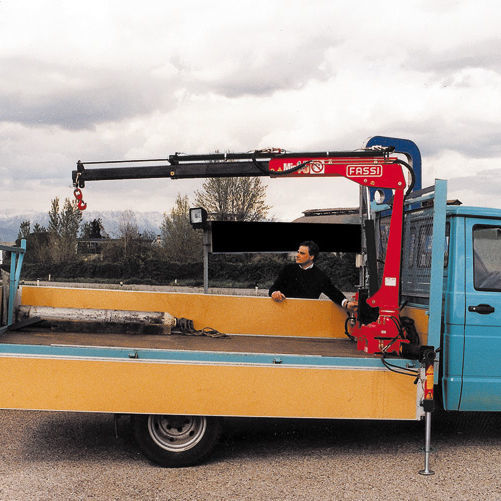
- Area: Epoxy coating integrity compromised by salt spray or environmental damageCheck: Visual inspection of epoxy zinc plating (70 microns), epoxy primer (100 microns), polyurethane glaze (70 microns) totaling 240 microns dry film thickness; measure coating thickness; perform salt fog test per ASTM B117 minimum 1500h
- Area: Jack rod corrosion or loss of hardened nickel and chrome protective layersCheck: Inspect main and secondary jack rods for hardened chemical nickel plating (50 microns) and chrome plating (100 microns) integrity; check extension jack rods and rotation cylinders for double chrome damage; assess pitting and salt deposits
- Area: Electrical components water ingress or degraded IP65 sealingCheck: Verify IP65 protection rating on all electrical components; inspect connector seals and dielectric grease application; test insulation resistance; check for corrosion in wiring harnesses and control enclosures
- Area: Hydraulic system contamination or hose degradation in marine environmentCheck: Inspect hydraulic hoses for external corrosion cracks and salt deposits; verify marine-grade distributor isolation from saltwater; test hydraulic fluid moisture and contamination levels; check all seal integrity on cylinders
- Area: Structural base stress cracking or delamination under salt water exposureCheck: Inspect monolithic cast iron and steel base structure for micro-cracks; verify all weld integrity; assess stress corrosion cracking risk; confirm special marine base mounting security on vessel; check penetration point seals
Typ-universelle Inspektionspunkte fuer Deck Cranes (verifiziert, 2026-06).
- Area: Epoxy coating integrity compromised by salt spray or environmental damageCheck: Visual inspection of epoxy zinc plating (70 microns), epoxy primer (100 microns), polyurethane glaze (70 microns) totaling 240 microns dry film thickness; measure coating thickness; perform salt fog test per ASTM B117 minimum 1500h
- Area: Jack rod corrosion or loss of hardened nickel and chrome protective layersCheck: Inspect main and secondary jack rods for hardened chemical nickel plating (50 microns) and chrome plating (100 microns) integrity; check extension jack rods and rotation cylinders for double chrome damage; assess pitting and salt deposits
- Area: Electrical components water ingress or degraded IP65 sealingCheck: Verify IP65 protection rating on all electrical components; inspect connector seals and dielectric grease application; test insulation resistance; check for corrosion in wiring harnesses and control enclosures
- Area: Hydraulic system contamination or hose degradation in marine environmentCheck: Inspect hydraulic hoses for external corrosion cracks and salt deposits; verify marine-grade distributor isolation from saltwater; test hydraulic fluid moisture and contamination levels; check all seal integrity on cylinders
- Area: Structural base stress cracking or delamination under salt water exposureCheck: Inspect monolithic cast iron and steel base structure for micro-cracks; verify all weld integrity; assess stress corrosion cracking risk; confirm special marine base mounting security on vessel; check penetration point seals
Typ-universelle Inspektionspunkte fuer Deck Cranes (verifiziert, 2026-06).
- Area: Epoxy coating integrity compromised by salt spray or environmental damageCheck: Visual inspection of epoxy zinc plating (70 microns), epoxy primer (100 microns), polyurethane glaze (70 microns) totaling 240 microns dry film thickness; measure coating thickness; perform salt fog test per ASTM B117 minimum 1500h
- Area: Jack rod corrosion or loss of hardened nickel and chrome protective layersCheck: Inspect main and secondary jack rods for hardened chemical nickel plating (50 microns) and chrome plating (100 microns) integrity; check extension jack rods and rotation cylinders for double chrome damage; assess pitting and salt deposits
- Area: Electrical components water ingress or degraded IP65 sealingCheck: Verify IP65 protection rating on all electrical components; inspect connector seals and dielectric grease application; test insulation resistance; check for corrosion in wiring harnesses and control enclosures
- Area: Hydraulic system contamination or hose degradation in marine environmentCheck: Inspect hydraulic hoses for external corrosion cracks and salt deposits; verify marine-grade distributor isolation from saltwater; test hydraulic fluid moisture and contamination levels; check all seal integrity on cylinders
- Area: Structural base stress cracking or delamination under salt water exposureCheck: Inspect monolithic cast iron and steel base structure for micro-cracks; verify all weld integrity; assess stress corrosion cracking risk; confirm special marine base mounting security on vessel; check penetration point seals
Typ-universelle Inspektionspunkte fuer Deck Cranes (verifiziert, 2026-06).
- Area: Epoxy coating integrity compromised by salt spray or environmental damageCheck: Visual inspection of epoxy zinc plating (70 microns), epoxy primer (100 microns), polyurethane glaze (70 microns) totaling 240 microns dry film thickness; measure coating thickness; perform salt fog test per ASTM B117 minimum 1500h
- Area: Jack rod corrosion or loss of hardened nickel and chrome protective layersCheck: Inspect main and secondary jack rods for hardened chemical nickel plating (50 microns) and chrome plating (100 microns) integrity; check extension jack rods and rotation cylinders for double chrome damage; assess pitting and salt deposits
- Area: Electrical components water ingress or degraded IP65 sealingCheck: Verify IP65 protection rating on all electrical components; inspect connector seals and dielectric grease application; test insulation resistance; check for corrosion in wiring harnesses and control enclosures
- Area: Hydraulic system contamination or hose degradation in marine environmentCheck: Inspect hydraulic hoses for external corrosion cracks and salt deposits; verify marine-grade distributor isolation from saltwater; test hydraulic fluid moisture and contamination levels; check all seal integrity on cylinders
- Area: Structural base stress cracking or delamination under salt water exposureCheck: Inspect monolithic cast iron and steel base structure for micro-cracks; verify all weld integrity; assess stress corrosion cracking risk; confirm special marine base mounting security on vessel; check penetration point seals
Typ-universelle Inspektionspunkte fuer Deck Cranes (verifiziert, 2026-06).
- Area: Epoxy coating integrity compromised by salt spray or environmental damageCheck: Visual inspection of epoxy zinc plating (70 microns), epoxy primer (100 microns), polyurethane glaze (70 microns) totaling 240 microns dry film thickness; measure coating thickness; perform salt fog test per ASTM B117 minimum 1500h
- Area: Jack rod corrosion or loss of hardened nickel and chrome protective layersCheck: Inspect main and secondary jack rods for hardened chemical nickel plating (50 microns) and chrome plating (100 microns) integrity; check extension jack rods and rotation cylinders for double chrome damage; assess pitting and salt deposits
- Area: Electrical components water ingress or degraded IP65 sealingCheck: Verify IP65 protection rating on all electrical components; inspect connector seals and dielectric grease application; test insulation resistance; check for corrosion in wiring harnesses and control enclosures
- Area: Hydraulic system contamination or hose degradation in marine environmentCheck: Inspect hydraulic hoses for external corrosion cracks and salt deposits; verify marine-grade distributor isolation from saltwater; test hydraulic fluid moisture and contamination levels; check all seal integrity on cylinders
- Area: Structural base stress cracking or delamination under salt water exposureCheck: Inspect monolithic cast iron and steel base structure for micro-cracks; verify all weld integrity; assess stress corrosion cracking risk; confirm special marine base mounting security on vessel; check penetration point seals
Typ-universelle Inspektionspunkte fuer Deck Cranes (verifiziert, 2026-06).
- Area: Epoxy coating integrity compromised by salt spray or environmental damageCheck: Visual inspection of epoxy zinc plating (70 microns), epoxy primer (100 microns), polyurethane glaze (70 microns) totaling 240 microns dry film thickness; measure coating thickness; perform salt fog test per ASTM B117 minimum 1500h
- Area: Jack rod corrosion or loss of hardened nickel and chrome protective layersCheck: Inspect main and secondary jack rods for hardened chemical nickel plating (50 microns) and chrome plating (100 microns) integrity; check extension jack rods and rotation cylinders for double chrome damage; assess pitting and salt deposits
- Area: Electrical components water ingress or degraded IP65 sealingCheck: Verify IP65 protection rating on all electrical components; inspect connector seals and dielectric grease application; test insulation resistance; check for corrosion in wiring harnesses and control enclosures
- Area: Hydraulic system contamination or hose degradation in marine environmentCheck: Inspect hydraulic hoses for external corrosion cracks and salt deposits; verify marine-grade distributor isolation from saltwater; test hydraulic fluid moisture and contamination levels; check all seal integrity on cylinders
- Area: Structural base stress cracking or delamination under salt water exposureCheck: Inspect monolithic cast iron and steel base structure for micro-cracks; verify all weld integrity; assess stress corrosion cracking risk; confirm special marine base mounting security on vessel; check penetration point seals
Typ-universelle Inspektionspunkte fuer Deck Cranes (verifiziert, 2026-06).
- Area: Epoxy coating integrity compromised by salt spray or environmental damageCheck: Visual inspection of epoxy zinc plating (70 microns), epoxy primer (100 microns), polyurethane glaze (70 microns) totaling 240 microns dry film thickness; measure coating thickness; perform salt fog test per ASTM B117 minimum 1500h
- Area: Jack rod corrosion or loss of hardened nickel and chrome protective layersCheck: Inspect main and secondary jack rods for hardened chemical nickel plating (50 microns) and chrome plating (100 microns) integrity; check extension jack rods and rotation cylinders for double chrome damage; assess pitting and salt deposits
- Area: Electrical components water ingress or degraded IP65 sealingCheck: Verify IP65 protection rating on all electrical components; inspect connector seals and dielectric grease application; test insulation resistance; check for corrosion in wiring harnesses and control enclosures
- Area: Hydraulic system contamination or hose degradation in marine environmentCheck: Inspect hydraulic hoses for external corrosion cracks and salt deposits; verify marine-grade distributor isolation from saltwater; test hydraulic fluid moisture and contamination levels; check all seal integrity on cylinders
- Area: Structural base stress cracking or delamination under salt water exposureCheck: Inspect monolithic cast iron and steel base structure for micro-cracks; verify all weld integrity; assess stress corrosion cracking risk; confirm special marine base mounting security on vessel; check penetration point seals
Typ-universelle Inspektionspunkte fuer Deck Cranes (verifiziert, 2026-06).
- Area: Epoxy coating integrity compromised by salt spray or environmental damageCheck: Visual inspection of epoxy zinc plating (70 microns), epoxy primer (100 microns), polyurethane glaze (70 microns) totaling 240 microns dry film thickness; measure coating thickness; perform salt fog test per ASTM B117 minimum 1500h
- Area: Jack rod corrosion or loss of hardened nickel and chrome protective layersCheck: Inspect main and secondary jack rods for hardened chemical nickel plating (50 microns) and chrome plating (100 microns) integrity; check extension jack rods and rotation cylinders for double chrome damage; assess pitting and salt deposits
- Area: Electrical components water ingress or degraded IP65 sealingCheck: Verify IP65 protection rating on all electrical components; inspect connector seals and dielectric grease application; test insulation resistance; check for corrosion in wiring harnesses and control enclosures
- Area: Hydraulic system contamination or hose degradation in marine environmentCheck: Inspect hydraulic hoses for external corrosion cracks and salt deposits; verify marine-grade distributor isolation from saltwater; test hydraulic fluid moisture and contamination levels; check all seal integrity on cylinders
- Area: Structural base stress cracking or delamination under salt water exposureCheck: Inspect monolithic cast iron and steel base structure for micro-cracks; verify all weld integrity; assess stress corrosion cracking risk; confirm special marine base mounting security on vessel; check penetration point seals
Typ-universelle Inspektionspunkte fuer Deck Cranes (verifiziert, 2026-06).
- Area: Epoxy coating integrity compromised by salt spray or environmental damageCheck: Visual inspection of epoxy zinc plating (70 microns), epoxy primer (100 microns), polyurethane glaze (70 microns) totaling 240 microns dry film thickness; measure coating thickness; perform salt fog test per ASTM B117 minimum 1500h
- Area: Jack rod corrosion or loss of hardened nickel and chrome protective layersCheck: Inspect main and secondary jack rods for hardened chemical nickel plating (50 microns) and chrome plating (100 microns) integrity; check extension jack rods and rotation cylinders for double chrome damage; assess pitting and salt deposits
- Area: Electrical components water ingress or degraded IP65 sealingCheck: Verify IP65 protection rating on all electrical components; inspect connector seals and dielectric grease application; test insulation resistance; check for corrosion in wiring harnesses and control enclosures
- Area: Hydraulic system contamination or hose degradation in marine environmentCheck: Inspect hydraulic hoses for external corrosion cracks and salt deposits; verify marine-grade distributor isolation from saltwater; test hydraulic fluid moisture and contamination levels; check all seal integrity on cylinders
- Area: Structural base stress cracking or delamination under salt water exposureCheck: Inspect monolithic cast iron and steel base structure for micro-cracks; verify all weld integrity; assess stress corrosion cracking risk; confirm special marine base mounting security on vessel; check penetration point seals
Typ-universelle Inspektionspunkte fuer Deck Cranes (verifiziert, 2026-06).
- Area: Epoxy coating integrity compromised by salt spray or environmental damageCheck: Visual inspection of epoxy zinc plating (70 microns), epoxy primer (100 microns), polyurethane glaze (70 microns) totaling 240 microns dry film thickness; measure coating thickness; perform salt fog test per ASTM B117 minimum 1500h
- Area: Jack rod corrosion or loss of hardened nickel and chrome protective layersCheck: Inspect main and secondary jack rods for hardened chemical nickel plating (50 microns) and chrome plating (100 microns) integrity; check extension jack rods and rotation cylinders for double chrome damage; assess pitting and salt deposits
- Area: Electrical components water ingress or degraded IP65 sealingCheck: Verify IP65 protection rating on all electrical components; inspect connector seals and dielectric grease application; test insulation resistance; check for corrosion in wiring harnesses and control enclosures
- Area: Hydraulic system contamination or hose degradation in marine environmentCheck: Inspect hydraulic hoses for external corrosion cracks and salt deposits; verify marine-grade distributor isolation from saltwater; test hydraulic fluid moisture and contamination levels; check all seal integrity on cylinders
- Area: Structural base stress cracking or delamination under salt water exposureCheck: Inspect monolithic cast iron and steel base structure for micro-cracks; verify all weld integrity; assess stress corrosion cracking risk; confirm special marine base mounting security on vessel; check penetration point seals
Typ-universelle Inspektionspunkte fuer Deck Cranes (verifiziert, 2026-06).
- Area: Epoxy coating integrity compromised by salt spray or environmental damageCheck: Visual inspection of epoxy zinc plating (70 microns), epoxy primer (100 microns), polyurethane glaze (70 microns) totaling 240 microns dry film thickness; measure coating thickness; perform salt fog test per ASTM B117 minimum 1500h
- Area: Jack rod corrosion or loss of hardened nickel and chrome protective layersCheck: Inspect main and secondary jack rods for hardened chemical nickel plating (50 microns) and chrome plating (100 microns) integrity; check extension jack rods and rotation cylinders for double chrome damage; assess pitting and salt deposits
- Area: Electrical components water ingress or degraded IP65 sealingCheck: Verify IP65 protection rating on all electrical components; inspect connector seals and dielectric grease application; test insulation resistance; check for corrosion in wiring harnesses and control enclosures
- Area: Hydraulic system contamination or hose degradation in marine environmentCheck: Inspect hydraulic hoses for external corrosion cracks and salt deposits; verify marine-grade distributor isolation from saltwater; test hydraulic fluid moisture and contamination levels; check all seal integrity on cylinders
- Area: Structural base stress cracking or delamination under salt water exposureCheck: Inspect monolithic cast iron and steel base structure for micro-cracks; verify all weld integrity; assess stress corrosion cracking risk; confirm special marine base mounting security on vessel; check penetration point seals
Typ-universelle Inspektionspunkte fuer Deck Cranes (verifiziert, 2026-06).
- Area: Epoxy coating integrity compromised by salt spray or environmental damageCheck: Visual inspection of epoxy zinc plating (70 microns), epoxy primer (100 microns), polyurethane glaze (70 microns) totaling 240 microns dry film thickness; measure coating thickness; perform salt fog test per ASTM B117 minimum 1500h
- Area: Jack rod corrosion or loss of hardened nickel and chrome protective layersCheck: Inspect main and secondary jack rods for hardened chemical nickel plating (50 microns) and chrome plating (100 microns) integrity; check extension jack rods and rotation cylinders for double chrome damage; assess pitting and salt deposits
- Area: Electrical components water ingress or degraded IP65 sealingCheck: Verify IP65 protection rating on all electrical components; inspect connector seals and dielectric grease application; test insulation resistance; check for corrosion in wiring harnesses and control enclosures
- Area: Hydraulic system contamination or hose degradation in marine environmentCheck: Inspect hydraulic hoses for external corrosion cracks and salt deposits; verify marine-grade distributor isolation from saltwater; test hydraulic fluid moisture and contamination levels; check all seal integrity on cylinders
- Area: Structural base stress cracking or delamination under salt water exposureCheck: Inspect monolithic cast iron and steel base structure for micro-cracks; verify all weld integrity; assess stress corrosion cracking risk; confirm special marine base mounting security on vessel; check penetration point seals
Typ-universelle Inspektionspunkte fuer Deck Cranes (verifiziert, 2026-06).
- Area: Epoxy coating integrity compromised by salt spray or environmental damageCheck: Visual inspection of epoxy zinc plating (70 microns), epoxy primer (100 microns), polyurethane glaze (70 microns) totaling 240 microns dry film thickness; measure coating thickness; perform salt fog test per ASTM B117 minimum 1500h
- Area: Jack rod corrosion or loss of hardened nickel and chrome protective layersCheck: Inspect main and secondary jack rods for hardened chemical nickel plating (50 microns) and chrome plating (100 microns) integrity; check extension jack rods and rotation cylinders for double chrome damage; assess pitting and salt deposits
- Area: Electrical components water ingress or degraded IP65 sealingCheck: Verify IP65 protection rating on all electrical components; inspect connector seals and dielectric grease application; test insulation resistance; check for corrosion in wiring harnesses and control enclosures
- Area: Hydraulic system contamination or hose degradation in marine environmentCheck: Inspect hydraulic hoses for external corrosion cracks and salt deposits; verify marine-grade distributor isolation from saltwater; test hydraulic fluid moisture and contamination levels; check all seal integrity on cylinders
- Area: Structural base stress cracking or delamination under salt water exposureCheck: Inspect monolithic cast iron and steel base structure for micro-cracks; verify all weld integrity; assess stress corrosion cracking risk; confirm special marine base mounting security on vessel; check penetration point seals
Typ-universelle Inspektionspunkte fuer Deck Cranes (verifiziert, 2026-06).
- Area: Epoxy coating integrity compromised by salt spray or environmental damageCheck: Visual inspection of epoxy zinc plating (70 microns), epoxy primer (100 microns), polyurethane glaze (70 microns) totaling 240 microns dry film thickness; measure coating thickness; perform salt fog test per ASTM B117 minimum 1500h
- Area: Jack rod corrosion or loss of hardened nickel and chrome protective layersCheck: Inspect main and secondary jack rods for hardened chemical nickel plating (50 microns) and chrome plating (100 microns) integrity; check extension jack rods and rotation cylinders for double chrome damage; assess pitting and salt deposits
- Area: Electrical components water ingress or degraded IP65 sealingCheck: Verify IP65 protection rating on all electrical components; inspect connector seals and dielectric grease application; test insulation resistance; check for corrosion in wiring harnesses and control enclosures
- Area: Hydraulic system contamination or hose degradation in marine environmentCheck: Inspect hydraulic hoses for external corrosion cracks and salt deposits; verify marine-grade distributor isolation from saltwater; test hydraulic fluid moisture and contamination levels; check all seal integrity on cylinders
- Area: Structural base stress cracking or delamination under salt water exposureCheck: Inspect monolithic cast iron and steel base structure for micro-cracks; verify all weld integrity; assess stress corrosion cracking risk; confirm special marine base mounting security on vessel; check penetration point seals
Typ-universelle Inspektionspunkte fuer Deck Cranes (verifiziert, 2026-06).
- Area: Epoxy coating integrity compromised by salt spray or environmental damageCheck: Visual inspection of epoxy zinc plating (70 microns), epoxy primer (100 microns), polyurethane glaze (70 microns) totaling 240 microns dry film thickness; measure coating thickness; perform salt fog test per ASTM B117 minimum 1500h
- Area: Jack rod corrosion or loss of hardened nickel and chrome protective layersCheck: Inspect main and secondary jack rods for hardened chemical nickel plating (50 microns) and chrome plating (100 microns) integrity; check extension jack rods and rotation cylinders for double chrome damage; assess pitting and salt deposits
- Area: Electrical components water ingress or degraded IP65 sealingCheck: Verify IP65 protection rating on all electrical components; inspect connector seals and dielectric grease application; test insulation resistance; check for corrosion in wiring harnesses and control enclosures
- Area: Hydraulic system contamination or hose degradation in marine environmentCheck: Inspect hydraulic hoses for external corrosion cracks and salt deposits; verify marine-grade distributor isolation from saltwater; test hydraulic fluid moisture and contamination levels; check all seal integrity on cylinders
- Area: Structural base stress cracking or delamination under salt water exposureCheck: Inspect monolithic cast iron and steel base structure for micro-cracks; verify all weld integrity; assess stress corrosion cracking risk; confirm special marine base mounting security on vessel; check penetration point seals
Typ-universelle Inspektionspunkte fuer Deck Cranes (verifiziert, 2026-06).
- Area: Epoxy coating integrity compromised by salt spray or environmental damageCheck: Visual inspection of epoxy zinc plating (70 microns), epoxy primer (100 microns), polyurethane glaze (70 microns) totaling 240 microns dry film thickness; measure coating thickness; perform salt fog test per ASTM B117 minimum 1500h
- Area: Jack rod corrosion or loss of hardened nickel and chrome protective layersCheck: Inspect main and secondary jack rods for hardened chemical nickel plating (50 microns) and chrome plating (100 microns) integrity; check extension jack rods and rotation cylinders for double chrome damage; assess pitting and salt deposits
- Area: Electrical components water ingress or degraded IP65 sealingCheck: Verify IP65 protection rating on all electrical components; inspect connector seals and dielectric grease application; test insulation resistance; check for corrosion in wiring harnesses and control enclosures
- Area: Hydraulic system contamination or hose degradation in marine environmentCheck: Inspect hydraulic hoses for external corrosion cracks and salt deposits; verify marine-grade distributor isolation from saltwater; test hydraulic fluid moisture and contamination levels; check all seal integrity on cylinders
- Area: Structural base stress cracking or delamination under salt water exposureCheck: Inspect monolithic cast iron and steel base structure for micro-cracks; verify all weld integrity; assess stress corrosion cracking risk; confirm special marine base mounting security on vessel; check penetration point seals
Typ-universelle Inspektionspunkte fuer Deck Cranes (verifiziert, 2026-06).
- Area: Epoxy coating integrity compromised by salt spray or environmental damageCheck: Visual inspection of epoxy zinc plating (70 microns), epoxy primer (100 microns), polyurethane glaze (70 microns) totaling 240 microns dry film thickness; measure coating thickness; perform salt fog test per ASTM B117 minimum 1500h
- Area: Jack rod corrosion or loss of hardened nickel and chrome protective layersCheck: Inspect main and secondary jack rods for hardened chemical nickel plating (50 microns) and chrome plating (100 microns) integrity; check extension jack rods and rotation cylinders for double chrome damage; assess pitting and salt deposits
- Area: Electrical components water ingress or degraded IP65 sealingCheck: Verify IP65 protection rating on all electrical components; inspect connector seals and dielectric grease application; test insulation resistance; check for corrosion in wiring harnesses and control enclosures
- Area: Hydraulic system contamination or hose degradation in marine environmentCheck: Inspect hydraulic hoses for external corrosion cracks and salt deposits; verify marine-grade distributor isolation from saltwater; test hydraulic fluid moisture and contamination levels; check all seal integrity on cylinders
- Area: Structural base stress cracking or delamination under salt water exposureCheck: Inspect monolithic cast iron and steel base structure for micro-cracks; verify all weld integrity; assess stress corrosion cracking risk; confirm special marine base mounting security on vessel; check penetration point seals
Typ-universelle Inspektionspunkte fuer Deck Cranes (verifiziert, 2026-06).
- Area: Epoxy coating integrity compromised by salt spray or environmental damageCheck: Visual inspection of epoxy zinc plating (70 microns), epoxy primer (100 microns), polyurethane glaze (70 microns) totaling 240 microns dry film thickness; measure coating thickness; perform salt fog test per ASTM B117 minimum 1500h
- Area: Jack rod corrosion or loss of hardened nickel and chrome protective layersCheck: Inspect main and secondary jack rods for hardened chemical nickel plating (50 microns) and chrome plating (100 microns) integrity; check extension jack rods and rotation cylinders for double chrome damage; assess pitting and salt deposits
- Area: Electrical components water ingress or degraded IP65 sealingCheck: Verify IP65 protection rating on all electrical components; inspect connector seals and dielectric grease application; test insulation resistance; check for corrosion in wiring harnesses and control enclosures
- Area: Hydraulic system contamination or hose degradation in marine environmentCheck: Inspect hydraulic hoses for external corrosion cracks and salt deposits; verify marine-grade distributor isolation from saltwater; test hydraulic fluid moisture and contamination levels; check all seal integrity on cylinders
- Area: Structural base stress cracking or delamination under salt water exposureCheck: Inspect monolithic cast iron and steel base structure for micro-cracks; verify all weld integrity; assess stress corrosion cracking risk; confirm special marine base mounting security on vessel; check penetration point seals
Typ-universelle Inspektionspunkte fuer Deck Cranes (verifiziert, 2026-06).
- Area: Epoxy coating integrity compromised by salt spray or environmental damageCheck: Visual inspection of epoxy zinc plating (70 microns), epoxy primer (100 microns), polyurethane glaze (70 microns) totaling 240 microns dry film thickness; measure coating thickness; perform salt fog test per ASTM B117 minimum 1500h
- Area: Jack rod corrosion or loss of hardened nickel and chrome protective layersCheck: Inspect main and secondary jack rods for hardened chemical nickel plating (50 microns) and chrome plating (100 microns) integrity; check extension jack rods and rotation cylinders for double chrome damage; assess pitting and salt deposits
- Area: Electrical components water ingress or degraded IP65 sealingCheck: Verify IP65 protection rating on all electrical components; inspect connector seals and dielectric grease application; test insulation resistance; check for corrosion in wiring harnesses and control enclosures
- Area: Hydraulic system contamination or hose degradation in marine environmentCheck: Inspect hydraulic hoses for external corrosion cracks and salt deposits; verify marine-grade distributor isolation from saltwater; test hydraulic fluid moisture and contamination levels; check all seal integrity on cylinders
- Area: Structural base stress cracking or delamination under salt water exposureCheck: Inspect monolithic cast iron and steel base structure for micro-cracks; verify all weld integrity; assess stress corrosion cracking risk; confirm special marine base mounting security on vessel; check penetration point seals
Typ-universelle Inspektionspunkte fuer Deck Cranes (verifiziert, 2026-06).
- Area: Epoxy coating integrity compromised by salt spray or environmental damageCheck: Visual inspection of epoxy zinc plating (70 microns), epoxy primer (100 microns), polyurethane glaze (70 microns) totaling 240 microns dry film thickness; measure coating thickness; perform salt fog test per ASTM B117 minimum 1500h
- Area: Jack rod corrosion or loss of hardened nickel and chrome protective layersCheck: Inspect main and secondary jack rods for hardened chemical nickel plating (50 microns) and chrome plating (100 microns) integrity; check extension jack rods and rotation cylinders for double chrome damage; assess pitting and salt deposits
- Area: Electrical components water ingress or degraded IP65 sealingCheck: Verify IP65 protection rating on all electrical components; inspect connector seals and dielectric grease application; test insulation resistance; check for corrosion in wiring harnesses and control enclosures
- Area: Hydraulic system contamination or hose degradation in marine environmentCheck: Inspect hydraulic hoses for external corrosion cracks and salt deposits; verify marine-grade distributor isolation from saltwater; test hydraulic fluid moisture and contamination levels; check all seal integrity on cylinders
- Area: Structural base stress cracking or delamination under salt water exposureCheck: Inspect monolithic cast iron and steel base structure for micro-cracks; verify all weld integrity; assess stress corrosion cracking risk; confirm special marine base mounting security on vessel; check penetration point seals
Typ-universelle Inspektionspunkte fuer Deck Cranes (verifiziert, 2026-06).
- Area: Epoxy coating integrity compromised by salt spray or environmental damageCheck: Visual inspection of epoxy zinc plating (70 microns), epoxy primer (100 microns), polyurethane glaze (70 microns) totaling 240 microns dry film thickness; measure coating thickness; perform salt fog test per ASTM B117 minimum 1500h
- Area: Jack rod corrosion or loss of hardened nickel and chrome protective layersCheck: Inspect main and secondary jack rods for hardened chemical nickel plating (50 microns) and chrome plating (100 microns) integrity; check extension jack rods and rotation cylinders for double chrome damage; assess pitting and salt deposits
- Area: Electrical components water ingress or degraded IP65 sealingCheck: Verify IP65 protection rating on all electrical components; inspect connector seals and dielectric grease application; test insulation resistance; check for corrosion in wiring harnesses and control enclosures
- Area: Hydraulic system contamination or hose degradation in marine environmentCheck: Inspect hydraulic hoses for external corrosion cracks and salt deposits; verify marine-grade distributor isolation from saltwater; test hydraulic fluid moisture and contamination levels; check all seal integrity on cylinders
- Area: Structural base stress cracking or delamination under salt water exposureCheck: Inspect monolithic cast iron and steel base structure for micro-cracks; verify all weld integrity; assess stress corrosion cracking risk; confirm special marine base mounting security on vessel; check penetration point seals
Typ-universelle Inspektionspunkte fuer Deck Cranes (verifiziert, 2026-06).
- Area: Epoxy coating integrity compromised by salt spray or environmental damageCheck: Visual inspection of epoxy zinc plating (70 microns), epoxy primer (100 microns), polyurethane glaze (70 microns) totaling 240 microns dry film thickness; measure coating thickness; perform salt fog test per ASTM B117 minimum 1500h
- Area: Jack rod corrosion or loss of hardened nickel and chrome protective layersCheck: Inspect main and secondary jack rods for hardened chemical nickel plating (50 microns) and chrome plating (100 microns) integrity; check extension jack rods and rotation cylinders for double chrome damage; assess pitting and salt deposits
- Area: Electrical components water ingress or degraded IP65 sealingCheck: Verify IP65 protection rating on all electrical components; inspect connector seals and dielectric grease application; test insulation resistance; check for corrosion in wiring harnesses and control enclosures
- Area: Hydraulic system contamination or hose degradation in marine environmentCheck: Inspect hydraulic hoses for external corrosion cracks and salt deposits; verify marine-grade distributor isolation from saltwater; test hydraulic fluid moisture and contamination levels; check all seal integrity on cylinders
- Area: Structural base stress cracking or delamination under salt water exposureCheck: Inspect monolithic cast iron and steel base structure for micro-cracks; verify all weld integrity; assess stress corrosion cracking risk; confirm special marine base mounting security on vessel; check penetration point seals
Typ-universelle Inspektionspunkte fuer Deck Cranes (verifiziert, 2026-06).
- Area: Epoxy coating integrity compromised by salt spray or environmental damageCheck: Visual inspection of epoxy zinc plating (70 microns), epoxy primer (100 microns), polyurethane glaze (70 microns) totaling 240 microns dry film thickness; measure coating thickness; perform salt fog test per ASTM B117 minimum 1500h
- Area: Jack rod corrosion or loss of hardened nickel and chrome protective layersCheck: Inspect main and secondary jack rods for hardened chemical nickel plating (50 microns) and chrome plating (100 microns) integrity; check extension jack rods and rotation cylinders for double chrome damage; assess pitting and salt deposits
- Area: Electrical components water ingress or degraded IP65 sealingCheck: Verify IP65 protection rating on all electrical components; inspect connector seals and dielectric grease application; test insulation resistance; check for corrosion in wiring harnesses and control enclosures
- Area: Hydraulic system contamination or hose degradation in marine environmentCheck: Inspect hydraulic hoses for external corrosion cracks and salt deposits; verify marine-grade distributor isolation from saltwater; test hydraulic fluid moisture and contamination levels; check all seal integrity on cylinders
- Area: Structural base stress cracking or delamination under salt water exposureCheck: Inspect monolithic cast iron and steel base structure for micro-cracks; verify all weld integrity; assess stress corrosion cracking risk; confirm special marine base mounting security on vessel; check penetration point seals
Typ-universelle Inspektionspunkte fuer Deck Cranes (verifiziert, 2026-06).
- Area: Epoxy coating integrity compromised by salt spray or environmental damageCheck: Visual inspection of epoxy zinc plating (70 microns), epoxy primer (100 microns), polyurethane glaze (70 microns) totaling 240 microns dry film thickness; measure coating thickness; perform salt fog test per ASTM B117 minimum 1500h
- Area: Jack rod corrosion or loss of hardened nickel and chrome protective layersCheck: Inspect main and secondary jack rods for hardened chemical nickel plating (50 microns) and chrome plating (100 microns) integrity; check extension jack rods and rotation cylinders for double chrome damage; assess pitting and salt deposits
- Area: Electrical components water ingress or degraded IP65 sealingCheck: Verify IP65 protection rating on all electrical components; inspect connector seals and dielectric grease application; test insulation resistance; check for corrosion in wiring harnesses and control enclosures
- Area: Hydraulic system contamination or hose degradation in marine environmentCheck: Inspect hydraulic hoses for external corrosion cracks and salt deposits; verify marine-grade distributor isolation from saltwater; test hydraulic fluid moisture and contamination levels; check all seal integrity on cylinders
- Area: Structural base stress cracking or delamination under salt water exposureCheck: Inspect monolithic cast iron and steel base structure for micro-cracks; verify all weld integrity; assess stress corrosion cracking risk; confirm special marine base mounting security on vessel; check penetration point seals
Typ-universelle Inspektionspunkte fuer Deck Cranes (verifiziert, 2026-06).
- Area: Epoxy coating integrity compromised by salt spray or environmental damageCheck: Visual inspection of epoxy zinc plating (70 microns), epoxy primer (100 microns), polyurethane glaze (70 microns) totaling 240 microns dry film thickness; measure coating thickness; perform salt fog test per ASTM B117 minimum 1500h
- Area: Jack rod corrosion or loss of hardened nickel and chrome protective layersCheck: Inspect main and secondary jack rods for hardened chemical nickel plating (50 microns) and chrome plating (100 microns) integrity; check extension jack rods and rotation cylinders for double chrome damage; assess pitting and salt deposits
- Area: Electrical components water ingress or degraded IP65 sealingCheck: Verify IP65 protection rating on all electrical components; inspect connector seals and dielectric grease application; test insulation resistance; check for corrosion in wiring harnesses and control enclosures
- Area: Hydraulic system contamination or hose degradation in marine environmentCheck: Inspect hydraulic hoses for external corrosion cracks and salt deposits; verify marine-grade distributor isolation from saltwater; test hydraulic fluid moisture and contamination levels; check all seal integrity on cylinders
- Area: Structural base stress cracking or delamination under salt water exposureCheck: Inspect monolithic cast iron and steel base structure for micro-cracks; verify all weld integrity; assess stress corrosion cracking risk; confirm special marine base mounting security on vessel; check penetration point seals
Typ-universelle Inspektionspunkte fuer Deck Cranes (verifiziert, 2026-06).
- Area: Epoxy coating integrity compromised by salt spray or environmental damageCheck: Visual inspection of epoxy zinc plating (70 microns), epoxy primer (100 microns), polyurethane glaze (70 microns) totaling 240 microns dry film thickness; measure coating thickness; perform salt fog test per ASTM B117 minimum 1500h
- Area: Jack rod corrosion or loss of hardened nickel and chrome protective layersCheck: Inspect main and secondary jack rods for hardened chemical nickel plating (50 microns) and chrome plating (100 microns) integrity; check extension jack rods and rotation cylinders for double chrome damage; assess pitting and salt deposits
- Area: Electrical components water ingress or degraded IP65 sealingCheck: Verify IP65 protection rating on all electrical components; inspect connector seals and dielectric grease application; test insulation resistance; check for corrosion in wiring harnesses and control enclosures
- Area: Hydraulic system contamination or hose degradation in marine environmentCheck: Inspect hydraulic hoses for external corrosion cracks and salt deposits; verify marine-grade distributor isolation from saltwater; test hydraulic fluid moisture and contamination levels; check all seal integrity on cylinders
- Area: Structural base stress cracking or delamination under salt water exposureCheck: Inspect monolithic cast iron and steel base structure for micro-cracks; verify all weld integrity; assess stress corrosion cracking risk; confirm special marine base mounting security on vessel; check penetration point seals
Typ-universelle Inspektionspunkte fuer Deck Cranes (verifiziert, 2026-06).
- Area: Epoxy coating integrity compromised by salt spray or environmental damageCheck: Visual inspection of epoxy zinc plating (70 microns), epoxy primer (100 microns), polyurethane glaze (70 microns) totaling 240 microns dry film thickness; measure coating thickness; perform salt fog test per ASTM B117 minimum 1500h
- Area: Jack rod corrosion or loss of hardened nickel and chrome protective layersCheck: Inspect main and secondary jack rods for hardened chemical nickel plating (50 microns) and chrome plating (100 microns) integrity; check extension jack rods and rotation cylinders for double chrome damage; assess pitting and salt deposits
- Area: Electrical components water ingress or degraded IP65 sealingCheck: Verify IP65 protection rating on all electrical components; inspect connector seals and dielectric grease application; test insulation resistance; check for corrosion in wiring harnesses and control enclosures
- Area: Hydraulic system contamination or hose degradation in marine environmentCheck: Inspect hydraulic hoses for external corrosion cracks and salt deposits; verify marine-grade distributor isolation from saltwater; test hydraulic fluid moisture and contamination levels; check all seal integrity on cylinders
- Area: Structural base stress cracking or delamination under salt water exposureCheck: Inspect monolithic cast iron and steel base structure for micro-cracks; verify all weld integrity; assess stress corrosion cracking risk; confirm special marine base mounting security on vessel; check penetration point seals
Typ-universelle Inspektionspunkte fuer Deck Cranes (verifiziert, 2026-06).
- Area: Epoxy coating integrity compromised by salt spray or environmental damageCheck: Visual inspection of epoxy zinc plating (70 microns), epoxy primer (100 microns), polyurethane glaze (70 microns) totaling 240 microns dry film thickness; measure coating thickness; perform salt fog test per ASTM B117 minimum 1500h
- Area: Jack rod corrosion or loss of hardened nickel and chrome protective layersCheck: Inspect main and secondary jack rods for hardened chemical nickel plating (50 microns) and chrome plating (100 microns) integrity; check extension jack rods and rotation cylinders for double chrome damage; assess pitting and salt deposits
- Area: Electrical components water ingress or degraded IP65 sealingCheck: Verify IP65 protection rating on all electrical components; inspect connector seals and dielectric grease application; test insulation resistance; check for corrosion in wiring harnesses and control enclosures
- Area: Hydraulic system contamination or hose degradation in marine environmentCheck: Inspect hydraulic hoses for external corrosion cracks and salt deposits; verify marine-grade distributor isolation from saltwater; test hydraulic fluid moisture and contamination levels; check all seal integrity on cylinders
- Area: Structural base stress cracking or delamination under salt water exposureCheck: Inspect monolithic cast iron and steel base structure for micro-cracks; verify all weld integrity; assess stress corrosion cracking risk; confirm special marine base mounting security on vessel; check penetration point seals
Typ-universelle Inspektionspunkte fuer Deck Cranes (verifiziert, 2026-06).
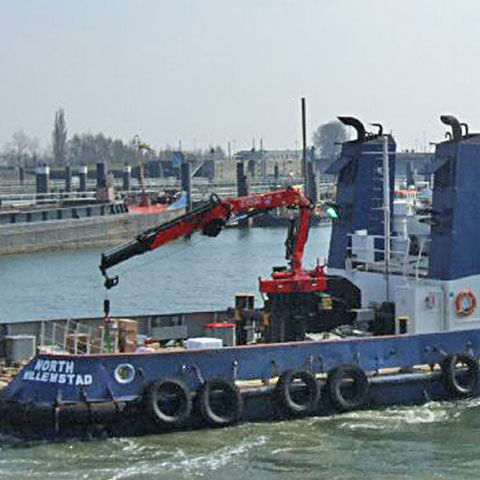
- Area: Epoxy coating integrity compromised by salt spray or environmental damageCheck: Visual inspection of epoxy zinc plating (70 microns), epoxy primer (100 microns), polyurethane glaze (70 microns) totaling 240 microns dry film thickness; measure coating thickness; perform salt fog test per ASTM B117 minimum 1500h
- Area: Jack rod corrosion or loss of hardened nickel and chrome protective layersCheck: Inspect main and secondary jack rods for hardened chemical nickel plating (50 microns) and chrome plating (100 microns) integrity; check extension jack rods and rotation cylinders for double chrome damage; assess pitting and salt deposits
- Area: Electrical components water ingress or degraded IP65 sealingCheck: Verify IP65 protection rating on all electrical components; inspect connector seals and dielectric grease application; test insulation resistance; check for corrosion in wiring harnesses and control enclosures
- Area: Hydraulic system contamination or hose degradation in marine environmentCheck: Inspect hydraulic hoses for external corrosion cracks and salt deposits; verify marine-grade distributor isolation from saltwater; test hydraulic fluid moisture and contamination levels; check all seal integrity on cylinders
- Area: Structural base stress cracking or delamination under salt water exposureCheck: Inspect monolithic cast iron and steel base structure for micro-cracks; verify all weld integrity; assess stress corrosion cracking risk; confirm special marine base mounting security on vessel; check penetration point seals
Typ-universelle Inspektionspunkte fuer Deck Cranes (verifiziert, 2026-06).
- Area: Epoxy coating integrity compromised by salt spray or environmental damageCheck: Visual inspection of epoxy zinc plating (70 microns), epoxy primer (100 microns), polyurethane glaze (70 microns) totaling 240 microns dry film thickness; measure coating thickness; perform salt fog test per ASTM B117 minimum 1500h
- Area: Jack rod corrosion or loss of hardened nickel and chrome protective layersCheck: Inspect main and secondary jack rods for hardened chemical nickel plating (50 microns) and chrome plating (100 microns) integrity; check extension jack rods and rotation cylinders for double chrome damage; assess pitting and salt deposits
- Area: Electrical components water ingress or degraded IP65 sealingCheck: Verify IP65 protection rating on all electrical components; inspect connector seals and dielectric grease application; test insulation resistance; check for corrosion in wiring harnesses and control enclosures
- Area: Hydraulic system contamination or hose degradation in marine environmentCheck: Inspect hydraulic hoses for external corrosion cracks and salt deposits; verify marine-grade distributor isolation from saltwater; test hydraulic fluid moisture and contamination levels; check all seal integrity on cylinders
- Area: Structural base stress cracking or delamination under salt water exposureCheck: Inspect monolithic cast iron and steel base structure for micro-cracks; verify all weld integrity; assess stress corrosion cracking risk; confirm special marine base mounting security on vessel; check penetration point seals
Typ-universelle Inspektionspunkte fuer Deck Cranes (verifiziert, 2026-06).
- Area: Epoxy coating integrity compromised by salt spray or environmental damageCheck: Visual inspection of epoxy zinc plating (70 microns), epoxy primer (100 microns), polyurethane glaze (70 microns) totaling 240 microns dry film thickness; measure coating thickness; perform salt fog test per ASTM B117 minimum 1500h
- Area: Jack rod corrosion or loss of hardened nickel and chrome protective layersCheck: Inspect main and secondary jack rods for hardened chemical nickel plating (50 microns) and chrome plating (100 microns) integrity; check extension jack rods and rotation cylinders for double chrome damage; assess pitting and salt deposits
- Area: Electrical components water ingress or degraded IP65 sealingCheck: Verify IP65 protection rating on all electrical components; inspect connector seals and dielectric grease application; test insulation resistance; check for corrosion in wiring harnesses and control enclosures
- Area: Hydraulic system contamination or hose degradation in marine environmentCheck: Inspect hydraulic hoses for external corrosion cracks and salt deposits; verify marine-grade distributor isolation from saltwater; test hydraulic fluid moisture and contamination levels; check all seal integrity on cylinders
- Area: Structural base stress cracking or delamination under salt water exposureCheck: Inspect monolithic cast iron and steel base structure for micro-cracks; verify all weld integrity; assess stress corrosion cracking risk; confirm special marine base mounting security on vessel; check penetration point seals
Typ-universelle Inspektionspunkte fuer Deck Cranes (verifiziert, 2026-06).
- Area: Epoxy coating integrity compromised by salt spray or environmental damageCheck: Visual inspection of epoxy zinc plating (70 microns), epoxy primer (100 microns), polyurethane glaze (70 microns) totaling 240 microns dry film thickness; measure coating thickness; perform salt fog test per ASTM B117 minimum 1500h
- Area: Jack rod corrosion or loss of hardened nickel and chrome protective layersCheck: Inspect main and secondary jack rods for hardened chemical nickel plating (50 microns) and chrome plating (100 microns) integrity; check extension jack rods and rotation cylinders for double chrome damage; assess pitting and salt deposits
- Area: Electrical components water ingress or degraded IP65 sealingCheck: Verify IP65 protection rating on all electrical components; inspect connector seals and dielectric grease application; test insulation resistance; check for corrosion in wiring harnesses and control enclosures
- Area: Hydraulic system contamination or hose degradation in marine environmentCheck: Inspect hydraulic hoses for external corrosion cracks and salt deposits; verify marine-grade distributor isolation from saltwater; test hydraulic fluid moisture and contamination levels; check all seal integrity on cylinders
- Area: Structural base stress cracking or delamination under salt water exposureCheck: Inspect monolithic cast iron and steel base structure for micro-cracks; verify all weld integrity; assess stress corrosion cracking risk; confirm special marine base mounting security on vessel; check penetration point seals
Typ-universelle Inspektionspunkte fuer Deck Cranes (verifiziert, 2026-06).
- Area: Epoxy coating integrity compromised by salt spray or environmental damageCheck: Visual inspection of epoxy zinc plating (70 microns), epoxy primer (100 microns), polyurethane glaze (70 microns) totaling 240 microns dry film thickness; measure coating thickness; perform salt fog test per ASTM B117 minimum 1500h
- Area: Jack rod corrosion or loss of hardened nickel and chrome protective layersCheck: Inspect main and secondary jack rods for hardened chemical nickel plating (50 microns) and chrome plating (100 microns) integrity; check extension jack rods and rotation cylinders for double chrome damage; assess pitting and salt deposits
- Area: Electrical components water ingress or degraded IP65 sealingCheck: Verify IP65 protection rating on all electrical components; inspect connector seals and dielectric grease application; test insulation resistance; check for corrosion in wiring harnesses and control enclosures
- Area: Hydraulic system contamination or hose degradation in marine environmentCheck: Inspect hydraulic hoses for external corrosion cracks and salt deposits; verify marine-grade distributor isolation from saltwater; test hydraulic fluid moisture and contamination levels; check all seal integrity on cylinders
- Area: Structural base stress cracking or delamination under salt water exposureCheck: Inspect monolithic cast iron and steel base structure for micro-cracks; verify all weld integrity; assess stress corrosion cracking risk; confirm special marine base mounting security on vessel; check penetration point seals
Typ-universelle Inspektionspunkte fuer Deck Cranes (verifiziert, 2026-06).
- Area: Epoxy coating integrity compromised by salt spray or environmental damageCheck: Visual inspection of epoxy zinc plating (70 microns), epoxy primer (100 microns), polyurethane glaze (70 microns) totaling 240 microns dry film thickness; measure coating thickness; perform salt fog test per ASTM B117 minimum 1500h
- Area: Jack rod corrosion or loss of hardened nickel and chrome protective layersCheck: Inspect main and secondary jack rods for hardened chemical nickel plating (50 microns) and chrome plating (100 microns) integrity; check extension jack rods and rotation cylinders for double chrome damage; assess pitting and salt deposits
- Area: Electrical components water ingress or degraded IP65 sealingCheck: Verify IP65 protection rating on all electrical components; inspect connector seals and dielectric grease application; test insulation resistance; check for corrosion in wiring harnesses and control enclosures
- Area: Hydraulic system contamination or hose degradation in marine environmentCheck: Inspect hydraulic hoses for external corrosion cracks and salt deposits; verify marine-grade distributor isolation from saltwater; test hydraulic fluid moisture and contamination levels; check all seal integrity on cylinders
- Area: Structural base stress cracking or delamination under salt water exposureCheck: Inspect monolithic cast iron and steel base structure for micro-cracks; verify all weld integrity; assess stress corrosion cracking risk; confirm special marine base mounting security on vessel; check penetration point seals
Typ-universelle Inspektionspunkte fuer Deck Cranes (verifiziert, 2026-06).
Hatecke
33 ✓ 33 verified- Area: Corrosion, misalignment, deformation and excessive free play in davit launching structures, particularly at connection points and pivot mechanismsCheck: Visual inspection of davit frame, welds, connection bolts, and pivot pins for rust, oxidation, cracks, bent members, and movement indicating loose fasteners
- Area: Deterioration, breakage, or corrosion of wire ropes, cables, and sheaves causing jamming, kinks, or mechanical failure during deploymentCheck: Examination of all wire rope for kinks, corrosion, broken strands, and proper spooling on drums; test sheave rotation for smoothness and bearing wear; measure rope diameter against original specifications
- Area: Hydraulic system leakage or fluid degradation affecting pressure delivery and boat recovery during launch/recovery operationsCheck: Inspect all hydraulic hoses, cylinders, valves, and connections for visible leaks and weeping; test system pressure with gauge; check fluid color and condition (dark/burnt indicates overheating)
- Area: Failure of safety limit switches, brake systems, or power supply preventing proper stopping/holding of deployed lifeboat at restCheck: Functional testing of all limit switches with full deployment cycle; brake engagement test under no-load and maximum load conditions; electrical power supply verification (voltage/amperage)
- Area: Accumulation of marine growth, corrosion products, and salt deposits on davit structures causing weight increase and mechanical bindingCheck: Full cleaning and surface inspection of davit structure; measurement of paint/coating condition; removal and inspection of grease/lubrication residue accumulation in moving parts
Typ-universelle Inspektionspunkte fuer Deck Cranes (verifiziert, 2026-06).
- Area: Corrosion, misalignment, deformation and excessive free play in davit launching structures, particularly at connection points and pivot mechanismsCheck: Visual inspection of davit frame, welds, connection bolts, and pivot pins for rust, oxidation, cracks, bent members, and movement indicating loose fasteners
- Area: Deterioration, breakage, or corrosion of wire ropes, cables, and sheaves causing jamming, kinks, or mechanical failure during deploymentCheck: Examination of all wire rope for kinks, corrosion, broken strands, and proper spooling on drums; test sheave rotation for smoothness and bearing wear; measure rope diameter against original specifications
- Area: Hydraulic system leakage or fluid degradation affecting pressure delivery and boat recovery during launch/recovery operationsCheck: Inspect all hydraulic hoses, cylinders, valves, and connections for visible leaks and weeping; test system pressure with gauge; check fluid color and condition (dark/burnt indicates overheating)
- Area: Failure of safety limit switches, brake systems, or power supply preventing proper stopping/holding of deployed lifeboat at restCheck: Functional testing of all limit switches with full deployment cycle; brake engagement test under no-load and maximum load conditions; electrical power supply verification (voltage/amperage)
- Area: Accumulation of marine growth, corrosion products, and salt deposits on davit structures causing weight increase and mechanical bindingCheck: Full cleaning and surface inspection of davit structure; measurement of paint/coating condition; removal and inspection of grease/lubrication residue accumulation in moving parts
Typ-universelle Inspektionspunkte fuer Deck Cranes (verifiziert, 2026-06).
- Area: Corrosion, misalignment, deformation and excessive free play in davit launching structures, particularly at connection points and pivot mechanismsCheck: Visual inspection of davit frame, welds, connection bolts, and pivot pins for rust, oxidation, cracks, bent members, and movement indicating loose fasteners
- Area: Deterioration, breakage, or corrosion of wire ropes, cables, and sheaves causing jamming, kinks, or mechanical failure during deploymentCheck: Examination of all wire rope for kinks, corrosion, broken strands, and proper spooling on drums; test sheave rotation for smoothness and bearing wear; measure rope diameter against original specifications
- Area: Hydraulic system leakage or fluid degradation affecting pressure delivery and boat recovery during launch/recovery operationsCheck: Inspect all hydraulic hoses, cylinders, valves, and connections for visible leaks and weeping; test system pressure with gauge; check fluid color and condition (dark/burnt indicates overheating)
- Area: Failure of safety limit switches, brake systems, or power supply preventing proper stopping/holding of deployed lifeboat at restCheck: Functional testing of all limit switches with full deployment cycle; brake engagement test under no-load and maximum load conditions; electrical power supply verification (voltage/amperage)
- Area: Accumulation of marine growth, corrosion products, and salt deposits on davit structures causing weight increase and mechanical bindingCheck: Full cleaning and surface inspection of davit structure; measurement of paint/coating condition; removal and inspection of grease/lubrication residue accumulation in moving parts
Typ-universelle Inspektionspunkte fuer Deck Cranes (verifiziert, 2026-06).
- Area: Corrosion, misalignment, deformation and excessive free play in davit launching structures, particularly at connection points and pivot mechanismsCheck: Visual inspection of davit frame, welds, connection bolts, and pivot pins for rust, oxidation, cracks, bent members, and movement indicating loose fasteners
- Area: Deterioration, breakage, or corrosion of wire ropes, cables, and sheaves causing jamming, kinks, or mechanical failure during deploymentCheck: Examination of all wire rope for kinks, corrosion, broken strands, and proper spooling on drums; test sheave rotation for smoothness and bearing wear; measure rope diameter against original specifications
- Area: Hydraulic system leakage or fluid degradation affecting pressure delivery and boat recovery during launch/recovery operationsCheck: Inspect all hydraulic hoses, cylinders, valves, and connections for visible leaks and weeping; test system pressure with gauge; check fluid color and condition (dark/burnt indicates overheating)
- Area: Failure of safety limit switches, brake systems, or power supply preventing proper stopping/holding of deployed lifeboat at restCheck: Functional testing of all limit switches with full deployment cycle; brake engagement test under no-load and maximum load conditions; electrical power supply verification (voltage/amperage)
- Area: Accumulation of marine growth, corrosion products, and salt deposits on davit structures causing weight increase and mechanical bindingCheck: Full cleaning and surface inspection of davit structure; measurement of paint/coating condition; removal and inspection of grease/lubrication residue accumulation in moving parts
Typ-universelle Inspektionspunkte fuer Deck Cranes (verifiziert, 2026-06).
- Area: Corrosion, misalignment, deformation and excessive free play in davit launching structures, particularly at connection points and pivot mechanismsCheck: Visual inspection of davit frame, welds, connection bolts, and pivot pins for rust, oxidation, cracks, bent members, and movement indicating loose fasteners
- Area: Deterioration, breakage, or corrosion of wire ropes, cables, and sheaves causing jamming, kinks, or mechanical failure during deploymentCheck: Examination of all wire rope for kinks, corrosion, broken strands, and proper spooling on drums; test sheave rotation for smoothness and bearing wear; measure rope diameter against original specifications
- Area: Hydraulic system leakage or fluid degradation affecting pressure delivery and boat recovery during launch/recovery operationsCheck: Inspect all hydraulic hoses, cylinders, valves, and connections for visible leaks and weeping; test system pressure with gauge; check fluid color and condition (dark/burnt indicates overheating)
- Area: Failure of safety limit switches, brake systems, or power supply preventing proper stopping/holding of deployed lifeboat at restCheck: Functional testing of all limit switches with full deployment cycle; brake engagement test under no-load and maximum load conditions; electrical power supply verification (voltage/amperage)
- Area: Accumulation of marine growth, corrosion products, and salt deposits on davit structures causing weight increase and mechanical bindingCheck: Full cleaning and surface inspection of davit structure; measurement of paint/coating condition; removal and inspection of grease/lubrication residue accumulation in moving parts
Typ-universelle Inspektionspunkte fuer Deck Cranes (verifiziert, 2026-06).
- Area: Corrosion, misalignment, deformation and excessive free play in davit launching structures, particularly at connection points and pivot mechanismsCheck: Visual inspection of davit frame, welds, connection bolts, and pivot pins for rust, oxidation, cracks, bent members, and movement indicating loose fasteners
- Area: Deterioration, breakage, or corrosion of wire ropes, cables, and sheaves causing jamming, kinks, or mechanical failure during deploymentCheck: Examination of all wire rope for kinks, corrosion, broken strands, and proper spooling on drums; test sheave rotation for smoothness and bearing wear; measure rope diameter against original specifications
- Area: Hydraulic system leakage or fluid degradation affecting pressure delivery and boat recovery during launch/recovery operationsCheck: Inspect all hydraulic hoses, cylinders, valves, and connections for visible leaks and weeping; test system pressure with gauge; check fluid color and condition (dark/burnt indicates overheating)
- Area: Failure of safety limit switches, brake systems, or power supply preventing proper stopping/holding of deployed lifeboat at restCheck: Functional testing of all limit switches with full deployment cycle; brake engagement test under no-load and maximum load conditions; electrical power supply verification (voltage/amperage)
- Area: Accumulation of marine growth, corrosion products, and salt deposits on davit structures causing weight increase and mechanical bindingCheck: Full cleaning and surface inspection of davit structure; measurement of paint/coating condition; removal and inspection of grease/lubrication residue accumulation in moving parts
Typ-universelle Inspektionspunkte fuer Deck Cranes (verifiziert, 2026-06).
- Area: Corrosion, misalignment, deformation and excessive free play in davit launching structures, particularly at connection points and pivot mechanismsCheck: Visual inspection of davit frame, welds, connection bolts, and pivot pins for rust, oxidation, cracks, bent members, and movement indicating loose fasteners
- Area: Deterioration, breakage, or corrosion of wire ropes, cables, and sheaves causing jamming, kinks, or mechanical failure during deploymentCheck: Examination of all wire rope for kinks, corrosion, broken strands, and proper spooling on drums; test sheave rotation for smoothness and bearing wear; measure rope diameter against original specifications
- Area: Hydraulic system leakage or fluid degradation affecting pressure delivery and boat recovery during launch/recovery operationsCheck: Inspect all hydraulic hoses, cylinders, valves, and connections for visible leaks and weeping; test system pressure with gauge; check fluid color and condition (dark/burnt indicates overheating)
- Area: Failure of safety limit switches, brake systems, or power supply preventing proper stopping/holding of deployed lifeboat at restCheck: Functional testing of all limit switches with full deployment cycle; brake engagement test under no-load and maximum load conditions; electrical power supply verification (voltage/amperage)
- Area: Accumulation of marine growth, corrosion products, and salt deposits on davit structures causing weight increase and mechanical bindingCheck: Full cleaning and surface inspection of davit structure; measurement of paint/coating condition; removal and inspection of grease/lubrication residue accumulation in moving parts
Typ-universelle Inspektionspunkte fuer Deck Cranes (verifiziert, 2026-06).
- Area: Corrosion, misalignment, deformation and excessive free play in davit launching structures, particularly at connection points and pivot mechanismsCheck: Visual inspection of davit frame, welds, connection bolts, and pivot pins for rust, oxidation, cracks, bent members, and movement indicating loose fasteners
- Area: Deterioration, breakage, or corrosion of wire ropes, cables, and sheaves causing jamming, kinks, or mechanical failure during deploymentCheck: Examination of all wire rope for kinks, corrosion, broken strands, and proper spooling on drums; test sheave rotation for smoothness and bearing wear; measure rope diameter against original specifications
- Area: Hydraulic system leakage or fluid degradation affecting pressure delivery and boat recovery during launch/recovery operationsCheck: Inspect all hydraulic hoses, cylinders, valves, and connections for visible leaks and weeping; test system pressure with gauge; check fluid color and condition (dark/burnt indicates overheating)
- Area: Failure of safety limit switches, brake systems, or power supply preventing proper stopping/holding of deployed lifeboat at restCheck: Functional testing of all limit switches with full deployment cycle; brake engagement test under no-load and maximum load conditions; electrical power supply verification (voltage/amperage)
- Area: Accumulation of marine growth, corrosion products, and salt deposits on davit structures causing weight increase and mechanical bindingCheck: Full cleaning and surface inspection of davit structure; measurement of paint/coating condition; removal and inspection of grease/lubrication residue accumulation in moving parts
Typ-universelle Inspektionspunkte fuer Deck Cranes (verifiziert, 2026-06).
- Area: Corrosion, misalignment, deformation and excessive free play in davit launching structures, particularly at connection points and pivot mechanismsCheck: Visual inspection of davit frame, welds, connection bolts, and pivot pins for rust, oxidation, cracks, bent members, and movement indicating loose fasteners
- Area: Deterioration, breakage, or corrosion of wire ropes, cables, and sheaves causing jamming, kinks, or mechanical failure during deploymentCheck: Examination of all wire rope for kinks, corrosion, broken strands, and proper spooling on drums; test sheave rotation for smoothness and bearing wear; measure rope diameter against original specifications
- Area: Hydraulic system leakage or fluid degradation affecting pressure delivery and boat recovery during launch/recovery operationsCheck: Inspect all hydraulic hoses, cylinders, valves, and connections for visible leaks and weeping; test system pressure with gauge; check fluid color and condition (dark/burnt indicates overheating)
- Area: Failure of safety limit switches, brake systems, or power supply preventing proper stopping/holding of deployed lifeboat at restCheck: Functional testing of all limit switches with full deployment cycle; brake engagement test under no-load and maximum load conditions; electrical power supply verification (voltage/amperage)
- Area: Accumulation of marine growth, corrosion products, and salt deposits on davit structures causing weight increase and mechanical bindingCheck: Full cleaning and surface inspection of davit structure; measurement of paint/coating condition; removal and inspection of grease/lubrication residue accumulation in moving parts
Typ-universelle Inspektionspunkte fuer Deck Cranes (verifiziert, 2026-06).
- Area: Corrosion, misalignment, deformation and excessive free play in davit launching structures, particularly at connection points and pivot mechanismsCheck: Visual inspection of davit frame, welds, connection bolts, and pivot pins for rust, oxidation, cracks, bent members, and movement indicating loose fasteners
- Area: Deterioration, breakage, or corrosion of wire ropes, cables, and sheaves causing jamming, kinks, or mechanical failure during deploymentCheck: Examination of all wire rope for kinks, corrosion, broken strands, and proper spooling on drums; test sheave rotation for smoothness and bearing wear; measure rope diameter against original specifications
- Area: Hydraulic system leakage or fluid degradation affecting pressure delivery and boat recovery during launch/recovery operationsCheck: Inspect all hydraulic hoses, cylinders, valves, and connections for visible leaks and weeping; test system pressure with gauge; check fluid color and condition (dark/burnt indicates overheating)
- Area: Failure of safety limit switches, brake systems, or power supply preventing proper stopping/holding of deployed lifeboat at restCheck: Functional testing of all limit switches with full deployment cycle; brake engagement test under no-load and maximum load conditions; electrical power supply verification (voltage/amperage)
- Area: Accumulation of marine growth, corrosion products, and salt deposits on davit structures causing weight increase and mechanical bindingCheck: Full cleaning and surface inspection of davit structure; measurement of paint/coating condition; removal and inspection of grease/lubrication residue accumulation in moving parts
Typ-universelle Inspektionspunkte fuer Deck Cranes (verifiziert, 2026-06).
- Area: Corrosion, misalignment, deformation and excessive free play in davit launching structures, particularly at connection points and pivot mechanismsCheck: Visual inspection of davit frame, welds, connection bolts, and pivot pins for rust, oxidation, cracks, bent members, and movement indicating loose fasteners
- Area: Deterioration, breakage, or corrosion of wire ropes, cables, and sheaves causing jamming, kinks, or mechanical failure during deploymentCheck: Examination of all wire rope for kinks, corrosion, broken strands, and proper spooling on drums; test sheave rotation for smoothness and bearing wear; measure rope diameter against original specifications
- Area: Hydraulic system leakage or fluid degradation affecting pressure delivery and boat recovery during launch/recovery operationsCheck: Inspect all hydraulic hoses, cylinders, valves, and connections for visible leaks and weeping; test system pressure with gauge; check fluid color and condition (dark/burnt indicates overheating)
- Area: Failure of safety limit switches, brake systems, or power supply preventing proper stopping/holding of deployed lifeboat at restCheck: Functional testing of all limit switches with full deployment cycle; brake engagement test under no-load and maximum load conditions; electrical power supply verification (voltage/amperage)
- Area: Accumulation of marine growth, corrosion products, and salt deposits on davit structures causing weight increase and mechanical bindingCheck: Full cleaning and surface inspection of davit structure; measurement of paint/coating condition; removal and inspection of grease/lubrication residue accumulation in moving parts
Typ-universelle Inspektionspunkte fuer Deck Cranes (verifiziert, 2026-06).
- Area: Corrosion, misalignment, deformation and excessive free play in davit launching structures, particularly at connection points and pivot mechanismsCheck: Visual inspection of davit frame, welds, connection bolts, and pivot pins for rust, oxidation, cracks, bent members, and movement indicating loose fasteners
- Area: Deterioration, breakage, or corrosion of wire ropes, cables, and sheaves causing jamming, kinks, or mechanical failure during deploymentCheck: Examination of all wire rope for kinks, corrosion, broken strands, and proper spooling on drums; test sheave rotation for smoothness and bearing wear; measure rope diameter against original specifications
- Area: Hydraulic system leakage or fluid degradation affecting pressure delivery and boat recovery during launch/recovery operationsCheck: Inspect all hydraulic hoses, cylinders, valves, and connections for visible leaks and weeping; test system pressure with gauge; check fluid color and condition (dark/burnt indicates overheating)
- Area: Failure of safety limit switches, brake systems, or power supply preventing proper stopping/holding of deployed lifeboat at restCheck: Functional testing of all limit switches with full deployment cycle; brake engagement test under no-load and maximum load conditions; electrical power supply verification (voltage/amperage)
- Area: Accumulation of marine growth, corrosion products, and salt deposits on davit structures causing weight increase and mechanical bindingCheck: Full cleaning and surface inspection of davit structure; measurement of paint/coating condition; removal and inspection of grease/lubrication residue accumulation in moving parts
Typ-universelle Inspektionspunkte fuer Deck Cranes (verifiziert, 2026-06).
- Area: Corrosion, misalignment, deformation and excessive free play in davit launching structures, particularly at connection points and pivot mechanismsCheck: Visual inspection of davit frame, welds, connection bolts, and pivot pins for rust, oxidation, cracks, bent members, and movement indicating loose fasteners
- Area: Deterioration, breakage, or corrosion of wire ropes, cables, and sheaves causing jamming, kinks, or mechanical failure during deploymentCheck: Examination of all wire rope for kinks, corrosion, broken strands, and proper spooling on drums; test sheave rotation for smoothness and bearing wear; measure rope diameter against original specifications
- Area: Hydraulic system leakage or fluid degradation affecting pressure delivery and boat recovery during launch/recovery operationsCheck: Inspect all hydraulic hoses, cylinders, valves, and connections for visible leaks and weeping; test system pressure with gauge; check fluid color and condition (dark/burnt indicates overheating)
- Area: Failure of safety limit switches, brake systems, or power supply preventing proper stopping/holding of deployed lifeboat at restCheck: Functional testing of all limit switches with full deployment cycle; brake engagement test under no-load and maximum load conditions; electrical power supply verification (voltage/amperage)
- Area: Accumulation of marine growth, corrosion products, and salt deposits on davit structures causing weight increase and mechanical bindingCheck: Full cleaning and surface inspection of davit structure; measurement of paint/coating condition; removal and inspection of grease/lubrication residue accumulation in moving parts
Typ-universelle Inspektionspunkte fuer Deck Cranes (verifiziert, 2026-06).
- Area: Corrosion, misalignment, deformation and excessive free play in davit launching structures, particularly at connection points and pivot mechanismsCheck: Visual inspection of davit frame, welds, connection bolts, and pivot pins for rust, oxidation, cracks, bent members, and movement indicating loose fasteners
- Area: Deterioration, breakage, or corrosion of wire ropes, cables, and sheaves causing jamming, kinks, or mechanical failure during deploymentCheck: Examination of all wire rope for kinks, corrosion, broken strands, and proper spooling on drums; test sheave rotation for smoothness and bearing wear; measure rope diameter against original specifications
- Area: Hydraulic system leakage or fluid degradation affecting pressure delivery and boat recovery during launch/recovery operationsCheck: Inspect all hydraulic hoses, cylinders, valves, and connections for visible leaks and weeping; test system pressure with gauge; check fluid color and condition (dark/burnt indicates overheating)
- Area: Failure of safety limit switches, brake systems, or power supply preventing proper stopping/holding of deployed lifeboat at restCheck: Functional testing of all limit switches with full deployment cycle; brake engagement test under no-load and maximum load conditions; electrical power supply verification (voltage/amperage)
- Area: Accumulation of marine growth, corrosion products, and salt deposits on davit structures causing weight increase and mechanical bindingCheck: Full cleaning and surface inspection of davit structure; measurement of paint/coating condition; removal and inspection of grease/lubrication residue accumulation in moving parts
Typ-universelle Inspektionspunkte fuer Deck Cranes (verifiziert, 2026-06).
- Area: Corrosion, misalignment, deformation and excessive free play in davit launching structures, particularly at connection points and pivot mechanismsCheck: Visual inspection of davit frame, welds, connection bolts, and pivot pins for rust, oxidation, cracks, bent members, and movement indicating loose fasteners
- Area: Deterioration, breakage, or corrosion of wire ropes, cables, and sheaves causing jamming, kinks, or mechanical failure during deploymentCheck: Examination of all wire rope for kinks, corrosion, broken strands, and proper spooling on drums; test sheave rotation for smoothness and bearing wear; measure rope diameter against original specifications
- Area: Hydraulic system leakage or fluid degradation affecting pressure delivery and boat recovery during launch/recovery operationsCheck: Inspect all hydraulic hoses, cylinders, valves, and connections for visible leaks and weeping; test system pressure with gauge; check fluid color and condition (dark/burnt indicates overheating)
- Area: Failure of safety limit switches, brake systems, or power supply preventing proper stopping/holding of deployed lifeboat at restCheck: Functional testing of all limit switches with full deployment cycle; brake engagement test under no-load and maximum load conditions; electrical power supply verification (voltage/amperage)
- Area: Accumulation of marine growth, corrosion products, and salt deposits on davit structures causing weight increase and mechanical bindingCheck: Full cleaning and surface inspection of davit structure; measurement of paint/coating condition; removal and inspection of grease/lubrication residue accumulation in moving parts
Typ-universelle Inspektionspunkte fuer Deck Cranes (verifiziert, 2026-06).
- Area: Corrosion, misalignment, deformation and excessive free play in davit launching structures, particularly at connection points and pivot mechanismsCheck: Visual inspection of davit frame, welds, connection bolts, and pivot pins for rust, oxidation, cracks, bent members, and movement indicating loose fasteners
- Area: Deterioration, breakage, or corrosion of wire ropes, cables, and sheaves causing jamming, kinks, or mechanical failure during deploymentCheck: Examination of all wire rope for kinks, corrosion, broken strands, and proper spooling on drums; test sheave rotation for smoothness and bearing wear; measure rope diameter against original specifications
- Area: Hydraulic system leakage or fluid degradation affecting pressure delivery and boat recovery during launch/recovery operationsCheck: Inspect all hydraulic hoses, cylinders, valves, and connections for visible leaks and weeping; test system pressure with gauge; check fluid color and condition (dark/burnt indicates overheating)
- Area: Failure of safety limit switches, brake systems, or power supply preventing proper stopping/holding of deployed lifeboat at restCheck: Functional testing of all limit switches with full deployment cycle; brake engagement test under no-load and maximum load conditions; electrical power supply verification (voltage/amperage)
- Area: Accumulation of marine growth, corrosion products, and salt deposits on davit structures causing weight increase and mechanical bindingCheck: Full cleaning and surface inspection of davit structure; measurement of paint/coating condition; removal and inspection of grease/lubrication residue accumulation in moving parts
Typ-universelle Inspektionspunkte fuer Deck Cranes (verifiziert, 2026-06).
- Area: Corrosion, misalignment, deformation and excessive free play in davit launching structures, particularly at connection points and pivot mechanismsCheck: Visual inspection of davit frame, welds, connection bolts, and pivot pins for rust, oxidation, cracks, bent members, and movement indicating loose fasteners
- Area: Deterioration, breakage, or corrosion of wire ropes, cables, and sheaves causing jamming, kinks, or mechanical failure during deploymentCheck: Examination of all wire rope for kinks, corrosion, broken strands, and proper spooling on drums; test sheave rotation for smoothness and bearing wear; measure rope diameter against original specifications
- Area: Hydraulic system leakage or fluid degradation affecting pressure delivery and boat recovery during launch/recovery operationsCheck: Inspect all hydraulic hoses, cylinders, valves, and connections for visible leaks and weeping; test system pressure with gauge; check fluid color and condition (dark/burnt indicates overheating)
- Area: Failure of safety limit switches, brake systems, or power supply preventing proper stopping/holding of deployed lifeboat at restCheck: Functional testing of all limit switches with full deployment cycle; brake engagement test under no-load and maximum load conditions; electrical power supply verification (voltage/amperage)
- Area: Accumulation of marine growth, corrosion products, and salt deposits on davit structures causing weight increase and mechanical bindingCheck: Full cleaning and surface inspection of davit structure; measurement of paint/coating condition; removal and inspection of grease/lubrication residue accumulation in moving parts
Typ-universelle Inspektionspunkte fuer Deck Cranes (verifiziert, 2026-06).
- Area: Corrosion, misalignment, deformation and excessive free play in davit launching structures, particularly at connection points and pivot mechanismsCheck: Visual inspection of davit frame, welds, connection bolts, and pivot pins for rust, oxidation, cracks, bent members, and movement indicating loose fasteners
- Area: Deterioration, breakage, or corrosion of wire ropes, cables, and sheaves causing jamming, kinks, or mechanical failure during deploymentCheck: Examination of all wire rope for kinks, corrosion, broken strands, and proper spooling on drums; test sheave rotation for smoothness and bearing wear; measure rope diameter against original specifications
- Area: Hydraulic system leakage or fluid degradation affecting pressure delivery and boat recovery during launch/recovery operationsCheck: Inspect all hydraulic hoses, cylinders, valves, and connections for visible leaks and weeping; test system pressure with gauge; check fluid color and condition (dark/burnt indicates overheating)
- Area: Failure of safety limit switches, brake systems, or power supply preventing proper stopping/holding of deployed lifeboat at restCheck: Functional testing of all limit switches with full deployment cycle; brake engagement test under no-load and maximum load conditions; electrical power supply verification (voltage/amperage)
- Area: Accumulation of marine growth, corrosion products, and salt deposits on davit structures causing weight increase and mechanical bindingCheck: Full cleaning and surface inspection of davit structure; measurement of paint/coating condition; removal and inspection of grease/lubrication residue accumulation in moving parts
Typ-universelle Inspektionspunkte fuer Deck Cranes (verifiziert, 2026-06).
- Area: Corrosion, misalignment, deformation and excessive free play in davit launching structures, particularly at connection points and pivot mechanismsCheck: Visual inspection of davit frame, welds, connection bolts, and pivot pins for rust, oxidation, cracks, bent members, and movement indicating loose fasteners
- Area: Deterioration, breakage, or corrosion of wire ropes, cables, and sheaves causing jamming, kinks, or mechanical failure during deploymentCheck: Examination of all wire rope for kinks, corrosion, broken strands, and proper spooling on drums; test sheave rotation for smoothness and bearing wear; measure rope diameter against original specifications
- Area: Hydraulic system leakage or fluid degradation affecting pressure delivery and boat recovery during launch/recovery operationsCheck: Inspect all hydraulic hoses, cylinders, valves, and connections for visible leaks and weeping; test system pressure with gauge; check fluid color and condition (dark/burnt indicates overheating)
- Area: Failure of safety limit switches, brake systems, or power supply preventing proper stopping/holding of deployed lifeboat at restCheck: Functional testing of all limit switches with full deployment cycle; brake engagement test under no-load and maximum load conditions; electrical power supply verification (voltage/amperage)
- Area: Accumulation of marine growth, corrosion products, and salt deposits on davit structures causing weight increase and mechanical bindingCheck: Full cleaning and surface inspection of davit structure; measurement of paint/coating condition; removal and inspection of grease/lubrication residue accumulation in moving parts
Typ-universelle Inspektionspunkte fuer Deck Cranes (verifiziert, 2026-06).
- Area: Corrosion, misalignment, deformation and excessive free play in davit launching structures, particularly at connection points and pivot mechanismsCheck: Visual inspection of davit frame, welds, connection bolts, and pivot pins for rust, oxidation, cracks, bent members, and movement indicating loose fasteners
- Area: Deterioration, breakage, or corrosion of wire ropes, cables, and sheaves causing jamming, kinks, or mechanical failure during deploymentCheck: Examination of all wire rope for kinks, corrosion, broken strands, and proper spooling on drums; test sheave rotation for smoothness and bearing wear; measure rope diameter against original specifications
- Area: Hydraulic system leakage or fluid degradation affecting pressure delivery and boat recovery during launch/recovery operationsCheck: Inspect all hydraulic hoses, cylinders, valves, and connections for visible leaks and weeping; test system pressure with gauge; check fluid color and condition (dark/burnt indicates overheating)
- Area: Failure of safety limit switches, brake systems, or power supply preventing proper stopping/holding of deployed lifeboat at restCheck: Functional testing of all limit switches with full deployment cycle; brake engagement test under no-load and maximum load conditions; electrical power supply verification (voltage/amperage)
- Area: Accumulation of marine growth, corrosion products, and salt deposits on davit structures causing weight increase and mechanical bindingCheck: Full cleaning and surface inspection of davit structure; measurement of paint/coating condition; removal and inspection of grease/lubrication residue accumulation in moving parts
Typ-universelle Inspektionspunkte fuer Deck Cranes (verifiziert, 2026-06).
- Area: Corrosion, misalignment, deformation and excessive free play in davit launching structures, particularly at connection points and pivot mechanismsCheck: Visual inspection of davit frame, welds, connection bolts, and pivot pins for rust, oxidation, cracks, bent members, and movement indicating loose fasteners
- Area: Deterioration, breakage, or corrosion of wire ropes, cables, and sheaves causing jamming, kinks, or mechanical failure during deploymentCheck: Examination of all wire rope for kinks, corrosion, broken strands, and proper spooling on drums; test sheave rotation for smoothness and bearing wear; measure rope diameter against original specifications
- Area: Hydraulic system leakage or fluid degradation affecting pressure delivery and boat recovery during launch/recovery operationsCheck: Inspect all hydraulic hoses, cylinders, valves, and connections for visible leaks and weeping; test system pressure with gauge; check fluid color and condition (dark/burnt indicates overheating)
- Area: Failure of safety limit switches, brake systems, or power supply preventing proper stopping/holding of deployed lifeboat at restCheck: Functional testing of all limit switches with full deployment cycle; brake engagement test under no-load and maximum load conditions; electrical power supply verification (voltage/amperage)
- Area: Accumulation of marine growth, corrosion products, and salt deposits on davit structures causing weight increase and mechanical bindingCheck: Full cleaning and surface inspection of davit structure; measurement of paint/coating condition; removal and inspection of grease/lubrication residue accumulation in moving parts
Typ-universelle Inspektionspunkte fuer Deck Cranes (verifiziert, 2026-06).
- Area: Corrosion, misalignment, deformation and excessive free play in davit launching structures, particularly at connection points and pivot mechanismsCheck: Visual inspection of davit frame, welds, connection bolts, and pivot pins for rust, oxidation, cracks, bent members, and movement indicating loose fasteners
- Area: Deterioration, breakage, or corrosion of wire ropes, cables, and sheaves causing jamming, kinks, or mechanical failure during deploymentCheck: Examination of all wire rope for kinks, corrosion, broken strands, and proper spooling on drums; test sheave rotation for smoothness and bearing wear; measure rope diameter against original specifications
- Area: Hydraulic system leakage or fluid degradation affecting pressure delivery and boat recovery during launch/recovery operationsCheck: Inspect all hydraulic hoses, cylinders, valves, and connections for visible leaks and weeping; test system pressure with gauge; check fluid color and condition (dark/burnt indicates overheating)
- Area: Failure of safety limit switches, brake systems, or power supply preventing proper stopping/holding of deployed lifeboat at restCheck: Functional testing of all limit switches with full deployment cycle; brake engagement test under no-load and maximum load conditions; electrical power supply verification (voltage/amperage)
- Area: Accumulation of marine growth, corrosion products, and salt deposits on davit structures causing weight increase and mechanical bindingCheck: Full cleaning and surface inspection of davit structure; measurement of paint/coating condition; removal and inspection of grease/lubrication residue accumulation in moving parts
Typ-universelle Inspektionspunkte fuer Deck Cranes (verifiziert, 2026-06).
- Area: Corrosion, misalignment, deformation and excessive free play in davit launching structures, particularly at connection points and pivot mechanismsCheck: Visual inspection of davit frame, welds, connection bolts, and pivot pins for rust, oxidation, cracks, bent members, and movement indicating loose fasteners
- Area: Deterioration, breakage, or corrosion of wire ropes, cables, and sheaves causing jamming, kinks, or mechanical failure during deploymentCheck: Examination of all wire rope for kinks, corrosion, broken strands, and proper spooling on drums; test sheave rotation for smoothness and bearing wear; measure rope diameter against original specifications
- Area: Hydraulic system leakage or fluid degradation affecting pressure delivery and boat recovery during launch/recovery operationsCheck: Inspect all hydraulic hoses, cylinders, valves, and connections for visible leaks and weeping; test system pressure with gauge; check fluid color and condition (dark/burnt indicates overheating)
- Area: Failure of safety limit switches, brake systems, or power supply preventing proper stopping/holding of deployed lifeboat at restCheck: Functional testing of all limit switches with full deployment cycle; brake engagement test under no-load and maximum load conditions; electrical power supply verification (voltage/amperage)
- Area: Accumulation of marine growth, corrosion products, and salt deposits on davit structures causing weight increase and mechanical bindingCheck: Full cleaning and surface inspection of davit structure; measurement of paint/coating condition; removal and inspection of grease/lubrication residue accumulation in moving parts
Typ-universelle Inspektionspunkte fuer Deck Cranes (verifiziert, 2026-06).
- Area: Corrosion, misalignment, deformation and excessive free play in davit launching structures, particularly at connection points and pivot mechanismsCheck: Visual inspection of davit frame, welds, connection bolts, and pivot pins for rust, oxidation, cracks, bent members, and movement indicating loose fasteners
- Area: Deterioration, breakage, or corrosion of wire ropes, cables, and sheaves causing jamming, kinks, or mechanical failure during deploymentCheck: Examination of all wire rope for kinks, corrosion, broken strands, and proper spooling on drums; test sheave rotation for smoothness and bearing wear; measure rope diameter against original specifications
- Area: Hydraulic system leakage or fluid degradation affecting pressure delivery and boat recovery during launch/recovery operationsCheck: Inspect all hydraulic hoses, cylinders, valves, and connections for visible leaks and weeping; test system pressure with gauge; check fluid color and condition (dark/burnt indicates overheating)
- Area: Failure of safety limit switches, brake systems, or power supply preventing proper stopping/holding of deployed lifeboat at restCheck: Functional testing of all limit switches with full deployment cycle; brake engagement test under no-load and maximum load conditions; electrical power supply verification (voltage/amperage)
- Area: Accumulation of marine growth, corrosion products, and salt deposits on davit structures causing weight increase and mechanical bindingCheck: Full cleaning and surface inspection of davit structure; measurement of paint/coating condition; removal and inspection of grease/lubrication residue accumulation in moving parts
Typ-universelle Inspektionspunkte fuer Deck Cranes (verifiziert, 2026-06).
- Area: Corrosion, misalignment, deformation and excessive free play in davit launching structures, particularly at connection points and pivot mechanismsCheck: Visual inspection of davit frame, welds, connection bolts, and pivot pins for rust, oxidation, cracks, bent members, and movement indicating loose fasteners
- Area: Deterioration, breakage, or corrosion of wire ropes, cables, and sheaves causing jamming, kinks, or mechanical failure during deploymentCheck: Examination of all wire rope for kinks, corrosion, broken strands, and proper spooling on drums; test sheave rotation for smoothness and bearing wear; measure rope diameter against original specifications
- Area: Hydraulic system leakage or fluid degradation affecting pressure delivery and boat recovery during launch/recovery operationsCheck: Inspect all hydraulic hoses, cylinders, valves, and connections for visible leaks and weeping; test system pressure with gauge; check fluid color and condition (dark/burnt indicates overheating)
- Area: Failure of safety limit switches, brake systems, or power supply preventing proper stopping/holding of deployed lifeboat at restCheck: Functional testing of all limit switches with full deployment cycle; brake engagement test under no-load and maximum load conditions; electrical power supply verification (voltage/amperage)
- Area: Accumulation of marine growth, corrosion products, and salt deposits on davit structures causing weight increase and mechanical bindingCheck: Full cleaning and surface inspection of davit structure; measurement of paint/coating condition; removal and inspection of grease/lubrication residue accumulation in moving parts
Typ-universelle Inspektionspunkte fuer Deck Cranes (verifiziert, 2026-06).
- Area: Corrosion, misalignment, deformation and excessive free play in davit launching structures, particularly at connection points and pivot mechanismsCheck: Visual inspection of davit frame, welds, connection bolts, and pivot pins for rust, oxidation, cracks, bent members, and movement indicating loose fasteners
- Area: Deterioration, breakage, or corrosion of wire ropes, cables, and sheaves causing jamming, kinks, or mechanical failure during deploymentCheck: Examination of all wire rope for kinks, corrosion, broken strands, and proper spooling on drums; test sheave rotation for smoothness and bearing wear; measure rope diameter against original specifications
- Area: Hydraulic system leakage or fluid degradation affecting pressure delivery and boat recovery during launch/recovery operationsCheck: Inspect all hydraulic hoses, cylinders, valves, and connections for visible leaks and weeping; test system pressure with gauge; check fluid color and condition (dark/burnt indicates overheating)
- Area: Failure of safety limit switches, brake systems, or power supply preventing proper stopping/holding of deployed lifeboat at restCheck: Functional testing of all limit switches with full deployment cycle; brake engagement test under no-load and maximum load conditions; electrical power supply verification (voltage/amperage)
- Area: Accumulation of marine growth, corrosion products, and salt deposits on davit structures causing weight increase and mechanical bindingCheck: Full cleaning and surface inspection of davit structure; measurement of paint/coating condition; removal and inspection of grease/lubrication residue accumulation in moving parts
Typ-universelle Inspektionspunkte fuer Deck Cranes (verifiziert, 2026-06).
- Area: Corrosion, misalignment, deformation and excessive free play in davit launching structures, particularly at connection points and pivot mechanismsCheck: Visual inspection of davit frame, welds, connection bolts, and pivot pins for rust, oxidation, cracks, bent members, and movement indicating loose fasteners
- Area: Deterioration, breakage, or corrosion of wire ropes, cables, and sheaves causing jamming, kinks, or mechanical failure during deploymentCheck: Examination of all wire rope for kinks, corrosion, broken strands, and proper spooling on drums; test sheave rotation for smoothness and bearing wear; measure rope diameter against original specifications
- Area: Hydraulic system leakage or fluid degradation affecting pressure delivery and boat recovery during launch/recovery operationsCheck: Inspect all hydraulic hoses, cylinders, valves, and connections for visible leaks and weeping; test system pressure with gauge; check fluid color and condition (dark/burnt indicates overheating)
- Area: Failure of safety limit switches, brake systems, or power supply preventing proper stopping/holding of deployed lifeboat at restCheck: Functional testing of all limit switches with full deployment cycle; brake engagement test under no-load and maximum load conditions; electrical power supply verification (voltage/amperage)
- Area: Accumulation of marine growth, corrosion products, and salt deposits on davit structures causing weight increase and mechanical bindingCheck: Full cleaning and surface inspection of davit structure; measurement of paint/coating condition; removal and inspection of grease/lubrication residue accumulation in moving parts
Typ-universelle Inspektionspunkte fuer Deck Cranes (verifiziert, 2026-06).
- Area: Corrosion, misalignment, deformation and excessive free play in davit launching structures, particularly at connection points and pivot mechanismsCheck: Visual inspection of davit frame, welds, connection bolts, and pivot pins for rust, oxidation, cracks, bent members, and movement indicating loose fasteners
- Area: Deterioration, breakage, or corrosion of wire ropes, cables, and sheaves causing jamming, kinks, or mechanical failure during deploymentCheck: Examination of all wire rope for kinks, corrosion, broken strands, and proper spooling on drums; test sheave rotation for smoothness and bearing wear; measure rope diameter against original specifications
- Area: Hydraulic system leakage or fluid degradation affecting pressure delivery and boat recovery during launch/recovery operationsCheck: Inspect all hydraulic hoses, cylinders, valves, and connections for visible leaks and weeping; test system pressure with gauge; check fluid color and condition (dark/burnt indicates overheating)
- Area: Failure of safety limit switches, brake systems, or power supply preventing proper stopping/holding of deployed lifeboat at restCheck: Functional testing of all limit switches with full deployment cycle; brake engagement test under no-load and maximum load conditions; electrical power supply verification (voltage/amperage)
- Area: Accumulation of marine growth, corrosion products, and salt deposits on davit structures causing weight increase and mechanical bindingCheck: Full cleaning and surface inspection of davit structure; measurement of paint/coating condition; removal and inspection of grease/lubrication residue accumulation in moving parts
Typ-universelle Inspektionspunkte fuer Deck Cranes (verifiziert, 2026-06).
- Area: Corrosion, misalignment, deformation and excessive free play in davit launching structures, particularly at connection points and pivot mechanismsCheck: Visual inspection of davit frame, welds, connection bolts, and pivot pins for rust, oxidation, cracks, bent members, and movement indicating loose fasteners
- Area: Deterioration, breakage, or corrosion of wire ropes, cables, and sheaves causing jamming, kinks, or mechanical failure during deploymentCheck: Examination of all wire rope for kinks, corrosion, broken strands, and proper spooling on drums; test sheave rotation for smoothness and bearing wear; measure rope diameter against original specifications
- Area: Hydraulic system leakage or fluid degradation affecting pressure delivery and boat recovery during launch/recovery operationsCheck: Inspect all hydraulic hoses, cylinders, valves, and connections for visible leaks and weeping; test system pressure with gauge; check fluid color and condition (dark/burnt indicates overheating)
- Area: Failure of safety limit switches, brake systems, or power supply preventing proper stopping/holding of deployed lifeboat at restCheck: Functional testing of all limit switches with full deployment cycle; brake engagement test under no-load and maximum load conditions; electrical power supply verification (voltage/amperage)
- Area: Accumulation of marine growth, corrosion products, and salt deposits on davit structures causing weight increase and mechanical bindingCheck: Full cleaning and surface inspection of davit structure; measurement of paint/coating condition; removal and inspection of grease/lubrication residue accumulation in moving parts
Typ-universelle Inspektionspunkte fuer Deck Cranes (verifiziert, 2026-06).
- Area: Corrosion, misalignment, deformation and excessive free play in davit launching structures, particularly at connection points and pivot mechanismsCheck: Visual inspection of davit frame, welds, connection bolts, and pivot pins for rust, oxidation, cracks, bent members, and movement indicating loose fasteners
- Area: Deterioration, breakage, or corrosion of wire ropes, cables, and sheaves causing jamming, kinks, or mechanical failure during deploymentCheck: Examination of all wire rope for kinks, corrosion, broken strands, and proper spooling on drums; test sheave rotation for smoothness and bearing wear; measure rope diameter against original specifications
- Area: Hydraulic system leakage or fluid degradation affecting pressure delivery and boat recovery during launch/recovery operationsCheck: Inspect all hydraulic hoses, cylinders, valves, and connections for visible leaks and weeping; test system pressure with gauge; check fluid color and condition (dark/burnt indicates overheating)
- Area: Failure of safety limit switches, brake systems, or power supply preventing proper stopping/holding of deployed lifeboat at restCheck: Functional testing of all limit switches with full deployment cycle; brake engagement test under no-load and maximum load conditions; electrical power supply verification (voltage/amperage)
- Area: Accumulation of marine growth, corrosion products, and salt deposits on davit structures causing weight increase and mechanical bindingCheck: Full cleaning and surface inspection of davit structure; measurement of paint/coating condition; removal and inspection of grease/lubrication residue accumulation in moving parts
Typ-universelle Inspektionspunkte fuer Deck Cranes (verifiziert, 2026-06).
- Area: Corrosion, misalignment, deformation and excessive free play in davit launching structures, particularly at connection points and pivot mechanismsCheck: Visual inspection of davit frame, welds, connection bolts, and pivot pins for rust, oxidation, cracks, bent members, and movement indicating loose fasteners
- Area: Deterioration, breakage, or corrosion of wire ropes, cables, and sheaves causing jamming, kinks, or mechanical failure during deploymentCheck: Examination of all wire rope for kinks, corrosion, broken strands, and proper spooling on drums; test sheave rotation for smoothness and bearing wear; measure rope diameter against original specifications
- Area: Hydraulic system leakage or fluid degradation affecting pressure delivery and boat recovery during launch/recovery operationsCheck: Inspect all hydraulic hoses, cylinders, valves, and connections for visible leaks and weeping; test system pressure with gauge; check fluid color and condition (dark/burnt indicates overheating)
- Area: Failure of safety limit switches, brake systems, or power supply preventing proper stopping/holding of deployed lifeboat at restCheck: Functional testing of all limit switches with full deployment cycle; brake engagement test under no-load and maximum load conditions; electrical power supply verification (voltage/amperage)
- Area: Accumulation of marine growth, corrosion products, and salt deposits on davit structures causing weight increase and mechanical bindingCheck: Full cleaning and surface inspection of davit structure; measurement of paint/coating condition; removal and inspection of grease/lubrication residue accumulation in moving parts
Typ-universelle Inspektionspunkte fuer Deck Cranes (verifiziert, 2026-06).
- Area: Corrosion, misalignment, deformation and excessive free play in davit launching structures, particularly at connection points and pivot mechanismsCheck: Visual inspection of davit frame, welds, connection bolts, and pivot pins for rust, oxidation, cracks, bent members, and movement indicating loose fasteners
- Area: Deterioration, breakage, or corrosion of wire ropes, cables, and sheaves causing jamming, kinks, or mechanical failure during deploymentCheck: Examination of all wire rope for kinks, corrosion, broken strands, and proper spooling on drums; test sheave rotation for smoothness and bearing wear; measure rope diameter against original specifications
- Area: Hydraulic system leakage or fluid degradation affecting pressure delivery and boat recovery during launch/recovery operationsCheck: Inspect all hydraulic hoses, cylinders, valves, and connections for visible leaks and weeping; test system pressure with gauge; check fluid color and condition (dark/burnt indicates overheating)
- Area: Failure of safety limit switches, brake systems, or power supply preventing proper stopping/holding of deployed lifeboat at restCheck: Functional testing of all limit switches with full deployment cycle; brake engagement test under no-load and maximum load conditions; electrical power supply verification (voltage/amperage)
- Area: Accumulation of marine growth, corrosion products, and salt deposits on davit structures causing weight increase and mechanical bindingCheck: Full cleaning and surface inspection of davit structure; measurement of paint/coating condition; removal and inspection of grease/lubrication residue accumulation in moving parts
Typ-universelle Inspektionspunkte fuer Deck Cranes (verifiziert, 2026-06).
- Area: Corrosion, misalignment, deformation and excessive free play in davit launching structures, particularly at connection points and pivot mechanismsCheck: Visual inspection of davit frame, welds, connection bolts, and pivot pins for rust, oxidation, cracks, bent members, and movement indicating loose fasteners
- Area: Deterioration, breakage, or corrosion of wire ropes, cables, and sheaves causing jamming, kinks, or mechanical failure during deploymentCheck: Examination of all wire rope for kinks, corrosion, broken strands, and proper spooling on drums; test sheave rotation for smoothness and bearing wear; measure rope diameter against original specifications
- Area: Hydraulic system leakage or fluid degradation affecting pressure delivery and boat recovery during launch/recovery operationsCheck: Inspect all hydraulic hoses, cylinders, valves, and connections for visible leaks and weeping; test system pressure with gauge; check fluid color and condition (dark/burnt indicates overheating)
- Area: Failure of safety limit switches, brake systems, or power supply preventing proper stopping/holding of deployed lifeboat at restCheck: Functional testing of all limit switches with full deployment cycle; brake engagement test under no-load and maximum load conditions; electrical power supply verification (voltage/amperage)
- Area: Accumulation of marine growth, corrosion products, and salt deposits on davit structures causing weight increase and mechanical bindingCheck: Full cleaning and surface inspection of davit structure; measurement of paint/coating condition; removal and inspection of grease/lubrication residue accumulation in moving parts
Typ-universelle Inspektionspunkte fuer Deck Cranes (verifiziert, 2026-06).
Liebherr Maritime Cranes
33 ✓ 33 verified- Area: Structural integrity check of boom, jib, and lattice sections including weld seams and pin connectionsCheck: Structural integrity check of boom, jib, and lattice sections including weld seams and pin connections
- Area: Wire rope inspection: wear, broken wires, corrosion, kinks, and correct reeving on all hoists and luffing systemsCheck: Wire rope inspection: wear, broken wires, corrosion, kinks, and correct reeving on all hoists and luffing systems
- Area: Slewing bearing and ring gear: lubrication, wear, backlash measurement, and corrosion protectionCheck: Slewing bearing and ring gear: lubrication, wear, backlash measurement, and corrosion protection
- Area: Hydraulic system: fluid level, filter condition, hose and seal integrity, pressure settings, and leak-free operationCheck: Hydraulic system: fluid level, filter condition, hose and seal integrity, pressure settings, and leak-free operation
- Area: Brake systems (hoist, slew, luffing): function test, pad/disc wear, and holding capacity under rated loadCheck: Brake systems (hoist, slew, luffing): function test, pad/disc wear, and holding capacity under rated load
- Area: Electrical and control systems: Litronic control panel function, limit switches, overload protection, emergency stop, and anti-collision devicesCheck: Electrical and control systems: Litronic control panel function, limit switches, overload protection, emergency stop, and anti-collision devices
- Area: Pedestal, king post, and deck attachment: fastening bolts torque check, base welds, corrosion treatment, and alignmentCheck: Pedestal, king post, and deck attachment: fastening bolts torque check, base welds, corrosion treatment, and alignment
- Area: Lubrication of all moving parts: sheaves, blocks, pins, bearings, and gear drives per OEM lubrication scheduleCheck: Lubrication of all moving parts: sheaves, blocks, pins, bearings, and gear drives per OEM lubrication schedule
Typ-universelle Inspektionspunkte fuer Deck Cranes (verifiziert, 2026-06).
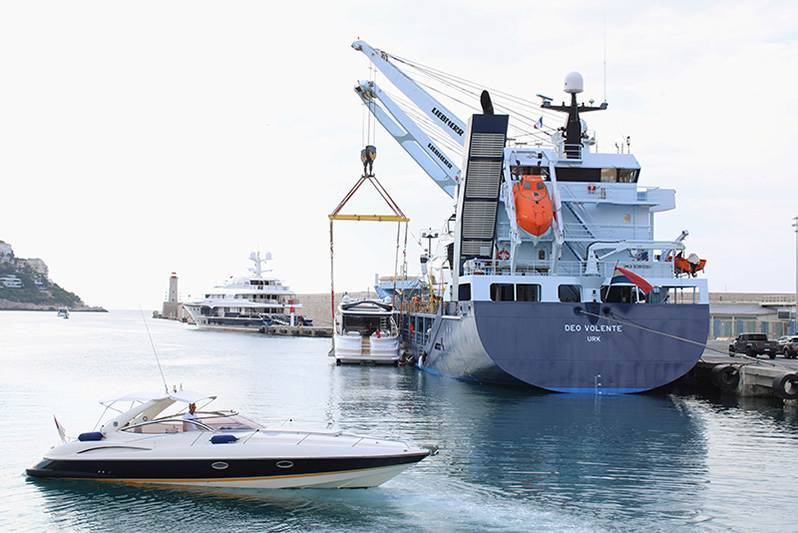
- Area: Structural integrity check of boom, jib, and lattice sections including weld seams and pin connectionsCheck: Structural integrity check of boom, jib, and lattice sections including weld seams and pin connections
- Area: Wire rope inspection: wear, broken wires, corrosion, kinks, and correct reeving on all hoists and luffing systemsCheck: Wire rope inspection: wear, broken wires, corrosion, kinks, and correct reeving on all hoists and luffing systems
- Area: Slewing bearing and ring gear: lubrication, wear, backlash measurement, and corrosion protectionCheck: Slewing bearing and ring gear: lubrication, wear, backlash measurement, and corrosion protection
- Area: Hydraulic system: fluid level, filter condition, hose and seal integrity, pressure settings, and leak-free operationCheck: Hydraulic system: fluid level, filter condition, hose and seal integrity, pressure settings, and leak-free operation
- Area: Brake systems (hoist, slew, luffing): function test, pad/disc wear, and holding capacity under rated loadCheck: Brake systems (hoist, slew, luffing): function test, pad/disc wear, and holding capacity under rated load
- Area: Electrical and control systems: Litronic control panel function, limit switches, overload protection, emergency stop, and anti-collision devicesCheck: Electrical and control systems: Litronic control panel function, limit switches, overload protection, emergency stop, and anti-collision devices
- Area: Pedestal, king post, and deck attachment: fastening bolts torque check, base welds, corrosion treatment, and alignmentCheck: Pedestal, king post, and deck attachment: fastening bolts torque check, base welds, corrosion treatment, and alignment
- Area: Lubrication of all moving parts: sheaves, blocks, pins, bearings, and gear drives per OEM lubrication scheduleCheck: Lubrication of all moving parts: sheaves, blocks, pins, bearings, and gear drives per OEM lubrication schedule
Typ-universelle Inspektionspunkte fuer Deck Cranes (verifiziert, 2026-06).
- Area: Structural integrity check of boom, jib, and lattice sections including weld seams and pin connectionsCheck: Structural integrity check of boom, jib, and lattice sections including weld seams and pin connections
- Area: Wire rope inspection: wear, broken wires, corrosion, kinks, and correct reeving on all hoists and luffing systemsCheck: Wire rope inspection: wear, broken wires, corrosion, kinks, and correct reeving on all hoists and luffing systems
- Area: Slewing bearing and ring gear: lubrication, wear, backlash measurement, and corrosion protectionCheck: Slewing bearing and ring gear: lubrication, wear, backlash measurement, and corrosion protection
- Area: Hydraulic system: fluid level, filter condition, hose and seal integrity, pressure settings, and leak-free operationCheck: Hydraulic system: fluid level, filter condition, hose and seal integrity, pressure settings, and leak-free operation
- Area: Brake systems (hoist, slew, luffing): function test, pad/disc wear, and holding capacity under rated loadCheck: Brake systems (hoist, slew, luffing): function test, pad/disc wear, and holding capacity under rated load
- Area: Electrical and control systems: Litronic control panel function, limit switches, overload protection, emergency stop, and anti-collision devicesCheck: Electrical and control systems: Litronic control panel function, limit switches, overload protection, emergency stop, and anti-collision devices
- Area: Pedestal, king post, and deck attachment: fastening bolts torque check, base welds, corrosion treatment, and alignmentCheck: Pedestal, king post, and deck attachment: fastening bolts torque check, base welds, corrosion treatment, and alignment
- Area: Lubrication of all moving parts: sheaves, blocks, pins, bearings, and gear drives per OEM lubrication scheduleCheck: Lubrication of all moving parts: sheaves, blocks, pins, bearings, and gear drives per OEM lubrication schedule
Typ-universelle Inspektionspunkte fuer Deck Cranes (verifiziert, 2026-06).
- Area: Structural integrity check of boom, jib, and lattice sections including weld seams and pin connectionsCheck: Structural integrity check of boom, jib, and lattice sections including weld seams and pin connections
- Area: Wire rope inspection: wear, broken wires, corrosion, kinks, and correct reeving on all hoists and luffing systemsCheck: Wire rope inspection: wear, broken wires, corrosion, kinks, and correct reeving on all hoists and luffing systems
- Area: Slewing bearing and ring gear: lubrication, wear, backlash measurement, and corrosion protectionCheck: Slewing bearing and ring gear: lubrication, wear, backlash measurement, and corrosion protection
- Area: Hydraulic system: fluid level, filter condition, hose and seal integrity, pressure settings, and leak-free operationCheck: Hydraulic system: fluid level, filter condition, hose and seal integrity, pressure settings, and leak-free operation
- Area: Brake systems (hoist, slew, luffing): function test, pad/disc wear, and holding capacity under rated loadCheck: Brake systems (hoist, slew, luffing): function test, pad/disc wear, and holding capacity under rated load
- Area: Electrical and control systems: Litronic control panel function, limit switches, overload protection, emergency stop, and anti-collision devicesCheck: Electrical and control systems: Litronic control panel function, limit switches, overload protection, emergency stop, and anti-collision devices
- Area: Pedestal, king post, and deck attachment: fastening bolts torque check, base welds, corrosion treatment, and alignmentCheck: Pedestal, king post, and deck attachment: fastening bolts torque check, base welds, corrosion treatment, and alignment
- Area: Lubrication of all moving parts: sheaves, blocks, pins, bearings, and gear drives per OEM lubrication scheduleCheck: Lubrication of all moving parts: sheaves, blocks, pins, bearings, and gear drives per OEM lubrication schedule
Typ-universelle Inspektionspunkte fuer Deck Cranes (verifiziert, 2026-06).
- Area: Structural integrity check of boom, jib, and lattice sections including weld seams and pin connectionsCheck: Structural integrity check of boom, jib, and lattice sections including weld seams and pin connections
- Area: Wire rope inspection: wear, broken wires, corrosion, kinks, and correct reeving on all hoists and luffing systemsCheck: Wire rope inspection: wear, broken wires, corrosion, kinks, and correct reeving on all hoists and luffing systems
- Area: Slewing bearing and ring gear: lubrication, wear, backlash measurement, and corrosion protectionCheck: Slewing bearing and ring gear: lubrication, wear, backlash measurement, and corrosion protection
- Area: Hydraulic system: fluid level, filter condition, hose and seal integrity, pressure settings, and leak-free operationCheck: Hydraulic system: fluid level, filter condition, hose and seal integrity, pressure settings, and leak-free operation
- Area: Brake systems (hoist, slew, luffing): function test, pad/disc wear, and holding capacity under rated loadCheck: Brake systems (hoist, slew, luffing): function test, pad/disc wear, and holding capacity under rated load
- Area: Electrical and control systems: Litronic control panel function, limit switches, overload protection, emergency stop, and anti-collision devicesCheck: Electrical and control systems: Litronic control panel function, limit switches, overload protection, emergency stop, and anti-collision devices
- Area: Pedestal, king post, and deck attachment: fastening bolts torque check, base welds, corrosion treatment, and alignmentCheck: Pedestal, king post, and deck attachment: fastening bolts torque check, base welds, corrosion treatment, and alignment
- Area: Lubrication of all moving parts: sheaves, blocks, pins, bearings, and gear drives per OEM lubrication scheduleCheck: Lubrication of all moving parts: sheaves, blocks, pins, bearings, and gear drives per OEM lubrication schedule
Typ-universelle Inspektionspunkte fuer Deck Cranes (verifiziert, 2026-06).
- Area: Structural integrity check of boom, jib, and lattice sections including weld seams and pin connectionsCheck: Structural integrity check of boom, jib, and lattice sections including weld seams and pin connections
- Area: Wire rope inspection: wear, broken wires, corrosion, kinks, and correct reeving on all hoists and luffing systemsCheck: Wire rope inspection: wear, broken wires, corrosion, kinks, and correct reeving on all hoists and luffing systems
- Area: Slewing bearing and ring gear: lubrication, wear, backlash measurement, and corrosion protectionCheck: Slewing bearing and ring gear: lubrication, wear, backlash measurement, and corrosion protection
- Area: Hydraulic system: fluid level, filter condition, hose and seal integrity, pressure settings, and leak-free operationCheck: Hydraulic system: fluid level, filter condition, hose and seal integrity, pressure settings, and leak-free operation
- Area: Brake systems (hoist, slew, luffing): function test, pad/disc wear, and holding capacity under rated loadCheck: Brake systems (hoist, slew, luffing): function test, pad/disc wear, and holding capacity under rated load
- Area: Electrical and control systems: Litronic control panel function, limit switches, overload protection, emergency stop, and anti-collision devicesCheck: Electrical and control systems: Litronic control panel function, limit switches, overload protection, emergency stop, and anti-collision devices
- Area: Pedestal, king post, and deck attachment: fastening bolts torque check, base welds, corrosion treatment, and alignmentCheck: Pedestal, king post, and deck attachment: fastening bolts torque check, base welds, corrosion treatment, and alignment
- Area: Lubrication of all moving parts: sheaves, blocks, pins, bearings, and gear drives per OEM lubrication scheduleCheck: Lubrication of all moving parts: sheaves, blocks, pins, bearings, and gear drives per OEM lubrication schedule
Typ-universelle Inspektionspunkte fuer Deck Cranes (verifiziert, 2026-06).
- Area: Structural integrity check of boom, jib, and lattice sections including weld seams and pin connectionsCheck: Structural integrity check of boom, jib, and lattice sections including weld seams and pin connections
- Area: Wire rope inspection: wear, broken wires, corrosion, kinks, and correct reeving on all hoists and luffing systemsCheck: Wire rope inspection: wear, broken wires, corrosion, kinks, and correct reeving on all hoists and luffing systems
- Area: Slewing bearing and ring gear: lubrication, wear, backlash measurement, and corrosion protectionCheck: Slewing bearing and ring gear: lubrication, wear, backlash measurement, and corrosion protection
- Area: Hydraulic system: fluid level, filter condition, hose and seal integrity, pressure settings, and leak-free operationCheck: Hydraulic system: fluid level, filter condition, hose and seal integrity, pressure settings, and leak-free operation
- Area: Brake systems (hoist, slew, luffing): function test, pad/disc wear, and holding capacity under rated loadCheck: Brake systems (hoist, slew, luffing): function test, pad/disc wear, and holding capacity under rated load
- Area: Electrical and control systems: Litronic control panel function, limit switches, overload protection, emergency stop, and anti-collision devicesCheck: Electrical and control systems: Litronic control panel function, limit switches, overload protection, emergency stop, and anti-collision devices
- Area: Pedestal, king post, and deck attachment: fastening bolts torque check, base welds, corrosion treatment, and alignmentCheck: Pedestal, king post, and deck attachment: fastening bolts torque check, base welds, corrosion treatment, and alignment
- Area: Lubrication of all moving parts: sheaves, blocks, pins, bearings, and gear drives per OEM lubrication scheduleCheck: Lubrication of all moving parts: sheaves, blocks, pins, bearings, and gear drives per OEM lubrication schedule
Typ-universelle Inspektionspunkte fuer Deck Cranes (verifiziert, 2026-06).

- Area: Structural integrity check of boom, jib, and lattice sections including weld seams and pin connectionsCheck: Structural integrity check of boom, jib, and lattice sections including weld seams and pin connections
- Area: Wire rope inspection: wear, broken wires, corrosion, kinks, and correct reeving on all hoists and luffing systemsCheck: Wire rope inspection: wear, broken wires, corrosion, kinks, and correct reeving on all hoists and luffing systems
- Area: Slewing bearing and ring gear: lubrication, wear, backlash measurement, and corrosion protectionCheck: Slewing bearing and ring gear: lubrication, wear, backlash measurement, and corrosion protection
- Area: Hydraulic system: fluid level, filter condition, hose and seal integrity, pressure settings, and leak-free operationCheck: Hydraulic system: fluid level, filter condition, hose and seal integrity, pressure settings, and leak-free operation
- Area: Brake systems (hoist, slew, luffing): function test, pad/disc wear, and holding capacity under rated loadCheck: Brake systems (hoist, slew, luffing): function test, pad/disc wear, and holding capacity under rated load
- Area: Electrical and control systems: Litronic control panel function, limit switches, overload protection, emergency stop, and anti-collision devicesCheck: Electrical and control systems: Litronic control panel function, limit switches, overload protection, emergency stop, and anti-collision devices
- Area: Pedestal, king post, and deck attachment: fastening bolts torque check, base welds, corrosion treatment, and alignmentCheck: Pedestal, king post, and deck attachment: fastening bolts torque check, base welds, corrosion treatment, and alignment
- Area: Lubrication of all moving parts: sheaves, blocks, pins, bearings, and gear drives per OEM lubrication scheduleCheck: Lubrication of all moving parts: sheaves, blocks, pins, bearings, and gear drives per OEM lubrication schedule
Typ-universelle Inspektionspunkte fuer Deck Cranes (verifiziert, 2026-06).
- Area: Structural integrity check of boom, jib, and lattice sections including weld seams and pin connectionsCheck: Structural integrity check of boom, jib, and lattice sections including weld seams and pin connections
- Area: Wire rope inspection: wear, broken wires, corrosion, kinks, and correct reeving on all hoists and luffing systemsCheck: Wire rope inspection: wear, broken wires, corrosion, kinks, and correct reeving on all hoists and luffing systems
- Area: Slewing bearing and ring gear: lubrication, wear, backlash measurement, and corrosion protectionCheck: Slewing bearing and ring gear: lubrication, wear, backlash measurement, and corrosion protection
- Area: Hydraulic system: fluid level, filter condition, hose and seal integrity, pressure settings, and leak-free operationCheck: Hydraulic system: fluid level, filter condition, hose and seal integrity, pressure settings, and leak-free operation
- Area: Brake systems (hoist, slew, luffing): function test, pad/disc wear, and holding capacity under rated loadCheck: Brake systems (hoist, slew, luffing): function test, pad/disc wear, and holding capacity under rated load
- Area: Electrical and control systems: Litronic control panel function, limit switches, overload protection, emergency stop, and anti-collision devicesCheck: Electrical and control systems: Litronic control panel function, limit switches, overload protection, emergency stop, and anti-collision devices
- Area: Pedestal, king post, and deck attachment: fastening bolts torque check, base welds, corrosion treatment, and alignmentCheck: Pedestal, king post, and deck attachment: fastening bolts torque check, base welds, corrosion treatment, and alignment
- Area: Lubrication of all moving parts: sheaves, blocks, pins, bearings, and gear drives per OEM lubrication scheduleCheck: Lubrication of all moving parts: sheaves, blocks, pins, bearings, and gear drives per OEM lubrication schedule
Typ-universelle Inspektionspunkte fuer Deck Cranes (verifiziert, 2026-06).
- Area: Structural integrity check of boom, jib, and lattice sections including weld seams and pin connectionsCheck: Structural integrity check of boom, jib, and lattice sections including weld seams and pin connections
- Area: Wire rope inspection: wear, broken wires, corrosion, kinks, and correct reeving on all hoists and luffing systemsCheck: Wire rope inspection: wear, broken wires, corrosion, kinks, and correct reeving on all hoists and luffing systems
- Area: Slewing bearing and ring gear: lubrication, wear, backlash measurement, and corrosion protectionCheck: Slewing bearing and ring gear: lubrication, wear, backlash measurement, and corrosion protection
- Area: Hydraulic system: fluid level, filter condition, hose and seal integrity, pressure settings, and leak-free operationCheck: Hydraulic system: fluid level, filter condition, hose and seal integrity, pressure settings, and leak-free operation
- Area: Brake systems (hoist, slew, luffing): function test, pad/disc wear, and holding capacity under rated loadCheck: Brake systems (hoist, slew, luffing): function test, pad/disc wear, and holding capacity under rated load
- Area: Electrical and control systems: Litronic control panel function, limit switches, overload protection, emergency stop, and anti-collision devicesCheck: Electrical and control systems: Litronic control panel function, limit switches, overload protection, emergency stop, and anti-collision devices
- Area: Pedestal, king post, and deck attachment: fastening bolts torque check, base welds, corrosion treatment, and alignmentCheck: Pedestal, king post, and deck attachment: fastening bolts torque check, base welds, corrosion treatment, and alignment
- Area: Lubrication of all moving parts: sheaves, blocks, pins, bearings, and gear drives per OEM lubrication scheduleCheck: Lubrication of all moving parts: sheaves, blocks, pins, bearings, and gear drives per OEM lubrication schedule
Typ-universelle Inspektionspunkte fuer Deck Cranes (verifiziert, 2026-06).
- Area: Structural integrity check of boom, jib, and lattice sections including weld seams and pin connectionsCheck: Structural integrity check of boom, jib, and lattice sections including weld seams and pin connections
- Area: Wire rope inspection: wear, broken wires, corrosion, kinks, and correct reeving on all hoists and luffing systemsCheck: Wire rope inspection: wear, broken wires, corrosion, kinks, and correct reeving on all hoists and luffing systems
- Area: Slewing bearing and ring gear: lubrication, wear, backlash measurement, and corrosion protectionCheck: Slewing bearing and ring gear: lubrication, wear, backlash measurement, and corrosion protection
- Area: Hydraulic system: fluid level, filter condition, hose and seal integrity, pressure settings, and leak-free operationCheck: Hydraulic system: fluid level, filter condition, hose and seal integrity, pressure settings, and leak-free operation
- Area: Brake systems (hoist, slew, luffing): function test, pad/disc wear, and holding capacity under rated loadCheck: Brake systems (hoist, slew, luffing): function test, pad/disc wear, and holding capacity under rated load
- Area: Electrical and control systems: Litronic control panel function, limit switches, overload protection, emergency stop, and anti-collision devicesCheck: Electrical and control systems: Litronic control panel function, limit switches, overload protection, emergency stop, and anti-collision devices
- Area: Pedestal, king post, and deck attachment: fastening bolts torque check, base welds, corrosion treatment, and alignmentCheck: Pedestal, king post, and deck attachment: fastening bolts torque check, base welds, corrosion treatment, and alignment
- Area: Lubrication of all moving parts: sheaves, blocks, pins, bearings, and gear drives per OEM lubrication scheduleCheck: Lubrication of all moving parts: sheaves, blocks, pins, bearings, and gear drives per OEM lubrication schedule
Typ-universelle Inspektionspunkte fuer Deck Cranes (verifiziert, 2026-06).
- Area: Structural integrity check of boom, jib, and lattice sections including weld seams and pin connectionsCheck: Structural integrity check of boom, jib, and lattice sections including weld seams and pin connections
- Area: Wire rope inspection: wear, broken wires, corrosion, kinks, and correct reeving on all hoists and luffing systemsCheck: Wire rope inspection: wear, broken wires, corrosion, kinks, and correct reeving on all hoists and luffing systems
- Area: Slewing bearing and ring gear: lubrication, wear, backlash measurement, and corrosion protectionCheck: Slewing bearing and ring gear: lubrication, wear, backlash measurement, and corrosion protection
- Area: Hydraulic system: fluid level, filter condition, hose and seal integrity, pressure settings, and leak-free operationCheck: Hydraulic system: fluid level, filter condition, hose and seal integrity, pressure settings, and leak-free operation
- Area: Brake systems (hoist, slew, luffing): function test, pad/disc wear, and holding capacity under rated loadCheck: Brake systems (hoist, slew, luffing): function test, pad/disc wear, and holding capacity under rated load
- Area: Electrical and control systems: Litronic control panel function, limit switches, overload protection, emergency stop, and anti-collision devicesCheck: Electrical and control systems: Litronic control panel function, limit switches, overload protection, emergency stop, and anti-collision devices
- Area: Pedestal, king post, and deck attachment: fastening bolts torque check, base welds, corrosion treatment, and alignmentCheck: Pedestal, king post, and deck attachment: fastening bolts torque check, base welds, corrosion treatment, and alignment
- Area: Lubrication of all moving parts: sheaves, blocks, pins, bearings, and gear drives per OEM lubrication scheduleCheck: Lubrication of all moving parts: sheaves, blocks, pins, bearings, and gear drives per OEM lubrication schedule
Typ-universelle Inspektionspunkte fuer Deck Cranes (verifiziert, 2026-06).
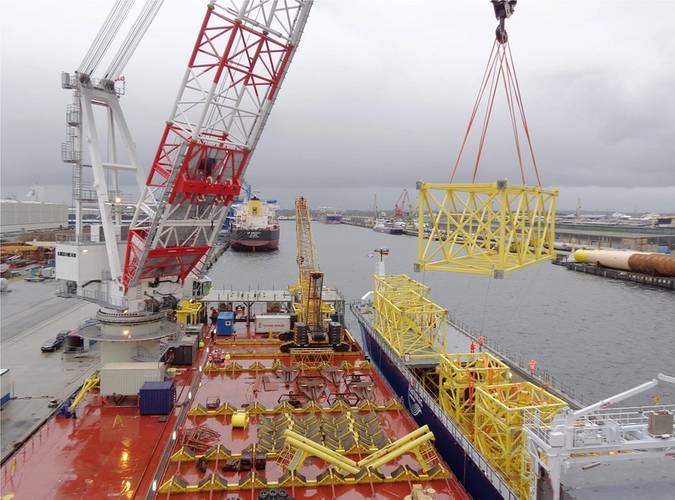
- Area: Structural integrity check of boom, jib, and lattice sections including weld seams and pin connectionsCheck: Structural integrity check of boom, jib, and lattice sections including weld seams and pin connections
- Area: Wire rope inspection: wear, broken wires, corrosion, kinks, and correct reeving on all hoists and luffing systemsCheck: Wire rope inspection: wear, broken wires, corrosion, kinks, and correct reeving on all hoists and luffing systems
- Area: Slewing bearing and ring gear: lubrication, wear, backlash measurement, and corrosion protectionCheck: Slewing bearing and ring gear: lubrication, wear, backlash measurement, and corrosion protection
- Area: Hydraulic system: fluid level, filter condition, hose and seal integrity, pressure settings, and leak-free operationCheck: Hydraulic system: fluid level, filter condition, hose and seal integrity, pressure settings, and leak-free operation
- Area: Brake systems (hoist, slew, luffing): function test, pad/disc wear, and holding capacity under rated loadCheck: Brake systems (hoist, slew, luffing): function test, pad/disc wear, and holding capacity under rated load
- Area: Electrical and control systems: Litronic control panel function, limit switches, overload protection, emergency stop, and anti-collision devicesCheck: Electrical and control systems: Litronic control panel function, limit switches, overload protection, emergency stop, and anti-collision devices
- Area: Pedestal, king post, and deck attachment: fastening bolts torque check, base welds, corrosion treatment, and alignmentCheck: Pedestal, king post, and deck attachment: fastening bolts torque check, base welds, corrosion treatment, and alignment
- Area: Lubrication of all moving parts: sheaves, blocks, pins, bearings, and gear drives per OEM lubrication scheduleCheck: Lubrication of all moving parts: sheaves, blocks, pins, bearings, and gear drives per OEM lubrication schedule
Typ-universelle Inspektionspunkte fuer Deck Cranes (verifiziert, 2026-06).
- Area: Structural integrity check of boom, jib, and lattice sections including weld seams and pin connectionsCheck: Structural integrity check of boom, jib, and lattice sections including weld seams and pin connections
- Area: Wire rope inspection: wear, broken wires, corrosion, kinks, and correct reeving on all hoists and luffing systemsCheck: Wire rope inspection: wear, broken wires, corrosion, kinks, and correct reeving on all hoists and luffing systems
- Area: Slewing bearing and ring gear: lubrication, wear, backlash measurement, and corrosion protectionCheck: Slewing bearing and ring gear: lubrication, wear, backlash measurement, and corrosion protection
- Area: Hydraulic system: fluid level, filter condition, hose and seal integrity, pressure settings, and leak-free operationCheck: Hydraulic system: fluid level, filter condition, hose and seal integrity, pressure settings, and leak-free operation
- Area: Brake systems (hoist, slew, luffing): function test, pad/disc wear, and holding capacity under rated loadCheck: Brake systems (hoist, slew, luffing): function test, pad/disc wear, and holding capacity under rated load
- Area: Electrical and control systems: Litronic control panel function, limit switches, overload protection, emergency stop, and anti-collision devicesCheck: Electrical and control systems: Litronic control panel function, limit switches, overload protection, emergency stop, and anti-collision devices
- Area: Pedestal, king post, and deck attachment: fastening bolts torque check, base welds, corrosion treatment, and alignmentCheck: Pedestal, king post, and deck attachment: fastening bolts torque check, base welds, corrosion treatment, and alignment
- Area: Lubrication of all moving parts: sheaves, blocks, pins, bearings, and gear drives per OEM lubrication scheduleCheck: Lubrication of all moving parts: sheaves, blocks, pins, bearings, and gear drives per OEM lubrication schedule
Typ-universelle Inspektionspunkte fuer Deck Cranes (verifiziert, 2026-06).

- Area: Structural integrity check of boom, jib, and lattice sections including weld seams and pin connectionsCheck: Structural integrity check of boom, jib, and lattice sections including weld seams and pin connections
- Area: Wire rope inspection: wear, broken wires, corrosion, kinks, and correct reeving on all hoists and luffing systemsCheck: Wire rope inspection: wear, broken wires, corrosion, kinks, and correct reeving on all hoists and luffing systems
- Area: Slewing bearing and ring gear: lubrication, wear, backlash measurement, and corrosion protectionCheck: Slewing bearing and ring gear: lubrication, wear, backlash measurement, and corrosion protection
- Area: Hydraulic system: fluid level, filter condition, hose and seal integrity, pressure settings, and leak-free operationCheck: Hydraulic system: fluid level, filter condition, hose and seal integrity, pressure settings, and leak-free operation
- Area: Brake systems (hoist, slew, luffing): function test, pad/disc wear, and holding capacity under rated loadCheck: Brake systems (hoist, slew, luffing): function test, pad/disc wear, and holding capacity under rated load
- Area: Electrical and control systems: Litronic control panel function, limit switches, overload protection, emergency stop, and anti-collision devicesCheck: Electrical and control systems: Litronic control panel function, limit switches, overload protection, emergency stop, and anti-collision devices
- Area: Pedestal, king post, and deck attachment: fastening bolts torque check, base welds, corrosion treatment, and alignmentCheck: Pedestal, king post, and deck attachment: fastening bolts torque check, base welds, corrosion treatment, and alignment
- Area: Lubrication of all moving parts: sheaves, blocks, pins, bearings, and gear drives per OEM lubrication scheduleCheck: Lubrication of all moving parts: sheaves, blocks, pins, bearings, and gear drives per OEM lubrication schedule
Typ-universelle Inspektionspunkte fuer Deck Cranes (verifiziert, 2026-06).
- Area: Structural integrity check of boom, jib, and lattice sections including weld seams and pin connectionsCheck: Structural integrity check of boom, jib, and lattice sections including weld seams and pin connections
- Area: Wire rope inspection: wear, broken wires, corrosion, kinks, and correct reeving on all hoists and luffing systemsCheck: Wire rope inspection: wear, broken wires, corrosion, kinks, and correct reeving on all hoists and luffing systems
- Area: Slewing bearing and ring gear: lubrication, wear, backlash measurement, and corrosion protectionCheck: Slewing bearing and ring gear: lubrication, wear, backlash measurement, and corrosion protection
- Area: Hydraulic system: fluid level, filter condition, hose and seal integrity, pressure settings, and leak-free operationCheck: Hydraulic system: fluid level, filter condition, hose and seal integrity, pressure settings, and leak-free operation
- Area: Brake systems (hoist, slew, luffing): function test, pad/disc wear, and holding capacity under rated loadCheck: Brake systems (hoist, slew, luffing): function test, pad/disc wear, and holding capacity under rated load
- Area: Electrical and control systems: Litronic control panel function, limit switches, overload protection, emergency stop, and anti-collision devicesCheck: Electrical and control systems: Litronic control panel function, limit switches, overload protection, emergency stop, and anti-collision devices
- Area: Pedestal, king post, and deck attachment: fastening bolts torque check, base welds, corrosion treatment, and alignmentCheck: Pedestal, king post, and deck attachment: fastening bolts torque check, base welds, corrosion treatment, and alignment
- Area: Lubrication of all moving parts: sheaves, blocks, pins, bearings, and gear drives per OEM lubrication scheduleCheck: Lubrication of all moving parts: sheaves, blocks, pins, bearings, and gear drives per OEM lubrication schedule
Typ-universelle Inspektionspunkte fuer Deck Cranes (verifiziert, 2026-06).
- Area: Structural integrity check of boom, jib, and lattice sections including weld seams and pin connectionsCheck: Structural integrity check of boom, jib, and lattice sections including weld seams and pin connections
- Area: Wire rope inspection: wear, broken wires, corrosion, kinks, and correct reeving on all hoists and luffing systemsCheck: Wire rope inspection: wear, broken wires, corrosion, kinks, and correct reeving on all hoists and luffing systems
- Area: Slewing bearing and ring gear: lubrication, wear, backlash measurement, and corrosion protectionCheck: Slewing bearing and ring gear: lubrication, wear, backlash measurement, and corrosion protection
- Area: Hydraulic system: fluid level, filter condition, hose and seal integrity, pressure settings, and leak-free operationCheck: Hydraulic system: fluid level, filter condition, hose and seal integrity, pressure settings, and leak-free operation
- Area: Brake systems (hoist, slew, luffing): function test, pad/disc wear, and holding capacity under rated loadCheck: Brake systems (hoist, slew, luffing): function test, pad/disc wear, and holding capacity under rated load
- Area: Electrical and control systems: Litronic control panel function, limit switches, overload protection, emergency stop, and anti-collision devicesCheck: Electrical and control systems: Litronic control panel function, limit switches, overload protection, emergency stop, and anti-collision devices
- Area: Pedestal, king post, and deck attachment: fastening bolts torque check, base welds, corrosion treatment, and alignmentCheck: Pedestal, king post, and deck attachment: fastening bolts torque check, base welds, corrosion treatment, and alignment
- Area: Lubrication of all moving parts: sheaves, blocks, pins, bearings, and gear drives per OEM lubrication scheduleCheck: Lubrication of all moving parts: sheaves, blocks, pins, bearings, and gear drives per OEM lubrication schedule
Typ-universelle Inspektionspunkte fuer Deck Cranes (verifiziert, 2026-06).
- Area: Structural integrity check of boom, jib, and lattice sections including weld seams and pin connectionsCheck: Structural integrity check of boom, jib, and lattice sections including weld seams and pin connections
- Area: Wire rope inspection: wear, broken wires, corrosion, kinks, and correct reeving on all hoists and luffing systemsCheck: Wire rope inspection: wear, broken wires, corrosion, kinks, and correct reeving on all hoists and luffing systems
- Area: Slewing bearing and ring gear: lubrication, wear, backlash measurement, and corrosion protectionCheck: Slewing bearing and ring gear: lubrication, wear, backlash measurement, and corrosion protection
- Area: Hydraulic system: fluid level, filter condition, hose and seal integrity, pressure settings, and leak-free operationCheck: Hydraulic system: fluid level, filter condition, hose and seal integrity, pressure settings, and leak-free operation
- Area: Brake systems (hoist, slew, luffing): function test, pad/disc wear, and holding capacity under rated loadCheck: Brake systems (hoist, slew, luffing): function test, pad/disc wear, and holding capacity under rated load
- Area: Electrical and control systems: Litronic control panel function, limit switches, overload protection, emergency stop, and anti-collision devicesCheck: Electrical and control systems: Litronic control panel function, limit switches, overload protection, emergency stop, and anti-collision devices
- Area: Pedestal, king post, and deck attachment: fastening bolts torque check, base welds, corrosion treatment, and alignmentCheck: Pedestal, king post, and deck attachment: fastening bolts torque check, base welds, corrosion treatment, and alignment
- Area: Lubrication of all moving parts: sheaves, blocks, pins, bearings, and gear drives per OEM lubrication scheduleCheck: Lubrication of all moving parts: sheaves, blocks, pins, bearings, and gear drives per OEM lubrication schedule
Typ-universelle Inspektionspunkte fuer Deck Cranes (verifiziert, 2026-06).
- Area: Structural integrity check of boom, jib, and lattice sections including weld seams and pin connectionsCheck: Structural integrity check of boom, jib, and lattice sections including weld seams and pin connections
- Area: Wire rope inspection: wear, broken wires, corrosion, kinks, and correct reeving on all hoists and luffing systemsCheck: Wire rope inspection: wear, broken wires, corrosion, kinks, and correct reeving on all hoists and luffing systems
- Area: Slewing bearing and ring gear: lubrication, wear, backlash measurement, and corrosion protectionCheck: Slewing bearing and ring gear: lubrication, wear, backlash measurement, and corrosion protection
- Area: Hydraulic system: fluid level, filter condition, hose and seal integrity, pressure settings, and leak-free operationCheck: Hydraulic system: fluid level, filter condition, hose and seal integrity, pressure settings, and leak-free operation
- Area: Brake systems (hoist, slew, luffing): function test, pad/disc wear, and holding capacity under rated loadCheck: Brake systems (hoist, slew, luffing): function test, pad/disc wear, and holding capacity under rated load
- Area: Electrical and control systems: Litronic control panel function, limit switches, overload protection, emergency stop, and anti-collision devicesCheck: Electrical and control systems: Litronic control panel function, limit switches, overload protection, emergency stop, and anti-collision devices
- Area: Pedestal, king post, and deck attachment: fastening bolts torque check, base welds, corrosion treatment, and alignmentCheck: Pedestal, king post, and deck attachment: fastening bolts torque check, base welds, corrosion treatment, and alignment
- Area: Lubrication of all moving parts: sheaves, blocks, pins, bearings, and gear drives per OEM lubrication scheduleCheck: Lubrication of all moving parts: sheaves, blocks, pins, bearings, and gear drives per OEM lubrication schedule
Typ-universelle Inspektionspunkte fuer Deck Cranes (verifiziert, 2026-06).
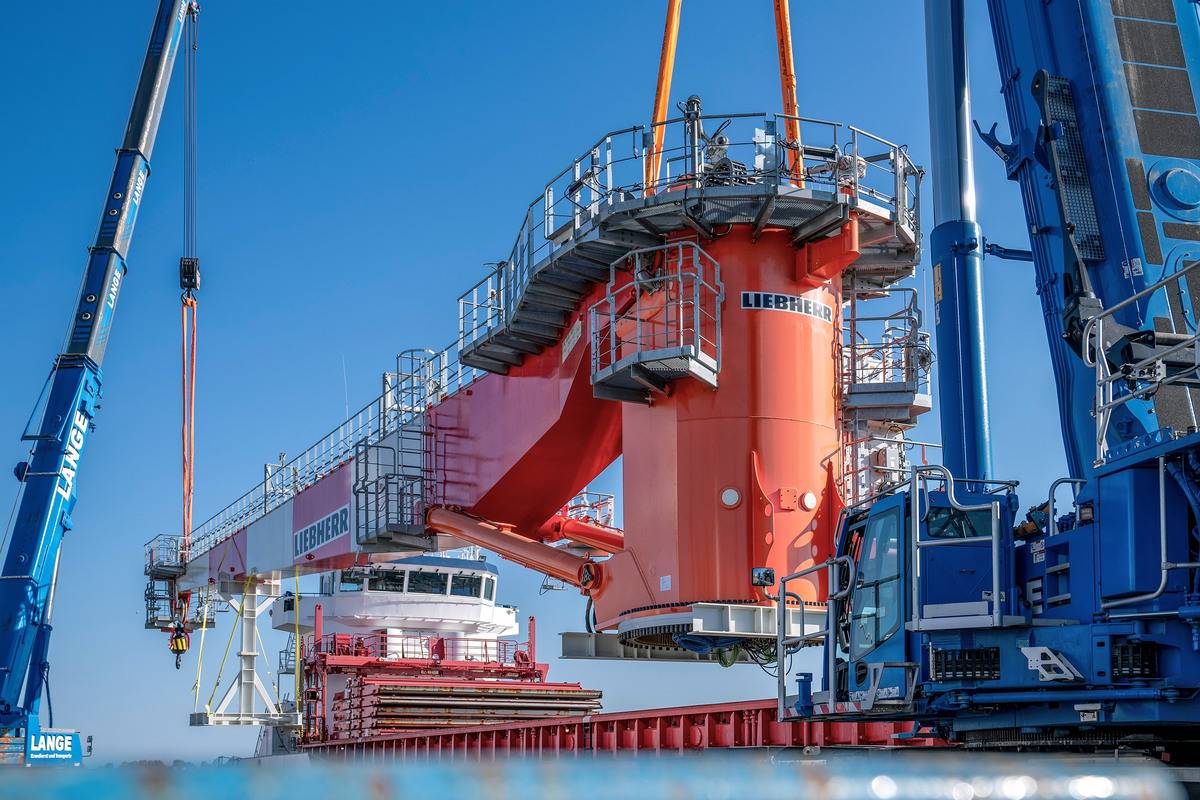
- Area: Structural integrity check of boom, jib, and lattice sections including weld seams and pin connectionsCheck: Structural integrity check of boom, jib, and lattice sections including weld seams and pin connections
- Area: Wire rope inspection: wear, broken wires, corrosion, kinks, and correct reeving on all hoists and luffing systemsCheck: Wire rope inspection: wear, broken wires, corrosion, kinks, and correct reeving on all hoists and luffing systems
- Area: Slewing bearing and ring gear: lubrication, wear, backlash measurement, and corrosion protectionCheck: Slewing bearing and ring gear: lubrication, wear, backlash measurement, and corrosion protection
- Area: Hydraulic system: fluid level, filter condition, hose and seal integrity, pressure settings, and leak-free operationCheck: Hydraulic system: fluid level, filter condition, hose and seal integrity, pressure settings, and leak-free operation
- Area: Brake systems (hoist, slew, luffing): function test, pad/disc wear, and holding capacity under rated loadCheck: Brake systems (hoist, slew, luffing): function test, pad/disc wear, and holding capacity under rated load
- Area: Electrical and control systems: Litronic control panel function, limit switches, overload protection, emergency stop, and anti-collision devicesCheck: Electrical and control systems: Litronic control panel function, limit switches, overload protection, emergency stop, and anti-collision devices
- Area: Pedestal, king post, and deck attachment: fastening bolts torque check, base welds, corrosion treatment, and alignmentCheck: Pedestal, king post, and deck attachment: fastening bolts torque check, base welds, corrosion treatment, and alignment
- Area: Lubrication of all moving parts: sheaves, blocks, pins, bearings, and gear drives per OEM lubrication scheduleCheck: Lubrication of all moving parts: sheaves, blocks, pins, bearings, and gear drives per OEM lubrication schedule
Typ-universelle Inspektionspunkte fuer Deck Cranes (verifiziert, 2026-06).
- Area: Structural integrity check of boom, jib, and lattice sections including weld seams and pin connectionsCheck: Structural integrity check of boom, jib, and lattice sections including weld seams and pin connections
- Area: Wire rope inspection: wear, broken wires, corrosion, kinks, and correct reeving on all hoists and luffing systemsCheck: Wire rope inspection: wear, broken wires, corrosion, kinks, and correct reeving on all hoists and luffing systems
- Area: Slewing bearing and ring gear: lubrication, wear, backlash measurement, and corrosion protectionCheck: Slewing bearing and ring gear: lubrication, wear, backlash measurement, and corrosion protection
- Area: Hydraulic system: fluid level, filter condition, hose and seal integrity, pressure settings, and leak-free operationCheck: Hydraulic system: fluid level, filter condition, hose and seal integrity, pressure settings, and leak-free operation
- Area: Brake systems (hoist, slew, luffing): function test, pad/disc wear, and holding capacity under rated loadCheck: Brake systems (hoist, slew, luffing): function test, pad/disc wear, and holding capacity under rated load
- Area: Electrical and control systems: Litronic control panel function, limit switches, overload protection, emergency stop, and anti-collision devicesCheck: Electrical and control systems: Litronic control panel function, limit switches, overload protection, emergency stop, and anti-collision devices
- Area: Pedestal, king post, and deck attachment: fastening bolts torque check, base welds, corrosion treatment, and alignmentCheck: Pedestal, king post, and deck attachment: fastening bolts torque check, base welds, corrosion treatment, and alignment
- Area: Lubrication of all moving parts: sheaves, blocks, pins, bearings, and gear drives per OEM lubrication scheduleCheck: Lubrication of all moving parts: sheaves, blocks, pins, bearings, and gear drives per OEM lubrication schedule
Typ-universelle Inspektionspunkte fuer Deck Cranes (verifiziert, 2026-06).
- Area: Structural integrity check of boom, jib, and lattice sections including weld seams and pin connectionsCheck: Structural integrity check of boom, jib, and lattice sections including weld seams and pin connections
- Area: Wire rope inspection: wear, broken wires, corrosion, kinks, and correct reeving on all hoists and luffing systemsCheck: Wire rope inspection: wear, broken wires, corrosion, kinks, and correct reeving on all hoists and luffing systems
- Area: Slewing bearing and ring gear: lubrication, wear, backlash measurement, and corrosion protectionCheck: Slewing bearing and ring gear: lubrication, wear, backlash measurement, and corrosion protection
- Area: Hydraulic system: fluid level, filter condition, hose and seal integrity, pressure settings, and leak-free operationCheck: Hydraulic system: fluid level, filter condition, hose and seal integrity, pressure settings, and leak-free operation
- Area: Brake systems (hoist, slew, luffing): function test, pad/disc wear, and holding capacity under rated loadCheck: Brake systems (hoist, slew, luffing): function test, pad/disc wear, and holding capacity under rated load
- Area: Electrical and control systems: Litronic control panel function, limit switches, overload protection, emergency stop, and anti-collision devicesCheck: Electrical and control systems: Litronic control panel function, limit switches, overload protection, emergency stop, and anti-collision devices
- Area: Pedestal, king post, and deck attachment: fastening bolts torque check, base welds, corrosion treatment, and alignmentCheck: Pedestal, king post, and deck attachment: fastening bolts torque check, base welds, corrosion treatment, and alignment
- Area: Lubrication of all moving parts: sheaves, blocks, pins, bearings, and gear drives per OEM lubrication scheduleCheck: Lubrication of all moving parts: sheaves, blocks, pins, bearings, and gear drives per OEM lubrication schedule
Typ-universelle Inspektionspunkte fuer Deck Cranes (verifiziert, 2026-06).
- Area: Structural integrity check of boom, jib, and lattice sections including weld seams and pin connectionsCheck: Structural integrity check of boom, jib, and lattice sections including weld seams and pin connections
- Area: Wire rope inspection: wear, broken wires, corrosion, kinks, and correct reeving on all hoists and luffing systemsCheck: Wire rope inspection: wear, broken wires, corrosion, kinks, and correct reeving on all hoists and luffing systems
- Area: Slewing bearing and ring gear: lubrication, wear, backlash measurement, and corrosion protectionCheck: Slewing bearing and ring gear: lubrication, wear, backlash measurement, and corrosion protection
- Area: Hydraulic system: fluid level, filter condition, hose and seal integrity, pressure settings, and leak-free operationCheck: Hydraulic system: fluid level, filter condition, hose and seal integrity, pressure settings, and leak-free operation
- Area: Brake systems (hoist, slew, luffing): function test, pad/disc wear, and holding capacity under rated loadCheck: Brake systems (hoist, slew, luffing): function test, pad/disc wear, and holding capacity under rated load
- Area: Electrical and control systems: Litronic control panel function, limit switches, overload protection, emergency stop, and anti-collision devicesCheck: Electrical and control systems: Litronic control panel function, limit switches, overload protection, emergency stop, and anti-collision devices
- Area: Pedestal, king post, and deck attachment: fastening bolts torque check, base welds, corrosion treatment, and alignmentCheck: Pedestal, king post, and deck attachment: fastening bolts torque check, base welds, corrosion treatment, and alignment
- Area: Lubrication of all moving parts: sheaves, blocks, pins, bearings, and gear drives per OEM lubrication scheduleCheck: Lubrication of all moving parts: sheaves, blocks, pins, bearings, and gear drives per OEM lubrication schedule
Typ-universelle Inspektionspunkte fuer Deck Cranes (verifiziert, 2026-06).

- Area: Structural integrity check of boom, jib, and lattice sections including weld seams and pin connectionsCheck: Structural integrity check of boom, jib, and lattice sections including weld seams and pin connections
- Area: Wire rope inspection: wear, broken wires, corrosion, kinks, and correct reeving on all hoists and luffing systemsCheck: Wire rope inspection: wear, broken wires, corrosion, kinks, and correct reeving on all hoists and luffing systems
- Area: Slewing bearing and ring gear: lubrication, wear, backlash measurement, and corrosion protectionCheck: Slewing bearing and ring gear: lubrication, wear, backlash measurement, and corrosion protection
- Area: Hydraulic system: fluid level, filter condition, hose and seal integrity, pressure settings, and leak-free operationCheck: Hydraulic system: fluid level, filter condition, hose and seal integrity, pressure settings, and leak-free operation
- Area: Brake systems (hoist, slew, luffing): function test, pad/disc wear, and holding capacity under rated loadCheck: Brake systems (hoist, slew, luffing): function test, pad/disc wear, and holding capacity under rated load
- Area: Electrical and control systems: Litronic control panel function, limit switches, overload protection, emergency stop, and anti-collision devicesCheck: Electrical and control systems: Litronic control panel function, limit switches, overload protection, emergency stop, and anti-collision devices
- Area: Pedestal, king post, and deck attachment: fastening bolts torque check, base welds, corrosion treatment, and alignmentCheck: Pedestal, king post, and deck attachment: fastening bolts torque check, base welds, corrosion treatment, and alignment
- Area: Lubrication of all moving parts: sheaves, blocks, pins, bearings, and gear drives per OEM lubrication scheduleCheck: Lubrication of all moving parts: sheaves, blocks, pins, bearings, and gear drives per OEM lubrication schedule
Typ-universelle Inspektionspunkte fuer Deck Cranes (verifiziert, 2026-06).
- Area: Structural integrity check of boom, jib, and lattice sections including weld seams and pin connectionsCheck: Structural integrity check of boom, jib, and lattice sections including weld seams and pin connections
- Area: Wire rope inspection: wear, broken wires, corrosion, kinks, and correct reeving on all hoists and luffing systemsCheck: Wire rope inspection: wear, broken wires, corrosion, kinks, and correct reeving on all hoists and luffing systems
- Area: Slewing bearing and ring gear: lubrication, wear, backlash measurement, and corrosion protectionCheck: Slewing bearing and ring gear: lubrication, wear, backlash measurement, and corrosion protection
- Area: Hydraulic system: fluid level, filter condition, hose and seal integrity, pressure settings, and leak-free operationCheck: Hydraulic system: fluid level, filter condition, hose and seal integrity, pressure settings, and leak-free operation
- Area: Brake systems (hoist, slew, luffing): function test, pad/disc wear, and holding capacity under rated loadCheck: Brake systems (hoist, slew, luffing): function test, pad/disc wear, and holding capacity under rated load
- Area: Electrical and control systems: Litronic control panel function, limit switches, overload protection, emergency stop, and anti-collision devicesCheck: Electrical and control systems: Litronic control panel function, limit switches, overload protection, emergency stop, and anti-collision devices
- Area: Pedestal, king post, and deck attachment: fastening bolts torque check, base welds, corrosion treatment, and alignmentCheck: Pedestal, king post, and deck attachment: fastening bolts torque check, base welds, corrosion treatment, and alignment
- Area: Lubrication of all moving parts: sheaves, blocks, pins, bearings, and gear drives per OEM lubrication scheduleCheck: Lubrication of all moving parts: sheaves, blocks, pins, bearings, and gear drives per OEM lubrication schedule
Typ-universelle Inspektionspunkte fuer Deck Cranes (verifiziert, 2026-06).
- Area: Structural integrity check of boom, jib, and lattice sections including weld seams and pin connectionsCheck: Structural integrity check of boom, jib, and lattice sections including weld seams and pin connections
- Area: Wire rope inspection: wear, broken wires, corrosion, kinks, and correct reeving on all hoists and luffing systemsCheck: Wire rope inspection: wear, broken wires, corrosion, kinks, and correct reeving on all hoists and luffing systems
- Area: Slewing bearing and ring gear: lubrication, wear, backlash measurement, and corrosion protectionCheck: Slewing bearing and ring gear: lubrication, wear, backlash measurement, and corrosion protection
- Area: Hydraulic system: fluid level, filter condition, hose and seal integrity, pressure settings, and leak-free operationCheck: Hydraulic system: fluid level, filter condition, hose and seal integrity, pressure settings, and leak-free operation
- Area: Brake systems (hoist, slew, luffing): function test, pad/disc wear, and holding capacity under rated loadCheck: Brake systems (hoist, slew, luffing): function test, pad/disc wear, and holding capacity under rated load
- Area: Electrical and control systems: Litronic control panel function, limit switches, overload protection, emergency stop, and anti-collision devicesCheck: Electrical and control systems: Litronic control panel function, limit switches, overload protection, emergency stop, and anti-collision devices
- Area: Pedestal, king post, and deck attachment: fastening bolts torque check, base welds, corrosion treatment, and alignmentCheck: Pedestal, king post, and deck attachment: fastening bolts torque check, base welds, corrosion treatment, and alignment
- Area: Lubrication of all moving parts: sheaves, blocks, pins, bearings, and gear drives per OEM lubrication scheduleCheck: Lubrication of all moving parts: sheaves, blocks, pins, bearings, and gear drives per OEM lubrication schedule
Typ-universelle Inspektionspunkte fuer Deck Cranes (verifiziert, 2026-06).
- Area: Structural integrity check of boom, jib, and lattice sections including weld seams and pin connectionsCheck: Structural integrity check of boom, jib, and lattice sections including weld seams and pin connections
- Area: Wire rope inspection: wear, broken wires, corrosion, kinks, and correct reeving on all hoists and luffing systemsCheck: Wire rope inspection: wear, broken wires, corrosion, kinks, and correct reeving on all hoists and luffing systems
- Area: Slewing bearing and ring gear: lubrication, wear, backlash measurement, and corrosion protectionCheck: Slewing bearing and ring gear: lubrication, wear, backlash measurement, and corrosion protection
- Area: Hydraulic system: fluid level, filter condition, hose and seal integrity, pressure settings, and leak-free operationCheck: Hydraulic system: fluid level, filter condition, hose and seal integrity, pressure settings, and leak-free operation
- Area: Brake systems (hoist, slew, luffing): function test, pad/disc wear, and holding capacity under rated loadCheck: Brake systems (hoist, slew, luffing): function test, pad/disc wear, and holding capacity under rated load
- Area: Electrical and control systems: Litronic control panel function, limit switches, overload protection, emergency stop, and anti-collision devicesCheck: Electrical and control systems: Litronic control panel function, limit switches, overload protection, emergency stop, and anti-collision devices
- Area: Pedestal, king post, and deck attachment: fastening bolts torque check, base welds, corrosion treatment, and alignmentCheck: Pedestal, king post, and deck attachment: fastening bolts torque check, base welds, corrosion treatment, and alignment
- Area: Lubrication of all moving parts: sheaves, blocks, pins, bearings, and gear drives per OEM lubrication scheduleCheck: Lubrication of all moving parts: sheaves, blocks, pins, bearings, and gear drives per OEM lubrication schedule
Typ-universelle Inspektionspunkte fuer Deck Cranes (verifiziert, 2026-06).
- Area: Structural integrity check of boom, jib, and lattice sections including weld seams and pin connectionsCheck: Structural integrity check of boom, jib, and lattice sections including weld seams and pin connections
- Area: Wire rope inspection: wear, broken wires, corrosion, kinks, and correct reeving on all hoists and luffing systemsCheck: Wire rope inspection: wear, broken wires, corrosion, kinks, and correct reeving on all hoists and luffing systems
- Area: Slewing bearing and ring gear: lubrication, wear, backlash measurement, and corrosion protectionCheck: Slewing bearing and ring gear: lubrication, wear, backlash measurement, and corrosion protection
- Area: Hydraulic system: fluid level, filter condition, hose and seal integrity, pressure settings, and leak-free operationCheck: Hydraulic system: fluid level, filter condition, hose and seal integrity, pressure settings, and leak-free operation
- Area: Brake systems (hoist, slew, luffing): function test, pad/disc wear, and holding capacity under rated loadCheck: Brake systems (hoist, slew, luffing): function test, pad/disc wear, and holding capacity under rated load
- Area: Electrical and control systems: Litronic control panel function, limit switches, overload protection, emergency stop, and anti-collision devicesCheck: Electrical and control systems: Litronic control panel function, limit switches, overload protection, emergency stop, and anti-collision devices
- Area: Pedestal, king post, and deck attachment: fastening bolts torque check, base welds, corrosion treatment, and alignmentCheck: Pedestal, king post, and deck attachment: fastening bolts torque check, base welds, corrosion treatment, and alignment
- Area: Lubrication of all moving parts: sheaves, blocks, pins, bearings, and gear drives per OEM lubrication scheduleCheck: Lubrication of all moving parts: sheaves, blocks, pins, bearings, and gear drives per OEM lubrication schedule
Typ-universelle Inspektionspunkte fuer Deck Cranes (verifiziert, 2026-06).
- Area: Structural integrity check of boom, jib, and lattice sections including weld seams and pin connectionsCheck: Structural integrity check of boom, jib, and lattice sections including weld seams and pin connections
- Area: Wire rope inspection: wear, broken wires, corrosion, kinks, and correct reeving on all hoists and luffing systemsCheck: Wire rope inspection: wear, broken wires, corrosion, kinks, and correct reeving on all hoists and luffing systems
- Area: Slewing bearing and ring gear: lubrication, wear, backlash measurement, and corrosion protectionCheck: Slewing bearing and ring gear: lubrication, wear, backlash measurement, and corrosion protection
- Area: Hydraulic system: fluid level, filter condition, hose and seal integrity, pressure settings, and leak-free operationCheck: Hydraulic system: fluid level, filter condition, hose and seal integrity, pressure settings, and leak-free operation
- Area: Brake systems (hoist, slew, luffing): function test, pad/disc wear, and holding capacity under rated loadCheck: Brake systems (hoist, slew, luffing): function test, pad/disc wear, and holding capacity under rated load
- Area: Electrical and control systems: Litronic control panel function, limit switches, overload protection, emergency stop, and anti-collision devicesCheck: Electrical and control systems: Litronic control panel function, limit switches, overload protection, emergency stop, and anti-collision devices
- Area: Pedestal, king post, and deck attachment: fastening bolts torque check, base welds, corrosion treatment, and alignmentCheck: Pedestal, king post, and deck attachment: fastening bolts torque check, base welds, corrosion treatment, and alignment
- Area: Lubrication of all moving parts: sheaves, blocks, pins, bearings, and gear drives per OEM lubrication scheduleCheck: Lubrication of all moving parts: sheaves, blocks, pins, bearings, and gear drives per OEM lubrication schedule
Typ-universelle Inspektionspunkte fuer Deck Cranes (verifiziert, 2026-06).
- Area: Structural integrity check of boom, jib, and lattice sections including weld seams and pin connectionsCheck: Structural integrity check of boom, jib, and lattice sections including weld seams and pin connections
- Area: Wire rope inspection: wear, broken wires, corrosion, kinks, and correct reeving on all hoists and luffing systemsCheck: Wire rope inspection: wear, broken wires, corrosion, kinks, and correct reeving on all hoists and luffing systems
- Area: Slewing bearing and ring gear: lubrication, wear, backlash measurement, and corrosion protectionCheck: Slewing bearing and ring gear: lubrication, wear, backlash measurement, and corrosion protection
- Area: Hydraulic system: fluid level, filter condition, hose and seal integrity, pressure settings, and leak-free operationCheck: Hydraulic system: fluid level, filter condition, hose and seal integrity, pressure settings, and leak-free operation
- Area: Brake systems (hoist, slew, luffing): function test, pad/disc wear, and holding capacity under rated loadCheck: Brake systems (hoist, slew, luffing): function test, pad/disc wear, and holding capacity under rated load
- Area: Electrical and control systems: Litronic control panel function, limit switches, overload protection, emergency stop, and anti-collision devicesCheck: Electrical and control systems: Litronic control panel function, limit switches, overload protection, emergency stop, and anti-collision devices
- Area: Pedestal, king post, and deck attachment: fastening bolts torque check, base welds, corrosion treatment, and alignmentCheck: Pedestal, king post, and deck attachment: fastening bolts torque check, base welds, corrosion treatment, and alignment
- Area: Lubrication of all moving parts: sheaves, blocks, pins, bearings, and gear drives per OEM lubrication scheduleCheck: Lubrication of all moving parts: sheaves, blocks, pins, bearings, and gear drives per OEM lubrication schedule
Typ-universelle Inspektionspunkte fuer Deck Cranes (verifiziert, 2026-06).
- Area: Structural integrity check of boom, jib, and lattice sections including weld seams and pin connectionsCheck: Structural integrity check of boom, jib, and lattice sections including weld seams and pin connections
- Area: Wire rope inspection: wear, broken wires, corrosion, kinks, and correct reeving on all hoists and luffing systemsCheck: Wire rope inspection: wear, broken wires, corrosion, kinks, and correct reeving on all hoists and luffing systems
- Area: Slewing bearing and ring gear: lubrication, wear, backlash measurement, and corrosion protectionCheck: Slewing bearing and ring gear: lubrication, wear, backlash measurement, and corrosion protection
- Area: Hydraulic system: fluid level, filter condition, hose and seal integrity, pressure settings, and leak-free operationCheck: Hydraulic system: fluid level, filter condition, hose and seal integrity, pressure settings, and leak-free operation
- Area: Brake systems (hoist, slew, luffing): function test, pad/disc wear, and holding capacity under rated loadCheck: Brake systems (hoist, slew, luffing): function test, pad/disc wear, and holding capacity under rated load
- Area: Electrical and control systems: Litronic control panel function, limit switches, overload protection, emergency stop, and anti-collision devicesCheck: Electrical and control systems: Litronic control panel function, limit switches, overload protection, emergency stop, and anti-collision devices
- Area: Pedestal, king post, and deck attachment: fastening bolts torque check, base welds, corrosion treatment, and alignmentCheck: Pedestal, king post, and deck attachment: fastening bolts torque check, base welds, corrosion treatment, and alignment
- Area: Lubrication of all moving parts: sheaves, blocks, pins, bearings, and gear drives per OEM lubrication scheduleCheck: Lubrication of all moving parts: sheaves, blocks, pins, bearings, and gear drives per OEM lubrication schedule
Typ-universelle Inspektionspunkte fuer Deck Cranes (verifiziert, 2026-06).
- Area: Structural integrity check of boom, jib, and lattice sections including weld seams and pin connectionsCheck: Structural integrity check of boom, jib, and lattice sections including weld seams and pin connections
- Area: Wire rope inspection: wear, broken wires, corrosion, kinks, and correct reeving on all hoists and luffing systemsCheck: Wire rope inspection: wear, broken wires, corrosion, kinks, and correct reeving on all hoists and luffing systems
- Area: Slewing bearing and ring gear: lubrication, wear, backlash measurement, and corrosion protectionCheck: Slewing bearing and ring gear: lubrication, wear, backlash measurement, and corrosion protection
- Area: Hydraulic system: fluid level, filter condition, hose and seal integrity, pressure settings, and leak-free operationCheck: Hydraulic system: fluid level, filter condition, hose and seal integrity, pressure settings, and leak-free operation
- Area: Brake systems (hoist, slew, luffing): function test, pad/disc wear, and holding capacity under rated loadCheck: Brake systems (hoist, slew, luffing): function test, pad/disc wear, and holding capacity under rated load
- Area: Electrical and control systems: Litronic control panel function, limit switches, overload protection, emergency stop, and anti-collision devicesCheck: Electrical and control systems: Litronic control panel function, limit switches, overload protection, emergency stop, and anti-collision devices
- Area: Pedestal, king post, and deck attachment: fastening bolts torque check, base welds, corrosion treatment, and alignmentCheck: Pedestal, king post, and deck attachment: fastening bolts torque check, base welds, corrosion treatment, and alignment
- Area: Lubrication of all moving parts: sheaves, blocks, pins, bearings, and gear drives per OEM lubrication scheduleCheck: Lubrication of all moving parts: sheaves, blocks, pins, bearings, and gear drives per OEM lubrication schedule
Typ-universelle Inspektionspunkte fuer Deck Cranes (verifiziert, 2026-06).
- Area: Structural integrity check of boom, jib, and lattice sections including weld seams and pin connectionsCheck: Structural integrity check of boom, jib, and lattice sections including weld seams and pin connections
- Area: Wire rope inspection: wear, broken wires, corrosion, kinks, and correct reeving on all hoists and luffing systemsCheck: Wire rope inspection: wear, broken wires, corrosion, kinks, and correct reeving on all hoists and luffing systems
- Area: Slewing bearing and ring gear: lubrication, wear, backlash measurement, and corrosion protectionCheck: Slewing bearing and ring gear: lubrication, wear, backlash measurement, and corrosion protection
- Area: Hydraulic system: fluid level, filter condition, hose and seal integrity, pressure settings, and leak-free operationCheck: Hydraulic system: fluid level, filter condition, hose and seal integrity, pressure settings, and leak-free operation
- Area: Brake systems (hoist, slew, luffing): function test, pad/disc wear, and holding capacity under rated loadCheck: Brake systems (hoist, slew, luffing): function test, pad/disc wear, and holding capacity under rated load
- Area: Electrical and control systems: Litronic control panel function, limit switches, overload protection, emergency stop, and anti-collision devicesCheck: Electrical and control systems: Litronic control panel function, limit switches, overload protection, emergency stop, and anti-collision devices
- Area: Pedestal, king post, and deck attachment: fastening bolts torque check, base welds, corrosion treatment, and alignmentCheck: Pedestal, king post, and deck attachment: fastening bolts torque check, base welds, corrosion treatment, and alignment
- Area: Lubrication of all moving parts: sheaves, blocks, pins, bearings, and gear drives per OEM lubrication scheduleCheck: Lubrication of all moving parts: sheaves, blocks, pins, bearings, and gear drives per OEM lubrication schedule
Typ-universelle Inspektionspunkte fuer Deck Cranes (verifiziert, 2026-06).
Vestdavit
33 ✓ 33 verified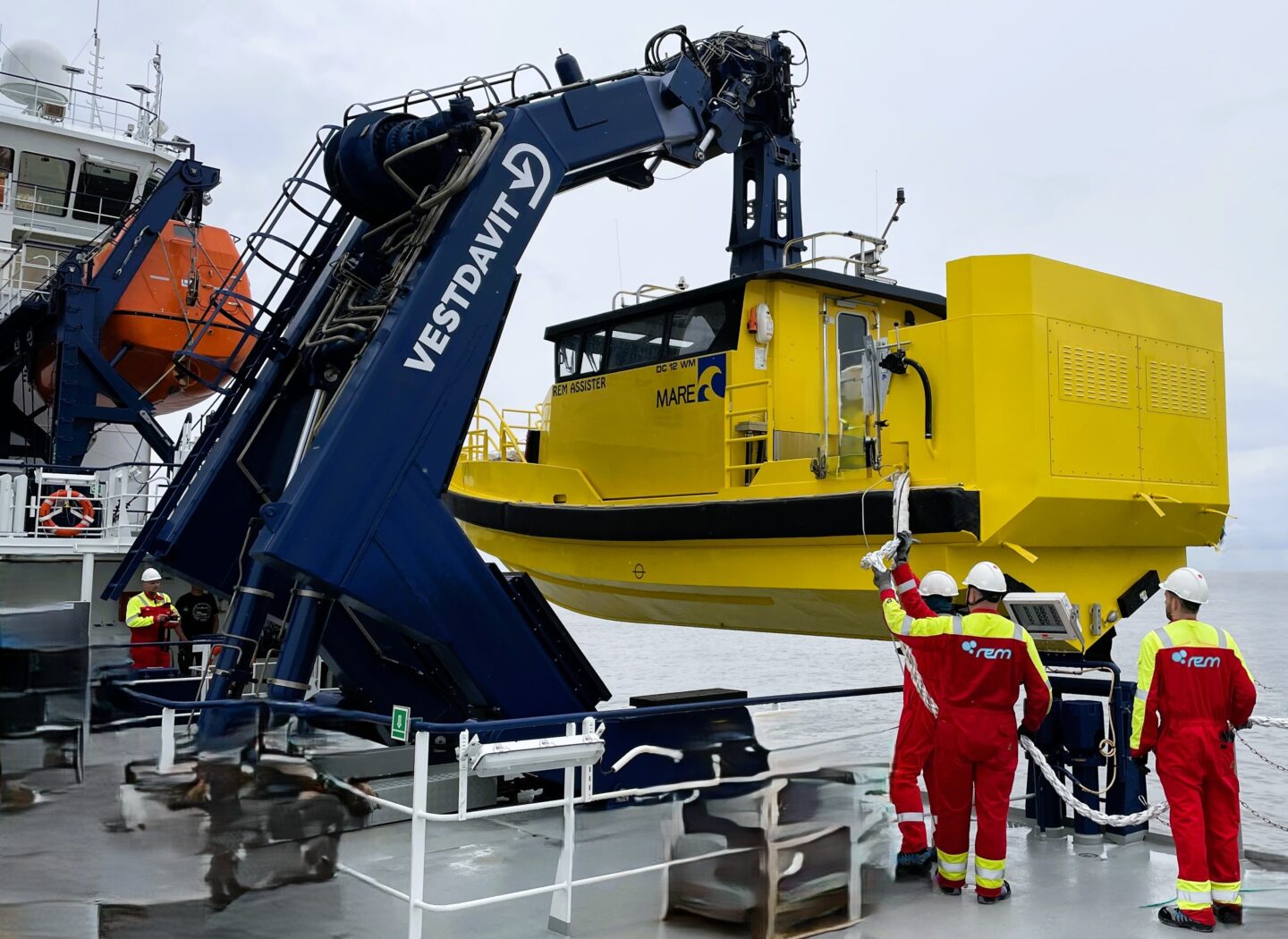
- Area: Structural integrity and corrosionCheck: Annual inspection of davit structure for corrosion, misalignments, deformations, and excessive free play in all connection points
- Area: Wire rope and sheave damageCheck: Annual examination of wires and sheaves for kinks, corrosion, fraying, and load capacity verification; five-yearly comprehensive assessment per SOLAS
- Area: Hydraulic system functionalityCheck: Annual testing of hydraulic systems, pressure levels, fluid condition, leak detection, and pump/motor operation; five-yearly overhaul of critical components
- Area: Lubrication and mechanical wearCheck: Annual lubrication verification of wires, sheaves, pins, and moving parts; inspection for wear exceeding acceptable limits
- Area: Control and safety systems certificationCheck: Annual certification testing of limit switches, stored power systems, PLC programming, release mechanisms, and computer control systems by OEM-certified technicians
Typ-universelle Inspektionspunkte fuer Deck Cranes (verifiziert, 2026-06).
- Area: Structural integrity and corrosionCheck: Annual inspection of davit structure for corrosion, misalignments, deformations, and excessive free play in all connection points
- Area: Wire rope and sheave damageCheck: Annual examination of wires and sheaves for kinks, corrosion, fraying, and load capacity verification; five-yearly comprehensive assessment per SOLAS
- Area: Hydraulic system functionalityCheck: Annual testing of hydraulic systems, pressure levels, fluid condition, leak detection, and pump/motor operation; five-yearly overhaul of critical components
- Area: Lubrication and mechanical wearCheck: Annual lubrication verification of wires, sheaves, pins, and moving parts; inspection for wear exceeding acceptable limits
- Area: Control and safety systems certificationCheck: Annual certification testing of limit switches, stored power systems, PLC programming, release mechanisms, and computer control systems by OEM-certified technicians
Typ-universelle Inspektionspunkte fuer Deck Cranes (verifiziert, 2026-06).
- Area: Structural integrity and corrosionCheck: Annual inspection of davit structure for corrosion, misalignments, deformations, and excessive free play in all connection points
- Area: Wire rope and sheave damageCheck: Annual examination of wires and sheaves for kinks, corrosion, fraying, and load capacity verification; five-yearly comprehensive assessment per SOLAS
- Area: Hydraulic system functionalityCheck: Annual testing of hydraulic systems, pressure levels, fluid condition, leak detection, and pump/motor operation; five-yearly overhaul of critical components
- Area: Lubrication and mechanical wearCheck: Annual lubrication verification of wires, sheaves, pins, and moving parts; inspection for wear exceeding acceptable limits
- Area: Control and safety systems certificationCheck: Annual certification testing of limit switches, stored power systems, PLC programming, release mechanisms, and computer control systems by OEM-certified technicians
Typ-universelle Inspektionspunkte fuer Deck Cranes (verifiziert, 2026-06).
- Area: Structural integrity and corrosionCheck: Annual inspection of davit structure for corrosion, misalignments, deformations, and excessive free play in all connection points
- Area: Wire rope and sheave damageCheck: Annual examination of wires and sheaves for kinks, corrosion, fraying, and load capacity verification; five-yearly comprehensive assessment per SOLAS
- Area: Hydraulic system functionalityCheck: Annual testing of hydraulic systems, pressure levels, fluid condition, leak detection, and pump/motor operation; five-yearly overhaul of critical components
- Area: Lubrication and mechanical wearCheck: Annual lubrication verification of wires, sheaves, pins, and moving parts; inspection for wear exceeding acceptable limits
- Area: Control and safety systems certificationCheck: Annual certification testing of limit switches, stored power systems, PLC programming, release mechanisms, and computer control systems by OEM-certified technicians
Typ-universelle Inspektionspunkte fuer Deck Cranes (verifiziert, 2026-06).
- Area: Structural integrity and corrosionCheck: Annual inspection of davit structure for corrosion, misalignments, deformations, and excessive free play in all connection points
- Area: Wire rope and sheave damageCheck: Annual examination of wires and sheaves for kinks, corrosion, fraying, and load capacity verification; five-yearly comprehensive assessment per SOLAS
- Area: Hydraulic system functionalityCheck: Annual testing of hydraulic systems, pressure levels, fluid condition, leak detection, and pump/motor operation; five-yearly overhaul of critical components
- Area: Lubrication and mechanical wearCheck: Annual lubrication verification of wires, sheaves, pins, and moving parts; inspection for wear exceeding acceptable limits
- Area: Control and safety systems certificationCheck: Annual certification testing of limit switches, stored power systems, PLC programming, release mechanisms, and computer control systems by OEM-certified technicians
Typ-universelle Inspektionspunkte fuer Deck Cranes (verifiziert, 2026-06).
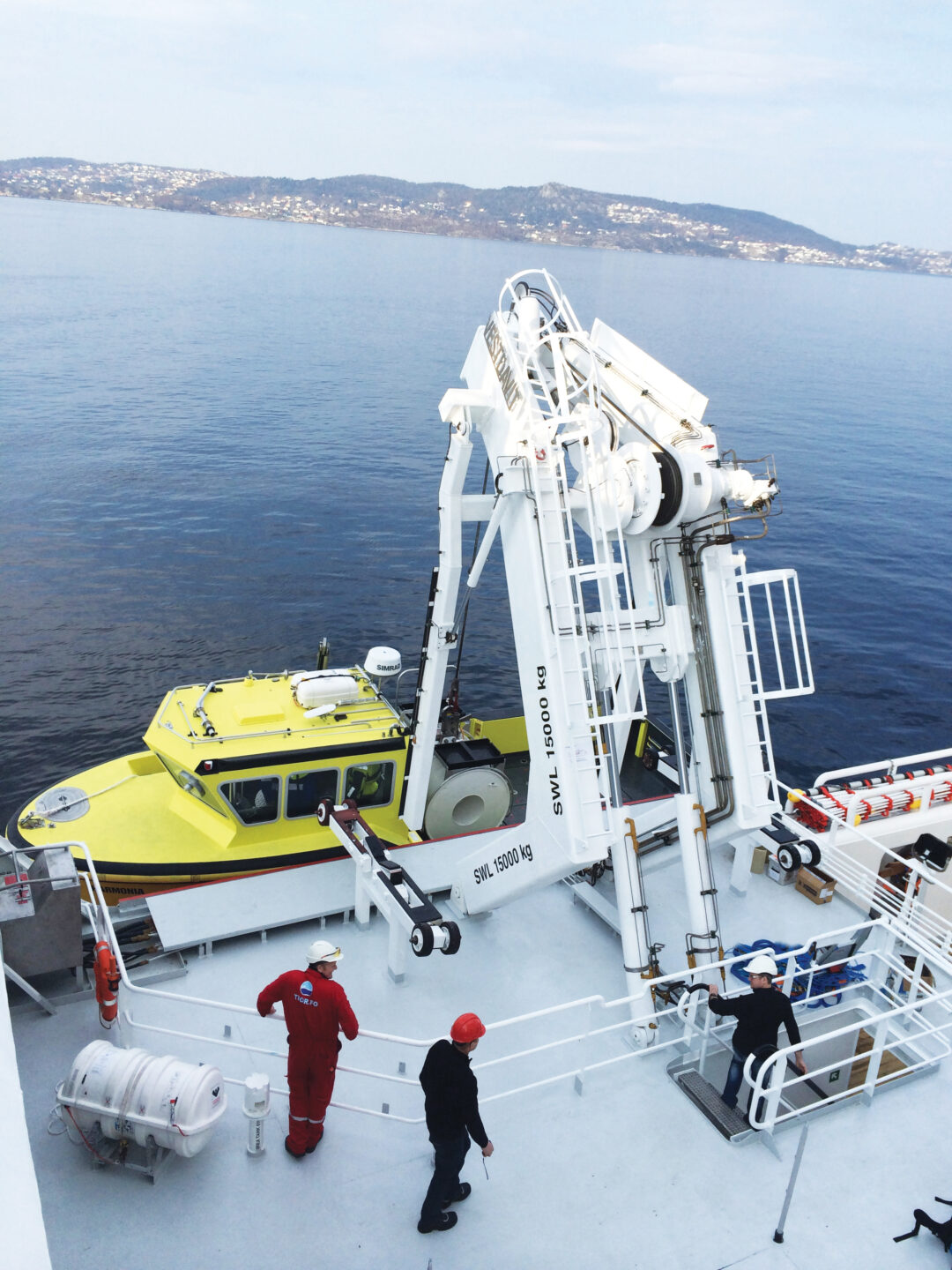
- Area: Structural integrity and corrosionCheck: Annual inspection of davit structure for corrosion, misalignments, deformations, and excessive free play in all connection points
- Area: Wire rope and sheave damageCheck: Annual examination of wires and sheaves for kinks, corrosion, fraying, and load capacity verification; five-yearly comprehensive assessment per SOLAS
- Area: Hydraulic system functionalityCheck: Annual testing of hydraulic systems, pressure levels, fluid condition, leak detection, and pump/motor operation; five-yearly overhaul of critical components
- Area: Lubrication and mechanical wearCheck: Annual lubrication verification of wires, sheaves, pins, and moving parts; inspection for wear exceeding acceptable limits
- Area: Control and safety systems certificationCheck: Annual certification testing of limit switches, stored power systems, PLC programming, release mechanisms, and computer control systems by OEM-certified technicians
Typ-universelle Inspektionspunkte fuer Deck Cranes (verifiziert, 2026-06).
- Area: Structural integrity and corrosionCheck: Annual inspection of davit structure for corrosion, misalignments, deformations, and excessive free play in all connection points
- Area: Wire rope and sheave damageCheck: Annual examination of wires and sheaves for kinks, corrosion, fraying, and load capacity verification; five-yearly comprehensive assessment per SOLAS
- Area: Hydraulic system functionalityCheck: Annual testing of hydraulic systems, pressure levels, fluid condition, leak detection, and pump/motor operation; five-yearly overhaul of critical components
- Area: Lubrication and mechanical wearCheck: Annual lubrication verification of wires, sheaves, pins, and moving parts; inspection for wear exceeding acceptable limits
- Area: Control and safety systems certificationCheck: Annual certification testing of limit switches, stored power systems, PLC programming, release mechanisms, and computer control systems by OEM-certified technicians
Typ-universelle Inspektionspunkte fuer Deck Cranes (verifiziert, 2026-06).
- Area: Structural integrity and corrosionCheck: Annual inspection of davit structure for corrosion, misalignments, deformations, and excessive free play in all connection points
- Area: Wire rope and sheave damageCheck: Annual examination of wires and sheaves for kinks, corrosion, fraying, and load capacity verification; five-yearly comprehensive assessment per SOLAS
- Area: Hydraulic system functionalityCheck: Annual testing of hydraulic systems, pressure levels, fluid condition, leak detection, and pump/motor operation; five-yearly overhaul of critical components
- Area: Lubrication and mechanical wearCheck: Annual lubrication verification of wires, sheaves, pins, and moving parts; inspection for wear exceeding acceptable limits
- Area: Control and safety systems certificationCheck: Annual certification testing of limit switches, stored power systems, PLC programming, release mechanisms, and computer control systems by OEM-certified technicians
Typ-universelle Inspektionspunkte fuer Deck Cranes (verifiziert, 2026-06).
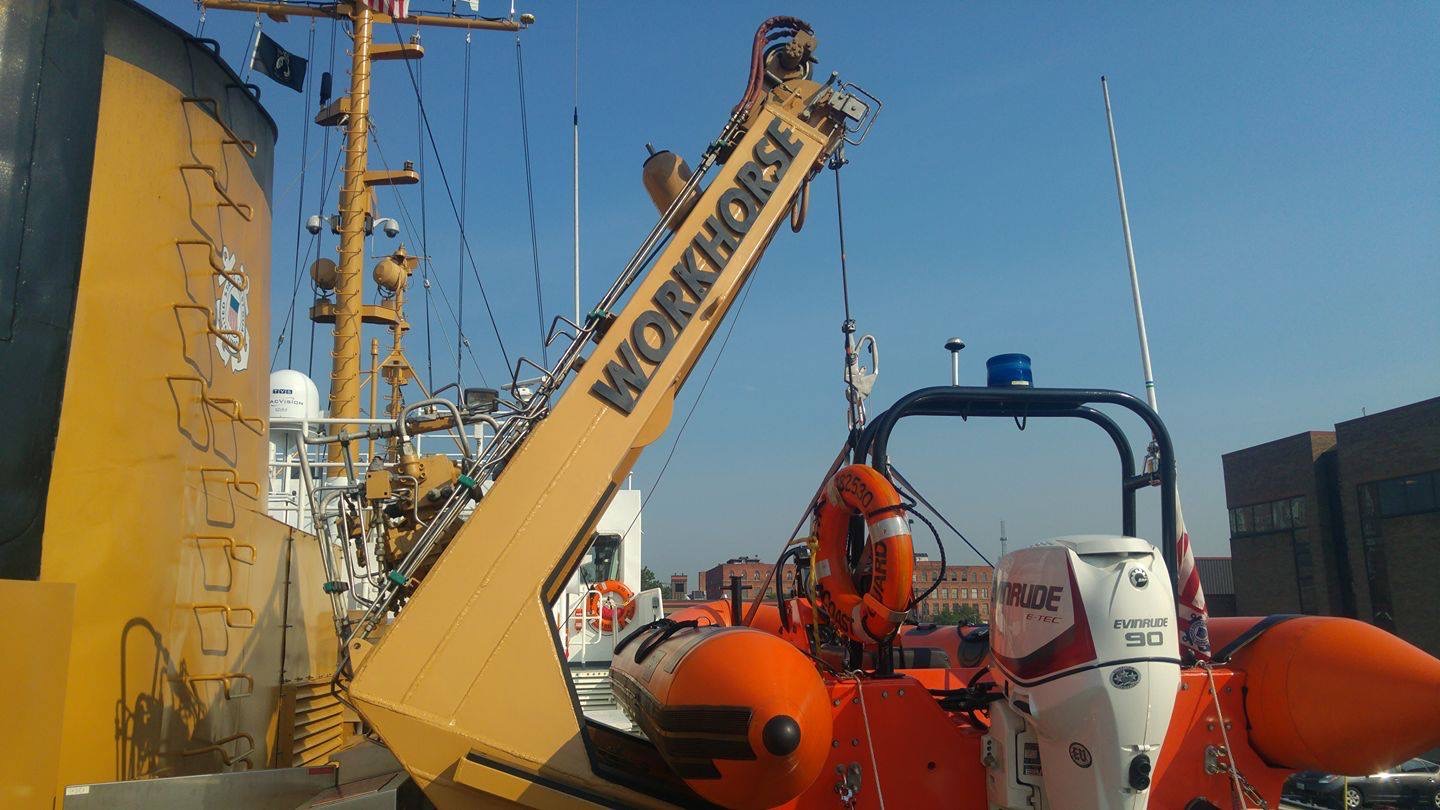
- Area: Structural integrity and corrosionCheck: Annual inspection of davit structure for corrosion, misalignments, deformations, and excessive free play in all connection points
- Area: Wire rope and sheave damageCheck: Annual examination of wires and sheaves for kinks, corrosion, fraying, and load capacity verification; five-yearly comprehensive assessment per SOLAS
- Area: Hydraulic system functionalityCheck: Annual testing of hydraulic systems, pressure levels, fluid condition, leak detection, and pump/motor operation; five-yearly overhaul of critical components
- Area: Lubrication and mechanical wearCheck: Annual lubrication verification of wires, sheaves, pins, and moving parts; inspection for wear exceeding acceptable limits
- Area: Control and safety systems certificationCheck: Annual certification testing of limit switches, stored power systems, PLC programming, release mechanisms, and computer control systems by OEM-certified technicians
Typ-universelle Inspektionspunkte fuer Deck Cranes (verifiziert, 2026-06).
- Area: Structural integrity and corrosionCheck: Annual inspection of davit structure for corrosion, misalignments, deformations, and excessive free play in all connection points
- Area: Wire rope and sheave damageCheck: Annual examination of wires and sheaves for kinks, corrosion, fraying, and load capacity verification; five-yearly comprehensive assessment per SOLAS
- Area: Hydraulic system functionalityCheck: Annual testing of hydraulic systems, pressure levels, fluid condition, leak detection, and pump/motor operation; five-yearly overhaul of critical components
- Area: Lubrication and mechanical wearCheck: Annual lubrication verification of wires, sheaves, pins, and moving parts; inspection for wear exceeding acceptable limits
- Area: Control and safety systems certificationCheck: Annual certification testing of limit switches, stored power systems, PLC programming, release mechanisms, and computer control systems by OEM-certified technicians
Typ-universelle Inspektionspunkte fuer Deck Cranes (verifiziert, 2026-06).
- Area: Structural integrity and corrosionCheck: Annual inspection of davit structure for corrosion, misalignments, deformations, and excessive free play in all connection points
- Area: Wire rope and sheave damageCheck: Annual examination of wires and sheaves for kinks, corrosion, fraying, and load capacity verification; five-yearly comprehensive assessment per SOLAS
- Area: Hydraulic system functionalityCheck: Annual testing of hydraulic systems, pressure levels, fluid condition, leak detection, and pump/motor operation; five-yearly overhaul of critical components
- Area: Lubrication and mechanical wearCheck: Annual lubrication verification of wires, sheaves, pins, and moving parts; inspection for wear exceeding acceptable limits
- Area: Control and safety systems certificationCheck: Annual certification testing of limit switches, stored power systems, PLC programming, release mechanisms, and computer control systems by OEM-certified technicians
Typ-universelle Inspektionspunkte fuer Deck Cranes (verifiziert, 2026-06).

- Area: Structural integrity and corrosionCheck: Annual inspection of davit structure for corrosion, misalignments, deformations, and excessive free play in all connection points
- Area: Wire rope and sheave damageCheck: Annual examination of wires and sheaves for kinks, corrosion, fraying, and load capacity verification; five-yearly comprehensive assessment per SOLAS
- Area: Hydraulic system functionalityCheck: Annual testing of hydraulic systems, pressure levels, fluid condition, leak detection, and pump/motor operation; five-yearly overhaul of critical components
- Area: Lubrication and mechanical wearCheck: Annual lubrication verification of wires, sheaves, pins, and moving parts; inspection for wear exceeding acceptable limits
- Area: Control and safety systems certificationCheck: Annual certification testing of limit switches, stored power systems, PLC programming, release mechanisms, and computer control systems by OEM-certified technicians
Typ-universelle Inspektionspunkte fuer Deck Cranes (verifiziert, 2026-06).
- Area: Structural integrity and corrosionCheck: Annual inspection of davit structure for corrosion, misalignments, deformations, and excessive free play in all connection points
- Area: Wire rope and sheave damageCheck: Annual examination of wires and sheaves for kinks, corrosion, fraying, and load capacity verification; five-yearly comprehensive assessment per SOLAS
- Area: Hydraulic system functionalityCheck: Annual testing of hydraulic systems, pressure levels, fluid condition, leak detection, and pump/motor operation; five-yearly overhaul of critical components
- Area: Lubrication and mechanical wearCheck: Annual lubrication verification of wires, sheaves, pins, and moving parts; inspection for wear exceeding acceptable limits
- Area: Control and safety systems certificationCheck: Annual certification testing of limit switches, stored power systems, PLC programming, release mechanisms, and computer control systems by OEM-certified technicians
Typ-universelle Inspektionspunkte fuer Deck Cranes (verifiziert, 2026-06).
- Area: Structural integrity and corrosionCheck: Annual inspection of davit structure for corrosion, misalignments, deformations, and excessive free play in all connection points
- Area: Wire rope and sheave damageCheck: Annual examination of wires and sheaves for kinks, corrosion, fraying, and load capacity verification; five-yearly comprehensive assessment per SOLAS
- Area: Hydraulic system functionalityCheck: Annual testing of hydraulic systems, pressure levels, fluid condition, leak detection, and pump/motor operation; five-yearly overhaul of critical components
- Area: Lubrication and mechanical wearCheck: Annual lubrication verification of wires, sheaves, pins, and moving parts; inspection for wear exceeding acceptable limits
- Area: Control and safety systems certificationCheck: Annual certification testing of limit switches, stored power systems, PLC programming, release mechanisms, and computer control systems by OEM-certified technicians
Typ-universelle Inspektionspunkte fuer Deck Cranes (verifiziert, 2026-06).
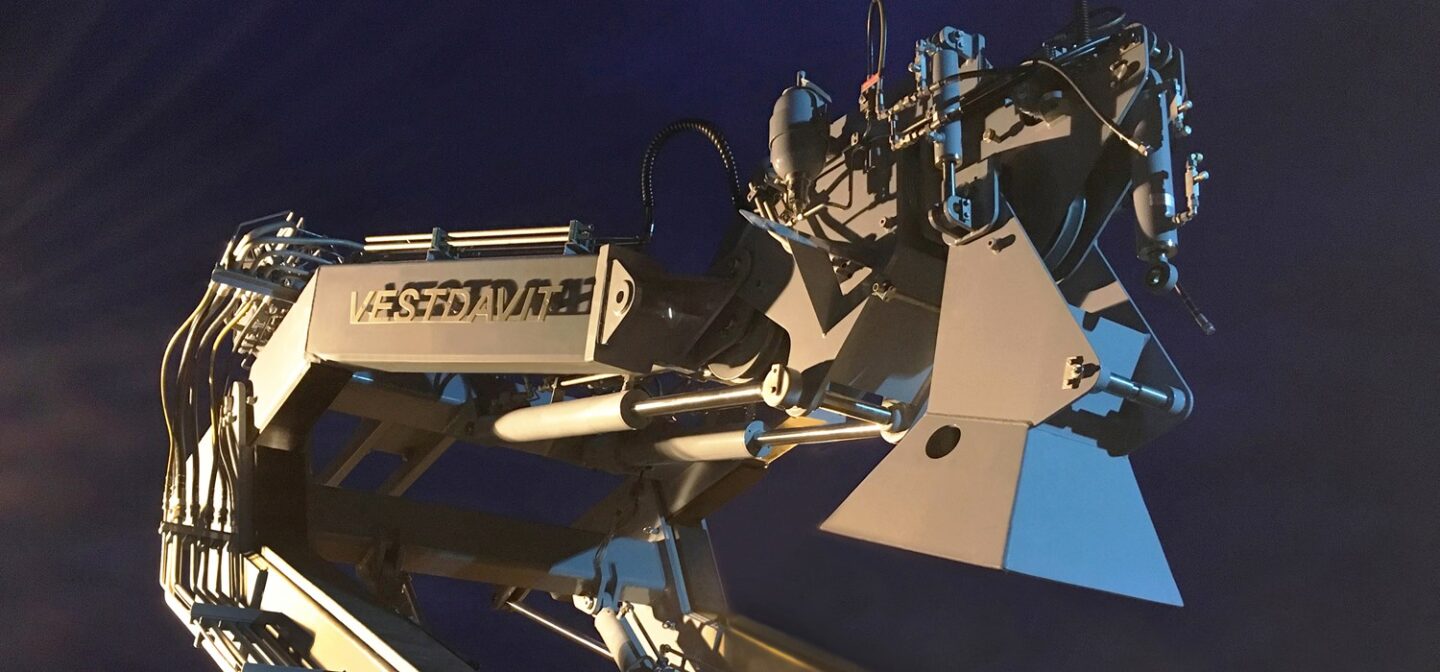
- Area: Structural integrity and corrosionCheck: Annual inspection of davit structure for corrosion, misalignments, deformations, and excessive free play in all connection points
- Area: Wire rope and sheave damageCheck: Annual examination of wires and sheaves for kinks, corrosion, fraying, and load capacity verification; five-yearly comprehensive assessment per SOLAS
- Area: Hydraulic system functionalityCheck: Annual testing of hydraulic systems, pressure levels, fluid condition, leak detection, and pump/motor operation; five-yearly overhaul of critical components
- Area: Lubrication and mechanical wearCheck: Annual lubrication verification of wires, sheaves, pins, and moving parts; inspection for wear exceeding acceptable limits
- Area: Control and safety systems certificationCheck: Annual certification testing of limit switches, stored power systems, PLC programming, release mechanisms, and computer control systems by OEM-certified technicians
Typ-universelle Inspektionspunkte fuer Deck Cranes (verifiziert, 2026-06).
- Area: Structural integrity and corrosionCheck: Annual inspection of davit structure for corrosion, misalignments, deformations, and excessive free play in all connection points
- Area: Wire rope and sheave damageCheck: Annual examination of wires and sheaves for kinks, corrosion, fraying, and load capacity verification; five-yearly comprehensive assessment per SOLAS
- Area: Hydraulic system functionalityCheck: Annual testing of hydraulic systems, pressure levels, fluid condition, leak detection, and pump/motor operation; five-yearly overhaul of critical components
- Area: Lubrication and mechanical wearCheck: Annual lubrication verification of wires, sheaves, pins, and moving parts; inspection for wear exceeding acceptable limits
- Area: Control and safety systems certificationCheck: Annual certification testing of limit switches, stored power systems, PLC programming, release mechanisms, and computer control systems by OEM-certified technicians
Typ-universelle Inspektionspunkte fuer Deck Cranes (verifiziert, 2026-06).
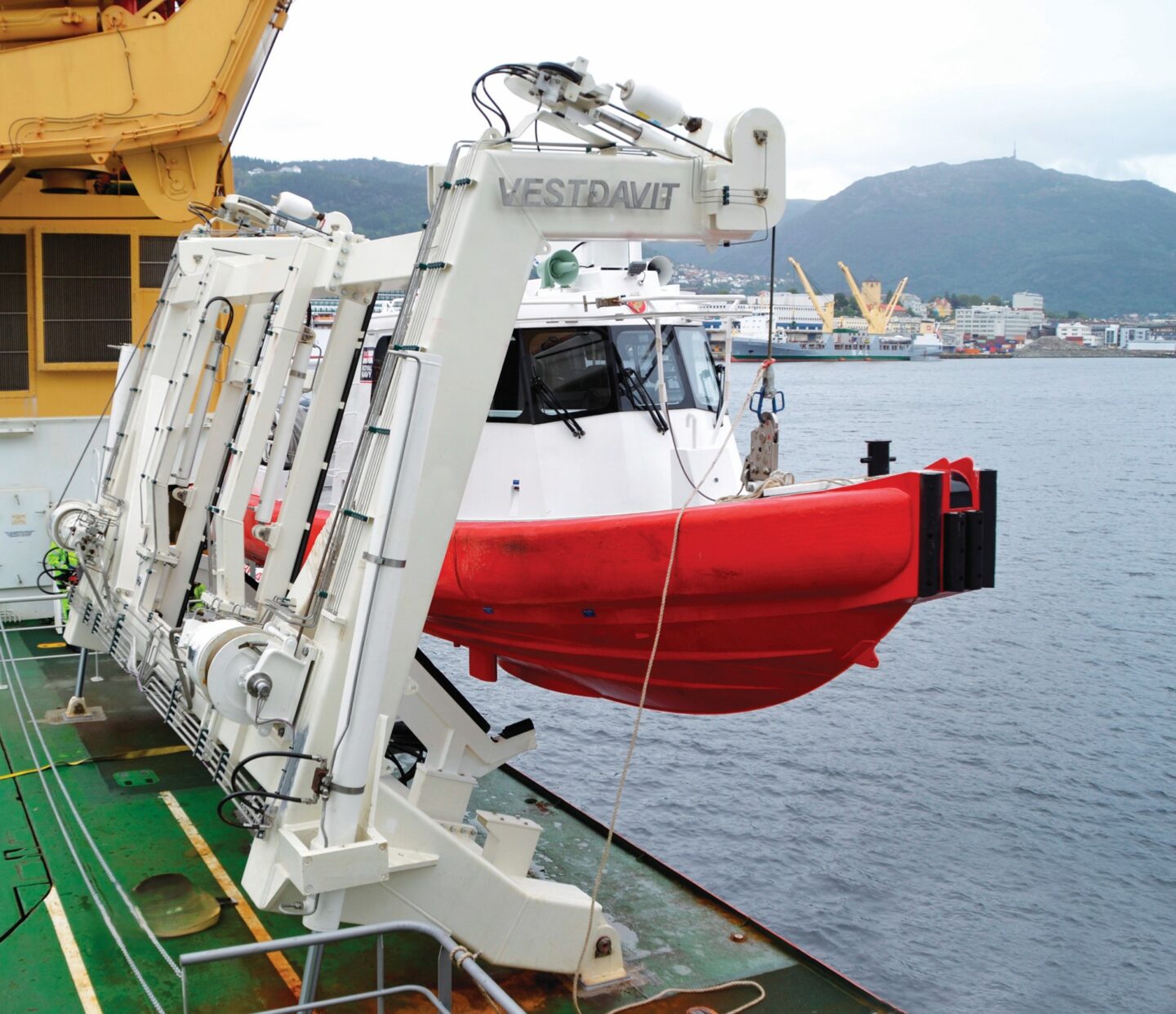
- Area: Structural integrity and corrosionCheck: Annual inspection of davit structure for corrosion, misalignments, deformations, and excessive free play in all connection points
- Area: Wire rope and sheave damageCheck: Annual examination of wires and sheaves for kinks, corrosion, fraying, and load capacity verification; five-yearly comprehensive assessment per SOLAS
- Area: Hydraulic system functionalityCheck: Annual testing of hydraulic systems, pressure levels, fluid condition, leak detection, and pump/motor operation; five-yearly overhaul of critical components
- Area: Lubrication and mechanical wearCheck: Annual lubrication verification of wires, sheaves, pins, and moving parts; inspection for wear exceeding acceptable limits
- Area: Control and safety systems certificationCheck: Annual certification testing of limit switches, stored power systems, PLC programming, release mechanisms, and computer control systems by OEM-certified technicians
Typ-universelle Inspektionspunkte fuer Deck Cranes (verifiziert, 2026-06).
- Area: Structural integrity and corrosionCheck: Annual inspection of davit structure for corrosion, misalignments, deformations, and excessive free play in all connection points
- Area: Wire rope and sheave damageCheck: Annual examination of wires and sheaves for kinks, corrosion, fraying, and load capacity verification; five-yearly comprehensive assessment per SOLAS
- Area: Hydraulic system functionalityCheck: Annual testing of hydraulic systems, pressure levels, fluid condition, leak detection, and pump/motor operation; five-yearly overhaul of critical components
- Area: Lubrication and mechanical wearCheck: Annual lubrication verification of wires, sheaves, pins, and moving parts; inspection for wear exceeding acceptable limits
- Area: Control and safety systems certificationCheck: Annual certification testing of limit switches, stored power systems, PLC programming, release mechanisms, and computer control systems by OEM-certified technicians
Typ-universelle Inspektionspunkte fuer Deck Cranes (verifiziert, 2026-06).
- Area: Structural integrity and corrosionCheck: Annual inspection of davit structure for corrosion, misalignments, deformations, and excessive free play in all connection points
- Area: Wire rope and sheave damageCheck: Annual examination of wires and sheaves for kinks, corrosion, fraying, and load capacity verification; five-yearly comprehensive assessment per SOLAS
- Area: Hydraulic system functionalityCheck: Annual testing of hydraulic systems, pressure levels, fluid condition, leak detection, and pump/motor operation; five-yearly overhaul of critical components
- Area: Lubrication and mechanical wearCheck: Annual lubrication verification of wires, sheaves, pins, and moving parts; inspection for wear exceeding acceptable limits
- Area: Control and safety systems certificationCheck: Annual certification testing of limit switches, stored power systems, PLC programming, release mechanisms, and computer control systems by OEM-certified technicians
Typ-universelle Inspektionspunkte fuer Deck Cranes (verifiziert, 2026-06).
- Area: Structural integrity and corrosionCheck: Annual inspection of davit structure for corrosion, misalignments, deformations, and excessive free play in all connection points
- Area: Wire rope and sheave damageCheck: Annual examination of wires and sheaves for kinks, corrosion, fraying, and load capacity verification; five-yearly comprehensive assessment per SOLAS
- Area: Hydraulic system functionalityCheck: Annual testing of hydraulic systems, pressure levels, fluid condition, leak detection, and pump/motor operation; five-yearly overhaul of critical components
- Area: Lubrication and mechanical wearCheck: Annual lubrication verification of wires, sheaves, pins, and moving parts; inspection for wear exceeding acceptable limits
- Area: Control and safety systems certificationCheck: Annual certification testing of limit switches, stored power systems, PLC programming, release mechanisms, and computer control systems by OEM-certified technicians
Typ-universelle Inspektionspunkte fuer Deck Cranes (verifiziert, 2026-06).
- Area: Structural integrity and corrosionCheck: Annual inspection of davit structure for corrosion, misalignments, deformations, and excessive free play in all connection points
- Area: Wire rope and sheave damageCheck: Annual examination of wires and sheaves for kinks, corrosion, fraying, and load capacity verification; five-yearly comprehensive assessment per SOLAS
- Area: Hydraulic system functionalityCheck: Annual testing of hydraulic systems, pressure levels, fluid condition, leak detection, and pump/motor operation; five-yearly overhaul of critical components
- Area: Lubrication and mechanical wearCheck: Annual lubrication verification of wires, sheaves, pins, and moving parts; inspection for wear exceeding acceptable limits
- Area: Control and safety systems certificationCheck: Annual certification testing of limit switches, stored power systems, PLC programming, release mechanisms, and computer control systems by OEM-certified technicians
Typ-universelle Inspektionspunkte fuer Deck Cranes (verifiziert, 2026-06).
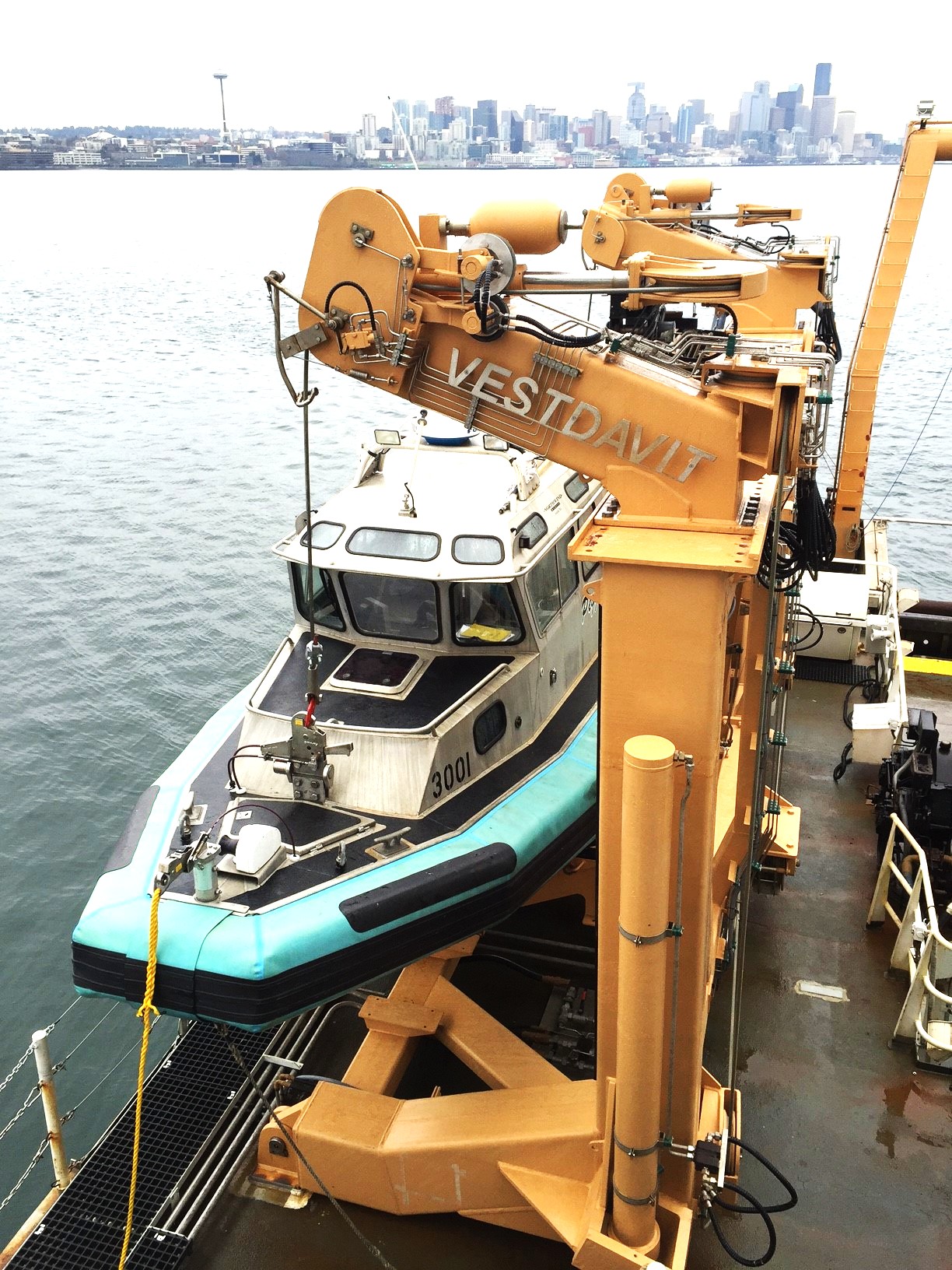
- Area: Structural integrity and corrosionCheck: Annual inspection of davit structure for corrosion, misalignments, deformations, and excessive free play in all connection points
- Area: Wire rope and sheave damageCheck: Annual examination of wires and sheaves for kinks, corrosion, fraying, and load capacity verification; five-yearly comprehensive assessment per SOLAS
- Area: Hydraulic system functionalityCheck: Annual testing of hydraulic systems, pressure levels, fluid condition, leak detection, and pump/motor operation; five-yearly overhaul of critical components
- Area: Lubrication and mechanical wearCheck: Annual lubrication verification of wires, sheaves, pins, and moving parts; inspection for wear exceeding acceptable limits
- Area: Control and safety systems certificationCheck: Annual certification testing of limit switches, stored power systems, PLC programming, release mechanisms, and computer control systems by OEM-certified technicians
Typ-universelle Inspektionspunkte fuer Deck Cranes (verifiziert, 2026-06).
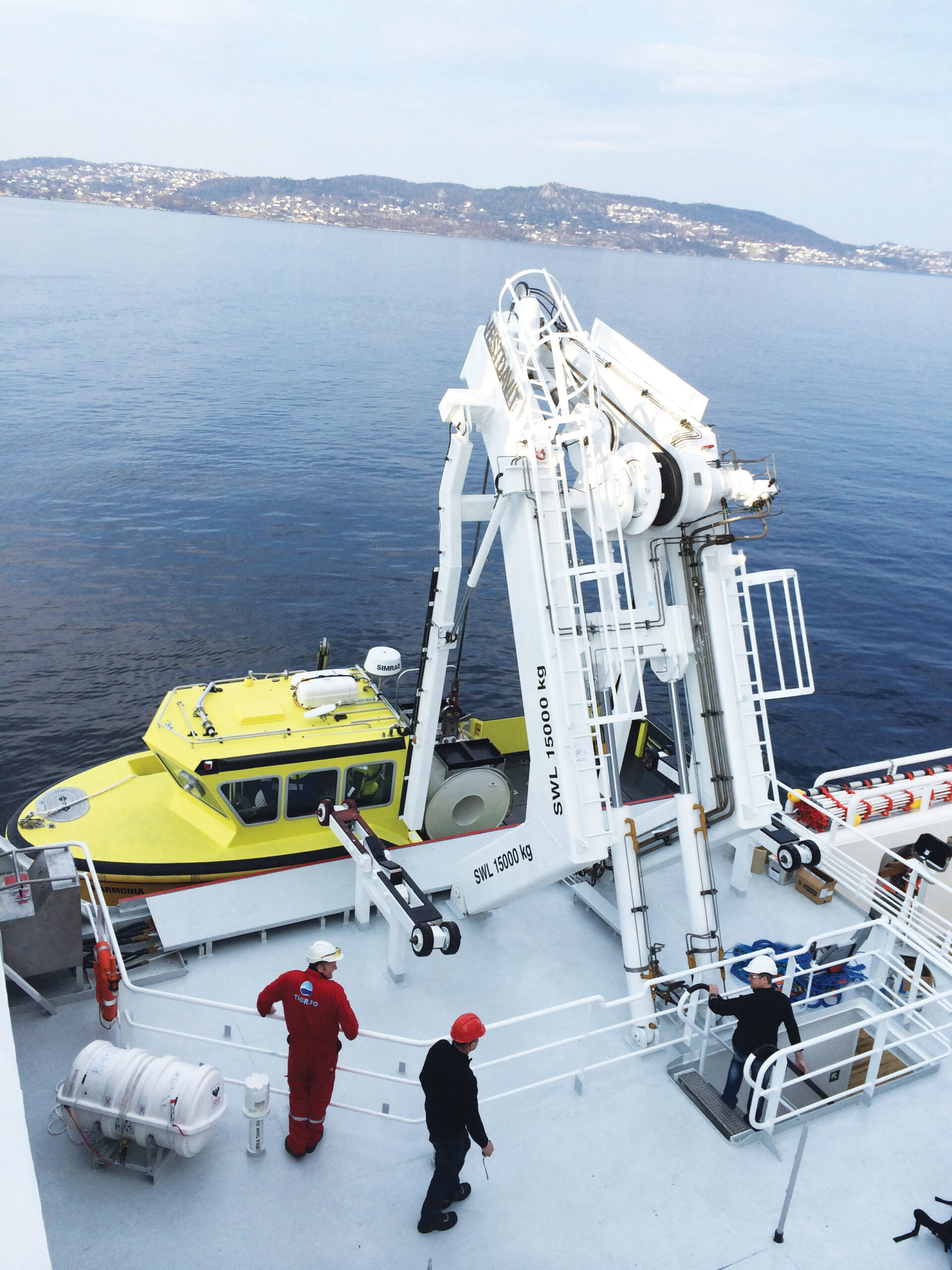
- Area: Structural integrity and corrosionCheck: Annual inspection of davit structure for corrosion, misalignments, deformations, and excessive free play in all connection points
- Area: Wire rope and sheave damageCheck: Annual examination of wires and sheaves for kinks, corrosion, fraying, and load capacity verification; five-yearly comprehensive assessment per SOLAS
- Area: Hydraulic system functionalityCheck: Annual testing of hydraulic systems, pressure levels, fluid condition, leak detection, and pump/motor operation; five-yearly overhaul of critical components
- Area: Lubrication and mechanical wearCheck: Annual lubrication verification of wires, sheaves, pins, and moving parts; inspection for wear exceeding acceptable limits
- Area: Control and safety systems certificationCheck: Annual certification testing of limit switches, stored power systems, PLC programming, release mechanisms, and computer control systems by OEM-certified technicians
Typ-universelle Inspektionspunkte fuer Deck Cranes (verifiziert, 2026-06).
- Area: Structural integrity and corrosionCheck: Annual inspection of davit structure for corrosion, misalignments, deformations, and excessive free play in all connection points
- Area: Wire rope and sheave damageCheck: Annual examination of wires and sheaves for kinks, corrosion, fraying, and load capacity verification; five-yearly comprehensive assessment per SOLAS
- Area: Hydraulic system functionalityCheck: Annual testing of hydraulic systems, pressure levels, fluid condition, leak detection, and pump/motor operation; five-yearly overhaul of critical components
- Area: Lubrication and mechanical wearCheck: Annual lubrication verification of wires, sheaves, pins, and moving parts; inspection for wear exceeding acceptable limits
- Area: Control and safety systems certificationCheck: Annual certification testing of limit switches, stored power systems, PLC programming, release mechanisms, and computer control systems by OEM-certified technicians
Typ-universelle Inspektionspunkte fuer Deck Cranes (verifiziert, 2026-06).
- Area: Structural integrity and corrosionCheck: Annual inspection of davit structure for corrosion, misalignments, deformations, and excessive free play in all connection points
- Area: Wire rope and sheave damageCheck: Annual examination of wires and sheaves for kinks, corrosion, fraying, and load capacity verification; five-yearly comprehensive assessment per SOLAS
- Area: Hydraulic system functionalityCheck: Annual testing of hydraulic systems, pressure levels, fluid condition, leak detection, and pump/motor operation; five-yearly overhaul of critical components
- Area: Lubrication and mechanical wearCheck: Annual lubrication verification of wires, sheaves, pins, and moving parts; inspection for wear exceeding acceptable limits
- Area: Control and safety systems certificationCheck: Annual certification testing of limit switches, stored power systems, PLC programming, release mechanisms, and computer control systems by OEM-certified technicians
Typ-universelle Inspektionspunkte fuer Deck Cranes (verifiziert, 2026-06).
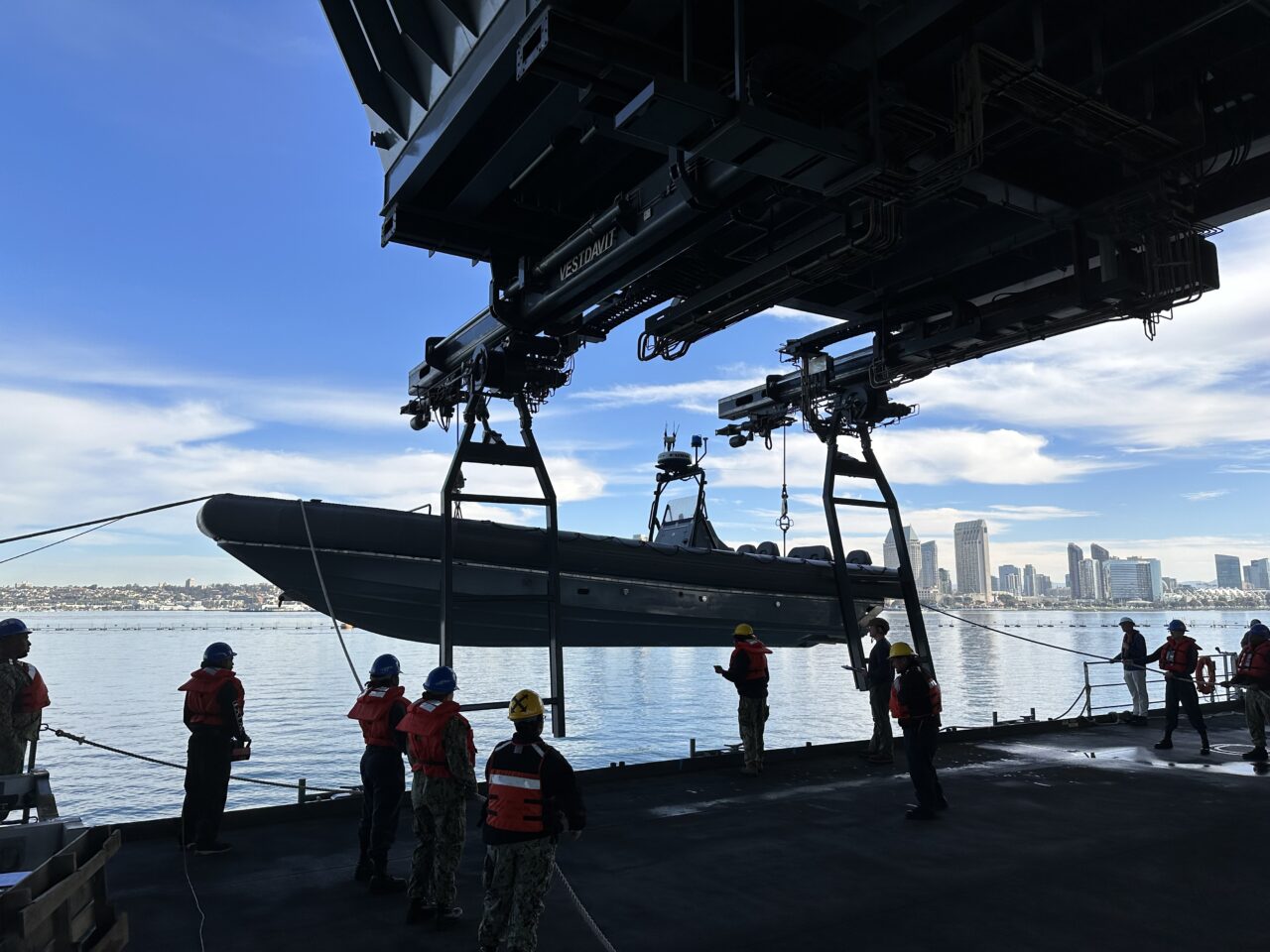
- Area: Structural integrity and corrosionCheck: Annual inspection of davit structure for corrosion, misalignments, deformations, and excessive free play in all connection points
- Area: Wire rope and sheave damageCheck: Annual examination of wires and sheaves for kinks, corrosion, fraying, and load capacity verification; five-yearly comprehensive assessment per SOLAS
- Area: Hydraulic system functionalityCheck: Annual testing of hydraulic systems, pressure levels, fluid condition, leak detection, and pump/motor operation; five-yearly overhaul of critical components
- Area: Lubrication and mechanical wearCheck: Annual lubrication verification of wires, sheaves, pins, and moving parts; inspection for wear exceeding acceptable limits
- Area: Control and safety systems certificationCheck: Annual certification testing of limit switches, stored power systems, PLC programming, release mechanisms, and computer control systems by OEM-certified technicians
Typ-universelle Inspektionspunkte fuer Deck Cranes (verifiziert, 2026-06).
- Area: Structural integrity and corrosionCheck: Annual inspection of davit structure for corrosion, misalignments, deformations, and excessive free play in all connection points
- Area: Wire rope and sheave damageCheck: Annual examination of wires and sheaves for kinks, corrosion, fraying, and load capacity verification; five-yearly comprehensive assessment per SOLAS
- Area: Hydraulic system functionalityCheck: Annual testing of hydraulic systems, pressure levels, fluid condition, leak detection, and pump/motor operation; five-yearly overhaul of critical components
- Area: Lubrication and mechanical wearCheck: Annual lubrication verification of wires, sheaves, pins, and moving parts; inspection for wear exceeding acceptable limits
- Area: Control and safety systems certificationCheck: Annual certification testing of limit switches, stored power systems, PLC programming, release mechanisms, and computer control systems by OEM-certified technicians
Typ-universelle Inspektionspunkte fuer Deck Cranes (verifiziert, 2026-06).
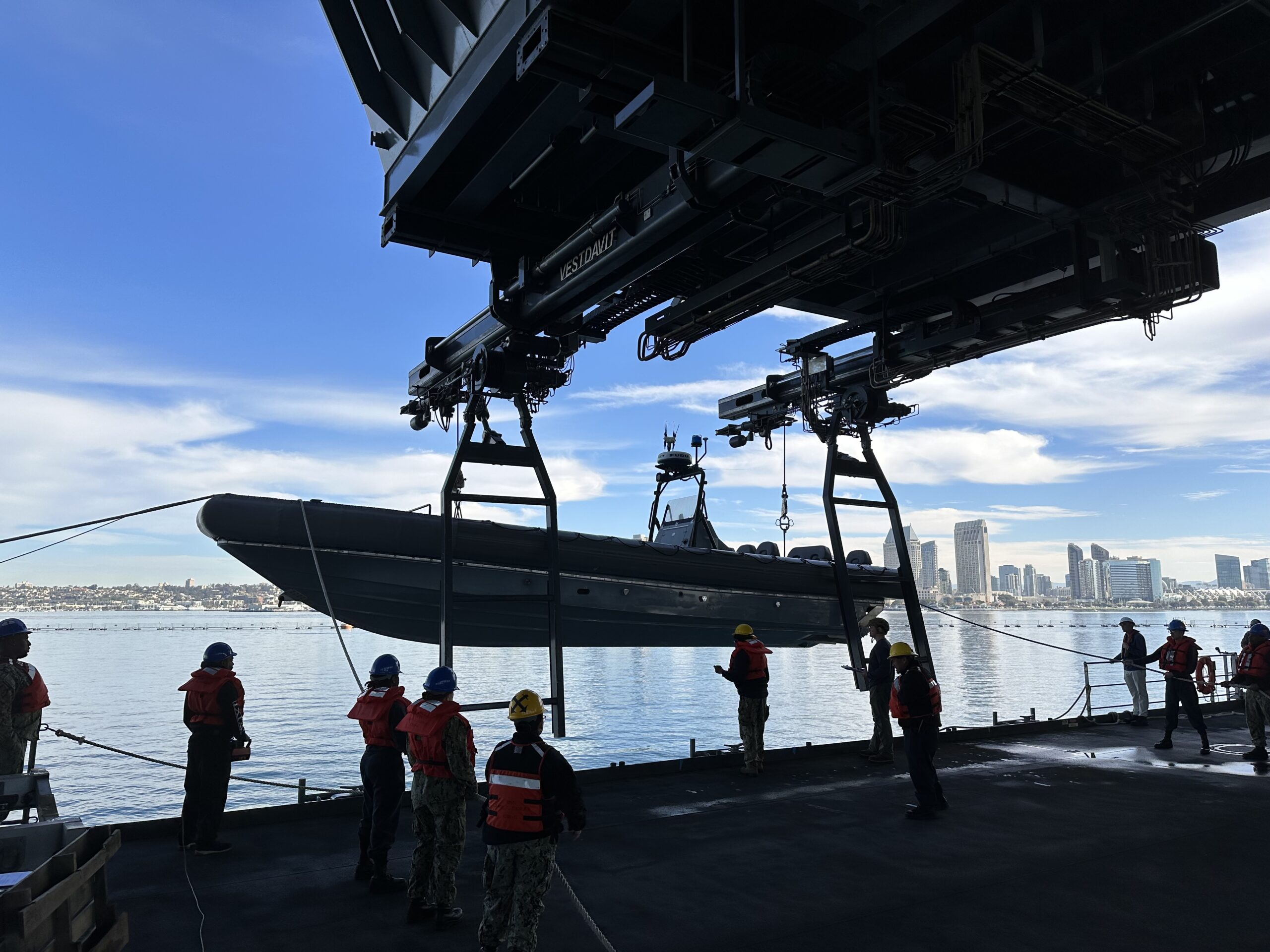
- Area: Structural integrity and corrosionCheck: Annual inspection of davit structure for corrosion, misalignments, deformations, and excessive free play in all connection points
- Area: Wire rope and sheave damageCheck: Annual examination of wires and sheaves for kinks, corrosion, fraying, and load capacity verification; five-yearly comprehensive assessment per SOLAS
- Area: Hydraulic system functionalityCheck: Annual testing of hydraulic systems, pressure levels, fluid condition, leak detection, and pump/motor operation; five-yearly overhaul of critical components
- Area: Lubrication and mechanical wearCheck: Annual lubrication verification of wires, sheaves, pins, and moving parts; inspection for wear exceeding acceptable limits
- Area: Control and safety systems certificationCheck: Annual certification testing of limit switches, stored power systems, PLC programming, release mechanisms, and computer control systems by OEM-certified technicians
Typ-universelle Inspektionspunkte fuer Deck Cranes (verifiziert, 2026-06).
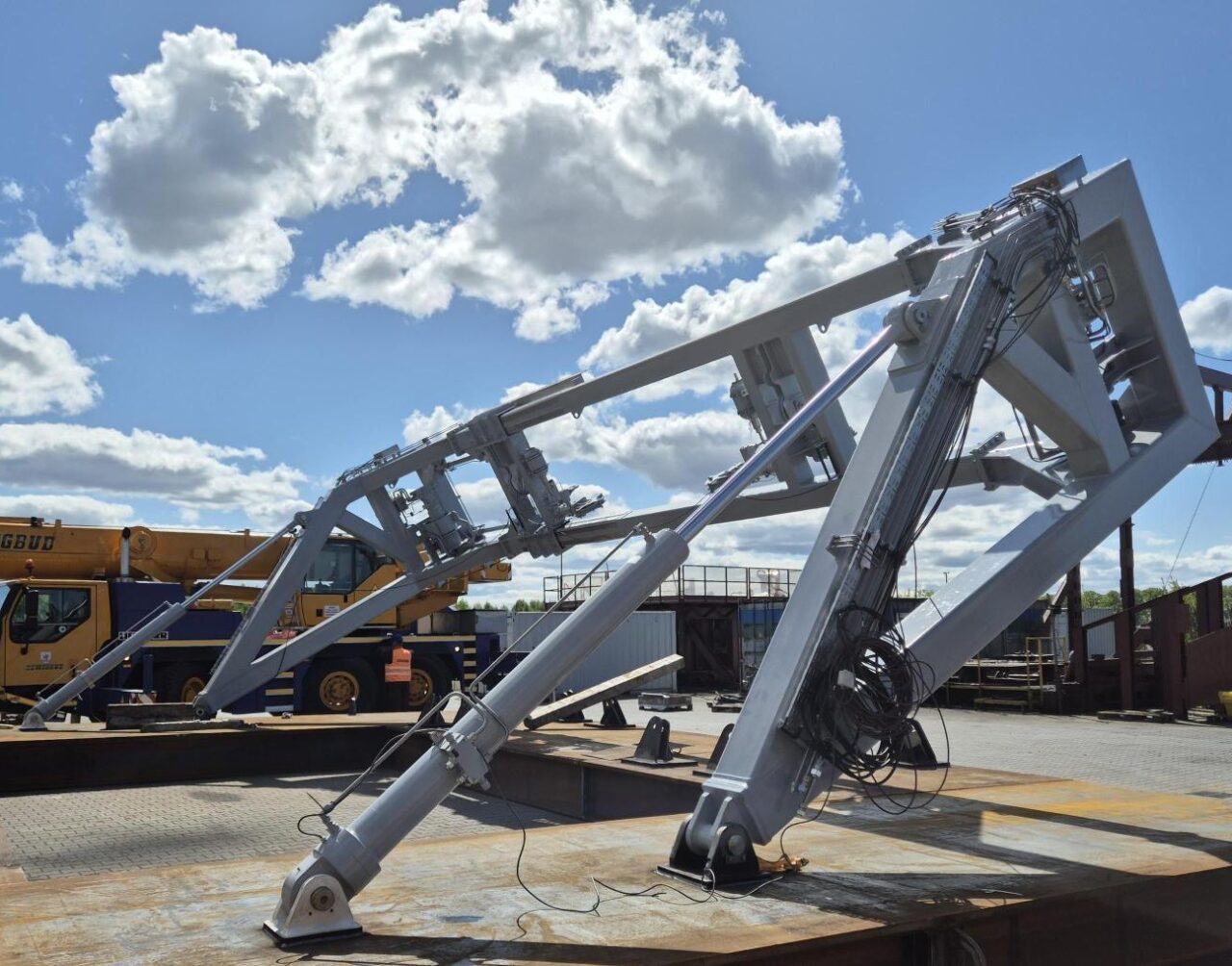
- Area: Structural integrity and corrosionCheck: Annual inspection of davit structure for corrosion, misalignments, deformations, and excessive free play in all connection points
- Area: Wire rope and sheave damageCheck: Annual examination of wires and sheaves for kinks, corrosion, fraying, and load capacity verification; five-yearly comprehensive assessment per SOLAS
- Area: Hydraulic system functionalityCheck: Annual testing of hydraulic systems, pressure levels, fluid condition, leak detection, and pump/motor operation; five-yearly overhaul of critical components
- Area: Lubrication and mechanical wearCheck: Annual lubrication verification of wires, sheaves, pins, and moving parts; inspection for wear exceeding acceptable limits
- Area: Control and safety systems certificationCheck: Annual certification testing of limit switches, stored power systems, PLC programming, release mechanisms, and computer control systems by OEM-certified technicians
Typ-universelle Inspektionspunkte fuer Deck Cranes (verifiziert, 2026-06).
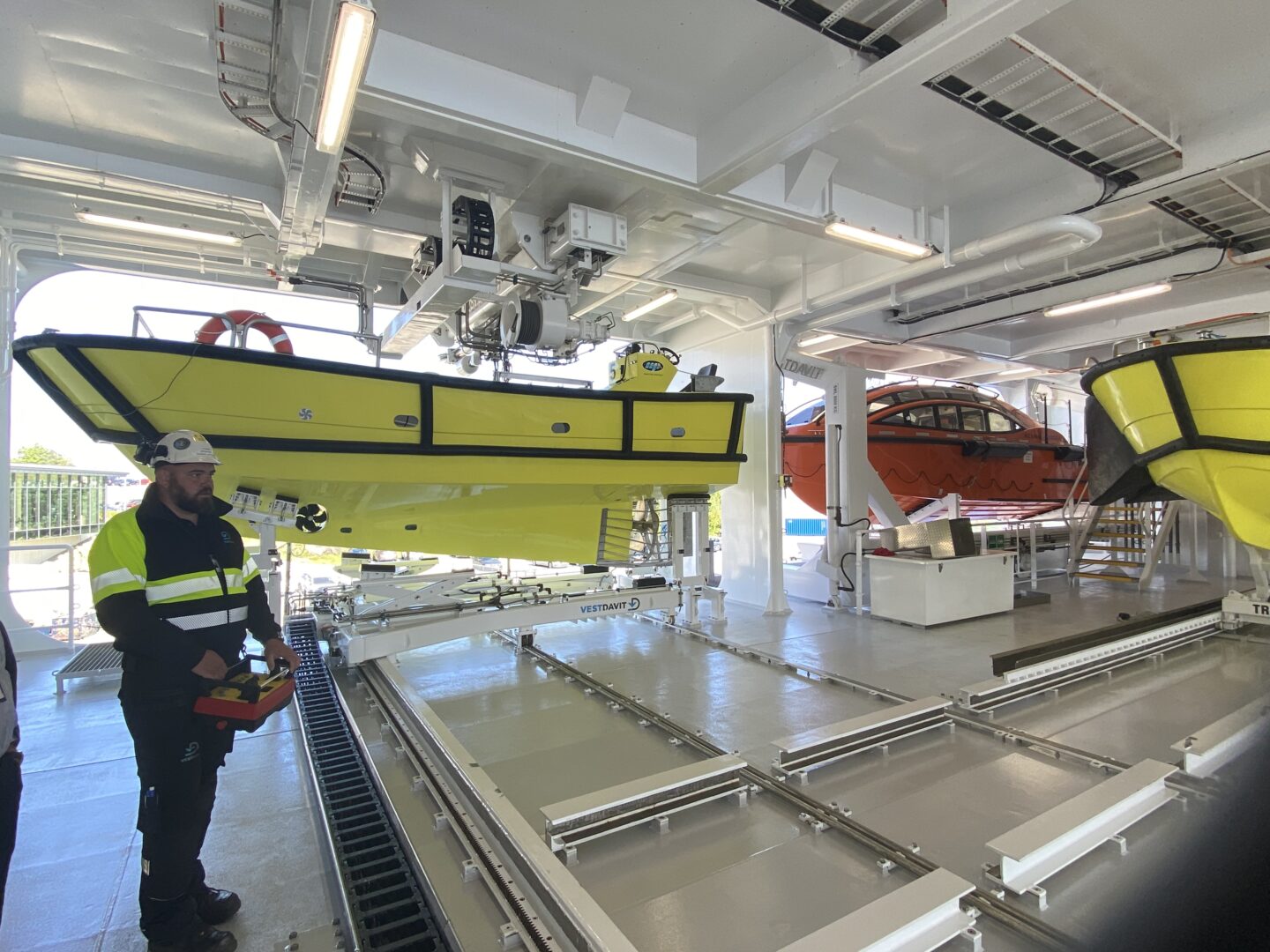
- Area: Structural integrity and corrosionCheck: Annual inspection of davit structure for corrosion, misalignments, deformations, and excessive free play in all connection points
- Area: Wire rope and sheave damageCheck: Annual examination of wires and sheaves for kinks, corrosion, fraying, and load capacity verification; five-yearly comprehensive assessment per SOLAS
- Area: Hydraulic system functionalityCheck: Annual testing of hydraulic systems, pressure levels, fluid condition, leak detection, and pump/motor operation; five-yearly overhaul of critical components
- Area: Lubrication and mechanical wearCheck: Annual lubrication verification of wires, sheaves, pins, and moving parts; inspection for wear exceeding acceptable limits
- Area: Control and safety systems certificationCheck: Annual certification testing of limit switches, stored power systems, PLC programming, release mechanisms, and computer control systems by OEM-certified technicians
Typ-universelle Inspektionspunkte fuer Deck Cranes (verifiziert, 2026-06).
- Area: Structural integrity and corrosionCheck: Annual inspection of davit structure for corrosion, misalignments, deformations, and excessive free play in all connection points
- Area: Wire rope and sheave damageCheck: Annual examination of wires and sheaves for kinks, corrosion, fraying, and load capacity verification; five-yearly comprehensive assessment per SOLAS
- Area: Hydraulic system functionalityCheck: Annual testing of hydraulic systems, pressure levels, fluid condition, leak detection, and pump/motor operation; five-yearly overhaul of critical components
- Area: Lubrication and mechanical wearCheck: Annual lubrication verification of wires, sheaves, pins, and moving parts; inspection for wear exceeding acceptable limits
- Area: Control and safety systems certificationCheck: Annual certification testing of limit switches, stored power systems, PLC programming, release mechanisms, and computer control systems by OEM-certified technicians
Typ-universelle Inspektionspunkte fuer Deck Cranes (verifiziert, 2026-06).
- Area: Structural integrity and corrosionCheck: Annual inspection of davit structure for corrosion, misalignments, deformations, and excessive free play in all connection points
- Area: Wire rope and sheave damageCheck: Annual examination of wires and sheaves for kinks, corrosion, fraying, and load capacity verification; five-yearly comprehensive assessment per SOLAS
- Area: Hydraulic system functionalityCheck: Annual testing of hydraulic systems, pressure levels, fluid condition, leak detection, and pump/motor operation; five-yearly overhaul of critical components
- Area: Lubrication and mechanical wearCheck: Annual lubrication verification of wires, sheaves, pins, and moving parts; inspection for wear exceeding acceptable limits
- Area: Control and safety systems certificationCheck: Annual certification testing of limit switches, stored power systems, PLC programming, release mechanisms, and computer control systems by OEM-certified technicians
Typ-universelle Inspektionspunkte fuer Deck Cranes (verifiziert, 2026-06).
- Area: Structural integrity and corrosionCheck: Annual inspection of davit structure for corrosion, misalignments, deformations, and excessive free play in all connection points
- Area: Wire rope and sheave damageCheck: Annual examination of wires and sheaves for kinks, corrosion, fraying, and load capacity verification; five-yearly comprehensive assessment per SOLAS
- Area: Hydraulic system functionalityCheck: Annual testing of hydraulic systems, pressure levels, fluid condition, leak detection, and pump/motor operation; five-yearly overhaul of critical components
- Area: Lubrication and mechanical wearCheck: Annual lubrication verification of wires, sheaves, pins, and moving parts; inspection for wear exceeding acceptable limits
- Area: Control and safety systems certificationCheck: Annual certification testing of limit switches, stored power systems, PLC programming, release mechanisms, and computer control systems by OEM-certified technicians
Typ-universelle Inspektionspunkte fuer Deck Cranes (verifiziert, 2026-06).
Amco Veba Marine
31 ✓ 31 verified- Area: Structural integrity and fatigue cracks in boom, knuckle pin, and hydraulic cylinders due to cyclic loading from repeated lifting operationsCheck: Visual inspection for cracks, surface discoloration, oil seepage; Non-Destructive Testing (NDT/UT) of high-stress boom sections and knuckle joint areas; Ultrasonic crack detection on pins and critical welds
- Area: Hydraulic system leakage and pressure loss reducing load capacity and creating safety hazards from pressurized fluid releaseCheck: Pressure testing at rated working pressure (290-315 bar typical); Hose and fitting visual inspection; Seal and O-ring condition assessment; Hydraulic fluid analysis for contamination and degradation
- Area: Load testing verification to confirm actual lifting capacity matches rated capacity across boom extension rangeCheck: Statutory quinquennial load test at 125% of Safe Working Load (SWL) per new SOLAS II-1/3-13 (effective Jan 1, 2026); Annual thorough examination of load handling systems; Load cell verification
- Area: Slewing bearing wear, lubrication degradation, and rotation mechanism failure preventing safe load positioningCheck: Grease condition inspection (color, consistency, contamination); Bearing play measurement; Slewing gear tooth wear assessment; Rotation smoothness test under no-load and loaded conditions; Lubrication system pressure verification
- Area: Corrosion of structural steel and fasteners in harsh marine salt-water environment reducing structural reliabilityCheck: Visual inspection for rust, pitting, and corrosion staining; Paint/coating integrity assessment; Fastener (bolts, pins) corrosion inspection; Stainless steel component verification; Salt spray residue cleaning and examination
Typ-universelle Inspektionspunkte fuer Deck Cranes (verifiziert, 2026-06).
- Area: Structural integrity and fatigue cracks in boom, knuckle pin, and hydraulic cylinders due to cyclic loading from repeated lifting operationsCheck: Visual inspection for cracks, surface discoloration, oil seepage; Non-Destructive Testing (NDT/UT) of high-stress boom sections and knuckle joint areas; Ultrasonic crack detection on pins and critical welds
- Area: Hydraulic system leakage and pressure loss reducing load capacity and creating safety hazards from pressurized fluid releaseCheck: Pressure testing at rated working pressure (290-315 bar typical); Hose and fitting visual inspection; Seal and O-ring condition assessment; Hydraulic fluid analysis for contamination and degradation
- Area: Load testing verification to confirm actual lifting capacity matches rated capacity across boom extension rangeCheck: Statutory quinquennial load test at 125% of Safe Working Load (SWL) per new SOLAS II-1/3-13 (effective Jan 1, 2026); Annual thorough examination of load handling systems; Load cell verification
- Area: Slewing bearing wear, lubrication degradation, and rotation mechanism failure preventing safe load positioningCheck: Grease condition inspection (color, consistency, contamination); Bearing play measurement; Slewing gear tooth wear assessment; Rotation smoothness test under no-load and loaded conditions; Lubrication system pressure verification
- Area: Corrosion of structural steel and fasteners in harsh marine salt-water environment reducing structural reliabilityCheck: Visual inspection for rust, pitting, and corrosion staining; Paint/coating integrity assessment; Fastener (bolts, pins) corrosion inspection; Stainless steel component verification; Salt spray residue cleaning and examination
Typ-universelle Inspektionspunkte fuer Deck Cranes (verifiziert, 2026-06).
- Area: Structural integrity and fatigue cracks in boom, knuckle pin, and hydraulic cylinders due to cyclic loading from repeated lifting operationsCheck: Visual inspection for cracks, surface discoloration, oil seepage; Non-Destructive Testing (NDT/UT) of high-stress boom sections and knuckle joint areas; Ultrasonic crack detection on pins and critical welds
- Area: Hydraulic system leakage and pressure loss reducing load capacity and creating safety hazards from pressurized fluid releaseCheck: Pressure testing at rated working pressure (290-315 bar typical); Hose and fitting visual inspection; Seal and O-ring condition assessment; Hydraulic fluid analysis for contamination and degradation
- Area: Load testing verification to confirm actual lifting capacity matches rated capacity across boom extension rangeCheck: Statutory quinquennial load test at 125% of Safe Working Load (SWL) per new SOLAS II-1/3-13 (effective Jan 1, 2026); Annual thorough examination of load handling systems; Load cell verification
- Area: Slewing bearing wear, lubrication degradation, and rotation mechanism failure preventing safe load positioningCheck: Grease condition inspection (color, consistency, contamination); Bearing play measurement; Slewing gear tooth wear assessment; Rotation smoothness test under no-load and loaded conditions; Lubrication system pressure verification
- Area: Corrosion of structural steel and fasteners in harsh marine salt-water environment reducing structural reliabilityCheck: Visual inspection for rust, pitting, and corrosion staining; Paint/coating integrity assessment; Fastener (bolts, pins) corrosion inspection; Stainless steel component verification; Salt spray residue cleaning and examination
Typ-universelle Inspektionspunkte fuer Deck Cranes (verifiziert, 2026-06).
- Area: Structural integrity and fatigue cracks in boom, knuckle pin, and hydraulic cylinders due to cyclic loading from repeated lifting operationsCheck: Visual inspection for cracks, surface discoloration, oil seepage; Non-Destructive Testing (NDT/UT) of high-stress boom sections and knuckle joint areas; Ultrasonic crack detection on pins and critical welds
- Area: Hydraulic system leakage and pressure loss reducing load capacity and creating safety hazards from pressurized fluid releaseCheck: Pressure testing at rated working pressure (290-315 bar typical); Hose and fitting visual inspection; Seal and O-ring condition assessment; Hydraulic fluid analysis for contamination and degradation
- Area: Load testing verification to confirm actual lifting capacity matches rated capacity across boom extension rangeCheck: Statutory quinquennial load test at 125% of Safe Working Load (SWL) per new SOLAS II-1/3-13 (effective Jan 1, 2026); Annual thorough examination of load handling systems; Load cell verification
- Area: Slewing bearing wear, lubrication degradation, and rotation mechanism failure preventing safe load positioningCheck: Grease condition inspection (color, consistency, contamination); Bearing play measurement; Slewing gear tooth wear assessment; Rotation smoothness test under no-load and loaded conditions; Lubrication system pressure verification
- Area: Corrosion of structural steel and fasteners in harsh marine salt-water environment reducing structural reliabilityCheck: Visual inspection for rust, pitting, and corrosion staining; Paint/coating integrity assessment; Fastener (bolts, pins) corrosion inspection; Stainless steel component verification; Salt spray residue cleaning and examination
Typ-universelle Inspektionspunkte fuer Deck Cranes (verifiziert, 2026-06).
- Area: Structural integrity and fatigue cracks in boom, knuckle pin, and hydraulic cylinders due to cyclic loading from repeated lifting operationsCheck: Visual inspection for cracks, surface discoloration, oil seepage; Non-Destructive Testing (NDT/UT) of high-stress boom sections and knuckle joint areas; Ultrasonic crack detection on pins and critical welds
- Area: Hydraulic system leakage and pressure loss reducing load capacity and creating safety hazards from pressurized fluid releaseCheck: Pressure testing at rated working pressure (290-315 bar typical); Hose and fitting visual inspection; Seal and O-ring condition assessment; Hydraulic fluid analysis for contamination and degradation
- Area: Load testing verification to confirm actual lifting capacity matches rated capacity across boom extension rangeCheck: Statutory quinquennial load test at 125% of Safe Working Load (SWL) per new SOLAS II-1/3-13 (effective Jan 1, 2026); Annual thorough examination of load handling systems; Load cell verification
- Area: Slewing bearing wear, lubrication degradation, and rotation mechanism failure preventing safe load positioningCheck: Grease condition inspection (color, consistency, contamination); Bearing play measurement; Slewing gear tooth wear assessment; Rotation smoothness test under no-load and loaded conditions; Lubrication system pressure verification
- Area: Corrosion of structural steel and fasteners in harsh marine salt-water environment reducing structural reliabilityCheck: Visual inspection for rust, pitting, and corrosion staining; Paint/coating integrity assessment; Fastener (bolts, pins) corrosion inspection; Stainless steel component verification; Salt spray residue cleaning and examination
Typ-universelle Inspektionspunkte fuer Deck Cranes (verifiziert, 2026-06).
- Area: Structural integrity and fatigue cracks in boom, knuckle pin, and hydraulic cylinders due to cyclic loading from repeated lifting operationsCheck: Visual inspection for cracks, surface discoloration, oil seepage; Non-Destructive Testing (NDT/UT) of high-stress boom sections and knuckle joint areas; Ultrasonic crack detection on pins and critical welds
- Area: Hydraulic system leakage and pressure loss reducing load capacity and creating safety hazards from pressurized fluid releaseCheck: Pressure testing at rated working pressure (290-315 bar typical); Hose and fitting visual inspection; Seal and O-ring condition assessment; Hydraulic fluid analysis for contamination and degradation
- Area: Load testing verification to confirm actual lifting capacity matches rated capacity across boom extension rangeCheck: Statutory quinquennial load test at 125% of Safe Working Load (SWL) per new SOLAS II-1/3-13 (effective Jan 1, 2026); Annual thorough examination of load handling systems; Load cell verification
- Area: Slewing bearing wear, lubrication degradation, and rotation mechanism failure preventing safe load positioningCheck: Grease condition inspection (color, consistency, contamination); Bearing play measurement; Slewing gear tooth wear assessment; Rotation smoothness test under no-load and loaded conditions; Lubrication system pressure verification
- Area: Corrosion of structural steel and fasteners in harsh marine salt-water environment reducing structural reliabilityCheck: Visual inspection for rust, pitting, and corrosion staining; Paint/coating integrity assessment; Fastener (bolts, pins) corrosion inspection; Stainless steel component verification; Salt spray residue cleaning and examination
Typ-universelle Inspektionspunkte fuer Deck Cranes (verifiziert, 2026-06).
- Area: Structural integrity and fatigue cracks in boom, knuckle pin, and hydraulic cylinders due to cyclic loading from repeated lifting operationsCheck: Visual inspection for cracks, surface discoloration, oil seepage; Non-Destructive Testing (NDT/UT) of high-stress boom sections and knuckle joint areas; Ultrasonic crack detection on pins and critical welds
- Area: Hydraulic system leakage and pressure loss reducing load capacity and creating safety hazards from pressurized fluid releaseCheck: Pressure testing at rated working pressure (290-315 bar typical); Hose and fitting visual inspection; Seal and O-ring condition assessment; Hydraulic fluid analysis for contamination and degradation
- Area: Load testing verification to confirm actual lifting capacity matches rated capacity across boom extension rangeCheck: Statutory quinquennial load test at 125% of Safe Working Load (SWL) per new SOLAS II-1/3-13 (effective Jan 1, 2026); Annual thorough examination of load handling systems; Load cell verification
- Area: Slewing bearing wear, lubrication degradation, and rotation mechanism failure preventing safe load positioningCheck: Grease condition inspection (color, consistency, contamination); Bearing play measurement; Slewing gear tooth wear assessment; Rotation smoothness test under no-load and loaded conditions; Lubrication system pressure verification
- Area: Corrosion of structural steel and fasteners in harsh marine salt-water environment reducing structural reliabilityCheck: Visual inspection for rust, pitting, and corrosion staining; Paint/coating integrity assessment; Fastener (bolts, pins) corrosion inspection; Stainless steel component verification; Salt spray residue cleaning and examination
Typ-universelle Inspektionspunkte fuer Deck Cranes (verifiziert, 2026-06).
- Area: Structural integrity and fatigue cracks in boom, knuckle pin, and hydraulic cylinders due to cyclic loading from repeated lifting operationsCheck: Visual inspection for cracks, surface discoloration, oil seepage; Non-Destructive Testing (NDT/UT) of high-stress boom sections and knuckle joint areas; Ultrasonic crack detection on pins and critical welds
- Area: Hydraulic system leakage and pressure loss reducing load capacity and creating safety hazards from pressurized fluid releaseCheck: Pressure testing at rated working pressure (290-315 bar typical); Hose and fitting visual inspection; Seal and O-ring condition assessment; Hydraulic fluid analysis for contamination and degradation
- Area: Load testing verification to confirm actual lifting capacity matches rated capacity across boom extension rangeCheck: Statutory quinquennial load test at 125% of Safe Working Load (SWL) per new SOLAS II-1/3-13 (effective Jan 1, 2026); Annual thorough examination of load handling systems; Load cell verification
- Area: Slewing bearing wear, lubrication degradation, and rotation mechanism failure preventing safe load positioningCheck: Grease condition inspection (color, consistency, contamination); Bearing play measurement; Slewing gear tooth wear assessment; Rotation smoothness test under no-load and loaded conditions; Lubrication system pressure verification
- Area: Corrosion of structural steel and fasteners in harsh marine salt-water environment reducing structural reliabilityCheck: Visual inspection for rust, pitting, and corrosion staining; Paint/coating integrity assessment; Fastener (bolts, pins) corrosion inspection; Stainless steel component verification; Salt spray residue cleaning and examination
Typ-universelle Inspektionspunkte fuer Deck Cranes (verifiziert, 2026-06).
- Area: Structural integrity and fatigue cracks in boom, knuckle pin, and hydraulic cylinders due to cyclic loading from repeated lifting operationsCheck: Visual inspection for cracks, surface discoloration, oil seepage; Non-Destructive Testing (NDT/UT) of high-stress boom sections and knuckle joint areas; Ultrasonic crack detection on pins and critical welds
- Area: Hydraulic system leakage and pressure loss reducing load capacity and creating safety hazards from pressurized fluid releaseCheck: Pressure testing at rated working pressure (290-315 bar typical); Hose and fitting visual inspection; Seal and O-ring condition assessment; Hydraulic fluid analysis for contamination and degradation
- Area: Load testing verification to confirm actual lifting capacity matches rated capacity across boom extension rangeCheck: Statutory quinquennial load test at 125% of Safe Working Load (SWL) per new SOLAS II-1/3-13 (effective Jan 1, 2026); Annual thorough examination of load handling systems; Load cell verification
- Area: Slewing bearing wear, lubrication degradation, and rotation mechanism failure preventing safe load positioningCheck: Grease condition inspection (color, consistency, contamination); Bearing play measurement; Slewing gear tooth wear assessment; Rotation smoothness test under no-load and loaded conditions; Lubrication system pressure verification
- Area: Corrosion of structural steel and fasteners in harsh marine salt-water environment reducing structural reliabilityCheck: Visual inspection for rust, pitting, and corrosion staining; Paint/coating integrity assessment; Fastener (bolts, pins) corrosion inspection; Stainless steel component verification; Salt spray residue cleaning and examination
Typ-universelle Inspektionspunkte fuer Deck Cranes (verifiziert, 2026-06).
- Area: Structural integrity and fatigue cracks in boom, knuckle pin, and hydraulic cylinders due to cyclic loading from repeated lifting operationsCheck: Visual inspection for cracks, surface discoloration, oil seepage; Non-Destructive Testing (NDT/UT) of high-stress boom sections and knuckle joint areas; Ultrasonic crack detection on pins and critical welds
- Area: Hydraulic system leakage and pressure loss reducing load capacity and creating safety hazards from pressurized fluid releaseCheck: Pressure testing at rated working pressure (290-315 bar typical); Hose and fitting visual inspection; Seal and O-ring condition assessment; Hydraulic fluid analysis for contamination and degradation
- Area: Load testing verification to confirm actual lifting capacity matches rated capacity across boom extension rangeCheck: Statutory quinquennial load test at 125% of Safe Working Load (SWL) per new SOLAS II-1/3-13 (effective Jan 1, 2026); Annual thorough examination of load handling systems; Load cell verification
- Area: Slewing bearing wear, lubrication degradation, and rotation mechanism failure preventing safe load positioningCheck: Grease condition inspection (color, consistency, contamination); Bearing play measurement; Slewing gear tooth wear assessment; Rotation smoothness test under no-load and loaded conditions; Lubrication system pressure verification
- Area: Corrosion of structural steel and fasteners in harsh marine salt-water environment reducing structural reliabilityCheck: Visual inspection for rust, pitting, and corrosion staining; Paint/coating integrity assessment; Fastener (bolts, pins) corrosion inspection; Stainless steel component verification; Salt spray residue cleaning and examination
Typ-universelle Inspektionspunkte fuer Deck Cranes (verifiziert, 2026-06).
- Area: Structural integrity and fatigue cracks in boom, knuckle pin, and hydraulic cylinders due to cyclic loading from repeated lifting operationsCheck: Visual inspection for cracks, surface discoloration, oil seepage; Non-Destructive Testing (NDT/UT) of high-stress boom sections and knuckle joint areas; Ultrasonic crack detection on pins and critical welds
- Area: Hydraulic system leakage and pressure loss reducing load capacity and creating safety hazards from pressurized fluid releaseCheck: Pressure testing at rated working pressure (290-315 bar typical); Hose and fitting visual inspection; Seal and O-ring condition assessment; Hydraulic fluid analysis for contamination and degradation
- Area: Load testing verification to confirm actual lifting capacity matches rated capacity across boom extension rangeCheck: Statutory quinquennial load test at 125% of Safe Working Load (SWL) per new SOLAS II-1/3-13 (effective Jan 1, 2026); Annual thorough examination of load handling systems; Load cell verification
- Area: Slewing bearing wear, lubrication degradation, and rotation mechanism failure preventing safe load positioningCheck: Grease condition inspection (color, consistency, contamination); Bearing play measurement; Slewing gear tooth wear assessment; Rotation smoothness test under no-load and loaded conditions; Lubrication system pressure verification
- Area: Corrosion of structural steel and fasteners in harsh marine salt-water environment reducing structural reliabilityCheck: Visual inspection for rust, pitting, and corrosion staining; Paint/coating integrity assessment; Fastener (bolts, pins) corrosion inspection; Stainless steel component verification; Salt spray residue cleaning and examination
Typ-universelle Inspektionspunkte fuer Deck Cranes (verifiziert, 2026-06).
- Area: Structural integrity and fatigue cracks in boom, knuckle pin, and hydraulic cylinders due to cyclic loading from repeated lifting operationsCheck: Visual inspection for cracks, surface discoloration, oil seepage; Non-Destructive Testing (NDT/UT) of high-stress boom sections and knuckle joint areas; Ultrasonic crack detection on pins and critical welds
- Area: Hydraulic system leakage and pressure loss reducing load capacity and creating safety hazards from pressurized fluid releaseCheck: Pressure testing at rated working pressure (290-315 bar typical); Hose and fitting visual inspection; Seal and O-ring condition assessment; Hydraulic fluid analysis for contamination and degradation
- Area: Load testing verification to confirm actual lifting capacity matches rated capacity across boom extension rangeCheck: Statutory quinquennial load test at 125% of Safe Working Load (SWL) per new SOLAS II-1/3-13 (effective Jan 1, 2026); Annual thorough examination of load handling systems; Load cell verification
- Area: Slewing bearing wear, lubrication degradation, and rotation mechanism failure preventing safe load positioningCheck: Grease condition inspection (color, consistency, contamination); Bearing play measurement; Slewing gear tooth wear assessment; Rotation smoothness test under no-load and loaded conditions; Lubrication system pressure verification
- Area: Corrosion of structural steel and fasteners in harsh marine salt-water environment reducing structural reliabilityCheck: Visual inspection for rust, pitting, and corrosion staining; Paint/coating integrity assessment; Fastener (bolts, pins) corrosion inspection; Stainless steel component verification; Salt spray residue cleaning and examination
Typ-universelle Inspektionspunkte fuer Deck Cranes (verifiziert, 2026-06).
- Area: Structural integrity and fatigue cracks in boom, knuckle pin, and hydraulic cylinders due to cyclic loading from repeated lifting operationsCheck: Visual inspection for cracks, surface discoloration, oil seepage; Non-Destructive Testing (NDT/UT) of high-stress boom sections and knuckle joint areas; Ultrasonic crack detection on pins and critical welds
- Area: Hydraulic system leakage and pressure loss reducing load capacity and creating safety hazards from pressurized fluid releaseCheck: Pressure testing at rated working pressure (290-315 bar typical); Hose and fitting visual inspection; Seal and O-ring condition assessment; Hydraulic fluid analysis for contamination and degradation
- Area: Load testing verification to confirm actual lifting capacity matches rated capacity across boom extension rangeCheck: Statutory quinquennial load test at 125% of Safe Working Load (SWL) per new SOLAS II-1/3-13 (effective Jan 1, 2026); Annual thorough examination of load handling systems; Load cell verification
- Area: Slewing bearing wear, lubrication degradation, and rotation mechanism failure preventing safe load positioningCheck: Grease condition inspection (color, consistency, contamination); Bearing play measurement; Slewing gear tooth wear assessment; Rotation smoothness test under no-load and loaded conditions; Lubrication system pressure verification
- Area: Corrosion of structural steel and fasteners in harsh marine salt-water environment reducing structural reliabilityCheck: Visual inspection for rust, pitting, and corrosion staining; Paint/coating integrity assessment; Fastener (bolts, pins) corrosion inspection; Stainless steel component verification; Salt spray residue cleaning and examination
Typ-universelle Inspektionspunkte fuer Deck Cranes (verifiziert, 2026-06).
- Area: Structural integrity and fatigue cracks in boom, knuckle pin, and hydraulic cylinders due to cyclic loading from repeated lifting operationsCheck: Visual inspection for cracks, surface discoloration, oil seepage; Non-Destructive Testing (NDT/UT) of high-stress boom sections and knuckle joint areas; Ultrasonic crack detection on pins and critical welds
- Area: Hydraulic system leakage and pressure loss reducing load capacity and creating safety hazards from pressurized fluid releaseCheck: Pressure testing at rated working pressure (290-315 bar typical); Hose and fitting visual inspection; Seal and O-ring condition assessment; Hydraulic fluid analysis for contamination and degradation
- Area: Load testing verification to confirm actual lifting capacity matches rated capacity across boom extension rangeCheck: Statutory quinquennial load test at 125% of Safe Working Load (SWL) per new SOLAS II-1/3-13 (effective Jan 1, 2026); Annual thorough examination of load handling systems; Load cell verification
- Area: Slewing bearing wear, lubrication degradation, and rotation mechanism failure preventing safe load positioningCheck: Grease condition inspection (color, consistency, contamination); Bearing play measurement; Slewing gear tooth wear assessment; Rotation smoothness test under no-load and loaded conditions; Lubrication system pressure verification
- Area: Corrosion of structural steel and fasteners in harsh marine salt-water environment reducing structural reliabilityCheck: Visual inspection for rust, pitting, and corrosion staining; Paint/coating integrity assessment; Fastener (bolts, pins) corrosion inspection; Stainless steel component verification; Salt spray residue cleaning and examination
Typ-universelle Inspektionspunkte fuer Deck Cranes (verifiziert, 2026-06).
- Area: Structural integrity and fatigue cracks in boom, knuckle pin, and hydraulic cylinders due to cyclic loading from repeated lifting operationsCheck: Visual inspection for cracks, surface discoloration, oil seepage; Non-Destructive Testing (NDT/UT) of high-stress boom sections and knuckle joint areas; Ultrasonic crack detection on pins and critical welds
- Area: Hydraulic system leakage and pressure loss reducing load capacity and creating safety hazards from pressurized fluid releaseCheck: Pressure testing at rated working pressure (290-315 bar typical); Hose and fitting visual inspection; Seal and O-ring condition assessment; Hydraulic fluid analysis for contamination and degradation
- Area: Load testing verification to confirm actual lifting capacity matches rated capacity across boom extension rangeCheck: Statutory quinquennial load test at 125% of Safe Working Load (SWL) per new SOLAS II-1/3-13 (effective Jan 1, 2026); Annual thorough examination of load handling systems; Load cell verification
- Area: Slewing bearing wear, lubrication degradation, and rotation mechanism failure preventing safe load positioningCheck: Grease condition inspection (color, consistency, contamination); Bearing play measurement; Slewing gear tooth wear assessment; Rotation smoothness test under no-load and loaded conditions; Lubrication system pressure verification
- Area: Corrosion of structural steel and fasteners in harsh marine salt-water environment reducing structural reliabilityCheck: Visual inspection for rust, pitting, and corrosion staining; Paint/coating integrity assessment; Fastener (bolts, pins) corrosion inspection; Stainless steel component verification; Salt spray residue cleaning and examination
Typ-universelle Inspektionspunkte fuer Deck Cranes (verifiziert, 2026-06).
- Area: Structural integrity and fatigue cracks in boom, knuckle pin, and hydraulic cylinders due to cyclic loading from repeated lifting operationsCheck: Visual inspection for cracks, surface discoloration, oil seepage; Non-Destructive Testing (NDT/UT) of high-stress boom sections and knuckle joint areas; Ultrasonic crack detection on pins and critical welds
- Area: Hydraulic system leakage and pressure loss reducing load capacity and creating safety hazards from pressurized fluid releaseCheck: Pressure testing at rated working pressure (290-315 bar typical); Hose and fitting visual inspection; Seal and O-ring condition assessment; Hydraulic fluid analysis for contamination and degradation
- Area: Load testing verification to confirm actual lifting capacity matches rated capacity across boom extension rangeCheck: Statutory quinquennial load test at 125% of Safe Working Load (SWL) per new SOLAS II-1/3-13 (effective Jan 1, 2026); Annual thorough examination of load handling systems; Load cell verification
- Area: Slewing bearing wear, lubrication degradation, and rotation mechanism failure preventing safe load positioningCheck: Grease condition inspection (color, consistency, contamination); Bearing play measurement; Slewing gear tooth wear assessment; Rotation smoothness test under no-load and loaded conditions; Lubrication system pressure verification
- Area: Corrosion of structural steel and fasteners in harsh marine salt-water environment reducing structural reliabilityCheck: Visual inspection for rust, pitting, and corrosion staining; Paint/coating integrity assessment; Fastener (bolts, pins) corrosion inspection; Stainless steel component verification; Salt spray residue cleaning and examination
Typ-universelle Inspektionspunkte fuer Deck Cranes (verifiziert, 2026-06).
- Area: Structural integrity and fatigue cracks in boom, knuckle pin, and hydraulic cylinders due to cyclic loading from repeated lifting operationsCheck: Visual inspection for cracks, surface discoloration, oil seepage; Non-Destructive Testing (NDT/UT) of high-stress boom sections and knuckle joint areas; Ultrasonic crack detection on pins and critical welds
- Area: Hydraulic system leakage and pressure loss reducing load capacity and creating safety hazards from pressurized fluid releaseCheck: Pressure testing at rated working pressure (290-315 bar typical); Hose and fitting visual inspection; Seal and O-ring condition assessment; Hydraulic fluid analysis for contamination and degradation
- Area: Load testing verification to confirm actual lifting capacity matches rated capacity across boom extension rangeCheck: Statutory quinquennial load test at 125% of Safe Working Load (SWL) per new SOLAS II-1/3-13 (effective Jan 1, 2026); Annual thorough examination of load handling systems; Load cell verification
- Area: Slewing bearing wear, lubrication degradation, and rotation mechanism failure preventing safe load positioningCheck: Grease condition inspection (color, consistency, contamination); Bearing play measurement; Slewing gear tooth wear assessment; Rotation smoothness test under no-load and loaded conditions; Lubrication system pressure verification
- Area: Corrosion of structural steel and fasteners in harsh marine salt-water environment reducing structural reliabilityCheck: Visual inspection for rust, pitting, and corrosion staining; Paint/coating integrity assessment; Fastener (bolts, pins) corrosion inspection; Stainless steel component verification; Salt spray residue cleaning and examination
Typ-universelle Inspektionspunkte fuer Deck Cranes (verifiziert, 2026-06).
- Area: Structural integrity and fatigue cracks in boom, knuckle pin, and hydraulic cylinders due to cyclic loading from repeated lifting operationsCheck: Visual inspection for cracks, surface discoloration, oil seepage; Non-Destructive Testing (NDT/UT) of high-stress boom sections and knuckle joint areas; Ultrasonic crack detection on pins and critical welds
- Area: Hydraulic system leakage and pressure loss reducing load capacity and creating safety hazards from pressurized fluid releaseCheck: Pressure testing at rated working pressure (290-315 bar typical); Hose and fitting visual inspection; Seal and O-ring condition assessment; Hydraulic fluid analysis for contamination and degradation
- Area: Load testing verification to confirm actual lifting capacity matches rated capacity across boom extension rangeCheck: Statutory quinquennial load test at 125% of Safe Working Load (SWL) per new SOLAS II-1/3-13 (effective Jan 1, 2026); Annual thorough examination of load handling systems; Load cell verification
- Area: Slewing bearing wear, lubrication degradation, and rotation mechanism failure preventing safe load positioningCheck: Grease condition inspection (color, consistency, contamination); Bearing play measurement; Slewing gear tooth wear assessment; Rotation smoothness test under no-load and loaded conditions; Lubrication system pressure verification
- Area: Corrosion of structural steel and fasteners in harsh marine salt-water environment reducing structural reliabilityCheck: Visual inspection for rust, pitting, and corrosion staining; Paint/coating integrity assessment; Fastener (bolts, pins) corrosion inspection; Stainless steel component verification; Salt spray residue cleaning and examination
Typ-universelle Inspektionspunkte fuer Deck Cranes (verifiziert, 2026-06).
- Area: Structural integrity and fatigue cracks in boom, knuckle pin, and hydraulic cylinders due to cyclic loading from repeated lifting operationsCheck: Visual inspection for cracks, surface discoloration, oil seepage; Non-Destructive Testing (NDT/UT) of high-stress boom sections and knuckle joint areas; Ultrasonic crack detection on pins and critical welds
- Area: Hydraulic system leakage and pressure loss reducing load capacity and creating safety hazards from pressurized fluid releaseCheck: Pressure testing at rated working pressure (290-315 bar typical); Hose and fitting visual inspection; Seal and O-ring condition assessment; Hydraulic fluid analysis for contamination and degradation
- Area: Load testing verification to confirm actual lifting capacity matches rated capacity across boom extension rangeCheck: Statutory quinquennial load test at 125% of Safe Working Load (SWL) per new SOLAS II-1/3-13 (effective Jan 1, 2026); Annual thorough examination of load handling systems; Load cell verification
- Area: Slewing bearing wear, lubrication degradation, and rotation mechanism failure preventing safe load positioningCheck: Grease condition inspection (color, consistency, contamination); Bearing play measurement; Slewing gear tooth wear assessment; Rotation smoothness test under no-load and loaded conditions; Lubrication system pressure verification
- Area: Corrosion of structural steel and fasteners in harsh marine salt-water environment reducing structural reliabilityCheck: Visual inspection for rust, pitting, and corrosion staining; Paint/coating integrity assessment; Fastener (bolts, pins) corrosion inspection; Stainless steel component verification; Salt spray residue cleaning and examination
Typ-universelle Inspektionspunkte fuer Deck Cranes (verifiziert, 2026-06).
- Area: Structural integrity and fatigue cracks in boom, knuckle pin, and hydraulic cylinders due to cyclic loading from repeated lifting operationsCheck: Visual inspection for cracks, surface discoloration, oil seepage; Non-Destructive Testing (NDT/UT) of high-stress boom sections and knuckle joint areas; Ultrasonic crack detection on pins and critical welds
- Area: Hydraulic system leakage and pressure loss reducing load capacity and creating safety hazards from pressurized fluid releaseCheck: Pressure testing at rated working pressure (290-315 bar typical); Hose and fitting visual inspection; Seal and O-ring condition assessment; Hydraulic fluid analysis for contamination and degradation
- Area: Load testing verification to confirm actual lifting capacity matches rated capacity across boom extension rangeCheck: Statutory quinquennial load test at 125% of Safe Working Load (SWL) per new SOLAS II-1/3-13 (effective Jan 1, 2026); Annual thorough examination of load handling systems; Load cell verification
- Area: Slewing bearing wear, lubrication degradation, and rotation mechanism failure preventing safe load positioningCheck: Grease condition inspection (color, consistency, contamination); Bearing play measurement; Slewing gear tooth wear assessment; Rotation smoothness test under no-load and loaded conditions; Lubrication system pressure verification
- Area: Corrosion of structural steel and fasteners in harsh marine salt-water environment reducing structural reliabilityCheck: Visual inspection for rust, pitting, and corrosion staining; Paint/coating integrity assessment; Fastener (bolts, pins) corrosion inspection; Stainless steel component verification; Salt spray residue cleaning and examination
Typ-universelle Inspektionspunkte fuer Deck Cranes (verifiziert, 2026-06).
- Area: Structural integrity and fatigue cracks in boom, knuckle pin, and hydraulic cylinders due to cyclic loading from repeated lifting operationsCheck: Visual inspection for cracks, surface discoloration, oil seepage; Non-Destructive Testing (NDT/UT) of high-stress boom sections and knuckle joint areas; Ultrasonic crack detection on pins and critical welds
- Area: Hydraulic system leakage and pressure loss reducing load capacity and creating safety hazards from pressurized fluid releaseCheck: Pressure testing at rated working pressure (290-315 bar typical); Hose and fitting visual inspection; Seal and O-ring condition assessment; Hydraulic fluid analysis for contamination and degradation
- Area: Load testing verification to confirm actual lifting capacity matches rated capacity across boom extension rangeCheck: Statutory quinquennial load test at 125% of Safe Working Load (SWL) per new SOLAS II-1/3-13 (effective Jan 1, 2026); Annual thorough examination of load handling systems; Load cell verification
- Area: Slewing bearing wear, lubrication degradation, and rotation mechanism failure preventing safe load positioningCheck: Grease condition inspection (color, consistency, contamination); Bearing play measurement; Slewing gear tooth wear assessment; Rotation smoothness test under no-load and loaded conditions; Lubrication system pressure verification
- Area: Corrosion of structural steel and fasteners in harsh marine salt-water environment reducing structural reliabilityCheck: Visual inspection for rust, pitting, and corrosion staining; Paint/coating integrity assessment; Fastener (bolts, pins) corrosion inspection; Stainless steel component verification; Salt spray residue cleaning and examination
Typ-universelle Inspektionspunkte fuer Deck Cranes (verifiziert, 2026-06).
- Area: Structural integrity and fatigue cracks in boom, knuckle pin, and hydraulic cylinders due to cyclic loading from repeated lifting operationsCheck: Visual inspection for cracks, surface discoloration, oil seepage; Non-Destructive Testing (NDT/UT) of high-stress boom sections and knuckle joint areas; Ultrasonic crack detection on pins and critical welds
- Area: Hydraulic system leakage and pressure loss reducing load capacity and creating safety hazards from pressurized fluid releaseCheck: Pressure testing at rated working pressure (290-315 bar typical); Hose and fitting visual inspection; Seal and O-ring condition assessment; Hydraulic fluid analysis for contamination and degradation
- Area: Load testing verification to confirm actual lifting capacity matches rated capacity across boom extension rangeCheck: Statutory quinquennial load test at 125% of Safe Working Load (SWL) per new SOLAS II-1/3-13 (effective Jan 1, 2026); Annual thorough examination of load handling systems; Load cell verification
- Area: Slewing bearing wear, lubrication degradation, and rotation mechanism failure preventing safe load positioningCheck: Grease condition inspection (color, consistency, contamination); Bearing play measurement; Slewing gear tooth wear assessment; Rotation smoothness test under no-load and loaded conditions; Lubrication system pressure verification
- Area: Corrosion of structural steel and fasteners in harsh marine salt-water environment reducing structural reliabilityCheck: Visual inspection for rust, pitting, and corrosion staining; Paint/coating integrity assessment; Fastener (bolts, pins) corrosion inspection; Stainless steel component verification; Salt spray residue cleaning and examination
Typ-universelle Inspektionspunkte fuer Deck Cranes (verifiziert, 2026-06).
- Area: Structural integrity and fatigue cracks in boom, knuckle pin, and hydraulic cylinders due to cyclic loading from repeated lifting operationsCheck: Visual inspection for cracks, surface discoloration, oil seepage; Non-Destructive Testing (NDT/UT) of high-stress boom sections and knuckle joint areas; Ultrasonic crack detection on pins and critical welds
- Area: Hydraulic system leakage and pressure loss reducing load capacity and creating safety hazards from pressurized fluid releaseCheck: Pressure testing at rated working pressure (290-315 bar typical); Hose and fitting visual inspection; Seal and O-ring condition assessment; Hydraulic fluid analysis for contamination and degradation
- Area: Load testing verification to confirm actual lifting capacity matches rated capacity across boom extension rangeCheck: Statutory quinquennial load test at 125% of Safe Working Load (SWL) per new SOLAS II-1/3-13 (effective Jan 1, 2026); Annual thorough examination of load handling systems; Load cell verification
- Area: Slewing bearing wear, lubrication degradation, and rotation mechanism failure preventing safe load positioningCheck: Grease condition inspection (color, consistency, contamination); Bearing play measurement; Slewing gear tooth wear assessment; Rotation smoothness test under no-load and loaded conditions; Lubrication system pressure verification
- Area: Corrosion of structural steel and fasteners in harsh marine salt-water environment reducing structural reliabilityCheck: Visual inspection for rust, pitting, and corrosion staining; Paint/coating integrity assessment; Fastener (bolts, pins) corrosion inspection; Stainless steel component verification; Salt spray residue cleaning and examination
Typ-universelle Inspektionspunkte fuer Deck Cranes (verifiziert, 2026-06).
- Area: Structural integrity and fatigue cracks in boom, knuckle pin, and hydraulic cylinders due to cyclic loading from repeated lifting operationsCheck: Visual inspection for cracks, surface discoloration, oil seepage; Non-Destructive Testing (NDT/UT) of high-stress boom sections and knuckle joint areas; Ultrasonic crack detection on pins and critical welds
- Area: Hydraulic system leakage and pressure loss reducing load capacity and creating safety hazards from pressurized fluid releaseCheck: Pressure testing at rated working pressure (290-315 bar typical); Hose and fitting visual inspection; Seal and O-ring condition assessment; Hydraulic fluid analysis for contamination and degradation
- Area: Load testing verification to confirm actual lifting capacity matches rated capacity across boom extension rangeCheck: Statutory quinquennial load test at 125% of Safe Working Load (SWL) per new SOLAS II-1/3-13 (effective Jan 1, 2026); Annual thorough examination of load handling systems; Load cell verification
- Area: Slewing bearing wear, lubrication degradation, and rotation mechanism failure preventing safe load positioningCheck: Grease condition inspection (color, consistency, contamination); Bearing play measurement; Slewing gear tooth wear assessment; Rotation smoothness test under no-load and loaded conditions; Lubrication system pressure verification
- Area: Corrosion of structural steel and fasteners in harsh marine salt-water environment reducing structural reliabilityCheck: Visual inspection for rust, pitting, and corrosion staining; Paint/coating integrity assessment; Fastener (bolts, pins) corrosion inspection; Stainless steel component verification; Salt spray residue cleaning and examination
Typ-universelle Inspektionspunkte fuer Deck Cranes (verifiziert, 2026-06).
- Area: Structural integrity and fatigue cracks in boom, knuckle pin, and hydraulic cylinders due to cyclic loading from repeated lifting operationsCheck: Visual inspection for cracks, surface discoloration, oil seepage; Non-Destructive Testing (NDT/UT) of high-stress boom sections and knuckle joint areas; Ultrasonic crack detection on pins and critical welds
- Area: Hydraulic system leakage and pressure loss reducing load capacity and creating safety hazards from pressurized fluid releaseCheck: Pressure testing at rated working pressure (290-315 bar typical); Hose and fitting visual inspection; Seal and O-ring condition assessment; Hydraulic fluid analysis for contamination and degradation
- Area: Load testing verification to confirm actual lifting capacity matches rated capacity across boom extension rangeCheck: Statutory quinquennial load test at 125% of Safe Working Load (SWL) per new SOLAS II-1/3-13 (effective Jan 1, 2026); Annual thorough examination of load handling systems; Load cell verification
- Area: Slewing bearing wear, lubrication degradation, and rotation mechanism failure preventing safe load positioningCheck: Grease condition inspection (color, consistency, contamination); Bearing play measurement; Slewing gear tooth wear assessment; Rotation smoothness test under no-load and loaded conditions; Lubrication system pressure verification
- Area: Corrosion of structural steel and fasteners in harsh marine salt-water environment reducing structural reliabilityCheck: Visual inspection for rust, pitting, and corrosion staining; Paint/coating integrity assessment; Fastener (bolts, pins) corrosion inspection; Stainless steel component verification; Salt spray residue cleaning and examination
Typ-universelle Inspektionspunkte fuer Deck Cranes (verifiziert, 2026-06).
- Area: Structural integrity and fatigue cracks in boom, knuckle pin, and hydraulic cylinders due to cyclic loading from repeated lifting operationsCheck: Visual inspection for cracks, surface discoloration, oil seepage; Non-Destructive Testing (NDT/UT) of high-stress boom sections and knuckle joint areas; Ultrasonic crack detection on pins and critical welds
- Area: Hydraulic system leakage and pressure loss reducing load capacity and creating safety hazards from pressurized fluid releaseCheck: Pressure testing at rated working pressure (290-315 bar typical); Hose and fitting visual inspection; Seal and O-ring condition assessment; Hydraulic fluid analysis for contamination and degradation
- Area: Load testing verification to confirm actual lifting capacity matches rated capacity across boom extension rangeCheck: Statutory quinquennial load test at 125% of Safe Working Load (SWL) per new SOLAS II-1/3-13 (effective Jan 1, 2026); Annual thorough examination of load handling systems; Load cell verification
- Area: Slewing bearing wear, lubrication degradation, and rotation mechanism failure preventing safe load positioningCheck: Grease condition inspection (color, consistency, contamination); Bearing play measurement; Slewing gear tooth wear assessment; Rotation smoothness test under no-load and loaded conditions; Lubrication system pressure verification
- Area: Corrosion of structural steel and fasteners in harsh marine salt-water environment reducing structural reliabilityCheck: Visual inspection for rust, pitting, and corrosion staining; Paint/coating integrity assessment; Fastener (bolts, pins) corrosion inspection; Stainless steel component verification; Salt spray residue cleaning and examination
Typ-universelle Inspektionspunkte fuer Deck Cranes (verifiziert, 2026-06).
- Area: Structural integrity and fatigue cracks in boom, knuckle pin, and hydraulic cylinders due to cyclic loading from repeated lifting operationsCheck: Visual inspection for cracks, surface discoloration, oil seepage; Non-Destructive Testing (NDT/UT) of high-stress boom sections and knuckle joint areas; Ultrasonic crack detection on pins and critical welds
- Area: Hydraulic system leakage and pressure loss reducing load capacity and creating safety hazards from pressurized fluid releaseCheck: Pressure testing at rated working pressure (290-315 bar typical); Hose and fitting visual inspection; Seal and O-ring condition assessment; Hydraulic fluid analysis for contamination and degradation
- Area: Load testing verification to confirm actual lifting capacity matches rated capacity across boom extension rangeCheck: Statutory quinquennial load test at 125% of Safe Working Load (SWL) per new SOLAS II-1/3-13 (effective Jan 1, 2026); Annual thorough examination of load handling systems; Load cell verification
- Area: Slewing bearing wear, lubrication degradation, and rotation mechanism failure preventing safe load positioningCheck: Grease condition inspection (color, consistency, contamination); Bearing play measurement; Slewing gear tooth wear assessment; Rotation smoothness test under no-load and loaded conditions; Lubrication system pressure verification
- Area: Corrosion of structural steel and fasteners in harsh marine salt-water environment reducing structural reliabilityCheck: Visual inspection for rust, pitting, and corrosion staining; Paint/coating integrity assessment; Fastener (bolts, pins) corrosion inspection; Stainless steel component verification; Salt spray residue cleaning and examination
Typ-universelle Inspektionspunkte fuer Deck Cranes (verifiziert, 2026-06).
- Area: Structural integrity and fatigue cracks in boom, knuckle pin, and hydraulic cylinders due to cyclic loading from repeated lifting operationsCheck: Visual inspection for cracks, surface discoloration, oil seepage; Non-Destructive Testing (NDT/UT) of high-stress boom sections and knuckle joint areas; Ultrasonic crack detection on pins and critical welds
- Area: Hydraulic system leakage and pressure loss reducing load capacity and creating safety hazards from pressurized fluid releaseCheck: Pressure testing at rated working pressure (290-315 bar typical); Hose and fitting visual inspection; Seal and O-ring condition assessment; Hydraulic fluid analysis for contamination and degradation
- Area: Load testing verification to confirm actual lifting capacity matches rated capacity across boom extension rangeCheck: Statutory quinquennial load test at 125% of Safe Working Load (SWL) per new SOLAS II-1/3-13 (effective Jan 1, 2026); Annual thorough examination of load handling systems; Load cell verification
- Area: Slewing bearing wear, lubrication degradation, and rotation mechanism failure preventing safe load positioningCheck: Grease condition inspection (color, consistency, contamination); Bearing play measurement; Slewing gear tooth wear assessment; Rotation smoothness test under no-load and loaded conditions; Lubrication system pressure verification
- Area: Corrosion of structural steel and fasteners in harsh marine salt-water environment reducing structural reliabilityCheck: Visual inspection for rust, pitting, and corrosion staining; Paint/coating integrity assessment; Fastener (bolts, pins) corrosion inspection; Stainless steel component verification; Salt spray residue cleaning and examination
Typ-universelle Inspektionspunkte fuer Deck Cranes (verifiziert, 2026-06).
- Area: Structural integrity and fatigue cracks in boom, knuckle pin, and hydraulic cylinders due to cyclic loading from repeated lifting operationsCheck: Visual inspection for cracks, surface discoloration, oil seepage; Non-Destructive Testing (NDT/UT) of high-stress boom sections and knuckle joint areas; Ultrasonic crack detection on pins and critical welds
- Area: Hydraulic system leakage and pressure loss reducing load capacity and creating safety hazards from pressurized fluid releaseCheck: Pressure testing at rated working pressure (290-315 bar typical); Hose and fitting visual inspection; Seal and O-ring condition assessment; Hydraulic fluid analysis for contamination and degradation
- Area: Load testing verification to confirm actual lifting capacity matches rated capacity across boom extension rangeCheck: Statutory quinquennial load test at 125% of Safe Working Load (SWL) per new SOLAS II-1/3-13 (effective Jan 1, 2026); Annual thorough examination of load handling systems; Load cell verification
- Area: Slewing bearing wear, lubrication degradation, and rotation mechanism failure preventing safe load positioningCheck: Grease condition inspection (color, consistency, contamination); Bearing play measurement; Slewing gear tooth wear assessment; Rotation smoothness test under no-load and loaded conditions; Lubrication system pressure verification
- Area: Corrosion of structural steel and fasteners in harsh marine salt-water environment reducing structural reliabilityCheck: Visual inspection for rust, pitting, and corrosion staining; Paint/coating integrity assessment; Fastener (bolts, pins) corrosion inspection; Stainless steel component verification; Salt spray residue cleaning and examination
Typ-universelle Inspektionspunkte fuer Deck Cranes (verifiziert, 2026-06).
- Area: Structural integrity and fatigue cracks in boom, knuckle pin, and hydraulic cylinders due to cyclic loading from repeated lifting operationsCheck: Visual inspection for cracks, surface discoloration, oil seepage; Non-Destructive Testing (NDT/UT) of high-stress boom sections and knuckle joint areas; Ultrasonic crack detection on pins and critical welds
- Area: Hydraulic system leakage and pressure loss reducing load capacity and creating safety hazards from pressurized fluid releaseCheck: Pressure testing at rated working pressure (290-315 bar typical); Hose and fitting visual inspection; Seal and O-ring condition assessment; Hydraulic fluid analysis for contamination and degradation
- Area: Load testing verification to confirm actual lifting capacity matches rated capacity across boom extension rangeCheck: Statutory quinquennial load test at 125% of Safe Working Load (SWL) per new SOLAS II-1/3-13 (effective Jan 1, 2026); Annual thorough examination of load handling systems; Load cell verification
- Area: Slewing bearing wear, lubrication degradation, and rotation mechanism failure preventing safe load positioningCheck: Grease condition inspection (color, consistency, contamination); Bearing play measurement; Slewing gear tooth wear assessment; Rotation smoothness test under no-load and loaded conditions; Lubrication system pressure verification
- Area: Corrosion of structural steel and fasteners in harsh marine salt-water environment reducing structural reliabilityCheck: Visual inspection for rust, pitting, and corrosion staining; Paint/coating integrity assessment; Fastener (bolts, pins) corrosion inspection; Stainless steel component verification; Salt spray residue cleaning and examination
Typ-universelle Inspektionspunkte fuer Deck Cranes (verifiziert, 2026-06).
- Area: Structural integrity and fatigue cracks in boom, knuckle pin, and hydraulic cylinders due to cyclic loading from repeated lifting operationsCheck: Visual inspection for cracks, surface discoloration, oil seepage; Non-Destructive Testing (NDT/UT) of high-stress boom sections and knuckle joint areas; Ultrasonic crack detection on pins and critical welds
- Area: Hydraulic system leakage and pressure loss reducing load capacity and creating safety hazards from pressurized fluid releaseCheck: Pressure testing at rated working pressure (290-315 bar typical); Hose and fitting visual inspection; Seal and O-ring condition assessment; Hydraulic fluid analysis for contamination and degradation
- Area: Load testing verification to confirm actual lifting capacity matches rated capacity across boom extension rangeCheck: Statutory quinquennial load test at 125% of Safe Working Load (SWL) per new SOLAS II-1/3-13 (effective Jan 1, 2026); Annual thorough examination of load handling systems; Load cell verification
- Area: Slewing bearing wear, lubrication degradation, and rotation mechanism failure preventing safe load positioningCheck: Grease condition inspection (color, consistency, contamination); Bearing play measurement; Slewing gear tooth wear assessment; Rotation smoothness test under no-load and loaded conditions; Lubrication system pressure verification
- Area: Corrosion of structural steel and fasteners in harsh marine salt-water environment reducing structural reliabilityCheck: Visual inspection for rust, pitting, and corrosion staining; Paint/coating integrity assessment; Fastener (bolts, pins) corrosion inspection; Stainless steel component verification; Salt spray residue cleaning and examination
Typ-universelle Inspektionspunkte fuer Deck Cranes (verifiziert, 2026-06).
Effer Marine
31 ✓ 18 verified- Wire-rope wear, reeving damage or poor spooling causes broken wires, flattening, vibration or uneven hoisting
- Hydraulic leakage, pump wear or valve faults cause slow movements, drift or inability to achieve normal motion
- Brake or holding-valve deterioration causes load creep or poor holding
- Slew bearing, boom pin or structural wear causes abnormal play, noise or visible movement
- Limit-switch, load-monitoring or control faults cause alarms, blocked motions or unreliable protective functions
- Wire-rope wear, reeving damage or poor spooling causes broken wires, flattening, vibration or uneven hoisting
- Hydraulic leakage, pump wear or valve faults cause slow movements, drift or inability to achieve normal motion
- Brake or holding-valve deterioration causes load creep or poor holding
- Slew bearing, boom pin or structural wear causes abnormal play, noise or visible movement
- Limit-switch, load-monitoring or control faults cause alarms, blocked motions or unreliable protective functions
- Wire-rope wear, reeving damage or poor spooling causes broken wires, flattening, vibration or uneven hoisting
- Hydraulic leakage, pump wear or valve faults cause slow movements, drift or inability to achieve normal motion
- Brake or holding-valve deterioration causes load creep or poor holding
- Slew bearing, boom pin or structural wear causes abnormal play, noise or visible movement
- Limit-switch, load-monitoring or control faults cause alarms, blocked motions or unreliable protective functions
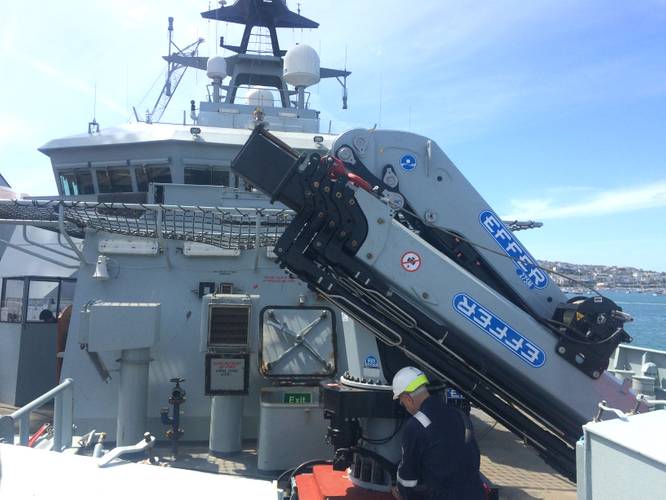
- Wire-rope wear, reeving damage or poor spooling causes broken wires, flattening, vibration or uneven hoisting
- Hydraulic leakage, pump wear or valve faults cause slow movements, drift or inability to achieve normal motion
- Brake or holding-valve deterioration causes load creep or poor holding
- Slew bearing, boom pin or structural wear causes abnormal play, noise or visible movement
- Limit-switch, load-monitoring or control faults cause alarms, blocked motions or unreliable protective functions
- Wire-rope wear, reeving damage or poor spooling causes broken wires, flattening, vibration or uneven hoisting
- Hydraulic leakage, pump wear or valve faults cause slow movements, drift or inability to achieve normal motion
- Brake or holding-valve deterioration causes load creep or poor holding
- Slew bearing, boom pin or structural wear causes abnormal play, noise or visible movement
- Limit-switch, load-monitoring or control faults cause alarms, blocked motions or unreliable protective functions
- Wire-rope wear, corrosion or poor spooling causes visible damage, crushing or irregular hoisting
- Hydraulic leakage or pump wear reduces motion speed and can cause pressure loss or uncontrolled drift
- Brake wear or maladjustment causes load creep, poor holding or abnormal stopping distance
- Limit switch, overload or control faults cause nuisance trips or loss of protective functions
- Bearing, slew-ring or structural wear produces play, noise, vibration or abnormal movement under load
- Wire-rope wear, corrosion or poor spooling causes visible damage, crushing or irregular hoisting
- Hydraulic leakage or pump wear reduces motion speed and can cause pressure loss or uncontrolled drift
- Brake wear or maladjustment causes load creep, poor holding or abnormal stopping distance
- Limit switch, overload or control faults cause nuisance trips or loss of protective functions
- Bearing, slew-ring or structural wear produces play, noise, vibration or abnormal movement under load
- Area: Hydraulic System DegradationCheck: Inspect hydraulic oil condition, filter cleanliness, and magnetic chip accumulation in oil filters; verify oil pressure at rated operations and check all hoses/cylinders for leaks, cracks, or abrasion damage
- Area: Brake and Friction Device WearCheck: Measure brake band tension and lining thickness for band brakes; inspect disk brake clearance and lining contact for contamination with oil or moisture; verify emergency stop functionality and brake holding capacity under load
- Area: Wire Rope DegradationCheck: Visually inspect wire rope for broken strands, corrosion, kinking, bird-caging, or reduction in diameter; verify certification documents for all wire ropes (installed and spare); confirm maintenance records document installation date and condition checks
- Area: Load Moment Limiting and Safety Device MalfunctionCheck: Test load moment limiting device to verify it stops crane operation when capacity is exceeded; check sea state safety selection device functionality; verify hook load cell displays reading accurately; perform anti-two-block system test
- Area: Structural Corrosion in Marine EnvironmentCheck: Inspect nickel chrome-plated cylinder rods and pins for corrosion, pitting, or coating loss; assess marine paint cataphoresis system integrity and coating adhesion; check sacrificial deck plates for erosion; verify deck mounting bolts for corrosion and proper torque
Typ-universelle Inspektionspunkte fuer Deck Cranes (verifiziert, 2026-06).
- Area: Hydraulic System DegradationCheck: Inspect hydraulic oil condition, filter cleanliness, and magnetic chip accumulation in oil filters; verify oil pressure at rated operations and check all hoses/cylinders for leaks, cracks, or abrasion damage
- Area: Brake and Friction Device WearCheck: Measure brake band tension and lining thickness for band brakes; inspect disk brake clearance and lining contact for contamination with oil or moisture; verify emergency stop functionality and brake holding capacity under load
- Area: Wire Rope DegradationCheck: Visually inspect wire rope for broken strands, corrosion, kinking, bird-caging, or reduction in diameter; verify certification documents for all wire ropes (installed and spare); confirm maintenance records document installation date and condition checks
- Area: Load Moment Limiting and Safety Device MalfunctionCheck: Test load moment limiting device to verify it stops crane operation when capacity is exceeded; check sea state safety selection device functionality; verify hook load cell displays reading accurately; perform anti-two-block system test
- Area: Structural Corrosion in Marine EnvironmentCheck: Inspect nickel chrome-plated cylinder rods and pins for corrosion, pitting, or coating loss; assess marine paint cataphoresis system integrity and coating adhesion; check sacrificial deck plates for erosion; verify deck mounting bolts for corrosion and proper torque
Typ-universelle Inspektionspunkte fuer Deck Cranes (verifiziert, 2026-06).
- Area: Hydraulic System DegradationCheck: Inspect hydraulic oil condition, filter cleanliness, and magnetic chip accumulation in oil filters; verify oil pressure at rated operations and check all hoses/cylinders for leaks, cracks, or abrasion damage
- Area: Brake and Friction Device WearCheck: Measure brake band tension and lining thickness for band brakes; inspect disk brake clearance and lining contact for contamination with oil or moisture; verify emergency stop functionality and brake holding capacity under load
- Area: Wire Rope DegradationCheck: Visually inspect wire rope for broken strands, corrosion, kinking, bird-caging, or reduction in diameter; verify certification documents for all wire ropes (installed and spare); confirm maintenance records document installation date and condition checks
- Area: Load Moment Limiting and Safety Device MalfunctionCheck: Test load moment limiting device to verify it stops crane operation when capacity is exceeded; check sea state safety selection device functionality; verify hook load cell displays reading accurately; perform anti-two-block system test
- Area: Structural Corrosion in Marine EnvironmentCheck: Inspect nickel chrome-plated cylinder rods and pins for corrosion, pitting, or coating loss; assess marine paint cataphoresis system integrity and coating adhesion; check sacrificial deck plates for erosion; verify deck mounting bolts for corrosion and proper torque
Typ-universelle Inspektionspunkte fuer Deck Cranes (verifiziert, 2026-06).
- Area: Hydraulic System DegradationCheck: Inspect hydraulic oil condition, filter cleanliness, and magnetic chip accumulation in oil filters; verify oil pressure at rated operations and check all hoses/cylinders for leaks, cracks, or abrasion damage
- Area: Brake and Friction Device WearCheck: Measure brake band tension and lining thickness for band brakes; inspect disk brake clearance and lining contact for contamination with oil or moisture; verify emergency stop functionality and brake holding capacity under load
- Area: Wire Rope DegradationCheck: Visually inspect wire rope for broken strands, corrosion, kinking, bird-caging, or reduction in diameter; verify certification documents for all wire ropes (installed and spare); confirm maintenance records document installation date and condition checks
- Area: Load Moment Limiting and Safety Device MalfunctionCheck: Test load moment limiting device to verify it stops crane operation when capacity is exceeded; check sea state safety selection device functionality; verify hook load cell displays reading accurately; perform anti-two-block system test
- Area: Structural Corrosion in Marine EnvironmentCheck: Inspect nickel chrome-plated cylinder rods and pins for corrosion, pitting, or coating loss; assess marine paint cataphoresis system integrity and coating adhesion; check sacrificial deck plates for erosion; verify deck mounting bolts for corrosion and proper torque
Typ-universelle Inspektionspunkte fuer Deck Cranes (verifiziert, 2026-06).
- Area: Hydraulic System DegradationCheck: Inspect hydraulic oil condition, filter cleanliness, and magnetic chip accumulation in oil filters; verify oil pressure at rated operations and check all hoses/cylinders for leaks, cracks, or abrasion damage
- Area: Brake and Friction Device WearCheck: Measure brake band tension and lining thickness for band brakes; inspect disk brake clearance and lining contact for contamination with oil or moisture; verify emergency stop functionality and brake holding capacity under load
- Area: Wire Rope DegradationCheck: Visually inspect wire rope for broken strands, corrosion, kinking, bird-caging, or reduction in diameter; verify certification documents for all wire ropes (installed and spare); confirm maintenance records document installation date and condition checks
- Area: Load Moment Limiting and Safety Device MalfunctionCheck: Test load moment limiting device to verify it stops crane operation when capacity is exceeded; check sea state safety selection device functionality; verify hook load cell displays reading accurately; perform anti-two-block system test
- Area: Structural Corrosion in Marine EnvironmentCheck: Inspect nickel chrome-plated cylinder rods and pins for corrosion, pitting, or coating loss; assess marine paint cataphoresis system integrity and coating adhesion; check sacrificial deck plates for erosion; verify deck mounting bolts for corrosion and proper torque
Typ-universelle Inspektionspunkte fuer Deck Cranes (verifiziert, 2026-06).
- Area: Hydraulic System DegradationCheck: Inspect hydraulic oil condition, filter cleanliness, and magnetic chip accumulation in oil filters; verify oil pressure at rated operations and check all hoses/cylinders for leaks, cracks, or abrasion damage
- Area: Brake and Friction Device WearCheck: Measure brake band tension and lining thickness for band brakes; inspect disk brake clearance and lining contact for contamination with oil or moisture; verify emergency stop functionality and brake holding capacity under load
- Area: Wire Rope DegradationCheck: Visually inspect wire rope for broken strands, corrosion, kinking, bird-caging, or reduction in diameter; verify certification documents for all wire ropes (installed and spare); confirm maintenance records document installation date and condition checks
- Area: Load Moment Limiting and Safety Device MalfunctionCheck: Test load moment limiting device to verify it stops crane operation when capacity is exceeded; check sea state safety selection device functionality; verify hook load cell displays reading accurately; perform anti-two-block system test
- Area: Structural Corrosion in Marine EnvironmentCheck: Inspect nickel chrome-plated cylinder rods and pins for corrosion, pitting, or coating loss; assess marine paint cataphoresis system integrity and coating adhesion; check sacrificial deck plates for erosion; verify deck mounting bolts for corrosion and proper torque
Typ-universelle Inspektionspunkte fuer Deck Cranes (verifiziert, 2026-06).
- Area: Hydraulic System DegradationCheck: Inspect hydraulic oil condition, filter cleanliness, and magnetic chip accumulation in oil filters; verify oil pressure at rated operations and check all hoses/cylinders for leaks, cracks, or abrasion damage
- Area: Brake and Friction Device WearCheck: Measure brake band tension and lining thickness for band brakes; inspect disk brake clearance and lining contact for contamination with oil or moisture; verify emergency stop functionality and brake holding capacity under load
- Area: Wire Rope DegradationCheck: Visually inspect wire rope for broken strands, corrosion, kinking, bird-caging, or reduction in diameter; verify certification documents for all wire ropes (installed and spare); confirm maintenance records document installation date and condition checks
- Area: Load Moment Limiting and Safety Device MalfunctionCheck: Test load moment limiting device to verify it stops crane operation when capacity is exceeded; check sea state safety selection device functionality; verify hook load cell displays reading accurately; perform anti-two-block system test
- Area: Structural Corrosion in Marine EnvironmentCheck: Inspect nickel chrome-plated cylinder rods and pins for corrosion, pitting, or coating loss; assess marine paint cataphoresis system integrity and coating adhesion; check sacrificial deck plates for erosion; verify deck mounting bolts for corrosion and proper torque
Typ-universelle Inspektionspunkte fuer Deck Cranes (verifiziert, 2026-06).
- Area: Hydraulic System DegradationCheck: Inspect hydraulic oil condition, filter cleanliness, and magnetic chip accumulation in oil filters; verify oil pressure at rated operations and check all hoses/cylinders for leaks, cracks, or abrasion damage
- Area: Brake and Friction Device WearCheck: Measure brake band tension and lining thickness for band brakes; inspect disk brake clearance and lining contact for contamination with oil or moisture; verify emergency stop functionality and brake holding capacity under load
- Area: Wire Rope DegradationCheck: Visually inspect wire rope for broken strands, corrosion, kinking, bird-caging, or reduction in diameter; verify certification documents for all wire ropes (installed and spare); confirm maintenance records document installation date and condition checks
- Area: Load Moment Limiting and Safety Device MalfunctionCheck: Test load moment limiting device to verify it stops crane operation when capacity is exceeded; check sea state safety selection device functionality; verify hook load cell displays reading accurately; perform anti-two-block system test
- Area: Structural Corrosion in Marine EnvironmentCheck: Inspect nickel chrome-plated cylinder rods and pins for corrosion, pitting, or coating loss; assess marine paint cataphoresis system integrity and coating adhesion; check sacrificial deck plates for erosion; verify deck mounting bolts for corrosion and proper torque
Typ-universelle Inspektionspunkte fuer Deck Cranes (verifiziert, 2026-06).
- Area: Hydraulic System DegradationCheck: Inspect hydraulic oil condition, filter cleanliness, and magnetic chip accumulation in oil filters; verify oil pressure at rated operations and check all hoses/cylinders for leaks, cracks, or abrasion damage
- Area: Brake and Friction Device WearCheck: Measure brake band tension and lining thickness for band brakes; inspect disk brake clearance and lining contact for contamination with oil or moisture; verify emergency stop functionality and brake holding capacity under load
- Area: Wire Rope DegradationCheck: Visually inspect wire rope for broken strands, corrosion, kinking, bird-caging, or reduction in diameter; verify certification documents for all wire ropes (installed and spare); confirm maintenance records document installation date and condition checks
- Area: Load Moment Limiting and Safety Device MalfunctionCheck: Test load moment limiting device to verify it stops crane operation when capacity is exceeded; check sea state safety selection device functionality; verify hook load cell displays reading accurately; perform anti-two-block system test
- Area: Structural Corrosion in Marine EnvironmentCheck: Inspect nickel chrome-plated cylinder rods and pins for corrosion, pitting, or coating loss; assess marine paint cataphoresis system integrity and coating adhesion; check sacrificial deck plates for erosion; verify deck mounting bolts for corrosion and proper torque
Typ-universelle Inspektionspunkte fuer Deck Cranes (verifiziert, 2026-06).
- Area: Hydraulic System DegradationCheck: Inspect hydraulic oil condition, filter cleanliness, and magnetic chip accumulation in oil filters; verify oil pressure at rated operations and check all hoses/cylinders for leaks, cracks, or abrasion damage
- Area: Brake and Friction Device WearCheck: Measure brake band tension and lining thickness for band brakes; inspect disk brake clearance and lining contact for contamination with oil or moisture; verify emergency stop functionality and brake holding capacity under load
- Area: Wire Rope DegradationCheck: Visually inspect wire rope for broken strands, corrosion, kinking, bird-caging, or reduction in diameter; verify certification documents for all wire ropes (installed and spare); confirm maintenance records document installation date and condition checks
- Area: Load Moment Limiting and Safety Device MalfunctionCheck: Test load moment limiting device to verify it stops crane operation when capacity is exceeded; check sea state safety selection device functionality; verify hook load cell displays reading accurately; perform anti-two-block system test
- Area: Structural Corrosion in Marine EnvironmentCheck: Inspect nickel chrome-plated cylinder rods and pins for corrosion, pitting, or coating loss; assess marine paint cataphoresis system integrity and coating adhesion; check sacrificial deck plates for erosion; verify deck mounting bolts for corrosion and proper torque
Typ-universelle Inspektionspunkte fuer Deck Cranes (verifiziert, 2026-06).
- Area: Hydraulic System DegradationCheck: Inspect hydraulic oil condition, filter cleanliness, and magnetic chip accumulation in oil filters; verify oil pressure at rated operations and check all hoses/cylinders for leaks, cracks, or abrasion damage
- Area: Brake and Friction Device WearCheck: Measure brake band tension and lining thickness for band brakes; inspect disk brake clearance and lining contact for contamination with oil or moisture; verify emergency stop functionality and brake holding capacity under load
- Area: Wire Rope DegradationCheck: Visually inspect wire rope for broken strands, corrosion, kinking, bird-caging, or reduction in diameter; verify certification documents for all wire ropes (installed and spare); confirm maintenance records document installation date and condition checks
- Area: Load Moment Limiting and Safety Device MalfunctionCheck: Test load moment limiting device to verify it stops crane operation when capacity is exceeded; check sea state safety selection device functionality; verify hook load cell displays reading accurately; perform anti-two-block system test
- Area: Structural Corrosion in Marine EnvironmentCheck: Inspect nickel chrome-plated cylinder rods and pins for corrosion, pitting, or coating loss; assess marine paint cataphoresis system integrity and coating adhesion; check sacrificial deck plates for erosion; verify deck mounting bolts for corrosion and proper torque
Typ-universelle Inspektionspunkte fuer Deck Cranes (verifiziert, 2026-06).
- Area: Hydraulic System DegradationCheck: Inspect hydraulic oil condition, filter cleanliness, and magnetic chip accumulation in oil filters; verify oil pressure at rated operations and check all hoses/cylinders for leaks, cracks, or abrasion damage
- Area: Brake and Friction Device WearCheck: Measure brake band tension and lining thickness for band brakes; inspect disk brake clearance and lining contact for contamination with oil or moisture; verify emergency stop functionality and brake holding capacity under load
- Area: Wire Rope DegradationCheck: Visually inspect wire rope for broken strands, corrosion, kinking, bird-caging, or reduction in diameter; verify certification documents for all wire ropes (installed and spare); confirm maintenance records document installation date and condition checks
- Area: Load Moment Limiting and Safety Device MalfunctionCheck: Test load moment limiting device to verify it stops crane operation when capacity is exceeded; check sea state safety selection device functionality; verify hook load cell displays reading accurately; perform anti-two-block system test
- Area: Structural Corrosion in Marine EnvironmentCheck: Inspect nickel chrome-plated cylinder rods and pins for corrosion, pitting, or coating loss; assess marine paint cataphoresis system integrity and coating adhesion; check sacrificial deck plates for erosion; verify deck mounting bolts for corrosion and proper torque
Typ-universelle Inspektionspunkte fuer Deck Cranes (verifiziert, 2026-06).
- Area: Hydraulic System DegradationCheck: Inspect hydraulic oil condition, filter cleanliness, and magnetic chip accumulation in oil filters; verify oil pressure at rated operations and check all hoses/cylinders for leaks, cracks, or abrasion damage
- Area: Brake and Friction Device WearCheck: Measure brake band tension and lining thickness for band brakes; inspect disk brake clearance and lining contact for contamination with oil or moisture; verify emergency stop functionality and brake holding capacity under load
- Area: Wire Rope DegradationCheck: Visually inspect wire rope for broken strands, corrosion, kinking, bird-caging, or reduction in diameter; verify certification documents for all wire ropes (installed and spare); confirm maintenance records document installation date and condition checks
- Area: Load Moment Limiting and Safety Device MalfunctionCheck: Test load moment limiting device to verify it stops crane operation when capacity is exceeded; check sea state safety selection device functionality; verify hook load cell displays reading accurately; perform anti-two-block system test
- Area: Structural Corrosion in Marine EnvironmentCheck: Inspect nickel chrome-plated cylinder rods and pins for corrosion, pitting, or coating loss; assess marine paint cataphoresis system integrity and coating adhesion; check sacrificial deck plates for erosion; verify deck mounting bolts for corrosion and proper torque
Typ-universelle Inspektionspunkte fuer Deck Cranes (verifiziert, 2026-06).
- Area: Hydraulic System DegradationCheck: Inspect hydraulic oil condition, filter cleanliness, and magnetic chip accumulation in oil filters; verify oil pressure at rated operations and check all hoses/cylinders for leaks, cracks, or abrasion damage
- Area: Brake and Friction Device WearCheck: Measure brake band tension and lining thickness for band brakes; inspect disk brake clearance and lining contact for contamination with oil or moisture; verify emergency stop functionality and brake holding capacity under load
- Area: Wire Rope DegradationCheck: Visually inspect wire rope for broken strands, corrosion, kinking, bird-caging, or reduction in diameter; verify certification documents for all wire ropes (installed and spare); confirm maintenance records document installation date and condition checks
- Area: Load Moment Limiting and Safety Device MalfunctionCheck: Test load moment limiting device to verify it stops crane operation when capacity is exceeded; check sea state safety selection device functionality; verify hook load cell displays reading accurately; perform anti-two-block system test
- Area: Structural Corrosion in Marine EnvironmentCheck: Inspect nickel chrome-plated cylinder rods and pins for corrosion, pitting, or coating loss; assess marine paint cataphoresis system integrity and coating adhesion; check sacrificial deck plates for erosion; verify deck mounting bolts for corrosion and proper torque
Typ-universelle Inspektionspunkte fuer Deck Cranes (verifiziert, 2026-06).
- Area: Hydraulic System DegradationCheck: Inspect hydraulic oil condition, filter cleanliness, and magnetic chip accumulation in oil filters; verify oil pressure at rated operations and check all hoses/cylinders for leaks, cracks, or abrasion damage
- Area: Brake and Friction Device WearCheck: Measure brake band tension and lining thickness for band brakes; inspect disk brake clearance and lining contact for contamination with oil or moisture; verify emergency stop functionality and brake holding capacity under load
- Area: Wire Rope DegradationCheck: Visually inspect wire rope for broken strands, corrosion, kinking, bird-caging, or reduction in diameter; verify certification documents for all wire ropes (installed and spare); confirm maintenance records document installation date and condition checks
- Area: Load Moment Limiting and Safety Device MalfunctionCheck: Test load moment limiting device to verify it stops crane operation when capacity is exceeded; check sea state safety selection device functionality; verify hook load cell displays reading accurately; perform anti-two-block system test
- Area: Structural Corrosion in Marine EnvironmentCheck: Inspect nickel chrome-plated cylinder rods and pins for corrosion, pitting, or coating loss; assess marine paint cataphoresis system integrity and coating adhesion; check sacrificial deck plates for erosion; verify deck mounting bolts for corrosion and proper torque
Typ-universelle Inspektionspunkte fuer Deck Cranes (verifiziert, 2026-06).
- Area: Hydraulic System DegradationCheck: Inspect hydraulic oil condition, filter cleanliness, and magnetic chip accumulation in oil filters; verify oil pressure at rated operations and check all hoses/cylinders for leaks, cracks, or abrasion damage
- Area: Brake and Friction Device WearCheck: Measure brake band tension and lining thickness for band brakes; inspect disk brake clearance and lining contact for contamination with oil or moisture; verify emergency stop functionality and brake holding capacity under load
- Area: Wire Rope DegradationCheck: Visually inspect wire rope for broken strands, corrosion, kinking, bird-caging, or reduction in diameter; verify certification documents for all wire ropes (installed and spare); confirm maintenance records document installation date and condition checks
- Area: Load Moment Limiting and Safety Device MalfunctionCheck: Test load moment limiting device to verify it stops crane operation when capacity is exceeded; check sea state safety selection device functionality; verify hook load cell displays reading accurately; perform anti-two-block system test
- Area: Structural Corrosion in Marine EnvironmentCheck: Inspect nickel chrome-plated cylinder rods and pins for corrosion, pitting, or coating loss; assess marine paint cataphoresis system integrity and coating adhesion; check sacrificial deck plates for erosion; verify deck mounting bolts for corrosion and proper torque
Typ-universelle Inspektionspunkte fuer Deck Cranes (verifiziert, 2026-06).
- Area: Hydraulic System DegradationCheck: Inspect hydraulic oil condition, filter cleanliness, and magnetic chip accumulation in oil filters; verify oil pressure at rated operations and check all hoses/cylinders for leaks, cracks, or abrasion damage
- Area: Brake and Friction Device WearCheck: Measure brake band tension and lining thickness for band brakes; inspect disk brake clearance and lining contact for contamination with oil or moisture; verify emergency stop functionality and brake holding capacity under load
- Area: Wire Rope DegradationCheck: Visually inspect wire rope for broken strands, corrosion, kinking, bird-caging, or reduction in diameter; verify certification documents for all wire ropes (installed and spare); confirm maintenance records document installation date and condition checks
- Area: Load Moment Limiting and Safety Device MalfunctionCheck: Test load moment limiting device to verify it stops crane operation when capacity is exceeded; check sea state safety selection device functionality; verify hook load cell displays reading accurately; perform anti-two-block system test
- Area: Structural Corrosion in Marine EnvironmentCheck: Inspect nickel chrome-plated cylinder rods and pins for corrosion, pitting, or coating loss; assess marine paint cataphoresis system integrity and coating adhesion; check sacrificial deck plates for erosion; verify deck mounting bolts for corrosion and proper torque
Typ-universelle Inspektionspunkte fuer Deck Cranes (verifiziert, 2026-06).
- Area: Hydraulic System DegradationCheck: Inspect hydraulic oil condition, filter cleanliness, and magnetic chip accumulation in oil filters; verify oil pressure at rated operations and check all hoses/cylinders for leaks, cracks, or abrasion damage
- Area: Brake and Friction Device WearCheck: Measure brake band tension and lining thickness for band brakes; inspect disk brake clearance and lining contact for contamination with oil or moisture; verify emergency stop functionality and brake holding capacity under load
- Area: Wire Rope DegradationCheck: Visually inspect wire rope for broken strands, corrosion, kinking, bird-caging, or reduction in diameter; verify certification documents for all wire ropes (installed and spare); confirm maintenance records document installation date and condition checks
- Area: Load Moment Limiting and Safety Device MalfunctionCheck: Test load moment limiting device to verify it stops crane operation when capacity is exceeded; check sea state safety selection device functionality; verify hook load cell displays reading accurately; perform anti-two-block system test
- Area: Structural Corrosion in Marine EnvironmentCheck: Inspect nickel chrome-plated cylinder rods and pins for corrosion, pitting, or coating loss; assess marine paint cataphoresis system integrity and coating adhesion; check sacrificial deck plates for erosion; verify deck mounting bolts for corrosion and proper torque
Typ-universelle Inspektionspunkte fuer Deck Cranes (verifiziert, 2026-06).
Huisman
27 ✓ 26 verified- Wire-rope, chain or reeving wear causes broken wires, poor spooling, vibration or uneven movement
- Hydraulic leakage, pump wear or electric-drive faults cause slow operation, drift or inability to complete a motion
- Brake, holding-valve or locking deterioration causes load creep or poor holding
- Pins, bearings, sheaves or structural joints develop play and are noticed as noise or abnormal movement
- Limit-switch, overload, interlock or control faults cause alarms, blocked motions or unreliable protection
- Compact mast design maximises deck space while delivering high lift capacity
- Integrated Crane Management System provides precise load control and safety monitoring
- Modular construction allows relatively easy installation, re‑configuration and maintenance
- Optimised for offshore conditions – capable of operation in moderate sea states and harsh weather
- Overload protection and automatic load‑moment monitoring enhance crew safety
- Historical issues with main bearing preload loss require regular inspection and preventive maintenance
- CMS software faults have been reported, potentially leading to downtime if not promptly updated
- Wire‑rope fleet angle sensitivity can limit operational envelope on heavily inclined decks
- Higher lifecycle cost compared with simpler deck cranes due to sophisticated electronics
- Requires a robust deck structure; not suitable for smaller vessels with limited load‑bearing capacity
- Area: Slew Bearing Degradation - tooth wear, raceway pitting, bolt looseness, and inadequate lubrication leading to compromised slewing accuracy and structural integrCheck: Visual inspection for tooth wear and pitting; measure bolt elongation; perform grease sampling on large cranes; assess lubrication condition at specified intervals
- Area: Wire Rope Deterioration - broken wires, internal/external corrosion (accelerated in marine environment), diameter loss, and lubrication degradation affecting loCheck: Count broken wires per ISO 4309; measure rope diameter loss; inspect for external and internal corrosion; verify lubrication status; conduct magnetic testing for internal wire degradation
- Area: Load Hook Failure - cracks, deformation, wear exceeding 10% of original dimension, latch malfunction, and structural fatigue under cyclic loadingCheck: Visually inspect for cracks and deformation; measure wear at dangerous section (throat) against original dimensions; check safety latch engagement and clearance
- Area: Structural Boom/Frame Integrity - cracks, deformation, corrosion in main structural components (boom, pedestal, A-frame) reducing load-bearing capacity and safeCheck: Visual inspection for cracks and deformation on boom and frame; assess corrosion extent; verify structural alignment and clearances; conduct non-destructive testing (NDT) on high-stress areas
- Area: Electrical/Hydraulic System Failures - fluid contamination, seal degradation, pressure loss, control system malfunction, and cable insulation breakdown compromiCheck: Test hydraulic fluid for contamination and viscosity; inspect seals for degradation; verify system pressure and response; test electrical controls; inspect cable insulation and connections
Typ-universelle Inspektionspunkte fuer Deck Cranes (verifiziert, 2026-06).
- Area: Slew Bearing Degradation - tooth wear, raceway pitting, bolt looseness, and inadequate lubrication leading to compromised slewing accuracy and structural integrCheck: Visual inspection for tooth wear and pitting; measure bolt elongation; perform grease sampling on large cranes; assess lubrication condition at specified intervals
- Area: Wire Rope Deterioration - broken wires, internal/external corrosion (accelerated in marine environment), diameter loss, and lubrication degradation affecting loCheck: Count broken wires per ISO 4309; measure rope diameter loss; inspect for external and internal corrosion; verify lubrication status; conduct magnetic testing for internal wire degradation
- Area: Load Hook Failure - cracks, deformation, wear exceeding 10% of original dimension, latch malfunction, and structural fatigue under cyclic loadingCheck: Visually inspect for cracks and deformation; measure wear at dangerous section (throat) against original dimensions; check safety latch engagement and clearance
- Area: Structural Boom/Frame Integrity - cracks, deformation, corrosion in main structural components (boom, pedestal, A-frame) reducing load-bearing capacity and safeCheck: Visual inspection for cracks and deformation on boom and frame; assess corrosion extent; verify structural alignment and clearances; conduct non-destructive testing (NDT) on high-stress areas
- Area: Electrical/Hydraulic System Failures - fluid contamination, seal degradation, pressure loss, control system malfunction, and cable insulation breakdown compromiCheck: Test hydraulic fluid for contamination and viscosity; inspect seals for degradation; verify system pressure and response; test electrical controls; inspect cable insulation and connections
Typ-universelle Inspektionspunkte fuer Deck Cranes (verifiziert, 2026-06).
- Area: Slew Bearing Degradation - tooth wear, raceway pitting, bolt looseness, and inadequate lubrication leading to compromised slewing accuracy and structural integrCheck: Visual inspection for tooth wear and pitting; measure bolt elongation; perform grease sampling on large cranes; assess lubrication condition at specified intervals
- Area: Wire Rope Deterioration - broken wires, internal/external corrosion (accelerated in marine environment), diameter loss, and lubrication degradation affecting loCheck: Count broken wires per ISO 4309; measure rope diameter loss; inspect for external and internal corrosion; verify lubrication status; conduct magnetic testing for internal wire degradation
- Area: Load Hook Failure - cracks, deformation, wear exceeding 10% of original dimension, latch malfunction, and structural fatigue under cyclic loadingCheck: Visually inspect for cracks and deformation; measure wear at dangerous section (throat) against original dimensions; check safety latch engagement and clearance
- Area: Structural Boom/Frame Integrity - cracks, deformation, corrosion in main structural components (boom, pedestal, A-frame) reducing load-bearing capacity and safeCheck: Visual inspection for cracks and deformation on boom and frame; assess corrosion extent; verify structural alignment and clearances; conduct non-destructive testing (NDT) on high-stress areas
- Area: Electrical/Hydraulic System Failures - fluid contamination, seal degradation, pressure loss, control system malfunction, and cable insulation breakdown compromiCheck: Test hydraulic fluid for contamination and viscosity; inspect seals for degradation; verify system pressure and response; test electrical controls; inspect cable insulation and connections
Typ-universelle Inspektionspunkte fuer Deck Cranes (verifiziert, 2026-06).
- Area: Slew Bearing Degradation - tooth wear, raceway pitting, bolt looseness, and inadequate lubrication leading to compromised slewing accuracy and structural integrCheck: Visual inspection for tooth wear and pitting; measure bolt elongation; perform grease sampling on large cranes; assess lubrication condition at specified intervals
- Area: Wire Rope Deterioration - broken wires, internal/external corrosion (accelerated in marine environment), diameter loss, and lubrication degradation affecting loCheck: Count broken wires per ISO 4309; measure rope diameter loss; inspect for external and internal corrosion; verify lubrication status; conduct magnetic testing for internal wire degradation
- Area: Load Hook Failure - cracks, deformation, wear exceeding 10% of original dimension, latch malfunction, and structural fatigue under cyclic loadingCheck: Visually inspect for cracks and deformation; measure wear at dangerous section (throat) against original dimensions; check safety latch engagement and clearance
- Area: Structural Boom/Frame Integrity - cracks, deformation, corrosion in main structural components (boom, pedestal, A-frame) reducing load-bearing capacity and safeCheck: Visual inspection for cracks and deformation on boom and frame; assess corrosion extent; verify structural alignment and clearances; conduct non-destructive testing (NDT) on high-stress areas
- Area: Electrical/Hydraulic System Failures - fluid contamination, seal degradation, pressure loss, control system malfunction, and cable insulation breakdown compromiCheck: Test hydraulic fluid for contamination and viscosity; inspect seals for degradation; verify system pressure and response; test electrical controls; inspect cable insulation and connections
Typ-universelle Inspektionspunkte fuer Deck Cranes (verifiziert, 2026-06).
- Area: Slew Bearing Degradation - tooth wear, raceway pitting, bolt looseness, and inadequate lubrication leading to compromised slewing accuracy and structural integrCheck: Visual inspection for tooth wear and pitting; measure bolt elongation; perform grease sampling on large cranes; assess lubrication condition at specified intervals
- Area: Wire Rope Deterioration - broken wires, internal/external corrosion (accelerated in marine environment), diameter loss, and lubrication degradation affecting loCheck: Count broken wires per ISO 4309; measure rope diameter loss; inspect for external and internal corrosion; verify lubrication status; conduct magnetic testing for internal wire degradation
- Area: Load Hook Failure - cracks, deformation, wear exceeding 10% of original dimension, latch malfunction, and structural fatigue under cyclic loadingCheck: Visually inspect for cracks and deformation; measure wear at dangerous section (throat) against original dimensions; check safety latch engagement and clearance
- Area: Structural Boom/Frame Integrity - cracks, deformation, corrosion in main structural components (boom, pedestal, A-frame) reducing load-bearing capacity and safeCheck: Visual inspection for cracks and deformation on boom and frame; assess corrosion extent; verify structural alignment and clearances; conduct non-destructive testing (NDT) on high-stress areas
- Area: Electrical/Hydraulic System Failures - fluid contamination, seal degradation, pressure loss, control system malfunction, and cable insulation breakdown compromiCheck: Test hydraulic fluid for contamination and viscosity; inspect seals for degradation; verify system pressure and response; test electrical controls; inspect cable insulation and connections
Typ-universelle Inspektionspunkte fuer Deck Cranes (verifiziert, 2026-06).
- Area: Slew Bearing Degradation - tooth wear, raceway pitting, bolt looseness, and inadequate lubrication leading to compromised slewing accuracy and structural integrCheck: Visual inspection for tooth wear and pitting; measure bolt elongation; perform grease sampling on large cranes; assess lubrication condition at specified intervals
- Area: Wire Rope Deterioration - broken wires, internal/external corrosion (accelerated in marine environment), diameter loss, and lubrication degradation affecting loCheck: Count broken wires per ISO 4309; measure rope diameter loss; inspect for external and internal corrosion; verify lubrication status; conduct magnetic testing for internal wire degradation
- Area: Load Hook Failure - cracks, deformation, wear exceeding 10% of original dimension, latch malfunction, and structural fatigue under cyclic loadingCheck: Visually inspect for cracks and deformation; measure wear at dangerous section (throat) against original dimensions; check safety latch engagement and clearance
- Area: Structural Boom/Frame Integrity - cracks, deformation, corrosion in main structural components (boom, pedestal, A-frame) reducing load-bearing capacity and safeCheck: Visual inspection for cracks and deformation on boom and frame; assess corrosion extent; verify structural alignment and clearances; conduct non-destructive testing (NDT) on high-stress areas
- Area: Electrical/Hydraulic System Failures - fluid contamination, seal degradation, pressure loss, control system malfunction, and cable insulation breakdown compromiCheck: Test hydraulic fluid for contamination and viscosity; inspect seals for degradation; verify system pressure and response; test electrical controls; inspect cable insulation and connections
Typ-universelle Inspektionspunkte fuer Deck Cranes (verifiziert, 2026-06).
- Area: Slew Bearing Degradation - tooth wear, raceway pitting, bolt looseness, and inadequate lubrication leading to compromised slewing accuracy and structural integrCheck: Visual inspection for tooth wear and pitting; measure bolt elongation; perform grease sampling on large cranes; assess lubrication condition at specified intervals
- Area: Wire Rope Deterioration - broken wires, internal/external corrosion (accelerated in marine environment), diameter loss, and lubrication degradation affecting loCheck: Count broken wires per ISO 4309; measure rope diameter loss; inspect for external and internal corrosion; verify lubrication status; conduct magnetic testing for internal wire degradation
- Area: Load Hook Failure - cracks, deformation, wear exceeding 10% of original dimension, latch malfunction, and structural fatigue under cyclic loadingCheck: Visually inspect for cracks and deformation; measure wear at dangerous section (throat) against original dimensions; check safety latch engagement and clearance
- Area: Structural Boom/Frame Integrity - cracks, deformation, corrosion in main structural components (boom, pedestal, A-frame) reducing load-bearing capacity and safeCheck: Visual inspection for cracks and deformation on boom and frame; assess corrosion extent; verify structural alignment and clearances; conduct non-destructive testing (NDT) on high-stress areas
- Area: Electrical/Hydraulic System Failures - fluid contamination, seal degradation, pressure loss, control system malfunction, and cable insulation breakdown compromiCheck: Test hydraulic fluid for contamination and viscosity; inspect seals for degradation; verify system pressure and response; test electrical controls; inspect cable insulation and connections
Typ-universelle Inspektionspunkte fuer Deck Cranes (verifiziert, 2026-06).
- Area: Slew Bearing Degradation - tooth wear, raceway pitting, bolt looseness, and inadequate lubrication leading to compromised slewing accuracy and structural integrCheck: Visual inspection for tooth wear and pitting; measure bolt elongation; perform grease sampling on large cranes; assess lubrication condition at specified intervals
- Area: Wire Rope Deterioration - broken wires, internal/external corrosion (accelerated in marine environment), diameter loss, and lubrication degradation affecting loCheck: Count broken wires per ISO 4309; measure rope diameter loss; inspect for external and internal corrosion; verify lubrication status; conduct magnetic testing for internal wire degradation
- Area: Load Hook Failure - cracks, deformation, wear exceeding 10% of original dimension, latch malfunction, and structural fatigue under cyclic loadingCheck: Visually inspect for cracks and deformation; measure wear at dangerous section (throat) against original dimensions; check safety latch engagement and clearance
- Area: Structural Boom/Frame Integrity - cracks, deformation, corrosion in main structural components (boom, pedestal, A-frame) reducing load-bearing capacity and safeCheck: Visual inspection for cracks and deformation on boom and frame; assess corrosion extent; verify structural alignment and clearances; conduct non-destructive testing (NDT) on high-stress areas
- Area: Electrical/Hydraulic System Failures - fluid contamination, seal degradation, pressure loss, control system malfunction, and cable insulation breakdown compromiCheck: Test hydraulic fluid for contamination and viscosity; inspect seals for degradation; verify system pressure and response; test electrical controls; inspect cable insulation and connections
Typ-universelle Inspektionspunkte fuer Deck Cranes (verifiziert, 2026-06).
- Area: Slew Bearing Degradation - tooth wear, raceway pitting, bolt looseness, and inadequate lubrication leading to compromised slewing accuracy and structural integrCheck: Visual inspection for tooth wear and pitting; measure bolt elongation; perform grease sampling on large cranes; assess lubrication condition at specified intervals
- Area: Wire Rope Deterioration - broken wires, internal/external corrosion (accelerated in marine environment), diameter loss, and lubrication degradation affecting loCheck: Count broken wires per ISO 4309; measure rope diameter loss; inspect for external and internal corrosion; verify lubrication status; conduct magnetic testing for internal wire degradation
- Area: Load Hook Failure - cracks, deformation, wear exceeding 10% of original dimension, latch malfunction, and structural fatigue under cyclic loadingCheck: Visually inspect for cracks and deformation; measure wear at dangerous section (throat) against original dimensions; check safety latch engagement and clearance
- Area: Structural Boom/Frame Integrity - cracks, deformation, corrosion in main structural components (boom, pedestal, A-frame) reducing load-bearing capacity and safeCheck: Visual inspection for cracks and deformation on boom and frame; assess corrosion extent; verify structural alignment and clearances; conduct non-destructive testing (NDT) on high-stress areas
- Area: Electrical/Hydraulic System Failures - fluid contamination, seal degradation, pressure loss, control system malfunction, and cable insulation breakdown compromiCheck: Test hydraulic fluid for contamination and viscosity; inspect seals for degradation; verify system pressure and response; test electrical controls; inspect cable insulation and connections
Typ-universelle Inspektionspunkte fuer Deck Cranes (verifiziert, 2026-06).
- Area: Slew Bearing Degradation - tooth wear, raceway pitting, bolt looseness, and inadequate lubrication leading to compromised slewing accuracy and structural integrCheck: Visual inspection for tooth wear and pitting; measure bolt elongation; perform grease sampling on large cranes; assess lubrication condition at specified intervals
- Area: Wire Rope Deterioration - broken wires, internal/external corrosion (accelerated in marine environment), diameter loss, and lubrication degradation affecting loCheck: Count broken wires per ISO 4309; measure rope diameter loss; inspect for external and internal corrosion; verify lubrication status; conduct magnetic testing for internal wire degradation
- Area: Load Hook Failure - cracks, deformation, wear exceeding 10% of original dimension, latch malfunction, and structural fatigue under cyclic loadingCheck: Visually inspect for cracks and deformation; measure wear at dangerous section (throat) against original dimensions; check safety latch engagement and clearance
- Area: Structural Boom/Frame Integrity - cracks, deformation, corrosion in main structural components (boom, pedestal, A-frame) reducing load-bearing capacity and safeCheck: Visual inspection for cracks and deformation on boom and frame; assess corrosion extent; verify structural alignment and clearances; conduct non-destructive testing (NDT) on high-stress areas
- Area: Electrical/Hydraulic System Failures - fluid contamination, seal degradation, pressure loss, control system malfunction, and cable insulation breakdown compromiCheck: Test hydraulic fluid for contamination and viscosity; inspect seals for degradation; verify system pressure and response; test electrical controls; inspect cable insulation and connections
Typ-universelle Inspektionspunkte fuer Deck Cranes (verifiziert, 2026-06).
- Area: Slew Bearing Degradation - tooth wear, raceway pitting, bolt looseness, and inadequate lubrication leading to compromised slewing accuracy and structural integrCheck: Visual inspection for tooth wear and pitting; measure bolt elongation; perform grease sampling on large cranes; assess lubrication condition at specified intervals
- Area: Wire Rope Deterioration - broken wires, internal/external corrosion (accelerated in marine environment), diameter loss, and lubrication degradation affecting loCheck: Count broken wires per ISO 4309; measure rope diameter loss; inspect for external and internal corrosion; verify lubrication status; conduct magnetic testing for internal wire degradation
- Area: Load Hook Failure - cracks, deformation, wear exceeding 10% of original dimension, latch malfunction, and structural fatigue under cyclic loadingCheck: Visually inspect for cracks and deformation; measure wear at dangerous section (throat) against original dimensions; check safety latch engagement and clearance
- Area: Structural Boom/Frame Integrity - cracks, deformation, corrosion in main structural components (boom, pedestal, A-frame) reducing load-bearing capacity and safeCheck: Visual inspection for cracks and deformation on boom and frame; assess corrosion extent; verify structural alignment and clearances; conduct non-destructive testing (NDT) on high-stress areas
- Area: Electrical/Hydraulic System Failures - fluid contamination, seal degradation, pressure loss, control system malfunction, and cable insulation breakdown compromiCheck: Test hydraulic fluid for contamination and viscosity; inspect seals for degradation; verify system pressure and response; test electrical controls; inspect cable insulation and connections
Typ-universelle Inspektionspunkte fuer Deck Cranes (verifiziert, 2026-06).
- Area: Slew Bearing Degradation - tooth wear, raceway pitting, bolt looseness, and inadequate lubrication leading to compromised slewing accuracy and structural integrCheck: Visual inspection for tooth wear and pitting; measure bolt elongation; perform grease sampling on large cranes; assess lubrication condition at specified intervals
- Area: Wire Rope Deterioration - broken wires, internal/external corrosion (accelerated in marine environment), diameter loss, and lubrication degradation affecting loCheck: Count broken wires per ISO 4309; measure rope diameter loss; inspect for external and internal corrosion; verify lubrication status; conduct magnetic testing for internal wire degradation
- Area: Load Hook Failure - cracks, deformation, wear exceeding 10% of original dimension, latch malfunction, and structural fatigue under cyclic loadingCheck: Visually inspect for cracks and deformation; measure wear at dangerous section (throat) against original dimensions; check safety latch engagement and clearance
- Area: Structural Boom/Frame Integrity - cracks, deformation, corrosion in main structural components (boom, pedestal, A-frame) reducing load-bearing capacity and safeCheck: Visual inspection for cracks and deformation on boom and frame; assess corrosion extent; verify structural alignment and clearances; conduct non-destructive testing (NDT) on high-stress areas
- Area: Electrical/Hydraulic System Failures - fluid contamination, seal degradation, pressure loss, control system malfunction, and cable insulation breakdown compromiCheck: Test hydraulic fluid for contamination and viscosity; inspect seals for degradation; verify system pressure and response; test electrical controls; inspect cable insulation and connections
Typ-universelle Inspektionspunkte fuer Deck Cranes (verifiziert, 2026-06).
- Area: Slew Bearing Degradation - tooth wear, raceway pitting, bolt looseness, and inadequate lubrication leading to compromised slewing accuracy and structural integrCheck: Visual inspection for tooth wear and pitting; measure bolt elongation; perform grease sampling on large cranes; assess lubrication condition at specified intervals
- Area: Wire Rope Deterioration - broken wires, internal/external corrosion (accelerated in marine environment), diameter loss, and lubrication degradation affecting loCheck: Count broken wires per ISO 4309; measure rope diameter loss; inspect for external and internal corrosion; verify lubrication status; conduct magnetic testing for internal wire degradation
- Area: Load Hook Failure - cracks, deformation, wear exceeding 10% of original dimension, latch malfunction, and structural fatigue under cyclic loadingCheck: Visually inspect for cracks and deformation; measure wear at dangerous section (throat) against original dimensions; check safety latch engagement and clearance
- Area: Structural Boom/Frame Integrity - cracks, deformation, corrosion in main structural components (boom, pedestal, A-frame) reducing load-bearing capacity and safeCheck: Visual inspection for cracks and deformation on boom and frame; assess corrosion extent; verify structural alignment and clearances; conduct non-destructive testing (NDT) on high-stress areas
- Area: Electrical/Hydraulic System Failures - fluid contamination, seal degradation, pressure loss, control system malfunction, and cable insulation breakdown compromiCheck: Test hydraulic fluid for contamination and viscosity; inspect seals for degradation; verify system pressure and response; test electrical controls; inspect cable insulation and connections
Typ-universelle Inspektionspunkte fuer Deck Cranes (verifiziert, 2026-06).
- Area: Slew Bearing Degradation - tooth wear, raceway pitting, bolt looseness, and inadequate lubrication leading to compromised slewing accuracy and structural integrCheck: Visual inspection for tooth wear and pitting; measure bolt elongation; perform grease sampling on large cranes; assess lubrication condition at specified intervals
- Area: Wire Rope Deterioration - broken wires, internal/external corrosion (accelerated in marine environment), diameter loss, and lubrication degradation affecting loCheck: Count broken wires per ISO 4309; measure rope diameter loss; inspect for external and internal corrosion; verify lubrication status; conduct magnetic testing for internal wire degradation
- Area: Load Hook Failure - cracks, deformation, wear exceeding 10% of original dimension, latch malfunction, and structural fatigue under cyclic loadingCheck: Visually inspect for cracks and deformation; measure wear at dangerous section (throat) against original dimensions; check safety latch engagement and clearance
- Area: Structural Boom/Frame Integrity - cracks, deformation, corrosion in main structural components (boom, pedestal, A-frame) reducing load-bearing capacity and safeCheck: Visual inspection for cracks and deformation on boom and frame; assess corrosion extent; verify structural alignment and clearances; conduct non-destructive testing (NDT) on high-stress areas
- Area: Electrical/Hydraulic System Failures - fluid contamination, seal degradation, pressure loss, control system malfunction, and cable insulation breakdown compromiCheck: Test hydraulic fluid for contamination and viscosity; inspect seals for degradation; verify system pressure and response; test electrical controls; inspect cable insulation and connections
Typ-universelle Inspektionspunkte fuer Deck Cranes (verifiziert, 2026-06).
- Area: Slew Bearing Degradation - tooth wear, raceway pitting, bolt looseness, and inadequate lubrication leading to compromised slewing accuracy and structural integrCheck: Visual inspection for tooth wear and pitting; measure bolt elongation; perform grease sampling on large cranes; assess lubrication condition at specified intervals
- Area: Wire Rope Deterioration - broken wires, internal/external corrosion (accelerated in marine environment), diameter loss, and lubrication degradation affecting loCheck: Count broken wires per ISO 4309; measure rope diameter loss; inspect for external and internal corrosion; verify lubrication status; conduct magnetic testing for internal wire degradation
- Area: Load Hook Failure - cracks, deformation, wear exceeding 10% of original dimension, latch malfunction, and structural fatigue under cyclic loadingCheck: Visually inspect for cracks and deformation; measure wear at dangerous section (throat) against original dimensions; check safety latch engagement and clearance
- Area: Structural Boom/Frame Integrity - cracks, deformation, corrosion in main structural components (boom, pedestal, A-frame) reducing load-bearing capacity and safeCheck: Visual inspection for cracks and deformation on boom and frame; assess corrosion extent; verify structural alignment and clearances; conduct non-destructive testing (NDT) on high-stress areas
- Area: Electrical/Hydraulic System Failures - fluid contamination, seal degradation, pressure loss, control system malfunction, and cable insulation breakdown compromiCheck: Test hydraulic fluid for contamination and viscosity; inspect seals for degradation; verify system pressure and response; test electrical controls; inspect cable insulation and connections
Typ-universelle Inspektionspunkte fuer Deck Cranes (verifiziert, 2026-06).
- Area: Slew Bearing Degradation - tooth wear, raceway pitting, bolt looseness, and inadequate lubrication leading to compromised slewing accuracy and structural integrCheck: Visual inspection for tooth wear and pitting; measure bolt elongation; perform grease sampling on large cranes; assess lubrication condition at specified intervals
- Area: Wire Rope Deterioration - broken wires, internal/external corrosion (accelerated in marine environment), diameter loss, and lubrication degradation affecting loCheck: Count broken wires per ISO 4309; measure rope diameter loss; inspect for external and internal corrosion; verify lubrication status; conduct magnetic testing for internal wire degradation
- Area: Load Hook Failure - cracks, deformation, wear exceeding 10% of original dimension, latch malfunction, and structural fatigue under cyclic loadingCheck: Visually inspect for cracks and deformation; measure wear at dangerous section (throat) against original dimensions; check safety latch engagement and clearance
- Area: Structural Boom/Frame Integrity - cracks, deformation, corrosion in main structural components (boom, pedestal, A-frame) reducing load-bearing capacity and safeCheck: Visual inspection for cracks and deformation on boom and frame; assess corrosion extent; verify structural alignment and clearances; conduct non-destructive testing (NDT) on high-stress areas
- Area: Electrical/Hydraulic System Failures - fluid contamination, seal degradation, pressure loss, control system malfunction, and cable insulation breakdown compromiCheck: Test hydraulic fluid for contamination and viscosity; inspect seals for degradation; verify system pressure and response; test electrical controls; inspect cable insulation and connections
Typ-universelle Inspektionspunkte fuer Deck Cranes (verifiziert, 2026-06).
- Area: Inspect and lubricate slew bearing, slew ring gear, and pinions per manufacturer intervals; check for wear and backlashCheck: Inspect and lubricate slew bearing, slew ring gear, and pinions per manufacturer intervals; check for wear and backlash
- Area: Test all hoist brakes (main, auxiliary, whip hoist) for holding capacity and verify brake pad wear limitsCheck: Test all hoist brakes (main, auxiliary, whip hoist) for holding capacity and verify brake pad wear limits
- Area: Inspect wire ropes/fall blocks for broken wires, kinks, corrosion, and correct spooling on winch drum; replace per API RP 2D / manufacturer criteriaCheck: Inspect wire ropes/fall blocks for broken wires, kinks, corrosion, and correct spooling on winch drum; replace per API RP 2D / manufacturer criteria
- Area: Function-test all load-limiting and anti-collision devices, overload protection, and Emergency Stop systemsCheck: Function-test all load-limiting and anti-collision devices, overload protection, and Emergency Stop systems
- Area: Check hydraulic system pressure settings, filter condition, hose/pipe integrity, and verify no leaks at cylinders and couplingsCheck: Check hydraulic system pressure settings, filter condition, hose/pipe integrity, and verify no leaks at cylinders and couplings
- Area: Inspect structural elements (boom, lattice girder, pedestal, crane house) for cracks, corrosion, deformation, and weld integrityCheck: Inspect structural elements (boom, lattice girder, pedestal, crane house) for cracks, corrosion, deformation, and weld integrity
- Area: Verify lubrication of all running sheaves, wire rope sheaves, and boom pivot pins; check pin/bushing wearCheck: Verify lubrication of all running sheaves, wire rope sheaves, and boom pivot pins; check pin/bushing wear
- Area: Test Active Heave Compensation (AHC) system (if fitted): sensors, motion controller software version, and compensation performanceCheck: Test Active Heave Compensation (AHC) system (if fitted): sensors, motion controller software version, and compensation performance
Typ-universelle Inspektionspunkte fuer Deck Cranes (verifiziert, 2026-06).
- Area: Inspect and lubricate slew bearing, slew ring gear, and pinions per manufacturer intervals; check for wear and backlashCheck: Inspect and lubricate slew bearing, slew ring gear, and pinions per manufacturer intervals; check for wear and backlash
- Area: Test all hoist brakes (main, auxiliary, whip hoist) for holding capacity and verify brake pad wear limitsCheck: Test all hoist brakes (main, auxiliary, whip hoist) for holding capacity and verify brake pad wear limits
- Area: Inspect wire ropes/fall blocks for broken wires, kinks, corrosion, and correct spooling on winch drum; replace per API RP 2D / manufacturer criteriaCheck: Inspect wire ropes/fall blocks for broken wires, kinks, corrosion, and correct spooling on winch drum; replace per API RP 2D / manufacturer criteria
- Area: Function-test all load-limiting and anti-collision devices, overload protection, and Emergency Stop systemsCheck: Function-test all load-limiting and anti-collision devices, overload protection, and Emergency Stop systems
- Area: Check hydraulic system pressure settings, filter condition, hose/pipe integrity, and verify no leaks at cylinders and couplingsCheck: Check hydraulic system pressure settings, filter condition, hose/pipe integrity, and verify no leaks at cylinders and couplings
- Area: Inspect structural elements (boom, lattice girder, pedestal, crane house) for cracks, corrosion, deformation, and weld integrityCheck: Inspect structural elements (boom, lattice girder, pedestal, crane house) for cracks, corrosion, deformation, and weld integrity
- Area: Verify lubrication of all running sheaves, wire rope sheaves, and boom pivot pins; check pin/bushing wearCheck: Verify lubrication of all running sheaves, wire rope sheaves, and boom pivot pins; check pin/bushing wear
- Area: Test Active Heave Compensation (AHC) system (if fitted): sensors, motion controller software version, and compensation performanceCheck: Test Active Heave Compensation (AHC) system (if fitted): sensors, motion controller software version, and compensation performance
Typ-universelle Inspektionspunkte fuer Deck Cranes (verifiziert, 2026-06).
- Area: Inspect and lubricate slew bearing, slew ring gear, and pinions per manufacturer intervals; check for wear and backlashCheck: Inspect and lubricate slew bearing, slew ring gear, and pinions per manufacturer intervals; check for wear and backlash
- Area: Test all hoist brakes (main, auxiliary, whip hoist) for holding capacity and verify brake pad wear limitsCheck: Test all hoist brakes (main, auxiliary, whip hoist) for holding capacity and verify brake pad wear limits
- Area: Inspect wire ropes/fall blocks for broken wires, kinks, corrosion, and correct spooling on winch drum; replace per API RP 2D / manufacturer criteriaCheck: Inspect wire ropes/fall blocks for broken wires, kinks, corrosion, and correct spooling on winch drum; replace per API RP 2D / manufacturer criteria
- Area: Function-test all load-limiting and anti-collision devices, overload protection, and Emergency Stop systemsCheck: Function-test all load-limiting and anti-collision devices, overload protection, and Emergency Stop systems
- Area: Check hydraulic system pressure settings, filter condition, hose/pipe integrity, and verify no leaks at cylinders and couplingsCheck: Check hydraulic system pressure settings, filter condition, hose/pipe integrity, and verify no leaks at cylinders and couplings
- Area: Inspect structural elements (boom, lattice girder, pedestal, crane house) for cracks, corrosion, deformation, and weld integrityCheck: Inspect structural elements (boom, lattice girder, pedestal, crane house) for cracks, corrosion, deformation, and weld integrity
- Area: Verify lubrication of all running sheaves, wire rope sheaves, and boom pivot pins; check pin/bushing wearCheck: Verify lubrication of all running sheaves, wire rope sheaves, and boom pivot pins; check pin/bushing wear
- Area: Test Active Heave Compensation (AHC) system (if fitted): sensors, motion controller software version, and compensation performanceCheck: Test Active Heave Compensation (AHC) system (if fitted): sensors, motion controller software version, and compensation performance
Typ-universelle Inspektionspunkte fuer Deck Cranes (verifiziert, 2026-06).
- Area: Inspect and lubricate slew bearing, slew ring gear, and pinions per manufacturer intervals; check for wear and backlashCheck: Inspect and lubricate slew bearing, slew ring gear, and pinions per manufacturer intervals; check for wear and backlash
- Area: Test all hoist brakes (main, auxiliary, whip hoist) for holding capacity and verify brake pad wear limitsCheck: Test all hoist brakes (main, auxiliary, whip hoist) for holding capacity and verify brake pad wear limits
- Area: Inspect wire ropes/fall blocks for broken wires, kinks, corrosion, and correct spooling on winch drum; replace per API RP 2D / manufacturer criteriaCheck: Inspect wire ropes/fall blocks for broken wires, kinks, corrosion, and correct spooling on winch drum; replace per API RP 2D / manufacturer criteria
- Area: Function-test all load-limiting and anti-collision devices, overload protection, and Emergency Stop systemsCheck: Function-test all load-limiting and anti-collision devices, overload protection, and Emergency Stop systems
- Area: Check hydraulic system pressure settings, filter condition, hose/pipe integrity, and verify no leaks at cylinders and couplingsCheck: Check hydraulic system pressure settings, filter condition, hose/pipe integrity, and verify no leaks at cylinders and couplings
- Area: Inspect structural elements (boom, lattice girder, pedestal, crane house) for cracks, corrosion, deformation, and weld integrityCheck: Inspect structural elements (boom, lattice girder, pedestal, crane house) for cracks, corrosion, deformation, and weld integrity
- Area: Verify lubrication of all running sheaves, wire rope sheaves, and boom pivot pins; check pin/bushing wearCheck: Verify lubrication of all running sheaves, wire rope sheaves, and boom pivot pins; check pin/bushing wear
- Area: Test Active Heave Compensation (AHC) system (if fitted): sensors, motion controller software version, and compensation performanceCheck: Test Active Heave Compensation (AHC) system (if fitted): sensors, motion controller software version, and compensation performance
Typ-universelle Inspektionspunkte fuer Deck Cranes (verifiziert, 2026-06).
- Area: Inspect and lubricate slew bearing, slew ring gear, and pinions per manufacturer intervals; check for wear and backlashCheck: Inspect and lubricate slew bearing, slew ring gear, and pinions per manufacturer intervals; check for wear and backlash
- Area: Test all hoist brakes (main, auxiliary, whip hoist) for holding capacity and verify brake pad wear limitsCheck: Test all hoist brakes (main, auxiliary, whip hoist) for holding capacity and verify brake pad wear limits
- Area: Inspect wire ropes/fall blocks for broken wires, kinks, corrosion, and correct spooling on winch drum; replace per API RP 2D / manufacturer criteriaCheck: Inspect wire ropes/fall blocks for broken wires, kinks, corrosion, and correct spooling on winch drum; replace per API RP 2D / manufacturer criteria
- Area: Function-test all load-limiting and anti-collision devices, overload protection, and Emergency Stop systemsCheck: Function-test all load-limiting and anti-collision devices, overload protection, and Emergency Stop systems
- Area: Check hydraulic system pressure settings, filter condition, hose/pipe integrity, and verify no leaks at cylinders and couplingsCheck: Check hydraulic system pressure settings, filter condition, hose/pipe integrity, and verify no leaks at cylinders and couplings
- Area: Inspect structural elements (boom, lattice girder, pedestal, crane house) for cracks, corrosion, deformation, and weld integrityCheck: Inspect structural elements (boom, lattice girder, pedestal, crane house) for cracks, corrosion, deformation, and weld integrity
- Area: Verify lubrication of all running sheaves, wire rope sheaves, and boom pivot pins; check pin/bushing wearCheck: Verify lubrication of all running sheaves, wire rope sheaves, and boom pivot pins; check pin/bushing wear
- Area: Test Active Heave Compensation (AHC) system (if fitted): sensors, motion controller software version, and compensation performanceCheck: Test Active Heave Compensation (AHC) system (if fitted): sensors, motion controller software version, and compensation performance
Typ-universelle Inspektionspunkte fuer Deck Cranes (verifiziert, 2026-06).
- Area: Inspect and lubricate slew bearing, slew ring gear, and pinions per manufacturer intervals; check for wear and backlashCheck: Inspect and lubricate slew bearing, slew ring gear, and pinions per manufacturer intervals; check for wear and backlash
- Area: Test all hoist brakes (main, auxiliary, whip hoist) for holding capacity and verify brake pad wear limitsCheck: Test all hoist brakes (main, auxiliary, whip hoist) for holding capacity and verify brake pad wear limits
- Area: Inspect wire ropes/fall blocks for broken wires, kinks, corrosion, and correct spooling on winch drum; replace per API RP 2D / manufacturer criteriaCheck: Inspect wire ropes/fall blocks for broken wires, kinks, corrosion, and correct spooling on winch drum; replace per API RP 2D / manufacturer criteria
- Area: Function-test all load-limiting and anti-collision devices, overload protection, and Emergency Stop systemsCheck: Function-test all load-limiting and anti-collision devices, overload protection, and Emergency Stop systems
- Area: Check hydraulic system pressure settings, filter condition, hose/pipe integrity, and verify no leaks at cylinders and couplingsCheck: Check hydraulic system pressure settings, filter condition, hose/pipe integrity, and verify no leaks at cylinders and couplings
- Area: Inspect structural elements (boom, lattice girder, pedestal, crane house) for cracks, corrosion, deformation, and weld integrityCheck: Inspect structural elements (boom, lattice girder, pedestal, crane house) for cracks, corrosion, deformation, and weld integrity
- Area: Verify lubrication of all running sheaves, wire rope sheaves, and boom pivot pins; check pin/bushing wearCheck: Verify lubrication of all running sheaves, wire rope sheaves, and boom pivot pins; check pin/bushing wear
- Area: Test Active Heave Compensation (AHC) system (if fitted): sensors, motion controller software version, and compensation performanceCheck: Test Active Heave Compensation (AHC) system (if fitted): sensors, motion controller software version, and compensation performance
Typ-universelle Inspektionspunkte fuer Deck Cranes (verifiziert, 2026-06).
- Area: Inspect and lubricate slew bearing, slew ring gear, and pinions per manufacturer intervals; check for wear and backlashCheck: Inspect and lubricate slew bearing, slew ring gear, and pinions per manufacturer intervals; check for wear and backlash
- Area: Test all hoist brakes (main, auxiliary, whip hoist) for holding capacity and verify brake pad wear limitsCheck: Test all hoist brakes (main, auxiliary, whip hoist) for holding capacity and verify brake pad wear limits
- Area: Inspect wire ropes/fall blocks for broken wires, kinks, corrosion, and correct spooling on winch drum; replace per API RP 2D / manufacturer criteriaCheck: Inspect wire ropes/fall blocks for broken wires, kinks, corrosion, and correct spooling on winch drum; replace per API RP 2D / manufacturer criteria
- Area: Function-test all load-limiting and anti-collision devices, overload protection, and Emergency Stop systemsCheck: Function-test all load-limiting and anti-collision devices, overload protection, and Emergency Stop systems
- Area: Check hydraulic system pressure settings, filter condition, hose/pipe integrity, and verify no leaks at cylinders and couplingsCheck: Check hydraulic system pressure settings, filter condition, hose/pipe integrity, and verify no leaks at cylinders and couplings
- Area: Inspect structural elements (boom, lattice girder, pedestal, crane house) for cracks, corrosion, deformation, and weld integrityCheck: Inspect structural elements (boom, lattice girder, pedestal, crane house) for cracks, corrosion, deformation, and weld integrity
- Area: Verify lubrication of all running sheaves, wire rope sheaves, and boom pivot pins; check pin/bushing wearCheck: Verify lubrication of all running sheaves, wire rope sheaves, and boom pivot pins; check pin/bushing wear
- Area: Test Active Heave Compensation (AHC) system (if fitted): sensors, motion controller software version, and compensation performanceCheck: Test Active Heave Compensation (AHC) system (if fitted): sensors, motion controller software version, and compensation performance
Typ-universelle Inspektionspunkte fuer Deck Cranes (verifiziert, 2026-06).
- Area: Inspect and lubricate slew bearing, slew ring gear, and pinions per manufacturer intervals; check for wear and backlashCheck: Inspect and lubricate slew bearing, slew ring gear, and pinions per manufacturer intervals; check for wear and backlash
- Area: Test all hoist brakes (main, auxiliary, whip hoist) for holding capacity and verify brake pad wear limitsCheck: Test all hoist brakes (main, auxiliary, whip hoist) for holding capacity and verify brake pad wear limits
- Area: Inspect wire ropes/fall blocks for broken wires, kinks, corrosion, and correct spooling on winch drum; replace per API RP 2D / manufacturer criteriaCheck: Inspect wire ropes/fall blocks for broken wires, kinks, corrosion, and correct spooling on winch drum; replace per API RP 2D / manufacturer criteria
- Area: Function-test all load-limiting and anti-collision devices, overload protection, and Emergency Stop systemsCheck: Function-test all load-limiting and anti-collision devices, overload protection, and Emergency Stop systems
- Area: Check hydraulic system pressure settings, filter condition, hose/pipe integrity, and verify no leaks at cylinders and couplingsCheck: Check hydraulic system pressure settings, filter condition, hose/pipe integrity, and verify no leaks at cylinders and couplings
- Area: Inspect structural elements (boom, lattice girder, pedestal, crane house) for cracks, corrosion, deformation, and weld integrityCheck: Inspect structural elements (boom, lattice girder, pedestal, crane house) for cracks, corrosion, deformation, and weld integrity
- Area: Verify lubrication of all running sheaves, wire rope sheaves, and boom pivot pins; check pin/bushing wearCheck: Verify lubrication of all running sheaves, wire rope sheaves, and boom pivot pins; check pin/bushing wear
- Area: Test Active Heave Compensation (AHC) system (if fitted): sensors, motion controller software version, and compensation performanceCheck: Test Active Heave Compensation (AHC) system (if fitted): sensors, motion controller software version, and compensation performance
Typ-universelle Inspektionspunkte fuer Deck Cranes (verifiziert, 2026-06).
- Area: Inspect and lubricate slew bearing, slew ring gear, and pinions per manufacturer intervals; check for wear and backlashCheck: Inspect and lubricate slew bearing, slew ring gear, and pinions per manufacturer intervals; check for wear and backlash
- Area: Test all hoist brakes (main, auxiliary, whip hoist) for holding capacity and verify brake pad wear limitsCheck: Test all hoist brakes (main, auxiliary, whip hoist) for holding capacity and verify brake pad wear limits
- Area: Inspect wire ropes/fall blocks for broken wires, kinks, corrosion, and correct spooling on winch drum; replace per API RP 2D / manufacturer criteriaCheck: Inspect wire ropes/fall blocks for broken wires, kinks, corrosion, and correct spooling on winch drum; replace per API RP 2D / manufacturer criteria
- Area: Function-test all load-limiting and anti-collision devices, overload protection, and Emergency Stop systemsCheck: Function-test all load-limiting and anti-collision devices, overload protection, and Emergency Stop systems
- Area: Check hydraulic system pressure settings, filter condition, hose/pipe integrity, and verify no leaks at cylinders and couplingsCheck: Check hydraulic system pressure settings, filter condition, hose/pipe integrity, and verify no leaks at cylinders and couplings
- Area: Inspect structural elements (boom, lattice girder, pedestal, crane house) for cracks, corrosion, deformation, and weld integrityCheck: Inspect structural elements (boom, lattice girder, pedestal, crane house) for cracks, corrosion, deformation, and weld integrity
- Area: Verify lubrication of all running sheaves, wire rope sheaves, and boom pivot pins; check pin/bushing wearCheck: Verify lubrication of all running sheaves, wire rope sheaves, and boom pivot pins; check pin/bushing wear
- Area: Test Active Heave Compensation (AHC) system (if fitted): sensors, motion controller software version, and compensation performanceCheck: Test Active Heave Compensation (AHC) system (if fitted): sensors, motion controller software version, and compensation performance
Typ-universelle Inspektionspunkte fuer Deck Cranes (verifiziert, 2026-06).
- Area: Inspect and lubricate slew bearing, slew ring gear, and pinions per manufacturer intervals; check for wear and backlashCheck: Inspect and lubricate slew bearing, slew ring gear, and pinions per manufacturer intervals; check for wear and backlash
- Area: Test all hoist brakes (main, auxiliary, whip hoist) for holding capacity and verify brake pad wear limitsCheck: Test all hoist brakes (main, auxiliary, whip hoist) for holding capacity and verify brake pad wear limits
- Area: Inspect wire ropes/fall blocks for broken wires, kinks, corrosion, and correct spooling on winch drum; replace per API RP 2D / manufacturer criteriaCheck: Inspect wire ropes/fall blocks for broken wires, kinks, corrosion, and correct spooling on winch drum; replace per API RP 2D / manufacturer criteria
- Area: Function-test all load-limiting and anti-collision devices, overload protection, and Emergency Stop systemsCheck: Function-test all load-limiting and anti-collision devices, overload protection, and Emergency Stop systems
- Area: Check hydraulic system pressure settings, filter condition, hose/pipe integrity, and verify no leaks at cylinders and couplingsCheck: Check hydraulic system pressure settings, filter condition, hose/pipe integrity, and verify no leaks at cylinders and couplings
- Area: Inspect structural elements (boom, lattice girder, pedestal, crane house) for cracks, corrosion, deformation, and weld integrityCheck: Inspect structural elements (boom, lattice girder, pedestal, crane house) for cracks, corrosion, deformation, and weld integrity
- Area: Verify lubrication of all running sheaves, wire rope sheaves, and boom pivot pins; check pin/bushing wearCheck: Verify lubrication of all running sheaves, wire rope sheaves, and boom pivot pins; check pin/bushing wear
- Area: Test Active Heave Compensation (AHC) system (if fitted): sensors, motion controller software version, and compensation performanceCheck: Test Active Heave Compensation (AHC) system (if fitted): sensors, motion controller software version, and compensation performance
Typ-universelle Inspektionspunkte fuer Deck Cranes (verifiziert, 2026-06).
Heila
25 ✓ 25 verified- Area: Pedestal-to-deck connection integrity and weld qualityCheck: Visual inspection combined with ultrasonic testing (UT) and magnetic particle testing (MT) for crack detection; measure corrosion-related section loss at critical weld zones; check for fatigue cracks from cyclic vessel motions (roll, pitch, heave)
- Area: Structural corrosion and steel thickness degradationCheck: Ultrasonic thickness testing (UTT) at key locations (pedestal base, boom connections, deck mounting area); assess remaining steel thickness; identify sections with 10% or greater section loss; compare against original design specifications
- Area: Hydraulic system condition, fluid integrity, and leakageCheck: Inspect hydraulic lines for cracks, corrosion, and leakage; check hydraulic fluid level and condition (contamination analysis); examine pump operation and pressure relief settings; test all hydraulic cylinders for smooth operation and load holding capability
- Area: Load chain, slings, and rigging hardware wear and deteriorationCheck: Visual inspection of load chains for broken links, distortion, and corrosion; measure link dimensions for wear; inspect shackles, hooks, and rigging for cracks; conduct non-destructive testing (eddy current) on critical rigging components; verify compliance with applicable lifting standards
- Area: Proof load testing certification and operational capacity verificationCheck: Verify current proof load test certificates (minimum bi-annual as per ISO 23415:2017); conduct dynamic load testing with test weights (minimum 5-minute suspended hang time); confirm load holding without drift; document test results against rated capacity; perform test at multiple reach positions
Typ-universelle Inspektionspunkte fuer Deck Cranes (verifiziert, 2026-06).
- Area: Pedestal-to-deck connection integrity and weld qualityCheck: Visual inspection combined with ultrasonic testing (UT) and magnetic particle testing (MT) for crack detection; measure corrosion-related section loss at critical weld zones; check for fatigue cracks from cyclic vessel motions (roll, pitch, heave)
- Area: Structural corrosion and steel thickness degradationCheck: Ultrasonic thickness testing (UTT) at key locations (pedestal base, boom connections, deck mounting area); assess remaining steel thickness; identify sections with 10% or greater section loss; compare against original design specifications
- Area: Hydraulic system condition, fluid integrity, and leakageCheck: Inspect hydraulic lines for cracks, corrosion, and leakage; check hydraulic fluid level and condition (contamination analysis); examine pump operation and pressure relief settings; test all hydraulic cylinders for smooth operation and load holding capability
- Area: Load chain, slings, and rigging hardware wear and deteriorationCheck: Visual inspection of load chains for broken links, distortion, and corrosion; measure link dimensions for wear; inspect shackles, hooks, and rigging for cracks; conduct non-destructive testing (eddy current) on critical rigging components; verify compliance with applicable lifting standards
- Area: Proof load testing certification and operational capacity verificationCheck: Verify current proof load test certificates (minimum bi-annual as per ISO 23415:2017); conduct dynamic load testing with test weights (minimum 5-minute suspended hang time); confirm load holding without drift; document test results against rated capacity; perform test at multiple reach positions
Typ-universelle Inspektionspunkte fuer Deck Cranes (verifiziert, 2026-06).
- Area: Pedestal-to-deck connection integrity and weld qualityCheck: Visual inspection combined with ultrasonic testing (UT) and magnetic particle testing (MT) for crack detection; measure corrosion-related section loss at critical weld zones; check for fatigue cracks from cyclic vessel motions (roll, pitch, heave)
- Area: Structural corrosion and steel thickness degradationCheck: Ultrasonic thickness testing (UTT) at key locations (pedestal base, boom connections, deck mounting area); assess remaining steel thickness; identify sections with 10% or greater section loss; compare against original design specifications
- Area: Hydraulic system condition, fluid integrity, and leakageCheck: Inspect hydraulic lines for cracks, corrosion, and leakage; check hydraulic fluid level and condition (contamination analysis); examine pump operation and pressure relief settings; test all hydraulic cylinders for smooth operation and load holding capability
- Area: Load chain, slings, and rigging hardware wear and deteriorationCheck: Visual inspection of load chains for broken links, distortion, and corrosion; measure link dimensions for wear; inspect shackles, hooks, and rigging for cracks; conduct non-destructive testing (eddy current) on critical rigging components; verify compliance with applicable lifting standards
- Area: Proof load testing certification and operational capacity verificationCheck: Verify current proof load test certificates (minimum bi-annual as per ISO 23415:2017); conduct dynamic load testing with test weights (minimum 5-minute suspended hang time); confirm load holding without drift; document test results against rated capacity; perform test at multiple reach positions
Typ-universelle Inspektionspunkte fuer Deck Cranes (verifiziert, 2026-06).
- Area: Pedestal-to-deck connection integrity and weld qualityCheck: Visual inspection combined with ultrasonic testing (UT) and magnetic particle testing (MT) for crack detection; measure corrosion-related section loss at critical weld zones; check for fatigue cracks from cyclic vessel motions (roll, pitch, heave)
- Area: Structural corrosion and steel thickness degradationCheck: Ultrasonic thickness testing (UTT) at key locations (pedestal base, boom connections, deck mounting area); assess remaining steel thickness; identify sections with 10% or greater section loss; compare against original design specifications
- Area: Hydraulic system condition, fluid integrity, and leakageCheck: Inspect hydraulic lines for cracks, corrosion, and leakage; check hydraulic fluid level and condition (contamination analysis); examine pump operation and pressure relief settings; test all hydraulic cylinders for smooth operation and load holding capability
- Area: Load chain, slings, and rigging hardware wear and deteriorationCheck: Visual inspection of load chains for broken links, distortion, and corrosion; measure link dimensions for wear; inspect shackles, hooks, and rigging for cracks; conduct non-destructive testing (eddy current) on critical rigging components; verify compliance with applicable lifting standards
- Area: Proof load testing certification and operational capacity verificationCheck: Verify current proof load test certificates (minimum bi-annual as per ISO 23415:2017); conduct dynamic load testing with test weights (minimum 5-minute suspended hang time); confirm load holding without drift; document test results against rated capacity; perform test at multiple reach positions
Typ-universelle Inspektionspunkte fuer Deck Cranes (verifiziert, 2026-06).
- Area: Pedestal-to-deck connection integrity and weld qualityCheck: Visual inspection combined with ultrasonic testing (UT) and magnetic particle testing (MT) for crack detection; measure corrosion-related section loss at critical weld zones; check for fatigue cracks from cyclic vessel motions (roll, pitch, heave)
- Area: Structural corrosion and steel thickness degradationCheck: Ultrasonic thickness testing (UTT) at key locations (pedestal base, boom connections, deck mounting area); assess remaining steel thickness; identify sections with 10% or greater section loss; compare against original design specifications
- Area: Hydraulic system condition, fluid integrity, and leakageCheck: Inspect hydraulic lines for cracks, corrosion, and leakage; check hydraulic fluid level and condition (contamination analysis); examine pump operation and pressure relief settings; test all hydraulic cylinders for smooth operation and load holding capability
- Area: Load chain, slings, and rigging hardware wear and deteriorationCheck: Visual inspection of load chains for broken links, distortion, and corrosion; measure link dimensions for wear; inspect shackles, hooks, and rigging for cracks; conduct non-destructive testing (eddy current) on critical rigging components; verify compliance with applicable lifting standards
- Area: Proof load testing certification and operational capacity verificationCheck: Verify current proof load test certificates (minimum bi-annual as per ISO 23415:2017); conduct dynamic load testing with test weights (minimum 5-minute suspended hang time); confirm load holding without drift; document test results against rated capacity; perform test at multiple reach positions
Typ-universelle Inspektionspunkte fuer Deck Cranes (verifiziert, 2026-06).
- Area: Pedestal-to-deck connection integrity and weld qualityCheck: Visual inspection combined with ultrasonic testing (UT) and magnetic particle testing (MT) for crack detection; measure corrosion-related section loss at critical weld zones; check for fatigue cracks from cyclic vessel motions (roll, pitch, heave)
- Area: Structural corrosion and steel thickness degradationCheck: Ultrasonic thickness testing (UTT) at key locations (pedestal base, boom connections, deck mounting area); assess remaining steel thickness; identify sections with 10% or greater section loss; compare against original design specifications
- Area: Hydraulic system condition, fluid integrity, and leakageCheck: Inspect hydraulic lines for cracks, corrosion, and leakage; check hydraulic fluid level and condition (contamination analysis); examine pump operation and pressure relief settings; test all hydraulic cylinders for smooth operation and load holding capability
- Area: Load chain, slings, and rigging hardware wear and deteriorationCheck: Visual inspection of load chains for broken links, distortion, and corrosion; measure link dimensions for wear; inspect shackles, hooks, and rigging for cracks; conduct non-destructive testing (eddy current) on critical rigging components; verify compliance with applicable lifting standards
- Area: Proof load testing certification and operational capacity verificationCheck: Verify current proof load test certificates (minimum bi-annual as per ISO 23415:2017); conduct dynamic load testing with test weights (minimum 5-minute suspended hang time); confirm load holding without drift; document test results against rated capacity; perform test at multiple reach positions
Typ-universelle Inspektionspunkte fuer Deck Cranes (verifiziert, 2026-06).
- Area: Pedestal-to-deck connection integrity and weld qualityCheck: Visual inspection combined with ultrasonic testing (UT) and magnetic particle testing (MT) for crack detection; measure corrosion-related section loss at critical weld zones; check for fatigue cracks from cyclic vessel motions (roll, pitch, heave)
- Area: Structural corrosion and steel thickness degradationCheck: Ultrasonic thickness testing (UTT) at key locations (pedestal base, boom connections, deck mounting area); assess remaining steel thickness; identify sections with 10% or greater section loss; compare against original design specifications
- Area: Hydraulic system condition, fluid integrity, and leakageCheck: Inspect hydraulic lines for cracks, corrosion, and leakage; check hydraulic fluid level and condition (contamination analysis); examine pump operation and pressure relief settings; test all hydraulic cylinders for smooth operation and load holding capability
- Area: Load chain, slings, and rigging hardware wear and deteriorationCheck: Visual inspection of load chains for broken links, distortion, and corrosion; measure link dimensions for wear; inspect shackles, hooks, and rigging for cracks; conduct non-destructive testing (eddy current) on critical rigging components; verify compliance with applicable lifting standards
- Area: Proof load testing certification and operational capacity verificationCheck: Verify current proof load test certificates (minimum bi-annual as per ISO 23415:2017); conduct dynamic load testing with test weights (minimum 5-minute suspended hang time); confirm load holding without drift; document test results against rated capacity; perform test at multiple reach positions
Typ-universelle Inspektionspunkte fuer Deck Cranes (verifiziert, 2026-06).
- Area: Pedestal-to-deck connection integrity and weld qualityCheck: Visual inspection combined with ultrasonic testing (UT) and magnetic particle testing (MT) for crack detection; measure corrosion-related section loss at critical weld zones; check for fatigue cracks from cyclic vessel motions (roll, pitch, heave)
- Area: Structural corrosion and steel thickness degradationCheck: Ultrasonic thickness testing (UTT) at key locations (pedestal base, boom connections, deck mounting area); assess remaining steel thickness; identify sections with 10% or greater section loss; compare against original design specifications
- Area: Hydraulic system condition, fluid integrity, and leakageCheck: Inspect hydraulic lines for cracks, corrosion, and leakage; check hydraulic fluid level and condition (contamination analysis); examine pump operation and pressure relief settings; test all hydraulic cylinders for smooth operation and load holding capability
- Area: Load chain, slings, and rigging hardware wear and deteriorationCheck: Visual inspection of load chains for broken links, distortion, and corrosion; measure link dimensions for wear; inspect shackles, hooks, and rigging for cracks; conduct non-destructive testing (eddy current) on critical rigging components; verify compliance with applicable lifting standards
- Area: Proof load testing certification and operational capacity verificationCheck: Verify current proof load test certificates (minimum bi-annual as per ISO 23415:2017); conduct dynamic load testing with test weights (minimum 5-minute suspended hang time); confirm load holding without drift; document test results against rated capacity; perform test at multiple reach positions
Typ-universelle Inspektionspunkte fuer Deck Cranes (verifiziert, 2026-06).
- Area: Pedestal-to-deck connection integrity and weld qualityCheck: Visual inspection combined with ultrasonic testing (UT) and magnetic particle testing (MT) for crack detection; measure corrosion-related section loss at critical weld zones; check for fatigue cracks from cyclic vessel motions (roll, pitch, heave)
- Area: Structural corrosion and steel thickness degradationCheck: Ultrasonic thickness testing (UTT) at key locations (pedestal base, boom connections, deck mounting area); assess remaining steel thickness; identify sections with 10% or greater section loss; compare against original design specifications
- Area: Hydraulic system condition, fluid integrity, and leakageCheck: Inspect hydraulic lines for cracks, corrosion, and leakage; check hydraulic fluid level and condition (contamination analysis); examine pump operation and pressure relief settings; test all hydraulic cylinders for smooth operation and load holding capability
- Area: Load chain, slings, and rigging hardware wear and deteriorationCheck: Visual inspection of load chains for broken links, distortion, and corrosion; measure link dimensions for wear; inspect shackles, hooks, and rigging for cracks; conduct non-destructive testing (eddy current) on critical rigging components; verify compliance with applicable lifting standards
- Area: Proof load testing certification and operational capacity verificationCheck: Verify current proof load test certificates (minimum bi-annual as per ISO 23415:2017); conduct dynamic load testing with test weights (minimum 5-minute suspended hang time); confirm load holding without drift; document test results against rated capacity; perform test at multiple reach positions
Typ-universelle Inspektionspunkte fuer Deck Cranes (verifiziert, 2026-06).
- Area: Pedestal-to-deck connection integrity and weld qualityCheck: Visual inspection combined with ultrasonic testing (UT) and magnetic particle testing (MT) for crack detection; measure corrosion-related section loss at critical weld zones; check for fatigue cracks from cyclic vessel motions (roll, pitch, heave)
- Area: Structural corrosion and steel thickness degradationCheck: Ultrasonic thickness testing (UTT) at key locations (pedestal base, boom connections, deck mounting area); assess remaining steel thickness; identify sections with 10% or greater section loss; compare against original design specifications
- Area: Hydraulic system condition, fluid integrity, and leakageCheck: Inspect hydraulic lines for cracks, corrosion, and leakage; check hydraulic fluid level and condition (contamination analysis); examine pump operation and pressure relief settings; test all hydraulic cylinders for smooth operation and load holding capability
- Area: Load chain, slings, and rigging hardware wear and deteriorationCheck: Visual inspection of load chains for broken links, distortion, and corrosion; measure link dimensions for wear; inspect shackles, hooks, and rigging for cracks; conduct non-destructive testing (eddy current) on critical rigging components; verify compliance with applicable lifting standards
- Area: Proof load testing certification and operational capacity verificationCheck: Verify current proof load test certificates (minimum bi-annual as per ISO 23415:2017); conduct dynamic load testing with test weights (minimum 5-minute suspended hang time); confirm load holding without drift; document test results against rated capacity; perform test at multiple reach positions
Typ-universelle Inspektionspunkte fuer Deck Cranes (verifiziert, 2026-06).
- Area: Pedestal-to-deck connection integrity and weld qualityCheck: Visual inspection combined with ultrasonic testing (UT) and magnetic particle testing (MT) for crack detection; measure corrosion-related section loss at critical weld zones; check for fatigue cracks from cyclic vessel motions (roll, pitch, heave)
- Area: Structural corrosion and steel thickness degradationCheck: Ultrasonic thickness testing (UTT) at key locations (pedestal base, boom connections, deck mounting area); assess remaining steel thickness; identify sections with 10% or greater section loss; compare against original design specifications
- Area: Hydraulic system condition, fluid integrity, and leakageCheck: Inspect hydraulic lines for cracks, corrosion, and leakage; check hydraulic fluid level and condition (contamination analysis); examine pump operation and pressure relief settings; test all hydraulic cylinders for smooth operation and load holding capability
- Area: Load chain, slings, and rigging hardware wear and deteriorationCheck: Visual inspection of load chains for broken links, distortion, and corrosion; measure link dimensions for wear; inspect shackles, hooks, and rigging for cracks; conduct non-destructive testing (eddy current) on critical rigging components; verify compliance with applicable lifting standards
- Area: Proof load testing certification and operational capacity verificationCheck: Verify current proof load test certificates (minimum bi-annual as per ISO 23415:2017); conduct dynamic load testing with test weights (minimum 5-minute suspended hang time); confirm load holding without drift; document test results against rated capacity; perform test at multiple reach positions
Typ-universelle Inspektionspunkte fuer Deck Cranes (verifiziert, 2026-06).
- Area: Pedestal-to-deck connection integrity and weld qualityCheck: Visual inspection combined with ultrasonic testing (UT) and magnetic particle testing (MT) for crack detection; measure corrosion-related section loss at critical weld zones; check for fatigue cracks from cyclic vessel motions (roll, pitch, heave)
- Area: Structural corrosion and steel thickness degradationCheck: Ultrasonic thickness testing (UTT) at key locations (pedestal base, boom connections, deck mounting area); assess remaining steel thickness; identify sections with 10% or greater section loss; compare against original design specifications
- Area: Hydraulic system condition, fluid integrity, and leakageCheck: Inspect hydraulic lines for cracks, corrosion, and leakage; check hydraulic fluid level and condition (contamination analysis); examine pump operation and pressure relief settings; test all hydraulic cylinders for smooth operation and load holding capability
- Area: Load chain, slings, and rigging hardware wear and deteriorationCheck: Visual inspection of load chains for broken links, distortion, and corrosion; measure link dimensions for wear; inspect shackles, hooks, and rigging for cracks; conduct non-destructive testing (eddy current) on critical rigging components; verify compliance with applicable lifting standards
- Area: Proof load testing certification and operational capacity verificationCheck: Verify current proof load test certificates (minimum bi-annual as per ISO 23415:2017); conduct dynamic load testing with test weights (minimum 5-minute suspended hang time); confirm load holding without drift; document test results against rated capacity; perform test at multiple reach positions
Typ-universelle Inspektionspunkte fuer Deck Cranes (verifiziert, 2026-06).
- Area: Pedestal-to-deck connection integrity and weld qualityCheck: Visual inspection combined with ultrasonic testing (UT) and magnetic particle testing (MT) for crack detection; measure corrosion-related section loss at critical weld zones; check for fatigue cracks from cyclic vessel motions (roll, pitch, heave)
- Area: Structural corrosion and steel thickness degradationCheck: Ultrasonic thickness testing (UTT) at key locations (pedestal base, boom connections, deck mounting area); assess remaining steel thickness; identify sections with 10% or greater section loss; compare against original design specifications
- Area: Hydraulic system condition, fluid integrity, and leakageCheck: Inspect hydraulic lines for cracks, corrosion, and leakage; check hydraulic fluid level and condition (contamination analysis); examine pump operation and pressure relief settings; test all hydraulic cylinders for smooth operation and load holding capability
- Area: Load chain, slings, and rigging hardware wear and deteriorationCheck: Visual inspection of load chains for broken links, distortion, and corrosion; measure link dimensions for wear; inspect shackles, hooks, and rigging for cracks; conduct non-destructive testing (eddy current) on critical rigging components; verify compliance with applicable lifting standards
- Area: Proof load testing certification and operational capacity verificationCheck: Verify current proof load test certificates (minimum bi-annual as per ISO 23415:2017); conduct dynamic load testing with test weights (minimum 5-minute suspended hang time); confirm load holding without drift; document test results against rated capacity; perform test at multiple reach positions
Typ-universelle Inspektionspunkte fuer Deck Cranes (verifiziert, 2026-06).
- Area: Pedestal-to-deck connection integrity and weld qualityCheck: Visual inspection combined with ultrasonic testing (UT) and magnetic particle testing (MT) for crack detection; measure corrosion-related section loss at critical weld zones; check for fatigue cracks from cyclic vessel motions (roll, pitch, heave)
- Area: Structural corrosion and steel thickness degradationCheck: Ultrasonic thickness testing (UTT) at key locations (pedestal base, boom connections, deck mounting area); assess remaining steel thickness; identify sections with 10% or greater section loss; compare against original design specifications
- Area: Hydraulic system condition, fluid integrity, and leakageCheck: Inspect hydraulic lines for cracks, corrosion, and leakage; check hydraulic fluid level and condition (contamination analysis); examine pump operation and pressure relief settings; test all hydraulic cylinders for smooth operation and load holding capability
- Area: Load chain, slings, and rigging hardware wear and deteriorationCheck: Visual inspection of load chains for broken links, distortion, and corrosion; measure link dimensions for wear; inspect shackles, hooks, and rigging for cracks; conduct non-destructive testing (eddy current) on critical rigging components; verify compliance with applicable lifting standards
- Area: Proof load testing certification and operational capacity verificationCheck: Verify current proof load test certificates (minimum bi-annual as per ISO 23415:2017); conduct dynamic load testing with test weights (minimum 5-minute suspended hang time); confirm load holding without drift; document test results against rated capacity; perform test at multiple reach positions
Typ-universelle Inspektionspunkte fuer Deck Cranes (verifiziert, 2026-06).
- Area: Pedestal-to-deck connection integrity and weld qualityCheck: Visual inspection combined with ultrasonic testing (UT) and magnetic particle testing (MT) for crack detection; measure corrosion-related section loss at critical weld zones; check for fatigue cracks from cyclic vessel motions (roll, pitch, heave)
- Area: Structural corrosion and steel thickness degradationCheck: Ultrasonic thickness testing (UTT) at key locations (pedestal base, boom connections, deck mounting area); assess remaining steel thickness; identify sections with 10% or greater section loss; compare against original design specifications
- Area: Hydraulic system condition, fluid integrity, and leakageCheck: Inspect hydraulic lines for cracks, corrosion, and leakage; check hydraulic fluid level and condition (contamination analysis); examine pump operation and pressure relief settings; test all hydraulic cylinders for smooth operation and load holding capability
- Area: Load chain, slings, and rigging hardware wear and deteriorationCheck: Visual inspection of load chains for broken links, distortion, and corrosion; measure link dimensions for wear; inspect shackles, hooks, and rigging for cracks; conduct non-destructive testing (eddy current) on critical rigging components; verify compliance with applicable lifting standards
- Area: Proof load testing certification and operational capacity verificationCheck: Verify current proof load test certificates (minimum bi-annual as per ISO 23415:2017); conduct dynamic load testing with test weights (minimum 5-minute suspended hang time); confirm load holding without drift; document test results against rated capacity; perform test at multiple reach positions
Typ-universelle Inspektionspunkte fuer Deck Cranes (verifiziert, 2026-06).
- Area: Pedestal-to-deck connection integrity and weld qualityCheck: Visual inspection combined with ultrasonic testing (UT) and magnetic particle testing (MT) for crack detection; measure corrosion-related section loss at critical weld zones; check for fatigue cracks from cyclic vessel motions (roll, pitch, heave)
- Area: Structural corrosion and steel thickness degradationCheck: Ultrasonic thickness testing (UTT) at key locations (pedestal base, boom connections, deck mounting area); assess remaining steel thickness; identify sections with 10% or greater section loss; compare against original design specifications
- Area: Hydraulic system condition, fluid integrity, and leakageCheck: Inspect hydraulic lines for cracks, corrosion, and leakage; check hydraulic fluid level and condition (contamination analysis); examine pump operation and pressure relief settings; test all hydraulic cylinders for smooth operation and load holding capability
- Area: Load chain, slings, and rigging hardware wear and deteriorationCheck: Visual inspection of load chains for broken links, distortion, and corrosion; measure link dimensions for wear; inspect shackles, hooks, and rigging for cracks; conduct non-destructive testing (eddy current) on critical rigging components; verify compliance with applicable lifting standards
- Area: Proof load testing certification and operational capacity verificationCheck: Verify current proof load test certificates (minimum bi-annual as per ISO 23415:2017); conduct dynamic load testing with test weights (minimum 5-minute suspended hang time); confirm load holding without drift; document test results against rated capacity; perform test at multiple reach positions
Typ-universelle Inspektionspunkte fuer Deck Cranes (verifiziert, 2026-06).
- Area: Pedestal-to-deck connection integrity and weld qualityCheck: Visual inspection combined with ultrasonic testing (UT) and magnetic particle testing (MT) for crack detection; measure corrosion-related section loss at critical weld zones; check for fatigue cracks from cyclic vessel motions (roll, pitch, heave)
- Area: Structural corrosion and steel thickness degradationCheck: Ultrasonic thickness testing (UTT) at key locations (pedestal base, boom connections, deck mounting area); assess remaining steel thickness; identify sections with 10% or greater section loss; compare against original design specifications
- Area: Hydraulic system condition, fluid integrity, and leakageCheck: Inspect hydraulic lines for cracks, corrosion, and leakage; check hydraulic fluid level and condition (contamination analysis); examine pump operation and pressure relief settings; test all hydraulic cylinders for smooth operation and load holding capability
- Area: Load chain, slings, and rigging hardware wear and deteriorationCheck: Visual inspection of load chains for broken links, distortion, and corrosion; measure link dimensions for wear; inspect shackles, hooks, and rigging for cracks; conduct non-destructive testing (eddy current) on critical rigging components; verify compliance with applicable lifting standards
- Area: Proof load testing certification and operational capacity verificationCheck: Verify current proof load test certificates (minimum bi-annual as per ISO 23415:2017); conduct dynamic load testing with test weights (minimum 5-minute suspended hang time); confirm load holding without drift; document test results against rated capacity; perform test at multiple reach positions
Typ-universelle Inspektionspunkte fuer Deck Cranes (verifiziert, 2026-06).
- Area: Pedestal-to-deck connection integrity and weld qualityCheck: Visual inspection combined with ultrasonic testing (UT) and magnetic particle testing (MT) for crack detection; measure corrosion-related section loss at critical weld zones; check for fatigue cracks from cyclic vessel motions (roll, pitch, heave)
- Area: Structural corrosion and steel thickness degradationCheck: Ultrasonic thickness testing (UTT) at key locations (pedestal base, boom connections, deck mounting area); assess remaining steel thickness; identify sections with 10% or greater section loss; compare against original design specifications
- Area: Hydraulic system condition, fluid integrity, and leakageCheck: Inspect hydraulic lines for cracks, corrosion, and leakage; check hydraulic fluid level and condition (contamination analysis); examine pump operation and pressure relief settings; test all hydraulic cylinders for smooth operation and load holding capability
- Area: Load chain, slings, and rigging hardware wear and deteriorationCheck: Visual inspection of load chains for broken links, distortion, and corrosion; measure link dimensions for wear; inspect shackles, hooks, and rigging for cracks; conduct non-destructive testing (eddy current) on critical rigging components; verify compliance with applicable lifting standards
- Area: Proof load testing certification and operational capacity verificationCheck: Verify current proof load test certificates (minimum bi-annual as per ISO 23415:2017); conduct dynamic load testing with test weights (minimum 5-minute suspended hang time); confirm load holding without drift; document test results against rated capacity; perform test at multiple reach positions
Typ-universelle Inspektionspunkte fuer Deck Cranes (verifiziert, 2026-06).
- Area: Pedestal-to-deck connection integrity and weld qualityCheck: Visual inspection combined with ultrasonic testing (UT) and magnetic particle testing (MT) for crack detection; measure corrosion-related section loss at critical weld zones; check for fatigue cracks from cyclic vessel motions (roll, pitch, heave)
- Area: Structural corrosion and steel thickness degradationCheck: Ultrasonic thickness testing (UTT) at key locations (pedestal base, boom connections, deck mounting area); assess remaining steel thickness; identify sections with 10% or greater section loss; compare against original design specifications
- Area: Hydraulic system condition, fluid integrity, and leakageCheck: Inspect hydraulic lines for cracks, corrosion, and leakage; check hydraulic fluid level and condition (contamination analysis); examine pump operation and pressure relief settings; test all hydraulic cylinders for smooth operation and load holding capability
- Area: Load chain, slings, and rigging hardware wear and deteriorationCheck: Visual inspection of load chains for broken links, distortion, and corrosion; measure link dimensions for wear; inspect shackles, hooks, and rigging for cracks; conduct non-destructive testing (eddy current) on critical rigging components; verify compliance with applicable lifting standards
- Area: Proof load testing certification and operational capacity verificationCheck: Verify current proof load test certificates (minimum bi-annual as per ISO 23415:2017); conduct dynamic load testing with test weights (minimum 5-minute suspended hang time); confirm load holding without drift; document test results against rated capacity; perform test at multiple reach positions
Typ-universelle Inspektionspunkte fuer Deck Cranes (verifiziert, 2026-06).
- Area: Pedestal-to-deck connection integrity and weld qualityCheck: Visual inspection combined with ultrasonic testing (UT) and magnetic particle testing (MT) for crack detection; measure corrosion-related section loss at critical weld zones; check for fatigue cracks from cyclic vessel motions (roll, pitch, heave)
- Area: Structural corrosion and steel thickness degradationCheck: Ultrasonic thickness testing (UTT) at key locations (pedestal base, boom connections, deck mounting area); assess remaining steel thickness; identify sections with 10% or greater section loss; compare against original design specifications
- Area: Hydraulic system condition, fluid integrity, and leakageCheck: Inspect hydraulic lines for cracks, corrosion, and leakage; check hydraulic fluid level and condition (contamination analysis); examine pump operation and pressure relief settings; test all hydraulic cylinders for smooth operation and load holding capability
- Area: Load chain, slings, and rigging hardware wear and deteriorationCheck: Visual inspection of load chains for broken links, distortion, and corrosion; measure link dimensions for wear; inspect shackles, hooks, and rigging for cracks; conduct non-destructive testing (eddy current) on critical rigging components; verify compliance with applicable lifting standards
- Area: Proof load testing certification and operational capacity verificationCheck: Verify current proof load test certificates (minimum bi-annual as per ISO 23415:2017); conduct dynamic load testing with test weights (minimum 5-minute suspended hang time); confirm load holding without drift; document test results against rated capacity; perform test at multiple reach positions
Typ-universelle Inspektionspunkte fuer Deck Cranes (verifiziert, 2026-06).
- Area: Pedestal-to-deck connection integrity and weld qualityCheck: Visual inspection combined with ultrasonic testing (UT) and magnetic particle testing (MT) for crack detection; measure corrosion-related section loss at critical weld zones; check for fatigue cracks from cyclic vessel motions (roll, pitch, heave)
- Area: Structural corrosion and steel thickness degradationCheck: Ultrasonic thickness testing (UTT) at key locations (pedestal base, boom connections, deck mounting area); assess remaining steel thickness; identify sections with 10% or greater section loss; compare against original design specifications
- Area: Hydraulic system condition, fluid integrity, and leakageCheck: Inspect hydraulic lines for cracks, corrosion, and leakage; check hydraulic fluid level and condition (contamination analysis); examine pump operation and pressure relief settings; test all hydraulic cylinders for smooth operation and load holding capability
- Area: Load chain, slings, and rigging hardware wear and deteriorationCheck: Visual inspection of load chains for broken links, distortion, and corrosion; measure link dimensions for wear; inspect shackles, hooks, and rigging for cracks; conduct non-destructive testing (eddy current) on critical rigging components; verify compliance with applicable lifting standards
- Area: Proof load testing certification and operational capacity verificationCheck: Verify current proof load test certificates (minimum bi-annual as per ISO 23415:2017); conduct dynamic load testing with test weights (minimum 5-minute suspended hang time); confirm load holding without drift; document test results against rated capacity; perform test at multiple reach positions
Typ-universelle Inspektionspunkte fuer Deck Cranes (verifiziert, 2026-06).
- Area: Pedestal-to-deck connection integrity and weld qualityCheck: Visual inspection combined with ultrasonic testing (UT) and magnetic particle testing (MT) for crack detection; measure corrosion-related section loss at critical weld zones; check for fatigue cracks from cyclic vessel motions (roll, pitch, heave)
- Area: Structural corrosion and steel thickness degradationCheck: Ultrasonic thickness testing (UTT) at key locations (pedestal base, boom connections, deck mounting area); assess remaining steel thickness; identify sections with 10% or greater section loss; compare against original design specifications
- Area: Hydraulic system condition, fluid integrity, and leakageCheck: Inspect hydraulic lines for cracks, corrosion, and leakage; check hydraulic fluid level and condition (contamination analysis); examine pump operation and pressure relief settings; test all hydraulic cylinders for smooth operation and load holding capability
- Area: Load chain, slings, and rigging hardware wear and deteriorationCheck: Visual inspection of load chains for broken links, distortion, and corrosion; measure link dimensions for wear; inspect shackles, hooks, and rigging for cracks; conduct non-destructive testing (eddy current) on critical rigging components; verify compliance with applicable lifting standards
- Area: Proof load testing certification and operational capacity verificationCheck: Verify current proof load test certificates (minimum bi-annual as per ISO 23415:2017); conduct dynamic load testing with test weights (minimum 5-minute suspended hang time); confirm load holding without drift; document test results against rated capacity; perform test at multiple reach positions
Typ-universelle Inspektionspunkte fuer Deck Cranes (verifiziert, 2026-06).
- Area: Pedestal-to-deck connection integrity and weld qualityCheck: Visual inspection combined with ultrasonic testing (UT) and magnetic particle testing (MT) for crack detection; measure corrosion-related section loss at critical weld zones; check for fatigue cracks from cyclic vessel motions (roll, pitch, heave)
- Area: Structural corrosion and steel thickness degradationCheck: Ultrasonic thickness testing (UTT) at key locations (pedestal base, boom connections, deck mounting area); assess remaining steel thickness; identify sections with 10% or greater section loss; compare against original design specifications
- Area: Hydraulic system condition, fluid integrity, and leakageCheck: Inspect hydraulic lines for cracks, corrosion, and leakage; check hydraulic fluid level and condition (contamination analysis); examine pump operation and pressure relief settings; test all hydraulic cylinders for smooth operation and load holding capability
- Area: Load chain, slings, and rigging hardware wear and deteriorationCheck: Visual inspection of load chains for broken links, distortion, and corrosion; measure link dimensions for wear; inspect shackles, hooks, and rigging for cracks; conduct non-destructive testing (eddy current) on critical rigging components; verify compliance with applicable lifting standards
- Area: Proof load testing certification and operational capacity verificationCheck: Verify current proof load test certificates (minimum bi-annual as per ISO 23415:2017); conduct dynamic load testing with test weights (minimum 5-minute suspended hang time); confirm load holding without drift; document test results against rated capacity; perform test at multiple reach positions
Typ-universelle Inspektionspunkte fuer Deck Cranes (verifiziert, 2026-06).
- Area: Pedestal-to-deck connection integrity and weld qualityCheck: Visual inspection combined with ultrasonic testing (UT) and magnetic particle testing (MT) for crack detection; measure corrosion-related section loss at critical weld zones; check for fatigue cracks from cyclic vessel motions (roll, pitch, heave)
- Area: Structural corrosion and steel thickness degradationCheck: Ultrasonic thickness testing (UTT) at key locations (pedestal base, boom connections, deck mounting area); assess remaining steel thickness; identify sections with 10% or greater section loss; compare against original design specifications
- Area: Hydraulic system condition, fluid integrity, and leakageCheck: Inspect hydraulic lines for cracks, corrosion, and leakage; check hydraulic fluid level and condition (contamination analysis); examine pump operation and pressure relief settings; test all hydraulic cylinders for smooth operation and load holding capability
- Area: Load chain, slings, and rigging hardware wear and deteriorationCheck: Visual inspection of load chains for broken links, distortion, and corrosion; measure link dimensions for wear; inspect shackles, hooks, and rigging for cracks; conduct non-destructive testing (eddy current) on critical rigging components; verify compliance with applicable lifting standards
- Area: Proof load testing certification and operational capacity verificationCheck: Verify current proof load test certificates (minimum bi-annual as per ISO 23415:2017); conduct dynamic load testing with test weights (minimum 5-minute suspended hang time); confirm load holding without drift; document test results against rated capacity; perform test at multiple reach positions
Typ-universelle Inspektionspunkte fuer Deck Cranes (verifiziert, 2026-06).
- Area: Pedestal-to-deck connection integrity and weld qualityCheck: Visual inspection combined with ultrasonic testing (UT) and magnetic particle testing (MT) for crack detection; measure corrosion-related section loss at critical weld zones; check for fatigue cracks from cyclic vessel motions (roll, pitch, heave)
- Area: Structural corrosion and steel thickness degradationCheck: Ultrasonic thickness testing (UTT) at key locations (pedestal base, boom connections, deck mounting area); assess remaining steel thickness; identify sections with 10% or greater section loss; compare against original design specifications
- Area: Hydraulic system condition, fluid integrity, and leakageCheck: Inspect hydraulic lines for cracks, corrosion, and leakage; check hydraulic fluid level and condition (contamination analysis); examine pump operation and pressure relief settings; test all hydraulic cylinders for smooth operation and load holding capability
- Area: Load chain, slings, and rigging hardware wear and deteriorationCheck: Visual inspection of load chains for broken links, distortion, and corrosion; measure link dimensions for wear; inspect shackles, hooks, and rigging for cracks; conduct non-destructive testing (eddy current) on critical rigging components; verify compliance with applicable lifting standards
- Area: Proof load testing certification and operational capacity verificationCheck: Verify current proof load test certificates (minimum bi-annual as per ISO 23415:2017); conduct dynamic load testing with test weights (minimum 5-minute suspended hang time); confirm load holding without drift; document test results against rated capacity; perform test at multiple reach positions
Typ-universelle Inspektionspunkte fuer Deck Cranes (verifiziert, 2026-06).
Cargotec (MacGregor division, sold to Triton July 2025)
23 ✓ 23 verified- Area: Wire rope structural integrity - broken wires, diameter reduction, corrosionCheck: Visual inspection per ISO 4309; count broken wires, measure diameter, assess lubrication and corrosion; replace if more than 6 broken wires in 6 strands or 2 in one strand per DNV rules
- Area: Hydraulic system leaks and fluid condition - oil degradation, contamination, pressure lossCheck: Check hydraulic fluid level, color, and viscosity; inspect all hoses for leaks, cracks, and proper routing; verify hydraulic pressure during operation; test all hydraulic motors and cylinders for smooth operation
- Area: Structural cracks, deformation, and corrosion - pedestal, boom, jib joints, weldsCheck: Visual surface inspection for cracks, especially at welds and high-stress areas; measure boom/jib deflection; inspect pedestal-to-deck connection bolts for tightness; check for paint deterioration and rust formation
- Area: Brake system functionality - slew, hoisting, luffing brakes not engaging/disengaging properlyCheck: Test all limit switches (upper, lower, radius limits); engage emergency stops; verify brake holding power under load; check brake pad wear and adjustment; test brake indicator lights
- Area: Electrical system and control system malfunctions - motor burnout, control panel corrosion, cable damageCheck: Inspect motor insulation and bearings; verify electrical continuity; test redundant power supply units (for electric cranes); check control panel for moisture, corrosion, loose connections; verify all pendant controls and limit switch wiring
Typ-universelle Inspektionspunkte fuer Deck Cranes (verifiziert, 2026-06).
- Area: Wire rope structural integrity - broken wires, diameter reduction, corrosionCheck: Visual inspection per ISO 4309; count broken wires, measure diameter, assess lubrication and corrosion; replace if more than 6 broken wires in 6 strands or 2 in one strand per DNV rules
- Area: Hydraulic system leaks and fluid condition - oil degradation, contamination, pressure lossCheck: Check hydraulic fluid level, color, and viscosity; inspect all hoses for leaks, cracks, and proper routing; verify hydraulic pressure during operation; test all hydraulic motors and cylinders for smooth operation
- Area: Structural cracks, deformation, and corrosion - pedestal, boom, jib joints, weldsCheck: Visual surface inspection for cracks, especially at welds and high-stress areas; measure boom/jib deflection; inspect pedestal-to-deck connection bolts for tightness; check for paint deterioration and rust formation
- Area: Brake system functionality - slew, hoisting, luffing brakes not engaging/disengaging properlyCheck: Test all limit switches (upper, lower, radius limits); engage emergency stops; verify brake holding power under load; check brake pad wear and adjustment; test brake indicator lights
- Area: Electrical system and control system malfunctions - motor burnout, control panel corrosion, cable damageCheck: Inspect motor insulation and bearings; verify electrical continuity; test redundant power supply units (for electric cranes); check control panel for moisture, corrosion, loose connections; verify all pendant controls and limit switch wiring
Typ-universelle Inspektionspunkte fuer Deck Cranes (verifiziert, 2026-06).
- Area: Wire rope structural integrity - broken wires, diameter reduction, corrosionCheck: Visual inspection per ISO 4309; count broken wires, measure diameter, assess lubrication and corrosion; replace if more than 6 broken wires in 6 strands or 2 in one strand per DNV rules
- Area: Hydraulic system leaks and fluid condition - oil degradation, contamination, pressure lossCheck: Check hydraulic fluid level, color, and viscosity; inspect all hoses for leaks, cracks, and proper routing; verify hydraulic pressure during operation; test all hydraulic motors and cylinders for smooth operation
- Area: Structural cracks, deformation, and corrosion - pedestal, boom, jib joints, weldsCheck: Visual surface inspection for cracks, especially at welds and high-stress areas; measure boom/jib deflection; inspect pedestal-to-deck connection bolts for tightness; check for paint deterioration and rust formation
- Area: Brake system functionality - slew, hoisting, luffing brakes not engaging/disengaging properlyCheck: Test all limit switches (upper, lower, radius limits); engage emergency stops; verify brake holding power under load; check brake pad wear and adjustment; test brake indicator lights
- Area: Electrical system and control system malfunctions - motor burnout, control panel corrosion, cable damageCheck: Inspect motor insulation and bearings; verify electrical continuity; test redundant power supply units (for electric cranes); check control panel for moisture, corrosion, loose connections; verify all pendant controls and limit switch wiring
Typ-universelle Inspektionspunkte fuer Deck Cranes (verifiziert, 2026-06).
- Area: Wire rope structural integrity - broken wires, diameter reduction, corrosionCheck: Visual inspection per ISO 4309; count broken wires, measure diameter, assess lubrication and corrosion; replace if more than 6 broken wires in 6 strands or 2 in one strand per DNV rules
- Area: Hydraulic system leaks and fluid condition - oil degradation, contamination, pressure lossCheck: Check hydraulic fluid level, color, and viscosity; inspect all hoses for leaks, cracks, and proper routing; verify hydraulic pressure during operation; test all hydraulic motors and cylinders for smooth operation
- Area: Structural cracks, deformation, and corrosion - pedestal, boom, jib joints, weldsCheck: Visual surface inspection for cracks, especially at welds and high-stress areas; measure boom/jib deflection; inspect pedestal-to-deck connection bolts for tightness; check for paint deterioration and rust formation
- Area: Brake system functionality - slew, hoisting, luffing brakes not engaging/disengaging properlyCheck: Test all limit switches (upper, lower, radius limits); engage emergency stops; verify brake holding power under load; check brake pad wear and adjustment; test brake indicator lights
- Area: Electrical system and control system malfunctions - motor burnout, control panel corrosion, cable damageCheck: Inspect motor insulation and bearings; verify electrical continuity; test redundant power supply units (for electric cranes); check control panel for moisture, corrosion, loose connections; verify all pendant controls and limit switch wiring
Typ-universelle Inspektionspunkte fuer Deck Cranes (verifiziert, 2026-06).
- Area: Wire rope structural integrity - broken wires, diameter reduction, corrosionCheck: Visual inspection per ISO 4309; count broken wires, measure diameter, assess lubrication and corrosion; replace if more than 6 broken wires in 6 strands or 2 in one strand per DNV rules
- Area: Hydraulic system leaks and fluid condition - oil degradation, contamination, pressure lossCheck: Check hydraulic fluid level, color, and viscosity; inspect all hoses for leaks, cracks, and proper routing; verify hydraulic pressure during operation; test all hydraulic motors and cylinders for smooth operation
- Area: Structural cracks, deformation, and corrosion - pedestal, boom, jib joints, weldsCheck: Visual surface inspection for cracks, especially at welds and high-stress areas; measure boom/jib deflection; inspect pedestal-to-deck connection bolts for tightness; check for paint deterioration and rust formation
- Area: Brake system functionality - slew, hoisting, luffing brakes not engaging/disengaging properlyCheck: Test all limit switches (upper, lower, radius limits); engage emergency stops; verify brake holding power under load; check brake pad wear and adjustment; test brake indicator lights
- Area: Electrical system and control system malfunctions - motor burnout, control panel corrosion, cable damageCheck: Inspect motor insulation and bearings; verify electrical continuity; test redundant power supply units (for electric cranes); check control panel for moisture, corrosion, loose connections; verify all pendant controls and limit switch wiring
Typ-universelle Inspektionspunkte fuer Deck Cranes (verifiziert, 2026-06).
- Area: Wire rope structural integrity - broken wires, diameter reduction, corrosionCheck: Visual inspection per ISO 4309; count broken wires, measure diameter, assess lubrication and corrosion; replace if more than 6 broken wires in 6 strands or 2 in one strand per DNV rules
- Area: Hydraulic system leaks and fluid condition - oil degradation, contamination, pressure lossCheck: Check hydraulic fluid level, color, and viscosity; inspect all hoses for leaks, cracks, and proper routing; verify hydraulic pressure during operation; test all hydraulic motors and cylinders for smooth operation
- Area: Structural cracks, deformation, and corrosion - pedestal, boom, jib joints, weldsCheck: Visual surface inspection for cracks, especially at welds and high-stress areas; measure boom/jib deflection; inspect pedestal-to-deck connection bolts for tightness; check for paint deterioration and rust formation
- Area: Brake system functionality - slew, hoisting, luffing brakes not engaging/disengaging properlyCheck: Test all limit switches (upper, lower, radius limits); engage emergency stops; verify brake holding power under load; check brake pad wear and adjustment; test brake indicator lights
- Area: Electrical system and control system malfunctions - motor burnout, control panel corrosion, cable damageCheck: Inspect motor insulation and bearings; verify electrical continuity; test redundant power supply units (for electric cranes); check control panel for moisture, corrosion, loose connections; verify all pendant controls and limit switch wiring
Typ-universelle Inspektionspunkte fuer Deck Cranes (verifiziert, 2026-06).
- Area: Wire rope structural integrity - broken wires, diameter reduction, corrosionCheck: Visual inspection per ISO 4309; count broken wires, measure diameter, assess lubrication and corrosion; replace if more than 6 broken wires in 6 strands or 2 in one strand per DNV rules
- Area: Hydraulic system leaks and fluid condition - oil degradation, contamination, pressure lossCheck: Check hydraulic fluid level, color, and viscosity; inspect all hoses for leaks, cracks, and proper routing; verify hydraulic pressure during operation; test all hydraulic motors and cylinders for smooth operation
- Area: Structural cracks, deformation, and corrosion - pedestal, boom, jib joints, weldsCheck: Visual surface inspection for cracks, especially at welds and high-stress areas; measure boom/jib deflection; inspect pedestal-to-deck connection bolts for tightness; check for paint deterioration and rust formation
- Area: Brake system functionality - slew, hoisting, luffing brakes not engaging/disengaging properlyCheck: Test all limit switches (upper, lower, radius limits); engage emergency stops; verify brake holding power under load; check brake pad wear and adjustment; test brake indicator lights
- Area: Electrical system and control system malfunctions - motor burnout, control panel corrosion, cable damageCheck: Inspect motor insulation and bearings; verify electrical continuity; test redundant power supply units (for electric cranes); check control panel for moisture, corrosion, loose connections; verify all pendant controls and limit switch wiring
Typ-universelle Inspektionspunkte fuer Deck Cranes (verifiziert, 2026-06).
- Area: Wire rope structural integrity - broken wires, diameter reduction, corrosionCheck: Visual inspection per ISO 4309; count broken wires, measure diameter, assess lubrication and corrosion; replace if more than 6 broken wires in 6 strands or 2 in one strand per DNV rules
- Area: Hydraulic system leaks and fluid condition - oil degradation, contamination, pressure lossCheck: Check hydraulic fluid level, color, and viscosity; inspect all hoses for leaks, cracks, and proper routing; verify hydraulic pressure during operation; test all hydraulic motors and cylinders for smooth operation
- Area: Structural cracks, deformation, and corrosion - pedestal, boom, jib joints, weldsCheck: Visual surface inspection for cracks, especially at welds and high-stress areas; measure boom/jib deflection; inspect pedestal-to-deck connection bolts for tightness; check for paint deterioration and rust formation
- Area: Brake system functionality - slew, hoisting, luffing brakes not engaging/disengaging properlyCheck: Test all limit switches (upper, lower, radius limits); engage emergency stops; verify brake holding power under load; check brake pad wear and adjustment; test brake indicator lights
- Area: Electrical system and control system malfunctions - motor burnout, control panel corrosion, cable damageCheck: Inspect motor insulation and bearings; verify electrical continuity; test redundant power supply units (for electric cranes); check control panel for moisture, corrosion, loose connections; verify all pendant controls and limit switch wiring
Typ-universelle Inspektionspunkte fuer Deck Cranes (verifiziert, 2026-06).
- Area: Wire rope structural integrity - broken wires, diameter reduction, corrosionCheck: Visual inspection per ISO 4309; count broken wires, measure diameter, assess lubrication and corrosion; replace if more than 6 broken wires in 6 strands or 2 in one strand per DNV rules
- Area: Hydraulic system leaks and fluid condition - oil degradation, contamination, pressure lossCheck: Check hydraulic fluid level, color, and viscosity; inspect all hoses for leaks, cracks, and proper routing; verify hydraulic pressure during operation; test all hydraulic motors and cylinders for smooth operation
- Area: Structural cracks, deformation, and corrosion - pedestal, boom, jib joints, weldsCheck: Visual surface inspection for cracks, especially at welds and high-stress areas; measure boom/jib deflection; inspect pedestal-to-deck connection bolts for tightness; check for paint deterioration and rust formation
- Area: Brake system functionality - slew, hoisting, luffing brakes not engaging/disengaging properlyCheck: Test all limit switches (upper, lower, radius limits); engage emergency stops; verify brake holding power under load; check brake pad wear and adjustment; test brake indicator lights
- Area: Electrical system and control system malfunctions - motor burnout, control panel corrosion, cable damageCheck: Inspect motor insulation and bearings; verify electrical continuity; test redundant power supply units (for electric cranes); check control panel for moisture, corrosion, loose connections; verify all pendant controls and limit switch wiring
Typ-universelle Inspektionspunkte fuer Deck Cranes (verifiziert, 2026-06).
- Area: Wire rope structural integrity - broken wires, diameter reduction, corrosionCheck: Visual inspection per ISO 4309; count broken wires, measure diameter, assess lubrication and corrosion; replace if more than 6 broken wires in 6 strands or 2 in one strand per DNV rules
- Area: Hydraulic system leaks and fluid condition - oil degradation, contamination, pressure lossCheck: Check hydraulic fluid level, color, and viscosity; inspect all hoses for leaks, cracks, and proper routing; verify hydraulic pressure during operation; test all hydraulic motors and cylinders for smooth operation
- Area: Structural cracks, deformation, and corrosion - pedestal, boom, jib joints, weldsCheck: Visual surface inspection for cracks, especially at welds and high-stress areas; measure boom/jib deflection; inspect pedestal-to-deck connection bolts for tightness; check for paint deterioration and rust formation
- Area: Brake system functionality - slew, hoisting, luffing brakes not engaging/disengaging properlyCheck: Test all limit switches (upper, lower, radius limits); engage emergency stops; verify brake holding power under load; check brake pad wear and adjustment; test brake indicator lights
- Area: Electrical system and control system malfunctions - motor burnout, control panel corrosion, cable damageCheck: Inspect motor insulation and bearings; verify electrical continuity; test redundant power supply units (for electric cranes); check control panel for moisture, corrosion, loose connections; verify all pendant controls and limit switch wiring
Typ-universelle Inspektionspunkte fuer Deck Cranes (verifiziert, 2026-06).
- Area: Wire rope structural integrity - broken wires, diameter reduction, corrosionCheck: Visual inspection per ISO 4309; count broken wires, measure diameter, assess lubrication and corrosion; replace if more than 6 broken wires in 6 strands or 2 in one strand per DNV rules
- Area: Hydraulic system leaks and fluid condition - oil degradation, contamination, pressure lossCheck: Check hydraulic fluid level, color, and viscosity; inspect all hoses for leaks, cracks, and proper routing; verify hydraulic pressure during operation; test all hydraulic motors and cylinders for smooth operation
- Area: Structural cracks, deformation, and corrosion - pedestal, boom, jib joints, weldsCheck: Visual surface inspection for cracks, especially at welds and high-stress areas; measure boom/jib deflection; inspect pedestal-to-deck connection bolts for tightness; check for paint deterioration and rust formation
- Area: Brake system functionality - slew, hoisting, luffing brakes not engaging/disengaging properlyCheck: Test all limit switches (upper, lower, radius limits); engage emergency stops; verify brake holding power under load; check brake pad wear and adjustment; test brake indicator lights
- Area: Electrical system and control system malfunctions - motor burnout, control panel corrosion, cable damageCheck: Inspect motor insulation and bearings; verify electrical continuity; test redundant power supply units (for electric cranes); check control panel for moisture, corrosion, loose connections; verify all pendant controls and limit switch wiring
Typ-universelle Inspektionspunkte fuer Deck Cranes (verifiziert, 2026-06).
- Area: Wire rope structural integrity - broken wires, diameter reduction, corrosionCheck: Visual inspection per ISO 4309; count broken wires, measure diameter, assess lubrication and corrosion; replace if more than 6 broken wires in 6 strands or 2 in one strand per DNV rules
- Area: Hydraulic system leaks and fluid condition - oil degradation, contamination, pressure lossCheck: Check hydraulic fluid level, color, and viscosity; inspect all hoses for leaks, cracks, and proper routing; verify hydraulic pressure during operation; test all hydraulic motors and cylinders for smooth operation
- Area: Structural cracks, deformation, and corrosion - pedestal, boom, jib joints, weldsCheck: Visual surface inspection for cracks, especially at welds and high-stress areas; measure boom/jib deflection; inspect pedestal-to-deck connection bolts for tightness; check for paint deterioration and rust formation
- Area: Brake system functionality - slew, hoisting, luffing brakes not engaging/disengaging properlyCheck: Test all limit switches (upper, lower, radius limits); engage emergency stops; verify brake holding power under load; check brake pad wear and adjustment; test brake indicator lights
- Area: Electrical system and control system malfunctions - motor burnout, control panel corrosion, cable damageCheck: Inspect motor insulation and bearings; verify electrical continuity; test redundant power supply units (for electric cranes); check control panel for moisture, corrosion, loose connections; verify all pendant controls and limit switch wiring
Typ-universelle Inspektionspunkte fuer Deck Cranes (verifiziert, 2026-06).
- Area: Wire rope structural integrity - broken wires, diameter reduction, corrosionCheck: Visual inspection per ISO 4309; count broken wires, measure diameter, assess lubrication and corrosion; replace if more than 6 broken wires in 6 strands or 2 in one strand per DNV rules
- Area: Hydraulic system leaks and fluid condition - oil degradation, contamination, pressure lossCheck: Check hydraulic fluid level, color, and viscosity; inspect all hoses for leaks, cracks, and proper routing; verify hydraulic pressure during operation; test all hydraulic motors and cylinders for smooth operation
- Area: Structural cracks, deformation, and corrosion - pedestal, boom, jib joints, weldsCheck: Visual surface inspection for cracks, especially at welds and high-stress areas; measure boom/jib deflection; inspect pedestal-to-deck connection bolts for tightness; check for paint deterioration and rust formation
- Area: Brake system functionality - slew, hoisting, luffing brakes not engaging/disengaging properlyCheck: Test all limit switches (upper, lower, radius limits); engage emergency stops; verify brake holding power under load; check brake pad wear and adjustment; test brake indicator lights
- Area: Electrical system and control system malfunctions - motor burnout, control panel corrosion, cable damageCheck: Inspect motor insulation and bearings; verify electrical continuity; test redundant power supply units (for electric cranes); check control panel for moisture, corrosion, loose connections; verify all pendant controls and limit switch wiring
Typ-universelle Inspektionspunkte fuer Deck Cranes (verifiziert, 2026-06).
- Area: Wire rope structural integrity - broken wires, diameter reduction, corrosionCheck: Visual inspection per ISO 4309; count broken wires, measure diameter, assess lubrication and corrosion; replace if more than 6 broken wires in 6 strands or 2 in one strand per DNV rules
- Area: Hydraulic system leaks and fluid condition - oil degradation, contamination, pressure lossCheck: Check hydraulic fluid level, color, and viscosity; inspect all hoses for leaks, cracks, and proper routing; verify hydraulic pressure during operation; test all hydraulic motors and cylinders for smooth operation
- Area: Structural cracks, deformation, and corrosion - pedestal, boom, jib joints, weldsCheck: Visual surface inspection for cracks, especially at welds and high-stress areas; measure boom/jib deflection; inspect pedestal-to-deck connection bolts for tightness; check for paint deterioration and rust formation
- Area: Brake system functionality - slew, hoisting, luffing brakes not engaging/disengaging properlyCheck: Test all limit switches (upper, lower, radius limits); engage emergency stops; verify brake holding power under load; check brake pad wear and adjustment; test brake indicator lights
- Area: Electrical system and control system malfunctions - motor burnout, control panel corrosion, cable damageCheck: Inspect motor insulation and bearings; verify electrical continuity; test redundant power supply units (for electric cranes); check control panel for moisture, corrosion, loose connections; verify all pendant controls and limit switch wiring
Typ-universelle Inspektionspunkte fuer Deck Cranes (verifiziert, 2026-06).
- Area: Wire rope structural integrity - broken wires, diameter reduction, corrosionCheck: Visual inspection per ISO 4309; count broken wires, measure diameter, assess lubrication and corrosion; replace if more than 6 broken wires in 6 strands or 2 in one strand per DNV rules
- Area: Hydraulic system leaks and fluid condition - oil degradation, contamination, pressure lossCheck: Check hydraulic fluid level, color, and viscosity; inspect all hoses for leaks, cracks, and proper routing; verify hydraulic pressure during operation; test all hydraulic motors and cylinders for smooth operation
- Area: Structural cracks, deformation, and corrosion - pedestal, boom, jib joints, weldsCheck: Visual surface inspection for cracks, especially at welds and high-stress areas; measure boom/jib deflection; inspect pedestal-to-deck connection bolts for tightness; check for paint deterioration and rust formation
- Area: Brake system functionality - slew, hoisting, luffing brakes not engaging/disengaging properlyCheck: Test all limit switches (upper, lower, radius limits); engage emergency stops; verify brake holding power under load; check brake pad wear and adjustment; test brake indicator lights
- Area: Electrical system and control system malfunctions - motor burnout, control panel corrosion, cable damageCheck: Inspect motor insulation and bearings; verify electrical continuity; test redundant power supply units (for electric cranes); check control panel for moisture, corrosion, loose connections; verify all pendant controls and limit switch wiring
Typ-universelle Inspektionspunkte fuer Deck Cranes (verifiziert, 2026-06).
- Area: Wire rope structural integrity - broken wires, diameter reduction, corrosionCheck: Visual inspection per ISO 4309; count broken wires, measure diameter, assess lubrication and corrosion; replace if more than 6 broken wires in 6 strands or 2 in one strand per DNV rules
- Area: Hydraulic system leaks and fluid condition - oil degradation, contamination, pressure lossCheck: Check hydraulic fluid level, color, and viscosity; inspect all hoses for leaks, cracks, and proper routing; verify hydraulic pressure during operation; test all hydraulic motors and cylinders for smooth operation
- Area: Structural cracks, deformation, and corrosion - pedestal, boom, jib joints, weldsCheck: Visual surface inspection for cracks, especially at welds and high-stress areas; measure boom/jib deflection; inspect pedestal-to-deck connection bolts for tightness; check for paint deterioration and rust formation
- Area: Brake system functionality - slew, hoisting, luffing brakes not engaging/disengaging properlyCheck: Test all limit switches (upper, lower, radius limits); engage emergency stops; verify brake holding power under load; check brake pad wear and adjustment; test brake indicator lights
- Area: Electrical system and control system malfunctions - motor burnout, control panel corrosion, cable damageCheck: Inspect motor insulation and bearings; verify electrical continuity; test redundant power supply units (for electric cranes); check control panel for moisture, corrosion, loose connections; verify all pendant controls and limit switch wiring
Typ-universelle Inspektionspunkte fuer Deck Cranes (verifiziert, 2026-06).

- Area: Wire rope structural integrity - broken wires, diameter reduction, corrosionCheck: Visual inspection per ISO 4309; count broken wires, measure diameter, assess lubrication and corrosion; replace if more than 6 broken wires in 6 strands or 2 in one strand per DNV rules
- Area: Hydraulic system leaks and fluid condition - oil degradation, contamination, pressure lossCheck: Check hydraulic fluid level, color, and viscosity; inspect all hoses for leaks, cracks, and proper routing; verify hydraulic pressure during operation; test all hydraulic motors and cylinders for smooth operation
- Area: Structural cracks, deformation, and corrosion - pedestal, boom, jib joints, weldsCheck: Visual surface inspection for cracks, especially at welds and high-stress areas; measure boom/jib deflection; inspect pedestal-to-deck connection bolts for tightness; check for paint deterioration and rust formation
- Area: Brake system functionality - slew, hoisting, luffing brakes not engaging/disengaging properlyCheck: Test all limit switches (upper, lower, radius limits); engage emergency stops; verify brake holding power under load; check brake pad wear and adjustment; test brake indicator lights
- Area: Electrical system and control system malfunctions - motor burnout, control panel corrosion, cable damageCheck: Inspect motor insulation and bearings; verify electrical continuity; test redundant power supply units (for electric cranes); check control panel for moisture, corrosion, loose connections; verify all pendant controls and limit switch wiring
Typ-universelle Inspektionspunkte fuer Deck Cranes (verifiziert, 2026-06).
- Area: Wire rope structural integrity - broken wires, diameter reduction, corrosionCheck: Visual inspection per ISO 4309; count broken wires, measure diameter, assess lubrication and corrosion; replace if more than 6 broken wires in 6 strands or 2 in one strand per DNV rules
- Area: Hydraulic system leaks and fluid condition - oil degradation, contamination, pressure lossCheck: Check hydraulic fluid level, color, and viscosity; inspect all hoses for leaks, cracks, and proper routing; verify hydraulic pressure during operation; test all hydraulic motors and cylinders for smooth operation
- Area: Structural cracks, deformation, and corrosion - pedestal, boom, jib joints, weldsCheck: Visual surface inspection for cracks, especially at welds and high-stress areas; measure boom/jib deflection; inspect pedestal-to-deck connection bolts for tightness; check for paint deterioration and rust formation
- Area: Brake system functionality - slew, hoisting, luffing brakes not engaging/disengaging properlyCheck: Test all limit switches (upper, lower, radius limits); engage emergency stops; verify brake holding power under load; check brake pad wear and adjustment; test brake indicator lights
- Area: Electrical system and control system malfunctions - motor burnout, control panel corrosion, cable damageCheck: Inspect motor insulation and bearings; verify electrical continuity; test redundant power supply units (for electric cranes); check control panel for moisture, corrosion, loose connections; verify all pendant controls and limit switch wiring
Typ-universelle Inspektionspunkte fuer Deck Cranes (verifiziert, 2026-06).
- Area: Wire rope structural integrity - broken wires, diameter reduction, corrosionCheck: Visual inspection per ISO 4309; count broken wires, measure diameter, assess lubrication and corrosion; replace if more than 6 broken wires in 6 strands or 2 in one strand per DNV rules
- Area: Hydraulic system leaks and fluid condition - oil degradation, contamination, pressure lossCheck: Check hydraulic fluid level, color, and viscosity; inspect all hoses for leaks, cracks, and proper routing; verify hydraulic pressure during operation; test all hydraulic motors and cylinders for smooth operation
- Area: Structural cracks, deformation, and corrosion - pedestal, boom, jib joints, weldsCheck: Visual surface inspection for cracks, especially at welds and high-stress areas; measure boom/jib deflection; inspect pedestal-to-deck connection bolts for tightness; check for paint deterioration and rust formation
- Area: Brake system functionality - slew, hoisting, luffing brakes not engaging/disengaging properlyCheck: Test all limit switches (upper, lower, radius limits); engage emergency stops; verify brake holding power under load; check brake pad wear and adjustment; test brake indicator lights
- Area: Electrical system and control system malfunctions - motor burnout, control panel corrosion, cable damageCheck: Inspect motor insulation and bearings; verify electrical continuity; test redundant power supply units (for electric cranes); check control panel for moisture, corrosion, loose connections; verify all pendant controls and limit switch wiring
Typ-universelle Inspektionspunkte fuer Deck Cranes (verifiziert, 2026-06).
- Area: Wire rope structural integrity - broken wires, diameter reduction, corrosionCheck: Visual inspection per ISO 4309; count broken wires, measure diameter, assess lubrication and corrosion; replace if more than 6 broken wires in 6 strands or 2 in one strand per DNV rules
- Area: Hydraulic system leaks and fluid condition - oil degradation, contamination, pressure lossCheck: Check hydraulic fluid level, color, and viscosity; inspect all hoses for leaks, cracks, and proper routing; verify hydraulic pressure during operation; test all hydraulic motors and cylinders for smooth operation
- Area: Structural cracks, deformation, and corrosion - pedestal, boom, jib joints, weldsCheck: Visual surface inspection for cracks, especially at welds and high-stress areas; measure boom/jib deflection; inspect pedestal-to-deck connection bolts for tightness; check for paint deterioration and rust formation
- Area: Brake system functionality - slew, hoisting, luffing brakes not engaging/disengaging properlyCheck: Test all limit switches (upper, lower, radius limits); engage emergency stops; verify brake holding power under load; check brake pad wear and adjustment; test brake indicator lights
- Area: Electrical system and control system malfunctions - motor burnout, control panel corrosion, cable damageCheck: Inspect motor insulation and bearings; verify electrical continuity; test redundant power supply units (for electric cranes); check control panel for moisture, corrosion, loose connections; verify all pendant controls and limit switch wiring
Typ-universelle Inspektionspunkte fuer Deck Cranes (verifiziert, 2026-06).
- Area: Wire rope structural integrity - broken wires, diameter reduction, corrosionCheck: Visual inspection per ISO 4309; count broken wires, measure diameter, assess lubrication and corrosion; replace if more than 6 broken wires in 6 strands or 2 in one strand per DNV rules
- Area: Hydraulic system leaks and fluid condition - oil degradation, contamination, pressure lossCheck: Check hydraulic fluid level, color, and viscosity; inspect all hoses for leaks, cracks, and proper routing; verify hydraulic pressure during operation; test all hydraulic motors and cylinders for smooth operation
- Area: Structural cracks, deformation, and corrosion - pedestal, boom, jib joints, weldsCheck: Visual surface inspection for cracks, especially at welds and high-stress areas; measure boom/jib deflection; inspect pedestal-to-deck connection bolts for tightness; check for paint deterioration and rust formation
- Area: Brake system functionality - slew, hoisting, luffing brakes not engaging/disengaging properlyCheck: Test all limit switches (upper, lower, radius limits); engage emergency stops; verify brake holding power under load; check brake pad wear and adjustment; test brake indicator lights
- Area: Electrical system and control system malfunctions - motor burnout, control panel corrosion, cable damageCheck: Inspect motor insulation and bearings; verify electrical continuity; test redundant power supply units (for electric cranes); check control panel for moisture, corrosion, loose connections; verify all pendant controls and limit switch wiring
Typ-universelle Inspektionspunkte fuer Deck Cranes (verifiziert, 2026-06).
- Area: Wire rope structural integrity - broken wires, diameter reduction, corrosionCheck: Visual inspection per ISO 4309; count broken wires, measure diameter, assess lubrication and corrosion; replace if more than 6 broken wires in 6 strands or 2 in one strand per DNV rules
- Area: Hydraulic system leaks and fluid condition - oil degradation, contamination, pressure lossCheck: Check hydraulic fluid level, color, and viscosity; inspect all hoses for leaks, cracks, and proper routing; verify hydraulic pressure during operation; test all hydraulic motors and cylinders for smooth operation
- Area: Structural cracks, deformation, and corrosion - pedestal, boom, jib joints, weldsCheck: Visual surface inspection for cracks, especially at welds and high-stress areas; measure boom/jib deflection; inspect pedestal-to-deck connection bolts for tightness; check for paint deterioration and rust formation
- Area: Brake system functionality - slew, hoisting, luffing brakes not engaging/disengaging properlyCheck: Test all limit switches (upper, lower, radius limits); engage emergency stops; verify brake holding power under load; check brake pad wear and adjustment; test brake indicator lights
- Area: Electrical system and control system malfunctions - motor burnout, control panel corrosion, cable damageCheck: Inspect motor insulation and bearings; verify electrical continuity; test redundant power supply units (for electric cranes); check control panel for moisture, corrosion, loose connections; verify all pendant controls and limit switch wiring
Typ-universelle Inspektionspunkte fuer Deck Cranes (verifiziert, 2026-06).
- Area: Wire rope structural integrity - broken wires, diameter reduction, corrosionCheck: Visual inspection per ISO 4309; count broken wires, measure diameter, assess lubrication and corrosion; replace if more than 6 broken wires in 6 strands or 2 in one strand per DNV rules
- Area: Hydraulic system leaks and fluid condition - oil degradation, contamination, pressure lossCheck: Check hydraulic fluid level, color, and viscosity; inspect all hoses for leaks, cracks, and proper routing; verify hydraulic pressure during operation; test all hydraulic motors and cylinders for smooth operation
- Area: Structural cracks, deformation, and corrosion - pedestal, boom, jib joints, weldsCheck: Visual surface inspection for cracks, especially at welds and high-stress areas; measure boom/jib deflection; inspect pedestal-to-deck connection bolts for tightness; check for paint deterioration and rust formation
- Area: Brake system functionality - slew, hoisting, luffing brakes not engaging/disengaging properlyCheck: Test all limit switches (upper, lower, radius limits); engage emergency stops; verify brake holding power under load; check brake pad wear and adjustment; test brake indicator lights
- Area: Electrical system and control system malfunctions - motor burnout, control panel corrosion, cable damageCheck: Inspect motor insulation and bearings; verify electrical continuity; test redundant power supply units (for electric cranes); check control panel for moisture, corrosion, loose connections; verify all pendant controls and limit switch wiring
Typ-universelle Inspektionspunkte fuer Deck Cranes (verifiziert, 2026-06).
Sormec
23 ✓ 23 verified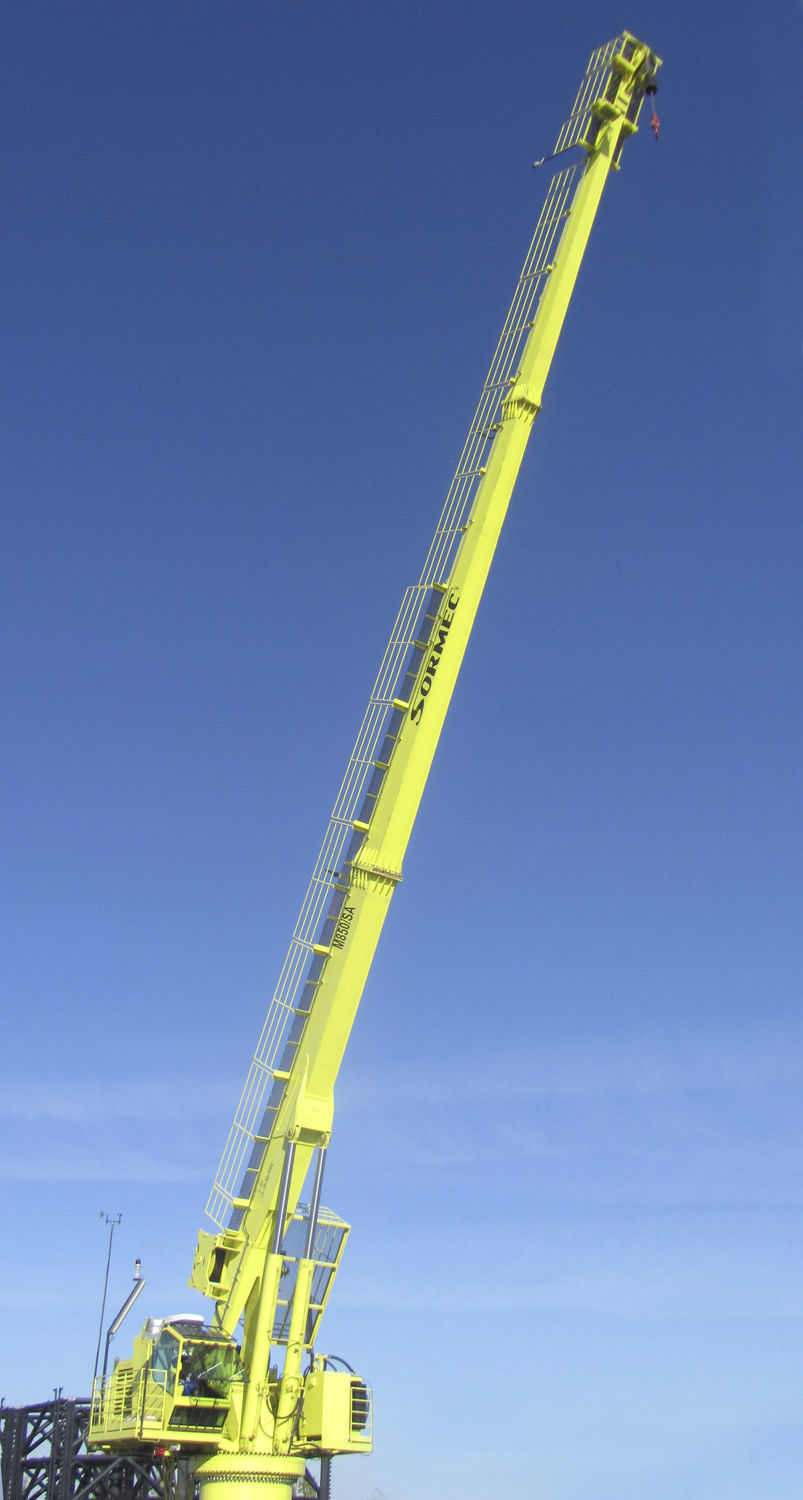
- Area: Hydraulic System Integrity - Leakage and CorrosionCheck: Inspect all hydraulic lines, fittings, and seals for leaks, corrosion, and salt spray damage (marine environments). Check accumulator pressure and condition. Verify marine coating protection on hydraulic components per DIN 15018 H2/B3 or API 2C standards.
- Area: Wire Rope and Load-Bearing Components - Fatigue and CorrosionCheck: Examine wire rope for corrosion, broken strands, and fatigue. For constant-tension systems, verify CT winch operation. For AHC systems, validate heave compensation sensor calibration. Test shock absorbers on davit cranes (FRB Series). Check slewing ring unit bearings for wear and lubrication.
- Area: Boom Integrity and Articulation - Welding and Joint StressCheck: For stiff-boom cranes (SA/M1500/SA): inspect welds, gussets, and fatigue cracks on boom sections. For knuckle-boom cranes (EL, M1500/EL): verify pin joint torque, articulation smoothness, and bearing wear. For foldable cranes (FB): test fold mechanism hydraulics and locking pins.
- Area: Safety and Certification Compliance - IMO/SOLAS and Classification SocietiesCheck: Verify current certification from IACS members (ABS, LRS, GL, DNV, RINA, BV, CCS, RMRS). For rescue davits (RB/FRB Series), confirm IMO/SOLAS code compliance. Validate that AOPS/MOPS systems function properly and that wind speed indicators operate. Test slack rope detection systems.
- Area: Arctic/Temperature Environment DegradationCheck: For polar and arctic-rated cranes (M2000/EL, Polar Ship Crane, -40°C models): inspect materials for brittle fracture risk at low temperatures. Test hydraulic fluid viscosity and gearbox oil. Verify electrical equipment (IP 56 standard) for moisture ingress. Check paint coating integrity for proper marine/arctic protection.
Typ-universelle Inspektionspunkte fuer Deck Cranes (verifiziert, 2026-06).
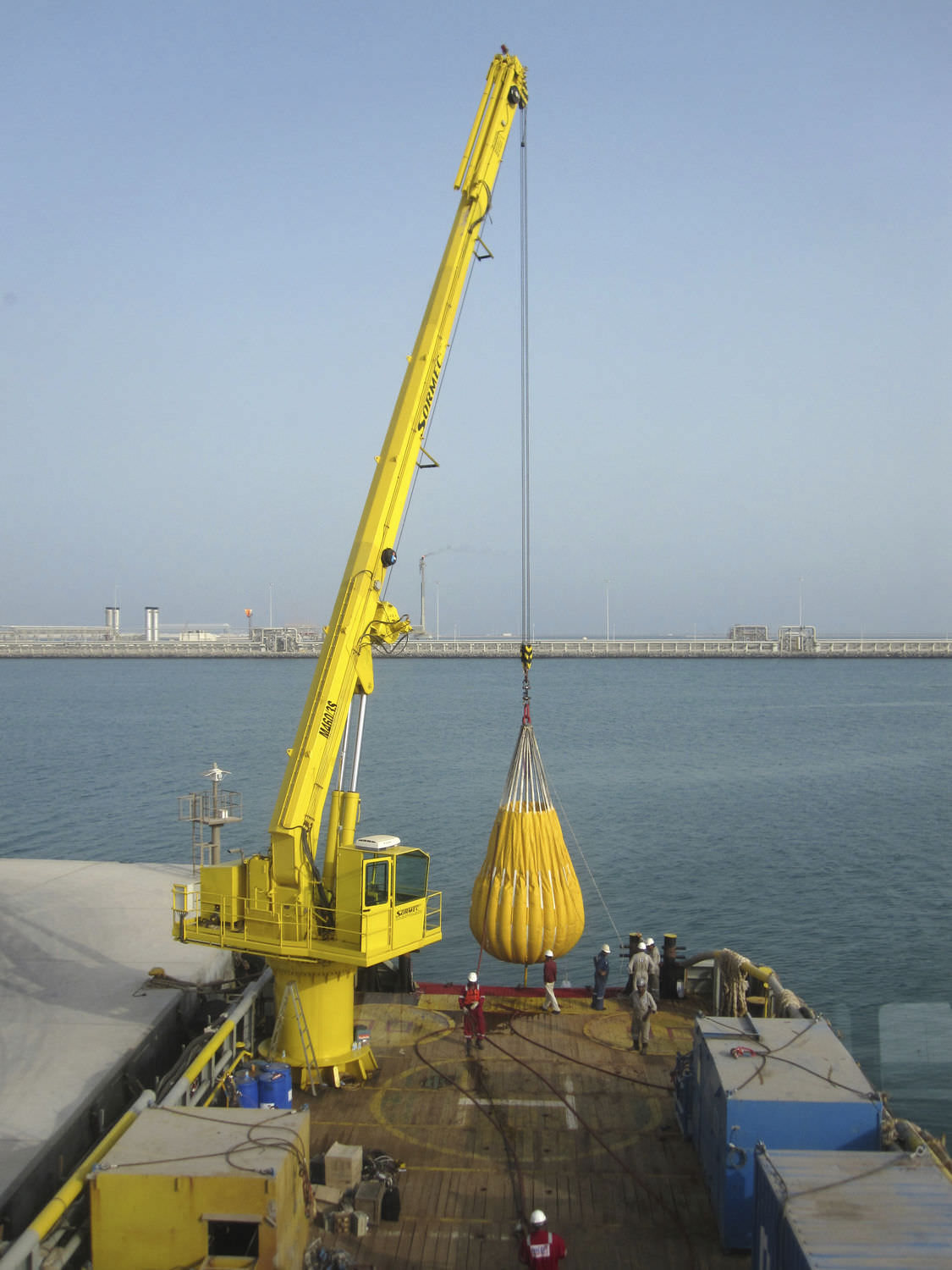
- Area: Hydraulic System Integrity - Leakage and CorrosionCheck: Inspect all hydraulic lines, fittings, and seals for leaks, corrosion, and salt spray damage (marine environments). Check accumulator pressure and condition. Verify marine coating protection on hydraulic components per DIN 15018 H2/B3 or API 2C standards.
- Area: Wire Rope and Load-Bearing Components - Fatigue and CorrosionCheck: Examine wire rope for corrosion, broken strands, and fatigue. For constant-tension systems, verify CT winch operation. For AHC systems, validate heave compensation sensor calibration. Test shock absorbers on davit cranes (FRB Series). Check slewing ring unit bearings for wear and lubrication.
- Area: Boom Integrity and Articulation - Welding and Joint StressCheck: For stiff-boom cranes (SA/M1500/SA): inspect welds, gussets, and fatigue cracks on boom sections. For knuckle-boom cranes (EL, M1500/EL): verify pin joint torque, articulation smoothness, and bearing wear. For foldable cranes (FB): test fold mechanism hydraulics and locking pins.
- Area: Safety and Certification Compliance - IMO/SOLAS and Classification SocietiesCheck: Verify current certification from IACS members (ABS, LRS, GL, DNV, RINA, BV, CCS, RMRS). For rescue davits (RB/FRB Series), confirm IMO/SOLAS code compliance. Validate that AOPS/MOPS systems function properly and that wind speed indicators operate. Test slack rope detection systems.
- Area: Arctic/Temperature Environment DegradationCheck: For polar and arctic-rated cranes (M2000/EL, Polar Ship Crane, -40°C models): inspect materials for brittle fracture risk at low temperatures. Test hydraulic fluid viscosity and gearbox oil. Verify electrical equipment (IP 56 standard) for moisture ingress. Check paint coating integrity for proper marine/arctic protection.
Typ-universelle Inspektionspunkte fuer Deck Cranes (verifiziert, 2026-06).
- Area: Hydraulic System Integrity - Leakage and CorrosionCheck: Inspect all hydraulic lines, fittings, and seals for leaks, corrosion, and salt spray damage (marine environments). Check accumulator pressure and condition. Verify marine coating protection on hydraulic components per DIN 15018 H2/B3 or API 2C standards.
- Area: Wire Rope and Load-Bearing Components - Fatigue and CorrosionCheck: Examine wire rope for corrosion, broken strands, and fatigue. For constant-tension systems, verify CT winch operation. For AHC systems, validate heave compensation sensor calibration. Test shock absorbers on davit cranes (FRB Series). Check slewing ring unit bearings for wear and lubrication.
- Area: Boom Integrity and Articulation - Welding and Joint StressCheck: For stiff-boom cranes (SA/M1500/SA): inspect welds, gussets, and fatigue cracks on boom sections. For knuckle-boom cranes (EL, M1500/EL): verify pin joint torque, articulation smoothness, and bearing wear. For foldable cranes (FB): test fold mechanism hydraulics and locking pins.
- Area: Safety and Certification Compliance - IMO/SOLAS and Classification SocietiesCheck: Verify current certification from IACS members (ABS, LRS, GL, DNV, RINA, BV, CCS, RMRS). For rescue davits (RB/FRB Series), confirm IMO/SOLAS code compliance. Validate that AOPS/MOPS systems function properly and that wind speed indicators operate. Test slack rope detection systems.
- Area: Arctic/Temperature Environment DegradationCheck: For polar and arctic-rated cranes (M2000/EL, Polar Ship Crane, -40°C models): inspect materials for brittle fracture risk at low temperatures. Test hydraulic fluid viscosity and gearbox oil. Verify electrical equipment (IP 56 standard) for moisture ingress. Check paint coating integrity for proper marine/arctic protection.
Typ-universelle Inspektionspunkte fuer Deck Cranes (verifiziert, 2026-06).
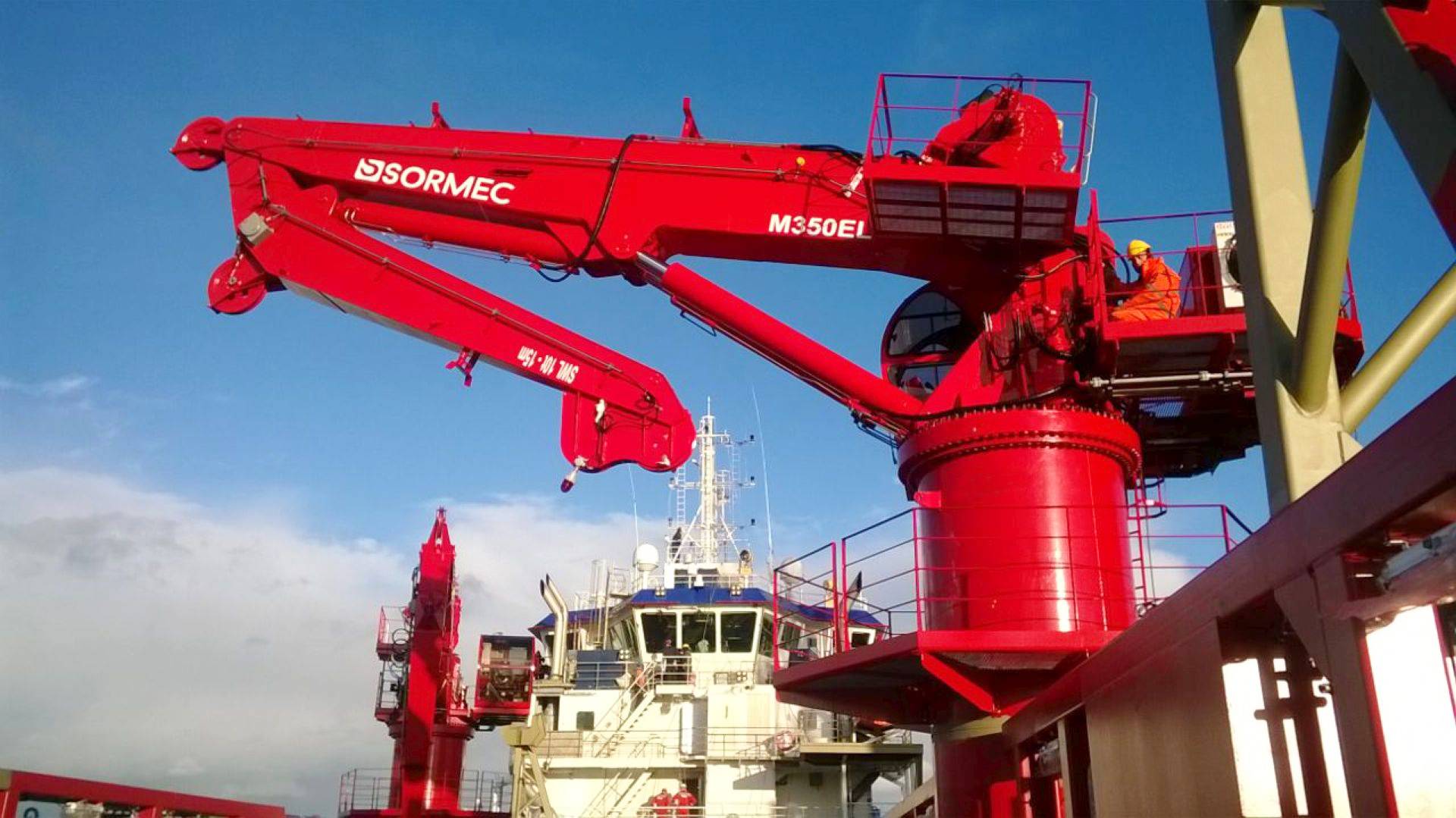
- Area: Hydraulic System Integrity - Leakage and CorrosionCheck: Inspect all hydraulic lines, fittings, and seals for leaks, corrosion, and salt spray damage (marine environments). Check accumulator pressure and condition. Verify marine coating protection on hydraulic components per DIN 15018 H2/B3 or API 2C standards.
- Area: Wire Rope and Load-Bearing Components - Fatigue and CorrosionCheck: Examine wire rope for corrosion, broken strands, and fatigue. For constant-tension systems, verify CT winch operation. For AHC systems, validate heave compensation sensor calibration. Test shock absorbers on davit cranes (FRB Series). Check slewing ring unit bearings for wear and lubrication.
- Area: Boom Integrity and Articulation - Welding and Joint StressCheck: For stiff-boom cranes (SA/M1500/SA): inspect welds, gussets, and fatigue cracks on boom sections. For knuckle-boom cranes (EL, M1500/EL): verify pin joint torque, articulation smoothness, and bearing wear. For foldable cranes (FB): test fold mechanism hydraulics and locking pins.
- Area: Safety and Certification Compliance - IMO/SOLAS and Classification SocietiesCheck: Verify current certification from IACS members (ABS, LRS, GL, DNV, RINA, BV, CCS, RMRS). For rescue davits (RB/FRB Series), confirm IMO/SOLAS code compliance. Validate that AOPS/MOPS systems function properly and that wind speed indicators operate. Test slack rope detection systems.
- Area: Arctic/Temperature Environment DegradationCheck: For polar and arctic-rated cranes (M2000/EL, Polar Ship Crane, -40°C models): inspect materials for brittle fracture risk at low temperatures. Test hydraulic fluid viscosity and gearbox oil. Verify electrical equipment (IP 56 standard) for moisture ingress. Check paint coating integrity for proper marine/arctic protection.
Typ-universelle Inspektionspunkte fuer Deck Cranes (verifiziert, 2026-06).
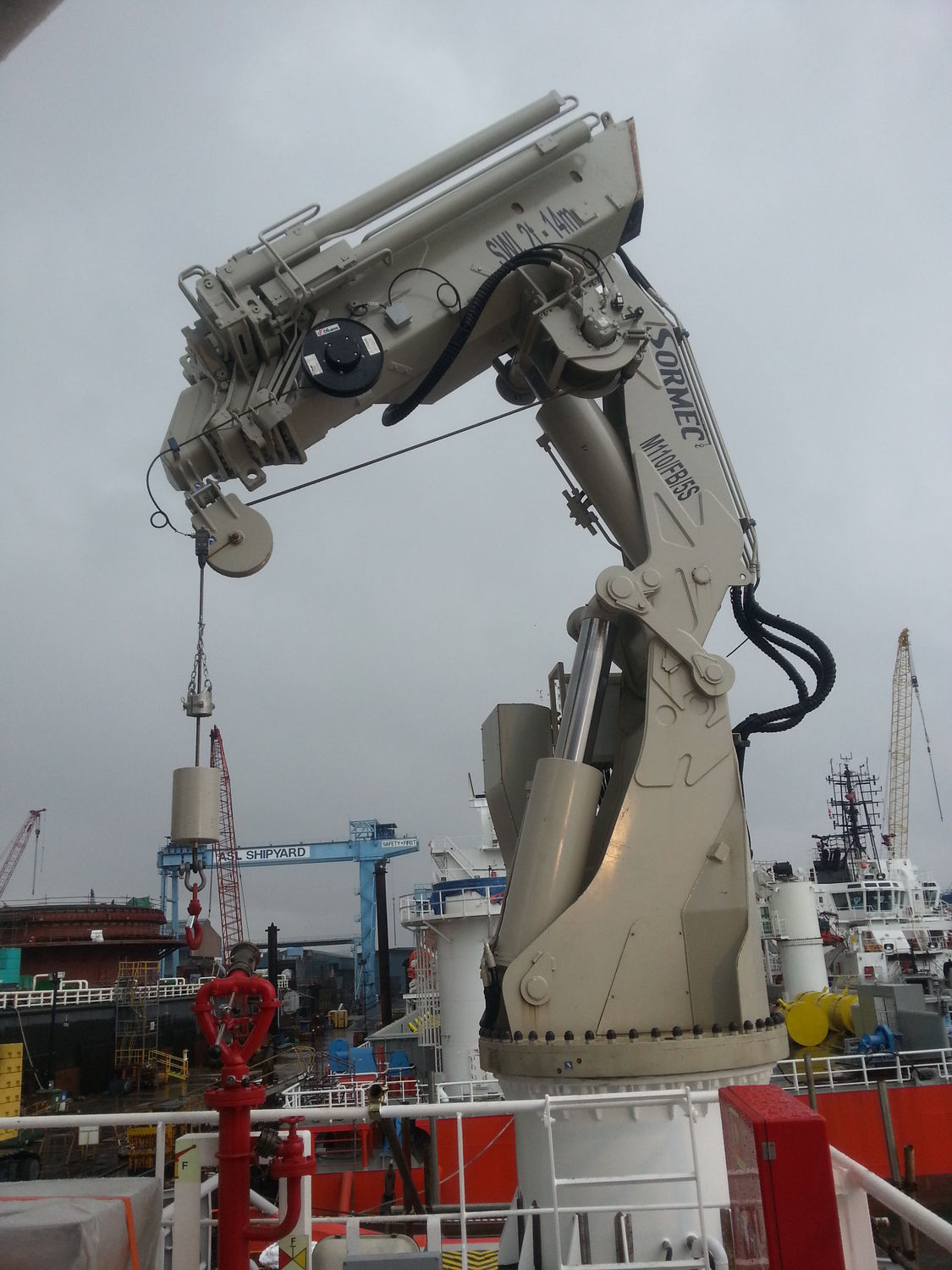
- Area: Hydraulic System Integrity - Leakage and CorrosionCheck: Inspect all hydraulic lines, fittings, and seals for leaks, corrosion, and salt spray damage (marine environments). Check accumulator pressure and condition. Verify marine coating protection on hydraulic components per DIN 15018 H2/B3 or API 2C standards.
- Area: Wire Rope and Load-Bearing Components - Fatigue and CorrosionCheck: Examine wire rope for corrosion, broken strands, and fatigue. For constant-tension systems, verify CT winch operation. For AHC systems, validate heave compensation sensor calibration. Test shock absorbers on davit cranes (FRB Series). Check slewing ring unit bearings for wear and lubrication.
- Area: Boom Integrity and Articulation - Welding and Joint StressCheck: For stiff-boom cranes (SA/M1500/SA): inspect welds, gussets, and fatigue cracks on boom sections. For knuckle-boom cranes (EL, M1500/EL): verify pin joint torque, articulation smoothness, and bearing wear. For foldable cranes (FB): test fold mechanism hydraulics and locking pins.
- Area: Safety and Certification Compliance - IMO/SOLAS and Classification SocietiesCheck: Verify current certification from IACS members (ABS, LRS, GL, DNV, RINA, BV, CCS, RMRS). For rescue davits (RB/FRB Series), confirm IMO/SOLAS code compliance. Validate that AOPS/MOPS systems function properly and that wind speed indicators operate. Test slack rope detection systems.
- Area: Arctic/Temperature Environment DegradationCheck: For polar and arctic-rated cranes (M2000/EL, Polar Ship Crane, -40°C models): inspect materials for brittle fracture risk at low temperatures. Test hydraulic fluid viscosity and gearbox oil. Verify electrical equipment (IP 56 standard) for moisture ingress. Check paint coating integrity for proper marine/arctic protection.
Typ-universelle Inspektionspunkte fuer Deck Cranes (verifiziert, 2026-06).
- Area: Hydraulic System Integrity - Leakage and CorrosionCheck: Inspect all hydraulic lines, fittings, and seals for leaks, corrosion, and salt spray damage (marine environments). Check accumulator pressure and condition. Verify marine coating protection on hydraulic components per DIN 15018 H2/B3 or API 2C standards.
- Area: Wire Rope and Load-Bearing Components - Fatigue and CorrosionCheck: Examine wire rope for corrosion, broken strands, and fatigue. For constant-tension systems, verify CT winch operation. For AHC systems, validate heave compensation sensor calibration. Test shock absorbers on davit cranes (FRB Series). Check slewing ring unit bearings for wear and lubrication.
- Area: Boom Integrity and Articulation - Welding and Joint StressCheck: For stiff-boom cranes (SA/M1500/SA): inspect welds, gussets, and fatigue cracks on boom sections. For knuckle-boom cranes (EL, M1500/EL): verify pin joint torque, articulation smoothness, and bearing wear. For foldable cranes (FB): test fold mechanism hydraulics and locking pins.
- Area: Safety and Certification Compliance - IMO/SOLAS and Classification SocietiesCheck: Verify current certification from IACS members (ABS, LRS, GL, DNV, RINA, BV, CCS, RMRS). For rescue davits (RB/FRB Series), confirm IMO/SOLAS code compliance. Validate that AOPS/MOPS systems function properly and that wind speed indicators operate. Test slack rope detection systems.
- Area: Arctic/Temperature Environment DegradationCheck: For polar and arctic-rated cranes (M2000/EL, Polar Ship Crane, -40°C models): inspect materials for brittle fracture risk at low temperatures. Test hydraulic fluid viscosity and gearbox oil. Verify electrical equipment (IP 56 standard) for moisture ingress. Check paint coating integrity for proper marine/arctic protection.
Typ-universelle Inspektionspunkte fuer Deck Cranes (verifiziert, 2026-06).
- Area: Hydraulic System Integrity - Leakage and CorrosionCheck: Inspect all hydraulic lines, fittings, and seals for leaks, corrosion, and salt spray damage (marine environments). Check accumulator pressure and condition. Verify marine coating protection on hydraulic components per DIN 15018 H2/B3 or API 2C standards.
- Area: Wire Rope and Load-Bearing Components - Fatigue and CorrosionCheck: Examine wire rope for corrosion, broken strands, and fatigue. For constant-tension systems, verify CT winch operation. For AHC systems, validate heave compensation sensor calibration. Test shock absorbers on davit cranes (FRB Series). Check slewing ring unit bearings for wear and lubrication.
- Area: Boom Integrity and Articulation - Welding and Joint StressCheck: For stiff-boom cranes (SA/M1500/SA): inspect welds, gussets, and fatigue cracks on boom sections. For knuckle-boom cranes (EL, M1500/EL): verify pin joint torque, articulation smoothness, and bearing wear. For foldable cranes (FB): test fold mechanism hydraulics and locking pins.
- Area: Safety and Certification Compliance - IMO/SOLAS and Classification SocietiesCheck: Verify current certification from IACS members (ABS, LRS, GL, DNV, RINA, BV, CCS, RMRS). For rescue davits (RB/FRB Series), confirm IMO/SOLAS code compliance. Validate that AOPS/MOPS systems function properly and that wind speed indicators operate. Test slack rope detection systems.
- Area: Arctic/Temperature Environment DegradationCheck: For polar and arctic-rated cranes (M2000/EL, Polar Ship Crane, -40°C models): inspect materials for brittle fracture risk at low temperatures. Test hydraulic fluid viscosity and gearbox oil. Verify electrical equipment (IP 56 standard) for moisture ingress. Check paint coating integrity for proper marine/arctic protection.
Typ-universelle Inspektionspunkte fuer Deck Cranes (verifiziert, 2026-06).
- Area: Hydraulic System Integrity - Leakage and CorrosionCheck: Inspect all hydraulic lines, fittings, and seals for leaks, corrosion, and salt spray damage (marine environments). Check accumulator pressure and condition. Verify marine coating protection on hydraulic components per DIN 15018 H2/B3 or API 2C standards.
- Area: Wire Rope and Load-Bearing Components - Fatigue and CorrosionCheck: Examine wire rope for corrosion, broken strands, and fatigue. For constant-tension systems, verify CT winch operation. For AHC systems, validate heave compensation sensor calibration. Test shock absorbers on davit cranes (FRB Series). Check slewing ring unit bearings for wear and lubrication.
- Area: Boom Integrity and Articulation - Welding and Joint StressCheck: For stiff-boom cranes (SA/M1500/SA): inspect welds, gussets, and fatigue cracks on boom sections. For knuckle-boom cranes (EL, M1500/EL): verify pin joint torque, articulation smoothness, and bearing wear. For foldable cranes (FB): test fold mechanism hydraulics and locking pins.
- Area: Safety and Certification Compliance - IMO/SOLAS and Classification SocietiesCheck: Verify current certification from IACS members (ABS, LRS, GL, DNV, RINA, BV, CCS, RMRS). For rescue davits (RB/FRB Series), confirm IMO/SOLAS code compliance. Validate that AOPS/MOPS systems function properly and that wind speed indicators operate. Test slack rope detection systems.
- Area: Arctic/Temperature Environment DegradationCheck: For polar and arctic-rated cranes (M2000/EL, Polar Ship Crane, -40°C models): inspect materials for brittle fracture risk at low temperatures. Test hydraulic fluid viscosity and gearbox oil. Verify electrical equipment (IP 56 standard) for moisture ingress. Check paint coating integrity for proper marine/arctic protection.
Typ-universelle Inspektionspunkte fuer Deck Cranes (verifiziert, 2026-06).
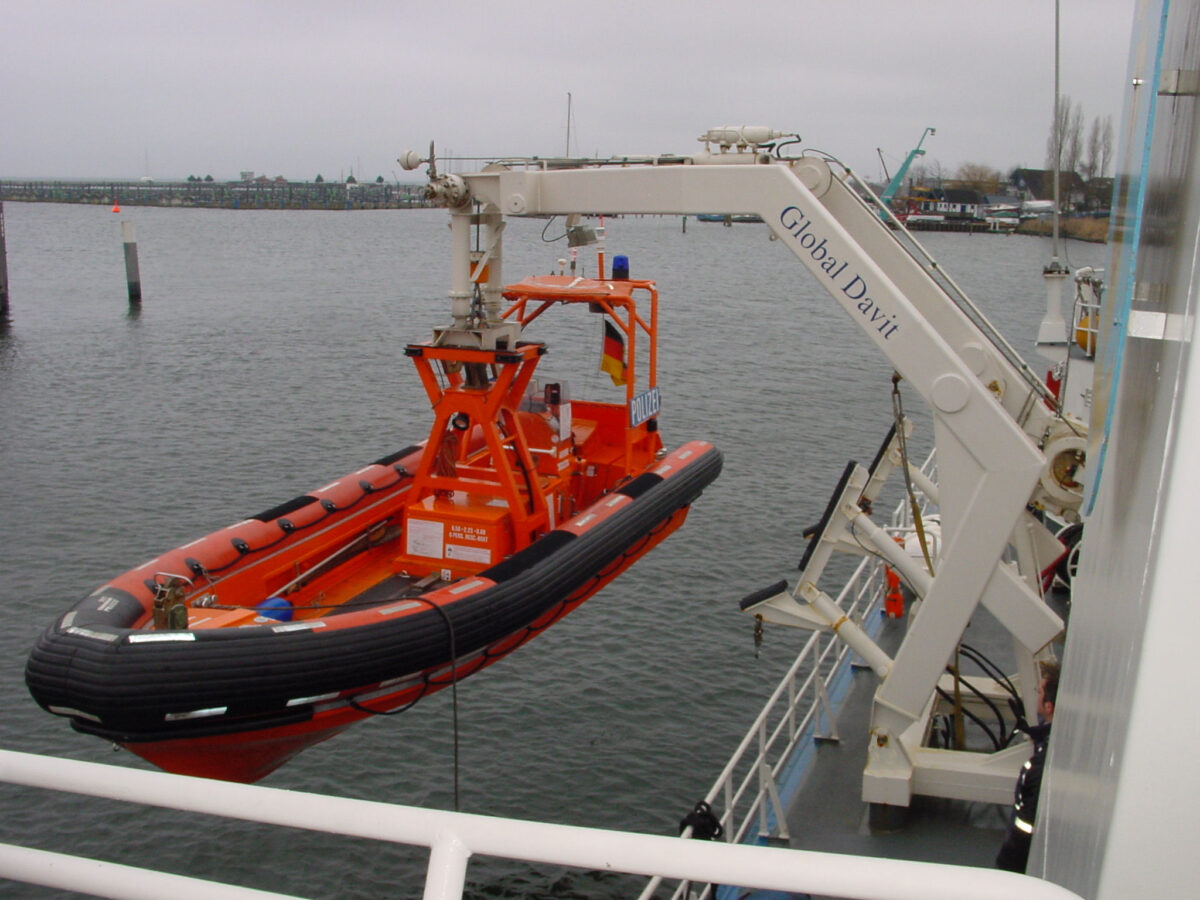
- Area: Hydraulic System Integrity - Leakage and CorrosionCheck: Inspect all hydraulic lines, fittings, and seals for leaks, corrosion, and salt spray damage (marine environments). Check accumulator pressure and condition. Verify marine coating protection on hydraulic components per DIN 15018 H2/B3 or API 2C standards.
- Area: Wire Rope and Load-Bearing Components - Fatigue and CorrosionCheck: Examine wire rope for corrosion, broken strands, and fatigue. For constant-tension systems, verify CT winch operation. For AHC systems, validate heave compensation sensor calibration. Test shock absorbers on davit cranes (FRB Series). Check slewing ring unit bearings for wear and lubrication.
- Area: Boom Integrity and Articulation - Welding and Joint StressCheck: For stiff-boom cranes (SA/M1500/SA): inspect welds, gussets, and fatigue cracks on boom sections. For knuckle-boom cranes (EL, M1500/EL): verify pin joint torque, articulation smoothness, and bearing wear. For foldable cranes (FB): test fold mechanism hydraulics and locking pins.
- Area: Safety and Certification Compliance - IMO/SOLAS and Classification SocietiesCheck: Verify current certification from IACS members (ABS, LRS, GL, DNV, RINA, BV, CCS, RMRS). For rescue davits (RB/FRB Series), confirm IMO/SOLAS code compliance. Validate that AOPS/MOPS systems function properly and that wind speed indicators operate. Test slack rope detection systems.
- Area: Arctic/Temperature Environment DegradationCheck: For polar and arctic-rated cranes (M2000/EL, Polar Ship Crane, -40°C models): inspect materials for brittle fracture risk at low temperatures. Test hydraulic fluid viscosity and gearbox oil. Verify electrical equipment (IP 56 standard) for moisture ingress. Check paint coating integrity for proper marine/arctic protection.
Typ-universelle Inspektionspunkte fuer Deck Cranes (verifiziert, 2026-06).
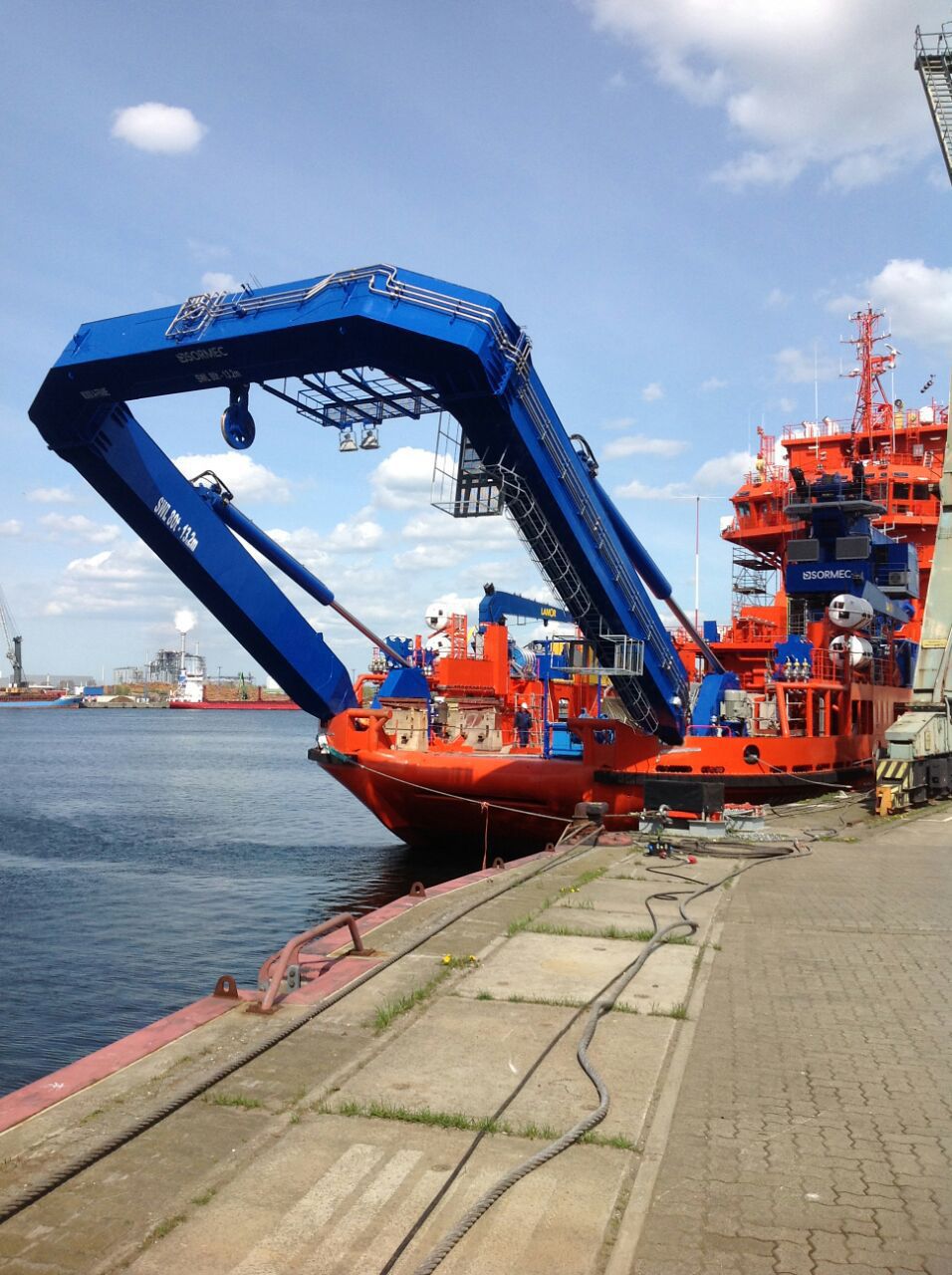
- Area: Hydraulic System Integrity - Leakage and CorrosionCheck: Inspect all hydraulic lines, fittings, and seals for leaks, corrosion, and salt spray damage (marine environments). Check accumulator pressure and condition. Verify marine coating protection on hydraulic components per DIN 15018 H2/B3 or API 2C standards.
- Area: Wire Rope and Load-Bearing Components - Fatigue and CorrosionCheck: Examine wire rope for corrosion, broken strands, and fatigue. For constant-tension systems, verify CT winch operation. For AHC systems, validate heave compensation sensor calibration. Test shock absorbers on davit cranes (FRB Series). Check slewing ring unit bearings for wear and lubrication.
- Area: Boom Integrity and Articulation - Welding and Joint StressCheck: For stiff-boom cranes (SA/M1500/SA): inspect welds, gussets, and fatigue cracks on boom sections. For knuckle-boom cranes (EL, M1500/EL): verify pin joint torque, articulation smoothness, and bearing wear. For foldable cranes (FB): test fold mechanism hydraulics and locking pins.
- Area: Safety and Certification Compliance - IMO/SOLAS and Classification SocietiesCheck: Verify current certification from IACS members (ABS, LRS, GL, DNV, RINA, BV, CCS, RMRS). For rescue davits (RB/FRB Series), confirm IMO/SOLAS code compliance. Validate that AOPS/MOPS systems function properly and that wind speed indicators operate. Test slack rope detection systems.
- Area: Arctic/Temperature Environment DegradationCheck: For polar and arctic-rated cranes (M2000/EL, Polar Ship Crane, -40°C models): inspect materials for brittle fracture risk at low temperatures. Test hydraulic fluid viscosity and gearbox oil. Verify electrical equipment (IP 56 standard) for moisture ingress. Check paint coating integrity for proper marine/arctic protection.
Typ-universelle Inspektionspunkte fuer Deck Cranes (verifiziert, 2026-06).

- Area: Hydraulic System Integrity - Leakage and CorrosionCheck: Inspect all hydraulic lines, fittings, and seals for leaks, corrosion, and salt spray damage (marine environments). Check accumulator pressure and condition. Verify marine coating protection on hydraulic components per DIN 15018 H2/B3 or API 2C standards.
- Area: Wire Rope and Load-Bearing Components - Fatigue and CorrosionCheck: Examine wire rope for corrosion, broken strands, and fatigue. For constant-tension systems, verify CT winch operation. For AHC systems, validate heave compensation sensor calibration. Test shock absorbers on davit cranes (FRB Series). Check slewing ring unit bearings for wear and lubrication.
- Area: Boom Integrity and Articulation - Welding and Joint StressCheck: For stiff-boom cranes (SA/M1500/SA): inspect welds, gussets, and fatigue cracks on boom sections. For knuckle-boom cranes (EL, M1500/EL): verify pin joint torque, articulation smoothness, and bearing wear. For foldable cranes (FB): test fold mechanism hydraulics and locking pins.
- Area: Safety and Certification Compliance - IMO/SOLAS and Classification SocietiesCheck: Verify current certification from IACS members (ABS, LRS, GL, DNV, RINA, BV, CCS, RMRS). For rescue davits (RB/FRB Series), confirm IMO/SOLAS code compliance. Validate that AOPS/MOPS systems function properly and that wind speed indicators operate. Test slack rope detection systems.
- Area: Arctic/Temperature Environment DegradationCheck: For polar and arctic-rated cranes (M2000/EL, Polar Ship Crane, -40°C models): inspect materials for brittle fracture risk at low temperatures. Test hydraulic fluid viscosity and gearbox oil. Verify electrical equipment (IP 56 standard) for moisture ingress. Check paint coating integrity for proper marine/arctic protection.
Typ-universelle Inspektionspunkte fuer Deck Cranes (verifiziert, 2026-06).

- Area: Hydraulic System Integrity - Leakage and CorrosionCheck: Inspect all hydraulic lines, fittings, and seals for leaks, corrosion, and salt spray damage (marine environments). Check accumulator pressure and condition. Verify marine coating protection on hydraulic components per DIN 15018 H2/B3 or API 2C standards.
- Area: Wire Rope and Load-Bearing Components - Fatigue and CorrosionCheck: Examine wire rope for corrosion, broken strands, and fatigue. For constant-tension systems, verify CT winch operation. For AHC systems, validate heave compensation sensor calibration. Test shock absorbers on davit cranes (FRB Series). Check slewing ring unit bearings for wear and lubrication.
- Area: Boom Integrity and Articulation - Welding and Joint StressCheck: For stiff-boom cranes (SA/M1500/SA): inspect welds, gussets, and fatigue cracks on boom sections. For knuckle-boom cranes (EL, M1500/EL): verify pin joint torque, articulation smoothness, and bearing wear. For foldable cranes (FB): test fold mechanism hydraulics and locking pins.
- Area: Safety and Certification Compliance - IMO/SOLAS and Classification SocietiesCheck: Verify current certification from IACS members (ABS, LRS, GL, DNV, RINA, BV, CCS, RMRS). For rescue davits (RB/FRB Series), confirm IMO/SOLAS code compliance. Validate that AOPS/MOPS systems function properly and that wind speed indicators operate. Test slack rope detection systems.
- Area: Arctic/Temperature Environment DegradationCheck: For polar and arctic-rated cranes (M2000/EL, Polar Ship Crane, -40°C models): inspect materials for brittle fracture risk at low temperatures. Test hydraulic fluid viscosity and gearbox oil. Verify electrical equipment (IP 56 standard) for moisture ingress. Check paint coating integrity for proper marine/arctic protection.
Typ-universelle Inspektionspunkte fuer Deck Cranes (verifiziert, 2026-06).
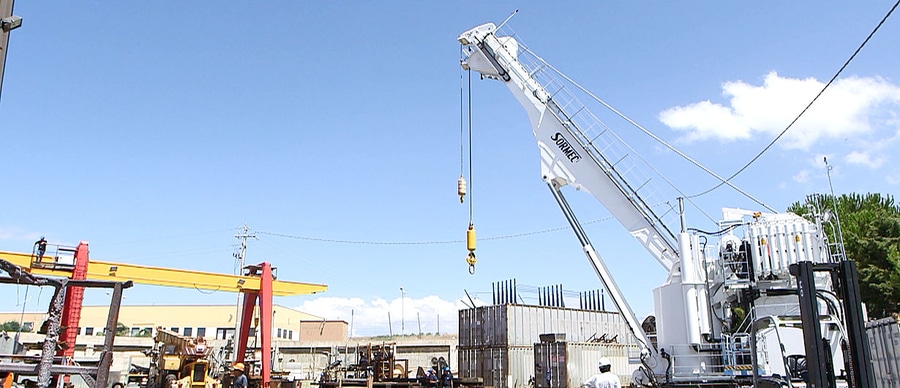
- Area: Hydraulic System Integrity - Leakage and CorrosionCheck: Inspect all hydraulic lines, fittings, and seals for leaks, corrosion, and salt spray damage (marine environments). Check accumulator pressure and condition. Verify marine coating protection on hydraulic components per DIN 15018 H2/B3 or API 2C standards.
- Area: Wire Rope and Load-Bearing Components - Fatigue and CorrosionCheck: Examine wire rope for corrosion, broken strands, and fatigue. For constant-tension systems, verify CT winch operation. For AHC systems, validate heave compensation sensor calibration. Test shock absorbers on davit cranes (FRB Series). Check slewing ring unit bearings for wear and lubrication.
- Area: Boom Integrity and Articulation - Welding and Joint StressCheck: For stiff-boom cranes (SA/M1500/SA): inspect welds, gussets, and fatigue cracks on boom sections. For knuckle-boom cranes (EL, M1500/EL): verify pin joint torque, articulation smoothness, and bearing wear. For foldable cranes (FB): test fold mechanism hydraulics and locking pins.
- Area: Safety and Certification Compliance - IMO/SOLAS and Classification SocietiesCheck: Verify current certification from IACS members (ABS, LRS, GL, DNV, RINA, BV, CCS, RMRS). For rescue davits (RB/FRB Series), confirm IMO/SOLAS code compliance. Validate that AOPS/MOPS systems function properly and that wind speed indicators operate. Test slack rope detection systems.
- Area: Arctic/Temperature Environment DegradationCheck: For polar and arctic-rated cranes (M2000/EL, Polar Ship Crane, -40°C models): inspect materials for brittle fracture risk at low temperatures. Test hydraulic fluid viscosity and gearbox oil. Verify electrical equipment (IP 56 standard) for moisture ingress. Check paint coating integrity for proper marine/arctic protection.
Typ-universelle Inspektionspunkte fuer Deck Cranes (verifiziert, 2026-06).
- Area: Hydraulic System Integrity - Leakage and CorrosionCheck: Inspect all hydraulic lines, fittings, and seals for leaks, corrosion, and salt spray damage (marine environments). Check accumulator pressure and condition. Verify marine coating protection on hydraulic components per DIN 15018 H2/B3 or API 2C standards.
- Area: Wire Rope and Load-Bearing Components - Fatigue and CorrosionCheck: Examine wire rope for corrosion, broken strands, and fatigue. For constant-tension systems, verify CT winch operation. For AHC systems, validate heave compensation sensor calibration. Test shock absorbers on davit cranes (FRB Series). Check slewing ring unit bearings for wear and lubrication.
- Area: Boom Integrity and Articulation - Welding and Joint StressCheck: For stiff-boom cranes (SA/M1500/SA): inspect welds, gussets, and fatigue cracks on boom sections. For knuckle-boom cranes (EL, M1500/EL): verify pin joint torque, articulation smoothness, and bearing wear. For foldable cranes (FB): test fold mechanism hydraulics and locking pins.
- Area: Safety and Certification Compliance - IMO/SOLAS and Classification SocietiesCheck: Verify current certification from IACS members (ABS, LRS, GL, DNV, RINA, BV, CCS, RMRS). For rescue davits (RB/FRB Series), confirm IMO/SOLAS code compliance. Validate that AOPS/MOPS systems function properly and that wind speed indicators operate. Test slack rope detection systems.
- Area: Arctic/Temperature Environment DegradationCheck: For polar and arctic-rated cranes (M2000/EL, Polar Ship Crane, -40°C models): inspect materials for brittle fracture risk at low temperatures. Test hydraulic fluid viscosity and gearbox oil. Verify electrical equipment (IP 56 standard) for moisture ingress. Check paint coating integrity for proper marine/arctic protection.
Typ-universelle Inspektionspunkte fuer Deck Cranes (verifiziert, 2026-06).
- Area: Hydraulic System Integrity - Leakage and CorrosionCheck: Inspect all hydraulic lines, fittings, and seals for leaks, corrosion, and salt spray damage (marine environments). Check accumulator pressure and condition. Verify marine coating protection on hydraulic components per DIN 15018 H2/B3 or API 2C standards.
- Area: Wire Rope and Load-Bearing Components - Fatigue and CorrosionCheck: Examine wire rope for corrosion, broken strands, and fatigue. For constant-tension systems, verify CT winch operation. For AHC systems, validate heave compensation sensor calibration. Test shock absorbers on davit cranes (FRB Series). Check slewing ring unit bearings for wear and lubrication.
- Area: Boom Integrity and Articulation - Welding and Joint StressCheck: For stiff-boom cranes (SA/M1500/SA): inspect welds, gussets, and fatigue cracks on boom sections. For knuckle-boom cranes (EL, M1500/EL): verify pin joint torque, articulation smoothness, and bearing wear. For foldable cranes (FB): test fold mechanism hydraulics and locking pins.
- Area: Safety and Certification Compliance - IMO/SOLAS and Classification SocietiesCheck: Verify current certification from IACS members (ABS, LRS, GL, DNV, RINA, BV, CCS, RMRS). For rescue davits (RB/FRB Series), confirm IMO/SOLAS code compliance. Validate that AOPS/MOPS systems function properly and that wind speed indicators operate. Test slack rope detection systems.
- Area: Arctic/Temperature Environment DegradationCheck: For polar and arctic-rated cranes (M2000/EL, Polar Ship Crane, -40°C models): inspect materials for brittle fracture risk at low temperatures. Test hydraulic fluid viscosity and gearbox oil. Verify electrical equipment (IP 56 standard) for moisture ingress. Check paint coating integrity for proper marine/arctic protection.
Typ-universelle Inspektionspunkte fuer Deck Cranes (verifiziert, 2026-06).
- Area: Hydraulic System Integrity - Leakage and CorrosionCheck: Inspect all hydraulic lines, fittings, and seals for leaks, corrosion, and salt spray damage (marine environments). Check accumulator pressure and condition. Verify marine coating protection on hydraulic components per DIN 15018 H2/B3 or API 2C standards.
- Area: Wire Rope and Load-Bearing Components - Fatigue and CorrosionCheck: Examine wire rope for corrosion, broken strands, and fatigue. For constant-tension systems, verify CT winch operation. For AHC systems, validate heave compensation sensor calibration. Test shock absorbers on davit cranes (FRB Series). Check slewing ring unit bearings for wear and lubrication.
- Area: Boom Integrity and Articulation - Welding and Joint StressCheck: For stiff-boom cranes (SA/M1500/SA): inspect welds, gussets, and fatigue cracks on boom sections. For knuckle-boom cranes (EL, M1500/EL): verify pin joint torque, articulation smoothness, and bearing wear. For foldable cranes (FB): test fold mechanism hydraulics and locking pins.
- Area: Safety and Certification Compliance - IMO/SOLAS and Classification SocietiesCheck: Verify current certification from IACS members (ABS, LRS, GL, DNV, RINA, BV, CCS, RMRS). For rescue davits (RB/FRB Series), confirm IMO/SOLAS code compliance. Validate that AOPS/MOPS systems function properly and that wind speed indicators operate. Test slack rope detection systems.
- Area: Arctic/Temperature Environment DegradationCheck: For polar and arctic-rated cranes (M2000/EL, Polar Ship Crane, -40°C models): inspect materials for brittle fracture risk at low temperatures. Test hydraulic fluid viscosity and gearbox oil. Verify electrical equipment (IP 56 standard) for moisture ingress. Check paint coating integrity for proper marine/arctic protection.
Typ-universelle Inspektionspunkte fuer Deck Cranes (verifiziert, 2026-06).
- Area: Hydraulic System Integrity - Leakage and CorrosionCheck: Inspect all hydraulic lines, fittings, and seals for leaks, corrosion, and salt spray damage (marine environments). Check accumulator pressure and condition. Verify marine coating protection on hydraulic components per DIN 15018 H2/B3 or API 2C standards.
- Area: Wire Rope and Load-Bearing Components - Fatigue and CorrosionCheck: Examine wire rope for corrosion, broken strands, and fatigue. For constant-tension systems, verify CT winch operation. For AHC systems, validate heave compensation sensor calibration. Test shock absorbers on davit cranes (FRB Series). Check slewing ring unit bearings for wear and lubrication.
- Area: Boom Integrity and Articulation - Welding and Joint StressCheck: For stiff-boom cranes (SA/M1500/SA): inspect welds, gussets, and fatigue cracks on boom sections. For knuckle-boom cranes (EL, M1500/EL): verify pin joint torque, articulation smoothness, and bearing wear. For foldable cranes (FB): test fold mechanism hydraulics and locking pins.
- Area: Safety and Certification Compliance - IMO/SOLAS and Classification SocietiesCheck: Verify current certification from IACS members (ABS, LRS, GL, DNV, RINA, BV, CCS, RMRS). For rescue davits (RB/FRB Series), confirm IMO/SOLAS code compliance. Validate that AOPS/MOPS systems function properly and that wind speed indicators operate. Test slack rope detection systems.
- Area: Arctic/Temperature Environment DegradationCheck: For polar and arctic-rated cranes (M2000/EL, Polar Ship Crane, -40°C models): inspect materials for brittle fracture risk at low temperatures. Test hydraulic fluid viscosity and gearbox oil. Verify electrical equipment (IP 56 standard) for moisture ingress. Check paint coating integrity for proper marine/arctic protection.
Typ-universelle Inspektionspunkte fuer Deck Cranes (verifiziert, 2026-06).

- Area: Hydraulic System Integrity - Leakage and CorrosionCheck: Inspect all hydraulic lines, fittings, and seals for leaks, corrosion, and salt spray damage (marine environments). Check accumulator pressure and condition. Verify marine coating protection on hydraulic components per DIN 15018 H2/B3 or API 2C standards.
- Area: Wire Rope and Load-Bearing Components - Fatigue and CorrosionCheck: Examine wire rope for corrosion, broken strands, and fatigue. For constant-tension systems, verify CT winch operation. For AHC systems, validate heave compensation sensor calibration. Test shock absorbers on davit cranes (FRB Series). Check slewing ring unit bearings for wear and lubrication.
- Area: Boom Integrity and Articulation - Welding and Joint StressCheck: For stiff-boom cranes (SA/M1500/SA): inspect welds, gussets, and fatigue cracks on boom sections. For knuckle-boom cranes (EL, M1500/EL): verify pin joint torque, articulation smoothness, and bearing wear. For foldable cranes (FB): test fold mechanism hydraulics and locking pins.
- Area: Safety and Certification Compliance - IMO/SOLAS and Classification SocietiesCheck: Verify current certification from IACS members (ABS, LRS, GL, DNV, RINA, BV, CCS, RMRS). For rescue davits (RB/FRB Series), confirm IMO/SOLAS code compliance. Validate that AOPS/MOPS systems function properly and that wind speed indicators operate. Test slack rope detection systems.
- Area: Arctic/Temperature Environment DegradationCheck: For polar and arctic-rated cranes (M2000/EL, Polar Ship Crane, -40°C models): inspect materials for brittle fracture risk at low temperatures. Test hydraulic fluid viscosity and gearbox oil. Verify electrical equipment (IP 56 standard) for moisture ingress. Check paint coating integrity for proper marine/arctic protection.
Typ-universelle Inspektionspunkte fuer Deck Cranes (verifiziert, 2026-06).
- Area: Hydraulic System Integrity - Leakage and CorrosionCheck: Inspect all hydraulic lines, fittings, and seals for leaks, corrosion, and salt spray damage (marine environments). Check accumulator pressure and condition. Verify marine coating protection on hydraulic components per DIN 15018 H2/B3 or API 2C standards.
- Area: Wire Rope and Load-Bearing Components - Fatigue and CorrosionCheck: Examine wire rope for corrosion, broken strands, and fatigue. For constant-tension systems, verify CT winch operation. For AHC systems, validate heave compensation sensor calibration. Test shock absorbers on davit cranes (FRB Series). Check slewing ring unit bearings for wear and lubrication.
- Area: Boom Integrity and Articulation - Welding and Joint StressCheck: For stiff-boom cranes (SA/M1500/SA): inspect welds, gussets, and fatigue cracks on boom sections. For knuckle-boom cranes (EL, M1500/EL): verify pin joint torque, articulation smoothness, and bearing wear. For foldable cranes (FB): test fold mechanism hydraulics and locking pins.
- Area: Safety and Certification Compliance - IMO/SOLAS and Classification SocietiesCheck: Verify current certification from IACS members (ABS, LRS, GL, DNV, RINA, BV, CCS, RMRS). For rescue davits (RB/FRB Series), confirm IMO/SOLAS code compliance. Validate that AOPS/MOPS systems function properly and that wind speed indicators operate. Test slack rope detection systems.
- Area: Arctic/Temperature Environment DegradationCheck: For polar and arctic-rated cranes (M2000/EL, Polar Ship Crane, -40°C models): inspect materials for brittle fracture risk at low temperatures. Test hydraulic fluid viscosity and gearbox oil. Verify electrical equipment (IP 56 standard) for moisture ingress. Check paint coating integrity for proper marine/arctic protection.
Typ-universelle Inspektionspunkte fuer Deck Cranes (verifiziert, 2026-06).
- Area: Hydraulic System Integrity - Leakage and CorrosionCheck: Inspect all hydraulic lines, fittings, and seals for leaks, corrosion, and salt spray damage (marine environments). Check accumulator pressure and condition. Verify marine coating protection on hydraulic components per DIN 15018 H2/B3 or API 2C standards.
- Area: Wire Rope and Load-Bearing Components - Fatigue and CorrosionCheck: Examine wire rope for corrosion, broken strands, and fatigue. For constant-tension systems, verify CT winch operation. For AHC systems, validate heave compensation sensor calibration. Test shock absorbers on davit cranes (FRB Series). Check slewing ring unit bearings for wear and lubrication.
- Area: Boom Integrity and Articulation - Welding and Joint StressCheck: For stiff-boom cranes (SA/M1500/SA): inspect welds, gussets, and fatigue cracks on boom sections. For knuckle-boom cranes (EL, M1500/EL): verify pin joint torque, articulation smoothness, and bearing wear. For foldable cranes (FB): test fold mechanism hydraulics and locking pins.
- Area: Safety and Certification Compliance - IMO/SOLAS and Classification SocietiesCheck: Verify current certification from IACS members (ABS, LRS, GL, DNV, RINA, BV, CCS, RMRS). For rescue davits (RB/FRB Series), confirm IMO/SOLAS code compliance. Validate that AOPS/MOPS systems function properly and that wind speed indicators operate. Test slack rope detection systems.
- Area: Arctic/Temperature Environment DegradationCheck: For polar and arctic-rated cranes (M2000/EL, Polar Ship Crane, -40°C models): inspect materials for brittle fracture risk at low temperatures. Test hydraulic fluid viscosity and gearbox oil. Verify electrical equipment (IP 56 standard) for moisture ingress. Check paint coating integrity for proper marine/arctic protection.
Typ-universelle Inspektionspunkte fuer Deck Cranes (verifiziert, 2026-06).
- Area: Hydraulic System Integrity - Leakage and CorrosionCheck: Inspect all hydraulic lines, fittings, and seals for leaks, corrosion, and salt spray damage (marine environments). Check accumulator pressure and condition. Verify marine coating protection on hydraulic components per DIN 15018 H2/B3 or API 2C standards.
- Area: Wire Rope and Load-Bearing Components - Fatigue and CorrosionCheck: Examine wire rope for corrosion, broken strands, and fatigue. For constant-tension systems, verify CT winch operation. For AHC systems, validate heave compensation sensor calibration. Test shock absorbers on davit cranes (FRB Series). Check slewing ring unit bearings for wear and lubrication.
- Area: Boom Integrity and Articulation - Welding and Joint StressCheck: For stiff-boom cranes (SA/M1500/SA): inspect welds, gussets, and fatigue cracks on boom sections. For knuckle-boom cranes (EL, M1500/EL): verify pin joint torque, articulation smoothness, and bearing wear. For foldable cranes (FB): test fold mechanism hydraulics and locking pins.
- Area: Safety and Certification Compliance - IMO/SOLAS and Classification SocietiesCheck: Verify current certification from IACS members (ABS, LRS, GL, DNV, RINA, BV, CCS, RMRS). For rescue davits (RB/FRB Series), confirm IMO/SOLAS code compliance. Validate that AOPS/MOPS systems function properly and that wind speed indicators operate. Test slack rope detection systems.
- Area: Arctic/Temperature Environment DegradationCheck: For polar and arctic-rated cranes (M2000/EL, Polar Ship Crane, -40°C models): inspect materials for brittle fracture risk at low temperatures. Test hydraulic fluid viscosity and gearbox oil. Verify electrical equipment (IP 56 standard) for moisture ingress. Check paint coating integrity for proper marine/arctic protection.
Typ-universelle Inspektionspunkte fuer Deck Cranes (verifiziert, 2026-06).
- Area: Hydraulic System Integrity - Leakage and CorrosionCheck: Inspect all hydraulic lines, fittings, and seals for leaks, corrosion, and salt spray damage (marine environments). Check accumulator pressure and condition. Verify marine coating protection on hydraulic components per DIN 15018 H2/B3 or API 2C standards.
- Area: Wire Rope and Load-Bearing Components - Fatigue and CorrosionCheck: Examine wire rope for corrosion, broken strands, and fatigue. For constant-tension systems, verify CT winch operation. For AHC systems, validate heave compensation sensor calibration. Test shock absorbers on davit cranes (FRB Series). Check slewing ring unit bearings for wear and lubrication.
- Area: Boom Integrity and Articulation - Welding and Joint StressCheck: For stiff-boom cranes (SA/M1500/SA): inspect welds, gussets, and fatigue cracks on boom sections. For knuckle-boom cranes (EL, M1500/EL): verify pin joint torque, articulation smoothness, and bearing wear. For foldable cranes (FB): test fold mechanism hydraulics and locking pins.
- Area: Safety and Certification Compliance - IMO/SOLAS and Classification SocietiesCheck: Verify current certification from IACS members (ABS, LRS, GL, DNV, RINA, BV, CCS, RMRS). For rescue davits (RB/FRB Series), confirm IMO/SOLAS code compliance. Validate that AOPS/MOPS systems function properly and that wind speed indicators operate. Test slack rope detection systems.
- Area: Arctic/Temperature Environment DegradationCheck: For polar and arctic-rated cranes (M2000/EL, Polar Ship Crane, -40°C models): inspect materials for brittle fracture risk at low temperatures. Test hydraulic fluid viscosity and gearbox oil. Verify electrical equipment (IP 56 standard) for moisture ingress. Check paint coating integrity for proper marine/arctic protection.
Typ-universelle Inspektionspunkte fuer Deck Cranes (verifiziert, 2026-06).
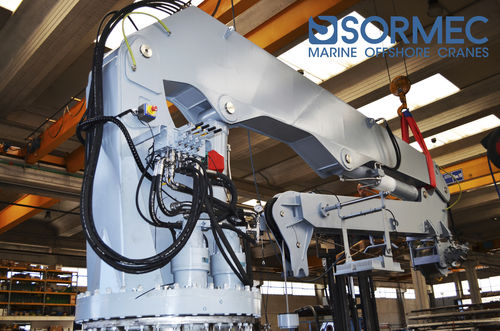
- Area: Hydraulic System Integrity - Leakage and CorrosionCheck: Inspect all hydraulic lines, fittings, and seals for leaks, corrosion, and salt spray damage (marine environments). Check accumulator pressure and condition. Verify marine coating protection on hydraulic components per DIN 15018 H2/B3 or API 2C standards.
- Area: Wire Rope and Load-Bearing Components - Fatigue and CorrosionCheck: Examine wire rope for corrosion, broken strands, and fatigue. For constant-tension systems, verify CT winch operation. For AHC systems, validate heave compensation sensor calibration. Test shock absorbers on davit cranes (FRB Series). Check slewing ring unit bearings for wear and lubrication.
- Area: Boom Integrity and Articulation - Welding and Joint StressCheck: For stiff-boom cranes (SA/M1500/SA): inspect welds, gussets, and fatigue cracks on boom sections. For knuckle-boom cranes (EL, M1500/EL): verify pin joint torque, articulation smoothness, and bearing wear. For foldable cranes (FB): test fold mechanism hydraulics and locking pins.
- Area: Safety and Certification Compliance - IMO/SOLAS and Classification SocietiesCheck: Verify current certification from IACS members (ABS, LRS, GL, DNV, RINA, BV, CCS, RMRS). For rescue davits (RB/FRB Series), confirm IMO/SOLAS code compliance. Validate that AOPS/MOPS systems function properly and that wind speed indicators operate. Test slack rope detection systems.
- Area: Arctic/Temperature Environment DegradationCheck: For polar and arctic-rated cranes (M2000/EL, Polar Ship Crane, -40°C models): inspect materials for brittle fracture risk at low temperatures. Test hydraulic fluid viscosity and gearbox oil. Verify electrical equipment (IP 56 standard) for moisture ingress. Check paint coating integrity for proper marine/arctic protection.
Typ-universelle Inspektionspunkte fuer Deck Cranes (verifiziert, 2026-06).
Seatrax Inc.
22 ✓ 22 verified- Area: Structural inspection of kingpost, boom chords, lattice members and gantry for cracks, corrosion, deformation and weld integrity per API 2CCheck: Structural inspection of kingpost, boom chords, lattice members and gantry for cracks, corrosion, deformation and weld integrity per API 2C
- Area: Wire rope inspection: check all hoist cables (main, auxiliary, boom suspension) for broken wires, kinks, corrosion, reduction in diameter and proper reevingCheck: Wire rope inspection: check all hoist cables (main, auxiliary, boom suspension) for broken wires, kinks, corrosion, reduction in diameter and proper reeving
- Area: Hydraulic system inspection: check hoses, fittings, cylinders, valves and HPU for leaks, pressure drop and fluid condition; verify relief valve settingsCheck: Hydraulic system inspection: check hoses, fittings, cylinders, valves and HPU for leaks, pressure drop and fluid condition; verify relief valve settings
- Area: Slew ring and slew drive inspection: check bearing wear, backlash, lubrication and bolt torque on slew ring fastenersCheck: Slew ring and slew drive inspection: check bearing wear, backlash, lubrication and bolt torque on slew ring fasteners
- Area: Hoist brake inspection: inspect draw-works drum band brakes and hydraulic brakes for lining wear, adjustment and proper holding capacity under load testCheck: Hoist brake inspection: inspect draw-works drum band brakes and hydraulic brakes for lining wear, adjustment and proper holding capacity under load test
- Area: Anti-two-block (ATB) system functional test: verify Seatrax mechanical ATB device activates correctly and disables hoist motion before two-block contactCheck: Anti-two-block (ATB) system functional test: verify Seatrax mechanical ATB device activates correctly and disables hoist motion before two-block contact
- Area: Load chart and rated capacity indicator (RCI) / load moment indicator (LMI) calibration check: verify displayed loads against known test weights at multiple radCheck: Load chart and rated capacity indicator (RCI) / load moment indicator (LMI) calibration check: verify displayed loads against known test weights at multiple radii
- Area: Pedestal, base frame and deck attachment inspection: check for cracking, corrosion, loose or missing fasteners, and integrity of deck penetrations/weldsCheck: Pedestal, base frame and deck attachment inspection: check for cracking, corrosion, loose or missing fasteners, and integrity of deck penetrations/welds
Typ-universelle Inspektionspunkte fuer Deck Cranes (verifiziert, 2026-06).
- Area: Structural inspection of kingpost, boom chords, lattice members and gantry for cracks, corrosion, deformation and weld integrity per API 2CCheck: Structural inspection of kingpost, boom chords, lattice members and gantry for cracks, corrosion, deformation and weld integrity per API 2C
- Area: Wire rope inspection: check all hoist cables (main, auxiliary, boom suspension) for broken wires, kinks, corrosion, reduction in diameter and proper reevingCheck: Wire rope inspection: check all hoist cables (main, auxiliary, boom suspension) for broken wires, kinks, corrosion, reduction in diameter and proper reeving
- Area: Hydraulic system inspection: check hoses, fittings, cylinders, valves and HPU for leaks, pressure drop and fluid condition; verify relief valve settingsCheck: Hydraulic system inspection: check hoses, fittings, cylinders, valves and HPU for leaks, pressure drop and fluid condition; verify relief valve settings
- Area: Slew ring and slew drive inspection: check bearing wear, backlash, lubrication and bolt torque on slew ring fastenersCheck: Slew ring and slew drive inspection: check bearing wear, backlash, lubrication and bolt torque on slew ring fasteners
- Area: Hoist brake inspection: inspect draw-works drum band brakes and hydraulic brakes for lining wear, adjustment and proper holding capacity under load testCheck: Hoist brake inspection: inspect draw-works drum band brakes and hydraulic brakes for lining wear, adjustment and proper holding capacity under load test
- Area: Anti-two-block (ATB) system functional test: verify Seatrax mechanical ATB device activates correctly and disables hoist motion before two-block contactCheck: Anti-two-block (ATB) system functional test: verify Seatrax mechanical ATB device activates correctly and disables hoist motion before two-block contact
- Area: Load chart and rated capacity indicator (RCI) / load moment indicator (LMI) calibration check: verify displayed loads against known test weights at multiple radCheck: Load chart and rated capacity indicator (RCI) / load moment indicator (LMI) calibration check: verify displayed loads against known test weights at multiple radii
- Area: Pedestal, base frame and deck attachment inspection: check for cracking, corrosion, loose or missing fasteners, and integrity of deck penetrations/weldsCheck: Pedestal, base frame and deck attachment inspection: check for cracking, corrosion, loose or missing fasteners, and integrity of deck penetrations/welds
Typ-universelle Inspektionspunkte fuer Deck Cranes (verifiziert, 2026-06).
- Area: Structural inspection of kingpost, boom chords, lattice members and gantry for cracks, corrosion, deformation and weld integrity per API 2CCheck: Structural inspection of kingpost, boom chords, lattice members and gantry for cracks, corrosion, deformation and weld integrity per API 2C
- Area: Wire rope inspection: check all hoist cables (main, auxiliary, boom suspension) for broken wires, kinks, corrosion, reduction in diameter and proper reevingCheck: Wire rope inspection: check all hoist cables (main, auxiliary, boom suspension) for broken wires, kinks, corrosion, reduction in diameter and proper reeving
- Area: Hydraulic system inspection: check hoses, fittings, cylinders, valves and HPU for leaks, pressure drop and fluid condition; verify relief valve settingsCheck: Hydraulic system inspection: check hoses, fittings, cylinders, valves and HPU for leaks, pressure drop and fluid condition; verify relief valve settings
- Area: Slew ring and slew drive inspection: check bearing wear, backlash, lubrication and bolt torque on slew ring fastenersCheck: Slew ring and slew drive inspection: check bearing wear, backlash, lubrication and bolt torque on slew ring fasteners
- Area: Hoist brake inspection: inspect draw-works drum band brakes and hydraulic brakes for lining wear, adjustment and proper holding capacity under load testCheck: Hoist brake inspection: inspect draw-works drum band brakes and hydraulic brakes for lining wear, adjustment and proper holding capacity under load test
- Area: Anti-two-block (ATB) system functional test: verify Seatrax mechanical ATB device activates correctly and disables hoist motion before two-block contactCheck: Anti-two-block (ATB) system functional test: verify Seatrax mechanical ATB device activates correctly and disables hoist motion before two-block contact
- Area: Load chart and rated capacity indicator (RCI) / load moment indicator (LMI) calibration check: verify displayed loads against known test weights at multiple radCheck: Load chart and rated capacity indicator (RCI) / load moment indicator (LMI) calibration check: verify displayed loads against known test weights at multiple radii
- Area: Pedestal, base frame and deck attachment inspection: check for cracking, corrosion, loose or missing fasteners, and integrity of deck penetrations/weldsCheck: Pedestal, base frame and deck attachment inspection: check for cracking, corrosion, loose or missing fasteners, and integrity of deck penetrations/welds
Typ-universelle Inspektionspunkte fuer Deck Cranes (verifiziert, 2026-06).
- Area: Structural inspection of kingpost, boom chords, lattice members and gantry for cracks, corrosion, deformation and weld integrity per API 2CCheck: Structural inspection of kingpost, boom chords, lattice members and gantry for cracks, corrosion, deformation and weld integrity per API 2C
- Area: Wire rope inspection: check all hoist cables (main, auxiliary, boom suspension) for broken wires, kinks, corrosion, reduction in diameter and proper reevingCheck: Wire rope inspection: check all hoist cables (main, auxiliary, boom suspension) for broken wires, kinks, corrosion, reduction in diameter and proper reeving
- Area: Hydraulic system inspection: check hoses, fittings, cylinders, valves and HPU for leaks, pressure drop and fluid condition; verify relief valve settingsCheck: Hydraulic system inspection: check hoses, fittings, cylinders, valves and HPU for leaks, pressure drop and fluid condition; verify relief valve settings
- Area: Slew ring and slew drive inspection: check bearing wear, backlash, lubrication and bolt torque on slew ring fastenersCheck: Slew ring and slew drive inspection: check bearing wear, backlash, lubrication and bolt torque on slew ring fasteners
- Area: Hoist brake inspection: inspect draw-works drum band brakes and hydraulic brakes for lining wear, adjustment and proper holding capacity under load testCheck: Hoist brake inspection: inspect draw-works drum band brakes and hydraulic brakes for lining wear, adjustment and proper holding capacity under load test
- Area: Anti-two-block (ATB) system functional test: verify Seatrax mechanical ATB device activates correctly and disables hoist motion before two-block contactCheck: Anti-two-block (ATB) system functional test: verify Seatrax mechanical ATB device activates correctly and disables hoist motion before two-block contact
- Area: Load chart and rated capacity indicator (RCI) / load moment indicator (LMI) calibration check: verify displayed loads against known test weights at multiple radCheck: Load chart and rated capacity indicator (RCI) / load moment indicator (LMI) calibration check: verify displayed loads against known test weights at multiple radii
- Area: Pedestal, base frame and deck attachment inspection: check for cracking, corrosion, loose or missing fasteners, and integrity of deck penetrations/weldsCheck: Pedestal, base frame and deck attachment inspection: check for cracking, corrosion, loose or missing fasteners, and integrity of deck penetrations/welds
Typ-universelle Inspektionspunkte fuer Deck Cranes (verifiziert, 2026-06).
- Area: Structural inspection of kingpost, boom chords, lattice members and gantry for cracks, corrosion, deformation and weld integrity per API 2CCheck: Structural inspection of kingpost, boom chords, lattice members and gantry for cracks, corrosion, deformation and weld integrity per API 2C
- Area: Wire rope inspection: check all hoist cables (main, auxiliary, boom suspension) for broken wires, kinks, corrosion, reduction in diameter and proper reevingCheck: Wire rope inspection: check all hoist cables (main, auxiliary, boom suspension) for broken wires, kinks, corrosion, reduction in diameter and proper reeving
- Area: Hydraulic system inspection: check hoses, fittings, cylinders, valves and HPU for leaks, pressure drop and fluid condition; verify relief valve settingsCheck: Hydraulic system inspection: check hoses, fittings, cylinders, valves and HPU for leaks, pressure drop and fluid condition; verify relief valve settings
- Area: Slew ring and slew drive inspection: check bearing wear, backlash, lubrication and bolt torque on slew ring fastenersCheck: Slew ring and slew drive inspection: check bearing wear, backlash, lubrication and bolt torque on slew ring fasteners
- Area: Hoist brake inspection: inspect draw-works drum band brakes and hydraulic brakes for lining wear, adjustment and proper holding capacity under load testCheck: Hoist brake inspection: inspect draw-works drum band brakes and hydraulic brakes for lining wear, adjustment and proper holding capacity under load test
- Area: Anti-two-block (ATB) system functional test: verify Seatrax mechanical ATB device activates correctly and disables hoist motion before two-block contactCheck: Anti-two-block (ATB) system functional test: verify Seatrax mechanical ATB device activates correctly and disables hoist motion before two-block contact
- Area: Load chart and rated capacity indicator (RCI) / load moment indicator (LMI) calibration check: verify displayed loads against known test weights at multiple radCheck: Load chart and rated capacity indicator (RCI) / load moment indicator (LMI) calibration check: verify displayed loads against known test weights at multiple radii
- Area: Pedestal, base frame and deck attachment inspection: check for cracking, corrosion, loose or missing fasteners, and integrity of deck penetrations/weldsCheck: Pedestal, base frame and deck attachment inspection: check for cracking, corrosion, loose or missing fasteners, and integrity of deck penetrations/welds
Typ-universelle Inspektionspunkte fuer Deck Cranes (verifiziert, 2026-06).
- Area: Structural inspection of kingpost, boom chords, lattice members and gantry for cracks, corrosion, deformation and weld integrity per API 2CCheck: Structural inspection of kingpost, boom chords, lattice members and gantry for cracks, corrosion, deformation and weld integrity per API 2C
- Area: Wire rope inspection: check all hoist cables (main, auxiliary, boom suspension) for broken wires, kinks, corrosion, reduction in diameter and proper reevingCheck: Wire rope inspection: check all hoist cables (main, auxiliary, boom suspension) for broken wires, kinks, corrosion, reduction in diameter and proper reeving
- Area: Hydraulic system inspection: check hoses, fittings, cylinders, valves and HPU for leaks, pressure drop and fluid condition; verify relief valve settingsCheck: Hydraulic system inspection: check hoses, fittings, cylinders, valves and HPU for leaks, pressure drop and fluid condition; verify relief valve settings
- Area: Slew ring and slew drive inspection: check bearing wear, backlash, lubrication and bolt torque on slew ring fastenersCheck: Slew ring and slew drive inspection: check bearing wear, backlash, lubrication and bolt torque on slew ring fasteners
- Area: Hoist brake inspection: inspect draw-works drum band brakes and hydraulic brakes for lining wear, adjustment and proper holding capacity under load testCheck: Hoist brake inspection: inspect draw-works drum band brakes and hydraulic brakes for lining wear, adjustment and proper holding capacity under load test
- Area: Anti-two-block (ATB) system functional test: verify Seatrax mechanical ATB device activates correctly and disables hoist motion before two-block contactCheck: Anti-two-block (ATB) system functional test: verify Seatrax mechanical ATB device activates correctly and disables hoist motion before two-block contact
- Area: Load chart and rated capacity indicator (RCI) / load moment indicator (LMI) calibration check: verify displayed loads against known test weights at multiple radCheck: Load chart and rated capacity indicator (RCI) / load moment indicator (LMI) calibration check: verify displayed loads against known test weights at multiple radii
- Area: Pedestal, base frame and deck attachment inspection: check for cracking, corrosion, loose or missing fasteners, and integrity of deck penetrations/weldsCheck: Pedestal, base frame and deck attachment inspection: check for cracking, corrosion, loose or missing fasteners, and integrity of deck penetrations/welds
Typ-universelle Inspektionspunkte fuer Deck Cranes (verifiziert, 2026-06).
- Area: Structural inspection of kingpost, boom chords, lattice members and gantry for cracks, corrosion, deformation and weld integrity per API 2CCheck: Structural inspection of kingpost, boom chords, lattice members and gantry for cracks, corrosion, deformation and weld integrity per API 2C
- Area: Wire rope inspection: check all hoist cables (main, auxiliary, boom suspension) for broken wires, kinks, corrosion, reduction in diameter and proper reevingCheck: Wire rope inspection: check all hoist cables (main, auxiliary, boom suspension) for broken wires, kinks, corrosion, reduction in diameter and proper reeving
- Area: Hydraulic system inspection: check hoses, fittings, cylinders, valves and HPU for leaks, pressure drop and fluid condition; verify relief valve settingsCheck: Hydraulic system inspection: check hoses, fittings, cylinders, valves and HPU for leaks, pressure drop and fluid condition; verify relief valve settings
- Area: Slew ring and slew drive inspection: check bearing wear, backlash, lubrication and bolt torque on slew ring fastenersCheck: Slew ring and slew drive inspection: check bearing wear, backlash, lubrication and bolt torque on slew ring fasteners
- Area: Hoist brake inspection: inspect draw-works drum band brakes and hydraulic brakes for lining wear, adjustment and proper holding capacity under load testCheck: Hoist brake inspection: inspect draw-works drum band brakes and hydraulic brakes for lining wear, adjustment and proper holding capacity under load test
- Area: Anti-two-block (ATB) system functional test: verify Seatrax mechanical ATB device activates correctly and disables hoist motion before two-block contactCheck: Anti-two-block (ATB) system functional test: verify Seatrax mechanical ATB device activates correctly and disables hoist motion before two-block contact
- Area: Load chart and rated capacity indicator (RCI) / load moment indicator (LMI) calibration check: verify displayed loads against known test weights at multiple radCheck: Load chart and rated capacity indicator (RCI) / load moment indicator (LMI) calibration check: verify displayed loads against known test weights at multiple radii
- Area: Pedestal, base frame and deck attachment inspection: check for cracking, corrosion, loose or missing fasteners, and integrity of deck penetrations/weldsCheck: Pedestal, base frame and deck attachment inspection: check for cracking, corrosion, loose or missing fasteners, and integrity of deck penetrations/welds
Typ-universelle Inspektionspunkte fuer Deck Cranes (verifiziert, 2026-06).
- Area: Structural inspection of kingpost, boom chords, lattice members and gantry for cracks, corrosion, deformation and weld integrity per API 2CCheck: Structural inspection of kingpost, boom chords, lattice members and gantry for cracks, corrosion, deformation and weld integrity per API 2C
- Area: Wire rope inspection: check all hoist cables (main, auxiliary, boom suspension) for broken wires, kinks, corrosion, reduction in diameter and proper reevingCheck: Wire rope inspection: check all hoist cables (main, auxiliary, boom suspension) for broken wires, kinks, corrosion, reduction in diameter and proper reeving
- Area: Hydraulic system inspection: check hoses, fittings, cylinders, valves and HPU for leaks, pressure drop and fluid condition; verify relief valve settingsCheck: Hydraulic system inspection: check hoses, fittings, cylinders, valves and HPU for leaks, pressure drop and fluid condition; verify relief valve settings
- Area: Slew ring and slew drive inspection: check bearing wear, backlash, lubrication and bolt torque on slew ring fastenersCheck: Slew ring and slew drive inspection: check bearing wear, backlash, lubrication and bolt torque on slew ring fasteners
- Area: Hoist brake inspection: inspect draw-works drum band brakes and hydraulic brakes for lining wear, adjustment and proper holding capacity under load testCheck: Hoist brake inspection: inspect draw-works drum band brakes and hydraulic brakes for lining wear, adjustment and proper holding capacity under load test
- Area: Anti-two-block (ATB) system functional test: verify Seatrax mechanical ATB device activates correctly and disables hoist motion before two-block contactCheck: Anti-two-block (ATB) system functional test: verify Seatrax mechanical ATB device activates correctly and disables hoist motion before two-block contact
- Area: Load chart and rated capacity indicator (RCI) / load moment indicator (LMI) calibration check: verify displayed loads against known test weights at multiple radCheck: Load chart and rated capacity indicator (RCI) / load moment indicator (LMI) calibration check: verify displayed loads against known test weights at multiple radii
- Area: Pedestal, base frame and deck attachment inspection: check for cracking, corrosion, loose or missing fasteners, and integrity of deck penetrations/weldsCheck: Pedestal, base frame and deck attachment inspection: check for cracking, corrosion, loose or missing fasteners, and integrity of deck penetrations/welds
Typ-universelle Inspektionspunkte fuer Deck Cranes (verifiziert, 2026-06).
- Area: Structural inspection of kingpost, boom chords, lattice members and gantry for cracks, corrosion, deformation and weld integrity per API 2CCheck: Structural inspection of kingpost, boom chords, lattice members and gantry for cracks, corrosion, deformation and weld integrity per API 2C
- Area: Wire rope inspection: check all hoist cables (main, auxiliary, boom suspension) for broken wires, kinks, corrosion, reduction in diameter and proper reevingCheck: Wire rope inspection: check all hoist cables (main, auxiliary, boom suspension) for broken wires, kinks, corrosion, reduction in diameter and proper reeving
- Area: Hydraulic system inspection: check hoses, fittings, cylinders, valves and HPU for leaks, pressure drop and fluid condition; verify relief valve settingsCheck: Hydraulic system inspection: check hoses, fittings, cylinders, valves and HPU for leaks, pressure drop and fluid condition; verify relief valve settings
- Area: Slew ring and slew drive inspection: check bearing wear, backlash, lubrication and bolt torque on slew ring fastenersCheck: Slew ring and slew drive inspection: check bearing wear, backlash, lubrication and bolt torque on slew ring fasteners
- Area: Hoist brake inspection: inspect draw-works drum band brakes and hydraulic brakes for lining wear, adjustment and proper holding capacity under load testCheck: Hoist brake inspection: inspect draw-works drum band brakes and hydraulic brakes for lining wear, adjustment and proper holding capacity under load test
- Area: Anti-two-block (ATB) system functional test: verify Seatrax mechanical ATB device activates correctly and disables hoist motion before two-block contactCheck: Anti-two-block (ATB) system functional test: verify Seatrax mechanical ATB device activates correctly and disables hoist motion before two-block contact
- Area: Load chart and rated capacity indicator (RCI) / load moment indicator (LMI) calibration check: verify displayed loads against known test weights at multiple radCheck: Load chart and rated capacity indicator (RCI) / load moment indicator (LMI) calibration check: verify displayed loads against known test weights at multiple radii
- Area: Pedestal, base frame and deck attachment inspection: check for cracking, corrosion, loose or missing fasteners, and integrity of deck penetrations/weldsCheck: Pedestal, base frame and deck attachment inspection: check for cracking, corrosion, loose or missing fasteners, and integrity of deck penetrations/welds
Typ-universelle Inspektionspunkte fuer Deck Cranes (verifiziert, 2026-06).
- Area: Structural inspection of kingpost, boom chords, lattice members and gantry for cracks, corrosion, deformation and weld integrity per API 2CCheck: Structural inspection of kingpost, boom chords, lattice members and gantry for cracks, corrosion, deformation and weld integrity per API 2C
- Area: Wire rope inspection: check all hoist cables (main, auxiliary, boom suspension) for broken wires, kinks, corrosion, reduction in diameter and proper reevingCheck: Wire rope inspection: check all hoist cables (main, auxiliary, boom suspension) for broken wires, kinks, corrosion, reduction in diameter and proper reeving
- Area: Hydraulic system inspection: check hoses, fittings, cylinders, valves and HPU for leaks, pressure drop and fluid condition; verify relief valve settingsCheck: Hydraulic system inspection: check hoses, fittings, cylinders, valves and HPU for leaks, pressure drop and fluid condition; verify relief valve settings
- Area: Slew ring and slew drive inspection: check bearing wear, backlash, lubrication and bolt torque on slew ring fastenersCheck: Slew ring and slew drive inspection: check bearing wear, backlash, lubrication and bolt torque on slew ring fasteners
- Area: Hoist brake inspection: inspect draw-works drum band brakes and hydraulic brakes for lining wear, adjustment and proper holding capacity under load testCheck: Hoist brake inspection: inspect draw-works drum band brakes and hydraulic brakes for lining wear, adjustment and proper holding capacity under load test
- Area: Anti-two-block (ATB) system functional test: verify Seatrax mechanical ATB device activates correctly and disables hoist motion before two-block contactCheck: Anti-two-block (ATB) system functional test: verify Seatrax mechanical ATB device activates correctly and disables hoist motion before two-block contact
- Area: Load chart and rated capacity indicator (RCI) / load moment indicator (LMI) calibration check: verify displayed loads against known test weights at multiple radCheck: Load chart and rated capacity indicator (RCI) / load moment indicator (LMI) calibration check: verify displayed loads against known test weights at multiple radii
- Area: Pedestal, base frame and deck attachment inspection: check for cracking, corrosion, loose or missing fasteners, and integrity of deck penetrations/weldsCheck: Pedestal, base frame and deck attachment inspection: check for cracking, corrosion, loose or missing fasteners, and integrity of deck penetrations/welds
Typ-universelle Inspektionspunkte fuer Deck Cranes (verifiziert, 2026-06).
- Area: Structural inspection of kingpost, boom chords, lattice members and gantry for cracks, corrosion, deformation and weld integrity per API 2CCheck: Structural inspection of kingpost, boom chords, lattice members and gantry for cracks, corrosion, deformation and weld integrity per API 2C
- Area: Wire rope inspection: check all hoist cables (main, auxiliary, boom suspension) for broken wires, kinks, corrosion, reduction in diameter and proper reevingCheck: Wire rope inspection: check all hoist cables (main, auxiliary, boom suspension) for broken wires, kinks, corrosion, reduction in diameter and proper reeving
- Area: Hydraulic system inspection: check hoses, fittings, cylinders, valves and HPU for leaks, pressure drop and fluid condition; verify relief valve settingsCheck: Hydraulic system inspection: check hoses, fittings, cylinders, valves and HPU for leaks, pressure drop and fluid condition; verify relief valve settings
- Area: Slew ring and slew drive inspection: check bearing wear, backlash, lubrication and bolt torque on slew ring fastenersCheck: Slew ring and slew drive inspection: check bearing wear, backlash, lubrication and bolt torque on slew ring fasteners
- Area: Hoist brake inspection: inspect draw-works drum band brakes and hydraulic brakes for lining wear, adjustment and proper holding capacity under load testCheck: Hoist brake inspection: inspect draw-works drum band brakes and hydraulic brakes for lining wear, adjustment and proper holding capacity under load test
- Area: Anti-two-block (ATB) system functional test: verify Seatrax mechanical ATB device activates correctly and disables hoist motion before two-block contactCheck: Anti-two-block (ATB) system functional test: verify Seatrax mechanical ATB device activates correctly and disables hoist motion before two-block contact
- Area: Load chart and rated capacity indicator (RCI) / load moment indicator (LMI) calibration check: verify displayed loads against known test weights at multiple radCheck: Load chart and rated capacity indicator (RCI) / load moment indicator (LMI) calibration check: verify displayed loads against known test weights at multiple radii
- Area: Pedestal, base frame and deck attachment inspection: check for cracking, corrosion, loose or missing fasteners, and integrity of deck penetrations/weldsCheck: Pedestal, base frame and deck attachment inspection: check for cracking, corrosion, loose or missing fasteners, and integrity of deck penetrations/welds
Typ-universelle Inspektionspunkte fuer Deck Cranes (verifiziert, 2026-06).
- Area: Structural inspection of kingpost, boom chords, lattice members and gantry for cracks, corrosion, deformation and weld integrity per API 2CCheck: Structural inspection of kingpost, boom chords, lattice members and gantry for cracks, corrosion, deformation and weld integrity per API 2C
- Area: Wire rope inspection: check all hoist cables (main, auxiliary, boom suspension) for broken wires, kinks, corrosion, reduction in diameter and proper reevingCheck: Wire rope inspection: check all hoist cables (main, auxiliary, boom suspension) for broken wires, kinks, corrosion, reduction in diameter and proper reeving
- Area: Hydraulic system inspection: check hoses, fittings, cylinders, valves and HPU for leaks, pressure drop and fluid condition; verify relief valve settingsCheck: Hydraulic system inspection: check hoses, fittings, cylinders, valves and HPU for leaks, pressure drop and fluid condition; verify relief valve settings
- Area: Slew ring and slew drive inspection: check bearing wear, backlash, lubrication and bolt torque on slew ring fastenersCheck: Slew ring and slew drive inspection: check bearing wear, backlash, lubrication and bolt torque on slew ring fasteners
- Area: Hoist brake inspection: inspect draw-works drum band brakes and hydraulic brakes for lining wear, adjustment and proper holding capacity under load testCheck: Hoist brake inspection: inspect draw-works drum band brakes and hydraulic brakes for lining wear, adjustment and proper holding capacity under load test
- Area: Anti-two-block (ATB) system functional test: verify Seatrax mechanical ATB device activates correctly and disables hoist motion before two-block contactCheck: Anti-two-block (ATB) system functional test: verify Seatrax mechanical ATB device activates correctly and disables hoist motion before two-block contact
- Area: Load chart and rated capacity indicator (RCI) / load moment indicator (LMI) calibration check: verify displayed loads against known test weights at multiple radCheck: Load chart and rated capacity indicator (RCI) / load moment indicator (LMI) calibration check: verify displayed loads against known test weights at multiple radii
- Area: Pedestal, base frame and deck attachment inspection: check for cracking, corrosion, loose or missing fasteners, and integrity of deck penetrations/weldsCheck: Pedestal, base frame and deck attachment inspection: check for cracking, corrosion, loose or missing fasteners, and integrity of deck penetrations/welds
Typ-universelle Inspektionspunkte fuer Deck Cranes (verifiziert, 2026-06).
- Area: Structural inspection of kingpost, boom chords, lattice members and gantry for cracks, corrosion, deformation and weld integrity per API 2CCheck: Structural inspection of kingpost, boom chords, lattice members and gantry for cracks, corrosion, deformation and weld integrity per API 2C
- Area: Wire rope inspection: check all hoist cables (main, auxiliary, boom suspension) for broken wires, kinks, corrosion, reduction in diameter and proper reevingCheck: Wire rope inspection: check all hoist cables (main, auxiliary, boom suspension) for broken wires, kinks, corrosion, reduction in diameter and proper reeving
- Area: Hydraulic system inspection: check hoses, fittings, cylinders, valves and HPU for leaks, pressure drop and fluid condition; verify relief valve settingsCheck: Hydraulic system inspection: check hoses, fittings, cylinders, valves and HPU for leaks, pressure drop and fluid condition; verify relief valve settings
- Area: Slew ring and slew drive inspection: check bearing wear, backlash, lubrication and bolt torque on slew ring fastenersCheck: Slew ring and slew drive inspection: check bearing wear, backlash, lubrication and bolt torque on slew ring fasteners
- Area: Hoist brake inspection: inspect draw-works drum band brakes and hydraulic brakes for lining wear, adjustment and proper holding capacity under load testCheck: Hoist brake inspection: inspect draw-works drum band brakes and hydraulic brakes for lining wear, adjustment and proper holding capacity under load test
- Area: Anti-two-block (ATB) system functional test: verify Seatrax mechanical ATB device activates correctly and disables hoist motion before two-block contactCheck: Anti-two-block (ATB) system functional test: verify Seatrax mechanical ATB device activates correctly and disables hoist motion before two-block contact
- Area: Load chart and rated capacity indicator (RCI) / load moment indicator (LMI) calibration check: verify displayed loads against known test weights at multiple radCheck: Load chart and rated capacity indicator (RCI) / load moment indicator (LMI) calibration check: verify displayed loads against known test weights at multiple radii
- Area: Pedestal, base frame and deck attachment inspection: check for cracking, corrosion, loose or missing fasteners, and integrity of deck penetrations/weldsCheck: Pedestal, base frame and deck attachment inspection: check for cracking, corrosion, loose or missing fasteners, and integrity of deck penetrations/welds
Typ-universelle Inspektionspunkte fuer Deck Cranes (verifiziert, 2026-06).
- Area: Structural inspection of kingpost, boom chords, lattice members and gantry for cracks, corrosion, deformation and weld integrity per API 2CCheck: Structural inspection of kingpost, boom chords, lattice members and gantry for cracks, corrosion, deformation and weld integrity per API 2C
- Area: Wire rope inspection: check all hoist cables (main, auxiliary, boom suspension) for broken wires, kinks, corrosion, reduction in diameter and proper reevingCheck: Wire rope inspection: check all hoist cables (main, auxiliary, boom suspension) for broken wires, kinks, corrosion, reduction in diameter and proper reeving
- Area: Hydraulic system inspection: check hoses, fittings, cylinders, valves and HPU for leaks, pressure drop and fluid condition; verify relief valve settingsCheck: Hydraulic system inspection: check hoses, fittings, cylinders, valves and HPU for leaks, pressure drop and fluid condition; verify relief valve settings
- Area: Slew ring and slew drive inspection: check bearing wear, backlash, lubrication and bolt torque on slew ring fastenersCheck: Slew ring and slew drive inspection: check bearing wear, backlash, lubrication and bolt torque on slew ring fasteners
- Area: Hoist brake inspection: inspect draw-works drum band brakes and hydraulic brakes for lining wear, adjustment and proper holding capacity under load testCheck: Hoist brake inspection: inspect draw-works drum band brakes and hydraulic brakes for lining wear, adjustment and proper holding capacity under load test
- Area: Anti-two-block (ATB) system functional test: verify Seatrax mechanical ATB device activates correctly and disables hoist motion before two-block contactCheck: Anti-two-block (ATB) system functional test: verify Seatrax mechanical ATB device activates correctly and disables hoist motion before two-block contact
- Area: Load chart and rated capacity indicator (RCI) / load moment indicator (LMI) calibration check: verify displayed loads against known test weights at multiple radCheck: Load chart and rated capacity indicator (RCI) / load moment indicator (LMI) calibration check: verify displayed loads against known test weights at multiple radii
- Area: Pedestal, base frame and deck attachment inspection: check for cracking, corrosion, loose or missing fasteners, and integrity of deck penetrations/weldsCheck: Pedestal, base frame and deck attachment inspection: check for cracking, corrosion, loose or missing fasteners, and integrity of deck penetrations/welds
Typ-universelle Inspektionspunkte fuer Deck Cranes (verifiziert, 2026-06).
- Area: Structural inspection of kingpost, boom chords, lattice members and gantry for cracks, corrosion, deformation and weld integrity per API 2CCheck: Structural inspection of kingpost, boom chords, lattice members and gantry for cracks, corrosion, deformation and weld integrity per API 2C
- Area: Wire rope inspection: check all hoist cables (main, auxiliary, boom suspension) for broken wires, kinks, corrosion, reduction in diameter and proper reevingCheck: Wire rope inspection: check all hoist cables (main, auxiliary, boom suspension) for broken wires, kinks, corrosion, reduction in diameter and proper reeving
- Area: Hydraulic system inspection: check hoses, fittings, cylinders, valves and HPU for leaks, pressure drop and fluid condition; verify relief valve settingsCheck: Hydraulic system inspection: check hoses, fittings, cylinders, valves and HPU for leaks, pressure drop and fluid condition; verify relief valve settings
- Area: Slew ring and slew drive inspection: check bearing wear, backlash, lubrication and bolt torque on slew ring fastenersCheck: Slew ring and slew drive inspection: check bearing wear, backlash, lubrication and bolt torque on slew ring fasteners
- Area: Hoist brake inspection: inspect draw-works drum band brakes and hydraulic brakes for lining wear, adjustment and proper holding capacity under load testCheck: Hoist brake inspection: inspect draw-works drum band brakes and hydraulic brakes for lining wear, adjustment and proper holding capacity under load test
- Area: Anti-two-block (ATB) system functional test: verify Seatrax mechanical ATB device activates correctly and disables hoist motion before two-block contactCheck: Anti-two-block (ATB) system functional test: verify Seatrax mechanical ATB device activates correctly and disables hoist motion before two-block contact
- Area: Load chart and rated capacity indicator (RCI) / load moment indicator (LMI) calibration check: verify displayed loads against known test weights at multiple radCheck: Load chart and rated capacity indicator (RCI) / load moment indicator (LMI) calibration check: verify displayed loads against known test weights at multiple radii
- Area: Pedestal, base frame and deck attachment inspection: check for cracking, corrosion, loose or missing fasteners, and integrity of deck penetrations/weldsCheck: Pedestal, base frame and deck attachment inspection: check for cracking, corrosion, loose or missing fasteners, and integrity of deck penetrations/welds
Typ-universelle Inspektionspunkte fuer Deck Cranes (verifiziert, 2026-06).
- Area: Structural inspection of kingpost, boom chords, lattice members and gantry for cracks, corrosion, deformation and weld integrity per API 2CCheck: Structural inspection of kingpost, boom chords, lattice members and gantry for cracks, corrosion, deformation and weld integrity per API 2C
- Area: Wire rope inspection: check all hoist cables (main, auxiliary, boom suspension) for broken wires, kinks, corrosion, reduction in diameter and proper reevingCheck: Wire rope inspection: check all hoist cables (main, auxiliary, boom suspension) for broken wires, kinks, corrosion, reduction in diameter and proper reeving
- Area: Hydraulic system inspection: check hoses, fittings, cylinders, valves and HPU for leaks, pressure drop and fluid condition; verify relief valve settingsCheck: Hydraulic system inspection: check hoses, fittings, cylinders, valves and HPU for leaks, pressure drop and fluid condition; verify relief valve settings
- Area: Slew ring and slew drive inspection: check bearing wear, backlash, lubrication and bolt torque on slew ring fastenersCheck: Slew ring and slew drive inspection: check bearing wear, backlash, lubrication and bolt torque on slew ring fasteners
- Area: Hoist brake inspection: inspect draw-works drum band brakes and hydraulic brakes for lining wear, adjustment and proper holding capacity under load testCheck: Hoist brake inspection: inspect draw-works drum band brakes and hydraulic brakes for lining wear, adjustment and proper holding capacity under load test
- Area: Anti-two-block (ATB) system functional test: verify Seatrax mechanical ATB device activates correctly and disables hoist motion before two-block contactCheck: Anti-two-block (ATB) system functional test: verify Seatrax mechanical ATB device activates correctly and disables hoist motion before two-block contact
- Area: Load chart and rated capacity indicator (RCI) / load moment indicator (LMI) calibration check: verify displayed loads against known test weights at multiple radCheck: Load chart and rated capacity indicator (RCI) / load moment indicator (LMI) calibration check: verify displayed loads against known test weights at multiple radii
- Area: Pedestal, base frame and deck attachment inspection: check for cracking, corrosion, loose or missing fasteners, and integrity of deck penetrations/weldsCheck: Pedestal, base frame and deck attachment inspection: check for cracking, corrosion, loose or missing fasteners, and integrity of deck penetrations/welds
Typ-universelle Inspektionspunkte fuer Deck Cranes (verifiziert, 2026-06).
- Area: Structural inspection of kingpost, boom chords, lattice members and gantry for cracks, corrosion, deformation and weld integrity per API 2CCheck: Structural inspection of kingpost, boom chords, lattice members and gantry for cracks, corrosion, deformation and weld integrity per API 2C
- Area: Wire rope inspection: check all hoist cables (main, auxiliary, boom suspension) for broken wires, kinks, corrosion, reduction in diameter and proper reevingCheck: Wire rope inspection: check all hoist cables (main, auxiliary, boom suspension) for broken wires, kinks, corrosion, reduction in diameter and proper reeving
- Area: Hydraulic system inspection: check hoses, fittings, cylinders, valves and HPU for leaks, pressure drop and fluid condition; verify relief valve settingsCheck: Hydraulic system inspection: check hoses, fittings, cylinders, valves and HPU for leaks, pressure drop and fluid condition; verify relief valve settings
- Area: Slew ring and slew drive inspection: check bearing wear, backlash, lubrication and bolt torque on slew ring fastenersCheck: Slew ring and slew drive inspection: check bearing wear, backlash, lubrication and bolt torque on slew ring fasteners
- Area: Hoist brake inspection: inspect draw-works drum band brakes and hydraulic brakes for lining wear, adjustment and proper holding capacity under load testCheck: Hoist brake inspection: inspect draw-works drum band brakes and hydraulic brakes for lining wear, adjustment and proper holding capacity under load test
- Area: Anti-two-block (ATB) system functional test: verify Seatrax mechanical ATB device activates correctly and disables hoist motion before two-block contactCheck: Anti-two-block (ATB) system functional test: verify Seatrax mechanical ATB device activates correctly and disables hoist motion before two-block contact
- Area: Load chart and rated capacity indicator (RCI) / load moment indicator (LMI) calibration check: verify displayed loads against known test weights at multiple radCheck: Load chart and rated capacity indicator (RCI) / load moment indicator (LMI) calibration check: verify displayed loads against known test weights at multiple radii
- Area: Pedestal, base frame and deck attachment inspection: check for cracking, corrosion, loose or missing fasteners, and integrity of deck penetrations/weldsCheck: Pedestal, base frame and deck attachment inspection: check for cracking, corrosion, loose or missing fasteners, and integrity of deck penetrations/welds
Typ-universelle Inspektionspunkte fuer Deck Cranes (verifiziert, 2026-06).
- Area: Structural inspection of kingpost, boom chords, lattice members and gantry for cracks, corrosion, deformation and weld integrity per API 2CCheck: Structural inspection of kingpost, boom chords, lattice members and gantry for cracks, corrosion, deformation and weld integrity per API 2C
- Area: Wire rope inspection: check all hoist cables (main, auxiliary, boom suspension) for broken wires, kinks, corrosion, reduction in diameter and proper reevingCheck: Wire rope inspection: check all hoist cables (main, auxiliary, boom suspension) for broken wires, kinks, corrosion, reduction in diameter and proper reeving
- Area: Hydraulic system inspection: check hoses, fittings, cylinders, valves and HPU for leaks, pressure drop and fluid condition; verify relief valve settingsCheck: Hydraulic system inspection: check hoses, fittings, cylinders, valves and HPU for leaks, pressure drop and fluid condition; verify relief valve settings
- Area: Slew ring and slew drive inspection: check bearing wear, backlash, lubrication and bolt torque on slew ring fastenersCheck: Slew ring and slew drive inspection: check bearing wear, backlash, lubrication and bolt torque on slew ring fasteners
- Area: Hoist brake inspection: inspect draw-works drum band brakes and hydraulic brakes for lining wear, adjustment and proper holding capacity under load testCheck: Hoist brake inspection: inspect draw-works drum band brakes and hydraulic brakes for lining wear, adjustment and proper holding capacity under load test
- Area: Anti-two-block (ATB) system functional test: verify Seatrax mechanical ATB device activates correctly and disables hoist motion before two-block contactCheck: Anti-two-block (ATB) system functional test: verify Seatrax mechanical ATB device activates correctly and disables hoist motion before two-block contact
- Area: Load chart and rated capacity indicator (RCI) / load moment indicator (LMI) calibration check: verify displayed loads against known test weights at multiple radCheck: Load chart and rated capacity indicator (RCI) / load moment indicator (LMI) calibration check: verify displayed loads against known test weights at multiple radii
- Area: Pedestal, base frame and deck attachment inspection: check for cracking, corrosion, loose or missing fasteners, and integrity of deck penetrations/weldsCheck: Pedestal, base frame and deck attachment inspection: check for cracking, corrosion, loose or missing fasteners, and integrity of deck penetrations/welds
Typ-universelle Inspektionspunkte fuer Deck Cranes (verifiziert, 2026-06).
- Area: Structural inspection of kingpost, boom chords, lattice members and gantry for cracks, corrosion, deformation and weld integrity per API 2CCheck: Structural inspection of kingpost, boom chords, lattice members and gantry for cracks, corrosion, deformation and weld integrity per API 2C
- Area: Wire rope inspection: check all hoist cables (main, auxiliary, boom suspension) for broken wires, kinks, corrosion, reduction in diameter and proper reevingCheck: Wire rope inspection: check all hoist cables (main, auxiliary, boom suspension) for broken wires, kinks, corrosion, reduction in diameter and proper reeving
- Area: Hydraulic system inspection: check hoses, fittings, cylinders, valves and HPU for leaks, pressure drop and fluid condition; verify relief valve settingsCheck: Hydraulic system inspection: check hoses, fittings, cylinders, valves and HPU for leaks, pressure drop and fluid condition; verify relief valve settings
- Area: Slew ring and slew drive inspection: check bearing wear, backlash, lubrication and bolt torque on slew ring fastenersCheck: Slew ring and slew drive inspection: check bearing wear, backlash, lubrication and bolt torque on slew ring fasteners
- Area: Hoist brake inspection: inspect draw-works drum band brakes and hydraulic brakes for lining wear, adjustment and proper holding capacity under load testCheck: Hoist brake inspection: inspect draw-works drum band brakes and hydraulic brakes for lining wear, adjustment and proper holding capacity under load test
- Area: Anti-two-block (ATB) system functional test: verify Seatrax mechanical ATB device activates correctly and disables hoist motion before two-block contactCheck: Anti-two-block (ATB) system functional test: verify Seatrax mechanical ATB device activates correctly and disables hoist motion before two-block contact
- Area: Load chart and rated capacity indicator (RCI) / load moment indicator (LMI) calibration check: verify displayed loads against known test weights at multiple radCheck: Load chart and rated capacity indicator (RCI) / load moment indicator (LMI) calibration check: verify displayed loads against known test weights at multiple radii
- Area: Pedestal, base frame and deck attachment inspection: check for cracking, corrosion, loose or missing fasteners, and integrity of deck penetrations/weldsCheck: Pedestal, base frame and deck attachment inspection: check for cracking, corrosion, loose or missing fasteners, and integrity of deck penetrations/welds
Typ-universelle Inspektionspunkte fuer Deck Cranes (verifiziert, 2026-06).
- Area: Structural inspection of kingpost, boom chords, lattice members and gantry for cracks, corrosion, deformation and weld integrity per API 2CCheck: Structural inspection of kingpost, boom chords, lattice members and gantry for cracks, corrosion, deformation and weld integrity per API 2C
- Area: Wire rope inspection: check all hoist cables (main, auxiliary, boom suspension) for broken wires, kinks, corrosion, reduction in diameter and proper reevingCheck: Wire rope inspection: check all hoist cables (main, auxiliary, boom suspension) for broken wires, kinks, corrosion, reduction in diameter and proper reeving
- Area: Hydraulic system inspection: check hoses, fittings, cylinders, valves and HPU for leaks, pressure drop and fluid condition; verify relief valve settingsCheck: Hydraulic system inspection: check hoses, fittings, cylinders, valves and HPU for leaks, pressure drop and fluid condition; verify relief valve settings
- Area: Slew ring and slew drive inspection: check bearing wear, backlash, lubrication and bolt torque on slew ring fastenersCheck: Slew ring and slew drive inspection: check bearing wear, backlash, lubrication and bolt torque on slew ring fasteners
- Area: Hoist brake inspection: inspect draw-works drum band brakes and hydraulic brakes for lining wear, adjustment and proper holding capacity under load testCheck: Hoist brake inspection: inspect draw-works drum band brakes and hydraulic brakes for lining wear, adjustment and proper holding capacity under load test
- Area: Anti-two-block (ATB) system functional test: verify Seatrax mechanical ATB device activates correctly and disables hoist motion before two-block contactCheck: Anti-two-block (ATB) system functional test: verify Seatrax mechanical ATB device activates correctly and disables hoist motion before two-block contact
- Area: Load chart and rated capacity indicator (RCI) / load moment indicator (LMI) calibration check: verify displayed loads against known test weights at multiple radCheck: Load chart and rated capacity indicator (RCI) / load moment indicator (LMI) calibration check: verify displayed loads against known test weights at multiple radii
- Area: Pedestal, base frame and deck attachment inspection: check for cracking, corrosion, loose or missing fasteners, and integrity of deck penetrations/weldsCheck: Pedestal, base frame and deck attachment inspection: check for cracking, corrosion, loose or missing fasteners, and integrity of deck penetrations/welds
Typ-universelle Inspektionspunkte fuer Deck Cranes (verifiziert, 2026-06).
- Area: Structural inspection of kingpost, boom chords, lattice members and gantry for cracks, corrosion, deformation and weld integrity per API 2CCheck: Structural inspection of kingpost, boom chords, lattice members and gantry for cracks, corrosion, deformation and weld integrity per API 2C
- Area: Wire rope inspection: check all hoist cables (main, auxiliary, boom suspension) for broken wires, kinks, corrosion, reduction in diameter and proper reevingCheck: Wire rope inspection: check all hoist cables (main, auxiliary, boom suspension) for broken wires, kinks, corrosion, reduction in diameter and proper reeving
- Area: Hydraulic system inspection: check hoses, fittings, cylinders, valves and HPU for leaks, pressure drop and fluid condition; verify relief valve settingsCheck: Hydraulic system inspection: check hoses, fittings, cylinders, valves and HPU for leaks, pressure drop and fluid condition; verify relief valve settings
- Area: Slew ring and slew drive inspection: check bearing wear, backlash, lubrication and bolt torque on slew ring fastenersCheck: Slew ring and slew drive inspection: check bearing wear, backlash, lubrication and bolt torque on slew ring fasteners
- Area: Hoist brake inspection: inspect draw-works drum band brakes and hydraulic brakes for lining wear, adjustment and proper holding capacity under load testCheck: Hoist brake inspection: inspect draw-works drum band brakes and hydraulic brakes for lining wear, adjustment and proper holding capacity under load test
- Area: Anti-two-block (ATB) system functional test: verify Seatrax mechanical ATB device activates correctly and disables hoist motion before two-block contactCheck: Anti-two-block (ATB) system functional test: verify Seatrax mechanical ATB device activates correctly and disables hoist motion before two-block contact
- Area: Load chart and rated capacity indicator (RCI) / load moment indicator (LMI) calibration check: verify displayed loads against known test weights at multiple radCheck: Load chart and rated capacity indicator (RCI) / load moment indicator (LMI) calibration check: verify displayed loads against known test weights at multiple radii
- Area: Pedestal, base frame and deck attachment inspection: check for cracking, corrosion, loose or missing fasteners, and integrity of deck penetrations/weldsCheck: Pedestal, base frame and deck attachment inspection: check for cracking, corrosion, loose or missing fasteners, and integrity of deck penetrations/welds
Typ-universelle Inspektionspunkte fuer Deck Cranes (verifiziert, 2026-06).
- Area: Structural inspection of kingpost, boom chords, lattice members and gantry for cracks, corrosion, deformation and weld integrity per API 2CCheck: Structural inspection of kingpost, boom chords, lattice members and gantry for cracks, corrosion, deformation and weld integrity per API 2C
- Area: Wire rope inspection: check all hoist cables (main, auxiliary, boom suspension) for broken wires, kinks, corrosion, reduction in diameter and proper reevingCheck: Wire rope inspection: check all hoist cables (main, auxiliary, boom suspension) for broken wires, kinks, corrosion, reduction in diameter and proper reeving
- Area: Hydraulic system inspection: check hoses, fittings, cylinders, valves and HPU for leaks, pressure drop and fluid condition; verify relief valve settingsCheck: Hydraulic system inspection: check hoses, fittings, cylinders, valves and HPU for leaks, pressure drop and fluid condition; verify relief valve settings
- Area: Slew ring and slew drive inspection: check bearing wear, backlash, lubrication and bolt torque on slew ring fastenersCheck: Slew ring and slew drive inspection: check bearing wear, backlash, lubrication and bolt torque on slew ring fasteners
- Area: Hoist brake inspection: inspect draw-works drum band brakes and hydraulic brakes for lining wear, adjustment and proper holding capacity under load testCheck: Hoist brake inspection: inspect draw-works drum band brakes and hydraulic brakes for lining wear, adjustment and proper holding capacity under load test
- Area: Anti-two-block (ATB) system functional test: verify Seatrax mechanical ATB device activates correctly and disables hoist motion before two-block contactCheck: Anti-two-block (ATB) system functional test: verify Seatrax mechanical ATB device activates correctly and disables hoist motion before two-block contact
- Area: Load chart and rated capacity indicator (RCI) / load moment indicator (LMI) calibration check: verify displayed loads against known test weights at multiple radCheck: Load chart and rated capacity indicator (RCI) / load moment indicator (LMI) calibration check: verify displayed loads against known test weights at multiple radii
- Area: Pedestal, base frame and deck attachment inspection: check for cracking, corrosion, loose or missing fasteners, and integrity of deck penetrations/weldsCheck: Pedestal, base frame and deck attachment inspection: check for cracking, corrosion, loose or missing fasteners, and integrity of deck penetrations/welds
Typ-universelle Inspektionspunkte fuer Deck Cranes (verifiziert, 2026-06).
KenzFigee
21 ✓ 17 verified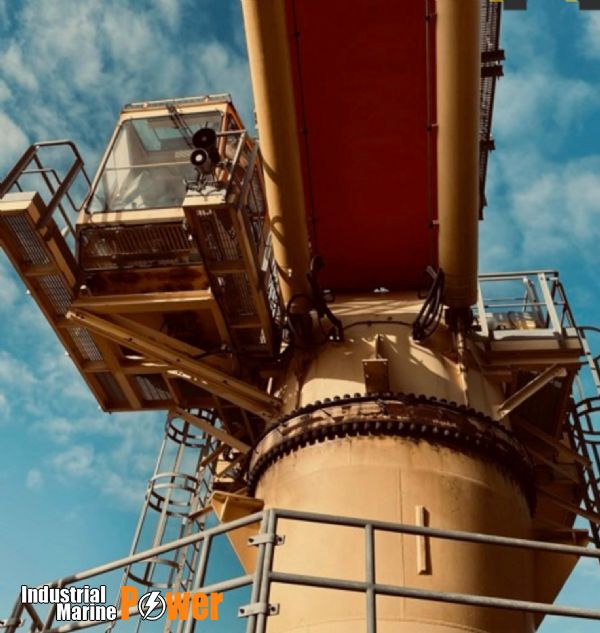
- Area: Boom Structural Integrity and Fatigue CracksCheck: Visual inspection of lattice/box boom for signs of cracking, corrosion, bent members, or deformation. NDT (non-destructive testing) via ultrasonic or dye-penetrant testing of critical weld zones and high-stress areas. Annual thorough examination per DNV/ABS rules.
- Area: Wire Rope Wear, Corrosion, and Safe Working Load DegradationCheck: Measure wire rope diameter reduction, inspect for broken strands, kinking, corrosion, and bird-caging. Replace when wear limits exceeded per DNV ST-0377. Load test every 5 years as per ABS/DNV certification requirements.
- Area: Hydraulic System Leakage, Fluid Contamination, and Cylinder PerformanceCheck: Check all hydraulic hose assemblies for leaks, document fluid condition (particulate count, viscosity, water content). Inspect hydraulic cylinders (especially luffing cylinders on RL models) for rod seal condition and drift under load. Verify pump pressure output.
- Area: Load Cell and Load Monitoring System AccuracyCheck: Calibrate electronic load cells and verify readout accuracy per DNV ST-0377. Confirm redundant load monitoring systems function independently. Perform static and dynamic load tests to verify SWL accuracy (e.g., 100T, 300T, 60T capacity verification).
- Area: Slewing Bearing Lubrication, Wear, and Rotational ResistanceCheck: Inspect three-row roller bearing (2200mm, 3000mm, 4000mm, 5500mm diameter variants) for adequate grease lubrication, bearing cage wear, and any unusual noise/vibration during rotation. Verify bearing torque/resistance within operational limits. Annual thorough examination required.
Typ-universelle Inspektionspunkte fuer Deck Cranes (verifiziert, 2026-06).
- Area: Boom Structural Integrity and Fatigue CracksCheck: Visual inspection of lattice/box boom for signs of cracking, corrosion, bent members, or deformation. NDT (non-destructive testing) via ultrasonic or dye-penetrant testing of critical weld zones and high-stress areas. Annual thorough examination per DNV/ABS rules.
- Area: Wire Rope Wear, Corrosion, and Safe Working Load DegradationCheck: Measure wire rope diameter reduction, inspect for broken strands, kinking, corrosion, and bird-caging. Replace when wear limits exceeded per DNV ST-0377. Load test every 5 years as per ABS/DNV certification requirements.
- Area: Hydraulic System Leakage, Fluid Contamination, and Cylinder PerformanceCheck: Check all hydraulic hose assemblies for leaks, document fluid condition (particulate count, viscosity, water content). Inspect hydraulic cylinders (especially luffing cylinders on RL models) for rod seal condition and drift under load. Verify pump pressure output.
- Area: Load Cell and Load Monitoring System AccuracyCheck: Calibrate electronic load cells and verify readout accuracy per DNV ST-0377. Confirm redundant load monitoring systems function independently. Perform static and dynamic load tests to verify SWL accuracy (e.g., 100T, 300T, 60T capacity verification).
- Area: Slewing Bearing Lubrication, Wear, and Rotational ResistanceCheck: Inspect three-row roller bearing (2200mm, 3000mm, 4000mm, 5500mm diameter variants) for adequate grease lubrication, bearing cage wear, and any unusual noise/vibration during rotation. Verify bearing torque/resistance within operational limits. Annual thorough examination required.
Typ-universelle Inspektionspunkte fuer Deck Cranes (verifiziert, 2026-06).
- Area: Boom Structural Integrity and Fatigue CracksCheck: Visual inspection of lattice/box boom for signs of cracking, corrosion, bent members, or deformation. NDT (non-destructive testing) via ultrasonic or dye-penetrant testing of critical weld zones and high-stress areas. Annual thorough examination per DNV/ABS rules.
- Area: Wire Rope Wear, Corrosion, and Safe Working Load DegradationCheck: Measure wire rope diameter reduction, inspect for broken strands, kinking, corrosion, and bird-caging. Replace when wear limits exceeded per DNV ST-0377. Load test every 5 years as per ABS/DNV certification requirements.
- Area: Hydraulic System Leakage, Fluid Contamination, and Cylinder PerformanceCheck: Check all hydraulic hose assemblies for leaks, document fluid condition (particulate count, viscosity, water content). Inspect hydraulic cylinders (especially luffing cylinders on RL models) for rod seal condition and drift under load. Verify pump pressure output.
- Area: Load Cell and Load Monitoring System AccuracyCheck: Calibrate electronic load cells and verify readout accuracy per DNV ST-0377. Confirm redundant load monitoring systems function independently. Perform static and dynamic load tests to verify SWL accuracy (e.g., 100T, 300T, 60T capacity verification).
- Area: Slewing Bearing Lubrication, Wear, and Rotational ResistanceCheck: Inspect three-row roller bearing (2200mm, 3000mm, 4000mm, 5500mm diameter variants) for adequate grease lubrication, bearing cage wear, and any unusual noise/vibration during rotation. Verify bearing torque/resistance within operational limits. Annual thorough examination required.
Typ-universelle Inspektionspunkte fuer Deck Cranes (verifiziert, 2026-06).
- Area: Boom Structural Integrity and Fatigue CracksCheck: Visual inspection of lattice/box boom for signs of cracking, corrosion, bent members, or deformation. NDT (non-destructive testing) via ultrasonic or dye-penetrant testing of critical weld zones and high-stress areas. Annual thorough examination per DNV/ABS rules.
- Area: Wire Rope Wear, Corrosion, and Safe Working Load DegradationCheck: Measure wire rope diameter reduction, inspect for broken strands, kinking, corrosion, and bird-caging. Replace when wear limits exceeded per DNV ST-0377. Load test every 5 years as per ABS/DNV certification requirements.
- Area: Hydraulic System Leakage, Fluid Contamination, and Cylinder PerformanceCheck: Check all hydraulic hose assemblies for leaks, document fluid condition (particulate count, viscosity, water content). Inspect hydraulic cylinders (especially luffing cylinders on RL models) for rod seal condition and drift under load. Verify pump pressure output.
- Area: Load Cell and Load Monitoring System AccuracyCheck: Calibrate electronic load cells and verify readout accuracy per DNV ST-0377. Confirm redundant load monitoring systems function independently. Perform static and dynamic load tests to verify SWL accuracy (e.g., 100T, 300T, 60T capacity verification).
- Area: Slewing Bearing Lubrication, Wear, and Rotational ResistanceCheck: Inspect three-row roller bearing (2200mm, 3000mm, 4000mm, 5500mm diameter variants) for adequate grease lubrication, bearing cage wear, and any unusual noise/vibration during rotation. Verify bearing torque/resistance within operational limits. Annual thorough examination required.
Typ-universelle Inspektionspunkte fuer Deck Cranes (verifiziert, 2026-06).

- Area: Boom Structural Integrity and Fatigue CracksCheck: Visual inspection of lattice/box boom for signs of cracking, corrosion, bent members, or deformation. NDT (non-destructive testing) via ultrasonic or dye-penetrant testing of critical weld zones and high-stress areas. Annual thorough examination per DNV/ABS rules.
- Area: Wire Rope Wear, Corrosion, and Safe Working Load DegradationCheck: Measure wire rope diameter reduction, inspect for broken strands, kinking, corrosion, and bird-caging. Replace when wear limits exceeded per DNV ST-0377. Load test every 5 years as per ABS/DNV certification requirements.
- Area: Hydraulic System Leakage, Fluid Contamination, and Cylinder PerformanceCheck: Check all hydraulic hose assemblies for leaks, document fluid condition (particulate count, viscosity, water content). Inspect hydraulic cylinders (especially luffing cylinders on RL models) for rod seal condition and drift under load. Verify pump pressure output.
- Area: Load Cell and Load Monitoring System AccuracyCheck: Calibrate electronic load cells and verify readout accuracy per DNV ST-0377. Confirm redundant load monitoring systems function independently. Perform static and dynamic load tests to verify SWL accuracy (e.g., 100T, 300T, 60T capacity verification).
- Area: Slewing Bearing Lubrication, Wear, and Rotational ResistanceCheck: Inspect three-row roller bearing (2200mm, 3000mm, 4000mm, 5500mm diameter variants) for adequate grease lubrication, bearing cage wear, and any unusual noise/vibration during rotation. Verify bearing torque/resistance within operational limits. Annual thorough examination required.
Typ-universelle Inspektionspunkte fuer Deck Cranes (verifiziert, 2026-06).
- Area: Wire rope inspection: check for broken wires, kinking, corrosion, wear, and correct spooling on the drum; replace per manufacturer intervals or applicable standCheck: Wire rope inspection: check for broken wires, kinking, corrosion, wear, and correct spooling on the drum; replace per manufacturer intervals or applicable standard (e.g. ISO 4309)
- Area: Slew ring / slew bearing: inspect for backlash, crack indications, fastener torque, lubrication condition, and corrosion on the gear ring teethCheck: Slew ring / slew bearing: inspect for backlash, crack indications, fastener torque, lubrication condition, and corrosion on the gear ring teeth
- Area: Hydraulic system: check oil level and condition (contamination, water ingress), inspect hoses, cylinders and fittings for leaks, verify relief valve set-pointsCheck: Hydraulic system: check oil level and condition (contamination, water ingress), inspect hoses, cylinders and fittings for leaks, verify relief valve set-points and filter differential pressure
- Area: Structural integrity: visual inspection of boom (lattice or box type), pedestal, and welded connections for cracks, corrosion, deformation, and paint condition;Check: Structural integrity: visual inspection of boom (lattice or box type), pedestal, and welded connections for cracks, corrosion, deformation, and paint condition; non-destructive testing at prescribed intervals
- Area: Load-limiting and safety devices: function-test SWL limiter, anti-two-block device, load indicator, radius/moment limiter, and emergency stop; verify calibratioCheck: Load-limiting and safety devices: function-test SWL limiter, anti-two-block device, load indicator, radius/moment limiter, and emergency stop; verify calibration certificates are current
- Area: Sheave blocks and hook assembly: inspect sheaves for wear, cracks and correct groove profile; check hook for deformation, crack testing, and latch function; verCheck: Sheave blocks and hook assembly: inspect sheaves for wear, cracks and correct groove profile; check hook for deformation, crack testing, and latch function; verify swivel operation
- Area: Electrical and control systems: inspect control cabinets, junction boxes, cable connections and festoon for moisture ingress, insulation resistance, and correctCheck: Electrical and control systems: inspect control cabinets, junction boxes, cable connections and festoon for moisture ingress, insulation resistance, and correct operation of limit switches and interlocks
- Area: Lubrication: verify all grease points (boom pivot pins, sheave bearings, winch bearings, slew ring) are serviced per lubrication schedule; check gearbox oil levCheck: Lubrication: verify all grease points (boom pivot pins, sheave bearings, winch bearings, slew ring) are serviced per lubrication schedule; check gearbox oil levels in hoist and slew drives
Typ-universelle Inspektionspunkte fuer Deck Cranes (verifiziert, 2026-06).
- Area: Wire rope inspection: check for broken wires, kinking, corrosion, wear, and correct spooling on the drum; replace per manufacturer intervals or applicable standCheck: Wire rope inspection: check for broken wires, kinking, corrosion, wear, and correct spooling on the drum; replace per manufacturer intervals or applicable standard (e.g. ISO 4309)
- Area: Slew ring / slew bearing: inspect for backlash, crack indications, fastener torque, lubrication condition, and corrosion on the gear ring teethCheck: Slew ring / slew bearing: inspect for backlash, crack indications, fastener torque, lubrication condition, and corrosion on the gear ring teeth
- Area: Hydraulic system: check oil level and condition (contamination, water ingress), inspect hoses, cylinders and fittings for leaks, verify relief valve set-pointsCheck: Hydraulic system: check oil level and condition (contamination, water ingress), inspect hoses, cylinders and fittings for leaks, verify relief valve set-points and filter differential pressure
- Area: Structural integrity: visual inspection of boom (lattice or box type), pedestal, and welded connections for cracks, corrosion, deformation, and paint condition;Check: Structural integrity: visual inspection of boom (lattice or box type), pedestal, and welded connections for cracks, corrosion, deformation, and paint condition; non-destructive testing at prescribed intervals
- Area: Load-limiting and safety devices: function-test SWL limiter, anti-two-block device, load indicator, radius/moment limiter, and emergency stop; verify calibratioCheck: Load-limiting and safety devices: function-test SWL limiter, anti-two-block device, load indicator, radius/moment limiter, and emergency stop; verify calibration certificates are current
- Area: Sheave blocks and hook assembly: inspect sheaves for wear, cracks and correct groove profile; check hook for deformation, crack testing, and latch function; verCheck: Sheave blocks and hook assembly: inspect sheaves for wear, cracks and correct groove profile; check hook for deformation, crack testing, and latch function; verify swivel operation
- Area: Electrical and control systems: inspect control cabinets, junction boxes, cable connections and festoon for moisture ingress, insulation resistance, and correctCheck: Electrical and control systems: inspect control cabinets, junction boxes, cable connections and festoon for moisture ingress, insulation resistance, and correct operation of limit switches and interlocks
- Area: Lubrication: verify all grease points (boom pivot pins, sheave bearings, winch bearings, slew ring) are serviced per lubrication schedule; check gearbox oil levCheck: Lubrication: verify all grease points (boom pivot pins, sheave bearings, winch bearings, slew ring) are serviced per lubrication schedule; check gearbox oil levels in hoist and slew drives
Typ-universelle Inspektionspunkte fuer Deck Cranes (verifiziert, 2026-06).
- Area: Wire rope inspection: check for broken wires, kinking, corrosion, wear, and correct spooling on the drum; replace per manufacturer intervals or applicable standCheck: Wire rope inspection: check for broken wires, kinking, corrosion, wear, and correct spooling on the drum; replace per manufacturer intervals or applicable standard (e.g. ISO 4309)
- Area: Slew ring / slew bearing: inspect for backlash, crack indications, fastener torque, lubrication condition, and corrosion on the gear ring teethCheck: Slew ring / slew bearing: inspect for backlash, crack indications, fastener torque, lubrication condition, and corrosion on the gear ring teeth
- Area: Hydraulic system: check oil level and condition (contamination, water ingress), inspect hoses, cylinders and fittings for leaks, verify relief valve set-pointsCheck: Hydraulic system: check oil level and condition (contamination, water ingress), inspect hoses, cylinders and fittings for leaks, verify relief valve set-points and filter differential pressure
- Area: Structural integrity: visual inspection of boom (lattice or box type), pedestal, and welded connections for cracks, corrosion, deformation, and paint condition;Check: Structural integrity: visual inspection of boom (lattice or box type), pedestal, and welded connections for cracks, corrosion, deformation, and paint condition; non-destructive testing at prescribed intervals
- Area: Load-limiting and safety devices: function-test SWL limiter, anti-two-block device, load indicator, radius/moment limiter, and emergency stop; verify calibratioCheck: Load-limiting and safety devices: function-test SWL limiter, anti-two-block device, load indicator, radius/moment limiter, and emergency stop; verify calibration certificates are current
- Area: Sheave blocks and hook assembly: inspect sheaves for wear, cracks and correct groove profile; check hook for deformation, crack testing, and latch function; verCheck: Sheave blocks and hook assembly: inspect sheaves for wear, cracks and correct groove profile; check hook for deformation, crack testing, and latch function; verify swivel operation
- Area: Electrical and control systems: inspect control cabinets, junction boxes, cable connections and festoon for moisture ingress, insulation resistance, and correctCheck: Electrical and control systems: inspect control cabinets, junction boxes, cable connections and festoon for moisture ingress, insulation resistance, and correct operation of limit switches and interlocks
- Area: Lubrication: verify all grease points (boom pivot pins, sheave bearings, winch bearings, slew ring) are serviced per lubrication schedule; check gearbox oil levCheck: Lubrication: verify all grease points (boom pivot pins, sheave bearings, winch bearings, slew ring) are serviced per lubrication schedule; check gearbox oil levels in hoist and slew drives
Typ-universelle Inspektionspunkte fuer Deck Cranes (verifiziert, 2026-06).
- Area: Wire rope inspection: check for broken wires, kinking, corrosion, wear, and correct spooling on the drum; replace per manufacturer intervals or applicable standCheck: Wire rope inspection: check for broken wires, kinking, corrosion, wear, and correct spooling on the drum; replace per manufacturer intervals or applicable standard (e.g. ISO 4309)
- Area: Slew ring / slew bearing: inspect for backlash, crack indications, fastener torque, lubrication condition, and corrosion on the gear ring teethCheck: Slew ring / slew bearing: inspect for backlash, crack indications, fastener torque, lubrication condition, and corrosion on the gear ring teeth
- Area: Hydraulic system: check oil level and condition (contamination, water ingress), inspect hoses, cylinders and fittings for leaks, verify relief valve set-pointsCheck: Hydraulic system: check oil level and condition (contamination, water ingress), inspect hoses, cylinders and fittings for leaks, verify relief valve set-points and filter differential pressure
- Area: Structural integrity: visual inspection of boom (lattice or box type), pedestal, and welded connections for cracks, corrosion, deformation, and paint condition;Check: Structural integrity: visual inspection of boom (lattice or box type), pedestal, and welded connections for cracks, corrosion, deformation, and paint condition; non-destructive testing at prescribed intervals
- Area: Load-limiting and safety devices: function-test SWL limiter, anti-two-block device, load indicator, radius/moment limiter, and emergency stop; verify calibratioCheck: Load-limiting and safety devices: function-test SWL limiter, anti-two-block device, load indicator, radius/moment limiter, and emergency stop; verify calibration certificates are current
- Area: Sheave blocks and hook assembly: inspect sheaves for wear, cracks and correct groove profile; check hook for deformation, crack testing, and latch function; verCheck: Sheave blocks and hook assembly: inspect sheaves for wear, cracks and correct groove profile; check hook for deformation, crack testing, and latch function; verify swivel operation
- Area: Electrical and control systems: inspect control cabinets, junction boxes, cable connections and festoon for moisture ingress, insulation resistance, and correctCheck: Electrical and control systems: inspect control cabinets, junction boxes, cable connections and festoon for moisture ingress, insulation resistance, and correct operation of limit switches and interlocks
- Area: Lubrication: verify all grease points (boom pivot pins, sheave bearings, winch bearings, slew ring) are serviced per lubrication schedule; check gearbox oil levCheck: Lubrication: verify all grease points (boom pivot pins, sheave bearings, winch bearings, slew ring) are serviced per lubrication schedule; check gearbox oil levels in hoist and slew drives
Typ-universelle Inspektionspunkte fuer Deck Cranes (verifiziert, 2026-06).
- Area: Wire rope inspection: check for broken wires, kinking, corrosion, wear, and correct spooling on the drum; replace per manufacturer intervals or applicable standCheck: Wire rope inspection: check for broken wires, kinking, corrosion, wear, and correct spooling on the drum; replace per manufacturer intervals or applicable standard (e.g. ISO 4309)
- Area: Slew ring / slew bearing: inspect for backlash, crack indications, fastener torque, lubrication condition, and corrosion on the gear ring teethCheck: Slew ring / slew bearing: inspect for backlash, crack indications, fastener torque, lubrication condition, and corrosion on the gear ring teeth
- Area: Hydraulic system: check oil level and condition (contamination, water ingress), inspect hoses, cylinders and fittings for leaks, verify relief valve set-pointsCheck: Hydraulic system: check oil level and condition (contamination, water ingress), inspect hoses, cylinders and fittings for leaks, verify relief valve set-points and filter differential pressure
- Area: Structural integrity: visual inspection of boom (lattice or box type), pedestal, and welded connections for cracks, corrosion, deformation, and paint condition;Check: Structural integrity: visual inspection of boom (lattice or box type), pedestal, and welded connections for cracks, corrosion, deformation, and paint condition; non-destructive testing at prescribed intervals
- Area: Load-limiting and safety devices: function-test SWL limiter, anti-two-block device, load indicator, radius/moment limiter, and emergency stop; verify calibratioCheck: Load-limiting and safety devices: function-test SWL limiter, anti-two-block device, load indicator, radius/moment limiter, and emergency stop; verify calibration certificates are current
- Area: Sheave blocks and hook assembly: inspect sheaves for wear, cracks and correct groove profile; check hook for deformation, crack testing, and latch function; verCheck: Sheave blocks and hook assembly: inspect sheaves for wear, cracks and correct groove profile; check hook for deformation, crack testing, and latch function; verify swivel operation
- Area: Electrical and control systems: inspect control cabinets, junction boxes, cable connections and festoon for moisture ingress, insulation resistance, and correctCheck: Electrical and control systems: inspect control cabinets, junction boxes, cable connections and festoon for moisture ingress, insulation resistance, and correct operation of limit switches and interlocks
- Area: Lubrication: verify all grease points (boom pivot pins, sheave bearings, winch bearings, slew ring) are serviced per lubrication schedule; check gearbox oil levCheck: Lubrication: verify all grease points (boom pivot pins, sheave bearings, winch bearings, slew ring) are serviced per lubrication schedule; check gearbox oil levels in hoist and slew drives
Typ-universelle Inspektionspunkte fuer Deck Cranes (verifiziert, 2026-06).
- Area: Wire rope inspection: check for broken wires, kinking, corrosion, wear, and correct spooling on the drum; replace per manufacturer intervals or applicable standCheck: Wire rope inspection: check for broken wires, kinking, corrosion, wear, and correct spooling on the drum; replace per manufacturer intervals or applicable standard (e.g. ISO 4309)
- Area: Slew ring / slew bearing: inspect for backlash, crack indications, fastener torque, lubrication condition, and corrosion on the gear ring teethCheck: Slew ring / slew bearing: inspect for backlash, crack indications, fastener torque, lubrication condition, and corrosion on the gear ring teeth
- Area: Hydraulic system: check oil level and condition (contamination, water ingress), inspect hoses, cylinders and fittings for leaks, verify relief valve set-pointsCheck: Hydraulic system: check oil level and condition (contamination, water ingress), inspect hoses, cylinders and fittings for leaks, verify relief valve set-points and filter differential pressure
- Area: Structural integrity: visual inspection of boom (lattice or box type), pedestal, and welded connections for cracks, corrosion, deformation, and paint condition;Check: Structural integrity: visual inspection of boom (lattice or box type), pedestal, and welded connections for cracks, corrosion, deformation, and paint condition; non-destructive testing at prescribed intervals
- Area: Load-limiting and safety devices: function-test SWL limiter, anti-two-block device, load indicator, radius/moment limiter, and emergency stop; verify calibratioCheck: Load-limiting and safety devices: function-test SWL limiter, anti-two-block device, load indicator, radius/moment limiter, and emergency stop; verify calibration certificates are current
- Area: Sheave blocks and hook assembly: inspect sheaves for wear, cracks and correct groove profile; check hook for deformation, crack testing, and latch function; verCheck: Sheave blocks and hook assembly: inspect sheaves for wear, cracks and correct groove profile; check hook for deformation, crack testing, and latch function; verify swivel operation
- Area: Electrical and control systems: inspect control cabinets, junction boxes, cable connections and festoon for moisture ingress, insulation resistance, and correctCheck: Electrical and control systems: inspect control cabinets, junction boxes, cable connections and festoon for moisture ingress, insulation resistance, and correct operation of limit switches and interlocks
- Area: Lubrication: verify all grease points (boom pivot pins, sheave bearings, winch bearings, slew ring) are serviced per lubrication schedule; check gearbox oil levCheck: Lubrication: verify all grease points (boom pivot pins, sheave bearings, winch bearings, slew ring) are serviced per lubrication schedule; check gearbox oil levels in hoist and slew drives
Typ-universelle Inspektionspunkte fuer Deck Cranes (verifiziert, 2026-06).
- Area: Wire rope inspection: check for broken wires, kinking, corrosion, wear, and correct spooling on the drum; replace per manufacturer intervals or applicable standCheck: Wire rope inspection: check for broken wires, kinking, corrosion, wear, and correct spooling on the drum; replace per manufacturer intervals or applicable standard (e.g. ISO 4309)
- Area: Slew ring / slew bearing: inspect for backlash, crack indications, fastener torque, lubrication condition, and corrosion on the gear ring teethCheck: Slew ring / slew bearing: inspect for backlash, crack indications, fastener torque, lubrication condition, and corrosion on the gear ring teeth
- Area: Hydraulic system: check oil level and condition (contamination, water ingress), inspect hoses, cylinders and fittings for leaks, verify relief valve set-pointsCheck: Hydraulic system: check oil level and condition (contamination, water ingress), inspect hoses, cylinders and fittings for leaks, verify relief valve set-points and filter differential pressure
- Area: Structural integrity: visual inspection of boom (lattice or box type), pedestal, and welded connections for cracks, corrosion, deformation, and paint condition;Check: Structural integrity: visual inspection of boom (lattice or box type), pedestal, and welded connections for cracks, corrosion, deformation, and paint condition; non-destructive testing at prescribed intervals
- Area: Load-limiting and safety devices: function-test SWL limiter, anti-two-block device, load indicator, radius/moment limiter, and emergency stop; verify calibratioCheck: Load-limiting and safety devices: function-test SWL limiter, anti-two-block device, load indicator, radius/moment limiter, and emergency stop; verify calibration certificates are current
- Area: Sheave blocks and hook assembly: inspect sheaves for wear, cracks and correct groove profile; check hook for deformation, crack testing, and latch function; verCheck: Sheave blocks and hook assembly: inspect sheaves for wear, cracks and correct groove profile; check hook for deformation, crack testing, and latch function; verify swivel operation
- Area: Electrical and control systems: inspect control cabinets, junction boxes, cable connections and festoon for moisture ingress, insulation resistance, and correctCheck: Electrical and control systems: inspect control cabinets, junction boxes, cable connections and festoon for moisture ingress, insulation resistance, and correct operation of limit switches and interlocks
- Area: Lubrication: verify all grease points (boom pivot pins, sheave bearings, winch bearings, slew ring) are serviced per lubrication schedule; check gearbox oil levCheck: Lubrication: verify all grease points (boom pivot pins, sheave bearings, winch bearings, slew ring) are serviced per lubrication schedule; check gearbox oil levels in hoist and slew drives
Typ-universelle Inspektionspunkte fuer Deck Cranes (verifiziert, 2026-06).
- Area: Wire rope inspection: check for broken wires, kinking, corrosion, wear, and correct spooling on the drum; replace per manufacturer intervals or applicable standCheck: Wire rope inspection: check for broken wires, kinking, corrosion, wear, and correct spooling on the drum; replace per manufacturer intervals or applicable standard (e.g. ISO 4309)
- Area: Slew ring / slew bearing: inspect for backlash, crack indications, fastener torque, lubrication condition, and corrosion on the gear ring teethCheck: Slew ring / slew bearing: inspect for backlash, crack indications, fastener torque, lubrication condition, and corrosion on the gear ring teeth
- Area: Hydraulic system: check oil level and condition (contamination, water ingress), inspect hoses, cylinders and fittings for leaks, verify relief valve set-pointsCheck: Hydraulic system: check oil level and condition (contamination, water ingress), inspect hoses, cylinders and fittings for leaks, verify relief valve set-points and filter differential pressure
- Area: Structural integrity: visual inspection of boom (lattice or box type), pedestal, and welded connections for cracks, corrosion, deformation, and paint condition;Check: Structural integrity: visual inspection of boom (lattice or box type), pedestal, and welded connections for cracks, corrosion, deformation, and paint condition; non-destructive testing at prescribed intervals
- Area: Load-limiting and safety devices: function-test SWL limiter, anti-two-block device, load indicator, radius/moment limiter, and emergency stop; verify calibratioCheck: Load-limiting and safety devices: function-test SWL limiter, anti-two-block device, load indicator, radius/moment limiter, and emergency stop; verify calibration certificates are current
- Area: Sheave blocks and hook assembly: inspect sheaves for wear, cracks and correct groove profile; check hook for deformation, crack testing, and latch function; verCheck: Sheave blocks and hook assembly: inspect sheaves for wear, cracks and correct groove profile; check hook for deformation, crack testing, and latch function; verify swivel operation
- Area: Electrical and control systems: inspect control cabinets, junction boxes, cable connections and festoon for moisture ingress, insulation resistance, and correctCheck: Electrical and control systems: inspect control cabinets, junction boxes, cable connections and festoon for moisture ingress, insulation resistance, and correct operation of limit switches and interlocks
- Area: Lubrication: verify all grease points (boom pivot pins, sheave bearings, winch bearings, slew ring) are serviced per lubrication schedule; check gearbox oil levCheck: Lubrication: verify all grease points (boom pivot pins, sheave bearings, winch bearings, slew ring) are serviced per lubrication schedule; check gearbox oil levels in hoist and slew drives
Typ-universelle Inspektionspunkte fuer Deck Cranes (verifiziert, 2026-06).
- Area: Wire rope inspection: check for broken wires, kinking, corrosion, wear, and correct spooling on the drum; replace per manufacturer intervals or applicable standCheck: Wire rope inspection: check for broken wires, kinking, corrosion, wear, and correct spooling on the drum; replace per manufacturer intervals or applicable standard (e.g. ISO 4309)
- Area: Slew ring / slew bearing: inspect for backlash, crack indications, fastener torque, lubrication condition, and corrosion on the gear ring teethCheck: Slew ring / slew bearing: inspect for backlash, crack indications, fastener torque, lubrication condition, and corrosion on the gear ring teeth
- Area: Hydraulic system: check oil level and condition (contamination, water ingress), inspect hoses, cylinders and fittings for leaks, verify relief valve set-pointsCheck: Hydraulic system: check oil level and condition (contamination, water ingress), inspect hoses, cylinders and fittings for leaks, verify relief valve set-points and filter differential pressure
- Area: Structural integrity: visual inspection of boom (lattice or box type), pedestal, and welded connections for cracks, corrosion, deformation, and paint condition;Check: Structural integrity: visual inspection of boom (lattice or box type), pedestal, and welded connections for cracks, corrosion, deformation, and paint condition; non-destructive testing at prescribed intervals
- Area: Load-limiting and safety devices: function-test SWL limiter, anti-two-block device, load indicator, radius/moment limiter, and emergency stop; verify calibratioCheck: Load-limiting and safety devices: function-test SWL limiter, anti-two-block device, load indicator, radius/moment limiter, and emergency stop; verify calibration certificates are current
- Area: Sheave blocks and hook assembly: inspect sheaves for wear, cracks and correct groove profile; check hook for deformation, crack testing, and latch function; verCheck: Sheave blocks and hook assembly: inspect sheaves for wear, cracks and correct groove profile; check hook for deformation, crack testing, and latch function; verify swivel operation
- Area: Electrical and control systems: inspect control cabinets, junction boxes, cable connections and festoon for moisture ingress, insulation resistance, and correctCheck: Electrical and control systems: inspect control cabinets, junction boxes, cable connections and festoon for moisture ingress, insulation resistance, and correct operation of limit switches and interlocks
- Area: Lubrication: verify all grease points (boom pivot pins, sheave bearings, winch bearings, slew ring) are serviced per lubrication schedule; check gearbox oil levCheck: Lubrication: verify all grease points (boom pivot pins, sheave bearings, winch bearings, slew ring) are serviced per lubrication schedule; check gearbox oil levels in hoist and slew drives
Typ-universelle Inspektionspunkte fuer Deck Cranes (verifiziert, 2026-06).
- Area: Wire rope inspection: check for broken wires, kinking, corrosion, wear, and correct spooling on the drum; replace per manufacturer intervals or applicable standCheck: Wire rope inspection: check for broken wires, kinking, corrosion, wear, and correct spooling on the drum; replace per manufacturer intervals or applicable standard (e.g. ISO 4309)
- Area: Slew ring / slew bearing: inspect for backlash, crack indications, fastener torque, lubrication condition, and corrosion on the gear ring teethCheck: Slew ring / slew bearing: inspect for backlash, crack indications, fastener torque, lubrication condition, and corrosion on the gear ring teeth
- Area: Hydraulic system: check oil level and condition (contamination, water ingress), inspect hoses, cylinders and fittings for leaks, verify relief valve set-pointsCheck: Hydraulic system: check oil level and condition (contamination, water ingress), inspect hoses, cylinders and fittings for leaks, verify relief valve set-points and filter differential pressure
- Area: Structural integrity: visual inspection of boom (lattice or box type), pedestal, and welded connections for cracks, corrosion, deformation, and paint condition;Check: Structural integrity: visual inspection of boom (lattice or box type), pedestal, and welded connections for cracks, corrosion, deformation, and paint condition; non-destructive testing at prescribed intervals
- Area: Load-limiting and safety devices: function-test SWL limiter, anti-two-block device, load indicator, radius/moment limiter, and emergency stop; verify calibratioCheck: Load-limiting and safety devices: function-test SWL limiter, anti-two-block device, load indicator, radius/moment limiter, and emergency stop; verify calibration certificates are current
- Area: Sheave blocks and hook assembly: inspect sheaves for wear, cracks and correct groove profile; check hook for deformation, crack testing, and latch function; verCheck: Sheave blocks and hook assembly: inspect sheaves for wear, cracks and correct groove profile; check hook for deformation, crack testing, and latch function; verify swivel operation
- Area: Electrical and control systems: inspect control cabinets, junction boxes, cable connections and festoon for moisture ingress, insulation resistance, and correctCheck: Electrical and control systems: inspect control cabinets, junction boxes, cable connections and festoon for moisture ingress, insulation resistance, and correct operation of limit switches and interlocks
- Area: Lubrication: verify all grease points (boom pivot pins, sheave bearings, winch bearings, slew ring) are serviced per lubrication schedule; check gearbox oil levCheck: Lubrication: verify all grease points (boom pivot pins, sheave bearings, winch bearings, slew ring) are serviced per lubrication schedule; check gearbox oil levels in hoist and slew drives
Typ-universelle Inspektionspunkte fuer Deck Cranes (verifiziert, 2026-06).
- Area: Wire rope inspection: check for broken wires, kinking, corrosion, wear, and correct spooling on the drum; replace per manufacturer intervals or applicable standCheck: Wire rope inspection: check for broken wires, kinking, corrosion, wear, and correct spooling on the drum; replace per manufacturer intervals or applicable standard (e.g. ISO 4309)
- Area: Slew ring / slew bearing: inspect for backlash, crack indications, fastener torque, lubrication condition, and corrosion on the gear ring teethCheck: Slew ring / slew bearing: inspect for backlash, crack indications, fastener torque, lubrication condition, and corrosion on the gear ring teeth
- Area: Hydraulic system: check oil level and condition (contamination, water ingress), inspect hoses, cylinders and fittings for leaks, verify relief valve set-pointsCheck: Hydraulic system: check oil level and condition (contamination, water ingress), inspect hoses, cylinders and fittings for leaks, verify relief valve set-points and filter differential pressure
- Area: Structural integrity: visual inspection of boom (lattice or box type), pedestal, and welded connections for cracks, corrosion, deformation, and paint condition;Check: Structural integrity: visual inspection of boom (lattice or box type), pedestal, and welded connections for cracks, corrosion, deformation, and paint condition; non-destructive testing at prescribed intervals
- Area: Load-limiting and safety devices: function-test SWL limiter, anti-two-block device, load indicator, radius/moment limiter, and emergency stop; verify calibratioCheck: Load-limiting and safety devices: function-test SWL limiter, anti-two-block device, load indicator, radius/moment limiter, and emergency stop; verify calibration certificates are current
- Area: Sheave blocks and hook assembly: inspect sheaves for wear, cracks and correct groove profile; check hook for deformation, crack testing, and latch function; verCheck: Sheave blocks and hook assembly: inspect sheaves for wear, cracks and correct groove profile; check hook for deformation, crack testing, and latch function; verify swivel operation
- Area: Electrical and control systems: inspect control cabinets, junction boxes, cable connections and festoon for moisture ingress, insulation resistance, and correctCheck: Electrical and control systems: inspect control cabinets, junction boxes, cable connections and festoon for moisture ingress, insulation resistance, and correct operation of limit switches and interlocks
- Area: Lubrication: verify all grease points (boom pivot pins, sheave bearings, winch bearings, slew ring) are serviced per lubrication schedule; check gearbox oil levCheck: Lubrication: verify all grease points (boom pivot pins, sheave bearings, winch bearings, slew ring) are serviced per lubrication schedule; check gearbox oil levels in hoist and slew drives
Typ-universelle Inspektionspunkte fuer Deck Cranes (verifiziert, 2026-06).
- Area: Wire rope inspection: check for broken wires, kinking, corrosion, wear, and correct spooling on the drum; replace per manufacturer intervals or applicable standCheck: Wire rope inspection: check for broken wires, kinking, corrosion, wear, and correct spooling on the drum; replace per manufacturer intervals or applicable standard (e.g. ISO 4309)
- Area: Slew ring / slew bearing: inspect for backlash, crack indications, fastener torque, lubrication condition, and corrosion on the gear ring teethCheck: Slew ring / slew bearing: inspect for backlash, crack indications, fastener torque, lubrication condition, and corrosion on the gear ring teeth
- Area: Hydraulic system: check oil level and condition (contamination, water ingress), inspect hoses, cylinders and fittings for leaks, verify relief valve set-pointsCheck: Hydraulic system: check oil level and condition (contamination, water ingress), inspect hoses, cylinders and fittings for leaks, verify relief valve set-points and filter differential pressure
- Area: Structural integrity: visual inspection of boom (lattice or box type), pedestal, and welded connections for cracks, corrosion, deformation, and paint condition;Check: Structural integrity: visual inspection of boom (lattice or box type), pedestal, and welded connections for cracks, corrosion, deformation, and paint condition; non-destructive testing at prescribed intervals
- Area: Load-limiting and safety devices: function-test SWL limiter, anti-two-block device, load indicator, radius/moment limiter, and emergency stop; verify calibratioCheck: Load-limiting and safety devices: function-test SWL limiter, anti-two-block device, load indicator, radius/moment limiter, and emergency stop; verify calibration certificates are current
- Area: Sheave blocks and hook assembly: inspect sheaves for wear, cracks and correct groove profile; check hook for deformation, crack testing, and latch function; verCheck: Sheave blocks and hook assembly: inspect sheaves for wear, cracks and correct groove profile; check hook for deformation, crack testing, and latch function; verify swivel operation
- Area: Electrical and control systems: inspect control cabinets, junction boxes, cable connections and festoon for moisture ingress, insulation resistance, and correctCheck: Electrical and control systems: inspect control cabinets, junction boxes, cable connections and festoon for moisture ingress, insulation resistance, and correct operation of limit switches and interlocks
- Area: Lubrication: verify all grease points (boom pivot pins, sheave bearings, winch bearings, slew ring) are serviced per lubrication schedule; check gearbox oil levCheck: Lubrication: verify all grease points (boom pivot pins, sheave bearings, winch bearings, slew ring) are serviced per lubrication schedule; check gearbox oil levels in hoist and slew drives
Typ-universelle Inspektionspunkte fuer Deck Cranes (verifiziert, 2026-06).
NorLift (TTS-Norlift AS)
18 ✓ 18 verified- Area: Boom and Structural IntegrityCheck: Visual inspection for deformation, cracks, corrosion, and damage at all welded and bolted connections. Special attention to fatigue cracks at high-stress weld joints which can develop gradually and cause catastrophic failure. Check for material degradation under chipped paint and surface rust.
- Area: Foundation and Base StructureCheck: Check foundation bolts for looseness and cracks in the pedestal structure. Inspect rotational components (sheaves, bearings, slew rings, slewing bearing axial clearance) for wear and proper lubrication. Measure slewing bearing grease samples for ferrography analysis per ILO 152 protocol.
- Area: Wire Rope Condition and LubricationCheck: Regular assessment of steel cables per ISO 4309: count broken wires, measure diameter reduction (discard if >7-10% loss), assess external and internal corrosion (pitting, rust streaks), check for signs of wear (kinks, crushing, birdcaging, broken strands). Ensure proper lubrication along entire length, particularly in sheave areas when crane stowed. Inspect elasticity and strand fracturing.
- Area: Hydraulic System Performance and Oil QualityCheck: Perform hydraulic oil analysis via laboratory testing (ferrography and oil sampling at prescribed intervals). Measure leak-oil amount from all axial piston pumps and motors. The most common failure cause is dirty hydraulic oil leading to filter choking - test for contamination. Check all hoses for deterioration and proper connections.
- Area: Brake System and Safety DevicesCheck: Test slewing, luffing, and hoist brakes to ensure smooth engagement and secure load holding without slipping. Measure brake lining thickness at regular intervals per Planned Maintenance System (PMS). Verify disk brake clearances and document findings. Ensure all brakes are failsafe design per ILO standards.
- Area: Electrical System and Limit SwitchesCheck: Verify limit switch boxes and electrical covers remain sealed to maintain waterproofing. Check and calibrate electric and electronic settings per ILO 152. Inspect all electrical connections for corrosion and proper grounding. Test load indicator and control system electronics.
Typ-universelle Inspektionspunkte fuer Deck Cranes (verifiziert, 2026-06).
- Area: Boom and Structural IntegrityCheck: Visual inspection for deformation, cracks, corrosion, and damage at all welded and bolted connections. Special attention to fatigue cracks at high-stress weld joints which can develop gradually and cause catastrophic failure. Check for material degradation under chipped paint and surface rust.
- Area: Foundation and Base StructureCheck: Check foundation bolts for looseness and cracks in the pedestal structure. Inspect rotational components (sheaves, bearings, slew rings, slewing bearing axial clearance) for wear and proper lubrication. Measure slewing bearing grease samples for ferrography analysis per ILO 152 protocol.
- Area: Wire Rope Condition and LubricationCheck: Regular assessment of steel cables per ISO 4309: count broken wires, measure diameter reduction (discard if >7-10% loss), assess external and internal corrosion (pitting, rust streaks), check for signs of wear (kinks, crushing, birdcaging, broken strands). Ensure proper lubrication along entire length, particularly in sheave areas when crane stowed. Inspect elasticity and strand fracturing.
- Area: Hydraulic System Performance and Oil QualityCheck: Perform hydraulic oil analysis via laboratory testing (ferrography and oil sampling at prescribed intervals). Measure leak-oil amount from all axial piston pumps and motors. The most common failure cause is dirty hydraulic oil leading to filter choking - test for contamination. Check all hoses for deterioration and proper connections.
- Area: Brake System and Safety DevicesCheck: Test slewing, luffing, and hoist brakes to ensure smooth engagement and secure load holding without slipping. Measure brake lining thickness at regular intervals per Planned Maintenance System (PMS). Verify disk brake clearances and document findings. Ensure all brakes are failsafe design per ILO standards.
- Area: Electrical System and Limit SwitchesCheck: Verify limit switch boxes and electrical covers remain sealed to maintain waterproofing. Check and calibrate electric and electronic settings per ILO 152. Inspect all electrical connections for corrosion and proper grounding. Test load indicator and control system electronics.
Typ-universelle Inspektionspunkte fuer Deck Cranes (verifiziert, 2026-06).
- Area: Boom and Structural IntegrityCheck: Visual inspection for deformation, cracks, corrosion, and damage at all welded and bolted connections. Special attention to fatigue cracks at high-stress weld joints which can develop gradually and cause catastrophic failure. Check for material degradation under chipped paint and surface rust.
- Area: Foundation and Base StructureCheck: Check foundation bolts for looseness and cracks in the pedestal structure. Inspect rotational components (sheaves, bearings, slew rings, slewing bearing axial clearance) for wear and proper lubrication. Measure slewing bearing grease samples for ferrography analysis per ILO 152 protocol.
- Area: Wire Rope Condition and LubricationCheck: Regular assessment of steel cables per ISO 4309: count broken wires, measure diameter reduction (discard if >7-10% loss), assess external and internal corrosion (pitting, rust streaks), check for signs of wear (kinks, crushing, birdcaging, broken strands). Ensure proper lubrication along entire length, particularly in sheave areas when crane stowed. Inspect elasticity and strand fracturing.
- Area: Hydraulic System Performance and Oil QualityCheck: Perform hydraulic oil analysis via laboratory testing (ferrography and oil sampling at prescribed intervals). Measure leak-oil amount from all axial piston pumps and motors. The most common failure cause is dirty hydraulic oil leading to filter choking - test for contamination. Check all hoses for deterioration and proper connections.
- Area: Brake System and Safety DevicesCheck: Test slewing, luffing, and hoist brakes to ensure smooth engagement and secure load holding without slipping. Measure brake lining thickness at regular intervals per Planned Maintenance System (PMS). Verify disk brake clearances and document findings. Ensure all brakes are failsafe design per ILO standards.
- Area: Electrical System and Limit SwitchesCheck: Verify limit switch boxes and electrical covers remain sealed to maintain waterproofing. Check and calibrate electric and electronic settings per ILO 152. Inspect all electrical connections for corrosion and proper grounding. Test load indicator and control system electronics.
Typ-universelle Inspektionspunkte fuer Deck Cranes (verifiziert, 2026-06).
- Area: Boom and Structural IntegrityCheck: Visual inspection for deformation, cracks, corrosion, and damage at all welded and bolted connections. Special attention to fatigue cracks at high-stress weld joints which can develop gradually and cause catastrophic failure. Check for material degradation under chipped paint and surface rust.
- Area: Foundation and Base StructureCheck: Check foundation bolts for looseness and cracks in the pedestal structure. Inspect rotational components (sheaves, bearings, slew rings, slewing bearing axial clearance) for wear and proper lubrication. Measure slewing bearing grease samples for ferrography analysis per ILO 152 protocol.
- Area: Wire Rope Condition and LubricationCheck: Regular assessment of steel cables per ISO 4309: count broken wires, measure diameter reduction (discard if >7-10% loss), assess external and internal corrosion (pitting, rust streaks), check for signs of wear (kinks, crushing, birdcaging, broken strands). Ensure proper lubrication along entire length, particularly in sheave areas when crane stowed. Inspect elasticity and strand fracturing.
- Area: Hydraulic System Performance and Oil QualityCheck: Perform hydraulic oil analysis via laboratory testing (ferrography and oil sampling at prescribed intervals). Measure leak-oil amount from all axial piston pumps and motors. The most common failure cause is dirty hydraulic oil leading to filter choking - test for contamination. Check all hoses for deterioration and proper connections.
- Area: Brake System and Safety DevicesCheck: Test slewing, luffing, and hoist brakes to ensure smooth engagement and secure load holding without slipping. Measure brake lining thickness at regular intervals per Planned Maintenance System (PMS). Verify disk brake clearances and document findings. Ensure all brakes are failsafe design per ILO standards.
- Area: Electrical System and Limit SwitchesCheck: Verify limit switch boxes and electrical covers remain sealed to maintain waterproofing. Check and calibrate electric and electronic settings per ILO 152. Inspect all electrical connections for corrosion and proper grounding. Test load indicator and control system electronics.
Typ-universelle Inspektionspunkte fuer Deck Cranes (verifiziert, 2026-06).
- Area: Boom and Structural IntegrityCheck: Visual inspection for deformation, cracks, corrosion, and damage at all welded and bolted connections. Special attention to fatigue cracks at high-stress weld joints which can develop gradually and cause catastrophic failure. Check for material degradation under chipped paint and surface rust.
- Area: Foundation and Base StructureCheck: Check foundation bolts for looseness and cracks in the pedestal structure. Inspect rotational components (sheaves, bearings, slew rings, slewing bearing axial clearance) for wear and proper lubrication. Measure slewing bearing grease samples for ferrography analysis per ILO 152 protocol.
- Area: Wire Rope Condition and LubricationCheck: Regular assessment of steel cables per ISO 4309: count broken wires, measure diameter reduction (discard if >7-10% loss), assess external and internal corrosion (pitting, rust streaks), check for signs of wear (kinks, crushing, birdcaging, broken strands). Ensure proper lubrication along entire length, particularly in sheave areas when crane stowed. Inspect elasticity and strand fracturing.
- Area: Hydraulic System Performance and Oil QualityCheck: Perform hydraulic oil analysis via laboratory testing (ferrography and oil sampling at prescribed intervals). Measure leak-oil amount from all axial piston pumps and motors. The most common failure cause is dirty hydraulic oil leading to filter choking - test for contamination. Check all hoses for deterioration and proper connections.
- Area: Brake System and Safety DevicesCheck: Test slewing, luffing, and hoist brakes to ensure smooth engagement and secure load holding without slipping. Measure brake lining thickness at regular intervals per Planned Maintenance System (PMS). Verify disk brake clearances and document findings. Ensure all brakes are failsafe design per ILO standards.
- Area: Electrical System and Limit SwitchesCheck: Verify limit switch boxes and electrical covers remain sealed to maintain waterproofing. Check and calibrate electric and electronic settings per ILO 152. Inspect all electrical connections for corrosion and proper grounding. Test load indicator and control system electronics.
Typ-universelle Inspektionspunkte fuer Deck Cranes (verifiziert, 2026-06).
- Area: Boom and Structural IntegrityCheck: Visual inspection for deformation, cracks, corrosion, and damage at all welded and bolted connections. Special attention to fatigue cracks at high-stress weld joints which can develop gradually and cause catastrophic failure. Check for material degradation under chipped paint and surface rust.
- Area: Foundation and Base StructureCheck: Check foundation bolts for looseness and cracks in the pedestal structure. Inspect rotational components (sheaves, bearings, slew rings, slewing bearing axial clearance) for wear and proper lubrication. Measure slewing bearing grease samples for ferrography analysis per ILO 152 protocol.
- Area: Wire Rope Condition and LubricationCheck: Regular assessment of steel cables per ISO 4309: count broken wires, measure diameter reduction (discard if >7-10% loss), assess external and internal corrosion (pitting, rust streaks), check for signs of wear (kinks, crushing, birdcaging, broken strands). Ensure proper lubrication along entire length, particularly in sheave areas when crane stowed. Inspect elasticity and strand fracturing.
- Area: Hydraulic System Performance and Oil QualityCheck: Perform hydraulic oil analysis via laboratory testing (ferrography and oil sampling at prescribed intervals). Measure leak-oil amount from all axial piston pumps and motors. The most common failure cause is dirty hydraulic oil leading to filter choking - test for contamination. Check all hoses for deterioration and proper connections.
- Area: Brake System and Safety DevicesCheck: Test slewing, luffing, and hoist brakes to ensure smooth engagement and secure load holding without slipping. Measure brake lining thickness at regular intervals per Planned Maintenance System (PMS). Verify disk brake clearances and document findings. Ensure all brakes are failsafe design per ILO standards.
- Area: Electrical System and Limit SwitchesCheck: Verify limit switch boxes and electrical covers remain sealed to maintain waterproofing. Check and calibrate electric and electronic settings per ILO 152. Inspect all electrical connections for corrosion and proper grounding. Test load indicator and control system electronics.
Typ-universelle Inspektionspunkte fuer Deck Cranes (verifiziert, 2026-06).

- Area: Boom and Structural IntegrityCheck: Visual inspection for deformation, cracks, corrosion, and damage at all welded and bolted connections. Special attention to fatigue cracks at high-stress weld joints which can develop gradually and cause catastrophic failure. Check for material degradation under chipped paint and surface rust.
- Area: Foundation and Base StructureCheck: Check foundation bolts for looseness and cracks in the pedestal structure. Inspect rotational components (sheaves, bearings, slew rings, slewing bearing axial clearance) for wear and proper lubrication. Measure slewing bearing grease samples for ferrography analysis per ILO 152 protocol.
- Area: Wire Rope Condition and LubricationCheck: Regular assessment of steel cables per ISO 4309: count broken wires, measure diameter reduction (discard if >7-10% loss), assess external and internal corrosion (pitting, rust streaks), check for signs of wear (kinks, crushing, birdcaging, broken strands). Ensure proper lubrication along entire length, particularly in sheave areas when crane stowed. Inspect elasticity and strand fracturing.
- Area: Hydraulic System Performance and Oil QualityCheck: Perform hydraulic oil analysis via laboratory testing (ferrography and oil sampling at prescribed intervals). Measure leak-oil amount from all axial piston pumps and motors. The most common failure cause is dirty hydraulic oil leading to filter choking - test for contamination. Check all hoses for deterioration and proper connections.
- Area: Brake System and Safety DevicesCheck: Test slewing, luffing, and hoist brakes to ensure smooth engagement and secure load holding without slipping. Measure brake lining thickness at regular intervals per Planned Maintenance System (PMS). Verify disk brake clearances and document findings. Ensure all brakes are failsafe design per ILO standards.
- Area: Electrical System and Limit SwitchesCheck: Verify limit switch boxes and electrical covers remain sealed to maintain waterproofing. Check and calibrate electric and electronic settings per ILO 152. Inspect all electrical connections for corrosion and proper grounding. Test load indicator and control system electronics.
Typ-universelle Inspektionspunkte fuer Deck Cranes (verifiziert, 2026-06).
- Area: Boom and Structural IntegrityCheck: Visual inspection for deformation, cracks, corrosion, and damage at all welded and bolted connections. Special attention to fatigue cracks at high-stress weld joints which can develop gradually and cause catastrophic failure. Check for material degradation under chipped paint and surface rust.
- Area: Foundation and Base StructureCheck: Check foundation bolts for looseness and cracks in the pedestal structure. Inspect rotational components (sheaves, bearings, slew rings, slewing bearing axial clearance) for wear and proper lubrication. Measure slewing bearing grease samples for ferrography analysis per ILO 152 protocol.
- Area: Wire Rope Condition and LubricationCheck: Regular assessment of steel cables per ISO 4309: count broken wires, measure diameter reduction (discard if >7-10% loss), assess external and internal corrosion (pitting, rust streaks), check for signs of wear (kinks, crushing, birdcaging, broken strands). Ensure proper lubrication along entire length, particularly in sheave areas when crane stowed. Inspect elasticity and strand fracturing.
- Area: Hydraulic System Performance and Oil QualityCheck: Perform hydraulic oil analysis via laboratory testing (ferrography and oil sampling at prescribed intervals). Measure leak-oil amount from all axial piston pumps and motors. The most common failure cause is dirty hydraulic oil leading to filter choking - test for contamination. Check all hoses for deterioration and proper connections.
- Area: Brake System and Safety DevicesCheck: Test slewing, luffing, and hoist brakes to ensure smooth engagement and secure load holding without slipping. Measure brake lining thickness at regular intervals per Planned Maintenance System (PMS). Verify disk brake clearances and document findings. Ensure all brakes are failsafe design per ILO standards.
- Area: Electrical System and Limit SwitchesCheck: Verify limit switch boxes and electrical covers remain sealed to maintain waterproofing. Check and calibrate electric and electronic settings per ILO 152. Inspect all electrical connections for corrosion and proper grounding. Test load indicator and control system electronics.
Typ-universelle Inspektionspunkte fuer Deck Cranes (verifiziert, 2026-06).
- Area: Boom and Structural IntegrityCheck: Visual inspection for deformation, cracks, corrosion, and damage at all welded and bolted connections. Special attention to fatigue cracks at high-stress weld joints which can develop gradually and cause catastrophic failure. Check for material degradation under chipped paint and surface rust.
- Area: Foundation and Base StructureCheck: Check foundation bolts for looseness and cracks in the pedestal structure. Inspect rotational components (sheaves, bearings, slew rings, slewing bearing axial clearance) for wear and proper lubrication. Measure slewing bearing grease samples for ferrography analysis per ILO 152 protocol.
- Area: Wire Rope Condition and LubricationCheck: Regular assessment of steel cables per ISO 4309: count broken wires, measure diameter reduction (discard if >7-10% loss), assess external and internal corrosion (pitting, rust streaks), check for signs of wear (kinks, crushing, birdcaging, broken strands). Ensure proper lubrication along entire length, particularly in sheave areas when crane stowed. Inspect elasticity and strand fracturing.
- Area: Hydraulic System Performance and Oil QualityCheck: Perform hydraulic oil analysis via laboratory testing (ferrography and oil sampling at prescribed intervals). Measure leak-oil amount from all axial piston pumps and motors. The most common failure cause is dirty hydraulic oil leading to filter choking - test for contamination. Check all hoses for deterioration and proper connections.
- Area: Brake System and Safety DevicesCheck: Test slewing, luffing, and hoist brakes to ensure smooth engagement and secure load holding without slipping. Measure brake lining thickness at regular intervals per Planned Maintenance System (PMS). Verify disk brake clearances and document findings. Ensure all brakes are failsafe design per ILO standards.
- Area: Electrical System and Limit SwitchesCheck: Verify limit switch boxes and electrical covers remain sealed to maintain waterproofing. Check and calibrate electric and electronic settings per ILO 152. Inspect all electrical connections for corrosion and proper grounding. Test load indicator and control system electronics.
Typ-universelle Inspektionspunkte fuer Deck Cranes (verifiziert, 2026-06).
- Area: Boom and Structural IntegrityCheck: Visual inspection for deformation, cracks, corrosion, and damage at all welded and bolted connections. Special attention to fatigue cracks at high-stress weld joints which can develop gradually and cause catastrophic failure. Check for material degradation under chipped paint and surface rust.
- Area: Foundation and Base StructureCheck: Check foundation bolts for looseness and cracks in the pedestal structure. Inspect rotational components (sheaves, bearings, slew rings, slewing bearing axial clearance) for wear and proper lubrication. Measure slewing bearing grease samples for ferrography analysis per ILO 152 protocol.
- Area: Wire Rope Condition and LubricationCheck: Regular assessment of steel cables per ISO 4309: count broken wires, measure diameter reduction (discard if >7-10% loss), assess external and internal corrosion (pitting, rust streaks), check for signs of wear (kinks, crushing, birdcaging, broken strands). Ensure proper lubrication along entire length, particularly in sheave areas when crane stowed. Inspect elasticity and strand fracturing.
- Area: Hydraulic System Performance and Oil QualityCheck: Perform hydraulic oil analysis via laboratory testing (ferrography and oil sampling at prescribed intervals). Measure leak-oil amount from all axial piston pumps and motors. The most common failure cause is dirty hydraulic oil leading to filter choking - test for contamination. Check all hoses for deterioration and proper connections.
- Area: Brake System and Safety DevicesCheck: Test slewing, luffing, and hoist brakes to ensure smooth engagement and secure load holding without slipping. Measure brake lining thickness at regular intervals per Planned Maintenance System (PMS). Verify disk brake clearances and document findings. Ensure all brakes are failsafe design per ILO standards.
- Area: Electrical System and Limit SwitchesCheck: Verify limit switch boxes and electrical covers remain sealed to maintain waterproofing. Check and calibrate electric and electronic settings per ILO 152. Inspect all electrical connections for corrosion and proper grounding. Test load indicator and control system electronics.
Typ-universelle Inspektionspunkte fuer Deck Cranes (verifiziert, 2026-06).
- Area: Boom and Structural IntegrityCheck: Visual inspection for deformation, cracks, corrosion, and damage at all welded and bolted connections. Special attention to fatigue cracks at high-stress weld joints which can develop gradually and cause catastrophic failure. Check for material degradation under chipped paint and surface rust.
- Area: Foundation and Base StructureCheck: Check foundation bolts for looseness and cracks in the pedestal structure. Inspect rotational components (sheaves, bearings, slew rings, slewing bearing axial clearance) for wear and proper lubrication. Measure slewing bearing grease samples for ferrography analysis per ILO 152 protocol.
- Area: Wire Rope Condition and LubricationCheck: Regular assessment of steel cables per ISO 4309: count broken wires, measure diameter reduction (discard if >7-10% loss), assess external and internal corrosion (pitting, rust streaks), check for signs of wear (kinks, crushing, birdcaging, broken strands). Ensure proper lubrication along entire length, particularly in sheave areas when crane stowed. Inspect elasticity and strand fracturing.
- Area: Hydraulic System Performance and Oil QualityCheck: Perform hydraulic oil analysis via laboratory testing (ferrography and oil sampling at prescribed intervals). Measure leak-oil amount from all axial piston pumps and motors. The most common failure cause is dirty hydraulic oil leading to filter choking - test for contamination. Check all hoses for deterioration and proper connections.
- Area: Brake System and Safety DevicesCheck: Test slewing, luffing, and hoist brakes to ensure smooth engagement and secure load holding without slipping. Measure brake lining thickness at regular intervals per Planned Maintenance System (PMS). Verify disk brake clearances and document findings. Ensure all brakes are failsafe design per ILO standards.
- Area: Electrical System and Limit SwitchesCheck: Verify limit switch boxes and electrical covers remain sealed to maintain waterproofing. Check and calibrate electric and electronic settings per ILO 152. Inspect all electrical connections for corrosion and proper grounding. Test load indicator and control system electronics.
Typ-universelle Inspektionspunkte fuer Deck Cranes (verifiziert, 2026-06).
- Area: Boom and Structural IntegrityCheck: Visual inspection for deformation, cracks, corrosion, and damage at all welded and bolted connections. Special attention to fatigue cracks at high-stress weld joints which can develop gradually and cause catastrophic failure. Check for material degradation under chipped paint and surface rust.
- Area: Foundation and Base StructureCheck: Check foundation bolts for looseness and cracks in the pedestal structure. Inspect rotational components (sheaves, bearings, slew rings, slewing bearing axial clearance) for wear and proper lubrication. Measure slewing bearing grease samples for ferrography analysis per ILO 152 protocol.
- Area: Wire Rope Condition and LubricationCheck: Regular assessment of steel cables per ISO 4309: count broken wires, measure diameter reduction (discard if >7-10% loss), assess external and internal corrosion (pitting, rust streaks), check for signs of wear (kinks, crushing, birdcaging, broken strands). Ensure proper lubrication along entire length, particularly in sheave areas when crane stowed. Inspect elasticity and strand fracturing.
- Area: Hydraulic System Performance and Oil QualityCheck: Perform hydraulic oil analysis via laboratory testing (ferrography and oil sampling at prescribed intervals). Measure leak-oil amount from all axial piston pumps and motors. The most common failure cause is dirty hydraulic oil leading to filter choking - test for contamination. Check all hoses for deterioration and proper connections.
- Area: Brake System and Safety DevicesCheck: Test slewing, luffing, and hoist brakes to ensure smooth engagement and secure load holding without slipping. Measure brake lining thickness at regular intervals per Planned Maintenance System (PMS). Verify disk brake clearances and document findings. Ensure all brakes are failsafe design per ILO standards.
- Area: Electrical System and Limit SwitchesCheck: Verify limit switch boxes and electrical covers remain sealed to maintain waterproofing. Check and calibrate electric and electronic settings per ILO 152. Inspect all electrical connections for corrosion and proper grounding. Test load indicator and control system electronics.
Typ-universelle Inspektionspunkte fuer Deck Cranes (verifiziert, 2026-06).
- Area: Boom and Structural IntegrityCheck: Visual inspection for deformation, cracks, corrosion, and damage at all welded and bolted connections. Special attention to fatigue cracks at high-stress weld joints which can develop gradually and cause catastrophic failure. Check for material degradation under chipped paint and surface rust.
- Area: Foundation and Base StructureCheck: Check foundation bolts for looseness and cracks in the pedestal structure. Inspect rotational components (sheaves, bearings, slew rings, slewing bearing axial clearance) for wear and proper lubrication. Measure slewing bearing grease samples for ferrography analysis per ILO 152 protocol.
- Area: Wire Rope Condition and LubricationCheck: Regular assessment of steel cables per ISO 4309: count broken wires, measure diameter reduction (discard if >7-10% loss), assess external and internal corrosion (pitting, rust streaks), check for signs of wear (kinks, crushing, birdcaging, broken strands). Ensure proper lubrication along entire length, particularly in sheave areas when crane stowed. Inspect elasticity and strand fracturing.
- Area: Hydraulic System Performance and Oil QualityCheck: Perform hydraulic oil analysis via laboratory testing (ferrography and oil sampling at prescribed intervals). Measure leak-oil amount from all axial piston pumps and motors. The most common failure cause is dirty hydraulic oil leading to filter choking - test for contamination. Check all hoses for deterioration and proper connections.
- Area: Brake System and Safety DevicesCheck: Test slewing, luffing, and hoist brakes to ensure smooth engagement and secure load holding without slipping. Measure brake lining thickness at regular intervals per Planned Maintenance System (PMS). Verify disk brake clearances and document findings. Ensure all brakes are failsafe design per ILO standards.
- Area: Electrical System and Limit SwitchesCheck: Verify limit switch boxes and electrical covers remain sealed to maintain waterproofing. Check and calibrate electric and electronic settings per ILO 152. Inspect all electrical connections for corrosion and proper grounding. Test load indicator and control system electronics.
Typ-universelle Inspektionspunkte fuer Deck Cranes (verifiziert, 2026-06).
- Area: Boom and Structural IntegrityCheck: Visual inspection for deformation, cracks, corrosion, and damage at all welded and bolted connections. Special attention to fatigue cracks at high-stress weld joints which can develop gradually and cause catastrophic failure. Check for material degradation under chipped paint and surface rust.
- Area: Foundation and Base StructureCheck: Check foundation bolts for looseness and cracks in the pedestal structure. Inspect rotational components (sheaves, bearings, slew rings, slewing bearing axial clearance) for wear and proper lubrication. Measure slewing bearing grease samples for ferrography analysis per ILO 152 protocol.
- Area: Wire Rope Condition and LubricationCheck: Regular assessment of steel cables per ISO 4309: count broken wires, measure diameter reduction (discard if >7-10% loss), assess external and internal corrosion (pitting, rust streaks), check for signs of wear (kinks, crushing, birdcaging, broken strands). Ensure proper lubrication along entire length, particularly in sheave areas when crane stowed. Inspect elasticity and strand fracturing.
- Area: Hydraulic System Performance and Oil QualityCheck: Perform hydraulic oil analysis via laboratory testing (ferrography and oil sampling at prescribed intervals). Measure leak-oil amount from all axial piston pumps and motors. The most common failure cause is dirty hydraulic oil leading to filter choking - test for contamination. Check all hoses for deterioration and proper connections.
- Area: Brake System and Safety DevicesCheck: Test slewing, luffing, and hoist brakes to ensure smooth engagement and secure load holding without slipping. Measure brake lining thickness at regular intervals per Planned Maintenance System (PMS). Verify disk brake clearances and document findings. Ensure all brakes are failsafe design per ILO standards.
- Area: Electrical System and Limit SwitchesCheck: Verify limit switch boxes and electrical covers remain sealed to maintain waterproofing. Check and calibrate electric and electronic settings per ILO 152. Inspect all electrical connections for corrosion and proper grounding. Test load indicator and control system electronics.
Typ-universelle Inspektionspunkte fuer Deck Cranes (verifiziert, 2026-06).
- Area: Boom and Structural IntegrityCheck: Visual inspection for deformation, cracks, corrosion, and damage at all welded and bolted connections. Special attention to fatigue cracks at high-stress weld joints which can develop gradually and cause catastrophic failure. Check for material degradation under chipped paint and surface rust.
- Area: Foundation and Base StructureCheck: Check foundation bolts for looseness and cracks in the pedestal structure. Inspect rotational components (sheaves, bearings, slew rings, slewing bearing axial clearance) for wear and proper lubrication. Measure slewing bearing grease samples for ferrography analysis per ILO 152 protocol.
- Area: Wire Rope Condition and LubricationCheck: Regular assessment of steel cables per ISO 4309: count broken wires, measure diameter reduction (discard if >7-10% loss), assess external and internal corrosion (pitting, rust streaks), check for signs of wear (kinks, crushing, birdcaging, broken strands). Ensure proper lubrication along entire length, particularly in sheave areas when crane stowed. Inspect elasticity and strand fracturing.
- Area: Hydraulic System Performance and Oil QualityCheck: Perform hydraulic oil analysis via laboratory testing (ferrography and oil sampling at prescribed intervals). Measure leak-oil amount from all axial piston pumps and motors. The most common failure cause is dirty hydraulic oil leading to filter choking - test for contamination. Check all hoses for deterioration and proper connections.
- Area: Brake System and Safety DevicesCheck: Test slewing, luffing, and hoist brakes to ensure smooth engagement and secure load holding without slipping. Measure brake lining thickness at regular intervals per Planned Maintenance System (PMS). Verify disk brake clearances and document findings. Ensure all brakes are failsafe design per ILO standards.
- Area: Electrical System and Limit SwitchesCheck: Verify limit switch boxes and electrical covers remain sealed to maintain waterproofing. Check and calibrate electric and electronic settings per ILO 152. Inspect all electrical connections for corrosion and proper grounding. Test load indicator and control system electronics.
Typ-universelle Inspektionspunkte fuer Deck Cranes (verifiziert, 2026-06).
- Area: Boom and Structural IntegrityCheck: Visual inspection for deformation, cracks, corrosion, and damage at all welded and bolted connections. Special attention to fatigue cracks at high-stress weld joints which can develop gradually and cause catastrophic failure. Check for material degradation under chipped paint and surface rust.
- Area: Foundation and Base StructureCheck: Check foundation bolts for looseness and cracks in the pedestal structure. Inspect rotational components (sheaves, bearings, slew rings, slewing bearing axial clearance) for wear and proper lubrication. Measure slewing bearing grease samples for ferrography analysis per ILO 152 protocol.
- Area: Wire Rope Condition and LubricationCheck: Regular assessment of steel cables per ISO 4309: count broken wires, measure diameter reduction (discard if >7-10% loss), assess external and internal corrosion (pitting, rust streaks), check for signs of wear (kinks, crushing, birdcaging, broken strands). Ensure proper lubrication along entire length, particularly in sheave areas when crane stowed. Inspect elasticity and strand fracturing.
- Area: Hydraulic System Performance and Oil QualityCheck: Perform hydraulic oil analysis via laboratory testing (ferrography and oil sampling at prescribed intervals). Measure leak-oil amount from all axial piston pumps and motors. The most common failure cause is dirty hydraulic oil leading to filter choking - test for contamination. Check all hoses for deterioration and proper connections.
- Area: Brake System and Safety DevicesCheck: Test slewing, luffing, and hoist brakes to ensure smooth engagement and secure load holding without slipping. Measure brake lining thickness at regular intervals per Planned Maintenance System (PMS). Verify disk brake clearances and document findings. Ensure all brakes are failsafe design per ILO standards.
- Area: Electrical System and Limit SwitchesCheck: Verify limit switch boxes and electrical covers remain sealed to maintain waterproofing. Check and calibrate electric and electronic settings per ILO 152. Inspect all electrical connections for corrosion and proper grounding. Test load indicator and control system electronics.
Typ-universelle Inspektionspunkte fuer Deck Cranes (verifiziert, 2026-06).
- Area: Boom and Structural IntegrityCheck: Visual inspection for deformation, cracks, corrosion, and damage at all welded and bolted connections. Special attention to fatigue cracks at high-stress weld joints which can develop gradually and cause catastrophic failure. Check for material degradation under chipped paint and surface rust.
- Area: Foundation and Base StructureCheck: Check foundation bolts for looseness and cracks in the pedestal structure. Inspect rotational components (sheaves, bearings, slew rings, slewing bearing axial clearance) for wear and proper lubrication. Measure slewing bearing grease samples for ferrography analysis per ILO 152 protocol.
- Area: Wire Rope Condition and LubricationCheck: Regular assessment of steel cables per ISO 4309: count broken wires, measure diameter reduction (discard if >7-10% loss), assess external and internal corrosion (pitting, rust streaks), check for signs of wear (kinks, crushing, birdcaging, broken strands). Ensure proper lubrication along entire length, particularly in sheave areas when crane stowed. Inspect elasticity and strand fracturing.
- Area: Hydraulic System Performance and Oil QualityCheck: Perform hydraulic oil analysis via laboratory testing (ferrography and oil sampling at prescribed intervals). Measure leak-oil amount from all axial piston pumps and motors. The most common failure cause is dirty hydraulic oil leading to filter choking - test for contamination. Check all hoses for deterioration and proper connections.
- Area: Brake System and Safety DevicesCheck: Test slewing, luffing, and hoist brakes to ensure smooth engagement and secure load holding without slipping. Measure brake lining thickness at regular intervals per Planned Maintenance System (PMS). Verify disk brake clearances and document findings. Ensure all brakes are failsafe design per ILO standards.
- Area: Electrical System and Limit SwitchesCheck: Verify limit switch boxes and electrical covers remain sealed to maintain waterproofing. Check and calibrate electric and electronic settings per ILO 152. Inspect all electrical connections for corrosion and proper grounding. Test load indicator and control system electronics.
Typ-universelle Inspektionspunkte fuer Deck Cranes (verifiziert, 2026-06).
- Area: Boom and Structural IntegrityCheck: Visual inspection for deformation, cracks, corrosion, and damage at all welded and bolted connections. Special attention to fatigue cracks at high-stress weld joints which can develop gradually and cause catastrophic failure. Check for material degradation under chipped paint and surface rust.
- Area: Foundation and Base StructureCheck: Check foundation bolts for looseness and cracks in the pedestal structure. Inspect rotational components (sheaves, bearings, slew rings, slewing bearing axial clearance) for wear and proper lubrication. Measure slewing bearing grease samples for ferrography analysis per ILO 152 protocol.
- Area: Wire Rope Condition and LubricationCheck: Regular assessment of steel cables per ISO 4309: count broken wires, measure diameter reduction (discard if >7-10% loss), assess external and internal corrosion (pitting, rust streaks), check for signs of wear (kinks, crushing, birdcaging, broken strands). Ensure proper lubrication along entire length, particularly in sheave areas when crane stowed. Inspect elasticity and strand fracturing.
- Area: Hydraulic System Performance and Oil QualityCheck: Perform hydraulic oil analysis via laboratory testing (ferrography and oil sampling at prescribed intervals). Measure leak-oil amount from all axial piston pumps and motors. The most common failure cause is dirty hydraulic oil leading to filter choking - test for contamination. Check all hoses for deterioration and proper connections.
- Area: Brake System and Safety DevicesCheck: Test slewing, luffing, and hoist brakes to ensure smooth engagement and secure load holding without slipping. Measure brake lining thickness at regular intervals per Planned Maintenance System (PMS). Verify disk brake clearances and document findings. Ensure all brakes are failsafe design per ILO standards.
- Area: Electrical System and Limit SwitchesCheck: Verify limit switch boxes and electrical covers remain sealed to maintain waterproofing. Check and calibrate electric and electronic settings per ILO 152. Inspect all electrical connections for corrosion and proper grounding. Test load indicator and control system electronics.
Typ-universelle Inspektionspunkte fuer Deck Cranes (verifiziert, 2026-06).
National Oilwell Varco
17 ✓ 17 verified- Area: Annual visual and NDT inspection of all structural members, boom sections, and pedestal welds for cracks, corrosion, and deformation in accordance with API 2C aCheck: Annual visual and NDT inspection of all structural members, boom sections, and pedestal welds for cracks, corrosion, and deformation in accordance with API 2C and DNV-ST-0378
- Area: Load testing (functional test at 110% SWL and proof load at 125% SWL) of all hoist, slew, and luffing motions as required by classification society rules (DNV,Check: Load testing (functional test at 110% SWL and proof load at 125% SWL) of all hoist, slew, and luffing motions as required by classification society rules (DNV, ABS, BV, LR)
- Area: Inspection and greasing of slew ring (swing bearing) gear and raceway; check for backlash, wear, and abnormal contact patterns; replace as per manufacturer's inCheck: Inspection and greasing of slew ring (swing bearing) gear and raceway; check for backlash, wear, and abnormal contact patterns; replace as per manufacturer's interval
- Area: Hydraulic system check: oil analysis, filter replacement, inspection of hoses, cylinders, seals, and accumulator pre-charge pressures; verify no external leaksCheck: Hydraulic system check: oil analysis, filter replacement, inspection of hoses, cylinders, seals, and accumulator pre-charge pressures; verify no external leaks
- Area: Wire rope and sheave inspection: measure rope diameter, check for broken wires, kinks, corrosion, and drum spooling alignment; verify sheave groove wear and reeCheck: Wire rope and sheave inspection: measure rope diameter, check for broken wires, kinks, corrosion, and drum spooling alignment; verify sheave groove wear and reeving condition
- Area: Overload protection and safety device testing: calibration and function test of load moment indicator (LMI/AOPS), anti-two-block device, slew/luffing/hoist limiCheck: Overload protection and safety device testing: calibration and function test of load moment indicator (LMI/AOPS), anti-two-block device, slew/luffing/hoist limit switches, and emergency stop systems
- Area: Inspection of pedestal, kingpost base, and deck mounting: check fastener torques, corrosion protection (paint/coating), and structural integrity of the connectiCheck: Inspection of pedestal, kingpost base, and deck mounting: check fastener torques, corrosion protection (paint/coating), and structural integrity of the connection between crane and vessel structure
- Area: Electrical/control system check (for electric-hydraulic and all-electric cranes): insulation resistance test, inspection of junction boxes, cable routing, PLC aCheck: Electrical/control system check (for electric-hydraulic and all-electric cranes): insulation resistance test, inspection of junction boxes, cable routing, PLC and drive firmware status, and condition of motor terminals and contactors
Typ-universelle Inspektionspunkte fuer Deck Cranes (verifiziert, 2026-06).
- Area: Annual visual and NDT inspection of all structural members, boom sections, and pedestal welds for cracks, corrosion, and deformation in accordance with API 2C aCheck: Annual visual and NDT inspection of all structural members, boom sections, and pedestal welds for cracks, corrosion, and deformation in accordance with API 2C and DNV-ST-0378
- Area: Load testing (functional test at 110% SWL and proof load at 125% SWL) of all hoist, slew, and luffing motions as required by classification society rules (DNV,Check: Load testing (functional test at 110% SWL and proof load at 125% SWL) of all hoist, slew, and luffing motions as required by classification society rules (DNV, ABS, BV, LR)
- Area: Inspection and greasing of slew ring (swing bearing) gear and raceway; check for backlash, wear, and abnormal contact patterns; replace as per manufacturer's inCheck: Inspection and greasing of slew ring (swing bearing) gear and raceway; check for backlash, wear, and abnormal contact patterns; replace as per manufacturer's interval
- Area: Hydraulic system check: oil analysis, filter replacement, inspection of hoses, cylinders, seals, and accumulator pre-charge pressures; verify no external leaksCheck: Hydraulic system check: oil analysis, filter replacement, inspection of hoses, cylinders, seals, and accumulator pre-charge pressures; verify no external leaks
- Area: Wire rope and sheave inspection: measure rope diameter, check for broken wires, kinks, corrosion, and drum spooling alignment; verify sheave groove wear and reeCheck: Wire rope and sheave inspection: measure rope diameter, check for broken wires, kinks, corrosion, and drum spooling alignment; verify sheave groove wear and reeving condition
- Area: Overload protection and safety device testing: calibration and function test of load moment indicator (LMI/AOPS), anti-two-block device, slew/luffing/hoist limiCheck: Overload protection and safety device testing: calibration and function test of load moment indicator (LMI/AOPS), anti-two-block device, slew/luffing/hoist limit switches, and emergency stop systems
- Area: Inspection of pedestal, kingpost base, and deck mounting: check fastener torques, corrosion protection (paint/coating), and structural integrity of the connectiCheck: Inspection of pedestal, kingpost base, and deck mounting: check fastener torques, corrosion protection (paint/coating), and structural integrity of the connection between crane and vessel structure
- Area: Electrical/control system check (for electric-hydraulic and all-electric cranes): insulation resistance test, inspection of junction boxes, cable routing, PLC aCheck: Electrical/control system check (for electric-hydraulic and all-electric cranes): insulation resistance test, inspection of junction boxes, cable routing, PLC and drive firmware status, and condition of motor terminals and contactors
Typ-universelle Inspektionspunkte fuer Deck Cranes (verifiziert, 2026-06).
- Area: Annual visual and NDT inspection of all structural members, boom sections, and pedestal welds for cracks, corrosion, and deformation in accordance with API 2C aCheck: Annual visual and NDT inspection of all structural members, boom sections, and pedestal welds for cracks, corrosion, and deformation in accordance with API 2C and DNV-ST-0378
- Area: Load testing (functional test at 110% SWL and proof load at 125% SWL) of all hoist, slew, and luffing motions as required by classification society rules (DNV,Check: Load testing (functional test at 110% SWL and proof load at 125% SWL) of all hoist, slew, and luffing motions as required by classification society rules (DNV, ABS, BV, LR)
- Area: Inspection and greasing of slew ring (swing bearing) gear and raceway; check for backlash, wear, and abnormal contact patterns; replace as per manufacturer's inCheck: Inspection and greasing of slew ring (swing bearing) gear and raceway; check for backlash, wear, and abnormal contact patterns; replace as per manufacturer's interval
- Area: Hydraulic system check: oil analysis, filter replacement, inspection of hoses, cylinders, seals, and accumulator pre-charge pressures; verify no external leaksCheck: Hydraulic system check: oil analysis, filter replacement, inspection of hoses, cylinders, seals, and accumulator pre-charge pressures; verify no external leaks
- Area: Wire rope and sheave inspection: measure rope diameter, check for broken wires, kinks, corrosion, and drum spooling alignment; verify sheave groove wear and reeCheck: Wire rope and sheave inspection: measure rope diameter, check for broken wires, kinks, corrosion, and drum spooling alignment; verify sheave groove wear and reeving condition
- Area: Overload protection and safety device testing: calibration and function test of load moment indicator (LMI/AOPS), anti-two-block device, slew/luffing/hoist limiCheck: Overload protection and safety device testing: calibration and function test of load moment indicator (LMI/AOPS), anti-two-block device, slew/luffing/hoist limit switches, and emergency stop systems
- Area: Inspection of pedestal, kingpost base, and deck mounting: check fastener torques, corrosion protection (paint/coating), and structural integrity of the connectiCheck: Inspection of pedestal, kingpost base, and deck mounting: check fastener torques, corrosion protection (paint/coating), and structural integrity of the connection between crane and vessel structure
- Area: Electrical/control system check (for electric-hydraulic and all-electric cranes): insulation resistance test, inspection of junction boxes, cable routing, PLC aCheck: Electrical/control system check (for electric-hydraulic and all-electric cranes): insulation resistance test, inspection of junction boxes, cable routing, PLC and drive firmware status, and condition of motor terminals and contactors
Typ-universelle Inspektionspunkte fuer Deck Cranes (verifiziert, 2026-06).
- Area: Annual visual and NDT inspection of all structural members, boom sections, and pedestal welds for cracks, corrosion, and deformation in accordance with API 2C aCheck: Annual visual and NDT inspection of all structural members, boom sections, and pedestal welds for cracks, corrosion, and deformation in accordance with API 2C and DNV-ST-0378
- Area: Load testing (functional test at 110% SWL and proof load at 125% SWL) of all hoist, slew, and luffing motions as required by classification society rules (DNV,Check: Load testing (functional test at 110% SWL and proof load at 125% SWL) of all hoist, slew, and luffing motions as required by classification society rules (DNV, ABS, BV, LR)
- Area: Inspection and greasing of slew ring (swing bearing) gear and raceway; check for backlash, wear, and abnormal contact patterns; replace as per manufacturer's inCheck: Inspection and greasing of slew ring (swing bearing) gear and raceway; check for backlash, wear, and abnormal contact patterns; replace as per manufacturer's interval
- Area: Hydraulic system check: oil analysis, filter replacement, inspection of hoses, cylinders, seals, and accumulator pre-charge pressures; verify no external leaksCheck: Hydraulic system check: oil analysis, filter replacement, inspection of hoses, cylinders, seals, and accumulator pre-charge pressures; verify no external leaks
- Area: Wire rope and sheave inspection: measure rope diameter, check for broken wires, kinks, corrosion, and drum spooling alignment; verify sheave groove wear and reeCheck: Wire rope and sheave inspection: measure rope diameter, check for broken wires, kinks, corrosion, and drum spooling alignment; verify sheave groove wear and reeving condition
- Area: Overload protection and safety device testing: calibration and function test of load moment indicator (LMI/AOPS), anti-two-block device, slew/luffing/hoist limiCheck: Overload protection and safety device testing: calibration and function test of load moment indicator (LMI/AOPS), anti-two-block device, slew/luffing/hoist limit switches, and emergency stop systems
- Area: Inspection of pedestal, kingpost base, and deck mounting: check fastener torques, corrosion protection (paint/coating), and structural integrity of the connectiCheck: Inspection of pedestal, kingpost base, and deck mounting: check fastener torques, corrosion protection (paint/coating), and structural integrity of the connection between crane and vessel structure
- Area: Electrical/control system check (for electric-hydraulic and all-electric cranes): insulation resistance test, inspection of junction boxes, cable routing, PLC aCheck: Electrical/control system check (for electric-hydraulic and all-electric cranes): insulation resistance test, inspection of junction boxes, cable routing, PLC and drive firmware status, and condition of motor terminals and contactors
Typ-universelle Inspektionspunkte fuer Deck Cranes (verifiziert, 2026-06).
- Area: Annual visual and NDT inspection of all structural members, boom sections, and pedestal welds for cracks, corrosion, and deformation in accordance with API 2C aCheck: Annual visual and NDT inspection of all structural members, boom sections, and pedestal welds for cracks, corrosion, and deformation in accordance with API 2C and DNV-ST-0378
- Area: Load testing (functional test at 110% SWL and proof load at 125% SWL) of all hoist, slew, and luffing motions as required by classification society rules (DNV,Check: Load testing (functional test at 110% SWL and proof load at 125% SWL) of all hoist, slew, and luffing motions as required by classification society rules (DNV, ABS, BV, LR)
- Area: Inspection and greasing of slew ring (swing bearing) gear and raceway; check for backlash, wear, and abnormal contact patterns; replace as per manufacturer's inCheck: Inspection and greasing of slew ring (swing bearing) gear and raceway; check for backlash, wear, and abnormal contact patterns; replace as per manufacturer's interval
- Area: Hydraulic system check: oil analysis, filter replacement, inspection of hoses, cylinders, seals, and accumulator pre-charge pressures; verify no external leaksCheck: Hydraulic system check: oil analysis, filter replacement, inspection of hoses, cylinders, seals, and accumulator pre-charge pressures; verify no external leaks
- Area: Wire rope and sheave inspection: measure rope diameter, check for broken wires, kinks, corrosion, and drum spooling alignment; verify sheave groove wear and reeCheck: Wire rope and sheave inspection: measure rope diameter, check for broken wires, kinks, corrosion, and drum spooling alignment; verify sheave groove wear and reeving condition
- Area: Overload protection and safety device testing: calibration and function test of load moment indicator (LMI/AOPS), anti-two-block device, slew/luffing/hoist limiCheck: Overload protection and safety device testing: calibration and function test of load moment indicator (LMI/AOPS), anti-two-block device, slew/luffing/hoist limit switches, and emergency stop systems
- Area: Inspection of pedestal, kingpost base, and deck mounting: check fastener torques, corrosion protection (paint/coating), and structural integrity of the connectiCheck: Inspection of pedestal, kingpost base, and deck mounting: check fastener torques, corrosion protection (paint/coating), and structural integrity of the connection between crane and vessel structure
- Area: Electrical/control system check (for electric-hydraulic and all-electric cranes): insulation resistance test, inspection of junction boxes, cable routing, PLC aCheck: Electrical/control system check (for electric-hydraulic and all-electric cranes): insulation resistance test, inspection of junction boxes, cable routing, PLC and drive firmware status, and condition of motor terminals and contactors
Typ-universelle Inspektionspunkte fuer Deck Cranes (verifiziert, 2026-06).
- Area: Annual visual and NDT inspection of all structural members, boom sections, and pedestal welds for cracks, corrosion, and deformation in accordance with API 2C aCheck: Annual visual and NDT inspection of all structural members, boom sections, and pedestal welds for cracks, corrosion, and deformation in accordance with API 2C and DNV-ST-0378
- Area: Load testing (functional test at 110% SWL and proof load at 125% SWL) of all hoist, slew, and luffing motions as required by classification society rules (DNV,Check: Load testing (functional test at 110% SWL and proof load at 125% SWL) of all hoist, slew, and luffing motions as required by classification society rules (DNV, ABS, BV, LR)
- Area: Inspection and greasing of slew ring (swing bearing) gear and raceway; check for backlash, wear, and abnormal contact patterns; replace as per manufacturer's inCheck: Inspection and greasing of slew ring (swing bearing) gear and raceway; check for backlash, wear, and abnormal contact patterns; replace as per manufacturer's interval
- Area: Hydraulic system check: oil analysis, filter replacement, inspection of hoses, cylinders, seals, and accumulator pre-charge pressures; verify no external leaksCheck: Hydraulic system check: oil analysis, filter replacement, inspection of hoses, cylinders, seals, and accumulator pre-charge pressures; verify no external leaks
- Area: Wire rope and sheave inspection: measure rope diameter, check for broken wires, kinks, corrosion, and drum spooling alignment; verify sheave groove wear and reeCheck: Wire rope and sheave inspection: measure rope diameter, check for broken wires, kinks, corrosion, and drum spooling alignment; verify sheave groove wear and reeving condition
- Area: Overload protection and safety device testing: calibration and function test of load moment indicator (LMI/AOPS), anti-two-block device, slew/luffing/hoist limiCheck: Overload protection and safety device testing: calibration and function test of load moment indicator (LMI/AOPS), anti-two-block device, slew/luffing/hoist limit switches, and emergency stop systems
- Area: Inspection of pedestal, kingpost base, and deck mounting: check fastener torques, corrosion protection (paint/coating), and structural integrity of the connectiCheck: Inspection of pedestal, kingpost base, and deck mounting: check fastener torques, corrosion protection (paint/coating), and structural integrity of the connection between crane and vessel structure
- Area: Electrical/control system check (for electric-hydraulic and all-electric cranes): insulation resistance test, inspection of junction boxes, cable routing, PLC aCheck: Electrical/control system check (for electric-hydraulic and all-electric cranes): insulation resistance test, inspection of junction boxes, cable routing, PLC and drive firmware status, and condition of motor terminals and contactors
Typ-universelle Inspektionspunkte fuer Deck Cranes (verifiziert, 2026-06).
- Area: Annual visual and NDT inspection of all structural members, boom sections, and pedestal welds for cracks, corrosion, and deformation in accordance with API 2C aCheck: Annual visual and NDT inspection of all structural members, boom sections, and pedestal welds for cracks, corrosion, and deformation in accordance with API 2C and DNV-ST-0378
- Area: Load testing (functional test at 110% SWL and proof load at 125% SWL) of all hoist, slew, and luffing motions as required by classification society rules (DNV,Check: Load testing (functional test at 110% SWL and proof load at 125% SWL) of all hoist, slew, and luffing motions as required by classification society rules (DNV, ABS, BV, LR)
- Area: Inspection and greasing of slew ring (swing bearing) gear and raceway; check for backlash, wear, and abnormal contact patterns; replace as per manufacturer's inCheck: Inspection and greasing of slew ring (swing bearing) gear and raceway; check for backlash, wear, and abnormal contact patterns; replace as per manufacturer's interval
- Area: Hydraulic system check: oil analysis, filter replacement, inspection of hoses, cylinders, seals, and accumulator pre-charge pressures; verify no external leaksCheck: Hydraulic system check: oil analysis, filter replacement, inspection of hoses, cylinders, seals, and accumulator pre-charge pressures; verify no external leaks
- Area: Wire rope and sheave inspection: measure rope diameter, check for broken wires, kinks, corrosion, and drum spooling alignment; verify sheave groove wear and reeCheck: Wire rope and sheave inspection: measure rope diameter, check for broken wires, kinks, corrosion, and drum spooling alignment; verify sheave groove wear and reeving condition
- Area: Overload protection and safety device testing: calibration and function test of load moment indicator (LMI/AOPS), anti-two-block device, slew/luffing/hoist limiCheck: Overload protection and safety device testing: calibration and function test of load moment indicator (LMI/AOPS), anti-two-block device, slew/luffing/hoist limit switches, and emergency stop systems
- Area: Inspection of pedestal, kingpost base, and deck mounting: check fastener torques, corrosion protection (paint/coating), and structural integrity of the connectiCheck: Inspection of pedestal, kingpost base, and deck mounting: check fastener torques, corrosion protection (paint/coating), and structural integrity of the connection between crane and vessel structure
- Area: Electrical/control system check (for electric-hydraulic and all-electric cranes): insulation resistance test, inspection of junction boxes, cable routing, PLC aCheck: Electrical/control system check (for electric-hydraulic and all-electric cranes): insulation resistance test, inspection of junction boxes, cable routing, PLC and drive firmware status, and condition of motor terminals and contactors
Typ-universelle Inspektionspunkte fuer Deck Cranes (verifiziert, 2026-06).
- Area: Annual visual and NDT inspection of all structural members, boom sections, and pedestal welds for cracks, corrosion, and deformation in accordance with API 2C aCheck: Annual visual and NDT inspection of all structural members, boom sections, and pedestal welds for cracks, corrosion, and deformation in accordance with API 2C and DNV-ST-0378
- Area: Load testing (functional test at 110% SWL and proof load at 125% SWL) of all hoist, slew, and luffing motions as required by classification society rules (DNV,Check: Load testing (functional test at 110% SWL and proof load at 125% SWL) of all hoist, slew, and luffing motions as required by classification society rules (DNV, ABS, BV, LR)
- Area: Inspection and greasing of slew ring (swing bearing) gear and raceway; check for backlash, wear, and abnormal contact patterns; replace as per manufacturer's inCheck: Inspection and greasing of slew ring (swing bearing) gear and raceway; check for backlash, wear, and abnormal contact patterns; replace as per manufacturer's interval
- Area: Hydraulic system check: oil analysis, filter replacement, inspection of hoses, cylinders, seals, and accumulator pre-charge pressures; verify no external leaksCheck: Hydraulic system check: oil analysis, filter replacement, inspection of hoses, cylinders, seals, and accumulator pre-charge pressures; verify no external leaks
- Area: Wire rope and sheave inspection: measure rope diameter, check for broken wires, kinks, corrosion, and drum spooling alignment; verify sheave groove wear and reeCheck: Wire rope and sheave inspection: measure rope diameter, check for broken wires, kinks, corrosion, and drum spooling alignment; verify sheave groove wear and reeving condition
- Area: Overload protection and safety device testing: calibration and function test of load moment indicator (LMI/AOPS), anti-two-block device, slew/luffing/hoist limiCheck: Overload protection and safety device testing: calibration and function test of load moment indicator (LMI/AOPS), anti-two-block device, slew/luffing/hoist limit switches, and emergency stop systems
- Area: Inspection of pedestal, kingpost base, and deck mounting: check fastener torques, corrosion protection (paint/coating), and structural integrity of the connectiCheck: Inspection of pedestal, kingpost base, and deck mounting: check fastener torques, corrosion protection (paint/coating), and structural integrity of the connection between crane and vessel structure
- Area: Electrical/control system check (for electric-hydraulic and all-electric cranes): insulation resistance test, inspection of junction boxes, cable routing, PLC aCheck: Electrical/control system check (for electric-hydraulic and all-electric cranes): insulation resistance test, inspection of junction boxes, cable routing, PLC and drive firmware status, and condition of motor terminals and contactors
Typ-universelle Inspektionspunkte fuer Deck Cranes (verifiziert, 2026-06).
- Area: Annual visual and NDT inspection of all structural members, boom sections, and pedestal welds for cracks, corrosion, and deformation in accordance with API 2C aCheck: Annual visual and NDT inspection of all structural members, boom sections, and pedestal welds for cracks, corrosion, and deformation in accordance with API 2C and DNV-ST-0378
- Area: Load testing (functional test at 110% SWL and proof load at 125% SWL) of all hoist, slew, and luffing motions as required by classification society rules (DNV,Check: Load testing (functional test at 110% SWL and proof load at 125% SWL) of all hoist, slew, and luffing motions as required by classification society rules (DNV, ABS, BV, LR)
- Area: Inspection and greasing of slew ring (swing bearing) gear and raceway; check for backlash, wear, and abnormal contact patterns; replace as per manufacturer's inCheck: Inspection and greasing of slew ring (swing bearing) gear and raceway; check for backlash, wear, and abnormal contact patterns; replace as per manufacturer's interval
- Area: Hydraulic system check: oil analysis, filter replacement, inspection of hoses, cylinders, seals, and accumulator pre-charge pressures; verify no external leaksCheck: Hydraulic system check: oil analysis, filter replacement, inspection of hoses, cylinders, seals, and accumulator pre-charge pressures; verify no external leaks
- Area: Wire rope and sheave inspection: measure rope diameter, check for broken wires, kinks, corrosion, and drum spooling alignment; verify sheave groove wear and reeCheck: Wire rope and sheave inspection: measure rope diameter, check for broken wires, kinks, corrosion, and drum spooling alignment; verify sheave groove wear and reeving condition
- Area: Overload protection and safety device testing: calibration and function test of load moment indicator (LMI/AOPS), anti-two-block device, slew/luffing/hoist limiCheck: Overload protection and safety device testing: calibration and function test of load moment indicator (LMI/AOPS), anti-two-block device, slew/luffing/hoist limit switches, and emergency stop systems
- Area: Inspection of pedestal, kingpost base, and deck mounting: check fastener torques, corrosion protection (paint/coating), and structural integrity of the connectiCheck: Inspection of pedestal, kingpost base, and deck mounting: check fastener torques, corrosion protection (paint/coating), and structural integrity of the connection between crane and vessel structure
- Area: Electrical/control system check (for electric-hydraulic and all-electric cranes): insulation resistance test, inspection of junction boxes, cable routing, PLC aCheck: Electrical/control system check (for electric-hydraulic and all-electric cranes): insulation resistance test, inspection of junction boxes, cable routing, PLC and drive firmware status, and condition of motor terminals and contactors
Typ-universelle Inspektionspunkte fuer Deck Cranes (verifiziert, 2026-06).
- Area: Annual visual and NDT inspection of all structural members, boom sections, and pedestal welds for cracks, corrosion, and deformation in accordance with API 2C aCheck: Annual visual and NDT inspection of all structural members, boom sections, and pedestal welds for cracks, corrosion, and deformation in accordance with API 2C and DNV-ST-0378
- Area: Load testing (functional test at 110% SWL and proof load at 125% SWL) of all hoist, slew, and luffing motions as required by classification society rules (DNV,Check: Load testing (functional test at 110% SWL and proof load at 125% SWL) of all hoist, slew, and luffing motions as required by classification society rules (DNV, ABS, BV, LR)
- Area: Inspection and greasing of slew ring (swing bearing) gear and raceway; check for backlash, wear, and abnormal contact patterns; replace as per manufacturer's inCheck: Inspection and greasing of slew ring (swing bearing) gear and raceway; check for backlash, wear, and abnormal contact patterns; replace as per manufacturer's interval
- Area: Hydraulic system check: oil analysis, filter replacement, inspection of hoses, cylinders, seals, and accumulator pre-charge pressures; verify no external leaksCheck: Hydraulic system check: oil analysis, filter replacement, inspection of hoses, cylinders, seals, and accumulator pre-charge pressures; verify no external leaks
- Area: Wire rope and sheave inspection: measure rope diameter, check for broken wires, kinks, corrosion, and drum spooling alignment; verify sheave groove wear and reeCheck: Wire rope and sheave inspection: measure rope diameter, check for broken wires, kinks, corrosion, and drum spooling alignment; verify sheave groove wear and reeving condition
- Area: Overload protection and safety device testing: calibration and function test of load moment indicator (LMI/AOPS), anti-two-block device, slew/luffing/hoist limiCheck: Overload protection and safety device testing: calibration and function test of load moment indicator (LMI/AOPS), anti-two-block device, slew/luffing/hoist limit switches, and emergency stop systems
- Area: Inspection of pedestal, kingpost base, and deck mounting: check fastener torques, corrosion protection (paint/coating), and structural integrity of the connectiCheck: Inspection of pedestal, kingpost base, and deck mounting: check fastener torques, corrosion protection (paint/coating), and structural integrity of the connection between crane and vessel structure
- Area: Electrical/control system check (for electric-hydraulic and all-electric cranes): insulation resistance test, inspection of junction boxes, cable routing, PLC aCheck: Electrical/control system check (for electric-hydraulic and all-electric cranes): insulation resistance test, inspection of junction boxes, cable routing, PLC and drive firmware status, and condition of motor terminals and contactors
Typ-universelle Inspektionspunkte fuer Deck Cranes (verifiziert, 2026-06).
- Area: Annual visual and NDT inspection of all structural members, boom sections, and pedestal welds for cracks, corrosion, and deformation in accordance with API 2C aCheck: Annual visual and NDT inspection of all structural members, boom sections, and pedestal welds for cracks, corrosion, and deformation in accordance with API 2C and DNV-ST-0378
- Area: Load testing (functional test at 110% SWL and proof load at 125% SWL) of all hoist, slew, and luffing motions as required by classification society rules (DNV,Check: Load testing (functional test at 110% SWL and proof load at 125% SWL) of all hoist, slew, and luffing motions as required by classification society rules (DNV, ABS, BV, LR)
- Area: Inspection and greasing of slew ring (swing bearing) gear and raceway; check for backlash, wear, and abnormal contact patterns; replace as per manufacturer's inCheck: Inspection and greasing of slew ring (swing bearing) gear and raceway; check for backlash, wear, and abnormal contact patterns; replace as per manufacturer's interval
- Area: Hydraulic system check: oil analysis, filter replacement, inspection of hoses, cylinders, seals, and accumulator pre-charge pressures; verify no external leaksCheck: Hydraulic system check: oil analysis, filter replacement, inspection of hoses, cylinders, seals, and accumulator pre-charge pressures; verify no external leaks
- Area: Wire rope and sheave inspection: measure rope diameter, check for broken wires, kinks, corrosion, and drum spooling alignment; verify sheave groove wear and reeCheck: Wire rope and sheave inspection: measure rope diameter, check for broken wires, kinks, corrosion, and drum spooling alignment; verify sheave groove wear and reeving condition
- Area: Overload protection and safety device testing: calibration and function test of load moment indicator (LMI/AOPS), anti-two-block device, slew/luffing/hoist limiCheck: Overload protection and safety device testing: calibration and function test of load moment indicator (LMI/AOPS), anti-two-block device, slew/luffing/hoist limit switches, and emergency stop systems
- Area: Inspection of pedestal, kingpost base, and deck mounting: check fastener torques, corrosion protection (paint/coating), and structural integrity of the connectiCheck: Inspection of pedestal, kingpost base, and deck mounting: check fastener torques, corrosion protection (paint/coating), and structural integrity of the connection between crane and vessel structure
- Area: Electrical/control system check (for electric-hydraulic and all-electric cranes): insulation resistance test, inspection of junction boxes, cable routing, PLC aCheck: Electrical/control system check (for electric-hydraulic and all-electric cranes): insulation resistance test, inspection of junction boxes, cable routing, PLC and drive firmware status, and condition of motor terminals and contactors
Typ-universelle Inspektionspunkte fuer Deck Cranes (verifiziert, 2026-06).
- Area: Annual visual and NDT inspection of all structural members, boom sections, and pedestal welds for cracks, corrosion, and deformation in accordance with API 2C aCheck: Annual visual and NDT inspection of all structural members, boom sections, and pedestal welds for cracks, corrosion, and deformation in accordance with API 2C and DNV-ST-0378
- Area: Load testing (functional test at 110% SWL and proof load at 125% SWL) of all hoist, slew, and luffing motions as required by classification society rules (DNV,Check: Load testing (functional test at 110% SWL and proof load at 125% SWL) of all hoist, slew, and luffing motions as required by classification society rules (DNV, ABS, BV, LR)
- Area: Inspection and greasing of slew ring (swing bearing) gear and raceway; check for backlash, wear, and abnormal contact patterns; replace as per manufacturer's inCheck: Inspection and greasing of slew ring (swing bearing) gear and raceway; check for backlash, wear, and abnormal contact patterns; replace as per manufacturer's interval
- Area: Hydraulic system check: oil analysis, filter replacement, inspection of hoses, cylinders, seals, and accumulator pre-charge pressures; verify no external leaksCheck: Hydraulic system check: oil analysis, filter replacement, inspection of hoses, cylinders, seals, and accumulator pre-charge pressures; verify no external leaks
- Area: Wire rope and sheave inspection: measure rope diameter, check for broken wires, kinks, corrosion, and drum spooling alignment; verify sheave groove wear and reeCheck: Wire rope and sheave inspection: measure rope diameter, check for broken wires, kinks, corrosion, and drum spooling alignment; verify sheave groove wear and reeving condition
- Area: Overload protection and safety device testing: calibration and function test of load moment indicator (LMI/AOPS), anti-two-block device, slew/luffing/hoist limiCheck: Overload protection and safety device testing: calibration and function test of load moment indicator (LMI/AOPS), anti-two-block device, slew/luffing/hoist limit switches, and emergency stop systems
- Area: Inspection of pedestal, kingpost base, and deck mounting: check fastener torques, corrosion protection (paint/coating), and structural integrity of the connectiCheck: Inspection of pedestal, kingpost base, and deck mounting: check fastener torques, corrosion protection (paint/coating), and structural integrity of the connection between crane and vessel structure
- Area: Electrical/control system check (for electric-hydraulic and all-electric cranes): insulation resistance test, inspection of junction boxes, cable routing, PLC aCheck: Electrical/control system check (for electric-hydraulic and all-electric cranes): insulation resistance test, inspection of junction boxes, cable routing, PLC and drive firmware status, and condition of motor terminals and contactors
Typ-universelle Inspektionspunkte fuer Deck Cranes (verifiziert, 2026-06).
- Area: Annual visual and NDT inspection of all structural members, boom sections, and pedestal welds for cracks, corrosion, and deformation in accordance with API 2C aCheck: Annual visual and NDT inspection of all structural members, boom sections, and pedestal welds for cracks, corrosion, and deformation in accordance with API 2C and DNV-ST-0378
- Area: Load testing (functional test at 110% SWL and proof load at 125% SWL) of all hoist, slew, and luffing motions as required by classification society rules (DNV,Check: Load testing (functional test at 110% SWL and proof load at 125% SWL) of all hoist, slew, and luffing motions as required by classification society rules (DNV, ABS, BV, LR)
- Area: Inspection and greasing of slew ring (swing bearing) gear and raceway; check for backlash, wear, and abnormal contact patterns; replace as per manufacturer's inCheck: Inspection and greasing of slew ring (swing bearing) gear and raceway; check for backlash, wear, and abnormal contact patterns; replace as per manufacturer's interval
- Area: Hydraulic system check: oil analysis, filter replacement, inspection of hoses, cylinders, seals, and accumulator pre-charge pressures; verify no external leaksCheck: Hydraulic system check: oil analysis, filter replacement, inspection of hoses, cylinders, seals, and accumulator pre-charge pressures; verify no external leaks
- Area: Wire rope and sheave inspection: measure rope diameter, check for broken wires, kinks, corrosion, and drum spooling alignment; verify sheave groove wear and reeCheck: Wire rope and sheave inspection: measure rope diameter, check for broken wires, kinks, corrosion, and drum spooling alignment; verify sheave groove wear and reeving condition
- Area: Overload protection and safety device testing: calibration and function test of load moment indicator (LMI/AOPS), anti-two-block device, slew/luffing/hoist limiCheck: Overload protection and safety device testing: calibration and function test of load moment indicator (LMI/AOPS), anti-two-block device, slew/luffing/hoist limit switches, and emergency stop systems
- Area: Inspection of pedestal, kingpost base, and deck mounting: check fastener torques, corrosion protection (paint/coating), and structural integrity of the connectiCheck: Inspection of pedestal, kingpost base, and deck mounting: check fastener torques, corrosion protection (paint/coating), and structural integrity of the connection between crane and vessel structure
- Area: Electrical/control system check (for electric-hydraulic and all-electric cranes): insulation resistance test, inspection of junction boxes, cable routing, PLC aCheck: Electrical/control system check (for electric-hydraulic and all-electric cranes): insulation resistance test, inspection of junction boxes, cable routing, PLC and drive firmware status, and condition of motor terminals and contactors
Typ-universelle Inspektionspunkte fuer Deck Cranes (verifiziert, 2026-06).
- Area: Annual visual and NDT inspection of all structural members, boom sections, and pedestal welds for cracks, corrosion, and deformation in accordance with API 2C aCheck: Annual visual and NDT inspection of all structural members, boom sections, and pedestal welds for cracks, corrosion, and deformation in accordance with API 2C and DNV-ST-0378
- Area: Load testing (functional test at 110% SWL and proof load at 125% SWL) of all hoist, slew, and luffing motions as required by classification society rules (DNV,Check: Load testing (functional test at 110% SWL and proof load at 125% SWL) of all hoist, slew, and luffing motions as required by classification society rules (DNV, ABS, BV, LR)
- Area: Inspection and greasing of slew ring (swing bearing) gear and raceway; check for backlash, wear, and abnormal contact patterns; replace as per manufacturer's inCheck: Inspection and greasing of slew ring (swing bearing) gear and raceway; check for backlash, wear, and abnormal contact patterns; replace as per manufacturer's interval
- Area: Hydraulic system check: oil analysis, filter replacement, inspection of hoses, cylinders, seals, and accumulator pre-charge pressures; verify no external leaksCheck: Hydraulic system check: oil analysis, filter replacement, inspection of hoses, cylinders, seals, and accumulator pre-charge pressures; verify no external leaks
- Area: Wire rope and sheave inspection: measure rope diameter, check for broken wires, kinks, corrosion, and drum spooling alignment; verify sheave groove wear and reeCheck: Wire rope and sheave inspection: measure rope diameter, check for broken wires, kinks, corrosion, and drum spooling alignment; verify sheave groove wear and reeving condition
- Area: Overload protection and safety device testing: calibration and function test of load moment indicator (LMI/AOPS), anti-two-block device, slew/luffing/hoist limiCheck: Overload protection and safety device testing: calibration and function test of load moment indicator (LMI/AOPS), anti-two-block device, slew/luffing/hoist limit switches, and emergency stop systems
- Area: Inspection of pedestal, kingpost base, and deck mounting: check fastener torques, corrosion protection (paint/coating), and structural integrity of the connectiCheck: Inspection of pedestal, kingpost base, and deck mounting: check fastener torques, corrosion protection (paint/coating), and structural integrity of the connection between crane and vessel structure
- Area: Electrical/control system check (for electric-hydraulic and all-electric cranes): insulation resistance test, inspection of junction boxes, cable routing, PLC aCheck: Electrical/control system check (for electric-hydraulic and all-electric cranes): insulation resistance test, inspection of junction boxes, cable routing, PLC and drive firmware status, and condition of motor terminals and contactors
Typ-universelle Inspektionspunkte fuer Deck Cranes (verifiziert, 2026-06).
- Area: Annual visual and NDT inspection of all structural members, boom sections, and pedestal welds for cracks, corrosion, and deformation in accordance with API 2C aCheck: Annual visual and NDT inspection of all structural members, boom sections, and pedestal welds for cracks, corrosion, and deformation in accordance with API 2C and DNV-ST-0378
- Area: Load testing (functional test at 110% SWL and proof load at 125% SWL) of all hoist, slew, and luffing motions as required by classification society rules (DNV,Check: Load testing (functional test at 110% SWL and proof load at 125% SWL) of all hoist, slew, and luffing motions as required by classification society rules (DNV, ABS, BV, LR)
- Area: Inspection and greasing of slew ring (swing bearing) gear and raceway; check for backlash, wear, and abnormal contact patterns; replace as per manufacturer's inCheck: Inspection and greasing of slew ring (swing bearing) gear and raceway; check for backlash, wear, and abnormal contact patterns; replace as per manufacturer's interval
- Area: Hydraulic system check: oil analysis, filter replacement, inspection of hoses, cylinders, seals, and accumulator pre-charge pressures; verify no external leaksCheck: Hydraulic system check: oil analysis, filter replacement, inspection of hoses, cylinders, seals, and accumulator pre-charge pressures; verify no external leaks
- Area: Wire rope and sheave inspection: measure rope diameter, check for broken wires, kinks, corrosion, and drum spooling alignment; verify sheave groove wear and reeCheck: Wire rope and sheave inspection: measure rope diameter, check for broken wires, kinks, corrosion, and drum spooling alignment; verify sheave groove wear and reeving condition
- Area: Overload protection and safety device testing: calibration and function test of load moment indicator (LMI/AOPS), anti-two-block device, slew/luffing/hoist limiCheck: Overload protection and safety device testing: calibration and function test of load moment indicator (LMI/AOPS), anti-two-block device, slew/luffing/hoist limit switches, and emergency stop systems
- Area: Inspection of pedestal, kingpost base, and deck mounting: check fastener torques, corrosion protection (paint/coating), and structural integrity of the connectiCheck: Inspection of pedestal, kingpost base, and deck mounting: check fastener torques, corrosion protection (paint/coating), and structural integrity of the connection between crane and vessel structure
- Area: Electrical/control system check (for electric-hydraulic and all-electric cranes): insulation resistance test, inspection of junction boxes, cable routing, PLC aCheck: Electrical/control system check (for electric-hydraulic and all-electric cranes): insulation resistance test, inspection of junction boxes, cable routing, PLC and drive firmware status, and condition of motor terminals and contactors
Typ-universelle Inspektionspunkte fuer Deck Cranes (verifiziert, 2026-06).
- Area: Annual visual and NDT inspection of all structural members, boom sections, and pedestal welds for cracks, corrosion, and deformation in accordance with API 2C aCheck: Annual visual and NDT inspection of all structural members, boom sections, and pedestal welds for cracks, corrosion, and deformation in accordance with API 2C and DNV-ST-0378
- Area: Load testing (functional test at 110% SWL and proof load at 125% SWL) of all hoist, slew, and luffing motions as required by classification society rules (DNV,Check: Load testing (functional test at 110% SWL and proof load at 125% SWL) of all hoist, slew, and luffing motions as required by classification society rules (DNV, ABS, BV, LR)
- Area: Inspection and greasing of slew ring (swing bearing) gear and raceway; check for backlash, wear, and abnormal contact patterns; replace as per manufacturer's inCheck: Inspection and greasing of slew ring (swing bearing) gear and raceway; check for backlash, wear, and abnormal contact patterns; replace as per manufacturer's interval
- Area: Hydraulic system check: oil analysis, filter replacement, inspection of hoses, cylinders, seals, and accumulator pre-charge pressures; verify no external leaksCheck: Hydraulic system check: oil analysis, filter replacement, inspection of hoses, cylinders, seals, and accumulator pre-charge pressures; verify no external leaks
- Area: Wire rope and sheave inspection: measure rope diameter, check for broken wires, kinks, corrosion, and drum spooling alignment; verify sheave groove wear and reeCheck: Wire rope and sheave inspection: measure rope diameter, check for broken wires, kinks, corrosion, and drum spooling alignment; verify sheave groove wear and reeving condition
- Area: Overload protection and safety device testing: calibration and function test of load moment indicator (LMI/AOPS), anti-two-block device, slew/luffing/hoist limiCheck: Overload protection and safety device testing: calibration and function test of load moment indicator (LMI/AOPS), anti-two-block device, slew/luffing/hoist limit switches, and emergency stop systems
- Area: Inspection of pedestal, kingpost base, and deck mounting: check fastener torques, corrosion protection (paint/coating), and structural integrity of the connectiCheck: Inspection of pedestal, kingpost base, and deck mounting: check fastener torques, corrosion protection (paint/coating), and structural integrity of the connection between crane and vessel structure
- Area: Electrical/control system check (for electric-hydraulic and all-electric cranes): insulation resistance test, inspection of junction boxes, cable routing, PLC aCheck: Electrical/control system check (for electric-hydraulic and all-electric cranes): insulation resistance test, inspection of junction boxes, cable routing, PLC and drive firmware status, and condition of motor terminals and contactors
Typ-universelle Inspektionspunkte fuer Deck Cranes (verifiziert, 2026-06).
- Area: Annual visual and NDT inspection of all structural members, boom sections, and pedestal welds for cracks, corrosion, and deformation in accordance with API 2C aCheck: Annual visual and NDT inspection of all structural members, boom sections, and pedestal welds for cracks, corrosion, and deformation in accordance with API 2C and DNV-ST-0378
- Area: Load testing (functional test at 110% SWL and proof load at 125% SWL) of all hoist, slew, and luffing motions as required by classification society rules (DNV,Check: Load testing (functional test at 110% SWL and proof load at 125% SWL) of all hoist, slew, and luffing motions as required by classification society rules (DNV, ABS, BV, LR)
- Area: Inspection and greasing of slew ring (swing bearing) gear and raceway; check for backlash, wear, and abnormal contact patterns; replace as per manufacturer's inCheck: Inspection and greasing of slew ring (swing bearing) gear and raceway; check for backlash, wear, and abnormal contact patterns; replace as per manufacturer's interval
- Area: Hydraulic system check: oil analysis, filter replacement, inspection of hoses, cylinders, seals, and accumulator pre-charge pressures; verify no external leaksCheck: Hydraulic system check: oil analysis, filter replacement, inspection of hoses, cylinders, seals, and accumulator pre-charge pressures; verify no external leaks
- Area: Wire rope and sheave inspection: measure rope diameter, check for broken wires, kinks, corrosion, and drum spooling alignment; verify sheave groove wear and reeCheck: Wire rope and sheave inspection: measure rope diameter, check for broken wires, kinks, corrosion, and drum spooling alignment; verify sheave groove wear and reeving condition
- Area: Overload protection and safety device testing: calibration and function test of load moment indicator (LMI/AOPS), anti-two-block device, slew/luffing/hoist limiCheck: Overload protection and safety device testing: calibration and function test of load moment indicator (LMI/AOPS), anti-two-block device, slew/luffing/hoist limit switches, and emergency stop systems
- Area: Inspection of pedestal, kingpost base, and deck mounting: check fastener torques, corrosion protection (paint/coating), and structural integrity of the connectiCheck: Inspection of pedestal, kingpost base, and deck mounting: check fastener torques, corrosion protection (paint/coating), and structural integrity of the connection between crane and vessel structure
- Area: Electrical/control system check (for electric-hydraulic and all-electric cranes): insulation resistance test, inspection of junction boxes, cable routing, PLC aCheck: Electrical/control system check (for electric-hydraulic and all-electric cranes): insulation resistance test, inspection of junction boxes, cable routing, PLC and drive firmware status, and condition of motor terminals and contactors
Typ-universelle Inspektionspunkte fuer Deck Cranes (verifiziert, 2026-06).
Appleton Marine
16 ✓ 10 verified- Wire-rope wear, corrosion or poor spooling causes visible damage, crushing or irregular hoisting
- Hydraulic leakage or pump wear reduces motion speed and can cause pressure loss or uncontrolled drift
- Brake wear or maladjustment causes load creep, poor holding or abnormal stopping distance
- Limit switch, overload or control faults cause nuisance trips or loss of protective functions
- Bearing, slew-ring or structural wear produces play, noise, vibration or abnormal movement under load
- Wire-rope wear, corrosion or poor spooling causes visible damage, crushing or irregular hoisting
- Hydraulic leakage or pump wear reduces motion speed and can cause pressure loss or uncontrolled drift
- Brake wear or maladjustment causes load creep, poor holding or abnormal stopping distance
- Limit switch, overload or control faults cause nuisance trips or loss of protective functions
- Bearing, slew-ring or structural wear produces play, noise, vibration or abnormal movement under load
- Wire-rope, chain or reeving wear causes broken wires, poor spooling, vibration or uneven movement
- Hydraulic leakage, pump wear or electric-drive faults cause slow operation, drift or inability to complete a motion
- Brake, holding-valve or locking deterioration causes load creep or poor holding
- Pins, bearings, sheaves or structural joints develop play and are noticed as noise or abnormal movement
- Limit-switch, overload, interlock or control faults cause alarms, blocked motions or unreliable protection
- Wire-rope, chain or reeving wear causes broken wires, poor spooling, vibration or uneven movement
- Hydraulic leakage, pump wear or electric-drive faults cause slow operation, drift or inability to complete a motion
- Brake, holding-valve or locking deterioration causes load creep or poor holding
- Pins, bearings, sheaves or structural joints develop play and are noticed as noise or abnormal movement
- Limit-switch, overload, interlock or control faults cause alarms, blocked motions or unreliable protection
- Wire-rope, chain or reeving wear causes broken wires, poor spooling, vibration or uneven movement
- Hydraulic leakage, pump wear or electric-drive faults cause slow operation, drift or inability to complete a motion
- Brake, holding-valve or locking deterioration causes load creep or poor holding
- Pins, bearings, sheaves or structural joints develop play and are noticed as noise or abnormal movement
- Limit-switch, overload, interlock or control faults cause alarms, blocked motions or unreliable protection
- Wire-rope, chain or reeving wear causes broken wires, poor spooling, vibration or uneven movement
- Hydraulic leakage, pump wear or electric-drive faults cause slow operation, drift or inability to complete a motion
- Brake, holding-valve or locking deterioration causes load creep or poor holding
- Pins, bearings, sheaves or structural joints develop play and are noticed as noise or abnormal movement
- Limit-switch, overload, interlock or control faults cause alarms, blocked motions or unreliable protection
- Area: Wire rope degradation including broken wires, corrosion, diameter reduction beyond 7-10%, kinking, bird-caging, core protrusion, or flattening from shock loadCheck: Per ISO 4309: Count broken wires, measure diameter at multiple points, assess internal corrosion, lubrication level, and apply magnetic rope testing (MRT). Visual inspection for kinks, deformation, rust streaks between wire layers. Discard criteria: any kinking, corrosion pitting, or diameter loss exceeding 7-10%
- Area: Structural integrity loss: pedestal foundation cracking, corrosion section loss in splash zones, weld crack initiation, bolt looseness in pedestal-to-deck conneCheck: Visual inspection and ultrasonic thickness testing for corrosion-related section loss. Check anchor bolt preload and tightness. Inspect deck structure beneath crane for cracking, spalling, and weld quality. Magnetic particle testing (MPI) for welded connections. Assess pedestal bearing/raceway pitting and slewing ring tooth wear
- Area: Hydraulic system contamination, fluid degradation, seal leakage, hose brittleness, pressure loss, or component corrosion in offshore environmentCheck: Verify hydraulic oil grade and cleanliness per ISO 4413 and manufacturer specification. Inspect all hoses for leaks, kinks, and age-related brittleness. Check hydraulic pressure under load. Test pump displacement and motor flow rates. Verify seal integrity and replace per maintenance schedule. Ensure all components rated for offshore saltwater environment corrosion resistance
- Area: Control system malfunction, limit switch failure, emergency stop non-responsive, brake failure under load, slewing brake wear, hoist brake insufficient holdingCheck: Test all limit switches (upper, lower, slew, load angle limits) under no-load and load conditions. Operate emergency stop button and confirm immediate crane shutdown. Measure brake engagement time and holding force under rated load. Check brake lining wear thickness. Verify failsafe braking engages on power loss. Test control response time for all functions (hoist, luff, slew, swing)
- Area: Pin and fastener degradation: 17-4 stainless steel pin corrosion pitting, AISI 316 fastener seizing, loss of preload in critical bolted connections, mechanicalCheck: Visual inspection of all accessible pins for surface corrosion pitting, scoring, or bending. Check fastener preload in boom-to-pedestal and pedestal-to-deck connections using torque wrench. Inspect shear pins and pivot pins for wear marks. Look for evidence of fretting corrosion at pin interfaces. Measure fastener elongation in high-stress areas. Check Monel grease fitting condition and grease lubrication adequacy
Typ-universelle Inspektionspunkte fuer Deck Cranes (verifiziert, 2026-06).
- Area: Wire rope degradation including broken wires, corrosion, diameter reduction beyond 7-10%, kinking, bird-caging, core protrusion, or flattening from shock loadCheck: Per ISO 4309: Count broken wires, measure diameter at multiple points, assess internal corrosion, lubrication level, and apply magnetic rope testing (MRT). Visual inspection for kinks, deformation, rust streaks between wire layers. Discard criteria: any kinking, corrosion pitting, or diameter loss exceeding 7-10%
- Area: Structural integrity loss: pedestal foundation cracking, corrosion section loss in splash zones, weld crack initiation, bolt looseness in pedestal-to-deck conneCheck: Visual inspection and ultrasonic thickness testing for corrosion-related section loss. Check anchor bolt preload and tightness. Inspect deck structure beneath crane for cracking, spalling, and weld quality. Magnetic particle testing (MPI) for welded connections. Assess pedestal bearing/raceway pitting and slewing ring tooth wear
- Area: Hydraulic system contamination, fluid degradation, seal leakage, hose brittleness, pressure loss, or component corrosion in offshore environmentCheck: Verify hydraulic oil grade and cleanliness per ISO 4413 and manufacturer specification. Inspect all hoses for leaks, kinks, and age-related brittleness. Check hydraulic pressure under load. Test pump displacement and motor flow rates. Verify seal integrity and replace per maintenance schedule. Ensure all components rated for offshore saltwater environment corrosion resistance
- Area: Control system malfunction, limit switch failure, emergency stop non-responsive, brake failure under load, slewing brake wear, hoist brake insufficient holdingCheck: Test all limit switches (upper, lower, slew, load angle limits) under no-load and load conditions. Operate emergency stop button and confirm immediate crane shutdown. Measure brake engagement time and holding force under rated load. Check brake lining wear thickness. Verify failsafe braking engages on power loss. Test control response time for all functions (hoist, luff, slew, swing)
- Area: Pin and fastener degradation: 17-4 stainless steel pin corrosion pitting, AISI 316 fastener seizing, loss of preload in critical bolted connections, mechanicalCheck: Visual inspection of all accessible pins for surface corrosion pitting, scoring, or bending. Check fastener preload in boom-to-pedestal and pedestal-to-deck connections using torque wrench. Inspect shear pins and pivot pins for wear marks. Look for evidence of fretting corrosion at pin interfaces. Measure fastener elongation in high-stress areas. Check Monel grease fitting condition and grease lubrication adequacy
Typ-universelle Inspektionspunkte fuer Deck Cranes (verifiziert, 2026-06).
- Area: Wire rope degradation including broken wires, corrosion, diameter reduction beyond 7-10%, kinking, bird-caging, core protrusion, or flattening from shock loadCheck: Per ISO 4309: Count broken wires, measure diameter at multiple points, assess internal corrosion, lubrication level, and apply magnetic rope testing (MRT). Visual inspection for kinks, deformation, rust streaks between wire layers. Discard criteria: any kinking, corrosion pitting, or diameter loss exceeding 7-10%
- Area: Structural integrity loss: pedestal foundation cracking, corrosion section loss in splash zones, weld crack initiation, bolt looseness in pedestal-to-deck conneCheck: Visual inspection and ultrasonic thickness testing for corrosion-related section loss. Check anchor bolt preload and tightness. Inspect deck structure beneath crane for cracking, spalling, and weld quality. Magnetic particle testing (MPI) for welded connections. Assess pedestal bearing/raceway pitting and slewing ring tooth wear
- Area: Hydraulic system contamination, fluid degradation, seal leakage, hose brittleness, pressure loss, or component corrosion in offshore environmentCheck: Verify hydraulic oil grade and cleanliness per ISO 4413 and manufacturer specification. Inspect all hoses for leaks, kinks, and age-related brittleness. Check hydraulic pressure under load. Test pump displacement and motor flow rates. Verify seal integrity and replace per maintenance schedule. Ensure all components rated for offshore saltwater environment corrosion resistance
- Area: Control system malfunction, limit switch failure, emergency stop non-responsive, brake failure under load, slewing brake wear, hoist brake insufficient holdingCheck: Test all limit switches (upper, lower, slew, load angle limits) under no-load and load conditions. Operate emergency stop button and confirm immediate crane shutdown. Measure brake engagement time and holding force under rated load. Check brake lining wear thickness. Verify failsafe braking engages on power loss. Test control response time for all functions (hoist, luff, slew, swing)
- Area: Pin and fastener degradation: 17-4 stainless steel pin corrosion pitting, AISI 316 fastener seizing, loss of preload in critical bolted connections, mechanicalCheck: Visual inspection of all accessible pins for surface corrosion pitting, scoring, or bending. Check fastener preload in boom-to-pedestal and pedestal-to-deck connections using torque wrench. Inspect shear pins and pivot pins for wear marks. Look for evidence of fretting corrosion at pin interfaces. Measure fastener elongation in high-stress areas. Check Monel grease fitting condition and grease lubrication adequacy
Typ-universelle Inspektionspunkte fuer Deck Cranes (verifiziert, 2026-06).
- Area: Wire rope degradation including broken wires, corrosion, diameter reduction beyond 7-10%, kinking, bird-caging, core protrusion, or flattening from shock loadCheck: Per ISO 4309: Count broken wires, measure diameter at multiple points, assess internal corrosion, lubrication level, and apply magnetic rope testing (MRT). Visual inspection for kinks, deformation, rust streaks between wire layers. Discard criteria: any kinking, corrosion pitting, or diameter loss exceeding 7-10%
- Area: Structural integrity loss: pedestal foundation cracking, corrosion section loss in splash zones, weld crack initiation, bolt looseness in pedestal-to-deck conneCheck: Visual inspection and ultrasonic thickness testing for corrosion-related section loss. Check anchor bolt preload and tightness. Inspect deck structure beneath crane for cracking, spalling, and weld quality. Magnetic particle testing (MPI) for welded connections. Assess pedestal bearing/raceway pitting and slewing ring tooth wear
- Area: Hydraulic system contamination, fluid degradation, seal leakage, hose brittleness, pressure loss, or component corrosion in offshore environmentCheck: Verify hydraulic oil grade and cleanliness per ISO 4413 and manufacturer specification. Inspect all hoses for leaks, kinks, and age-related brittleness. Check hydraulic pressure under load. Test pump displacement and motor flow rates. Verify seal integrity and replace per maintenance schedule. Ensure all components rated for offshore saltwater environment corrosion resistance
- Area: Control system malfunction, limit switch failure, emergency stop non-responsive, brake failure under load, slewing brake wear, hoist brake insufficient holdingCheck: Test all limit switches (upper, lower, slew, load angle limits) under no-load and load conditions. Operate emergency stop button and confirm immediate crane shutdown. Measure brake engagement time and holding force under rated load. Check brake lining wear thickness. Verify failsafe braking engages on power loss. Test control response time for all functions (hoist, luff, slew, swing)
- Area: Pin and fastener degradation: 17-4 stainless steel pin corrosion pitting, AISI 316 fastener seizing, loss of preload in critical bolted connections, mechanicalCheck: Visual inspection of all accessible pins for surface corrosion pitting, scoring, or bending. Check fastener preload in boom-to-pedestal and pedestal-to-deck connections using torque wrench. Inspect shear pins and pivot pins for wear marks. Look for evidence of fretting corrosion at pin interfaces. Measure fastener elongation in high-stress areas. Check Monel grease fitting condition and grease lubrication adequacy
Typ-universelle Inspektionspunkte fuer Deck Cranes (verifiziert, 2026-06).
- Area: Wire rope degradation including broken wires, corrosion, diameter reduction beyond 7-10%, kinking, bird-caging, core protrusion, or flattening from shock loadCheck: Per ISO 4309: Count broken wires, measure diameter at multiple points, assess internal corrosion, lubrication level, and apply magnetic rope testing (MRT). Visual inspection for kinks, deformation, rust streaks between wire layers. Discard criteria: any kinking, corrosion pitting, or diameter loss exceeding 7-10%
- Area: Structural integrity loss: pedestal foundation cracking, corrosion section loss in splash zones, weld crack initiation, bolt looseness in pedestal-to-deck conneCheck: Visual inspection and ultrasonic thickness testing for corrosion-related section loss. Check anchor bolt preload and tightness. Inspect deck structure beneath crane for cracking, spalling, and weld quality. Magnetic particle testing (MPI) for welded connections. Assess pedestal bearing/raceway pitting and slewing ring tooth wear
- Area: Hydraulic system contamination, fluid degradation, seal leakage, hose brittleness, pressure loss, or component corrosion in offshore environmentCheck: Verify hydraulic oil grade and cleanliness per ISO 4413 and manufacturer specification. Inspect all hoses for leaks, kinks, and age-related brittleness. Check hydraulic pressure under load. Test pump displacement and motor flow rates. Verify seal integrity and replace per maintenance schedule. Ensure all components rated for offshore saltwater environment corrosion resistance
- Area: Control system malfunction, limit switch failure, emergency stop non-responsive, brake failure under load, slewing brake wear, hoist brake insufficient holdingCheck: Test all limit switches (upper, lower, slew, load angle limits) under no-load and load conditions. Operate emergency stop button and confirm immediate crane shutdown. Measure brake engagement time and holding force under rated load. Check brake lining wear thickness. Verify failsafe braking engages on power loss. Test control response time for all functions (hoist, luff, slew, swing)
- Area: Pin and fastener degradation: 17-4 stainless steel pin corrosion pitting, AISI 316 fastener seizing, loss of preload in critical bolted connections, mechanicalCheck: Visual inspection of all accessible pins for surface corrosion pitting, scoring, or bending. Check fastener preload in boom-to-pedestal and pedestal-to-deck connections using torque wrench. Inspect shear pins and pivot pins for wear marks. Look for evidence of fretting corrosion at pin interfaces. Measure fastener elongation in high-stress areas. Check Monel grease fitting condition and grease lubrication adequacy
Typ-universelle Inspektionspunkte fuer Deck Cranes (verifiziert, 2026-06).
- Area: Wire rope degradation including broken wires, corrosion, diameter reduction beyond 7-10%, kinking, bird-caging, core protrusion, or flattening from shock loadCheck: Per ISO 4309: Count broken wires, measure diameter at multiple points, assess internal corrosion, lubrication level, and apply magnetic rope testing (MRT). Visual inspection for kinks, deformation, rust streaks between wire layers. Discard criteria: any kinking, corrosion pitting, or diameter loss exceeding 7-10%
- Area: Structural integrity loss: pedestal foundation cracking, corrosion section loss in splash zones, weld crack initiation, bolt looseness in pedestal-to-deck conneCheck: Visual inspection and ultrasonic thickness testing for corrosion-related section loss. Check anchor bolt preload and tightness. Inspect deck structure beneath crane for cracking, spalling, and weld quality. Magnetic particle testing (MPI) for welded connections. Assess pedestal bearing/raceway pitting and slewing ring tooth wear
- Area: Hydraulic system contamination, fluid degradation, seal leakage, hose brittleness, pressure loss, or component corrosion in offshore environmentCheck: Verify hydraulic oil grade and cleanliness per ISO 4413 and manufacturer specification. Inspect all hoses for leaks, kinks, and age-related brittleness. Check hydraulic pressure under load. Test pump displacement and motor flow rates. Verify seal integrity and replace per maintenance schedule. Ensure all components rated for offshore saltwater environment corrosion resistance
- Area: Control system malfunction, limit switch failure, emergency stop non-responsive, brake failure under load, slewing brake wear, hoist brake insufficient holdingCheck: Test all limit switches (upper, lower, slew, load angle limits) under no-load and load conditions. Operate emergency stop button and confirm immediate crane shutdown. Measure brake engagement time and holding force under rated load. Check brake lining wear thickness. Verify failsafe braking engages on power loss. Test control response time for all functions (hoist, luff, slew, swing)
- Area: Pin and fastener degradation: 17-4 stainless steel pin corrosion pitting, AISI 316 fastener seizing, loss of preload in critical bolted connections, mechanicalCheck: Visual inspection of all accessible pins for surface corrosion pitting, scoring, or bending. Check fastener preload in boom-to-pedestal and pedestal-to-deck connections using torque wrench. Inspect shear pins and pivot pins for wear marks. Look for evidence of fretting corrosion at pin interfaces. Measure fastener elongation in high-stress areas. Check Monel grease fitting condition and grease lubrication adequacy
Typ-universelle Inspektionspunkte fuer Deck Cranes (verifiziert, 2026-06).
- Area: Wire rope degradation including broken wires, corrosion, diameter reduction beyond 7-10%, kinking, bird-caging, core protrusion, or flattening from shock loadCheck: Per ISO 4309: Count broken wires, measure diameter at multiple points, assess internal corrosion, lubrication level, and apply magnetic rope testing (MRT). Visual inspection for kinks, deformation, rust streaks between wire layers. Discard criteria: any kinking, corrosion pitting, or diameter loss exceeding 7-10%
- Area: Structural integrity loss: pedestal foundation cracking, corrosion section loss in splash zones, weld crack initiation, bolt looseness in pedestal-to-deck conneCheck: Visual inspection and ultrasonic thickness testing for corrosion-related section loss. Check anchor bolt preload and tightness. Inspect deck structure beneath crane for cracking, spalling, and weld quality. Magnetic particle testing (MPI) for welded connections. Assess pedestal bearing/raceway pitting and slewing ring tooth wear
- Area: Hydraulic system contamination, fluid degradation, seal leakage, hose brittleness, pressure loss, or component corrosion in offshore environmentCheck: Verify hydraulic oil grade and cleanliness per ISO 4413 and manufacturer specification. Inspect all hoses for leaks, kinks, and age-related brittleness. Check hydraulic pressure under load. Test pump displacement and motor flow rates. Verify seal integrity and replace per maintenance schedule. Ensure all components rated for offshore saltwater environment corrosion resistance
- Area: Control system malfunction, limit switch failure, emergency stop non-responsive, brake failure under load, slewing brake wear, hoist brake insufficient holdingCheck: Test all limit switches (upper, lower, slew, load angle limits) under no-load and load conditions. Operate emergency stop button and confirm immediate crane shutdown. Measure brake engagement time and holding force under rated load. Check brake lining wear thickness. Verify failsafe braking engages on power loss. Test control response time for all functions (hoist, luff, slew, swing)
- Area: Pin and fastener degradation: 17-4 stainless steel pin corrosion pitting, AISI 316 fastener seizing, loss of preload in critical bolted connections, mechanicalCheck: Visual inspection of all accessible pins for surface corrosion pitting, scoring, or bending. Check fastener preload in boom-to-pedestal and pedestal-to-deck connections using torque wrench. Inspect shear pins and pivot pins for wear marks. Look for evidence of fretting corrosion at pin interfaces. Measure fastener elongation in high-stress areas. Check Monel grease fitting condition and grease lubrication adequacy
Typ-universelle Inspektionspunkte fuer Deck Cranes (verifiziert, 2026-06).
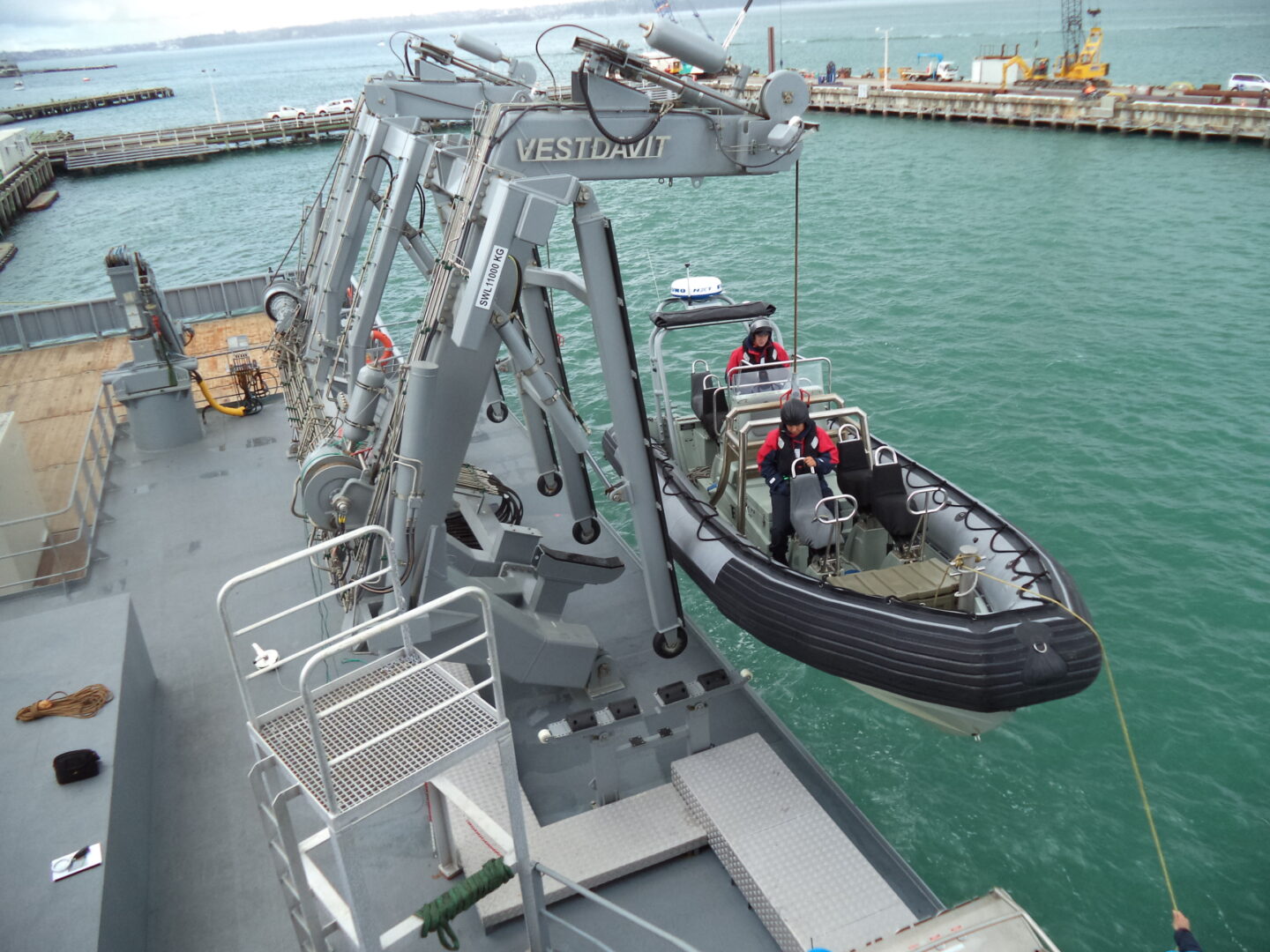
- Area: Wire rope degradation including broken wires, corrosion, diameter reduction beyond 7-10%, kinking, bird-caging, core protrusion, or flattening from shock loadCheck: Per ISO 4309: Count broken wires, measure diameter at multiple points, assess internal corrosion, lubrication level, and apply magnetic rope testing (MRT). Visual inspection for kinks, deformation, rust streaks between wire layers. Discard criteria: any kinking, corrosion pitting, or diameter loss exceeding 7-10%
- Area: Structural integrity loss: pedestal foundation cracking, corrosion section loss in splash zones, weld crack initiation, bolt looseness in pedestal-to-deck conneCheck: Visual inspection and ultrasonic thickness testing for corrosion-related section loss. Check anchor bolt preload and tightness. Inspect deck structure beneath crane for cracking, spalling, and weld quality. Magnetic particle testing (MPI) for welded connections. Assess pedestal bearing/raceway pitting and slewing ring tooth wear
- Area: Hydraulic system contamination, fluid degradation, seal leakage, hose brittleness, pressure loss, or component corrosion in offshore environmentCheck: Verify hydraulic oil grade and cleanliness per ISO 4413 and manufacturer specification. Inspect all hoses for leaks, kinks, and age-related brittleness. Check hydraulic pressure under load. Test pump displacement and motor flow rates. Verify seal integrity and replace per maintenance schedule. Ensure all components rated for offshore saltwater environment corrosion resistance
- Area: Control system malfunction, limit switch failure, emergency stop non-responsive, brake failure under load, slewing brake wear, hoist brake insufficient holdingCheck: Test all limit switches (upper, lower, slew, load angle limits) under no-load and load conditions. Operate emergency stop button and confirm immediate crane shutdown. Measure brake engagement time and holding force under rated load. Check brake lining wear thickness. Verify failsafe braking engages on power loss. Test control response time for all functions (hoist, luff, slew, swing)
- Area: Pin and fastener degradation: 17-4 stainless steel pin corrosion pitting, AISI 316 fastener seizing, loss of preload in critical bolted connections, mechanicalCheck: Visual inspection of all accessible pins for surface corrosion pitting, scoring, or bending. Check fastener preload in boom-to-pedestal and pedestal-to-deck connections using torque wrench. Inspect shear pins and pivot pins for wear marks. Look for evidence of fretting corrosion at pin interfaces. Measure fastener elongation in high-stress areas. Check Monel grease fitting condition and grease lubrication adequacy
Typ-universelle Inspektionspunkte fuer Deck Cranes (verifiziert, 2026-06).
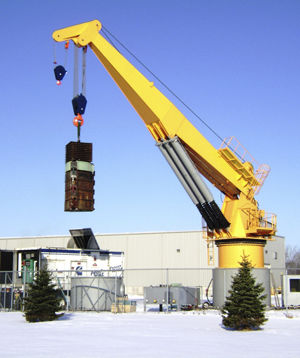
- Area: Wire rope degradation including broken wires, corrosion, diameter reduction beyond 7-10%, kinking, bird-caging, core protrusion, or flattening from shock loadCheck: Per ISO 4309: Count broken wires, measure diameter at multiple points, assess internal corrosion, lubrication level, and apply magnetic rope testing (MRT). Visual inspection for kinks, deformation, rust streaks between wire layers. Discard criteria: any kinking, corrosion pitting, or diameter loss exceeding 7-10%
- Area: Structural integrity loss: pedestal foundation cracking, corrosion section loss in splash zones, weld crack initiation, bolt looseness in pedestal-to-deck conneCheck: Visual inspection and ultrasonic thickness testing for corrosion-related section loss. Check anchor bolt preload and tightness. Inspect deck structure beneath crane for cracking, spalling, and weld quality. Magnetic particle testing (MPI) for welded connections. Assess pedestal bearing/raceway pitting and slewing ring tooth wear
- Area: Hydraulic system contamination, fluid degradation, seal leakage, hose brittleness, pressure loss, or component corrosion in offshore environmentCheck: Verify hydraulic oil grade and cleanliness per ISO 4413 and manufacturer specification. Inspect all hoses for leaks, kinks, and age-related brittleness. Check hydraulic pressure under load. Test pump displacement and motor flow rates. Verify seal integrity and replace per maintenance schedule. Ensure all components rated for offshore saltwater environment corrosion resistance
- Area: Control system malfunction, limit switch failure, emergency stop non-responsive, brake failure under load, slewing brake wear, hoist brake insufficient holdingCheck: Test all limit switches (upper, lower, slew, load angle limits) under no-load and load conditions. Operate emergency stop button and confirm immediate crane shutdown. Measure brake engagement time and holding force under rated load. Check brake lining wear thickness. Verify failsafe braking engages on power loss. Test control response time for all functions (hoist, luff, slew, swing)
- Area: Pin and fastener degradation: 17-4 stainless steel pin corrosion pitting, AISI 316 fastener seizing, loss of preload in critical bolted connections, mechanicalCheck: Visual inspection of all accessible pins for surface corrosion pitting, scoring, or bending. Check fastener preload in boom-to-pedestal and pedestal-to-deck connections using torque wrench. Inspect shear pins and pivot pins for wear marks. Look for evidence of fretting corrosion at pin interfaces. Measure fastener elongation in high-stress areas. Check Monel grease fitting condition and grease lubrication adequacy
Typ-universelle Inspektionspunkte fuer Deck Cranes (verifiziert, 2026-06).
- Area: Wire rope degradation including broken wires, corrosion, diameter reduction beyond 7-10%, kinking, bird-caging, core protrusion, or flattening from shock loadCheck: Per ISO 4309: Count broken wires, measure diameter at multiple points, assess internal corrosion, lubrication level, and apply magnetic rope testing (MRT). Visual inspection for kinks, deformation, rust streaks between wire layers. Discard criteria: any kinking, corrosion pitting, or diameter loss exceeding 7-10%
- Area: Structural integrity loss: pedestal foundation cracking, corrosion section loss in splash zones, weld crack initiation, bolt looseness in pedestal-to-deck conneCheck: Visual inspection and ultrasonic thickness testing for corrosion-related section loss. Check anchor bolt preload and tightness. Inspect deck structure beneath crane for cracking, spalling, and weld quality. Magnetic particle testing (MPI) for welded connections. Assess pedestal bearing/raceway pitting and slewing ring tooth wear
- Area: Hydraulic system contamination, fluid degradation, seal leakage, hose brittleness, pressure loss, or component corrosion in offshore environmentCheck: Verify hydraulic oil grade and cleanliness per ISO 4413 and manufacturer specification. Inspect all hoses for leaks, kinks, and age-related brittleness. Check hydraulic pressure under load. Test pump displacement and motor flow rates. Verify seal integrity and replace per maintenance schedule. Ensure all components rated for offshore saltwater environment corrosion resistance
- Area: Control system malfunction, limit switch failure, emergency stop non-responsive, brake failure under load, slewing brake wear, hoist brake insufficient holdingCheck: Test all limit switches (upper, lower, slew, load angle limits) under no-load and load conditions. Operate emergency stop button and confirm immediate crane shutdown. Measure brake engagement time and holding force under rated load. Check brake lining wear thickness. Verify failsafe braking engages on power loss. Test control response time for all functions (hoist, luff, slew, swing)
- Area: Pin and fastener degradation: 17-4 stainless steel pin corrosion pitting, AISI 316 fastener seizing, loss of preload in critical bolted connections, mechanicalCheck: Visual inspection of all accessible pins for surface corrosion pitting, scoring, or bending. Check fastener preload in boom-to-pedestal and pedestal-to-deck connections using torque wrench. Inspect shear pins and pivot pins for wear marks. Look for evidence of fretting corrosion at pin interfaces. Measure fastener elongation in high-stress areas. Check Monel grease fitting condition and grease lubrication adequacy
Typ-universelle Inspektionspunkte fuer Deck Cranes (verifiziert, 2026-06).
SMST Designers & Constructors
12 ✓ 12 verified
- Area: Active Heave Compensation (AHC) System Response Time and AccuracyCheck: Perform functional test of AHC motor controller under simulated vessel motion. Verify response time <200ms and load stability within ±5% tolerance. Check 5th generation AHC firmware version certification.
- Area: Pedestal Mounting Structural Integrity and FatigueCheck: Perform ultrasonic thickness measurement of pedestal welds. Verify bolt torque on pedestal base attachment. Conduct DnV/ABS/LRS visual surface crack inspection. Check for fatigue cracks under pedestal collar.
- Area: Winch Brake Load Holding and Emergency Stop FunctionCheck: Perform load proof test at 125% of rated SWL. Test emergency stop responsiveness. Verify brake pad wear against wear limit specifications. Check hydraulic pressure relief settings for deep water operations (up to 3000m).
- Area: Boom Articulation and Knuckle Pin Wear/CorrosionCheck: Visually inspect knuckle pin for corrosion/crevice attack in marine environment. Measure lateral play at knuckle joint (max tolerance: 3mm). Check hydraulic cylinder rod conditions for pitting. Verify articulation smoothness through full range of motion.
- Area: 3D Motion Compensation Sensor Calibration and DriftCheck: Verify accelerometer/heave sensor calibration certificate (annual). Perform zero-offset test with vessel stationary. Check sensor cable integrity for water ingress. Compare compensation values against baseline from last inspection for drift indication.
Typ-universelle Inspektionspunkte fuer Deck Cranes (verifiziert, 2026-06).
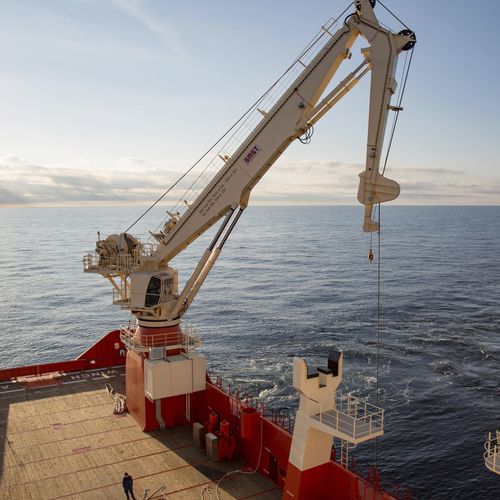
- Area: Active Heave Compensation (AHC) System Response Time and AccuracyCheck: Perform functional test of AHC motor controller under simulated vessel motion. Verify response time <200ms and load stability within ±5% tolerance. Check 5th generation AHC firmware version certification.
- Area: Pedestal Mounting Structural Integrity and FatigueCheck: Perform ultrasonic thickness measurement of pedestal welds. Verify bolt torque on pedestal base attachment. Conduct DnV/ABS/LRS visual surface crack inspection. Check for fatigue cracks under pedestal collar.
- Area: Winch Brake Load Holding and Emergency Stop FunctionCheck: Perform load proof test at 125% of rated SWL. Test emergency stop responsiveness. Verify brake pad wear against wear limit specifications. Check hydraulic pressure relief settings for deep water operations (up to 3000m).
- Area: Boom Articulation and Knuckle Pin Wear/CorrosionCheck: Visually inspect knuckle pin for corrosion/crevice attack in marine environment. Measure lateral play at knuckle joint (max tolerance: 3mm). Check hydraulic cylinder rod conditions for pitting. Verify articulation smoothness through full range of motion.
- Area: 3D Motion Compensation Sensor Calibration and DriftCheck: Verify accelerometer/heave sensor calibration certificate (annual). Perform zero-offset test with vessel stationary. Check sensor cable integrity for water ingress. Compare compensation values against baseline from last inspection for drift indication.
Typ-universelle Inspektionspunkte fuer Deck Cranes (verifiziert, 2026-06).
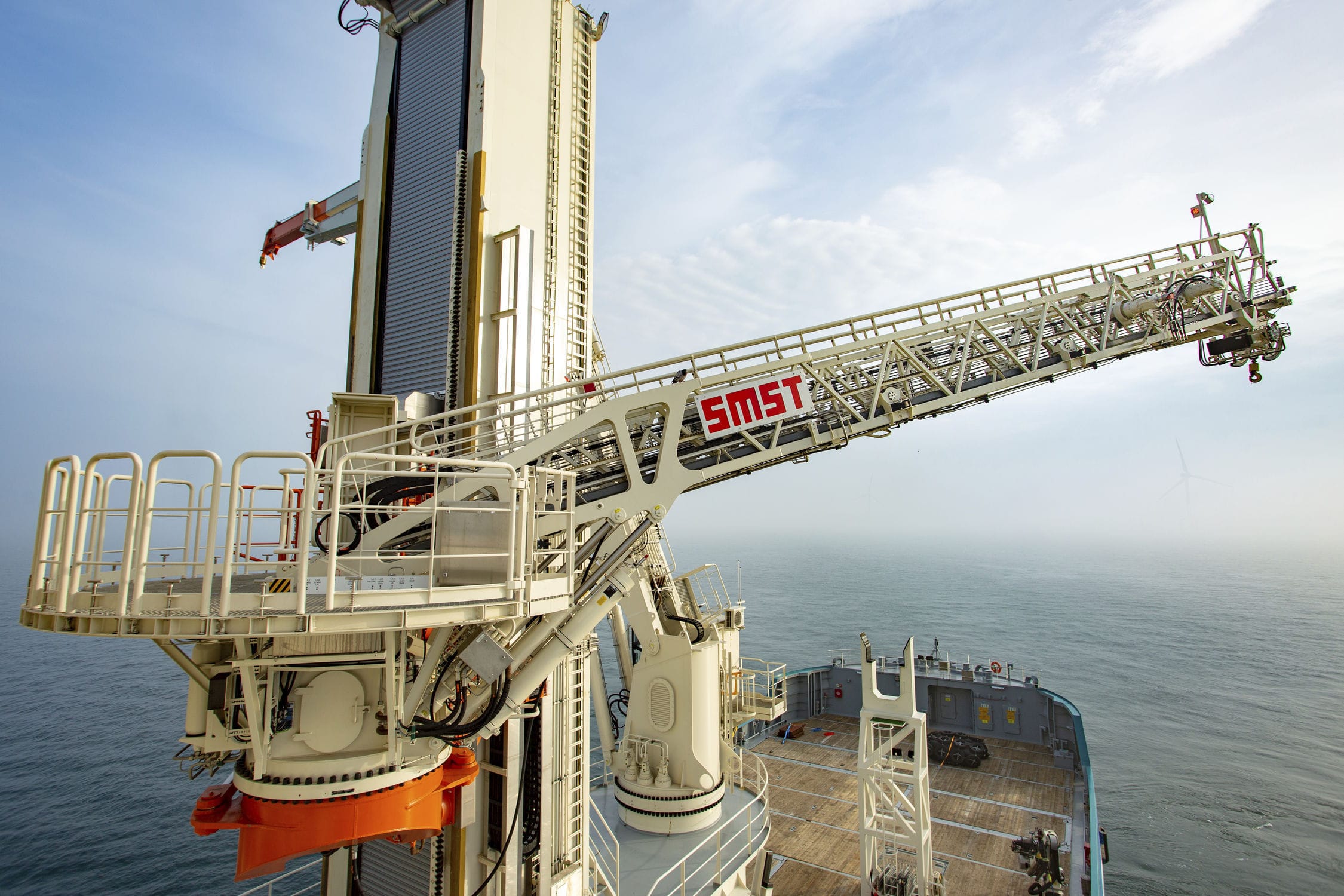
- Area: Active Heave Compensation (AHC) System Response Time and AccuracyCheck: Perform functional test of AHC motor controller under simulated vessel motion. Verify response time <200ms and load stability within ±5% tolerance. Check 5th generation AHC firmware version certification.
- Area: Pedestal Mounting Structural Integrity and FatigueCheck: Perform ultrasonic thickness measurement of pedestal welds. Verify bolt torque on pedestal base attachment. Conduct DnV/ABS/LRS visual surface crack inspection. Check for fatigue cracks under pedestal collar.
- Area: Winch Brake Load Holding and Emergency Stop FunctionCheck: Perform load proof test at 125% of rated SWL. Test emergency stop responsiveness. Verify brake pad wear against wear limit specifications. Check hydraulic pressure relief settings for deep water operations (up to 3000m).
- Area: Boom Articulation and Knuckle Pin Wear/CorrosionCheck: Visually inspect knuckle pin for corrosion/crevice attack in marine environment. Measure lateral play at knuckle joint (max tolerance: 3mm). Check hydraulic cylinder rod conditions for pitting. Verify articulation smoothness through full range of motion.
- Area: 3D Motion Compensation Sensor Calibration and DriftCheck: Verify accelerometer/heave sensor calibration certificate (annual). Perform zero-offset test with vessel stationary. Check sensor cable integrity for water ingress. Compare compensation values against baseline from last inspection for drift indication.
Typ-universelle Inspektionspunkte fuer Deck Cranes (verifiziert, 2026-06).
- Area: Active Heave Compensation (AHC) System Response Time and AccuracyCheck: Perform functional test of AHC motor controller under simulated vessel motion. Verify response time <200ms and load stability within ±5% tolerance. Check 5th generation AHC firmware version certification.
- Area: Pedestal Mounting Structural Integrity and FatigueCheck: Perform ultrasonic thickness measurement of pedestal welds. Verify bolt torque on pedestal base attachment. Conduct DnV/ABS/LRS visual surface crack inspection. Check for fatigue cracks under pedestal collar.
- Area: Winch Brake Load Holding and Emergency Stop FunctionCheck: Perform load proof test at 125% of rated SWL. Test emergency stop responsiveness. Verify brake pad wear against wear limit specifications. Check hydraulic pressure relief settings for deep water operations (up to 3000m).
- Area: Boom Articulation and Knuckle Pin Wear/CorrosionCheck: Visually inspect knuckle pin for corrosion/crevice attack in marine environment. Measure lateral play at knuckle joint (max tolerance: 3mm). Check hydraulic cylinder rod conditions for pitting. Verify articulation smoothness through full range of motion.
- Area: 3D Motion Compensation Sensor Calibration and DriftCheck: Verify accelerometer/heave sensor calibration certificate (annual). Perform zero-offset test with vessel stationary. Check sensor cable integrity for water ingress. Compare compensation values against baseline from last inspection for drift indication.
Typ-universelle Inspektionspunkte fuer Deck Cranes (verifiziert, 2026-06).
- Area: Active Heave Compensation (AHC) System Response Time and AccuracyCheck: Perform functional test of AHC motor controller under simulated vessel motion. Verify response time <200ms and load stability within ±5% tolerance. Check 5th generation AHC firmware version certification.
- Area: Pedestal Mounting Structural Integrity and FatigueCheck: Perform ultrasonic thickness measurement of pedestal welds. Verify bolt torque on pedestal base attachment. Conduct DnV/ABS/LRS visual surface crack inspection. Check for fatigue cracks under pedestal collar.
- Area: Winch Brake Load Holding and Emergency Stop FunctionCheck: Perform load proof test at 125% of rated SWL. Test emergency stop responsiveness. Verify brake pad wear against wear limit specifications. Check hydraulic pressure relief settings for deep water operations (up to 3000m).
- Area: Boom Articulation and Knuckle Pin Wear/CorrosionCheck: Visually inspect knuckle pin for corrosion/crevice attack in marine environment. Measure lateral play at knuckle joint (max tolerance: 3mm). Check hydraulic cylinder rod conditions for pitting. Verify articulation smoothness through full range of motion.
- Area: 3D Motion Compensation Sensor Calibration and DriftCheck: Verify accelerometer/heave sensor calibration certificate (annual). Perform zero-offset test with vessel stationary. Check sensor cable integrity for water ingress. Compare compensation values against baseline from last inspection for drift indication.
Typ-universelle Inspektionspunkte fuer Deck Cranes (verifiziert, 2026-06).

- Area: Structural inspection of boom, knuckle joints, and pedestal for cracks, corrosion, and weld integrity per applicable standard (DNV, Lloyd's, BV)Check: Structural inspection of boom, knuckle joints, and pedestal for cracks, corrosion, and weld integrity per applicable standard (DNV, Lloyd's, BV)
- Area: Verification of wire rope / chain condition: wear, kinks, broken wires, lubrication, and correct reevingCheck: Verification of wire rope / chain condition: wear, kinks, broken wires, lubrication, and correct reeving
- Area: Function test of Active Heave Compensation (AHC) and/or 3D motion compensation system including sensor calibration and response verificationCheck: Function test of Active Heave Compensation (AHC) and/or 3D motion compensation system including sensor calibration and response verification
- Area: Hydraulic system inspection: hose condition, pressure settings, oil level/quality, leak-free connections, and filter conditionCheck: Hydraulic system inspection: hose condition, pressure settings, oil level/quality, leak-free connections, and filter condition
- Area: Load testing and SWL proof-load verification in accordance with class requirements (typically 1.1x SWL dynamic / 1.25x SWL static)Check: Load testing and SWL proof-load verification in accordance with class requirements (typically 1.1x SWL dynamic / 1.25x SWL static)
- Area: Inspection and testing of all safety devices: overload protection, emergency stop, anti-two-block device, slew/luff limit switchesCheck: Inspection and testing of all safety devices: overload protection, emergency stop, anti-two-block device, slew/luff limit switches
- Area: Slewing ring and bearing inspection: backlash, lubrication, bolt torque check, and wear measurementCheck: Slewing ring and bearing inspection: backlash, lubrication, bolt torque check, and wear measurement
- Area: Electrical system and control panel inspection: cable routing condition, junction box sealing, remote control unit (RCU) function test, software/firmware statusCheck: Electrical system and control panel inspection: cable routing condition, junction box sealing, remote control unit (RCU) function test, software/firmware status check
Typ-universelle Inspektionspunkte fuer Deck Cranes (verifiziert, 2026-06).
- Area: Structural inspection of boom, knuckle joints, and pedestal for cracks, corrosion, and weld integrity per applicable standard (DNV, Lloyd's, BV)Check: Structural inspection of boom, knuckle joints, and pedestal for cracks, corrosion, and weld integrity per applicable standard (DNV, Lloyd's, BV)
- Area: Verification of wire rope / chain condition: wear, kinks, broken wires, lubrication, and correct reevingCheck: Verification of wire rope / chain condition: wear, kinks, broken wires, lubrication, and correct reeving
- Area: Function test of Active Heave Compensation (AHC) and/or 3D motion compensation system including sensor calibration and response verificationCheck: Function test of Active Heave Compensation (AHC) and/or 3D motion compensation system including sensor calibration and response verification
- Area: Hydraulic system inspection: hose condition, pressure settings, oil level/quality, leak-free connections, and filter conditionCheck: Hydraulic system inspection: hose condition, pressure settings, oil level/quality, leak-free connections, and filter condition
- Area: Load testing and SWL proof-load verification in accordance with class requirements (typically 1.1x SWL dynamic / 1.25x SWL static)Check: Load testing and SWL proof-load verification in accordance with class requirements (typically 1.1x SWL dynamic / 1.25x SWL static)
- Area: Inspection and testing of all safety devices: overload protection, emergency stop, anti-two-block device, slew/luff limit switchesCheck: Inspection and testing of all safety devices: overload protection, emergency stop, anti-two-block device, slew/luff limit switches
- Area: Slewing ring and bearing inspection: backlash, lubrication, bolt torque check, and wear measurementCheck: Slewing ring and bearing inspection: backlash, lubrication, bolt torque check, and wear measurement
- Area: Electrical system and control panel inspection: cable routing condition, junction box sealing, remote control unit (RCU) function test, software/firmware statusCheck: Electrical system and control panel inspection: cable routing condition, junction box sealing, remote control unit (RCU) function test, software/firmware status check
Typ-universelle Inspektionspunkte fuer Deck Cranes (verifiziert, 2026-06).

- Area: Structural inspection of boom, knuckle joints, and pedestal for cracks, corrosion, and weld integrity per applicable standard (DNV, Lloyd's, BV)Check: Structural inspection of boom, knuckle joints, and pedestal for cracks, corrosion, and weld integrity per applicable standard (DNV, Lloyd's, BV)
- Area: Verification of wire rope / chain condition: wear, kinks, broken wires, lubrication, and correct reevingCheck: Verification of wire rope / chain condition: wear, kinks, broken wires, lubrication, and correct reeving
- Area: Function test of Active Heave Compensation (AHC) and/or 3D motion compensation system including sensor calibration and response verificationCheck: Function test of Active Heave Compensation (AHC) and/or 3D motion compensation system including sensor calibration and response verification
- Area: Hydraulic system inspection: hose condition, pressure settings, oil level/quality, leak-free connections, and filter conditionCheck: Hydraulic system inspection: hose condition, pressure settings, oil level/quality, leak-free connections, and filter condition
- Area: Load testing and SWL proof-load verification in accordance with class requirements (typically 1.1x SWL dynamic / 1.25x SWL static)Check: Load testing and SWL proof-load verification in accordance with class requirements (typically 1.1x SWL dynamic / 1.25x SWL static)
- Area: Inspection and testing of all safety devices: overload protection, emergency stop, anti-two-block device, slew/luff limit switchesCheck: Inspection and testing of all safety devices: overload protection, emergency stop, anti-two-block device, slew/luff limit switches
- Area: Slewing ring and bearing inspection: backlash, lubrication, bolt torque check, and wear measurementCheck: Slewing ring and bearing inspection: backlash, lubrication, bolt torque check, and wear measurement
- Area: Electrical system and control panel inspection: cable routing condition, junction box sealing, remote control unit (RCU) function test, software/firmware statusCheck: Electrical system and control panel inspection: cable routing condition, junction box sealing, remote control unit (RCU) function test, software/firmware status check
Typ-universelle Inspektionspunkte fuer Deck Cranes (verifiziert, 2026-06).
- Area: Structural inspection of boom, knuckle joints, and pedestal for cracks, corrosion, and weld integrity per applicable standard (DNV, Lloyd's, BV)Check: Structural inspection of boom, knuckle joints, and pedestal for cracks, corrosion, and weld integrity per applicable standard (DNV, Lloyd's, BV)
- Area: Verification of wire rope / chain condition: wear, kinks, broken wires, lubrication, and correct reevingCheck: Verification of wire rope / chain condition: wear, kinks, broken wires, lubrication, and correct reeving
- Area: Function test of Active Heave Compensation (AHC) and/or 3D motion compensation system including sensor calibration and response verificationCheck: Function test of Active Heave Compensation (AHC) and/or 3D motion compensation system including sensor calibration and response verification
- Area: Hydraulic system inspection: hose condition, pressure settings, oil level/quality, leak-free connections, and filter conditionCheck: Hydraulic system inspection: hose condition, pressure settings, oil level/quality, leak-free connections, and filter condition
- Area: Load testing and SWL proof-load verification in accordance with class requirements (typically 1.1x SWL dynamic / 1.25x SWL static)Check: Load testing and SWL proof-load verification in accordance with class requirements (typically 1.1x SWL dynamic / 1.25x SWL static)
- Area: Inspection and testing of all safety devices: overload protection, emergency stop, anti-two-block device, slew/luff limit switchesCheck: Inspection and testing of all safety devices: overload protection, emergency stop, anti-two-block device, slew/luff limit switches
- Area: Slewing ring and bearing inspection: backlash, lubrication, bolt torque check, and wear measurementCheck: Slewing ring and bearing inspection: backlash, lubrication, bolt torque check, and wear measurement
- Area: Electrical system and control panel inspection: cable routing condition, junction box sealing, remote control unit (RCU) function test, software/firmware statusCheck: Electrical system and control panel inspection: cable routing condition, junction box sealing, remote control unit (RCU) function test, software/firmware status check
Typ-universelle Inspektionspunkte fuer Deck Cranes (verifiziert, 2026-06).
- Area: Structural inspection of boom, knuckle joints, and pedestal for cracks, corrosion, and weld integrity per applicable standard (DNV, Lloyd's, BV)Check: Structural inspection of boom, knuckle joints, and pedestal for cracks, corrosion, and weld integrity per applicable standard (DNV, Lloyd's, BV)
- Area: Verification of wire rope / chain condition: wear, kinks, broken wires, lubrication, and correct reevingCheck: Verification of wire rope / chain condition: wear, kinks, broken wires, lubrication, and correct reeving
- Area: Function test of Active Heave Compensation (AHC) and/or 3D motion compensation system including sensor calibration and response verificationCheck: Function test of Active Heave Compensation (AHC) and/or 3D motion compensation system including sensor calibration and response verification
- Area: Hydraulic system inspection: hose condition, pressure settings, oil level/quality, leak-free connections, and filter conditionCheck: Hydraulic system inspection: hose condition, pressure settings, oil level/quality, leak-free connections, and filter condition
- Area: Load testing and SWL proof-load verification in accordance with class requirements (typically 1.1x SWL dynamic / 1.25x SWL static)Check: Load testing and SWL proof-load verification in accordance with class requirements (typically 1.1x SWL dynamic / 1.25x SWL static)
- Area: Inspection and testing of all safety devices: overload protection, emergency stop, anti-two-block device, slew/luff limit switchesCheck: Inspection and testing of all safety devices: overload protection, emergency stop, anti-two-block device, slew/luff limit switches
- Area: Slewing ring and bearing inspection: backlash, lubrication, bolt torque check, and wear measurementCheck: Slewing ring and bearing inspection: backlash, lubrication, bolt torque check, and wear measurement
- Area: Electrical system and control panel inspection: cable routing condition, junction box sealing, remote control unit (RCU) function test, software/firmware statusCheck: Electrical system and control panel inspection: cable routing condition, junction box sealing, remote control unit (RCU) function test, software/firmware status check
Typ-universelle Inspektionspunkte fuer Deck Cranes (verifiziert, 2026-06).
- Area: Structural inspection of boom, knuckle joints, and pedestal for cracks, corrosion, and weld integrity per applicable standard (DNV, Lloyd's, BV)Check: Structural inspection of boom, knuckle joints, and pedestal for cracks, corrosion, and weld integrity per applicable standard (DNV, Lloyd's, BV)
- Area: Verification of wire rope / chain condition: wear, kinks, broken wires, lubrication, and correct reevingCheck: Verification of wire rope / chain condition: wear, kinks, broken wires, lubrication, and correct reeving
- Area: Function test of Active Heave Compensation (AHC) and/or 3D motion compensation system including sensor calibration and response verificationCheck: Function test of Active Heave Compensation (AHC) and/or 3D motion compensation system including sensor calibration and response verification
- Area: Hydraulic system inspection: hose condition, pressure settings, oil level/quality, leak-free connections, and filter conditionCheck: Hydraulic system inspection: hose condition, pressure settings, oil level/quality, leak-free connections, and filter condition
- Area: Load testing and SWL proof-load verification in accordance with class requirements (typically 1.1x SWL dynamic / 1.25x SWL static)Check: Load testing and SWL proof-load verification in accordance with class requirements (typically 1.1x SWL dynamic / 1.25x SWL static)
- Area: Inspection and testing of all safety devices: overload protection, emergency stop, anti-two-block device, slew/luff limit switchesCheck: Inspection and testing of all safety devices: overload protection, emergency stop, anti-two-block device, slew/luff limit switches
- Area: Slewing ring and bearing inspection: backlash, lubrication, bolt torque check, and wear measurementCheck: Slewing ring and bearing inspection: backlash, lubrication, bolt torque check, and wear measurement
- Area: Electrical system and control panel inspection: cable routing condition, junction box sealing, remote control unit (RCU) function test, software/firmware statusCheck: Electrical system and control panel inspection: cable routing condition, junction box sealing, remote control unit (RCU) function test, software/firmware status check
Typ-universelle Inspektionspunkte fuer Deck Cranes (verifiziert, 2026-06).
- Area: Structural inspection of boom, knuckle joints, and pedestal for cracks, corrosion, and weld integrity per applicable standard (DNV, Lloyd's, BV)Check: Structural inspection of boom, knuckle joints, and pedestal for cracks, corrosion, and weld integrity per applicable standard (DNV, Lloyd's, BV)
- Area: Verification of wire rope / chain condition: wear, kinks, broken wires, lubrication, and correct reevingCheck: Verification of wire rope / chain condition: wear, kinks, broken wires, lubrication, and correct reeving
- Area: Function test of Active Heave Compensation (AHC) and/or 3D motion compensation system including sensor calibration and response verificationCheck: Function test of Active Heave Compensation (AHC) and/or 3D motion compensation system including sensor calibration and response verification
- Area: Hydraulic system inspection: hose condition, pressure settings, oil level/quality, leak-free connections, and filter conditionCheck: Hydraulic system inspection: hose condition, pressure settings, oil level/quality, leak-free connections, and filter condition
- Area: Load testing and SWL proof-load verification in accordance with class requirements (typically 1.1x SWL dynamic / 1.25x SWL static)Check: Load testing and SWL proof-load verification in accordance with class requirements (typically 1.1x SWL dynamic / 1.25x SWL static)
- Area: Inspection and testing of all safety devices: overload protection, emergency stop, anti-two-block device, slew/luff limit switchesCheck: Inspection and testing of all safety devices: overload protection, emergency stop, anti-two-block device, slew/luff limit switches
- Area: Slewing ring and bearing inspection: backlash, lubrication, bolt torque check, and wear measurementCheck: Slewing ring and bearing inspection: backlash, lubrication, bolt torque check, and wear measurement
- Area: Electrical system and control panel inspection: cable routing condition, junction box sealing, remote control unit (RCU) function test, software/firmware statusCheck: Electrical system and control panel inspection: cable routing condition, junction box sealing, remote control unit (RCU) function test, software/firmware status check
Typ-universelle Inspektionspunkte fuer Deck Cranes (verifiziert, 2026-06).
NOV (National Oilwell Varco)
11 ✓ 11 verified- Area: Structural Integrity and Fatigue DetectionCheck: Conduct ultrasonic thickness testing (UTT) and magnetic particle inspection of main boom, pedestal, and frame welds for internal cracks, fatigue, and material degradation. Verify deck connection welds and structural attachment points for corrosion and stress fractures.
- Area: Load Testing and Mechanical VerificationCheck: Perform stationary proof load test at 110-125% of rated Safe Working Load (SWL) to verify structural integrity. Conduct operational test cycles including full lifting, swinging (360 degrees), and lowering movements under simulated working conditions. Document load test results and maintain certification records per SOLAS II-1/3-13 (effective January 1, 2026).
- Area: Wire Rope and Hoist System IntegrityCheck: Inspect all wire rope for cracks, gouges, nicks, corrosion, distortions, and strand breakage. Test hoist brake effectiveness, verify load chain integrity (cracks, corrosion, wear), and inspect hooks for deformation or cracks. Ensure sheaves and pulleys rotate freely without binding. Check all limit switches, emergency stops, and load indicators for proper function.
- Area: Hydraulic and Pneumatic System ConditionCheck: Inspect all hydraulic/pneumatic lines for deterioration, leakage, and proper routing at flex points. Verify cylinder rod integrity for scoring, pitting, and seal leaks. Test all hydraulic functions for smooth operation without drift or erratic behavior. Check hydraulic fluid color and viscosity (must be replaced at manufacturer intervals). Verify pressure relief valves and safety systems function correctly.
- Area: Braking System and Control VerificationCheck: Inspect brake wheels for oil saturation and surface wear (replacement required if wear exceeds 1/4 of original thickness). Measure brake pad thickness (minimum 5mm required) and verify synchronization across brake systems. Test all control systems including pendant controls, limit switches, and emergency stop functionality. Verify brake holding capacity under load.
Typ-universelle Inspektionspunkte fuer Deck Cranes (verifiziert, 2026-06).
- Area: Structural Integrity and Fatigue DetectionCheck: Conduct ultrasonic thickness testing (UTT) and magnetic particle inspection of main boom, pedestal, and frame welds for internal cracks, fatigue, and material degradation. Verify deck connection welds and structural attachment points for corrosion and stress fractures.
- Area: Load Testing and Mechanical VerificationCheck: Perform stationary proof load test at 110-125% of rated Safe Working Load (SWL) to verify structural integrity. Conduct operational test cycles including full lifting, swinging (360 degrees), and lowering movements under simulated working conditions. Document load test results and maintain certification records per SOLAS II-1/3-13 (effective January 1, 2026).
- Area: Wire Rope and Hoist System IntegrityCheck: Inspect all wire rope for cracks, gouges, nicks, corrosion, distortions, and strand breakage. Test hoist brake effectiveness, verify load chain integrity (cracks, corrosion, wear), and inspect hooks for deformation or cracks. Ensure sheaves and pulleys rotate freely without binding. Check all limit switches, emergency stops, and load indicators for proper function.
- Area: Hydraulic and Pneumatic System ConditionCheck: Inspect all hydraulic/pneumatic lines for deterioration, leakage, and proper routing at flex points. Verify cylinder rod integrity for scoring, pitting, and seal leaks. Test all hydraulic functions for smooth operation without drift or erratic behavior. Check hydraulic fluid color and viscosity (must be replaced at manufacturer intervals). Verify pressure relief valves and safety systems function correctly.
- Area: Braking System and Control VerificationCheck: Inspect brake wheels for oil saturation and surface wear (replacement required if wear exceeds 1/4 of original thickness). Measure brake pad thickness (minimum 5mm required) and verify synchronization across brake systems. Test all control systems including pendant controls, limit switches, and emergency stop functionality. Verify brake holding capacity under load.
Typ-universelle Inspektionspunkte fuer Deck Cranes (verifiziert, 2026-06).
- Area: Structural Integrity and Fatigue DetectionCheck: Conduct ultrasonic thickness testing (UTT) and magnetic particle inspection of main boom, pedestal, and frame welds for internal cracks, fatigue, and material degradation. Verify deck connection welds and structural attachment points for corrosion and stress fractures.
- Area: Load Testing and Mechanical VerificationCheck: Perform stationary proof load test at 110-125% of rated Safe Working Load (SWL) to verify structural integrity. Conduct operational test cycles including full lifting, swinging (360 degrees), and lowering movements under simulated working conditions. Document load test results and maintain certification records per SOLAS II-1/3-13 (effective January 1, 2026).
- Area: Wire Rope and Hoist System IntegrityCheck: Inspect all wire rope for cracks, gouges, nicks, corrosion, distortions, and strand breakage. Test hoist brake effectiveness, verify load chain integrity (cracks, corrosion, wear), and inspect hooks for deformation or cracks. Ensure sheaves and pulleys rotate freely without binding. Check all limit switches, emergency stops, and load indicators for proper function.
- Area: Hydraulic and Pneumatic System ConditionCheck: Inspect all hydraulic/pneumatic lines for deterioration, leakage, and proper routing at flex points. Verify cylinder rod integrity for scoring, pitting, and seal leaks. Test all hydraulic functions for smooth operation without drift or erratic behavior. Check hydraulic fluid color and viscosity (must be replaced at manufacturer intervals). Verify pressure relief valves and safety systems function correctly.
- Area: Braking System and Control VerificationCheck: Inspect brake wheels for oil saturation and surface wear (replacement required if wear exceeds 1/4 of original thickness). Measure brake pad thickness (minimum 5mm required) and verify synchronization across brake systems. Test all control systems including pendant controls, limit switches, and emergency stop functionality. Verify brake holding capacity under load.
Typ-universelle Inspektionspunkte fuer Deck Cranes (verifiziert, 2026-06).
- Area: Structural Integrity and Fatigue DetectionCheck: Conduct ultrasonic thickness testing (UTT) and magnetic particle inspection of main boom, pedestal, and frame welds for internal cracks, fatigue, and material degradation. Verify deck connection welds and structural attachment points for corrosion and stress fractures.
- Area: Load Testing and Mechanical VerificationCheck: Perform stationary proof load test at 110-125% of rated Safe Working Load (SWL) to verify structural integrity. Conduct operational test cycles including full lifting, swinging (360 degrees), and lowering movements under simulated working conditions. Document load test results and maintain certification records per SOLAS II-1/3-13 (effective January 1, 2026).
- Area: Wire Rope and Hoist System IntegrityCheck: Inspect all wire rope for cracks, gouges, nicks, corrosion, distortions, and strand breakage. Test hoist brake effectiveness, verify load chain integrity (cracks, corrosion, wear), and inspect hooks for deformation or cracks. Ensure sheaves and pulleys rotate freely without binding. Check all limit switches, emergency stops, and load indicators for proper function.
- Area: Hydraulic and Pneumatic System ConditionCheck: Inspect all hydraulic/pneumatic lines for deterioration, leakage, and proper routing at flex points. Verify cylinder rod integrity for scoring, pitting, and seal leaks. Test all hydraulic functions for smooth operation without drift or erratic behavior. Check hydraulic fluid color and viscosity (must be replaced at manufacturer intervals). Verify pressure relief valves and safety systems function correctly.
- Area: Braking System and Control VerificationCheck: Inspect brake wheels for oil saturation and surface wear (replacement required if wear exceeds 1/4 of original thickness). Measure brake pad thickness (minimum 5mm required) and verify synchronization across brake systems. Test all control systems including pendant controls, limit switches, and emergency stop functionality. Verify brake holding capacity under load.
Typ-universelle Inspektionspunkte fuer Deck Cranes (verifiziert, 2026-06).
- Area: Structural Integrity and Fatigue DetectionCheck: Conduct ultrasonic thickness testing (UTT) and magnetic particle inspection of main boom, pedestal, and frame welds for internal cracks, fatigue, and material degradation. Verify deck connection welds and structural attachment points for corrosion and stress fractures.
- Area: Load Testing and Mechanical VerificationCheck: Perform stationary proof load test at 110-125% of rated Safe Working Load (SWL) to verify structural integrity. Conduct operational test cycles including full lifting, swinging (360 degrees), and lowering movements under simulated working conditions. Document load test results and maintain certification records per SOLAS II-1/3-13 (effective January 1, 2026).
- Area: Wire Rope and Hoist System IntegrityCheck: Inspect all wire rope for cracks, gouges, nicks, corrosion, distortions, and strand breakage. Test hoist brake effectiveness, verify load chain integrity (cracks, corrosion, wear), and inspect hooks for deformation or cracks. Ensure sheaves and pulleys rotate freely without binding. Check all limit switches, emergency stops, and load indicators for proper function.
- Area: Hydraulic and Pneumatic System ConditionCheck: Inspect all hydraulic/pneumatic lines for deterioration, leakage, and proper routing at flex points. Verify cylinder rod integrity for scoring, pitting, and seal leaks. Test all hydraulic functions for smooth operation without drift or erratic behavior. Check hydraulic fluid color and viscosity (must be replaced at manufacturer intervals). Verify pressure relief valves and safety systems function correctly.
- Area: Braking System and Control VerificationCheck: Inspect brake wheels for oil saturation and surface wear (replacement required if wear exceeds 1/4 of original thickness). Measure brake pad thickness (minimum 5mm required) and verify synchronization across brake systems. Test all control systems including pendant controls, limit switches, and emergency stop functionality. Verify brake holding capacity under load.
Typ-universelle Inspektionspunkte fuer Deck Cranes (verifiziert, 2026-06).
- Area: Structural Integrity and Fatigue DetectionCheck: Conduct ultrasonic thickness testing (UTT) and magnetic particle inspection of main boom, pedestal, and frame welds for internal cracks, fatigue, and material degradation. Verify deck connection welds and structural attachment points for corrosion and stress fractures.
- Area: Load Testing and Mechanical VerificationCheck: Perform stationary proof load test at 110-125% of rated Safe Working Load (SWL) to verify structural integrity. Conduct operational test cycles including full lifting, swinging (360 degrees), and lowering movements under simulated working conditions. Document load test results and maintain certification records per SOLAS II-1/3-13 (effective January 1, 2026).
- Area: Wire Rope and Hoist System IntegrityCheck: Inspect all wire rope for cracks, gouges, nicks, corrosion, distortions, and strand breakage. Test hoist brake effectiveness, verify load chain integrity (cracks, corrosion, wear), and inspect hooks for deformation or cracks. Ensure sheaves and pulleys rotate freely without binding. Check all limit switches, emergency stops, and load indicators for proper function.
- Area: Hydraulic and Pneumatic System ConditionCheck: Inspect all hydraulic/pneumatic lines for deterioration, leakage, and proper routing at flex points. Verify cylinder rod integrity for scoring, pitting, and seal leaks. Test all hydraulic functions for smooth operation without drift or erratic behavior. Check hydraulic fluid color and viscosity (must be replaced at manufacturer intervals). Verify pressure relief valves and safety systems function correctly.
- Area: Braking System and Control VerificationCheck: Inspect brake wheels for oil saturation and surface wear (replacement required if wear exceeds 1/4 of original thickness). Measure brake pad thickness (minimum 5mm required) and verify synchronization across brake systems. Test all control systems including pendant controls, limit switches, and emergency stop functionality. Verify brake holding capacity under load.
Typ-universelle Inspektionspunkte fuer Deck Cranes (verifiziert, 2026-06).
- Area: Structural Integrity and Fatigue DetectionCheck: Conduct ultrasonic thickness testing (UTT) and magnetic particle inspection of main boom, pedestal, and frame welds for internal cracks, fatigue, and material degradation. Verify deck connection welds and structural attachment points for corrosion and stress fractures.
- Area: Load Testing and Mechanical VerificationCheck: Perform stationary proof load test at 110-125% of rated Safe Working Load (SWL) to verify structural integrity. Conduct operational test cycles including full lifting, swinging (360 degrees), and lowering movements under simulated working conditions. Document load test results and maintain certification records per SOLAS II-1/3-13 (effective January 1, 2026).
- Area: Wire Rope and Hoist System IntegrityCheck: Inspect all wire rope for cracks, gouges, nicks, corrosion, distortions, and strand breakage. Test hoist brake effectiveness, verify load chain integrity (cracks, corrosion, wear), and inspect hooks for deformation or cracks. Ensure sheaves and pulleys rotate freely without binding. Check all limit switches, emergency stops, and load indicators for proper function.
- Area: Hydraulic and Pneumatic System ConditionCheck: Inspect all hydraulic/pneumatic lines for deterioration, leakage, and proper routing at flex points. Verify cylinder rod integrity for scoring, pitting, and seal leaks. Test all hydraulic functions for smooth operation without drift or erratic behavior. Check hydraulic fluid color and viscosity (must be replaced at manufacturer intervals). Verify pressure relief valves and safety systems function correctly.
- Area: Braking System and Control VerificationCheck: Inspect brake wheels for oil saturation and surface wear (replacement required if wear exceeds 1/4 of original thickness). Measure brake pad thickness (minimum 5mm required) and verify synchronization across brake systems. Test all control systems including pendant controls, limit switches, and emergency stop functionality. Verify brake holding capacity under load.
Typ-universelle Inspektionspunkte fuer Deck Cranes (verifiziert, 2026-06).
- Area: Structural Integrity and Fatigue DetectionCheck: Conduct ultrasonic thickness testing (UTT) and magnetic particle inspection of main boom, pedestal, and frame welds for internal cracks, fatigue, and material degradation. Verify deck connection welds and structural attachment points for corrosion and stress fractures.
- Area: Load Testing and Mechanical VerificationCheck: Perform stationary proof load test at 110-125% of rated Safe Working Load (SWL) to verify structural integrity. Conduct operational test cycles including full lifting, swinging (360 degrees), and lowering movements under simulated working conditions. Document load test results and maintain certification records per SOLAS II-1/3-13 (effective January 1, 2026).
- Area: Wire Rope and Hoist System IntegrityCheck: Inspect all wire rope for cracks, gouges, nicks, corrosion, distortions, and strand breakage. Test hoist brake effectiveness, verify load chain integrity (cracks, corrosion, wear), and inspect hooks for deformation or cracks. Ensure sheaves and pulleys rotate freely without binding. Check all limit switches, emergency stops, and load indicators for proper function.
- Area: Hydraulic and Pneumatic System ConditionCheck: Inspect all hydraulic/pneumatic lines for deterioration, leakage, and proper routing at flex points. Verify cylinder rod integrity for scoring, pitting, and seal leaks. Test all hydraulic functions for smooth operation without drift or erratic behavior. Check hydraulic fluid color and viscosity (must be replaced at manufacturer intervals). Verify pressure relief valves and safety systems function correctly.
- Area: Braking System and Control VerificationCheck: Inspect brake wheels for oil saturation and surface wear (replacement required if wear exceeds 1/4 of original thickness). Measure brake pad thickness (minimum 5mm required) and verify synchronization across brake systems. Test all control systems including pendant controls, limit switches, and emergency stop functionality. Verify brake holding capacity under load.
Typ-universelle Inspektionspunkte fuer Deck Cranes (verifiziert, 2026-06).
- Area: Structural Integrity and Fatigue DetectionCheck: Conduct ultrasonic thickness testing (UTT) and magnetic particle inspection of main boom, pedestal, and frame welds for internal cracks, fatigue, and material degradation. Verify deck connection welds and structural attachment points for corrosion and stress fractures.
- Area: Load Testing and Mechanical VerificationCheck: Perform stationary proof load test at 110-125% of rated Safe Working Load (SWL) to verify structural integrity. Conduct operational test cycles including full lifting, swinging (360 degrees), and lowering movements under simulated working conditions. Document load test results and maintain certification records per SOLAS II-1/3-13 (effective January 1, 2026).
- Area: Wire Rope and Hoist System IntegrityCheck: Inspect all wire rope for cracks, gouges, nicks, corrosion, distortions, and strand breakage. Test hoist brake effectiveness, verify load chain integrity (cracks, corrosion, wear), and inspect hooks for deformation or cracks. Ensure sheaves and pulleys rotate freely without binding. Check all limit switches, emergency stops, and load indicators for proper function.
- Area: Hydraulic and Pneumatic System ConditionCheck: Inspect all hydraulic/pneumatic lines for deterioration, leakage, and proper routing at flex points. Verify cylinder rod integrity for scoring, pitting, and seal leaks. Test all hydraulic functions for smooth operation without drift or erratic behavior. Check hydraulic fluid color and viscosity (must be replaced at manufacturer intervals). Verify pressure relief valves and safety systems function correctly.
- Area: Braking System and Control VerificationCheck: Inspect brake wheels for oil saturation and surface wear (replacement required if wear exceeds 1/4 of original thickness). Measure brake pad thickness (minimum 5mm required) and verify synchronization across brake systems. Test all control systems including pendant controls, limit switches, and emergency stop functionality. Verify brake holding capacity under load.
Typ-universelle Inspektionspunkte fuer Deck Cranes (verifiziert, 2026-06).
- Area: Structural Integrity and Fatigue DetectionCheck: Conduct ultrasonic thickness testing (UTT) and magnetic particle inspection of main boom, pedestal, and frame welds for internal cracks, fatigue, and material degradation. Verify deck connection welds and structural attachment points for corrosion and stress fractures.
- Area: Load Testing and Mechanical VerificationCheck: Perform stationary proof load test at 110-125% of rated Safe Working Load (SWL) to verify structural integrity. Conduct operational test cycles including full lifting, swinging (360 degrees), and lowering movements under simulated working conditions. Document load test results and maintain certification records per SOLAS II-1/3-13 (effective January 1, 2026).
- Area: Wire Rope and Hoist System IntegrityCheck: Inspect all wire rope for cracks, gouges, nicks, corrosion, distortions, and strand breakage. Test hoist brake effectiveness, verify load chain integrity (cracks, corrosion, wear), and inspect hooks for deformation or cracks. Ensure sheaves and pulleys rotate freely without binding. Check all limit switches, emergency stops, and load indicators for proper function.
- Area: Hydraulic and Pneumatic System ConditionCheck: Inspect all hydraulic/pneumatic lines for deterioration, leakage, and proper routing at flex points. Verify cylinder rod integrity for scoring, pitting, and seal leaks. Test all hydraulic functions for smooth operation without drift or erratic behavior. Check hydraulic fluid color and viscosity (must be replaced at manufacturer intervals). Verify pressure relief valves and safety systems function correctly.
- Area: Braking System and Control VerificationCheck: Inspect brake wheels for oil saturation and surface wear (replacement required if wear exceeds 1/4 of original thickness). Measure brake pad thickness (minimum 5mm required) and verify synchronization across brake systems. Test all control systems including pendant controls, limit switches, and emergency stop functionality. Verify brake holding capacity under load.
Typ-universelle Inspektionspunkte fuer Deck Cranes (verifiziert, 2026-06).
- Area: Structural Integrity and Fatigue DetectionCheck: Conduct ultrasonic thickness testing (UTT) and magnetic particle inspection of main boom, pedestal, and frame welds for internal cracks, fatigue, and material degradation. Verify deck connection welds and structural attachment points for corrosion and stress fractures.
- Area: Load Testing and Mechanical VerificationCheck: Perform stationary proof load test at 110-125% of rated Safe Working Load (SWL) to verify structural integrity. Conduct operational test cycles including full lifting, swinging (360 degrees), and lowering movements under simulated working conditions. Document load test results and maintain certification records per SOLAS II-1/3-13 (effective January 1, 2026).
- Area: Wire Rope and Hoist System IntegrityCheck: Inspect all wire rope for cracks, gouges, nicks, corrosion, distortions, and strand breakage. Test hoist brake effectiveness, verify load chain integrity (cracks, corrosion, wear), and inspect hooks for deformation or cracks. Ensure sheaves and pulleys rotate freely without binding. Check all limit switches, emergency stops, and load indicators for proper function.
- Area: Hydraulic and Pneumatic System ConditionCheck: Inspect all hydraulic/pneumatic lines for deterioration, leakage, and proper routing at flex points. Verify cylinder rod integrity for scoring, pitting, and seal leaks. Test all hydraulic functions for smooth operation without drift or erratic behavior. Check hydraulic fluid color and viscosity (must be replaced at manufacturer intervals). Verify pressure relief valves and safety systems function correctly.
- Area: Braking System and Control VerificationCheck: Inspect brake wheels for oil saturation and surface wear (replacement required if wear exceeds 1/4 of original thickness). Measure brake pad thickness (minimum 5mm required) and verify synchronization across brake systems. Test all control systems including pendant controls, limit switches, and emergency stop functionality. Verify brake holding capacity under load.
Typ-universelle Inspektionspunkte fuer Deck Cranes (verifiziert, 2026-06).
DMW Marine
10 ✓ 10 verified- Area: Corrosion and Metal DegradationCheck: Visual inspection for corrosion along booms, slewing rings, welds, and bolts; metal cracking around welds and permanente distortions; stainless steel and flame metalized coating integrity
- Area: Safety Systems FunctionalityCheck: Test load limiters (upper and lower limit stops) for reliable activation; emergency stop button responsiveness; brake functionality and clutch/sprag mechanism engagement under lateral forces
- Area: Hydraulic and Wire Systems IntegrityCheck: Visual inspection and measurement of hoses, cylinders, seals for wear; hoist wire rope and chain condition; hydraulic pressure testing; accumulator and diaphragm condition
- Area: Mechanical Component WearCheck: Slewing drives, brakes, clutches, and rotation mechanisms for wear and bearing condition; bolt elongation records; greasing of moving parts; quarterly/semi-annual slewing gear service intervals
- Area: Structural Integrity and Boom ConditionCheck: Non-destructive testing (NDT) of boom structure, welds, and joints; inspection for cracks, deformations, permanent distortion; evaluation of reinforced structures and oversized pins/bushings for marine side load capability
Typ-universelle Inspektionspunkte fuer Deck Cranes (verifiziert, 2026-06).
- Area: Corrosion and Metal DegradationCheck: Visual inspection for corrosion along booms, slewing rings, welds, and bolts; metal cracking around welds and permanente distortions; stainless steel and flame metalized coating integrity
- Area: Safety Systems FunctionalityCheck: Test load limiters (upper and lower limit stops) for reliable activation; emergency stop button responsiveness; brake functionality and clutch/sprag mechanism engagement under lateral forces
- Area: Hydraulic and Wire Systems IntegrityCheck: Visual inspection and measurement of hoses, cylinders, seals for wear; hoist wire rope and chain condition; hydraulic pressure testing; accumulator and diaphragm condition
- Area: Mechanical Component WearCheck: Slewing drives, brakes, clutches, and rotation mechanisms for wear and bearing condition; bolt elongation records; greasing of moving parts; quarterly/semi-annual slewing gear service intervals
- Area: Structural Integrity and Boom ConditionCheck: Non-destructive testing (NDT) of boom structure, welds, and joints; inspection for cracks, deformations, permanent distortion; evaluation of reinforced structures and oversized pins/bushings for marine side load capability
Typ-universelle Inspektionspunkte fuer Deck Cranes (verifiziert, 2026-06).
- Area: Corrosion and Metal DegradationCheck: Visual inspection for corrosion along booms, slewing rings, welds, and bolts; metal cracking around welds and permanente distortions; stainless steel and flame metalized coating integrity
- Area: Safety Systems FunctionalityCheck: Test load limiters (upper and lower limit stops) for reliable activation; emergency stop button responsiveness; brake functionality and clutch/sprag mechanism engagement under lateral forces
- Area: Hydraulic and Wire Systems IntegrityCheck: Visual inspection and measurement of hoses, cylinders, seals for wear; hoist wire rope and chain condition; hydraulic pressure testing; accumulator and diaphragm condition
- Area: Mechanical Component WearCheck: Slewing drives, brakes, clutches, and rotation mechanisms for wear and bearing condition; bolt elongation records; greasing of moving parts; quarterly/semi-annual slewing gear service intervals
- Area: Structural Integrity and Boom ConditionCheck: Non-destructive testing (NDT) of boom structure, welds, and joints; inspection for cracks, deformations, permanent distortion; evaluation of reinforced structures and oversized pins/bushings for marine side load capability
Typ-universelle Inspektionspunkte fuer Deck Cranes (verifiziert, 2026-06).
- Area: Corrosion and Metal DegradationCheck: Visual inspection for corrosion along booms, slewing rings, welds, and bolts; metal cracking around welds and permanente distortions; stainless steel and flame metalized coating integrity
- Area: Safety Systems FunctionalityCheck: Test load limiters (upper and lower limit stops) for reliable activation; emergency stop button responsiveness; brake functionality and clutch/sprag mechanism engagement under lateral forces
- Area: Hydraulic and Wire Systems IntegrityCheck: Visual inspection and measurement of hoses, cylinders, seals for wear; hoist wire rope and chain condition; hydraulic pressure testing; accumulator and diaphragm condition
- Area: Mechanical Component WearCheck: Slewing drives, brakes, clutches, and rotation mechanisms for wear and bearing condition; bolt elongation records; greasing of moving parts; quarterly/semi-annual slewing gear service intervals
- Area: Structural Integrity and Boom ConditionCheck: Non-destructive testing (NDT) of boom structure, welds, and joints; inspection for cracks, deformations, permanent distortion; evaluation of reinforced structures and oversized pins/bushings for marine side load capability
Typ-universelle Inspektionspunkte fuer Deck Cranes (verifiziert, 2026-06).
- Area: Corrosion and Metal DegradationCheck: Visual inspection for corrosion along booms, slewing rings, welds, and bolts; metal cracking around welds and permanente distortions; stainless steel and flame metalized coating integrity
- Area: Safety Systems FunctionalityCheck: Test load limiters (upper and lower limit stops) for reliable activation; emergency stop button responsiveness; brake functionality and clutch/sprag mechanism engagement under lateral forces
- Area: Hydraulic and Wire Systems IntegrityCheck: Visual inspection and measurement of hoses, cylinders, seals for wear; hoist wire rope and chain condition; hydraulic pressure testing; accumulator and diaphragm condition
- Area: Mechanical Component WearCheck: Slewing drives, brakes, clutches, and rotation mechanisms for wear and bearing condition; bolt elongation records; greasing of moving parts; quarterly/semi-annual slewing gear service intervals
- Area: Structural Integrity and Boom ConditionCheck: Non-destructive testing (NDT) of boom structure, welds, and joints; inspection for cracks, deformations, permanent distortion; evaluation of reinforced structures and oversized pins/bushings for marine side load capability
Typ-universelle Inspektionspunkte fuer Deck Cranes (verifiziert, 2026-06).
- Area: Corrosion and Metal DegradationCheck: Visual inspection for corrosion along booms, slewing rings, welds, and bolts; metal cracking around welds and permanente distortions; stainless steel and flame metalized coating integrity
- Area: Safety Systems FunctionalityCheck: Test load limiters (upper and lower limit stops) for reliable activation; emergency stop button responsiveness; brake functionality and clutch/sprag mechanism engagement under lateral forces
- Area: Hydraulic and Wire Systems IntegrityCheck: Visual inspection and measurement of hoses, cylinders, seals for wear; hoist wire rope and chain condition; hydraulic pressure testing; accumulator and diaphragm condition
- Area: Mechanical Component WearCheck: Slewing drives, brakes, clutches, and rotation mechanisms for wear and bearing condition; bolt elongation records; greasing of moving parts; quarterly/semi-annual slewing gear service intervals
- Area: Structural Integrity and Boom ConditionCheck: Non-destructive testing (NDT) of boom structure, welds, and joints; inspection for cracks, deformations, permanent distortion; evaluation of reinforced structures and oversized pins/bushings for marine side load capability
Typ-universelle Inspektionspunkte fuer Deck Cranes (verifiziert, 2026-06).
- Area: Corrosion and Metal DegradationCheck: Visual inspection for corrosion along booms, slewing rings, welds, and bolts; metal cracking around welds and permanente distortions; stainless steel and flame metalized coating integrity
- Area: Safety Systems FunctionalityCheck: Test load limiters (upper and lower limit stops) for reliable activation; emergency stop button responsiveness; brake functionality and clutch/sprag mechanism engagement under lateral forces
- Area: Hydraulic and Wire Systems IntegrityCheck: Visual inspection and measurement of hoses, cylinders, seals for wear; hoist wire rope and chain condition; hydraulic pressure testing; accumulator and diaphragm condition
- Area: Mechanical Component WearCheck: Slewing drives, brakes, clutches, and rotation mechanisms for wear and bearing condition; bolt elongation records; greasing of moving parts; quarterly/semi-annual slewing gear service intervals
- Area: Structural Integrity and Boom ConditionCheck: Non-destructive testing (NDT) of boom structure, welds, and joints; inspection for cracks, deformations, permanent distortion; evaluation of reinforced structures and oversized pins/bushings for marine side load capability
Typ-universelle Inspektionspunkte fuer Deck Cranes (verifiziert, 2026-06).
- Area: Corrosion and Metal DegradationCheck: Visual inspection for corrosion along booms, slewing rings, welds, and bolts; metal cracking around welds and permanente distortions; stainless steel and flame metalized coating integrity
- Area: Safety Systems FunctionalityCheck: Test load limiters (upper and lower limit stops) for reliable activation; emergency stop button responsiveness; brake functionality and clutch/sprag mechanism engagement under lateral forces
- Area: Hydraulic and Wire Systems IntegrityCheck: Visual inspection and measurement of hoses, cylinders, seals for wear; hoist wire rope and chain condition; hydraulic pressure testing; accumulator and diaphragm condition
- Area: Mechanical Component WearCheck: Slewing drives, brakes, clutches, and rotation mechanisms for wear and bearing condition; bolt elongation records; greasing of moving parts; quarterly/semi-annual slewing gear service intervals
- Area: Structural Integrity and Boom ConditionCheck: Non-destructive testing (NDT) of boom structure, welds, and joints; inspection for cracks, deformations, permanent distortion; evaluation of reinforced structures and oversized pins/bushings for marine side load capability
Typ-universelle Inspektionspunkte fuer Deck Cranes (verifiziert, 2026-06).
- Area: Corrosion and Metal DegradationCheck: Visual inspection for corrosion along booms, slewing rings, welds, and bolts; metal cracking around welds and permanente distortions; stainless steel and flame metalized coating integrity
- Area: Safety Systems FunctionalityCheck: Test load limiters (upper and lower limit stops) for reliable activation; emergency stop button responsiveness; brake functionality and clutch/sprag mechanism engagement under lateral forces
- Area: Hydraulic and Wire Systems IntegrityCheck: Visual inspection and measurement of hoses, cylinders, seals for wear; hoist wire rope and chain condition; hydraulic pressure testing; accumulator and diaphragm condition
- Area: Mechanical Component WearCheck: Slewing drives, brakes, clutches, and rotation mechanisms for wear and bearing condition; bolt elongation records; greasing of moving parts; quarterly/semi-annual slewing gear service intervals
- Area: Structural Integrity and Boom ConditionCheck: Non-destructive testing (NDT) of boom structure, welds, and joints; inspection for cracks, deformations, permanent distortion; evaluation of reinforced structures and oversized pins/bushings for marine side load capability
Typ-universelle Inspektionspunkte fuer Deck Cranes (verifiziert, 2026-06).
- Area: Corrosion and Metal DegradationCheck: Visual inspection for corrosion along booms, slewing rings, welds, and bolts; metal cracking around welds and permanente distortions; stainless steel and flame metalized coating integrity
- Area: Safety Systems FunctionalityCheck: Test load limiters (upper and lower limit stops) for reliable activation; emergency stop button responsiveness; brake functionality and clutch/sprag mechanism engagement under lateral forces
- Area: Hydraulic and Wire Systems IntegrityCheck: Visual inspection and measurement of hoses, cylinders, seals for wear; hoist wire rope and chain condition; hydraulic pressure testing; accumulator and diaphragm condition
- Area: Mechanical Component WearCheck: Slewing drives, brakes, clutches, and rotation mechanisms for wear and bearing condition; bolt elongation records; greasing of moving parts; quarterly/semi-annual slewing gear service intervals
- Area: Structural Integrity and Boom ConditionCheck: Non-destructive testing (NDT) of boom structure, welds, and joints; inspection for cracks, deformations, permanent distortion; evaluation of reinforced structures and oversized pins/bushings for marine side load capability
Typ-universelle Inspektionspunkte fuer Deck Cranes (verifiziert, 2026-06).
NMF (Neuenfelder Maschinenfabrik)
10 ✓ 10 verified- Area: Hydraulic System Integrity - pressure test all hydraulic lines for leaks, cracks and wearCheck: Visuelle Prüfung aller sichtbaren Hydraulikleitungen, Fit-Check mit Inspektionsdruck gemäß Hersteller-Datenblatt durchführen
- Area: Structural Integrity of Boom & Jib - crack formation, deformation or corrosion on boom and supportsCheck: Perform magnetic surface crack detection (MPI) or ultrasonic testing (UT) of critical welds, particularly at load points
- Area: Slewing Ring & Bearing Wear - wear of slewing ring bushings and bearing shells during 360° operationCheck: Perform check for play (backlash) in the slewing bearing, check lubricant condition, plan replacement if necessary
- Area: Electrical Control & Safety Systems - Fehler in Steuerungsschaltkreisen, Not-Stopp-Funktion, LastmomentenwarnungCheck: Perform functional test of all electrical emergency stop switches, check load moment limiter, inspect cable insulation for cracks
- Area: Load Test & Certification - verification of the validity of inspection and load certificatesCheck: Check inspection plates and certificates (max 12 months old), perform trial load tests at critical loads
Typ-universelle Inspektionspunkte fuer Deck Cranes (verifiziert, 2026-06).
- Area: Hydraulic System Integrity - pressure test all hydraulic lines for leaks, cracks and wearCheck: Visuelle Prüfung aller sichtbaren Hydraulikleitungen, Fit-Check mit Inspektionsdruck gemäß Hersteller-Datenblatt durchführen
- Area: Structural Integrity of Boom & Jib - crack formation, deformation or corrosion on boom and supportsCheck: Perform magnetic surface crack detection (MPI) or ultrasonic testing (UT) of critical welds, particularly at load points
- Area: Slewing Ring & Bearing Wear - wear of slewing ring bushings and bearing shells during 360° operationCheck: Perform check for play (backlash) in the slewing bearing, check lubricant condition, plan replacement if necessary
- Area: Electrical Control & Safety Systems - Fehler in Steuerungsschaltkreisen, Not-Stopp-Funktion, LastmomentenwarnungCheck: Perform functional test of all electrical emergency stop switches, check load moment limiter, inspect cable insulation for cracks
- Area: Load Test & Certification - verification of the validity of inspection and load certificatesCheck: Check inspection plates and certificates (max 12 months old), perform trial load tests at critical loads
Typ-universelle Inspektionspunkte fuer Deck Cranes (verifiziert, 2026-06).
- Area: Hydraulic System Integrity - pressure test all hydraulic lines for leaks, cracks and wearCheck: Visuelle Prüfung aller sichtbaren Hydraulikleitungen, Fit-Check mit Inspektionsdruck gemäß Hersteller-Datenblatt durchführen
- Area: Structural Integrity of Boom & Jib - crack formation, deformation or corrosion on boom and supportsCheck: Perform magnetic surface crack detection (MPI) or ultrasonic testing (UT) of critical welds, particularly at load points
- Area: Slewing Ring & Bearing Wear - wear of slewing ring bushings and bearing shells during 360° operationCheck: Perform check for play (backlash) in the slewing bearing, check lubricant condition, plan replacement if necessary
- Area: Electrical Control & Safety Systems - Fehler in Steuerungsschaltkreisen, Not-Stopp-Funktion, LastmomentenwarnungCheck: Perform functional test of all electrical emergency stop switches, check load moment limiter, inspect cable insulation for cracks
- Area: Load Test & Certification - verification of the validity of inspection and load certificatesCheck: Check inspection plates and certificates (max 12 months old), perform trial load tests at critical loads
Typ-universelle Inspektionspunkte fuer Deck Cranes (verifiziert, 2026-06).
- Area: Hydraulic System Integrity - pressure test all hydraulic lines for leaks, cracks and wearCheck: Visuelle Prüfung aller sichtbaren Hydraulikleitungen, Fit-Check mit Inspektionsdruck gemäß Hersteller-Datenblatt durchführen
- Area: Structural Integrity of Boom & Jib - crack formation, deformation or corrosion on boom and supportsCheck: Perform magnetic surface crack detection (MPI) or ultrasonic testing (UT) of critical welds, particularly at load points
- Area: Slewing Ring & Bearing Wear - wear of slewing ring bushings and bearing shells during 360° operationCheck: Perform check for play (backlash) in the slewing bearing, check lubricant condition, plan replacement if necessary
- Area: Electrical Control & Safety Systems - Fehler in Steuerungsschaltkreisen, Not-Stopp-Funktion, LastmomentenwarnungCheck: Perform functional test of all electrical emergency stop switches, check load moment limiter, inspect cable insulation for cracks
- Area: Load Test & Certification - verification of the validity of inspection and load certificatesCheck: Check inspection plates and certificates (max 12 months old), perform trial load tests at critical loads
Typ-universelle Inspektionspunkte fuer Deck Cranes (verifiziert, 2026-06).
- Area: Hydraulic System Integrity - pressure test all hydraulic lines for leaks, cracks and wearCheck: Visuelle Prüfung aller sichtbaren Hydraulikleitungen, Fit-Check mit Inspektionsdruck gemäß Hersteller-Datenblatt durchführen
- Area: Structural Integrity of Boom & Jib - crack formation, deformation or corrosion on boom and supportsCheck: Perform magnetic surface crack detection (MPI) or ultrasonic testing (UT) of critical welds, particularly at load points
- Area: Slewing Ring & Bearing Wear - wear of slewing ring bushings and bearing shells during 360° operationCheck: Perform check for play (backlash) in the slewing bearing, check lubricant condition, plan replacement if necessary
- Area: Electrical Control & Safety Systems - Fehler in Steuerungsschaltkreisen, Not-Stopp-Funktion, LastmomentenwarnungCheck: Perform functional test of all electrical emergency stop switches, check load moment limiter, inspect cable insulation for cracks
- Area: Load Test & Certification - verification of the validity of inspection and load certificatesCheck: Check inspection plates and certificates (max 12 months old), perform trial load tests at critical loads
Typ-universelle Inspektionspunkte fuer Deck Cranes (verifiziert, 2026-06).
- Area: Hydraulic System Integrity - pressure test all hydraulic lines for leaks, cracks and wearCheck: Visuelle Prüfung aller sichtbaren Hydraulikleitungen, Fit-Check mit Inspektionsdruck gemäß Hersteller-Datenblatt durchführen
- Area: Structural Integrity of Boom & Jib - crack formation, deformation or corrosion on boom and supportsCheck: Perform magnetic surface crack detection (MPI) or ultrasonic testing (UT) of critical welds, particularly at load points
- Area: Slewing Ring & Bearing Wear - wear of slewing ring bushings and bearing shells during 360° operationCheck: Perform check for play (backlash) in the slewing bearing, check lubricant condition, plan replacement if necessary
- Area: Electrical Control & Safety Systems - Fehler in Steuerungsschaltkreisen, Not-Stopp-Funktion, LastmomentenwarnungCheck: Perform functional test of all electrical emergency stop switches, check load moment limiter, inspect cable insulation for cracks
- Area: Load Test & Certification - verification of the validity of inspection and load certificatesCheck: Check inspection plates and certificates (max 12 months old), perform trial load tests at critical loads
Typ-universelle Inspektionspunkte fuer Deck Cranes (verifiziert, 2026-06).
- Area: Hydraulic System Integrity - pressure test all hydraulic lines for leaks, cracks and wearCheck: Visuelle Prüfung aller sichtbaren Hydraulikleitungen, Fit-Check mit Inspektionsdruck gemäß Hersteller-Datenblatt durchführen
- Area: Structural Integrity of Boom & Jib - crack formation, deformation or corrosion on boom and supportsCheck: Perform magnetic surface crack detection (MPI) or ultrasonic testing (UT) of critical welds, particularly at load points
- Area: Slewing Ring & Bearing Wear - wear of slewing ring bushings and bearing shells during 360° operationCheck: Perform check for play (backlash) in the slewing bearing, check lubricant condition, plan replacement if necessary
- Area: Electrical Control & Safety Systems - Fehler in Steuerungsschaltkreisen, Not-Stopp-Funktion, LastmomentenwarnungCheck: Perform functional test of all electrical emergency stop switches, check load moment limiter, inspect cable insulation for cracks
- Area: Load Test & Certification - verification of the validity of inspection and load certificatesCheck: Check inspection plates and certificates (max 12 months old), perform trial load tests at critical loads
Typ-universelle Inspektionspunkte fuer Deck Cranes (verifiziert, 2026-06).
- Area: Hydraulic System Integrity - pressure test all hydraulic lines for leaks, cracks and wearCheck: Visuelle Prüfung aller sichtbaren Hydraulikleitungen, Fit-Check mit Inspektionsdruck gemäß Hersteller-Datenblatt durchführen
- Area: Structural Integrity of Boom & Jib - crack formation, deformation or corrosion on boom and supportsCheck: Perform magnetic surface crack detection (MPI) or ultrasonic testing (UT) of critical welds, particularly at load points
- Area: Slewing Ring & Bearing Wear - wear of slewing ring bushings and bearing shells during 360° operationCheck: Perform check for play (backlash) in the slewing bearing, check lubricant condition, plan replacement if necessary
- Area: Electrical Control & Safety Systems - Fehler in Steuerungsschaltkreisen, Not-Stopp-Funktion, LastmomentenwarnungCheck: Perform functional test of all electrical emergency stop switches, check load moment limiter, inspect cable insulation for cracks
- Area: Load Test & Certification - verification of the validity of inspection and load certificatesCheck: Check inspection plates and certificates (max 12 months old), perform trial load tests at critical loads
Typ-universelle Inspektionspunkte fuer Deck Cranes (verifiziert, 2026-06).
- Area: Hydraulic System Integrity - pressure test all hydraulic lines for leaks, cracks and wearCheck: Visuelle Prüfung aller sichtbaren Hydraulikleitungen, Fit-Check mit Inspektionsdruck gemäß Hersteller-Datenblatt durchführen
- Area: Structural Integrity of Boom & Jib - crack formation, deformation or corrosion on boom and supportsCheck: Perform magnetic surface crack detection (MPI) or ultrasonic testing (UT) of critical welds, particularly at load points
- Area: Slewing Ring & Bearing Wear - wear of slewing ring bushings and bearing shells during 360° operationCheck: Perform check for play (backlash) in the slewing bearing, check lubricant condition, plan replacement if necessary
- Area: Electrical Control & Safety Systems - Fehler in Steuerungsschaltkreisen, Not-Stopp-Funktion, LastmomentenwarnungCheck: Perform functional test of all electrical emergency stop switches, check load moment limiter, inspect cable insulation for cracks
- Area: Load Test & Certification - verification of the validity of inspection and load certificatesCheck: Check inspection plates and certificates (max 12 months old), perform trial load tests at critical loads
Typ-universelle Inspektionspunkte fuer Deck Cranes (verifiziert, 2026-06).
- Area: Hydraulic System Integrity - pressure test all hydraulic lines for leaks, cracks and wearCheck: Visuelle Prüfung aller sichtbaren Hydraulikleitungen, Fit-Check mit Inspektionsdruck gemäß Hersteller-Datenblatt durchführen
- Area: Structural Integrity of Boom & Jib - crack formation, deformation or corrosion on boom and supportsCheck: Perform magnetic surface crack detection (MPI) or ultrasonic testing (UT) of critical welds, particularly at load points
- Area: Slewing Ring & Bearing Wear - wear of slewing ring bushings and bearing shells during 360° operationCheck: Perform check for play (backlash) in the slewing bearing, check lubricant condition, plan replacement if necessary
- Area: Electrical Control & Safety Systems - Fehler in Steuerungsschaltkreisen, Not-Stopp-Funktion, LastmomentenwarnungCheck: Perform functional test of all electrical emergency stop switches, check load moment limiter, inspect cable insulation for cracks
- Area: Load Test & Certification - verification of the validity of inspection and load certificatesCheck: Check inspection plates and certificates (max 12 months old), perform trial load tests at critical loads
Typ-universelle Inspektionspunkte fuer Deck Cranes (verifiziert, 2026-06).
Favelle Favco
9 ✓ 9 verified- Area: Wire rope inspection: Check for broken wires, corrosion, kinks, diameter reduction, and bird-caging per ISO 4309; lubricate wire ropes and ensure pressurised luCheck: Wire rope inspection: Check for broken wires, corrosion, kinks, diameter reduction, and bird-caging per ISO 4309; lubricate wire ropes and ensure pressurised lubricator (if fitted) is functional.
- Area: Boom and sheave inspection: Inspect boom structure for cracks, corrosion, and deformation; check sheaves and pulleys for wear, groove profile, bearing conditionCheck: Boom and sheave inspection: Inspect boom structure for cracks, corrosion, and deformation; check sheaves and pulleys for wear, groove profile, bearing condition, and correct rope alignment.
- Area: Slewing ring and slew drive: Inspect slewing bearing for raceway pitting, tooth wear, and bolt elongation (torque check on critical bolts); lubricate ring gearCheck: Slewing ring and slew drive: Inspect slewing bearing for raceway pitting, tooth wear, and bolt elongation (torque check on critical bolts); lubricate ring gear and pinion; check slew drive gearbox oil level and condition.
- Area: Hydraulic system: Verify hydraulic oil level, pressure settings, and filter differential pressure; take oil samples (TAN, moisture, contamination); inspect hoseCheck: Hydraulic system: Verify hydraulic oil level, pressure settings, and filter differential pressure; take oil samples (TAN, moisture, contamination); inspect hoses, cylinders, pumps, and motors for leaks or damage; check accumulator pre-charge pressure.
- Area: Structural integrity check: Non-destructive testing (NDT) of pedestal, boom foot connections, and load-bearing welds; inspect all pins, shackles, and load pathCheck: Structural integrity check: Non-destructive testing (NDT) of pedestal, boom foot connections, and load-bearing welds; inspect all pins, shackles, and load path components for wear or corrosion.
- Area: Load test and overload test: Annual proof load test at 100% SWL (and 110% overload test where required by classification society/ABS) with calibrated load cellsCheck: Load test and overload test: Annual proof load test at 100% SWL (and 110% overload test where required by classification society/ABS) with calibrated load cells; verify Robway or equivalent load monitoring system function.
- Area: Electrical and safety systems: Test all limit switches (hoist up/down, slew, luff), emergency stop circuits, anti-collision devices, and overload protection; chCheck: Electrical and safety systems: Test all limit switches (hoist up/down, slew, luff), emergency stop circuits, anti-collision devices, and overload protection; check anemometer and lighting.
- Area: Lubrication of running gear: Grease all lubrication points on luffing sheaves, hoist drum bearings, slew ring, and drive splines; verify spline drives (main hoiCheck: Lubrication of running gear: Grease all lubrication points on luffing sheaves, hoist drum bearings, slew ring, and drive splines; verify spline drives (main hoist, luff hoist, slew) for excessive wear or corrosion as per 5000-hour/24-month and 8000-hour/36-month schedules.
Typ-universelle Inspektionspunkte fuer Deck Cranes (verifiziert, 2026-06).
- Area: Wire rope inspection: Check for broken wires, corrosion, kinks, diameter reduction, and bird-caging per ISO 4309; lubricate wire ropes and ensure pressurised luCheck: Wire rope inspection: Check for broken wires, corrosion, kinks, diameter reduction, and bird-caging per ISO 4309; lubricate wire ropes and ensure pressurised lubricator (if fitted) is functional.
- Area: Boom and sheave inspection: Inspect boom structure for cracks, corrosion, and deformation; check sheaves and pulleys for wear, groove profile, bearing conditionCheck: Boom and sheave inspection: Inspect boom structure for cracks, corrosion, and deformation; check sheaves and pulleys for wear, groove profile, bearing condition, and correct rope alignment.
- Area: Slewing ring and slew drive: Inspect slewing bearing for raceway pitting, tooth wear, and bolt elongation (torque check on critical bolts); lubricate ring gearCheck: Slewing ring and slew drive: Inspect slewing bearing for raceway pitting, tooth wear, and bolt elongation (torque check on critical bolts); lubricate ring gear and pinion; check slew drive gearbox oil level and condition.
- Area: Hydraulic system: Verify hydraulic oil level, pressure settings, and filter differential pressure; take oil samples (TAN, moisture, contamination); inspect hoseCheck: Hydraulic system: Verify hydraulic oil level, pressure settings, and filter differential pressure; take oil samples (TAN, moisture, contamination); inspect hoses, cylinders, pumps, and motors for leaks or damage; check accumulator pre-charge pressure.
- Area: Structural integrity check: Non-destructive testing (NDT) of pedestal, boom foot connections, and load-bearing welds; inspect all pins, shackles, and load pathCheck: Structural integrity check: Non-destructive testing (NDT) of pedestal, boom foot connections, and load-bearing welds; inspect all pins, shackles, and load path components for wear or corrosion.
- Area: Load test and overload test: Annual proof load test at 100% SWL (and 110% overload test where required by classification society/ABS) with calibrated load cellsCheck: Load test and overload test: Annual proof load test at 100% SWL (and 110% overload test where required by classification society/ABS) with calibrated load cells; verify Robway or equivalent load monitoring system function.
- Area: Electrical and safety systems: Test all limit switches (hoist up/down, slew, luff), emergency stop circuits, anti-collision devices, and overload protection; chCheck: Electrical and safety systems: Test all limit switches (hoist up/down, slew, luff), emergency stop circuits, anti-collision devices, and overload protection; check anemometer and lighting.
- Area: Lubrication of running gear: Grease all lubrication points on luffing sheaves, hoist drum bearings, slew ring, and drive splines; verify spline drives (main hoiCheck: Lubrication of running gear: Grease all lubrication points on luffing sheaves, hoist drum bearings, slew ring, and drive splines; verify spline drives (main hoist, luff hoist, slew) for excessive wear or corrosion as per 5000-hour/24-month and 8000-hour/36-month schedules.
Typ-universelle Inspektionspunkte fuer Deck Cranes (verifiziert, 2026-06).
- Area: Wire rope inspection: Check for broken wires, corrosion, kinks, diameter reduction, and bird-caging per ISO 4309; lubricate wire ropes and ensure pressurised luCheck: Wire rope inspection: Check for broken wires, corrosion, kinks, diameter reduction, and bird-caging per ISO 4309; lubricate wire ropes and ensure pressurised lubricator (if fitted) is functional.
- Area: Boom and sheave inspection: Inspect boom structure for cracks, corrosion, and deformation; check sheaves and pulleys for wear, groove profile, bearing conditionCheck: Boom and sheave inspection: Inspect boom structure for cracks, corrosion, and deformation; check sheaves and pulleys for wear, groove profile, bearing condition, and correct rope alignment.
- Area: Slewing ring and slew drive: Inspect slewing bearing for raceway pitting, tooth wear, and bolt elongation (torque check on critical bolts); lubricate ring gearCheck: Slewing ring and slew drive: Inspect slewing bearing for raceway pitting, tooth wear, and bolt elongation (torque check on critical bolts); lubricate ring gear and pinion; check slew drive gearbox oil level and condition.
- Area: Hydraulic system: Verify hydraulic oil level, pressure settings, and filter differential pressure; take oil samples (TAN, moisture, contamination); inspect hoseCheck: Hydraulic system: Verify hydraulic oil level, pressure settings, and filter differential pressure; take oil samples (TAN, moisture, contamination); inspect hoses, cylinders, pumps, and motors for leaks or damage; check accumulator pre-charge pressure.
- Area: Structural integrity check: Non-destructive testing (NDT) of pedestal, boom foot connections, and load-bearing welds; inspect all pins, shackles, and load pathCheck: Structural integrity check: Non-destructive testing (NDT) of pedestal, boom foot connections, and load-bearing welds; inspect all pins, shackles, and load path components for wear or corrosion.
- Area: Load test and overload test: Annual proof load test at 100% SWL (and 110% overload test where required by classification society/ABS) with calibrated load cellsCheck: Load test and overload test: Annual proof load test at 100% SWL (and 110% overload test where required by classification society/ABS) with calibrated load cells; verify Robway or equivalent load monitoring system function.
- Area: Electrical and safety systems: Test all limit switches (hoist up/down, slew, luff), emergency stop circuits, anti-collision devices, and overload protection; chCheck: Electrical and safety systems: Test all limit switches (hoist up/down, slew, luff), emergency stop circuits, anti-collision devices, and overload protection; check anemometer and lighting.
- Area: Lubrication of running gear: Grease all lubrication points on luffing sheaves, hoist drum bearings, slew ring, and drive splines; verify spline drives (main hoiCheck: Lubrication of running gear: Grease all lubrication points on luffing sheaves, hoist drum bearings, slew ring, and drive splines; verify spline drives (main hoist, luff hoist, slew) for excessive wear or corrosion as per 5000-hour/24-month and 8000-hour/36-month schedules.
Typ-universelle Inspektionspunkte fuer Deck Cranes (verifiziert, 2026-06).
- Area: Wire rope inspection: Check for broken wires, corrosion, kinks, diameter reduction, and bird-caging per ISO 4309; lubricate wire ropes and ensure pressurised luCheck: Wire rope inspection: Check for broken wires, corrosion, kinks, diameter reduction, and bird-caging per ISO 4309; lubricate wire ropes and ensure pressurised lubricator (if fitted) is functional.
- Area: Boom and sheave inspection: Inspect boom structure for cracks, corrosion, and deformation; check sheaves and pulleys for wear, groove profile, bearing conditionCheck: Boom and sheave inspection: Inspect boom structure for cracks, corrosion, and deformation; check sheaves and pulleys for wear, groove profile, bearing condition, and correct rope alignment.
- Area: Slewing ring and slew drive: Inspect slewing bearing for raceway pitting, tooth wear, and bolt elongation (torque check on critical bolts); lubricate ring gearCheck: Slewing ring and slew drive: Inspect slewing bearing for raceway pitting, tooth wear, and bolt elongation (torque check on critical bolts); lubricate ring gear and pinion; check slew drive gearbox oil level and condition.
- Area: Hydraulic system: Verify hydraulic oil level, pressure settings, and filter differential pressure; take oil samples (TAN, moisture, contamination); inspect hoseCheck: Hydraulic system: Verify hydraulic oil level, pressure settings, and filter differential pressure; take oil samples (TAN, moisture, contamination); inspect hoses, cylinders, pumps, and motors for leaks or damage; check accumulator pre-charge pressure.
- Area: Structural integrity check: Non-destructive testing (NDT) of pedestal, boom foot connections, and load-bearing welds; inspect all pins, shackles, and load pathCheck: Structural integrity check: Non-destructive testing (NDT) of pedestal, boom foot connections, and load-bearing welds; inspect all pins, shackles, and load path components for wear or corrosion.
- Area: Load test and overload test: Annual proof load test at 100% SWL (and 110% overload test where required by classification society/ABS) with calibrated load cellsCheck: Load test and overload test: Annual proof load test at 100% SWL (and 110% overload test where required by classification society/ABS) with calibrated load cells; verify Robway or equivalent load monitoring system function.
- Area: Electrical and safety systems: Test all limit switches (hoist up/down, slew, luff), emergency stop circuits, anti-collision devices, and overload protection; chCheck: Electrical and safety systems: Test all limit switches (hoist up/down, slew, luff), emergency stop circuits, anti-collision devices, and overload protection; check anemometer and lighting.
- Area: Lubrication of running gear: Grease all lubrication points on luffing sheaves, hoist drum bearings, slew ring, and drive splines; verify spline drives (main hoiCheck: Lubrication of running gear: Grease all lubrication points on luffing sheaves, hoist drum bearings, slew ring, and drive splines; verify spline drives (main hoist, luff hoist, slew) for excessive wear or corrosion as per 5000-hour/24-month and 8000-hour/36-month schedules.
Typ-universelle Inspektionspunkte fuer Deck Cranes (verifiziert, 2026-06).
- Area: Wire rope inspection: Check for broken wires, corrosion, kinks, diameter reduction, and bird-caging per ISO 4309; lubricate wire ropes and ensure pressurised luCheck: Wire rope inspection: Check for broken wires, corrosion, kinks, diameter reduction, and bird-caging per ISO 4309; lubricate wire ropes and ensure pressurised lubricator (if fitted) is functional.
- Area: Boom and sheave inspection: Inspect boom structure for cracks, corrosion, and deformation; check sheaves and pulleys for wear, groove profile, bearing conditionCheck: Boom and sheave inspection: Inspect boom structure for cracks, corrosion, and deformation; check sheaves and pulleys for wear, groove profile, bearing condition, and correct rope alignment.
- Area: Slewing ring and slew drive: Inspect slewing bearing for raceway pitting, tooth wear, and bolt elongation (torque check on critical bolts); lubricate ring gearCheck: Slewing ring and slew drive: Inspect slewing bearing for raceway pitting, tooth wear, and bolt elongation (torque check on critical bolts); lubricate ring gear and pinion; check slew drive gearbox oil level and condition.
- Area: Hydraulic system: Verify hydraulic oil level, pressure settings, and filter differential pressure; take oil samples (TAN, moisture, contamination); inspect hoseCheck: Hydraulic system: Verify hydraulic oil level, pressure settings, and filter differential pressure; take oil samples (TAN, moisture, contamination); inspect hoses, cylinders, pumps, and motors for leaks or damage; check accumulator pre-charge pressure.
- Area: Structural integrity check: Non-destructive testing (NDT) of pedestal, boom foot connections, and load-bearing welds; inspect all pins, shackles, and load pathCheck: Structural integrity check: Non-destructive testing (NDT) of pedestal, boom foot connections, and load-bearing welds; inspect all pins, shackles, and load path components for wear or corrosion.
- Area: Load test and overload test: Annual proof load test at 100% SWL (and 110% overload test where required by classification society/ABS) with calibrated load cellsCheck: Load test and overload test: Annual proof load test at 100% SWL (and 110% overload test where required by classification society/ABS) with calibrated load cells; verify Robway or equivalent load monitoring system function.
- Area: Electrical and safety systems: Test all limit switches (hoist up/down, slew, luff), emergency stop circuits, anti-collision devices, and overload protection; chCheck: Electrical and safety systems: Test all limit switches (hoist up/down, slew, luff), emergency stop circuits, anti-collision devices, and overload protection; check anemometer and lighting.
- Area: Lubrication of running gear: Grease all lubrication points on luffing sheaves, hoist drum bearings, slew ring, and drive splines; verify spline drives (main hoiCheck: Lubrication of running gear: Grease all lubrication points on luffing sheaves, hoist drum bearings, slew ring, and drive splines; verify spline drives (main hoist, luff hoist, slew) for excessive wear or corrosion as per 5000-hour/24-month and 8000-hour/36-month schedules.
Typ-universelle Inspektionspunkte fuer Deck Cranes (verifiziert, 2026-06).
- Area: Wire rope inspection: Check for broken wires, corrosion, kinks, diameter reduction, and bird-caging per ISO 4309; lubricate wire ropes and ensure pressurised luCheck: Wire rope inspection: Check for broken wires, corrosion, kinks, diameter reduction, and bird-caging per ISO 4309; lubricate wire ropes and ensure pressurised lubricator (if fitted) is functional.
- Area: Boom and sheave inspection: Inspect boom structure for cracks, corrosion, and deformation; check sheaves and pulleys for wear, groove profile, bearing conditionCheck: Boom and sheave inspection: Inspect boom structure for cracks, corrosion, and deformation; check sheaves and pulleys for wear, groove profile, bearing condition, and correct rope alignment.
- Area: Slewing ring and slew drive: Inspect slewing bearing for raceway pitting, tooth wear, and bolt elongation (torque check on critical bolts); lubricate ring gearCheck: Slewing ring and slew drive: Inspect slewing bearing for raceway pitting, tooth wear, and bolt elongation (torque check on critical bolts); lubricate ring gear and pinion; check slew drive gearbox oil level and condition.
- Area: Hydraulic system: Verify hydraulic oil level, pressure settings, and filter differential pressure; take oil samples (TAN, moisture, contamination); inspect hoseCheck: Hydraulic system: Verify hydraulic oil level, pressure settings, and filter differential pressure; take oil samples (TAN, moisture, contamination); inspect hoses, cylinders, pumps, and motors for leaks or damage; check accumulator pre-charge pressure.
- Area: Structural integrity check: Non-destructive testing (NDT) of pedestal, boom foot connections, and load-bearing welds; inspect all pins, shackles, and load pathCheck: Structural integrity check: Non-destructive testing (NDT) of pedestal, boom foot connections, and load-bearing welds; inspect all pins, shackles, and load path components for wear or corrosion.
- Area: Load test and overload test: Annual proof load test at 100% SWL (and 110% overload test where required by classification society/ABS) with calibrated load cellsCheck: Load test and overload test: Annual proof load test at 100% SWL (and 110% overload test where required by classification society/ABS) with calibrated load cells; verify Robway or equivalent load monitoring system function.
- Area: Electrical and safety systems: Test all limit switches (hoist up/down, slew, luff), emergency stop circuits, anti-collision devices, and overload protection; chCheck: Electrical and safety systems: Test all limit switches (hoist up/down, slew, luff), emergency stop circuits, anti-collision devices, and overload protection; check anemometer and lighting.
- Area: Lubrication of running gear: Grease all lubrication points on luffing sheaves, hoist drum bearings, slew ring, and drive splines; verify spline drives (main hoiCheck: Lubrication of running gear: Grease all lubrication points on luffing sheaves, hoist drum bearings, slew ring, and drive splines; verify spline drives (main hoist, luff hoist, slew) for excessive wear or corrosion as per 5000-hour/24-month and 8000-hour/36-month schedules.
Typ-universelle Inspektionspunkte fuer Deck Cranes (verifiziert, 2026-06).
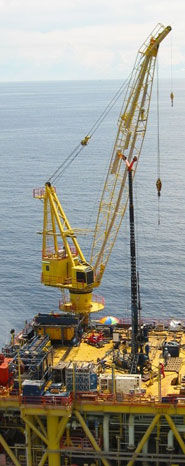
- Area: Wire rope inspection: Check for broken wires, corrosion, kinks, diameter reduction, and bird-caging per ISO 4309; lubricate wire ropes and ensure pressurised luCheck: Wire rope inspection: Check for broken wires, corrosion, kinks, diameter reduction, and bird-caging per ISO 4309; lubricate wire ropes and ensure pressurised lubricator (if fitted) is functional.
- Area: Boom and sheave inspection: Inspect boom structure for cracks, corrosion, and deformation; check sheaves and pulleys for wear, groove profile, bearing conditionCheck: Boom and sheave inspection: Inspect boom structure for cracks, corrosion, and deformation; check sheaves and pulleys for wear, groove profile, bearing condition, and correct rope alignment.
- Area: Slewing ring and slew drive: Inspect slewing bearing for raceway pitting, tooth wear, and bolt elongation (torque check on critical bolts); lubricate ring gearCheck: Slewing ring and slew drive: Inspect slewing bearing for raceway pitting, tooth wear, and bolt elongation (torque check on critical bolts); lubricate ring gear and pinion; check slew drive gearbox oil level and condition.
- Area: Hydraulic system: Verify hydraulic oil level, pressure settings, and filter differential pressure; take oil samples (TAN, moisture, contamination); inspect hoseCheck: Hydraulic system: Verify hydraulic oil level, pressure settings, and filter differential pressure; take oil samples (TAN, moisture, contamination); inspect hoses, cylinders, pumps, and motors for leaks or damage; check accumulator pre-charge pressure.
- Area: Structural integrity check: Non-destructive testing (NDT) of pedestal, boom foot connections, and load-bearing welds; inspect all pins, shackles, and load pathCheck: Structural integrity check: Non-destructive testing (NDT) of pedestal, boom foot connections, and load-bearing welds; inspect all pins, shackles, and load path components for wear or corrosion.
- Area: Load test and overload test: Annual proof load test at 100% SWL (and 110% overload test where required by classification society/ABS) with calibrated load cellsCheck: Load test and overload test: Annual proof load test at 100% SWL (and 110% overload test where required by classification society/ABS) with calibrated load cells; verify Robway or equivalent load monitoring system function.
- Area: Electrical and safety systems: Test all limit switches (hoist up/down, slew, luff), emergency stop circuits, anti-collision devices, and overload protection; chCheck: Electrical and safety systems: Test all limit switches (hoist up/down, slew, luff), emergency stop circuits, anti-collision devices, and overload protection; check anemometer and lighting.
- Area: Lubrication of running gear: Grease all lubrication points on luffing sheaves, hoist drum bearings, slew ring, and drive splines; verify spline drives (main hoiCheck: Lubrication of running gear: Grease all lubrication points on luffing sheaves, hoist drum bearings, slew ring, and drive splines; verify spline drives (main hoist, luff hoist, slew) for excessive wear or corrosion as per 5000-hour/24-month and 8000-hour/36-month schedules.
Typ-universelle Inspektionspunkte fuer Deck Cranes (verifiziert, 2026-06).
- Area: Wire rope inspection: Check for broken wires, corrosion, kinks, diameter reduction, and bird-caging per ISO 4309; lubricate wire ropes and ensure pressurised luCheck: Wire rope inspection: Check for broken wires, corrosion, kinks, diameter reduction, and bird-caging per ISO 4309; lubricate wire ropes and ensure pressurised lubricator (if fitted) is functional.
- Area: Boom and sheave inspection: Inspect boom structure for cracks, corrosion, and deformation; check sheaves and pulleys for wear, groove profile, bearing conditionCheck: Boom and sheave inspection: Inspect boom structure for cracks, corrosion, and deformation; check sheaves and pulleys for wear, groove profile, bearing condition, and correct rope alignment.
- Area: Slewing ring and slew drive: Inspect slewing bearing for raceway pitting, tooth wear, and bolt elongation (torque check on critical bolts); lubricate ring gearCheck: Slewing ring and slew drive: Inspect slewing bearing for raceway pitting, tooth wear, and bolt elongation (torque check on critical bolts); lubricate ring gear and pinion; check slew drive gearbox oil level and condition.
- Area: Hydraulic system: Verify hydraulic oil level, pressure settings, and filter differential pressure; take oil samples (TAN, moisture, contamination); inspect hoseCheck: Hydraulic system: Verify hydraulic oil level, pressure settings, and filter differential pressure; take oil samples (TAN, moisture, contamination); inspect hoses, cylinders, pumps, and motors for leaks or damage; check accumulator pre-charge pressure.
- Area: Structural integrity check: Non-destructive testing (NDT) of pedestal, boom foot connections, and load-bearing welds; inspect all pins, shackles, and load pathCheck: Structural integrity check: Non-destructive testing (NDT) of pedestal, boom foot connections, and load-bearing welds; inspect all pins, shackles, and load path components for wear or corrosion.
- Area: Load test and overload test: Annual proof load test at 100% SWL (and 110% overload test where required by classification society/ABS) with calibrated load cellsCheck: Load test and overload test: Annual proof load test at 100% SWL (and 110% overload test where required by classification society/ABS) with calibrated load cells; verify Robway or equivalent load monitoring system function.
- Area: Electrical and safety systems: Test all limit switches (hoist up/down, slew, luff), emergency stop circuits, anti-collision devices, and overload protection; chCheck: Electrical and safety systems: Test all limit switches (hoist up/down, slew, luff), emergency stop circuits, anti-collision devices, and overload protection; check anemometer and lighting.
- Area: Lubrication of running gear: Grease all lubrication points on luffing sheaves, hoist drum bearings, slew ring, and drive splines; verify spline drives (main hoiCheck: Lubrication of running gear: Grease all lubrication points on luffing sheaves, hoist drum bearings, slew ring, and drive splines; verify spline drives (main hoist, luff hoist, slew) for excessive wear or corrosion as per 5000-hour/24-month and 8000-hour/36-month schedules.
Typ-universelle Inspektionspunkte fuer Deck Cranes (verifiziert, 2026-06).
- Area: Wire rope inspection: Check for broken wires, corrosion, kinks, diameter reduction, and bird-caging per ISO 4309; lubricate wire ropes and ensure pressurised luCheck: Wire rope inspection: Check for broken wires, corrosion, kinks, diameter reduction, and bird-caging per ISO 4309; lubricate wire ropes and ensure pressurised lubricator (if fitted) is functional.
- Area: Boom and sheave inspection: Inspect boom structure for cracks, corrosion, and deformation; check sheaves and pulleys for wear, groove profile, bearing conditionCheck: Boom and sheave inspection: Inspect boom structure for cracks, corrosion, and deformation; check sheaves and pulleys for wear, groove profile, bearing condition, and correct rope alignment.
- Area: Slewing ring and slew drive: Inspect slewing bearing for raceway pitting, tooth wear, and bolt elongation (torque check on critical bolts); lubricate ring gearCheck: Slewing ring and slew drive: Inspect slewing bearing for raceway pitting, tooth wear, and bolt elongation (torque check on critical bolts); lubricate ring gear and pinion; check slew drive gearbox oil level and condition.
- Area: Hydraulic system: Verify hydraulic oil level, pressure settings, and filter differential pressure; take oil samples (TAN, moisture, contamination); inspect hoseCheck: Hydraulic system: Verify hydraulic oil level, pressure settings, and filter differential pressure; take oil samples (TAN, moisture, contamination); inspect hoses, cylinders, pumps, and motors for leaks or damage; check accumulator pre-charge pressure.
- Area: Structural integrity check: Non-destructive testing (NDT) of pedestal, boom foot connections, and load-bearing welds; inspect all pins, shackles, and load pathCheck: Structural integrity check: Non-destructive testing (NDT) of pedestal, boom foot connections, and load-bearing welds; inspect all pins, shackles, and load path components for wear or corrosion.
- Area: Load test and overload test: Annual proof load test at 100% SWL (and 110% overload test where required by classification society/ABS) with calibrated load cellsCheck: Load test and overload test: Annual proof load test at 100% SWL (and 110% overload test where required by classification society/ABS) with calibrated load cells; verify Robway or equivalent load monitoring system function.
- Area: Electrical and safety systems: Test all limit switches (hoist up/down, slew, luff), emergency stop circuits, anti-collision devices, and overload protection; chCheck: Electrical and safety systems: Test all limit switches (hoist up/down, slew, luff), emergency stop circuits, anti-collision devices, and overload protection; check anemometer and lighting.
- Area: Lubrication of running gear: Grease all lubrication points on luffing sheaves, hoist drum bearings, slew ring, and drive splines; verify spline drives (main hoiCheck: Lubrication of running gear: Grease all lubrication points on luffing sheaves, hoist drum bearings, slew ring, and drive splines; verify spline drives (main hoist, luff hoist, slew) for excessive wear or corrosion as per 5000-hour/24-month and 8000-hour/36-month schedules.
Typ-universelle Inspektionspunkte fuer Deck Cranes (verifiziert, 2026-06).
NOV (National Oilwell Varco) - GustoMSC Brand
3 ✓ 3 verified- Area: Structural Integrity and Fatigue DetectionCheck: Conduct ultrasonic thickness testing (UTT) and magnetic particle inspection of main boom, pedestal, and frame welds for internal cracks, fatigue, and material degradation. Verify deck connection welds and structural attachment points for corrosion and stress fractures.
- Area: Load Testing and Mechanical VerificationCheck: Perform stationary proof load test at 110-125% of rated Safe Working Load (SWL) to verify structural integrity. Conduct operational test cycles including full lifting, swinging (360 degrees), and lowering movements under simulated working conditions. Document load test results and maintain certification records per SOLAS II-1/3-13 (effective January 1, 2026).
- Area: Wire Rope and Hoist System IntegrityCheck: Inspect all wire rope for cracks, gouges, nicks, corrosion, distortions, and strand breakage. Test hoist brake effectiveness, verify load chain integrity (cracks, corrosion, wear), and inspect hooks for deformation or cracks. Ensure sheaves and pulleys rotate freely without binding. Check all limit switches, emergency stops, and load indicators for proper function.
- Area: Hydraulic and Pneumatic System ConditionCheck: Inspect all hydraulic/pneumatic lines for deterioration, leakage, and proper routing at flex points. Verify cylinder rod integrity for scoring, pitting, and seal leaks. Test all hydraulic functions for smooth operation without drift or erratic behavior. Check hydraulic fluid color and viscosity (must be replaced at manufacturer intervals). Verify pressure relief valves and safety systems function correctly.
- Area: Braking System and Control VerificationCheck: Inspect brake wheels for oil saturation and surface wear (replacement required if wear exceeds 1/4 of original thickness). Measure brake pad thickness (minimum 5mm required) and verify synchronization across brake systems. Test all control systems including pendant controls, limit switches, and emergency stop functionality. Verify brake holding capacity under load.
Typ-universelle Inspektionspunkte fuer Deck Cranes (verifiziert, 2026-06).
- Area: Structural Integrity and Fatigue DetectionCheck: Conduct ultrasonic thickness testing (UTT) and magnetic particle inspection of main boom, pedestal, and frame welds for internal cracks, fatigue, and material degradation. Verify deck connection welds and structural attachment points for corrosion and stress fractures.
- Area: Load Testing and Mechanical VerificationCheck: Perform stationary proof load test at 110-125% of rated Safe Working Load (SWL) to verify structural integrity. Conduct operational test cycles including full lifting, swinging (360 degrees), and lowering movements under simulated working conditions. Document load test results and maintain certification records per SOLAS II-1/3-13 (effective January 1, 2026).
- Area: Wire Rope and Hoist System IntegrityCheck: Inspect all wire rope for cracks, gouges, nicks, corrosion, distortions, and strand breakage. Test hoist brake effectiveness, verify load chain integrity (cracks, corrosion, wear), and inspect hooks for deformation or cracks. Ensure sheaves and pulleys rotate freely without binding. Check all limit switches, emergency stops, and load indicators for proper function.
- Area: Hydraulic and Pneumatic System ConditionCheck: Inspect all hydraulic/pneumatic lines for deterioration, leakage, and proper routing at flex points. Verify cylinder rod integrity for scoring, pitting, and seal leaks. Test all hydraulic functions for smooth operation without drift or erratic behavior. Check hydraulic fluid color and viscosity (must be replaced at manufacturer intervals). Verify pressure relief valves and safety systems function correctly.
- Area: Braking System and Control VerificationCheck: Inspect brake wheels for oil saturation and surface wear (replacement required if wear exceeds 1/4 of original thickness). Measure brake pad thickness (minimum 5mm required) and verify synchronization across brake systems. Test all control systems including pendant controls, limit switches, and emergency stop functionality. Verify brake holding capacity under load.
Typ-universelle Inspektionspunkte fuer Deck Cranes (verifiziert, 2026-06).
- Area: Structural Integrity and Fatigue DetectionCheck: Conduct ultrasonic thickness testing (UTT) and magnetic particle inspection of main boom, pedestal, and frame welds for internal cracks, fatigue, and material degradation. Verify deck connection welds and structural attachment points for corrosion and stress fractures.
- Area: Load Testing and Mechanical VerificationCheck: Perform stationary proof load test at 110-125% of rated Safe Working Load (SWL) to verify structural integrity. Conduct operational test cycles including full lifting, swinging (360 degrees), and lowering movements under simulated working conditions. Document load test results and maintain certification records per SOLAS II-1/3-13 (effective January 1, 2026).
- Area: Wire Rope and Hoist System IntegrityCheck: Inspect all wire rope for cracks, gouges, nicks, corrosion, distortions, and strand breakage. Test hoist brake effectiveness, verify load chain integrity (cracks, corrosion, wear), and inspect hooks for deformation or cracks. Ensure sheaves and pulleys rotate freely without binding. Check all limit switches, emergency stops, and load indicators for proper function.
- Area: Hydraulic and Pneumatic System ConditionCheck: Inspect all hydraulic/pneumatic lines for deterioration, leakage, and proper routing at flex points. Verify cylinder rod integrity for scoring, pitting, and seal leaks. Test all hydraulic functions for smooth operation without drift or erratic behavior. Check hydraulic fluid color and viscosity (must be replaced at manufacturer intervals). Verify pressure relief valves and safety systems function correctly.
- Area: Braking System and Control VerificationCheck: Inspect brake wheels for oil saturation and surface wear (replacement required if wear exceeds 1/4 of original thickness). Measure brake pad thickness (minimum 5mm required) and verify synchronization across brake systems. Test all control systems including pendant controls, limit switches, and emergency stop functionality. Verify brake holding capacity under load.
Typ-universelle Inspektionspunkte fuer Deck Cranes (verifiziert, 2026-06).
NOV (National Oilwell Varco) - AmClyde Brand
1 ✓ 1 verified
- Area: Structural Integrity and Fatigue DetectionCheck: Conduct ultrasonic thickness testing (UTT) and magnetic particle inspection of main boom, pedestal, and frame welds for internal cracks, fatigue, and material degradation. Verify deck connection welds and structural attachment points for corrosion and stress fractures.
- Area: Load Testing and Mechanical VerificationCheck: Perform stationary proof load test at 110-125% of rated Safe Working Load (SWL) to verify structural integrity. Conduct operational test cycles including full lifting, swinging (360 degrees), and lowering movements under simulated working conditions. Document load test results and maintain certification records per SOLAS II-1/3-13 (effective January 1, 2026).
- Area: Wire Rope and Hoist System IntegrityCheck: Inspect all wire rope for cracks, gouges, nicks, corrosion, distortions, and strand breakage. Test hoist brake effectiveness, verify load chain integrity (cracks, corrosion, wear), and inspect hooks for deformation or cracks. Ensure sheaves and pulleys rotate freely without binding. Check all limit switches, emergency stops, and load indicators for proper function.
- Area: Hydraulic and Pneumatic System ConditionCheck: Inspect all hydraulic/pneumatic lines for deterioration, leakage, and proper routing at flex points. Verify cylinder rod integrity for scoring, pitting, and seal leaks. Test all hydraulic functions for smooth operation without drift or erratic behavior. Check hydraulic fluid color and viscosity (must be replaced at manufacturer intervals). Verify pressure relief valves and safety systems function correctly.
- Area: Braking System and Control VerificationCheck: Inspect brake wheels for oil saturation and surface wear (replacement required if wear exceeds 1/4 of original thickness). Measure brake pad thickness (minimum 5mm required) and verify synchronization across brake systems. Test all control systems including pendant controls, limit switches, and emergency stop functionality. Verify brake holding capacity under load.
Typ-universelle Inspektionspunkte fuer Deck Cranes (verifiziert, 2026-06).
NOV (National Oilwell Varco) - Hydralift Brand
1 ✓ 1 verified- Area: Structural Integrity and Fatigue DetectionCheck: Conduct ultrasonic thickness testing (UTT) and magnetic particle inspection of main boom, pedestal, and frame welds for internal cracks, fatigue, and material degradation. Verify deck connection welds and structural attachment points for corrosion and stress fractures.
- Area: Load Testing and Mechanical VerificationCheck: Perform stationary proof load test at 110-125% of rated Safe Working Load (SWL) to verify structural integrity. Conduct operational test cycles including full lifting, swinging (360 degrees), and lowering movements under simulated working conditions. Document load test results and maintain certification records per SOLAS II-1/3-13 (effective January 1, 2026).
- Area: Wire Rope and Hoist System IntegrityCheck: Inspect all wire rope for cracks, gouges, nicks, corrosion, distortions, and strand breakage. Test hoist brake effectiveness, verify load chain integrity (cracks, corrosion, wear), and inspect hooks for deformation or cracks. Ensure sheaves and pulleys rotate freely without binding. Check all limit switches, emergency stops, and load indicators for proper function.
- Area: Hydraulic and Pneumatic System ConditionCheck: Inspect all hydraulic/pneumatic lines for deterioration, leakage, and proper routing at flex points. Verify cylinder rod integrity for scoring, pitting, and seal leaks. Test all hydraulic functions for smooth operation without drift or erratic behavior. Check hydraulic fluid color and viscosity (must be replaced at manufacturer intervals). Verify pressure relief valves and safety systems function correctly.
- Area: Braking System and Control VerificationCheck: Inspect brake wheels for oil saturation and surface wear (replacement required if wear exceeds 1/4 of original thickness). Measure brake pad thickness (minimum 5mm required) and verify synchronization across brake systems. Test all control systems including pendant controls, limit switches, and emergency stop functionality. Verify brake holding capacity under load.
Typ-universelle Inspektionspunkte fuer Deck Cranes (verifiziert, 2026-06).
NOV (National Oilwell Varco) - MoldeCrane Brand
1 ✓ 1 verified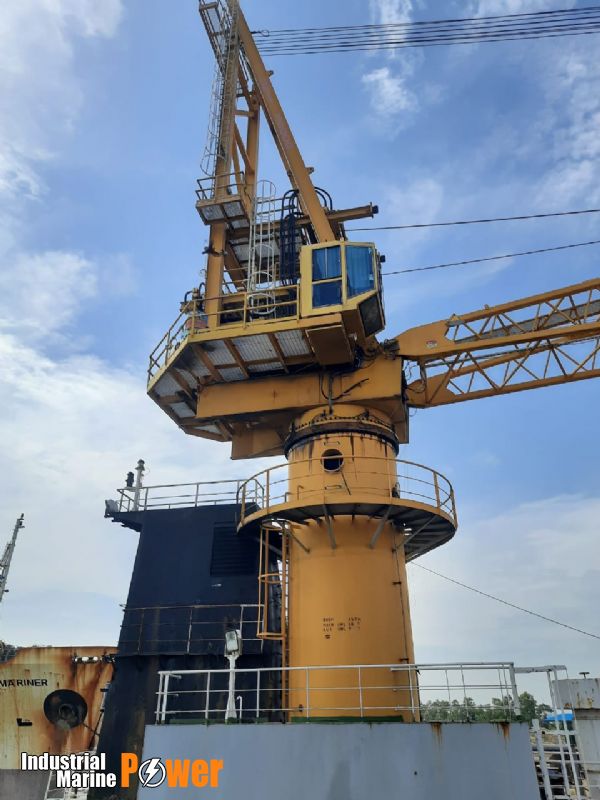
- Area: Structural Integrity and Fatigue DetectionCheck: Conduct ultrasonic thickness testing (UTT) and magnetic particle inspection of main boom, pedestal, and frame welds for internal cracks, fatigue, and material degradation. Verify deck connection welds and structural attachment points for corrosion and stress fractures.
- Area: Load Testing and Mechanical VerificationCheck: Perform stationary proof load test at 110-125% of rated Safe Working Load (SWL) to verify structural integrity. Conduct operational test cycles including full lifting, swinging (360 degrees), and lowering movements under simulated working conditions. Document load test results and maintain certification records per SOLAS II-1/3-13 (effective January 1, 2026).
- Area: Wire Rope and Hoist System IntegrityCheck: Inspect all wire rope for cracks, gouges, nicks, corrosion, distortions, and strand breakage. Test hoist brake effectiveness, verify load chain integrity (cracks, corrosion, wear), and inspect hooks for deformation or cracks. Ensure sheaves and pulleys rotate freely without binding. Check all limit switches, emergency stops, and load indicators for proper function.
- Area: Hydraulic and Pneumatic System ConditionCheck: Inspect all hydraulic/pneumatic lines for deterioration, leakage, and proper routing at flex points. Verify cylinder rod integrity for scoring, pitting, and seal leaks. Test all hydraulic functions for smooth operation without drift or erratic behavior. Check hydraulic fluid color and viscosity (must be replaced at manufacturer intervals). Verify pressure relief valves and safety systems function correctly.
- Area: Braking System and Control VerificationCheck: Inspect brake wheels for oil saturation and surface wear (replacement required if wear exceeds 1/4 of original thickness). Measure brake pad thickness (minimum 5mm required) and verify synchronization across brake systems. Test all control systems including pendant controls, limit switches, and emergency stop functionality. Verify brake holding capacity under load.
Typ-universelle Inspektionspunkte fuer Deck Cranes (verifiziert, 2026-06).
Liebherr Maritime
255- Traglastbereich (CBG Serie)
- CBG 300: 25 t (Hook), CBG 350: 35 t Grab / 45 t Hook, CBG 500E: bis 90 t Grab
- Traglastbereich (RL Serie)
- RL 650: bis 30 t, RL 1500: bis 40 t, RL 2650: bis 60 t, RL 4200: bis 100 t
- Traglastbereich (MTC Serie)
- MTC 1900: bis 75 t, MTC 3100: bis 100 t, MTC 6000: bis 150 t, MTC 78000: bis 300 t
- Traglastbereich (BOS Serie)
- BOS 2600: bis 100 t, BOS 4200: bis 140 t, BOS 14000: bis 600 t
- Traglastbereich (LS-C Serie)
- LS-C 60: 60 t / 32m Auslegerlänge, LS-C 80: 80 t / 38m, LS-C 100: 100 t / 43m
- Antrieb / Steuerung
- Diesel-hydraulic or Electro-hydraulic, Litronic control system, hydraulic hoses with chromium-nickel plating
- Drehkranz
- Large-diameter roller bearing slewing rings (e.g. ~9 m diameter, ~70 t in BOS series), lubrication and sealing systems
- Inspektionsintervalle
- After ~20,000 operating hours or per statutory requirement (DGUV, ISO 4309); daily visual inspection, annual expert inspection
- CBG (Floating Cargo Cranes)
- CBW (Cylinder Luffing Ship Cranes)
- RL (Ram Luffing Cranes)
- RL-K (Ram Luffing Knuckle Boom Cranes)
- MTC (Mast Type Cranes)
- BOS (Board Offshore Cranes)
- LS-C (Cylinder Luffing Ship Cranes)
- Area: Wire rope wear: diameter reduction >10% (natural fibre core) or >5% (steel core), wire breaks in groups, kinks, waves, twists, corrosion, pittingCheck: Visual daily inspection per ISO 4309:2017; caliper for diameter; magnetic inductive inspection (MRI) for suspected internal damage; inspection points: drum anchorage, loading, deflection over sheaves, loaded rope sections
- Area: Slewing ring: sealing system worn (leaks, contaminated lubrication), tooth wear (check engagement), bearing clearance, vibrations, temperature increaseCheck: Visual inspection for lubricant leakage; check seals for wear and contamination; vibration and temperature monitoring; overhaul by qualified Liebherr service with specialized equipment if needed
- Area: Hydraulic system: pressure loss, leaks at cylinders/pipes, hydraulic fluid contaminated or oxidized, valve and control function impairedCheck: Drucktest (Pressure Test) gegen spezifizierte Solldrücke; Sichtprüfung auf Flüssigkeitsverluste; Ölprobenanalyse (Condition Monitoring); Funktionsprüfung aller Hubfunktionen (Heben, Schwenken, Luffing)
- Area: Hook/Hook-block: cracks, plastic deformation, wear on running surfaces, notches or scratches, damage to load deflection surfacesCheck: Visual surface inspection for surface cracks and deformation; NDT inspection (X-ray/MRI) at critical hooks for internal damage; load test: ~25% above rated load capacity; inspection of hook locking and wear marks
- Area: Steel structure / boom / jib: corrosion, surface cracks (especially at welds and load introduction points), plastic deformation, welded repairsCheck: Surface rust and corrosion by visual inspection; NDT inspection (ultrasonic, X-ray) at critical welds; dimensional check of geometric tolerances; overhaul by Service Centre Steel with welding/structural analysis if required
- Area: Electrical / control (Litronic system): cable insulation faults, connectors/contacts oxidized or corroded, malfunction of control systems, overload/underloadCheck: Visual inspection of all electrical connections for corrosion in saltwater environment; functional test of overload protection and indicators; continuity test of critical circuits; lithium battery/accumulator condition check on electro-hydraulic systems
Type-universal inspection/service points for Deck Cranes (Liebherr Maritime, Mega-Schwarm 2026-06). Per-model specs not auto-filled.
- Traglastbereich (CBG Serie)
- CBG 300: 25 t (Hook), CBG 350: 35 t Grab / 45 t Hook, CBG 500E: bis 90 t Grab
- Traglastbereich (RL Serie)
- RL 650: bis 30 t, RL 1500: bis 40 t, RL 2650: bis 60 t, RL 4200: bis 100 t
- Traglastbereich (MTC Serie)
- MTC 1900: bis 75 t, MTC 3100: bis 100 t, MTC 6000: bis 150 t, MTC 78000: bis 300 t
- Traglastbereich (BOS Serie)
- BOS 2600: bis 100 t, BOS 4200: bis 140 t, BOS 14000: bis 600 t
- Traglastbereich (LS-C Serie)
- LS-C 60: 60 t / 32m Auslegerlänge, LS-C 80: 80 t / 38m, LS-C 100: 100 t / 43m
- Antrieb / Steuerung
- Diesel-hydraulic or Electro-hydraulic, Litronic control system, hydraulic hoses with chromium-nickel plating
- Drehkranz
- Large-diameter roller bearing slewing rings (e.g. ~9 m diameter, ~70 t in BOS series), lubrication and sealing systems
- Inspektionsintervalle
- After ~20,000 operating hours or per statutory requirement (DGUV, ISO 4309); daily visual inspection, annual expert inspection
- CBG (Floating Cargo Cranes)
- CBW (Cylinder Luffing Ship Cranes)
- RL (Ram Luffing Cranes)
- RL-K (Ram Luffing Knuckle Boom Cranes)
- MTC (Mast Type Cranes)
- BOS (Board Offshore Cranes)
- LS-C (Cylinder Luffing Ship Cranes)
- Area: Wire rope wear: diameter reduction >10% (natural fibre core) or >5% (steel core), wire breaks in groups, kinks, waves, twists, corrosion, pittingCheck: Visual daily inspection per ISO 4309:2017; caliper for diameter; magnetic inductive inspection (MRI) for suspected internal damage; inspection points: drum anchorage, loading, deflection over sheaves, loaded rope sections
- Area: Slewing ring: sealing system worn (leaks, contaminated lubrication), tooth wear (check engagement), bearing clearance, vibrations, temperature increaseCheck: Visual inspection for lubricant leakage; check seals for wear and contamination; vibration and temperature monitoring; overhaul by qualified Liebherr service with specialized equipment if needed
- Area: Hydraulic system: pressure loss, leaks at cylinders/pipes, hydraulic fluid contaminated or oxidized, valve and control function impairedCheck: Drucktest (Pressure Test) gegen spezifizierte Solldrücke; Sichtprüfung auf Flüssigkeitsverluste; Ölprobenanalyse (Condition Monitoring); Funktionsprüfung aller Hubfunktionen (Heben, Schwenken, Luffing)
- Area: Hook/Hook-block: cracks, plastic deformation, wear on running surfaces, notches or scratches, damage to load deflection surfacesCheck: Visual surface inspection for surface cracks and deformation; NDT inspection (X-ray/MRI) at critical hooks for internal damage; load test: ~25% above rated load capacity; inspection of hook locking and wear marks
- Area: Steel structure / boom / jib: corrosion, surface cracks (especially at welds and load introduction points), plastic deformation, welded repairsCheck: Surface rust and corrosion by visual inspection; NDT inspection (ultrasonic, X-ray) at critical welds; dimensional check of geometric tolerances; overhaul by Service Centre Steel with welding/structural analysis if required
- Area: Electrical / control (Litronic system): cable insulation faults, connectors/contacts oxidized or corroded, malfunction of control systems, overload/underloadCheck: Visual inspection of all electrical connections for corrosion in saltwater environment; functional test of overload protection and indicators; continuity test of critical circuits; lithium battery/accumulator condition check on electro-hydraulic systems
Type-universal inspection/service points for Deck Cranes (Liebherr Maritime, Mega-Schwarm 2026-06). Per-model specs not auto-filled.
- Traglastbereich (CBG Serie)
- CBG 300: 25 t (Hook), CBG 350: 35 t Grab / 45 t Hook, CBG 500E: bis 90 t Grab
- Traglastbereich (RL Serie)
- RL 650: bis 30 t, RL 1500: bis 40 t, RL 2650: bis 60 t, RL 4200: bis 100 t
- Traglastbereich (MTC Serie)
- MTC 1900: bis 75 t, MTC 3100: bis 100 t, MTC 6000: bis 150 t, MTC 78000: bis 300 t
- Traglastbereich (BOS Serie)
- BOS 2600: bis 100 t, BOS 4200: bis 140 t, BOS 14000: bis 600 t
- Traglastbereich (LS-C Serie)
- LS-C 60: 60 t / 32m Auslegerlänge, LS-C 80: 80 t / 38m, LS-C 100: 100 t / 43m
- Antrieb / Steuerung
- Diesel-hydraulic or Electro-hydraulic, Litronic control system, hydraulic hoses with chromium-nickel plating
- Drehkranz
- Large-diameter roller bearing slewing rings (e.g. ~9 m diameter, ~70 t in BOS series), lubrication and sealing systems
- Inspektionsintervalle
- After ~20,000 operating hours or per statutory requirement (DGUV, ISO 4309); daily visual inspection, annual expert inspection
- CBG (Floating Cargo Cranes)
- CBW (Cylinder Luffing Ship Cranes)
- RL (Ram Luffing Cranes)
- RL-K (Ram Luffing Knuckle Boom Cranes)
- MTC (Mast Type Cranes)
- BOS (Board Offshore Cranes)
- LS-C (Cylinder Luffing Ship Cranes)
- Area: Wire rope wear: diameter reduction >10% (natural fibre core) or >5% (steel core), wire breaks in groups, kinks, waves, twists, corrosion, pittingCheck: Visual daily inspection per ISO 4309:2017; caliper for diameter; magnetic inductive inspection (MRI) for suspected internal damage; inspection points: drum anchorage, loading, deflection over sheaves, loaded rope sections
- Area: Slewing ring: sealing system worn (leaks, contaminated lubrication), tooth wear (check engagement), bearing clearance, vibrations, temperature increaseCheck: Visual inspection for lubricant leakage; check seals for wear and contamination; vibration and temperature monitoring; overhaul by qualified Liebherr service with specialized equipment if needed
- Area: Hydraulic system: pressure loss, leaks at cylinders/pipes, hydraulic fluid contaminated or oxidized, valve and control function impairedCheck: Drucktest (Pressure Test) gegen spezifizierte Solldrücke; Sichtprüfung auf Flüssigkeitsverluste; Ölprobenanalyse (Condition Monitoring); Funktionsprüfung aller Hubfunktionen (Heben, Schwenken, Luffing)
- Area: Hook/Hook-block: cracks, plastic deformation, wear on running surfaces, notches or scratches, damage to load deflection surfacesCheck: Visual surface inspection for surface cracks and deformation; NDT inspection (X-ray/MRI) at critical hooks for internal damage; load test: ~25% above rated load capacity; inspection of hook locking and wear marks
- Area: Steel structure / boom / jib: corrosion, surface cracks (especially at welds and load introduction points), plastic deformation, welded repairsCheck: Surface rust and corrosion by visual inspection; NDT inspection (ultrasonic, X-ray) at critical welds; dimensional check of geometric tolerances; overhaul by Service Centre Steel with welding/structural analysis if required
- Area: Electrical / control (Litronic system): cable insulation faults, connectors/contacts oxidized or corroded, malfunction of control systems, overload/underloadCheck: Visual inspection of all electrical connections for corrosion in saltwater environment; functional test of overload protection and indicators; continuity test of critical circuits; lithium battery/accumulator condition check on electro-hydraulic systems
Type-universal inspection/service points for Deck Cranes (Liebherr Maritime, Mega-Schwarm 2026-06). Per-model specs not auto-filled.
- Traglastbereich (CBG Serie)
- CBG 300: 25 t (Hook), CBG 350: 35 t Grab / 45 t Hook, CBG 500E: bis 90 t Grab
- Traglastbereich (RL Serie)
- RL 650: bis 30 t, RL 1500: bis 40 t, RL 2650: bis 60 t, RL 4200: bis 100 t
- Traglastbereich (MTC Serie)
- MTC 1900: bis 75 t, MTC 3100: bis 100 t, MTC 6000: bis 150 t, MTC 78000: bis 300 t
- Traglastbereich (BOS Serie)
- BOS 2600: bis 100 t, BOS 4200: bis 140 t, BOS 14000: bis 600 t
- Traglastbereich (LS-C Serie)
- LS-C 60: 60 t / 32m Auslegerlänge, LS-C 80: 80 t / 38m, LS-C 100: 100 t / 43m
- Antrieb / Steuerung
- Diesel-hydraulic or Electro-hydraulic, Litronic control system, hydraulic hoses with chromium-nickel plating
- Drehkranz
- Large-diameter roller bearing slewing rings (e.g. ~9 m diameter, ~70 t in BOS series), lubrication and sealing systems
- Inspektionsintervalle
- After ~20,000 operating hours or per statutory requirement (DGUV, ISO 4309); daily visual inspection, annual expert inspection
- CBG (Floating Cargo Cranes)
- CBW (Cylinder Luffing Ship Cranes)
- RL (Ram Luffing Cranes)
- RL-K (Ram Luffing Knuckle Boom Cranes)
- MTC (Mast Type Cranes)
- BOS (Board Offshore Cranes)
- LS-C (Cylinder Luffing Ship Cranes)
- Area: Wire rope wear: diameter reduction >10% (natural fibre core) or >5% (steel core), wire breaks in groups, kinks, waves, twists, corrosion, pittingCheck: Visual daily inspection per ISO 4309:2017; caliper for diameter; magnetic inductive inspection (MRI) for suspected internal damage; inspection points: drum anchorage, loading, deflection over sheaves, loaded rope sections
- Area: Slewing ring: sealing system worn (leaks, contaminated lubrication), tooth wear (check engagement), bearing clearance, vibrations, temperature increaseCheck: Visual inspection for lubricant leakage; check seals for wear and contamination; vibration and temperature monitoring; overhaul by qualified Liebherr service with specialized equipment if needed
- Area: Hydraulic system: pressure loss, leaks at cylinders/pipes, hydraulic fluid contaminated or oxidized, valve and control function impairedCheck: Drucktest (Pressure Test) gegen spezifizierte Solldrücke; Sichtprüfung auf Flüssigkeitsverluste; Ölprobenanalyse (Condition Monitoring); Funktionsprüfung aller Hubfunktionen (Heben, Schwenken, Luffing)
- Area: Hook/Hook-block: cracks, plastic deformation, wear on running surfaces, notches or scratches, damage to load deflection surfacesCheck: Visual surface inspection for surface cracks and deformation; NDT inspection (X-ray/MRI) at critical hooks for internal damage; load test: ~25% above rated load capacity; inspection of hook locking and wear marks
- Area: Steel structure / boom / jib: corrosion, surface cracks (especially at welds and load introduction points), plastic deformation, welded repairsCheck: Surface rust and corrosion by visual inspection; NDT inspection (ultrasonic, X-ray) at critical welds; dimensional check of geometric tolerances; overhaul by Service Centre Steel with welding/structural analysis if required
- Area: Electrical / control (Litronic system): cable insulation faults, connectors/contacts oxidized or corroded, malfunction of control systems, overload/underloadCheck: Visual inspection of all electrical connections for corrosion in saltwater environment; functional test of overload protection and indicators; continuity test of critical circuits; lithium battery/accumulator condition check on electro-hydraulic systems
Type-universal inspection/service points for Deck Cranes (Liebherr Maritime, Mega-Schwarm 2026-06). Per-model specs not auto-filled.
- Traglastbereich (CBG Serie)
- CBG 300: 25 t (Hook), CBG 350: 35 t Grab / 45 t Hook, CBG 500E: bis 90 t Grab
- Traglastbereich (RL Serie)
- RL 650: bis 30 t, RL 1500: bis 40 t, RL 2650: bis 60 t, RL 4200: bis 100 t
- Traglastbereich (MTC Serie)
- MTC 1900: bis 75 t, MTC 3100: bis 100 t, MTC 6000: bis 150 t, MTC 78000: bis 300 t
- Traglastbereich (BOS Serie)
- BOS 2600: bis 100 t, BOS 4200: bis 140 t, BOS 14000: bis 600 t
- Traglastbereich (LS-C Serie)
- LS-C 60: 60 t / 32m Auslegerlänge, LS-C 80: 80 t / 38m, LS-C 100: 100 t / 43m
- Antrieb / Steuerung
- Diesel-hydraulic or Electro-hydraulic, Litronic control system, hydraulic hoses with chromium-nickel plating
- Drehkranz
- Large-diameter roller bearing slewing rings (e.g. ~9 m diameter, ~70 t in BOS series), lubrication and sealing systems
- Inspektionsintervalle
- After ~20,000 operating hours or per statutory requirement (DGUV, ISO 4309); daily visual inspection, annual expert inspection
- CBG (Floating Cargo Cranes)
- CBW (Cylinder Luffing Ship Cranes)
- RL (Ram Luffing Cranes)
- RL-K (Ram Luffing Knuckle Boom Cranes)
- MTC (Mast Type Cranes)
- BOS (Board Offshore Cranes)
- LS-C (Cylinder Luffing Ship Cranes)
- Area: Wire rope wear: diameter reduction >10% (natural fibre core) or >5% (steel core), wire breaks in groups, kinks, waves, twists, corrosion, pittingCheck: Visual daily inspection per ISO 4309:2017; caliper for diameter; magnetic inductive inspection (MRI) for suspected internal damage; inspection points: drum anchorage, loading, deflection over sheaves, loaded rope sections
- Area: Slewing ring: sealing system worn (leaks, contaminated lubrication), tooth wear (check engagement), bearing clearance, vibrations, temperature increaseCheck: Visual inspection for lubricant leakage; check seals for wear and contamination; vibration and temperature monitoring; overhaul by qualified Liebherr service with specialized equipment if needed
- Area: Hydraulic system: pressure loss, leaks at cylinders/pipes, hydraulic fluid contaminated or oxidized, valve and control function impairedCheck: Drucktest (Pressure Test) gegen spezifizierte Solldrücke; Sichtprüfung auf Flüssigkeitsverluste; Ölprobenanalyse (Condition Monitoring); Funktionsprüfung aller Hubfunktionen (Heben, Schwenken, Luffing)
- Area: Hook/Hook-block: cracks, plastic deformation, wear on running surfaces, notches or scratches, damage to load deflection surfacesCheck: Visual surface inspection for surface cracks and deformation; NDT inspection (X-ray/MRI) at critical hooks for internal damage; load test: ~25% above rated load capacity; inspection of hook locking and wear marks
- Area: Steel structure / boom / jib: corrosion, surface cracks (especially at welds and load introduction points), plastic deformation, welded repairsCheck: Surface rust and corrosion by visual inspection; NDT inspection (ultrasonic, X-ray) at critical welds; dimensional check of geometric tolerances; overhaul by Service Centre Steel with welding/structural analysis if required
- Area: Electrical / control (Litronic system): cable insulation faults, connectors/contacts oxidized or corroded, malfunction of control systems, overload/underloadCheck: Visual inspection of all electrical connections for corrosion in saltwater environment; functional test of overload protection and indicators; continuity test of critical circuits; lithium battery/accumulator condition check on electro-hydraulic systems
Type-universal inspection/service points for Deck Cranes (Liebherr Maritime, Mega-Schwarm 2026-06). Per-model specs not auto-filled.
- Traglastbereich (CBG Serie)
- CBG 300: 25 t (Hook), CBG 350: 35 t Grab / 45 t Hook, CBG 500E: bis 90 t Grab
- Traglastbereich (RL Serie)
- RL 650: bis 30 t, RL 1500: bis 40 t, RL 2650: bis 60 t, RL 4200: bis 100 t
- Traglastbereich (MTC Serie)
- MTC 1900: bis 75 t, MTC 3100: bis 100 t, MTC 6000: bis 150 t, MTC 78000: bis 300 t
- Traglastbereich (BOS Serie)
- BOS 2600: bis 100 t, BOS 4200: bis 140 t, BOS 14000: bis 600 t
- Traglastbereich (LS-C Serie)
- LS-C 60: 60 t / 32m Auslegerlänge, LS-C 80: 80 t / 38m, LS-C 100: 100 t / 43m
- Antrieb / Steuerung
- Diesel-hydraulic or Electro-hydraulic, Litronic control system, hydraulic hoses with chromium-nickel plating
- Drehkranz
- Large-diameter roller bearing slewing rings (e.g. ~9 m diameter, ~70 t in BOS series), lubrication and sealing systems
- Inspektionsintervalle
- After ~20,000 operating hours or per statutory requirement (DGUV, ISO 4309); daily visual inspection, annual expert inspection
- CBG (Floating Cargo Cranes)
- CBW (Cylinder Luffing Ship Cranes)
- RL (Ram Luffing Cranes)
- RL-K (Ram Luffing Knuckle Boom Cranes)
- MTC (Mast Type Cranes)
- BOS (Board Offshore Cranes)
- LS-C (Cylinder Luffing Ship Cranes)
- Area: Wire rope wear: diameter reduction >10% (natural fibre core) or >5% (steel core), wire breaks in groups, kinks, waves, twists, corrosion, pittingCheck: Visual daily inspection per ISO 4309:2017; caliper for diameter; magnetic inductive inspection (MRI) for suspected internal damage; inspection points: drum anchorage, loading, deflection over sheaves, loaded rope sections
- Area: Slewing ring: sealing system worn (leaks, contaminated lubrication), tooth wear (check engagement), bearing clearance, vibrations, temperature increaseCheck: Visual inspection for lubricant leakage; check seals for wear and contamination; vibration and temperature monitoring; overhaul by qualified Liebherr service with specialized equipment if needed
- Area: Hydraulic system: pressure loss, leaks at cylinders/pipes, hydraulic fluid contaminated or oxidized, valve and control function impairedCheck: Drucktest (Pressure Test) gegen spezifizierte Solldrücke; Sichtprüfung auf Flüssigkeitsverluste; Ölprobenanalyse (Condition Monitoring); Funktionsprüfung aller Hubfunktionen (Heben, Schwenken, Luffing)
- Area: Hook/Hook-block: cracks, plastic deformation, wear on running surfaces, notches or scratches, damage to load deflection surfacesCheck: Visual surface inspection for surface cracks and deformation; NDT inspection (X-ray/MRI) at critical hooks for internal damage; load test: ~25% above rated load capacity; inspection of hook locking and wear marks
- Area: Steel structure / boom / jib: corrosion, surface cracks (especially at welds and load introduction points), plastic deformation, welded repairsCheck: Surface rust and corrosion by visual inspection; NDT inspection (ultrasonic, X-ray) at critical welds; dimensional check of geometric tolerances; overhaul by Service Centre Steel with welding/structural analysis if required
- Area: Electrical / control (Litronic system): cable insulation faults, connectors/contacts oxidized or corroded, malfunction of control systems, overload/underloadCheck: Visual inspection of all electrical connections for corrosion in saltwater environment; functional test of overload protection and indicators; continuity test of critical circuits; lithium battery/accumulator condition check on electro-hydraulic systems
Type-universal inspection/service points for Deck Cranes (Liebherr Maritime, Mega-Schwarm 2026-06). Per-model specs not auto-filled.
- Traglastbereich (CBG Serie)
- CBG 300: 25 t (Hook), CBG 350: 35 t Grab / 45 t Hook, CBG 500E: bis 90 t Grab
- Traglastbereich (RL Serie)
- RL 650: bis 30 t, RL 1500: bis 40 t, RL 2650: bis 60 t, RL 4200: bis 100 t
- Traglastbereich (MTC Serie)
- MTC 1900: bis 75 t, MTC 3100: bis 100 t, MTC 6000: bis 150 t, MTC 78000: bis 300 t
- Traglastbereich (BOS Serie)
- BOS 2600: bis 100 t, BOS 4200: bis 140 t, BOS 14000: bis 600 t
- Traglastbereich (LS-C Serie)
- LS-C 60: 60 t / 32m Auslegerlänge, LS-C 80: 80 t / 38m, LS-C 100: 100 t / 43m
- Antrieb / Steuerung
- Diesel-hydraulic or Electro-hydraulic, Litronic control system, hydraulic hoses with chromium-nickel plating
- Drehkranz
- Large-diameter roller bearing slewing rings (e.g. ~9 m diameter, ~70 t in BOS series), lubrication and sealing systems
- Inspektionsintervalle
- After ~20,000 operating hours or per statutory requirement (DGUV, ISO 4309); daily visual inspection, annual expert inspection
- CBG (Floating Cargo Cranes)
- CBW (Cylinder Luffing Ship Cranes)
- RL (Ram Luffing Cranes)
- RL-K (Ram Luffing Knuckle Boom Cranes)
- MTC (Mast Type Cranes)
- BOS (Board Offshore Cranes)
- LS-C (Cylinder Luffing Ship Cranes)
- Area: Wire rope wear: diameter reduction >10% (natural fibre core) or >5% (steel core), wire breaks in groups, kinks, waves, twists, corrosion, pittingCheck: Visual daily inspection per ISO 4309:2017; caliper for diameter; magnetic inductive inspection (MRI) for suspected internal damage; inspection points: drum anchorage, loading, deflection over sheaves, loaded rope sections
- Area: Slewing ring: sealing system worn (leaks, contaminated lubrication), tooth wear (check engagement), bearing clearance, vibrations, temperature increaseCheck: Visual inspection for lubricant leakage; check seals for wear and contamination; vibration and temperature monitoring; overhaul by qualified Liebherr service with specialized equipment if needed
- Area: Hydraulic system: pressure loss, leaks at cylinders/pipes, hydraulic fluid contaminated or oxidized, valve and control function impairedCheck: Drucktest (Pressure Test) gegen spezifizierte Solldrücke; Sichtprüfung auf Flüssigkeitsverluste; Ölprobenanalyse (Condition Monitoring); Funktionsprüfung aller Hubfunktionen (Heben, Schwenken, Luffing)
- Area: Hook/Hook-block: cracks, plastic deformation, wear on running surfaces, notches or scratches, damage to load deflection surfacesCheck: Visual surface inspection for surface cracks and deformation; NDT inspection (X-ray/MRI) at critical hooks for internal damage; load test: ~25% above rated load capacity; inspection of hook locking and wear marks
- Area: Steel structure / boom / jib: corrosion, surface cracks (especially at welds and load introduction points), plastic deformation, welded repairsCheck: Surface rust and corrosion by visual inspection; NDT inspection (ultrasonic, X-ray) at critical welds; dimensional check of geometric tolerances; overhaul by Service Centre Steel with welding/structural analysis if required
- Area: Electrical / control (Litronic system): cable insulation faults, connectors/contacts oxidized or corroded, malfunction of control systems, overload/underloadCheck: Visual inspection of all electrical connections for corrosion in saltwater environment; functional test of overload protection and indicators; continuity test of critical circuits; lithium battery/accumulator condition check on electro-hydraulic systems
Type-universal inspection/service points for Deck Cranes (Liebherr Maritime, Mega-Schwarm 2026-06). Per-model specs not auto-filled.
- Traglastbereich (CBG Serie)
- CBG 300: 25 t (Hook), CBG 350: 35 t Grab / 45 t Hook, CBG 500E: bis 90 t Grab
- Traglastbereich (RL Serie)
- RL 650: bis 30 t, RL 1500: bis 40 t, RL 2650: bis 60 t, RL 4200: bis 100 t
- Traglastbereich (MTC Serie)
- MTC 1900: bis 75 t, MTC 3100: bis 100 t, MTC 6000: bis 150 t, MTC 78000: bis 300 t
- Traglastbereich (BOS Serie)
- BOS 2600: bis 100 t, BOS 4200: bis 140 t, BOS 14000: bis 600 t
- Traglastbereich (LS-C Serie)
- LS-C 60: 60 t / 32m Auslegerlänge, LS-C 80: 80 t / 38m, LS-C 100: 100 t / 43m
- Antrieb / Steuerung
- Diesel-hydraulic or Electro-hydraulic, Litronic control system, hydraulic hoses with chromium-nickel plating
- Drehkranz
- Large-diameter roller bearing slewing rings (e.g. ~9 m diameter, ~70 t in BOS series), lubrication and sealing systems
- Inspektionsintervalle
- After ~20,000 operating hours or per statutory requirement (DGUV, ISO 4309); daily visual inspection, annual expert inspection
- CBG (Floating Cargo Cranes)
- CBW (Cylinder Luffing Ship Cranes)
- RL (Ram Luffing Cranes)
- RL-K (Ram Luffing Knuckle Boom Cranes)
- MTC (Mast Type Cranes)
- BOS (Board Offshore Cranes)
- LS-C (Cylinder Luffing Ship Cranes)
- Area: Wire rope wear: diameter reduction >10% (natural fibre core) or >5% (steel core), wire breaks in groups, kinks, waves, twists, corrosion, pittingCheck: Visual daily inspection per ISO 4309:2017; caliper for diameter; magnetic inductive inspection (MRI) for suspected internal damage; inspection points: drum anchorage, loading, deflection over sheaves, loaded rope sections
- Area: Slewing ring: sealing system worn (leaks, contaminated lubrication), tooth wear (check engagement), bearing clearance, vibrations, temperature increaseCheck: Visual inspection for lubricant leakage; check seals for wear and contamination; vibration and temperature monitoring; overhaul by qualified Liebherr service with specialized equipment if needed
- Area: Hydraulic system: pressure loss, leaks at cylinders/pipes, hydraulic fluid contaminated or oxidized, valve and control function impairedCheck: Drucktest (Pressure Test) gegen spezifizierte Solldrücke; Sichtprüfung auf Flüssigkeitsverluste; Ölprobenanalyse (Condition Monitoring); Funktionsprüfung aller Hubfunktionen (Heben, Schwenken, Luffing)
- Area: Hook/Hook-block: cracks, plastic deformation, wear on running surfaces, notches or scratches, damage to load deflection surfacesCheck: Visual surface inspection for surface cracks and deformation; NDT inspection (X-ray/MRI) at critical hooks for internal damage; load test: ~25% above rated load capacity; inspection of hook locking and wear marks
- Area: Steel structure / boom / jib: corrosion, surface cracks (especially at welds and load introduction points), plastic deformation, welded repairsCheck: Surface rust and corrosion by visual inspection; NDT inspection (ultrasonic, X-ray) at critical welds; dimensional check of geometric tolerances; overhaul by Service Centre Steel with welding/structural analysis if required
- Area: Electrical / control (Litronic system): cable insulation faults, connectors/contacts oxidized or corroded, malfunction of control systems, overload/underloadCheck: Visual inspection of all electrical connections for corrosion in saltwater environment; functional test of overload protection and indicators; continuity test of critical circuits; lithium battery/accumulator condition check on electro-hydraulic systems
Type-universal inspection/service points for Deck Cranes (Liebherr Maritime, Mega-Schwarm 2026-06). Per-model specs not auto-filled.
- Traglastbereich (CBG Serie)
- CBG 300: 25 t (Hook), CBG 350: 35 t Grab / 45 t Hook, CBG 500E: bis 90 t Grab
- Traglastbereich (RL Serie)
- RL 650: bis 30 t, RL 1500: bis 40 t, RL 2650: bis 60 t, RL 4200: bis 100 t
- Traglastbereich (MTC Serie)
- MTC 1900: bis 75 t, MTC 3100: bis 100 t, MTC 6000: bis 150 t, MTC 78000: bis 300 t
- Traglastbereich (BOS Serie)
- BOS 2600: bis 100 t, BOS 4200: bis 140 t, BOS 14000: bis 600 t
- Traglastbereich (LS-C Serie)
- LS-C 60: 60 t / 32m Auslegerlänge, LS-C 80: 80 t / 38m, LS-C 100: 100 t / 43m
- Antrieb / Steuerung
- Diesel-hydraulic or Electro-hydraulic, Litronic control system, hydraulic hoses with chromium-nickel plating
- Drehkranz
- Large-diameter roller bearing slewing rings (e.g. ~9 m diameter, ~70 t in BOS series), lubrication and sealing systems
- Inspektionsintervalle
- After ~20,000 operating hours or per statutory requirement (DGUV, ISO 4309); daily visual inspection, annual expert inspection
- CBG (Floating Cargo Cranes)
- CBW (Cylinder Luffing Ship Cranes)
- RL (Ram Luffing Cranes)
- RL-K (Ram Luffing Knuckle Boom Cranes)
- MTC (Mast Type Cranes)
- BOS (Board Offshore Cranes)
- LS-C (Cylinder Luffing Ship Cranes)
- Area: Wire rope wear: diameter reduction >10% (natural fibre core) or >5% (steel core), wire breaks in groups, kinks, waves, twists, corrosion, pittingCheck: Visual daily inspection per ISO 4309:2017; caliper for diameter; magnetic inductive inspection (MRI) for suspected internal damage; inspection points: drum anchorage, loading, deflection over sheaves, loaded rope sections
- Area: Slewing ring: sealing system worn (leaks, contaminated lubrication), tooth wear (check engagement), bearing clearance, vibrations, temperature increaseCheck: Visual inspection for lubricant leakage; check seals for wear and contamination; vibration and temperature monitoring; overhaul by qualified Liebherr service with specialized equipment if needed
- Area: Hydraulic system: pressure loss, leaks at cylinders/pipes, hydraulic fluid contaminated or oxidized, valve and control function impairedCheck: Drucktest (Pressure Test) gegen spezifizierte Solldrücke; Sichtprüfung auf Flüssigkeitsverluste; Ölprobenanalyse (Condition Monitoring); Funktionsprüfung aller Hubfunktionen (Heben, Schwenken, Luffing)
- Area: Hook/Hook-block: cracks, plastic deformation, wear on running surfaces, notches or scratches, damage to load deflection surfacesCheck: Visual surface inspection for surface cracks and deformation; NDT inspection (X-ray/MRI) at critical hooks for internal damage; load test: ~25% above rated load capacity; inspection of hook locking and wear marks
- Area: Steel structure / boom / jib: corrosion, surface cracks (especially at welds and load introduction points), plastic deformation, welded repairsCheck: Surface rust and corrosion by visual inspection; NDT inspection (ultrasonic, X-ray) at critical welds; dimensional check of geometric tolerances; overhaul by Service Centre Steel with welding/structural analysis if required
- Area: Electrical / control (Litronic system): cable insulation faults, connectors/contacts oxidized or corroded, malfunction of control systems, overload/underloadCheck: Visual inspection of all electrical connections for corrosion in saltwater environment; functional test of overload protection and indicators; continuity test of critical circuits; lithium battery/accumulator condition check on electro-hydraulic systems
Type-universal inspection/service points for Deck Cranes (Liebherr Maritime, Mega-Schwarm 2026-06). Per-model specs not auto-filled.
- Traglastbereich (CBG Serie)
- CBG 300: 25 t (Hook), CBG 350: 35 t Grab / 45 t Hook, CBG 500E: bis 90 t Grab
- Traglastbereich (RL Serie)
- RL 650: bis 30 t, RL 1500: bis 40 t, RL 2650: bis 60 t, RL 4200: bis 100 t
- Traglastbereich (MTC Serie)
- MTC 1900: bis 75 t, MTC 3100: bis 100 t, MTC 6000: bis 150 t, MTC 78000: bis 300 t
- Traglastbereich (BOS Serie)
- BOS 2600: bis 100 t, BOS 4200: bis 140 t, BOS 14000: bis 600 t
- Traglastbereich (LS-C Serie)
- LS-C 60: 60 t / 32m Auslegerlänge, LS-C 80: 80 t / 38m, LS-C 100: 100 t / 43m
- Antrieb / Steuerung
- Diesel-hydraulic or Electro-hydraulic, Litronic control system, hydraulic hoses with chromium-nickel plating
- Drehkranz
- Large-diameter roller bearing slewing rings (e.g. ~9 m diameter, ~70 t in BOS series), lubrication and sealing systems
- Inspektionsintervalle
- After ~20,000 operating hours or per statutory requirement (DGUV, ISO 4309); daily visual inspection, annual expert inspection
- CBG (Floating Cargo Cranes)
- CBW (Cylinder Luffing Ship Cranes)
- RL (Ram Luffing Cranes)
- RL-K (Ram Luffing Knuckle Boom Cranes)
- MTC (Mast Type Cranes)
- BOS (Board Offshore Cranes)
- LS-C (Cylinder Luffing Ship Cranes)
- Area: Wire rope wear: diameter reduction >10% (natural fibre core) or >5% (steel core), wire breaks in groups, kinks, waves, twists, corrosion, pittingCheck: Visual daily inspection per ISO 4309:2017; caliper for diameter; magnetic inductive inspection (MRI) for suspected internal damage; inspection points: drum anchorage, loading, deflection over sheaves, loaded rope sections
- Area: Slewing ring: sealing system worn (leaks, contaminated lubrication), tooth wear (check engagement), bearing clearance, vibrations, temperature increaseCheck: Visual inspection for lubricant leakage; check seals for wear and contamination; vibration and temperature monitoring; overhaul by qualified Liebherr service with specialized equipment if needed
- Area: Hydraulic system: pressure loss, leaks at cylinders/pipes, hydraulic fluid contaminated or oxidized, valve and control function impairedCheck: Drucktest (Pressure Test) gegen spezifizierte Solldrücke; Sichtprüfung auf Flüssigkeitsverluste; Ölprobenanalyse (Condition Monitoring); Funktionsprüfung aller Hubfunktionen (Heben, Schwenken, Luffing)
- Area: Hook/Hook-block: cracks, plastic deformation, wear on running surfaces, notches or scratches, damage to load deflection surfacesCheck: Visual surface inspection for surface cracks and deformation; NDT inspection (X-ray/MRI) at critical hooks for internal damage; load test: ~25% above rated load capacity; inspection of hook locking and wear marks
- Area: Steel structure / boom / jib: corrosion, surface cracks (especially at welds and load introduction points), plastic deformation, welded repairsCheck: Surface rust and corrosion by visual inspection; NDT inspection (ultrasonic, X-ray) at critical welds; dimensional check of geometric tolerances; overhaul by Service Centre Steel with welding/structural analysis if required
- Area: Electrical / control (Litronic system): cable insulation faults, connectors/contacts oxidized or corroded, malfunction of control systems, overload/underloadCheck: Visual inspection of all electrical connections for corrosion in saltwater environment; functional test of overload protection and indicators; continuity test of critical circuits; lithium battery/accumulator condition check on electro-hydraulic systems
Type-universal inspection/service points for Deck Cranes (Liebherr Maritime, Mega-Schwarm 2026-06). Per-model specs not auto-filled.
- Traglastbereich (CBG Serie)
- CBG 300: 25 t (Hook), CBG 350: 35 t Grab / 45 t Hook, CBG 500E: bis 90 t Grab
- Traglastbereich (RL Serie)
- RL 650: bis 30 t, RL 1500: bis 40 t, RL 2650: bis 60 t, RL 4200: bis 100 t
- Traglastbereich (MTC Serie)
- MTC 1900: bis 75 t, MTC 3100: bis 100 t, MTC 6000: bis 150 t, MTC 78000: bis 300 t
- Traglastbereich (BOS Serie)
- BOS 2600: bis 100 t, BOS 4200: bis 140 t, BOS 14000: bis 600 t
- Traglastbereich (LS-C Serie)
- LS-C 60: 60 t / 32m Auslegerlänge, LS-C 80: 80 t / 38m, LS-C 100: 100 t / 43m
- Antrieb / Steuerung
- Diesel-hydraulic or Electro-hydraulic, Litronic control system, hydraulic hoses with chromium-nickel plating
- Drehkranz
- Large-diameter roller bearing slewing rings (e.g. ~9 m diameter, ~70 t in BOS series), lubrication and sealing systems
- Inspektionsintervalle
- After ~20,000 operating hours or per statutory requirement (DGUV, ISO 4309); daily visual inspection, annual expert inspection
- CBG (Floating Cargo Cranes)
- CBW (Cylinder Luffing Ship Cranes)
- RL (Ram Luffing Cranes)
- RL-K (Ram Luffing Knuckle Boom Cranes)
- MTC (Mast Type Cranes)
- BOS (Board Offshore Cranes)
- LS-C (Cylinder Luffing Ship Cranes)
- Area: Wire rope wear: diameter reduction >10% (natural fibre core) or >5% (steel core), wire breaks in groups, kinks, waves, twists, corrosion, pittingCheck: Visual daily inspection per ISO 4309:2017; caliper for diameter; magnetic inductive inspection (MRI) for suspected internal damage; inspection points: drum anchorage, loading, deflection over sheaves, loaded rope sections
- Area: Slewing ring: sealing system worn (leaks, contaminated lubrication), tooth wear (check engagement), bearing clearance, vibrations, temperature increaseCheck: Visual inspection for lubricant leakage; check seals for wear and contamination; vibration and temperature monitoring; overhaul by qualified Liebherr service with specialized equipment if needed
- Area: Hydraulic system: pressure loss, leaks at cylinders/pipes, hydraulic fluid contaminated or oxidized, valve and control function impairedCheck: Drucktest (Pressure Test) gegen spezifizierte Solldrücke; Sichtprüfung auf Flüssigkeitsverluste; Ölprobenanalyse (Condition Monitoring); Funktionsprüfung aller Hubfunktionen (Heben, Schwenken, Luffing)
- Area: Hook/Hook-block: cracks, plastic deformation, wear on running surfaces, notches or scratches, damage to load deflection surfacesCheck: Visual surface inspection for surface cracks and deformation; NDT inspection (X-ray/MRI) at critical hooks for internal damage; load test: ~25% above rated load capacity; inspection of hook locking and wear marks
- Area: Steel structure / boom / jib: corrosion, surface cracks (especially at welds and load introduction points), plastic deformation, welded repairsCheck: Surface rust and corrosion by visual inspection; NDT inspection (ultrasonic, X-ray) at critical welds; dimensional check of geometric tolerances; overhaul by Service Centre Steel with welding/structural analysis if required
- Area: Electrical / control (Litronic system): cable insulation faults, connectors/contacts oxidized or corroded, malfunction of control systems, overload/underloadCheck: Visual inspection of all electrical connections for corrosion in saltwater environment; functional test of overload protection and indicators; continuity test of critical circuits; lithium battery/accumulator condition check on electro-hydraulic systems
Type-universal inspection/service points for Deck Cranes (Liebherr Maritime, Mega-Schwarm 2026-06). Per-model specs not auto-filled.
- Traglastbereich (CBG Serie)
- CBG 300: 25 t (Hook), CBG 350: 35 t Grab / 45 t Hook, CBG 500E: bis 90 t Grab
- Traglastbereich (RL Serie)
- RL 650: bis 30 t, RL 1500: bis 40 t, RL 2650: bis 60 t, RL 4200: bis 100 t
- Traglastbereich (MTC Serie)
- MTC 1900: bis 75 t, MTC 3100: bis 100 t, MTC 6000: bis 150 t, MTC 78000: bis 300 t
- Traglastbereich (BOS Serie)
- BOS 2600: bis 100 t, BOS 4200: bis 140 t, BOS 14000: bis 600 t
- Traglastbereich (LS-C Serie)
- LS-C 60: 60 t / 32m Auslegerlänge, LS-C 80: 80 t / 38m, LS-C 100: 100 t / 43m
- Antrieb / Steuerung
- Diesel-hydraulic or Electro-hydraulic, Litronic control system, hydraulic hoses with chromium-nickel plating
- Drehkranz
- Large-diameter roller bearing slewing rings (e.g. ~9 m diameter, ~70 t in BOS series), lubrication and sealing systems
- Inspektionsintervalle
- After ~20,000 operating hours or per statutory requirement (DGUV, ISO 4309); daily visual inspection, annual expert inspection
- CBG (Floating Cargo Cranes)
- CBW (Cylinder Luffing Ship Cranes)
- RL (Ram Luffing Cranes)
- RL-K (Ram Luffing Knuckle Boom Cranes)
- MTC (Mast Type Cranes)
- BOS (Board Offshore Cranes)
- LS-C (Cylinder Luffing Ship Cranes)
- Area: Wire rope wear: diameter reduction >10% (natural fibre core) or >5% (steel core), wire breaks in groups, kinks, waves, twists, corrosion, pittingCheck: Visual daily inspection per ISO 4309:2017; caliper for diameter; magnetic inductive inspection (MRI) for suspected internal damage; inspection points: drum anchorage, loading, deflection over sheaves, loaded rope sections
- Area: Slewing ring: sealing system worn (leaks, contaminated lubrication), tooth wear (check engagement), bearing clearance, vibrations, temperature increaseCheck: Visual inspection for lubricant leakage; check seals for wear and contamination; vibration and temperature monitoring; overhaul by qualified Liebherr service with specialized equipment if needed
- Area: Hydraulic system: pressure loss, leaks at cylinders/pipes, hydraulic fluid contaminated or oxidized, valve and control function impairedCheck: Drucktest (Pressure Test) gegen spezifizierte Solldrücke; Sichtprüfung auf Flüssigkeitsverluste; Ölprobenanalyse (Condition Monitoring); Funktionsprüfung aller Hubfunktionen (Heben, Schwenken, Luffing)
- Area: Hook/Hook-block: cracks, plastic deformation, wear on running surfaces, notches or scratches, damage to load deflection surfacesCheck: Visual surface inspection for surface cracks and deformation; NDT inspection (X-ray/MRI) at critical hooks for internal damage; load test: ~25% above rated load capacity; inspection of hook locking and wear marks
- Area: Steel structure / boom / jib: corrosion, surface cracks (especially at welds and load introduction points), plastic deformation, welded repairsCheck: Surface rust and corrosion by visual inspection; NDT inspection (ultrasonic, X-ray) at critical welds; dimensional check of geometric tolerances; overhaul by Service Centre Steel with welding/structural analysis if required
- Area: Electrical / control (Litronic system): cable insulation faults, connectors/contacts oxidized or corroded, malfunction of control systems, overload/underloadCheck: Visual inspection of all electrical connections for corrosion in saltwater environment; functional test of overload protection and indicators; continuity test of critical circuits; lithium battery/accumulator condition check on electro-hydraulic systems
Type-universal inspection/service points for Deck Cranes (Liebherr Maritime, Mega-Schwarm 2026-06). Per-model specs not auto-filled.
- Traglastbereich (CBG Serie)
- CBG 300: 25 t (Hook), CBG 350: 35 t Grab / 45 t Hook, CBG 500E: bis 90 t Grab
- Traglastbereich (RL Serie)
- RL 650: bis 30 t, RL 1500: bis 40 t, RL 2650: bis 60 t, RL 4200: bis 100 t
- Traglastbereich (MTC Serie)
- MTC 1900: bis 75 t, MTC 3100: bis 100 t, MTC 6000: bis 150 t, MTC 78000: bis 300 t
- Traglastbereich (BOS Serie)
- BOS 2600: bis 100 t, BOS 4200: bis 140 t, BOS 14000: bis 600 t
- Traglastbereich (LS-C Serie)
- LS-C 60: 60 t / 32m Auslegerlänge, LS-C 80: 80 t / 38m, LS-C 100: 100 t / 43m
- Antrieb / Steuerung
- Diesel-hydraulic or Electro-hydraulic, Litronic control system, hydraulic hoses with chromium-nickel plating
- Drehkranz
- Large-diameter roller bearing slewing rings (e.g. ~9 m diameter, ~70 t in BOS series), lubrication and sealing systems
- Inspektionsintervalle
- After ~20,000 operating hours or per statutory requirement (DGUV, ISO 4309); daily visual inspection, annual expert inspection
- CBG (Floating Cargo Cranes)
- CBW (Cylinder Luffing Ship Cranes)
- RL (Ram Luffing Cranes)
- RL-K (Ram Luffing Knuckle Boom Cranes)
- MTC (Mast Type Cranes)
- BOS (Board Offshore Cranes)
- LS-C (Cylinder Luffing Ship Cranes)
- Area: Wire rope wear: diameter reduction >10% (natural fibre core) or >5% (steel core), wire breaks in groups, kinks, waves, twists, corrosion, pittingCheck: Visual daily inspection per ISO 4309:2017; caliper for diameter; magnetic inductive inspection (MRI) for suspected internal damage; inspection points: drum anchorage, loading, deflection over sheaves, loaded rope sections
- Area: Slewing ring: sealing system worn (leaks, contaminated lubrication), tooth wear (check engagement), bearing clearance, vibrations, temperature increaseCheck: Visual inspection for lubricant leakage; check seals for wear and contamination; vibration and temperature monitoring; overhaul by qualified Liebherr service with specialized equipment if needed
- Area: Hydraulic system: pressure loss, leaks at cylinders/pipes, hydraulic fluid contaminated or oxidized, valve and control function impairedCheck: Drucktest (Pressure Test) gegen spezifizierte Solldrücke; Sichtprüfung auf Flüssigkeitsverluste; Ölprobenanalyse (Condition Monitoring); Funktionsprüfung aller Hubfunktionen (Heben, Schwenken, Luffing)
- Area: Hook/Hook-block: cracks, plastic deformation, wear on running surfaces, notches or scratches, damage to load deflection surfacesCheck: Visual surface inspection for surface cracks and deformation; NDT inspection (X-ray/MRI) at critical hooks for internal damage; load test: ~25% above rated load capacity; inspection of hook locking and wear marks
- Area: Steel structure / boom / jib: corrosion, surface cracks (especially at welds and load introduction points), plastic deformation, welded repairsCheck: Surface rust and corrosion by visual inspection; NDT inspection (ultrasonic, X-ray) at critical welds; dimensional check of geometric tolerances; overhaul by Service Centre Steel with welding/structural analysis if required
- Area: Electrical / control (Litronic system): cable insulation faults, connectors/contacts oxidized or corroded, malfunction of control systems, overload/underloadCheck: Visual inspection of all electrical connections for corrosion in saltwater environment; functional test of overload protection and indicators; continuity test of critical circuits; lithium battery/accumulator condition check on electro-hydraulic systems
Type-universal inspection/service points for Deck Cranes (Liebherr Maritime, Mega-Schwarm 2026-06). Per-model specs not auto-filled.
- Traglastbereich (CBG Serie)
- CBG 300: 25 t (Hook), CBG 350: 35 t Grab / 45 t Hook, CBG 500E: bis 90 t Grab
- Traglastbereich (RL Serie)
- RL 650: bis 30 t, RL 1500: bis 40 t, RL 2650: bis 60 t, RL 4200: bis 100 t
- Traglastbereich (MTC Serie)
- MTC 1900: bis 75 t, MTC 3100: bis 100 t, MTC 6000: bis 150 t, MTC 78000: bis 300 t
- Traglastbereich (BOS Serie)
- BOS 2600: bis 100 t, BOS 4200: bis 140 t, BOS 14000: bis 600 t
- Traglastbereich (LS-C Serie)
- LS-C 60: 60 t / 32m Auslegerlänge, LS-C 80: 80 t / 38m, LS-C 100: 100 t / 43m
- Antrieb / Steuerung
- Diesel-hydraulic or Electro-hydraulic, Litronic control system, hydraulic hoses with chromium-nickel plating
- Drehkranz
- Large-diameter roller bearing slewing rings (e.g. ~9 m diameter, ~70 t in BOS series), lubrication and sealing systems
- Inspektionsintervalle
- After ~20,000 operating hours or per statutory requirement (DGUV, ISO 4309); daily visual inspection, annual expert inspection
- CBG (Floating Cargo Cranes)
- CBW (Cylinder Luffing Ship Cranes)
- RL (Ram Luffing Cranes)
- RL-K (Ram Luffing Knuckle Boom Cranes)
- MTC (Mast Type Cranes)
- BOS (Board Offshore Cranes)
- LS-C (Cylinder Luffing Ship Cranes)
- Area: Wire rope wear: diameter reduction >10% (natural fibre core) or >5% (steel core), wire breaks in groups, kinks, waves, twists, corrosion, pittingCheck: Visual daily inspection per ISO 4309:2017; caliper for diameter; magnetic inductive inspection (MRI) for suspected internal damage; inspection points: drum anchorage, loading, deflection over sheaves, loaded rope sections
- Area: Slewing ring: sealing system worn (leaks, contaminated lubrication), tooth wear (check engagement), bearing clearance, vibrations, temperature increaseCheck: Visual inspection for lubricant leakage; check seals for wear and contamination; vibration and temperature monitoring; overhaul by qualified Liebherr service with specialized equipment if needed
- Area: Hydraulic system: pressure loss, leaks at cylinders/pipes, hydraulic fluid contaminated or oxidized, valve and control function impairedCheck: Drucktest (Pressure Test) gegen spezifizierte Solldrücke; Sichtprüfung auf Flüssigkeitsverluste; Ölprobenanalyse (Condition Monitoring); Funktionsprüfung aller Hubfunktionen (Heben, Schwenken, Luffing)
- Area: Hook/Hook-block: cracks, plastic deformation, wear on running surfaces, notches or scratches, damage to load deflection surfacesCheck: Visual surface inspection for surface cracks and deformation; NDT inspection (X-ray/MRI) at critical hooks for internal damage; load test: ~25% above rated load capacity; inspection of hook locking and wear marks
- Area: Steel structure / boom / jib: corrosion, surface cracks (especially at welds and load introduction points), plastic deformation, welded repairsCheck: Surface rust and corrosion by visual inspection; NDT inspection (ultrasonic, X-ray) at critical welds; dimensional check of geometric tolerances; overhaul by Service Centre Steel with welding/structural analysis if required
- Area: Electrical / control (Litronic system): cable insulation faults, connectors/contacts oxidized or corroded, malfunction of control systems, overload/underloadCheck: Visual inspection of all electrical connections for corrosion in saltwater environment; functional test of overload protection and indicators; continuity test of critical circuits; lithium battery/accumulator condition check on electro-hydraulic systems
Type-universal inspection/service points for Deck Cranes (Liebherr Maritime, Mega-Schwarm 2026-06). Per-model specs not auto-filled.
- Traglastbereich (CBG Serie)
- CBG 300: 25 t (Hook), CBG 350: 35 t Grab / 45 t Hook, CBG 500E: bis 90 t Grab
- Traglastbereich (RL Serie)
- RL 650: bis 30 t, RL 1500: bis 40 t, RL 2650: bis 60 t, RL 4200: bis 100 t
- Traglastbereich (MTC Serie)
- MTC 1900: bis 75 t, MTC 3100: bis 100 t, MTC 6000: bis 150 t, MTC 78000: bis 300 t
- Traglastbereich (BOS Serie)
- BOS 2600: bis 100 t, BOS 4200: bis 140 t, BOS 14000: bis 600 t
- Traglastbereich (LS-C Serie)
- LS-C 60: 60 t / 32m Auslegerlänge, LS-C 80: 80 t / 38m, LS-C 100: 100 t / 43m
- Antrieb / Steuerung
- Diesel-hydraulic or Electro-hydraulic, Litronic control system, hydraulic hoses with chromium-nickel plating
- Drehkranz
- Large-diameter roller bearing slewing rings (e.g. ~9 m diameter, ~70 t in BOS series), lubrication and sealing systems
- Inspektionsintervalle
- After ~20,000 operating hours or per statutory requirement (DGUV, ISO 4309); daily visual inspection, annual expert inspection
- CBG (Floating Cargo Cranes)
- CBW (Cylinder Luffing Ship Cranes)
- RL (Ram Luffing Cranes)
- RL-K (Ram Luffing Knuckle Boom Cranes)
- MTC (Mast Type Cranes)
- BOS (Board Offshore Cranes)
- LS-C (Cylinder Luffing Ship Cranes)
- Area: Wire rope wear: diameter reduction >10% (natural fibre core) or >5% (steel core), wire breaks in groups, kinks, waves, twists, corrosion, pittingCheck: Visual daily inspection per ISO 4309:2017; caliper for diameter; magnetic inductive inspection (MRI) for suspected internal damage; inspection points: drum anchorage, loading, deflection over sheaves, loaded rope sections
- Area: Slewing ring: sealing system worn (leaks, contaminated lubrication), tooth wear (check engagement), bearing clearance, vibrations, temperature increaseCheck: Visual inspection for lubricant leakage; check seals for wear and contamination; vibration and temperature monitoring; overhaul by qualified Liebherr service with specialized equipment if needed
- Area: Hydraulic system: pressure loss, leaks at cylinders/pipes, hydraulic fluid contaminated or oxidized, valve and control function impairedCheck: Drucktest (Pressure Test) gegen spezifizierte Solldrücke; Sichtprüfung auf Flüssigkeitsverluste; Ölprobenanalyse (Condition Monitoring); Funktionsprüfung aller Hubfunktionen (Heben, Schwenken, Luffing)
- Area: Hook/Hook-block: cracks, plastic deformation, wear on running surfaces, notches or scratches, damage to load deflection surfacesCheck: Visual surface inspection for surface cracks and deformation; NDT inspection (X-ray/MRI) at critical hooks for internal damage; load test: ~25% above rated load capacity; inspection of hook locking and wear marks
- Area: Steel structure / boom / jib: corrosion, surface cracks (especially at welds and load introduction points), plastic deformation, welded repairsCheck: Surface rust and corrosion by visual inspection; NDT inspection (ultrasonic, X-ray) at critical welds; dimensional check of geometric tolerances; overhaul by Service Centre Steel with welding/structural analysis if required
- Area: Electrical / control (Litronic system): cable insulation faults, connectors/contacts oxidized or corroded, malfunction of control systems, overload/underloadCheck: Visual inspection of all electrical connections for corrosion in saltwater environment; functional test of overload protection and indicators; continuity test of critical circuits; lithium battery/accumulator condition check on electro-hydraulic systems
Type-universal inspection/service points for Deck Cranes (Liebherr Maritime, Mega-Schwarm 2026-06). Per-model specs not auto-filled.
- Traglastbereich (CBG Serie)
- CBG 300: 25 t (Hook), CBG 350: 35 t Grab / 45 t Hook, CBG 500E: bis 90 t Grab
- Traglastbereich (RL Serie)
- RL 650: bis 30 t, RL 1500: bis 40 t, RL 2650: bis 60 t, RL 4200: bis 100 t
- Traglastbereich (MTC Serie)
- MTC 1900: bis 75 t, MTC 3100: bis 100 t, MTC 6000: bis 150 t, MTC 78000: bis 300 t
- Traglastbereich (BOS Serie)
- BOS 2600: bis 100 t, BOS 4200: bis 140 t, BOS 14000: bis 600 t
- Traglastbereich (LS-C Serie)
- LS-C 60: 60 t / 32m Auslegerlänge, LS-C 80: 80 t / 38m, LS-C 100: 100 t / 43m
- Antrieb / Steuerung
- Diesel-hydraulic or Electro-hydraulic, Litronic control system, hydraulic hoses with chromium-nickel plating
- Drehkranz
- Large-diameter roller bearing slewing rings (e.g. ~9 m diameter, ~70 t in BOS series), lubrication and sealing systems
- Inspektionsintervalle
- After ~20,000 operating hours or per statutory requirement (DGUV, ISO 4309); daily visual inspection, annual expert inspection
- CBG (Floating Cargo Cranes)
- CBW (Cylinder Luffing Ship Cranes)
- RL (Ram Luffing Cranes)
- RL-K (Ram Luffing Knuckle Boom Cranes)
- MTC (Mast Type Cranes)
- BOS (Board Offshore Cranes)
- LS-C (Cylinder Luffing Ship Cranes)
- Area: Wire rope wear: diameter reduction >10% (natural fibre core) or >5% (steel core), wire breaks in groups, kinks, waves, twists, corrosion, pittingCheck: Visual daily inspection per ISO 4309:2017; caliper for diameter; magnetic inductive inspection (MRI) for suspected internal damage; inspection points: drum anchorage, loading, deflection over sheaves, loaded rope sections
- Area: Slewing ring: sealing system worn (leaks, contaminated lubrication), tooth wear (check engagement), bearing clearance, vibrations, temperature increaseCheck: Visual inspection for lubricant leakage; check seals for wear and contamination; vibration and temperature monitoring; overhaul by qualified Liebherr service with specialized equipment if needed
- Area: Hydraulic system: pressure loss, leaks at cylinders/pipes, hydraulic fluid contaminated or oxidized, valve and control function impairedCheck: Drucktest (Pressure Test) gegen spezifizierte Solldrücke; Sichtprüfung auf Flüssigkeitsverluste; Ölprobenanalyse (Condition Monitoring); Funktionsprüfung aller Hubfunktionen (Heben, Schwenken, Luffing)
- Area: Hook/Hook-block: cracks, plastic deformation, wear on running surfaces, notches or scratches, damage to load deflection surfacesCheck: Visual surface inspection for surface cracks and deformation; NDT inspection (X-ray/MRI) at critical hooks for internal damage; load test: ~25% above rated load capacity; inspection of hook locking and wear marks
- Area: Steel structure / boom / jib: corrosion, surface cracks (especially at welds and load introduction points), plastic deformation, welded repairsCheck: Surface rust and corrosion by visual inspection; NDT inspection (ultrasonic, X-ray) at critical welds; dimensional check of geometric tolerances; overhaul by Service Centre Steel with welding/structural analysis if required
- Area: Electrical / control (Litronic system): cable insulation faults, connectors/contacts oxidized or corroded, malfunction of control systems, overload/underloadCheck: Visual inspection of all electrical connections for corrosion in saltwater environment; functional test of overload protection and indicators; continuity test of critical circuits; lithium battery/accumulator condition check on electro-hydraulic systems
Type-universal inspection/service points for Deck Cranes (Liebherr Maritime, Mega-Schwarm 2026-06). Per-model specs not auto-filled.
- Traglastbereich (CBG Serie)
- CBG 300: 25 t (Hook), CBG 350: 35 t Grab / 45 t Hook, CBG 500E: bis 90 t Grab
- Traglastbereich (RL Serie)
- RL 650: bis 30 t, RL 1500: bis 40 t, RL 2650: bis 60 t, RL 4200: bis 100 t
- Traglastbereich (MTC Serie)
- MTC 1900: bis 75 t, MTC 3100: bis 100 t, MTC 6000: bis 150 t, MTC 78000: bis 300 t
- Traglastbereich (BOS Serie)
- BOS 2600: bis 100 t, BOS 4200: bis 140 t, BOS 14000: bis 600 t
- Traglastbereich (LS-C Serie)
- LS-C 60: 60 t / 32m Auslegerlänge, LS-C 80: 80 t / 38m, LS-C 100: 100 t / 43m
- Antrieb / Steuerung
- Diesel-hydraulic or Electro-hydraulic, Litronic control system, hydraulic hoses with chromium-nickel plating
- Drehkranz
- Large-diameter roller bearing slewing rings (e.g. ~9 m diameter, ~70 t in BOS series), lubrication and sealing systems
- Inspektionsintervalle
- After ~20,000 operating hours or per statutory requirement (DGUV, ISO 4309); daily visual inspection, annual expert inspection
- CBG (Floating Cargo Cranes)
- CBW (Cylinder Luffing Ship Cranes)
- RL (Ram Luffing Cranes)
- RL-K (Ram Luffing Knuckle Boom Cranes)
- MTC (Mast Type Cranes)
- BOS (Board Offshore Cranes)
- LS-C (Cylinder Luffing Ship Cranes)
- Area: Wire rope wear: diameter reduction >10% (natural fibre core) or >5% (steel core), wire breaks in groups, kinks, waves, twists, corrosion, pittingCheck: Visual daily inspection per ISO 4309:2017; caliper for diameter; magnetic inductive inspection (MRI) for suspected internal damage; inspection points: drum anchorage, loading, deflection over sheaves, loaded rope sections
- Area: Slewing ring: sealing system worn (leaks, contaminated lubrication), tooth wear (check engagement), bearing clearance, vibrations, temperature increaseCheck: Visual inspection for lubricant leakage; check seals for wear and contamination; vibration and temperature monitoring; overhaul by qualified Liebherr service with specialized equipment if needed
- Area: Hydraulic system: pressure loss, leaks at cylinders/pipes, hydraulic fluid contaminated or oxidized, valve and control function impairedCheck: Drucktest (Pressure Test) gegen spezifizierte Solldrücke; Sichtprüfung auf Flüssigkeitsverluste; Ölprobenanalyse (Condition Monitoring); Funktionsprüfung aller Hubfunktionen (Heben, Schwenken, Luffing)
- Area: Hook/Hook-block: cracks, plastic deformation, wear on running surfaces, notches or scratches, damage to load deflection surfacesCheck: Visual surface inspection for surface cracks and deformation; NDT inspection (X-ray/MRI) at critical hooks for internal damage; load test: ~25% above rated load capacity; inspection of hook locking and wear marks
- Area: Steel structure / boom / jib: corrosion, surface cracks (especially at welds and load introduction points), plastic deformation, welded repairsCheck: Surface rust and corrosion by visual inspection; NDT inspection (ultrasonic, X-ray) at critical welds; dimensional check of geometric tolerances; overhaul by Service Centre Steel with welding/structural analysis if required
- Area: Electrical / control (Litronic system): cable insulation faults, connectors/contacts oxidized or corroded, malfunction of control systems, overload/underloadCheck: Visual inspection of all electrical connections for corrosion in saltwater environment; functional test of overload protection and indicators; continuity test of critical circuits; lithium battery/accumulator condition check on electro-hydraulic systems
Type-universal inspection/service points for Deck Cranes (Liebherr Maritime, Mega-Schwarm 2026-06). Per-model specs not auto-filled.
- Traglastbereich (CBG Serie)
- CBG 300: 25 t (Hook), CBG 350: 35 t Grab / 45 t Hook, CBG 500E: bis 90 t Grab
- Traglastbereich (RL Serie)
- RL 650: bis 30 t, RL 1500: bis 40 t, RL 2650: bis 60 t, RL 4200: bis 100 t
- Traglastbereich (MTC Serie)
- MTC 1900: bis 75 t, MTC 3100: bis 100 t, MTC 6000: bis 150 t, MTC 78000: bis 300 t
- Traglastbereich (BOS Serie)
- BOS 2600: bis 100 t, BOS 4200: bis 140 t, BOS 14000: bis 600 t
- Traglastbereich (LS-C Serie)
- LS-C 60: 60 t / 32m Auslegerlänge, LS-C 80: 80 t / 38m, LS-C 100: 100 t / 43m
- Antrieb / Steuerung
- Diesel-hydraulic or Electro-hydraulic, Litronic control system, hydraulic hoses with chromium-nickel plating
- Drehkranz
- Large-diameter roller bearing slewing rings (e.g. ~9 m diameter, ~70 t in BOS series), lubrication and sealing systems
- Inspektionsintervalle
- After ~20,000 operating hours or per statutory requirement (DGUV, ISO 4309); daily visual inspection, annual expert inspection
- CBG (Floating Cargo Cranes)
- CBW (Cylinder Luffing Ship Cranes)
- RL (Ram Luffing Cranes)
- RL-K (Ram Luffing Knuckle Boom Cranes)
- MTC (Mast Type Cranes)
- BOS (Board Offshore Cranes)
- LS-C (Cylinder Luffing Ship Cranes)
- Area: Wire rope wear: diameter reduction >10% (natural fibre core) or >5% (steel core), wire breaks in groups, kinks, waves, twists, corrosion, pittingCheck: Visual daily inspection per ISO 4309:2017; caliper for diameter; magnetic inductive inspection (MRI) for suspected internal damage; inspection points: drum anchorage, loading, deflection over sheaves, loaded rope sections
- Area: Slewing ring: sealing system worn (leaks, contaminated lubrication), tooth wear (check engagement), bearing clearance, vibrations, temperature increaseCheck: Visual inspection for lubricant leakage; check seals for wear and contamination; vibration and temperature monitoring; overhaul by qualified Liebherr service with specialized equipment if needed
- Area: Hydraulic system: pressure loss, leaks at cylinders/pipes, hydraulic fluid contaminated or oxidized, valve and control function impairedCheck: Drucktest (Pressure Test) gegen spezifizierte Solldrücke; Sichtprüfung auf Flüssigkeitsverluste; Ölprobenanalyse (Condition Monitoring); Funktionsprüfung aller Hubfunktionen (Heben, Schwenken, Luffing)
- Area: Hook/Hook-block: cracks, plastic deformation, wear on running surfaces, notches or scratches, damage to load deflection surfacesCheck: Visual surface inspection for surface cracks and deformation; NDT inspection (X-ray/MRI) at critical hooks for internal damage; load test: ~25% above rated load capacity; inspection of hook locking and wear marks
- Area: Steel structure / boom / jib: corrosion, surface cracks (especially at welds and load introduction points), plastic deformation, welded repairsCheck: Surface rust and corrosion by visual inspection; NDT inspection (ultrasonic, X-ray) at critical welds; dimensional check of geometric tolerances; overhaul by Service Centre Steel with welding/structural analysis if required
- Area: Electrical / control (Litronic system): cable insulation faults, connectors/contacts oxidized or corroded, malfunction of control systems, overload/underloadCheck: Visual inspection of all electrical connections for corrosion in saltwater environment; functional test of overload protection and indicators; continuity test of critical circuits; lithium battery/accumulator condition check on electro-hydraulic systems
Type-universal inspection/service points for Deck Cranes (Liebherr Maritime, Mega-Schwarm 2026-06). Per-model specs not auto-filled.
- Traglastbereich (CBG Serie)
- CBG 300: 25 t (Hook), CBG 350: 35 t Grab / 45 t Hook, CBG 500E: bis 90 t Grab
- Traglastbereich (RL Serie)
- RL 650: bis 30 t, RL 1500: bis 40 t, RL 2650: bis 60 t, RL 4200: bis 100 t
- Traglastbereich (MTC Serie)
- MTC 1900: bis 75 t, MTC 3100: bis 100 t, MTC 6000: bis 150 t, MTC 78000: bis 300 t
- Traglastbereich (BOS Serie)
- BOS 2600: bis 100 t, BOS 4200: bis 140 t, BOS 14000: bis 600 t
- Traglastbereich (LS-C Serie)
- LS-C 60: 60 t / 32m Auslegerlänge, LS-C 80: 80 t / 38m, LS-C 100: 100 t / 43m
- Antrieb / Steuerung
- Diesel-hydraulic or Electro-hydraulic, Litronic control system, hydraulic hoses with chromium-nickel plating
- Drehkranz
- Large-diameter roller bearing slewing rings (e.g. ~9 m diameter, ~70 t in BOS series), lubrication and sealing systems
- Inspektionsintervalle
- After ~20,000 operating hours or per statutory requirement (DGUV, ISO 4309); daily visual inspection, annual expert inspection
- CBG (Floating Cargo Cranes)
- CBW (Cylinder Luffing Ship Cranes)
- RL (Ram Luffing Cranes)
- RL-K (Ram Luffing Knuckle Boom Cranes)
- MTC (Mast Type Cranes)
- BOS (Board Offshore Cranes)
- LS-C (Cylinder Luffing Ship Cranes)
- Area: Wire rope wear: diameter reduction >10% (natural fibre core) or >5% (steel core), wire breaks in groups, kinks, waves, twists, corrosion, pittingCheck: Visual daily inspection per ISO 4309:2017; caliper for diameter; magnetic inductive inspection (MRI) for suspected internal damage; inspection points: drum anchorage, loading, deflection over sheaves, loaded rope sections
- Area: Slewing ring: sealing system worn (leaks, contaminated lubrication), tooth wear (check engagement), bearing clearance, vibrations, temperature increaseCheck: Visual inspection for lubricant leakage; check seals for wear and contamination; vibration and temperature monitoring; overhaul by qualified Liebherr service with specialized equipment if needed
- Area: Hydraulic system: pressure loss, leaks at cylinders/pipes, hydraulic fluid contaminated or oxidized, valve and control function impairedCheck: Drucktest (Pressure Test) gegen spezifizierte Solldrücke; Sichtprüfung auf Flüssigkeitsverluste; Ölprobenanalyse (Condition Monitoring); Funktionsprüfung aller Hubfunktionen (Heben, Schwenken, Luffing)
- Area: Hook/Hook-block: cracks, plastic deformation, wear on running surfaces, notches or scratches, damage to load deflection surfacesCheck: Visual surface inspection for surface cracks and deformation; NDT inspection (X-ray/MRI) at critical hooks for internal damage; load test: ~25% above rated load capacity; inspection of hook locking and wear marks
- Area: Steel structure / boom / jib: corrosion, surface cracks (especially at welds and load introduction points), plastic deformation, welded repairsCheck: Surface rust and corrosion by visual inspection; NDT inspection (ultrasonic, X-ray) at critical welds; dimensional check of geometric tolerances; overhaul by Service Centre Steel with welding/structural analysis if required
- Area: Electrical / control (Litronic system): cable insulation faults, connectors/contacts oxidized or corroded, malfunction of control systems, overload/underloadCheck: Visual inspection of all electrical connections for corrosion in saltwater environment; functional test of overload protection and indicators; continuity test of critical circuits; lithium battery/accumulator condition check on electro-hydraulic systems
Type-universal inspection/service points for Deck Cranes (Liebherr Maritime, Mega-Schwarm 2026-06). Per-model specs not auto-filled.
- Traglastbereich (CBG Serie)
- CBG 300: 25 t (Hook), CBG 350: 35 t Grab / 45 t Hook, CBG 500E: bis 90 t Grab
- Traglastbereich (RL Serie)
- RL 650: bis 30 t, RL 1500: bis 40 t, RL 2650: bis 60 t, RL 4200: bis 100 t
- Traglastbereich (MTC Serie)
- MTC 1900: bis 75 t, MTC 3100: bis 100 t, MTC 6000: bis 150 t, MTC 78000: bis 300 t
- Traglastbereich (BOS Serie)
- BOS 2600: bis 100 t, BOS 4200: bis 140 t, BOS 14000: bis 600 t
- Traglastbereich (LS-C Serie)
- LS-C 60: 60 t / 32m Auslegerlänge, LS-C 80: 80 t / 38m, LS-C 100: 100 t / 43m
- Antrieb / Steuerung
- Diesel-hydraulic or Electro-hydraulic, Litronic control system, hydraulic hoses with chromium-nickel plating
- Drehkranz
- Large-diameter roller bearing slewing rings (e.g. ~9 m diameter, ~70 t in BOS series), lubrication and sealing systems
- Inspektionsintervalle
- After ~20,000 operating hours or per statutory requirement (DGUV, ISO 4309); daily visual inspection, annual expert inspection
- CBG (Floating Cargo Cranes)
- CBW (Cylinder Luffing Ship Cranes)
- RL (Ram Luffing Cranes)
- RL-K (Ram Luffing Knuckle Boom Cranes)
- MTC (Mast Type Cranes)
- BOS (Board Offshore Cranes)
- LS-C (Cylinder Luffing Ship Cranes)
- Area: Wire rope wear: diameter reduction >10% (natural fibre core) or >5% (steel core), wire breaks in groups, kinks, waves, twists, corrosion, pittingCheck: Visual daily inspection per ISO 4309:2017; caliper for diameter; magnetic inductive inspection (MRI) for suspected internal damage; inspection points: drum anchorage, loading, deflection over sheaves, loaded rope sections
- Area: Slewing ring: sealing system worn (leaks, contaminated lubrication), tooth wear (check engagement), bearing clearance, vibrations, temperature increaseCheck: Visual inspection for lubricant leakage; check seals for wear and contamination; vibration and temperature monitoring; overhaul by qualified Liebherr service with specialized equipment if needed
- Area: Hydraulic system: pressure loss, leaks at cylinders/pipes, hydraulic fluid contaminated or oxidized, valve and control function impairedCheck: Drucktest (Pressure Test) gegen spezifizierte Solldrücke; Sichtprüfung auf Flüssigkeitsverluste; Ölprobenanalyse (Condition Monitoring); Funktionsprüfung aller Hubfunktionen (Heben, Schwenken, Luffing)
- Area: Hook/Hook-block: cracks, plastic deformation, wear on running surfaces, notches or scratches, damage to load deflection surfacesCheck: Visual surface inspection for surface cracks and deformation; NDT inspection (X-ray/MRI) at critical hooks for internal damage; load test: ~25% above rated load capacity; inspection of hook locking and wear marks
- Area: Steel structure / boom / jib: corrosion, surface cracks (especially at welds and load introduction points), plastic deformation, welded repairsCheck: Surface rust and corrosion by visual inspection; NDT inspection (ultrasonic, X-ray) at critical welds; dimensional check of geometric tolerances; overhaul by Service Centre Steel with welding/structural analysis if required
- Area: Electrical / control (Litronic system): cable insulation faults, connectors/contacts oxidized or corroded, malfunction of control systems, overload/underloadCheck: Visual inspection of all electrical connections for corrosion in saltwater environment; functional test of overload protection and indicators; continuity test of critical circuits; lithium battery/accumulator condition check on electro-hydraulic systems
Type-universal inspection/service points for Deck Cranes (Liebherr Maritime, Mega-Schwarm 2026-06). Per-model specs not auto-filled.
- Traglastbereich (CBG Serie)
- CBG 300: 25 t (Hook), CBG 350: 35 t Grab / 45 t Hook, CBG 500E: bis 90 t Grab
- Traglastbereich (RL Serie)
- RL 650: bis 30 t, RL 1500: bis 40 t, RL 2650: bis 60 t, RL 4200: bis 100 t
- Traglastbereich (MTC Serie)
- MTC 1900: bis 75 t, MTC 3100: bis 100 t, MTC 6000: bis 150 t, MTC 78000: bis 300 t
- Traglastbereich (BOS Serie)
- BOS 2600: bis 100 t, BOS 4200: bis 140 t, BOS 14000: bis 600 t
- Traglastbereich (LS-C Serie)
- LS-C 60: 60 t / 32m Auslegerlänge, LS-C 80: 80 t / 38m, LS-C 100: 100 t / 43m
- Antrieb / Steuerung
- Diesel-hydraulic or Electro-hydraulic, Litronic control system, hydraulic hoses with chromium-nickel plating
- Drehkranz
- Large-diameter roller bearing slewing rings (e.g. ~9 m diameter, ~70 t in BOS series), lubrication and sealing systems
- Inspektionsintervalle
- After ~20,000 operating hours or per statutory requirement (DGUV, ISO 4309); daily visual inspection, annual expert inspection
- CBG (Floating Cargo Cranes)
- CBW (Cylinder Luffing Ship Cranes)
- RL (Ram Luffing Cranes)
- RL-K (Ram Luffing Knuckle Boom Cranes)
- MTC (Mast Type Cranes)
- BOS (Board Offshore Cranes)
- LS-C (Cylinder Luffing Ship Cranes)
- Area: Wire rope wear: diameter reduction >10% (natural fibre core) or >5% (steel core), wire breaks in groups, kinks, waves, twists, corrosion, pittingCheck: Visual daily inspection per ISO 4309:2017; caliper for diameter; magnetic inductive inspection (MRI) for suspected internal damage; inspection points: drum anchorage, loading, deflection over sheaves, loaded rope sections
- Area: Slewing ring: sealing system worn (leaks, contaminated lubrication), tooth wear (check engagement), bearing clearance, vibrations, temperature increaseCheck: Visual inspection for lubricant leakage; check seals for wear and contamination; vibration and temperature monitoring; overhaul by qualified Liebherr service with specialized equipment if needed
- Area: Hydraulic system: pressure loss, leaks at cylinders/pipes, hydraulic fluid contaminated or oxidized, valve and control function impairedCheck: Drucktest (Pressure Test) gegen spezifizierte Solldrücke; Sichtprüfung auf Flüssigkeitsverluste; Ölprobenanalyse (Condition Monitoring); Funktionsprüfung aller Hubfunktionen (Heben, Schwenken, Luffing)
- Area: Hook/Hook-block: cracks, plastic deformation, wear on running surfaces, notches or scratches, damage to load deflection surfacesCheck: Visual surface inspection for surface cracks and deformation; NDT inspection (X-ray/MRI) at critical hooks for internal damage; load test: ~25% above rated load capacity; inspection of hook locking and wear marks
- Area: Steel structure / boom / jib: corrosion, surface cracks (especially at welds and load introduction points), plastic deformation, welded repairsCheck: Surface rust and corrosion by visual inspection; NDT inspection (ultrasonic, X-ray) at critical welds; dimensional check of geometric tolerances; overhaul by Service Centre Steel with welding/structural analysis if required
- Area: Electrical / control (Litronic system): cable insulation faults, connectors/contacts oxidized or corroded, malfunction of control systems, overload/underloadCheck: Visual inspection of all electrical connections for corrosion in saltwater environment; functional test of overload protection and indicators; continuity test of critical circuits; lithium battery/accumulator condition check on electro-hydraulic systems
Type-universal inspection/service points for Deck Cranes (Liebherr Maritime, Mega-Schwarm 2026-06). Per-model specs not auto-filled.
- Traglastbereich (CBG Serie)
- CBG 300: 25 t (Hook), CBG 350: 35 t Grab / 45 t Hook, CBG 500E: bis 90 t Grab
- Traglastbereich (RL Serie)
- RL 650: bis 30 t, RL 1500: bis 40 t, RL 2650: bis 60 t, RL 4200: bis 100 t
- Traglastbereich (MTC Serie)
- MTC 1900: bis 75 t, MTC 3100: bis 100 t, MTC 6000: bis 150 t, MTC 78000: bis 300 t
- Traglastbereich (BOS Serie)
- BOS 2600: bis 100 t, BOS 4200: bis 140 t, BOS 14000: bis 600 t
- Traglastbereich (LS-C Serie)
- LS-C 60: 60 t / 32m Auslegerlänge, LS-C 80: 80 t / 38m, LS-C 100: 100 t / 43m
- Antrieb / Steuerung
- Diesel-hydraulic or Electro-hydraulic, Litronic control system, hydraulic hoses with chromium-nickel plating
- Drehkranz
- Large-diameter roller bearing slewing rings (e.g. ~9 m diameter, ~70 t in BOS series), lubrication and sealing systems
- Inspektionsintervalle
- After ~20,000 operating hours or per statutory requirement (DGUV, ISO 4309); daily visual inspection, annual expert inspection
- CBG (Floating Cargo Cranes)
- CBW (Cylinder Luffing Ship Cranes)
- RL (Ram Luffing Cranes)
- RL-K (Ram Luffing Knuckle Boom Cranes)
- MTC (Mast Type Cranes)
- BOS (Board Offshore Cranes)
- LS-C (Cylinder Luffing Ship Cranes)
- Area: Wire rope wear: diameter reduction >10% (natural fibre core) or >5% (steel core), wire breaks in groups, kinks, waves, twists, corrosion, pittingCheck: Visual daily inspection per ISO 4309:2017; caliper for diameter; magnetic inductive inspection (MRI) for suspected internal damage; inspection points: drum anchorage, loading, deflection over sheaves, loaded rope sections
- Area: Slewing ring: sealing system worn (leaks, contaminated lubrication), tooth wear (check engagement), bearing clearance, vibrations, temperature increaseCheck: Visual inspection for lubricant leakage; check seals for wear and contamination; vibration and temperature monitoring; overhaul by qualified Liebherr service with specialized equipment if needed
- Area: Hydraulic system: pressure loss, leaks at cylinders/pipes, hydraulic fluid contaminated or oxidized, valve and control function impairedCheck: Drucktest (Pressure Test) gegen spezifizierte Solldrücke; Sichtprüfung auf Flüssigkeitsverluste; Ölprobenanalyse (Condition Monitoring); Funktionsprüfung aller Hubfunktionen (Heben, Schwenken, Luffing)
- Area: Hook/Hook-block: cracks, plastic deformation, wear on running surfaces, notches or scratches, damage to load deflection surfacesCheck: Visual surface inspection for surface cracks and deformation; NDT inspection (X-ray/MRI) at critical hooks for internal damage; load test: ~25% above rated load capacity; inspection of hook locking and wear marks
- Area: Steel structure / boom / jib: corrosion, surface cracks (especially at welds and load introduction points), plastic deformation, welded repairsCheck: Surface rust and corrosion by visual inspection; NDT inspection (ultrasonic, X-ray) at critical welds; dimensional check of geometric tolerances; overhaul by Service Centre Steel with welding/structural analysis if required
- Area: Electrical / control (Litronic system): cable insulation faults, connectors/contacts oxidized or corroded, malfunction of control systems, overload/underloadCheck: Visual inspection of all electrical connections for corrosion in saltwater environment; functional test of overload protection and indicators; continuity test of critical circuits; lithium battery/accumulator condition check on electro-hydraulic systems
Type-universal inspection/service points for Deck Cranes (Liebherr Maritime, Mega-Schwarm 2026-06). Per-model specs not auto-filled.
- Traglastbereich (CBG Serie)
- CBG 300: 25 t (Hook), CBG 350: 35 t Grab / 45 t Hook, CBG 500E: bis 90 t Grab
- Traglastbereich (RL Serie)
- RL 650: bis 30 t, RL 1500: bis 40 t, RL 2650: bis 60 t, RL 4200: bis 100 t
- Traglastbereich (MTC Serie)
- MTC 1900: bis 75 t, MTC 3100: bis 100 t, MTC 6000: bis 150 t, MTC 78000: bis 300 t
- Traglastbereich (BOS Serie)
- BOS 2600: bis 100 t, BOS 4200: bis 140 t, BOS 14000: bis 600 t
- Traglastbereich (LS-C Serie)
- LS-C 60: 60 t / 32m Auslegerlänge, LS-C 80: 80 t / 38m, LS-C 100: 100 t / 43m
- Antrieb / Steuerung
- Diesel-hydraulic or Electro-hydraulic, Litronic control system, hydraulic hoses with chromium-nickel plating
- Drehkranz
- Large-diameter roller bearing slewing rings (e.g. ~9 m diameter, ~70 t in BOS series), lubrication and sealing systems
- Inspektionsintervalle
- After ~20,000 operating hours or per statutory requirement (DGUV, ISO 4309); daily visual inspection, annual expert inspection
- CBG (Floating Cargo Cranes)
- CBW (Cylinder Luffing Ship Cranes)
- RL (Ram Luffing Cranes)
- RL-K (Ram Luffing Knuckle Boom Cranes)
- MTC (Mast Type Cranes)
- BOS (Board Offshore Cranes)
- LS-C (Cylinder Luffing Ship Cranes)
- Area: Wire rope wear: diameter reduction >10% (natural fibre core) or >5% (steel core), wire breaks in groups, kinks, waves, twists, corrosion, pittingCheck: Visual daily inspection per ISO 4309:2017; caliper for diameter; magnetic inductive inspection (MRI) for suspected internal damage; inspection points: drum anchorage, loading, deflection over sheaves, loaded rope sections
- Area: Slewing ring: sealing system worn (leaks, contaminated lubrication), tooth wear (check engagement), bearing clearance, vibrations, temperature increaseCheck: Visual inspection for lubricant leakage; check seals for wear and contamination; vibration and temperature monitoring; overhaul by qualified Liebherr service with specialized equipment if needed
- Area: Hydraulic system: pressure loss, leaks at cylinders/pipes, hydraulic fluid contaminated or oxidized, valve and control function impairedCheck: Drucktest (Pressure Test) gegen spezifizierte Solldrücke; Sichtprüfung auf Flüssigkeitsverluste; Ölprobenanalyse (Condition Monitoring); Funktionsprüfung aller Hubfunktionen (Heben, Schwenken, Luffing)
- Area: Hook/Hook-block: cracks, plastic deformation, wear on running surfaces, notches or scratches, damage to load deflection surfacesCheck: Visual surface inspection for surface cracks and deformation; NDT inspection (X-ray/MRI) at critical hooks for internal damage; load test: ~25% above rated load capacity; inspection of hook locking and wear marks
- Area: Steel structure / boom / jib: corrosion, surface cracks (especially at welds and load introduction points), plastic deformation, welded repairsCheck: Surface rust and corrosion by visual inspection; NDT inspection (ultrasonic, X-ray) at critical welds; dimensional check of geometric tolerances; overhaul by Service Centre Steel with welding/structural analysis if required
- Area: Electrical / control (Litronic system): cable insulation faults, connectors/contacts oxidized or corroded, malfunction of control systems, overload/underloadCheck: Visual inspection of all electrical connections for corrosion in saltwater environment; functional test of overload protection and indicators; continuity test of critical circuits; lithium battery/accumulator condition check on electro-hydraulic systems
Type-universal inspection/service points for Deck Cranes (Liebherr Maritime, Mega-Schwarm 2026-06). Per-model specs not auto-filled.
- Traglastbereich (CBG Serie)
- CBG 300: 25 t (Hook), CBG 350: 35 t Grab / 45 t Hook, CBG 500E: bis 90 t Grab
- Traglastbereich (RL Serie)
- RL 650: bis 30 t, RL 1500: bis 40 t, RL 2650: bis 60 t, RL 4200: bis 100 t
- Traglastbereich (MTC Serie)
- MTC 1900: bis 75 t, MTC 3100: bis 100 t, MTC 6000: bis 150 t, MTC 78000: bis 300 t
- Traglastbereich (BOS Serie)
- BOS 2600: bis 100 t, BOS 4200: bis 140 t, BOS 14000: bis 600 t
- Traglastbereich (LS-C Serie)
- LS-C 60: 60 t / 32m Auslegerlänge, LS-C 80: 80 t / 38m, LS-C 100: 100 t / 43m
- Antrieb / Steuerung
- Diesel-hydraulic or Electro-hydraulic, Litronic control system, hydraulic hoses with chromium-nickel plating
- Drehkranz
- Large-diameter roller bearing slewing rings (e.g. ~9 m diameter, ~70 t in BOS series), lubrication and sealing systems
- Inspektionsintervalle
- After ~20,000 operating hours or per statutory requirement (DGUV, ISO 4309); daily visual inspection, annual expert inspection
- CBG (Floating Cargo Cranes)
- CBW (Cylinder Luffing Ship Cranes)
- RL (Ram Luffing Cranes)
- RL-K (Ram Luffing Knuckle Boom Cranes)
- MTC (Mast Type Cranes)
- BOS (Board Offshore Cranes)
- LS-C (Cylinder Luffing Ship Cranes)
- Area: Wire rope wear: diameter reduction >10% (natural fibre core) or >5% (steel core), wire breaks in groups, kinks, waves, twists, corrosion, pittingCheck: Visual daily inspection per ISO 4309:2017; caliper for diameter; magnetic inductive inspection (MRI) for suspected internal damage; inspection points: drum anchorage, loading, deflection over sheaves, loaded rope sections
- Area: Slewing ring: sealing system worn (leaks, contaminated lubrication), tooth wear (check engagement), bearing clearance, vibrations, temperature increaseCheck: Visual inspection for lubricant leakage; check seals for wear and contamination; vibration and temperature monitoring; overhaul by qualified Liebherr service with specialized equipment if needed
- Area: Hydraulic system: pressure loss, leaks at cylinders/pipes, hydraulic fluid contaminated or oxidized, valve and control function impairedCheck: Drucktest (Pressure Test) gegen spezifizierte Solldrücke; Sichtprüfung auf Flüssigkeitsverluste; Ölprobenanalyse (Condition Monitoring); Funktionsprüfung aller Hubfunktionen (Heben, Schwenken, Luffing)
- Area: Hook/Hook-block: cracks, plastic deformation, wear on running surfaces, notches or scratches, damage to load deflection surfacesCheck: Visual surface inspection for surface cracks and deformation; NDT inspection (X-ray/MRI) at critical hooks for internal damage; load test: ~25% above rated load capacity; inspection of hook locking and wear marks
- Area: Steel structure / boom / jib: corrosion, surface cracks (especially at welds and load introduction points), plastic deformation, welded repairsCheck: Surface rust and corrosion by visual inspection; NDT inspection (ultrasonic, X-ray) at critical welds; dimensional check of geometric tolerances; overhaul by Service Centre Steel with welding/structural analysis if required
- Area: Electrical / control (Litronic system): cable insulation faults, connectors/contacts oxidized or corroded, malfunction of control systems, overload/underloadCheck: Visual inspection of all electrical connections for corrosion in saltwater environment; functional test of overload protection and indicators; continuity test of critical circuits; lithium battery/accumulator condition check on electro-hydraulic systems
Type-universal inspection/service points for Deck Cranes (Liebherr Maritime, Mega-Schwarm 2026-06). Per-model specs not auto-filled.
- Traglastbereich (CBG Serie)
- CBG 300: 25 t (Hook), CBG 350: 35 t Grab / 45 t Hook, CBG 500E: bis 90 t Grab
- Traglastbereich (RL Serie)
- RL 650: bis 30 t, RL 1500: bis 40 t, RL 2650: bis 60 t, RL 4200: bis 100 t
- Traglastbereich (MTC Serie)
- MTC 1900: bis 75 t, MTC 3100: bis 100 t, MTC 6000: bis 150 t, MTC 78000: bis 300 t
- Traglastbereich (BOS Serie)
- BOS 2600: bis 100 t, BOS 4200: bis 140 t, BOS 14000: bis 600 t
- Traglastbereich (LS-C Serie)
- LS-C 60: 60 t / 32m Auslegerlänge, LS-C 80: 80 t / 38m, LS-C 100: 100 t / 43m
- Antrieb / Steuerung
- Diesel-hydraulic or Electro-hydraulic, Litronic control system, hydraulic hoses with chromium-nickel plating
- Drehkranz
- Large-diameter roller bearing slewing rings (e.g. ~9 m diameter, ~70 t in BOS series), lubrication and sealing systems
- Inspektionsintervalle
- After ~20,000 operating hours or per statutory requirement (DGUV, ISO 4309); daily visual inspection, annual expert inspection
- CBG (Floating Cargo Cranes)
- CBW (Cylinder Luffing Ship Cranes)
- RL (Ram Luffing Cranes)
- RL-K (Ram Luffing Knuckle Boom Cranes)
- MTC (Mast Type Cranes)
- BOS (Board Offshore Cranes)
- LS-C (Cylinder Luffing Ship Cranes)
- Area: Wire rope wear: diameter reduction >10% (natural fibre core) or >5% (steel core), wire breaks in groups, kinks, waves, twists, corrosion, pittingCheck: Visual daily inspection per ISO 4309:2017; caliper for diameter; magnetic inductive inspection (MRI) for suspected internal damage; inspection points: drum anchorage, loading, deflection over sheaves, loaded rope sections
- Area: Slewing ring: sealing system worn (leaks, contaminated lubrication), tooth wear (check engagement), bearing clearance, vibrations, temperature increaseCheck: Visual inspection for lubricant leakage; check seals for wear and contamination; vibration and temperature monitoring; overhaul by qualified Liebherr service with specialized equipment if needed
- Area: Hydraulic system: pressure loss, leaks at cylinders/pipes, hydraulic fluid contaminated or oxidized, valve and control function impairedCheck: Drucktest (Pressure Test) gegen spezifizierte Solldrücke; Sichtprüfung auf Flüssigkeitsverluste; Ölprobenanalyse (Condition Monitoring); Funktionsprüfung aller Hubfunktionen (Heben, Schwenken, Luffing)
- Area: Hook/Hook-block: cracks, plastic deformation, wear on running surfaces, notches or scratches, damage to load deflection surfacesCheck: Visual surface inspection for surface cracks and deformation; NDT inspection (X-ray/MRI) at critical hooks for internal damage; load test: ~25% above rated load capacity; inspection of hook locking and wear marks
- Area: Steel structure / boom / jib: corrosion, surface cracks (especially at welds and load introduction points), plastic deformation, welded repairsCheck: Surface rust and corrosion by visual inspection; NDT inspection (ultrasonic, X-ray) at critical welds; dimensional check of geometric tolerances; overhaul by Service Centre Steel with welding/structural analysis if required
- Area: Electrical / control (Litronic system): cable insulation faults, connectors/contacts oxidized or corroded, malfunction of control systems, overload/underloadCheck: Visual inspection of all electrical connections for corrosion in saltwater environment; functional test of overload protection and indicators; continuity test of critical circuits; lithium battery/accumulator condition check on electro-hydraulic systems
Type-universal inspection/service points for Deck Cranes (Liebherr Maritime, Mega-Schwarm 2026-06). Per-model specs not auto-filled.
- Traglastbereich (CBG Serie)
- CBG 300: 25 t (Hook), CBG 350: 35 t Grab / 45 t Hook, CBG 500E: bis 90 t Grab
- Traglastbereich (RL Serie)
- RL 650: bis 30 t, RL 1500: bis 40 t, RL 2650: bis 60 t, RL 4200: bis 100 t
- Traglastbereich (MTC Serie)
- MTC 1900: bis 75 t, MTC 3100: bis 100 t, MTC 6000: bis 150 t, MTC 78000: bis 300 t
- Traglastbereich (BOS Serie)
- BOS 2600: bis 100 t, BOS 4200: bis 140 t, BOS 14000: bis 600 t
- Traglastbereich (LS-C Serie)
- LS-C 60: 60 t / 32m Auslegerlänge, LS-C 80: 80 t / 38m, LS-C 100: 100 t / 43m
- Antrieb / Steuerung
- Diesel-hydraulic or Electro-hydraulic, Litronic control system, hydraulic hoses with chromium-nickel plating
- Drehkranz
- Large-diameter roller bearing slewing rings (e.g. ~9 m diameter, ~70 t in BOS series), lubrication and sealing systems
- Inspektionsintervalle
- After ~20,000 operating hours or per statutory requirement (DGUV, ISO 4309); daily visual inspection, annual expert inspection
- CBG (Floating Cargo Cranes)
- CBW (Cylinder Luffing Ship Cranes)
- RL (Ram Luffing Cranes)
- RL-K (Ram Luffing Knuckle Boom Cranes)
- MTC (Mast Type Cranes)
- BOS (Board Offshore Cranes)
- LS-C (Cylinder Luffing Ship Cranes)
- Area: Wire rope wear: diameter reduction >10% (natural fibre core) or >5% (steel core), wire breaks in groups, kinks, waves, twists, corrosion, pittingCheck: Visual daily inspection per ISO 4309:2017; caliper for diameter; magnetic inductive inspection (MRI) for suspected internal damage; inspection points: drum anchorage, loading, deflection over sheaves, loaded rope sections
- Area: Slewing ring: sealing system worn (leaks, contaminated lubrication), tooth wear (check engagement), bearing clearance, vibrations, temperature increaseCheck: Visual inspection for lubricant leakage; check seals for wear and contamination; vibration and temperature monitoring; overhaul by qualified Liebherr service with specialized equipment if needed
- Area: Hydraulic system: pressure loss, leaks at cylinders/pipes, hydraulic fluid contaminated or oxidized, valve and control function impairedCheck: Drucktest (Pressure Test) gegen spezifizierte Solldrücke; Sichtprüfung auf Flüssigkeitsverluste; Ölprobenanalyse (Condition Monitoring); Funktionsprüfung aller Hubfunktionen (Heben, Schwenken, Luffing)
- Area: Hook/Hook-block: cracks, plastic deformation, wear on running surfaces, notches or scratches, damage to load deflection surfacesCheck: Visual surface inspection for surface cracks and deformation; NDT inspection (X-ray/MRI) at critical hooks for internal damage; load test: ~25% above rated load capacity; inspection of hook locking and wear marks
- Area: Steel structure / boom / jib: corrosion, surface cracks (especially at welds and load introduction points), plastic deformation, welded repairsCheck: Surface rust and corrosion by visual inspection; NDT inspection (ultrasonic, X-ray) at critical welds; dimensional check of geometric tolerances; overhaul by Service Centre Steel with welding/structural analysis if required
- Area: Electrical / control (Litronic system): cable insulation faults, connectors/contacts oxidized or corroded, malfunction of control systems, overload/underloadCheck: Visual inspection of all electrical connections for corrosion in saltwater environment; functional test of overload protection and indicators; continuity test of critical circuits; lithium battery/accumulator condition check on electro-hydraulic systems
Type-universal inspection/service points for Deck Cranes (Liebherr Maritime, Mega-Schwarm 2026-06). Per-model specs not auto-filled.
- Traglastbereich (CBG Serie)
- CBG 300: 25 t (Hook), CBG 350: 35 t Grab / 45 t Hook, CBG 500E: bis 90 t Grab
- Traglastbereich (RL Serie)
- RL 650: bis 30 t, RL 1500: bis 40 t, RL 2650: bis 60 t, RL 4200: bis 100 t
- Traglastbereich (MTC Serie)
- MTC 1900: bis 75 t, MTC 3100: bis 100 t, MTC 6000: bis 150 t, MTC 78000: bis 300 t
- Traglastbereich (BOS Serie)
- BOS 2600: bis 100 t, BOS 4200: bis 140 t, BOS 14000: bis 600 t
- Traglastbereich (LS-C Serie)
- LS-C 60: 60 t / 32m Auslegerlänge, LS-C 80: 80 t / 38m, LS-C 100: 100 t / 43m
- Antrieb / Steuerung
- Diesel-hydraulic or Electro-hydraulic, Litronic control system, hydraulic hoses with chromium-nickel plating
- Drehkranz
- Large-diameter roller bearing slewing rings (e.g. ~9 m diameter, ~70 t in BOS series), lubrication and sealing systems
- Inspektionsintervalle
- After ~20,000 operating hours or per statutory requirement (DGUV, ISO 4309); daily visual inspection, annual expert inspection
- CBG (Floating Cargo Cranes)
- CBW (Cylinder Luffing Ship Cranes)
- RL (Ram Luffing Cranes)
- RL-K (Ram Luffing Knuckle Boom Cranes)
- MTC (Mast Type Cranes)
- BOS (Board Offshore Cranes)
- LS-C (Cylinder Luffing Ship Cranes)
- Area: Wire rope wear: diameter reduction >10% (natural fibre core) or >5% (steel core), wire breaks in groups, kinks, waves, twists, corrosion, pittingCheck: Visual daily inspection per ISO 4309:2017; caliper for diameter; magnetic inductive inspection (MRI) for suspected internal damage; inspection points: drum anchorage, loading, deflection over sheaves, loaded rope sections
- Area: Slewing ring: sealing system worn (leaks, contaminated lubrication), tooth wear (check engagement), bearing clearance, vibrations, temperature increaseCheck: Visual inspection for lubricant leakage; check seals for wear and contamination; vibration and temperature monitoring; overhaul by qualified Liebherr service with specialized equipment if needed
- Area: Hydraulic system: pressure loss, leaks at cylinders/pipes, hydraulic fluid contaminated or oxidized, valve and control function impairedCheck: Drucktest (Pressure Test) gegen spezifizierte Solldrücke; Sichtprüfung auf Flüssigkeitsverluste; Ölprobenanalyse (Condition Monitoring); Funktionsprüfung aller Hubfunktionen (Heben, Schwenken, Luffing)
- Area: Hook/Hook-block: cracks, plastic deformation, wear on running surfaces, notches or scratches, damage to load deflection surfacesCheck: Visual surface inspection for surface cracks and deformation; NDT inspection (X-ray/MRI) at critical hooks for internal damage; load test: ~25% above rated load capacity; inspection of hook locking and wear marks
- Area: Steel structure / boom / jib: corrosion, surface cracks (especially at welds and load introduction points), plastic deformation, welded repairsCheck: Surface rust and corrosion by visual inspection; NDT inspection (ultrasonic, X-ray) at critical welds; dimensional check of geometric tolerances; overhaul by Service Centre Steel with welding/structural analysis if required
- Area: Electrical / control (Litronic system): cable insulation faults, connectors/contacts oxidized or corroded, malfunction of control systems, overload/underloadCheck: Visual inspection of all electrical connections for corrosion in saltwater environment; functional test of overload protection and indicators; continuity test of critical circuits; lithium battery/accumulator condition check on electro-hydraulic systems
Type-universal inspection/service points for Deck Cranes (Liebherr Maritime, Mega-Schwarm 2026-06). Per-model specs not auto-filled.
- Traglastbereich (CBG Serie)
- CBG 300: 25 t (Hook), CBG 350: 35 t Grab / 45 t Hook, CBG 500E: bis 90 t Grab
- Traglastbereich (RL Serie)
- RL 650: bis 30 t, RL 1500: bis 40 t, RL 2650: bis 60 t, RL 4200: bis 100 t
- Traglastbereich (MTC Serie)
- MTC 1900: bis 75 t, MTC 3100: bis 100 t, MTC 6000: bis 150 t, MTC 78000: bis 300 t
- Traglastbereich (BOS Serie)
- BOS 2600: bis 100 t, BOS 4200: bis 140 t, BOS 14000: bis 600 t
- Traglastbereich (LS-C Serie)
- LS-C 60: 60 t / 32m Auslegerlänge, LS-C 80: 80 t / 38m, LS-C 100: 100 t / 43m
- Antrieb / Steuerung
- Diesel-hydraulic or Electro-hydraulic, Litronic control system, hydraulic hoses with chromium-nickel plating
- Drehkranz
- Large-diameter roller bearing slewing rings (e.g. ~9 m diameter, ~70 t in BOS series), lubrication and sealing systems
- Inspektionsintervalle
- After ~20,000 operating hours or per statutory requirement (DGUV, ISO 4309); daily visual inspection, annual expert inspection
- CBG (Floating Cargo Cranes)
- CBW (Cylinder Luffing Ship Cranes)
- RL (Ram Luffing Cranes)
- RL-K (Ram Luffing Knuckle Boom Cranes)
- MTC (Mast Type Cranes)
- BOS (Board Offshore Cranes)
- LS-C (Cylinder Luffing Ship Cranes)
- Area: Wire rope wear: diameter reduction >10% (natural fibre core) or >5% (steel core), wire breaks in groups, kinks, waves, twists, corrosion, pittingCheck: Visual daily inspection per ISO 4309:2017; caliper for diameter; magnetic inductive inspection (MRI) for suspected internal damage; inspection points: drum anchorage, loading, deflection over sheaves, loaded rope sections
- Area: Slewing ring: sealing system worn (leaks, contaminated lubrication), tooth wear (check engagement), bearing clearance, vibrations, temperature increaseCheck: Visual inspection for lubricant leakage; check seals for wear and contamination; vibration and temperature monitoring; overhaul by qualified Liebherr service with specialized equipment if needed
- Area: Hydraulic system: pressure loss, leaks at cylinders/pipes, hydraulic fluid contaminated or oxidized, valve and control function impairedCheck: Drucktest (Pressure Test) gegen spezifizierte Solldrücke; Sichtprüfung auf Flüssigkeitsverluste; Ölprobenanalyse (Condition Monitoring); Funktionsprüfung aller Hubfunktionen (Heben, Schwenken, Luffing)
- Area: Hook/Hook-block: cracks, plastic deformation, wear on running surfaces, notches or scratches, damage to load deflection surfacesCheck: Visual surface inspection for surface cracks and deformation; NDT inspection (X-ray/MRI) at critical hooks for internal damage; load test: ~25% above rated load capacity; inspection of hook locking and wear marks
- Area: Steel structure / boom / jib: corrosion, surface cracks (especially at welds and load introduction points), plastic deformation, welded repairsCheck: Surface rust and corrosion by visual inspection; NDT inspection (ultrasonic, X-ray) at critical welds; dimensional check of geometric tolerances; overhaul by Service Centre Steel with welding/structural analysis if required
- Area: Electrical / control (Litronic system): cable insulation faults, connectors/contacts oxidized or corroded, malfunction of control systems, overload/underloadCheck: Visual inspection of all electrical connections for corrosion in saltwater environment; functional test of overload protection and indicators; continuity test of critical circuits; lithium battery/accumulator condition check on electro-hydraulic systems
Type-universal inspection/service points for Deck Cranes (Liebherr Maritime, Mega-Schwarm 2026-06). Per-model specs not auto-filled.
- Traglastbereich (CBG Serie)
- CBG 300: 25 t (Hook), CBG 350: 35 t Grab / 45 t Hook, CBG 500E: bis 90 t Grab
- Traglastbereich (RL Serie)
- RL 650: bis 30 t, RL 1500: bis 40 t, RL 2650: bis 60 t, RL 4200: bis 100 t
- Traglastbereich (MTC Serie)
- MTC 1900: bis 75 t, MTC 3100: bis 100 t, MTC 6000: bis 150 t, MTC 78000: bis 300 t
- Traglastbereich (BOS Serie)
- BOS 2600: bis 100 t, BOS 4200: bis 140 t, BOS 14000: bis 600 t
- Traglastbereich (LS-C Serie)
- LS-C 60: 60 t / 32m Auslegerlänge, LS-C 80: 80 t / 38m, LS-C 100: 100 t / 43m
- Antrieb / Steuerung
- Diesel-hydraulic or Electro-hydraulic, Litronic control system, hydraulic hoses with chromium-nickel plating
- Drehkranz
- Large-diameter roller bearing slewing rings (e.g. ~9 m diameter, ~70 t in BOS series), lubrication and sealing systems
- Inspektionsintervalle
- After ~20,000 operating hours or per statutory requirement (DGUV, ISO 4309); daily visual inspection, annual expert inspection
- CBG (Floating Cargo Cranes)
- CBW (Cylinder Luffing Ship Cranes)
- RL (Ram Luffing Cranes)
- RL-K (Ram Luffing Knuckle Boom Cranes)
- MTC (Mast Type Cranes)
- BOS (Board Offshore Cranes)
- LS-C (Cylinder Luffing Ship Cranes)
- Area: Wire rope wear: diameter reduction >10% (natural fibre core) or >5% (steel core), wire breaks in groups, kinks, waves, twists, corrosion, pittingCheck: Visual daily inspection per ISO 4309:2017; caliper for diameter; magnetic inductive inspection (MRI) for suspected internal damage; inspection points: drum anchorage, loading, deflection over sheaves, loaded rope sections
- Area: Slewing ring: sealing system worn (leaks, contaminated lubrication), tooth wear (check engagement), bearing clearance, vibrations, temperature increaseCheck: Visual inspection for lubricant leakage; check seals for wear and contamination; vibration and temperature monitoring; overhaul by qualified Liebherr service with specialized equipment if needed
- Area: Hydraulic system: pressure loss, leaks at cylinders/pipes, hydraulic fluid contaminated or oxidized, valve and control function impairedCheck: Drucktest (Pressure Test) gegen spezifizierte Solldrücke; Sichtprüfung auf Flüssigkeitsverluste; Ölprobenanalyse (Condition Monitoring); Funktionsprüfung aller Hubfunktionen (Heben, Schwenken, Luffing)
- Area: Hook/Hook-block: cracks, plastic deformation, wear on running surfaces, notches or scratches, damage to load deflection surfacesCheck: Visual surface inspection for surface cracks and deformation; NDT inspection (X-ray/MRI) at critical hooks for internal damage; load test: ~25% above rated load capacity; inspection of hook locking and wear marks
- Area: Steel structure / boom / jib: corrosion, surface cracks (especially at welds and load introduction points), plastic deformation, welded repairsCheck: Surface rust and corrosion by visual inspection; NDT inspection (ultrasonic, X-ray) at critical welds; dimensional check of geometric tolerances; overhaul by Service Centre Steel with welding/structural analysis if required
- Area: Electrical / control (Litronic system): cable insulation faults, connectors/contacts oxidized or corroded, malfunction of control systems, overload/underloadCheck: Visual inspection of all electrical connections for corrosion in saltwater environment; functional test of overload protection and indicators; continuity test of critical circuits; lithium battery/accumulator condition check on electro-hydraulic systems
Type-universal inspection/service points for Deck Cranes (Liebherr Maritime, Mega-Schwarm 2026-06). Per-model specs not auto-filled.
- Traglastbereich (CBG Serie)
- CBG 300: 25 t (Hook), CBG 350: 35 t Grab / 45 t Hook, CBG 500E: bis 90 t Grab
- Traglastbereich (RL Serie)
- RL 650: bis 30 t, RL 1500: bis 40 t, RL 2650: bis 60 t, RL 4200: bis 100 t
- Traglastbereich (MTC Serie)
- MTC 1900: bis 75 t, MTC 3100: bis 100 t, MTC 6000: bis 150 t, MTC 78000: bis 300 t
- Traglastbereich (BOS Serie)
- BOS 2600: bis 100 t, BOS 4200: bis 140 t, BOS 14000: bis 600 t
- Traglastbereich (LS-C Serie)
- LS-C 60: 60 t / 32m Auslegerlänge, LS-C 80: 80 t / 38m, LS-C 100: 100 t / 43m
- Antrieb / Steuerung
- Diesel-hydraulic or Electro-hydraulic, Litronic control system, hydraulic hoses with chromium-nickel plating
- Drehkranz
- Large-diameter roller bearing slewing rings (e.g. ~9 m diameter, ~70 t in BOS series), lubrication and sealing systems
- Inspektionsintervalle
- After ~20,000 operating hours or per statutory requirement (DGUV, ISO 4309); daily visual inspection, annual expert inspection
- CBG (Floating Cargo Cranes)
- CBW (Cylinder Luffing Ship Cranes)
- RL (Ram Luffing Cranes)
- RL-K (Ram Luffing Knuckle Boom Cranes)
- MTC (Mast Type Cranes)
- BOS (Board Offshore Cranes)
- LS-C (Cylinder Luffing Ship Cranes)
- Area: Wire rope wear: diameter reduction >10% (natural fibre core) or >5% (steel core), wire breaks in groups, kinks, waves, twists, corrosion, pittingCheck: Visual daily inspection per ISO 4309:2017; caliper for diameter; magnetic inductive inspection (MRI) for suspected internal damage; inspection points: drum anchorage, loading, deflection over sheaves, loaded rope sections
- Area: Slewing ring: sealing system worn (leaks, contaminated lubrication), tooth wear (check engagement), bearing clearance, vibrations, temperature increaseCheck: Visual inspection for lubricant leakage; check seals for wear and contamination; vibration and temperature monitoring; overhaul by qualified Liebherr service with specialized equipment if needed
- Area: Hydraulic system: pressure loss, leaks at cylinders/pipes, hydraulic fluid contaminated or oxidized, valve and control function impairedCheck: Drucktest (Pressure Test) gegen spezifizierte Solldrücke; Sichtprüfung auf Flüssigkeitsverluste; Ölprobenanalyse (Condition Monitoring); Funktionsprüfung aller Hubfunktionen (Heben, Schwenken, Luffing)
- Area: Hook/Hook-block: cracks, plastic deformation, wear on running surfaces, notches or scratches, damage to load deflection surfacesCheck: Visual surface inspection for surface cracks and deformation; NDT inspection (X-ray/MRI) at critical hooks for internal damage; load test: ~25% above rated load capacity; inspection of hook locking and wear marks
- Area: Steel structure / boom / jib: corrosion, surface cracks (especially at welds and load introduction points), plastic deformation, welded repairsCheck: Surface rust and corrosion by visual inspection; NDT inspection (ultrasonic, X-ray) at critical welds; dimensional check of geometric tolerances; overhaul by Service Centre Steel with welding/structural analysis if required
- Area: Electrical / control (Litronic system): cable insulation faults, connectors/contacts oxidized or corroded, malfunction of control systems, overload/underloadCheck: Visual inspection of all electrical connections for corrosion in saltwater environment; functional test of overload protection and indicators; continuity test of critical circuits; lithium battery/accumulator condition check on electro-hydraulic systems
Type-universal inspection/service points for Deck Cranes (Liebherr Maritime, Mega-Schwarm 2026-06). Per-model specs not auto-filled.
- Traglastbereich (CBG Serie)
- CBG 300: 25 t (Hook), CBG 350: 35 t Grab / 45 t Hook, CBG 500E: bis 90 t Grab
- Traglastbereich (RL Serie)
- RL 650: bis 30 t, RL 1500: bis 40 t, RL 2650: bis 60 t, RL 4200: bis 100 t
- Traglastbereich (MTC Serie)
- MTC 1900: bis 75 t, MTC 3100: bis 100 t, MTC 6000: bis 150 t, MTC 78000: bis 300 t
- Traglastbereich (BOS Serie)
- BOS 2600: bis 100 t, BOS 4200: bis 140 t, BOS 14000: bis 600 t
- Traglastbereich (LS-C Serie)
- LS-C 60: 60 t / 32m Auslegerlänge, LS-C 80: 80 t / 38m, LS-C 100: 100 t / 43m
- Antrieb / Steuerung
- Diesel-hydraulic or Electro-hydraulic, Litronic control system, hydraulic hoses with chromium-nickel plating
- Drehkranz
- Large-diameter roller bearing slewing rings (e.g. ~9 m diameter, ~70 t in BOS series), lubrication and sealing systems
- Inspektionsintervalle
- After ~20,000 operating hours or per statutory requirement (DGUV, ISO 4309); daily visual inspection, annual expert inspection
- CBG (Floating Cargo Cranes)
- CBW (Cylinder Luffing Ship Cranes)
- RL (Ram Luffing Cranes)
- RL-K (Ram Luffing Knuckle Boom Cranes)
- MTC (Mast Type Cranes)
- BOS (Board Offshore Cranes)
- LS-C (Cylinder Luffing Ship Cranes)
- Area: Wire rope wear: diameter reduction >10% (natural fibre core) or >5% (steel core), wire breaks in groups, kinks, waves, twists, corrosion, pittingCheck: Visual daily inspection per ISO 4309:2017; caliper for diameter; magnetic inductive inspection (MRI) for suspected internal damage; inspection points: drum anchorage, loading, deflection over sheaves, loaded rope sections
- Area: Slewing ring: sealing system worn (leaks, contaminated lubrication), tooth wear (check engagement), bearing clearance, vibrations, temperature increaseCheck: Visual inspection for lubricant leakage; check seals for wear and contamination; vibration and temperature monitoring; overhaul by qualified Liebherr service with specialized equipment if needed
- Area: Hydraulic system: pressure loss, leaks at cylinders/pipes, hydraulic fluid contaminated or oxidized, valve and control function impairedCheck: Drucktest (Pressure Test) gegen spezifizierte Solldrücke; Sichtprüfung auf Flüssigkeitsverluste; Ölprobenanalyse (Condition Monitoring); Funktionsprüfung aller Hubfunktionen (Heben, Schwenken, Luffing)
- Area: Hook/Hook-block: cracks, plastic deformation, wear on running surfaces, notches or scratches, damage to load deflection surfacesCheck: Visual surface inspection for surface cracks and deformation; NDT inspection (X-ray/MRI) at critical hooks for internal damage; load test: ~25% above rated load capacity; inspection of hook locking and wear marks
- Area: Steel structure / boom / jib: corrosion, surface cracks (especially at welds and load introduction points), plastic deformation, welded repairsCheck: Surface rust and corrosion by visual inspection; NDT inspection (ultrasonic, X-ray) at critical welds; dimensional check of geometric tolerances; overhaul by Service Centre Steel with welding/structural analysis if required
- Area: Electrical / control (Litronic system): cable insulation faults, connectors/contacts oxidized or corroded, malfunction of control systems, overload/underloadCheck: Visual inspection of all electrical connections for corrosion in saltwater environment; functional test of overload protection and indicators; continuity test of critical circuits; lithium battery/accumulator condition check on electro-hydraulic systems
Type-universal inspection/service points for Deck Cranes (Liebherr Maritime, Mega-Schwarm 2026-06). Per-model specs not auto-filled.
- Traglastbereich (CBG Serie)
- CBG 300: 25 t (Hook), CBG 350: 35 t Grab / 45 t Hook, CBG 500E: bis 90 t Grab
- Traglastbereich (RL Serie)
- RL 650: bis 30 t, RL 1500: bis 40 t, RL 2650: bis 60 t, RL 4200: bis 100 t
- Traglastbereich (MTC Serie)
- MTC 1900: bis 75 t, MTC 3100: bis 100 t, MTC 6000: bis 150 t, MTC 78000: bis 300 t
- Traglastbereich (BOS Serie)
- BOS 2600: bis 100 t, BOS 4200: bis 140 t, BOS 14000: bis 600 t
- Traglastbereich (LS-C Serie)
- LS-C 60: 60 t / 32m Auslegerlänge, LS-C 80: 80 t / 38m, LS-C 100: 100 t / 43m
- Antrieb / Steuerung
- Diesel-hydraulic or Electro-hydraulic, Litronic control system, hydraulic hoses with chromium-nickel plating
- Drehkranz
- Large-diameter roller bearing slewing rings (e.g. ~9 m diameter, ~70 t in BOS series), lubrication and sealing systems
- Inspektionsintervalle
- After ~20,000 operating hours or per statutory requirement (DGUV, ISO 4309); daily visual inspection, annual expert inspection
- CBG (Floating Cargo Cranes)
- CBW (Cylinder Luffing Ship Cranes)
- RL (Ram Luffing Cranes)
- RL-K (Ram Luffing Knuckle Boom Cranes)
- MTC (Mast Type Cranes)
- BOS (Board Offshore Cranes)
- LS-C (Cylinder Luffing Ship Cranes)
- Area: Wire rope wear: diameter reduction >10% (natural fibre core) or >5% (steel core), wire breaks in groups, kinks, waves, twists, corrosion, pittingCheck: Visual daily inspection per ISO 4309:2017; caliper for diameter; magnetic inductive inspection (MRI) for suspected internal damage; inspection points: drum anchorage, loading, deflection over sheaves, loaded rope sections
- Area: Slewing ring: sealing system worn (leaks, contaminated lubrication), tooth wear (check engagement), bearing clearance, vibrations, temperature increaseCheck: Visual inspection for lubricant leakage; check seals for wear and contamination; vibration and temperature monitoring; overhaul by qualified Liebherr service with specialized equipment if needed
- Area: Hydraulic system: pressure loss, leaks at cylinders/pipes, hydraulic fluid contaminated or oxidized, valve and control function impairedCheck: Drucktest (Pressure Test) gegen spezifizierte Solldrücke; Sichtprüfung auf Flüssigkeitsverluste; Ölprobenanalyse (Condition Monitoring); Funktionsprüfung aller Hubfunktionen (Heben, Schwenken, Luffing)
- Area: Hook/Hook-block: cracks, plastic deformation, wear on running surfaces, notches or scratches, damage to load deflection surfacesCheck: Visual surface inspection for surface cracks and deformation; NDT inspection (X-ray/MRI) at critical hooks for internal damage; load test: ~25% above rated load capacity; inspection of hook locking and wear marks
- Area: Steel structure / boom / jib: corrosion, surface cracks (especially at welds and load introduction points), plastic deformation, welded repairsCheck: Surface rust and corrosion by visual inspection; NDT inspection (ultrasonic, X-ray) at critical welds; dimensional check of geometric tolerances; overhaul by Service Centre Steel with welding/structural analysis if required
- Area: Electrical / control (Litronic system): cable insulation faults, connectors/contacts oxidized or corroded, malfunction of control systems, overload/underloadCheck: Visual inspection of all electrical connections for corrosion in saltwater environment; functional test of overload protection and indicators; continuity test of critical circuits; lithium battery/accumulator condition check on electro-hydraulic systems
Type-universal inspection/service points for Deck Cranes (Liebherr Maritime, Mega-Schwarm 2026-06). Per-model specs not auto-filled.
- Traglastbereich (CBG Serie)
- CBG 300: 25 t (Hook), CBG 350: 35 t Grab / 45 t Hook, CBG 500E: bis 90 t Grab
- Traglastbereich (RL Serie)
- RL 650: bis 30 t, RL 1500: bis 40 t, RL 2650: bis 60 t, RL 4200: bis 100 t
- Traglastbereich (MTC Serie)
- MTC 1900: bis 75 t, MTC 3100: bis 100 t, MTC 6000: bis 150 t, MTC 78000: bis 300 t
- Traglastbereich (BOS Serie)
- BOS 2600: bis 100 t, BOS 4200: bis 140 t, BOS 14000: bis 600 t
- Traglastbereich (LS-C Serie)
- LS-C 60: 60 t / 32m Auslegerlänge, LS-C 80: 80 t / 38m, LS-C 100: 100 t / 43m
- Antrieb / Steuerung
- Diesel-hydraulic or Electro-hydraulic, Litronic control system, hydraulic hoses with chromium-nickel plating
- Drehkranz
- Large-diameter roller bearing slewing rings (e.g. ~9 m diameter, ~70 t in BOS series), lubrication and sealing systems
- Inspektionsintervalle
- After ~20,000 operating hours or per statutory requirement (DGUV, ISO 4309); daily visual inspection, annual expert inspection
- CBG (Floating Cargo Cranes)
- CBW (Cylinder Luffing Ship Cranes)
- RL (Ram Luffing Cranes)
- RL-K (Ram Luffing Knuckle Boom Cranes)
- MTC (Mast Type Cranes)
- BOS (Board Offshore Cranes)
- LS-C (Cylinder Luffing Ship Cranes)
- Area: Wire rope wear: diameter reduction >10% (natural fibre core) or >5% (steel core), wire breaks in groups, kinks, waves, twists, corrosion, pittingCheck: Visual daily inspection per ISO 4309:2017; caliper for diameter; magnetic inductive inspection (MRI) for suspected internal damage; inspection points: drum anchorage, loading, deflection over sheaves, loaded rope sections
- Area: Slewing ring: sealing system worn (leaks, contaminated lubrication), tooth wear (check engagement), bearing clearance, vibrations, temperature increaseCheck: Visual inspection for lubricant leakage; check seals for wear and contamination; vibration and temperature monitoring; overhaul by qualified Liebherr service with specialized equipment if needed
- Area: Hydraulic system: pressure loss, leaks at cylinders/pipes, hydraulic fluid contaminated or oxidized, valve and control function impairedCheck: Drucktest (Pressure Test) gegen spezifizierte Solldrücke; Sichtprüfung auf Flüssigkeitsverluste; Ölprobenanalyse (Condition Monitoring); Funktionsprüfung aller Hubfunktionen (Heben, Schwenken, Luffing)
- Area: Hook/Hook-block: cracks, plastic deformation, wear on running surfaces, notches or scratches, damage to load deflection surfacesCheck: Visual surface inspection for surface cracks and deformation; NDT inspection (X-ray/MRI) at critical hooks for internal damage; load test: ~25% above rated load capacity; inspection of hook locking and wear marks
- Area: Steel structure / boom / jib: corrosion, surface cracks (especially at welds and load introduction points), plastic deformation, welded repairsCheck: Surface rust and corrosion by visual inspection; NDT inspection (ultrasonic, X-ray) at critical welds; dimensional check of geometric tolerances; overhaul by Service Centre Steel with welding/structural analysis if required
- Area: Electrical / control (Litronic system): cable insulation faults, connectors/contacts oxidized or corroded, malfunction of control systems, overload/underloadCheck: Visual inspection of all electrical connections for corrosion in saltwater environment; functional test of overload protection and indicators; continuity test of critical circuits; lithium battery/accumulator condition check on electro-hydraulic systems
Type-universal inspection/service points for Deck Cranes (Liebherr Maritime, Mega-Schwarm 2026-06). Per-model specs not auto-filled.
- Traglastbereich (CBG Serie)
- CBG 300: 25 t (Hook), CBG 350: 35 t Grab / 45 t Hook, CBG 500E: bis 90 t Grab
- Traglastbereich (RL Serie)
- RL 650: bis 30 t, RL 1500: bis 40 t, RL 2650: bis 60 t, RL 4200: bis 100 t
- Traglastbereich (MTC Serie)
- MTC 1900: bis 75 t, MTC 3100: bis 100 t, MTC 6000: bis 150 t, MTC 78000: bis 300 t
- Traglastbereich (BOS Serie)
- BOS 2600: bis 100 t, BOS 4200: bis 140 t, BOS 14000: bis 600 t
- Traglastbereich (LS-C Serie)
- LS-C 60: 60 t / 32m Auslegerlänge, LS-C 80: 80 t / 38m, LS-C 100: 100 t / 43m
- Antrieb / Steuerung
- Diesel-hydraulic or Electro-hydraulic, Litronic control system, hydraulic hoses with chromium-nickel plating
- Drehkranz
- Large-diameter roller bearing slewing rings (e.g. ~9 m diameter, ~70 t in BOS series), lubrication and sealing systems
- Inspektionsintervalle
- After ~20,000 operating hours or per statutory requirement (DGUV, ISO 4309); daily visual inspection, annual expert inspection
- CBG (Floating Cargo Cranes)
- CBW (Cylinder Luffing Ship Cranes)
- RL (Ram Luffing Cranes)
- RL-K (Ram Luffing Knuckle Boom Cranes)
- MTC (Mast Type Cranes)
- BOS (Board Offshore Cranes)
- LS-C (Cylinder Luffing Ship Cranes)
- Area: Wire rope wear: diameter reduction >10% (natural fibre core) or >5% (steel core), wire breaks in groups, kinks, waves, twists, corrosion, pittingCheck: Visual daily inspection per ISO 4309:2017; caliper for diameter; magnetic inductive inspection (MRI) for suspected internal damage; inspection points: drum anchorage, loading, deflection over sheaves, loaded rope sections
- Area: Slewing ring: sealing system worn (leaks, contaminated lubrication), tooth wear (check engagement), bearing clearance, vibrations, temperature increaseCheck: Visual inspection for lubricant leakage; check seals for wear and contamination; vibration and temperature monitoring; overhaul by qualified Liebherr service with specialized equipment if needed
- Area: Hydraulic system: pressure loss, leaks at cylinders/pipes, hydraulic fluid contaminated or oxidized, valve and control function impairedCheck: Drucktest (Pressure Test) gegen spezifizierte Solldrücke; Sichtprüfung auf Flüssigkeitsverluste; Ölprobenanalyse (Condition Monitoring); Funktionsprüfung aller Hubfunktionen (Heben, Schwenken, Luffing)
- Area: Hook/Hook-block: cracks, plastic deformation, wear on running surfaces, notches or scratches, damage to load deflection surfacesCheck: Visual surface inspection for surface cracks and deformation; NDT inspection (X-ray/MRI) at critical hooks for internal damage; load test: ~25% above rated load capacity; inspection of hook locking and wear marks
- Area: Steel structure / boom / jib: corrosion, surface cracks (especially at welds and load introduction points), plastic deformation, welded repairsCheck: Surface rust and corrosion by visual inspection; NDT inspection (ultrasonic, X-ray) at critical welds; dimensional check of geometric tolerances; overhaul by Service Centre Steel with welding/structural analysis if required
- Area: Electrical / control (Litronic system): cable insulation faults, connectors/contacts oxidized or corroded, malfunction of control systems, overload/underloadCheck: Visual inspection of all electrical connections for corrosion in saltwater environment; functional test of overload protection and indicators; continuity test of critical circuits; lithium battery/accumulator condition check on electro-hydraulic systems
Type-universal inspection/service points for Deck Cranes (Liebherr Maritime, Mega-Schwarm 2026-06). Per-model specs not auto-filled.
- Traglastbereich (CBG Serie)
- CBG 300: 25 t (Hook), CBG 350: 35 t Grab / 45 t Hook, CBG 500E: bis 90 t Grab
- Traglastbereich (RL Serie)
- RL 650: bis 30 t, RL 1500: bis 40 t, RL 2650: bis 60 t, RL 4200: bis 100 t
- Traglastbereich (MTC Serie)
- MTC 1900: bis 75 t, MTC 3100: bis 100 t, MTC 6000: bis 150 t, MTC 78000: bis 300 t
- Traglastbereich (BOS Serie)
- BOS 2600: bis 100 t, BOS 4200: bis 140 t, BOS 14000: bis 600 t
- Traglastbereich (LS-C Serie)
- LS-C 60: 60 t / 32m Auslegerlänge, LS-C 80: 80 t / 38m, LS-C 100: 100 t / 43m
- Antrieb / Steuerung
- Diesel-hydraulic or Electro-hydraulic, Litronic control system, hydraulic hoses with chromium-nickel plating
- Drehkranz
- Large-diameter roller bearing slewing rings (e.g. ~9 m diameter, ~70 t in BOS series), lubrication and sealing systems
- Inspektionsintervalle
- After ~20,000 operating hours or per statutory requirement (DGUV, ISO 4309); daily visual inspection, annual expert inspection
- CBG (Floating Cargo Cranes)
- CBW (Cylinder Luffing Ship Cranes)
- RL (Ram Luffing Cranes)
- RL-K (Ram Luffing Knuckle Boom Cranes)
- MTC (Mast Type Cranes)
- BOS (Board Offshore Cranes)
- LS-C (Cylinder Luffing Ship Cranes)
- Area: Wire rope wear: diameter reduction >10% (natural fibre core) or >5% (steel core), wire breaks in groups, kinks, waves, twists, corrosion, pittingCheck: Visual daily inspection per ISO 4309:2017; caliper for diameter; magnetic inductive inspection (MRI) for suspected internal damage; inspection points: drum anchorage, loading, deflection over sheaves, loaded rope sections
- Area: Slewing ring: sealing system worn (leaks, contaminated lubrication), tooth wear (check engagement), bearing clearance, vibrations, temperature increaseCheck: Visual inspection for lubricant leakage; check seals for wear and contamination; vibration and temperature monitoring; overhaul by qualified Liebherr service with specialized equipment if needed
- Area: Hydraulic system: pressure loss, leaks at cylinders/pipes, hydraulic fluid contaminated or oxidized, valve and control function impairedCheck: Drucktest (Pressure Test) gegen spezifizierte Solldrücke; Sichtprüfung auf Flüssigkeitsverluste; Ölprobenanalyse (Condition Monitoring); Funktionsprüfung aller Hubfunktionen (Heben, Schwenken, Luffing)
- Area: Hook/Hook-block: cracks, plastic deformation, wear on running surfaces, notches or scratches, damage to load deflection surfacesCheck: Visual surface inspection for surface cracks and deformation; NDT inspection (X-ray/MRI) at critical hooks for internal damage; load test: ~25% above rated load capacity; inspection of hook locking and wear marks
- Area: Steel structure / boom / jib: corrosion, surface cracks (especially at welds and load introduction points), plastic deformation, welded repairsCheck: Surface rust and corrosion by visual inspection; NDT inspection (ultrasonic, X-ray) at critical welds; dimensional check of geometric tolerances; overhaul by Service Centre Steel with welding/structural analysis if required
- Area: Electrical / control (Litronic system): cable insulation faults, connectors/contacts oxidized or corroded, malfunction of control systems, overload/underloadCheck: Visual inspection of all electrical connections for corrosion in saltwater environment; functional test of overload protection and indicators; continuity test of critical circuits; lithium battery/accumulator condition check on electro-hydraulic systems
Type-universal inspection/service points for Deck Cranes (Liebherr Maritime, Mega-Schwarm 2026-06). Per-model specs not auto-filled.
- Traglastbereich (CBG Serie)
- CBG 300: 25 t (Hook), CBG 350: 35 t Grab / 45 t Hook, CBG 500E: bis 90 t Grab
- Traglastbereich (RL Serie)
- RL 650: bis 30 t, RL 1500: bis 40 t, RL 2650: bis 60 t, RL 4200: bis 100 t
- Traglastbereich (MTC Serie)
- MTC 1900: bis 75 t, MTC 3100: bis 100 t, MTC 6000: bis 150 t, MTC 78000: bis 300 t
- Traglastbereich (BOS Serie)
- BOS 2600: bis 100 t, BOS 4200: bis 140 t, BOS 14000: bis 600 t
- Traglastbereich (LS-C Serie)
- LS-C 60: 60 t / 32m Auslegerlänge, LS-C 80: 80 t / 38m, LS-C 100: 100 t / 43m
- Antrieb / Steuerung
- Diesel-hydraulic or Electro-hydraulic, Litronic control system, hydraulic hoses with chromium-nickel plating
- Drehkranz
- Large-diameter roller bearing slewing rings (e.g. ~9 m diameter, ~70 t in BOS series), lubrication and sealing systems
- Inspektionsintervalle
- After ~20,000 operating hours or per statutory requirement (DGUV, ISO 4309); daily visual inspection, annual expert inspection
- CBG (Floating Cargo Cranes)
- CBW (Cylinder Luffing Ship Cranes)
- RL (Ram Luffing Cranes)
- RL-K (Ram Luffing Knuckle Boom Cranes)
- MTC (Mast Type Cranes)
- BOS (Board Offshore Cranes)
- LS-C (Cylinder Luffing Ship Cranes)
- Area: Wire rope wear: diameter reduction >10% (natural fibre core) or >5% (steel core), wire breaks in groups, kinks, waves, twists, corrosion, pittingCheck: Visual daily inspection per ISO 4309:2017; caliper for diameter; magnetic inductive inspection (MRI) for suspected internal damage; inspection points: drum anchorage, loading, deflection over sheaves, loaded rope sections
- Area: Slewing ring: sealing system worn (leaks, contaminated lubrication), tooth wear (check engagement), bearing clearance, vibrations, temperature increaseCheck: Visual inspection for lubricant leakage; check seals for wear and contamination; vibration and temperature monitoring; overhaul by qualified Liebherr service with specialized equipment if needed
- Area: Hydraulic system: pressure loss, leaks at cylinders/pipes, hydraulic fluid contaminated or oxidized, valve and control function impairedCheck: Drucktest (Pressure Test) gegen spezifizierte Solldrücke; Sichtprüfung auf Flüssigkeitsverluste; Ölprobenanalyse (Condition Monitoring); Funktionsprüfung aller Hubfunktionen (Heben, Schwenken, Luffing)
- Area: Hook/Hook-block: cracks, plastic deformation, wear on running surfaces, notches or scratches, damage to load deflection surfacesCheck: Visual surface inspection for surface cracks and deformation; NDT inspection (X-ray/MRI) at critical hooks for internal damage; load test: ~25% above rated load capacity; inspection of hook locking and wear marks
- Area: Steel structure / boom / jib: corrosion, surface cracks (especially at welds and load introduction points), plastic deformation, welded repairsCheck: Surface rust and corrosion by visual inspection; NDT inspection (ultrasonic, X-ray) at critical welds; dimensional check of geometric tolerances; overhaul by Service Centre Steel with welding/structural analysis if required
- Area: Electrical / control (Litronic system): cable insulation faults, connectors/contacts oxidized or corroded, malfunction of control systems, overload/underloadCheck: Visual inspection of all electrical connections for corrosion in saltwater environment; functional test of overload protection and indicators; continuity test of critical circuits; lithium battery/accumulator condition check on electro-hydraulic systems
Type-universal inspection/service points for Deck Cranes (Liebherr Maritime, Mega-Schwarm 2026-06). Per-model specs not auto-filled.
- Traglastbereich (CBG Serie)
- CBG 300: 25 t (Hook), CBG 350: 35 t Grab / 45 t Hook, CBG 500E: bis 90 t Grab
- Traglastbereich (RL Serie)
- RL 650: bis 30 t, RL 1500: bis 40 t, RL 2650: bis 60 t, RL 4200: bis 100 t
- Traglastbereich (MTC Serie)
- MTC 1900: bis 75 t, MTC 3100: bis 100 t, MTC 6000: bis 150 t, MTC 78000: bis 300 t
- Traglastbereich (BOS Serie)
- BOS 2600: bis 100 t, BOS 4200: bis 140 t, BOS 14000: bis 600 t
- Traglastbereich (LS-C Serie)
- LS-C 60: 60 t / 32m Auslegerlänge, LS-C 80: 80 t / 38m, LS-C 100: 100 t / 43m
- Antrieb / Steuerung
- Diesel-hydraulic or Electro-hydraulic, Litronic control system, hydraulic hoses with chromium-nickel plating
- Drehkranz
- Large-diameter roller bearing slewing rings (e.g. ~9 m diameter, ~70 t in BOS series), lubrication and sealing systems
- Inspektionsintervalle
- After ~20,000 operating hours or per statutory requirement (DGUV, ISO 4309); daily visual inspection, annual expert inspection
- CBG (Floating Cargo Cranes)
- CBW (Cylinder Luffing Ship Cranes)
- RL (Ram Luffing Cranes)
- RL-K (Ram Luffing Knuckle Boom Cranes)
- MTC (Mast Type Cranes)
- BOS (Board Offshore Cranes)
- LS-C (Cylinder Luffing Ship Cranes)
- Area: Wire rope wear: diameter reduction >10% (natural fibre core) or >5% (steel core), wire breaks in groups, kinks, waves, twists, corrosion, pittingCheck: Visual daily inspection per ISO 4309:2017; caliper for diameter; magnetic inductive inspection (MRI) for suspected internal damage; inspection points: drum anchorage, loading, deflection over sheaves, loaded rope sections
- Area: Slewing ring: sealing system worn (leaks, contaminated lubrication), tooth wear (check engagement), bearing clearance, vibrations, temperature increaseCheck: Visual inspection for lubricant leakage; check seals for wear and contamination; vibration and temperature monitoring; overhaul by qualified Liebherr service with specialized equipment if needed
- Area: Hydraulic system: pressure loss, leaks at cylinders/pipes, hydraulic fluid contaminated or oxidized, valve and control function impairedCheck: Drucktest (Pressure Test) gegen spezifizierte Solldrücke; Sichtprüfung auf Flüssigkeitsverluste; Ölprobenanalyse (Condition Monitoring); Funktionsprüfung aller Hubfunktionen (Heben, Schwenken, Luffing)
- Area: Hook/Hook-block: cracks, plastic deformation, wear on running surfaces, notches or scratches, damage to load deflection surfacesCheck: Visual surface inspection for surface cracks and deformation; NDT inspection (X-ray/MRI) at critical hooks for internal damage; load test: ~25% above rated load capacity; inspection of hook locking and wear marks
- Area: Steel structure / boom / jib: corrosion, surface cracks (especially at welds and load introduction points), plastic deformation, welded repairsCheck: Surface rust and corrosion by visual inspection; NDT inspection (ultrasonic, X-ray) at critical welds; dimensional check of geometric tolerances; overhaul by Service Centre Steel with welding/structural analysis if required
- Area: Electrical / control (Litronic system): cable insulation faults, connectors/contacts oxidized or corroded, malfunction of control systems, overload/underloadCheck: Visual inspection of all electrical connections for corrosion in saltwater environment; functional test of overload protection and indicators; continuity test of critical circuits; lithium battery/accumulator condition check on electro-hydraulic systems
Type-universal inspection/service points for Deck Cranes (Liebherr Maritime, Mega-Schwarm 2026-06). Per-model specs not auto-filled.
- Traglastbereich (CBG Serie)
- CBG 300: 25 t (Hook), CBG 350: 35 t Grab / 45 t Hook, CBG 500E: bis 90 t Grab
- Traglastbereich (RL Serie)
- RL 650: bis 30 t, RL 1500: bis 40 t, RL 2650: bis 60 t, RL 4200: bis 100 t
- Traglastbereich (MTC Serie)
- MTC 1900: bis 75 t, MTC 3100: bis 100 t, MTC 6000: bis 150 t, MTC 78000: bis 300 t
- Traglastbereich (BOS Serie)
- BOS 2600: bis 100 t, BOS 4200: bis 140 t, BOS 14000: bis 600 t
- Traglastbereich (LS-C Serie)
- LS-C 60: 60 t / 32m Auslegerlänge, LS-C 80: 80 t / 38m, LS-C 100: 100 t / 43m
- Antrieb / Steuerung
- Diesel-hydraulic or Electro-hydraulic, Litronic control system, hydraulic hoses with chromium-nickel plating
- Drehkranz
- Large-diameter roller bearing slewing rings (e.g. ~9 m diameter, ~70 t in BOS series), lubrication and sealing systems
- Inspektionsintervalle
- After ~20,000 operating hours or per statutory requirement (DGUV, ISO 4309); daily visual inspection, annual expert inspection
- CBG (Floating Cargo Cranes)
- CBW (Cylinder Luffing Ship Cranes)
- RL (Ram Luffing Cranes)
- RL-K (Ram Luffing Knuckle Boom Cranes)
- MTC (Mast Type Cranes)
- BOS (Board Offshore Cranes)
- LS-C (Cylinder Luffing Ship Cranes)
- Area: Wire rope wear: diameter reduction >10% (natural fibre core) or >5% (steel core), wire breaks in groups, kinks, waves, twists, corrosion, pittingCheck: Visual daily inspection per ISO 4309:2017; caliper for diameter; magnetic inductive inspection (MRI) for suspected internal damage; inspection points: drum anchorage, loading, deflection over sheaves, loaded rope sections
- Area: Slewing ring: sealing system worn (leaks, contaminated lubrication), tooth wear (check engagement), bearing clearance, vibrations, temperature increaseCheck: Visual inspection for lubricant leakage; check seals for wear and contamination; vibration and temperature monitoring; overhaul by qualified Liebherr service with specialized equipment if needed
- Area: Hydraulic system: pressure loss, leaks at cylinders/pipes, hydraulic fluid contaminated or oxidized, valve and control function impairedCheck: Drucktest (Pressure Test) gegen spezifizierte Solldrücke; Sichtprüfung auf Flüssigkeitsverluste; Ölprobenanalyse (Condition Monitoring); Funktionsprüfung aller Hubfunktionen (Heben, Schwenken, Luffing)
- Area: Hook/Hook-block: cracks, plastic deformation, wear on running surfaces, notches or scratches, damage to load deflection surfacesCheck: Visual surface inspection for surface cracks and deformation; NDT inspection (X-ray/MRI) at critical hooks for internal damage; load test: ~25% above rated load capacity; inspection of hook locking and wear marks
- Area: Steel structure / boom / jib: corrosion, surface cracks (especially at welds and load introduction points), plastic deformation, welded repairsCheck: Surface rust and corrosion by visual inspection; NDT inspection (ultrasonic, X-ray) at critical welds; dimensional check of geometric tolerances; overhaul by Service Centre Steel with welding/structural analysis if required
- Area: Electrical / control (Litronic system): cable insulation faults, connectors/contacts oxidized or corroded, malfunction of control systems, overload/underloadCheck: Visual inspection of all electrical connections for corrosion in saltwater environment; functional test of overload protection and indicators; continuity test of critical circuits; lithium battery/accumulator condition check on electro-hydraulic systems
Type-universal inspection/service points for Deck Cranes (Liebherr Maritime, Mega-Schwarm 2026-06). Per-model specs not auto-filled.
- Traglastbereich (CBG Serie)
- CBG 300: 25 t (Hook), CBG 350: 35 t Grab / 45 t Hook, CBG 500E: bis 90 t Grab
- Traglastbereich (RL Serie)
- RL 650: bis 30 t, RL 1500: bis 40 t, RL 2650: bis 60 t, RL 4200: bis 100 t
- Traglastbereich (MTC Serie)
- MTC 1900: bis 75 t, MTC 3100: bis 100 t, MTC 6000: bis 150 t, MTC 78000: bis 300 t
- Traglastbereich (BOS Serie)
- BOS 2600: bis 100 t, BOS 4200: bis 140 t, BOS 14000: bis 600 t
- Traglastbereich (LS-C Serie)
- LS-C 60: 60 t / 32m Auslegerlänge, LS-C 80: 80 t / 38m, LS-C 100: 100 t / 43m
- Antrieb / Steuerung
- Diesel-hydraulic or Electro-hydraulic, Litronic control system, hydraulic hoses with chromium-nickel plating
- Drehkranz
- Large-diameter roller bearing slewing rings (e.g. ~9 m diameter, ~70 t in BOS series), lubrication and sealing systems
- Inspektionsintervalle
- After ~20,000 operating hours or per statutory requirement (DGUV, ISO 4309); daily visual inspection, annual expert inspection
- CBG (Floating Cargo Cranes)
- CBW (Cylinder Luffing Ship Cranes)
- RL (Ram Luffing Cranes)
- RL-K (Ram Luffing Knuckle Boom Cranes)
- MTC (Mast Type Cranes)
- BOS (Board Offshore Cranes)
- LS-C (Cylinder Luffing Ship Cranes)
- Area: Wire rope wear: diameter reduction >10% (natural fibre core) or >5% (steel core), wire breaks in groups, kinks, waves, twists, corrosion, pittingCheck: Visual daily inspection per ISO 4309:2017; caliper for diameter; magnetic inductive inspection (MRI) for suspected internal damage; inspection points: drum anchorage, loading, deflection over sheaves, loaded rope sections
- Area: Slewing ring: sealing system worn (leaks, contaminated lubrication), tooth wear (check engagement), bearing clearance, vibrations, temperature increaseCheck: Visual inspection for lubricant leakage; check seals for wear and contamination; vibration and temperature monitoring; overhaul by qualified Liebherr service with specialized equipment if needed
- Area: Hydraulic system: pressure loss, leaks at cylinders/pipes, hydraulic fluid contaminated or oxidized, valve and control function impairedCheck: Drucktest (Pressure Test) gegen spezifizierte Solldrücke; Sichtprüfung auf Flüssigkeitsverluste; Ölprobenanalyse (Condition Monitoring); Funktionsprüfung aller Hubfunktionen (Heben, Schwenken, Luffing)
- Area: Hook/Hook-block: cracks, plastic deformation, wear on running surfaces, notches or scratches, damage to load deflection surfacesCheck: Visual surface inspection for surface cracks and deformation; NDT inspection (X-ray/MRI) at critical hooks for internal damage; load test: ~25% above rated load capacity; inspection of hook locking and wear marks
- Area: Steel structure / boom / jib: corrosion, surface cracks (especially at welds and load introduction points), plastic deformation, welded repairsCheck: Surface rust and corrosion by visual inspection; NDT inspection (ultrasonic, X-ray) at critical welds; dimensional check of geometric tolerances; overhaul by Service Centre Steel with welding/structural analysis if required
- Area: Electrical / control (Litronic system): cable insulation faults, connectors/contacts oxidized or corroded, malfunction of control systems, overload/underloadCheck: Visual inspection of all electrical connections for corrosion in saltwater environment; functional test of overload protection and indicators; continuity test of critical circuits; lithium battery/accumulator condition check on electro-hydraulic systems
Type-universal inspection/service points for Deck Cranes (Liebherr Maritime, Mega-Schwarm 2026-06). Per-model specs not auto-filled.
- Traglastbereich (CBG Serie)
- CBG 300: 25 t (Hook), CBG 350: 35 t Grab / 45 t Hook, CBG 500E: bis 90 t Grab
- Traglastbereich (RL Serie)
- RL 650: bis 30 t, RL 1500: bis 40 t, RL 2650: bis 60 t, RL 4200: bis 100 t
- Traglastbereich (MTC Serie)
- MTC 1900: bis 75 t, MTC 3100: bis 100 t, MTC 6000: bis 150 t, MTC 78000: bis 300 t
- Traglastbereich (BOS Serie)
- BOS 2600: bis 100 t, BOS 4200: bis 140 t, BOS 14000: bis 600 t
- Traglastbereich (LS-C Serie)
- LS-C 60: 60 t / 32m Auslegerlänge, LS-C 80: 80 t / 38m, LS-C 100: 100 t / 43m
- Antrieb / Steuerung
- Diesel-hydraulic or Electro-hydraulic, Litronic control system, hydraulic hoses with chromium-nickel plating
- Drehkranz
- Large-diameter roller bearing slewing rings (e.g. ~9 m diameter, ~70 t in BOS series), lubrication and sealing systems
- Inspektionsintervalle
- After ~20,000 operating hours or per statutory requirement (DGUV, ISO 4309); daily visual inspection, annual expert inspection
- CBG (Floating Cargo Cranes)
- CBW (Cylinder Luffing Ship Cranes)
- RL (Ram Luffing Cranes)
- RL-K (Ram Luffing Knuckle Boom Cranes)
- MTC (Mast Type Cranes)
- BOS (Board Offshore Cranes)
- LS-C (Cylinder Luffing Ship Cranes)
- Area: Wire rope wear: diameter reduction >10% (natural fibre core) or >5% (steel core), wire breaks in groups, kinks, waves, twists, corrosion, pittingCheck: Visual daily inspection per ISO 4309:2017; caliper for diameter; magnetic inductive inspection (MRI) for suspected internal damage; inspection points: drum anchorage, loading, deflection over sheaves, loaded rope sections
- Area: Slewing ring: sealing system worn (leaks, contaminated lubrication), tooth wear (check engagement), bearing clearance, vibrations, temperature increaseCheck: Visual inspection for lubricant leakage; check seals for wear and contamination; vibration and temperature monitoring; overhaul by qualified Liebherr service with specialized equipment if needed
- Area: Hydraulic system: pressure loss, leaks at cylinders/pipes, hydraulic fluid contaminated or oxidized, valve and control function impairedCheck: Drucktest (Pressure Test) gegen spezifizierte Solldrücke; Sichtprüfung auf Flüssigkeitsverluste; Ölprobenanalyse (Condition Monitoring); Funktionsprüfung aller Hubfunktionen (Heben, Schwenken, Luffing)
- Area: Hook/Hook-block: cracks, plastic deformation, wear on running surfaces, notches or scratches, damage to load deflection surfacesCheck: Visual surface inspection for surface cracks and deformation; NDT inspection (X-ray/MRI) at critical hooks for internal damage; load test: ~25% above rated load capacity; inspection of hook locking and wear marks
- Area: Steel structure / boom / jib: corrosion, surface cracks (especially at welds and load introduction points), plastic deformation, welded repairsCheck: Surface rust and corrosion by visual inspection; NDT inspection (ultrasonic, X-ray) at critical welds; dimensional check of geometric tolerances; overhaul by Service Centre Steel with welding/structural analysis if required
- Area: Electrical / control (Litronic system): cable insulation faults, connectors/contacts oxidized or corroded, malfunction of control systems, overload/underloadCheck: Visual inspection of all electrical connections for corrosion in saltwater environment; functional test of overload protection and indicators; continuity test of critical circuits; lithium battery/accumulator condition check on electro-hydraulic systems
Type-universal inspection/service points for Deck Cranes (Liebherr Maritime, Mega-Schwarm 2026-06). Per-model specs not auto-filled.
- Traglastbereich (CBG Serie)
- CBG 300: 25 t (Hook), CBG 350: 35 t Grab / 45 t Hook, CBG 500E: bis 90 t Grab
- Traglastbereich (RL Serie)
- RL 650: bis 30 t, RL 1500: bis 40 t, RL 2650: bis 60 t, RL 4200: bis 100 t
- Traglastbereich (MTC Serie)
- MTC 1900: bis 75 t, MTC 3100: bis 100 t, MTC 6000: bis 150 t, MTC 78000: bis 300 t
- Traglastbereich (BOS Serie)
- BOS 2600: bis 100 t, BOS 4200: bis 140 t, BOS 14000: bis 600 t
- Traglastbereich (LS-C Serie)
- LS-C 60: 60 t / 32m Auslegerlänge, LS-C 80: 80 t / 38m, LS-C 100: 100 t / 43m
- Antrieb / Steuerung
- Diesel-hydraulic or Electro-hydraulic, Litronic control system, hydraulic hoses with chromium-nickel plating
- Drehkranz
- Large-diameter roller bearing slewing rings (e.g. ~9 m diameter, ~70 t in BOS series), lubrication and sealing systems
- Inspektionsintervalle
- After ~20,000 operating hours or per statutory requirement (DGUV, ISO 4309); daily visual inspection, annual expert inspection
- CBG (Floating Cargo Cranes)
- CBW (Cylinder Luffing Ship Cranes)
- RL (Ram Luffing Cranes)
- RL-K (Ram Luffing Knuckle Boom Cranes)
- MTC (Mast Type Cranes)
- BOS (Board Offshore Cranes)
- LS-C (Cylinder Luffing Ship Cranes)
- Area: Wire rope wear: diameter reduction >10% (natural fibre core) or >5% (steel core), wire breaks in groups, kinks, waves, twists, corrosion, pittingCheck: Visual daily inspection per ISO 4309:2017; caliper for diameter; magnetic inductive inspection (MRI) for suspected internal damage; inspection points: drum anchorage, loading, deflection over sheaves, loaded rope sections
- Area: Slewing ring: sealing system worn (leaks, contaminated lubrication), tooth wear (check engagement), bearing clearance, vibrations, temperature increaseCheck: Visual inspection for lubricant leakage; check seals for wear and contamination; vibration and temperature monitoring; overhaul by qualified Liebherr service with specialized equipment if needed
- Area: Hydraulic system: pressure loss, leaks at cylinders/pipes, hydraulic fluid contaminated or oxidized, valve and control function impairedCheck: Drucktest (Pressure Test) gegen spezifizierte Solldrücke; Sichtprüfung auf Flüssigkeitsverluste; Ölprobenanalyse (Condition Monitoring); Funktionsprüfung aller Hubfunktionen (Heben, Schwenken, Luffing)
- Area: Hook/Hook-block: cracks, plastic deformation, wear on running surfaces, notches or scratches, damage to load deflection surfacesCheck: Visual surface inspection for surface cracks and deformation; NDT inspection (X-ray/MRI) at critical hooks for internal damage; load test: ~25% above rated load capacity; inspection of hook locking and wear marks
- Area: Steel structure / boom / jib: corrosion, surface cracks (especially at welds and load introduction points), plastic deformation, welded repairsCheck: Surface rust and corrosion by visual inspection; NDT inspection (ultrasonic, X-ray) at critical welds; dimensional check of geometric tolerances; overhaul by Service Centre Steel with welding/structural analysis if required
- Area: Electrical / control (Litronic system): cable insulation faults, connectors/contacts oxidized or corroded, malfunction of control systems, overload/underloadCheck: Visual inspection of all electrical connections for corrosion in saltwater environment; functional test of overload protection and indicators; continuity test of critical circuits; lithium battery/accumulator condition check on electro-hydraulic systems
Type-universal inspection/service points for Deck Cranes (Liebherr Maritime, Mega-Schwarm 2026-06). Per-model specs not auto-filled.
- Traglastbereich (CBG Serie)
- CBG 300: 25 t (Hook), CBG 350: 35 t Grab / 45 t Hook, CBG 500E: bis 90 t Grab
- Traglastbereich (RL Serie)
- RL 650: bis 30 t, RL 1500: bis 40 t, RL 2650: bis 60 t, RL 4200: bis 100 t
- Traglastbereich (MTC Serie)
- MTC 1900: bis 75 t, MTC 3100: bis 100 t, MTC 6000: bis 150 t, MTC 78000: bis 300 t
- Traglastbereich (BOS Serie)
- BOS 2600: bis 100 t, BOS 4200: bis 140 t, BOS 14000: bis 600 t
- Traglastbereich (LS-C Serie)
- LS-C 60: 60 t / 32m Auslegerlänge, LS-C 80: 80 t / 38m, LS-C 100: 100 t / 43m
- Antrieb / Steuerung
- Diesel-hydraulic or Electro-hydraulic, Litronic control system, hydraulic hoses with chromium-nickel plating
- Drehkranz
- Large-diameter roller bearing slewing rings (e.g. ~9 m diameter, ~70 t in BOS series), lubrication and sealing systems
- Inspektionsintervalle
- After ~20,000 operating hours or per statutory requirement (DGUV, ISO 4309); daily visual inspection, annual expert inspection
- CBG (Floating Cargo Cranes)
- CBW (Cylinder Luffing Ship Cranes)
- RL (Ram Luffing Cranes)
- RL-K (Ram Luffing Knuckle Boom Cranes)
- MTC (Mast Type Cranes)
- BOS (Board Offshore Cranes)
- LS-C (Cylinder Luffing Ship Cranes)
- Area: Wire rope wear: diameter reduction >10% (natural fibre core) or >5% (steel core), wire breaks in groups, kinks, waves, twists, corrosion, pittingCheck: Visual daily inspection per ISO 4309:2017; caliper for diameter; magnetic inductive inspection (MRI) for suspected internal damage; inspection points: drum anchorage, loading, deflection over sheaves, loaded rope sections
- Area: Slewing ring: sealing system worn (leaks, contaminated lubrication), tooth wear (check engagement), bearing clearance, vibrations, temperature increaseCheck: Visual inspection for lubricant leakage; check seals for wear and contamination; vibration and temperature monitoring; overhaul by qualified Liebherr service with specialized equipment if needed
- Area: Hydraulic system: pressure loss, leaks at cylinders/pipes, hydraulic fluid contaminated or oxidized, valve and control function impairedCheck: Drucktest (Pressure Test) gegen spezifizierte Solldrücke; Sichtprüfung auf Flüssigkeitsverluste; Ölprobenanalyse (Condition Monitoring); Funktionsprüfung aller Hubfunktionen (Heben, Schwenken, Luffing)
- Area: Hook/Hook-block: cracks, plastic deformation, wear on running surfaces, notches or scratches, damage to load deflection surfacesCheck: Visual surface inspection for surface cracks and deformation; NDT inspection (X-ray/MRI) at critical hooks for internal damage; load test: ~25% above rated load capacity; inspection of hook locking and wear marks
- Area: Steel structure / boom / jib: corrosion, surface cracks (especially at welds and load introduction points), plastic deformation, welded repairsCheck: Surface rust and corrosion by visual inspection; NDT inspection (ultrasonic, X-ray) at critical welds; dimensional check of geometric tolerances; overhaul by Service Centre Steel with welding/structural analysis if required
- Area: Electrical / control (Litronic system): cable insulation faults, connectors/contacts oxidized or corroded, malfunction of control systems, overload/underloadCheck: Visual inspection of all electrical connections for corrosion in saltwater environment; functional test of overload protection and indicators; continuity test of critical circuits; lithium battery/accumulator condition check on electro-hydraulic systems
Type-universal inspection/service points for Deck Cranes (Liebherr Maritime, Mega-Schwarm 2026-06). Per-model specs not auto-filled.
- Traglastbereich (CBG Serie)
- CBG 300: 25 t (Hook), CBG 350: 35 t Grab / 45 t Hook, CBG 500E: bis 90 t Grab
- Traglastbereich (RL Serie)
- RL 650: bis 30 t, RL 1500: bis 40 t, RL 2650: bis 60 t, RL 4200: bis 100 t
- Traglastbereich (MTC Serie)
- MTC 1900: bis 75 t, MTC 3100: bis 100 t, MTC 6000: bis 150 t, MTC 78000: bis 300 t
- Traglastbereich (BOS Serie)
- BOS 2600: bis 100 t, BOS 4200: bis 140 t, BOS 14000: bis 600 t
- Traglastbereich (LS-C Serie)
- LS-C 60: 60 t / 32m Auslegerlänge, LS-C 80: 80 t / 38m, LS-C 100: 100 t / 43m
- Antrieb / Steuerung
- Diesel-hydraulic or Electro-hydraulic, Litronic control system, hydraulic hoses with chromium-nickel plating
- Drehkranz
- Large-diameter roller bearing slewing rings (e.g. ~9 m diameter, ~70 t in BOS series), lubrication and sealing systems
- Inspektionsintervalle
- After ~20,000 operating hours or per statutory requirement (DGUV, ISO 4309); daily visual inspection, annual expert inspection
- CBG (Floating Cargo Cranes)
- CBW (Cylinder Luffing Ship Cranes)
- RL (Ram Luffing Cranes)
- RL-K (Ram Luffing Knuckle Boom Cranes)
- MTC (Mast Type Cranes)
- BOS (Board Offshore Cranes)
- LS-C (Cylinder Luffing Ship Cranes)
- Area: Wire rope wear: diameter reduction >10% (natural fibre core) or >5% (steel core), wire breaks in groups, kinks, waves, twists, corrosion, pittingCheck: Visual daily inspection per ISO 4309:2017; caliper for diameter; magnetic inductive inspection (MRI) for suspected internal damage; inspection points: drum anchorage, loading, deflection over sheaves, loaded rope sections
- Area: Slewing ring: sealing system worn (leaks, contaminated lubrication), tooth wear (check engagement), bearing clearance, vibrations, temperature increaseCheck: Visual inspection for lubricant leakage; check seals for wear and contamination; vibration and temperature monitoring; overhaul by qualified Liebherr service with specialized equipment if needed
- Area: Hydraulic system: pressure loss, leaks at cylinders/pipes, hydraulic fluid contaminated or oxidized, valve and control function impairedCheck: Drucktest (Pressure Test) gegen spezifizierte Solldrücke; Sichtprüfung auf Flüssigkeitsverluste; Ölprobenanalyse (Condition Monitoring); Funktionsprüfung aller Hubfunktionen (Heben, Schwenken, Luffing)
- Area: Hook/Hook-block: cracks, plastic deformation, wear on running surfaces, notches or scratches, damage to load deflection surfacesCheck: Visual surface inspection for surface cracks and deformation; NDT inspection (X-ray/MRI) at critical hooks for internal damage; load test: ~25% above rated load capacity; inspection of hook locking and wear marks
- Area: Steel structure / boom / jib: corrosion, surface cracks (especially at welds and load introduction points), plastic deformation, welded repairsCheck: Surface rust and corrosion by visual inspection; NDT inspection (ultrasonic, X-ray) at critical welds; dimensional check of geometric tolerances; overhaul by Service Centre Steel with welding/structural analysis if required
- Area: Electrical / control (Litronic system): cable insulation faults, connectors/contacts oxidized or corroded, malfunction of control systems, overload/underloadCheck: Visual inspection of all electrical connections for corrosion in saltwater environment; functional test of overload protection and indicators; continuity test of critical circuits; lithium battery/accumulator condition check on electro-hydraulic systems
Type-universal inspection/service points for Deck Cranes (Liebherr Maritime, Mega-Schwarm 2026-06). Per-model specs not auto-filled.
- Traglastbereich (CBG Serie)
- CBG 300: 25 t (Hook), CBG 350: 35 t Grab / 45 t Hook, CBG 500E: bis 90 t Grab
- Traglastbereich (RL Serie)
- RL 650: bis 30 t, RL 1500: bis 40 t, RL 2650: bis 60 t, RL 4200: bis 100 t
- Traglastbereich (MTC Serie)
- MTC 1900: bis 75 t, MTC 3100: bis 100 t, MTC 6000: bis 150 t, MTC 78000: bis 300 t
- Traglastbereich (BOS Serie)
- BOS 2600: bis 100 t, BOS 4200: bis 140 t, BOS 14000: bis 600 t
- Traglastbereich (LS-C Serie)
- LS-C 60: 60 t / 32m Auslegerlänge, LS-C 80: 80 t / 38m, LS-C 100: 100 t / 43m
- Antrieb / Steuerung
- Diesel-hydraulic or Electro-hydraulic, Litronic control system, hydraulic hoses with chromium-nickel plating
- Drehkranz
- Large-diameter roller bearing slewing rings (e.g. ~9 m diameter, ~70 t in BOS series), lubrication and sealing systems
- Inspektionsintervalle
- After ~20,000 operating hours or per statutory requirement (DGUV, ISO 4309); daily visual inspection, annual expert inspection
- CBG (Floating Cargo Cranes)
- CBW (Cylinder Luffing Ship Cranes)
- RL (Ram Luffing Cranes)
- RL-K (Ram Luffing Knuckle Boom Cranes)
- MTC (Mast Type Cranes)
- BOS (Board Offshore Cranes)
- LS-C (Cylinder Luffing Ship Cranes)
- Area: Wire rope wear: diameter reduction >10% (natural fibre core) or >5% (steel core), wire breaks in groups, kinks, waves, twists, corrosion, pittingCheck: Visual daily inspection per ISO 4309:2017; caliper for diameter; magnetic inductive inspection (MRI) for suspected internal damage; inspection points: drum anchorage, loading, deflection over sheaves, loaded rope sections
- Area: Slewing ring: sealing system worn (leaks, contaminated lubrication), tooth wear (check engagement), bearing clearance, vibrations, temperature increaseCheck: Visual inspection for lubricant leakage; check seals for wear and contamination; vibration and temperature monitoring; overhaul by qualified Liebherr service with specialized equipment if needed
- Area: Hydraulic system: pressure loss, leaks at cylinders/pipes, hydraulic fluid contaminated or oxidized, valve and control function impairedCheck: Drucktest (Pressure Test) gegen spezifizierte Solldrücke; Sichtprüfung auf Flüssigkeitsverluste; Ölprobenanalyse (Condition Monitoring); Funktionsprüfung aller Hubfunktionen (Heben, Schwenken, Luffing)
- Area: Hook/Hook-block: cracks, plastic deformation, wear on running surfaces, notches or scratches, damage to load deflection surfacesCheck: Visual surface inspection for surface cracks and deformation; NDT inspection (X-ray/MRI) at critical hooks for internal damage; load test: ~25% above rated load capacity; inspection of hook locking and wear marks
- Area: Steel structure / boom / jib: corrosion, surface cracks (especially at welds and load introduction points), plastic deformation, welded repairsCheck: Surface rust and corrosion by visual inspection; NDT inspection (ultrasonic, X-ray) at critical welds; dimensional check of geometric tolerances; overhaul by Service Centre Steel with welding/structural analysis if required
- Area: Electrical / control (Litronic system): cable insulation faults, connectors/contacts oxidized or corroded, malfunction of control systems, overload/underloadCheck: Visual inspection of all electrical connections for corrosion in saltwater environment; functional test of overload protection and indicators; continuity test of critical circuits; lithium battery/accumulator condition check on electro-hydraulic systems
Type-universal inspection/service points for Deck Cranes (Liebherr Maritime, Mega-Schwarm 2026-06). Per-model specs not auto-filled.
- Traglastbereich (CBG Serie)
- CBG 300: 25 t (Hook), CBG 350: 35 t Grab / 45 t Hook, CBG 500E: bis 90 t Grab
- Traglastbereich (RL Serie)
- RL 650: bis 30 t, RL 1500: bis 40 t, RL 2650: bis 60 t, RL 4200: bis 100 t
- Traglastbereich (MTC Serie)
- MTC 1900: bis 75 t, MTC 3100: bis 100 t, MTC 6000: bis 150 t, MTC 78000: bis 300 t
- Traglastbereich (BOS Serie)
- BOS 2600: bis 100 t, BOS 4200: bis 140 t, BOS 14000: bis 600 t
- Traglastbereich (LS-C Serie)
- LS-C 60: 60 t / 32m Auslegerlänge, LS-C 80: 80 t / 38m, LS-C 100: 100 t / 43m
- Antrieb / Steuerung
- Diesel-hydraulic or Electro-hydraulic, Litronic control system, hydraulic hoses with chromium-nickel plating
- Drehkranz
- Large-diameter roller bearing slewing rings (e.g. ~9 m diameter, ~70 t in BOS series), lubrication and sealing systems
- Inspektionsintervalle
- After ~20,000 operating hours or per statutory requirement (DGUV, ISO 4309); daily visual inspection, annual expert inspection
- CBG (Floating Cargo Cranes)
- CBW (Cylinder Luffing Ship Cranes)
- RL (Ram Luffing Cranes)
- RL-K (Ram Luffing Knuckle Boom Cranes)
- MTC (Mast Type Cranes)
- BOS (Board Offshore Cranes)
- LS-C (Cylinder Luffing Ship Cranes)
- Area: Wire rope wear: diameter reduction >10% (natural fibre core) or >5% (steel core), wire breaks in groups, kinks, waves, twists, corrosion, pittingCheck: Visual daily inspection per ISO 4309:2017; caliper for diameter; magnetic inductive inspection (MRI) for suspected internal damage; inspection points: drum anchorage, loading, deflection over sheaves, loaded rope sections
- Area: Slewing ring: sealing system worn (leaks, contaminated lubrication), tooth wear (check engagement), bearing clearance, vibrations, temperature increaseCheck: Visual inspection for lubricant leakage; check seals for wear and contamination; vibration and temperature monitoring; overhaul by qualified Liebherr service with specialized equipment if needed
- Area: Hydraulic system: pressure loss, leaks at cylinders/pipes, hydraulic fluid contaminated or oxidized, valve and control function impairedCheck: Drucktest (Pressure Test) gegen spezifizierte Solldrücke; Sichtprüfung auf Flüssigkeitsverluste; Ölprobenanalyse (Condition Monitoring); Funktionsprüfung aller Hubfunktionen (Heben, Schwenken, Luffing)
- Area: Hook/Hook-block: cracks, plastic deformation, wear on running surfaces, notches or scratches, damage to load deflection surfacesCheck: Visual surface inspection for surface cracks and deformation; NDT inspection (X-ray/MRI) at critical hooks for internal damage; load test: ~25% above rated load capacity; inspection of hook locking and wear marks
- Area: Steel structure / boom / jib: corrosion, surface cracks (especially at welds and load introduction points), plastic deformation, welded repairsCheck: Surface rust and corrosion by visual inspection; NDT inspection (ultrasonic, X-ray) at critical welds; dimensional check of geometric tolerances; overhaul by Service Centre Steel with welding/structural analysis if required
- Area: Electrical / control (Litronic system): cable insulation faults, connectors/contacts oxidized or corroded, malfunction of control systems, overload/underloadCheck: Visual inspection of all electrical connections for corrosion in saltwater environment; functional test of overload protection and indicators; continuity test of critical circuits; lithium battery/accumulator condition check on electro-hydraulic systems
Type-universal inspection/service points for Deck Cranes (Liebherr Maritime, Mega-Schwarm 2026-06). Per-model specs not auto-filled.
- Traglastbereich (CBG Serie)
- CBG 300: 25 t (Hook), CBG 350: 35 t Grab / 45 t Hook, CBG 500E: bis 90 t Grab
- Traglastbereich (RL Serie)
- RL 650: bis 30 t, RL 1500: bis 40 t, RL 2650: bis 60 t, RL 4200: bis 100 t
- Traglastbereich (MTC Serie)
- MTC 1900: bis 75 t, MTC 3100: bis 100 t, MTC 6000: bis 150 t, MTC 78000: bis 300 t
- Traglastbereich (BOS Serie)
- BOS 2600: bis 100 t, BOS 4200: bis 140 t, BOS 14000: bis 600 t
- Traglastbereich (LS-C Serie)
- LS-C 60: 60 t / 32m Auslegerlänge, LS-C 80: 80 t / 38m, LS-C 100: 100 t / 43m
- Antrieb / Steuerung
- Diesel-hydraulic or Electro-hydraulic, Litronic control system, hydraulic hoses with chromium-nickel plating
- Drehkranz
- Large-diameter roller bearing slewing rings (e.g. ~9 m diameter, ~70 t in BOS series), lubrication and sealing systems
- Inspektionsintervalle
- After ~20,000 operating hours or per statutory requirement (DGUV, ISO 4309); daily visual inspection, annual expert inspection
- CBG (Floating Cargo Cranes)
- CBW (Cylinder Luffing Ship Cranes)
- RL (Ram Luffing Cranes)
- RL-K (Ram Luffing Knuckle Boom Cranes)
- MTC (Mast Type Cranes)
- BOS (Board Offshore Cranes)
- LS-C (Cylinder Luffing Ship Cranes)
- Area: Wire rope wear: diameter reduction >10% (natural fibre core) or >5% (steel core), wire breaks in groups, kinks, waves, twists, corrosion, pittingCheck: Visual daily inspection per ISO 4309:2017; caliper for diameter; magnetic inductive inspection (MRI) for suspected internal damage; inspection points: drum anchorage, loading, deflection over sheaves, loaded rope sections
- Area: Slewing ring: sealing system worn (leaks, contaminated lubrication), tooth wear (check engagement), bearing clearance, vibrations, temperature increaseCheck: Visual inspection for lubricant leakage; check seals for wear and contamination; vibration and temperature monitoring; overhaul by qualified Liebherr service with specialized equipment if needed
- Area: Hydraulic system: pressure loss, leaks at cylinders/pipes, hydraulic fluid contaminated or oxidized, valve and control function impairedCheck: Drucktest (Pressure Test) gegen spezifizierte Solldrücke; Sichtprüfung auf Flüssigkeitsverluste; Ölprobenanalyse (Condition Monitoring); Funktionsprüfung aller Hubfunktionen (Heben, Schwenken, Luffing)
- Area: Hook/Hook-block: cracks, plastic deformation, wear on running surfaces, notches or scratches, damage to load deflection surfacesCheck: Visual surface inspection for surface cracks and deformation; NDT inspection (X-ray/MRI) at critical hooks for internal damage; load test: ~25% above rated load capacity; inspection of hook locking and wear marks
- Area: Steel structure / boom / jib: corrosion, surface cracks (especially at welds and load introduction points), plastic deformation, welded repairsCheck: Surface rust and corrosion by visual inspection; NDT inspection (ultrasonic, X-ray) at critical welds; dimensional check of geometric tolerances; overhaul by Service Centre Steel with welding/structural analysis if required
- Area: Electrical / control (Litronic system): cable insulation faults, connectors/contacts oxidized or corroded, malfunction of control systems, overload/underloadCheck: Visual inspection of all electrical connections for corrosion in saltwater environment; functional test of overload protection and indicators; continuity test of critical circuits; lithium battery/accumulator condition check on electro-hydraulic systems
Type-universal inspection/service points for Deck Cranes (Liebherr Maritime, Mega-Schwarm 2026-06). Per-model specs not auto-filled.
- Traglastbereich (CBG Serie)
- CBG 300: 25 t (Hook), CBG 350: 35 t Grab / 45 t Hook, CBG 500E: bis 90 t Grab
- Traglastbereich (RL Serie)
- RL 650: bis 30 t, RL 1500: bis 40 t, RL 2650: bis 60 t, RL 4200: bis 100 t
- Traglastbereich (MTC Serie)
- MTC 1900: bis 75 t, MTC 3100: bis 100 t, MTC 6000: bis 150 t, MTC 78000: bis 300 t
- Traglastbereich (BOS Serie)
- BOS 2600: bis 100 t, BOS 4200: bis 140 t, BOS 14000: bis 600 t
- Traglastbereich (LS-C Serie)
- LS-C 60: 60 t / 32m Auslegerlänge, LS-C 80: 80 t / 38m, LS-C 100: 100 t / 43m
- Antrieb / Steuerung
- Diesel-hydraulic or Electro-hydraulic, Litronic control system, hydraulic hoses with chromium-nickel plating
- Drehkranz
- Large-diameter roller bearing slewing rings (e.g. ~9 m diameter, ~70 t in BOS series), lubrication and sealing systems
- Inspektionsintervalle
- After ~20,000 operating hours or per statutory requirement (DGUV, ISO 4309); daily visual inspection, annual expert inspection
- CBG (Floating Cargo Cranes)
- CBW (Cylinder Luffing Ship Cranes)
- RL (Ram Luffing Cranes)
- RL-K (Ram Luffing Knuckle Boom Cranes)
- MTC (Mast Type Cranes)
- BOS (Board Offshore Cranes)
- LS-C (Cylinder Luffing Ship Cranes)
- Area: Wire rope wear: diameter reduction >10% (natural fibre core) or >5% (steel core), wire breaks in groups, kinks, waves, twists, corrosion, pittingCheck: Visual daily inspection per ISO 4309:2017; caliper for diameter; magnetic inductive inspection (MRI) for suspected internal damage; inspection points: drum anchorage, loading, deflection over sheaves, loaded rope sections
- Area: Slewing ring: sealing system worn (leaks, contaminated lubrication), tooth wear (check engagement), bearing clearance, vibrations, temperature increaseCheck: Visual inspection for lubricant leakage; check seals for wear and contamination; vibration and temperature monitoring; overhaul by qualified Liebherr service with specialized equipment if needed
- Area: Hydraulic system: pressure loss, leaks at cylinders/pipes, hydraulic fluid contaminated or oxidized, valve and control function impairedCheck: Drucktest (Pressure Test) gegen spezifizierte Solldrücke; Sichtprüfung auf Flüssigkeitsverluste; Ölprobenanalyse (Condition Monitoring); Funktionsprüfung aller Hubfunktionen (Heben, Schwenken, Luffing)
- Area: Hook/Hook-block: cracks, plastic deformation, wear on running surfaces, notches or scratches, damage to load deflection surfacesCheck: Visual surface inspection for surface cracks and deformation; NDT inspection (X-ray/MRI) at critical hooks for internal damage; load test: ~25% above rated load capacity; inspection of hook locking and wear marks
- Area: Steel structure / boom / jib: corrosion, surface cracks (especially at welds and load introduction points), plastic deformation, welded repairsCheck: Surface rust and corrosion by visual inspection; NDT inspection (ultrasonic, X-ray) at critical welds; dimensional check of geometric tolerances; overhaul by Service Centre Steel with welding/structural analysis if required
- Area: Electrical / control (Litronic system): cable insulation faults, connectors/contacts oxidized or corroded, malfunction of control systems, overload/underloadCheck: Visual inspection of all electrical connections for corrosion in saltwater environment; functional test of overload protection and indicators; continuity test of critical circuits; lithium battery/accumulator condition check on electro-hydraulic systems
Type-universal inspection/service points for Deck Cranes (Liebherr Maritime, Mega-Schwarm 2026-06). Per-model specs not auto-filled.
- Traglastbereich (CBG Serie)
- CBG 300: 25 t (Hook), CBG 350: 35 t Grab / 45 t Hook, CBG 500E: bis 90 t Grab
- Traglastbereich (RL Serie)
- RL 650: bis 30 t, RL 1500: bis 40 t, RL 2650: bis 60 t, RL 4200: bis 100 t
- Traglastbereich (MTC Serie)
- MTC 1900: bis 75 t, MTC 3100: bis 100 t, MTC 6000: bis 150 t, MTC 78000: bis 300 t
- Traglastbereich (BOS Serie)
- BOS 2600: bis 100 t, BOS 4200: bis 140 t, BOS 14000: bis 600 t
- Traglastbereich (LS-C Serie)
- LS-C 60: 60 t / 32m Auslegerlänge, LS-C 80: 80 t / 38m, LS-C 100: 100 t / 43m
- Antrieb / Steuerung
- Diesel-hydraulic or Electro-hydraulic, Litronic control system, hydraulic hoses with chromium-nickel plating
- Drehkranz
- Large-diameter roller bearing slewing rings (e.g. ~9 m diameter, ~70 t in BOS series), lubrication and sealing systems
- Inspektionsintervalle
- After ~20,000 operating hours or per statutory requirement (DGUV, ISO 4309); daily visual inspection, annual expert inspection
- CBG (Floating Cargo Cranes)
- CBW (Cylinder Luffing Ship Cranes)
- RL (Ram Luffing Cranes)
- RL-K (Ram Luffing Knuckle Boom Cranes)
- MTC (Mast Type Cranes)
- BOS (Board Offshore Cranes)
- LS-C (Cylinder Luffing Ship Cranes)
- Area: Wire rope wear: diameter reduction >10% (natural fibre core) or >5% (steel core), wire breaks in groups, kinks, waves, twists, corrosion, pittingCheck: Visual daily inspection per ISO 4309:2017; caliper for diameter; magnetic inductive inspection (MRI) for suspected internal damage; inspection points: drum anchorage, loading, deflection over sheaves, loaded rope sections
- Area: Slewing ring: sealing system worn (leaks, contaminated lubrication), tooth wear (check engagement), bearing clearance, vibrations, temperature increaseCheck: Visual inspection for lubricant leakage; check seals for wear and contamination; vibration and temperature monitoring; overhaul by qualified Liebherr service with specialized equipment if needed
- Area: Hydraulic system: pressure loss, leaks at cylinders/pipes, hydraulic fluid contaminated or oxidized, valve and control function impairedCheck: Drucktest (Pressure Test) gegen spezifizierte Solldrücke; Sichtprüfung auf Flüssigkeitsverluste; Ölprobenanalyse (Condition Monitoring); Funktionsprüfung aller Hubfunktionen (Heben, Schwenken, Luffing)
- Area: Hook/Hook-block: cracks, plastic deformation, wear on running surfaces, notches or scratches, damage to load deflection surfacesCheck: Visual surface inspection for surface cracks and deformation; NDT inspection (X-ray/MRI) at critical hooks for internal damage; load test: ~25% above rated load capacity; inspection of hook locking and wear marks
- Area: Steel structure / boom / jib: corrosion, surface cracks (especially at welds and load introduction points), plastic deformation, welded repairsCheck: Surface rust and corrosion by visual inspection; NDT inspection (ultrasonic, X-ray) at critical welds; dimensional check of geometric tolerances; overhaul by Service Centre Steel with welding/structural analysis if required
- Area: Electrical / control (Litronic system): cable insulation faults, connectors/contacts oxidized or corroded, malfunction of control systems, overload/underloadCheck: Visual inspection of all electrical connections for corrosion in saltwater environment; functional test of overload protection and indicators; continuity test of critical circuits; lithium battery/accumulator condition check on electro-hydraulic systems
Type-universal inspection/service points for Deck Cranes (Liebherr Maritime, Mega-Schwarm 2026-06). Per-model specs not auto-filled.
- Traglastbereich (CBG Serie)
- CBG 300: 25 t (Hook), CBG 350: 35 t Grab / 45 t Hook, CBG 500E: bis 90 t Grab
- Traglastbereich (RL Serie)
- RL 650: bis 30 t, RL 1500: bis 40 t, RL 2650: bis 60 t, RL 4200: bis 100 t
- Traglastbereich (MTC Serie)
- MTC 1900: bis 75 t, MTC 3100: bis 100 t, MTC 6000: bis 150 t, MTC 78000: bis 300 t
- Traglastbereich (BOS Serie)
- BOS 2600: bis 100 t, BOS 4200: bis 140 t, BOS 14000: bis 600 t
- Traglastbereich (LS-C Serie)
- LS-C 60: 60 t / 32m Auslegerlänge, LS-C 80: 80 t / 38m, LS-C 100: 100 t / 43m
- Antrieb / Steuerung
- Diesel-hydraulic or Electro-hydraulic, Litronic control system, hydraulic hoses with chromium-nickel plating
- Drehkranz
- Large-diameter roller bearing slewing rings (e.g. ~9 m diameter, ~70 t in BOS series), lubrication and sealing systems
- Inspektionsintervalle
- After ~20,000 operating hours or per statutory requirement (DGUV, ISO 4309); daily visual inspection, annual expert inspection
- CBG (Floating Cargo Cranes)
- CBW (Cylinder Luffing Ship Cranes)
- RL (Ram Luffing Cranes)
- RL-K (Ram Luffing Knuckle Boom Cranes)
- MTC (Mast Type Cranes)
- BOS (Board Offshore Cranes)
- LS-C (Cylinder Luffing Ship Cranes)
- Area: Wire rope wear: diameter reduction >10% (natural fibre core) or >5% (steel core), wire breaks in groups, kinks, waves, twists, corrosion, pittingCheck: Visual daily inspection per ISO 4309:2017; caliper for diameter; magnetic inductive inspection (MRI) for suspected internal damage; inspection points: drum anchorage, loading, deflection over sheaves, loaded rope sections
- Area: Slewing ring: sealing system worn (leaks, contaminated lubrication), tooth wear (check engagement), bearing clearance, vibrations, temperature increaseCheck: Visual inspection for lubricant leakage; check seals for wear and contamination; vibration and temperature monitoring; overhaul by qualified Liebherr service with specialized equipment if needed
- Area: Hydraulic system: pressure loss, leaks at cylinders/pipes, hydraulic fluid contaminated or oxidized, valve and control function impairedCheck: Drucktest (Pressure Test) gegen spezifizierte Solldrücke; Sichtprüfung auf Flüssigkeitsverluste; Ölprobenanalyse (Condition Monitoring); Funktionsprüfung aller Hubfunktionen (Heben, Schwenken, Luffing)
- Area: Hook/Hook-block: cracks, plastic deformation, wear on running surfaces, notches or scratches, damage to load deflection surfacesCheck: Visual surface inspection for surface cracks and deformation; NDT inspection (X-ray/MRI) at critical hooks for internal damage; load test: ~25% above rated load capacity; inspection of hook locking and wear marks
- Area: Steel structure / boom / jib: corrosion, surface cracks (especially at welds and load introduction points), plastic deformation, welded repairsCheck: Surface rust and corrosion by visual inspection; NDT inspection (ultrasonic, X-ray) at critical welds; dimensional check of geometric tolerances; overhaul by Service Centre Steel with welding/structural analysis if required
- Area: Electrical / control (Litronic system): cable insulation faults, connectors/contacts oxidized or corroded, malfunction of control systems, overload/underloadCheck: Visual inspection of all electrical connections for corrosion in saltwater environment; functional test of overload protection and indicators; continuity test of critical circuits; lithium battery/accumulator condition check on electro-hydraulic systems
Type-universal inspection/service points for Deck Cranes (Liebherr Maritime, Mega-Schwarm 2026-06). Per-model specs not auto-filled.
- Traglastbereich (CBG Serie)
- CBG 300: 25 t (Hook), CBG 350: 35 t Grab / 45 t Hook, CBG 500E: bis 90 t Grab
- Traglastbereich (RL Serie)
- RL 650: bis 30 t, RL 1500: bis 40 t, RL 2650: bis 60 t, RL 4200: bis 100 t
- Traglastbereich (MTC Serie)
- MTC 1900: bis 75 t, MTC 3100: bis 100 t, MTC 6000: bis 150 t, MTC 78000: bis 300 t
- Traglastbereich (BOS Serie)
- BOS 2600: bis 100 t, BOS 4200: bis 140 t, BOS 14000: bis 600 t
- Traglastbereich (LS-C Serie)
- LS-C 60: 60 t / 32m Auslegerlänge, LS-C 80: 80 t / 38m, LS-C 100: 100 t / 43m
- Antrieb / Steuerung
- Diesel-hydraulic or Electro-hydraulic, Litronic control system, hydraulic hoses with chromium-nickel plating
- Drehkranz
- Large-diameter roller bearing slewing rings (e.g. ~9 m diameter, ~70 t in BOS series), lubrication and sealing systems
- Inspektionsintervalle
- After ~20,000 operating hours or per statutory requirement (DGUV, ISO 4309); daily visual inspection, annual expert inspection
- CBG (Floating Cargo Cranes)
- CBW (Cylinder Luffing Ship Cranes)
- RL (Ram Luffing Cranes)
- RL-K (Ram Luffing Knuckle Boom Cranes)
- MTC (Mast Type Cranes)
- BOS (Board Offshore Cranes)
- LS-C (Cylinder Luffing Ship Cranes)
- Area: Wire rope wear: diameter reduction >10% (natural fibre core) or >5% (steel core), wire breaks in groups, kinks, waves, twists, corrosion, pittingCheck: Visual daily inspection per ISO 4309:2017; caliper for diameter; magnetic inductive inspection (MRI) for suspected internal damage; inspection points: drum anchorage, loading, deflection over sheaves, loaded rope sections
- Area: Slewing ring: sealing system worn (leaks, contaminated lubrication), tooth wear (check engagement), bearing clearance, vibrations, temperature increaseCheck: Visual inspection for lubricant leakage; check seals for wear and contamination; vibration and temperature monitoring; overhaul by qualified Liebherr service with specialized equipment if needed
- Area: Hydraulic system: pressure loss, leaks at cylinders/pipes, hydraulic fluid contaminated or oxidized, valve and control function impairedCheck: Drucktest (Pressure Test) gegen spezifizierte Solldrücke; Sichtprüfung auf Flüssigkeitsverluste; Ölprobenanalyse (Condition Monitoring); Funktionsprüfung aller Hubfunktionen (Heben, Schwenken, Luffing)
- Area: Hook/Hook-block: cracks, plastic deformation, wear on running surfaces, notches or scratches, damage to load deflection surfacesCheck: Visual surface inspection for surface cracks and deformation; NDT inspection (X-ray/MRI) at critical hooks for internal damage; load test: ~25% above rated load capacity; inspection of hook locking and wear marks
- Area: Steel structure / boom / jib: corrosion, surface cracks (especially at welds and load introduction points), plastic deformation, welded repairsCheck: Surface rust and corrosion by visual inspection; NDT inspection (ultrasonic, X-ray) at critical welds; dimensional check of geometric tolerances; overhaul by Service Centre Steel with welding/structural analysis if required
- Area: Electrical / control (Litronic system): cable insulation faults, connectors/contacts oxidized or corroded, malfunction of control systems, overload/underloadCheck: Visual inspection of all electrical connections for corrosion in saltwater environment; functional test of overload protection and indicators; continuity test of critical circuits; lithium battery/accumulator condition check on electro-hydraulic systems
Type-universal inspection/service points for Deck Cranes (Liebherr Maritime, Mega-Schwarm 2026-06). Per-model specs not auto-filled.
- Traglastbereich (CBG Serie)
- CBG 300: 25 t (Hook), CBG 350: 35 t Grab / 45 t Hook, CBG 500E: bis 90 t Grab
- Traglastbereich (RL Serie)
- RL 650: bis 30 t, RL 1500: bis 40 t, RL 2650: bis 60 t, RL 4200: bis 100 t
- Traglastbereich (MTC Serie)
- MTC 1900: bis 75 t, MTC 3100: bis 100 t, MTC 6000: bis 150 t, MTC 78000: bis 300 t
- Traglastbereich (BOS Serie)
- BOS 2600: bis 100 t, BOS 4200: bis 140 t, BOS 14000: bis 600 t
- Traglastbereich (LS-C Serie)
- LS-C 60: 60 t / 32m Auslegerlänge, LS-C 80: 80 t / 38m, LS-C 100: 100 t / 43m
- Antrieb / Steuerung
- Diesel-hydraulic or Electro-hydraulic, Litronic control system, hydraulic hoses with chromium-nickel plating
- Drehkranz
- Large-diameter roller bearing slewing rings (e.g. ~9 m diameter, ~70 t in BOS series), lubrication and sealing systems
- Inspektionsintervalle
- After ~20,000 operating hours or per statutory requirement (DGUV, ISO 4309); daily visual inspection, annual expert inspection
- CBG (Floating Cargo Cranes)
- CBW (Cylinder Luffing Ship Cranes)
- RL (Ram Luffing Cranes)
- RL-K (Ram Luffing Knuckle Boom Cranes)
- MTC (Mast Type Cranes)
- BOS (Board Offshore Cranes)
- LS-C (Cylinder Luffing Ship Cranes)
- Area: Wire rope wear: diameter reduction >10% (natural fibre core) or >5% (steel core), wire breaks in groups, kinks, waves, twists, corrosion, pittingCheck: Visual daily inspection per ISO 4309:2017; caliper for diameter; magnetic inductive inspection (MRI) for suspected internal damage; inspection points: drum anchorage, loading, deflection over sheaves, loaded rope sections
- Area: Slewing ring: sealing system worn (leaks, contaminated lubrication), tooth wear (check engagement), bearing clearance, vibrations, temperature increaseCheck: Visual inspection for lubricant leakage; check seals for wear and contamination; vibration and temperature monitoring; overhaul by qualified Liebherr service with specialized equipment if needed
- Area: Hydraulic system: pressure loss, leaks at cylinders/pipes, hydraulic fluid contaminated or oxidized, valve and control function impairedCheck: Drucktest (Pressure Test) gegen spezifizierte Solldrücke; Sichtprüfung auf Flüssigkeitsverluste; Ölprobenanalyse (Condition Monitoring); Funktionsprüfung aller Hubfunktionen (Heben, Schwenken, Luffing)
- Area: Hook/Hook-block: cracks, plastic deformation, wear on running surfaces, notches or scratches, damage to load deflection surfacesCheck: Visual surface inspection for surface cracks and deformation; NDT inspection (X-ray/MRI) at critical hooks for internal damage; load test: ~25% above rated load capacity; inspection of hook locking and wear marks
- Area: Steel structure / boom / jib: corrosion, surface cracks (especially at welds and load introduction points), plastic deformation, welded repairsCheck: Surface rust and corrosion by visual inspection; NDT inspection (ultrasonic, X-ray) at critical welds; dimensional check of geometric tolerances; overhaul by Service Centre Steel with welding/structural analysis if required
- Area: Electrical / control (Litronic system): cable insulation faults, connectors/contacts oxidized or corroded, malfunction of control systems, overload/underloadCheck: Visual inspection of all electrical connections for corrosion in saltwater environment; functional test of overload protection and indicators; continuity test of critical circuits; lithium battery/accumulator condition check on electro-hydraulic systems
Type-universal inspection/service points for Deck Cranes (Liebherr Maritime, Mega-Schwarm 2026-06). Per-model specs not auto-filled.
- Traglastbereich (CBG Serie)
- CBG 300: 25 t (Hook), CBG 350: 35 t Grab / 45 t Hook, CBG 500E: bis 90 t Grab
- Traglastbereich (RL Serie)
- RL 650: bis 30 t, RL 1500: bis 40 t, RL 2650: bis 60 t, RL 4200: bis 100 t
- Traglastbereich (MTC Serie)
- MTC 1900: bis 75 t, MTC 3100: bis 100 t, MTC 6000: bis 150 t, MTC 78000: bis 300 t
- Traglastbereich (BOS Serie)
- BOS 2600: bis 100 t, BOS 4200: bis 140 t, BOS 14000: bis 600 t
- Traglastbereich (LS-C Serie)
- LS-C 60: 60 t / 32m Auslegerlänge, LS-C 80: 80 t / 38m, LS-C 100: 100 t / 43m
- Antrieb / Steuerung
- Diesel-hydraulic or Electro-hydraulic, Litronic control system, hydraulic hoses with chromium-nickel plating
- Drehkranz
- Large-diameter roller bearing slewing rings (e.g. ~9 m diameter, ~70 t in BOS series), lubrication and sealing systems
- Inspektionsintervalle
- After ~20,000 operating hours or per statutory requirement (DGUV, ISO 4309); daily visual inspection, annual expert inspection
- CBG (Floating Cargo Cranes)
- CBW (Cylinder Luffing Ship Cranes)
- RL (Ram Luffing Cranes)
- RL-K (Ram Luffing Knuckle Boom Cranes)
- MTC (Mast Type Cranes)
- BOS (Board Offshore Cranes)
- LS-C (Cylinder Luffing Ship Cranes)
- Area: Wire rope wear: diameter reduction >10% (natural fibre core) or >5% (steel core), wire breaks in groups, kinks, waves, twists, corrosion, pittingCheck: Visual daily inspection per ISO 4309:2017; caliper for diameter; magnetic inductive inspection (MRI) for suspected internal damage; inspection points: drum anchorage, loading, deflection over sheaves, loaded rope sections
- Area: Slewing ring: sealing system worn (leaks, contaminated lubrication), tooth wear (check engagement), bearing clearance, vibrations, temperature increaseCheck: Visual inspection for lubricant leakage; check seals for wear and contamination; vibration and temperature monitoring; overhaul by qualified Liebherr service with specialized equipment if needed
- Area: Hydraulic system: pressure loss, leaks at cylinders/pipes, hydraulic fluid contaminated or oxidized, valve and control function impairedCheck: Drucktest (Pressure Test) gegen spezifizierte Solldrücke; Sichtprüfung auf Flüssigkeitsverluste; Ölprobenanalyse (Condition Monitoring); Funktionsprüfung aller Hubfunktionen (Heben, Schwenken, Luffing)
- Area: Hook/Hook-block: cracks, plastic deformation, wear on running surfaces, notches or scratches, damage to load deflection surfacesCheck: Visual surface inspection for surface cracks and deformation; NDT inspection (X-ray/MRI) at critical hooks for internal damage; load test: ~25% above rated load capacity; inspection of hook locking and wear marks
- Area: Steel structure / boom / jib: corrosion, surface cracks (especially at welds and load introduction points), plastic deformation, welded repairsCheck: Surface rust and corrosion by visual inspection; NDT inspection (ultrasonic, X-ray) at critical welds; dimensional check of geometric tolerances; overhaul by Service Centre Steel with welding/structural analysis if required
- Area: Electrical / control (Litronic system): cable insulation faults, connectors/contacts oxidized or corroded, malfunction of control systems, overload/underloadCheck: Visual inspection of all electrical connections for corrosion in saltwater environment; functional test of overload protection and indicators; continuity test of critical circuits; lithium battery/accumulator condition check on electro-hydraulic systems
Type-universal inspection/service points for Deck Cranes (Liebherr Maritime, Mega-Schwarm 2026-06). Per-model specs not auto-filled.
- Traglastbereich (CBG Serie)
- CBG 300: 25 t (Hook), CBG 350: 35 t Grab / 45 t Hook, CBG 500E: bis 90 t Grab
- Traglastbereich (RL Serie)
- RL 650: bis 30 t, RL 1500: bis 40 t, RL 2650: bis 60 t, RL 4200: bis 100 t
- Traglastbereich (MTC Serie)
- MTC 1900: bis 75 t, MTC 3100: bis 100 t, MTC 6000: bis 150 t, MTC 78000: bis 300 t
- Traglastbereich (BOS Serie)
- BOS 2600: bis 100 t, BOS 4200: bis 140 t, BOS 14000: bis 600 t
- Traglastbereich (LS-C Serie)
- LS-C 60: 60 t / 32m Auslegerlänge, LS-C 80: 80 t / 38m, LS-C 100: 100 t / 43m
- Antrieb / Steuerung
- Diesel-hydraulic or Electro-hydraulic, Litronic control system, hydraulic hoses with chromium-nickel plating
- Drehkranz
- Large-diameter roller bearing slewing rings (e.g. ~9 m diameter, ~70 t in BOS series), lubrication and sealing systems
- Inspektionsintervalle
- After ~20,000 operating hours or per statutory requirement (DGUV, ISO 4309); daily visual inspection, annual expert inspection
- CBG (Floating Cargo Cranes)
- CBW (Cylinder Luffing Ship Cranes)
- RL (Ram Luffing Cranes)
- RL-K (Ram Luffing Knuckle Boom Cranes)
- MTC (Mast Type Cranes)
- BOS (Board Offshore Cranes)
- LS-C (Cylinder Luffing Ship Cranes)
- Area: Wire rope wear: diameter reduction >10% (natural fibre core) or >5% (steel core), wire breaks in groups, kinks, waves, twists, corrosion, pittingCheck: Visual daily inspection per ISO 4309:2017; caliper for diameter; magnetic inductive inspection (MRI) for suspected internal damage; inspection points: drum anchorage, loading, deflection over sheaves, loaded rope sections
- Area: Slewing ring: sealing system worn (leaks, contaminated lubrication), tooth wear (check engagement), bearing clearance, vibrations, temperature increaseCheck: Visual inspection for lubricant leakage; check seals for wear and contamination; vibration and temperature monitoring; overhaul by qualified Liebherr service with specialized equipment if needed
- Area: Hydraulic system: pressure loss, leaks at cylinders/pipes, hydraulic fluid contaminated or oxidized, valve and control function impairedCheck: Drucktest (Pressure Test) gegen spezifizierte Solldrücke; Sichtprüfung auf Flüssigkeitsverluste; Ölprobenanalyse (Condition Monitoring); Funktionsprüfung aller Hubfunktionen (Heben, Schwenken, Luffing)
- Area: Hook/Hook-block: cracks, plastic deformation, wear on running surfaces, notches or scratches, damage to load deflection surfacesCheck: Visual surface inspection for surface cracks and deformation; NDT inspection (X-ray/MRI) at critical hooks for internal damage; load test: ~25% above rated load capacity; inspection of hook locking and wear marks
- Area: Steel structure / boom / jib: corrosion, surface cracks (especially at welds and load introduction points), plastic deformation, welded repairsCheck: Surface rust and corrosion by visual inspection; NDT inspection (ultrasonic, X-ray) at critical welds; dimensional check of geometric tolerances; overhaul by Service Centre Steel with welding/structural analysis if required
- Area: Electrical / control (Litronic system): cable insulation faults, connectors/contacts oxidized or corroded, malfunction of control systems, overload/underloadCheck: Visual inspection of all electrical connections for corrosion in saltwater environment; functional test of overload protection and indicators; continuity test of critical circuits; lithium battery/accumulator condition check on electro-hydraulic systems
Type-universal inspection/service points for Deck Cranes (Liebherr Maritime, Mega-Schwarm 2026-06). Per-model specs not auto-filled.
- Traglastbereich (CBG Serie)
- CBG 300: 25 t (Hook), CBG 350: 35 t Grab / 45 t Hook, CBG 500E: bis 90 t Grab
- Traglastbereich (RL Serie)
- RL 650: bis 30 t, RL 1500: bis 40 t, RL 2650: bis 60 t, RL 4200: bis 100 t
- Traglastbereich (MTC Serie)
- MTC 1900: bis 75 t, MTC 3100: bis 100 t, MTC 6000: bis 150 t, MTC 78000: bis 300 t
- Traglastbereich (BOS Serie)
- BOS 2600: bis 100 t, BOS 4200: bis 140 t, BOS 14000: bis 600 t
- Traglastbereich (LS-C Serie)
- LS-C 60: 60 t / 32m Auslegerlänge, LS-C 80: 80 t / 38m, LS-C 100: 100 t / 43m
- Antrieb / Steuerung
- Diesel-hydraulic or Electro-hydraulic, Litronic control system, hydraulic hoses with chromium-nickel plating
- Drehkranz
- Large-diameter roller bearing slewing rings (e.g. ~9 m diameter, ~70 t in BOS series), lubrication and sealing systems
- Inspektionsintervalle
- After ~20,000 operating hours or per statutory requirement (DGUV, ISO 4309); daily visual inspection, annual expert inspection
- CBG (Floating Cargo Cranes)
- CBW (Cylinder Luffing Ship Cranes)
- RL (Ram Luffing Cranes)
- RL-K (Ram Luffing Knuckle Boom Cranes)
- MTC (Mast Type Cranes)
- BOS (Board Offshore Cranes)
- LS-C (Cylinder Luffing Ship Cranes)
- Area: Wire rope wear: diameter reduction >10% (natural fibre core) or >5% (steel core), wire breaks in groups, kinks, waves, twists, corrosion, pittingCheck: Visual daily inspection per ISO 4309:2017; caliper for diameter; magnetic inductive inspection (MRI) for suspected internal damage; inspection points: drum anchorage, loading, deflection over sheaves, loaded rope sections
- Area: Slewing ring: sealing system worn (leaks, contaminated lubrication), tooth wear (check engagement), bearing clearance, vibrations, temperature increaseCheck: Visual inspection for lubricant leakage; check seals for wear and contamination; vibration and temperature monitoring; overhaul by qualified Liebherr service with specialized equipment if needed
- Area: Hydraulic system: pressure loss, leaks at cylinders/pipes, hydraulic fluid contaminated or oxidized, valve and control function impairedCheck: Drucktest (Pressure Test) gegen spezifizierte Solldrücke; Sichtprüfung auf Flüssigkeitsverluste; Ölprobenanalyse (Condition Monitoring); Funktionsprüfung aller Hubfunktionen (Heben, Schwenken, Luffing)
- Area: Hook/Hook-block: cracks, plastic deformation, wear on running surfaces, notches or scratches, damage to load deflection surfacesCheck: Visual surface inspection for surface cracks and deformation; NDT inspection (X-ray/MRI) at critical hooks for internal damage; load test: ~25% above rated load capacity; inspection of hook locking and wear marks
- Area: Steel structure / boom / jib: corrosion, surface cracks (especially at welds and load introduction points), plastic deformation, welded repairsCheck: Surface rust and corrosion by visual inspection; NDT inspection (ultrasonic, X-ray) at critical welds; dimensional check of geometric tolerances; overhaul by Service Centre Steel with welding/structural analysis if required
- Area: Electrical / control (Litronic system): cable insulation faults, connectors/contacts oxidized or corroded, malfunction of control systems, overload/underloadCheck: Visual inspection of all electrical connections for corrosion in saltwater environment; functional test of overload protection and indicators; continuity test of critical circuits; lithium battery/accumulator condition check on electro-hydraulic systems
Type-universal inspection/service points for Deck Cranes (Liebherr Maritime, Mega-Schwarm 2026-06). Per-model specs not auto-filled.
- Traglastbereich (CBG Serie)
- CBG 300: 25 t (Hook), CBG 350: 35 t Grab / 45 t Hook, CBG 500E: bis 90 t Grab
- Traglastbereich (RL Serie)
- RL 650: bis 30 t, RL 1500: bis 40 t, RL 2650: bis 60 t, RL 4200: bis 100 t
- Traglastbereich (MTC Serie)
- MTC 1900: bis 75 t, MTC 3100: bis 100 t, MTC 6000: bis 150 t, MTC 78000: bis 300 t
- Traglastbereich (BOS Serie)
- BOS 2600: bis 100 t, BOS 4200: bis 140 t, BOS 14000: bis 600 t
- Traglastbereich (LS-C Serie)
- LS-C 60: 60 t / 32m Auslegerlänge, LS-C 80: 80 t / 38m, LS-C 100: 100 t / 43m
- Antrieb / Steuerung
- Diesel-hydraulic or Electro-hydraulic, Litronic control system, hydraulic hoses with chromium-nickel plating
- Drehkranz
- Large-diameter roller bearing slewing rings (e.g. ~9 m diameter, ~70 t in BOS series), lubrication and sealing systems
- Inspektionsintervalle
- After ~20,000 operating hours or per statutory requirement (DGUV, ISO 4309); daily visual inspection, annual expert inspection
- CBG (Floating Cargo Cranes)
- CBW (Cylinder Luffing Ship Cranes)
- RL (Ram Luffing Cranes)
- RL-K (Ram Luffing Knuckle Boom Cranes)
- MTC (Mast Type Cranes)
- BOS (Board Offshore Cranes)
- LS-C (Cylinder Luffing Ship Cranes)
- Area: Wire rope wear: diameter reduction >10% (natural fibre core) or >5% (steel core), wire breaks in groups, kinks, waves, twists, corrosion, pittingCheck: Visual daily inspection per ISO 4309:2017; caliper for diameter; magnetic inductive inspection (MRI) for suspected internal damage; inspection points: drum anchorage, loading, deflection over sheaves, loaded rope sections
- Area: Slewing ring: sealing system worn (leaks, contaminated lubrication), tooth wear (check engagement), bearing clearance, vibrations, temperature increaseCheck: Visual inspection for lubricant leakage; check seals for wear and contamination; vibration and temperature monitoring; overhaul by qualified Liebherr service with specialized equipment if needed
- Area: Hydraulic system: pressure loss, leaks at cylinders/pipes, hydraulic fluid contaminated or oxidized, valve and control function impairedCheck: Drucktest (Pressure Test) gegen spezifizierte Solldrücke; Sichtprüfung auf Flüssigkeitsverluste; Ölprobenanalyse (Condition Monitoring); Funktionsprüfung aller Hubfunktionen (Heben, Schwenken, Luffing)
- Area: Hook/Hook-block: cracks, plastic deformation, wear on running surfaces, notches or scratches, damage to load deflection surfacesCheck: Visual surface inspection for surface cracks and deformation; NDT inspection (X-ray/MRI) at critical hooks for internal damage; load test: ~25% above rated load capacity; inspection of hook locking and wear marks
- Area: Steel structure / boom / jib: corrosion, surface cracks (especially at welds and load introduction points), plastic deformation, welded repairsCheck: Surface rust and corrosion by visual inspection; NDT inspection (ultrasonic, X-ray) at critical welds; dimensional check of geometric tolerances; overhaul by Service Centre Steel with welding/structural analysis if required
- Area: Electrical / control (Litronic system): cable insulation faults, connectors/contacts oxidized or corroded, malfunction of control systems, overload/underloadCheck: Visual inspection of all electrical connections for corrosion in saltwater environment; functional test of overload protection and indicators; continuity test of critical circuits; lithium battery/accumulator condition check on electro-hydraulic systems
Type-universal inspection/service points for Deck Cranes (Liebherr Maritime, Mega-Schwarm 2026-06). Per-model specs not auto-filled.
- Traglastbereich (CBG Serie)
- CBG 300: 25 t (Hook), CBG 350: 35 t Grab / 45 t Hook, CBG 500E: bis 90 t Grab
- Traglastbereich (RL Serie)
- RL 650: bis 30 t, RL 1500: bis 40 t, RL 2650: bis 60 t, RL 4200: bis 100 t
- Traglastbereich (MTC Serie)
- MTC 1900: bis 75 t, MTC 3100: bis 100 t, MTC 6000: bis 150 t, MTC 78000: bis 300 t
- Traglastbereich (BOS Serie)
- BOS 2600: bis 100 t, BOS 4200: bis 140 t, BOS 14000: bis 600 t
- Traglastbereich (LS-C Serie)
- LS-C 60: 60 t / 32m Auslegerlänge, LS-C 80: 80 t / 38m, LS-C 100: 100 t / 43m
- Antrieb / Steuerung
- Diesel-hydraulic or Electro-hydraulic, Litronic control system, hydraulic hoses with chromium-nickel plating
- Drehkranz
- Large-diameter roller bearing slewing rings (e.g. ~9 m diameter, ~70 t in BOS series), lubrication and sealing systems
- Inspektionsintervalle
- After ~20,000 operating hours or per statutory requirement (DGUV, ISO 4309); daily visual inspection, annual expert inspection
- CBG (Floating Cargo Cranes)
- CBW (Cylinder Luffing Ship Cranes)
- RL (Ram Luffing Cranes)
- RL-K (Ram Luffing Knuckle Boom Cranes)
- MTC (Mast Type Cranes)
- BOS (Board Offshore Cranes)
- LS-C (Cylinder Luffing Ship Cranes)
- Area: Wire rope wear: diameter reduction >10% (natural fibre core) or >5% (steel core), wire breaks in groups, kinks, waves, twists, corrosion, pittingCheck: Visual daily inspection per ISO 4309:2017; caliper for diameter; magnetic inductive inspection (MRI) for suspected internal damage; inspection points: drum anchorage, loading, deflection over sheaves, loaded rope sections
- Area: Slewing ring: sealing system worn (leaks, contaminated lubrication), tooth wear (check engagement), bearing clearance, vibrations, temperature increaseCheck: Visual inspection for lubricant leakage; check seals for wear and contamination; vibration and temperature monitoring; overhaul by qualified Liebherr service with specialized equipment if needed
- Area: Hydraulic system: pressure loss, leaks at cylinders/pipes, hydraulic fluid contaminated or oxidized, valve and control function impairedCheck: Drucktest (Pressure Test) gegen spezifizierte Solldrücke; Sichtprüfung auf Flüssigkeitsverluste; Ölprobenanalyse (Condition Monitoring); Funktionsprüfung aller Hubfunktionen (Heben, Schwenken, Luffing)
- Area: Hook/Hook-block: cracks, plastic deformation, wear on running surfaces, notches or scratches, damage to load deflection surfacesCheck: Visual surface inspection for surface cracks and deformation; NDT inspection (X-ray/MRI) at critical hooks for internal damage; load test: ~25% above rated load capacity; inspection of hook locking and wear marks
- Area: Steel structure / boom / jib: corrosion, surface cracks (especially at welds and load introduction points), plastic deformation, welded repairsCheck: Surface rust and corrosion by visual inspection; NDT inspection (ultrasonic, X-ray) at critical welds; dimensional check of geometric tolerances; overhaul by Service Centre Steel with welding/structural analysis if required
- Area: Electrical / control (Litronic system): cable insulation faults, connectors/contacts oxidized or corroded, malfunction of control systems, overload/underloadCheck: Visual inspection of all electrical connections for corrosion in saltwater environment; functional test of overload protection and indicators; continuity test of critical circuits; lithium battery/accumulator condition check on electro-hydraulic systems
Type-universal inspection/service points for Deck Cranes (Liebherr Maritime, Mega-Schwarm 2026-06). Per-model specs not auto-filled.
- Traglastbereich (CBG Serie)
- CBG 300: 25 t (Hook), CBG 350: 35 t Grab / 45 t Hook, CBG 500E: bis 90 t Grab
- Traglastbereich (RL Serie)
- RL 650: bis 30 t, RL 1500: bis 40 t, RL 2650: bis 60 t, RL 4200: bis 100 t
- Traglastbereich (MTC Serie)
- MTC 1900: bis 75 t, MTC 3100: bis 100 t, MTC 6000: bis 150 t, MTC 78000: bis 300 t
- Traglastbereich (BOS Serie)
- BOS 2600: bis 100 t, BOS 4200: bis 140 t, BOS 14000: bis 600 t
- Traglastbereich (LS-C Serie)
- LS-C 60: 60 t / 32m Auslegerlänge, LS-C 80: 80 t / 38m, LS-C 100: 100 t / 43m
- Antrieb / Steuerung
- Diesel-hydraulic or Electro-hydraulic, Litronic control system, hydraulic hoses with chromium-nickel plating
- Drehkranz
- Large-diameter roller bearing slewing rings (e.g. ~9 m diameter, ~70 t in BOS series), lubrication and sealing systems
- Inspektionsintervalle
- After ~20,000 operating hours or per statutory requirement (DGUV, ISO 4309); daily visual inspection, annual expert inspection
- CBG (Floating Cargo Cranes)
- CBW (Cylinder Luffing Ship Cranes)
- RL (Ram Luffing Cranes)
- RL-K (Ram Luffing Knuckle Boom Cranes)
- MTC (Mast Type Cranes)
- BOS (Board Offshore Cranes)
- LS-C (Cylinder Luffing Ship Cranes)
- Area: Wire rope wear: diameter reduction >10% (natural fibre core) or >5% (steel core), wire breaks in groups, kinks, waves, twists, corrosion, pittingCheck: Visual daily inspection per ISO 4309:2017; caliper for diameter; magnetic inductive inspection (MRI) for suspected internal damage; inspection points: drum anchorage, loading, deflection over sheaves, loaded rope sections
- Area: Slewing ring: sealing system worn (leaks, contaminated lubrication), tooth wear (check engagement), bearing clearance, vibrations, temperature increaseCheck: Visual inspection for lubricant leakage; check seals for wear and contamination; vibration and temperature monitoring; overhaul by qualified Liebherr service with specialized equipment if needed
- Area: Hydraulic system: pressure loss, leaks at cylinders/pipes, hydraulic fluid contaminated or oxidized, valve and control function impairedCheck: Drucktest (Pressure Test) gegen spezifizierte Solldrücke; Sichtprüfung auf Flüssigkeitsverluste; Ölprobenanalyse (Condition Monitoring); Funktionsprüfung aller Hubfunktionen (Heben, Schwenken, Luffing)
- Area: Hook/Hook-block: cracks, plastic deformation, wear on running surfaces, notches or scratches, damage to load deflection surfacesCheck: Visual surface inspection for surface cracks and deformation; NDT inspection (X-ray/MRI) at critical hooks for internal damage; load test: ~25% above rated load capacity; inspection of hook locking and wear marks
- Area: Steel structure / boom / jib: corrosion, surface cracks (especially at welds and load introduction points), plastic deformation, welded repairsCheck: Surface rust and corrosion by visual inspection; NDT inspection (ultrasonic, X-ray) at critical welds; dimensional check of geometric tolerances; overhaul by Service Centre Steel with welding/structural analysis if required
- Area: Electrical / control (Litronic system): cable insulation faults, connectors/contacts oxidized or corroded, malfunction of control systems, overload/underloadCheck: Visual inspection of all electrical connections for corrosion in saltwater environment; functional test of overload protection and indicators; continuity test of critical circuits; lithium battery/accumulator condition check on electro-hydraulic systems
Type-universal inspection/service points for Deck Cranes (Liebherr Maritime, Mega-Schwarm 2026-06). Per-model specs not auto-filled.
- Traglastbereich (CBG Serie)
- CBG 300: 25 t (Hook), CBG 350: 35 t Grab / 45 t Hook, CBG 500E: bis 90 t Grab
- Traglastbereich (RL Serie)
- RL 650: bis 30 t, RL 1500: bis 40 t, RL 2650: bis 60 t, RL 4200: bis 100 t
- Traglastbereich (MTC Serie)
- MTC 1900: bis 75 t, MTC 3100: bis 100 t, MTC 6000: bis 150 t, MTC 78000: bis 300 t
- Traglastbereich (BOS Serie)
- BOS 2600: bis 100 t, BOS 4200: bis 140 t, BOS 14000: bis 600 t
- Traglastbereich (LS-C Serie)
- LS-C 60: 60 t / 32m Auslegerlänge, LS-C 80: 80 t / 38m, LS-C 100: 100 t / 43m
- Antrieb / Steuerung
- Diesel-hydraulic or Electro-hydraulic, Litronic control system, hydraulic hoses with chromium-nickel plating
- Drehkranz
- Large-diameter roller bearing slewing rings (e.g. ~9 m diameter, ~70 t in BOS series), lubrication and sealing systems
- Inspektionsintervalle
- After ~20,000 operating hours or per statutory requirement (DGUV, ISO 4309); daily visual inspection, annual expert inspection
- CBG (Floating Cargo Cranes)
- CBW (Cylinder Luffing Ship Cranes)
- RL (Ram Luffing Cranes)
- RL-K (Ram Luffing Knuckle Boom Cranes)
- MTC (Mast Type Cranes)
- BOS (Board Offshore Cranes)
- LS-C (Cylinder Luffing Ship Cranes)
- Area: Wire rope wear: diameter reduction >10% (natural fibre core) or >5% (steel core), wire breaks in groups, kinks, waves, twists, corrosion, pittingCheck: Visual daily inspection per ISO 4309:2017; caliper for diameter; magnetic inductive inspection (MRI) for suspected internal damage; inspection points: drum anchorage, loading, deflection over sheaves, loaded rope sections
- Area: Slewing ring: sealing system worn (leaks, contaminated lubrication), tooth wear (check engagement), bearing clearance, vibrations, temperature increaseCheck: Visual inspection for lubricant leakage; check seals for wear and contamination; vibration and temperature monitoring; overhaul by qualified Liebherr service with specialized equipment if needed
- Area: Hydraulic system: pressure loss, leaks at cylinders/pipes, hydraulic fluid contaminated or oxidized, valve and control function impairedCheck: Drucktest (Pressure Test) gegen spezifizierte Solldrücke; Sichtprüfung auf Flüssigkeitsverluste; Ölprobenanalyse (Condition Monitoring); Funktionsprüfung aller Hubfunktionen (Heben, Schwenken, Luffing)
- Area: Hook/Hook-block: cracks, plastic deformation, wear on running surfaces, notches or scratches, damage to load deflection surfacesCheck: Visual surface inspection for surface cracks and deformation; NDT inspection (X-ray/MRI) at critical hooks for internal damage; load test: ~25% above rated load capacity; inspection of hook locking and wear marks
- Area: Steel structure / boom / jib: corrosion, surface cracks (especially at welds and load introduction points), plastic deformation, welded repairsCheck: Surface rust and corrosion by visual inspection; NDT inspection (ultrasonic, X-ray) at critical welds; dimensional check of geometric tolerances; overhaul by Service Centre Steel with welding/structural analysis if required
- Area: Electrical / control (Litronic system): cable insulation faults, connectors/contacts oxidized or corroded, malfunction of control systems, overload/underloadCheck: Visual inspection of all electrical connections for corrosion in saltwater environment; functional test of overload protection and indicators; continuity test of critical circuits; lithium battery/accumulator condition check on electro-hydraulic systems
Type-universal inspection/service points for Deck Cranes (Liebherr Maritime, Mega-Schwarm 2026-06). Per-model specs not auto-filled.
- Traglastbereich (CBG Serie)
- CBG 300: 25 t (Hook), CBG 350: 35 t Grab / 45 t Hook, CBG 500E: bis 90 t Grab
- Traglastbereich (RL Serie)
- RL 650: bis 30 t, RL 1500: bis 40 t, RL 2650: bis 60 t, RL 4200: bis 100 t
- Traglastbereich (MTC Serie)
- MTC 1900: bis 75 t, MTC 3100: bis 100 t, MTC 6000: bis 150 t, MTC 78000: bis 300 t
- Traglastbereich (BOS Serie)
- BOS 2600: bis 100 t, BOS 4200: bis 140 t, BOS 14000: bis 600 t
- Traglastbereich (LS-C Serie)
- LS-C 60: 60 t / 32m Auslegerlänge, LS-C 80: 80 t / 38m, LS-C 100: 100 t / 43m
- Antrieb / Steuerung
- Diesel-hydraulic or Electro-hydraulic, Litronic control system, hydraulic hoses with chromium-nickel plating
- Drehkranz
- Large-diameter roller bearing slewing rings (e.g. ~9 m diameter, ~70 t in BOS series), lubrication and sealing systems
- Inspektionsintervalle
- After ~20,000 operating hours or per statutory requirement (DGUV, ISO 4309); daily visual inspection, annual expert inspection
- CBG (Floating Cargo Cranes)
- CBW (Cylinder Luffing Ship Cranes)
- RL (Ram Luffing Cranes)
- RL-K (Ram Luffing Knuckle Boom Cranes)
- MTC (Mast Type Cranes)
- BOS (Board Offshore Cranes)
- LS-C (Cylinder Luffing Ship Cranes)
- Area: Wire rope wear: diameter reduction >10% (natural fibre core) or >5% (steel core), wire breaks in groups, kinks, waves, twists, corrosion, pittingCheck: Visual daily inspection per ISO 4309:2017; caliper for diameter; magnetic inductive inspection (MRI) for suspected internal damage; inspection points: drum anchorage, loading, deflection over sheaves, loaded rope sections
- Area: Slewing ring: sealing system worn (leaks, contaminated lubrication), tooth wear (check engagement), bearing clearance, vibrations, temperature increaseCheck: Visual inspection for lubricant leakage; check seals for wear and contamination; vibration and temperature monitoring; overhaul by qualified Liebherr service with specialized equipment if needed
- Area: Hydraulic system: pressure loss, leaks at cylinders/pipes, hydraulic fluid contaminated or oxidized, valve and control function impairedCheck: Drucktest (Pressure Test) gegen spezifizierte Solldrücke; Sichtprüfung auf Flüssigkeitsverluste; Ölprobenanalyse (Condition Monitoring); Funktionsprüfung aller Hubfunktionen (Heben, Schwenken, Luffing)
- Area: Hook/Hook-block: cracks, plastic deformation, wear on running surfaces, notches or scratches, damage to load deflection surfacesCheck: Visual surface inspection for surface cracks and deformation; NDT inspection (X-ray/MRI) at critical hooks for internal damage; load test: ~25% above rated load capacity; inspection of hook locking and wear marks
- Area: Steel structure / boom / jib: corrosion, surface cracks (especially at welds and load introduction points), plastic deformation, welded repairsCheck: Surface rust and corrosion by visual inspection; NDT inspection (ultrasonic, X-ray) at critical welds; dimensional check of geometric tolerances; overhaul by Service Centre Steel with welding/structural analysis if required
- Area: Electrical / control (Litronic system): cable insulation faults, connectors/contacts oxidized or corroded, malfunction of control systems, overload/underloadCheck: Visual inspection of all electrical connections for corrosion in saltwater environment; functional test of overload protection and indicators; continuity test of critical circuits; lithium battery/accumulator condition check on electro-hydraulic systems
Type-universal inspection/service points for Deck Cranes (Liebherr Maritime, Mega-Schwarm 2026-06). Per-model specs not auto-filled.
- Traglastbereich (CBG Serie)
- CBG 300: 25 t (Hook), CBG 350: 35 t Grab / 45 t Hook, CBG 500E: bis 90 t Grab
- Traglastbereich (RL Serie)
- RL 650: bis 30 t, RL 1500: bis 40 t, RL 2650: bis 60 t, RL 4200: bis 100 t
- Traglastbereich (MTC Serie)
- MTC 1900: bis 75 t, MTC 3100: bis 100 t, MTC 6000: bis 150 t, MTC 78000: bis 300 t
- Traglastbereich (BOS Serie)
- BOS 2600: bis 100 t, BOS 4200: bis 140 t, BOS 14000: bis 600 t
- Traglastbereich (LS-C Serie)
- LS-C 60: 60 t / 32m Auslegerlänge, LS-C 80: 80 t / 38m, LS-C 100: 100 t / 43m
- Antrieb / Steuerung
- Diesel-hydraulic or Electro-hydraulic, Litronic control system, hydraulic hoses with chromium-nickel plating
- Drehkranz
- Large-diameter roller bearing slewing rings (e.g. ~9 m diameter, ~70 t in BOS series), lubrication and sealing systems
- Inspektionsintervalle
- After ~20,000 operating hours or per statutory requirement (DGUV, ISO 4309); daily visual inspection, annual expert inspection
- CBG (Floating Cargo Cranes)
- CBW (Cylinder Luffing Ship Cranes)
- RL (Ram Luffing Cranes)
- RL-K (Ram Luffing Knuckle Boom Cranes)
- MTC (Mast Type Cranes)
- BOS (Board Offshore Cranes)
- LS-C (Cylinder Luffing Ship Cranes)
- Area: Wire rope wear: diameter reduction >10% (natural fibre core) or >5% (steel core), wire breaks in groups, kinks, waves, twists, corrosion, pittingCheck: Visual daily inspection per ISO 4309:2017; caliper for diameter; magnetic inductive inspection (MRI) for suspected internal damage; inspection points: drum anchorage, loading, deflection over sheaves, loaded rope sections
- Area: Slewing ring: sealing system worn (leaks, contaminated lubrication), tooth wear (check engagement), bearing clearance, vibrations, temperature increaseCheck: Visual inspection for lubricant leakage; check seals for wear and contamination; vibration and temperature monitoring; overhaul by qualified Liebherr service with specialized equipment if needed
- Area: Hydraulic system: pressure loss, leaks at cylinders/pipes, hydraulic fluid contaminated or oxidized, valve and control function impairedCheck: Drucktest (Pressure Test) gegen spezifizierte Solldrücke; Sichtprüfung auf Flüssigkeitsverluste; Ölprobenanalyse (Condition Monitoring); Funktionsprüfung aller Hubfunktionen (Heben, Schwenken, Luffing)
- Area: Hook/Hook-block: cracks, plastic deformation, wear on running surfaces, notches or scratches, damage to load deflection surfacesCheck: Visual surface inspection for surface cracks and deformation; NDT inspection (X-ray/MRI) at critical hooks for internal damage; load test: ~25% above rated load capacity; inspection of hook locking and wear marks
- Area: Steel structure / boom / jib: corrosion, surface cracks (especially at welds and load introduction points), plastic deformation, welded repairsCheck: Surface rust and corrosion by visual inspection; NDT inspection (ultrasonic, X-ray) at critical welds; dimensional check of geometric tolerances; overhaul by Service Centre Steel with welding/structural analysis if required
- Area: Electrical / control (Litronic system): cable insulation faults, connectors/contacts oxidized or corroded, malfunction of control systems, overload/underloadCheck: Visual inspection of all electrical connections for corrosion in saltwater environment; functional test of overload protection and indicators; continuity test of critical circuits; lithium battery/accumulator condition check on electro-hydraulic systems
Type-universal inspection/service points for Deck Cranes (Liebherr Maritime, Mega-Schwarm 2026-06). Per-model specs not auto-filled.
- Traglastbereich (CBG Serie)
- CBG 300: 25 t (Hook), CBG 350: 35 t Grab / 45 t Hook, CBG 500E: bis 90 t Grab
- Traglastbereich (RL Serie)
- RL 650: bis 30 t, RL 1500: bis 40 t, RL 2650: bis 60 t, RL 4200: bis 100 t
- Traglastbereich (MTC Serie)
- MTC 1900: bis 75 t, MTC 3100: bis 100 t, MTC 6000: bis 150 t, MTC 78000: bis 300 t
- Traglastbereich (BOS Serie)
- BOS 2600: bis 100 t, BOS 4200: bis 140 t, BOS 14000: bis 600 t
- Traglastbereich (LS-C Serie)
- LS-C 60: 60 t / 32m Auslegerlänge, LS-C 80: 80 t / 38m, LS-C 100: 100 t / 43m
- Antrieb / Steuerung
- Diesel-hydraulic or Electro-hydraulic, Litronic control system, hydraulic hoses with chromium-nickel plating
- Drehkranz
- Large-diameter roller bearing slewing rings (e.g. ~9 m diameter, ~70 t in BOS series), lubrication and sealing systems
- Inspektionsintervalle
- After ~20,000 operating hours or per statutory requirement (DGUV, ISO 4309); daily visual inspection, annual expert inspection
- CBG (Floating Cargo Cranes)
- CBW (Cylinder Luffing Ship Cranes)
- RL (Ram Luffing Cranes)
- RL-K (Ram Luffing Knuckle Boom Cranes)
- MTC (Mast Type Cranes)
- BOS (Board Offshore Cranes)
- LS-C (Cylinder Luffing Ship Cranes)
- Area: Wire rope wear: diameter reduction >10% (natural fibre core) or >5% (steel core), wire breaks in groups, kinks, waves, twists, corrosion, pittingCheck: Visual daily inspection per ISO 4309:2017; caliper for diameter; magnetic inductive inspection (MRI) for suspected internal damage; inspection points: drum anchorage, loading, deflection over sheaves, loaded rope sections
- Area: Slewing ring: sealing system worn (leaks, contaminated lubrication), tooth wear (check engagement), bearing clearance, vibrations, temperature increaseCheck: Visual inspection for lubricant leakage; check seals for wear and contamination; vibration and temperature monitoring; overhaul by qualified Liebherr service with specialized equipment if needed
- Area: Hydraulic system: pressure loss, leaks at cylinders/pipes, hydraulic fluid contaminated or oxidized, valve and control function impairedCheck: Drucktest (Pressure Test) gegen spezifizierte Solldrücke; Sichtprüfung auf Flüssigkeitsverluste; Ölprobenanalyse (Condition Monitoring); Funktionsprüfung aller Hubfunktionen (Heben, Schwenken, Luffing)
- Area: Hook/Hook-block: cracks, plastic deformation, wear on running surfaces, notches or scratches, damage to load deflection surfacesCheck: Visual surface inspection for surface cracks and deformation; NDT inspection (X-ray/MRI) at critical hooks for internal damage; load test: ~25% above rated load capacity; inspection of hook locking and wear marks
- Area: Steel structure / boom / jib: corrosion, surface cracks (especially at welds and load introduction points), plastic deformation, welded repairsCheck: Surface rust and corrosion by visual inspection; NDT inspection (ultrasonic, X-ray) at critical welds; dimensional check of geometric tolerances; overhaul by Service Centre Steel with welding/structural analysis if required
- Area: Electrical / control (Litronic system): cable insulation faults, connectors/contacts oxidized or corroded, malfunction of control systems, overload/underloadCheck: Visual inspection of all electrical connections for corrosion in saltwater environment; functional test of overload protection and indicators; continuity test of critical circuits; lithium battery/accumulator condition check on electro-hydraulic systems
Type-universal inspection/service points for Deck Cranes (Liebherr Maritime, Mega-Schwarm 2026-06). Per-model specs not auto-filled.
- Traglastbereich (CBG Serie)
- CBG 300: 25 t (Hook), CBG 350: 35 t Grab / 45 t Hook, CBG 500E: bis 90 t Grab
- Traglastbereich (RL Serie)
- RL 650: bis 30 t, RL 1500: bis 40 t, RL 2650: bis 60 t, RL 4200: bis 100 t
- Traglastbereich (MTC Serie)
- MTC 1900: bis 75 t, MTC 3100: bis 100 t, MTC 6000: bis 150 t, MTC 78000: bis 300 t
- Traglastbereich (BOS Serie)
- BOS 2600: bis 100 t, BOS 4200: bis 140 t, BOS 14000: bis 600 t
- Traglastbereich (LS-C Serie)
- LS-C 60: 60 t / 32m Auslegerlänge, LS-C 80: 80 t / 38m, LS-C 100: 100 t / 43m
- Antrieb / Steuerung
- Diesel-hydraulic or Electro-hydraulic, Litronic control system, hydraulic hoses with chromium-nickel plating
- Drehkranz
- Large-diameter roller bearing slewing rings (e.g. ~9 m diameter, ~70 t in BOS series), lubrication and sealing systems
- Inspektionsintervalle
- After ~20,000 operating hours or per statutory requirement (DGUV, ISO 4309); daily visual inspection, annual expert inspection
- CBG (Floating Cargo Cranes)
- CBW (Cylinder Luffing Ship Cranes)
- RL (Ram Luffing Cranes)
- RL-K (Ram Luffing Knuckle Boom Cranes)
- MTC (Mast Type Cranes)
- BOS (Board Offshore Cranes)
- LS-C (Cylinder Luffing Ship Cranes)
- Area: Wire rope wear: diameter reduction >10% (natural fibre core) or >5% (steel core), wire breaks in groups, kinks, waves, twists, corrosion, pittingCheck: Visual daily inspection per ISO 4309:2017; caliper for diameter; magnetic inductive inspection (MRI) for suspected internal damage; inspection points: drum anchorage, loading, deflection over sheaves, loaded rope sections
- Area: Slewing ring: sealing system worn (leaks, contaminated lubrication), tooth wear (check engagement), bearing clearance, vibrations, temperature increaseCheck: Visual inspection for lubricant leakage; check seals for wear and contamination; vibration and temperature monitoring; overhaul by qualified Liebherr service with specialized equipment if needed
- Area: Hydraulic system: pressure loss, leaks at cylinders/pipes, hydraulic fluid contaminated or oxidized, valve and control function impairedCheck: Drucktest (Pressure Test) gegen spezifizierte Solldrücke; Sichtprüfung auf Flüssigkeitsverluste; Ölprobenanalyse (Condition Monitoring); Funktionsprüfung aller Hubfunktionen (Heben, Schwenken, Luffing)
- Area: Hook/Hook-block: cracks, plastic deformation, wear on running surfaces, notches or scratches, damage to load deflection surfacesCheck: Visual surface inspection for surface cracks and deformation; NDT inspection (X-ray/MRI) at critical hooks for internal damage; load test: ~25% above rated load capacity; inspection of hook locking and wear marks
- Area: Steel structure / boom / jib: corrosion, surface cracks (especially at welds and load introduction points), plastic deformation, welded repairsCheck: Surface rust and corrosion by visual inspection; NDT inspection (ultrasonic, X-ray) at critical welds; dimensional check of geometric tolerances; overhaul by Service Centre Steel with welding/structural analysis if required
- Area: Electrical / control (Litronic system): cable insulation faults, connectors/contacts oxidized or corroded, malfunction of control systems, overload/underloadCheck: Visual inspection of all electrical connections for corrosion in saltwater environment; functional test of overload protection and indicators; continuity test of critical circuits; lithium battery/accumulator condition check on electro-hydraulic systems
Type-universal inspection/service points for Deck Cranes (Liebherr Maritime, Mega-Schwarm 2026-06). Per-model specs not auto-filled.
- Traglastbereich (CBG Serie)
- CBG 300: 25 t (Hook), CBG 350: 35 t Grab / 45 t Hook, CBG 500E: bis 90 t Grab
- Traglastbereich (RL Serie)
- RL 650: bis 30 t, RL 1500: bis 40 t, RL 2650: bis 60 t, RL 4200: bis 100 t
- Traglastbereich (MTC Serie)
- MTC 1900: bis 75 t, MTC 3100: bis 100 t, MTC 6000: bis 150 t, MTC 78000: bis 300 t
- Traglastbereich (BOS Serie)
- BOS 2600: bis 100 t, BOS 4200: bis 140 t, BOS 14000: bis 600 t
- Traglastbereich (LS-C Serie)
- LS-C 60: 60 t / 32m Auslegerlänge, LS-C 80: 80 t / 38m, LS-C 100: 100 t / 43m
- Antrieb / Steuerung
- Diesel-hydraulic or Electro-hydraulic, Litronic control system, hydraulic hoses with chromium-nickel plating
- Drehkranz
- Large-diameter roller bearing slewing rings (e.g. ~9 m diameter, ~70 t in BOS series), lubrication and sealing systems
- Inspektionsintervalle
- After ~20,000 operating hours or per statutory requirement (DGUV, ISO 4309); daily visual inspection, annual expert inspection
- CBG (Floating Cargo Cranes)
- CBW (Cylinder Luffing Ship Cranes)
- RL (Ram Luffing Cranes)
- RL-K (Ram Luffing Knuckle Boom Cranes)
- MTC (Mast Type Cranes)
- BOS (Board Offshore Cranes)
- LS-C (Cylinder Luffing Ship Cranes)
- Area: Wire rope wear: diameter reduction >10% (natural fibre core) or >5% (steel core), wire breaks in groups, kinks, waves, twists, corrosion, pittingCheck: Visual daily inspection per ISO 4309:2017; caliper for diameter; magnetic inductive inspection (MRI) for suspected internal damage; inspection points: drum anchorage, loading, deflection over sheaves, loaded rope sections
- Area: Slewing ring: sealing system worn (leaks, contaminated lubrication), tooth wear (check engagement), bearing clearance, vibrations, temperature increaseCheck: Visual inspection for lubricant leakage; check seals for wear and contamination; vibration and temperature monitoring; overhaul by qualified Liebherr service with specialized equipment if needed
- Area: Hydraulic system: pressure loss, leaks at cylinders/pipes, hydraulic fluid contaminated or oxidized, valve and control function impairedCheck: Drucktest (Pressure Test) gegen spezifizierte Solldrücke; Sichtprüfung auf Flüssigkeitsverluste; Ölprobenanalyse (Condition Monitoring); Funktionsprüfung aller Hubfunktionen (Heben, Schwenken, Luffing)
- Area: Hook/Hook-block: cracks, plastic deformation, wear on running surfaces, notches or scratches, damage to load deflection surfacesCheck: Visual surface inspection for surface cracks and deformation; NDT inspection (X-ray/MRI) at critical hooks for internal damage; load test: ~25% above rated load capacity; inspection of hook locking and wear marks
- Area: Steel structure / boom / jib: corrosion, surface cracks (especially at welds and load introduction points), plastic deformation, welded repairsCheck: Surface rust and corrosion by visual inspection; NDT inspection (ultrasonic, X-ray) at critical welds; dimensional check of geometric tolerances; overhaul by Service Centre Steel with welding/structural analysis if required
- Area: Electrical / control (Litronic system): cable insulation faults, connectors/contacts oxidized or corroded, malfunction of control systems, overload/underloadCheck: Visual inspection of all electrical connections for corrosion in saltwater environment; functional test of overload protection and indicators; continuity test of critical circuits; lithium battery/accumulator condition check on electro-hydraulic systems
Type-universal inspection/service points for Deck Cranes (Liebherr Maritime, Mega-Schwarm 2026-06). Per-model specs not auto-filled.
- Traglastbereich (CBG Serie)
- CBG 300: 25 t (Hook), CBG 350: 35 t Grab / 45 t Hook, CBG 500E: bis 90 t Grab
- Traglastbereich (RL Serie)
- RL 650: bis 30 t, RL 1500: bis 40 t, RL 2650: bis 60 t, RL 4200: bis 100 t
- Traglastbereich (MTC Serie)
- MTC 1900: bis 75 t, MTC 3100: bis 100 t, MTC 6000: bis 150 t, MTC 78000: bis 300 t
- Traglastbereich (BOS Serie)
- BOS 2600: bis 100 t, BOS 4200: bis 140 t, BOS 14000: bis 600 t
- Traglastbereich (LS-C Serie)
- LS-C 60: 60 t / 32m Auslegerlänge, LS-C 80: 80 t / 38m, LS-C 100: 100 t / 43m
- Antrieb / Steuerung
- Diesel-hydraulic or Electro-hydraulic, Litronic control system, hydraulic hoses with chromium-nickel plating
- Drehkranz
- Large-diameter roller bearing slewing rings (e.g. ~9 m diameter, ~70 t in BOS series), lubrication and sealing systems
- Inspektionsintervalle
- After ~20,000 operating hours or per statutory requirement (DGUV, ISO 4309); daily visual inspection, annual expert inspection
- CBG (Floating Cargo Cranes)
- CBW (Cylinder Luffing Ship Cranes)
- RL (Ram Luffing Cranes)
- RL-K (Ram Luffing Knuckle Boom Cranes)
- MTC (Mast Type Cranes)
- BOS (Board Offshore Cranes)
- LS-C (Cylinder Luffing Ship Cranes)
- Area: Wire rope wear: diameter reduction >10% (natural fibre core) or >5% (steel core), wire breaks in groups, kinks, waves, twists, corrosion, pittingCheck: Visual daily inspection per ISO 4309:2017; caliper for diameter; magnetic inductive inspection (MRI) for suspected internal damage; inspection points: drum anchorage, loading, deflection over sheaves, loaded rope sections
- Area: Slewing ring: sealing system worn (leaks, contaminated lubrication), tooth wear (check engagement), bearing clearance, vibrations, temperature increaseCheck: Visual inspection for lubricant leakage; check seals for wear and contamination; vibration and temperature monitoring; overhaul by qualified Liebherr service with specialized equipment if needed
- Area: Hydraulic system: pressure loss, leaks at cylinders/pipes, hydraulic fluid contaminated or oxidized, valve and control function impairedCheck: Drucktest (Pressure Test) gegen spezifizierte Solldrücke; Sichtprüfung auf Flüssigkeitsverluste; Ölprobenanalyse (Condition Monitoring); Funktionsprüfung aller Hubfunktionen (Heben, Schwenken, Luffing)
- Area: Hook/Hook-block: cracks, plastic deformation, wear on running surfaces, notches or scratches, damage to load deflection surfacesCheck: Visual surface inspection for surface cracks and deformation; NDT inspection (X-ray/MRI) at critical hooks for internal damage; load test: ~25% above rated load capacity; inspection of hook locking and wear marks
- Area: Steel structure / boom / jib: corrosion, surface cracks (especially at welds and load introduction points), plastic deformation, welded repairsCheck: Surface rust and corrosion by visual inspection; NDT inspection (ultrasonic, X-ray) at critical welds; dimensional check of geometric tolerances; overhaul by Service Centre Steel with welding/structural analysis if required
- Area: Electrical / control (Litronic system): cable insulation faults, connectors/contacts oxidized or corroded, malfunction of control systems, overload/underloadCheck: Visual inspection of all electrical connections for corrosion in saltwater environment; functional test of overload protection and indicators; continuity test of critical circuits; lithium battery/accumulator condition check on electro-hydraulic systems
Type-universal inspection/service points for Deck Cranes (Liebherr Maritime, Mega-Schwarm 2026-06). Per-model specs not auto-filled.
- Traglastbereich (CBG Serie)
- CBG 300: 25 t (Hook), CBG 350: 35 t Grab / 45 t Hook, CBG 500E: bis 90 t Grab
- Traglastbereich (RL Serie)
- RL 650: bis 30 t, RL 1500: bis 40 t, RL 2650: bis 60 t, RL 4200: bis 100 t
- Traglastbereich (MTC Serie)
- MTC 1900: bis 75 t, MTC 3100: bis 100 t, MTC 6000: bis 150 t, MTC 78000: bis 300 t
- Traglastbereich (BOS Serie)
- BOS 2600: bis 100 t, BOS 4200: bis 140 t, BOS 14000: bis 600 t
- Traglastbereich (LS-C Serie)
- LS-C 60: 60 t / 32m Auslegerlänge, LS-C 80: 80 t / 38m, LS-C 100: 100 t / 43m
- Antrieb / Steuerung
- Diesel-hydraulic or Electro-hydraulic, Litronic control system, hydraulic hoses with chromium-nickel plating
- Drehkranz
- Large-diameter roller bearing slewing rings (e.g. ~9 m diameter, ~70 t in BOS series), lubrication and sealing systems
- Inspektionsintervalle
- After ~20,000 operating hours or per statutory requirement (DGUV, ISO 4309); daily visual inspection, annual expert inspection
- CBG (Floating Cargo Cranes)
- CBW (Cylinder Luffing Ship Cranes)
- RL (Ram Luffing Cranes)
- RL-K (Ram Luffing Knuckle Boom Cranes)
- MTC (Mast Type Cranes)
- BOS (Board Offshore Cranes)
- LS-C (Cylinder Luffing Ship Cranes)
- Area: Wire rope wear: diameter reduction >10% (natural fibre core) or >5% (steel core), wire breaks in groups, kinks, waves, twists, corrosion, pittingCheck: Visual daily inspection per ISO 4309:2017; caliper for diameter; magnetic inductive inspection (MRI) for suspected internal damage; inspection points: drum anchorage, loading, deflection over sheaves, loaded rope sections
- Area: Slewing ring: sealing system worn (leaks, contaminated lubrication), tooth wear (check engagement), bearing clearance, vibrations, temperature increaseCheck: Visual inspection for lubricant leakage; check seals for wear and contamination; vibration and temperature monitoring; overhaul by qualified Liebherr service with specialized equipment if needed
- Area: Hydraulic system: pressure loss, leaks at cylinders/pipes, hydraulic fluid contaminated or oxidized, valve and control function impairedCheck: Drucktest (Pressure Test) gegen spezifizierte Solldrücke; Sichtprüfung auf Flüssigkeitsverluste; Ölprobenanalyse (Condition Monitoring); Funktionsprüfung aller Hubfunktionen (Heben, Schwenken, Luffing)
- Area: Hook/Hook-block: cracks, plastic deformation, wear on running surfaces, notches or scratches, damage to load deflection surfacesCheck: Visual surface inspection for surface cracks and deformation; NDT inspection (X-ray/MRI) at critical hooks for internal damage; load test: ~25% above rated load capacity; inspection of hook locking and wear marks
- Area: Steel structure / boom / jib: corrosion, surface cracks (especially at welds and load introduction points), plastic deformation, welded repairsCheck: Surface rust and corrosion by visual inspection; NDT inspection (ultrasonic, X-ray) at critical welds; dimensional check of geometric tolerances; overhaul by Service Centre Steel with welding/structural analysis if required
- Area: Electrical / control (Litronic system): cable insulation faults, connectors/contacts oxidized or corroded, malfunction of control systems, overload/underloadCheck: Visual inspection of all electrical connections for corrosion in saltwater environment; functional test of overload protection and indicators; continuity test of critical circuits; lithium battery/accumulator condition check on electro-hydraulic systems
Type-universal inspection/service points for Deck Cranes (Liebherr Maritime, Mega-Schwarm 2026-06). Per-model specs not auto-filled.
- Traglastbereich (CBG Serie)
- CBG 300: 25 t (Hook), CBG 350: 35 t Grab / 45 t Hook, CBG 500E: bis 90 t Grab
- Traglastbereich (RL Serie)
- RL 650: bis 30 t, RL 1500: bis 40 t, RL 2650: bis 60 t, RL 4200: bis 100 t
- Traglastbereich (MTC Serie)
- MTC 1900: bis 75 t, MTC 3100: bis 100 t, MTC 6000: bis 150 t, MTC 78000: bis 300 t
- Traglastbereich (BOS Serie)
- BOS 2600: bis 100 t, BOS 4200: bis 140 t, BOS 14000: bis 600 t
- Traglastbereich (LS-C Serie)
- LS-C 60: 60 t / 32m Auslegerlänge, LS-C 80: 80 t / 38m, LS-C 100: 100 t / 43m
- Antrieb / Steuerung
- Diesel-hydraulic or Electro-hydraulic, Litronic control system, hydraulic hoses with chromium-nickel plating
- Drehkranz
- Large-diameter roller bearing slewing rings (e.g. ~9 m diameter, ~70 t in BOS series), lubrication and sealing systems
- Inspektionsintervalle
- After ~20,000 operating hours or per statutory requirement (DGUV, ISO 4309); daily visual inspection, annual expert inspection
- CBG (Floating Cargo Cranes)
- CBW (Cylinder Luffing Ship Cranes)
- RL (Ram Luffing Cranes)
- RL-K (Ram Luffing Knuckle Boom Cranes)
- MTC (Mast Type Cranes)
- BOS (Board Offshore Cranes)
- LS-C (Cylinder Luffing Ship Cranes)
- Area: Wire rope wear: diameter reduction >10% (natural fibre core) or >5% (steel core), wire breaks in groups, kinks, waves, twists, corrosion, pittingCheck: Visual daily inspection per ISO 4309:2017; caliper for diameter; magnetic inductive inspection (MRI) for suspected internal damage; inspection points: drum anchorage, loading, deflection over sheaves, loaded rope sections
- Area: Slewing ring: sealing system worn (leaks, contaminated lubrication), tooth wear (check engagement), bearing clearance, vibrations, temperature increaseCheck: Visual inspection for lubricant leakage; check seals for wear and contamination; vibration and temperature monitoring; overhaul by qualified Liebherr service with specialized equipment if needed
- Area: Hydraulic system: pressure loss, leaks at cylinders/pipes, hydraulic fluid contaminated or oxidized, valve and control function impairedCheck: Drucktest (Pressure Test) gegen spezifizierte Solldrücke; Sichtprüfung auf Flüssigkeitsverluste; Ölprobenanalyse (Condition Monitoring); Funktionsprüfung aller Hubfunktionen (Heben, Schwenken, Luffing)
- Area: Hook/Hook-block: cracks, plastic deformation, wear on running surfaces, notches or scratches, damage to load deflection surfacesCheck: Visual surface inspection for surface cracks and deformation; NDT inspection (X-ray/MRI) at critical hooks for internal damage; load test: ~25% above rated load capacity; inspection of hook locking and wear marks
- Area: Steel structure / boom / jib: corrosion, surface cracks (especially at welds and load introduction points), plastic deformation, welded repairsCheck: Surface rust and corrosion by visual inspection; NDT inspection (ultrasonic, X-ray) at critical welds; dimensional check of geometric tolerances; overhaul by Service Centre Steel with welding/structural analysis if required
- Area: Electrical / control (Litronic system): cable insulation faults, connectors/contacts oxidized or corroded, malfunction of control systems, overload/underloadCheck: Visual inspection of all electrical connections for corrosion in saltwater environment; functional test of overload protection and indicators; continuity test of critical circuits; lithium battery/accumulator condition check on electro-hydraulic systems
Type-universal inspection/service points for Deck Cranes (Liebherr Maritime, Mega-Schwarm 2026-06). Per-model specs not auto-filled.
- Traglastbereich (CBG Serie)
- CBG 300: 25 t (Hook), CBG 350: 35 t Grab / 45 t Hook, CBG 500E: bis 90 t Grab
- Traglastbereich (RL Serie)
- RL 650: bis 30 t, RL 1500: bis 40 t, RL 2650: bis 60 t, RL 4200: bis 100 t
- Traglastbereich (MTC Serie)
- MTC 1900: bis 75 t, MTC 3100: bis 100 t, MTC 6000: bis 150 t, MTC 78000: bis 300 t
- Traglastbereich (BOS Serie)
- BOS 2600: bis 100 t, BOS 4200: bis 140 t, BOS 14000: bis 600 t
- Traglastbereich (LS-C Serie)
- LS-C 60: 60 t / 32m Auslegerlänge, LS-C 80: 80 t / 38m, LS-C 100: 100 t / 43m
- Antrieb / Steuerung
- Diesel-hydraulic or Electro-hydraulic, Litronic control system, hydraulic hoses with chromium-nickel plating
- Drehkranz
- Large-diameter roller bearing slewing rings (e.g. ~9 m diameter, ~70 t in BOS series), lubrication and sealing systems
- Inspektionsintervalle
- After ~20,000 operating hours or per statutory requirement (DGUV, ISO 4309); daily visual inspection, annual expert inspection
- CBG (Floating Cargo Cranes)
- CBW (Cylinder Luffing Ship Cranes)
- RL (Ram Luffing Cranes)
- RL-K (Ram Luffing Knuckle Boom Cranes)
- MTC (Mast Type Cranes)
- BOS (Board Offshore Cranes)
- LS-C (Cylinder Luffing Ship Cranes)
- Area: Wire rope wear: diameter reduction >10% (natural fibre core) or >5% (steel core), wire breaks in groups, kinks, waves, twists, corrosion, pittingCheck: Visual daily inspection per ISO 4309:2017; caliper for diameter; magnetic inductive inspection (MRI) for suspected internal damage; inspection points: drum anchorage, loading, deflection over sheaves, loaded rope sections
- Area: Slewing ring: sealing system worn (leaks, contaminated lubrication), tooth wear (check engagement), bearing clearance, vibrations, temperature increaseCheck: Visual inspection for lubricant leakage; check seals for wear and contamination; vibration and temperature monitoring; overhaul by qualified Liebherr service with specialized equipment if needed
- Area: Hydraulic system: pressure loss, leaks at cylinders/pipes, hydraulic fluid contaminated or oxidized, valve and control function impairedCheck: Drucktest (Pressure Test) gegen spezifizierte Solldrücke; Sichtprüfung auf Flüssigkeitsverluste; Ölprobenanalyse (Condition Monitoring); Funktionsprüfung aller Hubfunktionen (Heben, Schwenken, Luffing)
- Area: Hook/Hook-block: cracks, plastic deformation, wear on running surfaces, notches or scratches, damage to load deflection surfacesCheck: Visual surface inspection for surface cracks and deformation; NDT inspection (X-ray/MRI) at critical hooks for internal damage; load test: ~25% above rated load capacity; inspection of hook locking and wear marks
- Area: Steel structure / boom / jib: corrosion, surface cracks (especially at welds and load introduction points), plastic deformation, welded repairsCheck: Surface rust and corrosion by visual inspection; NDT inspection (ultrasonic, X-ray) at critical welds; dimensional check of geometric tolerances; overhaul by Service Centre Steel with welding/structural analysis if required
- Area: Electrical / control (Litronic system): cable insulation faults, connectors/contacts oxidized or corroded, malfunction of control systems, overload/underloadCheck: Visual inspection of all electrical connections for corrosion in saltwater environment; functional test of overload protection and indicators; continuity test of critical circuits; lithium battery/accumulator condition check on electro-hydraulic systems
Type-universal inspection/service points for Deck Cranes (Liebherr Maritime, Mega-Schwarm 2026-06). Per-model specs not auto-filled.
- Traglastbereich (CBG Serie)
- CBG 300: 25 t (Hook), CBG 350: 35 t Grab / 45 t Hook, CBG 500E: bis 90 t Grab
- Traglastbereich (RL Serie)
- RL 650: bis 30 t, RL 1500: bis 40 t, RL 2650: bis 60 t, RL 4200: bis 100 t
- Traglastbereich (MTC Serie)
- MTC 1900: bis 75 t, MTC 3100: bis 100 t, MTC 6000: bis 150 t, MTC 78000: bis 300 t
- Traglastbereich (BOS Serie)
- BOS 2600: bis 100 t, BOS 4200: bis 140 t, BOS 14000: bis 600 t
- Traglastbereich (LS-C Serie)
- LS-C 60: 60 t / 32m Auslegerlänge, LS-C 80: 80 t / 38m, LS-C 100: 100 t / 43m
- Antrieb / Steuerung
- Diesel-hydraulic or Electro-hydraulic, Litronic control system, hydraulic hoses with chromium-nickel plating
- Drehkranz
- Large-diameter roller bearing slewing rings (e.g. ~9 m diameter, ~70 t in BOS series), lubrication and sealing systems
- Inspektionsintervalle
- After ~20,000 operating hours or per statutory requirement (DGUV, ISO 4309); daily visual inspection, annual expert inspection
- CBG (Floating Cargo Cranes)
- CBW (Cylinder Luffing Ship Cranes)
- RL (Ram Luffing Cranes)
- RL-K (Ram Luffing Knuckle Boom Cranes)
- MTC (Mast Type Cranes)
- BOS (Board Offshore Cranes)
- LS-C (Cylinder Luffing Ship Cranes)
- Area: Wire rope wear: diameter reduction >10% (natural fibre core) or >5% (steel core), wire breaks in groups, kinks, waves, twists, corrosion, pittingCheck: Visual daily inspection per ISO 4309:2017; caliper for diameter; magnetic inductive inspection (MRI) for suspected internal damage; inspection points: drum anchorage, loading, deflection over sheaves, loaded rope sections
- Area: Slewing ring: sealing system worn (leaks, contaminated lubrication), tooth wear (check engagement), bearing clearance, vibrations, temperature increaseCheck: Visual inspection for lubricant leakage; check seals for wear and contamination; vibration and temperature monitoring; overhaul by qualified Liebherr service with specialized equipment if needed
- Area: Hydraulic system: pressure loss, leaks at cylinders/pipes, hydraulic fluid contaminated or oxidized, valve and control function impairedCheck: Drucktest (Pressure Test) gegen spezifizierte Solldrücke; Sichtprüfung auf Flüssigkeitsverluste; Ölprobenanalyse (Condition Monitoring); Funktionsprüfung aller Hubfunktionen (Heben, Schwenken, Luffing)
- Area: Hook/Hook-block: cracks, plastic deformation, wear on running surfaces, notches or scratches, damage to load deflection surfacesCheck: Visual surface inspection for surface cracks and deformation; NDT inspection (X-ray/MRI) at critical hooks for internal damage; load test: ~25% above rated load capacity; inspection of hook locking and wear marks
- Area: Steel structure / boom / jib: corrosion, surface cracks (especially at welds and load introduction points), plastic deformation, welded repairsCheck: Surface rust and corrosion by visual inspection; NDT inspection (ultrasonic, X-ray) at critical welds; dimensional check of geometric tolerances; overhaul by Service Centre Steel with welding/structural analysis if required
- Area: Electrical / control (Litronic system): cable insulation faults, connectors/contacts oxidized or corroded, malfunction of control systems, overload/underloadCheck: Visual inspection of all electrical connections for corrosion in saltwater environment; functional test of overload protection and indicators; continuity test of critical circuits; lithium battery/accumulator condition check on electro-hydraulic systems
Type-universal inspection/service points for Deck Cranes (Liebherr Maritime, Mega-Schwarm 2026-06). Per-model specs not auto-filled.
- Traglastbereich (CBG Serie)
- CBG 300: 25 t (Hook), CBG 350: 35 t Grab / 45 t Hook, CBG 500E: bis 90 t Grab
- Traglastbereich (RL Serie)
- RL 650: bis 30 t, RL 1500: bis 40 t, RL 2650: bis 60 t, RL 4200: bis 100 t
- Traglastbereich (MTC Serie)
- MTC 1900: bis 75 t, MTC 3100: bis 100 t, MTC 6000: bis 150 t, MTC 78000: bis 300 t
- Traglastbereich (BOS Serie)
- BOS 2600: bis 100 t, BOS 4200: bis 140 t, BOS 14000: bis 600 t
- Traglastbereich (LS-C Serie)
- LS-C 60: 60 t / 32m Auslegerlänge, LS-C 80: 80 t / 38m, LS-C 100: 100 t / 43m
- Antrieb / Steuerung
- Diesel-hydraulic or Electro-hydraulic, Litronic control system, hydraulic hoses with chromium-nickel plating
- Drehkranz
- Large-diameter roller bearing slewing rings (e.g. ~9 m diameter, ~70 t in BOS series), lubrication and sealing systems
- Inspektionsintervalle
- After ~20,000 operating hours or per statutory requirement (DGUV, ISO 4309); daily visual inspection, annual expert inspection
- CBG (Floating Cargo Cranes)
- CBW (Cylinder Luffing Ship Cranes)
- RL (Ram Luffing Cranes)
- RL-K (Ram Luffing Knuckle Boom Cranes)
- MTC (Mast Type Cranes)
- BOS (Board Offshore Cranes)
- LS-C (Cylinder Luffing Ship Cranes)
- Area: Wire rope wear: diameter reduction >10% (natural fibre core) or >5% (steel core), wire breaks in groups, kinks, waves, twists, corrosion, pittingCheck: Visual daily inspection per ISO 4309:2017; caliper for diameter; magnetic inductive inspection (MRI) for suspected internal damage; inspection points: drum anchorage, loading, deflection over sheaves, loaded rope sections
- Area: Slewing ring: sealing system worn (leaks, contaminated lubrication), tooth wear (check engagement), bearing clearance, vibrations, temperature increaseCheck: Visual inspection for lubricant leakage; check seals for wear and contamination; vibration and temperature monitoring; overhaul by qualified Liebherr service with specialized equipment if needed
- Area: Hydraulic system: pressure loss, leaks at cylinders/pipes, hydraulic fluid contaminated or oxidized, valve and control function impairedCheck: Drucktest (Pressure Test) gegen spezifizierte Solldrücke; Sichtprüfung auf Flüssigkeitsverluste; Ölprobenanalyse (Condition Monitoring); Funktionsprüfung aller Hubfunktionen (Heben, Schwenken, Luffing)
- Area: Hook/Hook-block: cracks, plastic deformation, wear on running surfaces, notches or scratches, damage to load deflection surfacesCheck: Visual surface inspection for surface cracks and deformation; NDT inspection (X-ray/MRI) at critical hooks for internal damage; load test: ~25% above rated load capacity; inspection of hook locking and wear marks
- Area: Steel structure / boom / jib: corrosion, surface cracks (especially at welds and load introduction points), plastic deformation, welded repairsCheck: Surface rust and corrosion by visual inspection; NDT inspection (ultrasonic, X-ray) at critical welds; dimensional check of geometric tolerances; overhaul by Service Centre Steel with welding/structural analysis if required
- Area: Electrical / control (Litronic system): cable insulation faults, connectors/contacts oxidized or corroded, malfunction of control systems, overload/underloadCheck: Visual inspection of all electrical connections for corrosion in saltwater environment; functional test of overload protection and indicators; continuity test of critical circuits; lithium battery/accumulator condition check on electro-hydraulic systems
Type-universal inspection/service points for Deck Cranes (Liebherr Maritime, Mega-Schwarm 2026-06). Per-model specs not auto-filled.
- Traglastbereich (CBG Serie)
- CBG 300: 25 t (Hook), CBG 350: 35 t Grab / 45 t Hook, CBG 500E: bis 90 t Grab
- Traglastbereich (RL Serie)
- RL 650: bis 30 t, RL 1500: bis 40 t, RL 2650: bis 60 t, RL 4200: bis 100 t
- Traglastbereich (MTC Serie)
- MTC 1900: bis 75 t, MTC 3100: bis 100 t, MTC 6000: bis 150 t, MTC 78000: bis 300 t
- Traglastbereich (BOS Serie)
- BOS 2600: bis 100 t, BOS 4200: bis 140 t, BOS 14000: bis 600 t
- Traglastbereich (LS-C Serie)
- LS-C 60: 60 t / 32m Auslegerlänge, LS-C 80: 80 t / 38m, LS-C 100: 100 t / 43m
- Antrieb / Steuerung
- Diesel-hydraulic or Electro-hydraulic, Litronic control system, hydraulic hoses with chromium-nickel plating
- Drehkranz
- Large-diameter roller bearing slewing rings (e.g. ~9 m diameter, ~70 t in BOS series), lubrication and sealing systems
- Inspektionsintervalle
- After ~20,000 operating hours or per statutory requirement (DGUV, ISO 4309); daily visual inspection, annual expert inspection
- CBG (Floating Cargo Cranes)
- CBW (Cylinder Luffing Ship Cranes)
- RL (Ram Luffing Cranes)
- RL-K (Ram Luffing Knuckle Boom Cranes)
- MTC (Mast Type Cranes)
- BOS (Board Offshore Cranes)
- LS-C (Cylinder Luffing Ship Cranes)
- Area: Wire rope wear: diameter reduction >10% (natural fibre core) or >5% (steel core), wire breaks in groups, kinks, waves, twists, corrosion, pittingCheck: Visual daily inspection per ISO 4309:2017; caliper for diameter; magnetic inductive inspection (MRI) for suspected internal damage; inspection points: drum anchorage, loading, deflection over sheaves, loaded rope sections
- Area: Slewing ring: sealing system worn (leaks, contaminated lubrication), tooth wear (check engagement), bearing clearance, vibrations, temperature increaseCheck: Visual inspection for lubricant leakage; check seals for wear and contamination; vibration and temperature monitoring; overhaul by qualified Liebherr service with specialized equipment if needed
- Area: Hydraulic system: pressure loss, leaks at cylinders/pipes, hydraulic fluid contaminated or oxidized, valve and control function impairedCheck: Drucktest (Pressure Test) gegen spezifizierte Solldrücke; Sichtprüfung auf Flüssigkeitsverluste; Ölprobenanalyse (Condition Monitoring); Funktionsprüfung aller Hubfunktionen (Heben, Schwenken, Luffing)
- Area: Hook/Hook-block: cracks, plastic deformation, wear on running surfaces, notches or scratches, damage to load deflection surfacesCheck: Visual surface inspection for surface cracks and deformation; NDT inspection (X-ray/MRI) at critical hooks for internal damage; load test: ~25% above rated load capacity; inspection of hook locking and wear marks
- Area: Steel structure / boom / jib: corrosion, surface cracks (especially at welds and load introduction points), plastic deformation, welded repairsCheck: Surface rust and corrosion by visual inspection; NDT inspection (ultrasonic, X-ray) at critical welds; dimensional check of geometric tolerances; overhaul by Service Centre Steel with welding/structural analysis if required
- Area: Electrical / control (Litronic system): cable insulation faults, connectors/contacts oxidized or corroded, malfunction of control systems, overload/underloadCheck: Visual inspection of all electrical connections for corrosion in saltwater environment; functional test of overload protection and indicators; continuity test of critical circuits; lithium battery/accumulator condition check on electro-hydraulic systems
Type-universal inspection/service points for Deck Cranes (Liebherr Maritime, Mega-Schwarm 2026-06). Per-model specs not auto-filled.
- Traglastbereich (CBG Serie)
- CBG 300: 25 t (Hook), CBG 350: 35 t Grab / 45 t Hook, CBG 500E: bis 90 t Grab
- Traglastbereich (RL Serie)
- RL 650: bis 30 t, RL 1500: bis 40 t, RL 2650: bis 60 t, RL 4200: bis 100 t
- Traglastbereich (MTC Serie)
- MTC 1900: bis 75 t, MTC 3100: bis 100 t, MTC 6000: bis 150 t, MTC 78000: bis 300 t
- Traglastbereich (BOS Serie)
- BOS 2600: bis 100 t, BOS 4200: bis 140 t, BOS 14000: bis 600 t
- Traglastbereich (LS-C Serie)
- LS-C 60: 60 t / 32m Auslegerlänge, LS-C 80: 80 t / 38m, LS-C 100: 100 t / 43m
- Antrieb / Steuerung
- Diesel-hydraulic or Electro-hydraulic, Litronic control system, hydraulic hoses with chromium-nickel plating
- Drehkranz
- Large-diameter roller bearing slewing rings (e.g. ~9 m diameter, ~70 t in BOS series), lubrication and sealing systems
- Inspektionsintervalle
- After ~20,000 operating hours or per statutory requirement (DGUV, ISO 4309); daily visual inspection, annual expert inspection
- CBG (Floating Cargo Cranes)
- CBW (Cylinder Luffing Ship Cranes)
- RL (Ram Luffing Cranes)
- RL-K (Ram Luffing Knuckle Boom Cranes)
- MTC (Mast Type Cranes)
- BOS (Board Offshore Cranes)
- LS-C (Cylinder Luffing Ship Cranes)
- Area: Wire rope wear: diameter reduction >10% (natural fibre core) or >5% (steel core), wire breaks in groups, kinks, waves, twists, corrosion, pittingCheck: Visual daily inspection per ISO 4309:2017; caliper for diameter; magnetic inductive inspection (MRI) for suspected internal damage; inspection points: drum anchorage, loading, deflection over sheaves, loaded rope sections
- Area: Slewing ring: sealing system worn (leaks, contaminated lubrication), tooth wear (check engagement), bearing clearance, vibrations, temperature increaseCheck: Visual inspection for lubricant leakage; check seals for wear and contamination; vibration and temperature monitoring; overhaul by qualified Liebherr service with specialized equipment if needed
- Area: Hydraulic system: pressure loss, leaks at cylinders/pipes, hydraulic fluid contaminated or oxidized, valve and control function impairedCheck: Drucktest (Pressure Test) gegen spezifizierte Solldrücke; Sichtprüfung auf Flüssigkeitsverluste; Ölprobenanalyse (Condition Monitoring); Funktionsprüfung aller Hubfunktionen (Heben, Schwenken, Luffing)
- Area: Hook/Hook-block: cracks, plastic deformation, wear on running surfaces, notches or scratches, damage to load deflection surfacesCheck: Visual surface inspection for surface cracks and deformation; NDT inspection (X-ray/MRI) at critical hooks for internal damage; load test: ~25% above rated load capacity; inspection of hook locking and wear marks
- Area: Steel structure / boom / jib: corrosion, surface cracks (especially at welds and load introduction points), plastic deformation, welded repairsCheck: Surface rust and corrosion by visual inspection; NDT inspection (ultrasonic, X-ray) at critical welds; dimensional check of geometric tolerances; overhaul by Service Centre Steel with welding/structural analysis if required
- Area: Electrical / control (Litronic system): cable insulation faults, connectors/contacts oxidized or corroded, malfunction of control systems, overload/underloadCheck: Visual inspection of all electrical connections for corrosion in saltwater environment; functional test of overload protection and indicators; continuity test of critical circuits; lithium battery/accumulator condition check on electro-hydraulic systems
Type-universal inspection/service points for Deck Cranes (Liebherr Maritime, Mega-Schwarm 2026-06). Per-model specs not auto-filled.
- Traglastbereich (CBG Serie)
- CBG 300: 25 t (Hook), CBG 350: 35 t Grab / 45 t Hook, CBG 500E: bis 90 t Grab
- Traglastbereich (RL Serie)
- RL 650: bis 30 t, RL 1500: bis 40 t, RL 2650: bis 60 t, RL 4200: bis 100 t
- Traglastbereich (MTC Serie)
- MTC 1900: bis 75 t, MTC 3100: bis 100 t, MTC 6000: bis 150 t, MTC 78000: bis 300 t
- Traglastbereich (BOS Serie)
- BOS 2600: bis 100 t, BOS 4200: bis 140 t, BOS 14000: bis 600 t
- Traglastbereich (LS-C Serie)
- LS-C 60: 60 t / 32m Auslegerlänge, LS-C 80: 80 t / 38m, LS-C 100: 100 t / 43m
- Antrieb / Steuerung
- Diesel-hydraulic or Electro-hydraulic, Litronic control system, hydraulic hoses with chromium-nickel plating
- Drehkranz
- Large-diameter roller bearing slewing rings (e.g. ~9 m diameter, ~70 t in BOS series), lubrication and sealing systems
- Inspektionsintervalle
- After ~20,000 operating hours or per statutory requirement (DGUV, ISO 4309); daily visual inspection, annual expert inspection
- CBG (Floating Cargo Cranes)
- CBW (Cylinder Luffing Ship Cranes)
- RL (Ram Luffing Cranes)
- RL-K (Ram Luffing Knuckle Boom Cranes)
- MTC (Mast Type Cranes)
- BOS (Board Offshore Cranes)
- LS-C (Cylinder Luffing Ship Cranes)
- Area: Wire rope wear: diameter reduction >10% (natural fibre core) or >5% (steel core), wire breaks in groups, kinks, waves, twists, corrosion, pittingCheck: Visual daily inspection per ISO 4309:2017; caliper for diameter; magnetic inductive inspection (MRI) for suspected internal damage; inspection points: drum anchorage, loading, deflection over sheaves, loaded rope sections
- Area: Slewing ring: sealing system worn (leaks, contaminated lubrication), tooth wear (check engagement), bearing clearance, vibrations, temperature increaseCheck: Visual inspection for lubricant leakage; check seals for wear and contamination; vibration and temperature monitoring; overhaul by qualified Liebherr service with specialized equipment if needed
- Area: Hydraulic system: pressure loss, leaks at cylinders/pipes, hydraulic fluid contaminated or oxidized, valve and control function impairedCheck: Drucktest (Pressure Test) gegen spezifizierte Solldrücke; Sichtprüfung auf Flüssigkeitsverluste; Ölprobenanalyse (Condition Monitoring); Funktionsprüfung aller Hubfunktionen (Heben, Schwenken, Luffing)
- Area: Hook/Hook-block: cracks, plastic deformation, wear on running surfaces, notches or scratches, damage to load deflection surfacesCheck: Visual surface inspection for surface cracks and deformation; NDT inspection (X-ray/MRI) at critical hooks for internal damage; load test: ~25% above rated load capacity; inspection of hook locking and wear marks
- Area: Steel structure / boom / jib: corrosion, surface cracks (especially at welds and load introduction points), plastic deformation, welded repairsCheck: Surface rust and corrosion by visual inspection; NDT inspection (ultrasonic, X-ray) at critical welds; dimensional check of geometric tolerances; overhaul by Service Centre Steel with welding/structural analysis if required
- Area: Electrical / control (Litronic system): cable insulation faults, connectors/contacts oxidized or corroded, malfunction of control systems, overload/underloadCheck: Visual inspection of all electrical connections for corrosion in saltwater environment; functional test of overload protection and indicators; continuity test of critical circuits; lithium battery/accumulator condition check on electro-hydraulic systems
Type-universal inspection/service points for Deck Cranes (Liebherr Maritime, Mega-Schwarm 2026-06). Per-model specs not auto-filled.
- Traglastbereich (CBG Serie)
- CBG 300: 25 t (Hook), CBG 350: 35 t Grab / 45 t Hook, CBG 500E: bis 90 t Grab
- Traglastbereich (RL Serie)
- RL 650: bis 30 t, RL 1500: bis 40 t, RL 2650: bis 60 t, RL 4200: bis 100 t
- Traglastbereich (MTC Serie)
- MTC 1900: bis 75 t, MTC 3100: bis 100 t, MTC 6000: bis 150 t, MTC 78000: bis 300 t
- Traglastbereich (BOS Serie)
- BOS 2600: bis 100 t, BOS 4200: bis 140 t, BOS 14000: bis 600 t
- Traglastbereich (LS-C Serie)
- LS-C 60: 60 t / 32m Auslegerlänge, LS-C 80: 80 t / 38m, LS-C 100: 100 t / 43m
- Antrieb / Steuerung
- Diesel-hydraulic or Electro-hydraulic, Litronic control system, hydraulic hoses with chromium-nickel plating
- Drehkranz
- Large-diameter roller bearing slewing rings (e.g. ~9 m diameter, ~70 t in BOS series), lubrication and sealing systems
- Inspektionsintervalle
- After ~20,000 operating hours or per statutory requirement (DGUV, ISO 4309); daily visual inspection, annual expert inspection
- CBG (Floating Cargo Cranes)
- CBW (Cylinder Luffing Ship Cranes)
- RL (Ram Luffing Cranes)
- RL-K (Ram Luffing Knuckle Boom Cranes)
- MTC (Mast Type Cranes)
- BOS (Board Offshore Cranes)
- LS-C (Cylinder Luffing Ship Cranes)
- Area: Wire rope wear: diameter reduction >10% (natural fibre core) or >5% (steel core), wire breaks in groups, kinks, waves, twists, corrosion, pittingCheck: Visual daily inspection per ISO 4309:2017; caliper for diameter; magnetic inductive inspection (MRI) for suspected internal damage; inspection points: drum anchorage, loading, deflection over sheaves, loaded rope sections
- Area: Slewing ring: sealing system worn (leaks, contaminated lubrication), tooth wear (check engagement), bearing clearance, vibrations, temperature increaseCheck: Visual inspection for lubricant leakage; check seals for wear and contamination; vibration and temperature monitoring; overhaul by qualified Liebherr service with specialized equipment if needed
- Area: Hydraulic system: pressure loss, leaks at cylinders/pipes, hydraulic fluid contaminated or oxidized, valve and control function impairedCheck: Drucktest (Pressure Test) gegen spezifizierte Solldrücke; Sichtprüfung auf Flüssigkeitsverluste; Ölprobenanalyse (Condition Monitoring); Funktionsprüfung aller Hubfunktionen (Heben, Schwenken, Luffing)
- Area: Hook/Hook-block: cracks, plastic deformation, wear on running surfaces, notches or scratches, damage to load deflection surfacesCheck: Visual surface inspection for surface cracks and deformation; NDT inspection (X-ray/MRI) at critical hooks for internal damage; load test: ~25% above rated load capacity; inspection of hook locking and wear marks
- Area: Steel structure / boom / jib: corrosion, surface cracks (especially at welds and load introduction points), plastic deformation, welded repairsCheck: Surface rust and corrosion by visual inspection; NDT inspection (ultrasonic, X-ray) at critical welds; dimensional check of geometric tolerances; overhaul by Service Centre Steel with welding/structural analysis if required
- Area: Electrical / control (Litronic system): cable insulation faults, connectors/contacts oxidized or corroded, malfunction of control systems, overload/underloadCheck: Visual inspection of all electrical connections for corrosion in saltwater environment; functional test of overload protection and indicators; continuity test of critical circuits; lithium battery/accumulator condition check on electro-hydraulic systems
Type-universal inspection/service points for Deck Cranes (Liebherr Maritime, Mega-Schwarm 2026-06). Per-model specs not auto-filled.
- Traglastbereich (CBG Serie)
- CBG 300: 25 t (Hook), CBG 350: 35 t Grab / 45 t Hook, CBG 500E: bis 90 t Grab
- Traglastbereich (RL Serie)
- RL 650: bis 30 t, RL 1500: bis 40 t, RL 2650: bis 60 t, RL 4200: bis 100 t
- Traglastbereich (MTC Serie)
- MTC 1900: bis 75 t, MTC 3100: bis 100 t, MTC 6000: bis 150 t, MTC 78000: bis 300 t
- Traglastbereich (BOS Serie)
- BOS 2600: bis 100 t, BOS 4200: bis 140 t, BOS 14000: bis 600 t
- Traglastbereich (LS-C Serie)
- LS-C 60: 60 t / 32m Auslegerlänge, LS-C 80: 80 t / 38m, LS-C 100: 100 t / 43m
- Antrieb / Steuerung
- Diesel-hydraulic or Electro-hydraulic, Litronic control system, hydraulic hoses with chromium-nickel plating
- Drehkranz
- Large-diameter roller bearing slewing rings (e.g. ~9 m diameter, ~70 t in BOS series), lubrication and sealing systems
- Inspektionsintervalle
- After ~20,000 operating hours or per statutory requirement (DGUV, ISO 4309); daily visual inspection, annual expert inspection
- CBG (Floating Cargo Cranes)
- CBW (Cylinder Luffing Ship Cranes)
- RL (Ram Luffing Cranes)
- RL-K (Ram Luffing Knuckle Boom Cranes)
- MTC (Mast Type Cranes)
- BOS (Board Offshore Cranes)
- LS-C (Cylinder Luffing Ship Cranes)
- Area: Wire rope wear: diameter reduction >10% (natural fibre core) or >5% (steel core), wire breaks in groups, kinks, waves, twists, corrosion, pittingCheck: Visual daily inspection per ISO 4309:2017; caliper for diameter; magnetic inductive inspection (MRI) for suspected internal damage; inspection points: drum anchorage, loading, deflection over sheaves, loaded rope sections
- Area: Slewing ring: sealing system worn (leaks, contaminated lubrication), tooth wear (check engagement), bearing clearance, vibrations, temperature increaseCheck: Visual inspection for lubricant leakage; check seals for wear and contamination; vibration and temperature monitoring; overhaul by qualified Liebherr service with specialized equipment if needed
- Area: Hydraulic system: pressure loss, leaks at cylinders/pipes, hydraulic fluid contaminated or oxidized, valve and control function impairedCheck: Drucktest (Pressure Test) gegen spezifizierte Solldrücke; Sichtprüfung auf Flüssigkeitsverluste; Ölprobenanalyse (Condition Monitoring); Funktionsprüfung aller Hubfunktionen (Heben, Schwenken, Luffing)
- Area: Hook/Hook-block: cracks, plastic deformation, wear on running surfaces, notches or scratches, damage to load deflection surfacesCheck: Visual surface inspection for surface cracks and deformation; NDT inspection (X-ray/MRI) at critical hooks for internal damage; load test: ~25% above rated load capacity; inspection of hook locking and wear marks
- Area: Steel structure / boom / jib: corrosion, surface cracks (especially at welds and load introduction points), plastic deformation, welded repairsCheck: Surface rust and corrosion by visual inspection; NDT inspection (ultrasonic, X-ray) at critical welds; dimensional check of geometric tolerances; overhaul by Service Centre Steel with welding/structural analysis if required
- Area: Electrical / control (Litronic system): cable insulation faults, connectors/contacts oxidized or corroded, malfunction of control systems, overload/underloadCheck: Visual inspection of all electrical connections for corrosion in saltwater environment; functional test of overload protection and indicators; continuity test of critical circuits; lithium battery/accumulator condition check on electro-hydraulic systems
Type-universal inspection/service points for Deck Cranes (Liebherr Maritime, Mega-Schwarm 2026-06). Per-model specs not auto-filled.
- Traglastbereich (CBG Serie)
- CBG 300: 25 t (Hook), CBG 350: 35 t Grab / 45 t Hook, CBG 500E: bis 90 t Grab
- Traglastbereich (RL Serie)
- RL 650: bis 30 t, RL 1500: bis 40 t, RL 2650: bis 60 t, RL 4200: bis 100 t
- Traglastbereich (MTC Serie)
- MTC 1900: bis 75 t, MTC 3100: bis 100 t, MTC 6000: bis 150 t, MTC 78000: bis 300 t
- Traglastbereich (BOS Serie)
- BOS 2600: bis 100 t, BOS 4200: bis 140 t, BOS 14000: bis 600 t
- Traglastbereich (LS-C Serie)
- LS-C 60: 60 t / 32m Auslegerlänge, LS-C 80: 80 t / 38m, LS-C 100: 100 t / 43m
- Antrieb / Steuerung
- Diesel-hydraulic or Electro-hydraulic, Litronic control system, hydraulic hoses with chromium-nickel plating
- Drehkranz
- Large-diameter roller bearing slewing rings (e.g. ~9 m diameter, ~70 t in BOS series), lubrication and sealing systems
- Inspektionsintervalle
- After ~20,000 operating hours or per statutory requirement (DGUV, ISO 4309); daily visual inspection, annual expert inspection
- CBG (Floating Cargo Cranes)
- CBW (Cylinder Luffing Ship Cranes)
- RL (Ram Luffing Cranes)
- RL-K (Ram Luffing Knuckle Boom Cranes)
- MTC (Mast Type Cranes)
- BOS (Board Offshore Cranes)
- LS-C (Cylinder Luffing Ship Cranes)
- Area: Wire rope wear: diameter reduction >10% (natural fibre core) or >5% (steel core), wire breaks in groups, kinks, waves, twists, corrosion, pittingCheck: Visual daily inspection per ISO 4309:2017; caliper for diameter; magnetic inductive inspection (MRI) for suspected internal damage; inspection points: drum anchorage, loading, deflection over sheaves, loaded rope sections
- Area: Slewing ring: sealing system worn (leaks, contaminated lubrication), tooth wear (check engagement), bearing clearance, vibrations, temperature increaseCheck: Visual inspection for lubricant leakage; check seals for wear and contamination; vibration and temperature monitoring; overhaul by qualified Liebherr service with specialized equipment if needed
- Area: Hydraulic system: pressure loss, leaks at cylinders/pipes, hydraulic fluid contaminated or oxidized, valve and control function impairedCheck: Drucktest (Pressure Test) gegen spezifizierte Solldrücke; Sichtprüfung auf Flüssigkeitsverluste; Ölprobenanalyse (Condition Monitoring); Funktionsprüfung aller Hubfunktionen (Heben, Schwenken, Luffing)
- Area: Hook/Hook-block: cracks, plastic deformation, wear on running surfaces, notches or scratches, damage to load deflection surfacesCheck: Visual surface inspection for surface cracks and deformation; NDT inspection (X-ray/MRI) at critical hooks for internal damage; load test: ~25% above rated load capacity; inspection of hook locking and wear marks
- Area: Steel structure / boom / jib: corrosion, surface cracks (especially at welds and load introduction points), plastic deformation, welded repairsCheck: Surface rust and corrosion by visual inspection; NDT inspection (ultrasonic, X-ray) at critical welds; dimensional check of geometric tolerances; overhaul by Service Centre Steel with welding/structural analysis if required
- Area: Electrical / control (Litronic system): cable insulation faults, connectors/contacts oxidized or corroded, malfunction of control systems, overload/underloadCheck: Visual inspection of all electrical connections for corrosion in saltwater environment; functional test of overload protection and indicators; continuity test of critical circuits; lithium battery/accumulator condition check on electro-hydraulic systems
Type-universal inspection/service points for Deck Cranes (Liebherr Maritime, Mega-Schwarm 2026-06). Per-model specs not auto-filled.
- Traglastbereich (CBG Serie)
- CBG 300: 25 t (Hook), CBG 350: 35 t Grab / 45 t Hook, CBG 500E: bis 90 t Grab
- Traglastbereich (RL Serie)
- RL 650: bis 30 t, RL 1500: bis 40 t, RL 2650: bis 60 t, RL 4200: bis 100 t
- Traglastbereich (MTC Serie)
- MTC 1900: bis 75 t, MTC 3100: bis 100 t, MTC 6000: bis 150 t, MTC 78000: bis 300 t
- Traglastbereich (BOS Serie)
- BOS 2600: bis 100 t, BOS 4200: bis 140 t, BOS 14000: bis 600 t
- Traglastbereich (LS-C Serie)
- LS-C 60: 60 t / 32m Auslegerlänge, LS-C 80: 80 t / 38m, LS-C 100: 100 t / 43m
- Antrieb / Steuerung
- Diesel-hydraulic or Electro-hydraulic, Litronic control system, hydraulic hoses with chromium-nickel plating
- Drehkranz
- Large-diameter roller bearing slewing rings (e.g. ~9 m diameter, ~70 t in BOS series), lubrication and sealing systems
- Inspektionsintervalle
- After ~20,000 operating hours or per statutory requirement (DGUV, ISO 4309); daily visual inspection, annual expert inspection
- CBG (Floating Cargo Cranes)
- CBW (Cylinder Luffing Ship Cranes)
- RL (Ram Luffing Cranes)
- RL-K (Ram Luffing Knuckle Boom Cranes)
- MTC (Mast Type Cranes)
- BOS (Board Offshore Cranes)
- LS-C (Cylinder Luffing Ship Cranes)
- Area: Wire rope wear: diameter reduction >10% (natural fibre core) or >5% (steel core), wire breaks in groups, kinks, waves, twists, corrosion, pittingCheck: Visual daily inspection per ISO 4309:2017; caliper for diameter; magnetic inductive inspection (MRI) for suspected internal damage; inspection points: drum anchorage, loading, deflection over sheaves, loaded rope sections
- Area: Slewing ring: sealing system worn (leaks, contaminated lubrication), tooth wear (check engagement), bearing clearance, vibrations, temperature increaseCheck: Visual inspection for lubricant leakage; check seals for wear and contamination; vibration and temperature monitoring; overhaul by qualified Liebherr service with specialized equipment if needed
- Area: Hydraulic system: pressure loss, leaks at cylinders/pipes, hydraulic fluid contaminated or oxidized, valve and control function impairedCheck: Drucktest (Pressure Test) gegen spezifizierte Solldrücke; Sichtprüfung auf Flüssigkeitsverluste; Ölprobenanalyse (Condition Monitoring); Funktionsprüfung aller Hubfunktionen (Heben, Schwenken, Luffing)
- Area: Hook/Hook-block: cracks, plastic deformation, wear on running surfaces, notches or scratches, damage to load deflection surfacesCheck: Visual surface inspection for surface cracks and deformation; NDT inspection (X-ray/MRI) at critical hooks for internal damage; load test: ~25% above rated load capacity; inspection of hook locking and wear marks
- Area: Steel structure / boom / jib: corrosion, surface cracks (especially at welds and load introduction points), plastic deformation, welded repairsCheck: Surface rust and corrosion by visual inspection; NDT inspection (ultrasonic, X-ray) at critical welds; dimensional check of geometric tolerances; overhaul by Service Centre Steel with welding/structural analysis if required
- Area: Electrical / control (Litronic system): cable insulation faults, connectors/contacts oxidized or corroded, malfunction of control systems, overload/underloadCheck: Visual inspection of all electrical connections for corrosion in saltwater environment; functional test of overload protection and indicators; continuity test of critical circuits; lithium battery/accumulator condition check on electro-hydraulic systems
Type-universal inspection/service points for Deck Cranes (Liebherr Maritime, Mega-Schwarm 2026-06). Per-model specs not auto-filled.
- Traglastbereich (CBG Serie)
- CBG 300: 25 t (Hook), CBG 350: 35 t Grab / 45 t Hook, CBG 500E: bis 90 t Grab
- Traglastbereich (RL Serie)
- RL 650: bis 30 t, RL 1500: bis 40 t, RL 2650: bis 60 t, RL 4200: bis 100 t
- Traglastbereich (MTC Serie)
- MTC 1900: bis 75 t, MTC 3100: bis 100 t, MTC 6000: bis 150 t, MTC 78000: bis 300 t
- Traglastbereich (BOS Serie)
- BOS 2600: bis 100 t, BOS 4200: bis 140 t, BOS 14000: bis 600 t
- Traglastbereich (LS-C Serie)
- LS-C 60: 60 t / 32m Auslegerlänge, LS-C 80: 80 t / 38m, LS-C 100: 100 t / 43m
- Antrieb / Steuerung
- Diesel-hydraulic or Electro-hydraulic, Litronic control system, hydraulic hoses with chromium-nickel plating
- Drehkranz
- Large-diameter roller bearing slewing rings (e.g. ~9 m diameter, ~70 t in BOS series), lubrication and sealing systems
- Inspektionsintervalle
- After ~20,000 operating hours or per statutory requirement (DGUV, ISO 4309); daily visual inspection, annual expert inspection
- CBG (Floating Cargo Cranes)
- CBW (Cylinder Luffing Ship Cranes)
- RL (Ram Luffing Cranes)
- RL-K (Ram Luffing Knuckle Boom Cranes)
- MTC (Mast Type Cranes)
- BOS (Board Offshore Cranes)
- LS-C (Cylinder Luffing Ship Cranes)
- Area: Wire rope wear: diameter reduction >10% (natural fibre core) or >5% (steel core), wire breaks in groups, kinks, waves, twists, corrosion, pittingCheck: Visual daily inspection per ISO 4309:2017; caliper for diameter; magnetic inductive inspection (MRI) for suspected internal damage; inspection points: drum anchorage, loading, deflection over sheaves, loaded rope sections
- Area: Slewing ring: sealing system worn (leaks, contaminated lubrication), tooth wear (check engagement), bearing clearance, vibrations, temperature increaseCheck: Visual inspection for lubricant leakage; check seals for wear and contamination; vibration and temperature monitoring; overhaul by qualified Liebherr service with specialized equipment if needed
- Area: Hydraulic system: pressure loss, leaks at cylinders/pipes, hydraulic fluid contaminated or oxidized, valve and control function impairedCheck: Drucktest (Pressure Test) gegen spezifizierte Solldrücke; Sichtprüfung auf Flüssigkeitsverluste; Ölprobenanalyse (Condition Monitoring); Funktionsprüfung aller Hubfunktionen (Heben, Schwenken, Luffing)
- Area: Hook/Hook-block: cracks, plastic deformation, wear on running surfaces, notches or scratches, damage to load deflection surfacesCheck: Visual surface inspection for surface cracks and deformation; NDT inspection (X-ray/MRI) at critical hooks for internal damage; load test: ~25% above rated load capacity; inspection of hook locking and wear marks
- Area: Steel structure / boom / jib: corrosion, surface cracks (especially at welds and load introduction points), plastic deformation, welded repairsCheck: Surface rust and corrosion by visual inspection; NDT inspection (ultrasonic, X-ray) at critical welds; dimensional check of geometric tolerances; overhaul by Service Centre Steel with welding/structural analysis if required
- Area: Electrical / control (Litronic system): cable insulation faults, connectors/contacts oxidized or corroded, malfunction of control systems, overload/underloadCheck: Visual inspection of all electrical connections for corrosion in saltwater environment; functional test of overload protection and indicators; continuity test of critical circuits; lithium battery/accumulator condition check on electro-hydraulic systems
Type-universal inspection/service points for Deck Cranes (Liebherr Maritime, Mega-Schwarm 2026-06). Per-model specs not auto-filled.
- Traglastbereich (CBG Serie)
- CBG 300: 25 t (Hook), CBG 350: 35 t Grab / 45 t Hook, CBG 500E: bis 90 t Grab
- Traglastbereich (RL Serie)
- RL 650: bis 30 t, RL 1500: bis 40 t, RL 2650: bis 60 t, RL 4200: bis 100 t
- Traglastbereich (MTC Serie)
- MTC 1900: bis 75 t, MTC 3100: bis 100 t, MTC 6000: bis 150 t, MTC 78000: bis 300 t
- Traglastbereich (BOS Serie)
- BOS 2600: bis 100 t, BOS 4200: bis 140 t, BOS 14000: bis 600 t
- Traglastbereich (LS-C Serie)
- LS-C 60: 60 t / 32m Auslegerlänge, LS-C 80: 80 t / 38m, LS-C 100: 100 t / 43m
- Antrieb / Steuerung
- Diesel-hydraulic or Electro-hydraulic, Litronic control system, hydraulic hoses with chromium-nickel plating
- Drehkranz
- Large-diameter roller bearing slewing rings (e.g. ~9 m diameter, ~70 t in BOS series), lubrication and sealing systems
- Inspektionsintervalle
- After ~20,000 operating hours or per statutory requirement (DGUV, ISO 4309); daily visual inspection, annual expert inspection
- CBG (Floating Cargo Cranes)
- CBW (Cylinder Luffing Ship Cranes)
- RL (Ram Luffing Cranes)
- RL-K (Ram Luffing Knuckle Boom Cranes)
- MTC (Mast Type Cranes)
- BOS (Board Offshore Cranes)
- LS-C (Cylinder Luffing Ship Cranes)
- Area: Wire rope wear: diameter reduction >10% (natural fibre core) or >5% (steel core), wire breaks in groups, kinks, waves, twists, corrosion, pittingCheck: Visual daily inspection per ISO 4309:2017; caliper for diameter; magnetic inductive inspection (MRI) for suspected internal damage; inspection points: drum anchorage, loading, deflection over sheaves, loaded rope sections
- Area: Slewing ring: sealing system worn (leaks, contaminated lubrication), tooth wear (check engagement), bearing clearance, vibrations, temperature increaseCheck: Visual inspection for lubricant leakage; check seals for wear and contamination; vibration and temperature monitoring; overhaul by qualified Liebherr service with specialized equipment if needed
- Area: Hydraulic system: pressure loss, leaks at cylinders/pipes, hydraulic fluid contaminated or oxidized, valve and control function impairedCheck: Drucktest (Pressure Test) gegen spezifizierte Solldrücke; Sichtprüfung auf Flüssigkeitsverluste; Ölprobenanalyse (Condition Monitoring); Funktionsprüfung aller Hubfunktionen (Heben, Schwenken, Luffing)
- Area: Hook/Hook-block: cracks, plastic deformation, wear on running surfaces, notches or scratches, damage to load deflection surfacesCheck: Visual surface inspection for surface cracks and deformation; NDT inspection (X-ray/MRI) at critical hooks for internal damage; load test: ~25% above rated load capacity; inspection of hook locking and wear marks
- Area: Steel structure / boom / jib: corrosion, surface cracks (especially at welds and load introduction points), plastic deformation, welded repairsCheck: Surface rust and corrosion by visual inspection; NDT inspection (ultrasonic, X-ray) at critical welds; dimensional check of geometric tolerances; overhaul by Service Centre Steel with welding/structural analysis if required
- Area: Electrical / control (Litronic system): cable insulation faults, connectors/contacts oxidized or corroded, malfunction of control systems, overload/underloadCheck: Visual inspection of all electrical connections for corrosion in saltwater environment; functional test of overload protection and indicators; continuity test of critical circuits; lithium battery/accumulator condition check on electro-hydraulic systems
Type-universal inspection/service points for Deck Cranes (Liebherr Maritime, Mega-Schwarm 2026-06). Per-model specs not auto-filled.
- Traglastbereich (CBG Serie)
- CBG 300: 25 t (Hook), CBG 350: 35 t Grab / 45 t Hook, CBG 500E: bis 90 t Grab
- Traglastbereich (RL Serie)
- RL 650: bis 30 t, RL 1500: bis 40 t, RL 2650: bis 60 t, RL 4200: bis 100 t
- Traglastbereich (MTC Serie)
- MTC 1900: bis 75 t, MTC 3100: bis 100 t, MTC 6000: bis 150 t, MTC 78000: bis 300 t
- Traglastbereich (BOS Serie)
- BOS 2600: bis 100 t, BOS 4200: bis 140 t, BOS 14000: bis 600 t
- Traglastbereich (LS-C Serie)
- LS-C 60: 60 t / 32m Auslegerlänge, LS-C 80: 80 t / 38m, LS-C 100: 100 t / 43m
- Antrieb / Steuerung
- Diesel-hydraulic or Electro-hydraulic, Litronic control system, hydraulic hoses with chromium-nickel plating
- Drehkranz
- Large-diameter roller bearing slewing rings (e.g. ~9 m diameter, ~70 t in BOS series), lubrication and sealing systems
- Inspektionsintervalle
- After ~20,000 operating hours or per statutory requirement (DGUV, ISO 4309); daily visual inspection, annual expert inspection
- CBG (Floating Cargo Cranes)
- CBW (Cylinder Luffing Ship Cranes)
- RL (Ram Luffing Cranes)
- RL-K (Ram Luffing Knuckle Boom Cranes)
- MTC (Mast Type Cranes)
- BOS (Board Offshore Cranes)
- LS-C (Cylinder Luffing Ship Cranes)
- Area: Wire rope wear: diameter reduction >10% (natural fibre core) or >5% (steel core), wire breaks in groups, kinks, waves, twists, corrosion, pittingCheck: Visual daily inspection per ISO 4309:2017; caliper for diameter; magnetic inductive inspection (MRI) for suspected internal damage; inspection points: drum anchorage, loading, deflection over sheaves, loaded rope sections
- Area: Slewing ring: sealing system worn (leaks, contaminated lubrication), tooth wear (check engagement), bearing clearance, vibrations, temperature increaseCheck: Visual inspection for lubricant leakage; check seals for wear and contamination; vibration and temperature monitoring; overhaul by qualified Liebherr service with specialized equipment if needed
- Area: Hydraulic system: pressure loss, leaks at cylinders/pipes, hydraulic fluid contaminated or oxidized, valve and control function impairedCheck: Drucktest (Pressure Test) gegen spezifizierte Solldrücke; Sichtprüfung auf Flüssigkeitsverluste; Ölprobenanalyse (Condition Monitoring); Funktionsprüfung aller Hubfunktionen (Heben, Schwenken, Luffing)
- Area: Hook/Hook-block: cracks, plastic deformation, wear on running surfaces, notches or scratches, damage to load deflection surfacesCheck: Visual surface inspection for surface cracks and deformation; NDT inspection (X-ray/MRI) at critical hooks for internal damage; load test: ~25% above rated load capacity; inspection of hook locking and wear marks
- Area: Steel structure / boom / jib: corrosion, surface cracks (especially at welds and load introduction points), plastic deformation, welded repairsCheck: Surface rust and corrosion by visual inspection; NDT inspection (ultrasonic, X-ray) at critical welds; dimensional check of geometric tolerances; overhaul by Service Centre Steel with welding/structural analysis if required
- Area: Electrical / control (Litronic system): cable insulation faults, connectors/contacts oxidized or corroded, malfunction of control systems, overload/underloadCheck: Visual inspection of all electrical connections for corrosion in saltwater environment; functional test of overload protection and indicators; continuity test of critical circuits; lithium battery/accumulator condition check on electro-hydraulic systems
Type-universal inspection/service points for Deck Cranes (Liebherr Maritime, Mega-Schwarm 2026-06). Per-model specs not auto-filled.
- Traglastbereich (CBG Serie)
- CBG 300: 25 t (Hook), CBG 350: 35 t Grab / 45 t Hook, CBG 500E: bis 90 t Grab
- Traglastbereich (RL Serie)
- RL 650: bis 30 t, RL 1500: bis 40 t, RL 2650: bis 60 t, RL 4200: bis 100 t
- Traglastbereich (MTC Serie)
- MTC 1900: bis 75 t, MTC 3100: bis 100 t, MTC 6000: bis 150 t, MTC 78000: bis 300 t
- Traglastbereich (BOS Serie)
- BOS 2600: bis 100 t, BOS 4200: bis 140 t, BOS 14000: bis 600 t
- Traglastbereich (LS-C Serie)
- LS-C 60: 60 t / 32m Auslegerlänge, LS-C 80: 80 t / 38m, LS-C 100: 100 t / 43m
- Antrieb / Steuerung
- Diesel-hydraulic or Electro-hydraulic, Litronic control system, hydraulic hoses with chromium-nickel plating
- Drehkranz
- Large-diameter roller bearing slewing rings (e.g. ~9 m diameter, ~70 t in BOS series), lubrication and sealing systems
- Inspektionsintervalle
- After ~20,000 operating hours or per statutory requirement (DGUV, ISO 4309); daily visual inspection, annual expert inspection
- CBG (Floating Cargo Cranes)
- CBW (Cylinder Luffing Ship Cranes)
- RL (Ram Luffing Cranes)
- RL-K (Ram Luffing Knuckle Boom Cranes)
- MTC (Mast Type Cranes)
- BOS (Board Offshore Cranes)
- LS-C (Cylinder Luffing Ship Cranes)
- Area: Wire rope wear: diameter reduction >10% (natural fibre core) or >5% (steel core), wire breaks in groups, kinks, waves, twists, corrosion, pittingCheck: Visual daily inspection per ISO 4309:2017; caliper for diameter; magnetic inductive inspection (MRI) for suspected internal damage; inspection points: drum anchorage, loading, deflection over sheaves, loaded rope sections
- Area: Slewing ring: sealing system worn (leaks, contaminated lubrication), tooth wear (check engagement), bearing clearance, vibrations, temperature increaseCheck: Visual inspection for lubricant leakage; check seals for wear and contamination; vibration and temperature monitoring; overhaul by qualified Liebherr service with specialized equipment if needed
- Area: Hydraulic system: pressure loss, leaks at cylinders/pipes, hydraulic fluid contaminated or oxidized, valve and control function impairedCheck: Drucktest (Pressure Test) gegen spezifizierte Solldrücke; Sichtprüfung auf Flüssigkeitsverluste; Ölprobenanalyse (Condition Monitoring); Funktionsprüfung aller Hubfunktionen (Heben, Schwenken, Luffing)
- Area: Hook/Hook-block: cracks, plastic deformation, wear on running surfaces, notches or scratches, damage to load deflection surfacesCheck: Visual surface inspection for surface cracks and deformation; NDT inspection (X-ray/MRI) at critical hooks for internal damage; load test: ~25% above rated load capacity; inspection of hook locking and wear marks
- Area: Steel structure / boom / jib: corrosion, surface cracks (especially at welds and load introduction points), plastic deformation, welded repairsCheck: Surface rust and corrosion by visual inspection; NDT inspection (ultrasonic, X-ray) at critical welds; dimensional check of geometric tolerances; overhaul by Service Centre Steel with welding/structural analysis if required
- Area: Electrical / control (Litronic system): cable insulation faults, connectors/contacts oxidized or corroded, malfunction of control systems, overload/underloadCheck: Visual inspection of all electrical connections for corrosion in saltwater environment; functional test of overload protection and indicators; continuity test of critical circuits; lithium battery/accumulator condition check on electro-hydraulic systems
Type-universal inspection/service points for Deck Cranes (Liebherr Maritime, Mega-Schwarm 2026-06). Per-model specs not auto-filled.
- Traglastbereich (CBG Serie)
- CBG 300: 25 t (Hook), CBG 350: 35 t Grab / 45 t Hook, CBG 500E: bis 90 t Grab
- Traglastbereich (RL Serie)
- RL 650: bis 30 t, RL 1500: bis 40 t, RL 2650: bis 60 t, RL 4200: bis 100 t
- Traglastbereich (MTC Serie)
- MTC 1900: bis 75 t, MTC 3100: bis 100 t, MTC 6000: bis 150 t, MTC 78000: bis 300 t
- Traglastbereich (BOS Serie)
- BOS 2600: bis 100 t, BOS 4200: bis 140 t, BOS 14000: bis 600 t
- Traglastbereich (LS-C Serie)
- LS-C 60: 60 t / 32m Auslegerlänge, LS-C 80: 80 t / 38m, LS-C 100: 100 t / 43m
- Antrieb / Steuerung
- Diesel-hydraulic or Electro-hydraulic, Litronic control system, hydraulic hoses with chromium-nickel plating
- Drehkranz
- Large-diameter roller bearing slewing rings (e.g. ~9 m diameter, ~70 t in BOS series), lubrication and sealing systems
- Inspektionsintervalle
- After ~20,000 operating hours or per statutory requirement (DGUV, ISO 4309); daily visual inspection, annual expert inspection
- CBG (Floating Cargo Cranes)
- CBW (Cylinder Luffing Ship Cranes)
- RL (Ram Luffing Cranes)
- RL-K (Ram Luffing Knuckle Boom Cranes)
- MTC (Mast Type Cranes)
- BOS (Board Offshore Cranes)
- LS-C (Cylinder Luffing Ship Cranes)
- Area: Wire rope wear: diameter reduction >10% (natural fibre core) or >5% (steel core), wire breaks in groups, kinks, waves, twists, corrosion, pittingCheck: Visual daily inspection per ISO 4309:2017; caliper for diameter; magnetic inductive inspection (MRI) for suspected internal damage; inspection points: drum anchorage, loading, deflection over sheaves, loaded rope sections
- Area: Slewing ring: sealing system worn (leaks, contaminated lubrication), tooth wear (check engagement), bearing clearance, vibrations, temperature increaseCheck: Visual inspection for lubricant leakage; check seals for wear and contamination; vibration and temperature monitoring; overhaul by qualified Liebherr service with specialized equipment if needed
- Area: Hydraulic system: pressure loss, leaks at cylinders/pipes, hydraulic fluid contaminated or oxidized, valve and control function impairedCheck: Drucktest (Pressure Test) gegen spezifizierte Solldrücke; Sichtprüfung auf Flüssigkeitsverluste; Ölprobenanalyse (Condition Monitoring); Funktionsprüfung aller Hubfunktionen (Heben, Schwenken, Luffing)
- Area: Hook/Hook-block: cracks, plastic deformation, wear on running surfaces, notches or scratches, damage to load deflection surfacesCheck: Visual surface inspection for surface cracks and deformation; NDT inspection (X-ray/MRI) at critical hooks for internal damage; load test: ~25% above rated load capacity; inspection of hook locking and wear marks
- Area: Steel structure / boom / jib: corrosion, surface cracks (especially at welds and load introduction points), plastic deformation, welded repairsCheck: Surface rust and corrosion by visual inspection; NDT inspection (ultrasonic, X-ray) at critical welds; dimensional check of geometric tolerances; overhaul by Service Centre Steel with welding/structural analysis if required
- Area: Electrical / control (Litronic system): cable insulation faults, connectors/contacts oxidized or corroded, malfunction of control systems, overload/underloadCheck: Visual inspection of all electrical connections for corrosion in saltwater environment; functional test of overload protection and indicators; continuity test of critical circuits; lithium battery/accumulator condition check on electro-hydraulic systems
Type-universal inspection/service points for Deck Cranes (Liebherr Maritime, Mega-Schwarm 2026-06). Per-model specs not auto-filled.
- Traglastbereich (CBG Serie)
- CBG 300: 25 t (Hook), CBG 350: 35 t Grab / 45 t Hook, CBG 500E: bis 90 t Grab
- Traglastbereich (RL Serie)
- RL 650: bis 30 t, RL 1500: bis 40 t, RL 2650: bis 60 t, RL 4200: bis 100 t
- Traglastbereich (MTC Serie)
- MTC 1900: bis 75 t, MTC 3100: bis 100 t, MTC 6000: bis 150 t, MTC 78000: bis 300 t
- Traglastbereich (BOS Serie)
- BOS 2600: bis 100 t, BOS 4200: bis 140 t, BOS 14000: bis 600 t
- Traglastbereich (LS-C Serie)
- LS-C 60: 60 t / 32m Auslegerlänge, LS-C 80: 80 t / 38m, LS-C 100: 100 t / 43m
- Antrieb / Steuerung
- Diesel-hydraulic or Electro-hydraulic, Litronic control system, hydraulic hoses with chromium-nickel plating
- Drehkranz
- Large-diameter roller bearing slewing rings (e.g. ~9 m diameter, ~70 t in BOS series), lubrication and sealing systems
- Inspektionsintervalle
- After ~20,000 operating hours or per statutory requirement (DGUV, ISO 4309); daily visual inspection, annual expert inspection
- CBG (Floating Cargo Cranes)
- CBW (Cylinder Luffing Ship Cranes)
- RL (Ram Luffing Cranes)
- RL-K (Ram Luffing Knuckle Boom Cranes)
- MTC (Mast Type Cranes)
- BOS (Board Offshore Cranes)
- LS-C (Cylinder Luffing Ship Cranes)
- Area: Wire rope wear: diameter reduction >10% (natural fibre core) or >5% (steel core), wire breaks in groups, kinks, waves, twists, corrosion, pittingCheck: Visual daily inspection per ISO 4309:2017; caliper for diameter; magnetic inductive inspection (MRI) for suspected internal damage; inspection points: drum anchorage, loading, deflection over sheaves, loaded rope sections
- Area: Slewing ring: sealing system worn (leaks, contaminated lubrication), tooth wear (check engagement), bearing clearance, vibrations, temperature increaseCheck: Visual inspection for lubricant leakage; check seals for wear and contamination; vibration and temperature monitoring; overhaul by qualified Liebherr service with specialized equipment if needed
- Area: Hydraulic system: pressure loss, leaks at cylinders/pipes, hydraulic fluid contaminated or oxidized, valve and control function impairedCheck: Drucktest (Pressure Test) gegen spezifizierte Solldrücke; Sichtprüfung auf Flüssigkeitsverluste; Ölprobenanalyse (Condition Monitoring); Funktionsprüfung aller Hubfunktionen (Heben, Schwenken, Luffing)
- Area: Hook/Hook-block: cracks, plastic deformation, wear on running surfaces, notches or scratches, damage to load deflection surfacesCheck: Visual surface inspection for surface cracks and deformation; NDT inspection (X-ray/MRI) at critical hooks for internal damage; load test: ~25% above rated load capacity; inspection of hook locking and wear marks
- Area: Steel structure / boom / jib: corrosion, surface cracks (especially at welds and load introduction points), plastic deformation, welded repairsCheck: Surface rust and corrosion by visual inspection; NDT inspection (ultrasonic, X-ray) at critical welds; dimensional check of geometric tolerances; overhaul by Service Centre Steel with welding/structural analysis if required
- Area: Electrical / control (Litronic system): cable insulation faults, connectors/contacts oxidized or corroded, malfunction of control systems, overload/underloadCheck: Visual inspection of all electrical connections for corrosion in saltwater environment; functional test of overload protection and indicators; continuity test of critical circuits; lithium battery/accumulator condition check on electro-hydraulic systems
Type-universal inspection/service points for Deck Cranes (Liebherr Maritime, Mega-Schwarm 2026-06). Per-model specs not auto-filled.
- Traglastbereich (CBG Serie)
- CBG 300: 25 t (Hook), CBG 350: 35 t Grab / 45 t Hook, CBG 500E: bis 90 t Grab
- Traglastbereich (RL Serie)
- RL 650: bis 30 t, RL 1500: bis 40 t, RL 2650: bis 60 t, RL 4200: bis 100 t
- Traglastbereich (MTC Serie)
- MTC 1900: bis 75 t, MTC 3100: bis 100 t, MTC 6000: bis 150 t, MTC 78000: bis 300 t
- Traglastbereich (BOS Serie)
- BOS 2600: bis 100 t, BOS 4200: bis 140 t, BOS 14000: bis 600 t
- Traglastbereich (LS-C Serie)
- LS-C 60: 60 t / 32m Auslegerlänge, LS-C 80: 80 t / 38m, LS-C 100: 100 t / 43m
- Antrieb / Steuerung
- Diesel-hydraulic or Electro-hydraulic, Litronic control system, hydraulic hoses with chromium-nickel plating
- Drehkranz
- Large-diameter roller bearing slewing rings (e.g. ~9 m diameter, ~70 t in BOS series), lubrication and sealing systems
- Inspektionsintervalle
- After ~20,000 operating hours or per statutory requirement (DGUV, ISO 4309); daily visual inspection, annual expert inspection
- CBG (Floating Cargo Cranes)
- CBW (Cylinder Luffing Ship Cranes)
- RL (Ram Luffing Cranes)
- RL-K (Ram Luffing Knuckle Boom Cranes)
- MTC (Mast Type Cranes)
- BOS (Board Offshore Cranes)
- LS-C (Cylinder Luffing Ship Cranes)
- Area: Wire rope wear: diameter reduction >10% (natural fibre core) or >5% (steel core), wire breaks in groups, kinks, waves, twists, corrosion, pittingCheck: Visual daily inspection per ISO 4309:2017; caliper for diameter; magnetic inductive inspection (MRI) for suspected internal damage; inspection points: drum anchorage, loading, deflection over sheaves, loaded rope sections
- Area: Slewing ring: sealing system worn (leaks, contaminated lubrication), tooth wear (check engagement), bearing clearance, vibrations, temperature increaseCheck: Visual inspection for lubricant leakage; check seals for wear and contamination; vibration and temperature monitoring; overhaul by qualified Liebherr service with specialized equipment if needed
- Area: Hydraulic system: pressure loss, leaks at cylinders/pipes, hydraulic fluid contaminated or oxidized, valve and control function impairedCheck: Drucktest (Pressure Test) gegen spezifizierte Solldrücke; Sichtprüfung auf Flüssigkeitsverluste; Ölprobenanalyse (Condition Monitoring); Funktionsprüfung aller Hubfunktionen (Heben, Schwenken, Luffing)
- Area: Hook/Hook-block: cracks, plastic deformation, wear on running surfaces, notches or scratches, damage to load deflection surfacesCheck: Visual surface inspection for surface cracks and deformation; NDT inspection (X-ray/MRI) at critical hooks for internal damage; load test: ~25% above rated load capacity; inspection of hook locking and wear marks
- Area: Steel structure / boom / jib: corrosion, surface cracks (especially at welds and load introduction points), plastic deformation, welded repairsCheck: Surface rust and corrosion by visual inspection; NDT inspection (ultrasonic, X-ray) at critical welds; dimensional check of geometric tolerances; overhaul by Service Centre Steel with welding/structural analysis if required
- Area: Electrical / control (Litronic system): cable insulation faults, connectors/contacts oxidized or corroded, malfunction of control systems, overload/underloadCheck: Visual inspection of all electrical connections for corrosion in saltwater environment; functional test of overload protection and indicators; continuity test of critical circuits; lithium battery/accumulator condition check on electro-hydraulic systems
Type-universal inspection/service points for Deck Cranes (Liebherr Maritime, Mega-Schwarm 2026-06). Per-model specs not auto-filled.
- Traglastbereich (CBG Serie)
- CBG 300: 25 t (Hook), CBG 350: 35 t Grab / 45 t Hook, CBG 500E: bis 90 t Grab
- Traglastbereich (RL Serie)
- RL 650: bis 30 t, RL 1500: bis 40 t, RL 2650: bis 60 t, RL 4200: bis 100 t
- Traglastbereich (MTC Serie)
- MTC 1900: bis 75 t, MTC 3100: bis 100 t, MTC 6000: bis 150 t, MTC 78000: bis 300 t
- Traglastbereich (BOS Serie)
- BOS 2600: bis 100 t, BOS 4200: bis 140 t, BOS 14000: bis 600 t
- Traglastbereich (LS-C Serie)
- LS-C 60: 60 t / 32m Auslegerlänge, LS-C 80: 80 t / 38m, LS-C 100: 100 t / 43m
- Antrieb / Steuerung
- Diesel-hydraulic or Electro-hydraulic, Litronic control system, hydraulic hoses with chromium-nickel plating
- Drehkranz
- Large-diameter roller bearing slewing rings (e.g. ~9 m diameter, ~70 t in BOS series), lubrication and sealing systems
- Inspektionsintervalle
- After ~20,000 operating hours or per statutory requirement (DGUV, ISO 4309); daily visual inspection, annual expert inspection
- CBG (Floating Cargo Cranes)
- CBW (Cylinder Luffing Ship Cranes)
- RL (Ram Luffing Cranes)
- RL-K (Ram Luffing Knuckle Boom Cranes)
- MTC (Mast Type Cranes)
- BOS (Board Offshore Cranes)
- LS-C (Cylinder Luffing Ship Cranes)
- Area: Wire rope wear: diameter reduction >10% (natural fibre core) or >5% (steel core), wire breaks in groups, kinks, waves, twists, corrosion, pittingCheck: Visual daily inspection per ISO 4309:2017; caliper for diameter; magnetic inductive inspection (MRI) for suspected internal damage; inspection points: drum anchorage, loading, deflection over sheaves, loaded rope sections
- Area: Slewing ring: sealing system worn (leaks, contaminated lubrication), tooth wear (check engagement), bearing clearance, vibrations, temperature increaseCheck: Visual inspection for lubricant leakage; check seals for wear and contamination; vibration and temperature monitoring; overhaul by qualified Liebherr service with specialized equipment if needed
- Area: Hydraulic system: pressure loss, leaks at cylinders/pipes, hydraulic fluid contaminated or oxidized, valve and control function impairedCheck: Drucktest (Pressure Test) gegen spezifizierte Solldrücke; Sichtprüfung auf Flüssigkeitsverluste; Ölprobenanalyse (Condition Monitoring); Funktionsprüfung aller Hubfunktionen (Heben, Schwenken, Luffing)
- Area: Hook/Hook-block: cracks, plastic deformation, wear on running surfaces, notches or scratches, damage to load deflection surfacesCheck: Visual surface inspection for surface cracks and deformation; NDT inspection (X-ray/MRI) at critical hooks for internal damage; load test: ~25% above rated load capacity; inspection of hook locking and wear marks
- Area: Steel structure / boom / jib: corrosion, surface cracks (especially at welds and load introduction points), plastic deformation, welded repairsCheck: Surface rust and corrosion by visual inspection; NDT inspection (ultrasonic, X-ray) at critical welds; dimensional check of geometric tolerances; overhaul by Service Centre Steel with welding/structural analysis if required
- Area: Electrical / control (Litronic system): cable insulation faults, connectors/contacts oxidized or corroded, malfunction of control systems, overload/underloadCheck: Visual inspection of all electrical connections for corrosion in saltwater environment; functional test of overload protection and indicators; continuity test of critical circuits; lithium battery/accumulator condition check on electro-hydraulic systems
Type-universal inspection/service points for Deck Cranes (Liebherr Maritime, Mega-Schwarm 2026-06). Per-model specs not auto-filled.
- Traglastbereich (CBG Serie)
- CBG 300: 25 t (Hook), CBG 350: 35 t Grab / 45 t Hook, CBG 500E: bis 90 t Grab
- Traglastbereich (RL Serie)
- RL 650: bis 30 t, RL 1500: bis 40 t, RL 2650: bis 60 t, RL 4200: bis 100 t
- Traglastbereich (MTC Serie)
- MTC 1900: bis 75 t, MTC 3100: bis 100 t, MTC 6000: bis 150 t, MTC 78000: bis 300 t
- Traglastbereich (BOS Serie)
- BOS 2600: bis 100 t, BOS 4200: bis 140 t, BOS 14000: bis 600 t
- Traglastbereich (LS-C Serie)
- LS-C 60: 60 t / 32m Auslegerlänge, LS-C 80: 80 t / 38m, LS-C 100: 100 t / 43m
- Antrieb / Steuerung
- Diesel-hydraulic or Electro-hydraulic, Litronic control system, hydraulic hoses with chromium-nickel plating
- Drehkranz
- Large-diameter roller bearing slewing rings (e.g. ~9 m diameter, ~70 t in BOS series), lubrication and sealing systems
- Inspektionsintervalle
- After ~20,000 operating hours or per statutory requirement (DGUV, ISO 4309); daily visual inspection, annual expert inspection
- CBG (Floating Cargo Cranes)
- CBW (Cylinder Luffing Ship Cranes)
- RL (Ram Luffing Cranes)
- RL-K (Ram Luffing Knuckle Boom Cranes)
- MTC (Mast Type Cranes)
- BOS (Board Offshore Cranes)
- LS-C (Cylinder Luffing Ship Cranes)
- Area: Wire rope wear: diameter reduction >10% (natural fibre core) or >5% (steel core), wire breaks in groups, kinks, waves, twists, corrosion, pittingCheck: Visual daily inspection per ISO 4309:2017; caliper for diameter; magnetic inductive inspection (MRI) for suspected internal damage; inspection points: drum anchorage, loading, deflection over sheaves, loaded rope sections
- Area: Slewing ring: sealing system worn (leaks, contaminated lubrication), tooth wear (check engagement), bearing clearance, vibrations, temperature increaseCheck: Visual inspection for lubricant leakage; check seals for wear and contamination; vibration and temperature monitoring; overhaul by qualified Liebherr service with specialized equipment if needed
- Area: Hydraulic system: pressure loss, leaks at cylinders/pipes, hydraulic fluid contaminated or oxidized, valve and control function impairedCheck: Drucktest (Pressure Test) gegen spezifizierte Solldrücke; Sichtprüfung auf Flüssigkeitsverluste; Ölprobenanalyse (Condition Monitoring); Funktionsprüfung aller Hubfunktionen (Heben, Schwenken, Luffing)
- Area: Hook/Hook-block: cracks, plastic deformation, wear on running surfaces, notches or scratches, damage to load deflection surfacesCheck: Visual surface inspection for surface cracks and deformation; NDT inspection (X-ray/MRI) at critical hooks for internal damage; load test: ~25% above rated load capacity; inspection of hook locking and wear marks
- Area: Steel structure / boom / jib: corrosion, surface cracks (especially at welds and load introduction points), plastic deformation, welded repairsCheck: Surface rust and corrosion by visual inspection; NDT inspection (ultrasonic, X-ray) at critical welds; dimensional check of geometric tolerances; overhaul by Service Centre Steel with welding/structural analysis if required
- Area: Electrical / control (Litronic system): cable insulation faults, connectors/contacts oxidized or corroded, malfunction of control systems, overload/underloadCheck: Visual inspection of all electrical connections for corrosion in saltwater environment; functional test of overload protection and indicators; continuity test of critical circuits; lithium battery/accumulator condition check on electro-hydraulic systems
Type-universal inspection/service points for Deck Cranes (Liebherr Maritime, Mega-Schwarm 2026-06). Per-model specs not auto-filled.
- Traglastbereich (CBG Serie)
- CBG 300: 25 t (Hook), CBG 350: 35 t Grab / 45 t Hook, CBG 500E: bis 90 t Grab
- Traglastbereich (RL Serie)
- RL 650: bis 30 t, RL 1500: bis 40 t, RL 2650: bis 60 t, RL 4200: bis 100 t
- Traglastbereich (MTC Serie)
- MTC 1900: bis 75 t, MTC 3100: bis 100 t, MTC 6000: bis 150 t, MTC 78000: bis 300 t
- Traglastbereich (BOS Serie)
- BOS 2600: bis 100 t, BOS 4200: bis 140 t, BOS 14000: bis 600 t
- Traglastbereich (LS-C Serie)
- LS-C 60: 60 t / 32m Auslegerlänge, LS-C 80: 80 t / 38m, LS-C 100: 100 t / 43m
- Antrieb / Steuerung
- Diesel-hydraulic or Electro-hydraulic, Litronic control system, hydraulic hoses with chromium-nickel plating
- Drehkranz
- Large-diameter roller bearing slewing rings (e.g. ~9 m diameter, ~70 t in BOS series), lubrication and sealing systems
- Inspektionsintervalle
- After ~20,000 operating hours or per statutory requirement (DGUV, ISO 4309); daily visual inspection, annual expert inspection
- CBG (Floating Cargo Cranes)
- CBW (Cylinder Luffing Ship Cranes)
- RL (Ram Luffing Cranes)
- RL-K (Ram Luffing Knuckle Boom Cranes)
- MTC (Mast Type Cranes)
- BOS (Board Offshore Cranes)
- LS-C (Cylinder Luffing Ship Cranes)
- Area: Wire rope wear: diameter reduction >10% (natural fibre core) or >5% (steel core), wire breaks in groups, kinks, waves, twists, corrosion, pittingCheck: Visual daily inspection per ISO 4309:2017; caliper for diameter; magnetic inductive inspection (MRI) for suspected internal damage; inspection points: drum anchorage, loading, deflection over sheaves, loaded rope sections
- Area: Slewing ring: sealing system worn (leaks, contaminated lubrication), tooth wear (check engagement), bearing clearance, vibrations, temperature increaseCheck: Visual inspection for lubricant leakage; check seals for wear and contamination; vibration and temperature monitoring; overhaul by qualified Liebherr service with specialized equipment if needed
- Area: Hydraulic system: pressure loss, leaks at cylinders/pipes, hydraulic fluid contaminated or oxidized, valve and control function impairedCheck: Drucktest (Pressure Test) gegen spezifizierte Solldrücke; Sichtprüfung auf Flüssigkeitsverluste; Ölprobenanalyse (Condition Monitoring); Funktionsprüfung aller Hubfunktionen (Heben, Schwenken, Luffing)
- Area: Hook/Hook-block: cracks, plastic deformation, wear on running surfaces, notches or scratches, damage to load deflection surfacesCheck: Visual surface inspection for surface cracks and deformation; NDT inspection (X-ray/MRI) at critical hooks for internal damage; load test: ~25% above rated load capacity; inspection of hook locking and wear marks
- Area: Steel structure / boom / jib: corrosion, surface cracks (especially at welds and load introduction points), plastic deformation, welded repairsCheck: Surface rust and corrosion by visual inspection; NDT inspection (ultrasonic, X-ray) at critical welds; dimensional check of geometric tolerances; overhaul by Service Centre Steel with welding/structural analysis if required
- Area: Electrical / control (Litronic system): cable insulation faults, connectors/contacts oxidized or corroded, malfunction of control systems, overload/underloadCheck: Visual inspection of all electrical connections for corrosion in saltwater environment; functional test of overload protection and indicators; continuity test of critical circuits; lithium battery/accumulator condition check on electro-hydraulic systems
Type-universal inspection/service points for Deck Cranes (Liebherr Maritime, Mega-Schwarm 2026-06). Per-model specs not auto-filled.
- Traglastbereich (CBG Serie)
- CBG 300: 25 t (Hook), CBG 350: 35 t Grab / 45 t Hook, CBG 500E: bis 90 t Grab
- Traglastbereich (RL Serie)
- RL 650: bis 30 t, RL 1500: bis 40 t, RL 2650: bis 60 t, RL 4200: bis 100 t
- Traglastbereich (MTC Serie)
- MTC 1900: bis 75 t, MTC 3100: bis 100 t, MTC 6000: bis 150 t, MTC 78000: bis 300 t
- Traglastbereich (BOS Serie)
- BOS 2600: bis 100 t, BOS 4200: bis 140 t, BOS 14000: bis 600 t
- Traglastbereich (LS-C Serie)
- LS-C 60: 60 t / 32m Auslegerlänge, LS-C 80: 80 t / 38m, LS-C 100: 100 t / 43m
- Antrieb / Steuerung
- Diesel-hydraulic or Electro-hydraulic, Litronic control system, hydraulic hoses with chromium-nickel plating
- Drehkranz
- Large-diameter roller bearing slewing rings (e.g. ~9 m diameter, ~70 t in BOS series), lubrication and sealing systems
- Inspektionsintervalle
- After ~20,000 operating hours or per statutory requirement (DGUV, ISO 4309); daily visual inspection, annual expert inspection
- CBG (Floating Cargo Cranes)
- CBW (Cylinder Luffing Ship Cranes)
- RL (Ram Luffing Cranes)
- RL-K (Ram Luffing Knuckle Boom Cranes)
- MTC (Mast Type Cranes)
- BOS (Board Offshore Cranes)
- LS-C (Cylinder Luffing Ship Cranes)
- Area: Wire rope wear: diameter reduction >10% (natural fibre core) or >5% (steel core), wire breaks in groups, kinks, waves, twists, corrosion, pittingCheck: Visual daily inspection per ISO 4309:2017; caliper for diameter; magnetic inductive inspection (MRI) for suspected internal damage; inspection points: drum anchorage, loading, deflection over sheaves, loaded rope sections
- Area: Slewing ring: sealing system worn (leaks, contaminated lubrication), tooth wear (check engagement), bearing clearance, vibrations, temperature increaseCheck: Visual inspection for lubricant leakage; check seals for wear and contamination; vibration and temperature monitoring; overhaul by qualified Liebherr service with specialized equipment if needed
- Area: Hydraulic system: pressure loss, leaks at cylinders/pipes, hydraulic fluid contaminated or oxidized, valve and control function impairedCheck: Drucktest (Pressure Test) gegen spezifizierte Solldrücke; Sichtprüfung auf Flüssigkeitsverluste; Ölprobenanalyse (Condition Monitoring); Funktionsprüfung aller Hubfunktionen (Heben, Schwenken, Luffing)
- Area: Hook/Hook-block: cracks, plastic deformation, wear on running surfaces, notches or scratches, damage to load deflection surfacesCheck: Visual surface inspection for surface cracks and deformation; NDT inspection (X-ray/MRI) at critical hooks for internal damage; load test: ~25% above rated load capacity; inspection of hook locking and wear marks
- Area: Steel structure / boom / jib: corrosion, surface cracks (especially at welds and load introduction points), plastic deformation, welded repairsCheck: Surface rust and corrosion by visual inspection; NDT inspection (ultrasonic, X-ray) at critical welds; dimensional check of geometric tolerances; overhaul by Service Centre Steel with welding/structural analysis if required
- Area: Electrical / control (Litronic system): cable insulation faults, connectors/contacts oxidized or corroded, malfunction of control systems, overload/underloadCheck: Visual inspection of all electrical connections for corrosion in saltwater environment; functional test of overload protection and indicators; continuity test of critical circuits; lithium battery/accumulator condition check on electro-hydraulic systems
Type-universal inspection/service points for Deck Cranes (Liebherr Maritime, Mega-Schwarm 2026-06). Per-model specs not auto-filled.
- Traglastbereich (CBG Serie)
- CBG 300: 25 t (Hook), CBG 350: 35 t Grab / 45 t Hook, CBG 500E: bis 90 t Grab
- Traglastbereich (RL Serie)
- RL 650: bis 30 t, RL 1500: bis 40 t, RL 2650: bis 60 t, RL 4200: bis 100 t
- Traglastbereich (MTC Serie)
- MTC 1900: bis 75 t, MTC 3100: bis 100 t, MTC 6000: bis 150 t, MTC 78000: bis 300 t
- Traglastbereich (BOS Serie)
- BOS 2600: bis 100 t, BOS 4200: bis 140 t, BOS 14000: bis 600 t
- Traglastbereich (LS-C Serie)
- LS-C 60: 60 t / 32m Auslegerlänge, LS-C 80: 80 t / 38m, LS-C 100: 100 t / 43m
- Antrieb / Steuerung
- Diesel-hydraulic or Electro-hydraulic, Litronic control system, hydraulic hoses with chromium-nickel plating
- Drehkranz
- Large-diameter roller bearing slewing rings (e.g. ~9 m diameter, ~70 t in BOS series), lubrication and sealing systems
- Inspektionsintervalle
- After ~20,000 operating hours or per statutory requirement (DGUV, ISO 4309); daily visual inspection, annual expert inspection
- CBG (Floating Cargo Cranes)
- CBW (Cylinder Luffing Ship Cranes)
- RL (Ram Luffing Cranes)
- RL-K (Ram Luffing Knuckle Boom Cranes)
- MTC (Mast Type Cranes)
- BOS (Board Offshore Cranes)
- LS-C (Cylinder Luffing Ship Cranes)
- Area: Wire rope wear: diameter reduction >10% (natural fibre core) or >5% (steel core), wire breaks in groups, kinks, waves, twists, corrosion, pittingCheck: Visual daily inspection per ISO 4309:2017; caliper for diameter; magnetic inductive inspection (MRI) for suspected internal damage; inspection points: drum anchorage, loading, deflection over sheaves, loaded rope sections
- Area: Slewing ring: sealing system worn (leaks, contaminated lubrication), tooth wear (check engagement), bearing clearance, vibrations, temperature increaseCheck: Visual inspection for lubricant leakage; check seals for wear and contamination; vibration and temperature monitoring; overhaul by qualified Liebherr service with specialized equipment if needed
- Area: Hydraulic system: pressure loss, leaks at cylinders/pipes, hydraulic fluid contaminated or oxidized, valve and control function impairedCheck: Drucktest (Pressure Test) gegen spezifizierte Solldrücke; Sichtprüfung auf Flüssigkeitsverluste; Ölprobenanalyse (Condition Monitoring); Funktionsprüfung aller Hubfunktionen (Heben, Schwenken, Luffing)
- Area: Hook/Hook-block: cracks, plastic deformation, wear on running surfaces, notches or scratches, damage to load deflection surfacesCheck: Visual surface inspection for surface cracks and deformation; NDT inspection (X-ray/MRI) at critical hooks for internal damage; load test: ~25% above rated load capacity; inspection of hook locking and wear marks
- Area: Steel structure / boom / jib: corrosion, surface cracks (especially at welds and load introduction points), plastic deformation, welded repairsCheck: Surface rust and corrosion by visual inspection; NDT inspection (ultrasonic, X-ray) at critical welds; dimensional check of geometric tolerances; overhaul by Service Centre Steel with welding/structural analysis if required
- Area: Electrical / control (Litronic system): cable insulation faults, connectors/contacts oxidized or corroded, malfunction of control systems, overload/underloadCheck: Visual inspection of all electrical connections for corrosion in saltwater environment; functional test of overload protection and indicators; continuity test of critical circuits; lithium battery/accumulator condition check on electro-hydraulic systems
Type-universal inspection/service points for Deck Cranes (Liebherr Maritime, Mega-Schwarm 2026-06). Per-model specs not auto-filled.
- Traglastbereich (CBG Serie)
- CBG 300: 25 t (Hook), CBG 350: 35 t Grab / 45 t Hook, CBG 500E: bis 90 t Grab
- Traglastbereich (RL Serie)
- RL 650: bis 30 t, RL 1500: bis 40 t, RL 2650: bis 60 t, RL 4200: bis 100 t
- Traglastbereich (MTC Serie)
- MTC 1900: bis 75 t, MTC 3100: bis 100 t, MTC 6000: bis 150 t, MTC 78000: bis 300 t
- Traglastbereich (BOS Serie)
- BOS 2600: bis 100 t, BOS 4200: bis 140 t, BOS 14000: bis 600 t
- Traglastbereich (LS-C Serie)
- LS-C 60: 60 t / 32m Auslegerlänge, LS-C 80: 80 t / 38m, LS-C 100: 100 t / 43m
- Antrieb / Steuerung
- Diesel-hydraulic or Electro-hydraulic, Litronic control system, hydraulic hoses with chromium-nickel plating
- Drehkranz
- Large-diameter roller bearing slewing rings (e.g. ~9 m diameter, ~70 t in BOS series), lubrication and sealing systems
- Inspektionsintervalle
- After ~20,000 operating hours or per statutory requirement (DGUV, ISO 4309); daily visual inspection, annual expert inspection
- CBG (Floating Cargo Cranes)
- CBW (Cylinder Luffing Ship Cranes)
- RL (Ram Luffing Cranes)
- RL-K (Ram Luffing Knuckle Boom Cranes)
- MTC (Mast Type Cranes)
- BOS (Board Offshore Cranes)
- LS-C (Cylinder Luffing Ship Cranes)
- Area: Wire rope wear: diameter reduction >10% (natural fibre core) or >5% (steel core), wire breaks in groups, kinks, waves, twists, corrosion, pittingCheck: Visual daily inspection per ISO 4309:2017; caliper for diameter; magnetic inductive inspection (MRI) for suspected internal damage; inspection points: drum anchorage, loading, deflection over sheaves, loaded rope sections
- Area: Slewing ring: sealing system worn (leaks, contaminated lubrication), tooth wear (check engagement), bearing clearance, vibrations, temperature increaseCheck: Visual inspection for lubricant leakage; check seals for wear and contamination; vibration and temperature monitoring; overhaul by qualified Liebherr service with specialized equipment if needed
- Area: Hydraulic system: pressure loss, leaks at cylinders/pipes, hydraulic fluid contaminated or oxidized, valve and control function impairedCheck: Drucktest (Pressure Test) gegen spezifizierte Solldrücke; Sichtprüfung auf Flüssigkeitsverluste; Ölprobenanalyse (Condition Monitoring); Funktionsprüfung aller Hubfunktionen (Heben, Schwenken, Luffing)
- Area: Hook/Hook-block: cracks, plastic deformation, wear on running surfaces, notches or scratches, damage to load deflection surfacesCheck: Visual surface inspection for surface cracks and deformation; NDT inspection (X-ray/MRI) at critical hooks for internal damage; load test: ~25% above rated load capacity; inspection of hook locking and wear marks
- Area: Steel structure / boom / jib: corrosion, surface cracks (especially at welds and load introduction points), plastic deformation, welded repairsCheck: Surface rust and corrosion by visual inspection; NDT inspection (ultrasonic, X-ray) at critical welds; dimensional check of geometric tolerances; overhaul by Service Centre Steel with welding/structural analysis if required
- Area: Electrical / control (Litronic system): cable insulation faults, connectors/contacts oxidized or corroded, malfunction of control systems, overload/underloadCheck: Visual inspection of all electrical connections for corrosion in saltwater environment; functional test of overload protection and indicators; continuity test of critical circuits; lithium battery/accumulator condition check on electro-hydraulic systems
Type-universal inspection/service points for Deck Cranes (Liebherr Maritime, Mega-Schwarm 2026-06). Per-model specs not auto-filled.
- Traglastbereich (CBG Serie)
- CBG 300: 25 t (Hook), CBG 350: 35 t Grab / 45 t Hook, CBG 500E: bis 90 t Grab
- Traglastbereich (RL Serie)
- RL 650: bis 30 t, RL 1500: bis 40 t, RL 2650: bis 60 t, RL 4200: bis 100 t
- Traglastbereich (MTC Serie)
- MTC 1900: bis 75 t, MTC 3100: bis 100 t, MTC 6000: bis 150 t, MTC 78000: bis 300 t
- Traglastbereich (BOS Serie)
- BOS 2600: bis 100 t, BOS 4200: bis 140 t, BOS 14000: bis 600 t
- Traglastbereich (LS-C Serie)
- LS-C 60: 60 t / 32m Auslegerlänge, LS-C 80: 80 t / 38m, LS-C 100: 100 t / 43m
- Antrieb / Steuerung
- Diesel-hydraulic or Electro-hydraulic, Litronic control system, hydraulic hoses with chromium-nickel plating
- Drehkranz
- Large-diameter roller bearing slewing rings (e.g. ~9 m diameter, ~70 t in BOS series), lubrication and sealing systems
- Inspektionsintervalle
- After ~20,000 operating hours or per statutory requirement (DGUV, ISO 4309); daily visual inspection, annual expert inspection
- CBG (Floating Cargo Cranes)
- CBW (Cylinder Luffing Ship Cranes)
- RL (Ram Luffing Cranes)
- RL-K (Ram Luffing Knuckle Boom Cranes)
- MTC (Mast Type Cranes)
- BOS (Board Offshore Cranes)
- LS-C (Cylinder Luffing Ship Cranes)
- Area: Wire rope wear: diameter reduction >10% (natural fibre core) or >5% (steel core), wire breaks in groups, kinks, waves, twists, corrosion, pittingCheck: Visual daily inspection per ISO 4309:2017; caliper for diameter; magnetic inductive inspection (MRI) for suspected internal damage; inspection points: drum anchorage, loading, deflection over sheaves, loaded rope sections
- Area: Slewing ring: sealing system worn (leaks, contaminated lubrication), tooth wear (check engagement), bearing clearance, vibrations, temperature increaseCheck: Visual inspection for lubricant leakage; check seals for wear and contamination; vibration and temperature monitoring; overhaul by qualified Liebherr service with specialized equipment if needed
- Area: Hydraulic system: pressure loss, leaks at cylinders/pipes, hydraulic fluid contaminated or oxidized, valve and control function impairedCheck: Drucktest (Pressure Test) gegen spezifizierte Solldrücke; Sichtprüfung auf Flüssigkeitsverluste; Ölprobenanalyse (Condition Monitoring); Funktionsprüfung aller Hubfunktionen (Heben, Schwenken, Luffing)
- Area: Hook/Hook-block: cracks, plastic deformation, wear on running surfaces, notches or scratches, damage to load deflection surfacesCheck: Visual surface inspection for surface cracks and deformation; NDT inspection (X-ray/MRI) at critical hooks for internal damage; load test: ~25% above rated load capacity; inspection of hook locking and wear marks
- Area: Steel structure / boom / jib: corrosion, surface cracks (especially at welds and load introduction points), plastic deformation, welded repairsCheck: Surface rust and corrosion by visual inspection; NDT inspection (ultrasonic, X-ray) at critical welds; dimensional check of geometric tolerances; overhaul by Service Centre Steel with welding/structural analysis if required
- Area: Electrical / control (Litronic system): cable insulation faults, connectors/contacts oxidized or corroded, malfunction of control systems, overload/underloadCheck: Visual inspection of all electrical connections for corrosion in saltwater environment; functional test of overload protection and indicators; continuity test of critical circuits; lithium battery/accumulator condition check on electro-hydraulic systems
Type-universal inspection/service points for Deck Cranes (Liebherr Maritime, Mega-Schwarm 2026-06). Per-model specs not auto-filled.
- Traglastbereich (CBG Serie)
- CBG 300: 25 t (Hook), CBG 350: 35 t Grab / 45 t Hook, CBG 500E: bis 90 t Grab
- Traglastbereich (RL Serie)
- RL 650: bis 30 t, RL 1500: bis 40 t, RL 2650: bis 60 t, RL 4200: bis 100 t
- Traglastbereich (MTC Serie)
- MTC 1900: bis 75 t, MTC 3100: bis 100 t, MTC 6000: bis 150 t, MTC 78000: bis 300 t
- Traglastbereich (BOS Serie)
- BOS 2600: bis 100 t, BOS 4200: bis 140 t, BOS 14000: bis 600 t
- Traglastbereich (LS-C Serie)
- LS-C 60: 60 t / 32m Auslegerlänge, LS-C 80: 80 t / 38m, LS-C 100: 100 t / 43m
- Antrieb / Steuerung
- Diesel-hydraulic or Electro-hydraulic, Litronic control system, hydraulic hoses with chromium-nickel plating
- Drehkranz
- Large-diameter roller bearing slewing rings (e.g. ~9 m diameter, ~70 t in BOS series), lubrication and sealing systems
- Inspektionsintervalle
- After ~20,000 operating hours or per statutory requirement (DGUV, ISO 4309); daily visual inspection, annual expert inspection
- CBG (Floating Cargo Cranes)
- CBW (Cylinder Luffing Ship Cranes)
- RL (Ram Luffing Cranes)
- RL-K (Ram Luffing Knuckle Boom Cranes)
- MTC (Mast Type Cranes)
- BOS (Board Offshore Cranes)
- LS-C (Cylinder Luffing Ship Cranes)
- Area: Wire rope wear: diameter reduction >10% (natural fibre core) or >5% (steel core), wire breaks in groups, kinks, waves, twists, corrosion, pittingCheck: Visual daily inspection per ISO 4309:2017; caliper for diameter; magnetic inductive inspection (MRI) for suspected internal damage; inspection points: drum anchorage, loading, deflection over sheaves, loaded rope sections
- Area: Slewing ring: sealing system worn (leaks, contaminated lubrication), tooth wear (check engagement), bearing clearance, vibrations, temperature increaseCheck: Visual inspection for lubricant leakage; check seals for wear and contamination; vibration and temperature monitoring; overhaul by qualified Liebherr service with specialized equipment if needed
- Area: Hydraulic system: pressure loss, leaks at cylinders/pipes, hydraulic fluid contaminated or oxidized, valve and control function impairedCheck: Drucktest (Pressure Test) gegen spezifizierte Solldrücke; Sichtprüfung auf Flüssigkeitsverluste; Ölprobenanalyse (Condition Monitoring); Funktionsprüfung aller Hubfunktionen (Heben, Schwenken, Luffing)
- Area: Hook/Hook-block: cracks, plastic deformation, wear on running surfaces, notches or scratches, damage to load deflection surfacesCheck: Visual surface inspection for surface cracks and deformation; NDT inspection (X-ray/MRI) at critical hooks for internal damage; load test: ~25% above rated load capacity; inspection of hook locking and wear marks
- Area: Steel structure / boom / jib: corrosion, surface cracks (especially at welds and load introduction points), plastic deformation, welded repairsCheck: Surface rust and corrosion by visual inspection; NDT inspection (ultrasonic, X-ray) at critical welds; dimensional check of geometric tolerances; overhaul by Service Centre Steel with welding/structural analysis if required
- Area: Electrical / control (Litronic system): cable insulation faults, connectors/contacts oxidized or corroded, malfunction of control systems, overload/underloadCheck: Visual inspection of all electrical connections for corrosion in saltwater environment; functional test of overload protection and indicators; continuity test of critical circuits; lithium battery/accumulator condition check on electro-hydraulic systems
Type-universal inspection/service points for Deck Cranes (Liebherr Maritime, Mega-Schwarm 2026-06). Per-model specs not auto-filled.
- Traglastbereich (CBG Serie)
- CBG 300: 25 t (Hook), CBG 350: 35 t Grab / 45 t Hook, CBG 500E: bis 90 t Grab
- Traglastbereich (RL Serie)
- RL 650: bis 30 t, RL 1500: bis 40 t, RL 2650: bis 60 t, RL 4200: bis 100 t
- Traglastbereich (MTC Serie)
- MTC 1900: bis 75 t, MTC 3100: bis 100 t, MTC 6000: bis 150 t, MTC 78000: bis 300 t
- Traglastbereich (BOS Serie)
- BOS 2600: bis 100 t, BOS 4200: bis 140 t, BOS 14000: bis 600 t
- Traglastbereich (LS-C Serie)
- LS-C 60: 60 t / 32m Auslegerlänge, LS-C 80: 80 t / 38m, LS-C 100: 100 t / 43m
- Antrieb / Steuerung
- Diesel-hydraulic or Electro-hydraulic, Litronic control system, hydraulic hoses with chromium-nickel plating
- Drehkranz
- Large-diameter roller bearing slewing rings (e.g. ~9 m diameter, ~70 t in BOS series), lubrication and sealing systems
- Inspektionsintervalle
- After ~20,000 operating hours or per statutory requirement (DGUV, ISO 4309); daily visual inspection, annual expert inspection
- CBG (Floating Cargo Cranes)
- CBW (Cylinder Luffing Ship Cranes)
- RL (Ram Luffing Cranes)
- RL-K (Ram Luffing Knuckle Boom Cranes)
- MTC (Mast Type Cranes)
- BOS (Board Offshore Cranes)
- LS-C (Cylinder Luffing Ship Cranes)
- Area: Wire rope wear: diameter reduction >10% (natural fibre core) or >5% (steel core), wire breaks in groups, kinks, waves, twists, corrosion, pittingCheck: Visual daily inspection per ISO 4309:2017; caliper for diameter; magnetic inductive inspection (MRI) for suspected internal damage; inspection points: drum anchorage, loading, deflection over sheaves, loaded rope sections
- Area: Slewing ring: sealing system worn (leaks, contaminated lubrication), tooth wear (check engagement), bearing clearance, vibrations, temperature increaseCheck: Visual inspection for lubricant leakage; check seals for wear and contamination; vibration and temperature monitoring; overhaul by qualified Liebherr service with specialized equipment if needed
- Area: Hydraulic system: pressure loss, leaks at cylinders/pipes, hydraulic fluid contaminated or oxidized, valve and control function impairedCheck: Drucktest (Pressure Test) gegen spezifizierte Solldrücke; Sichtprüfung auf Flüssigkeitsverluste; Ölprobenanalyse (Condition Monitoring); Funktionsprüfung aller Hubfunktionen (Heben, Schwenken, Luffing)
- Area: Hook/Hook-block: cracks, plastic deformation, wear on running surfaces, notches or scratches, damage to load deflection surfacesCheck: Visual surface inspection for surface cracks and deformation; NDT inspection (X-ray/MRI) at critical hooks for internal damage; load test: ~25% above rated load capacity; inspection of hook locking and wear marks
- Area: Steel structure / boom / jib: corrosion, surface cracks (especially at welds and load introduction points), plastic deformation, welded repairsCheck: Surface rust and corrosion by visual inspection; NDT inspection (ultrasonic, X-ray) at critical welds; dimensional check of geometric tolerances; overhaul by Service Centre Steel with welding/structural analysis if required
- Area: Electrical / control (Litronic system): cable insulation faults, connectors/contacts oxidized or corroded, malfunction of control systems, overload/underloadCheck: Visual inspection of all electrical connections for corrosion in saltwater environment; functional test of overload protection and indicators; continuity test of critical circuits; lithium battery/accumulator condition check on electro-hydraulic systems
Type-universal inspection/service points for Deck Cranes (Liebherr Maritime, Mega-Schwarm 2026-06). Per-model specs not auto-filled.
- Traglastbereich (CBG Serie)
- CBG 300: 25 t (Hook), CBG 350: 35 t Grab / 45 t Hook, CBG 500E: bis 90 t Grab
- Traglastbereich (RL Serie)
- RL 650: bis 30 t, RL 1500: bis 40 t, RL 2650: bis 60 t, RL 4200: bis 100 t
- Traglastbereich (MTC Serie)
- MTC 1900: bis 75 t, MTC 3100: bis 100 t, MTC 6000: bis 150 t, MTC 78000: bis 300 t
- Traglastbereich (BOS Serie)
- BOS 2600: bis 100 t, BOS 4200: bis 140 t, BOS 14000: bis 600 t
- Traglastbereich (LS-C Serie)
- LS-C 60: 60 t / 32m Auslegerlänge, LS-C 80: 80 t / 38m, LS-C 100: 100 t / 43m
- Antrieb / Steuerung
- Diesel-hydraulic or Electro-hydraulic, Litronic control system, hydraulic hoses with chromium-nickel plating
- Drehkranz
- Large-diameter roller bearing slewing rings (e.g. ~9 m diameter, ~70 t in BOS series), lubrication and sealing systems
- Inspektionsintervalle
- After ~20,000 operating hours or per statutory requirement (DGUV, ISO 4309); daily visual inspection, annual expert inspection
- CBG (Floating Cargo Cranes)
- CBW (Cylinder Luffing Ship Cranes)
- RL (Ram Luffing Cranes)
- RL-K (Ram Luffing Knuckle Boom Cranes)
- MTC (Mast Type Cranes)
- BOS (Board Offshore Cranes)
- LS-C (Cylinder Luffing Ship Cranes)
- Area: Wire rope wear: diameter reduction >10% (natural fibre core) or >5% (steel core), wire breaks in groups, kinks, waves, twists, corrosion, pittingCheck: Visual daily inspection per ISO 4309:2017; caliper for diameter; magnetic inductive inspection (MRI) for suspected internal damage; inspection points: drum anchorage, loading, deflection over sheaves, loaded rope sections
- Area: Slewing ring: sealing system worn (leaks, contaminated lubrication), tooth wear (check engagement), bearing clearance, vibrations, temperature increaseCheck: Visual inspection for lubricant leakage; check seals for wear and contamination; vibration and temperature monitoring; overhaul by qualified Liebherr service with specialized equipment if needed
- Area: Hydraulic system: pressure loss, leaks at cylinders/pipes, hydraulic fluid contaminated or oxidized, valve and control function impairedCheck: Drucktest (Pressure Test) gegen spezifizierte Solldrücke; Sichtprüfung auf Flüssigkeitsverluste; Ölprobenanalyse (Condition Monitoring); Funktionsprüfung aller Hubfunktionen (Heben, Schwenken, Luffing)
- Area: Hook/Hook-block: cracks, plastic deformation, wear on running surfaces, notches or scratches, damage to load deflection surfacesCheck: Visual surface inspection for surface cracks and deformation; NDT inspection (X-ray/MRI) at critical hooks for internal damage; load test: ~25% above rated load capacity; inspection of hook locking and wear marks
- Area: Steel structure / boom / jib: corrosion, surface cracks (especially at welds and load introduction points), plastic deformation, welded repairsCheck: Surface rust and corrosion by visual inspection; NDT inspection (ultrasonic, X-ray) at critical welds; dimensional check of geometric tolerances; overhaul by Service Centre Steel with welding/structural analysis if required
- Area: Electrical / control (Litronic system): cable insulation faults, connectors/contacts oxidized or corroded, malfunction of control systems, overload/underloadCheck: Visual inspection of all electrical connections for corrosion in saltwater environment; functional test of overload protection and indicators; continuity test of critical circuits; lithium battery/accumulator condition check on electro-hydraulic systems
Type-universal inspection/service points for Deck Cranes (Liebherr Maritime, Mega-Schwarm 2026-06). Per-model specs not auto-filled.
- Traglastbereich (CBG Serie)
- CBG 300: 25 t (Hook), CBG 350: 35 t Grab / 45 t Hook, CBG 500E: bis 90 t Grab
- Traglastbereich (RL Serie)
- RL 650: bis 30 t, RL 1500: bis 40 t, RL 2650: bis 60 t, RL 4200: bis 100 t
- Traglastbereich (MTC Serie)
- MTC 1900: bis 75 t, MTC 3100: bis 100 t, MTC 6000: bis 150 t, MTC 78000: bis 300 t
- Traglastbereich (BOS Serie)
- BOS 2600: bis 100 t, BOS 4200: bis 140 t, BOS 14000: bis 600 t
- Traglastbereich (LS-C Serie)
- LS-C 60: 60 t / 32m Auslegerlänge, LS-C 80: 80 t / 38m, LS-C 100: 100 t / 43m
- Antrieb / Steuerung
- Diesel-hydraulic or Electro-hydraulic, Litronic control system, hydraulic hoses with chromium-nickel plating
- Drehkranz
- Large-diameter roller bearing slewing rings (e.g. ~9 m diameter, ~70 t in BOS series), lubrication and sealing systems
- Inspektionsintervalle
- After ~20,000 operating hours or per statutory requirement (DGUV, ISO 4309); daily visual inspection, annual expert inspection
- CBG (Floating Cargo Cranes)
- CBW (Cylinder Luffing Ship Cranes)
- RL (Ram Luffing Cranes)
- RL-K (Ram Luffing Knuckle Boom Cranes)
- MTC (Mast Type Cranes)
- BOS (Board Offshore Cranes)
- LS-C (Cylinder Luffing Ship Cranes)
- Area: Wire rope wear: diameter reduction >10% (natural fibre core) or >5% (steel core), wire breaks in groups, kinks, waves, twists, corrosion, pittingCheck: Visual daily inspection per ISO 4309:2017; caliper for diameter; magnetic inductive inspection (MRI) for suspected internal damage; inspection points: drum anchorage, loading, deflection over sheaves, loaded rope sections
- Area: Slewing ring: sealing system worn (leaks, contaminated lubrication), tooth wear (check engagement), bearing clearance, vibrations, temperature increaseCheck: Visual inspection for lubricant leakage; check seals for wear and contamination; vibration and temperature monitoring; overhaul by qualified Liebherr service with specialized equipment if needed
- Area: Hydraulic system: pressure loss, leaks at cylinders/pipes, hydraulic fluid contaminated or oxidized, valve and control function impairedCheck: Drucktest (Pressure Test) gegen spezifizierte Solldrücke; Sichtprüfung auf Flüssigkeitsverluste; Ölprobenanalyse (Condition Monitoring); Funktionsprüfung aller Hubfunktionen (Heben, Schwenken, Luffing)
- Area: Hook/Hook-block: cracks, plastic deformation, wear on running surfaces, notches or scratches, damage to load deflection surfacesCheck: Visual surface inspection for surface cracks and deformation; NDT inspection (X-ray/MRI) at critical hooks for internal damage; load test: ~25% above rated load capacity; inspection of hook locking and wear marks
- Area: Steel structure / boom / jib: corrosion, surface cracks (especially at welds and load introduction points), plastic deformation, welded repairsCheck: Surface rust and corrosion by visual inspection; NDT inspection (ultrasonic, X-ray) at critical welds; dimensional check of geometric tolerances; overhaul by Service Centre Steel with welding/structural analysis if required
- Area: Electrical / control (Litronic system): cable insulation faults, connectors/contacts oxidized or corroded, malfunction of control systems, overload/underloadCheck: Visual inspection of all electrical connections for corrosion in saltwater environment; functional test of overload protection and indicators; continuity test of critical circuits; lithium battery/accumulator condition check on electro-hydraulic systems
Type-universal inspection/service points for Deck Cranes (Liebherr Maritime, Mega-Schwarm 2026-06). Per-model specs not auto-filled.
- Traglastbereich (CBG Serie)
- CBG 300: 25 t (Hook), CBG 350: 35 t Grab / 45 t Hook, CBG 500E: bis 90 t Grab
- Traglastbereich (RL Serie)
- RL 650: bis 30 t, RL 1500: bis 40 t, RL 2650: bis 60 t, RL 4200: bis 100 t
- Traglastbereich (MTC Serie)
- MTC 1900: bis 75 t, MTC 3100: bis 100 t, MTC 6000: bis 150 t, MTC 78000: bis 300 t
- Traglastbereich (BOS Serie)
- BOS 2600: bis 100 t, BOS 4200: bis 140 t, BOS 14000: bis 600 t
- Traglastbereich (LS-C Serie)
- LS-C 60: 60 t / 32m Auslegerlänge, LS-C 80: 80 t / 38m, LS-C 100: 100 t / 43m
- Antrieb / Steuerung
- Diesel-hydraulic or Electro-hydraulic, Litronic control system, hydraulic hoses with chromium-nickel plating
- Drehkranz
- Large-diameter roller bearing slewing rings (e.g. ~9 m diameter, ~70 t in BOS series), lubrication and sealing systems
- Inspektionsintervalle
- After ~20,000 operating hours or per statutory requirement (DGUV, ISO 4309); daily visual inspection, annual expert inspection
- CBG (Floating Cargo Cranes)
- CBW (Cylinder Luffing Ship Cranes)
- RL (Ram Luffing Cranes)
- RL-K (Ram Luffing Knuckle Boom Cranes)
- MTC (Mast Type Cranes)
- BOS (Board Offshore Cranes)
- LS-C (Cylinder Luffing Ship Cranes)
- Area: Wire rope wear: diameter reduction >10% (natural fibre core) or >5% (steel core), wire breaks in groups, kinks, waves, twists, corrosion, pittingCheck: Visual daily inspection per ISO 4309:2017; caliper for diameter; magnetic inductive inspection (MRI) for suspected internal damage; inspection points: drum anchorage, loading, deflection over sheaves, loaded rope sections
- Area: Slewing ring: sealing system worn (leaks, contaminated lubrication), tooth wear (check engagement), bearing clearance, vibrations, temperature increaseCheck: Visual inspection for lubricant leakage; check seals for wear and contamination; vibration and temperature monitoring; overhaul by qualified Liebherr service with specialized equipment if needed
- Area: Hydraulic system: pressure loss, leaks at cylinders/pipes, hydraulic fluid contaminated or oxidized, valve and control function impairedCheck: Drucktest (Pressure Test) gegen spezifizierte Solldrücke; Sichtprüfung auf Flüssigkeitsverluste; Ölprobenanalyse (Condition Monitoring); Funktionsprüfung aller Hubfunktionen (Heben, Schwenken, Luffing)
- Area: Hook/Hook-block: cracks, plastic deformation, wear on running surfaces, notches or scratches, damage to load deflection surfacesCheck: Visual surface inspection for surface cracks and deformation; NDT inspection (X-ray/MRI) at critical hooks for internal damage; load test: ~25% above rated load capacity; inspection of hook locking and wear marks
- Area: Steel structure / boom / jib: corrosion, surface cracks (especially at welds and load introduction points), plastic deformation, welded repairsCheck: Surface rust and corrosion by visual inspection; NDT inspection (ultrasonic, X-ray) at critical welds; dimensional check of geometric tolerances; overhaul by Service Centre Steel with welding/structural analysis if required
- Area: Electrical / control (Litronic system): cable insulation faults, connectors/contacts oxidized or corroded, malfunction of control systems, overload/underloadCheck: Visual inspection of all electrical connections for corrosion in saltwater environment; functional test of overload protection and indicators; continuity test of critical circuits; lithium battery/accumulator condition check on electro-hydraulic systems
Type-universal inspection/service points for Deck Cranes (Liebherr Maritime, Mega-Schwarm 2026-06). Per-model specs not auto-filled.
- Traglastbereich (CBG Serie)
- CBG 300: 25 t (Hook), CBG 350: 35 t Grab / 45 t Hook, CBG 500E: bis 90 t Grab
- Traglastbereich (RL Serie)
- RL 650: bis 30 t, RL 1500: bis 40 t, RL 2650: bis 60 t, RL 4200: bis 100 t
- Traglastbereich (MTC Serie)
- MTC 1900: bis 75 t, MTC 3100: bis 100 t, MTC 6000: bis 150 t, MTC 78000: bis 300 t
- Traglastbereich (BOS Serie)
- BOS 2600: bis 100 t, BOS 4200: bis 140 t, BOS 14000: bis 600 t
- Traglastbereich (LS-C Serie)
- LS-C 60: 60 t / 32m Auslegerlänge, LS-C 80: 80 t / 38m, LS-C 100: 100 t / 43m
- Antrieb / Steuerung
- Diesel-hydraulic or Electro-hydraulic, Litronic control system, hydraulic hoses with chromium-nickel plating
- Drehkranz
- Large-diameter roller bearing slewing rings (e.g. ~9 m diameter, ~70 t in BOS series), lubrication and sealing systems
- Inspektionsintervalle
- After ~20,000 operating hours or per statutory requirement (DGUV, ISO 4309); daily visual inspection, annual expert inspection
- CBG (Floating Cargo Cranes)
- CBW (Cylinder Luffing Ship Cranes)
- RL (Ram Luffing Cranes)
- RL-K (Ram Luffing Knuckle Boom Cranes)
- MTC (Mast Type Cranes)
- BOS (Board Offshore Cranes)
- LS-C (Cylinder Luffing Ship Cranes)
- Area: Wire rope wear: diameter reduction >10% (natural fibre core) or >5% (steel core), wire breaks in groups, kinks, waves, twists, corrosion, pittingCheck: Visual daily inspection per ISO 4309:2017; caliper for diameter; magnetic inductive inspection (MRI) for suspected internal damage; inspection points: drum anchorage, loading, deflection over sheaves, loaded rope sections
- Area: Slewing ring: sealing system worn (leaks, contaminated lubrication), tooth wear (check engagement), bearing clearance, vibrations, temperature increaseCheck: Visual inspection for lubricant leakage; check seals for wear and contamination; vibration and temperature monitoring; overhaul by qualified Liebherr service with specialized equipment if needed
- Area: Hydraulic system: pressure loss, leaks at cylinders/pipes, hydraulic fluid contaminated or oxidized, valve and control function impairedCheck: Drucktest (Pressure Test) gegen spezifizierte Solldrücke; Sichtprüfung auf Flüssigkeitsverluste; Ölprobenanalyse (Condition Monitoring); Funktionsprüfung aller Hubfunktionen (Heben, Schwenken, Luffing)
- Area: Hook/Hook-block: cracks, plastic deformation, wear on running surfaces, notches or scratches, damage to load deflection surfacesCheck: Visual surface inspection for surface cracks and deformation; NDT inspection (X-ray/MRI) at critical hooks for internal damage; load test: ~25% above rated load capacity; inspection of hook locking and wear marks
- Area: Steel structure / boom / jib: corrosion, surface cracks (especially at welds and load introduction points), plastic deformation, welded repairsCheck: Surface rust and corrosion by visual inspection; NDT inspection (ultrasonic, X-ray) at critical welds; dimensional check of geometric tolerances; overhaul by Service Centre Steel with welding/structural analysis if required
- Area: Electrical / control (Litronic system): cable insulation faults, connectors/contacts oxidized or corroded, malfunction of control systems, overload/underloadCheck: Visual inspection of all electrical connections for corrosion in saltwater environment; functional test of overload protection and indicators; continuity test of critical circuits; lithium battery/accumulator condition check on electro-hydraulic systems
Type-universal inspection/service points for Deck Cranes (Liebherr Maritime, Mega-Schwarm 2026-06). Per-model specs not auto-filled.
- Traglastbereich (CBG Serie)
- CBG 300: 25 t (Hook), CBG 350: 35 t Grab / 45 t Hook, CBG 500E: bis 90 t Grab
- Traglastbereich (RL Serie)
- RL 650: bis 30 t, RL 1500: bis 40 t, RL 2650: bis 60 t, RL 4200: bis 100 t
- Traglastbereich (MTC Serie)
- MTC 1900: bis 75 t, MTC 3100: bis 100 t, MTC 6000: bis 150 t, MTC 78000: bis 300 t
- Traglastbereich (BOS Serie)
- BOS 2600: bis 100 t, BOS 4200: bis 140 t, BOS 14000: bis 600 t
- Traglastbereich (LS-C Serie)
- LS-C 60: 60 t / 32m Auslegerlänge, LS-C 80: 80 t / 38m, LS-C 100: 100 t / 43m
- Antrieb / Steuerung
- Diesel-hydraulic or Electro-hydraulic, Litronic control system, hydraulic hoses with chromium-nickel plating
- Drehkranz
- Large-diameter roller bearing slewing rings (e.g. ~9 m diameter, ~70 t in BOS series), lubrication and sealing systems
- Inspektionsintervalle
- After ~20,000 operating hours or per statutory requirement (DGUV, ISO 4309); daily visual inspection, annual expert inspection
- CBG (Floating Cargo Cranes)
- CBW (Cylinder Luffing Ship Cranes)
- RL (Ram Luffing Cranes)
- RL-K (Ram Luffing Knuckle Boom Cranes)
- MTC (Mast Type Cranes)
- BOS (Board Offshore Cranes)
- LS-C (Cylinder Luffing Ship Cranes)
- Area: Wire rope wear: diameter reduction >10% (natural fibre core) or >5% (steel core), wire breaks in groups, kinks, waves, twists, corrosion, pittingCheck: Visual daily inspection per ISO 4309:2017; caliper for diameter; magnetic inductive inspection (MRI) for suspected internal damage; inspection points: drum anchorage, loading, deflection over sheaves, loaded rope sections
- Area: Slewing ring: sealing system worn (leaks, contaminated lubrication), tooth wear (check engagement), bearing clearance, vibrations, temperature increaseCheck: Visual inspection for lubricant leakage; check seals for wear and contamination; vibration and temperature monitoring; overhaul by qualified Liebherr service with specialized equipment if needed
- Area: Hydraulic system: pressure loss, leaks at cylinders/pipes, hydraulic fluid contaminated or oxidized, valve and control function impairedCheck: Drucktest (Pressure Test) gegen spezifizierte Solldrücke; Sichtprüfung auf Flüssigkeitsverluste; Ölprobenanalyse (Condition Monitoring); Funktionsprüfung aller Hubfunktionen (Heben, Schwenken, Luffing)
- Area: Hook/Hook-block: cracks, plastic deformation, wear on running surfaces, notches or scratches, damage to load deflection surfacesCheck: Visual surface inspection for surface cracks and deformation; NDT inspection (X-ray/MRI) at critical hooks for internal damage; load test: ~25% above rated load capacity; inspection of hook locking and wear marks
- Area: Steel structure / boom / jib: corrosion, surface cracks (especially at welds and load introduction points), plastic deformation, welded repairsCheck: Surface rust and corrosion by visual inspection; NDT inspection (ultrasonic, X-ray) at critical welds; dimensional check of geometric tolerances; overhaul by Service Centre Steel with welding/structural analysis if required
- Area: Electrical / control (Litronic system): cable insulation faults, connectors/contacts oxidized or corroded, malfunction of control systems, overload/underloadCheck: Visual inspection of all electrical connections for corrosion in saltwater environment; functional test of overload protection and indicators; continuity test of critical circuits; lithium battery/accumulator condition check on electro-hydraulic systems
Type-universal inspection/service points for Deck Cranes (Liebherr Maritime, Mega-Schwarm 2026-06). Per-model specs not auto-filled.
- Traglastbereich (CBG Serie)
- CBG 300: 25 t (Hook), CBG 350: 35 t Grab / 45 t Hook, CBG 500E: bis 90 t Grab
- Traglastbereich (RL Serie)
- RL 650: bis 30 t, RL 1500: bis 40 t, RL 2650: bis 60 t, RL 4200: bis 100 t
- Traglastbereich (MTC Serie)
- MTC 1900: bis 75 t, MTC 3100: bis 100 t, MTC 6000: bis 150 t, MTC 78000: bis 300 t
- Traglastbereich (BOS Serie)
- BOS 2600: bis 100 t, BOS 4200: bis 140 t, BOS 14000: bis 600 t
- Traglastbereich (LS-C Serie)
- LS-C 60: 60 t / 32m Auslegerlänge, LS-C 80: 80 t / 38m, LS-C 100: 100 t / 43m
- Antrieb / Steuerung
- Diesel-hydraulic or Electro-hydraulic, Litronic control system, hydraulic hoses with chromium-nickel plating
- Drehkranz
- Large-diameter roller bearing slewing rings (e.g. ~9 m diameter, ~70 t in BOS series), lubrication and sealing systems
- Inspektionsintervalle
- After ~20,000 operating hours or per statutory requirement (DGUV, ISO 4309); daily visual inspection, annual expert inspection
- CBG (Floating Cargo Cranes)
- CBW (Cylinder Luffing Ship Cranes)
- RL (Ram Luffing Cranes)
- RL-K (Ram Luffing Knuckle Boom Cranes)
- MTC (Mast Type Cranes)
- BOS (Board Offshore Cranes)
- LS-C (Cylinder Luffing Ship Cranes)
- Area: Wire rope wear: diameter reduction >10% (natural fibre core) or >5% (steel core), wire breaks in groups, kinks, waves, twists, corrosion, pittingCheck: Visual daily inspection per ISO 4309:2017; caliper for diameter; magnetic inductive inspection (MRI) for suspected internal damage; inspection points: drum anchorage, loading, deflection over sheaves, loaded rope sections
- Area: Slewing ring: sealing system worn (leaks, contaminated lubrication), tooth wear (check engagement), bearing clearance, vibrations, temperature increaseCheck: Visual inspection for lubricant leakage; check seals for wear and contamination; vibration and temperature monitoring; overhaul by qualified Liebherr service with specialized equipment if needed
- Area: Hydraulic system: pressure loss, leaks at cylinders/pipes, hydraulic fluid contaminated or oxidized, valve and control function impairedCheck: Drucktest (Pressure Test) gegen spezifizierte Solldrücke; Sichtprüfung auf Flüssigkeitsverluste; Ölprobenanalyse (Condition Monitoring); Funktionsprüfung aller Hubfunktionen (Heben, Schwenken, Luffing)
- Area: Hook/Hook-block: cracks, plastic deformation, wear on running surfaces, notches or scratches, damage to load deflection surfacesCheck: Visual surface inspection for surface cracks and deformation; NDT inspection (X-ray/MRI) at critical hooks for internal damage; load test: ~25% above rated load capacity; inspection of hook locking and wear marks
- Area: Steel structure / boom / jib: corrosion, surface cracks (especially at welds and load introduction points), plastic deformation, welded repairsCheck: Surface rust and corrosion by visual inspection; NDT inspection (ultrasonic, X-ray) at critical welds; dimensional check of geometric tolerances; overhaul by Service Centre Steel with welding/structural analysis if required
- Area: Electrical / control (Litronic system): cable insulation faults, connectors/contacts oxidized or corroded, malfunction of control systems, overload/underloadCheck: Visual inspection of all electrical connections for corrosion in saltwater environment; functional test of overload protection and indicators; continuity test of critical circuits; lithium battery/accumulator condition check on electro-hydraulic systems
Type-universal inspection/service points for Deck Cranes (Liebherr Maritime, Mega-Schwarm 2026-06). Per-model specs not auto-filled.
- Traglastbereich (CBG Serie)
- CBG 300: 25 t (Hook), CBG 350: 35 t Grab / 45 t Hook, CBG 500E: bis 90 t Grab
- Traglastbereich (RL Serie)
- RL 650: bis 30 t, RL 1500: bis 40 t, RL 2650: bis 60 t, RL 4200: bis 100 t
- Traglastbereich (MTC Serie)
- MTC 1900: bis 75 t, MTC 3100: bis 100 t, MTC 6000: bis 150 t, MTC 78000: bis 300 t
- Traglastbereich (BOS Serie)
- BOS 2600: bis 100 t, BOS 4200: bis 140 t, BOS 14000: bis 600 t
- Traglastbereich (LS-C Serie)
- LS-C 60: 60 t / 32m Auslegerlänge, LS-C 80: 80 t / 38m, LS-C 100: 100 t / 43m
- Antrieb / Steuerung
- Diesel-hydraulic or Electro-hydraulic, Litronic control system, hydraulic hoses with chromium-nickel plating
- Drehkranz
- Large-diameter roller bearing slewing rings (e.g. ~9 m diameter, ~70 t in BOS series), lubrication and sealing systems
- Inspektionsintervalle
- After ~20,000 operating hours or per statutory requirement (DGUV, ISO 4309); daily visual inspection, annual expert inspection
- CBG (Floating Cargo Cranes)
- CBW (Cylinder Luffing Ship Cranes)
- RL (Ram Luffing Cranes)
- RL-K (Ram Luffing Knuckle Boom Cranes)
- MTC (Mast Type Cranes)
- BOS (Board Offshore Cranes)
- LS-C (Cylinder Luffing Ship Cranes)
- Area: Wire rope wear: diameter reduction >10% (natural fibre core) or >5% (steel core), wire breaks in groups, kinks, waves, twists, corrosion, pittingCheck: Visual daily inspection per ISO 4309:2017; caliper for diameter; magnetic inductive inspection (MRI) for suspected internal damage; inspection points: drum anchorage, loading, deflection over sheaves, loaded rope sections
- Area: Slewing ring: sealing system worn (leaks, contaminated lubrication), tooth wear (check engagement), bearing clearance, vibrations, temperature increaseCheck: Visual inspection for lubricant leakage; check seals for wear and contamination; vibration and temperature monitoring; overhaul by qualified Liebherr service with specialized equipment if needed
- Area: Hydraulic system: pressure loss, leaks at cylinders/pipes, hydraulic fluid contaminated or oxidized, valve and control function impairedCheck: Drucktest (Pressure Test) gegen spezifizierte Solldrücke; Sichtprüfung auf Flüssigkeitsverluste; Ölprobenanalyse (Condition Monitoring); Funktionsprüfung aller Hubfunktionen (Heben, Schwenken, Luffing)
- Area: Hook/Hook-block: cracks, plastic deformation, wear on running surfaces, notches or scratches, damage to load deflection surfacesCheck: Visual surface inspection for surface cracks and deformation; NDT inspection (X-ray/MRI) at critical hooks for internal damage; load test: ~25% above rated load capacity; inspection of hook locking and wear marks
- Area: Steel structure / boom / jib: corrosion, surface cracks (especially at welds and load introduction points), plastic deformation, welded repairsCheck: Surface rust and corrosion by visual inspection; NDT inspection (ultrasonic, X-ray) at critical welds; dimensional check of geometric tolerances; overhaul by Service Centre Steel with welding/structural analysis if required
- Area: Electrical / control (Litronic system): cable insulation faults, connectors/contacts oxidized or corroded, malfunction of control systems, overload/underloadCheck: Visual inspection of all electrical connections for corrosion in saltwater environment; functional test of overload protection and indicators; continuity test of critical circuits; lithium battery/accumulator condition check on electro-hydraulic systems
Type-universal inspection/service points for Deck Cranes (Liebherr Maritime, Mega-Schwarm 2026-06). Per-model specs not auto-filled.
- Traglastbereich (CBG Serie)
- CBG 300: 25 t (Hook), CBG 350: 35 t Grab / 45 t Hook, CBG 500E: bis 90 t Grab
- Traglastbereich (RL Serie)
- RL 650: bis 30 t, RL 1500: bis 40 t, RL 2650: bis 60 t, RL 4200: bis 100 t
- Traglastbereich (MTC Serie)
- MTC 1900: bis 75 t, MTC 3100: bis 100 t, MTC 6000: bis 150 t, MTC 78000: bis 300 t
- Traglastbereich (BOS Serie)
- BOS 2600: bis 100 t, BOS 4200: bis 140 t, BOS 14000: bis 600 t
- Traglastbereich (LS-C Serie)
- LS-C 60: 60 t / 32m Auslegerlänge, LS-C 80: 80 t / 38m, LS-C 100: 100 t / 43m
- Antrieb / Steuerung
- Diesel-hydraulic or Electro-hydraulic, Litronic control system, hydraulic hoses with chromium-nickel plating
- Drehkranz
- Large-diameter roller bearing slewing rings (e.g. ~9 m diameter, ~70 t in BOS series), lubrication and sealing systems
- Inspektionsintervalle
- After ~20,000 operating hours or per statutory requirement (DGUV, ISO 4309); daily visual inspection, annual expert inspection
- CBG (Floating Cargo Cranes)
- CBW (Cylinder Luffing Ship Cranes)
- RL (Ram Luffing Cranes)
- RL-K (Ram Luffing Knuckle Boom Cranes)
- MTC (Mast Type Cranes)
- BOS (Board Offshore Cranes)
- LS-C (Cylinder Luffing Ship Cranes)
- Area: Wire rope wear: diameter reduction >10% (natural fibre core) or >5% (steel core), wire breaks in groups, kinks, waves, twists, corrosion, pittingCheck: Visual daily inspection per ISO 4309:2017; caliper for diameter; magnetic inductive inspection (MRI) for suspected internal damage; inspection points: drum anchorage, loading, deflection over sheaves, loaded rope sections
- Area: Slewing ring: sealing system worn (leaks, contaminated lubrication), tooth wear (check engagement), bearing clearance, vibrations, temperature increaseCheck: Visual inspection for lubricant leakage; check seals for wear and contamination; vibration and temperature monitoring; overhaul by qualified Liebherr service with specialized equipment if needed
- Area: Hydraulic system: pressure loss, leaks at cylinders/pipes, hydraulic fluid contaminated or oxidized, valve and control function impairedCheck: Drucktest (Pressure Test) gegen spezifizierte Solldrücke; Sichtprüfung auf Flüssigkeitsverluste; Ölprobenanalyse (Condition Monitoring); Funktionsprüfung aller Hubfunktionen (Heben, Schwenken, Luffing)
- Area: Hook/Hook-block: cracks, plastic deformation, wear on running surfaces, notches or scratches, damage to load deflection surfacesCheck: Visual surface inspection for surface cracks and deformation; NDT inspection (X-ray/MRI) at critical hooks for internal damage; load test: ~25% above rated load capacity; inspection of hook locking and wear marks
- Area: Steel structure / boom / jib: corrosion, surface cracks (especially at welds and load introduction points), plastic deformation, welded repairsCheck: Surface rust and corrosion by visual inspection; NDT inspection (ultrasonic, X-ray) at critical welds; dimensional check of geometric tolerances; overhaul by Service Centre Steel with welding/structural analysis if required
- Area: Electrical / control (Litronic system): cable insulation faults, connectors/contacts oxidized or corroded, malfunction of control systems, overload/underloadCheck: Visual inspection of all electrical connections for corrosion in saltwater environment; functional test of overload protection and indicators; continuity test of critical circuits; lithium battery/accumulator condition check on electro-hydraulic systems
Type-universal inspection/service points for Deck Cranes (Liebherr Maritime, Mega-Schwarm 2026-06). Per-model specs not auto-filled.
- Traglastbereich (CBG Serie)
- CBG 300: 25 t (Hook), CBG 350: 35 t Grab / 45 t Hook, CBG 500E: bis 90 t Grab
- Traglastbereich (RL Serie)
- RL 650: bis 30 t, RL 1500: bis 40 t, RL 2650: bis 60 t, RL 4200: bis 100 t
- Traglastbereich (MTC Serie)
- MTC 1900: bis 75 t, MTC 3100: bis 100 t, MTC 6000: bis 150 t, MTC 78000: bis 300 t
- Traglastbereich (BOS Serie)
- BOS 2600: bis 100 t, BOS 4200: bis 140 t, BOS 14000: bis 600 t
- Traglastbereich (LS-C Serie)
- LS-C 60: 60 t / 32m Auslegerlänge, LS-C 80: 80 t / 38m, LS-C 100: 100 t / 43m
- Antrieb / Steuerung
- Diesel-hydraulic or Electro-hydraulic, Litronic control system, hydraulic hoses with chromium-nickel plating
- Drehkranz
- Large-diameter roller bearing slewing rings (e.g. ~9 m diameter, ~70 t in BOS series), lubrication and sealing systems
- Inspektionsintervalle
- After ~20,000 operating hours or per statutory requirement (DGUV, ISO 4309); daily visual inspection, annual expert inspection
- CBG (Floating Cargo Cranes)
- CBW (Cylinder Luffing Ship Cranes)
- RL (Ram Luffing Cranes)
- RL-K (Ram Luffing Knuckle Boom Cranes)
- MTC (Mast Type Cranes)
- BOS (Board Offshore Cranes)
- LS-C (Cylinder Luffing Ship Cranes)
- Area: Wire rope wear: diameter reduction >10% (natural fibre core) or >5% (steel core), wire breaks in groups, kinks, waves, twists, corrosion, pittingCheck: Visual daily inspection per ISO 4309:2017; caliper for diameter; magnetic inductive inspection (MRI) for suspected internal damage; inspection points: drum anchorage, loading, deflection over sheaves, loaded rope sections
- Area: Slewing ring: sealing system worn (leaks, contaminated lubrication), tooth wear (check engagement), bearing clearance, vibrations, temperature increaseCheck: Visual inspection for lubricant leakage; check seals for wear and contamination; vibration and temperature monitoring; overhaul by qualified Liebherr service with specialized equipment if needed
- Area: Hydraulic system: pressure loss, leaks at cylinders/pipes, hydraulic fluid contaminated or oxidized, valve and control function impairedCheck: Drucktest (Pressure Test) gegen spezifizierte Solldrücke; Sichtprüfung auf Flüssigkeitsverluste; Ölprobenanalyse (Condition Monitoring); Funktionsprüfung aller Hubfunktionen (Heben, Schwenken, Luffing)
- Area: Hook/Hook-block: cracks, plastic deformation, wear on running surfaces, notches or scratches, damage to load deflection surfacesCheck: Visual surface inspection for surface cracks and deformation; NDT inspection (X-ray/MRI) at critical hooks for internal damage; load test: ~25% above rated load capacity; inspection of hook locking and wear marks
- Area: Steel structure / boom / jib: corrosion, surface cracks (especially at welds and load introduction points), plastic deformation, welded repairsCheck: Surface rust and corrosion by visual inspection; NDT inspection (ultrasonic, X-ray) at critical welds; dimensional check of geometric tolerances; overhaul by Service Centre Steel with welding/structural analysis if required
- Area: Electrical / control (Litronic system): cable insulation faults, connectors/contacts oxidized or corroded, malfunction of control systems, overload/underloadCheck: Visual inspection of all electrical connections for corrosion in saltwater environment; functional test of overload protection and indicators; continuity test of critical circuits; lithium battery/accumulator condition check on electro-hydraulic systems
Type-universal inspection/service points for Deck Cranes (Liebherr Maritime, Mega-Schwarm 2026-06). Per-model specs not auto-filled.
- Traglastbereich (CBG Serie)
- CBG 300: 25 t (Hook), CBG 350: 35 t Grab / 45 t Hook, CBG 500E: bis 90 t Grab
- Traglastbereich (RL Serie)
- RL 650: bis 30 t, RL 1500: bis 40 t, RL 2650: bis 60 t, RL 4200: bis 100 t
- Traglastbereich (MTC Serie)
- MTC 1900: bis 75 t, MTC 3100: bis 100 t, MTC 6000: bis 150 t, MTC 78000: bis 300 t
- Traglastbereich (BOS Serie)
- BOS 2600: bis 100 t, BOS 4200: bis 140 t, BOS 14000: bis 600 t
- Traglastbereich (LS-C Serie)
- LS-C 60: 60 t / 32m Auslegerlänge, LS-C 80: 80 t / 38m, LS-C 100: 100 t / 43m
- Antrieb / Steuerung
- Diesel-hydraulic or Electro-hydraulic, Litronic control system, hydraulic hoses with chromium-nickel plating
- Drehkranz
- Large-diameter roller bearing slewing rings (e.g. ~9 m diameter, ~70 t in BOS series), lubrication and sealing systems
- Inspektionsintervalle
- After ~20,000 operating hours or per statutory requirement (DGUV, ISO 4309); daily visual inspection, annual expert inspection
- CBG (Floating Cargo Cranes)
- CBW (Cylinder Luffing Ship Cranes)
- RL (Ram Luffing Cranes)
- RL-K (Ram Luffing Knuckle Boom Cranes)
- MTC (Mast Type Cranes)
- BOS (Board Offshore Cranes)
- LS-C (Cylinder Luffing Ship Cranes)
- Area: Wire rope wear: diameter reduction >10% (natural fibre core) or >5% (steel core), wire breaks in groups, kinks, waves, twists, corrosion, pittingCheck: Visual daily inspection per ISO 4309:2017; caliper for diameter; magnetic inductive inspection (MRI) for suspected internal damage; inspection points: drum anchorage, loading, deflection over sheaves, loaded rope sections
- Area: Slewing ring: sealing system worn (leaks, contaminated lubrication), tooth wear (check engagement), bearing clearance, vibrations, temperature increaseCheck: Visual inspection for lubricant leakage; check seals for wear and contamination; vibration and temperature monitoring; overhaul by qualified Liebherr service with specialized equipment if needed
- Area: Hydraulic system: pressure loss, leaks at cylinders/pipes, hydraulic fluid contaminated or oxidized, valve and control function impairedCheck: Drucktest (Pressure Test) gegen spezifizierte Solldrücke; Sichtprüfung auf Flüssigkeitsverluste; Ölprobenanalyse (Condition Monitoring); Funktionsprüfung aller Hubfunktionen (Heben, Schwenken, Luffing)
- Area: Hook/Hook-block: cracks, plastic deformation, wear on running surfaces, notches or scratches, damage to load deflection surfacesCheck: Visual surface inspection for surface cracks and deformation; NDT inspection (X-ray/MRI) at critical hooks for internal damage; load test: ~25% above rated load capacity; inspection of hook locking and wear marks
- Area: Steel structure / boom / jib: corrosion, surface cracks (especially at welds and load introduction points), plastic deformation, welded repairsCheck: Surface rust and corrosion by visual inspection; NDT inspection (ultrasonic, X-ray) at critical welds; dimensional check of geometric tolerances; overhaul by Service Centre Steel with welding/structural analysis if required
- Area: Electrical / control (Litronic system): cable insulation faults, connectors/contacts oxidized or corroded, malfunction of control systems, overload/underloadCheck: Visual inspection of all electrical connections for corrosion in saltwater environment; functional test of overload protection and indicators; continuity test of critical circuits; lithium battery/accumulator condition check on electro-hydraulic systems
Type-universal inspection/service points for Deck Cranes (Liebherr Maritime, Mega-Schwarm 2026-06). Per-model specs not auto-filled.
- Traglastbereich (CBG Serie)
- CBG 300: 25 t (Hook), CBG 350: 35 t Grab / 45 t Hook, CBG 500E: bis 90 t Grab
- Traglastbereich (RL Serie)
- RL 650: bis 30 t, RL 1500: bis 40 t, RL 2650: bis 60 t, RL 4200: bis 100 t
- Traglastbereich (MTC Serie)
- MTC 1900: bis 75 t, MTC 3100: bis 100 t, MTC 6000: bis 150 t, MTC 78000: bis 300 t
- Traglastbereich (BOS Serie)
- BOS 2600: bis 100 t, BOS 4200: bis 140 t, BOS 14000: bis 600 t
- Traglastbereich (LS-C Serie)
- LS-C 60: 60 t / 32m Auslegerlänge, LS-C 80: 80 t / 38m, LS-C 100: 100 t / 43m
- Antrieb / Steuerung
- Diesel-hydraulic or Electro-hydraulic, Litronic control system, hydraulic hoses with chromium-nickel plating
- Drehkranz
- Large-diameter roller bearing slewing rings (e.g. ~9 m diameter, ~70 t in BOS series), lubrication and sealing systems
- Inspektionsintervalle
- After ~20,000 operating hours or per statutory requirement (DGUV, ISO 4309); daily visual inspection, annual expert inspection
- CBG (Floating Cargo Cranes)
- CBW (Cylinder Luffing Ship Cranes)
- RL (Ram Luffing Cranes)
- RL-K (Ram Luffing Knuckle Boom Cranes)
- MTC (Mast Type Cranes)
- BOS (Board Offshore Cranes)
- LS-C (Cylinder Luffing Ship Cranes)
- Area: Wire rope wear: diameter reduction >10% (natural fibre core) or >5% (steel core), wire breaks in groups, kinks, waves, twists, corrosion, pittingCheck: Visual daily inspection per ISO 4309:2017; caliper for diameter; magnetic inductive inspection (MRI) for suspected internal damage; inspection points: drum anchorage, loading, deflection over sheaves, loaded rope sections
- Area: Slewing ring: sealing system worn (leaks, contaminated lubrication), tooth wear (check engagement), bearing clearance, vibrations, temperature increaseCheck: Visual inspection for lubricant leakage; check seals for wear and contamination; vibration and temperature monitoring; overhaul by qualified Liebherr service with specialized equipment if needed
- Area: Hydraulic system: pressure loss, leaks at cylinders/pipes, hydraulic fluid contaminated or oxidized, valve and control function impairedCheck: Drucktest (Pressure Test) gegen spezifizierte Solldrücke; Sichtprüfung auf Flüssigkeitsverluste; Ölprobenanalyse (Condition Monitoring); Funktionsprüfung aller Hubfunktionen (Heben, Schwenken, Luffing)
- Area: Hook/Hook-block: cracks, plastic deformation, wear on running surfaces, notches or scratches, damage to load deflection surfacesCheck: Visual surface inspection for surface cracks and deformation; NDT inspection (X-ray/MRI) at critical hooks for internal damage; load test: ~25% above rated load capacity; inspection of hook locking and wear marks
- Area: Steel structure / boom / jib: corrosion, surface cracks (especially at welds and load introduction points), plastic deformation, welded repairsCheck: Surface rust and corrosion by visual inspection; NDT inspection (ultrasonic, X-ray) at critical welds; dimensional check of geometric tolerances; overhaul by Service Centre Steel with welding/structural analysis if required
- Area: Electrical / control (Litronic system): cable insulation faults, connectors/contacts oxidized or corroded, malfunction of control systems, overload/underloadCheck: Visual inspection of all electrical connections for corrosion in saltwater environment; functional test of overload protection and indicators; continuity test of critical circuits; lithium battery/accumulator condition check on electro-hydraulic systems
Type-universal inspection/service points for Deck Cranes (Liebherr Maritime, Mega-Schwarm 2026-06). Per-model specs not auto-filled.
- Traglastbereich (CBG Serie)
- CBG 300: 25 t (Hook), CBG 350: 35 t Grab / 45 t Hook, CBG 500E: bis 90 t Grab
- Traglastbereich (RL Serie)
- RL 650: bis 30 t, RL 1500: bis 40 t, RL 2650: bis 60 t, RL 4200: bis 100 t
- Traglastbereich (MTC Serie)
- MTC 1900: bis 75 t, MTC 3100: bis 100 t, MTC 6000: bis 150 t, MTC 78000: bis 300 t
- Traglastbereich (BOS Serie)
- BOS 2600: bis 100 t, BOS 4200: bis 140 t, BOS 14000: bis 600 t
- Traglastbereich (LS-C Serie)
- LS-C 60: 60 t / 32m Auslegerlänge, LS-C 80: 80 t / 38m, LS-C 100: 100 t / 43m
- Antrieb / Steuerung
- Diesel-hydraulic or Electro-hydraulic, Litronic control system, hydraulic hoses with chromium-nickel plating
- Drehkranz
- Large-diameter roller bearing slewing rings (e.g. ~9 m diameter, ~70 t in BOS series), lubrication and sealing systems
- Inspektionsintervalle
- After ~20,000 operating hours or per statutory requirement (DGUV, ISO 4309); daily visual inspection, annual expert inspection
- CBG (Floating Cargo Cranes)
- CBW (Cylinder Luffing Ship Cranes)
- RL (Ram Luffing Cranes)
- RL-K (Ram Luffing Knuckle Boom Cranes)
- MTC (Mast Type Cranes)
- BOS (Board Offshore Cranes)
- LS-C (Cylinder Luffing Ship Cranes)
- Area: Wire rope wear: diameter reduction >10% (natural fibre core) or >5% (steel core), wire breaks in groups, kinks, waves, twists, corrosion, pittingCheck: Visual daily inspection per ISO 4309:2017; caliper for diameter; magnetic inductive inspection (MRI) for suspected internal damage; inspection points: drum anchorage, loading, deflection over sheaves, loaded rope sections
- Area: Slewing ring: sealing system worn (leaks, contaminated lubrication), tooth wear (check engagement), bearing clearance, vibrations, temperature increaseCheck: Visual inspection for lubricant leakage; check seals for wear and contamination; vibration and temperature monitoring; overhaul by qualified Liebherr service with specialized equipment if needed
- Area: Hydraulic system: pressure loss, leaks at cylinders/pipes, hydraulic fluid contaminated or oxidized, valve and control function impairedCheck: Drucktest (Pressure Test) gegen spezifizierte Solldrücke; Sichtprüfung auf Flüssigkeitsverluste; Ölprobenanalyse (Condition Monitoring); Funktionsprüfung aller Hubfunktionen (Heben, Schwenken, Luffing)
- Area: Hook/Hook-block: cracks, plastic deformation, wear on running surfaces, notches or scratches, damage to load deflection surfacesCheck: Visual surface inspection for surface cracks and deformation; NDT inspection (X-ray/MRI) at critical hooks for internal damage; load test: ~25% above rated load capacity; inspection of hook locking and wear marks
- Area: Steel structure / boom / jib: corrosion, surface cracks (especially at welds and load introduction points), plastic deformation, welded repairsCheck: Surface rust and corrosion by visual inspection; NDT inspection (ultrasonic, X-ray) at critical welds; dimensional check of geometric tolerances; overhaul by Service Centre Steel with welding/structural analysis if required
- Area: Electrical / control (Litronic system): cable insulation faults, connectors/contacts oxidized or corroded, malfunction of control systems, overload/underloadCheck: Visual inspection of all electrical connections for corrosion in saltwater environment; functional test of overload protection and indicators; continuity test of critical circuits; lithium battery/accumulator condition check on electro-hydraulic systems
Type-universal inspection/service points for Deck Cranes (Liebherr Maritime, Mega-Schwarm 2026-06). Per-model specs not auto-filled.
- Traglastbereich (CBG Serie)
- CBG 300: 25 t (Hook), CBG 350: 35 t Grab / 45 t Hook, CBG 500E: bis 90 t Grab
- Traglastbereich (RL Serie)
- RL 650: bis 30 t, RL 1500: bis 40 t, RL 2650: bis 60 t, RL 4200: bis 100 t
- Traglastbereich (MTC Serie)
- MTC 1900: bis 75 t, MTC 3100: bis 100 t, MTC 6000: bis 150 t, MTC 78000: bis 300 t
- Traglastbereich (BOS Serie)
- BOS 2600: bis 100 t, BOS 4200: bis 140 t, BOS 14000: bis 600 t
- Traglastbereich (LS-C Serie)
- LS-C 60: 60 t / 32m Auslegerlänge, LS-C 80: 80 t / 38m, LS-C 100: 100 t / 43m
- Antrieb / Steuerung
- Diesel-hydraulic or Electro-hydraulic, Litronic control system, hydraulic hoses with chromium-nickel plating
- Drehkranz
- Large-diameter roller bearing slewing rings (e.g. ~9 m diameter, ~70 t in BOS series), lubrication and sealing systems
- Inspektionsintervalle
- After ~20,000 operating hours or per statutory requirement (DGUV, ISO 4309); daily visual inspection, annual expert inspection
- CBG (Floating Cargo Cranes)
- CBW (Cylinder Luffing Ship Cranes)
- RL (Ram Luffing Cranes)
- RL-K (Ram Luffing Knuckle Boom Cranes)
- MTC (Mast Type Cranes)
- BOS (Board Offshore Cranes)
- LS-C (Cylinder Luffing Ship Cranes)
- Area: Wire rope wear: diameter reduction >10% (natural fibre core) or >5% (steel core), wire breaks in groups, kinks, waves, twists, corrosion, pittingCheck: Visual daily inspection per ISO 4309:2017; caliper for diameter; magnetic inductive inspection (MRI) for suspected internal damage; inspection points: drum anchorage, loading, deflection over sheaves, loaded rope sections
- Area: Slewing ring: sealing system worn (leaks, contaminated lubrication), tooth wear (check engagement), bearing clearance, vibrations, temperature increaseCheck: Visual inspection for lubricant leakage; check seals for wear and contamination; vibration and temperature monitoring; overhaul by qualified Liebherr service with specialized equipment if needed
- Area: Hydraulic system: pressure loss, leaks at cylinders/pipes, hydraulic fluid contaminated or oxidized, valve and control function impairedCheck: Drucktest (Pressure Test) gegen spezifizierte Solldrücke; Sichtprüfung auf Flüssigkeitsverluste; Ölprobenanalyse (Condition Monitoring); Funktionsprüfung aller Hubfunktionen (Heben, Schwenken, Luffing)
- Area: Hook/Hook-block: cracks, plastic deformation, wear on running surfaces, notches or scratches, damage to load deflection surfacesCheck: Visual surface inspection for surface cracks and deformation; NDT inspection (X-ray/MRI) at critical hooks for internal damage; load test: ~25% above rated load capacity; inspection of hook locking and wear marks
- Area: Steel structure / boom / jib: corrosion, surface cracks (especially at welds and load introduction points), plastic deformation, welded repairsCheck: Surface rust and corrosion by visual inspection; NDT inspection (ultrasonic, X-ray) at critical welds; dimensional check of geometric tolerances; overhaul by Service Centre Steel with welding/structural analysis if required
- Area: Electrical / control (Litronic system): cable insulation faults, connectors/contacts oxidized or corroded, malfunction of control systems, overload/underloadCheck: Visual inspection of all electrical connections for corrosion in saltwater environment; functional test of overload protection and indicators; continuity test of critical circuits; lithium battery/accumulator condition check on electro-hydraulic systems
Type-universal inspection/service points for Deck Cranes (Liebherr Maritime, Mega-Schwarm 2026-06). Per-model specs not auto-filled.
- Traglastbereich (CBG Serie)
- CBG 300: 25 t (Hook), CBG 350: 35 t Grab / 45 t Hook, CBG 500E: bis 90 t Grab
- Traglastbereich (RL Serie)
- RL 650: bis 30 t, RL 1500: bis 40 t, RL 2650: bis 60 t, RL 4200: bis 100 t
- Traglastbereich (MTC Serie)
- MTC 1900: bis 75 t, MTC 3100: bis 100 t, MTC 6000: bis 150 t, MTC 78000: bis 300 t
- Traglastbereich (BOS Serie)
- BOS 2600: bis 100 t, BOS 4200: bis 140 t, BOS 14000: bis 600 t
- Traglastbereich (LS-C Serie)
- LS-C 60: 60 t / 32m Auslegerlänge, LS-C 80: 80 t / 38m, LS-C 100: 100 t / 43m
- Antrieb / Steuerung
- Diesel-hydraulic or Electro-hydraulic, Litronic control system, hydraulic hoses with chromium-nickel plating
- Drehkranz
- Large-diameter roller bearing slewing rings (e.g. ~9 m diameter, ~70 t in BOS series), lubrication and sealing systems
- Inspektionsintervalle
- After ~20,000 operating hours or per statutory requirement (DGUV, ISO 4309); daily visual inspection, annual expert inspection
- CBG (Floating Cargo Cranes)
- CBW (Cylinder Luffing Ship Cranes)
- RL (Ram Luffing Cranes)
- RL-K (Ram Luffing Knuckle Boom Cranes)
- MTC (Mast Type Cranes)
- BOS (Board Offshore Cranes)
- LS-C (Cylinder Luffing Ship Cranes)
- Area: Wire rope wear: diameter reduction >10% (natural fibre core) or >5% (steel core), wire breaks in groups, kinks, waves, twists, corrosion, pittingCheck: Visual daily inspection per ISO 4309:2017; caliper for diameter; magnetic inductive inspection (MRI) for suspected internal damage; inspection points: drum anchorage, loading, deflection over sheaves, loaded rope sections
- Area: Slewing ring: sealing system worn (leaks, contaminated lubrication), tooth wear (check engagement), bearing clearance, vibrations, temperature increaseCheck: Visual inspection for lubricant leakage; check seals for wear and contamination; vibration and temperature monitoring; overhaul by qualified Liebherr service with specialized equipment if needed
- Area: Hydraulic system: pressure loss, leaks at cylinders/pipes, hydraulic fluid contaminated or oxidized, valve and control function impairedCheck: Drucktest (Pressure Test) gegen spezifizierte Solldrücke; Sichtprüfung auf Flüssigkeitsverluste; Ölprobenanalyse (Condition Monitoring); Funktionsprüfung aller Hubfunktionen (Heben, Schwenken, Luffing)
- Area: Hook/Hook-block: cracks, plastic deformation, wear on running surfaces, notches or scratches, damage to load deflection surfacesCheck: Visual surface inspection for surface cracks and deformation; NDT inspection (X-ray/MRI) at critical hooks for internal damage; load test: ~25% above rated load capacity; inspection of hook locking and wear marks
- Area: Steel structure / boom / jib: corrosion, surface cracks (especially at welds and load introduction points), plastic deformation, welded repairsCheck: Surface rust and corrosion by visual inspection; NDT inspection (ultrasonic, X-ray) at critical welds; dimensional check of geometric tolerances; overhaul by Service Centre Steel with welding/structural analysis if required
- Area: Electrical / control (Litronic system): cable insulation faults, connectors/contacts oxidized or corroded, malfunction of control systems, overload/underloadCheck: Visual inspection of all electrical connections for corrosion in saltwater environment; functional test of overload protection and indicators; continuity test of critical circuits; lithium battery/accumulator condition check on electro-hydraulic systems
Type-universal inspection/service points for Deck Cranes (Liebherr Maritime, Mega-Schwarm 2026-06). Per-model specs not auto-filled.
- Traglastbereich (CBG Serie)
- CBG 300: 25 t (Hook), CBG 350: 35 t Grab / 45 t Hook, CBG 500E: bis 90 t Grab
- Traglastbereich (RL Serie)
- RL 650: bis 30 t, RL 1500: bis 40 t, RL 2650: bis 60 t, RL 4200: bis 100 t
- Traglastbereich (MTC Serie)
- MTC 1900: bis 75 t, MTC 3100: bis 100 t, MTC 6000: bis 150 t, MTC 78000: bis 300 t
- Traglastbereich (BOS Serie)
- BOS 2600: bis 100 t, BOS 4200: bis 140 t, BOS 14000: bis 600 t
- Traglastbereich (LS-C Serie)
- LS-C 60: 60 t / 32m Auslegerlänge, LS-C 80: 80 t / 38m, LS-C 100: 100 t / 43m
- Antrieb / Steuerung
- Diesel-hydraulic or Electro-hydraulic, Litronic control system, hydraulic hoses with chromium-nickel plating
- Drehkranz
- Large-diameter roller bearing slewing rings (e.g. ~9 m diameter, ~70 t in BOS series), lubrication and sealing systems
- Inspektionsintervalle
- After ~20,000 operating hours or per statutory requirement (DGUV, ISO 4309); daily visual inspection, annual expert inspection
- CBG (Floating Cargo Cranes)
- CBW (Cylinder Luffing Ship Cranes)
- RL (Ram Luffing Cranes)
- RL-K (Ram Luffing Knuckle Boom Cranes)
- MTC (Mast Type Cranes)
- BOS (Board Offshore Cranes)
- LS-C (Cylinder Luffing Ship Cranes)
- Area: Wire rope wear: diameter reduction >10% (natural fibre core) or >5% (steel core), wire breaks in groups, kinks, waves, twists, corrosion, pittingCheck: Visual daily inspection per ISO 4309:2017; caliper for diameter; magnetic inductive inspection (MRI) for suspected internal damage; inspection points: drum anchorage, loading, deflection over sheaves, loaded rope sections
- Area: Slewing ring: sealing system worn (leaks, contaminated lubrication), tooth wear (check engagement), bearing clearance, vibrations, temperature increaseCheck: Visual inspection for lubricant leakage; check seals for wear and contamination; vibration and temperature monitoring; overhaul by qualified Liebherr service with specialized equipment if needed
- Area: Hydraulic system: pressure loss, leaks at cylinders/pipes, hydraulic fluid contaminated or oxidized, valve and control function impairedCheck: Drucktest (Pressure Test) gegen spezifizierte Solldrücke; Sichtprüfung auf Flüssigkeitsverluste; Ölprobenanalyse (Condition Monitoring); Funktionsprüfung aller Hubfunktionen (Heben, Schwenken, Luffing)
- Area: Hook/Hook-block: cracks, plastic deformation, wear on running surfaces, notches or scratches, damage to load deflection surfacesCheck: Visual surface inspection for surface cracks and deformation; NDT inspection (X-ray/MRI) at critical hooks for internal damage; load test: ~25% above rated load capacity; inspection of hook locking and wear marks
- Area: Steel structure / boom / jib: corrosion, surface cracks (especially at welds and load introduction points), plastic deformation, welded repairsCheck: Surface rust and corrosion by visual inspection; NDT inspection (ultrasonic, X-ray) at critical welds; dimensional check of geometric tolerances; overhaul by Service Centre Steel with welding/structural analysis if required
- Area: Electrical / control (Litronic system): cable insulation faults, connectors/contacts oxidized or corroded, malfunction of control systems, overload/underloadCheck: Visual inspection of all electrical connections for corrosion in saltwater environment; functional test of overload protection and indicators; continuity test of critical circuits; lithium battery/accumulator condition check on electro-hydraulic systems
Type-universal inspection/service points for Deck Cranes (Liebherr Maritime, Mega-Schwarm 2026-06). Per-model specs not auto-filled.
- Traglastbereich (CBG Serie)
- CBG 300: 25 t (Hook), CBG 350: 35 t Grab / 45 t Hook, CBG 500E: bis 90 t Grab
- Traglastbereich (RL Serie)
- RL 650: bis 30 t, RL 1500: bis 40 t, RL 2650: bis 60 t, RL 4200: bis 100 t
- Traglastbereich (MTC Serie)
- MTC 1900: bis 75 t, MTC 3100: bis 100 t, MTC 6000: bis 150 t, MTC 78000: bis 300 t
- Traglastbereich (BOS Serie)
- BOS 2600: bis 100 t, BOS 4200: bis 140 t, BOS 14000: bis 600 t
- Traglastbereich (LS-C Serie)
- LS-C 60: 60 t / 32m Auslegerlänge, LS-C 80: 80 t / 38m, LS-C 100: 100 t / 43m
- Antrieb / Steuerung
- Diesel-hydraulic or Electro-hydraulic, Litronic control system, hydraulic hoses with chromium-nickel plating
- Drehkranz
- Large-diameter roller bearing slewing rings (e.g. ~9 m diameter, ~70 t in BOS series), lubrication and sealing systems
- Inspektionsintervalle
- After ~20,000 operating hours or per statutory requirement (DGUV, ISO 4309); daily visual inspection, annual expert inspection
- CBG (Floating Cargo Cranes)
- CBW (Cylinder Luffing Ship Cranes)
- RL (Ram Luffing Cranes)
- RL-K (Ram Luffing Knuckle Boom Cranes)
- MTC (Mast Type Cranes)
- BOS (Board Offshore Cranes)
- LS-C (Cylinder Luffing Ship Cranes)
- Area: Wire rope wear: diameter reduction >10% (natural fibre core) or >5% (steel core), wire breaks in groups, kinks, waves, twists, corrosion, pittingCheck: Visual daily inspection per ISO 4309:2017; caliper for diameter; magnetic inductive inspection (MRI) for suspected internal damage; inspection points: drum anchorage, loading, deflection over sheaves, loaded rope sections
- Area: Slewing ring: sealing system worn (leaks, contaminated lubrication), tooth wear (check engagement), bearing clearance, vibrations, temperature increaseCheck: Visual inspection for lubricant leakage; check seals for wear and contamination; vibration and temperature monitoring; overhaul by qualified Liebherr service with specialized equipment if needed
- Area: Hydraulic system: pressure loss, leaks at cylinders/pipes, hydraulic fluid contaminated or oxidized, valve and control function impairedCheck: Drucktest (Pressure Test) gegen spezifizierte Solldrücke; Sichtprüfung auf Flüssigkeitsverluste; Ölprobenanalyse (Condition Monitoring); Funktionsprüfung aller Hubfunktionen (Heben, Schwenken, Luffing)
- Area: Hook/Hook-block: cracks, plastic deformation, wear on running surfaces, notches or scratches, damage to load deflection surfacesCheck: Visual surface inspection for surface cracks and deformation; NDT inspection (X-ray/MRI) at critical hooks for internal damage; load test: ~25% above rated load capacity; inspection of hook locking and wear marks
- Area: Steel structure / boom / jib: corrosion, surface cracks (especially at welds and load introduction points), plastic deformation, welded repairsCheck: Surface rust and corrosion by visual inspection; NDT inspection (ultrasonic, X-ray) at critical welds; dimensional check of geometric tolerances; overhaul by Service Centre Steel with welding/structural analysis if required
- Area: Electrical / control (Litronic system): cable insulation faults, connectors/contacts oxidized or corroded, malfunction of control systems, overload/underloadCheck: Visual inspection of all electrical connections for corrosion in saltwater environment; functional test of overload protection and indicators; continuity test of critical circuits; lithium battery/accumulator condition check on electro-hydraulic systems
Type-universal inspection/service points for Deck Cranes (Liebherr Maritime, Mega-Schwarm 2026-06). Per-model specs not auto-filled.
- Traglastbereich (CBG Serie)
- CBG 300: 25 t (Hook), CBG 350: 35 t Grab / 45 t Hook, CBG 500E: bis 90 t Grab
- Traglastbereich (RL Serie)
- RL 650: bis 30 t, RL 1500: bis 40 t, RL 2650: bis 60 t, RL 4200: bis 100 t
- Traglastbereich (MTC Serie)
- MTC 1900: bis 75 t, MTC 3100: bis 100 t, MTC 6000: bis 150 t, MTC 78000: bis 300 t
- Traglastbereich (BOS Serie)
- BOS 2600: bis 100 t, BOS 4200: bis 140 t, BOS 14000: bis 600 t
- Traglastbereich (LS-C Serie)
- LS-C 60: 60 t / 32m Auslegerlänge, LS-C 80: 80 t / 38m, LS-C 100: 100 t / 43m
- Antrieb / Steuerung
- Diesel-hydraulic or Electro-hydraulic, Litronic control system, hydraulic hoses with chromium-nickel plating
- Drehkranz
- Large-diameter roller bearing slewing rings (e.g. ~9 m diameter, ~70 t in BOS series), lubrication and sealing systems
- Inspektionsintervalle
- After ~20,000 operating hours or per statutory requirement (DGUV, ISO 4309); daily visual inspection, annual expert inspection
- CBG (Floating Cargo Cranes)
- CBW (Cylinder Luffing Ship Cranes)
- RL (Ram Luffing Cranes)
- RL-K (Ram Luffing Knuckle Boom Cranes)
- MTC (Mast Type Cranes)
- BOS (Board Offshore Cranes)
- LS-C (Cylinder Luffing Ship Cranes)
- Area: Wire rope wear: diameter reduction >10% (natural fibre core) or >5% (steel core), wire breaks in groups, kinks, waves, twists, corrosion, pittingCheck: Visual daily inspection per ISO 4309:2017; caliper for diameter; magnetic inductive inspection (MRI) for suspected internal damage; inspection points: drum anchorage, loading, deflection over sheaves, loaded rope sections
- Area: Slewing ring: sealing system worn (leaks, contaminated lubrication), tooth wear (check engagement), bearing clearance, vibrations, temperature increaseCheck: Visual inspection for lubricant leakage; check seals for wear and contamination; vibration and temperature monitoring; overhaul by qualified Liebherr service with specialized equipment if needed
- Area: Hydraulic system: pressure loss, leaks at cylinders/pipes, hydraulic fluid contaminated or oxidized, valve and control function impairedCheck: Drucktest (Pressure Test) gegen spezifizierte Solldrücke; Sichtprüfung auf Flüssigkeitsverluste; Ölprobenanalyse (Condition Monitoring); Funktionsprüfung aller Hubfunktionen (Heben, Schwenken, Luffing)
- Area: Hook/Hook-block: cracks, plastic deformation, wear on running surfaces, notches or scratches, damage to load deflection surfacesCheck: Visual surface inspection for surface cracks and deformation; NDT inspection (X-ray/MRI) at critical hooks for internal damage; load test: ~25% above rated load capacity; inspection of hook locking and wear marks
- Area: Steel structure / boom / jib: corrosion, surface cracks (especially at welds and load introduction points), plastic deformation, welded repairsCheck: Surface rust and corrosion by visual inspection; NDT inspection (ultrasonic, X-ray) at critical welds; dimensional check of geometric tolerances; overhaul by Service Centre Steel with welding/structural analysis if required
- Area: Electrical / control (Litronic system): cable insulation faults, connectors/contacts oxidized or corroded, malfunction of control systems, overload/underloadCheck: Visual inspection of all electrical connections for corrosion in saltwater environment; functional test of overload protection and indicators; continuity test of critical circuits; lithium battery/accumulator condition check on electro-hydraulic systems
Type-universal inspection/service points for Deck Cranes (Liebherr Maritime, Mega-Schwarm 2026-06). Per-model specs not auto-filled.
- Traglastbereich (CBG Serie)
- CBG 300: 25 t (Hook), CBG 350: 35 t Grab / 45 t Hook, CBG 500E: bis 90 t Grab
- Traglastbereich (RL Serie)
- RL 650: bis 30 t, RL 1500: bis 40 t, RL 2650: bis 60 t, RL 4200: bis 100 t
- Traglastbereich (MTC Serie)
- MTC 1900: bis 75 t, MTC 3100: bis 100 t, MTC 6000: bis 150 t, MTC 78000: bis 300 t
- Traglastbereich (BOS Serie)
- BOS 2600: bis 100 t, BOS 4200: bis 140 t, BOS 14000: bis 600 t
- Traglastbereich (LS-C Serie)
- LS-C 60: 60 t / 32m Auslegerlänge, LS-C 80: 80 t / 38m, LS-C 100: 100 t / 43m
- Antrieb / Steuerung
- Diesel-hydraulic or Electro-hydraulic, Litronic control system, hydraulic hoses with chromium-nickel plating
- Drehkranz
- Large-diameter roller bearing slewing rings (e.g. ~9 m diameter, ~70 t in BOS series), lubrication and sealing systems
- Inspektionsintervalle
- After ~20,000 operating hours or per statutory requirement (DGUV, ISO 4309); daily visual inspection, annual expert inspection
- CBG (Floating Cargo Cranes)
- CBW (Cylinder Luffing Ship Cranes)
- RL (Ram Luffing Cranes)
- RL-K (Ram Luffing Knuckle Boom Cranes)
- MTC (Mast Type Cranes)
- BOS (Board Offshore Cranes)
- LS-C (Cylinder Luffing Ship Cranes)
- Area: Wire rope wear: diameter reduction >10% (natural fibre core) or >5% (steel core), wire breaks in groups, kinks, waves, twists, corrosion, pittingCheck: Visual daily inspection per ISO 4309:2017; caliper for diameter; magnetic inductive inspection (MRI) for suspected internal damage; inspection points: drum anchorage, loading, deflection over sheaves, loaded rope sections
- Area: Slewing ring: sealing system worn (leaks, contaminated lubrication), tooth wear (check engagement), bearing clearance, vibrations, temperature increaseCheck: Visual inspection for lubricant leakage; check seals for wear and contamination; vibration and temperature monitoring; overhaul by qualified Liebherr service with specialized equipment if needed
- Area: Hydraulic system: pressure loss, leaks at cylinders/pipes, hydraulic fluid contaminated or oxidized, valve and control function impairedCheck: Drucktest (Pressure Test) gegen spezifizierte Solldrücke; Sichtprüfung auf Flüssigkeitsverluste; Ölprobenanalyse (Condition Monitoring); Funktionsprüfung aller Hubfunktionen (Heben, Schwenken, Luffing)
- Area: Hook/Hook-block: cracks, plastic deformation, wear on running surfaces, notches or scratches, damage to load deflection surfacesCheck: Visual surface inspection for surface cracks and deformation; NDT inspection (X-ray/MRI) at critical hooks for internal damage; load test: ~25% above rated load capacity; inspection of hook locking and wear marks
- Area: Steel structure / boom / jib: corrosion, surface cracks (especially at welds and load introduction points), plastic deformation, welded repairsCheck: Surface rust and corrosion by visual inspection; NDT inspection (ultrasonic, X-ray) at critical welds; dimensional check of geometric tolerances; overhaul by Service Centre Steel with welding/structural analysis if required
- Area: Electrical / control (Litronic system): cable insulation faults, connectors/contacts oxidized or corroded, malfunction of control systems, overload/underloadCheck: Visual inspection of all electrical connections for corrosion in saltwater environment; functional test of overload protection and indicators; continuity test of critical circuits; lithium battery/accumulator condition check on electro-hydraulic systems
Type-universal inspection/service points for Deck Cranes (Liebherr Maritime, Mega-Schwarm 2026-06). Per-model specs not auto-filled.
- Traglastbereich (CBG Serie)
- CBG 300: 25 t (Hook), CBG 350: 35 t Grab / 45 t Hook, CBG 500E: bis 90 t Grab
- Traglastbereich (RL Serie)
- RL 650: bis 30 t, RL 1500: bis 40 t, RL 2650: bis 60 t, RL 4200: bis 100 t
- Traglastbereich (MTC Serie)
- MTC 1900: bis 75 t, MTC 3100: bis 100 t, MTC 6000: bis 150 t, MTC 78000: bis 300 t
- Traglastbereich (BOS Serie)
- BOS 2600: bis 100 t, BOS 4200: bis 140 t, BOS 14000: bis 600 t
- Traglastbereich (LS-C Serie)
- LS-C 60: 60 t / 32m Auslegerlänge, LS-C 80: 80 t / 38m, LS-C 100: 100 t / 43m
- Antrieb / Steuerung
- Diesel-hydraulic or Electro-hydraulic, Litronic control system, hydraulic hoses with chromium-nickel plating
- Drehkranz
- Large-diameter roller bearing slewing rings (e.g. ~9 m diameter, ~70 t in BOS series), lubrication and sealing systems
- Inspektionsintervalle
- After ~20,000 operating hours or per statutory requirement (DGUV, ISO 4309); daily visual inspection, annual expert inspection
- CBG (Floating Cargo Cranes)
- CBW (Cylinder Luffing Ship Cranes)
- RL (Ram Luffing Cranes)
- RL-K (Ram Luffing Knuckle Boom Cranes)
- MTC (Mast Type Cranes)
- BOS (Board Offshore Cranes)
- LS-C (Cylinder Luffing Ship Cranes)
- Area: Wire rope wear: diameter reduction >10% (natural fibre core) or >5% (steel core), wire breaks in groups, kinks, waves, twists, corrosion, pittingCheck: Visual daily inspection per ISO 4309:2017; caliper for diameter; magnetic inductive inspection (MRI) for suspected internal damage; inspection points: drum anchorage, loading, deflection over sheaves, loaded rope sections
- Area: Slewing ring: sealing system worn (leaks, contaminated lubrication), tooth wear (check engagement), bearing clearance, vibrations, temperature increaseCheck: Visual inspection for lubricant leakage; check seals for wear and contamination; vibration and temperature monitoring; overhaul by qualified Liebherr service with specialized equipment if needed
- Area: Hydraulic system: pressure loss, leaks at cylinders/pipes, hydraulic fluid contaminated or oxidized, valve and control function impairedCheck: Drucktest (Pressure Test) gegen spezifizierte Solldrücke; Sichtprüfung auf Flüssigkeitsverluste; Ölprobenanalyse (Condition Monitoring); Funktionsprüfung aller Hubfunktionen (Heben, Schwenken, Luffing)
- Area: Hook/Hook-block: cracks, plastic deformation, wear on running surfaces, notches or scratches, damage to load deflection surfacesCheck: Visual surface inspection for surface cracks and deformation; NDT inspection (X-ray/MRI) at critical hooks for internal damage; load test: ~25% above rated load capacity; inspection of hook locking and wear marks
- Area: Steel structure / boom / jib: corrosion, surface cracks (especially at welds and load introduction points), plastic deformation, welded repairsCheck: Surface rust and corrosion by visual inspection; NDT inspection (ultrasonic, X-ray) at critical welds; dimensional check of geometric tolerances; overhaul by Service Centre Steel with welding/structural analysis if required
- Area: Electrical / control (Litronic system): cable insulation faults, connectors/contacts oxidized or corroded, malfunction of control systems, overload/underloadCheck: Visual inspection of all electrical connections for corrosion in saltwater environment; functional test of overload protection and indicators; continuity test of critical circuits; lithium battery/accumulator condition check on electro-hydraulic systems
Type-universal inspection/service points for Deck Cranes (Liebherr Maritime, Mega-Schwarm 2026-06). Per-model specs not auto-filled.
- Traglastbereich (CBG Serie)
- CBG 300: 25 t (Hook), CBG 350: 35 t Grab / 45 t Hook, CBG 500E: bis 90 t Grab
- Traglastbereich (RL Serie)
- RL 650: bis 30 t, RL 1500: bis 40 t, RL 2650: bis 60 t, RL 4200: bis 100 t
- Traglastbereich (MTC Serie)
- MTC 1900: bis 75 t, MTC 3100: bis 100 t, MTC 6000: bis 150 t, MTC 78000: bis 300 t
- Traglastbereich (BOS Serie)
- BOS 2600: bis 100 t, BOS 4200: bis 140 t, BOS 14000: bis 600 t
- Traglastbereich (LS-C Serie)
- LS-C 60: 60 t / 32m Auslegerlänge, LS-C 80: 80 t / 38m, LS-C 100: 100 t / 43m
- Antrieb / Steuerung
- Diesel-hydraulic or Electro-hydraulic, Litronic control system, hydraulic hoses with chromium-nickel plating
- Drehkranz
- Large-diameter roller bearing slewing rings (e.g. ~9 m diameter, ~70 t in BOS series), lubrication and sealing systems
- Inspektionsintervalle
- After ~20,000 operating hours or per statutory requirement (DGUV, ISO 4309); daily visual inspection, annual expert inspection
- CBG (Floating Cargo Cranes)
- CBW (Cylinder Luffing Ship Cranes)
- RL (Ram Luffing Cranes)
- RL-K (Ram Luffing Knuckle Boom Cranes)
- MTC (Mast Type Cranes)
- BOS (Board Offshore Cranes)
- LS-C (Cylinder Luffing Ship Cranes)
- Area: Wire rope wear: diameter reduction >10% (natural fibre core) or >5% (steel core), wire breaks in groups, kinks, waves, twists, corrosion, pittingCheck: Visual daily inspection per ISO 4309:2017; caliper for diameter; magnetic inductive inspection (MRI) for suspected internal damage; inspection points: drum anchorage, loading, deflection over sheaves, loaded rope sections
- Area: Slewing ring: sealing system worn (leaks, contaminated lubrication), tooth wear (check engagement), bearing clearance, vibrations, temperature increaseCheck: Visual inspection for lubricant leakage; check seals for wear and contamination; vibration and temperature monitoring; overhaul by qualified Liebherr service with specialized equipment if needed
- Area: Hydraulic system: pressure loss, leaks at cylinders/pipes, hydraulic fluid contaminated or oxidized, valve and control function impairedCheck: Drucktest (Pressure Test) gegen spezifizierte Solldrücke; Sichtprüfung auf Flüssigkeitsverluste; Ölprobenanalyse (Condition Monitoring); Funktionsprüfung aller Hubfunktionen (Heben, Schwenken, Luffing)
- Area: Hook/Hook-block: cracks, plastic deformation, wear on running surfaces, notches or scratches, damage to load deflection surfacesCheck: Visual surface inspection for surface cracks and deformation; NDT inspection (X-ray/MRI) at critical hooks for internal damage; load test: ~25% above rated load capacity; inspection of hook locking and wear marks
- Area: Steel structure / boom / jib: corrosion, surface cracks (especially at welds and load introduction points), plastic deformation, welded repairsCheck: Surface rust and corrosion by visual inspection; NDT inspection (ultrasonic, X-ray) at critical welds; dimensional check of geometric tolerances; overhaul by Service Centre Steel with welding/structural analysis if required
- Area: Electrical / control (Litronic system): cable insulation faults, connectors/contacts oxidized or corroded, malfunction of control systems, overload/underloadCheck: Visual inspection of all electrical connections for corrosion in saltwater environment; functional test of overload protection and indicators; continuity test of critical circuits; lithium battery/accumulator condition check on electro-hydraulic systems
Type-universal inspection/service points for Deck Cranes (Liebherr Maritime, Mega-Schwarm 2026-06). Per-model specs not auto-filled.
- Traglastbereich (CBG Serie)
- CBG 300: 25 t (Hook), CBG 350: 35 t Grab / 45 t Hook, CBG 500E: bis 90 t Grab
- Traglastbereich (RL Serie)
- RL 650: bis 30 t, RL 1500: bis 40 t, RL 2650: bis 60 t, RL 4200: bis 100 t
- Traglastbereich (MTC Serie)
- MTC 1900: bis 75 t, MTC 3100: bis 100 t, MTC 6000: bis 150 t, MTC 78000: bis 300 t
- Traglastbereich (BOS Serie)
- BOS 2600: bis 100 t, BOS 4200: bis 140 t, BOS 14000: bis 600 t
- Traglastbereich (LS-C Serie)
- LS-C 60: 60 t / 32m Auslegerlänge, LS-C 80: 80 t / 38m, LS-C 100: 100 t / 43m
- Antrieb / Steuerung
- Diesel-hydraulic or Electro-hydraulic, Litronic control system, hydraulic hoses with chromium-nickel plating
- Drehkranz
- Large-diameter roller bearing slewing rings (e.g. ~9 m diameter, ~70 t in BOS series), lubrication and sealing systems
- Inspektionsintervalle
- After ~20,000 operating hours or per statutory requirement (DGUV, ISO 4309); daily visual inspection, annual expert inspection
- CBG (Floating Cargo Cranes)
- CBW (Cylinder Luffing Ship Cranes)
- RL (Ram Luffing Cranes)
- RL-K (Ram Luffing Knuckle Boom Cranes)
- MTC (Mast Type Cranes)
- BOS (Board Offshore Cranes)
- LS-C (Cylinder Luffing Ship Cranes)
- Area: Wire rope wear: diameter reduction >10% (natural fibre core) or >5% (steel core), wire breaks in groups, kinks, waves, twists, corrosion, pittingCheck: Visual daily inspection per ISO 4309:2017; caliper for diameter; magnetic inductive inspection (MRI) for suspected internal damage; inspection points: drum anchorage, loading, deflection over sheaves, loaded rope sections
- Area: Slewing ring: sealing system worn (leaks, contaminated lubrication), tooth wear (check engagement), bearing clearance, vibrations, temperature increaseCheck: Visual inspection for lubricant leakage; check seals for wear and contamination; vibration and temperature monitoring; overhaul by qualified Liebherr service with specialized equipment if needed
- Area: Hydraulic system: pressure loss, leaks at cylinders/pipes, hydraulic fluid contaminated or oxidized, valve and control function impairedCheck: Drucktest (Pressure Test) gegen spezifizierte Solldrücke; Sichtprüfung auf Flüssigkeitsverluste; Ölprobenanalyse (Condition Monitoring); Funktionsprüfung aller Hubfunktionen (Heben, Schwenken, Luffing)
- Area: Hook/Hook-block: cracks, plastic deformation, wear on running surfaces, notches or scratches, damage to load deflection surfacesCheck: Visual surface inspection for surface cracks and deformation; NDT inspection (X-ray/MRI) at critical hooks for internal damage; load test: ~25% above rated load capacity; inspection of hook locking and wear marks
- Area: Steel structure / boom / jib: corrosion, surface cracks (especially at welds and load introduction points), plastic deformation, welded repairsCheck: Surface rust and corrosion by visual inspection; NDT inspection (ultrasonic, X-ray) at critical welds; dimensional check of geometric tolerances; overhaul by Service Centre Steel with welding/structural analysis if required
- Area: Electrical / control (Litronic system): cable insulation faults, connectors/contacts oxidized or corroded, malfunction of control systems, overload/underloadCheck: Visual inspection of all electrical connections for corrosion in saltwater environment; functional test of overload protection and indicators; continuity test of critical circuits; lithium battery/accumulator condition check on electro-hydraulic systems
Type-universal inspection/service points for Deck Cranes (Liebherr Maritime, Mega-Schwarm 2026-06). Per-model specs not auto-filled.
- Traglastbereich (CBG Serie)
- CBG 300: 25 t (Hook), CBG 350: 35 t Grab / 45 t Hook, CBG 500E: bis 90 t Grab
- Traglastbereich (RL Serie)
- RL 650: bis 30 t, RL 1500: bis 40 t, RL 2650: bis 60 t, RL 4200: bis 100 t
- Traglastbereich (MTC Serie)
- MTC 1900: bis 75 t, MTC 3100: bis 100 t, MTC 6000: bis 150 t, MTC 78000: bis 300 t
- Traglastbereich (BOS Serie)
- BOS 2600: bis 100 t, BOS 4200: bis 140 t, BOS 14000: bis 600 t
- Traglastbereich (LS-C Serie)
- LS-C 60: 60 t / 32m Auslegerlänge, LS-C 80: 80 t / 38m, LS-C 100: 100 t / 43m
- Antrieb / Steuerung
- Diesel-hydraulic or Electro-hydraulic, Litronic control system, hydraulic hoses with chromium-nickel plating
- Drehkranz
- Large-diameter roller bearing slewing rings (e.g. ~9 m diameter, ~70 t in BOS series), lubrication and sealing systems
- Inspektionsintervalle
- After ~20,000 operating hours or per statutory requirement (DGUV, ISO 4309); daily visual inspection, annual expert inspection
- CBG (Floating Cargo Cranes)
- CBW (Cylinder Luffing Ship Cranes)
- RL (Ram Luffing Cranes)
- RL-K (Ram Luffing Knuckle Boom Cranes)
- MTC (Mast Type Cranes)
- BOS (Board Offshore Cranes)
- LS-C (Cylinder Luffing Ship Cranes)
- Area: Wire rope wear: diameter reduction >10% (natural fibre core) or >5% (steel core), wire breaks in groups, kinks, waves, twists, corrosion, pittingCheck: Visual daily inspection per ISO 4309:2017; caliper for diameter; magnetic inductive inspection (MRI) for suspected internal damage; inspection points: drum anchorage, loading, deflection over sheaves, loaded rope sections
- Area: Slewing ring: sealing system worn (leaks, contaminated lubrication), tooth wear (check engagement), bearing clearance, vibrations, temperature increaseCheck: Visual inspection for lubricant leakage; check seals for wear and contamination; vibration and temperature monitoring; overhaul by qualified Liebherr service with specialized equipment if needed
- Area: Hydraulic system: pressure loss, leaks at cylinders/pipes, hydraulic fluid contaminated or oxidized, valve and control function impairedCheck: Drucktest (Pressure Test) gegen spezifizierte Solldrücke; Sichtprüfung auf Flüssigkeitsverluste; Ölprobenanalyse (Condition Monitoring); Funktionsprüfung aller Hubfunktionen (Heben, Schwenken, Luffing)
- Area: Hook/Hook-block: cracks, plastic deformation, wear on running surfaces, notches or scratches, damage to load deflection surfacesCheck: Visual surface inspection for surface cracks and deformation; NDT inspection (X-ray/MRI) at critical hooks for internal damage; load test: ~25% above rated load capacity; inspection of hook locking and wear marks
- Area: Steel structure / boom / jib: corrosion, surface cracks (especially at welds and load introduction points), plastic deformation, welded repairsCheck: Surface rust and corrosion by visual inspection; NDT inspection (ultrasonic, X-ray) at critical welds; dimensional check of geometric tolerances; overhaul by Service Centre Steel with welding/structural analysis if required
- Area: Electrical / control (Litronic system): cable insulation faults, connectors/contacts oxidized or corroded, malfunction of control systems, overload/underloadCheck: Visual inspection of all electrical connections for corrosion in saltwater environment; functional test of overload protection and indicators; continuity test of critical circuits; lithium battery/accumulator condition check on electro-hydraulic systems
Type-universal inspection/service points for Deck Cranes (Liebherr Maritime, Mega-Schwarm 2026-06). Per-model specs not auto-filled.
- Traglastbereich (CBG Serie)
- CBG 300: 25 t (Hook), CBG 350: 35 t Grab / 45 t Hook, CBG 500E: bis 90 t Grab
- Traglastbereich (RL Serie)
- RL 650: bis 30 t, RL 1500: bis 40 t, RL 2650: bis 60 t, RL 4200: bis 100 t
- Traglastbereich (MTC Serie)
- MTC 1900: bis 75 t, MTC 3100: bis 100 t, MTC 6000: bis 150 t, MTC 78000: bis 300 t
- Traglastbereich (BOS Serie)
- BOS 2600: bis 100 t, BOS 4200: bis 140 t, BOS 14000: bis 600 t
- Traglastbereich (LS-C Serie)
- LS-C 60: 60 t / 32m Auslegerlänge, LS-C 80: 80 t / 38m, LS-C 100: 100 t / 43m
- Antrieb / Steuerung
- Diesel-hydraulic or Electro-hydraulic, Litronic control system, hydraulic hoses with chromium-nickel plating
- Drehkranz
- Large-diameter roller bearing slewing rings (e.g. ~9 m diameter, ~70 t in BOS series), lubrication and sealing systems
- Inspektionsintervalle
- After ~20,000 operating hours or per statutory requirement (DGUV, ISO 4309); daily visual inspection, annual expert inspection
- CBG (Floating Cargo Cranes)
- CBW (Cylinder Luffing Ship Cranes)
- RL (Ram Luffing Cranes)
- RL-K (Ram Luffing Knuckle Boom Cranes)
- MTC (Mast Type Cranes)
- BOS (Board Offshore Cranes)
- LS-C (Cylinder Luffing Ship Cranes)
- Area: Wire rope wear: diameter reduction >10% (natural fibre core) or >5% (steel core), wire breaks in groups, kinks, waves, twists, corrosion, pittingCheck: Visual daily inspection per ISO 4309:2017; caliper for diameter; magnetic inductive inspection (MRI) for suspected internal damage; inspection points: drum anchorage, loading, deflection over sheaves, loaded rope sections
- Area: Slewing ring: sealing system worn (leaks, contaminated lubrication), tooth wear (check engagement), bearing clearance, vibrations, temperature increaseCheck: Visual inspection for lubricant leakage; check seals for wear and contamination; vibration and temperature monitoring; overhaul by qualified Liebherr service with specialized equipment if needed
- Area: Hydraulic system: pressure loss, leaks at cylinders/pipes, hydraulic fluid contaminated or oxidized, valve and control function impairedCheck: Drucktest (Pressure Test) gegen spezifizierte Solldrücke; Sichtprüfung auf Flüssigkeitsverluste; Ölprobenanalyse (Condition Monitoring); Funktionsprüfung aller Hubfunktionen (Heben, Schwenken, Luffing)
- Area: Hook/Hook-block: cracks, plastic deformation, wear on running surfaces, notches or scratches, damage to load deflection surfacesCheck: Visual surface inspection for surface cracks and deformation; NDT inspection (X-ray/MRI) at critical hooks for internal damage; load test: ~25% above rated load capacity; inspection of hook locking and wear marks
- Area: Steel structure / boom / jib: corrosion, surface cracks (especially at welds and load introduction points), plastic deformation, welded repairsCheck: Surface rust and corrosion by visual inspection; NDT inspection (ultrasonic, X-ray) at critical welds; dimensional check of geometric tolerances; overhaul by Service Centre Steel with welding/structural analysis if required
- Area: Electrical / control (Litronic system): cable insulation faults, connectors/contacts oxidized or corroded, malfunction of control systems, overload/underloadCheck: Visual inspection of all electrical connections for corrosion in saltwater environment; functional test of overload protection and indicators; continuity test of critical circuits; lithium battery/accumulator condition check on electro-hydraulic systems
Type-universal inspection/service points for Deck Cranes (Liebherr Maritime, Mega-Schwarm 2026-06). Per-model specs not auto-filled.
- Traglastbereich (CBG Serie)
- CBG 300: 25 t (Hook), CBG 350: 35 t Grab / 45 t Hook, CBG 500E: bis 90 t Grab
- Traglastbereich (RL Serie)
- RL 650: bis 30 t, RL 1500: bis 40 t, RL 2650: bis 60 t, RL 4200: bis 100 t
- Traglastbereich (MTC Serie)
- MTC 1900: bis 75 t, MTC 3100: bis 100 t, MTC 6000: bis 150 t, MTC 78000: bis 300 t
- Traglastbereich (BOS Serie)
- BOS 2600: bis 100 t, BOS 4200: bis 140 t, BOS 14000: bis 600 t
- Traglastbereich (LS-C Serie)
- LS-C 60: 60 t / 32m Auslegerlänge, LS-C 80: 80 t / 38m, LS-C 100: 100 t / 43m
- Antrieb / Steuerung
- Diesel-hydraulic or Electro-hydraulic, Litronic control system, hydraulic hoses with chromium-nickel plating
- Drehkranz
- Large-diameter roller bearing slewing rings (e.g. ~9 m diameter, ~70 t in BOS series), lubrication and sealing systems
- Inspektionsintervalle
- After ~20,000 operating hours or per statutory requirement (DGUV, ISO 4309); daily visual inspection, annual expert inspection
- CBG (Floating Cargo Cranes)
- CBW (Cylinder Luffing Ship Cranes)
- RL (Ram Luffing Cranes)
- RL-K (Ram Luffing Knuckle Boom Cranes)
- MTC (Mast Type Cranes)
- BOS (Board Offshore Cranes)
- LS-C (Cylinder Luffing Ship Cranes)
- Area: Wire rope wear: diameter reduction >10% (natural fibre core) or >5% (steel core), wire breaks in groups, kinks, waves, twists, corrosion, pittingCheck: Visual daily inspection per ISO 4309:2017; caliper for diameter; magnetic inductive inspection (MRI) for suspected internal damage; inspection points: drum anchorage, loading, deflection over sheaves, loaded rope sections
- Area: Slewing ring: sealing system worn (leaks, contaminated lubrication), tooth wear (check engagement), bearing clearance, vibrations, temperature increaseCheck: Visual inspection for lubricant leakage; check seals for wear and contamination; vibration and temperature monitoring; overhaul by qualified Liebherr service with specialized equipment if needed
- Area: Hydraulic system: pressure loss, leaks at cylinders/pipes, hydraulic fluid contaminated or oxidized, valve and control function impairedCheck: Drucktest (Pressure Test) gegen spezifizierte Solldrücke; Sichtprüfung auf Flüssigkeitsverluste; Ölprobenanalyse (Condition Monitoring); Funktionsprüfung aller Hubfunktionen (Heben, Schwenken, Luffing)
- Area: Hook/Hook-block: cracks, plastic deformation, wear on running surfaces, notches or scratches, damage to load deflection surfacesCheck: Visual surface inspection for surface cracks and deformation; NDT inspection (X-ray/MRI) at critical hooks for internal damage; load test: ~25% above rated load capacity; inspection of hook locking and wear marks
- Area: Steel structure / boom / jib: corrosion, surface cracks (especially at welds and load introduction points), plastic deformation, welded repairsCheck: Surface rust and corrosion by visual inspection; NDT inspection (ultrasonic, X-ray) at critical welds; dimensional check of geometric tolerances; overhaul by Service Centre Steel with welding/structural analysis if required
- Area: Electrical / control (Litronic system): cable insulation faults, connectors/contacts oxidized or corroded, malfunction of control systems, overload/underloadCheck: Visual inspection of all electrical connections for corrosion in saltwater environment; functional test of overload protection and indicators; continuity test of critical circuits; lithium battery/accumulator condition check on electro-hydraulic systems
Type-universal inspection/service points for Deck Cranes (Liebherr Maritime, Mega-Schwarm 2026-06). Per-model specs not auto-filled.
- Traglastbereich (CBG Serie)
- CBG 300: 25 t (Hook), CBG 350: 35 t Grab / 45 t Hook, CBG 500E: bis 90 t Grab
- Traglastbereich (RL Serie)
- RL 650: bis 30 t, RL 1500: bis 40 t, RL 2650: bis 60 t, RL 4200: bis 100 t
- Traglastbereich (MTC Serie)
- MTC 1900: bis 75 t, MTC 3100: bis 100 t, MTC 6000: bis 150 t, MTC 78000: bis 300 t
- Traglastbereich (BOS Serie)
- BOS 2600: bis 100 t, BOS 4200: bis 140 t, BOS 14000: bis 600 t
- Traglastbereich (LS-C Serie)
- LS-C 60: 60 t / 32m Auslegerlänge, LS-C 80: 80 t / 38m, LS-C 100: 100 t / 43m
- Antrieb / Steuerung
- Diesel-hydraulic or Electro-hydraulic, Litronic control system, hydraulic hoses with chromium-nickel plating
- Drehkranz
- Large-diameter roller bearing slewing rings (e.g. ~9 m diameter, ~70 t in BOS series), lubrication and sealing systems
- Inspektionsintervalle
- After ~20,000 operating hours or per statutory requirement (DGUV, ISO 4309); daily visual inspection, annual expert inspection
- CBG (Floating Cargo Cranes)
- CBW (Cylinder Luffing Ship Cranes)
- RL (Ram Luffing Cranes)
- RL-K (Ram Luffing Knuckle Boom Cranes)
- MTC (Mast Type Cranes)
- BOS (Board Offshore Cranes)
- LS-C (Cylinder Luffing Ship Cranes)
- Area: Wire rope wear: diameter reduction >10% (natural fibre core) or >5% (steel core), wire breaks in groups, kinks, waves, twists, corrosion, pittingCheck: Visual daily inspection per ISO 4309:2017; caliper for diameter; magnetic inductive inspection (MRI) for suspected internal damage; inspection points: drum anchorage, loading, deflection over sheaves, loaded rope sections
- Area: Slewing ring: sealing system worn (leaks, contaminated lubrication), tooth wear (check engagement), bearing clearance, vibrations, temperature increaseCheck: Visual inspection for lubricant leakage; check seals for wear and contamination; vibration and temperature monitoring; overhaul by qualified Liebherr service with specialized equipment if needed
- Area: Hydraulic system: pressure loss, leaks at cylinders/pipes, hydraulic fluid contaminated or oxidized, valve and control function impairedCheck: Drucktest (Pressure Test) gegen spezifizierte Solldrücke; Sichtprüfung auf Flüssigkeitsverluste; Ölprobenanalyse (Condition Monitoring); Funktionsprüfung aller Hubfunktionen (Heben, Schwenken, Luffing)
- Area: Hook/Hook-block: cracks, plastic deformation, wear on running surfaces, notches or scratches, damage to load deflection surfacesCheck: Visual surface inspection for surface cracks and deformation; NDT inspection (X-ray/MRI) at critical hooks for internal damage; load test: ~25% above rated load capacity; inspection of hook locking and wear marks
- Area: Steel structure / boom / jib: corrosion, surface cracks (especially at welds and load introduction points), plastic deformation, welded repairsCheck: Surface rust and corrosion by visual inspection; NDT inspection (ultrasonic, X-ray) at critical welds; dimensional check of geometric tolerances; overhaul by Service Centre Steel with welding/structural analysis if required
- Area: Electrical / control (Litronic system): cable insulation faults, connectors/contacts oxidized or corroded, malfunction of control systems, overload/underloadCheck: Visual inspection of all electrical connections for corrosion in saltwater environment; functional test of overload protection and indicators; continuity test of critical circuits; lithium battery/accumulator condition check on electro-hydraulic systems
Type-universal inspection/service points for Deck Cranes (Liebherr Maritime, Mega-Schwarm 2026-06). Per-model specs not auto-filled.
- Traglastbereich (CBG Serie)
- CBG 300: 25 t (Hook), CBG 350: 35 t Grab / 45 t Hook, CBG 500E: bis 90 t Grab
- Traglastbereich (RL Serie)
- RL 650: bis 30 t, RL 1500: bis 40 t, RL 2650: bis 60 t, RL 4200: bis 100 t
- Traglastbereich (MTC Serie)
- MTC 1900: bis 75 t, MTC 3100: bis 100 t, MTC 6000: bis 150 t, MTC 78000: bis 300 t
- Traglastbereich (BOS Serie)
- BOS 2600: bis 100 t, BOS 4200: bis 140 t, BOS 14000: bis 600 t
- Traglastbereich (LS-C Serie)
- LS-C 60: 60 t / 32m Auslegerlänge, LS-C 80: 80 t / 38m, LS-C 100: 100 t / 43m
- Antrieb / Steuerung
- Diesel-hydraulic or Electro-hydraulic, Litronic control system, hydraulic hoses with chromium-nickel plating
- Drehkranz
- Large-diameter roller bearing slewing rings (e.g. ~9 m diameter, ~70 t in BOS series), lubrication and sealing systems
- Inspektionsintervalle
- After ~20,000 operating hours or per statutory requirement (DGUV, ISO 4309); daily visual inspection, annual expert inspection
- CBG (Floating Cargo Cranes)
- CBW (Cylinder Luffing Ship Cranes)
- RL (Ram Luffing Cranes)
- RL-K (Ram Luffing Knuckle Boom Cranes)
- MTC (Mast Type Cranes)
- BOS (Board Offshore Cranes)
- LS-C (Cylinder Luffing Ship Cranes)
- Area: Wire rope wear: diameter reduction >10% (natural fibre core) or >5% (steel core), wire breaks in groups, kinks, waves, twists, corrosion, pittingCheck: Visual daily inspection per ISO 4309:2017; caliper for diameter; magnetic inductive inspection (MRI) for suspected internal damage; inspection points: drum anchorage, loading, deflection over sheaves, loaded rope sections
- Area: Slewing ring: sealing system worn (leaks, contaminated lubrication), tooth wear (check engagement), bearing clearance, vibrations, temperature increaseCheck: Visual inspection for lubricant leakage; check seals for wear and contamination; vibration and temperature monitoring; overhaul by qualified Liebherr service with specialized equipment if needed
- Area: Hydraulic system: pressure loss, leaks at cylinders/pipes, hydraulic fluid contaminated or oxidized, valve and control function impairedCheck: Drucktest (Pressure Test) gegen spezifizierte Solldrücke; Sichtprüfung auf Flüssigkeitsverluste; Ölprobenanalyse (Condition Monitoring); Funktionsprüfung aller Hubfunktionen (Heben, Schwenken, Luffing)
- Area: Hook/Hook-block: cracks, plastic deformation, wear on running surfaces, notches or scratches, damage to load deflection surfacesCheck: Visual surface inspection for surface cracks and deformation; NDT inspection (X-ray/MRI) at critical hooks for internal damage; load test: ~25% above rated load capacity; inspection of hook locking and wear marks
- Area: Steel structure / boom / jib: corrosion, surface cracks (especially at welds and load introduction points), plastic deformation, welded repairsCheck: Surface rust and corrosion by visual inspection; NDT inspection (ultrasonic, X-ray) at critical welds; dimensional check of geometric tolerances; overhaul by Service Centre Steel with welding/structural analysis if required
- Area: Electrical / control (Litronic system): cable insulation faults, connectors/contacts oxidized or corroded, malfunction of control systems, overload/underloadCheck: Visual inspection of all electrical connections for corrosion in saltwater environment; functional test of overload protection and indicators; continuity test of critical circuits; lithium battery/accumulator condition check on electro-hydraulic systems
Type-universal inspection/service points for Deck Cranes (Liebherr Maritime, Mega-Schwarm 2026-06). Per-model specs not auto-filled.
- Traglastbereich (CBG Serie)
- CBG 300: 25 t (Hook), CBG 350: 35 t Grab / 45 t Hook, CBG 500E: bis 90 t Grab
- Traglastbereich (RL Serie)
- RL 650: bis 30 t, RL 1500: bis 40 t, RL 2650: bis 60 t, RL 4200: bis 100 t
- Traglastbereich (MTC Serie)
- MTC 1900: bis 75 t, MTC 3100: bis 100 t, MTC 6000: bis 150 t, MTC 78000: bis 300 t
- Traglastbereich (BOS Serie)
- BOS 2600: bis 100 t, BOS 4200: bis 140 t, BOS 14000: bis 600 t
- Traglastbereich (LS-C Serie)
- LS-C 60: 60 t / 32m Auslegerlänge, LS-C 80: 80 t / 38m, LS-C 100: 100 t / 43m
- Antrieb / Steuerung
- Diesel-hydraulic or Electro-hydraulic, Litronic control system, hydraulic hoses with chromium-nickel plating
- Drehkranz
- Large-diameter roller bearing slewing rings (e.g. ~9 m diameter, ~70 t in BOS series), lubrication and sealing systems
- Inspektionsintervalle
- After ~20,000 operating hours or per statutory requirement (DGUV, ISO 4309); daily visual inspection, annual expert inspection
- CBG (Floating Cargo Cranes)
- CBW (Cylinder Luffing Ship Cranes)
- RL (Ram Luffing Cranes)
- RL-K (Ram Luffing Knuckle Boom Cranes)
- MTC (Mast Type Cranes)
- BOS (Board Offshore Cranes)
- LS-C (Cylinder Luffing Ship Cranes)
- Area: Wire rope wear: diameter reduction >10% (natural fibre core) or >5% (steel core), wire breaks in groups, kinks, waves, twists, corrosion, pittingCheck: Visual daily inspection per ISO 4309:2017; caliper for diameter; magnetic inductive inspection (MRI) for suspected internal damage; inspection points: drum anchorage, loading, deflection over sheaves, loaded rope sections
- Area: Slewing ring: sealing system worn (leaks, contaminated lubrication), tooth wear (check engagement), bearing clearance, vibrations, temperature increaseCheck: Visual inspection for lubricant leakage; check seals for wear and contamination; vibration and temperature monitoring; overhaul by qualified Liebherr service with specialized equipment if needed
- Area: Hydraulic system: pressure loss, leaks at cylinders/pipes, hydraulic fluid contaminated or oxidized, valve and control function impairedCheck: Drucktest (Pressure Test) gegen spezifizierte Solldrücke; Sichtprüfung auf Flüssigkeitsverluste; Ölprobenanalyse (Condition Monitoring); Funktionsprüfung aller Hubfunktionen (Heben, Schwenken, Luffing)
- Area: Hook/Hook-block: cracks, plastic deformation, wear on running surfaces, notches or scratches, damage to load deflection surfacesCheck: Visual surface inspection for surface cracks and deformation; NDT inspection (X-ray/MRI) at critical hooks for internal damage; load test: ~25% above rated load capacity; inspection of hook locking and wear marks
- Area: Steel structure / boom / jib: corrosion, surface cracks (especially at welds and load introduction points), plastic deformation, welded repairsCheck: Surface rust and corrosion by visual inspection; NDT inspection (ultrasonic, X-ray) at critical welds; dimensional check of geometric tolerances; overhaul by Service Centre Steel with welding/structural analysis if required
- Area: Electrical / control (Litronic system): cable insulation faults, connectors/contacts oxidized or corroded, malfunction of control systems, overload/underloadCheck: Visual inspection of all electrical connections for corrosion in saltwater environment; functional test of overload protection and indicators; continuity test of critical circuits; lithium battery/accumulator condition check on electro-hydraulic systems
Type-universal inspection/service points for Deck Cranes (Liebherr Maritime, Mega-Schwarm 2026-06). Per-model specs not auto-filled.
- Traglastbereich (CBG Serie)
- CBG 300: 25 t (Hook), CBG 350: 35 t Grab / 45 t Hook, CBG 500E: bis 90 t Grab
- Traglastbereich (RL Serie)
- RL 650: bis 30 t, RL 1500: bis 40 t, RL 2650: bis 60 t, RL 4200: bis 100 t
- Traglastbereich (MTC Serie)
- MTC 1900: bis 75 t, MTC 3100: bis 100 t, MTC 6000: bis 150 t, MTC 78000: bis 300 t
- Traglastbereich (BOS Serie)
- BOS 2600: bis 100 t, BOS 4200: bis 140 t, BOS 14000: bis 600 t
- Traglastbereich (LS-C Serie)
- LS-C 60: 60 t / 32m Auslegerlänge, LS-C 80: 80 t / 38m, LS-C 100: 100 t / 43m
- Antrieb / Steuerung
- Diesel-hydraulic or Electro-hydraulic, Litronic control system, hydraulic hoses with chromium-nickel plating
- Drehkranz
- Large-diameter roller bearing slewing rings (e.g. ~9 m diameter, ~70 t in BOS series), lubrication and sealing systems
- Inspektionsintervalle
- After ~20,000 operating hours or per statutory requirement (DGUV, ISO 4309); daily visual inspection, annual expert inspection
- CBG (Floating Cargo Cranes)
- CBW (Cylinder Luffing Ship Cranes)
- RL (Ram Luffing Cranes)
- RL-K (Ram Luffing Knuckle Boom Cranes)
- MTC (Mast Type Cranes)
- BOS (Board Offshore Cranes)
- LS-C (Cylinder Luffing Ship Cranes)
- Area: Wire rope wear: diameter reduction >10% (natural fibre core) or >5% (steel core), wire breaks in groups, kinks, waves, twists, corrosion, pittingCheck: Visual daily inspection per ISO 4309:2017; caliper for diameter; magnetic inductive inspection (MRI) for suspected internal damage; inspection points: drum anchorage, loading, deflection over sheaves, loaded rope sections
- Area: Slewing ring: sealing system worn (leaks, contaminated lubrication), tooth wear (check engagement), bearing clearance, vibrations, temperature increaseCheck: Visual inspection for lubricant leakage; check seals for wear and contamination; vibration and temperature monitoring; overhaul by qualified Liebherr service with specialized equipment if needed
- Area: Hydraulic system: pressure loss, leaks at cylinders/pipes, hydraulic fluid contaminated or oxidized, valve and control function impairedCheck: Drucktest (Pressure Test) gegen spezifizierte Solldrücke; Sichtprüfung auf Flüssigkeitsverluste; Ölprobenanalyse (Condition Monitoring); Funktionsprüfung aller Hubfunktionen (Heben, Schwenken, Luffing)
- Area: Hook/Hook-block: cracks, plastic deformation, wear on running surfaces, notches or scratches, damage to load deflection surfacesCheck: Visual surface inspection for surface cracks and deformation; NDT inspection (X-ray/MRI) at critical hooks for internal damage; load test: ~25% above rated load capacity; inspection of hook locking and wear marks
- Area: Steel structure / boom / jib: corrosion, surface cracks (especially at welds and load introduction points), plastic deformation, welded repairsCheck: Surface rust and corrosion by visual inspection; NDT inspection (ultrasonic, X-ray) at critical welds; dimensional check of geometric tolerances; overhaul by Service Centre Steel with welding/structural analysis if required
- Area: Electrical / control (Litronic system): cable insulation faults, connectors/contacts oxidized or corroded, malfunction of control systems, overload/underloadCheck: Visual inspection of all electrical connections for corrosion in saltwater environment; functional test of overload protection and indicators; continuity test of critical circuits; lithium battery/accumulator condition check on electro-hydraulic systems
Type-universal inspection/service points for Deck Cranes (Liebherr Maritime, Mega-Schwarm 2026-06). Per-model specs not auto-filled.
- Traglastbereich (CBG Serie)
- CBG 300: 25 t (Hook), CBG 350: 35 t Grab / 45 t Hook, CBG 500E: bis 90 t Grab
- Traglastbereich (RL Serie)
- RL 650: bis 30 t, RL 1500: bis 40 t, RL 2650: bis 60 t, RL 4200: bis 100 t
- Traglastbereich (MTC Serie)
- MTC 1900: bis 75 t, MTC 3100: bis 100 t, MTC 6000: bis 150 t, MTC 78000: bis 300 t
- Traglastbereich (BOS Serie)
- BOS 2600: bis 100 t, BOS 4200: bis 140 t, BOS 14000: bis 600 t
- Traglastbereich (LS-C Serie)
- LS-C 60: 60 t / 32m Auslegerlänge, LS-C 80: 80 t / 38m, LS-C 100: 100 t / 43m
- Antrieb / Steuerung
- Diesel-hydraulic or Electro-hydraulic, Litronic control system, hydraulic hoses with chromium-nickel plating
- Drehkranz
- Large-diameter roller bearing slewing rings (e.g. ~9 m diameter, ~70 t in BOS series), lubrication and sealing systems
- Inspektionsintervalle
- After ~20,000 operating hours or per statutory requirement (DGUV, ISO 4309); daily visual inspection, annual expert inspection
- CBG (Floating Cargo Cranes)
- CBW (Cylinder Luffing Ship Cranes)
- RL (Ram Luffing Cranes)
- RL-K (Ram Luffing Knuckle Boom Cranes)
- MTC (Mast Type Cranes)
- BOS (Board Offshore Cranes)
- LS-C (Cylinder Luffing Ship Cranes)
- Area: Wire rope wear: diameter reduction >10% (natural fibre core) or >5% (steel core), wire breaks in groups, kinks, waves, twists, corrosion, pittingCheck: Visual daily inspection per ISO 4309:2017; caliper for diameter; magnetic inductive inspection (MRI) for suspected internal damage; inspection points: drum anchorage, loading, deflection over sheaves, loaded rope sections
- Area: Slewing ring: sealing system worn (leaks, contaminated lubrication), tooth wear (check engagement), bearing clearance, vibrations, temperature increaseCheck: Visual inspection for lubricant leakage; check seals for wear and contamination; vibration and temperature monitoring; overhaul by qualified Liebherr service with specialized equipment if needed
- Area: Hydraulic system: pressure loss, leaks at cylinders/pipes, hydraulic fluid contaminated or oxidized, valve and control function impairedCheck: Drucktest (Pressure Test) gegen spezifizierte Solldrücke; Sichtprüfung auf Flüssigkeitsverluste; Ölprobenanalyse (Condition Monitoring); Funktionsprüfung aller Hubfunktionen (Heben, Schwenken, Luffing)
- Area: Hook/Hook-block: cracks, plastic deformation, wear on running surfaces, notches or scratches, damage to load deflection surfacesCheck: Visual surface inspection for surface cracks and deformation; NDT inspection (X-ray/MRI) at critical hooks for internal damage; load test: ~25% above rated load capacity; inspection of hook locking and wear marks
- Area: Steel structure / boom / jib: corrosion, surface cracks (especially at welds and load introduction points), plastic deformation, welded repairsCheck: Surface rust and corrosion by visual inspection; NDT inspection (ultrasonic, X-ray) at critical welds; dimensional check of geometric tolerances; overhaul by Service Centre Steel with welding/structural analysis if required
- Area: Electrical / control (Litronic system): cable insulation faults, connectors/contacts oxidized or corroded, malfunction of control systems, overload/underloadCheck: Visual inspection of all electrical connections for corrosion in saltwater environment; functional test of overload protection and indicators; continuity test of critical circuits; lithium battery/accumulator condition check on electro-hydraulic systems
Type-universal inspection/service points for Deck Cranes (Liebherr Maritime, Mega-Schwarm 2026-06). Per-model specs not auto-filled.
- Traglastbereich (CBG Serie)
- CBG 300: 25 t (Hook), CBG 350: 35 t Grab / 45 t Hook, CBG 500E: bis 90 t Grab
- Traglastbereich (RL Serie)
- RL 650: bis 30 t, RL 1500: bis 40 t, RL 2650: bis 60 t, RL 4200: bis 100 t
- Traglastbereich (MTC Serie)
- MTC 1900: bis 75 t, MTC 3100: bis 100 t, MTC 6000: bis 150 t, MTC 78000: bis 300 t
- Traglastbereich (BOS Serie)
- BOS 2600: bis 100 t, BOS 4200: bis 140 t, BOS 14000: bis 600 t
- Traglastbereich (LS-C Serie)
- LS-C 60: 60 t / 32m Auslegerlänge, LS-C 80: 80 t / 38m, LS-C 100: 100 t / 43m
- Antrieb / Steuerung
- Diesel-hydraulic or Electro-hydraulic, Litronic control system, hydraulic hoses with chromium-nickel plating
- Drehkranz
- Large-diameter roller bearing slewing rings (e.g. ~9 m diameter, ~70 t in BOS series), lubrication and sealing systems
- Inspektionsintervalle
- After ~20,000 operating hours or per statutory requirement (DGUV, ISO 4309); daily visual inspection, annual expert inspection
- CBG (Floating Cargo Cranes)
- CBW (Cylinder Luffing Ship Cranes)
- RL (Ram Luffing Cranes)
- RL-K (Ram Luffing Knuckle Boom Cranes)
- MTC (Mast Type Cranes)
- BOS (Board Offshore Cranes)
- LS-C (Cylinder Luffing Ship Cranes)
- Area: Wire rope wear: diameter reduction >10% (natural fibre core) or >5% (steel core), wire breaks in groups, kinks, waves, twists, corrosion, pittingCheck: Visual daily inspection per ISO 4309:2017; caliper for diameter; magnetic inductive inspection (MRI) for suspected internal damage; inspection points: drum anchorage, loading, deflection over sheaves, loaded rope sections
- Area: Slewing ring: sealing system worn (leaks, contaminated lubrication), tooth wear (check engagement), bearing clearance, vibrations, temperature increaseCheck: Visual inspection for lubricant leakage; check seals for wear and contamination; vibration and temperature monitoring; overhaul by qualified Liebherr service with specialized equipment if needed
- Area: Hydraulic system: pressure loss, leaks at cylinders/pipes, hydraulic fluid contaminated or oxidized, valve and control function impairedCheck: Drucktest (Pressure Test) gegen spezifizierte Solldrücke; Sichtprüfung auf Flüssigkeitsverluste; Ölprobenanalyse (Condition Monitoring); Funktionsprüfung aller Hubfunktionen (Heben, Schwenken, Luffing)
- Area: Hook/Hook-block: cracks, plastic deformation, wear on running surfaces, notches or scratches, damage to load deflection surfacesCheck: Visual surface inspection for surface cracks and deformation; NDT inspection (X-ray/MRI) at critical hooks for internal damage; load test: ~25% above rated load capacity; inspection of hook locking and wear marks
- Area: Steel structure / boom / jib: corrosion, surface cracks (especially at welds and load introduction points), plastic deformation, welded repairsCheck: Surface rust and corrosion by visual inspection; NDT inspection (ultrasonic, X-ray) at critical welds; dimensional check of geometric tolerances; overhaul by Service Centre Steel with welding/structural analysis if required
- Area: Electrical / control (Litronic system): cable insulation faults, connectors/contacts oxidized or corroded, malfunction of control systems, overload/underloadCheck: Visual inspection of all electrical connections for corrosion in saltwater environment; functional test of overload protection and indicators; continuity test of critical circuits; lithium battery/accumulator condition check on electro-hydraulic systems
Type-universal inspection/service points for Deck Cranes (Liebherr Maritime, Mega-Schwarm 2026-06). Per-model specs not auto-filled.
- Traglastbereich (CBG Serie)
- CBG 300: 25 t (Hook), CBG 350: 35 t Grab / 45 t Hook, CBG 500E: bis 90 t Grab
- Traglastbereich (RL Serie)
- RL 650: bis 30 t, RL 1500: bis 40 t, RL 2650: bis 60 t, RL 4200: bis 100 t
- Traglastbereich (MTC Serie)
- MTC 1900: bis 75 t, MTC 3100: bis 100 t, MTC 6000: bis 150 t, MTC 78000: bis 300 t
- Traglastbereich (BOS Serie)
- BOS 2600: bis 100 t, BOS 4200: bis 140 t, BOS 14000: bis 600 t
- Traglastbereich (LS-C Serie)
- LS-C 60: 60 t / 32m Auslegerlänge, LS-C 80: 80 t / 38m, LS-C 100: 100 t / 43m
- Antrieb / Steuerung
- Diesel-hydraulic or Electro-hydraulic, Litronic control system, hydraulic hoses with chromium-nickel plating
- Drehkranz
- Large-diameter roller bearing slewing rings (e.g. ~9 m diameter, ~70 t in BOS series), lubrication and sealing systems
- Inspektionsintervalle
- After ~20,000 operating hours or per statutory requirement (DGUV, ISO 4309); daily visual inspection, annual expert inspection
- CBG (Floating Cargo Cranes)
- CBW (Cylinder Luffing Ship Cranes)
- RL (Ram Luffing Cranes)
- RL-K (Ram Luffing Knuckle Boom Cranes)
- MTC (Mast Type Cranes)
- BOS (Board Offshore Cranes)
- LS-C (Cylinder Luffing Ship Cranes)
- Area: Wire rope wear: diameter reduction >10% (natural fibre core) or >5% (steel core), wire breaks in groups, kinks, waves, twists, corrosion, pittingCheck: Visual daily inspection per ISO 4309:2017; caliper for diameter; magnetic inductive inspection (MRI) for suspected internal damage; inspection points: drum anchorage, loading, deflection over sheaves, loaded rope sections
- Area: Slewing ring: sealing system worn (leaks, contaminated lubrication), tooth wear (check engagement), bearing clearance, vibrations, temperature increaseCheck: Visual inspection for lubricant leakage; check seals for wear and contamination; vibration and temperature monitoring; overhaul by qualified Liebherr service with specialized equipment if needed
- Area: Hydraulic system: pressure loss, leaks at cylinders/pipes, hydraulic fluid contaminated or oxidized, valve and control function impairedCheck: Drucktest (Pressure Test) gegen spezifizierte Solldrücke; Sichtprüfung auf Flüssigkeitsverluste; Ölprobenanalyse (Condition Monitoring); Funktionsprüfung aller Hubfunktionen (Heben, Schwenken, Luffing)
- Area: Hook/Hook-block: cracks, plastic deformation, wear on running surfaces, notches or scratches, damage to load deflection surfacesCheck: Visual surface inspection for surface cracks and deformation; NDT inspection (X-ray/MRI) at critical hooks for internal damage; load test: ~25% above rated load capacity; inspection of hook locking and wear marks
- Area: Steel structure / boom / jib: corrosion, surface cracks (especially at welds and load introduction points), plastic deformation, welded repairsCheck: Surface rust and corrosion by visual inspection; NDT inspection (ultrasonic, X-ray) at critical welds; dimensional check of geometric tolerances; overhaul by Service Centre Steel with welding/structural analysis if required
- Area: Electrical / control (Litronic system): cable insulation faults, connectors/contacts oxidized or corroded, malfunction of control systems, overload/underloadCheck: Visual inspection of all electrical connections for corrosion in saltwater environment; functional test of overload protection and indicators; continuity test of critical circuits; lithium battery/accumulator condition check on electro-hydraulic systems
Type-universal inspection/service points for Deck Cranes (Liebherr Maritime, Mega-Schwarm 2026-06). Per-model specs not auto-filled.
- Traglastbereich (CBG Serie)
- CBG 300: 25 t (Hook), CBG 350: 35 t Grab / 45 t Hook, CBG 500E: bis 90 t Grab
- Traglastbereich (RL Serie)
- RL 650: bis 30 t, RL 1500: bis 40 t, RL 2650: bis 60 t, RL 4200: bis 100 t
- Traglastbereich (MTC Serie)
- MTC 1900: bis 75 t, MTC 3100: bis 100 t, MTC 6000: bis 150 t, MTC 78000: bis 300 t
- Traglastbereich (BOS Serie)
- BOS 2600: bis 100 t, BOS 4200: bis 140 t, BOS 14000: bis 600 t
- Traglastbereich (LS-C Serie)
- LS-C 60: 60 t / 32m Auslegerlänge, LS-C 80: 80 t / 38m, LS-C 100: 100 t / 43m
- Antrieb / Steuerung
- Diesel-hydraulic or Electro-hydraulic, Litronic control system, hydraulic hoses with chromium-nickel plating
- Drehkranz
- Large-diameter roller bearing slewing rings (e.g. ~9 m diameter, ~70 t in BOS series), lubrication and sealing systems
- Inspektionsintervalle
- After ~20,000 operating hours or per statutory requirement (DGUV, ISO 4309); daily visual inspection, annual expert inspection
- CBG (Floating Cargo Cranes)
- CBW (Cylinder Luffing Ship Cranes)
- RL (Ram Luffing Cranes)
- RL-K (Ram Luffing Knuckle Boom Cranes)
- MTC (Mast Type Cranes)
- BOS (Board Offshore Cranes)
- LS-C (Cylinder Luffing Ship Cranes)
- Area: Wire rope wear: diameter reduction >10% (natural fibre core) or >5% (steel core), wire breaks in groups, kinks, waves, twists, corrosion, pittingCheck: Visual daily inspection per ISO 4309:2017; caliper for diameter; magnetic inductive inspection (MRI) for suspected internal damage; inspection points: drum anchorage, loading, deflection over sheaves, loaded rope sections
- Area: Slewing ring: sealing system worn (leaks, contaminated lubrication), tooth wear (check engagement), bearing clearance, vibrations, temperature increaseCheck: Visual inspection for lubricant leakage; check seals for wear and contamination; vibration and temperature monitoring; overhaul by qualified Liebherr service with specialized equipment if needed
- Area: Hydraulic system: pressure loss, leaks at cylinders/pipes, hydraulic fluid contaminated or oxidized, valve and control function impairedCheck: Drucktest (Pressure Test) gegen spezifizierte Solldrücke; Sichtprüfung auf Flüssigkeitsverluste; Ölprobenanalyse (Condition Monitoring); Funktionsprüfung aller Hubfunktionen (Heben, Schwenken, Luffing)
- Area: Hook/Hook-block: cracks, plastic deformation, wear on running surfaces, notches or scratches, damage to load deflection surfacesCheck: Visual surface inspection for surface cracks and deformation; NDT inspection (X-ray/MRI) at critical hooks for internal damage; load test: ~25% above rated load capacity; inspection of hook locking and wear marks
- Area: Steel structure / boom / jib: corrosion, surface cracks (especially at welds and load introduction points), plastic deformation, welded repairsCheck: Surface rust and corrosion by visual inspection; NDT inspection (ultrasonic, X-ray) at critical welds; dimensional check of geometric tolerances; overhaul by Service Centre Steel with welding/structural analysis if required
- Area: Electrical / control (Litronic system): cable insulation faults, connectors/contacts oxidized or corroded, malfunction of control systems, overload/underloadCheck: Visual inspection of all electrical connections for corrosion in saltwater environment; functional test of overload protection and indicators; continuity test of critical circuits; lithium battery/accumulator condition check on electro-hydraulic systems
Type-universal inspection/service points for Deck Cranes (Liebherr Maritime, Mega-Schwarm 2026-06). Per-model specs not auto-filled.
- Traglastbereich (CBG Serie)
- CBG 300: 25 t (Hook), CBG 350: 35 t Grab / 45 t Hook, CBG 500E: bis 90 t Grab
- Traglastbereich (RL Serie)
- RL 650: bis 30 t, RL 1500: bis 40 t, RL 2650: bis 60 t, RL 4200: bis 100 t
- Traglastbereich (MTC Serie)
- MTC 1900: bis 75 t, MTC 3100: bis 100 t, MTC 6000: bis 150 t, MTC 78000: bis 300 t
- Traglastbereich (BOS Serie)
- BOS 2600: bis 100 t, BOS 4200: bis 140 t, BOS 14000: bis 600 t
- Traglastbereich (LS-C Serie)
- LS-C 60: 60 t / 32m Auslegerlänge, LS-C 80: 80 t / 38m, LS-C 100: 100 t / 43m
- Antrieb / Steuerung
- Diesel-hydraulic or Electro-hydraulic, Litronic control system, hydraulic hoses with chromium-nickel plating
- Drehkranz
- Large-diameter roller bearing slewing rings (e.g. ~9 m diameter, ~70 t in BOS series), lubrication and sealing systems
- Inspektionsintervalle
- After ~20,000 operating hours or per statutory requirement (DGUV, ISO 4309); daily visual inspection, annual expert inspection
- CBG (Floating Cargo Cranes)
- CBW (Cylinder Luffing Ship Cranes)
- RL (Ram Luffing Cranes)
- RL-K (Ram Luffing Knuckle Boom Cranes)
- MTC (Mast Type Cranes)
- BOS (Board Offshore Cranes)
- LS-C (Cylinder Luffing Ship Cranes)
- Area: Wire rope wear: diameter reduction >10% (natural fibre core) or >5% (steel core), wire breaks in groups, kinks, waves, twists, corrosion, pittingCheck: Visual daily inspection per ISO 4309:2017; caliper for diameter; magnetic inductive inspection (MRI) for suspected internal damage; inspection points: drum anchorage, loading, deflection over sheaves, loaded rope sections
- Area: Slewing ring: sealing system worn (leaks, contaminated lubrication), tooth wear (check engagement), bearing clearance, vibrations, temperature increaseCheck: Visual inspection for lubricant leakage; check seals for wear and contamination; vibration and temperature monitoring; overhaul by qualified Liebherr service with specialized equipment if needed
- Area: Hydraulic system: pressure loss, leaks at cylinders/pipes, hydraulic fluid contaminated or oxidized, valve and control function impairedCheck: Drucktest (Pressure Test) gegen spezifizierte Solldrücke; Sichtprüfung auf Flüssigkeitsverluste; Ölprobenanalyse (Condition Monitoring); Funktionsprüfung aller Hubfunktionen (Heben, Schwenken, Luffing)
- Area: Hook/Hook-block: cracks, plastic deformation, wear on running surfaces, notches or scratches, damage to load deflection surfacesCheck: Visual surface inspection for surface cracks and deformation; NDT inspection (X-ray/MRI) at critical hooks for internal damage; load test: ~25% above rated load capacity; inspection of hook locking and wear marks
- Area: Steel structure / boom / jib: corrosion, surface cracks (especially at welds and load introduction points), plastic deformation, welded repairsCheck: Surface rust and corrosion by visual inspection; NDT inspection (ultrasonic, X-ray) at critical welds; dimensional check of geometric tolerances; overhaul by Service Centre Steel with welding/structural analysis if required
- Area: Electrical / control (Litronic system): cable insulation faults, connectors/contacts oxidized or corroded, malfunction of control systems, overload/underloadCheck: Visual inspection of all electrical connections for corrosion in saltwater environment; functional test of overload protection and indicators; continuity test of critical circuits; lithium battery/accumulator condition check on electro-hydraulic systems
Type-universal inspection/service points for Deck Cranes (Liebherr Maritime, Mega-Schwarm 2026-06). Per-model specs not auto-filled.
- Traglastbereich (CBG Serie)
- CBG 300: 25 t (Hook), CBG 350: 35 t Grab / 45 t Hook, CBG 500E: bis 90 t Grab
- Traglastbereich (RL Serie)
- RL 650: bis 30 t, RL 1500: bis 40 t, RL 2650: bis 60 t, RL 4200: bis 100 t
- Traglastbereich (MTC Serie)
- MTC 1900: bis 75 t, MTC 3100: bis 100 t, MTC 6000: bis 150 t, MTC 78000: bis 300 t
- Traglastbereich (BOS Serie)
- BOS 2600: bis 100 t, BOS 4200: bis 140 t, BOS 14000: bis 600 t
- Traglastbereich (LS-C Serie)
- LS-C 60: 60 t / 32m Auslegerlänge, LS-C 80: 80 t / 38m, LS-C 100: 100 t / 43m
- Antrieb / Steuerung
- Diesel-hydraulic or Electro-hydraulic, Litronic control system, hydraulic hoses with chromium-nickel plating
- Drehkranz
- Large-diameter roller bearing slewing rings (e.g. ~9 m diameter, ~70 t in BOS series), lubrication and sealing systems
- Inspektionsintervalle
- After ~20,000 operating hours or per statutory requirement (DGUV, ISO 4309); daily visual inspection, annual expert inspection
- CBG (Floating Cargo Cranes)
- CBW (Cylinder Luffing Ship Cranes)
- RL (Ram Luffing Cranes)
- RL-K (Ram Luffing Knuckle Boom Cranes)
- MTC (Mast Type Cranes)
- BOS (Board Offshore Cranes)
- LS-C (Cylinder Luffing Ship Cranes)
- Area: Wire rope wear: diameter reduction >10% (natural fibre core) or >5% (steel core), wire breaks in groups, kinks, waves, twists, corrosion, pittingCheck: Visual daily inspection per ISO 4309:2017; caliper for diameter; magnetic inductive inspection (MRI) for suspected internal damage; inspection points: drum anchorage, loading, deflection over sheaves, loaded rope sections
- Area: Slewing ring: sealing system worn (leaks, contaminated lubrication), tooth wear (check engagement), bearing clearance, vibrations, temperature increaseCheck: Visual inspection for lubricant leakage; check seals for wear and contamination; vibration and temperature monitoring; overhaul by qualified Liebherr service with specialized equipment if needed
- Area: Hydraulic system: pressure loss, leaks at cylinders/pipes, hydraulic fluid contaminated or oxidized, valve and control function impairedCheck: Drucktest (Pressure Test) gegen spezifizierte Solldrücke; Sichtprüfung auf Flüssigkeitsverluste; Ölprobenanalyse (Condition Monitoring); Funktionsprüfung aller Hubfunktionen (Heben, Schwenken, Luffing)
- Area: Hook/Hook-block: cracks, plastic deformation, wear on running surfaces, notches or scratches, damage to load deflection surfacesCheck: Visual surface inspection for surface cracks and deformation; NDT inspection (X-ray/MRI) at critical hooks for internal damage; load test: ~25% above rated load capacity; inspection of hook locking and wear marks
- Area: Steel structure / boom / jib: corrosion, surface cracks (especially at welds and load introduction points), plastic deformation, welded repairsCheck: Surface rust and corrosion by visual inspection; NDT inspection (ultrasonic, X-ray) at critical welds; dimensional check of geometric tolerances; overhaul by Service Centre Steel with welding/structural analysis if required
- Area: Electrical / control (Litronic system): cable insulation faults, connectors/contacts oxidized or corroded, malfunction of control systems, overload/underloadCheck: Visual inspection of all electrical connections for corrosion in saltwater environment; functional test of overload protection and indicators; continuity test of critical circuits; lithium battery/accumulator condition check on electro-hydraulic systems
Type-universal inspection/service points for Deck Cranes (Liebherr Maritime, Mega-Schwarm 2026-06). Per-model specs not auto-filled.
- Traglastbereich (CBG Serie)
- CBG 300: 25 t (Hook), CBG 350: 35 t Grab / 45 t Hook, CBG 500E: bis 90 t Grab
- Traglastbereich (RL Serie)
- RL 650: bis 30 t, RL 1500: bis 40 t, RL 2650: bis 60 t, RL 4200: bis 100 t
- Traglastbereich (MTC Serie)
- MTC 1900: bis 75 t, MTC 3100: bis 100 t, MTC 6000: bis 150 t, MTC 78000: bis 300 t
- Traglastbereich (BOS Serie)
- BOS 2600: bis 100 t, BOS 4200: bis 140 t, BOS 14000: bis 600 t
- Traglastbereich (LS-C Serie)
- LS-C 60: 60 t / 32m Auslegerlänge, LS-C 80: 80 t / 38m, LS-C 100: 100 t / 43m
- Antrieb / Steuerung
- Diesel-hydraulic or Electro-hydraulic, Litronic control system, hydraulic hoses with chromium-nickel plating
- Drehkranz
- Large-diameter roller bearing slewing rings (e.g. ~9 m diameter, ~70 t in BOS series), lubrication and sealing systems
- Inspektionsintervalle
- After ~20,000 operating hours or per statutory requirement (DGUV, ISO 4309); daily visual inspection, annual expert inspection
- CBG (Floating Cargo Cranes)
- CBW (Cylinder Luffing Ship Cranes)
- RL (Ram Luffing Cranes)
- RL-K (Ram Luffing Knuckle Boom Cranes)
- MTC (Mast Type Cranes)
- BOS (Board Offshore Cranes)
- LS-C (Cylinder Luffing Ship Cranes)
- Area: Wire rope wear: diameter reduction >10% (natural fibre core) or >5% (steel core), wire breaks in groups, kinks, waves, twists, corrosion, pittingCheck: Visual daily inspection per ISO 4309:2017; caliper for diameter; magnetic inductive inspection (MRI) for suspected internal damage; inspection points: drum anchorage, loading, deflection over sheaves, loaded rope sections
- Area: Slewing ring: sealing system worn (leaks, contaminated lubrication), tooth wear (check engagement), bearing clearance, vibrations, temperature increaseCheck: Visual inspection for lubricant leakage; check seals for wear and contamination; vibration and temperature monitoring; overhaul by qualified Liebherr service with specialized equipment if needed
- Area: Hydraulic system: pressure loss, leaks at cylinders/pipes, hydraulic fluid contaminated or oxidized, valve and control function impairedCheck: Drucktest (Pressure Test) gegen spezifizierte Solldrücke; Sichtprüfung auf Flüssigkeitsverluste; Ölprobenanalyse (Condition Monitoring); Funktionsprüfung aller Hubfunktionen (Heben, Schwenken, Luffing)
- Area: Hook/Hook-block: cracks, plastic deformation, wear on running surfaces, notches or scratches, damage to load deflection surfacesCheck: Visual surface inspection for surface cracks and deformation; NDT inspection (X-ray/MRI) at critical hooks for internal damage; load test: ~25% above rated load capacity; inspection of hook locking and wear marks
- Area: Steel structure / boom / jib: corrosion, surface cracks (especially at welds and load introduction points), plastic deformation, welded repairsCheck: Surface rust and corrosion by visual inspection; NDT inspection (ultrasonic, X-ray) at critical welds; dimensional check of geometric tolerances; overhaul by Service Centre Steel with welding/structural analysis if required
- Area: Electrical / control (Litronic system): cable insulation faults, connectors/contacts oxidized or corroded, malfunction of control systems, overload/underloadCheck: Visual inspection of all electrical connections for corrosion in saltwater environment; functional test of overload protection and indicators; continuity test of critical circuits; lithium battery/accumulator condition check on electro-hydraulic systems
Type-universal inspection/service points for Deck Cranes (Liebherr Maritime, Mega-Schwarm 2026-06). Per-model specs not auto-filled.
- Traglastbereich (CBG Serie)
- CBG 300: 25 t (Hook), CBG 350: 35 t Grab / 45 t Hook, CBG 500E: bis 90 t Grab
- Traglastbereich (RL Serie)
- RL 650: bis 30 t, RL 1500: bis 40 t, RL 2650: bis 60 t, RL 4200: bis 100 t
- Traglastbereich (MTC Serie)
- MTC 1900: bis 75 t, MTC 3100: bis 100 t, MTC 6000: bis 150 t, MTC 78000: bis 300 t
- Traglastbereich (BOS Serie)
- BOS 2600: bis 100 t, BOS 4200: bis 140 t, BOS 14000: bis 600 t
- Traglastbereich (LS-C Serie)
- LS-C 60: 60 t / 32m Auslegerlänge, LS-C 80: 80 t / 38m, LS-C 100: 100 t / 43m
- Antrieb / Steuerung
- Diesel-hydraulic or Electro-hydraulic, Litronic control system, hydraulic hoses with chromium-nickel plating
- Drehkranz
- Large-diameter roller bearing slewing rings (e.g. ~9 m diameter, ~70 t in BOS series), lubrication and sealing systems
- Inspektionsintervalle
- After ~20,000 operating hours or per statutory requirement (DGUV, ISO 4309); daily visual inspection, annual expert inspection
- CBG (Floating Cargo Cranes)
- CBW (Cylinder Luffing Ship Cranes)
- RL (Ram Luffing Cranes)
- RL-K (Ram Luffing Knuckle Boom Cranes)
- MTC (Mast Type Cranes)
- BOS (Board Offshore Cranes)
- LS-C (Cylinder Luffing Ship Cranes)
- Area: Wire rope wear: diameter reduction >10% (natural fibre core) or >5% (steel core), wire breaks in groups, kinks, waves, twists, corrosion, pittingCheck: Visual daily inspection per ISO 4309:2017; caliper for diameter; magnetic inductive inspection (MRI) for suspected internal damage; inspection points: drum anchorage, loading, deflection over sheaves, loaded rope sections
- Area: Slewing ring: sealing system worn (leaks, contaminated lubrication), tooth wear (check engagement), bearing clearance, vibrations, temperature increaseCheck: Visual inspection for lubricant leakage; check seals for wear and contamination; vibration and temperature monitoring; overhaul by qualified Liebherr service with specialized equipment if needed
- Area: Hydraulic system: pressure loss, leaks at cylinders/pipes, hydraulic fluid contaminated or oxidized, valve and control function impairedCheck: Drucktest (Pressure Test) gegen spezifizierte Solldrücke; Sichtprüfung auf Flüssigkeitsverluste; Ölprobenanalyse (Condition Monitoring); Funktionsprüfung aller Hubfunktionen (Heben, Schwenken, Luffing)
- Area: Hook/Hook-block: cracks, plastic deformation, wear on running surfaces, notches or scratches, damage to load deflection surfacesCheck: Visual surface inspection for surface cracks and deformation; NDT inspection (X-ray/MRI) at critical hooks for internal damage; load test: ~25% above rated load capacity; inspection of hook locking and wear marks
- Area: Steel structure / boom / jib: corrosion, surface cracks (especially at welds and load introduction points), plastic deformation, welded repairsCheck: Surface rust and corrosion by visual inspection; NDT inspection (ultrasonic, X-ray) at critical welds; dimensional check of geometric tolerances; overhaul by Service Centre Steel with welding/structural analysis if required
- Area: Electrical / control (Litronic system): cable insulation faults, connectors/contacts oxidized or corroded, malfunction of control systems, overload/underloadCheck: Visual inspection of all electrical connections for corrosion in saltwater environment; functional test of overload protection and indicators; continuity test of critical circuits; lithium battery/accumulator condition check on electro-hydraulic systems
Type-universal inspection/service points for Deck Cranes (Liebherr Maritime, Mega-Schwarm 2026-06). Per-model specs not auto-filled.
- Traglastbereich (CBG Serie)
- CBG 300: 25 t (Hook), CBG 350: 35 t Grab / 45 t Hook, CBG 500E: bis 90 t Grab
- Traglastbereich (RL Serie)
- RL 650: bis 30 t, RL 1500: bis 40 t, RL 2650: bis 60 t, RL 4200: bis 100 t
- Traglastbereich (MTC Serie)
- MTC 1900: bis 75 t, MTC 3100: bis 100 t, MTC 6000: bis 150 t, MTC 78000: bis 300 t
- Traglastbereich (BOS Serie)
- BOS 2600: bis 100 t, BOS 4200: bis 140 t, BOS 14000: bis 600 t
- Traglastbereich (LS-C Serie)
- LS-C 60: 60 t / 32m Auslegerlänge, LS-C 80: 80 t / 38m, LS-C 100: 100 t / 43m
- Antrieb / Steuerung
- Diesel-hydraulic or Electro-hydraulic, Litronic control system, hydraulic hoses with chromium-nickel plating
- Drehkranz
- Large-diameter roller bearing slewing rings (e.g. ~9 m diameter, ~70 t in BOS series), lubrication and sealing systems
- Inspektionsintervalle
- After ~20,000 operating hours or per statutory requirement (DGUV, ISO 4309); daily visual inspection, annual expert inspection
- CBG (Floating Cargo Cranes)
- CBW (Cylinder Luffing Ship Cranes)
- RL (Ram Luffing Cranes)
- RL-K (Ram Luffing Knuckle Boom Cranes)
- MTC (Mast Type Cranes)
- BOS (Board Offshore Cranes)
- LS-C (Cylinder Luffing Ship Cranes)
- Area: Wire rope wear: diameter reduction >10% (natural fibre core) or >5% (steel core), wire breaks in groups, kinks, waves, twists, corrosion, pittingCheck: Visual daily inspection per ISO 4309:2017; caliper for diameter; magnetic inductive inspection (MRI) for suspected internal damage; inspection points: drum anchorage, loading, deflection over sheaves, loaded rope sections
- Area: Slewing ring: sealing system worn (leaks, contaminated lubrication), tooth wear (check engagement), bearing clearance, vibrations, temperature increaseCheck: Visual inspection for lubricant leakage; check seals for wear and contamination; vibration and temperature monitoring; overhaul by qualified Liebherr service with specialized equipment if needed
- Area: Hydraulic system: pressure loss, leaks at cylinders/pipes, hydraulic fluid contaminated or oxidized, valve and control function impairedCheck: Drucktest (Pressure Test) gegen spezifizierte Solldrücke; Sichtprüfung auf Flüssigkeitsverluste; Ölprobenanalyse (Condition Monitoring); Funktionsprüfung aller Hubfunktionen (Heben, Schwenken, Luffing)
- Area: Hook/Hook-block: cracks, plastic deformation, wear on running surfaces, notches or scratches, damage to load deflection surfacesCheck: Visual surface inspection for surface cracks and deformation; NDT inspection (X-ray/MRI) at critical hooks for internal damage; load test: ~25% above rated load capacity; inspection of hook locking and wear marks
- Area: Steel structure / boom / jib: corrosion, surface cracks (especially at welds and load introduction points), plastic deformation, welded repairsCheck: Surface rust and corrosion by visual inspection; NDT inspection (ultrasonic, X-ray) at critical welds; dimensional check of geometric tolerances; overhaul by Service Centre Steel with welding/structural analysis if required
- Area: Electrical / control (Litronic system): cable insulation faults, connectors/contacts oxidized or corroded, malfunction of control systems, overload/underloadCheck: Visual inspection of all electrical connections for corrosion in saltwater environment; functional test of overload protection and indicators; continuity test of critical circuits; lithium battery/accumulator condition check on electro-hydraulic systems
Type-universal inspection/service points for Deck Cranes (Liebherr Maritime, Mega-Schwarm 2026-06). Per-model specs not auto-filled.
- Traglastbereich (CBG Serie)
- CBG 300: 25 t (Hook), CBG 350: 35 t Grab / 45 t Hook, CBG 500E: bis 90 t Grab
- Traglastbereich (RL Serie)
- RL 650: bis 30 t, RL 1500: bis 40 t, RL 2650: bis 60 t, RL 4200: bis 100 t
- Traglastbereich (MTC Serie)
- MTC 1900: bis 75 t, MTC 3100: bis 100 t, MTC 6000: bis 150 t, MTC 78000: bis 300 t
- Traglastbereich (BOS Serie)
- BOS 2600: bis 100 t, BOS 4200: bis 140 t, BOS 14000: bis 600 t
- Traglastbereich (LS-C Serie)
- LS-C 60: 60 t / 32m Auslegerlänge, LS-C 80: 80 t / 38m, LS-C 100: 100 t / 43m
- Antrieb / Steuerung
- Diesel-hydraulic or Electro-hydraulic, Litronic control system, hydraulic hoses with chromium-nickel plating
- Drehkranz
- Large-diameter roller bearing slewing rings (e.g. ~9 m diameter, ~70 t in BOS series), lubrication and sealing systems
- Inspektionsintervalle
- After ~20,000 operating hours or per statutory requirement (DGUV, ISO 4309); daily visual inspection, annual expert inspection
- CBG (Floating Cargo Cranes)
- CBW (Cylinder Luffing Ship Cranes)
- RL (Ram Luffing Cranes)
- RL-K (Ram Luffing Knuckle Boom Cranes)
- MTC (Mast Type Cranes)
- BOS (Board Offshore Cranes)
- LS-C (Cylinder Luffing Ship Cranes)
- Area: Wire rope wear: diameter reduction >10% (natural fibre core) or >5% (steel core), wire breaks in groups, kinks, waves, twists, corrosion, pittingCheck: Visual daily inspection per ISO 4309:2017; caliper for diameter; magnetic inductive inspection (MRI) for suspected internal damage; inspection points: drum anchorage, loading, deflection over sheaves, loaded rope sections
- Area: Slewing ring: sealing system worn (leaks, contaminated lubrication), tooth wear (check engagement), bearing clearance, vibrations, temperature increaseCheck: Visual inspection for lubricant leakage; check seals for wear and contamination; vibration and temperature monitoring; overhaul by qualified Liebherr service with specialized equipment if needed
- Area: Hydraulic system: pressure loss, leaks at cylinders/pipes, hydraulic fluid contaminated or oxidized, valve and control function impairedCheck: Drucktest (Pressure Test) gegen spezifizierte Solldrücke; Sichtprüfung auf Flüssigkeitsverluste; Ölprobenanalyse (Condition Monitoring); Funktionsprüfung aller Hubfunktionen (Heben, Schwenken, Luffing)
- Area: Hook/Hook-block: cracks, plastic deformation, wear on running surfaces, notches or scratches, damage to load deflection surfacesCheck: Visual surface inspection for surface cracks and deformation; NDT inspection (X-ray/MRI) at critical hooks for internal damage; load test: ~25% above rated load capacity; inspection of hook locking and wear marks
- Area: Steel structure / boom / jib: corrosion, surface cracks (especially at welds and load introduction points), plastic deformation, welded repairsCheck: Surface rust and corrosion by visual inspection; NDT inspection (ultrasonic, X-ray) at critical welds; dimensional check of geometric tolerances; overhaul by Service Centre Steel with welding/structural analysis if required
- Area: Electrical / control (Litronic system): cable insulation faults, connectors/contacts oxidized or corroded, malfunction of control systems, overload/underloadCheck: Visual inspection of all electrical connections for corrosion in saltwater environment; functional test of overload protection and indicators; continuity test of critical circuits; lithium battery/accumulator condition check on electro-hydraulic systems
Type-universal inspection/service points for Deck Cranes (Liebherr Maritime, Mega-Schwarm 2026-06). Per-model specs not auto-filled.
- Traglastbereich (CBG Serie)
- CBG 300: 25 t (Hook), CBG 350: 35 t Grab / 45 t Hook, CBG 500E: bis 90 t Grab
- Traglastbereich (RL Serie)
- RL 650: bis 30 t, RL 1500: bis 40 t, RL 2650: bis 60 t, RL 4200: bis 100 t
- Traglastbereich (MTC Serie)
- MTC 1900: bis 75 t, MTC 3100: bis 100 t, MTC 6000: bis 150 t, MTC 78000: bis 300 t
- Traglastbereich (BOS Serie)
- BOS 2600: bis 100 t, BOS 4200: bis 140 t, BOS 14000: bis 600 t
- Traglastbereich (LS-C Serie)
- LS-C 60: 60 t / 32m Auslegerlänge, LS-C 80: 80 t / 38m, LS-C 100: 100 t / 43m
- Antrieb / Steuerung
- Diesel-hydraulic or Electro-hydraulic, Litronic control system, hydraulic hoses with chromium-nickel plating
- Drehkranz
- Large-diameter roller bearing slewing rings (e.g. ~9 m diameter, ~70 t in BOS series), lubrication and sealing systems
- Inspektionsintervalle
- After ~20,000 operating hours or per statutory requirement (DGUV, ISO 4309); daily visual inspection, annual expert inspection
- CBG (Floating Cargo Cranes)
- CBW (Cylinder Luffing Ship Cranes)
- RL (Ram Luffing Cranes)
- RL-K (Ram Luffing Knuckle Boom Cranes)
- MTC (Mast Type Cranes)
- BOS (Board Offshore Cranes)
- LS-C (Cylinder Luffing Ship Cranes)
- Area: Wire rope wear: diameter reduction >10% (natural fibre core) or >5% (steel core), wire breaks in groups, kinks, waves, twists, corrosion, pittingCheck: Visual daily inspection per ISO 4309:2017; caliper for diameter; magnetic inductive inspection (MRI) for suspected internal damage; inspection points: drum anchorage, loading, deflection over sheaves, loaded rope sections
- Area: Slewing ring: sealing system worn (leaks, contaminated lubrication), tooth wear (check engagement), bearing clearance, vibrations, temperature increaseCheck: Visual inspection for lubricant leakage; check seals for wear and contamination; vibration and temperature monitoring; overhaul by qualified Liebherr service with specialized equipment if needed
- Area: Hydraulic system: pressure loss, leaks at cylinders/pipes, hydraulic fluid contaminated or oxidized, valve and control function impairedCheck: Drucktest (Pressure Test) gegen spezifizierte Solldrücke; Sichtprüfung auf Flüssigkeitsverluste; Ölprobenanalyse (Condition Monitoring); Funktionsprüfung aller Hubfunktionen (Heben, Schwenken, Luffing)
- Area: Hook/Hook-block: cracks, plastic deformation, wear on running surfaces, notches or scratches, damage to load deflection surfacesCheck: Visual surface inspection for surface cracks and deformation; NDT inspection (X-ray/MRI) at critical hooks for internal damage; load test: ~25% above rated load capacity; inspection of hook locking and wear marks
- Area: Steel structure / boom / jib: corrosion, surface cracks (especially at welds and load introduction points), plastic deformation, welded repairsCheck: Surface rust and corrosion by visual inspection; NDT inspection (ultrasonic, X-ray) at critical welds; dimensional check of geometric tolerances; overhaul by Service Centre Steel with welding/structural analysis if required
- Area: Electrical / control (Litronic system): cable insulation faults, connectors/contacts oxidized or corroded, malfunction of control systems, overload/underloadCheck: Visual inspection of all electrical connections for corrosion in saltwater environment; functional test of overload protection and indicators; continuity test of critical circuits; lithium battery/accumulator condition check on electro-hydraulic systems
Type-universal inspection/service points for Deck Cranes (Liebherr Maritime, Mega-Schwarm 2026-06). Per-model specs not auto-filled.
- Traglastbereich (CBG Serie)
- CBG 300: 25 t (Hook), CBG 350: 35 t Grab / 45 t Hook, CBG 500E: bis 90 t Grab
- Traglastbereich (RL Serie)
- RL 650: bis 30 t, RL 1500: bis 40 t, RL 2650: bis 60 t, RL 4200: bis 100 t
- Traglastbereich (MTC Serie)
- MTC 1900: bis 75 t, MTC 3100: bis 100 t, MTC 6000: bis 150 t, MTC 78000: bis 300 t
- Traglastbereich (BOS Serie)
- BOS 2600: bis 100 t, BOS 4200: bis 140 t, BOS 14000: bis 600 t
- Traglastbereich (LS-C Serie)
- LS-C 60: 60 t / 32m Auslegerlänge, LS-C 80: 80 t / 38m, LS-C 100: 100 t / 43m
- Antrieb / Steuerung
- Diesel-hydraulic or Electro-hydraulic, Litronic control system, hydraulic hoses with chromium-nickel plating
- Drehkranz
- Large-diameter roller bearing slewing rings (e.g. ~9 m diameter, ~70 t in BOS series), lubrication and sealing systems
- Inspektionsintervalle
- After ~20,000 operating hours or per statutory requirement (DGUV, ISO 4309); daily visual inspection, annual expert inspection
- CBG (Floating Cargo Cranes)
- CBW (Cylinder Luffing Ship Cranes)
- RL (Ram Luffing Cranes)
- RL-K (Ram Luffing Knuckle Boom Cranes)
- MTC (Mast Type Cranes)
- BOS (Board Offshore Cranes)
- LS-C (Cylinder Luffing Ship Cranes)
- Area: Wire rope wear: diameter reduction >10% (natural fibre core) or >5% (steel core), wire breaks in groups, kinks, waves, twists, corrosion, pittingCheck: Visual daily inspection per ISO 4309:2017; caliper for diameter; magnetic inductive inspection (MRI) for suspected internal damage; inspection points: drum anchorage, loading, deflection over sheaves, loaded rope sections
- Area: Slewing ring: sealing system worn (leaks, contaminated lubrication), tooth wear (check engagement), bearing clearance, vibrations, temperature increaseCheck: Visual inspection for lubricant leakage; check seals for wear and contamination; vibration and temperature monitoring; overhaul by qualified Liebherr service with specialized equipment if needed
- Area: Hydraulic system: pressure loss, leaks at cylinders/pipes, hydraulic fluid contaminated or oxidized, valve and control function impairedCheck: Drucktest (Pressure Test) gegen spezifizierte Solldrücke; Sichtprüfung auf Flüssigkeitsverluste; Ölprobenanalyse (Condition Monitoring); Funktionsprüfung aller Hubfunktionen (Heben, Schwenken, Luffing)
- Area: Hook/Hook-block: cracks, plastic deformation, wear on running surfaces, notches or scratches, damage to load deflection surfacesCheck: Visual surface inspection for surface cracks and deformation; NDT inspection (X-ray/MRI) at critical hooks for internal damage; load test: ~25% above rated load capacity; inspection of hook locking and wear marks
- Area: Steel structure / boom / jib: corrosion, surface cracks (especially at welds and load introduction points), plastic deformation, welded repairsCheck: Surface rust and corrosion by visual inspection; NDT inspection (ultrasonic, X-ray) at critical welds; dimensional check of geometric tolerances; overhaul by Service Centre Steel with welding/structural analysis if required
- Area: Electrical / control (Litronic system): cable insulation faults, connectors/contacts oxidized or corroded, malfunction of control systems, overload/underloadCheck: Visual inspection of all electrical connections for corrosion in saltwater environment; functional test of overload protection and indicators; continuity test of critical circuits; lithium battery/accumulator condition check on electro-hydraulic systems
Type-universal inspection/service points for Deck Cranes (Liebherr Maritime, Mega-Schwarm 2026-06). Per-model specs not auto-filled.
- Traglastbereich (CBG Serie)
- CBG 300: 25 t (Hook), CBG 350: 35 t Grab / 45 t Hook, CBG 500E: bis 90 t Grab
- Traglastbereich (RL Serie)
- RL 650: bis 30 t, RL 1500: bis 40 t, RL 2650: bis 60 t, RL 4200: bis 100 t
- Traglastbereich (MTC Serie)
- MTC 1900: bis 75 t, MTC 3100: bis 100 t, MTC 6000: bis 150 t, MTC 78000: bis 300 t
- Traglastbereich (BOS Serie)
- BOS 2600: bis 100 t, BOS 4200: bis 140 t, BOS 14000: bis 600 t
- Traglastbereich (LS-C Serie)
- LS-C 60: 60 t / 32m Auslegerlänge, LS-C 80: 80 t / 38m, LS-C 100: 100 t / 43m
- Antrieb / Steuerung
- Diesel-hydraulic or Electro-hydraulic, Litronic control system, hydraulic hoses with chromium-nickel plating
- Drehkranz
- Large-diameter roller bearing slewing rings (e.g. ~9 m diameter, ~70 t in BOS series), lubrication and sealing systems
- Inspektionsintervalle
- After ~20,000 operating hours or per statutory requirement (DGUV, ISO 4309); daily visual inspection, annual expert inspection
- CBG (Floating Cargo Cranes)
- CBW (Cylinder Luffing Ship Cranes)
- RL (Ram Luffing Cranes)
- RL-K (Ram Luffing Knuckle Boom Cranes)
- MTC (Mast Type Cranes)
- BOS (Board Offshore Cranes)
- LS-C (Cylinder Luffing Ship Cranes)
- Area: Wire rope wear: diameter reduction >10% (natural fibre core) or >5% (steel core), wire breaks in groups, kinks, waves, twists, corrosion, pittingCheck: Visual daily inspection per ISO 4309:2017; caliper for diameter; magnetic inductive inspection (MRI) for suspected internal damage; inspection points: drum anchorage, loading, deflection over sheaves, loaded rope sections
- Area: Slewing ring: sealing system worn (leaks, contaminated lubrication), tooth wear (check engagement), bearing clearance, vibrations, temperature increaseCheck: Visual inspection for lubricant leakage; check seals for wear and contamination; vibration and temperature monitoring; overhaul by qualified Liebherr service with specialized equipment if needed
- Area: Hydraulic system: pressure loss, leaks at cylinders/pipes, hydraulic fluid contaminated or oxidized, valve and control function impairedCheck: Drucktest (Pressure Test) gegen spezifizierte Solldrücke; Sichtprüfung auf Flüssigkeitsverluste; Ölprobenanalyse (Condition Monitoring); Funktionsprüfung aller Hubfunktionen (Heben, Schwenken, Luffing)
- Area: Hook/Hook-block: cracks, plastic deformation, wear on running surfaces, notches or scratches, damage to load deflection surfacesCheck: Visual surface inspection for surface cracks and deformation; NDT inspection (X-ray/MRI) at critical hooks for internal damage; load test: ~25% above rated load capacity; inspection of hook locking and wear marks
- Area: Steel structure / boom / jib: corrosion, surface cracks (especially at welds and load introduction points), plastic deformation, welded repairsCheck: Surface rust and corrosion by visual inspection; NDT inspection (ultrasonic, X-ray) at critical welds; dimensional check of geometric tolerances; overhaul by Service Centre Steel with welding/structural analysis if required
- Area: Electrical / control (Litronic system): cable insulation faults, connectors/contacts oxidized or corroded, malfunction of control systems, overload/underloadCheck: Visual inspection of all electrical connections for corrosion in saltwater environment; functional test of overload protection and indicators; continuity test of critical circuits; lithium battery/accumulator condition check on electro-hydraulic systems
Type-universal inspection/service points for Deck Cranes (Liebherr Maritime, Mega-Schwarm 2026-06). Per-model specs not auto-filled.
- Traglastbereich (CBG Serie)
- CBG 300: 25 t (Hook), CBG 350: 35 t Grab / 45 t Hook, CBG 500E: bis 90 t Grab
- Traglastbereich (RL Serie)
- RL 650: bis 30 t, RL 1500: bis 40 t, RL 2650: bis 60 t, RL 4200: bis 100 t
- Traglastbereich (MTC Serie)
- MTC 1900: bis 75 t, MTC 3100: bis 100 t, MTC 6000: bis 150 t, MTC 78000: bis 300 t
- Traglastbereich (BOS Serie)
- BOS 2600: bis 100 t, BOS 4200: bis 140 t, BOS 14000: bis 600 t
- Traglastbereich (LS-C Serie)
- LS-C 60: 60 t / 32m Auslegerlänge, LS-C 80: 80 t / 38m, LS-C 100: 100 t / 43m
- Antrieb / Steuerung
- Diesel-hydraulic or Electro-hydraulic, Litronic control system, hydraulic hoses with chromium-nickel plating
- Drehkranz
- Large-diameter roller bearing slewing rings (e.g. ~9 m diameter, ~70 t in BOS series), lubrication and sealing systems
- Inspektionsintervalle
- After ~20,000 operating hours or per statutory requirement (DGUV, ISO 4309); daily visual inspection, annual expert inspection
- CBG (Floating Cargo Cranes)
- CBW (Cylinder Luffing Ship Cranes)
- RL (Ram Luffing Cranes)
- RL-K (Ram Luffing Knuckle Boom Cranes)
- MTC (Mast Type Cranes)
- BOS (Board Offshore Cranes)
- LS-C (Cylinder Luffing Ship Cranes)
- Area: Wire rope wear: diameter reduction >10% (natural fibre core) or >5% (steel core), wire breaks in groups, kinks, waves, twists, corrosion, pittingCheck: Visual daily inspection per ISO 4309:2017; caliper for diameter; magnetic inductive inspection (MRI) for suspected internal damage; inspection points: drum anchorage, loading, deflection over sheaves, loaded rope sections
- Area: Slewing ring: sealing system worn (leaks, contaminated lubrication), tooth wear (check engagement), bearing clearance, vibrations, temperature increaseCheck: Visual inspection for lubricant leakage; check seals for wear and contamination; vibration and temperature monitoring; overhaul by qualified Liebherr service with specialized equipment if needed
- Area: Hydraulic system: pressure loss, leaks at cylinders/pipes, hydraulic fluid contaminated or oxidized, valve and control function impairedCheck: Drucktest (Pressure Test) gegen spezifizierte Solldrücke; Sichtprüfung auf Flüssigkeitsverluste; Ölprobenanalyse (Condition Monitoring); Funktionsprüfung aller Hubfunktionen (Heben, Schwenken, Luffing)
- Area: Hook/Hook-block: cracks, plastic deformation, wear on running surfaces, notches or scratches, damage to load deflection surfacesCheck: Visual surface inspection for surface cracks and deformation; NDT inspection (X-ray/MRI) at critical hooks for internal damage; load test: ~25% above rated load capacity; inspection of hook locking and wear marks
- Area: Steel structure / boom / jib: corrosion, surface cracks (especially at welds and load introduction points), plastic deformation, welded repairsCheck: Surface rust and corrosion by visual inspection; NDT inspection (ultrasonic, X-ray) at critical welds; dimensional check of geometric tolerances; overhaul by Service Centre Steel with welding/structural analysis if required
- Area: Electrical / control (Litronic system): cable insulation faults, connectors/contacts oxidized or corroded, malfunction of control systems, overload/underloadCheck: Visual inspection of all electrical connections for corrosion in saltwater environment; functional test of overload protection and indicators; continuity test of critical circuits; lithium battery/accumulator condition check on electro-hydraulic systems
Type-universal inspection/service points for Deck Cranes (Liebherr Maritime, Mega-Schwarm 2026-06). Per-model specs not auto-filled.
- Traglastbereich (CBG Serie)
- CBG 300: 25 t (Hook), CBG 350: 35 t Grab / 45 t Hook, CBG 500E: bis 90 t Grab
- Traglastbereich (RL Serie)
- RL 650: bis 30 t, RL 1500: bis 40 t, RL 2650: bis 60 t, RL 4200: bis 100 t
- Traglastbereich (MTC Serie)
- MTC 1900: bis 75 t, MTC 3100: bis 100 t, MTC 6000: bis 150 t, MTC 78000: bis 300 t
- Traglastbereich (BOS Serie)
- BOS 2600: bis 100 t, BOS 4200: bis 140 t, BOS 14000: bis 600 t
- Traglastbereich (LS-C Serie)
- LS-C 60: 60 t / 32m Auslegerlänge, LS-C 80: 80 t / 38m, LS-C 100: 100 t / 43m
- Antrieb / Steuerung
- Diesel-hydraulic or Electro-hydraulic, Litronic control system, hydraulic hoses with chromium-nickel plating
- Drehkranz
- Large-diameter roller bearing slewing rings (e.g. ~9 m diameter, ~70 t in BOS series), lubrication and sealing systems
- Inspektionsintervalle
- After ~20,000 operating hours or per statutory requirement (DGUV, ISO 4309); daily visual inspection, annual expert inspection
- CBG (Floating Cargo Cranes)
- CBW (Cylinder Luffing Ship Cranes)
- RL (Ram Luffing Cranes)
- RL-K (Ram Luffing Knuckle Boom Cranes)
- MTC (Mast Type Cranes)
- BOS (Board Offshore Cranes)
- LS-C (Cylinder Luffing Ship Cranes)
- Area: Wire rope wear: diameter reduction >10% (natural fibre core) or >5% (steel core), wire breaks in groups, kinks, waves, twists, corrosion, pittingCheck: Visual daily inspection per ISO 4309:2017; caliper for diameter; magnetic inductive inspection (MRI) for suspected internal damage; inspection points: drum anchorage, loading, deflection over sheaves, loaded rope sections
- Area: Slewing ring: sealing system worn (leaks, contaminated lubrication), tooth wear (check engagement), bearing clearance, vibrations, temperature increaseCheck: Visual inspection for lubricant leakage; check seals for wear and contamination; vibration and temperature monitoring; overhaul by qualified Liebherr service with specialized equipment if needed
- Area: Hydraulic system: pressure loss, leaks at cylinders/pipes, hydraulic fluid contaminated or oxidized, valve and control function impairedCheck: Drucktest (Pressure Test) gegen spezifizierte Solldrücke; Sichtprüfung auf Flüssigkeitsverluste; Ölprobenanalyse (Condition Monitoring); Funktionsprüfung aller Hubfunktionen (Heben, Schwenken, Luffing)
- Area: Hook/Hook-block: cracks, plastic deformation, wear on running surfaces, notches or scratches, damage to load deflection surfacesCheck: Visual surface inspection for surface cracks and deformation; NDT inspection (X-ray/MRI) at critical hooks for internal damage; load test: ~25% above rated load capacity; inspection of hook locking and wear marks
- Area: Steel structure / boom / jib: corrosion, surface cracks (especially at welds and load introduction points), plastic deformation, welded repairsCheck: Surface rust and corrosion by visual inspection; NDT inspection (ultrasonic, X-ray) at critical welds; dimensional check of geometric tolerances; overhaul by Service Centre Steel with welding/structural analysis if required
- Area: Electrical / control (Litronic system): cable insulation faults, connectors/contacts oxidized or corroded, malfunction of control systems, overload/underloadCheck: Visual inspection of all electrical connections for corrosion in saltwater environment; functional test of overload protection and indicators; continuity test of critical circuits; lithium battery/accumulator condition check on electro-hydraulic systems
Type-universal inspection/service points for Deck Cranes (Liebherr Maritime, Mega-Schwarm 2026-06). Per-model specs not auto-filled.
- Traglastbereich (CBG Serie)
- CBG 300: 25 t (Hook), CBG 350: 35 t Grab / 45 t Hook, CBG 500E: bis 90 t Grab
- Traglastbereich (RL Serie)
- RL 650: bis 30 t, RL 1500: bis 40 t, RL 2650: bis 60 t, RL 4200: bis 100 t
- Traglastbereich (MTC Serie)
- MTC 1900: bis 75 t, MTC 3100: bis 100 t, MTC 6000: bis 150 t, MTC 78000: bis 300 t
- Traglastbereich (BOS Serie)
- BOS 2600: bis 100 t, BOS 4200: bis 140 t, BOS 14000: bis 600 t
- Traglastbereich (LS-C Serie)
- LS-C 60: 60 t / 32m Auslegerlänge, LS-C 80: 80 t / 38m, LS-C 100: 100 t / 43m
- Antrieb / Steuerung
- Diesel-hydraulic or Electro-hydraulic, Litronic control system, hydraulic hoses with chromium-nickel plating
- Drehkranz
- Large-diameter roller bearing slewing rings (e.g. ~9 m diameter, ~70 t in BOS series), lubrication and sealing systems
- Inspektionsintervalle
- After ~20,000 operating hours or per statutory requirement (DGUV, ISO 4309); daily visual inspection, annual expert inspection
- CBG (Floating Cargo Cranes)
- CBW (Cylinder Luffing Ship Cranes)
- RL (Ram Luffing Cranes)
- RL-K (Ram Luffing Knuckle Boom Cranes)
- MTC (Mast Type Cranes)
- BOS (Board Offshore Cranes)
- LS-C (Cylinder Luffing Ship Cranes)
- Area: Wire rope wear: diameter reduction >10% (natural fibre core) or >5% (steel core), wire breaks in groups, kinks, waves, twists, corrosion, pittingCheck: Visual daily inspection per ISO 4309:2017; caliper for diameter; magnetic inductive inspection (MRI) for suspected internal damage; inspection points: drum anchorage, loading, deflection over sheaves, loaded rope sections
- Area: Slewing ring: sealing system worn (leaks, contaminated lubrication), tooth wear (check engagement), bearing clearance, vibrations, temperature increaseCheck: Visual inspection for lubricant leakage; check seals for wear and contamination; vibration and temperature monitoring; overhaul by qualified Liebherr service with specialized equipment if needed
- Area: Hydraulic system: pressure loss, leaks at cylinders/pipes, hydraulic fluid contaminated or oxidized, valve and control function impairedCheck: Drucktest (Pressure Test) gegen spezifizierte Solldrücke; Sichtprüfung auf Flüssigkeitsverluste; Ölprobenanalyse (Condition Monitoring); Funktionsprüfung aller Hubfunktionen (Heben, Schwenken, Luffing)
- Area: Hook/Hook-block: cracks, plastic deformation, wear on running surfaces, notches or scratches, damage to load deflection surfacesCheck: Visual surface inspection for surface cracks and deformation; NDT inspection (X-ray/MRI) at critical hooks for internal damage; load test: ~25% above rated load capacity; inspection of hook locking and wear marks
- Area: Steel structure / boom / jib: corrosion, surface cracks (especially at welds and load introduction points), plastic deformation, welded repairsCheck: Surface rust and corrosion by visual inspection; NDT inspection (ultrasonic, X-ray) at critical welds; dimensional check of geometric tolerances; overhaul by Service Centre Steel with welding/structural analysis if required
- Area: Electrical / control (Litronic system): cable insulation faults, connectors/contacts oxidized or corroded, malfunction of control systems, overload/underloadCheck: Visual inspection of all electrical connections for corrosion in saltwater environment; functional test of overload protection and indicators; continuity test of critical circuits; lithium battery/accumulator condition check on electro-hydraulic systems
Type-universal inspection/service points for Deck Cranes (Liebherr Maritime, Mega-Schwarm 2026-06). Per-model specs not auto-filled.
- Traglastbereich (CBG Serie)
- CBG 300: 25 t (Hook), CBG 350: 35 t Grab / 45 t Hook, CBG 500E: bis 90 t Grab
- Traglastbereich (RL Serie)
- RL 650: bis 30 t, RL 1500: bis 40 t, RL 2650: bis 60 t, RL 4200: bis 100 t
- Traglastbereich (MTC Serie)
- MTC 1900: bis 75 t, MTC 3100: bis 100 t, MTC 6000: bis 150 t, MTC 78000: bis 300 t
- Traglastbereich (BOS Serie)
- BOS 2600: bis 100 t, BOS 4200: bis 140 t, BOS 14000: bis 600 t
- Traglastbereich (LS-C Serie)
- LS-C 60: 60 t / 32m Auslegerlänge, LS-C 80: 80 t / 38m, LS-C 100: 100 t / 43m
- Antrieb / Steuerung
- Diesel-hydraulic or Electro-hydraulic, Litronic control system, hydraulic hoses with chromium-nickel plating
- Drehkranz
- Large-diameter roller bearing slewing rings (e.g. ~9 m diameter, ~70 t in BOS series), lubrication and sealing systems
- Inspektionsintervalle
- After ~20,000 operating hours or per statutory requirement (DGUV, ISO 4309); daily visual inspection, annual expert inspection
- CBG (Floating Cargo Cranes)
- CBW (Cylinder Luffing Ship Cranes)
- RL (Ram Luffing Cranes)
- RL-K (Ram Luffing Knuckle Boom Cranes)
- MTC (Mast Type Cranes)
- BOS (Board Offshore Cranes)
- LS-C (Cylinder Luffing Ship Cranes)
- Area: Wire rope wear: diameter reduction >10% (natural fibre core) or >5% (steel core), wire breaks in groups, kinks, waves, twists, corrosion, pittingCheck: Visual daily inspection per ISO 4309:2017; caliper for diameter; magnetic inductive inspection (MRI) for suspected internal damage; inspection points: drum anchorage, loading, deflection over sheaves, loaded rope sections
- Area: Slewing ring: sealing system worn (leaks, contaminated lubrication), tooth wear (check engagement), bearing clearance, vibrations, temperature increaseCheck: Visual inspection for lubricant leakage; check seals for wear and contamination; vibration and temperature monitoring; overhaul by qualified Liebherr service with specialized equipment if needed
- Area: Hydraulic system: pressure loss, leaks at cylinders/pipes, hydraulic fluid contaminated or oxidized, valve and control function impairedCheck: Drucktest (Pressure Test) gegen spezifizierte Solldrücke; Sichtprüfung auf Flüssigkeitsverluste; Ölprobenanalyse (Condition Monitoring); Funktionsprüfung aller Hubfunktionen (Heben, Schwenken, Luffing)
- Area: Hook/Hook-block: cracks, plastic deformation, wear on running surfaces, notches or scratches, damage to load deflection surfacesCheck: Visual surface inspection for surface cracks and deformation; NDT inspection (X-ray/MRI) at critical hooks for internal damage; load test: ~25% above rated load capacity; inspection of hook locking and wear marks
- Area: Steel structure / boom / jib: corrosion, surface cracks (especially at welds and load introduction points), plastic deformation, welded repairsCheck: Surface rust and corrosion by visual inspection; NDT inspection (ultrasonic, X-ray) at critical welds; dimensional check of geometric tolerances; overhaul by Service Centre Steel with welding/structural analysis if required
- Area: Electrical / control (Litronic system): cable insulation faults, connectors/contacts oxidized or corroded, malfunction of control systems, overload/underloadCheck: Visual inspection of all electrical connections for corrosion in saltwater environment; functional test of overload protection and indicators; continuity test of critical circuits; lithium battery/accumulator condition check on electro-hydraulic systems
Type-universal inspection/service points for Deck Cranes (Liebherr Maritime, Mega-Schwarm 2026-06). Per-model specs not auto-filled.
- Traglastbereich (CBG Serie)
- CBG 300: 25 t (Hook), CBG 350: 35 t Grab / 45 t Hook, CBG 500E: bis 90 t Grab
- Traglastbereich (RL Serie)
- RL 650: bis 30 t, RL 1500: bis 40 t, RL 2650: bis 60 t, RL 4200: bis 100 t
- Traglastbereich (MTC Serie)
- MTC 1900: bis 75 t, MTC 3100: bis 100 t, MTC 6000: bis 150 t, MTC 78000: bis 300 t
- Traglastbereich (BOS Serie)
- BOS 2600: bis 100 t, BOS 4200: bis 140 t, BOS 14000: bis 600 t
- Traglastbereich (LS-C Serie)
- LS-C 60: 60 t / 32m Auslegerlänge, LS-C 80: 80 t / 38m, LS-C 100: 100 t / 43m
- Antrieb / Steuerung
- Diesel-hydraulic or Electro-hydraulic, Litronic control system, hydraulic hoses with chromium-nickel plating
- Drehkranz
- Large-diameter roller bearing slewing rings (e.g. ~9 m diameter, ~70 t in BOS series), lubrication and sealing systems
- Inspektionsintervalle
- After ~20,000 operating hours or per statutory requirement (DGUV, ISO 4309); daily visual inspection, annual expert inspection
- CBG (Floating Cargo Cranes)
- CBW (Cylinder Luffing Ship Cranes)
- RL (Ram Luffing Cranes)
- RL-K (Ram Luffing Knuckle Boom Cranes)
- MTC (Mast Type Cranes)
- BOS (Board Offshore Cranes)
- LS-C (Cylinder Luffing Ship Cranes)
- Area: Wire rope wear: diameter reduction >10% (natural fibre core) or >5% (steel core), wire breaks in groups, kinks, waves, twists, corrosion, pittingCheck: Visual daily inspection per ISO 4309:2017; caliper for diameter; magnetic inductive inspection (MRI) for suspected internal damage; inspection points: drum anchorage, loading, deflection over sheaves, loaded rope sections
- Area: Slewing ring: sealing system worn (leaks, contaminated lubrication), tooth wear (check engagement), bearing clearance, vibrations, temperature increaseCheck: Visual inspection for lubricant leakage; check seals for wear and contamination; vibration and temperature monitoring; overhaul by qualified Liebherr service with specialized equipment if needed
- Area: Hydraulic system: pressure loss, leaks at cylinders/pipes, hydraulic fluid contaminated or oxidized, valve and control function impairedCheck: Drucktest (Pressure Test) gegen spezifizierte Solldrücke; Sichtprüfung auf Flüssigkeitsverluste; Ölprobenanalyse (Condition Monitoring); Funktionsprüfung aller Hubfunktionen (Heben, Schwenken, Luffing)
- Area: Hook/Hook-block: cracks, plastic deformation, wear on running surfaces, notches or scratches, damage to load deflection surfacesCheck: Visual surface inspection for surface cracks and deformation; NDT inspection (X-ray/MRI) at critical hooks for internal damage; load test: ~25% above rated load capacity; inspection of hook locking and wear marks
- Area: Steel structure / boom / jib: corrosion, surface cracks (especially at welds and load introduction points), plastic deformation, welded repairsCheck: Surface rust and corrosion by visual inspection; NDT inspection (ultrasonic, X-ray) at critical welds; dimensional check of geometric tolerances; overhaul by Service Centre Steel with welding/structural analysis if required
- Area: Electrical / control (Litronic system): cable insulation faults, connectors/contacts oxidized or corroded, malfunction of control systems, overload/underloadCheck: Visual inspection of all electrical connections for corrosion in saltwater environment; functional test of overload protection and indicators; continuity test of critical circuits; lithium battery/accumulator condition check on electro-hydraulic systems
Type-universal inspection/service points for Deck Cranes (Liebherr Maritime, Mega-Schwarm 2026-06). Per-model specs not auto-filled.
- Traglastbereich (CBG Serie)
- CBG 300: 25 t (Hook), CBG 350: 35 t Grab / 45 t Hook, CBG 500E: bis 90 t Grab
- Traglastbereich (RL Serie)
- RL 650: bis 30 t, RL 1500: bis 40 t, RL 2650: bis 60 t, RL 4200: bis 100 t
- Traglastbereich (MTC Serie)
- MTC 1900: bis 75 t, MTC 3100: bis 100 t, MTC 6000: bis 150 t, MTC 78000: bis 300 t
- Traglastbereich (BOS Serie)
- BOS 2600: bis 100 t, BOS 4200: bis 140 t, BOS 14000: bis 600 t
- Traglastbereich (LS-C Serie)
- LS-C 60: 60 t / 32m Auslegerlänge, LS-C 80: 80 t / 38m, LS-C 100: 100 t / 43m
- Antrieb / Steuerung
- Diesel-hydraulic or Electro-hydraulic, Litronic control system, hydraulic hoses with chromium-nickel plating
- Drehkranz
- Large-diameter roller bearing slewing rings (e.g. ~9 m diameter, ~70 t in BOS series), lubrication and sealing systems
- Inspektionsintervalle
- After ~20,000 operating hours or per statutory requirement (DGUV, ISO 4309); daily visual inspection, annual expert inspection
- CBG (Floating Cargo Cranes)
- CBW (Cylinder Luffing Ship Cranes)
- RL (Ram Luffing Cranes)
- RL-K (Ram Luffing Knuckle Boom Cranes)
- MTC (Mast Type Cranes)
- BOS (Board Offshore Cranes)
- LS-C (Cylinder Luffing Ship Cranes)
- Area: Wire rope wear: diameter reduction >10% (natural fibre core) or >5% (steel core), wire breaks in groups, kinks, waves, twists, corrosion, pittingCheck: Visual daily inspection per ISO 4309:2017; caliper for diameter; magnetic inductive inspection (MRI) for suspected internal damage; inspection points: drum anchorage, loading, deflection over sheaves, loaded rope sections
- Area: Slewing ring: sealing system worn (leaks, contaminated lubrication), tooth wear (check engagement), bearing clearance, vibrations, temperature increaseCheck: Visual inspection for lubricant leakage; check seals for wear and contamination; vibration and temperature monitoring; overhaul by qualified Liebherr service with specialized equipment if needed
- Area: Hydraulic system: pressure loss, leaks at cylinders/pipes, hydraulic fluid contaminated or oxidized, valve and control function impairedCheck: Drucktest (Pressure Test) gegen spezifizierte Solldrücke; Sichtprüfung auf Flüssigkeitsverluste; Ölprobenanalyse (Condition Monitoring); Funktionsprüfung aller Hubfunktionen (Heben, Schwenken, Luffing)
- Area: Hook/Hook-block: cracks, plastic deformation, wear on running surfaces, notches or scratches, damage to load deflection surfacesCheck: Visual surface inspection for surface cracks and deformation; NDT inspection (X-ray/MRI) at critical hooks for internal damage; load test: ~25% above rated load capacity; inspection of hook locking and wear marks
- Area: Steel structure / boom / jib: corrosion, surface cracks (especially at welds and load introduction points), plastic deformation, welded repairsCheck: Surface rust and corrosion by visual inspection; NDT inspection (ultrasonic, X-ray) at critical welds; dimensional check of geometric tolerances; overhaul by Service Centre Steel with welding/structural analysis if required
- Area: Electrical / control (Litronic system): cable insulation faults, connectors/contacts oxidized or corroded, malfunction of control systems, overload/underloadCheck: Visual inspection of all electrical connections for corrosion in saltwater environment; functional test of overload protection and indicators; continuity test of critical circuits; lithium battery/accumulator condition check on electro-hydraulic systems
Type-universal inspection/service points for Deck Cranes (Liebherr Maritime, Mega-Schwarm 2026-06). Per-model specs not auto-filled.
- Traglastbereich (CBG Serie)
- CBG 300: 25 t (Hook), CBG 350: 35 t Grab / 45 t Hook, CBG 500E: bis 90 t Grab
- Traglastbereich (RL Serie)
- RL 650: bis 30 t, RL 1500: bis 40 t, RL 2650: bis 60 t, RL 4200: bis 100 t
- Traglastbereich (MTC Serie)
- MTC 1900: bis 75 t, MTC 3100: bis 100 t, MTC 6000: bis 150 t, MTC 78000: bis 300 t
- Traglastbereich (BOS Serie)
- BOS 2600: bis 100 t, BOS 4200: bis 140 t, BOS 14000: bis 600 t
- Traglastbereich (LS-C Serie)
- LS-C 60: 60 t / 32m Auslegerlänge, LS-C 80: 80 t / 38m, LS-C 100: 100 t / 43m
- Antrieb / Steuerung
- Diesel-hydraulic or Electro-hydraulic, Litronic control system, hydraulic hoses with chromium-nickel plating
- Drehkranz
- Large-diameter roller bearing slewing rings (e.g. ~9 m diameter, ~70 t in BOS series), lubrication and sealing systems
- Inspektionsintervalle
- After ~20,000 operating hours or per statutory requirement (DGUV, ISO 4309); daily visual inspection, annual expert inspection
- CBG (Floating Cargo Cranes)
- CBW (Cylinder Luffing Ship Cranes)
- RL (Ram Luffing Cranes)
- RL-K (Ram Luffing Knuckle Boom Cranes)
- MTC (Mast Type Cranes)
- BOS (Board Offshore Cranes)
- LS-C (Cylinder Luffing Ship Cranes)
- Area: Wire rope wear: diameter reduction >10% (natural fibre core) or >5% (steel core), wire breaks in groups, kinks, waves, twists, corrosion, pittingCheck: Visual daily inspection per ISO 4309:2017; caliper for diameter; magnetic inductive inspection (MRI) for suspected internal damage; inspection points: drum anchorage, loading, deflection over sheaves, loaded rope sections
- Area: Slewing ring: sealing system worn (leaks, contaminated lubrication), tooth wear (check engagement), bearing clearance, vibrations, temperature increaseCheck: Visual inspection for lubricant leakage; check seals for wear and contamination; vibration and temperature monitoring; overhaul by qualified Liebherr service with specialized equipment if needed
- Area: Hydraulic system: pressure loss, leaks at cylinders/pipes, hydraulic fluid contaminated or oxidized, valve and control function impairedCheck: Drucktest (Pressure Test) gegen spezifizierte Solldrücke; Sichtprüfung auf Flüssigkeitsverluste; Ölprobenanalyse (Condition Monitoring); Funktionsprüfung aller Hubfunktionen (Heben, Schwenken, Luffing)
- Area: Hook/Hook-block: cracks, plastic deformation, wear on running surfaces, notches or scratches, damage to load deflection surfacesCheck: Visual surface inspection for surface cracks and deformation; NDT inspection (X-ray/MRI) at critical hooks for internal damage; load test: ~25% above rated load capacity; inspection of hook locking and wear marks
- Area: Steel structure / boom / jib: corrosion, surface cracks (especially at welds and load introduction points), plastic deformation, welded repairsCheck: Surface rust and corrosion by visual inspection; NDT inspection (ultrasonic, X-ray) at critical welds; dimensional check of geometric tolerances; overhaul by Service Centre Steel with welding/structural analysis if required
- Area: Electrical / control (Litronic system): cable insulation faults, connectors/contacts oxidized or corroded, malfunction of control systems, overload/underloadCheck: Visual inspection of all electrical connections for corrosion in saltwater environment; functional test of overload protection and indicators; continuity test of critical circuits; lithium battery/accumulator condition check on electro-hydraulic systems
Type-universal inspection/service points for Deck Cranes (Liebherr Maritime, Mega-Schwarm 2026-06). Per-model specs not auto-filled.
- Traglastbereich (CBG Serie)
- CBG 300: 25 t (Hook), CBG 350: 35 t Grab / 45 t Hook, CBG 500E: bis 90 t Grab
- Traglastbereich (RL Serie)
- RL 650: bis 30 t, RL 1500: bis 40 t, RL 2650: bis 60 t, RL 4200: bis 100 t
- Traglastbereich (MTC Serie)
- MTC 1900: bis 75 t, MTC 3100: bis 100 t, MTC 6000: bis 150 t, MTC 78000: bis 300 t
- Traglastbereich (BOS Serie)
- BOS 2600: bis 100 t, BOS 4200: bis 140 t, BOS 14000: bis 600 t
- Traglastbereich (LS-C Serie)
- LS-C 60: 60 t / 32m Auslegerlänge, LS-C 80: 80 t / 38m, LS-C 100: 100 t / 43m
- Antrieb / Steuerung
- Diesel-hydraulic or Electro-hydraulic, Litronic control system, hydraulic hoses with chromium-nickel plating
- Drehkranz
- Large-diameter roller bearing slewing rings (e.g. ~9 m diameter, ~70 t in BOS series), lubrication and sealing systems
- Inspektionsintervalle
- After ~20,000 operating hours or per statutory requirement (DGUV, ISO 4309); daily visual inspection, annual expert inspection
- CBG (Floating Cargo Cranes)
- CBW (Cylinder Luffing Ship Cranes)
- RL (Ram Luffing Cranes)
- RL-K (Ram Luffing Knuckle Boom Cranes)
- MTC (Mast Type Cranes)
- BOS (Board Offshore Cranes)
- LS-C (Cylinder Luffing Ship Cranes)
- Area: Wire rope wear: diameter reduction >10% (natural fibre core) or >5% (steel core), wire breaks in groups, kinks, waves, twists, corrosion, pittingCheck: Visual daily inspection per ISO 4309:2017; caliper for diameter; magnetic inductive inspection (MRI) for suspected internal damage; inspection points: drum anchorage, loading, deflection over sheaves, loaded rope sections
- Area: Slewing ring: sealing system worn (leaks, contaminated lubrication), tooth wear (check engagement), bearing clearance, vibrations, temperature increaseCheck: Visual inspection for lubricant leakage; check seals for wear and contamination; vibration and temperature monitoring; overhaul by qualified Liebherr service with specialized equipment if needed
- Area: Hydraulic system: pressure loss, leaks at cylinders/pipes, hydraulic fluid contaminated or oxidized, valve and control function impairedCheck: Drucktest (Pressure Test) gegen spezifizierte Solldrücke; Sichtprüfung auf Flüssigkeitsverluste; Ölprobenanalyse (Condition Monitoring); Funktionsprüfung aller Hubfunktionen (Heben, Schwenken, Luffing)
- Area: Hook/Hook-block: cracks, plastic deformation, wear on running surfaces, notches or scratches, damage to load deflection surfacesCheck: Visual surface inspection for surface cracks and deformation; NDT inspection (X-ray/MRI) at critical hooks for internal damage; load test: ~25% above rated load capacity; inspection of hook locking and wear marks
- Area: Steel structure / boom / jib: corrosion, surface cracks (especially at welds and load introduction points), plastic deformation, welded repairsCheck: Surface rust and corrosion by visual inspection; NDT inspection (ultrasonic, X-ray) at critical welds; dimensional check of geometric tolerances; overhaul by Service Centre Steel with welding/structural analysis if required
- Area: Electrical / control (Litronic system): cable insulation faults, connectors/contacts oxidized or corroded, malfunction of control systems, overload/underloadCheck: Visual inspection of all electrical connections for corrosion in saltwater environment; functional test of overload protection and indicators; continuity test of critical circuits; lithium battery/accumulator condition check on electro-hydraulic systems
Type-universal inspection/service points for Deck Cranes (Liebherr Maritime, Mega-Schwarm 2026-06). Per-model specs not auto-filled.
- Traglastbereich (CBG Serie)
- CBG 300: 25 t (Hook), CBG 350: 35 t Grab / 45 t Hook, CBG 500E: bis 90 t Grab
- Traglastbereich (RL Serie)
- RL 650: bis 30 t, RL 1500: bis 40 t, RL 2650: bis 60 t, RL 4200: bis 100 t
- Traglastbereich (MTC Serie)
- MTC 1900: bis 75 t, MTC 3100: bis 100 t, MTC 6000: bis 150 t, MTC 78000: bis 300 t
- Traglastbereich (BOS Serie)
- BOS 2600: bis 100 t, BOS 4200: bis 140 t, BOS 14000: bis 600 t
- Traglastbereich (LS-C Serie)
- LS-C 60: 60 t / 32m Auslegerlänge, LS-C 80: 80 t / 38m, LS-C 100: 100 t / 43m
- Antrieb / Steuerung
- Diesel-hydraulic or Electro-hydraulic, Litronic control system, hydraulic hoses with chromium-nickel plating
- Drehkranz
- Large-diameter roller bearing slewing rings (e.g. ~9 m diameter, ~70 t in BOS series), lubrication and sealing systems
- Inspektionsintervalle
- After ~20,000 operating hours or per statutory requirement (DGUV, ISO 4309); daily visual inspection, annual expert inspection
- CBG (Floating Cargo Cranes)
- CBW (Cylinder Luffing Ship Cranes)
- RL (Ram Luffing Cranes)
- RL-K (Ram Luffing Knuckle Boom Cranes)
- MTC (Mast Type Cranes)
- BOS (Board Offshore Cranes)
- LS-C (Cylinder Luffing Ship Cranes)
- Area: Wire rope wear: diameter reduction >10% (natural fibre core) or >5% (steel core), wire breaks in groups, kinks, waves, twists, corrosion, pittingCheck: Visual daily inspection per ISO 4309:2017; caliper for diameter; magnetic inductive inspection (MRI) for suspected internal damage; inspection points: drum anchorage, loading, deflection over sheaves, loaded rope sections
- Area: Slewing ring: sealing system worn (leaks, contaminated lubrication), tooth wear (check engagement), bearing clearance, vibrations, temperature increaseCheck: Visual inspection for lubricant leakage; check seals for wear and contamination; vibration and temperature monitoring; overhaul by qualified Liebherr service with specialized equipment if needed
- Area: Hydraulic system: pressure loss, leaks at cylinders/pipes, hydraulic fluid contaminated or oxidized, valve and control function impairedCheck: Drucktest (Pressure Test) gegen spezifizierte Solldrücke; Sichtprüfung auf Flüssigkeitsverluste; Ölprobenanalyse (Condition Monitoring); Funktionsprüfung aller Hubfunktionen (Heben, Schwenken, Luffing)
- Area: Hook/Hook-block: cracks, plastic deformation, wear on running surfaces, notches or scratches, damage to load deflection surfacesCheck: Visual surface inspection for surface cracks and deformation; NDT inspection (X-ray/MRI) at critical hooks for internal damage; load test: ~25% above rated load capacity; inspection of hook locking and wear marks
- Area: Steel structure / boom / jib: corrosion, surface cracks (especially at welds and load introduction points), plastic deformation, welded repairsCheck: Surface rust and corrosion by visual inspection; NDT inspection (ultrasonic, X-ray) at critical welds; dimensional check of geometric tolerances; overhaul by Service Centre Steel with welding/structural analysis if required
- Area: Electrical / control (Litronic system): cable insulation faults, connectors/contacts oxidized or corroded, malfunction of control systems, overload/underloadCheck: Visual inspection of all electrical connections for corrosion in saltwater environment; functional test of overload protection and indicators; continuity test of critical circuits; lithium battery/accumulator condition check on electro-hydraulic systems
Type-universal inspection/service points for Deck Cranes (Liebherr Maritime, Mega-Schwarm 2026-06). Per-model specs not auto-filled.
- Traglastbereich (CBG Serie)
- CBG 300: 25 t (Hook), CBG 350: 35 t Grab / 45 t Hook, CBG 500E: bis 90 t Grab
- Traglastbereich (RL Serie)
- RL 650: bis 30 t, RL 1500: bis 40 t, RL 2650: bis 60 t, RL 4200: bis 100 t
- Traglastbereich (MTC Serie)
- MTC 1900: bis 75 t, MTC 3100: bis 100 t, MTC 6000: bis 150 t, MTC 78000: bis 300 t
- Traglastbereich (BOS Serie)
- BOS 2600: bis 100 t, BOS 4200: bis 140 t, BOS 14000: bis 600 t
- Traglastbereich (LS-C Serie)
- LS-C 60: 60 t / 32m Auslegerlänge, LS-C 80: 80 t / 38m, LS-C 100: 100 t / 43m
- Antrieb / Steuerung
- Diesel-hydraulic or Electro-hydraulic, Litronic control system, hydraulic hoses with chromium-nickel plating
- Drehkranz
- Large-diameter roller bearing slewing rings (e.g. ~9 m diameter, ~70 t in BOS series), lubrication and sealing systems
- Inspektionsintervalle
- After ~20,000 operating hours or per statutory requirement (DGUV, ISO 4309); daily visual inspection, annual expert inspection
- CBG (Floating Cargo Cranes)
- CBW (Cylinder Luffing Ship Cranes)
- RL (Ram Luffing Cranes)
- RL-K (Ram Luffing Knuckle Boom Cranes)
- MTC (Mast Type Cranes)
- BOS (Board Offshore Cranes)
- LS-C (Cylinder Luffing Ship Cranes)
- Area: Wire rope wear: diameter reduction >10% (natural fibre core) or >5% (steel core), wire breaks in groups, kinks, waves, twists, corrosion, pittingCheck: Visual daily inspection per ISO 4309:2017; caliper for diameter; magnetic inductive inspection (MRI) for suspected internal damage; inspection points: drum anchorage, loading, deflection over sheaves, loaded rope sections
- Area: Slewing ring: sealing system worn (leaks, contaminated lubrication), tooth wear (check engagement), bearing clearance, vibrations, temperature increaseCheck: Visual inspection for lubricant leakage; check seals for wear and contamination; vibration and temperature monitoring; overhaul by qualified Liebherr service with specialized equipment if needed
- Area: Hydraulic system: pressure loss, leaks at cylinders/pipes, hydraulic fluid contaminated or oxidized, valve and control function impairedCheck: Drucktest (Pressure Test) gegen spezifizierte Solldrücke; Sichtprüfung auf Flüssigkeitsverluste; Ölprobenanalyse (Condition Monitoring); Funktionsprüfung aller Hubfunktionen (Heben, Schwenken, Luffing)
- Area: Hook/Hook-block: cracks, plastic deformation, wear on running surfaces, notches or scratches, damage to load deflection surfacesCheck: Visual surface inspection for surface cracks and deformation; NDT inspection (X-ray/MRI) at critical hooks for internal damage; load test: ~25% above rated load capacity; inspection of hook locking and wear marks
- Area: Steel structure / boom / jib: corrosion, surface cracks (especially at welds and load introduction points), plastic deformation, welded repairsCheck: Surface rust and corrosion by visual inspection; NDT inspection (ultrasonic, X-ray) at critical welds; dimensional check of geometric tolerances; overhaul by Service Centre Steel with welding/structural analysis if required
- Area: Electrical / control (Litronic system): cable insulation faults, connectors/contacts oxidized or corroded, malfunction of control systems, overload/underloadCheck: Visual inspection of all electrical connections for corrosion in saltwater environment; functional test of overload protection and indicators; continuity test of critical circuits; lithium battery/accumulator condition check on electro-hydraulic systems
Type-universal inspection/service points for Deck Cranes (Liebherr Maritime, Mega-Schwarm 2026-06). Per-model specs not auto-filled.
- Traglastbereich (CBG Serie)
- CBG 300: 25 t (Hook), CBG 350: 35 t Grab / 45 t Hook, CBG 500E: bis 90 t Grab
- Traglastbereich (RL Serie)
- RL 650: bis 30 t, RL 1500: bis 40 t, RL 2650: bis 60 t, RL 4200: bis 100 t
- Traglastbereich (MTC Serie)
- MTC 1900: bis 75 t, MTC 3100: bis 100 t, MTC 6000: bis 150 t, MTC 78000: bis 300 t
- Traglastbereich (BOS Serie)
- BOS 2600: bis 100 t, BOS 4200: bis 140 t, BOS 14000: bis 600 t
- Traglastbereich (LS-C Serie)
- LS-C 60: 60 t / 32m Auslegerlänge, LS-C 80: 80 t / 38m, LS-C 100: 100 t / 43m
- Antrieb / Steuerung
- Diesel-hydraulic or Electro-hydraulic, Litronic control system, hydraulic hoses with chromium-nickel plating
- Drehkranz
- Large-diameter roller bearing slewing rings (e.g. ~9 m diameter, ~70 t in BOS series), lubrication and sealing systems
- Inspektionsintervalle
- After ~20,000 operating hours or per statutory requirement (DGUV, ISO 4309); daily visual inspection, annual expert inspection
- CBG (Floating Cargo Cranes)
- CBW (Cylinder Luffing Ship Cranes)
- RL (Ram Luffing Cranes)
- RL-K (Ram Luffing Knuckle Boom Cranes)
- MTC (Mast Type Cranes)
- BOS (Board Offshore Cranes)
- LS-C (Cylinder Luffing Ship Cranes)
- Area: Wire rope wear: diameter reduction >10% (natural fibre core) or >5% (steel core), wire breaks in groups, kinks, waves, twists, corrosion, pittingCheck: Visual daily inspection per ISO 4309:2017; caliper for diameter; magnetic inductive inspection (MRI) for suspected internal damage; inspection points: drum anchorage, loading, deflection over sheaves, loaded rope sections
- Area: Slewing ring: sealing system worn (leaks, contaminated lubrication), tooth wear (check engagement), bearing clearance, vibrations, temperature increaseCheck: Visual inspection for lubricant leakage; check seals for wear and contamination; vibration and temperature monitoring; overhaul by qualified Liebherr service with specialized equipment if needed
- Area: Hydraulic system: pressure loss, leaks at cylinders/pipes, hydraulic fluid contaminated or oxidized, valve and control function impairedCheck: Drucktest (Pressure Test) gegen spezifizierte Solldrücke; Sichtprüfung auf Flüssigkeitsverluste; Ölprobenanalyse (Condition Monitoring); Funktionsprüfung aller Hubfunktionen (Heben, Schwenken, Luffing)
- Area: Hook/Hook-block: cracks, plastic deformation, wear on running surfaces, notches or scratches, damage to load deflection surfacesCheck: Visual surface inspection for surface cracks and deformation; NDT inspection (X-ray/MRI) at critical hooks for internal damage; load test: ~25% above rated load capacity; inspection of hook locking and wear marks
- Area: Steel structure / boom / jib: corrosion, surface cracks (especially at welds and load introduction points), plastic deformation, welded repairsCheck: Surface rust and corrosion by visual inspection; NDT inspection (ultrasonic, X-ray) at critical welds; dimensional check of geometric tolerances; overhaul by Service Centre Steel with welding/structural analysis if required
- Area: Electrical / control (Litronic system): cable insulation faults, connectors/contacts oxidized or corroded, malfunction of control systems, overload/underloadCheck: Visual inspection of all electrical connections for corrosion in saltwater environment; functional test of overload protection and indicators; continuity test of critical circuits; lithium battery/accumulator condition check on electro-hydraulic systems
Type-universal inspection/service points for Deck Cranes (Liebherr Maritime, Mega-Schwarm 2026-06). Per-model specs not auto-filled.
- Traglastbereich (CBG Serie)
- CBG 300: 25 t (Hook), CBG 350: 35 t Grab / 45 t Hook, CBG 500E: bis 90 t Grab
- Traglastbereich (RL Serie)
- RL 650: bis 30 t, RL 1500: bis 40 t, RL 2650: bis 60 t, RL 4200: bis 100 t
- Traglastbereich (MTC Serie)
- MTC 1900: bis 75 t, MTC 3100: bis 100 t, MTC 6000: bis 150 t, MTC 78000: bis 300 t
- Traglastbereich (BOS Serie)
- BOS 2600: bis 100 t, BOS 4200: bis 140 t, BOS 14000: bis 600 t
- Traglastbereich (LS-C Serie)
- LS-C 60: 60 t / 32m Auslegerlänge, LS-C 80: 80 t / 38m, LS-C 100: 100 t / 43m
- Antrieb / Steuerung
- Diesel-hydraulic or Electro-hydraulic, Litronic control system, hydraulic hoses with chromium-nickel plating
- Drehkranz
- Large-diameter roller bearing slewing rings (e.g. ~9 m diameter, ~70 t in BOS series), lubrication and sealing systems
- Inspektionsintervalle
- After ~20,000 operating hours or per statutory requirement (DGUV, ISO 4309); daily visual inspection, annual expert inspection
- CBG (Floating Cargo Cranes)
- CBW (Cylinder Luffing Ship Cranes)
- RL (Ram Luffing Cranes)
- RL-K (Ram Luffing Knuckle Boom Cranes)
- MTC (Mast Type Cranes)
- BOS (Board Offshore Cranes)
- LS-C (Cylinder Luffing Ship Cranes)
- Area: Wire rope wear: diameter reduction >10% (natural fibre core) or >5% (steel core), wire breaks in groups, kinks, waves, twists, corrosion, pittingCheck: Visual daily inspection per ISO 4309:2017; caliper for diameter; magnetic inductive inspection (MRI) for suspected internal damage; inspection points: drum anchorage, loading, deflection over sheaves, loaded rope sections
- Area: Slewing ring: sealing system worn (leaks, contaminated lubrication), tooth wear (check engagement), bearing clearance, vibrations, temperature increaseCheck: Visual inspection for lubricant leakage; check seals for wear and contamination; vibration and temperature monitoring; overhaul by qualified Liebherr service with specialized equipment if needed
- Area: Hydraulic system: pressure loss, leaks at cylinders/pipes, hydraulic fluid contaminated or oxidized, valve and control function impairedCheck: Drucktest (Pressure Test) gegen spezifizierte Solldrücke; Sichtprüfung auf Flüssigkeitsverluste; Ölprobenanalyse (Condition Monitoring); Funktionsprüfung aller Hubfunktionen (Heben, Schwenken, Luffing)
- Area: Hook/Hook-block: cracks, plastic deformation, wear on running surfaces, notches or scratches, damage to load deflection surfacesCheck: Visual surface inspection for surface cracks and deformation; NDT inspection (X-ray/MRI) at critical hooks for internal damage; load test: ~25% above rated load capacity; inspection of hook locking and wear marks
- Area: Steel structure / boom / jib: corrosion, surface cracks (especially at welds and load introduction points), plastic deformation, welded repairsCheck: Surface rust and corrosion by visual inspection; NDT inspection (ultrasonic, X-ray) at critical welds; dimensional check of geometric tolerances; overhaul by Service Centre Steel with welding/structural analysis if required
- Area: Electrical / control (Litronic system): cable insulation faults, connectors/contacts oxidized or corroded, malfunction of control systems, overload/underloadCheck: Visual inspection of all electrical connections for corrosion in saltwater environment; functional test of overload protection and indicators; continuity test of critical circuits; lithium battery/accumulator condition check on electro-hydraulic systems
Type-universal inspection/service points for Deck Cranes (Liebherr Maritime, Mega-Schwarm 2026-06). Per-model specs not auto-filled.
- Traglastbereich (CBG Serie)
- CBG 300: 25 t (Hook), CBG 350: 35 t Grab / 45 t Hook, CBG 500E: bis 90 t Grab
- Traglastbereich (RL Serie)
- RL 650: bis 30 t, RL 1500: bis 40 t, RL 2650: bis 60 t, RL 4200: bis 100 t
- Traglastbereich (MTC Serie)
- MTC 1900: bis 75 t, MTC 3100: bis 100 t, MTC 6000: bis 150 t, MTC 78000: bis 300 t
- Traglastbereich (BOS Serie)
- BOS 2600: bis 100 t, BOS 4200: bis 140 t, BOS 14000: bis 600 t
- Traglastbereich (LS-C Serie)
- LS-C 60: 60 t / 32m Auslegerlänge, LS-C 80: 80 t / 38m, LS-C 100: 100 t / 43m
- Antrieb / Steuerung
- Diesel-hydraulic or Electro-hydraulic, Litronic control system, hydraulic hoses with chromium-nickel plating
- Drehkranz
- Large-diameter roller bearing slewing rings (e.g. ~9 m diameter, ~70 t in BOS series), lubrication and sealing systems
- Inspektionsintervalle
- After ~20,000 operating hours or per statutory requirement (DGUV, ISO 4309); daily visual inspection, annual expert inspection
- CBG (Floating Cargo Cranes)
- CBW (Cylinder Luffing Ship Cranes)
- RL (Ram Luffing Cranes)
- RL-K (Ram Luffing Knuckle Boom Cranes)
- MTC (Mast Type Cranes)
- BOS (Board Offshore Cranes)
- LS-C (Cylinder Luffing Ship Cranes)
- Area: Wire rope wear: diameter reduction >10% (natural fibre core) or >5% (steel core), wire breaks in groups, kinks, waves, twists, corrosion, pittingCheck: Visual daily inspection per ISO 4309:2017; caliper for diameter; magnetic inductive inspection (MRI) for suspected internal damage; inspection points: drum anchorage, loading, deflection over sheaves, loaded rope sections
- Area: Slewing ring: sealing system worn (leaks, contaminated lubrication), tooth wear (check engagement), bearing clearance, vibrations, temperature increaseCheck: Visual inspection for lubricant leakage; check seals for wear and contamination; vibration and temperature monitoring; overhaul by qualified Liebherr service with specialized equipment if needed
- Area: Hydraulic system: pressure loss, leaks at cylinders/pipes, hydraulic fluid contaminated or oxidized, valve and control function impairedCheck: Drucktest (Pressure Test) gegen spezifizierte Solldrücke; Sichtprüfung auf Flüssigkeitsverluste; Ölprobenanalyse (Condition Monitoring); Funktionsprüfung aller Hubfunktionen (Heben, Schwenken, Luffing)
- Area: Hook/Hook-block: cracks, plastic deformation, wear on running surfaces, notches or scratches, damage to load deflection surfacesCheck: Visual surface inspection for surface cracks and deformation; NDT inspection (X-ray/MRI) at critical hooks for internal damage; load test: ~25% above rated load capacity; inspection of hook locking and wear marks
- Area: Steel structure / boom / jib: corrosion, surface cracks (especially at welds and load introduction points), plastic deformation, welded repairsCheck: Surface rust and corrosion by visual inspection; NDT inspection (ultrasonic, X-ray) at critical welds; dimensional check of geometric tolerances; overhaul by Service Centre Steel with welding/structural analysis if required
- Area: Electrical / control (Litronic system): cable insulation faults, connectors/contacts oxidized or corroded, malfunction of control systems, overload/underloadCheck: Visual inspection of all electrical connections for corrosion in saltwater environment; functional test of overload protection and indicators; continuity test of critical circuits; lithium battery/accumulator condition check on electro-hydraulic systems
Type-universal inspection/service points for Deck Cranes (Liebherr Maritime, Mega-Schwarm 2026-06). Per-model specs not auto-filled.
- Traglastbereich (CBG Serie)
- CBG 300: 25 t (Hook), CBG 350: 35 t Grab / 45 t Hook, CBG 500E: bis 90 t Grab
- Traglastbereich (RL Serie)
- RL 650: bis 30 t, RL 1500: bis 40 t, RL 2650: bis 60 t, RL 4200: bis 100 t
- Traglastbereich (MTC Serie)
- MTC 1900: bis 75 t, MTC 3100: bis 100 t, MTC 6000: bis 150 t, MTC 78000: bis 300 t
- Traglastbereich (BOS Serie)
- BOS 2600: bis 100 t, BOS 4200: bis 140 t, BOS 14000: bis 600 t
- Traglastbereich (LS-C Serie)
- LS-C 60: 60 t / 32m Auslegerlänge, LS-C 80: 80 t / 38m, LS-C 100: 100 t / 43m
- Antrieb / Steuerung
- Diesel-hydraulic or Electro-hydraulic, Litronic control system, hydraulic hoses with chromium-nickel plating
- Drehkranz
- Large-diameter roller bearing slewing rings (e.g. ~9 m diameter, ~70 t in BOS series), lubrication and sealing systems
- Inspektionsintervalle
- After ~20,000 operating hours or per statutory requirement (DGUV, ISO 4309); daily visual inspection, annual expert inspection
- CBG (Floating Cargo Cranes)
- CBW (Cylinder Luffing Ship Cranes)
- RL (Ram Luffing Cranes)
- RL-K (Ram Luffing Knuckle Boom Cranes)
- MTC (Mast Type Cranes)
- BOS (Board Offshore Cranes)
- LS-C (Cylinder Luffing Ship Cranes)
- Area: Wire rope wear: diameter reduction >10% (natural fibre core) or >5% (steel core), wire breaks in groups, kinks, waves, twists, corrosion, pittingCheck: Visual daily inspection per ISO 4309:2017; caliper for diameter; magnetic inductive inspection (MRI) for suspected internal damage; inspection points: drum anchorage, loading, deflection over sheaves, loaded rope sections
- Area: Slewing ring: sealing system worn (leaks, contaminated lubrication), tooth wear (check engagement), bearing clearance, vibrations, temperature increaseCheck: Visual inspection for lubricant leakage; check seals for wear and contamination; vibration and temperature monitoring; overhaul by qualified Liebherr service with specialized equipment if needed
- Area: Hydraulic system: pressure loss, leaks at cylinders/pipes, hydraulic fluid contaminated or oxidized, valve and control function impairedCheck: Drucktest (Pressure Test) gegen spezifizierte Solldrücke; Sichtprüfung auf Flüssigkeitsverluste; Ölprobenanalyse (Condition Monitoring); Funktionsprüfung aller Hubfunktionen (Heben, Schwenken, Luffing)
- Area: Hook/Hook-block: cracks, plastic deformation, wear on running surfaces, notches or scratches, damage to load deflection surfacesCheck: Visual surface inspection for surface cracks and deformation; NDT inspection (X-ray/MRI) at critical hooks for internal damage; load test: ~25% above rated load capacity; inspection of hook locking and wear marks
- Area: Steel structure / boom / jib: corrosion, surface cracks (especially at welds and load introduction points), plastic deformation, welded repairsCheck: Surface rust and corrosion by visual inspection; NDT inspection (ultrasonic, X-ray) at critical welds; dimensional check of geometric tolerances; overhaul by Service Centre Steel with welding/structural analysis if required
- Area: Electrical / control (Litronic system): cable insulation faults, connectors/contacts oxidized or corroded, malfunction of control systems, overload/underloadCheck: Visual inspection of all electrical connections for corrosion in saltwater environment; functional test of overload protection and indicators; continuity test of critical circuits; lithium battery/accumulator condition check on electro-hydraulic systems
Type-universal inspection/service points for Deck Cranes (Liebherr Maritime, Mega-Schwarm 2026-06). Per-model specs not auto-filled.
- Traglastbereich (CBG Serie)
- CBG 300: 25 t (Hook), CBG 350: 35 t Grab / 45 t Hook, CBG 500E: bis 90 t Grab
- Traglastbereich (RL Serie)
- RL 650: bis 30 t, RL 1500: bis 40 t, RL 2650: bis 60 t, RL 4200: bis 100 t
- Traglastbereich (MTC Serie)
- MTC 1900: bis 75 t, MTC 3100: bis 100 t, MTC 6000: bis 150 t, MTC 78000: bis 300 t
- Traglastbereich (BOS Serie)
- BOS 2600: bis 100 t, BOS 4200: bis 140 t, BOS 14000: bis 600 t
- Traglastbereich (LS-C Serie)
- LS-C 60: 60 t / 32m Auslegerlänge, LS-C 80: 80 t / 38m, LS-C 100: 100 t / 43m
- Antrieb / Steuerung
- Diesel-hydraulic or Electro-hydraulic, Litronic control system, hydraulic hoses with chromium-nickel plating
- Drehkranz
- Large-diameter roller bearing slewing rings (e.g. ~9 m diameter, ~70 t in BOS series), lubrication and sealing systems
- Inspektionsintervalle
- After ~20,000 operating hours or per statutory requirement (DGUV, ISO 4309); daily visual inspection, annual expert inspection
- CBG (Floating Cargo Cranes)
- CBW (Cylinder Luffing Ship Cranes)
- RL (Ram Luffing Cranes)
- RL-K (Ram Luffing Knuckle Boom Cranes)
- MTC (Mast Type Cranes)
- BOS (Board Offshore Cranes)
- LS-C (Cylinder Luffing Ship Cranes)
- Area: Wire rope wear: diameter reduction >10% (natural fibre core) or >5% (steel core), wire breaks in groups, kinks, waves, twists, corrosion, pittingCheck: Visual daily inspection per ISO 4309:2017; caliper for diameter; magnetic inductive inspection (MRI) for suspected internal damage; inspection points: drum anchorage, loading, deflection over sheaves, loaded rope sections
- Area: Slewing ring: sealing system worn (leaks, contaminated lubrication), tooth wear (check engagement), bearing clearance, vibrations, temperature increaseCheck: Visual inspection for lubricant leakage; check seals for wear and contamination; vibration and temperature monitoring; overhaul by qualified Liebherr service with specialized equipment if needed
- Area: Hydraulic system: pressure loss, leaks at cylinders/pipes, hydraulic fluid contaminated or oxidized, valve and control function impairedCheck: Drucktest (Pressure Test) gegen spezifizierte Solldrücke; Sichtprüfung auf Flüssigkeitsverluste; Ölprobenanalyse (Condition Monitoring); Funktionsprüfung aller Hubfunktionen (Heben, Schwenken, Luffing)
- Area: Hook/Hook-block: cracks, plastic deformation, wear on running surfaces, notches or scratches, damage to load deflection surfacesCheck: Visual surface inspection for surface cracks and deformation; NDT inspection (X-ray/MRI) at critical hooks for internal damage; load test: ~25% above rated load capacity; inspection of hook locking and wear marks
- Area: Steel structure / boom / jib: corrosion, surface cracks (especially at welds and load introduction points), plastic deformation, welded repairsCheck: Surface rust and corrosion by visual inspection; NDT inspection (ultrasonic, X-ray) at critical welds; dimensional check of geometric tolerances; overhaul by Service Centre Steel with welding/structural analysis if required
- Area: Electrical / control (Litronic system): cable insulation faults, connectors/contacts oxidized or corroded, malfunction of control systems, overload/underloadCheck: Visual inspection of all electrical connections for corrosion in saltwater environment; functional test of overload protection and indicators; continuity test of critical circuits; lithium battery/accumulator condition check on electro-hydraulic systems
Type-universal inspection/service points for Deck Cranes (Liebherr Maritime, Mega-Schwarm 2026-06). Per-model specs not auto-filled.
- Traglastbereich (CBG Serie)
- CBG 300: 25 t (Hook), CBG 350: 35 t Grab / 45 t Hook, CBG 500E: bis 90 t Grab
- Traglastbereich (RL Serie)
- RL 650: bis 30 t, RL 1500: bis 40 t, RL 2650: bis 60 t, RL 4200: bis 100 t
- Traglastbereich (MTC Serie)
- MTC 1900: bis 75 t, MTC 3100: bis 100 t, MTC 6000: bis 150 t, MTC 78000: bis 300 t
- Traglastbereich (BOS Serie)
- BOS 2600: bis 100 t, BOS 4200: bis 140 t, BOS 14000: bis 600 t
- Traglastbereich (LS-C Serie)
- LS-C 60: 60 t / 32m Auslegerlänge, LS-C 80: 80 t / 38m, LS-C 100: 100 t / 43m
- Antrieb / Steuerung
- Diesel-hydraulic or Electro-hydraulic, Litronic control system, hydraulic hoses with chromium-nickel plating
- Drehkranz
- Large-diameter roller bearing slewing rings (e.g. ~9 m diameter, ~70 t in BOS series), lubrication and sealing systems
- Inspektionsintervalle
- After ~20,000 operating hours or per statutory requirement (DGUV, ISO 4309); daily visual inspection, annual expert inspection
- CBG (Floating Cargo Cranes)
- CBW (Cylinder Luffing Ship Cranes)
- RL (Ram Luffing Cranes)
- RL-K (Ram Luffing Knuckle Boom Cranes)
- MTC (Mast Type Cranes)
- BOS (Board Offshore Cranes)
- LS-C (Cylinder Luffing Ship Cranes)
- Area: Wire rope wear: diameter reduction >10% (natural fibre core) or >5% (steel core), wire breaks in groups, kinks, waves, twists, corrosion, pittingCheck: Visual daily inspection per ISO 4309:2017; caliper for diameter; magnetic inductive inspection (MRI) for suspected internal damage; inspection points: drum anchorage, loading, deflection over sheaves, loaded rope sections
- Area: Slewing ring: sealing system worn (leaks, contaminated lubrication), tooth wear (check engagement), bearing clearance, vibrations, temperature increaseCheck: Visual inspection for lubricant leakage; check seals for wear and contamination; vibration and temperature monitoring; overhaul by qualified Liebherr service with specialized equipment if needed
- Area: Hydraulic system: pressure loss, leaks at cylinders/pipes, hydraulic fluid contaminated or oxidized, valve and control function impairedCheck: Drucktest (Pressure Test) gegen spezifizierte Solldrücke; Sichtprüfung auf Flüssigkeitsverluste; Ölprobenanalyse (Condition Monitoring); Funktionsprüfung aller Hubfunktionen (Heben, Schwenken, Luffing)
- Area: Hook/Hook-block: cracks, plastic deformation, wear on running surfaces, notches or scratches, damage to load deflection surfacesCheck: Visual surface inspection for surface cracks and deformation; NDT inspection (X-ray/MRI) at critical hooks for internal damage; load test: ~25% above rated load capacity; inspection of hook locking and wear marks
- Area: Steel structure / boom / jib: corrosion, surface cracks (especially at welds and load introduction points), plastic deformation, welded repairsCheck: Surface rust and corrosion by visual inspection; NDT inspection (ultrasonic, X-ray) at critical welds; dimensional check of geometric tolerances; overhaul by Service Centre Steel with welding/structural analysis if required
- Area: Electrical / control (Litronic system): cable insulation faults, connectors/contacts oxidized or corroded, malfunction of control systems, overload/underloadCheck: Visual inspection of all electrical connections for corrosion in saltwater environment; functional test of overload protection and indicators; continuity test of critical circuits; lithium battery/accumulator condition check on electro-hydraulic systems
Type-universal inspection/service points for Deck Cranes (Liebherr Maritime, Mega-Schwarm 2026-06). Per-model specs not auto-filled.
- Traglastbereich (CBG Serie)
- CBG 300: 25 t (Hook), CBG 350: 35 t Grab / 45 t Hook, CBG 500E: bis 90 t Grab
- Traglastbereich (RL Serie)
- RL 650: bis 30 t, RL 1500: bis 40 t, RL 2650: bis 60 t, RL 4200: bis 100 t
- Traglastbereich (MTC Serie)
- MTC 1900: bis 75 t, MTC 3100: bis 100 t, MTC 6000: bis 150 t, MTC 78000: bis 300 t
- Traglastbereich (BOS Serie)
- BOS 2600: bis 100 t, BOS 4200: bis 140 t, BOS 14000: bis 600 t
- Traglastbereich (LS-C Serie)
- LS-C 60: 60 t / 32m Auslegerlänge, LS-C 80: 80 t / 38m, LS-C 100: 100 t / 43m
- Antrieb / Steuerung
- Diesel-hydraulic or Electro-hydraulic, Litronic control system, hydraulic hoses with chromium-nickel plating
- Drehkranz
- Large-diameter roller bearing slewing rings (e.g. ~9 m diameter, ~70 t in BOS series), lubrication and sealing systems
- Inspektionsintervalle
- After ~20,000 operating hours or per statutory requirement (DGUV, ISO 4309); daily visual inspection, annual expert inspection
- CBG (Floating Cargo Cranes)
- CBW (Cylinder Luffing Ship Cranes)
- RL (Ram Luffing Cranes)
- RL-K (Ram Luffing Knuckle Boom Cranes)
- MTC (Mast Type Cranes)
- BOS (Board Offshore Cranes)
- LS-C (Cylinder Luffing Ship Cranes)
- Area: Wire rope wear: diameter reduction >10% (natural fibre core) or >5% (steel core), wire breaks in groups, kinks, waves, twists, corrosion, pittingCheck: Visual daily inspection per ISO 4309:2017; caliper for diameter; magnetic inductive inspection (MRI) for suspected internal damage; inspection points: drum anchorage, loading, deflection over sheaves, loaded rope sections
- Area: Slewing ring: sealing system worn (leaks, contaminated lubrication), tooth wear (check engagement), bearing clearance, vibrations, temperature increaseCheck: Visual inspection for lubricant leakage; check seals for wear and contamination; vibration and temperature monitoring; overhaul by qualified Liebherr service with specialized equipment if needed
- Area: Hydraulic system: pressure loss, leaks at cylinders/pipes, hydraulic fluid contaminated or oxidized, valve and control function impairedCheck: Drucktest (Pressure Test) gegen spezifizierte Solldrücke; Sichtprüfung auf Flüssigkeitsverluste; Ölprobenanalyse (Condition Monitoring); Funktionsprüfung aller Hubfunktionen (Heben, Schwenken, Luffing)
- Area: Hook/Hook-block: cracks, plastic deformation, wear on running surfaces, notches or scratches, damage to load deflection surfacesCheck: Visual surface inspection for surface cracks and deformation; NDT inspection (X-ray/MRI) at critical hooks for internal damage; load test: ~25% above rated load capacity; inspection of hook locking and wear marks
- Area: Steel structure / boom / jib: corrosion, surface cracks (especially at welds and load introduction points), plastic deformation, welded repairsCheck: Surface rust and corrosion by visual inspection; NDT inspection (ultrasonic, X-ray) at critical welds; dimensional check of geometric tolerances; overhaul by Service Centre Steel with welding/structural analysis if required
- Area: Electrical / control (Litronic system): cable insulation faults, connectors/contacts oxidized or corroded, malfunction of control systems, overload/underloadCheck: Visual inspection of all electrical connections for corrosion in saltwater environment; functional test of overload protection and indicators; continuity test of critical circuits; lithium battery/accumulator condition check on electro-hydraulic systems
Type-universal inspection/service points for Deck Cranes (Liebherr Maritime, Mega-Schwarm 2026-06). Per-model specs not auto-filled.
- Traglastbereich (CBG Serie)
- CBG 300: 25 t (Hook), CBG 350: 35 t Grab / 45 t Hook, CBG 500E: bis 90 t Grab
- Traglastbereich (RL Serie)
- RL 650: bis 30 t, RL 1500: bis 40 t, RL 2650: bis 60 t, RL 4200: bis 100 t
- Traglastbereich (MTC Serie)
- MTC 1900: bis 75 t, MTC 3100: bis 100 t, MTC 6000: bis 150 t, MTC 78000: bis 300 t
- Traglastbereich (BOS Serie)
- BOS 2600: bis 100 t, BOS 4200: bis 140 t, BOS 14000: bis 600 t
- Traglastbereich (LS-C Serie)
- LS-C 60: 60 t / 32m Auslegerlänge, LS-C 80: 80 t / 38m, LS-C 100: 100 t / 43m
- Antrieb / Steuerung
- Diesel-hydraulic or Electro-hydraulic, Litronic control system, hydraulic hoses with chromium-nickel plating
- Drehkranz
- Large-diameter roller bearing slewing rings (e.g. ~9 m diameter, ~70 t in BOS series), lubrication and sealing systems
- Inspektionsintervalle
- After ~20,000 operating hours or per statutory requirement (DGUV, ISO 4309); daily visual inspection, annual expert inspection
- CBG (Floating Cargo Cranes)
- CBW (Cylinder Luffing Ship Cranes)
- RL (Ram Luffing Cranes)
- RL-K (Ram Luffing Knuckle Boom Cranes)
- MTC (Mast Type Cranes)
- BOS (Board Offshore Cranes)
- LS-C (Cylinder Luffing Ship Cranes)
- Area: Wire rope wear: diameter reduction >10% (natural fibre core) or >5% (steel core), wire breaks in groups, kinks, waves, twists, corrosion, pittingCheck: Visual daily inspection per ISO 4309:2017; caliper for diameter; magnetic inductive inspection (MRI) for suspected internal damage; inspection points: drum anchorage, loading, deflection over sheaves, loaded rope sections
- Area: Slewing ring: sealing system worn (leaks, contaminated lubrication), tooth wear (check engagement), bearing clearance, vibrations, temperature increaseCheck: Visual inspection for lubricant leakage; check seals for wear and contamination; vibration and temperature monitoring; overhaul by qualified Liebherr service with specialized equipment if needed
- Area: Hydraulic system: pressure loss, leaks at cylinders/pipes, hydraulic fluid contaminated or oxidized, valve and control function impairedCheck: Drucktest (Pressure Test) gegen spezifizierte Solldrücke; Sichtprüfung auf Flüssigkeitsverluste; Ölprobenanalyse (Condition Monitoring); Funktionsprüfung aller Hubfunktionen (Heben, Schwenken, Luffing)
- Area: Hook/Hook-block: cracks, plastic deformation, wear on running surfaces, notches or scratches, damage to load deflection surfacesCheck: Visual surface inspection for surface cracks and deformation; NDT inspection (X-ray/MRI) at critical hooks for internal damage; load test: ~25% above rated load capacity; inspection of hook locking and wear marks
- Area: Steel structure / boom / jib: corrosion, surface cracks (especially at welds and load introduction points), plastic deformation, welded repairsCheck: Surface rust and corrosion by visual inspection; NDT inspection (ultrasonic, X-ray) at critical welds; dimensional check of geometric tolerances; overhaul by Service Centre Steel with welding/structural analysis if required
- Area: Electrical / control (Litronic system): cable insulation faults, connectors/contacts oxidized or corroded, malfunction of control systems, overload/underloadCheck: Visual inspection of all electrical connections for corrosion in saltwater environment; functional test of overload protection and indicators; continuity test of critical circuits; lithium battery/accumulator condition check on electro-hydraulic systems
Type-universal inspection/service points for Deck Cranes (Liebherr Maritime, Mega-Schwarm 2026-06). Per-model specs not auto-filled.
- Traglastbereich (CBG Serie)
- CBG 300: 25 t (Hook), CBG 350: 35 t Grab / 45 t Hook, CBG 500E: bis 90 t Grab
- Traglastbereich (RL Serie)
- RL 650: bis 30 t, RL 1500: bis 40 t, RL 2650: bis 60 t, RL 4200: bis 100 t
- Traglastbereich (MTC Serie)
- MTC 1900: bis 75 t, MTC 3100: bis 100 t, MTC 6000: bis 150 t, MTC 78000: bis 300 t
- Traglastbereich (BOS Serie)
- BOS 2600: bis 100 t, BOS 4200: bis 140 t, BOS 14000: bis 600 t
- Traglastbereich (LS-C Serie)
- LS-C 60: 60 t / 32m Auslegerlänge, LS-C 80: 80 t / 38m, LS-C 100: 100 t / 43m
- Antrieb / Steuerung
- Diesel-hydraulic or Electro-hydraulic, Litronic control system, hydraulic hoses with chromium-nickel plating
- Drehkranz
- Large-diameter roller bearing slewing rings (e.g. ~9 m diameter, ~70 t in BOS series), lubrication and sealing systems
- Inspektionsintervalle
- After ~20,000 operating hours or per statutory requirement (DGUV, ISO 4309); daily visual inspection, annual expert inspection
- CBG (Floating Cargo Cranes)
- CBW (Cylinder Luffing Ship Cranes)
- RL (Ram Luffing Cranes)
- RL-K (Ram Luffing Knuckle Boom Cranes)
- MTC (Mast Type Cranes)
- BOS (Board Offshore Cranes)
- LS-C (Cylinder Luffing Ship Cranes)
- Area: Wire rope wear: diameter reduction >10% (natural fibre core) or >5% (steel core), wire breaks in groups, kinks, waves, twists, corrosion, pittingCheck: Visual daily inspection per ISO 4309:2017; caliper for diameter; magnetic inductive inspection (MRI) for suspected internal damage; inspection points: drum anchorage, loading, deflection over sheaves, loaded rope sections
- Area: Slewing ring: sealing system worn (leaks, contaminated lubrication), tooth wear (check engagement), bearing clearance, vibrations, temperature increaseCheck: Visual inspection for lubricant leakage; check seals for wear and contamination; vibration and temperature monitoring; overhaul by qualified Liebherr service with specialized equipment if needed
- Area: Hydraulic system: pressure loss, leaks at cylinders/pipes, hydraulic fluid contaminated or oxidized, valve and control function impairedCheck: Drucktest (Pressure Test) gegen spezifizierte Solldrücke; Sichtprüfung auf Flüssigkeitsverluste; Ölprobenanalyse (Condition Monitoring); Funktionsprüfung aller Hubfunktionen (Heben, Schwenken, Luffing)
- Area: Hook/Hook-block: cracks, plastic deformation, wear on running surfaces, notches or scratches, damage to load deflection surfacesCheck: Visual surface inspection for surface cracks and deformation; NDT inspection (X-ray/MRI) at critical hooks for internal damage; load test: ~25% above rated load capacity; inspection of hook locking and wear marks
- Area: Steel structure / boom / jib: corrosion, surface cracks (especially at welds and load introduction points), plastic deformation, welded repairsCheck: Surface rust and corrosion by visual inspection; NDT inspection (ultrasonic, X-ray) at critical welds; dimensional check of geometric tolerances; overhaul by Service Centre Steel with welding/structural analysis if required
- Area: Electrical / control (Litronic system): cable insulation faults, connectors/contacts oxidized or corroded, malfunction of control systems, overload/underloadCheck: Visual inspection of all electrical connections for corrosion in saltwater environment; functional test of overload protection and indicators; continuity test of critical circuits; lithium battery/accumulator condition check on electro-hydraulic systems
Type-universal inspection/service points for Deck Cranes (Liebherr Maritime, Mega-Schwarm 2026-06). Per-model specs not auto-filled.
- Traglastbereich (CBG Serie)
- CBG 300: 25 t (Hook), CBG 350: 35 t Grab / 45 t Hook, CBG 500E: bis 90 t Grab
- Traglastbereich (RL Serie)
- RL 650: bis 30 t, RL 1500: bis 40 t, RL 2650: bis 60 t, RL 4200: bis 100 t
- Traglastbereich (MTC Serie)
- MTC 1900: bis 75 t, MTC 3100: bis 100 t, MTC 6000: bis 150 t, MTC 78000: bis 300 t
- Traglastbereich (BOS Serie)
- BOS 2600: bis 100 t, BOS 4200: bis 140 t, BOS 14000: bis 600 t
- Traglastbereich (LS-C Serie)
- LS-C 60: 60 t / 32m Auslegerlänge, LS-C 80: 80 t / 38m, LS-C 100: 100 t / 43m
- Antrieb / Steuerung
- Diesel-hydraulic or Electro-hydraulic, Litronic control system, hydraulic hoses with chromium-nickel plating
- Drehkranz
- Large-diameter roller bearing slewing rings (e.g. ~9 m diameter, ~70 t in BOS series), lubrication and sealing systems
- Inspektionsintervalle
- After ~20,000 operating hours or per statutory requirement (DGUV, ISO 4309); daily visual inspection, annual expert inspection
- CBG (Floating Cargo Cranes)
- CBW (Cylinder Luffing Ship Cranes)
- RL (Ram Luffing Cranes)
- RL-K (Ram Luffing Knuckle Boom Cranes)
- MTC (Mast Type Cranes)
- BOS (Board Offshore Cranes)
- LS-C (Cylinder Luffing Ship Cranes)
- Area: Wire rope wear: diameter reduction >10% (natural fibre core) or >5% (steel core), wire breaks in groups, kinks, waves, twists, corrosion, pittingCheck: Visual daily inspection per ISO 4309:2017; caliper for diameter; magnetic inductive inspection (MRI) for suspected internal damage; inspection points: drum anchorage, loading, deflection over sheaves, loaded rope sections
- Area: Slewing ring: sealing system worn (leaks, contaminated lubrication), tooth wear (check engagement), bearing clearance, vibrations, temperature increaseCheck: Visual inspection for lubricant leakage; check seals for wear and contamination; vibration and temperature monitoring; overhaul by qualified Liebherr service with specialized equipment if needed
- Area: Hydraulic system: pressure loss, leaks at cylinders/pipes, hydraulic fluid contaminated or oxidized, valve and control function impairedCheck: Drucktest (Pressure Test) gegen spezifizierte Solldrücke; Sichtprüfung auf Flüssigkeitsverluste; Ölprobenanalyse (Condition Monitoring); Funktionsprüfung aller Hubfunktionen (Heben, Schwenken, Luffing)
- Area: Hook/Hook-block: cracks, plastic deformation, wear on running surfaces, notches or scratches, damage to load deflection surfacesCheck: Visual surface inspection for surface cracks and deformation; NDT inspection (X-ray/MRI) at critical hooks for internal damage; load test: ~25% above rated load capacity; inspection of hook locking and wear marks
- Area: Steel structure / boom / jib: corrosion, surface cracks (especially at welds and load introduction points), plastic deformation, welded repairsCheck: Surface rust and corrosion by visual inspection; NDT inspection (ultrasonic, X-ray) at critical welds; dimensional check of geometric tolerances; overhaul by Service Centre Steel with welding/structural analysis if required
- Area: Electrical / control (Litronic system): cable insulation faults, connectors/contacts oxidized or corroded, malfunction of control systems, overload/underloadCheck: Visual inspection of all electrical connections for corrosion in saltwater environment; functional test of overload protection and indicators; continuity test of critical circuits; lithium battery/accumulator condition check on electro-hydraulic systems
Type-universal inspection/service points for Deck Cranes (Liebherr Maritime, Mega-Schwarm 2026-06). Per-model specs not auto-filled.
- Traglastbereich (CBG Serie)
- CBG 300: 25 t (Hook), CBG 350: 35 t Grab / 45 t Hook, CBG 500E: bis 90 t Grab
- Traglastbereich (RL Serie)
- RL 650: bis 30 t, RL 1500: bis 40 t, RL 2650: bis 60 t, RL 4200: bis 100 t
- Traglastbereich (MTC Serie)
- MTC 1900: bis 75 t, MTC 3100: bis 100 t, MTC 6000: bis 150 t, MTC 78000: bis 300 t
- Traglastbereich (BOS Serie)
- BOS 2600: bis 100 t, BOS 4200: bis 140 t, BOS 14000: bis 600 t
- Traglastbereich (LS-C Serie)
- LS-C 60: 60 t / 32m Auslegerlänge, LS-C 80: 80 t / 38m, LS-C 100: 100 t / 43m
- Antrieb / Steuerung
- Diesel-hydraulic or Electro-hydraulic, Litronic control system, hydraulic hoses with chromium-nickel plating
- Drehkranz
- Large-diameter roller bearing slewing rings (e.g. ~9 m diameter, ~70 t in BOS series), lubrication and sealing systems
- Inspektionsintervalle
- After ~20,000 operating hours or per statutory requirement (DGUV, ISO 4309); daily visual inspection, annual expert inspection
- CBG (Floating Cargo Cranes)
- CBW (Cylinder Luffing Ship Cranes)
- RL (Ram Luffing Cranes)
- RL-K (Ram Luffing Knuckle Boom Cranes)
- MTC (Mast Type Cranes)
- BOS (Board Offshore Cranes)
- LS-C (Cylinder Luffing Ship Cranes)
- Area: Wire rope wear: diameter reduction >10% (natural fibre core) or >5% (steel core), wire breaks in groups, kinks, waves, twists, corrosion, pittingCheck: Visual daily inspection per ISO 4309:2017; caliper for diameter; magnetic inductive inspection (MRI) for suspected internal damage; inspection points: drum anchorage, loading, deflection over sheaves, loaded rope sections
- Area: Slewing ring: sealing system worn (leaks, contaminated lubrication), tooth wear (check engagement), bearing clearance, vibrations, temperature increaseCheck: Visual inspection for lubricant leakage; check seals for wear and contamination; vibration and temperature monitoring; overhaul by qualified Liebherr service with specialized equipment if needed
- Area: Hydraulic system: pressure loss, leaks at cylinders/pipes, hydraulic fluid contaminated or oxidized, valve and control function impairedCheck: Drucktest (Pressure Test) gegen spezifizierte Solldrücke; Sichtprüfung auf Flüssigkeitsverluste; Ölprobenanalyse (Condition Monitoring); Funktionsprüfung aller Hubfunktionen (Heben, Schwenken, Luffing)
- Area: Hook/Hook-block: cracks, plastic deformation, wear on running surfaces, notches or scratches, damage to load deflection surfacesCheck: Visual surface inspection for surface cracks and deformation; NDT inspection (X-ray/MRI) at critical hooks for internal damage; load test: ~25% above rated load capacity; inspection of hook locking and wear marks
- Area: Steel structure / boom / jib: corrosion, surface cracks (especially at welds and load introduction points), plastic deformation, welded repairsCheck: Surface rust and corrosion by visual inspection; NDT inspection (ultrasonic, X-ray) at critical welds; dimensional check of geometric tolerances; overhaul by Service Centre Steel with welding/structural analysis if required
- Area: Electrical / control (Litronic system): cable insulation faults, connectors/contacts oxidized or corroded, malfunction of control systems, overload/underloadCheck: Visual inspection of all electrical connections for corrosion in saltwater environment; functional test of overload protection and indicators; continuity test of critical circuits; lithium battery/accumulator condition check on electro-hydraulic systems
Type-universal inspection/service points for Deck Cranes (Liebherr Maritime, Mega-Schwarm 2026-06). Per-model specs not auto-filled.
- Traglastbereich (CBG Serie)
- CBG 300: 25 t (Hook), CBG 350: 35 t Grab / 45 t Hook, CBG 500E: bis 90 t Grab
- Traglastbereich (RL Serie)
- RL 650: bis 30 t, RL 1500: bis 40 t, RL 2650: bis 60 t, RL 4200: bis 100 t
- Traglastbereich (MTC Serie)
- MTC 1900: bis 75 t, MTC 3100: bis 100 t, MTC 6000: bis 150 t, MTC 78000: bis 300 t
- Traglastbereich (BOS Serie)
- BOS 2600: bis 100 t, BOS 4200: bis 140 t, BOS 14000: bis 600 t
- Traglastbereich (LS-C Serie)
- LS-C 60: 60 t / 32m Auslegerlänge, LS-C 80: 80 t / 38m, LS-C 100: 100 t / 43m
- Antrieb / Steuerung
- Diesel-hydraulic or Electro-hydraulic, Litronic control system, hydraulic hoses with chromium-nickel plating
- Drehkranz
- Large-diameter roller bearing slewing rings (e.g. ~9 m diameter, ~70 t in BOS series), lubrication and sealing systems
- Inspektionsintervalle
- After ~20,000 operating hours or per statutory requirement (DGUV, ISO 4309); daily visual inspection, annual expert inspection
- CBG (Floating Cargo Cranes)
- CBW (Cylinder Luffing Ship Cranes)
- RL (Ram Luffing Cranes)
- RL-K (Ram Luffing Knuckle Boom Cranes)
- MTC (Mast Type Cranes)
- BOS (Board Offshore Cranes)
- LS-C (Cylinder Luffing Ship Cranes)
- Area: Wire rope wear: diameter reduction >10% (natural fibre core) or >5% (steel core), wire breaks in groups, kinks, waves, twists, corrosion, pittingCheck: Visual daily inspection per ISO 4309:2017; caliper for diameter; magnetic inductive inspection (MRI) for suspected internal damage; inspection points: drum anchorage, loading, deflection over sheaves, loaded rope sections
- Area: Slewing ring: sealing system worn (leaks, contaminated lubrication), tooth wear (check engagement), bearing clearance, vibrations, temperature increaseCheck: Visual inspection for lubricant leakage; check seals for wear and contamination; vibration and temperature monitoring; overhaul by qualified Liebherr service with specialized equipment if needed
- Area: Hydraulic system: pressure loss, leaks at cylinders/pipes, hydraulic fluid contaminated or oxidized, valve and control function impairedCheck: Drucktest (Pressure Test) gegen spezifizierte Solldrücke; Sichtprüfung auf Flüssigkeitsverluste; Ölprobenanalyse (Condition Monitoring); Funktionsprüfung aller Hubfunktionen (Heben, Schwenken, Luffing)
- Area: Hook/Hook-block: cracks, plastic deformation, wear on running surfaces, notches or scratches, damage to load deflection surfacesCheck: Visual surface inspection for surface cracks and deformation; NDT inspection (X-ray/MRI) at critical hooks for internal damage; load test: ~25% above rated load capacity; inspection of hook locking and wear marks
- Area: Steel structure / boom / jib: corrosion, surface cracks (especially at welds and load introduction points), plastic deformation, welded repairsCheck: Surface rust and corrosion by visual inspection; NDT inspection (ultrasonic, X-ray) at critical welds; dimensional check of geometric tolerances; overhaul by Service Centre Steel with welding/structural analysis if required
- Area: Electrical / control (Litronic system): cable insulation faults, connectors/contacts oxidized or corroded, malfunction of control systems, overload/underloadCheck: Visual inspection of all electrical connections for corrosion in saltwater environment; functional test of overload protection and indicators; continuity test of critical circuits; lithium battery/accumulator condition check on electro-hydraulic systems
Type-universal inspection/service points for Deck Cranes (Liebherr Maritime, Mega-Schwarm 2026-06). Per-model specs not auto-filled.
- Traglastbereich (CBG Serie)
- CBG 300: 25 t (Hook), CBG 350: 35 t Grab / 45 t Hook, CBG 500E: bis 90 t Grab
- Traglastbereich (RL Serie)
- RL 650: bis 30 t, RL 1500: bis 40 t, RL 2650: bis 60 t, RL 4200: bis 100 t
- Traglastbereich (MTC Serie)
- MTC 1900: bis 75 t, MTC 3100: bis 100 t, MTC 6000: bis 150 t, MTC 78000: bis 300 t
- Traglastbereich (BOS Serie)
- BOS 2600: bis 100 t, BOS 4200: bis 140 t, BOS 14000: bis 600 t
- Traglastbereich (LS-C Serie)
- LS-C 60: 60 t / 32m Auslegerlänge, LS-C 80: 80 t / 38m, LS-C 100: 100 t / 43m
- Antrieb / Steuerung
- Diesel-hydraulic or Electro-hydraulic, Litronic control system, hydraulic hoses with chromium-nickel plating
- Drehkranz
- Large-diameter roller bearing slewing rings (e.g. ~9 m diameter, ~70 t in BOS series), lubrication and sealing systems
- Inspektionsintervalle
- After ~20,000 operating hours or per statutory requirement (DGUV, ISO 4309); daily visual inspection, annual expert inspection
- CBG (Floating Cargo Cranes)
- CBW (Cylinder Luffing Ship Cranes)
- RL (Ram Luffing Cranes)
- RL-K (Ram Luffing Knuckle Boom Cranes)
- MTC (Mast Type Cranes)
- BOS (Board Offshore Cranes)
- LS-C (Cylinder Luffing Ship Cranes)
- Area: Wire rope wear: diameter reduction >10% (natural fibre core) or >5% (steel core), wire breaks in groups, kinks, waves, twists, corrosion, pittingCheck: Visual daily inspection per ISO 4309:2017; caliper for diameter; magnetic inductive inspection (MRI) for suspected internal damage; inspection points: drum anchorage, loading, deflection over sheaves, loaded rope sections
- Area: Slewing ring: sealing system worn (leaks, contaminated lubrication), tooth wear (check engagement), bearing clearance, vibrations, temperature increaseCheck: Visual inspection for lubricant leakage; check seals for wear and contamination; vibration and temperature monitoring; overhaul by qualified Liebherr service with specialized equipment if needed
- Area: Hydraulic system: pressure loss, leaks at cylinders/pipes, hydraulic fluid contaminated or oxidized, valve and control function impairedCheck: Drucktest (Pressure Test) gegen spezifizierte Solldrücke; Sichtprüfung auf Flüssigkeitsverluste; Ölprobenanalyse (Condition Monitoring); Funktionsprüfung aller Hubfunktionen (Heben, Schwenken, Luffing)
- Area: Hook/Hook-block: cracks, plastic deformation, wear on running surfaces, notches or scratches, damage to load deflection surfacesCheck: Visual surface inspection for surface cracks and deformation; NDT inspection (X-ray/MRI) at critical hooks for internal damage; load test: ~25% above rated load capacity; inspection of hook locking and wear marks
- Area: Steel structure / boom / jib: corrosion, surface cracks (especially at welds and load introduction points), plastic deformation, welded repairsCheck: Surface rust and corrosion by visual inspection; NDT inspection (ultrasonic, X-ray) at critical welds; dimensional check of geometric tolerances; overhaul by Service Centre Steel with welding/structural analysis if required
- Area: Electrical / control (Litronic system): cable insulation faults, connectors/contacts oxidized or corroded, malfunction of control systems, overload/underloadCheck: Visual inspection of all electrical connections for corrosion in saltwater environment; functional test of overload protection and indicators; continuity test of critical circuits; lithium battery/accumulator condition check on electro-hydraulic systems
Type-universal inspection/service points for Deck Cranes (Liebherr Maritime, Mega-Schwarm 2026-06). Per-model specs not auto-filled.
- Traglastbereich (CBG Serie)
- CBG 300: 25 t (Hook), CBG 350: 35 t Grab / 45 t Hook, CBG 500E: bis 90 t Grab
- Traglastbereich (RL Serie)
- RL 650: bis 30 t, RL 1500: bis 40 t, RL 2650: bis 60 t, RL 4200: bis 100 t
- Traglastbereich (MTC Serie)
- MTC 1900: bis 75 t, MTC 3100: bis 100 t, MTC 6000: bis 150 t, MTC 78000: bis 300 t
- Traglastbereich (BOS Serie)
- BOS 2600: bis 100 t, BOS 4200: bis 140 t, BOS 14000: bis 600 t
- Traglastbereich (LS-C Serie)
- LS-C 60: 60 t / 32m Auslegerlänge, LS-C 80: 80 t / 38m, LS-C 100: 100 t / 43m
- Antrieb / Steuerung
- Diesel-hydraulic or Electro-hydraulic, Litronic control system, hydraulic hoses with chromium-nickel plating
- Drehkranz
- Large-diameter roller bearing slewing rings (e.g. ~9 m diameter, ~70 t in BOS series), lubrication and sealing systems
- Inspektionsintervalle
- After ~20,000 operating hours or per statutory requirement (DGUV, ISO 4309); daily visual inspection, annual expert inspection
- CBG (Floating Cargo Cranes)
- CBW (Cylinder Luffing Ship Cranes)
- RL (Ram Luffing Cranes)
- RL-K (Ram Luffing Knuckle Boom Cranes)
- MTC (Mast Type Cranes)
- BOS (Board Offshore Cranes)
- LS-C (Cylinder Luffing Ship Cranes)
- Area: Wire rope wear: diameter reduction >10% (natural fibre core) or >5% (steel core), wire breaks in groups, kinks, waves, twists, corrosion, pittingCheck: Visual daily inspection per ISO 4309:2017; caliper for diameter; magnetic inductive inspection (MRI) for suspected internal damage; inspection points: drum anchorage, loading, deflection over sheaves, loaded rope sections
- Area: Slewing ring: sealing system worn (leaks, contaminated lubrication), tooth wear (check engagement), bearing clearance, vibrations, temperature increaseCheck: Visual inspection for lubricant leakage; check seals for wear and contamination; vibration and temperature monitoring; overhaul by qualified Liebherr service with specialized equipment if needed
- Area: Hydraulic system: pressure loss, leaks at cylinders/pipes, hydraulic fluid contaminated or oxidized, valve and control function impairedCheck: Drucktest (Pressure Test) gegen spezifizierte Solldrücke; Sichtprüfung auf Flüssigkeitsverluste; Ölprobenanalyse (Condition Monitoring); Funktionsprüfung aller Hubfunktionen (Heben, Schwenken, Luffing)
- Area: Hook/Hook-block: cracks, plastic deformation, wear on running surfaces, notches or scratches, damage to load deflection surfacesCheck: Visual surface inspection for surface cracks and deformation; NDT inspection (X-ray/MRI) at critical hooks for internal damage; load test: ~25% above rated load capacity; inspection of hook locking and wear marks
- Area: Steel structure / boom / jib: corrosion, surface cracks (especially at welds and load introduction points), plastic deformation, welded repairsCheck: Surface rust and corrosion by visual inspection; NDT inspection (ultrasonic, X-ray) at critical welds; dimensional check of geometric tolerances; overhaul by Service Centre Steel with welding/structural analysis if required
- Area: Electrical / control (Litronic system): cable insulation faults, connectors/contacts oxidized or corroded, malfunction of control systems, overload/underloadCheck: Visual inspection of all electrical connections for corrosion in saltwater environment; functional test of overload protection and indicators; continuity test of critical circuits; lithium battery/accumulator condition check on electro-hydraulic systems
Type-universal inspection/service points for Deck Cranes (Liebherr Maritime, Mega-Schwarm 2026-06). Per-model specs not auto-filled.
- Traglastbereich (CBG Serie)
- CBG 300: 25 t (Hook), CBG 350: 35 t Grab / 45 t Hook, CBG 500E: bis 90 t Grab
- Traglastbereich (RL Serie)
- RL 650: bis 30 t, RL 1500: bis 40 t, RL 2650: bis 60 t, RL 4200: bis 100 t
- Traglastbereich (MTC Serie)
- MTC 1900: bis 75 t, MTC 3100: bis 100 t, MTC 6000: bis 150 t, MTC 78000: bis 300 t
- Traglastbereich (BOS Serie)
- BOS 2600: bis 100 t, BOS 4200: bis 140 t, BOS 14000: bis 600 t
- Traglastbereich (LS-C Serie)
- LS-C 60: 60 t / 32m Auslegerlänge, LS-C 80: 80 t / 38m, LS-C 100: 100 t / 43m
- Antrieb / Steuerung
- Diesel-hydraulic or Electro-hydraulic, Litronic control system, hydraulic hoses with chromium-nickel plating
- Drehkranz
- Large-diameter roller bearing slewing rings (e.g. ~9 m diameter, ~70 t in BOS series), lubrication and sealing systems
- Inspektionsintervalle
- After ~20,000 operating hours or per statutory requirement (DGUV, ISO 4309); daily visual inspection, annual expert inspection
- CBG (Floating Cargo Cranes)
- CBW (Cylinder Luffing Ship Cranes)
- RL (Ram Luffing Cranes)
- RL-K (Ram Luffing Knuckle Boom Cranes)
- MTC (Mast Type Cranes)
- BOS (Board Offshore Cranes)
- LS-C (Cylinder Luffing Ship Cranes)
- Area: Wire rope wear: diameter reduction >10% (natural fibre core) or >5% (steel core), wire breaks in groups, kinks, waves, twists, corrosion, pittingCheck: Visual daily inspection per ISO 4309:2017; caliper for diameter; magnetic inductive inspection (MRI) for suspected internal damage; inspection points: drum anchorage, loading, deflection over sheaves, loaded rope sections
- Area: Slewing ring: sealing system worn (leaks, contaminated lubrication), tooth wear (check engagement), bearing clearance, vibrations, temperature increaseCheck: Visual inspection for lubricant leakage; check seals for wear and contamination; vibration and temperature monitoring; overhaul by qualified Liebherr service with specialized equipment if needed
- Area: Hydraulic system: pressure loss, leaks at cylinders/pipes, hydraulic fluid contaminated or oxidized, valve and control function impairedCheck: Drucktest (Pressure Test) gegen spezifizierte Solldrücke; Sichtprüfung auf Flüssigkeitsverluste; Ölprobenanalyse (Condition Monitoring); Funktionsprüfung aller Hubfunktionen (Heben, Schwenken, Luffing)
- Area: Hook/Hook-block: cracks, plastic deformation, wear on running surfaces, notches or scratches, damage to load deflection surfacesCheck: Visual surface inspection for surface cracks and deformation; NDT inspection (X-ray/MRI) at critical hooks for internal damage; load test: ~25% above rated load capacity; inspection of hook locking and wear marks
- Area: Steel structure / boom / jib: corrosion, surface cracks (especially at welds and load introduction points), plastic deformation, welded repairsCheck: Surface rust and corrosion by visual inspection; NDT inspection (ultrasonic, X-ray) at critical welds; dimensional check of geometric tolerances; overhaul by Service Centre Steel with welding/structural analysis if required
- Area: Electrical / control (Litronic system): cable insulation faults, connectors/contacts oxidized or corroded, malfunction of control systems, overload/underloadCheck: Visual inspection of all electrical connections for corrosion in saltwater environment; functional test of overload protection and indicators; continuity test of critical circuits; lithium battery/accumulator condition check on electro-hydraulic systems
Type-universal inspection/service points for Deck Cranes (Liebherr Maritime, Mega-Schwarm 2026-06). Per-model specs not auto-filled.
- Traglastbereich (CBG Serie)
- CBG 300: 25 t (Hook), CBG 350: 35 t Grab / 45 t Hook, CBG 500E: bis 90 t Grab
- Traglastbereich (RL Serie)
- RL 650: bis 30 t, RL 1500: bis 40 t, RL 2650: bis 60 t, RL 4200: bis 100 t
- Traglastbereich (MTC Serie)
- MTC 1900: bis 75 t, MTC 3100: bis 100 t, MTC 6000: bis 150 t, MTC 78000: bis 300 t
- Traglastbereich (BOS Serie)
- BOS 2600: bis 100 t, BOS 4200: bis 140 t, BOS 14000: bis 600 t
- Traglastbereich (LS-C Serie)
- LS-C 60: 60 t / 32m Auslegerlänge, LS-C 80: 80 t / 38m, LS-C 100: 100 t / 43m
- Antrieb / Steuerung
- Diesel-hydraulic or Electro-hydraulic, Litronic control system, hydraulic hoses with chromium-nickel plating
- Drehkranz
- Large-diameter roller bearing slewing rings (e.g. ~9 m diameter, ~70 t in BOS series), lubrication and sealing systems
- Inspektionsintervalle
- After ~20,000 operating hours or per statutory requirement (DGUV, ISO 4309); daily visual inspection, annual expert inspection
- CBG (Floating Cargo Cranes)
- CBW (Cylinder Luffing Ship Cranes)
- RL (Ram Luffing Cranes)
- RL-K (Ram Luffing Knuckle Boom Cranes)
- MTC (Mast Type Cranes)
- BOS (Board Offshore Cranes)
- LS-C (Cylinder Luffing Ship Cranes)
- Area: Wire rope wear: diameter reduction >10% (natural fibre core) or >5% (steel core), wire breaks in groups, kinks, waves, twists, corrosion, pittingCheck: Visual daily inspection per ISO 4309:2017; caliper for diameter; magnetic inductive inspection (MRI) for suspected internal damage; inspection points: drum anchorage, loading, deflection over sheaves, loaded rope sections
- Area: Slewing ring: sealing system worn (leaks, contaminated lubrication), tooth wear (check engagement), bearing clearance, vibrations, temperature increaseCheck: Visual inspection for lubricant leakage; check seals for wear and contamination; vibration and temperature monitoring; overhaul by qualified Liebherr service with specialized equipment if needed
- Area: Hydraulic system: pressure loss, leaks at cylinders/pipes, hydraulic fluid contaminated or oxidized, valve and control function impairedCheck: Drucktest (Pressure Test) gegen spezifizierte Solldrücke; Sichtprüfung auf Flüssigkeitsverluste; Ölprobenanalyse (Condition Monitoring); Funktionsprüfung aller Hubfunktionen (Heben, Schwenken, Luffing)
- Area: Hook/Hook-block: cracks, plastic deformation, wear on running surfaces, notches or scratches, damage to load deflection surfacesCheck: Visual surface inspection for surface cracks and deformation; NDT inspection (X-ray/MRI) at critical hooks for internal damage; load test: ~25% above rated load capacity; inspection of hook locking and wear marks
- Area: Steel structure / boom / jib: corrosion, surface cracks (especially at welds and load introduction points), plastic deformation, welded repairsCheck: Surface rust and corrosion by visual inspection; NDT inspection (ultrasonic, X-ray) at critical welds; dimensional check of geometric tolerances; overhaul by Service Centre Steel with welding/structural analysis if required
- Area: Electrical / control (Litronic system): cable insulation faults, connectors/contacts oxidized or corroded, malfunction of control systems, overload/underloadCheck: Visual inspection of all electrical connections for corrosion in saltwater environment; functional test of overload protection and indicators; continuity test of critical circuits; lithium battery/accumulator condition check on electro-hydraulic systems
Type-universal inspection/service points for Deck Cranes (Liebherr Maritime, Mega-Schwarm 2026-06). Per-model specs not auto-filled.
- Traglastbereich (CBG Serie)
- CBG 300: 25 t (Hook), CBG 350: 35 t Grab / 45 t Hook, CBG 500E: bis 90 t Grab
- Traglastbereich (RL Serie)
- RL 650: bis 30 t, RL 1500: bis 40 t, RL 2650: bis 60 t, RL 4200: bis 100 t
- Traglastbereich (MTC Serie)
- MTC 1900: bis 75 t, MTC 3100: bis 100 t, MTC 6000: bis 150 t, MTC 78000: bis 300 t
- Traglastbereich (BOS Serie)
- BOS 2600: bis 100 t, BOS 4200: bis 140 t, BOS 14000: bis 600 t
- Traglastbereich (LS-C Serie)
- LS-C 60: 60 t / 32m Auslegerlänge, LS-C 80: 80 t / 38m, LS-C 100: 100 t / 43m
- Antrieb / Steuerung
- Diesel-hydraulic or Electro-hydraulic, Litronic control system, hydraulic hoses with chromium-nickel plating
- Drehkranz
- Large-diameter roller bearing slewing rings (e.g. ~9 m diameter, ~70 t in BOS series), lubrication and sealing systems
- Inspektionsintervalle
- After ~20,000 operating hours or per statutory requirement (DGUV, ISO 4309); daily visual inspection, annual expert inspection
- CBG (Floating Cargo Cranes)
- CBW (Cylinder Luffing Ship Cranes)
- RL (Ram Luffing Cranes)
- RL-K (Ram Luffing Knuckle Boom Cranes)
- MTC (Mast Type Cranes)
- BOS (Board Offshore Cranes)
- LS-C (Cylinder Luffing Ship Cranes)
- Area: Wire rope wear: diameter reduction >10% (natural fibre core) or >5% (steel core), wire breaks in groups, kinks, waves, twists, corrosion, pittingCheck: Visual daily inspection per ISO 4309:2017; caliper for diameter; magnetic inductive inspection (MRI) for suspected internal damage; inspection points: drum anchorage, loading, deflection over sheaves, loaded rope sections
- Area: Slewing ring: sealing system worn (leaks, contaminated lubrication), tooth wear (check engagement), bearing clearance, vibrations, temperature increaseCheck: Visual inspection for lubricant leakage; check seals for wear and contamination; vibration and temperature monitoring; overhaul by qualified Liebherr service with specialized equipment if needed
- Area: Hydraulic system: pressure loss, leaks at cylinders/pipes, hydraulic fluid contaminated or oxidized, valve and control function impairedCheck: Drucktest (Pressure Test) gegen spezifizierte Solldrücke; Sichtprüfung auf Flüssigkeitsverluste; Ölprobenanalyse (Condition Monitoring); Funktionsprüfung aller Hubfunktionen (Heben, Schwenken, Luffing)
- Area: Hook/Hook-block: cracks, plastic deformation, wear on running surfaces, notches or scratches, damage to load deflection surfacesCheck: Visual surface inspection for surface cracks and deformation; NDT inspection (X-ray/MRI) at critical hooks for internal damage; load test: ~25% above rated load capacity; inspection of hook locking and wear marks
- Area: Steel structure / boom / jib: corrosion, surface cracks (especially at welds and load introduction points), plastic deformation, welded repairsCheck: Surface rust and corrosion by visual inspection; NDT inspection (ultrasonic, X-ray) at critical welds; dimensional check of geometric tolerances; overhaul by Service Centre Steel with welding/structural analysis if required
- Area: Electrical / control (Litronic system): cable insulation faults, connectors/contacts oxidized or corroded, malfunction of control systems, overload/underloadCheck: Visual inspection of all electrical connections for corrosion in saltwater environment; functional test of overload protection and indicators; continuity test of critical circuits; lithium battery/accumulator condition check on electro-hydraulic systems
Type-universal inspection/service points for Deck Cranes (Liebherr Maritime, Mega-Schwarm 2026-06). Per-model specs not auto-filled.
- Traglastbereich (CBG Serie)
- CBG 300: 25 t (Hook), CBG 350: 35 t Grab / 45 t Hook, CBG 500E: bis 90 t Grab
- Traglastbereich (RL Serie)
- RL 650: bis 30 t, RL 1500: bis 40 t, RL 2650: bis 60 t, RL 4200: bis 100 t
- Traglastbereich (MTC Serie)
- MTC 1900: bis 75 t, MTC 3100: bis 100 t, MTC 6000: bis 150 t, MTC 78000: bis 300 t
- Traglastbereich (BOS Serie)
- BOS 2600: bis 100 t, BOS 4200: bis 140 t, BOS 14000: bis 600 t
- Traglastbereich (LS-C Serie)
- LS-C 60: 60 t / 32m Auslegerlänge, LS-C 80: 80 t / 38m, LS-C 100: 100 t / 43m
- Antrieb / Steuerung
- Diesel-hydraulic or Electro-hydraulic, Litronic control system, hydraulic hoses with chromium-nickel plating
- Drehkranz
- Large-diameter roller bearing slewing rings (e.g. ~9 m diameter, ~70 t in BOS series), lubrication and sealing systems
- Inspektionsintervalle
- After ~20,000 operating hours or per statutory requirement (DGUV, ISO 4309); daily visual inspection, annual expert inspection
- CBG (Floating Cargo Cranes)
- CBW (Cylinder Luffing Ship Cranes)
- RL (Ram Luffing Cranes)
- RL-K (Ram Luffing Knuckle Boom Cranes)
- MTC (Mast Type Cranes)
- BOS (Board Offshore Cranes)
- LS-C (Cylinder Luffing Ship Cranes)
- Area: Wire rope wear: diameter reduction >10% (natural fibre core) or >5% (steel core), wire breaks in groups, kinks, waves, twists, corrosion, pittingCheck: Visual daily inspection per ISO 4309:2017; caliper for diameter; magnetic inductive inspection (MRI) for suspected internal damage; inspection points: drum anchorage, loading, deflection over sheaves, loaded rope sections
- Area: Slewing ring: sealing system worn (leaks, contaminated lubrication), tooth wear (check engagement), bearing clearance, vibrations, temperature increaseCheck: Visual inspection for lubricant leakage; check seals for wear and contamination; vibration and temperature monitoring; overhaul by qualified Liebherr service with specialized equipment if needed
- Area: Hydraulic system: pressure loss, leaks at cylinders/pipes, hydraulic fluid contaminated or oxidized, valve and control function impairedCheck: Drucktest (Pressure Test) gegen spezifizierte Solldrücke; Sichtprüfung auf Flüssigkeitsverluste; Ölprobenanalyse (Condition Monitoring); Funktionsprüfung aller Hubfunktionen (Heben, Schwenken, Luffing)
- Area: Hook/Hook-block: cracks, plastic deformation, wear on running surfaces, notches or scratches, damage to load deflection surfacesCheck: Visual surface inspection for surface cracks and deformation; NDT inspection (X-ray/MRI) at critical hooks for internal damage; load test: ~25% above rated load capacity; inspection of hook locking and wear marks
- Area: Steel structure / boom / jib: corrosion, surface cracks (especially at welds and load introduction points), plastic deformation, welded repairsCheck: Surface rust and corrosion by visual inspection; NDT inspection (ultrasonic, X-ray) at critical welds; dimensional check of geometric tolerances; overhaul by Service Centre Steel with welding/structural analysis if required
- Area: Electrical / control (Litronic system): cable insulation faults, connectors/contacts oxidized or corroded, malfunction of control systems, overload/underloadCheck: Visual inspection of all electrical connections for corrosion in saltwater environment; functional test of overload protection and indicators; continuity test of critical circuits; lithium battery/accumulator condition check on electro-hydraulic systems
Type-universal inspection/service points for Deck Cranes (Liebherr Maritime, Mega-Schwarm 2026-06). Per-model specs not auto-filled.
- Traglastbereich (CBG Serie)
- CBG 300: 25 t (Hook), CBG 350: 35 t Grab / 45 t Hook, CBG 500E: bis 90 t Grab
- Traglastbereich (RL Serie)
- RL 650: bis 30 t, RL 1500: bis 40 t, RL 2650: bis 60 t, RL 4200: bis 100 t
- Traglastbereich (MTC Serie)
- MTC 1900: bis 75 t, MTC 3100: bis 100 t, MTC 6000: bis 150 t, MTC 78000: bis 300 t
- Traglastbereich (BOS Serie)
- BOS 2600: bis 100 t, BOS 4200: bis 140 t, BOS 14000: bis 600 t
- Traglastbereich (LS-C Serie)
- LS-C 60: 60 t / 32m Auslegerlänge, LS-C 80: 80 t / 38m, LS-C 100: 100 t / 43m
- Antrieb / Steuerung
- Diesel-hydraulic or Electro-hydraulic, Litronic control system, hydraulic hoses with chromium-nickel plating
- Drehkranz
- Large-diameter roller bearing slewing rings (e.g. ~9 m diameter, ~70 t in BOS series), lubrication and sealing systems
- Inspektionsintervalle
- After ~20,000 operating hours or per statutory requirement (DGUV, ISO 4309); daily visual inspection, annual expert inspection
- CBG (Floating Cargo Cranes)
- CBW (Cylinder Luffing Ship Cranes)
- RL (Ram Luffing Cranes)
- RL-K (Ram Luffing Knuckle Boom Cranes)
- MTC (Mast Type Cranes)
- BOS (Board Offshore Cranes)
- LS-C (Cylinder Luffing Ship Cranes)
- Area: Wire rope wear: diameter reduction >10% (natural fibre core) or >5% (steel core), wire breaks in groups, kinks, waves, twists, corrosion, pittingCheck: Visual daily inspection per ISO 4309:2017; caliper for diameter; magnetic inductive inspection (MRI) for suspected internal damage; inspection points: drum anchorage, loading, deflection over sheaves, loaded rope sections
- Area: Slewing ring: sealing system worn (leaks, contaminated lubrication), tooth wear (check engagement), bearing clearance, vibrations, temperature increaseCheck: Visual inspection for lubricant leakage; check seals for wear and contamination; vibration and temperature monitoring; overhaul by qualified Liebherr service with specialized equipment if needed
- Area: Hydraulic system: pressure loss, leaks at cylinders/pipes, hydraulic fluid contaminated or oxidized, valve and control function impairedCheck: Drucktest (Pressure Test) gegen spezifizierte Solldrücke; Sichtprüfung auf Flüssigkeitsverluste; Ölprobenanalyse (Condition Monitoring); Funktionsprüfung aller Hubfunktionen (Heben, Schwenken, Luffing)
- Area: Hook/Hook-block: cracks, plastic deformation, wear on running surfaces, notches or scratches, damage to load deflection surfacesCheck: Visual surface inspection for surface cracks and deformation; NDT inspection (X-ray/MRI) at critical hooks for internal damage; load test: ~25% above rated load capacity; inspection of hook locking and wear marks
- Area: Steel structure / boom / jib: corrosion, surface cracks (especially at welds and load introduction points), plastic deformation, welded repairsCheck: Surface rust and corrosion by visual inspection; NDT inspection (ultrasonic, X-ray) at critical welds; dimensional check of geometric tolerances; overhaul by Service Centre Steel with welding/structural analysis if required
- Area: Electrical / control (Litronic system): cable insulation faults, connectors/contacts oxidized or corroded, malfunction of control systems, overload/underloadCheck: Visual inspection of all electrical connections for corrosion in saltwater environment; functional test of overload protection and indicators; continuity test of critical circuits; lithium battery/accumulator condition check on electro-hydraulic systems
Type-universal inspection/service points for Deck Cranes (Liebherr Maritime, Mega-Schwarm 2026-06). Per-model specs not auto-filled.
- Traglastbereich (CBG Serie)
- CBG 300: 25 t (Hook), CBG 350: 35 t Grab / 45 t Hook, CBG 500E: bis 90 t Grab
- Traglastbereich (RL Serie)
- RL 650: bis 30 t, RL 1500: bis 40 t, RL 2650: bis 60 t, RL 4200: bis 100 t
- Traglastbereich (MTC Serie)
- MTC 1900: bis 75 t, MTC 3100: bis 100 t, MTC 6000: bis 150 t, MTC 78000: bis 300 t
- Traglastbereich (BOS Serie)
- BOS 2600: bis 100 t, BOS 4200: bis 140 t, BOS 14000: bis 600 t
- Traglastbereich (LS-C Serie)
- LS-C 60: 60 t / 32m Auslegerlänge, LS-C 80: 80 t / 38m, LS-C 100: 100 t / 43m
- Antrieb / Steuerung
- Diesel-hydraulic or Electro-hydraulic, Litronic control system, hydraulic hoses with chromium-nickel plating
- Drehkranz
- Large-diameter roller bearing slewing rings (e.g. ~9 m diameter, ~70 t in BOS series), lubrication and sealing systems
- Inspektionsintervalle
- After ~20,000 operating hours or per statutory requirement (DGUV, ISO 4309); daily visual inspection, annual expert inspection
- CBG (Floating Cargo Cranes)
- CBW (Cylinder Luffing Ship Cranes)
- RL (Ram Luffing Cranes)
- RL-K (Ram Luffing Knuckle Boom Cranes)
- MTC (Mast Type Cranes)
- BOS (Board Offshore Cranes)
- LS-C (Cylinder Luffing Ship Cranes)
- Area: Wire rope wear: diameter reduction >10% (natural fibre core) or >5% (steel core), wire breaks in groups, kinks, waves, twists, corrosion, pittingCheck: Visual daily inspection per ISO 4309:2017; caliper for diameter; magnetic inductive inspection (MRI) for suspected internal damage; inspection points: drum anchorage, loading, deflection over sheaves, loaded rope sections
- Area: Slewing ring: sealing system worn (leaks, contaminated lubrication), tooth wear (check engagement), bearing clearance, vibrations, temperature increaseCheck: Visual inspection for lubricant leakage; check seals for wear and contamination; vibration and temperature monitoring; overhaul by qualified Liebherr service with specialized equipment if needed
- Area: Hydraulic system: pressure loss, leaks at cylinders/pipes, hydraulic fluid contaminated or oxidized, valve and control function impairedCheck: Drucktest (Pressure Test) gegen spezifizierte Solldrücke; Sichtprüfung auf Flüssigkeitsverluste; Ölprobenanalyse (Condition Monitoring); Funktionsprüfung aller Hubfunktionen (Heben, Schwenken, Luffing)
- Area: Hook/Hook-block: cracks, plastic deformation, wear on running surfaces, notches or scratches, damage to load deflection surfacesCheck: Visual surface inspection for surface cracks and deformation; NDT inspection (X-ray/MRI) at critical hooks for internal damage; load test: ~25% above rated load capacity; inspection of hook locking and wear marks
- Area: Steel structure / boom / jib: corrosion, surface cracks (especially at welds and load introduction points), plastic deformation, welded repairsCheck: Surface rust and corrosion by visual inspection; NDT inspection (ultrasonic, X-ray) at critical welds; dimensional check of geometric tolerances; overhaul by Service Centre Steel with welding/structural analysis if required
- Area: Electrical / control (Litronic system): cable insulation faults, connectors/contacts oxidized or corroded, malfunction of control systems, overload/underloadCheck: Visual inspection of all electrical connections for corrosion in saltwater environment; functional test of overload protection and indicators; continuity test of critical circuits; lithium battery/accumulator condition check on electro-hydraulic systems
Type-universal inspection/service points for Deck Cranes (Liebherr Maritime, Mega-Schwarm 2026-06). Per-model specs not auto-filled.
- Traglastbereich (CBG Serie)
- CBG 300: 25 t (Hook), CBG 350: 35 t Grab / 45 t Hook, CBG 500E: bis 90 t Grab
- Traglastbereich (RL Serie)
- RL 650: bis 30 t, RL 1500: bis 40 t, RL 2650: bis 60 t, RL 4200: bis 100 t
- Traglastbereich (MTC Serie)
- MTC 1900: bis 75 t, MTC 3100: bis 100 t, MTC 6000: bis 150 t, MTC 78000: bis 300 t
- Traglastbereich (BOS Serie)
- BOS 2600: bis 100 t, BOS 4200: bis 140 t, BOS 14000: bis 600 t
- Traglastbereich (LS-C Serie)
- LS-C 60: 60 t / 32m Auslegerlänge, LS-C 80: 80 t / 38m, LS-C 100: 100 t / 43m
- Antrieb / Steuerung
- Diesel-hydraulic or Electro-hydraulic, Litronic control system, hydraulic hoses with chromium-nickel plating
- Drehkranz
- Large-diameter roller bearing slewing rings (e.g. ~9 m diameter, ~70 t in BOS series), lubrication and sealing systems
- Inspektionsintervalle
- After ~20,000 operating hours or per statutory requirement (DGUV, ISO 4309); daily visual inspection, annual expert inspection
- CBG (Floating Cargo Cranes)
- CBW (Cylinder Luffing Ship Cranes)
- RL (Ram Luffing Cranes)
- RL-K (Ram Luffing Knuckle Boom Cranes)
- MTC (Mast Type Cranes)
- BOS (Board Offshore Cranes)
- LS-C (Cylinder Luffing Ship Cranes)
- Area: Wire rope wear: diameter reduction >10% (natural fibre core) or >5% (steel core), wire breaks in groups, kinks, waves, twists, corrosion, pittingCheck: Visual daily inspection per ISO 4309:2017; caliper for diameter; magnetic inductive inspection (MRI) for suspected internal damage; inspection points: drum anchorage, loading, deflection over sheaves, loaded rope sections
- Area: Slewing ring: sealing system worn (leaks, contaminated lubrication), tooth wear (check engagement), bearing clearance, vibrations, temperature increaseCheck: Visual inspection for lubricant leakage; check seals for wear and contamination; vibration and temperature monitoring; overhaul by qualified Liebherr service with specialized equipment if needed
- Area: Hydraulic system: pressure loss, leaks at cylinders/pipes, hydraulic fluid contaminated or oxidized, valve and control function impairedCheck: Drucktest (Pressure Test) gegen spezifizierte Solldrücke; Sichtprüfung auf Flüssigkeitsverluste; Ölprobenanalyse (Condition Monitoring); Funktionsprüfung aller Hubfunktionen (Heben, Schwenken, Luffing)
- Area: Hook/Hook-block: cracks, plastic deformation, wear on running surfaces, notches or scratches, damage to load deflection surfacesCheck: Visual surface inspection for surface cracks and deformation; NDT inspection (X-ray/MRI) at critical hooks for internal damage; load test: ~25% above rated load capacity; inspection of hook locking and wear marks
- Area: Steel structure / boom / jib: corrosion, surface cracks (especially at welds and load introduction points), plastic deformation, welded repairsCheck: Surface rust and corrosion by visual inspection; NDT inspection (ultrasonic, X-ray) at critical welds; dimensional check of geometric tolerances; overhaul by Service Centre Steel with welding/structural analysis if required
- Area: Electrical / control (Litronic system): cable insulation faults, connectors/contacts oxidized or corroded, malfunction of control systems, overload/underloadCheck: Visual inspection of all electrical connections for corrosion in saltwater environment; functional test of overload protection and indicators; continuity test of critical circuits; lithium battery/accumulator condition check on electro-hydraulic systems
Type-universal inspection/service points for Deck Cranes (Liebherr Maritime, Mega-Schwarm 2026-06). Per-model specs not auto-filled.
- Traglastbereich (CBG Serie)
- CBG 300: 25 t (Hook), CBG 350: 35 t Grab / 45 t Hook, CBG 500E: bis 90 t Grab
- Traglastbereich (RL Serie)
- RL 650: bis 30 t, RL 1500: bis 40 t, RL 2650: bis 60 t, RL 4200: bis 100 t
- Traglastbereich (MTC Serie)
- MTC 1900: bis 75 t, MTC 3100: bis 100 t, MTC 6000: bis 150 t, MTC 78000: bis 300 t
- Traglastbereich (BOS Serie)
- BOS 2600: bis 100 t, BOS 4200: bis 140 t, BOS 14000: bis 600 t
- Traglastbereich (LS-C Serie)
- LS-C 60: 60 t / 32m Auslegerlänge, LS-C 80: 80 t / 38m, LS-C 100: 100 t / 43m
- Antrieb / Steuerung
- Diesel-hydraulic or Electro-hydraulic, Litronic control system, hydraulic hoses with chromium-nickel plating
- Drehkranz
- Large-diameter roller bearing slewing rings (e.g. ~9 m diameter, ~70 t in BOS series), lubrication and sealing systems
- Inspektionsintervalle
- After ~20,000 operating hours or per statutory requirement (DGUV, ISO 4309); daily visual inspection, annual expert inspection
- CBG (Floating Cargo Cranes)
- CBW (Cylinder Luffing Ship Cranes)
- RL (Ram Luffing Cranes)
- RL-K (Ram Luffing Knuckle Boom Cranes)
- MTC (Mast Type Cranes)
- BOS (Board Offshore Cranes)
- LS-C (Cylinder Luffing Ship Cranes)
- Area: Wire rope wear: diameter reduction >10% (natural fibre core) or >5% (steel core), wire breaks in groups, kinks, waves, twists, corrosion, pittingCheck: Visual daily inspection per ISO 4309:2017; caliper for diameter; magnetic inductive inspection (MRI) for suspected internal damage; inspection points: drum anchorage, loading, deflection over sheaves, loaded rope sections
- Area: Slewing ring: sealing system worn (leaks, contaminated lubrication), tooth wear (check engagement), bearing clearance, vibrations, temperature increaseCheck: Visual inspection for lubricant leakage; check seals for wear and contamination; vibration and temperature monitoring; overhaul by qualified Liebherr service with specialized equipment if needed
- Area: Hydraulic system: pressure loss, leaks at cylinders/pipes, hydraulic fluid contaminated or oxidized, valve and control function impairedCheck: Drucktest (Pressure Test) gegen spezifizierte Solldrücke; Sichtprüfung auf Flüssigkeitsverluste; Ölprobenanalyse (Condition Monitoring); Funktionsprüfung aller Hubfunktionen (Heben, Schwenken, Luffing)
- Area: Hook/Hook-block: cracks, plastic deformation, wear on running surfaces, notches or scratches, damage to load deflection surfacesCheck: Visual surface inspection for surface cracks and deformation; NDT inspection (X-ray/MRI) at critical hooks for internal damage; load test: ~25% above rated load capacity; inspection of hook locking and wear marks
- Area: Steel structure / boom / jib: corrosion, surface cracks (especially at welds and load introduction points), plastic deformation, welded repairsCheck: Surface rust and corrosion by visual inspection; NDT inspection (ultrasonic, X-ray) at critical welds; dimensional check of geometric tolerances; overhaul by Service Centre Steel with welding/structural analysis if required
- Area: Electrical / control (Litronic system): cable insulation faults, connectors/contacts oxidized or corroded, malfunction of control systems, overload/underloadCheck: Visual inspection of all electrical connections for corrosion in saltwater environment; functional test of overload protection and indicators; continuity test of critical circuits; lithium battery/accumulator condition check on electro-hydraulic systems
Type-universal inspection/service points for Deck Cranes (Liebherr Maritime, Mega-Schwarm 2026-06). Per-model specs not auto-filled.
- Traglastbereich (CBG Serie)
- CBG 300: 25 t (Hook), CBG 350: 35 t Grab / 45 t Hook, CBG 500E: bis 90 t Grab
- Traglastbereich (RL Serie)
- RL 650: bis 30 t, RL 1500: bis 40 t, RL 2650: bis 60 t, RL 4200: bis 100 t
- Traglastbereich (MTC Serie)
- MTC 1900: bis 75 t, MTC 3100: bis 100 t, MTC 6000: bis 150 t, MTC 78000: bis 300 t
- Traglastbereich (BOS Serie)
- BOS 2600: bis 100 t, BOS 4200: bis 140 t, BOS 14000: bis 600 t
- Traglastbereich (LS-C Serie)
- LS-C 60: 60 t / 32m Auslegerlänge, LS-C 80: 80 t / 38m, LS-C 100: 100 t / 43m
- Antrieb / Steuerung
- Diesel-hydraulic or Electro-hydraulic, Litronic control system, hydraulic hoses with chromium-nickel plating
- Drehkranz
- Large-diameter roller bearing slewing rings (e.g. ~9 m diameter, ~70 t in BOS series), lubrication and sealing systems
- Inspektionsintervalle
- After ~20,000 operating hours or per statutory requirement (DGUV, ISO 4309); daily visual inspection, annual expert inspection
- CBG (Floating Cargo Cranes)
- CBW (Cylinder Luffing Ship Cranes)
- RL (Ram Luffing Cranes)
- RL-K (Ram Luffing Knuckle Boom Cranes)
- MTC (Mast Type Cranes)
- BOS (Board Offshore Cranes)
- LS-C (Cylinder Luffing Ship Cranes)
- Area: Wire rope wear: diameter reduction >10% (natural fibre core) or >5% (steel core), wire breaks in groups, kinks, waves, twists, corrosion, pittingCheck: Visual daily inspection per ISO 4309:2017; caliper for diameter; magnetic inductive inspection (MRI) for suspected internal damage; inspection points: drum anchorage, loading, deflection over sheaves, loaded rope sections
- Area: Slewing ring: sealing system worn (leaks, contaminated lubrication), tooth wear (check engagement), bearing clearance, vibrations, temperature increaseCheck: Visual inspection for lubricant leakage; check seals for wear and contamination; vibration and temperature monitoring; overhaul by qualified Liebherr service with specialized equipment if needed
- Area: Hydraulic system: pressure loss, leaks at cylinders/pipes, hydraulic fluid contaminated or oxidized, valve and control function impairedCheck: Drucktest (Pressure Test) gegen spezifizierte Solldrücke; Sichtprüfung auf Flüssigkeitsverluste; Ölprobenanalyse (Condition Monitoring); Funktionsprüfung aller Hubfunktionen (Heben, Schwenken, Luffing)
- Area: Hook/Hook-block: cracks, plastic deformation, wear on running surfaces, notches or scratches, damage to load deflection surfacesCheck: Visual surface inspection for surface cracks and deformation; NDT inspection (X-ray/MRI) at critical hooks for internal damage; load test: ~25% above rated load capacity; inspection of hook locking and wear marks
- Area: Steel structure / boom / jib: corrosion, surface cracks (especially at welds and load introduction points), plastic deformation, welded repairsCheck: Surface rust and corrosion by visual inspection; NDT inspection (ultrasonic, X-ray) at critical welds; dimensional check of geometric tolerances; overhaul by Service Centre Steel with welding/structural analysis if required
- Area: Electrical / control (Litronic system): cable insulation faults, connectors/contacts oxidized or corroded, malfunction of control systems, overload/underloadCheck: Visual inspection of all electrical connections for corrosion in saltwater environment; functional test of overload protection and indicators; continuity test of critical circuits; lithium battery/accumulator condition check on electro-hydraulic systems
Type-universal inspection/service points for Deck Cranes (Liebherr Maritime, Mega-Schwarm 2026-06). Per-model specs not auto-filled.
- Traglastbereich (CBG Serie)
- CBG 300: 25 t (Hook), CBG 350: 35 t Grab / 45 t Hook, CBG 500E: bis 90 t Grab
- Traglastbereich (RL Serie)
- RL 650: bis 30 t, RL 1500: bis 40 t, RL 2650: bis 60 t, RL 4200: bis 100 t
- Traglastbereich (MTC Serie)
- MTC 1900: bis 75 t, MTC 3100: bis 100 t, MTC 6000: bis 150 t, MTC 78000: bis 300 t
- Traglastbereich (BOS Serie)
- BOS 2600: bis 100 t, BOS 4200: bis 140 t, BOS 14000: bis 600 t
- Traglastbereich (LS-C Serie)
- LS-C 60: 60 t / 32m Auslegerlänge, LS-C 80: 80 t / 38m, LS-C 100: 100 t / 43m
- Antrieb / Steuerung
- Diesel-hydraulic or Electro-hydraulic, Litronic control system, hydraulic hoses with chromium-nickel plating
- Drehkranz
- Large-diameter roller bearing slewing rings (e.g. ~9 m diameter, ~70 t in BOS series), lubrication and sealing systems
- Inspektionsintervalle
- After ~20,000 operating hours or per statutory requirement (DGUV, ISO 4309); daily visual inspection, annual expert inspection
- CBG (Floating Cargo Cranes)
- CBW (Cylinder Luffing Ship Cranes)
- RL (Ram Luffing Cranes)
- RL-K (Ram Luffing Knuckle Boom Cranes)
- MTC (Mast Type Cranes)
- BOS (Board Offshore Cranes)
- LS-C (Cylinder Luffing Ship Cranes)
- Area: Wire rope wear: diameter reduction >10% (natural fibre core) or >5% (steel core), wire breaks in groups, kinks, waves, twists, corrosion, pittingCheck: Visual daily inspection per ISO 4309:2017; caliper for diameter; magnetic inductive inspection (MRI) for suspected internal damage; inspection points: drum anchorage, loading, deflection over sheaves, loaded rope sections
- Area: Slewing ring: sealing system worn (leaks, contaminated lubrication), tooth wear (check engagement), bearing clearance, vibrations, temperature increaseCheck: Visual inspection for lubricant leakage; check seals for wear and contamination; vibration and temperature monitoring; overhaul by qualified Liebherr service with specialized equipment if needed
- Area: Hydraulic system: pressure loss, leaks at cylinders/pipes, hydraulic fluid contaminated or oxidized, valve and control function impairedCheck: Drucktest (Pressure Test) gegen spezifizierte Solldrücke; Sichtprüfung auf Flüssigkeitsverluste; Ölprobenanalyse (Condition Monitoring); Funktionsprüfung aller Hubfunktionen (Heben, Schwenken, Luffing)
- Area: Hook/Hook-block: cracks, plastic deformation, wear on running surfaces, notches or scratches, damage to load deflection surfacesCheck: Visual surface inspection for surface cracks and deformation; NDT inspection (X-ray/MRI) at critical hooks for internal damage; load test: ~25% above rated load capacity; inspection of hook locking and wear marks
- Area: Steel structure / boom / jib: corrosion, surface cracks (especially at welds and load introduction points), plastic deformation, welded repairsCheck: Surface rust and corrosion by visual inspection; NDT inspection (ultrasonic, X-ray) at critical welds; dimensional check of geometric tolerances; overhaul by Service Centre Steel with welding/structural analysis if required
- Area: Electrical / control (Litronic system): cable insulation faults, connectors/contacts oxidized or corroded, malfunction of control systems, overload/underloadCheck: Visual inspection of all electrical connections for corrosion in saltwater environment; functional test of overload protection and indicators; continuity test of critical circuits; lithium battery/accumulator condition check on electro-hydraulic systems
Type-universal inspection/service points for Deck Cranes (Liebherr Maritime, Mega-Schwarm 2026-06). Per-model specs not auto-filled.
- Traglastbereich (CBG Serie)
- CBG 300: 25 t (Hook), CBG 350: 35 t Grab / 45 t Hook, CBG 500E: bis 90 t Grab
- Traglastbereich (RL Serie)
- RL 650: bis 30 t, RL 1500: bis 40 t, RL 2650: bis 60 t, RL 4200: bis 100 t
- Traglastbereich (MTC Serie)
- MTC 1900: bis 75 t, MTC 3100: bis 100 t, MTC 6000: bis 150 t, MTC 78000: bis 300 t
- Traglastbereich (BOS Serie)
- BOS 2600: bis 100 t, BOS 4200: bis 140 t, BOS 14000: bis 600 t
- Traglastbereich (LS-C Serie)
- LS-C 60: 60 t / 32m Auslegerlänge, LS-C 80: 80 t / 38m, LS-C 100: 100 t / 43m
- Antrieb / Steuerung
- Diesel-hydraulic or Electro-hydraulic, Litronic control system, hydraulic hoses with chromium-nickel plating
- Drehkranz
- Large-diameter roller bearing slewing rings (e.g. ~9 m diameter, ~70 t in BOS series), lubrication and sealing systems
- Inspektionsintervalle
- After ~20,000 operating hours or per statutory requirement (DGUV, ISO 4309); daily visual inspection, annual expert inspection
- CBG (Floating Cargo Cranes)
- CBW (Cylinder Luffing Ship Cranes)
- RL (Ram Luffing Cranes)
- RL-K (Ram Luffing Knuckle Boom Cranes)
- MTC (Mast Type Cranes)
- BOS (Board Offshore Cranes)
- LS-C (Cylinder Luffing Ship Cranes)
- Area: Wire rope wear: diameter reduction >10% (natural fibre core) or >5% (steel core), wire breaks in groups, kinks, waves, twists, corrosion, pittingCheck: Visual daily inspection per ISO 4309:2017; caliper for diameter; magnetic inductive inspection (MRI) for suspected internal damage; inspection points: drum anchorage, loading, deflection over sheaves, loaded rope sections
- Area: Slewing ring: sealing system worn (leaks, contaminated lubrication), tooth wear (check engagement), bearing clearance, vibrations, temperature increaseCheck: Visual inspection for lubricant leakage; check seals for wear and contamination; vibration and temperature monitoring; overhaul by qualified Liebherr service with specialized equipment if needed
- Area: Hydraulic system: pressure loss, leaks at cylinders/pipes, hydraulic fluid contaminated or oxidized, valve and control function impairedCheck: Drucktest (Pressure Test) gegen spezifizierte Solldrücke; Sichtprüfung auf Flüssigkeitsverluste; Ölprobenanalyse (Condition Monitoring); Funktionsprüfung aller Hubfunktionen (Heben, Schwenken, Luffing)
- Area: Hook/Hook-block: cracks, plastic deformation, wear on running surfaces, notches or scratches, damage to load deflection surfacesCheck: Visual surface inspection for surface cracks and deformation; NDT inspection (X-ray/MRI) at critical hooks for internal damage; load test: ~25% above rated load capacity; inspection of hook locking and wear marks
- Area: Steel structure / boom / jib: corrosion, surface cracks (especially at welds and load introduction points), plastic deformation, welded repairsCheck: Surface rust and corrosion by visual inspection; NDT inspection (ultrasonic, X-ray) at critical welds; dimensional check of geometric tolerances; overhaul by Service Centre Steel with welding/structural analysis if required
- Area: Electrical / control (Litronic system): cable insulation faults, connectors/contacts oxidized or corroded, malfunction of control systems, overload/underloadCheck: Visual inspection of all electrical connections for corrosion in saltwater environment; functional test of overload protection and indicators; continuity test of critical circuits; lithium battery/accumulator condition check on electro-hydraulic systems
Type-universal inspection/service points for Deck Cranes (Liebherr Maritime, Mega-Schwarm 2026-06). Per-model specs not auto-filled.
- Traglastbereich (CBG Serie)
- CBG 300: 25 t (Hook), CBG 350: 35 t Grab / 45 t Hook, CBG 500E: bis 90 t Grab
- Traglastbereich (RL Serie)
- RL 650: bis 30 t, RL 1500: bis 40 t, RL 2650: bis 60 t, RL 4200: bis 100 t
- Traglastbereich (MTC Serie)
- MTC 1900: bis 75 t, MTC 3100: bis 100 t, MTC 6000: bis 150 t, MTC 78000: bis 300 t
- Traglastbereich (BOS Serie)
- BOS 2600: bis 100 t, BOS 4200: bis 140 t, BOS 14000: bis 600 t
- Traglastbereich (LS-C Serie)
- LS-C 60: 60 t / 32m Auslegerlänge, LS-C 80: 80 t / 38m, LS-C 100: 100 t / 43m
- Antrieb / Steuerung
- Diesel-hydraulic or Electro-hydraulic, Litronic control system, hydraulic hoses with chromium-nickel plating
- Drehkranz
- Large-diameter roller bearing slewing rings (e.g. ~9 m diameter, ~70 t in BOS series), lubrication and sealing systems
- Inspektionsintervalle
- After ~20,000 operating hours or per statutory requirement (DGUV, ISO 4309); daily visual inspection, annual expert inspection
- CBG (Floating Cargo Cranes)
- CBW (Cylinder Luffing Ship Cranes)
- RL (Ram Luffing Cranes)
- RL-K (Ram Luffing Knuckle Boom Cranes)
- MTC (Mast Type Cranes)
- BOS (Board Offshore Cranes)
- LS-C (Cylinder Luffing Ship Cranes)
- Area: Wire rope wear: diameter reduction >10% (natural fibre core) or >5% (steel core), wire breaks in groups, kinks, waves, twists, corrosion, pittingCheck: Visual daily inspection per ISO 4309:2017; caliper for diameter; magnetic inductive inspection (MRI) for suspected internal damage; inspection points: drum anchorage, loading, deflection over sheaves, loaded rope sections
- Area: Slewing ring: sealing system worn (leaks, contaminated lubrication), tooth wear (check engagement), bearing clearance, vibrations, temperature increaseCheck: Visual inspection for lubricant leakage; check seals for wear and contamination; vibration and temperature monitoring; overhaul by qualified Liebherr service with specialized equipment if needed
- Area: Hydraulic system: pressure loss, leaks at cylinders/pipes, hydraulic fluid contaminated or oxidized, valve and control function impairedCheck: Drucktest (Pressure Test) gegen spezifizierte Solldrücke; Sichtprüfung auf Flüssigkeitsverluste; Ölprobenanalyse (Condition Monitoring); Funktionsprüfung aller Hubfunktionen (Heben, Schwenken, Luffing)
- Area: Hook/Hook-block: cracks, plastic deformation, wear on running surfaces, notches or scratches, damage to load deflection surfacesCheck: Visual surface inspection for surface cracks and deformation; NDT inspection (X-ray/MRI) at critical hooks for internal damage; load test: ~25% above rated load capacity; inspection of hook locking and wear marks
- Area: Steel structure / boom / jib: corrosion, surface cracks (especially at welds and load introduction points), plastic deformation, welded repairsCheck: Surface rust and corrosion by visual inspection; NDT inspection (ultrasonic, X-ray) at critical welds; dimensional check of geometric tolerances; overhaul by Service Centre Steel with welding/structural analysis if required
- Area: Electrical / control (Litronic system): cable insulation faults, connectors/contacts oxidized or corroded, malfunction of control systems, overload/underloadCheck: Visual inspection of all electrical connections for corrosion in saltwater environment; functional test of overload protection and indicators; continuity test of critical circuits; lithium battery/accumulator condition check on electro-hydraulic systems
Type-universal inspection/service points for Deck Cranes (Liebherr Maritime, Mega-Schwarm 2026-06). Per-model specs not auto-filled.
- Traglastbereich (CBG Serie)
- CBG 300: 25 t (Hook), CBG 350: 35 t Grab / 45 t Hook, CBG 500E: bis 90 t Grab
- Traglastbereich (RL Serie)
- RL 650: bis 30 t, RL 1500: bis 40 t, RL 2650: bis 60 t, RL 4200: bis 100 t
- Traglastbereich (MTC Serie)
- MTC 1900: bis 75 t, MTC 3100: bis 100 t, MTC 6000: bis 150 t, MTC 78000: bis 300 t
- Traglastbereich (BOS Serie)
- BOS 2600: bis 100 t, BOS 4200: bis 140 t, BOS 14000: bis 600 t
- Traglastbereich (LS-C Serie)
- LS-C 60: 60 t / 32m Auslegerlänge, LS-C 80: 80 t / 38m, LS-C 100: 100 t / 43m
- Antrieb / Steuerung
- Diesel-hydraulic or Electro-hydraulic, Litronic control system, hydraulic hoses with chromium-nickel plating
- Drehkranz
- Large-diameter roller bearing slewing rings (e.g. ~9 m diameter, ~70 t in BOS series), lubrication and sealing systems
- Inspektionsintervalle
- After ~20,000 operating hours or per statutory requirement (DGUV, ISO 4309); daily visual inspection, annual expert inspection
- CBG (Floating Cargo Cranes)
- CBW (Cylinder Luffing Ship Cranes)
- RL (Ram Luffing Cranes)
- RL-K (Ram Luffing Knuckle Boom Cranes)
- MTC (Mast Type Cranes)
- BOS (Board Offshore Cranes)
- LS-C (Cylinder Luffing Ship Cranes)
- Area: Wire rope wear: diameter reduction >10% (natural fibre core) or >5% (steel core), wire breaks in groups, kinks, waves, twists, corrosion, pittingCheck: Visual daily inspection per ISO 4309:2017; caliper for diameter; magnetic inductive inspection (MRI) for suspected internal damage; inspection points: drum anchorage, loading, deflection over sheaves, loaded rope sections
- Area: Slewing ring: sealing system worn (leaks, contaminated lubrication), tooth wear (check engagement), bearing clearance, vibrations, temperature increaseCheck: Visual inspection for lubricant leakage; check seals for wear and contamination; vibration and temperature monitoring; overhaul by qualified Liebherr service with specialized equipment if needed
- Area: Hydraulic system: pressure loss, leaks at cylinders/pipes, hydraulic fluid contaminated or oxidized, valve and control function impairedCheck: Drucktest (Pressure Test) gegen spezifizierte Solldrücke; Sichtprüfung auf Flüssigkeitsverluste; Ölprobenanalyse (Condition Monitoring); Funktionsprüfung aller Hubfunktionen (Heben, Schwenken, Luffing)
- Area: Hook/Hook-block: cracks, plastic deformation, wear on running surfaces, notches or scratches, damage to load deflection surfacesCheck: Visual surface inspection for surface cracks and deformation; NDT inspection (X-ray/MRI) at critical hooks for internal damage; load test: ~25% above rated load capacity; inspection of hook locking and wear marks
- Area: Steel structure / boom / jib: corrosion, surface cracks (especially at welds and load introduction points), plastic deformation, welded repairsCheck: Surface rust and corrosion by visual inspection; NDT inspection (ultrasonic, X-ray) at critical welds; dimensional check of geometric tolerances; overhaul by Service Centre Steel with welding/structural analysis if required
- Area: Electrical / control (Litronic system): cable insulation faults, connectors/contacts oxidized or corroded, malfunction of control systems, overload/underloadCheck: Visual inspection of all electrical connections for corrosion in saltwater environment; functional test of overload protection and indicators; continuity test of critical circuits; lithium battery/accumulator condition check on electro-hydraulic systems
Type-universal inspection/service points for Deck Cranes (Liebherr Maritime, Mega-Schwarm 2026-06). Per-model specs not auto-filled.
- Traglastbereich (CBG Serie)
- CBG 300: 25 t (Hook), CBG 350: 35 t Grab / 45 t Hook, CBG 500E: bis 90 t Grab
- Traglastbereich (RL Serie)
- RL 650: bis 30 t, RL 1500: bis 40 t, RL 2650: bis 60 t, RL 4200: bis 100 t
- Traglastbereich (MTC Serie)
- MTC 1900: bis 75 t, MTC 3100: bis 100 t, MTC 6000: bis 150 t, MTC 78000: bis 300 t
- Traglastbereich (BOS Serie)
- BOS 2600: bis 100 t, BOS 4200: bis 140 t, BOS 14000: bis 600 t
- Traglastbereich (LS-C Serie)
- LS-C 60: 60 t / 32m Auslegerlänge, LS-C 80: 80 t / 38m, LS-C 100: 100 t / 43m
- Antrieb / Steuerung
- Diesel-hydraulic or Electro-hydraulic, Litronic control system, hydraulic hoses with chromium-nickel plating
- Drehkranz
- Large-diameter roller bearing slewing rings (e.g. ~9 m diameter, ~70 t in BOS series), lubrication and sealing systems
- Inspektionsintervalle
- After ~20,000 operating hours or per statutory requirement (DGUV, ISO 4309); daily visual inspection, annual expert inspection
- CBG (Floating Cargo Cranes)
- CBW (Cylinder Luffing Ship Cranes)
- RL (Ram Luffing Cranes)
- RL-K (Ram Luffing Knuckle Boom Cranes)
- MTC (Mast Type Cranes)
- BOS (Board Offshore Cranes)
- LS-C (Cylinder Luffing Ship Cranes)
- Area: Wire rope wear: diameter reduction >10% (natural fibre core) or >5% (steel core), wire breaks in groups, kinks, waves, twists, corrosion, pittingCheck: Visual daily inspection per ISO 4309:2017; caliper for diameter; magnetic inductive inspection (MRI) for suspected internal damage; inspection points: drum anchorage, loading, deflection over sheaves, loaded rope sections
- Area: Slewing ring: sealing system worn (leaks, contaminated lubrication), tooth wear (check engagement), bearing clearance, vibrations, temperature increaseCheck: Visual inspection for lubricant leakage; check seals for wear and contamination; vibration and temperature monitoring; overhaul by qualified Liebherr service with specialized equipment if needed
- Area: Hydraulic system: pressure loss, leaks at cylinders/pipes, hydraulic fluid contaminated or oxidized, valve and control function impairedCheck: Drucktest (Pressure Test) gegen spezifizierte Solldrücke; Sichtprüfung auf Flüssigkeitsverluste; Ölprobenanalyse (Condition Monitoring); Funktionsprüfung aller Hubfunktionen (Heben, Schwenken, Luffing)
- Area: Hook/Hook-block: cracks, plastic deformation, wear on running surfaces, notches or scratches, damage to load deflection surfacesCheck: Visual surface inspection for surface cracks and deformation; NDT inspection (X-ray/MRI) at critical hooks for internal damage; load test: ~25% above rated load capacity; inspection of hook locking and wear marks
- Area: Steel structure / boom / jib: corrosion, surface cracks (especially at welds and load introduction points), plastic deformation, welded repairsCheck: Surface rust and corrosion by visual inspection; NDT inspection (ultrasonic, X-ray) at critical welds; dimensional check of geometric tolerances; overhaul by Service Centre Steel with welding/structural analysis if required
- Area: Electrical / control (Litronic system): cable insulation faults, connectors/contacts oxidized or corroded, malfunction of control systems, overload/underloadCheck: Visual inspection of all electrical connections for corrosion in saltwater environment; functional test of overload protection and indicators; continuity test of critical circuits; lithium battery/accumulator condition check on electro-hydraulic systems
Type-universal inspection/service points for Deck Cranes (Liebherr Maritime, Mega-Schwarm 2026-06). Per-model specs not auto-filled.
- Traglastbereich (CBG Serie)
- CBG 300: 25 t (Hook), CBG 350: 35 t Grab / 45 t Hook, CBG 500E: bis 90 t Grab
- Traglastbereich (RL Serie)
- RL 650: bis 30 t, RL 1500: bis 40 t, RL 2650: bis 60 t, RL 4200: bis 100 t
- Traglastbereich (MTC Serie)
- MTC 1900: bis 75 t, MTC 3100: bis 100 t, MTC 6000: bis 150 t, MTC 78000: bis 300 t
- Traglastbereich (BOS Serie)
- BOS 2600: bis 100 t, BOS 4200: bis 140 t, BOS 14000: bis 600 t
- Traglastbereich (LS-C Serie)
- LS-C 60: 60 t / 32m Auslegerlänge, LS-C 80: 80 t / 38m, LS-C 100: 100 t / 43m
- Antrieb / Steuerung
- Diesel-hydraulic or Electro-hydraulic, Litronic control system, hydraulic hoses with chromium-nickel plating
- Drehkranz
- Large-diameter roller bearing slewing rings (e.g. ~9 m diameter, ~70 t in BOS series), lubrication and sealing systems
- Inspektionsintervalle
- After ~20,000 operating hours or per statutory requirement (DGUV, ISO 4309); daily visual inspection, annual expert inspection
- CBG (Floating Cargo Cranes)
- CBW (Cylinder Luffing Ship Cranes)
- RL (Ram Luffing Cranes)
- RL-K (Ram Luffing Knuckle Boom Cranes)
- MTC (Mast Type Cranes)
- BOS (Board Offshore Cranes)
- LS-C (Cylinder Luffing Ship Cranes)
- Area: Wire rope wear: diameter reduction >10% (natural fibre core) or >5% (steel core), wire breaks in groups, kinks, waves, twists, corrosion, pittingCheck: Visual daily inspection per ISO 4309:2017; caliper for diameter; magnetic inductive inspection (MRI) for suspected internal damage; inspection points: drum anchorage, loading, deflection over sheaves, loaded rope sections
- Area: Slewing ring: sealing system worn (leaks, contaminated lubrication), tooth wear (check engagement), bearing clearance, vibrations, temperature increaseCheck: Visual inspection for lubricant leakage; check seals for wear and contamination; vibration and temperature monitoring; overhaul by qualified Liebherr service with specialized equipment if needed
- Area: Hydraulic system: pressure loss, leaks at cylinders/pipes, hydraulic fluid contaminated or oxidized, valve and control function impairedCheck: Drucktest (Pressure Test) gegen spezifizierte Solldrücke; Sichtprüfung auf Flüssigkeitsverluste; Ölprobenanalyse (Condition Monitoring); Funktionsprüfung aller Hubfunktionen (Heben, Schwenken, Luffing)
- Area: Hook/Hook-block: cracks, plastic deformation, wear on running surfaces, notches or scratches, damage to load deflection surfacesCheck: Visual surface inspection for surface cracks and deformation; NDT inspection (X-ray/MRI) at critical hooks for internal damage; load test: ~25% above rated load capacity; inspection of hook locking and wear marks
- Area: Steel structure / boom / jib: corrosion, surface cracks (especially at welds and load introduction points), plastic deformation, welded repairsCheck: Surface rust and corrosion by visual inspection; NDT inspection (ultrasonic, X-ray) at critical welds; dimensional check of geometric tolerances; overhaul by Service Centre Steel with welding/structural analysis if required
- Area: Electrical / control (Litronic system): cable insulation faults, connectors/contacts oxidized or corroded, malfunction of control systems, overload/underloadCheck: Visual inspection of all electrical connections for corrosion in saltwater environment; functional test of overload protection and indicators; continuity test of critical circuits; lithium battery/accumulator condition check on electro-hydraulic systems
Type-universal inspection/service points for Deck Cranes (Liebherr Maritime, Mega-Schwarm 2026-06). Per-model specs not auto-filled.
- Traglastbereich (CBG Serie)
- CBG 300: 25 t (Hook), CBG 350: 35 t Grab / 45 t Hook, CBG 500E: bis 90 t Grab
- Traglastbereich (RL Serie)
- RL 650: bis 30 t, RL 1500: bis 40 t, RL 2650: bis 60 t, RL 4200: bis 100 t
- Traglastbereich (MTC Serie)
- MTC 1900: bis 75 t, MTC 3100: bis 100 t, MTC 6000: bis 150 t, MTC 78000: bis 300 t
- Traglastbereich (BOS Serie)
- BOS 2600: bis 100 t, BOS 4200: bis 140 t, BOS 14000: bis 600 t
- Traglastbereich (LS-C Serie)
- LS-C 60: 60 t / 32m Auslegerlänge, LS-C 80: 80 t / 38m, LS-C 100: 100 t / 43m
- Antrieb / Steuerung
- Diesel-hydraulic or Electro-hydraulic, Litronic control system, hydraulic hoses with chromium-nickel plating
- Drehkranz
- Large-diameter roller bearing slewing rings (e.g. ~9 m diameter, ~70 t in BOS series), lubrication and sealing systems
- Inspektionsintervalle
- After ~20,000 operating hours or per statutory requirement (DGUV, ISO 4309); daily visual inspection, annual expert inspection
- CBG (Floating Cargo Cranes)
- CBW (Cylinder Luffing Ship Cranes)
- RL (Ram Luffing Cranes)
- RL-K (Ram Luffing Knuckle Boom Cranes)
- MTC (Mast Type Cranes)
- BOS (Board Offshore Cranes)
- LS-C (Cylinder Luffing Ship Cranes)
- Area: Wire rope wear: diameter reduction >10% (natural fibre core) or >5% (steel core), wire breaks in groups, kinks, waves, twists, corrosion, pittingCheck: Visual daily inspection per ISO 4309:2017; caliper for diameter; magnetic inductive inspection (MRI) for suspected internal damage; inspection points: drum anchorage, loading, deflection over sheaves, loaded rope sections
- Area: Slewing ring: sealing system worn (leaks, contaminated lubrication), tooth wear (check engagement), bearing clearance, vibrations, temperature increaseCheck: Visual inspection for lubricant leakage; check seals for wear and contamination; vibration and temperature monitoring; overhaul by qualified Liebherr service with specialized equipment if needed
- Area: Hydraulic system: pressure loss, leaks at cylinders/pipes, hydraulic fluid contaminated or oxidized, valve and control function impairedCheck: Drucktest (Pressure Test) gegen spezifizierte Solldrücke; Sichtprüfung auf Flüssigkeitsverluste; Ölprobenanalyse (Condition Monitoring); Funktionsprüfung aller Hubfunktionen (Heben, Schwenken, Luffing)
- Area: Hook/Hook-block: cracks, plastic deformation, wear on running surfaces, notches or scratches, damage to load deflection surfacesCheck: Visual surface inspection for surface cracks and deformation; NDT inspection (X-ray/MRI) at critical hooks for internal damage; load test: ~25% above rated load capacity; inspection of hook locking and wear marks
- Area: Steel structure / boom / jib: corrosion, surface cracks (especially at welds and load introduction points), plastic deformation, welded repairsCheck: Surface rust and corrosion by visual inspection; NDT inspection (ultrasonic, X-ray) at critical welds; dimensional check of geometric tolerances; overhaul by Service Centre Steel with welding/structural analysis if required
- Area: Electrical / control (Litronic system): cable insulation faults, connectors/contacts oxidized or corroded, malfunction of control systems, overload/underloadCheck: Visual inspection of all electrical connections for corrosion in saltwater environment; functional test of overload protection and indicators; continuity test of critical circuits; lithium battery/accumulator condition check on electro-hydraulic systems
Type-universal inspection/service points for Deck Cranes (Liebherr Maritime, Mega-Schwarm 2026-06). Per-model specs not auto-filled.
- Traglastbereich (CBG Serie)
- CBG 300: 25 t (Hook), CBG 350: 35 t Grab / 45 t Hook, CBG 500E: bis 90 t Grab
- Traglastbereich (RL Serie)
- RL 650: bis 30 t, RL 1500: bis 40 t, RL 2650: bis 60 t, RL 4200: bis 100 t
- Traglastbereich (MTC Serie)
- MTC 1900: bis 75 t, MTC 3100: bis 100 t, MTC 6000: bis 150 t, MTC 78000: bis 300 t
- Traglastbereich (BOS Serie)
- BOS 2600: bis 100 t, BOS 4200: bis 140 t, BOS 14000: bis 600 t
- Traglastbereich (LS-C Serie)
- LS-C 60: 60 t / 32m Auslegerlänge, LS-C 80: 80 t / 38m, LS-C 100: 100 t / 43m
- Antrieb / Steuerung
- Diesel-hydraulic or Electro-hydraulic, Litronic control system, hydraulic hoses with chromium-nickel plating
- Drehkranz
- Large-diameter roller bearing slewing rings (e.g. ~9 m diameter, ~70 t in BOS series), lubrication and sealing systems
- Inspektionsintervalle
- After ~20,000 operating hours or per statutory requirement (DGUV, ISO 4309); daily visual inspection, annual expert inspection
- CBG (Floating Cargo Cranes)
- CBW (Cylinder Luffing Ship Cranes)
- RL (Ram Luffing Cranes)
- RL-K (Ram Luffing Knuckle Boom Cranes)
- MTC (Mast Type Cranes)
- BOS (Board Offshore Cranes)
- LS-C (Cylinder Luffing Ship Cranes)
- Area: Wire rope wear: diameter reduction >10% (natural fibre core) or >5% (steel core), wire breaks in groups, kinks, waves, twists, corrosion, pittingCheck: Visual daily inspection per ISO 4309:2017; caliper for diameter; magnetic inductive inspection (MRI) for suspected internal damage; inspection points: drum anchorage, loading, deflection over sheaves, loaded rope sections
- Area: Slewing ring: sealing system worn (leaks, contaminated lubrication), tooth wear (check engagement), bearing clearance, vibrations, temperature increaseCheck: Visual inspection for lubricant leakage; check seals for wear and contamination; vibration and temperature monitoring; overhaul by qualified Liebherr service with specialized equipment if needed
- Area: Hydraulic system: pressure loss, leaks at cylinders/pipes, hydraulic fluid contaminated or oxidized, valve and control function impairedCheck: Drucktest (Pressure Test) gegen spezifizierte Solldrücke; Sichtprüfung auf Flüssigkeitsverluste; Ölprobenanalyse (Condition Monitoring); Funktionsprüfung aller Hubfunktionen (Heben, Schwenken, Luffing)
- Area: Hook/Hook-block: cracks, plastic deformation, wear on running surfaces, notches or scratches, damage to load deflection surfacesCheck: Visual surface inspection for surface cracks and deformation; NDT inspection (X-ray/MRI) at critical hooks for internal damage; load test: ~25% above rated load capacity; inspection of hook locking and wear marks
- Area: Steel structure / boom / jib: corrosion, surface cracks (especially at welds and load introduction points), plastic deformation, welded repairsCheck: Surface rust and corrosion by visual inspection; NDT inspection (ultrasonic, X-ray) at critical welds; dimensional check of geometric tolerances; overhaul by Service Centre Steel with welding/structural analysis if required
- Area: Electrical / control (Litronic system): cable insulation faults, connectors/contacts oxidized or corroded, malfunction of control systems, overload/underloadCheck: Visual inspection of all electrical connections for corrosion in saltwater environment; functional test of overload protection and indicators; continuity test of critical circuits; lithium battery/accumulator condition check on electro-hydraulic systems
Type-universal inspection/service points for Deck Cranes (Liebherr Maritime, Mega-Schwarm 2026-06). Per-model specs not auto-filled.
- Traglastbereich (CBG Serie)
- CBG 300: 25 t (Hook), CBG 350: 35 t Grab / 45 t Hook, CBG 500E: bis 90 t Grab
- Traglastbereich (RL Serie)
- RL 650: bis 30 t, RL 1500: bis 40 t, RL 2650: bis 60 t, RL 4200: bis 100 t
- Traglastbereich (MTC Serie)
- MTC 1900: bis 75 t, MTC 3100: bis 100 t, MTC 6000: bis 150 t, MTC 78000: bis 300 t
- Traglastbereich (BOS Serie)
- BOS 2600: bis 100 t, BOS 4200: bis 140 t, BOS 14000: bis 600 t
- Traglastbereich (LS-C Serie)
- LS-C 60: 60 t / 32m Auslegerlänge, LS-C 80: 80 t / 38m, LS-C 100: 100 t / 43m
- Antrieb / Steuerung
- Diesel-hydraulic or Electro-hydraulic, Litronic control system, hydraulic hoses with chromium-nickel plating
- Drehkranz
- Large-diameter roller bearing slewing rings (e.g. ~9 m diameter, ~70 t in BOS series), lubrication and sealing systems
- Inspektionsintervalle
- After ~20,000 operating hours or per statutory requirement (DGUV, ISO 4309); daily visual inspection, annual expert inspection
- CBG (Floating Cargo Cranes)
- CBW (Cylinder Luffing Ship Cranes)
- RL (Ram Luffing Cranes)
- RL-K (Ram Luffing Knuckle Boom Cranes)
- MTC (Mast Type Cranes)
- BOS (Board Offshore Cranes)
- LS-C (Cylinder Luffing Ship Cranes)
- Area: Wire rope wear: diameter reduction >10% (natural fibre core) or >5% (steel core), wire breaks in groups, kinks, waves, twists, corrosion, pittingCheck: Visual daily inspection per ISO 4309:2017; caliper for diameter; magnetic inductive inspection (MRI) for suspected internal damage; inspection points: drum anchorage, loading, deflection over sheaves, loaded rope sections
- Area: Slewing ring: sealing system worn (leaks, contaminated lubrication), tooth wear (check engagement), bearing clearance, vibrations, temperature increaseCheck: Visual inspection for lubricant leakage; check seals for wear and contamination; vibration and temperature monitoring; overhaul by qualified Liebherr service with specialized equipment if needed
- Area: Hydraulic system: pressure loss, leaks at cylinders/pipes, hydraulic fluid contaminated or oxidized, valve and control function impairedCheck: Drucktest (Pressure Test) gegen spezifizierte Solldrücke; Sichtprüfung auf Flüssigkeitsverluste; Ölprobenanalyse (Condition Monitoring); Funktionsprüfung aller Hubfunktionen (Heben, Schwenken, Luffing)
- Area: Hook/Hook-block: cracks, plastic deformation, wear on running surfaces, notches or scratches, damage to load deflection surfacesCheck: Visual surface inspection for surface cracks and deformation; NDT inspection (X-ray/MRI) at critical hooks for internal damage; load test: ~25% above rated load capacity; inspection of hook locking and wear marks
- Area: Steel structure / boom / jib: corrosion, surface cracks (especially at welds and load introduction points), plastic deformation, welded repairsCheck: Surface rust and corrosion by visual inspection; NDT inspection (ultrasonic, X-ray) at critical welds; dimensional check of geometric tolerances; overhaul by Service Centre Steel with welding/structural analysis if required
- Area: Electrical / control (Litronic system): cable insulation faults, connectors/contacts oxidized or corroded, malfunction of control systems, overload/underloadCheck: Visual inspection of all electrical connections for corrosion in saltwater environment; functional test of overload protection and indicators; continuity test of critical circuits; lithium battery/accumulator condition check on electro-hydraulic systems
Type-universal inspection/service points for Deck Cranes (Liebherr Maritime, Mega-Schwarm 2026-06). Per-model specs not auto-filled.
- Traglastbereich (CBG Serie)
- CBG 300: 25 t (Hook), CBG 350: 35 t Grab / 45 t Hook, CBG 500E: bis 90 t Grab
- Traglastbereich (RL Serie)
- RL 650: bis 30 t, RL 1500: bis 40 t, RL 2650: bis 60 t, RL 4200: bis 100 t
- Traglastbereich (MTC Serie)
- MTC 1900: bis 75 t, MTC 3100: bis 100 t, MTC 6000: bis 150 t, MTC 78000: bis 300 t
- Traglastbereich (BOS Serie)
- BOS 2600: bis 100 t, BOS 4200: bis 140 t, BOS 14000: bis 600 t
- Traglastbereich (LS-C Serie)
- LS-C 60: 60 t / 32m Auslegerlänge, LS-C 80: 80 t / 38m, LS-C 100: 100 t / 43m
- Antrieb / Steuerung
- Diesel-hydraulic or Electro-hydraulic, Litronic control system, hydraulic hoses with chromium-nickel plating
- Drehkranz
- Large-diameter roller bearing slewing rings (e.g. ~9 m diameter, ~70 t in BOS series), lubrication and sealing systems
- Inspektionsintervalle
- After ~20,000 operating hours or per statutory requirement (DGUV, ISO 4309); daily visual inspection, annual expert inspection
- CBG (Floating Cargo Cranes)
- CBW (Cylinder Luffing Ship Cranes)
- RL (Ram Luffing Cranes)
- RL-K (Ram Luffing Knuckle Boom Cranes)
- MTC (Mast Type Cranes)
- BOS (Board Offshore Cranes)
- LS-C (Cylinder Luffing Ship Cranes)
- Area: Wire rope wear: diameter reduction >10% (natural fibre core) or >5% (steel core), wire breaks in groups, kinks, waves, twists, corrosion, pittingCheck: Visual daily inspection per ISO 4309:2017; caliper for diameter; magnetic inductive inspection (MRI) for suspected internal damage; inspection points: drum anchorage, loading, deflection over sheaves, loaded rope sections
- Area: Slewing ring: sealing system worn (leaks, contaminated lubrication), tooth wear (check engagement), bearing clearance, vibrations, temperature increaseCheck: Visual inspection for lubricant leakage; check seals for wear and contamination; vibration and temperature monitoring; overhaul by qualified Liebherr service with specialized equipment if needed
- Area: Hydraulic system: pressure loss, leaks at cylinders/pipes, hydraulic fluid contaminated or oxidized, valve and control function impairedCheck: Drucktest (Pressure Test) gegen spezifizierte Solldrücke; Sichtprüfung auf Flüssigkeitsverluste; Ölprobenanalyse (Condition Monitoring); Funktionsprüfung aller Hubfunktionen (Heben, Schwenken, Luffing)
- Area: Hook/Hook-block: cracks, plastic deformation, wear on running surfaces, notches or scratches, damage to load deflection surfacesCheck: Visual surface inspection for surface cracks and deformation; NDT inspection (X-ray/MRI) at critical hooks for internal damage; load test: ~25% above rated load capacity; inspection of hook locking and wear marks
- Area: Steel structure / boom / jib: corrosion, surface cracks (especially at welds and load introduction points), plastic deformation, welded repairsCheck: Surface rust and corrosion by visual inspection; NDT inspection (ultrasonic, X-ray) at critical welds; dimensional check of geometric tolerances; overhaul by Service Centre Steel with welding/structural analysis if required
- Area: Electrical / control (Litronic system): cable insulation faults, connectors/contacts oxidized or corroded, malfunction of control systems, overload/underloadCheck: Visual inspection of all electrical connections for corrosion in saltwater environment; functional test of overload protection and indicators; continuity test of critical circuits; lithium battery/accumulator condition check on electro-hydraulic systems
Type-universal inspection/service points for Deck Cranes (Liebherr Maritime, Mega-Schwarm 2026-06). Per-model specs not auto-filled.
- Traglastbereich (CBG Serie)
- CBG 300: 25 t (Hook), CBG 350: 35 t Grab / 45 t Hook, CBG 500E: bis 90 t Grab
- Traglastbereich (RL Serie)
- RL 650: bis 30 t, RL 1500: bis 40 t, RL 2650: bis 60 t, RL 4200: bis 100 t
- Traglastbereich (MTC Serie)
- MTC 1900: bis 75 t, MTC 3100: bis 100 t, MTC 6000: bis 150 t, MTC 78000: bis 300 t
- Traglastbereich (BOS Serie)
- BOS 2600: bis 100 t, BOS 4200: bis 140 t, BOS 14000: bis 600 t
- Traglastbereich (LS-C Serie)
- LS-C 60: 60 t / 32m Auslegerlänge, LS-C 80: 80 t / 38m, LS-C 100: 100 t / 43m
- Antrieb / Steuerung
- Diesel-hydraulic or Electro-hydraulic, Litronic control system, hydraulic hoses with chromium-nickel plating
- Drehkranz
- Large-diameter roller bearing slewing rings (e.g. ~9 m diameter, ~70 t in BOS series), lubrication and sealing systems
- Inspektionsintervalle
- After ~20,000 operating hours or per statutory requirement (DGUV, ISO 4309); daily visual inspection, annual expert inspection
- CBG (Floating Cargo Cranes)
- CBW (Cylinder Luffing Ship Cranes)
- RL (Ram Luffing Cranes)
- RL-K (Ram Luffing Knuckle Boom Cranes)
- MTC (Mast Type Cranes)
- BOS (Board Offshore Cranes)
- LS-C (Cylinder Luffing Ship Cranes)
- Area: Wire rope wear: diameter reduction >10% (natural fibre core) or >5% (steel core), wire breaks in groups, kinks, waves, twists, corrosion, pittingCheck: Visual daily inspection per ISO 4309:2017; caliper for diameter; magnetic inductive inspection (MRI) for suspected internal damage; inspection points: drum anchorage, loading, deflection over sheaves, loaded rope sections
- Area: Slewing ring: sealing system worn (leaks, contaminated lubrication), tooth wear (check engagement), bearing clearance, vibrations, temperature increaseCheck: Visual inspection for lubricant leakage; check seals for wear and contamination; vibration and temperature monitoring; overhaul by qualified Liebherr service with specialized equipment if needed
- Area: Hydraulic system: pressure loss, leaks at cylinders/pipes, hydraulic fluid contaminated or oxidized, valve and control function impairedCheck: Drucktest (Pressure Test) gegen spezifizierte Solldrücke; Sichtprüfung auf Flüssigkeitsverluste; Ölprobenanalyse (Condition Monitoring); Funktionsprüfung aller Hubfunktionen (Heben, Schwenken, Luffing)
- Area: Hook/Hook-block: cracks, plastic deformation, wear on running surfaces, notches or scratches, damage to load deflection surfacesCheck: Visual surface inspection for surface cracks and deformation; NDT inspection (X-ray/MRI) at critical hooks for internal damage; load test: ~25% above rated load capacity; inspection of hook locking and wear marks
- Area: Steel structure / boom / jib: corrosion, surface cracks (especially at welds and load introduction points), plastic deformation, welded repairsCheck: Surface rust and corrosion by visual inspection; NDT inspection (ultrasonic, X-ray) at critical welds; dimensional check of geometric tolerances; overhaul by Service Centre Steel with welding/structural analysis if required
- Area: Electrical / control (Litronic system): cable insulation faults, connectors/contacts oxidized or corroded, malfunction of control systems, overload/underloadCheck: Visual inspection of all electrical connections for corrosion in saltwater environment; functional test of overload protection and indicators; continuity test of critical circuits; lithium battery/accumulator condition check on electro-hydraulic systems
Type-universal inspection/service points for Deck Cranes (Liebherr Maritime, Mega-Schwarm 2026-06). Per-model specs not auto-filled.
- Traglastbereich (CBG Serie)
- CBG 300: 25 t (Hook), CBG 350: 35 t Grab / 45 t Hook, CBG 500E: bis 90 t Grab
- Traglastbereich (RL Serie)
- RL 650: bis 30 t, RL 1500: bis 40 t, RL 2650: bis 60 t, RL 4200: bis 100 t
- Traglastbereich (MTC Serie)
- MTC 1900: bis 75 t, MTC 3100: bis 100 t, MTC 6000: bis 150 t, MTC 78000: bis 300 t
- Traglastbereich (BOS Serie)
- BOS 2600: bis 100 t, BOS 4200: bis 140 t, BOS 14000: bis 600 t
- Traglastbereich (LS-C Serie)
- LS-C 60: 60 t / 32m Auslegerlänge, LS-C 80: 80 t / 38m, LS-C 100: 100 t / 43m
- Antrieb / Steuerung
- Diesel-hydraulic or Electro-hydraulic, Litronic control system, hydraulic hoses with chromium-nickel plating
- Drehkranz
- Large-diameter roller bearing slewing rings (e.g. ~9 m diameter, ~70 t in BOS series), lubrication and sealing systems
- Inspektionsintervalle
- After ~20,000 operating hours or per statutory requirement (DGUV, ISO 4309); daily visual inspection, annual expert inspection
- CBG (Floating Cargo Cranes)
- CBW (Cylinder Luffing Ship Cranes)
- RL (Ram Luffing Cranes)
- RL-K (Ram Luffing Knuckle Boom Cranes)
- MTC (Mast Type Cranes)
- BOS (Board Offshore Cranes)
- LS-C (Cylinder Luffing Ship Cranes)
- Area: Wire rope wear: diameter reduction >10% (natural fibre core) or >5% (steel core), wire breaks in groups, kinks, waves, twists, corrosion, pittingCheck: Visual daily inspection per ISO 4309:2017; caliper for diameter; magnetic inductive inspection (MRI) for suspected internal damage; inspection points: drum anchorage, loading, deflection over sheaves, loaded rope sections
- Area: Slewing ring: sealing system worn (leaks, contaminated lubrication), tooth wear (check engagement), bearing clearance, vibrations, temperature increaseCheck: Visual inspection for lubricant leakage; check seals for wear and contamination; vibration and temperature monitoring; overhaul by qualified Liebherr service with specialized equipment if needed
- Area: Hydraulic system: pressure loss, leaks at cylinders/pipes, hydraulic fluid contaminated or oxidized, valve and control function impairedCheck: Drucktest (Pressure Test) gegen spezifizierte Solldrücke; Sichtprüfung auf Flüssigkeitsverluste; Ölprobenanalyse (Condition Monitoring); Funktionsprüfung aller Hubfunktionen (Heben, Schwenken, Luffing)
- Area: Hook/Hook-block: cracks, plastic deformation, wear on running surfaces, notches or scratches, damage to load deflection surfacesCheck: Visual surface inspection for surface cracks and deformation; NDT inspection (X-ray/MRI) at critical hooks for internal damage; load test: ~25% above rated load capacity; inspection of hook locking and wear marks
- Area: Steel structure / boom / jib: corrosion, surface cracks (especially at welds and load introduction points), plastic deformation, welded repairsCheck: Surface rust and corrosion by visual inspection; NDT inspection (ultrasonic, X-ray) at critical welds; dimensional check of geometric tolerances; overhaul by Service Centre Steel with welding/structural analysis if required
- Area: Electrical / control (Litronic system): cable insulation faults, connectors/contacts oxidized or corroded, malfunction of control systems, overload/underloadCheck: Visual inspection of all electrical connections for corrosion in saltwater environment; functional test of overload protection and indicators; continuity test of critical circuits; lithium battery/accumulator condition check on electro-hydraulic systems
Type-universal inspection/service points for Deck Cranes (Liebherr Maritime, Mega-Schwarm 2026-06). Per-model specs not auto-filled.
- Traglastbereich (CBG Serie)
- CBG 300: 25 t (Hook), CBG 350: 35 t Grab / 45 t Hook, CBG 500E: bis 90 t Grab
- Traglastbereich (RL Serie)
- RL 650: bis 30 t, RL 1500: bis 40 t, RL 2650: bis 60 t, RL 4200: bis 100 t
- Traglastbereich (MTC Serie)
- MTC 1900: bis 75 t, MTC 3100: bis 100 t, MTC 6000: bis 150 t, MTC 78000: bis 300 t
- Traglastbereich (BOS Serie)
- BOS 2600: bis 100 t, BOS 4200: bis 140 t, BOS 14000: bis 600 t
- Traglastbereich (LS-C Serie)
- LS-C 60: 60 t / 32m Auslegerlänge, LS-C 80: 80 t / 38m, LS-C 100: 100 t / 43m
- Antrieb / Steuerung
- Diesel-hydraulic or Electro-hydraulic, Litronic control system, hydraulic hoses with chromium-nickel plating
- Drehkranz
- Large-diameter roller bearing slewing rings (e.g. ~9 m diameter, ~70 t in BOS series), lubrication and sealing systems
- Inspektionsintervalle
- After ~20,000 operating hours or per statutory requirement (DGUV, ISO 4309); daily visual inspection, annual expert inspection
- CBG (Floating Cargo Cranes)
- CBW (Cylinder Luffing Ship Cranes)
- RL (Ram Luffing Cranes)
- RL-K (Ram Luffing Knuckle Boom Cranes)
- MTC (Mast Type Cranes)
- BOS (Board Offshore Cranes)
- LS-C (Cylinder Luffing Ship Cranes)
- Area: Wire rope wear: diameter reduction >10% (natural fibre core) or >5% (steel core), wire breaks in groups, kinks, waves, twists, corrosion, pittingCheck: Visual daily inspection per ISO 4309:2017; caliper for diameter; magnetic inductive inspection (MRI) for suspected internal damage; inspection points: drum anchorage, loading, deflection over sheaves, loaded rope sections
- Area: Slewing ring: sealing system worn (leaks, contaminated lubrication), tooth wear (check engagement), bearing clearance, vibrations, temperature increaseCheck: Visual inspection for lubricant leakage; check seals for wear and contamination; vibration and temperature monitoring; overhaul by qualified Liebherr service with specialized equipment if needed
- Area: Hydraulic system: pressure loss, leaks at cylinders/pipes, hydraulic fluid contaminated or oxidized, valve and control function impairedCheck: Drucktest (Pressure Test) gegen spezifizierte Solldrücke; Sichtprüfung auf Flüssigkeitsverluste; Ölprobenanalyse (Condition Monitoring); Funktionsprüfung aller Hubfunktionen (Heben, Schwenken, Luffing)
- Area: Hook/Hook-block: cracks, plastic deformation, wear on running surfaces, notches or scratches, damage to load deflection surfacesCheck: Visual surface inspection for surface cracks and deformation; NDT inspection (X-ray/MRI) at critical hooks for internal damage; load test: ~25% above rated load capacity; inspection of hook locking and wear marks
- Area: Steel structure / boom / jib: corrosion, surface cracks (especially at welds and load introduction points), plastic deformation, welded repairsCheck: Surface rust and corrosion by visual inspection; NDT inspection (ultrasonic, X-ray) at critical welds; dimensional check of geometric tolerances; overhaul by Service Centre Steel with welding/structural analysis if required
- Area: Electrical / control (Litronic system): cable insulation faults, connectors/contacts oxidized or corroded, malfunction of control systems, overload/underloadCheck: Visual inspection of all electrical connections for corrosion in saltwater environment; functional test of overload protection and indicators; continuity test of critical circuits; lithium battery/accumulator condition check on electro-hydraulic systems
Type-universal inspection/service points for Deck Cranes (Liebherr Maritime, Mega-Schwarm 2026-06). Per-model specs not auto-filled.
- Traglastbereich (CBG Serie)
- CBG 300: 25 t (Hook), CBG 350: 35 t Grab / 45 t Hook, CBG 500E: bis 90 t Grab
- Traglastbereich (RL Serie)
- RL 650: bis 30 t, RL 1500: bis 40 t, RL 2650: bis 60 t, RL 4200: bis 100 t
- Traglastbereich (MTC Serie)
- MTC 1900: bis 75 t, MTC 3100: bis 100 t, MTC 6000: bis 150 t, MTC 78000: bis 300 t
- Traglastbereich (BOS Serie)
- BOS 2600: bis 100 t, BOS 4200: bis 140 t, BOS 14000: bis 600 t
- Traglastbereich (LS-C Serie)
- LS-C 60: 60 t / 32m Auslegerlänge, LS-C 80: 80 t / 38m, LS-C 100: 100 t / 43m
- Antrieb / Steuerung
- Diesel-hydraulic or Electro-hydraulic, Litronic control system, hydraulic hoses with chromium-nickel plating
- Drehkranz
- Large-diameter roller bearing slewing rings (e.g. ~9 m diameter, ~70 t in BOS series), lubrication and sealing systems
- Inspektionsintervalle
- After ~20,000 operating hours or per statutory requirement (DGUV, ISO 4309); daily visual inspection, annual expert inspection
- CBG (Floating Cargo Cranes)
- CBW (Cylinder Luffing Ship Cranes)
- RL (Ram Luffing Cranes)
- RL-K (Ram Luffing Knuckle Boom Cranes)
- MTC (Mast Type Cranes)
- BOS (Board Offshore Cranes)
- LS-C (Cylinder Luffing Ship Cranes)
- Area: Wire rope wear: diameter reduction >10% (natural fibre core) or >5% (steel core), wire breaks in groups, kinks, waves, twists, corrosion, pittingCheck: Visual daily inspection per ISO 4309:2017; caliper for diameter; magnetic inductive inspection (MRI) for suspected internal damage; inspection points: drum anchorage, loading, deflection over sheaves, loaded rope sections
- Area: Slewing ring: sealing system worn (leaks, contaminated lubrication), tooth wear (check engagement), bearing clearance, vibrations, temperature increaseCheck: Visual inspection for lubricant leakage; check seals for wear and contamination; vibration and temperature monitoring; overhaul by qualified Liebherr service with specialized equipment if needed
- Area: Hydraulic system: pressure loss, leaks at cylinders/pipes, hydraulic fluid contaminated or oxidized, valve and control function impairedCheck: Drucktest (Pressure Test) gegen spezifizierte Solldrücke; Sichtprüfung auf Flüssigkeitsverluste; Ölprobenanalyse (Condition Monitoring); Funktionsprüfung aller Hubfunktionen (Heben, Schwenken, Luffing)
- Area: Hook/Hook-block: cracks, plastic deformation, wear on running surfaces, notches or scratches, damage to load deflection surfacesCheck: Visual surface inspection for surface cracks and deformation; NDT inspection (X-ray/MRI) at critical hooks for internal damage; load test: ~25% above rated load capacity; inspection of hook locking and wear marks
- Area: Steel structure / boom / jib: corrosion, surface cracks (especially at welds and load introduction points), plastic deformation, welded repairsCheck: Surface rust and corrosion by visual inspection; NDT inspection (ultrasonic, X-ray) at critical welds; dimensional check of geometric tolerances; overhaul by Service Centre Steel with welding/structural analysis if required
- Area: Electrical / control (Litronic system): cable insulation faults, connectors/contacts oxidized or corroded, malfunction of control systems, overload/underloadCheck: Visual inspection of all electrical connections for corrosion in saltwater environment; functional test of overload protection and indicators; continuity test of critical circuits; lithium battery/accumulator condition check on electro-hydraulic systems
Type-universal inspection/service points for Deck Cranes (Liebherr Maritime, Mega-Schwarm 2026-06). Per-model specs not auto-filled.
- Traglastbereich (CBG Serie)
- CBG 300: 25 t (Hook), CBG 350: 35 t Grab / 45 t Hook, CBG 500E: bis 90 t Grab
- Traglastbereich (RL Serie)
- RL 650: bis 30 t, RL 1500: bis 40 t, RL 2650: bis 60 t, RL 4200: bis 100 t
- Traglastbereich (MTC Serie)
- MTC 1900: bis 75 t, MTC 3100: bis 100 t, MTC 6000: bis 150 t, MTC 78000: bis 300 t
- Traglastbereich (BOS Serie)
- BOS 2600: bis 100 t, BOS 4200: bis 140 t, BOS 14000: bis 600 t
- Traglastbereich (LS-C Serie)
- LS-C 60: 60 t / 32m Auslegerlänge, LS-C 80: 80 t / 38m, LS-C 100: 100 t / 43m
- Antrieb / Steuerung
- Diesel-hydraulic or Electro-hydraulic, Litronic control system, hydraulic hoses with chromium-nickel plating
- Drehkranz
- Large-diameter roller bearing slewing rings (e.g. ~9 m diameter, ~70 t in BOS series), lubrication and sealing systems
- Inspektionsintervalle
- After ~20,000 operating hours or per statutory requirement (DGUV, ISO 4309); daily visual inspection, annual expert inspection
- CBG (Floating Cargo Cranes)
- CBW (Cylinder Luffing Ship Cranes)
- RL (Ram Luffing Cranes)
- RL-K (Ram Luffing Knuckle Boom Cranes)
- MTC (Mast Type Cranes)
- BOS (Board Offshore Cranes)
- LS-C (Cylinder Luffing Ship Cranes)
- Area: Wire rope wear: diameter reduction >10% (natural fibre core) or >5% (steel core), wire breaks in groups, kinks, waves, twists, corrosion, pittingCheck: Visual daily inspection per ISO 4309:2017; caliper for diameter; magnetic inductive inspection (MRI) for suspected internal damage; inspection points: drum anchorage, loading, deflection over sheaves, loaded rope sections
- Area: Slewing ring: sealing system worn (leaks, contaminated lubrication), tooth wear (check engagement), bearing clearance, vibrations, temperature increaseCheck: Visual inspection for lubricant leakage; check seals for wear and contamination; vibration and temperature monitoring; overhaul by qualified Liebherr service with specialized equipment if needed
- Area: Hydraulic system: pressure loss, leaks at cylinders/pipes, hydraulic fluid contaminated or oxidized, valve and control function impairedCheck: Drucktest (Pressure Test) gegen spezifizierte Solldrücke; Sichtprüfung auf Flüssigkeitsverluste; Ölprobenanalyse (Condition Monitoring); Funktionsprüfung aller Hubfunktionen (Heben, Schwenken, Luffing)
- Area: Hook/Hook-block: cracks, plastic deformation, wear on running surfaces, notches or scratches, damage to load deflection surfacesCheck: Visual surface inspection for surface cracks and deformation; NDT inspection (X-ray/MRI) at critical hooks for internal damage; load test: ~25% above rated load capacity; inspection of hook locking and wear marks
- Area: Steel structure / boom / jib: corrosion, surface cracks (especially at welds and load introduction points), plastic deformation, welded repairsCheck: Surface rust and corrosion by visual inspection; NDT inspection (ultrasonic, X-ray) at critical welds; dimensional check of geometric tolerances; overhaul by Service Centre Steel with welding/structural analysis if required
- Area: Electrical / control (Litronic system): cable insulation faults, connectors/contacts oxidized or corroded, malfunction of control systems, overload/underloadCheck: Visual inspection of all electrical connections for corrosion in saltwater environment; functional test of overload protection and indicators; continuity test of critical circuits; lithium battery/accumulator condition check on electro-hydraulic systems
Type-universal inspection/service points for Deck Cranes (Liebherr Maritime, Mega-Schwarm 2026-06). Per-model specs not auto-filled.
- Traglastbereich (CBG Serie)
- CBG 300: 25 t (Hook), CBG 350: 35 t Grab / 45 t Hook, CBG 500E: bis 90 t Grab
- Traglastbereich (RL Serie)
- RL 650: bis 30 t, RL 1500: bis 40 t, RL 2650: bis 60 t, RL 4200: bis 100 t
- Traglastbereich (MTC Serie)
- MTC 1900: bis 75 t, MTC 3100: bis 100 t, MTC 6000: bis 150 t, MTC 78000: bis 300 t
- Traglastbereich (BOS Serie)
- BOS 2600: bis 100 t, BOS 4200: bis 140 t, BOS 14000: bis 600 t
- Traglastbereich (LS-C Serie)
- LS-C 60: 60 t / 32m Auslegerlänge, LS-C 80: 80 t / 38m, LS-C 100: 100 t / 43m
- Antrieb / Steuerung
- Diesel-hydraulic or Electro-hydraulic, Litronic control system, hydraulic hoses with chromium-nickel plating
- Drehkranz
- Large-diameter roller bearing slewing rings (e.g. ~9 m diameter, ~70 t in BOS series), lubrication and sealing systems
- Inspektionsintervalle
- After ~20,000 operating hours or per statutory requirement (DGUV, ISO 4309); daily visual inspection, annual expert inspection
- CBG (Floating Cargo Cranes)
- CBW (Cylinder Luffing Ship Cranes)
- RL (Ram Luffing Cranes)
- RL-K (Ram Luffing Knuckle Boom Cranes)
- MTC (Mast Type Cranes)
- BOS (Board Offshore Cranes)
- LS-C (Cylinder Luffing Ship Cranes)
- Area: Wire rope wear: diameter reduction >10% (natural fibre core) or >5% (steel core), wire breaks in groups, kinks, waves, twists, corrosion, pittingCheck: Visual daily inspection per ISO 4309:2017; caliper for diameter; magnetic inductive inspection (MRI) for suspected internal damage; inspection points: drum anchorage, loading, deflection over sheaves, loaded rope sections
- Area: Slewing ring: sealing system worn (leaks, contaminated lubrication), tooth wear (check engagement), bearing clearance, vibrations, temperature increaseCheck: Visual inspection for lubricant leakage; check seals for wear and contamination; vibration and temperature monitoring; overhaul by qualified Liebherr service with specialized equipment if needed
- Area: Hydraulic system: pressure loss, leaks at cylinders/pipes, hydraulic fluid contaminated or oxidized, valve and control function impairedCheck: Drucktest (Pressure Test) gegen spezifizierte Solldrücke; Sichtprüfung auf Flüssigkeitsverluste; Ölprobenanalyse (Condition Monitoring); Funktionsprüfung aller Hubfunktionen (Heben, Schwenken, Luffing)
- Area: Hook/Hook-block: cracks, plastic deformation, wear on running surfaces, notches or scratches, damage to load deflection surfacesCheck: Visual surface inspection for surface cracks and deformation; NDT inspection (X-ray/MRI) at critical hooks for internal damage; load test: ~25% above rated load capacity; inspection of hook locking and wear marks
- Area: Steel structure / boom / jib: corrosion, surface cracks (especially at welds and load introduction points), plastic deformation, welded repairsCheck: Surface rust and corrosion by visual inspection; NDT inspection (ultrasonic, X-ray) at critical welds; dimensional check of geometric tolerances; overhaul by Service Centre Steel with welding/structural analysis if required
- Area: Electrical / control (Litronic system): cable insulation faults, connectors/contacts oxidized or corroded, malfunction of control systems, overload/underloadCheck: Visual inspection of all electrical connections for corrosion in saltwater environment; functional test of overload protection and indicators; continuity test of critical circuits; lithium battery/accumulator condition check on electro-hydraulic systems
Type-universal inspection/service points for Deck Cranes (Liebherr Maritime, Mega-Schwarm 2026-06). Per-model specs not auto-filled.
- Traglastbereich (CBG Serie)
- CBG 300: 25 t (Hook), CBG 350: 35 t Grab / 45 t Hook, CBG 500E: bis 90 t Grab
- Traglastbereich (RL Serie)
- RL 650: bis 30 t, RL 1500: bis 40 t, RL 2650: bis 60 t, RL 4200: bis 100 t
- Traglastbereich (MTC Serie)
- MTC 1900: bis 75 t, MTC 3100: bis 100 t, MTC 6000: bis 150 t, MTC 78000: bis 300 t
- Traglastbereich (BOS Serie)
- BOS 2600: bis 100 t, BOS 4200: bis 140 t, BOS 14000: bis 600 t
- Traglastbereich (LS-C Serie)
- LS-C 60: 60 t / 32m Auslegerlänge, LS-C 80: 80 t / 38m, LS-C 100: 100 t / 43m
- Antrieb / Steuerung
- Diesel-hydraulic or Electro-hydraulic, Litronic control system, hydraulic hoses with chromium-nickel plating
- Drehkranz
- Large-diameter roller bearing slewing rings (e.g. ~9 m diameter, ~70 t in BOS series), lubrication and sealing systems
- Inspektionsintervalle
- After ~20,000 operating hours or per statutory requirement (DGUV, ISO 4309); daily visual inspection, annual expert inspection
- CBG (Floating Cargo Cranes)
- CBW (Cylinder Luffing Ship Cranes)
- RL (Ram Luffing Cranes)
- RL-K (Ram Luffing Knuckle Boom Cranes)
- MTC (Mast Type Cranes)
- BOS (Board Offshore Cranes)
- LS-C (Cylinder Luffing Ship Cranes)
- Area: Wire rope wear: diameter reduction >10% (natural fibre core) or >5% (steel core), wire breaks in groups, kinks, waves, twists, corrosion, pittingCheck: Visual daily inspection per ISO 4309:2017; caliper for diameter; magnetic inductive inspection (MRI) for suspected internal damage; inspection points: drum anchorage, loading, deflection over sheaves, loaded rope sections
- Area: Slewing ring: sealing system worn (leaks, contaminated lubrication), tooth wear (check engagement), bearing clearance, vibrations, temperature increaseCheck: Visual inspection for lubricant leakage; check seals for wear and contamination; vibration and temperature monitoring; overhaul by qualified Liebherr service with specialized equipment if needed
- Area: Hydraulic system: pressure loss, leaks at cylinders/pipes, hydraulic fluid contaminated or oxidized, valve and control function impairedCheck: Drucktest (Pressure Test) gegen spezifizierte Solldrücke; Sichtprüfung auf Flüssigkeitsverluste; Ölprobenanalyse (Condition Monitoring); Funktionsprüfung aller Hubfunktionen (Heben, Schwenken, Luffing)
- Area: Hook/Hook-block: cracks, plastic deformation, wear on running surfaces, notches or scratches, damage to load deflection surfacesCheck: Visual surface inspection for surface cracks and deformation; NDT inspection (X-ray/MRI) at critical hooks for internal damage; load test: ~25% above rated load capacity; inspection of hook locking and wear marks
- Area: Steel structure / boom / jib: corrosion, surface cracks (especially at welds and load introduction points), plastic deformation, welded repairsCheck: Surface rust and corrosion by visual inspection; NDT inspection (ultrasonic, X-ray) at critical welds; dimensional check of geometric tolerances; overhaul by Service Centre Steel with welding/structural analysis if required
- Area: Electrical / control (Litronic system): cable insulation faults, connectors/contacts oxidized or corroded, malfunction of control systems, overload/underloadCheck: Visual inspection of all electrical connections for corrosion in saltwater environment; functional test of overload protection and indicators; continuity test of critical circuits; lithium battery/accumulator condition check on electro-hydraulic systems
Type-universal inspection/service points for Deck Cranes (Liebherr Maritime, Mega-Schwarm 2026-06). Per-model specs not auto-filled.
- Traglastbereich (CBG Serie)
- CBG 300: 25 t (Hook), CBG 350: 35 t Grab / 45 t Hook, CBG 500E: bis 90 t Grab
- Traglastbereich (RL Serie)
- RL 650: bis 30 t, RL 1500: bis 40 t, RL 2650: bis 60 t, RL 4200: bis 100 t
- Traglastbereich (MTC Serie)
- MTC 1900: bis 75 t, MTC 3100: bis 100 t, MTC 6000: bis 150 t, MTC 78000: bis 300 t
- Traglastbereich (BOS Serie)
- BOS 2600: bis 100 t, BOS 4200: bis 140 t, BOS 14000: bis 600 t
- Traglastbereich (LS-C Serie)
- LS-C 60: 60 t / 32m Auslegerlänge, LS-C 80: 80 t / 38m, LS-C 100: 100 t / 43m
- Antrieb / Steuerung
- Diesel-hydraulic or Electro-hydraulic, Litronic control system, hydraulic hoses with chromium-nickel plating
- Drehkranz
- Large-diameter roller bearing slewing rings (e.g. ~9 m diameter, ~70 t in BOS series), lubrication and sealing systems
- Inspektionsintervalle
- After ~20,000 operating hours or per statutory requirement (DGUV, ISO 4309); daily visual inspection, annual expert inspection
- CBG (Floating Cargo Cranes)
- CBW (Cylinder Luffing Ship Cranes)
- RL (Ram Luffing Cranes)
- RL-K (Ram Luffing Knuckle Boom Cranes)
- MTC (Mast Type Cranes)
- BOS (Board Offshore Cranes)
- LS-C (Cylinder Luffing Ship Cranes)
- Area: Wire rope wear: diameter reduction >10% (natural fibre core) or >5% (steel core), wire breaks in groups, kinks, waves, twists, corrosion, pittingCheck: Visual daily inspection per ISO 4309:2017; caliper for diameter; magnetic inductive inspection (MRI) for suspected internal damage; inspection points: drum anchorage, loading, deflection over sheaves, loaded rope sections
- Area: Slewing ring: sealing system worn (leaks, contaminated lubrication), tooth wear (check engagement), bearing clearance, vibrations, temperature increaseCheck: Visual inspection for lubricant leakage; check seals for wear and contamination; vibration and temperature monitoring; overhaul by qualified Liebherr service with specialized equipment if needed
- Area: Hydraulic system: pressure loss, leaks at cylinders/pipes, hydraulic fluid contaminated or oxidized, valve and control function impairedCheck: Drucktest (Pressure Test) gegen spezifizierte Solldrücke; Sichtprüfung auf Flüssigkeitsverluste; Ölprobenanalyse (Condition Monitoring); Funktionsprüfung aller Hubfunktionen (Heben, Schwenken, Luffing)
- Area: Hook/Hook-block: cracks, plastic deformation, wear on running surfaces, notches or scratches, damage to load deflection surfacesCheck: Visual surface inspection for surface cracks and deformation; NDT inspection (X-ray/MRI) at critical hooks for internal damage; load test: ~25% above rated load capacity; inspection of hook locking and wear marks
- Area: Steel structure / boom / jib: corrosion, surface cracks (especially at welds and load introduction points), plastic deformation, welded repairsCheck: Surface rust and corrosion by visual inspection; NDT inspection (ultrasonic, X-ray) at critical welds; dimensional check of geometric tolerances; overhaul by Service Centre Steel with welding/structural analysis if required
- Area: Electrical / control (Litronic system): cable insulation faults, connectors/contacts oxidized or corroded, malfunction of control systems, overload/underloadCheck: Visual inspection of all electrical connections for corrosion in saltwater environment; functional test of overload protection and indicators; continuity test of critical circuits; lithium battery/accumulator condition check on electro-hydraulic systems
Type-universal inspection/service points for Deck Cranes (Liebherr Maritime, Mega-Schwarm 2026-06). Per-model specs not auto-filled.
- Traglastbereich (CBG Serie)
- CBG 300: 25 t (Hook), CBG 350: 35 t Grab / 45 t Hook, CBG 500E: bis 90 t Grab
- Traglastbereich (RL Serie)
- RL 650: bis 30 t, RL 1500: bis 40 t, RL 2650: bis 60 t, RL 4200: bis 100 t
- Traglastbereich (MTC Serie)
- MTC 1900: bis 75 t, MTC 3100: bis 100 t, MTC 6000: bis 150 t, MTC 78000: bis 300 t
- Traglastbereich (BOS Serie)
- BOS 2600: bis 100 t, BOS 4200: bis 140 t, BOS 14000: bis 600 t
- Traglastbereich (LS-C Serie)
- LS-C 60: 60 t / 32m Auslegerlänge, LS-C 80: 80 t / 38m, LS-C 100: 100 t / 43m
- Antrieb / Steuerung
- Diesel-hydraulic or Electro-hydraulic, Litronic control system, hydraulic hoses with chromium-nickel plating
- Drehkranz
- Large-diameter roller bearing slewing rings (e.g. ~9 m diameter, ~70 t in BOS series), lubrication and sealing systems
- Inspektionsintervalle
- After ~20,000 operating hours or per statutory requirement (DGUV, ISO 4309); daily visual inspection, annual expert inspection
- CBG (Floating Cargo Cranes)
- CBW (Cylinder Luffing Ship Cranes)
- RL (Ram Luffing Cranes)
- RL-K (Ram Luffing Knuckle Boom Cranes)
- MTC (Mast Type Cranes)
- BOS (Board Offshore Cranes)
- LS-C (Cylinder Luffing Ship Cranes)
- Area: Wire rope wear: diameter reduction >10% (natural fibre core) or >5% (steel core), wire breaks in groups, kinks, waves, twists, corrosion, pittingCheck: Visual daily inspection per ISO 4309:2017; caliper for diameter; magnetic inductive inspection (MRI) for suspected internal damage; inspection points: drum anchorage, loading, deflection over sheaves, loaded rope sections
- Area: Slewing ring: sealing system worn (leaks, contaminated lubrication), tooth wear (check engagement), bearing clearance, vibrations, temperature increaseCheck: Visual inspection for lubricant leakage; check seals for wear and contamination; vibration and temperature monitoring; overhaul by qualified Liebherr service with specialized equipment if needed
- Area: Hydraulic system: pressure loss, leaks at cylinders/pipes, hydraulic fluid contaminated or oxidized, valve and control function impairedCheck: Drucktest (Pressure Test) gegen spezifizierte Solldrücke; Sichtprüfung auf Flüssigkeitsverluste; Ölprobenanalyse (Condition Monitoring); Funktionsprüfung aller Hubfunktionen (Heben, Schwenken, Luffing)
- Area: Hook/Hook-block: cracks, plastic deformation, wear on running surfaces, notches or scratches, damage to load deflection surfacesCheck: Visual surface inspection for surface cracks and deformation; NDT inspection (X-ray/MRI) at critical hooks for internal damage; load test: ~25% above rated load capacity; inspection of hook locking and wear marks
- Area: Steel structure / boom / jib: corrosion, surface cracks (especially at welds and load introduction points), plastic deformation, welded repairsCheck: Surface rust and corrosion by visual inspection; NDT inspection (ultrasonic, X-ray) at critical welds; dimensional check of geometric tolerances; overhaul by Service Centre Steel with welding/structural analysis if required
- Area: Electrical / control (Litronic system): cable insulation faults, connectors/contacts oxidized or corroded, malfunction of control systems, overload/underloadCheck: Visual inspection of all electrical connections for corrosion in saltwater environment; functional test of overload protection and indicators; continuity test of critical circuits; lithium battery/accumulator condition check on electro-hydraulic systems
Type-universal inspection/service points for Deck Cranes (Liebherr Maritime, Mega-Schwarm 2026-06). Per-model specs not auto-filled.
- Traglastbereich (CBG Serie)
- CBG 300: 25 t (Hook), CBG 350: 35 t Grab / 45 t Hook, CBG 500E: bis 90 t Grab
- Traglastbereich (RL Serie)
- RL 650: bis 30 t, RL 1500: bis 40 t, RL 2650: bis 60 t, RL 4200: bis 100 t
- Traglastbereich (MTC Serie)
- MTC 1900: bis 75 t, MTC 3100: bis 100 t, MTC 6000: bis 150 t, MTC 78000: bis 300 t
- Traglastbereich (BOS Serie)
- BOS 2600: bis 100 t, BOS 4200: bis 140 t, BOS 14000: bis 600 t
- Traglastbereich (LS-C Serie)
- LS-C 60: 60 t / 32m Auslegerlänge, LS-C 80: 80 t / 38m, LS-C 100: 100 t / 43m
- Antrieb / Steuerung
- Diesel-hydraulic or Electro-hydraulic, Litronic control system, hydraulic hoses with chromium-nickel plating
- Drehkranz
- Large-diameter roller bearing slewing rings (e.g. ~9 m diameter, ~70 t in BOS series), lubrication and sealing systems
- Inspektionsintervalle
- After ~20,000 operating hours or per statutory requirement (DGUV, ISO 4309); daily visual inspection, annual expert inspection
- CBG (Floating Cargo Cranes)
- CBW (Cylinder Luffing Ship Cranes)
- RL (Ram Luffing Cranes)
- RL-K (Ram Luffing Knuckle Boom Cranes)
- MTC (Mast Type Cranes)
- BOS (Board Offshore Cranes)
- LS-C (Cylinder Luffing Ship Cranes)
- Area: Wire rope wear: diameter reduction >10% (natural fibre core) or >5% (steel core), wire breaks in groups, kinks, waves, twists, corrosion, pittingCheck: Visual daily inspection per ISO 4309:2017; caliper for diameter; magnetic inductive inspection (MRI) for suspected internal damage; inspection points: drum anchorage, loading, deflection over sheaves, loaded rope sections
- Area: Slewing ring: sealing system worn (leaks, contaminated lubrication), tooth wear (check engagement), bearing clearance, vibrations, temperature increaseCheck: Visual inspection for lubricant leakage; check seals for wear and contamination; vibration and temperature monitoring; overhaul by qualified Liebherr service with specialized equipment if needed
- Area: Hydraulic system: pressure loss, leaks at cylinders/pipes, hydraulic fluid contaminated or oxidized, valve and control function impairedCheck: Drucktest (Pressure Test) gegen spezifizierte Solldrücke; Sichtprüfung auf Flüssigkeitsverluste; Ölprobenanalyse (Condition Monitoring); Funktionsprüfung aller Hubfunktionen (Heben, Schwenken, Luffing)
- Area: Hook/Hook-block: cracks, plastic deformation, wear on running surfaces, notches or scratches, damage to load deflection surfacesCheck: Visual surface inspection for surface cracks and deformation; NDT inspection (X-ray/MRI) at critical hooks for internal damage; load test: ~25% above rated load capacity; inspection of hook locking and wear marks
- Area: Steel structure / boom / jib: corrosion, surface cracks (especially at welds and load introduction points), plastic deformation, welded repairsCheck: Surface rust and corrosion by visual inspection; NDT inspection (ultrasonic, X-ray) at critical welds; dimensional check of geometric tolerances; overhaul by Service Centre Steel with welding/structural analysis if required
- Area: Electrical / control (Litronic system): cable insulation faults, connectors/contacts oxidized or corroded, malfunction of control systems, overload/underloadCheck: Visual inspection of all electrical connections for corrosion in saltwater environment; functional test of overload protection and indicators; continuity test of critical circuits; lithium battery/accumulator condition check on electro-hydraulic systems
Type-universal inspection/service points for Deck Cranes (Liebherr Maritime, Mega-Schwarm 2026-06). Per-model specs not auto-filled.
- Traglastbereich (CBG Serie)
- CBG 300: 25 t (Hook), CBG 350: 35 t Grab / 45 t Hook, CBG 500E: bis 90 t Grab
- Traglastbereich (RL Serie)
- RL 650: bis 30 t, RL 1500: bis 40 t, RL 2650: bis 60 t, RL 4200: bis 100 t
- Traglastbereich (MTC Serie)
- MTC 1900: bis 75 t, MTC 3100: bis 100 t, MTC 6000: bis 150 t, MTC 78000: bis 300 t
- Traglastbereich (BOS Serie)
- BOS 2600: bis 100 t, BOS 4200: bis 140 t, BOS 14000: bis 600 t
- Traglastbereich (LS-C Serie)
- LS-C 60: 60 t / 32m Auslegerlänge, LS-C 80: 80 t / 38m, LS-C 100: 100 t / 43m
- Antrieb / Steuerung
- Diesel-hydraulic or Electro-hydraulic, Litronic control system, hydraulic hoses with chromium-nickel plating
- Drehkranz
- Large-diameter roller bearing slewing rings (e.g. ~9 m diameter, ~70 t in BOS series), lubrication and sealing systems
- Inspektionsintervalle
- After ~20,000 operating hours or per statutory requirement (DGUV, ISO 4309); daily visual inspection, annual expert inspection
- CBG (Floating Cargo Cranes)
- CBW (Cylinder Luffing Ship Cranes)
- RL (Ram Luffing Cranes)
- RL-K (Ram Luffing Knuckle Boom Cranes)
- MTC (Mast Type Cranes)
- BOS (Board Offshore Cranes)
- LS-C (Cylinder Luffing Ship Cranes)
- Area: Wire rope wear: diameter reduction >10% (natural fibre core) or >5% (steel core), wire breaks in groups, kinks, waves, twists, corrosion, pittingCheck: Visual daily inspection per ISO 4309:2017; caliper for diameter; magnetic inductive inspection (MRI) for suspected internal damage; inspection points: drum anchorage, loading, deflection over sheaves, loaded rope sections
- Area: Slewing ring: sealing system worn (leaks, contaminated lubrication), tooth wear (check engagement), bearing clearance, vibrations, temperature increaseCheck: Visual inspection for lubricant leakage; check seals for wear and contamination; vibration and temperature monitoring; overhaul by qualified Liebherr service with specialized equipment if needed
- Area: Hydraulic system: pressure loss, leaks at cylinders/pipes, hydraulic fluid contaminated or oxidized, valve and control function impairedCheck: Drucktest (Pressure Test) gegen spezifizierte Solldrücke; Sichtprüfung auf Flüssigkeitsverluste; Ölprobenanalyse (Condition Monitoring); Funktionsprüfung aller Hubfunktionen (Heben, Schwenken, Luffing)
- Area: Hook/Hook-block: cracks, plastic deformation, wear on running surfaces, notches or scratches, damage to load deflection surfacesCheck: Visual surface inspection for surface cracks and deformation; NDT inspection (X-ray/MRI) at critical hooks for internal damage; load test: ~25% above rated load capacity; inspection of hook locking and wear marks
- Area: Steel structure / boom / jib: corrosion, surface cracks (especially at welds and load introduction points), plastic deformation, welded repairsCheck: Surface rust and corrosion by visual inspection; NDT inspection (ultrasonic, X-ray) at critical welds; dimensional check of geometric tolerances; overhaul by Service Centre Steel with welding/structural analysis if required
- Area: Electrical / control (Litronic system): cable insulation faults, connectors/contacts oxidized or corroded, malfunction of control systems, overload/underloadCheck: Visual inspection of all electrical connections for corrosion in saltwater environment; functional test of overload protection and indicators; continuity test of critical circuits; lithium battery/accumulator condition check on electro-hydraulic systems
Type-universal inspection/service points for Deck Cranes (Liebherr Maritime, Mega-Schwarm 2026-06). Per-model specs not auto-filled.
- Traglastbereich (CBG Serie)
- CBG 300: 25 t (Hook), CBG 350: 35 t Grab / 45 t Hook, CBG 500E: bis 90 t Grab
- Traglastbereich (RL Serie)
- RL 650: bis 30 t, RL 1500: bis 40 t, RL 2650: bis 60 t, RL 4200: bis 100 t
- Traglastbereich (MTC Serie)
- MTC 1900: bis 75 t, MTC 3100: bis 100 t, MTC 6000: bis 150 t, MTC 78000: bis 300 t
- Traglastbereich (BOS Serie)
- BOS 2600: bis 100 t, BOS 4200: bis 140 t, BOS 14000: bis 600 t
- Traglastbereich (LS-C Serie)
- LS-C 60: 60 t / 32m Auslegerlänge, LS-C 80: 80 t / 38m, LS-C 100: 100 t / 43m
- Antrieb / Steuerung
- Diesel-hydraulic or Electro-hydraulic, Litronic control system, hydraulic hoses with chromium-nickel plating
- Drehkranz
- Large-diameter roller bearing slewing rings (e.g. ~9 m diameter, ~70 t in BOS series), lubrication and sealing systems
- Inspektionsintervalle
- After ~20,000 operating hours or per statutory requirement (DGUV, ISO 4309); daily visual inspection, annual expert inspection
- CBG (Floating Cargo Cranes)
- CBW (Cylinder Luffing Ship Cranes)
- RL (Ram Luffing Cranes)
- RL-K (Ram Luffing Knuckle Boom Cranes)
- MTC (Mast Type Cranes)
- BOS (Board Offshore Cranes)
- LS-C (Cylinder Luffing Ship Cranes)
- Area: Wire rope wear: diameter reduction >10% (natural fibre core) or >5% (steel core), wire breaks in groups, kinks, waves, twists, corrosion, pittingCheck: Visual daily inspection per ISO 4309:2017; caliper for diameter; magnetic inductive inspection (MRI) for suspected internal damage; inspection points: drum anchorage, loading, deflection over sheaves, loaded rope sections
- Area: Slewing ring: sealing system worn (leaks, contaminated lubrication), tooth wear (check engagement), bearing clearance, vibrations, temperature increaseCheck: Visual inspection for lubricant leakage; check seals for wear and contamination; vibration and temperature monitoring; overhaul by qualified Liebherr service with specialized equipment if needed
- Area: Hydraulic system: pressure loss, leaks at cylinders/pipes, hydraulic fluid contaminated or oxidized, valve and control function impairedCheck: Drucktest (Pressure Test) gegen spezifizierte Solldrücke; Sichtprüfung auf Flüssigkeitsverluste; Ölprobenanalyse (Condition Monitoring); Funktionsprüfung aller Hubfunktionen (Heben, Schwenken, Luffing)
- Area: Hook/Hook-block: cracks, plastic deformation, wear on running surfaces, notches or scratches, damage to load deflection surfacesCheck: Visual surface inspection for surface cracks and deformation; NDT inspection (X-ray/MRI) at critical hooks for internal damage; load test: ~25% above rated load capacity; inspection of hook locking and wear marks
- Area: Steel structure / boom / jib: corrosion, surface cracks (especially at welds and load introduction points), plastic deformation, welded repairsCheck: Surface rust and corrosion by visual inspection; NDT inspection (ultrasonic, X-ray) at critical welds; dimensional check of geometric tolerances; overhaul by Service Centre Steel with welding/structural analysis if required
- Area: Electrical / control (Litronic system): cable insulation faults, connectors/contacts oxidized or corroded, malfunction of control systems, overload/underloadCheck: Visual inspection of all electrical connections for corrosion in saltwater environment; functional test of overload protection and indicators; continuity test of critical circuits; lithium battery/accumulator condition check on electro-hydraulic systems
Type-universal inspection/service points for Deck Cranes (Liebherr Maritime, Mega-Schwarm 2026-06). Per-model specs not auto-filled.
- Traglastbereich (CBG Serie)
- CBG 300: 25 t (Hook), CBG 350: 35 t Grab / 45 t Hook, CBG 500E: bis 90 t Grab
- Traglastbereich (RL Serie)
- RL 650: bis 30 t, RL 1500: bis 40 t, RL 2650: bis 60 t, RL 4200: bis 100 t
- Traglastbereich (MTC Serie)
- MTC 1900: bis 75 t, MTC 3100: bis 100 t, MTC 6000: bis 150 t, MTC 78000: bis 300 t
- Traglastbereich (BOS Serie)
- BOS 2600: bis 100 t, BOS 4200: bis 140 t, BOS 14000: bis 600 t
- Traglastbereich (LS-C Serie)
- LS-C 60: 60 t / 32m Auslegerlänge, LS-C 80: 80 t / 38m, LS-C 100: 100 t / 43m
- Antrieb / Steuerung
- Diesel-hydraulic or Electro-hydraulic, Litronic control system, hydraulic hoses with chromium-nickel plating
- Drehkranz
- Large-diameter roller bearing slewing rings (e.g. ~9 m diameter, ~70 t in BOS series), lubrication and sealing systems
- Inspektionsintervalle
- After ~20,000 operating hours or per statutory requirement (DGUV, ISO 4309); daily visual inspection, annual expert inspection
- CBG (Floating Cargo Cranes)
- CBW (Cylinder Luffing Ship Cranes)
- RL (Ram Luffing Cranes)
- RL-K (Ram Luffing Knuckle Boom Cranes)
- MTC (Mast Type Cranes)
- BOS (Board Offshore Cranes)
- LS-C (Cylinder Luffing Ship Cranes)
- Area: Wire rope wear: diameter reduction >10% (natural fibre core) or >5% (steel core), wire breaks in groups, kinks, waves, twists, corrosion, pittingCheck: Visual daily inspection per ISO 4309:2017; caliper for diameter; magnetic inductive inspection (MRI) for suspected internal damage; inspection points: drum anchorage, loading, deflection over sheaves, loaded rope sections
- Area: Slewing ring: sealing system worn (leaks, contaminated lubrication), tooth wear (check engagement), bearing clearance, vibrations, temperature increaseCheck: Visual inspection for lubricant leakage; check seals for wear and contamination; vibration and temperature monitoring; overhaul by qualified Liebherr service with specialized equipment if needed
- Area: Hydraulic system: pressure loss, leaks at cylinders/pipes, hydraulic fluid contaminated or oxidized, valve and control function impairedCheck: Drucktest (Pressure Test) gegen spezifizierte Solldrücke; Sichtprüfung auf Flüssigkeitsverluste; Ölprobenanalyse (Condition Monitoring); Funktionsprüfung aller Hubfunktionen (Heben, Schwenken, Luffing)
- Area: Hook/Hook-block: cracks, plastic deformation, wear on running surfaces, notches or scratches, damage to load deflection surfacesCheck: Visual surface inspection for surface cracks and deformation; NDT inspection (X-ray/MRI) at critical hooks for internal damage; load test: ~25% above rated load capacity; inspection of hook locking and wear marks
- Area: Steel structure / boom / jib: corrosion, surface cracks (especially at welds and load introduction points), plastic deformation, welded repairsCheck: Surface rust and corrosion by visual inspection; NDT inspection (ultrasonic, X-ray) at critical welds; dimensional check of geometric tolerances; overhaul by Service Centre Steel with welding/structural analysis if required
- Area: Electrical / control (Litronic system): cable insulation faults, connectors/contacts oxidized or corroded, malfunction of control systems, overload/underloadCheck: Visual inspection of all electrical connections for corrosion in saltwater environment; functional test of overload protection and indicators; continuity test of critical circuits; lithium battery/accumulator condition check on electro-hydraulic systems
Type-universal inspection/service points for Deck Cranes (Liebherr Maritime, Mega-Schwarm 2026-06). Per-model specs not auto-filled.
- Traglastbereich (CBG Serie)
- CBG 300: 25 t (Hook), CBG 350: 35 t Grab / 45 t Hook, CBG 500E: bis 90 t Grab
- Traglastbereich (RL Serie)
- RL 650: bis 30 t, RL 1500: bis 40 t, RL 2650: bis 60 t, RL 4200: bis 100 t
- Traglastbereich (MTC Serie)
- MTC 1900: bis 75 t, MTC 3100: bis 100 t, MTC 6000: bis 150 t, MTC 78000: bis 300 t
- Traglastbereich (BOS Serie)
- BOS 2600: bis 100 t, BOS 4200: bis 140 t, BOS 14000: bis 600 t
- Traglastbereich (LS-C Serie)
- LS-C 60: 60 t / 32m Auslegerlänge, LS-C 80: 80 t / 38m, LS-C 100: 100 t / 43m
- Antrieb / Steuerung
- Diesel-hydraulic or Electro-hydraulic, Litronic control system, hydraulic hoses with chromium-nickel plating
- Drehkranz
- Large-diameter roller bearing slewing rings (e.g. ~9 m diameter, ~70 t in BOS series), lubrication and sealing systems
- Inspektionsintervalle
- After ~20,000 operating hours or per statutory requirement (DGUV, ISO 4309); daily visual inspection, annual expert inspection
- CBG (Floating Cargo Cranes)
- CBW (Cylinder Luffing Ship Cranes)
- RL (Ram Luffing Cranes)
- RL-K (Ram Luffing Knuckle Boom Cranes)
- MTC (Mast Type Cranes)
- BOS (Board Offshore Cranes)
- LS-C (Cylinder Luffing Ship Cranes)
- Area: Wire rope wear: diameter reduction >10% (natural fibre core) or >5% (steel core), wire breaks in groups, kinks, waves, twists, corrosion, pittingCheck: Visual daily inspection per ISO 4309:2017; caliper for diameter; magnetic inductive inspection (MRI) for suspected internal damage; inspection points: drum anchorage, loading, deflection over sheaves, loaded rope sections
- Area: Slewing ring: sealing system worn (leaks, contaminated lubrication), tooth wear (check engagement), bearing clearance, vibrations, temperature increaseCheck: Visual inspection for lubricant leakage; check seals for wear and contamination; vibration and temperature monitoring; overhaul by qualified Liebherr service with specialized equipment if needed
- Area: Hydraulic system: pressure loss, leaks at cylinders/pipes, hydraulic fluid contaminated or oxidized, valve and control function impairedCheck: Drucktest (Pressure Test) gegen spezifizierte Solldrücke; Sichtprüfung auf Flüssigkeitsverluste; Ölprobenanalyse (Condition Monitoring); Funktionsprüfung aller Hubfunktionen (Heben, Schwenken, Luffing)
- Area: Hook/Hook-block: cracks, plastic deformation, wear on running surfaces, notches or scratches, damage to load deflection surfacesCheck: Visual surface inspection for surface cracks and deformation; NDT inspection (X-ray/MRI) at critical hooks for internal damage; load test: ~25% above rated load capacity; inspection of hook locking and wear marks
- Area: Steel structure / boom / jib: corrosion, surface cracks (especially at welds and load introduction points), plastic deformation, welded repairsCheck: Surface rust and corrosion by visual inspection; NDT inspection (ultrasonic, X-ray) at critical welds; dimensional check of geometric tolerances; overhaul by Service Centre Steel with welding/structural analysis if required
- Area: Electrical / control (Litronic system): cable insulation faults, connectors/contacts oxidized or corroded, malfunction of control systems, overload/underloadCheck: Visual inspection of all electrical connections for corrosion in saltwater environment; functional test of overload protection and indicators; continuity test of critical circuits; lithium battery/accumulator condition check on electro-hydraulic systems
Type-universal inspection/service points for Deck Cranes (Liebherr Maritime, Mega-Schwarm 2026-06). Per-model specs not auto-filled.
- Traglastbereich (CBG Serie)
- CBG 300: 25 t (Hook), CBG 350: 35 t Grab / 45 t Hook, CBG 500E: bis 90 t Grab
- Traglastbereich (RL Serie)
- RL 650: bis 30 t, RL 1500: bis 40 t, RL 2650: bis 60 t, RL 4200: bis 100 t
- Traglastbereich (MTC Serie)
- MTC 1900: bis 75 t, MTC 3100: bis 100 t, MTC 6000: bis 150 t, MTC 78000: bis 300 t
- Traglastbereich (BOS Serie)
- BOS 2600: bis 100 t, BOS 4200: bis 140 t, BOS 14000: bis 600 t
- Traglastbereich (LS-C Serie)
- LS-C 60: 60 t / 32m Auslegerlänge, LS-C 80: 80 t / 38m, LS-C 100: 100 t / 43m
- Antrieb / Steuerung
- Diesel-hydraulic or Electro-hydraulic, Litronic control system, hydraulic hoses with chromium-nickel plating
- Drehkranz
- Large-diameter roller bearing slewing rings (e.g. ~9 m diameter, ~70 t in BOS series), lubrication and sealing systems
- Inspektionsintervalle
- After ~20,000 operating hours or per statutory requirement (DGUV, ISO 4309); daily visual inspection, annual expert inspection
- CBG (Floating Cargo Cranes)
- CBW (Cylinder Luffing Ship Cranes)
- RL (Ram Luffing Cranes)
- RL-K (Ram Luffing Knuckle Boom Cranes)
- MTC (Mast Type Cranes)
- BOS (Board Offshore Cranes)
- LS-C (Cylinder Luffing Ship Cranes)
- Area: Wire rope wear: diameter reduction >10% (natural fibre core) or >5% (steel core), wire breaks in groups, kinks, waves, twists, corrosion, pittingCheck: Visual daily inspection per ISO 4309:2017; caliper for diameter; magnetic inductive inspection (MRI) for suspected internal damage; inspection points: drum anchorage, loading, deflection over sheaves, loaded rope sections
- Area: Slewing ring: sealing system worn (leaks, contaminated lubrication), tooth wear (check engagement), bearing clearance, vibrations, temperature increaseCheck: Visual inspection for lubricant leakage; check seals for wear and contamination; vibration and temperature monitoring; overhaul by qualified Liebherr service with specialized equipment if needed
- Area: Hydraulic system: pressure loss, leaks at cylinders/pipes, hydraulic fluid contaminated or oxidized, valve and control function impairedCheck: Drucktest (Pressure Test) gegen spezifizierte Solldrücke; Sichtprüfung auf Flüssigkeitsverluste; Ölprobenanalyse (Condition Monitoring); Funktionsprüfung aller Hubfunktionen (Heben, Schwenken, Luffing)
- Area: Hook/Hook-block: cracks, plastic deformation, wear on running surfaces, notches or scratches, damage to load deflection surfacesCheck: Visual surface inspection for surface cracks and deformation; NDT inspection (X-ray/MRI) at critical hooks for internal damage; load test: ~25% above rated load capacity; inspection of hook locking and wear marks
- Area: Steel structure / boom / jib: corrosion, surface cracks (especially at welds and load introduction points), plastic deformation, welded repairsCheck: Surface rust and corrosion by visual inspection; NDT inspection (ultrasonic, X-ray) at critical welds; dimensional check of geometric tolerances; overhaul by Service Centre Steel with welding/structural analysis if required
- Area: Electrical / control (Litronic system): cable insulation faults, connectors/contacts oxidized or corroded, malfunction of control systems, overload/underloadCheck: Visual inspection of all electrical connections for corrosion in saltwater environment; functional test of overload protection and indicators; continuity test of critical circuits; lithium battery/accumulator condition check on electro-hydraulic systems
Type-universal inspection/service points for Deck Cranes (Liebherr Maritime, Mega-Schwarm 2026-06). Per-model specs not auto-filled.
- Traglastbereich (CBG Serie)
- CBG 300: 25 t (Hook), CBG 350: 35 t Grab / 45 t Hook, CBG 500E: bis 90 t Grab
- Traglastbereich (RL Serie)
- RL 650: bis 30 t, RL 1500: bis 40 t, RL 2650: bis 60 t, RL 4200: bis 100 t
- Traglastbereich (MTC Serie)
- MTC 1900: bis 75 t, MTC 3100: bis 100 t, MTC 6000: bis 150 t, MTC 78000: bis 300 t
- Traglastbereich (BOS Serie)
- BOS 2600: bis 100 t, BOS 4200: bis 140 t, BOS 14000: bis 600 t
- Traglastbereich (LS-C Serie)
- LS-C 60: 60 t / 32m Auslegerlänge, LS-C 80: 80 t / 38m, LS-C 100: 100 t / 43m
- Antrieb / Steuerung
- Diesel-hydraulic or Electro-hydraulic, Litronic control system, hydraulic hoses with chromium-nickel plating
- Drehkranz
- Large-diameter roller bearing slewing rings (e.g. ~9 m diameter, ~70 t in BOS series), lubrication and sealing systems
- Inspektionsintervalle
- After ~20,000 operating hours or per statutory requirement (DGUV, ISO 4309); daily visual inspection, annual expert inspection
- CBG (Floating Cargo Cranes)
- CBW (Cylinder Luffing Ship Cranes)
- RL (Ram Luffing Cranes)
- RL-K (Ram Luffing Knuckle Boom Cranes)
- MTC (Mast Type Cranes)
- BOS (Board Offshore Cranes)
- LS-C (Cylinder Luffing Ship Cranes)
- Area: Wire rope wear: diameter reduction >10% (natural fibre core) or >5% (steel core), wire breaks in groups, kinks, waves, twists, corrosion, pittingCheck: Visual daily inspection per ISO 4309:2017; caliper for diameter; magnetic inductive inspection (MRI) for suspected internal damage; inspection points: drum anchorage, loading, deflection over sheaves, loaded rope sections
- Area: Slewing ring: sealing system worn (leaks, contaminated lubrication), tooth wear (check engagement), bearing clearance, vibrations, temperature increaseCheck: Visual inspection for lubricant leakage; check seals for wear and contamination; vibration and temperature monitoring; overhaul by qualified Liebherr service with specialized equipment if needed
- Area: Hydraulic system: pressure loss, leaks at cylinders/pipes, hydraulic fluid contaminated or oxidized, valve and control function impairedCheck: Drucktest (Pressure Test) gegen spezifizierte Solldrücke; Sichtprüfung auf Flüssigkeitsverluste; Ölprobenanalyse (Condition Monitoring); Funktionsprüfung aller Hubfunktionen (Heben, Schwenken, Luffing)
- Area: Hook/Hook-block: cracks, plastic deformation, wear on running surfaces, notches or scratches, damage to load deflection surfacesCheck: Visual surface inspection for surface cracks and deformation; NDT inspection (X-ray/MRI) at critical hooks for internal damage; load test: ~25% above rated load capacity; inspection of hook locking and wear marks
- Area: Steel structure / boom / jib: corrosion, surface cracks (especially at welds and load introduction points), plastic deformation, welded repairsCheck: Surface rust and corrosion by visual inspection; NDT inspection (ultrasonic, X-ray) at critical welds; dimensional check of geometric tolerances; overhaul by Service Centre Steel with welding/structural analysis if required
- Area: Electrical / control (Litronic system): cable insulation faults, connectors/contacts oxidized or corroded, malfunction of control systems, overload/underloadCheck: Visual inspection of all electrical connections for corrosion in saltwater environment; functional test of overload protection and indicators; continuity test of critical circuits; lithium battery/accumulator condition check on electro-hydraulic systems
Type-universal inspection/service points for Deck Cranes (Liebherr Maritime, Mega-Schwarm 2026-06). Per-model specs not auto-filled.
- Traglastbereich (CBG Serie)
- CBG 300: 25 t (Hook), CBG 350: 35 t Grab / 45 t Hook, CBG 500E: bis 90 t Grab
- Traglastbereich (RL Serie)
- RL 650: bis 30 t, RL 1500: bis 40 t, RL 2650: bis 60 t, RL 4200: bis 100 t
- Traglastbereich (MTC Serie)
- MTC 1900: bis 75 t, MTC 3100: bis 100 t, MTC 6000: bis 150 t, MTC 78000: bis 300 t
- Traglastbereich (BOS Serie)
- BOS 2600: bis 100 t, BOS 4200: bis 140 t, BOS 14000: bis 600 t
- Traglastbereich (LS-C Serie)
- LS-C 60: 60 t / 32m Auslegerlänge, LS-C 80: 80 t / 38m, LS-C 100: 100 t / 43m
- Antrieb / Steuerung
- Diesel-hydraulic or Electro-hydraulic, Litronic control system, hydraulic hoses with chromium-nickel plating
- Drehkranz
- Large-diameter roller bearing slewing rings (e.g. ~9 m diameter, ~70 t in BOS series), lubrication and sealing systems
- Inspektionsintervalle
- After ~20,000 operating hours or per statutory requirement (DGUV, ISO 4309); daily visual inspection, annual expert inspection
- CBG (Floating Cargo Cranes)
- CBW (Cylinder Luffing Ship Cranes)
- RL (Ram Luffing Cranes)
- RL-K (Ram Luffing Knuckle Boom Cranes)
- MTC (Mast Type Cranes)
- BOS (Board Offshore Cranes)
- LS-C (Cylinder Luffing Ship Cranes)
- Area: Wire rope wear: diameter reduction >10% (natural fibre core) or >5% (steel core), wire breaks in groups, kinks, waves, twists, corrosion, pittingCheck: Visual daily inspection per ISO 4309:2017; caliper for diameter; magnetic inductive inspection (MRI) for suspected internal damage; inspection points: drum anchorage, loading, deflection over sheaves, loaded rope sections
- Area: Slewing ring: sealing system worn (leaks, contaminated lubrication), tooth wear (check engagement), bearing clearance, vibrations, temperature increaseCheck: Visual inspection for lubricant leakage; check seals for wear and contamination; vibration and temperature monitoring; overhaul by qualified Liebherr service with specialized equipment if needed
- Area: Hydraulic system: pressure loss, leaks at cylinders/pipes, hydraulic fluid contaminated or oxidized, valve and control function impairedCheck: Drucktest (Pressure Test) gegen spezifizierte Solldrücke; Sichtprüfung auf Flüssigkeitsverluste; Ölprobenanalyse (Condition Monitoring); Funktionsprüfung aller Hubfunktionen (Heben, Schwenken, Luffing)
- Area: Hook/Hook-block: cracks, plastic deformation, wear on running surfaces, notches or scratches, damage to load deflection surfacesCheck: Visual surface inspection for surface cracks and deformation; NDT inspection (X-ray/MRI) at critical hooks for internal damage; load test: ~25% above rated load capacity; inspection of hook locking and wear marks
- Area: Steel structure / boom / jib: corrosion, surface cracks (especially at welds and load introduction points), plastic deformation, welded repairsCheck: Surface rust and corrosion by visual inspection; NDT inspection (ultrasonic, X-ray) at critical welds; dimensional check of geometric tolerances; overhaul by Service Centre Steel with welding/structural analysis if required
- Area: Electrical / control (Litronic system): cable insulation faults, connectors/contacts oxidized or corroded, malfunction of control systems, overload/underloadCheck: Visual inspection of all electrical connections for corrosion in saltwater environment; functional test of overload protection and indicators; continuity test of critical circuits; lithium battery/accumulator condition check on electro-hydraulic systems
Type-universal inspection/service points for Deck Cranes (Liebherr Maritime, Mega-Schwarm 2026-06). Per-model specs not auto-filled.
- Traglastbereich (CBG Serie)
- CBG 300: 25 t (Hook), CBG 350: 35 t Grab / 45 t Hook, CBG 500E: bis 90 t Grab
- Traglastbereich (RL Serie)
- RL 650: bis 30 t, RL 1500: bis 40 t, RL 2650: bis 60 t, RL 4200: bis 100 t
- Traglastbereich (MTC Serie)
- MTC 1900: bis 75 t, MTC 3100: bis 100 t, MTC 6000: bis 150 t, MTC 78000: bis 300 t
- Traglastbereich (BOS Serie)
- BOS 2600: bis 100 t, BOS 4200: bis 140 t, BOS 14000: bis 600 t
- Traglastbereich (LS-C Serie)
- LS-C 60: 60 t / 32m Auslegerlänge, LS-C 80: 80 t / 38m, LS-C 100: 100 t / 43m
- Antrieb / Steuerung
- Diesel-hydraulic or Electro-hydraulic, Litronic control system, hydraulic hoses with chromium-nickel plating
- Drehkranz
- Large-diameter roller bearing slewing rings (e.g. ~9 m diameter, ~70 t in BOS series), lubrication and sealing systems
- Inspektionsintervalle
- After ~20,000 operating hours or per statutory requirement (DGUV, ISO 4309); daily visual inspection, annual expert inspection
- CBG (Floating Cargo Cranes)
- CBW (Cylinder Luffing Ship Cranes)
- RL (Ram Luffing Cranes)
- RL-K (Ram Luffing Knuckle Boom Cranes)
- MTC (Mast Type Cranes)
- BOS (Board Offshore Cranes)
- LS-C (Cylinder Luffing Ship Cranes)
- Area: Wire rope wear: diameter reduction >10% (natural fibre core) or >5% (steel core), wire breaks in groups, kinks, waves, twists, corrosion, pittingCheck: Visual daily inspection per ISO 4309:2017; caliper for diameter; magnetic inductive inspection (MRI) for suspected internal damage; inspection points: drum anchorage, loading, deflection over sheaves, loaded rope sections
- Area: Slewing ring: sealing system worn (leaks, contaminated lubrication), tooth wear (check engagement), bearing clearance, vibrations, temperature increaseCheck: Visual inspection for lubricant leakage; check seals for wear and contamination; vibration and temperature monitoring; overhaul by qualified Liebherr service with specialized equipment if needed
- Area: Hydraulic system: pressure loss, leaks at cylinders/pipes, hydraulic fluid contaminated or oxidized, valve and control function impairedCheck: Drucktest (Pressure Test) gegen spezifizierte Solldrücke; Sichtprüfung auf Flüssigkeitsverluste; Ölprobenanalyse (Condition Monitoring); Funktionsprüfung aller Hubfunktionen (Heben, Schwenken, Luffing)
- Area: Hook/Hook-block: cracks, plastic deformation, wear on running surfaces, notches or scratches, damage to load deflection surfacesCheck: Visual surface inspection for surface cracks and deformation; NDT inspection (X-ray/MRI) at critical hooks for internal damage; load test: ~25% above rated load capacity; inspection of hook locking and wear marks
- Area: Steel structure / boom / jib: corrosion, surface cracks (especially at welds and load introduction points), plastic deformation, welded repairsCheck: Surface rust and corrosion by visual inspection; NDT inspection (ultrasonic, X-ray) at critical welds; dimensional check of geometric tolerances; overhaul by Service Centre Steel with welding/structural analysis if required
- Area: Electrical / control (Litronic system): cable insulation faults, connectors/contacts oxidized or corroded, malfunction of control systems, overload/underloadCheck: Visual inspection of all electrical connections for corrosion in saltwater environment; functional test of overload protection and indicators; continuity test of critical circuits; lithium battery/accumulator condition check on electro-hydraulic systems
Type-universal inspection/service points for Deck Cranes (Liebherr Maritime, Mega-Schwarm 2026-06). Per-model specs not auto-filled.
- Traglastbereich (CBG Serie)
- CBG 300: 25 t (Hook), CBG 350: 35 t Grab / 45 t Hook, CBG 500E: bis 90 t Grab
- Traglastbereich (RL Serie)
- RL 650: bis 30 t, RL 1500: bis 40 t, RL 2650: bis 60 t, RL 4200: bis 100 t
- Traglastbereich (MTC Serie)
- MTC 1900: bis 75 t, MTC 3100: bis 100 t, MTC 6000: bis 150 t, MTC 78000: bis 300 t
- Traglastbereich (BOS Serie)
- BOS 2600: bis 100 t, BOS 4200: bis 140 t, BOS 14000: bis 600 t
- Traglastbereich (LS-C Serie)
- LS-C 60: 60 t / 32m Auslegerlänge, LS-C 80: 80 t / 38m, LS-C 100: 100 t / 43m
- Antrieb / Steuerung
- Diesel-hydraulic or Electro-hydraulic, Litronic control system, hydraulic hoses with chromium-nickel plating
- Drehkranz
- Large-diameter roller bearing slewing rings (e.g. ~9 m diameter, ~70 t in BOS series), lubrication and sealing systems
- Inspektionsintervalle
- After ~20,000 operating hours or per statutory requirement (DGUV, ISO 4309); daily visual inspection, annual expert inspection
- CBG (Floating Cargo Cranes)
- CBW (Cylinder Luffing Ship Cranes)
- RL (Ram Luffing Cranes)
- RL-K (Ram Luffing Knuckle Boom Cranes)
- MTC (Mast Type Cranes)
- BOS (Board Offshore Cranes)
- LS-C (Cylinder Luffing Ship Cranes)
- Area: Wire rope wear: diameter reduction >10% (natural fibre core) or >5% (steel core), wire breaks in groups, kinks, waves, twists, corrosion, pittingCheck: Visual daily inspection per ISO 4309:2017; caliper for diameter; magnetic inductive inspection (MRI) for suspected internal damage; inspection points: drum anchorage, loading, deflection over sheaves, loaded rope sections
- Area: Slewing ring: sealing system worn (leaks, contaminated lubrication), tooth wear (check engagement), bearing clearance, vibrations, temperature increaseCheck: Visual inspection for lubricant leakage; check seals for wear and contamination; vibration and temperature monitoring; overhaul by qualified Liebherr service with specialized equipment if needed
- Area: Hydraulic system: pressure loss, leaks at cylinders/pipes, hydraulic fluid contaminated or oxidized, valve and control function impairedCheck: Drucktest (Pressure Test) gegen spezifizierte Solldrücke; Sichtprüfung auf Flüssigkeitsverluste; Ölprobenanalyse (Condition Monitoring); Funktionsprüfung aller Hubfunktionen (Heben, Schwenken, Luffing)
- Area: Hook/Hook-block: cracks, plastic deformation, wear on running surfaces, notches or scratches, damage to load deflection surfacesCheck: Visual surface inspection for surface cracks and deformation; NDT inspection (X-ray/MRI) at critical hooks for internal damage; load test: ~25% above rated load capacity; inspection of hook locking and wear marks
- Area: Steel structure / boom / jib: corrosion, surface cracks (especially at welds and load introduction points), plastic deformation, welded repairsCheck: Surface rust and corrosion by visual inspection; NDT inspection (ultrasonic, X-ray) at critical welds; dimensional check of geometric tolerances; overhaul by Service Centre Steel with welding/structural analysis if required
- Area: Electrical / control (Litronic system): cable insulation faults, connectors/contacts oxidized or corroded, malfunction of control systems, overload/underloadCheck: Visual inspection of all electrical connections for corrosion in saltwater environment; functional test of overload protection and indicators; continuity test of critical circuits; lithium battery/accumulator condition check on electro-hydraulic systems
Type-universal inspection/service points for Deck Cranes (Liebherr Maritime, Mega-Schwarm 2026-06). Per-model specs not auto-filled.
- Traglastbereich (CBG Serie)
- CBG 300: 25 t (Hook), CBG 350: 35 t Grab / 45 t Hook, CBG 500E: bis 90 t Grab
- Traglastbereich (RL Serie)
- RL 650: bis 30 t, RL 1500: bis 40 t, RL 2650: bis 60 t, RL 4200: bis 100 t
- Traglastbereich (MTC Serie)
- MTC 1900: bis 75 t, MTC 3100: bis 100 t, MTC 6000: bis 150 t, MTC 78000: bis 300 t
- Traglastbereich (BOS Serie)
- BOS 2600: bis 100 t, BOS 4200: bis 140 t, BOS 14000: bis 600 t
- Traglastbereich (LS-C Serie)
- LS-C 60: 60 t / 32m Auslegerlänge, LS-C 80: 80 t / 38m, LS-C 100: 100 t / 43m
- Antrieb / Steuerung
- Diesel-hydraulic or Electro-hydraulic, Litronic control system, hydraulic hoses with chromium-nickel plating
- Drehkranz
- Large-diameter roller bearing slewing rings (e.g. ~9 m diameter, ~70 t in BOS series), lubrication and sealing systems
- Inspektionsintervalle
- After ~20,000 operating hours or per statutory requirement (DGUV, ISO 4309); daily visual inspection, annual expert inspection
- CBG (Floating Cargo Cranes)
- CBW (Cylinder Luffing Ship Cranes)
- RL (Ram Luffing Cranes)
- RL-K (Ram Luffing Knuckle Boom Cranes)
- MTC (Mast Type Cranes)
- BOS (Board Offshore Cranes)
- LS-C (Cylinder Luffing Ship Cranes)
- Area: Wire rope wear: diameter reduction >10% (natural fibre core) or >5% (steel core), wire breaks in groups, kinks, waves, twists, corrosion, pittingCheck: Visual daily inspection per ISO 4309:2017; caliper for diameter; magnetic inductive inspection (MRI) for suspected internal damage; inspection points: drum anchorage, loading, deflection over sheaves, loaded rope sections
- Area: Slewing ring: sealing system worn (leaks, contaminated lubrication), tooth wear (check engagement), bearing clearance, vibrations, temperature increaseCheck: Visual inspection for lubricant leakage; check seals for wear and contamination; vibration and temperature monitoring; overhaul by qualified Liebherr service with specialized equipment if needed
- Area: Hydraulic system: pressure loss, leaks at cylinders/pipes, hydraulic fluid contaminated or oxidized, valve and control function impairedCheck: Drucktest (Pressure Test) gegen spezifizierte Solldrücke; Sichtprüfung auf Flüssigkeitsverluste; Ölprobenanalyse (Condition Monitoring); Funktionsprüfung aller Hubfunktionen (Heben, Schwenken, Luffing)
- Area: Hook/Hook-block: cracks, plastic deformation, wear on running surfaces, notches or scratches, damage to load deflection surfacesCheck: Visual surface inspection for surface cracks and deformation; NDT inspection (X-ray/MRI) at critical hooks for internal damage; load test: ~25% above rated load capacity; inspection of hook locking and wear marks
- Area: Steel structure / boom / jib: corrosion, surface cracks (especially at welds and load introduction points), plastic deformation, welded repairsCheck: Surface rust and corrosion by visual inspection; NDT inspection (ultrasonic, X-ray) at critical welds; dimensional check of geometric tolerances; overhaul by Service Centre Steel with welding/structural analysis if required
- Area: Electrical / control (Litronic system): cable insulation faults, connectors/contacts oxidized or corroded, malfunction of control systems, overload/underloadCheck: Visual inspection of all electrical connections for corrosion in saltwater environment; functional test of overload protection and indicators; continuity test of critical circuits; lithium battery/accumulator condition check on electro-hydraulic systems
Type-universal inspection/service points for Deck Cranes (Liebherr Maritime, Mega-Schwarm 2026-06). Per-model specs not auto-filled.
- Traglastbereich (CBG Serie)
- CBG 300: 25 t (Hook), CBG 350: 35 t Grab / 45 t Hook, CBG 500E: bis 90 t Grab
- Traglastbereich (RL Serie)
- RL 650: bis 30 t, RL 1500: bis 40 t, RL 2650: bis 60 t, RL 4200: bis 100 t
- Traglastbereich (MTC Serie)
- MTC 1900: bis 75 t, MTC 3100: bis 100 t, MTC 6000: bis 150 t, MTC 78000: bis 300 t
- Traglastbereich (BOS Serie)
- BOS 2600: bis 100 t, BOS 4200: bis 140 t, BOS 14000: bis 600 t
- Traglastbereich (LS-C Serie)
- LS-C 60: 60 t / 32m Auslegerlänge, LS-C 80: 80 t / 38m, LS-C 100: 100 t / 43m
- Antrieb / Steuerung
- Diesel-hydraulic or Electro-hydraulic, Litronic control system, hydraulic hoses with chromium-nickel plating
- Drehkranz
- Large-diameter roller bearing slewing rings (e.g. ~9 m diameter, ~70 t in BOS series), lubrication and sealing systems
- Inspektionsintervalle
- After ~20,000 operating hours or per statutory requirement (DGUV, ISO 4309); daily visual inspection, annual expert inspection
- CBG (Floating Cargo Cranes)
- CBW (Cylinder Luffing Ship Cranes)
- RL (Ram Luffing Cranes)
- RL-K (Ram Luffing Knuckle Boom Cranes)
- MTC (Mast Type Cranes)
- BOS (Board Offshore Cranes)
- LS-C (Cylinder Luffing Ship Cranes)
- Area: Wire rope wear: diameter reduction >10% (natural fibre core) or >5% (steel core), wire breaks in groups, kinks, waves, twists, corrosion, pittingCheck: Visual daily inspection per ISO 4309:2017; caliper for diameter; magnetic inductive inspection (MRI) for suspected internal damage; inspection points: drum anchorage, loading, deflection over sheaves, loaded rope sections
- Area: Slewing ring: sealing system worn (leaks, contaminated lubrication), tooth wear (check engagement), bearing clearance, vibrations, temperature increaseCheck: Visual inspection for lubricant leakage; check seals for wear and contamination; vibration and temperature monitoring; overhaul by qualified Liebherr service with specialized equipment if needed
- Area: Hydraulic system: pressure loss, leaks at cylinders/pipes, hydraulic fluid contaminated or oxidized, valve and control function impairedCheck: Drucktest (Pressure Test) gegen spezifizierte Solldrücke; Sichtprüfung auf Flüssigkeitsverluste; Ölprobenanalyse (Condition Monitoring); Funktionsprüfung aller Hubfunktionen (Heben, Schwenken, Luffing)
- Area: Hook/Hook-block: cracks, plastic deformation, wear on running surfaces, notches or scratches, damage to load deflection surfacesCheck: Visual surface inspection for surface cracks and deformation; NDT inspection (X-ray/MRI) at critical hooks for internal damage; load test: ~25% above rated load capacity; inspection of hook locking and wear marks
- Area: Steel structure / boom / jib: corrosion, surface cracks (especially at welds and load introduction points), plastic deformation, welded repairsCheck: Surface rust and corrosion by visual inspection; NDT inspection (ultrasonic, X-ray) at critical welds; dimensional check of geometric tolerances; overhaul by Service Centre Steel with welding/structural analysis if required
- Area: Electrical / control (Litronic system): cable insulation faults, connectors/contacts oxidized or corroded, malfunction of control systems, overload/underloadCheck: Visual inspection of all electrical connections for corrosion in saltwater environment; functional test of overload protection and indicators; continuity test of critical circuits; lithium battery/accumulator condition check on electro-hydraulic systems
Type-universal inspection/service points for Deck Cranes (Liebherr Maritime, Mega-Schwarm 2026-06). Per-model specs not auto-filled.
- Traglastbereich (CBG Serie)
- CBG 300: 25 t (Hook), CBG 350: 35 t Grab / 45 t Hook, CBG 500E: bis 90 t Grab
- Traglastbereich (RL Serie)
- RL 650: bis 30 t, RL 1500: bis 40 t, RL 2650: bis 60 t, RL 4200: bis 100 t
- Traglastbereich (MTC Serie)
- MTC 1900: bis 75 t, MTC 3100: bis 100 t, MTC 6000: bis 150 t, MTC 78000: bis 300 t
- Traglastbereich (BOS Serie)
- BOS 2600: bis 100 t, BOS 4200: bis 140 t, BOS 14000: bis 600 t
- Traglastbereich (LS-C Serie)
- LS-C 60: 60 t / 32m Auslegerlänge, LS-C 80: 80 t / 38m, LS-C 100: 100 t / 43m
- Antrieb / Steuerung
- Diesel-hydraulic or Electro-hydraulic, Litronic control system, hydraulic hoses with chromium-nickel plating
- Drehkranz
- Large-diameter roller bearing slewing rings (e.g. ~9 m diameter, ~70 t in BOS series), lubrication and sealing systems
- Inspektionsintervalle
- After ~20,000 operating hours or per statutory requirement (DGUV, ISO 4309); daily visual inspection, annual expert inspection
- CBG (Floating Cargo Cranes)
- CBW (Cylinder Luffing Ship Cranes)
- RL (Ram Luffing Cranes)
- RL-K (Ram Luffing Knuckle Boom Cranes)
- MTC (Mast Type Cranes)
- BOS (Board Offshore Cranes)
- LS-C (Cylinder Luffing Ship Cranes)
- Area: Wire rope wear: diameter reduction >10% (natural fibre core) or >5% (steel core), wire breaks in groups, kinks, waves, twists, corrosion, pittingCheck: Visual daily inspection per ISO 4309:2017; caliper for diameter; magnetic inductive inspection (MRI) for suspected internal damage; inspection points: drum anchorage, loading, deflection over sheaves, loaded rope sections
- Area: Slewing ring: sealing system worn (leaks, contaminated lubrication), tooth wear (check engagement), bearing clearance, vibrations, temperature increaseCheck: Visual inspection for lubricant leakage; check seals for wear and contamination; vibration and temperature monitoring; overhaul by qualified Liebherr service with specialized equipment if needed
- Area: Hydraulic system: pressure loss, leaks at cylinders/pipes, hydraulic fluid contaminated or oxidized, valve and control function impairedCheck: Drucktest (Pressure Test) gegen spezifizierte Solldrücke; Sichtprüfung auf Flüssigkeitsverluste; Ölprobenanalyse (Condition Monitoring); Funktionsprüfung aller Hubfunktionen (Heben, Schwenken, Luffing)
- Area: Hook/Hook-block: cracks, plastic deformation, wear on running surfaces, notches or scratches, damage to load deflection surfacesCheck: Visual surface inspection for surface cracks and deformation; NDT inspection (X-ray/MRI) at critical hooks for internal damage; load test: ~25% above rated load capacity; inspection of hook locking and wear marks
- Area: Steel structure / boom / jib: corrosion, surface cracks (especially at welds and load introduction points), plastic deformation, welded repairsCheck: Surface rust and corrosion by visual inspection; NDT inspection (ultrasonic, X-ray) at critical welds; dimensional check of geometric tolerances; overhaul by Service Centre Steel with welding/structural analysis if required
- Area: Electrical / control (Litronic system): cable insulation faults, connectors/contacts oxidized or corroded, malfunction of control systems, overload/underloadCheck: Visual inspection of all electrical connections for corrosion in saltwater environment; functional test of overload protection and indicators; continuity test of critical circuits; lithium battery/accumulator condition check on electro-hydraulic systems
Type-universal inspection/service points for Deck Cranes (Liebherr Maritime, Mega-Schwarm 2026-06). Per-model specs not auto-filled.
- Traglastbereich (CBG Serie)
- CBG 300: 25 t (Hook), CBG 350: 35 t Grab / 45 t Hook, CBG 500E: bis 90 t Grab
- Traglastbereich (RL Serie)
- RL 650: bis 30 t, RL 1500: bis 40 t, RL 2650: bis 60 t, RL 4200: bis 100 t
- Traglastbereich (MTC Serie)
- MTC 1900: bis 75 t, MTC 3100: bis 100 t, MTC 6000: bis 150 t, MTC 78000: bis 300 t
- Traglastbereich (BOS Serie)
- BOS 2600: bis 100 t, BOS 4200: bis 140 t, BOS 14000: bis 600 t
- Traglastbereich (LS-C Serie)
- LS-C 60: 60 t / 32m Auslegerlänge, LS-C 80: 80 t / 38m, LS-C 100: 100 t / 43m
- Antrieb / Steuerung
- Diesel-hydraulic or Electro-hydraulic, Litronic control system, hydraulic hoses with chromium-nickel plating
- Drehkranz
- Large-diameter roller bearing slewing rings (e.g. ~9 m diameter, ~70 t in BOS series), lubrication and sealing systems
- Inspektionsintervalle
- After ~20,000 operating hours or per statutory requirement (DGUV, ISO 4309); daily visual inspection, annual expert inspection
- CBG (Floating Cargo Cranes)
- CBW (Cylinder Luffing Ship Cranes)
- RL (Ram Luffing Cranes)
- RL-K (Ram Luffing Knuckle Boom Cranes)
- MTC (Mast Type Cranes)
- BOS (Board Offshore Cranes)
- LS-C (Cylinder Luffing Ship Cranes)
- Area: Wire rope wear: diameter reduction >10% (natural fibre core) or >5% (steel core), wire breaks in groups, kinks, waves, twists, corrosion, pittingCheck: Visual daily inspection per ISO 4309:2017; caliper for diameter; magnetic inductive inspection (MRI) for suspected internal damage; inspection points: drum anchorage, loading, deflection over sheaves, loaded rope sections
- Area: Slewing ring: sealing system worn (leaks, contaminated lubrication), tooth wear (check engagement), bearing clearance, vibrations, temperature increaseCheck: Visual inspection for lubricant leakage; check seals for wear and contamination; vibration and temperature monitoring; overhaul by qualified Liebherr service with specialized equipment if needed
- Area: Hydraulic system: pressure loss, leaks at cylinders/pipes, hydraulic fluid contaminated or oxidized, valve and control function impairedCheck: Drucktest (Pressure Test) gegen spezifizierte Solldrücke; Sichtprüfung auf Flüssigkeitsverluste; Ölprobenanalyse (Condition Monitoring); Funktionsprüfung aller Hubfunktionen (Heben, Schwenken, Luffing)
- Area: Hook/Hook-block: cracks, plastic deformation, wear on running surfaces, notches or scratches, damage to load deflection surfacesCheck: Visual surface inspection for surface cracks and deformation; NDT inspection (X-ray/MRI) at critical hooks for internal damage; load test: ~25% above rated load capacity; inspection of hook locking and wear marks
- Area: Steel structure / boom / jib: corrosion, surface cracks (especially at welds and load introduction points), plastic deformation, welded repairsCheck: Surface rust and corrosion by visual inspection; NDT inspection (ultrasonic, X-ray) at critical welds; dimensional check of geometric tolerances; overhaul by Service Centre Steel with welding/structural analysis if required
- Area: Electrical / control (Litronic system): cable insulation faults, connectors/contacts oxidized or corroded, malfunction of control systems, overload/underloadCheck: Visual inspection of all electrical connections for corrosion in saltwater environment; functional test of overload protection and indicators; continuity test of critical circuits; lithium battery/accumulator condition check on electro-hydraulic systems
Type-universal inspection/service points for Deck Cranes (Liebherr Maritime, Mega-Schwarm 2026-06). Per-model specs not auto-filled.
- Traglastbereich (CBG Serie)
- CBG 300: 25 t (Hook), CBG 350: 35 t Grab / 45 t Hook, CBG 500E: bis 90 t Grab
- Traglastbereich (RL Serie)
- RL 650: bis 30 t, RL 1500: bis 40 t, RL 2650: bis 60 t, RL 4200: bis 100 t
- Traglastbereich (MTC Serie)
- MTC 1900: bis 75 t, MTC 3100: bis 100 t, MTC 6000: bis 150 t, MTC 78000: bis 300 t
- Traglastbereich (BOS Serie)
- BOS 2600: bis 100 t, BOS 4200: bis 140 t, BOS 14000: bis 600 t
- Traglastbereich (LS-C Serie)
- LS-C 60: 60 t / 32m Auslegerlänge, LS-C 80: 80 t / 38m, LS-C 100: 100 t / 43m
- Antrieb / Steuerung
- Diesel-hydraulic or Electro-hydraulic, Litronic control system, hydraulic hoses with chromium-nickel plating
- Drehkranz
- Large-diameter roller bearing slewing rings (e.g. ~9 m diameter, ~70 t in BOS series), lubrication and sealing systems
- Inspektionsintervalle
- After ~20,000 operating hours or per statutory requirement (DGUV, ISO 4309); daily visual inspection, annual expert inspection
- CBG (Floating Cargo Cranes)
- CBW (Cylinder Luffing Ship Cranes)
- RL (Ram Luffing Cranes)
- RL-K (Ram Luffing Knuckle Boom Cranes)
- MTC (Mast Type Cranes)
- BOS (Board Offshore Cranes)
- LS-C (Cylinder Luffing Ship Cranes)
- Area: Wire rope wear: diameter reduction >10% (natural fibre core) or >5% (steel core), wire breaks in groups, kinks, waves, twists, corrosion, pittingCheck: Visual daily inspection per ISO 4309:2017; caliper for diameter; magnetic inductive inspection (MRI) for suspected internal damage; inspection points: drum anchorage, loading, deflection over sheaves, loaded rope sections
- Area: Slewing ring: sealing system worn (leaks, contaminated lubrication), tooth wear (check engagement), bearing clearance, vibrations, temperature increaseCheck: Visual inspection for lubricant leakage; check seals for wear and contamination; vibration and temperature monitoring; overhaul by qualified Liebherr service with specialized equipment if needed
- Area: Hydraulic system: pressure loss, leaks at cylinders/pipes, hydraulic fluid contaminated or oxidized, valve and control function impairedCheck: Drucktest (Pressure Test) gegen spezifizierte Solldrücke; Sichtprüfung auf Flüssigkeitsverluste; Ölprobenanalyse (Condition Monitoring); Funktionsprüfung aller Hubfunktionen (Heben, Schwenken, Luffing)
- Area: Hook/Hook-block: cracks, plastic deformation, wear on running surfaces, notches or scratches, damage to load deflection surfacesCheck: Visual surface inspection for surface cracks and deformation; NDT inspection (X-ray/MRI) at critical hooks for internal damage; load test: ~25% above rated load capacity; inspection of hook locking and wear marks
- Area: Steel structure / boom / jib: corrosion, surface cracks (especially at welds and load introduction points), plastic deformation, welded repairsCheck: Surface rust and corrosion by visual inspection; NDT inspection (ultrasonic, X-ray) at critical welds; dimensional check of geometric tolerances; overhaul by Service Centre Steel with welding/structural analysis if required
- Area: Electrical / control (Litronic system): cable insulation faults, connectors/contacts oxidized or corroded, malfunction of control systems, overload/underloadCheck: Visual inspection of all electrical connections for corrosion in saltwater environment; functional test of overload protection and indicators; continuity test of critical circuits; lithium battery/accumulator condition check on electro-hydraulic systems
Type-universal inspection/service points for Deck Cranes (Liebherr Maritime, Mega-Schwarm 2026-06). Per-model specs not auto-filled.
- Traglastbereich (CBG Serie)
- CBG 300: 25 t (Hook), CBG 350: 35 t Grab / 45 t Hook, CBG 500E: bis 90 t Grab
- Traglastbereich (RL Serie)
- RL 650: bis 30 t, RL 1500: bis 40 t, RL 2650: bis 60 t, RL 4200: bis 100 t
- Traglastbereich (MTC Serie)
- MTC 1900: bis 75 t, MTC 3100: bis 100 t, MTC 6000: bis 150 t, MTC 78000: bis 300 t
- Traglastbereich (BOS Serie)
- BOS 2600: bis 100 t, BOS 4200: bis 140 t, BOS 14000: bis 600 t
- Traglastbereich (LS-C Serie)
- LS-C 60: 60 t / 32m Auslegerlänge, LS-C 80: 80 t / 38m, LS-C 100: 100 t / 43m
- Antrieb / Steuerung
- Diesel-hydraulic or Electro-hydraulic, Litronic control system, hydraulic hoses with chromium-nickel plating
- Drehkranz
- Large-diameter roller bearing slewing rings (e.g. ~9 m diameter, ~70 t in BOS series), lubrication and sealing systems
- Inspektionsintervalle
- After ~20,000 operating hours or per statutory requirement (DGUV, ISO 4309); daily visual inspection, annual expert inspection
- CBG (Floating Cargo Cranes)
- CBW (Cylinder Luffing Ship Cranes)
- RL (Ram Luffing Cranes)
- RL-K (Ram Luffing Knuckle Boom Cranes)
- MTC (Mast Type Cranes)
- BOS (Board Offshore Cranes)
- LS-C (Cylinder Luffing Ship Cranes)
- Area: Wire rope wear: diameter reduction >10% (natural fibre core) or >5% (steel core), wire breaks in groups, kinks, waves, twists, corrosion, pittingCheck: Visual daily inspection per ISO 4309:2017; caliper for diameter; magnetic inductive inspection (MRI) for suspected internal damage; inspection points: drum anchorage, loading, deflection over sheaves, loaded rope sections
- Area: Slewing ring: sealing system worn (leaks, contaminated lubrication), tooth wear (check engagement), bearing clearance, vibrations, temperature increaseCheck: Visual inspection for lubricant leakage; check seals for wear and contamination; vibration and temperature monitoring; overhaul by qualified Liebherr service with specialized equipment if needed
- Area: Hydraulic system: pressure loss, leaks at cylinders/pipes, hydraulic fluid contaminated or oxidized, valve and control function impairedCheck: Drucktest (Pressure Test) gegen spezifizierte Solldrücke; Sichtprüfung auf Flüssigkeitsverluste; Ölprobenanalyse (Condition Monitoring); Funktionsprüfung aller Hubfunktionen (Heben, Schwenken, Luffing)
- Area: Hook/Hook-block: cracks, plastic deformation, wear on running surfaces, notches or scratches, damage to load deflection surfacesCheck: Visual surface inspection for surface cracks and deformation; NDT inspection (X-ray/MRI) at critical hooks for internal damage; load test: ~25% above rated load capacity; inspection of hook locking and wear marks
- Area: Steel structure / boom / jib: corrosion, surface cracks (especially at welds and load introduction points), plastic deformation, welded repairsCheck: Surface rust and corrosion by visual inspection; NDT inspection (ultrasonic, X-ray) at critical welds; dimensional check of geometric tolerances; overhaul by Service Centre Steel with welding/structural analysis if required
- Area: Electrical / control (Litronic system): cable insulation faults, connectors/contacts oxidized or corroded, malfunction of control systems, overload/underloadCheck: Visual inspection of all electrical connections for corrosion in saltwater environment; functional test of overload protection and indicators; continuity test of critical circuits; lithium battery/accumulator condition check on electro-hydraulic systems
Type-universal inspection/service points for Deck Cranes (Liebherr Maritime, Mega-Schwarm 2026-06). Per-model specs not auto-filled.
- Traglastbereich (CBG Serie)
- CBG 300: 25 t (Hook), CBG 350: 35 t Grab / 45 t Hook, CBG 500E: bis 90 t Grab
- Traglastbereich (RL Serie)
- RL 650: bis 30 t, RL 1500: bis 40 t, RL 2650: bis 60 t, RL 4200: bis 100 t
- Traglastbereich (MTC Serie)
- MTC 1900: bis 75 t, MTC 3100: bis 100 t, MTC 6000: bis 150 t, MTC 78000: bis 300 t
- Traglastbereich (BOS Serie)
- BOS 2600: bis 100 t, BOS 4200: bis 140 t, BOS 14000: bis 600 t
- Traglastbereich (LS-C Serie)
- LS-C 60: 60 t / 32m Auslegerlänge, LS-C 80: 80 t / 38m, LS-C 100: 100 t / 43m
- Antrieb / Steuerung
- Diesel-hydraulic or Electro-hydraulic, Litronic control system, hydraulic hoses with chromium-nickel plating
- Drehkranz
- Large-diameter roller bearing slewing rings (e.g. ~9 m diameter, ~70 t in BOS series), lubrication and sealing systems
- Inspektionsintervalle
- After ~20,000 operating hours or per statutory requirement (DGUV, ISO 4309); daily visual inspection, annual expert inspection
- CBG (Floating Cargo Cranes)
- CBW (Cylinder Luffing Ship Cranes)
- RL (Ram Luffing Cranes)
- RL-K (Ram Luffing Knuckle Boom Cranes)
- MTC (Mast Type Cranes)
- BOS (Board Offshore Cranes)
- LS-C (Cylinder Luffing Ship Cranes)
- Area: Wire rope wear: diameter reduction >10% (natural fibre core) or >5% (steel core), wire breaks in groups, kinks, waves, twists, corrosion, pittingCheck: Visual daily inspection per ISO 4309:2017; caliper for diameter; magnetic inductive inspection (MRI) for suspected internal damage; inspection points: drum anchorage, loading, deflection over sheaves, loaded rope sections
- Area: Slewing ring: sealing system worn (leaks, contaminated lubrication), tooth wear (check engagement), bearing clearance, vibrations, temperature increaseCheck: Visual inspection for lubricant leakage; check seals for wear and contamination; vibration and temperature monitoring; overhaul by qualified Liebherr service with specialized equipment if needed
- Area: Hydraulic system: pressure loss, leaks at cylinders/pipes, hydraulic fluid contaminated or oxidized, valve and control function impairedCheck: Drucktest (Pressure Test) gegen spezifizierte Solldrücke; Sichtprüfung auf Flüssigkeitsverluste; Ölprobenanalyse (Condition Monitoring); Funktionsprüfung aller Hubfunktionen (Heben, Schwenken, Luffing)
- Area: Hook/Hook-block: cracks, plastic deformation, wear on running surfaces, notches or scratches, damage to load deflection surfacesCheck: Visual surface inspection for surface cracks and deformation; NDT inspection (X-ray/MRI) at critical hooks for internal damage; load test: ~25% above rated load capacity; inspection of hook locking and wear marks
- Area: Steel structure / boom / jib: corrosion, surface cracks (especially at welds and load introduction points), plastic deformation, welded repairsCheck: Surface rust and corrosion by visual inspection; NDT inspection (ultrasonic, X-ray) at critical welds; dimensional check of geometric tolerances; overhaul by Service Centre Steel with welding/structural analysis if required
- Area: Electrical / control (Litronic system): cable insulation faults, connectors/contacts oxidized or corroded, malfunction of control systems, overload/underloadCheck: Visual inspection of all electrical connections for corrosion in saltwater environment; functional test of overload protection and indicators; continuity test of critical circuits; lithium battery/accumulator condition check on electro-hydraulic systems
Type-universal inspection/service points for Deck Cranes (Liebherr Maritime, Mega-Schwarm 2026-06). Per-model specs not auto-filled.
- Traglastbereich (CBG Serie)
- CBG 300: 25 t (Hook), CBG 350: 35 t Grab / 45 t Hook, CBG 500E: bis 90 t Grab
- Traglastbereich (RL Serie)
- RL 650: bis 30 t, RL 1500: bis 40 t, RL 2650: bis 60 t, RL 4200: bis 100 t
- Traglastbereich (MTC Serie)
- MTC 1900: bis 75 t, MTC 3100: bis 100 t, MTC 6000: bis 150 t, MTC 78000: bis 300 t
- Traglastbereich (BOS Serie)
- BOS 2600: bis 100 t, BOS 4200: bis 140 t, BOS 14000: bis 600 t
- Traglastbereich (LS-C Serie)
- LS-C 60: 60 t / 32m Auslegerlänge, LS-C 80: 80 t / 38m, LS-C 100: 100 t / 43m
- Antrieb / Steuerung
- Diesel-hydraulic or Electro-hydraulic, Litronic control system, hydraulic hoses with chromium-nickel plating
- Drehkranz
- Large-diameter roller bearing slewing rings (e.g. ~9 m diameter, ~70 t in BOS series), lubrication and sealing systems
- Inspektionsintervalle
- After ~20,000 operating hours or per statutory requirement (DGUV, ISO 4309); daily visual inspection, annual expert inspection
- CBG (Floating Cargo Cranes)
- CBW (Cylinder Luffing Ship Cranes)
- RL (Ram Luffing Cranes)
- RL-K (Ram Luffing Knuckle Boom Cranes)
- MTC (Mast Type Cranes)
- BOS (Board Offshore Cranes)
- LS-C (Cylinder Luffing Ship Cranes)
- Area: Wire rope wear: diameter reduction >10% (natural fibre core) or >5% (steel core), wire breaks in groups, kinks, waves, twists, corrosion, pittingCheck: Visual daily inspection per ISO 4309:2017; caliper for diameter; magnetic inductive inspection (MRI) for suspected internal damage; inspection points: drum anchorage, loading, deflection over sheaves, loaded rope sections
- Area: Slewing ring: sealing system worn (leaks, contaminated lubrication), tooth wear (check engagement), bearing clearance, vibrations, temperature increaseCheck: Visual inspection for lubricant leakage; check seals for wear and contamination; vibration and temperature monitoring; overhaul by qualified Liebherr service with specialized equipment if needed
- Area: Hydraulic system: pressure loss, leaks at cylinders/pipes, hydraulic fluid contaminated or oxidized, valve and control function impairedCheck: Drucktest (Pressure Test) gegen spezifizierte Solldrücke; Sichtprüfung auf Flüssigkeitsverluste; Ölprobenanalyse (Condition Monitoring); Funktionsprüfung aller Hubfunktionen (Heben, Schwenken, Luffing)
- Area: Hook/Hook-block: cracks, plastic deformation, wear on running surfaces, notches or scratches, damage to load deflection surfacesCheck: Visual surface inspection for surface cracks and deformation; NDT inspection (X-ray/MRI) at critical hooks for internal damage; load test: ~25% above rated load capacity; inspection of hook locking and wear marks
- Area: Steel structure / boom / jib: corrosion, surface cracks (especially at welds and load introduction points), plastic deformation, welded repairsCheck: Surface rust and corrosion by visual inspection; NDT inspection (ultrasonic, X-ray) at critical welds; dimensional check of geometric tolerances; overhaul by Service Centre Steel with welding/structural analysis if required
- Area: Electrical / control (Litronic system): cable insulation faults, connectors/contacts oxidized or corroded, malfunction of control systems, overload/underloadCheck: Visual inspection of all electrical connections for corrosion in saltwater environment; functional test of overload protection and indicators; continuity test of critical circuits; lithium battery/accumulator condition check on electro-hydraulic systems
Type-universal inspection/service points for Deck Cranes (Liebherr Maritime, Mega-Schwarm 2026-06). Per-model specs not auto-filled.
- Traglastbereich (CBG Serie)
- CBG 300: 25 t (Hook), CBG 350: 35 t Grab / 45 t Hook, CBG 500E: bis 90 t Grab
- Traglastbereich (RL Serie)
- RL 650: bis 30 t, RL 1500: bis 40 t, RL 2650: bis 60 t, RL 4200: bis 100 t
- Traglastbereich (MTC Serie)
- MTC 1900: bis 75 t, MTC 3100: bis 100 t, MTC 6000: bis 150 t, MTC 78000: bis 300 t
- Traglastbereich (BOS Serie)
- BOS 2600: bis 100 t, BOS 4200: bis 140 t, BOS 14000: bis 600 t
- Traglastbereich (LS-C Serie)
- LS-C 60: 60 t / 32m Auslegerlänge, LS-C 80: 80 t / 38m, LS-C 100: 100 t / 43m
- Antrieb / Steuerung
- Diesel-hydraulic or Electro-hydraulic, Litronic control system, hydraulic hoses with chromium-nickel plating
- Drehkranz
- Large-diameter roller bearing slewing rings (e.g. ~9 m diameter, ~70 t in BOS series), lubrication and sealing systems
- Inspektionsintervalle
- After ~20,000 operating hours or per statutory requirement (DGUV, ISO 4309); daily visual inspection, annual expert inspection
- CBG (Floating Cargo Cranes)
- CBW (Cylinder Luffing Ship Cranes)
- RL (Ram Luffing Cranes)
- RL-K (Ram Luffing Knuckle Boom Cranes)
- MTC (Mast Type Cranes)
- BOS (Board Offshore Cranes)
- LS-C (Cylinder Luffing Ship Cranes)
- Area: Wire rope wear: diameter reduction >10% (natural fibre core) or >5% (steel core), wire breaks in groups, kinks, waves, twists, corrosion, pittingCheck: Visual daily inspection per ISO 4309:2017; caliper for diameter; magnetic inductive inspection (MRI) for suspected internal damage; inspection points: drum anchorage, loading, deflection over sheaves, loaded rope sections
- Area: Slewing ring: sealing system worn (leaks, contaminated lubrication), tooth wear (check engagement), bearing clearance, vibrations, temperature increaseCheck: Visual inspection for lubricant leakage; check seals for wear and contamination; vibration and temperature monitoring; overhaul by qualified Liebherr service with specialized equipment if needed
- Area: Hydraulic system: pressure loss, leaks at cylinders/pipes, hydraulic fluid contaminated or oxidized, valve and control function impairedCheck: Drucktest (Pressure Test) gegen spezifizierte Solldrücke; Sichtprüfung auf Flüssigkeitsverluste; Ölprobenanalyse (Condition Monitoring); Funktionsprüfung aller Hubfunktionen (Heben, Schwenken, Luffing)
- Area: Hook/Hook-block: cracks, plastic deformation, wear on running surfaces, notches or scratches, damage to load deflection surfacesCheck: Visual surface inspection for surface cracks and deformation; NDT inspection (X-ray/MRI) at critical hooks for internal damage; load test: ~25% above rated load capacity; inspection of hook locking and wear marks
- Area: Steel structure / boom / jib: corrosion, surface cracks (especially at welds and load introduction points), plastic deformation, welded repairsCheck: Surface rust and corrosion by visual inspection; NDT inspection (ultrasonic, X-ray) at critical welds; dimensional check of geometric tolerances; overhaul by Service Centre Steel with welding/structural analysis if required
- Area: Electrical / control (Litronic system): cable insulation faults, connectors/contacts oxidized or corroded, malfunction of control systems, overload/underloadCheck: Visual inspection of all electrical connections for corrosion in saltwater environment; functional test of overload protection and indicators; continuity test of critical circuits; lithium battery/accumulator condition check on electro-hydraulic systems
Type-universal inspection/service points for Deck Cranes (Liebherr Maritime, Mega-Schwarm 2026-06). Per-model specs not auto-filled.
- Traglastbereich (CBG Serie)
- CBG 300: 25 t (Hook), CBG 350: 35 t Grab / 45 t Hook, CBG 500E: bis 90 t Grab
- Traglastbereich (RL Serie)
- RL 650: bis 30 t, RL 1500: bis 40 t, RL 2650: bis 60 t, RL 4200: bis 100 t
- Traglastbereich (MTC Serie)
- MTC 1900: bis 75 t, MTC 3100: bis 100 t, MTC 6000: bis 150 t, MTC 78000: bis 300 t
- Traglastbereich (BOS Serie)
- BOS 2600: bis 100 t, BOS 4200: bis 140 t, BOS 14000: bis 600 t
- Traglastbereich (LS-C Serie)
- LS-C 60: 60 t / 32m Auslegerlänge, LS-C 80: 80 t / 38m, LS-C 100: 100 t / 43m
- Antrieb / Steuerung
- Diesel-hydraulic or Electro-hydraulic, Litronic control system, hydraulic hoses with chromium-nickel plating
- Drehkranz
- Large-diameter roller bearing slewing rings (e.g. ~9 m diameter, ~70 t in BOS series), lubrication and sealing systems
- Inspektionsintervalle
- After ~20,000 operating hours or per statutory requirement (DGUV, ISO 4309); daily visual inspection, annual expert inspection
- CBG (Floating Cargo Cranes)
- CBW (Cylinder Luffing Ship Cranes)
- RL (Ram Luffing Cranes)
- RL-K (Ram Luffing Knuckle Boom Cranes)
- MTC (Mast Type Cranes)
- BOS (Board Offshore Cranes)
- LS-C (Cylinder Luffing Ship Cranes)
- Area: Wire rope wear: diameter reduction >10% (natural fibre core) or >5% (steel core), wire breaks in groups, kinks, waves, twists, corrosion, pittingCheck: Visual daily inspection per ISO 4309:2017; caliper for diameter; magnetic inductive inspection (MRI) for suspected internal damage; inspection points: drum anchorage, loading, deflection over sheaves, loaded rope sections
- Area: Slewing ring: sealing system worn (leaks, contaminated lubrication), tooth wear (check engagement), bearing clearance, vibrations, temperature increaseCheck: Visual inspection for lubricant leakage; check seals for wear and contamination; vibration and temperature monitoring; overhaul by qualified Liebherr service with specialized equipment if needed
- Area: Hydraulic system: pressure loss, leaks at cylinders/pipes, hydraulic fluid contaminated or oxidized, valve and control function impairedCheck: Drucktest (Pressure Test) gegen spezifizierte Solldrücke; Sichtprüfung auf Flüssigkeitsverluste; Ölprobenanalyse (Condition Monitoring); Funktionsprüfung aller Hubfunktionen (Heben, Schwenken, Luffing)
- Area: Hook/Hook-block: cracks, plastic deformation, wear on running surfaces, notches or scratches, damage to load deflection surfacesCheck: Visual surface inspection for surface cracks and deformation; NDT inspection (X-ray/MRI) at critical hooks for internal damage; load test: ~25% above rated load capacity; inspection of hook locking and wear marks
- Area: Steel structure / boom / jib: corrosion, surface cracks (especially at welds and load introduction points), plastic deformation, welded repairsCheck: Surface rust and corrosion by visual inspection; NDT inspection (ultrasonic, X-ray) at critical welds; dimensional check of geometric tolerances; overhaul by Service Centre Steel with welding/structural analysis if required
- Area: Electrical / control (Litronic system): cable insulation faults, connectors/contacts oxidized or corroded, malfunction of control systems, overload/underloadCheck: Visual inspection of all electrical connections for corrosion in saltwater environment; functional test of overload protection and indicators; continuity test of critical circuits; lithium battery/accumulator condition check on electro-hydraulic systems
Type-universal inspection/service points for Deck Cranes (Liebherr Maritime, Mega-Schwarm 2026-06). Per-model specs not auto-filled.
- Traglastbereich (CBG Serie)
- CBG 300: 25 t (Hook), CBG 350: 35 t Grab / 45 t Hook, CBG 500E: bis 90 t Grab
- Traglastbereich (RL Serie)
- RL 650: bis 30 t, RL 1500: bis 40 t, RL 2650: bis 60 t, RL 4200: bis 100 t
- Traglastbereich (MTC Serie)
- MTC 1900: bis 75 t, MTC 3100: bis 100 t, MTC 6000: bis 150 t, MTC 78000: bis 300 t
- Traglastbereich (BOS Serie)
- BOS 2600: bis 100 t, BOS 4200: bis 140 t, BOS 14000: bis 600 t
- Traglastbereich (LS-C Serie)
- LS-C 60: 60 t / 32m Auslegerlänge, LS-C 80: 80 t / 38m, LS-C 100: 100 t / 43m
- Antrieb / Steuerung
- Diesel-hydraulic or Electro-hydraulic, Litronic control system, hydraulic hoses with chromium-nickel plating
- Drehkranz
- Large-diameter roller bearing slewing rings (e.g. ~9 m diameter, ~70 t in BOS series), lubrication and sealing systems
- Inspektionsintervalle
- After ~20,000 operating hours or per statutory requirement (DGUV, ISO 4309); daily visual inspection, annual expert inspection
- CBG (Floating Cargo Cranes)
- CBW (Cylinder Luffing Ship Cranes)
- RL (Ram Luffing Cranes)
- RL-K (Ram Luffing Knuckle Boom Cranes)
- MTC (Mast Type Cranes)
- BOS (Board Offshore Cranes)
- LS-C (Cylinder Luffing Ship Cranes)
- Area: Wire rope wear: diameter reduction >10% (natural fibre core) or >5% (steel core), wire breaks in groups, kinks, waves, twists, corrosion, pittingCheck: Visual daily inspection per ISO 4309:2017; caliper for diameter; magnetic inductive inspection (MRI) for suspected internal damage; inspection points: drum anchorage, loading, deflection over sheaves, loaded rope sections
- Area: Slewing ring: sealing system worn (leaks, contaminated lubrication), tooth wear (check engagement), bearing clearance, vibrations, temperature increaseCheck: Visual inspection for lubricant leakage; check seals for wear and contamination; vibration and temperature monitoring; overhaul by qualified Liebherr service with specialized equipment if needed
- Area: Hydraulic system: pressure loss, leaks at cylinders/pipes, hydraulic fluid contaminated or oxidized, valve and control function impairedCheck: Drucktest (Pressure Test) gegen spezifizierte Solldrücke; Sichtprüfung auf Flüssigkeitsverluste; Ölprobenanalyse (Condition Monitoring); Funktionsprüfung aller Hubfunktionen (Heben, Schwenken, Luffing)
- Area: Hook/Hook-block: cracks, plastic deformation, wear on running surfaces, notches or scratches, damage to load deflection surfacesCheck: Visual surface inspection for surface cracks and deformation; NDT inspection (X-ray/MRI) at critical hooks for internal damage; load test: ~25% above rated load capacity; inspection of hook locking and wear marks
- Area: Steel structure / boom / jib: corrosion, surface cracks (especially at welds and load introduction points), plastic deformation, welded repairsCheck: Surface rust and corrosion by visual inspection; NDT inspection (ultrasonic, X-ray) at critical welds; dimensional check of geometric tolerances; overhaul by Service Centre Steel with welding/structural analysis if required
- Area: Electrical / control (Litronic system): cable insulation faults, connectors/contacts oxidized or corroded, malfunction of control systems, overload/underloadCheck: Visual inspection of all electrical connections for corrosion in saltwater environment; functional test of overload protection and indicators; continuity test of critical circuits; lithium battery/accumulator condition check on electro-hydraulic systems
Type-universal inspection/service points for Deck Cranes (Liebherr Maritime, Mega-Schwarm 2026-06). Per-model specs not auto-filled.
- Traglastbereich (CBG Serie)
- CBG 300: 25 t (Hook), CBG 350: 35 t Grab / 45 t Hook, CBG 500E: bis 90 t Grab
- Traglastbereich (RL Serie)
- RL 650: bis 30 t, RL 1500: bis 40 t, RL 2650: bis 60 t, RL 4200: bis 100 t
- Traglastbereich (MTC Serie)
- MTC 1900: bis 75 t, MTC 3100: bis 100 t, MTC 6000: bis 150 t, MTC 78000: bis 300 t
- Traglastbereich (BOS Serie)
- BOS 2600: bis 100 t, BOS 4200: bis 140 t, BOS 14000: bis 600 t
- Traglastbereich (LS-C Serie)
- LS-C 60: 60 t / 32m Auslegerlänge, LS-C 80: 80 t / 38m, LS-C 100: 100 t / 43m
- Antrieb / Steuerung
- Diesel-hydraulic or Electro-hydraulic, Litronic control system, hydraulic hoses with chromium-nickel plating
- Drehkranz
- Large-diameter roller bearing slewing rings (e.g. ~9 m diameter, ~70 t in BOS series), lubrication and sealing systems
- Inspektionsintervalle
- After ~20,000 operating hours or per statutory requirement (DGUV, ISO 4309); daily visual inspection, annual expert inspection
- CBG (Floating Cargo Cranes)
- CBW (Cylinder Luffing Ship Cranes)
- RL (Ram Luffing Cranes)
- RL-K (Ram Luffing Knuckle Boom Cranes)
- MTC (Mast Type Cranes)
- BOS (Board Offshore Cranes)
- LS-C (Cylinder Luffing Ship Cranes)
- Area: Wire rope wear: diameter reduction >10% (natural fibre core) or >5% (steel core), wire breaks in groups, kinks, waves, twists, corrosion, pittingCheck: Visual daily inspection per ISO 4309:2017; caliper for diameter; magnetic inductive inspection (MRI) for suspected internal damage; inspection points: drum anchorage, loading, deflection over sheaves, loaded rope sections
- Area: Slewing ring: sealing system worn (leaks, contaminated lubrication), tooth wear (check engagement), bearing clearance, vibrations, temperature increaseCheck: Visual inspection for lubricant leakage; check seals for wear and contamination; vibration and temperature monitoring; overhaul by qualified Liebherr service with specialized equipment if needed
- Area: Hydraulic system: pressure loss, leaks at cylinders/pipes, hydraulic fluid contaminated or oxidized, valve and control function impairedCheck: Drucktest (Pressure Test) gegen spezifizierte Solldrücke; Sichtprüfung auf Flüssigkeitsverluste; Ölprobenanalyse (Condition Monitoring); Funktionsprüfung aller Hubfunktionen (Heben, Schwenken, Luffing)
- Area: Hook/Hook-block: cracks, plastic deformation, wear on running surfaces, notches or scratches, damage to load deflection surfacesCheck: Visual surface inspection for surface cracks and deformation; NDT inspection (X-ray/MRI) at critical hooks for internal damage; load test: ~25% above rated load capacity; inspection of hook locking and wear marks
- Area: Steel structure / boom / jib: corrosion, surface cracks (especially at welds and load introduction points), plastic deformation, welded repairsCheck: Surface rust and corrosion by visual inspection; NDT inspection (ultrasonic, X-ray) at critical welds; dimensional check of geometric tolerances; overhaul by Service Centre Steel with welding/structural analysis if required
- Area: Electrical / control (Litronic system): cable insulation faults, connectors/contacts oxidized or corroded, malfunction of control systems, overload/underloadCheck: Visual inspection of all electrical connections for corrosion in saltwater environment; functional test of overload protection and indicators; continuity test of critical circuits; lithium battery/accumulator condition check on electro-hydraulic systems
Type-universal inspection/service points for Deck Cranes (Liebherr Maritime, Mega-Schwarm 2026-06). Per-model specs not auto-filled.
- Traglastbereich (CBG Serie)
- CBG 300: 25 t (Hook), CBG 350: 35 t Grab / 45 t Hook, CBG 500E: bis 90 t Grab
- Traglastbereich (RL Serie)
- RL 650: bis 30 t, RL 1500: bis 40 t, RL 2650: bis 60 t, RL 4200: bis 100 t
- Traglastbereich (MTC Serie)
- MTC 1900: bis 75 t, MTC 3100: bis 100 t, MTC 6000: bis 150 t, MTC 78000: bis 300 t
- Traglastbereich (BOS Serie)
- BOS 2600: bis 100 t, BOS 4200: bis 140 t, BOS 14000: bis 600 t
- Traglastbereich (LS-C Serie)
- LS-C 60: 60 t / 32m Auslegerlänge, LS-C 80: 80 t / 38m, LS-C 100: 100 t / 43m
- Antrieb / Steuerung
- Diesel-hydraulic or Electro-hydraulic, Litronic control system, hydraulic hoses with chromium-nickel plating
- Drehkranz
- Large-diameter roller bearing slewing rings (e.g. ~9 m diameter, ~70 t in BOS series), lubrication and sealing systems
- Inspektionsintervalle
- After ~20,000 operating hours or per statutory requirement (DGUV, ISO 4309); daily visual inspection, annual expert inspection
- CBG (Floating Cargo Cranes)
- CBW (Cylinder Luffing Ship Cranes)
- RL (Ram Luffing Cranes)
- RL-K (Ram Luffing Knuckle Boom Cranes)
- MTC (Mast Type Cranes)
- BOS (Board Offshore Cranes)
- LS-C (Cylinder Luffing Ship Cranes)
- Area: Wire rope wear: diameter reduction >10% (natural fibre core) or >5% (steel core), wire breaks in groups, kinks, waves, twists, corrosion, pittingCheck: Visual daily inspection per ISO 4309:2017; caliper for diameter; magnetic inductive inspection (MRI) for suspected internal damage; inspection points: drum anchorage, loading, deflection over sheaves, loaded rope sections
- Area: Slewing ring: sealing system worn (leaks, contaminated lubrication), tooth wear (check engagement), bearing clearance, vibrations, temperature increaseCheck: Visual inspection for lubricant leakage; check seals for wear and contamination; vibration and temperature monitoring; overhaul by qualified Liebherr service with specialized equipment if needed
- Area: Hydraulic system: pressure loss, leaks at cylinders/pipes, hydraulic fluid contaminated or oxidized, valve and control function impairedCheck: Drucktest (Pressure Test) gegen spezifizierte Solldrücke; Sichtprüfung auf Flüssigkeitsverluste; Ölprobenanalyse (Condition Monitoring); Funktionsprüfung aller Hubfunktionen (Heben, Schwenken, Luffing)
- Area: Hook/Hook-block: cracks, plastic deformation, wear on running surfaces, notches or scratches, damage to load deflection surfacesCheck: Visual surface inspection for surface cracks and deformation; NDT inspection (X-ray/MRI) at critical hooks for internal damage; load test: ~25% above rated load capacity; inspection of hook locking and wear marks
- Area: Steel structure / boom / jib: corrosion, surface cracks (especially at welds and load introduction points), plastic deformation, welded repairsCheck: Surface rust and corrosion by visual inspection; NDT inspection (ultrasonic, X-ray) at critical welds; dimensional check of geometric tolerances; overhaul by Service Centre Steel with welding/structural analysis if required
- Area: Electrical / control (Litronic system): cable insulation faults, connectors/contacts oxidized or corroded, malfunction of control systems, overload/underloadCheck: Visual inspection of all electrical connections for corrosion in saltwater environment; functional test of overload protection and indicators; continuity test of critical circuits; lithium battery/accumulator condition check on electro-hydraulic systems
Type-universal inspection/service points for Deck Cranes (Liebherr Maritime, Mega-Schwarm 2026-06). Per-model specs not auto-filled.
- Traglastbereich (CBG Serie)
- CBG 300: 25 t (Hook), CBG 350: 35 t Grab / 45 t Hook, CBG 500E: bis 90 t Grab
- Traglastbereich (RL Serie)
- RL 650: bis 30 t, RL 1500: bis 40 t, RL 2650: bis 60 t, RL 4200: bis 100 t
- Traglastbereich (MTC Serie)
- MTC 1900: bis 75 t, MTC 3100: bis 100 t, MTC 6000: bis 150 t, MTC 78000: bis 300 t
- Traglastbereich (BOS Serie)
- BOS 2600: bis 100 t, BOS 4200: bis 140 t, BOS 14000: bis 600 t
- Traglastbereich (LS-C Serie)
- LS-C 60: 60 t / 32m Auslegerlänge, LS-C 80: 80 t / 38m, LS-C 100: 100 t / 43m
- Antrieb / Steuerung
- Diesel-hydraulic or Electro-hydraulic, Litronic control system, hydraulic hoses with chromium-nickel plating
- Drehkranz
- Large-diameter roller bearing slewing rings (e.g. ~9 m diameter, ~70 t in BOS series), lubrication and sealing systems
- Inspektionsintervalle
- After ~20,000 operating hours or per statutory requirement (DGUV, ISO 4309); daily visual inspection, annual expert inspection
- CBG (Floating Cargo Cranes)
- CBW (Cylinder Luffing Ship Cranes)
- RL (Ram Luffing Cranes)
- RL-K (Ram Luffing Knuckle Boom Cranes)
- MTC (Mast Type Cranes)
- BOS (Board Offshore Cranes)
- LS-C (Cylinder Luffing Ship Cranes)
- Area: Wire rope wear: diameter reduction >10% (natural fibre core) or >5% (steel core), wire breaks in groups, kinks, waves, twists, corrosion, pittingCheck: Visual daily inspection per ISO 4309:2017; caliper for diameter; magnetic inductive inspection (MRI) for suspected internal damage; inspection points: drum anchorage, loading, deflection over sheaves, loaded rope sections
- Area: Slewing ring: sealing system worn (leaks, contaminated lubrication), tooth wear (check engagement), bearing clearance, vibrations, temperature increaseCheck: Visual inspection for lubricant leakage; check seals for wear and contamination; vibration and temperature monitoring; overhaul by qualified Liebherr service with specialized equipment if needed
- Area: Hydraulic system: pressure loss, leaks at cylinders/pipes, hydraulic fluid contaminated or oxidized, valve and control function impairedCheck: Drucktest (Pressure Test) gegen spezifizierte Solldrücke; Sichtprüfung auf Flüssigkeitsverluste; Ölprobenanalyse (Condition Monitoring); Funktionsprüfung aller Hubfunktionen (Heben, Schwenken, Luffing)
- Area: Hook/Hook-block: cracks, plastic deformation, wear on running surfaces, notches or scratches, damage to load deflection surfacesCheck: Visual surface inspection for surface cracks and deformation; NDT inspection (X-ray/MRI) at critical hooks for internal damage; load test: ~25% above rated load capacity; inspection of hook locking and wear marks
- Area: Steel structure / boom / jib: corrosion, surface cracks (especially at welds and load introduction points), plastic deformation, welded repairsCheck: Surface rust and corrosion by visual inspection; NDT inspection (ultrasonic, X-ray) at critical welds; dimensional check of geometric tolerances; overhaul by Service Centre Steel with welding/structural analysis if required
- Area: Electrical / control (Litronic system): cable insulation faults, connectors/contacts oxidized or corroded, malfunction of control systems, overload/underloadCheck: Visual inspection of all electrical connections for corrosion in saltwater environment; functional test of overload protection and indicators; continuity test of critical circuits; lithium battery/accumulator condition check on electro-hydraulic systems
Type-universal inspection/service points for Deck Cranes (Liebherr Maritime, Mega-Schwarm 2026-06). Per-model specs not auto-filled.
- Traglastbereich (CBG Serie)
- CBG 300: 25 t (Hook), CBG 350: 35 t Grab / 45 t Hook, CBG 500E: bis 90 t Grab
- Traglastbereich (RL Serie)
- RL 650: bis 30 t, RL 1500: bis 40 t, RL 2650: bis 60 t, RL 4200: bis 100 t
- Traglastbereich (MTC Serie)
- MTC 1900: bis 75 t, MTC 3100: bis 100 t, MTC 6000: bis 150 t, MTC 78000: bis 300 t
- Traglastbereich (BOS Serie)
- BOS 2600: bis 100 t, BOS 4200: bis 140 t, BOS 14000: bis 600 t
- Traglastbereich (LS-C Serie)
- LS-C 60: 60 t / 32m Auslegerlänge, LS-C 80: 80 t / 38m, LS-C 100: 100 t / 43m
- Antrieb / Steuerung
- Diesel-hydraulic or Electro-hydraulic, Litronic control system, hydraulic hoses with chromium-nickel plating
- Drehkranz
- Large-diameter roller bearing slewing rings (e.g. ~9 m diameter, ~70 t in BOS series), lubrication and sealing systems
- Inspektionsintervalle
- After ~20,000 operating hours or per statutory requirement (DGUV, ISO 4309); daily visual inspection, annual expert inspection
- CBG (Floating Cargo Cranes)
- CBW (Cylinder Luffing Ship Cranes)
- RL (Ram Luffing Cranes)
- RL-K (Ram Luffing Knuckle Boom Cranes)
- MTC (Mast Type Cranes)
- BOS (Board Offshore Cranes)
- LS-C (Cylinder Luffing Ship Cranes)
- Area: Wire rope wear: diameter reduction >10% (natural fibre core) or >5% (steel core), wire breaks in groups, kinks, waves, twists, corrosion, pittingCheck: Visual daily inspection per ISO 4309:2017; caliper for diameter; magnetic inductive inspection (MRI) for suspected internal damage; inspection points: drum anchorage, loading, deflection over sheaves, loaded rope sections
- Area: Slewing ring: sealing system worn (leaks, contaminated lubrication), tooth wear (check engagement), bearing clearance, vibrations, temperature increaseCheck: Visual inspection for lubricant leakage; check seals for wear and contamination; vibration and temperature monitoring; overhaul by qualified Liebherr service with specialized equipment if needed
- Area: Hydraulic system: pressure loss, leaks at cylinders/pipes, hydraulic fluid contaminated or oxidized, valve and control function impairedCheck: Drucktest (Pressure Test) gegen spezifizierte Solldrücke; Sichtprüfung auf Flüssigkeitsverluste; Ölprobenanalyse (Condition Monitoring); Funktionsprüfung aller Hubfunktionen (Heben, Schwenken, Luffing)
- Area: Hook/Hook-block: cracks, plastic deformation, wear on running surfaces, notches or scratches, damage to load deflection surfacesCheck: Visual surface inspection for surface cracks and deformation; NDT inspection (X-ray/MRI) at critical hooks for internal damage; load test: ~25% above rated load capacity; inspection of hook locking and wear marks
- Area: Steel structure / boom / jib: corrosion, surface cracks (especially at welds and load introduction points), plastic deformation, welded repairsCheck: Surface rust and corrosion by visual inspection; NDT inspection (ultrasonic, X-ray) at critical welds; dimensional check of geometric tolerances; overhaul by Service Centre Steel with welding/structural analysis if required
- Area: Electrical / control (Litronic system): cable insulation faults, connectors/contacts oxidized or corroded, malfunction of control systems, overload/underloadCheck: Visual inspection of all electrical connections for corrosion in saltwater environment; functional test of overload protection and indicators; continuity test of critical circuits; lithium battery/accumulator condition check on electro-hydraulic systems
Type-universal inspection/service points for Deck Cranes (Liebherr Maritime, Mega-Schwarm 2026-06). Per-model specs not auto-filled.
- Traglastbereich (CBG Serie)
- CBG 300: 25 t (Hook), CBG 350: 35 t Grab / 45 t Hook, CBG 500E: bis 90 t Grab
- Traglastbereich (RL Serie)
- RL 650: bis 30 t, RL 1500: bis 40 t, RL 2650: bis 60 t, RL 4200: bis 100 t
- Traglastbereich (MTC Serie)
- MTC 1900: bis 75 t, MTC 3100: bis 100 t, MTC 6000: bis 150 t, MTC 78000: bis 300 t
- Traglastbereich (BOS Serie)
- BOS 2600: bis 100 t, BOS 4200: bis 140 t, BOS 14000: bis 600 t
- Traglastbereich (LS-C Serie)
- LS-C 60: 60 t / 32m Auslegerlänge, LS-C 80: 80 t / 38m, LS-C 100: 100 t / 43m
- Antrieb / Steuerung
- Diesel-hydraulic or Electro-hydraulic, Litronic control system, hydraulic hoses with chromium-nickel plating
- Drehkranz
- Large-diameter roller bearing slewing rings (e.g. ~9 m diameter, ~70 t in BOS series), lubrication and sealing systems
- Inspektionsintervalle
- After ~20,000 operating hours or per statutory requirement (DGUV, ISO 4309); daily visual inspection, annual expert inspection
- CBG (Floating Cargo Cranes)
- CBW (Cylinder Luffing Ship Cranes)
- RL (Ram Luffing Cranes)
- RL-K (Ram Luffing Knuckle Boom Cranes)
- MTC (Mast Type Cranes)
- BOS (Board Offshore Cranes)
- LS-C (Cylinder Luffing Ship Cranes)
- Area: Wire rope wear: diameter reduction >10% (natural fibre core) or >5% (steel core), wire breaks in groups, kinks, waves, twists, corrosion, pittingCheck: Visual daily inspection per ISO 4309:2017; caliper for diameter; magnetic inductive inspection (MRI) for suspected internal damage; inspection points: drum anchorage, loading, deflection over sheaves, loaded rope sections
- Area: Slewing ring: sealing system worn (leaks, contaminated lubrication), tooth wear (check engagement), bearing clearance, vibrations, temperature increaseCheck: Visual inspection for lubricant leakage; check seals for wear and contamination; vibration and temperature monitoring; overhaul by qualified Liebherr service with specialized equipment if needed
- Area: Hydraulic system: pressure loss, leaks at cylinders/pipes, hydraulic fluid contaminated or oxidized, valve and control function impairedCheck: Drucktest (Pressure Test) gegen spezifizierte Solldrücke; Sichtprüfung auf Flüssigkeitsverluste; Ölprobenanalyse (Condition Monitoring); Funktionsprüfung aller Hubfunktionen (Heben, Schwenken, Luffing)
- Area: Hook/Hook-block: cracks, plastic deformation, wear on running surfaces, notches or scratches, damage to load deflection surfacesCheck: Visual surface inspection for surface cracks and deformation; NDT inspection (X-ray/MRI) at critical hooks for internal damage; load test: ~25% above rated load capacity; inspection of hook locking and wear marks
- Area: Steel structure / boom / jib: corrosion, surface cracks (especially at welds and load introduction points), plastic deformation, welded repairsCheck: Surface rust and corrosion by visual inspection; NDT inspection (ultrasonic, X-ray) at critical welds; dimensional check of geometric tolerances; overhaul by Service Centre Steel with welding/structural analysis if required
- Area: Electrical / control (Litronic system): cable insulation faults, connectors/contacts oxidized or corroded, malfunction of control systems, overload/underloadCheck: Visual inspection of all electrical connections for corrosion in saltwater environment; functional test of overload protection and indicators; continuity test of critical circuits; lithium battery/accumulator condition check on electro-hydraulic systems
Type-universal inspection/service points for Deck Cranes (Liebherr Maritime, Mega-Schwarm 2026-06). Per-model specs not auto-filled.
- Traglastbereich (CBG Serie)
- CBG 300: 25 t (Hook), CBG 350: 35 t Grab / 45 t Hook, CBG 500E: bis 90 t Grab
- Traglastbereich (RL Serie)
- RL 650: bis 30 t, RL 1500: bis 40 t, RL 2650: bis 60 t, RL 4200: bis 100 t
- Traglastbereich (MTC Serie)
- MTC 1900: bis 75 t, MTC 3100: bis 100 t, MTC 6000: bis 150 t, MTC 78000: bis 300 t
- Traglastbereich (BOS Serie)
- BOS 2600: bis 100 t, BOS 4200: bis 140 t, BOS 14000: bis 600 t
- Traglastbereich (LS-C Serie)
- LS-C 60: 60 t / 32m Auslegerlänge, LS-C 80: 80 t / 38m, LS-C 100: 100 t / 43m
- Antrieb / Steuerung
- Diesel-hydraulic or Electro-hydraulic, Litronic control system, hydraulic hoses with chromium-nickel plating
- Drehkranz
- Large-diameter roller bearing slewing rings (e.g. ~9 m diameter, ~70 t in BOS series), lubrication and sealing systems
- Inspektionsintervalle
- After ~20,000 operating hours or per statutory requirement (DGUV, ISO 4309); daily visual inspection, annual expert inspection
- CBG (Floating Cargo Cranes)
- CBW (Cylinder Luffing Ship Cranes)
- RL (Ram Luffing Cranes)
- RL-K (Ram Luffing Knuckle Boom Cranes)
- MTC (Mast Type Cranes)
- BOS (Board Offshore Cranes)
- LS-C (Cylinder Luffing Ship Cranes)
- Area: Wire rope wear: diameter reduction >10% (natural fibre core) or >5% (steel core), wire breaks in groups, kinks, waves, twists, corrosion, pittingCheck: Visual daily inspection per ISO 4309:2017; caliper for diameter; magnetic inductive inspection (MRI) for suspected internal damage; inspection points: drum anchorage, loading, deflection over sheaves, loaded rope sections
- Area: Slewing ring: sealing system worn (leaks, contaminated lubrication), tooth wear (check engagement), bearing clearance, vibrations, temperature increaseCheck: Visual inspection for lubricant leakage; check seals for wear and contamination; vibration and temperature monitoring; overhaul by qualified Liebherr service with specialized equipment if needed
- Area: Hydraulic system: pressure loss, leaks at cylinders/pipes, hydraulic fluid contaminated or oxidized, valve and control function impairedCheck: Drucktest (Pressure Test) gegen spezifizierte Solldrücke; Sichtprüfung auf Flüssigkeitsverluste; Ölprobenanalyse (Condition Monitoring); Funktionsprüfung aller Hubfunktionen (Heben, Schwenken, Luffing)
- Area: Hook/Hook-block: cracks, plastic deformation, wear on running surfaces, notches or scratches, damage to load deflection surfacesCheck: Visual surface inspection for surface cracks and deformation; NDT inspection (X-ray/MRI) at critical hooks for internal damage; load test: ~25% above rated load capacity; inspection of hook locking and wear marks
- Area: Steel structure / boom / jib: corrosion, surface cracks (especially at welds and load introduction points), plastic deformation, welded repairsCheck: Surface rust and corrosion by visual inspection; NDT inspection (ultrasonic, X-ray) at critical welds; dimensional check of geometric tolerances; overhaul by Service Centre Steel with welding/structural analysis if required
- Area: Electrical / control (Litronic system): cable insulation faults, connectors/contacts oxidized or corroded, malfunction of control systems, overload/underloadCheck: Visual inspection of all electrical connections for corrosion in saltwater environment; functional test of overload protection and indicators; continuity test of critical circuits; lithium battery/accumulator condition check on electro-hydraulic systems
Type-universal inspection/service points for Deck Cranes (Liebherr Maritime, Mega-Schwarm 2026-06). Per-model specs not auto-filled.
- Traglastbereich (CBG Serie)
- CBG 300: 25 t (Hook), CBG 350: 35 t Grab / 45 t Hook, CBG 500E: bis 90 t Grab
- Traglastbereich (RL Serie)
- RL 650: bis 30 t, RL 1500: bis 40 t, RL 2650: bis 60 t, RL 4200: bis 100 t
- Traglastbereich (MTC Serie)
- MTC 1900: bis 75 t, MTC 3100: bis 100 t, MTC 6000: bis 150 t, MTC 78000: bis 300 t
- Traglastbereich (BOS Serie)
- BOS 2600: bis 100 t, BOS 4200: bis 140 t, BOS 14000: bis 600 t
- Traglastbereich (LS-C Serie)
- LS-C 60: 60 t / 32m Auslegerlänge, LS-C 80: 80 t / 38m, LS-C 100: 100 t / 43m
- Antrieb / Steuerung
- Diesel-hydraulic or Electro-hydraulic, Litronic control system, hydraulic hoses with chromium-nickel plating
- Drehkranz
- Large-diameter roller bearing slewing rings (e.g. ~9 m diameter, ~70 t in BOS series), lubrication and sealing systems
- Inspektionsintervalle
- After ~20,000 operating hours or per statutory requirement (DGUV, ISO 4309); daily visual inspection, annual expert inspection
- CBG (Floating Cargo Cranes)
- CBW (Cylinder Luffing Ship Cranes)
- RL (Ram Luffing Cranes)
- RL-K (Ram Luffing Knuckle Boom Cranes)
- MTC (Mast Type Cranes)
- BOS (Board Offshore Cranes)
- LS-C (Cylinder Luffing Ship Cranes)
- Area: Wire rope wear: diameter reduction >10% (natural fibre core) or >5% (steel core), wire breaks in groups, kinks, waves, twists, corrosion, pittingCheck: Visual daily inspection per ISO 4309:2017; caliper for diameter; magnetic inductive inspection (MRI) for suspected internal damage; inspection points: drum anchorage, loading, deflection over sheaves, loaded rope sections
- Area: Slewing ring: sealing system worn (leaks, contaminated lubrication), tooth wear (check engagement), bearing clearance, vibrations, temperature increaseCheck: Visual inspection for lubricant leakage; check seals for wear and contamination; vibration and temperature monitoring; overhaul by qualified Liebherr service with specialized equipment if needed
- Area: Hydraulic system: pressure loss, leaks at cylinders/pipes, hydraulic fluid contaminated or oxidized, valve and control function impairedCheck: Drucktest (Pressure Test) gegen spezifizierte Solldrücke; Sichtprüfung auf Flüssigkeitsverluste; Ölprobenanalyse (Condition Monitoring); Funktionsprüfung aller Hubfunktionen (Heben, Schwenken, Luffing)
- Area: Hook/Hook-block: cracks, plastic deformation, wear on running surfaces, notches or scratches, damage to load deflection surfacesCheck: Visual surface inspection for surface cracks and deformation; NDT inspection (X-ray/MRI) at critical hooks for internal damage; load test: ~25% above rated load capacity; inspection of hook locking and wear marks
- Area: Steel structure / boom / jib: corrosion, surface cracks (especially at welds and load introduction points), plastic deformation, welded repairsCheck: Surface rust and corrosion by visual inspection; NDT inspection (ultrasonic, X-ray) at critical welds; dimensional check of geometric tolerances; overhaul by Service Centre Steel with welding/structural analysis if required
- Area: Electrical / control (Litronic system): cable insulation faults, connectors/contacts oxidized or corroded, malfunction of control systems, overload/underloadCheck: Visual inspection of all electrical connections for corrosion in saltwater environment; functional test of overload protection and indicators; continuity test of critical circuits; lithium battery/accumulator condition check on electro-hydraulic systems
Type-universal inspection/service points for Deck Cranes (Liebherr Maritime, Mega-Schwarm 2026-06). Per-model specs not auto-filled.
- Traglastbereich (CBG Serie)
- CBG 300: 25 t (Hook), CBG 350: 35 t Grab / 45 t Hook, CBG 500E: bis 90 t Grab
- Traglastbereich (RL Serie)
- RL 650: bis 30 t, RL 1500: bis 40 t, RL 2650: bis 60 t, RL 4200: bis 100 t
- Traglastbereich (MTC Serie)
- MTC 1900: bis 75 t, MTC 3100: bis 100 t, MTC 6000: bis 150 t, MTC 78000: bis 300 t
- Traglastbereich (BOS Serie)
- BOS 2600: bis 100 t, BOS 4200: bis 140 t, BOS 14000: bis 600 t
- Traglastbereich (LS-C Serie)
- LS-C 60: 60 t / 32m Auslegerlänge, LS-C 80: 80 t / 38m, LS-C 100: 100 t / 43m
- Antrieb / Steuerung
- Diesel-hydraulic or Electro-hydraulic, Litronic control system, hydraulic hoses with chromium-nickel plating
- Drehkranz
- Large-diameter roller bearing slewing rings (e.g. ~9 m diameter, ~70 t in BOS series), lubrication and sealing systems
- Inspektionsintervalle
- After ~20,000 operating hours or per statutory requirement (DGUV, ISO 4309); daily visual inspection, annual expert inspection
- CBG (Floating Cargo Cranes)
- CBW (Cylinder Luffing Ship Cranes)
- RL (Ram Luffing Cranes)
- RL-K (Ram Luffing Knuckle Boom Cranes)
- MTC (Mast Type Cranes)
- BOS (Board Offshore Cranes)
- LS-C (Cylinder Luffing Ship Cranes)
- Area: Wire rope wear: diameter reduction >10% (natural fibre core) or >5% (steel core), wire breaks in groups, kinks, waves, twists, corrosion, pittingCheck: Visual daily inspection per ISO 4309:2017; caliper for diameter; magnetic inductive inspection (MRI) for suspected internal damage; inspection points: drum anchorage, loading, deflection over sheaves, loaded rope sections
- Area: Slewing ring: sealing system worn (leaks, contaminated lubrication), tooth wear (check engagement), bearing clearance, vibrations, temperature increaseCheck: Visual inspection for lubricant leakage; check seals for wear and contamination; vibration and temperature monitoring; overhaul by qualified Liebherr service with specialized equipment if needed
- Area: Hydraulic system: pressure loss, leaks at cylinders/pipes, hydraulic fluid contaminated or oxidized, valve and control function impairedCheck: Drucktest (Pressure Test) gegen spezifizierte Solldrücke; Sichtprüfung auf Flüssigkeitsverluste; Ölprobenanalyse (Condition Monitoring); Funktionsprüfung aller Hubfunktionen (Heben, Schwenken, Luffing)
- Area: Hook/Hook-block: cracks, plastic deformation, wear on running surfaces, notches or scratches, damage to load deflection surfacesCheck: Visual surface inspection for surface cracks and deformation; NDT inspection (X-ray/MRI) at critical hooks for internal damage; load test: ~25% above rated load capacity; inspection of hook locking and wear marks
- Area: Steel structure / boom / jib: corrosion, surface cracks (especially at welds and load introduction points), plastic deformation, welded repairsCheck: Surface rust and corrosion by visual inspection; NDT inspection (ultrasonic, X-ray) at critical welds; dimensional check of geometric tolerances; overhaul by Service Centre Steel with welding/structural analysis if required
- Area: Electrical / control (Litronic system): cable insulation faults, connectors/contacts oxidized or corroded, malfunction of control systems, overload/underloadCheck: Visual inspection of all electrical connections for corrosion in saltwater environment; functional test of overload protection and indicators; continuity test of critical circuits; lithium battery/accumulator condition check on electro-hydraulic systems
Type-universal inspection/service points for Deck Cranes (Liebherr Maritime, Mega-Schwarm 2026-06). Per-model specs not auto-filled.
- Traglastbereich (CBG Serie)
- CBG 300: 25 t (Hook), CBG 350: 35 t Grab / 45 t Hook, CBG 500E: bis 90 t Grab
- Traglastbereich (RL Serie)
- RL 650: bis 30 t, RL 1500: bis 40 t, RL 2650: bis 60 t, RL 4200: bis 100 t
- Traglastbereich (MTC Serie)
- MTC 1900: bis 75 t, MTC 3100: bis 100 t, MTC 6000: bis 150 t, MTC 78000: bis 300 t
- Traglastbereich (BOS Serie)
- BOS 2600: bis 100 t, BOS 4200: bis 140 t, BOS 14000: bis 600 t
- Traglastbereich (LS-C Serie)
- LS-C 60: 60 t / 32m Auslegerlänge, LS-C 80: 80 t / 38m, LS-C 100: 100 t / 43m
- Antrieb / Steuerung
- Diesel-hydraulic or Electro-hydraulic, Litronic control system, hydraulic hoses with chromium-nickel plating
- Drehkranz
- Large-diameter roller bearing slewing rings (e.g. ~9 m diameter, ~70 t in BOS series), lubrication and sealing systems
- Inspektionsintervalle
- After ~20,000 operating hours or per statutory requirement (DGUV, ISO 4309); daily visual inspection, annual expert inspection
- CBG (Floating Cargo Cranes)
- CBW (Cylinder Luffing Ship Cranes)
- RL (Ram Luffing Cranes)
- RL-K (Ram Luffing Knuckle Boom Cranes)
- MTC (Mast Type Cranes)
- BOS (Board Offshore Cranes)
- LS-C (Cylinder Luffing Ship Cranes)
- Area: Wire rope wear: diameter reduction >10% (natural fibre core) or >5% (steel core), wire breaks in groups, kinks, waves, twists, corrosion, pittingCheck: Visual daily inspection per ISO 4309:2017; caliper for diameter; magnetic inductive inspection (MRI) for suspected internal damage; inspection points: drum anchorage, loading, deflection over sheaves, loaded rope sections
- Area: Slewing ring: sealing system worn (leaks, contaminated lubrication), tooth wear (check engagement), bearing clearance, vibrations, temperature increaseCheck: Visual inspection for lubricant leakage; check seals for wear and contamination; vibration and temperature monitoring; overhaul by qualified Liebherr service with specialized equipment if needed
- Area: Hydraulic system: pressure loss, leaks at cylinders/pipes, hydraulic fluid contaminated or oxidized, valve and control function impairedCheck: Drucktest (Pressure Test) gegen spezifizierte Solldrücke; Sichtprüfung auf Flüssigkeitsverluste; Ölprobenanalyse (Condition Monitoring); Funktionsprüfung aller Hubfunktionen (Heben, Schwenken, Luffing)
- Area: Hook/Hook-block: cracks, plastic deformation, wear on running surfaces, notches or scratches, damage to load deflection surfacesCheck: Visual surface inspection for surface cracks and deformation; NDT inspection (X-ray/MRI) at critical hooks for internal damage; load test: ~25% above rated load capacity; inspection of hook locking and wear marks
- Area: Steel structure / boom / jib: corrosion, surface cracks (especially at welds and load introduction points), plastic deformation, welded repairsCheck: Surface rust and corrosion by visual inspection; NDT inspection (ultrasonic, X-ray) at critical welds; dimensional check of geometric tolerances; overhaul by Service Centre Steel with welding/structural analysis if required
- Area: Electrical / control (Litronic system): cable insulation faults, connectors/contacts oxidized or corroded, malfunction of control systems, overload/underloadCheck: Visual inspection of all electrical connections for corrosion in saltwater environment; functional test of overload protection and indicators; continuity test of critical circuits; lithium battery/accumulator condition check on electro-hydraulic systems
Type-universal inspection/service points for Deck Cranes (Liebherr Maritime, Mega-Schwarm 2026-06). Per-model specs not auto-filled.
- Traglastbereich (CBG Serie)
- CBG 300: 25 t (Hook), CBG 350: 35 t Grab / 45 t Hook, CBG 500E: bis 90 t Grab
- Traglastbereich (RL Serie)
- RL 650: bis 30 t, RL 1500: bis 40 t, RL 2650: bis 60 t, RL 4200: bis 100 t
- Traglastbereich (MTC Serie)
- MTC 1900: bis 75 t, MTC 3100: bis 100 t, MTC 6000: bis 150 t, MTC 78000: bis 300 t
- Traglastbereich (BOS Serie)
- BOS 2600: bis 100 t, BOS 4200: bis 140 t, BOS 14000: bis 600 t
- Traglastbereich (LS-C Serie)
- LS-C 60: 60 t / 32m Auslegerlänge, LS-C 80: 80 t / 38m, LS-C 100: 100 t / 43m
- Antrieb / Steuerung
- Diesel-hydraulic or Electro-hydraulic, Litronic control system, hydraulic hoses with chromium-nickel plating
- Drehkranz
- Large-diameter roller bearing slewing rings (e.g. ~9 m diameter, ~70 t in BOS series), lubrication and sealing systems
- Inspektionsintervalle
- After ~20,000 operating hours or per statutory requirement (DGUV, ISO 4309); daily visual inspection, annual expert inspection
- CBG (Floating Cargo Cranes)
- CBW (Cylinder Luffing Ship Cranes)
- RL (Ram Luffing Cranes)
- RL-K (Ram Luffing Knuckle Boom Cranes)
- MTC (Mast Type Cranes)
- BOS (Board Offshore Cranes)
- LS-C (Cylinder Luffing Ship Cranes)
- Area: Wire rope wear: diameter reduction >10% (natural fibre core) or >5% (steel core), wire breaks in groups, kinks, waves, twists, corrosion, pittingCheck: Visual daily inspection per ISO 4309:2017; caliper for diameter; magnetic inductive inspection (MRI) for suspected internal damage; inspection points: drum anchorage, loading, deflection over sheaves, loaded rope sections
- Area: Slewing ring: sealing system worn (leaks, contaminated lubrication), tooth wear (check engagement), bearing clearance, vibrations, temperature increaseCheck: Visual inspection for lubricant leakage; check seals for wear and contamination; vibration and temperature monitoring; overhaul by qualified Liebherr service with specialized equipment if needed
- Area: Hydraulic system: pressure loss, leaks at cylinders/pipes, hydraulic fluid contaminated or oxidized, valve and control function impairedCheck: Drucktest (Pressure Test) gegen spezifizierte Solldrücke; Sichtprüfung auf Flüssigkeitsverluste; Ölprobenanalyse (Condition Monitoring); Funktionsprüfung aller Hubfunktionen (Heben, Schwenken, Luffing)
- Area: Hook/Hook-block: cracks, plastic deformation, wear on running surfaces, notches or scratches, damage to load deflection surfacesCheck: Visual surface inspection for surface cracks and deformation; NDT inspection (X-ray/MRI) at critical hooks for internal damage; load test: ~25% above rated load capacity; inspection of hook locking and wear marks
- Area: Steel structure / boom / jib: corrosion, surface cracks (especially at welds and load introduction points), plastic deformation, welded repairsCheck: Surface rust and corrosion by visual inspection; NDT inspection (ultrasonic, X-ray) at critical welds; dimensional check of geometric tolerances; overhaul by Service Centre Steel with welding/structural analysis if required
- Area: Electrical / control (Litronic system): cable insulation faults, connectors/contacts oxidized or corroded, malfunction of control systems, overload/underloadCheck: Visual inspection of all electrical connections for corrosion in saltwater environment; functional test of overload protection and indicators; continuity test of critical circuits; lithium battery/accumulator condition check on electro-hydraulic systems
Type-universal inspection/service points for Deck Cranes (Liebherr Maritime, Mega-Schwarm 2026-06). Per-model specs not auto-filled.
- Traglastbereich (CBG Serie)
- CBG 300: 25 t (Hook), CBG 350: 35 t Grab / 45 t Hook, CBG 500E: bis 90 t Grab
- Traglastbereich (RL Serie)
- RL 650: bis 30 t, RL 1500: bis 40 t, RL 2650: bis 60 t, RL 4200: bis 100 t
- Traglastbereich (MTC Serie)
- MTC 1900: bis 75 t, MTC 3100: bis 100 t, MTC 6000: bis 150 t, MTC 78000: bis 300 t
- Traglastbereich (BOS Serie)
- BOS 2600: bis 100 t, BOS 4200: bis 140 t, BOS 14000: bis 600 t
- Traglastbereich (LS-C Serie)
- LS-C 60: 60 t / 32m Auslegerlänge, LS-C 80: 80 t / 38m, LS-C 100: 100 t / 43m
- Antrieb / Steuerung
- Diesel-hydraulic or Electro-hydraulic, Litronic control system, hydraulic hoses with chromium-nickel plating
- Drehkranz
- Large-diameter roller bearing slewing rings (e.g. ~9 m diameter, ~70 t in BOS series), lubrication and sealing systems
- Inspektionsintervalle
- After ~20,000 operating hours or per statutory requirement (DGUV, ISO 4309); daily visual inspection, annual expert inspection
- CBG (Floating Cargo Cranes)
- CBW (Cylinder Luffing Ship Cranes)
- RL (Ram Luffing Cranes)
- RL-K (Ram Luffing Knuckle Boom Cranes)
- MTC (Mast Type Cranes)
- BOS (Board Offshore Cranes)
- LS-C (Cylinder Luffing Ship Cranes)
- Area: Wire rope wear: diameter reduction >10% (natural fibre core) or >5% (steel core), wire breaks in groups, kinks, waves, twists, corrosion, pittingCheck: Visual daily inspection per ISO 4309:2017; caliper for diameter; magnetic inductive inspection (MRI) for suspected internal damage; inspection points: drum anchorage, loading, deflection over sheaves, loaded rope sections
- Area: Slewing ring: sealing system worn (leaks, contaminated lubrication), tooth wear (check engagement), bearing clearance, vibrations, temperature increaseCheck: Visual inspection for lubricant leakage; check seals for wear and contamination; vibration and temperature monitoring; overhaul by qualified Liebherr service with specialized equipment if needed
- Area: Hydraulic system: pressure loss, leaks at cylinders/pipes, hydraulic fluid contaminated or oxidized, valve and control function impairedCheck: Drucktest (Pressure Test) gegen spezifizierte Solldrücke; Sichtprüfung auf Flüssigkeitsverluste; Ölprobenanalyse (Condition Monitoring); Funktionsprüfung aller Hubfunktionen (Heben, Schwenken, Luffing)
- Area: Hook/Hook-block: cracks, plastic deformation, wear on running surfaces, notches or scratches, damage to load deflection surfacesCheck: Visual surface inspection for surface cracks and deformation; NDT inspection (X-ray/MRI) at critical hooks for internal damage; load test: ~25% above rated load capacity; inspection of hook locking and wear marks
- Area: Steel structure / boom / jib: corrosion, surface cracks (especially at welds and load introduction points), plastic deformation, welded repairsCheck: Surface rust and corrosion by visual inspection; NDT inspection (ultrasonic, X-ray) at critical welds; dimensional check of geometric tolerances; overhaul by Service Centre Steel with welding/structural analysis if required
- Area: Electrical / control (Litronic system): cable insulation faults, connectors/contacts oxidized or corroded, malfunction of control systems, overload/underloadCheck: Visual inspection of all electrical connections for corrosion in saltwater environment; functional test of overload protection and indicators; continuity test of critical circuits; lithium battery/accumulator condition check on electro-hydraulic systems
Type-universal inspection/service points for Deck Cranes (Liebherr Maritime, Mega-Schwarm 2026-06). Per-model specs not auto-filled.
- Traglastbereich (CBG Serie)
- CBG 300: 25 t (Hook), CBG 350: 35 t Grab / 45 t Hook, CBG 500E: bis 90 t Grab
- Traglastbereich (RL Serie)
- RL 650: bis 30 t, RL 1500: bis 40 t, RL 2650: bis 60 t, RL 4200: bis 100 t
- Traglastbereich (MTC Serie)
- MTC 1900: bis 75 t, MTC 3100: bis 100 t, MTC 6000: bis 150 t, MTC 78000: bis 300 t
- Traglastbereich (BOS Serie)
- BOS 2600: bis 100 t, BOS 4200: bis 140 t, BOS 14000: bis 600 t
- Traglastbereich (LS-C Serie)
- LS-C 60: 60 t / 32m Auslegerlänge, LS-C 80: 80 t / 38m, LS-C 100: 100 t / 43m
- Antrieb / Steuerung
- Diesel-hydraulic or Electro-hydraulic, Litronic control system, hydraulic hoses with chromium-nickel plating
- Drehkranz
- Large-diameter roller bearing slewing rings (e.g. ~9 m diameter, ~70 t in BOS series), lubrication and sealing systems
- Inspektionsintervalle
- After ~20,000 operating hours or per statutory requirement (DGUV, ISO 4309); daily visual inspection, annual expert inspection
- CBG (Floating Cargo Cranes)
- CBW (Cylinder Luffing Ship Cranes)
- RL (Ram Luffing Cranes)
- RL-K (Ram Luffing Knuckle Boom Cranes)
- MTC (Mast Type Cranes)
- BOS (Board Offshore Cranes)
- LS-C (Cylinder Luffing Ship Cranes)
- Area: Wire rope wear: diameter reduction >10% (natural fibre core) or >5% (steel core), wire breaks in groups, kinks, waves, twists, corrosion, pittingCheck: Visual daily inspection per ISO 4309:2017; caliper for diameter; magnetic inductive inspection (MRI) for suspected internal damage; inspection points: drum anchorage, loading, deflection over sheaves, loaded rope sections
- Area: Slewing ring: sealing system worn (leaks, contaminated lubrication), tooth wear (check engagement), bearing clearance, vibrations, temperature increaseCheck: Visual inspection for lubricant leakage; check seals for wear and contamination; vibration and temperature monitoring; overhaul by qualified Liebherr service with specialized equipment if needed
- Area: Hydraulic system: pressure loss, leaks at cylinders/pipes, hydraulic fluid contaminated or oxidized, valve and control function impairedCheck: Drucktest (Pressure Test) gegen spezifizierte Solldrücke; Sichtprüfung auf Flüssigkeitsverluste; Ölprobenanalyse (Condition Monitoring); Funktionsprüfung aller Hubfunktionen (Heben, Schwenken, Luffing)
- Area: Hook/Hook-block: cracks, plastic deformation, wear on running surfaces, notches or scratches, damage to load deflection surfacesCheck: Visual surface inspection for surface cracks and deformation; NDT inspection (X-ray/MRI) at critical hooks for internal damage; load test: ~25% above rated load capacity; inspection of hook locking and wear marks
- Area: Steel structure / boom / jib: corrosion, surface cracks (especially at welds and load introduction points), plastic deformation, welded repairsCheck: Surface rust and corrosion by visual inspection; NDT inspection (ultrasonic, X-ray) at critical welds; dimensional check of geometric tolerances; overhaul by Service Centre Steel with welding/structural analysis if required
- Area: Electrical / control (Litronic system): cable insulation faults, connectors/contacts oxidized or corroded, malfunction of control systems, overload/underloadCheck: Visual inspection of all electrical connections for corrosion in saltwater environment; functional test of overload protection and indicators; continuity test of critical circuits; lithium battery/accumulator condition check on electro-hydraulic systems
Type-universal inspection/service points for Deck Cranes (Liebherr Maritime, Mega-Schwarm 2026-06). Per-model specs not auto-filled.
- Traglastbereich (CBG Serie)
- CBG 300: 25 t (Hook), CBG 350: 35 t Grab / 45 t Hook, CBG 500E: bis 90 t Grab
- Traglastbereich (RL Serie)
- RL 650: bis 30 t, RL 1500: bis 40 t, RL 2650: bis 60 t, RL 4200: bis 100 t
- Traglastbereich (MTC Serie)
- MTC 1900: bis 75 t, MTC 3100: bis 100 t, MTC 6000: bis 150 t, MTC 78000: bis 300 t
- Traglastbereich (BOS Serie)
- BOS 2600: bis 100 t, BOS 4200: bis 140 t, BOS 14000: bis 600 t
- Traglastbereich (LS-C Serie)
- LS-C 60: 60 t / 32m Auslegerlänge, LS-C 80: 80 t / 38m, LS-C 100: 100 t / 43m
- Antrieb / Steuerung
- Diesel-hydraulic or Electro-hydraulic, Litronic control system, hydraulic hoses with chromium-nickel plating
- Drehkranz
- Large-diameter roller bearing slewing rings (e.g. ~9 m diameter, ~70 t in BOS series), lubrication and sealing systems
- Inspektionsintervalle
- After ~20,000 operating hours or per statutory requirement (DGUV, ISO 4309); daily visual inspection, annual expert inspection
- CBG (Floating Cargo Cranes)
- CBW (Cylinder Luffing Ship Cranes)
- RL (Ram Luffing Cranes)
- RL-K (Ram Luffing Knuckle Boom Cranes)
- MTC (Mast Type Cranes)
- BOS (Board Offshore Cranes)
- LS-C (Cylinder Luffing Ship Cranes)
- Area: Wire rope wear: diameter reduction >10% (natural fibre core) or >5% (steel core), wire breaks in groups, kinks, waves, twists, corrosion, pittingCheck: Visual daily inspection per ISO 4309:2017; caliper for diameter; magnetic inductive inspection (MRI) for suspected internal damage; inspection points: drum anchorage, loading, deflection over sheaves, loaded rope sections
- Area: Slewing ring: sealing system worn (leaks, contaminated lubrication), tooth wear (check engagement), bearing clearance, vibrations, temperature increaseCheck: Visual inspection for lubricant leakage; check seals for wear and contamination; vibration and temperature monitoring; overhaul by qualified Liebherr service with specialized equipment if needed
- Area: Hydraulic system: pressure loss, leaks at cylinders/pipes, hydraulic fluid contaminated or oxidized, valve and control function impairedCheck: Drucktest (Pressure Test) gegen spezifizierte Solldrücke; Sichtprüfung auf Flüssigkeitsverluste; Ölprobenanalyse (Condition Monitoring); Funktionsprüfung aller Hubfunktionen (Heben, Schwenken, Luffing)
- Area: Hook/Hook-block: cracks, plastic deformation, wear on running surfaces, notches or scratches, damage to load deflection surfacesCheck: Visual surface inspection for surface cracks and deformation; NDT inspection (X-ray/MRI) at critical hooks for internal damage; load test: ~25% above rated load capacity; inspection of hook locking and wear marks
- Area: Steel structure / boom / jib: corrosion, surface cracks (especially at welds and load introduction points), plastic deformation, welded repairsCheck: Surface rust and corrosion by visual inspection; NDT inspection (ultrasonic, X-ray) at critical welds; dimensional check of geometric tolerances; overhaul by Service Centre Steel with welding/structural analysis if required
- Area: Electrical / control (Litronic system): cable insulation faults, connectors/contacts oxidized or corroded, malfunction of control systems, overload/underloadCheck: Visual inspection of all electrical connections for corrosion in saltwater environment; functional test of overload protection and indicators; continuity test of critical circuits; lithium battery/accumulator condition check on electro-hydraulic systems
Type-universal inspection/service points for Deck Cranes (Liebherr Maritime, Mega-Schwarm 2026-06). Per-model specs not auto-filled.
- Traglastbereich (CBG Serie)
- CBG 300: 25 t (Hook), CBG 350: 35 t Grab / 45 t Hook, CBG 500E: bis 90 t Grab
- Traglastbereich (RL Serie)
- RL 650: bis 30 t, RL 1500: bis 40 t, RL 2650: bis 60 t, RL 4200: bis 100 t
- Traglastbereich (MTC Serie)
- MTC 1900: bis 75 t, MTC 3100: bis 100 t, MTC 6000: bis 150 t, MTC 78000: bis 300 t
- Traglastbereich (BOS Serie)
- BOS 2600: bis 100 t, BOS 4200: bis 140 t, BOS 14000: bis 600 t
- Traglastbereich (LS-C Serie)
- LS-C 60: 60 t / 32m Auslegerlänge, LS-C 80: 80 t / 38m, LS-C 100: 100 t / 43m
- Antrieb / Steuerung
- Diesel-hydraulic or Electro-hydraulic, Litronic control system, hydraulic hoses with chromium-nickel plating
- Drehkranz
- Large-diameter roller bearing slewing rings (e.g. ~9 m diameter, ~70 t in BOS series), lubrication and sealing systems
- Inspektionsintervalle
- After ~20,000 operating hours or per statutory requirement (DGUV, ISO 4309); daily visual inspection, annual expert inspection
- CBG (Floating Cargo Cranes)
- CBW (Cylinder Luffing Ship Cranes)
- RL (Ram Luffing Cranes)
- RL-K (Ram Luffing Knuckle Boom Cranes)
- MTC (Mast Type Cranes)
- BOS (Board Offshore Cranes)
- LS-C (Cylinder Luffing Ship Cranes)
- Area: Wire rope wear: diameter reduction >10% (natural fibre core) or >5% (steel core), wire breaks in groups, kinks, waves, twists, corrosion, pittingCheck: Visual daily inspection per ISO 4309:2017; caliper for diameter; magnetic inductive inspection (MRI) for suspected internal damage; inspection points: drum anchorage, loading, deflection over sheaves, loaded rope sections
- Area: Slewing ring: sealing system worn (leaks, contaminated lubrication), tooth wear (check engagement), bearing clearance, vibrations, temperature increaseCheck: Visual inspection for lubricant leakage; check seals for wear and contamination; vibration and temperature monitoring; overhaul by qualified Liebherr service with specialized equipment if needed
- Area: Hydraulic system: pressure loss, leaks at cylinders/pipes, hydraulic fluid contaminated or oxidized, valve and control function impairedCheck: Drucktest (Pressure Test) gegen spezifizierte Solldrücke; Sichtprüfung auf Flüssigkeitsverluste; Ölprobenanalyse (Condition Monitoring); Funktionsprüfung aller Hubfunktionen (Heben, Schwenken, Luffing)
- Area: Hook/Hook-block: cracks, plastic deformation, wear on running surfaces, notches or scratches, damage to load deflection surfacesCheck: Visual surface inspection for surface cracks and deformation; NDT inspection (X-ray/MRI) at critical hooks for internal damage; load test: ~25% above rated load capacity; inspection of hook locking and wear marks
- Area: Steel structure / boom / jib: corrosion, surface cracks (especially at welds and load introduction points), plastic deformation, welded repairsCheck: Surface rust and corrosion by visual inspection; NDT inspection (ultrasonic, X-ray) at critical welds; dimensional check of geometric tolerances; overhaul by Service Centre Steel with welding/structural analysis if required
- Area: Electrical / control (Litronic system): cable insulation faults, connectors/contacts oxidized or corroded, malfunction of control systems, overload/underloadCheck: Visual inspection of all electrical connections for corrosion in saltwater environment; functional test of overload protection and indicators; continuity test of critical circuits; lithium battery/accumulator condition check on electro-hydraulic systems
Type-universal inspection/service points for Deck Cranes (Liebherr Maritime, Mega-Schwarm 2026-06). Per-model specs not auto-filled.
- Traglastbereich (CBG Serie)
- CBG 300: 25 t (Hook), CBG 350: 35 t Grab / 45 t Hook, CBG 500E: bis 90 t Grab
- Traglastbereich (RL Serie)
- RL 650: bis 30 t, RL 1500: bis 40 t, RL 2650: bis 60 t, RL 4200: bis 100 t
- Traglastbereich (MTC Serie)
- MTC 1900: bis 75 t, MTC 3100: bis 100 t, MTC 6000: bis 150 t, MTC 78000: bis 300 t
- Traglastbereich (BOS Serie)
- BOS 2600: bis 100 t, BOS 4200: bis 140 t, BOS 14000: bis 600 t
- Traglastbereich (LS-C Serie)
- LS-C 60: 60 t / 32m Auslegerlänge, LS-C 80: 80 t / 38m, LS-C 100: 100 t / 43m
- Antrieb / Steuerung
- Diesel-hydraulic or Electro-hydraulic, Litronic control system, hydraulic hoses with chromium-nickel plating
- Drehkranz
- Large-diameter roller bearing slewing rings (e.g. ~9 m diameter, ~70 t in BOS series), lubrication and sealing systems
- Inspektionsintervalle
- After ~20,000 operating hours or per statutory requirement (DGUV, ISO 4309); daily visual inspection, annual expert inspection
- CBG (Floating Cargo Cranes)
- CBW (Cylinder Luffing Ship Cranes)
- RL (Ram Luffing Cranes)
- RL-K (Ram Luffing Knuckle Boom Cranes)
- MTC (Mast Type Cranes)
- BOS (Board Offshore Cranes)
- LS-C (Cylinder Luffing Ship Cranes)
- Area: Wire rope wear: diameter reduction >10% (natural fibre core) or >5% (steel core), wire breaks in groups, kinks, waves, twists, corrosion, pittingCheck: Visual daily inspection per ISO 4309:2017; caliper for diameter; magnetic inductive inspection (MRI) for suspected internal damage; inspection points: drum anchorage, loading, deflection over sheaves, loaded rope sections
- Area: Slewing ring: sealing system worn (leaks, contaminated lubrication), tooth wear (check engagement), bearing clearance, vibrations, temperature increaseCheck: Visual inspection for lubricant leakage; check seals for wear and contamination; vibration and temperature monitoring; overhaul by qualified Liebherr service with specialized equipment if needed
- Area: Hydraulic system: pressure loss, leaks at cylinders/pipes, hydraulic fluid contaminated or oxidized, valve and control function impairedCheck: Drucktest (Pressure Test) gegen spezifizierte Solldrücke; Sichtprüfung auf Flüssigkeitsverluste; Ölprobenanalyse (Condition Monitoring); Funktionsprüfung aller Hubfunktionen (Heben, Schwenken, Luffing)
- Area: Hook/Hook-block: cracks, plastic deformation, wear on running surfaces, notches or scratches, damage to load deflection surfacesCheck: Visual surface inspection for surface cracks and deformation; NDT inspection (X-ray/MRI) at critical hooks for internal damage; load test: ~25% above rated load capacity; inspection of hook locking and wear marks
- Area: Steel structure / boom / jib: corrosion, surface cracks (especially at welds and load introduction points), plastic deformation, welded repairsCheck: Surface rust and corrosion by visual inspection; NDT inspection (ultrasonic, X-ray) at critical welds; dimensional check of geometric tolerances; overhaul by Service Centre Steel with welding/structural analysis if required
- Area: Electrical / control (Litronic system): cable insulation faults, connectors/contacts oxidized or corroded, malfunction of control systems, overload/underloadCheck: Visual inspection of all electrical connections for corrosion in saltwater environment; functional test of overload protection and indicators; continuity test of critical circuits; lithium battery/accumulator condition check on electro-hydraulic systems
Type-universal inspection/service points for Deck Cranes (Liebherr Maritime, Mega-Schwarm 2026-06). Per-model specs not auto-filled.
- Traglastbereich (CBG Serie)
- CBG 300: 25 t (Hook), CBG 350: 35 t Grab / 45 t Hook, CBG 500E: bis 90 t Grab
- Traglastbereich (RL Serie)
- RL 650: bis 30 t, RL 1500: bis 40 t, RL 2650: bis 60 t, RL 4200: bis 100 t
- Traglastbereich (MTC Serie)
- MTC 1900: bis 75 t, MTC 3100: bis 100 t, MTC 6000: bis 150 t, MTC 78000: bis 300 t
- Traglastbereich (BOS Serie)
- BOS 2600: bis 100 t, BOS 4200: bis 140 t, BOS 14000: bis 600 t
- Traglastbereich (LS-C Serie)
- LS-C 60: 60 t / 32m Auslegerlänge, LS-C 80: 80 t / 38m, LS-C 100: 100 t / 43m
- Antrieb / Steuerung
- Diesel-hydraulic or Electro-hydraulic, Litronic control system, hydraulic hoses with chromium-nickel plating
- Drehkranz
- Large-diameter roller bearing slewing rings (e.g. ~9 m diameter, ~70 t in BOS series), lubrication and sealing systems
- Inspektionsintervalle
- After ~20,000 operating hours or per statutory requirement (DGUV, ISO 4309); daily visual inspection, annual expert inspection
- CBG (Floating Cargo Cranes)
- CBW (Cylinder Luffing Ship Cranes)
- RL (Ram Luffing Cranes)
- RL-K (Ram Luffing Knuckle Boom Cranes)
- MTC (Mast Type Cranes)
- BOS (Board Offshore Cranes)
- LS-C (Cylinder Luffing Ship Cranes)
- Area: Wire rope wear: diameter reduction >10% (natural fibre core) or >5% (steel core), wire breaks in groups, kinks, waves, twists, corrosion, pittingCheck: Visual daily inspection per ISO 4309:2017; caliper for diameter; magnetic inductive inspection (MRI) for suspected internal damage; inspection points: drum anchorage, loading, deflection over sheaves, loaded rope sections
- Area: Slewing ring: sealing system worn (leaks, contaminated lubrication), tooth wear (check engagement), bearing clearance, vibrations, temperature increaseCheck: Visual inspection for lubricant leakage; check seals for wear and contamination; vibration and temperature monitoring; overhaul by qualified Liebherr service with specialized equipment if needed
- Area: Hydraulic system: pressure loss, leaks at cylinders/pipes, hydraulic fluid contaminated or oxidized, valve and control function impairedCheck: Drucktest (Pressure Test) gegen spezifizierte Solldrücke; Sichtprüfung auf Flüssigkeitsverluste; Ölprobenanalyse (Condition Monitoring); Funktionsprüfung aller Hubfunktionen (Heben, Schwenken, Luffing)
- Area: Hook/Hook-block: cracks, plastic deformation, wear on running surfaces, notches or scratches, damage to load deflection surfacesCheck: Visual surface inspection for surface cracks and deformation; NDT inspection (X-ray/MRI) at critical hooks for internal damage; load test: ~25% above rated load capacity; inspection of hook locking and wear marks
- Area: Steel structure / boom / jib: corrosion, surface cracks (especially at welds and load introduction points), plastic deformation, welded repairsCheck: Surface rust and corrosion by visual inspection; NDT inspection (ultrasonic, X-ray) at critical welds; dimensional check of geometric tolerances; overhaul by Service Centre Steel with welding/structural analysis if required
- Area: Electrical / control (Litronic system): cable insulation faults, connectors/contacts oxidized or corroded, malfunction of control systems, overload/underloadCheck: Visual inspection of all electrical connections for corrosion in saltwater environment; functional test of overload protection and indicators; continuity test of critical circuits; lithium battery/accumulator condition check on electro-hydraulic systems
Type-universal inspection/service points for Deck Cranes (Liebherr Maritime, Mega-Schwarm 2026-06). Per-model specs not auto-filled.
- Traglastbereich (CBG Serie)
- CBG 300: 25 t (Hook), CBG 350: 35 t Grab / 45 t Hook, CBG 500E: bis 90 t Grab
- Traglastbereich (RL Serie)
- RL 650: bis 30 t, RL 1500: bis 40 t, RL 2650: bis 60 t, RL 4200: bis 100 t
- Traglastbereich (MTC Serie)
- MTC 1900: bis 75 t, MTC 3100: bis 100 t, MTC 6000: bis 150 t, MTC 78000: bis 300 t
- Traglastbereich (BOS Serie)
- BOS 2600: bis 100 t, BOS 4200: bis 140 t, BOS 14000: bis 600 t
- Traglastbereich (LS-C Serie)
- LS-C 60: 60 t / 32m Auslegerlänge, LS-C 80: 80 t / 38m, LS-C 100: 100 t / 43m
- Antrieb / Steuerung
- Diesel-hydraulic or Electro-hydraulic, Litronic control system, hydraulic hoses with chromium-nickel plating
- Drehkranz
- Large-diameter roller bearing slewing rings (e.g. ~9 m diameter, ~70 t in BOS series), lubrication and sealing systems
- Inspektionsintervalle
- After ~20,000 operating hours or per statutory requirement (DGUV, ISO 4309); daily visual inspection, annual expert inspection
- CBG (Floating Cargo Cranes)
- CBW (Cylinder Luffing Ship Cranes)
- RL (Ram Luffing Cranes)
- RL-K (Ram Luffing Knuckle Boom Cranes)
- MTC (Mast Type Cranes)
- BOS (Board Offshore Cranes)
- LS-C (Cylinder Luffing Ship Cranes)
- Area: Wire rope wear: diameter reduction >10% (natural fibre core) or >5% (steel core), wire breaks in groups, kinks, waves, twists, corrosion, pittingCheck: Visual daily inspection per ISO 4309:2017; caliper for diameter; magnetic inductive inspection (MRI) for suspected internal damage; inspection points: drum anchorage, loading, deflection over sheaves, loaded rope sections
- Area: Slewing ring: sealing system worn (leaks, contaminated lubrication), tooth wear (check engagement), bearing clearance, vibrations, temperature increaseCheck: Visual inspection for lubricant leakage; check seals for wear and contamination; vibration and temperature monitoring; overhaul by qualified Liebherr service with specialized equipment if needed
- Area: Hydraulic system: pressure loss, leaks at cylinders/pipes, hydraulic fluid contaminated or oxidized, valve and control function impairedCheck: Drucktest (Pressure Test) gegen spezifizierte Solldrücke; Sichtprüfung auf Flüssigkeitsverluste; Ölprobenanalyse (Condition Monitoring); Funktionsprüfung aller Hubfunktionen (Heben, Schwenken, Luffing)
- Area: Hook/Hook-block: cracks, plastic deformation, wear on running surfaces, notches or scratches, damage to load deflection surfacesCheck: Visual surface inspection for surface cracks and deformation; NDT inspection (X-ray/MRI) at critical hooks for internal damage; load test: ~25% above rated load capacity; inspection of hook locking and wear marks
- Area: Steel structure / boom / jib: corrosion, surface cracks (especially at welds and load introduction points), plastic deformation, welded repairsCheck: Surface rust and corrosion by visual inspection; NDT inspection (ultrasonic, X-ray) at critical welds; dimensional check of geometric tolerances; overhaul by Service Centre Steel with welding/structural analysis if required
- Area: Electrical / control (Litronic system): cable insulation faults, connectors/contacts oxidized or corroded, malfunction of control systems, overload/underloadCheck: Visual inspection of all electrical connections for corrosion in saltwater environment; functional test of overload protection and indicators; continuity test of critical circuits; lithium battery/accumulator condition check on electro-hydraulic systems
Type-universal inspection/service points for Deck Cranes (Liebherr Maritime, Mega-Schwarm 2026-06). Per-model specs not auto-filled.
- Traglastbereich (CBG Serie)
- CBG 300: 25 t (Hook), CBG 350: 35 t Grab / 45 t Hook, CBG 500E: bis 90 t Grab
- Traglastbereich (RL Serie)
- RL 650: bis 30 t, RL 1500: bis 40 t, RL 2650: bis 60 t, RL 4200: bis 100 t
- Traglastbereich (MTC Serie)
- MTC 1900: bis 75 t, MTC 3100: bis 100 t, MTC 6000: bis 150 t, MTC 78000: bis 300 t
- Traglastbereich (BOS Serie)
- BOS 2600: bis 100 t, BOS 4200: bis 140 t, BOS 14000: bis 600 t
- Traglastbereich (LS-C Serie)
- LS-C 60: 60 t / 32m Auslegerlänge, LS-C 80: 80 t / 38m, LS-C 100: 100 t / 43m
- Antrieb / Steuerung
- Diesel-hydraulic or Electro-hydraulic, Litronic control system, hydraulic hoses with chromium-nickel plating
- Drehkranz
- Large-diameter roller bearing slewing rings (e.g. ~9 m diameter, ~70 t in BOS series), lubrication and sealing systems
- Inspektionsintervalle
- After ~20,000 operating hours or per statutory requirement (DGUV, ISO 4309); daily visual inspection, annual expert inspection
- CBG (Floating Cargo Cranes)
- CBW (Cylinder Luffing Ship Cranes)
- RL (Ram Luffing Cranes)
- RL-K (Ram Luffing Knuckle Boom Cranes)
- MTC (Mast Type Cranes)
- BOS (Board Offshore Cranes)
- LS-C (Cylinder Luffing Ship Cranes)
- Area: Wire rope wear: diameter reduction >10% (natural fibre core) or >5% (steel core), wire breaks in groups, kinks, waves, twists, corrosion, pittingCheck: Visual daily inspection per ISO 4309:2017; caliper for diameter; magnetic inductive inspection (MRI) for suspected internal damage; inspection points: drum anchorage, loading, deflection over sheaves, loaded rope sections
- Area: Slewing ring: sealing system worn (leaks, contaminated lubrication), tooth wear (check engagement), bearing clearance, vibrations, temperature increaseCheck: Visual inspection for lubricant leakage; check seals for wear and contamination; vibration and temperature monitoring; overhaul by qualified Liebherr service with specialized equipment if needed
- Area: Hydraulic system: pressure loss, leaks at cylinders/pipes, hydraulic fluid contaminated or oxidized, valve and control function impairedCheck: Drucktest (Pressure Test) gegen spezifizierte Solldrücke; Sichtprüfung auf Flüssigkeitsverluste; Ölprobenanalyse (Condition Monitoring); Funktionsprüfung aller Hubfunktionen (Heben, Schwenken, Luffing)
- Area: Hook/Hook-block: cracks, plastic deformation, wear on running surfaces, notches or scratches, damage to load deflection surfacesCheck: Visual surface inspection for surface cracks and deformation; NDT inspection (X-ray/MRI) at critical hooks for internal damage; load test: ~25% above rated load capacity; inspection of hook locking and wear marks
- Area: Steel structure / boom / jib: corrosion, surface cracks (especially at welds and load introduction points), plastic deformation, welded repairsCheck: Surface rust and corrosion by visual inspection; NDT inspection (ultrasonic, X-ray) at critical welds; dimensional check of geometric tolerances; overhaul by Service Centre Steel with welding/structural analysis if required
- Area: Electrical / control (Litronic system): cable insulation faults, connectors/contacts oxidized or corroded, malfunction of control systems, overload/underloadCheck: Visual inspection of all electrical connections for corrosion in saltwater environment; functional test of overload protection and indicators; continuity test of critical circuits; lithium battery/accumulator condition check on electro-hydraulic systems
Type-universal inspection/service points for Deck Cranes (Liebherr Maritime, Mega-Schwarm 2026-06). Per-model specs not auto-filled.
- Traglastbereich (CBG Serie)
- CBG 300: 25 t (Hook), CBG 350: 35 t Grab / 45 t Hook, CBG 500E: bis 90 t Grab
- Traglastbereich (RL Serie)
- RL 650: bis 30 t, RL 1500: bis 40 t, RL 2650: bis 60 t, RL 4200: bis 100 t
- Traglastbereich (MTC Serie)
- MTC 1900: bis 75 t, MTC 3100: bis 100 t, MTC 6000: bis 150 t, MTC 78000: bis 300 t
- Traglastbereich (BOS Serie)
- BOS 2600: bis 100 t, BOS 4200: bis 140 t, BOS 14000: bis 600 t
- Traglastbereich (LS-C Serie)
- LS-C 60: 60 t / 32m Auslegerlänge, LS-C 80: 80 t / 38m, LS-C 100: 100 t / 43m
- Antrieb / Steuerung
- Diesel-hydraulic or Electro-hydraulic, Litronic control system, hydraulic hoses with chromium-nickel plating
- Drehkranz
- Large-diameter roller bearing slewing rings (e.g. ~9 m diameter, ~70 t in BOS series), lubrication and sealing systems
- Inspektionsintervalle
- After ~20,000 operating hours or per statutory requirement (DGUV, ISO 4309); daily visual inspection, annual expert inspection
- CBG (Floating Cargo Cranes)
- CBW (Cylinder Luffing Ship Cranes)
- RL (Ram Luffing Cranes)
- RL-K (Ram Luffing Knuckle Boom Cranes)
- MTC (Mast Type Cranes)
- BOS (Board Offshore Cranes)
- LS-C (Cylinder Luffing Ship Cranes)
- Area: Wire rope wear: diameter reduction >10% (natural fibre core) or >5% (steel core), wire breaks in groups, kinks, waves, twists, corrosion, pittingCheck: Visual daily inspection per ISO 4309:2017; caliper for diameter; magnetic inductive inspection (MRI) for suspected internal damage; inspection points: drum anchorage, loading, deflection over sheaves, loaded rope sections
- Area: Slewing ring: sealing system worn (leaks, contaminated lubrication), tooth wear (check engagement), bearing clearance, vibrations, temperature increaseCheck: Visual inspection for lubricant leakage; check seals for wear and contamination; vibration and temperature monitoring; overhaul by qualified Liebherr service with specialized equipment if needed
- Area: Hydraulic system: pressure loss, leaks at cylinders/pipes, hydraulic fluid contaminated or oxidized, valve and control function impairedCheck: Drucktest (Pressure Test) gegen spezifizierte Solldrücke; Sichtprüfung auf Flüssigkeitsverluste; Ölprobenanalyse (Condition Monitoring); Funktionsprüfung aller Hubfunktionen (Heben, Schwenken, Luffing)
- Area: Hook/Hook-block: cracks, plastic deformation, wear on running surfaces, notches or scratches, damage to load deflection surfacesCheck: Visual surface inspection for surface cracks and deformation; NDT inspection (X-ray/MRI) at critical hooks for internal damage; load test: ~25% above rated load capacity; inspection of hook locking and wear marks
- Area: Steel structure / boom / jib: corrosion, surface cracks (especially at welds and load introduction points), plastic deformation, welded repairsCheck: Surface rust and corrosion by visual inspection; NDT inspection (ultrasonic, X-ray) at critical welds; dimensional check of geometric tolerances; overhaul by Service Centre Steel with welding/structural analysis if required
- Area: Electrical / control (Litronic system): cable insulation faults, connectors/contacts oxidized or corroded, malfunction of control systems, overload/underloadCheck: Visual inspection of all electrical connections for corrosion in saltwater environment; functional test of overload protection and indicators; continuity test of critical circuits; lithium battery/accumulator condition check on electro-hydraulic systems
Type-universal inspection/service points for Deck Cranes (Liebherr Maritime, Mega-Schwarm 2026-06). Per-model specs not auto-filled.
- Traglastbereich (CBG Serie)
- CBG 300: 25 t (Hook), CBG 350: 35 t Grab / 45 t Hook, CBG 500E: bis 90 t Grab
- Traglastbereich (RL Serie)
- RL 650: bis 30 t, RL 1500: bis 40 t, RL 2650: bis 60 t, RL 4200: bis 100 t
- Traglastbereich (MTC Serie)
- MTC 1900: bis 75 t, MTC 3100: bis 100 t, MTC 6000: bis 150 t, MTC 78000: bis 300 t
- Traglastbereich (BOS Serie)
- BOS 2600: bis 100 t, BOS 4200: bis 140 t, BOS 14000: bis 600 t
- Traglastbereich (LS-C Serie)
- LS-C 60: 60 t / 32m Auslegerlänge, LS-C 80: 80 t / 38m, LS-C 100: 100 t / 43m
- Antrieb / Steuerung
- Diesel-hydraulic or Electro-hydraulic, Litronic control system, hydraulic hoses with chromium-nickel plating
- Drehkranz
- Large-diameter roller bearing slewing rings (e.g. ~9 m diameter, ~70 t in BOS series), lubrication and sealing systems
- Inspektionsintervalle
- After ~20,000 operating hours or per statutory requirement (DGUV, ISO 4309); daily visual inspection, annual expert inspection
- CBG (Floating Cargo Cranes)
- CBW (Cylinder Luffing Ship Cranes)
- RL (Ram Luffing Cranes)
- RL-K (Ram Luffing Knuckle Boom Cranes)
- MTC (Mast Type Cranes)
- BOS (Board Offshore Cranes)
- LS-C (Cylinder Luffing Ship Cranes)
- Area: Wire rope wear: diameter reduction >10% (natural fibre core) or >5% (steel core), wire breaks in groups, kinks, waves, twists, corrosion, pittingCheck: Visual daily inspection per ISO 4309:2017; caliper for diameter; magnetic inductive inspection (MRI) for suspected internal damage; inspection points: drum anchorage, loading, deflection over sheaves, loaded rope sections
- Area: Slewing ring: sealing system worn (leaks, contaminated lubrication), tooth wear (check engagement), bearing clearance, vibrations, temperature increaseCheck: Visual inspection for lubricant leakage; check seals for wear and contamination; vibration and temperature monitoring; overhaul by qualified Liebherr service with specialized equipment if needed
- Area: Hydraulic system: pressure loss, leaks at cylinders/pipes, hydraulic fluid contaminated or oxidized, valve and control function impairedCheck: Drucktest (Pressure Test) gegen spezifizierte Solldrücke; Sichtprüfung auf Flüssigkeitsverluste; Ölprobenanalyse (Condition Monitoring); Funktionsprüfung aller Hubfunktionen (Heben, Schwenken, Luffing)
- Area: Hook/Hook-block: cracks, plastic deformation, wear on running surfaces, notches or scratches, damage to load deflection surfacesCheck: Visual surface inspection for surface cracks and deformation; NDT inspection (X-ray/MRI) at critical hooks for internal damage; load test: ~25% above rated load capacity; inspection of hook locking and wear marks
- Area: Steel structure / boom / jib: corrosion, surface cracks (especially at welds and load introduction points), plastic deformation, welded repairsCheck: Surface rust and corrosion by visual inspection; NDT inspection (ultrasonic, X-ray) at critical welds; dimensional check of geometric tolerances; overhaul by Service Centre Steel with welding/structural analysis if required
- Area: Electrical / control (Litronic system): cable insulation faults, connectors/contacts oxidized or corroded, malfunction of control systems, overload/underloadCheck: Visual inspection of all electrical connections for corrosion in saltwater environment; functional test of overload protection and indicators; continuity test of critical circuits; lithium battery/accumulator condition check on electro-hydraulic systems
Type-universal inspection/service points for Deck Cranes (Liebherr Maritime, Mega-Schwarm 2026-06). Per-model specs not auto-filled.
- Traglastbereich (CBG Serie)
- CBG 300: 25 t (Hook), CBG 350: 35 t Grab / 45 t Hook, CBG 500E: bis 90 t Grab
- Traglastbereich (RL Serie)
- RL 650: bis 30 t, RL 1500: bis 40 t, RL 2650: bis 60 t, RL 4200: bis 100 t
- Traglastbereich (MTC Serie)
- MTC 1900: bis 75 t, MTC 3100: bis 100 t, MTC 6000: bis 150 t, MTC 78000: bis 300 t
- Traglastbereich (BOS Serie)
- BOS 2600: bis 100 t, BOS 4200: bis 140 t, BOS 14000: bis 600 t
- Traglastbereich (LS-C Serie)
- LS-C 60: 60 t / 32m Auslegerlänge, LS-C 80: 80 t / 38m, LS-C 100: 100 t / 43m
- Antrieb / Steuerung
- Diesel-hydraulic or Electro-hydraulic, Litronic control system, hydraulic hoses with chromium-nickel plating
- Drehkranz
- Large-diameter roller bearing slewing rings (e.g. ~9 m diameter, ~70 t in BOS series), lubrication and sealing systems
- Inspektionsintervalle
- After ~20,000 operating hours or per statutory requirement (DGUV, ISO 4309); daily visual inspection, annual expert inspection
- CBG (Floating Cargo Cranes)
- CBW (Cylinder Luffing Ship Cranes)
- RL (Ram Luffing Cranes)
- RL-K (Ram Luffing Knuckle Boom Cranes)
- MTC (Mast Type Cranes)
- BOS (Board Offshore Cranes)
- LS-C (Cylinder Luffing Ship Cranes)
- Area: Wire rope wear: diameter reduction >10% (natural fibre core) or >5% (steel core), wire breaks in groups, kinks, waves, twists, corrosion, pittingCheck: Visual daily inspection per ISO 4309:2017; caliper for diameter; magnetic inductive inspection (MRI) for suspected internal damage; inspection points: drum anchorage, loading, deflection over sheaves, loaded rope sections
- Area: Slewing ring: sealing system worn (leaks, contaminated lubrication), tooth wear (check engagement), bearing clearance, vibrations, temperature increaseCheck: Visual inspection for lubricant leakage; check seals for wear and contamination; vibration and temperature monitoring; overhaul by qualified Liebherr service with specialized equipment if needed
- Area: Hydraulic system: pressure loss, leaks at cylinders/pipes, hydraulic fluid contaminated or oxidized, valve and control function impairedCheck: Drucktest (Pressure Test) gegen spezifizierte Solldrücke; Sichtprüfung auf Flüssigkeitsverluste; Ölprobenanalyse (Condition Monitoring); Funktionsprüfung aller Hubfunktionen (Heben, Schwenken, Luffing)
- Area: Hook/Hook-block: cracks, plastic deformation, wear on running surfaces, notches or scratches, damage to load deflection surfacesCheck: Visual surface inspection for surface cracks and deformation; NDT inspection (X-ray/MRI) at critical hooks for internal damage; load test: ~25% above rated load capacity; inspection of hook locking and wear marks
- Area: Steel structure / boom / jib: corrosion, surface cracks (especially at welds and load introduction points), plastic deformation, welded repairsCheck: Surface rust and corrosion by visual inspection; NDT inspection (ultrasonic, X-ray) at critical welds; dimensional check of geometric tolerances; overhaul by Service Centre Steel with welding/structural analysis if required
- Area: Electrical / control (Litronic system): cable insulation faults, connectors/contacts oxidized or corroded, malfunction of control systems, overload/underloadCheck: Visual inspection of all electrical connections for corrosion in saltwater environment; functional test of overload protection and indicators; continuity test of critical circuits; lithium battery/accumulator condition check on electro-hydraulic systems
Type-universal inspection/service points for Deck Cranes (Liebherr Maritime, Mega-Schwarm 2026-06). Per-model specs not auto-filled.
- Traglastbereich (CBG Serie)
- CBG 300: 25 t (Hook), CBG 350: 35 t Grab / 45 t Hook, CBG 500E: bis 90 t Grab
- Traglastbereich (RL Serie)
- RL 650: bis 30 t, RL 1500: bis 40 t, RL 2650: bis 60 t, RL 4200: bis 100 t
- Traglastbereich (MTC Serie)
- MTC 1900: bis 75 t, MTC 3100: bis 100 t, MTC 6000: bis 150 t, MTC 78000: bis 300 t
- Traglastbereich (BOS Serie)
- BOS 2600: bis 100 t, BOS 4200: bis 140 t, BOS 14000: bis 600 t
- Traglastbereich (LS-C Serie)
- LS-C 60: 60 t / 32m Auslegerlänge, LS-C 80: 80 t / 38m, LS-C 100: 100 t / 43m
- Antrieb / Steuerung
- Diesel-hydraulic or Electro-hydraulic, Litronic control system, hydraulic hoses with chromium-nickel plating
- Drehkranz
- Large-diameter roller bearing slewing rings (e.g. ~9 m diameter, ~70 t in BOS series), lubrication and sealing systems
- Inspektionsintervalle
- After ~20,000 operating hours or per statutory requirement (DGUV, ISO 4309); daily visual inspection, annual expert inspection
- CBG (Floating Cargo Cranes)
- CBW (Cylinder Luffing Ship Cranes)
- RL (Ram Luffing Cranes)
- RL-K (Ram Luffing Knuckle Boom Cranes)
- MTC (Mast Type Cranes)
- BOS (Board Offshore Cranes)
- LS-C (Cylinder Luffing Ship Cranes)
- Area: Wire rope wear: diameter reduction >10% (natural fibre core) or >5% (steel core), wire breaks in groups, kinks, waves, twists, corrosion, pittingCheck: Visual daily inspection per ISO 4309:2017; caliper for diameter; magnetic inductive inspection (MRI) for suspected internal damage; inspection points: drum anchorage, loading, deflection over sheaves, loaded rope sections
- Area: Slewing ring: sealing system worn (leaks, contaminated lubrication), tooth wear (check engagement), bearing clearance, vibrations, temperature increaseCheck: Visual inspection for lubricant leakage; check seals for wear and contamination; vibration and temperature monitoring; overhaul by qualified Liebherr service with specialized equipment if needed
- Area: Hydraulic system: pressure loss, leaks at cylinders/pipes, hydraulic fluid contaminated or oxidized, valve and control function impairedCheck: Drucktest (Pressure Test) gegen spezifizierte Solldrücke; Sichtprüfung auf Flüssigkeitsverluste; Ölprobenanalyse (Condition Monitoring); Funktionsprüfung aller Hubfunktionen (Heben, Schwenken, Luffing)
- Area: Hook/Hook-block: cracks, plastic deformation, wear on running surfaces, notches or scratches, damage to load deflection surfacesCheck: Visual surface inspection for surface cracks and deformation; NDT inspection (X-ray/MRI) at critical hooks for internal damage; load test: ~25% above rated load capacity; inspection of hook locking and wear marks
- Area: Steel structure / boom / jib: corrosion, surface cracks (especially at welds and load introduction points), plastic deformation, welded repairsCheck: Surface rust and corrosion by visual inspection; NDT inspection (ultrasonic, X-ray) at critical welds; dimensional check of geometric tolerances; overhaul by Service Centre Steel with welding/structural analysis if required
- Area: Electrical / control (Litronic system): cable insulation faults, connectors/contacts oxidized or corroded, malfunction of control systems, overload/underloadCheck: Visual inspection of all electrical connections for corrosion in saltwater environment; functional test of overload protection and indicators; continuity test of critical circuits; lithium battery/accumulator condition check on electro-hydraulic systems
Type-universal inspection/service points for Deck Cranes (Liebherr Maritime, Mega-Schwarm 2026-06). Per-model specs not auto-filled.
- Traglastbereich (CBG Serie)
- CBG 300: 25 t (Hook), CBG 350: 35 t Grab / 45 t Hook, CBG 500E: bis 90 t Grab
- Traglastbereich (RL Serie)
- RL 650: bis 30 t, RL 1500: bis 40 t, RL 2650: bis 60 t, RL 4200: bis 100 t
- Traglastbereich (MTC Serie)
- MTC 1900: bis 75 t, MTC 3100: bis 100 t, MTC 6000: bis 150 t, MTC 78000: bis 300 t
- Traglastbereich (BOS Serie)
- BOS 2600: bis 100 t, BOS 4200: bis 140 t, BOS 14000: bis 600 t
- Traglastbereich (LS-C Serie)
- LS-C 60: 60 t / 32m Auslegerlänge, LS-C 80: 80 t / 38m, LS-C 100: 100 t / 43m
- Antrieb / Steuerung
- Diesel-hydraulic or Electro-hydraulic, Litronic control system, hydraulic hoses with chromium-nickel plating
- Drehkranz
- Large-diameter roller bearing slewing rings (e.g. ~9 m diameter, ~70 t in BOS series), lubrication and sealing systems
- Inspektionsintervalle
- After ~20,000 operating hours or per statutory requirement (DGUV, ISO 4309); daily visual inspection, annual expert inspection
- CBG (Floating Cargo Cranes)
- CBW (Cylinder Luffing Ship Cranes)
- RL (Ram Luffing Cranes)
- RL-K (Ram Luffing Knuckle Boom Cranes)
- MTC (Mast Type Cranes)
- BOS (Board Offshore Cranes)
- LS-C (Cylinder Luffing Ship Cranes)
- Area: Wire rope wear: diameter reduction >10% (natural fibre core) or >5% (steel core), wire breaks in groups, kinks, waves, twists, corrosion, pittingCheck: Visual daily inspection per ISO 4309:2017; caliper for diameter; magnetic inductive inspection (MRI) for suspected internal damage; inspection points: drum anchorage, loading, deflection over sheaves, loaded rope sections
- Area: Slewing ring: sealing system worn (leaks, contaminated lubrication), tooth wear (check engagement), bearing clearance, vibrations, temperature increaseCheck: Visual inspection for lubricant leakage; check seals for wear and contamination; vibration and temperature monitoring; overhaul by qualified Liebherr service with specialized equipment if needed
- Area: Hydraulic system: pressure loss, leaks at cylinders/pipes, hydraulic fluid contaminated or oxidized, valve and control function impairedCheck: Drucktest (Pressure Test) gegen spezifizierte Solldrücke; Sichtprüfung auf Flüssigkeitsverluste; Ölprobenanalyse (Condition Monitoring); Funktionsprüfung aller Hubfunktionen (Heben, Schwenken, Luffing)
- Area: Hook/Hook-block: cracks, plastic deformation, wear on running surfaces, notches or scratches, damage to load deflection surfacesCheck: Visual surface inspection for surface cracks and deformation; NDT inspection (X-ray/MRI) at critical hooks for internal damage; load test: ~25% above rated load capacity; inspection of hook locking and wear marks
- Area: Steel structure / boom / jib: corrosion, surface cracks (especially at welds and load introduction points), plastic deformation, welded repairsCheck: Surface rust and corrosion by visual inspection; NDT inspection (ultrasonic, X-ray) at critical welds; dimensional check of geometric tolerances; overhaul by Service Centre Steel with welding/structural analysis if required
- Area: Electrical / control (Litronic system): cable insulation faults, connectors/contacts oxidized or corroded, malfunction of control systems, overload/underloadCheck: Visual inspection of all electrical connections for corrosion in saltwater environment; functional test of overload protection and indicators; continuity test of critical circuits; lithium battery/accumulator condition check on electro-hydraulic systems
Type-universal inspection/service points for Deck Cranes (Liebherr Maritime, Mega-Schwarm 2026-06). Per-model specs not auto-filled.
- Traglastbereich (CBG Serie)
- CBG 300: 25 t (Hook), CBG 350: 35 t Grab / 45 t Hook, CBG 500E: bis 90 t Grab
- Traglastbereich (RL Serie)
- RL 650: bis 30 t, RL 1500: bis 40 t, RL 2650: bis 60 t, RL 4200: bis 100 t
- Traglastbereich (MTC Serie)
- MTC 1900: bis 75 t, MTC 3100: bis 100 t, MTC 6000: bis 150 t, MTC 78000: bis 300 t
- Traglastbereich (BOS Serie)
- BOS 2600: bis 100 t, BOS 4200: bis 140 t, BOS 14000: bis 600 t
- Traglastbereich (LS-C Serie)
- LS-C 60: 60 t / 32m Auslegerlänge, LS-C 80: 80 t / 38m, LS-C 100: 100 t / 43m
- Antrieb / Steuerung
- Diesel-hydraulic or Electro-hydraulic, Litronic control system, hydraulic hoses with chromium-nickel plating
- Drehkranz
- Large-diameter roller bearing slewing rings (e.g. ~9 m diameter, ~70 t in BOS series), lubrication and sealing systems
- Inspektionsintervalle
- After ~20,000 operating hours or per statutory requirement (DGUV, ISO 4309); daily visual inspection, annual expert inspection
- CBG (Floating Cargo Cranes)
- CBW (Cylinder Luffing Ship Cranes)
- RL (Ram Luffing Cranes)
- RL-K (Ram Luffing Knuckle Boom Cranes)
- MTC (Mast Type Cranes)
- BOS (Board Offshore Cranes)
- LS-C (Cylinder Luffing Ship Cranes)
- Area: Wire rope wear: diameter reduction >10% (natural fibre core) or >5% (steel core), wire breaks in groups, kinks, waves, twists, corrosion, pittingCheck: Visual daily inspection per ISO 4309:2017; caliper for diameter; magnetic inductive inspection (MRI) for suspected internal damage; inspection points: drum anchorage, loading, deflection over sheaves, loaded rope sections
- Area: Slewing ring: sealing system worn (leaks, contaminated lubrication), tooth wear (check engagement), bearing clearance, vibrations, temperature increaseCheck: Visual inspection for lubricant leakage; check seals for wear and contamination; vibration and temperature monitoring; overhaul by qualified Liebherr service with specialized equipment if needed
- Area: Hydraulic system: pressure loss, leaks at cylinders/pipes, hydraulic fluid contaminated or oxidized, valve and control function impairedCheck: Drucktest (Pressure Test) gegen spezifizierte Solldrücke; Sichtprüfung auf Flüssigkeitsverluste; Ölprobenanalyse (Condition Monitoring); Funktionsprüfung aller Hubfunktionen (Heben, Schwenken, Luffing)
- Area: Hook/Hook-block: cracks, plastic deformation, wear on running surfaces, notches or scratches, damage to load deflection surfacesCheck: Visual surface inspection for surface cracks and deformation; NDT inspection (X-ray/MRI) at critical hooks for internal damage; load test: ~25% above rated load capacity; inspection of hook locking and wear marks
- Area: Steel structure / boom / jib: corrosion, surface cracks (especially at welds and load introduction points), plastic deformation, welded repairsCheck: Surface rust and corrosion by visual inspection; NDT inspection (ultrasonic, X-ray) at critical welds; dimensional check of geometric tolerances; overhaul by Service Centre Steel with welding/structural analysis if required
- Area: Electrical / control (Litronic system): cable insulation faults, connectors/contacts oxidized or corroded, malfunction of control systems, overload/underloadCheck: Visual inspection of all electrical connections for corrosion in saltwater environment; functional test of overload protection and indicators; continuity test of critical circuits; lithium battery/accumulator condition check on electro-hydraulic systems
Type-universal inspection/service points for Deck Cranes (Liebherr Maritime, Mega-Schwarm 2026-06). Per-model specs not auto-filled.
- Traglastbereich (CBG Serie)
- CBG 300: 25 t (Hook), CBG 350: 35 t Grab / 45 t Hook, CBG 500E: bis 90 t Grab
- Traglastbereich (RL Serie)
- RL 650: bis 30 t, RL 1500: bis 40 t, RL 2650: bis 60 t, RL 4200: bis 100 t
- Traglastbereich (MTC Serie)
- MTC 1900: bis 75 t, MTC 3100: bis 100 t, MTC 6000: bis 150 t, MTC 78000: bis 300 t
- Traglastbereich (BOS Serie)
- BOS 2600: bis 100 t, BOS 4200: bis 140 t, BOS 14000: bis 600 t
- Traglastbereich (LS-C Serie)
- LS-C 60: 60 t / 32m Auslegerlänge, LS-C 80: 80 t / 38m, LS-C 100: 100 t / 43m
- Antrieb / Steuerung
- Diesel-hydraulic or Electro-hydraulic, Litronic control system, hydraulic hoses with chromium-nickel plating
- Drehkranz
- Large-diameter roller bearing slewing rings (e.g. ~9 m diameter, ~70 t in BOS series), lubrication and sealing systems
- Inspektionsintervalle
- After ~20,000 operating hours or per statutory requirement (DGUV, ISO 4309); daily visual inspection, annual expert inspection
- CBG (Floating Cargo Cranes)
- CBW (Cylinder Luffing Ship Cranes)
- RL (Ram Luffing Cranes)
- RL-K (Ram Luffing Knuckle Boom Cranes)
- MTC (Mast Type Cranes)
- BOS (Board Offshore Cranes)
- LS-C (Cylinder Luffing Ship Cranes)
- Area: Wire rope wear: diameter reduction >10% (natural fibre core) or >5% (steel core), wire breaks in groups, kinks, waves, twists, corrosion, pittingCheck: Visual daily inspection per ISO 4309:2017; caliper for diameter; magnetic inductive inspection (MRI) for suspected internal damage; inspection points: drum anchorage, loading, deflection over sheaves, loaded rope sections
- Area: Slewing ring: sealing system worn (leaks, contaminated lubrication), tooth wear (check engagement), bearing clearance, vibrations, temperature increaseCheck: Visual inspection for lubricant leakage; check seals for wear and contamination; vibration and temperature monitoring; overhaul by qualified Liebherr service with specialized equipment if needed
- Area: Hydraulic system: pressure loss, leaks at cylinders/pipes, hydraulic fluid contaminated or oxidized, valve and control function impairedCheck: Drucktest (Pressure Test) gegen spezifizierte Solldrücke; Sichtprüfung auf Flüssigkeitsverluste; Ölprobenanalyse (Condition Monitoring); Funktionsprüfung aller Hubfunktionen (Heben, Schwenken, Luffing)
- Area: Hook/Hook-block: cracks, plastic deformation, wear on running surfaces, notches or scratches, damage to load deflection surfacesCheck: Visual surface inspection for surface cracks and deformation; NDT inspection (X-ray/MRI) at critical hooks for internal damage; load test: ~25% above rated load capacity; inspection of hook locking and wear marks
- Area: Steel structure / boom / jib: corrosion, surface cracks (especially at welds and load introduction points), plastic deformation, welded repairsCheck: Surface rust and corrosion by visual inspection; NDT inspection (ultrasonic, X-ray) at critical welds; dimensional check of geometric tolerances; overhaul by Service Centre Steel with welding/structural analysis if required
- Area: Electrical / control (Litronic system): cable insulation faults, connectors/contacts oxidized or corroded, malfunction of control systems, overload/underloadCheck: Visual inspection of all electrical connections for corrosion in saltwater environment; functional test of overload protection and indicators; continuity test of critical circuits; lithium battery/accumulator condition check on electro-hydraulic systems
Type-universal inspection/service points for Deck Cranes (Liebherr Maritime, Mega-Schwarm 2026-06). Per-model specs not auto-filled.
- Traglastbereich (CBG Serie)
- CBG 300: 25 t (Hook), CBG 350: 35 t Grab / 45 t Hook, CBG 500E: bis 90 t Grab
- Traglastbereich (RL Serie)
- RL 650: bis 30 t, RL 1500: bis 40 t, RL 2650: bis 60 t, RL 4200: bis 100 t
- Traglastbereich (MTC Serie)
- MTC 1900: bis 75 t, MTC 3100: bis 100 t, MTC 6000: bis 150 t, MTC 78000: bis 300 t
- Traglastbereich (BOS Serie)
- BOS 2600: bis 100 t, BOS 4200: bis 140 t, BOS 14000: bis 600 t
- Traglastbereich (LS-C Serie)
- LS-C 60: 60 t / 32m Auslegerlänge, LS-C 80: 80 t / 38m, LS-C 100: 100 t / 43m
- Antrieb / Steuerung
- Diesel-hydraulic or Electro-hydraulic, Litronic control system, hydraulic hoses with chromium-nickel plating
- Drehkranz
- Large-diameter roller bearing slewing rings (e.g. ~9 m diameter, ~70 t in BOS series), lubrication and sealing systems
- Inspektionsintervalle
- After ~20,000 operating hours or per statutory requirement (DGUV, ISO 4309); daily visual inspection, annual expert inspection
- CBG (Floating Cargo Cranes)
- CBW (Cylinder Luffing Ship Cranes)
- RL (Ram Luffing Cranes)
- RL-K (Ram Luffing Knuckle Boom Cranes)
- MTC (Mast Type Cranes)
- BOS (Board Offshore Cranes)
- LS-C (Cylinder Luffing Ship Cranes)
- Area: Wire rope wear: diameter reduction >10% (natural fibre core) or >5% (steel core), wire breaks in groups, kinks, waves, twists, corrosion, pittingCheck: Visual daily inspection per ISO 4309:2017; caliper for diameter; magnetic inductive inspection (MRI) for suspected internal damage; inspection points: drum anchorage, loading, deflection over sheaves, loaded rope sections
- Area: Slewing ring: sealing system worn (leaks, contaminated lubrication), tooth wear (check engagement), bearing clearance, vibrations, temperature increaseCheck: Visual inspection for lubricant leakage; check seals for wear and contamination; vibration and temperature monitoring; overhaul by qualified Liebherr service with specialized equipment if needed
- Area: Hydraulic system: pressure loss, leaks at cylinders/pipes, hydraulic fluid contaminated or oxidized, valve and control function impairedCheck: Drucktest (Pressure Test) gegen spezifizierte Solldrücke; Sichtprüfung auf Flüssigkeitsverluste; Ölprobenanalyse (Condition Monitoring); Funktionsprüfung aller Hubfunktionen (Heben, Schwenken, Luffing)
- Area: Hook/Hook-block: cracks, plastic deformation, wear on running surfaces, notches or scratches, damage to load deflection surfacesCheck: Visual surface inspection for surface cracks and deformation; NDT inspection (X-ray/MRI) at critical hooks for internal damage; load test: ~25% above rated load capacity; inspection of hook locking and wear marks
- Area: Steel structure / boom / jib: corrosion, surface cracks (especially at welds and load introduction points), plastic deformation, welded repairsCheck: Surface rust and corrosion by visual inspection; NDT inspection (ultrasonic, X-ray) at critical welds; dimensional check of geometric tolerances; overhaul by Service Centre Steel with welding/structural analysis if required
- Area: Electrical / control (Litronic system): cable insulation faults, connectors/contacts oxidized or corroded, malfunction of control systems, overload/underloadCheck: Visual inspection of all electrical connections for corrosion in saltwater environment; functional test of overload protection and indicators; continuity test of critical circuits; lithium battery/accumulator condition check on electro-hydraulic systems
Type-universal inspection/service points for Deck Cranes (Liebherr Maritime, Mega-Schwarm 2026-06). Per-model specs not auto-filled.
- Traglastbereich (CBG Serie)
- CBG 300: 25 t (Hook), CBG 350: 35 t Grab / 45 t Hook, CBG 500E: bis 90 t Grab
- Traglastbereich (RL Serie)
- RL 650: bis 30 t, RL 1500: bis 40 t, RL 2650: bis 60 t, RL 4200: bis 100 t
- Traglastbereich (MTC Serie)
- MTC 1900: bis 75 t, MTC 3100: bis 100 t, MTC 6000: bis 150 t, MTC 78000: bis 300 t
- Traglastbereich (BOS Serie)
- BOS 2600: bis 100 t, BOS 4200: bis 140 t, BOS 14000: bis 600 t
- Traglastbereich (LS-C Serie)
- LS-C 60: 60 t / 32m Auslegerlänge, LS-C 80: 80 t / 38m, LS-C 100: 100 t / 43m
- Antrieb / Steuerung
- Diesel-hydraulic or Electro-hydraulic, Litronic control system, hydraulic hoses with chromium-nickel plating
- Drehkranz
- Large-diameter roller bearing slewing rings (e.g. ~9 m diameter, ~70 t in BOS series), lubrication and sealing systems
- Inspektionsintervalle
- After ~20,000 operating hours or per statutory requirement (DGUV, ISO 4309); daily visual inspection, annual expert inspection
- CBG (Floating Cargo Cranes)
- CBW (Cylinder Luffing Ship Cranes)
- RL (Ram Luffing Cranes)
- RL-K (Ram Luffing Knuckle Boom Cranes)
- MTC (Mast Type Cranes)
- BOS (Board Offshore Cranes)
- LS-C (Cylinder Luffing Ship Cranes)
- Area: Wire rope wear: diameter reduction >10% (natural fibre core) or >5% (steel core), wire breaks in groups, kinks, waves, twists, corrosion, pittingCheck: Visual daily inspection per ISO 4309:2017; caliper for diameter; magnetic inductive inspection (MRI) for suspected internal damage; inspection points: drum anchorage, loading, deflection over sheaves, loaded rope sections
- Area: Slewing ring: sealing system worn (leaks, contaminated lubrication), tooth wear (check engagement), bearing clearance, vibrations, temperature increaseCheck: Visual inspection for lubricant leakage; check seals for wear and contamination; vibration and temperature monitoring; overhaul by qualified Liebherr service with specialized equipment if needed
- Area: Hydraulic system: pressure loss, leaks at cylinders/pipes, hydraulic fluid contaminated or oxidized, valve and control function impairedCheck: Drucktest (Pressure Test) gegen spezifizierte Solldrücke; Sichtprüfung auf Flüssigkeitsverluste; Ölprobenanalyse (Condition Monitoring); Funktionsprüfung aller Hubfunktionen (Heben, Schwenken, Luffing)
- Area: Hook/Hook-block: cracks, plastic deformation, wear on running surfaces, notches or scratches, damage to load deflection surfacesCheck: Visual surface inspection for surface cracks and deformation; NDT inspection (X-ray/MRI) at critical hooks for internal damage; load test: ~25% above rated load capacity; inspection of hook locking and wear marks
- Area: Steel structure / boom / jib: corrosion, surface cracks (especially at welds and load introduction points), plastic deformation, welded repairsCheck: Surface rust and corrosion by visual inspection; NDT inspection (ultrasonic, X-ray) at critical welds; dimensional check of geometric tolerances; overhaul by Service Centre Steel with welding/structural analysis if required
- Area: Electrical / control (Litronic system): cable insulation faults, connectors/contacts oxidized or corroded, malfunction of control systems, overload/underloadCheck: Visual inspection of all electrical connections for corrosion in saltwater environment; functional test of overload protection and indicators; continuity test of critical circuits; lithium battery/accumulator condition check on electro-hydraulic systems
Type-universal inspection/service points for Deck Cranes (Liebherr Maritime, Mega-Schwarm 2026-06). Per-model specs not auto-filled.
- Traglastbereich (CBG Serie)
- CBG 300: 25 t (Hook), CBG 350: 35 t Grab / 45 t Hook, CBG 500E: bis 90 t Grab
- Traglastbereich (RL Serie)
- RL 650: bis 30 t, RL 1500: bis 40 t, RL 2650: bis 60 t, RL 4200: bis 100 t
- Traglastbereich (MTC Serie)
- MTC 1900: bis 75 t, MTC 3100: bis 100 t, MTC 6000: bis 150 t, MTC 78000: bis 300 t
- Traglastbereich (BOS Serie)
- BOS 2600: bis 100 t, BOS 4200: bis 140 t, BOS 14000: bis 600 t
- Traglastbereich (LS-C Serie)
- LS-C 60: 60 t / 32m Auslegerlänge, LS-C 80: 80 t / 38m, LS-C 100: 100 t / 43m
- Antrieb / Steuerung
- Diesel-hydraulic or Electro-hydraulic, Litronic control system, hydraulic hoses with chromium-nickel plating
- Drehkranz
- Large-diameter roller bearing slewing rings (e.g. ~9 m diameter, ~70 t in BOS series), lubrication and sealing systems
- Inspektionsintervalle
- After ~20,000 operating hours or per statutory requirement (DGUV, ISO 4309); daily visual inspection, annual expert inspection
- CBG (Floating Cargo Cranes)
- CBW (Cylinder Luffing Ship Cranes)
- RL (Ram Luffing Cranes)
- RL-K (Ram Luffing Knuckle Boom Cranes)
- MTC (Mast Type Cranes)
- BOS (Board Offshore Cranes)
- LS-C (Cylinder Luffing Ship Cranes)
- Area: Wire rope wear: diameter reduction >10% (natural fibre core) or >5% (steel core), wire breaks in groups, kinks, waves, twists, corrosion, pittingCheck: Visual daily inspection per ISO 4309:2017; caliper for diameter; magnetic inductive inspection (MRI) for suspected internal damage; inspection points: drum anchorage, loading, deflection over sheaves, loaded rope sections
- Area: Slewing ring: sealing system worn (leaks, contaminated lubrication), tooth wear (check engagement), bearing clearance, vibrations, temperature increaseCheck: Visual inspection for lubricant leakage; check seals for wear and contamination; vibration and temperature monitoring; overhaul by qualified Liebherr service with specialized equipment if needed
- Area: Hydraulic system: pressure loss, leaks at cylinders/pipes, hydraulic fluid contaminated or oxidized, valve and control function impairedCheck: Drucktest (Pressure Test) gegen spezifizierte Solldrücke; Sichtprüfung auf Flüssigkeitsverluste; Ölprobenanalyse (Condition Monitoring); Funktionsprüfung aller Hubfunktionen (Heben, Schwenken, Luffing)
- Area: Hook/Hook-block: cracks, plastic deformation, wear on running surfaces, notches or scratches, damage to load deflection surfacesCheck: Visual surface inspection for surface cracks and deformation; NDT inspection (X-ray/MRI) at critical hooks for internal damage; load test: ~25% above rated load capacity; inspection of hook locking and wear marks
- Area: Steel structure / boom / jib: corrosion, surface cracks (especially at welds and load introduction points), plastic deformation, welded repairsCheck: Surface rust and corrosion by visual inspection; NDT inspection (ultrasonic, X-ray) at critical welds; dimensional check of geometric tolerances; overhaul by Service Centre Steel with welding/structural analysis if required
- Area: Electrical / control (Litronic system): cable insulation faults, connectors/contacts oxidized or corroded, malfunction of control systems, overload/underloadCheck: Visual inspection of all electrical connections for corrosion in saltwater environment; functional test of overload protection and indicators; continuity test of critical circuits; lithium battery/accumulator condition check on electro-hydraulic systems
Type-universal inspection/service points for Deck Cranes (Liebherr Maritime, Mega-Schwarm 2026-06). Per-model specs not auto-filled.
- Traglastbereich (CBG Serie)
- CBG 300: 25 t (Hook), CBG 350: 35 t Grab / 45 t Hook, CBG 500E: bis 90 t Grab
- Traglastbereich (RL Serie)
- RL 650: bis 30 t, RL 1500: bis 40 t, RL 2650: bis 60 t, RL 4200: bis 100 t
- Traglastbereich (MTC Serie)
- MTC 1900: bis 75 t, MTC 3100: bis 100 t, MTC 6000: bis 150 t, MTC 78000: bis 300 t
- Traglastbereich (BOS Serie)
- BOS 2600: bis 100 t, BOS 4200: bis 140 t, BOS 14000: bis 600 t
- Traglastbereich (LS-C Serie)
- LS-C 60: 60 t / 32m Auslegerlänge, LS-C 80: 80 t / 38m, LS-C 100: 100 t / 43m
- Antrieb / Steuerung
- Diesel-hydraulic or Electro-hydraulic, Litronic control system, hydraulic hoses with chromium-nickel plating
- Drehkranz
- Large-diameter roller bearing slewing rings (e.g. ~9 m diameter, ~70 t in BOS series), lubrication and sealing systems
- Inspektionsintervalle
- After ~20,000 operating hours or per statutory requirement (DGUV, ISO 4309); daily visual inspection, annual expert inspection
- CBG (Floating Cargo Cranes)
- CBW (Cylinder Luffing Ship Cranes)
- RL (Ram Luffing Cranes)
- RL-K (Ram Luffing Knuckle Boom Cranes)
- MTC (Mast Type Cranes)
- BOS (Board Offshore Cranes)
- LS-C (Cylinder Luffing Ship Cranes)
- Area: Wire rope wear: diameter reduction >10% (natural fibre core) or >5% (steel core), wire breaks in groups, kinks, waves, twists, corrosion, pittingCheck: Visual daily inspection per ISO 4309:2017; caliper for diameter; magnetic inductive inspection (MRI) for suspected internal damage; inspection points: drum anchorage, loading, deflection over sheaves, loaded rope sections
- Area: Slewing ring: sealing system worn (leaks, contaminated lubrication), tooth wear (check engagement), bearing clearance, vibrations, temperature increaseCheck: Visual inspection for lubricant leakage; check seals for wear and contamination; vibration and temperature monitoring; overhaul by qualified Liebherr service with specialized equipment if needed
- Area: Hydraulic system: pressure loss, leaks at cylinders/pipes, hydraulic fluid contaminated or oxidized, valve and control function impairedCheck: Drucktest (Pressure Test) gegen spezifizierte Solldrücke; Sichtprüfung auf Flüssigkeitsverluste; Ölprobenanalyse (Condition Monitoring); Funktionsprüfung aller Hubfunktionen (Heben, Schwenken, Luffing)
- Area: Hook/Hook-block: cracks, plastic deformation, wear on running surfaces, notches or scratches, damage to load deflection surfacesCheck: Visual surface inspection for surface cracks and deformation; NDT inspection (X-ray/MRI) at critical hooks for internal damage; load test: ~25% above rated load capacity; inspection of hook locking and wear marks
- Area: Steel structure / boom / jib: corrosion, surface cracks (especially at welds and load introduction points), plastic deformation, welded repairsCheck: Surface rust and corrosion by visual inspection; NDT inspection (ultrasonic, X-ray) at critical welds; dimensional check of geometric tolerances; overhaul by Service Centre Steel with welding/structural analysis if required
- Area: Electrical / control (Litronic system): cable insulation faults, connectors/contacts oxidized or corroded, malfunction of control systems, overload/underloadCheck: Visual inspection of all electrical connections for corrosion in saltwater environment; functional test of overload protection and indicators; continuity test of critical circuits; lithium battery/accumulator condition check on electro-hydraulic systems
Type-universal inspection/service points for Deck Cranes (Liebherr Maritime, Mega-Schwarm 2026-06). Per-model specs not auto-filled.
- Traglastbereich (CBG Serie)
- CBG 300: 25 t (Hook), CBG 350: 35 t Grab / 45 t Hook, CBG 500E: bis 90 t Grab
- Traglastbereich (RL Serie)
- RL 650: bis 30 t, RL 1500: bis 40 t, RL 2650: bis 60 t, RL 4200: bis 100 t
- Traglastbereich (MTC Serie)
- MTC 1900: bis 75 t, MTC 3100: bis 100 t, MTC 6000: bis 150 t, MTC 78000: bis 300 t
- Traglastbereich (BOS Serie)
- BOS 2600: bis 100 t, BOS 4200: bis 140 t, BOS 14000: bis 600 t
- Traglastbereich (LS-C Serie)
- LS-C 60: 60 t / 32m Auslegerlänge, LS-C 80: 80 t / 38m, LS-C 100: 100 t / 43m
- Antrieb / Steuerung
- Diesel-hydraulic or Electro-hydraulic, Litronic control system, hydraulic hoses with chromium-nickel plating
- Drehkranz
- Large-diameter roller bearing slewing rings (e.g. ~9 m diameter, ~70 t in BOS series), lubrication and sealing systems
- Inspektionsintervalle
- After ~20,000 operating hours or per statutory requirement (DGUV, ISO 4309); daily visual inspection, annual expert inspection
- CBG (Floating Cargo Cranes)
- CBW (Cylinder Luffing Ship Cranes)
- RL (Ram Luffing Cranes)
- RL-K (Ram Luffing Knuckle Boom Cranes)
- MTC (Mast Type Cranes)
- BOS (Board Offshore Cranes)
- LS-C (Cylinder Luffing Ship Cranes)
- Area: Wire rope wear: diameter reduction >10% (natural fibre core) or >5% (steel core), wire breaks in groups, kinks, waves, twists, corrosion, pittingCheck: Visual daily inspection per ISO 4309:2017; caliper for diameter; magnetic inductive inspection (MRI) for suspected internal damage; inspection points: drum anchorage, loading, deflection over sheaves, loaded rope sections
- Area: Slewing ring: sealing system worn (leaks, contaminated lubrication), tooth wear (check engagement), bearing clearance, vibrations, temperature increaseCheck: Visual inspection for lubricant leakage; check seals for wear and contamination; vibration and temperature monitoring; overhaul by qualified Liebherr service with specialized equipment if needed
- Area: Hydraulic system: pressure loss, leaks at cylinders/pipes, hydraulic fluid contaminated or oxidized, valve and control function impairedCheck: Drucktest (Pressure Test) gegen spezifizierte Solldrücke; Sichtprüfung auf Flüssigkeitsverluste; Ölprobenanalyse (Condition Monitoring); Funktionsprüfung aller Hubfunktionen (Heben, Schwenken, Luffing)
- Area: Hook/Hook-block: cracks, plastic deformation, wear on running surfaces, notches or scratches, damage to load deflection surfacesCheck: Visual surface inspection for surface cracks and deformation; NDT inspection (X-ray/MRI) at critical hooks for internal damage; load test: ~25% above rated load capacity; inspection of hook locking and wear marks
- Area: Steel structure / boom / jib: corrosion, surface cracks (especially at welds and load introduction points), plastic deformation, welded repairsCheck: Surface rust and corrosion by visual inspection; NDT inspection (ultrasonic, X-ray) at critical welds; dimensional check of geometric tolerances; overhaul by Service Centre Steel with welding/structural analysis if required
- Area: Electrical / control (Litronic system): cable insulation faults, connectors/contacts oxidized or corroded, malfunction of control systems, overload/underloadCheck: Visual inspection of all electrical connections for corrosion in saltwater environment; functional test of overload protection and indicators; continuity test of critical circuits; lithium battery/accumulator condition check on electro-hydraulic systems
Type-universal inspection/service points for Deck Cranes (Liebherr Maritime, Mega-Schwarm 2026-06). Per-model specs not auto-filled.
- Traglastbereich (CBG Serie)
- CBG 300: 25 t (Hook), CBG 350: 35 t Grab / 45 t Hook, CBG 500E: bis 90 t Grab
- Traglastbereich (RL Serie)
- RL 650: bis 30 t, RL 1500: bis 40 t, RL 2650: bis 60 t, RL 4200: bis 100 t
- Traglastbereich (MTC Serie)
- MTC 1900: bis 75 t, MTC 3100: bis 100 t, MTC 6000: bis 150 t, MTC 78000: bis 300 t
- Traglastbereich (BOS Serie)
- BOS 2600: bis 100 t, BOS 4200: bis 140 t, BOS 14000: bis 600 t
- Traglastbereich (LS-C Serie)
- LS-C 60: 60 t / 32m Auslegerlänge, LS-C 80: 80 t / 38m, LS-C 100: 100 t / 43m
- Antrieb / Steuerung
- Diesel-hydraulic or Electro-hydraulic, Litronic control system, hydraulic hoses with chromium-nickel plating
- Drehkranz
- Large-diameter roller bearing slewing rings (e.g. ~9 m diameter, ~70 t in BOS series), lubrication and sealing systems
- Inspektionsintervalle
- After ~20,000 operating hours or per statutory requirement (DGUV, ISO 4309); daily visual inspection, annual expert inspection
- CBG (Floating Cargo Cranes)
- CBW (Cylinder Luffing Ship Cranes)
- RL (Ram Luffing Cranes)
- RL-K (Ram Luffing Knuckle Boom Cranes)
- MTC (Mast Type Cranes)
- BOS (Board Offshore Cranes)
- LS-C (Cylinder Luffing Ship Cranes)
- Area: Wire rope wear: diameter reduction >10% (natural fibre core) or >5% (steel core), wire breaks in groups, kinks, waves, twists, corrosion, pittingCheck: Visual daily inspection per ISO 4309:2017; caliper for diameter; magnetic inductive inspection (MRI) for suspected internal damage; inspection points: drum anchorage, loading, deflection over sheaves, loaded rope sections
- Area: Slewing ring: sealing system worn (leaks, contaminated lubrication), tooth wear (check engagement), bearing clearance, vibrations, temperature increaseCheck: Visual inspection for lubricant leakage; check seals for wear and contamination; vibration and temperature monitoring; overhaul by qualified Liebherr service with specialized equipment if needed
- Area: Hydraulic system: pressure loss, leaks at cylinders/pipes, hydraulic fluid contaminated or oxidized, valve and control function impairedCheck: Drucktest (Pressure Test) gegen spezifizierte Solldrücke; Sichtprüfung auf Flüssigkeitsverluste; Ölprobenanalyse (Condition Monitoring); Funktionsprüfung aller Hubfunktionen (Heben, Schwenken, Luffing)
- Area: Hook/Hook-block: cracks, plastic deformation, wear on running surfaces, notches or scratches, damage to load deflection surfacesCheck: Visual surface inspection for surface cracks and deformation; NDT inspection (X-ray/MRI) at critical hooks for internal damage; load test: ~25% above rated load capacity; inspection of hook locking and wear marks
- Area: Steel structure / boom / jib: corrosion, surface cracks (especially at welds and load introduction points), plastic deformation, welded repairsCheck: Surface rust and corrosion by visual inspection; NDT inspection (ultrasonic, X-ray) at critical welds; dimensional check of geometric tolerances; overhaul by Service Centre Steel with welding/structural analysis if required
- Area: Electrical / control (Litronic system): cable insulation faults, connectors/contacts oxidized or corroded, malfunction of control systems, overload/underloadCheck: Visual inspection of all electrical connections for corrosion in saltwater environment; functional test of overload protection and indicators; continuity test of critical circuits; lithium battery/accumulator condition check on electro-hydraulic systems
Type-universal inspection/service points for Deck Cranes (Liebherr Maritime, Mega-Schwarm 2026-06). Per-model specs not auto-filled.
- Traglastbereich (CBG Serie)
- CBG 300: 25 t (Hook), CBG 350: 35 t Grab / 45 t Hook, CBG 500E: bis 90 t Grab
- Traglastbereich (RL Serie)
- RL 650: bis 30 t, RL 1500: bis 40 t, RL 2650: bis 60 t, RL 4200: bis 100 t
- Traglastbereich (MTC Serie)
- MTC 1900: bis 75 t, MTC 3100: bis 100 t, MTC 6000: bis 150 t, MTC 78000: bis 300 t
- Traglastbereich (BOS Serie)
- BOS 2600: bis 100 t, BOS 4200: bis 140 t, BOS 14000: bis 600 t
- Traglastbereich (LS-C Serie)
- LS-C 60: 60 t / 32m Auslegerlänge, LS-C 80: 80 t / 38m, LS-C 100: 100 t / 43m
- Antrieb / Steuerung
- Diesel-hydraulic or Electro-hydraulic, Litronic control system, hydraulic hoses with chromium-nickel plating
- Drehkranz
- Large-diameter roller bearing slewing rings (e.g. ~9 m diameter, ~70 t in BOS series), lubrication and sealing systems
- Inspektionsintervalle
- After ~20,000 operating hours or per statutory requirement (DGUV, ISO 4309); daily visual inspection, annual expert inspection
- CBG (Floating Cargo Cranes)
- CBW (Cylinder Luffing Ship Cranes)
- RL (Ram Luffing Cranes)
- RL-K (Ram Luffing Knuckle Boom Cranes)
- MTC (Mast Type Cranes)
- BOS (Board Offshore Cranes)
- LS-C (Cylinder Luffing Ship Cranes)
- Area: Wire rope wear: diameter reduction >10% (natural fibre core) or >5% (steel core), wire breaks in groups, kinks, waves, twists, corrosion, pittingCheck: Visual daily inspection per ISO 4309:2017; caliper for diameter; magnetic inductive inspection (MRI) for suspected internal damage; inspection points: drum anchorage, loading, deflection over sheaves, loaded rope sections
- Area: Slewing ring: sealing system worn (leaks, contaminated lubrication), tooth wear (check engagement), bearing clearance, vibrations, temperature increaseCheck: Visual inspection for lubricant leakage; check seals for wear and contamination; vibration and temperature monitoring; overhaul by qualified Liebherr service with specialized equipment if needed
- Area: Hydraulic system: pressure loss, leaks at cylinders/pipes, hydraulic fluid contaminated or oxidized, valve and control function impairedCheck: Drucktest (Pressure Test) gegen spezifizierte Solldrücke; Sichtprüfung auf Flüssigkeitsverluste; Ölprobenanalyse (Condition Monitoring); Funktionsprüfung aller Hubfunktionen (Heben, Schwenken, Luffing)
- Area: Hook/Hook-block: cracks, plastic deformation, wear on running surfaces, notches or scratches, damage to load deflection surfacesCheck: Visual surface inspection for surface cracks and deformation; NDT inspection (X-ray/MRI) at critical hooks for internal damage; load test: ~25% above rated load capacity; inspection of hook locking and wear marks
- Area: Steel structure / boom / jib: corrosion, surface cracks (especially at welds and load introduction points), plastic deformation, welded repairsCheck: Surface rust and corrosion by visual inspection; NDT inspection (ultrasonic, X-ray) at critical welds; dimensional check of geometric tolerances; overhaul by Service Centre Steel with welding/structural analysis if required
- Area: Electrical / control (Litronic system): cable insulation faults, connectors/contacts oxidized or corroded, malfunction of control systems, overload/underloadCheck: Visual inspection of all electrical connections for corrosion in saltwater environment; functional test of overload protection and indicators; continuity test of critical circuits; lithium battery/accumulator condition check on electro-hydraulic systems
Type-universal inspection/service points for Deck Cranes (Liebherr Maritime, Mega-Schwarm 2026-06). Per-model specs not auto-filled.
- Traglastbereich (CBG Serie)
- CBG 300: 25 t (Hook), CBG 350: 35 t Grab / 45 t Hook, CBG 500E: bis 90 t Grab
- Traglastbereich (RL Serie)
- RL 650: bis 30 t, RL 1500: bis 40 t, RL 2650: bis 60 t, RL 4200: bis 100 t
- Traglastbereich (MTC Serie)
- MTC 1900: bis 75 t, MTC 3100: bis 100 t, MTC 6000: bis 150 t, MTC 78000: bis 300 t
- Traglastbereich (BOS Serie)
- BOS 2600: bis 100 t, BOS 4200: bis 140 t, BOS 14000: bis 600 t
- Traglastbereich (LS-C Serie)
- LS-C 60: 60 t / 32m Auslegerlänge, LS-C 80: 80 t / 38m, LS-C 100: 100 t / 43m
- Antrieb / Steuerung
- Diesel-hydraulic or Electro-hydraulic, Litronic control system, hydraulic hoses with chromium-nickel plating
- Drehkranz
- Large-diameter roller bearing slewing rings (e.g. ~9 m diameter, ~70 t in BOS series), lubrication and sealing systems
- Inspektionsintervalle
- After ~20,000 operating hours or per statutory requirement (DGUV, ISO 4309); daily visual inspection, annual expert inspection
- CBG (Floating Cargo Cranes)
- CBW (Cylinder Luffing Ship Cranes)
- RL (Ram Luffing Cranes)
- RL-K (Ram Luffing Knuckle Boom Cranes)
- MTC (Mast Type Cranes)
- BOS (Board Offshore Cranes)
- LS-C (Cylinder Luffing Ship Cranes)
- Area: Wire rope wear: diameter reduction >10% (natural fibre core) or >5% (steel core), wire breaks in groups, kinks, waves, twists, corrosion, pittingCheck: Visual daily inspection per ISO 4309:2017; caliper for diameter; magnetic inductive inspection (MRI) for suspected internal damage; inspection points: drum anchorage, loading, deflection over sheaves, loaded rope sections
- Area: Slewing ring: sealing system worn (leaks, contaminated lubrication), tooth wear (check engagement), bearing clearance, vibrations, temperature increaseCheck: Visual inspection for lubricant leakage; check seals for wear and contamination; vibration and temperature monitoring; overhaul by qualified Liebherr service with specialized equipment if needed
- Area: Hydraulic system: pressure loss, leaks at cylinders/pipes, hydraulic fluid contaminated or oxidized, valve and control function impairedCheck: Drucktest (Pressure Test) gegen spezifizierte Solldrücke; Sichtprüfung auf Flüssigkeitsverluste; Ölprobenanalyse (Condition Monitoring); Funktionsprüfung aller Hubfunktionen (Heben, Schwenken, Luffing)
- Area: Hook/Hook-block: cracks, plastic deformation, wear on running surfaces, notches or scratches, damage to load deflection surfacesCheck: Visual surface inspection for surface cracks and deformation; NDT inspection (X-ray/MRI) at critical hooks for internal damage; load test: ~25% above rated load capacity; inspection of hook locking and wear marks
- Area: Steel structure / boom / jib: corrosion, surface cracks (especially at welds and load introduction points), plastic deformation, welded repairsCheck: Surface rust and corrosion by visual inspection; NDT inspection (ultrasonic, X-ray) at critical welds; dimensional check of geometric tolerances; overhaul by Service Centre Steel with welding/structural analysis if required
- Area: Electrical / control (Litronic system): cable insulation faults, connectors/contacts oxidized or corroded, malfunction of control systems, overload/underloadCheck: Visual inspection of all electrical connections for corrosion in saltwater environment; functional test of overload protection and indicators; continuity test of critical circuits; lithium battery/accumulator condition check on electro-hydraulic systems
Type-universal inspection/service points for Deck Cranes (Liebherr Maritime, Mega-Schwarm 2026-06). Per-model specs not auto-filled.
- Traglastbereich (CBG Serie)
- CBG 300: 25 t (Hook), CBG 350: 35 t Grab / 45 t Hook, CBG 500E: bis 90 t Grab
- Traglastbereich (RL Serie)
- RL 650: bis 30 t, RL 1500: bis 40 t, RL 2650: bis 60 t, RL 4200: bis 100 t
- Traglastbereich (MTC Serie)
- MTC 1900: bis 75 t, MTC 3100: bis 100 t, MTC 6000: bis 150 t, MTC 78000: bis 300 t
- Traglastbereich (BOS Serie)
- BOS 2600: bis 100 t, BOS 4200: bis 140 t, BOS 14000: bis 600 t
- Traglastbereich (LS-C Serie)
- LS-C 60: 60 t / 32m Auslegerlänge, LS-C 80: 80 t / 38m, LS-C 100: 100 t / 43m
- Antrieb / Steuerung
- Diesel-hydraulic or Electro-hydraulic, Litronic control system, hydraulic hoses with chromium-nickel plating
- Drehkranz
- Large-diameter roller bearing slewing rings (e.g. ~9 m diameter, ~70 t in BOS series), lubrication and sealing systems
- Inspektionsintervalle
- After ~20,000 operating hours or per statutory requirement (DGUV, ISO 4309); daily visual inspection, annual expert inspection
- CBG (Floating Cargo Cranes)
- CBW (Cylinder Luffing Ship Cranes)
- RL (Ram Luffing Cranes)
- RL-K (Ram Luffing Knuckle Boom Cranes)
- MTC (Mast Type Cranes)
- BOS (Board Offshore Cranes)
- LS-C (Cylinder Luffing Ship Cranes)
- Area: Wire rope wear: diameter reduction >10% (natural fibre core) or >5% (steel core), wire breaks in groups, kinks, waves, twists, corrosion, pittingCheck: Visual daily inspection per ISO 4309:2017; caliper for diameter; magnetic inductive inspection (MRI) for suspected internal damage; inspection points: drum anchorage, loading, deflection over sheaves, loaded rope sections
- Area: Slewing ring: sealing system worn (leaks, contaminated lubrication), tooth wear (check engagement), bearing clearance, vibrations, temperature increaseCheck: Visual inspection for lubricant leakage; check seals for wear and contamination; vibration and temperature monitoring; overhaul by qualified Liebherr service with specialized equipment if needed
- Area: Hydraulic system: pressure loss, leaks at cylinders/pipes, hydraulic fluid contaminated or oxidized, valve and control function impairedCheck: Drucktest (Pressure Test) gegen spezifizierte Solldrücke; Sichtprüfung auf Flüssigkeitsverluste; Ölprobenanalyse (Condition Monitoring); Funktionsprüfung aller Hubfunktionen (Heben, Schwenken, Luffing)
- Area: Hook/Hook-block: cracks, plastic deformation, wear on running surfaces, notches or scratches, damage to load deflection surfacesCheck: Visual surface inspection for surface cracks and deformation; NDT inspection (X-ray/MRI) at critical hooks for internal damage; load test: ~25% above rated load capacity; inspection of hook locking and wear marks
- Area: Steel structure / boom / jib: corrosion, surface cracks (especially at welds and load introduction points), plastic deformation, welded repairsCheck: Surface rust and corrosion by visual inspection; NDT inspection (ultrasonic, X-ray) at critical welds; dimensional check of geometric tolerances; overhaul by Service Centre Steel with welding/structural analysis if required
- Area: Electrical / control (Litronic system): cable insulation faults, connectors/contacts oxidized or corroded, malfunction of control systems, overload/underloadCheck: Visual inspection of all electrical connections for corrosion in saltwater environment; functional test of overload protection and indicators; continuity test of critical circuits; lithium battery/accumulator condition check on electro-hydraulic systems
Type-universal inspection/service points for Deck Cranes (Liebherr Maritime, Mega-Schwarm 2026-06). Per-model specs not auto-filled.
- Traglastbereich (CBG Serie)
- CBG 300: 25 t (Hook), CBG 350: 35 t Grab / 45 t Hook, CBG 500E: bis 90 t Grab
- Traglastbereich (RL Serie)
- RL 650: bis 30 t, RL 1500: bis 40 t, RL 2650: bis 60 t, RL 4200: bis 100 t
- Traglastbereich (MTC Serie)
- MTC 1900: bis 75 t, MTC 3100: bis 100 t, MTC 6000: bis 150 t, MTC 78000: bis 300 t
- Traglastbereich (BOS Serie)
- BOS 2600: bis 100 t, BOS 4200: bis 140 t, BOS 14000: bis 600 t
- Traglastbereich (LS-C Serie)
- LS-C 60: 60 t / 32m Auslegerlänge, LS-C 80: 80 t / 38m, LS-C 100: 100 t / 43m
- Antrieb / Steuerung
- Diesel-hydraulic or Electro-hydraulic, Litronic control system, hydraulic hoses with chromium-nickel plating
- Drehkranz
- Large-diameter roller bearing slewing rings (e.g. ~9 m diameter, ~70 t in BOS series), lubrication and sealing systems
- Inspektionsintervalle
- After ~20,000 operating hours or per statutory requirement (DGUV, ISO 4309); daily visual inspection, annual expert inspection
- CBG (Floating Cargo Cranes)
- CBW (Cylinder Luffing Ship Cranes)
- RL (Ram Luffing Cranes)
- RL-K (Ram Luffing Knuckle Boom Cranes)
- MTC (Mast Type Cranes)
- BOS (Board Offshore Cranes)
- LS-C (Cylinder Luffing Ship Cranes)
- Area: Wire rope wear: diameter reduction >10% (natural fibre core) or >5% (steel core), wire breaks in groups, kinks, waves, twists, corrosion, pittingCheck: Visual daily inspection per ISO 4309:2017; caliper for diameter; magnetic inductive inspection (MRI) for suspected internal damage; inspection points: drum anchorage, loading, deflection over sheaves, loaded rope sections
- Area: Slewing ring: sealing system worn (leaks, contaminated lubrication), tooth wear (check engagement), bearing clearance, vibrations, temperature increaseCheck: Visual inspection for lubricant leakage; check seals for wear and contamination; vibration and temperature monitoring; overhaul by qualified Liebherr service with specialized equipment if needed
- Area: Hydraulic system: pressure loss, leaks at cylinders/pipes, hydraulic fluid contaminated or oxidized, valve and control function impairedCheck: Drucktest (Pressure Test) gegen spezifizierte Solldrücke; Sichtprüfung auf Flüssigkeitsverluste; Ölprobenanalyse (Condition Monitoring); Funktionsprüfung aller Hubfunktionen (Heben, Schwenken, Luffing)
- Area: Hook/Hook-block: cracks, plastic deformation, wear on running surfaces, notches or scratches, damage to load deflection surfacesCheck: Visual surface inspection for surface cracks and deformation; NDT inspection (X-ray/MRI) at critical hooks for internal damage; load test: ~25% above rated load capacity; inspection of hook locking and wear marks
- Area: Steel structure / boom / jib: corrosion, surface cracks (especially at welds and load introduction points), plastic deformation, welded repairsCheck: Surface rust and corrosion by visual inspection; NDT inspection (ultrasonic, X-ray) at critical welds; dimensional check of geometric tolerances; overhaul by Service Centre Steel with welding/structural analysis if required
- Area: Electrical / control (Litronic system): cable insulation faults, connectors/contacts oxidized or corroded, malfunction of control systems, overload/underloadCheck: Visual inspection of all electrical connections for corrosion in saltwater environment; functional test of overload protection and indicators; continuity test of critical circuits; lithium battery/accumulator condition check on electro-hydraulic systems
Type-universal inspection/service points for Deck Cranes (Liebherr Maritime, Mega-Schwarm 2026-06). Per-model specs not auto-filled.
- Traglastbereich (CBG Serie)
- CBG 300: 25 t (Hook), CBG 350: 35 t Grab / 45 t Hook, CBG 500E: bis 90 t Grab
- Traglastbereich (RL Serie)
- RL 650: bis 30 t, RL 1500: bis 40 t, RL 2650: bis 60 t, RL 4200: bis 100 t
- Traglastbereich (MTC Serie)
- MTC 1900: bis 75 t, MTC 3100: bis 100 t, MTC 6000: bis 150 t, MTC 78000: bis 300 t
- Traglastbereich (BOS Serie)
- BOS 2600: bis 100 t, BOS 4200: bis 140 t, BOS 14000: bis 600 t
- Traglastbereich (LS-C Serie)
- LS-C 60: 60 t / 32m Auslegerlänge, LS-C 80: 80 t / 38m, LS-C 100: 100 t / 43m
- Antrieb / Steuerung
- Diesel-hydraulic or Electro-hydraulic, Litronic control system, hydraulic hoses with chromium-nickel plating
- Drehkranz
- Large-diameter roller bearing slewing rings (e.g. ~9 m diameter, ~70 t in BOS series), lubrication and sealing systems
- Inspektionsintervalle
- After ~20,000 operating hours or per statutory requirement (DGUV, ISO 4309); daily visual inspection, annual expert inspection
- CBG (Floating Cargo Cranes)
- CBW (Cylinder Luffing Ship Cranes)
- RL (Ram Luffing Cranes)
- RL-K (Ram Luffing Knuckle Boom Cranes)
- MTC (Mast Type Cranes)
- BOS (Board Offshore Cranes)
- LS-C (Cylinder Luffing Ship Cranes)
- Area: Wire rope wear: diameter reduction >10% (natural fibre core) or >5% (steel core), wire breaks in groups, kinks, waves, twists, corrosion, pittingCheck: Visual daily inspection per ISO 4309:2017; caliper for diameter; magnetic inductive inspection (MRI) for suspected internal damage; inspection points: drum anchorage, loading, deflection over sheaves, loaded rope sections
- Area: Slewing ring: sealing system worn (leaks, contaminated lubrication), tooth wear (check engagement), bearing clearance, vibrations, temperature increaseCheck: Visual inspection for lubricant leakage; check seals for wear and contamination; vibration and temperature monitoring; overhaul by qualified Liebherr service with specialized equipment if needed
- Area: Hydraulic system: pressure loss, leaks at cylinders/pipes, hydraulic fluid contaminated or oxidized, valve and control function impairedCheck: Drucktest (Pressure Test) gegen spezifizierte Solldrücke; Sichtprüfung auf Flüssigkeitsverluste; Ölprobenanalyse (Condition Monitoring); Funktionsprüfung aller Hubfunktionen (Heben, Schwenken, Luffing)
- Area: Hook/Hook-block: cracks, plastic deformation, wear on running surfaces, notches or scratches, damage to load deflection surfacesCheck: Visual surface inspection for surface cracks and deformation; NDT inspection (X-ray/MRI) at critical hooks for internal damage; load test: ~25% above rated load capacity; inspection of hook locking and wear marks
- Area: Steel structure / boom / jib: corrosion, surface cracks (especially at welds and load introduction points), plastic deformation, welded repairsCheck: Surface rust and corrosion by visual inspection; NDT inspection (ultrasonic, X-ray) at critical welds; dimensional check of geometric tolerances; overhaul by Service Centre Steel with welding/structural analysis if required
- Area: Electrical / control (Litronic system): cable insulation faults, connectors/contacts oxidized or corroded, malfunction of control systems, overload/underloadCheck: Visual inspection of all electrical connections for corrosion in saltwater environment; functional test of overload protection and indicators; continuity test of critical circuits; lithium battery/accumulator condition check on electro-hydraulic systems
Type-universal inspection/service points for Deck Cranes (Liebherr Maritime, Mega-Schwarm 2026-06). Per-model specs not auto-filled.
- Traglastbereich (CBG Serie)
- CBG 300: 25 t (Hook), CBG 350: 35 t Grab / 45 t Hook, CBG 500E: bis 90 t Grab
- Traglastbereich (RL Serie)
- RL 650: bis 30 t, RL 1500: bis 40 t, RL 2650: bis 60 t, RL 4200: bis 100 t
- Traglastbereich (MTC Serie)
- MTC 1900: bis 75 t, MTC 3100: bis 100 t, MTC 6000: bis 150 t, MTC 78000: bis 300 t
- Traglastbereich (BOS Serie)
- BOS 2600: bis 100 t, BOS 4200: bis 140 t, BOS 14000: bis 600 t
- Traglastbereich (LS-C Serie)
- LS-C 60: 60 t / 32m Auslegerlänge, LS-C 80: 80 t / 38m, LS-C 100: 100 t / 43m
- Antrieb / Steuerung
- Diesel-hydraulic or Electro-hydraulic, Litronic control system, hydraulic hoses with chromium-nickel plating
- Drehkranz
- Large-diameter roller bearing slewing rings (e.g. ~9 m diameter, ~70 t in BOS series), lubrication and sealing systems
- Inspektionsintervalle
- After ~20,000 operating hours or per statutory requirement (DGUV, ISO 4309); daily visual inspection, annual expert inspection
- CBG (Floating Cargo Cranes)
- CBW (Cylinder Luffing Ship Cranes)
- RL (Ram Luffing Cranes)
- RL-K (Ram Luffing Knuckle Boom Cranes)
- MTC (Mast Type Cranes)
- BOS (Board Offshore Cranes)
- LS-C (Cylinder Luffing Ship Cranes)
- Area: Wire rope wear: diameter reduction >10% (natural fibre core) or >5% (steel core), wire breaks in groups, kinks, waves, twists, corrosion, pittingCheck: Visual daily inspection per ISO 4309:2017; caliper for diameter; magnetic inductive inspection (MRI) for suspected internal damage; inspection points: drum anchorage, loading, deflection over sheaves, loaded rope sections
- Area: Slewing ring: sealing system worn (leaks, contaminated lubrication), tooth wear (check engagement), bearing clearance, vibrations, temperature increaseCheck: Visual inspection for lubricant leakage; check seals for wear and contamination; vibration and temperature monitoring; overhaul by qualified Liebherr service with specialized equipment if needed
- Area: Hydraulic system: pressure loss, leaks at cylinders/pipes, hydraulic fluid contaminated or oxidized, valve and control function impairedCheck: Drucktest (Pressure Test) gegen spezifizierte Solldrücke; Sichtprüfung auf Flüssigkeitsverluste; Ölprobenanalyse (Condition Monitoring); Funktionsprüfung aller Hubfunktionen (Heben, Schwenken, Luffing)
- Area: Hook/Hook-block: cracks, plastic deformation, wear on running surfaces, notches or scratches, damage to load deflection surfacesCheck: Visual surface inspection for surface cracks and deformation; NDT inspection (X-ray/MRI) at critical hooks for internal damage; load test: ~25% above rated load capacity; inspection of hook locking and wear marks
- Area: Steel structure / boom / jib: corrosion, surface cracks (especially at welds and load introduction points), plastic deformation, welded repairsCheck: Surface rust and corrosion by visual inspection; NDT inspection (ultrasonic, X-ray) at critical welds; dimensional check of geometric tolerances; overhaul by Service Centre Steel with welding/structural analysis if required
- Area: Electrical / control (Litronic system): cable insulation faults, connectors/contacts oxidized or corroded, malfunction of control systems, overload/underloadCheck: Visual inspection of all electrical connections for corrosion in saltwater environment; functional test of overload protection and indicators; continuity test of critical circuits; lithium battery/accumulator condition check on electro-hydraulic systems
Type-universal inspection/service points for Deck Cranes (Liebherr Maritime, Mega-Schwarm 2026-06). Per-model specs not auto-filled.
- Traglastbereich (CBG Serie)
- CBG 300: 25 t (Hook), CBG 350: 35 t Grab / 45 t Hook, CBG 500E: bis 90 t Grab
- Traglastbereich (RL Serie)
- RL 650: bis 30 t, RL 1500: bis 40 t, RL 2650: bis 60 t, RL 4200: bis 100 t
- Traglastbereich (MTC Serie)
- MTC 1900: bis 75 t, MTC 3100: bis 100 t, MTC 6000: bis 150 t, MTC 78000: bis 300 t
- Traglastbereich (BOS Serie)
- BOS 2600: bis 100 t, BOS 4200: bis 140 t, BOS 14000: bis 600 t
- Traglastbereich (LS-C Serie)
- LS-C 60: 60 t / 32m Auslegerlänge, LS-C 80: 80 t / 38m, LS-C 100: 100 t / 43m
- Antrieb / Steuerung
- Diesel-hydraulic or Electro-hydraulic, Litronic control system, hydraulic hoses with chromium-nickel plating
- Drehkranz
- Large-diameter roller bearing slewing rings (e.g. ~9 m diameter, ~70 t in BOS series), lubrication and sealing systems
- Inspektionsintervalle
- After ~20,000 operating hours or per statutory requirement (DGUV, ISO 4309); daily visual inspection, annual expert inspection
- CBG (Floating Cargo Cranes)
- CBW (Cylinder Luffing Ship Cranes)
- RL (Ram Luffing Cranes)
- RL-K (Ram Luffing Knuckle Boom Cranes)
- MTC (Mast Type Cranes)
- BOS (Board Offshore Cranes)
- LS-C (Cylinder Luffing Ship Cranes)
- Area: Wire rope wear: diameter reduction >10% (natural fibre core) or >5% (steel core), wire breaks in groups, kinks, waves, twists, corrosion, pittingCheck: Visual daily inspection per ISO 4309:2017; caliper for diameter; magnetic inductive inspection (MRI) for suspected internal damage; inspection points: drum anchorage, loading, deflection over sheaves, loaded rope sections
- Area: Slewing ring: sealing system worn (leaks, contaminated lubrication), tooth wear (check engagement), bearing clearance, vibrations, temperature increaseCheck: Visual inspection for lubricant leakage; check seals for wear and contamination; vibration and temperature monitoring; overhaul by qualified Liebherr service with specialized equipment if needed
- Area: Hydraulic system: pressure loss, leaks at cylinders/pipes, hydraulic fluid contaminated or oxidized, valve and control function impairedCheck: Drucktest (Pressure Test) gegen spezifizierte Solldrücke; Sichtprüfung auf Flüssigkeitsverluste; Ölprobenanalyse (Condition Monitoring); Funktionsprüfung aller Hubfunktionen (Heben, Schwenken, Luffing)
- Area: Hook/Hook-block: cracks, plastic deformation, wear on running surfaces, notches or scratches, damage to load deflection surfacesCheck: Visual surface inspection for surface cracks and deformation; NDT inspection (X-ray/MRI) at critical hooks for internal damage; load test: ~25% above rated load capacity; inspection of hook locking and wear marks
- Area: Steel structure / boom / jib: corrosion, surface cracks (especially at welds and load introduction points), plastic deformation, welded repairsCheck: Surface rust and corrosion by visual inspection; NDT inspection (ultrasonic, X-ray) at critical welds; dimensional check of geometric tolerances; overhaul by Service Centre Steel with welding/structural analysis if required
- Area: Electrical / control (Litronic system): cable insulation faults, connectors/contacts oxidized or corroded, malfunction of control systems, overload/underloadCheck: Visual inspection of all electrical connections for corrosion in saltwater environment; functional test of overload protection and indicators; continuity test of critical circuits; lithium battery/accumulator condition check on electro-hydraulic systems
Type-universal inspection/service points for Deck Cranes (Liebherr Maritime, Mega-Schwarm 2026-06). Per-model specs not auto-filled.
- Traglastbereich (CBG Serie)
- CBG 300: 25 t (Hook), CBG 350: 35 t Grab / 45 t Hook, CBG 500E: bis 90 t Grab
- Traglastbereich (RL Serie)
- RL 650: bis 30 t, RL 1500: bis 40 t, RL 2650: bis 60 t, RL 4200: bis 100 t
- Traglastbereich (MTC Serie)
- MTC 1900: bis 75 t, MTC 3100: bis 100 t, MTC 6000: bis 150 t, MTC 78000: bis 300 t
- Traglastbereich (BOS Serie)
- BOS 2600: bis 100 t, BOS 4200: bis 140 t, BOS 14000: bis 600 t
- Traglastbereich (LS-C Serie)
- LS-C 60: 60 t / 32m Auslegerlänge, LS-C 80: 80 t / 38m, LS-C 100: 100 t / 43m
- Antrieb / Steuerung
- Diesel-hydraulic or Electro-hydraulic, Litronic control system, hydraulic hoses with chromium-nickel plating
- Drehkranz
- Large-diameter roller bearing slewing rings (e.g. ~9 m diameter, ~70 t in BOS series), lubrication and sealing systems
- Inspektionsintervalle
- After ~20,000 operating hours or per statutory requirement (DGUV, ISO 4309); daily visual inspection, annual expert inspection
- CBG (Floating Cargo Cranes)
- CBW (Cylinder Luffing Ship Cranes)
- RL (Ram Luffing Cranes)
- RL-K (Ram Luffing Knuckle Boom Cranes)
- MTC (Mast Type Cranes)
- BOS (Board Offshore Cranes)
- LS-C (Cylinder Luffing Ship Cranes)
- Area: Wire rope wear: diameter reduction >10% (natural fibre core) or >5% (steel core), wire breaks in groups, kinks, waves, twists, corrosion, pittingCheck: Visual daily inspection per ISO 4309:2017; caliper for diameter; magnetic inductive inspection (MRI) for suspected internal damage; inspection points: drum anchorage, loading, deflection over sheaves, loaded rope sections
- Area: Slewing ring: sealing system worn (leaks, contaminated lubrication), tooth wear (check engagement), bearing clearance, vibrations, temperature increaseCheck: Visual inspection for lubricant leakage; check seals for wear and contamination; vibration and temperature monitoring; overhaul by qualified Liebherr service with specialized equipment if needed
- Area: Hydraulic system: pressure loss, leaks at cylinders/pipes, hydraulic fluid contaminated or oxidized, valve and control function impairedCheck: Drucktest (Pressure Test) gegen spezifizierte Solldrücke; Sichtprüfung auf Flüssigkeitsverluste; Ölprobenanalyse (Condition Monitoring); Funktionsprüfung aller Hubfunktionen (Heben, Schwenken, Luffing)
- Area: Hook/Hook-block: cracks, plastic deformation, wear on running surfaces, notches or scratches, damage to load deflection surfacesCheck: Visual surface inspection for surface cracks and deformation; NDT inspection (X-ray/MRI) at critical hooks for internal damage; load test: ~25% above rated load capacity; inspection of hook locking and wear marks
- Area: Steel structure / boom / jib: corrosion, surface cracks (especially at welds and load introduction points), plastic deformation, welded repairsCheck: Surface rust and corrosion by visual inspection; NDT inspection (ultrasonic, X-ray) at critical welds; dimensional check of geometric tolerances; overhaul by Service Centre Steel with welding/structural analysis if required
- Area: Electrical / control (Litronic system): cable insulation faults, connectors/contacts oxidized or corroded, malfunction of control systems, overload/underloadCheck: Visual inspection of all electrical connections for corrosion in saltwater environment; functional test of overload protection and indicators; continuity test of critical circuits; lithium battery/accumulator condition check on electro-hydraulic systems
Type-universal inspection/service points for Deck Cranes (Liebherr Maritime, Mega-Schwarm 2026-06). Per-model specs not auto-filled.
- Traglastbereich (CBG Serie)
- CBG 300: 25 t (Hook), CBG 350: 35 t Grab / 45 t Hook, CBG 500E: bis 90 t Grab
- Traglastbereich (RL Serie)
- RL 650: bis 30 t, RL 1500: bis 40 t, RL 2650: bis 60 t, RL 4200: bis 100 t
- Traglastbereich (MTC Serie)
- MTC 1900: bis 75 t, MTC 3100: bis 100 t, MTC 6000: bis 150 t, MTC 78000: bis 300 t
- Traglastbereich (BOS Serie)
- BOS 2600: bis 100 t, BOS 4200: bis 140 t, BOS 14000: bis 600 t
- Traglastbereich (LS-C Serie)
- LS-C 60: 60 t / 32m Auslegerlänge, LS-C 80: 80 t / 38m, LS-C 100: 100 t / 43m
- Antrieb / Steuerung
- Diesel-hydraulic or Electro-hydraulic, Litronic control system, hydraulic hoses with chromium-nickel plating
- Drehkranz
- Large-diameter roller bearing slewing rings (e.g. ~9 m diameter, ~70 t in BOS series), lubrication and sealing systems
- Inspektionsintervalle
- After ~20,000 operating hours or per statutory requirement (DGUV, ISO 4309); daily visual inspection, annual expert inspection
- CBG (Floating Cargo Cranes)
- CBW (Cylinder Luffing Ship Cranes)
- RL (Ram Luffing Cranes)
- RL-K (Ram Luffing Knuckle Boom Cranes)
- MTC (Mast Type Cranes)
- BOS (Board Offshore Cranes)
- LS-C (Cylinder Luffing Ship Cranes)
- Area: Wire rope wear: diameter reduction >10% (natural fibre core) or >5% (steel core), wire breaks in groups, kinks, waves, twists, corrosion, pittingCheck: Visual daily inspection per ISO 4309:2017; caliper for diameter; magnetic inductive inspection (MRI) for suspected internal damage; inspection points: drum anchorage, loading, deflection over sheaves, loaded rope sections
- Area: Slewing ring: sealing system worn (leaks, contaminated lubrication), tooth wear (check engagement), bearing clearance, vibrations, temperature increaseCheck: Visual inspection for lubricant leakage; check seals for wear and contamination; vibration and temperature monitoring; overhaul by qualified Liebherr service with specialized equipment if needed
- Area: Hydraulic system: pressure loss, leaks at cylinders/pipes, hydraulic fluid contaminated or oxidized, valve and control function impairedCheck: Drucktest (Pressure Test) gegen spezifizierte Solldrücke; Sichtprüfung auf Flüssigkeitsverluste; Ölprobenanalyse (Condition Monitoring); Funktionsprüfung aller Hubfunktionen (Heben, Schwenken, Luffing)
- Area: Hook/Hook-block: cracks, plastic deformation, wear on running surfaces, notches or scratches, damage to load deflection surfacesCheck: Visual surface inspection for surface cracks and deformation; NDT inspection (X-ray/MRI) at critical hooks for internal damage; load test: ~25% above rated load capacity; inspection of hook locking and wear marks
- Area: Steel structure / boom / jib: corrosion, surface cracks (especially at welds and load introduction points), plastic deformation, welded repairsCheck: Surface rust and corrosion by visual inspection; NDT inspection (ultrasonic, X-ray) at critical welds; dimensional check of geometric tolerances; overhaul by Service Centre Steel with welding/structural analysis if required
- Area: Electrical / control (Litronic system): cable insulation faults, connectors/contacts oxidized or corroded, malfunction of control systems, overload/underloadCheck: Visual inspection of all electrical connections for corrosion in saltwater environment; functional test of overload protection and indicators; continuity test of critical circuits; lithium battery/accumulator condition check on electro-hydraulic systems
Type-universal inspection/service points for Deck Cranes (Liebherr Maritime, Mega-Schwarm 2026-06). Per-model specs not auto-filled.
- Traglastbereich (CBG Serie)
- CBG 300: 25 t (Hook), CBG 350: 35 t Grab / 45 t Hook, CBG 500E: bis 90 t Grab
- Traglastbereich (RL Serie)
- RL 650: bis 30 t, RL 1500: bis 40 t, RL 2650: bis 60 t, RL 4200: bis 100 t
- Traglastbereich (MTC Serie)
- MTC 1900: bis 75 t, MTC 3100: bis 100 t, MTC 6000: bis 150 t, MTC 78000: bis 300 t
- Traglastbereich (BOS Serie)
- BOS 2600: bis 100 t, BOS 4200: bis 140 t, BOS 14000: bis 600 t
- Traglastbereich (LS-C Serie)
- LS-C 60: 60 t / 32m Auslegerlänge, LS-C 80: 80 t / 38m, LS-C 100: 100 t / 43m
- Antrieb / Steuerung
- Diesel-hydraulic or Electro-hydraulic, Litronic control system, hydraulic hoses with chromium-nickel plating
- Drehkranz
- Large-diameter roller bearing slewing rings (e.g. ~9 m diameter, ~70 t in BOS series), lubrication and sealing systems
- Inspektionsintervalle
- After ~20,000 operating hours or per statutory requirement (DGUV, ISO 4309); daily visual inspection, annual expert inspection
- CBG (Floating Cargo Cranes)
- CBW (Cylinder Luffing Ship Cranes)
- RL (Ram Luffing Cranes)
- RL-K (Ram Luffing Knuckle Boom Cranes)
- MTC (Mast Type Cranes)
- BOS (Board Offshore Cranes)
- LS-C (Cylinder Luffing Ship Cranes)
- Area: Wire rope wear: diameter reduction >10% (natural fibre core) or >5% (steel core), wire breaks in groups, kinks, waves, twists, corrosion, pittingCheck: Visual daily inspection per ISO 4309:2017; caliper for diameter; magnetic inductive inspection (MRI) for suspected internal damage; inspection points: drum anchorage, loading, deflection over sheaves, loaded rope sections
- Area: Slewing ring: sealing system worn (leaks, contaminated lubrication), tooth wear (check engagement), bearing clearance, vibrations, temperature increaseCheck: Visual inspection for lubricant leakage; check seals for wear and contamination; vibration and temperature monitoring; overhaul by qualified Liebherr service with specialized equipment if needed
- Area: Hydraulic system: pressure loss, leaks at cylinders/pipes, hydraulic fluid contaminated or oxidized, valve and control function impairedCheck: Drucktest (Pressure Test) gegen spezifizierte Solldrücke; Sichtprüfung auf Flüssigkeitsverluste; Ölprobenanalyse (Condition Monitoring); Funktionsprüfung aller Hubfunktionen (Heben, Schwenken, Luffing)
- Area: Hook/Hook-block: cracks, plastic deformation, wear on running surfaces, notches or scratches, damage to load deflection surfacesCheck: Visual surface inspection for surface cracks and deformation; NDT inspection (X-ray/MRI) at critical hooks for internal damage; load test: ~25% above rated load capacity; inspection of hook locking and wear marks
- Area: Steel structure / boom / jib: corrosion, surface cracks (especially at welds and load introduction points), plastic deformation, welded repairsCheck: Surface rust and corrosion by visual inspection; NDT inspection (ultrasonic, X-ray) at critical welds; dimensional check of geometric tolerances; overhaul by Service Centre Steel with welding/structural analysis if required
- Area: Electrical / control (Litronic system): cable insulation faults, connectors/contacts oxidized or corroded, malfunction of control systems, overload/underloadCheck: Visual inspection of all electrical connections for corrosion in saltwater environment; functional test of overload protection and indicators; continuity test of critical circuits; lithium battery/accumulator condition check on electro-hydraulic systems
Type-universal inspection/service points for Deck Cranes (Liebherr Maritime, Mega-Schwarm 2026-06). Per-model specs not auto-filled.
- Traglastbereich (CBG Serie)
- CBG 300: 25 t (Hook), CBG 350: 35 t Grab / 45 t Hook, CBG 500E: bis 90 t Grab
- Traglastbereich (RL Serie)
- RL 650: bis 30 t, RL 1500: bis 40 t, RL 2650: bis 60 t, RL 4200: bis 100 t
- Traglastbereich (MTC Serie)
- MTC 1900: bis 75 t, MTC 3100: bis 100 t, MTC 6000: bis 150 t, MTC 78000: bis 300 t
- Traglastbereich (BOS Serie)
- BOS 2600: bis 100 t, BOS 4200: bis 140 t, BOS 14000: bis 600 t
- Traglastbereich (LS-C Serie)
- LS-C 60: 60 t / 32m Auslegerlänge, LS-C 80: 80 t / 38m, LS-C 100: 100 t / 43m
- Antrieb / Steuerung
- Diesel-hydraulic or Electro-hydraulic, Litronic control system, hydraulic hoses with chromium-nickel plating
- Drehkranz
- Large-diameter roller bearing slewing rings (e.g. ~9 m diameter, ~70 t in BOS series), lubrication and sealing systems
- Inspektionsintervalle
- After ~20,000 operating hours or per statutory requirement (DGUV, ISO 4309); daily visual inspection, annual expert inspection
- CBG (Floating Cargo Cranes)
- CBW (Cylinder Luffing Ship Cranes)
- RL (Ram Luffing Cranes)
- RL-K (Ram Luffing Knuckle Boom Cranes)
- MTC (Mast Type Cranes)
- BOS (Board Offshore Cranes)
- LS-C (Cylinder Luffing Ship Cranes)
- Area: Wire rope wear: diameter reduction >10% (natural fibre core) or >5% (steel core), wire breaks in groups, kinks, waves, twists, corrosion, pittingCheck: Visual daily inspection per ISO 4309:2017; caliper for diameter; magnetic inductive inspection (MRI) for suspected internal damage; inspection points: drum anchorage, loading, deflection over sheaves, loaded rope sections
- Area: Slewing ring: sealing system worn (leaks, contaminated lubrication), tooth wear (check engagement), bearing clearance, vibrations, temperature increaseCheck: Visual inspection for lubricant leakage; check seals for wear and contamination; vibration and temperature monitoring; overhaul by qualified Liebherr service with specialized equipment if needed
- Area: Hydraulic system: pressure loss, leaks at cylinders/pipes, hydraulic fluid contaminated or oxidized, valve and control function impairedCheck: Drucktest (Pressure Test) gegen spezifizierte Solldrücke; Sichtprüfung auf Flüssigkeitsverluste; Ölprobenanalyse (Condition Monitoring); Funktionsprüfung aller Hubfunktionen (Heben, Schwenken, Luffing)
- Area: Hook/Hook-block: cracks, plastic deformation, wear on running surfaces, notches or scratches, damage to load deflection surfacesCheck: Visual surface inspection for surface cracks and deformation; NDT inspection (X-ray/MRI) at critical hooks for internal damage; load test: ~25% above rated load capacity; inspection of hook locking and wear marks
- Area: Steel structure / boom / jib: corrosion, surface cracks (especially at welds and load introduction points), plastic deformation, welded repairsCheck: Surface rust and corrosion by visual inspection; NDT inspection (ultrasonic, X-ray) at critical welds; dimensional check of geometric tolerances; overhaul by Service Centre Steel with welding/structural analysis if required
- Area: Electrical / control (Litronic system): cable insulation faults, connectors/contacts oxidized or corroded, malfunction of control systems, overload/underloadCheck: Visual inspection of all electrical connections for corrosion in saltwater environment; functional test of overload protection and indicators; continuity test of critical circuits; lithium battery/accumulator condition check on electro-hydraulic systems
Type-universal inspection/service points for Deck Cranes (Liebherr Maritime, Mega-Schwarm 2026-06). Per-model specs not auto-filled.
- Traglastbereich (CBG Serie)
- CBG 300: 25 t (Hook), CBG 350: 35 t Grab / 45 t Hook, CBG 500E: bis 90 t Grab
- Traglastbereich (RL Serie)
- RL 650: bis 30 t, RL 1500: bis 40 t, RL 2650: bis 60 t, RL 4200: bis 100 t
- Traglastbereich (MTC Serie)
- MTC 1900: bis 75 t, MTC 3100: bis 100 t, MTC 6000: bis 150 t, MTC 78000: bis 300 t
- Traglastbereich (BOS Serie)
- BOS 2600: bis 100 t, BOS 4200: bis 140 t, BOS 14000: bis 600 t
- Traglastbereich (LS-C Serie)
- LS-C 60: 60 t / 32m Auslegerlänge, LS-C 80: 80 t / 38m, LS-C 100: 100 t / 43m
- Antrieb / Steuerung
- Diesel-hydraulic or Electro-hydraulic, Litronic control system, hydraulic hoses with chromium-nickel plating
- Drehkranz
- Large-diameter roller bearing slewing rings (e.g. ~9 m diameter, ~70 t in BOS series), lubrication and sealing systems
- Inspektionsintervalle
- After ~20,000 operating hours or per statutory requirement (DGUV, ISO 4309); daily visual inspection, annual expert inspection
- CBG (Floating Cargo Cranes)
- CBW (Cylinder Luffing Ship Cranes)
- RL (Ram Luffing Cranes)
- RL-K (Ram Luffing Knuckle Boom Cranes)
- MTC (Mast Type Cranes)
- BOS (Board Offshore Cranes)
- LS-C (Cylinder Luffing Ship Cranes)
- Area: Wire rope wear: diameter reduction >10% (natural fibre core) or >5% (steel core), wire breaks in groups, kinks, waves, twists, corrosion, pittingCheck: Visual daily inspection per ISO 4309:2017; caliper for diameter; magnetic inductive inspection (MRI) for suspected internal damage; inspection points: drum anchorage, loading, deflection over sheaves, loaded rope sections
- Area: Slewing ring: sealing system worn (leaks, contaminated lubrication), tooth wear (check engagement), bearing clearance, vibrations, temperature increaseCheck: Visual inspection for lubricant leakage; check seals for wear and contamination; vibration and temperature monitoring; overhaul by qualified Liebherr service with specialized equipment if needed
- Area: Hydraulic system: pressure loss, leaks at cylinders/pipes, hydraulic fluid contaminated or oxidized, valve and control function impairedCheck: Drucktest (Pressure Test) gegen spezifizierte Solldrücke; Sichtprüfung auf Flüssigkeitsverluste; Ölprobenanalyse (Condition Monitoring); Funktionsprüfung aller Hubfunktionen (Heben, Schwenken, Luffing)
- Area: Hook/Hook-block: cracks, plastic deformation, wear on running surfaces, notches or scratches, damage to load deflection surfacesCheck: Visual surface inspection for surface cracks and deformation; NDT inspection (X-ray/MRI) at critical hooks for internal damage; load test: ~25% above rated load capacity; inspection of hook locking and wear marks
- Area: Steel structure / boom / jib: corrosion, surface cracks (especially at welds and load introduction points), plastic deformation, welded repairsCheck: Surface rust and corrosion by visual inspection; NDT inspection (ultrasonic, X-ray) at critical welds; dimensional check of geometric tolerances; overhaul by Service Centre Steel with welding/structural analysis if required
- Area: Electrical / control (Litronic system): cable insulation faults, connectors/contacts oxidized or corroded, malfunction of control systems, overload/underloadCheck: Visual inspection of all electrical connections for corrosion in saltwater environment; functional test of overload protection and indicators; continuity test of critical circuits; lithium battery/accumulator condition check on electro-hydraulic systems
Type-universal inspection/service points for Deck Cranes (Liebherr Maritime, Mega-Schwarm 2026-06). Per-model specs not auto-filled.
- Traglastbereich (CBG Serie)
- CBG 300: 25 t (Hook), CBG 350: 35 t Grab / 45 t Hook, CBG 500E: bis 90 t Grab
- Traglastbereich (RL Serie)
- RL 650: bis 30 t, RL 1500: bis 40 t, RL 2650: bis 60 t, RL 4200: bis 100 t
- Traglastbereich (MTC Serie)
- MTC 1900: bis 75 t, MTC 3100: bis 100 t, MTC 6000: bis 150 t, MTC 78000: bis 300 t
- Traglastbereich (BOS Serie)
- BOS 2600: bis 100 t, BOS 4200: bis 140 t, BOS 14000: bis 600 t
- Traglastbereich (LS-C Serie)
- LS-C 60: 60 t / 32m Auslegerlänge, LS-C 80: 80 t / 38m, LS-C 100: 100 t / 43m
- Antrieb / Steuerung
- Diesel-hydraulic or Electro-hydraulic, Litronic control system, hydraulic hoses with chromium-nickel plating
- Drehkranz
- Large-diameter roller bearing slewing rings (e.g. ~9 m diameter, ~70 t in BOS series), lubrication and sealing systems
- Inspektionsintervalle
- After ~20,000 operating hours or per statutory requirement (DGUV, ISO 4309); daily visual inspection, annual expert inspection
- CBG (Floating Cargo Cranes)
- CBW (Cylinder Luffing Ship Cranes)
- RL (Ram Luffing Cranes)
- RL-K (Ram Luffing Knuckle Boom Cranes)
- MTC (Mast Type Cranes)
- BOS (Board Offshore Cranes)
- LS-C (Cylinder Luffing Ship Cranes)
- Area: Wire rope wear: diameter reduction >10% (natural fibre core) or >5% (steel core), wire breaks in groups, kinks, waves, twists, corrosion, pittingCheck: Visual daily inspection per ISO 4309:2017; caliper for diameter; magnetic inductive inspection (MRI) for suspected internal damage; inspection points: drum anchorage, loading, deflection over sheaves, loaded rope sections
- Area: Slewing ring: sealing system worn (leaks, contaminated lubrication), tooth wear (check engagement), bearing clearance, vibrations, temperature increaseCheck: Visual inspection for lubricant leakage; check seals for wear and contamination; vibration and temperature monitoring; overhaul by qualified Liebherr service with specialized equipment if needed
- Area: Hydraulic system: pressure loss, leaks at cylinders/pipes, hydraulic fluid contaminated or oxidized, valve and control function impairedCheck: Drucktest (Pressure Test) gegen spezifizierte Solldrücke; Sichtprüfung auf Flüssigkeitsverluste; Ölprobenanalyse (Condition Monitoring); Funktionsprüfung aller Hubfunktionen (Heben, Schwenken, Luffing)
- Area: Hook/Hook-block: cracks, plastic deformation, wear on running surfaces, notches or scratches, damage to load deflection surfacesCheck: Visual surface inspection for surface cracks and deformation; NDT inspection (X-ray/MRI) at critical hooks for internal damage; load test: ~25% above rated load capacity; inspection of hook locking and wear marks
- Area: Steel structure / boom / jib: corrosion, surface cracks (especially at welds and load introduction points), plastic deformation, welded repairsCheck: Surface rust and corrosion by visual inspection; NDT inspection (ultrasonic, X-ray) at critical welds; dimensional check of geometric tolerances; overhaul by Service Centre Steel with welding/structural analysis if required
- Area: Electrical / control (Litronic system): cable insulation faults, connectors/contacts oxidized or corroded, malfunction of control systems, overload/underloadCheck: Visual inspection of all electrical connections for corrosion in saltwater environment; functional test of overload protection and indicators; continuity test of critical circuits; lithium battery/accumulator condition check on electro-hydraulic systems
Type-universal inspection/service points for Deck Cranes (Liebherr Maritime, Mega-Schwarm 2026-06). Per-model specs not auto-filled.
- Traglastbereich (CBG Serie)
- CBG 300: 25 t (Hook), CBG 350: 35 t Grab / 45 t Hook, CBG 500E: bis 90 t Grab
- Traglastbereich (RL Serie)
- RL 650: bis 30 t, RL 1500: bis 40 t, RL 2650: bis 60 t, RL 4200: bis 100 t
- Traglastbereich (MTC Serie)
- MTC 1900: bis 75 t, MTC 3100: bis 100 t, MTC 6000: bis 150 t, MTC 78000: bis 300 t
- Traglastbereich (BOS Serie)
- BOS 2600: bis 100 t, BOS 4200: bis 140 t, BOS 14000: bis 600 t
- Traglastbereich (LS-C Serie)
- LS-C 60: 60 t / 32m Auslegerlänge, LS-C 80: 80 t / 38m, LS-C 100: 100 t / 43m
- Antrieb / Steuerung
- Diesel-hydraulic or Electro-hydraulic, Litronic control system, hydraulic hoses with chromium-nickel plating
- Drehkranz
- Large-diameter roller bearing slewing rings (e.g. ~9 m diameter, ~70 t in BOS series), lubrication and sealing systems
- Inspektionsintervalle
- After ~20,000 operating hours or per statutory requirement (DGUV, ISO 4309); daily visual inspection, annual expert inspection
- CBG (Floating Cargo Cranes)
- CBW (Cylinder Luffing Ship Cranes)
- RL (Ram Luffing Cranes)
- RL-K (Ram Luffing Knuckle Boom Cranes)
- MTC (Mast Type Cranes)
- BOS (Board Offshore Cranes)
- LS-C (Cylinder Luffing Ship Cranes)
- Area: Wire rope wear: diameter reduction >10% (natural fibre core) or >5% (steel core), wire breaks in groups, kinks, waves, twists, corrosion, pittingCheck: Visual daily inspection per ISO 4309:2017; caliper for diameter; magnetic inductive inspection (MRI) for suspected internal damage; inspection points: drum anchorage, loading, deflection over sheaves, loaded rope sections
- Area: Slewing ring: sealing system worn (leaks, contaminated lubrication), tooth wear (check engagement), bearing clearance, vibrations, temperature increaseCheck: Visual inspection for lubricant leakage; check seals for wear and contamination; vibration and temperature monitoring; overhaul by qualified Liebherr service with specialized equipment if needed
- Area: Hydraulic system: pressure loss, leaks at cylinders/pipes, hydraulic fluid contaminated or oxidized, valve and control function impairedCheck: Drucktest (Pressure Test) gegen spezifizierte Solldrücke; Sichtprüfung auf Flüssigkeitsverluste; Ölprobenanalyse (Condition Monitoring); Funktionsprüfung aller Hubfunktionen (Heben, Schwenken, Luffing)
- Area: Hook/Hook-block: cracks, plastic deformation, wear on running surfaces, notches or scratches, damage to load deflection surfacesCheck: Visual surface inspection for surface cracks and deformation; NDT inspection (X-ray/MRI) at critical hooks for internal damage; load test: ~25% above rated load capacity; inspection of hook locking and wear marks
- Area: Steel structure / boom / jib: corrosion, surface cracks (especially at welds and load introduction points), plastic deformation, welded repairsCheck: Surface rust and corrosion by visual inspection; NDT inspection (ultrasonic, X-ray) at critical welds; dimensional check of geometric tolerances; overhaul by Service Centre Steel with welding/structural analysis if required
- Area: Electrical / control (Litronic system): cable insulation faults, connectors/contacts oxidized or corroded, malfunction of control systems, overload/underloadCheck: Visual inspection of all electrical connections for corrosion in saltwater environment; functional test of overload protection and indicators; continuity test of critical circuits; lithium battery/accumulator condition check on electro-hydraulic systems
Type-universal inspection/service points for Deck Cranes (Liebherr Maritime, Mega-Schwarm 2026-06). Per-model specs not auto-filled.
- Traglastbereich (CBG Serie)
- CBG 300: 25 t (Hook), CBG 350: 35 t Grab / 45 t Hook, CBG 500E: bis 90 t Grab
- Traglastbereich (RL Serie)
- RL 650: bis 30 t, RL 1500: bis 40 t, RL 2650: bis 60 t, RL 4200: bis 100 t
- Traglastbereich (MTC Serie)
- MTC 1900: bis 75 t, MTC 3100: bis 100 t, MTC 6000: bis 150 t, MTC 78000: bis 300 t
- Traglastbereich (BOS Serie)
- BOS 2600: bis 100 t, BOS 4200: bis 140 t, BOS 14000: bis 600 t
- Traglastbereich (LS-C Serie)
- LS-C 60: 60 t / 32m Auslegerlänge, LS-C 80: 80 t / 38m, LS-C 100: 100 t / 43m
- Antrieb / Steuerung
- Diesel-hydraulic or Electro-hydraulic, Litronic control system, hydraulic hoses with chromium-nickel plating
- Drehkranz
- Large-diameter roller bearing slewing rings (e.g. ~9 m diameter, ~70 t in BOS series), lubrication and sealing systems
- Inspektionsintervalle
- After ~20,000 operating hours or per statutory requirement (DGUV, ISO 4309); daily visual inspection, annual expert inspection
- CBG (Floating Cargo Cranes)
- CBW (Cylinder Luffing Ship Cranes)
- RL (Ram Luffing Cranes)
- RL-K (Ram Luffing Knuckle Boom Cranes)
- MTC (Mast Type Cranes)
- BOS (Board Offshore Cranes)
- LS-C (Cylinder Luffing Ship Cranes)
- Area: Wire rope wear: diameter reduction >10% (natural fibre core) or >5% (steel core), wire breaks in groups, kinks, waves, twists, corrosion, pittingCheck: Visual daily inspection per ISO 4309:2017; caliper for diameter; magnetic inductive inspection (MRI) for suspected internal damage; inspection points: drum anchorage, loading, deflection over sheaves, loaded rope sections
- Area: Slewing ring: sealing system worn (leaks, contaminated lubrication), tooth wear (check engagement), bearing clearance, vibrations, temperature increaseCheck: Visual inspection for lubricant leakage; check seals for wear and contamination; vibration and temperature monitoring; overhaul by qualified Liebherr service with specialized equipment if needed
- Area: Hydraulic system: pressure loss, leaks at cylinders/pipes, hydraulic fluid contaminated or oxidized, valve and control function impairedCheck: Drucktest (Pressure Test) gegen spezifizierte Solldrücke; Sichtprüfung auf Flüssigkeitsverluste; Ölprobenanalyse (Condition Monitoring); Funktionsprüfung aller Hubfunktionen (Heben, Schwenken, Luffing)
- Area: Hook/Hook-block: cracks, plastic deformation, wear on running surfaces, notches or scratches, damage to load deflection surfacesCheck: Visual surface inspection for surface cracks and deformation; NDT inspection (X-ray/MRI) at critical hooks for internal damage; load test: ~25% above rated load capacity; inspection of hook locking and wear marks
- Area: Steel structure / boom / jib: corrosion, surface cracks (especially at welds and load introduction points), plastic deformation, welded repairsCheck: Surface rust and corrosion by visual inspection; NDT inspection (ultrasonic, X-ray) at critical welds; dimensional check of geometric tolerances; overhaul by Service Centre Steel with welding/structural analysis if required
- Area: Electrical / control (Litronic system): cable insulation faults, connectors/contacts oxidized or corroded, malfunction of control systems, overload/underloadCheck: Visual inspection of all electrical connections for corrosion in saltwater environment; functional test of overload protection and indicators; continuity test of critical circuits; lithium battery/accumulator condition check on electro-hydraulic systems
Type-universal inspection/service points for Deck Cranes (Liebherr Maritime, Mega-Schwarm 2026-06). Per-model specs not auto-filled.
- Traglastbereich (CBG Serie)
- CBG 300: 25 t (Hook), CBG 350: 35 t Grab / 45 t Hook, CBG 500E: bis 90 t Grab
- Traglastbereich (RL Serie)
- RL 650: bis 30 t, RL 1500: bis 40 t, RL 2650: bis 60 t, RL 4200: bis 100 t
- Traglastbereich (MTC Serie)
- MTC 1900: bis 75 t, MTC 3100: bis 100 t, MTC 6000: bis 150 t, MTC 78000: bis 300 t
- Traglastbereich (BOS Serie)
- BOS 2600: bis 100 t, BOS 4200: bis 140 t, BOS 14000: bis 600 t
- Traglastbereich (LS-C Serie)
- LS-C 60: 60 t / 32m Auslegerlänge, LS-C 80: 80 t / 38m, LS-C 100: 100 t / 43m
- Antrieb / Steuerung
- Diesel-hydraulic or Electro-hydraulic, Litronic control system, hydraulic hoses with chromium-nickel plating
- Drehkranz
- Large-diameter roller bearing slewing rings (e.g. ~9 m diameter, ~70 t in BOS series), lubrication and sealing systems
- Inspektionsintervalle
- After ~20,000 operating hours or per statutory requirement (DGUV, ISO 4309); daily visual inspection, annual expert inspection
- CBG (Floating Cargo Cranes)
- CBW (Cylinder Luffing Ship Cranes)
- RL (Ram Luffing Cranes)
- RL-K (Ram Luffing Knuckle Boom Cranes)
- MTC (Mast Type Cranes)
- BOS (Board Offshore Cranes)
- LS-C (Cylinder Luffing Ship Cranes)
- Area: Wire rope wear: diameter reduction >10% (natural fibre core) or >5% (steel core), wire breaks in groups, kinks, waves, twists, corrosion, pittingCheck: Visual daily inspection per ISO 4309:2017; caliper for diameter; magnetic inductive inspection (MRI) for suspected internal damage; inspection points: drum anchorage, loading, deflection over sheaves, loaded rope sections
- Area: Slewing ring: sealing system worn (leaks, contaminated lubrication), tooth wear (check engagement), bearing clearance, vibrations, temperature increaseCheck: Visual inspection for lubricant leakage; check seals for wear and contamination; vibration and temperature monitoring; overhaul by qualified Liebherr service with specialized equipment if needed
- Area: Hydraulic system: pressure loss, leaks at cylinders/pipes, hydraulic fluid contaminated or oxidized, valve and control function impairedCheck: Drucktest (Pressure Test) gegen spezifizierte Solldrücke; Sichtprüfung auf Flüssigkeitsverluste; Ölprobenanalyse (Condition Monitoring); Funktionsprüfung aller Hubfunktionen (Heben, Schwenken, Luffing)
- Area: Hook/Hook-block: cracks, plastic deformation, wear on running surfaces, notches or scratches, damage to load deflection surfacesCheck: Visual surface inspection for surface cracks and deformation; NDT inspection (X-ray/MRI) at critical hooks for internal damage; load test: ~25% above rated load capacity; inspection of hook locking and wear marks
- Area: Steel structure / boom / jib: corrosion, surface cracks (especially at welds and load introduction points), plastic deformation, welded repairsCheck: Surface rust and corrosion by visual inspection; NDT inspection (ultrasonic, X-ray) at critical welds; dimensional check of geometric tolerances; overhaul by Service Centre Steel with welding/structural analysis if required
- Area: Electrical / control (Litronic system): cable insulation faults, connectors/contacts oxidized or corroded, malfunction of control systems, overload/underloadCheck: Visual inspection of all electrical connections for corrosion in saltwater environment; functional test of overload protection and indicators; continuity test of critical circuits; lithium battery/accumulator condition check on electro-hydraulic systems
Type-universal inspection/service points for Deck Cranes (Liebherr Maritime, Mega-Schwarm 2026-06). Per-model specs not auto-filled.
- Traglastbereich (CBG Serie)
- CBG 300: 25 t (Hook), CBG 350: 35 t Grab / 45 t Hook, CBG 500E: bis 90 t Grab
- Traglastbereich (RL Serie)
- RL 650: bis 30 t, RL 1500: bis 40 t, RL 2650: bis 60 t, RL 4200: bis 100 t
- Traglastbereich (MTC Serie)
- MTC 1900: bis 75 t, MTC 3100: bis 100 t, MTC 6000: bis 150 t, MTC 78000: bis 300 t
- Traglastbereich (BOS Serie)
- BOS 2600: bis 100 t, BOS 4200: bis 140 t, BOS 14000: bis 600 t
- Traglastbereich (LS-C Serie)
- LS-C 60: 60 t / 32m Auslegerlänge, LS-C 80: 80 t / 38m, LS-C 100: 100 t / 43m
- Antrieb / Steuerung
- Diesel-hydraulic or Electro-hydraulic, Litronic control system, hydraulic hoses with chromium-nickel plating
- Drehkranz
- Large-diameter roller bearing slewing rings (e.g. ~9 m diameter, ~70 t in BOS series), lubrication and sealing systems
- Inspektionsintervalle
- After ~20,000 operating hours or per statutory requirement (DGUV, ISO 4309); daily visual inspection, annual expert inspection
- CBG (Floating Cargo Cranes)
- CBW (Cylinder Luffing Ship Cranes)
- RL (Ram Luffing Cranes)
- RL-K (Ram Luffing Knuckle Boom Cranes)
- MTC (Mast Type Cranes)
- BOS (Board Offshore Cranes)
- LS-C (Cylinder Luffing Ship Cranes)
- Area: Wire rope wear: diameter reduction >10% (natural fibre core) or >5% (steel core), wire breaks in groups, kinks, waves, twists, corrosion, pittingCheck: Visual daily inspection per ISO 4309:2017; caliper for diameter; magnetic inductive inspection (MRI) for suspected internal damage; inspection points: drum anchorage, loading, deflection over sheaves, loaded rope sections
- Area: Slewing ring: sealing system worn (leaks, contaminated lubrication), tooth wear (check engagement), bearing clearance, vibrations, temperature increaseCheck: Visual inspection for lubricant leakage; check seals for wear and contamination; vibration and temperature monitoring; overhaul by qualified Liebherr service with specialized equipment if needed
- Area: Hydraulic system: pressure loss, leaks at cylinders/pipes, hydraulic fluid contaminated or oxidized, valve and control function impairedCheck: Drucktest (Pressure Test) gegen spezifizierte Solldrücke; Sichtprüfung auf Flüssigkeitsverluste; Ölprobenanalyse (Condition Monitoring); Funktionsprüfung aller Hubfunktionen (Heben, Schwenken, Luffing)
- Area: Hook/Hook-block: cracks, plastic deformation, wear on running surfaces, notches or scratches, damage to load deflection surfacesCheck: Visual surface inspection for surface cracks and deformation; NDT inspection (X-ray/MRI) at critical hooks for internal damage; load test: ~25% above rated load capacity; inspection of hook locking and wear marks
- Area: Steel structure / boom / jib: corrosion, surface cracks (especially at welds and load introduction points), plastic deformation, welded repairsCheck: Surface rust and corrosion by visual inspection; NDT inspection (ultrasonic, X-ray) at critical welds; dimensional check of geometric tolerances; overhaul by Service Centre Steel with welding/structural analysis if required
- Area: Electrical / control (Litronic system): cable insulation faults, connectors/contacts oxidized or corroded, malfunction of control systems, overload/underloadCheck: Visual inspection of all electrical connections for corrosion in saltwater environment; functional test of overload protection and indicators; continuity test of critical circuits; lithium battery/accumulator condition check on electro-hydraulic systems
Type-universal inspection/service points for Deck Cranes (Liebherr Maritime, Mega-Schwarm 2026-06). Per-model specs not auto-filled.
- Traglastbereich (CBG Serie)
- CBG 300: 25 t (Hook), CBG 350: 35 t Grab / 45 t Hook, CBG 500E: bis 90 t Grab
- Traglastbereich (RL Serie)
- RL 650: bis 30 t, RL 1500: bis 40 t, RL 2650: bis 60 t, RL 4200: bis 100 t
- Traglastbereich (MTC Serie)
- MTC 1900: bis 75 t, MTC 3100: bis 100 t, MTC 6000: bis 150 t, MTC 78000: bis 300 t
- Traglastbereich (BOS Serie)
- BOS 2600: bis 100 t, BOS 4200: bis 140 t, BOS 14000: bis 600 t
- Traglastbereich (LS-C Serie)
- LS-C 60: 60 t / 32m Auslegerlänge, LS-C 80: 80 t / 38m, LS-C 100: 100 t / 43m
- Antrieb / Steuerung
- Diesel-hydraulic or Electro-hydraulic, Litronic control system, hydraulic hoses with chromium-nickel plating
- Drehkranz
- Large-diameter roller bearing slewing rings (e.g. ~9 m diameter, ~70 t in BOS series), lubrication and sealing systems
- Inspektionsintervalle
- After ~20,000 operating hours or per statutory requirement (DGUV, ISO 4309); daily visual inspection, annual expert inspection
- CBG (Floating Cargo Cranes)
- CBW (Cylinder Luffing Ship Cranes)
- RL (Ram Luffing Cranes)
- RL-K (Ram Luffing Knuckle Boom Cranes)
- MTC (Mast Type Cranes)
- BOS (Board Offshore Cranes)
- LS-C (Cylinder Luffing Ship Cranes)
- Area: Wire rope wear: diameter reduction >10% (natural fibre core) or >5% (steel core), wire breaks in groups, kinks, waves, twists, corrosion, pittingCheck: Visual daily inspection per ISO 4309:2017; caliper for diameter; magnetic inductive inspection (MRI) for suspected internal damage; inspection points: drum anchorage, loading, deflection over sheaves, loaded rope sections
- Area: Slewing ring: sealing system worn (leaks, contaminated lubrication), tooth wear (check engagement), bearing clearance, vibrations, temperature increaseCheck: Visual inspection for lubricant leakage; check seals for wear and contamination; vibration and temperature monitoring; overhaul by qualified Liebherr service with specialized equipment if needed
- Area: Hydraulic system: pressure loss, leaks at cylinders/pipes, hydraulic fluid contaminated or oxidized, valve and control function impairedCheck: Drucktest (Pressure Test) gegen spezifizierte Solldrücke; Sichtprüfung auf Flüssigkeitsverluste; Ölprobenanalyse (Condition Monitoring); Funktionsprüfung aller Hubfunktionen (Heben, Schwenken, Luffing)
- Area: Hook/Hook-block: cracks, plastic deformation, wear on running surfaces, notches or scratches, damage to load deflection surfacesCheck: Visual surface inspection for surface cracks and deformation; NDT inspection (X-ray/MRI) at critical hooks for internal damage; load test: ~25% above rated load capacity; inspection of hook locking and wear marks
- Area: Steel structure / boom / jib: corrosion, surface cracks (especially at welds and load introduction points), plastic deformation, welded repairsCheck: Surface rust and corrosion by visual inspection; NDT inspection (ultrasonic, X-ray) at critical welds; dimensional check of geometric tolerances; overhaul by Service Centre Steel with welding/structural analysis if required
- Area: Electrical / control (Litronic system): cable insulation faults, connectors/contacts oxidized or corroded, malfunction of control systems, overload/underloadCheck: Visual inspection of all electrical connections for corrosion in saltwater environment; functional test of overload protection and indicators; continuity test of critical circuits; lithium battery/accumulator condition check on electro-hydraulic systems
Type-universal inspection/service points for Deck Cranes (Liebherr Maritime, Mega-Schwarm 2026-06). Per-model specs not auto-filled.
Heila Marine Cranes
165- Hydraulic leakage, low system pressure, pump wear, or valve faults cause slow, jerky, or weak movement
- Wire rope, chain, sheave, drum, bearing, or structural wear from load cycles and corrosion causes visible damage, noise, poor spooling, or increased play
- Brake, clutch, or holding-device wear causes load creep, slipping, or inability to hold position
- Limit switch, encoder, load sensor, interlock, or control-system faults cause restricted movement, nuisance shutdowns, or loss of automatic functions
- Corrosion, damaged hoses or cables, loose fasteners, or foundation defects from deck exposure cause leakage, unreliable controls, or structural concerns
- Hydraulic leakage, low system pressure, pump wear, or valve faults cause slow, jerky, or weak movement
- Wire rope, chain, sheave, drum, bearing, or structural wear from load cycles and corrosion causes visible damage, noise, poor spooling, or increased play
- Brake, clutch, or holding-device wear causes load creep, slipping, or inability to hold position
- Limit switch, encoder, load sensor, interlock, or control-system faults cause restricted movement, nuisance shutdowns, or loss of automatic functions
- Corrosion, damaged hoses or cables, loose fasteners, or foundation defects from deck exposure cause leakage, unreliable controls, or structural concerns
- Hydraulic leakage, contamination or pressure loss caused by worn seals, damaged hoses or pump faults can produce slow movement, reduced force or visible oil leakage
- Brake or holding-device wear caused by friction, contamination or incorrect adjustment can lead to slipping, poor holding or abnormal stopping behavior
- Wire, chain, sheave, drum, bearing or pin wear caused by corrosion, overload or inadequate lubrication can show as noise, rough motion, deformation or visible damage
- Limit switch, sensor or control faults caused by damaged wiring, misalignment or moisture can produce inhibited motions, nuisance trips or loss of safety functions
- Structural corrosion, cracking or loose foundation fasteners caused by cyclic loading and marine exposure can appear as movement, coating breakdown or visible defects around load paths
- Hydraulic leakage, contamination or pressure loss caused by worn seals, damaged hoses or pump faults can produce slow movement, reduced force or visible oil leakage
- Brake or holding-device wear caused by friction, contamination or incorrect adjustment can lead to slipping, poor holding or abnormal stopping behavior
- Wire, chain, sheave, drum, bearing or pin wear caused by corrosion, overload or inadequate lubrication can show as noise, rough motion, deformation or visible damage
- Limit switch, sensor or control faults caused by damaged wiring, misalignment or moisture can produce inhibited motions, nuisance trips or loss of safety functions
- Structural corrosion, cracking or loose foundation fasteners caused by cyclic loading and marine exposure can appear as movement, coating breakdown or visible defects around load paths
- Hydraulic leakage, contamination or pressure loss caused by worn seals, damaged hoses or pump faults can produce slow movement, reduced force or visible oil leakage
- Brake or holding-device wear caused by friction, contamination or incorrect adjustment can lead to slipping, poor holding or abnormal stopping behavior
- Wire, chain, sheave, drum, bearing or pin wear caused by corrosion, overload or inadequate lubrication can show as noise, rough motion, deformation or visible damage
- Limit switch, sensor or control faults caused by damaged wiring, misalignment or moisture can produce inhibited motions, nuisance trips or loss of safety functions
- Structural corrosion, cracking or loose foundation fasteners caused by cyclic loading and marine exposure can appear as movement, coating breakdown or visible defects around load paths
- Hydraulic leakage, contamination or pressure loss caused by worn seals, damaged hoses or pump faults can produce slow movement, reduced force or visible oil leakage
- Brake or holding-device wear caused by friction, contamination or incorrect adjustment can lead to slipping, poor holding or abnormal stopping behavior
- Wire, chain, sheave, drum, bearing or pin wear caused by corrosion, overload or inadequate lubrication can show as noise, rough motion, deformation or visible damage
- Limit switch, sensor or control faults caused by damaged wiring, misalignment or moisture can produce inhibited motions, nuisance trips or loss of safety functions
- Structural corrosion, cracking or loose foundation fasteners caused by cyclic loading and marine exposure can appear as movement, coating breakdown or visible defects around load paths
- Hydraulic leakage, contamination or pressure loss caused by worn seals, damaged hoses or pump faults can produce slow movement, reduced force or visible oil leakage
- Brake or holding-device wear caused by friction, contamination or incorrect adjustment can lead to slipping, poor holding or abnormal stopping behavior
- Wire, chain, sheave, drum, bearing or pin wear caused by corrosion, overload or inadequate lubrication can show as noise, rough motion, deformation or visible damage
- Limit switch, sensor or control faults caused by damaged wiring, misalignment or moisture can produce inhibited motions, nuisance trips or loss of safety functions
- Structural corrosion, cracking or loose foundation fasteners caused by cyclic loading and marine exposure can appear as movement, coating breakdown or visible defects around load paths
- Hydraulic leakage, contamination or pressure loss caused by worn seals, damaged hoses or pump faults can produce slow movement, reduced force or visible oil leakage
- Brake or holding-device wear caused by friction, contamination or incorrect adjustment can lead to slipping, poor holding or abnormal stopping behavior
- Wire, chain, sheave, drum, bearing or pin wear caused by corrosion, overload or inadequate lubrication can show as noise, rough motion, deformation or visible damage
- Limit switch, sensor or control faults caused by damaged wiring, misalignment or moisture can produce inhibited motions, nuisance trips or loss of safety functions
- Structural corrosion, cracking or loose foundation fasteners caused by cyclic loading and marine exposure can appear as movement, coating breakdown or visible defects around load paths
- Hydraulic leakage, low system pressure, pump wear, or valve faults cause slow, jerky, or weak movement
- Wire rope, chain, sheave, drum, bearing, or structural wear from load cycles and corrosion causes visible damage, noise, poor spooling, or increased play
- Brake, clutch, or holding-device wear causes load creep, slipping, or inability to hold position
- Limit switch, encoder, load sensor, interlock, or control-system faults cause restricted movement, nuisance shutdowns, or loss of automatic functions
- Corrosion, damaged hoses or cables, loose fasteners, or foundation defects from deck exposure cause leakage, unreliable controls, or structural concerns
- Hydraulic leakage, low system pressure, pump wear, or valve faults cause slow, jerky, or weak movement
- Wire rope, chain, sheave, drum, bearing, or structural wear from load cycles and corrosion causes visible damage, noise, poor spooling, or increased play
- Brake, clutch, or holding-device wear causes load creep, slipping, or inability to hold position
- Limit switch, encoder, load sensor, interlock, or control-system faults cause restricted movement, nuisance shutdowns, or loss of automatic functions
- Corrosion, damaged hoses or cables, loose fasteners, or foundation defects from deck exposure cause leakage, unreliable controls, or structural concerns
- Hydraulic leakage, low system pressure, pump wear, or valve faults cause slow, jerky, or weak movement
- Wire rope, chain, sheave, drum, bearing, or structural wear from load cycles and corrosion causes visible damage, noise, poor spooling, or increased play
- Brake, clutch, or holding-device wear causes load creep, slipping, or inability to hold position
- Limit switch, encoder, load sensor, interlock, or control-system faults cause restricted movement, nuisance shutdowns, or loss of automatic functions
- Corrosion, damaged hoses or cables, loose fasteners, or foundation defects from deck exposure cause leakage, unreliable controls, or structural concerns
- Hydraulic leakage, contamination or pressure loss caused by worn seals, damaged hoses or pump faults can produce slow movement, reduced force or visible oil leakage
- Brake or holding-device wear caused by friction, contamination or incorrect adjustment can lead to slipping, poor holding or abnormal stopping behavior
- Wire, chain, sheave, drum, bearing or pin wear caused by corrosion, overload or inadequate lubrication can show as noise, rough motion, deformation or visible damage
- Limit switch, sensor or control faults caused by damaged wiring, misalignment or moisture can produce inhibited motions, nuisance trips or loss of safety functions
- Structural corrosion, cracking or loose foundation fasteners caused by cyclic loading and marine exposure can appear as movement, coating breakdown or visible defects around load paths
- Hydraulic leakage, contamination or pressure loss caused by worn seals, damaged hoses or pump faults can produce slow movement, reduced force or visible oil leakage
- Brake or holding-device wear caused by friction, contamination or incorrect adjustment can lead to slipping, poor holding or abnormal stopping behavior
- Wire, chain, sheave, drum, bearing or pin wear caused by corrosion, overload or inadequate lubrication can show as noise, rough motion, deformation or visible damage
- Limit switch, sensor or control faults caused by damaged wiring, misalignment or moisture can produce inhibited motions, nuisance trips or loss of safety functions
- Structural corrosion, cracking or loose foundation fasteners caused by cyclic loading and marine exposure can appear as movement, coating breakdown or visible defects around load paths
- Hydraulic leakage, contamination or pressure loss caused by worn seals, damaged hoses or pump faults can produce slow movement, reduced force or visible oil leakage
- Brake or holding-device wear caused by friction, contamination or incorrect adjustment can lead to slipping, poor holding or abnormal stopping behavior
- Wire, chain, sheave, drum, bearing or pin wear caused by corrosion, overload or inadequate lubrication can show as noise, rough motion, deformation or visible damage
- Limit switch, sensor or control faults caused by damaged wiring, misalignment or moisture can produce inhibited motions, nuisance trips or loss of safety functions
- Structural corrosion, cracking or loose foundation fasteners caused by cyclic loading and marine exposure can appear as movement, coating breakdown or visible defects around load paths
- Hydraulic leakage, low system pressure, pump wear, or valve faults cause slow, jerky, or weak movement
- Wire rope, chain, sheave, drum, bearing, or structural wear from load cycles and corrosion causes visible damage, noise, poor spooling, or increased play
- Brake, clutch, or holding-device wear causes load creep, slipping, or inability to hold position
- Limit switch, encoder, load sensor, interlock, or control-system faults cause restricted movement, nuisance shutdowns, or loss of automatic functions
- Corrosion, damaged hoses or cables, loose fasteners, or foundation defects from deck exposure cause leakage, unreliable controls, or structural concerns
- Hydraulic leakage, low system pressure, pump wear, or valve faults cause slow, jerky, or weak movement
- Wire rope, chain, sheave, drum, bearing, or structural wear from load cycles and corrosion causes visible damage, noise, poor spooling, or increased play
- Brake, clutch, or holding-device wear causes load creep, slipping, or inability to hold position
- Limit switch, encoder, load sensor, interlock, or control-system faults cause restricted movement, nuisance shutdowns, or loss of automatic functions
- Corrosion, damaged hoses or cables, loose fasteners, or foundation defects from deck exposure cause leakage, unreliable controls, or structural concerns
- Hydraulic leakage, contamination or pressure loss caused by worn seals, damaged hoses or pump faults can produce slow movement, reduced force or visible oil leakage
- Brake or holding-device wear caused by friction, contamination or incorrect adjustment can lead to slipping, poor holding or abnormal stopping behavior
- Wire, chain, sheave, drum, bearing or pin wear caused by corrosion, overload or inadequate lubrication can show as noise, rough motion, deformation or visible damage
- Limit switch, sensor or control faults caused by damaged wiring, misalignment or moisture can produce inhibited motions, nuisance trips or loss of safety functions
- Structural corrosion, cracking or loose foundation fasteners caused by cyclic loading and marine exposure can appear as movement, coating breakdown or visible defects around load paths
- Hydraulic leakage, contamination or pressure loss caused by worn seals, damaged hoses or pump faults can produce slow movement, reduced force or visible oil leakage
- Brake or holding-device wear caused by friction, contamination or incorrect adjustment can lead to slipping, poor holding or abnormal stopping behavior
- Wire, chain, sheave, drum, bearing or pin wear caused by corrosion, overload or inadequate lubrication can show as noise, rough motion, deformation or visible damage
- Limit switch, sensor or control faults caused by damaged wiring, misalignment or moisture can produce inhibited motions, nuisance trips or loss of safety functions
- Structural corrosion, cracking or loose foundation fasteners caused by cyclic loading and marine exposure can appear as movement, coating breakdown or visible defects around load paths
- Hydraulic leakage, contamination or pressure loss caused by worn seals, damaged hoses or pump faults can produce slow movement, reduced force or visible oil leakage
- Brake or holding-device wear caused by friction, contamination or incorrect adjustment can lead to slipping, poor holding or abnormal stopping behavior
- Wire, chain, sheave, drum, bearing or pin wear caused by corrosion, overload or inadequate lubrication can show as noise, rough motion, deformation or visible damage
- Limit switch, sensor or control faults caused by damaged wiring, misalignment or moisture can produce inhibited motions, nuisance trips or loss of safety functions
- Structural corrosion, cracking or loose foundation fasteners caused by cyclic loading and marine exposure can appear as movement, coating breakdown or visible defects around load paths
- Hydraulic leakage, contamination or pressure loss caused by worn seals, damaged hoses or pump faults can produce slow movement, reduced force or visible oil leakage
- Brake or holding-device wear caused by friction, contamination or incorrect adjustment can lead to slipping, poor holding or abnormal stopping behavior
- Wire, chain, sheave, drum, bearing or pin wear caused by corrosion, overload or inadequate lubrication can show as noise, rough motion, deformation or visible damage
- Limit switch, sensor or control faults caused by damaged wiring, misalignment or moisture can produce inhibited motions, nuisance trips or loss of safety functions
- Structural corrosion, cracking or loose foundation fasteners caused by cyclic loading and marine exposure can appear as movement, coating breakdown or visible defects around load paths
- Hydraulic leakage, contamination or pressure loss caused by worn seals, damaged hoses or pump faults can produce slow movement, reduced force or visible oil leakage
- Brake or holding-device wear caused by friction, contamination or incorrect adjustment can lead to slipping, poor holding or abnormal stopping behavior
- Wire, chain, sheave, drum, bearing or pin wear caused by corrosion, overload or inadequate lubrication can show as noise, rough motion, deformation or visible damage
- Limit switch, sensor or control faults caused by damaged wiring, misalignment or moisture can produce inhibited motions, nuisance trips or loss of safety functions
- Structural corrosion, cracking or loose foundation fasteners caused by cyclic loading and marine exposure can appear as movement, coating breakdown or visible defects around load paths
- Hydraulic leakage, contamination or pressure loss caused by worn seals, damaged hoses or pump faults can produce slow movement, reduced force or visible oil leakage
- Brake or holding-device wear caused by friction, contamination or incorrect adjustment can lead to slipping, poor holding or abnormal stopping behavior
- Wire, chain, sheave, drum, bearing or pin wear caused by corrosion, overload or inadequate lubrication can show as noise, rough motion, deformation or visible damage
- Limit switch, sensor or control faults caused by damaged wiring, misalignment or moisture can produce inhibited motions, nuisance trips or loss of safety functions
- Structural corrosion, cracking or loose foundation fasteners caused by cyclic loading and marine exposure can appear as movement, coating breakdown or visible defects around load paths
- Hydraulic leakage, contamination or pressure loss caused by worn seals, damaged hoses or pump faults can produce slow movement, reduced force or visible oil leakage
- Brake or holding-device wear caused by friction, contamination or incorrect adjustment can lead to slipping, poor holding or abnormal stopping behavior
- Wire, chain, sheave, drum, bearing or pin wear caused by corrosion, overload or inadequate lubrication can show as noise, rough motion, deformation or visible damage
- Limit switch, sensor or control faults caused by damaged wiring, misalignment or moisture can produce inhibited motions, nuisance trips or loss of safety functions
- Structural corrosion, cracking or loose foundation fasteners caused by cyclic loading and marine exposure can appear as movement, coating breakdown or visible defects around load paths
- Hydraulic leakage, contamination or pressure loss caused by worn seals, damaged hoses or pump faults can produce slow movement, reduced force or visible oil leakage
- Brake or holding-device wear caused by friction, contamination or incorrect adjustment can lead to slipping, poor holding or abnormal stopping behavior
- Wire, chain, sheave, drum, bearing or pin wear caused by corrosion, overload or inadequate lubrication can show as noise, rough motion, deformation or visible damage
- Limit switch, sensor or control faults caused by damaged wiring, misalignment or moisture can produce inhibited motions, nuisance trips or loss of safety functions
- Structural corrosion, cracking or loose foundation fasteners caused by cyclic loading and marine exposure can appear as movement, coating breakdown or visible defects around load paths
- Hydraulic leakage, contamination or pressure loss caused by worn seals, damaged hoses or pump faults can produce slow movement, reduced force or visible oil leakage
- Brake or holding-device wear caused by friction, contamination or incorrect adjustment can lead to slipping, poor holding or abnormal stopping behavior
- Wire, chain, sheave, drum, bearing or pin wear caused by corrosion, overload or inadequate lubrication can show as noise, rough motion, deformation or visible damage
- Limit switch, sensor or control faults caused by damaged wiring, misalignment or moisture can produce inhibited motions, nuisance trips or loss of safety functions
- Structural corrosion, cracking or loose foundation fasteners caused by cyclic loading and marine exposure can appear as movement, coating breakdown or visible defects around load paths
- Hydraulic leakage, contamination or pressure loss caused by worn seals, damaged hoses or pump faults can produce slow movement, reduced force or visible oil leakage
- Brake or holding-device wear caused by friction, contamination or incorrect adjustment can lead to slipping, poor holding or abnormal stopping behavior
- Wire, chain, sheave, drum, bearing or pin wear caused by corrosion, overload or inadequate lubrication can show as noise, rough motion, deformation or visible damage
- Limit switch, sensor or control faults caused by damaged wiring, misalignment or moisture can produce inhibited motions, nuisance trips or loss of safety functions
- Structural corrosion, cracking or loose foundation fasteners caused by cyclic loading and marine exposure can appear as movement, coating breakdown or visible defects around load paths
- Hydraulic leakage, contamination or pressure loss caused by worn seals, damaged hoses or pump faults can produce slow movement, reduced force or visible oil leakage
- Brake or holding-device wear caused by friction, contamination or incorrect adjustment can lead to slipping, poor holding or abnormal stopping behavior
- Wire, chain, sheave, drum, bearing or pin wear caused by corrosion, overload or inadequate lubrication can show as noise, rough motion, deformation or visible damage
- Limit switch, sensor or control faults caused by damaged wiring, misalignment or moisture can produce inhibited motions, nuisance trips or loss of safety functions
- Structural corrosion, cracking or loose foundation fasteners caused by cyclic loading and marine exposure can appear as movement, coating breakdown or visible defects around load paths
- Hydraulic leakage, contamination or pressure loss caused by worn seals, damaged hoses or pump faults can produce slow movement, reduced force or visible oil leakage
- Brake or holding-device wear caused by friction, contamination or incorrect adjustment can lead to slipping, poor holding or abnormal stopping behavior
- Wire, chain, sheave, drum, bearing or pin wear caused by corrosion, overload or inadequate lubrication can show as noise, rough motion, deformation or visible damage
- Limit switch, sensor or control faults caused by damaged wiring, misalignment or moisture can produce inhibited motions, nuisance trips or loss of safety functions
- Structural corrosion, cracking or loose foundation fasteners caused by cyclic loading and marine exposure can appear as movement, coating breakdown or visible defects around load paths
- Hydraulic leakage, contamination or pressure loss caused by worn seals, damaged hoses or pump faults can produce slow movement, reduced force or visible oil leakage
- Brake or holding-device wear caused by friction, contamination or incorrect adjustment can lead to slipping, poor holding or abnormal stopping behavior
- Wire, chain, sheave, drum, bearing or pin wear caused by corrosion, overload or inadequate lubrication can show as noise, rough motion, deformation or visible damage
- Limit switch, sensor or control faults caused by damaged wiring, misalignment or moisture can produce inhibited motions, nuisance trips or loss of safety functions
- Structural corrosion, cracking or loose foundation fasteners caused by cyclic loading and marine exposure can appear as movement, coating breakdown or visible defects around load paths
- Hydraulic leakage, contamination or pressure loss caused by worn seals, damaged hoses or pump faults can produce slow movement, reduced force or visible oil leakage
- Brake or holding-device wear caused by friction, contamination or incorrect adjustment can lead to slipping, poor holding or abnormal stopping behavior
- Wire, chain, sheave, drum, bearing or pin wear caused by corrosion, overload or inadequate lubrication can show as noise, rough motion, deformation or visible damage
- Limit switch, sensor or control faults caused by damaged wiring, misalignment or moisture can produce inhibited motions, nuisance trips or loss of safety functions
- Structural corrosion, cracking or loose foundation fasteners caused by cyclic loading and marine exposure can appear as movement, coating breakdown or visible defects around load paths
- Hydraulic leakage, contamination or pressure loss caused by worn seals, damaged hoses or pump faults can produce slow movement, reduced force or visible oil leakage
- Brake or holding-device wear caused by friction, contamination or incorrect adjustment can lead to slipping, poor holding or abnormal stopping behavior
- Wire, chain, sheave, drum, bearing or pin wear caused by corrosion, overload or inadequate lubrication can show as noise, rough motion, deformation or visible damage
- Limit switch, sensor or control faults caused by damaged wiring, misalignment or moisture can produce inhibited motions, nuisance trips or loss of safety functions
- Structural corrosion, cracking or loose foundation fasteners caused by cyclic loading and marine exposure can appear as movement, coating breakdown or visible defects around load paths
- Hydraulic leakage, contamination or pressure loss caused by worn seals, damaged hoses or pump faults can produce slow movement, reduced force or visible oil leakage
- Brake or holding-device wear caused by friction, contamination or incorrect adjustment can lead to slipping, poor holding or abnormal stopping behavior
- Wire, chain, sheave, drum, bearing or pin wear caused by corrosion, overload or inadequate lubrication can show as noise, rough motion, deformation or visible damage
- Limit switch, sensor or control faults caused by damaged wiring, misalignment or moisture can produce inhibited motions, nuisance trips or loss of safety functions
- Structural corrosion, cracking or loose foundation fasteners caused by cyclic loading and marine exposure can appear as movement, coating breakdown or visible defects around load paths
- Hydraulic leakage, contamination or pressure loss caused by worn seals, damaged hoses or pump faults can produce slow movement, reduced force or visible oil leakage
- Brake or holding-device wear caused by friction, contamination or incorrect adjustment can lead to slipping, poor holding or abnormal stopping behavior
- Wire, chain, sheave, drum, bearing or pin wear caused by corrosion, overload or inadequate lubrication can show as noise, rough motion, deformation or visible damage
- Limit switch, sensor or control faults caused by damaged wiring, misalignment or moisture can produce inhibited motions, nuisance trips or loss of safety functions
- Structural corrosion, cracking or loose foundation fasteners caused by cyclic loading and marine exposure can appear as movement, coating breakdown or visible defects around load paths
- Hydraulic leakage, contamination or pressure loss caused by worn seals, damaged hoses or pump faults can produce slow movement, reduced force or visible oil leakage
- Brake or holding-device wear caused by friction, contamination or incorrect adjustment can lead to slipping, poor holding or abnormal stopping behavior
- Wire, chain, sheave, drum, bearing or pin wear caused by corrosion, overload or inadequate lubrication can show as noise, rough motion, deformation or visible damage
- Limit switch, sensor or control faults caused by damaged wiring, misalignment or moisture can produce inhibited motions, nuisance trips or loss of safety functions
- Structural corrosion, cracking or loose foundation fasteners caused by cyclic loading and marine exposure can appear as movement, coating breakdown or visible defects around load paths
- Hydraulic leakage, contamination or pressure loss caused by worn seals, damaged hoses or pump faults can produce slow movement, reduced force or visible oil leakage
- Brake or holding-device wear caused by friction, contamination or incorrect adjustment can lead to slipping, poor holding or abnormal stopping behavior
- Wire, chain, sheave, drum, bearing or pin wear caused by corrosion, overload or inadequate lubrication can show as noise, rough motion, deformation or visible damage
- Limit switch, sensor or control faults caused by damaged wiring, misalignment or moisture can produce inhibited motions, nuisance trips or loss of safety functions
- Structural corrosion, cracking or loose foundation fasteners caused by cyclic loading and marine exposure can appear as movement, coating breakdown or visible defects around load paths
- Hydraulic leakage, contamination or pressure loss caused by worn seals, damaged hoses or pump faults can produce slow movement, reduced force or visible oil leakage
- Brake or holding-device wear caused by friction, contamination or incorrect adjustment can lead to slipping, poor holding or abnormal stopping behavior
- Wire, chain, sheave, drum, bearing or pin wear caused by corrosion, overload or inadequate lubrication can show as noise, rough motion, deformation or visible damage
- Limit switch, sensor or control faults caused by damaged wiring, misalignment or moisture can produce inhibited motions, nuisance trips or loss of safety functions
- Structural corrosion, cracking or loose foundation fasteners caused by cyclic loading and marine exposure can appear as movement, coating breakdown or visible defects around load paths
- Hydraulic leakage, contamination or pressure loss caused by worn seals, damaged hoses or pump faults can produce slow movement, reduced force or visible oil leakage
- Brake or holding-device wear caused by friction, contamination or incorrect adjustment can lead to slipping, poor holding or abnormal stopping behavior
- Wire, chain, sheave, drum, bearing or pin wear caused by corrosion, overload or inadequate lubrication can show as noise, rough motion, deformation or visible damage
- Limit switch, sensor or control faults caused by damaged wiring, misalignment or moisture can produce inhibited motions, nuisance trips or loss of safety functions
- Structural corrosion, cracking or loose foundation fasteners caused by cyclic loading and marine exposure can appear as movement, coating breakdown or visible defects around load paths
- Hydraulic leakage, contamination or pressure loss caused by worn seals, damaged hoses or pump faults can produce slow movement, reduced force or visible oil leakage
- Brake or holding-device wear caused by friction, contamination or incorrect adjustment can lead to slipping, poor holding or abnormal stopping behavior
- Wire, chain, sheave, drum, bearing or pin wear caused by corrosion, overload or inadequate lubrication can show as noise, rough motion, deformation or visible damage
- Limit switch, sensor or control faults caused by damaged wiring, misalignment or moisture can produce inhibited motions, nuisance trips or loss of safety functions
- Structural corrosion, cracking or loose foundation fasteners caused by cyclic loading and marine exposure can appear as movement, coating breakdown or visible defects around load paths
- Hydraulic leakage, contamination or pressure loss caused by worn seals, damaged hoses or pump faults can produce slow movement, reduced force or visible oil leakage
- Brake or holding-device wear caused by friction, contamination or incorrect adjustment can lead to slipping, poor holding or abnormal stopping behavior
- Wire, chain, sheave, drum, bearing or pin wear caused by corrosion, overload or inadequate lubrication can show as noise, rough motion, deformation or visible damage
- Limit switch, sensor or control faults caused by damaged wiring, misalignment or moisture can produce inhibited motions, nuisance trips or loss of safety functions
- Structural corrosion, cracking or loose foundation fasteners caused by cyclic loading and marine exposure can appear as movement, coating breakdown or visible defects around load paths
- Hydraulic leakage, contamination or pressure loss caused by worn seals, damaged hoses or pump faults can produce slow movement, reduced force or visible oil leakage
- Brake or holding-device wear caused by friction, contamination or incorrect adjustment can lead to slipping, poor holding or abnormal stopping behavior
- Wire, chain, sheave, drum, bearing or pin wear caused by corrosion, overload or inadequate lubrication can show as noise, rough motion, deformation or visible damage
- Limit switch, sensor or control faults caused by damaged wiring, misalignment or moisture can produce inhibited motions, nuisance trips or loss of safety functions
- Structural corrosion, cracking or loose foundation fasteners caused by cyclic loading and marine exposure can appear as movement, coating breakdown or visible defects around load paths
- Hydraulic leakage, contamination or pressure loss caused by worn seals, damaged hoses or pump faults can produce slow movement, reduced force or visible oil leakage
- Brake or holding-device wear caused by friction, contamination or incorrect adjustment can lead to slipping, poor holding or abnormal stopping behavior
- Wire, chain, sheave, drum, bearing or pin wear caused by corrosion, overload or inadequate lubrication can show as noise, rough motion, deformation or visible damage
- Limit switch, sensor or control faults caused by damaged wiring, misalignment or moisture can produce inhibited motions, nuisance trips or loss of safety functions
- Structural corrosion, cracking or loose foundation fasteners caused by cyclic loading and marine exposure can appear as movement, coating breakdown or visible defects around load paths
- Hydraulic leakage, contamination or pressure loss caused by worn seals, damaged hoses or pump faults can produce slow movement, reduced force or visible oil leakage
- Brake or holding-device wear caused by friction, contamination or incorrect adjustment can lead to slipping, poor holding or abnormal stopping behavior
- Wire, chain, sheave, drum, bearing or pin wear caused by corrosion, overload or inadequate lubrication can show as noise, rough motion, deformation or visible damage
- Limit switch, sensor or control faults caused by damaged wiring, misalignment or moisture can produce inhibited motions, nuisance trips or loss of safety functions
- Structural corrosion, cracking or loose foundation fasteners caused by cyclic loading and marine exposure can appear as movement, coating breakdown or visible defects around load paths
- Hydraulic leakage, contamination or pressure loss caused by worn seals, damaged hoses or pump faults can produce slow movement, reduced force or visible oil leakage
- Brake or holding-device wear caused by friction, contamination or incorrect adjustment can lead to slipping, poor holding or abnormal stopping behavior
- Wire, chain, sheave, drum, bearing or pin wear caused by corrosion, overload or inadequate lubrication can show as noise, rough motion, deformation or visible damage
- Limit switch, sensor or control faults caused by damaged wiring, misalignment or moisture can produce inhibited motions, nuisance trips or loss of safety functions
- Structural corrosion, cracking or loose foundation fasteners caused by cyclic loading and marine exposure can appear as movement, coating breakdown or visible defects around load paths
- Hydraulic leakage, contamination or pressure loss caused by worn seals, damaged hoses or pump faults can produce slow movement, reduced force or visible oil leakage
- Brake or holding-device wear caused by friction, contamination or incorrect adjustment can lead to slipping, poor holding or abnormal stopping behavior
- Wire, chain, sheave, drum, bearing or pin wear caused by corrosion, overload or inadequate lubrication can show as noise, rough motion, deformation or visible damage
- Limit switch, sensor or control faults caused by damaged wiring, misalignment or moisture can produce inhibited motions, nuisance trips or loss of safety functions
- Structural corrosion, cracking or loose foundation fasteners caused by cyclic loading and marine exposure can appear as movement, coating breakdown or visible defects around load paths
- Hydraulic leakage, contamination or pressure loss caused by worn seals, damaged hoses or pump faults can produce slow movement, reduced force or visible oil leakage
- Brake or holding-device wear caused by friction, contamination or incorrect adjustment can lead to slipping, poor holding or abnormal stopping behavior
- Wire, chain, sheave, drum, bearing or pin wear caused by corrosion, overload or inadequate lubrication can show as noise, rough motion, deformation or visible damage
- Limit switch, sensor or control faults caused by damaged wiring, misalignment or moisture can produce inhibited motions, nuisance trips or loss of safety functions
- Structural corrosion, cracking or loose foundation fasteners caused by cyclic loading and marine exposure can appear as movement, coating breakdown or visible defects around load paths
- Hydraulic leakage, contamination or pressure loss caused by worn seals, damaged hoses or pump faults can produce slow movement, reduced force or visible oil leakage
- Brake or holding-device wear caused by friction, contamination or incorrect adjustment can lead to slipping, poor holding or abnormal stopping behavior
- Wire, chain, sheave, drum, bearing or pin wear caused by corrosion, overload or inadequate lubrication can show as noise, rough motion, deformation or visible damage
- Limit switch, sensor or control faults caused by damaged wiring, misalignment or moisture can produce inhibited motions, nuisance trips or loss of safety functions
- Structural corrosion, cracking or loose foundation fasteners caused by cyclic loading and marine exposure can appear as movement, coating breakdown or visible defects around load paths
- Hydraulic leakage, contamination or pressure loss caused by worn seals, damaged hoses or pump faults can produce slow movement, reduced force or visible oil leakage
- Brake or holding-device wear caused by friction, contamination or incorrect adjustment can lead to slipping, poor holding or abnormal stopping behavior
- Wire, chain, sheave, drum, bearing or pin wear caused by corrosion, overload or inadequate lubrication can show as noise, rough motion, deformation or visible damage
- Limit switch, sensor or control faults caused by damaged wiring, misalignment or moisture can produce inhibited motions, nuisance trips or loss of safety functions
- Structural corrosion, cracking or loose foundation fasteners caused by cyclic loading and marine exposure can appear as movement, coating breakdown or visible defects around load paths
- Hydraulic leakage, contamination or pressure loss caused by worn seals, damaged hoses or pump faults can produce slow movement, reduced force or visible oil leakage
- Brake or holding-device wear caused by friction, contamination or incorrect adjustment can lead to slipping, poor holding or abnormal stopping behavior
- Wire, chain, sheave, drum, bearing or pin wear caused by corrosion, overload or inadequate lubrication can show as noise, rough motion, deformation or visible damage
- Limit switch, sensor or control faults caused by damaged wiring, misalignment or moisture can produce inhibited motions, nuisance trips or loss of safety functions
- Structural corrosion, cracking or loose foundation fasteners caused by cyclic loading and marine exposure can appear as movement, coating breakdown or visible defects around load paths
- Hydraulic leakage, contamination or pressure loss caused by worn seals, damaged hoses or pump faults can produce slow movement, reduced force or visible oil leakage
- Brake or holding-device wear caused by friction, contamination or incorrect adjustment can lead to slipping, poor holding or abnormal stopping behavior
- Wire, chain, sheave, drum, bearing or pin wear caused by corrosion, overload or inadequate lubrication can show as noise, rough motion, deformation or visible damage
- Limit switch, sensor or control faults caused by damaged wiring, misalignment or moisture can produce inhibited motions, nuisance trips or loss of safety functions
- Structural corrosion, cracking or loose foundation fasteners caused by cyclic loading and marine exposure can appear as movement, coating breakdown or visible defects around load paths
- Hydraulic leakage, contamination or pressure loss caused by worn seals, damaged hoses or pump faults can produce slow movement, reduced force or visible oil leakage
- Brake or holding-device wear caused by friction, contamination or incorrect adjustment can lead to slipping, poor holding or abnormal stopping behavior
- Wire, chain, sheave, drum, bearing or pin wear caused by corrosion, overload or inadequate lubrication can show as noise, rough motion, deformation or visible damage
- Limit switch, sensor or control faults caused by damaged wiring, misalignment or moisture can produce inhibited motions, nuisance trips or loss of safety functions
- Structural corrosion, cracking or loose foundation fasteners caused by cyclic loading and marine exposure can appear as movement, coating breakdown or visible defects around load paths
- Hydraulic leakage, contamination or pressure loss caused by worn seals, damaged hoses or pump faults can produce slow movement, reduced force or visible oil leakage
- Brake or holding-device wear caused by friction, contamination or incorrect adjustment can lead to slipping, poor holding or abnormal stopping behavior
- Wire, chain, sheave, drum, bearing or pin wear caused by corrosion, overload or inadequate lubrication can show as noise, rough motion, deformation or visible damage
- Limit switch, sensor or control faults caused by damaged wiring, misalignment or moisture can produce inhibited motions, nuisance trips or loss of safety functions
- Structural corrosion, cracking or loose foundation fasteners caused by cyclic loading and marine exposure can appear as movement, coating breakdown or visible defects around load paths
- Hydraulic leakage, contamination or pressure loss caused by worn seals, damaged hoses or pump faults can produce slow movement, reduced force or visible oil leakage
- Brake or holding-device wear caused by friction, contamination or incorrect adjustment can lead to slipping, poor holding or abnormal stopping behavior
- Wire, chain, sheave, drum, bearing or pin wear caused by corrosion, overload or inadequate lubrication can show as noise, rough motion, deformation or visible damage
- Limit switch, sensor or control faults caused by damaged wiring, misalignment or moisture can produce inhibited motions, nuisance trips or loss of safety functions
- Structural corrosion, cracking or loose foundation fasteners caused by cyclic loading and marine exposure can appear as movement, coating breakdown or visible defects around load paths
- Hydraulic leakage, contamination or pressure loss caused by worn seals, damaged hoses or pump faults can produce slow movement, reduced force or visible oil leakage
- Brake or holding-device wear caused by friction, contamination or incorrect adjustment can lead to slipping, poor holding or abnormal stopping behavior
- Wire, chain, sheave, drum, bearing or pin wear caused by corrosion, overload or inadequate lubrication can show as noise, rough motion, deformation or visible damage
- Limit switch, sensor or control faults caused by damaged wiring, misalignment or moisture can produce inhibited motions, nuisance trips or loss of safety functions
- Structural corrosion, cracking or loose foundation fasteners caused by cyclic loading and marine exposure can appear as movement, coating breakdown or visible defects around load paths
- Hydraulic leakage, contamination or pressure loss caused by worn seals, damaged hoses or pump faults can produce slow movement, reduced force or visible oil leakage
- Brake or holding-device wear caused by friction, contamination or incorrect adjustment can lead to slipping, poor holding or abnormal stopping behavior
- Wire, chain, sheave, drum, bearing or pin wear caused by corrosion, overload or inadequate lubrication can show as noise, rough motion, deformation or visible damage
- Limit switch, sensor or control faults caused by damaged wiring, misalignment or moisture can produce inhibited motions, nuisance trips or loss of safety functions
- Structural corrosion, cracking or loose foundation fasteners caused by cyclic loading and marine exposure can appear as movement, coating breakdown or visible defects around load paths
- Hydraulic leakage, contamination or pressure loss caused by worn seals, damaged hoses or pump faults can produce slow movement, reduced force or visible oil leakage
- Brake or holding-device wear caused by friction, contamination or incorrect adjustment can lead to slipping, poor holding or abnormal stopping behavior
- Wire, chain, sheave, drum, bearing or pin wear caused by corrosion, overload or inadequate lubrication can show as noise, rough motion, deformation or visible damage
- Limit switch, sensor or control faults caused by damaged wiring, misalignment or moisture can produce inhibited motions, nuisance trips or loss of safety functions
- Structural corrosion, cracking or loose foundation fasteners caused by cyclic loading and marine exposure can appear as movement, coating breakdown or visible defects around load paths
- Hydraulic leakage, contamination or pressure loss caused by worn seals, damaged hoses or pump faults can produce slow movement, reduced force or visible oil leakage
- Brake or holding-device wear caused by friction, contamination or incorrect adjustment can lead to slipping, poor holding or abnormal stopping behavior
- Wire, chain, sheave, drum, bearing or pin wear caused by corrosion, overload or inadequate lubrication can show as noise, rough motion, deformation or visible damage
- Limit switch, sensor or control faults caused by damaged wiring, misalignment or moisture can produce inhibited motions, nuisance trips or loss of safety functions
- Structural corrosion, cracking or loose foundation fasteners caused by cyclic loading and marine exposure can appear as movement, coating breakdown or visible defects around load paths
- Hydraulic leakage, contamination or pressure loss caused by worn seals, damaged hoses or pump faults can produce slow movement, reduced force or visible oil leakage
- Brake or holding-device wear caused by friction, contamination or incorrect adjustment can lead to slipping, poor holding or abnormal stopping behavior
- Wire, chain, sheave, drum, bearing or pin wear caused by corrosion, overload or inadequate lubrication can show as noise, rough motion, deformation or visible damage
- Limit switch, sensor or control faults caused by damaged wiring, misalignment or moisture can produce inhibited motions, nuisance trips or loss of safety functions
- Structural corrosion, cracking or loose foundation fasteners caused by cyclic loading and marine exposure can appear as movement, coating breakdown or visible defects around load paths
- Hydraulic leakage, contamination or pressure loss caused by worn seals, damaged hoses or pump faults can produce slow movement, reduced force or visible oil leakage
- Brake or holding-device wear caused by friction, contamination or incorrect adjustment can lead to slipping, poor holding or abnormal stopping behavior
- Wire, chain, sheave, drum, bearing or pin wear caused by corrosion, overload or inadequate lubrication can show as noise, rough motion, deformation or visible damage
- Limit switch, sensor or control faults caused by damaged wiring, misalignment or moisture can produce inhibited motions, nuisance trips or loss of safety functions
- Structural corrosion, cracking or loose foundation fasteners caused by cyclic loading and marine exposure can appear as movement, coating breakdown or visible defects around load paths
- Hydraulic leakage, contamination or pressure loss caused by worn seals, damaged hoses or pump faults can produce slow movement, reduced force or visible oil leakage
- Brake or holding-device wear caused by friction, contamination or incorrect adjustment can lead to slipping, poor holding or abnormal stopping behavior
- Wire, chain, sheave, drum, bearing or pin wear caused by corrosion, overload or inadequate lubrication can show as noise, rough motion, deformation or visible damage
- Limit switch, sensor or control faults caused by damaged wiring, misalignment or moisture can produce inhibited motions, nuisance trips or loss of safety functions
- Structural corrosion, cracking or loose foundation fasteners caused by cyclic loading and marine exposure can appear as movement, coating breakdown or visible defects around load paths
- Hydraulic leakage, contamination or pressure loss caused by worn seals, damaged hoses or pump faults can produce slow movement, reduced force or visible oil leakage
- Brake or holding-device wear caused by friction, contamination or incorrect adjustment can lead to slipping, poor holding or abnormal stopping behavior
- Wire, chain, sheave, drum, bearing or pin wear caused by corrosion, overload or inadequate lubrication can show as noise, rough motion, deformation or visible damage
- Limit switch, sensor or control faults caused by damaged wiring, misalignment or moisture can produce inhibited motions, nuisance trips or loss of safety functions
- Structural corrosion, cracking or loose foundation fasteners caused by cyclic loading and marine exposure can appear as movement, coating breakdown or visible defects around load paths
- Hydraulic leakage, contamination or pressure loss caused by worn seals, damaged hoses or pump faults can produce slow movement, reduced force or visible oil leakage
- Brake or holding-device wear caused by friction, contamination or incorrect adjustment can lead to slipping, poor holding or abnormal stopping behavior
- Wire, chain, sheave, drum, bearing or pin wear caused by corrosion, overload or inadequate lubrication can show as noise, rough motion, deformation or visible damage
- Limit switch, sensor or control faults caused by damaged wiring, misalignment or moisture can produce inhibited motions, nuisance trips or loss of safety functions
- Structural corrosion, cracking or loose foundation fasteners caused by cyclic loading and marine exposure can appear as movement, coating breakdown or visible defects around load paths
- Wire-rope, chain, roller or line-contact wear caused by loaded movement, corrosion or poor lubrication, resulting in visible damage, rough operation or accelerated rope wear
- Brake, locking or clutch deterioration caused by repeated loading or contamination, resulting in poor holding or excessive travel
- Hydraulic or electric drive failure caused by leakage, motor faults or control problems, resulting in slow, weak or unavailable movement
- Bearing, pin, hinge or structural wear caused by cyclic loading and corrosion, resulting in play, vibration, misalignment or abnormal noise
- Limit, interlock or control-system fault caused by sensor, wiring or calibration problems, resulting in inhibited movement, alarms or loss of protective functions
- Hydraulic leakage or pump wear can reduce hoisting or slewing performance
- Wire-rope, sheave or drum wear can create unsafe lifting condition, found as broken wires, deformation or abnormal tracking
- Bearing, slew-ring or pin wear can increase play and noise
- Limit-switch, load-monitoring or control faults can stop movement or give incorrect safety indication
- Structural corrosion or cracking can develop at booms, pedestals and welds, found during inspection or NDT
- Hydraulic leakage or pump wear can reduce hoisting or slewing performance
- Wire-rope, sheave or drum wear can create unsafe lifting condition, found as broken wires, deformation or abnormal tracking
- Bearing, slew-ring or pin wear can increase play and noise
- Limit-switch, load-monitoring or control faults can stop movement or give incorrect safety indication
- Structural corrosion or cracking can develop at booms, pedestals and welds, found during inspection or NDT
- Hydraulic leakage or pump wear can reduce hoisting or slewing performance
- Wire-rope, sheave or drum wear can create unsafe lifting condition, found as broken wires, deformation or abnormal tracking
- Bearing, slew-ring or pin wear can increase play and noise
- Limit-switch, load-monitoring or control faults can stop movement or give incorrect safety indication
- Structural corrosion or cracking can develop at booms, pedestals and welds, found during inspection or NDT
- Hydraulic leakage or pump wear can reduce hoisting or slewing performance
- Wire-rope, sheave or drum wear can create unsafe lifting condition, found as broken wires, deformation or abnormal tracking
- Bearing, slew-ring or pin wear can increase play and noise
- Limit-switch, load-monitoring or control faults can stop movement or give incorrect safety indication
- Structural corrosion or cracking can develop at booms, pedestals and welds, found during inspection or NDT
- Hydraulic leakage or pump wear can reduce hoisting or slewing performance
- Wire-rope, sheave or drum wear can create unsafe lifting condition, found as broken wires, deformation or abnormal tracking
- Bearing, slew-ring or pin wear can increase play and noise
- Limit-switch, load-monitoring or control faults can stop movement or give incorrect safety indication
- Structural corrosion or cracking can develop at booms, pedestals and welds, found during inspection or NDT
- Hydraulic leakage or pump wear can reduce hoisting or slewing performance
- Wire-rope, sheave or drum wear can create unsafe lifting condition, found as broken wires, deformation or abnormal tracking
- Bearing, slew-ring or pin wear can increase play and noise
- Limit-switch, load-monitoring or control faults can stop movement or give incorrect safety indication
- Structural corrosion or cracking can develop at booms, pedestals and welds, found during inspection or NDT
- Hydraulic leakage or pump wear can reduce hoisting or slewing performance
- Wire-rope, sheave or drum wear can create unsafe lifting condition, found as broken wires, deformation or abnormal tracking
- Bearing, slew-ring or pin wear can increase play and noise
- Limit-switch, load-monitoring or control faults can stop movement or give incorrect safety indication
- Structural corrosion or cracking can develop at booms, pedestals and welds, found during inspection or NDT
- Wire-rope, chain, roller or line-contact wear caused by loaded movement, corrosion or poor lubrication, resulting in visible damage, rough operation or accelerated rope wear
- Brake, locking or clutch deterioration caused by repeated loading or contamination, resulting in poor holding or excessive travel
- Hydraulic or electric drive failure caused by leakage, motor faults or control problems, resulting in slow, weak or unavailable movement
- Bearing, pin, hinge or structural wear caused by cyclic loading and corrosion, resulting in play, vibration, misalignment or abnormal noise
- Limit, interlock or control-system fault caused by sensor, wiring or calibration problems, resulting in inhibited movement, alarms or loss of protective functions
- Hydraulic leakage or pump wear can reduce hoisting or slewing performance
- Wire-rope, sheave or drum wear can create unsafe lifting condition, found as broken wires, deformation or abnormal tracking
- Bearing, slew-ring or pin wear can increase play and noise
- Limit-switch, load-monitoring or control faults can stop movement or give incorrect safety indication
- Structural corrosion or cracking can develop at booms, pedestals and welds, found during inspection or NDT
- Hydraulic leakage or pump wear can reduce hoisting or slewing performance
- Wire-rope, sheave or drum wear can create unsafe lifting condition, found as broken wires, deformation or abnormal tracking
- Bearing, slew-ring or pin wear can increase play and noise
- Limit-switch, load-monitoring or control faults can stop movement or give incorrect safety indication
- Structural corrosion or cracking can develop at booms, pedestals and welds, found during inspection or NDT
- Hydraulic leakage or pump wear can reduce hoisting or slewing performance
- Wire-rope, sheave or drum wear can create unsafe lifting condition, found as broken wires, deformation or abnormal tracking
- Bearing, slew-ring or pin wear can increase play and noise
- Limit-switch, load-monitoring or control faults can stop movement or give incorrect safety indication
- Structural corrosion or cracking can develop at booms, pedestals and welds, found during inspection or NDT
- Hydraulic leakage or pump wear can reduce hoisting or slewing performance
- Wire-rope, sheave or drum wear can create unsafe lifting condition, found as broken wires, deformation or abnormal tracking
- Bearing, slew-ring or pin wear can increase play and noise
- Limit-switch, load-monitoring or control faults can stop movement or give incorrect safety indication
- Structural corrosion or cracking can develop at booms, pedestals and welds, found during inspection or NDT
- Hydraulic leakage or pump wear can reduce hoisting or slewing performance
- Wire-rope, sheave or drum wear can create unsafe lifting condition, found as broken wires, deformation or abnormal tracking
- Bearing, slew-ring or pin wear can increase play and noise
- Limit-switch, load-monitoring or control faults can stop movement or give incorrect safety indication
- Structural corrosion or cracking can develop at booms, pedestals and welds, found during inspection or NDT
- Hydraulic leakage or pump wear can reduce hoisting or slewing performance
- Wire-rope, sheave or drum wear can create unsafe lifting condition, found as broken wires, deformation or abnormal tracking
- Bearing, slew-ring or pin wear can increase play and noise
- Limit-switch, load-monitoring or control faults can stop movement or give incorrect safety indication
- Structural corrosion or cracking can develop at booms, pedestals and welds, found during inspection or NDT
- Hydraulic leakage or pump wear can reduce hoisting or slewing performance
- Wire-rope, sheave or drum wear can create unsafe lifting condition, found as broken wires, deformation or abnormal tracking
- Bearing, slew-ring or pin wear can increase play and noise
- Limit-switch, load-monitoring or control faults can stop movement or give incorrect safety indication
- Structural corrosion or cracking can develop at booms, pedestals and welds, found during inspection or NDT
- Wire-rope, chain, roller or line-contact wear caused by loaded movement, corrosion or poor lubrication, resulting in visible damage, rough operation or accelerated rope wear
- Brake, locking or clutch deterioration caused by repeated loading or contamination, resulting in poor holding or excessive travel
- Hydraulic or electric drive failure caused by leakage, motor faults or control problems, resulting in slow, weak or unavailable movement
- Bearing, pin, hinge or structural wear caused by cyclic loading and corrosion, resulting in play, vibration, misalignment or abnormal noise
- Limit, interlock or control-system fault caused by sensor, wiring or calibration problems, resulting in inhibited movement, alarms or loss of protective functions
- Hydraulic leakage or pump wear can reduce hoisting or slewing performance
- Wire-rope, sheave or drum wear can create unsafe lifting condition, found as broken wires, deformation or abnormal tracking
- Bearing, slew-ring or pin wear can increase play and noise
- Limit-switch, load-monitoring or control faults can stop movement or give incorrect safety indication
- Structural corrosion or cracking can develop at booms, pedestals and welds, found during inspection or NDT
- Hydraulic leakage or pump wear can reduce hoisting or slewing performance
- Wire-rope, sheave or drum wear can create unsafe lifting condition, found as broken wires, deformation or abnormal tracking
- Bearing, slew-ring or pin wear can increase play and noise
- Limit-switch, load-monitoring or control faults can stop movement or give incorrect safety indication
- Structural corrosion or cracking can develop at booms, pedestals and welds, found during inspection or NDT
- Hydraulic leakage or pump wear can reduce hoisting or slewing performance
- Wire-rope, sheave or drum wear can create unsafe lifting condition, found as broken wires, deformation or abnormal tracking
- Bearing, slew-ring or pin wear can increase play and noise
- Limit-switch, load-monitoring or control faults can stop movement or give incorrect safety indication
- Structural corrosion or cracking can develop at booms, pedestals and welds, found during inspection or NDT
- Hydraulic leakage or pump wear can reduce hoisting or slewing performance
- Wire-rope, sheave or drum wear can create unsafe lifting condition, found as broken wires, deformation or abnormal tracking
- Bearing, slew-ring or pin wear can increase play and noise
- Limit-switch, load-monitoring or control faults can stop movement or give incorrect safety indication
- Structural corrosion or cracking can develop at booms, pedestals and welds, found during inspection or NDT
- Hydraulic leakage or pump wear can reduce hoisting or slewing performance
- Wire-rope, sheave or drum wear can create unsafe lifting condition, found as broken wires, deformation or abnormal tracking
- Bearing, slew-ring or pin wear can increase play and noise
- Limit-switch, load-monitoring or control faults can stop movement or give incorrect safety indication
- Structural corrosion or cracking can develop at booms, pedestals and welds, found during inspection or NDT
- Hydraulic leakage or pump wear can reduce hoisting or slewing performance
- Wire-rope, sheave or drum wear can create unsafe lifting condition, found as broken wires, deformation or abnormal tracking
- Bearing, slew-ring or pin wear can increase play and noise
- Limit-switch, load-monitoring or control faults can stop movement or give incorrect safety indication
- Structural corrosion or cracking can develop at booms, pedestals and welds, found during inspection or NDT
- Hydraulic leakage or pump wear can reduce hoisting or slewing performance
- Wire-rope, sheave or drum wear can create unsafe lifting condition, found as broken wires, deformation or abnormal tracking
- Bearing, slew-ring or pin wear can increase play and noise
- Limit-switch, load-monitoring or control faults can stop movement or give incorrect safety indication
- Structural corrosion or cracking can develop at booms, pedestals and welds, found during inspection or NDT
- Wire-rope, chain, roller or line-contact wear caused by loaded movement, corrosion or poor lubrication, resulting in visible damage, rough operation or accelerated rope wear
- Brake, locking or clutch deterioration caused by repeated loading or contamination, resulting in poor holding or excessive travel
- Hydraulic or electric drive failure caused by leakage, motor faults or control problems, resulting in slow, weak or unavailable movement
- Bearing, pin, hinge or structural wear caused by cyclic loading and corrosion, resulting in play, vibration, misalignment or abnormal noise
- Limit, interlock or control-system fault caused by sensor, wiring or calibration problems, resulting in inhibited movement, alarms or loss of protective functions
- Hydraulic leakage or pump wear can reduce hoisting or slewing performance
- Wire-rope, sheave or drum wear can create unsafe lifting condition, found as broken wires, deformation or abnormal tracking
- Bearing, slew-ring or pin wear can increase play and noise
- Limit-switch, load-monitoring or control faults can stop movement or give incorrect safety indication
- Structural corrosion or cracking can develop at booms, pedestals and welds, found during inspection or NDT
- Hydraulic leakage or pump wear can reduce hoisting or slewing performance
- Wire-rope, sheave or drum wear can create unsafe lifting condition, found as broken wires, deformation or abnormal tracking
- Bearing, slew-ring or pin wear can increase play and noise
- Limit-switch, load-monitoring or control faults can stop movement or give incorrect safety indication
- Structural corrosion or cracking can develop at booms, pedestals and welds, found during inspection or NDT
- Hydraulic leakage or pump wear can reduce hoisting or slewing performance
- Wire-rope, sheave or drum wear can create unsafe lifting condition, found as broken wires, deformation or abnormal tracking
- Bearing, slew-ring or pin wear can increase play and noise
- Limit-switch, load-monitoring or control faults can stop movement or give incorrect safety indication
- Structural corrosion or cracking can develop at booms, pedestals and welds, found during inspection or NDT
- Hydraulic leakage or pump wear can reduce hoisting or slewing performance
- Wire-rope, sheave or drum wear can create unsafe lifting condition, found as broken wires, deformation or abnormal tracking
- Bearing, slew-ring or pin wear can increase play and noise
- Limit-switch, load-monitoring or control faults can stop movement or give incorrect safety indication
- Structural corrosion or cracking can develop at booms, pedestals and welds, found during inspection or NDT
- Hydraulic leakage or pump wear can reduce hoisting or slewing performance
- Wire-rope, sheave or drum wear can create unsafe lifting condition, found as broken wires, deformation or abnormal tracking
- Bearing, slew-ring or pin wear can increase play and noise
- Limit-switch, load-monitoring or control faults can stop movement or give incorrect safety indication
- Structural corrosion or cracking can develop at booms, pedestals and welds, found during inspection or NDT
- Hydraulic leakage or pump wear can reduce hoisting or slewing performance
- Wire-rope, sheave or drum wear can create unsafe lifting condition, found as broken wires, deformation or abnormal tracking
- Bearing, slew-ring or pin wear can increase play and noise
- Limit-switch, load-monitoring or control faults can stop movement or give incorrect safety indication
- Structural corrosion or cracking can develop at booms, pedestals and welds, found during inspection or NDT
- Hydraulic leakage or pump wear can reduce hoisting or slewing performance
- Wire-rope, sheave or drum wear can create unsafe lifting condition, found as broken wires, deformation or abnormal tracking
- Bearing, slew-ring or pin wear can increase play and noise
- Limit-switch, load-monitoring or control faults can stop movement or give incorrect safety indication
- Structural corrosion or cracking can develop at booms, pedestals and welds, found during inspection or NDT
- Wire-rope, chain, roller or line-contact wear caused by loaded movement, corrosion or poor lubrication, resulting in visible damage, rough operation or accelerated rope wear
- Brake, locking or clutch deterioration caused by repeated loading or contamination, resulting in poor holding or excessive travel
- Hydraulic or electric drive failure caused by leakage, motor faults or control problems, resulting in slow, weak or unavailable movement
- Bearing, pin, hinge or structural wear caused by cyclic loading and corrosion, resulting in play, vibration, misalignment or abnormal noise
- Limit, interlock or control-system fault caused by sensor, wiring or calibration problems, resulting in inhibited movement, alarms or loss of protective functions
- Hydraulic leakage or pump wear can reduce hoisting or slewing performance
- Wire-rope, sheave or drum wear can create unsafe lifting condition, found as broken wires, deformation or abnormal tracking
- Bearing, slew-ring or pin wear can increase play and noise
- Limit-switch, load-monitoring or control faults can stop movement or give incorrect safety indication
- Structural corrosion or cracking can develop at booms, pedestals and welds, found during inspection or NDT
- Hydraulic leakage or pump wear can reduce hoisting or slewing performance
- Wire-rope, sheave or drum wear can create unsafe lifting condition, found as broken wires, deformation or abnormal tracking
- Bearing, slew-ring or pin wear can increase play and noise
- Limit-switch, load-monitoring or control faults can stop movement or give incorrect safety indication
- Structural corrosion or cracking can develop at booms, pedestals and welds, found during inspection or NDT
- Hydraulic leakage or pump wear can reduce hoisting or slewing performance
- Wire-rope, sheave or drum wear can create unsafe lifting condition, found as broken wires, deformation or abnormal tracking
- Bearing, slew-ring or pin wear can increase play and noise
- Limit-switch, load-monitoring or control faults can stop movement or give incorrect safety indication
- Structural corrosion or cracking can develop at booms, pedestals and welds, found during inspection or NDT
- Hydraulic leakage or pump wear can reduce hoisting or slewing performance
- Wire-rope, sheave or drum wear can create unsafe lifting condition, found as broken wires, deformation or abnormal tracking
- Bearing, slew-ring or pin wear can increase play and noise
- Limit-switch, load-monitoring or control faults can stop movement or give incorrect safety indication
- Structural corrosion or cracking can develop at booms, pedestals and welds, found during inspection or NDT
- Hydraulic leakage or pump wear can reduce hoisting or slewing performance
- Wire-rope, sheave or drum wear can create unsafe lifting condition, found as broken wires, deformation or abnormal tracking
- Bearing, slew-ring or pin wear can increase play and noise
- Limit-switch, load-monitoring or control faults can stop movement or give incorrect safety indication
- Structural corrosion or cracking can develop at booms, pedestals and welds, found during inspection or NDT
- Hydraulic leakage or pump wear can reduce hoisting or slewing performance
- Wire-rope, sheave or drum wear can create unsafe lifting condition, found as broken wires, deformation or abnormal tracking
- Bearing, slew-ring or pin wear can increase play and noise
- Limit-switch, load-monitoring or control faults can stop movement or give incorrect safety indication
- Structural corrosion or cracking can develop at booms, pedestals and welds, found during inspection or NDT
- Hydraulic leakage or pump wear can reduce hoisting or slewing performance
- Wire-rope, sheave or drum wear can create unsafe lifting condition, found as broken wires, deformation or abnormal tracking
- Bearing, slew-ring or pin wear can increase play and noise
- Limit-switch, load-monitoring or control faults can stop movement or give incorrect safety indication
- Structural corrosion or cracking can develop at booms, pedestals and welds, found during inspection or NDT
- Wire-rope, chain, roller or line-contact wear caused by loaded movement, corrosion or poor lubrication, resulting in visible damage, rough operation or accelerated rope wear
- Brake, locking or clutch deterioration caused by repeated loading or contamination, resulting in poor holding or excessive travel
- Hydraulic or electric drive failure caused by leakage, motor faults or control problems, resulting in slow, weak or unavailable movement
- Bearing, pin, hinge or structural wear caused by cyclic loading and corrosion, resulting in play, vibration, misalignment or abnormal noise
- Limit, interlock or control-system fault caused by sensor, wiring or calibration problems, resulting in inhibited movement, alarms or loss of protective functions
- Hydraulic leakage or pump wear can reduce hoisting or slewing performance
- Wire-rope, sheave or drum wear can create unsafe lifting condition, found as broken wires, deformation or abnormal tracking
- Bearing, slew-ring or pin wear can increase play and noise
- Limit-switch, load-monitoring or control faults can stop movement or give incorrect safety indication
- Structural corrosion or cracking can develop at booms, pedestals and welds, found during inspection or NDT
- Hydraulic leakage or pump wear can reduce hoisting or slewing performance
- Wire-rope, sheave or drum wear can create unsafe lifting condition, found as broken wires, deformation or abnormal tracking
- Bearing, slew-ring or pin wear can increase play and noise
- Limit-switch, load-monitoring or control faults can stop movement or give incorrect safety indication
- Structural corrosion or cracking can develop at booms, pedestals and welds, found during inspection or NDT
- Hydraulic leakage or pump wear can reduce hoisting or slewing performance
- Wire-rope, sheave or drum wear can create unsafe lifting condition, found as broken wires, deformation or abnormal tracking
- Bearing, slew-ring or pin wear can increase play and noise
- Limit-switch, load-monitoring or control faults can stop movement or give incorrect safety indication
- Structural corrosion or cracking can develop at booms, pedestals and welds, found during inspection or NDT
- Hydraulic leakage or pump wear can reduce hoisting or slewing performance
- Wire-rope, sheave or drum wear can create unsafe lifting condition, found as broken wires, deformation or abnormal tracking
- Bearing, slew-ring or pin wear can increase play and noise
- Limit-switch, load-monitoring or control faults can stop movement or give incorrect safety indication
- Structural corrosion or cracking can develop at booms, pedestals and welds, found during inspection or NDT
- Hydraulic leakage or pump wear can reduce hoisting or slewing performance
- Wire-rope, sheave or drum wear can create unsafe lifting condition, found as broken wires, deformation or abnormal tracking
- Bearing, slew-ring or pin wear can increase play and noise
- Limit-switch, load-monitoring or control faults can stop movement or give incorrect safety indication
- Structural corrosion or cracking can develop at booms, pedestals and welds, found during inspection or NDT
- Hydraulic leakage or pump wear can reduce hoisting or slewing performance
- Wire-rope, sheave or drum wear can create unsafe lifting condition, found as broken wires, deformation or abnormal tracking
- Bearing, slew-ring or pin wear can increase play and noise
- Limit-switch, load-monitoring or control faults can stop movement or give incorrect safety indication
- Structural corrosion or cracking can develop at booms, pedestals and welds, found during inspection or NDT
- Hydraulic leakage or pump wear can reduce hoisting or slewing performance
- Wire-rope, sheave or drum wear can create unsafe lifting condition, found as broken wires, deformation or abnormal tracking
- Bearing, slew-ring or pin wear can increase play and noise
- Limit-switch, load-monitoring or control faults can stop movement or give incorrect safety indication
- Structural corrosion or cracking can develop at booms, pedestals and welds, found during inspection or NDT
- Wire-rope, chain, roller or line-contact wear caused by loaded movement, corrosion or poor lubrication, resulting in visible damage, rough operation or accelerated rope wear
- Brake, locking or clutch deterioration caused by repeated loading or contamination, resulting in poor holding or excessive travel
- Hydraulic or electric drive failure caused by leakage, motor faults or control problems, resulting in slow, weak or unavailable movement
- Bearing, pin, hinge or structural wear caused by cyclic loading and corrosion, resulting in play, vibration, misalignment or abnormal noise
- Limit, interlock or control-system fault caused by sensor, wiring or calibration problems, resulting in inhibited movement, alarms or loss of protective functions
- Hydraulic leakage or pump wear can reduce hoisting or slewing performance
- Wire-rope, sheave or drum wear can create unsafe lifting condition, found as broken wires, deformation or abnormal tracking
- Bearing, slew-ring or pin wear can increase play and noise
- Limit-switch, load-monitoring or control faults can stop movement or give incorrect safety indication
- Structural corrosion or cracking can develop at booms, pedestals and welds, found during inspection or NDT
- Hydraulic leakage or pump wear can reduce hoisting or slewing performance
- Wire-rope, sheave or drum wear can create unsafe lifting condition, found as broken wires, deformation or abnormal tracking
- Bearing, slew-ring or pin wear can increase play and noise
- Limit-switch, load-monitoring or control faults can stop movement or give incorrect safety indication
- Structural corrosion or cracking can develop at booms, pedestals and welds, found during inspection or NDT
- Hydraulic leakage or pump wear can reduce hoisting or slewing performance
- Wire-rope, sheave or drum wear can create unsafe lifting condition, found as broken wires, deformation or abnormal tracking
- Bearing, slew-ring or pin wear can increase play and noise
- Limit-switch, load-monitoring or control faults can stop movement or give incorrect safety indication
- Structural corrosion or cracking can develop at booms, pedestals and welds, found during inspection or NDT
- Hydraulic leakage or pump wear can reduce hoisting or slewing performance
- Wire-rope, sheave or drum wear can create unsafe lifting condition, found as broken wires, deformation or abnormal tracking
- Bearing, slew-ring or pin wear can increase play and noise
- Limit-switch, load-monitoring or control faults can stop movement or give incorrect safety indication
- Structural corrosion or cracking can develop at booms, pedestals and welds, found during inspection or NDT
- Hydraulic leakage or pump wear can reduce hoisting or slewing performance
- Wire-rope, sheave or drum wear can create unsafe lifting condition, found as broken wires, deformation or abnormal tracking
- Bearing, slew-ring or pin wear can increase play and noise
- Limit-switch, load-monitoring or control faults can stop movement or give incorrect safety indication
- Structural corrosion or cracking can develop at booms, pedestals and welds, found during inspection or NDT
- Hydraulic leakage or pump wear can reduce hoisting or slewing performance
- Wire-rope, sheave or drum wear can create unsafe lifting condition, found as broken wires, deformation or abnormal tracking
- Bearing, slew-ring or pin wear can increase play and noise
- Limit-switch, load-monitoring or control faults can stop movement or give incorrect safety indication
- Structural corrosion or cracking can develop at booms, pedestals and welds, found during inspection or NDT
- Hydraulic leakage or pump wear can reduce hoisting or slewing performance
- Wire-rope, sheave or drum wear can create unsafe lifting condition, found as broken wires, deformation or abnormal tracking
- Bearing, slew-ring or pin wear can increase play and noise
- Limit-switch, load-monitoring or control faults can stop movement or give incorrect safety indication
- Structural corrosion or cracking can develop at booms, pedestals and welds, found during inspection or NDT
- Wire-rope, chain, roller or line-contact wear caused by loaded movement, corrosion or poor lubrication, resulting in visible damage, rough operation or accelerated rope wear
- Brake, locking or clutch deterioration caused by repeated loading or contamination, resulting in poor holding or excessive travel
- Hydraulic or electric drive failure caused by leakage, motor faults or control problems, resulting in slow, weak or unavailable movement
- Bearing, pin, hinge or structural wear caused by cyclic loading and corrosion, resulting in play, vibration, misalignment or abnormal noise
- Limit, interlock or control-system fault caused by sensor, wiring or calibration problems, resulting in inhibited movement, alarms or loss of protective functions
- Hydraulic leakage or pump wear can reduce hoisting or slewing performance
- Wire-rope, sheave or drum wear can create unsafe lifting condition, found as broken wires, deformation or abnormal tracking
- Bearing, slew-ring or pin wear can increase play and noise
- Limit-switch, load-monitoring or control faults can stop movement or give incorrect safety indication
- Structural corrosion or cracking can develop at booms, pedestals and welds, found during inspection or NDT
- Hydraulic leakage or pump wear can reduce hoisting or slewing performance
- Wire-rope, sheave or drum wear can create unsafe lifting condition, found as broken wires, deformation or abnormal tracking
- Bearing, slew-ring or pin wear can increase play and noise
- Limit-switch, load-monitoring or control faults can stop movement or give incorrect safety indication
- Structural corrosion or cracking can develop at booms, pedestals and welds, found during inspection or NDT
- Hydraulic leakage or pump wear can reduce hoisting or slewing performance
- Wire-rope, sheave or drum wear can create unsafe lifting condition, found as broken wires, deformation or abnormal tracking
- Bearing, slew-ring or pin wear can increase play and noise
- Limit-switch, load-monitoring or control faults can stop movement or give incorrect safety indication
- Structural corrosion or cracking can develop at booms, pedestals and welds, found during inspection or NDT
- Hydraulic leakage or pump wear can reduce hoisting or slewing performance
- Wire-rope, sheave or drum wear can create unsafe lifting condition, found as broken wires, deformation or abnormal tracking
- Bearing, slew-ring or pin wear can increase play and noise
- Limit-switch, load-monitoring or control faults can stop movement or give incorrect safety indication
- Structural corrosion or cracking can develop at booms, pedestals and welds, found during inspection or NDT
- Hydraulic leakage or pump wear can reduce hoisting or slewing performance
- Wire-rope, sheave or drum wear can create unsafe lifting condition, found as broken wires, deformation or abnormal tracking
- Bearing, slew-ring or pin wear can increase play and noise
- Limit-switch, load-monitoring or control faults can stop movement or give incorrect safety indication
- Structural corrosion or cracking can develop at booms, pedestals and welds, found during inspection or NDT
- Hydraulic leakage or pump wear can reduce hoisting or slewing performance
- Wire-rope, sheave or drum wear can create unsafe lifting condition, found as broken wires, deformation or abnormal tracking
- Bearing, slew-ring or pin wear can increase play and noise
- Limit-switch, load-monitoring or control faults can stop movement or give incorrect safety indication
- Structural corrosion or cracking can develop at booms, pedestals and welds, found during inspection or NDT
- Hydraulic leakage or pump wear can reduce hoisting or slewing performance
- Wire-rope, sheave or drum wear can create unsafe lifting condition, found as broken wires, deformation or abnormal tracking
- Bearing, slew-ring or pin wear can increase play and noise
- Limit-switch, load-monitoring or control faults can stop movement or give incorrect safety indication
- Structural corrosion or cracking can develop at booms, pedestals and welds, found during inspection or NDT
- Wire-rope, chain, roller or line-contact wear caused by loaded movement, corrosion or poor lubrication, resulting in visible damage, rough operation or accelerated rope wear
- Brake, locking or clutch deterioration caused by repeated loading or contamination, resulting in poor holding or excessive travel
- Hydraulic or electric drive failure caused by leakage, motor faults or control problems, resulting in slow, weak or unavailable movement
- Bearing, pin, hinge or structural wear caused by cyclic loading and corrosion, resulting in play, vibration, misalignment or abnormal noise
- Limit, interlock or control-system fault caused by sensor, wiring or calibration problems, resulting in inhibited movement, alarms or loss of protective functions
- Hydraulic leakage or pump wear can reduce hoisting or slewing performance
- Wire-rope, sheave or drum wear can create unsafe lifting condition, found as broken wires, deformation or abnormal tracking
- Bearing, slew-ring or pin wear can increase play and noise
- Limit-switch, load-monitoring or control faults can stop movement or give incorrect safety indication
- Structural corrosion or cracking can develop at booms, pedestals and welds, found during inspection or NDT
- Hydraulic leakage or pump wear can reduce hoisting or slewing performance
- Wire-rope, sheave or drum wear can create unsafe lifting condition, found as broken wires, deformation or abnormal tracking
- Bearing, slew-ring or pin wear can increase play and noise
- Limit-switch, load-monitoring or control faults can stop movement or give incorrect safety indication
- Structural corrosion or cracking can develop at booms, pedestals and welds, found during inspection or NDT
- Hydraulic leakage or pump wear can reduce hoisting or slewing performance
- Wire-rope, sheave or drum wear can create unsafe lifting condition, found as broken wires, deformation or abnormal tracking
- Bearing, slew-ring or pin wear can increase play and noise
- Limit-switch, load-monitoring or control faults can stop movement or give incorrect safety indication
- Structural corrosion or cracking can develop at booms, pedestals and welds, found during inspection or NDT
- Hydraulic leakage or pump wear can reduce hoisting or slewing performance
- Wire-rope, sheave or drum wear can create unsafe lifting condition, found as broken wires, deformation or abnormal tracking
- Bearing, slew-ring or pin wear can increase play and noise
- Limit-switch, load-monitoring or control faults can stop movement or give incorrect safety indication
- Structural corrosion or cracking can develop at booms, pedestals and welds, found during inspection or NDT
- Hydraulic leakage or pump wear can reduce hoisting or slewing performance
- Wire-rope, sheave or drum wear can create unsafe lifting condition, found as broken wires, deformation or abnormal tracking
- Bearing, slew-ring or pin wear can increase play and noise
- Limit-switch, load-monitoring or control faults can stop movement or give incorrect safety indication
- Structural corrosion or cracking can develop at booms, pedestals and welds, found during inspection or NDT
- Hydraulic leakage or pump wear can reduce hoisting or slewing performance
- Wire-rope, sheave or drum wear can create unsafe lifting condition, found as broken wires, deformation or abnormal tracking
- Bearing, slew-ring or pin wear can increase play and noise
- Limit-switch, load-monitoring or control faults can stop movement or give incorrect safety indication
- Structural corrosion or cracking can develop at booms, pedestals and welds, found during inspection or NDT
- Hydraulic leakage or pump wear can reduce hoisting or slewing performance
- Wire-rope, sheave or drum wear can create unsafe lifting condition, found as broken wires, deformation or abnormal tracking
- Bearing, slew-ring or pin wear can increase play and noise
- Limit-switch, load-monitoring or control faults can stop movement or give incorrect safety indication
- Structural corrosion or cracking can develop at booms, pedestals and welds, found during inspection or NDT
- Wire-rope, chain, roller or line-contact wear caused by loaded movement, corrosion or poor lubrication, resulting in visible damage, rough operation or accelerated rope wear
- Brake, locking or clutch deterioration caused by repeated loading or contamination, resulting in poor holding or excessive travel
- Hydraulic or electric drive failure caused by leakage, motor faults or control problems, resulting in slow, weak or unavailable movement
- Bearing, pin, hinge or structural wear caused by cyclic loading and corrosion, resulting in play, vibration, misalignment or abnormal noise
- Limit, interlock or control-system fault caused by sensor, wiring or calibration problems, resulting in inhibited movement, alarms or loss of protective functions
- Hydraulic leakage or pump wear can reduce hoisting or slewing performance
- Wire-rope, sheave or drum wear can create unsafe lifting condition, found as broken wires, deformation or abnormal tracking
- Bearing, slew-ring or pin wear can increase play and noise
- Limit-switch, load-monitoring or control faults can stop movement or give incorrect safety indication
- Structural corrosion or cracking can develop at booms, pedestals and welds, found during inspection or NDT
- Hydraulic leakage or pump wear can reduce hoisting or slewing performance
- Wire-rope, sheave or drum wear can create unsafe lifting condition, found as broken wires, deformation or abnormal tracking
- Bearing, slew-ring or pin wear can increase play and noise
- Limit-switch, load-monitoring or control faults can stop movement or give incorrect safety indication
- Structural corrosion or cracking can develop at booms, pedestals and welds, found during inspection or NDT
- Hydraulic leakage or pump wear can reduce hoisting or slewing performance
- Wire-rope, sheave or drum wear can create unsafe lifting condition, found as broken wires, deformation or abnormal tracking
- Bearing, slew-ring or pin wear can increase play and noise
- Limit-switch, load-monitoring or control faults can stop movement or give incorrect safety indication
- Structural corrosion or cracking can develop at booms, pedestals and welds, found during inspection or NDT
- Hydraulic leakage or pump wear can reduce hoisting or slewing performance
- Wire-rope, sheave or drum wear can create unsafe lifting condition, found as broken wires, deformation or abnormal tracking
- Bearing, slew-ring or pin wear can increase play and noise
- Limit-switch, load-monitoring or control faults can stop movement or give incorrect safety indication
- Structural corrosion or cracking can develop at booms, pedestals and welds, found during inspection or NDT
- Hydraulic leakage or pump wear can reduce hoisting or slewing performance
- Wire-rope, sheave or drum wear can create unsafe lifting condition, found as broken wires, deformation or abnormal tracking
- Bearing, slew-ring or pin wear can increase play and noise
- Limit-switch, load-monitoring or control faults can stop movement or give incorrect safety indication
- Structural corrosion or cracking can develop at booms, pedestals and welds, found during inspection or NDT
- Hydraulic leakage or pump wear can reduce hoisting or slewing performance
- Wire-rope, sheave or drum wear can create unsafe lifting condition, found as broken wires, deformation or abnormal tracking
- Bearing, slew-ring or pin wear can increase play and noise
- Limit-switch, load-monitoring or control faults can stop movement or give incorrect safety indication
- Structural corrosion or cracking can develop at booms, pedestals and welds, found during inspection or NDT
- Hydraulic leakage or pump wear can reduce hoisting or slewing performance
- Wire-rope, sheave or drum wear can create unsafe lifting condition, found as broken wires, deformation or abnormal tracking
- Bearing, slew-ring or pin wear can increase play and noise
- Limit-switch, load-monitoring or control faults can stop movement or give incorrect safety indication
- Structural corrosion or cracking can develop at booms, pedestals and welds, found during inspection or NDT
- Wire-rope, chain, roller or line-contact wear caused by loaded movement, corrosion or poor lubrication, resulting in visible damage, rough operation or accelerated rope wear
- Brake, locking or clutch deterioration caused by repeated loading or contamination, resulting in poor holding or excessive travel
- Hydraulic or electric drive failure caused by leakage, motor faults or control problems, resulting in slow, weak or unavailable movement
- Bearing, pin, hinge or structural wear caused by cyclic loading and corrosion, resulting in play, vibration, misalignment or abnormal noise
- Limit, interlock or control-system fault caused by sensor, wiring or calibration problems, resulting in inhibited movement, alarms or loss of protective functions
- Hydraulic leakage or pump wear can reduce hoisting or slewing performance
- Wire-rope, sheave or drum wear can create unsafe lifting condition, found as broken wires, deformation or abnormal tracking
- Bearing, slew-ring or pin wear can increase play and noise
- Limit-switch, load-monitoring or control faults can stop movement or give incorrect safety indication
- Structural corrosion or cracking can develop at booms, pedestals and welds, found during inspection or NDT
- Hydraulic leakage or pump wear can reduce hoisting or slewing performance
- Wire-rope, sheave or drum wear can create unsafe lifting condition, found as broken wires, deformation or abnormal tracking
- Bearing, slew-ring or pin wear can increase play and noise
- Limit-switch, load-monitoring or control faults can stop movement or give incorrect safety indication
- Structural corrosion or cracking can develop at booms, pedestals and welds, found during inspection or NDT
- Hydraulic leakage or pump wear can reduce hoisting or slewing performance
- Wire-rope, sheave or drum wear can create unsafe lifting condition, found as broken wires, deformation or abnormal tracking
- Bearing, slew-ring or pin wear can increase play and noise
- Limit-switch, load-monitoring or control faults can stop movement or give incorrect safety indication
- Structural corrosion or cracking can develop at booms, pedestals and welds, found during inspection or NDT
- Hydraulic leakage or pump wear can reduce hoisting or slewing performance
- Wire-rope, sheave or drum wear can create unsafe lifting condition, found as broken wires, deformation or abnormal tracking
- Bearing, slew-ring or pin wear can increase play and noise
- Limit-switch, load-monitoring or control faults can stop movement or give incorrect safety indication
- Structural corrosion or cracking can develop at booms, pedestals and welds, found during inspection or NDT
- Hydraulic leakage or pump wear can reduce hoisting or slewing performance
- Wire-rope, sheave or drum wear can create unsafe lifting condition, found as broken wires, deformation or abnormal tracking
- Bearing, slew-ring or pin wear can increase play and noise
- Limit-switch, load-monitoring or control faults can stop movement or give incorrect safety indication
- Structural corrosion or cracking can develop at booms, pedestals and welds, found during inspection or NDT
- Hydraulic leakage or pump wear can reduce hoisting or slewing performance
- Wire-rope, sheave or drum wear can create unsafe lifting condition, found as broken wires, deformation or abnormal tracking
- Bearing, slew-ring or pin wear can increase play and noise
- Limit-switch, load-monitoring or control faults can stop movement or give incorrect safety indication
- Structural corrosion or cracking can develop at booms, pedestals and welds, found during inspection or NDT
- Hydraulic leakage or pump wear can reduce hoisting or slewing performance
- Wire-rope, sheave or drum wear can create unsafe lifting condition, found as broken wires, deformation or abnormal tracking
- Bearing, slew-ring or pin wear can increase play and noise
- Limit-switch, load-monitoring or control faults can stop movement or give incorrect safety indication
- Structural corrosion or cracking can develop at booms, pedestals and welds, found during inspection or NDT
- Wire-rope, chain, roller or line-contact wear caused by loaded movement, corrosion or poor lubrication, resulting in visible damage, rough operation or accelerated rope wear
- Brake, locking or clutch deterioration caused by repeated loading or contamination, resulting in poor holding or excessive travel
- Hydraulic or electric drive failure caused by leakage, motor faults or control problems, resulting in slow, weak or unavailable movement
- Bearing, pin, hinge or structural wear caused by cyclic loading and corrosion, resulting in play, vibration, misalignment or abnormal noise
- Limit, interlock or control-system fault caused by sensor, wiring or calibration problems, resulting in inhibited movement, alarms or loss of protective functions
- Hydraulic leakage or pump wear can reduce hoisting or slewing performance
- Wire-rope, sheave or drum wear can create unsafe lifting condition, found as broken wires, deformation or abnormal tracking
- Bearing, slew-ring or pin wear can increase play and noise
- Limit-switch, load-monitoring or control faults can stop movement or give incorrect safety indication
- Structural corrosion or cracking can develop at booms, pedestals and welds, found during inspection or NDT
- Hydraulic leakage or pump wear can reduce hoisting or slewing performance
- Wire-rope, sheave or drum wear can create unsafe lifting condition, found as broken wires, deformation or abnormal tracking
- Bearing, slew-ring or pin wear can increase play and noise
- Limit-switch, load-monitoring or control faults can stop movement or give incorrect safety indication
- Structural corrosion or cracking can develop at booms, pedestals and welds, found during inspection or NDT
- Hydraulic leakage or pump wear can reduce hoisting or slewing performance
- Wire-rope, sheave or drum wear can create unsafe lifting condition, found as broken wires, deformation or abnormal tracking
- Bearing, slew-ring or pin wear can increase play and noise
- Limit-switch, load-monitoring or control faults can stop movement or give incorrect safety indication
- Structural corrosion or cracking can develop at booms, pedestals and welds, found during inspection or NDT
- Hydraulic leakage or pump wear can reduce hoisting or slewing performance
- Wire-rope, sheave or drum wear can create unsafe lifting condition, found as broken wires, deformation or abnormal tracking
- Bearing, slew-ring or pin wear can increase play and noise
- Limit-switch, load-monitoring or control faults can stop movement or give incorrect safety indication
- Structural corrosion or cracking can develop at booms, pedestals and welds, found during inspection or NDT
- Hydraulic leakage or pump wear can reduce hoisting or slewing performance
- Wire-rope, sheave or drum wear can create unsafe lifting condition, found as broken wires, deformation or abnormal tracking
- Bearing, slew-ring or pin wear can increase play and noise
- Limit-switch, load-monitoring or control faults can stop movement or give incorrect safety indication
- Structural corrosion or cracking can develop at booms, pedestals and welds, found during inspection or NDT
- Hydraulic leakage or pump wear can reduce hoisting or slewing performance
- Wire-rope, sheave or drum wear can create unsafe lifting condition, found as broken wires, deformation or abnormal tracking
- Bearing, slew-ring or pin wear can increase play and noise
- Limit-switch, load-monitoring or control faults can stop movement or give incorrect safety indication
- Structural corrosion or cracking can develop at booms, pedestals and welds, found during inspection or NDT
- Hydraulic leakage or pump wear can reduce hoisting or slewing performance
- Wire-rope, sheave or drum wear can create unsafe lifting condition, found as broken wires, deformation or abnormal tracking
- Bearing, slew-ring or pin wear can increase play and noise
- Limit-switch, load-monitoring or control faults can stop movement or give incorrect safety indication
- Structural corrosion or cracking can develop at booms, pedestals and welds, found during inspection or NDT
- Wire-rope, chain, roller or line-contact wear caused by loaded movement, corrosion or poor lubrication, resulting in visible damage, rough operation or accelerated rope wear
- Brake, locking or clutch deterioration caused by repeated loading or contamination, resulting in poor holding or excessive travel
- Hydraulic or electric drive failure caused by leakage, motor faults or control problems, resulting in slow, weak or unavailable movement
- Bearing, pin, hinge or structural wear caused by cyclic loading and corrosion, resulting in play, vibration, misalignment or abnormal noise
- Limit, interlock or control-system fault caused by sensor, wiring or calibration problems, resulting in inhibited movement, alarms or loss of protective functions
- Hydraulic leakage or pump wear can reduce hoisting or slewing performance
- Wire-rope, sheave or drum wear can create unsafe lifting condition, found as broken wires, deformation or abnormal tracking
- Bearing, slew-ring or pin wear can increase play and noise
- Limit-switch, load-monitoring or control faults can stop movement or give incorrect safety indication
- Structural corrosion or cracking can develop at booms, pedestals and welds, found during inspection or NDT
- Hydraulic leakage or pump wear can reduce hoisting or slewing performance
- Wire-rope, sheave or drum wear can create unsafe lifting condition, found as broken wires, deformation or abnormal tracking
- Bearing, slew-ring or pin wear can increase play and noise
- Limit-switch, load-monitoring or control faults can stop movement or give incorrect safety indication
- Structural corrosion or cracking can develop at booms, pedestals and welds, found during inspection or NDT
- Hydraulic leakage or pump wear can reduce hoisting or slewing performance
- Wire-rope, sheave or drum wear can create unsafe lifting condition, found as broken wires, deformation or abnormal tracking
- Bearing, slew-ring or pin wear can increase play and noise
- Limit-switch, load-monitoring or control faults can stop movement or give incorrect safety indication
- Structural corrosion or cracking can develop at booms, pedestals and welds, found during inspection or NDT
- Hydraulic leakage or pump wear can reduce hoisting or slewing performance
- Wire-rope, sheave or drum wear can create unsafe lifting condition, found as broken wires, deformation or abnormal tracking
- Bearing, slew-ring or pin wear can increase play and noise
- Limit-switch, load-monitoring or control faults can stop movement or give incorrect safety indication
- Structural corrosion or cracking can develop at booms, pedestals and welds, found during inspection or NDT
- Hydraulic leakage or pump wear can reduce hoisting or slewing performance
- Wire-rope, sheave or drum wear can create unsafe lifting condition, found as broken wires, deformation or abnormal tracking
- Bearing, slew-ring or pin wear can increase play and noise
- Limit-switch, load-monitoring or control faults can stop movement or give incorrect safety indication
- Structural corrosion or cracking can develop at booms, pedestals and welds, found during inspection or NDT
- Hydraulic leakage or pump wear can reduce hoisting or slewing performance
- Wire-rope, sheave or drum wear can create unsafe lifting condition, found as broken wires, deformation or abnormal tracking
- Bearing, slew-ring or pin wear can increase play and noise
- Limit-switch, load-monitoring or control faults can stop movement or give incorrect safety indication
- Structural corrosion or cracking can develop at booms, pedestals and welds, found during inspection or NDT
- Hydraulic leakage or pump wear can reduce hoisting or slewing performance
- Wire-rope, sheave or drum wear can create unsafe lifting condition, found as broken wires, deformation or abnormal tracking
- Bearing, slew-ring or pin wear can increase play and noise
- Limit-switch, load-monitoring or control faults can stop movement or give incorrect safety indication
- Structural corrosion or cracking can develop at booms, pedestals and welds, found during inspection or NDT
Kongsberg Maritime
40- Brake or clutch malfunction caused by wear, contamination, hydraulic faults or incorrect adjustment, indicated by poor holding, slipping or failure to engage or release
- Hydraulic leakage or drive-pressure loss on hydraulic systems caused by hose, seal, pump or valve faults, indicated by slow response, oil leakage or reduced pulling capability
- Electric drive or frequency-converter fault on electrically driven systems caused by overheating, sensor or power-electronics problems, indicated by drive trip, unavailable motion or abnormal alarms
- Rope spooling problems caused by level-wind faults, incorrect fleet angle or damaged rope, indicated by piling, crossed turns or localized rope wear
- Load, speed or length measurement fault caused by sensor or calibration problems, indicated by implausible wheelhouse indications or control-system alarms
- Structural or foundation deterioration caused by cyclic towing loads and corrosion, indicated by cracking, loosened fasteners, distortion or coating breakdown
- Hydraulic actuator or valve failure caused by leakage, contamination or component wear, indicated by slow, incomplete or unavailable hook movement
- Hook or locking-mechanism damage caused by impact, overload or wear, indicated by deformation, poor engagement or inability to retain the pennant correctly
- Position-sensor or limit-switch fault caused by damage, misalignment or wiring failure, indicated by incorrect hook-status indication or control interlock
- Remote-control fault caused by electrical, communication or control-system problems, indicated by unavailable commands or inconsistent status feedback
- Structural or foundation damage caused by repeated dynamic loading and corrosion, indicated by cracking, distortion, loose fasteners or coating breakdown
- Hydraulic hose or pipe leakage caused by fatigue, abrasion or seal failure, indicated by visible oil leakage or loss of operating pressure
- Brake lining wear, contamination or incorrect adjustment causes slipping, poor holding or overheating
- Gearbox, bearing or lubrication faults cause noise, high temperature, vibration or metal debris
- Hydraulic pump, motor, valve or hose faults cause slow operation, leakage or inability to hold/control load
- Rope, wire or chain damage and poor spooling cause shock loading, local wear or unsafe handling
- Encoder, load-sensor or remote-control faults cause incorrect indication, interlock trips or loss of controlled operation
- Fibre-rope abrasion, cut fibres, crushing or heat damage reduces line integrity and may be detected during visual or instrumented inspection
- Winch, traction or spooling faults cause uneven rope lay, local compression or poor load control
- Crane hydraulic/electric drive faults cause slow or erratic boom, slew or hoist response
- Load, position or motion-compensation sensor faults cause alarms, degraded control or automatic shutdown
- Sheave, bearing or structural wear causes abnormal noise, vibration or rope tracking problems
- Hydraulic power-unit pump, filter or cooler faults cause low pressure, high temperature or degraded performance of connected equipment
- Hose, manifold or coupling leaks cause fluid loss and contamination of the working deck
- Cable/utility winch faults cause poor payout, damaged services or interrupted survey operations
- Sensor, solenoid or remote-I/O faults cause incorrect status, interlock trips or loss of automation
- Corrosion, loose foundations or damaged guards create mechanical and safety defects around the seismic deck
- Hydraulic cylinder, hose, valve or pump leakage causes slow boom movement, drifting or low-pressure alarms
- Hoist-wire damage, poor spooling or sheave wear causes vibration, local wire damage or unsafe lifting
- Slew bearing, gearbox or pin/bush wear causes backlash, abnormal noise or inaccurate positioning
- Load, angle, position or motion-reference sensor faults cause incorrect load-moment indication, alarms or restricted operation
- Structural cracking or corrosion at boom, pedestal or weld areas reduces integrity and may be found during inspection or NDT
- Winch brake, gearbox or drive faults cause unstable payout/recovery or inability to hold the deflector safely
- Rope or wire damage and poor spooling create shock loads and unsafe line handling
- Guide, roller, sheave or storage-cradle wear damages lines or prevents correct stowage
- Position, tension or limit-sensor faults cause interlock alarms or incorrect automated sequence
- Structural cracking, corrosion or loose foundations reduce handling-system integrity
- Winch, brake or drive faults cause unstable deployment/recovery or inability to secure the source array
- Damaged umbilicals, ropes or wires cause leakage, electrical faults or unsafe load transfer
- Rollers, sheaves and guides wear and damage source lines or create high friction
- Position, tension or limit-sensor faults cause sequencing errors or automation shutdown
- Hydraulic leaks, structural damage or storage-rack faults prevent safe handling and stowage
- Spooling-device misalignment or sensor faults cause poor streamer lay, cross-spooling or cable damage
- Winch drive, brake or gearbox faults cause unstable tension, slow recovery or inability to hold the streamer
- Fairlead, roller or bearing wear damages streamer jackets and produces abnormal noise or friction
- Hydraulic/electric control faults cause loss of synchronized handling or remote-control alarms
- Tow-point or structural-component wear causes incorrect tow geometry, vibration or unsafe load transfer
- Umbilical winch, brake or drive faults cause unstable payout/recovery, tension alarms or inability to hold the vehicle
- A-frame, docking-head or latch faults prevent safe capture, launch or stowage
- Damaged umbilical, sheaves or level-wind equipment causes electrical/optical faults and poor spooling
- Hydraulic/electric power faults cause slow or incomplete motion of the handling structure
- Load, position, tension or motion-sensor faults cause interlock trips, incorrect indication or degraded automatic control
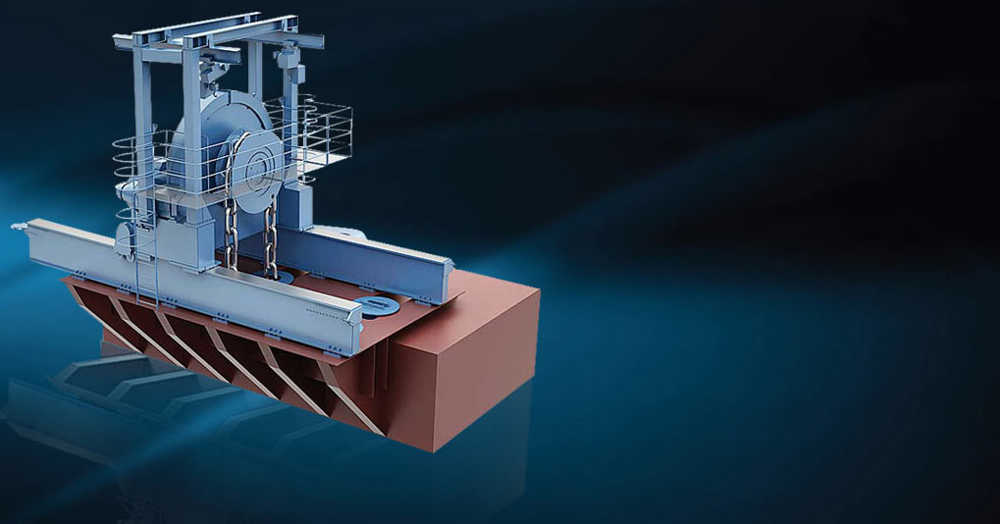
- Brake wear or contamination causes slipping or inability to hold the line
- Gearbox, bearing or lubrication faults produce noise, heat, vibration or metal debris
- Hydraulic/electric drive faults cause slow movement, leakage or loss of heave/payout control
- Movable-base, rail, locking or securing faults prevent safe positioning of the windlass
- Rope, wire or chain damage and sensor faults cause unsafe load transfer, poor indication or interlock trips
- Hydraulic leakage, pump deterioration or electrical-drive faults can cause slow movement, inability to develop required pull or drive alarms
- Brake wear, contamination or maladjustment can cause slipping, poor holding performance or excessive brake heating
- Bearing, gearbox or lubrication deterioration can cause abnormal noise, vibration, temperature rise or metal debris
- Worn gripping surfaces, drums, sheaves, chain pockets or line-contact components can cause poor tracking, line damage or uneven load transfer
- Sensor, limit-switch, encoder or control-interlock faults can cause incorrect indication, unexpected stopping or refusal to operate
- Hydraulic leakage, pump deterioration or electrical-drive faults can cause slow movement, inability to develop required pull or drive alarms
- Brake wear, contamination or maladjustment can cause slipping, poor holding performance or excessive brake heating
- Bearing, gearbox or lubrication deterioration can cause abnormal noise, vibration, temperature rise or metal debris
- Worn gripping surfaces, drums, sheaves, chain pockets or line-contact components can cause poor tracking, line damage or uneven load transfer
- Sensor, limit-switch, encoder or control-interlock faults can cause incorrect indication, unexpected stopping or refusal to operate
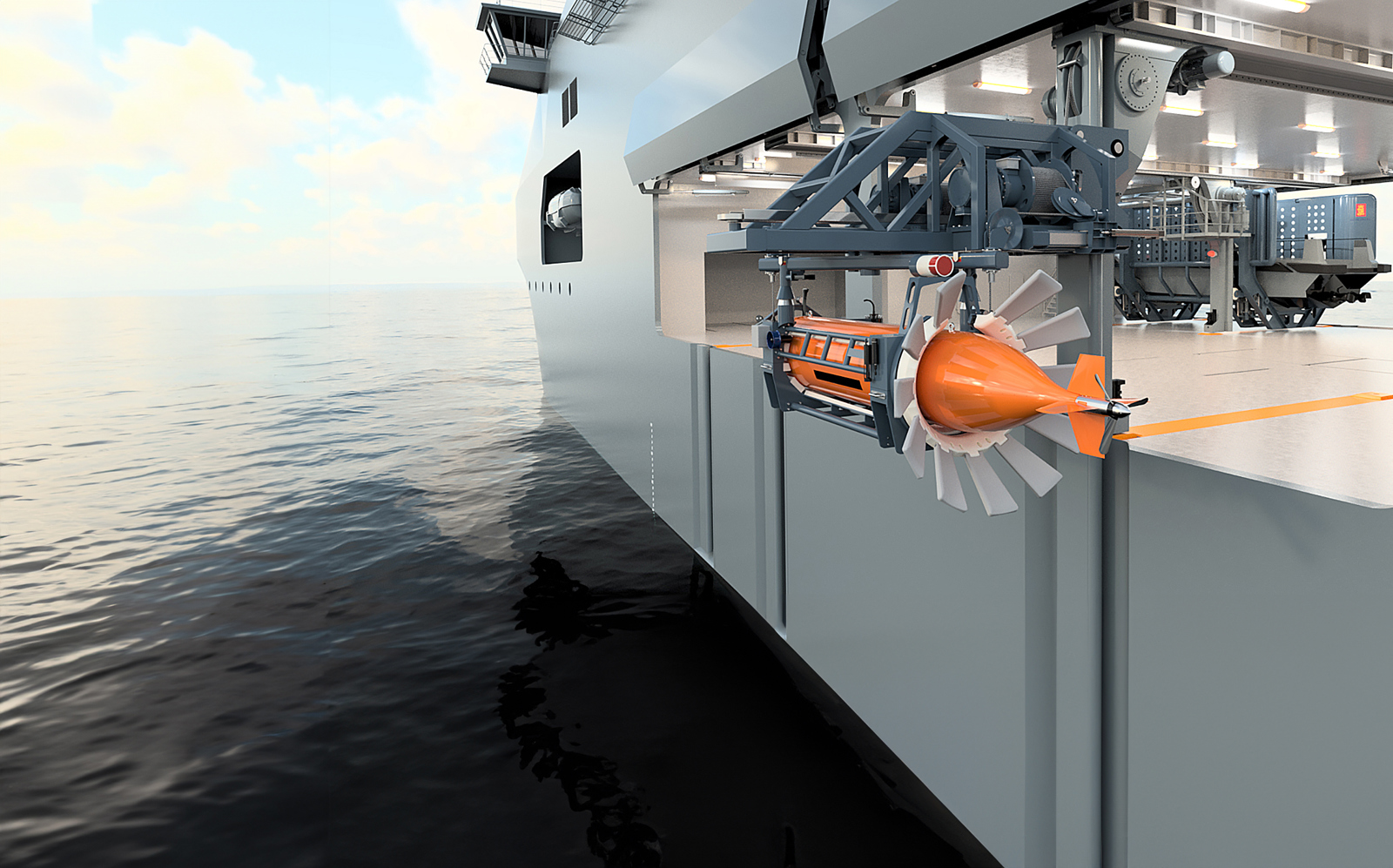
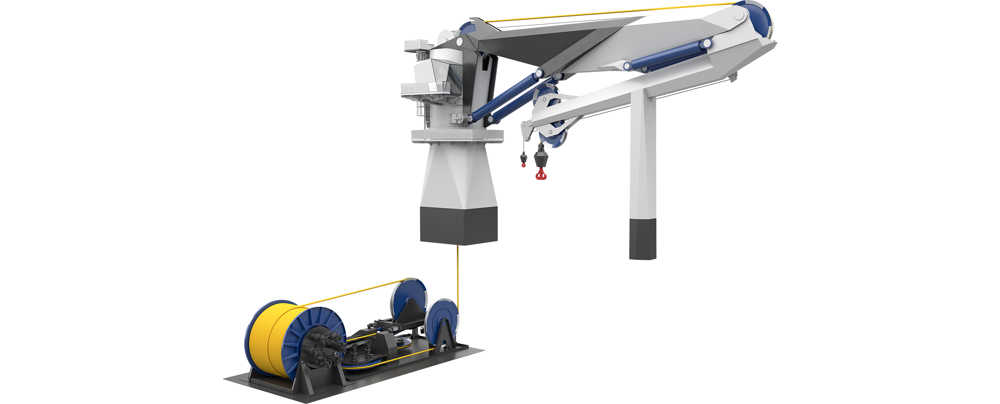
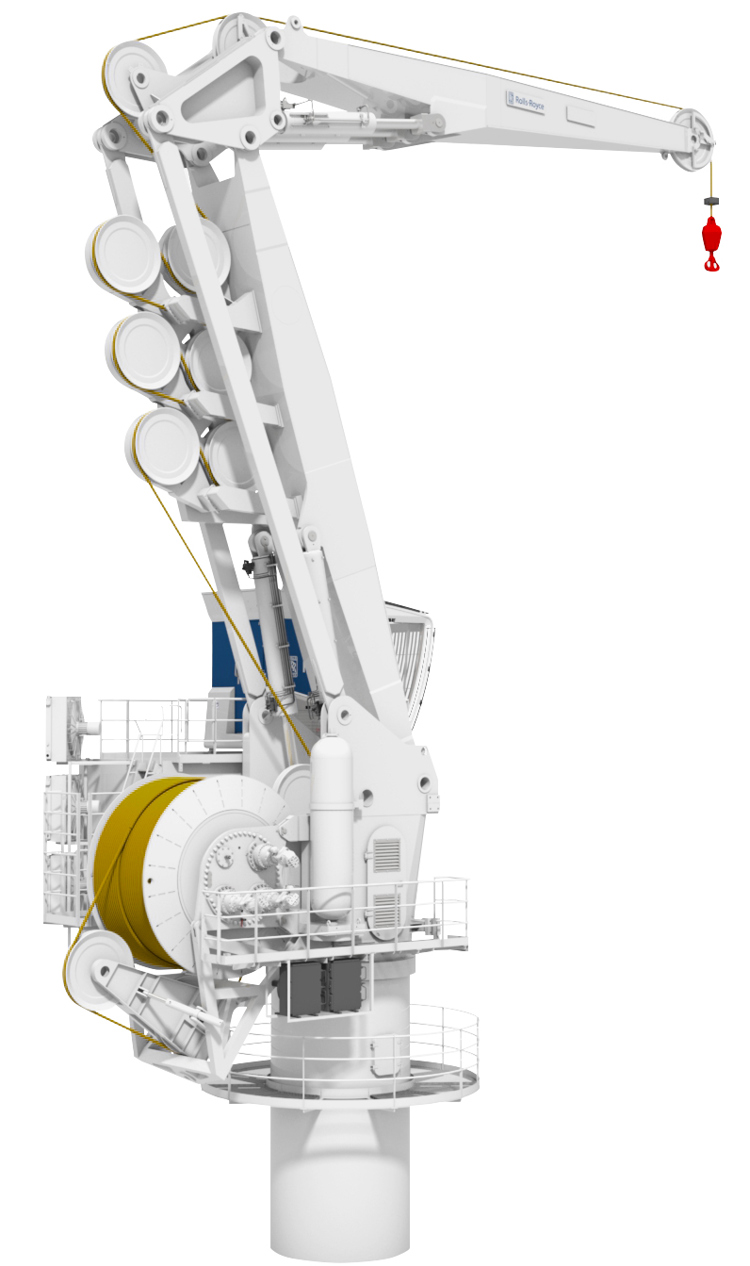
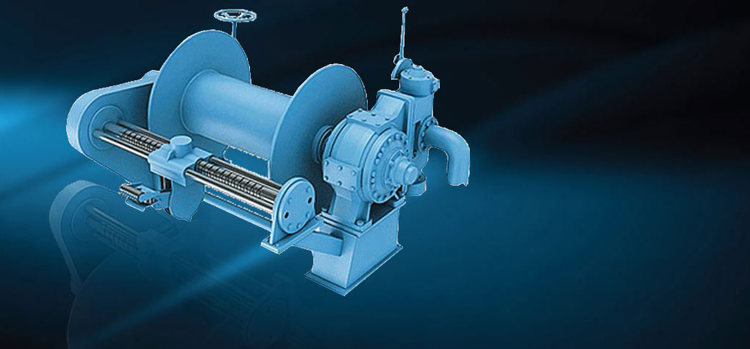
- Hydraulic leakage, low system pressure, pump wear, or valve faults cause slow, jerky, or weak movement
- Wire rope, chain, sheave, drum, bearing, or structural wear from load cycles and corrosion causes visible damage, noise, poor spooling, or increased play
- Brake, clutch, or holding-device wear causes load creep, slipping, or inability to hold position
- Limit switch, encoder, load sensor, interlock, or control-system faults cause restricted movement, nuisance shutdowns, or loss of automatic functions
- Corrosion, damaged hoses or cables, loose fasteners, or foundation defects from deck exposure cause leakage, unreliable controls, or structural concerns
- Hydraulic leakage, low system pressure, pump wear, or valve faults cause slow, jerky, or weak movement
- Wire rope, chain, sheave, drum, bearing, or structural wear from load cycles and corrosion causes visible damage, noise, poor spooling, or increased play
- Brake, clutch, or holding-device wear causes load creep, slipping, or inability to hold position
- Limit switch, encoder, load sensor, interlock, or control-system faults cause restricted movement, nuisance shutdowns, or loss of automatic functions
- Corrosion, damaged hoses or cables, loose fasteners, or foundation defects from deck exposure cause leakage, unreliable controls, or structural concerns
- Hydraulic leakage, low system pressure, pump wear, or valve faults cause slow, jerky, or weak movement
- Wire rope, chain, sheave, drum, bearing, or structural wear from load cycles and corrosion causes visible damage, noise, poor spooling, or increased play
- Brake, clutch, or holding-device wear causes load creep, slipping, or inability to hold position
- Limit switch, encoder, load sensor, interlock, or control-system faults cause restricted movement, nuisance shutdowns, or loss of automatic functions
- Corrosion, damaged hoses or cables, loose fasteners, or foundation defects from deck exposure cause leakage, unreliable controls, or structural concerns
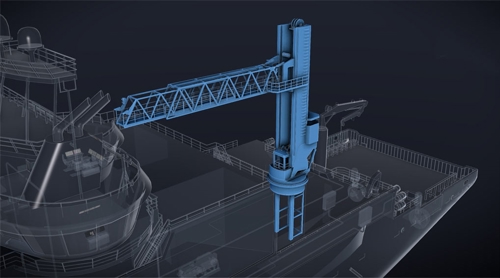
- Hydraulic leakage, low system pressure, pump wear, or valve faults cause slow, jerky, or weak movement
- Wire rope, chain, sheave, drum, bearing, or structural wear from load cycles and corrosion causes visible damage, noise, poor spooling, or increased play
- Brake, clutch, or holding-device wear causes load creep, slipping, or inability to hold position
- Limit switch, encoder, load sensor, interlock, or control-system faults cause restricted movement, nuisance shutdowns, or loss of automatic functions
- Corrosion, damaged hoses or cables, loose fasteners, or foundation defects from deck exposure cause leakage, unreliable controls, or structural concerns
- Hydraulic leakage, low system pressure, pump wear, or valve faults cause slow, jerky, or weak movement
- Wire rope, chain, sheave, drum, bearing, or structural wear from load cycles and corrosion causes visible damage, noise, poor spooling, or increased play
- Brake, clutch, or holding-device wear causes load creep, slipping, or inability to hold position
- Limit switch, encoder, load sensor, interlock, or control-system faults cause restricted movement, nuisance shutdowns, or loss of automatic functions
- Corrosion, damaged hoses or cables, loose fasteners, or foundation defects from deck exposure cause leakage, unreliable controls, or structural concerns
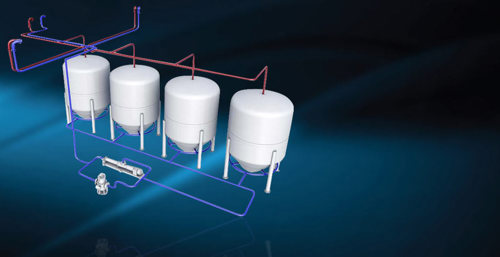
- Hydraulic leakage, low system pressure, pump wear, or valve faults cause slow, jerky, or weak movement
- Wire rope, chain, sheave, drum, bearing, or structural wear from load cycles and corrosion causes visible damage, noise, poor spooling, or increased play
- Brake, clutch, or holding-device wear causes load creep, slipping, or inability to hold position
- Limit switch, encoder, load sensor, interlock, or control-system faults cause restricted movement, nuisance shutdowns, or loss of automatic functions
- Corrosion, damaged hoses or cables, loose fasteners, or foundation defects from deck exposure cause leakage, unreliable controls, or structural concerns
- Hydraulic leakage, low system pressure, pump wear, or valve faults cause slow, jerky, or weak movement
- Wire rope, chain, sheave, drum, bearing, or structural wear from load cycles and corrosion causes visible damage, noise, poor spooling, or increased play
- Brake, clutch, or holding-device wear causes load creep, slipping, or inability to hold position
- Limit switch, encoder, load sensor, interlock, or control-system faults cause restricted movement, nuisance shutdowns, or loss of automatic functions
- Corrosion, damaged hoses or cables, loose fasteners, or foundation defects from deck exposure cause leakage, unreliable controls, or structural concerns
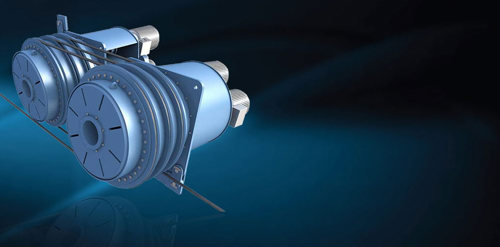
- Hydraulic leakage, low system pressure, pump wear, or valve faults cause slow, jerky, or weak movement
- Wire rope, chain, sheave, drum, bearing, or structural wear from load cycles and corrosion causes visible damage, noise, poor spooling, or increased play
- Brake, clutch, or holding-device wear causes load creep, slipping, or inability to hold position
- Limit switch, encoder, load sensor, interlock, or control-system faults cause restricted movement, nuisance shutdowns, or loss of automatic functions
- Corrosion, damaged hoses or cables, loose fasteners, or foundation defects from deck exposure cause leakage, unreliable controls, or structural concerns
- Hydraulic leakage, low system pressure, pump wear, or valve faults cause slow, jerky, or weak movement
- Wire rope, chain, sheave, drum, bearing, or structural wear from load cycles and corrosion causes visible damage, noise, poor spooling, or increased play
- Brake, clutch, or holding-device wear causes load creep, slipping, or inability to hold position
- Limit switch, encoder, load sensor, interlock, or control-system faults cause restricted movement, nuisance shutdowns, or loss of automatic functions
- Corrosion, damaged hoses or cables, loose fasteners, or foundation defects from deck exposure cause leakage, unreliable controls, or structural concerns
- Hydraulic leakage, low system pressure, pump wear, or valve faults cause slow, jerky, or weak movement
- Wire rope, chain, sheave, drum, bearing, or structural wear from load cycles and corrosion causes visible damage, noise, poor spooling, or increased play
- Brake, clutch, or holding-device wear causes load creep, slipping, or inability to hold position
- Limit switch, encoder, load sensor, interlock, or control-system faults cause restricted movement, nuisance shutdowns, or loss of automatic functions
- Corrosion, damaged hoses or cables, loose fasteners, or foundation defects from deck exposure cause leakage, unreliable controls, or structural concerns
Konecranes Marine
15- Wire-rope wear, reeving damage or poor spooling causes broken wires, flattening, vibration or uneven hoisting
- Hydraulic leakage, pump wear or valve faults cause slow movements, drift or inability to achieve normal motion
- Brake or holding-valve deterioration causes load creep or poor holding
- Slew bearing, boom pin or structural wear causes abnormal play, noise or visible movement
- Limit-switch, load-monitoring or control faults cause alarms, blocked motions or unreliable protective functions
- Wire-rope wear, reeving damage or poor spooling causes broken wires, flattening, vibration or uneven hoisting
- Hydraulic leakage, pump wear or valve faults cause slow movements, drift or inability to achieve normal motion
- Brake or holding-valve deterioration causes load creep or poor holding
- Slew bearing, boom pin or structural wear causes abnormal play, noise or visible movement
- Limit-switch, load-monitoring or control faults cause alarms, blocked motions or unreliable protective functions
- Wire-rope wear, reeving damage or poor spooling causes broken wires, flattening, vibration or uneven hoisting
- Hydraulic leakage, pump wear or valve faults cause slow movements, drift or inability to achieve normal motion
- Brake or holding-valve deterioration causes load creep or poor holding
- Slew bearing, boom pin or structural wear causes abnormal play, noise or visible movement
- Limit-switch, load-monitoring or control faults cause alarms, blocked motions or unreliable protective functions
- Wire-rope wear, reeving damage or poor spooling causes broken wires, flattening, vibration or uneven hoisting
- Hydraulic leakage, pump wear or valve faults cause slow movements, drift or inability to achieve normal motion
- Brake or holding-valve deterioration causes load creep or poor holding
- Slew bearing, boom pin or structural wear causes abnormal play, noise or visible movement
- Limit-switch, load-monitoring or control faults cause alarms, blocked motions or unreliable protective functions
- Wire-rope wear, reeving damage or poor spooling causes broken wires, flattening, vibration or uneven hoisting
- Hydraulic leakage, pump wear or valve faults cause slow movements, drift or inability to achieve normal motion
- Brake or holding-valve deterioration causes load creep or poor holding
- Slew bearing, boom pin or structural wear causes abnormal play, noise or visible movement
- Limit-switch, load-monitoring or control faults cause alarms, blocked motions or unreliable protective functions
- Wire-rope wear, reeving damage or poor spooling causes broken wires, flattening, vibration or uneven hoisting
- Hydraulic leakage, pump wear or valve faults cause slow movements, drift or inability to achieve normal motion
- Brake or holding-valve deterioration causes load creep or poor holding
- Slew bearing, boom pin or structural wear causes abnormal play, noise or visible movement
- Limit-switch, load-monitoring or control faults cause alarms, blocked motions or unreliable protective functions
- Wire-rope wear, reeving damage or poor spooling causes broken wires, flattening, vibration or uneven hoisting
- Hydraulic leakage, pump wear or valve faults cause slow movements, drift or inability to achieve normal motion
- Brake or holding-valve deterioration causes load creep or poor holding
- Slew bearing, boom pin or structural wear causes abnormal play, noise or visible movement
- Limit-switch, load-monitoring or control faults cause alarms, blocked motions or unreliable protective functions
- Hydraulic leakage, low system pressure, pump wear, or valve faults cause slow, jerky, or weak movement
- Wire rope, chain, sheave, drum, bearing, or structural wear from load cycles and corrosion causes visible damage, noise, poor spooling, or increased play
- Brake, clutch, or holding-device wear causes load creep, slipping, or inability to hold position
- Limit switch, encoder, load sensor, interlock, or control-system faults cause restricted movement, nuisance shutdowns, or loss of automatic functions
- Corrosion, damaged hoses or cables, loose fasteners, or foundation defects from deck exposure cause leakage, unreliable controls, or structural concerns

- Hydraulic leakage, low system pressure, pump wear, or valve faults cause slow, jerky, or weak movement
- Wire rope, chain, sheave, drum, bearing, or structural wear from load cycles and corrosion causes visible damage, noise, poor spooling, or increased play
- Brake, clutch, or holding-device wear causes load creep, slipping, or inability to hold position
- Limit switch, encoder, load sensor, interlock, or control-system faults cause restricted movement, nuisance shutdowns, or loss of automatic functions
- Corrosion, damaged hoses or cables, loose fasteners, or foundation defects from deck exposure cause leakage, unreliable controls, or structural concerns
- Hydraulic leakage, low system pressure, pump wear, or valve faults cause slow, jerky, or weak movement
- Wire rope, chain, sheave, drum, bearing, or structural wear from load cycles and corrosion causes visible damage, noise, poor spooling, or increased play
- Brake, clutch, or holding-device wear causes load creep, slipping, or inability to hold position
- Limit switch, encoder, load sensor, interlock, or control-system faults cause restricted movement, nuisance shutdowns, or loss of automatic functions
- Corrosion, damaged hoses or cables, loose fasteners, or foundation defects from deck exposure cause leakage, unreliable controls, or structural concerns
- Hydraulic leakage, low system pressure, pump wear, or valve faults cause slow, jerky, or weak movement
- Wire rope, chain, sheave, drum, bearing, or structural wear from load cycles and corrosion causes visible damage, noise, poor spooling, or increased play
- Brake, clutch, or holding-device wear causes load creep, slipping, or inability to hold position
- Limit switch, encoder, load sensor, interlock, or control-system faults cause restricted movement, nuisance shutdowns, or loss of automatic functions
- Corrosion, damaged hoses or cables, loose fasteners, or foundation defects from deck exposure cause leakage, unreliable controls, or structural concerns
- Hydraulic leakage, low system pressure, pump wear, or valve faults cause slow, jerky, or weak movement
- Wire rope, chain, sheave, drum, bearing, or structural wear from load cycles and corrosion causes visible damage, noise, poor spooling, or increased play
- Brake, clutch, or holding-device wear causes load creep, slipping, or inability to hold position
- Limit switch, encoder, load sensor, interlock, or control-system faults cause restricted movement, nuisance shutdowns, or loss of automatic functions
- Corrosion, damaged hoses or cables, loose fasteners, or foundation defects from deck exposure cause leakage, unreliable controls, or structural concerns
- Hydraulic leakage, low system pressure, pump wear, or valve faults cause slow, jerky, or weak movement
- Wire rope, chain, sheave, drum, bearing, or structural wear from load cycles and corrosion causes visible damage, noise, poor spooling, or increased play
- Brake, clutch, or holding-device wear causes load creep, slipping, or inability to hold position
- Limit switch, encoder, load sensor, interlock, or control-system faults cause restricted movement, nuisance shutdowns, or loss of automatic functions
- Corrosion, damaged hoses or cables, loose fasteners, or foundation defects from deck exposure cause leakage, unreliable controls, or structural concerns
- Hydraulic leakage, low system pressure, pump wear, or valve faults cause slow, jerky, or weak movement
- Wire rope, chain, sheave, drum, bearing, or structural wear from load cycles and corrosion causes visible damage, noise, poor spooling, or increased play
- Brake, clutch, or holding-device wear causes load creep, slipping, or inability to hold position
- Limit switch, encoder, load sensor, interlock, or control-system faults cause restricted movement, nuisance shutdowns, or loss of automatic functions
- Corrosion, damaged hoses or cables, loose fasteners, or foundation defects from deck exposure cause leakage, unreliable controls, or structural concerns
- Hydraulic leakage, low system pressure, pump wear, or valve faults cause slow, jerky, or weak movement
- Wire rope, chain, sheave, drum, bearing, or structural wear from load cycles and corrosion causes visible damage, noise, poor spooling, or increased play
- Brake, clutch, or holding-device wear causes load creep, slipping, or inability to hold position
- Limit switch, encoder, load sensor, interlock, or control-system faults cause restricted movement, nuisance shutdowns, or loss of automatic functions
- Corrosion, damaged hoses or cables, loose fasteners, or foundation defects from deck exposure cause leakage, unreliable controls, or structural concerns
IHC Marine Cranes
14
- Hydraulic leakage, low system pressure, pump wear, or valve faults cause slow, jerky, or weak movement
- Wire rope, chain, sheave, drum, bearing, or structural wear from load cycles and corrosion causes visible damage, noise, poor spooling, or increased play
- Brake, clutch, or holding-device wear causes load creep, slipping, or inability to hold position
- Limit switch, encoder, load sensor, interlock, or control-system faults cause restricted movement, nuisance shutdowns, or loss of automatic functions
- Corrosion, damaged hoses or cables, loose fasteners, or foundation defects from deck exposure cause leakage, unreliable controls, or structural concerns

- Hydraulic leakage, low system pressure, pump wear, or valve faults cause slow, jerky, or weak movement
- Wire rope, chain, sheave, drum, bearing, or structural wear from load cycles and corrosion causes visible damage, noise, poor spooling, or increased play
- Brake, clutch, or holding-device wear causes load creep, slipping, or inability to hold position
- Limit switch, encoder, load sensor, interlock, or control-system faults cause restricted movement, nuisance shutdowns, or loss of automatic functions
- Corrosion, damaged hoses or cables, loose fasteners, or foundation defects from deck exposure cause leakage, unreliable controls, or structural concerns
- Hydraulic leakage, contamination or pressure loss caused by worn seals, damaged hoses or pump faults can produce slow movement, reduced force or visible oil leakage
- Brake or holding-device wear caused by friction, contamination or incorrect adjustment can lead to slipping, poor holding or abnormal stopping behavior
- Wire, chain, sheave, drum, bearing or pin wear caused by corrosion, overload or inadequate lubrication can show as noise, rough motion, deformation or visible damage
- Limit switch, sensor or control faults caused by damaged wiring, misalignment or moisture can produce inhibited motions, nuisance trips or loss of safety functions
- Structural corrosion, cracking or loose foundation fasteners caused by cyclic loading and marine exposure can appear as movement, coating breakdown or visible defects around load paths
- Hydraulic leakage, contamination or pressure loss caused by worn seals, damaged hoses or pump faults can produce slow movement, reduced force or visible oil leakage
- Brake or holding-device wear caused by friction, contamination or incorrect adjustment can lead to slipping, poor holding or abnormal stopping behavior
- Wire, chain, sheave, drum, bearing or pin wear caused by corrosion, overload or inadequate lubrication can show as noise, rough motion, deformation or visible damage
- Limit switch, sensor or control faults caused by damaged wiring, misalignment or moisture can produce inhibited motions, nuisance trips or loss of safety functions
- Structural corrosion, cracking or loose foundation fasteners caused by cyclic loading and marine exposure can appear as movement, coating breakdown or visible defects around load paths
- Hydraulic leakage, contamination or pressure loss caused by worn seals, damaged hoses or pump faults can produce slow movement, reduced force or visible oil leakage
- Brake or holding-device wear caused by friction, contamination or incorrect adjustment can lead to slipping, poor holding or abnormal stopping behavior
- Wire, chain, sheave, drum, bearing or pin wear caused by corrosion, overload or inadequate lubrication can show as noise, rough motion, deformation or visible damage
- Limit switch, sensor or control faults caused by damaged wiring, misalignment or moisture can produce inhibited motions, nuisance trips or loss of safety functions
- Structural corrosion, cracking or loose foundation fasteners caused by cyclic loading and marine exposure can appear as movement, coating breakdown or visible defects around load paths
- Hydraulic leakage, contamination or pressure loss caused by worn seals, damaged hoses or pump faults can produce slow movement, reduced force or visible oil leakage
- Brake or holding-device wear caused by friction, contamination or incorrect adjustment can lead to slipping, poor holding or abnormal stopping behavior
- Wire, chain, sheave, drum, bearing or pin wear caused by corrosion, overload or inadequate lubrication can show as noise, rough motion, deformation or visible damage
- Limit switch, sensor or control faults caused by damaged wiring, misalignment or moisture can produce inhibited motions, nuisance trips or loss of safety functions
- Structural corrosion, cracking or loose foundation fasteners caused by cyclic loading and marine exposure can appear as movement, coating breakdown or visible defects around load paths
- Hydraulic leakage, contamination or pressure loss caused by worn seals, damaged hoses or pump faults can produce slow movement, reduced force or visible oil leakage
- Brake or holding-device wear caused by friction, contamination or incorrect adjustment can lead to slipping, poor holding or abnormal stopping behavior
- Wire, chain, sheave, drum, bearing or pin wear caused by corrosion, overload or inadequate lubrication can show as noise, rough motion, deformation or visible damage
- Limit switch, sensor or control faults caused by damaged wiring, misalignment or moisture can produce inhibited motions, nuisance trips or loss of safety functions
- Structural corrosion, cracking or loose foundation fasteners caused by cyclic loading and marine exposure can appear as movement, coating breakdown or visible defects around load paths
- Hydraulic leakage, contamination or pressure loss caused by worn seals, damaged hoses or pump faults can produce slow movement, reduced force or visible oil leakage
- Brake or holding-device wear caused by friction, contamination or incorrect adjustment can lead to slipping, poor holding or abnormal stopping behavior
- Wire, chain, sheave, drum, bearing or pin wear caused by corrosion, overload or inadequate lubrication can show as noise, rough motion, deformation or visible damage
- Limit switch, sensor or control faults caused by damaged wiring, misalignment or moisture can produce inhibited motions, nuisance trips or loss of safety functions
- Structural corrosion, cracking or loose foundation fasteners caused by cyclic loading and marine exposure can appear as movement, coating breakdown or visible defects around load paths
- Hydraulic leakage, contamination or pressure loss caused by worn seals, damaged hoses or pump faults can produce slow movement, reduced force or visible oil leakage
- Brake or holding-device wear caused by friction, contamination or incorrect adjustment can lead to slipping, poor holding or abnormal stopping behavior
- Wire, chain, sheave, drum, bearing or pin wear caused by corrosion, overload or inadequate lubrication can show as noise, rough motion, deformation or visible damage
- Limit switch, sensor or control faults caused by damaged wiring, misalignment or moisture can produce inhibited motions, nuisance trips or loss of safety functions
- Structural corrosion, cracking or loose foundation fasteners caused by cyclic loading and marine exposure can appear as movement, coating breakdown or visible defects around load paths
- Hydraulic leakage, contamination or pressure loss caused by worn seals, damaged hoses or pump faults can produce slow movement, reduced force or visible oil leakage
- Brake or holding-device wear caused by friction, contamination or incorrect adjustment can lead to slipping, poor holding or abnormal stopping behavior
- Wire, chain, sheave, drum, bearing or pin wear caused by corrosion, overload or inadequate lubrication can show as noise, rough motion, deformation or visible damage
- Limit switch, sensor or control faults caused by damaged wiring, misalignment or moisture can produce inhibited motions, nuisance trips or loss of safety functions
- Structural corrosion, cracking or loose foundation fasteners caused by cyclic loading and marine exposure can appear as movement, coating breakdown or visible defects around load paths
- Hydraulic leakage, contamination or pressure loss caused by worn seals, damaged hoses or pump faults can produce slow movement, reduced force or visible oil leakage
- Brake or holding-device wear caused by friction, contamination or incorrect adjustment can lead to slipping, poor holding or abnormal stopping behavior
- Wire, chain, sheave, drum, bearing or pin wear caused by corrosion, overload or inadequate lubrication can show as noise, rough motion, deformation or visible damage
- Limit switch, sensor or control faults caused by damaged wiring, misalignment or moisture can produce inhibited motions, nuisance trips or loss of safety functions
- Structural corrosion, cracking or loose foundation fasteners caused by cyclic loading and marine exposure can appear as movement, coating breakdown or visible defects around load paths
- Hydraulic leakage, contamination or pressure loss caused by worn seals, damaged hoses or pump faults can produce slow movement, reduced force or visible oil leakage
- Brake or holding-device wear caused by friction, contamination or incorrect adjustment can lead to slipping, poor holding or abnormal stopping behavior
- Wire, chain, sheave, drum, bearing or pin wear caused by corrosion, overload or inadequate lubrication can show as noise, rough motion, deformation or visible damage
- Limit switch, sensor or control faults caused by damaged wiring, misalignment or moisture can produce inhibited motions, nuisance trips or loss of safety functions
- Structural corrosion, cracking or loose foundation fasteners caused by cyclic loading and marine exposure can appear as movement, coating breakdown or visible defects around load paths
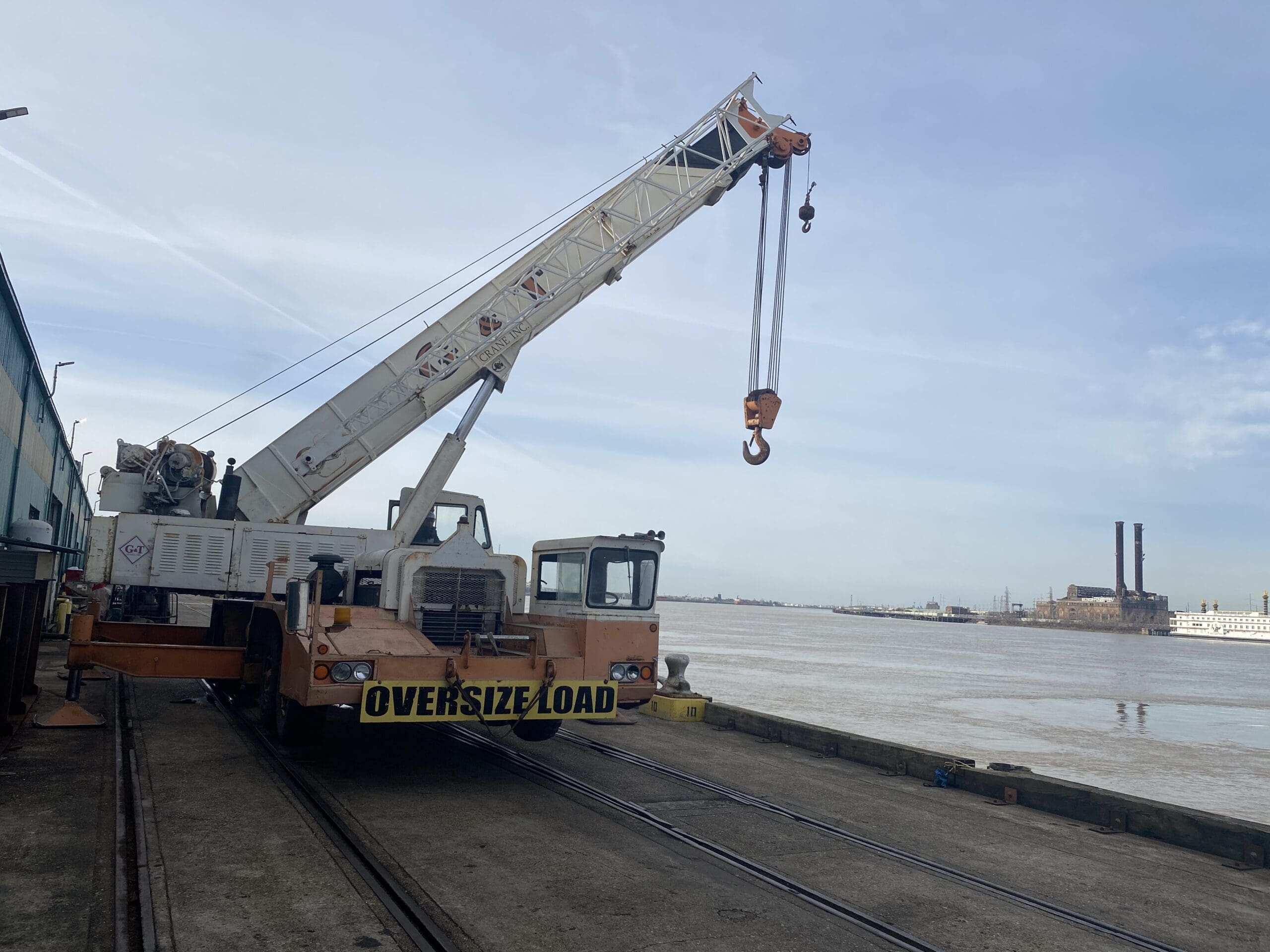
- Hydraulic leakage, contamination or pressure loss caused by worn seals, damaged hoses or pump faults can produce slow movement, reduced force or visible oil leakage
- Brake or holding-device wear caused by friction, contamination or incorrect adjustment can lead to slipping, poor holding or abnormal stopping behavior
- Wire, chain, sheave, drum, bearing or pin wear caused by corrosion, overload or inadequate lubrication can show as noise, rough motion, deformation or visible damage
- Limit switch, sensor or control faults caused by damaged wiring, misalignment or moisture can produce inhibited motions, nuisance trips or loss of safety functions
- Structural corrosion, cracking or loose foundation fasteners caused by cyclic loading and marine exposure can appear as movement, coating breakdown or visible defects around load paths
- Hydraulic leakage, contamination or pressure loss caused by worn seals, damaged hoses or pump faults can produce slow movement, reduced force or visible oil leakage
- Brake or holding-device wear caused by friction, contamination or incorrect adjustment can lead to slipping, poor holding or abnormal stopping behavior
- Wire, chain, sheave, drum, bearing or pin wear caused by corrosion, overload or inadequate lubrication can show as noise, rough motion, deformation or visible damage
- Limit switch, sensor or control faults caused by damaged wiring, misalignment or moisture can produce inhibited motions, nuisance trips or loss of safety functions
- Structural corrosion, cracking or loose foundation fasteners caused by cyclic loading and marine exposure can appear as movement, coating breakdown or visible defects around load paths
OPEC Korea
11- Wire-rope deterioration caused by corrosion, broken wires, crushing or poor spooling, resulting in visible damage or unreliable hoisting
- Hydraulic leakage or drive failure caused by hose, seal, pump or valve faults, resulting in slow, jerky or unavailable movement
- Brake or winch deterioration caused by wear or contamination, resulting in load drift, poor holding or abnormal noise
- Slew-bearing, pin or sheave wear caused by cyclic loading and inadequate lubrication, resulting in play, vibration or rough movement
- Limit, overload or control-system fault caused by sensor, wiring or calibration problems, resulting in alarms, inhibited motion or loss of protective functions
- Wire-rope deterioration caused by corrosion, broken wires, crushing or poor spooling, resulting in visible damage or unreliable hoisting
- Hydraulic leakage or drive failure caused by hose, seal, pump or valve faults, resulting in slow, jerky or unavailable movement
- Brake or winch deterioration caused by wear or contamination, resulting in load drift, poor holding or abnormal noise
- Slew-bearing, pin or sheave wear caused by cyclic loading and inadequate lubrication, resulting in play, vibration or rough movement
- Limit, overload or control-system fault caused by sensor, wiring or calibration problems, resulting in alarms, inhibited motion or loss of protective functions
- Hydraulic leakage, low system pressure, pump wear, or valve faults cause slow, jerky, or weak movement
- Wire rope, chain, sheave, drum, bearing, or structural wear from load cycles and corrosion causes visible damage, noise, poor spooling, or increased play
- Brake, clutch, or holding-device wear causes load creep, slipping, or inability to hold position
- Limit switch, encoder, load sensor, interlock, or control-system faults cause restricted movement, nuisance shutdowns, or loss of automatic functions
- Corrosion, damaged hoses or cables, loose fasteners, or foundation defects from deck exposure cause leakage, unreliable controls, or structural concerns
- Hydraulic leakage, low system pressure, pump wear, or valve faults cause slow, jerky, or weak movement
- Wire rope, chain, sheave, drum, bearing, or structural wear from load cycles and corrosion causes visible damage, noise, poor spooling, or increased play
- Brake, clutch, or holding-device wear causes load creep, slipping, or inability to hold position
- Limit switch, encoder, load sensor, interlock, or control-system faults cause restricted movement, nuisance shutdowns, or loss of automatic functions
- Corrosion, damaged hoses or cables, loose fasteners, or foundation defects from deck exposure cause leakage, unreliable controls, or structural concerns
- Hydraulic leakage, low system pressure, pump wear, or valve faults cause slow, jerky, or weak movement
- Wire rope, chain, sheave, drum, bearing, or structural wear from load cycles and corrosion causes visible damage, noise, poor spooling, or increased play
- Brake, clutch, or holding-device wear causes load creep, slipping, or inability to hold position
- Limit switch, encoder, load sensor, interlock, or control-system faults cause restricted movement, nuisance shutdowns, or loss of automatic functions
- Corrosion, damaged hoses or cables, loose fasteners, or foundation defects from deck exposure cause leakage, unreliable controls, or structural concerns
- Hydraulic leakage, low system pressure, pump wear, or valve faults cause slow, jerky, or weak movement
- Wire rope, chain, sheave, drum, bearing, or structural wear from load cycles and corrosion causes visible damage, noise, poor spooling, or increased play
- Brake, clutch, or holding-device wear causes load creep, slipping, or inability to hold position
- Limit switch, encoder, load sensor, interlock, or control-system faults cause restricted movement, nuisance shutdowns, or loss of automatic functions
- Corrosion, damaged hoses or cables, loose fasteners, or foundation defects from deck exposure cause leakage, unreliable controls, or structural concerns
- Hydraulic leakage, low system pressure, pump wear, or valve faults cause slow, jerky, or weak movement
- Wire rope, chain, sheave, drum, bearing, or structural wear from load cycles and corrosion causes visible damage, noise, poor spooling, or increased play
- Brake, clutch, or holding-device wear causes load creep, slipping, or inability to hold position
- Limit switch, encoder, load sensor, interlock, or control-system faults cause restricted movement, nuisance shutdowns, or loss of automatic functions
- Corrosion, damaged hoses or cables, loose fasteners, or foundation defects from deck exposure cause leakage, unreliable controls, or structural concerns
- Hydraulic leakage, low system pressure, pump wear, or valve faults cause slow, jerky, or weak movement
- Wire rope, chain, sheave, drum, bearing, or structural wear from load cycles and corrosion causes visible damage, noise, poor spooling, or increased play
- Brake, clutch, or holding-device wear causes load creep, slipping, or inability to hold position
- Limit switch, encoder, load sensor, interlock, or control-system faults cause restricted movement, nuisance shutdowns, or loss of automatic functions
- Corrosion, damaged hoses or cables, loose fasteners, or foundation defects from deck exposure cause leakage, unreliable controls, or structural concerns
- Hydraulic leakage, low system pressure, pump wear, or valve faults cause slow, jerky, or weak movement
- Wire rope, chain, sheave, drum, bearing, or structural wear from load cycles and corrosion causes visible damage, noise, poor spooling, or increased play
- Brake, clutch, or holding-device wear causes load creep, slipping, or inability to hold position
- Limit switch, encoder, load sensor, interlock, or control-system faults cause restricted movement, nuisance shutdowns, or loss of automatic functions
- Corrosion, damaged hoses or cables, loose fasteners, or foundation defects from deck exposure cause leakage, unreliable controls, or structural concerns
- Hydraulic leakage, low system pressure, pump wear, or valve faults cause slow, jerky, or weak movement
- Wire rope, chain, sheave, drum, bearing, or structural wear from load cycles and corrosion causes visible damage, noise, poor spooling, or increased play
- Brake, clutch, or holding-device wear causes load creep, slipping, or inability to hold position
- Limit switch, encoder, load sensor, interlock, or control-system faults cause restricted movement, nuisance shutdowns, or loss of automatic functions
- Corrosion, damaged hoses or cables, loose fasteners, or foundation defects from deck exposure cause leakage, unreliable controls, or structural concerns
- Hydraulic leakage, low system pressure, pump wear, or valve faults cause slow, jerky, or weak movement
- Wire rope, chain, sheave, drum, bearing, or structural wear from load cycles and corrosion causes visible damage, noise, poor spooling, or increased play
- Brake, clutch, or holding-device wear causes load creep, slipping, or inability to hold position
- Limit switch, encoder, load sensor, interlock, or control-system faults cause restricted movement, nuisance shutdowns, or loss of automatic functions
- Corrosion, damaged hoses or cables, loose fasteners, or foundation defects from deck exposure cause leakage, unreliable controls, or structural concerns
Aicrane
10- Wire-rope deterioration caused by corrosion, broken wires, crushing or poor spooling, resulting in visible damage or unreliable hoisting
- Hydraulic leakage or drive failure caused by hose, seal, pump or valve faults, resulting in slow, jerky or unavailable movement
- Brake or winch deterioration caused by wear or contamination, resulting in load drift, poor holding or abnormal noise
- Slew-bearing, pin or sheave wear caused by cyclic loading and inadequate lubrication, resulting in play, vibration or rough movement
- Limit, overload or control-system fault caused by sensor, wiring or calibration problems, resulting in alarms, inhibited motion or loss of protective functions
- Wire-rope deterioration caused by corrosion, broken wires, crushing or poor spooling, resulting in visible damage or unreliable hoisting
- Hydraulic leakage or drive failure caused by hose, seal, pump or valve faults, resulting in slow, jerky or unavailable movement
- Brake or winch deterioration caused by wear or contamination, resulting in load drift, poor holding or abnormal noise
- Slew-bearing, pin or sheave wear caused by cyclic loading and inadequate lubrication, resulting in play, vibration or rough movement
- Limit, overload or control-system fault caused by sensor, wiring or calibration problems, resulting in alarms, inhibited motion or loss of protective functions
- Wire-rope wear, reeving damage or poor spooling causes broken wires, flattening, vibration or uneven hoisting
- Hydraulic leakage, pump wear or valve faults cause slow movements, drift or inability to achieve normal motion
- Brake or holding-valve deterioration causes load creep or poor holding
- Slew bearing, boom pin or structural wear causes abnormal play, noise or visible movement
- Limit-switch, load-monitoring or control faults cause alarms, blocked motions or unreliable protective functions
- Wire-rope wear, reeving damage or poor spooling causes broken wires, flattening, vibration or uneven hoisting
- Hydraulic leakage, pump wear or valve faults cause slow movements, drift or inability to achieve normal motion
- Brake or holding-valve deterioration causes load creep or poor holding
- Slew bearing, boom pin or structural wear causes abnormal play, noise or visible movement
- Limit-switch, load-monitoring or control faults cause alarms, blocked motions or unreliable protective functions
- Wire-rope wear, reeving damage or poor spooling causes broken wires, flattening, vibration or uneven hoisting
- Hydraulic leakage, pump wear or valve faults cause slow movements, drift or inability to achieve normal motion
- Brake or holding-valve deterioration causes load creep or poor holding
- Slew bearing, boom pin or structural wear causes abnormal play, noise or visible movement
- Limit-switch, load-monitoring or control faults cause alarms, blocked motions or unreliable protective functions
- Wire-rope wear, reeving damage or poor spooling causes broken wires, flattening, vibration or uneven hoisting
- Hydraulic leakage, pump wear or valve faults cause slow movements, drift or inability to achieve normal motion
- Brake or holding-valve deterioration causes load creep or poor holding
- Slew bearing, boom pin or structural wear causes abnormal play, noise or visible movement
- Limit-switch, load-monitoring or control faults cause alarms, blocked motions or unreliable protective functions
- Wire-rope wear, reeving damage or poor spooling causes broken wires, flattening, vibration or uneven hoisting
- Hydraulic leakage, pump wear or valve faults cause slow movements, drift or inability to achieve normal motion
- Brake or holding-valve deterioration causes load creep or poor holding
- Slew bearing, boom pin or structural wear causes abnormal play, noise or visible movement
- Limit-switch, load-monitoring or control faults cause alarms, blocked motions or unreliable protective functions
- Wire-rope wear, reeving damage or poor spooling causes broken wires, flattening, vibration or uneven hoisting
- Hydraulic leakage, pump wear or valve faults cause slow movements, drift or inability to achieve normal motion
- Brake or holding-valve deterioration causes load creep or poor holding
- Slew bearing, boom pin or structural wear causes abnormal play, noise or visible movement
- Limit-switch, load-monitoring or control faults cause alarms, blocked motions or unreliable protective functions
- Wire-rope wear, reeving damage or poor spooling causes broken wires, flattening, vibration or uneven hoisting
- Hydraulic leakage, pump wear or valve faults cause slow movements, drift or inability to achieve normal motion
- Brake or holding-valve deterioration causes load creep or poor holding
- Slew bearing, boom pin or structural wear causes abnormal play, noise or visible movement
- Limit-switch, load-monitoring or control faults cause alarms, blocked motions or unreliable protective functions
- Wire-rope wear, reeving damage or poor spooling causes broken wires, flattening, vibration or uneven hoisting
- Hydraulic leakage, pump wear or valve faults cause slow movements, drift or inability to achieve normal motion
- Brake or holding-valve deterioration causes load creep or poor holding
- Slew bearing, boom pin or structural wear causes abnormal play, noise or visible movement
- Limit-switch, load-monitoring or control faults cause alarms, blocked motions or unreliable protective functions
Fukushima
10- Wire-rope deterioration caused by corrosion, broken wires, crushing or poor spooling, resulting in visible damage or unreliable hoisting
- Hydraulic leakage or drive failure caused by hose, seal, pump or valve faults, resulting in slow, jerky or unavailable movement
- Brake or winch deterioration caused by wear or contamination, resulting in load drift, poor holding or abnormal noise
- Slew-bearing, pin or sheave wear caused by cyclic loading and inadequate lubrication, resulting in play, vibration or rough movement
- Limit, overload or control-system fault caused by sensor, wiring or calibration problems, resulting in alarms, inhibited motion or loss of protective functions
- Wire-rope deterioration caused by corrosion, broken wires, crushing or poor spooling, resulting in visible damage or unreliable hoisting
- Hydraulic leakage or drive failure caused by hose, seal, pump or valve faults, resulting in slow, jerky or unavailable movement
- Brake or winch deterioration caused by wear or contamination, resulting in load drift, poor holding or abnormal noise
- Slew-bearing, pin or sheave wear caused by cyclic loading and inadequate lubrication, resulting in play, vibration or rough movement
- Limit, overload or control-system fault caused by sensor, wiring or calibration problems, resulting in alarms, inhibited motion or loss of protective functions
- Wire-rope wear, reeving damage or poor spooling causes broken wires, flattening, vibration or uneven hoisting
- Hydraulic leakage, pump wear or valve faults cause slow movements, drift or inability to achieve normal motion
- Brake or holding-valve deterioration causes load creep or poor holding
- Slew bearing, boom pin or structural wear causes abnormal play, noise or visible movement
- Limit-switch, load-monitoring or control faults cause alarms, blocked motions or unreliable protective functions
- Wire-rope wear, reeving damage or poor spooling causes broken wires, flattening, vibration or uneven hoisting
- Hydraulic leakage, pump wear or valve faults cause slow movements, drift or inability to achieve normal motion
- Brake or holding-valve deterioration causes load creep or poor holding
- Slew bearing, boom pin or structural wear causes abnormal play, noise or visible movement
- Limit-switch, load-monitoring or control faults cause alarms, blocked motions or unreliable protective functions
- Wire-rope wear, reeving damage or poor spooling causes broken wires, flattening, vibration or uneven hoisting
- Hydraulic leakage, pump wear or valve faults cause slow movements, drift or inability to achieve normal motion
- Brake or holding-valve deterioration causes load creep or poor holding
- Slew bearing, boom pin or structural wear causes abnormal play, noise or visible movement
- Limit-switch, load-monitoring or control faults cause alarms, blocked motions or unreliable protective functions
- Wire-rope wear, reeving damage or poor spooling causes broken wires, flattening, vibration or uneven hoisting
- Hydraulic leakage, pump wear or valve faults cause slow movements, drift or inability to achieve normal motion
- Brake or holding-valve deterioration causes load creep or poor holding
- Slew bearing, boom pin or structural wear causes abnormal play, noise or visible movement
- Limit-switch, load-monitoring or control faults cause alarms, blocked motions or unreliable protective functions
- Wire-rope wear, reeving damage or poor spooling causes broken wires, flattening, vibration or uneven hoisting
- Hydraulic leakage, pump wear or valve faults cause slow movements, drift or inability to achieve normal motion
- Brake or holding-valve deterioration causes load creep or poor holding
- Slew bearing, boom pin or structural wear causes abnormal play, noise or visible movement
- Limit-switch, load-monitoring or control faults cause alarms, blocked motions or unreliable protective functions
- Wire-rope wear, reeving damage or poor spooling causes broken wires, flattening, vibration or uneven hoisting
- Hydraulic leakage, pump wear or valve faults cause slow movements, drift or inability to achieve normal motion
- Brake or holding-valve deterioration causes load creep or poor holding
- Slew bearing, boom pin or structural wear causes abnormal play, noise or visible movement
- Limit-switch, load-monitoring or control faults cause alarms, blocked motions or unreliable protective functions
- Wire-rope wear, reeving damage or poor spooling causes broken wires, flattening, vibration or uneven hoisting
- Hydraulic leakage, pump wear or valve faults cause slow movements, drift or inability to achieve normal motion
- Brake or holding-valve deterioration causes load creep or poor holding
- Slew bearing, boom pin or structural wear causes abnormal play, noise or visible movement
- Limit-switch, load-monitoring or control faults cause alarms, blocked motions or unreliable protective functions
- Wire-rope wear, reeving damage or poor spooling causes broken wires, flattening, vibration or uneven hoisting
- Hydraulic leakage, pump wear or valve faults cause slow movements, drift or inability to achieve normal motion
- Brake or holding-valve deterioration causes load creep or poor holding
- Slew bearing, boom pin or structural wear causes abnormal play, noise or visible movement
- Limit-switch, load-monitoring or control faults cause alarms, blocked motions or unreliable protective functions
HS Marine
9- Wire-rope wear, reeving damage or poor spooling causes broken wires, flattening, vibration or uneven hoisting
- Hydraulic leakage, pump wear or valve faults cause slow movements, drift or inability to achieve normal motion
- Brake or holding-valve deterioration causes load creep or poor holding
- Slew bearing, boom pin or structural wear causes abnormal play, noise or visible movement
- Limit-switch, load-monitoring or control faults cause alarms, blocked motions or unreliable protective functions
- Wire-rope wear, reeving damage or poor spooling causes broken wires, flattening, vibration or uneven hoisting
- Hydraulic leakage, pump wear or valve faults cause slow movements, drift or inability to achieve normal motion
- Brake or holding-valve deterioration causes load creep or poor holding
- Slew bearing, boom pin or structural wear causes abnormal play, noise or visible movement
- Limit-switch, load-monitoring or control faults cause alarms, blocked motions or unreliable protective functions
- Wire-rope wear, corrosion or poor spooling causes visible damage, crushing or irregular hoisting
- Hydraulic leakage or pump wear reduces motion speed and can cause pressure loss or uncontrolled drift
- Brake wear or maladjustment causes load creep, poor holding or abnormal stopping distance
- Limit switch, overload or control faults cause nuisance trips or loss of protective functions
- Bearing, slew-ring or structural wear produces play, noise, vibration or abnormal movement under load
- Wire-rope wear, corrosion or poor spooling causes visible damage, crushing or irregular hoisting
- Hydraulic leakage or pump wear reduces motion speed and can cause pressure loss or uncontrolled drift
- Brake wear or maladjustment causes load creep, poor holding or abnormal stopping distance
- Limit switch, overload or control faults cause nuisance trips or loss of protective functions
- Bearing, slew-ring or structural wear produces play, noise, vibration or abnormal movement under load
- Wire-rope wear, corrosion or poor spooling causes visible damage, crushing or irregular hoisting
- Hydraulic leakage or pump wear reduces motion speed and can cause pressure loss or uncontrolled drift
- Brake wear or maladjustment causes load creep, poor holding or abnormal stopping distance
- Limit switch, overload or control faults cause nuisance trips or loss of protective functions
- Bearing, slew-ring or structural wear produces play, noise, vibration or abnormal movement under load
- Wire-rope wear, corrosion or poor spooling causes visible damage, crushing or irregular hoisting
- Hydraulic leakage or pump wear reduces motion speed and can cause pressure loss or uncontrolled drift
- Brake wear or maladjustment causes load creep, poor holding or abnormal stopping distance
- Limit switch, overload or control faults cause nuisance trips or loss of protective functions
- Bearing, slew-ring or structural wear produces play, noise, vibration or abnormal movement under load
- Wire-rope wear, corrosion or poor spooling causes visible damage, crushing or irregular hoisting
- Hydraulic leakage or pump wear reduces motion speed and can cause pressure loss or uncontrolled drift
- Brake wear or maladjustment causes load creep, poor holding or abnormal stopping distance
- Limit switch, overload or control faults cause nuisance trips or loss of protective functions
- Bearing, slew-ring or structural wear produces play, noise, vibration or abnormal movement under load
- Wire-rope wear, corrosion or poor spooling causes visible damage, crushing or irregular hoisting
- Hydraulic leakage or pump wear reduces motion speed and can cause pressure loss or uncontrolled drift
- Brake wear or maladjustment causes load creep, poor holding or abnormal stopping distance
- Limit switch, overload or control faults cause nuisance trips or loss of protective functions
- Bearing, slew-ring or structural wear produces play, noise, vibration or abnormal movement under load
- Wire-rope wear, corrosion or poor spooling causes visible damage, crushing or irregular hoisting
- Hydraulic leakage or pump wear reduces motion speed and can cause pressure loss or uncontrolled drift
- Brake wear or maladjustment causes load creep, poor holding or abnormal stopping distance
- Limit switch, overload or control faults cause nuisance trips or loss of protective functions
- Bearing, slew-ring or structural wear produces play, noise, vibration or abnormal movement under load
ZPMC
8- Wire-rope wear, reeving damage or poor spooling causes broken wires, flattening, vibration or uneven hoisting
- Hydraulic leakage, pump wear or valve faults cause slow movements, drift or inability to achieve normal motion
- Brake or holding-valve deterioration causes load creep or poor holding
- Slew bearing, boom pin or structural wear causes abnormal play, noise or visible movement
- Limit-switch, load-monitoring or control faults cause alarms, blocked motions or unreliable protective functions
- Wire-rope wear, reeving damage or poor spooling causes broken wires, flattening, vibration or uneven hoisting
- Hydraulic leakage, pump wear or valve faults cause slow movements, drift or inability to achieve normal motion
- Brake or holding-valve deterioration causes load creep or poor holding
- Slew bearing, boom pin or structural wear causes abnormal play, noise or visible movement
- Limit-switch, load-monitoring or control faults cause alarms, blocked motions or unreliable protective functions
- Wire-rope wear, reeving damage or poor spooling causes broken wires, flattening, vibration or uneven hoisting
- Hydraulic leakage, pump wear or valve faults cause slow movements, drift or inability to achieve normal motion
- Brake or holding-valve deterioration causes load creep or poor holding
- Slew bearing, boom pin or structural wear causes abnormal play, noise or visible movement
- Limit-switch, load-monitoring or control faults cause alarms, blocked motions or unreliable protective functions
- Wire-rope wear, reeving damage or poor spooling causes broken wires, flattening, vibration or uneven hoisting
- Hydraulic leakage, pump wear or valve faults cause slow movements, drift or inability to achieve normal motion
- Brake or holding-valve deterioration causes load creep or poor holding
- Slew bearing, boom pin or structural wear causes abnormal play, noise or visible movement
- Limit-switch, load-monitoring or control faults cause alarms, blocked motions or unreliable protective functions
- Wire-rope wear, reeving damage or poor spooling causes broken wires, flattening, vibration or uneven hoisting
- Hydraulic leakage, pump wear or valve faults cause slow movements, drift or inability to achieve normal motion
- Brake or holding-valve deterioration causes load creep or poor holding
- Slew bearing, boom pin or structural wear causes abnormal play, noise or visible movement
- Limit-switch, load-monitoring or control faults cause alarms, blocked motions or unreliable protective functions
- Wire-rope wear, reeving damage or poor spooling causes broken wires, flattening, vibration or uneven hoisting
- Hydraulic leakage, pump wear or valve faults cause slow movements, drift or inability to achieve normal motion
- Brake or holding-valve deterioration causes load creep or poor holding
- Slew bearing, boom pin or structural wear causes abnormal play, noise or visible movement
- Limit-switch, load-monitoring or control faults cause alarms, blocked motions or unreliable protective functions
- Wire-rope wear, corrosion or poor spooling causes visible damage, crushing or irregular hoisting
- Hydraulic leakage or pump wear reduces motion speed and can cause pressure loss or uncontrolled drift
- Brake wear or maladjustment causes load creep, poor holding or abnormal stopping distance
- Limit switch, overload or control faults cause nuisance trips or loss of protective functions
- Bearing, slew-ring or structural wear produces play, noise, vibration or abnormal movement under load
- Wire-rope wear, corrosion or poor spooling causes visible damage, crushing or irregular hoisting
- Hydraulic leakage or pump wear reduces motion speed and can cause pressure loss or uncontrolled drift
- Brake wear or maladjustment causes load creep, poor holding or abnormal stopping distance
- Limit switch, overload or control faults cause nuisance trips or loss of protective functions
- Bearing, slew-ring or structural wear produces play, noise, vibration or abnormal movement under load
Mantsinen
5Liebherr
1- Wire-rope, chain or reeving wear causes broken wires, poor spooling, vibration or uneven movement
- Hydraulic leakage, pump wear or electric-drive faults cause slow operation, drift or inability to complete a motion
- Brake, holding-valve or locking deterioration causes load creep or poor holding
- Pins, bearings, sheaves or structural joints develop play and are noticed as noise or abnormal movement
- Limit-switch, overload, interlock or control faults cause alarms, blocked motions or unreliable protection
- Compact footprint suitable for vessels with limited deck space
- Integrated slew bearing with backlash monitoring simplifies maintenance
- Modular design allows quick installation and replacement of major components
- Proven reliability on feeder container and small bulk carriers
- Optional remote‑control operation enhances crew safety
- Maximum lift capacity (≈35 t) may be insufficient for heavy project cargo
- Hydraulic system requires regular oil quality checks to avoid gearbox noise issues
- A‑frame pin bush wear can become a recurring maintenance item if not inspected frequently
- Limited outreach compared with larger 50 t+ deck cranes
NMF
1- Wire-rope, chain or reeving wear causes broken wires, poor spooling, vibration or uneven movement
- Hydraulic leakage, pump wear or electric-drive faults cause slow operation, drift or inability to complete a motion
- Brake, holding-valve or locking deterioration causes load creep or poor holding
- Pins, bearings, sheaves or structural joints develop play and are noticed as noise or abnormal movement
- Limit-switch, overload, interlock or control faults cause alarms, blocked motions or unreliable protection
- Compact design suitable for medium‑size vessels where space is limited
- Electro‑hydraulic drive provides smooth, precise positioning and reduced operator fatigue
- Integrated pendant control allows safe remote operation on deck
- Standardised brake disc wear monitoring enables planned maintenance before failure
- Cooling fan of the hydraulic power unit (HPU) has a known propensity to fail, requiring spare parts stock
- Hoist brake discs experience accelerated wear and must be replaced at 50 % wear, increasing upkeep costs
- Pendant cable strands have been reported to break under high‑cycle use, necessitating frequent inspection
- Maximum capacity (25 t) may be insufficient for heavy‑load cargoes compared with larger 40–60 t deck cranes