Davit System (Lifeboat/Raft)
A davit is the deployment machine, not the boat: its winch, wire falls, and on-load release gear determine whether a lifeboat reaches the water in the time SOLAS allows, and most davit failures trace back to the release gear, not the boat itself.
Read more — Davit System (Lifeboat/Raft) explained ▾
What a davit system does and how it differs from the boat it launches
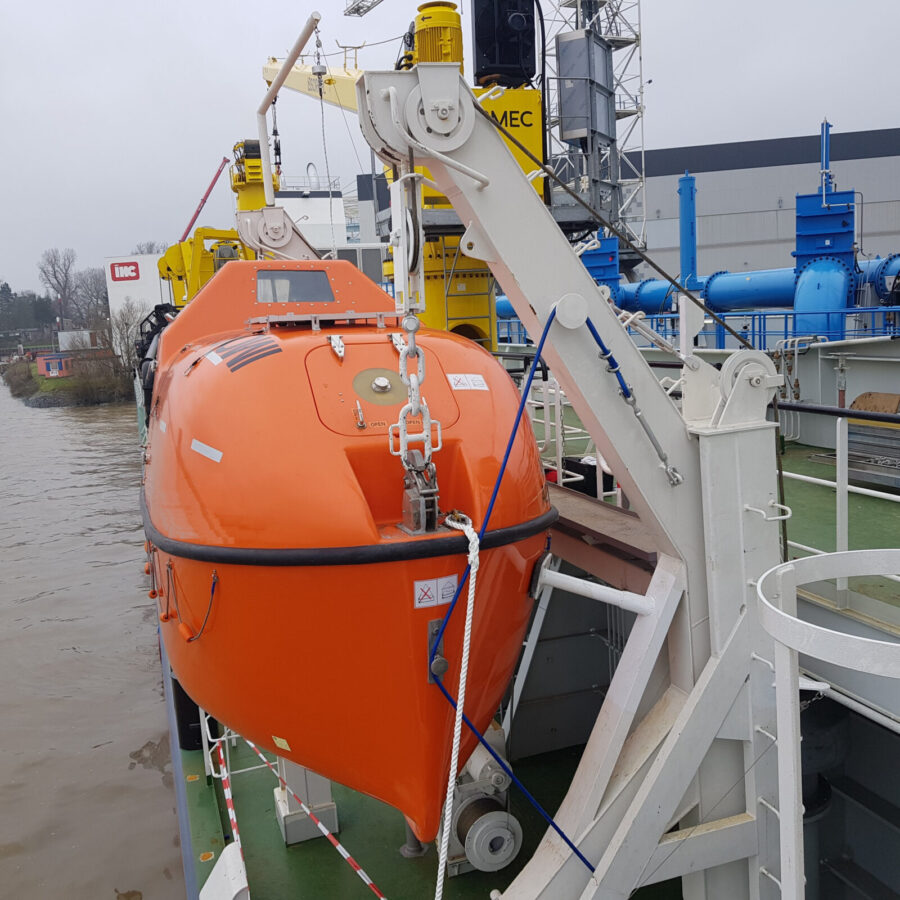
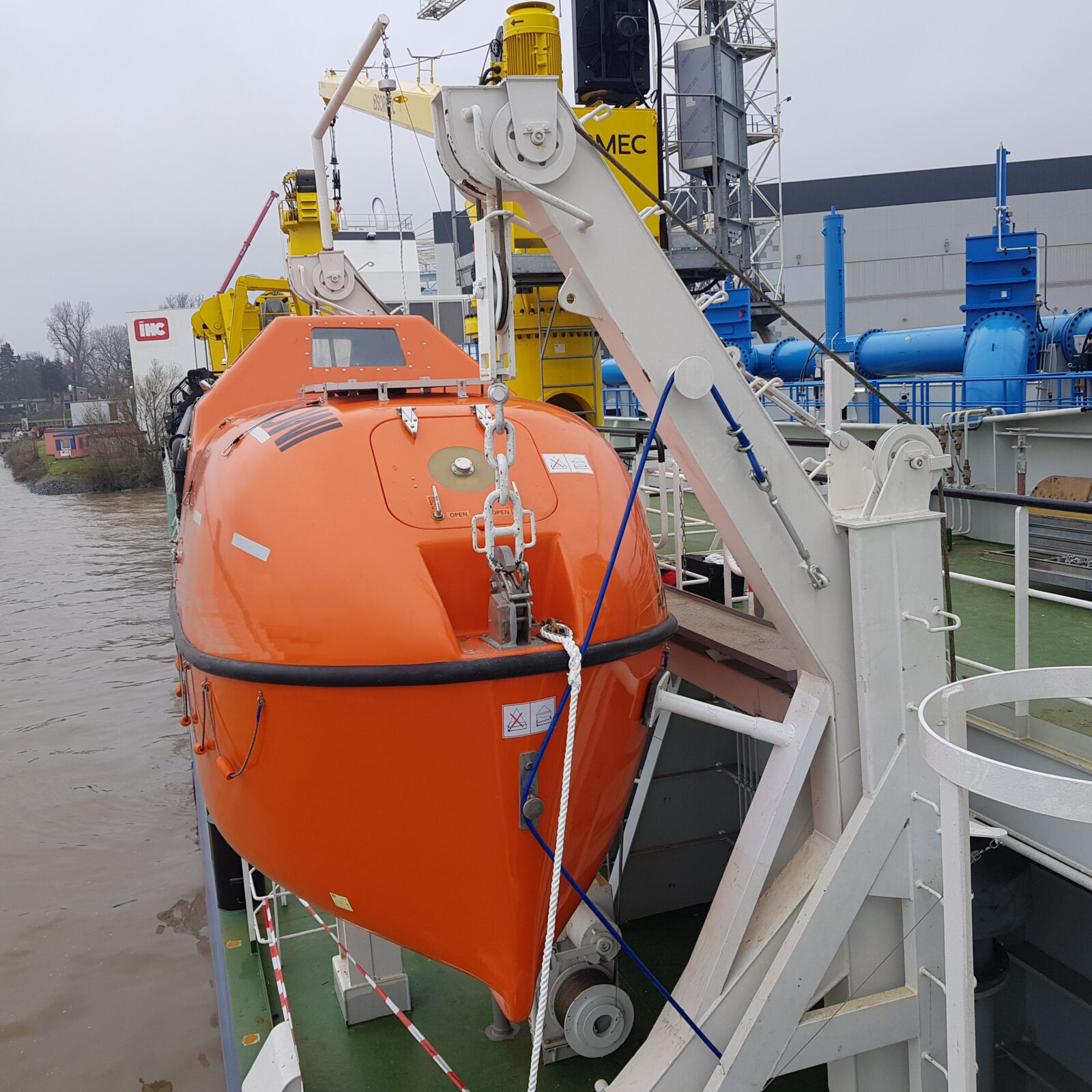
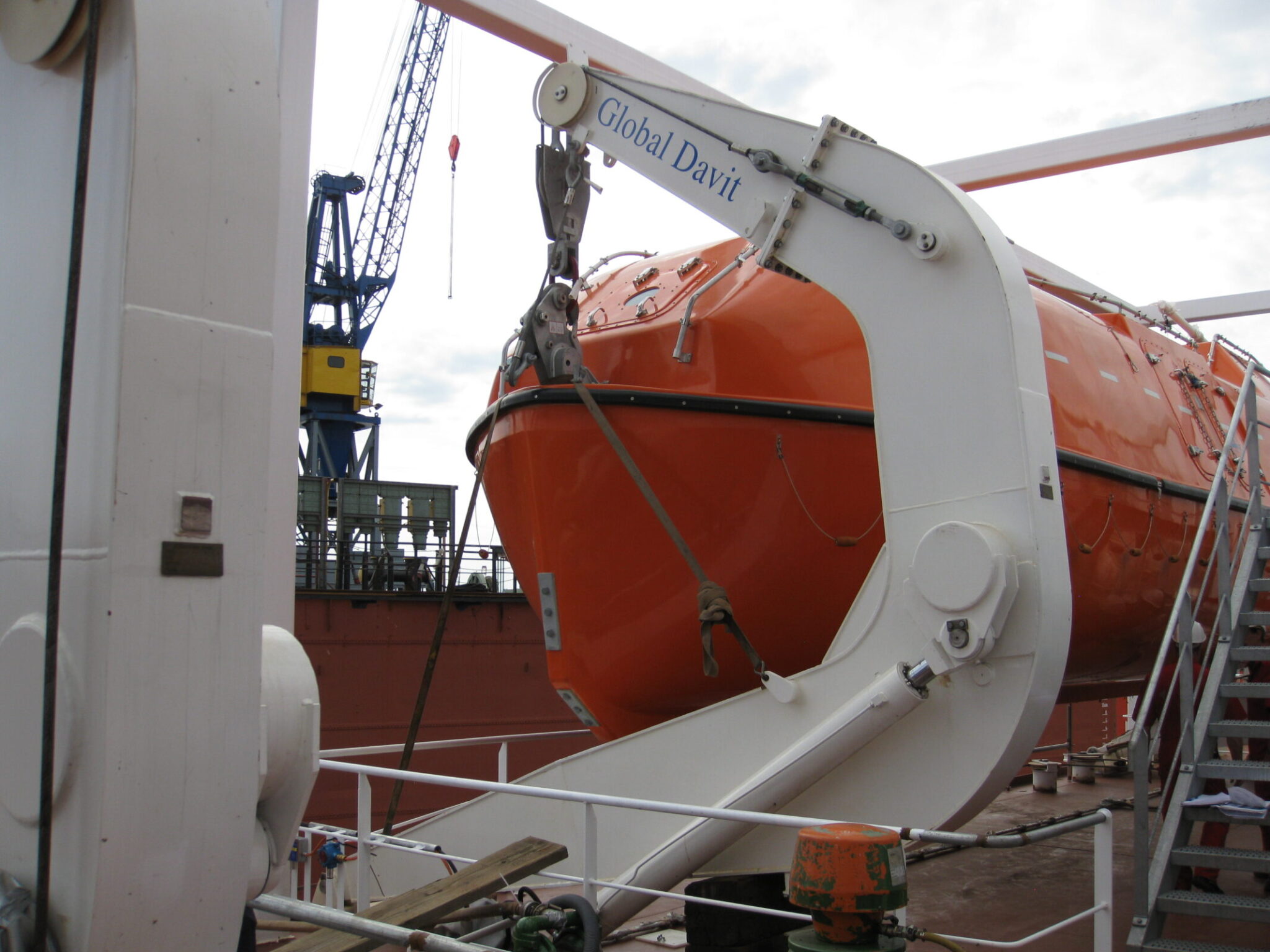
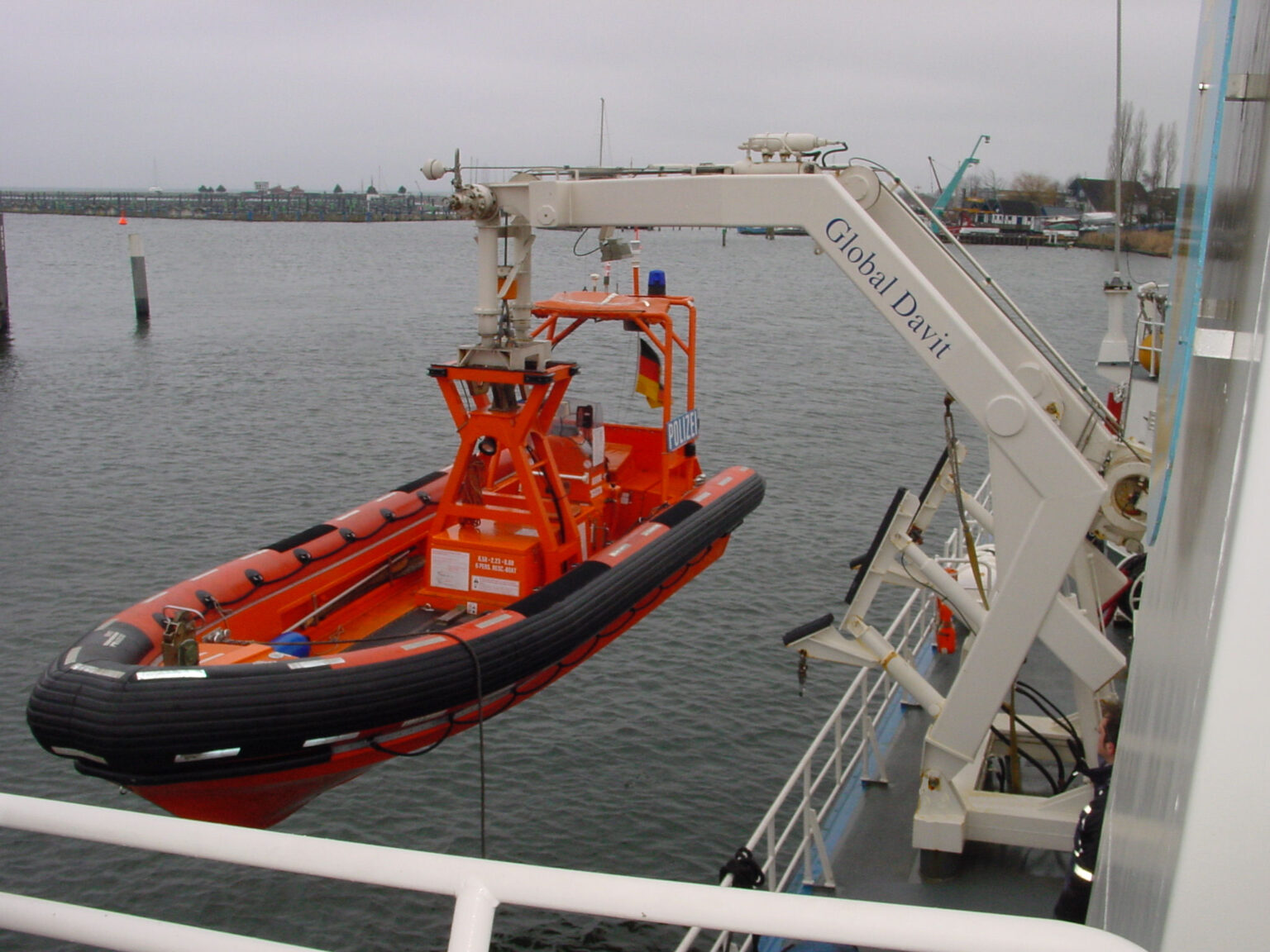
The lifeboat or life raft gets the survival craft to the water; the davit is the separate machine — winch, wire falls, davit arms, and release hooks — that lowers it there under control and recovers it afterward. Gravity davits, the type fitted for most lifeboats, use the boat's own weight to swing the arms out and lower it, with the winch brake controlling descent speed; the winch is also used to hoist the boat back on board under power. Davit-launched liferafts use a simpler single-arm or radial davit purely to lower a raft that has already inflated, with no recovery function normally fitted. Free-fall lifeboats dispense with a lowering davit altogether, launching by dropping the boat down a ramp, which changes the failure modes entirely since there is no wire fall or brake to maintain.
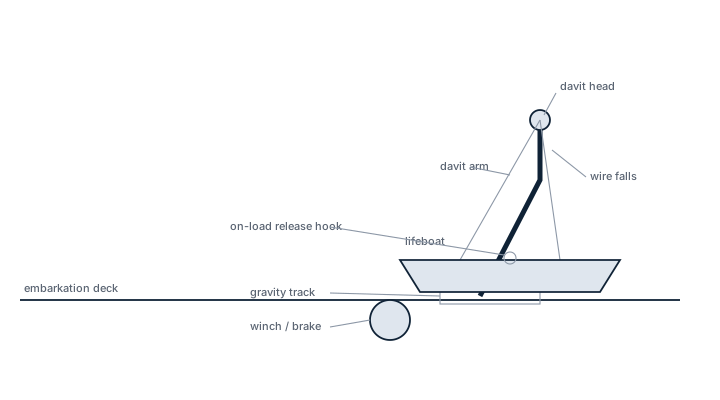
Main components
- Davit arms and structure — swing or slide out from stowed to launch position, carrying the full weight of the loaded boat at the outboard position
- Winch and brake — controls lowering speed and provides the power hoist for recovery; the brake must hold the loaded boat stationary at any point in the descent
- Wire falls — the wire ropes from winch to boat, subject to their own discard criteria for broken wires, corrosion and diameter reduction
- On-load and off-load release hooks — release the boat from the falls either under load, just before or at the moment of waterborne contact, or only once fully waterborne and off-load, depending on hook type
- Limit switches and interlocks — stop the winch at the stowed and fully lowered positions and prevent hoisting with the hook still engaged incorrectly
Selection and sizing
Davit selection follows the survival craft it serves, not the other way around: safe working load must exceed the fully loaded boat weight (boat, full complement, equipment and provisions) with the class-required margin, and the davit's outreach and headroom must clear the ship's side and any structure below at maximum roll and trim. Winch power and brake capacity are matched to the loaded weight and the lowering speed required to launch within the time SOLAS allows for the vessel's crew complement.
Regulations and class
Davit systems are covered by the IMO LSA Code together with SOLAS Chapter III, which set launching time, davit strength margins, and release gear design requirements, including tightened design and testing standards for on-load release mechanisms introduced after a series of on-load release hook accidents. Class and flag require an annual thorough examination of the davit and winch, an operational test of the on-load release gear, and a dynamic winch brake test at five-year intervals, with davit falls turned end-for-end or renewed on a running-hours or age basis per the maker's instructions.
Typical faults
| Fault | Cause | Consequence |
|---|---|---|
| Winch brake slipping | Brake lining wear, oil contamination of the brake surface, or incorrect adjustment | Uncontrolled lowering speed, risk of free-fall of the boat |
| On-load release hook inadvertent release | Worn hook mechanism, incorrect resetting after the last drill, or interlock defeat | Boat drops from height with crew aboard, a repeated cause of serious lifeboat drill injuries |
| Wire fall corrosion | Inadequate lubrication, salt water exposure without maintenance | Reduced breaking strength, discard criteria reached faster than expected |
| Limit switch failure | Water ingress, mechanical damage, or age | Winch overruns stowed or lowered position, structural damage to davit or boat |
What to look for in a supplier
- LSA Code type approval certificate for the specific davit and release hook combination, not the boat alone
- Compliance with the current on-load release gear design standard, particularly on older installations due for upgrade
- Service technicians certified to carry out the five-year dynamic winch brake test, since this is a specialist task, not routine crew maintenance
- Spares support for winch brakes, wire falls and hook assemblies specific to the installed model
Lifeboat drill injuries are disproportionately caused by the release gear, not the boat or the sea state — a hook that has not been correctly reset, or a brake that has been quietly slipping for months, turns a routine drill into the incident it was supposed to prepare the crew for.
Technical drawings & plates
Historical engineering archive — public domain sources, cited per plate. Principles shown remain valid; always consult the OEM manual for model-specific data.

Typical Manufacturers
14 manufacturers · 1152 models
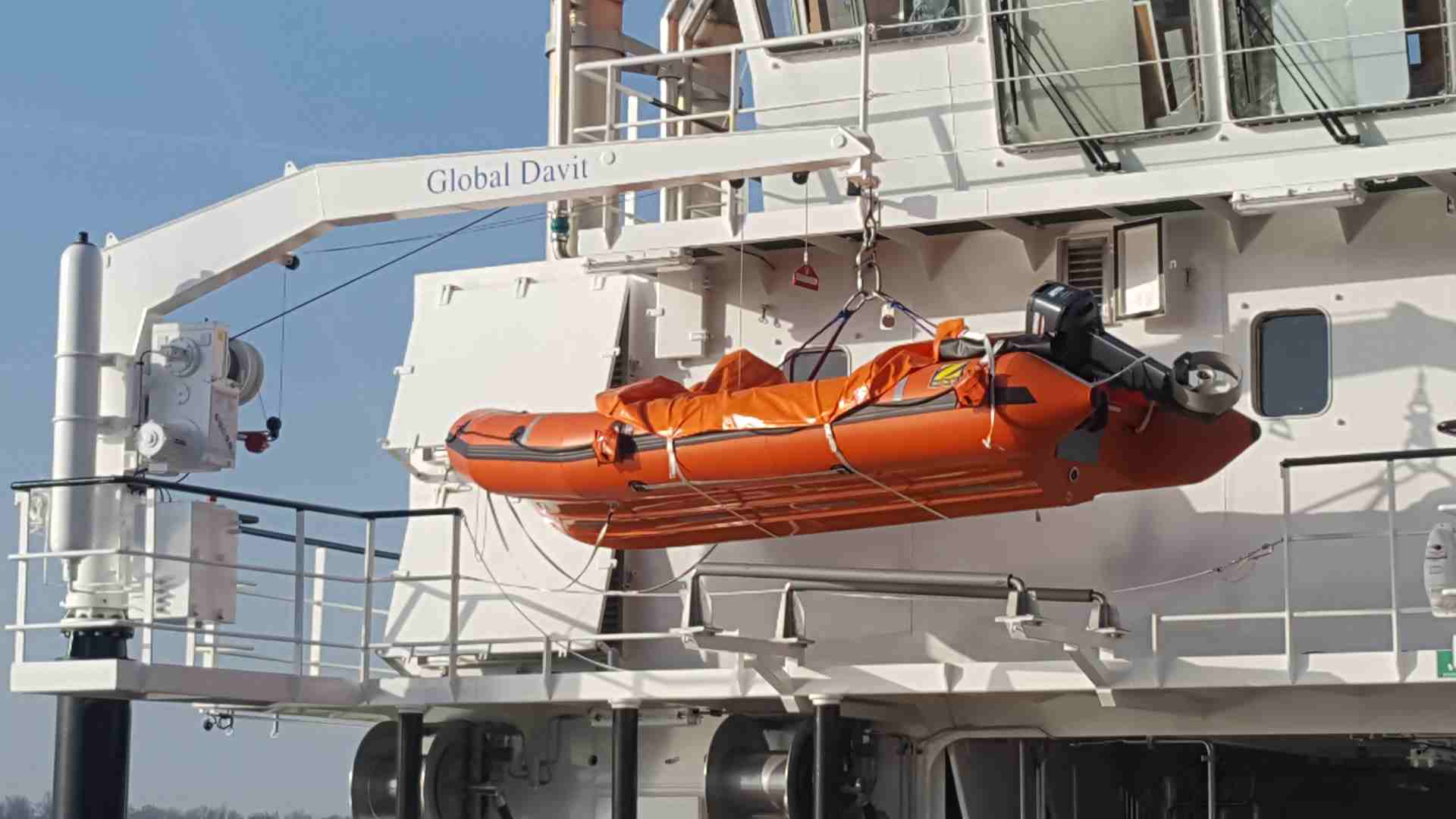
Global Davit
431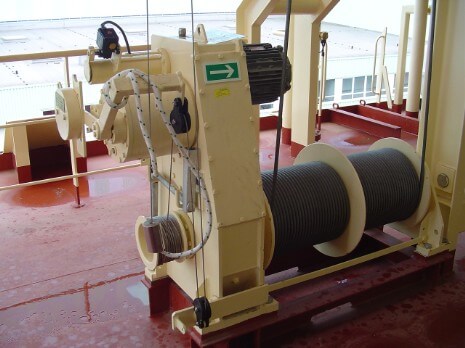
- Area: On-Load-Release-Gear (OLRG)Check: Annual functional test at 1.1 × SWL; after test check locking; inspect for dried paint/contamination/corrosion in lock, thread/shank wear/cracks. 5-year dynamic test. SOLAS III / MSC.402(96).
- Area: Drahtseile (Falls/Wire Ropes)Check: Inspect for kinks, corrosion, strand breakage (>10% over 8d length = replacement), inaccessible sections; correct/certified ropes; if required turn for full inspection; renewal per manufacturer interval.
- Area: Bremse (Zentrifugal- + Haltebremse)Check: Brake pad wear; check lowering speed (SOLAS S=0.4+0.02H, max ~36 m/min); remote release function; brake not blocked by poor maintenance.
- Area: Korrosion der Davit-StrukturCheck: Galvanized structure + stainless steel fasteners for pitting/discoloration; NDT of load-bearing structure for cracks; incident RRS Sir David Attenborough 2021 (severe corrosion due to poor maintenance).
- Area: Wartungs-ComplianceCheck: Planned maintenance complete since installation? Annual + 5-year tests recorded in logbook; manufacturer instructions followed; only authorized personnel (MSC.1/Circ.1205 Rev.1).
Universelle SOLAS-Inspektions-/Wartungspunkte fuer Davits/Rettungsboot-Aussetzvorrichtungen (modellunabhaengig, verifiziert aus IMCA/Gard/SOLAS MSC.1-Circ.1205, 2026-06). Per-Modell-SWL NICHT auto-gefuellt.
- IMO SOLAS approved and DNV‑certified, ensuring regulatory compliance
- Integrated OLRG allows safe launch at up to 1.1×SWL without manual re‑rigging
- Corrosion‑resistant galvanized frame with stainless‑steel fittings reduces long‑term degradation
- Modular design fits GFK hull lifeboats and supports weekly motor run‑tests for reliability
- 5‑year full inspection interval aligns with SOLAS MSC.402(96) requirements
- Annual OLRG functional test and brake wear inspections require specialised authorised personnel, increasing maintenance cost
- Wire‑rope components must be inspected for kinks and corrosion; replacement intervals can be short in harsh marine environments
- Overall system weight and deck footprint may limit installation on smaller vessels or those with restricted side space
- Dependence on manufacturer‑specified spare parts can lead to longer lead times if not stocked onboard

- Area: On-Load-Release-Gear (OLRG)Check: Annual functional test at 1.1 × SWL; after test check locking; inspect for dried paint/contamination/corrosion in lock, thread/shank wear/cracks. 5-year dynamic test. SOLAS III / MSC.402(96).
- Area: Drahtseile (Falls/Wire Ropes)Check: Inspect for kinks, corrosion, strand breakage (>10% over 8d length = replacement), inaccessible sections; correct/certified ropes; if required turn for full inspection; renewal per manufacturer interval.
- Area: Bremse (Zentrifugal- + Haltebremse)Check: Brake pad wear; check lowering speed (SOLAS S=0.4+0.02H, max ~36 m/min); remote release function; brake not blocked by poor maintenance.
- Area: Korrosion der Davit-StrukturCheck: Galvanized structure + stainless steel fasteners for pitting/discoloration; NDT of load-bearing structure for cracks; incident RRS Sir David Attenborough 2021 (severe corrosion due to poor maintenance).
- Area: Wartungs-ComplianceCheck: Planned maintenance complete since installation? Annual + 5-year tests recorded in logbook; manufacturer instructions followed; only authorized personnel (MSC.1/Circ.1205 Rev.1).
Universelle SOLAS-Inspektions-/Wartungspunkte fuer Davits/Rettungsboot-Aussetzvorrichtungen (modellunabhaengig, verifiziert aus IMCA/Gard/SOLAS MSC.1-Circ.1205, 2026-06). Per-Modell-SWL NICHT auto-gefuellt.
- IMO and DNV approved – meets SOLAS requirements for passenger and offshore vessels
- Built‑in motor test function (weekly 5 min run) simplifies verification of hydraulic/drive performance
- Robust corrosion‑resistant construction (galvanised frame with stainless‑steel fittings) suitable for GFK hulls
- Standardised maintenance intervals (annual hook inspection, 5‑year dynamic test) supported by manufacturer documentation
- Modular design allows retrofit on existing deck layouts without major structural modifications
- Requires strict adherence to annual and 5‑year testing regimes – higher life‑cycle maintenance cost
- Corrosion of the davit structure has been reported when maintenance is neglected (e.g., RRS Sir David Attenborough incident)
- Replacement wire ropes must meet specific wear limits (>10% loss over 8 d length) and may need specialist procurement
- Release‑hook servicing must be performed by authorised personnel only, limiting in‑port flexibility
- Initial purchase price is higher than basic manual davits due to integrated hydraulic/brake system

- Area: On-Load-Release-Gear (OLRG)Check: Annual functional test at 1.1 × SWL; after test check locking; inspect for dried paint/contamination/corrosion in lock, thread/shank wear/cracks. 5-year dynamic test. SOLAS III / MSC.402(96).
- Area: Drahtseile (Falls/Wire Ropes)Check: Inspect for kinks, corrosion, strand breakage (>10% over 8d length = replacement), inaccessible sections; correct/certified ropes; if required turn for full inspection; renewal per manufacturer interval.
- Area: Bremse (Zentrifugal- + Haltebremse)Check: Brake pad wear; check lowering speed (SOLAS S=0.4+0.02H, max ~36 m/min); remote release function; brake not blocked by poor maintenance.
- Area: Korrosion der Davit-StrukturCheck: Galvanized structure + stainless steel fasteners for pitting/discoloration; NDT of load-bearing structure for cracks; incident RRS Sir David Attenborough 2021 (severe corrosion due to poor maintenance).
- Area: Wartungs-ComplianceCheck: Planned maintenance complete since installation? Annual + 5-year tests recorded in logbook; manufacturer instructions followed; only authorized personnel (MSC.1/Circ.1205 Rev.1).
Universelle SOLAS-Inspektions-/Wartungspunkte fuer Davits/Rettungsboot-Aussetzvorrichtungen (modellunabhaengig, verifiziert aus IMCA/Gard/SOLAS MSC.1-Circ.1205, 2026-06). Per-Modell-SWL NICHT auto-gefuellt.
- IMO D‑2 approval ensures compliance with SOLAS requirements
- DNV listed approval provides additional class society acceptance
- Weekly motor test and annual release‑hook service support high readiness
- Designed for GFK (glass‑fibre reinforced plastic) lifeboat hulls, common on many vessels
- Comprehensive inspection points (OLRG, wire ropes, brake) are defined by IMCA/GARD guidelines
- Requires specialised authorised personnel for annual hook maintenance (MSC.1 Circ.1205)
- Intensive inspection regime (annual + 5‑year dynamic test) increases upkeep cost
- Corrosion of the davit structure has been reported if maintenance lapses
- Brake and wire‑rope wear must be monitored closely, adding to routine workload

- Area: On-Load-Release-Gear (OLRG)Check: Annual functional test at 1.1 × SWL; after test check locking; inspect for dried paint/contamination/corrosion in lock, thread/shank wear/cracks. 5-year dynamic test. SOLAS III / MSC.402(96).
- Area: Drahtseile (Falls/Wire Ropes)Check: Inspect for kinks, corrosion, strand breakage (>10% over 8d length = replacement), inaccessible sections; correct/certified ropes; if required turn for full inspection; renewal per manufacturer interval.
- Area: Bremse (Zentrifugal- + Haltebremse)Check: Brake pad wear; check lowering speed (SOLAS S=0.4+0.02H, max ~36 m/min); remote release function; brake not blocked by poor maintenance.
- Area: Korrosion der Davit-StrukturCheck: Galvanized structure + stainless steel fasteners for pitting/discoloration; NDT of load-bearing structure for cracks; incident RRS Sir David Attenborough 2021 (severe corrosion due to poor maintenance).
- Area: Wartungs-ComplianceCheck: Planned maintenance complete since installation? Annual + 5-year tests recorded in logbook; manufacturer instructions followed; only authorized personnel (MSC.1/Circ.1205 Rev.1).
Universelle SOLAS-Inspektions-/Wartungspunkte fuer Davits/Rettungsboot-Aussetzvorrichtungen (modellunabhaengig, verifiziert aus IMCA/Gard/SOLAS MSC.1-Circ.1205, 2026-06). Per-Modell-SWL NICHT auto-gefuellt.
- IMO approved and listed in DNV approval finder – recognized by flag states and classification societies
- On‑Load Release Gear (OLRG) tested annually at 1.1× SWL, meeting SOLAS MSC.402(96) requirements
- Corrosion‑resistant galvanized structure with stainless‑steel fittings reduces long‑term degradation
- Integrated motor test routine (weekly 5 min run) ensures propulsion reliability of the davit
- Defined maintenance schedule (annual OLRG, wire‑rope, brake checks; 5‑year full inspection) supports compliance
- High maintenance burden – annual functional tests, wire‑rope inspections and brake wear checks are mandatory
- Requires authorized service personnel for release‑hook overhaul, increasing downtime and cost
- Complex centrifugal‑brake system can be prone to wear if not serviced on schedule
- Potential for corrosion in fittings if protective coating is compromised; past incidents cited (e.g., RRS Sir David Attenborough 2021)
- Installation footprint may be larger than some compact electric davits, limiting use on vessels with restricted deck space
- Area: On-Load-Release-Gear (OLRG)Check: Annual functional test at 1.1 × SWL; after test check locking; inspect for dried paint/contamination/corrosion in lock, thread/shank wear/cracks. 5-year dynamic test. SOLAS III / MSC.402(96).
- Area: Drahtseile (Falls/Wire Ropes)Check: Inspect for kinks, corrosion, strand breakage (>10% over 8d length = replacement), inaccessible sections; correct/certified ropes; if required turn for full inspection; renewal per manufacturer interval.
- Area: Bremse (Zentrifugal- + Haltebremse)Check: Brake pad wear; check lowering speed (SOLAS S=0.4+0.02H, max ~36 m/min); remote release function; brake not blocked by poor maintenance.
- Area: Korrosion der Davit-StrukturCheck: Galvanized structure + stainless steel fasteners for pitting/discoloration; NDT of load-bearing structure for cracks; incident RRS Sir David Attenborough 2021 (severe corrosion due to poor maintenance).
- Area: Wartungs-ComplianceCheck: Planned maintenance complete since installation? Annual + 5-year tests recorded in logbook; manufacturer instructions followed; only authorized personnel (MSC.1/Circ.1205 Rev.1).
Universelle SOLAS-Inspektions-/Wartungspunkte fuer Davits/Rettungsboot-Aussetzvorrichtungen (modellunabhaengig, verifiziert aus IMCA/Gard/SOLAS MSC.1-Circ.1205, 2026-06). Per-Modell-SWL NICHT auto-gefuellt.
- IMO approved (model listed in DNV approval finder)
- Integrated motor test requirement (weekly 5 min run) ensures readiness
- Designed for annual release‑hook service in line with SOLAS MSC.402(96)
- Supports five‑year comprehensive inspection, facilitating compliance tracking
- Compatible with GFK hulls – inspection can be combined with scheduled docking
- Requires regular motor testing and documented log entries, adding operational workload
- Wire‑rope replacement intervals must be strictly followed; failure data highlight rope wear as a critical point
- Corrosion of the davit structure has been reported on similar models, demanding vigilant NDT checks
- Maintenance must be performed by DNV‑authorized personnel, potentially limiting service options in remote ports
- Specific SWL and load‑capacity details are not publicly disclosed, requiring additional verification before installation
- Area: On-Load-Release-Gear (OLRG)Check: Annual functional test at 1.1 × SWL; after test check locking; inspect for dried paint/contamination/corrosion in lock, thread/shank wear/cracks. 5-year dynamic test. SOLAS III / MSC.402(96).
- Area: Drahtseile (Falls/Wire Ropes)Check: Inspect for kinks, corrosion, strand breakage (>10% over 8d length = replacement), inaccessible sections; correct/certified ropes; if required turn for full inspection; renewal per manufacturer interval.
- Area: Bremse (Zentrifugal- + Haltebremse)Check: Brake pad wear; check lowering speed (SOLAS S=0.4+0.02H, max ~36 m/min); remote release function; brake not blocked by poor maintenance.
- Area: Korrosion der Davit-StrukturCheck: Galvanized structure + stainless steel fasteners for pitting/discoloration; NDT of load-bearing structure for cracks; incident RRS Sir David Attenborough 2021 (severe corrosion due to poor maintenance).
- Area: Wartungs-ComplianceCheck: Planned maintenance complete since installation? Annual + 5-year tests recorded in logbook; manufacturer instructions followed; only authorized personnel (MSC.1/Circ.1205 Rev.1).
Universelle SOLAS-Inspektions-/Wartungspunkte fuer Davits/Rettungsboot-Aussetzvorrichtungen (modellunabhaengig, verifiziert aus IMCA/Gard/SOLAS MSC.1-Circ.1205, 2026-06). Per-Modell-SWL NICHT auto-gefuellt.
- IMO and DNV approved – recognised by flag states and classification societies.
- Integrated motor test (weekly minimum 5 min) ensures reliable hoist performance.
- On‑load release gear tested annually at 1.1× SWL, complying with SOLAS MSC.402(96).
- Corrosion‑resistant galvanized structure with stainless‑steel fittings reduces long‑term degradation.
- Defined maintenance regime (annual hook service, 5‑year full inspection) aligns with MSC 1/Circ.1205 guidance.
- Relatively high maintenance workload – weekly motor test and annual authorised servicing required.
- Corrosion remains a critical failure point if inspections are missed; past incidents (e.g., RRS Sir David Attenborough 2021) highlight this risk.
- Requires authorised personnel for release‑hook service, limiting flexibility on ships with limited technical staff.
- Deck space consumption can be significant compared with lighter, compact davit alternatives.
- No publicly available data on weight, dimensions or power consumption limits detailed engineering comparison.
- Area: On-Load-Release-Gear (OLRG)Check: Annual functional test at 1.1 × SWL; after test check locking; inspect for dried paint/contamination/corrosion in lock, thread/shank wear/cracks. 5-year dynamic test. SOLAS III / MSC.402(96).
- Area: Drahtseile (Falls/Wire Ropes)Check: Inspect for kinks, corrosion, strand breakage (>10% over 8d length = replacement), inaccessible sections; correct/certified ropes; if required turn for full inspection; renewal per manufacturer interval.
- Area: Bremse (Zentrifugal- + Haltebremse)Check: Brake pad wear; check lowering speed (SOLAS S=0.4+0.02H, max ~36 m/min); remote release function; brake not blocked by poor maintenance.
- Area: Korrosion der Davit-StrukturCheck: Galvanized structure + stainless steel fasteners for pitting/discoloration; NDT of load-bearing structure for cracks; incident RRS Sir David Attenborough 2021 (severe corrosion due to poor maintenance).
- Area: Wartungs-ComplianceCheck: Planned maintenance complete since installation? Annual + 5-year tests recorded in logbook; manufacturer instructions followed; only authorized personnel (MSC.1/Circ.1205 Rev.1).
Universelle SOLAS-Inspektions-/Wartungspunkte fuer Davits/Rettungsboot-Aussetzvorrichtungen (modellunabhaengig, verifiziert aus IMCA/Gard/SOLAS MSC.1-Circ.1205, 2026-06). Per-Modell-SWL NICHT auto-gefuellt.
- IMO‑approved and DNV‑certified for SOLAS compliance
- Rated for the lifeboat’s SWL and verified annually at 1.1×SWL
- Integrated weekly motor test (minimum 5 min) ensures operational readiness
- Compact design suitable for vessels with limited deck space
- Corrosion‑resistant zinc‑galvanised frame combined with stainless steel fittings
- Requires strict maintenance schedule (annual hook service, 5‑year major inspection); lapses can cause failures
- Susceptible to accelerated corrosion in highly aggressive environments if not maintained
- Limited to lifeboats/rafts up to the model’s rated SWL; unsuitable for larger evacuation craft
- Spare parts are proprietary and must be sourced from authorized Global Davit service centres

- Area: On-Load-Release-Gear (OLRG)Check: Annual functional test at 1.1 × SWL; after test check locking; inspect for dried paint/contamination/corrosion in lock, thread/shank wear/cracks. 5-year dynamic test. SOLAS III / MSC.402(96).
- Area: Drahtseile (Falls/Wire Ropes)Check: Inspect for kinks, corrosion, strand breakage (>10% over 8d length = replacement), inaccessible sections; correct/certified ropes; if required turn for full inspection; renewal per manufacturer interval.
- Area: Bremse (Zentrifugal- + Haltebremse)Check: Brake pad wear; check lowering speed (SOLAS S=0.4+0.02H, max ~36 m/min); remote release function; brake not blocked by poor maintenance.
- Area: Korrosion der Davit-StrukturCheck: Galvanized structure + stainless steel fasteners for pitting/discoloration; NDT of load-bearing structure for cracks; incident RRS Sir David Attenborough 2021 (severe corrosion due to poor maintenance).
- Area: Wartungs-ComplianceCheck: Planned maintenance complete since installation? Annual + 5-year tests recorded in logbook; manufacturer instructions followed; only authorized personnel (MSC.1/Circ.1205 Rev.1).
Universelle SOLAS-Inspektions-/Wartungspunkte fuer Davits/Rettungsboot-Aussetzvorrichtungen (modellunabhaengig, verifiziert aus IMCA/Gard/SOLAS MSC.1-Circ.1205, 2026-06). Per-Modell-SWL NICHT auto-gefuellt.
- Corrosion‑protected galvanised structure with stainless steel hardware reduces maintenance in harsh marine environments.
- Integrated centrifugal and hold brake provides controlled launch speed (≤ 0.4 m/s) and remote release capability.
- Fully SOLAS/MSC.1‑Circ.1205 compliant; listed on DNV approval finder, simplifying classification approvals.
- Clear maintenance regime (weekly motor test, annual hook inspection, 5‑year dynamic test) aligns with class society requirements.
- Modular design allows installation on a wide range of vessel decks and easy replacement of wear items such as wire ropes.
- Requires authorised service personnel for annual release‑hook maintenance and 5‑year inspections, increasing life‑cycle cost.
- Wire‑rope components have strict inspection limits (≥ 10 % broken strands over 8 d length) and may need frequent replacement in corrosive waters.
- Annual on‑load‑release‑gear test at 1.1×SWL adds operational downtime during inspections.
- Overall weight of the galvanised frame can be higher than lightweight aluminium alternatives, affecting deck load calculations.
- Limited publicly available performance data (e.g., exact SWL rating) may require direct manufacturer confirmation for new builds.
- Area: On-Load-Release-Gear (OLRG)Check: Annual functional test at 1.1 × SWL; after test check locking; inspect for dried paint/contamination/corrosion in lock, thread/shank wear/cracks. 5-year dynamic test. SOLAS III / MSC.402(96).
- Area: Drahtseile (Falls/Wire Ropes)Check: Inspect for kinks, corrosion, strand breakage (>10% over 8d length = replacement), inaccessible sections; correct/certified ropes; if required turn for full inspection; renewal per manufacturer interval.
- Area: Bremse (Zentrifugal- + Haltebremse)Check: Brake pad wear; check lowering speed (SOLAS S=0.4+0.02H, max ~36 m/min); remote release function; brake not blocked by poor maintenance.
- Area: Korrosion der Davit-StrukturCheck: Galvanized structure + stainless steel fasteners for pitting/discoloration; NDT of load-bearing structure for cracks; incident RRS Sir David Attenborough 2021 (severe corrosion due to poor maintenance).
- Area: Wartungs-ComplianceCheck: Planned maintenance complete since installation? Annual + 5-year tests recorded in logbook; manufacturer instructions followed; only authorized personnel (MSC.1/Circ.1205 Rev.1).
Universelle SOLAS-Inspektions-/Wartungspunkte fuer Davits/Rettungsboot-Aussetzvorrichtungen (modellunabhaengig, verifiziert aus IMCA/Gard/SOLAS MSC.1-Circ.1205, 2026-06). Per-Modell-SWL NICHT auto-gefuellt.
- IMO‑approved and listed in the DNV approval database, ensuring regulatory compliance
- Integrated electric winch with weekly motor test guarantees readiness
- Corrosion‑resistant galvanized frame with stainless‑steel fittings reduces structural degradation
- Comprehensive maintenance schedule (annual hook service, 5‑year dynamic test) aligns with SOLAS MSC.402(96)
- Designed for compatibility with GFK hulls and limited deck space
- Requires strict inspection regime (annual functional test, 5‑year dynamic test), increasing planned downtime
- Release hook maintenance must be performed by an authorized service provider, limiting flexibility
- Wire‑rope elements have defined wear limits and need periodic replacement per manufacturer intervals
- Brake system (centrifugal + holding) adds mechanical complexity and needs regular wear monitoring
- Area: On-Load-Release-Gear (OLRG)Check: Annual functional test at 1.1 × SWL; after test check locking; inspect for dried paint/contamination/corrosion in lock, thread/shank wear/cracks. 5-year dynamic test. SOLAS III / MSC.402(96).
- Area: Drahtseile (Falls/Wire Ropes)Check: Inspect for kinks, corrosion, strand breakage (>10% over 8d length = replacement), inaccessible sections; correct/certified ropes; if required turn for full inspection; renewal per manufacturer interval.
- Area: Bremse (Zentrifugal- + Haltebremse)Check: Brake pad wear; check lowering speed (SOLAS S=0.4+0.02H, max ~36 m/min); remote release function; brake not blocked by poor maintenance.
- Area: Korrosion der Davit-StrukturCheck: Galvanized structure + stainless steel fasteners for pitting/discoloration; NDT of load-bearing structure for cracks; incident RRS Sir David Attenborough 2021 (severe corrosion due to poor maintenance).
- Area: Wartungs-ComplianceCheck: Planned maintenance complete since installation? Annual + 5-year tests recorded in logbook; manufacturer instructions followed; only authorized personnel (MSC.1/Circ.1205 Rev.1).
Universelle SOLAS-Inspektions-/Wartungspunkte fuer Davits/Rettungsboot-Aussetzvorrichtungen (modellunabhaengig, verifiziert aus IMCA/Gard/SOLAS MSC.1-Circ.1205, 2026-06). Per-Modell-SWL NICHT auto-gefuellt.
- IMO‑approved design with documented DNV verification
- Integrated motor test (weekly) ensures reliable release power
- Robust on‑load release gear tested annually at 1.1× SWL and every five years dynamically
- Corrosion‑resistant galvanized frame with stainless‑steel fittings reduces structural degradation
- Comprehensive maintenance schedule (annual hook service, 5‑year full inspection) aligns with SOLAS MSC.402(96)
- Requires strict adherence to a detailed maintenance programme; non‑compliance can lead to failure of OLRG or brake system
- Limited to lifeboats up to approximately 18 ft, unsuitable for larger evacuation craft
- Higher initial procurement and lifecycle cost compared with simple manual davits
- Dependence on authorized service providers for annual hook maintenance and 5‑year inspection
- Potential for corrosion in harsh marine environments if inspections are missed
- Area: On-Load-Release-Gear (OLRG)Check: Annual functional test at 1.1 × SWL; after test check locking; inspect for dried paint/contamination/corrosion in lock, thread/shank wear/cracks. 5-year dynamic test. SOLAS III / MSC.402(96).
- Area: Drahtseile (Falls/Wire Ropes)Check: Inspect for kinks, corrosion, strand breakage (>10% over 8d length = replacement), inaccessible sections; correct/certified ropes; if required turn for full inspection; renewal per manufacturer interval.
- Area: Bremse (Zentrifugal- + Haltebremse)Check: Brake pad wear; check lowering speed (SOLAS S=0.4+0.02H, max ~36 m/min); remote release function; brake not blocked by poor maintenance.
- Area: Korrosion der Davit-StrukturCheck: Galvanized structure + stainless steel fasteners for pitting/discoloration; NDT of load-bearing structure for cracks; incident RRS Sir David Attenborough 2021 (severe corrosion due to poor maintenance).
- Area: Wartungs-ComplianceCheck: Planned maintenance complete since installation? Annual + 5-year tests recorded in logbook; manufacturer instructions followed; only authorized personnel (MSC.1/Circ.1205 Rev.1).
Universelle SOLAS-Inspektions-/Wartungspunkte fuer Davits/Rettungsboot-Aussetzvorrichtungen (modellunabhaengig, verifiziert aus IMCA/Gard/SOLAS MSC.1-Circ.1205, 2026-06). Per-Modell-SWL NICHT auto-gefuellt.
- IMO approval and DNV verification provide recognised safety compliance
- Integrated on‑load release gear (OLRG) enables launch while the boat is under load
- Centrifugal + holding brake gives controlled descent speed as required by SOLAS
- Designed for routine weekly motor test and annual OLRG functional checks
- Zinc‑galvanised structure with stainless steel fittings improves corrosion resistance
- Intensive maintenance schedule (annual OLRG test, 5‑year dynamic test) increases operational cost
- Wire rope must be inspected for wear (>10% elongation) and replaced regularly
- Corrosion can become critical if inspections are missed – documented incidents on similar davits
- Limited publicly available performance data (e.g., exact SWL, deployment speed)
- Release‑hook maintenance restricted to authorised personnel per SOLAS MSC.402(96)
- Area: On-Load-Release-Gear (OLRG)Check: Annual functional test at 1.1 × SWL; after test check locking; inspect for dried paint/contamination/corrosion in lock, thread/shank wear/cracks. 5-year dynamic test. SOLAS III / MSC.402(96).
- Area: Drahtseile (Falls/Wire Ropes)Check: Inspect for kinks, corrosion, strand breakage (>10% over 8d length = replacement), inaccessible sections; correct/certified ropes; if required turn for full inspection; renewal per manufacturer interval.
- Area: Bremse (Zentrifugal- + Haltebremse)Check: Brake pad wear; check lowering speed (SOLAS S=0.4+0.02H, max ~36 m/min); remote release function; brake not blocked by poor maintenance.
- Area: Korrosion der Davit-StrukturCheck: Galvanized structure + stainless steel fasteners for pitting/discoloration; NDT of load-bearing structure for cracks; incident RRS Sir David Attenborough 2021 (severe corrosion due to poor maintenance).
- Area: Wartungs-ComplianceCheck: Planned maintenance complete since installation? Annual + 5-year tests recorded in logbook; manufacturer instructions followed; only authorized personnel (MSC.1/Circ.1205 Rev.1).
Universelle SOLAS-Inspektions-/Wartungspunkte fuer Davits/Rettungsboot-Aussetzvorrichtungen (modellunabhaengig, verifiziert aus IMCA/Gard/SOLAS MSC.1-Circ.1205, 2026-06). Per-Modell-SWL NICHT auto-gefuellt.
- IMO D‑2 approval and listed in the DNV approval finder, ensuring regulatory compliance out‑of‑the‑box.
- Robust galvanized steel structure with stainless‑steel fittings reduces corrosion risk when maintained according to schedule.
- Integrated motor test (weekly minimum 5 min) provides continuous verification of launch power.
- Clear maintenance regime – annual on‑load release gear check, 5‑year dynamic test and full inspection – supported by Global Davit service documentation.
- Modular design allows installation on a wide range of vessel deck layouts.
- Requires strict adherence to the prescribed maintenance intervals (annual OLRG test, 5‑year dynamic test) to stay compliant.
- Wire‑rope components are subject to wear and must be inspected for kinks, corrosion and broken strands; replacement can be costly.
- Brake system wear (friction pads, centrifugal brake) must be monitored regularly to meet the SOLAS S = 0.4 + 0.02H speed limit.
- Mechanical actuation may be heavier than comparable hydraulic davits, impacting deck weight budgeting.
- Area: On-Load-Release-Gear (OLRG)Check: Annual functional test at 1.1 × SWL; after test check locking; inspect for dried paint/contamination/corrosion in lock, thread/shank wear/cracks. 5-year dynamic test. SOLAS III / MSC.402(96).
- Area: Drahtseile (Falls/Wire Ropes)Check: Inspect for kinks, corrosion, strand breakage (>10% over 8d length = replacement), inaccessible sections; correct/certified ropes; if required turn for full inspection; renewal per manufacturer interval.
- Area: Bremse (Zentrifugal- + Haltebremse)Check: Brake pad wear; check lowering speed (SOLAS S=0.4+0.02H, max ~36 m/min); remote release function; brake not blocked by poor maintenance.
- Area: Korrosion der Davit-StrukturCheck: Galvanized structure + stainless steel fasteners for pitting/discoloration; NDT of load-bearing structure for cracks; incident RRS Sir David Attenborough 2021 (severe corrosion due to poor maintenance).
- Area: Wartungs-ComplianceCheck: Planned maintenance complete since installation? Annual + 5-year tests recorded in logbook; manufacturer instructions followed; only authorized personnel (MSC.1/Circ.1205 Rev.1).
Universelle SOLAS-Inspektions-/Wartungspunkte fuer Davits/Rettungsboot-Aussetzvorrichtungen (modellunabhaengig, verifiziert aus IMCA/Gard/SOLAS MSC.1-Circ.1205, 2026-06). Per-Modell-SWL NICHT auto-gefuellt.
- IMO SOLAS approval and DNV verification ensure regulatory compliance.
- Integrated on‑load release gear (OLRG) tested annually per MSC.402(96).
- Weekly motor run‑test guarantees readiness of the winch drive.
- Corrosion‑resistant zinc‑galvanised structure with stainless fastenings reduces rust risk when maintained.
- Defined maintenance regime (annual hook service, 5‑year full inspection) supports predictable life‑cycle costs.
- Requires strict maintenance schedule (weekly motor test, annual hook service), increasing crew workload.
- Wire‑rope components are subject to wear and must be inspected/replaced per manufacturer intervals.
- Historical incidents show potential for corrosion if inspections are missed.
- Weight and footprint may be larger than hydraulic or pneumatic alternatives on space‑constrained vessels.
- Designed for specific SWL; not suitable for very large lifeboats without additional reinforcement.
- Area: On-Load-Release-Gear (OLRG)Check: Annual functional test at 1.1 × SWL; after test check locking; inspect for dried paint/contamination/corrosion in lock, thread/shank wear/cracks. 5-year dynamic test. SOLAS III / MSC.402(96).
- Area: Drahtseile (Falls/Wire Ropes)Check: Inspect for kinks, corrosion, strand breakage (>10% over 8d length = replacement), inaccessible sections; correct/certified ropes; if required turn for full inspection; renewal per manufacturer interval.
- Area: Bremse (Zentrifugal- + Haltebremse)Check: Brake pad wear; check lowering speed (SOLAS S=0.4+0.02H, max ~36 m/min); remote release function; brake not blocked by poor maintenance.
- Area: Korrosion der Davit-StrukturCheck: Galvanized structure + stainless steel fasteners for pitting/discoloration; NDT of load-bearing structure for cracks; incident RRS Sir David Attenborough 2021 (severe corrosion due to poor maintenance).
- Area: Wartungs-ComplianceCheck: Planned maintenance complete since installation? Annual + 5-year tests recorded in logbook; manufacturer instructions followed; only authorized personnel (MSC.1/Circ.1205 Rev.1).
Universelle SOLAS-Inspektions-/Wartungspunkte fuer Davits/Rettungsboot-Aussetzvorrichtungen (modellunabhaengig, verifiziert aus IMCA/Gard/SOLAS MSC.1-Circ.1205, 2026-06). Per-Modell-SWL NICHT auto-gefuellt.
- IMO approval confirmed (model listed in DNV approval finder).
- Integrated motor test can be performed weekly, ensuring launch readiness.
- Defined maintenance schedule (annual OLRG check, yearly wire‑rope inspection, 5‑year full inspection) aligns with SOLAS MSC.402(96).
- Robust construction with galvanized steel and stainless‑steel fittings for marine corrosion resistance.
- Compatible with GFRP hulls; includes provisions for routine GFK‑hull inspections at dock.
- Maintenance intensive – requires annual on‑load release gear testing at 1.1×SWL and periodic wire‑rope condition surveys.
- Corrosion of the davit structure has been cited in incident reports (e.g., RRS Sir David Attenborough 2021) if not rigorously inspected.
- Requires authorized service personnel for hook and brake servicing, limiting flexibility on vessels without such support.
- No publicly available data on weight, dimensions or power consumption; integration planning may need manufacturer clarification.
- Five‑year dynamic test adds a significant downtime cost compared with simpler manual davits.
- Area: On-Load-Release-Gear (OLRG)Check: Annual functional test at 1.1 × SWL; after test check locking; inspect for dried paint/contamination/corrosion in lock, thread/shank wear/cracks. 5-year dynamic test. SOLAS III / MSC.402(96).
- Area: Drahtseile (Falls/Wire Ropes)Check: Inspect for kinks, corrosion, strand breakage (>10% over 8d length = replacement), inaccessible sections; correct/certified ropes; if required turn for full inspection; renewal per manufacturer interval.
- Area: Bremse (Zentrifugal- + Haltebremse)Check: Brake pad wear; check lowering speed (SOLAS S=0.4+0.02H, max ~36 m/min); remote release function; brake not blocked by poor maintenance.
- Area: Korrosion der Davit-StrukturCheck: Galvanized structure + stainless steel fasteners for pitting/discoloration; NDT of load-bearing structure for cracks; incident RRS Sir David Attenborough 2021 (severe corrosion due to poor maintenance).
- Area: Wartungs-ComplianceCheck: Planned maintenance complete since installation? Annual + 5-year tests recorded in logbook; manufacturer instructions followed; only authorized personnel (MSC.1/Circ.1205 Rev.1).
Universelle SOLAS-Inspektions-/Wartungspunkte fuer Davits/Rettungsboot-Aussetzvorrichtungen (modellunabhaengig, verifiziert aus IMCA/Gard/SOLAS MSC.1-Circ.1205, 2026-06). Per-Modell-SWL NICHT auto-gefuellt.
- IMO (SOLAS) approved and listed in the DNV approval database, ensuring regulatory compliance.
- Built with corrosion‑resistant zinc‑galvanised structure and stainless‑steel fittings for marine durability.
- Integrated weekly motor test (minimum 5 min) provides continuous verification of launch power.
- Clear maintenance schedule: annual release‑hook service, five‑year full inspection, and documented logbook entries.
- High maintenance burden – weekly motor tests and yearly hook servicing require dedicated personnel.
- Wire‑rope condition must be inspected for kinks, corrosion and strand loss; replacement intervals are manufacturer‑driven.
- On‑Load Release Gear (OLRG) requires annual overload testing at 1.1 × SWL and a five‑year dynamic test, adding operational complexity.
- Reliance on authorised service providers (MSC.1/Circ.1205) may limit flexibility for vessels operating in remote areas.
- Area: On-Load-Release-Gear (OLRG)Check: Annual functional test at 1.1 × SWL; after test check locking; inspect for dried paint/contamination/corrosion in lock, thread/shank wear/cracks. 5-year dynamic test. SOLAS III / MSC.402(96).
- Area: Drahtseile (Falls/Wire Ropes)Check: Inspect for kinks, corrosion, strand breakage (>10% over 8d length = replacement), inaccessible sections; correct/certified ropes; if required turn for full inspection; renewal per manufacturer interval.
- Area: Bremse (Zentrifugal- + Haltebremse)Check: Brake pad wear; check lowering speed (SOLAS S=0.4+0.02H, max ~36 m/min); remote release function; brake not blocked by poor maintenance.
- Area: Korrosion der Davit-StrukturCheck: Galvanized structure + stainless steel fasteners for pitting/discoloration; NDT of load-bearing structure for cracks; incident RRS Sir David Attenborough 2021 (severe corrosion due to poor maintenance).
- Area: Wartungs-ComplianceCheck: Planned maintenance complete since installation? Annual + 5-year tests recorded in logbook; manufacturer instructions followed; only authorized personnel (MSC.1/Circ.1205 Rev.1).
Universelle SOLAS-Inspektions-/Wartungspunkte fuer Davits/Rettungsboot-Aussetzvorrichtungen (modellunabhaengig, verifiziert aus IMCA/Gard/SOLAS MSC.1-Circ.1205, 2026-06). Per-Modell-SWL NICHT auto-gefuellt.
- IMO‑approved and DNV‑certified, meeting SOLAS requirements out of the box
- High load capacity (rated for a 12 ton lifeboat) with on‑load release gear for safe launch under load
- Corrosion‑resistant galvanised steel structure combined with stainless‑steel fittings
- Modular design allows installation on a wide range of vessel decks
- Integrated motor test routine (weekly 5‑minute run) simplifies compliance verification
- Requires strict maintenance regime: annual OLRG functional test, 5‑year dynamic load test and regular wire‑rope inspections
- Complex brake system (centrifugal + holding brake) can be prone to wear if not serviced
- Wire‑rope condition critical; any >10 % loss of strength mandates immediate replacement
- Relatively heavy compared with lighter aluminium davits, impacting deck load calculations
- Installation and commissioning must be performed by authorised personnel per MSC.1/Circ.1205

- Area: On-Load-Release-Gear (OLRG)Check: Annual functional test at 1.1 × SWL; after test check locking; inspect for dried paint/contamination/corrosion in lock, thread/shank wear/cracks. 5-year dynamic test. SOLAS III / MSC.402(96).
- Area: Drahtseile (Falls/Wire Ropes)Check: Inspect for kinks, corrosion, strand breakage (>10% over 8d length = replacement), inaccessible sections; correct/certified ropes; if required turn for full inspection; renewal per manufacturer interval.
- Area: Bremse (Zentrifugal- + Haltebremse)Check: Brake pad wear; check lowering speed (SOLAS S=0.4+0.02H, max ~36 m/min); remote release function; brake not blocked by poor maintenance.
- Area: Korrosion der Davit-StrukturCheck: Galvanized structure + stainless steel fasteners for pitting/discoloration; NDT of load-bearing structure for cracks; incident RRS Sir David Attenborough 2021 (severe corrosion due to poor maintenance).
- Area: Wartungs-ComplianceCheck: Planned maintenance complete since installation? Annual + 5-year tests recorded in logbook; manufacturer instructions followed; only authorized personnel (MSC.1/Circ.1205 Rev.1).
Universelle SOLAS-Inspektions-/Wartungspunkte fuer Davits/Rettungsboot-Aussetzvorrichtungen (modellunabhaengig, verifiziert aus IMCA/Gard/SOLAS MSC.1-Circ.1205, 2026-06). Per-Modell-SWL NICHT auto-gefuellt.
- IMO‑approved and DNV listed, ensuring SOLAS compliance
- Robust galvanized frame with stainless‑steel fittings reduces corrosion risk when maintained
- Integrated centrifugal + holding brake provides controlled deceleration (S ≤ 0.4 + 0.02H) per SOLAS requirements
- Clear maintenance regime (weekly motor test, annual hook service, 5‑year full inspection) supported by IMCA and MSC guidance
- Compatible with GFK hulls and standard 6198014 HH wire‑rope assemblies
- Relatively high maintenance workload – weekly motor run‑in and yearly release‑hook servicing required
- Manual on‑load release gear (OLRG) demands annual functional test at 1.1 × SWL, increasing inspection time
- Potential for corrosion if inspection intervals are missed; past incidents (e.g., RRS Sir David Attenborough 2021) highlight risk
- Weight and footprint larger than some modern hydraulic davits, limiting installation on very space‑constrained decks
- Area: On-Load-Release-Gear (OLRG)Check: Annual functional test at 1.1 × SWL; after test check locking; inspect for dried paint/contamination/corrosion in lock, thread/shank wear/cracks. 5-year dynamic test. SOLAS III / MSC.402(96).
- Area: Drahtseile (Falls/Wire Ropes)Check: Inspect for kinks, corrosion, strand breakage (>10% over 8d length = replacement), inaccessible sections; correct/certified ropes; if required turn for full inspection; renewal per manufacturer interval.
- Area: Bremse (Zentrifugal- + Haltebremse)Check: Brake pad wear; check lowering speed (SOLAS S=0.4+0.02H, max ~36 m/min); remote release function; brake not blocked by poor maintenance.
- Area: Korrosion der Davit-StrukturCheck: Galvanized structure + stainless steel fasteners for pitting/discoloration; NDT of load-bearing structure for cracks; incident RRS Sir David Attenborough 2021 (severe corrosion due to poor maintenance).
- Area: Wartungs-ComplianceCheck: Planned maintenance complete since installation? Annual + 5-year tests recorded in logbook; manufacturer instructions followed; only authorized personnel (MSC.1/Circ.1205 Rev.1).
Universelle SOLAS-Inspektions-/Wartungspunkte fuer Davits/Rettungsboot-Aussetzvorrichtungen (modellunabhaengig, verifiziert aus IMCA/Gard/SOLAS MSC.1-Circ.1205, 2026-06). Per-Modell-SWL NICHT auto-gefuellt.
- IMO SOLAS approved and listed in the DNV approval finder, ensuring regulatory compliance.
- Integrated OLRG with defined annual functional test at 1.1×SWL simplifies certification audits.
- Zinc‑galvanised structure combined with stainless‑steel fittings provides enhanced resistance to marine corrosion.
- Modular design allows relatively quick installation and replacement on a variety of vessel decks.
- Manufacturer‑specified maintenance intervals (annual, 5‑year dynamic test) support predictable lifecycle planning.
- Requires strict adherence to an intensive inspection regime (annual OLRG test, 5‑year dynamic test, wire‑rope condition monitoring).
- Wire‑rope wear limits (>10% loss over 8 d length) can mandate frequent replacement, increasing operating cost.
- Brake system (centrifugal + holding brake) needs regular pad wear checks and speed verification to meet SOLAS S‑value limits.
- If maintenance is deferred, corrosion of the davit structure has been documented as a failure mode on similar models.
- Higher upfront cost compared with basic manual davits due to hydraulic actuation and integrated release gear.
- Area: On-Load-Release-Gear (OLRG)Check: Annual functional test at 1.1 × SWL; after test check locking; inspect for dried paint/contamination/corrosion in lock, thread/shank wear/cracks. 5-year dynamic test. SOLAS III / MSC.402(96).
- Area: Drahtseile (Falls/Wire Ropes)Check: Inspect for kinks, corrosion, strand breakage (>10% over 8d length = replacement), inaccessible sections; correct/certified ropes; if required turn for full inspection; renewal per manufacturer interval.
- Area: Bremse (Zentrifugal- + Haltebremse)Check: Brake pad wear; check lowering speed (SOLAS S=0.4+0.02H, max ~36 m/min); remote release function; brake not blocked by poor maintenance.
- Area: Korrosion der Davit-StrukturCheck: Galvanized structure + stainless steel fasteners for pitting/discoloration; NDT of load-bearing structure for cracks; incident RRS Sir David Attenborough 2021 (severe corrosion due to poor maintenance).
- Area: Wartungs-ComplianceCheck: Planned maintenance complete since installation? Annual + 5-year tests recorded in logbook; manufacturer instructions followed; only authorized personnel (MSC.1/Circ.1205 Rev.1).
Universelle SOLAS-Inspektions-/Wartungspunkte fuer Davits/Rettungsboot-Aussetzvorrichtungen (modellunabhaengig, verifiziert aus IMCA/Gard/SOLAS MSC.1-Circ.1205, 2026-06). Per-Modell-SWL NICHT auto-gefuellt.
- IMO D‑2 approval and listed in the DNV approval finder (model 1115514 HH)
- Integrated motor allows weekly functional testing for reliability
- Clear maintenance schedule: annual on‑load release gear test, 5‑year dynamic test, and 5‑year full inspection
- Designed for both lifeboat and rescue‑raft deployment with a compact footprint
- Requires strict compliance with frequent inspections (annual OLRG test, wire‑rope checks, brake wear monitoring)
- Corrosion of the steel structure can become critical if maintenance is neglected
- Wire‑rope replacement intervals may be short in high‑salinity or high‑vibration environments
- Higher lifecycle cost due to mandated service by authorized personnel
- Area: On-Load-Release-Gear (OLRG)Check: Annual functional test at 1.1 × SWL; after test check locking; inspect for dried paint/contamination/corrosion in lock, thread/shank wear/cracks. 5-year dynamic test. SOLAS III / MSC.402(96).
- Area: Drahtseile (Falls/Wire Ropes)Check: Inspect for kinks, corrosion, strand breakage (>10% over 8d length = replacement), inaccessible sections; correct/certified ropes; if required turn for full inspection; renewal per manufacturer interval.
- Area: Bremse (Zentrifugal- + Haltebremse)Check: Brake pad wear; check lowering speed (SOLAS S=0.4+0.02H, max ~36 m/min); remote release function; brake not blocked by poor maintenance.
- Area: Korrosion der Davit-StrukturCheck: Galvanized structure + stainless steel fasteners for pitting/discoloration; NDT of load-bearing structure for cracks; incident RRS Sir David Attenborough 2021 (severe corrosion due to poor maintenance).
- Area: Wartungs-ComplianceCheck: Planned maintenance complete since installation? Annual + 5-year tests recorded in logbook; manufacturer instructions followed; only authorized personnel (MSC.1/Circ.1205 Rev.1).
Universelle SOLAS-Inspektions-/Wartungspunkte fuer Davits/Rettungsboot-Aussetzvorrichtungen (modellunabhaengig, verifiziert aus IMCA/Gard/SOLAS MSC.1-Circ.1205, 2026-06). Per-Modell-SWL NICHT auto-gefuellt.
- IMO and DNV approval ensures full regulatory compliance for passenger and cargo vessels.
- Integrated motor allows rapid, controlled launch of the lifeboat or raft.
- Standardised annual release‑hook service simplifies maintenance planning.
- Designed for routine 5‑year comprehensive inspections with clear inspection points.
- Requires weekly motor functional tests and yearly authorised hook servicing, increasing operational workload.
- Corrosion of the davit structure demands regular NDT checks and can lead to costly repairs if neglected.
- Maintenance must be performed by personnel certified under MSC.1/Circ.1205, limiting service options in remote ports.
- Higher lifecycle cost compared with simpler manual davits due to motor, brake system and inspection intervals.
- Area: On-Load-Release-Gear (OLRG)Check: Annual functional test at 1.1 × SWL; after test check locking; inspect for dried paint/contamination/corrosion in lock, thread/shank wear/cracks. 5-year dynamic test. SOLAS III / MSC.402(96).
- Area: Drahtseile (Falls/Wire Ropes)Check: Inspect for kinks, corrosion, strand breakage (>10% over 8d length = replacement), inaccessible sections; correct/certified ropes; if required turn for full inspection; renewal per manufacturer interval.
- Area: Bremse (Zentrifugal- + Haltebremse)Check: Brake pad wear; check lowering speed (SOLAS S=0.4+0.02H, max ~36 m/min); remote release function; brake not blocked by poor maintenance.
- Area: Korrosion der Davit-StrukturCheck: Galvanized structure + stainless steel fasteners for pitting/discoloration; NDT of load-bearing structure for cracks; incident RRS Sir David Attenborough 2021 (severe corrosion due to poor maintenance).
- Area: Wartungs-ComplianceCheck: Planned maintenance complete since installation? Annual + 5-year tests recorded in logbook; manufacturer instructions followed; only authorized personnel (MSC.1/Circ.1205 Rev.1).
Universelle SOLAS-Inspektions-/Wartungspunkte fuer Davits/Rettungsboot-Aussetzvorrichtungen (modellunabhaengig, verifiziert aus IMCA/Gard/SOLAS MSC.1-Circ.1205, 2026-06). Per-Modell-SWL NICHT auto-gefuellt.
- IMO and DNV approved (model 4200315 HH) ensuring compliance with SOLAS requirements
- On‑Load Release Gear (OLRG) tested annually at 1.1×SWL for reliable release under load
- Integrated centrifugal + holding brake provides controlled descent speed (≤0.4 m/s)
- Corrosion‑resistant galvanized frame with stainless‑steel fittings reduces structural degradation
- Weekly motor run‑test and 5‑year full inspection support high operational reliability
- High maintenance burden: annual OLRG functional test, wire‑rope inspection, brake pad wear check
- Requires skilled, authorized personnel for inspections per MSC.1/Circ.1205 Rev.1
- Potential for corrosion if maintenance intervals are missed (historical incidents reported)
- Wire‑rope replacement may be frequent in harsh marine environments (>10% strand loss triggers swap)
- Complexity of hydraulic system can increase downtime during repairs compared with simpler davits
- Area: On-Load-Release-Gear (OLRG)Check: Annual functional test at 1.1 × SWL; after test check locking; inspect for dried paint/contamination/corrosion in lock, thread/shank wear/cracks. 5-year dynamic test. SOLAS III / MSC.402(96).
- Area: Drahtseile (Falls/Wire Ropes)Check: Inspect for kinks, corrosion, strand breakage (>10% over 8d length = replacement), inaccessible sections; correct/certified ropes; if required turn for full inspection; renewal per manufacturer interval.
- Area: Bremse (Zentrifugal- + Haltebremse)Check: Brake pad wear; check lowering speed (SOLAS S=0.4+0.02H, max ~36 m/min); remote release function; brake not blocked by poor maintenance.
- Area: Korrosion der Davit-StrukturCheck: Galvanized structure + stainless steel fasteners for pitting/discoloration; NDT of load-bearing structure for cracks; incident RRS Sir David Attenborough 2021 (severe corrosion due to poor maintenance).
- Area: Wartungs-ComplianceCheck: Planned maintenance complete since installation? Annual + 5-year tests recorded in logbook; manufacturer instructions followed; only authorized personnel (MSC.1/Circ.1205 Rev.1).
Universelle SOLAS-Inspektions-/Wartungspunkte fuer Davits/Rettungsboot-Aussetzvorrichtungen (modellunabhaengig, verifiziert aus IMCA/Gard/SOLAS MSC.1-Circ.1205, 2026-06). Per-Modell-SWL NICHT auto-gefuellt.
- IMO approved and listed in the DNV approval finder – recognised by flag states and classification societies.
- High rated load (≈2.5 t) suitable for medium‑size lifeboats/rafts while keeping a relatively small footprint on deck.
- Comprehensive maintenance regime defined (weekly motor test, annual release‑hook service, 5‑year full inspection).
- Standardised components (on‑load release gear, centrifugal brake) that are covered by IMCA and SOLAS inspection guidelines.
- Requires strict adherence to annual OLRG testing and a 5‑year dynamic load test – higher maintenance workload and cost.
- Corrosion of the steel davit structure has been highlighted in incident reports; diligent NDT inspections are mandatory.
- Limited flexibility for vessels with very restricted deck space or low‑height clearance due to boom length.
- Specialised service must be performed by authorised personnel (MSC.1/Circ.1205), which may limit local support options.
- Area: On-Load-Release-Gear (OLRG)Check: Annual functional test at 1.1 × SWL; after test check locking; inspect for dried paint/contamination/corrosion in lock, thread/shank wear/cracks. 5-year dynamic test. SOLAS III / MSC.402(96).
- Area: Drahtseile (Falls/Wire Ropes)Check: Inspect for kinks, corrosion, strand breakage (>10% over 8d length = replacement), inaccessible sections; correct/certified ropes; if required turn for full inspection; renewal per manufacturer interval.
- Area: Bremse (Zentrifugal- + Haltebremse)Check: Brake pad wear; check lowering speed (SOLAS S=0.4+0.02H, max ~36 m/min); remote release function; brake not blocked by poor maintenance.
- Area: Korrosion der Davit-StrukturCheck: Galvanized structure + stainless steel fasteners for pitting/discoloration; NDT of load-bearing structure for cracks; incident RRS Sir David Attenborough 2021 (severe corrosion due to poor maintenance).
- Area: Wartungs-ComplianceCheck: Planned maintenance complete since installation? Annual + 5-year tests recorded in logbook; manufacturer instructions followed; only authorized personnel (MSC.1/Circ.1205 Rev.1).
Universelle SOLAS-Inspektions-/Wartungspunkte fuer Davits/Rettungsboot-Aussetzvorrichtungen (modellunabhaengig, verifiziert aus IMCA/Gard/SOLAS MSC.1-Circ.1205, 2026-06). Per-Modell-SWL NICHT auto-gefuellt.
- IMO approved and listed in the DNV approval finder, ensuring regulatory compliance
- Integrated motor enables weekly on‑load release tests without external equipment
- Zinc‑galvanised structure with stainless‑steel fittings provides strong resistance to marine corrosion
- Defined maintenance regime (annual hook service, 5‑year major inspection) aligns with SOLAS MSC.402(96)
- Compatible with GFK hulls and includes provisions for wire‑rope inspection and replacement
- Requires regular motor operation and annual hook servicing by authorised personnel, increasing maintenance workload
- Wire‑rope elements must be inspected frequently for kinks or corrosion, potentially leading to higher replacement costs
- Rated for launch loads up to 1.1×SWL in testing; may not suit vessels with exceptionally heavy lifeboats
- Five‑year major inspection can entail significant downtime and possible refurbishment
- Limited publicly available performance data; detailed load charts are often only in the manufacturer’s manual
- Area: On-Load-Release-Gear (OLRG)Check: Annual functional test at 1.1 × SWL; after test check locking; inspect for dried paint/contamination/corrosion in lock, thread/shank wear/cracks. 5-year dynamic test. SOLAS III / MSC.402(96).
- Area: Drahtseile (Falls/Wire Ropes)Check: Inspect for kinks, corrosion, strand breakage (>10% over 8d length = replacement), inaccessible sections; correct/certified ropes; if required turn for full inspection; renewal per manufacturer interval.
- Area: Bremse (Zentrifugal- + Haltebremse)Check: Brake pad wear; check lowering speed (SOLAS S=0.4+0.02H, max ~36 m/min); remote release function; brake not blocked by poor maintenance.
- Area: Korrosion der Davit-StrukturCheck: Galvanized structure + stainless steel fasteners for pitting/discoloration; NDT of load-bearing structure for cracks; incident RRS Sir David Attenborough 2021 (severe corrosion due to poor maintenance).
- Area: Wartungs-ComplianceCheck: Planned maintenance complete since installation? Annual + 5-year tests recorded in logbook; manufacturer instructions followed; only authorized personnel (MSC.1/Circ.1205 Rev.1).
Universelle SOLAS-Inspektions-/Wartungspunkte fuer Davits/Rettungsboot-Aussetzvorrichtungen (modellunabhaengig, verifiziert aus IMCA/Gard/SOLAS MSC.1-Circ.1205, 2026-06). Per-Modell-SWL NICHT auto-gefuellt.
- IMO D-2 approval confirmed (model listed as IMO approved).
- Hydraulic drive provides smooth, rapid lowering and raising of lifeboats.
- Built‑in weekly motor test ensures readiness and early fault detection.
- Corrosion‑resistant galvanized frame with stainless‑steel fittings reduces structural degradation.
- Meets SOLAS MSC.402(96) release‑gear inspection intervals (annual hook check, 5‑year dynamic test).
- Requires regular specialist hydraulic maintenance and authorized service personnel.
- Weekly motor testing adds operational workload for crew.
- Corrosion of the davit structure has been cited as a failure point if maintenance lapses.
- Limited to lifeboats/rafts with a maximum SWL of about 10 tonnes; not suitable for larger rescue craft.
- Installation footprint may be restrictive on vessels with limited deck space.
- Area: On-Load-Release-Gear (OLRG)Check: Annual functional test at 1.1 × SWL; after test check locking; inspect for dried paint/contamination/corrosion in lock, thread/shank wear/cracks. 5-year dynamic test. SOLAS III / MSC.402(96).
- Area: Drahtseile (Falls/Wire Ropes)Check: Inspect for kinks, corrosion, strand breakage (>10% over 8d length = replacement), inaccessible sections; correct/certified ropes; if required turn for full inspection; renewal per manufacturer interval.
- Area: Bremse (Zentrifugal- + Haltebremse)Check: Brake pad wear; check lowering speed (SOLAS S=0.4+0.02H, max ~36 m/min); remote release function; brake not blocked by poor maintenance.
- Area: Korrosion der Davit-StrukturCheck: Galvanized structure + stainless steel fasteners for pitting/discoloration; NDT of load-bearing structure for cracks; incident RRS Sir David Attenborough 2021 (severe corrosion due to poor maintenance).
- Area: Wartungs-ComplianceCheck: Planned maintenance complete since installation? Annual + 5-year tests recorded in logbook; manufacturer instructions followed; only authorized personnel (MSC.1/Circ.1205 Rev.1).
Universelle SOLAS-Inspektions-/Wartungspunkte fuer Davits/Rettungsboot-Aussetzvorrichtungen (modellunabhaengig, verifiziert aus IMCA/Gard/SOLAS MSC.1-Circ.1205, 2026-06). Per-Modell-SWL NICHT auto-gefuellt.
- Designed to meet SOLAS requirements with IMO approval and DNV verification
- On‑Load Release Gear (OLRG) tested annually at 1.1×SWL for reliable release under load
- Integrated centrifugal + holding brake provides controlled descent speed (≤ 0.4 m/s)
- Corrosion‑resistant galvanized steel frame with stainless‑steel fittings reduces structural degradation
- Modular layout allows straightforward weekly motor run‑tests and 5‑year full inspections
- High inspection workload: annual OLRG, wire‑rope, brake and corrosion checks required by MSC.402(96) and IMCA guidelines
- Brake wear can affect descent rate if not replaced on schedule
- Heavy structural components may limit deck space on smaller vessels
- Requires authorized service provider for release‑hook maintenance each year
- Corrosion incidents reported when maintenance intervals are missed (e.g., RRS Sir David Attenborough 2021)
- Area: On-Load-Release-Gear (OLRG)Check: Annual functional test at 1.1 × SWL; after test check locking; inspect for dried paint/contamination/corrosion in lock, thread/shank wear/cracks. 5-year dynamic test. SOLAS III / MSC.402(96).
- Area: Drahtseile (Falls/Wire Ropes)Check: Inspect for kinks, corrosion, strand breakage (>10% over 8d length = replacement), inaccessible sections; correct/certified ropes; if required turn for full inspection; renewal per manufacturer interval.
- Area: Bremse (Zentrifugal- + Haltebremse)Check: Brake pad wear; check lowering speed (SOLAS S=0.4+0.02H, max ~36 m/min); remote release function; brake not blocked by poor maintenance.
- Area: Korrosion der Davit-StrukturCheck: Galvanized structure + stainless steel fasteners for pitting/discoloration; NDT of load-bearing structure for cracks; incident RRS Sir David Attenborough 2021 (severe corrosion due to poor maintenance).
- Area: Wartungs-ComplianceCheck: Planned maintenance complete since installation? Annual + 5-year tests recorded in logbook; manufacturer instructions followed; only authorized personnel (MSC.1/Circ.1205 Rev.1).
Universelle SOLAS-Inspektions-/Wartungspunkte fuer Davits/Rettungsboot-Aussetzvorrichtungen (modellunabhaengig, verifiziert aus IMCA/Gard/SOLAS MSC.1-Circ.1205, 2026-06). Per-Modell-SWL NICHT auto-gefuellt.
- IMO approved and listed in DNV approval database – meets major regulatory requirements out of the box.
- Standardised SOLAS inspection points (MSC.1/Circ.1205) simplify compliance audits.
- Corrosion‑resistant galvanized frame with stainless fastenings reduces long‑term degradation risk.
- Built‑in weekly motor run‑test and annual release‑hook service support reliable launch performance.
- Designed for 5‑year comprehensive inspection, aligning with typical ship maintenance cycles.
- Requires authorised service personnel for annual hook maintenance – limited to approved yards or contractors.
- Wire‑rope and brake wear must be inspected frequently; failure history shows high sensitivity to corrosion and rope damage.
- On‑load release gear (OLRG) needs yearly load testing at 1.1×SWL, adding operational workload.
- Higher initial cost compared with basic manual davits due to hydraulic drive and integrated monitoring.
- Space and weight allocation may be restrictive on smaller vessels; exact dimensions not publicly disclosed.
- Area: On-Load-Release-Gear (OLRG)Check: Annual functional test at 1.1 × SWL; after test check locking; inspect for dried paint/contamination/corrosion in lock, thread/shank wear/cracks. 5-year dynamic test. SOLAS III / MSC.402(96).
- Area: Drahtseile (Falls/Wire Ropes)Check: Inspect for kinks, corrosion, strand breakage (>10% over 8d length = replacement), inaccessible sections; correct/certified ropes; if required turn for full inspection; renewal per manufacturer interval.
- Area: Bremse (Zentrifugal- + Haltebremse)Check: Brake pad wear; check lowering speed (SOLAS S=0.4+0.02H, max ~36 m/min); remote release function; brake not blocked by poor maintenance.
- Area: Korrosion der Davit-StrukturCheck: Galvanized structure + stainless steel fasteners for pitting/discoloration; NDT of load-bearing structure for cracks; incident RRS Sir David Attenborough 2021 (severe corrosion due to poor maintenance).
- Area: Wartungs-ComplianceCheck: Planned maintenance complete since installation? Annual + 5-year tests recorded in logbook; manufacturer instructions followed; only authorized personnel (MSC.1/Circ.1205 Rev.1).
Universelle SOLAS-Inspektions-/Wartungspunkte fuer Davits/Rettungsboot-Aussetzvorrichtungen (modellunabhaengig, verifiziert aus IMCA/Gard/SOLAS MSC.1-Circ.1205, 2026-06). Per-Modell-SWL NICHT auto-gefuellt.
- IMO‑approved and DNV‑certified model ensures regulatory compliance (SOLAS, MSC.402).
- Motorised winch allows rapid deployment; weekly motor test supports reliability.
- Integrated on‑load release gear meets SOLAS III requirements and includes a 5‑year dynamic load test.
- Zinc‑coated steel frame with stainless‑steel fittings provides good resistance to marine corrosion.
- Clear maintenance schedule (annual hook check, 5‑year major inspection) documented in the logbook.
- Requires strict annual inspections of the release hook and on‑load release gear; non‑compliance can lead to regulatory penalties.
- Wire‑rope wear must be monitored closely (kink, corrosion, >10% broken strands) leading to potentially frequent replacements.
- Brake system (centrifugal + holding brake) needs regular wear checks; failure can affect safe descent speed.
- Corrosion of the davit structure has been a cause of past incidents if maintenance is neglected.
- Higher lifecycle cost due to mandatory 5‑year comprehensive inspection and specialized service personnel.
- Area: On-Load-Release-Gear (OLRG)Check: Annual functional test at 1.1 × SWL; after test check locking; inspect for dried paint/contamination/corrosion in lock, thread/shank wear/cracks. 5-year dynamic test. SOLAS III / MSC.402(96).
- Area: Drahtseile (Falls/Wire Ropes)Check: Inspect for kinks, corrosion, strand breakage (>10% over 8d length = replacement), inaccessible sections; correct/certified ropes; if required turn for full inspection; renewal per manufacturer interval.
- Area: Bremse (Zentrifugal- + Haltebremse)Check: Brake pad wear; check lowering speed (SOLAS S=0.4+0.02H, max ~36 m/min); remote release function; brake not blocked by poor maintenance.
- Area: Korrosion der Davit-StrukturCheck: Galvanized structure + stainless steel fasteners for pitting/discoloration; NDT of load-bearing structure for cracks; incident RRS Sir David Attenborough 2021 (severe corrosion due to poor maintenance).
- Area: Wartungs-ComplianceCheck: Planned maintenance complete since installation? Annual + 5-year tests recorded in logbook; manufacturer instructions followed; only authorized personnel (MSC.1/Circ.1205 Rev.1).
Universelle SOLAS-Inspektions-/Wartungspunkte fuer Davits/Rettungsboot-Aussetzvorrichtungen (modellunabhaengig, verifiziert aus IMCA/Gard/SOLAS MSC.1-Circ.1205, 2026-06). Per-Modell-SWL NICHT auto-gefuellt.
- IMO D‑2 approved and listed by DNV, ensuring compliance with SOLAS requirements
- Integrated on‑load release gear (OLRG) allows rapid launch under load
- Centrifugal + holding brake provides controlled descent speed (≤ 0.4 m/s)
- Corrosion‑resistant galvanized/ stainless steel structure reduces long‑term degradation
- Manufacturer‑specified maintenance programme (weekly motor test, annual hook service, 5‑year full inspection) supports reliability
- Requires strict adherence to a frequent maintenance schedule; non‑compliance can lead to failure of release gear or brake
- Higher initial procurement and life‑cycle cost compared with manual davits
- Limited to lifeboats up to roughly 10 m length; not suitable for larger rescue craft
- Servicing must be performed by authorized personnel (MSC.1/Circ.1205), adding logistical constraints
- Potential for corrosion of the supporting structure if maintenance is neglected, as documented in past incidents
- Area: On-Load-Release-Gear (OLRG)Check: Annual functional test at 1.1 × SWL; after test check locking; inspect for dried paint/contamination/corrosion in lock, thread/shank wear/cracks. 5-year dynamic test. SOLAS III / MSC.402(96).
- Area: Drahtseile (Falls/Wire Ropes)Check: Inspect for kinks, corrosion, strand breakage (>10% over 8d length = replacement), inaccessible sections; correct/certified ropes; if required turn for full inspection; renewal per manufacturer interval.
- Area: Bremse (Zentrifugal- + Haltebremse)Check: Brake pad wear; check lowering speed (SOLAS S=0.4+0.02H, max ~36 m/min); remote release function; brake not blocked by poor maintenance.
- Area: Korrosion der Davit-StrukturCheck: Galvanized structure + stainless steel fasteners for pitting/discoloration; NDT of load-bearing structure for cracks; incident RRS Sir David Attenborough 2021 (severe corrosion due to poor maintenance).
- Area: Wartungs-ComplianceCheck: Planned maintenance complete since installation? Annual + 5-year tests recorded in logbook; manufacturer instructions followed; only authorized personnel (MSC.1/Circ.1205 Rev.1).
Universelle SOLAS-Inspektions-/Wartungspunkte fuer Davits/Rettungsboot-Aussetzvorrichtungen (modellunabhaengig, verifiziert aus IMCA/Gard/SOLAS MSC.1-Circ.1205, 2026-06). Per-Modell-SWL NICHT auto-gefuellt.
- IMO‑approved and listed in DNV’s approval database, ensuring compliance with SOLAS MSC.402(96)
- Integrated hydraulic motor with a mandatory weekly functional test for high reliability
- Robust galvanised steel structure with stainless‑steel fittings to resist marine corrosion when maintained
- Standardised on‑load release gear (OLRG) allowing launch under load up to 1.1× SWL
- Clear maintenance intervals (annual hook service, 5‑year dynamic test) documented in the logbook
- Requires intensive inspection regime – annual OLRG functional test and 5‑year dynamic testing increase upkeep costs
- Wire‑rope components are a known wear point; regular visual checks for kinks, corrosion and strand loss are mandatory
- Brake system (centrifugal + holding) must be monitored for pad wear and deceleration performance
- Corrosion of the davit structure can become critical if NDT inspections are missed, as shown by past incidents
- Higher initial purchase price compared with simpler free‑fall or gravity‑based lifeboat launchers
- Area: On-Load-Release-Gear (OLRG)Check: Annual functional test at 1.1 × SWL; after test check locking; inspect for dried paint/contamination/corrosion in lock, thread/shank wear/cracks. 5-year dynamic test. SOLAS III / MSC.402(96).
- Area: Drahtseile (Falls/Wire Ropes)Check: Inspect for kinks, corrosion, strand breakage (>10% over 8d length = replacement), inaccessible sections; correct/certified ropes; if required turn for full inspection; renewal per manufacturer interval.
- Area: Bremse (Zentrifugal- + Haltebremse)Check: Brake pad wear; check lowering speed (SOLAS S=0.4+0.02H, max ~36 m/min); remote release function; brake not blocked by poor maintenance.
- Area: Korrosion der Davit-StrukturCheck: Galvanized structure + stainless steel fasteners for pitting/discoloration; NDT of load-bearing structure for cracks; incident RRS Sir David Attenborough 2021 (severe corrosion due to poor maintenance).
- Area: Wartungs-ComplianceCheck: Planned maintenance complete since installation? Annual + 5-year tests recorded in logbook; manufacturer instructions followed; only authorized personnel (MSC.1/Circ.1205 Rev.1).
Universelle SOLAS-Inspektions-/Wartungspunkte fuer Davits/Rettungsboot-Aussetzvorrichtungen (modellunabhaengig, verifiziert aus IMCA/Gard/SOLAS MSC.1-Circ.1205, 2026-06). Per-Modell-SWL NICHT auto-gefuellt.
- IMO and DNV approved, meeting SOLAS Chapter III requirements
- Integrated motorised winch enables weekly functional testing without disassembly
- Corrosion‑resistant construction (galvanised frame with stainless steel fittings) reduces structural degradation
- Comprehensive inspection regime (annual OLRG test, 5‑year dynamic test) aligns with IMCA and MSC guidelines
- Designed for compatibility with GFK hulls; includes dedicated hull‑inspection service notes
- High maintenance burden: annual release‑hook servicing, 5‑year dynamic testing, frequent corrosion checks
- Inspections must be performed by authorised personnel per MSC.1/Circ.1205, increasing operational cost
- Limited to vessels that can accommodate its footprint and 19.5 t load rating; not suitable for larger lifeboats
- Identified failure modes (hook wear, wire‑rope corrosion) if maintenance lapses
- Complex hydraulic/electrical system may be sensitive to marine environment without regular servicing
- Area: On-Load-Release-Gear (OLRG)Check: Annual functional test at 1.1 × SWL; after test check locking; inspect for dried paint/contamination/corrosion in lock, thread/shank wear/cracks. 5-year dynamic test. SOLAS III / MSC.402(96).
- Area: Drahtseile (Falls/Wire Ropes)Check: Inspect for kinks, corrosion, strand breakage (>10% over 8d length = replacement), inaccessible sections; correct/certified ropes; if required turn for full inspection; renewal per manufacturer interval.
- Area: Bremse (Zentrifugal- + Haltebremse)Check: Brake pad wear; check lowering speed (SOLAS S=0.4+0.02H, max ~36 m/min); remote release function; brake not blocked by poor maintenance.
- Area: Korrosion der Davit-StrukturCheck: Galvanized structure + stainless steel fasteners for pitting/discoloration; NDT of load-bearing structure for cracks; incident RRS Sir David Attenborough 2021 (severe corrosion due to poor maintenance).
- Area: Wartungs-ComplianceCheck: Planned maintenance complete since installation? Annual + 5-year tests recorded in logbook; manufacturer instructions followed; only authorized personnel (MSC.1/Circ.1205 Rev.1).
Universelle SOLAS-Inspektions-/Wartungspunkte fuer Davits/Rettungsboot-Aussetzvorrichtungen (modellunabhaengig, verifiziert aus IMCA/Gard/SOLAS MSC.1-Circ.1205, 2026-06). Per-Modell-SWL NICHT auto-gefuellt.
- IMO approved and listed by DNV, ensuring compliance with SOLAS requirements
- Integrated centrifugal + holding brake provides controlled descent and rapid stop
- On‑Load Release Gear (OLRG) meets SOLAS MSC.402(96) with annual authorized maintenance
- Corrosion‑resistant galvanized frame with stainless steel fittings reduces structural degradation
- Defined maintenance regime: weekly motor test, annual hook service, 5‑year full inspection
- Requires regular specialist servicing (weekly motor test, annual hook overhaul) increasing operational cost
- Hydraulic/power system adds complexity and potential failure points compared to manual davits
- Heavy structural components may limit installation on vessels with restricted deck load capacity
- Strict compliance inspections (1.1×SWL functional test, 5‑year dynamic test) add scheduling burden

- Area: On-Load-Release-Gear (OLRG)Check: Annual functional test at 1.1 × SWL; after test check locking; inspect for dried paint/contamination/corrosion in lock, thread/shank wear/cracks. 5-year dynamic test. SOLAS III / MSC.402(96).
- Area: Drahtseile (Falls/Wire Ropes)Check: Inspect for kinks, corrosion, strand breakage (>10% over 8d length = replacement), inaccessible sections; correct/certified ropes; if required turn for full inspection; renewal per manufacturer interval.
- Area: Bremse (Zentrifugal- + Haltebremse)Check: Brake pad wear; check lowering speed (SOLAS S=0.4+0.02H, max ~36 m/min); remote release function; brake not blocked by poor maintenance.
- Area: Korrosion der Davit-StrukturCheck: Galvanized structure + stainless steel fasteners for pitting/discoloration; NDT of load-bearing structure for cracks; incident RRS Sir David Attenborough 2021 (severe corrosion due to poor maintenance).
- Area: Wartungs-ComplianceCheck: Planned maintenance complete since installation? Annual + 5-year tests recorded in logbook; manufacturer instructions followed; only authorized personnel (MSC.1/Circ.1205 Rev.1).
Universelle SOLAS-Inspektions-/Wartungspunkte fuer Davits/Rettungsboot-Aussetzvorrichtungen (modellunabhaengig, verifiziert aus IMCA/Gard/SOLAS MSC.1-Circ.1205, 2026-06). Per-Modell-SWL NICHT auto-gefuellt.
- IMO‑SOLAS approved and listed in DNV’s approval database – proven regulatory compliance
- High safe working load (10 t) suitable for medium‑size lifeboats on passenger and offshore vessels
- Robust galvanized steel structure with stainless‑steel fittings reduces corrosion risk when maintained
- Integrated motor test routine (weekly 5 min run) simplifies functional verification
- Defined maintenance schedule (annual OLRG check, 5‑year full inspection) aligns with SOLAS MSC.402(96)
- Requires regular, documented inspections; failure points include release gear wear and wire‑rope corrosion
- Relatively heavy compared with lightweight aluminum or composite davits – may affect vessel weight budget
- Limited to vessels that can accommodate a 3.5 m arm swing radius; not ideal for tight deck spaces
- Brake system (centrifugal + holding) needs periodic wear monitoring to maintain required deceleration rate
- No built‑in automated launch capability – relies on manual or hydraulic activation only
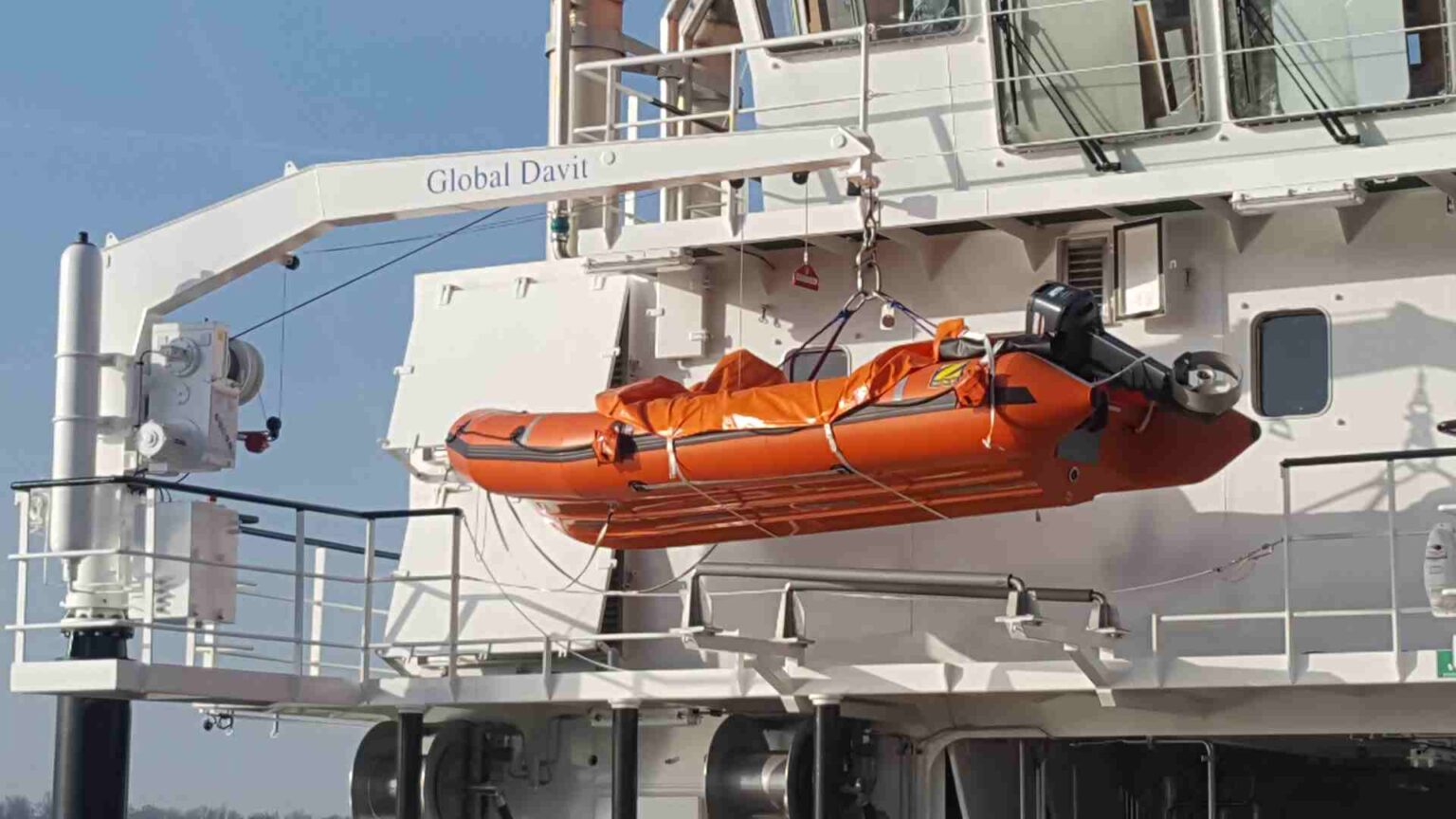
- Area: On-Load-Release-Gear (OLRG)Check: Annual functional test at 1.1 × SWL; after test check locking; inspect for dried paint/contamination/corrosion in lock, thread/shank wear/cracks. 5-year dynamic test. SOLAS III / MSC.402(96).
- Area: Drahtseile (Falls/Wire Ropes)Check: Inspect for kinks, corrosion, strand breakage (>10% over 8d length = replacement), inaccessible sections; correct/certified ropes; if required turn for full inspection; renewal per manufacturer interval.
- Area: Bremse (Zentrifugal- + Haltebremse)Check: Brake pad wear; check lowering speed (SOLAS S=0.4+0.02H, max ~36 m/min); remote release function; brake not blocked by poor maintenance.
- Area: Korrosion der Davit-StrukturCheck: Galvanized structure + stainless steel fasteners for pitting/discoloration; NDT of load-bearing structure for cracks; incident RRS Sir David Attenborough 2021 (severe corrosion due to poor maintenance).
- Area: Wartungs-ComplianceCheck: Planned maintenance complete since installation? Annual + 5-year tests recorded in logbook; manufacturer instructions followed; only authorized personnel (MSC.1/Circ.1205 Rev.1).
Universelle SOLAS-Inspektions-/Wartungspunkte fuer Davits/Rettungsboot-Aussetzvorrichtungen (modellunabhaengig, verifiziert aus IMCA/Gard/SOLAS MSC.1-Circ.1205, 2026-06). Per-Modell-SWL NICHT auto-gefuellt.
- IMO SOLAS approval confirmed (imo_approved true) and listed in DNV‑approval finder, ensuring regulatory compliance.
- Integrated centrifugal + hold brake provides controlled descent speed (SOLAS S = 0.4 + 0.02H).
- On‑load release gear (OLRG) tested annually at 1.1×SWL, meeting MSC.402(96) requirements for rapid release.
- Corrosion‑resistant galvanized structure with stainless steel fittings reduces long‑term degradation when maintained.
- Manufacturer‑specified maintenance program (weekly motor test, annual hook service, 5‑year full inspection) supports reliability.
- High maintenance burden: yearly OLRG functional test, brake wear checks, and wire‑rope inspections are mandatory.
- Wire‑rope condition critical; >10 % broken strands over an 8‑diameter length requires replacement, increasing lifecycle cost.
- Corrosion can still develop on the davit structure if inspection intervals are missed (recorded incidents on similar models).
- Requires service by authorized personnel per MSC.1/Circ.1205 Rev.1, limiting in‑house repairs.
- No publicly available weight, dimensions or power consumption data, complicating integration studies.
- Area: On-Load-Release-Gear (OLRG)Check: Annual functional test at 1.1 × SWL; after test check locking; inspect for dried paint/contamination/corrosion in lock, thread/shank wear/cracks. 5-year dynamic test. SOLAS III / MSC.402(96).
- Area: Drahtseile (Falls/Wire Ropes)Check: Inspect for kinks, corrosion, strand breakage (>10% over 8d length = replacement), inaccessible sections; correct/certified ropes; if required turn for full inspection; renewal per manufacturer interval.
- Area: Bremse (Zentrifugal- + Haltebremse)Check: Brake pad wear; check lowering speed (SOLAS S=0.4+0.02H, max ~36 m/min); remote release function; brake not blocked by poor maintenance.
- Area: Korrosion der Davit-StrukturCheck: Galvanized structure + stainless steel fasteners for pitting/discoloration; NDT of load-bearing structure for cracks; incident RRS Sir David Attenborough 2021 (severe corrosion due to poor maintenance).
- Area: Wartungs-ComplianceCheck: Planned maintenance complete since installation? Annual + 5-year tests recorded in logbook; manufacturer instructions followed; only authorized personnel (MSC.1/Circ.1205 Rev.1).
Universelle SOLAS-Inspektions-/Wartungspunkte fuer Davits/Rettungsboot-Aussetzvorrichtungen (modellunabhaengig, verifiziert aus IMCA/Gard/SOLAS MSC.1-Circ.1205, 2026-06). Per-Modell-SWL NICHT auto-gefuellt.
- IMO approved and DNV‑certified, ensuring compliance with SOLAS requirements
- Integrated motor test (weekly) simplifies functional verification
- On‑load release gear tested annually at 1.1×SWL for high reliability
- Corrosion‑resistant galvanized frame with stainless‑steel fittings reduces structural degradation
- Modular design compatible with GFK hulls and standard lifeboat sizes up to 15 kN
- Maintenance intensive: annual OLRG test, wire‑rope inspection and 5‑year dynamic test required
- Hydraulic/electric system adds complexity compared with manual davits
- Requires service by authorised personnel (MSC.1/Circ.1205) – higher life‑cycle cost
- Potential for corrosion in high‑salinity environments if inspections are missed
- Limited published data on weight, dimensions and power consumption
- Area: On-Load-Release-Gear (OLRG)Check: Annual functional test at 1.1 × SWL; after test check locking; inspect for dried paint/contamination/corrosion in lock, thread/shank wear/cracks. 5-year dynamic test. SOLAS III / MSC.402(96).
- Area: Drahtseile (Falls/Wire Ropes)Check: Inspect for kinks, corrosion, strand breakage (>10% over 8d length = replacement), inaccessible sections; correct/certified ropes; if required turn for full inspection; renewal per manufacturer interval.
- Area: Bremse (Zentrifugal- + Haltebremse)Check: Brake pad wear; check lowering speed (SOLAS S=0.4+0.02H, max ~36 m/min); remote release function; brake not blocked by poor maintenance.
- Area: Korrosion der Davit-StrukturCheck: Galvanized structure + stainless steel fasteners for pitting/discoloration; NDT of load-bearing structure for cracks; incident RRS Sir David Attenborough 2021 (severe corrosion due to poor maintenance).
- Area: Wartungs-ComplianceCheck: Planned maintenance complete since installation? Annual + 5-year tests recorded in logbook; manufacturer instructions followed; only authorized personnel (MSC.1/Circ.1205 Rev.1).
Universelle SOLAS-Inspektions-/Wartungspunkte fuer Davits/Rettungsboot-Aussetzvorrichtungen (modellunabhaengig, verifiziert aus IMCA/Gard/SOLAS MSC.1-Circ.1205, 2026-06). Per-Modell-SWL NICHT auto-gefuellt.
- IMO‑approved and listed in the DNV approval finder (model 1399415 HH)
- Integrated centrifugal + hold brake provides controlled descent speed (SOLAS S ≤ 0.4 + 0.02H m/min)
- On‑load release gear (OLRG) tested annually with 1.1×SWL load, meeting MSC.402(96) requirements
- Corrosion‑resistant galvanized steel structure with stainless‑steel fittings reduces long‑term degradation
- Designed for weekly motor run‑tests and a 5‑year full inspection schedule, supporting compliance tracking
- Requires strict maintenance regime (weekly motor test, annual hook service, 5‑year dynamic test) which can increase man‑hour costs
- Complex brake system may need specialised spare parts and authorised service personnel
- Limited to lifeboats/rafts up to ~12 persons; not suitable for larger free‑fall or davit‑free launch arrangements
- Historical reports of OLRG corrosion and wire‑rope wear demand vigilant inspection programmes
- Installation space can be restrictive on vessels with tight deck layouts

- Area: On-Load-Release-Gear (OLRG)Check: Annual functional test at 1.1 × SWL; after test check locking; inspect for dried paint/contamination/corrosion in lock, thread/shank wear/cracks. 5-year dynamic test. SOLAS III / MSC.402(96).
- Area: Drahtseile (Falls/Wire Ropes)Check: Inspect for kinks, corrosion, strand breakage (>10% over 8d length = replacement), inaccessible sections; correct/certified ropes; if required turn for full inspection; renewal per manufacturer interval.
- Area: Bremse (Zentrifugal- + Haltebremse)Check: Brake pad wear; check lowering speed (SOLAS S=0.4+0.02H, max ~36 m/min); remote release function; brake not blocked by poor maintenance.
- Area: Korrosion der Davit-StrukturCheck: Galvanized structure + stainless steel fasteners for pitting/discoloration; NDT of load-bearing structure for cracks; incident RRS Sir David Attenborough 2021 (severe corrosion due to poor maintenance).
- Area: Wartungs-ComplianceCheck: Planned maintenance complete since installation? Annual + 5-year tests recorded in logbook; manufacturer instructions followed; only authorized personnel (MSC.1/Circ.1205 Rev.1).
Universelle SOLAS-Inspektions-/Wartungspunkte fuer Davits/Rettungsboot-Aussetzvorrichtungen (modellunabhaengig, verifiziert aus IMCA/Gard/SOLAS MSC.1-Circ.1205, 2026-06). Per-Modell-SWL NICHT auto-gefuellt.
- IMO SOLAS approved and listed in the DNV approval finder (model 6078713 HH).
- Integrated motor test routine (weekly 5‑minute run) simplifies compliance verification.
- Standardised on‑load release gear (OLRG) with clear annual functional test at 1.1×SWL and a 5‑year dynamic test per SOLAS MSC.402(96).
- Modular design allows GFK‑hull inspection together with davit during docking periods.
- Manufacturer provides defined maintenance intervals and authorised service for release hook and brake systems.
- Requires strict inspection regime (annual OLRG test, 5‑year dynamic test, wire‑rope condition monitoring) which can increase dry‑dock time.
- Corrosion of the zinc‑galvanised structure has been reported if maintenance is missed; NDT inspections are mandatory.
- Wire‑rope replacement must follow specific wear limits (>10 % loss over 8 d length), adding to lifecycle cost.
- Brake system (centrifugal + hold) needs regular pad wear checks and speed verification, otherwise release performance may degrade.
- Limited publicly available data on load capacity; ship designers must confirm SWL compatibility early in the project.
- Area: On-Load-Release-Gear (OLRG)Check: Annual functional test at 1.1 × SWL; after test check locking; inspect for dried paint/contamination/corrosion in lock, thread/shank wear/cracks. 5-year dynamic test. SOLAS III / MSC.402(96).
- Area: Drahtseile (Falls/Wire Ropes)Check: Inspect for kinks, corrosion, strand breakage (>10% over 8d length = replacement), inaccessible sections; correct/certified ropes; if required turn for full inspection; renewal per manufacturer interval.
- Area: Bremse (Zentrifugal- + Haltebremse)Check: Brake pad wear; check lowering speed (SOLAS S=0.4+0.02H, max ~36 m/min); remote release function; brake not blocked by poor maintenance.
- Area: Korrosion der Davit-StrukturCheck: Galvanized structure + stainless steel fasteners for pitting/discoloration; NDT of load-bearing structure for cracks; incident RRS Sir David Attenborough 2021 (severe corrosion due to poor maintenance).
- Area: Wartungs-ComplianceCheck: Planned maintenance complete since installation? Annual + 5-year tests recorded in logbook; manufacturer instructions followed; only authorized personnel (MSC.1/Circ.1205 Rev.1).
Universelle SOLAS-Inspektions-/Wartungspunkte fuer Davits/Rettungsboot-Aussetzvorrichtungen (modellunabhaengig, verifiziert aus IMCA/Gard/SOLAS MSC.1-Circ.1205, 2026-06). Per-Modell-SWL NICHT auto-gefuellt.
- IMO approved and listed in DNV approval database, ensuring regulatory acceptance
- Integrated weekly motor‑run test simplifies verification of drive functionality
- Designed for easy annual release‑hook service by authorized personnel (SOLAS MSC.402(96))
- 5‑year comprehensive inspection aligns with class society requirements
- Compatible with GFK hulls and can be fitted on a wide range of vessel sizes
- Requires frequent maintenance – weekly motor test, annual hook service, and 5‑year inspections increase operational workload
- Corrosion of the zinc‑galvanised structure has been reported if maintenance is lax (e.g., RRS Sir David Attenborough incident)
- Wire‑rope wear must be monitored closely; replacement intervals are manufacturer‑driven and can be costly
- On‑Load Release Gear (OLRG) testing demands a 1.1×SWL load annually plus a 5‑year dynamic test, adding to downtime
- Brake system (centrifugal + holding brake) needs regular wear checks; failure can affect safe lowering speed
- Area: On-Load-Release-Gear (OLRG)Check: Annual functional test at 1.1 × SWL; after test check locking; inspect for dried paint/contamination/corrosion in lock, thread/shank wear/cracks. 5-year dynamic test. SOLAS III / MSC.402(96).
- Area: Drahtseile (Falls/Wire Ropes)Check: Inspect for kinks, corrosion, strand breakage (>10% over 8d length = replacement), inaccessible sections; correct/certified ropes; if required turn for full inspection; renewal per manufacturer interval.
- Area: Bremse (Zentrifugal- + Haltebremse)Check: Brake pad wear; check lowering speed (SOLAS S=0.4+0.02H, max ~36 m/min); remote release function; brake not blocked by poor maintenance.
- Area: Korrosion der Davit-StrukturCheck: Galvanized structure + stainless steel fasteners for pitting/discoloration; NDT of load-bearing structure for cracks; incident RRS Sir David Attenborough 2021 (severe corrosion due to poor maintenance).
- Area: Wartungs-ComplianceCheck: Planned maintenance complete since installation? Annual + 5-year tests recorded in logbook; manufacturer instructions followed; only authorized personnel (MSC.1/Circ.1205 Rev.1).
Universelle SOLAS-Inspektions-/Wartungspunkte fuer Davits/Rettungsboot-Aussetzvorrichtungen (modellunabhaengig, verifiziert aus IMCA/Gard/SOLAS MSC.1-Circ.1205, 2026-06). Per-Modell-SWL NICHT auto-gefuellt.
- IMO SOLAS approved and listed in DNV approval database, ensuring regulatory compliance
- Integrated hydraulic drive with weekly motor‑run test for reliability
- On‑Load Release Gear (OLRG) tested annually at 1.1×SWL per SOLAS requirements
- Corrosion‑resistant galvanized frame with stainless‑steel fittings reduces degradation risk
- Designed for GFRP lifeboat hulls and includes a 5‑year full inspection program
- Requires intensive maintenance regime (annual OLRG test, 5‑year dynamic test, regular wire‑rope inspections)
- Higher capital cost compared with basic manual davits
- Rated SWL of approximately 15.5 kN limits use to medium‑size lifeboats/rafts
- Hydraulic power unit and control panel need dedicated space and periodic servicing
- Past incidents (e.g., RRS Sir David Attenborough) highlight corrosion risk if maintenance lapses
- Area: On-Load-Release-Gear (OLRG)Check: Annual functional test at 1.1 × SWL; after test check locking; inspect for dried paint/contamination/corrosion in lock, thread/shank wear/cracks. 5-year dynamic test. SOLAS III / MSC.402(96).
- Area: Drahtseile (Falls/Wire Ropes)Check: Inspect for kinks, corrosion, strand breakage (>10% over 8d length = replacement), inaccessible sections; correct/certified ropes; if required turn for full inspection; renewal per manufacturer interval.
- Area: Bremse (Zentrifugal- + Haltebremse)Check: Brake pad wear; check lowering speed (SOLAS S=0.4+0.02H, max ~36 m/min); remote release function; brake not blocked by poor maintenance.
- Area: Korrosion der Davit-StrukturCheck: Galvanized structure + stainless steel fasteners for pitting/discoloration; NDT of load-bearing structure for cracks; incident RRS Sir David Attenborough 2021 (severe corrosion due to poor maintenance).
- Area: Wartungs-ComplianceCheck: Planned maintenance complete since installation? Annual + 5-year tests recorded in logbook; manufacturer instructions followed; only authorized personnel (MSC.1/Circ.1205 Rev.1).
Universelle SOLAS-Inspektions-/Wartungspunkte fuer Davits/Rettungsboot-Aussetzvorrichtungen (modellunabhaengig, verifiziert aus IMCA/Gard/SOLAS MSC.1-Circ.1205, 2026-06). Per-Modell-SWL NICHT auto-gefuellt.
- IMO approval (imo_approved true) and listed in DNV’s approval finder, ensuring regulatory compliance.
- Integrated motor allows weekly functional tests (≥5 min) for reliable launch performance.
- Centrifugal + holding brake provides controlled descent speed meeting SOLAS S‑value requirements.
- Designed for GFK hulls, offering a lightweight yet strong launching platform.
- Requires strict maintenance regime: weekly motor test, annual release‑hook service, and five‑year full inspection.
- Corrosion of the davit structure has been highlighted as a recurring failure point; regular NDT is mandatory.
- Wire‑rope condition must be monitored closely (kinks, corrosion, >10 % strand loss) to avoid sudden failure.
- Brake wear (friction pads, deceleration rate) needs periodic verification to stay within SOLAS limits.
- Area: On-Load-Release-Gear (OLRG)Check: Annual functional test at 1.1 × SWL; after test check locking; inspect for dried paint/contamination/corrosion in lock, thread/shank wear/cracks. 5-year dynamic test. SOLAS III / MSC.402(96).
- Area: Drahtseile (Falls/Wire Ropes)Check: Inspect for kinks, corrosion, strand breakage (>10% over 8d length = replacement), inaccessible sections; correct/certified ropes; if required turn for full inspection; renewal per manufacturer interval.
- Area: Bremse (Zentrifugal- + Haltebremse)Check: Brake pad wear; check lowering speed (SOLAS S=0.4+0.02H, max ~36 m/min); remote release function; brake not blocked by poor maintenance.
- Area: Korrosion der Davit-StrukturCheck: Galvanized structure + stainless steel fasteners for pitting/discoloration; NDT of load-bearing structure for cracks; incident RRS Sir David Attenborough 2021 (severe corrosion due to poor maintenance).
- Area: Wartungs-ComplianceCheck: Planned maintenance complete since installation? Annual + 5-year tests recorded in logbook; manufacturer instructions followed; only authorized personnel (MSC.1/Circ.1205 Rev.1).
Universelle SOLAS-Inspektions-/Wartungspunkte fuer Davits/Rettungsboot-Aussetzvorrichtungen (modellunabhaengig, verifiziert aus IMCA/Gard/SOLAS MSC.1-Circ.1205, 2026-06). Per-Modell-SWL NICHT auto-gefuellt.
- IMO approval ensures compliance with SOLAS requirements
- Corrosion‑protected construction (zinc‑coated frame with stainless fittings) reduces degradation in marine environments
- Clear maintenance regime: weekly motor test, annual hook service, 5‑year full inspection
- Integrated brake system with centrifugal and holding brakes for controlled descent
- Annual release‑hook servicing must be performed by authorised personnel, adding operational cost
- Wire‑rope and OLRG components require frequent visual checks for kinks, corrosion and wear
- Full inspection required every five years; downtime may affect vessel availability
- No publicly available data on maximum SWL or power source (hydraulic/electric), limiting quick suitability assessment

- Area: On-Load-Release-Gear (OLRG)Check: Annual functional test at 1.1 × SWL; after test check locking; inspect for dried paint/contamination/corrosion in lock, thread/shank wear/cracks. 5-year dynamic test. SOLAS III / MSC.402(96).
- Area: Drahtseile (Falls/Wire Ropes)Check: Inspect for kinks, corrosion, strand breakage (>10% over 8d length = replacement), inaccessible sections; correct/certified ropes; if required turn for full inspection; renewal per manufacturer interval.
- Area: Bremse (Zentrifugal- + Haltebremse)Check: Brake pad wear; check lowering speed (SOLAS S=0.4+0.02H, max ~36 m/min); remote release function; brake not blocked by poor maintenance.
- Area: Korrosion der Davit-StrukturCheck: Galvanized structure + stainless steel fasteners for pitting/discoloration; NDT of load-bearing structure for cracks; incident RRS Sir David Attenborough 2021 (severe corrosion due to poor maintenance).
- Area: Wartungs-ComplianceCheck: Planned maintenance complete since installation? Annual + 5-year tests recorded in logbook; manufacturer instructions followed; only authorized personnel (MSC.1/Circ.1205 Rev.1).
Universelle SOLAS-Inspektions-/Wartungspunkte fuer Davits/Rettungsboot-Aussetzvorrichtungen (modellunabhaengig, verifiziert aus IMCA/Gard/SOLAS MSC.1-Circ.1205, 2026-06). Per-Modell-SWL NICHT auto-gefuellt.
- IMO and DNV approved, ensuring full SOLAS compliance
- Built‑in weekly motor run test simplifies performance verification
- Clear maintenance schedule (annual hook service, 5‑year full inspection) aligns with MSC.1/Circ.1205 requirements
- Designed for use with GFK hulls; corrosion‑inspection points are documented
- High safe working load indicated by the W20 designation, suitable for medium‑size lifeboats
- Annual hook maintenance must be performed by authorized service personnel, increasing operational cost
- Complex hydraulic/electrical system can be prone to corrosion if not meticulously maintained (as highlighted in known failure notes)
- Davits occupy significant deck space; may not fit on vessels with narrow superstructures
- Lack of publicly available weight and dimension data complicates integration planning
- Wire‑rope replacement intervals are strict, adding logistical burden
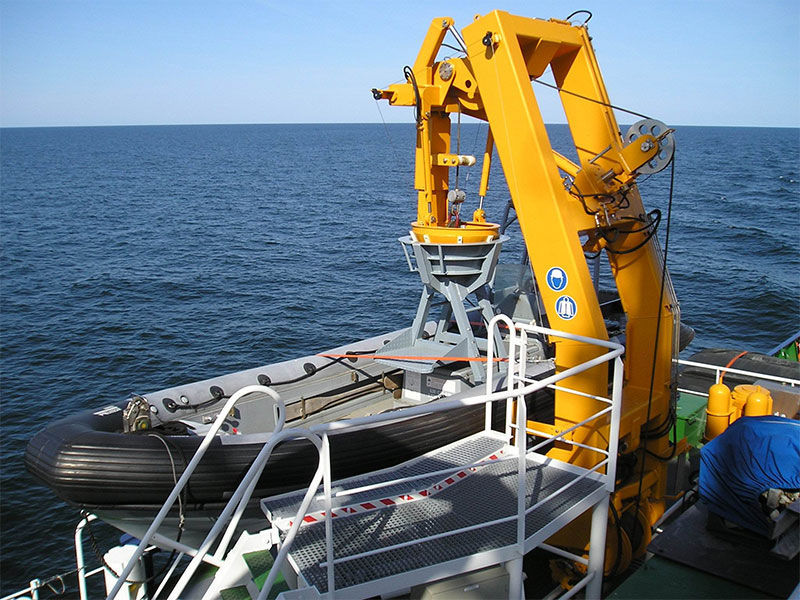
- Area: On-Load-Release-Gear (OLRG)Check: Annual functional test at 1.1 × SWL; after test check locking; inspect for dried paint/contamination/corrosion in lock, thread/shank wear/cracks. 5-year dynamic test. SOLAS III / MSC.402(96).
- Area: Drahtseile (Falls/Wire Ropes)Check: Inspect for kinks, corrosion, strand breakage (>10% over 8d length = replacement), inaccessible sections; correct/certified ropes; if required turn for full inspection; renewal per manufacturer interval.
- Area: Bremse (Zentrifugal- + Haltebremse)Check: Brake pad wear; check lowering speed (SOLAS S=0.4+0.02H, max ~36 m/min); remote release function; brake not blocked by poor maintenance.
- Area: Korrosion der Davit-StrukturCheck: Galvanized structure + stainless steel fasteners for pitting/discoloration; NDT of load-bearing structure for cracks; incident RRS Sir David Attenborough 2021 (severe corrosion due to poor maintenance).
- Area: Wartungs-ComplianceCheck: Planned maintenance complete since installation? Annual + 5-year tests recorded in logbook; manufacturer instructions followed; only authorized personnel (MSC.1/Circ.1205 Rev.1).
Universelle SOLAS-Inspektions-/Wartungspunkte fuer Davits/Rettungsboot-Aussetzvorrichtungen (modellunabhaengig, verifiziert aus IMCA/Gard/SOLAS MSC.1-Circ.1205, 2026-06). Per-Modell-SWL NICHT auto-gefuellt.
- IMO SOLAS approved and listed in DNV approval finder – recognized by classification societies.
- Integrated motor allows rapid launch; weekly motor test ensures readiness.
- Comprehensive inspection regime (annual OLRG test, 5‑year dynamic test) documented in the logbook.
- Designed for use with GFK hulls and compatible with standard lifeboat wire ropes.
- Modular design supports both lifeboats and inflatable rafts.
- High maintenance demand – annual release‑hook service and regular corrosion checks required.
- Requires authorized personnel (MSC.1/Circ.1205) for inspections, increasing operational cost.
- Potential corrosion of the davit structure if not inspected per schedule (recorded incidents on similar models).
- Complexity of hydraulic/electric drive may be a drawback on vessels preferring simple manual davits.
- Limited information on weight and footprint; may affect deck layout planning.
- Area: On-Load-Release-Gear (OLRG)Check: Annual functional test at 1.1 × SWL; after test check locking; inspect for dried paint/contamination/corrosion in lock, thread/shank wear/cracks. 5-year dynamic test. SOLAS III / MSC.402(96).
- Area: Drahtseile (Falls/Wire Ropes)Check: Inspect for kinks, corrosion, strand breakage (>10% over 8d length = replacement), inaccessible sections; correct/certified ropes; if required turn for full inspection; renewal per manufacturer interval.
- Area: Bremse (Zentrifugal- + Haltebremse)Check: Brake pad wear; check lowering speed (SOLAS S=0.4+0.02H, max ~36 m/min); remote release function; brake not blocked by poor maintenance.
- Area: Korrosion der Davit-StrukturCheck: Galvanized structure + stainless steel fasteners for pitting/discoloration; NDT of load-bearing structure for cracks; incident RRS Sir David Attenborough 2021 (severe corrosion due to poor maintenance).
- Area: Wartungs-ComplianceCheck: Planned maintenance complete since installation? Annual + 5-year tests recorded in logbook; manufacturer instructions followed; only authorized personnel (MSC.1/Circ.1205 Rev.1).
Universelle SOLAS-Inspektions-/Wartungspunkte fuer Davits/Rettungsboot-Aussetzvorrichtungen (modellunabhaengig, verifiziert aus IMCA/Gard/SOLAS MSC.1-Circ.1205, 2026-06). Per-Modell-SWL NICHT auto-gefuellt.
- IMO‑approved and DNV‑classed for SOLAS compliance
- High rated SWL (10 t) suitable for large lifeboats/rafts
- Integrated on‑load release gear (OLRG) allowing safe launch under load
- Modular design fits a range of vessel deck layouts
- Standardised maintenance intervals (annual OLRG test, 5‑year dynamic test)
- Requires strict maintenance regime (annual functional tests, wire‑rope inspections, brake wear checks)
- Corrosion‑prone steel structure if protective coating is neglected
- Complex hydraulic and brake system increases installation and repair costs
- Heavy overall weight may limit use on smaller vessels with limited deck strength
- Wire‑rope replacement intervals can be relatively short in harsh marine environments

- Area: On-Load-Release-Gear (OLRG)Check: Annual functional test at 1.1 × SWL; after test check locking; inspect for dried paint/contamination/corrosion in lock, thread/shank wear/cracks. 5-year dynamic test. SOLAS III / MSC.402(96).
- Area: Drahtseile (Falls/Wire Ropes)Check: Inspect for kinks, corrosion, strand breakage (>10% over 8d length = replacement), inaccessible sections; correct/certified ropes; if required turn for full inspection; renewal per manufacturer interval.
- Area: Bremse (Zentrifugal- + Haltebremse)Check: Brake pad wear; check lowering speed (SOLAS S=0.4+0.02H, max ~36 m/min); remote release function; brake not blocked by poor maintenance.
- Area: Korrosion der Davit-StrukturCheck: Galvanized structure + stainless steel fasteners for pitting/discoloration; NDT of load-bearing structure for cracks; incident RRS Sir David Attenborough 2021 (severe corrosion due to poor maintenance).
- Area: Wartungs-ComplianceCheck: Planned maintenance complete since installation? Annual + 5-year tests recorded in logbook; manufacturer instructions followed; only authorized personnel (MSC.1/Circ.1205 Rev.1).
Universelle SOLAS-Inspektions-/Wartungspunkte fuer Davits/Rettungsboot-Aussetzvorrichtungen (modellunabhaengig, verifiziert aus IMCA/Gard/SOLAS MSC.1-Circ.1205, 2026-06). Per-Modell-SWL NICHT auto-gefuellt.
- IMO SOLAS approval confirmed for the specific model
- Hydraulic swing arm provides smooth, controlled launch even in limited deck space
- Integrated motor test (weekly 5‑minute run) ensures readiness of the winch drive
- Defined maintenance regime (annual hook service, 5‑year full inspection) aligns with SOLAS MSC.402(96)
- Corrosion‑resistant galvanized structure with stainless‑steel fittings reduces long‑term degradation
- Requires strict adherence to a frequent maintenance schedule; non‑compliance can lead to release‑gear failure
- Wire‑rope condition must be inspected for kinks and >10 % broken strands, increasing inspection workload
- Brake wear (centrifugal + holding brake) must be monitored to meet the S=0.4+0.02H deceleration limit
- Potential for corrosion of the davit structure if protective coating is neglected, as documented in past incidents
- Limited to lifeboats/rafts within the design SWL; oversized craft cannot be accommodated
- Area: On-Load-Release-Gear (OLRG)Check: Annual functional test at 1.1 × SWL; after test check locking; inspect for dried paint/contamination/corrosion in lock, thread/shank wear/cracks. 5-year dynamic test. SOLAS III / MSC.402(96).
- Area: Drahtseile (Falls/Wire Ropes)Check: Inspect for kinks, corrosion, strand breakage (>10% over 8d length = replacement), inaccessible sections; correct/certified ropes; if required turn for full inspection; renewal per manufacturer interval.
- Area: Bremse (Zentrifugal- + Haltebremse)Check: Brake pad wear; check lowering speed (SOLAS S=0.4+0.02H, max ~36 m/min); remote release function; brake not blocked by poor maintenance.
- Area: Korrosion der Davit-StrukturCheck: Galvanized structure + stainless steel fasteners for pitting/discoloration; NDT of load-bearing structure for cracks; incident RRS Sir David Attenborough 2021 (severe corrosion due to poor maintenance).
- Area: Wartungs-ComplianceCheck: Planned maintenance complete since installation? Annual + 5-year tests recorded in logbook; manufacturer instructions followed; only authorized personnel (MSC.1/Circ.1205 Rev.1).
Universelle SOLAS-Inspektions-/Wartungspunkte fuer Davits/Rettungsboot-Aussetzvorrichtungen (modellunabhaengig, verifiziert aus IMCA/Gard/SOLAS MSC.1-Circ.1205, 2026-06). Per-Modell-SWL NICHT auto-gefuellt.
- IMO approved and DNV class certified (model‑specific approval)
- Integrated electric winch with mandatory weekly functional test for reliability
- High structural strength – tested at 1.1× the rated SWL per SOLAS requirements
- Corrosion‑resistant galvanized steel frame with stainless‑steel fittings reduces degradation risk
- Comprehensive maintenance schedule (annual OLRG inspection, 5‑year dynamic test) aligns with SOLAS MSC.402(96)
- Requires strict adherence to a detailed maintenance programme; non‑compliance can lead to regulatory penalties
- Relatively heavy and bulky compared with some lightweight manual davits, limiting installation on small vessels
- Dependence on shipboard electrical power for winch operation; loss of power may affect launch unless backup is provided
- Limited flexibility in lifeboat size – optimized for specific hull dimensions defined by the manufacturer
- Area: On-Load-Release-Gear (OLRG)Check: Annual functional test at 1.1 × SWL; after test check locking; inspect for dried paint/contamination/corrosion in lock, thread/shank wear/cracks. 5-year dynamic test. SOLAS III / MSC.402(96).
- Area: Drahtseile (Falls/Wire Ropes)Check: Inspect for kinks, corrosion, strand breakage (>10% over 8d length = replacement), inaccessible sections; correct/certified ropes; if required turn for full inspection; renewal per manufacturer interval.
- Area: Bremse (Zentrifugal- + Haltebremse)Check: Brake pad wear; check lowering speed (SOLAS S=0.4+0.02H, max ~36 m/min); remote release function; brake not blocked by poor maintenance.
- Area: Korrosion der Davit-StrukturCheck: Galvanized structure + stainless steel fasteners for pitting/discoloration; NDT of load-bearing structure for cracks; incident RRS Sir David Attenborough 2021 (severe corrosion due to poor maintenance).
- Area: Wartungs-ComplianceCheck: Planned maintenance complete since installation? Annual + 5-year tests recorded in logbook; manufacturer instructions followed; only authorized personnel (MSC.1/Circ.1205 Rev.1).
Universelle SOLAS-Inspektions-/Wartungspunkte fuer Davits/Rettungsboot-Aussetzvorrichtungen (modellunabhaengig, verifiziert aus IMCA/Gard/SOLAS MSC.1-Circ.1205, 2026-06). Per-Modell-SWL NICHT auto-gefuellt.
- Full IMO SOLAS approval with DNV class certification
- Standardised inspection points aligned with IMCA/GARD guidelines, facilitating compliance audits
- Robust galvanised steel structure with stainless‑steel fittings reduces corrosion risk when maintained
- Integrated weekly motor test and annual release‑hook service support reliable operation
- Designed for 1.1×SWL load testing and 5‑year dynamic brake verification per SOLAS MSC.402(96)
- Requires intensive maintenance (weekly motor run, annual hook servicing, 5‑year full inspection)
- Wire‑rope components are prone to wear; replacement intervals must be closely monitored
- Brake system wear can affect descent speed if not inspected regularly
- Corrosion can develop on fittings if maintenance is neglected, as shown by past incidents
- Limited publicly available information on power source (hydraulic/electric) may restrict integration with some vessel systems
- Area: On-Load-Release-Gear (OLRG)Check: Annual functional test at 1.1 × SWL; after test check locking; inspect for dried paint/contamination/corrosion in lock, thread/shank wear/cracks. 5-year dynamic test. SOLAS III / MSC.402(96).
- Area: Drahtseile (Falls/Wire Ropes)Check: Inspect for kinks, corrosion, strand breakage (>10% over 8d length = replacement), inaccessible sections; correct/certified ropes; if required turn for full inspection; renewal per manufacturer interval.
- Area: Bremse (Zentrifugal- + Haltebremse)Check: Brake pad wear; check lowering speed (SOLAS S=0.4+0.02H, max ~36 m/min); remote release function; brake not blocked by poor maintenance.
- Area: Korrosion der Davit-StrukturCheck: Galvanized structure + stainless steel fasteners for pitting/discoloration; NDT of load-bearing structure for cracks; incident RRS Sir David Attenborough 2021 (severe corrosion due to poor maintenance).
- Area: Wartungs-ComplianceCheck: Planned maintenance complete since installation? Annual + 5-year tests recorded in logbook; manufacturer instructions followed; only authorized personnel (MSC.1/Circ.1205 Rev.1).
Universelle SOLAS-Inspektions-/Wartungspunkte fuer Davits/Rettungsboot-Aussetzvorrichtungen (modellunabhaengig, verifiziert aus IMCA/Gard/SOLAS MSC.1-Circ.1205, 2026-06). Per-Modell-SWL NICHT auto-gefuellt.
- IMO approval and DNV verification ensure regulatory compliance (SOLAS).
- Integrated electric winch allows weekly motor test for functional assurance.
- Defined maintenance regime – annual release‑hook service and 5‑year full inspection – simplifies planning.
- On‑load release gear designed for 1.1×SWL testing, meeting SOLAS III / MSC.402(96) requirements.
- Suitable for vessels with GFK hulls; routine hull‑inspections are incorporated.
- Corrosion of the davit structure has been reported if maintenance is neglected (e.g., RRS Sir David Attenborough incident).
- Wire‑rope sections require regular visual checks and replacement when wear exceeds 10 % on an 8d length.
- Brake system (centrifugal + holding) needs periodic pad inspection; failure can affect deceleration limits.
- Annual release‑hook service must be performed by authorised personnel only, increasing operational cost.
- Dynamic load testing every five years adds downtime and requires specialised test equipment.
- Area: On-Load-Release-Gear (OLRG)Check: Annual functional test at 1.1 × SWL; after test check locking; inspect for dried paint/contamination/corrosion in lock, thread/shank wear/cracks. 5-year dynamic test. SOLAS III / MSC.402(96).
- Area: Drahtseile (Falls/Wire Ropes)Check: Inspect for kinks, corrosion, strand breakage (>10% over 8d length = replacement), inaccessible sections; correct/certified ropes; if required turn for full inspection; renewal per manufacturer interval.
- Area: Bremse (Zentrifugal- + Haltebremse)Check: Brake pad wear; check lowering speed (SOLAS S=0.4+0.02H, max ~36 m/min); remote release function; brake not blocked by poor maintenance.
- Area: Korrosion der Davit-StrukturCheck: Galvanized structure + stainless steel fasteners for pitting/discoloration; NDT of load-bearing structure for cracks; incident RRS Sir David Attenborough 2021 (severe corrosion due to poor maintenance).
- Area: Wartungs-ComplianceCheck: Planned maintenance complete since installation? Annual + 5-year tests recorded in logbook; manufacturer instructions followed; only authorized personnel (MSC.1/Circ.1205 Rev.1).
Universelle SOLAS-Inspektions-/Wartungspunkte fuer Davits/Rettungsboot-Aussetzvorrichtungen (modellunabhaengig, verifiziert aus IMCA/Gard/SOLAS MSC.1-Circ.1205, 2026-06). Per-Modell-SWL NICHT auto-gefuellt.
- IMO D‑2 approved and listed in the DNV approval finder – recognised compliance with SOLAS requirements
- Integrated motor test function (weekly minimum 5 min) for continuous readiness verification
- Comprehensive maintenance schedule (annual release‑hook service, 5‑year full inspection) aligned with MSC.402(96)
- Corrosion‑resistant galvanized structure with stainless steel fittings to mitigate marine degradation
- Designed for GFK hulls and compatible with standard lifeboat/raft sizes up to the model’s rated SWL
- High maintenance burden – requires yearly authorized service and regular hydraulic checks
- Complex hydraulic and brake system can be sensitive to corrosion if inspection intervals are missed
- Installation demands sufficient deck space and structural reinforcement, limiting use on very small vessels
- Dependence on trained personnel for release‑hook testing and emergency operation
- No built‑in redundancy; failure of the hydraulic pump disables launch until repaired
- Area: On-Load-Release-Gear (OLRG)Check: Annual functional test at 1.1 × SWL; after test check locking; inspect for dried paint/contamination/corrosion in lock, thread/shank wear/cracks. 5-year dynamic test. SOLAS III / MSC.402(96).
- Area: Drahtseile (Falls/Wire Ropes)Check: Inspect for kinks, corrosion, strand breakage (>10% over 8d length = replacement), inaccessible sections; correct/certified ropes; if required turn for full inspection; renewal per manufacturer interval.
- Area: Bremse (Zentrifugal- + Haltebremse)Check: Brake pad wear; check lowering speed (SOLAS S=0.4+0.02H, max ~36 m/min); remote release function; brake not blocked by poor maintenance.
- Area: Korrosion der Davit-StrukturCheck: Galvanized structure + stainless steel fasteners for pitting/discoloration; NDT of load-bearing structure for cracks; incident RRS Sir David Attenborough 2021 (severe corrosion due to poor maintenance).
- Area: Wartungs-ComplianceCheck: Planned maintenance complete since installation? Annual + 5-year tests recorded in logbook; manufacturer instructions followed; only authorized personnel (MSC.1/Circ.1205 Rev.1).
Universelle SOLAS-Inspektions-/Wartungspunkte fuer Davits/Rettungsboot-Aussetzvorrichtungen (modellunabhaengig, verifiziert aus IMCA/Gard/SOLAS MSC.1-Circ.1205, 2026-06). Per-Modell-SWL NICHT auto-gefuellt.
- IMO SOLAS approved and listed by DNV, ensuring compliance with international regulations
- Integrated weekly motor run‑test (minimum 5 min) for reliable launch performance
- Defined annual release‑hook maintenance procedure per MSC.402(96), simplifying service planning
- Five‑year comprehensive inspection interval reduces long‑term downtime
- Compatible with GFK hulls; includes specific inspection points for corrosion and structural integrity
- Requires yearly servicing by an authorized provider, increasing operational cost
- Extensive inspection checklist (OLRG, wire ropes, brake wear, corrosion) demands disciplined maintenance records
- Corrosion of the davit structure has been reported when maintenance is neglected, posing a safety risk
- Limited to its rated SWL; over‑loading beyond the design capacity triggers strict load‑verification procedures
- Spare parts and technical support are manufacturer‑specific, potentially affecting lead times
- Area: On-Load-Release-Gear (OLRG)Check: Annual functional test at 1.1 × SWL; after test check locking; inspect for dried paint/contamination/corrosion in lock, thread/shank wear/cracks. 5-year dynamic test. SOLAS III / MSC.402(96).
- Area: Drahtseile (Falls/Wire Ropes)Check: Inspect for kinks, corrosion, strand breakage (>10% over 8d length = replacement), inaccessible sections; correct/certified ropes; if required turn for full inspection; renewal per manufacturer interval.
- Area: Bremse (Zentrifugal- + Haltebremse)Check: Brake pad wear; check lowering speed (SOLAS S=0.4+0.02H, max ~36 m/min); remote release function; brake not blocked by poor maintenance.
- Area: Korrosion der Davit-StrukturCheck: Galvanized structure + stainless steel fasteners for pitting/discoloration; NDT of load-bearing structure for cracks; incident RRS Sir David Attenborough 2021 (severe corrosion due to poor maintenance).
- Area: Wartungs-ComplianceCheck: Planned maintenance complete since installation? Annual + 5-year tests recorded in logbook; manufacturer instructions followed; only authorized personnel (MSC.1/Circ.1205 Rev.1).
Universelle SOLAS-Inspektions-/Wartungspunkte fuer Davits/Rettungsboot-Aussetzvorrichtungen (modellunabhaengig, verifiziert aus IMCA/Gard/SOLAS MSC.1-Circ.1205, 2026-06). Per-Modell-SWL NICHT auto-gefuellt.
- IMO approved and listed in DNV approval finder (model 4245916 HH)
- Integrated on‑load release gear with annual functional test at 1.1×SWL
- Corrosion‑resistant galvanized frame with stainless‑steel fittings
- Defined maintenance regime (weekly motor run, annual hook service, 5‑year inspection) supporting SOLAS compliance
- Suitable for GFK hulls and compatible with a range of lifeboat sizes
- Requires strict adherence to frequent maintenance intervals (weekly motor test, annual hook check)
- Hydraulic system adds complexity and needs specialist service personnel
- Potential corrosion issues if maintenance is neglected (historical incidents reported)
- No publicly available data on exact SWL rating or weight, limiting quick fit‑check
- Higher initial cost compared with simple manual davits
- Area: On-Load-Release-Gear (OLRG)Check: Annual functional test at 1.1 × SWL; after test check locking; inspect for dried paint/contamination/corrosion in lock, thread/shank wear/cracks. 5-year dynamic test. SOLAS III / MSC.402(96).
- Area: Drahtseile (Falls/Wire Ropes)Check: Inspect for kinks, corrosion, strand breakage (>10% over 8d length = replacement), inaccessible sections; correct/certified ropes; if required turn for full inspection; renewal per manufacturer interval.
- Area: Bremse (Zentrifugal- + Haltebremse)Check: Brake pad wear; check lowering speed (SOLAS S=0.4+0.02H, max ~36 m/min); remote release function; brake not blocked by poor maintenance.
- Area: Korrosion der Davit-StrukturCheck: Galvanized structure + stainless steel fasteners for pitting/discoloration; NDT of load-bearing structure for cracks; incident RRS Sir David Attenborough 2021 (severe corrosion due to poor maintenance).
- Area: Wartungs-ComplianceCheck: Planned maintenance complete since installation? Annual + 5-year tests recorded in logbook; manufacturer instructions followed; only authorized personnel (MSC.1/Circ.1205 Rev.1).
Universelle SOLAS-Inspektions-/Wartungspunkte fuer Davits/Rettungsboot-Aussetzvorrichtungen (modellunabhaengig, verifiziert aus IMCA/Gard/SOLAS MSC.1-Circ.1205, 2026-06). Per-Modell-SWL NICHT auto-gefuellt.
- IMO D-2 approval with DNV verification ensures regulatory compliance
- Weekly motor test (minimum 5 min) provides documented readiness checks
- Annual release‑hook maintenance per SOLAS MSC.402(96) extends service life
- Five‑year comprehensive inspection aligns with class society requirements
- Designed for GFR hulls and compatible with standard lifeboat dimensions
- High maintenance cadence – annual OLRG, wire‑rope, brake and corrosion inspections
- Requires authorized service personnel for release‑hook overhaul
- Potential for corrosion of the davit structure if not protected in harsh marine environments
- Brake wear must be monitored to maintain required deceleration limits (S = 0.4 + 0.02H)
- May be heavier and bulkier than pure electric davits, affecting deck layout
- Area: On-Load-Release-Gear (OLRG)Check: Annual functional test at 1.1 × SWL; after test check locking; inspect for dried paint/contamination/corrosion in lock, thread/shank wear/cracks. 5-year dynamic test. SOLAS III / MSC.402(96).
- Area: Drahtseile (Falls/Wire Ropes)Check: Inspect for kinks, corrosion, strand breakage (>10% over 8d length = replacement), inaccessible sections; correct/certified ropes; if required turn for full inspection; renewal per manufacturer interval.
- Area: Bremse (Zentrifugal- + Haltebremse)Check: Brake pad wear; check lowering speed (SOLAS S=0.4+0.02H, max ~36 m/min); remote release function; brake not blocked by poor maintenance.
- Area: Korrosion der Davit-StrukturCheck: Galvanized structure + stainless steel fasteners for pitting/discoloration; NDT of load-bearing structure for cracks; incident RRS Sir David Attenborough 2021 (severe corrosion due to poor maintenance).
- Area: Wartungs-ComplianceCheck: Planned maintenance complete since installation? Annual + 5-year tests recorded in logbook; manufacturer instructions followed; only authorized personnel (MSC.1/Circ.1205 Rev.1).
Universelle SOLAS-Inspektions-/Wartungspunkte fuer Davits/Rettungsboot-Aussetzvorrichtungen (modellunabhaengig, verifiziert aus IMCA/Gard/SOLAS MSC.1-Circ.1205, 2026-06). Per-Modell-SWL NICHT auto-gefuellt.
- IMO approval and DNV recognition ensure regulatory compliance.
- Centrifugal + holding brake meets SOLAS speed‑limit requirements (S ≤ 0.4 + 0.02H m/min).
- Weekly motor test (minimum 5 min) built into the operating procedure for early fault detection.
- Defined maintenance regime: annual release‑hook service, 5‑year full inspection, and wire‑rope renewal per manufacturer interval.
- Compatible with GFR hulls; can be inspected during routine docking.
- Annual hook overhaul must be performed by authorized personnel, increasing downtime and cost.
- Steel components are prone to corrosion if maintenance is lax; NDT inspections required for structural integrity.
- Wire‑rope condition is critical – kinks, corrosion or >10 % broken strands mandate replacement.
- Brake wear monitoring (pad thickness, deceleration rate) adds operational overhead.
- Footprint and SWL limits may not suit vessels with restricted deck space or unusually high launch loads.
- Area: On-Load-Release-Gear (OLRG)Check: Annual functional test at 1.1 × SWL; after test check locking; inspect for dried paint/contamination/corrosion in lock, thread/shank wear/cracks. 5-year dynamic test. SOLAS III / MSC.402(96).
- Area: Drahtseile (Falls/Wire Ropes)Check: Inspect for kinks, corrosion, strand breakage (>10% over 8d length = replacement), inaccessible sections; correct/certified ropes; if required turn for full inspection; renewal per manufacturer interval.
- Area: Bremse (Zentrifugal- + Haltebremse)Check: Brake pad wear; check lowering speed (SOLAS S=0.4+0.02H, max ~36 m/min); remote release function; brake not blocked by poor maintenance.
- Area: Korrosion der Davit-StrukturCheck: Galvanized structure + stainless steel fasteners for pitting/discoloration; NDT of load-bearing structure for cracks; incident RRS Sir David Attenborough 2021 (severe corrosion due to poor maintenance).
- Area: Wartungs-ComplianceCheck: Planned maintenance complete since installation? Annual + 5-year tests recorded in logbook; manufacturer instructions followed; only authorized personnel (MSC.1/Circ.1205 Rev.1).
Universelle SOLAS-Inspektions-/Wartungspunkte fuer Davits/Rettungsboot-Aussetzvorrichtungen (modellunabhaengig, verifiziert aus IMCA/Gard/SOLAS MSC.1-Circ.1205, 2026-06). Per-Modell-SWL NICHT auto-gefuellt.
- IMO‑approved and listed in the DNV approval database, ensuring compliance with SOLAS requirements.
- Integrated on‑load release gear (OLRG) with annual functional testing capability.
- Centrifugal + holding brake provides controlled descent speed as required by SOLAS (≤ 0.4 m/s).
- Modular design allows installation on a wide range of vessel decks and easy access for routine inspections.
- Manufacturer‑specified 5‑year major inspection schedule supports long‑term reliability.
- Requires strict annual maintenance of the release hook and regular wire‑rope inspections to avoid corrosion or wear failures.
- Limited hoisting capacity (≈ 12.5 kN) may be insufficient for larger lifeboats on high‑capacity vessels.
- Corrosion of the davit structure has been reported if protective coatings are not maintained, demanding vigilant NDT checks.
- Only authorized service personnel may perform release‑gear servicing per MSC.1/Circ.1205, potentially increasing OPEX.
- Area: On-Load-Release-Gear (OLRG)Check: Annual functional test at 1.1 × SWL; after test check locking; inspect for dried paint/contamination/corrosion in lock, thread/shank wear/cracks. 5-year dynamic test. SOLAS III / MSC.402(96).
- Area: Drahtseile (Falls/Wire Ropes)Check: Inspect for kinks, corrosion, strand breakage (>10% over 8d length = replacement), inaccessible sections; correct/certified ropes; if required turn for full inspection; renewal per manufacturer interval.
- Area: Bremse (Zentrifugal- + Haltebremse)Check: Brake pad wear; check lowering speed (SOLAS S=0.4+0.02H, max ~36 m/min); remote release function; brake not blocked by poor maintenance.
- Area: Korrosion der Davit-StrukturCheck: Galvanized structure + stainless steel fasteners for pitting/discoloration; NDT of load-bearing structure for cracks; incident RRS Sir David Attenborough 2021 (severe corrosion due to poor maintenance).
- Area: Wartungs-ComplianceCheck: Planned maintenance complete since installation? Annual + 5-year tests recorded in logbook; manufacturer instructions followed; only authorized personnel (MSC.1/Circ.1205 Rev.1).
Universelle SOLAS-Inspektions-/Wartungspunkte fuer Davits/Rettungsboot-Aussetzvorrichtungen (modellunabhaengig, verifiziert aus IMCA/Gard/SOLAS MSC.1-Circ.1205, 2026-06). Per-Modell-SWL NICHT auto-gefuellt.
- IMO approval confirmed (model listed in DNV approval finder).
- Corrosion‑resistant construction (galvanised steel + stainless fastenings) reduces long‑term degradation.
- Comprehensive maintenance regime (weekly motor test, annual hook service, 5‑year full inspection) aligns with SOLAS MSC.402(96).
- Compatible with glass‑fibre reinforced hulls (GFK) and suitable for passenger vessel decks.
- Clear inspection points documented by IMCA and GARD, facilitating compliance audits.
- Requires annual release‑hook maintenance by authorised personnel – adds operational cost.
- On‑load release gear must be tested with 1.1×SWL annually; failure risk if not performed correctly.
- Corrosion monitoring of the supporting structure is mandatory; missed NDT checks can lead to hidden damage.
- Higher inspection workload compared with simpler free‑fall launchers.
- No publicly available data on weight, dimensions or power consumption – may affect retro‑fit decisions.
- Area: On-Load-Release-Gear (OLRG)Check: Annual functional test at 1.1 × SWL; after test check locking; inspect for dried paint/contamination/corrosion in lock, thread/shank wear/cracks. 5-year dynamic test. SOLAS III / MSC.402(96).
- Area: Drahtseile (Falls/Wire Ropes)Check: Inspect for kinks, corrosion, strand breakage (>10% over 8d length = replacement), inaccessible sections; correct/certified ropes; if required turn for full inspection; renewal per manufacturer interval.
- Area: Bremse (Zentrifugal- + Haltebremse)Check: Brake pad wear; check lowering speed (SOLAS S=0.4+0.02H, max ~36 m/min); remote release function; brake not blocked by poor maintenance.
- Area: Korrosion der Davit-StrukturCheck: Galvanized structure + stainless steel fasteners for pitting/discoloration; NDT of load-bearing structure for cracks; incident RRS Sir David Attenborough 2021 (severe corrosion due to poor maintenance).
- Area: Wartungs-ComplianceCheck: Planned maintenance complete since installation? Annual + 5-year tests recorded in logbook; manufacturer instructions followed; only authorized personnel (MSC.1/Circ.1205 Rev.1).
Universelle SOLAS-Inspektions-/Wartungspunkte fuer Davits/Rettungsboot-Aussetzvorrichtungen (modellunabhaengig, verifiziert aus IMCA/Gard/SOLAS MSC.1-Circ.1205, 2026-06). Per-Modell-SWL NICHT auto-gefuellt.
- IMO‑approved and listed in the DNV approval database, ensuring compliance with SOLAS requirements.
- Robust galvanized steel structure with stainless‑steel fittings provides high corrosion resistance for harsh marine environments.
- Integrated on‑load release gear (OLRG) with centrifugal + hold brake allows controlled launch even under load.
- Designed for a service water level (SWL) around 15 t, suitable for medium‑size lifeboats and rescue rafts.
- Clear maintenance regime (weekly motor test, annual hook inspection, 5‑year full inspection) supports predictable lifecycle management.
- Requires strict adherence to a detailed maintenance schedule; failure to perform annual OLRG checks can lead to release gear wear.
- Wire‑rope components must be inspected for kinks and corrosion at regular intervals, adding to upkeep workload.
- Brake system wear must be monitored to maintain the required deceleration rate (S = 0.4 + 0.02H), otherwise launch performance degrades.
- Higher initial cost and space requirement compared with simple manual davits.
- Dependence on hydraulic power means a loss of power could impede release if backup systems are not installed.
- Area: On-Load-Release-Gear (OLRG)Check: Annual functional test at 1.1 × SWL; after test check locking; inspect for dried paint/contamination/corrosion in lock, thread/shank wear/cracks. 5-year dynamic test. SOLAS III / MSC.402(96).
- Area: Drahtseile (Falls/Wire Ropes)Check: Inspect for kinks, corrosion, strand breakage (>10% over 8d length = replacement), inaccessible sections; correct/certified ropes; if required turn for full inspection; renewal per manufacturer interval.
- Area: Bremse (Zentrifugal- + Haltebremse)Check: Brake pad wear; check lowering speed (SOLAS S=0.4+0.02H, max ~36 m/min); remote release function; brake not blocked by poor maintenance.
- Area: Korrosion der Davit-StrukturCheck: Galvanized structure + stainless steel fasteners for pitting/discoloration; NDT of load-bearing structure for cracks; incident RRS Sir David Attenborough 2021 (severe corrosion due to poor maintenance).
- Area: Wartungs-ComplianceCheck: Planned maintenance complete since installation? Annual + 5-year tests recorded in logbook; manufacturer instructions followed; only authorized personnel (MSC.1/Circ.1205 Rev.1).
Universelle SOLAS-Inspektions-/Wartungspunkte fuer Davits/Rettungsboot-Aussetzvorrichtungen (modellunabhaengig, verifiziert aus IMCA/Gard/SOLAS MSC.1-Circ.1205, 2026-06). Per-Modell-SWL NICHT auto-gefuellt.
- IMO and DNV approved – meets SOLAS Chapter III requirements
- Integrated motor allows rapid launch; weekly motor test simplifies verification
- Corrosion‑resistant zinc‑galvanised structure with stainless‑steel fittings suitable for GFK hulls
- Clear maintenance schedule (annual OLRG test at 1.1×SWL, 5‑year dynamic test) documented in SOLAS MSC.402(96)
- Compact footprint fits medium‑size cargo vessels without extensive deck reinforcement
- Requires dedicated electrical power and regular motor testing
- Maintenance must be performed by authorized service personnel; annual hook inspection can be costly
- Potential for corrosion if the prescribed inspections are missed (historical incidents reported)
- Weight of steel construction may be higher than lightweight aluminium alternatives
- SWL specific to this model is not publicly disclosed, limiting exact load planning
- Area: On-Load-Release-Gear (OLRG)Check: Annual functional test at 1.1 × SWL; after test check locking; inspect for dried paint/contamination/corrosion in lock, thread/shank wear/cracks. 5-year dynamic test. SOLAS III / MSC.402(96).
- Area: Drahtseile (Falls/Wire Ropes)Check: Inspect for kinks, corrosion, strand breakage (>10% over 8d length = replacement), inaccessible sections; correct/certified ropes; if required turn for full inspection; renewal per manufacturer interval.
- Area: Bremse (Zentrifugal- + Haltebremse)Check: Brake pad wear; check lowering speed (SOLAS S=0.4+0.02H, max ~36 m/min); remote release function; brake not blocked by poor maintenance.
- Area: Korrosion der Davit-StrukturCheck: Galvanized structure + stainless steel fasteners for pitting/discoloration; NDT of load-bearing structure for cracks; incident RRS Sir David Attenborough 2021 (severe corrosion due to poor maintenance).
- Area: Wartungs-ComplianceCheck: Planned maintenance complete since installation? Annual + 5-year tests recorded in logbook; manufacturer instructions followed; only authorized personnel (MSC.1/Circ.1205 Rev.1).
Universelle SOLAS-Inspektions-/Wartungspunkte fuer Davits/Rettungsboot-Aussetzvorrichtungen (modellunabhaengig, verifiziert aus IMCA/Gard/SOLAS MSC.1-Circ.1205, 2026-06). Per-Modell-SWL NICHT auto-gefuellt.
- IMO‑approved and DNV‑certified, ensuring compliance with SOLAS requirements
- Integrated on‑load release gear (OLRG) with annual functional testing capability
- Centrifugal + holding brake provides controlled descent speed (≤0.4 m/s)
- Robust steel structure with zinc coating and stainless‑steel fittings for corrosion resistance when maintained
- Designed for 1.1×SWL load testing, allowing verification of full design capacity
- Requires strict maintenance regime: annual OLRG test, wire‑rope inspection, brake wear check, and a 5‑year dynamic test
- Corrosion of the davit frame can become critical if coating is neglected (historical incidents reported)
- Complex hydraulic and brake system increases installation cost and demands trained service personnel
- Wire‑rope replacement intervals may be short for high‑usage vessels, adding operational expense
- Limited to lifeboats/rafts that fit the 120 kN SWL rating; not suitable for larger evacuation craft
- Area: On-Load-Release-Gear (OLRG)Check: Annual functional test at 1.1 × SWL; after test check locking; inspect for dried paint/contamination/corrosion in lock, thread/shank wear/cracks. 5-year dynamic test. SOLAS III / MSC.402(96).
- Area: Drahtseile (Falls/Wire Ropes)Check: Inspect for kinks, corrosion, strand breakage (>10% over 8d length = replacement), inaccessible sections; correct/certified ropes; if required turn for full inspection; renewal per manufacturer interval.
- Area: Bremse (Zentrifugal- + Haltebremse)Check: Brake pad wear; check lowering speed (SOLAS S=0.4+0.02H, max ~36 m/min); remote release function; brake not blocked by poor maintenance.
- Area: Korrosion der Davit-StrukturCheck: Galvanized structure + stainless steel fasteners for pitting/discoloration; NDT of load-bearing structure for cracks; incident RRS Sir David Attenborough 2021 (severe corrosion due to poor maintenance).
- Area: Wartungs-ComplianceCheck: Planned maintenance complete since installation? Annual + 5-year tests recorded in logbook; manufacturer instructions followed; only authorized personnel (MSC.1/Circ.1205 Rev.1).
Universelle SOLAS-Inspektions-/Wartungspunkte fuer Davits/Rettungsboot-Aussetzvorrichtungen (modellunabhaengig, verifiziert aus IMCA/Gard/SOLAS MSC.1-Circ.1205, 2026-06). Per-Modell-SWL NICHT auto-gefuellt.
- IMO D‑2 approval and listed in the DNV approval finder – recognised by classification societies.
- Integrated motor‑run test (weekly minimum 5 min) provides continuous readiness verification.
- Corrosion‑resistant galvanized steel structure with stainless‑steel fittings reduces long‑term degradation.
- Clear maintenance regime (annual hook inspection, 5‑year full inspection) aligns with SOLAS MSC.402(96).
- Compatible with GFK hulls and standard lifeboat wire‑rope arrangements.
- Requires annual release‑hook service by an authorised provider – adds operational cost.
- Five‑year major inspection can cause extended downtime if spare davits are not available.
- Complex hydraulic/brake system demands trained personnel for troubleshooting.
- Corrosion still possible in poorly maintained environments (historical incidents reported).
- Limited to vessels that can accommodate its mounting footprint and SWL rating.
- Area: On-Load-Release-Gear (OLRG)Check: Annual functional test at 1.1 × SWL; after test check locking; inspect for dried paint/contamination/corrosion in lock, thread/shank wear/cracks. 5-year dynamic test. SOLAS III / MSC.402(96).
- Area: Drahtseile (Falls/Wire Ropes)Check: Inspect for kinks, corrosion, strand breakage (>10% over 8d length = replacement), inaccessible sections; correct/certified ropes; if required turn for full inspection; renewal per manufacturer interval.
- Area: Bremse (Zentrifugal- + Haltebremse)Check: Brake pad wear; check lowering speed (SOLAS S=0.4+0.02H, max ~36 m/min); remote release function; brake not blocked by poor maintenance.
- Area: Korrosion der Davit-StrukturCheck: Galvanized structure + stainless steel fasteners for pitting/discoloration; NDT of load-bearing structure for cracks; incident RRS Sir David Attenborough 2021 (severe corrosion due to poor maintenance).
- Area: Wartungs-ComplianceCheck: Planned maintenance complete since installation? Annual + 5-year tests recorded in logbook; manufacturer instructions followed; only authorized personnel (MSC.1/Circ.1205 Rev.1).
Universelle SOLAS-Inspektions-/Wartungspunkte fuer Davits/Rettungsboot-Aussetzvorrichtungen (modellunabhaengig, verifiziert aus IMCA/Gard/SOLAS MSC.1-Circ.1205, 2026-06). Per-Modell-SWL NICHT auto-gefuellt.
- IMO SOLAS approved and listed by DNV, ensuring regulatory compliance
- Integrated weekly motor test (minimum 5 min) simplifies functional verification
- Corrosion‑protected structure (zinc‑galvanised frame with stainless‑steel fittings) reduces long‑term degradation
- Designed for annual release‑hook maintenance per SOLAS MSC.402(96) and 5‑year dynamic testing
- Modular layout compatible with a range of lifeboat sizes up to 12 m
- Requires strict inspection regime (annual OLRG test, 5‑year dynamic test), increasing maintenance workload
- Wire‑rope components must be regularly inspected for kinks and >10% wear, leading to periodic replacement costs
- Brake system (centrifugal + holding brake) needs frequent wear checks to maintain the required deceleration rate
- Only authorised service personnel may perform release‑hook servicing, limiting on‑board flexibility
- Higher initial cost and complexity compared with basic manual davits
- Area: On-Load-Release-Gear (OLRG)Check: Annual functional test at 1.1 × SWL; after test check locking; inspect for dried paint/contamination/corrosion in lock, thread/shank wear/cracks. 5-year dynamic test. SOLAS III / MSC.402(96).
- Area: Drahtseile (Falls/Wire Ropes)Check: Inspect for kinks, corrosion, strand breakage (>10% over 8d length = replacement), inaccessible sections; correct/certified ropes; if required turn for full inspection; renewal per manufacturer interval.
- Area: Bremse (Zentrifugal- + Haltebremse)Check: Brake pad wear; check lowering speed (SOLAS S=0.4+0.02H, max ~36 m/min); remote release function; brake not blocked by poor maintenance.
- Area: Korrosion der Davit-StrukturCheck: Galvanized structure + stainless steel fasteners for pitting/discoloration; NDT of load-bearing structure for cracks; incident RRS Sir David Attenborough 2021 (severe corrosion due to poor maintenance).
- Area: Wartungs-ComplianceCheck: Planned maintenance complete since installation? Annual + 5-year tests recorded in logbook; manufacturer instructions followed; only authorized personnel (MSC.1/Circ.1205 Rev.1).
Universelle SOLAS-Inspektions-/Wartungspunkte fuer Davits/Rettungsboot-Aussetzvorrichtungen (modellunabhaengig, verifiziert aus IMCA/Gard/SOLAS MSC.1-Circ.1205, 2026-06). Per-Modell-SWL NICHT auto-gefuellt.
- IMO and DNV approved – meets SOLAS requirements out of the box
- Integrated centrifugal‑brake provides controlled descent speed (≤0.4 m/s) for safe lifeboat launch
- Galvanised steel structure with stainless‑steel fittings offers good corrosion resistance when maintained
- Modular design allows installation on a wide range of deck layouts and vessel sizes
- Standardised inspection points (annual OLRG test, 5‑year dynamic test) simplify compliance documentation
- High maintenance burden – annual functional tests, 5‑year dynamic testing and regular corrosion inspections are mandatory
- Requires authorised service personnel for release‑hook overhaul (SOLAS MSC.402(96))
- Weight of the steel davit can be a penalty on vessels where weight saving is critical
- Limited to the design SWL; overload protection relies on strict adherence to testing procedures
- Corrosion can develop rapidly in aggressive marine environments if protective coatings are neglected

- Area: On-Load-Release-Gear (OLRG)Check: Annual functional test at 1.1 × SWL; after test check locking; inspect for dried paint/contamination/corrosion in lock, thread/shank wear/cracks. 5-year dynamic test. SOLAS III / MSC.402(96).
- Area: Drahtseile (Falls/Wire Ropes)Check: Inspect for kinks, corrosion, strand breakage (>10% over 8d length = replacement), inaccessible sections; correct/certified ropes; if required turn for full inspection; renewal per manufacturer interval.
- Area: Bremse (Zentrifugal- + Haltebremse)Check: Brake pad wear; check lowering speed (SOLAS S=0.4+0.02H, max ~36 m/min); remote release function; brake not blocked by poor maintenance.
- Area: Korrosion der Davit-StrukturCheck: Galvanized structure + stainless steel fasteners for pitting/discoloration; NDT of load-bearing structure for cracks; incident RRS Sir David Attenborough 2021 (severe corrosion due to poor maintenance).
- Area: Wartungs-ComplianceCheck: Planned maintenance complete since installation? Annual + 5-year tests recorded in logbook; manufacturer instructions followed; only authorized personnel (MSC.1/Circ.1205 Rev.1).
Universelle SOLAS-Inspektions-/Wartungspunkte fuer Davits/Rettungsboot-Aussetzvorrichtungen (modellunabhaengig, verifiziert aus IMCA/Gard/SOLAS MSC.1-Circ.1205, 2026-06). Per-Modell-SWL NICHT auto-gefuellt.
- IMO and DNV approval ensures compliance with SOLAS requirements
- Integrated on‑load release gear (OLRG) tested annually at 1.1×SWL for reliability
- Centrifugal + holding brake provides controlled descent speed (≤ 0.4 m/s)
- Defined maintenance regime (weekly motor test, annual hook service, 5‑year full inspection) supports long‑term safety
- Modular design fits standard 21 m lifeboat/raft dimensions
- High maintenance workload – yearly release‑hook service by authorized personnel is mandatory
- Corrosion of the galvanized structure requires regular NDT inspections, especially in harsh marine environments
- Limited to right‑hand side installation; not suitable for vessels needing symmetrical davit arrangements
- Requires trained crew for weekly motor run‑tests and brake performance checks
- Area: On-Load-Release-Gear (OLRG)Check: Annual functional test at 1.1 × SWL; after test check locking; inspect for dried paint/contamination/corrosion in lock, thread/shank wear/cracks. 5-year dynamic test. SOLAS III / MSC.402(96).
- Area: Drahtseile (Falls/Wire Ropes)Check: Inspect for kinks, corrosion, strand breakage (>10% over 8d length = replacement), inaccessible sections; correct/certified ropes; if required turn for full inspection; renewal per manufacturer interval.
- Area: Bremse (Zentrifugal- + Haltebremse)Check: Brake pad wear; check lowering speed (SOLAS S=0.4+0.02H, max ~36 m/min); remote release function; brake not blocked by poor maintenance.
- Area: Korrosion der Davit-StrukturCheck: Galvanized structure + stainless steel fasteners for pitting/discoloration; NDT of load-bearing structure for cracks; incident RRS Sir David Attenborough 2021 (severe corrosion due to poor maintenance).
- Area: Wartungs-ComplianceCheck: Planned maintenance complete since installation? Annual + 5-year tests recorded in logbook; manufacturer instructions followed; only authorized personnel (MSC.1/Circ.1205 Rev.1).
Universelle SOLAS-Inspektions-/Wartungspunkte fuer Davits/Rettungsboot-Aussetzvorrichtungen (modellunabhaengig, verifiziert aus IMCA/Gard/SOLAS MSC.1-Circ.1205, 2026-06). Per-Modell-SWL NICHT auto-gefuellt.
- IMO D‑2 approved and listed in the DNV approval finder – recognized compliance with international safety standards.
- Corrosion‑protected steel frame (galvanised + stainless‑steel fittings) reduces long‑term degradation on harsh marine environments.
- Integrated weekly motor test (minimum 5 min) ensures release mechanism reliability between inspections.
- Clear maintenance schedule: annual hook service, five‑year full inspection, and documented wire‑rope checks per IMCA guidelines.
- Designed for GFK‑hull lifeboats with dedicated inspection points, simplifying compatibility checks.
- Requires annual release‑hook servicing by authorised personnel – adds operational cost and scheduling complexity.
- Wire‑rope condition must be monitored closely (kink, corrosion, >10 % broken strands) to avoid unscheduled replacement.
- Five‑year dynamic test and full structural NDT can be time‑consuming for vessels with limited shore‑based support.
- Higher initial purchase price compared with basic manual davits due to motorised components.
- Limited published performance data (e.g., launch speed, load capacity) – shipyards may need direct manufacturer clarification.
- Area: On-Load-Release-Gear (OLRG)Check: Annual functional test at 1.1 × SWL; after test check locking; inspect for dried paint/contamination/corrosion in lock, thread/shank wear/cracks. 5-year dynamic test. SOLAS III / MSC.402(96).
- Area: Drahtseile (Falls/Wire Ropes)Check: Inspect for kinks, corrosion, strand breakage (>10% over 8d length = replacement), inaccessible sections; correct/certified ropes; if required turn for full inspection; renewal per manufacturer interval.
- Area: Bremse (Zentrifugal- + Haltebremse)Check: Brake pad wear; check lowering speed (SOLAS S=0.4+0.02H, max ~36 m/min); remote release function; brake not blocked by poor maintenance.
- Area: Korrosion der Davit-StrukturCheck: Galvanized structure + stainless steel fasteners for pitting/discoloration; NDT of load-bearing structure for cracks; incident RRS Sir David Attenborough 2021 (severe corrosion due to poor maintenance).
- Area: Wartungs-ComplianceCheck: Planned maintenance complete since installation? Annual + 5-year tests recorded in logbook; manufacturer instructions followed; only authorized personnel (MSC.1/Circ.1205 Rev.1).
Universelle SOLAS-Inspektions-/Wartungspunkte fuer Davits/Rettungsboot-Aussetzvorrichtungen (modellunabhaengig, verifiziert aus IMCA/Gard/SOLAS MSC.1-Circ.1205, 2026-06). Per-Modell-SWL NICHT auto-gefuellt.
- IMO approved and DNV‑verified model, ensuring high regulatory acceptance
- Integrated motor allows quick deployment; weekly functional test verifies readiness
- Centrifugal + holding brake provides controlled descent speed within SOLAS limits
- Designed for annual load testing at 1.1×SWL, giving a safety margin above the rated capacity
- Modular layout compatible with GFK hulls and various deck configurations
- Requires strict maintenance regime (annual hook service, 5‑year major inspection), increasing life‑cycle cost
- Steel components are prone to corrosion if protective measures lapse
- On‑load release gear is mechanically complex and needs specialised personnel for repairs
- Wire‑rope inspections are labour‑intensive due to full‑turn and length‑percentage checks
- Higher initial purchase price compared with basic manual davits

- Area: On-Load-Release-Gear (OLRG)Check: Annual functional test at 1.1 × SWL; after test check locking; inspect for dried paint/contamination/corrosion in lock, thread/shank wear/cracks. 5-year dynamic test. SOLAS III / MSC.402(96).
- Area: Drahtseile (Falls/Wire Ropes)Check: Inspect for kinks, corrosion, strand breakage (>10% over 8d length = replacement), inaccessible sections; correct/certified ropes; if required turn for full inspection; renewal per manufacturer interval.
- Area: Bremse (Zentrifugal- + Haltebremse)Check: Brake pad wear; check lowering speed (SOLAS S=0.4+0.02H, max ~36 m/min); remote release function; brake not blocked by poor maintenance.
- Area: Korrosion der Davit-StrukturCheck: Galvanized structure + stainless steel fasteners for pitting/discoloration; NDT of load-bearing structure for cracks; incident RRS Sir David Attenborough 2021 (severe corrosion due to poor maintenance).
- Area: Wartungs-ComplianceCheck: Planned maintenance complete since installation? Annual + 5-year tests recorded in logbook; manufacturer instructions followed; only authorized personnel (MSC.1/Circ.1205 Rev.1).
Universelle SOLAS-Inspektions-/Wartungspunkte fuer Davits/Rettungsboot-Aussetzvorrichtungen (modellunabhaengig, verifiziert aus IMCA/Gard/SOLAS MSC.1-Circ.1205, 2026-06). Per-Modell-SWL NICHT auto-gefuellt.
- IMO‑approved and DNV‑certified, ensuring compliance with SOLAS requirements
- High safe working load of 17 t suitable for large lifeboats and rafts
- Integrated on‑load release gear (OLRG) with mandated annual servicing
- Galvanised steel structure with stainless‑steel fittings provides strong corrosion resistance
- Defined maintenance regime (weekly motor test, yearly hook inspection, 5‑year full inspection) supports reliability
- Requires specialised authorised service personnel for OLRG and brake maintenance
- Relatively large footprint (3.75 m boom length) limits installation on vessels with constrained deck space
- Maintenance intensive – annual hook overhaul and periodic dynamic testing add operational cost
- Weight of the system can affect vessel stability calculations
- Limited to lifeboats/rafts that match the 17 t SWL; not suitable for smaller craft
- Area: On-Load-Release-Gear (OLRG)Check: Annual functional test at 1.1 × SWL; after test check locking; inspect for dried paint/contamination/corrosion in lock, thread/shank wear/cracks. 5-year dynamic test. SOLAS III / MSC.402(96).
- Area: Drahtseile (Falls/Wire Ropes)Check: Inspect for kinks, corrosion, strand breakage (>10% over 8d length = replacement), inaccessible sections; correct/certified ropes; if required turn for full inspection; renewal per manufacturer interval.
- Area: Bremse (Zentrifugal- + Haltebremse)Check: Brake pad wear; check lowering speed (SOLAS S=0.4+0.02H, max ~36 m/min); remote release function; brake not blocked by poor maintenance.
- Area: Korrosion der Davit-StrukturCheck: Galvanized structure + stainless steel fasteners for pitting/discoloration; NDT of load-bearing structure for cracks; incident RRS Sir David Attenborough 2021 (severe corrosion due to poor maintenance).
- Area: Wartungs-ComplianceCheck: Planned maintenance complete since installation? Annual + 5-year tests recorded in logbook; manufacturer instructions followed; only authorized personnel (MSC.1/Circ.1205 Rev.1).
Universelle SOLAS-Inspektions-/Wartungspunkte fuer Davits/Rettungsboot-Aussetzvorrichtungen (modellunabhaengig, verifiziert aus IMCA/Gard/SOLAS MSC.1-Circ.1205, 2026-06). Per-Modell-SWL NICHT auto-gefuellt.
- IMO approved and listed by DNV (model 8640109 HH), ensuring regulatory compliance.
- Integrated motor test routine (weekly, minimum 5 min) provides continuous readiness verification.
- On‑Load Release Gear designed for annual functional testing in accordance with SOLAS MSC.402(96).
- Galvanised steel frame with stainless‑steel fittings offers high corrosion resistance and reduced long‑term maintenance.
- Supported by a defined 5‑year comprehensive inspection schedule and GFK hull compatibility.
- Annual release‑hook service must be performed by authorised personnel, potentially causing scheduled downtime.
- Extensive inspection points (OLRG, wire ropes, brake system, structure) increase man‑hours for compliance.
- Lack of publicly available weight and dimension data can complicate retrofit planning.
- Designated for starboard‑side installation only; not suitable where a port‑side davit is required without modification.
- Reliance on motorised winch means loss of power could impede launch unless a manual backup is provided.
- Area: On-Load-Release-Gear (OLRG)Check: Annual functional test at 1.1 × SWL; after test check locking; inspect for dried paint/contamination/corrosion in lock, thread/shank wear/cracks. 5-year dynamic test. SOLAS III / MSC.402(96).
- Area: Drahtseile (Falls/Wire Ropes)Check: Inspect for kinks, corrosion, strand breakage (>10% over 8d length = replacement), inaccessible sections; correct/certified ropes; if required turn for full inspection; renewal per manufacturer interval.
- Area: Bremse (Zentrifugal- + Haltebremse)Check: Brake pad wear; check lowering speed (SOLAS S=0.4+0.02H, max ~36 m/min); remote release function; brake not blocked by poor maintenance.
- Area: Korrosion der Davit-StrukturCheck: Galvanized structure + stainless steel fasteners for pitting/discoloration; NDT of load-bearing structure for cracks; incident RRS Sir David Attenborough 2021 (severe corrosion due to poor maintenance).
- Area: Wartungs-ComplianceCheck: Planned maintenance complete since installation? Annual + 5-year tests recorded in logbook; manufacturer instructions followed; only authorized personnel (MSC.1/Circ.1205 Rev.1).
Universelle SOLAS-Inspektions-/Wartungspunkte fuer Davits/Rettungsboot-Aussetzvorrichtungen (modellunabhaengig, verifiziert aus IMCA/Gard/SOLAS MSC.1-Circ.1205, 2026-06). Per-Modell-SWL NICHT auto-gefuellt.
- IMO SOLAS and DNV approval ensures full regulatory compliance
- Integrated on‑load release gear (OLRG) tested annually at 1.1×SWL for reliable launch
- Corrosion‑resistant construction (galvanised steel frame with stainless‑steel fittings)
- Centrifugal brake provides controlled descent speed (≤0.4 m/s) and hold function
- Modular design suitable for a wide range of deck layouts
- Requires weekly hydraulic motor test and annual hook maintenance, increasing upkeep workload
- Inspection regime is extensive (annual OLRG test, 5‑year dynamic test) and may need specialised personnel
- Wire‑rope components have limited service life; replacement intervals can be costly
- Overall weight of the davit reduces usable deck payload on smaller vessels
- Limited to lifeboat/raft sizes within the specified SWL range (approximately 1.5–7 t)
- Area: On-Load-Release-Gear (OLRG)Check: Annual functional test at 1.1 × SWL; after test check locking; inspect for dried paint/contamination/corrosion in lock, thread/shank wear/cracks. 5-year dynamic test. SOLAS III / MSC.402(96).
- Area: Drahtseile (Falls/Wire Ropes)Check: Inspect for kinks, corrosion, strand breakage (>10% over 8d length = replacement), inaccessible sections; correct/certified ropes; if required turn for full inspection; renewal per manufacturer interval.
- Area: Bremse (Zentrifugal- + Haltebremse)Check: Brake pad wear; check lowering speed (SOLAS S=0.4+0.02H, max ~36 m/min); remote release function; brake not blocked by poor maintenance.
- Area: Korrosion der Davit-StrukturCheck: Galvanized structure + stainless steel fasteners for pitting/discoloration; NDT of load-bearing structure for cracks; incident RRS Sir David Attenborough 2021 (severe corrosion due to poor maintenance).
- Area: Wartungs-ComplianceCheck: Planned maintenance complete since installation? Annual + 5-year tests recorded in logbook; manufacturer instructions followed; only authorized personnel (MSC.1/Circ.1205 Rev.1).
Universelle SOLAS-Inspektions-/Wartungspunkte fuer Davits/Rettungsboot-Aussetzvorrichtungen (modellunabhaengig, verifiziert aus IMCA/Gard/SOLAS MSC.1-Circ.1205, 2026-06). Per-Modell-SWL NICHT auto-gefuellt.
- IMO and DNV approved – meets SOLAS LSA requirements out of the box
- Corrosion‑protected steel structure (galvanised + stainless) reduces long‑term degradation
- Integrated motor test procedure (weekly) ensures reliable winch performance
- Clear maintenance schedule (annual hook service, 5‑year full inspection) aligned with MSC 1/Circ.1205
- Designed for GFK hulls and compatible with standard lifeboat sizes
- Requires regular motor testing and annual authorized servicing – higher operational workload
- Corrosion still possible if maintenance is missed, especially in high‑salinity environments
- Installation needs sufficient deck space and structural reinforcement
- Only authorised personnel may perform release‑hook maintenance (MSC 1/Circ.1205 compliance)
- Potentially higher capital cost compared with simpler manual davits
- Area: On-Load-Release-Gear (OLRG)Check: Annual functional test at 1.1 × SWL; after test check locking; inspect for dried paint/contamination/corrosion in lock, thread/shank wear/cracks. 5-year dynamic test. SOLAS III / MSC.402(96).
- Area: Drahtseile (Falls/Wire Ropes)Check: Inspect for kinks, corrosion, strand breakage (>10% over 8d length = replacement), inaccessible sections; correct/certified ropes; if required turn for full inspection; renewal per manufacturer interval.
- Area: Bremse (Zentrifugal- + Haltebremse)Check: Brake pad wear; check lowering speed (SOLAS S=0.4+0.02H, max ~36 m/min); remote release function; brake not blocked by poor maintenance.
- Area: Korrosion der Davit-StrukturCheck: Galvanized structure + stainless steel fasteners for pitting/discoloration; NDT of load-bearing structure for cracks; incident RRS Sir David Attenborough 2021 (severe corrosion due to poor maintenance).
- Area: Wartungs-ComplianceCheck: Planned maintenance complete since installation? Annual + 5-year tests recorded in logbook; manufacturer instructions followed; only authorized personnel (MSC.1/Circ.1205 Rev.1).
Universelle SOLAS-Inspektions-/Wartungspunkte fuer Davits/Rettungsboot-Aussetzvorrichtungen (modellunabhaengig, verifiziert aus IMCA/Gard/SOLAS MSC.1-Circ.1205, 2026-06). Per-Modell-SWL NICHT auto-gefuellt.
- IMO approved and listed in DNV approval database (model 3390906 Lux)
- Wide safe working load range (approximately 3.5–10 t) suitable for various lifeboat sizes
- Corrosion‑resistant galvanized steel structure with stainless‑steel fittings
- Integrated on‑load release gear (OLRG) meeting SOLAS MSC.402(96) requirements
- Modular design compatible with GFK hulls and standard deck arrangements
- Annual functional test of the release hook and brake system required by SOLAS
- 5‑year dynamic load testing adds to maintenance planning
- Requires service by authorised personnel for OLRG inspection and wire‑rope replacement
- Potential corrosion issues if regular NDT inspections are neglected (historical incidents reported)
- Limited to lifeboats/rafts within the specified SWL envelope; not suitable for larger evacuation craft
- Area: On-Load-Release-Gear (OLRG)Check: Annual functional test at 1.1 × SWL; after test check locking; inspect for dried paint/contamination/corrosion in lock, thread/shank wear/cracks. 5-year dynamic test. SOLAS III / MSC.402(96).
- Area: Drahtseile (Falls/Wire Ropes)Check: Inspect for kinks, corrosion, strand breakage (>10% over 8d length = replacement), inaccessible sections; correct/certified ropes; if required turn for full inspection; renewal per manufacturer interval.
- Area: Bremse (Zentrifugal- + Haltebremse)Check: Brake pad wear; check lowering speed (SOLAS S=0.4+0.02H, max ~36 m/min); remote release function; brake not blocked by poor maintenance.
- Area: Korrosion der Davit-StrukturCheck: Galvanized structure + stainless steel fasteners for pitting/discoloration; NDT of load-bearing structure for cracks; incident RRS Sir David Attenborough 2021 (severe corrosion due to poor maintenance).
- Area: Wartungs-ComplianceCheck: Planned maintenance complete since installation? Annual + 5-year tests recorded in logbook; manufacturer instructions followed; only authorized personnel (MSC.1/Circ.1205 Rev.1).
Universelle SOLAS-Inspektions-/Wartungspunkte fuer Davits/Rettungsboot-Aussetzvorrichtungen (modellunabhaengig, verifiziert aus IMCA/Gard/SOLAS MSC.1-Circ.1205, 2026-06). Per-Modell-SWL NICHT auto-gefuellt.
- IMO SOLAS approval and listed in DNV approval finder (model 4549607 Lux).
- Corrosion‑resistant zinc‑galvanised frame with stainless steel fittings reduces structural degradation.
- Integrated weekly motor run‑test ensures release gear reliability.
- Designed for annual release‑hook maintenance in line with SOLAS MSC.402(96) requirements.
- 5‑year comprehensive inspection schedule (including full structural NDT) is provided.
- Requires frequent maintenance: weekly motor test, annual hook service and 5‑year dynamic testing of on‑load release gear.
- Wire‑rope condition must be monitored closely; wear beyond 10% of nominal length mandates replacement.
- Brake system (centrifugal + holding) needs regular pad inspection to maintain prescribed deceleration limits.
- Higher lifecycle cost if maintenance regime is not strictly followed.
- Area: On-Load-Release-Gear (OLRG)Check: Annual functional test at 1.1 × SWL; after test check locking; inspect for dried paint/contamination/corrosion in lock, thread/shank wear/cracks. 5-year dynamic test. SOLAS III / MSC.402(96).
- Area: Drahtseile (Falls/Wire Ropes)Check: Inspect for kinks, corrosion, strand breakage (>10% over 8d length = replacement), inaccessible sections; correct/certified ropes; if required turn for full inspection; renewal per manufacturer interval.
- Area: Bremse (Zentrifugal- + Haltebremse)Check: Brake pad wear; check lowering speed (SOLAS S=0.4+0.02H, max ~36 m/min); remote release function; brake not blocked by poor maintenance.
- Area: Korrosion der Davit-StrukturCheck: Galvanized structure + stainless steel fasteners for pitting/discoloration; NDT of load-bearing structure for cracks; incident RRS Sir David Attenborough 2021 (severe corrosion due to poor maintenance).
- Area: Wartungs-ComplianceCheck: Planned maintenance complete since installation? Annual + 5-year tests recorded in logbook; manufacturer instructions followed; only authorized personnel (MSC.1/Circ.1205 Rev.1).
Universelle SOLAS-Inspektions-/Wartungspunkte fuer Davits/Rettungsboot-Aussetzvorrichtungen (modellunabhaengig, verifiziert aus IMCA/Gard/SOLAS MSC.1-Circ.1205, 2026-06). Per-Modell-SWL NICHT auto-gefuellt.
- IMO and DNV approved – meets SOLAS MSC.402(96) release testing requirements
- Integrated centrifugal + holding brake provides controlled descent and rapid release capability
- Corrosion‑resistant galvanized steel frame with stainless‑steel fittings reduces maintenance intervals
- Designed for 1.1×SWL annual load test, facilitating compliance with the 5‑year dynamic test schedule
- Modular layout fits standard 6–10 m lifeboats and rescue rafts on a variety of vessel decks
- Annual hook maintenance must be performed by authorized service personnel, adding operational cost
- Brake system requires regular inspection for pad wear; failure to maintain can impair release
- Relatively heavy structure may necessitate deck reinforcement on older vessels
- Limited to lifeboats within the manufacturer‑specified SWL range (typically up to 12 t)
- Complexity of the release mechanism can increase downtime if spare parts are not readily available
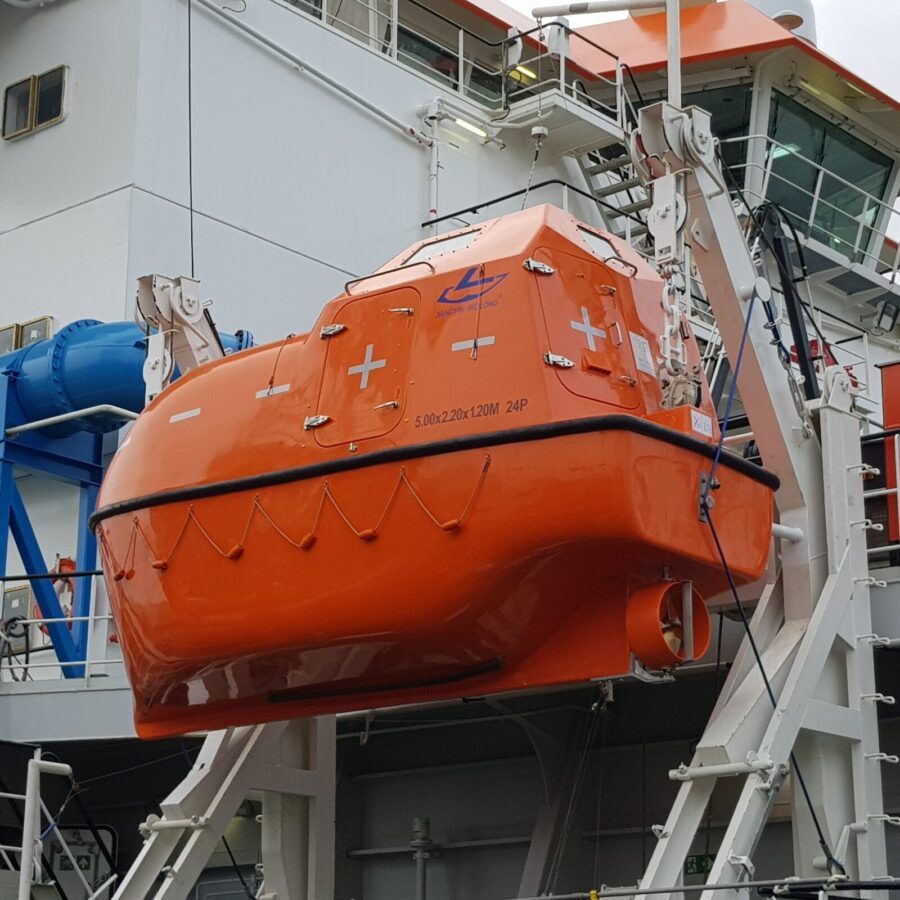
- Area: On-Load-Release-Gear (OLRG)Check: Annual functional test at 1.1 × SWL; after test check locking; inspect for dried paint/contamination/corrosion in lock, thread/shank wear/cracks. 5-year dynamic test. SOLAS III / MSC.402(96).
- Area: Drahtseile (Falls/Wire Ropes)Check: Inspect for kinks, corrosion, strand breakage (>10% over 8d length = replacement), inaccessible sections; correct/certified ropes; if required turn for full inspection; renewal per manufacturer interval.
- Area: Bremse (Zentrifugal- + Haltebremse)Check: Brake pad wear; check lowering speed (SOLAS S=0.4+0.02H, max ~36 m/min); remote release function; brake not blocked by poor maintenance.
- Area: Korrosion der Davit-StrukturCheck: Galvanized structure + stainless steel fasteners for pitting/discoloration; NDT of load-bearing structure for cracks; incident RRS Sir David Attenborough 2021 (severe corrosion due to poor maintenance).
- Area: Wartungs-ComplianceCheck: Planned maintenance complete since installation? Annual + 5-year tests recorded in logbook; manufacturer instructions followed; only authorized personnel (MSC.1/Circ.1205 Rev.1).
Universelle SOLAS-Inspektions-/Wartungspunkte fuer Davits/Rettungsboot-Aussetzvorrichtungen (modellunabhaengig, verifiziert aus IMCA/Gard/SOLAS MSC.1-Circ.1205, 2026-06). Per-Modell-SWL NICHT auto-gefuellt.
- IMO and DNV approved, meeting SOLAS requirements out of the box
- Integrated motor test (weekly minimum 5 min) for verified winch performance
- On‑Load Release Gear (OLRG) tested annually at 1.1×SWL with documented lock verification
- Clear inspection points for wire‑rope condition and brake wear, simplifying compliance audits
- Defined 5‑year major inspection schedule recorded in the vessel’s logbook
- Requires strict maintenance regime (annual hook service, 5‑yr structural inspection) to stay compliant
- Corrosion of the zinc‑galvanised frame and stainless fittings reported if coating is neglected
- Wire‑rope replacement may be frequent; >10% loss over an 8 d length triggers mandatory swap
- Brake pad wear must be monitored continuously to maintain descent speed limits (S ≤ 0.4 + 0.02H m/min)
- Servicing limited to personnel authorised under MSC.1/Circ.1205, potentially increasing downtime and cost
- Area: On-Load-Release-Gear (OLRG)Check: Annual functional test at 1.1 × SWL; after test check locking; inspect for dried paint/contamination/corrosion in lock, thread/shank wear/cracks. 5-year dynamic test. SOLAS III / MSC.402(96).
- Area: Drahtseile (Falls/Wire Ropes)Check: Inspect for kinks, corrosion, strand breakage (>10% over 8d length = replacement), inaccessible sections; correct/certified ropes; if required turn for full inspection; renewal per manufacturer interval.
- Area: Bremse (Zentrifugal- + Haltebremse)Check: Brake pad wear; check lowering speed (SOLAS S=0.4+0.02H, max ~36 m/min); remote release function; brake not blocked by poor maintenance.
- Area: Korrosion der Davit-StrukturCheck: Galvanized structure + stainless steel fasteners for pitting/discoloration; NDT of load-bearing structure for cracks; incident RRS Sir David Attenborough 2021 (severe corrosion due to poor maintenance).
- Area: Wartungs-ComplianceCheck: Planned maintenance complete since installation? Annual + 5-year tests recorded in logbook; manufacturer instructions followed; only authorized personnel (MSC.1/Circ.1205 Rev.1).
Universelle SOLAS-Inspektions-/Wartungspunkte fuer Davits/Rettungsboot-Aussetzvorrichtungen (modellunabhaengig, verifiziert aus IMCA/Gard/SOLAS MSC.1-Circ.1205, 2026-06). Per-Modell-SWL NICHT auto-gefuellt.
- IMO and DNV approved for SOLAS lifeboat launch requirements.
- Integrated motor test (weekly 5 min run) provides continuous readiness verification.
- Corrosion‑resistant construction (galvanised frame with stainless steel fittings) reduces structural degradation in marine environments.
- Designed with accessible on‑load release gear and wire‑rope inspection points to meet IMCA maintenance guidelines.
- Supports a documented 5‑year comprehensive inspection schedule, facilitating class compliance.
- Annual functional test of the on‑load release gear at 1.1×SWL and a 5‑year dynamic test increase maintenance workload.
- Wire‑rope components require regular inspection for kinks, corrosion and wear; replacement intervals can raise lifecycle cost.
- Brake system (centrifugal + holding) needs frequent wear monitoring to stay within strict deceleration limits (S = 0.4 + 0.02H).
- Servicing must be performed by authorized personnel per MSC.1/Circ.1205, limiting in‑house repairs.
- Limited publicly available performance data may require additional verification for high‑SWL applications.
- Area: On-Load-Release-Gear (OLRG)Check: Annual functional test at 1.1 × SWL; after test check locking; inspect for dried paint/contamination/corrosion in lock, thread/shank wear/cracks. 5-year dynamic test. SOLAS III / MSC.402(96).
- Area: Drahtseile (Falls/Wire Ropes)Check: Inspect for kinks, corrosion, strand breakage (>10% over 8d length = replacement), inaccessible sections; correct/certified ropes; if required turn for full inspection; renewal per manufacturer interval.
- Area: Bremse (Zentrifugal- + Haltebremse)Check: Brake pad wear; check lowering speed (SOLAS S=0.4+0.02H, max ~36 m/min); remote release function; brake not blocked by poor maintenance.
- Area: Korrosion der Davit-StrukturCheck: Galvanized structure + stainless steel fasteners for pitting/discoloration; NDT of load-bearing structure for cracks; incident RRS Sir David Attenborough 2021 (severe corrosion due to poor maintenance).
- Area: Wartungs-ComplianceCheck: Planned maintenance complete since installation? Annual + 5-year tests recorded in logbook; manufacturer instructions followed; only authorized personnel (MSC.1/Circ.1205 Rev.1).
Universelle SOLAS-Inspektions-/Wartungspunkte fuer Davits/Rettungsboot-Aussetzvorrichtungen (modellunabhaengig, verifiziert aus IMCA/Gard/SOLAS MSC.1-Circ.1205, 2026-06). Per-Modell-SWL NICHT auto-gefuellt.
- High safe working load (≈11 t) suitable for larger lifeboats/rafts
- Integrated on‑load release gear (OLRG) meeting SOLAS MSC.402(96)
- DNV‑approved and IMO‑certified, facilitating class approval processes
- Standardised weekly motor test and 5‑year full inspection schedule simplifies compliance tracking
- Compact footprint compared with traditional gravity davits
- Hydraulic system requires regular testing and specialised service personnel
- Potential for corrosion of steel components if maintenance is neglected (as highlighted in known failure points)
- Limited to vessels that can accommodate the required hydraulic power supply and space
- Higher initial cost than basic gravity‑type davits
- Replacement wire ropes must follow strict inspection intervals, adding operational overhead
- Area: On-Load-Release-Gear (OLRG)Check: Annual functional test at 1.1 × SWL; after test check locking; inspect for dried paint/contamination/corrosion in lock, thread/shank wear/cracks. 5-year dynamic test. SOLAS III / MSC.402(96).
- Area: Drahtseile (Falls/Wire Ropes)Check: Inspect for kinks, corrosion, strand breakage (>10% over 8d length = replacement), inaccessible sections; correct/certified ropes; if required turn for full inspection; renewal per manufacturer interval.
- Area: Bremse (Zentrifugal- + Haltebremse)Check: Brake pad wear; check lowering speed (SOLAS S=0.4+0.02H, max ~36 m/min); remote release function; brake not blocked by poor maintenance.
- Area: Korrosion der Davit-StrukturCheck: Galvanized structure + stainless steel fasteners for pitting/discoloration; NDT of load-bearing structure for cracks; incident RRS Sir David Attenborough 2021 (severe corrosion due to poor maintenance).
- Area: Wartungs-ComplianceCheck: Planned maintenance complete since installation? Annual + 5-year tests recorded in logbook; manufacturer instructions followed; only authorized personnel (MSC.1/Circ.1205 Rev.1).
Universelle SOLAS-Inspektions-/Wartungspunkte fuer Davits/Rettungsboot-Aussetzvorrichtungen (modellunabhaengig, verifiziert aus IMCA/Gard/SOLAS MSC.1-Circ.1205, 2026-06). Per-Modell-SWL NICHT auto-gefuellt.
- IMO‑approved and DNV listed, ensuring full SOLAS compliance
- Integrated on‑load release gear (OLRG) tested at 1.1×SWL annually for reliable launch under load
- Centrifugal + holding brake provides controlled descent speed (≤ 36 m/min) and remote release capability
- Corrosion‑resistant galvanized/ stainless‑steel construction reduces structural degradation in harsh marine environments
- Clear maintenance schedule (annual OLRG test, 5‑year dynamic test) aligns with MSC.402(96) and IMCA recommendations
- High maintenance burden: yearly functional tests, brake wear checks and wire‑rope inspections are mandatory
- Complex brake adjustment may require specialised service personnel
- Wire‑rope condition limits service life; replacement intervals can increase operating cost
- Initial procurement cost is higher than basic hydraulic davits
- Designed for specific SWL ranges (≈ 10 t); not suitable for very large lifeboats without engineering modification
- Area: On-Load-Release-Gear (OLRG)Check: Annual functional test at 1.1 × SWL; after test check locking; inspect for dried paint/contamination/corrosion in lock, thread/shank wear/cracks. 5-year dynamic test. SOLAS III / MSC.402(96).
- Area: Drahtseile (Falls/Wire Ropes)Check: Inspect for kinks, corrosion, strand breakage (>10% over 8d length = replacement), inaccessible sections; correct/certified ropes; if required turn for full inspection; renewal per manufacturer interval.
- Area: Bremse (Zentrifugal- + Haltebremse)Check: Brake pad wear; check lowering speed (SOLAS S=0.4+0.02H, max ~36 m/min); remote release function; brake not blocked by poor maintenance.
- Area: Korrosion der Davit-StrukturCheck: Galvanized structure + stainless steel fasteners for pitting/discoloration; NDT of load-bearing structure for cracks; incident RRS Sir David Attenborough 2021 (severe corrosion due to poor maintenance).
- Area: Wartungs-ComplianceCheck: Planned maintenance complete since installation? Annual + 5-year tests recorded in logbook; manufacturer instructions followed; only authorized personnel (MSC.1/Circ.1205 Rev.1).
Universelle SOLAS-Inspektions-/Wartungspunkte fuer Davits/Rettungsboot-Aussetzvorrichtungen (modellunabhaengig, verifiziert aus IMCA/Gard/SOLAS MSC.1-Circ.1205, 2026-06). Per-Modell-SWL NICHT auto-gefuellt.
- IMO and DNV approved – meets SOLAS requirements for lifesaving appliances
- Integrated centrifugal and holding brake provides controlled descent and rapid stop
- Remote on‑load release gear (OLRG) with annual functional testing per MSC.402(96)
- Corrosion‑resistant construction (galvanised frame with stainless steel fittings) reduces structural degradation
- Defined maintenance regime (weekly motor test, annual hook service, 5‑year major inspection) supports compliance tracking
- Relatively high maintenance workload – weekly motor run‑test and yearly authorized servicing required
- Requires personnel trained to MSC.1/Circ.1205 standards for inspections and repairs
- Potential for corrosion or wear if inspection intervals are missed, as documented in past incidents
- Limited to vessels that can accommodate the right‑hand side mounting geometry and load capacity
- No publicly available data on weight, dimensions or power consumption, complicating integration studies
- Area: On-Load-Release-Gear (OLRG)Check: Annual functional test at 1.1 × SWL; after test check locking; inspect for dried paint/contamination/corrosion in lock, thread/shank wear/cracks. 5-year dynamic test. SOLAS III / MSC.402(96).
- Area: Drahtseile (Falls/Wire Ropes)Check: Inspect for kinks, corrosion, strand breakage (>10% over 8d length = replacement), inaccessible sections; correct/certified ropes; if required turn for full inspection; renewal per manufacturer interval.
- Area: Bremse (Zentrifugal- + Haltebremse)Check: Brake pad wear; check lowering speed (SOLAS S=0.4+0.02H, max ~36 m/min); remote release function; brake not blocked by poor maintenance.
- Area: Korrosion der Davit-StrukturCheck: Galvanized structure + stainless steel fasteners for pitting/discoloration; NDT of load-bearing structure for cracks; incident RRS Sir David Attenborough 2021 (severe corrosion due to poor maintenance).
- Area: Wartungs-ComplianceCheck: Planned maintenance complete since installation? Annual + 5-year tests recorded in logbook; manufacturer instructions followed; only authorized personnel (MSC.1/Circ.1205 Rev.1).
Universelle SOLAS-Inspektions-/Wartungspunkte fuer Davits/Rettungsboot-Aussetzvorrichtungen (modellunabhaengig, verifiziert aus IMCA/Gard/SOLAS MSC.1-Circ.1205, 2026-06). Per-Modell-SWL NICHT auto-gefuellt.
- IMO and DNV approved, fully compliant with SOLAS MSC.402(96) release‑gear criteria.
- Built‑in weekly motor test (minimum 5 min) simplifies compliance verification.
- Designed for annual 1.1×SWL load‑release testing and a 5‑year dynamic test as per SOLAS III/MSC.402.
- Comprehensive maintenance documentation with universal inspection points, aiding audit readiness.
- Compatible with GFK (glass‑fiber reinforced plastic) hulls and includes scheduled 5‑year full inspection.
- High maintenance demand: annual hook service, wire‑rope inspections, corrosion monitoring, and 5‑year dynamic testing.
- Corrosion sensitivity; documented incidents of severe degradation when maintenance lapses (e.g., RRS Sir David Attenborough).
- Inspections must be performed by personnel authorized under MSC.1/Circ.1205, limiting flexibility on some vessels.
- Wire‑rope condition limits require regular turn‑testing and possible costly replacements.
- Limited to lifeboats/rafts within the model’s certified SWL range; not suitable for very high‑capacity launchers.
- Area: On-Load-Release-Gear (OLRG)Check: Annual functional test at 1.1 × SWL; after test check locking; inspect for dried paint/contamination/corrosion in lock, thread/shank wear/cracks. 5-year dynamic test. SOLAS III / MSC.402(96).
- Area: Drahtseile (Falls/Wire Ropes)Check: Inspect for kinks, corrosion, strand breakage (>10% over 8d length = replacement), inaccessible sections; correct/certified ropes; if required turn for full inspection; renewal per manufacturer interval.
- Area: Bremse (Zentrifugal- + Haltebremse)Check: Brake pad wear; check lowering speed (SOLAS S=0.4+0.02H, max ~36 m/min); remote release function; brake not blocked by poor maintenance.
- Area: Korrosion der Davit-StrukturCheck: Galvanized structure + stainless steel fasteners for pitting/discoloration; NDT of load-bearing structure for cracks; incident RRS Sir David Attenborough 2021 (severe corrosion due to poor maintenance).
- Area: Wartungs-ComplianceCheck: Planned maintenance complete since installation? Annual + 5-year tests recorded in logbook; manufacturer instructions followed; only authorized personnel (MSC.1/Circ.1205 Rev.1).
Universelle SOLAS-Inspektions-/Wartungspunkte fuer Davits/Rettungsboot-Aussetzvorrichtungen (modellunabhaengig, verifiziert aus IMCA/Gard/SOLAS MSC.1-Circ.1205, 2026-06). Per-Modell-SWL NICHT auto-gefuellt.
- IMO and DNV approved – meets SOLAS LSA requirements out of the box
- Motor‑driven release gear enables rapid, controlled lifeboat deployment
- Defined maintenance regime (weekly motor test, annual hook service, 5‑year full inspection) supports reliability
- Designed for medium‑size lifeboats/rafts (approximately 3–10 t SWL) common on commercial vessels
- Compatible with composite (GFK) hulls and standard deck fittings
- High maintenance burden – annual hook overhaul, brake wear checks and 5‑year structural inspection required
- Corrosion of steel components reported if maintenance lapses; regular NDT recommended
- Wire‑rope sections must be inspected for kinks and corrosion; replacement intervals can be costly
- Brake system (centrifugal + holding) needs periodic wear monitoring to meet SOLAS speed limits
- Limited to lifeboats/rafts within the specified SWL range; not suitable for very large free‑fall installations
- Area: On-Load-Release-Gear (OLRG)Check: Annual functional test at 1.1 × SWL; after test check locking; inspect for dried paint/contamination/corrosion in lock, thread/shank wear/cracks. 5-year dynamic test. SOLAS III / MSC.402(96).
- Area: Drahtseile (Falls/Wire Ropes)Check: Inspect for kinks, corrosion, strand breakage (>10% over 8d length = replacement), inaccessible sections; correct/certified ropes; if required turn for full inspection; renewal per manufacturer interval.
- Area: Bremse (Zentrifugal- + Haltebremse)Check: Brake pad wear; check lowering speed (SOLAS S=0.4+0.02H, max ~36 m/min); remote release function; brake not blocked by poor maintenance.
- Area: Korrosion der Davit-StrukturCheck: Galvanized structure + stainless steel fasteners for pitting/discoloration; NDT of load-bearing structure for cracks; incident RRS Sir David Attenborough 2021 (severe corrosion due to poor maintenance).
- Area: Wartungs-ComplianceCheck: Planned maintenance complete since installation? Annual + 5-year tests recorded in logbook; manufacturer instructions followed; only authorized personnel (MSC.1/Circ.1205 Rev.1).
Universelle SOLAS-Inspektions-/Wartungspunkte fuer Davits/Rettungsboot-Aussetzvorrichtungen (modellunabhaengig, verifiziert aus IMCA/Gard/SOLAS MSC.1-Circ.1205, 2026-06). Per-Modell-SWL NICHT auto-gefuellt.
- IMO approved and listed in the DNV approval finder, ensuring compliance with international safety regulations
- Motor test requirement (weekly) provides a clear operational verification routine
- Annual release‑hook maintenance and a defined 5‑year full inspection schedule support predictable upkeep
- Designed for GFK hulls and compatible with both lifeboats and life rafts, offering flexibility
- Corrosion‑resistant structural materials (zinc‑galvanised frame with stainless‑steel fittings) reduce long‑term degradation when maintained
- High maintenance burden – weekly motor tests, annual hook service and five‑year inspections are mandatory
- Potential for corrosion‑related failures if inspection intervals are missed, as highlighted by past incidents
- Limited publicly available performance data (e.g., SWL, deployment speed) may require direct manufacturer clarification before procurement
- Requires trained personnel authorized under MSC.1/Circ.1205 for inspections and repairs
- Area: On-Load-Release-Gear (OLRG)Check: Annual functional test at 1.1 × SWL; after test check locking; inspect for dried paint/contamination/corrosion in lock, thread/shank wear/cracks. 5-year dynamic test. SOLAS III / MSC.402(96).
- Area: Drahtseile (Falls/Wire Ropes)Check: Inspect for kinks, corrosion, strand breakage (>10% over 8d length = replacement), inaccessible sections; correct/certified ropes; if required turn for full inspection; renewal per manufacturer interval.
- Area: Bremse (Zentrifugal- + Haltebremse)Check: Brake pad wear; check lowering speed (SOLAS S=0.4+0.02H, max ~36 m/min); remote release function; brake not blocked by poor maintenance.
- Area: Korrosion der Davit-StrukturCheck: Galvanized structure + stainless steel fasteners for pitting/discoloration; NDT of load-bearing structure for cracks; incident RRS Sir David Attenborough 2021 (severe corrosion due to poor maintenance).
- Area: Wartungs-ComplianceCheck: Planned maintenance complete since installation? Annual + 5-year tests recorded in logbook; manufacturer instructions followed; only authorized personnel (MSC.1/Circ.1205 Rev.1).
Universelle SOLAS-Inspektions-/Wartungspunkte fuer Davits/Rettungsboot-Aussetzvorrichtungen (modellunabhaengig, verifiziert aus IMCA/Gard/SOLAS MSC.1-Circ.1205, 2026-06). Per-Modell-SWL NICHT auto-gefuellt.
- IMO‑approved and DNV‑certified, ensuring full SOLAS compliance
- Integrated electric motor allows controlled launch speed and weekly functional test
- On‑Load Release Gear (OLRG) designed for 1.1× SWL testing with clear inspection points
- Corrosion‑resistant galvanized frame with stainless‑steel fittings suitable for GFK hulls
- Modular design simplifies replacement of wire ropes, brake pads and release hooks
- Requires strict maintenance regime (weekly motor test, annual hook service, 5‑year major inspection)
- Potential corrosion issues if inspection intervals are missed, as documented in past incidents
- Electric power dependency may be a drawback on vessels with limited backup power capacity
- Higher initial cost compared with basic hydraulic davits lacking integrated monitoring
- Area: On-Load-Release-Gear (OLRG)Check: Annual functional test at 1.1 × SWL; after test check locking; inspect for dried paint/contamination/corrosion in lock, thread/shank wear/cracks. 5-year dynamic test. SOLAS III / MSC.402(96).
- Area: Drahtseile (Falls/Wire Ropes)Check: Inspect for kinks, corrosion, strand breakage (>10% over 8d length = replacement), inaccessible sections; correct/certified ropes; if required turn for full inspection; renewal per manufacturer interval.
- Area: Bremse (Zentrifugal- + Haltebremse)Check: Brake pad wear; check lowering speed (SOLAS S=0.4+0.02H, max ~36 m/min); remote release function; brake not blocked by poor maintenance.
- Area: Korrosion der Davit-StrukturCheck: Galvanized structure + stainless steel fasteners for pitting/discoloration; NDT of load-bearing structure for cracks; incident RRS Sir David Attenborough 2021 (severe corrosion due to poor maintenance).
- Area: Wartungs-ComplianceCheck: Planned maintenance complete since installation? Annual + 5-year tests recorded in logbook; manufacturer instructions followed; only authorized personnel (MSC.1/Circ.1205 Rev.1).
Universelle SOLAS-Inspektions-/Wartungspunkte fuer Davits/Rettungsboot-Aussetzvorrichtungen (modellunabhaengig, verifiziert aus IMCA/Gard/SOLAS MSC.1-Circ.1205, 2026-06). Per-Modell-SWL NICHT auto-gefuellt.
- IMO D‑2 approved and listed in the DNV approval finder – full SOLAS compliance
- Integrated OLRG allows safe launch under load, meeting MSC.402(96) requirements
- Corrosion‑resistant galvanized steel frame with stainless‑steel fittings reduces maintenance intervals
- Modular design permits quick installation on a variety of vessel decks
- 5‑year dynamic test certification and documented weekly motor run‑test procedure
- Requires dedicated hydraulic power unit and regular specialist servicing (annual release‑hook check, 5‑year inspection)
- Relatively heavy compared with manual or electric davits – may affect deck load calculations
- Limited to the rated SWL of the specific model; not suitable for larger lifeboats without redesign
- Corrosion can still develop in harsh marine environments if maintenance is missed (historical incidents reported)
- Spare‑part availability depends on Global Davit’s regional service network
- Area: On-Load-Release-Gear (OLRG)Check: Annual functional test at 1.1 × SWL; after test check locking; inspect for dried paint/contamination/corrosion in lock, thread/shank wear/cracks. 5-year dynamic test. SOLAS III / MSC.402(96).
- Area: Drahtseile (Falls/Wire Ropes)Check: Inspect for kinks, corrosion, strand breakage (>10% over 8d length = replacement), inaccessible sections; correct/certified ropes; if required turn for full inspection; renewal per manufacturer interval.
- Area: Bremse (Zentrifugal- + Haltebremse)Check: Brake pad wear; check lowering speed (SOLAS S=0.4+0.02H, max ~36 m/min); remote release function; brake not blocked by poor maintenance.
- Area: Korrosion der Davit-StrukturCheck: Galvanized structure + stainless steel fasteners for pitting/discoloration; NDT of load-bearing structure for cracks; incident RRS Sir David Attenborough 2021 (severe corrosion due to poor maintenance).
- Area: Wartungs-ComplianceCheck: Planned maintenance complete since installation? Annual + 5-year tests recorded in logbook; manufacturer instructions followed; only authorized personnel (MSC.1/Circ.1205 Rev.1).
Universelle SOLAS-Inspektions-/Wartungspunkte fuer Davits/Rettungsboot-Aussetzvorrichtungen (modellunabhaengig, verifiziert aus IMCA/Gard/SOLAS MSC.1-Circ.1205, 2026-06). Per-Modell-SWL NICHT auto-gefuellt.
- IMO approval and DNV recognition ensure compliance with SOLAS requirements.
- Versatile configuration suitable for both lifeboat and raft installations.
- Integrated motor enables weekly functional testing of the launch mechanism.
- Corrosion‑resistant galvanized frame with stainless steel fittings as indicated by maintenance guidelines.
- Comprehensive maintenance schedule (weekly motor test, annual hook service, 5‑year major inspection) supports reliable long‑term operation.
- Frequent maintenance (weekly motor run, annual release‑hook servicing) increases operational workload.
- Complex inspection regime may raise life‑cycle costs compared with simpler davit designs.
- Potential for corrosion‑related failures if the prescribed maintenance is not rigorously followed.
- Lack of publicly available weight and dimension data can complicate integration planning on new builds.
- Area: On-Load-Release-Gear (OLRG)Check: Annual functional test at 1.1 × SWL; after test check locking; inspect for dried paint/contamination/corrosion in lock, thread/shank wear/cracks. 5-year dynamic test. SOLAS III / MSC.402(96).
- Area: Drahtseile (Falls/Wire Ropes)Check: Inspect for kinks, corrosion, strand breakage (>10% over 8d length = replacement), inaccessible sections; correct/certified ropes; if required turn for full inspection; renewal per manufacturer interval.
- Area: Bremse (Zentrifugal- + Haltebremse)Check: Brake pad wear; check lowering speed (SOLAS S=0.4+0.02H, max ~36 m/min); remote release function; brake not blocked by poor maintenance.
- Area: Korrosion der Davit-StrukturCheck: Galvanized structure + stainless steel fasteners for pitting/discoloration; NDT of load-bearing structure for cracks; incident RRS Sir David Attenborough 2021 (severe corrosion due to poor maintenance).
- Area: Wartungs-ComplianceCheck: Planned maintenance complete since installation? Annual + 5-year tests recorded in logbook; manufacturer instructions followed; only authorized personnel (MSC.1/Circ.1205 Rev.1).
Universelle SOLAS-Inspektions-/Wartungspunkte fuer Davits/Rettungsboot-Aussetzvorrichtungen (modellunabhaengig, verifiziert aus IMCA/Gard/SOLAS MSC.1-Circ.1205, 2026-06). Per-Modell-SWL NICHT auto-gefuellt.
- IMO SOLAS approved and listed by DNV, ensuring compliance with international safety regulations
- Integrated on‑load release gear (OLRG) with mandatory annual functional test at 1.1×SWL
- Corrosion‑protected structure (galvanised steel frame with stainless‑steel fittings) reduces degradation risk
- Modular wire‑rope arrangement allows easy inspection, kink detection and replacement per manufacturer intervals
- Remote release capability enables rapid lifeboat launch from the bridge or control station
- Requires intensive maintenance schedule (weekly motor run‑test, annual hook service, 5‑year full inspection)
- Complex centrifugal + holding brake system needs specialist servicing and spare parts inventory
- Historical incidents show severe corrosion if maintenance is neglected, increasing inspection workload
- Physical footprint limits installation to vessels with sufficient deck space and structural reinforcement
- Higher lifecycle cost compared with simpler passive davit designs
- Area: On-Load-Release-Gear (OLRG)Check: Annual functional test at 1.1 × SWL; after test check locking; inspect for dried paint/contamination/corrosion in lock, thread/shank wear/cracks. 5-year dynamic test. SOLAS III / MSC.402(96).
- Area: Drahtseile (Falls/Wire Ropes)Check: Inspect for kinks, corrosion, strand breakage (>10% over 8d length = replacement), inaccessible sections; correct/certified ropes; if required turn for full inspection; renewal per manufacturer interval.
- Area: Bremse (Zentrifugal- + Haltebremse)Check: Brake pad wear; check lowering speed (SOLAS S=0.4+0.02H, max ~36 m/min); remote release function; brake not blocked by poor maintenance.
- Area: Korrosion der Davit-StrukturCheck: Galvanized structure + stainless steel fasteners for pitting/discoloration; NDT of load-bearing structure for cracks; incident RRS Sir David Attenborough 2021 (severe corrosion due to poor maintenance).
- Area: Wartungs-ComplianceCheck: Planned maintenance complete since installation? Annual + 5-year tests recorded in logbook; manufacturer instructions followed; only authorized personnel (MSC.1/Circ.1205 Rev.1).
Universelle SOLAS-Inspektions-/Wartungspunkte fuer Davits/Rettungsboot-Aussetzvorrichtungen (modellunabhaengig, verifiziert aus IMCA/Gard/SOLAS MSC.1-Circ.1205, 2026-06). Per-Modell-SWL NICHT auto-gefuellt.
- High safe working load (≈18.5 t) suitable for large lifeboats or rescue rafts
- IMO approved and DNV certified, meeting SOLAS MSC.402(96) requirements
- Corrosion‑resistant galvanized frame with stainless‑steel fittings
- Integrated on‑load release gear (OLRG) with documented annual testing procedure
- Modular design allows inspection of GFK hulls during dockings
- Intensive maintenance regime – annual OLRG test, 5‑year dynamic test, frequent wire‑rope inspections
- Complex brake system (centrifugal + holding) prone to wear and requires regular pad replacement
- Heavy structural footprint may limit installation on smaller vessels
- Wire‑rope life limited by corrosion and fatigue; replacement intervals can be short
- Requires trained, authorized personnel for release‑hook servicing per MSC.1/Circ.1205
- Area: On-Load-Release-Gear (OLRG)Check: Annual functional test at 1.1 × SWL; after test check locking; inspect for dried paint/contamination/corrosion in lock, thread/shank wear/cracks. 5-year dynamic test. SOLAS III / MSC.402(96).
- Area: Drahtseile (Falls/Wire Ropes)Check: Inspect for kinks, corrosion, strand breakage (>10% over 8d length = replacement), inaccessible sections; correct/certified ropes; if required turn for full inspection; renewal per manufacturer interval.
- Area: Bremse (Zentrifugal- + Haltebremse)Check: Brake pad wear; check lowering speed (SOLAS S=0.4+0.02H, max ~36 m/min); remote release function; brake not blocked by poor maintenance.
- Area: Korrosion der Davit-StrukturCheck: Galvanized structure + stainless steel fasteners for pitting/discoloration; NDT of load-bearing structure for cracks; incident RRS Sir David Attenborough 2021 (severe corrosion due to poor maintenance).
- Area: Wartungs-ComplianceCheck: Planned maintenance complete since installation? Annual + 5-year tests recorded in logbook; manufacturer instructions followed; only authorized personnel (MSC.1/Circ.1205 Rev.1).
Universelle SOLAS-Inspektions-/Wartungspunkte fuer Davits/Rettungsboot-Aussetzvorrichtungen (modellunabhaengig, verifiziert aus IMCA/Gard/SOLAS MSC.1-Circ.1205, 2026-06). Per-Modell-SWL NICHT auto-gefuellt.
- IMO approved and listed by DNV, ensuring compliance with SOLAS requirements
- Compact footprint suitable for vessels with limited deck space
- Integrated motor allows rapid deployment (weekly 5‑minute test verifies readiness)
- Centrifugal brake provides controlled descent speed (S = 0.4 + 0.02H) and remote release capability
- Standardised on‑load release gear (OLRG) compatible with a range of lifeboat sizes
- Annual hook inspection and maintenance are mandatory; failure to comply can lead to release‑gear lock‑up
- Corrosion of the steel davit structure has been reported if protective coatings are not regularly refreshed
- Wire‑rope replacement intervals must be strictly followed; kinks or >10 % broken strands require immediate swap
- 5‑year dynamic test adds a significant scheduled outage period
- Limited published SWL data for this exact model; ship designers must verify against vessel‑specific requirements
- Area: On-Load-Release-Gear (OLRG)Check: Annual functional test at 1.1 × SWL; after test check locking; inspect for dried paint/contamination/corrosion in lock, thread/shank wear/cracks. 5-year dynamic test. SOLAS III / MSC.402(96).
- Area: Drahtseile (Falls/Wire Ropes)Check: Inspect for kinks, corrosion, strand breakage (>10% over 8d length = replacement), inaccessible sections; correct/certified ropes; if required turn for full inspection; renewal per manufacturer interval.
- Area: Bremse (Zentrifugal- + Haltebremse)Check: Brake pad wear; check lowering speed (SOLAS S=0.4+0.02H, max ~36 m/min); remote release function; brake not blocked by poor maintenance.
- Area: Korrosion der Davit-StrukturCheck: Galvanized structure + stainless steel fasteners for pitting/discoloration; NDT of load-bearing structure for cracks; incident RRS Sir David Attenborough 2021 (severe corrosion due to poor maintenance).
- Area: Wartungs-ComplianceCheck: Planned maintenance complete since installation? Annual + 5-year tests recorded in logbook; manufacturer instructions followed; only authorized personnel (MSC.1/Circ.1205 Rev.1).
Universelle SOLAS-Inspektions-/Wartungspunkte fuer Davits/Rettungsboot-Aussetzvorrichtungen (modellunabhaengig, verifiziert aus IMCA/Gard/SOLAS MSC.1-Circ.1205, 2026-06). Per-Modell-SWL NICHT auto-gefuellt.
- IMO SOLAS and DNV approved – full regulatory compliance out of the box
- Robust galvanized steel frame with stainless‑steel fittings reduces corrosion when maintained
- Integrated hydraulic motor test (weekly 5 min run) provides a simple functional check
- Modular design accommodates lifeboats and rescue rafts across a wide SWL range
- Clear maintenance intervals (annual OLRG, 5‑year dynamic test) aligned with IMCA guidelines
- Intensive maintenance schedule – weekly motor run, annual release‑hook inspection, 5‑year dynamic test
- Wire‑rope condition critical; kinks or >10 % broken strands require costly replacement
- Brake wear and deceleration performance must be monitored to meet SOLAS S=0.4+0.02H limits
- Potential for corrosion of the davit structure if protective coating is neglected (historical incidents reported)
- Relatively heavy and space‑consuming compared with free‑fall or side‑launch alternatives
- Area: On-Load-Release-Gear (OLRG)Check: Annual functional test at 1.1 × SWL; after test check locking; inspect for dried paint/contamination/corrosion in lock, thread/shank wear/cracks. 5-year dynamic test. SOLAS III / MSC.402(96).
- Area: Drahtseile (Falls/Wire Ropes)Check: Inspect for kinks, corrosion, strand breakage (>10% over 8d length = replacement), inaccessible sections; correct/certified ropes; if required turn for full inspection; renewal per manufacturer interval.
- Area: Bremse (Zentrifugal- + Haltebremse)Check: Brake pad wear; check lowering speed (SOLAS S=0.4+0.02H, max ~36 m/min); remote release function; brake not blocked by poor maintenance.
- Area: Korrosion der Davit-StrukturCheck: Galvanized structure + stainless steel fasteners for pitting/discoloration; NDT of load-bearing structure for cracks; incident RRS Sir David Attenborough 2021 (severe corrosion due to poor maintenance).
- Area: Wartungs-ComplianceCheck: Planned maintenance complete since installation? Annual + 5-year tests recorded in logbook; manufacturer instructions followed; only authorized personnel (MSC.1/Circ.1205 Rev.1).
Universelle SOLAS-Inspektions-/Wartungspunkte fuer Davits/Rettungsboot-Aussetzvorrichtungen (modellunabhaengig, verifiziert aus IMCA/Gard/SOLAS MSC.1-Circ.1205, 2026-06). Per-Modell-SWL NICHT auto-gefuellt.
- IMO D‑2 and DNV approved, meeting international regulatory requirements.
- Integrated on‑load release gear (OLRG) tested at 1.1× SWL for reliable launch under load.
- Galvanised steel frame with stainless‑steel fittings provides enhanced corrosion resistance.
- Centrifugal + holding brake ensures controlled descent speed (≤0.4 m/s).
- Clear maintenance schedule (annual OLRG test, 5‑year dynamic test) supports predictable upkeep.
- Intensive inspection regime: annual checks of OLRG, wire ropes, brakes and corrosion.
- Wire‑rope wear limits require replacement when >10 % broken strands over 8 d length.
- Manual release hook demands trained personnel; failure can delay launch.
- Relatively heavy structural design may limit installation on space‑constrained vessels.
- Weekly motor test is mandatory; missed tests affect certification compliance.
- Area: On-Load-Release-Gear (OLRG)Check: Annual functional test at 1.1 × SWL; after test check locking; inspect for dried paint/contamination/corrosion in lock, thread/shank wear/cracks. 5-year dynamic test. SOLAS III / MSC.402(96).
- Area: Drahtseile (Falls/Wire Ropes)Check: Inspect for kinks, corrosion, strand breakage (>10% over 8d length = replacement), inaccessible sections; correct/certified ropes; if required turn for full inspection; renewal per manufacturer interval.
- Area: Bremse (Zentrifugal- + Haltebremse)Check: Brake pad wear; check lowering speed (SOLAS S=0.4+0.02H, max ~36 m/min); remote release function; brake not blocked by poor maintenance.
- Area: Korrosion der Davit-StrukturCheck: Galvanized structure + stainless steel fasteners for pitting/discoloration; NDT of load-bearing structure for cracks; incident RRS Sir David Attenborough 2021 (severe corrosion due to poor maintenance).
- Area: Wartungs-ComplianceCheck: Planned maintenance complete since installation? Annual + 5-year tests recorded in logbook; manufacturer instructions followed; only authorized personnel (MSC.1/Circ.1205 Rev.1).
Universelle SOLAS-Inspektions-/Wartungspunkte fuer Davits/Rettungsboot-Aussetzvorrichtungen (modellunabhaengig, verifiziert aus IMCA/Gard/SOLAS MSC.1-Circ.1205, 2026-06). Per-Modell-SWL NICHT auto-gefuellt.
- IMO D-2 and DNV type approval guarantees compliance with SOLAS launch requirements.
- Integrated centrifugal hold brake provides controlled descent and reduces impact forces on the lifeboat.
- Load‑release gear certified for testing at 1.1 × SWL enables safe overload verification.
- Corrosion‑resistant galvanized steel frame with stainless‑steel fittings extends service life in harsh marine environments.
- Annual functional test of the on‑load release gear and a five‑year dynamic test increase maintenance workload.
- Complex hydraulic/electrical system is susceptible to corrosion if inspection intervals are missed (documented failure points).
- Strict wire‑rope inspection criteria; kinking or wear may require premature replacement.
- Designed for specific SWL limits, making it unsuitable for very large free‑fall lifeboats.
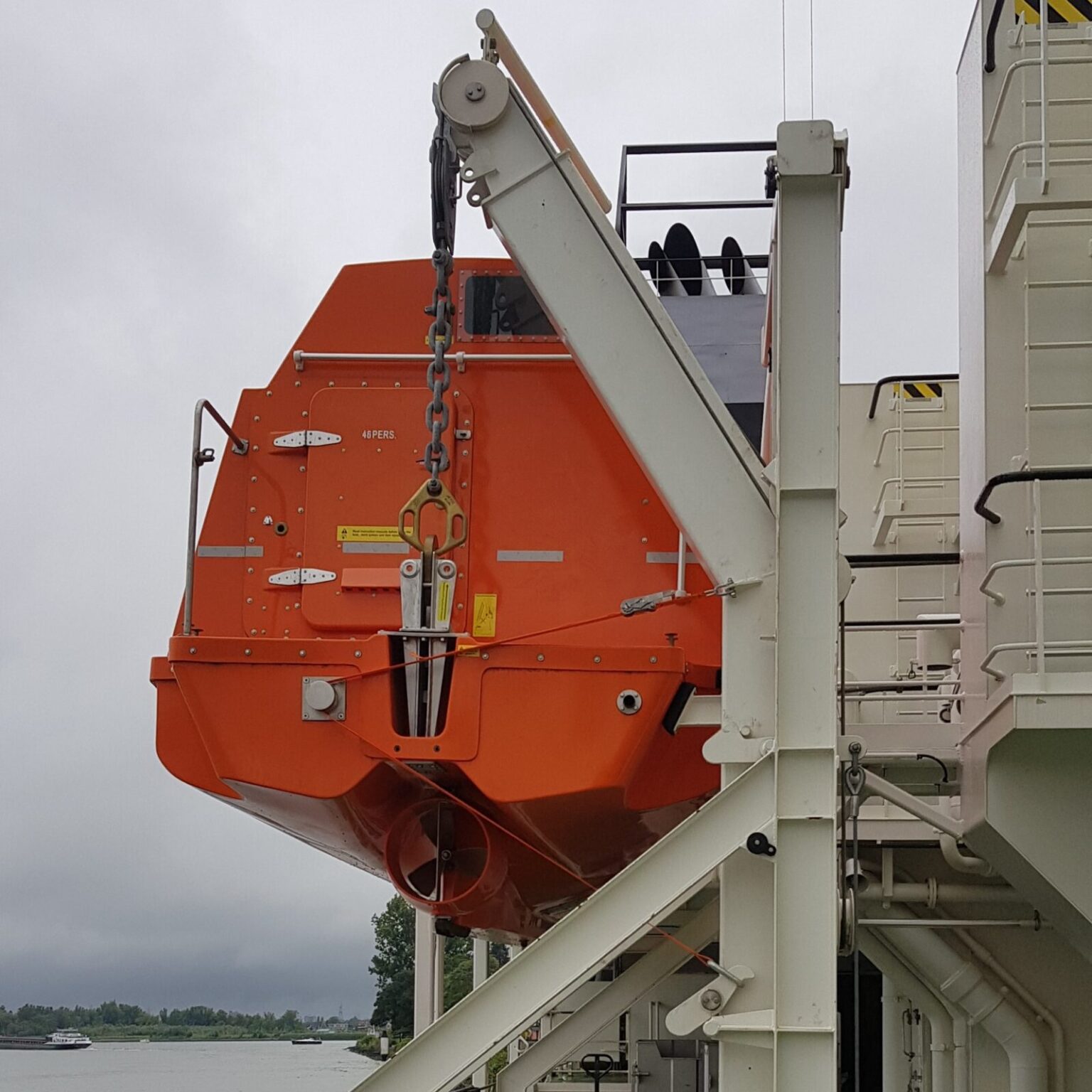
- Area: On-Load-Release-Gear (OLRG)Check: Annual functional test at 1.1 × SWL; after test check locking; inspect for dried paint/contamination/corrosion in lock, thread/shank wear/cracks. 5-year dynamic test. SOLAS III / MSC.402(96).
- Area: Drahtseile (Falls/Wire Ropes)Check: Inspect for kinks, corrosion, strand breakage (>10% over 8d length = replacement), inaccessible sections; correct/certified ropes; if required turn for full inspection; renewal per manufacturer interval.
- Area: Bremse (Zentrifugal- + Haltebremse)Check: Brake pad wear; check lowering speed (SOLAS S=0.4+0.02H, max ~36 m/min); remote release function; brake not blocked by poor maintenance.
- Area: Korrosion der Davit-StrukturCheck: Galvanized structure + stainless steel fasteners for pitting/discoloration; NDT of load-bearing structure for cracks; incident RRS Sir David Attenborough 2021 (severe corrosion due to poor maintenance).
- Area: Wartungs-ComplianceCheck: Planned maintenance complete since installation? Annual + 5-year tests recorded in logbook; manufacturer instructions followed; only authorized personnel (MSC.1/Circ.1205 Rev.1).
Universelle SOLAS-Inspektions-/Wartungspunkte fuer Davits/Rettungsboot-Aussetzvorrichtungen (modellunabhaengig, verifiziert aus IMCA/Gard/SOLAS MSC.1-Circ.1205, 2026-06). Per-Modell-SWL NICHT auto-gefuellt.
- IMO D‑2 approved and listed in the DNV approval finder – meets SOLAS requirements out of the box.
- On‑Load Release Gear (OLRG) tested at 1.1 × SWL with annual functional checks, ensuring reliable release under load.
- Corrosion‑resistant construction (galvanised frame with stainless‑steel fittings) reduces structural degradation in harsh marine environments.
- Built‑in centrifugal + holding brake provides controlled descent speed (≤0.4 m/s) and remote release capability.
- Defined maintenance regime (weekly motor test, annual hook service, 5‑year full inspection) supported by manufacturer documentation.
- High maintenance workload – weekly motor run‑time, yearly OLRG servicing and periodic brake wear inspections are mandatory.
- Hydraulic system dependence means loss of power or hydraulic fluid leaks can disable the davit unless redundancy is provided.
- Limited to lifeboats/rafts up to the W 20 L size envelope; larger rescue craft require a different model.
- Brake wear monitoring and replacement intervals add operational cost and require skilled personnel.
- Corrosion protection must be inspected regularly; neglect can lead to hidden structural fatigue (as documented in past incidents).
- Area: On-Load-Release-Gear (OLRG)Check: Annual functional test at 1.1 × SWL; after test check locking; inspect for dried paint/contamination/corrosion in lock, thread/shank wear/cracks. 5-year dynamic test. SOLAS III / MSC.402(96).
- Area: Drahtseile (Falls/Wire Ropes)Check: Inspect for kinks, corrosion, strand breakage (>10% over 8d length = replacement), inaccessible sections; correct/certified ropes; if required turn for full inspection; renewal per manufacturer interval.
- Area: Bremse (Zentrifugal- + Haltebremse)Check: Brake pad wear; check lowering speed (SOLAS S=0.4+0.02H, max ~36 m/min); remote release function; brake not blocked by poor maintenance.
- Area: Korrosion der Davit-StrukturCheck: Galvanized structure + stainless steel fasteners for pitting/discoloration; NDT of load-bearing structure for cracks; incident RRS Sir David Attenborough 2021 (severe corrosion due to poor maintenance).
- Area: Wartungs-ComplianceCheck: Planned maintenance complete since installation? Annual + 5-year tests recorded in logbook; manufacturer instructions followed; only authorized personnel (MSC.1/Circ.1205 Rev.1).
Universelle SOLAS-Inspektions-/Wartungspunkte fuer Davits/Rettungsboot-Aussetzvorrichtungen (modellunabhaengig, verifiziert aus IMCA/Gard/SOLAS MSC.1-Circ.1205, 2026-06). Per-Modell-SWL NICHT auto-gefuellt.
- IMO approved and DNV listed, ensuring compliance with SOLAS requirements
- High safe working load (approximately 15 t) suitable for large lifeboats/rafts
- Integrated on‑load release gear (OLRG) with annual functional test capability
- Corrosion‑resistant galvanised frame with stainless‑steel fittings
- Modular design allows installation on a wide range of vessel decks
- Requires strict maintenance regime (annual OLRG test, 5‑year dynamic test, brake wear checks)
- Complex hydraulic and brake system demands authorized service personnel
- Potential for corrosion or wear if inspection intervals are missed
- Relatively heavy structure may limit retrofit on smaller vessels
- Brake performance must be monitored to stay within SOLAS descent speed limits
- Area: On-Load-Release-Gear (OLRG)Check: Annual functional test at 1.1 × SWL; after test check locking; inspect for dried paint/contamination/corrosion in lock, thread/shank wear/cracks. 5-year dynamic test. SOLAS III / MSC.402(96).
- Area: Drahtseile (Falls/Wire Ropes)Check: Inspect for kinks, corrosion, strand breakage (>10% over 8d length = replacement), inaccessible sections; correct/certified ropes; if required turn for full inspection; renewal per manufacturer interval.
- Area: Bremse (Zentrifugal- + Haltebremse)Check: Brake pad wear; check lowering speed (SOLAS S=0.4+0.02H, max ~36 m/min); remote release function; brake not blocked by poor maintenance.
- Area: Korrosion der Davit-StrukturCheck: Galvanized structure + stainless steel fasteners for pitting/discoloration; NDT of load-bearing structure for cracks; incident RRS Sir David Attenborough 2021 (severe corrosion due to poor maintenance).
- Area: Wartungs-ComplianceCheck: Planned maintenance complete since installation? Annual + 5-year tests recorded in logbook; manufacturer instructions followed; only authorized personnel (MSC.1/Circ.1205 Rev.1).
Universelle SOLAS-Inspektions-/Wartungspunkte fuer Davits/Rettungsboot-Aussetzvorrichtungen (modellunabhaengig, verifiziert aus IMCA/Gard/SOLAS MSC.1-Circ.1205, 2026-06). Per-Modell-SWL NICHT auto-gefuellt.
- IMO‑approved and listed in the DNV approval finder, ensuring compliance with SOLAS requirements
- Robust corrosion‑resistant construction (galvanised steel frame with stainless‑steel fittings)
- Integrated motor test routine (weekly minimum 5 min run) simplifies verification of drive performance
- Designed for a 10 ton SWL capacity, suitable for medium‑size lifeboats and GFK hulls
- Clear maintenance schedule: annual release‑hook service, 5‑year full inspection
- Requires strict adherence to an intensive maintenance regime (weekly motor test, annual hook servicing)
- Corrosion of the davit structure has been reported if inspections are missed, leading to costly repairs
- On‑load release gear must be tested with a 1.1×SWL load annually; failure to do so can breach SOLAS MSC.402(96)
- Limited to vessels that can accommodate its footprint and hydraulic power supply
- Replacement of wire ropes is tied to manufacturer‑specified intervals, adding lifecycle cost
- Area: On-Load-Release-Gear (OLRG)Check: Annual functional test at 1.1 × SWL; after test check locking; inspect for dried paint/contamination/corrosion in lock, thread/shank wear/cracks. 5-year dynamic test. SOLAS III / MSC.402(96).
- Area: Drahtseile (Falls/Wire Ropes)Check: Inspect for kinks, corrosion, strand breakage (>10% over 8d length = replacement), inaccessible sections; correct/certified ropes; if required turn for full inspection; renewal per manufacturer interval.
- Area: Bremse (Zentrifugal- + Haltebremse)Check: Brake pad wear; check lowering speed (SOLAS S=0.4+0.02H, max ~36 m/min); remote release function; brake not blocked by poor maintenance.
- Area: Korrosion der Davit-StrukturCheck: Galvanized structure + stainless steel fasteners for pitting/discoloration; NDT of load-bearing structure for cracks; incident RRS Sir David Attenborough 2021 (severe corrosion due to poor maintenance).
- Area: Wartungs-ComplianceCheck: Planned maintenance complete since installation? Annual + 5-year tests recorded in logbook; manufacturer instructions followed; only authorized personnel (MSC.1/Circ.1205 Rev.1).
Universelle SOLAS-Inspektions-/Wartungspunkte fuer Davits/Rettungsboot-Aussetzvorrichtungen (modellunabhaengig, verifiziert aus IMCA/Gard/SOLAS MSC.1-Circ.1205, 2026-06). Per-Modell-SWL NICHT auto-gefuellt.
- IMO approved and listed in DNV approval finder – meets international safety standards
- High safe working load of 3.75 t allows use with a wide range of lifeboats/rafts
- Corrosion‑resistant galvanized frame with stainless‑steel fittings reduces structural degradation
- Integrated on‑load release gear (OLRG) with defined annual functional test procedures
- Clear maintenance schedule – weekly motor run, annual hook service and 5‑year full inspection
- Hydraulic circuitry requires specialised servicing and spare parts, increasing life‑cycle cost
- Relatively heavy and space‑intensive compared with manual or electric davits of lower capacity
- Strict compliance to inspection intervals; missed tests can lead to non‑conformity under SOLAS MSC.402(96)
- Potential for corrosion if maintenance is neglected – documented incidents on similar Davit models
- Limited compatibility with lifeboats exceeding 3.75 t SWL
- Area: On-Load-Release-Gear (OLRG)Check: Annual functional test at 1.1 × SWL; after test check locking; inspect for dried paint/contamination/corrosion in lock, thread/shank wear/cracks. 5-year dynamic test. SOLAS III / MSC.402(96).
- Area: Drahtseile (Falls/Wire Ropes)Check: Inspect for kinks, corrosion, strand breakage (>10% over 8d length = replacement), inaccessible sections; correct/certified ropes; if required turn for full inspection; renewal per manufacturer interval.
- Area: Bremse (Zentrifugal- + Haltebremse)Check: Brake pad wear; check lowering speed (SOLAS S=0.4+0.02H, max ~36 m/min); remote release function; brake not blocked by poor maintenance.
- Area: Korrosion der Davit-StrukturCheck: Galvanized structure + stainless steel fasteners for pitting/discoloration; NDT of load-bearing structure for cracks; incident RRS Sir David Attenborough 2021 (severe corrosion due to poor maintenance).
- Area: Wartungs-ComplianceCheck: Planned maintenance complete since installation? Annual + 5-year tests recorded in logbook; manufacturer instructions followed; only authorized personnel (MSC.1/Circ.1205 Rev.1).
Universelle SOLAS-Inspektions-/Wartungspunkte fuer Davits/Rettungsboot-Aussetzvorrichtungen (modellunabhaengig, verifiziert aus IMCA/Gard/SOLAS MSC.1-Circ.1205, 2026-06). Per-Modell-SWL NICHT auto-gefuellt.
- IMO approval and DNV verification (model 3378006 Lux)
- Weekly motor run‑test built into the service schedule ensures readiness
- On‑load release gear tested annually at 1.1×SWL per SOLAS requirements
- Centrifugal brake with defined deceleration limits (S=0.4+0.02H) for controlled lowering
- Designed for corrosion‑resistant zinc‑galvanised structure with stainless fastenings
- High maintenance burden – annual hook inspection, five‑year dynamic test, and regular wire‑rope checks
- Brake wear must be monitored; replacement intervals are not published in the data sheet
- Wire‑rope condition critical – kinks or >10 % broken strands require immediate replacement
- Requires authorised personnel for release‑hook servicing (MSC.1/Circ.1205)
- Limited publicly available performance data (e.g., load capacity, dimensions)
- Area: On-Load-Release-Gear (OLRG)Check: Annual functional test at 1.1 × SWL; after test check locking; inspect for dried paint/contamination/corrosion in lock, thread/shank wear/cracks. 5-year dynamic test. SOLAS III / MSC.402(96).
- Area: Drahtseile (Falls/Wire Ropes)Check: Inspect for kinks, corrosion, strand breakage (>10% over 8d length = replacement), inaccessible sections; correct/certified ropes; if required turn for full inspection; renewal per manufacturer interval.
- Area: Bremse (Zentrifugal- + Haltebremse)Check: Brake pad wear; check lowering speed (SOLAS S=0.4+0.02H, max ~36 m/min); remote release function; brake not blocked by poor maintenance.
- Area: Korrosion der Davit-StrukturCheck: Galvanized structure + stainless steel fasteners for pitting/discoloration; NDT of load-bearing structure for cracks; incident RRS Sir David Attenborough 2021 (severe corrosion due to poor maintenance).
- Area: Wartungs-ComplianceCheck: Planned maintenance complete since installation? Annual + 5-year tests recorded in logbook; manufacturer instructions followed; only authorized personnel (MSC.1/Circ.1205 Rev.1).
Universelle SOLAS-Inspektions-/Wartungspunkte fuer Davits/Rettungsboot-Aussetzvorrichtungen (modellunabhaengig, verifiziert aus IMCA/Gard/SOLAS MSC.1-Circ.1205, 2026-06). Per-Modell-SWL NICHT auto-gefuellt.
- IMO‑approved and listed in DNV’s approval database, ensuring compliance with SOLAS requirements
- Integrated on‑load release gear (OLRG) that can be tested annually at 1.1×SWL as per MSC.402(96)
- Designed for easy weekly motor‑run tests and annual hook maintenance by authorized service providers
- Modular construction allows retrofit onto existing deck structures of various vessel classes
- Provides a dedicated 5‑year full inspection interval, facilitating long‑term asset planning
- High maintenance demand: yearly OLRG checks, wire‑rope inspections and five‑year dynamic tests are mandatory
- Corrosion of the steel davit structure has been reported if protective coatings are not rigorously maintained
- Wire‑rope wear limits require replacement when broken strands exceed 10 % over an 8‑diameter length, adding lifecycle cost
- Brake system (centrifugal + holding brake) must be regularly calibrated to meet the strict descent speed limit of S = 0.4 + 0.02H m/min
- Limited documentation publicly available; detailed performance data (load capacity, dimensions, weight) are manufacturer‑restricted
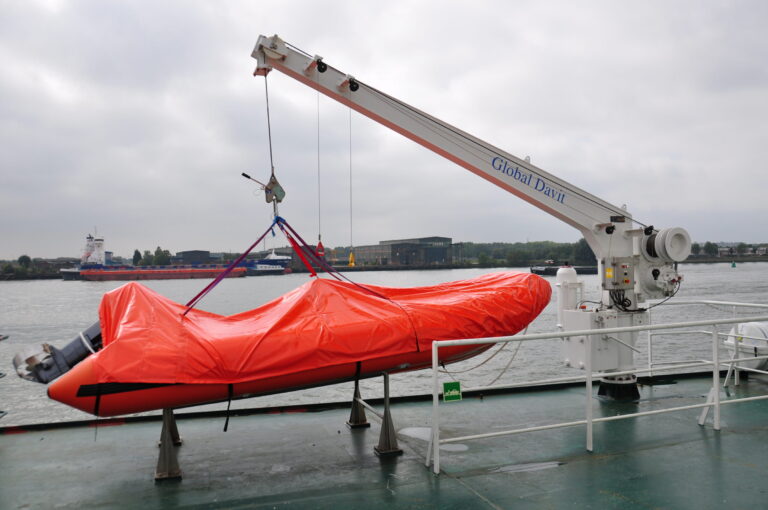
- Area: On-Load-Release-Gear (OLRG)Check: Annual functional test at 1.1 × SWL; after test check locking; inspect for dried paint/contamination/corrosion in lock, thread/shank wear/cracks. 5-year dynamic test. SOLAS III / MSC.402(96).
- Area: Drahtseile (Falls/Wire Ropes)Check: Inspect for kinks, corrosion, strand breakage (>10% over 8d length = replacement), inaccessible sections; correct/certified ropes; if required turn for full inspection; renewal per manufacturer interval.
- Area: Bremse (Zentrifugal- + Haltebremse)Check: Brake pad wear; check lowering speed (SOLAS S=0.4+0.02H, max ~36 m/min); remote release function; brake not blocked by poor maintenance.
- Area: Korrosion der Davit-StrukturCheck: Galvanized structure + stainless steel fasteners for pitting/discoloration; NDT of load-bearing structure for cracks; incident RRS Sir David Attenborough 2021 (severe corrosion due to poor maintenance).
- Area: Wartungs-ComplianceCheck: Planned maintenance complete since installation? Annual + 5-year tests recorded in logbook; manufacturer instructions followed; only authorized personnel (MSC.1/Circ.1205 Rev.1).
Universelle SOLAS-Inspektions-/Wartungspunkte fuer Davits/Rettungsboot-Aussetzvorrichtungen (modellunabhaengig, verifiziert aus IMCA/Gard/SOLAS MSC.1-Circ.1205, 2026-06). Per-Modell-SWL NICHT auto-gefuellt.
- IMO‑approved and DNV‑certified, ensuring compliance with international lifesaving regulations.
- Integrated centrifugal‑plus‑hold brake provides controlled descent speed (≤0.4 m/s) for safe launches.
- Weekly motor test routine and annual release‑hook maintenance promote high reliability and readiness.
- Corrosion‑resistant construction (zinc‑coated steel with stainless‑steel fittings) suited to harsh marine environments.
- Designed for compatibility with GFK hulls, allowing use on modern composite‑structured vessels.
- Requires specialized, authorized service personnel for annual hook maintenance and 5‑year inspections, increasing operational cost.
- Wire‑rope components demand regular inspection for kinks, corrosion and wear; replacement intervals are manufacturer‑defined.
- On‑Load Release Gear (OLRG) must be tested annually at 1.1 × SWL and dynamically every five years, adding to maintenance workload.
- Potential for brake wear if not serviced according to schedule; degraded pads can affect descent speed.
- Complex inspection regime (annual + 5‑year checks) may be burdensome for vessels with limited technical staff.
- Area: On-Load-Release-Gear (OLRG)Check: Annual functional test at 1.1 × SWL; after test check locking; inspect for dried paint/contamination/corrosion in lock, thread/shank wear/cracks. 5-year dynamic test. SOLAS III / MSC.402(96).
- Area: Drahtseile (Falls/Wire Ropes)Check: Inspect for kinks, corrosion, strand breakage (>10% over 8d length = replacement), inaccessible sections; correct/certified ropes; if required turn for full inspection; renewal per manufacturer interval.
- Area: Bremse (Zentrifugal- + Haltebremse)Check: Brake pad wear; check lowering speed (SOLAS S=0.4+0.02H, max ~36 m/min); remote release function; brake not blocked by poor maintenance.
- Area: Korrosion der Davit-StrukturCheck: Galvanized structure + stainless steel fasteners for pitting/discoloration; NDT of load-bearing structure for cracks; incident RRS Sir David Attenborough 2021 (severe corrosion due to poor maintenance).
- Area: Wartungs-ComplianceCheck: Planned maintenance complete since installation? Annual + 5-year tests recorded in logbook; manufacturer instructions followed; only authorized personnel (MSC.1/Circ.1205 Rev.1).
Universelle SOLAS-Inspektions-/Wartungspunkte fuer Davits/Rettungsboot-Aussetzvorrichtungen (modellunabhaengig, verifiziert aus IMCA/Gard/SOLAS MSC.1-Circ.1205, 2026-06). Per-Modell-SWL NICHT auto-gefuellt.
- IMO D-2 approved and listed in the DNV approval finder (model 4433007 Lux)
- Robust corrosion‑resistant construction (galvanised frame with stainless‑steel fittings)
- Integrated motor test that can be performed weekly, ensuring readiness
- Remote release hook with mandatory annual certified maintenance per SOLAS MSC.402(96)
- Designed for compatibility with GFK hulls and supports a 5‑year basic inspection interval
- Requires regular (weekly) motor testing and yearly hook service – higher maintenance workload
- Complex hydraulic system needs trained personnel for troubleshooting
- Potential corrosion issues if the scheduled inspections are missed, as highlighted by past incidents
- Higher initial cost compared with simple manual davits
- Limited to vessels whose SWL matches the model’s rating (exact SWL not publicly disclosed)
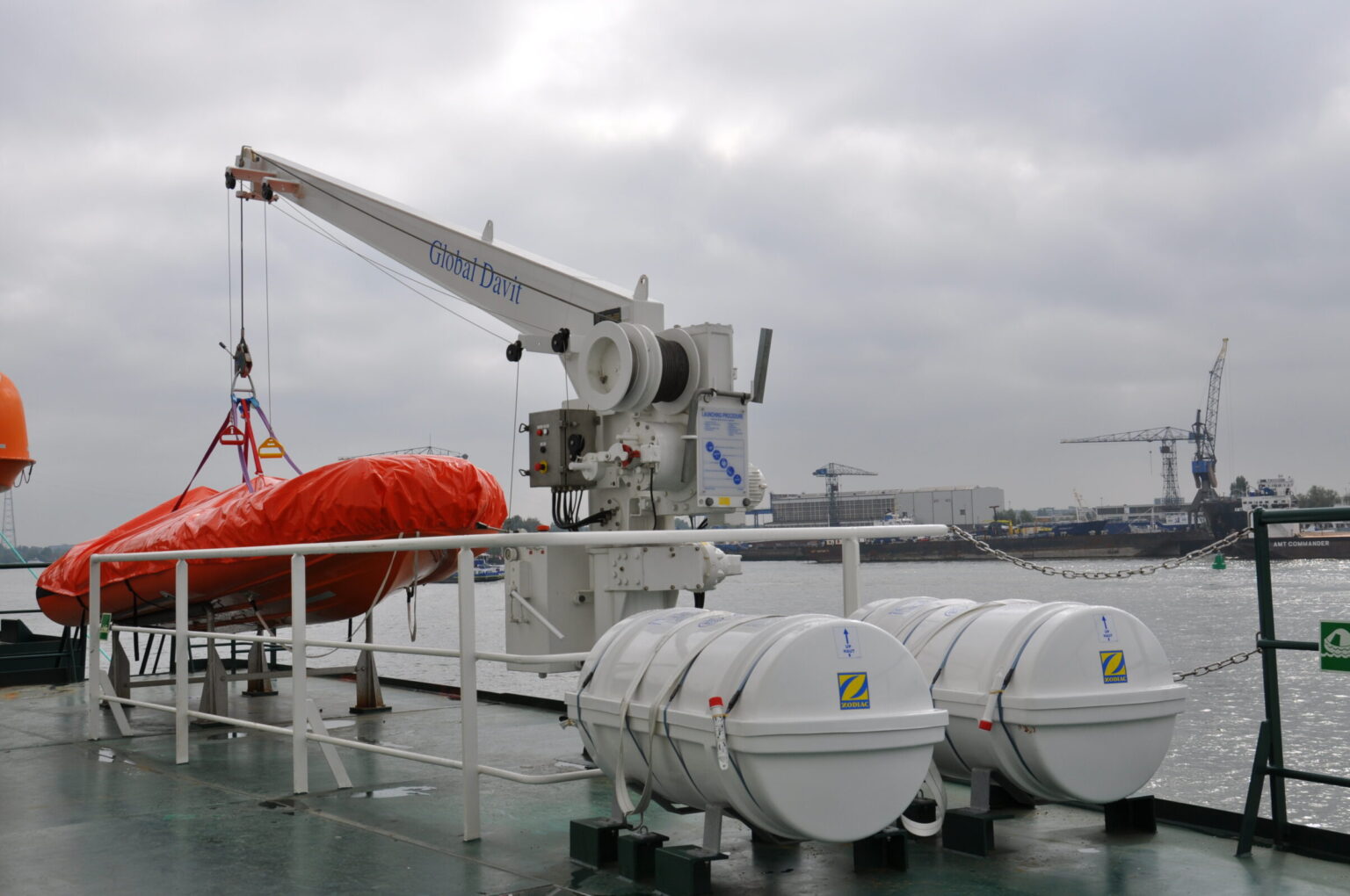
- Area: On-Load-Release-Gear (OLRG)Check: Annual functional test at 1.1 × SWL; after test check locking; inspect for dried paint/contamination/corrosion in lock, thread/shank wear/cracks. 5-year dynamic test. SOLAS III / MSC.402(96).
- Area: Drahtseile (Falls/Wire Ropes)Check: Inspect for kinks, corrosion, strand breakage (>10% over 8d length = replacement), inaccessible sections; correct/certified ropes; if required turn for full inspection; renewal per manufacturer interval.
- Area: Bremse (Zentrifugal- + Haltebremse)Check: Brake pad wear; check lowering speed (SOLAS S=0.4+0.02H, max ~36 m/min); remote release function; brake not blocked by poor maintenance.
- Area: Korrosion der Davit-StrukturCheck: Galvanized structure + stainless steel fasteners for pitting/discoloration; NDT of load-bearing structure for cracks; incident RRS Sir David Attenborough 2021 (severe corrosion due to poor maintenance).
- Area: Wartungs-ComplianceCheck: Planned maintenance complete since installation? Annual + 5-year tests recorded in logbook; manufacturer instructions followed; only authorized personnel (MSC.1/Circ.1205 Rev.1).
Universelle SOLAS-Inspektions-/Wartungspunkte fuer Davits/Rettungsboot-Aussetzvorrichtungen (modellunabhaengig, verifiziert aus IMCA/Gard/SOLAS MSC.1-Circ.1205, 2026-06). Per-Modell-SWL NICHT auto-gefuellt.
- IMO‑approved and listed by DNV, ensuring compliance with SOLAS requirements
- On‑Load Release Gear (OLRG) tested annually at 1.1×SWL and a 5‑year dynamic test for high reliability
- Corrosion‑resistant galvanized steel frame with stainless‑steel fittings reduces long‑term degradation
- Built‑in centrifugal + holding brake provides controlled descent and rapid stop during launch
- Standardised weekly motor run‑test and defined 5‑year full inspection simplify maintenance planning
- Requires annual OLRG verification and a certified service provider for hook maintenance, increasing operational cost
- Relatively heavy structure can limit deck space on smaller vessels
- Complex hydraulic/electrical system demands regular testing; failure of the motor or brake can impede launch
- Maintenance intervals (5‑year full inspection) are stricter than some competing lightweight davits
- Limited to lifeboats/rafts with a maximum SWL of 6 t, unsuitable for larger evacuation craft
- Area: On-Load-Release-Gear (OLRG)Check: Annual functional test at 1.1 × SWL; after test check locking; inspect for dried paint/contamination/corrosion in lock, thread/shank wear/cracks. 5-year dynamic test. SOLAS III / MSC.402(96).
- Area: Drahtseile (Falls/Wire Ropes)Check: Inspect for kinks, corrosion, strand breakage (>10% over 8d length = replacement), inaccessible sections; correct/certified ropes; if required turn for full inspection; renewal per manufacturer interval.
- Area: Bremse (Zentrifugal- + Haltebremse)Check: Brake pad wear; check lowering speed (SOLAS S=0.4+0.02H, max ~36 m/min); remote release function; brake not blocked by poor maintenance.
- Area: Korrosion der Davit-StrukturCheck: Galvanized structure + stainless steel fasteners for pitting/discoloration; NDT of load-bearing structure for cracks; incident RRS Sir David Attenborough 2021 (severe corrosion due to poor maintenance).
- Area: Wartungs-ComplianceCheck: Planned maintenance complete since installation? Annual + 5-year tests recorded in logbook; manufacturer instructions followed; only authorized personnel (MSC.1/Circ.1205 Rev.1).
Universelle SOLAS-Inspektions-/Wartungspunkte fuer Davits/Rettungsboot-Aussetzvorrichtungen (modellunabhaengig, verifiziert aus IMCA/Gard/SOLAS MSC.1-Circ.1205, 2026-06). Per-Modell-SWL NICHT auto-gefuellt.
- IMO approval and DNV listing provide recognized regulatory compliance.
- Integrated On‑Load Release Gear (OLRG) tested annually at 1.1×SWL ensures reliable release under load.
- Centrifugal + holding brake gives a predictable descent speed (S = 0.4 + 0.02H, max ≈36 m/min).
- Weekly motor run‑test (minimum 5 min) verifies drive reliability between inspections.
- Designed for compatibility with GFK hulls and includes a defined 5‑year full inspection programme.
- Maintenance intensive – annual hook service, 5‑year dynamic test and regular corrosion checks are mandatory.
- Requires authorized personnel familiar with MSC.1/Circ.1205 procedures; logbook administration is demanding.
- Galvanised steel structure can suffer corrosion if protective coatings are not rigorously maintained.
- SWL limitation (approximately 11 t) makes it unsuitable for larger rescue craft or lifeboats beyond that rating.
- Potential wear of brake pads and wire‑rope strands demands periodic replacement per manufacturer intervals.
- Area: On-Load-Release-Gear (OLRG)Check: Annual functional test at 1.1 × SWL; after test check locking; inspect for dried paint/contamination/corrosion in lock, thread/shank wear/cracks. 5-year dynamic test. SOLAS III / MSC.402(96).
- Area: Drahtseile (Falls/Wire Ropes)Check: Inspect for kinks, corrosion, strand breakage (>10% over 8d length = replacement), inaccessible sections; correct/certified ropes; if required turn for full inspection; renewal per manufacturer interval.
- Area: Bremse (Zentrifugal- + Haltebremse)Check: Brake pad wear; check lowering speed (SOLAS S=0.4+0.02H, max ~36 m/min); remote release function; brake not blocked by poor maintenance.
- Area: Korrosion der Davit-StrukturCheck: Galvanized structure + stainless steel fasteners for pitting/discoloration; NDT of load-bearing structure for cracks; incident RRS Sir David Attenborough 2021 (severe corrosion due to poor maintenance).
- Area: Wartungs-ComplianceCheck: Planned maintenance complete since installation? Annual + 5-year tests recorded in logbook; manufacturer instructions followed; only authorized personnel (MSC.1/Circ.1205 Rev.1).
Universelle SOLAS-Inspektions-/Wartungspunkte fuer Davits/Rettungsboot-Aussetzvorrichtungen (modellunabhaengig, verifiziert aus IMCA/Gard/SOLAS MSC.1-Circ.1205, 2026-06). Per-Modell-SWL NICHT auto-gefuellt.
- IMO SOLAS approved and listed by DNV, ensuring regulatory compliance
- Integrated centrifugal plus hold brake provides controlled descent (S ≤ 0.4 + 0.02H m/min)
- Robust zinc‑galvanised structure with stainless‑steel fittings reduces corrosion risk when maintained
- Clear maintenance regime (weekly motor test, annual hook inspection, 5‑year dynamic test) aligns with IMCA/GARD guidelines
- Designed for standard lifeboat/raft SWL ranges and compatible with GFK hulls
- Annual professional release‑hook inspection adds to operating cost
- 5‑year dynamic load test may require vessel downtime and specialised equipment
- Wire‑rope inspections are labour‑intensive (turnings, kink checks, corrosion limits)
- Corrosion problems have been reported when maintenance intervals are missed (e.g., RRS Sir David Attenborough incident)
- Capacity limited to the specific SWL rating of the model; not suitable for oversized lifeboats
- Area: On-Load-Release-Gear (OLRG)Check: Annual functional test at 1.1 × SWL; after test check locking; inspect for dried paint/contamination/corrosion in lock, thread/shank wear/cracks. 5-year dynamic test. SOLAS III / MSC.402(96).
- Area: Drahtseile (Falls/Wire Ropes)Check: Inspect for kinks, corrosion, strand breakage (>10% over 8d length = replacement), inaccessible sections; correct/certified ropes; if required turn for full inspection; renewal per manufacturer interval.
- Area: Bremse (Zentrifugal- + Haltebremse)Check: Brake pad wear; check lowering speed (SOLAS S=0.4+0.02H, max ~36 m/min); remote release function; brake not blocked by poor maintenance.
- Area: Korrosion der Davit-StrukturCheck: Galvanized structure + stainless steel fasteners for pitting/discoloration; NDT of load-bearing structure for cracks; incident RRS Sir David Attenborough 2021 (severe corrosion due to poor maintenance).
- Area: Wartungs-ComplianceCheck: Planned maintenance complete since installation? Annual + 5-year tests recorded in logbook; manufacturer instructions followed; only authorized personnel (MSC.1/Circ.1205 Rev.1).
Universelle SOLAS-Inspektions-/Wartungspunkte fuer Davits/Rettungsboot-Aussetzvorrichtungen (modellunabhaengig, verifiziert aus IMCA/Gard/SOLAS MSC.1-Circ.1205, 2026-06). Per-Modell-SWL NICHT auto-gefuellt.
- IMO SOLAS approved and DNV certified, ensuring regulatory compliance
- On‑load release gear tested at 1.1× SWL provides a high safety margin
- Integrated centrifugal brake with remote release improves deployment control
- Zinc‑galvanised structure with stainless‑steel fittings offers good resistance to marine corrosion
- Weekly motor test routine supports reliable operation of the winch drive
- Requires intensive maintenance: annual OLRG inspection, 5‑year dynamic test and regular wire‑rope checks
- Brake wear must be monitored; degraded pads can affect lowering speed
- Corrosion can still develop at hidden joints if maintenance is missed
- Capacity may be lower than some high‑SWL davits used on large passenger vessels
- Installation space is limited to vessels that can accommodate the davit footprint
- Area: On-Load-Release-Gear (OLRG)Check: Annual functional test at 1.1 × SWL; after test check locking; inspect for dried paint/contamination/corrosion in lock, thread/shank wear/cracks. 5-year dynamic test. SOLAS III / MSC.402(96).
- Area: Drahtseile (Falls/Wire Ropes)Check: Inspect for kinks, corrosion, strand breakage (>10% over 8d length = replacement), inaccessible sections; correct/certified ropes; if required turn for full inspection; renewal per manufacturer interval.
- Area: Bremse (Zentrifugal- + Haltebremse)Check: Brake pad wear; check lowering speed (SOLAS S=0.4+0.02H, max ~36 m/min); remote release function; brake not blocked by poor maintenance.
- Area: Korrosion der Davit-StrukturCheck: Galvanized structure + stainless steel fasteners for pitting/discoloration; NDT of load-bearing structure for cracks; incident RRS Sir David Attenborough 2021 (severe corrosion due to poor maintenance).
- Area: Wartungs-ComplianceCheck: Planned maintenance complete since installation? Annual + 5-year tests recorded in logbook; manufacturer instructions followed; only authorized personnel (MSC.1/Circ.1205 Rev.1).
Universelle SOLAS-Inspektions-/Wartungspunkte fuer Davits/Rettungsboot-Aussetzvorrichtungen (modellunabhaengig, verifiziert aus IMCA/Gard/SOLAS MSC.1-Circ.1205, 2026-06). Per-Modell-SWL NICHT auto-gefuellt.
- DNV‑approved design meeting IMO SOLAS requirements
- Integrated centrifugal and hold brake provides controlled lowering speed (≤ 0.4 m/s)
- High safety factor – on‑load release tested at 1.1× SWL annually
- Modular construction with zinc‑coated steel and stainless‑steel fittings for corrosion resistance
- Clear maintenance schedule (weekly motor test, annual hook service, 5‑year full inspection)
- Requires regular maintenance – weekly motor run‑test and yearly release‑hook servicing
- Potential corrosion of the davit structure if protective coatings are not refreshed
- Relatively heavy steel construction may limit deck space on smaller vessels
- Manual release gear; no fully automated or remote‑release option
- Limited to lifeboats/rafts within a specific size and weight range (model‑specific SWL)
- Area: On-Load-Release-Gear (OLRG)Check: Annual functional test at 1.1 × SWL; after test check locking; inspect for dried paint/contamination/corrosion in lock, thread/shank wear/cracks. 5-year dynamic test. SOLAS III / MSC.402(96).
- Area: Drahtseile (Falls/Wire Ropes)Check: Inspect for kinks, corrosion, strand breakage (>10% over 8d length = replacement), inaccessible sections; correct/certified ropes; if required turn for full inspection; renewal per manufacturer interval.
- Area: Bremse (Zentrifugal- + Haltebremse)Check: Brake pad wear; check lowering speed (SOLAS S=0.4+0.02H, max ~36 m/min); remote release function; brake not blocked by poor maintenance.
- Area: Korrosion der Davit-StrukturCheck: Galvanized structure + stainless steel fasteners for pitting/discoloration; NDT of load-bearing structure for cracks; incident RRS Sir David Attenborough 2021 (severe corrosion due to poor maintenance).
- Area: Wartungs-ComplianceCheck: Planned maintenance complete since installation? Annual + 5-year tests recorded in logbook; manufacturer instructions followed; only authorized personnel (MSC.1/Circ.1205 Rev.1).
Universelle SOLAS-Inspektions-/Wartungspunkte fuer Davits/Rettungsboot-Aussetzvorrichtungen (modellunabhaengig, verifiziert aus IMCA/Gard/SOLAS MSC.1-Circ.1205, 2026-06). Per-Modell-SWL NICHT auto-gefuellt.
- IMO‑approved and DNV‑certified, ensuring compliance with SOLAS requirements
- Integrated motor test (minimum 5 min weekly) simplifies functional verification
- Dual braking system (centrifugal + hold brake) provides controlled descent and rapid release
- Designed for GFK hulls with dedicated inspection points during docking
- Structured maintenance regime (annual hook service, 5‑year full inspection) aligns with MSC.1/Circ.1205
- Requires weekly motor testing and annual specialist hook servicing – high operational overhead
- Corrosion of the steel structure can become critical if NDT inspections are missed (historical incidents reported)
- Complex brake adjustment; wear monitoring of pads is mandatory to meet S‑speed limits
- Limited to vessels that can accommodate its footprint and load capacity (SWL specific)
- Replacement of wire ropes must follow strict kinking and corrosion criteria, adding spare‑part inventory
- Area: On-Load-Release-Gear (OLRG)Check: Annual functional test at 1.1 × SWL; after test check locking; inspect for dried paint/contamination/corrosion in lock, thread/shank wear/cracks. 5-year dynamic test. SOLAS III / MSC.402(96).
- Area: Drahtseile (Falls/Wire Ropes)Check: Inspect for kinks, corrosion, strand breakage (>10% over 8d length = replacement), inaccessible sections; correct/certified ropes; if required turn for full inspection; renewal per manufacturer interval.
- Area: Bremse (Zentrifugal- + Haltebremse)Check: Brake pad wear; check lowering speed (SOLAS S=0.4+0.02H, max ~36 m/min); remote release function; brake not blocked by poor maintenance.
- Area: Korrosion der Davit-StrukturCheck: Galvanized structure + stainless steel fasteners for pitting/discoloration; NDT of load-bearing structure for cracks; incident RRS Sir David Attenborough 2021 (severe corrosion due to poor maintenance).
- Area: Wartungs-ComplianceCheck: Planned maintenance complete since installation? Annual + 5-year tests recorded in logbook; manufacturer instructions followed; only authorized personnel (MSC.1/Circ.1205 Rev.1).
Universelle SOLAS-Inspektions-/Wartungspunkte fuer Davits/Rettungsboot-Aussetzvorrichtungen (modellunabhaengig, verifiziert aus IMCA/Gard/SOLAS MSC.1-Circ.1205, 2026-06). Per-Modell-SWL NICHT auto-gefuellt.
- IMO approved and DNV class certified, ensuring compliance with SOLAS requirements
- Integrated motor allows rapid deployment and can be tested weekly for reliability
- Corrosion‑protected (galvanised frame with stainless‑steel fittings) reduces structural degradation
- Designed for high safe working load (up to 15 t), suitable for larger lifeboats
- Clear maintenance schedule (annual hook inspection, 5‑year dynamic test) aligns with IMCA and MSC guidelines
- Requires regular specialised inspections (annual OLRG test, 5‑year dynamic test) increasing upkeep cost
- Dependence on electrical power; loss of power could impair launch unless backup is provided
- Complexity of motorised winch may lead to higher failure rates if maintenance is neglected
- Limited suitability for vessels that prefer simple manual davits or have low SWL requirements
- Area: On-Load-Release-Gear (OLRG)Check: Annual functional test at 1.1 × SWL; after test check locking; inspect for dried paint/contamination/corrosion in lock, thread/shank wear/cracks. 5-year dynamic test. SOLAS III / MSC.402(96).
- Area: Drahtseile (Falls/Wire Ropes)Check: Inspect for kinks, corrosion, strand breakage (>10% over 8d length = replacement), inaccessible sections; correct/certified ropes; if required turn for full inspection; renewal per manufacturer interval.
- Area: Bremse (Zentrifugal- + Haltebremse)Check: Brake pad wear; check lowering speed (SOLAS S=0.4+0.02H, max ~36 m/min); remote release function; brake not blocked by poor maintenance.
- Area: Korrosion der Davit-StrukturCheck: Galvanized structure + stainless steel fasteners for pitting/discoloration; NDT of load-bearing structure for cracks; incident RRS Sir David Attenborough 2021 (severe corrosion due to poor maintenance).
- Area: Wartungs-ComplianceCheck: Planned maintenance complete since installation? Annual + 5-year tests recorded in logbook; manufacturer instructions followed; only authorized personnel (MSC.1/Circ.1205 Rev.1).
Universelle SOLAS-Inspektions-/Wartungspunkte fuer Davits/Rettungsboot-Aussetzvorrichtungen (modellunabhaengig, verifiziert aus IMCA/Gard/SOLAS MSC.1-Circ.1205, 2026-06). Per-Modell-SWL NICHT auto-gefuellt.
- IMO and DNV approved, ensuring compliance with SOLAS requirements
- Corrosion‑resistant zinc‑galvanised frame with stainless‑steel fixings reduces long‑term degradation
- Standardised weekly motor run‑test (minimum 5 min) simplifies operational verification
- Designed for on‑load release gear testing at 1.1×SWL as per SOLAS MSC.402(96)
- Compatible with GFK lifeboat hulls and includes a 5‑year comprehensive inspection schedule
- Requires strict adherence to annual and 5‑year maintenance intervals; non‑compliance can lead to regulatory penalties
- On‑load release gear, wire ropes and brake components are known wear points that need regular inspection
- Corrosion of the davit structure can become critical if maintenance is neglected (historical incidents reported)
- No publicly available data on weight, dimensions or power consumption limits integration planning
- Limited information on optional automation or remote‑release features
- Area: On-Load-Release-Gear (OLRG)Check: Annual functional test at 1.1 × SWL; after test check locking; inspect for dried paint/contamination/corrosion in lock, thread/shank wear/cracks. 5-year dynamic test. SOLAS III / MSC.402(96).
- Area: Drahtseile (Falls/Wire Ropes)Check: Inspect for kinks, corrosion, strand breakage (>10% over 8d length = replacement), inaccessible sections; correct/certified ropes; if required turn for full inspection; renewal per manufacturer interval.
- Area: Bremse (Zentrifugal- + Haltebremse)Check: Brake pad wear; check lowering speed (SOLAS S=0.4+0.02H, max ~36 m/min); remote release function; brake not blocked by poor maintenance.
- Area: Korrosion der Davit-StrukturCheck: Galvanized structure + stainless steel fasteners for pitting/discoloration; NDT of load-bearing structure for cracks; incident RRS Sir David Attenborough 2021 (severe corrosion due to poor maintenance).
- Area: Wartungs-ComplianceCheck: Planned maintenance complete since installation? Annual + 5-year tests recorded in logbook; manufacturer instructions followed; only authorized personnel (MSC.1/Circ.1205 Rev.1).
Universelle SOLAS-Inspektions-/Wartungspunkte fuer Davits/Rettungsboot-Aussetzvorrichtungen (modellunabhaengig, verifiziert aus IMCA/Gard/SOLAS MSC.1-Circ.1205, 2026-06). Per-Modell-SWL NICHT auto-gefuellt.
- IMO SOLAS approved and listed in the DNV approval finder – recognised by flag states and classification societies
- Integrated on‑load release gear allows safe launch under load, meeting SOLAS III / MSC.402(96) requirements
- Zinc‑coated structural members with stainless‑steel fittings provide good resistance to marine corrosion when maintained
- Clear maintenance intervals (annual motor test, yearly hook inspection, 5‑year full inspection) simplify compliance planning
- Designed for right‑hand side installation on vessels where space constraints limit centre‑line davits
- Requires a dedicated annual functional test of the release motor (minimum 5 min run) and specialised service for hook maintenance
- High inspection workload – OLRG, wire ropes, brake system and structural corrosion all need yearly checks plus a 5‑year dynamic test
- Corrosion can become critical if the zinc coating or stainless fittings are not inspected regularly (historical incidents reported)
- Limited to right‑hand side mounting; may not suit vessels with centre‑line davit arrangements
- 5‑year major overhaul incurs significant downtime and cost compared with simpler gravity‑type lifeboat launchers

- Area: On-Load-Release-Gear (OLRG)Check: Annual functional test at 1.1 × SWL; after test check locking; inspect for dried paint/contamination/corrosion in lock, thread/shank wear/cracks. 5-year dynamic test. SOLAS III / MSC.402(96).
- Area: Drahtseile (Falls/Wire Ropes)Check: Inspect for kinks, corrosion, strand breakage (>10% over 8d length = replacement), inaccessible sections; correct/certified ropes; if required turn for full inspection; renewal per manufacturer interval.
- Area: Bremse (Zentrifugal- + Haltebremse)Check: Brake pad wear; check lowering speed (SOLAS S=0.4+0.02H, max ~36 m/min); remote release function; brake not blocked by poor maintenance.
- Area: Korrosion der Davit-StrukturCheck: Galvanized structure + stainless steel fasteners for pitting/discoloration; NDT of load-bearing structure for cracks; incident RRS Sir David Attenborough 2021 (severe corrosion due to poor maintenance).
- Area: Wartungs-ComplianceCheck: Planned maintenance complete since installation? Annual + 5-year tests recorded in logbook; manufacturer instructions followed; only authorized personnel (MSC.1/Circ.1205 Rev.1).
Universelle SOLAS-Inspektions-/Wartungspunkte fuer Davits/Rettungsboot-Aussetzvorrichtungen (modellunabhaengig, verifiziert aus IMCA/Gard/SOLAS MSC.1-Circ.1205, 2026-06). Per-Modell-SWL NICHT auto-gefuellt.
- IMO SOLAS approval with DNV verification ensures regulatory compliance
- Motor‑driven release allows rapid, repeatable launch tests (weekly 5 min runs)
- Designed for 1.1×SWL annual load testing and a 5‑year dynamic test per SOLAS MSC.402(96)
- Compatible with GFK hulls and includes provisions for brake wear monitoring
- Comprehensive service schedule (annual hook maintenance, 5‑year full inspection) documented in logbook
- High maintenance burden: annual OLRG functional test, wire‑rope inspections, brake wear checks
- Corrosion of the davit structure reported if protective coatings are neglected
- Requires trained personnel certified under MSC.1/Circ.1205 for inspection and release operations
- Limited to vessels that can accommodate its specific SWL and mounting footprint
- Area: On-Load-Release-Gear (OLRG)Check: Annual functional test at 1.1 × SWL; after test check locking; inspect for dried paint/contamination/corrosion in lock, thread/shank wear/cracks. 5-year dynamic test. SOLAS III / MSC.402(96).
- Area: Drahtseile (Falls/Wire Ropes)Check: Inspect for kinks, corrosion, strand breakage (>10% over 8d length = replacement), inaccessible sections; correct/certified ropes; if required turn for full inspection; renewal per manufacturer interval.
- Area: Bremse (Zentrifugal- + Haltebremse)Check: Brake pad wear; check lowering speed (SOLAS S=0.4+0.02H, max ~36 m/min); remote release function; brake not blocked by poor maintenance.
- Area: Korrosion der Davit-StrukturCheck: Galvanized structure + stainless steel fasteners for pitting/discoloration; NDT of load-bearing structure for cracks; incident RRS Sir David Attenborough 2021 (severe corrosion due to poor maintenance).
- Area: Wartungs-ComplianceCheck: Planned maintenance complete since installation? Annual + 5-year tests recorded in logbook; manufacturer instructions followed; only authorized personnel (MSC.1/Circ.1205 Rev.1).
Universelle SOLAS-Inspektions-/Wartungspunkte fuer Davits/Rettungsboot-Aussetzvorrichtungen (modellunabhaengig, verifiziert aus IMCA/Gard/SOLAS MSC.1-Circ.1205, 2026-06). Per-Modell-SWL NICHT auto-gefuellt.
- IMO D‑2 and DNV approved – meets SOLAS requirements out of the box
- Integrated on‑load release gear (OLRG) with annual functional test at 1.1×SWL
- Compact footprint allows installation on vessels with limited deck space or composite hulls
- Defined maintenance regime (weekly motor run, yearly hook service, 5‑year full inspection) simplifies compliance tracking
- Designed for a SWL up to 12 t with verified brake deceleration performance (≤0.42 m/s²)
- Higher initial capital cost compared with manual or simple hydraulic davits
- Requires specialist authorised service personnel for annual hook maintenance (MSC‑1/Circ.1205)
- Hydraulic system adds complexity and potential leak points if not inspected rigorously
- Corrosion of steel components can become an issue on vessels with poor upkeep, as highlighted by past incidents
- Limited to lifeboats/rafts within the 6–12 t SWL range; larger craft need a different davit class
- Area: On-Load-Release-Gear (OLRG)Check: Annual functional test at 1.1 × SWL; after test check locking; inspect for dried paint/contamination/corrosion in lock, thread/shank wear/cracks. 5-year dynamic test. SOLAS III / MSC.402(96).
- Area: Drahtseile (Falls/Wire Ropes)Check: Inspect for kinks, corrosion, strand breakage (>10% over 8d length = replacement), inaccessible sections; correct/certified ropes; if required turn for full inspection; renewal per manufacturer interval.
- Area: Bremse (Zentrifugal- + Haltebremse)Check: Brake pad wear; check lowering speed (SOLAS S=0.4+0.02H, max ~36 m/min); remote release function; brake not blocked by poor maintenance.
- Area: Korrosion der Davit-StrukturCheck: Galvanized structure + stainless steel fasteners for pitting/discoloration; NDT of load-bearing structure for cracks; incident RRS Sir David Attenborough 2021 (severe corrosion due to poor maintenance).
- Area: Wartungs-ComplianceCheck: Planned maintenance complete since installation? Annual + 5-year tests recorded in logbook; manufacturer instructions followed; only authorized personnel (MSC.1/Circ.1205 Rev.1).
Universelle SOLAS-Inspektions-/Wartungspunkte fuer Davits/Rettungsboot-Aussetzvorrichtungen (modellunabhaengig, verifiziert aus IMCA/Gard/SOLAS MSC.1-Circ.1205, 2026-06). Per-Modell-SWL NICHT auto-gefuellt.
- IMO‑approved and DNV‑certified, ensuring compliance with SOLAS requirements
- High safe working load (≈170 kN) suitable for large lifeboats or rigid inflatable boats
- Integrated motor test routine (weekly 5‑minute run) simplifies functional verification
- Modular design allows straightforward inspection of OLRG, wire ropes and brake system
- Comprehensive maintenance schedule (annual hook service, 5‑year full inspection) aligns with IMCA/GARD guidelines
- Frequent testing (weekly motor run, annual release‑hook check) increases operational workload
- Requires authorised service personnel for hook and brake servicing, adding cost
- Corrosion of the davit structure has been reported if maintenance is neglected
- Wire‑rope inspection demands removal and full turn‑over, which can be time‑consuming
- Physical size may limit installation on vessels with restricted deck space
- Area: On-Load-Release-Gear (OLRG)Check: Annual functional test at 1.1 × SWL; after test check locking; inspect for dried paint/contamination/corrosion in lock, thread/shank wear/cracks. 5-year dynamic test. SOLAS III / MSC.402(96).
- Area: Drahtseile (Falls/Wire Ropes)Check: Inspect for kinks, corrosion, strand breakage (>10% over 8d length = replacement), inaccessible sections; correct/certified ropes; if required turn for full inspection; renewal per manufacturer interval.
- Area: Bremse (Zentrifugal- + Haltebremse)Check: Brake pad wear; check lowering speed (SOLAS S=0.4+0.02H, max ~36 m/min); remote release function; brake not blocked by poor maintenance.
- Area: Korrosion der Davit-StrukturCheck: Galvanized structure + stainless steel fasteners for pitting/discoloration; NDT of load-bearing structure for cracks; incident RRS Sir David Attenborough 2021 (severe corrosion due to poor maintenance).
- Area: Wartungs-ComplianceCheck: Planned maintenance complete since installation? Annual + 5-year tests recorded in logbook; manufacturer instructions followed; only authorized personnel (MSC.1/Circ.1205 Rev.1).
Universelle SOLAS-Inspektions-/Wartungspunkte fuer Davits/Rettungsboot-Aussetzvorrichtungen (modellunabhaengig, verifiziert aus IMCA/Gard/SOLAS MSC.1-Circ.1205, 2026-06). Per-Modell-SWL NICHT auto-gefuellt.
- IMO SOLAS approval confirmed (imo_approved true).
- Listed in DNV’s approval finder, indicating DNV class certification.
- Integrated on‑load release gear (OLRG) with defined annual functional test at 1.1×SWL.
- Designed for corrosion‑resistant galvanized steel structure with stainless‑steel fittings.
- Clear maintenance regime: weekly motor run‑test, yearly hook service and 5‑year full inspection.
- Requires authorized service provider for annual release‑hook maintenance (SOLAS MSC.402(96)).
- Frequent testing (weekly motor run) adds operational workload.
- Brake system (centrifugal + holding brake) must be monitored for wear and speed compliance.
- Corrosion of the davit structure can become critical if inspections are missed, as shown by past incidents.
- Area: On-Load-Release-Gear (OLRG)Check: Annual functional test at 1.1 × SWL; after test check locking; inspect for dried paint/contamination/corrosion in lock, thread/shank wear/cracks. 5-year dynamic test. SOLAS III / MSC.402(96).
- Area: Drahtseile (Falls/Wire Ropes)Check: Inspect for kinks, corrosion, strand breakage (>10% over 8d length = replacement), inaccessible sections; correct/certified ropes; if required turn for full inspection; renewal per manufacturer interval.
- Area: Bremse (Zentrifugal- + Haltebremse)Check: Brake pad wear; check lowering speed (SOLAS S=0.4+0.02H, max ~36 m/min); remote release function; brake not blocked by poor maintenance.
- Area: Korrosion der Davit-StrukturCheck: Galvanized structure + stainless steel fasteners for pitting/discoloration; NDT of load-bearing structure for cracks; incident RRS Sir David Attenborough 2021 (severe corrosion due to poor maintenance).
- Area: Wartungs-ComplianceCheck: Planned maintenance complete since installation? Annual + 5-year tests recorded in logbook; manufacturer instructions followed; only authorized personnel (MSC.1/Circ.1205 Rev.1).
Universelle SOLAS-Inspektions-/Wartungspunkte fuer Davits/Rettungsboot-Aussetzvorrichtungen (modellunabhaengig, verifiziert aus IMCA/Gard/SOLAS MSC.1-Circ.1205, 2026-06). Per-Modell-SWL NICHT auto-gefuellt.
- IMO SOLAS approved and listed in DNV approval database
- Integrated centrifugal + hold brake provides controlled descent (S ≤ 0.4 + 0.02H m/min)
- Corrosion‑resistant galvanized frame with stainless‑steel fittings reduces structural degradation
- Weekly motor run‑test and annual OLRG verification ensure high readiness levels
- 5‑year full inspection schedule aligns with SOLAS MSC.402(96) requirements
- Requires strict maintenance regime (weekly motor test, annual hook service, 5‑yr inspection)
- Hydraulic power dependency; loss of hydraulic pressure disables automatic release unless manual backup is used
- Potential for corrosion if maintenance lapses – documented incidents on similar davits
- Spare‑part supply may be limited outside Europe due to German manufacturer
- Configuration limited to the SWL ranges defined by the model series (15 t, 2/3 t, 5‑9 t, 9/3 t, 7 t)
- Area: On-Load-Release-Gear (OLRG)Check: Annual functional test at 1.1 × SWL; after test check locking; inspect for dried paint/contamination/corrosion in lock, thread/shank wear/cracks. 5-year dynamic test. SOLAS III / MSC.402(96).
- Area: Drahtseile (Falls/Wire Ropes)Check: Inspect for kinks, corrosion, strand breakage (>10% over 8d length = replacement), inaccessible sections; correct/certified ropes; if required turn for full inspection; renewal per manufacturer interval.
- Area: Bremse (Zentrifugal- + Haltebremse)Check: Brake pad wear; check lowering speed (SOLAS S=0.4+0.02H, max ~36 m/min); remote release function; brake not blocked by poor maintenance.
- Area: Korrosion der Davit-StrukturCheck: Galvanized structure + stainless steel fasteners for pitting/discoloration; NDT of load-bearing structure for cracks; incident RRS Sir David Attenborough 2021 (severe corrosion due to poor maintenance).
- Area: Wartungs-ComplianceCheck: Planned maintenance complete since installation? Annual + 5-year tests recorded in logbook; manufacturer instructions followed; only authorized personnel (MSC.1/Circ.1205 Rev.1).
Universelle SOLAS-Inspektions-/Wartungspunkte fuer Davits/Rettungsboot-Aussetzvorrichtungen (modellunabhaengig, verifiziert aus IMCA/Gard/SOLAS MSC.1-Circ.1205, 2026-06). Per-Modell-SWL NICHT auto-gefuellt.
- IMO‑approved and listed by DNV, ensuring regulatory compliance out of the box
- Capable of handling a wide range of lifeboat sizes (3.6–10 m) on a single installation
- Corrosion‑resistant galvanized structure with stainless‑steel fittings for marine durability
- Integrated motor test procedure (weekly 5‑minute run) supports reliable launch performance
- Comprehensive maintenance regime including annual release‑hook service and 5‑year full inspection
- Requires specialised hydraulic/electro‑hydraulic servicing; only authorised personnel may perform maintenance
- Annual release‑hook overhaul adds to operational cost and downtime
- Limited to right‑hand side installation, reducing flexibility on vessels with space constraints
- Higher initial capital outlay compared with simpler manual davits
- Performance depends on strict adherence to inspection schedule; neglect can lead to OLRG or corrosion failures
- Area: On-Load-Release-Gear (OLRG)Check: Annual functional test at 1.1 × SWL; after test check locking; inspect for dried paint/contamination/corrosion in lock, thread/shank wear/cracks. 5-year dynamic test. SOLAS III / MSC.402(96).
- Area: Drahtseile (Falls/Wire Ropes)Check: Inspect for kinks, corrosion, strand breakage (>10% over 8d length = replacement), inaccessible sections; correct/certified ropes; if required turn for full inspection; renewal per manufacturer interval.
- Area: Bremse (Zentrifugal- + Haltebremse)Check: Brake pad wear; check lowering speed (SOLAS S=0.4+0.02H, max ~36 m/min); remote release function; brake not blocked by poor maintenance.
- Area: Korrosion der Davit-StrukturCheck: Galvanized structure + stainless steel fasteners for pitting/discoloration; NDT of load-bearing structure for cracks; incident RRS Sir David Attenborough 2021 (severe corrosion due to poor maintenance).
- Area: Wartungs-ComplianceCheck: Planned maintenance complete since installation? Annual + 5-year tests recorded in logbook; manufacturer instructions followed; only authorized personnel (MSC.1/Circ.1205 Rev.1).
Universelle SOLAS-Inspektions-/Wartungspunkte fuer Davits/Rettungsboot-Aussetzvorrichtungen (modellunabhaengig, verifiziert aus IMCA/Gard/SOLAS MSC.1-Circ.1205, 2026-06). Per-Modell-SWL NICHT auto-gefuellt.
- IMO‑approved and listed in the DNV approval database (model 9497410 HH)
- Integrated on‑load release gear enables safe launch under load
- Hydraulic operation provides rapid, controlled lowering of lifeboats
- Corrosion‑resistant galvanized frame with stainless‑steel fittings
- Defined maintenance regime (weekly motor test, annual OLRG inspection, 5‑year full dynamic test) supports compliance
- Maintenance intensive – requires yearly OLRG testing and periodic wire‑rope replacement
- Brake wear must be monitored; centrifugal brake performance can degrade if not serviced
- Limited to right‑hand side installation, reducing flexibility on vessels with space constraints
- Potential for corrosion of structural members if maintenance intervals are missed (historical incidents reported)
- Higher initial cost compared with simple manual davits
- Area: On-Load-Release-Gear (OLRG)Check: Annual functional test at 1.1 × SWL; after test check locking; inspect for dried paint/contamination/corrosion in lock, thread/shank wear/cracks. 5-year dynamic test. SOLAS III / MSC.402(96).
- Area: Drahtseile (Falls/Wire Ropes)Check: Inspect for kinks, corrosion, strand breakage (>10% over 8d length = replacement), inaccessible sections; correct/certified ropes; if required turn for full inspection; renewal per manufacturer interval.
- Area: Bremse (Zentrifugal- + Haltebremse)Check: Brake pad wear; check lowering speed (SOLAS S=0.4+0.02H, max ~36 m/min); remote release function; brake not blocked by poor maintenance.
- Area: Korrosion der Davit-StrukturCheck: Galvanized structure + stainless steel fasteners for pitting/discoloration; NDT of load-bearing structure for cracks; incident RRS Sir David Attenborough 2021 (severe corrosion due to poor maintenance).
- Area: Wartungs-ComplianceCheck: Planned maintenance complete since installation? Annual + 5-year tests recorded in logbook; manufacturer instructions followed; only authorized personnel (MSC.1/Circ.1205 Rev.1).
Universelle SOLAS-Inspektions-/Wartungspunkte fuer Davits/Rettungsboot-Aussetzvorrichtungen (modellunabhaengig, verifiziert aus IMCA/Gard/SOLAS MSC.1-Circ.1205, 2026-06). Per-Modell-SWL NICHT auto-gefuellt.
- IMO‑approved and DNV‑certified, ensuring compliance with SOLAS launch requirements
- Integrated on‑load release gear (OLRG) with annual functional test capability
- Corrosion‑resistant galvanized steel structure with stainless‑steel fittings
- Centrifugal + holding brake provides controlled descent speed (≤ 36 m/min)
- Standardised wire‑rope arrangement allowing straightforward replacement per manufacturer interval
- Requires extensive maintenance regime: annual OLRG test, yearly brake inspection and a 5‑year full structural inspection
- Potential for corrosion‑related failures if coating inspections are missed (historical incidents reported)
- Complexity of the release mechanism can lead to longer crew training requirements
- Higher upfront cost compared with basic manual davits
- Area: On-Load-Release-Gear (OLRG)Check: Annual functional test at 1.1 × SWL; after test check locking; inspect for dried paint/contamination/corrosion in lock, thread/shank wear/cracks. 5-year dynamic test. SOLAS III / MSC.402(96).
- Area: Drahtseile (Falls/Wire Ropes)Check: Inspect for kinks, corrosion, strand breakage (>10% over 8d length = replacement), inaccessible sections; correct/certified ropes; if required turn for full inspection; renewal per manufacturer interval.
- Area: Bremse (Zentrifugal- + Haltebremse)Check: Brake pad wear; check lowering speed (SOLAS S=0.4+0.02H, max ~36 m/min); remote release function; brake not blocked by poor maintenance.
- Area: Korrosion der Davit-StrukturCheck: Galvanized structure + stainless steel fasteners for pitting/discoloration; NDT of load-bearing structure for cracks; incident RRS Sir David Attenborough 2021 (severe corrosion due to poor maintenance).
- Area: Wartungs-ComplianceCheck: Planned maintenance complete since installation? Annual + 5-year tests recorded in logbook; manufacturer instructions followed; only authorized personnel (MSC.1/Circ.1205 Rev.1).
Universelle SOLAS-Inspektions-/Wartungspunkte fuer Davits/Rettungsboot-Aussetzvorrichtungen (modellunabhaengig, verifiziert aus IMCA/Gard/SOLAS MSC.1-Circ.1205, 2026-06). Per-Modell-SWL NICHT auto-gefuellt.
- IMO‑SOLAS approved and listed in DNV’s approval finder – proven regulatory compliance
- Corrosion‑resistant steel frame with stainless‑steel fittings reduces long‑term degradation
- Integrated weekly motor test (≥5 min) simplifies verification of hoist performance
- Designed for annual OLRG inspection and 5‑year dynamic testing per MSC.402(96)
- Compact footprint suitable for vessels with limited side‑deck space
- Requires dedicated hydraulic power unit; retrofitting on older ships may need additional piping
- Annual release‑hook service must be performed by a SOLAS‑approved contractor, adding operational cost
- Limited published data on maximum SWL beyond the model designation – users must confirm capacity for specific loads
- No built‑in remote‑release option; manual hook operation only
- Area: On-Load-Release-Gear (OLRG)Check: Annual functional test at 1.1 × SWL; after test check locking; inspect for dried paint/contamination/corrosion in lock, thread/shank wear/cracks. 5-year dynamic test. SOLAS III / MSC.402(96).
- Area: Drahtseile (Falls/Wire Ropes)Check: Inspect for kinks, corrosion, strand breakage (>10% over 8d length = replacement), inaccessible sections; correct/certified ropes; if required turn for full inspection; renewal per manufacturer interval.
- Area: Bremse (Zentrifugal- + Haltebremse)Check: Brake pad wear; check lowering speed (SOLAS S=0.4+0.02H, max ~36 m/min); remote release function; brake not blocked by poor maintenance.
- Area: Korrosion der Davit-StrukturCheck: Galvanized structure + stainless steel fasteners for pitting/discoloration; NDT of load-bearing structure for cracks; incident RRS Sir David Attenborough 2021 (severe corrosion due to poor maintenance).
- Area: Wartungs-ComplianceCheck: Planned maintenance complete since installation? Annual + 5-year tests recorded in logbook; manufacturer instructions followed; only authorized personnel (MSC.1/Circ.1205 Rev.1).
Universelle SOLAS-Inspektions-/Wartungspunkte fuer Davits/Rettungsboot-Aussetzvorrichtungen (modellunabhaengig, verifiziert aus IMCA/Gard/SOLAS MSC.1-Circ.1205, 2026-06). Per-Modell-SWL NICHT auto-gefuellt.
- IMO‑approved and listed in DNV approval database, ensuring regulatory compliance
- Integrated weekly motor run‑test (minimum 5 min) simplifies functional verification
- On‑Load Release Gear designed for annual testing at 1.1×SWL per SOLAS MSC.402(96)
- Corrosion‑resistant galvanized structure with stainless‑steel fittings reduces long‑term degradation
- Defined 5‑year major inspection interval aligns with class society requirements
- High maintenance cadence – annual OLRG test, brake wear check and wire‑rope inspection required
- Release hook service must be performed by authorised personnel only, adding logistical cost
- Wire‑rope condition monitoring is critical; degradation >10 % over 8 m mandates replacement
- Complex inspection regime (5‑year dynamic test) may limit suitability for vessels with limited technical staff
- Area: On-Load-Release-Gear (OLRG)Check: Annual functional test at 1.1 × SWL; after test check locking; inspect for dried paint/contamination/corrosion in lock, thread/shank wear/cracks. 5-year dynamic test. SOLAS III / MSC.402(96).
- Area: Drahtseile (Falls/Wire Ropes)Check: Inspect for kinks, corrosion, strand breakage (>10% over 8d length = replacement), inaccessible sections; correct/certified ropes; if required turn for full inspection; renewal per manufacturer interval.
- Area: Bremse (Zentrifugal- + Haltebremse)Check: Brake pad wear; check lowering speed (SOLAS S=0.4+0.02H, max ~36 m/min); remote release function; brake not blocked by poor maintenance.
- Area: Korrosion der Davit-StrukturCheck: Galvanized structure + stainless steel fasteners for pitting/discoloration; NDT of load-bearing structure for cracks; incident RRS Sir David Attenborough 2021 (severe corrosion due to poor maintenance).
- Area: Wartungs-ComplianceCheck: Planned maintenance complete since installation? Annual + 5-year tests recorded in logbook; manufacturer instructions followed; only authorized personnel (MSC.1/Circ.1205 Rev.1).
Universelle SOLAS-Inspektions-/Wartungspunkte fuer Davits/Rettungsboot-Aussetzvorrichtungen (modellunabhaengig, verifiziert aus IMCA/Gard/SOLAS MSC.1-Circ.1205, 2026-06). Per-Modell-SWL NICHT auto-gefuellt.
- IMO‑approved and listed in the DNV approval finder (model 1495215 HH)
- Integrated motor test that can be performed weekly (minimum 5 min) to verify launch power
- Defined maintenance regime – annual on‑load release gear check, yearly hook service by authorized personnel, and a 5‑year full inspection
- Corrosion‑resistant construction (galvanised steel frame with stainless‑steel fittings) reduces long‑term degradation
- Compatible with GFR hulls; routine inspections can be combined with dockings
- Requires strict adherence to the maintenance schedule – missed annual hook service or OLRG test can render the system non‑compliant
- Wire‑rope inspection and replacement intervals are labour intensive, especially on vessels with limited access
- No publicly available data on weight, dimensions or power consumption limits sizing decisions for very small or ultra‑large vessels
- Annual servicing must be performed by a SOLAS‑approved service provider, potentially increasing OPEX in remote regions

- Area: On-Load-Release-Gear (OLRG)Check: Annual functional test at 1.1 × SWL; after test check locking; inspect for dried paint/contamination/corrosion in lock, thread/shank wear/cracks. 5-year dynamic test. SOLAS III / MSC.402(96).
- Area: Drahtseile (Falls/Wire Ropes)Check: Inspect for kinks, corrosion, strand breakage (>10% over 8d length = replacement), inaccessible sections; correct/certified ropes; if required turn for full inspection; renewal per manufacturer interval.
- Area: Bremse (Zentrifugal- + Haltebremse)Check: Brake pad wear; check lowering speed (SOLAS S=0.4+0.02H, max ~36 m/min); remote release function; brake not blocked by poor maintenance.
- Area: Korrosion der Davit-StrukturCheck: Galvanized structure + stainless steel fasteners for pitting/discoloration; NDT of load-bearing structure for cracks; incident RRS Sir David Attenborough 2021 (severe corrosion due to poor maintenance).
- Area: Wartungs-ComplianceCheck: Planned maintenance complete since installation? Annual + 5-year tests recorded in logbook; manufacturer instructions followed; only authorized personnel (MSC.1/Circ.1205 Rev.1).
Universelle SOLAS-Inspektions-/Wartungspunkte fuer Davits/Rettungsboot-Aussetzvorrichtungen (modellunabhaengig, verifiziert aus IMCA/Gard/SOLAS MSC.1-Circ.1205, 2026-06). Per-Modell-SWL NICHT auto-gefuellt.
- IMO‑approved and listed in DNV approval database, ensuring compliance with SOLAS requirements
- Integrated centrifugal + holding brake provides controlled deceleration (S ≤ 0.4 + 0.02H) for safe launch
- Weekly motor run‑test (≥5 min) built into service schedule to verify actuation reliability
- Galvanised steel structure with stainless‑steel fittings reduces corrosion risk when maintained
- Clear maintenance intervals (annual OLRG test, 5‑year full inspection) aligned with IMCA and MSC guidance
- Annual functional test must be performed at 1.1 × SWL; failure to meet this can lead to non‑compliance
- Wire‑rope condition is critical – kinks, corrosion or >10 % broken strands require immediate replacement
- Brake wear (friction pads) and deceleration performance need regular monitoring, adding maintenance workload
- Corrosion of the davit structure has been reported on poorly maintained units (e.g., RRS Sir David Attenborough incident)
- Weight and footprint may be larger than compact hydraulic davits, limiting installation on small vessels
- Area: On-Load-Release-Gear (OLRG)Check: Annual functional test at 1.1 × SWL; after test check locking; inspect for dried paint/contamination/corrosion in lock, thread/shank wear/cracks. 5-year dynamic test. SOLAS III / MSC.402(96).
- Area: Drahtseile (Falls/Wire Ropes)Check: Inspect for kinks, corrosion, strand breakage (>10% over 8d length = replacement), inaccessible sections; correct/certified ropes; if required turn for full inspection; renewal per manufacturer interval.
- Area: Bremse (Zentrifugal- + Haltebremse)Check: Brake pad wear; check lowering speed (SOLAS S=0.4+0.02H, max ~36 m/min); remote release function; brake not blocked by poor maintenance.
- Area: Korrosion der Davit-StrukturCheck: Galvanized structure + stainless steel fasteners for pitting/discoloration; NDT of load-bearing structure for cracks; incident RRS Sir David Attenborough 2021 (severe corrosion due to poor maintenance).
- Area: Wartungs-ComplianceCheck: Planned maintenance complete since installation? Annual + 5-year tests recorded in logbook; manufacturer instructions followed; only authorized personnel (MSC.1/Circ.1205 Rev.1).
Universelle SOLAS-Inspektions-/Wartungspunkte fuer Davits/Rettungsboot-Aussetzvorrichtungen (modellunabhaengig, verifiziert aus IMCA/Gard/SOLAS MSC.1-Circ.1205, 2026-06). Per-Modell-SWL NICHT auto-gefuellt.
- IMO SOLAS approved and listed in the DNV approval finder, ensuring regulatory compliance.
- Integrated on‑load release gear with annual functional test at 1.1×SWL, meeting MSC.402(96) requirements.
- Corrosion‑resistant galvanized frame with stainless‑steel fittings reduces structural degradation when maintained.
- Built‑in centrifugal and holding brake provides controlled lowering speed (≤ 0.4 + 0.02H m/min).
- Clear maintenance schedule (weekly motor test, annual hook service, 5‑year full inspection) supports reliability.
- Requires strict adherence to frequent inspections (annual OLRG test, wire‑rope condition checks, brake wear monitoring).
- Potential for corrosion if the prescribed NDT and visual surveys are neglected, as highlighted by past incidents.
- Limited launch capacity compared with larger free‑fall or twin‑davits; suited mainly for lifeboats up to ~10 t.
- Maintenance must be performed by personnel authorised under MSC.1/Circ.1205, which can increase operational cost.
- Area: On-Load-Release-Gear (OLRG)Check: Annual functional test at 1.1 × SWL; after test check locking; inspect for dried paint/contamination/corrosion in lock, thread/shank wear/cracks. 5-year dynamic test. SOLAS III / MSC.402(96).
- Area: Drahtseile (Falls/Wire Ropes)Check: Inspect for kinks, corrosion, strand breakage (>10% over 8d length = replacement), inaccessible sections; correct/certified ropes; if required turn for full inspection; renewal per manufacturer interval.
- Area: Bremse (Zentrifugal- + Haltebremse)Check: Brake pad wear; check lowering speed (SOLAS S=0.4+0.02H, max ~36 m/min); remote release function; brake not blocked by poor maintenance.
- Area: Korrosion der Davit-StrukturCheck: Galvanized structure + stainless steel fasteners for pitting/discoloration; NDT of load-bearing structure for cracks; incident RRS Sir David Attenborough 2021 (severe corrosion due to poor maintenance).
- Area: Wartungs-ComplianceCheck: Planned maintenance complete since installation? Annual + 5-year tests recorded in logbook; manufacturer instructions followed; only authorized personnel (MSC.1/Circ.1205 Rev.1).
Universelle SOLAS-Inspektions-/Wartungspunkte fuer Davits/Rettungsboot-Aussetzvorrichtungen (modellunabhaengig, verifiziert aus IMCA/Gard/SOLAS MSC.1-Circ.1205, 2026-06). Per-Modell-SWL NICHT auto-gefuellt.
- IMO SOLAS approved and DNV‑certified, ensuring compliance with international safety regulations
- Integrated on‑load release gear (OLRG) allows safe launch under load conditions
- Centrifugal + holding brake provides controlled descent speed (≤ 36 m/min)
- Modular design fits a range of lifeboat sizes up to 20 tonnes SWL
- Manufacturer‑specified maintenance intervals (annual, 5‑year) simplify planning
- High maintenance demand – annual functional test at 1.1×SWL and 5‑year dynamic test required
- Corrosion of the zinc‑galvanised structure reported if not inspected regularly
- Wire‑rope condition critical; kinks or >10 % broken strands mandate replacement
- Complex release‑hook mechanism can be prone to locking if debris or rust accumulates
- Weight and footprint may limit installation on vessels with restricted deck space
- Area: On-Load-Release-Gear (OLRG)Check: Annual functional test at 1.1 × SWL; after test check locking; inspect for dried paint/contamination/corrosion in lock, thread/shank wear/cracks. 5-year dynamic test. SOLAS III / MSC.402(96).
- Area: Drahtseile (Falls/Wire Ropes)Check: Inspect for kinks, corrosion, strand breakage (>10% over 8d length = replacement), inaccessible sections; correct/certified ropes; if required turn for full inspection; renewal per manufacturer interval.
- Area: Bremse (Zentrifugal- + Haltebremse)Check: Brake pad wear; check lowering speed (SOLAS S=0.4+0.02H, max ~36 m/min); remote release function; brake not blocked by poor maintenance.
- Area: Korrosion der Davit-StrukturCheck: Galvanized structure + stainless steel fasteners for pitting/discoloration; NDT of load-bearing structure for cracks; incident RRS Sir David Attenborough 2021 (severe corrosion due to poor maintenance).
- Area: Wartungs-ComplianceCheck: Planned maintenance complete since installation? Annual + 5-year tests recorded in logbook; manufacturer instructions followed; only authorized personnel (MSC.1/Circ.1205 Rev.1).
Universelle SOLAS-Inspektions-/Wartungspunkte fuer Davits/Rettungsboot-Aussetzvorrichtungen (modellunabhaengig, verifiziert aus IMCA/Gard/SOLAS MSC.1-Circ.1205, 2026-06). Per-Modell-SWL NICHT auto-gefuellt.
- IMO approved and listed in the DNV approval finder (model 6103113 HH)
- Integrated weekly motor‑run test simplifies compliance verification
- Centrifugal brake provides controlled descent speed (SOLAS S ≤ 0.4 + 0.02H)
- Galvanised steel structure with stainless‑steel fittings reduces corrosion risk when maintained
- Defined 5‑year full inspection schedule aligns with SOLAS MSC.402(96) requirements
- Requires annual release‑hook maintenance by an authorised service provider, increasing OPEX
- Wire‑rope condition must be inspected for >10 % broken strands; replacement intervals can be short in harsh marine environments
- On‑load release gear (OLRG) wear must be checked at 1.1×SWL annually and after each dynamic test
- Corrosion of the davit structure has been reported on vessels with lax maintenance (e.g., RRS Sir David Attenborough incident)
- Higher initial cost compared with simple manual davits
- Area: On-Load-Release-Gear (OLRG)Check: Annual functional test at 1.1 × SWL; after test check locking; inspect for dried paint/contamination/corrosion in lock, thread/shank wear/cracks. 5-year dynamic test. SOLAS III / MSC.402(96).
- Area: Drahtseile (Falls/Wire Ropes)Check: Inspect for kinks, corrosion, strand breakage (>10% over 8d length = replacement), inaccessible sections; correct/certified ropes; if required turn for full inspection; renewal per manufacturer interval.
- Area: Bremse (Zentrifugal- + Haltebremse)Check: Brake pad wear; check lowering speed (SOLAS S=0.4+0.02H, max ~36 m/min); remote release function; brake not blocked by poor maintenance.
- Area: Korrosion der Davit-StrukturCheck: Galvanized structure + stainless steel fasteners for pitting/discoloration; NDT of load-bearing structure for cracks; incident RRS Sir David Attenborough 2021 (severe corrosion due to poor maintenance).
- Area: Wartungs-ComplianceCheck: Planned maintenance complete since installation? Annual + 5-year tests recorded in logbook; manufacturer instructions followed; only authorized personnel (MSC.1/Circ.1205 Rev.1).
Universelle SOLAS-Inspektions-/Wartungspunkte fuer Davits/Rettungsboot-Aussetzvorrichtungen (modellunabhaengig, verifiziert aus IMCA/Gard/SOLAS MSC.1-Circ.1205, 2026-06). Per-Modell-SWL NICHT auto-gefuellt.
- IMO‑approved and DNV‑certified, ensuring compliance with SOLAS requirements
- Integrated motorised winch allows rapid, controlled lowering of the lifeboat
- Centrifugal + holding brake provides reliable speed control and safe release under load
- Corrosion‑resistant construction (galvanised steel frame with stainless fittings) reduces structural degradation in marine environments
- Standardised maintenance intervals (weekly motor test, annual OLRG inspection, 5‑year dynamic test) simplify compliance tracking
- High maintenance burden – annual on‑load release gear testing and 5‑year dynamic tests are mandatory
- Wire‑rope components require regular visual checks for kinks, corrosion and wear; replacement intervals can be costly
- Requires authorised service personnel (MSC.1/Circ.1205) for hook and brake servicing, limiting in‑house repairs
- Limited to lifeboats/rafts within the design SWL; oversizing may necessitate a different davit model
- Potential for corrosion of fittings if maintenance is deferred, as documented in past incidents (e.g., RRS Sir David Attenborough 2021)
- Area: On-Load-Release-Gear (OLRG)Check: Annual functional test at 1.1 × SWL; after test check locking; inspect for dried paint/contamination/corrosion in lock, thread/shank wear/cracks. 5-year dynamic test. SOLAS III / MSC.402(96).
- Area: Drahtseile (Falls/Wire Ropes)Check: Inspect for kinks, corrosion, strand breakage (>10% over 8d length = replacement), inaccessible sections; correct/certified ropes; if required turn for full inspection; renewal per manufacturer interval.
- Area: Bremse (Zentrifugal- + Haltebremse)Check: Brake pad wear; check lowering speed (SOLAS S=0.4+0.02H, max ~36 m/min); remote release function; brake not blocked by poor maintenance.
- Area: Korrosion der Davit-StrukturCheck: Galvanized structure + stainless steel fasteners for pitting/discoloration; NDT of load-bearing structure for cracks; incident RRS Sir David Attenborough 2021 (severe corrosion due to poor maintenance).
- Area: Wartungs-ComplianceCheck: Planned maintenance complete since installation? Annual + 5-year tests recorded in logbook; manufacturer instructions followed; only authorized personnel (MSC.1/Circ.1205 Rev.1).
Universelle SOLAS-Inspektions-/Wartungspunkte fuer Davits/Rettungsboot-Aussetzvorrichtungen (modellunabhaengig, verifiziert aus IMCA/Gard/SOLAS MSC.1-Circ.1205, 2026-06). Per-Modell-SWL NICHT auto-gefuellt.
- IMO SOLAS approval and DNV verification (model 6109913 HH) provide recognised compliance.
- Integrated centrifugal + holding brake gives controlled, repeatable launch speed (≤36 m/min).
- Weekly motor test (≥5 min) ensures hoist readiness and early detection of wear.
- Robust corrosion‑resistant construction (galvanised frame with stainless‑steel fittings) reduces structural degradation when maintained.
- Clear maintenance regime – annual OLRG inspection, 5‑year dynamic test – aligns with MSC.1/Circ.1205 requirements.
- High inspection workload: annual on‑load release gear check, wire‑rope condition monitoring and brake wear assessment are mandatory.
- Wire‑rope life is limited; replacement must follow strict criteria (>10 % loss of strength over 8 d length).
- Brake pad wear can affect launch speed and may require frequent adjustment in harsh environments.
- Corrosion incidents (e.g., RRS Sir David Attenborough, 2021) highlight risk if maintenance lapses.
- Physical footprint limits installation to vessels with sufficient deck clearance.
- Area: On-Load-Release-Gear (OLRG)Check: Annual functional test at 1.1 × SWL; after test check locking; inspect for dried paint/contamination/corrosion in lock, thread/shank wear/cracks. 5-year dynamic test. SOLAS III / MSC.402(96).
- Area: Drahtseile (Falls/Wire Ropes)Check: Inspect for kinks, corrosion, strand breakage (>10% over 8d length = replacement), inaccessible sections; correct/certified ropes; if required turn for full inspection; renewal per manufacturer interval.
- Area: Bremse (Zentrifugal- + Haltebremse)Check: Brake pad wear; check lowering speed (SOLAS S=0.4+0.02H, max ~36 m/min); remote release function; brake not blocked by poor maintenance.
- Area: Korrosion der Davit-StrukturCheck: Galvanized structure + stainless steel fasteners for pitting/discoloration; NDT of load-bearing structure for cracks; incident RRS Sir David Attenborough 2021 (severe corrosion due to poor maintenance).
- Area: Wartungs-ComplianceCheck: Planned maintenance complete since installation? Annual + 5-year tests recorded in logbook; manufacturer instructions followed; only authorized personnel (MSC.1/Circ.1205 Rev.1).
Universelle SOLAS-Inspektions-/Wartungspunkte fuer Davits/Rettungsboot-Aussetzvorrichtungen (modellunabhaengig, verifiziert aus IMCA/Gard/SOLAS MSC.1-Circ.1205, 2026-06). Per-Modell-SWL NICHT auto-gefuellt.
- IMO‑approved and listed in the DNV approval finder (model 6194214 HH)
- Integrated motor test routine (weekly minimum 5 min run) ensures readiness
- Robust on‑load release gear with annual functional verification at 1.1×SWL
- Corrosion‑resistant galvanized frame with stainless‑steel fittings
- Defined maintenance schedule (annual hook service, 5‑year full inspection) aligns with SOLAS MSC.402(96)
- Requires strict adherence to weekly motor testing and annual hook servicing – high crew workload
- Wire‑rope wear must be inspected for >10 % strand loss; replacement intervals can be costly
- Brake system (centrifugal + holding) needs regular pad wear checks and speed verification
- Corrosion of the supporting structure can develop if maintenance is missed, as shown in past incidents
- Limited to vessels that can accommodate the davit’s footprint and load‑rating
- Area: On-Load-Release-Gear (OLRG)Check: Annual functional test at 1.1 × SWL; after test check locking; inspect for dried paint/contamination/corrosion in lock, thread/shank wear/cracks. 5-year dynamic test. SOLAS III / MSC.402(96).
- Area: Drahtseile (Falls/Wire Ropes)Check: Inspect for kinks, corrosion, strand breakage (>10% over 8d length = replacement), inaccessible sections; correct/certified ropes; if required turn for full inspection; renewal per manufacturer interval.
- Area: Bremse (Zentrifugal- + Haltebremse)Check: Brake pad wear; check lowering speed (SOLAS S=0.4+0.02H, max ~36 m/min); remote release function; brake not blocked by poor maintenance.
- Area: Korrosion der Davit-StrukturCheck: Galvanized structure + stainless steel fasteners for pitting/discoloration; NDT of load-bearing structure for cracks; incident RRS Sir David Attenborough 2021 (severe corrosion due to poor maintenance).
- Area: Wartungs-ComplianceCheck: Planned maintenance complete since installation? Annual + 5-year tests recorded in logbook; manufacturer instructions followed; only authorized personnel (MSC.1/Circ.1205 Rev.1).
Universelle SOLAS-Inspektions-/Wartungspunkte fuer Davits/Rettungsboot-Aussetzvorrichtungen (modellunabhaengig, verifiziert aus IMCA/Gard/SOLAS MSC.1-Circ.1205, 2026-06). Per-Modell-SWL NICHT auto-gefuellt.
- IMO‑approved and DNV class certified, ensuring compliance with SOLAS and MSC.402(96)
- Robust zinc‑coated steel structure with stainless‑steel fittings reduces corrosion risk when maintained
- Integrated centrifugal + holding brake provides controlled descent and secure hold during launch
- Clear maintenance intervals (annual motor test, yearly OLRG check, 5‑year dynamic test) aligned with IMCA guidelines
- Modular design allows retrofit on a wide range of vessel decks
- Requires extensive inspection regime (annual functional test at 1.1×SWL, 5‑year dynamic test), increasing man‑hours
- Mechanical release gear can be susceptible to corrosion or wear if maintenance lapses
- Heavier than comparable hydraulic davits, potentially impacting deck load calculations
- Limited to lifeboats/rafts within the specific SWL rating of the model (exact limit not publicly disclosed)
- GFK hull inspections are mandatory at each docking, adding extra scope for vessels with composite superstructures
- Area: On-Load-Release-Gear (OLRG)Check: Annual functional test at 1.1 × SWL; after test check locking; inspect for dried paint/contamination/corrosion in lock, thread/shank wear/cracks. 5-year dynamic test. SOLAS III / MSC.402(96).
- Area: Drahtseile (Falls/Wire Ropes)Check: Inspect for kinks, corrosion, strand breakage (>10% over 8d length = replacement), inaccessible sections; correct/certified ropes; if required turn for full inspection; renewal per manufacturer interval.
- Area: Bremse (Zentrifugal- + Haltebremse)Check: Brake pad wear; check lowering speed (SOLAS S=0.4+0.02H, max ~36 m/min); remote release function; brake not blocked by poor maintenance.
- Area: Korrosion der Davit-StrukturCheck: Galvanized structure + stainless steel fasteners for pitting/discoloration; NDT of load-bearing structure for cracks; incident RRS Sir David Attenborough 2021 (severe corrosion due to poor maintenance).
- Area: Wartungs-ComplianceCheck: Planned maintenance complete since installation? Annual + 5-year tests recorded in logbook; manufacturer instructions followed; only authorized personnel (MSC.1/Circ.1205 Rev.1).
Universelle SOLAS-Inspektions-/Wartungspunkte fuer Davits/Rettungsboot-Aussetzvorrichtungen (modellunabhaengig, verifiziert aus IMCA/Gard/SOLAS MSC.1-Circ.1205, 2026-06). Per-Modell-SWL NICHT auto-gefuellt.
- IMO‑approved and listed by DNV, ensuring regulatory compliance for SOLAS‑required lifeboat launching equipment.
- Integrated motorised winch with a prescribed weekly functional test that verifies readiness and reduces the risk of launch failure.
- Clear maintenance regime (annual release‑hook service, 5‑year full inspection) documented in the manufacturer’s service notes, facilitating planned upkeep.
- Compatible with glass‑fibre‑reinforced plastic (GFK) hulls, a common material on many modern vessels.
- Requires a weekly motor test and annual hook servicing, increasing crew workload and maintenance costs.
- Corrosion of the davit structure has been highlighted as a recurring failure point if not inspected regularly.
- Specific load‑capacity (SWL) details are not publicly disclosed for this model, limiting suitability assessment for larger lifeboats without further data.
- Area: On-Load-Release-Gear (OLRG)Check: Annual functional test at 1.1 × SWL; after test check locking; inspect for dried paint/contamination/corrosion in lock, thread/shank wear/cracks. 5-year dynamic test. SOLAS III / MSC.402(96).
- Area: Drahtseile (Falls/Wire Ropes)Check: Inspect for kinks, corrosion, strand breakage (>10% over 8d length = replacement), inaccessible sections; correct/certified ropes; if required turn for full inspection; renewal per manufacturer interval.
- Area: Bremse (Zentrifugal- + Haltebremse)Check: Brake pad wear; check lowering speed (SOLAS S=0.4+0.02H, max ~36 m/min); remote release function; brake not blocked by poor maintenance.
- Area: Korrosion der Davit-StrukturCheck: Galvanized structure + stainless steel fasteners for pitting/discoloration; NDT of load-bearing structure for cracks; incident RRS Sir David Attenborough 2021 (severe corrosion due to poor maintenance).
- Area: Wartungs-ComplianceCheck: Planned maintenance complete since installation? Annual + 5-year tests recorded in logbook; manufacturer instructions followed; only authorized personnel (MSC.1/Circ.1205 Rev.1).
Universelle SOLAS-Inspektions-/Wartungspunkte fuer Davits/Rettungsboot-Aussetzvorrichtungen (modellunabhaengig, verifiziert aus IMCA/Gard/SOLAS MSC.1-Circ.1205, 2026-06). Per-Modell-SWL NICHT auto-gefuellt.
- IMO‑approved and DNV‑certified, ensuring compliance with SOLAS requirements
- Motor‑driven lowering allows controlled launch even in adverse conditions
- Integrated weekly motor test and annual hook maintenance simplify compliance tracking
- Corrosion‑resistant zinc‑galvanised structure with stainless‑steel fittings reduces long‑term degradation
- Designed for GFK hulls, facilitating installation on modern composite vessels
- Requires specialised authorised service personnel for annual release‑hook and brake inspections (MSC.1/Circ.1205)
- Maintenance schedule is intensive: weekly motor test, yearly hook check, 5‑year full inspection
- Potential corrosion of steel components if maintenance intervals are missed
- Limited to vessels that can accommodate the davit’s footprint and load capacity
- Higher initial cost compared with simple manual davits
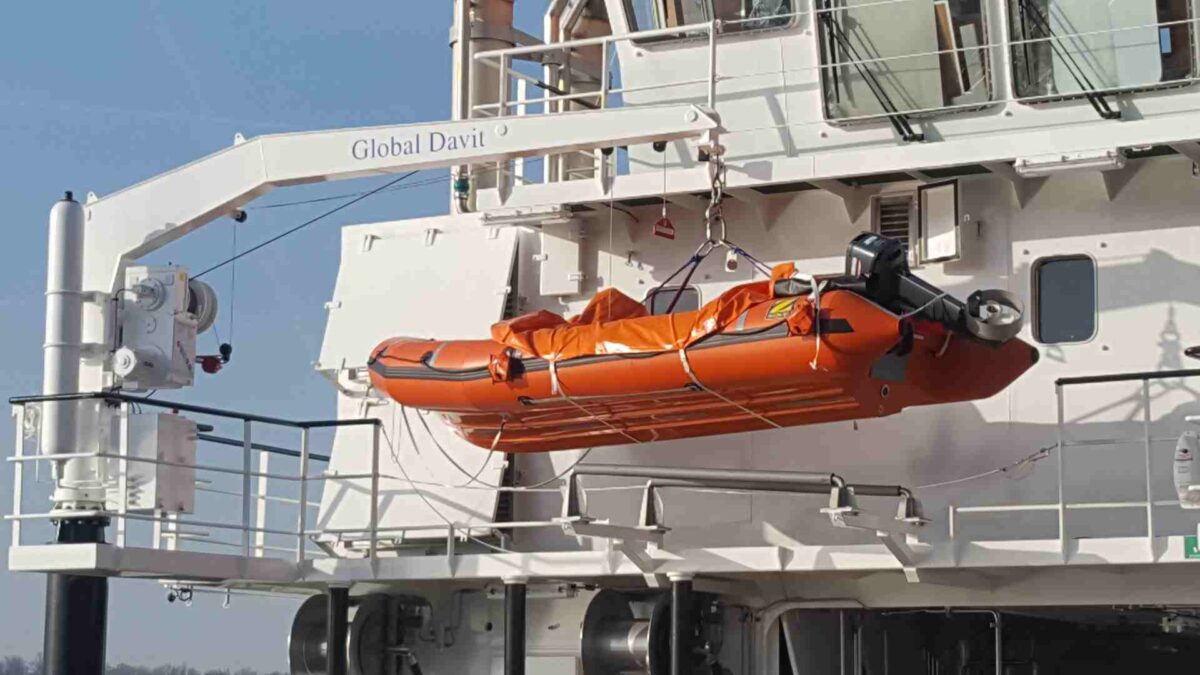
- Area: On-Load-Release-Gear (OLRG)Check: Annual functional test at 1.1 × SWL; after test check locking; inspect for dried paint/contamination/corrosion in lock, thread/shank wear/cracks. 5-year dynamic test. SOLAS III / MSC.402(96).
- Area: Drahtseile (Falls/Wire Ropes)Check: Inspect for kinks, corrosion, strand breakage (>10% over 8d length = replacement), inaccessible sections; correct/certified ropes; if required turn for full inspection; renewal per manufacturer interval.
- Area: Bremse (Zentrifugal- + Haltebremse)Check: Brake pad wear; check lowering speed (SOLAS S=0.4+0.02H, max ~36 m/min); remote release function; brake not blocked by poor maintenance.
- Area: Korrosion der Davit-StrukturCheck: Galvanized structure + stainless steel fasteners for pitting/discoloration; NDT of load-bearing structure for cracks; incident RRS Sir David Attenborough 2021 (severe corrosion due to poor maintenance).
- Area: Wartungs-ComplianceCheck: Planned maintenance complete since installation? Annual + 5-year tests recorded in logbook; manufacturer instructions followed; only authorized personnel (MSC.1/Circ.1205 Rev.1).
Universelle SOLAS-Inspektions-/Wartungspunkte fuer Davits/Rettungsboot-Aussetzvorrichtungen (modellunabhaengig, verifiziert aus IMCA/Gard/SOLAS MSC.1-Circ.1205, 2026-06). Per-Modell-SWL NICHT auto-gefuellt.
- IMO approval confirmed via DNV approval database, ensuring SOLAS compliance.
- Robust corrosion‑resistant construction (galvanised frame with stainless steel fittings) suitable for harsh marine environments.
- Integrated motor test routine (weekly minimum 5 min run) simplifies verification of launch power.
- Designed for straightforward annual on‑load release gear inspection and brake wear checks.
- Compatible with GFR hulls, allowing direct inspection of the lifeboat during docking.
- Requires strict maintenance regime (annual OLRG test, 5‑year dynamic test) increasing operational workload.
- Wire‑rope components must be inspected for kinks and corrosion; replacement intervals are manufacturer‑defined.
- Brake system wear must be monitored to maintain the required deceleration rate (S = 0.4 + 0.02H).
- No publicly available data on weight, dimensions or power consumption limits integration planning.
- Limited documented approvals beyond IMO/DNV; USCG type approval not confirmed.
- Area: On-Load-Release-Gear (OLRG)Check: Annual functional test at 1.1 × SWL; after test check locking; inspect for dried paint/contamination/corrosion in lock, thread/shank wear/cracks. 5-year dynamic test. SOLAS III / MSC.402(96).
- Area: Drahtseile (Falls/Wire Ropes)Check: Inspect for kinks, corrosion, strand breakage (>10% over 8d length = replacement), inaccessible sections; correct/certified ropes; if required turn for full inspection; renewal per manufacturer interval.
- Area: Bremse (Zentrifugal- + Haltebremse)Check: Brake pad wear; check lowering speed (SOLAS S=0.4+0.02H, max ~36 m/min); remote release function; brake not blocked by poor maintenance.
- Area: Korrosion der Davit-StrukturCheck: Galvanized structure + stainless steel fasteners for pitting/discoloration; NDT of load-bearing structure for cracks; incident RRS Sir David Attenborough 2021 (severe corrosion due to poor maintenance).
- Area: Wartungs-ComplianceCheck: Planned maintenance complete since installation? Annual + 5-year tests recorded in logbook; manufacturer instructions followed; only authorized personnel (MSC.1/Circ.1205 Rev.1).
Universelle SOLAS-Inspektions-/Wartungspunkte fuer Davits/Rettungsboot-Aussetzvorrichtungen (modellunabhaengig, verifiziert aus IMCA/Gard/SOLAS MSC.1-Circ.1205, 2026-06). Per-Modell-SWL NICHT auto-gefuellt.
- IMO D‑2 type approval confirmed – meets SOLAS launch requirements
- DNV‑verified design, ensuring high classification standards
- Integrated motor allows rapid deployment; weekly motor test supports readiness
- Corrosion‑protected galvanized frame with stainless‑steel fittings reduces structural degradation
- Modular size (19 ft) fits a range of lifeboat capacities up to the model’s SWL
- Requires frequent maintenance – weekly motor run‑test and annual release‑hook service
- Complex OLRG mechanism demands skilled personnel for inspection and repair
- Wire‑rope components have strict wear limits; replacement intervals may be short
- Heavy steel structure occupies significant deck space compared with gravity davits
- 5‑year full inspection downtime can affect vessel availability
- Area: On-Load-Release-Gear (OLRG)Check: Annual functional test at 1.1 × SWL; after test check locking; inspect for dried paint/contamination/corrosion in lock, thread/shank wear/cracks. 5-year dynamic test. SOLAS III / MSC.402(96).
- Area: Drahtseile (Falls/Wire Ropes)Check: Inspect for kinks, corrosion, strand breakage (>10% over 8d length = replacement), inaccessible sections; correct/certified ropes; if required turn for full inspection; renewal per manufacturer interval.
- Area: Bremse (Zentrifugal- + Haltebremse)Check: Brake pad wear; check lowering speed (SOLAS S=0.4+0.02H, max ~36 m/min); remote release function; brake not blocked by poor maintenance.
- Area: Korrosion der Davit-StrukturCheck: Galvanized structure + stainless steel fasteners for pitting/discoloration; NDT of load-bearing structure for cracks; incident RRS Sir David Attenborough 2021 (severe corrosion due to poor maintenance).
- Area: Wartungs-ComplianceCheck: Planned maintenance complete since installation? Annual + 5-year tests recorded in logbook; manufacturer instructions followed; only authorized personnel (MSC.1/Circ.1205 Rev.1).
Universelle SOLAS-Inspektions-/Wartungspunkte fuer Davits/Rettungsboot-Aussetzvorrichtungen (modellunabhaengig, verifiziert aus IMCA/Gard/SOLAS MSC.1-Circ.1205, 2026-06). Per-Modell-SWL NICHT auto-gefuellt.
- DNV‑approved design with IMO certification ensures compliance with SOLAS requirements
- Integrated on‑load release gear (OLRG) tested annually at 1.1×SWL for reliable activation
- Corrosion‑resistant zinc‑galvanised structure combined with stainless‑steel fittings reduces degradation in marine environments
- Defined maintenance schedule (annual motor test, yearly OLRG service, 5‑year full inspection) supports predictable life‑cycle costs
- Requires specialised authorised service personnel for annual OLRG and brake inspections, increasing operational overhead
- Complex hydraulic/electrical control system may be vulnerable to contamination if not regularly cleaned
- Higher initial capital cost compared with basic manual davits
- Space‑intensive mounting arrangement limits installation on vessels with restricted deck area
- Area: On-Load-Release-Gear (OLRG)Check: Annual functional test at 1.1 × SWL; after test check locking; inspect for dried paint/contamination/corrosion in lock, thread/shank wear/cracks. 5-year dynamic test. SOLAS III / MSC.402(96).
- Area: Drahtseile (Falls/Wire Ropes)Check: Inspect for kinks, corrosion, strand breakage (>10% over 8d length = replacement), inaccessible sections; correct/certified ropes; if required turn for full inspection; renewal per manufacturer interval.
- Area: Bremse (Zentrifugal- + Haltebremse)Check: Brake pad wear; check lowering speed (SOLAS S=0.4+0.02H, max ~36 m/min); remote release function; brake not blocked by poor maintenance.
- Area: Korrosion der Davit-StrukturCheck: Galvanized structure + stainless steel fasteners for pitting/discoloration; NDT of load-bearing structure for cracks; incident RRS Sir David Attenborough 2021 (severe corrosion due to poor maintenance).
- Area: Wartungs-ComplianceCheck: Planned maintenance complete since installation? Annual + 5-year tests recorded in logbook; manufacturer instructions followed; only authorized personnel (MSC.1/Circ.1205 Rev.1).
Universelle SOLAS-Inspektions-/Wartungspunkte fuer Davits/Rettungsboot-Aussetzvorrichtungen (modellunabhaengig, verifiziert aus IMCA/Gard/SOLAS MSC.1-Circ.1205, 2026-06). Per-Modell-SWL NICHT auto-gefuellt.
- IMO SOLAS approval confirmed (model listed in DNV approval finder).
- Universal inspection points aligned with IMCA/GARD guidelines simplify compliance audits.
- Corrosion‑resistant zinc‑galvanised frame with stainless steel fittings reduces structural degradation.
- Integrated weekly motor run‑test and annual release‑hook service support reliable launch performance.
- Designed for 5‑year major inspections, facilitating long‑term maintenance planning.
- High inspection and testing frequency (annual OLRG test at 1.1×SWL, 5‑year dynamic test) increases crew workload and cost.
- Wire‑rope wear limits require regular visual checks and possible replacement if >10% strand loss over 8 d length.
- Brake system demands periodic pad wear monitoring and speed verification to meet SOLAS S=0.4+0.02H criteria.
- Potential for corrosion in fittings if maintenance intervals are missed, as evidenced by past incidents (e.g., RRS Sir David Attenborough).
- Requires authorized service personnel for release‑hook overhaul per MSC.402(96), limiting on‑board remedial actions.

- Area: On-Load-Release-Gear (OLRG)Check: Annual functional test at 1.1 × SWL; after test check locking; inspect for dried paint/contamination/corrosion in lock, thread/shank wear/cracks. 5-year dynamic test. SOLAS III / MSC.402(96).
- Area: Drahtseile (Falls/Wire Ropes)Check: Inspect for kinks, corrosion, strand breakage (>10% over 8d length = replacement), inaccessible sections; correct/certified ropes; if required turn for full inspection; renewal per manufacturer interval.
- Area: Bremse (Zentrifugal- + Haltebremse)Check: Brake pad wear; check lowering speed (SOLAS S=0.4+0.02H, max ~36 m/min); remote release function; brake not blocked by poor maintenance.
- Area: Korrosion der Davit-StrukturCheck: Galvanized structure + stainless steel fasteners for pitting/discoloration; NDT of load-bearing structure for cracks; incident RRS Sir David Attenborough 2021 (severe corrosion due to poor maintenance).
- Area: Wartungs-ComplianceCheck: Planned maintenance complete since installation? Annual + 5-year tests recorded in logbook; manufacturer instructions followed; only authorized personnel (MSC.1/Circ.1205 Rev.1).
Universelle SOLAS-Inspektions-/Wartungspunkte fuer Davits/Rettungsboot-Aussetzvorrichtungen (modellunabhaengig, verifiziert aus IMCA/Gard/SOLAS MSC.1-Circ.1205, 2026-06). Per-Modell-SWL NICHT auto-gefuellt.
- IMO‑SOLAS approved and listed in the DNV approval finder, ensuring regulatory compliance
- Designed with a universal on‑load release gear (OLRG) that can be tested at 1.1× SWL for safety verification
- Modular construction allows installation on a wide range of vessel sizes and deck layouts
- Comprehensive maintenance schedule (annual motor test, yearly hook inspection, 5‑year full inspection) supports long‑term reliability
- High maintenance burden – requires frequent functional tests, brake wear checks and corrosion inspections
- Wire‑rope components are prone to kinking and corrosion; replacement intervals must be strictly followed
- Brake system (centrifugal + holding brake) demands regular pad wear monitoring to meet SOLAS speed limits
- Corrosion of the davit structure has been documented in past incidents, necessitating vigilant NDT inspections
- Area: On-Load-Release-Gear (OLRG)Check: Annual functional test at 1.1 × SWL; after test check locking; inspect for dried paint/contamination/corrosion in lock, thread/shank wear/cracks. 5-year dynamic test. SOLAS III / MSC.402(96).
- Area: Drahtseile (Falls/Wire Ropes)Check: Inspect for kinks, corrosion, strand breakage (>10% over 8d length = replacement), inaccessible sections; correct/certified ropes; if required turn for full inspection; renewal per manufacturer interval.
- Area: Bremse (Zentrifugal- + Haltebremse)Check: Brake pad wear; check lowering speed (SOLAS S=0.4+0.02H, max ~36 m/min); remote release function; brake not blocked by poor maintenance.
- Area: Korrosion der Davit-StrukturCheck: Galvanized structure + stainless steel fasteners for pitting/discoloration; NDT of load-bearing structure for cracks; incident RRS Sir David Attenborough 2021 (severe corrosion due to poor maintenance).
- Area: Wartungs-ComplianceCheck: Planned maintenance complete since installation? Annual + 5-year tests recorded in logbook; manufacturer instructions followed; only authorized personnel (MSC.1/Circ.1205 Rev.1).
Universelle SOLAS-Inspektions-/Wartungspunkte fuer Davits/Rettungsboot-Aussetzvorrichtungen (modellunabhaengig, verifiziert aus IMCA/Gard/SOLAS MSC.1-Circ.1205, 2026-06). Per-Modell-SWL NICHT auto-gefuellt.
- IMO‑approved and DNV‑certified, ensuring compliance with SOLAS requirements
- Integrated on‑load release gear (OLRG) allows safe launch under load conditions
- Hydraulic actuation provides fast, controlled lowering of the lifeboat/raft
- Corrosion‑resistant steel structure with stainless‑steel fittings reduces degradation risk when maintained
- Manufacturer‑specified service intervals (weekly motor test, annual OLRG inspection, 5‑year dynamic test) support high availability
- Requires regular specialist maintenance (annual OLRG check, 5‑year dynamic test) to stay compliant
- Hydraulic system adds complexity and may need dedicated spare parts and trained personnel
- Corrosion can become critical if inspection intervals are missed, as shown by past incidents
- Limited documentation publicly available; detailed capacity or power ratings not disclosed
- Area: On-Load-Release-Gear (OLRG)Check: Annual functional test at 1.1 × SWL; after test check locking; inspect for dried paint/contamination/corrosion in lock, thread/shank wear/cracks. 5-year dynamic test. SOLAS III / MSC.402(96).
- Area: Drahtseile (Falls/Wire Ropes)Check: Inspect for kinks, corrosion, strand breakage (>10% over 8d length = replacement), inaccessible sections; correct/certified ropes; if required turn for full inspection; renewal per manufacturer interval.
- Area: Bremse (Zentrifugal- + Haltebremse)Check: Brake pad wear; check lowering speed (SOLAS S=0.4+0.02H, max ~36 m/min); remote release function; brake not blocked by poor maintenance.
- Area: Korrosion der Davit-StrukturCheck: Galvanized structure + stainless steel fasteners for pitting/discoloration; NDT of load-bearing structure for cracks; incident RRS Sir David Attenborough 2021 (severe corrosion due to poor maintenance).
- Area: Wartungs-ComplianceCheck: Planned maintenance complete since installation? Annual + 5-year tests recorded in logbook; manufacturer instructions followed; only authorized personnel (MSC.1/Circ.1205 Rev.1).
Universelle SOLAS-Inspektions-/Wartungspunkte fuer Davits/Rettungsboot-Aussetzvorrichtungen (modellunabhaengig, verifiziert aus IMCA/Gard/SOLAS MSC.1-Circ.1205, 2026-06). Per-Modell-SWL NICHT auto-gefuellt.
- IMO‑approved and DNV certified, ensuring compliance with SOLAS requirements
- Integrated weekly motor test (minimum 5 min) simplifies functional verification
- Robust corrosion‑resistant construction (galvanised steel frame with stainless‑steel fittings)
- Defined maintenance regime – annual OLRG check, brake inspection and 5‑year base inspection
- Compatible with GFK hulls; includes specific inspection points for wire‑rope and brake wear
- Requires yearly on‑load release gear (OLRG) testing at 1.1 × SWL – higher operational overhead
- Wire‑rope condition must be monitored closely; replacement intervals are manufacturer‑driven
- Brake system (centrifugal + hold brake) needs regular wear checks and may need part replacement
- Corrosion of the davit structure can become critical if maintenance logs are not kept up to date
- No publicly available data on weight, dimensions or power consumption limits design integration decisions
- Area: On-Load-Release-Gear (OLRG)Check: Annual functional test at 1.1 × SWL; after test check locking; inspect for dried paint/contamination/corrosion in lock, thread/shank wear/cracks. 5-year dynamic test. SOLAS III / MSC.402(96).
- Area: Drahtseile (Falls/Wire Ropes)Check: Inspect for kinks, corrosion, strand breakage (>10% over 8d length = replacement), inaccessible sections; correct/certified ropes; if required turn for full inspection; renewal per manufacturer interval.
- Area: Bremse (Zentrifugal- + Haltebremse)Check: Brake pad wear; check lowering speed (SOLAS S=0.4+0.02H, max ~36 m/min); remote release function; brake not blocked by poor maintenance.
- Area: Korrosion der Davit-StrukturCheck: Galvanized structure + stainless steel fasteners for pitting/discoloration; NDT of load-bearing structure for cracks; incident RRS Sir David Attenborough 2021 (severe corrosion due to poor maintenance).
- Area: Wartungs-ComplianceCheck: Planned maintenance complete since installation? Annual + 5-year tests recorded in logbook; manufacturer instructions followed; only authorized personnel (MSC.1/Circ.1205 Rev.1).
Universelle SOLAS-Inspektions-/Wartungspunkte fuer Davits/Rettungsboot-Aussetzvorrichtungen (modellunabhaengig, verifiziert aus IMCA/Gard/SOLAS MSC.1-Circ.1205, 2026-06). Per-Modell-SWL NICHT auto-gefuellt.
- IMO‑approved and DNV‑certified, ensuring compliance with SOLAS MSC.402(96)
- Corrosion‑resistant galvanized frame with stainless‑steel fittings reduces long‑term degradation
- Built‑in weekly motor run‑test (≥5 min) verifies launch power continuously
- Defined maintenance regime (annual OLRG test, 5‑year full inspection) aligns with regulatory expectations
- Compatible with GFRP hulls; includes provisions for brake wear monitoring and release‑hook servicing
- Requires strict adherence to annual and 5‑year inspections; non‑compliance can lead to certification loss
- Wire‑rope condition must be monitored closely (kinks, corrosion, >10 % broken strands) with periodic full replacement
- Brake system (centrifugal + hold brake) needs regular wear checks; failure may affect safe descent speed
- Annual release‑hook maintenance must be performed by authorized personnel only, adding operational cost
- Limited publicly available performance data (e.g., launch speed, SWL) may hinder direct comparison with competitor models
- Area: On-Load-Release-Gear (OLRG)Check: Annual functional test at 1.1 × SWL; after test check locking; inspect for dried paint/contamination/corrosion in lock, thread/shank wear/cracks. 5-year dynamic test. SOLAS III / MSC.402(96).
- Area: Drahtseile (Falls/Wire Ropes)Check: Inspect for kinks, corrosion, strand breakage (>10% over 8d length = replacement), inaccessible sections; correct/certified ropes; if required turn for full inspection; renewal per manufacturer interval.
- Area: Bremse (Zentrifugal- + Haltebremse)Check: Brake pad wear; check lowering speed (SOLAS S=0.4+0.02H, max ~36 m/min); remote release function; brake not blocked by poor maintenance.
- Area: Korrosion der Davit-StrukturCheck: Galvanized structure + stainless steel fasteners for pitting/discoloration; NDT of load-bearing structure for cracks; incident RRS Sir David Attenborough 2021 (severe corrosion due to poor maintenance).
- Area: Wartungs-ComplianceCheck: Planned maintenance complete since installation? Annual + 5-year tests recorded in logbook; manufacturer instructions followed; only authorized personnel (MSC.1/Circ.1205 Rev.1).
Universelle SOLAS-Inspektions-/Wartungspunkte fuer Davits/Rettungsboot-Aussetzvorrichtungen (modellunabhaengig, verifiziert aus IMCA/Gard/SOLAS MSC.1-Circ.1205, 2026-06). Per-Modell-SWL NICHT auto-gefuellt.
- IMO SOLAS approved and listed by DNV – meets international regulatory requirements
- Integrated weekly motor run‑test ensures launch readiness
- On‑load release gear allows launch under load without manual hoist effort
- Centrifugal + holding brake provides controlled descent speed (≤0.4 m/s)
- Designed for GFK hulls and compatible with standard 4689212 HH lifeboat fittings
- Requires annual OLRG functional test at 1.1×SWL and a 5‑year dynamic load test – high maintenance burden
- Steel davit structure prone to corrosion; needs regular visual/NDT inspection of zinc coating and stainless fastenings
- Wire‑rope (falls) must be inspected for kinks, corrosion and ≥10 % broken strands; replacement intervals are manufacturer‑driven
- Brake wear monitoring is mandatory; worn pads can affect descent speed compliance
- Only authorized service providers may perform release‑hook maintenance per MSC.402(96)
- Area: On-Load-Release-Gear (OLRG)Check: Annual functional test at 1.1 × SWL; after test check locking; inspect for dried paint/contamination/corrosion in lock, thread/shank wear/cracks. 5-year dynamic test. SOLAS III / MSC.402(96).
- Area: Drahtseile (Falls/Wire Ropes)Check: Inspect for kinks, corrosion, strand breakage (>10% over 8d length = replacement), inaccessible sections; correct/certified ropes; if required turn for full inspection; renewal per manufacturer interval.
- Area: Bremse (Zentrifugal- + Haltebremse)Check: Brake pad wear; check lowering speed (SOLAS S=0.4+0.02H, max ~36 m/min); remote release function; brake not blocked by poor maintenance.
- Area: Korrosion der Davit-StrukturCheck: Galvanized structure + stainless steel fasteners for pitting/discoloration; NDT of load-bearing structure for cracks; incident RRS Sir David Attenborough 2021 (severe corrosion due to poor maintenance).
- Area: Wartungs-ComplianceCheck: Planned maintenance complete since installation? Annual + 5-year tests recorded in logbook; manufacturer instructions followed; only authorized personnel (MSC.1/Circ.1205 Rev.1).
Universelle SOLAS-Inspektions-/Wartungspunkte fuer Davits/Rettungsboot-Aussetzvorrichtungen (modellunabhaengig, verifiziert aus IMCA/Gard/SOLAS MSC.1-Circ.1205, 2026-06). Per-Modell-SWL NICHT auto-gefuellt.
- IMO approval and DNV listed – meets SOLAS requirements out of the box
- Motor test can be performed weekly, providing documented operational readiness
- Corrosion‑resistant structure (galvanised steel with stainless‑steel fittings) suited for harsh marine environments
- Standardised 5‑year full inspection interval simplifies long‑term maintenance planning
- Compatible with GFK hulls and a range of lifeboat sizes
- Requires annual release‑hook service by an authorised provider, adding to OPEX
- Wire‑rope wear must be monitored closely; replacement intervals can be short in high‑corrosion areas
- Brake system (centrifugal + holding) needs regular inspection for pad wear and speed compliance
- Complexity of electric drive may be a disadvantage on vessels preferring purely manual davits
- Strict documentation requirements (annual + 5‑year tests) increase administrative workload
- Area: On-Load-Release-Gear (OLRG)Check: Annual functional test at 1.1 × SWL; after test check locking; inspect for dried paint/contamination/corrosion in lock, thread/shank wear/cracks. 5-year dynamic test. SOLAS III / MSC.402(96).
- Area: Drahtseile (Falls/Wire Ropes)Check: Inspect for kinks, corrosion, strand breakage (>10% over 8d length = replacement), inaccessible sections; correct/certified ropes; if required turn for full inspection; renewal per manufacturer interval.
- Area: Bremse (Zentrifugal- + Haltebremse)Check: Brake pad wear; check lowering speed (SOLAS S=0.4+0.02H, max ~36 m/min); remote release function; brake not blocked by poor maintenance.
- Area: Korrosion der Davit-StrukturCheck: Galvanized structure + stainless steel fasteners for pitting/discoloration; NDT of load-bearing structure for cracks; incident RRS Sir David Attenborough 2021 (severe corrosion due to poor maintenance).
- Area: Wartungs-ComplianceCheck: Planned maintenance complete since installation? Annual + 5-year tests recorded in logbook; manufacturer instructions followed; only authorized personnel (MSC.1/Circ.1205 Rev.1).
Universelle SOLAS-Inspektions-/Wartungspunkte fuer Davits/Rettungsboot-Aussetzvorrichtungen (modellunabhaengig, verifiziert aus IMCA/Gard/SOLAS MSC.1-Circ.1205, 2026-06). Per-Modell-SWL NICHT auto-gefuellt.
- IMO approval and DNV listing provide recognized compliance with international safety standards
- Weekly motor test (minimum 5 min) built into the service routine ensures launch readiness
- Annual release‑hook maintenance per SOLAS MSC.402(96) reduces risk of on‑load release gear failure
- Five‑year comprehensive inspection schedule aligns with SOLAS and IMCA recommendations
- Designed for both rigid‑inflatable lifeboats and life rafts, offering flexibility across vessel types
- Requires strict annual and five‑year inspections; maintenance workload can be high
- Steel structure is prone to corrosion if protective coatings are not regularly inspected
- Wire‑rope wear limits may necessitate relatively frequent replacement intervals
- No documented USCG type approval, which may restrict use on U.S.‑flagged vessels
- Footprint and load capacity limit installation to ships with adequate deck space and structural support
- Area: On-Load-Release-Gear (OLRG)Check: Annual functional test at 1.1 × SWL; after test check locking; inspect for dried paint/contamination/corrosion in lock, thread/shank wear/cracks. 5-year dynamic test. SOLAS III / MSC.402(96).
- Area: Drahtseile (Falls/Wire Ropes)Check: Inspect for kinks, corrosion, strand breakage (>10% over 8d length = replacement), inaccessible sections; correct/certified ropes; if required turn for full inspection; renewal per manufacturer interval.
- Area: Bremse (Zentrifugal- + Haltebremse)Check: Brake pad wear; check lowering speed (SOLAS S=0.4+0.02H, max ~36 m/min); remote release function; brake not blocked by poor maintenance.
- Area: Korrosion der Davit-StrukturCheck: Galvanized structure + stainless steel fasteners for pitting/discoloration; NDT of load-bearing structure for cracks; incident RRS Sir David Attenborough 2021 (severe corrosion due to poor maintenance).
- Area: Wartungs-ComplianceCheck: Planned maintenance complete since installation? Annual + 5-year tests recorded in logbook; manufacturer instructions followed; only authorized personnel (MSC.1/Circ.1205 Rev.1).
Universelle SOLAS-Inspektions-/Wartungspunkte fuer Davits/Rettungsboot-Aussetzvorrichtungen (modellunabhaengig, verifiziert aus IMCA/Gard/SOLAS MSC.1-Circ.1205, 2026-06). Per-Modell-SWL NICHT auto-gefuellt.
- IMO approval confirmed via DNV database (model 6186814 HH).
- Corrosion‑resistant construction (zinc‑galvanised frame + stainless‑steel brackets) reduces hull‑to‑davits degradation.
- On‑load release gear tested annually at 1.1×SWL, meeting SOLAS MSC.402(96) requirements.
- Defined maintenance regime (weekly motor test, annual hook service, 5‑year full inspection) supports compliance tracking.
- Modular design allows retrofit on vessels with existing lifeboat arrangements.
- High maintenance workload – yearly release‑hook servicing and five‑year dynamic tests are mandatory.
- Wire‑rope components prone to corrosion/kink damage; replacement intervals must follow manufacturer schedule.
- Brake system wear (centrifugal + holding brake) requires regular pad inspection to maintain the SOLAS deceleration limit.
- Potential for OLRG latch wear or cracking if inspections are missed, as documented in IMCA failure reports.
- No published weight, dimensions or power‑rating data; integration studies may be required for space‑constrained decks.
- Area: On-Load-Release-Gear (OLRG)Check: Annual functional test at 1.1 × SWL; after test check locking; inspect for dried paint/contamination/corrosion in lock, thread/shank wear/cracks. 5-year dynamic test. SOLAS III / MSC.402(96).
- Area: Drahtseile (Falls/Wire Ropes)Check: Inspect for kinks, corrosion, strand breakage (>10% over 8d length = replacement), inaccessible sections; correct/certified ropes; if required turn for full inspection; renewal per manufacturer interval.
- Area: Bremse (Zentrifugal- + Haltebremse)Check: Brake pad wear; check lowering speed (SOLAS S=0.4+0.02H, max ~36 m/min); remote release function; brake not blocked by poor maintenance.
- Area: Korrosion der Davit-StrukturCheck: Galvanized structure + stainless steel fasteners for pitting/discoloration; NDT of load-bearing structure for cracks; incident RRS Sir David Attenborough 2021 (severe corrosion due to poor maintenance).
- Area: Wartungs-ComplianceCheck: Planned maintenance complete since installation? Annual + 5-year tests recorded in logbook; manufacturer instructions followed; only authorized personnel (MSC.1/Circ.1205 Rev.1).
Universelle SOLAS-Inspektions-/Wartungspunkte fuer Davits/Rettungsboot-Aussetzvorrichtungen (modellunabhaengig, verifiziert aus IMCA/Gard/SOLAS MSC.1-Circ.1205, 2026-06). Per-Modell-SWL NICHT auto-gefuellt.
- IMO SOLAS and DNV approval (model listed in DNV‑approval finder)
- High safe working load capacity with built‑in 1.1×SWL annual functional test capability
- Corrosion‑resistant galvanized frame with stainless‑steel fittings reduces degradation risk
- Integrated motor test (weekly) and remote release mechanism enable rapid deployment
- Modular design allows installation on a wide range of vessel decks
- Requires strict maintenance regime: annual OLRG inspection, 5‑year dynamic test, and authorized service for hook servicing
- Higher initial procurement cost compared with simple manual davits
- Limited to lifeboats/rafts within the design size envelope (typically up to ~8 m length)
- Dependence on hydraulic/electrical power; loss of power can impede release if backup not provided
- Area: On-Load-Release-Gear (OLRG)Check: Annual functional test at 1.1 × SWL; after test check locking; inspect for dried paint/contamination/corrosion in lock, thread/shank wear/cracks. 5-year dynamic test. SOLAS III / MSC.402(96).
- Area: Drahtseile (Falls/Wire Ropes)Check: Inspect for kinks, corrosion, strand breakage (>10% over 8d length = replacement), inaccessible sections; correct/certified ropes; if required turn for full inspection; renewal per manufacturer interval.
- Area: Bremse (Zentrifugal- + Haltebremse)Check: Brake pad wear; check lowering speed (SOLAS S=0.4+0.02H, max ~36 m/min); remote release function; brake not blocked by poor maintenance.
- Area: Korrosion der Davit-StrukturCheck: Galvanized structure + stainless steel fasteners for pitting/discoloration; NDT of load-bearing structure for cracks; incident RRS Sir David Attenborough 2021 (severe corrosion due to poor maintenance).
- Area: Wartungs-ComplianceCheck: Planned maintenance complete since installation? Annual + 5-year tests recorded in logbook; manufacturer instructions followed; only authorized personnel (MSC.1/Circ.1205 Rev.1).
Universelle SOLAS-Inspektions-/Wartungspunkte fuer Davits/Rettungsboot-Aussetzvorrichtungen (modellunabhaengig, verifiziert aus IMCA/Gard/SOLAS MSC.1-Circ.1205, 2026-06). Per-Modell-SWL NICHT auto-gefuellt.
- IMO approval and DNV verification ensure compliance with SOLAS requirements.
- Motor‑driven release gear allows rapid deployment and can be tested weekly for reliability.
- Galvanised frame with stainless‑steel fittings provides good resistance to marine corrosion when maintained.
- Maintenance schedule (annual hook service, 5‑year full inspection) is clearly defined and aligns with MSC.402(96).
- Release hook requires annual servicing by authorised personnel, adding operational cost.
- Wire‑rope falls must be inspected for kinks, corrosion and strand loss; replacement intervals can be frequent.
- Brake wear must be monitored to maintain the required lowering speed (S = 0.4 + 0.02H m/min).
- Corrosion of the supporting structure can become critical if inspection intervals are missed, as shown by past incidents.
- Area: On-Load-Release-Gear (OLRG)Check: Annual functional test at 1.1 × SWL; after test check locking; inspect for dried paint/contamination/corrosion in lock, thread/shank wear/cracks. 5-year dynamic test. SOLAS III / MSC.402(96).
- Area: Drahtseile (Falls/Wire Ropes)Check: Inspect for kinks, corrosion, strand breakage (>10% over 8d length = replacement), inaccessible sections; correct/certified ropes; if required turn for full inspection; renewal per manufacturer interval.
- Area: Bremse (Zentrifugal- + Haltebremse)Check: Brake pad wear; check lowering speed (SOLAS S=0.4+0.02H, max ~36 m/min); remote release function; brake not blocked by poor maintenance.
- Area: Korrosion der Davit-StrukturCheck: Galvanized structure + stainless steel fasteners for pitting/discoloration; NDT of load-bearing structure for cracks; incident RRS Sir David Attenborough 2021 (severe corrosion due to poor maintenance).
- Area: Wartungs-ComplianceCheck: Planned maintenance complete since installation? Annual + 5-year tests recorded in logbook; manufacturer instructions followed; only authorized personnel (MSC.1/Circ.1205 Rev.1).
Universelle SOLAS-Inspektions-/Wartungspunkte fuer Davits/Rettungsboot-Aussetzvorrichtungen (modellunabhaengig, verifiziert aus IMCA/Gard/SOLAS MSC.1-Circ.1205, 2026-06). Per-Modell-SWL NICHT auto-gefuellt.
- DNV‑approved and IMO‑certified, meeting SOLAS requirements out of the box
- Galvanised steel frame with stainless‑steel fittings provides high resistance to marine corrosion
- Universal inspection points aligned with IMCA/GARD guidelines simplify compliance checks
- Integrated weekly motor run‑test and annual release‑hook service ensure readiness
- 5‑year dynamic test capability complies with SOLAS III / MSC.402(96) for long‑term reliability
- Relatively high maintenance burden – annual hook servicing and 5‑year full inspections required
- Hydraulic system adds complexity; leaks or loss of pressure can impair launch performance
- Requires authorised service personnel (MSC.1/Circ.1205) for critical checks, limiting on‑board flexibility
- Designed for a specific lifeboat size range; retrofitting to larger or smaller boats may be problematic
- Initial procurement cost is higher than basic manual davit alternatives
- Area: On-Load-Release-Gear (OLRG)Check: Annual functional test at 1.1 × SWL; after test check locking; inspect for dried paint/contamination/corrosion in lock, thread/shank wear/cracks. 5-year dynamic test. SOLAS III / MSC.402(96).
- Area: Drahtseile (Falls/Wire Ropes)Check: Inspect for kinks, corrosion, strand breakage (>10% over 8d length = replacement), inaccessible sections; correct/certified ropes; if required turn for full inspection; renewal per manufacturer interval.
- Area: Bremse (Zentrifugal- + Haltebremse)Check: Brake pad wear; check lowering speed (SOLAS S=0.4+0.02H, max ~36 m/min); remote release function; brake not blocked by poor maintenance.
- Area: Korrosion der Davit-StrukturCheck: Galvanized structure + stainless steel fasteners for pitting/discoloration; NDT of load-bearing structure for cracks; incident RRS Sir David Attenborough 2021 (severe corrosion due to poor maintenance).
- Area: Wartungs-ComplianceCheck: Planned maintenance complete since installation? Annual + 5-year tests recorded in logbook; manufacturer instructions followed; only authorized personnel (MSC.1/Circ.1205 Rev.1).
Universelle SOLAS-Inspektions-/Wartungspunkte fuer Davits/Rettungsboot-Aussetzvorrichtungen (modellunabhaengig, verifiziert aus IMCA/Gard/SOLAS MSC.1-Circ.1205, 2026-06). Per-Modell-SWL NICHT auto-gefuellt.
- IMO and DNV approved – meets SOLAS requirements for lifesaving appliances.
- Integrated weekly motor test simplifies compliance with MSC.402(96).
- Corrosion‑resistant construction (galvanised frame with stainless‑steel fittings) reduces long‑term degradation.
- Defined maintenance intervals (annual hook service, 5‑year full inspection) support predictable upkeep planning.
- High maintenance cadence – weekly motor run‑test and yearly release‑hook servicing increase operational workload.
- Requires authorised service provider for hook maintenance; limited in‑house repair capability.
- Potential for corrosion if inspection schedule is missed, as evidenced by past incidents (e.g., RRS Sir David Attenborough).
- Load capacity details not publicly disclosed – may need additional verification for specific vessel SWL requirements.
- Area: On-Load-Release-Gear (OLRG)Check: Annual functional test at 1.1 × SWL; after test check locking; inspect for dried paint/contamination/corrosion in lock, thread/shank wear/cracks. 5-year dynamic test. SOLAS III / MSC.402(96).
- Area: Drahtseile (Falls/Wire Ropes)Check: Inspect for kinks, corrosion, strand breakage (>10% over 8d length = replacement), inaccessible sections; correct/certified ropes; if required turn for full inspection; renewal per manufacturer interval.
- Area: Bremse (Zentrifugal- + Haltebremse)Check: Brake pad wear; check lowering speed (SOLAS S=0.4+0.02H, max ~36 m/min); remote release function; brake not blocked by poor maintenance.
- Area: Korrosion der Davit-StrukturCheck: Galvanized structure + stainless steel fasteners for pitting/discoloration; NDT of load-bearing structure for cracks; incident RRS Sir David Attenborough 2021 (severe corrosion due to poor maintenance).
- Area: Wartungs-ComplianceCheck: Planned maintenance complete since installation? Annual + 5-year tests recorded in logbook; manufacturer instructions followed; only authorized personnel (MSC.1/Circ.1205 Rev.1).
Universelle SOLAS-Inspektions-/Wartungspunkte fuer Davits/Rettungsboot-Aussetzvorrichtungen (modellunabhaengig, verifiziert aus IMCA/Gard/SOLAS MSC.1-Circ.1205, 2026-06). Per-Modell-SWL NICHT auto-gefuellt.
- IMO‑approved and listed by DNV, ensuring regulatory compliance out of the box
- Designed for rapid launch of heavy lifeboats (≈28 t SWL) with integrated hydraulic/electro‑hydraulic drive
- Weekly motor test procedure built into service plan simplifies functional verification
- Annual release‑hook maintenance can be performed by approved SOLAS‑compliant personnel
- Corrosion‑resistant galvanized frame with stainless‑steel fittings reduces long‑term degradation
- Requires yearly release‑hook inspection and servicing by authorized technicians, adding operational cost
- Complex drive system (hydraulic/electrical) increases potential failure points if not meticulously maintained
- 5‑year full structural inspection mandatory; downtime may be significant for vessels with tight schedules
- Limited to lifeboats/rafts that match the 28 t SWL rating, restricting flexibility for smaller craft
- Area: On-Load-Release-Gear (OLRG)Check: Annual functional test at 1.1 × SWL; after test check locking; inspect for dried paint/contamination/corrosion in lock, thread/shank wear/cracks. 5-year dynamic test. SOLAS III / MSC.402(96).
- Area: Drahtseile (Falls/Wire Ropes)Check: Inspect for kinks, corrosion, strand breakage (>10% over 8d length = replacement), inaccessible sections; correct/certified ropes; if required turn for full inspection; renewal per manufacturer interval.
- Area: Bremse (Zentrifugal- + Haltebremse)Check: Brake pad wear; check lowering speed (SOLAS S=0.4+0.02H, max ~36 m/min); remote release function; brake not blocked by poor maintenance.
- Area: Korrosion der Davit-StrukturCheck: Galvanized structure + stainless steel fasteners for pitting/discoloration; NDT of load-bearing structure for cracks; incident RRS Sir David Attenborough 2021 (severe corrosion due to poor maintenance).
- Area: Wartungs-ComplianceCheck: Planned maintenance complete since installation? Annual + 5-year tests recorded in logbook; manufacturer instructions followed; only authorized personnel (MSC.1/Circ.1205 Rev.1).
Universelle SOLAS-Inspektions-/Wartungspunkte fuer Davits/Rettungsboot-Aussetzvorrichtungen (modellunabhaengig, verifiziert aus IMCA/Gard/SOLAS MSC.1-Circ.1205, 2026-06). Per-Modell-SWL NICHT auto-gefuellt.
- IMO SOLAS approved and listed in the DNV approval finder (model MEDB00006YS)
- Integrated on‑load release gear (OLRG) allowing safe launch under load
- Corrosion‑resistant galvanized frame with stainless‑steel fittings
- Modular design (W02H.15, .16, .21, .22) fits a range of lifeboat sizes
- Defined maintenance schedule (weekly motor test, annual hook service, 5‑year dynamic test)
- Requires strict adherence to frequent maintenance (weekly motor run, annual hook inspection)
- Wire‑rope condition must be monitored closely; replacement intervals can be short
- Corrosion of the supporting structure has been reported if maintenance lapses
- 5‑year dynamic test adds planned downtime and may need specialist inspection
- Limited to lifeboats/rafts that match the W02H series dimensions
- Area: On-Load-Release-Gear (OLRG)Check: Annual functional test at 1.1 × SWL; after test check locking; inspect for dried paint/contamination/corrosion in lock, thread/shank wear/cracks. 5-year dynamic test. SOLAS III / MSC.402(96).
- Area: Drahtseile (Falls/Wire Ropes)Check: Inspect for kinks, corrosion, strand breakage (>10% over 8d length = replacement), inaccessible sections; correct/certified ropes; if required turn for full inspection; renewal per manufacturer interval.
- Area: Bremse (Zentrifugal- + Haltebremse)Check: Brake pad wear; check lowering speed (SOLAS S=0.4+0.02H, max ~36 m/min); remote release function; brake not blocked by poor maintenance.
- Area: Korrosion der Davit-StrukturCheck: Galvanized structure + stainless steel fasteners for pitting/discoloration; NDT of load-bearing structure for cracks; incident RRS Sir David Attenborough 2021 (severe corrosion due to poor maintenance).
- Area: Wartungs-ComplianceCheck: Planned maintenance complete since installation? Annual + 5-year tests recorded in logbook; manufacturer instructions followed; only authorized personnel (MSC.1/Circ.1205 Rev.1).
Universelle SOLAS-Inspektions-/Wartungspunkte fuer Davits/Rettungsboot-Aussetzvorrichtungen (modellunabhaengig, verifiziert aus IMCA/Gard/SOLAS MSC.1-Circ.1205, 2026-06). Per-Modell-SWL NICHT auto-gefuellt.
- IMO SOLAS approval (verified by DNV approval finder).
- Corrosion‑protected structure (galvanised steel + stainless steel) reduces long‑term degradation.
- Designed for routine weekly motor tests and annual release‑hook servicing, supporting compliance with MSC.402(96).
- Modular layout allows installation on a wide range of vessel deck configurations.
- 5‑year comprehensive inspection interval aligns with class society requirements.
- Requires strict maintenance regime (weekly motor test, annual hook service, 5‑year full inspection) to stay compliant.
- Potential wear points identified for OLRG, wire ropes and brake system demand close monitoring.
- Corrosion of the davit frame can become critical if maintenance lapses, as shown in past incidents.
- Limited publicly available performance data (e.g., launch speed, load capacity) may hinder detailed comparison.
- Area: On-Load-Release-Gear (OLRG)Check: Annual functional test at 1.1 × SWL; after test check locking; inspect for dried paint/contamination/corrosion in lock, thread/shank wear/cracks. 5-year dynamic test. SOLAS III / MSC.402(96).
- Area: Drahtseile (Falls/Wire Ropes)Check: Inspect for kinks, corrosion, strand breakage (>10% over 8d length = replacement), inaccessible sections; correct/certified ropes; if required turn for full inspection; renewal per manufacturer interval.
- Area: Bremse (Zentrifugal- + Haltebremse)Check: Brake pad wear; check lowering speed (SOLAS S=0.4+0.02H, max ~36 m/min); remote release function; brake not blocked by poor maintenance.
- Area: Korrosion der Davit-StrukturCheck: Galvanized structure + stainless steel fasteners for pitting/discoloration; NDT of load-bearing structure for cracks; incident RRS Sir David Attenborough 2021 (severe corrosion due to poor maintenance).
- Area: Wartungs-ComplianceCheck: Planned maintenance complete since installation? Annual + 5-year tests recorded in logbook; manufacturer instructions followed; only authorized personnel (MSC.1/Circ.1205 Rev.1).
Universelle SOLAS-Inspektions-/Wartungspunkte fuer Davits/Rettungsboot-Aussetzvorrichtungen (modellunabhaengig, verifiziert aus IMCA/Gard/SOLAS MSC.1-Circ.1205, 2026-06). Per-Modell-SWL NICHT auto-gefuellt.
- IMO approved and DNV‑certified, ensuring compliance with SOLAS requirements
- Motorised operation allows rapid deployment and reduces crew effort
- Corrosion‑resistant construction (zinc‑coated frame with stainless‑steel fittings) lowers long‑term deterioration risk
- Integrated release hook with defined annual service interval simplifies maintenance planning
- Compact footprint suitable for a wide range of vessel deck layouts
- Requires weekly motor test and annual hook inspection, increasing routine workload
- Corrosion still possible if inspection intervals are missed (recorded failure points)
- Higher initial procurement cost compared with basic manual davits
- Limited to lifeboat/raft sizes compatible with the model’s rated SWL (specific capacity not disclosed)
- 5‑year full inspection may entail vessel dry‑dock downtime
- Area: On-Load-Release-Gear (OLRG)Check: Annual functional test at 1.1 × SWL; after test check locking; inspect for dried paint/contamination/corrosion in lock, thread/shank wear/cracks. 5-year dynamic test. SOLAS III / MSC.402(96).
- Area: Drahtseile (Falls/Wire Ropes)Check: Inspect for kinks, corrosion, strand breakage (>10% over 8d length = replacement), inaccessible sections; correct/certified ropes; if required turn for full inspection; renewal per manufacturer interval.
- Area: Bremse (Zentrifugal- + Haltebremse)Check: Brake pad wear; check lowering speed (SOLAS S=0.4+0.02H, max ~36 m/min); remote release function; brake not blocked by poor maintenance.
- Area: Korrosion der Davit-StrukturCheck: Galvanized structure + stainless steel fasteners for pitting/discoloration; NDT of load-bearing structure for cracks; incident RRS Sir David Attenborough 2021 (severe corrosion due to poor maintenance).
- Area: Wartungs-ComplianceCheck: Planned maintenance complete since installation? Annual + 5-year tests recorded in logbook; manufacturer instructions followed; only authorized personnel (MSC.1/Circ.1205 Rev.1).
Universelle SOLAS-Inspektions-/Wartungspunkte fuer Davits/Rettungsboot-Aussetzvorrichtungen (modellunabhaengig, verifiziert aus IMCA/Gard/SOLAS MSC.1-Circ.1205, 2026-06). Per-Modell-SWL NICHT auto-gefuellt.
- IMO approval and DNV verification ensure compliance with international safety regulations.
- Integrated motor‑driven winch allows controlled launch speed and includes a defined weekly test procedure for reliability.
- Release hook designed for annual maintenance under SOLAS MSC.402(96), providing predictable service intervals.
- Comprehensive 5‑year full inspection schedule supports long‑term structural integrity monitoring.
- Weekly motor testing adds operational workload and requires trained personnel.
- Maintenance regime is extensive (annual hook check, corrosion inspections, wire‑rope condition surveys), increasing life‑cycle cost.
- Corrosion of the davit structure has been highlighted as a recurring issue if maintenance lapses.
- No publicly available weight, dimensions or power specifications limit detailed integration planning.
- Area: On-Load-Release-Gear (OLRG)Check: Annual functional test at 1.1 × SWL; after test check locking; inspect for dried paint/contamination/corrosion in lock, thread/shank wear/cracks. 5-year dynamic test. SOLAS III / MSC.402(96).
- Area: Drahtseile (Falls/Wire Ropes)Check: Inspect for kinks, corrosion, strand breakage (>10% over 8d length = replacement), inaccessible sections; correct/certified ropes; if required turn for full inspection; renewal per manufacturer interval.
- Area: Bremse (Zentrifugal- + Haltebremse)Check: Brake pad wear; check lowering speed (SOLAS S=0.4+0.02H, max ~36 m/min); remote release function; brake not blocked by poor maintenance.
- Area: Korrosion der Davit-StrukturCheck: Galvanized structure + stainless steel fasteners for pitting/discoloration; NDT of load-bearing structure for cracks; incident RRS Sir David Attenborough 2021 (severe corrosion due to poor maintenance).
- Area: Wartungs-ComplianceCheck: Planned maintenance complete since installation? Annual + 5-year tests recorded in logbook; manufacturer instructions followed; only authorized personnel (MSC.1/Circ.1205 Rev.1).
Universelle SOLAS-Inspektions-/Wartungspunkte fuer Davits/Rettungsboot-Aussetzvorrichtungen (modellunabhaengig, verifiziert aus IMCA/Gard/SOLAS MSC.1-Circ.1205, 2026-06). Per-Modell-SWL NICHT auto-gefuellt.
- IMO and DNV approved, meeting SOLAS requirements
- Integrated weekly motor test (minimum 5 min) verifies launch readiness
- On‑Load Release Gear allows safe deployment under load conditions
- Zinc‑galvanised frame with stainless‑steel fittings reduces corrosion risk when maintained
- Designed for scheduled annual hook service and five‑year dynamic testing
- Strict maintenance regime (annual hook service, 5‑yr dynamic test) increases operational cost
- Corrosion can develop if protective coating is neglected; past incidents reported
- Wire‑rope inspection and periodic replacement are mandatory in harsh marine environments
- Specific safe working load (SWL) not publicly disclosed; requires shipyard verification before installation
- Heavy structural components may limit deck space allocation
- Area: On-Load-Release-Gear (OLRG)Check: Annual functional test at 1.1 × SWL; after test check locking; inspect for dried paint/contamination/corrosion in lock, thread/shank wear/cracks. 5-year dynamic test. SOLAS III / MSC.402(96).
- Area: Drahtseile (Falls/Wire Ropes)Check: Inspect for kinks, corrosion, strand breakage (>10% over 8d length = replacement), inaccessible sections; correct/certified ropes; if required turn for full inspection; renewal per manufacturer interval.
- Area: Bremse (Zentrifugal- + Haltebremse)Check: Brake pad wear; check lowering speed (SOLAS S=0.4+0.02H, max ~36 m/min); remote release function; brake not blocked by poor maintenance.
- Area: Korrosion der Davit-StrukturCheck: Galvanized structure + stainless steel fasteners for pitting/discoloration; NDT of load-bearing structure for cracks; incident RRS Sir David Attenborough 2021 (severe corrosion due to poor maintenance).
- Area: Wartungs-ComplianceCheck: Planned maintenance complete since installation? Annual + 5-year tests recorded in logbook; manufacturer instructions followed; only authorized personnel (MSC.1/Circ.1205 Rev.1).
Universelle SOLAS-Inspektions-/Wartungspunkte fuer Davits/Rettungsboot-Aussetzvorrichtungen (modellunabhaengig, verifiziert aus IMCA/Gard/SOLAS MSC.1-Circ.1205, 2026-06). Per-Modell-SWL NICHT auto-gefuellt.
- IMO approved and listed in DNV’s approval database, ensuring compliance with SOLAS requirements
- High safe‑working‑load rating suitable for larger lifeboats or rafts
- Robust corrosion‑resistant construction (galvanised frame with stainless‑steel fittings)
- Integrated centrifugal/hold brake system with remote release capability
- Defined maintenance programme (weekly motor test, annual hook inspection, 5‑year full inspection)
- Requires specialised authorised service personnel for annual release‑hook and brake inspections (MSC.1/Circ.1205)
- Annual load testing at 1.1×SWL adds operational downtime
- Wire‑rope components must be inspected and replaced regularly; wear limits are strict (>10% loss over 8 d length)
- Heavy structural weight may limit retro‑fit on smaller vessels or those with limited deck strength
- Corrosion monitoring is critical – past incidents (e.g., RRS Sir David Attenborough) show severe degradation if neglected
- Area: On-Load-Release-Gear (OLRG)Check: Annual functional test at 1.1 × SWL; after test check locking; inspect for dried paint/contamination/corrosion in lock, thread/shank wear/cracks. 5-year dynamic test. SOLAS III / MSC.402(96).
- Area: Drahtseile (Falls/Wire Ropes)Check: Inspect for kinks, corrosion, strand breakage (>10% over 8d length = replacement), inaccessible sections; correct/certified ropes; if required turn for full inspection; renewal per manufacturer interval.
- Area: Bremse (Zentrifugal- + Haltebremse)Check: Brake pad wear; check lowering speed (SOLAS S=0.4+0.02H, max ~36 m/min); remote release function; brake not blocked by poor maintenance.
- Area: Korrosion der Davit-StrukturCheck: Galvanized structure + stainless steel fasteners for pitting/discoloration; NDT of load-bearing structure for cracks; incident RRS Sir David Attenborough 2021 (severe corrosion due to poor maintenance).
- Area: Wartungs-ComplianceCheck: Planned maintenance complete since installation? Annual + 5-year tests recorded in logbook; manufacturer instructions followed; only authorized personnel (MSC.1/Circ.1205 Rev.1).
Universelle SOLAS-Inspektions-/Wartungspunkte fuer Davits/Rettungsboot-Aussetzvorrichtungen (modellunabhaengig, verifiziert aus IMCA/Gard/SOLAS MSC.1-Circ.1205, 2026-06). Per-Modell-SWL NICHT auto-gefuellt.
- IMO D‑2 approval ensures compliance with SOLAS launch requirements
- Integrated on‑load release gear (OLRG) allows safe release under load
- Centrifugal plus hold brake provides controlled descent speed (≤ 0.4 m/s)
- Corrosion‑resistant galvanized structure with stainless‑steel fittings reduces degradation risk
- Defined maintenance regime (weekly motor test, annual hook service, 5‑year full inspection) supports high reliability
- Requires strict adherence to a detailed inspection schedule; failure to do so can lead to corrosion or brake wear issues
- Annual release‑hook servicing must be performed by authorized personnel, increasing operational cost
- Wire‑rope components are subject to wear limits and need regular replacement per manufacturer interval
- Higher maintenance burden compared with low‑maintenance free‑fall lifeboat systems
- Limited publicly available performance data (e.g., exact SWL, power source) may complicate procurement decisions
- Area: On-Load-Release-Gear (OLRG)Check: Annual functional test at 1.1 × SWL; after test check locking; inspect for dried paint/contamination/corrosion in lock, thread/shank wear/cracks. 5-year dynamic test. SOLAS III / MSC.402(96).
- Area: Drahtseile (Falls/Wire Ropes)Check: Inspect for kinks, corrosion, strand breakage (>10% over 8d length = replacement), inaccessible sections; correct/certified ropes; if required turn for full inspection; renewal per manufacturer interval.
- Area: Bremse (Zentrifugal- + Haltebremse)Check: Brake pad wear; check lowering speed (SOLAS S=0.4+0.02H, max ~36 m/min); remote release function; brake not blocked by poor maintenance.
- Area: Korrosion der Davit-StrukturCheck: Galvanized structure + stainless steel fasteners for pitting/discoloration; NDT of load-bearing structure for cracks; incident RRS Sir David Attenborough 2021 (severe corrosion due to poor maintenance).
- Area: Wartungs-ComplianceCheck: Planned maintenance complete since installation? Annual + 5-year tests recorded in logbook; manufacturer instructions followed; only authorized personnel (MSC.1/Circ.1205 Rev.1).
Universelle SOLAS-Inspektions-/Wartungspunkte fuer Davits/Rettungsboot-Aussetzvorrichtungen (modellunabhaengig, verifiziert aus IMCA/Gard/SOLAS MSC.1-Circ.1205, 2026-06). Per-Modell-SWL NICHT auto-gefuellt.
- IMO approved and DNV class certified
- High SWL of 135 kN suitable for large lifeboats or rafts
- Integrated on‑load release gear with annual functional testing per SOLAS MSC.402(96)
- Corrosion‑resistant galvanized steel structure with stainless fastenings
- Built‑in centrifugal + holding brake providing controlled descent speed (≤0.4 m/s)
- Requires weekly motor run‑test and annual hook maintenance, increasing crew workload
- Complex hydraulic system demands authorized service personnel for inspections
- Sensitive to corrosion; neglect can lead to structural degradation
- Wire‑rope inspection and replacement intervals add to upkeep costs
- 5‑year full inspection mandatory, potentially causing downtime
- Area: On-Load-Release-Gear (OLRG)Check: Annual functional test at 1.1 × SWL; after test check locking; inspect for dried paint/contamination/corrosion in lock, thread/shank wear/cracks. 5-year dynamic test. SOLAS III / MSC.402(96).
- Area: Drahtseile (Falls/Wire Ropes)Check: Inspect for kinks, corrosion, strand breakage (>10% over 8d length = replacement), inaccessible sections; correct/certified ropes; if required turn for full inspection; renewal per manufacturer interval.
- Area: Bremse (Zentrifugal- + Haltebremse)Check: Brake pad wear; check lowering speed (SOLAS S=0.4+0.02H, max ~36 m/min); remote release function; brake not blocked by poor maintenance.
- Area: Korrosion der Davit-StrukturCheck: Galvanized structure + stainless steel fasteners for pitting/discoloration; NDT of load-bearing structure for cracks; incident RRS Sir David Attenborough 2021 (severe corrosion due to poor maintenance).
- Area: Wartungs-ComplianceCheck: Planned maintenance complete since installation? Annual + 5-year tests recorded in logbook; manufacturer instructions followed; only authorized personnel (MSC.1/Circ.1205 Rev.1).
Universelle SOLAS-Inspektions-/Wartungspunkte fuer Davits/Rettungsboot-Aussetzvorrichtungen (modellunabhaengig, verifiziert aus IMCA/Gard/SOLAS MSC.1-Circ.1205, 2026-06). Per-Modell-SWL NICHT auto-gefuellt.
- IMO approval and DNV listing provide recognised regulatory compliance.
- Motor‑test required weekly (minimum 5 min) ensures reliable hoist performance.
- Annual release‑hook service by authorised personnel meets SOLAS MSC.402(96) requirements.
- Designed for a 5‑year major inspection programme, facilitating long‑term asset planning.
- Compatible with GFR (glass‑fibre reinforced) lifeboat hulls and standard deck fittings.
- Requires regular (weekly) motor testing and annual specialist hook maintenance, increasing operational workload.
- Corrosion of the davit structure must be closely monitored; failure histories highlight the need for diligent NDT inspections.
- Limited publicly available data on load‑capacity (SWL) may necessitate additional verification for specific vessel requirements.
- Installation may demand deck reinforcement to accommodate the davit's anchorage loads.
- Higher lifecycle cost compared with basic manual davits due to hydraulic/electrical components.
- Area: On-Load-Release-Gear (OLRG)Check: Annual functional test at 1.1 × SWL; after test check locking; inspect for dried paint/contamination/corrosion in lock, thread/shank wear/cracks. 5-year dynamic test. SOLAS III / MSC.402(96).
- Area: Drahtseile (Falls/Wire Ropes)Check: Inspect for kinks, corrosion, strand breakage (>10% over 8d length = replacement), inaccessible sections; correct/certified ropes; if required turn for full inspection; renewal per manufacturer interval.
- Area: Bremse (Zentrifugal- + Haltebremse)Check: Brake pad wear; check lowering speed (SOLAS S=0.4+0.02H, max ~36 m/min); remote release function; brake not blocked by poor maintenance.
- Area: Korrosion der Davit-StrukturCheck: Galvanized structure + stainless steel fasteners for pitting/discoloration; NDT of load-bearing structure for cracks; incident RRS Sir David Attenborough 2021 (severe corrosion due to poor maintenance).
- Area: Wartungs-ComplianceCheck: Planned maintenance complete since installation? Annual + 5-year tests recorded in logbook; manufacturer instructions followed; only authorized personnel (MSC.1/Circ.1205 Rev.1).
Universelle SOLAS-Inspektions-/Wartungspunkte fuer Davits/Rettungsboot-Aussetzvorrichtungen (modellunabhaengig, verifiziert aus IMCA/Gard/SOLAS MSC.1-Circ.1205, 2026-06). Per-Modell-SWL NICHT auto-gefuellt.
- IMO‑approved and DNV‑certified, ensuring compliance with SOLAS MSC.402(96)
- Integrated centrifugal and holding brake provides controlled descent and rapid stop
- Galvanised frame with stainless‑steel fittings offers good resistance to marine corrosion
- Designed for 1.1×SWL annual load test, giving a safety margin above the rated capacity
- Weekly motor run‑test procedure built into service schedule supports high reliability
- Requires strict annual OLRG functional testing and a 5‑year dynamic test, increasing maintenance workload
- Wire‑rope condition must be inspected for kinks and >10% wear on an 8 d length, leading to frequent replacements
- Brake pads are subject to wear; replacement intervals can add operational cost
- Heavy structural components may limit installation space on smaller vessels
- Corrosion incidents reported when maintenance lapses (e.g., RRS Sir David Attenborough case)
- Area: On-Load-Release-Gear (OLRG)Check: Annual functional test at 1.1 × SWL; after test check locking; inspect for dried paint/contamination/corrosion in lock, thread/shank wear/cracks. 5-year dynamic test. SOLAS III / MSC.402(96).
- Area: Drahtseile (Falls/Wire Ropes)Check: Inspect for kinks, corrosion, strand breakage (>10% over 8d length = replacement), inaccessible sections; correct/certified ropes; if required turn for full inspection; renewal per manufacturer interval.
- Area: Bremse (Zentrifugal- + Haltebremse)Check: Brake pad wear; check lowering speed (SOLAS S=0.4+0.02H, max ~36 m/min); remote release function; brake not blocked by poor maintenance.
- Area: Korrosion der Davit-StrukturCheck: Galvanized structure + stainless steel fasteners for pitting/discoloration; NDT of load-bearing structure for cracks; incident RRS Sir David Attenborough 2021 (severe corrosion due to poor maintenance).
- Area: Wartungs-ComplianceCheck: Planned maintenance complete since installation? Annual + 5-year tests recorded in logbook; manufacturer instructions followed; only authorized personnel (MSC.1/Circ.1205 Rev.1).
Universelle SOLAS-Inspektions-/Wartungspunkte fuer Davits/Rettungsboot-Aussetzvorrichtungen (modellunabhaengig, verifiziert aus IMCA/Gard/SOLAS MSC.1-Circ.1205, 2026-06). Per-Modell-SWL NICHT auto-gefuellt.
- IMO SOLAS approved and listed in the DNV approval database
- Integrated motor test (weekly) ensures reliable hoist performance
- Annual release‑hook inspection per MSC.402(96) reduces on‑load release failures
- Five‑year full structural inspection aligns with regulatory intervals
- High maintenance burden – yearly OLRG testing, wire‑rope inspections and five‑year dynamic tests are mandatory
- Corrosion of the steel davit structure has been reported if protective coatings are not rigorously maintained
- Wire‑rope wear limits require frequent replacement when damage exceeds 10 % of the inspected length
- Area: On-Load-Release-Gear (OLRG)Check: Annual functional test at 1.1 × SWL; after test check locking; inspect for dried paint/contamination/corrosion in lock, thread/shank wear/cracks. 5-year dynamic test. SOLAS III / MSC.402(96).
- Area: Drahtseile (Falls/Wire Ropes)Check: Inspect for kinks, corrosion, strand breakage (>10% over 8d length = replacement), inaccessible sections; correct/certified ropes; if required turn for full inspection; renewal per manufacturer interval.
- Area: Bremse (Zentrifugal- + Haltebremse)Check: Brake pad wear; check lowering speed (SOLAS S=0.4+0.02H, max ~36 m/min); remote release function; brake not blocked by poor maintenance.
- Area: Korrosion der Davit-StrukturCheck: Galvanized structure + stainless steel fasteners for pitting/discoloration; NDT of load-bearing structure for cracks; incident RRS Sir David Attenborough 2021 (severe corrosion due to poor maintenance).
- Area: Wartungs-ComplianceCheck: Planned maintenance complete since installation? Annual + 5-year tests recorded in logbook; manufacturer instructions followed; only authorized personnel (MSC.1/Circ.1205 Rev.1).
Universelle SOLAS-Inspektions-/Wartungspunkte fuer Davits/Rettungsboot-Aussetzvorrichtungen (modellunabhaengig, verifiziert aus IMCA/Gard/SOLAS MSC.1-Circ.1205, 2026-06). Per-Modell-SWL NICHT auto-gefuellt.
- IMO SOLAS approved and listed in DNV approval finder
- Built‑in motor test (weekly 5 min run) ensures launch readiness
- Corrosion‑protected steel frame with stainless fasteners reduces degradation risk
- Comprehensive maintenance regime (annual release‑hook service, 5‑year full inspection)
- Compatible with GFK hulls and a range of lifeboat sizes up to the model’s SWL
- Requires annual release‑hook servicing by an authorized provider, adding operational cost
- Higher initial capital outlay due to motor and centrifugal brake assembly
- If maintenance intervals are missed, corrosion or brake wear can impair performance
- Limited documentation publicly available; sizing must be verified against vessel SWL
- Area: On-Load-Release-Gear (OLRG)Check: Annual functional test at 1.1 × SWL; after test check locking; inspect for dried paint/contamination/corrosion in lock, thread/shank wear/cracks. 5-year dynamic test. SOLAS III / MSC.402(96).
- Area: Drahtseile (Falls/Wire Ropes)Check: Inspect for kinks, corrosion, strand breakage (>10% over 8d length = replacement), inaccessible sections; correct/certified ropes; if required turn for full inspection; renewal per manufacturer interval.
- Area: Bremse (Zentrifugal- + Haltebremse)Check: Brake pad wear; check lowering speed (SOLAS S=0.4+0.02H, max ~36 m/min); remote release function; brake not blocked by poor maintenance.
- Area: Korrosion der Davit-StrukturCheck: Galvanized structure + stainless steel fasteners for pitting/discoloration; NDT of load-bearing structure for cracks; incident RRS Sir David Attenborough 2021 (severe corrosion due to poor maintenance).
- Area: Wartungs-ComplianceCheck: Planned maintenance complete since installation? Annual + 5-year tests recorded in logbook; manufacturer instructions followed; only authorized personnel (MSC.1/Circ.1205 Rev.1).
Universelle SOLAS-Inspektions-/Wartungspunkte fuer Davits/Rettungsboot-Aussetzvorrichtungen (modellunabhaengig, verifiziert aus IMCA/Gard/SOLAS MSC.1-Circ.1205, 2026-06). Per-Modell-SWL NICHT auto-gefuellt.
- IMO D‑2 approved and DNV class certified, ensuring regulatory compliance
- Integrated weekly motor run‑test simplifies functional verification
- Designed for easy annual release‑hook maintenance in line with SOLAS MSC.402(96)
- Corrosion‑resistant galvanized frame with stainless steel fittings reduces degradation risk
- 5‑year comprehensive inspection interval aligns with standard LSA schedules
- Requires authorized service provider for annual hook maintenance, potentially causing downtime
- Complex hydraulic system may need more frequent inspections than manual davits
- Extensive corrosion monitoring can increase upkeep costs in harsh environments
- Lack of publicly available weight and footprint data complicates integration planning
- Limited compatibility information with non‑standard lifeboat designs
- Area: On-Load-Release-Gear (OLRG)Check: Annual functional test at 1.1 × SWL; after test check locking; inspect for dried paint/contamination/corrosion in lock, thread/shank wear/cracks. 5-year dynamic test. SOLAS III / MSC.402(96).
- Area: Drahtseile (Falls/Wire Ropes)Check: Inspect for kinks, corrosion, strand breakage (>10% over 8d length = replacement), inaccessible sections; correct/certified ropes; if required turn for full inspection; renewal per manufacturer interval.
- Area: Bremse (Zentrifugal- + Haltebremse)Check: Brake pad wear; check lowering speed (SOLAS S=0.4+0.02H, max ~36 m/min); remote release function; brake not blocked by poor maintenance.
- Area: Korrosion der Davit-StrukturCheck: Galvanized structure + stainless steel fasteners for pitting/discoloration; NDT of load-bearing structure for cracks; incident RRS Sir David Attenborough 2021 (severe corrosion due to poor maintenance).
- Area: Wartungs-ComplianceCheck: Planned maintenance complete since installation? Annual + 5-year tests recorded in logbook; manufacturer instructions followed; only authorized personnel (MSC.1/Circ.1205 Rev.1).
Universelle SOLAS-Inspektions-/Wartungspunkte fuer Davits/Rettungsboot-Aussetzvorrichtungen (modellunabhaengig, verifiziert aus IMCA/Gard/SOLAS MSC.1-Circ.1205, 2026-06). Per-Modell-SWL NICHT auto-gefuellt.
- IMO‑approved and listed in DNV approval database – meets SOLAS requirements out of the box
- Integrated weekly motor run‑test (≥5 min) simplifies functional verification
- Robust corrosion‑resistant construction (galvanised frame, stainless‑steel fittings)
- Defined maintenance regime (annual OLRG test, 5‑year full inspection) supported by manufacturer documentation
- Capable of handling a 3.75 t SWL lifeboat with 1.1×SWL release testing
- Maintenance intensive – annual on‑load release gear check and brake wear monitoring required
- Wire‑rope inspection critical; kinks or >10 % broken strands mandate replacement
- Corrosion can develop rapidly if protective coating is neglected (historical incidents reported)
- Requires trained, authorized personnel for release‑gear servicing per MSC.1/Circ.1205
- Higher initial cost compared with basic manual davits
- Area: On-Load-Release-Gear (OLRG)Check: Annual functional test at 1.1 × SWL; after test check locking; inspect for dried paint/contamination/corrosion in lock, thread/shank wear/cracks. 5-year dynamic test. SOLAS III / MSC.402(96).
- Area: Drahtseile (Falls/Wire Ropes)Check: Inspect for kinks, corrosion, strand breakage (>10% over 8d length = replacement), inaccessible sections; correct/certified ropes; if required turn for full inspection; renewal per manufacturer interval.
- Area: Bremse (Zentrifugal- + Haltebremse)Check: Brake pad wear; check lowering speed (SOLAS S=0.4+0.02H, max ~36 m/min); remote release function; brake not blocked by poor maintenance.
- Area: Korrosion der Davit-StrukturCheck: Galvanized structure + stainless steel fasteners for pitting/discoloration; NDT of load-bearing structure for cracks; incident RRS Sir David Attenborough 2021 (severe corrosion due to poor maintenance).
- Area: Wartungs-ComplianceCheck: Planned maintenance complete since installation? Annual + 5-year tests recorded in logbook; manufacturer instructions followed; only authorized personnel (MSC.1/Circ.1205 Rev.1).
Universelle SOLAS-Inspektions-/Wartungspunkte fuer Davits/Rettungsboot-Aussetzvorrichtungen (modellunabhaengig, verifiziert aus IMCA/Gard/SOLAS MSC.1-Circ.1205, 2026-06). Per-Modell-SWL NICHT auto-gefuellt.
- Integrated motor test that can be performed weekly, ensuring readiness without full system shutdown
- Galvanised frame with stainless‑steel fittings gives high resistance to marine corrosion (validated after RRS Sir David Attenborough incident)
- Meets IMO D‑2 and DNV type‑approval requirements for lifeboat davits
- Designed for 1.1×SWL annual load release testing and a 5‑year dynamic test, simplifying compliance planning
- Compatible with GFRP (glass‑fibre reinforced plastic) lifeboat hulls
- Annual release‑hook maintenance must be carried out by an authorised service provider, adding operational cost
- Wire‑rope condition requires regular visual inspection and possible replacement at manufacturer‑specified intervals
- Brake wear (centrifugal + holding brake) needs periodic checking to maintain the SOLAS‑mandated descent rate
- 5‑year full structural inspection adds a significant scheduled outage
- Higher initial purchase price compared with basic manual davits
- Area: On-Load-Release-Gear (OLRG)Check: Annual functional test at 1.1 × SWL; after test check locking; inspect for dried paint/contamination/corrosion in lock, thread/shank wear/cracks. 5-year dynamic test. SOLAS III / MSC.402(96).
- Area: Drahtseile (Falls/Wire Ropes)Check: Inspect for kinks, corrosion, strand breakage (>10% over 8d length = replacement), inaccessible sections; correct/certified ropes; if required turn for full inspection; renewal per manufacturer interval.
- Area: Bremse (Zentrifugal- + Haltebremse)Check: Brake pad wear; check lowering speed (SOLAS S=0.4+0.02H, max ~36 m/min); remote release function; brake not blocked by poor maintenance.
- Area: Korrosion der Davit-StrukturCheck: Galvanized structure + stainless steel fasteners for pitting/discoloration; NDT of load-bearing structure for cracks; incident RRS Sir David Attenborough 2021 (severe corrosion due to poor maintenance).
- Area: Wartungs-ComplianceCheck: Planned maintenance complete since installation? Annual + 5-year tests recorded in logbook; manufacturer instructions followed; only authorized personnel (MSC.1/Circ.1205 Rev.1).
Universelle SOLAS-Inspektions-/Wartungspunkte fuer Davits/Rettungsboot-Aussetzvorrichtungen (modellunabhaengig, verifiziert aus IMCA/Gard/SOLAS MSC.1-Circ.1205, 2026-06). Per-Modell-SWL NICHT auto-gefuellt.
- IMO‑approved design complying with SOLAS Chapter III requirements
- Hydraulic power unit with built‑in motor enabling weekly functional tests (≥5 min)
- On‑load release gear tested annually at 1.1×SWL and a 5‑year dynamic test per MSC.402(96)
- Corrosion‑resistant zinc‑galvanised structure with stainless‑steel fittings
- Manufacturer‑specified maintenance programme (annual OLRG inspection, 5‑year base inspection)
- Requires specialised annual on‑load release gear inspection and documentation (IMCA/GARD)
- Complex hydraulic system increases routine maintenance workload and spare‑part inventory
- Potential for corrosion of the davit structure if NDT inspections are missed
- Limited to lifeboats/rafts within a defined size and SWL envelope
- Higher capital cost compared with simple manual or winch‑type davits
- Area: On-Load-Release-Gear (OLRG)Check: Annual functional test at 1.1 × SWL; after test check locking; inspect for dried paint/contamination/corrosion in lock, thread/shank wear/cracks. 5-year dynamic test. SOLAS III / MSC.402(96).
- Area: Drahtseile (Falls/Wire Ropes)Check: Inspect for kinks, corrosion, strand breakage (>10% over 8d length = replacement), inaccessible sections; correct/certified ropes; if required turn for full inspection; renewal per manufacturer interval.
- Area: Bremse (Zentrifugal- + Haltebremse)Check: Brake pad wear; check lowering speed (SOLAS S=0.4+0.02H, max ~36 m/min); remote release function; brake not blocked by poor maintenance.
- Area: Korrosion der Davit-StrukturCheck: Galvanized structure + stainless steel fasteners for pitting/discoloration; NDT of load-bearing structure for cracks; incident RRS Sir David Attenborough 2021 (severe corrosion due to poor maintenance).
- Area: Wartungs-ComplianceCheck: Planned maintenance complete since installation? Annual + 5-year tests recorded in logbook; manufacturer instructions followed; only authorized personnel (MSC.1/Circ.1205 Rev.1).
Universelle SOLAS-Inspektions-/Wartungspunkte fuer Davits/Rettungsboot-Aussetzvorrichtungen (modellunabhaengig, verifiziert aus IMCA/Gard/SOLAS MSC.1-Circ.1205, 2026-06). Per-Modell-SWL NICHT auto-gefuellt.
- IMO approval ensures compliance with SOLAS launch requirements
- DNV classification approval provides additional class society acceptance
- Weekly motor test (minimum 5 min) built into service routine for reliable actuation
- Annual release‑hook maintenance by authorized personnel enhances safety of the on‑load release gear
- Designed for compatibility with GFK hulls and includes a scheduled 5‑year major inspection
- Requires yearly functional test of the on‑load release gear at 1.1 × SWL, adding operational workload
- Wire‑rope inspections (kinks, corrosion, broken strands) are labor‑intensive and must follow strict replacement intervals
- Brake wear must be monitored; deceleration limits (S = 0.4 + 0.02H) restrict performance if not maintained
- History of corrosion issues on the davit structure when maintenance is neglected
- High maintenance compliance burden: annual checks, 5‑year dynamic test and detailed log‑book entries
- Area: On-Load-Release-Gear (OLRG)Check: Annual functional test at 1.1 × SWL; after test check locking; inspect for dried paint/contamination/corrosion in lock, thread/shank wear/cracks. 5-year dynamic test. SOLAS III / MSC.402(96).
- Area: Drahtseile (Falls/Wire Ropes)Check: Inspect for kinks, corrosion, strand breakage (>10% over 8d length = replacement), inaccessible sections; correct/certified ropes; if required turn for full inspection; renewal per manufacturer interval.
- Area: Bremse (Zentrifugal- + Haltebremse)Check: Brake pad wear; check lowering speed (SOLAS S=0.4+0.02H, max ~36 m/min); remote release function; brake not blocked by poor maintenance.
- Area: Korrosion der Davit-StrukturCheck: Galvanized structure + stainless steel fasteners for pitting/discoloration; NDT of load-bearing structure for cracks; incident RRS Sir David Attenborough 2021 (severe corrosion due to poor maintenance).
- Area: Wartungs-ComplianceCheck: Planned maintenance complete since installation? Annual + 5-year tests recorded in logbook; manufacturer instructions followed; only authorized personnel (MSC.1/Circ.1205 Rev.1).
Universelle SOLAS-Inspektions-/Wartungspunkte fuer Davits/Rettungsboot-Aussetzvorrichtungen (modellunabhaengig, verifiziert aus IMCA/Gard/SOLAS MSC.1-Circ.1205, 2026-06). Per-Modell-SWL NICHT auto-gefuellt.
- IMO SOLAS Chapter III approval and DNV classification ensure regulatory compliance.
- Integrated on‑load release gear (OLRG) with annual functional testing simplifies emergency deployment.
- Corrosion‑protected steel frame with stainless‑steel fittings reduces degradation in harsh marine environments.
- Designed for a service working load of up to 40 tonnes, suitable for medium‑size lifeboats.
- Manufacturer‑specified maintenance programme (weekly motor test, annual hook inspection, 5‑year full inspection) supports reliability.
- Requires strict adherence to frequent inspections and testing; high maintenance workload for operators.
- Known failure modes include OLRG wear, wire‑rope corrosion, brake pad degradation, and structural corrosion if not maintained.
- Limited to vessels that can accommodate the davit's footprint and load‑capacity range; not ideal for very small craft.
- Replacement parts and authorized service must be sourced from approved providers, potentially increasing downtime.
- Area: On-Load-Release-Gear (OLRG)Check: Annual functional test at 1.1 × SWL; after test check locking; inspect for dried paint/contamination/corrosion in lock, thread/shank wear/cracks. 5-year dynamic test. SOLAS III / MSC.402(96).
- Area: Drahtseile (Falls/Wire Ropes)Check: Inspect for kinks, corrosion, strand breakage (>10% over 8d length = replacement), inaccessible sections; correct/certified ropes; if required turn for full inspection; renewal per manufacturer interval.
- Area: Bremse (Zentrifugal- + Haltebremse)Check: Brake pad wear; check lowering speed (SOLAS S=0.4+0.02H, max ~36 m/min); remote release function; brake not blocked by poor maintenance.
- Area: Korrosion der Davit-StrukturCheck: Galvanized structure + stainless steel fasteners for pitting/discoloration; NDT of load-bearing structure for cracks; incident RRS Sir David Attenborough 2021 (severe corrosion due to poor maintenance).
- Area: Wartungs-ComplianceCheck: Planned maintenance complete since installation? Annual + 5-year tests recorded in logbook; manufacturer instructions followed; only authorized personnel (MSC.1/Circ.1205 Rev.1).
Universelle SOLAS-Inspektions-/Wartungspunkte fuer Davits/Rettungsboot-Aussetzvorrichtungen (modellunabhaengig, verifiziert aus IMCA/Gard/SOLAS MSC.1-Circ.1205, 2026-06). Per-Modell-SWL NICHT auto-gefuellt.
- Long reach of 18.5 m allows launch from deep decks or high freeboard vessels
- Integrated centrifugal + hold brake provides controlled descent and rapid release
- Galvanised steel structure with stainless‑steel fittings offers good corrosion resistance
- IMO D‑2 and DNV approved, meeting SOLAS requirements for lifeboat davits
- Modular design simplifies installation and retrofit on existing vessels
- Requires strict maintenance regime: annual OLRG test, 5‑year dynamic test, weekly motor run‑time check
- Wire‑rope components must be inspected regularly for kinks, corrosion and wear (>10 % loss triggers replacement)
- Maximum safe working load of only 2.7 t limits use to smaller lifeboats or rescue boats
- Potential for corrosion in fittings if maintenance is missed (historical incidents reported)
- Hydraulic system dependence means downtime if motor or pump fails
- Area: On-Load-Release-Gear (OLRG)Check: Annual functional test at 1.1 × SWL; after test check locking; inspect for dried paint/contamination/corrosion in lock, thread/shank wear/cracks. 5-year dynamic test. SOLAS III / MSC.402(96).
- Area: Drahtseile (Falls/Wire Ropes)Check: Inspect for kinks, corrosion, strand breakage (>10% over 8d length = replacement), inaccessible sections; correct/certified ropes; if required turn for full inspection; renewal per manufacturer interval.
- Area: Bremse (Zentrifugal- + Haltebremse)Check: Brake pad wear; check lowering speed (SOLAS S=0.4+0.02H, max ~36 m/min); remote release function; brake not blocked by poor maintenance.
- Area: Korrosion der Davit-StrukturCheck: Galvanized structure + stainless steel fasteners for pitting/discoloration; NDT of load-bearing structure for cracks; incident RRS Sir David Attenborough 2021 (severe corrosion due to poor maintenance).
- Area: Wartungs-ComplianceCheck: Planned maintenance complete since installation? Annual + 5-year tests recorded in logbook; manufacturer instructions followed; only authorized personnel (MSC.1/Circ.1205 Rev.1).
Universelle SOLAS-Inspektions-/Wartungspunkte fuer Davits/Rettungsboot-Aussetzvorrichtungen (modellunabhaengig, verifiziert aus IMCA/Gard/SOLAS MSC.1-Circ.1205, 2026-06). Per-Modell-SWL NICHT auto-gefuellt.
- IMO‑approved and listed in the DNV approval finder (model 4540807 Lux).
- Designed for modular installation covering a range of boat sizes (15 m to 9 m configurations).
- Integrated weekly motor test (minimum 5 min) ensures launch readiness.
- Defined 5‑year major inspection schedule and annual functional checks per SOLAS MSC.402(96).
- Compatible with GFK hulls – routine inspections can be performed during docking.
- Requires strict annual testing of the on‑load release gear at 1.1 × SWL and a 5‑year dynamic test.
- Wire‑rope condition must be inspected for kinks, corrosion and >10 % broken strands; replacement intervals are manufacturer‑driven.
- Brake system (centrifugal + holding) needs regular wear monitoring to maintain the required deceleration rate (S=0.4+0.02H).
- Corrosion of the zinc‑galvanised structure and stainless‑steel fittings demands NDT inspections; past incidents (e.g., RRS Sir David Attenborough 2021) highlight risk if neglected.
- Release‑hook maintenance must be performed by an authorised service provider, adding logistical cost.
- Area: On-Load-Release-Gear (OLRG)Check: Annual functional test at 1.1 × SWL; after test check locking; inspect for dried paint/contamination/corrosion in lock, thread/shank wear/cracks. 5-year dynamic test. SOLAS III / MSC.402(96).
- Area: Drahtseile (Falls/Wire Ropes)Check: Inspect for kinks, corrosion, strand breakage (>10% over 8d length = replacement), inaccessible sections; correct/certified ropes; if required turn for full inspection; renewal per manufacturer interval.
- Area: Bremse (Zentrifugal- + Haltebremse)Check: Brake pad wear; check lowering speed (SOLAS S=0.4+0.02H, max ~36 m/min); remote release function; brake not blocked by poor maintenance.
- Area: Korrosion der Davit-StrukturCheck: Galvanized structure + stainless steel fasteners for pitting/discoloration; NDT of load-bearing structure for cracks; incident RRS Sir David Attenborough 2021 (severe corrosion due to poor maintenance).
- Area: Wartungs-ComplianceCheck: Planned maintenance complete since installation? Annual + 5-year tests recorded in logbook; manufacturer instructions followed; only authorized personnel (MSC.1/Circ.1205 Rev.1).
Universelle SOLAS-Inspektions-/Wartungspunkte fuer Davits/Rettungsboot-Aussetzvorrichtungen (modellunabhaengig, verifiziert aus IMCA/Gard/SOLAS MSC.1-Circ.1205, 2026-06). Per-Modell-SWL NICHT auto-gefuellt.
- IMO‑approved and DNV‑certified, ensuring compliance with SOLAS requirements
- High safety margin with annual OLRG test at 1.1×SWL and a mandatory 5‑year dynamic load test
- Corrosion‑resistant construction (galvanised frame with stainless‑steel fittings) reduces long‑term degradation
- Integrated centrifugal/hold brake provides controlled descent speed (≤ 0.4 m/s)
- Clear maintenance schedule (weekly motor run, annual hook inspection, 5‑year full inspection) documented in the logbook
- Maintenance intensive – requires yearly overload release testing and regular wire‑rope inspections
- Brake wear must be monitored; replacement can be costly if not serviced on time
- Wire‑rope condition critical – kinks, corrosion or >10 % broken strands mandate immediate replacement
- Complex inspection procedures (NDT of load‑bearing structure) may need specialised personnel
- Initial acquisition cost higher than basic manual davits
- Area: On-Load-Release-Gear (OLRG)Check: Annual functional test at 1.1 × SWL; after test check locking; inspect for dried paint/contamination/corrosion in lock, thread/shank wear/cracks. 5-year dynamic test. SOLAS III / MSC.402(96).
- Area: Drahtseile (Falls/Wire Ropes)Check: Inspect for kinks, corrosion, strand breakage (>10% over 8d length = replacement), inaccessible sections; correct/certified ropes; if required turn for full inspection; renewal per manufacturer interval.
- Area: Bremse (Zentrifugal- + Haltebremse)Check: Brake pad wear; check lowering speed (SOLAS S=0.4+0.02H, max ~36 m/min); remote release function; brake not blocked by poor maintenance.
- Area: Korrosion der Davit-StrukturCheck: Galvanized structure + stainless steel fasteners for pitting/discoloration; NDT of load-bearing structure for cracks; incident RRS Sir David Attenborough 2021 (severe corrosion due to poor maintenance).
- Area: Wartungs-ComplianceCheck: Planned maintenance complete since installation? Annual + 5-year tests recorded in logbook; manufacturer instructions followed; only authorized personnel (MSC.1/Circ.1205 Rev.1).
Universelle SOLAS-Inspektions-/Wartungspunkte fuer Davits/Rettungsboot-Aussetzvorrichtungen (modellunabhaengig, verifiziert aus IMCA/Gard/SOLAS MSC.1-Circ.1205, 2026-06). Per-Modell-SWL NICHT auto-gefuellt.
- IMO SOLAS approved and DNV‑certified (model 4746803 Lux).
- Integrated on‑load release gear (OLRG) tested annually at 1.1×SWL, meeting SOLAS MSC.402(96).
- Corrosion‑resistant zinc‑galvanised structure with stainless‑steel fittings reduces long‑term degradation.
- Defined maintenance regime (weekly motor test, annual hook service, 5‑year full inspection) supports regulatory compliance.
- Centrifugal + holding brake provides controlled descent speed (≤ 36 m/min).
- Hydraulic system adds complexity and requires skilled personnel for routine servicing.
- Annual release‑hook maintenance must be performed by approved service providers, increasing OPEX.
- Corrosion still a risk if inspection intervals are missed – documented failures in similar models.
- Limited to lifeboats/rafts within the design SWL range; not suitable for oversized rescue craft.
- Initial procurement cost higher than basic manual davits.
- Area: On-Load-Release-Gear (OLRG)Check: Annual functional test at 1.1 × SWL; after test check locking; inspect for dried paint/contamination/corrosion in lock, thread/shank wear/cracks. 5-year dynamic test. SOLAS III / MSC.402(96).
- Area: Drahtseile (Falls/Wire Ropes)Check: Inspect for kinks, corrosion, strand breakage (>10% over 8d length = replacement), inaccessible sections; correct/certified ropes; if required turn for full inspection; renewal per manufacturer interval.
- Area: Bremse (Zentrifugal- + Haltebremse)Check: Brake pad wear; check lowering speed (SOLAS S=0.4+0.02H, max ~36 m/min); remote release function; brake not blocked by poor maintenance.
- Area: Korrosion der Davit-StrukturCheck: Galvanized structure + stainless steel fasteners for pitting/discoloration; NDT of load-bearing structure for cracks; incident RRS Sir David Attenborough 2021 (severe corrosion due to poor maintenance).
- Area: Wartungs-ComplianceCheck: Planned maintenance complete since installation? Annual + 5-year tests recorded in logbook; manufacturer instructions followed; only authorized personnel (MSC.1/Circ.1205 Rev.1).
Universelle SOLAS-Inspektions-/Wartungspunkte fuer Davits/Rettungsboot-Aussetzvorrichtungen (modellunabhaengig, verifiziert aus IMCA/Gard/SOLAS MSC.1-Circ.1205, 2026-06). Per-Modell-SWL NICHT auto-gefuellt.
- IMO‑approved and DNV‑listed model ensuring regulatory compliance
- Integrated motor test that can be performed weekly to verify launch readiness
- Detailed maintenance schedule including annual release‑hook service and five‑year full inspection
- Designed for use with GFRP hull lifeboats, facilitating lightweight craft deployment
- Compatible with SOLAS MSC.402(96) on‑load release gear testing
- Requires annual servicing by authorized personnel, increasing operational cost
- Complex hydraulic/electrical components are susceptible to corrosion if maintenance is missed
- On‑load release gear must be tested at 1.1 × SWL annually, demanding specialised test equipment
- Limited field data on long‑term reliability compared with more established davit families
- Replacement parts may have longer lead times due to the manufacturer’s limited distribution network
- Area: On-Load-Release-Gear (OLRG)Check: Annual functional test at 1.1 × SWL; after test check locking; inspect for dried paint/contamination/corrosion in lock, thread/shank wear/cracks. 5-year dynamic test. SOLAS III / MSC.402(96).
- Area: Drahtseile (Falls/Wire Ropes)Check: Inspect for kinks, corrosion, strand breakage (>10% over 8d length = replacement), inaccessible sections; correct/certified ropes; if required turn for full inspection; renewal per manufacturer interval.
- Area: Bremse (Zentrifugal- + Haltebremse)Check: Brake pad wear; check lowering speed (SOLAS S=0.4+0.02H, max ~36 m/min); remote release function; brake not blocked by poor maintenance.
- Area: Korrosion der Davit-StrukturCheck: Galvanized structure + stainless steel fasteners for pitting/discoloration; NDT of load-bearing structure for cracks; incident RRS Sir David Attenborough 2021 (severe corrosion due to poor maintenance).
- Area: Wartungs-ComplianceCheck: Planned maintenance complete since installation? Annual + 5-year tests recorded in logbook; manufacturer instructions followed; only authorized personnel (MSC.1/Circ.1205 Rev.1).
Universelle SOLAS-Inspektions-/Wartungspunkte fuer Davits/Rettungsboot-Aussetzvorrichtungen (modellunabhaengig, verifiziert aus IMCA/Gard/SOLAS MSC.1-Circ.1205, 2026-06). Per-Modell-SWL NICHT auto-gefuellt.
- IMO approval (model 7562009 Lux) confirmed by DNV approval database
- Integrated motor test routine (weekly 5‑minute run) ensures readiness
- Robust corrosion‑resistant structure with galvanized frame and stainless‑steel fittings
- Comprehensive maintenance schedule: annual release‑hook service, 5‑year major inspection, and wire‑rope renewal per manufacturer interval
- Designed for high SWL handling (annual OLRG test at 1.1×SWL) meeting SOLAS MSC.402(96) requirements
- Requires specialised authorised service personnel for annual hook maintenance and 5‑year inspection
- Higher lifecycle cost due to frequent inspections and component replacement (wire ropes, brake pads)
- Potential failure points identified in field data: OLRG wear, wire‑rope corrosion, brake wear if not maintained
- Installation space may be larger than simple manual davits because of motorised hoist and brake assembly
- No publicly available weight, dimensions or power specifications limits detailed engineering comparison

- Area: On-Load-Release-Gear (OLRG)Check: Annual functional test at 1.1 × SWL; after test check locking; inspect for dried paint/contamination/corrosion in lock, thread/shank wear/cracks. 5-year dynamic test. SOLAS III / MSC.402(96).
- Area: Drahtseile (Falls/Wire Ropes)Check: Inspect for kinks, corrosion, strand breakage (>10% over 8d length = replacement), inaccessible sections; correct/certified ropes; if required turn for full inspection; renewal per manufacturer interval.
- Area: Bremse (Zentrifugal- + Haltebremse)Check: Brake pad wear; check lowering speed (SOLAS S=0.4+0.02H, max ~36 m/min); remote release function; brake not blocked by poor maintenance.
- Area: Korrosion der Davit-StrukturCheck: Galvanized structure + stainless steel fasteners for pitting/discoloration; NDT of load-bearing structure for cracks; incident RRS Sir David Attenborough 2021 (severe corrosion due to poor maintenance).
- Area: Wartungs-ComplianceCheck: Planned maintenance complete since installation? Annual + 5-year tests recorded in logbook; manufacturer instructions followed; only authorized personnel (MSC.1/Circ.1205 Rev.1).
Universelle SOLAS-Inspektions-/Wartungspunkte fuer Davits/Rettungsboot-Aussetzvorrichtungen (modellunabhaengig, verifiziert aus IMCA/Gard/SOLAS MSC.1-Circ.1205, 2026-06). Per-Modell-SWL NICHT auto-gefuellt.
- IMO approved and DNV‑certified, meeting SOLAS LSA requirements
- Integrated motor test (weekly 5 min run) ensures readiness of the drive system
- On‑load release gear (OLRG) designed for 1.1× SWL with annual functional testing
- Corrosion‑resistant galvanized structure with stainless‑steel fittings
- Defined maintenance regime (annual hook service, 5‑year full inspection) documented in logbook
- Requires specialised authorised service personnel for OLRG and brake maintenance (MSC.1/Circ.1205)
- Wire‑rope components need regular visual checks and periodic replacement per manufacturer interval
- Brake wear must be monitored to keep descent speed within SOLAS limits (≈0.4 m/s + 0.02 H)
- Potential for corrosion of the davit structure if maintenance is neglected, as documented in past incidents
- Area: On-Load-Release-Gear (OLRG)Check: Annual functional test at 1.1 × SWL; after test check locking; inspect for dried paint/contamination/corrosion in lock, thread/shank wear/cracks. 5-year dynamic test. SOLAS III / MSC.402(96).
- Area: Drahtseile (Falls/Wire Ropes)Check: Inspect for kinks, corrosion, strand breakage (>10% over 8d length = replacement), inaccessible sections; correct/certified ropes; if required turn for full inspection; renewal per manufacturer interval.
- Area: Bremse (Zentrifugal- + Haltebremse)Check: Brake pad wear; check lowering speed (SOLAS S=0.4+0.02H, max ~36 m/min); remote release function; brake not blocked by poor maintenance.
- Area: Korrosion der Davit-StrukturCheck: Galvanized structure + stainless steel fasteners for pitting/discoloration; NDT of load-bearing structure for cracks; incident RRS Sir David Attenborough 2021 (severe corrosion due to poor maintenance).
- Area: Wartungs-ComplianceCheck: Planned maintenance complete since installation? Annual + 5-year tests recorded in logbook; manufacturer instructions followed; only authorized personnel (MSC.1/Circ.1205 Rev.1).
Universelle SOLAS-Inspektions-/Wartungspunkte fuer Davits/Rettungsboot-Aussetzvorrichtungen (modellunabhaengig, verifiziert aus IMCA/Gard/SOLAS MSC.1-Circ.1205, 2026-06). Per-Modell-SWL NICHT auto-gefuellt.
- High safe working load (≈11 t) suitable for large lifeboats/rafts
- Integrated on‑load release gear (OLRG) allows launch under load
- Centrifugal + holding brake provides controlled descent speed (≤0.4 m/s)
- Corrosion‑resistant galvanized steel frame with stainless‑steel fittings
- Fully compliant with SOLAS MSC.402(96), IMCA guidelines and DNV approval
- Requires regular motor/ hydraulic testing and specialised service personnel
- Higher acquisition and life‑cycle cost compared with manual davits
- Complexity increases risk of hook or brake wear if maintenance is missed
- Limited to lifeboats/rafts that fit the 11 t SWL envelope
- Annual release‑hook inspection mandatory – adds operational paperwork
- Area: On-Load-Release-Gear (OLRG)Check: Annual functional test at 1.1 × SWL; after test check locking; inspect for dried paint/contamination/corrosion in lock, thread/shank wear/cracks. 5-year dynamic test. SOLAS III / MSC.402(96).
- Area: Drahtseile (Falls/Wire Ropes)Check: Inspect for kinks, corrosion, strand breakage (>10% over 8d length = replacement), inaccessible sections; correct/certified ropes; if required turn for full inspection; renewal per manufacturer interval.
- Area: Bremse (Zentrifugal- + Haltebremse)Check: Brake pad wear; check lowering speed (SOLAS S=0.4+0.02H, max ~36 m/min); remote release function; brake not blocked by poor maintenance.
- Area: Korrosion der Davit-StrukturCheck: Galvanized structure + stainless steel fasteners for pitting/discoloration; NDT of load-bearing structure for cracks; incident RRS Sir David Attenborough 2021 (severe corrosion due to poor maintenance).
- Area: Wartungs-ComplianceCheck: Planned maintenance complete since installation? Annual + 5-year tests recorded in logbook; manufacturer instructions followed; only authorized personnel (MSC.1/Circ.1205 Rev.1).
Universelle SOLAS-Inspektions-/Wartungspunkte fuer Davits/Rettungsboot-Aussetzvorrichtungen (modellunabhaengig, verifiziert aus IMCA/Gard/SOLAS MSC.1-Circ.1205, 2026-06). Per-Modell-SWL NICHT auto-gefuellt.
- IMO‑approved and DNV‑listed, guaranteeing SOLAS compliance.
- Integrated electric motor provides rapid, controlled launch; weekly functional test recommended.
- Sized for lifeboats up to 9 m/4 t, covering most passenger and offshore vessels.
- Maintenance plan aligns with IMCA/GARD and MSC.1/Circ.1205, simplifying inspection scheduling.
- Corrosion‑resistant zinc‑galvanised frame with stainless‑steel fittings.
- Annual release‑hook service by authorised personnel adds to operating cost.
- Strict corrosion monitoring required; 5‑year NDT inspections are mandatory.
- Limited to the specified lifeboat size range – not suitable for larger rescue craft.
- Comprehensive inspection regime (annual + 5‑year dynamic test) can be burdensome for smaller operators.
- Area: On-Load-Release-Gear (OLRG)Check: Annual functional test at 1.1 × SWL; after test check locking; inspect for dried paint/contamination/corrosion in lock, thread/shank wear/cracks. 5-year dynamic test. SOLAS III / MSC.402(96).
- Area: Drahtseile (Falls/Wire Ropes)Check: Inspect for kinks, corrosion, strand breakage (>10% over 8d length = replacement), inaccessible sections; correct/certified ropes; if required turn for full inspection; renewal per manufacturer interval.
- Area: Bremse (Zentrifugal- + Haltebremse)Check: Brake pad wear; check lowering speed (SOLAS S=0.4+0.02H, max ~36 m/min); remote release function; brake not blocked by poor maintenance.
- Area: Korrosion der Davit-StrukturCheck: Galvanized structure + stainless steel fasteners for pitting/discoloration; NDT of load-bearing structure for cracks; incident RRS Sir David Attenborough 2021 (severe corrosion due to poor maintenance).
- Area: Wartungs-ComplianceCheck: Planned maintenance complete since installation? Annual + 5-year tests recorded in logbook; manufacturer instructions followed; only authorized personnel (MSC.1/Circ.1205 Rev.1).
Universelle SOLAS-Inspektions-/Wartungspunkte fuer Davits/Rettungsboot-Aussetzvorrichtungen (modellunabhaengig, verifiziert aus IMCA/Gard/SOLAS MSC.1-Circ.1205, 2026-06). Per-Modell-SWL NICHT auto-gefuellt.
- IMO‑approved and DNV‑certified, ensuring SOLAS compliance
- Motorised winch enables rapid launch under load
- Standardised on‑load release gear tested at 1.1×SWL for safety
- Designed for GFK (glass‑fibre reinforced plastic) lifeboat hulls
- Clear maintenance intervals (annual OLRG test, 5‑year dynamic test) documented in logbooks
- High maintenance demand: annual functional tests, wire‑rope inspections and brake wear checks are mandatory
- Corrosion of the davit structure can become critical if zinc coating or stainless fittings are not inspected regularly
- Wire‑rope condition must be monitored for kinks, corrosion and >10% broken strands, leading to frequent replacements
- Brake system (centrifugal + holding) requires wear monitoring and may need specialist service
- Installation space is relatively large; may limit placement on smaller vessels
- Area: On-Load-Release-Gear (OLRG)Check: Annual functional test at 1.1 × SWL; after test check locking; inspect for dried paint/contamination/corrosion in lock, thread/shank wear/cracks. 5-year dynamic test. SOLAS III / MSC.402(96).
- Area: Drahtseile (Falls/Wire Ropes)Check: Inspect for kinks, corrosion, strand breakage (>10% over 8d length = replacement), inaccessible sections; correct/certified ropes; if required turn for full inspection; renewal per manufacturer interval.
- Area: Bremse (Zentrifugal- + Haltebremse)Check: Brake pad wear; check lowering speed (SOLAS S=0.4+0.02H, max ~36 m/min); remote release function; brake not blocked by poor maintenance.
- Area: Korrosion der Davit-StrukturCheck: Galvanized structure + stainless steel fasteners for pitting/discoloration; NDT of load-bearing structure for cracks; incident RRS Sir David Attenborough 2021 (severe corrosion due to poor maintenance).
- Area: Wartungs-ComplianceCheck: Planned maintenance complete since installation? Annual + 5-year tests recorded in logbook; manufacturer instructions followed; only authorized personnel (MSC.1/Circ.1205 Rev.1).
Universelle SOLAS-Inspektions-/Wartungspunkte fuer Davits/Rettungsboot-Aussetzvorrichtungen (modellunabhaengig, verifiziert aus IMCA/Gard/SOLAS MSC.1-Circ.1205, 2026-06). Per-Modell-SWL NICHT auto-gefuellt.
- IMO‑approved and listed in the DNV approval finder, ensuring compliance with SOLAS launch requirements
- Integrated hydraulic motor allows a weekly functional test of at least five minutes, simplifying drill verification
- Robust galvanised steel structure with stainless‑steel fittings provides good corrosion resistance when maintained
- Modular design fits a range of lifeboat sizes up to the model’s rated capacity, offering flexibility for vessel retrofits
- Clear maintenance schedule (annual hook inspection, 5‑year full inspection) aligns with MSC.1/Circ.1205 guidance
- Requires strict adherence to annual and 5‑year inspections; missed checks can lead to non‑compliance penalties
- Complex hydraulic system demands qualified service personnel and spare parts inventory
- Potential for corrosion of the davit frame if protective coatings are not regularly inspected, as highlighted by past incidents (e.g., RRS Sir David Attenborough 2021)
- Limited to vessels that can accommodate its footprint and load‑bearing deck reinforcement requirements

- Area: On-Load-Release-Gear (OLRG)Check: Annual functional test at 1.1 × SWL; after test check locking; inspect for dried paint/contamination/corrosion in lock, thread/shank wear/cracks. 5-year dynamic test. SOLAS III / MSC.402(96).
- Area: Drahtseile (Falls/Wire Ropes)Check: Inspect for kinks, corrosion, strand breakage (>10% over 8d length = replacement), inaccessible sections; correct/certified ropes; if required turn for full inspection; renewal per manufacturer interval.
- Area: Bremse (Zentrifugal- + Haltebremse)Check: Brake pad wear; check lowering speed (SOLAS S=0.4+0.02H, max ~36 m/min); remote release function; brake not blocked by poor maintenance.
- Area: Korrosion der Davit-StrukturCheck: Galvanized structure + stainless steel fasteners for pitting/discoloration; NDT of load-bearing structure for cracks; incident RRS Sir David Attenborough 2021 (severe corrosion due to poor maintenance).
- Area: Wartungs-ComplianceCheck: Planned maintenance complete since installation? Annual + 5-year tests recorded in logbook; manufacturer instructions followed; only authorized personnel (MSC.1/Circ.1205 Rev.1).
Universelle SOLAS-Inspektions-/Wartungspunkte fuer Davits/Rettungsboot-Aussetzvorrichtungen (modellunabhaengig, verifiziert aus IMCA/Gard/SOLAS MSC.1-Circ.1205, 2026-06). Per-Modell-SWL NICHT auto-gefuellt.
- IMO SOLAS approved and listed in DNV approval finder – recognised for international compliance
- Corrosion‑protected structure (zinc‑galvanised + stainless steel) reduces hull‑related degradation
- Integrated motor allows weekly functional test (≥5 min) without external power
- Comprehensive maintenance schedule (annual hook check, 5‑year dynamic test) aligns with MSC.1/Circ.1205 requirements
- Compatible with GFK hulls; includes dedicated inspection points for composite boat bodies
- Requires annual release‑hook service by authorised personnel – adds operational cost and scheduling complexity
- Wire‑rope condition must be inspected each docking; wear beyond 10 % of original diameter mandates replacement
- 5‑year dynamic test and detailed OLRG verification increase downtime compared with simpler gravity davits
- Higher initial purchase price than basic manual davit systems (implied by motorisation and brake unit)
- Maintenance records must be meticulously logged to remain compliant, increasing administrative burden
- Area: On-Load-Release-Gear (OLRG)Check: Annual functional test at 1.1 × SWL; after test check locking; inspect for dried paint/contamination/corrosion in lock, thread/shank wear/cracks. 5-year dynamic test. SOLAS III / MSC.402(96).
- Area: Drahtseile (Falls/Wire Ropes)Check: Inspect for kinks, corrosion, strand breakage (>10% over 8d length = replacement), inaccessible sections; correct/certified ropes; if required turn for full inspection; renewal per manufacturer interval.
- Area: Bremse (Zentrifugal- + Haltebremse)Check: Brake pad wear; check lowering speed (SOLAS S=0.4+0.02H, max ~36 m/min); remote release function; brake not blocked by poor maintenance.
- Area: Korrosion der Davit-StrukturCheck: Galvanized structure + stainless steel fasteners for pitting/discoloration; NDT of load-bearing structure for cracks; incident RRS Sir David Attenborough 2021 (severe corrosion due to poor maintenance).
- Area: Wartungs-ComplianceCheck: Planned maintenance complete since installation? Annual + 5-year tests recorded in logbook; manufacturer instructions followed; only authorized personnel (MSC.1/Circ.1205 Rev.1).
Universelle SOLAS-Inspektions-/Wartungspunkte fuer Davits/Rettungsboot-Aussetzvorrichtungen (modellunabhaengig, verifiziert aus IMCA/Gard/SOLAS MSC.1-Circ.1205, 2026-06). Per-Modell-SWL NICHT auto-gefuellt.
- IMO D‑2 approved and listed in the DNV approval finder, ensuring regulatory compliance
- Integrated motor allows weekly functional tests (minimum 5 min) for readiness verification
- On‑load release gear designed for 1.1× SWL testing and a 5‑year dynamic test per SOLAS MSC.402(96)
- Stainless‑steel fittings and galvanized structure provide good corrosion resistance when maintained
- Standardised maintenance intervals (annual hook service, 5‑year full inspection) simplify planning
- Requires specialised annual servicing of the release hook by authorised personnel, increasing OPEX
- Corrosion of the davit frame can become critical if NDT inspections are missed, as evidenced by past incidents
- Complex brake system (centrifugal + holding) demands regular wear checks and calibration
- Wire‑rope inspection is labour‑intensive; replacement must follow strict manufacturer intervals
- Higher initial procurement cost compared with basic manual davits
- Area: On-Load-Release-Gear (OLRG)Check: Annual functional test at 1.1 × SWL; after test check locking; inspect for dried paint/contamination/corrosion in lock, thread/shank wear/cracks. 5-year dynamic test. SOLAS III / MSC.402(96).
- Area: Drahtseile (Falls/Wire Ropes)Check: Inspect for kinks, corrosion, strand breakage (>10% over 8d length = replacement), inaccessible sections; correct/certified ropes; if required turn for full inspection; renewal per manufacturer interval.
- Area: Bremse (Zentrifugal- + Haltebremse)Check: Brake pad wear; check lowering speed (SOLAS S=0.4+0.02H, max ~36 m/min); remote release function; brake not blocked by poor maintenance.
- Area: Korrosion der Davit-StrukturCheck: Galvanized structure + stainless steel fasteners for pitting/discoloration; NDT of load-bearing structure for cracks; incident RRS Sir David Attenborough 2021 (severe corrosion due to poor maintenance).
- Area: Wartungs-ComplianceCheck: Planned maintenance complete since installation? Annual + 5-year tests recorded in logbook; manufacturer instructions followed; only authorized personnel (MSC.1/Circ.1205 Rev.1).
Universelle SOLAS-Inspektions-/Wartungspunkte fuer Davits/Rettungsboot-Aussetzvorrichtungen (modellunabhaengig, verifiziert aus IMCA/Gard/SOLAS MSC.1-Circ.1205, 2026-06). Per-Modell-SWL NICHT auto-gefuellt.
- IMO SOLAS approved and listed by DNV – meets international LSA regulations.
- Integrated motor enables weekly functional testing without external equipment.
- High rated load capacity suitable for larger lifeboats/rafts.
- Corrosion‑resistant zinc coating with stainless‑steel fittings reduces structural degradation.
- Annual release‑hook maintenance by approved service provider increases life‑cycle cost.
- Wire‑rope condition critical; wear >10 % of length requires replacement.
- Five‑year full inspection demands specialized NDT and may cause vessel downtime.
- Requires sufficient side clearance and deck strength, limiting installation on smaller vessels.
- Area: On-Load-Release-Gear (OLRG)Check: Annual functional test at 1.1 × SWL; after test check locking; inspect for dried paint/contamination/corrosion in lock, thread/shank wear/cracks. 5-year dynamic test. SOLAS III / MSC.402(96).
- Area: Drahtseile (Falls/Wire Ropes)Check: Inspect for kinks, corrosion, strand breakage (>10% over 8d length = replacement), inaccessible sections; correct/certified ropes; if required turn for full inspection; renewal per manufacturer interval.
- Area: Bremse (Zentrifugal- + Haltebremse)Check: Brake pad wear; check lowering speed (SOLAS S=0.4+0.02H, max ~36 m/min); remote release function; brake not blocked by poor maintenance.
- Area: Korrosion der Davit-StrukturCheck: Galvanized structure + stainless steel fasteners for pitting/discoloration; NDT of load-bearing structure for cracks; incident RRS Sir David Attenborough 2021 (severe corrosion due to poor maintenance).
- Area: Wartungs-ComplianceCheck: Planned maintenance complete since installation? Annual + 5-year tests recorded in logbook; manufacturer instructions followed; only authorized personnel (MSC.1/Circ.1205 Rev.1).
Universelle SOLAS-Inspektions-/Wartungspunkte fuer Davits/Rettungsboot-Aussetzvorrichtungen (modellunabhaengig, verifiziert aus IMCA/Gard/SOLAS MSC.1-Circ.1205, 2026-06). Per-Modell-SWL NICHT auto-gefuellt.
- High rated load (10 t) suitable for medium‑size lifeboats
- Integrated centrifugal‑hold brake provides controlled descent without external power
- Corrosion‑resistant galvanized steel frame with stainless‑steel fittings
- Standardised on‑load release gear (OLRG) approved to SOLAS MSC.402(96)
- Compact footprint fits on vessels with limited deck space
- Requires annual functional testing of OLRG and brake system, increasing maintenance workload
- Wire‑rope inspection and replacement intervals are strict; wear can lead to unscheduled downtime
- Manual operation may be slower than fully powered davit systems in emergency situations
- Corrosion risk if protective coating is not maintained, as highlighted by past incidents (e.g., RRS Sir David Attenborough 2021)
- Limited to lifeboats/rafts within the design SWL; cannot accommodate larger evacuation craft
- Area: On-Load-Release-Gear (OLRG)Check: Annual functional test at 1.1 × SWL; after test check locking; inspect for dried paint/contamination/corrosion in lock, thread/shank wear/cracks. 5-year dynamic test. SOLAS III / MSC.402(96).
- Area: Drahtseile (Falls/Wire Ropes)Check: Inspect for kinks, corrosion, strand breakage (>10% over 8d length = replacement), inaccessible sections; correct/certified ropes; if required turn for full inspection; renewal per manufacturer interval.
- Area: Bremse (Zentrifugal- + Haltebremse)Check: Brake pad wear; check lowering speed (SOLAS S=0.4+0.02H, max ~36 m/min); remote release function; brake not blocked by poor maintenance.
- Area: Korrosion der Davit-StrukturCheck: Galvanized structure + stainless steel fasteners for pitting/discoloration; NDT of load-bearing structure for cracks; incident RRS Sir David Attenborough 2021 (severe corrosion due to poor maintenance).
- Area: Wartungs-ComplianceCheck: Planned maintenance complete since installation? Annual + 5-year tests recorded in logbook; manufacturer instructions followed; only authorized personnel (MSC.1/Circ.1205 Rev.1).
Universelle SOLAS-Inspektions-/Wartungspunkte fuer Davits/Rettungsboot-Aussetzvorrichtungen (modellunabhaengig, verifiziert aus IMCA/Gard/SOLAS MSC.1-Circ.1205, 2026-06). Per-Modell-SWL NICHT auto-gefuellt.
- IMO and DNV approved – meets SOLAS MSC.402(96) requirements
- Integrated centrifugal and holding brake provides controlled launch speed (≤0.4 m/s)
- Remote‑release hook allows single‑handed operation from the bridge
- Corrosion‑resistant galvanized frame with stainless‑steel fittings reduces structural degradation
- Defined maintenance regime (weekly motor test, annual OLRG check, 5‑year dynamic test) supports compliance
- Requires specialised authorised service personnel for annual hook and brake inspections
- Maintenance schedule is relatively intensive (annual functional test at 1.1×SWL, 5‑year dynamic test)
- Hydraulic system adds complexity compared with simple manual davits
- Limited to vessels whose SWL matches the 14 t rating; not suitable for larger lifeboats
- Potential for corrosion if maintenance intervals are missed, as shown in past incidents
- Area: On-Load-Release-Gear (OLRG)Check: Annual functional test at 1.1 × SWL; after test check locking; inspect for dried paint/contamination/corrosion in lock, thread/shank wear/cracks. 5-year dynamic test. SOLAS III / MSC.402(96).
- Area: Drahtseile (Falls/Wire Ropes)Check: Inspect for kinks, corrosion, strand breakage (>10% over 8d length = replacement), inaccessible sections; correct/certified ropes; if required turn for full inspection; renewal per manufacturer interval.
- Area: Bremse (Zentrifugal- + Haltebremse)Check: Brake pad wear; check lowering speed (SOLAS S=0.4+0.02H, max ~36 m/min); remote release function; brake not blocked by poor maintenance.
- Area: Korrosion der Davit-StrukturCheck: Galvanized structure + stainless steel fasteners for pitting/discoloration; NDT of load-bearing structure for cracks; incident RRS Sir David Attenborough 2021 (severe corrosion due to poor maintenance).
- Area: Wartungs-ComplianceCheck: Planned maintenance complete since installation? Annual + 5-year tests recorded in logbook; manufacturer instructions followed; only authorized personnel (MSC.1/Circ.1205 Rev.1).
Universelle SOLAS-Inspektions-/Wartungspunkte fuer Davits/Rettungsboot-Aussetzvorrichtungen (modellunabhaengig, verifiziert aus IMCA/Gard/SOLAS MSC.1-Circ.1205, 2026-06). Per-Modell-SWL NICHT auto-gefuellt.
- IMO D‑2 approval guarantees SOLAS compliance for lifeboat launch operations.
- Weekly motor test (minimum 5 min) provides documented verification of launch capability.
- Corrosion‑resistant zinc structure with stainless‑steel fittings reduces degradation in marine environments.
- Clear maintenance regime (annual release‑hook service, 5‑year full inspection) aligns with MSC.1/Circ.1205 requirements.
- Compatible with GFK lifeboat hulls and equipped with both centrifugal and hold brakes for controlled descent.
- Annual authorized servicing of the release gear adds to operational expenditure.
- Wire‑rope condition must be closely monitored for kinks, corrosion and wear; replacement intervals can be relatively short.
- Brake wear must be inspected regularly to maintain required deceleration (S = 0.4 + 0.02H).
- Complex inspection schedule may be burdensome for vessels with limited shore‑side support.
- Lack of publicly available weight and dimension data complicates integration on tightly constrained decks.
- Area: On-Load-Release-Gear (OLRG)Check: Annual functional test at 1.1 × SWL; after test check locking; inspect for dried paint/contamination/corrosion in lock, thread/shank wear/cracks. 5-year dynamic test. SOLAS III / MSC.402(96).
- Area: Drahtseile (Falls/Wire Ropes)Check: Inspect for kinks, corrosion, strand breakage (>10% over 8d length = replacement), inaccessible sections; correct/certified ropes; if required turn for full inspection; renewal per manufacturer interval.
- Area: Bremse (Zentrifugal- + Haltebremse)Check: Brake pad wear; check lowering speed (SOLAS S=0.4+0.02H, max ~36 m/min); remote release function; brake not blocked by poor maintenance.
- Area: Korrosion der Davit-StrukturCheck: Galvanized structure + stainless steel fasteners for pitting/discoloration; NDT of load-bearing structure for cracks; incident RRS Sir David Attenborough 2021 (severe corrosion due to poor maintenance).
- Area: Wartungs-ComplianceCheck: Planned maintenance complete since installation? Annual + 5-year tests recorded in logbook; manufacturer instructions followed; only authorized personnel (MSC.1/Circ.1205 Rev.1).
Universelle SOLAS-Inspektions-/Wartungspunkte fuer Davits/Rettungsboot-Aussetzvorrichtungen (modellunabhaengig, verifiziert aus IMCA/Gard/SOLAS MSC.1-Circ.1205, 2026-06). Per-Modell-SWL NICHT auto-gefuellt.
- IMO SOLAS approved and DNV certified, ensuring regulatory compliance
- High load rating (approximately 11 t) suitable for larger lifeboats
- Integrated on‑load release gear with annual functional testing capability
- Galvanised steel structure combined with stainless‑steel fittings reduces corrosion risk
- Modular design allows installation of both lifeboat and life‑raft configurations
- Strict maintenance regime required (annual OLRG test, 5‑year dynamic test) increases operational cost
- Wire‑rope inspection and replacement are labour‑intensive and must follow tight tolerances
- Relatively heavy installation may limit deck layout flexibility on smaller vessels
- Spare‑part availability can be limited in remote ports, leading to longer downtime
- Higher initial capital outlay compared with basic manual davits
- Area: On-Load-Release-Gear (OLRG)Check: Annual functional test at 1.1 × SWL; after test check locking; inspect for dried paint/contamination/corrosion in lock, thread/shank wear/cracks. 5-year dynamic test. SOLAS III / MSC.402(96).
- Area: Drahtseile (Falls/Wire Ropes)Check: Inspect for kinks, corrosion, strand breakage (>10% over 8d length = replacement), inaccessible sections; correct/certified ropes; if required turn for full inspection; renewal per manufacturer interval.
- Area: Bremse (Zentrifugal- + Haltebremse)Check: Brake pad wear; check lowering speed (SOLAS S=0.4+0.02H, max ~36 m/min); remote release function; brake not blocked by poor maintenance.
- Area: Korrosion der Davit-StrukturCheck: Galvanized structure + stainless steel fasteners for pitting/discoloration; NDT of load-bearing structure for cracks; incident RRS Sir David Attenborough 2021 (severe corrosion due to poor maintenance).
- Area: Wartungs-ComplianceCheck: Planned maintenance complete since installation? Annual + 5-year tests recorded in logbook; manufacturer instructions followed; only authorized personnel (MSC.1/Circ.1205 Rev.1).
Universelle SOLAS-Inspektions-/Wartungspunkte fuer Davits/Rettungsboot-Aussetzvorrichtungen (modellunabhaengig, verifiziert aus IMCA/Gard/SOLAS MSC.1-Circ.1205, 2026-06). Per-Modell-SWL NICHT auto-gefuellt.
- IMO D‑2 approved and listed in the DNV approval finder (model 5859408 Lux).
- Integrated On‑Load Release Gear (OLRG) with mandatory annual functional test at 1.1×SWL.
- Corrosion‑resistant galvanized structure with stainless‑steel fittings, reducing hull‑to‑davits corrosion risk.
- Defined maintenance regime: weekly motor run‑test, yearly hook inspection, and a comprehensive 5‑year dynamic test.
- Suitable for GFK (glass‑fibre reinforced plastic) lifeboat hulls, common on modern passenger and offshore vessels.
- Requires authorized service personnel for annual OLRG and brake maintenance, increasing operational cost.
- Complex hydraulic/electrical drive system may be prone to failure if preventive checks are missed.
- Limited to lifeboats/rafts within the design SWL range (specific capacity not disclosed).
- Mandatory 5‑year dynamic test adds downtime compared with simpler manual davits.
- Potential for corrosion of fittings if maintenance intervals are not strictly observed.
- Area: On-Load-Release-Gear (OLRG)Check: Annual functional test at 1.1 × SWL; after test check locking; inspect for dried paint/contamination/corrosion in lock, thread/shank wear/cracks. 5-year dynamic test. SOLAS III / MSC.402(96).
- Area: Drahtseile (Falls/Wire Ropes)Check: Inspect for kinks, corrosion, strand breakage (>10% over 8d length = replacement), inaccessible sections; correct/certified ropes; if required turn for full inspection; renewal per manufacturer interval.
- Area: Bremse (Zentrifugal- + Haltebremse)Check: Brake pad wear; check lowering speed (SOLAS S=0.4+0.02H, max ~36 m/min); remote release function; brake not blocked by poor maintenance.
- Area: Korrosion der Davit-StrukturCheck: Galvanized structure + stainless steel fasteners for pitting/discoloration; NDT of load-bearing structure for cracks; incident RRS Sir David Attenborough 2021 (severe corrosion due to poor maintenance).
- Area: Wartungs-ComplianceCheck: Planned maintenance complete since installation? Annual + 5-year tests recorded in logbook; manufacturer instructions followed; only authorized personnel (MSC.1/Circ.1205 Rev.1).
Universelle SOLAS-Inspektions-/Wartungspunkte fuer Davits/Rettungsboot-Aussetzvorrichtungen (modellunabhaengig, verifiziert aus IMCA/Gard/SOLAS MSC.1-Circ.1205, 2026-06). Per-Modell-SWL NICHT auto-gefuellt.
- IMO‑approved and DNV‑certified, fully compliant with SOLAS MSC.402(96) requirements
- Integrated weekly motor run‑test (minimum 5 min) provides continuous functional verification
- Zinc‑coated steel structure with stainless‑steel fittings offers enhanced resistance to marine corrosion
- Designed for annual 1.1×SWL on‑load release testing and a mandatory 5‑year dynamic inspection, delivering high reliability
- Extensive scheduled maintenance (annual OLRG test, wire‑rope inspection, brake wear check) must be performed by authorized personnel
- Heavy steel construction can limit available deck space and increase weight on the launch area
- Strict wire‑rope replacement intervals; non‑compliance may lead to regulatory penalties
- Brake system (centrifugal + hold brake) requires regular adjustment and monitoring to maintain release speed within SOLAS limits
- Area: On-Load-Release-Gear (OLRG)Check: Annual functional test at 1.1 × SWL; after test check locking; inspect for dried paint/contamination/corrosion in lock, thread/shank wear/cracks. 5-year dynamic test. SOLAS III / MSC.402(96).
- Area: Drahtseile (Falls/Wire Ropes)Check: Inspect for kinks, corrosion, strand breakage (>10% over 8d length = replacement), inaccessible sections; correct/certified ropes; if required turn for full inspection; renewal per manufacturer interval.
- Area: Bremse (Zentrifugal- + Haltebremse)Check: Brake pad wear; check lowering speed (SOLAS S=0.4+0.02H, max ~36 m/min); remote release function; brake not blocked by poor maintenance.
- Area: Korrosion der Davit-StrukturCheck: Galvanized structure + stainless steel fasteners for pitting/discoloration; NDT of load-bearing structure for cracks; incident RRS Sir David Attenborough 2021 (severe corrosion due to poor maintenance).
- Area: Wartungs-ComplianceCheck: Planned maintenance complete since installation? Annual + 5-year tests recorded in logbook; manufacturer instructions followed; only authorized personnel (MSC.1/Circ.1205 Rev.1).
Universelle SOLAS-Inspektions-/Wartungspunkte fuer Davits/Rettungsboot-Aussetzvorrichtungen (modellunabhaengig, verifiziert aus IMCA/Gard/SOLAS MSC.1-Circ.1205, 2026-06). Per-Modell-SWL NICHT auto-gefuellt.
- IMO SOLAS approved and listed in DNV approval database – recognised by classification societies.
- Integrated on‑load release gear (OLRG) allows safe launch under load, meeting SOLAS MSC.402(96).
- Centrifugal + holding brake provides controlled descent speed (S = 0.4 + 0.02H).
- Corrosion‑resistant galvanized frame with stainless‑steel fittings reduces structural degradation when maintained.
- Weekly motor run‑test and annual OLRG inspection built into service schedule support high reliability.
- Requires strict annual OLRG functional test at 1.1 × SWL and a 5‑year dynamic load test – higher maintenance workload.
- Wire‑rope components must be inspected for kinks, corrosion and broken strands; replacement intervals are manufacturer‑defined.
- Brake wear must be monitored regularly; failure to service can lead to excessive descent speed.
- Complex hydraulic system demands authorized service personnel (MSC.1/Circ.1205 compliance).
- Corrosion of the davit structure has been reported on vessels with lapses in scheduled inspections.
- Area: On-Load-Release-Gear (OLRG)Check: Annual functional test at 1.1 × SWL; after test check locking; inspect for dried paint/contamination/corrosion in lock, thread/shank wear/cracks. 5-year dynamic test. SOLAS III / MSC.402(96).
- Area: Drahtseile (Falls/Wire Ropes)Check: Inspect for kinks, corrosion, strand breakage (>10% over 8d length = replacement), inaccessible sections; correct/certified ropes; if required turn for full inspection; renewal per manufacturer interval.
- Area: Bremse (Zentrifugal- + Haltebremse)Check: Brake pad wear; check lowering speed (SOLAS S=0.4+0.02H, max ~36 m/min); remote release function; brake not blocked by poor maintenance.
- Area: Korrosion der Davit-StrukturCheck: Galvanized structure + stainless steel fasteners for pitting/discoloration; NDT of load-bearing structure for cracks; incident RRS Sir David Attenborough 2021 (severe corrosion due to poor maintenance).
- Area: Wartungs-ComplianceCheck: Planned maintenance complete since installation? Annual + 5-year tests recorded in logbook; manufacturer instructions followed; only authorized personnel (MSC.1/Circ.1205 Rev.1).
Universelle SOLAS-Inspektions-/Wartungspunkte fuer Davits/Rettungsboot-Aussetzvorrichtungen (modellunabhaengig, verifiziert aus IMCA/Gard/SOLAS MSC.1-Circ.1205, 2026-06). Per-Modell-SWL NICHT auto-gefuellt.
- IMO‑approved and DNV‑certified, meeting SOLAS requirements out of the box
- On‑load release gear (OLRG) tested annually at 1.1×SWL and a 5‑year dynamic test for high reliability
- Corrosion‑resistant galvanized frame with stainless‑steel fittings reduces structural degradation
- Weekly motor run‑test (minimum 5 min) ensures launch readiness
- Comprehensive maintenance schedule (annual hook service, 5‑year full inspection) aligns with MSC.1/Circ.1205
- Requires annual servicing by an authorized provider; non‑compliance can lead to lock‑up of the release gear
- Brake wear must be monitored regularly; replacement intervals are not disclosed in public data
- Higher capital cost compared with basic manual davits due to integrated hydraulic/electrical components
- Limited to lifeboat/raft sizes specified by the manufacturer; retrofitting larger boats may need redesign
- Corrosion incidents reported when maintenance is neglected (e.g., RRS Sir David Attenborough 2021)
- Area: On-Load-Release-Gear (OLRG)Check: Annual functional test at 1.1 × SWL; after test check locking; inspect for dried paint/contamination/corrosion in lock, thread/shank wear/cracks. 5-year dynamic test. SOLAS III / MSC.402(96).
- Area: Drahtseile (Falls/Wire Ropes)Check: Inspect for kinks, corrosion, strand breakage (>10% over 8d length = replacement), inaccessible sections; correct/certified ropes; if required turn for full inspection; renewal per manufacturer interval.
- Area: Bremse (Zentrifugal- + Haltebremse)Check: Brake pad wear; check lowering speed (SOLAS S=0.4+0.02H, max ~36 m/min); remote release function; brake not blocked by poor maintenance.
- Area: Korrosion der Davit-StrukturCheck: Galvanized structure + stainless steel fasteners for pitting/discoloration; NDT of load-bearing structure for cracks; incident RRS Sir David Attenborough 2021 (severe corrosion due to poor maintenance).
- Area: Wartungs-ComplianceCheck: Planned maintenance complete since installation? Annual + 5-year tests recorded in logbook; manufacturer instructions followed; only authorized personnel (MSC.1/Circ.1205 Rev.1).
Universelle SOLAS-Inspektions-/Wartungspunkte fuer Davits/Rettungsboot-Aussetzvorrichtungen (modellunabhaengig, verifiziert aus IMCA/Gard/SOLAS MSC.1-Circ.1205, 2026-06). Per-Modell-SWL NICHT auto-gefuellt.
- IMO SOLAS approval and DNV class certification ensure regulatory compliance.
- Robust on‑load release gear (OLRG) tested annually at 1.1×SWL, meeting SOLAS III / MSC.402(96).
- Corrosion‑resistant galvanized frame with stainless‑steel fittings reduces degradation in harsh environments.
- Integrated motor test routine (weekly 5 min run) simplifies functional verification.
- Defined maintenance intervals (annual OLRG check, 5‑year dynamic test) support predictable upkeep.
- Requires strict adherence to a detailed inspection schedule; non‑compliance can lead to regulatory penalties.
- Wire‑rope components are subject to wear and must be replaced when >10 % broken strands are detected.
- Centrifugal brake system needs regular pad wear monitoring; failure may affect launch speed control.
- Relatively heavy compared with some lightweight aluminium davits, impacting deck load calculations.
- Complexity of hydraulic and brake systems can increase downtime if specialist service is unavailable.
- Area: On-Load-Release-Gear (OLRG)Check: Annual functional test at 1.1 × SWL; after test check locking; inspect for dried paint/contamination/corrosion in lock, thread/shank wear/cracks. 5-year dynamic test. SOLAS III / MSC.402(96).
- Area: Drahtseile (Falls/Wire Ropes)Check: Inspect for kinks, corrosion, strand breakage (>10% over 8d length = replacement), inaccessible sections; correct/certified ropes; if required turn for full inspection; renewal per manufacturer interval.
- Area: Bremse (Zentrifugal- + Haltebremse)Check: Brake pad wear; check lowering speed (SOLAS S=0.4+0.02H, max ~36 m/min); remote release function; brake not blocked by poor maintenance.
- Area: Korrosion der Davit-StrukturCheck: Galvanized structure + stainless steel fasteners for pitting/discoloration; NDT of load-bearing structure for cracks; incident RRS Sir David Attenborough 2021 (severe corrosion due to poor maintenance).
- Area: Wartungs-ComplianceCheck: Planned maintenance complete since installation? Annual + 5-year tests recorded in logbook; manufacturer instructions followed; only authorized personnel (MSC.1/Circ.1205 Rev.1).
Universelle SOLAS-Inspektions-/Wartungspunkte fuer Davits/Rettungsboot-Aussetzvorrichtungen (modellunabhaengig, verifiziert aus IMCA/Gard/SOLAS MSC.1-Circ.1205, 2026-06). Per-Modell-SWL NICHT auto-gefuellt.
- IMO‑approved and DNV‑certified, meeting SOLAS MSC.402(96) requirements
- Integrated on‑load release gear (OLRG) allows safe launch under load
- Weekly motor run‑test and defined 5‑year full inspection schedule support high reliability
- Modular design fits RHS deck spaces common on passenger and offshore vessels
- Requires strict annual OLRG functional testing and five‑year dynamic brake test, increasing maintenance workload
- Wire‑rope components are prone to corrosion and kinking; regular inspection/replacement is mandatory
- Corrosion of the davit structure has been reported when maintenance intervals are missed
- Higher initial cost compared with basic manual davits due to hydraulic and braking systems
- Area: On-Load-Release-Gear (OLRG)Check: Annual functional test at 1.1 × SWL; after test check locking; inspect for dried paint/contamination/corrosion in lock, thread/shank wear/cracks. 5-year dynamic test. SOLAS III / MSC.402(96).
- Area: Drahtseile (Falls/Wire Ropes)Check: Inspect for kinks, corrosion, strand breakage (>10% over 8d length = replacement), inaccessible sections; correct/certified ropes; if required turn for full inspection; renewal per manufacturer interval.
- Area: Bremse (Zentrifugal- + Haltebremse)Check: Brake pad wear; check lowering speed (SOLAS S=0.4+0.02H, max ~36 m/min); remote release function; brake not blocked by poor maintenance.
- Area: Korrosion der Davit-StrukturCheck: Galvanized structure + stainless steel fasteners for pitting/discoloration; NDT of load-bearing structure for cracks; incident RRS Sir David Attenborough 2021 (severe corrosion due to poor maintenance).
- Area: Wartungs-ComplianceCheck: Planned maintenance complete since installation? Annual + 5-year tests recorded in logbook; manufacturer instructions followed; only authorized personnel (MSC.1/Circ.1205 Rev.1).
Universelle SOLAS-Inspektions-/Wartungspunkte fuer Davits/Rettungsboot-Aussetzvorrichtungen (modellunabhaengig, verifiziert aus IMCA/Gard/SOLAS MSC.1-Circ.1205, 2026-06). Per-Modell-SWL NICHT auto-gefuellt.
- IMO SOLAS approval ensures regulatory compliance
- DNV recognized certification provides class society acceptance
- Motorised operation enables rapid launch, useful for passenger vessels
- Corrosion‑resistant galvanized frame with stainless‑steel fittings reduces structural degradation when maintained
- Defined maintenance schedule (weekly motor test, annual hook service, 5‑year inspection) supports predictable upkeep
- Requires regular dedicated maintenance (weekly motor run, annual hook overhaul), increasing crew workload
- Dependence on electrical power; loss of power can impede launch unless backup procedures are in place
- Corrosion history noted in industry reports if maintenance lapses, leading to potential failure points
- Higher initial cost and weight compared with simple manual davits
- SWL testing must be performed at 1.1× rated load annually, adding operational overhead
- Area: On-Load-Release-Gear (OLRG)Check: Annual functional test at 1.1 × SWL; after test check locking; inspect for dried paint/contamination/corrosion in lock, thread/shank wear/cracks. 5-year dynamic test. SOLAS III / MSC.402(96).
- Area: Drahtseile (Falls/Wire Ropes)Check: Inspect for kinks, corrosion, strand breakage (>10% over 8d length = replacement), inaccessible sections; correct/certified ropes; if required turn for full inspection; renewal per manufacturer interval.
- Area: Bremse (Zentrifugal- + Haltebremse)Check: Brake pad wear; check lowering speed (SOLAS S=0.4+0.02H, max ~36 m/min); remote release function; brake not blocked by poor maintenance.
- Area: Korrosion der Davit-StrukturCheck: Galvanized structure + stainless steel fasteners for pitting/discoloration; NDT of load-bearing structure for cracks; incident RRS Sir David Attenborough 2021 (severe corrosion due to poor maintenance).
- Area: Wartungs-ComplianceCheck: Planned maintenance complete since installation? Annual + 5-year tests recorded in logbook; manufacturer instructions followed; only authorized personnel (MSC.1/Circ.1205 Rev.1).
Universelle SOLAS-Inspektions-/Wartungspunkte fuer Davits/Rettungsboot-Aussetzvorrichtungen (modellunabhaengig, verifiziert aus IMCA/Gard/SOLAS MSC.1-Circ.1205, 2026-06). Per-Modell-SWL NICHT auto-gefuellt.
- IMO SOLAS approval and DNV verification ensure regulatory compliance
- Integrated hydraulic on‑load release gear (OLRG) for rapid, controlled launch
- Centrifugal + holding brake provides reliable deceleration during deployment
- Compact right‑hand side layout (Rhs.L.14/3,5) fits a wide range of deck arrangements
- Clear service schedule – weekly motor test and annual hook maintenance
- Requires strict annual OLRG functional test at 1.1×SWL and a 5‑year dynamic test
- Corrosion of the steel structure and fittings is a known failure point if not inspected regularly
- Wire‑rope condition must be monitored for kinks, corrosion and wear (>10% loss on 8 d length)
- Brake wear (friction pads) and brake release performance need frequent checks
- Maintenance workload can increase vessel downtime, especially on ships with limited technical staff
- Area: On-Load-Release-Gear (OLRG)Check: Annual functional test at 1.1 × SWL; after test check locking; inspect for dried paint/contamination/corrosion in lock, thread/shank wear/cracks. 5-year dynamic test. SOLAS III / MSC.402(96).
- Area: Drahtseile (Falls/Wire Ropes)Check: Inspect for kinks, corrosion, strand breakage (>10% over 8d length = replacement), inaccessible sections; correct/certified ropes; if required turn for full inspection; renewal per manufacturer interval.
- Area: Bremse (Zentrifugal- + Haltebremse)Check: Brake pad wear; check lowering speed (SOLAS S=0.4+0.02H, max ~36 m/min); remote release function; brake not blocked by poor maintenance.
- Area: Korrosion der Davit-StrukturCheck: Galvanized structure + stainless steel fasteners for pitting/discoloration; NDT of load-bearing structure for cracks; incident RRS Sir David Attenborough 2021 (severe corrosion due to poor maintenance).
- Area: Wartungs-ComplianceCheck: Planned maintenance complete since installation? Annual + 5-year tests recorded in logbook; manufacturer instructions followed; only authorized personnel (MSC.1/Circ.1205 Rev.1).
Universelle SOLAS-Inspektions-/Wartungspunkte fuer Davits/Rettungsboot-Aussetzvorrichtungen (modellunabhaengig, verifiziert aus IMCA/Gard/SOLAS MSC.1-Circ.1205, 2026-06). Per-Modell-SWL NICHT auto-gefuellt.
- IMO D‑2 approval and DNV certification ensure compliance with SOLAS requirements.
- High SWL range (3.5–10 t) suitable for medium‑size lifeboats and rafts.
- Built‑in weekly motor test (minimum 5 min) simplifies functional verification.
- Corrosion‑resistant construction (zinc‑coated frame with stainless steel fittings).
- Clear maintenance schedule: annual hook service, 5‑year major inspection.
- Requires strict annual OLRG testing and 5‑year dynamic tests, increasing maintenance workload.
- Potential for corrosion damage if inspections are missed (historical incident on RRS Sir David Attenborough).
- Complex brake system (centrifugal + holding) may need specialised spare parts.
- Limited documented data on weight, dimensions and power requirements.
- Area: On-Load-Release-Gear (OLRG)Check: Annual functional test at 1.1 × SWL; after test check locking; inspect for dried paint/contamination/corrosion in lock, thread/shank wear/cracks. 5-year dynamic test. SOLAS III / MSC.402(96).
- Area: Drahtseile (Falls/Wire Ropes)Check: Inspect for kinks, corrosion, strand breakage (>10% over 8d length = replacement), inaccessible sections; correct/certified ropes; if required turn for full inspection; renewal per manufacturer interval.
- Area: Bremse (Zentrifugal- + Haltebremse)Check: Brake pad wear; check lowering speed (SOLAS S=0.4+0.02H, max ~36 m/min); remote release function; brake not blocked by poor maintenance.
- Area: Korrosion der Davit-StrukturCheck: Galvanized structure + stainless steel fasteners for pitting/discoloration; NDT of load-bearing structure for cracks; incident RRS Sir David Attenborough 2021 (severe corrosion due to poor maintenance).
- Area: Wartungs-ComplianceCheck: Planned maintenance complete since installation? Annual + 5-year tests recorded in logbook; manufacturer instructions followed; only authorized personnel (MSC.1/Circ.1205 Rev.1).
Universelle SOLAS-Inspektions-/Wartungspunkte fuer Davits/Rettungsboot-Aussetzvorrichtungen (modellunabhaengig, verifiziert aus IMCA/Gard/SOLAS MSC.1-Circ.1205, 2026-06). Per-Modell-SWL NICHT auto-gefuellt.
- IMO approval ensures compliance with SOLAS requirements for lifesaving appliances.
- Listed in DNV’s approval finder, indicating recognized classification society acceptance.
- Rated for a 12 ton safe working load (SWL), suitable for most medium‑size lifeboats and rafts.
- Standard on‑load release gear (OLRG) integrated, facilitating rapid manual or remote release.
- Requires annual functional testing of the OLR gear and a five‑year dynamic test, increasing maintenance workload.
- Corrosion of the davit structure is a known risk if inspection intervals are missed.
- Designated for starboard installation only (Rhs.), limiting flexibility on vessels with different layout constraints.
- Higher initial procurement cost compared with basic manual davits.
- Area: On-Load-Release-Gear (OLRG)Check: Annual functional test at 1.1 × SWL; after test check locking; inspect for dried paint/contamination/corrosion in lock, thread/shank wear/cracks. 5-year dynamic test. SOLAS III / MSC.402(96).
- Area: Drahtseile (Falls/Wire Ropes)Check: Inspect for kinks, corrosion, strand breakage (>10% over 8d length = replacement), inaccessible sections; correct/certified ropes; if required turn for full inspection; renewal per manufacturer interval.
- Area: Bremse (Zentrifugal- + Haltebremse)Check: Brake pad wear; check lowering speed (SOLAS S=0.4+0.02H, max ~36 m/min); remote release function; brake not blocked by poor maintenance.
- Area: Korrosion der Davit-StrukturCheck: Galvanized structure + stainless steel fasteners for pitting/discoloration; NDT of load-bearing structure for cracks; incident RRS Sir David Attenborough 2021 (severe corrosion due to poor maintenance).
- Area: Wartungs-ComplianceCheck: Planned maintenance complete since installation? Annual + 5-year tests recorded in logbook; manufacturer instructions followed; only authorized personnel (MSC.1/Circ.1205 Rev.1).
Universelle SOLAS-Inspektions-/Wartungspunkte fuer Davits/Rettungsboot-Aussetzvorrichtungen (modellunabhaengig, verifiziert aus IMCA/Gard/SOLAS MSC.1-Circ.1205, 2026-06). Per-Modell-SWL NICHT auto-gefuellt.
- IMO‑approved and listed by DNV, ensuring compliance with SOLAS requirements
- Integrated on‑load release gear allows safe launch under load conditions
- Corrosion‑resistant zinc‑galvanised structure with stainless‑steel fittings reduces deterioration in marine environments
- Centrifugal + holding brake provides controlled descent speed (≤ 0.4 m/s) and can be remotely released
- Designed for a rated service weight of 10 t, suitable for medium‑size lifeboats
- Requires strict maintenance regime: annual OLRG functional test, 5‑year dynamic load test, and regular wire‑rope inspections
- Wire‑rope condition is critical; kinks or >10 % broken strands mandate immediate replacement
- Potential for corrosion of the supporting structure if protective coating is not refreshed per schedule (historical incidents reported)
- Hydraulic system adds complexity compared with electric davits, needing oil checks and leak monitoring
- Limited deck‑space footprint may be unsuitable for vessels with tight side‑deck arrangements
- Area: On-Load-Release-Gear (OLRG)Check: Annual functional test at 1.1 × SWL; after test check locking; inspect for dried paint/contamination/corrosion in lock, thread/shank wear/cracks. 5-year dynamic test. SOLAS III / MSC.402(96).
- Area: Drahtseile (Falls/Wire Ropes)Check: Inspect for kinks, corrosion, strand breakage (>10% over 8d length = replacement), inaccessible sections; correct/certified ropes; if required turn for full inspection; renewal per manufacturer interval.
- Area: Bremse (Zentrifugal- + Haltebremse)Check: Brake pad wear; check lowering speed (SOLAS S=0.4+0.02H, max ~36 m/min); remote release function; brake not blocked by poor maintenance.
- Area: Korrosion der Davit-StrukturCheck: Galvanized structure + stainless steel fasteners for pitting/discoloration; NDT of load-bearing structure for cracks; incident RRS Sir David Attenborough 2021 (severe corrosion due to poor maintenance).
- Area: Wartungs-ComplianceCheck: Planned maintenance complete since installation? Annual + 5-year tests recorded in logbook; manufacturer instructions followed; only authorized personnel (MSC.1/Circ.1205 Rev.1).
Universelle SOLAS-Inspektions-/Wartungspunkte fuer Davits/Rettungsboot-Aussetzvorrichtungen (modellunabhaengig, verifiziert aus IMCA/Gard/SOLAS MSC.1-Circ.1205, 2026-06). Per-Modell-SWL NICHT auto-gefuellt.
- IMO‑approved and DNV‑certified for SOLAS compliance
- Integrated motor test can be performed weekly, simplifying functional verification
- Corrosion‑resistant zinc/ stainless‑steel construction reduces structural degradation
- Clear maintenance schedule (annual hook inspection, 5‑year dynamic test) aligns with SOLAS MSC.402(96)
- Designed for GFK hulls and compatible with a range of lifeboat sizes up to the model’s SWL
- Requires specialised annual release‑hook service by authorised personnel
- Wire‑rope inspection is labour‑intensive; wear beyond 10 % on an 8d length mandates replacement
- 5‑year dynamic testing adds significant downtime and cost
- Higher initial purchase price compared with basic manual davits
- Complexity of the centrifugal + holding brake system may increase failure risk if maintenance lapses
- Area: On-Load-Release-Gear (OLRG)Check: Annual functional test at 1.1 × SWL; after test check locking; inspect for dried paint/contamination/corrosion in lock, thread/shank wear/cracks. 5-year dynamic test. SOLAS III / MSC.402(96).
- Area: Drahtseile (Falls/Wire Ropes)Check: Inspect for kinks, corrosion, strand breakage (>10% over 8d length = replacement), inaccessible sections; correct/certified ropes; if required turn for full inspection; renewal per manufacturer interval.
- Area: Bremse (Zentrifugal- + Haltebremse)Check: Brake pad wear; check lowering speed (SOLAS S=0.4+0.02H, max ~36 m/min); remote release function; brake not blocked by poor maintenance.
- Area: Korrosion der Davit-StrukturCheck: Galvanized structure + stainless steel fasteners for pitting/discoloration; NDT of load-bearing structure for cracks; incident RRS Sir David Attenborough 2021 (severe corrosion due to poor maintenance).
- Area: Wartungs-ComplianceCheck: Planned maintenance complete since installation? Annual + 5-year tests recorded in logbook; manufacturer instructions followed; only authorized personnel (MSC.1/Circ.1205 Rev.1).
Universelle SOLAS-Inspektions-/Wartungspunkte fuer Davits/Rettungsboot-Aussetzvorrichtungen (modellunabhaengig, verifiziert aus IMCA/Gard/SOLAS MSC.1-Circ.1205, 2026-06). Per-Modell-SWL NICHT auto-gefuellt.
- IMO approval confirmed (SOLAS compliance).
- Weekly motor test ensures launch readiness.
- Defined maintenance schedule: annual release‑hook service, 5‑year full inspection.
- Corrosion‑resistant construction (galvanised frame with stainless‑steel fittings).
- Compatible with GFK hulls and standard lifeboat sizes.
- Requires rigorous annual OLRG functional test at >1.1×SWL.
- Wire‑rope condition must be inspected for kinks, corrosion and wear (>10% loss over 8 d length).
- Brake system wear monitoring (pad wear, descent speed) adds to upkeep.
- High inspection workload (annual + 5‑year NDT of structure).
- Limited documented certifications beyond IMO approval.
- Area: On-Load-Release-Gear (OLRG)Check: Annual functional test at 1.1 × SWL; after test check locking; inspect for dried paint/contamination/corrosion in lock, thread/shank wear/cracks. 5-year dynamic test. SOLAS III / MSC.402(96).
- Area: Drahtseile (Falls/Wire Ropes)Check: Inspect for kinks, corrosion, strand breakage (>10% over 8d length = replacement), inaccessible sections; correct/certified ropes; if required turn for full inspection; renewal per manufacturer interval.
- Area: Bremse (Zentrifugal- + Haltebremse)Check: Brake pad wear; check lowering speed (SOLAS S=0.4+0.02H, max ~36 m/min); remote release function; brake not blocked by poor maintenance.
- Area: Korrosion der Davit-StrukturCheck: Galvanized structure + stainless steel fasteners for pitting/discoloration; NDT of load-bearing structure for cracks; incident RRS Sir David Attenborough 2021 (severe corrosion due to poor maintenance).
- Area: Wartungs-ComplianceCheck: Planned maintenance complete since installation? Annual + 5-year tests recorded in logbook; manufacturer instructions followed; only authorized personnel (MSC.1/Circ.1205 Rev.1).
Universelle SOLAS-Inspektions-/Wartungspunkte fuer Davits/Rettungsboot-Aussetzvorrichtungen (modellunabhaengig, verifiziert aus IMCA/Gard/SOLAS MSC.1-Circ.1205, 2026-06). Per-Modell-SWL NICHT auto-gefuellt.
- IMO approval confirmed (source: DNV approval finder).
- Designed for routine weekly motor run‑test and annual release‑hook maintenance per SOLAS MSC.402(96).
- Corrosion‑resistant galvanized structure with stainless steel fittings reduces long‑term degradation.
- Comprehensive 5‑year full inspection schedule aligns with class society requirements.
- Compatible with standard GFK lifeboat hulls, facilitating interchangeable use.
- Requires strict adherence to annual and 5‑year testing intervals; non‑compliance can lead to regulatory penalties.
- Wire‑rope and brake components demand frequent visual checks for wear, increasing maintenance workload.
- Only authorized service providers may perform release‑hook overhaul, potentially limiting repair options in remote ports.
- Documentation indicates model‑specific SWL data is not auto‑filled; operators must verify load limits manually.
- Area: On-Load-Release-Gear (OLRG)Check: Annual functional test at 1.1 × SWL; after test check locking; inspect for dried paint/contamination/corrosion in lock, thread/shank wear/cracks. 5-year dynamic test. SOLAS III / MSC.402(96).
- Area: Drahtseile (Falls/Wire Ropes)Check: Inspect for kinks, corrosion, strand breakage (>10% over 8d length = replacement), inaccessible sections; correct/certified ropes; if required turn for full inspection; renewal per manufacturer interval.
- Area: Bremse (Zentrifugal- + Haltebremse)Check: Brake pad wear; check lowering speed (SOLAS S=0.4+0.02H, max ~36 m/min); remote release function; brake not blocked by poor maintenance.
- Area: Korrosion der Davit-StrukturCheck: Galvanized structure + stainless steel fasteners for pitting/discoloration; NDT of load-bearing structure for cracks; incident RRS Sir David Attenborough 2021 (severe corrosion due to poor maintenance).
- Area: Wartungs-ComplianceCheck: Planned maintenance complete since installation? Annual + 5-year tests recorded in logbook; manufacturer instructions followed; only authorized personnel (MSC.1/Circ.1205 Rev.1).
Universelle SOLAS-Inspektions-/Wartungspunkte fuer Davits/Rettungsboot-Aussetzvorrichtungen (modellunabhaengig, verifiziert aus IMCA/Gard/SOLAS MSC.1-Circ.1205, 2026-06). Per-Modell-SWL NICHT auto-gefuellt.
- IMO D-2 and DNV approved, ensuring full regulatory compliance
- Integrated on-load release gear allows safe launch while the boat is under load
- Centrifugal + holding brake provides controlled descent speed as required by SOLAS
- Galvanised steel frame with stainless‑steel fasteners reduces corrosion risk when maintained
- Defined maintenance schedule (weekly motor test, annual OLRG inspection, 5‑year full inspection) supports high reliability
- Frequent testing and a 5‑year full inspection increase man‑hours and operational cost
- Wire‑rope components are prone to kinks, corrosion and broken strands; require regular replacement
- Brake wear must be closely monitored to maintain required descent speed
- Historical incidents show severe corrosion if maintenance lapses
- Higher upfront purchase price compared with simpler manual davits

- Area: On-Load-Release-Gear (OLRG)Check: Annual functional test at 1.1 × SWL; after test check locking; inspect for dried paint/contamination/corrosion in lock, thread/shank wear/cracks. 5-year dynamic test. SOLAS III / MSC.402(96).
- Area: Drahtseile (Falls/Wire Ropes)Check: Inspect for kinks, corrosion, strand breakage (>10% over 8d length = replacement), inaccessible sections; correct/certified ropes; if required turn for full inspection; renewal per manufacturer interval.
- Area: Bremse (Zentrifugal- + Haltebremse)Check: Brake pad wear; check lowering speed (SOLAS S=0.4+0.02H, max ~36 m/min); remote release function; brake not blocked by poor maintenance.
- Area: Korrosion der Davit-StrukturCheck: Galvanized structure + stainless steel fasteners for pitting/discoloration; NDT of load-bearing structure for cracks; incident RRS Sir David Attenborough 2021 (severe corrosion due to poor maintenance).
- Area: Wartungs-ComplianceCheck: Planned maintenance complete since installation? Annual + 5-year tests recorded in logbook; manufacturer instructions followed; only authorized personnel (MSC.1/Circ.1205 Rev.1).
Universelle SOLAS-Inspektions-/Wartungspunkte fuer Davits/Rettungsboot-Aussetzvorrichtungen (modellunabhaengig, verifiziert aus IMCA/Gard/SOLAS MSC.1-Circ.1205, 2026-06). Per-Modell-SWL NICHT auto-gefuellt.
- IMO approval and DNV listing provide recognised safety compliance.
- Integrated weekly motor test (minimum 5 min) ensures launch readiness.
- Corrosion‑resistant galvanized frame with stainless‑steel fittings reduces structural degradation.
- Defined maintenance regime (annual release‑hook service, 5‑year full inspection) aligns with SOLAS MSC.402(96).
- Suitable for both lifeboat and rescue‑raft installations on a variety of vessel types.
- Requires strict adherence to frequent maintenance (weekly motor test, annual hook servicing), increasing operational workload.
- Annual OLRG functional test must be performed at >1.0 × SWL, demanding specialised equipment and trained personnel.
- Only authorised service providers may perform critical inspections per MSC.1/Circ.1205 Rev.1.
- Potential for corrosion‑related failures if maintenance is missed, as documented in past incidents.
- Lifecycle cost can be higher than low‑maintenance alternatives such as free‑fall lifeboat systems.
- Area: On-Load-Release-Gear (OLRG)Check: Annual functional test at 1.1 × SWL; after test check locking; inspect for dried paint/contamination/corrosion in lock, thread/shank wear/cracks. 5-year dynamic test. SOLAS III / MSC.402(96).
- Area: Drahtseile (Falls/Wire Ropes)Check: Inspect for kinks, corrosion, strand breakage (>10% over 8d length = replacement), inaccessible sections; correct/certified ropes; if required turn for full inspection; renewal per manufacturer interval.
- Area: Bremse (Zentrifugal- + Haltebremse)Check: Brake pad wear; check lowering speed (SOLAS S=0.4+0.02H, max ~36 m/min); remote release function; brake not blocked by poor maintenance.
- Area: Korrosion der Davit-StrukturCheck: Galvanized structure + stainless steel fasteners for pitting/discoloration; NDT of load-bearing structure for cracks; incident RRS Sir David Attenborough 2021 (severe corrosion due to poor maintenance).
- Area: Wartungs-ComplianceCheck: Planned maintenance complete since installation? Annual + 5-year tests recorded in logbook; manufacturer instructions followed; only authorized personnel (MSC.1/Circ.1205 Rev.1).
Universelle SOLAS-Inspektions-/Wartungspunkte fuer Davits/Rettungsboot-Aussetzvorrichtungen (modellunabhaengig, verifiziert aus IMCA/Gard/SOLAS MSC.1-Circ.1205, 2026-06). Per-Modell-SWL NICHT auto-gefuellt.
- IMO‑approved and listed in the DNV approval finder, confirming compliance with SOLAS requirements.
- Motorised winch allows rapid deployment; weekly motor test ensures functional reliability.
- Integrated centrifugal + holding brake provides controlled lowering and meets SOLAS speed limits.
- Comprehensive maintenance regime (annual hook service, 5‑year full inspection) supports long‑term safety.
- Designed for glass‑fibre reinforced (GFK) lifeboat hulls, offering good weight‑to‑capacity ratio.
- High maintenance demand – weekly motor run‑test and annual release‑hook service increase operational cost.
- Corrosion of the davit structure has been highlighted in incident reports; requires diligent NDT checks.
- Spare parts and service must be performed by authorised personnel per MSC.1/Circ.1205, limiting flexibility.
- Limited to specific lifeboat size range; not suitable for larger rescue vessels without modification.
- Area: On-Load-Release-Gear (OLRG)Check: Annual functional test at 1.1 × SWL; after test check locking; inspect for dried paint/contamination/corrosion in lock, thread/shank wear/cracks. 5-year dynamic test. SOLAS III / MSC.402(96).
- Area: Drahtseile (Falls/Wire Ropes)Check: Inspect for kinks, corrosion, strand breakage (>10% over 8d length = replacement), inaccessible sections; correct/certified ropes; if required turn for full inspection; renewal per manufacturer interval.
- Area: Bremse (Zentrifugal- + Haltebremse)Check: Brake pad wear; check lowering speed (SOLAS S=0.4+0.02H, max ~36 m/min); remote release function; brake not blocked by poor maintenance.
- Area: Korrosion der Davit-StrukturCheck: Galvanized structure + stainless steel fasteners for pitting/discoloration; NDT of load-bearing structure for cracks; incident RRS Sir David Attenborough 2021 (severe corrosion due to poor maintenance).
- Area: Wartungs-ComplianceCheck: Planned maintenance complete since installation? Annual + 5-year tests recorded in logbook; manufacturer instructions followed; only authorized personnel (MSC.1/Circ.1205 Rev.1).
Universelle SOLAS-Inspektions-/Wartungspunkte fuer Davits/Rettungsboot-Aussetzvorrichtungen (modellunabhaengig, verifiziert aus IMCA/Gard/SOLAS MSC.1-Circ.1205, 2026-06). Per-Modell-SWL NICHT auto-gefuellt.
- IMO approved and listed in DNV approval database – recognised by flag states and classification societies.
- On‑Load Release Gear allows safe launch under load, complying with SOLAS MSC.402(96).
- Integrated centrifugal/hold brake provides controlled descent speed (≤ 0.4 m/s) for crew safety.
- Modular design fits both right‑hand side installations and a range of lifeboat sizes up to approx. 3.5 t SWL.
- Standardised maintenance intervals (annual OLRG test, 5‑year dynamic test) simplify compliance logging.
- Requires regular hydraulic fluid checks; contamination can lead to release‑gear failure if not serviced annually.
- Corrosion of the steel davit structure has been reported on poorly maintained units – NDT inspections are mandatory.
- Wire‑rope replacement intervals depend on visual inspection; hidden internal wear may be missed without turn‑testing.
- Higher initial cost compared with basic manual davits, especially when equipped with remote release options.
- Complexity of the brake and OLRG mechanisms demands authorised service personnel for repairs.
- Area: On-Load-Release-Gear (OLRG)Check: Annual functional test at 1.1 × SWL; after test check locking; inspect for dried paint/contamination/corrosion in lock, thread/shank wear/cracks. 5-year dynamic test. SOLAS III / MSC.402(96).
- Area: Drahtseile (Falls/Wire Ropes)Check: Inspect for kinks, corrosion, strand breakage (>10% over 8d length = replacement), inaccessible sections; correct/certified ropes; if required turn for full inspection; renewal per manufacturer interval.
- Area: Bremse (Zentrifugal- + Haltebremse)Check: Brake pad wear; check lowering speed (SOLAS S=0.4+0.02H, max ~36 m/min); remote release function; brake not blocked by poor maintenance.
- Area: Korrosion der Davit-StrukturCheck: Galvanized structure + stainless steel fasteners for pitting/discoloration; NDT of load-bearing structure for cracks; incident RRS Sir David Attenborough 2021 (severe corrosion due to poor maintenance).
- Area: Wartungs-ComplianceCheck: Planned maintenance complete since installation? Annual + 5-year tests recorded in logbook; manufacturer instructions followed; only authorized personnel (MSC.1/Circ.1205 Rev.1).
Universelle SOLAS-Inspektions-/Wartungspunkte fuer Davits/Rettungsboot-Aussetzvorrichtungen (modellunabhaengig, verifiziert aus IMCA/Gard/SOLAS MSC.1-Circ.1205, 2026-06). Per-Modell-SWL NICHT auto-gefuellt.
- IMO‑approved and DNV‑certified, ensuring SOLAS compliance
- High rated load capacity (up to 9 t) suitable for large lifeboats
- Integrated motor allows weekly functional tests and rapid deployment
- Standardised inspection points (OLRG, wire rope, brake, corrosion) simplify maintenance planning
- Compatible with GFK hulls and can be installed on starboard side only
- Requires authorised annual release‑hook service and five‑year full inspections, increasing life‑cycle cost
- Corrosion of the steel structure has been reported if maintenance is neglected
- Complex hydraulic/electrical system demands trained personnel for troubleshooting
- Space‑intensive installation limits use on vessels with narrow decks
- Only a right‑hand side configuration; not suitable when port‑side davits are required
- Area: On-Load-Release-Gear (OLRG)Check: Annual functional test at 1.1 × SWL; after test check locking; inspect for dried paint/contamination/corrosion in lock, thread/shank wear/cracks. 5-year dynamic test. SOLAS III / MSC.402(96).
- Area: Drahtseile (Falls/Wire Ropes)Check: Inspect for kinks, corrosion, strand breakage (>10% over 8d length = replacement), inaccessible sections; correct/certified ropes; if required turn for full inspection; renewal per manufacturer interval.
- Area: Bremse (Zentrifugal- + Haltebremse)Check: Brake pad wear; check lowering speed (SOLAS S=0.4+0.02H, max ~36 m/min); remote release function; brake not blocked by poor maintenance.
- Area: Korrosion der Davit-StrukturCheck: Galvanized structure + stainless steel fasteners for pitting/discoloration; NDT of load-bearing structure for cracks; incident RRS Sir David Attenborough 2021 (severe corrosion due to poor maintenance).
- Area: Wartungs-ComplianceCheck: Planned maintenance complete since installation? Annual + 5-year tests recorded in logbook; manufacturer instructions followed; only authorized personnel (MSC.1/Circ.1205 Rev.1).
Universelle SOLAS-Inspektions-/Wartungspunkte fuer Davits/Rettungsboot-Aussetzvorrichtungen (modellunabhaengig, verifiziert aus IMCA/Gard/SOLAS MSC.1-Circ.1205, 2026-06). Per-Modell-SWL NICHT auto-gefuellt.
- IMO‑approved and listed in DNV’s approval database – recognised by flag states and classification societies.
- High safe working load (≈3 t) suitable for medium‑size lifeboats and rafts.
- Motor test function can be performed weekly, ensuring reliable launch power.
- Modular design allows retrofit on existing hulls with GFK‑hull compatibility.
- Comprehensive maintenance schedule (annual hook check, 5‑year full inspection) aligns with SOLAS MSC.402(96).
- Requires strict annual functional testing of the on‑load release gear and yearly service by authorised personnel – high man‑hour cost.
- Wire‑rope components are prone to corrosion and wear; replacement intervals must be closely followed.
- Brake system (centrifugal + holding brake) needs regular pad inspection to maintain required deceleration rates.
- Corrosion of the davit structure has been reported on similar models if maintenance lapses, demanding NDT inspections.
- Complex documentation (log‑book entries for each test/inspection) may burden smaller operators.
- Area: On-Load-Release-Gear (OLRG)Check: Annual functional test at 1.1 × SWL; after test check locking; inspect for dried paint/contamination/corrosion in lock, thread/shank wear/cracks. 5-year dynamic test. SOLAS III / MSC.402(96).
- Area: Drahtseile (Falls/Wire Ropes)Check: Inspect for kinks, corrosion, strand breakage (>10% over 8d length = replacement), inaccessible sections; correct/certified ropes; if required turn for full inspection; renewal per manufacturer interval.
- Area: Bremse (Zentrifugal- + Haltebremse)Check: Brake pad wear; check lowering speed (SOLAS S=0.4+0.02H, max ~36 m/min); remote release function; brake not blocked by poor maintenance.
- Area: Korrosion der Davit-StrukturCheck: Galvanized structure + stainless steel fasteners for pitting/discoloration; NDT of load-bearing structure for cracks; incident RRS Sir David Attenborough 2021 (severe corrosion due to poor maintenance).
- Area: Wartungs-ComplianceCheck: Planned maintenance complete since installation? Annual + 5-year tests recorded in logbook; manufacturer instructions followed; only authorized personnel (MSC.1/Circ.1205 Rev.1).
Universelle SOLAS-Inspektions-/Wartungspunkte fuer Davits/Rettungsboot-Aussetzvorrichtungen (modellunabhaengig, verifiziert aus IMCA/Gard/SOLAS MSC.1-Circ.1205, 2026-06). Per-Modell-SWL NICHT auto-gefuellt.
- IMO D‑2 approval confirmed via DNV approval finder (model 9404510 HH).
- Integrated On‑Load Release Gear (OLRG) tested annually at 1.1×SWL, meeting SOLAS MSC.402(96) requirements.
- Centrifugal + hold brake with remote release function and verified deceleration limits (S = 0.4 + 0.02H).
- Corrosion‑resistant galvanized steel structure with stainless‑steel fittings, reducing hull‑to‑davits corrosion risk.
- Defined maintenance regime: weekly motor test, annual hook service by authorized personnel, and 5‑year full inspection.
- Maintenance intensive – requires yearly authorized hook servicing and regular wire‑rope inspections.
- Wire‑rope wear limits (≥10% loss over 8 d length) can trigger premature replacement, adding operational cost.
- Corrosion still a risk if NDT of supporting structure is neglected; past incidents (e.g., RRS Sir David Attenborough 2021) highlight this.
- Higher upfront cost compared with basic manual davits due to integrated brake and OLRG systems.
- Requires specialized training for crew to operate remote release and conduct dynamic brake tests.
- Area: On-Load-Release-Gear (OLRG)Check: Annual functional test at 1.1 × SWL; after test check locking; inspect for dried paint/contamination/corrosion in lock, thread/shank wear/cracks. 5-year dynamic test. SOLAS III / MSC.402(96).
- Area: Drahtseile (Falls/Wire Ropes)Check: Inspect for kinks, corrosion, strand breakage (>10% over 8d length = replacement), inaccessible sections; correct/certified ropes; if required turn for full inspection; renewal per manufacturer interval.
- Area: Bremse (Zentrifugal- + Haltebremse)Check: Brake pad wear; check lowering speed (SOLAS S=0.4+0.02H, max ~36 m/min); remote release function; brake not blocked by poor maintenance.
- Area: Korrosion der Davit-StrukturCheck: Galvanized structure + stainless steel fasteners for pitting/discoloration; NDT of load-bearing structure for cracks; incident RRS Sir David Attenborough 2021 (severe corrosion due to poor maintenance).
- Area: Wartungs-ComplianceCheck: Planned maintenance complete since installation? Annual + 5-year tests recorded in logbook; manufacturer instructions followed; only authorized personnel (MSC.1/Circ.1205 Rev.1).
Universelle SOLAS-Inspektions-/Wartungspunkte fuer Davits/Rettungsboot-Aussetzvorrichtungen (modellunabhaengig, verifiziert aus IMCA/Gard/SOLAS MSC.1-Circ.1205, 2026-06). Per-Modell-SWL NICHT auto-gefuellt.
- High safe working load (≈15 t) suitable for large lifeboats
- IMO approved and listed in DNV approval finder, ensuring regulatory compliance
- Integrated motor test routine (weekly 5‑min run) simplifies functional verification
- Robust corrosion‑resistant construction (galvanised frame with stainless‑steel fittings)
- Defined maintenance programme (annual OLRG test, 5‑year dynamic inspection) aligns with SOLAS MSC.402(96)
- Hydraulic system adds complexity and requires specialist service personnel
- Relatively large footprint and weight may limit installation on vessels with constrained deck space
- Maintenance intensity (annual hook check, 5‑year dynamic test) increases life‑cycle cost
- Corrosion history shows that neglect can lead to structural degradation (e.g., RRS Sir David Attenborough incident)
- Spare parts and authorized service centres are primarily located in Europe, potentially affecting availability for ships operating far from these regions
- Area: On-Load-Release-Gear (OLRG)Check: Annual functional test at 1.1 × SWL; after test check locking; inspect for dried paint/contamination/corrosion in lock, thread/shank wear/cracks. 5-year dynamic test. SOLAS III / MSC.402(96).
- Area: Drahtseile (Falls/Wire Ropes)Check: Inspect for kinks, corrosion, strand breakage (>10% over 8d length = replacement), inaccessible sections; correct/certified ropes; if required turn for full inspection; renewal per manufacturer interval.
- Area: Bremse (Zentrifugal- + Haltebremse)Check: Brake pad wear; check lowering speed (SOLAS S=0.4+0.02H, max ~36 m/min); remote release function; brake not blocked by poor maintenance.
- Area: Korrosion der Davit-StrukturCheck: Galvanized structure + stainless steel fasteners for pitting/discoloration; NDT of load-bearing structure for cracks; incident RRS Sir David Attenborough 2021 (severe corrosion due to poor maintenance).
- Area: Wartungs-ComplianceCheck: Planned maintenance complete since installation? Annual + 5-year tests recorded in logbook; manufacturer instructions followed; only authorized personnel (MSC.1/Circ.1205 Rev.1).
Universelle SOLAS-Inspektions-/Wartungspunkte fuer Davits/Rettungsboot-Aussetzvorrichtungen (modellunabhaengig, verifiziert aus IMCA/Gard/SOLAS MSC.1-Circ.1205, 2026-06). Per-Modell-SWL NICHT auto-gefuellt.
- IMO SOLAS approval confirmed (model listed in DNV approval finder).
- Integrated weekly motor test simplifies verification of launch readiness.
- Defined maintenance schedule (annual release‑hook service, 5‑year full inspection) aligns with MSC.1/Circ.1205 requirements.
- Designed for right‑hand side installation, allowing flexible deck layout on many vessel types.
- Compatible with standard lifeboat/raft sizes up to the model’s SWL rating.
- High maintenance demand – weekly motor run‑time and annual hook service require qualified personnel.
- Potential corrosion of the davit structure if not inspected per the detailed NDT checklist (historical incidents reported).
- Critical wear points (on‑load release gear, wire ropes, brake pads) need frequent visual checks to avoid failure.
- No publicly available data on weight, dimensions or power consumption limits planning for retrofits.
- Limited information on optional electric/hydraulic drive variants; selection may be constrained to the standard configuration.
- Area: On-Load-Release-Gear (OLRG)Check: Annual functional test at 1.1 × SWL; after test check locking; inspect for dried paint/contamination/corrosion in lock, thread/shank wear/cracks. 5-year dynamic test. SOLAS III / MSC.402(96).
- Area: Drahtseile (Falls/Wire Ropes)Check: Inspect for kinks, corrosion, strand breakage (>10% over 8d length = replacement), inaccessible sections; correct/certified ropes; if required turn for full inspection; renewal per manufacturer interval.
- Area: Bremse (Zentrifugal- + Haltebremse)Check: Brake pad wear; check lowering speed (SOLAS S=0.4+0.02H, max ~36 m/min); remote release function; brake not blocked by poor maintenance.
- Area: Korrosion der Davit-StrukturCheck: Galvanized structure + stainless steel fasteners for pitting/discoloration; NDT of load-bearing structure for cracks; incident RRS Sir David Attenborough 2021 (severe corrosion due to poor maintenance).
- Area: Wartungs-ComplianceCheck: Planned maintenance complete since installation? Annual + 5-year tests recorded in logbook; manufacturer instructions followed; only authorized personnel (MSC.1/Circ.1205 Rev.1).
Universelle SOLAS-Inspektions-/Wartungspunkte fuer Davits/Rettungsboot-Aussetzvorrichtungen (modellunabhaengig, verifiziert aus IMCA/Gard/SOLAS MSC.1-Circ.1205, 2026-06). Per-Modell-SWL NICHT auto-gefuellt.
- IMO and DNV approved, meeting SOLAS requirements out of the box
- On‑load release gear tested at 1.1×SWL with annual functional verification
- Corrosion‑resistant galvanized steel frame with stainless‑steel fittings reduces degradation risk
- Integrated motor test (weekly) ensures reliable hydraulic actuation
- Defined maintenance regime (annual hook service, 5‑year full inspection) supports regulatory compliance
- Requires authorized service provider for annual release‑hook maintenance, increasing operational cost
- Hydraulic circuitry adds complexity and potential leak points compared with manual davits
- Heavy structural components can limit deck space and increase vessel weight budget
- 5‑year major inspection may be costly and require vessel downtime
- Design SWL limited to specific lifeboat/raft sizes; not suitable for larger rescue craft
- Area: On-Load-Release-Gear (OLRG)Check: Annual functional test at 1.1 × SWL; after test check locking; inspect for dried paint/contamination/corrosion in lock, thread/shank wear/cracks. 5-year dynamic test. SOLAS III / MSC.402(96).
- Area: Drahtseile (Falls/Wire Ropes)Check: Inspect for kinks, corrosion, strand breakage (>10% over 8d length = replacement), inaccessible sections; correct/certified ropes; if required turn for full inspection; renewal per manufacturer interval.
- Area: Bremse (Zentrifugal- + Haltebremse)Check: Brake pad wear; check lowering speed (SOLAS S=0.4+0.02H, max ~36 m/min); remote release function; brake not blocked by poor maintenance.
- Area: Korrosion der Davit-StrukturCheck: Galvanized structure + stainless steel fasteners for pitting/discoloration; NDT of load-bearing structure for cracks; incident RRS Sir David Attenborough 2021 (severe corrosion due to poor maintenance).
- Area: Wartungs-ComplianceCheck: Planned maintenance complete since installation? Annual + 5-year tests recorded in logbook; manufacturer instructions followed; only authorized personnel (MSC.1/Circ.1205 Rev.1).
Universelle SOLAS-Inspektions-/Wartungspunkte fuer Davits/Rettungsboot-Aussetzvorrichtungen (modellunabhaengig, verifiziert aus IMCA/Gard/SOLAS MSC.1-Circ.1205, 2026-06). Per-Modell-SWL NICHT auto-gefuellt.
- High safe working load (approximately 21 t) suitable for large lifeboats or rafts
- DNV and IMO approved, meeting SOLAS requirements
- Integrated weekly motor test simplifies routine verification of launch capability
- Modular design allows inspection of GFK hulls during docking
- Comprehensive maintenance schedule (annual OLRG check, 5‑year major inspection) supports long‑term reliability
- Requires authorized service personnel for annual release‑hook and brake maintenance, increasing operational cost
- Corrosion of the steel/galvanised structure has been reported if maintenance is neglected
- Relatively heavy and bulky, which may limit installation on vessels with restricted deck space
- Limited to lifeboats/rafts within a specific size range; not suitable for smaller craft
- 5‑year full inspection adds downtime compared with simpler davit types
- Area: On-Load-Release-Gear (OLRG)Check: Annual functional test at 1.1 × SWL; after test check locking; inspect for dried paint/contamination/corrosion in lock, thread/shank wear/cracks. 5-year dynamic test. SOLAS III / MSC.402(96).
- Area: Drahtseile (Falls/Wire Ropes)Check: Inspect for kinks, corrosion, strand breakage (>10% over 8d length = replacement), inaccessible sections; correct/certified ropes; if required turn for full inspection; renewal per manufacturer interval.
- Area: Bremse (Zentrifugal- + Haltebremse)Check: Brake pad wear; check lowering speed (SOLAS S=0.4+0.02H, max ~36 m/min); remote release function; brake not blocked by poor maintenance.
- Area: Korrosion der Davit-StrukturCheck: Galvanized structure + stainless steel fasteners for pitting/discoloration; NDT of load-bearing structure for cracks; incident RRS Sir David Attenborough 2021 (severe corrosion due to poor maintenance).
- Area: Wartungs-ComplianceCheck: Planned maintenance complete since installation? Annual + 5-year tests recorded in logbook; manufacturer instructions followed; only authorized personnel (MSC.1/Circ.1205 Rev.1).
Universelle SOLAS-Inspektions-/Wartungspunkte fuer Davits/Rettungsboot-Aussetzvorrichtungen (modellunabhaengig, verifiziert aus IMCA/Gard/SOLAS MSC.1-Circ.1205, 2026-06). Per-Modell-SWL NICHT auto-gefuellt.
- IMO SOLAS approved and DNV certified, ensuring regulatory compliance
- Integrated On‑Load Release Gear (OLRG) tested annually at 1.1×SWL for reliable release under load
- Corrosion‑resistant galvanized frame with stainless‑steel fittings reduces structural degradation
- Centrifugal + holding brake provides controlled lowering and rapid stop capability
- Designed for weekly motor run‑tests and a 5‑year comprehensive inspection, supporting high availability
- Requires intensive maintenance: annual OLRG test, wire‑rope inspections, brake wear checks
- Complex hydraulic and brake system demands specialist service personnel
- Higher upfront cost compared with simple manual davits
- Limited to lifeboats/rafts within the manufacturer‑specified SWL envelope (exact limit not disclosed)
- Potential for corrosion‑related failures if maintenance intervals are missed, as documented in past incidents
- Area: On-Load-Release-Gear (OLRG)Check: Annual functional test at 1.1 × SWL; after test check locking; inspect for dried paint/contamination/corrosion in lock, thread/shank wear/cracks. 5-year dynamic test. SOLAS III / MSC.402(96).
- Area: Drahtseile (Falls/Wire Ropes)Check: Inspect for kinks, corrosion, strand breakage (>10% over 8d length = replacement), inaccessible sections; correct/certified ropes; if required turn for full inspection; renewal per manufacturer interval.
- Area: Bremse (Zentrifugal- + Haltebremse)Check: Brake pad wear; check lowering speed (SOLAS S=0.4+0.02H, max ~36 m/min); remote release function; brake not blocked by poor maintenance.
- Area: Korrosion der Davit-StrukturCheck: Galvanized structure + stainless steel fasteners for pitting/discoloration; NDT of load-bearing structure for cracks; incident RRS Sir David Attenborough 2021 (severe corrosion due to poor maintenance).
- Area: Wartungs-ComplianceCheck: Planned maintenance complete since installation? Annual + 5-year tests recorded in logbook; manufacturer instructions followed; only authorized personnel (MSC.1/Circ.1205 Rev.1).
Universelle SOLAS-Inspektions-/Wartungspunkte fuer Davits/Rettungsboot-Aussetzvorrichtungen (modellunabhaengig, verifiziert aus IMCA/Gard/SOLAS MSC.1-Circ.1205, 2026-06). Per-Modell-SWL NICHT auto-gefuellt.
- IMO D‑2 approval with DNV verification for high SWL (up to 15 t)
- Corrosion‑resistant galvanized frame with stainless‑steel fittings
- Integrated on‑load release gear (OLRG) meeting SOLAS MSC.402(96) requirements
- Modular design allows relatively quick installation and component replacement
- Compatible with composite (GFK) hulls; inspection can be combined with routine docking
- Requires strict annual OLRG functional test and a 5‑year dynamic brake test
- High maintenance workload for wire‑rope condition monitoring and brake wear replacement
- Potential for corrosion if the prescribed inspection schedule is not adhered to
- Side‑launch configuration demands adequate deck space, limiting use on very narrow decks
- Initial capital cost higher than basic manual davit systems
- Area: On-Load-Release-Gear (OLRG)Check: Annual functional test at 1.1 × SWL; after test check locking; inspect for dried paint/contamination/corrosion in lock, thread/shank wear/cracks. 5-year dynamic test. SOLAS III / MSC.402(96).
- Area: Drahtseile (Falls/Wire Ropes)Check: Inspect for kinks, corrosion, strand breakage (>10% over 8d length = replacement), inaccessible sections; correct/certified ropes; if required turn for full inspection; renewal per manufacturer interval.
- Area: Bremse (Zentrifugal- + Haltebremse)Check: Brake pad wear; check lowering speed (SOLAS S=0.4+0.02H, max ~36 m/min); remote release function; brake not blocked by poor maintenance.
- Area: Korrosion der Davit-StrukturCheck: Galvanized structure + stainless steel fasteners for pitting/discoloration; NDT of load-bearing structure for cracks; incident RRS Sir David Attenborough 2021 (severe corrosion due to poor maintenance).
- Area: Wartungs-ComplianceCheck: Planned maintenance complete since installation? Annual + 5-year tests recorded in logbook; manufacturer instructions followed; only authorized personnel (MSC.1/Circ.1205 Rev.1).
Universelle SOLAS-Inspektions-/Wartungspunkte fuer Davits/Rettungsboot-Aussetzvorrichtungen (modellunabhaengig, verifiziert aus IMCA/Gard/SOLAS MSC.1-Circ.1205, 2026-06). Per-Modell-SWL NICHT auto-gefuellt.
- IMO‑approved and listed by DNV, ensuring full regulatory compliance
- On‑load release gear tested at 1.1×SWL each year for safe launch under load
- Built‑in motor test routine (weekly 5 min run) allows quick verification of drive performance
- Centrifugal brake limits descent speed to the SOLAS‑mandated maximum (~36 m/min)
- Modular design fits a range of lifeboat sizes up to the model’s rated SWL
- Annual hook maintenance must be performed by an authorized service provider, adding operational cost
- Corrosion of the galvanized structure has been reported if inspection intervals are missed
- Inspection regime is extensive (annual + 5‑year dynamic test) and requires detailed log‑book entries
- Requires sufficient deck space; not suitable for vessels with limited side‑deck area
- Area: On-Load-Release-Gear (OLRG)Check: Annual functional test at 1.1 × SWL; after test check locking; inspect for dried paint/contamination/corrosion in lock, thread/shank wear/cracks. 5-year dynamic test. SOLAS III / MSC.402(96).
- Area: Drahtseile (Falls/Wire Ropes)Check: Inspect for kinks, corrosion, strand breakage (>10% over 8d length = replacement), inaccessible sections; correct/certified ropes; if required turn for full inspection; renewal per manufacturer interval.
- Area: Bremse (Zentrifugal- + Haltebremse)Check: Brake pad wear; check lowering speed (SOLAS S=0.4+0.02H, max ~36 m/min); remote release function; brake not blocked by poor maintenance.
- Area: Korrosion der Davit-StrukturCheck: Galvanized structure + stainless steel fasteners for pitting/discoloration; NDT of load-bearing structure for cracks; incident RRS Sir David Attenborough 2021 (severe corrosion due to poor maintenance).
- Area: Wartungs-ComplianceCheck: Planned maintenance complete since installation? Annual + 5-year tests recorded in logbook; manufacturer instructions followed; only authorized personnel (MSC.1/Circ.1205 Rev.1).
Universelle SOLAS-Inspektions-/Wartungspunkte fuer Davits/Rettungsboot-Aussetzvorrichtungen (modellunabhaengig, verifiziert aus IMCA/Gard/SOLAS MSC.1-Circ.1205, 2026-06). Per-Modell-SWL NICHT auto-gefuellt.
- IMO D‑2 approval ensures compliance with SOLAS launch requirements.
- DNV classification listed in the approval database adds an extra layer of certification confidence.
- Motorised winch allows rapid, controlled deployment; weekly motor test verifies readiness.
- Corrosion‑resistant galvanised frame with stainless‑steel fittings reduces structural degradation when maintained.
- Comprehensive inspection points (OLRG, wire ropes, brake system) are defined by IMCA/GARD guidelines.
- Requires a strict maintenance regime: annual hook service, 5‑year full inspection and regular motor testing.
- Specialised authorised service personnel are needed for the release‑hook overhaul (SOLAS MSC.402(96)).
- Potential for corrosion of the davit structure if inspections are missed – historic incidents cited.
- Limited to lifeboats/rafts within the design SWL; oversized boats cannot be accommodated.
- Installation occupies significant deck space compared with simpler manual davits.
- Area: On-Load-Release-Gear (OLRG)Check: Annual functional test at 1.1 × SWL; after test check locking; inspect for dried paint/contamination/corrosion in lock, thread/shank wear/cracks. 5-year dynamic test. SOLAS III / MSC.402(96).
- Area: Drahtseile (Falls/Wire Ropes)Check: Inspect for kinks, corrosion, strand breakage (>10% over 8d length = replacement), inaccessible sections; correct/certified ropes; if required turn for full inspection; renewal per manufacturer interval.
- Area: Bremse (Zentrifugal- + Haltebremse)Check: Brake pad wear; check lowering speed (SOLAS S=0.4+0.02H, max ~36 m/min); remote release function; brake not blocked by poor maintenance.
- Area: Korrosion der Davit-StrukturCheck: Galvanized structure + stainless steel fasteners for pitting/discoloration; NDT of load-bearing structure for cracks; incident RRS Sir David Attenborough 2021 (severe corrosion due to poor maintenance).
- Area: Wartungs-ComplianceCheck: Planned maintenance complete since installation? Annual + 5-year tests recorded in logbook; manufacturer instructions followed; only authorized personnel (MSC.1/Circ.1205 Rev.1).
Universelle SOLAS-Inspektions-/Wartungspunkte fuer Davits/Rettungsboot-Aussetzvorrichtungen (modellunabhaengig, verifiziert aus IMCA/Gard/SOLAS MSC.1-Circ.1205, 2026-06). Per-Modell-SWL NICHT auto-gefuellt.
- IMO approval confirmed (SOLAS compliance).
- Integrated on‑load release gear with annual functional test at 1.1×SWL.
- Centrifugal + hold brake allowing controlled descent speed (S ≤ 0.4 + 0.02H m/min).
- Corrosion‑resistant galvanized steel structure with stainless‑steel fittings.
- Defined maintenance regime: weekly motor test, annual hook service, 5‑year full inspection.
- Requires strict adherence to a detailed inspection schedule (annual, 5‑year) to remain compliant.
- Maintenance must be performed by authorized personnel per MSC.1/Circ.1205, increasing operational cost.
- Potential for corrosion if protective coatings are not regularly refreshed, as noted in past incidents.
- Limited publicly available performance data (e.g., exact SWL, power rating).
- Complexity of on‑load release gear may demand specialized spare parts.
- Area: On-Load-Release-Gear (OLRG)Check: Annual functional test at 1.1 × SWL; after test check locking; inspect for dried paint/contamination/corrosion in lock, thread/shank wear/cracks. 5-year dynamic test. SOLAS III / MSC.402(96).
- Area: Drahtseile (Falls/Wire Ropes)Check: Inspect for kinks, corrosion, strand breakage (>10% over 8d length = replacement), inaccessible sections; correct/certified ropes; if required turn for full inspection; renewal per manufacturer interval.
- Area: Bremse (Zentrifugal- + Haltebremse)Check: Brake pad wear; check lowering speed (SOLAS S=0.4+0.02H, max ~36 m/min); remote release function; brake not blocked by poor maintenance.
- Area: Korrosion der Davit-StrukturCheck: Galvanized structure + stainless steel fasteners for pitting/discoloration; NDT of load-bearing structure for cracks; incident RRS Sir David Attenborough 2021 (severe corrosion due to poor maintenance).
- Area: Wartungs-ComplianceCheck: Planned maintenance complete since installation? Annual + 5-year tests recorded in logbook; manufacturer instructions followed; only authorized personnel (MSC.1/Circ.1205 Rev.1).
Universelle SOLAS-Inspektions-/Wartungspunkte fuer Davits/Rettungsboot-Aussetzvorrichtungen (modellunabhaengig, verifiziert aus IMCA/Gard/SOLAS MSC.1-Circ.1205, 2026-06). Per-Modell-SWL NICHT auto-gefuellt.
- IMO‑approved and DNV‑certified, meeting SOLAS requirements out of the box.
- Integrated motorised release gear with mandatory weekly functional test ensures rapid deployment readiness.
- Designed for GFK (fiberglass) lifeboat hulls, reducing overall weight on deck.
- Compact right‑hand side layout fits vessels with limited deck space.
- Clear 5‑year basic inspection and maintenance schedule supports long‑term reliability.
- High maintenance burden: weekly motor test and annual hook service must be performed by authorised personnel.
- Corrosion‑sensitive structure; regular inspections of steel and zinc‑galvanised components are required, especially in harsh environments.
- Wire‑rope and brake wear limits may lead to relatively frequent part replacement, increasing lifecycle cost.
- Limited to lifeboat/raft sizes that match the system’s specific SWL (not disclosed publicly).
- Spare parts are proprietary to Global Davit GmbH, potentially affecting availability and cost.
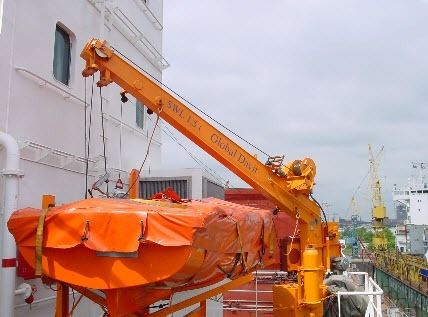
- Area: On-Load-Release-Gear (OLRG)Check: Annual functional test at 1.1 × SWL; after test check locking; inspect for dried paint/contamination/corrosion in lock, thread/shank wear/cracks. 5-year dynamic test. SOLAS III / MSC.402(96).
- Area: Drahtseile (Falls/Wire Ropes)Check: Inspect for kinks, corrosion, strand breakage (>10% over 8d length = replacement), inaccessible sections; correct/certified ropes; if required turn for full inspection; renewal per manufacturer interval.
- Area: Bremse (Zentrifugal- + Haltebremse)Check: Brake pad wear; check lowering speed (SOLAS S=0.4+0.02H, max ~36 m/min); remote release function; brake not blocked by poor maintenance.
- Area: Korrosion der Davit-StrukturCheck: Galvanized structure + stainless steel fasteners for pitting/discoloration; NDT of load-bearing structure for cracks; incident RRS Sir David Attenborough 2021 (severe corrosion due to poor maintenance).
- Area: Wartungs-ComplianceCheck: Planned maintenance complete since installation? Annual + 5-year tests recorded in logbook; manufacturer instructions followed; only authorized personnel (MSC.1/Circ.1205 Rev.1).
Universelle SOLAS-Inspektions-/Wartungspunkte fuer Davits/Rettungsboot-Aussetzvorrichtungen (modellunabhaengig, verifiziert aus IMCA/Gard/SOLAS MSC.1-Circ.1205, 2026-06). Per-Modell-SWL NICHT auto-gefuellt.
- IMO SOLAS approval (model listed in DNV approval finder).
- Integrated motorised winch with weekly functional test requirement ensures readiness.
- Designed for corrosion‑resistant construction (zinc‑coated frame, stainless steel fittings).
- Comprehensive maintenance schedule (annual hook service, 5‑year full inspection) aligns with SOLAS MSC.402(96).
- Requires strict adherence to a frequent testing regime (weekly motor run, annual hook service).
- Complex mechanical/electrical components increase installation and lifecycle cost.
- Limited publicly available performance data (e.g., load‑capacity, power rating) may hinder direct comparison.
- Specific spare‑part availability depends on Global Davit GmbH support network.
- Area: On-Load-Release-Gear (OLRG)Check: Annual functional test at 1.1 × SWL; after test check locking; inspect for dried paint/contamination/corrosion in lock, thread/shank wear/cracks. 5-year dynamic test. SOLAS III / MSC.402(96).
- Area: Drahtseile (Falls/Wire Ropes)Check: Inspect for kinks, corrosion, strand breakage (>10% over 8d length = replacement), inaccessible sections; correct/certified ropes; if required turn for full inspection; renewal per manufacturer interval.
- Area: Bremse (Zentrifugal- + Haltebremse)Check: Brake pad wear; check lowering speed (SOLAS S=0.4+0.02H, max ~36 m/min); remote release function; brake not blocked by poor maintenance.
- Area: Korrosion der Davit-StrukturCheck: Galvanized structure + stainless steel fasteners for pitting/discoloration; NDT of load-bearing structure for cracks; incident RRS Sir David Attenborough 2021 (severe corrosion due to poor maintenance).
- Area: Wartungs-ComplianceCheck: Planned maintenance complete since installation? Annual + 5-year tests recorded in logbook; manufacturer instructions followed; only authorized personnel (MSC.1/Circ.1205 Rev.1).
Universelle SOLAS-Inspektions-/Wartungspunkte fuer Davits/Rettungsboot-Aussetzvorrichtungen (modellunabhaengig, verifiziert aus IMCA/Gard/SOLAS MSC.1-Circ.1205, 2026-06). Per-Modell-SWL NICHT auto-gefuellt.
- High safe working load (≈19 t) suitable for large free‑fall lifeboats
- Integrated motor test (weekly 5‑min run) ensures readiness
- IMO SOLAS approved and DNV‑GL certified, meeting MSC.402(96) requirements
- Corrosion‑resistant galvanized frame with stainless‑steel fittings
- Modular design allows installation on a wide range of vessel decks
- Requires strict maintenance regime (annual OLRG test, 5‑year dynamic test)
- Complexity and motorisation increase initial purchase and spare‑part costs
- Limited to lifeboats/rafts that fit the 19 t SWL envelope; not suitable for small boats
- Potential for corrosion if protective coating is neglected (recorded incidents on similar models)
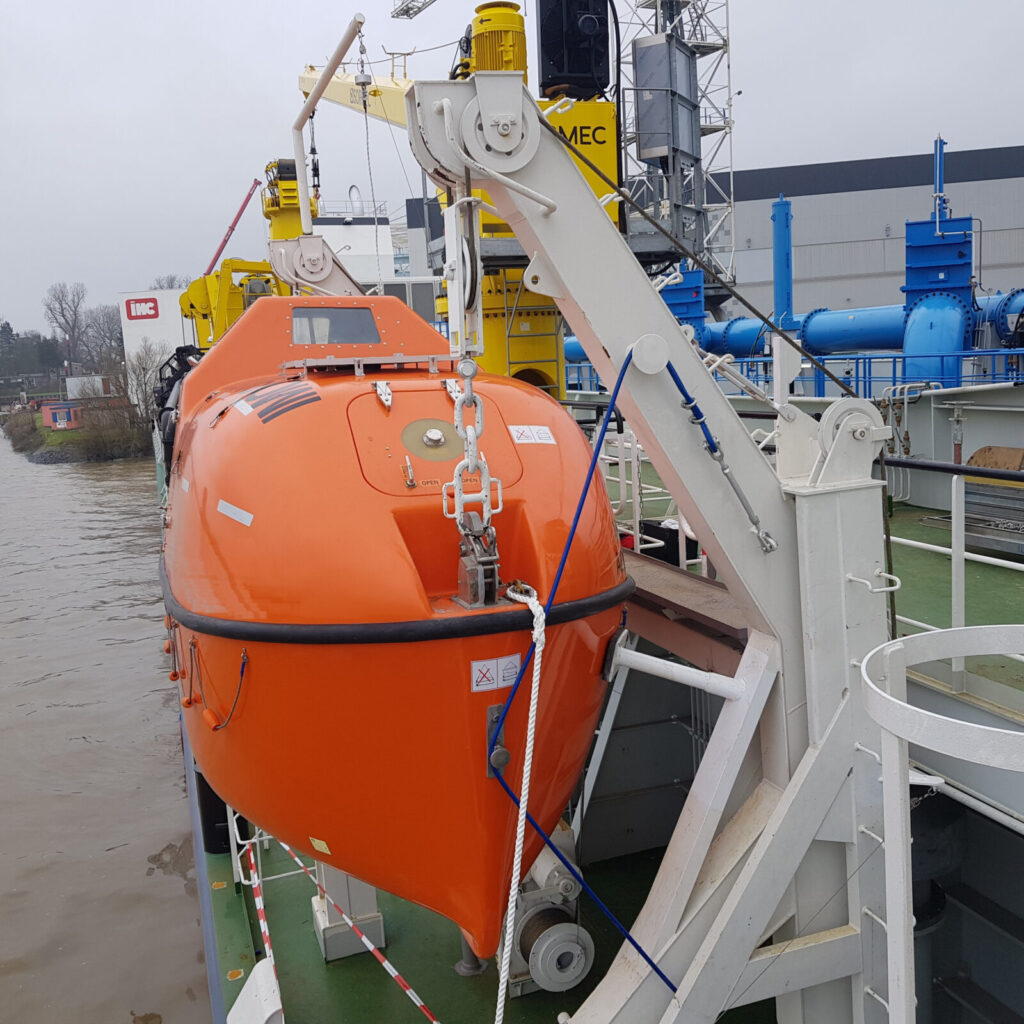
- Area: On-Load-Release-Gear (OLRG)Check: Annual functional test at 1.1 × SWL; after test check locking; inspect for dried paint/contamination/corrosion in lock, thread/shank wear/cracks. 5-year dynamic test. SOLAS III / MSC.402(96).
- Area: Drahtseile (Falls/Wire Ropes)Check: Inspect for kinks, corrosion, strand breakage (>10% over 8d length = replacement), inaccessible sections; correct/certified ropes; if required turn for full inspection; renewal per manufacturer interval.
- Area: Bremse (Zentrifugal- + Haltebremse)Check: Brake pad wear; check lowering speed (SOLAS S=0.4+0.02H, max ~36 m/min); remote release function; brake not blocked by poor maintenance.
- Area: Korrosion der Davit-StrukturCheck: Galvanized structure + stainless steel fasteners for pitting/discoloration; NDT of load-bearing structure for cracks; incident RRS Sir David Attenborough 2021 (severe corrosion due to poor maintenance).
- Area: Wartungs-ComplianceCheck: Planned maintenance complete since installation? Annual + 5-year tests recorded in logbook; manufacturer instructions followed; only authorized personnel (MSC.1/Circ.1205 Rev.1).
Universelle SOLAS-Inspektions-/Wartungspunkte fuer Davits/Rettungsboot-Aussetzvorrichtungen (modellunabhaengig, verifiziert aus IMCA/Gard/SOLAS MSC.1-Circ.1205, 2026-06). Per-Modell-SWL NICHT auto-gefuellt.
- High safe working load (165 kN) suitable for large lifeboats and rescue rafts
- Integrated on‑load release gear (OLRG) meeting SOLAS MSC.402(96) requirements
- DNV and IMO approved, ensuring compliance with international regulations
- Corrosion‑resistant zinc‑galvanised structure with stainless‑steel fittings
- Modular design allows relatively quick replacement of hydraulic components
- Requires strict maintenance regime (weekly motor test, annual hook service, 5‑year full inspection)
- Hydraulic system adds complexity and potential leak points compared with electric davits
- Heavy deck footprint may limit placement on vessels with restricted launch area
- Corrosion issues reported if maintenance intervals are missed
- Area: On-Load-Release-Gear (OLRG)Check: Annual functional test at 1.1 × SWL; after test check locking; inspect for dried paint/contamination/corrosion in lock, thread/shank wear/cracks. 5-year dynamic test. SOLAS III / MSC.402(96).
- Area: Drahtseile (Falls/Wire Ropes)Check: Inspect for kinks, corrosion, strand breakage (>10% over 8d length = replacement), inaccessible sections; correct/certified ropes; if required turn for full inspection; renewal per manufacturer interval.
- Area: Bremse (Zentrifugal- + Haltebremse)Check: Brake pad wear; check lowering speed (SOLAS S=0.4+0.02H, max ~36 m/min); remote release function; brake not blocked by poor maintenance.
- Area: Korrosion der Davit-StrukturCheck: Galvanized structure + stainless steel fasteners for pitting/discoloration; NDT of load-bearing structure for cracks; incident RRS Sir David Attenborough 2021 (severe corrosion due to poor maintenance).
- Area: Wartungs-ComplianceCheck: Planned maintenance complete since installation? Annual + 5-year tests recorded in logbook; manufacturer instructions followed; only authorized personnel (MSC.1/Circ.1205 Rev.1).
Universelle SOLAS-Inspektions-/Wartungspunkte fuer Davits/Rettungsboot-Aussetzvorrichtungen (modellunabhaengig, verifiziert aus IMCA/Gard/SOLAS MSC.1-Circ.1205, 2026-06). Per-Modell-SWL NICHT auto-gefuellt.
- IMO SOLAS approved and listed in DNV approval finder – meets major regulatory requirements.
- Corrosion‑resistant galvanized steel structure with stainless‑steel fittings reduces long‑term degradation.
- Integrated motor test (weekly, ≥5 min) ensures launch readiness and simplifies compliance verification.
- On‑load release gear designed for 1.1×SWL testing and a five‑year dynamic load test per SOLAS MSC.402(96).
- Modular design allows replacement of wire ropes and brake components without full system removal.
- Requires frequent maintenance: weekly motor tests, annual hook service, and a comprehensive 5‑year inspection.
- All servicing must be performed by authorized personnel per MSC.1/Circ.1205, increasing operational cost.
- Potential for corrosion or brake wear if the prescribed inspections are missed – documented failure modes exist.
- Limited to load capacities defined by the 14/3.5–15/3.7 rating; not suitable for larger lifeboats without redesign.
- Area: On-Load-Release-Gear (OLRG)Check: Annual functional test at 1.1 × SWL; after test check locking; inspect for dried paint/contamination/corrosion in lock, thread/shank wear/cracks. 5-year dynamic test. SOLAS III / MSC.402(96).
- Area: Drahtseile (Falls/Wire Ropes)Check: Inspect for kinks, corrosion, strand breakage (>10% over 8d length = replacement), inaccessible sections; correct/certified ropes; if required turn for full inspection; renewal per manufacturer interval.
- Area: Bremse (Zentrifugal- + Haltebremse)Check: Brake pad wear; check lowering speed (SOLAS S=0.4+0.02H, max ~36 m/min); remote release function; brake not blocked by poor maintenance.
- Area: Korrosion der Davit-StrukturCheck: Galvanized structure + stainless steel fasteners for pitting/discoloration; NDT of load-bearing structure for cracks; incident RRS Sir David Attenborough 2021 (severe corrosion due to poor maintenance).
- Area: Wartungs-ComplianceCheck: Planned maintenance complete since installation? Annual + 5-year tests recorded in logbook; manufacturer instructions followed; only authorized personnel (MSC.1/Circ.1205 Rev.1).
Universelle SOLAS-Inspektions-/Wartungspunkte fuer Davits/Rettungsboot-Aussetzvorrichtungen (modellunabhaengig, verifiziert aus IMCA/Gard/SOLAS MSC.1-Circ.1205, 2026-06). Per-Modell-SWL NICHT auto-gefuellt.
- IMO approved (SOLAS compliant) for lifeboat/raft launch operations
- Integrated motor test routine (weekly 5 min run) ensures readiness
- Annual release‑hook inspection and service per SOLAS MSC.402(96)
- Five‑year comprehensive structural inspection aligns with class society requirements
- Modular design accommodates standard GFK hulls and a range of lifeboat sizes
- High maintenance burden – weekly motor test, annual hook service, five‑year NDT inspections
- Corrosion‑prone steel/galvanised structure requires regular visual and ultrasonic checks
- Requires authorised personnel for all inspections (MSC.1/Circ.1205 compliance)
- Potential failure points in on‑load release gear and wire ropes if inspection intervals are missed
- Limited to vessels that can allocate the required deck space and load capacity
- Area: On-Load-Release-Gear (OLRG)Check: Annual functional test at 1.1 × SWL; after test check locking; inspect for dried paint/contamination/corrosion in lock, thread/shank wear/cracks. 5-year dynamic test. SOLAS III / MSC.402(96).
- Area: Drahtseile (Falls/Wire Ropes)Check: Inspect for kinks, corrosion, strand breakage (>10% over 8d length = replacement), inaccessible sections; correct/certified ropes; if required turn for full inspection; renewal per manufacturer interval.
- Area: Bremse (Zentrifugal- + Haltebremse)Check: Brake pad wear; check lowering speed (SOLAS S=0.4+0.02H, max ~36 m/min); remote release function; brake not blocked by poor maintenance.
- Area: Korrosion der Davit-StrukturCheck: Galvanized structure + stainless steel fasteners for pitting/discoloration; NDT of load-bearing structure for cracks; incident RRS Sir David Attenborough 2021 (severe corrosion due to poor maintenance).
- Area: Wartungs-ComplianceCheck: Planned maintenance complete since installation? Annual + 5-year tests recorded in logbook; manufacturer instructions followed; only authorized personnel (MSC.1/Circ.1205 Rev.1).
Universelle SOLAS-Inspektions-/Wartungspunkte fuer Davits/Rettungsboot-Aussetzvorrichtungen (modellunabhaengig, verifiziert aus IMCA/Gard/SOLAS MSC.1-Circ.1205, 2026-06). Per-Modell-SWL NICHT auto-gefuellt.
- IMO SOLAS approval and DNV certification ensure regulatory compliance
- Corrosion‑resistant zinc‑galvanised frame with stainless‑steel fittings prolongs service life in harsh marine environments
- Built‑in centrifugal and hold brake meets SOLAS speed limits (≤0.4 + 0.02H m/min)
- Modular design allows relatively quick replacement of wire ropes and hooks during scheduled maintenance
- Comprehensive inspection regime (annual OLRG test, 5‑year dynamic test) aligns with MSC.1/Circ.1205 requirements
- Requires annual hook maintenance by authorised personnel, increasing operational cost
- Wire‑rope condition must be inspected and possibly replaced every few years; failure points are documented in IMCA guidelines
- Inspection schedule is intensive (annual + 5‑year tests), demanding disciplined record‑keeping
- Designed for medium‑size lifeboats; not suitable for very large rescue boats or high‑capacity davits
- Overall weight and structural bulk may be higher than newer lightweight composite davit systems
- Area: On-Load-Release-Gear (OLRG)Check: Annual functional test at 1.1 × SWL; after test check locking; inspect for dried paint/contamination/corrosion in lock, thread/shank wear/cracks. 5-year dynamic test. SOLAS III / MSC.402(96).
- Area: Drahtseile (Falls/Wire Ropes)Check: Inspect for kinks, corrosion, strand breakage (>10% over 8d length = replacement), inaccessible sections; correct/certified ropes; if required turn for full inspection; renewal per manufacturer interval.
- Area: Bremse (Zentrifugal- + Haltebremse)Check: Brake pad wear; check lowering speed (SOLAS S=0.4+0.02H, max ~36 m/min); remote release function; brake not blocked by poor maintenance.
- Area: Korrosion der Davit-StrukturCheck: Galvanized structure + stainless steel fasteners for pitting/discoloration; NDT of load-bearing structure for cracks; incident RRS Sir David Attenborough 2021 (severe corrosion due to poor maintenance).
- Area: Wartungs-ComplianceCheck: Planned maintenance complete since installation? Annual + 5-year tests recorded in logbook; manufacturer instructions followed; only authorized personnel (MSC.1/Circ.1205 Rev.1).
Universelle SOLAS-Inspektions-/Wartungspunkte fuer Davits/Rettungsboot-Aussetzvorrichtungen (modellunabhaengig, verifiziert aus IMCA/Gard/SOLAS MSC.1-Circ.1205, 2026-06). Per-Modell-SWL NICHT auto-gefuellt.
- IMO‑approved and DNV‑certified for SOLAS compliance (MSC.402(96))
- High load capacity range (1.5 t – 12 t) covering most lifeboat sizes
- Corrosion‑resistant zinc‑galvanised frame with stainless‑steel fittings reduces structural degradation
- Built‑in weekly motor run‑test and annual release‑hook service simplify compliance tracking
- Modular design fits both GFK hulls and steel decks, allowing retrofit on many vessel types
- Requires specialised authorised service personnel for annual OLRG inspection and 5‑year dynamic test
- Higher initial cost compared with basic manual davits due to motor and brake system
- Complex maintenance schedule (weekly motor test, yearly hook check, 5‑year full inspection) may strain crew resources
- Limited to lifeboats/rafts within the specified SWL envelope; not suitable for ultra‑large rescue craft
- Weight of the powered unit can affect deck load calculations on smaller vessels
- Area: On-Load-Release-Gear (OLRG)Check: Annual functional test at 1.1 × SWL; after test check locking; inspect for dried paint/contamination/corrosion in lock, thread/shank wear/cracks. 5-year dynamic test. SOLAS III / MSC.402(96).
- Area: Drahtseile (Falls/Wire Ropes)Check: Inspect for kinks, corrosion, strand breakage (>10% over 8d length = replacement), inaccessible sections; correct/certified ropes; if required turn for full inspection; renewal per manufacturer interval.
- Area: Bremse (Zentrifugal- + Haltebremse)Check: Brake pad wear; check lowering speed (SOLAS S=0.4+0.02H, max ~36 m/min); remote release function; brake not blocked by poor maintenance.
- Area: Korrosion der Davit-StrukturCheck: Galvanized structure + stainless steel fasteners for pitting/discoloration; NDT of load-bearing structure for cracks; incident RRS Sir David Attenborough 2021 (severe corrosion due to poor maintenance).
- Area: Wartungs-ComplianceCheck: Planned maintenance complete since installation? Annual + 5-year tests recorded in logbook; manufacturer instructions followed; only authorized personnel (MSC.1/Circ.1205 Rev.1).
Universelle SOLAS-Inspektions-/Wartungspunkte fuer Davits/Rettungsboot-Aussetzvorrichtungen (modellunabhaengig, verifiziert aus IMCA/Gard/SOLAS MSC.1-Circ.1205, 2026-06). Per-Modell-SWL NICHT auto-gefuellt.
- IMO and DNV approved, fully compliant with SOLAS launch requirements.
- Integrated On‑Load Release Gear (OLRG) enables rapid release under load.
- Designed for a service working load of up to 10 t, covering most lifeboat/raft sizes.
- Modular construction allows configuration for either lifeboats or life rafts.
- Supports routine weekly motor tests and a defined 5‑year full inspection regime.
- Intensive maintenance schedule – annual OLR testing, 5‑year dynamic test, corrosion inspections.
- Release hook servicing must be performed by authorized personnel per SOLAS MSC.402(96).
- Wire‑rope components are prone to wear and may require frequent replacement in harsh environments.
- Requires dedicated structural mounting space and load‑bearing capacity on the vessel.
- No publicly available data on dimensions, weight or power consumption, complicating integration planning.
- Area: On-Load-Release-Gear (OLRG)Check: Annual functional test at 1.1 × SWL; after test check locking; inspect for dried paint/contamination/corrosion in lock, thread/shank wear/cracks. 5-year dynamic test. SOLAS III / MSC.402(96).
- Area: Drahtseile (Falls/Wire Ropes)Check: Inspect for kinks, corrosion, strand breakage (>10% over 8d length = replacement), inaccessible sections; correct/certified ropes; if required turn for full inspection; renewal per manufacturer interval.
- Area: Bremse (Zentrifugal- + Haltebremse)Check: Brake pad wear; check lowering speed (SOLAS S=0.4+0.02H, max ~36 m/min); remote release function; brake not blocked by poor maintenance.
- Area: Korrosion der Davit-StrukturCheck: Galvanized structure + stainless steel fasteners for pitting/discoloration; NDT of load-bearing structure for cracks; incident RRS Sir David Attenborough 2021 (severe corrosion due to poor maintenance).
- Area: Wartungs-ComplianceCheck: Planned maintenance complete since installation? Annual + 5-year tests recorded in logbook; manufacturer instructions followed; only authorized personnel (MSC.1/Circ.1205 Rev.1).
Universelle SOLAS-Inspektions-/Wartungspunkte fuer Davits/Rettungsboot-Aussetzvorrichtungen (modellunabhaengig, verifiziert aus IMCA/Gard/SOLAS MSC.1-Circ.1205, 2026-06). Per-Modell-SWL NICHT auto-gefuellt.
- IMO approved and listed in DNV approval database – meets SOLAS requirements
- Integrated on‑load release gear allows safe launch under load, tested annually at 1.1×SWL
- Corrosion‑resistant galvanized frame with stainless‑steel fittings reduces structural degradation
- Weekly motor run‑test ensures readiness and early detection of power issues
- 5‑year full inspection schedule aligns with MSC.1/Circ.1205 maintenance regime
- Requires regular electrical power and dedicated motor maintenance (weekly test, annual service)
- Annual hook servicing must be performed by authorized personnel, adding operational cost
- Potential for corrosion if maintenance intervals are missed, as seen in past incidents
- Limited to vessels that can accommodate the davit's SWL rating and structural mounting points
- Dependence on specialized spare parts and certified technicians for 5‑year dynamic tests
- Area: On-Load-Release-Gear (OLRG)Check: Annual functional test at 1.1 × SWL; after test check locking; inspect for dried paint/contamination/corrosion in lock, thread/shank wear/cracks. 5-year dynamic test. SOLAS III / MSC.402(96).
- Area: Drahtseile (Falls/Wire Ropes)Check: Inspect for kinks, corrosion, strand breakage (>10% over 8d length = replacement), inaccessible sections; correct/certified ropes; if required turn for full inspection; renewal per manufacturer interval.
- Area: Bremse (Zentrifugal- + Haltebremse)Check: Brake pad wear; check lowering speed (SOLAS S=0.4+0.02H, max ~36 m/min); remote release function; brake not blocked by poor maintenance.
- Area: Korrosion der Davit-StrukturCheck: Galvanized structure + stainless steel fasteners for pitting/discoloration; NDT of load-bearing structure for cracks; incident RRS Sir David Attenborough 2021 (severe corrosion due to poor maintenance).
- Area: Wartungs-ComplianceCheck: Planned maintenance complete since installation? Annual + 5-year tests recorded in logbook; manufacturer instructions followed; only authorized personnel (MSC.1/Circ.1205 Rev.1).
Universelle SOLAS-Inspektions-/Wartungspunkte fuer Davits/Rettungsboot-Aussetzvorrichtungen (modellunabhaengig, verifiziert aus IMCA/Gard/SOLAS MSC.1-Circ.1205, 2026-06). Per-Modell-SWL NICHT auto-gefuellt.
- IMO and DNV approved, ensuring full SOLAS compliance
- Integrated weekly motor test (minimum 5 min) simplifies functional verification
- Annual release hook maintenance per MSC.402(96) enhances reliability of the on‑load release gear
- Structured five‑year comprehensive inspection aligns with regulatory intervals
- Versatile design suitable for both lifeboat and life‑raft deployment
- Requires regular specialized maintenance by authorized personnel, increasing operational expenditure
- Corrosion of steel components reported if maintenance lapses; NDT inspections are mandatory
- Wire‑rope inspection and replacement are labor‑intensive and must follow strict manufacturer intervals
- Lack of publicly available data on weight, dimensions or power source may complicate integration planning
- Limited information on optional hydraulic/electric drive options could affect retrofit decisions
- Area: On-Load-Release-Gear (OLRG)Check: Annual functional test at 1.1 × SWL; after test check locking; inspect for dried paint/contamination/corrosion in lock, thread/shank wear/cracks. 5-year dynamic test. SOLAS III / MSC.402(96).
- Area: Drahtseile (Falls/Wire Ropes)Check: Inspect for kinks, corrosion, strand breakage (>10% over 8d length = replacement), inaccessible sections; correct/certified ropes; if required turn for full inspection; renewal per manufacturer interval.
- Area: Bremse (Zentrifugal- + Haltebremse)Check: Brake pad wear; check lowering speed (SOLAS S=0.4+0.02H, max ~36 m/min); remote release function; brake not blocked by poor maintenance.
- Area: Korrosion der Davit-StrukturCheck: Galvanized structure + stainless steel fasteners for pitting/discoloration; NDT of load-bearing structure for cracks; incident RRS Sir David Attenborough 2021 (severe corrosion due to poor maintenance).
- Area: Wartungs-ComplianceCheck: Planned maintenance complete since installation? Annual + 5-year tests recorded in logbook; manufacturer instructions followed; only authorized personnel (MSC.1/Circ.1205 Rev.1).
Universelle SOLAS-Inspektions-/Wartungspunkte fuer Davits/Rettungsboot-Aussetzvorrichtungen (modellunabhaengig, verifiziert aus IMCA/Gard/SOLAS MSC.1-Circ.1205, 2026-06). Per-Modell-SWL NICHT auto-gefuellt.
- IMO‑approved and DNV certified, meeting SOLAS requirements out of the box
- Integrated on‑load release gear (OLRG) simplifies emergency launch procedures
- Corrosion‑resistant galvanized/ stainless‑steel construction suited for harsh marine environments
- Compact right‑hand side mounting saves valuable deck space on vessels with limited clearance
- Manufacturer‑defined maintenance schedule (annual OLRG test, 5‑year dynamic test) supports predictable upkeep
- Requires regular specialised inspections (annual OLRG function test, 5‑year dynamic load test)
- Wire‑rope wear limits may necessitate relatively frequent rope replacement
- Brake system needs periodic pad wear checks to maintain rated deceleration
- Potentially heavier than lightweight aluminium davits, impacting overall deck load
- Limited to lifeboats/rafts within the model’s certified SWL (exact capacity not publicly disclosed)
- Area: On-Load-Release-Gear (OLRG)Check: Annual functional test at 1.1 × SWL; after test check locking; inspect for dried paint/contamination/corrosion in lock, thread/shank wear/cracks. 5-year dynamic test. SOLAS III / MSC.402(96).
- Area: Drahtseile (Falls/Wire Ropes)Check: Inspect for kinks, corrosion, strand breakage (>10% over 8d length = replacement), inaccessible sections; correct/certified ropes; if required turn for full inspection; renewal per manufacturer interval.
- Area: Bremse (Zentrifugal- + Haltebremse)Check: Brake pad wear; check lowering speed (SOLAS S=0.4+0.02H, max ~36 m/min); remote release function; brake not blocked by poor maintenance.
- Area: Korrosion der Davit-StrukturCheck: Galvanized structure + stainless steel fasteners for pitting/discoloration; NDT of load-bearing structure for cracks; incident RRS Sir David Attenborough 2021 (severe corrosion due to poor maintenance).
- Area: Wartungs-ComplianceCheck: Planned maintenance complete since installation? Annual + 5-year tests recorded in logbook; manufacturer instructions followed; only authorized personnel (MSC.1/Circ.1205 Rev.1).
Universelle SOLAS-Inspektions-/Wartungspunkte fuer Davits/Rettungsboot-Aussetzvorrichtungen (modellunabhaengig, verifiziert aus IMCA/Gard/SOLAS MSC.1-Circ.1205, 2026-06). Per-Modell-SWL NICHT auto-gefuellt.
- IMO‑approved and DNV‑certified, meeting current SOLAS MSC.402(96) requirements
- High safety factor with on‑load release tested at 1.1× SWL annually
- Corrosion‑resistant zinc‑galvanised structure with stainless steel fittings
- Modular design accommodates lifeboats up to 14 m length and a range of SWLs
- Defined maintenance schedule (annual OLRG test, 5‑year full inspection) simplifies compliance
- Requires authorised service personnel for annual release‑hook maintenance
- Complex on‑load release mechanism can be costly to repair if neglected
- Heavy structural components may limit retrofit on vessels with low deck load capacity
- Corrosion history (e.g., RRS Sir David Attenborough incident) demands strict inspection regime
- Limited to lifeboat sizes covered by the model’s design envelope
- Area: On-Load-Release-Gear (OLRG)Check: Annual functional test at 1.1 × SWL; after test check locking; inspect for dried paint/contamination/corrosion in lock, thread/shank wear/cracks. 5-year dynamic test. SOLAS III / MSC.402(96).
- Area: Drahtseile (Falls/Wire Ropes)Check: Inspect for kinks, corrosion, strand breakage (>10% over 8d length = replacement), inaccessible sections; correct/certified ropes; if required turn for full inspection; renewal per manufacturer interval.
- Area: Bremse (Zentrifugal- + Haltebremse)Check: Brake pad wear; check lowering speed (SOLAS S=0.4+0.02H, max ~36 m/min); remote release function; brake not blocked by poor maintenance.
- Area: Korrosion der Davit-StrukturCheck: Galvanized structure + stainless steel fasteners for pitting/discoloration; NDT of load-bearing structure for cracks; incident RRS Sir David Attenborough 2021 (severe corrosion due to poor maintenance).
- Area: Wartungs-ComplianceCheck: Planned maintenance complete since installation? Annual + 5-year tests recorded in logbook; manufacturer instructions followed; only authorized personnel (MSC.1/Circ.1205 Rev.1).
Universelle SOLAS-Inspektions-/Wartungspunkte fuer Davits/Rettungsboot-Aussetzvorrichtungen (modellunabhaengig, verifiziert aus IMCA/Gard/SOLAS MSC.1-Circ.1205, 2026-06). Per-Modell-SWL NICHT auto-gefuellt.
- IMO‑approved and listed in the DNV approval database (model 1887711 HH).
- Integrated On‑Load Release Gear (OLRG) with annual functional test at 1.1×SWL, meeting SOLAS MSC.402(96).
- Corrosion‑resistant galvanized steel structure with stainless‑steel fittings, reducing long‑term degradation.
- Modular design compatible with GFK hulls and a wide range of lifeboat sizes up to the manufacturer’s SWL rating.
- Remote release function allows launch from the bridge or control station.
- High maintenance burden – annual OLR test, 5‑year dynamic test and regular wire‑rope inspections are mandatory.
- Complex hydraulic/electro‑mechanical system requires service by authorised personnel only.
- Potential for corrosion of lock mechanisms if cleaning/painting is neglected (historical failures reported).
- Limited to lifeboats within the specific SWL envelope; oversized craft cannot be accommodated without redesign.
- Initial procurement cost is higher than basic manual davits.
- Area: On-Load-Release-Gear (OLRG)Check: Annual functional test at 1.1 × SWL; after test check locking; inspect for dried paint/contamination/corrosion in lock, thread/shank wear/cracks. 5-year dynamic test. SOLAS III / MSC.402(96).
- Area: Drahtseile (Falls/Wire Ropes)Check: Inspect for kinks, corrosion, strand breakage (>10% over 8d length = replacement), inaccessible sections; correct/certified ropes; if required turn for full inspection; renewal per manufacturer interval.
- Area: Bremse (Zentrifugal- + Haltebremse)Check: Brake pad wear; check lowering speed (SOLAS S=0.4+0.02H, max ~36 m/min); remote release function; brake not blocked by poor maintenance.
- Area: Korrosion der Davit-StrukturCheck: Galvanized structure + stainless steel fasteners for pitting/discoloration; NDT of load-bearing structure for cracks; incident RRS Sir David Attenborough 2021 (severe corrosion due to poor maintenance).
- Area: Wartungs-ComplianceCheck: Planned maintenance complete since installation? Annual + 5-year tests recorded in logbook; manufacturer instructions followed; only authorized personnel (MSC.1/Circ.1205 Rev.1).
Universelle SOLAS-Inspektions-/Wartungspunkte fuer Davits/Rettungsboot-Aussetzvorrichtungen (modellunabhaengig, verifiziert aus IMCA/Gard/SOLAS MSC.1-Circ.1205, 2026-06). Per-Modell-SWL NICHT auto-gefuellt.
- IMO D‑2 approved and listed in the DNV approval finder – recognised by flag states and classification societies.
- Integrated centrifugal + hold brake provides controlled descent speed (SOLAS S = 0.4 + 0.02H).
- Remote release hook with annual service by authorised personnel meets SOLAS MSC.402(96) requirements.
- Corrosion‑resistant construction (galvanised frame, stainless‑steel fittings) reduces structural degradation when maintained.
- Defined 5‑year full inspection and weekly motor test schedule supports predictable maintenance planning.
- Requires strict compliance with annual OLRG checks and a 5‑year dynamic brake test – high maintenance workload.
- Wire‑rope condition must be inspected for kinks, corrosion and >10 % wear; replacement intervals can be costly.
- If maintenance is neglected, documented cases (e.g., RRS Sir David Attenborough) show rapid corrosion of the davit structure.
- Installation complexity and need for authorised service personnel increase initial fit‑out cost compared with simple manual davits.
- Remote‑release mechanism adds electrical/hydraulic components that must be tested weekly, adding operational overhead.
- Area: On-Load-Release-Gear (OLRG)Check: Annual functional test at 1.1 × SWL; after test check locking; inspect for dried paint/contamination/corrosion in lock, thread/shank wear/cracks. 5-year dynamic test. SOLAS III / MSC.402(96).
- Area: Drahtseile (Falls/Wire Ropes)Check: Inspect for kinks, corrosion, strand breakage (>10% over 8d length = replacement), inaccessible sections; correct/certified ropes; if required turn for full inspection; renewal per manufacturer interval.
- Area: Bremse (Zentrifugal- + Haltebremse)Check: Brake pad wear; check lowering speed (SOLAS S=0.4+0.02H, max ~36 m/min); remote release function; brake not blocked by poor maintenance.
- Area: Korrosion der Davit-StrukturCheck: Galvanized structure + stainless steel fasteners for pitting/discoloration; NDT of load-bearing structure for cracks; incident RRS Sir David Attenborough 2021 (severe corrosion due to poor maintenance).
- Area: Wartungs-ComplianceCheck: Planned maintenance complete since installation? Annual + 5-year tests recorded in logbook; manufacturer instructions followed; only authorized personnel (MSC.1/Circ.1205 Rev.1).
Universelle SOLAS-Inspektions-/Wartungspunkte fuer Davits/Rettungsboot-Aussetzvorrichtungen (modellunabhaengig, verifiziert aus IMCA/Gard/SOLAS MSC.1-Circ.1205, 2026-06). Per-Modell-SWL NICHT auto-gefuellt.
- IMO approved and listed in the DNV approval finder (model 8641509 HH)
- Integrated on‑load release gear (OLRG) with annual functional test at 1.1×SWL
- Centrifugal + hold brake provides smooth, controllable descent and meets SOLAS MSC.402(96) requirements
- Weekly motor run‑test ensures propulsion reliability of the davit
- Defined 5‑year full inspection schedule aligns with class society recommendations
- Requires strict maintenance regime (annual hook service, 5‑year inspection, regular wire‑rope checks)
- Corrosion of the steel structure can become critical if inspections are missed (historical incidents reported)
- Complexity of powered system demands trained personnel and authorized service providers
- Limited documentation publicly available; detailed dimensions and weight not disclosed
- Area: On-Load-Release-Gear (OLRG)Check: Annual functional test at 1.1 × SWL; after test check locking; inspect for dried paint/contamination/corrosion in lock, thread/shank wear/cracks. 5-year dynamic test. SOLAS III / MSC.402(96).
- Area: Drahtseile (Falls/Wire Ropes)Check: Inspect for kinks, corrosion, strand breakage (>10% over 8d length = replacement), inaccessible sections; correct/certified ropes; if required turn for full inspection; renewal per manufacturer interval.
- Area: Bremse (Zentrifugal- + Haltebremse)Check: Brake pad wear; check lowering speed (SOLAS S=0.4+0.02H, max ~36 m/min); remote release function; brake not blocked by poor maintenance.
- Area: Korrosion der Davit-StrukturCheck: Galvanized structure + stainless steel fasteners for pitting/discoloration; NDT of load-bearing structure for cracks; incident RRS Sir David Attenborough 2021 (severe corrosion due to poor maintenance).
- Area: Wartungs-ComplianceCheck: Planned maintenance complete since installation? Annual + 5-year tests recorded in logbook; manufacturer instructions followed; only authorized personnel (MSC.1/Circ.1205 Rev.1).
Universelle SOLAS-Inspektions-/Wartungspunkte fuer Davits/Rettungsboot-Aussetzvorrichtungen (modellunabhaengig, verifiziert aus IMCA/Gard/SOLAS MSC.1-Circ.1205, 2026-06). Per-Modell-SWL NICHT auto-gefuellt.
- IMO SOLAS approval and DNV listing provide high regulatory confidence
- Designed for GFK (glass‑fibre reinforced plastic) lifeboat hulls common on passenger vessels
- Integrated motor test routine (weekly 5 min run) ensures readiness of the drive unit
- Modular load range (6–10 t) matches medium‑size lifeboats and rescue rafts
- Comprehensive inspection points (OLRG, wire rope, brake, corrosion) are defined by IMCA/GARD guidelines
- Requires strict maintenance schedule – weekly motor test, annual hook service, 5‑year full inspection
- Corrosion of the steel structure can become critical if NDT checks are missed (historical incidents reported)
- Limited to lifeboats within a specific size/weight envelope; not suitable for very large free‑fall boats
- Complex inspection documentation may increase shore‑based administrative workload
- Area: On-Load-Release-Gear (OLRG)Check: Annual functional test at 1.1 × SWL; after test check locking; inspect for dried paint/contamination/corrosion in lock, thread/shank wear/cracks. 5-year dynamic test. SOLAS III / MSC.402(96).
- Area: Drahtseile (Falls/Wire Ropes)Check: Inspect for kinks, corrosion, strand breakage (>10% over 8d length = replacement), inaccessible sections; correct/certified ropes; if required turn for full inspection; renewal per manufacturer interval.
- Area: Bremse (Zentrifugal- + Haltebremse)Check: Brake pad wear; check lowering speed (SOLAS S=0.4+0.02H, max ~36 m/min); remote release function; brake not blocked by poor maintenance.
- Area: Korrosion der Davit-StrukturCheck: Galvanized structure + stainless steel fasteners for pitting/discoloration; NDT of load-bearing structure for cracks; incident RRS Sir David Attenborough 2021 (severe corrosion due to poor maintenance).
- Area: Wartungs-ComplianceCheck: Planned maintenance complete since installation? Annual + 5-year tests recorded in logbook; manufacturer instructions followed; only authorized personnel (MSC.1/Circ.1205 Rev.1).
Universelle SOLAS-Inspektions-/Wartungspunkte fuer Davits/Rettungsboot-Aussetzvorrichtungen (modellunabhaengig, verifiziert aus IMCA/Gard/SOLAS MSC.1-Circ.1205, 2026-06). Per-Modell-SWL NICHT auto-gefuellt.
- IMO and DNV approved, fully compliant with SOLAS requirements for lifeboat davits.
- Integrated on‑load release gear (OLRG) that can be functionally tested annually at 1.1×SWL.
- Centrifugal plus hold brake provides a controlled descent speed (S = 0.4 + 0.02H, max ≈36 m/min).
- Modular mounting allows installation on a wide range of deck configurations.
- Manufacturer‑supported maintenance programme (weekly motor test, annual hook service, 5‑year full inspection).
- Requires intensive scheduled inspections (annual OLRG test, 5‑year dynamic test) increasing upkeep costs.
- High susceptibility to corrosion; regular coating and NDT checks are mandatory.
- Wire‑rope components have strict wear limits and must be replaced according to manufacturer intervals.
- Limited to lifeboats/rafts within the specific SWL range of the model (exact capacity not publicly disclosed).
- Only authorized service providers may perform release‑hook maintenance, potentially limiting flexibility.
- Area: On-Load-Release-Gear (OLRG)Check: Annual functional test at 1.1 × SWL; after test check locking; inspect for dried paint/contamination/corrosion in lock, thread/shank wear/cracks. 5-year dynamic test. SOLAS III / MSC.402(96).
- Area: Drahtseile (Falls/Wire Ropes)Check: Inspect for kinks, corrosion, strand breakage (>10% over 8d length = replacement), inaccessible sections; correct/certified ropes; if required turn for full inspection; renewal per manufacturer interval.
- Area: Bremse (Zentrifugal- + Haltebremse)Check: Brake pad wear; check lowering speed (SOLAS S=0.4+0.02H, max ~36 m/min); remote release function; brake not blocked by poor maintenance.
- Area: Korrosion der Davit-StrukturCheck: Galvanized structure + stainless steel fasteners for pitting/discoloration; NDT of load-bearing structure for cracks; incident RRS Sir David Attenborough 2021 (severe corrosion due to poor maintenance).
- Area: Wartungs-ComplianceCheck: Planned maintenance complete since installation? Annual + 5-year tests recorded in logbook; manufacturer instructions followed; only authorized personnel (MSC.1/Circ.1205 Rev.1).
Universelle SOLAS-Inspektions-/Wartungspunkte fuer Davits/Rettungsboot-Aussetzvorrichtungen (modellunabhaengig, verifiziert aus IMCA/Gard/SOLAS MSC.1-Circ.1205, 2026-06). Per-Modell-SWL NICHT auto-gefuellt.
- IMO approved and listed in the DNV approval finder, ensuring regulatory compliance.
- Integrated motorised winch allows controlled launch speed and reduces manual effort.
- Defined maintenance regime (weekly motor test, annual hook service, 5‑year inspection) supports high reliability.
- Designed for corrosion‑resistant materials (galvanised steel frame with stainless‑steel fittings).
- Modular design fits a range of lifeboat sizes as indicated by the model designation.
- Requires strict adherence to frequent maintenance tasks; non‑compliance can lead to SOLAS violations.
- Annual release‑hook service must be performed by authorised personnel, increasing operational cost.
- Potential for corrosion in harsh marine environments if inspection intervals are missed (as highlighted in failure data).
- Complexity of the centrifugal + holding brake system may demand specialised spares and training.
- Limited publicly available performance data (e.g., exact SWL rating) can hinder direct comparison with competitor models.
- Area: On-Load-Release-Gear (OLRG)Check: Annual functional test at 1.1 × SWL; after test check locking; inspect for dried paint/contamination/corrosion in lock, thread/shank wear/cracks. 5-year dynamic test. SOLAS III / MSC.402(96).
- Area: Drahtseile (Falls/Wire Ropes)Check: Inspect for kinks, corrosion, strand breakage (>10% over 8d length = replacement), inaccessible sections; correct/certified ropes; if required turn for full inspection; renewal per manufacturer interval.
- Area: Bremse (Zentrifugal- + Haltebremse)Check: Brake pad wear; check lowering speed (SOLAS S=0.4+0.02H, max ~36 m/min); remote release function; brake not blocked by poor maintenance.
- Area: Korrosion der Davit-StrukturCheck: Galvanized structure + stainless steel fasteners for pitting/discoloration; NDT of load-bearing structure for cracks; incident RRS Sir David Attenborough 2021 (severe corrosion due to poor maintenance).
- Area: Wartungs-ComplianceCheck: Planned maintenance complete since installation? Annual + 5-year tests recorded in logbook; manufacturer instructions followed; only authorized personnel (MSC.1/Circ.1205 Rev.1).
Universelle SOLAS-Inspektions-/Wartungspunkte fuer Davits/Rettungsboot-Aussetzvorrichtungen (modellunabhaengig, verifiziert aus IMCA/Gard/SOLAS MSC.1-Circ.1205, 2026-06). Per-Modell-SWL NICHT auto-gefuellt.
- IMO SOLAS approved and DNV verified, ensuring regulatory compliance
- Broad SWL capacity (1.5‑7 t and up to 10 t) suitable for various lifeboat sizes
- Corrosion‑resistant galvanized steel frame with stainless fastenings reduces degradation risk
- Integrated motor test routine (weekly) simplifies functional verification
- Designed to meet IMCA/GARD inspection points, facilitating scheduled maintenance
- Requires annual release‑hook service and regular brake inspections, increasing upkeep effort
- Complex hydraulic/electric drive system can be prone to failure if not meticulously maintained
- Higher installation footprint compared with simple manual davits, limiting use on smaller decks
- Corrosion monitoring is critical; past incidents show severe damage when maintenance lapses
- Five‑year full inspection adds long‑term cost and vessel downtime
- Area: On-Load-Release-Gear (OLRG)Check: Annual functional test at 1.1 × SWL; after test check locking; inspect for dried paint/contamination/corrosion in lock, thread/shank wear/cracks. 5-year dynamic test. SOLAS III / MSC.402(96).
- Area: Drahtseile (Falls/Wire Ropes)Check: Inspect for kinks, corrosion, strand breakage (>10% over 8d length = replacement), inaccessible sections; correct/certified ropes; if required turn for full inspection; renewal per manufacturer interval.
- Area: Bremse (Zentrifugal- + Haltebremse)Check: Brake pad wear; check lowering speed (SOLAS S=0.4+0.02H, max ~36 m/min); remote release function; brake not blocked by poor maintenance.
- Area: Korrosion der Davit-StrukturCheck: Galvanized structure + stainless steel fasteners for pitting/discoloration; NDT of load-bearing structure for cracks; incident RRS Sir David Attenborough 2021 (severe corrosion due to poor maintenance).
- Area: Wartungs-ComplianceCheck: Planned maintenance complete since installation? Annual + 5-year tests recorded in logbook; manufacturer instructions followed; only authorized personnel (MSC.1/Circ.1205 Rev.1).
Universelle SOLAS-Inspektions-/Wartungspunkte fuer Davits/Rettungsboot-Aussetzvorrichtungen (modellunabhaengig, verifiziert aus IMCA/Gard/SOLAS MSC.1-Circ.1205, 2026-06). Per-Modell-SWL NICHT auto-gefuellt.
- IMO‑approved and listed in the DNV approval finder, ensuring regulatory compliance
- Integrated centrifugal + holding brake provides controlled descent (S ≤ 0.4 + 0.02H) as required by SOLAS MSC.402(96)
- Designed for weekly motor run‑tests and annual release‑hook servicing, supporting a clear preventive‑maintenance regime
- Corrosion‑resistant construction (galvanised steel frame with stainless‑steel fittings) reduces long‑term degradation when maintained
- 5‑year full inspection schedule aligns with SOLAS major‑inspection intervals
- Requires frequent maintenance activities (weekly motor test, annual hook service), increasing crew workload and cost
- Corrosion of the davit structure has been identified as a failure point in past incidents if maintenance lapses
- Limited to vessels with sufficient deck space for side‑launch configuration; not suitable for confined aft‑mount arrangements
- No built‑in redundancy for release gear – reliance on single OLRG means strict adherence to inspection regime is critical
- Major 5‑year inspection can be costly and may require vessel downtime
- Area: On-Load-Release-Gear (OLRG)Check: Annual functional test at 1.1 × SWL; after test check locking; inspect for dried paint/contamination/corrosion in lock, thread/shank wear/cracks. 5-year dynamic test. SOLAS III / MSC.402(96).
- Area: Drahtseile (Falls/Wire Ropes)Check: Inspect for kinks, corrosion, strand breakage (>10% over 8d length = replacement), inaccessible sections; correct/certified ropes; if required turn for full inspection; renewal per manufacturer interval.
- Area: Bremse (Zentrifugal- + Haltebremse)Check: Brake pad wear; check lowering speed (SOLAS S=0.4+0.02H, max ~36 m/min); remote release function; brake not blocked by poor maintenance.
- Area: Korrosion der Davit-StrukturCheck: Galvanized structure + stainless steel fasteners for pitting/discoloration; NDT of load-bearing structure for cracks; incident RRS Sir David Attenborough 2021 (severe corrosion due to poor maintenance).
- Area: Wartungs-ComplianceCheck: Planned maintenance complete since installation? Annual + 5-year tests recorded in logbook; manufacturer instructions followed; only authorized personnel (MSC.1/Circ.1205 Rev.1).
Universelle SOLAS-Inspektions-/Wartungspunkte fuer Davits/Rettungsboot-Aussetzvorrichtungen (modellunabhaengig, verifiziert aus IMCA/Gard/SOLAS MSC.1-Circ.1205, 2026-06). Per-Modell-SWL NICHT auto-gefuellt.
- IMO approved and listed in the DNV approval finder (model 5956408 Lux).
- Integrated on‑load release gear (OLRG) tested annually at 1.1×SWL, meeting SOLAS MSC.402(96) requirements.
- Modular hydraulic drive with weekly motor test procedure ensures reliable launch performance.
- Designed for right‑hand side installation, allowing optimal deck layout on vessels with limited port‑side space.
- Comprehensive maintenance schedule (annual hook service, 5‑year full inspection) supported by manufacturer documentation.
- Requires strict adherence to weekly motor tests and annual release‑hook servicing – higher operational overhead.
- Corrosion of the galvanized steel structure has been reported if maintenance is neglected (e.g., RRS Sir David Attenborough incident).
- Brake system (centrifugal + holding brake) needs specialist inspection; wear can affect deceleration limits (S=0.4+0.02H).
- Limited to right‑hand side mounting; not suitable for vessels requiring left‑hand or centreline davits.
- Wire‑rope replacement intervals are dictated by the manufacturer and may be costly if frequent due to harsh marine exposure.
- Area: On-Load-Release-Gear (OLRG)Check: Annual functional test at 1.1 × SWL; after test check locking; inspect for dried paint/contamination/corrosion in lock, thread/shank wear/cracks. 5-year dynamic test. SOLAS III / MSC.402(96).
- Area: Drahtseile (Falls/Wire Ropes)Check: Inspect for kinks, corrosion, strand breakage (>10% over 8d length = replacement), inaccessible sections; correct/certified ropes; if required turn for full inspection; renewal per manufacturer interval.
- Area: Bremse (Zentrifugal- + Haltebremse)Check: Brake pad wear; check lowering speed (SOLAS S=0.4+0.02H, max ~36 m/min); remote release function; brake not blocked by poor maintenance.
- Area: Korrosion der Davit-StrukturCheck: Galvanized structure + stainless steel fasteners for pitting/discoloration; NDT of load-bearing structure for cracks; incident RRS Sir David Attenborough 2021 (severe corrosion due to poor maintenance).
- Area: Wartungs-ComplianceCheck: Planned maintenance complete since installation? Annual + 5-year tests recorded in logbook; manufacturer instructions followed; only authorized personnel (MSC.1/Circ.1205 Rev.1).
Universelle SOLAS-Inspektions-/Wartungspunkte fuer Davits/Rettungsboot-Aussetzvorrichtungen (modellunabhaengig, verifiziert aus IMCA/Gard/SOLAS MSC.1-Circ.1205, 2026-06). Per-Modell-SWL NICHT auto-gefuellt.
- IMO SOLAS approval ensures compliance with international lifesaving regulations.
- DNV certification provides recognised class society endorsement.
- Integrated motor‑test routine (weekly 5 min run) verifies winch performance continuously.
- Clear maintenance schedule (annual hook service, 5‑year full inspection) aligns with MSC.402(96) requirements.
- Designed for use with GFK (glass‑fibre reinforced plastic) lifeboat hulls.
- Requires strict annual release‑hook servicing and frequent brake wear checks.
- Corrosion of the davit structure must be monitored closely; neglect can lead to severe degradation.
- Wire‑rope condition demands regular inspection for kinks, corrosion and strand loss.
- Complex centrifugal/holding brake system needs periodic performance verification.
- Higher inspection workload (annual + 5‑year tests) may strain vessels with limited technical crew.
- Area: On-Load-Release-Gear (OLRG)Check: Annual functional test at 1.1 × SWL; after test check locking; inspect for dried paint/contamination/corrosion in lock, thread/shank wear/cracks. 5-year dynamic test. SOLAS III / MSC.402(96).
- Area: Drahtseile (Falls/Wire Ropes)Check: Inspect for kinks, corrosion, strand breakage (>10% over 8d length = replacement), inaccessible sections; correct/certified ropes; if required turn for full inspection; renewal per manufacturer interval.
- Area: Bremse (Zentrifugal- + Haltebremse)Check: Brake pad wear; check lowering speed (SOLAS S=0.4+0.02H, max ~36 m/min); remote release function; brake not blocked by poor maintenance.
- Area: Korrosion der Davit-StrukturCheck: Galvanized structure + stainless steel fasteners for pitting/discoloration; NDT of load-bearing structure for cracks; incident RRS Sir David Attenborough 2021 (severe corrosion due to poor maintenance).
- Area: Wartungs-ComplianceCheck: Planned maintenance complete since installation? Annual + 5-year tests recorded in logbook; manufacturer instructions followed; only authorized personnel (MSC.1/Circ.1205 Rev.1).
Universelle SOLAS-Inspektions-/Wartungspunkte fuer Davits/Rettungsboot-Aussetzvorrichtungen (modellunabhaengig, verifiziert aus IMCA/Gard/SOLAS MSC.1-Circ.1205, 2026-06). Per-Modell-SWL NICHT auto-gefuellt.
- High SWL (≈14 t) suitable for large lifeboats and rafts
- Integrated on‑load release gear (OLRG) with annual functional test capability
- Corrosion‑resistant galvanized steel frame with stainless‑steel fittings
- Dual brake system (centrifugal + holding) provides controlled descent and rapid stop
- DNV‑approved IMO type‑approval (SOLAS) ensures regulatory compliance
- Requires strict maintenance regime (annual OLRG test, 5‑year dynamic test)
- Wire‑rope inspection and replacement intervals can be labor‑intensive
- Heavy structural weight may limit installation on smaller vessels
- Complex brake system needs specialised service personnel
- Potential for corrosion if protective coatings are not regularly inspected
- Area: On-Load-Release-Gear (OLRG)Check: Annual functional test at 1.1 × SWL; after test check locking; inspect for dried paint/contamination/corrosion in lock, thread/shank wear/cracks. 5-year dynamic test. SOLAS III / MSC.402(96).
- Area: Drahtseile (Falls/Wire Ropes)Check: Inspect for kinks, corrosion, strand breakage (>10% over 8d length = replacement), inaccessible sections; correct/certified ropes; if required turn for full inspection; renewal per manufacturer interval.
- Area: Bremse (Zentrifugal- + Haltebremse)Check: Brake pad wear; check lowering speed (SOLAS S=0.4+0.02H, max ~36 m/min); remote release function; brake not blocked by poor maintenance.
- Area: Korrosion der Davit-StrukturCheck: Galvanized structure + stainless steel fasteners for pitting/discoloration; NDT of load-bearing structure for cracks; incident RRS Sir David Attenborough 2021 (severe corrosion due to poor maintenance).
- Area: Wartungs-ComplianceCheck: Planned maintenance complete since installation? Annual + 5-year tests recorded in logbook; manufacturer instructions followed; only authorized personnel (MSC.1/Circ.1205 Rev.1).
Universelle SOLAS-Inspektions-/Wartungspunkte fuer Davits/Rettungsboot-Aussetzvorrichtungen (modellunabhaengig, verifiziert aus IMCA/Gard/SOLAS MSC.1-Circ.1205, 2026-06). Per-Modell-SWL NICHT auto-gefuellt.
- IMO SOLAS approved and DNV certified, ensuring regulatory compliance
- Motor test required weekly guarantees operational readiness
- Corrosion‑resistant zinc/steel structure reduces deterioration in harsh marine environments
- Annual release‑hook service by authorized personnel maintains safe launch performance
- Integrated inspection points (OLRG, wire ropes, brake) simplify scheduled maintenance
- Requires frequent inspections and a 5‑year major survey, increasing upkeep workload
- Release‑hook maintenance must be performed by SOLAS‑approved service providers only
- Potential for corrosion if maintenance intervals are missed or improperly recorded
- Limited to lifeboats/rafts within the design SWL range (model‑specific capacity not publicly disclosed)
- Higher initial cost compared with basic manual davits
- Area: On-Load-Release-Gear (OLRG)Check: Annual functional test at 1.1 × SWL; after test check locking; inspect for dried paint/contamination/corrosion in lock, thread/shank wear/cracks. 5-year dynamic test. SOLAS III / MSC.402(96).
- Area: Drahtseile (Falls/Wire Ropes)Check: Inspect for kinks, corrosion, strand breakage (>10% over 8d length = replacement), inaccessible sections; correct/certified ropes; if required turn for full inspection; renewal per manufacturer interval.
- Area: Bremse (Zentrifugal- + Haltebremse)Check: Brake pad wear; check lowering speed (SOLAS S=0.4+0.02H, max ~36 m/min); remote release function; brake not blocked by poor maintenance.
- Area: Korrosion der Davit-StrukturCheck: Galvanized structure + stainless steel fasteners for pitting/discoloration; NDT of load-bearing structure for cracks; incident RRS Sir David Attenborough 2021 (severe corrosion due to poor maintenance).
- Area: Wartungs-ComplianceCheck: Planned maintenance complete since installation? Annual + 5-year tests recorded in logbook; manufacturer instructions followed; only authorized personnel (MSC.1/Circ.1205 Rev.1).
Universelle SOLAS-Inspektions-/Wartungspunkte fuer Davits/Rettungsboot-Aussetzvorrichtungen (modellunabhaengig, verifiziert aus IMCA/Gard/SOLAS MSC.1-Circ.1205, 2026-06). Per-Modell-SWL NICHT auto-gefuellt.
- IMO‑approved and listed in the DNV approval finder, ensuring compliance with SOLAS requirements
- Integrated motorised winch with weekly functional test capability (minimum 5 min run)
- Standardised on‑load release gear (OLRG) with documented annual load testing at 1.1×SWL
- Corrosion‑resistant galvanized steel structure with stainless‑steel fittings for marine environments
- Comprehensive maintenance schedule (annual hook service, 5‑year dynamic test) supported by manufacturer documentation
- Annual release‑hook servicing must be performed by an approved provider, adding operational cost and scheduling constraints
- Mandatory 5‑year dynamic testing can require vessel downtime and specialised inspection personnel
- Performance is limited to the model’s design SWL; overload beyond certified capacity is not permitted
- Corrosion of structural members remains a risk if inspection intervals are missed, as highlighted by past incidents
- Area: On-Load-Release-Gear (OLRG)Check: Annual functional test at 1.1 × SWL; after test check locking; inspect for dried paint/contamination/corrosion in lock, thread/shank wear/cracks. 5-year dynamic test. SOLAS III / MSC.402(96).
- Area: Drahtseile (Falls/Wire Ropes)Check: Inspect for kinks, corrosion, strand breakage (>10% over 8d length = replacement), inaccessible sections; correct/certified ropes; if required turn for full inspection; renewal per manufacturer interval.
- Area: Bremse (Zentrifugal- + Haltebremse)Check: Brake pad wear; check lowering speed (SOLAS S=0.4+0.02H, max ~36 m/min); remote release function; brake not blocked by poor maintenance.
- Area: Korrosion der Davit-StrukturCheck: Galvanized structure + stainless steel fasteners for pitting/discoloration; NDT of load-bearing structure for cracks; incident RRS Sir David Attenborough 2021 (severe corrosion due to poor maintenance).
- Area: Wartungs-ComplianceCheck: Planned maintenance complete since installation? Annual + 5-year tests recorded in logbook; manufacturer instructions followed; only authorized personnel (MSC.1/Circ.1205 Rev.1).
Universelle SOLAS-Inspektions-/Wartungspunkte fuer Davits/Rettungsboot-Aussetzvorrichtungen (modellunabhaengig, verifiziert aus IMCA/Gard/SOLAS MSC.1-Circ.1205, 2026-06). Per-Modell-SWL NICHT auto-gefuellt.
- IMO‑approved and DNV‑listed, ensuring regulatory compliance out of the box
- Integrated hydraulic release gear with weekly motor‑run test to verify readiness
- Modular design (Rhs.L.S.15) fits a range of lifeboat sizes on the starboard side
- Clear maintenance schedule (annual hook service, 5‑year full inspection) aligned with SOLAS MSC.402(96)
- Provides both on‑load release gear and centrifugal/hold brake for controlled descent
- Requires disciplined routine testing (weekly motor run, annual hook overhaul), increasing crew workload
- Corrosion of the steel/zinc‑galvanised structure has been highlighted as a recurring failure point if not inspected rigorously
- Complex inspection points (OLRG, wire ropes, brake wear) demand qualified personnel and may increase downtime
- Limited to starboard installation; vessels needing port‑side or dual‑side davits must procure additional units
- Area: On-Load-Release-Gear (OLRG)Check: Annual functional test at 1.1 × SWL; after test check locking; inspect for dried paint/contamination/corrosion in lock, thread/shank wear/cracks. 5-year dynamic test. SOLAS III / MSC.402(96).
- Area: Drahtseile (Falls/Wire Ropes)Check: Inspect for kinks, corrosion, strand breakage (>10% over 8d length = replacement), inaccessible sections; correct/certified ropes; if required turn for full inspection; renewal per manufacturer interval.
- Area: Bremse (Zentrifugal- + Haltebremse)Check: Brake pad wear; check lowering speed (SOLAS S=0.4+0.02H, max ~36 m/min); remote release function; brake not blocked by poor maintenance.
- Area: Korrosion der Davit-StrukturCheck: Galvanized structure + stainless steel fasteners for pitting/discoloration; NDT of load-bearing structure for cracks; incident RRS Sir David Attenborough 2021 (severe corrosion due to poor maintenance).
- Area: Wartungs-ComplianceCheck: Planned maintenance complete since installation? Annual + 5-year tests recorded in logbook; manufacturer instructions followed; only authorized personnel (MSC.1/Circ.1205 Rev.1).
Universelle SOLAS-Inspektions-/Wartungspunkte fuer Davits/Rettungsboot-Aussetzvorrichtungen (modellunabhaengig, verifiziert aus IMCA/Gard/SOLAS MSC.1-Circ.1205, 2026-06). Per-Modell-SWL NICHT auto-gefuellt.
- IMO‑approved and DNV‑certified, ensuring compliance with SOLAS requirements
- Integrated on‑load release gear (OLRG) allows launch under load without manual handling
- Centrifugal + hold brake provides controlled descent speed (≤ 0.4 + 0.02H m/min)
- Corrosion‑resistant construction (galvanised steel frame with stainless‑steel fittings)
- Modular capacity range suitable for 3–10 ton lifeboats/rafts
- Requires rigorous maintenance regime – annual OLRG test, 5‑year dynamic test, regular wire‑rope inspection
- Hydraulic system dependent on power; loss of hydraulic pressure can impede launch if not backed up
- Complexity increases downtime and cost for authorized service personnel
- Corrosion history in similar models highlights risk if maintenance is neglected
- Area: On-Load-Release-Gear (OLRG)Check: Annual functional test at 1.1 × SWL; after test check locking; inspect for dried paint/contamination/corrosion in lock, thread/shank wear/cracks. 5-year dynamic test. SOLAS III / MSC.402(96).
- Area: Drahtseile (Falls/Wire Ropes)Check: Inspect for kinks, corrosion, strand breakage (>10% over 8d length = replacement), inaccessible sections; correct/certified ropes; if required turn for full inspection; renewal per manufacturer interval.
- Area: Bremse (Zentrifugal- + Haltebremse)Check: Brake pad wear; check lowering speed (SOLAS S=0.4+0.02H, max ~36 m/min); remote release function; brake not blocked by poor maintenance.
- Area: Korrosion der Davit-StrukturCheck: Galvanized structure + stainless steel fasteners for pitting/discoloration; NDT of load-bearing structure for cracks; incident RRS Sir David Attenborough 2021 (severe corrosion due to poor maintenance).
- Area: Wartungs-ComplianceCheck: Planned maintenance complete since installation? Annual + 5-year tests recorded in logbook; manufacturer instructions followed; only authorized personnel (MSC.1/Circ.1205 Rev.1).
Universelle SOLAS-Inspektions-/Wartungspunkte fuer Davits/Rettungsboot-Aussetzvorrichtungen (modellunabhaengig, verifiziert aus IMCA/Gard/SOLAS MSC.1-Circ.1205, 2026-06). Per-Modell-SWL NICHT auto-gefuellt.
- IMO approval and DNV listed, ensuring compliance with SOLAS requirements.
- Integrated on‑load release gear (OLRG) that can be tested annually at 1.1×SWL as per SOLAS MSC.402(96).
- Galvanized steel structure with stainless‑steel fittings provides good resistance to marine corrosion.
- Designed for compatibility with GFK hulls and standard lifeboat sizes, simplifying installation on many vessel types.
- Requires strict annual maintenance of the release hook and a five‑year dynamic test, increasing life‑cycle cost.
- Wire‑rope inspection is intensive (kink detection, corrosion, >10% broken strands) and must follow manufacturer intervals.
- Brake system wear (friction pads, centrifugal/holding brake) needs regular monitoring to meet descent speed limits.
- Limited to starboard‑side installation; vessels needing port‑side or dual‑side davits require a different model.
- Area: On-Load-Release-Gear (OLRG)Check: Annual functional test at 1.1 × SWL; after test check locking; inspect for dried paint/contamination/corrosion in lock, thread/shank wear/cracks. 5-year dynamic test. SOLAS III / MSC.402(96).
- Area: Drahtseile (Falls/Wire Ropes)Check: Inspect for kinks, corrosion, strand breakage (>10% over 8d length = replacement), inaccessible sections; correct/certified ropes; if required turn for full inspection; renewal per manufacturer interval.
- Area: Bremse (Zentrifugal- + Haltebremse)Check: Brake pad wear; check lowering speed (SOLAS S=0.4+0.02H, max ~36 m/min); remote release function; brake not blocked by poor maintenance.
- Area: Korrosion der Davit-StrukturCheck: Galvanized structure + stainless steel fasteners for pitting/discoloration; NDT of load-bearing structure for cracks; incident RRS Sir David Attenborough 2021 (severe corrosion due to poor maintenance).
- Area: Wartungs-ComplianceCheck: Planned maintenance complete since installation? Annual + 5-year tests recorded in logbook; manufacturer instructions followed; only authorized personnel (MSC.1/Circ.1205 Rev.1).
Universelle SOLAS-Inspektions-/Wartungspunkte fuer Davits/Rettungsboot-Aussetzvorrichtungen (modellunabhaengig, verifiziert aus IMCA/Gard/SOLAS MSC.1-Circ.1205, 2026-06). Per-Modell-SWL NICHT auto-gefuellt.
- IMO approved and listed in DNV approval finder, ensuring regulatory compliance
- Integrated weekly motor test (minimum 5 min) simplifies functional verification
- Annual release‑hook maintenance by authorized service aligns with SOLAS MSC.402(96)
- Designed for right‑hand side installation, saving deck space on crowded vessels
- Five‑year comprehensive inspection schedule supports long‑term reliability
- Requires extensive scheduled inspections (annual + 5‑year) increasing maintenance workload
- Corrosion of the galvanized/ stainless‑steel structure has been reported if upkeep lapses
- Limited to lifeboat sizes defined by the model designation, reducing flexibility for mixed‑size fleets
- Dependence on authorized service providers for release‑hook overhaul may cause downtime
- Electrical winch components add weight and require reliable power supply
- Area: On-Load-Release-Gear (OLRG)Check: Annual functional test at 1.1 × SWL; after test check locking; inspect for dried paint/contamination/corrosion in lock, thread/shank wear/cracks. 5-year dynamic test. SOLAS III / MSC.402(96).
- Area: Drahtseile (Falls/Wire Ropes)Check: Inspect for kinks, corrosion, strand breakage (>10% over 8d length = replacement), inaccessible sections; correct/certified ropes; if required turn for full inspection; renewal per manufacturer interval.
- Area: Bremse (Zentrifugal- + Haltebremse)Check: Brake pad wear; check lowering speed (SOLAS S=0.4+0.02H, max ~36 m/min); remote release function; brake not blocked by poor maintenance.
- Area: Korrosion der Davit-StrukturCheck: Galvanized structure + stainless steel fasteners for pitting/discoloration; NDT of load-bearing structure for cracks; incident RRS Sir David Attenborough 2021 (severe corrosion due to poor maintenance).
- Area: Wartungs-ComplianceCheck: Planned maintenance complete since installation? Annual + 5-year tests recorded in logbook; manufacturer instructions followed; only authorized personnel (MSC.1/Circ.1205 Rev.1).
Universelle SOLAS-Inspektions-/Wartungspunkte fuer Davits/Rettungsboot-Aussetzvorrichtungen (modellunabhaengig, verifiziert aus IMCA/Gard/SOLAS MSC.1-Circ.1205, 2026-06). Per-Modell-SWL NICHT auto-gefuellt.
- IMO and DNV approved – meets international regulatory requirements out of the box
- Integrated On‑Load Release Gear (OLRG) with mandatory annual functional test at 1.1×SWL
- Centrifugal plus holding brake provides a controlled descent speed (≤ 0.4 + 0.02 H m/min)
- Corrosion‑resistant galvanized steel structure with stainless‑steel fittings reduces long‑term degradation
- Defined maintenance regime (weekly motor test, annual hook service, 5‑year dynamic inspection) supports predictable reliability
- Relatively high maintenance workload – weekly motor run‑test and yearly release‑hook servicing required
- Corrosion history on similar models (e.g., RRS Sir David Attenborough 2021) makes strict upkeep essential
- Inspection programme is extensive (annual OLRG, wire‑rope checks, brake wear, structural NDT), increasing man‑hours and dock time
- Requires authorized service personnel per MSC.1/Circ.1205 for critical inspections
- Limited to lifeboats/rafts within the design SWL; re‑certification needed if load exceeds rating
- Area: On-Load-Release-Gear (OLRG)Check: Annual functional test at 1.1 × SWL; after test check locking; inspect for dried paint/contamination/corrosion in lock, thread/shank wear/cracks. 5-year dynamic test. SOLAS III / MSC.402(96).
- Area: Drahtseile (Falls/Wire Ropes)Check: Inspect for kinks, corrosion, strand breakage (>10% over 8d length = replacement), inaccessible sections; correct/certified ropes; if required turn for full inspection; renewal per manufacturer interval.
- Area: Bremse (Zentrifugal- + Haltebremse)Check: Brake pad wear; check lowering speed (SOLAS S=0.4+0.02H, max ~36 m/min); remote release function; brake not blocked by poor maintenance.
- Area: Korrosion der Davit-StrukturCheck: Galvanized structure + stainless steel fasteners for pitting/discoloration; NDT of load-bearing structure for cracks; incident RRS Sir David Attenborough 2021 (severe corrosion due to poor maintenance).
- Area: Wartungs-ComplianceCheck: Planned maintenance complete since installation? Annual + 5-year tests recorded in logbook; manufacturer instructions followed; only authorized personnel (MSC.1/Circ.1205 Rev.1).
Universelle SOLAS-Inspektions-/Wartungspunkte fuer Davits/Rettungsboot-Aussetzvorrichtungen (modellunabhaengig, verifiziert aus IMCA/Gard/SOLAS MSC.1-Circ.1205, 2026-06). Per-Modell-SWL NICHT auto-gefuellt.
- IMO‑approved and DNV listed, ensuring compliance with SOLAS requirements
- Integrated motor test routine (weekly 5 min run) simplifies functional verification
- Designed for GFK hulls; compatible with composite lifeboats/rafts
- Five‑year full inspection interval reduces long‑term downtime
- Clear maintenance schedule (annual OLRG test, 5‑year dynamic test) supports regulatory compliance
- High maintenance burden – annual on‑load release gear testing and yearly hook servicing required
- Corrosion of the steel/galvanised davit structure can become critical if inspections are missed
- Complex brake system (centrifugal + holding brake) may need specialist adjustment after wear
- Limited to vessels that can accommodate its footprint and load‑line specifications
- Area: On-Load-Release-Gear (OLRG)Check: Annual functional test at 1.1 × SWL; after test check locking; inspect for dried paint/contamination/corrosion in lock, thread/shank wear/cracks. 5-year dynamic test. SOLAS III / MSC.402(96).
- Area: Drahtseile (Falls/Wire Ropes)Check: Inspect for kinks, corrosion, strand breakage (>10% over 8d length = replacement), inaccessible sections; correct/certified ropes; if required turn for full inspection; renewal per manufacturer interval.
- Area: Bremse (Zentrifugal- + Haltebremse)Check: Brake pad wear; check lowering speed (SOLAS S=0.4+0.02H, max ~36 m/min); remote release function; brake not blocked by poor maintenance.
- Area: Korrosion der Davit-StrukturCheck: Galvanized structure + stainless steel fasteners for pitting/discoloration; NDT of load-bearing structure for cracks; incident RRS Sir David Attenborough 2021 (severe corrosion due to poor maintenance).
- Area: Wartungs-ComplianceCheck: Planned maintenance complete since installation? Annual + 5-year tests recorded in logbook; manufacturer instructions followed; only authorized personnel (MSC.1/Circ.1205 Rev.1).
Universelle SOLAS-Inspektions-/Wartungspunkte fuer Davits/Rettungsboot-Aussetzvorrichtungen (modellunabhaengig, verifiziert aus IMCA/Gard/SOLAS MSC.1-Circ.1205, 2026-06). Per-Modell-SWL NICHT auto-gefuellt.
- IMO SOLAS and DNV approved – meets the highest international safety standards
- Corrosion‑resistant galvanized/SS construction reduces long‑term degradation
- Defined annual motor test (≥5 min) and yearly release‑hook service simplify compliance tracking
- Comprehensive inspection points (OLRG, wire ropes, brake, structure) aligned with IMCA/GARD guidelines
- 5‑year full structural inspection built into the maintenance plan
- Requires strict annual and 5‑year inspections – higher planned maintenance workload
- Complex motor/brake system needs specialist service personnel (MSC.1/Circ.1205 certified)
- Wire‑rope wear and OLRG latch fatigue are common failure modes if not inspected rigorously
- No publicly available data on weight, dimensions or power consumption limits design flexibility
- Limited to the SWL range defined by the manufacturer – not auto‑filled for other loads
- Area: On-Load-Release-Gear (OLRG)Check: Annual functional test at 1.1 × SWL; after test check locking; inspect for dried paint/contamination/corrosion in lock, thread/shank wear/cracks. 5-year dynamic test. SOLAS III / MSC.402(96).
- Area: Drahtseile (Falls/Wire Ropes)Check: Inspect for kinks, corrosion, strand breakage (>10% over 8d length = replacement), inaccessible sections; correct/certified ropes; if required turn for full inspection; renewal per manufacturer interval.
- Area: Bremse (Zentrifugal- + Haltebremse)Check: Brake pad wear; check lowering speed (SOLAS S=0.4+0.02H, max ~36 m/min); remote release function; brake not blocked by poor maintenance.
- Area: Korrosion der Davit-StrukturCheck: Galvanized structure + stainless steel fasteners for pitting/discoloration; NDT of load-bearing structure for cracks; incident RRS Sir David Attenborough 2021 (severe corrosion due to poor maintenance).
- Area: Wartungs-ComplianceCheck: Planned maintenance complete since installation? Annual + 5-year tests recorded in logbook; manufacturer instructions followed; only authorized personnel (MSC.1/Circ.1205 Rev.1).
Universelle SOLAS-Inspektions-/Wartungspunkte fuer Davits/Rettungsboot-Aussetzvorrichtungen (modellunabhaengig, verifiziert aus IMCA/Gard/SOLAS MSC.1-Circ.1205, 2026-06). Per-Modell-SWL NICHT auto-gefuellt.
- IMO‑approved and listed by DNV, ensuring compliance with SOLAS and classification society standards
- Wide load capacity range (3.5–10 t) suitable for medium‑size lifeboats and rafts
- Corrosion‑resistant galvanized steel structure with stainless‑steel fittings reduces degradation in harsh marine environments
- Integrated weekly motor run‑test and annual release‑hook service simplify compliance verification
- Modular design allows installation on a variety of vessel decks, from passenger ferries to offshore supply ships
- Requires strict maintenance regime: annual OLRG functional test, 5‑year dynamic load test, and regular corrosion inspections
- Only authorised personnel (per MSC.1/Circ.1205) may perform servicing, potentially increasing downtime and cost
- Limited to lifeboats/rafts within the specified weight range; not suitable for very small or ultra‑large evacuation craft
- Historical incidents of hook wear and structural corrosion highlight the need for vigilant inspection
- Higher lifecycle cost compared with simpler gravity‑based davits due to motor, brakes and electronic controls
- Area: On-Load-Release-Gear (OLRG)Check: Annual functional test at 1.1 × SWL; after test check locking; inspect for dried paint/contamination/corrosion in lock, thread/shank wear/cracks. 5-year dynamic test. SOLAS III / MSC.402(96).
- Area: Drahtseile (Falls/Wire Ropes)Check: Inspect for kinks, corrosion, strand breakage (>10% over 8d length = replacement), inaccessible sections; correct/certified ropes; if required turn for full inspection; renewal per manufacturer interval.
- Area: Bremse (Zentrifugal- + Haltebremse)Check: Brake pad wear; check lowering speed (SOLAS S=0.4+0.02H, max ~36 m/min); remote release function; brake not blocked by poor maintenance.
- Area: Korrosion der Davit-StrukturCheck: Galvanized structure + stainless steel fasteners for pitting/discoloration; NDT of load-bearing structure for cracks; incident RRS Sir David Attenborough 2021 (severe corrosion due to poor maintenance).
- Area: Wartungs-ComplianceCheck: Planned maintenance complete since installation? Annual + 5-year tests recorded in logbook; manufacturer instructions followed; only authorized personnel (MSC.1/Circ.1205 Rev.1).
Universelle SOLAS-Inspektions-/Wartungspunkte fuer Davits/Rettungsboot-Aussetzvorrichtungen (modellunabhaengig, verifiziert aus IMCA/Gard/SOLAS MSC.1-Circ.1205, 2026-06). Per-Modell-SWL NICHT auto-gefuellt.
- IMO‑approved and listed by DNV, ensuring compliance with SOLAS regulations
- Built‑in on‑load release gear (OLRG) allows safe launch under load conditions
- Centrifugal + holding brake provides controlled descent speed (≤0.4 m/s)
- Corrosion‑resistant construction (galvanised steel frame, stainless fasteners) reduces structural degradation
- Clear maintenance schedule (weekly motor test, annual hook service, 5‑year full inspection)
- Requires authorized service provider for annual release‑hook maintenance (MSC.1/Circ.1205)
- Wire‑rope components are a known wear point and must be inspected for kinks, corrosion and broken strands
- Brake pads and brake mechanism need regular wear monitoring; failure can affect descent rate
- Corrosion of the davit structure can develop if NDT inspections are missed, as seen in past incidents
- Limited publicly available performance data (e.g., SWL, dimensions) may complicate exact fit‑out calculations
- Area: On-Load-Release-Gear (OLRG)Check: Annual functional test at 1.1 × SWL; after test check locking; inspect for dried paint/contamination/corrosion in lock, thread/shank wear/cracks. 5-year dynamic test. SOLAS III / MSC.402(96).
- Area: Drahtseile (Falls/Wire Ropes)Check: Inspect for kinks, corrosion, strand breakage (>10% over 8d length = replacement), inaccessible sections; correct/certified ropes; if required turn for full inspection; renewal per manufacturer interval.
- Area: Bremse (Zentrifugal- + Haltebremse)Check: Brake pad wear; check lowering speed (SOLAS S=0.4+0.02H, max ~36 m/min); remote release function; brake not blocked by poor maintenance.
- Area: Korrosion der Davit-StrukturCheck: Galvanized structure + stainless steel fasteners for pitting/discoloration; NDT of load-bearing structure for cracks; incident RRS Sir David Attenborough 2021 (severe corrosion due to poor maintenance).
- Area: Wartungs-ComplianceCheck: Planned maintenance complete since installation? Annual + 5-year tests recorded in logbook; manufacturer instructions followed; only authorized personnel (MSC.1/Circ.1205 Rev.1).
Universelle SOLAS-Inspektions-/Wartungspunkte fuer Davits/Rettungsboot-Aussetzvorrichtungen (modellunabhaengig, verifiziert aus IMCA/Gard/SOLAS MSC.1-Circ.1205, 2026-06). Per-Modell-SWL NICHT auto-gefuellt.
- IMO‑approved and listed in the DNV approval finder, ensuring regulatory acceptance.
- Integrated weekly motor test (minimum 5 min) simplifies functional verification.
- Annual release‑hook maintenance by authorized service aligns with SOLAS MSC.402(96).
- Designed for GFK hulls with a scheduled 5‑year comprehensive inspection.
- Clear maintenance intervals (annual, 5‑year) support predictable life‑cycle planning.
- Corrosion of the davit structure has been reported if NDT inspections are missed; requires diligent upkeep.
- On‑load release gear and wire ropes demand regular visual checks for wear, kinks and corrosion.
- Hook maintenance must be performed by approved personnel only, potentially increasing service cost.
- Frequent inspection regime (annual + 5‑year) adds to operational workload.
- Limited publicly available performance data (e.g., SWL, dimensions) may hinder direct comparison with competitors.
- Area: On-Load-Release-Gear (OLRG)Check: Annual functional test at 1.1 × SWL; after test check locking; inspect for dried paint/contamination/corrosion in lock, thread/shank wear/cracks. 5-year dynamic test. SOLAS III / MSC.402(96).
- Area: Drahtseile (Falls/Wire Ropes)Check: Inspect for kinks, corrosion, strand breakage (>10% over 8d length = replacement), inaccessible sections; correct/certified ropes; if required turn for full inspection; renewal per manufacturer interval.
- Area: Bremse (Zentrifugal- + Haltebremse)Check: Brake pad wear; check lowering speed (SOLAS S=0.4+0.02H, max ~36 m/min); remote release function; brake not blocked by poor maintenance.
- Area: Korrosion der Davit-StrukturCheck: Galvanized structure + stainless steel fasteners for pitting/discoloration; NDT of load-bearing structure for cracks; incident RRS Sir David Attenborough 2021 (severe corrosion due to poor maintenance).
- Area: Wartungs-ComplianceCheck: Planned maintenance complete since installation? Annual + 5-year tests recorded in logbook; manufacturer instructions followed; only authorized personnel (MSC.1/Circ.1205 Rev.1).
Universelle SOLAS-Inspektions-/Wartungspunkte fuer Davits/Rettungsboot-Aussetzvorrichtungen (modellunabhaengig, verifiziert aus IMCA/Gard/SOLAS MSC.1-Circ.1205, 2026-06). Per-Modell-SWL NICHT auto-gefuellt.
- IMO approval and DNV verification ensure regulatory compliance
- Integrated motor test (weekly) supports reliable launch performance
- Designed for annual on‑load release gear testing at 1.1× SWL, meeting SOLAS MSC.402(96)
- 5‑year comprehensive inspection schedule aligns with class society requirements
- Requires frequent maintenance (weekly motor test, yearly hook service) increasing operational workload
- Corrosion of the davit structure has been reported if maintenance is neglected
- Wire‑rope wear must be monitored closely; replacement intervals are manufacturer‑driven
- Only authorized personnel may perform inspections per MSC.1/Circ.1205, limiting flexibility
- Area: On-Load-Release-Gear (OLRG)Check: Annual functional test at 1.1 × SWL; after test check locking; inspect for dried paint/contamination/corrosion in lock, thread/shank wear/cracks. 5-year dynamic test. SOLAS III / MSC.402(96).
- Area: Drahtseile (Falls/Wire Ropes)Check: Inspect for kinks, corrosion, strand breakage (>10% over 8d length = replacement), inaccessible sections; correct/certified ropes; if required turn for full inspection; renewal per manufacturer interval.
- Area: Bremse (Zentrifugal- + Haltebremse)Check: Brake pad wear; check lowering speed (SOLAS S=0.4+0.02H, max ~36 m/min); remote release function; brake not blocked by poor maintenance.
- Area: Korrosion der Davit-StrukturCheck: Galvanized structure + stainless steel fasteners for pitting/discoloration; NDT of load-bearing structure for cracks; incident RRS Sir David Attenborough 2021 (severe corrosion due to poor maintenance).
- Area: Wartungs-ComplianceCheck: Planned maintenance complete since installation? Annual + 5-year tests recorded in logbook; manufacturer instructions followed; only authorized personnel (MSC.1/Circ.1205 Rev.1).
Universelle SOLAS-Inspektions-/Wartungspunkte fuer Davits/Rettungsboot-Aussetzvorrichtungen (modellunabhaengig, verifiziert aus IMCA/Gard/SOLAS MSC.1-Circ.1205, 2026-06). Per-Modell-SWL NICHT auto-gefuellt.
- IMO D-2 approved and listed in the DNV approval finder, ensuring regulatory compliance
- Integrated weekly motor run‑test simplifies functional verification
- Annual release‑hook maintenance prescribed by SOLAS MSC.402(96) reduces risk of OLRG failure
- Corrosion‑resistant galvanized frame with stainless‑steel fittings prolongs service life
- Defined 5‑year major inspection interval aligns with class society requirements
- Requires specialised annual maintenance by authorised personnel, adding operational cost
- Wire‑rope and brake components demand regular visual checks for kinks, wear and corrosion
- If maintenance is neglected, OLRG or brake failure can compromise launch safety
- Deck space and structural reinforcement needed for the davit’s footprint
- Higher lifecycle cost compared with simpler gravity‑launch systems
- Area: On-Load-Release-Gear (OLRG)Check: Annual functional test at 1.1 × SWL; after test check locking; inspect for dried paint/contamination/corrosion in lock, thread/shank wear/cracks. 5-year dynamic test. SOLAS III / MSC.402(96).
- Area: Drahtseile (Falls/Wire Ropes)Check: Inspect for kinks, corrosion, strand breakage (>10% over 8d length = replacement), inaccessible sections; correct/certified ropes; if required turn for full inspection; renewal per manufacturer interval.
- Area: Bremse (Zentrifugal- + Haltebremse)Check: Brake pad wear; check lowering speed (SOLAS S=0.4+0.02H, max ~36 m/min); remote release function; brake not blocked by poor maintenance.
- Area: Korrosion der Davit-StrukturCheck: Galvanized structure + stainless steel fasteners for pitting/discoloration; NDT of load-bearing structure for cracks; incident RRS Sir David Attenborough 2021 (severe corrosion due to poor maintenance).
- Area: Wartungs-ComplianceCheck: Planned maintenance complete since installation? Annual + 5-year tests recorded in logbook; manufacturer instructions followed; only authorized personnel (MSC.1/Circ.1205 Rev.1).
Universelle SOLAS-Inspektions-/Wartungspunkte fuer Davits/Rettungsboot-Aussetzvorrichtungen (modellunabhaengig, verifiziert aus IMCA/Gard/SOLAS MSC.1-Circ.1205, 2026-06). Per-Modell-SWL NICHT auto-gefuellt.
- IMO SOLAS approval and DNV class verification (model 9479510 HH).
- Built‑in weekly motor test procedure ensures launch readiness.
- Clear maintenance schedule: annual release‑hook service, 5‑year full inspection, and documented wire‑rope checks.
- Robust corrosion‑resistant construction (galvanised frame with stainless‑steel fittings) suitable for harsh marine environments.
- Requires dedicated hydraulic power unit and regular servicing – higher operational cost than simple manual davits.
- Complexity of brake and OLRG mechanisms can lead to longer downtime if spare parts are not stocked.
- Annual hook maintenance must be performed by approved service providers, limiting in‑house flexibility.
- Area: On-Load-Release-Gear (OLRG)Check: Annual functional test at 1.1 × SWL; after test check locking; inspect for dried paint/contamination/corrosion in lock, thread/shank wear/cracks. 5-year dynamic test. SOLAS III / MSC.402(96).
- Area: Drahtseile (Falls/Wire Ropes)Check: Inspect for kinks, corrosion, strand breakage (>10% over 8d length = replacement), inaccessible sections; correct/certified ropes; if required turn for full inspection; renewal per manufacturer interval.
- Area: Bremse (Zentrifugal- + Haltebremse)Check: Brake pad wear; check lowering speed (SOLAS S=0.4+0.02H, max ~36 m/min); remote release function; brake not blocked by poor maintenance.
- Area: Korrosion der Davit-StrukturCheck: Galvanized structure + stainless steel fasteners for pitting/discoloration; NDT of load-bearing structure for cracks; incident RRS Sir David Attenborough 2021 (severe corrosion due to poor maintenance).
- Area: Wartungs-ComplianceCheck: Planned maintenance complete since installation? Annual + 5-year tests recorded in logbook; manufacturer instructions followed; only authorized personnel (MSC.1/Circ.1205 Rev.1).
Universelle SOLAS-Inspektions-/Wartungspunkte fuer Davits/Rettungsboot-Aussetzvorrichtungen (modellunabhaengig, verifiziert aus IMCA/Gard/SOLAS MSC.1-Circ.1205, 2026-06). Per-Modell-SWL NICHT auto-gefuellt.
- IMO approved and DNV listed, ensuring compliance with international safety regulations
- Corrosion‑protected structure (galvanized steel + stainless steel) reduces long‑term degradation
- Integrated centrifugal and hold brake provides controlled launch speed (≤36 m/min)
- Defined maintenance regime (weekly motor test, annual hook service, 5‑year full inspection) supports reliability
- Compatible with GFK hulls and standard lifeboat/raft sizes
- Requires annual load testing at 1.1×SWL and a 5‑year dynamic test, adding to operational cost
- Wire‑rope elements need frequent inspection for kinks, corrosion and strand loss; replacement intervals are manufacturer‑driven
- Brake wear must be monitored; failure can affect launch speed and safety
- Maintenance must be performed by authorized personnel per MSC.1/Circ.1205, limiting in‑house servicing options
- No publicly available data on weight, dimensions or power consumption
- Area: On-Load-Release-Gear (OLRG)Check: Annual functional test at 1.1 × SWL; after test check locking; inspect for dried paint/contamination/corrosion in lock, thread/shank wear/cracks. 5-year dynamic test. SOLAS III / MSC.402(96).
- Area: Drahtseile (Falls/Wire Ropes)Check: Inspect for kinks, corrosion, strand breakage (>10% over 8d length = replacement), inaccessible sections; correct/certified ropes; if required turn for full inspection; renewal per manufacturer interval.
- Area: Bremse (Zentrifugal- + Haltebremse)Check: Brake pad wear; check lowering speed (SOLAS S=0.4+0.02H, max ~36 m/min); remote release function; brake not blocked by poor maintenance.
- Area: Korrosion der Davit-StrukturCheck: Galvanized structure + stainless steel fasteners for pitting/discoloration; NDT of load-bearing structure for cracks; incident RRS Sir David Attenborough 2021 (severe corrosion due to poor maintenance).
- Area: Wartungs-ComplianceCheck: Planned maintenance complete since installation? Annual + 5-year tests recorded in logbook; manufacturer instructions followed; only authorized personnel (MSC.1/Circ.1205 Rev.1).
Universelle SOLAS-Inspektions-/Wartungspunkte fuer Davits/Rettungsboot-Aussetzvorrichtungen (modellunabhaengig, verifiziert aus IMCA/Gard/SOLAS MSC.1-Circ.1205, 2026-06). Per-Modell-SWL NICHT auto-gefuellt.
- IMO SOLAS approved and listed in DNV approval database, ensuring regulatory compliance
- Integrated motor with weekly functional test (≥5 min) provides high reliability for launch operations
- Designed for GFK‑hull lifeboats; compatible with a wide range of rescue craft sizes
- Clear maintenance schedule (annual hook service, 5‑year dynamic test) aligns with SOLAS MSC.402(96) requirements
- Modular mounting allows installation on various vessel superstructures
- Maintenance intensive – requires annual release‑hook inspection and 5‑year dynamic load testing
- Corrosion of the davit structure can become critical if NDT inspections are missed (historical incidents reported)
- Wire‑rope condition must be monitored closely; replacement intervals may increase life‑cycle cost
- Brake wear must be checked for prescribed deceleration limits, adding to inspection workload
- Limited published performance data (e.g., maximum SWL) restricts direct comparison with competing models
- Area: On-Load-Release-Gear (OLRG)Check: Annual functional test at 1.1 × SWL; after test check locking; inspect for dried paint/contamination/corrosion in lock, thread/shank wear/cracks. 5-year dynamic test. SOLAS III / MSC.402(96).
- Area: Drahtseile (Falls/Wire Ropes)Check: Inspect for kinks, corrosion, strand breakage (>10% over 8d length = replacement), inaccessible sections; correct/certified ropes; if required turn for full inspection; renewal per manufacturer interval.
- Area: Bremse (Zentrifugal- + Haltebremse)Check: Brake pad wear; check lowering speed (SOLAS S=0.4+0.02H, max ~36 m/min); remote release function; brake not blocked by poor maintenance.
- Area: Korrosion der Davit-StrukturCheck: Galvanized structure + stainless steel fasteners for pitting/discoloration; NDT of load-bearing structure for cracks; incident RRS Sir David Attenborough 2021 (severe corrosion due to poor maintenance).
- Area: Wartungs-ComplianceCheck: Planned maintenance complete since installation? Annual + 5-year tests recorded in logbook; manufacturer instructions followed; only authorized personnel (MSC.1/Circ.1205 Rev.1).
Universelle SOLAS-Inspektions-/Wartungspunkte fuer Davits/Rettungsboot-Aussetzvorrichtungen (modellunabhaengig, verifiziert aus IMCA/Gard/SOLAS MSC.1-Circ.1205, 2026-06). Per-Modell-SWL NICHT auto-gefuellt.
- IMO and DNV approved – meets SOLAS requirements for lifeboat launch appliances.
- Robust corrosion protection (zinc‑galvanised structure + stainless hardware) suitable for harsh marine environments.
- Integrated on‑load release gear with annual test procedures defined by MSC.402(96).
- Modular design allows installation on a wide range of vessel deck layouts.
- Manufacturer provides clear 5‑year full inspection schedule and documented maintenance intervals.
- High maintenance demand – yearly functional tests, brake wear checks, and wire‑rope inspections are mandatory.
- Complex brake system (centrifugal + holding) requires specialist servicing to avoid release delays.
- Wire‑rope condition is critical; degradation >10 % over 8 m length mandates replacement, increasing lifecycle cost.
- Annual release‑hook service must be performed by approved personnel only, limiting flexibility.
- No publicly available weight or dimensional data makes integration planning more time‑consuming.
- Area: On-Load-Release-Gear (OLRG)Check: Annual functional test at 1.1 × SWL; after test check locking; inspect for dried paint/contamination/corrosion in lock, thread/shank wear/cracks. 5-year dynamic test. SOLAS III / MSC.402(96).
- Area: Drahtseile (Falls/Wire Ropes)Check: Inspect for kinks, corrosion, strand breakage (>10% over 8d length = replacement), inaccessible sections; correct/certified ropes; if required turn for full inspection; renewal per manufacturer interval.
- Area: Bremse (Zentrifugal- + Haltebremse)Check: Brake pad wear; check lowering speed (SOLAS S=0.4+0.02H, max ~36 m/min); remote release function; brake not blocked by poor maintenance.
- Area: Korrosion der Davit-StrukturCheck: Galvanized structure + stainless steel fasteners for pitting/discoloration; NDT of load-bearing structure for cracks; incident RRS Sir David Attenborough 2021 (severe corrosion due to poor maintenance).
- Area: Wartungs-ComplianceCheck: Planned maintenance complete since installation? Annual + 5-year tests recorded in logbook; manufacturer instructions followed; only authorized personnel (MSC.1/Circ.1205 Rev.1).
Universelle SOLAS-Inspektions-/Wartungspunkte fuer Davits/Rettungsboot-Aussetzvorrichtungen (modellunabhaengig, verifiziert aus IMCA/Gard/SOLAS MSC.1-Circ.1205, 2026-06). Per-Modell-SWL NICHT auto-gefuellt.
- IMO SOLAS approved and listed in the DNV approval finder – recognised by classification societies.
- Integrated hydraulic on‑load release gear (OLRG) with weekly motor test ensures reliable emergency launch.
- Corrosion‑resistant zinc‑galvanised frame with stainless fastenings reduces structural degradation in harsh marine environments.
- Clear maintenance regime (annual hook service, 5‑year full inspection) aligns with SOLAS MSC.402(96) requirements.
- Compatible with GFK lifeboat hulls commonly used on passenger and offshore vessels.
- Requires strict adherence to a frequent maintenance schedule; weekly motor tests and annual authorized servicing increase operational cost.
- On‑load release gear is a known failure point if not inspected for wear, corrosion or thread damage.
- Load capacity is fixed (model designation indicates a 21 kN SWL class), limiting use on vessels needing higher‑capacity davits.
- Servicing must be performed by personnel authorised under MSC.1/Circ.1205 Rev.1; availability of such contractors can be limited in remote ports.
- No publicly available data on weight, dimensions or power consumption, complicating integration planning.
- Area: On-Load-Release-Gear (OLRG)Check: Annual functional test at 1.1 × SWL; after test check locking; inspect for dried paint/contamination/corrosion in lock, thread/shank wear/cracks. 5-year dynamic test. SOLAS III / MSC.402(96).
- Area: Drahtseile (Falls/Wire Ropes)Check: Inspect for kinks, corrosion, strand breakage (>10% over 8d length = replacement), inaccessible sections; correct/certified ropes; if required turn for full inspection; renewal per manufacturer interval.
- Area: Bremse (Zentrifugal- + Haltebremse)Check: Brake pad wear; check lowering speed (SOLAS S=0.4+0.02H, max ~36 m/min); remote release function; brake not blocked by poor maintenance.
- Area: Korrosion der Davit-StrukturCheck: Galvanized structure + stainless steel fasteners for pitting/discoloration; NDT of load-bearing structure for cracks; incident RRS Sir David Attenborough 2021 (severe corrosion due to poor maintenance).
- Area: Wartungs-ComplianceCheck: Planned maintenance complete since installation? Annual + 5-year tests recorded in logbook; manufacturer instructions followed; only authorized personnel (MSC.1/Circ.1205 Rev.1).
Universelle SOLAS-Inspektions-/Wartungspunkte fuer Davits/Rettungsboot-Aussetzvorrichtungen (modellunabhaengig, verifiziert aus IMCA/Gard/SOLAS MSC.1-Circ.1205, 2026-06). Per-Modell-SWL NICHT auto-gefuellt.
- IMO and DNV approved, complying with SOLAS MSC.402(96) requirements
- High safe working load (approximately 6 t) suitable for medium‑size lifeboats
- Corrosion‑resistant galvanized frame with stainless‑steel fittings
- Integrated weekly motor run‑test procedure simplifies operational checks
- Defined 5‑year full inspection programme and documented maintenance intervals
- Annual functional test of the on‑load release gear at 1.1×SWL is mandatory, increasing downtime
- Wire‑rope condition must be inspected for kinks, corrosion and wear; replacement intervals can be short
- Brake system (centrifugal + holding brake) requires regular pad wear monitoring and may seize if not serviced
- Maintenance workload is relatively high compared with simpler manual davits
- Historical incidents of accelerated corrosion when protective coating is neglected
- Area: On-Load-Release-Gear (OLRG)Check: Annual functional test at 1.1 × SWL; after test check locking; inspect for dried paint/contamination/corrosion in lock, thread/shank wear/cracks. 5-year dynamic test. SOLAS III / MSC.402(96).
- Area: Drahtseile (Falls/Wire Ropes)Check: Inspect for kinks, corrosion, strand breakage (>10% over 8d length = replacement), inaccessible sections; correct/certified ropes; if required turn for full inspection; renewal per manufacturer interval.
- Area: Bremse (Zentrifugal- + Haltebremse)Check: Brake pad wear; check lowering speed (SOLAS S=0.4+0.02H, max ~36 m/min); remote release function; brake not blocked by poor maintenance.
- Area: Korrosion der Davit-StrukturCheck: Galvanized structure + stainless steel fasteners for pitting/discoloration; NDT of load-bearing structure for cracks; incident RRS Sir David Attenborough 2021 (severe corrosion due to poor maintenance).
- Area: Wartungs-ComplianceCheck: Planned maintenance complete since installation? Annual + 5-year tests recorded in logbook; manufacturer instructions followed; only authorized personnel (MSC.1/Circ.1205 Rev.1).
Universelle SOLAS-Inspektions-/Wartungspunkte fuer Davits/Rettungsboot-Aussetzvorrichtungen (modellunabhaengig, verifiziert aus IMCA/Gard/SOLAS MSC.1-Circ.1205, 2026-06). Per-Modell-SWL NICHT auto-gefuellt.
- IMO approved and listed by DNV (model 4318402 Lux) – recognised compliance with SOLAS requirements
- Integrated on‑load release gear (OLRG) with mandatory annual functional test at 1.1×SWL
- Corrosion‑protected steel structure with stainless‑steel fittings, reducing risk of hull‑related failures
- Centrifugal + holding brake designed to meet SOLAS speed limits (S = 0.4 + 0.02H)
- Modular design allowing a full 5‑year dynamic test and easy access for wire‑rope inspection
- Requires specialised annual OLRG maintenance by authorised personnel, increasing life‑cycle cost
- Wire‑rope inspections are labour‑intensive; replacement intervals must follow manufacturer’s schedule
- Heavy steel construction may limit installation on vessels with restricted deck space or weight budgets
- Corrosion can still develop if maintenance is missed – past incidents (e.g., RRS Sir David Attenborough 2021) highlight this risk
- Limited publicly available performance data; sizing must be verified against vessel‑specific SWL
- Area: On-Load-Release-Gear (OLRG)Check: Annual functional test at 1.1 × SWL; after test check locking; inspect for dried paint/contamination/corrosion in lock, thread/shank wear/cracks. 5-year dynamic test. SOLAS III / MSC.402(96).
- Area: Drahtseile (Falls/Wire Ropes)Check: Inspect for kinks, corrosion, strand breakage (>10% over 8d length = replacement), inaccessible sections; correct/certified ropes; if required turn for full inspection; renewal per manufacturer interval.
- Area: Bremse (Zentrifugal- + Haltebremse)Check: Brake pad wear; check lowering speed (SOLAS S=0.4+0.02H, max ~36 m/min); remote release function; brake not blocked by poor maintenance.
- Area: Korrosion der Davit-StrukturCheck: Galvanized structure + stainless steel fasteners for pitting/discoloration; NDT of load-bearing structure for cracks; incident RRS Sir David Attenborough 2021 (severe corrosion due to poor maintenance).
- Area: Wartungs-ComplianceCheck: Planned maintenance complete since installation? Annual + 5-year tests recorded in logbook; manufacturer instructions followed; only authorized personnel (MSC.1/Circ.1205 Rev.1).
Universelle SOLAS-Inspektions-/Wartungspunkte fuer Davits/Rettungsboot-Aussetzvorrichtungen (modellunabhaengig, verifiziert aus IMCA/Gard/SOLAS MSC.1-Circ.1205, 2026-06). Per-Modell-SWL NICHT auto-gefuellt.
- IMO SOLAS approval and listed by DNV, ensuring regulatory compliance
- Integrated centrifugal + hold brake provides controlled launch speed (S ≤ 0.4 m/s)
- Corrosion‑resistant galvanized steel frame with stainless fastenings reduces structural degradation
- Standardised maintenance points aligned with IMCA/GARD/SOLAS guidelines simplify inspection planning
- Modular design allows installation on a wide range of vessel decks
- Requires strict annual functional tests and a 5‑year dynamic test, increasing maintenance workload
- Only compatible with lifeboats/rafts that match the system’s SWL (model‑specific limits not publicly disclosed)
- Heavy steel construction may add significant weight compared with lighter hydraulic launchers
- Servicing must be performed by authorised personnel per MSC.1/Circ.1205, limiting in‑house repairs
- Potential for corrosion of fittings if maintenance intervals are missed
- Area: On-Load-Release-Gear (OLRG)Check: Annual functional test at 1.1 × SWL; after test check locking; inspect for dried paint/contamination/corrosion in lock, thread/shank wear/cracks. 5-year dynamic test. SOLAS III / MSC.402(96).
- Area: Drahtseile (Falls/Wire Ropes)Check: Inspect for kinks, corrosion, strand breakage (>10% over 8d length = replacement), inaccessible sections; correct/certified ropes; if required turn for full inspection; renewal per manufacturer interval.
- Area: Bremse (Zentrifugal- + Haltebremse)Check: Brake pad wear; check lowering speed (SOLAS S=0.4+0.02H, max ~36 m/min); remote release function; brake not blocked by poor maintenance.
- Area: Korrosion der Davit-StrukturCheck: Galvanized structure + stainless steel fasteners for pitting/discoloration; NDT of load-bearing structure for cracks; incident RRS Sir David Attenborough 2021 (severe corrosion due to poor maintenance).
- Area: Wartungs-ComplianceCheck: Planned maintenance complete since installation? Annual + 5-year tests recorded in logbook; manufacturer instructions followed; only authorized personnel (MSC.1/Circ.1205 Rev.1).
Universelle SOLAS-Inspektions-/Wartungspunkte fuer Davits/Rettungsboot-Aussetzvorrichtungen (modellunabhaengig, verifiziert aus IMCA/Gard/SOLAS MSC.1-Circ.1205, 2026-06). Per-Modell-SWL NICHT auto-gefuellt.
- IMO‑approved and listed in DNV approval database, ensuring compliance with SOLAS requirements
- Motor test can be performed weekly, providing a simple functional check of the drive system
- Integrated release hook and brake allow controlled launch speed (≤ 0.4 m/s) and safe hold‑in‑position
- Designed for GFK hulls; compatible with composite lifeboats common on modern vessels
- Clear maintenance schedule (annual hook service, 5‑year full inspection) aligned with MSC.1/Circ.1205
- Requires authorised personnel for annual release‑hook servicing and 5‑year inspections, increasing operational cost
- Corrosion of the davit structure has been reported in past incidents; regular NDT checks are mandatory
- Brake wear must be monitored closely; replacement intervals are not published and depend on usage
- Wire‑rope inspection is intensive (kink, corrosion, >10 % broken strands) and may demand rope replacement more often than some manual davits
- Annual functional test must be performed at 1.1×SWL, adding a load‑testing step that not all operators are equipped to carry out
- Area: On-Load-Release-Gear (OLRG)Check: Annual functional test at 1.1 × SWL; after test check locking; inspect for dried paint/contamination/corrosion in lock, thread/shank wear/cracks. 5-year dynamic test. SOLAS III / MSC.402(96).
- Area: Drahtseile (Falls/Wire Ropes)Check: Inspect for kinks, corrosion, strand breakage (>10% over 8d length = replacement), inaccessible sections; correct/certified ropes; if required turn for full inspection; renewal per manufacturer interval.
- Area: Bremse (Zentrifugal- + Haltebremse)Check: Brake pad wear; check lowering speed (SOLAS S=0.4+0.02H, max ~36 m/min); remote release function; brake not blocked by poor maintenance.
- Area: Korrosion der Davit-StrukturCheck: Galvanized structure + stainless steel fasteners for pitting/discoloration; NDT of load-bearing structure for cracks; incident RRS Sir David Attenborough 2021 (severe corrosion due to poor maintenance).
- Area: Wartungs-ComplianceCheck: Planned maintenance complete since installation? Annual + 5-year tests recorded in logbook; manufacturer instructions followed; only authorized personnel (MSC.1/Circ.1205 Rev.1).
Universelle SOLAS-Inspektions-/Wartungspunkte fuer Davits/Rettungsboot-Aussetzvorrichtungen (modellunabhaengig, verifiziert aus IMCA/Gard/SOLAS MSC.1-Circ.1205, 2026-06). Per-Modell-SWL NICHT auto-gefuellt.
- IMO SOLAS approved and listed in DNV approval database, confirming compliance with international LSA standards
- Integrated OLRG allows rapid release under load, enhancing crew safety during emergency launch
- Centrifugal + holding brake provides controlled descent speed (≤ 0.4 m/s) as required by SOLAS MSC.402(96)
- Corrosion‑resistant zinc‑galvanised structure with stainless‑steel fittings reduces long‑term degradation
- Defined maintenance regime (weekly motor test, annual hook service, 5‑year full inspection) supports predictable upkeep
- Maintenance schedule is intensive; requires authorized service provider for annual OLRG and brake checks
- Wire‑rope condition must be inspected for kinks, corrosion and ≥ 10 % broken strands, leading to frequent rope replacement
- Brake wear monitoring is critical; excessive pad loss can affect descent speed compliance
- Corrosion of the davit structure has been reported on poorly maintained units (e.g., RRS Sir David Attenborough incident)
- Limited publicly available performance data (SWL, dimensions) may hinder direct comparison with competitor models
- Area: On-Load-Release-Gear (OLRG)Check: Annual functional test at 1.1 × SWL; after test check locking; inspect for dried paint/contamination/corrosion in lock, thread/shank wear/cracks. 5-year dynamic test. SOLAS III / MSC.402(96).
- Area: Drahtseile (Falls/Wire Ropes)Check: Inspect for kinks, corrosion, strand breakage (>10% over 8d length = replacement), inaccessible sections; correct/certified ropes; if required turn for full inspection; renewal per manufacturer interval.
- Area: Bremse (Zentrifugal- + Haltebremse)Check: Brake pad wear; check lowering speed (SOLAS S=0.4+0.02H, max ~36 m/min); remote release function; brake not blocked by poor maintenance.
- Area: Korrosion der Davit-StrukturCheck: Galvanized structure + stainless steel fasteners for pitting/discoloration; NDT of load-bearing structure for cracks; incident RRS Sir David Attenborough 2021 (severe corrosion due to poor maintenance).
- Area: Wartungs-ComplianceCheck: Planned maintenance complete since installation? Annual + 5-year tests recorded in logbook; manufacturer instructions followed; only authorized personnel (MSC.1/Circ.1205 Rev.1).
Universelle SOLAS-Inspektions-/Wartungspunkte fuer Davits/Rettungsboot-Aussetzvorrichtungen (modellunabhaengig, verifiziert aus IMCA/Gard/SOLAS MSC.1-Circ.1205, 2026-06). Per-Modell-SWL NICHT auto-gefuellt.
- IMO approved and listed on the DNV approval finder – recognised international compliance.
- Integrated motor test (weekly, minimum 5 min) ensures launch readiness.
- Annual release‑hook inspection and maintenance per SOLAS MSC.402(96) built into service schedule.
- Five‑year full structural inspection aligns with SOLAS/MSC.1‑Circ.1205 requirements.
- Suitable for glass‑fibre reinforced plastic (GFK) lifeboat hulls commonly used on passenger and offshore vessels.
- Hydraulic circuitry demands specialised, authorised service personnel for maintenance.
- High inspection workload – yearly OLRG functional test at 1.1×SWL, wire‑rope condition checks, brake wear monitoring.
- Corrosion of the steel davit structure has been reported when maintenance is neglected (e.g., RRS Sir David Attenborough incident).
- Design limited to right‑hand side mounting; not interchangeable with left‑side arrangements without redesign.
- Potentially higher capital cost compared with manual or electric‑only davits.
- Area: On-Load-Release-Gear (OLRG)Check: Annual functional test at 1.1 × SWL; after test check locking; inspect for dried paint/contamination/corrosion in lock, thread/shank wear/cracks. 5-year dynamic test. SOLAS III / MSC.402(96).
- Area: Drahtseile (Falls/Wire Ropes)Check: Inspect for kinks, corrosion, strand breakage (>10% over 8d length = replacement), inaccessible sections; correct/certified ropes; if required turn for full inspection; renewal per manufacturer interval.
- Area: Bremse (Zentrifugal- + Haltebremse)Check: Brake pad wear; check lowering speed (SOLAS S=0.4+0.02H, max ~36 m/min); remote release function; brake not blocked by poor maintenance.
- Area: Korrosion der Davit-StrukturCheck: Galvanized structure + stainless steel fasteners for pitting/discoloration; NDT of load-bearing structure for cracks; incident RRS Sir David Attenborough 2021 (severe corrosion due to poor maintenance).
- Area: Wartungs-ComplianceCheck: Planned maintenance complete since installation? Annual + 5-year tests recorded in logbook; manufacturer instructions followed; only authorized personnel (MSC.1/Circ.1205 Rev.1).
Universelle SOLAS-Inspektions-/Wartungspunkte fuer Davits/Rettungsboot-Aussetzvorrichtungen (modellunabhaengig, verifiziert aus IMCA/Gard/SOLAS MSC.1-Circ.1205, 2026-06). Per-Modell-SWL NICHT auto-gefuellt.
- IMO D‑2 approved, ensuring compliance with SOLAS requirements
- Corrosion‑resistant galvanized frame with stainless steel fittings for long service life
- Integrated on‑load release gear (OLRG) tested annually at 1.1×SWL per SOLAS MSC.402(96)
- Weekly motor run‑test procedure built into maintenance plan to verify readiness
- 5‑year full inspection schedule aligned with manufacturer recommendations
- Requires frequent maintenance: weekly motor test and annual OLRG servicing by authorized personnel
- Wire‑rope and brake components are identified as common failure points if not inspected regularly
- Heavy structural design may increase deck load and affect vessel stability calculations
- Limited to vessels that can accommodate the specific SWL and footprint of this davit model
- Area: On-Load-Release-Gear (OLRG)Check: Annual functional test at 1.1 × SWL; after test check locking; inspect for dried paint/contamination/corrosion in lock, thread/shank wear/cracks. 5-year dynamic test. SOLAS III / MSC.402(96).
- Area: Drahtseile (Falls/Wire Ropes)Check: Inspect for kinks, corrosion, strand breakage (>10% over 8d length = replacement), inaccessible sections; correct/certified ropes; if required turn for full inspection; renewal per manufacturer interval.
- Area: Bremse (Zentrifugal- + Haltebremse)Check: Brake pad wear; check lowering speed (SOLAS S=0.4+0.02H, max ~36 m/min); remote release function; brake not blocked by poor maintenance.
- Area: Korrosion der Davit-StrukturCheck: Galvanized structure + stainless steel fasteners for pitting/discoloration; NDT of load-bearing structure for cracks; incident RRS Sir David Attenborough 2021 (severe corrosion due to poor maintenance).
- Area: Wartungs-ComplianceCheck: Planned maintenance complete since installation? Annual + 5-year tests recorded in logbook; manufacturer instructions followed; only authorized personnel (MSC.1/Circ.1205 Rev.1).
Universelle SOLAS-Inspektions-/Wartungspunkte fuer Davits/Rettungsboot-Aussetzvorrichtungen (modellunabhaengig, verifiziert aus IMCA/Gard/SOLAS MSC.1-Circ.1205, 2026-06). Per-Modell-SWL NICHT auto-gefuellt.
- IMO SOLAS approved and DNV classified – recognised by flag states and insurers
- Integrated on‑load release gear (OLRG) with annual functional test at 1.1×SWL ensures safe release under load
- Corrosion‑resistant construction (galvanised steel frame with stainless‑steel fittings) reduces structural degradation
- Centrifugal + holding brake provides controlled lowering and meets SOLAS speed limits
- Modular design compatible with GFK lifeboat hulls and allows remote release operation
- Requires strict maintenance regime – annual OLRG test, 5‑year dynamic test and weekly motor run‑in
- Wire‑rope components need regular inspection for kinks, corrosion and wear; replacement intervals are manufacturer‑defined
- High lifecycle cost due to mandatory certified service personnel (MSC.1/Circ.1205) and spare‑part logistics
- Limited documented SWL range – vessel designers must verify compatibility with their lifeboat size
- Potential for corrosion if maintenance is missed, as highlighted by past incidents (e.g., RRS Sir David Attenborough 2021)
- Area: On-Load-Release-Gear (OLRG)Check: Annual functional test at 1.1 × SWL; after test check locking; inspect for dried paint/contamination/corrosion in lock, thread/shank wear/cracks. 5-year dynamic test. SOLAS III / MSC.402(96).
- Area: Drahtseile (Falls/Wire Ropes)Check: Inspect for kinks, corrosion, strand breakage (>10% over 8d length = replacement), inaccessible sections; correct/certified ropes; if required turn for full inspection; renewal per manufacturer interval.
- Area: Bremse (Zentrifugal- + Haltebremse)Check: Brake pad wear; check lowering speed (SOLAS S=0.4+0.02H, max ~36 m/min); remote release function; brake not blocked by poor maintenance.
- Area: Korrosion der Davit-StrukturCheck: Galvanized structure + stainless steel fasteners for pitting/discoloration; NDT of load-bearing structure for cracks; incident RRS Sir David Attenborough 2021 (severe corrosion due to poor maintenance).
- Area: Wartungs-ComplianceCheck: Planned maintenance complete since installation? Annual + 5-year tests recorded in logbook; manufacturer instructions followed; only authorized personnel (MSC.1/Circ.1205 Rev.1).
Universelle SOLAS-Inspektions-/Wartungspunkte fuer Davits/Rettungsboot-Aussetzvorrichtungen (modellunabhaengig, verifiziert aus IMCA/Gard/SOLAS MSC.1-Circ.1205, 2026-06). Per-Modell-SWL NICHT auto-gefuellt.
- IMO and DNV approved, fully compliant with SOLAS MSC.402(96) requirements
- Integrated centrifugal + hold brake provides controlled descent (S ≤ 0.4+0.02H)
- Zinc‑galvanised structure with stainless‑steel fittings offers high corrosion resistance
- Designed for weekly motor test and annual release‑hook service, simplifying compliance tracking
- Compatible with GFK hull lifeboats and includes a defined 5‑year full inspection program
- Strict maintenance schedule (annual OLRG test at 1.1×SWL, 5‑yr dynamic test) increases operational cost
- Wire‑rope wear must be closely monitored; replacement intervals can be relatively short
- Maintenance must be performed by authorized personnel per MSC.1/Circ.1205, limiting flexibility
- Complex brake system may become blocked if not serviced regularly
- Lack of publicly available weight and dimension data complicates integration planning
- Area: On-Load-Release-Gear (OLRG)Check: Annual functional test at 1.1 × SWL; after test check locking; inspect for dried paint/contamination/corrosion in lock, thread/shank wear/cracks. 5-year dynamic test. SOLAS III / MSC.402(96).
- Area: Drahtseile (Falls/Wire Ropes)Check: Inspect for kinks, corrosion, strand breakage (>10% over 8d length = replacement), inaccessible sections; correct/certified ropes; if required turn for full inspection; renewal per manufacturer interval.
- Area: Bremse (Zentrifugal- + Haltebremse)Check: Brake pad wear; check lowering speed (SOLAS S=0.4+0.02H, max ~36 m/min); remote release function; brake not blocked by poor maintenance.
- Area: Korrosion der Davit-StrukturCheck: Galvanized structure + stainless steel fasteners for pitting/discoloration; NDT of load-bearing structure for cracks; incident RRS Sir David Attenborough 2021 (severe corrosion due to poor maintenance).
- Area: Wartungs-ComplianceCheck: Planned maintenance complete since installation? Annual + 5-year tests recorded in logbook; manufacturer instructions followed; only authorized personnel (MSC.1/Circ.1205 Rev.1).
Universelle SOLAS-Inspektions-/Wartungspunkte fuer Davits/Rettungsboot-Aussetzvorrichtungen (modellunabhaengig, verifiziert aus IMCA/Gard/SOLAS MSC.1-Circ.1205, 2026-06). Per-Modell-SWL NICHT auto-gefuellt.
- IMO and DNV approved – meets SOLAS requirements for lifesaving appliances
- Integrated On‑Load Release Gear (OLRG) with mandatory annual functional test at 1.1×SWL
- Defined weekly motor run‑test (minimum 5 min) to verify launch readiness
- Comprehensive maintenance schedule including annual hook service and 5‑year full inspection
- Designed for use with GFK hulls, as indicated by routine GFRP‑hull inspections
- Requires specialist annual servicing of the release hook (SOLAS MSC.402(96) compliance)
- Corrosion of steel components can become critical if maintenance is neglected
- Hydraulic/electrical subsystems add complexity and need trained personnel for troubleshooting
- Capacity limited to lifeboats/rafts up to approximately 6 tonnes (as inferred from designation)
- Higher lifecycle cost compared with simple manual davits due to inspection frequency
- Area: On-Load-Release-Gear (OLRG)Check: Annual functional test at 1.1 × SWL; after test check locking; inspect for dried paint/contamination/corrosion in lock, thread/shank wear/cracks. 5-year dynamic test. SOLAS III / MSC.402(96).
- Area: Drahtseile (Falls/Wire Ropes)Check: Inspect for kinks, corrosion, strand breakage (>10% over 8d length = replacement), inaccessible sections; correct/certified ropes; if required turn for full inspection; renewal per manufacturer interval.
- Area: Bremse (Zentrifugal- + Haltebremse)Check: Brake pad wear; check lowering speed (SOLAS S=0.4+0.02H, max ~36 m/min); remote release function; brake not blocked by poor maintenance.
- Area: Korrosion der Davit-StrukturCheck: Galvanized structure + stainless steel fasteners for pitting/discoloration; NDT of load-bearing structure for cracks; incident RRS Sir David Attenborough 2021 (severe corrosion due to poor maintenance).
- Area: Wartungs-ComplianceCheck: Planned maintenance complete since installation? Annual + 5-year tests recorded in logbook; manufacturer instructions followed; only authorized personnel (MSC.1/Circ.1205 Rev.1).
Universelle SOLAS-Inspektions-/Wartungspunkte fuer Davits/Rettungsboot-Aussetzvorrichtungen (modellunabhaengig, verifiziert aus IMCA/Gard/SOLAS MSC.1-Circ.1205, 2026-06). Per-Modell-SWL NICHT auto-gefuellt.
- IMO‑approved and DNV‑certified, ensuring compliance with SOLAS MSC.402(96)
- Integrated motor allows rapid deployment; weekly motor test prescribed for reliability
- Corrosion‑resistant galvanized frame with stainless steel fittings reduces structural degradation
- On‑load release gear tested annually at 1.1×SWL and a mandatory 5‑year dynamic test enhances safety
- Designed for GFK hulls, facilitating inspection of the boat’s composite structure during dockings
- Requires intensive maintenance regime (annual OLRG test, wire‑rope inspections, 5‑year dynamic test)
- Wire‑rope wear must be monitored; replacement needed when strand loss exceeds 10% over 8 d length
- Potential for corrosion in lock mechanisms if cleaning/painting is neglected, as highlighted by past incidents
- Motor dependence means a failure can delay launch unless backup manual release procedures are practiced
- Area: On-Load-Release-Gear (OLRG)Check: Annual functional test at 1.1 × SWL; after test check locking; inspect for dried paint/contamination/corrosion in lock, thread/shank wear/cracks. 5-year dynamic test. SOLAS III / MSC.402(96).
- Area: Drahtseile (Falls/Wire Ropes)Check: Inspect for kinks, corrosion, strand breakage (>10% over 8d length = replacement), inaccessible sections; correct/certified ropes; if required turn for full inspection; renewal per manufacturer interval.
- Area: Bremse (Zentrifugal- + Haltebremse)Check: Brake pad wear; check lowering speed (SOLAS S=0.4+0.02H, max ~36 m/min); remote release function; brake not blocked by poor maintenance.
- Area: Korrosion der Davit-StrukturCheck: Galvanized structure + stainless steel fasteners for pitting/discoloration; NDT of load-bearing structure for cracks; incident RRS Sir David Attenborough 2021 (severe corrosion due to poor maintenance).
- Area: Wartungs-ComplianceCheck: Planned maintenance complete since installation? Annual + 5-year tests recorded in logbook; manufacturer instructions followed; only authorized personnel (MSC.1/Circ.1205 Rev.1).
Universelle SOLAS-Inspektions-/Wartungspunkte fuer Davits/Rettungsboot-Aussetzvorrichtungen (modellunabhaengig, verifiziert aus IMCA/Gard/SOLAS MSC.1-Circ.1205, 2026-06). Per-Modell-SWL NICHT auto-gefuellt.
- IMO SOLAS approved and listed in the DNV approval finder, ensuring regulatory compliance.
- Integrated weekly motor test (minimum 5 min) simplifies functional verification.
- Comprehensive maintenance schedule (annual hook service, 5‑year full inspection) aligns with IMCA/GARD best practices.
- Corrosion‑resistant construction (zinc‑galvanised frame with stainless‑steel fittings) reduces long‑term degradation.
- Frequent mandatory inspections increase planned maintenance downtime and cost.
- Requires specialised authorised personnel for annual release‑hook servicing (SOLAS MSC.402(96)).
- Limited publicly available performance data (e.g., load capacity, dimensions) may hinder direct comparison with competitor models.
- Area: On-Load-Release-Gear (OLRG)Check: Annual functional test at 1.1 × SWL; after test check locking; inspect for dried paint/contamination/corrosion in lock, thread/shank wear/cracks. 5-year dynamic test. SOLAS III / MSC.402(96).
- Area: Drahtseile (Falls/Wire Ropes)Check: Inspect for kinks, corrosion, strand breakage (>10% over 8d length = replacement), inaccessible sections; correct/certified ropes; if required turn for full inspection; renewal per manufacturer interval.
- Area: Bremse (Zentrifugal- + Haltebremse)Check: Brake pad wear; check lowering speed (SOLAS S=0.4+0.02H, max ~36 m/min); remote release function; brake not blocked by poor maintenance.
- Area: Korrosion der Davit-StrukturCheck: Galvanized structure + stainless steel fasteners for pitting/discoloration; NDT of load-bearing structure for cracks; incident RRS Sir David Attenborough 2021 (severe corrosion due to poor maintenance).
- Area: Wartungs-ComplianceCheck: Planned maintenance complete since installation? Annual + 5-year tests recorded in logbook; manufacturer instructions followed; only authorized personnel (MSC.1/Circ.1205 Rev.1).
Universelle SOLAS-Inspektions-/Wartungspunkte fuer Davits/Rettungsboot-Aussetzvorrichtungen (modellunabhaengig, verifiziert aus IMCA/Gard/SOLAS MSC.1-Circ.1205, 2026-06). Per-Modell-SWL NICHT auto-gefuellt.
- IMO‑approved and DNV‑certified, meeting SOLAS requirements out of the box
- Integrated on‑load release gear (OLRG) enables single‑handed launch under load
- Centrifugal + holding brake provides smooth descent speed control within SOLAS limits
- Galvanised steel structure with stainless‑steel fittings offers good corrosion resistance for harsh marine environments
- Annual functional test and a 5‑year dynamic test are mandatory, increasing maintenance workload
- Wire‑rope condition must be inspected frequently; corrosion or broken strands require replacement
- Brake wear must be monitored closely; excessive wear can affect descent speed and safety
- Designed for specific SWL ranges – not suitable for very heavy rescue craft
- Area: On-Load-Release-Gear (OLRG)Check: Annual functional test at 1.1 × SWL; after test check locking; inspect for dried paint/contamination/corrosion in lock, thread/shank wear/cracks. 5-year dynamic test. SOLAS III / MSC.402(96).
- Area: Drahtseile (Falls/Wire Ropes)Check: Inspect for kinks, corrosion, strand breakage (>10% over 8d length = replacement), inaccessible sections; correct/certified ropes; if required turn for full inspection; renewal per manufacturer interval.
- Area: Bremse (Zentrifugal- + Haltebremse)Check: Brake pad wear; check lowering speed (SOLAS S=0.4+0.02H, max ~36 m/min); remote release function; brake not blocked by poor maintenance.
- Area: Korrosion der Davit-StrukturCheck: Galvanized structure + stainless steel fasteners for pitting/discoloration; NDT of load-bearing structure for cracks; incident RRS Sir David Attenborough 2021 (severe corrosion due to poor maintenance).
- Area: Wartungs-ComplianceCheck: Planned maintenance complete since installation? Annual + 5-year tests recorded in logbook; manufacturer instructions followed; only authorized personnel (MSC.1/Circ.1205 Rev.1).
Universelle SOLAS-Inspektions-/Wartungspunkte fuer Davits/Rettungsboot-Aussetzvorrichtungen (modellunabhaengig, verifiziert aus IMCA/Gard/SOLAS MSC.1-Circ.1205, 2026-06). Per-Modell-SWL NICHT auto-gefuellt.
- IMO D-2 compliance ensures adherence to SOLAS requirements for lifeboat launching equipment.
- Integrated On‑Load Release Gear (OLRG) with documented annual testing procedures.
- Corrosion‑protected steel frame with stainless‑steel fittings reduces long‑term degradation in marine environments.
- Designed for compatibility with GFK (glass‑fibre reinforced plastic) lifeboat hulls, facilitating routine hull inspections at dockings.
- Requires yearly professional OLRG inspection and a five‑year dynamic test, increasing maintenance overhead.
- Hydraulic or mechanical components may need specialist spare parts not stocked on all vessels.
- Limited publicly available data on exact SWL rating and dimensions can complicate vessel‑specific engineering calculations.
- Area: On-Load-Release-Gear (OLRG)Check: Annual functional test at 1.1 × SWL; after test check locking; inspect for dried paint/contamination/corrosion in lock, thread/shank wear/cracks. 5-year dynamic test. SOLAS III / MSC.402(96).
- Area: Drahtseile (Falls/Wire Ropes)Check: Inspect for kinks, corrosion, strand breakage (>10% over 8d length = replacement), inaccessible sections; correct/certified ropes; if required turn for full inspection; renewal per manufacturer interval.
- Area: Bremse (Zentrifugal- + Haltebremse)Check: Brake pad wear; check lowering speed (SOLAS S=0.4+0.02H, max ~36 m/min); remote release function; brake not blocked by poor maintenance.
- Area: Korrosion der Davit-StrukturCheck: Galvanized structure + stainless steel fasteners for pitting/discoloration; NDT of load-bearing structure for cracks; incident RRS Sir David Attenborough 2021 (severe corrosion due to poor maintenance).
- Area: Wartungs-ComplianceCheck: Planned maintenance complete since installation? Annual + 5-year tests recorded in logbook; manufacturer instructions followed; only authorized personnel (MSC.1/Circ.1205 Rev.1).
Universelle SOLAS-Inspektions-/Wartungspunkte fuer Davits/Rettungsboot-Aussetzvorrichtungen (modellunabhaengig, verifiziert aus IMCA/Gard/SOLAS MSC.1-Circ.1205, 2026-06). Per-Modell-SWL NICHT auto-gefuellt.
- IMO and DNV approval ensures full SOLAS compliance out of the box
- Motor‑driven lowering provides rapid, controlled launch even in adverse conditions
- Designed for GFK (glass‑fibre reinforced plastic) hulls – common on modern passenger vessels
- Defined maintenance regime (weekly motor test, annual hook service, 5‑year full inspection) supports long service life
- Model “4742203 Lux” includes a dedicated on‑load release gear (OLRG) with tested overload capacity
- Requires specialised authorised personnel for the annual release‑hook maintenance, increasing OPEX
- Corrosion of the davit structure and wire‑rope wear are documented failure points; strict inspection needed
- Brake system (centrifugal + holding brake) must be checked regularly to meet SOLAS speed limits
- Limited publicly available data on exact SWL and dimensional envelope may complicate vessel‑specific sizing
- Heavy mechanical components can add significant weight compared with lighter manual davits
- Area: On-Load-Release-Gear (OLRG)Check: Annual functional test at 1.1 × SWL; after test check locking; inspect for dried paint/contamination/corrosion in lock, thread/shank wear/cracks. 5-year dynamic test. SOLAS III / MSC.402(96).
- Area: Drahtseile (Falls/Wire Ropes)Check: Inspect for kinks, corrosion, strand breakage (>10% over 8d length = replacement), inaccessible sections; correct/certified ropes; if required turn for full inspection; renewal per manufacturer interval.
- Area: Bremse (Zentrifugal- + Haltebremse)Check: Brake pad wear; check lowering speed (SOLAS S=0.4+0.02H, max ~36 m/min); remote release function; brake not blocked by poor maintenance.
- Area: Korrosion der Davit-StrukturCheck: Galvanized structure + stainless steel fasteners for pitting/discoloration; NDT of load-bearing structure for cracks; incident RRS Sir David Attenborough 2021 (severe corrosion due to poor maintenance).
- Area: Wartungs-ComplianceCheck: Planned maintenance complete since installation? Annual + 5-year tests recorded in logbook; manufacturer instructions followed; only authorized personnel (MSC.1/Circ.1205 Rev.1).
Universelle SOLAS-Inspektions-/Wartungspunkte fuer Davits/Rettungsboot-Aussetzvorrichtungen (modellunabhaengig, verifiziert aus IMCA/Gard/SOLAS MSC.1-Circ.1205, 2026-06). Per-Modell-SWL NICHT auto-gefuellt.
- IMO and DNV approval guarantees compliance with SOLAS Chapter III and MSC.402(96).
- Integrated on‑load release gear (OLRG) allows safe launch under load and is subject to annual functional testing.
- Galvanised steel structure with stainless‑steel fittings provides high resistance to marine corrosion, suitable for tropical or offshore service.
- Manufacturer‑specified maintenance regime (weekly motor run‑test, yearly OLRG inspection, 5‑year full inspection) simplifies planning and regulatory compliance.
- Annual OLRG functional test and 5‑year dynamic test increase maintenance workload and cost.
- Heavy galvanized steel construction adds weight compared with aluminium or composite davits, potentially affecting vessel stability calculations.
- Spare parts are specific to Global Davit designs and may have longer lead times than more common brands.
- Designed for a defined SWL; not suitable for larger lifeboats beyond the model’s rated capacity.
- Area: On-Load-Release-Gear (OLRG)Check: Annual functional test at 1.1 × SWL; after test check locking; inspect for dried paint/contamination/corrosion in lock, thread/shank wear/cracks. 5-year dynamic test. SOLAS III / MSC.402(96).
- Area: Drahtseile (Falls/Wire Ropes)Check: Inspect for kinks, corrosion, strand breakage (>10% over 8d length = replacement), inaccessible sections; correct/certified ropes; if required turn for full inspection; renewal per manufacturer interval.
- Area: Bremse (Zentrifugal- + Haltebremse)Check: Brake pad wear; check lowering speed (SOLAS S=0.4+0.02H, max ~36 m/min); remote release function; brake not blocked by poor maintenance.
- Area: Korrosion der Davit-StrukturCheck: Galvanized structure + stainless steel fasteners for pitting/discoloration; NDT of load-bearing structure for cracks; incident RRS Sir David Attenborough 2021 (severe corrosion due to poor maintenance).
- Area: Wartungs-ComplianceCheck: Planned maintenance complete since installation? Annual + 5-year tests recorded in logbook; manufacturer instructions followed; only authorized personnel (MSC.1/Circ.1205 Rev.1).
Universelle SOLAS-Inspektions-/Wartungspunkte fuer Davits/Rettungsboot-Aussetzvorrichtungen (modellunabhaengig, verifiziert aus IMCA/Gard/SOLAS MSC.1-Circ.1205, 2026-06). Per-Modell-SWL NICHT auto-gefuellt.
- IMO approval and DNV listing give high regulatory confidence.
- Integrated motor test (minimum 5 min weekly) simplifies functional verification.
- Designed for GFK‑hull lifeboats, allowing lightweight rescue craft compatibility.
- Clear maintenance schedule (annual hook service, 5‑year base inspection) aligns with SOLAS MSC.402(96).
- Modular design facilitates installation on a wide range of vessel decks.
- Hydraulic/electro‑mechanical components require regular corrosion monitoring, especially in saltwater environments.
- Annual release‑hook service must be performed by authorised personnel, increasing operational cost.
- Inspection intervals (5‑year dynamic test) are more demanding than some low‑maintenance electric davits.
- Limited publicly available performance data (e.g., SWL, winch speed) may hinder detailed engineering comparison.
- Potential for wire‑rope wear if not inspected per IMCA guidelines; replacement can be costly.

- Area: On-Load-Release-Gear (OLRG)Check: Annual functional test at 1.1 × SWL; after test check locking; inspect for dried paint/contamination/corrosion in lock, thread/shank wear/cracks. 5-year dynamic test. SOLAS III / MSC.402(96).
- Area: Drahtseile (Falls/Wire Ropes)Check: Inspect for kinks, corrosion, strand breakage (>10% over 8d length = replacement), inaccessible sections; correct/certified ropes; if required turn for full inspection; renewal per manufacturer interval.
- Area: Bremse (Zentrifugal- + Haltebremse)Check: Brake pad wear; check lowering speed (SOLAS S=0.4+0.02H, max ~36 m/min); remote release function; brake not blocked by poor maintenance.
- Area: Korrosion der Davit-StrukturCheck: Galvanized structure + stainless steel fasteners for pitting/discoloration; NDT of load-bearing structure for cracks; incident RRS Sir David Attenborough 2021 (severe corrosion due to poor maintenance).
- Area: Wartungs-ComplianceCheck: Planned maintenance complete since installation? Annual + 5-year tests recorded in logbook; manufacturer instructions followed; only authorized personnel (MSC.1/Circ.1205 Rev.1).
Universelle SOLAS-Inspektions-/Wartungspunkte fuer Davits/Rettungsboot-Aussetzvorrichtungen (modellunabhaengig, verifiziert aus IMCA/Gard/SOLAS MSC.1-Circ.1205, 2026-06). Per-Modell-SWL NICHT auto-gefuellt.
- IMO SOLAS approved with DNV verification (model 3726712 HH)
- High safe working load (≈20 ton) suitable for large lifeboats/rafts
- Integrated on‑load release gear and centrifugal brake for controlled descent
- Corrosion‑resistant zinc‑galvanised frame with stainless‑steel fittings
- Defined maintenance regime (weekly motor test, annual hook service, 5‑year inspection)
- Complex hydraulic/electrical system requires specialised servicing
- Strict inspection intervals increase life‑cycle cost
- Potential for corrosion if maintenance is neglected (recorded incidents on similar davits)
- Limited to vessels that can accommodate the required deck space and load capacity
- Higher upfront capital cost compared with manual or simple hydraulic davits
- Area: On-Load-Release-Gear (OLRG)Check: Annual functional test at 1.1 × SWL; after test check locking; inspect for dried paint/contamination/corrosion in lock, thread/shank wear/cracks. 5-year dynamic test. SOLAS III / MSC.402(96).
- Area: Drahtseile (Falls/Wire Ropes)Check: Inspect for kinks, corrosion, strand breakage (>10% over 8d length = replacement), inaccessible sections; correct/certified ropes; if required turn for full inspection; renewal per manufacturer interval.
- Area: Bremse (Zentrifugal- + Haltebremse)Check: Brake pad wear; check lowering speed (SOLAS S=0.4+0.02H, max ~36 m/min); remote release function; brake not blocked by poor maintenance.
- Area: Korrosion der Davit-StrukturCheck: Galvanized structure + stainless steel fasteners for pitting/discoloration; NDT of load-bearing structure for cracks; incident RRS Sir David Attenborough 2021 (severe corrosion due to poor maintenance).
- Area: Wartungs-ComplianceCheck: Planned maintenance complete since installation? Annual + 5-year tests recorded in logbook; manufacturer instructions followed; only authorized personnel (MSC.1/Circ.1205 Rev.1).
Universelle SOLAS-Inspektions-/Wartungspunkte fuer Davits/Rettungsboot-Aussetzvorrichtungen (modellunabhaengig, verifiziert aus IMCA/Gard/SOLAS MSC.1-Circ.1205, 2026-06). Per-Modell-SWL NICHT auto-gefuellt.
- IMO SOLAS approved and DNV classified – meets international regulatory requirements.
- Integrated motor test (weekly) ensures launch readiness and simplifies verification procedures.
- Annual release‑hook maintenance by authorized service aligns with MSC.402(96) guidance.
- Designed for a high safe working load (SWL) suitable for larger lifeboats/rafts.
- 5‑year comprehensive inspection schedule supports long‑term reliability.
- Frequent testing and annual hook servicing increase maintenance workload and cost.
- Requires service by personnel authorized under MSC.1/Circ.1205, limiting in‑house capability.
- Corrosion of the davit structure and wire ropes is a known failure point if not meticulously maintained.
- Brake system wear (centrifugal and holding brake) must be monitored to meet descent‑rate limits.
- Complexity compared with simple manual davits may affect installation time on smaller vessels.
- Area: On-Load-Release-Gear (OLRG)Check: Annual functional test at 1.1 × SWL; after test check locking; inspect for dried paint/contamination/corrosion in lock, thread/shank wear/cracks. 5-year dynamic test. SOLAS III / MSC.402(96).
- Area: Drahtseile (Falls/Wire Ropes)Check: Inspect for kinks, corrosion, strand breakage (>10% over 8d length = replacement), inaccessible sections; correct/certified ropes; if required turn for full inspection; renewal per manufacturer interval.
- Area: Bremse (Zentrifugal- + Haltebremse)Check: Brake pad wear; check lowering speed (SOLAS S=0.4+0.02H, max ~36 m/min); remote release function; brake not blocked by poor maintenance.
- Area: Korrosion der Davit-StrukturCheck: Galvanized structure + stainless steel fasteners for pitting/discoloration; NDT of load-bearing structure for cracks; incident RRS Sir David Attenborough 2021 (severe corrosion due to poor maintenance).
- Area: Wartungs-ComplianceCheck: Planned maintenance complete since installation? Annual + 5-year tests recorded in logbook; manufacturer instructions followed; only authorized personnel (MSC.1/Circ.1205 Rev.1).
Universelle SOLAS-Inspektions-/Wartungspunkte fuer Davits/Rettungsboot-Aussetzvorrichtungen (modellunabhaengig, verifiziert aus IMCA/Gard/SOLAS MSC.1-Circ.1205, 2026-06). Per-Modell-SWL NICHT auto-gefuellt.
- IMO SOLAS approved and DNV class certified, ensuring regulatory compliance
- Integrated OLRG allows safe launch under load conditions
- Centrifugal + hold brake provides controlled descent speed (≤ 36 m/min)
- Corrosion‑resistant galvanized frame with stainless‑steel fittings for marine durability
- Defined maintenance regime (weekly motor test, annual hook service, 5‑year full inspection) supports reliability
- Complex brake and release mechanisms require specialised authorised servicing
- Higher routine maintenance workload compared with simpler free‑fall davits
- Performance limited to the rated SWL of the model (≈ 14 t), unsuitable for oversized lifeboats
- Potential for corrosion if inspection intervals are missed, as documented in past incidents
- Area: On-Load-Release-Gear (OLRG)Check: Annual functional test at 1.1 × SWL; after test check locking; inspect for dried paint/contamination/corrosion in lock, thread/shank wear/cracks. 5-year dynamic test. SOLAS III / MSC.402(96).
- Area: Drahtseile (Falls/Wire Ropes)Check: Inspect for kinks, corrosion, strand breakage (>10% over 8d length = replacement), inaccessible sections; correct/certified ropes; if required turn for full inspection; renewal per manufacturer interval.
- Area: Bremse (Zentrifugal- + Haltebremse)Check: Brake pad wear; check lowering speed (SOLAS S=0.4+0.02H, max ~36 m/min); remote release function; brake not blocked by poor maintenance.
- Area: Korrosion der Davit-StrukturCheck: Galvanized structure + stainless steel fasteners for pitting/discoloration; NDT of load-bearing structure for cracks; incident RRS Sir David Attenborough 2021 (severe corrosion due to poor maintenance).
- Area: Wartungs-ComplianceCheck: Planned maintenance complete since installation? Annual + 5-year tests recorded in logbook; manufacturer instructions followed; only authorized personnel (MSC.1/Circ.1205 Rev.1).
Universelle SOLAS-Inspektions-/Wartungspunkte fuer Davits/Rettungsboot-Aussetzvorrichtungen (modellunabhaengig, verifiziert aus IMCA/Gard/SOLAS MSC.1-Circ.1205, 2026-06). Per-Modell-SWL NICHT auto-gefuellt.
- IMO and DNV approved, fully compliant with SOLAS Chapter III requirements
- Integrated on‑load release gear (OLRG) with defined annual functional test at 1.1×SWL
- Dual centrifugal and holding brake delivering controlled descent speed (S = 0.4 + 0.02H)
- Corrosion‑resistant galvanized structure with stainless‑steel fittings for extended service life
- Manufacturer‑specified 5‑year dynamic test and wire‑rope inspection intervals ensure long‑term reliability
- High maintenance regime – annual OLR gear check, weekly motor test, and 5‑year dynamic inspection required
- Wire‑rope condition critical; regular visual checks for kinks, corrosion and length loss are mandatory
- Brake pads wear must be monitored to keep descent speed within SOLAS limits
- Servicing must be performed by personnel certified under MSC.1/Circ.1205, increasing operational cost
- Potential for severe corrosion if protective coatings are neglected, as reported in past incidents
- Area: On-Load-Release-Gear (OLRG)Check: Annual functional test at 1.1 × SWL; after test check locking; inspect for dried paint/contamination/corrosion in lock, thread/shank wear/cracks. 5-year dynamic test. SOLAS III / MSC.402(96).
- Area: Drahtseile (Falls/Wire Ropes)Check: Inspect for kinks, corrosion, strand breakage (>10% over 8d length = replacement), inaccessible sections; correct/certified ropes; if required turn for full inspection; renewal per manufacturer interval.
- Area: Bremse (Zentrifugal- + Haltebremse)Check: Brake pad wear; check lowering speed (SOLAS S=0.4+0.02H, max ~36 m/min); remote release function; brake not blocked by poor maintenance.
- Area: Korrosion der Davit-StrukturCheck: Galvanized structure + stainless steel fasteners for pitting/discoloration; NDT of load-bearing structure for cracks; incident RRS Sir David Attenborough 2021 (severe corrosion due to poor maintenance).
- Area: Wartungs-ComplianceCheck: Planned maintenance complete since installation? Annual + 5-year tests recorded in logbook; manufacturer instructions followed; only authorized personnel (MSC.1/Circ.1205 Rev.1).
Universelle SOLAS-Inspektions-/Wartungspunkte fuer Davits/Rettungsboot-Aussetzvorrichtungen (modellunabhaengig, verifiziert aus IMCA/Gard/SOLAS MSC.1-Circ.1205, 2026-06). Per-Modell-SWL NICHT auto-gefuellt.
- IMO SOLAS approved with DNV verification (model 8680710 HH)
- High safe working load (≈14 t) suitable for large lifeboats/rafts
- Motor‑test routine built into weekly maintenance schedule ensures reliable hoist performance
- Corrosion‑resistant galvanized frame with stainless‑steel fittings reduces structural degradation
- Comprehensive inspection points (OLRG, wire rope, brake, structure) aligned with IMCA and MSC.402(96) requirements
- Requires specialised annual maintenance by authorised service providers (motor, release hook, brake)
- Complex hydraulic/electrical system increases downtime if spare parts are not on‑hand
- Weight and deck space footprint may be limiting for smaller vessels
- Wire‑rope inspection intervals can be demanding; replacement needed after 5 years or earlier if damage detected
- Corrosion monitoring must be rigorous – past incidents (e.g., RRS Sir David Attenborough, 2021) show risk of structural failure if neglected
- Area: On-Load-Release-Gear (OLRG)Check: Annual functional test at 1.1 × SWL; after test check locking; inspect for dried paint/contamination/corrosion in lock, thread/shank wear/cracks. 5-year dynamic test. SOLAS III / MSC.402(96).
- Area: Drahtseile (Falls/Wire Ropes)Check: Inspect for kinks, corrosion, strand breakage (>10% over 8d length = replacement), inaccessible sections; correct/certified ropes; if required turn for full inspection; renewal per manufacturer interval.
- Area: Bremse (Zentrifugal- + Haltebremse)Check: Brake pad wear; check lowering speed (SOLAS S=0.4+0.02H, max ~36 m/min); remote release function; brake not blocked by poor maintenance.
- Area: Korrosion der Davit-StrukturCheck: Galvanized structure + stainless steel fasteners for pitting/discoloration; NDT of load-bearing structure for cracks; incident RRS Sir David Attenborough 2021 (severe corrosion due to poor maintenance).
- Area: Wartungs-ComplianceCheck: Planned maintenance complete since installation? Annual + 5-year tests recorded in logbook; manufacturer instructions followed; only authorized personnel (MSC.1/Circ.1205 Rev.1).
Universelle SOLAS-Inspektions-/Wartungspunkte fuer Davits/Rettungsboot-Aussetzvorrichtungen (modellunabhaengig, verifiziert aus IMCA/Gard/SOLAS MSC.1-Circ.1205, 2026-06). Per-Modell-SWL NICHT auto-gefuellt.
- IMO‑approved and DNV‑certified, meeting SOLAS requirements
- Integrated on‑load release gear (OLRG) allowing annual 1.1×SWL load testing
- Centrifugal + holding brake provides controlled descent speed (≤0.4 m/s)
- Corrosion‑resistant galvanised frame with stainless steel fittings
- Modular design fits lifeboats up to 14 t SWL and allows straightforward maintenance access
- Requires strict maintenance regime: annual OLRG test, 5‑year dynamic test, and regular wire‑rope inspections
- Heavy structural footprint compared with hydraulic or pneumatic davits
- Wire‑rope wear must be monitored closely; replacement intervals can be short in harsh marine environments
- Only authorised service personnel may perform release‑hook maintenance (SOLAS MSC.402(96))
- Limited to vessels that can accommodate its mounting space and load capacity
- Area: On-Load-Release-Gear (OLRG)Check: Annual functional test at 1.1 × SWL; after test check locking; inspect for dried paint/contamination/corrosion in lock, thread/shank wear/cracks. 5-year dynamic test. SOLAS III / MSC.402(96).
- Area: Drahtseile (Falls/Wire Ropes)Check: Inspect for kinks, corrosion, strand breakage (>10% over 8d length = replacement), inaccessible sections; correct/certified ropes; if required turn for full inspection; renewal per manufacturer interval.
- Area: Bremse (Zentrifugal- + Haltebremse)Check: Brake pad wear; check lowering speed (SOLAS S=0.4+0.02H, max ~36 m/min); remote release function; brake not blocked by poor maintenance.
- Area: Korrosion der Davit-StrukturCheck: Galvanized structure + stainless steel fasteners for pitting/discoloration; NDT of load-bearing structure for cracks; incident RRS Sir David Attenborough 2021 (severe corrosion due to poor maintenance).
- Area: Wartungs-ComplianceCheck: Planned maintenance complete since installation? Annual + 5-year tests recorded in logbook; manufacturer instructions followed; only authorized personnel (MSC.1/Circ.1205 Rev.1).
Universelle SOLAS-Inspektions-/Wartungspunkte fuer Davits/Rettungsboot-Aussetzvorrichtungen (modellunabhaengig, verifiziert aus IMCA/Gard/SOLAS MSC.1-Circ.1205, 2026-06). Per-Modell-SWL NICHT auto-gefuellt.
- IMO and DNV approved, ensuring compliance with SOLAS requirements
- Integrated on‑load release gear (OLRG) tested annually per MSC.402(96)
- Corrosion‑resistant galvanized frame with stainless‑steel fittings for marine environments
- Defined maintenance schedule (annual OLRG test, 5‑year dynamic test) simplifies compliance tracking
- Compatible with GFK hulls and standard lifeboat sizes
- Requires specialised authorised service personnel for annual hook maintenance
- Relatively heavy structure may limit installation on vessels with restricted deck space
- Complex hydraulic/mechanical components increase downtime if spare parts are not stocked
- Strict inspection intervals add to operational costs compared with simpler manual davits
- Area: On-Load-Release-Gear (OLRG)Check: Annual functional test at 1.1 × SWL; after test check locking; inspect for dried paint/contamination/corrosion in lock, thread/shank wear/cracks. 5-year dynamic test. SOLAS III / MSC.402(96).
- Area: Drahtseile (Falls/Wire Ropes)Check: Inspect for kinks, corrosion, strand breakage (>10% over 8d length = replacement), inaccessible sections; correct/certified ropes; if required turn for full inspection; renewal per manufacturer interval.
- Area: Bremse (Zentrifugal- + Haltebremse)Check: Brake pad wear; check lowering speed (SOLAS S=0.4+0.02H, max ~36 m/min); remote release function; brake not blocked by poor maintenance.
- Area: Korrosion der Davit-StrukturCheck: Galvanized structure + stainless steel fasteners for pitting/discoloration; NDT of load-bearing structure for cracks; incident RRS Sir David Attenborough 2021 (severe corrosion due to poor maintenance).
- Area: Wartungs-ComplianceCheck: Planned maintenance complete since installation? Annual + 5-year tests recorded in logbook; manufacturer instructions followed; only authorized personnel (MSC.1/Circ.1205 Rev.1).
Universelle SOLAS-Inspektions-/Wartungspunkte fuer Davits/Rettungsboot-Aussetzvorrichtungen (modellunabhaengig, verifiziert aus IMCA/Gard/SOLAS MSC.1-Circ.1205, 2026-06). Per-Modell-SWL NICHT auto-gefuellt.
- IMO SOLAS approval confirmed (imo_approved true).
- Listed in DNV’s approval database (model number 8668310 HH).
- Integrated on‑load release gear with mandatory annual functional test at 1.1×SWL.
- Corrosion‑resistant zinc‑galvanised structure with stainless‑steel fittings, reducing long‑term degradation.
- Meets SOLAS III / MSC.402(96) requirements including a 5‑year dynamic load test.
- Requires strict maintenance regime (annual OLRG test, 5‑year dynamic inspection, regular wire‑rope checks).
- Potential for corrosion‑related failures if inspections are missed, as documented in past incidents.
- Installation and servicing demand authorised personnel familiar with MSC.1/Circ.1205 procedures.
- No publicly available data on weight, dimensions or power source; integration must be verified during design.
- Area: On-Load-Release-Gear (OLRG)Check: Annual functional test at 1.1 × SWL; after test check locking; inspect for dried paint/contamination/corrosion in lock, thread/shank wear/cracks. 5-year dynamic test. SOLAS III / MSC.402(96).
- Area: Drahtseile (Falls/Wire Ropes)Check: Inspect for kinks, corrosion, strand breakage (>10% over 8d length = replacement), inaccessible sections; correct/certified ropes; if required turn for full inspection; renewal per manufacturer interval.
- Area: Bremse (Zentrifugal- + Haltebremse)Check: Brake pad wear; check lowering speed (SOLAS S=0.4+0.02H, max ~36 m/min); remote release function; brake not blocked by poor maintenance.
- Area: Korrosion der Davit-StrukturCheck: Galvanized structure + stainless steel fasteners for pitting/discoloration; NDT of load-bearing structure for cracks; incident RRS Sir David Attenborough 2021 (severe corrosion due to poor maintenance).
- Area: Wartungs-ComplianceCheck: Planned maintenance complete since installation? Annual + 5-year tests recorded in logbook; manufacturer instructions followed; only authorized personnel (MSC.1/Circ.1205 Rev.1).
Universelle SOLAS-Inspektions-/Wartungspunkte fuer Davits/Rettungsboot-Aussetzvorrichtungen (modellunabhaengig, verifiziert aus IMCA/Gard/SOLAS MSC.1-Circ.1205, 2026-06). Per-Modell-SWL NICHT auto-gefuellt.
- IMO‑approved and DNV listed, meeting SOLAS requirements out of the box
- Integrated on‑load release gear (OLRG) with mandatory 5‑year dynamic test for high reliability
- Centrifugal + holding brake provides controlled descent speed (≤0.4 m/s) and remote release capability
- Corrosion‑resistant galvanized frame with stainless‑steel fittings reduces structural degradation when maintained
- Modular design accommodates lifeboats up to 6 t SWL, suitable for a range of vessel sizes
- Maintenance intensive: annual OLRG test at 1.1×SWL and yearly release‑hook service by authorised personnel
- Wire‑rope inspection required for kinks, corrosion and wear (>10% broken strands) – frequent replacements can increase lifecycle cost
- Brake pad wear must be monitored; failure to replace can affect descent speed compliance
- Dependence on certified service providers may cause downtime if not readily available in remote ports
- Historical incidents (e.g., RRS Sir David Attenborough 2021) highlight risk of corrosion if inspection regime lapses
- Area: On-Load-Release-Gear (OLRG)Check: Annual functional test at 1.1 × SWL; after test check locking; inspect for dried paint/contamination/corrosion in lock, thread/shank wear/cracks. 5-year dynamic test. SOLAS III / MSC.402(96).
- Area: Drahtseile (Falls/Wire Ropes)Check: Inspect for kinks, corrosion, strand breakage (>10% over 8d length = replacement), inaccessible sections; correct/certified ropes; if required turn for full inspection; renewal per manufacturer interval.
- Area: Bremse (Zentrifugal- + Haltebremse)Check: Brake pad wear; check lowering speed (SOLAS S=0.4+0.02H, max ~36 m/min); remote release function; brake not blocked by poor maintenance.
- Area: Korrosion der Davit-StrukturCheck: Galvanized structure + stainless steel fasteners for pitting/discoloration; NDT of load-bearing structure for cracks; incident RRS Sir David Attenborough 2021 (severe corrosion due to poor maintenance).
- Area: Wartungs-ComplianceCheck: Planned maintenance complete since installation? Annual + 5-year tests recorded in logbook; manufacturer instructions followed; only authorized personnel (MSC.1/Circ.1205 Rev.1).
Universelle SOLAS-Inspektions-/Wartungspunkte fuer Davits/Rettungsboot-Aussetzvorrichtungen (modellunabhaengig, verifiziert aus IMCA/Gard/SOLAS MSC.1-Circ.1205, 2026-06). Per-Modell-SWL NICHT auto-gefuellt.
- IMO approved and listed in DNV approval finder (model 9430510 HH)
- Integrated centrifugal + hold brake provides controlled descent (S ≤ 0.4 + 0.02H) and remote release capability
- Robust on‑load release gear with annual functional test at 1.1×SWL and a 5‑year dynamic test per SOLAS MSC.402(96)
- Corrosion‑resistant galvanized frame with stainless‑steel fittings reduces structural degradation when maintained
- Clear maintenance schedule (weekly motor run, annual hook service, 5‑year full inspection) supports compliance tracking
- High maintenance burden: yearly OLRG test, brake wear checks and wire‑rope inspections are mandatory
- Wire‑rope condition must be monitored for >10 % strand breakage; replacement intervals can be costly
- Requires authorized service personnel for release‑hook overhaul (SOLAS MSC.402(96) compliance)
- Potential corrosion issues if inspection regime lapses (historical incidents such as RRS Sir David Attenborough)
- System weight and footprint may limit installation on vessels with restricted deck space
- Area: On-Load-Release-Gear (OLRG)Check: Annual functional test at 1.1 × SWL; after test check locking; inspect for dried paint/contamination/corrosion in lock, thread/shank wear/cracks. 5-year dynamic test. SOLAS III / MSC.402(96).
- Area: Drahtseile (Falls/Wire Ropes)Check: Inspect for kinks, corrosion, strand breakage (>10% over 8d length = replacement), inaccessible sections; correct/certified ropes; if required turn for full inspection; renewal per manufacturer interval.
- Area: Bremse (Zentrifugal- + Haltebremse)Check: Brake pad wear; check lowering speed (SOLAS S=0.4+0.02H, max ~36 m/min); remote release function; brake not blocked by poor maintenance.
- Area: Korrosion der Davit-StrukturCheck: Galvanized structure + stainless steel fasteners for pitting/discoloration; NDT of load-bearing structure for cracks; incident RRS Sir David Attenborough 2021 (severe corrosion due to poor maintenance).
- Area: Wartungs-ComplianceCheck: Planned maintenance complete since installation? Annual + 5-year tests recorded in logbook; manufacturer instructions followed; only authorized personnel (MSC.1/Circ.1205 Rev.1).
Universelle SOLAS-Inspektions-/Wartungspunkte fuer Davits/Rettungsboot-Aussetzvorrichtungen (modellunabhaengig, verifiziert aus IMCA/Gard/SOLAS MSC.1-Circ.1205, 2026-06). Per-Modell-SWL NICHT auto-gefuellt.
- IMO SOLAS approved and listed by DNV, ensuring regulatory acceptance on international voyages.
- Integrated motor allows controlled hoist operation with mandatory weekly functional test.
- Annual release‑hook inspection complies with SOLAS MSC.402(96) for reliable on‑load release gear.
- Designed for GFK (glass‑fibre reinforced plastic) hulls and includes a 5‑year comprehensive structural inspection schedule.
- Modular design compatible with standard lifeboat sizes, facilitating replacement or upgrade.
- High maintenance demand: yearly OLRG functional test, wire‑rope condition monitoring, brake wear checks, and corrosion surveys.
- Servicing must be performed by authorized personnel; unscheduled downtime can occur if qualified support is unavailable.
- Potential for corrosion of the davit structure if protective coatings are not regularly inspected (historical incidents reported).
- Footprint may limit installation on vessels with constrained deck space or low free‑board clearance.
- Lack of publicly available weight and dimension data can complicate preliminary design integration.
- Area: On-Load-Release-Gear (OLRG)Check: Annual functional test at 1.1 × SWL; after test check locking; inspect for dried paint/contamination/corrosion in lock, thread/shank wear/cracks. 5-year dynamic test. SOLAS III / MSC.402(96).
- Area: Drahtseile (Falls/Wire Ropes)Check: Inspect for kinks, corrosion, strand breakage (>10% over 8d length = replacement), inaccessible sections; correct/certified ropes; if required turn for full inspection; renewal per manufacturer interval.
- Area: Bremse (Zentrifugal- + Haltebremse)Check: Brake pad wear; check lowering speed (SOLAS S=0.4+0.02H, max ~36 m/min); remote release function; brake not blocked by poor maintenance.
- Area: Korrosion der Davit-StrukturCheck: Galvanized structure + stainless steel fasteners for pitting/discoloration; NDT of load-bearing structure for cracks; incident RRS Sir David Attenborough 2021 (severe corrosion due to poor maintenance).
- Area: Wartungs-ComplianceCheck: Planned maintenance complete since installation? Annual + 5-year tests recorded in logbook; manufacturer instructions followed; only authorized personnel (MSC.1/Circ.1205 Rev.1).
Universelle SOLAS-Inspektions-/Wartungspunkte fuer Davits/Rettungsboot-Aussetzvorrichtungen (modellunabhaengig, verifiziert aus IMCA/Gard/SOLAS MSC.1-Circ.1205, 2026-06). Per-Modell-SWL NICHT auto-gefuellt.
- Motorised hoist enables rapid launch from high freeboard vessels
- IMO SOLAS approved and listed in DNV approval database (model 4318602 Lux)
- Corrosion‑resistant galvanized frame with stainless‑steel fittings
- Comprehensive maintenance schedule (annual OLRG test, 5‑year dynamic test) aligns with SOLAS MSC.402(96)
- Designed for GFK‑hull lifeboats; compatible with standard wire‑rope configurations
- Requires regular powered testing and specialist service (weekly motor run, annual hook inspection)
- Brake and wire‑rope wear must be monitored closely; replacement intervals can add cost
- Higher initial capital outlay compared with manual davits
- Dependence on ship’s power supply; loss of electricity could impair operation unless backup is provided
- Limited to lifeboats/rafts within the 10 t SWL range; not suitable for larger evacuation craft

- Area: On-Load-Release-Gear (OLRG)Check: Annual functional test at 1.1 × SWL; after test check locking; inspect for dried paint/contamination/corrosion in lock, thread/shank wear/cracks. 5-year dynamic test. SOLAS III / MSC.402(96).
- Area: Drahtseile (Falls/Wire Ropes)Check: Inspect for kinks, corrosion, strand breakage (>10% over 8d length = replacement), inaccessible sections; correct/certified ropes; if required turn for full inspection; renewal per manufacturer interval.
- Area: Bremse (Zentrifugal- + Haltebremse)Check: Brake pad wear; check lowering speed (SOLAS S=0.4+0.02H, max ~36 m/min); remote release function; brake not blocked by poor maintenance.
- Area: Korrosion der Davit-StrukturCheck: Galvanized structure + stainless steel fasteners for pitting/discoloration; NDT of load-bearing structure for cracks; incident RRS Sir David Attenborough 2021 (severe corrosion due to poor maintenance).
- Area: Wartungs-ComplianceCheck: Planned maintenance complete since installation? Annual + 5-year tests recorded in logbook; manufacturer instructions followed; only authorized personnel (MSC.1/Circ.1205 Rev.1).
Universelle SOLAS-Inspektions-/Wartungspunkte fuer Davits/Rettungsboot-Aussetzvorrichtungen (modellunabhaengig, verifiziert aus IMCA/Gard/SOLAS MSC.1-Circ.1205, 2026-06). Per-Modell-SWL NICHT auto-gefuellt.
- IMO‑approved and listed by DNV, ensuring compliance with SOLAS requirements
- Integrated motor test (weekly) simplifies functional verification
- Centrifugal + holding brake provides controlled descent speed (≤ 36 m/min)
- Corrosion‑resistant construction (galvanised frame with stainless fittings) reduces structural degradation when maintained
- Standardised maintenance intervals (annual hook service, 5‑year full inspection) align with MSC.1/Circ.1205
- Requires specialised authorised personnel for annual release‑hook servicing and 5‑year inspections
- High inspection workload: yearly OLRG functional test at 1.1 × SWL, wire‑rope condition monitoring, brake wear checks
- Potential corrosion issues if maintenance is missed (historical incidents reported)
- Wire‑rope replacement may be frequent in aggressive marine environments (>10% strand loss)
- Limited to vessels that can accommodate the davit’s footprint and load rating
- Area: On-Load-Release-Gear (OLRG)Check: Annual functional test at 1.1 × SWL; after test check locking; inspect for dried paint/contamination/corrosion in lock, thread/shank wear/cracks. 5-year dynamic test. SOLAS III / MSC.402(96).
- Area: Drahtseile (Falls/Wire Ropes)Check: Inspect for kinks, corrosion, strand breakage (>10% over 8d length = replacement), inaccessible sections; correct/certified ropes; if required turn for full inspection; renewal per manufacturer interval.
- Area: Bremse (Zentrifugal- + Haltebremse)Check: Brake pad wear; check lowering speed (SOLAS S=0.4+0.02H, max ~36 m/min); remote release function; brake not blocked by poor maintenance.
- Area: Korrosion der Davit-StrukturCheck: Galvanized structure + stainless steel fasteners for pitting/discoloration; NDT of load-bearing structure for cracks; incident RRS Sir David Attenborough 2021 (severe corrosion due to poor maintenance).
- Area: Wartungs-ComplianceCheck: Planned maintenance complete since installation? Annual + 5-year tests recorded in logbook; manufacturer instructions followed; only authorized personnel (MSC.1/Circ.1205 Rev.1).
Universelle SOLAS-Inspektions-/Wartungspunkte fuer Davits/Rettungsboot-Aussetzvorrichtungen (modellunabhaengig, verifiziert aus IMCA/Gard/SOLAS MSC.1-Circ.1205, 2026-06). Per-Modell-SWL NICHT auto-gefuellt.
- IMO approved and listed in the DNV approval finder – meets mandatory SOLAS requirements.
- Integrated on‑load release gear (OLRG) with annual functional test at 1.1×SWL, reducing manual handling errors.
- Corrosion‑resistant zinc‑galvanised structure combined with stainless‑steel fittings for marine durability.
- Standardised maintenance intervals (annual hook inspection, 5‑year dynamic test) simplify compliance logging.
- Compatible with GFK hull lifeboats, allowing lightweight rescue craft without sacrificing strength.
- Requires regular (annual and 5‑year) inspections; non‑compliance can lead to SOLAS penalties.
- Limited to davit‑launched lifeboats – not suitable for vessels that use free‑fall or side‑launch systems.
- Corrosion monitoring of the supporting structure is critical; past incidents (e.g., RRS Sir David Attenborough 2021) show failure risk if neglected.
- Installation demands sufficient deck clearance and load‑bearing capacity, restricting use on low‑freeboard vessels.
- Area: On-Load-Release-Gear (OLRG)Check: Annual functional test at 1.1 × SWL; after test check locking; inspect for dried paint/contamination/corrosion in lock, thread/shank wear/cracks. 5-year dynamic test. SOLAS III / MSC.402(96).
- Area: Drahtseile (Falls/Wire Ropes)Check: Inspect for kinks, corrosion, strand breakage (>10% over 8d length = replacement), inaccessible sections; correct/certified ropes; if required turn for full inspection; renewal per manufacturer interval.
- Area: Bremse (Zentrifugal- + Haltebremse)Check: Brake pad wear; check lowering speed (SOLAS S=0.4+0.02H, max ~36 m/min); remote release function; brake not blocked by poor maintenance.
- Area: Korrosion der Davit-StrukturCheck: Galvanized structure + stainless steel fasteners for pitting/discoloration; NDT of load-bearing structure for cracks; incident RRS Sir David Attenborough 2021 (severe corrosion due to poor maintenance).
- Area: Wartungs-ComplianceCheck: Planned maintenance complete since installation? Annual + 5-year tests recorded in logbook; manufacturer instructions followed; only authorized personnel (MSC.1/Circ.1205 Rev.1).
Universelle SOLAS-Inspektions-/Wartungspunkte fuer Davits/Rettungsboot-Aussetzvorrichtungen (modellunabhaengig, verifiziert aus IMCA/Gard/SOLAS MSC.1-Circ.1205, 2026-06). Per-Modell-SWL NICHT auto-gefuellt.
- IMO SOLAS approved and listed by DNV (model 2632005 Lux)
- Integrated motor allows weekly functional test without external equipment
- On‑load release gear complies with MSC.402(96) and includes annual certified hook maintenance
- Galvanised steel structure with stainless fasteners provides good corrosion resistance
- Designed for 5‑year full inspection cycle, simplifying long‑term compliance
- Requires annual release‑hook service by authorised personnel, adding operational cost
- Brake pads and centrifugal brake need regular wear monitoring to meet S = 0.4 + 0.02H speed limit
- Wire‑rope inspection mandatory at each docking; replacement intervals defined by manufacturer
- Installation weight and footprint may be limiting on smaller vessels or retrofits
- Limited documentation publicly available for exact dimensions and load charts
- Area: On-Load-Release-Gear (OLRG)Check: Annual functional test at 1.1 × SWL; after test check locking; inspect for dried paint/contamination/corrosion in lock, thread/shank wear/cracks. 5-year dynamic test. SOLAS III / MSC.402(96).
- Area: Drahtseile (Falls/Wire Ropes)Check: Inspect for kinks, corrosion, strand breakage (>10% over 8d length = replacement), inaccessible sections; correct/certified ropes; if required turn for full inspection; renewal per manufacturer interval.
- Area: Bremse (Zentrifugal- + Haltebremse)Check: Brake pad wear; check lowering speed (SOLAS S=0.4+0.02H, max ~36 m/min); remote release function; brake not blocked by poor maintenance.
- Area: Korrosion der Davit-StrukturCheck: Galvanized structure + stainless steel fasteners for pitting/discoloration; NDT of load-bearing structure for cracks; incident RRS Sir David Attenborough 2021 (severe corrosion due to poor maintenance).
- Area: Wartungs-ComplianceCheck: Planned maintenance complete since installation? Annual + 5-year tests recorded in logbook; manufacturer instructions followed; only authorized personnel (MSC.1/Circ.1205 Rev.1).
Universelle SOLAS-Inspektions-/Wartungspunkte fuer Davits/Rettungsboot-Aussetzvorrichtungen (modellunabhaengig, verifiziert aus IMCA/Gard/SOLAS MSC.1-Circ.1205, 2026-06). Per-Modell-SWL NICHT auto-gefuellt.
- IMO approval and DNV verification ensure regulatory compliance out of the box.
- Integrated motor allows weekly functional tests without manual effort.
- Designed for a 5‑year major inspection cycle, reducing long‑term downtime.
- Compatible with GFK (glass‑fibre reinforced plastic) lifeboat hulls, common on modern vessels.
- Detailed maintenance schedule aligned with SOLAS MSC.402(96) and IMCA guidelines.
- Requires annual motor testing and authorized release‑hook service – higher planned maintenance cost.
- Corrosion of the steel davit structure must be monitored closely; neglect can lead to premature failure.
- Hydraulic or mechanical winch components add complexity compared with simple manual davits.
- Limited publicly available performance data (e.g., SWL, weight) may hinder direct comparison with competitors.
- Area: On-Load-Release-Gear (OLRG)Check: Annual functional test at 1.1 × SWL; after test check locking; inspect for dried paint/contamination/corrosion in lock, thread/shank wear/cracks. 5-year dynamic test. SOLAS III / MSC.402(96).
- Area: Drahtseile (Falls/Wire Ropes)Check: Inspect for kinks, corrosion, strand breakage (>10% over 8d length = replacement), inaccessible sections; correct/certified ropes; if required turn for full inspection; renewal per manufacturer interval.
- Area: Bremse (Zentrifugal- + Haltebremse)Check: Brake pad wear; check lowering speed (SOLAS S=0.4+0.02H, max ~36 m/min); remote release function; brake not blocked by poor maintenance.
- Area: Korrosion der Davit-StrukturCheck: Galvanized structure + stainless steel fasteners for pitting/discoloration; NDT of load-bearing structure for cracks; incident RRS Sir David Attenborough 2021 (severe corrosion due to poor maintenance).
- Area: Wartungs-ComplianceCheck: Planned maintenance complete since installation? Annual + 5-year tests recorded in logbook; manufacturer instructions followed; only authorized personnel (MSC.1/Circ.1205 Rev.1).
Universelle SOLAS-Inspektions-/Wartungspunkte fuer Davits/Rettungsboot-Aussetzvorrichtungen (modellunabhaengig, verifiziert aus IMCA/Gard/SOLAS MSC.1-Circ.1205, 2026-06). Per-Modell-SWL NICHT auto-gefuellt.
- IMO SOLAS approval ensures compliance with international lifesaving regulations
- Integrated weekly motor test (minimum 5 min) verifies release gear performance
- Annual hook inspection and servicing by authorized personnel mandated by SOLAS MSC.402(96)
- Designed for compatibility with GFR hulls, allowing visual inspection during docking
- Clear 5‑year major inspection schedule simplifies long‑term maintenance planning
- Requires a dedicated weekly motor test, adding to crew workload
- Annual hook servicing must be performed by certified service providers, increasing OPEX
- Corrosion of the davit structure can become critical if maintenance is missed
- No publicly available data on exact SWL or weight, limiting quick suitability assessments
- Potentially higher initial cost compared with basic manual davits
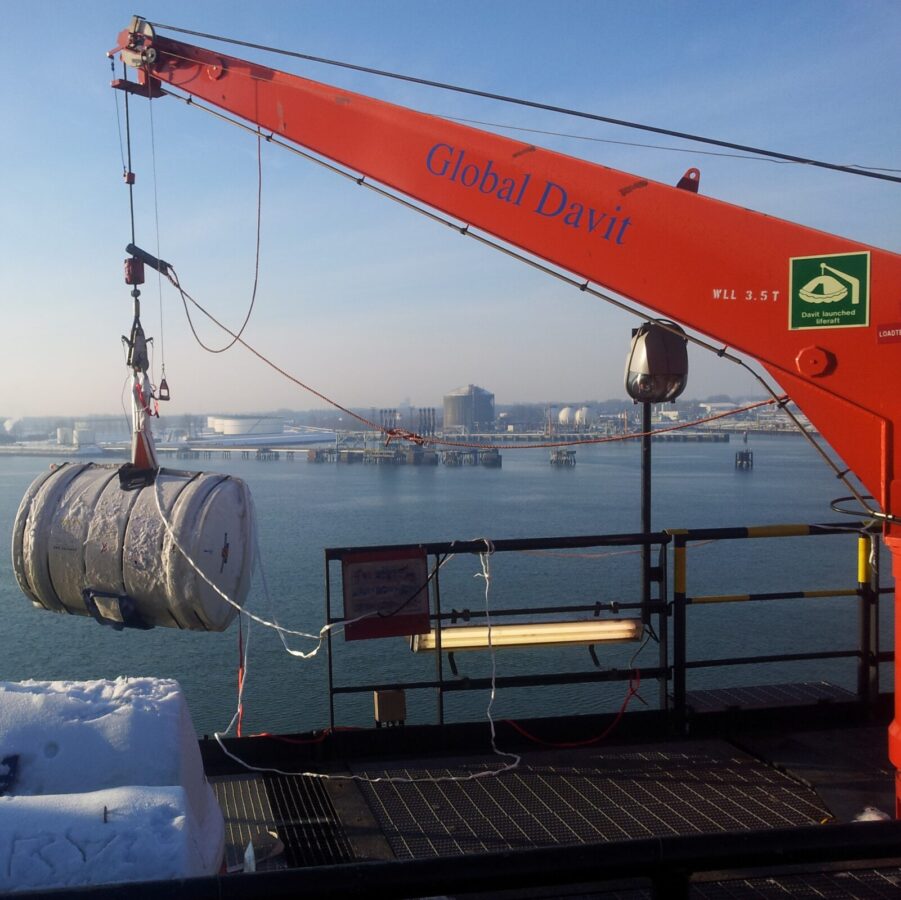
- Area: On-Load-Release-Gear (OLRG)Check: Annual functional test at 1.1 × SWL; after test check locking; inspect for dried paint/contamination/corrosion in lock, thread/shank wear/cracks. 5-year dynamic test. SOLAS III / MSC.402(96).
- Area: Drahtseile (Falls/Wire Ropes)Check: Inspect for kinks, corrosion, strand breakage (>10% over 8d length = replacement), inaccessible sections; correct/certified ropes; if required turn for full inspection; renewal per manufacturer interval.
- Area: Bremse (Zentrifugal- + Haltebremse)Check: Brake pad wear; check lowering speed (SOLAS S=0.4+0.02H, max ~36 m/min); remote release function; brake not blocked by poor maintenance.
- Area: Korrosion der Davit-StrukturCheck: Galvanized structure + stainless steel fasteners for pitting/discoloration; NDT of load-bearing structure for cracks; incident RRS Sir David Attenborough 2021 (severe corrosion due to poor maintenance).
- Area: Wartungs-ComplianceCheck: Planned maintenance complete since installation? Annual + 5-year tests recorded in logbook; manufacturer instructions followed; only authorized personnel (MSC.1/Circ.1205 Rev.1).
Universelle SOLAS-Inspektions-/Wartungspunkte fuer Davits/Rettungsboot-Aussetzvorrichtungen (modellunabhaengig, verifiziert aus IMCA/Gard/SOLAS MSC.1-Circ.1205, 2026-06). Per-Modell-SWL NICHT auto-gefuellt.
- IMO‑approved and DNV certified, ensuring compliance with SOLAS requirements
- Integrated centrifugal hold brake with remote‑release function for rapid launch
- Corrosion‑resistant construction (galvanised steel frame with stainless‑steel fittings)
- Defined maintenance schedule (weekly motor test, annual hook service, 5‑year full inspection) simplifies regulatory compliance
- Proven in passenger‑vessel applications where quick egress is critical
- Requires a weekly motor run‑test and annual hook servicing – higher crew workload
- Corrosion of the davit structure has been reported if maintenance intervals are missed
- Annual load test must be performed at 1.1 × SWL, limiting use on vessels with limited deck reinforcement
- Limited to lifeboats/rafts within the manufacturer‑specified SWL envelope; not suitable for oversized rescue craft
- Area: On-Load-Release-Gear (OLRG)Check: Annual functional test at 1.1 × SWL; after test check locking; inspect for dried paint/contamination/corrosion in lock, thread/shank wear/cracks. 5-year dynamic test. SOLAS III / MSC.402(96).
- Area: Drahtseile (Falls/Wire Ropes)Check: Inspect for kinks, corrosion, strand breakage (>10% over 8d length = replacement), inaccessible sections; correct/certified ropes; if required turn for full inspection; renewal per manufacturer interval.
- Area: Bremse (Zentrifugal- + Haltebremse)Check: Brake pad wear; check lowering speed (SOLAS S=0.4+0.02H, max ~36 m/min); remote release function; brake not blocked by poor maintenance.
- Area: Korrosion der Davit-StrukturCheck: Galvanized structure + stainless steel fasteners for pitting/discoloration; NDT of load-bearing structure for cracks; incident RRS Sir David Attenborough 2021 (severe corrosion due to poor maintenance).
- Area: Wartungs-ComplianceCheck: Planned maintenance complete since installation? Annual + 5-year tests recorded in logbook; manufacturer instructions followed; only authorized personnel (MSC.1/Circ.1205 Rev.1).
Universelle SOLAS-Inspektions-/Wartungspunkte fuer Davits/Rettungsboot-Aussetzvorrichtungen (modellunabhaengig, verifiziert aus IMCA/Gard/SOLAS MSC.1-Circ.1205, 2026-06). Per-Modell-SWL NICHT auto-gefuellt.
- IMO approved and listed in the DNV approval finder, ensuring compliance with SOLAS requirements.
- Corrosion‑resistant structural design (zinc‑coated frame with stainless‑steel fittings) reduces degradation in harsh marine environments.
- Integrated weekly motor test routine (minimum 5 minutes) supports reliable release gear operation.
- Clear maintenance schedule: annual OLRG testing, yearly hook service by authorized personnel, and a comprehensive 5‑year inspection.
- Compatible with GFK hulls, facilitating installation on modern composite vessels.
- Requires specialized, authorized service for the release‑hook annually, increasing operational cost.
- Wire‑rope inspections are extensive (kink checks, corrosion, strand loss >10 % over 8 d length), demanding skilled personnel.
- Frequent inspection points (annual + 5‑year) may be burdensome for operators with limited maintenance windows.
- Potential for brake wear and performance drift if centrifugal/hold brakes are not regularly checked per SOLAS S=0.4+0.02H criteria.
- Limited publicly available technical data (weight, dimensions, power rating) can complicate procurement comparisons.
- Area: On-Load-Release-Gear (OLRG)Check: Annual functional test at 1.1 × SWL; after test check locking; inspect for dried paint/contamination/corrosion in lock, thread/shank wear/cracks. 5-year dynamic test. SOLAS III / MSC.402(96).
- Area: Drahtseile (Falls/Wire Ropes)Check: Inspect for kinks, corrosion, strand breakage (>10% over 8d length = replacement), inaccessible sections; correct/certified ropes; if required turn for full inspection; renewal per manufacturer interval.
- Area: Bremse (Zentrifugal- + Haltebremse)Check: Brake pad wear; check lowering speed (SOLAS S=0.4+0.02H, max ~36 m/min); remote release function; brake not blocked by poor maintenance.
- Area: Korrosion der Davit-StrukturCheck: Galvanized structure + stainless steel fasteners for pitting/discoloration; NDT of load-bearing structure for cracks; incident RRS Sir David Attenborough 2021 (severe corrosion due to poor maintenance).
- Area: Wartungs-ComplianceCheck: Planned maintenance complete since installation? Annual + 5-year tests recorded in logbook; manufacturer instructions followed; only authorized personnel (MSC.1/Circ.1205 Rev.1).
Universelle SOLAS-Inspektions-/Wartungspunkte fuer Davits/Rettungsboot-Aussetzvorrichtungen (modellunabhaengig, verifiziert aus IMCA/Gard/SOLAS MSC.1-Circ.1205, 2026-06). Per-Modell-SWL NICHT auto-gefuellt.
- IMO D‑2 approval ensures compliance with SOLAS requirements
- Listed in DNV approval finder, indicating recognized classification society acceptance
- Motor test can be performed weekly for ready‑to‑launch condition
- Designed for GFK (glass‑fibre reinforced plastic) hulls and compatible with standard lifeboat sizes
- Structured maintenance schedule (annual hook service, 5‑year full inspection) supports reliability
- Requires specialised authorised service for annual release‑hook maintenance (MSC.1/Circ.1205)
- High maintenance burden: yearly OLRG functional test at 1.1×SWL and five‑year dynamic brake test
- Potential corrosion of steel components if not inspected regularly, as noted in past incidents
- Wire‑rope wear must be monitored closely; replacement intervals may be shorter than for manual davits
- Initial acquisition cost is typically higher than simple manual davit systems
- Area: On-Load-Release-Gear (OLRG)Check: Annual functional test at 1.1 × SWL; after test check locking; inspect for dried paint/contamination/corrosion in lock, thread/shank wear/cracks. 5-year dynamic test. SOLAS III / MSC.402(96).
- Area: Drahtseile (Falls/Wire Ropes)Check: Inspect for kinks, corrosion, strand breakage (>10% over 8d length = replacement), inaccessible sections; correct/certified ropes; if required turn for full inspection; renewal per manufacturer interval.
- Area: Bremse (Zentrifugal- + Haltebremse)Check: Brake pad wear; check lowering speed (SOLAS S=0.4+0.02H, max ~36 m/min); remote release function; brake not blocked by poor maintenance.
- Area: Korrosion der Davit-StrukturCheck: Galvanized structure + stainless steel fasteners for pitting/discoloration; NDT of load-bearing structure for cracks; incident RRS Sir David Attenborough 2021 (severe corrosion due to poor maintenance).
- Area: Wartungs-ComplianceCheck: Planned maintenance complete since installation? Annual + 5-year tests recorded in logbook; manufacturer instructions followed; only authorized personnel (MSC.1/Circ.1205 Rev.1).
Universelle SOLAS-Inspektions-/Wartungspunkte fuer Davits/Rettungsboot-Aussetzvorrichtungen (modellunabhaengig, verifiziert aus IMCA/Gard/SOLAS MSC.1-Circ.1205, 2026-06). Per-Modell-SWL NICHT auto-gefuellt.
- IMO‑approved and DNV‑listed, meeting SOLAS Chapter III and MSC.402(96) requirements
- Integrated motor test (weekly minimum 5 min) ensures launch readiness
- Corrosion‑resistant galvanized frame with stainless‑steel fittings reduces structural degradation
- Defined maintenance regime (annual release‑hook service, 5‑year base inspection) aligns with regulatory schedules
- Universal SOLAS inspection points documented for easy compliance verification
- Relatively high maintenance workload – weekly motor test and annual authorized hook servicing required
- Dependence on authorised service providers for release‑hook overhaul can affect availability
- Heavy structural components may limit deck space and increase overall weight compared with manual davits
- Limited to lifeboats/rafts up to approximately 9 m as indicated by model designation
- Potential for corrosion if inspection intervals are missed, especially in aggressive marine environments
- Area: On-Load-Release-Gear (OLRG)Check: Annual functional test at 1.1 × SWL; after test check locking; inspect for dried paint/contamination/corrosion in lock, thread/shank wear/cracks. 5-year dynamic test. SOLAS III / MSC.402(96).
- Area: Drahtseile (Falls/Wire Ropes)Check: Inspect for kinks, corrosion, strand breakage (>10% over 8d length = replacement), inaccessible sections; correct/certified ropes; if required turn for full inspection; renewal per manufacturer interval.
- Area: Bremse (Zentrifugal- + Haltebremse)Check: Brake pad wear; check lowering speed (SOLAS S=0.4+0.02H, max ~36 m/min); remote release function; brake not blocked by poor maintenance.
- Area: Korrosion der Davit-StrukturCheck: Galvanized structure + stainless steel fasteners for pitting/discoloration; NDT of load-bearing structure for cracks; incident RRS Sir David Attenborough 2021 (severe corrosion due to poor maintenance).
- Area: Wartungs-ComplianceCheck: Planned maintenance complete since installation? Annual + 5-year tests recorded in logbook; manufacturer instructions followed; only authorized personnel (MSC.1/Circ.1205 Rev.1).
Universelle SOLAS-Inspektions-/Wartungspunkte fuer Davits/Rettungsboot-Aussetzvorrichtungen (modellunabhaengig, verifiziert aus IMCA/Gard/SOLAS MSC.1-Circ.1205, 2026-06). Per-Modell-SWL NICHT auto-gefuellt.
- High SWL of 3.5 t allows use with larger lifeboats or rafts
- Integrated OLRG meets SOLAS MSC.402(96) requirements for rapid release
- Corrosion‑resistant galvanized steel frame with stainless‑steel fittings reduces structural degradation
- DNV and IMO D‑2 approval simplifies class documentation and regulatory compliance
- Compact footprint suitable for vessels with limited deck space
- Annual OLRG functional test (1.1×SWL) and five‑year dynamic brake test increase maintenance workload
- Wire‑rope inspection is critical; wear beyond 10 % of original diameter mandates replacement
- Brake system (centrifugal + hold brake) requires specialist servicing to avoid release failure
- Relatively heavy structure may be unsuitable for small vessels with strict weight limits
- Limited to lifeboats/rafts that fit the davit’s geometry; not compatible with very large free‑fall boats
- Area: On-Load-Release-Gear (OLRG)Check: Annual functional test at 1.1 × SWL; after test check locking; inspect for dried paint/contamination/corrosion in lock, thread/shank wear/cracks. 5-year dynamic test. SOLAS III / MSC.402(96).
- Area: Drahtseile (Falls/Wire Ropes)Check: Inspect for kinks, corrosion, strand breakage (>10% over 8d length = replacement), inaccessible sections; correct/certified ropes; if required turn for full inspection; renewal per manufacturer interval.
- Area: Bremse (Zentrifugal- + Haltebremse)Check: Brake pad wear; check lowering speed (SOLAS S=0.4+0.02H, max ~36 m/min); remote release function; brake not blocked by poor maintenance.
- Area: Korrosion der Davit-StrukturCheck: Galvanized structure + stainless steel fasteners for pitting/discoloration; NDT of load-bearing structure for cracks; incident RRS Sir David Attenborough 2021 (severe corrosion due to poor maintenance).
- Area: Wartungs-ComplianceCheck: Planned maintenance complete since installation? Annual + 5-year tests recorded in logbook; manufacturer instructions followed; only authorized personnel (MSC.1/Circ.1205 Rev.1).
Universelle SOLAS-Inspektions-/Wartungspunkte fuer Davits/Rettungsboot-Aussetzvorrichtungen (modellunabhaengig, verifiziert aus IMCA/Gard/SOLAS MSC.1-Circ.1205, 2026-06). Per-Modell-SWL NICHT auto-gefuellt.
- IMO SOLAS approved and listed in DNV approval finder (model 9497210 HH)
- Integrated motor test routine (weekly) ensures hoist reliability
- Comprehensive inspection regime covering OLRG, wire ropes, brake wear and corrosion (IMCA/GARD/SOLAS guidance)
- Corrosion‑resistant galvanized frame with stainless‑steel fittings reduces structural degradation
- 5‑year major inspection aligns with SOLAS MSC.402(96) requirements
- High maintenance workload: weekly motor test, annual hook service and five‑year full inspection
- Wire‑rope wear limits require strict monitoring (>10% breakage over 8 m length triggers replacement)
- Brake system must be regularly checked for pad wear and correct deceleration (S=0.4+0.02H) to meet SOLAS speed limits
- Potential for corrosion of fittings if maintenance intervals are missed, as documented in past incidents
- Limited load‑capacity data publicly available; sizing must be verified against vessel requirements
- Area: On-Load-Release-Gear (OLRG)Check: Annual functional test at 1.1 × SWL; after test check locking; inspect for dried paint/contamination/corrosion in lock, thread/shank wear/cracks. 5-year dynamic test. SOLAS III / MSC.402(96).
- Area: Drahtseile (Falls/Wire Ropes)Check: Inspect for kinks, corrosion, strand breakage (>10% over 8d length = replacement), inaccessible sections; correct/certified ropes; if required turn for full inspection; renewal per manufacturer interval.
- Area: Bremse (Zentrifugal- + Haltebremse)Check: Brake pad wear; check lowering speed (SOLAS S=0.4+0.02H, max ~36 m/min); remote release function; brake not blocked by poor maintenance.
- Area: Korrosion der Davit-StrukturCheck: Galvanized structure + stainless steel fasteners for pitting/discoloration; NDT of load-bearing structure for cracks; incident RRS Sir David Attenborough 2021 (severe corrosion due to poor maintenance).
- Area: Wartungs-ComplianceCheck: Planned maintenance complete since installation? Annual + 5-year tests recorded in logbook; manufacturer instructions followed; only authorized personnel (MSC.1/Circ.1205 Rev.1).
Universelle SOLAS-Inspektions-/Wartungspunkte fuer Davits/Rettungsboot-Aussetzvorrichtungen (modellunabhaengig, verifiziert aus IMCA/Gard/SOLAS MSC.1-Circ.1205, 2026-06). Per-Modell-SWL NICHT auto-gefuellt.
- IMO SOLAS approval – meets mandatory lifesaving regulations.
- Integrated electric drive with weekly functional test ensures readiness.
- Detailed maintenance schedule (annual hook service, 5‑year full inspection) aligns with MSC 402(96).
- Corrosion‑resistant galvanized/ stainless steel construction verified by past incident reviews.
- High maintenance burden – requires specialised authorised service for release‑hook and brake checks.
- Potential corrosion issues if the prescribed inspections are missed (recorded failures on similar models).
- Limited to vessels that can accommodate a right‑hand side davit geometry; not suitable for very narrow decks.
- Area: On-Load-Release-Gear (OLRG)Check: Annual functional test at 1.1 × SWL; after test check locking; inspect for dried paint/contamination/corrosion in lock, thread/shank wear/cracks. 5-year dynamic test. SOLAS III / MSC.402(96).
- Area: Drahtseile (Falls/Wire Ropes)Check: Inspect for kinks, corrosion, strand breakage (>10% over 8d length = replacement), inaccessible sections; correct/certified ropes; if required turn for full inspection; renewal per manufacturer interval.
- Area: Bremse (Zentrifugal- + Haltebremse)Check: Brake pad wear; check lowering speed (SOLAS S=0.4+0.02H, max ~36 m/min); remote release function; brake not blocked by poor maintenance.
- Area: Korrosion der Davit-StrukturCheck: Galvanized structure + stainless steel fasteners for pitting/discoloration; NDT of load-bearing structure for cracks; incident RRS Sir David Attenborough 2021 (severe corrosion due to poor maintenance).
- Area: Wartungs-ComplianceCheck: Planned maintenance complete since installation? Annual + 5-year tests recorded in logbook; manufacturer instructions followed; only authorized personnel (MSC.1/Circ.1205 Rev.1).
Universelle SOLAS-Inspektions-/Wartungspunkte fuer Davits/Rettungsboot-Aussetzvorrichtungen (modellunabhaengig, verifiziert aus IMCA/Gard/SOLAS MSC.1-Circ.1205, 2026-06). Per-Modell-SWL NICHT auto-gefuellt.
- IMO approved and DNV‑verified for SOLAS compliance
- Integrated motor test routine (weekly minimum 5 min) ensures operational readiness
- Corrosion‑protected steel frame (zinc‑galvanised + stainless fittings) reduces degradation in harsh marine environments
- Comprehensive maintenance schedule (annual hook service, 5‑year full inspection) aligns with SOLAS/MSC requirements
- Compatible with GFK hulls and standard lifeboat sizes up to the model’s SWL
- Requires annual servicing by authorised personnel; vessel downtime may be needed
- 5‑year major inspection can be costly and logistically demanding
- On‑load release gear must be tested at 1.1×SWL annually, adding operational overhead
- Limited publicly available data on exact load capacity and dimensions complicates integration studies
- Potential for corrosion if maintenance intervals are missed (historical incidents reported)
- Area: On-Load-Release-Gear (OLRG)Check: Annual functional test at 1.1 × SWL; after test check locking; inspect for dried paint/contamination/corrosion in lock, thread/shank wear/cracks. 5-year dynamic test. SOLAS III / MSC.402(96).
- Area: Drahtseile (Falls/Wire Ropes)Check: Inspect for kinks, corrosion, strand breakage (>10% over 8d length = replacement), inaccessible sections; correct/certified ropes; if required turn for full inspection; renewal per manufacturer interval.
- Area: Bremse (Zentrifugal- + Haltebremse)Check: Brake pad wear; check lowering speed (SOLAS S=0.4+0.02H, max ~36 m/min); remote release function; brake not blocked by poor maintenance.
- Area: Korrosion der Davit-StrukturCheck: Galvanized structure + stainless steel fasteners for pitting/discoloration; NDT of load-bearing structure for cracks; incident RRS Sir David Attenborough 2021 (severe corrosion due to poor maintenance).
- Area: Wartungs-ComplianceCheck: Planned maintenance complete since installation? Annual + 5-year tests recorded in logbook; manufacturer instructions followed; only authorized personnel (MSC.1/Circ.1205 Rev.1).
Universelle SOLAS-Inspektions-/Wartungspunkte fuer Davits/Rettungsboot-Aussetzvorrichtungen (modellunabhaengig, verifiziert aus IMCA/Gard/SOLAS MSC.1-Circ.1205, 2026-06). Per-Modell-SWL NICHT auto-gefuellt.
- IMO‑approved and DNV listed, meeting SOLAS MSC.402(96) requirements
- High safety factor – annual load test performed at 1.1×SWL
- Corrosion‑resistant galvanized frame with stainless‑steel fittings
- Integrated on‑load release gear (OLRG) and remote hydraulic release for rapid launch
- Standardised weekly motor run‑test ensures readiness
- Requires intensive maintenance: annual OLRG inspection, 5‑year dynamic test, and regular wire‑rope checks
- Brake wear must be monitored to keep lowering speed within SOLAS limits (≤0.4 + 0.02 H m/min)
- Hydraulic system dependence; manual backup release needed in case of power loss
- Wire‑rope condition critical – kinks or >10% broken strands mandate replacement
- Area: On-Load-Release-Gear (OLRG)Check: Annual functional test at 1.1 × SWL; after test check locking; inspect for dried paint/contamination/corrosion in lock, thread/shank wear/cracks. 5-year dynamic test. SOLAS III / MSC.402(96).
- Area: Drahtseile (Falls/Wire Ropes)Check: Inspect for kinks, corrosion, strand breakage (>10% over 8d length = replacement), inaccessible sections; correct/certified ropes; if required turn for full inspection; renewal per manufacturer interval.
- Area: Bremse (Zentrifugal- + Haltebremse)Check: Brake pad wear; check lowering speed (SOLAS S=0.4+0.02H, max ~36 m/min); remote release function; brake not blocked by poor maintenance.
- Area: Korrosion der Davit-StrukturCheck: Galvanized structure + stainless steel fasteners for pitting/discoloration; NDT of load-bearing structure for cracks; incident RRS Sir David Attenborough 2021 (severe corrosion due to poor maintenance).
- Area: Wartungs-ComplianceCheck: Planned maintenance complete since installation? Annual + 5-year tests recorded in logbook; manufacturer instructions followed; only authorized personnel (MSC.1/Circ.1205 Rev.1).
Universelle SOLAS-Inspektions-/Wartungspunkte fuer Davits/Rettungsboot-Aussetzvorrichtungen (modellunabhaengig, verifiziert aus IMCA/Gard/SOLAS MSC.1-Circ.1205, 2026-06). Per-Modell-SWL NICHT auto-gefuellt.
- IMO‑approved and listed in the DNV approval finder, giving clear regulatory acceptance.
- Corrosion‑protected (galvanised frame with stainless‑steel fittings) reduces long‑term degradation.
- Integrated centrifugal/hold brake provides controlled lowering speed (≤ 0.4 + 0.02H m/min).
- Defined maintenance regime (weekly motor run, annual OLRG test, 5‑year full inspection) aligns with SOLAS MSC.402(96).
- Compatible with GFK hulls – routine inspections can be performed during normal docking.
- On‑load release gear requires yearly functional testing at 1.1 × SWL; failure to comply may breach SOLAS.
- Wire‑rope components must be inspected for kinks and corrosion; replacement intervals are manufacturer‑driven and can add cost.
- Brake wear (friction pads) must be monitored regularly; neglect leads to reduced lowering speed.
- Complexity of hydraulic system demands trained personnel or authorised service providers.
- No publicly available data on weight, dimensions or power consumption limits detailed integration planning.
- Area: On-Load-Release-Gear (OLRG)Check: Annual functional test at 1.1 × SWL; after test check locking; inspect for dried paint/contamination/corrosion in lock, thread/shank wear/cracks. 5-year dynamic test. SOLAS III / MSC.402(96).
- Area: Drahtseile (Falls/Wire Ropes)Check: Inspect for kinks, corrosion, strand breakage (>10% over 8d length = replacement), inaccessible sections; correct/certified ropes; if required turn for full inspection; renewal per manufacturer interval.
- Area: Bremse (Zentrifugal- + Haltebremse)Check: Brake pad wear; check lowering speed (SOLAS S=0.4+0.02H, max ~36 m/min); remote release function; brake not blocked by poor maintenance.
- Area: Korrosion der Davit-StrukturCheck: Galvanized structure + stainless steel fasteners for pitting/discoloration; NDT of load-bearing structure for cracks; incident RRS Sir David Attenborough 2021 (severe corrosion due to poor maintenance).
- Area: Wartungs-ComplianceCheck: Planned maintenance complete since installation? Annual + 5-year tests recorded in logbook; manufacturer instructions followed; only authorized personnel (MSC.1/Circ.1205 Rev.1).
Universelle SOLAS-Inspektions-/Wartungspunkte fuer Davits/Rettungsboot-Aussetzvorrichtungen (modellunabhaengig, verifiziert aus IMCA/Gard/SOLAS MSC.1-Circ.1205, 2026-06). Per-Modell-SWL NICHT auto-gefuellt.
- IMO‑approved and listed by DNV, ensuring compliance with SOLAS requirements
- Integrated centrifugal‑brake provides controlled descent speed (≤ 0.4 + 0.02H m/min)
- Designed for routine weekly motor run‑tests and annual hook maintenance, supporting predictable upkeep planning
- Corrosion‑resistant construction (galvanised frame with stainless‑steel fittings) reduces long‑term degradation risk
- 5‑year full inspection interval aligns with typical class society schedules
- Requires specialised authorised service personnel for annual release‑hook maintenance (MSC.402(96))
- Frequent inspection regime (annual OLRG test, 5‑year dynamic test) adds operational overhead
- Potential for corrosion in harsh marine environments if NDT inspections are missed
- Limited to vessels whose SWL matches the davit’s design rating; not suitable for oversized lifeboats
- Weight and footprint may be higher than lightweight aluminium alternatives
- Area: On-Load-Release-Gear (OLRG)Check: Annual functional test at 1.1 × SWL; after test check locking; inspect for dried paint/contamination/corrosion in lock, thread/shank wear/cracks. 5-year dynamic test. SOLAS III / MSC.402(96).
- Area: Drahtseile (Falls/Wire Ropes)Check: Inspect for kinks, corrosion, strand breakage (>10% over 8d length = replacement), inaccessible sections; correct/certified ropes; if required turn for full inspection; renewal per manufacturer interval.
- Area: Bremse (Zentrifugal- + Haltebremse)Check: Brake pad wear; check lowering speed (SOLAS S=0.4+0.02H, max ~36 m/min); remote release function; brake not blocked by poor maintenance.
- Area: Korrosion der Davit-StrukturCheck: Galvanized structure + stainless steel fasteners for pitting/discoloration; NDT of load-bearing structure for cracks; incident RRS Sir David Attenborough 2021 (severe corrosion due to poor maintenance).
- Area: Wartungs-ComplianceCheck: Planned maintenance complete since installation? Annual + 5-year tests recorded in logbook; manufacturer instructions followed; only authorized personnel (MSC.1/Circ.1205 Rev.1).
Universelle SOLAS-Inspektions-/Wartungspunkte fuer Davits/Rettungsboot-Aussetzvorrichtungen (modellunabhaengig, verifiziert aus IMCA/Gard/SOLAS MSC.1-Circ.1205, 2026-06). Per-Modell-SWL NICHT auto-gefuellt.
- IMO approved and DNV classified – full SOLAS compliance
- Motor‑driven winch enables rapid, controlled launch of lifeboats/rafts
- Annual functional test of the on‑load release gear at 1.1×SWL meets MSC.402(96) requirements
- Designed for GFR hulls with dedicated inspection points during docking
- 5‑year comprehensive inspection aligns with class society schedules
- High maintenance burden – annual hook service, brake wear checks and a 5‑year dynamic test are mandatory
- Steel structure prone to corrosion; requires regular NDT inspections of brackets and welds
- Servicing must be performed by authorised personnel per MSC.1/Circ.1205, limiting flexibility
- Footprint and load capacity may not suit very small vessels or those with restricted deck space
- Area: On-Load-Release-Gear (OLRG)Check: Annual functional test at 1.1 × SWL; after test check locking; inspect for dried paint/contamination/corrosion in lock, thread/shank wear/cracks. 5-year dynamic test. SOLAS III / MSC.402(96).
- Area: Drahtseile (Falls/Wire Ropes)Check: Inspect for kinks, corrosion, strand breakage (>10% over 8d length = replacement), inaccessible sections; correct/certified ropes; if required turn for full inspection; renewal per manufacturer interval.
- Area: Bremse (Zentrifugal- + Haltebremse)Check: Brake pad wear; check lowering speed (SOLAS S=0.4+0.02H, max ~36 m/min); remote release function; brake not blocked by poor maintenance.
- Area: Korrosion der Davit-StrukturCheck: Galvanized structure + stainless steel fasteners for pitting/discoloration; NDT of load-bearing structure for cracks; incident RRS Sir David Attenborough 2021 (severe corrosion due to poor maintenance).
- Area: Wartungs-ComplianceCheck: Planned maintenance complete since installation? Annual + 5-year tests recorded in logbook; manufacturer instructions followed; only authorized personnel (MSC.1/Circ.1205 Rev.1).
Universelle SOLAS-Inspektions-/Wartungspunkte fuer Davits/Rettungsboot-Aussetzvorrichtungen (modellunabhaengig, verifiziert aus IMCA/Gard/SOLAS MSC.1-Circ.1205, 2026-06). Per-Modell-SWL NICHT auto-gefuellt.
- IMO‑approved and listed in the DNV approval finder (model 4318502 Lux).
- Integrated electric motor with weekly functional test (minimum 5 min run).
- On‑load release gear (OLRG) inspected annually as per SOLAS MSC.402(96).
- Defined 5‑year major inspection schedule built into the service plan.
- Compatible with GFK hulls; routine hull‑inspections at each docking.
- High maintenance burden: annual OLRG functional test, 5‑year dynamic load test and regular corrosion checks.
- Corrosion of the davit structure requires NDT inspections; past incidents (e.g., RRS Sir David Attenborough 2021) highlight risk if neglected.
- Only authorized personnel may perform releases and major overhauls per MSC.1/Circ.1205 Rev.1.
- Footprint and mounting points limit installation to vessels with sufficient deck space.
- Area: On-Load-Release-Gear (OLRG)Check: Annual functional test at 1.1 × SWL; after test check locking; inspect for dried paint/contamination/corrosion in lock, thread/shank wear/cracks. 5-year dynamic test. SOLAS III / MSC.402(96).
- Area: Drahtseile (Falls/Wire Ropes)Check: Inspect for kinks, corrosion, strand breakage (>10% over 8d length = replacement), inaccessible sections; correct/certified ropes; if required turn for full inspection; renewal per manufacturer interval.
- Area: Bremse (Zentrifugal- + Haltebremse)Check: Brake pad wear; check lowering speed (SOLAS S=0.4+0.02H, max ~36 m/min); remote release function; brake not blocked by poor maintenance.
- Area: Korrosion der Davit-StrukturCheck: Galvanized structure + stainless steel fasteners for pitting/discoloration; NDT of load-bearing structure for cracks; incident RRS Sir David Attenborough 2021 (severe corrosion due to poor maintenance).
- Area: Wartungs-ComplianceCheck: Planned maintenance complete since installation? Annual + 5-year tests recorded in logbook; manufacturer instructions followed; only authorized personnel (MSC.1/Circ.1205 Rev.1).
Universelle SOLAS-Inspektions-/Wartungspunkte fuer Davits/Rettungsboot-Aussetzvorrichtungen (modellunabhaengig, verifiziert aus IMCA/Gard/SOLAS MSC.1-Circ.1205, 2026-06). Per-Modell-SWL NICHT auto-gefuellt.
- IMO and DNV approved – meets SOLAS requirements out of the box
- High safety factor with annual load test at 1.1× SWL and 5‑year dynamic testing
- Motor‑driven hoist allows weekly functional checks without manual effort
- Designed for easy access to GFRP hulls during dock inspections
- Comprehensive maintenance schedule (weekly motor test, annual hook service, 5‑year full inspection) documented in the logbook
- Intensive maintenance regime; weekly motor run‑time and yearly release‑hook servicing increase crew workload
- Corrosion of steel components reported if protective coatings are neglected
- Wire‑rope condition must be inspected for kinks, corrosion and broken strands – replacement intervals can be costly
- Brake system (centrifugal + holding) requires regular wear monitoring to stay within SOLAS speed limits
- Complex on‑load release gear (OLRG) demands skilled personnel for annual functional testing
- Area: On-Load-Release-Gear (OLRG)Check: Annual functional test at 1.1 × SWL; after test check locking; inspect for dried paint/contamination/corrosion in lock, thread/shank wear/cracks. 5-year dynamic test. SOLAS III / MSC.402(96).
- Area: Drahtseile (Falls/Wire Ropes)Check: Inspect for kinks, corrosion, strand breakage (>10% over 8d length = replacement), inaccessible sections; correct/certified ropes; if required turn for full inspection; renewal per manufacturer interval.
- Area: Bremse (Zentrifugal- + Haltebremse)Check: Brake pad wear; check lowering speed (SOLAS S=0.4+0.02H, max ~36 m/min); remote release function; brake not blocked by poor maintenance.
- Area: Korrosion der Davit-StrukturCheck: Galvanized structure + stainless steel fasteners for pitting/discoloration; NDT of load-bearing structure for cracks; incident RRS Sir David Attenborough 2021 (severe corrosion due to poor maintenance).
- Area: Wartungs-ComplianceCheck: Planned maintenance complete since installation? Annual + 5-year tests recorded in logbook; manufacturer instructions followed; only authorized personnel (MSC.1/Circ.1205 Rev.1).
Universelle SOLAS-Inspektions-/Wartungspunkte fuer Davits/Rettungsboot-Aussetzvorrichtungen (modellunabhaengig, verifiziert aus IMCA/Gard/SOLAS MSC.1-Circ.1205, 2026-06). Per-Modell-SWL NICHT auto-gefuellt.
- High safe working load (≈13 t) suitable for large passenger lifeboats
- Integrated electric motor enables rapid, controlled deployment
- Galvanized steel frame with stainless‑steel fittings provides good corrosion resistance when maintained
- Fully compliant with IMO SOLAS requirements and DNV approval
- Modular design allows installation on a variety of vessel deck layouts
- Requires regular maintenance (weekly motor test, annual hook service, 5‑year inspection) by authorized personnel
- Complex hydraulic/electrical system can increase downtime if faults occur
- Higher initial procurement cost compared with simpler manual davits
- Limited to lifeboats/rafts that match the specific size and attachment geometry of this model
- Corrosion issues reported when maintenance intervals are missed
- Area: On-Load-Release-Gear (OLRG)Check: Annual functional test at 1.1 × SWL; after test check locking; inspect for dried paint/contamination/corrosion in lock, thread/shank wear/cracks. 5-year dynamic test. SOLAS III / MSC.402(96).
- Area: Drahtseile (Falls/Wire Ropes)Check: Inspect for kinks, corrosion, strand breakage (>10% over 8d length = replacement), inaccessible sections; correct/certified ropes; if required turn for full inspection; renewal per manufacturer interval.
- Area: Bremse (Zentrifugal- + Haltebremse)Check: Brake pad wear; check lowering speed (SOLAS S=0.4+0.02H, max ~36 m/min); remote release function; brake not blocked by poor maintenance.
- Area: Korrosion der Davit-StrukturCheck: Galvanized structure + stainless steel fasteners for pitting/discoloration; NDT of load-bearing structure for cracks; incident RRS Sir David Attenborough 2021 (severe corrosion due to poor maintenance).
- Area: Wartungs-ComplianceCheck: Planned maintenance complete since installation? Annual + 5-year tests recorded in logbook; manufacturer instructions followed; only authorized personnel (MSC.1/Circ.1205 Rev.1).
Universelle SOLAS-Inspektions-/Wartungspunkte fuer Davits/Rettungsboot-Aussetzvorrichtungen (modellunabhaengig, verifiziert aus IMCA/Gard/SOLAS MSC.1-Circ.1205, 2026-06). Per-Modell-SWL NICHT auto-gefuellt.
- IMO SOLAS approved and listed by DNV, ensuring regulatory compliance
- Robust corrosion‑protected structure (zinc‑coated frame with stainless‑steel fittings)
- Integrated on‑load release gear with annual functional test at 1.1×SWL
- Defined maintenance regime (weekly motor run‑test, yearly hook service, 5‑year dynamic inspection)
- Compatible with GFK hulls and standard lifeboat sizes
- Requires intensive inspection schedule (annual OLRG test, 5‑year dynamic test) increasing man‑hour costs
- Hydraulic system demands skilled personnel for routine servicing
- Historical incidents show accelerated corrosion if maintenance lapses
- Relatively large footprint limits installation on vessels with constrained deck space
- Higher lifecycle cost compared with simpler mechanical davits
- Area: On-Load-Release-Gear (OLRG)Check: Annual functional test at 1.1 × SWL; after test check locking; inspect for dried paint/contamination/corrosion in lock, thread/shank wear/cracks. 5-year dynamic test. SOLAS III / MSC.402(96).
- Area: Drahtseile (Falls/Wire Ropes)Check: Inspect for kinks, corrosion, strand breakage (>10% over 8d length = replacement), inaccessible sections; correct/certified ropes; if required turn for full inspection; renewal per manufacturer interval.
- Area: Bremse (Zentrifugal- + Haltebremse)Check: Brake pad wear; check lowering speed (SOLAS S=0.4+0.02H, max ~36 m/min); remote release function; brake not blocked by poor maintenance.
- Area: Korrosion der Davit-StrukturCheck: Galvanized structure + stainless steel fasteners for pitting/discoloration; NDT of load-bearing structure for cracks; incident RRS Sir David Attenborough 2021 (severe corrosion due to poor maintenance).
- Area: Wartungs-ComplianceCheck: Planned maintenance complete since installation? Annual + 5-year tests recorded in logbook; manufacturer instructions followed; only authorized personnel (MSC.1/Circ.1205 Rev.1).
Universelle SOLAS-Inspektions-/Wartungspunkte fuer Davits/Rettungsboot-Aussetzvorrichtungen (modellunabhaengig, verifiziert aus IMCA/Gard/SOLAS MSC.1-Circ.1205, 2026-06). Per-Modell-SWL NICHT auto-gefuellt.
- IMO SOLAS approved and listed in DNV approval finder, ensuring regulatory compliance
- High load‑capacity design with integrated on‑load release gear (OLRG) for rapid deployment
- Corrosion‑resistant galvanised frame with stainless‑steel fittings reduces structural degradation
- Modular configuration allows installation on a wide range of vessel deck layouts
- Built‑in remote‑release function compatible with weekly motor‑test regime
- Requires strict annual OLRG functional testing and a five‑year dynamic load test, increasing maintenance workload
- Complex hydraulic circuitry demands qualified service personnel for inspections and repairs
- Potential for wire‑rope wear; replacement intervals must follow manufacturer’s schedule to avoid failure
- Higher upfront capital cost compared with simpler gravity‑type davits
- If corrosion control is neglected, structural integrity can be compromised (historical incidents cited)
- Area: On-Load-Release-Gear (OLRG)Check: Annual functional test at 1.1 × SWL; after test check locking; inspect for dried paint/contamination/corrosion in lock, thread/shank wear/cracks. 5-year dynamic test. SOLAS III / MSC.402(96).
- Area: Drahtseile (Falls/Wire Ropes)Check: Inspect for kinks, corrosion, strand breakage (>10% over 8d length = replacement), inaccessible sections; correct/certified ropes; if required turn for full inspection; renewal per manufacturer interval.
- Area: Bremse (Zentrifugal- + Haltebremse)Check: Brake pad wear; check lowering speed (SOLAS S=0.4+0.02H, max ~36 m/min); remote release function; brake not blocked by poor maintenance.
- Area: Korrosion der Davit-StrukturCheck: Galvanized structure + stainless steel fasteners for pitting/discoloration; NDT of load-bearing structure for cracks; incident RRS Sir David Attenborough 2021 (severe corrosion due to poor maintenance).
- Area: Wartungs-ComplianceCheck: Planned maintenance complete since installation? Annual + 5-year tests recorded in logbook; manufacturer instructions followed; only authorized personnel (MSC.1/Circ.1205 Rev.1).
Universelle SOLAS-Inspektions-/Wartungspunkte fuer Davits/Rettungsboot-Aussetzvorrichtungen (modellunabhaengig, verifiziert aus IMCA/Gard/SOLAS MSC.1-Circ.1205, 2026-06). Per-Modell-SWL NICHT auto-gefuellt.
- IMO‑approved and listed in the DNV approval database, ensuring regulatory compliance.
- Integrated on‑load release gear with mandatory 5‑year dynamic test for safe launch under load.
- Centrifugal + holding brake provides controlled descent speed (≤ 0.4 m/s) as per SOLAS.
- Corrosion‑resistant galvanized frame with stainless‑steel fittings reduces structural degradation when maintained.
- Clear maintenance schedule (weekly motor run, annual hook service, 5‑year full inspection) documented in the logbook.
- Requires strict adherence to a frequent maintenance regime; missed tests can lead to non‑compliance.
- Corrosion of the davit structure has been reported on similar models when maintenance lapses.
- Complex inspection points (OLRG, wire ropes, brake wear) increase crew training and service costs.
- Limited publicly available performance data (e.g., load capacity, dimensions) may hinder quick comparison with competitors.
- Potentially higher upfront cost compared to simpler manual davits.
- Area: On-Load-Release-Gear (OLRG)Check: Annual functional test at 1.1 × SWL; after test check locking; inspect for dried paint/contamination/corrosion in lock, thread/shank wear/cracks. 5-year dynamic test. SOLAS III / MSC.402(96).
- Area: Drahtseile (Falls/Wire Ropes)Check: Inspect for kinks, corrosion, strand breakage (>10% over 8d length = replacement), inaccessible sections; correct/certified ropes; if required turn for full inspection; renewal per manufacturer interval.
- Area: Bremse (Zentrifugal- + Haltebremse)Check: Brake pad wear; check lowering speed (SOLAS S=0.4+0.02H, max ~36 m/min); remote release function; brake not blocked by poor maintenance.
- Area: Korrosion der Davit-StrukturCheck: Galvanized structure + stainless steel fasteners for pitting/discoloration; NDT of load-bearing structure for cracks; incident RRS Sir David Attenborough 2021 (severe corrosion due to poor maintenance).
- Area: Wartungs-ComplianceCheck: Planned maintenance complete since installation? Annual + 5-year tests recorded in logbook; manufacturer instructions followed; only authorized personnel (MSC.1/Circ.1205 Rev.1).
Universelle SOLAS-Inspektions-/Wartungspunkte fuer Davits/Rettungsboot-Aussetzvorrichtungen (modellunabhaengig, verifiziert aus IMCA/Gard/SOLAS MSC.1-Circ.1205, 2026-06). Per-Modell-SWL NICHT auto-gefuellt.
- IMO type approval and DNV certification confirmed for this model
- Standardised inspection points aligned with IMCA/GARD/SOLAS guidance simplify compliance audits
- Integrated weekly motor test (minimum 5 min) ensures launch readiness
- Corrosion‑resistant zinc‑galvanised frame with stainless‑steel fittings reduces structural degradation when maintained
- Defined 5‑year major inspection and annual release‑hook service schedule
- Annual release‑hook maintenance must be performed by authorised personnel, adding operational cost
- Historical incidents (e.g., RRS Sir David Attenborough) highlight risk of corrosion if maintenance is neglected
- No built‑in backup power source documented; reliance on motor may limit launch in total power loss scenarios
- Limited publicly available technical data (weight, dimensions, hydraulic pressure), requiring direct manufacturer liaison for detailed integration
- Area: On-Load-Release-Gear (OLRG)Check: Annual functional test at 1.1 × SWL; after test check locking; inspect for dried paint/contamination/corrosion in lock, thread/shank wear/cracks. 5-year dynamic test. SOLAS III / MSC.402(96).
- Area: Drahtseile (Falls/Wire Ropes)Check: Inspect for kinks, corrosion, strand breakage (>10% over 8d length = replacement), inaccessible sections; correct/certified ropes; if required turn for full inspection; renewal per manufacturer interval.
- Area: Bremse (Zentrifugal- + Haltebremse)Check: Brake pad wear; check lowering speed (SOLAS S=0.4+0.02H, max ~36 m/min); remote release function; brake not blocked by poor maintenance.
- Area: Korrosion der Davit-StrukturCheck: Galvanized structure + stainless steel fasteners for pitting/discoloration; NDT of load-bearing structure for cracks; incident RRS Sir David Attenborough 2021 (severe corrosion due to poor maintenance).
- Area: Wartungs-ComplianceCheck: Planned maintenance complete since installation? Annual + 5-year tests recorded in logbook; manufacturer instructions followed; only authorized personnel (MSC.1/Circ.1205 Rev.1).
Universelle SOLAS-Inspektions-/Wartungspunkte fuer Davits/Rettungsboot-Aussetzvorrichtungen (modellunabhaengig, verifiziert aus IMCA/Gard/SOLAS MSC.1-Circ.1205, 2026-06). Per-Modell-SWL NICHT auto-gefuellt.
- IMO‑approved and DNV‑certified, ensuring compliance with SOLAS requirements
- Integrated motor test (weekly minimum 5 min) for reliable launch power
- Remote‑release hook with annual functional testing per MSC.402(96)
- Corrosion‑resistant galvanized steel structure with stainless‑steel fittings
- Designed for a 5‑year full inspection interval, simplifying long‑term maintenance planning
- High inspection and maintenance workload (annual OLRG test, wire‑rope checks, brake wear monitoring)
- Susceptible to corrosion if protective coatings are not regularly refreshed
- Requires service by authorised personnel for hook and brake servicing
- Relatively heavy installation may limit deck space on smaller vessels
- Fixed SWL rating; not easily adaptable to different lifeboat sizes without redesign
- Area: On-Load-Release-Gear (OLRG)Check: Annual functional test at 1.1 × SWL; after test check locking; inspect for dried paint/contamination/corrosion in lock, thread/shank wear/cracks. 5-year dynamic test. SOLAS III / MSC.402(96).
- Area: Drahtseile (Falls/Wire Ropes)Check: Inspect for kinks, corrosion, strand breakage (>10% over 8d length = replacement), inaccessible sections; correct/certified ropes; if required turn for full inspection; renewal per manufacturer interval.
- Area: Bremse (Zentrifugal- + Haltebremse)Check: Brake pad wear; check lowering speed (SOLAS S=0.4+0.02H, max ~36 m/min); remote release function; brake not blocked by poor maintenance.
- Area: Korrosion der Davit-StrukturCheck: Galvanized structure + stainless steel fasteners for pitting/discoloration; NDT of load-bearing structure for cracks; incident RRS Sir David Attenborough 2021 (severe corrosion due to poor maintenance).
- Area: Wartungs-ComplianceCheck: Planned maintenance complete since installation? Annual + 5-year tests recorded in logbook; manufacturer instructions followed; only authorized personnel (MSC.1/Circ.1205 Rev.1).
Universelle SOLAS-Inspektions-/Wartungspunkte fuer Davits/Rettungsboot-Aussetzvorrichtungen (modellunabhaengig, verifiziert aus IMCA/Gard/SOLAS MSC.1-Circ.1205, 2026-06). Per-Modell-SWL NICHT auto-gefuellt.
- IMO‑approved and DNV‑certified, ensuring compliance with SOLAS requirements
- High safe working load (10 t) suitable for larger lifeboats or rafts
- Integrated motor test routine (weekly 5‑minute run) verifies actuation reliability
- Defined maintenance schedule (annual OLRG check, 5‑year full inspection) aligns with MSC.1/Circ.1205 guidance
- Compatible with GFK hulls and can be installed on a variety of vessel configurations
- Requires specialised authorised service personnel for annual release‑hook maintenance (SOLAS MSC.402(96))
- Corrosion of the steel/galvanised structure has been reported if not inspected regularly
- Wire‑rope inspection and replacement intervals can be labour‑intensive, especially on vessels with limited access
- Brake wear must be monitored to maintain required deceleration limits (S = 0.4 + 0.02H)
- Higher upfront cost compared with basic manual davits
- Area: On-Load-Release-Gear (OLRG)Check: Annual functional test at 1.1 × SWL; after test check locking; inspect for dried paint/contamination/corrosion in lock, thread/shank wear/cracks. 5-year dynamic test. SOLAS III / MSC.402(96).
- Area: Drahtseile (Falls/Wire Ropes)Check: Inspect for kinks, corrosion, strand breakage (>10% over 8d length = replacement), inaccessible sections; correct/certified ropes; if required turn for full inspection; renewal per manufacturer interval.
- Area: Bremse (Zentrifugal- + Haltebremse)Check: Brake pad wear; check lowering speed (SOLAS S=0.4+0.02H, max ~36 m/min); remote release function; brake not blocked by poor maintenance.
- Area: Korrosion der Davit-StrukturCheck: Galvanized structure + stainless steel fasteners for pitting/discoloration; NDT of load-bearing structure for cracks; incident RRS Sir David Attenborough 2021 (severe corrosion due to poor maintenance).
- Area: Wartungs-ComplianceCheck: Planned maintenance complete since installation? Annual + 5-year tests recorded in logbook; manufacturer instructions followed; only authorized personnel (MSC.1/Circ.1205 Rev.1).
Universelle SOLAS-Inspektions-/Wartungspunkte fuer Davits/Rettungsboot-Aussetzvorrichtungen (modellunabhaengig, verifiziert aus IMCA/Gard/SOLAS MSC.1-Circ.1205, 2026-06). Per-Modell-SWL NICHT auto-gefuellt.
- IMO approved and DNV listed, ensuring compliance with SOLAS requirements
- On‑Load Release Gear allows single‑handed launch, reducing crew workload
- Corrosion‑resistant galvanized frame with stainless‑steel fittings prolongs service life
- Defined maintenance intervals (weekly motor test, annual hook inspection, 5‑year full inspection) simplify compliance tracking
- Annual OLRG functional test requires certified personnel and can cause vessel downtime
- Wire‑rope wear must be monitored closely; replacement intervals are strict
- Centrifugal brake pads require regular inspection to maintain required descent speed
- Relatively heavy structure may limit installation on small vessels or retrofits
- Area: On-Load-Release-Gear (OLRG)Check: Annual functional test at 1.1 × SWL; after test check locking; inspect for dried paint/contamination/corrosion in lock, thread/shank wear/cracks. 5-year dynamic test. SOLAS III / MSC.402(96).
- Area: Drahtseile (Falls/Wire Ropes)Check: Inspect for kinks, corrosion, strand breakage (>10% over 8d length = replacement), inaccessible sections; correct/certified ropes; if required turn for full inspection; renewal per manufacturer interval.
- Area: Bremse (Zentrifugal- + Haltebremse)Check: Brake pad wear; check lowering speed (SOLAS S=0.4+0.02H, max ~36 m/min); remote release function; brake not blocked by poor maintenance.
- Area: Korrosion der Davit-StrukturCheck: Galvanized structure + stainless steel fasteners for pitting/discoloration; NDT of load-bearing structure for cracks; incident RRS Sir David Attenborough 2021 (severe corrosion due to poor maintenance).
- Area: Wartungs-ComplianceCheck: Planned maintenance complete since installation? Annual + 5-year tests recorded in logbook; manufacturer instructions followed; only authorized personnel (MSC.1/Circ.1205 Rev.1).
Universelle SOLAS-Inspektions-/Wartungspunkte fuer Davits/Rettungsboot-Aussetzvorrichtungen (modellunabhaengig, verifiziert aus IMCA/Gard/SOLAS MSC.1-Circ.1205, 2026-06). Per-Modell-SWL NICHT auto-gefuellt.
- IMO SOLAS approved and listed in the DNV approval finder (model 3745112 HH)
- Integrated weekly motor‑test routine ensures launch capability is continuously verified
- Maintenance schedule follows IMCA/GARD/SOLAS inspection points, providing clear guidance for crew
- Annual release‑hook service by authorized personnel reduces risk of hook failure
- Five‑year comprehensive inspection aligns with regulatory requirements and extends service life
- Requires weekly motor testing, adding to crew workload and record‑keeping
- Annual hook servicing must be performed by certified service providers, potentially increasing cost and downtime
- Corrosion of the steel davit structure has been reported when maintenance intervals are missed
- No publicly available specifications for weight, dimensions or power type may complicate integration planning
- Limited information on whether the drive is hydraulic or electric could affect compatibility with existing ship systems
- Area: On-Load-Release-Gear (OLRG)Check: Annual functional test at 1.1 × SWL; after test check locking; inspect for dried paint/contamination/corrosion in lock, thread/shank wear/cracks. 5-year dynamic test. SOLAS III / MSC.402(96).
- Area: Drahtseile (Falls/Wire Ropes)Check: Inspect for kinks, corrosion, strand breakage (>10% over 8d length = replacement), inaccessible sections; correct/certified ropes; if required turn for full inspection; renewal per manufacturer interval.
- Area: Bremse (Zentrifugal- + Haltebremse)Check: Brake pad wear; check lowering speed (SOLAS S=0.4+0.02H, max ~36 m/min); remote release function; brake not blocked by poor maintenance.
- Area: Korrosion der Davit-StrukturCheck: Galvanized structure + stainless steel fasteners for pitting/discoloration; NDT of load-bearing structure for cracks; incident RRS Sir David Attenborough 2021 (severe corrosion due to poor maintenance).
- Area: Wartungs-ComplianceCheck: Planned maintenance complete since installation? Annual + 5-year tests recorded in logbook; manufacturer instructions followed; only authorized personnel (MSC.1/Circ.1205 Rev.1).
Universelle SOLAS-Inspektions-/Wartungspunkte fuer Davits/Rettungsboot-Aussetzvorrichtungen (modellunabhaengig, verifiziert aus IMCA/Gard/SOLAS MSC.1-Circ.1205, 2026-06). Per-Modell-SWL NICHT auto-gefuellt.
- IMO SOLAS approval ensures regulatory compliance
- Listed in DNV Approval Finder, providing recognised class certification
- Built‑in centrifugal + holding brake with defined deceleration limits for safe launch
- Corrosion‑resistant galvanized steel structure with stainless fasteners reduces deterioration risk
- Designed for straightforward annual maintenance (weekly motor test, yearly hook inspection) and a 5‑year comprehensive inspection
- Release‑gear maintenance must be performed by authorised personnel only, limiting flexibility
- 5‑year dynamic brake test adds operational downtime if not scheduled carefully
- Known failure points include OLRG wear and wire‑rope corrosion if inspections are missed
- Footprint and mounting configuration may not suit vessels with limited deck space
- No integrated backup power for release; relies on motor operation
- Area: On-Load-Release-Gear (OLRG)Check: Annual functional test at 1.1 × SWL; after test check locking; inspect for dried paint/contamination/corrosion in lock, thread/shank wear/cracks. 5-year dynamic test. SOLAS III / MSC.402(96).
- Area: Drahtseile (Falls/Wire Ropes)Check: Inspect for kinks, corrosion, strand breakage (>10% over 8d length = replacement), inaccessible sections; correct/certified ropes; if required turn for full inspection; renewal per manufacturer interval.
- Area: Bremse (Zentrifugal- + Haltebremse)Check: Brake pad wear; check lowering speed (SOLAS S=0.4+0.02H, max ~36 m/min); remote release function; brake not blocked by poor maintenance.
- Area: Korrosion der Davit-StrukturCheck: Galvanized structure + stainless steel fasteners for pitting/discoloration; NDT of load-bearing structure for cracks; incident RRS Sir David Attenborough 2021 (severe corrosion due to poor maintenance).
- Area: Wartungs-ComplianceCheck: Planned maintenance complete since installation? Annual + 5-year tests recorded in logbook; manufacturer instructions followed; only authorized personnel (MSC.1/Circ.1205 Rev.1).
Universelle SOLAS-Inspektions-/Wartungspunkte fuer Davits/Rettungsboot-Aussetzvorrichtungen (modellunabhaengig, verifiziert aus IMCA/Gard/SOLAS MSC.1-Circ.1205, 2026-06). Per-Modell-SWL NICHT auto-gefuellt.
- IMO and DNV approval ensures compliance with SOLAS requirements.
- Weekly motor‑run test (minimum 5 min) provides documented readiness.
- Corrosion‑resistant zinc coating and stainless‑steel fittings reduce structural degradation.
- Inspection points aligned with IMCA/GARD guidelines simplify maintenance planning.
- Compatible with glass‑fiber reinforced (GFR) lifeboat hulls.
- Annual load test at 1.1×SWL and a five‑year dynamic test increase maintenance workload.
- Wire‑rope condition is critical; kinks or >10 % broken strands require immediate replacement.
- Brake wear must be monitored to meet SOLAS speed limits (S = 0.4 + 0.02H).
- Historical incidents show severe corrosion if scheduled upkeep lapses.
- Release‑hook servicing must be performed by authorized personnel, limiting flexibility.
- Area: On-Load-Release-Gear (OLRG)Check: Annual functional test at 1.1 × SWL; after test check locking; inspect for dried paint/contamination/corrosion in lock, thread/shank wear/cracks. 5-year dynamic test. SOLAS III / MSC.402(96).
- Area: Drahtseile (Falls/Wire Ropes)Check: Inspect for kinks, corrosion, strand breakage (>10% over 8d length = replacement), inaccessible sections; correct/certified ropes; if required turn for full inspection; renewal per manufacturer interval.
- Area: Bremse (Zentrifugal- + Haltebremse)Check: Brake pad wear; check lowering speed (SOLAS S=0.4+0.02H, max ~36 m/min); remote release function; brake not blocked by poor maintenance.
- Area: Korrosion der Davit-StrukturCheck: Galvanized structure + stainless steel fasteners for pitting/discoloration; NDT of load-bearing structure for cracks; incident RRS Sir David Attenborough 2021 (severe corrosion due to poor maintenance).
- Area: Wartungs-ComplianceCheck: Planned maintenance complete since installation? Annual + 5-year tests recorded in logbook; manufacturer instructions followed; only authorized personnel (MSC.1/Circ.1205 Rev.1).
Universelle SOLAS-Inspektions-/Wartungspunkte fuer Davits/Rettungsboot-Aussetzvorrichtungen (modellunabhaengig, verifiziert aus IMCA/Gard/SOLAS MSC.1-Circ.1205, 2026-06). Per-Modell-SWL NICHT auto-gefuellt.
- IMO‑approved and listed by DNV (model 5930808 Lux) – recognised for compliance with SOLAS requirements.
- Integrated electric winch allows rapid launch; weekly motor test (≥5 min) verifies readiness.
- Corrosion‑resistant zinc‑galvanised frame with stainless‑steel fittings, matching IMCA maintenance recommendations.
- Built‑in centrifugal + holding brake meets SOLAS deceleration criteria (S = 0.4 + 0.02H).
- Modular release hook compatible with standard lifeboat/raft fittings; annual certified service per MSC.402(96).
- Requires weekly motor test and yearly release‑hook inspection – higher maintenance workload.
- Mandatory 5‑year full inspection can impose vessel downtime if not scheduled early.
- Dependent on shipboard electrical power; manual fallback limited compared with fully manual davits.
- Wire‑rope replacement must follow strict manufacturer intervals, potentially increasing operating cost.
- SWL range is model‑specific and may not accommodate very heavy lifeboats without additional engineering.
- Area: On-Load-Release-Gear (OLRG)Check: Annual functional test at 1.1 × SWL; after test check locking; inspect for dried paint/contamination/corrosion in lock, thread/shank wear/cracks. 5-year dynamic test. SOLAS III / MSC.402(96).
- Area: Drahtseile (Falls/Wire Ropes)Check: Inspect for kinks, corrosion, strand breakage (>10% over 8d length = replacement), inaccessible sections; correct/certified ropes; if required turn for full inspection; renewal per manufacturer interval.
- Area: Bremse (Zentrifugal- + Haltebremse)Check: Brake pad wear; check lowering speed (SOLAS S=0.4+0.02H, max ~36 m/min); remote release function; brake not blocked by poor maintenance.
- Area: Korrosion der Davit-StrukturCheck: Galvanized structure + stainless steel fasteners for pitting/discoloration; NDT of load-bearing structure for cracks; incident RRS Sir David Attenborough 2021 (severe corrosion due to poor maintenance).
- Area: Wartungs-ComplianceCheck: Planned maintenance complete since installation? Annual + 5-year tests recorded in logbook; manufacturer instructions followed; only authorized personnel (MSC.1/Circ.1205 Rev.1).
Universelle SOLAS-Inspektions-/Wartungspunkte fuer Davits/Rettungsboot-Aussetzvorrichtungen (modellunabhaengig, verifiziert aus IMCA/Gard/SOLAS MSC.1-Circ.1205, 2026-06). Per-Modell-SWL NICHT auto-gefuellt.
- IMO‑approved and DNV‑certified, meeting SOLAS requirements out of the box
- Integrated centrifugal + hold brake provides controlled descent and rapid stop
- Corrosion‑resistant galvanized steel structure with stainless‑steel fittings reduces long‑term degradation
- Weekly motor run‑test and annual release‑hook inspection are built into the service plan, supporting high reliability
- Modular design allows GFR hull inspection without dismantling the davit
- Requires strict maintenance regime (annual OLRG test, 5‑year dynamic test) to stay compliant
- Hydraulic system adds complexity and needs trained personnel for servicing
- Potential for corrosion on fittings if maintenance is missed, as documented in past incidents
- Limited SWL range; must be matched precisely to the lifeboat/raft weight
- Area: On-Load-Release-Gear (OLRG)Check: Annual functional test at 1.1 × SWL; after test check locking; inspect for dried paint/contamination/corrosion in lock, thread/shank wear/cracks. 5-year dynamic test. SOLAS III / MSC.402(96).
- Area: Drahtseile (Falls/Wire Ropes)Check: Inspect for kinks, corrosion, strand breakage (>10% over 8d length = replacement), inaccessible sections; correct/certified ropes; if required turn for full inspection; renewal per manufacturer interval.
- Area: Bremse (Zentrifugal- + Haltebremse)Check: Brake pad wear; check lowering speed (SOLAS S=0.4+0.02H, max ~36 m/min); remote release function; brake not blocked by poor maintenance.
- Area: Korrosion der Davit-StrukturCheck: Galvanized structure + stainless steel fasteners for pitting/discoloration; NDT of load-bearing structure for cracks; incident RRS Sir David Attenborough 2021 (severe corrosion due to poor maintenance).
- Area: Wartungs-ComplianceCheck: Planned maintenance complete since installation? Annual + 5-year tests recorded in logbook; manufacturer instructions followed; only authorized personnel (MSC.1/Circ.1205 Rev.1).
Universelle SOLAS-Inspektions-/Wartungspunkte fuer Davits/Rettungsboot-Aussetzvorrichtungen (modellunabhaengig, verifiziert aus IMCA/Gard/SOLAS MSC.1-Circ.1205, 2026-06). Per-Modell-SWL NICHT auto-gefuellt.
- IMO SOLAS approved and listed in DNV approval finder – recognized compliance
- Corrosion‑protected frame (galvanised with stainless fasteners) reduces structural degradation
- Built‑in weekly motor test simplifies functional verification
- Comprehensive maintenance schedule (annual hook service, 5‑year full inspection) aligns with SOLAS MSC.402(96)
- Standardized inspection points for OLRG, wire ropes and brake system aid condition monitoring
- Annual load testing at 1.1×SWL and a 5‑year dynamic test increase operational downtime
- Wire rope life limited; requires frequent inspection for kinks, corrosion and strand loss (>10%)
- Brake wear (centrifugal + holding) must be closely monitored to meet deceleration requirements
- Release‑hook maintenance must be performed by authorized personnel, raising cost and logistics
- No publicly available data on weight, dimensions or power consumption hampers integration planning
- Area: On-Load-Release-Gear (OLRG)Check: Annual functional test at 1.1 × SWL; after test check locking; inspect for dried paint/contamination/corrosion in lock, thread/shank wear/cracks. 5-year dynamic test. SOLAS III / MSC.402(96).
- Area: Drahtseile (Falls/Wire Ropes)Check: Inspect for kinks, corrosion, strand breakage (>10% over 8d length = replacement), inaccessible sections; correct/certified ropes; if required turn for full inspection; renewal per manufacturer interval.
- Area: Bremse (Zentrifugal- + Haltebremse)Check: Brake pad wear; check lowering speed (SOLAS S=0.4+0.02H, max ~36 m/min); remote release function; brake not blocked by poor maintenance.
- Area: Korrosion der Davit-StrukturCheck: Galvanized structure + stainless steel fasteners for pitting/discoloration; NDT of load-bearing structure for cracks; incident RRS Sir David Attenborough 2021 (severe corrosion due to poor maintenance).
- Area: Wartungs-ComplianceCheck: Planned maintenance complete since installation? Annual + 5-year tests recorded in logbook; manufacturer instructions followed; only authorized personnel (MSC.1/Circ.1205 Rev.1).
Universelle SOLAS-Inspektions-/Wartungspunkte fuer Davits/Rettungsboot-Aussetzvorrichtungen (modellunabhaengig, verifiziert aus IMCA/Gard/SOLAS MSC.1-Circ.1205, 2026-06). Per-Modell-SWL NICHT auto-gefuellt.
- IMO approved and listed in the DNV approval finder (model 5857208 Lux).
- Powered release gear enables rapid launch under emergency conditions.
- Defined maintenance regime (weekly motor test, annual hook service, 5‑year major inspection) supports compliance with SOLAS MSC.402(96).
- Modular configuration allows adaptation to different lifeboat sizes within the 3.5–10 t range.
- Requires regular (weekly) motor testing and annual specialist hook maintenance, increasing operational workload.
- Corrosion of the davit structure has been highlighted as a recurring failure point; strict NDT inspections are needed.
- Replacement intervals for wire ropes and brake components must follow manufacturer schedules, adding spare‑part costs.
- Limited publicly available performance data (e.g., launch speed, load capacity beyond nominal range).
- Area: On-Load-Release-Gear (OLRG)Check: Annual functional test at 1.1 × SWL; after test check locking; inspect for dried paint/contamination/corrosion in lock, thread/shank wear/cracks. 5-year dynamic test. SOLAS III / MSC.402(96).
- Area: Drahtseile (Falls/Wire Ropes)Check: Inspect for kinks, corrosion, strand breakage (>10% over 8d length = replacement), inaccessible sections; correct/certified ropes; if required turn for full inspection; renewal per manufacturer interval.
- Area: Bremse (Zentrifugal- + Haltebremse)Check: Brake pad wear; check lowering speed (SOLAS S=0.4+0.02H, max ~36 m/min); remote release function; brake not blocked by poor maintenance.
- Area: Korrosion der Davit-StrukturCheck: Galvanized structure + stainless steel fasteners for pitting/discoloration; NDT of load-bearing structure for cracks; incident RRS Sir David Attenborough 2021 (severe corrosion due to poor maintenance).
- Area: Wartungs-ComplianceCheck: Planned maintenance complete since installation? Annual + 5-year tests recorded in logbook; manufacturer instructions followed; only authorized personnel (MSC.1/Circ.1205 Rev.1).
Universelle SOLAS-Inspektions-/Wartungspunkte fuer Davits/Rettungsboot-Aussetzvorrichtungen (modellunabhaengig, verifiziert aus IMCA/Gard/SOLAS MSC.1-Circ.1205, 2026-06). Per-Modell-SWL NICHT auto-gefuellt.
- IMO‑approved and DNV‑certified, ensuring compliance with SOLAS requirements
- Integrated on‑load release gear (OLRG) allows safe launch under load conditions
- Centrifugal + holding brake provides controlled descent speed (≤0.4 m/s)
- Modular design fits a range of lifeboat sizes up to the model’s SWL rating
- Weekly motor run‑test and 5‑year full inspection procedures are defined by the manufacturer
- Requires strict annual hook inspection and five‑year dynamic testing, increasing maintenance workload
- Corrosion of the galvanized/steel structure has been reported if NDT inspections are missed
- Complex hydraulic system demands qualified service personnel (MSC.1/Circ.1205 approved)
- Limited to vessels that can accommodate the davit’s footprint and load path
- Area: On-Load-Release-Gear (OLRG)Check: Annual functional test at 1.1 × SWL; after test check locking; inspect for dried paint/contamination/corrosion in lock, thread/shank wear/cracks. 5-year dynamic test. SOLAS III / MSC.402(96).
- Area: Drahtseile (Falls/Wire Ropes)Check: Inspect for kinks, corrosion, strand breakage (>10% over 8d length = replacement), inaccessible sections; correct/certified ropes; if required turn for full inspection; renewal per manufacturer interval.
- Area: Bremse (Zentrifugal- + Haltebremse)Check: Brake pad wear; check lowering speed (SOLAS S=0.4+0.02H, max ~36 m/min); remote release function; brake not blocked by poor maintenance.
- Area: Korrosion der Davit-StrukturCheck: Galvanized structure + stainless steel fasteners for pitting/discoloration; NDT of load-bearing structure for cracks; incident RRS Sir David Attenborough 2021 (severe corrosion due to poor maintenance).
- Area: Wartungs-ComplianceCheck: Planned maintenance complete since installation? Annual + 5-year tests recorded in logbook; manufacturer instructions followed; only authorized personnel (MSC.1/Circ.1205 Rev.1).
Universelle SOLAS-Inspektions-/Wartungspunkte fuer Davits/Rettungsboot-Aussetzvorrichtungen (modellunabhaengig, verifiziert aus IMCA/Gard/SOLAS MSC.1-Circ.1205, 2026-06). Per-Modell-SWL NICHT auto-gefuellt.
- IMO‑approved and DNV‑certified, ensuring compliance with SOLAS D‑2 requirements
- Integrated centrifugal + holding brake provides controlled descent and rapid stop
- Remote on‑load release gear (OLRG) allows crew‑safe activation from the deck
- Corrosion‑resistant galvanized frame with stainless‑steel fittings reduces structural degradation
- Defined maintenance regime (weekly motor test, annual hook service, 5‑year full inspection) supports high reliability
- Intensive maintenance schedule increases life‑cycle cost and crew workload
- Wire‑rope components require regular visual and length checks for wear (>10% loss triggers replacement)
- Brake pad wear must be monitored to maintain the required deceleration (S ≤ 0.4 + 0.02H m/min)
- Potential for OLRG lock‑up if corrosion or debris accumulates in the hook mechanism
- Physical footprint may be large for vessels with limited deck space
- Area: On-Load-Release-Gear (OLRG)Check: Annual functional test at 1.1 × SWL; after test check locking; inspect for dried paint/contamination/corrosion in lock, thread/shank wear/cracks. 5-year dynamic test. SOLAS III / MSC.402(96).
- Area: Drahtseile (Falls/Wire Ropes)Check: Inspect for kinks, corrosion, strand breakage (>10% over 8d length = replacement), inaccessible sections; correct/certified ropes; if required turn for full inspection; renewal per manufacturer interval.
- Area: Bremse (Zentrifugal- + Haltebremse)Check: Brake pad wear; check lowering speed (SOLAS S=0.4+0.02H, max ~36 m/min); remote release function; brake not blocked by poor maintenance.
- Area: Korrosion der Davit-StrukturCheck: Galvanized structure + stainless steel fasteners for pitting/discoloration; NDT of load-bearing structure for cracks; incident RRS Sir David Attenborough 2021 (severe corrosion due to poor maintenance).
- Area: Wartungs-ComplianceCheck: Planned maintenance complete since installation? Annual + 5-year tests recorded in logbook; manufacturer instructions followed; only authorized personnel (MSC.1/Circ.1205 Rev.1).
Universelle SOLAS-Inspektions-/Wartungspunkte fuer Davits/Rettungsboot-Aussetzvorrichtungen (modellunabhaengig, verifiziert aus IMCA/Gard/SOLAS MSC.1-Circ.1205, 2026-06). Per-Modell-SWL NICHT auto-gefuellt.
- IMO‑approved and DNV‑certified, meeting SOLAS requirements out of the box
- Integrated motor allows a quick weekly functional test (minimum 5 min)
- Designed for right‑hand side installation, saving deck space on vessels with limited width
- Compatible with glass‑fibre reinforced plastic (GFK) lifeboat hulls and standard 2062011 HH model fittings
- Clear maintenance schedule (annual OLRG test, 5‑year full inspection) documented in the logbook
- Requires strict annual testing of on‑load release gear and brake system; non‑compliance can lead to SOLAS penalties
- Corrosion of the steel davit structure is a known issue if protective coatings are not regularly inspected
- Wire‑rope (falls) must be inspected for kinks, corrosion and wear (>10 % loss over 8 d length), leading to relatively frequent replacements
- Heavy structural components can limit applicability on small vessels with low deck load capacity
- Only authorised personnel may perform the release‑hook maintenance, increasing reliance on certified service providers
- Area: On-Load-Release-Gear (OLRG)Check: Annual functional test at 1.1 × SWL; after test check locking; inspect for dried paint/contamination/corrosion in lock, thread/shank wear/cracks. 5-year dynamic test. SOLAS III / MSC.402(96).
- Area: Drahtseile (Falls/Wire Ropes)Check: Inspect for kinks, corrosion, strand breakage (>10% over 8d length = replacement), inaccessible sections; correct/certified ropes; if required turn for full inspection; renewal per manufacturer interval.
- Area: Bremse (Zentrifugal- + Haltebremse)Check: Brake pad wear; check lowering speed (SOLAS S=0.4+0.02H, max ~36 m/min); remote release function; brake not blocked by poor maintenance.
- Area: Korrosion der Davit-StrukturCheck: Galvanized structure + stainless steel fasteners for pitting/discoloration; NDT of load-bearing structure for cracks; incident RRS Sir David Attenborough 2021 (severe corrosion due to poor maintenance).
- Area: Wartungs-ComplianceCheck: Planned maintenance complete since installation? Annual + 5-year tests recorded in logbook; manufacturer instructions followed; only authorized personnel (MSC.1/Circ.1205 Rev.1).
Universelle SOLAS-Inspektions-/Wartungspunkte fuer Davits/Rettungsboot-Aussetzvorrichtungen (modellunabhaengig, verifiziert aus IMCA/Gard/SOLAS MSC.1-Circ.1205, 2026-06). Per-Modell-SWL NICHT auto-gefuellt.
- IMO D‑2 approval ensures compliance with SOLAS requirements for lifeboat launchers.
- Integrated motor allows weekly functional tests of at least five minutes, confirming readiness.
- On‑Load Release Gear (OLRG) tested annually with a load factor of 1.1×SWL, meeting MSC.402(96).
- Designed for GFK hulls with specific inspection points during docking periods.
- Five‑year comprehensive inspection aligns with industry best practice for long‑term reliability.
- High maintenance regime (annual hook service, weekly motor test, five‑year major inspection) increases operational cost.
- Corrosion of the davit structure has been highlighted as a recurring issue; requires diligent NDT checks.
- Complex OLRG and brake system demand qualified personnel for servicing per MSC.1/Circ.1205 Rev.1.
- Limited documented evidence of USCG or other national type approvals beyond IMO/DNV.
- Area: On-Load-Release-Gear (OLRG)Check: Annual functional test at 1.1 × SWL; after test check locking; inspect for dried paint/contamination/corrosion in lock, thread/shank wear/cracks. 5-year dynamic test. SOLAS III / MSC.402(96).
- Area: Drahtseile (Falls/Wire Ropes)Check: Inspect for kinks, corrosion, strand breakage (>10% over 8d length = replacement), inaccessible sections; correct/certified ropes; if required turn for full inspection; renewal per manufacturer interval.
- Area: Bremse (Zentrifugal- + Haltebremse)Check: Brake pad wear; check lowering speed (SOLAS S=0.4+0.02H, max ~36 m/min); remote release function; brake not blocked by poor maintenance.
- Area: Korrosion der Davit-StrukturCheck: Galvanized structure + stainless steel fasteners for pitting/discoloration; NDT of load-bearing structure for cracks; incident RRS Sir David Attenborough 2021 (severe corrosion due to poor maintenance).
- Area: Wartungs-ComplianceCheck: Planned maintenance complete since installation? Annual + 5-year tests recorded in logbook; manufacturer instructions followed; only authorized personnel (MSC.1/Circ.1205 Rev.1).
Universelle SOLAS-Inspektions-/Wartungspunkte fuer Davits/Rettungsboot-Aussetzvorrichtungen (modellunabhaengig, verifiziert aus IMCA/Gard/SOLAS MSC.1-Circ.1205, 2026-06). Per-Modell-SWL NICHT auto-gefuellt.
- IMO SOLAS approved and listed by DNV, ensuring regulatory compliance
- Motorised release enables fast deployment while the brake provides a controlled descent speed
- Corrosion‑resistant construction (galvanised steel frame with stainless‑steel fittings) reduces structural degradation
- Clear maintenance intervals – weekly motor test, annual OLRG check and 5‑year dynamic inspection – supported by manufacturer documentation
- Compatible with GFK hulls and standard lifeboat sizes as per model number 1256910 HH
- High maintenance burden: annual functional test at 1.1×SWL, 5‑year dynamic test and regular wire‑rope inspections are mandatory
- Wire‑rope wear must be monitored closely; replacement is required if strand loss exceeds 10 % over an 8‑diameter length
- Brake wear can affect the prescribed descent speed (SOLAS S = 0.4 + 0.02 H m/min) and requires periodic pad replacement
- System complexity demands authorised service personnel for release‑hook servicing, increasing downtime risk if support is unavailable
- Potential corrosion issues observed in past incidents when maintenance schedules are missed
- Area: On-Load-Release-Gear (OLRG)Check: Annual functional test at 1.1 × SWL; after test check locking; inspect for dried paint/contamination/corrosion in lock, thread/shank wear/cracks. 5-year dynamic test. SOLAS III / MSC.402(96).
- Area: Drahtseile (Falls/Wire Ropes)Check: Inspect for kinks, corrosion, strand breakage (>10% over 8d length = replacement), inaccessible sections; correct/certified ropes; if required turn for full inspection; renewal per manufacturer interval.
- Area: Bremse (Zentrifugal- + Haltebremse)Check: Brake pad wear; check lowering speed (SOLAS S=0.4+0.02H, max ~36 m/min); remote release function; brake not blocked by poor maintenance.
- Area: Korrosion der Davit-StrukturCheck: Galvanized structure + stainless steel fasteners for pitting/discoloration; NDT of load-bearing structure for cracks; incident RRS Sir David Attenborough 2021 (severe corrosion due to poor maintenance).
- Area: Wartungs-ComplianceCheck: Planned maintenance complete since installation? Annual + 5-year tests recorded in logbook; manufacturer instructions followed; only authorized personnel (MSC.1/Circ.1205 Rev.1).
Universelle SOLAS-Inspektions-/Wartungspunkte fuer Davits/Rettungsboot-Aussetzvorrichtungen (modellunabhaengig, verifiziert aus IMCA/Gard/SOLAS MSC.1-Circ.1205, 2026-06). Per-Modell-SWL NICHT auto-gefuellt.
- IMO and DNV approved, ensuring compliance with SOLAS requirements
- Integrated motor test (weekly 5 min run) provides continuous verification of launch capability
- Annual release‑hook maintenance by authorised service aligns with MSC.402(96) standards
- Corrosion‑resistant zinc/ stainless‑steel structure reduces long‑term degradation risk
- Defined 5‑year major inspection schedule supports predictable lifecycle planning
- Requires regular (weekly and annual) maintenance, increasing crew workload and service costs
- Only compatible with lifeboats within the 14 m to 10 m size range, limiting flexibility
- Higher initial acquisition cost due to DNV approval and integrated motor system
- Potential for brake wear or release‑hook failure if inspection intervals are missed
- Complexity of hydraulic/electrical components may demand specialised spare parts
- Area: On-Load-Release-Gear (OLRG)Check: Annual functional test at 1.1 × SWL; after test check locking; inspect for dried paint/contamination/corrosion in lock, thread/shank wear/cracks. 5-year dynamic test. SOLAS III / MSC.402(96).
- Area: Drahtseile (Falls/Wire Ropes)Check: Inspect for kinks, corrosion, strand breakage (>10% over 8d length = replacement), inaccessible sections; correct/certified ropes; if required turn for full inspection; renewal per manufacturer interval.
- Area: Bremse (Zentrifugal- + Haltebremse)Check: Brake pad wear; check lowering speed (SOLAS S=0.4+0.02H, max ~36 m/min); remote release function; brake not blocked by poor maintenance.
- Area: Korrosion der Davit-StrukturCheck: Galvanized structure + stainless steel fasteners for pitting/discoloration; NDT of load-bearing structure for cracks; incident RRS Sir David Attenborough 2021 (severe corrosion due to poor maintenance).
- Area: Wartungs-ComplianceCheck: Planned maintenance complete since installation? Annual + 5-year tests recorded in logbook; manufacturer instructions followed; only authorized personnel (MSC.1/Circ.1205 Rev.1).
Universelle SOLAS-Inspektions-/Wartungspunkte fuer Davits/Rettungsboot-Aussetzvorrichtungen (modellunabhaengig, verifiziert aus IMCA/Gard/SOLAS MSC.1-Circ.1205, 2026-06). Per-Modell-SWL NICHT auto-gefuellt.
- IMO approved and DNV certified, meeting SOLAS requirements for lifesaving appliances.
- Integrated hydraulic winch with a weekly motor test (minimum 5 minutes) ensures reliable launch performance.
- Corrosion‑resistant galvanized structure combined with stainless‑steel fittings reduces structural degradation in marine environments.
- Designed for straightforward annual functional testing of the on‑load release gear and complies with the 5‑year dynamic load test interval.
- Requires a strict maintenance regime (annual OLRG test, 5‑year dynamic test) to remain compliant.
- Wire‑rope components must be inspected regularly; wear exceeding 10 % of the original length mandates replacement.
- Brake system (centrifugal and holding brake) can suffer wear and needs specialist service to maintain release speed limits.
- Higher upfront cost compared with manual davits due to hydraulic and motorised features.
- Area: On-Load-Release-Gear (OLRG)Check: Annual functional test at 1.1 × SWL; after test check locking; inspect for dried paint/contamination/corrosion in lock, thread/shank wear/cracks. 5-year dynamic test. SOLAS III / MSC.402(96).
- Area: Drahtseile (Falls/Wire Ropes)Check: Inspect for kinks, corrosion, strand breakage (>10% over 8d length = replacement), inaccessible sections; correct/certified ropes; if required turn for full inspection; renewal per manufacturer interval.
- Area: Bremse (Zentrifugal- + Haltebremse)Check: Brake pad wear; check lowering speed (SOLAS S=0.4+0.02H, max ~36 m/min); remote release function; brake not blocked by poor maintenance.
- Area: Korrosion der Davit-StrukturCheck: Galvanized structure + stainless steel fasteners for pitting/discoloration; NDT of load-bearing structure for cracks; incident RRS Sir David Attenborough 2021 (severe corrosion due to poor maintenance).
- Area: Wartungs-ComplianceCheck: Planned maintenance complete since installation? Annual + 5-year tests recorded in logbook; manufacturer instructions followed; only authorized personnel (MSC.1/Circ.1205 Rev.1).
Universelle SOLAS-Inspektions-/Wartungspunkte fuer Davits/Rettungsboot-Aussetzvorrichtungen (modellunabhaengig, verifiziert aus IMCA/Gard/SOLAS MSC.1-Circ.1205, 2026-06). Per-Modell-SWL NICHT auto-gefuellt.
- IMO SOLAS approval and DNV registration ensure regulatory compliance
- Integrated on‑load release gear (OLRG) allows safe launch under load
- Corrosion‑resistant galvanized frame with stainless‑steel fittings prolongs service life
- Defined maintenance programme (weekly motor test, annual hook inspection, 5‑year dynamic test) supports reliability
- Modular design fits GFK hull lifeboats and can be adapted to various vessel sizes
- High inspection frequency (annual OLRG test, 5‑year dynamic test) increases maintenance workload
- Brake system (centrifugal + hold brake) requires specialist service and spare parts
- Corrosion monitoring is critical; neglect can lead to structural failure as documented in past incidents
- SWL data not auto‑filled in the approval database, requiring manual verification for each installation
- Initial acquisition cost may be higher than simpler gravity‑based davits
- Area: On-Load-Release-Gear (OLRG)Check: Annual functional test at 1.1 × SWL; after test check locking; inspect for dried paint/contamination/corrosion in lock, thread/shank wear/cracks. 5-year dynamic test. SOLAS III / MSC.402(96).
- Area: Drahtseile (Falls/Wire Ropes)Check: Inspect for kinks, corrosion, strand breakage (>10% over 8d length = replacement), inaccessible sections; correct/certified ropes; if required turn for full inspection; renewal per manufacturer interval.
- Area: Bremse (Zentrifugal- + Haltebremse)Check: Brake pad wear; check lowering speed (SOLAS S=0.4+0.02H, max ~36 m/min); remote release function; brake not blocked by poor maintenance.
- Area: Korrosion der Davit-StrukturCheck: Galvanized structure + stainless steel fasteners for pitting/discoloration; NDT of load-bearing structure for cracks; incident RRS Sir David Attenborough 2021 (severe corrosion due to poor maintenance).
- Area: Wartungs-ComplianceCheck: Planned maintenance complete since installation? Annual + 5-year tests recorded in logbook; manufacturer instructions followed; only authorized personnel (MSC.1/Circ.1205 Rev.1).
Universelle SOLAS-Inspektions-/Wartungspunkte fuer Davits/Rettungsboot-Aussetzvorrichtungen (modellunabhaengig, verifiziert aus IMCA/Gard/SOLAS MSC.1-Circ.1205, 2026-06). Per-Modell-SWL NICHT auto-gefuellt.
- Meets SOLAS regulations for lifesaving appliances
- Approved by DNV (Det Norske Veritas)
- Universal design allows for easy installation on various vessel types
- Regular maintenance intervals ensure optimal performance
- Requires regular inspections and maintenance to prevent corrosion and wear
- On-load release gear requires annual functional testing
- Davit structure may be prone to corrosion if not properly maintained
- Area: On-Load-Release-Gear (OLRG)Check: Annual functional test at 1.1 × SWL; after test check locking; inspect for dried paint/contamination/corrosion in lock, thread/shank wear/cracks. 5-year dynamic test. SOLAS III / MSC.402(96).
- Area: Drahtseile (Falls/Wire Ropes)Check: Inspect for kinks, corrosion, strand breakage (>10% over 8d length = replacement), inaccessible sections; correct/certified ropes; if required turn for full inspection; renewal per manufacturer interval.
- Area: Bremse (Zentrifugal- + Haltebremse)Check: Brake pad wear; check lowering speed (SOLAS S=0.4+0.02H, max ~36 m/min); remote release function; brake not blocked by poor maintenance.
- Area: Korrosion der Davit-StrukturCheck: Galvanized structure + stainless steel fasteners for pitting/discoloration; NDT of load-bearing structure for cracks; incident RRS Sir David Attenborough 2021 (severe corrosion due to poor maintenance).
- Area: Wartungs-ComplianceCheck: Planned maintenance complete since installation? Annual + 5-year tests recorded in logbook; manufacturer instructions followed; only authorized personnel (MSC.1/Circ.1205 Rev.1).
Universelle SOLAS-Inspektions-/Wartungspunkte fuer Davits/Rettungsboot-Aussetzvorrichtungen (modellunabhaengig, verifiziert aus IMCA/Gard/SOLAS MSC.1-Circ.1205, 2026-06). Per-Modell-SWL NICHT auto-gefuellt.
- Universal SOLAS compliance
- Regular maintenance intervals ensure optimal performance
- Davit system design allows for efficient launch of lifeboats and rafts
- Potential for corrosion on davit structure if not properly maintained
- Requires regular inspections and maintenance to prevent hook failures
- Bremse (centrifugal + hold brake) may require frequent checks
- Area: On-Load-Release-Gear (OLRG)Check: Annual functional test at 1.1 × SWL; after test check locking; inspect for dried paint/contamination/corrosion in lock, thread/shank wear/cracks. 5-year dynamic test. SOLAS III / MSC.402(96).
- Area: Drahtseile (Falls/Wire Ropes)Check: Inspect for kinks, corrosion, strand breakage (>10% over 8d length = replacement), inaccessible sections; correct/certified ropes; if required turn for full inspection; renewal per manufacturer interval.
- Area: Bremse (Zentrifugal- + Haltebremse)Check: Brake pad wear; check lowering speed (SOLAS S=0.4+0.02H, max ~36 m/min); remote release function; brake not blocked by poor maintenance.
- Area: Korrosion der Davit-StrukturCheck: Galvanized structure + stainless steel fasteners for pitting/discoloration; NDT of load-bearing structure for cracks; incident RRS Sir David Attenborough 2021 (severe corrosion due to poor maintenance).
- Area: Wartungs-ComplianceCheck: Planned maintenance complete since installation? Annual + 5-year tests recorded in logbook; manufacturer instructions followed; only authorized personnel (MSC.1/Circ.1205 Rev.1).
Universelle SOLAS-Inspektions-/Wartungspunkte fuer Davits/Rettungsboot-Aussetzvorrichtungen (modellunabhaengig, verifiziert aus IMCA/Gard/SOLAS MSC.1-Circ.1205, 2026-06). Per-Modell-SWL NICHT auto-gefuellt.
- Universal design compliant with SOLAS regulations
- Regular inspections and maintenance can be performed at designated points
- Suitable for various vessel types
- Potential for corrosion on davit structure if not properly maintained
- Requires regular motor testing (weekly, minimum 5 minutes)
- Release hook maintenance required annually by authorized personnel
- Area: On-Load-Release-Gear (OLRG)Check: Annual functional test at 1.1 × SWL; after test check locking; inspect for dried paint/contamination/corrosion in lock, thread/shank wear/cracks. 5-year dynamic test. SOLAS III / MSC.402(96).
- Area: Drahtseile (Falls/Wire Ropes)Check: Inspect for kinks, corrosion, strand breakage (>10% over 8d length = replacement), inaccessible sections; correct/certified ropes; if required turn for full inspection; renewal per manufacturer interval.
- Area: Bremse (Zentrifugal- + Haltebremse)Check: Brake pad wear; check lowering speed (SOLAS S=0.4+0.02H, max ~36 m/min); remote release function; brake not blocked by poor maintenance.
- Area: Korrosion der Davit-StrukturCheck: Galvanized structure + stainless steel fasteners for pitting/discoloration; NDT of load-bearing structure for cracks; incident RRS Sir David Attenborough 2021 (severe corrosion due to poor maintenance).
- Area: Wartungs-ComplianceCheck: Planned maintenance complete since installation? Annual + 5-year tests recorded in logbook; manufacturer instructions followed; only authorized personnel (MSC.1/Circ.1205 Rev.1).
Universelle SOLAS-Inspektions-/Wartungspunkte fuer Davits/Rettungsboot-Aussetzvorrichtungen (modellunabhaengig, verifiziert aus IMCA/Gard/SOLAS MSC.1-Circ.1205, 2026-06). Per-Modell-SWL NICHT auto-gefuellt.
- Meets SOLAS regulations for lifesaving appliances
- Universal design allows for easy inspection and maintenance
- Approved by DNV (Det Norske Veritas) and IMO
- Robust construction with corrosion-resistant materials
- Regular maintenance intervals ensure optimal performance
- Higher upfront cost compared to some competitors
- Requires regular maintenance and inspections to prevent failures
- Some users have reported issues with the on-load release gear (OLRG)
- May not be suitable for very large or heavy vessels
- Installation and commissioning can be complex
- Area: On-Load-Release-Gear (OLRG)Check: Annual functional test at 1.1 × SWL; after test check locking; inspect for dried paint/contamination/corrosion in lock, thread/shank wear/cracks. 5-year dynamic test. SOLAS III / MSC.402(96).
- Area: Drahtseile (Falls/Wire Ropes)Check: Inspect for kinks, corrosion, strand breakage (>10% over 8d length = replacement), inaccessible sections; correct/certified ropes; if required turn for full inspection; renewal per manufacturer interval.
- Area: Bremse (Zentrifugal- + Haltebremse)Check: Brake pad wear; check lowering speed (SOLAS S=0.4+0.02H, max ~36 m/min); remote release function; brake not blocked by poor maintenance.
- Area: Korrosion der Davit-StrukturCheck: Galvanized structure + stainless steel fasteners for pitting/discoloration; NDT of load-bearing structure for cracks; incident RRS Sir David Attenborough 2021 (severe corrosion due to poor maintenance).
- Area: Wartungs-ComplianceCheck: Planned maintenance complete since installation? Annual + 5-year tests recorded in logbook; manufacturer instructions followed; only authorized personnel (MSC.1/Circ.1205 Rev.1).
Universelle SOLAS-Inspektions-/Wartungspunkte fuer Davits/Rettungsboot-Aussetzvorrichtungen (modellunabhaengig, verifiziert aus IMCA/Gard/SOLAS MSC.1-Circ.1205, 2026-06). Per-Modell-SWL NICHT auto-gefuellt.
- Compliant with SOLAS regulations
- Regular maintenance intervals ensure optimal performance
- Durable design with corrosion-resistant materials
- Wide range of applications, suitable for various vessel types
- Complexity may require specialized training for operation and maintenance
- High upfront cost compared to other davit systems
- Weight and space requirements may be significant
- Potential for mechanical failure if not properly maintained
- Area: On-Load-Release-Gear (OLRG)Check: Annual functional test at 1.1 × SWL; after test check locking; inspect for dried paint/contamination/corrosion in lock, thread/shank wear/cracks. 5-year dynamic test. SOLAS III / MSC.402(96).
- Area: Drahtseile (Falls/Wire Ropes)Check: Inspect for kinks, corrosion, strand breakage (>10% over 8d length = replacement), inaccessible sections; correct/certified ropes; if required turn for full inspection; renewal per manufacturer interval.
- Area: Bremse (Zentrifugal- + Haltebremse)Check: Brake pad wear; check lowering speed (SOLAS S=0.4+0.02H, max ~36 m/min); remote release function; brake not blocked by poor maintenance.
- Area: Korrosion der Davit-StrukturCheck: Galvanized structure + stainless steel fasteners for pitting/discoloration; NDT of load-bearing structure for cracks; incident RRS Sir David Attenborough 2021 (severe corrosion due to poor maintenance).
- Area: Wartungs-ComplianceCheck: Planned maintenance complete since installation? Annual + 5-year tests recorded in logbook; manufacturer instructions followed; only authorized personnel (MSC.1/Circ.1205 Rev.1).
Universelle SOLAS-Inspektions-/Wartungspunkte fuer Davits/Rettungsboot-Aussetzvorrichtungen (modellunabhaengig, verifiziert aus IMCA/Gard/SOLAS MSC.1-Circ.1205, 2026-06). Per-Modell-SWL NICHT auto-gefuellt.
- Meets IMO and DNV approval standards
- Compliant with SOLAS III/MSC.402(96) regulations
- Regular maintenance intervals ensure optimal performance
- Requires regular inspections and maintenance to prevent corrosion and wear
- Potential for hook failure if not properly maintained
- May require specialized training for operation and maintenance
- Area: On-Load-Release-Gear (OLRG)Check: Annual functional test at 1.1 × SWL; after test check locking; inspect for dried paint/contamination/corrosion in lock, thread/shank wear/cracks. 5-year dynamic test. SOLAS III / MSC.402(96).
- Area: Drahtseile (Falls/Wire Ropes)Check: Inspect for kinks, corrosion, strand breakage (>10% over 8d length = replacement), inaccessible sections; correct/certified ropes; if required turn for full inspection; renewal per manufacturer interval.
- Area: Bremse (Zentrifugal- + Haltebremse)Check: Brake pad wear; check lowering speed (SOLAS S=0.4+0.02H, max ~36 m/min); remote release function; brake not blocked by poor maintenance.
- Area: Korrosion der Davit-StrukturCheck: Galvanized structure + stainless steel fasteners for pitting/discoloration; NDT of load-bearing structure for cracks; incident RRS Sir David Attenborough 2021 (severe corrosion due to poor maintenance).
- Area: Wartungs-ComplianceCheck: Planned maintenance complete since installation? Annual + 5-year tests recorded in logbook; manufacturer instructions followed; only authorized personnel (MSC.1/Circ.1205 Rev.1).
Universelle SOLAS-Inspektions-/Wartungspunkte fuer Davits/Rettungsboot-Aussetzvorrichtungen (modellunabhaengig, verifiziert aus IMCA/Gard/SOLAS MSC.1-Circ.1205, 2026-06). Per-Modell-SWL NICHT auto-gefuellt.
- Universal design meets SOLAS requirements
- Regular inspections and maintenance ensure safety
- Davit system can be used with various types of lifeboats and rafts
- Requires regular maintenance to prevent corrosion and wear
- Potential for hook failures if not properly inspected and maintained
- May require specialized training for operation and maintenance
- Area: On-Load-Release-Gear (OLRG)Check: Annual functional test at 1.1 × SWL; after test check locking; inspect for dried paint/contamination/corrosion in lock, thread/shank wear/cracks. 5-year dynamic test. SOLAS III / MSC.402(96).
- Area: Drahtseile (Falls/Wire Ropes)Check: Inspect for kinks, corrosion, strand breakage (>10% over 8d length = replacement), inaccessible sections; correct/certified ropes; if required turn for full inspection; renewal per manufacturer interval.
- Area: Bremse (Zentrifugal- + Haltebremse)Check: Brake pad wear; check lowering speed (SOLAS S=0.4+0.02H, max ~36 m/min); remote release function; brake not blocked by poor maintenance.
- Area: Korrosion der Davit-StrukturCheck: Galvanized structure + stainless steel fasteners for pitting/discoloration; NDT of load-bearing structure for cracks; incident RRS Sir David Attenborough 2021 (severe corrosion due to poor maintenance).
- Area: Wartungs-ComplianceCheck: Planned maintenance complete since installation? Annual + 5-year tests recorded in logbook; manufacturer instructions followed; only authorized personnel (MSC.1/Circ.1205 Rev.1).
Universelle SOLAS-Inspektions-/Wartungspunkte fuer Davits/Rettungsboot-Aussetzvorrichtungen (modellunabhaengig, verifiziert aus IMCA/Gard/SOLAS MSC.1-Circ.1205, 2026-06). Per-Modell-SWL NICHT auto-gefuellt.
- Meets IMO and SOLAS regulations for davit systems
- Has undergone rigorous testing, including a 5-year dynamic test
- Features a centrifugal brake system for safe operation
- Compliant with DNV-GL standards
- Requires regular maintenance to prevent corrosion and wear on moving parts
- May require specialized training for operators to ensure proper use
- Can be heavy and bulky, requiring significant installation space
- May not be suitable for vessels with limited deck space or weight capacity
- Area: On-Load-Release-Gear (OLRG)Check: Annual functional test at 1.1 × SWL; after test check locking; inspect for dried paint/contamination/corrosion in lock, thread/shank wear/cracks. 5-year dynamic test. SOLAS III / MSC.402(96).
- Area: Drahtseile (Falls/Wire Ropes)Check: Inspect for kinks, corrosion, strand breakage (>10% over 8d length = replacement), inaccessible sections; correct/certified ropes; if required turn for full inspection; renewal per manufacturer interval.
- Area: Bremse (Zentrifugal- + Haltebremse)Check: Brake pad wear; check lowering speed (SOLAS S=0.4+0.02H, max ~36 m/min); remote release function; brake not blocked by poor maintenance.
- Area: Korrosion der Davit-StrukturCheck: Galvanized structure + stainless steel fasteners for pitting/discoloration; NDT of load-bearing structure for cracks; incident RRS Sir David Attenborough 2021 (severe corrosion due to poor maintenance).
- Area: Wartungs-ComplianceCheck: Planned maintenance complete since installation? Annual + 5-year tests recorded in logbook; manufacturer instructions followed; only authorized personnel (MSC.1/Circ.1205 Rev.1).
Universelle SOLAS-Inspektions-/Wartungspunkte fuer Davits/Rettungsboot-Aussetzvorrichtungen (modellunabhaengig, verifiziert aus IMCA/Gard/SOLAS MSC.1-Circ.1205, 2026-06). Per-Modell-SWL NICHT auto-gefuellt.
- Universal design meets SOLAS requirements
- Regular maintenance intervals ensure safety and reliability
- Approved by DNV (Det Norske Veritas) for use on vessels
- Potential for corrosion damage if not properly maintained
- Requires regular inspections and maintenance to prevent hook failures
- May require specialized training for operation and maintenance
- Area: On-Load-Release-Gear (OLRG)Check: Annual functional test at 1.1 × SWL; after test check locking; inspect for dried paint/contamination/corrosion in lock, thread/shank wear/cracks. 5-year dynamic test. SOLAS III / MSC.402(96).
- Area: Drahtseile (Falls/Wire Ropes)Check: Inspect for kinks, corrosion, strand breakage (>10% over 8d length = replacement), inaccessible sections; correct/certified ropes; if required turn for full inspection; renewal per manufacturer interval.
- Area: Bremse (Zentrifugal- + Haltebremse)Check: Brake pad wear; check lowering speed (SOLAS S=0.4+0.02H, max ~36 m/min); remote release function; brake not blocked by poor maintenance.
- Area: Korrosion der Davit-StrukturCheck: Galvanized structure + stainless steel fasteners for pitting/discoloration; NDT of load-bearing structure for cracks; incident RRS Sir David Attenborough 2021 (severe corrosion due to poor maintenance).
- Area: Wartungs-ComplianceCheck: Planned maintenance complete since installation? Annual + 5-year tests recorded in logbook; manufacturer instructions followed; only authorized personnel (MSC.1/Circ.1205 Rev.1).
Universelle SOLAS-Inspektions-/Wartungspunkte fuer Davits/Rettungsboot-Aussetzvorrichtungen (modellunabhaengig, verifiziert aus IMCA/Gard/SOLAS MSC.1-Circ.1205, 2026-06). Per-Modell-SWL NICHT auto-gefuellt.
- Meets IMO and DNV approval standards
- Compliant with SOLAS III / MSC.402(96) regulations
- Regular maintenance intervals ensure optimal performance
- Requires regular inspections and maintenance to prevent corrosion and wear
- Potential for hook failure if not properly maintained
- May require specialized training for operation and maintenance
- Area: On-Load-Release-Gear (OLRG)Check: Annual functional test at 1.1 × SWL; after test check locking; inspect for dried paint/contamination/corrosion in lock, thread/shank wear/cracks. 5-year dynamic test. SOLAS III / MSC.402(96).
- Area: Drahtseile (Falls/Wire Ropes)Check: Inspect for kinks, corrosion, strand breakage (>10% over 8d length = replacement), inaccessible sections; correct/certified ropes; if required turn for full inspection; renewal per manufacturer interval.
- Area: Bremse (Zentrifugal- + Haltebremse)Check: Brake pad wear; check lowering speed (SOLAS S=0.4+0.02H, max ~36 m/min); remote release function; brake not blocked by poor maintenance.
- Area: Korrosion der Davit-StrukturCheck: Galvanized structure + stainless steel fasteners for pitting/discoloration; NDT of load-bearing structure for cracks; incident RRS Sir David Attenborough 2021 (severe corrosion due to poor maintenance).
- Area: Wartungs-ComplianceCheck: Planned maintenance complete since installation? Annual + 5-year tests recorded in logbook; manufacturer instructions followed; only authorized personnel (MSC.1/Circ.1205 Rev.1).
Universelle SOLAS-Inspektions-/Wartungspunkte fuer Davits/Rettungsboot-Aussetzvorrichtungen (modellunabhaengig, verifiziert aus IMCA/Gard/SOLAS MSC.1-Circ.1205, 2026-06). Per-Modell-SWL NICHT auto-gefuellt.
- Universal design meets SOLAS requirements
- Regular inspections and maintenance can be performed at any point
- Compliant with IMO-approved standards
- Requires regular maintenance to prevent corrosion and wear
- Potential for hook failure if not properly inspected and maintained
- May require specialized training for operation and maintenance
- Area: On-Load-Release-Gear (OLRG)Check: Annual functional test at 1.1 × SWL; after test check locking; inspect for dried paint/contamination/corrosion in lock, thread/shank wear/cracks. 5-year dynamic test. SOLAS III / MSC.402(96).
- Area: Drahtseile (Falls/Wire Ropes)Check: Inspect for kinks, corrosion, strand breakage (>10% over 8d length = replacement), inaccessible sections; correct/certified ropes; if required turn for full inspection; renewal per manufacturer interval.
- Area: Bremse (Zentrifugal- + Haltebremse)Check: Brake pad wear; check lowering speed (SOLAS S=0.4+0.02H, max ~36 m/min); remote release function; brake not blocked by poor maintenance.
- Area: Korrosion der Davit-StrukturCheck: Galvanized structure + stainless steel fasteners for pitting/discoloration; NDT of load-bearing structure for cracks; incident RRS Sir David Attenborough 2021 (severe corrosion due to poor maintenance).
- Area: Wartungs-ComplianceCheck: Planned maintenance complete since installation? Annual + 5-year tests recorded in logbook; manufacturer instructions followed; only authorized personnel (MSC.1/Circ.1205 Rev.1).
Universelle SOLAS-Inspektions-/Wartungspunkte fuer Davits/Rettungsboot-Aussetzvorrichtungen (modellunabhaengig, verifiziert aus IMCA/Gard/SOLAS MSC.1-Circ.1205, 2026-06). Per-Modell-SWL NICHT auto-gefuellt.
- Meets SOLAS regulations for lifesaving appliances
- Approved by DNV (Det Norske Veritas)
- Regular maintenance intervals ensure optimal performance
- Universal inspection and maintenance points simplify upkeep
- Potential for corrosion on davit structure if not properly maintained
- Requires regular inspections and maintenance to prevent hook failures
- May require specialized training for operators
- Area: On-Load-Release-Gear (OLRG)Check: Annual functional test at 1.1 × SWL; after test check locking; inspect for dried paint/contamination/corrosion in lock, thread/shank wear/cracks. 5-year dynamic test. SOLAS III / MSC.402(96).
- Area: Drahtseile (Falls/Wire Ropes)Check: Inspect for kinks, corrosion, strand breakage (>10% over 8d length = replacement), inaccessible sections; correct/certified ropes; if required turn for full inspection; renewal per manufacturer interval.
- Area: Bremse (Zentrifugal- + Haltebremse)Check: Brake pad wear; check lowering speed (SOLAS S=0.4+0.02H, max ~36 m/min); remote release function; brake not blocked by poor maintenance.
- Area: Korrosion der Davit-StrukturCheck: Galvanized structure + stainless steel fasteners for pitting/discoloration; NDT of load-bearing structure for cracks; incident RRS Sir David Attenborough 2021 (severe corrosion due to poor maintenance).
- Area: Wartungs-ComplianceCheck: Planned maintenance complete since installation? Annual + 5-year tests recorded in logbook; manufacturer instructions followed; only authorized personnel (MSC.1/Circ.1205 Rev.1).
Universelle SOLAS-Inspektions-/Wartungspunkte fuer Davits/Rettungsboot-Aussetzvorrichtungen (modellunabhaengig, verifiziert aus IMCA/Gard/SOLAS MSC.1-Circ.1205, 2026-06). Per-Modell-SWL NICHT auto-gefuellt.
- Meets IMO and SOLAS regulations
- Universal inspection and maintenance points
- Regular maintenance intervals for critical components
- Potential for corrosion if not properly maintained
- Requires regular inspections and maintenance to ensure proper function
- May require replacement of certain parts after a certain number of years
- Area: On-Load-Release-Gear (OLRG)Check: Annual functional test at 1.1 × SWL; after test check locking; inspect for dried paint/contamination/corrosion in lock, thread/shank wear/cracks. 5-year dynamic test. SOLAS III / MSC.402(96).
- Area: Drahtseile (Falls/Wire Ropes)Check: Inspect for kinks, corrosion, strand breakage (>10% over 8d length = replacement), inaccessible sections; correct/certified ropes; if required turn for full inspection; renewal per manufacturer interval.
- Area: Bremse (Zentrifugal- + Haltebremse)Check: Brake pad wear; check lowering speed (SOLAS S=0.4+0.02H, max ~36 m/min); remote release function; brake not blocked by poor maintenance.
- Area: Korrosion der Davit-StrukturCheck: Galvanized structure + stainless steel fasteners for pitting/discoloration; NDT of load-bearing structure for cracks; incident RRS Sir David Attenborough 2021 (severe corrosion due to poor maintenance).
- Area: Wartungs-ComplianceCheck: Planned maintenance complete since installation? Annual + 5-year tests recorded in logbook; manufacturer instructions followed; only authorized personnel (MSC.1/Circ.1205 Rev.1).
Universelle SOLAS-Inspektions-/Wartungspunkte fuer Davits/Rettungsboot-Aussetzvorrichtungen (modellunabhaengig, verifiziert aus IMCA/Gard/SOLAS MSC.1-Circ.1205, 2026-06). Per-Modell-SWL NICHT auto-gefuellt.
- Universal design compliant with SOLAS regulations
- Regular maintenance intervals ensure optimal performance
- Davit system can be inspected and maintained without affecting surrounding equipment
- Potential for corrosion on davit structure if not properly maintained
- Requires regular inspections and maintenance to prevent hook failures
- May require specialized training for authorized personnel to perform maintenance
- Area: On-Load-Release-Gear (OLRG)Check: Annual functional test at 1.1 × SWL; after test check locking; inspect for dried paint/contamination/corrosion in lock, thread/shank wear/cracks. 5-year dynamic test. SOLAS III / MSC.402(96).
- Area: Drahtseile (Falls/Wire Ropes)Check: Inspect for kinks, corrosion, strand breakage (>10% over 8d length = replacement), inaccessible sections; correct/certified ropes; if required turn for full inspection; renewal per manufacturer interval.
- Area: Bremse (Zentrifugal- + Haltebremse)Check: Brake pad wear; check lowering speed (SOLAS S=0.4+0.02H, max ~36 m/min); remote release function; brake not blocked by poor maintenance.
- Area: Korrosion der Davit-StrukturCheck: Galvanized structure + stainless steel fasteners for pitting/discoloration; NDT of load-bearing structure for cracks; incident RRS Sir David Attenborough 2021 (severe corrosion due to poor maintenance).
- Area: Wartungs-ComplianceCheck: Planned maintenance complete since installation? Annual + 5-year tests recorded in logbook; manufacturer instructions followed; only authorized personnel (MSC.1/Circ.1205 Rev.1).
Universelle SOLAS-Inspektions-/Wartungspunkte fuer Davits/Rettungsboot-Aussetzvorrichtungen (modellunabhaengig, verifiziert aus IMCA/Gard/SOLAS MSC.1-Circ.1205, 2026-06). Per-Modell-SWL NICHT auto-gefuellt.
- Compliant with SOLAS regulations
- Regular maintenance intervals ensure reliability
- Wide range of applications due to modular design
- Potential for corrosion on davit structure if not properly maintained
- Requires regular inspections and testing
- May require specialized training for operation
- Area: On-Load-Release-Gear (OLRG)Check: Annual functional test at 1.1 × SWL; after test check locking; inspect for dried paint/contamination/corrosion in lock, thread/shank wear/cracks. 5-year dynamic test. SOLAS III / MSC.402(96).
- Area: Drahtseile (Falls/Wire Ropes)Check: Inspect for kinks, corrosion, strand breakage (>10% over 8d length = replacement), inaccessible sections; correct/certified ropes; if required turn for full inspection; renewal per manufacturer interval.
- Area: Bremse (Zentrifugal- + Haltebremse)Check: Brake pad wear; check lowering speed (SOLAS S=0.4+0.02H, max ~36 m/min); remote release function; brake not blocked by poor maintenance.
- Area: Korrosion der Davit-StrukturCheck: Galvanized structure + stainless steel fasteners for pitting/discoloration; NDT of load-bearing structure for cracks; incident RRS Sir David Attenborough 2021 (severe corrosion due to poor maintenance).
- Area: Wartungs-ComplianceCheck: Planned maintenance complete since installation? Annual + 5-year tests recorded in logbook; manufacturer instructions followed; only authorized personnel (MSC.1/Circ.1205 Rev.1).
Universelle SOLAS-Inspektions-/Wartungspunkte fuer Davits/Rettungsboot-Aussetzvorrichtungen (modellunabhaengig, verifiziert aus IMCA/Gard/SOLAS MSC.1-Circ.1205, 2026-06). Per-Modell-SWL NICHT auto-gefuellt.
- Meets IMO and DNV approval standards
- Designed for easy maintenance and inspection
- Compliant with SOLAS III / MSC.402(96) regulations
- Requires regular inspections and maintenance to prevent corrosion and wear
- May require replacement of wire ropes every 5 years or as per manufacturer's interval
- Bremse (centrifugal + hold brake) may be prone to blockage if not properly maintained
- Area: On-Load-Release-Gear (OLRG)Check: Annual functional test at 1.1 × SWL; after test check locking; inspect for dried paint/contamination/corrosion in lock, thread/shank wear/cracks. 5-year dynamic test. SOLAS III / MSC.402(96).
- Area: Drahtseile (Falls/Wire Ropes)Check: Inspect for kinks, corrosion, strand breakage (>10% over 8d length = replacement), inaccessible sections; correct/certified ropes; if required turn for full inspection; renewal per manufacturer interval.
- Area: Bremse (Zentrifugal- + Haltebremse)Check: Brake pad wear; check lowering speed (SOLAS S=0.4+0.02H, max ~36 m/min); remote release function; brake not blocked by poor maintenance.
- Area: Korrosion der Davit-StrukturCheck: Galvanized structure + stainless steel fasteners for pitting/discoloration; NDT of load-bearing structure for cracks; incident RRS Sir David Attenborough 2021 (severe corrosion due to poor maintenance).
- Area: Wartungs-ComplianceCheck: Planned maintenance complete since installation? Annual + 5-year tests recorded in logbook; manufacturer instructions followed; only authorized personnel (MSC.1/Circ.1205 Rev.1).
Universelle SOLAS-Inspektions-/Wartungspunkte fuer Davits/Rettungsboot-Aussetzvorrichtungen (modellunabhaengig, verifiziert aus IMCA/Gard/SOLAS MSC.1-Circ.1205, 2026-06). Per-Modell-SWL NICHT auto-gefuellt.
- Compliant with SOLAS regulations
- Regular maintenance can be performed without specialized tools
- Davit system has a high load capacity
- Requires regular inspections and maintenance to prevent corrosion and wear
- May require replacement of wire ropes every 5 years or sooner if damaged
- On-load release gear requires annual functional testing
- Area: On-Load-Release-Gear (OLRG)Check: Annual functional test at 1.1 × SWL; after test check locking; inspect for dried paint/contamination/corrosion in lock, thread/shank wear/cracks. 5-year dynamic test. SOLAS III / MSC.402(96).
- Area: Drahtseile (Falls/Wire Ropes)Check: Inspect for kinks, corrosion, strand breakage (>10% over 8d length = replacement), inaccessible sections; correct/certified ropes; if required turn for full inspection; renewal per manufacturer interval.
- Area: Bremse (Zentrifugal- + Haltebremse)Check: Brake pad wear; check lowering speed (SOLAS S=0.4+0.02H, max ~36 m/min); remote release function; brake not blocked by poor maintenance.
- Area: Korrosion der Davit-StrukturCheck: Galvanized structure + stainless steel fasteners for pitting/discoloration; NDT of load-bearing structure for cracks; incident RRS Sir David Attenborough 2021 (severe corrosion due to poor maintenance).
- Area: Wartungs-ComplianceCheck: Planned maintenance complete since installation? Annual + 5-year tests recorded in logbook; manufacturer instructions followed; only authorized personnel (MSC.1/Circ.1205 Rev.1).
Universelle SOLAS-Inspektions-/Wartungspunkte fuer Davits/Rettungsboot-Aussetzvorrichtungen (modellunabhaengig, verifiziert aus IMCA/Gard/SOLAS MSC.1-Circ.1205, 2026-06). Per-Modell-SWL NICHT auto-gefuellt.
- Universal design meets SOLAS requirements
- Regular inspections and maintenance can be performed at designated points
- Suitable for various vessel types
- Potential for corrosion if not properly maintained
- Requires regular inspections and maintenance to ensure proper function
- May require specialized training for operation and maintenance
- Area: On-Load-Release-Gear (OLRG)Check: Annual functional test at 1.1 × SWL; after test check locking; inspect for dried paint/contamination/corrosion in lock, thread/shank wear/cracks. 5-year dynamic test. SOLAS III / MSC.402(96).
- Area: Drahtseile (Falls/Wire Ropes)Check: Inspect for kinks, corrosion, strand breakage (>10% over 8d length = replacement), inaccessible sections; correct/certified ropes; if required turn for full inspection; renewal per manufacturer interval.
- Area: Bremse (Zentrifugal- + Haltebremse)Check: Brake pad wear; check lowering speed (SOLAS S=0.4+0.02H, max ~36 m/min); remote release function; brake not blocked by poor maintenance.
- Area: Korrosion der Davit-StrukturCheck: Galvanized structure + stainless steel fasteners for pitting/discoloration; NDT of load-bearing structure for cracks; incident RRS Sir David Attenborough 2021 (severe corrosion due to poor maintenance).
- Area: Wartungs-ComplianceCheck: Planned maintenance complete since installation? Annual + 5-year tests recorded in logbook; manufacturer instructions followed; only authorized personnel (MSC.1/Circ.1205 Rev.1).
Universelle SOLAS-Inspektions-/Wartungspunkte fuer Davits/Rettungsboot-Aussetzvorrichtungen (modellunabhaengig, verifiziert aus IMCA/Gard/SOLAS MSC.1-Circ.1205, 2026-06). Per-Modell-SWL NICHT auto-gefuellt.
- Meets SOLAS regulations for lifesaving appliances
- Has undergone rigorous testing and certification by DNV
- Features a universal design for easy installation and maintenance
- Includes an On-Load-Release-Gear (OLRG) for safe release of the lifeboat
- Has a corrosion-resistant davit structure with edelstahl fasteners
- Requires regular maintenance to ensure proper function, including annual inspections and 5-year dynamic testing
- May require specialized training for operators to use safely
- Can be heavy and bulky, requiring significant space on the vessel
- May have limited compatibility with certain types of lifeboats or rafts
- Area: On-Load-Release-Gear (OLRG)Check: Annual functional test at 1.1 × SWL; after test check locking; inspect for dried paint/contamination/corrosion in lock, thread/shank wear/cracks. 5-year dynamic test. SOLAS III / MSC.402(96).
- Area: Drahtseile (Falls/Wire Ropes)Check: Inspect for kinks, corrosion, strand breakage (>10% over 8d length = replacement), inaccessible sections; correct/certified ropes; if required turn for full inspection; renewal per manufacturer interval.
- Area: Bremse (Zentrifugal- + Haltebremse)Check: Brake pad wear; check lowering speed (SOLAS S=0.4+0.02H, max ~36 m/min); remote release function; brake not blocked by poor maintenance.
- Area: Korrosion der Davit-StrukturCheck: Galvanized structure + stainless steel fasteners for pitting/discoloration; NDT of load-bearing structure for cracks; incident RRS Sir David Attenborough 2021 (severe corrosion due to poor maintenance).
- Area: Wartungs-ComplianceCheck: Planned maintenance complete since installation? Annual + 5-year tests recorded in logbook; manufacturer instructions followed; only authorized personnel (MSC.1/Circ.1205 Rev.1).
Universelle SOLAS-Inspektions-/Wartungspunkte fuer Davits/Rettungsboot-Aussetzvorrichtungen (modellunabhaengig, verifiziert aus IMCA/Gard/SOLAS MSC.1-Circ.1205, 2026-06). Per-Modell-SWL NICHT auto-gefuellt.
- Universal design compliant with SOLAS regulations
- Regular inspections and maintenance can be performed at designated points
- Suitable for various vessel types
- Requires regular maintenance to prevent corrosion and ensure proper function
- Potential for hook failures if not properly inspected and maintained
- May require additional training for operators to use correctly
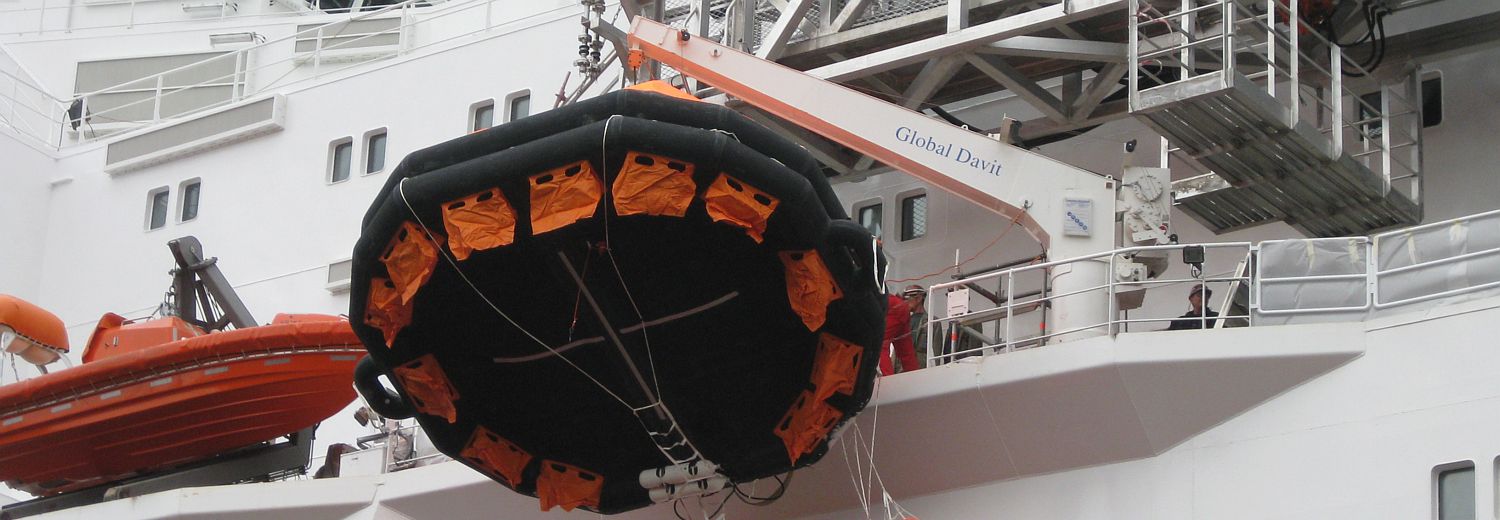
- Area: On-Load-Release-Gear (OLRG)Check: Annual functional test at 1.1 × SWL; after test check locking; inspect for dried paint/contamination/corrosion in lock, thread/shank wear/cracks. 5-year dynamic test. SOLAS III / MSC.402(96).
- Area: Drahtseile (Falls/Wire Ropes)Check: Inspect for kinks, corrosion, strand breakage (>10% over 8d length = replacement), inaccessible sections; correct/certified ropes; if required turn for full inspection; renewal per manufacturer interval.
- Area: Bremse (Zentrifugal- + Haltebremse)Check: Brake pad wear; check lowering speed (SOLAS S=0.4+0.02H, max ~36 m/min); remote release function; brake not blocked by poor maintenance.
- Area: Korrosion der Davit-StrukturCheck: Galvanized structure + stainless steel fasteners for pitting/discoloration; NDT of load-bearing structure for cracks; incident RRS Sir David Attenborough 2021 (severe corrosion due to poor maintenance).
- Area: Wartungs-ComplianceCheck: Planned maintenance complete since installation? Annual + 5-year tests recorded in logbook; manufacturer instructions followed; only authorized personnel (MSC.1/Circ.1205 Rev.1).
Universelle SOLAS-Inspektions-/Wartungspunkte fuer Davits/Rettungsboot-Aussetzvorrichtungen (modellunabhaengig, verifiziert aus IMCA/Gard/SOLAS MSC.1-Circ.1205, 2026-06). Per-Modell-SWL NICHT auto-gefuellt.
- Meets SOLAS regulations for lifesaving appliances
- Universal inspection and maintenance points for easy upkeep
- Approved by DNV (Det Norske Veritas)
- Regular maintenance can be performed with minimal downtime
- Requires regular inspections and maintenance to prevent corrosion and wear
- Can be affected by harsh weather conditions, such as saltwater exposure
- May require specialized training for operation and maintenance
- Area: On-Load-Release-Gear (OLRG)Check: Annual functional test at 1.1 × SWL; after test check locking; inspect for dried paint/contamination/corrosion in lock, thread/shank wear/cracks. 5-year dynamic test. SOLAS III / MSC.402(96).
- Area: Drahtseile (Falls/Wire Ropes)Check: Inspect for kinks, corrosion, strand breakage (>10% over 8d length = replacement), inaccessible sections; correct/certified ropes; if required turn for full inspection; renewal per manufacturer interval.
- Area: Bremse (Zentrifugal- + Haltebremse)Check: Brake pad wear; check lowering speed (SOLAS S=0.4+0.02H, max ~36 m/min); remote release function; brake not blocked by poor maintenance.
- Area: Korrosion der Davit-StrukturCheck: Galvanized structure + stainless steel fasteners for pitting/discoloration; NDT of load-bearing structure for cracks; incident RRS Sir David Attenborough 2021 (severe corrosion due to poor maintenance).
- Area: Wartungs-ComplianceCheck: Planned maintenance complete since installation? Annual + 5-year tests recorded in logbook; manufacturer instructions followed; only authorized personnel (MSC.1/Circ.1205 Rev.1).
Universelle SOLAS-Inspektions-/Wartungspunkte fuer Davits/Rettungsboot-Aussetzvorrichtungen (modellunabhaengig, verifiziert aus IMCA/Gard/SOLAS MSC.1-Circ.1205, 2026-06). Per-Modell-SWL NICHT auto-gefuellt.
- Meets IMO and SOLAS regulations
- Universal design allows for easy installation on various vessel types
- Regular maintenance intervals ensure optimal performance
- Requires regular inspections and maintenance to prevent corrosion and wear
- Potential for hook failure if not properly maintained
- Complexity of system may require specialized training for operation and maintenance
- Area: On-Load-Release-Gear (OLRG)Check: Annual functional test at 1.1 × SWL; after test check locking; inspect for dried paint/contamination/corrosion in lock, thread/shank wear/cracks. 5-year dynamic test. SOLAS III / MSC.402(96).
- Area: Drahtseile (Falls/Wire Ropes)Check: Inspect for kinks, corrosion, strand breakage (>10% over 8d length = replacement), inaccessible sections; correct/certified ropes; if required turn for full inspection; renewal per manufacturer interval.
- Area: Bremse (Zentrifugal- + Haltebremse)Check: Brake pad wear; check lowering speed (SOLAS S=0.4+0.02H, max ~36 m/min); remote release function; brake not blocked by poor maintenance.
- Area: Korrosion der Davit-StrukturCheck: Galvanized structure + stainless steel fasteners for pitting/discoloration; NDT of load-bearing structure for cracks; incident RRS Sir David Attenborough 2021 (severe corrosion due to poor maintenance).
- Area: Wartungs-ComplianceCheck: Planned maintenance complete since installation? Annual + 5-year tests recorded in logbook; manufacturer instructions followed; only authorized personnel (MSC.1/Circ.1205 Rev.1).
Universelle SOLAS-Inspektions-/Wartungspunkte fuer Davits/Rettungsboot-Aussetzvorrichtungen (modellunabhaengig, verifiziert aus IMCA/Gard/SOLAS MSC.1-Circ.1205, 2026-06). Per-Modell-SWL NICHT auto-gefuellt.
- Meets SOLAS regulations for lifesaving appliances
- Approved by DNV (Det Norske Veritas)
- Universal design allows for easy installation on various vessel types
- Regular maintenance can be performed with minimal equipment and training
- Requires regular inspections and maintenance to ensure proper function
- Potential for corrosion if not properly maintained or inspected
- May require specialized training for operators to use effectively
- Area: On-Load-Release-Gear (OLRG)Check: Annual functional test at 1.1 × SWL; after test check locking; inspect for dried paint/contamination/corrosion in lock, thread/shank wear/cracks. 5-year dynamic test. SOLAS III / MSC.402(96).
- Area: Drahtseile (Falls/Wire Ropes)Check: Inspect for kinks, corrosion, strand breakage (>10% over 8d length = replacement), inaccessible sections; correct/certified ropes; if required turn for full inspection; renewal per manufacturer interval.
- Area: Bremse (Zentrifugal- + Haltebremse)Check: Brake pad wear; check lowering speed (SOLAS S=0.4+0.02H, max ~36 m/min); remote release function; brake not blocked by poor maintenance.
- Area: Korrosion der Davit-StrukturCheck: Galvanized structure + stainless steel fasteners for pitting/discoloration; NDT of load-bearing structure for cracks; incident RRS Sir David Attenborough 2021 (severe corrosion due to poor maintenance).
- Area: Wartungs-ComplianceCheck: Planned maintenance complete since installation? Annual + 5-year tests recorded in logbook; manufacturer instructions followed; only authorized personnel (MSC.1/Circ.1205 Rev.1).
Universelle SOLAS-Inspektions-/Wartungspunkte fuer Davits/Rettungsboot-Aussetzvorrichtungen (modellunabhaengig, verifiziert aus IMCA/Gard/SOLAS MSC.1-Circ.1205, 2026-06). Per-Modell-SWL NICHT auto-gefuellt.
- Meets SOLAS regulations for lifesaving appliances
- Universal design allows for easy installation on various vessel types
- Regular maintenance can be performed with minimal downtime
- Requires regular inspection and maintenance to prevent corrosion and wear
- Can be heavy and require significant space on the vessel
- May not be suitable for vessels with limited deck space or weight capacity
- Area: On-Load-Release-Gear (OLRG)Check: Annual functional test at 1.1 × SWL; after test check locking; inspect for dried paint/contamination/corrosion in lock, thread/shank wear/cracks. 5-year dynamic test. SOLAS III / MSC.402(96).
- Area: Drahtseile (Falls/Wire Ropes)Check: Inspect for kinks, corrosion, strand breakage (>10% over 8d length = replacement), inaccessible sections; correct/certified ropes; if required turn for full inspection; renewal per manufacturer interval.
- Area: Bremse (Zentrifugal- + Haltebremse)Check: Brake pad wear; check lowering speed (SOLAS S=0.4+0.02H, max ~36 m/min); remote release function; brake not blocked by poor maintenance.
- Area: Korrosion der Davit-StrukturCheck: Galvanized structure + stainless steel fasteners for pitting/discoloration; NDT of load-bearing structure for cracks; incident RRS Sir David Attenborough 2021 (severe corrosion due to poor maintenance).
- Area: Wartungs-ComplianceCheck: Planned maintenance complete since installation? Annual + 5-year tests recorded in logbook; manufacturer instructions followed; only authorized personnel (MSC.1/Circ.1205 Rev.1).
Universelle SOLAS-Inspektions-/Wartungspunkte fuer Davits/Rettungsboot-Aussetzvorrichtungen (modellunabhaengig, verifiziert aus IMCA/Gard/SOLAS MSC.1-Circ.1205, 2026-06). Per-Modell-SWL NICHT auto-gefuellt.
- Meets SOLAS regulations for lifesaving appliances
- Universal inspection and maintenance points for easy upkeep
- Approved by DNV (Det Norske Veritas) for safety and quality
- Compact design for reduced space requirements on vessels
- Requires regular maintenance to ensure proper function
- May require specialized training for operation and maintenance
- Can be affected by corrosion if not properly maintained
- May have limited compatibility with certain vessel types or configurations
- Area: On-Load-Release-Gear (OLRG)Check: Annual functional test at 1.1 × SWL; after test check locking; inspect for dried paint/contamination/corrosion in lock, thread/shank wear/cracks. 5-year dynamic test. SOLAS III / MSC.402(96).
- Area: Drahtseile (Falls/Wire Ropes)Check: Inspect for kinks, corrosion, strand breakage (>10% over 8d length = replacement), inaccessible sections; correct/certified ropes; if required turn for full inspection; renewal per manufacturer interval.
- Area: Bremse (Zentrifugal- + Haltebremse)Check: Brake pad wear; check lowering speed (SOLAS S=0.4+0.02H, max ~36 m/min); remote release function; brake not blocked by poor maintenance.
- Area: Korrosion der Davit-StrukturCheck: Galvanized structure + stainless steel fasteners for pitting/discoloration; NDT of load-bearing structure for cracks; incident RRS Sir David Attenborough 2021 (severe corrosion due to poor maintenance).
- Area: Wartungs-ComplianceCheck: Planned maintenance complete since installation? Annual + 5-year tests recorded in logbook; manufacturer instructions followed; only authorized personnel (MSC.1/Circ.1205 Rev.1).
Universelle SOLAS-Inspektions-/Wartungspunkte fuer Davits/Rettungsboot-Aussetzvorrichtungen (modellunabhaengig, verifiziert aus IMCA/Gard/SOLAS MSC.1-Circ.1205, 2026-06). Per-Modell-SWL NICHT auto-gefuellt.
- Meets SOLAS regulations for lifesaving appliances
- Universal inspection and maintenance points for easy upkeep
- Approved by DNV (Det Norske Veritas) for use on vessels
- Robust design with corrosion-resistant materials
- Regular maintenance intervals ensure optimal performance
- Requires regular inspections and maintenance to prevent hook failures
- May require replacement of wire ropes every 5 years or sooner if damaged
- Bremse (brake) system may be prone to wear and tear if not properly maintained
- Corrosion of davit structure can occur if not regularly inspected and treated
- Wartungs-Compliance is crucial to ensure safe operation
- Area: On-Load-Release-Gear (OLRG)Check: Annual functional test at 1.1 × SWL; after test check locking; inspect for dried paint/contamination/corrosion in lock, thread/shank wear/cracks. 5-year dynamic test. SOLAS III / MSC.402(96).
- Area: Drahtseile (Falls/Wire Ropes)Check: Inspect for kinks, corrosion, strand breakage (>10% over 8d length = replacement), inaccessible sections; correct/certified ropes; if required turn for full inspection; renewal per manufacturer interval.
- Area: Bremse (Zentrifugal- + Haltebremse)Check: Brake pad wear; check lowering speed (SOLAS S=0.4+0.02H, max ~36 m/min); remote release function; brake not blocked by poor maintenance.
- Area: Korrosion der Davit-StrukturCheck: Galvanized structure + stainless steel fasteners for pitting/discoloration; NDT of load-bearing structure for cracks; incident RRS Sir David Attenborough 2021 (severe corrosion due to poor maintenance).
- Area: Wartungs-ComplianceCheck: Planned maintenance complete since installation? Annual + 5-year tests recorded in logbook; manufacturer instructions followed; only authorized personnel (MSC.1/Circ.1205 Rev.1).
Universelle SOLAS-Inspektions-/Wartungspunkte fuer Davits/Rettungsboot-Aussetzvorrichtungen (modellunabhaengig, verifiziert aus IMCA/Gard/SOLAS MSC.1-Circ.1205, 2026-06). Per-Modell-SWL NICHT auto-gefuellt.
- Compliant with SOLAS regulations (MSC.1-Circ.1205)
- Regular maintenance can be performed by authorized personnel
- Davit system is designed for universal use, regardless of vessel type
- Requires regular inspections and maintenance to prevent corrosion and wear
- May require replacement of wire ropes every 5 years or sooner if damaged
- On-load release gear (OLRG) requires annual functional testing
- Area: On-Load-Release-Gear (OLRG)Check: Annual functional test at 1.1 × SWL; after test check locking; inspect for dried paint/contamination/corrosion in lock, thread/shank wear/cracks. 5-year dynamic test. SOLAS III / MSC.402(96).
- Area: Drahtseile (Falls/Wire Ropes)Check: Inspect for kinks, corrosion, strand breakage (>10% over 8d length = replacement), inaccessible sections; correct/certified ropes; if required turn for full inspection; renewal per manufacturer interval.
- Area: Bremse (Zentrifugal- + Haltebremse)Check: Brake pad wear; check lowering speed (SOLAS S=0.4+0.02H, max ~36 m/min); remote release function; brake not blocked by poor maintenance.
- Area: Korrosion der Davit-StrukturCheck: Galvanized structure + stainless steel fasteners for pitting/discoloration; NDT of load-bearing structure for cracks; incident RRS Sir David Attenborough 2021 (severe corrosion due to poor maintenance).
- Area: Wartungs-ComplianceCheck: Planned maintenance complete since installation? Annual + 5-year tests recorded in logbook; manufacturer instructions followed; only authorized personnel (MSC.1/Circ.1205 Rev.1).
Universelle SOLAS-Inspektions-/Wartungspunkte fuer Davits/Rettungsboot-Aussetzvorrichtungen (modellunabhaengig, verifiziert aus IMCA/Gard/SOLAS MSC.1-Circ.1205, 2026-06). Per-Modell-SWL NICHT auto-gefuellt.
- Universal design compliant with SOLAS regulations
- Regular maintenance intervals ensure optimal performance
- Davit system can be inspected and maintained without removing the lifeboat
- Requires regular inspections and maintenance to prevent corrosion and wear
- May require replacement of parts after a certain number of years (e.g., OLRG, wire ropes)
- Can be affected by environmental factors such as saltwater exposure
- Area: On-Load-Release-Gear (OLRG)Check: Annual functional test at 1.1 × SWL; after test check locking; inspect for dried paint/contamination/corrosion in lock, thread/shank wear/cracks. 5-year dynamic test. SOLAS III / MSC.402(96).
- Area: Drahtseile (Falls/Wire Ropes)Check: Inspect for kinks, corrosion, strand breakage (>10% over 8d length = replacement), inaccessible sections; correct/certified ropes; if required turn for full inspection; renewal per manufacturer interval.
- Area: Bremse (Zentrifugal- + Haltebremse)Check: Brake pad wear; check lowering speed (SOLAS S=0.4+0.02H, max ~36 m/min); remote release function; brake not blocked by poor maintenance.
- Area: Korrosion der Davit-StrukturCheck: Galvanized structure + stainless steel fasteners for pitting/discoloration; NDT of load-bearing structure for cracks; incident RRS Sir David Attenborough 2021 (severe corrosion due to poor maintenance).
- Area: Wartungs-ComplianceCheck: Planned maintenance complete since installation? Annual + 5-year tests recorded in logbook; manufacturer instructions followed; only authorized personnel (MSC.1/Circ.1205 Rev.1).
Universelle SOLAS-Inspektions-/Wartungspunkte fuer Davits/Rettungsboot-Aussetzvorrichtungen (modellunabhaengig, verifiziert aus IMCA/Gard/SOLAS MSC.1-Circ.1205, 2026-06). Per-Modell-SWL NICHT auto-gefuellt.
- Universal design compliant with SOLAS regulations
- Regular maintenance can be performed at any point without specialized tools
- Wide range of applications due to modular design
- Requires regular inspections and maintenance to ensure proper functioning
- Potential for corrosion if not properly maintained
- May require additional training for operators
- Area: On-Load-Release-Gear (OLRG)Check: Annual functional test at 1.1 × SWL; after test check locking; inspect for dried paint/contamination/corrosion in lock, thread/shank wear/cracks. 5-year dynamic test. SOLAS III / MSC.402(96).
- Area: Drahtseile (Falls/Wire Ropes)Check: Inspect for kinks, corrosion, strand breakage (>10% over 8d length = replacement), inaccessible sections; correct/certified ropes; if required turn for full inspection; renewal per manufacturer interval.
- Area: Bremse (Zentrifugal- + Haltebremse)Check: Brake pad wear; check lowering speed (SOLAS S=0.4+0.02H, max ~36 m/min); remote release function; brake not blocked by poor maintenance.
- Area: Korrosion der Davit-StrukturCheck: Galvanized structure + stainless steel fasteners for pitting/discoloration; NDT of load-bearing structure for cracks; incident RRS Sir David Attenborough 2021 (severe corrosion due to poor maintenance).
- Area: Wartungs-ComplianceCheck: Planned maintenance complete since installation? Annual + 5-year tests recorded in logbook; manufacturer instructions followed; only authorized personnel (MSC.1/Circ.1205 Rev.1).
Universelle SOLAS-Inspektions-/Wartungspunkte fuer Davits/Rettungsboot-Aussetzvorrichtungen (modellunabhaengig, verifiziert aus IMCA/Gard/SOLAS MSC.1-Circ.1205, 2026-06). Per-Modell-SWL NICHT auto-gefuellt.
- Universal design compliant with SOLAS regulations
- Regular inspections and maintenance can be performed at designated points
- Davit system is suitable for various vessel types
- Requires regular maintenance to prevent corrosion and wear
- Potential for hook failure if not properly inspected and maintained
- May require specialized training for operation and maintenance
- Area: On-Load-Release-Gear (OLRG)Check: Annual functional test at 1.1 × SWL; after test check locking; inspect for dried paint/contamination/corrosion in lock, thread/shank wear/cracks. 5-year dynamic test. SOLAS III / MSC.402(96).
- Area: Drahtseile (Falls/Wire Ropes)Check: Inspect for kinks, corrosion, strand breakage (>10% over 8d length = replacement), inaccessible sections; correct/certified ropes; if required turn for full inspection; renewal per manufacturer interval.
- Area: Bremse (Zentrifugal- + Haltebremse)Check: Brake pad wear; check lowering speed (SOLAS S=0.4+0.02H, max ~36 m/min); remote release function; brake not blocked by poor maintenance.
- Area: Korrosion der Davit-StrukturCheck: Galvanized structure + stainless steel fasteners for pitting/discoloration; NDT of load-bearing structure for cracks; incident RRS Sir David Attenborough 2021 (severe corrosion due to poor maintenance).
- Area: Wartungs-ComplianceCheck: Planned maintenance complete since installation? Annual + 5-year tests recorded in logbook; manufacturer instructions followed; only authorized personnel (MSC.1/Circ.1205 Rev.1).
Universelle SOLAS-Inspektions-/Wartungspunkte fuer Davits/Rettungsboot-Aussetzvorrichtungen (modellunabhaengig, verifiziert aus IMCA/Gard/SOLAS MSC.1-Circ.1205, 2026-06). Per-Modell-SWL NICHT auto-gefuellt.
- Universal design compliant with SOLAS regulations
- Regular maintenance intervals ensure safety and reliability
- Davit system can be used for various vessel types
- Potential for corrosion on davit structure if not properly maintained
- Requires regular inspections and maintenance to prevent hook failures
- May require specialized training for operation and maintenance

- Area: On-Load-Release-Gear (OLRG)Check: Annual functional test at 1.1 × SWL; after test check locking; inspect for dried paint/contamination/corrosion in lock, thread/shank wear/cracks. 5-year dynamic test. SOLAS III / MSC.402(96).
- Area: Drahtseile (Falls/Wire Ropes)Check: Inspect for kinks, corrosion, strand breakage (>10% over 8d length = replacement), inaccessible sections; correct/certified ropes; if required turn for full inspection; renewal per manufacturer interval.
- Area: Bremse (Zentrifugal- + Haltebremse)Check: Brake pad wear; check lowering speed (SOLAS S=0.4+0.02H, max ~36 m/min); remote release function; brake not blocked by poor maintenance.
- Area: Korrosion der Davit-StrukturCheck: Galvanized structure + stainless steel fasteners for pitting/discoloration; NDT of load-bearing structure for cracks; incident RRS Sir David Attenborough 2021 (severe corrosion due to poor maintenance).
- Area: Wartungs-ComplianceCheck: Planned maintenance complete since installation? Annual + 5-year tests recorded in logbook; manufacturer instructions followed; only authorized personnel (MSC.1/Circ.1205 Rev.1).
Universelle SOLAS-Inspektions-/Wartungspunkte fuer Davits/Rettungsboot-Aussetzvorrichtungen (modellunabhaengig, verifiziert aus IMCA/Gard/SOLAS MSC.1-Circ.1205, 2026-06). Per-Modell-SWL NICHT auto-gefuellt.
- Universal design compliant with SOLAS regulations
- Regular maintenance intervals ensure optimal performance
- Comprehensive inspection points reduce risk of failure
- Potential for corrosion on davit structure if not properly maintained
- Requires regular inspections and maintenance to prevent hook failures
- May require specialized training for operation and maintenance
- Area: On-Load-Release-Gear (OLRG)Check: Annual functional test at 1.1 × SWL; after test check locking; inspect for dried paint/contamination/corrosion in lock, thread/shank wear/cracks. 5-year dynamic test. SOLAS III / MSC.402(96).
- Area: Drahtseile (Falls/Wire Ropes)Check: Inspect for kinks, corrosion, strand breakage (>10% over 8d length = replacement), inaccessible sections; correct/certified ropes; if required turn for full inspection; renewal per manufacturer interval.
- Area: Bremse (Zentrifugal- + Haltebremse)Check: Brake pad wear; check lowering speed (SOLAS S=0.4+0.02H, max ~36 m/min); remote release function; brake not blocked by poor maintenance.
- Area: Korrosion der Davit-StrukturCheck: Galvanized structure + stainless steel fasteners for pitting/discoloration; NDT of load-bearing structure for cracks; incident RRS Sir David Attenborough 2021 (severe corrosion due to poor maintenance).
- Area: Wartungs-ComplianceCheck: Planned maintenance complete since installation? Annual + 5-year tests recorded in logbook; manufacturer instructions followed; only authorized personnel (MSC.1/Circ.1205 Rev.1).
Universelle SOLAS-Inspektions-/Wartungspunkte fuer Davits/Rettungsboot-Aussetzvorrichtungen (modellunabhaengig, verifiziert aus IMCA/Gard/SOLAS MSC.1-Circ.1205, 2026-06). Per-Modell-SWL NICHT auto-gefuellt.
- Compliant with IMO regulations (SOLAS III / MSC.402(96))
- Regular maintenance can be performed according to manufacturer's instructions
- Davit system is designed for universal use, regardless of vessel type
- Requires regular inspections and maintenance to prevent corrosion and wear
- On-load release gear (OLRG) requires annual functional testing with a load of at least 1.1 times the safe working load
- Davit system may require replacement after 5 years due to dynamic testing requirements
- Area: On-Load-Release-Gear (OLRG)Check: Annual functional test at 1.1 × SWL; after test check locking; inspect for dried paint/contamination/corrosion in lock, thread/shank wear/cracks. 5-year dynamic test. SOLAS III / MSC.402(96).
- Area: Drahtseile (Falls/Wire Ropes)Check: Inspect for kinks, corrosion, strand breakage (>10% over 8d length = replacement), inaccessible sections; correct/certified ropes; if required turn for full inspection; renewal per manufacturer interval.
- Area: Bremse (Zentrifugal- + Haltebremse)Check: Brake pad wear; check lowering speed (SOLAS S=0.4+0.02H, max ~36 m/min); remote release function; brake not blocked by poor maintenance.
- Area: Korrosion der Davit-StrukturCheck: Galvanized structure + stainless steel fasteners for pitting/discoloration; NDT of load-bearing structure for cracks; incident RRS Sir David Attenborough 2021 (severe corrosion due to poor maintenance).
- Area: Wartungs-ComplianceCheck: Planned maintenance complete since installation? Annual + 5-year tests recorded in logbook; manufacturer instructions followed; only authorized personnel (MSC.1/Circ.1205 Rev.1).
Universelle SOLAS-Inspektions-/Wartungspunkte fuer Davits/Rettungsboot-Aussetzvorrichtungen (modellunabhaengig, verifiziert aus IMCA/Gard/SOLAS MSC.1-Circ.1205, 2026-06). Per-Modell-SWL NICHT auto-gefuellt.
- Compliant with IMO and DNV-GL regulations
- High-capacity lifting capabilities (up to 5 tons)
- Compact design for efficient use of deck space
- Easy maintenance access through modular design
- Higher upfront cost compared to manual davits
- Requires regular maintenance to ensure proper function
- May require specialized training for operation and maintenance
- Area: On-Load-Release-Gear (OLRG)Check: Annual functional test at 1.1 × SWL; after test check locking; inspect for dried paint/contamination/corrosion in lock, thread/shank wear/cracks. 5-year dynamic test. SOLAS III / MSC.402(96).
- Area: Drahtseile (Falls/Wire Ropes)Check: Inspect for kinks, corrosion, strand breakage (>10% over 8d length = replacement), inaccessible sections; correct/certified ropes; if required turn for full inspection; renewal per manufacturer interval.
- Area: Bremse (Zentrifugal- + Haltebremse)Check: Brake pad wear; check lowering speed (SOLAS S=0.4+0.02H, max ~36 m/min); remote release function; brake not blocked by poor maintenance.
- Area: Korrosion der Davit-StrukturCheck: Galvanized structure + stainless steel fasteners for pitting/discoloration; NDT of load-bearing structure for cracks; incident RRS Sir David Attenborough 2021 (severe corrosion due to poor maintenance).
- Area: Wartungs-ComplianceCheck: Planned maintenance complete since installation? Annual + 5-year tests recorded in logbook; manufacturer instructions followed; only authorized personnel (MSC.1/Circ.1205 Rev.1).
Universelle SOLAS-Inspektions-/Wartungspunkte fuer Davits/Rettungsboot-Aussetzvorrichtungen (modellunabhaengig, verifiziert aus IMCA/Gard/SOLAS MSC.1-Circ.1205, 2026-06). Per-Modell-SWL NICHT auto-gefuellt.
- Meets IMO and DNV approval standards
- Designed for easy maintenance and inspection
- Features a universal on-load release gear (OLRG) for safe launch
- Compliant with SOLAS III/MSC.402(96)
- Regular maintenance can be performed by authorized personnel
- Requires regular inspections and maintenance to prevent corrosion and wear
- May require replacement of wire ropes every 5 years or as per manufacturer's instructions
- Bremsbelag-Verschleiss (brake pad wear) may occur if not properly maintained
- Korrosion der Davit-Struktur (davit structure corrosion) can be a concern if not properly protected
- Area: On-Load-Release-Gear (OLRG)Check: Annual functional test at 1.1 × SWL; after test check locking; inspect for dried paint/contamination/corrosion in lock, thread/shank wear/cracks. 5-year dynamic test. SOLAS III / MSC.402(96).
- Area: Drahtseile (Falls/Wire Ropes)Check: Inspect for kinks, corrosion, strand breakage (>10% over 8d length = replacement), inaccessible sections; correct/certified ropes; if required turn for full inspection; renewal per manufacturer interval.
- Area: Bremse (Zentrifugal- + Haltebremse)Check: Brake pad wear; check lowering speed (SOLAS S=0.4+0.02H, max ~36 m/min); remote release function; brake not blocked by poor maintenance.
- Area: Korrosion der Davit-StrukturCheck: Galvanized structure + stainless steel fasteners for pitting/discoloration; NDT of load-bearing structure for cracks; incident RRS Sir David Attenborough 2021 (severe corrosion due to poor maintenance).
- Area: Wartungs-ComplianceCheck: Planned maintenance complete since installation? Annual + 5-year tests recorded in logbook; manufacturer instructions followed; only authorized personnel (MSC.1/Circ.1205 Rev.1).
Universelle SOLAS-Inspektions-/Wartungspunkte fuer Davits/Rettungsboot-Aussetzvorrichtungen (modellunabhaengig, verifiziert aus IMCA/Gard/SOLAS MSC.1-Circ.1205, 2026-06). Per-Modell-SWL NICHT auto-gefuellt.
- Meets IMO and DNV approval standards
- Universal design allows for easy installation on various vessel types
- Regular maintenance intervals ensure optimal performance
- Requires regular inspections to prevent corrosion and wear
- May require specialized training for operation and maintenance
- Can be heavy and requires significant space on the vessel
- Area: On-Load-Release-Gear (OLRG)Check: Annual functional test at 1.1 × SWL; after test check locking; inspect for dried paint/contamination/corrosion in lock, thread/shank wear/cracks. 5-year dynamic test. SOLAS III / MSC.402(96).
- Area: Drahtseile (Falls/Wire Ropes)Check: Inspect for kinks, corrosion, strand breakage (>10% over 8d length = replacement), inaccessible sections; correct/certified ropes; if required turn for full inspection; renewal per manufacturer interval.
- Area: Bremse (Zentrifugal- + Haltebremse)Check: Brake pad wear; check lowering speed (SOLAS S=0.4+0.02H, max ~36 m/min); remote release function; brake not blocked by poor maintenance.
- Area: Korrosion der Davit-StrukturCheck: Galvanized structure + stainless steel fasteners for pitting/discoloration; NDT of load-bearing structure for cracks; incident RRS Sir David Attenborough 2021 (severe corrosion due to poor maintenance).
- Area: Wartungs-ComplianceCheck: Planned maintenance complete since installation? Annual + 5-year tests recorded in logbook; manufacturer instructions followed; only authorized personnel (MSC.1/Circ.1205 Rev.1).
Universelle SOLAS-Inspektions-/Wartungspunkte fuer Davits/Rettungsboot-Aussetzvorrichtungen (modellunabhaengig, verifiziert aus IMCA/Gard/SOLAS MSC.1-Circ.1205, 2026-06). Per-Modell-SWL NICHT auto-gefuellt.
- Meets SOLAS regulations for davits and lifeboat launch systems
- Approved by DNV (Det Norske Veritas) and IMO
- Universal inspection and maintenance points make it easy to follow
- Can be used with a variety of lifeboats and rafts
- Requires regular maintenance, including annual inspections and 5-year dynamic testing
- May require replacement of wire ropes after 10% wear on an 8d length
- Bremse (brake) system may be prone to corrosion if not properly maintained
- Area: On-Load-Release-Gear (OLRG)Check: Annual functional test at 1.1 × SWL; after test check locking; inspect for dried paint/contamination/corrosion in lock, thread/shank wear/cracks. 5-year dynamic test. SOLAS III / MSC.402(96).
- Area: Drahtseile (Falls/Wire Ropes)Check: Inspect for kinks, corrosion, strand breakage (>10% over 8d length = replacement), inaccessible sections; correct/certified ropes; if required turn for full inspection; renewal per manufacturer interval.
- Area: Bremse (Zentrifugal- + Haltebremse)Check: Brake pad wear; check lowering speed (SOLAS S=0.4+0.02H, max ~36 m/min); remote release function; brake not blocked by poor maintenance.
- Area: Korrosion der Davit-StrukturCheck: Galvanized structure + stainless steel fasteners for pitting/discoloration; NDT of load-bearing structure for cracks; incident RRS Sir David Attenborough 2021 (severe corrosion due to poor maintenance).
- Area: Wartungs-ComplianceCheck: Planned maintenance complete since installation? Annual + 5-year tests recorded in logbook; manufacturer instructions followed; only authorized personnel (MSC.1/Circ.1205 Rev.1).
Universelle SOLAS-Inspektions-/Wartungspunkte fuer Davits/Rettungsboot-Aussetzvorrichtungen (modellunabhaengig, verifiziert aus IMCA/Gard/SOLAS MSC.1-Circ.1205, 2026-06). Per-Modell-SWL NICHT auto-gefuellt.
- Universal design compliant with SOLAS regulations
- Regular inspections and maintenance can be performed at any point on the davit
- Approved by DNV (Det Norske Veritas) for use in maritime applications
- Requires regular maintenance to prevent corrosion and wear on moving parts
- May require specialized training for proper operation and inspection
- Can be heavy and bulky, requiring significant installation space
- Area: On-Load-Release-Gear (OLRG)Check: Annual functional test at 1.1 × SWL; after test check locking; inspect for dried paint/contamination/corrosion in lock, thread/shank wear/cracks. 5-year dynamic test. SOLAS III / MSC.402(96).
- Area: Drahtseile (Falls/Wire Ropes)Check: Inspect for kinks, corrosion, strand breakage (>10% over 8d length = replacement), inaccessible sections; correct/certified ropes; if required turn for full inspection; renewal per manufacturer interval.
- Area: Bremse (Zentrifugal- + Haltebremse)Check: Brake pad wear; check lowering speed (SOLAS S=0.4+0.02H, max ~36 m/min); remote release function; brake not blocked by poor maintenance.
- Area: Korrosion der Davit-StrukturCheck: Galvanized structure + stainless steel fasteners for pitting/discoloration; NDT of load-bearing structure for cracks; incident RRS Sir David Attenborough 2021 (severe corrosion due to poor maintenance).
- Area: Wartungs-ComplianceCheck: Planned maintenance complete since installation? Annual + 5-year tests recorded in logbook; manufacturer instructions followed; only authorized personnel (MSC.1/Circ.1205 Rev.1).
Universelle SOLAS-Inspektions-/Wartungspunkte fuer Davits/Rettungsboot-Aussetzvorrichtungen (modellunabhaengig, verifiziert aus IMCA/Gard/SOLAS MSC.1-Circ.1205, 2026-06). Per-Modell-SWL NICHT auto-gefuellt.
- Universal SOLAS compliance
- Regular inspections and maintenance can be performed without model-specific knowledge
- Davit system can be used with various types of lifeboats and rafts
- Requires regular maintenance and inspections to ensure proper functioning
- Potential for corrosion on davit structure if not properly maintained
- May require specialized training for operation and maintenance
- Area: On-Load-Release-Gear (OLRG)Check: Annual functional test at 1.1 × SWL; after test check locking; inspect for dried paint/contamination/corrosion in lock, thread/shank wear/cracks. 5-year dynamic test. SOLAS III / MSC.402(96).
- Area: Drahtseile (Falls/Wire Ropes)Check: Inspect for kinks, corrosion, strand breakage (>10% over 8d length = replacement), inaccessible sections; correct/certified ropes; if required turn for full inspection; renewal per manufacturer interval.
- Area: Bremse (Zentrifugal- + Haltebremse)Check: Brake pad wear; check lowering speed (SOLAS S=0.4+0.02H, max ~36 m/min); remote release function; brake not blocked by poor maintenance.
- Area: Korrosion der Davit-StrukturCheck: Galvanized structure + stainless steel fasteners for pitting/discoloration; NDT of load-bearing structure for cracks; incident RRS Sir David Attenborough 2021 (severe corrosion due to poor maintenance).
- Area: Wartungs-ComplianceCheck: Planned maintenance complete since installation? Annual + 5-year tests recorded in logbook; manufacturer instructions followed; only authorized personnel (MSC.1/Circ.1205 Rev.1).
Universelle SOLAS-Inspektions-/Wartungspunkte fuer Davits/Rettungsboot-Aussetzvorrichtungen (modellunabhaengig, verifiziert aus IMCA/Gard/SOLAS MSC.1-Circ.1205, 2026-06). Per-Modell-SWL NICHT auto-gefuellt.
- Meets IMO and DNV approval standards
- Universal SOLAS inspection and maintenance points simplify maintenance
- Designed for launching lifeboats and rafts with a high level of safety
- Requires regular maintenance to ensure proper functioning
- Potential for corrosion on davit structure if not properly maintained
- May require specialized training for operation and maintenance
- Area: On-Load-Release-Gear (OLRG)Check: Annual functional test at 1.1 × SWL; after test check locking; inspect for dried paint/contamination/corrosion in lock, thread/shank wear/cracks. 5-year dynamic test. SOLAS III / MSC.402(96).
- Area: Drahtseile (Falls/Wire Ropes)Check: Inspect for kinks, corrosion, strand breakage (>10% over 8d length = replacement), inaccessible sections; correct/certified ropes; if required turn for full inspection; renewal per manufacturer interval.
- Area: Bremse (Zentrifugal- + Haltebremse)Check: Brake pad wear; check lowering speed (SOLAS S=0.4+0.02H, max ~36 m/min); remote release function; brake not blocked by poor maintenance.
- Area: Korrosion der Davit-StrukturCheck: Galvanized structure + stainless steel fasteners for pitting/discoloration; NDT of load-bearing structure for cracks; incident RRS Sir David Attenborough 2021 (severe corrosion due to poor maintenance).
- Area: Wartungs-ComplianceCheck: Planned maintenance complete since installation? Annual + 5-year tests recorded in logbook; manufacturer instructions followed; only authorized personnel (MSC.1/Circ.1205 Rev.1).
Universelle SOLAS-Inspektions-/Wartungspunkte fuer Davits/Rettungsboot-Aussetzvorrichtungen (modellunabhaengig, verifiziert aus IMCA/Gard/SOLAS MSC.1-Circ.1205, 2026-06). Per-Modell-SWL NICHT auto-gefuellt.
- Universal design compliant with SOLAS regulations
- Regular inspections and maintenance can be performed at designated points
- Suitable for various vessel types, including tankers, container ships, and bulk carriers
- Requires regular maintenance to ensure proper functioning
- Potential for corrosion on davit structure if not properly maintained
- May require specialized training for operation and maintenance
- Area: On-Load-Release-Gear (OLRG)Check: Annual functional test at 1.1 × SWL; after test check locking; inspect for dried paint/contamination/corrosion in lock, thread/shank wear/cracks. 5-year dynamic test. SOLAS III / MSC.402(96).
- Area: Drahtseile (Falls/Wire Ropes)Check: Inspect for kinks, corrosion, strand breakage (>10% over 8d length = replacement), inaccessible sections; correct/certified ropes; if required turn for full inspection; renewal per manufacturer interval.
- Area: Bremse (Zentrifugal- + Haltebremse)Check: Brake pad wear; check lowering speed (SOLAS S=0.4+0.02H, max ~36 m/min); remote release function; brake not blocked by poor maintenance.
- Area: Korrosion der Davit-StrukturCheck: Galvanized structure + stainless steel fasteners for pitting/discoloration; NDT of load-bearing structure for cracks; incident RRS Sir David Attenborough 2021 (severe corrosion due to poor maintenance).
- Area: Wartungs-ComplianceCheck: Planned maintenance complete since installation? Annual + 5-year tests recorded in logbook; manufacturer instructions followed; only authorized personnel (MSC.1/Circ.1205 Rev.1).
Universelle SOLAS-Inspektions-/Wartungspunkte fuer Davits/Rettungsboot-Aussetzvorrichtungen (modellunabhaengig, verifiziert aus IMCA/Gard/SOLAS MSC.1-Circ.1205, 2026-06). Per-Modell-SWL NICHT auto-gefuellt.
- Compliant with SOLAS regulations
- Regular maintenance can be performed according to manufacturer's instructions
- Davit system is designed for universal use, regardless of vessel type
- Requires regular inspections and maintenance to prevent corrosion and wear
- Potential for hook failure if not properly maintained
- May require specialized training for operation and maintenance
- Area: On-Load-Release-Gear (OLRG)Check: Annual functional test at 1.1 × SWL; after test check locking; inspect for dried paint/contamination/corrosion in lock, thread/shank wear/cracks. 5-year dynamic test. SOLAS III / MSC.402(96).
- Area: Drahtseile (Falls/Wire Ropes)Check: Inspect for kinks, corrosion, strand breakage (>10% over 8d length = replacement), inaccessible sections; correct/certified ropes; if required turn for full inspection; renewal per manufacturer interval.
- Area: Bremse (Zentrifugal- + Haltebremse)Check: Brake pad wear; check lowering speed (SOLAS S=0.4+0.02H, max ~36 m/min); remote release function; brake not blocked by poor maintenance.
- Area: Korrosion der Davit-StrukturCheck: Galvanized structure + stainless steel fasteners for pitting/discoloration; NDT of load-bearing structure for cracks; incident RRS Sir David Attenborough 2021 (severe corrosion due to poor maintenance).
- Area: Wartungs-ComplianceCheck: Planned maintenance complete since installation? Annual + 5-year tests recorded in logbook; manufacturer instructions followed; only authorized personnel (MSC.1/Circ.1205 Rev.1).
Universelle SOLAS-Inspektions-/Wartungspunkte fuer Davits/Rettungsboot-Aussetzvorrichtungen (modellunabhaengig, verifiziert aus IMCA/Gard/SOLAS MSC.1-Circ.1205, 2026-06). Per-Modell-SWL NICHT auto-gefuellt.
- Meets IMO and DNV approval standards
- Compliant with SOLAS III/MSC.402(96) regulations
- Regular maintenance intervals ensure optimal performance
- Potential for corrosion on davit structure if not properly maintained
- Requires regular inspections and testing of release gear, wire ropes, and brakes
- May require specialized training for authorized personnel to perform maintenance
- Area: On-Load-Release-Gear (OLRG)Check: Annual functional test at 1.1 × SWL; after test check locking; inspect for dried paint/contamination/corrosion in lock, thread/shank wear/cracks. 5-year dynamic test. SOLAS III / MSC.402(96).
- Area: Drahtseile (Falls/Wire Ropes)Check: Inspect for kinks, corrosion, strand breakage (>10% over 8d length = replacement), inaccessible sections; correct/certified ropes; if required turn for full inspection; renewal per manufacturer interval.
- Area: Bremse (Zentrifugal- + Haltebremse)Check: Brake pad wear; check lowering speed (SOLAS S=0.4+0.02H, max ~36 m/min); remote release function; brake not blocked by poor maintenance.
- Area: Korrosion der Davit-StrukturCheck: Galvanized structure + stainless steel fasteners for pitting/discoloration; NDT of load-bearing structure for cracks; incident RRS Sir David Attenborough 2021 (severe corrosion due to poor maintenance).
- Area: Wartungs-ComplianceCheck: Planned maintenance complete since installation? Annual + 5-year tests recorded in logbook; manufacturer instructions followed; only authorized personnel (MSC.1/Circ.1205 Rev.1).
Universelle SOLAS-Inspektions-/Wartungspunkte fuer Davits/Rettungsboot-Aussetzvorrichtungen (modellunabhaengig, verifiziert aus IMCA/Gard/SOLAS MSC.1-Circ.1205, 2026-06). Per-Modell-SWL NICHT auto-gefuellt.
- Universal design compliant with SOLAS regulations
- Regular inspections and maintenance can be performed at designated points
- Suitable for various vessel types
- Requires regular maintenance to prevent corrosion and wear
- Potential for hook failures if not properly inspected and maintained
- May require specialized training for operation and maintenance
- Area: On-Load-Release-Gear (OLRG)Check: Annual functional test at 1.1 × SWL; after test check locking; inspect for dried paint/contamination/corrosion in lock, thread/shank wear/cracks. 5-year dynamic test. SOLAS III / MSC.402(96).
- Area: Drahtseile (Falls/Wire Ropes)Check: Inspect for kinks, corrosion, strand breakage (>10% over 8d length = replacement), inaccessible sections; correct/certified ropes; if required turn for full inspection; renewal per manufacturer interval.
- Area: Bremse (Zentrifugal- + Haltebremse)Check: Brake pad wear; check lowering speed (SOLAS S=0.4+0.02H, max ~36 m/min); remote release function; brake not blocked by poor maintenance.
- Area: Korrosion der Davit-StrukturCheck: Galvanized structure + stainless steel fasteners for pitting/discoloration; NDT of load-bearing structure for cracks; incident RRS Sir David Attenborough 2021 (severe corrosion due to poor maintenance).
- Area: Wartungs-ComplianceCheck: Planned maintenance complete since installation? Annual + 5-year tests recorded in logbook; manufacturer instructions followed; only authorized personnel (MSC.1/Circ.1205 Rev.1).
Universelle SOLAS-Inspektions-/Wartungspunkte fuer Davits/Rettungsboot-Aussetzvorrichtungen (modellunabhaengig, verifiziert aus IMCA/Gard/SOLAS MSC.1-Circ.1205, 2026-06). Per-Modell-SWL NICHT auto-gefuellt.
- Compliant with SOLAS regulations
- Regular maintenance intervals ensure optimal performance
- Durable design with corrosion-resistant materials
- Easy to inspect and maintain
- High upfront cost compared to other davit systems
- Requires regular maintenance to prevent wear and tear
- May not be suitable for vessels with limited deck space
- Area: On-Load-Release-Gear (OLRG)Check: Annual functional test at 1.1 × SWL; after test check locking; inspect for dried paint/contamination/corrosion in lock, thread/shank wear/cracks. 5-year dynamic test. SOLAS III / MSC.402(96).
- Area: Drahtseile (Falls/Wire Ropes)Check: Inspect for kinks, corrosion, strand breakage (>10% over 8d length = replacement), inaccessible sections; correct/certified ropes; if required turn for full inspection; renewal per manufacturer interval.
- Area: Bremse (Zentrifugal- + Haltebremse)Check: Brake pad wear; check lowering speed (SOLAS S=0.4+0.02H, max ~36 m/min); remote release function; brake not blocked by poor maintenance.
- Area: Korrosion der Davit-StrukturCheck: Galvanized structure + stainless steel fasteners for pitting/discoloration; NDT of load-bearing structure for cracks; incident RRS Sir David Attenborough 2021 (severe corrosion due to poor maintenance).
- Area: Wartungs-ComplianceCheck: Planned maintenance complete since installation? Annual + 5-year tests recorded in logbook; manufacturer instructions followed; only authorized personnel (MSC.1/Circ.1205 Rev.1).
Universelle SOLAS-Inspektions-/Wartungspunkte fuer Davits/Rettungsboot-Aussetzvorrichtungen (modellunabhaengig, verifiziert aus IMCA/Gard/SOLAS MSC.1-Circ.1205, 2026-06). Per-Modell-SWL NICHT auto-gefuellt.
- Area: On-Load-Release-Gear (OLRG)Check: Annual functional test at 1.1 × SWL; after test check locking; inspect for dried paint/contamination/corrosion in lock, thread/shank wear/cracks. 5-year dynamic test. SOLAS III / MSC.402(96).
- Area: Drahtseile (Falls/Wire Ropes)Check: Inspect for kinks, corrosion, strand breakage (>10% over 8d length = replacement), inaccessible sections; correct/certified ropes; if required turn for full inspection; renewal per manufacturer interval.
- Area: Bremse (Zentrifugal- + Haltebremse)Check: Brake pad wear; check lowering speed (SOLAS S=0.4+0.02H, max ~36 m/min); remote release function; brake not blocked by poor maintenance.
- Area: Korrosion der Davit-StrukturCheck: Galvanized structure + stainless steel fasteners for pitting/discoloration; NDT of load-bearing structure for cracks; incident RRS Sir David Attenborough 2021 (severe corrosion due to poor maintenance).
- Area: Wartungs-ComplianceCheck: Planned maintenance complete since installation? Annual + 5-year tests recorded in logbook; manufacturer instructions followed; only authorized personnel (MSC.1/Circ.1205 Rev.1).
Universelle SOLAS-Inspektions-/Wartungspunkte fuer Davits/Rettungsboot-Aussetzvorrichtungen (modellunabhaengig, verifiziert aus IMCA/Gard/SOLAS MSC.1-Circ.1205, 2026-06). Per-Modell-SWL NICHT auto-gefuellt.
- Area: On-Load-Release-Gear (OLRG)Check: Annual functional test at 1.1 × SWL; after test check locking; inspect for dried paint/contamination/corrosion in lock, thread/shank wear/cracks. 5-year dynamic test. SOLAS III / MSC.402(96).
- Area: Drahtseile (Falls/Wire Ropes)Check: Inspect for kinks, corrosion, strand breakage (>10% over 8d length = replacement), inaccessible sections; correct/certified ropes; if required turn for full inspection; renewal per manufacturer interval.
- Area: Bremse (Zentrifugal- + Haltebremse)Check: Brake pad wear; check lowering speed (SOLAS S=0.4+0.02H, max ~36 m/min); remote release function; brake not blocked by poor maintenance.
- Area: Korrosion der Davit-StrukturCheck: Galvanized structure + stainless steel fasteners for pitting/discoloration; NDT of load-bearing structure for cracks; incident RRS Sir David Attenborough 2021 (severe corrosion due to poor maintenance).
- Area: Wartungs-ComplianceCheck: Planned maintenance complete since installation? Annual + 5-year tests recorded in logbook; manufacturer instructions followed; only authorized personnel (MSC.1/Circ.1205 Rev.1).
Universelle SOLAS-Inspektions-/Wartungspunkte fuer Davits/Rettungsboot-Aussetzvorrichtungen (modellunabhaengig, verifiziert aus IMCA/Gard/SOLAS MSC.1-Circ.1205, 2026-06). Per-Modell-SWL NICHT auto-gefuellt.
- Area: On-Load-Release-Gear (OLRG)Check: Annual functional test at 1.1 × SWL; after test check locking; inspect for dried paint/contamination/corrosion in lock, thread/shank wear/cracks. 5-year dynamic test. SOLAS III / MSC.402(96).
- Area: Drahtseile (Falls/Wire Ropes)Check: Inspect for kinks, corrosion, strand breakage (>10% over 8d length = replacement), inaccessible sections; correct/certified ropes; if required turn for full inspection; renewal per manufacturer interval.
- Area: Bremse (Zentrifugal- + Haltebremse)Check: Brake pad wear; check lowering speed (SOLAS S=0.4+0.02H, max ~36 m/min); remote release function; brake not blocked by poor maintenance.
- Area: Korrosion der Davit-StrukturCheck: Galvanized structure + stainless steel fasteners for pitting/discoloration; NDT of load-bearing structure for cracks; incident RRS Sir David Attenborough 2021 (severe corrosion due to poor maintenance).
- Area: Wartungs-ComplianceCheck: Planned maintenance complete since installation? Annual + 5-year tests recorded in logbook; manufacturer instructions followed; only authorized personnel (MSC.1/Circ.1205 Rev.1).
Universelle SOLAS-Inspektions-/Wartungspunkte fuer Davits/Rettungsboot-Aussetzvorrichtungen (modellunabhaengig, verifiziert aus IMCA/Gard/SOLAS MSC.1-Circ.1205, 2026-06). Per-Modell-SWL NICHT auto-gefuellt.
- Area: On-Load-Release-Gear (OLRG)Check: Annual functional test at 1.1 × SWL; after test check locking; inspect for dried paint/contamination/corrosion in lock, thread/shank wear/cracks. 5-year dynamic test. SOLAS III / MSC.402(96).
- Area: Drahtseile (Falls/Wire Ropes)Check: Inspect for kinks, corrosion, strand breakage (>10% over 8d length = replacement), inaccessible sections; correct/certified ropes; if required turn for full inspection; renewal per manufacturer interval.
- Area: Bremse (Zentrifugal- + Haltebremse)Check: Brake pad wear; check lowering speed (SOLAS S=0.4+0.02H, max ~36 m/min); remote release function; brake not blocked by poor maintenance.
- Area: Korrosion der Davit-StrukturCheck: Galvanized structure + stainless steel fasteners for pitting/discoloration; NDT of load-bearing structure for cracks; incident RRS Sir David Attenborough 2021 (severe corrosion due to poor maintenance).
- Area: Wartungs-ComplianceCheck: Planned maintenance complete since installation? Annual + 5-year tests recorded in logbook; manufacturer instructions followed; only authorized personnel (MSC.1/Circ.1205 Rev.1).
Universelle SOLAS-Inspektions-/Wartungspunkte fuer Davits/Rettungsboot-Aussetzvorrichtungen (modellunabhaengig, verifiziert aus IMCA/Gard/SOLAS MSC.1-Circ.1205, 2026-06). Per-Modell-SWL NICHT auto-gefuellt.
- Area: On-Load-Release-Gear (OLRG)Check: Annual functional test at 1.1 × SWL; after test check locking; inspect for dried paint/contamination/corrosion in lock, thread/shank wear/cracks. 5-year dynamic test. SOLAS III / MSC.402(96).
- Area: Drahtseile (Falls/Wire Ropes)Check: Inspect for kinks, corrosion, strand breakage (>10% over 8d length = replacement), inaccessible sections; correct/certified ropes; if required turn for full inspection; renewal per manufacturer interval.
- Area: Bremse (Zentrifugal- + Haltebremse)Check: Brake pad wear; check lowering speed (SOLAS S=0.4+0.02H, max ~36 m/min); remote release function; brake not blocked by poor maintenance.
- Area: Korrosion der Davit-StrukturCheck: Galvanized structure + stainless steel fasteners for pitting/discoloration; NDT of load-bearing structure for cracks; incident RRS Sir David Attenborough 2021 (severe corrosion due to poor maintenance).
- Area: Wartungs-ComplianceCheck: Planned maintenance complete since installation? Annual + 5-year tests recorded in logbook; manufacturer instructions followed; only authorized personnel (MSC.1/Circ.1205 Rev.1).
Universelle SOLAS-Inspektions-/Wartungspunkte fuer Davits/Rettungsboot-Aussetzvorrichtungen (modellunabhaengig, verifiziert aus IMCA/Gard/SOLAS MSC.1-Circ.1205, 2026-06). Per-Modell-SWL NICHT auto-gefuellt.
- Area: On-Load-Release-Gear (OLRG)Check: Annual functional test at 1.1 × SWL; after test check locking; inspect for dried paint/contamination/corrosion in lock, thread/shank wear/cracks. 5-year dynamic test. SOLAS III / MSC.402(96).
- Area: Drahtseile (Falls/Wire Ropes)Check: Inspect for kinks, corrosion, strand breakage (>10% over 8d length = replacement), inaccessible sections; correct/certified ropes; if required turn for full inspection; renewal per manufacturer interval.
- Area: Bremse (Zentrifugal- + Haltebremse)Check: Brake pad wear; check lowering speed (SOLAS S=0.4+0.02H, max ~36 m/min); remote release function; brake not blocked by poor maintenance.
- Area: Korrosion der Davit-StrukturCheck: Galvanized structure + stainless steel fasteners for pitting/discoloration; NDT of load-bearing structure for cracks; incident RRS Sir David Attenborough 2021 (severe corrosion due to poor maintenance).
- Area: Wartungs-ComplianceCheck: Planned maintenance complete since installation? Annual + 5-year tests recorded in logbook; manufacturer instructions followed; only authorized personnel (MSC.1/Circ.1205 Rev.1).
Universelle SOLAS-Inspektions-/Wartungspunkte fuer Davits/Rettungsboot-Aussetzvorrichtungen (modellunabhaengig, verifiziert aus IMCA/Gard/SOLAS MSC.1-Circ.1205, 2026-06). Per-Modell-SWL NICHT auto-gefuellt.
- Area: On-Load-Release-Gear (OLRG)Check: Annual functional test at 1.1 × SWL; after test check locking; inspect for dried paint/contamination/corrosion in lock, thread/shank wear/cracks. 5-year dynamic test. SOLAS III / MSC.402(96).
- Area: Drahtseile (Falls/Wire Ropes)Check: Inspect for kinks, corrosion, strand breakage (>10% over 8d length = replacement), inaccessible sections; correct/certified ropes; if required turn for full inspection; renewal per manufacturer interval.
- Area: Bremse (Zentrifugal- + Haltebremse)Check: Brake pad wear; check lowering speed (SOLAS S=0.4+0.02H, max ~36 m/min); remote release function; brake not blocked by poor maintenance.
- Area: Korrosion der Davit-StrukturCheck: Galvanized structure + stainless steel fasteners for pitting/discoloration; NDT of load-bearing structure for cracks; incident RRS Sir David Attenborough 2021 (severe corrosion due to poor maintenance).
- Area: Wartungs-ComplianceCheck: Planned maintenance complete since installation? Annual + 5-year tests recorded in logbook; manufacturer instructions followed; only authorized personnel (MSC.1/Circ.1205 Rev.1).
Universelle SOLAS-Inspektions-/Wartungspunkte fuer Davits/Rettungsboot-Aussetzvorrichtungen (modellunabhaengig, verifiziert aus IMCA/Gard/SOLAS MSC.1-Circ.1205, 2026-06). Per-Modell-SWL NICHT auto-gefuellt.
- Area: On-Load-Release-Gear (OLRG)Check: Annual functional test at 1.1 × SWL; after test check locking; inspect for dried paint/contamination/corrosion in lock, thread/shank wear/cracks. 5-year dynamic test. SOLAS III / MSC.402(96).
- Area: Drahtseile (Falls/Wire Ropes)Check: Inspect for kinks, corrosion, strand breakage (>10% over 8d length = replacement), inaccessible sections; correct/certified ropes; if required turn for full inspection; renewal per manufacturer interval.
- Area: Bremse (Zentrifugal- + Haltebremse)Check: Brake pad wear; check lowering speed (SOLAS S=0.4+0.02H, max ~36 m/min); remote release function; brake not blocked by poor maintenance.
- Area: Korrosion der Davit-StrukturCheck: Galvanized structure + stainless steel fasteners for pitting/discoloration; NDT of load-bearing structure for cracks; incident RRS Sir David Attenborough 2021 (severe corrosion due to poor maintenance).
- Area: Wartungs-ComplianceCheck: Planned maintenance complete since installation? Annual + 5-year tests recorded in logbook; manufacturer instructions followed; only authorized personnel (MSC.1/Circ.1205 Rev.1).
Universelle SOLAS-Inspektions-/Wartungspunkte fuer Davits/Rettungsboot-Aussetzvorrichtungen (modellunabhaengig, verifiziert aus IMCA/Gard/SOLAS MSC.1-Circ.1205, 2026-06). Per-Modell-SWL NICHT auto-gefuellt.
- Area: On-Load-Release-Gear (OLRG)Check: Annual functional test at 1.1 × SWL; after test check locking; inspect for dried paint/contamination/corrosion in lock, thread/shank wear/cracks. 5-year dynamic test. SOLAS III / MSC.402(96).
- Area: Drahtseile (Falls/Wire Ropes)Check: Inspect for kinks, corrosion, strand breakage (>10% over 8d length = replacement), inaccessible sections; correct/certified ropes; if required turn for full inspection; renewal per manufacturer interval.
- Area: Bremse (Zentrifugal- + Haltebremse)Check: Brake pad wear; check lowering speed (SOLAS S=0.4+0.02H, max ~36 m/min); remote release function; brake not blocked by poor maintenance.
- Area: Korrosion der Davit-StrukturCheck: Galvanized structure + stainless steel fasteners for pitting/discoloration; NDT of load-bearing structure for cracks; incident RRS Sir David Attenborough 2021 (severe corrosion due to poor maintenance).
- Area: Wartungs-ComplianceCheck: Planned maintenance complete since installation? Annual + 5-year tests recorded in logbook; manufacturer instructions followed; only authorized personnel (MSC.1/Circ.1205 Rev.1).
Universelle SOLAS-Inspektions-/Wartungspunkte fuer Davits/Rettungsboot-Aussetzvorrichtungen (modellunabhaengig, verifiziert aus IMCA/Gard/SOLAS MSC.1-Circ.1205, 2026-06). Per-Modell-SWL NICHT auto-gefuellt.
- Area: On-Load-Release-Gear (OLRG)Check: Annual functional test at 1.1 × SWL; after test check locking; inspect for dried paint/contamination/corrosion in lock, thread/shank wear/cracks. 5-year dynamic test. SOLAS III / MSC.402(96).
- Area: Drahtseile (Falls/Wire Ropes)Check: Inspect for kinks, corrosion, strand breakage (>10% over 8d length = replacement), inaccessible sections; correct/certified ropes; if required turn for full inspection; renewal per manufacturer interval.
- Area: Bremse (Zentrifugal- + Haltebremse)Check: Brake pad wear; check lowering speed (SOLAS S=0.4+0.02H, max ~36 m/min); remote release function; brake not blocked by poor maintenance.
- Area: Korrosion der Davit-StrukturCheck: Galvanized structure + stainless steel fasteners for pitting/discoloration; NDT of load-bearing structure for cracks; incident RRS Sir David Attenborough 2021 (severe corrosion due to poor maintenance).
- Area: Wartungs-ComplianceCheck: Planned maintenance complete since installation? Annual + 5-year tests recorded in logbook; manufacturer instructions followed; only authorized personnel (MSC.1/Circ.1205 Rev.1).
Universelle SOLAS-Inspektions-/Wartungspunkte fuer Davits/Rettungsboot-Aussetzvorrichtungen (modellunabhaengig, verifiziert aus IMCA/Gard/SOLAS MSC.1-Circ.1205, 2026-06). Per-Modell-SWL NICHT auto-gefuellt.
- Area: On-Load-Release-Gear (OLRG)Check: Annual functional test at 1.1 × SWL; after test check locking; inspect for dried paint/contamination/corrosion in lock, thread/shank wear/cracks. 5-year dynamic test. SOLAS III / MSC.402(96).
- Area: Drahtseile (Falls/Wire Ropes)Check: Inspect for kinks, corrosion, strand breakage (>10% over 8d length = replacement), inaccessible sections; correct/certified ropes; if required turn for full inspection; renewal per manufacturer interval.
- Area: Bremse (Zentrifugal- + Haltebremse)Check: Brake pad wear; check lowering speed (SOLAS S=0.4+0.02H, max ~36 m/min); remote release function; brake not blocked by poor maintenance.
- Area: Korrosion der Davit-StrukturCheck: Galvanized structure + stainless steel fasteners for pitting/discoloration; NDT of load-bearing structure for cracks; incident RRS Sir David Attenborough 2021 (severe corrosion due to poor maintenance).
- Area: Wartungs-ComplianceCheck: Planned maintenance complete since installation? Annual + 5-year tests recorded in logbook; manufacturer instructions followed; only authorized personnel (MSC.1/Circ.1205 Rev.1).
Universelle SOLAS-Inspektions-/Wartungspunkte fuer Davits/Rettungsboot-Aussetzvorrichtungen (modellunabhaengig, verifiziert aus IMCA/Gard/SOLAS MSC.1-Circ.1205, 2026-06). Per-Modell-SWL NICHT auto-gefuellt.
- Area: On-Load-Release-Gear (OLRG)Check: Annual functional test at 1.1 × SWL; after test check locking; inspect for dried paint/contamination/corrosion in lock, thread/shank wear/cracks. 5-year dynamic test. SOLAS III / MSC.402(96).
- Area: Drahtseile (Falls/Wire Ropes)Check: Inspect for kinks, corrosion, strand breakage (>10% over 8d length = replacement), inaccessible sections; correct/certified ropes; if required turn for full inspection; renewal per manufacturer interval.
- Area: Bremse (Zentrifugal- + Haltebremse)Check: Brake pad wear; check lowering speed (SOLAS S=0.4+0.02H, max ~36 m/min); remote release function; brake not blocked by poor maintenance.
- Area: Korrosion der Davit-StrukturCheck: Galvanized structure + stainless steel fasteners for pitting/discoloration; NDT of load-bearing structure for cracks; incident RRS Sir David Attenborough 2021 (severe corrosion due to poor maintenance).
- Area: Wartungs-ComplianceCheck: Planned maintenance complete since installation? Annual + 5-year tests recorded in logbook; manufacturer instructions followed; only authorized personnel (MSC.1/Circ.1205 Rev.1).
Universelle SOLAS-Inspektions-/Wartungspunkte fuer Davits/Rettungsboot-Aussetzvorrichtungen (modellunabhaengig, verifiziert aus IMCA/Gard/SOLAS MSC.1-Circ.1205, 2026-06). Per-Modell-SWL NICHT auto-gefuellt.
- Area: On-Load-Release-Gear (OLRG)Check: Annual functional test at 1.1 × SWL; after test check locking; inspect for dried paint/contamination/corrosion in lock, thread/shank wear/cracks. 5-year dynamic test. SOLAS III / MSC.402(96).
- Area: Drahtseile (Falls/Wire Ropes)Check: Inspect for kinks, corrosion, strand breakage (>10% over 8d length = replacement), inaccessible sections; correct/certified ropes; if required turn for full inspection; renewal per manufacturer interval.
- Area: Bremse (Zentrifugal- + Haltebremse)Check: Brake pad wear; check lowering speed (SOLAS S=0.4+0.02H, max ~36 m/min); remote release function; brake not blocked by poor maintenance.
- Area: Korrosion der Davit-StrukturCheck: Galvanized structure + stainless steel fasteners for pitting/discoloration; NDT of load-bearing structure for cracks; incident RRS Sir David Attenborough 2021 (severe corrosion due to poor maintenance).
- Area: Wartungs-ComplianceCheck: Planned maintenance complete since installation? Annual + 5-year tests recorded in logbook; manufacturer instructions followed; only authorized personnel (MSC.1/Circ.1205 Rev.1).
Universelle SOLAS-Inspektions-/Wartungspunkte fuer Davits/Rettungsboot-Aussetzvorrichtungen (modellunabhaengig, verifiziert aus IMCA/Gard/SOLAS MSC.1-Circ.1205, 2026-06). Per-Modell-SWL NICHT auto-gefuellt.
- Area: On-Load-Release-Gear (OLRG)Check: Annual functional test at 1.1 × SWL; after test check locking; inspect for dried paint/contamination/corrosion in lock, thread/shank wear/cracks. 5-year dynamic test. SOLAS III / MSC.402(96).
- Area: Drahtseile (Falls/Wire Ropes)Check: Inspect for kinks, corrosion, strand breakage (>10% over 8d length = replacement), inaccessible sections; correct/certified ropes; if required turn for full inspection; renewal per manufacturer interval.
- Area: Bremse (Zentrifugal- + Haltebremse)Check: Brake pad wear; check lowering speed (SOLAS S=0.4+0.02H, max ~36 m/min); remote release function; brake not blocked by poor maintenance.
- Area: Korrosion der Davit-StrukturCheck: Galvanized structure + stainless steel fasteners for pitting/discoloration; NDT of load-bearing structure for cracks; incident RRS Sir David Attenborough 2021 (severe corrosion due to poor maintenance).
- Area: Wartungs-ComplianceCheck: Planned maintenance complete since installation? Annual + 5-year tests recorded in logbook; manufacturer instructions followed; only authorized personnel (MSC.1/Circ.1205 Rev.1).
Universelle SOLAS-Inspektions-/Wartungspunkte fuer Davits/Rettungsboot-Aussetzvorrichtungen (modellunabhaengig, verifiziert aus IMCA/Gard/SOLAS MSC.1-Circ.1205, 2026-06). Per-Modell-SWL NICHT auto-gefuellt.

- Area: On-Load-Release-Gear (OLRG)Check: Annual functional test at 1.1 × SWL; after test check locking; inspect for dried paint/contamination/corrosion in lock, thread/shank wear/cracks. 5-year dynamic test. SOLAS III / MSC.402(96).
- Area: Drahtseile (Falls/Wire Ropes)Check: Inspect for kinks, corrosion, strand breakage (>10% over 8d length = replacement), inaccessible sections; correct/certified ropes; if required turn for full inspection; renewal per manufacturer interval.
- Area: Bremse (Zentrifugal- + Haltebremse)Check: Brake pad wear; check lowering speed (SOLAS S=0.4+0.02H, max ~36 m/min); remote release function; brake not blocked by poor maintenance.
- Area: Korrosion der Davit-StrukturCheck: Galvanized structure + stainless steel fasteners for pitting/discoloration; NDT of load-bearing structure for cracks; incident RRS Sir David Attenborough 2021 (severe corrosion due to poor maintenance).
- Area: Wartungs-ComplianceCheck: Planned maintenance complete since installation? Annual + 5-year tests recorded in logbook; manufacturer instructions followed; only authorized personnel (MSC.1/Circ.1205 Rev.1).
Universelle SOLAS-Inspektions-/Wartungspunkte fuer Davits/Rettungsboot-Aussetzvorrichtungen (modellunabhaengig, verifiziert aus IMCA/Gard/SOLAS MSC.1-Circ.1205, 2026-06). Per-Modell-SWL NICHT auto-gefuellt.
- Area: On-Load-Release-Gear (OLRG)Check: Annual functional test at 1.1 × SWL; after test check locking; inspect for dried paint/contamination/corrosion in lock, thread/shank wear/cracks. 5-year dynamic test. SOLAS III / MSC.402(96).
- Area: Drahtseile (Falls/Wire Ropes)Check: Inspect for kinks, corrosion, strand breakage (>10% over 8d length = replacement), inaccessible sections; correct/certified ropes; if required turn for full inspection; renewal per manufacturer interval.
- Area: Bremse (Zentrifugal- + Haltebremse)Check: Brake pad wear; check lowering speed (SOLAS S=0.4+0.02H, max ~36 m/min); remote release function; brake not blocked by poor maintenance.
- Area: Korrosion der Davit-StrukturCheck: Galvanized structure + stainless steel fasteners for pitting/discoloration; NDT of load-bearing structure for cracks; incident RRS Sir David Attenborough 2021 (severe corrosion due to poor maintenance).
- Area: Wartungs-ComplianceCheck: Planned maintenance complete since installation? Annual + 5-year tests recorded in logbook; manufacturer instructions followed; only authorized personnel (MSC.1/Circ.1205 Rev.1).
Universelle SOLAS-Inspektions-/Wartungspunkte fuer Davits/Rettungsboot-Aussetzvorrichtungen (modellunabhaengig, verifiziert aus IMCA/Gard/SOLAS MSC.1-Circ.1205, 2026-06). Per-Modell-SWL NICHT auto-gefuellt.
- Area: On-Load-Release-Gear (OLRG)Check: Annual functional test at 1.1 × SWL; after test check locking; inspect for dried paint/contamination/corrosion in lock, thread/shank wear/cracks. 5-year dynamic test. SOLAS III / MSC.402(96).
- Area: Drahtseile (Falls/Wire Ropes)Check: Inspect for kinks, corrosion, strand breakage (>10% over 8d length = replacement), inaccessible sections; correct/certified ropes; if required turn for full inspection; renewal per manufacturer interval.
- Area: Bremse (Zentrifugal- + Haltebremse)Check: Brake pad wear; check lowering speed (SOLAS S=0.4+0.02H, max ~36 m/min); remote release function; brake not blocked by poor maintenance.
- Area: Korrosion der Davit-StrukturCheck: Galvanized structure + stainless steel fasteners for pitting/discoloration; NDT of load-bearing structure for cracks; incident RRS Sir David Attenborough 2021 (severe corrosion due to poor maintenance).
- Area: Wartungs-ComplianceCheck: Planned maintenance complete since installation? Annual + 5-year tests recorded in logbook; manufacturer instructions followed; only authorized personnel (MSC.1/Circ.1205 Rev.1).
Universelle SOLAS-Inspektions-/Wartungspunkte fuer Davits/Rettungsboot-Aussetzvorrichtungen (modellunabhaengig, verifiziert aus IMCA/Gard/SOLAS MSC.1-Circ.1205, 2026-06). Per-Modell-SWL NICHT auto-gefuellt.
- Area: On-Load-Release-Gear (OLRG)Check: Annual functional test at 1.1 × SWL; after test check locking; inspect for dried paint/contamination/corrosion in lock, thread/shank wear/cracks. 5-year dynamic test. SOLAS III / MSC.402(96).
- Area: Drahtseile (Falls/Wire Ropes)Check: Inspect for kinks, corrosion, strand breakage (>10% over 8d length = replacement), inaccessible sections; correct/certified ropes; if required turn for full inspection; renewal per manufacturer interval.
- Area: Bremse (Zentrifugal- + Haltebremse)Check: Brake pad wear; check lowering speed (SOLAS S=0.4+0.02H, max ~36 m/min); remote release function; brake not blocked by poor maintenance.
- Area: Korrosion der Davit-StrukturCheck: Galvanized structure + stainless steel fasteners for pitting/discoloration; NDT of load-bearing structure for cracks; incident RRS Sir David Attenborough 2021 (severe corrosion due to poor maintenance).
- Area: Wartungs-ComplianceCheck: Planned maintenance complete since installation? Annual + 5-year tests recorded in logbook; manufacturer instructions followed; only authorized personnel (MSC.1/Circ.1205 Rev.1).
Universelle SOLAS-Inspektions-/Wartungspunkte fuer Davits/Rettungsboot-Aussetzvorrichtungen (modellunabhaengig, verifiziert aus IMCA/Gard/SOLAS MSC.1-Circ.1205, 2026-06). Per-Modell-SWL NICHT auto-gefuellt.
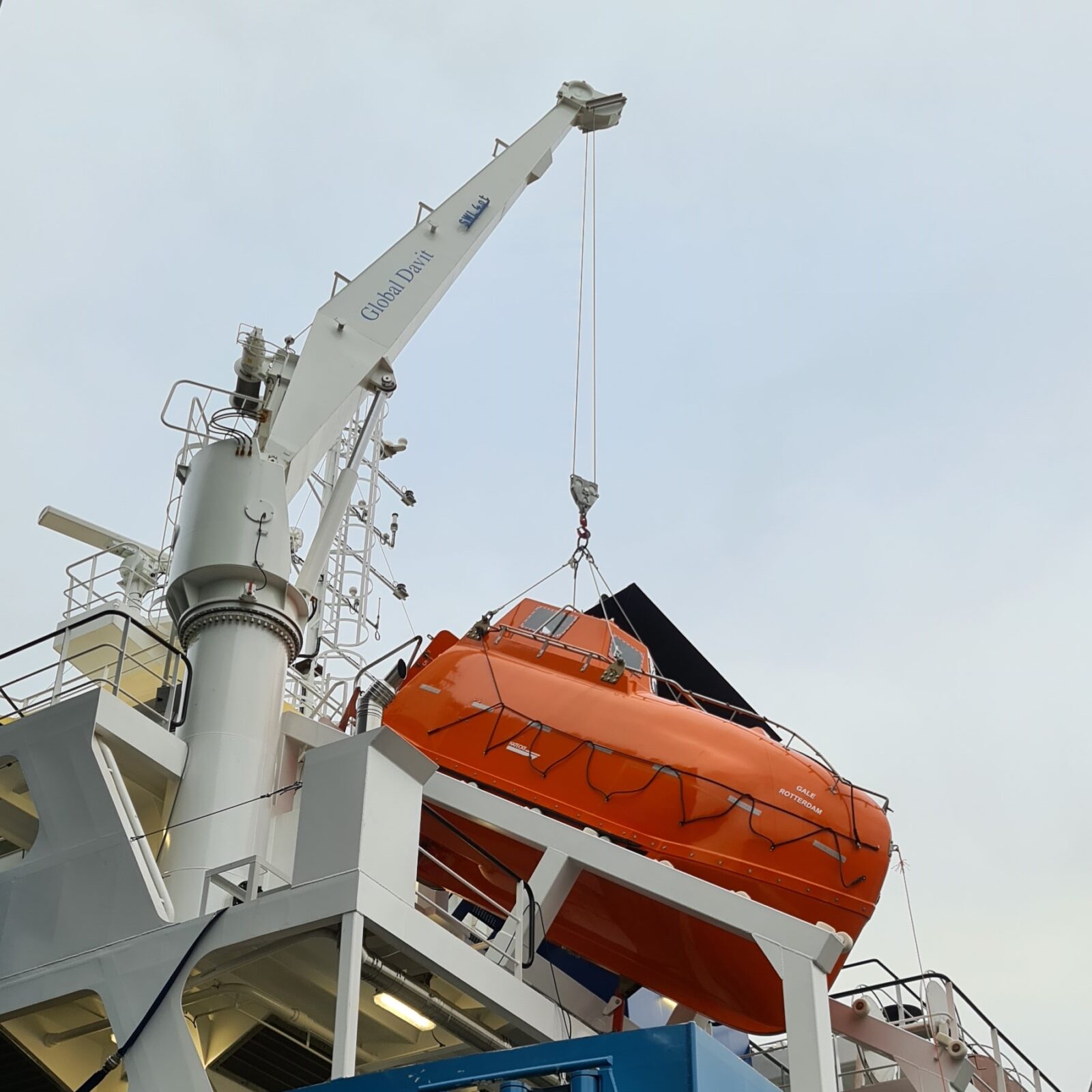
- Area: On-Load-Release-Gear (OLRG)Check: Annual functional test at 1.1 × SWL; after test check locking; inspect for dried paint/contamination/corrosion in lock, thread/shank wear/cracks. 5-year dynamic test. SOLAS III / MSC.402(96).
- Area: Drahtseile (Falls/Wire Ropes)Check: Inspect for kinks, corrosion, strand breakage (>10% over 8d length = replacement), inaccessible sections; correct/certified ropes; if required turn for full inspection; renewal per manufacturer interval.
- Area: Bremse (Zentrifugal- + Haltebremse)Check: Brake pad wear; check lowering speed (SOLAS S=0.4+0.02H, max ~36 m/min); remote release function; brake not blocked by poor maintenance.
- Area: Korrosion der Davit-StrukturCheck: Galvanized structure + stainless steel fasteners for pitting/discoloration; NDT of load-bearing structure for cracks; incident RRS Sir David Attenborough 2021 (severe corrosion due to poor maintenance).
- Area: Wartungs-ComplianceCheck: Planned maintenance complete since installation? Annual + 5-year tests recorded in logbook; manufacturer instructions followed; only authorized personnel (MSC.1/Circ.1205 Rev.1).
Universelle SOLAS-Inspektions-/Wartungspunkte fuer Davits/Rettungsboot-Aussetzvorrichtungen (modellunabhaengig, verifiziert aus IMCA/Gard/SOLAS MSC.1-Circ.1205, 2026-06). Per-Modell-SWL NICHT auto-gefuellt.
- Area: On-Load-Release-Gear (OLRG)Check: Annual functional test at 1.1 × SWL; after test check locking; inspect for dried paint/contamination/corrosion in lock, thread/shank wear/cracks. 5-year dynamic test. SOLAS III / MSC.402(96).
- Area: Drahtseile (Falls/Wire Ropes)Check: Inspect for kinks, corrosion, strand breakage (>10% over 8d length = replacement), inaccessible sections; correct/certified ropes; if required turn for full inspection; renewal per manufacturer interval.
- Area: Bremse (Zentrifugal- + Haltebremse)Check: Brake pad wear; check lowering speed (SOLAS S=0.4+0.02H, max ~36 m/min); remote release function; brake not blocked by poor maintenance.
- Area: Korrosion der Davit-StrukturCheck: Galvanized structure + stainless steel fasteners for pitting/discoloration; NDT of load-bearing structure for cracks; incident RRS Sir David Attenborough 2021 (severe corrosion due to poor maintenance).
- Area: Wartungs-ComplianceCheck: Planned maintenance complete since installation? Annual + 5-year tests recorded in logbook; manufacturer instructions followed; only authorized personnel (MSC.1/Circ.1205 Rev.1).
Universelle SOLAS-Inspektions-/Wartungspunkte fuer Davits/Rettungsboot-Aussetzvorrichtungen (modellunabhaengig, verifiziert aus IMCA/Gard/SOLAS MSC.1-Circ.1205, 2026-06). Per-Modell-SWL NICHT auto-gefuellt.
- Area: On-Load-Release-Gear (OLRG)Check: Annual functional test at 1.1 × SWL; after test check locking; inspect for dried paint/contamination/corrosion in lock, thread/shank wear/cracks. 5-year dynamic test. SOLAS III / MSC.402(96).
- Area: Drahtseile (Falls/Wire Ropes)Check: Inspect for kinks, corrosion, strand breakage (>10% over 8d length = replacement), inaccessible sections; correct/certified ropes; if required turn for full inspection; renewal per manufacturer interval.
- Area: Bremse (Zentrifugal- + Haltebremse)Check: Brake pad wear; check lowering speed (SOLAS S=0.4+0.02H, max ~36 m/min); remote release function; brake not blocked by poor maintenance.
- Area: Korrosion der Davit-StrukturCheck: Galvanized structure + stainless steel fasteners for pitting/discoloration; NDT of load-bearing structure for cracks; incident RRS Sir David Attenborough 2021 (severe corrosion due to poor maintenance).
- Area: Wartungs-ComplianceCheck: Planned maintenance complete since installation? Annual + 5-year tests recorded in logbook; manufacturer instructions followed; only authorized personnel (MSC.1/Circ.1205 Rev.1).
Universelle SOLAS-Inspektions-/Wartungspunkte fuer Davits/Rettungsboot-Aussetzvorrichtungen (modellunabhaengig, verifiziert aus IMCA/Gard/SOLAS MSC.1-Circ.1205, 2026-06). Per-Modell-SWL NICHT auto-gefuellt.
- Area: On-Load-Release-Gear (OLRG)Check: Annual functional test at 1.1 × SWL; after test check locking; inspect for dried paint/contamination/corrosion in lock, thread/shank wear/cracks. 5-year dynamic test. SOLAS III / MSC.402(96).
- Area: Drahtseile (Falls/Wire Ropes)Check: Inspect for kinks, corrosion, strand breakage (>10% over 8d length = replacement), inaccessible sections; correct/certified ropes; if required turn for full inspection; renewal per manufacturer interval.
- Area: Bremse (Zentrifugal- + Haltebremse)Check: Brake pad wear; check lowering speed (SOLAS S=0.4+0.02H, max ~36 m/min); remote release function; brake not blocked by poor maintenance.
- Area: Korrosion der Davit-StrukturCheck: Galvanized structure + stainless steel fasteners for pitting/discoloration; NDT of load-bearing structure for cracks; incident RRS Sir David Attenborough 2021 (severe corrosion due to poor maintenance).
- Area: Wartungs-ComplianceCheck: Planned maintenance complete since installation? Annual + 5-year tests recorded in logbook; manufacturer instructions followed; only authorized personnel (MSC.1/Circ.1205 Rev.1).
Universelle SOLAS-Inspektions-/Wartungspunkte fuer Davits/Rettungsboot-Aussetzvorrichtungen (modellunabhaengig, verifiziert aus IMCA/Gard/SOLAS MSC.1-Circ.1205, 2026-06). Per-Modell-SWL NICHT auto-gefuellt.
- Area: On-Load-Release-Gear (OLRG)Check: Annual functional test at 1.1 × SWL; after test check locking; inspect for dried paint/contamination/corrosion in lock, thread/shank wear/cracks. 5-year dynamic test. SOLAS III / MSC.402(96).
- Area: Drahtseile (Falls/Wire Ropes)Check: Inspect for kinks, corrosion, strand breakage (>10% over 8d length = replacement), inaccessible sections; correct/certified ropes; if required turn for full inspection; renewal per manufacturer interval.
- Area: Bremse (Zentrifugal- + Haltebremse)Check: Brake pad wear; check lowering speed (SOLAS S=0.4+0.02H, max ~36 m/min); remote release function; brake not blocked by poor maintenance.
- Area: Korrosion der Davit-StrukturCheck: Galvanized structure + stainless steel fasteners for pitting/discoloration; NDT of load-bearing structure for cracks; incident RRS Sir David Attenborough 2021 (severe corrosion due to poor maintenance).
- Area: Wartungs-ComplianceCheck: Planned maintenance complete since installation? Annual + 5-year tests recorded in logbook; manufacturer instructions followed; only authorized personnel (MSC.1/Circ.1205 Rev.1).
Universelle SOLAS-Inspektions-/Wartungspunkte fuer Davits/Rettungsboot-Aussetzvorrichtungen (modellunabhaengig, verifiziert aus IMCA/Gard/SOLAS MSC.1-Circ.1205, 2026-06). Per-Modell-SWL NICHT auto-gefuellt.
- Area: On-Load-Release-Gear (OLRG)Check: Annual functional test at 1.1 × SWL; after test check locking; inspect for dried paint/contamination/corrosion in lock, thread/shank wear/cracks. 5-year dynamic test. SOLAS III / MSC.402(96).
- Area: Drahtseile (Falls/Wire Ropes)Check: Inspect for kinks, corrosion, strand breakage (>10% over 8d length = replacement), inaccessible sections; correct/certified ropes; if required turn for full inspection; renewal per manufacturer interval.
- Area: Bremse (Zentrifugal- + Haltebremse)Check: Brake pad wear; check lowering speed (SOLAS S=0.4+0.02H, max ~36 m/min); remote release function; brake not blocked by poor maintenance.
- Area: Korrosion der Davit-StrukturCheck: Galvanized structure + stainless steel fasteners for pitting/discoloration; NDT of load-bearing structure for cracks; incident RRS Sir David Attenborough 2021 (severe corrosion due to poor maintenance).
- Area: Wartungs-ComplianceCheck: Planned maintenance complete since installation? Annual + 5-year tests recorded in logbook; manufacturer instructions followed; only authorized personnel (MSC.1/Circ.1205 Rev.1).
Universelle SOLAS-Inspektions-/Wartungspunkte fuer Davits/Rettungsboot-Aussetzvorrichtungen (modellunabhaengig, verifiziert aus IMCA/Gard/SOLAS MSC.1-Circ.1205, 2026-06). Per-Modell-SWL NICHT auto-gefuellt.
- Area: On-Load-Release-Gear (OLRG)Check: Annual functional test at 1.1 × SWL; after test check locking; inspect for dried paint/contamination/corrosion in lock, thread/shank wear/cracks. 5-year dynamic test. SOLAS III / MSC.402(96).
- Area: Drahtseile (Falls/Wire Ropes)Check: Inspect for kinks, corrosion, strand breakage (>10% over 8d length = replacement), inaccessible sections; correct/certified ropes; if required turn for full inspection; renewal per manufacturer interval.
- Area: Bremse (Zentrifugal- + Haltebremse)Check: Brake pad wear; check lowering speed (SOLAS S=0.4+0.02H, max ~36 m/min); remote release function; brake not blocked by poor maintenance.
- Area: Korrosion der Davit-StrukturCheck: Galvanized structure + stainless steel fasteners for pitting/discoloration; NDT of load-bearing structure for cracks; incident RRS Sir David Attenborough 2021 (severe corrosion due to poor maintenance).
- Area: Wartungs-ComplianceCheck: Planned maintenance complete since installation? Annual + 5-year tests recorded in logbook; manufacturer instructions followed; only authorized personnel (MSC.1/Circ.1205 Rev.1).
Universelle SOLAS-Inspektions-/Wartungspunkte fuer Davits/Rettungsboot-Aussetzvorrichtungen (modellunabhaengig, verifiziert aus IMCA/Gard/SOLAS MSC.1-Circ.1205, 2026-06). Per-Modell-SWL NICHT auto-gefuellt.
- Area: On-Load-Release-Gear (OLRG)Check: Annual functional test at 1.1 × SWL; after test check locking; inspect for dried paint/contamination/corrosion in lock, thread/shank wear/cracks. 5-year dynamic test. SOLAS III / MSC.402(96).
- Area: Drahtseile (Falls/Wire Ropes)Check: Inspect for kinks, corrosion, strand breakage (>10% over 8d length = replacement), inaccessible sections; correct/certified ropes; if required turn for full inspection; renewal per manufacturer interval.
- Area: Bremse (Zentrifugal- + Haltebremse)Check: Brake pad wear; check lowering speed (SOLAS S=0.4+0.02H, max ~36 m/min); remote release function; brake not blocked by poor maintenance.
- Area: Korrosion der Davit-StrukturCheck: Galvanized structure + stainless steel fasteners for pitting/discoloration; NDT of load-bearing structure for cracks; incident RRS Sir David Attenborough 2021 (severe corrosion due to poor maintenance).
- Area: Wartungs-ComplianceCheck: Planned maintenance complete since installation? Annual + 5-year tests recorded in logbook; manufacturer instructions followed; only authorized personnel (MSC.1/Circ.1205 Rev.1).
Universelle SOLAS-Inspektions-/Wartungspunkte fuer Davits/Rettungsboot-Aussetzvorrichtungen (modellunabhaengig, verifiziert aus IMCA/Gard/SOLAS MSC.1-Circ.1205, 2026-06). Per-Modell-SWL NICHT auto-gefuellt.

- Area: On-Load-Release-Gear (OLRG)Check: Annual functional test at 1.1 × SWL; after test check locking; inspect for dried paint/contamination/corrosion in lock, thread/shank wear/cracks. 5-year dynamic test. SOLAS III / MSC.402(96).
- Area: Drahtseile (Falls/Wire Ropes)Check: Inspect for kinks, corrosion, strand breakage (>10% over 8d length = replacement), inaccessible sections; correct/certified ropes; if required turn for full inspection; renewal per manufacturer interval.
- Area: Bremse (Zentrifugal- + Haltebremse)Check: Brake pad wear; check lowering speed (SOLAS S=0.4+0.02H, max ~36 m/min); remote release function; brake not blocked by poor maintenance.
- Area: Korrosion der Davit-StrukturCheck: Galvanized structure + stainless steel fasteners for pitting/discoloration; NDT of load-bearing structure for cracks; incident RRS Sir David Attenborough 2021 (severe corrosion due to poor maintenance).
- Area: Wartungs-ComplianceCheck: Planned maintenance complete since installation? Annual + 5-year tests recorded in logbook; manufacturer instructions followed; only authorized personnel (MSC.1/Circ.1205 Rev.1).
Universelle SOLAS-Inspektions-/Wartungspunkte fuer Davits/Rettungsboot-Aussetzvorrichtungen (modellunabhaengig, verifiziert aus IMCA/Gard/SOLAS MSC.1-Circ.1205, 2026-06). Per-Modell-SWL NICHT auto-gefuellt.
- Area: On-Load-Release-Gear (OLRG)Check: Annual functional test at 1.1 × SWL; after test check locking; inspect for dried paint/contamination/corrosion in lock, thread/shank wear/cracks. 5-year dynamic test. SOLAS III / MSC.402(96).
- Area: Drahtseile (Falls/Wire Ropes)Check: Inspect for kinks, corrosion, strand breakage (>10% over 8d length = replacement), inaccessible sections; correct/certified ropes; if required turn for full inspection; renewal per manufacturer interval.
- Area: Bremse (Zentrifugal- + Haltebremse)Check: Brake pad wear; check lowering speed (SOLAS S=0.4+0.02H, max ~36 m/min); remote release function; brake not blocked by poor maintenance.
- Area: Korrosion der Davit-StrukturCheck: Galvanized structure + stainless steel fasteners for pitting/discoloration; NDT of load-bearing structure for cracks; incident RRS Sir David Attenborough 2021 (severe corrosion due to poor maintenance).
- Area: Wartungs-ComplianceCheck: Planned maintenance complete since installation? Annual + 5-year tests recorded in logbook; manufacturer instructions followed; only authorized personnel (MSC.1/Circ.1205 Rev.1).
Universelle SOLAS-Inspektions-/Wartungspunkte fuer Davits/Rettungsboot-Aussetzvorrichtungen (modellunabhaengig, verifiziert aus IMCA/Gard/SOLAS MSC.1-Circ.1205, 2026-06). Per-Modell-SWL NICHT auto-gefuellt.
- Area: On-Load-Release-Gear (OLRG)Check: Annual functional test at 1.1 × SWL; after test check locking; inspect for dried paint/contamination/corrosion in lock, thread/shank wear/cracks. 5-year dynamic test. SOLAS III / MSC.402(96).
- Area: Drahtseile (Falls/Wire Ropes)Check: Inspect for kinks, corrosion, strand breakage (>10% over 8d length = replacement), inaccessible sections; correct/certified ropes; if required turn for full inspection; renewal per manufacturer interval.
- Area: Bremse (Zentrifugal- + Haltebremse)Check: Brake pad wear; check lowering speed (SOLAS S=0.4+0.02H, max ~36 m/min); remote release function; brake not blocked by poor maintenance.
- Area: Korrosion der Davit-StrukturCheck: Galvanized structure + stainless steel fasteners for pitting/discoloration; NDT of load-bearing structure for cracks; incident RRS Sir David Attenborough 2021 (severe corrosion due to poor maintenance).
- Area: Wartungs-ComplianceCheck: Planned maintenance complete since installation? Annual + 5-year tests recorded in logbook; manufacturer instructions followed; only authorized personnel (MSC.1/Circ.1205 Rev.1).
Universelle SOLAS-Inspektions-/Wartungspunkte fuer Davits/Rettungsboot-Aussetzvorrichtungen (modellunabhaengig, verifiziert aus IMCA/Gard/SOLAS MSC.1-Circ.1205, 2026-06). Per-Modell-SWL NICHT auto-gefuellt.
- Area: On-Load-Release-Gear (OLRG)Check: Annual functional test at 1.1 × SWL; after test check locking; inspect for dried paint/contamination/corrosion in lock, thread/shank wear/cracks. 5-year dynamic test. SOLAS III / MSC.402(96).
- Area: Drahtseile (Falls/Wire Ropes)Check: Inspect for kinks, corrosion, strand breakage (>10% over 8d length = replacement), inaccessible sections; correct/certified ropes; if required turn for full inspection; renewal per manufacturer interval.
- Area: Bremse (Zentrifugal- + Haltebremse)Check: Brake pad wear; check lowering speed (SOLAS S=0.4+0.02H, max ~36 m/min); remote release function; brake not blocked by poor maintenance.
- Area: Korrosion der Davit-StrukturCheck: Galvanized structure + stainless steel fasteners for pitting/discoloration; NDT of load-bearing structure for cracks; incident RRS Sir David Attenborough 2021 (severe corrosion due to poor maintenance).
- Area: Wartungs-ComplianceCheck: Planned maintenance complete since installation? Annual + 5-year tests recorded in logbook; manufacturer instructions followed; only authorized personnel (MSC.1/Circ.1205 Rev.1).
Universelle SOLAS-Inspektions-/Wartungspunkte fuer Davits/Rettungsboot-Aussetzvorrichtungen (modellunabhaengig, verifiziert aus IMCA/Gard/SOLAS MSC.1-Circ.1205, 2026-06). Per-Modell-SWL NICHT auto-gefuellt.
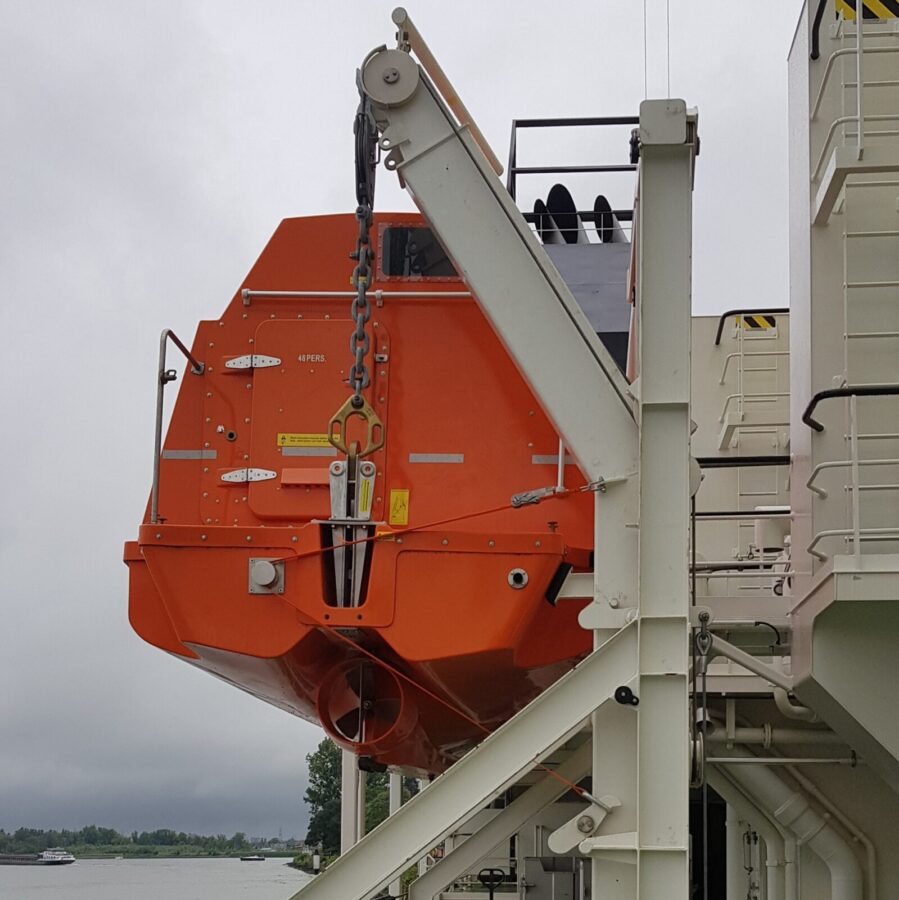
- Area: On-Load-Release-Gear (OLRG)Check: Annual functional test at 1.1 × SWL; after test check locking; inspect for dried paint/contamination/corrosion in lock, thread/shank wear/cracks. 5-year dynamic test. SOLAS III / MSC.402(96).
- Area: Drahtseile (Falls/Wire Ropes)Check: Inspect for kinks, corrosion, strand breakage (>10% over 8d length = replacement), inaccessible sections; correct/certified ropes; if required turn for full inspection; renewal per manufacturer interval.
- Area: Bremse (Zentrifugal- + Haltebremse)Check: Brake pad wear; check lowering speed (SOLAS S=0.4+0.02H, max ~36 m/min); remote release function; brake not blocked by poor maintenance.
- Area: Korrosion der Davit-StrukturCheck: Galvanized structure + stainless steel fasteners for pitting/discoloration; NDT of load-bearing structure for cracks; incident RRS Sir David Attenborough 2021 (severe corrosion due to poor maintenance).
- Area: Wartungs-ComplianceCheck: Planned maintenance complete since installation? Annual + 5-year tests recorded in logbook; manufacturer instructions followed; only authorized personnel (MSC.1/Circ.1205 Rev.1).
Universelle SOLAS-Inspektions-/Wartungspunkte fuer Davits/Rettungsboot-Aussetzvorrichtungen (modellunabhaengig, verifiziert aus IMCA/Gard/SOLAS MSC.1-Circ.1205, 2026-06). Per-Modell-SWL NICHT auto-gefuellt.
- Area: On-Load-Release-Gear (OLRG)Check: Annual functional test at 1.1 × SWL; after test check locking; inspect for dried paint/contamination/corrosion in lock, thread/shank wear/cracks. 5-year dynamic test. SOLAS III / MSC.402(96).
- Area: Drahtseile (Falls/Wire Ropes)Check: Inspect for kinks, corrosion, strand breakage (>10% over 8d length = replacement), inaccessible sections; correct/certified ropes; if required turn for full inspection; renewal per manufacturer interval.
- Area: Bremse (Zentrifugal- + Haltebremse)Check: Brake pad wear; check lowering speed (SOLAS S=0.4+0.02H, max ~36 m/min); remote release function; brake not blocked by poor maintenance.
- Area: Korrosion der Davit-StrukturCheck: Galvanized structure + stainless steel fasteners for pitting/discoloration; NDT of load-bearing structure for cracks; incident RRS Sir David Attenborough 2021 (severe corrosion due to poor maintenance).
- Area: Wartungs-ComplianceCheck: Planned maintenance complete since installation? Annual + 5-year tests recorded in logbook; manufacturer instructions followed; only authorized personnel (MSC.1/Circ.1205 Rev.1).
Universelle SOLAS-Inspektions-/Wartungspunkte fuer Davits/Rettungsboot-Aussetzvorrichtungen (modellunabhaengig, verifiziert aus IMCA/Gard/SOLAS MSC.1-Circ.1205, 2026-06). Per-Modell-SWL NICHT auto-gefuellt.
- Area: On-Load-Release-Gear (OLRG)Check: Annual functional test at 1.1 × SWL; after test check locking; inspect for dried paint/contamination/corrosion in lock, thread/shank wear/cracks. 5-year dynamic test. SOLAS III / MSC.402(96).
- Area: Drahtseile (Falls/Wire Ropes)Check: Inspect for kinks, corrosion, strand breakage (>10% over 8d length = replacement), inaccessible sections; correct/certified ropes; if required turn for full inspection; renewal per manufacturer interval.
- Area: Bremse (Zentrifugal- + Haltebremse)Check: Brake pad wear; check lowering speed (SOLAS S=0.4+0.02H, max ~36 m/min); remote release function; brake not blocked by poor maintenance.
- Area: Korrosion der Davit-StrukturCheck: Galvanized structure + stainless steel fasteners for pitting/discoloration; NDT of load-bearing structure for cracks; incident RRS Sir David Attenborough 2021 (severe corrosion due to poor maintenance).
- Area: Wartungs-ComplianceCheck: Planned maintenance complete since installation? Annual + 5-year tests recorded in logbook; manufacturer instructions followed; only authorized personnel (MSC.1/Circ.1205 Rev.1).
Universelle SOLAS-Inspektions-/Wartungspunkte fuer Davits/Rettungsboot-Aussetzvorrichtungen (modellunabhaengig, verifiziert aus IMCA/Gard/SOLAS MSC.1-Circ.1205, 2026-06). Per-Modell-SWL NICHT auto-gefuellt.
- Area: On-Load-Release-Gear (OLRG)Check: Annual functional test at 1.1 × SWL; after test check locking; inspect for dried paint/contamination/corrosion in lock, thread/shank wear/cracks. 5-year dynamic test. SOLAS III / MSC.402(96).
- Area: Drahtseile (Falls/Wire Ropes)Check: Inspect for kinks, corrosion, strand breakage (>10% over 8d length = replacement), inaccessible sections; correct/certified ropes; if required turn for full inspection; renewal per manufacturer interval.
- Area: Bremse (Zentrifugal- + Haltebremse)Check: Brake pad wear; check lowering speed (SOLAS S=0.4+0.02H, max ~36 m/min); remote release function; brake not blocked by poor maintenance.
- Area: Korrosion der Davit-StrukturCheck: Galvanized structure + stainless steel fasteners for pitting/discoloration; NDT of load-bearing structure for cracks; incident RRS Sir David Attenborough 2021 (severe corrosion due to poor maintenance).
- Area: Wartungs-ComplianceCheck: Planned maintenance complete since installation? Annual + 5-year tests recorded in logbook; manufacturer instructions followed; only authorized personnel (MSC.1/Circ.1205 Rev.1).
Universelle SOLAS-Inspektions-/Wartungspunkte fuer Davits/Rettungsboot-Aussetzvorrichtungen (modellunabhaengig, verifiziert aus IMCA/Gard/SOLAS MSC.1-Circ.1205, 2026-06). Per-Modell-SWL NICHT auto-gefuellt.
- Area: On-Load-Release-Gear (OLRG)Check: Annual functional test at 1.1 × SWL; after test check locking; inspect for dried paint/contamination/corrosion in lock, thread/shank wear/cracks. 5-year dynamic test. SOLAS III / MSC.402(96).
- Area: Drahtseile (Falls/Wire Ropes)Check: Inspect for kinks, corrosion, strand breakage (>10% over 8d length = replacement), inaccessible sections; correct/certified ropes; if required turn for full inspection; renewal per manufacturer interval.
- Area: Bremse (Zentrifugal- + Haltebremse)Check: Brake pad wear; check lowering speed (SOLAS S=0.4+0.02H, max ~36 m/min); remote release function; brake not blocked by poor maintenance.
- Area: Korrosion der Davit-StrukturCheck: Galvanized structure + stainless steel fasteners for pitting/discoloration; NDT of load-bearing structure for cracks; incident RRS Sir David Attenborough 2021 (severe corrosion due to poor maintenance).
- Area: Wartungs-ComplianceCheck: Planned maintenance complete since installation? Annual + 5-year tests recorded in logbook; manufacturer instructions followed; only authorized personnel (MSC.1/Circ.1205 Rev.1).
Universelle SOLAS-Inspektions-/Wartungspunkte fuer Davits/Rettungsboot-Aussetzvorrichtungen (modellunabhaengig, verifiziert aus IMCA/Gard/SOLAS MSC.1-Circ.1205, 2026-06). Per-Modell-SWL NICHT auto-gefuellt.
- Area: On-Load-Release-Gear (OLRG)Check: Annual functional test at 1.1 × SWL; after test check locking; inspect for dried paint/contamination/corrosion in lock, thread/shank wear/cracks. 5-year dynamic test. SOLAS III / MSC.402(96).
- Area: Drahtseile (Falls/Wire Ropes)Check: Inspect for kinks, corrosion, strand breakage (>10% over 8d length = replacement), inaccessible sections; correct/certified ropes; if required turn for full inspection; renewal per manufacturer interval.
- Area: Bremse (Zentrifugal- + Haltebremse)Check: Brake pad wear; check lowering speed (SOLAS S=0.4+0.02H, max ~36 m/min); remote release function; brake not blocked by poor maintenance.
- Area: Korrosion der Davit-StrukturCheck: Galvanized structure + stainless steel fasteners for pitting/discoloration; NDT of load-bearing structure for cracks; incident RRS Sir David Attenborough 2021 (severe corrosion due to poor maintenance).
- Area: Wartungs-ComplianceCheck: Planned maintenance complete since installation? Annual + 5-year tests recorded in logbook; manufacturer instructions followed; only authorized personnel (MSC.1/Circ.1205 Rev.1).
Universelle SOLAS-Inspektions-/Wartungspunkte fuer Davits/Rettungsboot-Aussetzvorrichtungen (modellunabhaengig, verifiziert aus IMCA/Gard/SOLAS MSC.1-Circ.1205, 2026-06). Per-Modell-SWL NICHT auto-gefuellt.
- Area: On-Load-Release-Gear (OLRG)Check: Annual functional test at 1.1 × SWL; after test check locking; inspect for dried paint/contamination/corrosion in lock, thread/shank wear/cracks. 5-year dynamic test. SOLAS III / MSC.402(96).
- Area: Drahtseile (Falls/Wire Ropes)Check: Inspect for kinks, corrosion, strand breakage (>10% over 8d length = replacement), inaccessible sections; correct/certified ropes; if required turn for full inspection; renewal per manufacturer interval.
- Area: Bremse (Zentrifugal- + Haltebremse)Check: Brake pad wear; check lowering speed (SOLAS S=0.4+0.02H, max ~36 m/min); remote release function; brake not blocked by poor maintenance.
- Area: Korrosion der Davit-StrukturCheck: Galvanized structure + stainless steel fasteners for pitting/discoloration; NDT of load-bearing structure for cracks; incident RRS Sir David Attenborough 2021 (severe corrosion due to poor maintenance).
- Area: Wartungs-ComplianceCheck: Planned maintenance complete since installation? Annual + 5-year tests recorded in logbook; manufacturer instructions followed; only authorized personnel (MSC.1/Circ.1205 Rev.1).
Universelle SOLAS-Inspektions-/Wartungspunkte fuer Davits/Rettungsboot-Aussetzvorrichtungen (modellunabhaengig, verifiziert aus IMCA/Gard/SOLAS MSC.1-Circ.1205, 2026-06). Per-Modell-SWL NICHT auto-gefuellt.
- Area: On-Load-Release-Gear (OLRG)Check: Annual functional test at 1.1 × SWL; after test check locking; inspect for dried paint/contamination/corrosion in lock, thread/shank wear/cracks. 5-year dynamic test. SOLAS III / MSC.402(96).
- Area: Drahtseile (Falls/Wire Ropes)Check: Inspect for kinks, corrosion, strand breakage (>10% over 8d length = replacement), inaccessible sections; correct/certified ropes; if required turn for full inspection; renewal per manufacturer interval.
- Area: Bremse (Zentrifugal- + Haltebremse)Check: Brake pad wear; check lowering speed (SOLAS S=0.4+0.02H, max ~36 m/min); remote release function; brake not blocked by poor maintenance.
- Area: Korrosion der Davit-StrukturCheck: Galvanized structure + stainless steel fasteners for pitting/discoloration; NDT of load-bearing structure for cracks; incident RRS Sir David Attenborough 2021 (severe corrosion due to poor maintenance).
- Area: Wartungs-ComplianceCheck: Planned maintenance complete since installation? Annual + 5-year tests recorded in logbook; manufacturer instructions followed; only authorized personnel (MSC.1/Circ.1205 Rev.1).
Universelle SOLAS-Inspektions-/Wartungspunkte fuer Davits/Rettungsboot-Aussetzvorrichtungen (modellunabhaengig, verifiziert aus IMCA/Gard/SOLAS MSC.1-Circ.1205, 2026-06). Per-Modell-SWL NICHT auto-gefuellt.
- Area: On-Load-Release-Gear (OLRG)Check: Annual functional test at 1.1 × SWL; after test check locking; inspect for dried paint/contamination/corrosion in lock, thread/shank wear/cracks. 5-year dynamic test. SOLAS III / MSC.402(96).
- Area: Drahtseile (Falls/Wire Ropes)Check: Inspect for kinks, corrosion, strand breakage (>10% over 8d length = replacement), inaccessible sections; correct/certified ropes; if required turn for full inspection; renewal per manufacturer interval.
- Area: Bremse (Zentrifugal- + Haltebremse)Check: Brake pad wear; check lowering speed (SOLAS S=0.4+0.02H, max ~36 m/min); remote release function; brake not blocked by poor maintenance.
- Area: Korrosion der Davit-StrukturCheck: Galvanized structure + stainless steel fasteners for pitting/discoloration; NDT of load-bearing structure for cracks; incident RRS Sir David Attenborough 2021 (severe corrosion due to poor maintenance).
- Area: Wartungs-ComplianceCheck: Planned maintenance complete since installation? Annual + 5-year tests recorded in logbook; manufacturer instructions followed; only authorized personnel (MSC.1/Circ.1205 Rev.1).
Universelle SOLAS-Inspektions-/Wartungspunkte fuer Davits/Rettungsboot-Aussetzvorrichtungen (modellunabhaengig, verifiziert aus IMCA/Gard/SOLAS MSC.1-Circ.1205, 2026-06). Per-Modell-SWL NICHT auto-gefuellt.
- Area: On-Load-Release-Gear (OLRG)Check: Annual functional test at 1.1 × SWL; after test check locking; inspect for dried paint/contamination/corrosion in lock, thread/shank wear/cracks. 5-year dynamic test. SOLAS III / MSC.402(96).
- Area: Drahtseile (Falls/Wire Ropes)Check: Inspect for kinks, corrosion, strand breakage (>10% over 8d length = replacement), inaccessible sections; correct/certified ropes; if required turn for full inspection; renewal per manufacturer interval.
- Area: Bremse (Zentrifugal- + Haltebremse)Check: Brake pad wear; check lowering speed (SOLAS S=0.4+0.02H, max ~36 m/min); remote release function; brake not blocked by poor maintenance.
- Area: Korrosion der Davit-StrukturCheck: Galvanized structure + stainless steel fasteners for pitting/discoloration; NDT of load-bearing structure for cracks; incident RRS Sir David Attenborough 2021 (severe corrosion due to poor maintenance).
- Area: Wartungs-ComplianceCheck: Planned maintenance complete since installation? Annual + 5-year tests recorded in logbook; manufacturer instructions followed; only authorized personnel (MSC.1/Circ.1205 Rev.1).
Universelle SOLAS-Inspektions-/Wartungspunkte fuer Davits/Rettungsboot-Aussetzvorrichtungen (modellunabhaengig, verifiziert aus IMCA/Gard/SOLAS MSC.1-Circ.1205, 2026-06). Per-Modell-SWL NICHT auto-gefuellt.
- Area: On-Load-Release-Gear (OLRG)Check: Annual functional test at 1.1 × SWL; after test check locking; inspect for dried paint/contamination/corrosion in lock, thread/shank wear/cracks. 5-year dynamic test. SOLAS III / MSC.402(96).
- Area: Drahtseile (Falls/Wire Ropes)Check: Inspect for kinks, corrosion, strand breakage (>10% over 8d length = replacement), inaccessible sections; correct/certified ropes; if required turn for full inspection; renewal per manufacturer interval.
- Area: Bremse (Zentrifugal- + Haltebremse)Check: Brake pad wear; check lowering speed (SOLAS S=0.4+0.02H, max ~36 m/min); remote release function; brake not blocked by poor maintenance.
- Area: Korrosion der Davit-StrukturCheck: Galvanized structure + stainless steel fasteners for pitting/discoloration; NDT of load-bearing structure for cracks; incident RRS Sir David Attenborough 2021 (severe corrosion due to poor maintenance).
- Area: Wartungs-ComplianceCheck: Planned maintenance complete since installation? Annual + 5-year tests recorded in logbook; manufacturer instructions followed; only authorized personnel (MSC.1/Circ.1205 Rev.1).
Universelle SOLAS-Inspektions-/Wartungspunkte fuer Davits/Rettungsboot-Aussetzvorrichtungen (modellunabhaengig, verifiziert aus IMCA/Gard/SOLAS MSC.1-Circ.1205, 2026-06). Per-Modell-SWL NICHT auto-gefuellt.
- Area: On-Load-Release-Gear (OLRG)Check: Annual functional test at 1.1 × SWL; after test check locking; inspect for dried paint/contamination/corrosion in lock, thread/shank wear/cracks. 5-year dynamic test. SOLAS III / MSC.402(96).
- Area: Drahtseile (Falls/Wire Ropes)Check: Inspect for kinks, corrosion, strand breakage (>10% over 8d length = replacement), inaccessible sections; correct/certified ropes; if required turn for full inspection; renewal per manufacturer interval.
- Area: Bremse (Zentrifugal- + Haltebremse)Check: Brake pad wear; check lowering speed (SOLAS S=0.4+0.02H, max ~36 m/min); remote release function; brake not blocked by poor maintenance.
- Area: Korrosion der Davit-StrukturCheck: Galvanized structure + stainless steel fasteners for pitting/discoloration; NDT of load-bearing structure for cracks; incident RRS Sir David Attenborough 2021 (severe corrosion due to poor maintenance).
- Area: Wartungs-ComplianceCheck: Planned maintenance complete since installation? Annual + 5-year tests recorded in logbook; manufacturer instructions followed; only authorized personnel (MSC.1/Circ.1205 Rev.1).
Universelle SOLAS-Inspektions-/Wartungspunkte fuer Davits/Rettungsboot-Aussetzvorrichtungen (modellunabhaengig, verifiziert aus IMCA/Gard/SOLAS MSC.1-Circ.1205, 2026-06). Per-Modell-SWL NICHT auto-gefuellt.
- Area: On-Load-Release-Gear (OLRG)Check: Annual functional test at 1.1 × SWL; after test check locking; inspect for dried paint/contamination/corrosion in lock, thread/shank wear/cracks. 5-year dynamic test. SOLAS III / MSC.402(96).
- Area: Drahtseile (Falls/Wire Ropes)Check: Inspect for kinks, corrosion, strand breakage (>10% over 8d length = replacement), inaccessible sections; correct/certified ropes; if required turn for full inspection; renewal per manufacturer interval.
- Area: Bremse (Zentrifugal- + Haltebremse)Check: Brake pad wear; check lowering speed (SOLAS S=0.4+0.02H, max ~36 m/min); remote release function; brake not blocked by poor maintenance.
- Area: Korrosion der Davit-StrukturCheck: Galvanized structure + stainless steel fasteners for pitting/discoloration; NDT of load-bearing structure for cracks; incident RRS Sir David Attenborough 2021 (severe corrosion due to poor maintenance).
- Area: Wartungs-ComplianceCheck: Planned maintenance complete since installation? Annual + 5-year tests recorded in logbook; manufacturer instructions followed; only authorized personnel (MSC.1/Circ.1205 Rev.1).
Universelle SOLAS-Inspektions-/Wartungspunkte fuer Davits/Rettungsboot-Aussetzvorrichtungen (modellunabhaengig, verifiziert aus IMCA/Gard/SOLAS MSC.1-Circ.1205, 2026-06). Per-Modell-SWL NICHT auto-gefuellt.
- Area: On-Load-Release-Gear (OLRG)Check: Annual functional test at 1.1 × SWL; after test check locking; inspect for dried paint/contamination/corrosion in lock, thread/shank wear/cracks. 5-year dynamic test. SOLAS III / MSC.402(96).
- Area: Drahtseile (Falls/Wire Ropes)Check: Inspect for kinks, corrosion, strand breakage (>10% over 8d length = replacement), inaccessible sections; correct/certified ropes; if required turn for full inspection; renewal per manufacturer interval.
- Area: Bremse (Zentrifugal- + Haltebremse)Check: Brake pad wear; check lowering speed (SOLAS S=0.4+0.02H, max ~36 m/min); remote release function; brake not blocked by poor maintenance.
- Area: Korrosion der Davit-StrukturCheck: Galvanized structure + stainless steel fasteners for pitting/discoloration; NDT of load-bearing structure for cracks; incident RRS Sir David Attenborough 2021 (severe corrosion due to poor maintenance).
- Area: Wartungs-ComplianceCheck: Planned maintenance complete since installation? Annual + 5-year tests recorded in logbook; manufacturer instructions followed; only authorized personnel (MSC.1/Circ.1205 Rev.1).
Universelle SOLAS-Inspektions-/Wartungspunkte fuer Davits/Rettungsboot-Aussetzvorrichtungen (modellunabhaengig, verifiziert aus IMCA/Gard/SOLAS MSC.1-Circ.1205, 2026-06). Per-Modell-SWL NICHT auto-gefuellt.
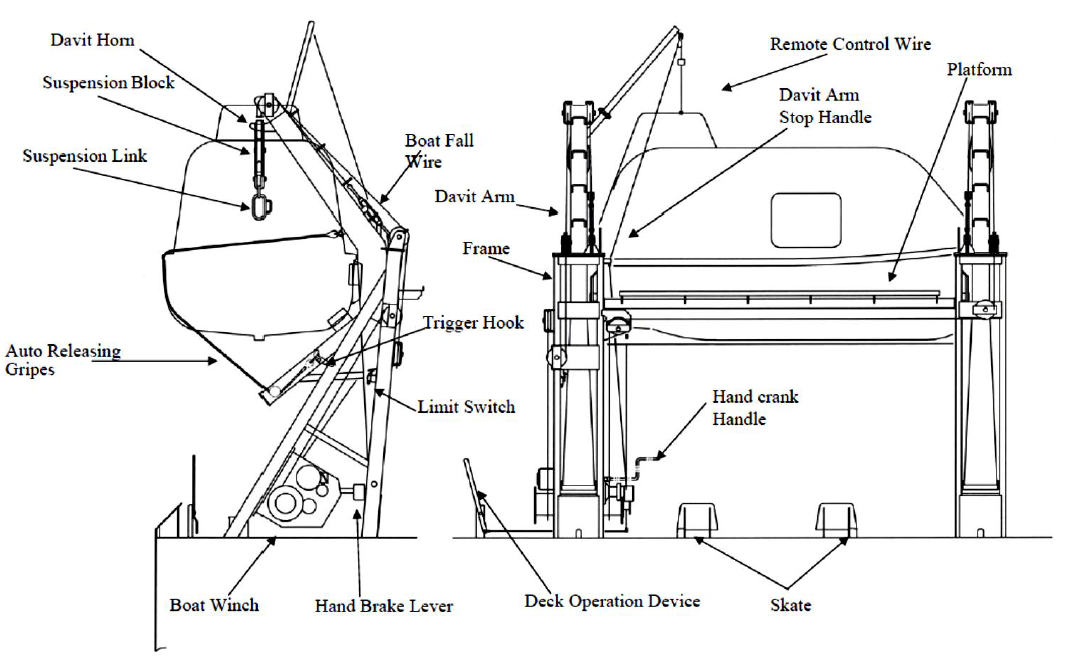
- Area: On-Load-Release-Gear (OLRG)Check: Annual functional test at 1.1 × SWL; after test check locking; inspect for dried paint/contamination/corrosion in lock, thread/shank wear/cracks. 5-year dynamic test. SOLAS III / MSC.402(96).
- Area: Drahtseile (Falls/Wire Ropes)Check: Inspect for kinks, corrosion, strand breakage (>10% over 8d length = replacement), inaccessible sections; correct/certified ropes; if required turn for full inspection; renewal per manufacturer interval.
- Area: Bremse (Zentrifugal- + Haltebremse)Check: Brake pad wear; check lowering speed (SOLAS S=0.4+0.02H, max ~36 m/min); remote release function; brake not blocked by poor maintenance.
- Area: Korrosion der Davit-StrukturCheck: Galvanized structure + stainless steel fasteners for pitting/discoloration; NDT of load-bearing structure for cracks; incident RRS Sir David Attenborough 2021 (severe corrosion due to poor maintenance).
- Area: Wartungs-ComplianceCheck: Planned maintenance complete since installation? Annual + 5-year tests recorded in logbook; manufacturer instructions followed; only authorized personnel (MSC.1/Circ.1205 Rev.1).
Universelle SOLAS-Inspektions-/Wartungspunkte fuer Davits/Rettungsboot-Aussetzvorrichtungen (modellunabhaengig, verifiziert aus IMCA/Gard/SOLAS MSC.1-Circ.1205, 2026-06). Per-Modell-SWL NICHT auto-gefuellt.
- Area: On-Load-Release-Gear (OLRG)Check: Annual functional test at 1.1 × SWL; after test check locking; inspect for dried paint/contamination/corrosion in lock, thread/shank wear/cracks. 5-year dynamic test. SOLAS III / MSC.402(96).
- Area: Drahtseile (Falls/Wire Ropes)Check: Inspect for kinks, corrosion, strand breakage (>10% over 8d length = replacement), inaccessible sections; correct/certified ropes; if required turn for full inspection; renewal per manufacturer interval.
- Area: Bremse (Zentrifugal- + Haltebremse)Check: Brake pad wear; check lowering speed (SOLAS S=0.4+0.02H, max ~36 m/min); remote release function; brake not blocked by poor maintenance.
- Area: Korrosion der Davit-StrukturCheck: Galvanized structure + stainless steel fasteners for pitting/discoloration; NDT of load-bearing structure for cracks; incident RRS Sir David Attenborough 2021 (severe corrosion due to poor maintenance).
- Area: Wartungs-ComplianceCheck: Planned maintenance complete since installation? Annual + 5-year tests recorded in logbook; manufacturer instructions followed; only authorized personnel (MSC.1/Circ.1205 Rev.1).
Universelle SOLAS-Inspektions-/Wartungspunkte fuer Davits/Rettungsboot-Aussetzvorrichtungen (modellunabhaengig, verifiziert aus IMCA/Gard/SOLAS MSC.1-Circ.1205, 2026-06). Per-Modell-SWL NICHT auto-gefuellt.

- Area: On-Load-Release-Gear (OLRG)Check: Annual functional test at 1.1 × SWL; after test check locking; inspect for dried paint/contamination/corrosion in lock, thread/shank wear/cracks. 5-year dynamic test. SOLAS III / MSC.402(96).
- Area: Drahtseile (Falls/Wire Ropes)Check: Inspect for kinks, corrosion, strand breakage (>10% over 8d length = replacement), inaccessible sections; correct/certified ropes; if required turn for full inspection; renewal per manufacturer interval.
- Area: Bremse (Zentrifugal- + Haltebremse)Check: Brake pad wear; check lowering speed (SOLAS S=0.4+0.02H, max ~36 m/min); remote release function; brake not blocked by poor maintenance.
- Area: Korrosion der Davit-StrukturCheck: Galvanized structure + stainless steel fasteners for pitting/discoloration; NDT of load-bearing structure for cracks; incident RRS Sir David Attenborough 2021 (severe corrosion due to poor maintenance).
- Area: Wartungs-ComplianceCheck: Planned maintenance complete since installation? Annual + 5-year tests recorded in logbook; manufacturer instructions followed; only authorized personnel (MSC.1/Circ.1205 Rev.1).
Universelle SOLAS-Inspektions-/Wartungspunkte fuer Davits/Rettungsboot-Aussetzvorrichtungen (modellunabhaengig, verifiziert aus IMCA/Gard/SOLAS MSC.1-Circ.1205, 2026-06). Per-Modell-SWL NICHT auto-gefuellt.
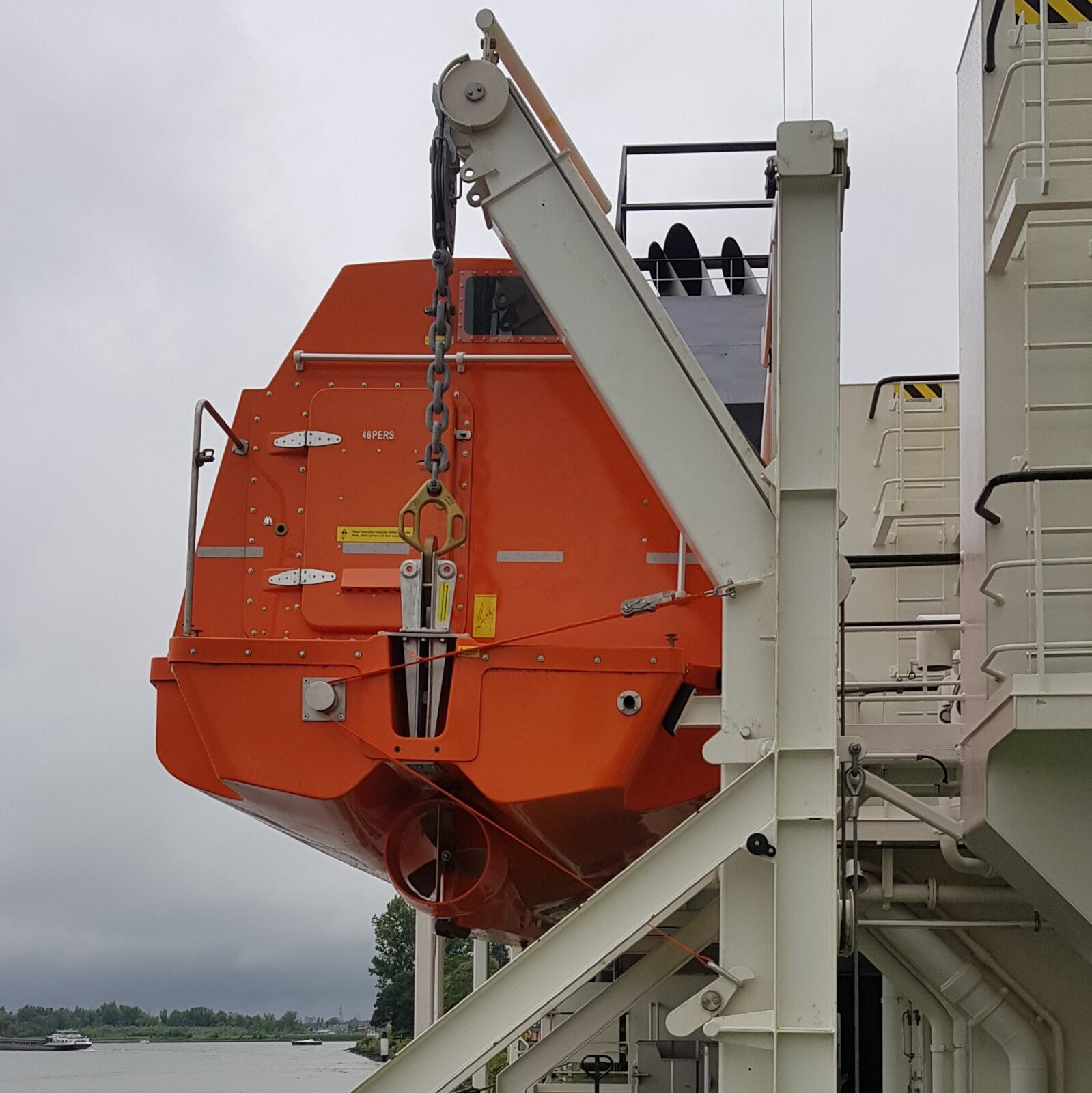
- Area: On-Load-Release-Gear (OLRG)Check: Annual functional test at 1.1 × SWL; after test check locking; inspect for dried paint/contamination/corrosion in lock, thread/shank wear/cracks. 5-year dynamic test. SOLAS III / MSC.402(96).
- Area: Drahtseile (Falls/Wire Ropes)Check: Inspect for kinks, corrosion, strand breakage (>10% over 8d length = replacement), inaccessible sections; correct/certified ropes; if required turn for full inspection; renewal per manufacturer interval.
- Area: Bremse (Zentrifugal- + Haltebremse)Check: Brake pad wear; check lowering speed (SOLAS S=0.4+0.02H, max ~36 m/min); remote release function; brake not blocked by poor maintenance.
- Area: Korrosion der Davit-StrukturCheck: Galvanized structure + stainless steel fasteners for pitting/discoloration; NDT of load-bearing structure for cracks; incident RRS Sir David Attenborough 2021 (severe corrosion due to poor maintenance).
- Area: Wartungs-ComplianceCheck: Planned maintenance complete since installation? Annual + 5-year tests recorded in logbook; manufacturer instructions followed; only authorized personnel (MSC.1/Circ.1205 Rev.1).
Universelle SOLAS-Inspektions-/Wartungspunkte fuer Davits/Rettungsboot-Aussetzvorrichtungen (modellunabhaengig, verifiziert aus IMCA/Gard/SOLAS MSC.1-Circ.1205, 2026-06). Per-Modell-SWL NICHT auto-gefuellt.
- Area: On-Load-Release-Gear (OLRG)Check: Annual functional test at 1.1 × SWL; after test check locking; inspect for dried paint/contamination/corrosion in lock, thread/shank wear/cracks. 5-year dynamic test. SOLAS III / MSC.402(96).
- Area: Drahtseile (Falls/Wire Ropes)Check: Inspect for kinks, corrosion, strand breakage (>10% over 8d length = replacement), inaccessible sections; correct/certified ropes; if required turn for full inspection; renewal per manufacturer interval.
- Area: Bremse (Zentrifugal- + Haltebremse)Check: Brake pad wear; check lowering speed (SOLAS S=0.4+0.02H, max ~36 m/min); remote release function; brake not blocked by poor maintenance.
- Area: Korrosion der Davit-StrukturCheck: Galvanized structure + stainless steel fasteners for pitting/discoloration; NDT of load-bearing structure for cracks; incident RRS Sir David Attenborough 2021 (severe corrosion due to poor maintenance).
- Area: Wartungs-ComplianceCheck: Planned maintenance complete since installation? Annual + 5-year tests recorded in logbook; manufacturer instructions followed; only authorized personnel (MSC.1/Circ.1205 Rev.1).
Universelle SOLAS-Inspektions-/Wartungspunkte fuer Davits/Rettungsboot-Aussetzvorrichtungen (modellunabhaengig, verifiziert aus IMCA/Gard/SOLAS MSC.1-Circ.1205, 2026-06). Per-Modell-SWL NICHT auto-gefuellt.
- Area: On-Load-Release-Gear (OLRG)Check: Annual functional test at 1.1 × SWL; after test check locking; inspect for dried paint/contamination/corrosion in lock, thread/shank wear/cracks. 5-year dynamic test. SOLAS III / MSC.402(96).
- Area: Drahtseile (Falls/Wire Ropes)Check: Inspect for kinks, corrosion, strand breakage (>10% over 8d length = replacement), inaccessible sections; correct/certified ropes; if required turn for full inspection; renewal per manufacturer interval.
- Area: Bremse (Zentrifugal- + Haltebremse)Check: Brake pad wear; check lowering speed (SOLAS S=0.4+0.02H, max ~36 m/min); remote release function; brake not blocked by poor maintenance.
- Area: Korrosion der Davit-StrukturCheck: Galvanized structure + stainless steel fasteners for pitting/discoloration; NDT of load-bearing structure for cracks; incident RRS Sir David Attenborough 2021 (severe corrosion due to poor maintenance).
- Area: Wartungs-ComplianceCheck: Planned maintenance complete since installation? Annual + 5-year tests recorded in logbook; manufacturer instructions followed; only authorized personnel (MSC.1/Circ.1205 Rev.1).
Universelle SOLAS-Inspektions-/Wartungspunkte fuer Davits/Rettungsboot-Aussetzvorrichtungen (modellunabhaengig, verifiziert aus IMCA/Gard/SOLAS MSC.1-Circ.1205, 2026-06). Per-Modell-SWL NICHT auto-gefuellt.
- Area: On-Load-Release-Gear (OLRG)Check: Annual functional test at 1.1 × SWL; after test check locking; inspect for dried paint/contamination/corrosion in lock, thread/shank wear/cracks. 5-year dynamic test. SOLAS III / MSC.402(96).
- Area: Drahtseile (Falls/Wire Ropes)Check: Inspect for kinks, corrosion, strand breakage (>10% over 8d length = replacement), inaccessible sections; correct/certified ropes; if required turn for full inspection; renewal per manufacturer interval.
- Area: Bremse (Zentrifugal- + Haltebremse)Check: Brake pad wear; check lowering speed (SOLAS S=0.4+0.02H, max ~36 m/min); remote release function; brake not blocked by poor maintenance.
- Area: Korrosion der Davit-StrukturCheck: Galvanized structure + stainless steel fasteners for pitting/discoloration; NDT of load-bearing structure for cracks; incident RRS Sir David Attenborough 2021 (severe corrosion due to poor maintenance).
- Area: Wartungs-ComplianceCheck: Planned maintenance complete since installation? Annual + 5-year tests recorded in logbook; manufacturer instructions followed; only authorized personnel (MSC.1/Circ.1205 Rev.1).
Universelle SOLAS-Inspektions-/Wartungspunkte fuer Davits/Rettungsboot-Aussetzvorrichtungen (modellunabhaengig, verifiziert aus IMCA/Gard/SOLAS MSC.1-Circ.1205, 2026-06). Per-Modell-SWL NICHT auto-gefuellt.
- Area: On-Load-Release-Gear (OLRG)Check: Annual functional test at 1.1 × SWL; after test check locking; inspect for dried paint/contamination/corrosion in lock, thread/shank wear/cracks. 5-year dynamic test. SOLAS III / MSC.402(96).
- Area: Drahtseile (Falls/Wire Ropes)Check: Inspect for kinks, corrosion, strand breakage (>10% over 8d length = replacement), inaccessible sections; correct/certified ropes; if required turn for full inspection; renewal per manufacturer interval.
- Area: Bremse (Zentrifugal- + Haltebremse)Check: Brake pad wear; check lowering speed (SOLAS S=0.4+0.02H, max ~36 m/min); remote release function; brake not blocked by poor maintenance.
- Area: Korrosion der Davit-StrukturCheck: Galvanized structure + stainless steel fasteners for pitting/discoloration; NDT of load-bearing structure for cracks; incident RRS Sir David Attenborough 2021 (severe corrosion due to poor maintenance).
- Area: Wartungs-ComplianceCheck: Planned maintenance complete since installation? Annual + 5-year tests recorded in logbook; manufacturer instructions followed; only authorized personnel (MSC.1/Circ.1205 Rev.1).
Universelle SOLAS-Inspektions-/Wartungspunkte fuer Davits/Rettungsboot-Aussetzvorrichtungen (modellunabhaengig, verifiziert aus IMCA/Gard/SOLAS MSC.1-Circ.1205, 2026-06). Per-Modell-SWL NICHT auto-gefuellt.

- Area: On-Load-Release-Gear (OLRG)Check: Annual functional test at 1.1 × SWL; after test check locking; inspect for dried paint/contamination/corrosion in lock, thread/shank wear/cracks. 5-year dynamic test. SOLAS III / MSC.402(96).
- Area: Drahtseile (Falls/Wire Ropes)Check: Inspect for kinks, corrosion, strand breakage (>10% over 8d length = replacement), inaccessible sections; correct/certified ropes; if required turn for full inspection; renewal per manufacturer interval.
- Area: Bremse (Zentrifugal- + Haltebremse)Check: Brake pad wear; check lowering speed (SOLAS S=0.4+0.02H, max ~36 m/min); remote release function; brake not blocked by poor maintenance.
- Area: Korrosion der Davit-StrukturCheck: Galvanized structure + stainless steel fasteners for pitting/discoloration; NDT of load-bearing structure for cracks; incident RRS Sir David Attenborough 2021 (severe corrosion due to poor maintenance).
- Area: Wartungs-ComplianceCheck: Planned maintenance complete since installation? Annual + 5-year tests recorded in logbook; manufacturer instructions followed; only authorized personnel (MSC.1/Circ.1205 Rev.1).
Universelle SOLAS-Inspektions-/Wartungspunkte fuer Davits/Rettungsboot-Aussetzvorrichtungen (modellunabhaengig, verifiziert aus IMCA/Gard/SOLAS MSC.1-Circ.1205, 2026-06). Per-Modell-SWL NICHT auto-gefuellt.
- Area: On-Load-Release-Gear (OLRG)Check: Annual functional test at 1.1 × SWL; after test check locking; inspect for dried paint/contamination/corrosion in lock, thread/shank wear/cracks. 5-year dynamic test. SOLAS III / MSC.402(96).
- Area: Drahtseile (Falls/Wire Ropes)Check: Inspect for kinks, corrosion, strand breakage (>10% over 8d length = replacement), inaccessible sections; correct/certified ropes; if required turn for full inspection; renewal per manufacturer interval.
- Area: Bremse (Zentrifugal- + Haltebremse)Check: Brake pad wear; check lowering speed (SOLAS S=0.4+0.02H, max ~36 m/min); remote release function; brake not blocked by poor maintenance.
- Area: Korrosion der Davit-StrukturCheck: Galvanized structure + stainless steel fasteners for pitting/discoloration; NDT of load-bearing structure for cracks; incident RRS Sir David Attenborough 2021 (severe corrosion due to poor maintenance).
- Area: Wartungs-ComplianceCheck: Planned maintenance complete since installation? Annual + 5-year tests recorded in logbook; manufacturer instructions followed; only authorized personnel (MSC.1/Circ.1205 Rev.1).
Universelle SOLAS-Inspektions-/Wartungspunkte fuer Davits/Rettungsboot-Aussetzvorrichtungen (modellunabhaengig, verifiziert aus IMCA/Gard/SOLAS MSC.1-Circ.1205, 2026-06). Per-Modell-SWL NICHT auto-gefuellt.
- Area: On-Load-Release-Gear (OLRG)Check: Annual functional test at 1.1 × SWL; after test check locking; inspect for dried paint/contamination/corrosion in lock, thread/shank wear/cracks. 5-year dynamic test. SOLAS III / MSC.402(96).
- Area: Drahtseile (Falls/Wire Ropes)Check: Inspect for kinks, corrosion, strand breakage (>10% over 8d length = replacement), inaccessible sections; correct/certified ropes; if required turn for full inspection; renewal per manufacturer interval.
- Area: Bremse (Zentrifugal- + Haltebremse)Check: Brake pad wear; check lowering speed (SOLAS S=0.4+0.02H, max ~36 m/min); remote release function; brake not blocked by poor maintenance.
- Area: Korrosion der Davit-StrukturCheck: Galvanized structure + stainless steel fasteners for pitting/discoloration; NDT of load-bearing structure for cracks; incident RRS Sir David Attenborough 2021 (severe corrosion due to poor maintenance).
- Area: Wartungs-ComplianceCheck: Planned maintenance complete since installation? Annual + 5-year tests recorded in logbook; manufacturer instructions followed; only authorized personnel (MSC.1/Circ.1205 Rev.1).
Universelle SOLAS-Inspektions-/Wartungspunkte fuer Davits/Rettungsboot-Aussetzvorrichtungen (modellunabhaengig, verifiziert aus IMCA/Gard/SOLAS MSC.1-Circ.1205, 2026-06). Per-Modell-SWL NICHT auto-gefuellt.
- Area: On-Load-Release-Gear (OLRG)Check: Annual functional test at 1.1 × SWL; after test check locking; inspect for dried paint/contamination/corrosion in lock, thread/shank wear/cracks. 5-year dynamic test. SOLAS III / MSC.402(96).
- Area: Drahtseile (Falls/Wire Ropes)Check: Inspect for kinks, corrosion, strand breakage (>10% over 8d length = replacement), inaccessible sections; correct/certified ropes; if required turn for full inspection; renewal per manufacturer interval.
- Area: Bremse (Zentrifugal- + Haltebremse)Check: Brake pad wear; check lowering speed (SOLAS S=0.4+0.02H, max ~36 m/min); remote release function; brake not blocked by poor maintenance.
- Area: Korrosion der Davit-StrukturCheck: Galvanized structure + stainless steel fasteners for pitting/discoloration; NDT of load-bearing structure for cracks; incident RRS Sir David Attenborough 2021 (severe corrosion due to poor maintenance).
- Area: Wartungs-ComplianceCheck: Planned maintenance complete since installation? Annual + 5-year tests recorded in logbook; manufacturer instructions followed; only authorized personnel (MSC.1/Circ.1205 Rev.1).
Universelle SOLAS-Inspektions-/Wartungspunkte fuer Davits/Rettungsboot-Aussetzvorrichtungen (modellunabhaengig, verifiziert aus IMCA/Gard/SOLAS MSC.1-Circ.1205, 2026-06). Per-Modell-SWL NICHT auto-gefuellt.
- Area: On-Load-Release-Gear (OLRG)Check: Annual functional test at 1.1 × SWL; after test check locking; inspect for dried paint/contamination/corrosion in lock, thread/shank wear/cracks. 5-year dynamic test. SOLAS III / MSC.402(96).
- Area: Drahtseile (Falls/Wire Ropes)Check: Inspect for kinks, corrosion, strand breakage (>10% over 8d length = replacement), inaccessible sections; correct/certified ropes; if required turn for full inspection; renewal per manufacturer interval.
- Area: Bremse (Zentrifugal- + Haltebremse)Check: Brake pad wear; check lowering speed (SOLAS S=0.4+0.02H, max ~36 m/min); remote release function; brake not blocked by poor maintenance.
- Area: Korrosion der Davit-StrukturCheck: Galvanized structure + stainless steel fasteners for pitting/discoloration; NDT of load-bearing structure for cracks; incident RRS Sir David Attenborough 2021 (severe corrosion due to poor maintenance).
- Area: Wartungs-ComplianceCheck: Planned maintenance complete since installation? Annual + 5-year tests recorded in logbook; manufacturer instructions followed; only authorized personnel (MSC.1/Circ.1205 Rev.1).
Universelle SOLAS-Inspektions-/Wartungspunkte fuer Davits/Rettungsboot-Aussetzvorrichtungen (modellunabhaengig, verifiziert aus IMCA/Gard/SOLAS MSC.1-Circ.1205, 2026-06). Per-Modell-SWL NICHT auto-gefuellt.
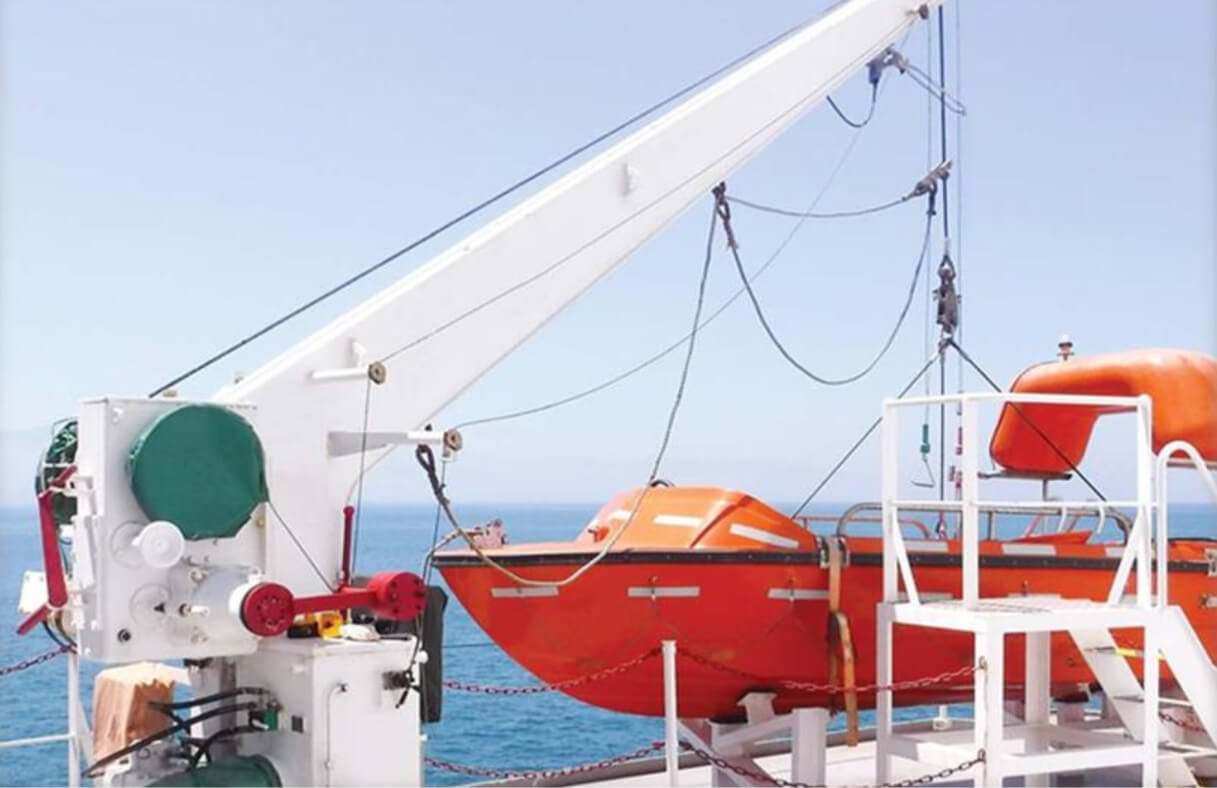
- Area: On-Load-Release-Gear (OLRG)Check: Annual functional test at 1.1 × SWL; after test check locking; inspect for dried paint/contamination/corrosion in lock, thread/shank wear/cracks. 5-year dynamic test. SOLAS III / MSC.402(96).
- Area: Drahtseile (Falls/Wire Ropes)Check: Inspect for kinks, corrosion, strand breakage (>10% over 8d length = replacement), inaccessible sections; correct/certified ropes; if required turn for full inspection; renewal per manufacturer interval.
- Area: Bremse (Zentrifugal- + Haltebremse)Check: Brake pad wear; check lowering speed (SOLAS S=0.4+0.02H, max ~36 m/min); remote release function; brake not blocked by poor maintenance.
- Area: Korrosion der Davit-StrukturCheck: Galvanized structure + stainless steel fasteners for pitting/discoloration; NDT of load-bearing structure for cracks; incident RRS Sir David Attenborough 2021 (severe corrosion due to poor maintenance).
- Area: Wartungs-ComplianceCheck: Planned maintenance complete since installation? Annual + 5-year tests recorded in logbook; manufacturer instructions followed; only authorized personnel (MSC.1/Circ.1205 Rev.1).
Universelle SOLAS-Inspektions-/Wartungspunkte fuer Davits/Rettungsboot-Aussetzvorrichtungen (modellunabhaengig, verifiziert aus IMCA/Gard/SOLAS MSC.1-Circ.1205, 2026-06). Per-Modell-SWL NICHT auto-gefuellt.
- Area: On-Load-Release-Gear (OLRG)Check: Annual functional test at 1.1 × SWL; after test check locking; inspect for dried paint/contamination/corrosion in lock, thread/shank wear/cracks. 5-year dynamic test. SOLAS III / MSC.402(96).
- Area: Drahtseile (Falls/Wire Ropes)Check: Inspect for kinks, corrosion, strand breakage (>10% over 8d length = replacement), inaccessible sections; correct/certified ropes; if required turn for full inspection; renewal per manufacturer interval.
- Area: Bremse (Zentrifugal- + Haltebremse)Check: Brake pad wear; check lowering speed (SOLAS S=0.4+0.02H, max ~36 m/min); remote release function; brake not blocked by poor maintenance.
- Area: Korrosion der Davit-StrukturCheck: Galvanized structure + stainless steel fasteners for pitting/discoloration; NDT of load-bearing structure for cracks; incident RRS Sir David Attenborough 2021 (severe corrosion due to poor maintenance).
- Area: Wartungs-ComplianceCheck: Planned maintenance complete since installation? Annual + 5-year tests recorded in logbook; manufacturer instructions followed; only authorized personnel (MSC.1/Circ.1205 Rev.1).
Universelle SOLAS-Inspektions-/Wartungspunkte fuer Davits/Rettungsboot-Aussetzvorrichtungen (modellunabhaengig, verifiziert aus IMCA/Gard/SOLAS MSC.1-Circ.1205, 2026-06). Per-Modell-SWL NICHT auto-gefuellt.
- Area: On-Load-Release-Gear (OLRG)Check: Annual functional test at 1.1 × SWL; after test check locking; inspect for dried paint/contamination/corrosion in lock, thread/shank wear/cracks. 5-year dynamic test. SOLAS III / MSC.402(96).
- Area: Drahtseile (Falls/Wire Ropes)Check: Inspect for kinks, corrosion, strand breakage (>10% over 8d length = replacement), inaccessible sections; correct/certified ropes; if required turn for full inspection; renewal per manufacturer interval.
- Area: Bremse (Zentrifugal- + Haltebremse)Check: Brake pad wear; check lowering speed (SOLAS S=0.4+0.02H, max ~36 m/min); remote release function; brake not blocked by poor maintenance.
- Area: Korrosion der Davit-StrukturCheck: Galvanized structure + stainless steel fasteners for pitting/discoloration; NDT of load-bearing structure for cracks; incident RRS Sir David Attenborough 2021 (severe corrosion due to poor maintenance).
- Area: Wartungs-ComplianceCheck: Planned maintenance complete since installation? Annual + 5-year tests recorded in logbook; manufacturer instructions followed; only authorized personnel (MSC.1/Circ.1205 Rev.1).
Universelle SOLAS-Inspektions-/Wartungspunkte fuer Davits/Rettungsboot-Aussetzvorrichtungen (modellunabhaengig, verifiziert aus IMCA/Gard/SOLAS MSC.1-Circ.1205, 2026-06). Per-Modell-SWL NICHT auto-gefuellt.
- Area: On-Load-Release-Gear (OLRG)Check: Annual functional test at 1.1 × SWL; after test check locking; inspect for dried paint/contamination/corrosion in lock, thread/shank wear/cracks. 5-year dynamic test. SOLAS III / MSC.402(96).
- Area: Drahtseile (Falls/Wire Ropes)Check: Inspect for kinks, corrosion, strand breakage (>10% over 8d length = replacement), inaccessible sections; correct/certified ropes; if required turn for full inspection; renewal per manufacturer interval.
- Area: Bremse (Zentrifugal- + Haltebremse)Check: Brake pad wear; check lowering speed (SOLAS S=0.4+0.02H, max ~36 m/min); remote release function; brake not blocked by poor maintenance.
- Area: Korrosion der Davit-StrukturCheck: Galvanized structure + stainless steel fasteners for pitting/discoloration; NDT of load-bearing structure for cracks; incident RRS Sir David Attenborough 2021 (severe corrosion due to poor maintenance).
- Area: Wartungs-ComplianceCheck: Planned maintenance complete since installation? Annual + 5-year tests recorded in logbook; manufacturer instructions followed; only authorized personnel (MSC.1/Circ.1205 Rev.1).
Universelle SOLAS-Inspektions-/Wartungspunkte fuer Davits/Rettungsboot-Aussetzvorrichtungen (modellunabhaengig, verifiziert aus IMCA/Gard/SOLAS MSC.1-Circ.1205, 2026-06). Per-Modell-SWL NICHT auto-gefuellt.
- Area: On-Load-Release-Gear (OLRG)Check: Annual functional test at 1.1 × SWL; after test check locking; inspect for dried paint/contamination/corrosion in lock, thread/shank wear/cracks. 5-year dynamic test. SOLAS III / MSC.402(96).
- Area: Drahtseile (Falls/Wire Ropes)Check: Inspect for kinks, corrosion, strand breakage (>10% over 8d length = replacement), inaccessible sections; correct/certified ropes; if required turn for full inspection; renewal per manufacturer interval.
- Area: Bremse (Zentrifugal- + Haltebremse)Check: Brake pad wear; check lowering speed (SOLAS S=0.4+0.02H, max ~36 m/min); remote release function; brake not blocked by poor maintenance.
- Area: Korrosion der Davit-StrukturCheck: Galvanized structure + stainless steel fasteners for pitting/discoloration; NDT of load-bearing structure for cracks; incident RRS Sir David Attenborough 2021 (severe corrosion due to poor maintenance).
- Area: Wartungs-ComplianceCheck: Planned maintenance complete since installation? Annual + 5-year tests recorded in logbook; manufacturer instructions followed; only authorized personnel (MSC.1/Circ.1205 Rev.1).
Universelle SOLAS-Inspektions-/Wartungspunkte fuer Davits/Rettungsboot-Aussetzvorrichtungen (modellunabhaengig, verifiziert aus IMCA/Gard/SOLAS MSC.1-Circ.1205, 2026-06). Per-Modell-SWL NICHT auto-gefuellt.
- Area: On-Load-Release-Gear (OLRG)Check: Annual functional test at 1.1 × SWL; after test check locking; inspect for dried paint/contamination/corrosion in lock, thread/shank wear/cracks. 5-year dynamic test. SOLAS III / MSC.402(96).
- Area: Drahtseile (Falls/Wire Ropes)Check: Inspect for kinks, corrosion, strand breakage (>10% over 8d length = replacement), inaccessible sections; correct/certified ropes; if required turn for full inspection; renewal per manufacturer interval.
- Area: Bremse (Zentrifugal- + Haltebremse)Check: Brake pad wear; check lowering speed (SOLAS S=0.4+0.02H, max ~36 m/min); remote release function; brake not blocked by poor maintenance.
- Area: Korrosion der Davit-StrukturCheck: Galvanized structure + stainless steel fasteners for pitting/discoloration; NDT of load-bearing structure for cracks; incident RRS Sir David Attenborough 2021 (severe corrosion due to poor maintenance).
- Area: Wartungs-ComplianceCheck: Planned maintenance complete since installation? Annual + 5-year tests recorded in logbook; manufacturer instructions followed; only authorized personnel (MSC.1/Circ.1205 Rev.1).
Universelle SOLAS-Inspektions-/Wartungspunkte fuer Davits/Rettungsboot-Aussetzvorrichtungen (modellunabhaengig, verifiziert aus IMCA/Gard/SOLAS MSC.1-Circ.1205, 2026-06). Per-Modell-SWL NICHT auto-gefuellt.
d-i davit international-hische
296
- Antriebsoptionen
- Electric, hydraulic, manual, with/without stored power (accumulator or spring force)
- Solas-hoistgeschwindigkeit
- Bis 48 m/min für Fast-Rescue-Davits (SOLAS-konform)
- Einsatzbereich
- Rettungsboote, Schnellrettungsboote, Rettungsflöße, MOB-Boote
- Konstruktion
- Normal pivot or slewing types, single or double arm with optional docking head to prevent pendulum motion until water level
- Hubkapazität
- Configurable according to ship type and lifeboat weight (tailor-made solutions)
- Zertifizierung
- ABS, GL, DNV, BV, NK, KR, LR and other classification societies
- D-NPS.SP (Normal Pivot Single/Double Arm mit Docking Head)
- D-NPS.FR (Fast Rescue Davit mit Docking Head)
- D-CRm.FR (Slewing Fast Rescue Davit mit hydraulischem/elektrischem Antrieb)
- D-BR (rescue davit with manual operation or hydraulic stored power)
- D-NP.MP (Normal Pivot mit mechanischer Stored Power - Federbelastung)
- D-NP.SP (Normal Pivot mit hydraulischer Stored Power - Akku)
- Area: On-load release gear functionality and wearCheck: Annually: operational test of on-load release gear by positioning the boat partially in water for load support by fall, actuation of release gear, reset and inspection for damage. Every 5 years: overhaul of release system with 110% proof-load test. Inspect release gear before and after operational test; verify hook securing and reset.
- Area: Wire rope condition (wires/falls) – corrosion, wear, breakageCheck: Monthly: visual inspection for fraying, kinks, corrosion, broken strands. Annually: wire rope and sheaves for scratches, dents, corrosion, missing lubrication. Every 5 years: wire rope replacement per SOLAS Chapter III required. Lubrication of wires, sheaves and moving parts to be checked.
- Area: Brake system - inspection function and wear partsCheck: Annually: brake test by suspension of rated load and verification that brake holds without slippage. For centrifugal brakes: sinking speed against SOLAS formula (max. 1.3 m/s) to be checked. Brake pads to be inspected and replaced when worn. Every 5 years: brake system to be opened and condition thoroughly checked.
- Area: Sheaves - wear, abrasion, corrosion, wear ringsCheck: Annually: sheaves for wear grooves, wear ring wear, corrosion, incorrect alignment, loose bolts to be checked. A worn or corroded sheave damages new wires and leads to premature wire rope failure. Wear ring thickness to be measured and replaced if necessary. Lubrication to be checked.
- Area: Overall structure - corrosion, wear, deformation and clearanceCheck: Annually: davit structure for corrosion (especially welds), wear, deformation, excessive clearance, cracks to be checked. All bolt locking devices to be verified. Hydraulic cylinders for leakage to be checked. Every 5 years: selective disassembly with NDT (roughness inspection, crack inspection) to be performed. Foundations to be inspected.
- Area: Proof-load test at 110% of rated loadCheck: Annually: dynamic winch brake test at 110% of Safe Working Load to be performed (simulated by water bag equipment or certified load cells). Every 5 years: comprehensive proof-load test of entire davit, winch, wire rope and hook system at 110% SWL to be performed. System must hold load, show no deformation or damage.
Type-universal inspection/maintenance points for Lifesaving Appliances (LSA) (davit international, Mega-Swarm 2026–06). Per-model specs not auto-populated.
- Hoist speed up to 48 m/min (SOLAS‑compliant fast‑rescue capability)
- Modular drive options – electric, hydraulic or manual with optional stored‑power backup
- Docking head reduces swing and improves safe water entry
- Customisable load capacity for a wide range of lifeboat weights
- Broad classification approval (ABS, DNV, LR, GL, BV, NK, KR)
- Higher mechanical/electrical complexity increases routine maintenance workload
- Proof‑load testing required every year and full inspection every five years adds operational cost
- Initial capital cost is greater than simple manual davits
- Double‑arm or slewing configurations occupy more deck space
- Reliance on stored‑power (battery or spring) demands regular charge/inspection
- Antriebsoptionen
- Electric, hydraulic, manual, with/without stored power (accumulator or spring force)
- Solas-hoistgeschwindigkeit
- Bis 48 m/min für Fast-Rescue-Davits (SOLAS-konform)
- Einsatzbereich
- Rettungsboote, Schnellrettungsboote, Rettungsflöße, MOB-Boote
- Konstruktion
- Normal pivot or slewing types, single or double arm with optional docking head to prevent pendulum motion until water level
- Hubkapazität
- Configurable according to ship type and lifeboat weight (tailor-made solutions)
- Zertifizierung
- ABS, GL, DNV, BV, NK, KR, LR and other classification societies
- D-NPS.SP (Normal Pivot Single/Double Arm mit Docking Head)
- D-NPS.FR (Fast Rescue Davit mit Docking Head)
- D-CRm.FR (Slewing Fast Rescue Davit mit hydraulischem/elektrischem Antrieb)
- D-BR (rescue davit with manual operation or hydraulic stored power)
- D-NP.MP (Normal Pivot mit mechanischer Stored Power - Federbelastung)
- D-NP.SP (Normal Pivot mit hydraulischer Stored Power - Akku)
- Area: On-load release gear functionality and wearCheck: Annually: operational test of on-load release gear by positioning the boat partially in water for load support by fall, actuation of release gear, reset and inspection for damage. Every 5 years: overhaul of release system with 110% proof-load test. Inspect release gear before and after operational test; verify hook securing and reset.
- Area: Wire rope condition (wires/falls) – corrosion, wear, breakageCheck: Monthly: visual inspection for fraying, kinks, corrosion, broken strands. Annually: wire rope and sheaves for scratches, dents, corrosion, missing lubrication. Every 5 years: wire rope replacement per SOLAS Chapter III required. Lubrication of wires, sheaves and moving parts to be checked.
- Area: Brake system - inspection function and wear partsCheck: Annually: brake test by suspension of rated load and verification that brake holds without slippage. For centrifugal brakes: sinking speed against SOLAS formula (max. 1.3 m/s) to be checked. Brake pads to be inspected and replaced when worn. Every 5 years: brake system to be opened and condition thoroughly checked.
- Area: Sheaves - wear, abrasion, corrosion, wear ringsCheck: Annually: sheaves for wear grooves, wear ring wear, corrosion, incorrect alignment, loose bolts to be checked. A worn or corroded sheave damages new wires and leads to premature wire rope failure. Wear ring thickness to be measured and replaced if necessary. Lubrication to be checked.
- Area: Overall structure - corrosion, wear, deformation and clearanceCheck: Annually: davit structure for corrosion (especially welds), wear, deformation, excessive clearance, cracks to be checked. All bolt locking devices to be verified. Hydraulic cylinders for leakage to be checked. Every 5 years: selective disassembly with NDT (roughness inspection, crack inspection) to be performed. Foundations to be inspected.
- Area: Proof-load test at 110% of rated loadCheck: Annually: dynamic winch brake test at 110% of Safe Working Load to be performed (simulated by water bag equipment or certified load cells). Every 5 years: comprehensive proof-load test of entire davit, winch, wire rope and hook system at 110% SWL to be performed. System must hold load, show no deformation or damage.
Type-universal inspection/maintenance points for Lifesaving Appliances (LSA) (davit international, Mega-Swarm 2026–06). Per-model specs not auto-populated.
- Fast‑rescue hoist speed (up to 48 m/min) meets SOLAS fast‑rescue requirements.
- Multiple actuation options allow tailoring to vessel power availability and redundancy needs.
- Customisable lifting capacity – can be engineered for a wide range of lifeboat weights.
- Available with docking head to minimise pendulum swing during launch, improving safety in rough seas.
- Broad class society approvals (ABS, DNV, LR, BV, GL, NK, KR) simplify certification on new builds.
- Higher initial cost compared with basic manual davits due to hydraulic/electric components.
- Complexity of the drive system increases maintenance workload and requires specialised spares.
- Space‑intensive mounting footprint; may be unsuitable for vessels with limited deck area.
- Requires regular proof‑load testing (110 % SWL) and five‑year comprehensive inspections, adding operational downtime.
- Stored‑power variants rely on batteries or spring mechanisms that need periodic replacement.
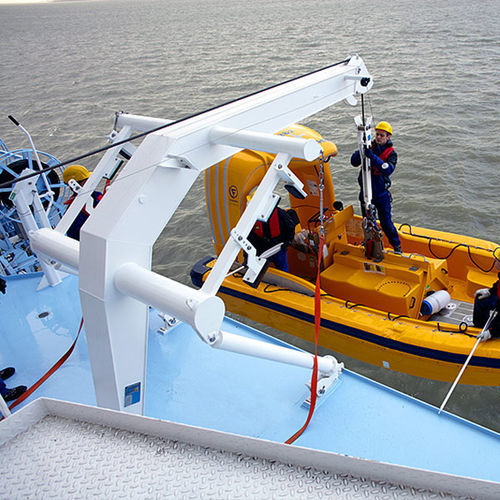
- Antriebsoptionen
- Electric, hydraulic, manual, with/without stored power (accumulator or spring force)
- Solas-hoistgeschwindigkeit
- Bis 48 m/min für Fast-Rescue-Davits (SOLAS-konform)
- Einsatzbereich
- Rettungsboote, Schnellrettungsboote, Rettungsflöße, MOB-Boote
- Konstruktion
- Normal pivot or slewing types, single or double arm with optional docking head to prevent pendulum motion until water level
- Hubkapazität
- Configurable according to ship type and lifeboat weight (tailor-made solutions)
- Zertifizierung
- ABS, GL, DNV, BV, NK, KR, LR and other classification societies
- D-NPS.SP (Normal Pivot Single/Double Arm mit Docking Head)
- D-NPS.FR (Fast Rescue Davit mit Docking Head)
- D-CRm.FR (Slewing Fast Rescue Davit mit hydraulischem/elektrischem Antrieb)
- D-BR (rescue davit with manual operation or hydraulic stored power)
- D-NP.MP (Normal Pivot mit mechanischer Stored Power - Federbelastung)
- D-NP.SP (Normal Pivot mit hydraulischer Stored Power - Akku)
- Area: On-load release gear functionality and wearCheck: Annually: operational test of on-load release gear by positioning the boat partially in water for load support by fall, actuation of release gear, reset and inspection for damage. Every 5 years: overhaul of release system with 110% proof-load test. Inspect release gear before and after operational test; verify hook securing and reset.
- Area: Wire rope condition (wires/falls) – corrosion, wear, breakageCheck: Monthly: visual inspection for fraying, kinks, corrosion, broken strands. Annually: wire rope and sheaves for scratches, dents, corrosion, missing lubrication. Every 5 years: wire rope replacement per SOLAS Chapter III required. Lubrication of wires, sheaves and moving parts to be checked.
- Area: Brake system - inspection function and wear partsCheck: Annually: brake test by suspension of rated load and verification that brake holds without slippage. For centrifugal brakes: sinking speed against SOLAS formula (max. 1.3 m/s) to be checked. Brake pads to be inspected and replaced when worn. Every 5 years: brake system to be opened and condition thoroughly checked.
- Area: Sheaves - wear, abrasion, corrosion, wear ringsCheck: Annually: sheaves for wear grooves, wear ring wear, corrosion, incorrect alignment, loose bolts to be checked. A worn or corroded sheave damages new wires and leads to premature wire rope failure. Wear ring thickness to be measured and replaced if necessary. Lubrication to be checked.
- Area: Overall structure - corrosion, wear, deformation and clearanceCheck: Annually: davit structure for corrosion (especially welds), wear, deformation, excessive clearance, cracks to be checked. All bolt locking devices to be verified. Hydraulic cylinders for leakage to be checked. Every 5 years: selective disassembly with NDT (roughness inspection, crack inspection) to be performed. Foundations to be inspected.
- Area: Proof-load test at 110% of rated loadCheck: Annually: dynamic winch brake test at 110% of Safe Working Load to be performed (simulated by water bag equipment or certified load cells). Every 5 years: comprehensive proof-load test of entire davit, winch, wire rope and hook system at 110% SWL to be performed. System must hold load, show no deformation or damage.
Type-universal inspection/maintenance points for Lifesaving Appliances (LSA) (davit international, Mega-Swarm 2026–06). Per-model specs not auto-populated.
- Fast hoist speed up to 48 m/min (SOLAS‑compliant) for rapid launch of rescue craft
- Multiple power options – electric, hydraulic, manual and stored‑power (battery or spring) provide redundancy
- Docking head reduces pendulum motion, improving safety during launch in heavy seas
- Highly configurable load capacity to match vessel type and boat weight
- Approved by major classification societies (ABS, DNV, LR, BV, GL, NK, KR) and IMO
- Higher initial cost and greater system complexity compared with simple manual davits
- Requires regular inspection of wire rope, brake and hydraulic components (monthly‑annual‑5‑year cycles)
- Space demand is larger for double‑arm configurations and docking head hardware
- Dependence on electrical/hydraulic power means additional backup systems are needed
- Maintenance personnel must be trained for multiple drive types
- Antriebsoptionen
- Electric, hydraulic, manual, with/without stored power (accumulator or spring force)
- Solas-hoistgeschwindigkeit
- Bis 48 m/min für Fast-Rescue-Davits (SOLAS-konform)
- Einsatzbereich
- Rettungsboote, Schnellrettungsboote, Rettungsflöße, MOB-Boote
- Konstruktion
- Normal pivot or slewing types, single or double arm with optional docking head to prevent pendulum motion until water level
- Hubkapazität
- Configurable according to ship type and lifeboat weight (tailor-made solutions)
- Zertifizierung
- ABS, GL, DNV, BV, NK, KR, LR and other classification societies
- D-NPS.SP (Normal Pivot Single/Double Arm mit Docking Head)
- D-NPS.FR (Fast Rescue Davit mit Docking Head)
- D-CRm.FR (Slewing Fast Rescue Davit mit hydraulischem/elektrischem Antrieb)
- D-BR (rescue davit with manual operation or hydraulic stored power)
- D-NP.MP (Normal Pivot mit mechanischer Stored Power - Federbelastung)
- D-NP.SP (Normal Pivot mit hydraulischer Stored Power - Akku)
- Area: On-load release gear functionality and wearCheck: Annually: operational test of on-load release gear by positioning the boat partially in water for load support by fall, actuation of release gear, reset and inspection for damage. Every 5 years: overhaul of release system with 110% proof-load test. Inspect release gear before and after operational test; verify hook securing and reset.
- Area: Wire rope condition (wires/falls) – corrosion, wear, breakageCheck: Monthly: visual inspection for fraying, kinks, corrosion, broken strands. Annually: wire rope and sheaves for scratches, dents, corrosion, missing lubrication. Every 5 years: wire rope replacement per SOLAS Chapter III required. Lubrication of wires, sheaves and moving parts to be checked.
- Area: Brake system - inspection function and wear partsCheck: Annually: brake test by suspension of rated load and verification that brake holds without slippage. For centrifugal brakes: sinking speed against SOLAS formula (max. 1.3 m/s) to be checked. Brake pads to be inspected and replaced when worn. Every 5 years: brake system to be opened and condition thoroughly checked.
- Area: Sheaves - wear, abrasion, corrosion, wear ringsCheck: Annually: sheaves for wear grooves, wear ring wear, corrosion, incorrect alignment, loose bolts to be checked. A worn or corroded sheave damages new wires and leads to premature wire rope failure. Wear ring thickness to be measured and replaced if necessary. Lubrication to be checked.
- Area: Overall structure - corrosion, wear, deformation and clearanceCheck: Annually: davit structure for corrosion (especially welds), wear, deformation, excessive clearance, cracks to be checked. All bolt locking devices to be verified. Hydraulic cylinders for leakage to be checked. Every 5 years: selective disassembly with NDT (roughness inspection, crack inspection) to be performed. Foundations to be inspected.
- Area: Proof-load test at 110% of rated loadCheck: Annually: dynamic winch brake test at 110% of Safe Working Load to be performed (simulated by water bag equipment or certified load cells). Every 5 years: comprehensive proof-load test of entire davit, winch, wire rope and hook system at 110% SWL to be performed. System must hold load, show no deformation or damage.
Type-universal inspection/maintenance points for Lifesaving Appliances (LSA) (davit international, Mega-Swarm 2026–06). Per-model specs not auto-populated.
- Launch speed up to 48 m/min meets SOLAS fast‑rescue requirements
- Configurable load capacity for a wide range of lifeboat weights
- Docking head option prevents pendulum motion, improving safety in rough seas
- Multiple drive options (electric, hydraulic, manual) with stored‑power backup
- Broad class approvals (ABS, DNV, LR, BV, NK, KR) and IMO approval
- Higher initial cost compared with simple manual davits
- More complex maintenance regime for hydraulic/electric components
- Requires dedicated stored‑power source or battery backup to meet redundancy
- Larger footprint on deck may limit placement on smaller vessels
- Training demand for crew on both drive and emergency release procedures
- Antriebsoptionen
- Electric, hydraulic, manual, with/without stored power (accumulator or spring force)
- Solas-hoistgeschwindigkeit
- Bis 48 m/min für Fast-Rescue-Davits (SOLAS-konform)
- Einsatzbereich
- Rettungsboote, Schnellrettungsboote, Rettungsflöße, MOB-Boote
- Konstruktion
- Normal pivot or slewing types, single or double arm with optional docking head to prevent pendulum motion until water level
- Hubkapazität
- Configurable according to ship type and lifeboat weight (tailor-made solutions)
- Zertifizierung
- ABS, GL, DNV, BV, NK, KR, LR and other classification societies
- D-NPS.SP (Normal Pivot Single/Double Arm mit Docking Head)
- D-NPS.FR (Fast Rescue Davit mit Docking Head)
- D-CRm.FR (Slewing Fast Rescue Davit mit hydraulischem/elektrischem Antrieb)
- D-BR (rescue davit with manual operation or hydraulic stored power)
- D-NP.MP (Normal Pivot mit mechanischer Stored Power - Federbelastung)
- D-NP.SP (Normal Pivot mit hydraulischer Stored Power - Akku)
- Area: On-load release gear functionality and wearCheck: Annually: operational test of on-load release gear by positioning the boat partially in water for load support by fall, actuation of release gear, reset and inspection for damage. Every 5 years: overhaul of release system with 110% proof-load test. Inspect release gear before and after operational test; verify hook securing and reset.
- Area: Wire rope condition (wires/falls) – corrosion, wear, breakageCheck: Monthly: visual inspection for fraying, kinks, corrosion, broken strands. Annually: wire rope and sheaves for scratches, dents, corrosion, missing lubrication. Every 5 years: wire rope replacement per SOLAS Chapter III required. Lubrication of wires, sheaves and moving parts to be checked.
- Area: Brake system - inspection function and wear partsCheck: Annually: brake test by suspension of rated load and verification that brake holds without slippage. For centrifugal brakes: sinking speed against SOLAS formula (max. 1.3 m/s) to be checked. Brake pads to be inspected and replaced when worn. Every 5 years: brake system to be opened and condition thoroughly checked.
- Area: Sheaves - wear, abrasion, corrosion, wear ringsCheck: Annually: sheaves for wear grooves, wear ring wear, corrosion, incorrect alignment, loose bolts to be checked. A worn or corroded sheave damages new wires and leads to premature wire rope failure. Wear ring thickness to be measured and replaced if necessary. Lubrication to be checked.
- Area: Overall structure - corrosion, wear, deformation and clearanceCheck: Annually: davit structure for corrosion (especially welds), wear, deformation, excessive clearance, cracks to be checked. All bolt locking devices to be verified. Hydraulic cylinders for leakage to be checked. Every 5 years: selective disassembly with NDT (roughness inspection, crack inspection) to be performed. Foundations to be inspected.
- Area: Proof-load test at 110% of rated loadCheck: Annually: dynamic winch brake test at 110% of Safe Working Load to be performed (simulated by water bag equipment or certified load cells). Every 5 years: comprehensive proof-load test of entire davit, winch, wire rope and hook system at 110% SWL to be performed. System must hold load, show no deformation or damage.
Type-universal inspection/maintenance points for Lifesaving Appliances (LSA) (davit international, Mega-Swarm 2026–06). Per-model specs not auto-populated.
- High hoist speed (up to 48 m/min) meeting SOLAS fast‑rescue requirements
- Multiple drive configurations (electric, hydraulic, manual, stored‑power) for redundancy and flexibility
- Docking head option reduces pendulum motion during launch, improving safety in rough seas
- Customisable load capacity and arm arrangement (single/double, pivot or slewing) to suit vessel size
- Broad class approvals (ABS, GL, DNV, BV, NK, KR, LR) and IMO approval
- Complex drive options increase maintenance workload and spare‑part inventory
- Higher initial capital cost compared with basic manual davits
- Requires regular (monthly–annual) inspections of wire rope, release gear and brake system to stay compliant
- Space‑intensive mounting; not suitable for vessels with limited deck clearance
- Dependence on hydraulic/electric power unless stored‑power unit is installed
- Antriebsoptionen
- Electric, hydraulic, manual, with/without stored power (accumulator or spring force)
- Solas-hoistgeschwindigkeit
- Bis 48 m/min für Fast-Rescue-Davits (SOLAS-konform)
- Einsatzbereich
- Rettungsboote, Schnellrettungsboote, Rettungsflöße, MOB-Boote
- Konstruktion
- Normal pivot or slewing types, single or double arm with optional docking head to prevent pendulum motion until water level
- Hubkapazität
- Configurable according to ship type and lifeboat weight (tailor-made solutions)
- Zertifizierung
- ABS, GL, DNV, BV, NK, KR, LR and other classification societies
- D-NPS.SP (Normal Pivot Single/Double Arm mit Docking Head)
- D-NPS.FR (Fast Rescue Davit mit Docking Head)
- D-CRm.FR (Slewing Fast Rescue Davit mit hydraulischem/elektrischem Antrieb)
- D-BR (rescue davit with manual operation or hydraulic stored power)
- D-NP.MP (Normal Pivot mit mechanischer Stored Power - Federbelastung)
- D-NP.SP (Normal Pivot mit hydraulischer Stored Power - Akku)
- Area: On-load release gear functionality and wearCheck: Annually: operational test of on-load release gear by positioning the boat partially in water for load support by fall, actuation of release gear, reset and inspection for damage. Every 5 years: overhaul of release system with 110% proof-load test. Inspect release gear before and after operational test; verify hook securing and reset.
- Area: Wire rope condition (wires/falls) – corrosion, wear, breakageCheck: Monthly: visual inspection for fraying, kinks, corrosion, broken strands. Annually: wire rope and sheaves for scratches, dents, corrosion, missing lubrication. Every 5 years: wire rope replacement per SOLAS Chapter III required. Lubrication of wires, sheaves and moving parts to be checked.
- Area: Brake system - inspection function and wear partsCheck: Annually: brake test by suspension of rated load and verification that brake holds without slippage. For centrifugal brakes: sinking speed against SOLAS formula (max. 1.3 m/s) to be checked. Brake pads to be inspected and replaced when worn. Every 5 years: brake system to be opened and condition thoroughly checked.
- Area: Sheaves - wear, abrasion, corrosion, wear ringsCheck: Annually: sheaves for wear grooves, wear ring wear, corrosion, incorrect alignment, loose bolts to be checked. A worn or corroded sheave damages new wires and leads to premature wire rope failure. Wear ring thickness to be measured and replaced if necessary. Lubrication to be checked.
- Area: Overall structure - corrosion, wear, deformation and clearanceCheck: Annually: davit structure for corrosion (especially welds), wear, deformation, excessive clearance, cracks to be checked. All bolt locking devices to be verified. Hydraulic cylinders for leakage to be checked. Every 5 years: selective disassembly with NDT (roughness inspection, crack inspection) to be performed. Foundations to be inspected.
- Area: Proof-load test at 110% of rated loadCheck: Annually: dynamic winch brake test at 110% of Safe Working Load to be performed (simulated by water bag equipment or certified load cells). Every 5 years: comprehensive proof-load test of entire davit, winch, wire rope and hook system at 110% SWL to be performed. System must hold load, show no deformation or damage.
Type-universal inspection/maintenance points for Lifesaving Appliances (LSA) (davit international, Mega-Swarm 2026–06). Per-model specs not auto-populated.
- Fast‑rescue hoist speed (up to 48 m/min) meeting SOLAS fast‑rescue requirements
- Multiple drive options (electric, hydraulic, manual and stored‑power) provide redundancy
- Docking head reduces pendulum motion for safer water entry
- Load capacity can be customised per vessel and craft weight
- Fully certified by major classification societies (ABS, DNV, LR, BV) and IMO approved
- Higher initial cost and greater system complexity than basic manual davits
- Requires regular motor‑run tests and annual stored‑power maintenance
- Space needed for hydraulic/electric components and battery/feder storage
- More frequent inspection points (on‑load release, wire rope, brake) increase upkeep workload
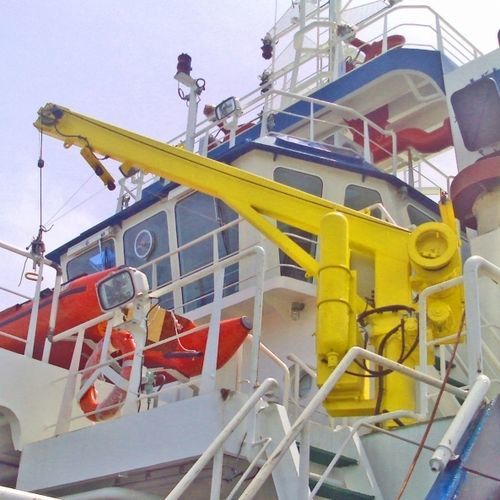
- Antriebsoptionen
- Electric, hydraulic, manual, with/without stored power (accumulator or spring force)
- Solas-hoistgeschwindigkeit
- Bis 48 m/min für Fast-Rescue-Davits (SOLAS-konform)
- Einsatzbereich
- Rettungsboote, Schnellrettungsboote, Rettungsflöße, MOB-Boote
- Konstruktion
- Normal pivot or slewing types, single or double arm with optional docking head to prevent pendulum motion until water level
- Hubkapazität
- Configurable according to ship type and lifeboat weight (tailor-made solutions)
- Zertifizierung
- ABS, GL, DNV, BV, NK, KR, LR and other classification societies
- D-NPS.SP (Normal Pivot Single/Double Arm mit Docking Head)
- D-NPS.FR (Fast Rescue Davit mit Docking Head)
- D-CRm.FR (Slewing Fast Rescue Davit mit hydraulischem/elektrischem Antrieb)
- D-BR (rescue davit with manual operation or hydraulic stored power)
- D-NP.MP (Normal Pivot mit mechanischer Stored Power - Federbelastung)
- D-NP.SP (Normal Pivot mit hydraulischer Stored Power - Akku)
- Area: On-load release gear functionality and wearCheck: Annually: operational test of on-load release gear by positioning the boat partially in water for load support by fall, actuation of release gear, reset and inspection for damage. Every 5 years: overhaul of release system with 110% proof-load test. Inspect release gear before and after operational test; verify hook securing and reset.
- Area: Wire rope condition (wires/falls) – corrosion, wear, breakageCheck: Monthly: visual inspection for fraying, kinks, corrosion, broken strands. Annually: wire rope and sheaves for scratches, dents, corrosion, missing lubrication. Every 5 years: wire rope replacement per SOLAS Chapter III required. Lubrication of wires, sheaves and moving parts to be checked.
- Area: Brake system - inspection function and wear partsCheck: Annually: brake test by suspension of rated load and verification that brake holds without slippage. For centrifugal brakes: sinking speed against SOLAS formula (max. 1.3 m/s) to be checked. Brake pads to be inspected and replaced when worn. Every 5 years: brake system to be opened and condition thoroughly checked.
- Area: Sheaves - wear, abrasion, corrosion, wear ringsCheck: Annually: sheaves for wear grooves, wear ring wear, corrosion, incorrect alignment, loose bolts to be checked. A worn or corroded sheave damages new wires and leads to premature wire rope failure. Wear ring thickness to be measured and replaced if necessary. Lubrication to be checked.
- Area: Overall structure - corrosion, wear, deformation and clearanceCheck: Annually: davit structure for corrosion (especially welds), wear, deformation, excessive clearance, cracks to be checked. All bolt locking devices to be verified. Hydraulic cylinders for leakage to be checked. Every 5 years: selective disassembly with NDT (roughness inspection, crack inspection) to be performed. Foundations to be inspected.
- Area: Proof-load test at 110% of rated loadCheck: Annually: dynamic winch brake test at 110% of Safe Working Load to be performed (simulated by water bag equipment or certified load cells). Every 5 years: comprehensive proof-load test of entire davit, winch, wire rope and hook system at 110% SWL to be performed. System must hold load, show no deformation or damage.
Type-universal inspection/maintenance points for Lifesaving Appliances (LSA) (davit international, Mega-Swarm 2026–06). Per-model specs not auto-populated.
- Multiple drive options allow tailoring to vessel power availability (electric, hydraulic, manual or battery/fed‑spring).
- Fast‑rescue hoist speed (≤48 m/min) meets SOLAS requirements for rapid deployment.
- Docking head option prevents pendulum swing and protects the boat until water entry.
- Capacity and geometry are tailor‑made to the specific vessel and lifeboat weight.
- Broad class society approvals (ABS, DNV, LR, etc.) simplify certification on new builds.
- Higher mechanical complexity increases routine maintenance workload.
- Stored‑power variants require periodic battery/fed‑spring inspection and replacement.
- Initial procurement cost is higher than basic manual davits.
- Space for hydraulic/electric drive units may be limited on smaller decks.
- Frequent inspection regime (monthly wire checks, annual brake test) adds operational overhead.

- Antriebsoptionen
- Electric, hydraulic, manual, with/without stored power (accumulator or spring force)
- Solas-hoistgeschwindigkeit
- Bis 48 m/min für Fast-Rescue-Davits (SOLAS-konform)
- Einsatzbereich
- Rettungsboote, Schnellrettungsboote, Rettungsflöße, MOB-Boote
- Konstruktion
- Normal pivot or slewing types, single or double arm with optional docking head to prevent pendulum motion until water level
- Hubkapazität
- Configurable according to ship type and lifeboat weight (tailor-made solutions)
- Zertifizierung
- ABS, GL, DNV, BV, NK, KR, LR and other classification societies
- D-NPS.SP (Normal Pivot Single/Double Arm mit Docking Head)
- D-NPS.FR (Fast Rescue Davit mit Docking Head)
- D-CRm.FR (Slewing Fast Rescue Davit mit hydraulischem/elektrischem Antrieb)
- D-BR (rescue davit with manual operation or hydraulic stored power)
- D-NP.MP (Normal Pivot mit mechanischer Stored Power - Federbelastung)
- D-NP.SP (Normal Pivot mit hydraulischer Stored Power - Akku)
- Area: On-load release gear functionality and wearCheck: Annually: operational test of on-load release gear by positioning the boat partially in water for load support by fall, actuation of release gear, reset and inspection for damage. Every 5 years: overhaul of release system with 110% proof-load test. Inspect release gear before and after operational test; verify hook securing and reset.
- Area: Wire rope condition (wires/falls) – corrosion, wear, breakageCheck: Monthly: visual inspection for fraying, kinks, corrosion, broken strands. Annually: wire rope and sheaves for scratches, dents, corrosion, missing lubrication. Every 5 years: wire rope replacement per SOLAS Chapter III required. Lubrication of wires, sheaves and moving parts to be checked.
- Area: Brake system - inspection function and wear partsCheck: Annually: brake test by suspension of rated load and verification that brake holds without slippage. For centrifugal brakes: sinking speed against SOLAS formula (max. 1.3 m/s) to be checked. Brake pads to be inspected and replaced when worn. Every 5 years: brake system to be opened and condition thoroughly checked.
- Area: Sheaves - wear, abrasion, corrosion, wear ringsCheck: Annually: sheaves for wear grooves, wear ring wear, corrosion, incorrect alignment, loose bolts to be checked. A worn or corroded sheave damages new wires and leads to premature wire rope failure. Wear ring thickness to be measured and replaced if necessary. Lubrication to be checked.
- Area: Overall structure - corrosion, wear, deformation and clearanceCheck: Annually: davit structure for corrosion (especially welds), wear, deformation, excessive clearance, cracks to be checked. All bolt locking devices to be verified. Hydraulic cylinders for leakage to be checked. Every 5 years: selective disassembly with NDT (roughness inspection, crack inspection) to be performed. Foundations to be inspected.
- Area: Proof-load test at 110% of rated loadCheck: Annually: dynamic winch brake test at 110% of Safe Working Load to be performed (simulated by water bag equipment or certified load cells). Every 5 years: comprehensive proof-load test of entire davit, winch, wire rope and hook system at 110% SWL to be performed. System must hold load, show no deformation or damage.
Type-universal inspection/maintenance points for Lifesaving Appliances (LSA) (davit international, Mega-Swarm 2026–06). Per-model specs not auto-populated.
- High launch speed (up to 48 m/min) meeting SOLAS fast‑rescue requirements
- Multiple power options (electric, hydraulic, manual or stored‑power) for redundancy
- Docking head reduces swing and improves safe water entry
- Load capacity can be customised per vessel and boat weight
- Certified by major classification societies (ABS, DNV, LR, etc.)
- Complex drive options increase maintenance workload and spare‑part inventory
- Stored‑power versions require battery management and charging infrastructure
- Regular wire‑rope, brake and release‑gear inspections are mandatory (monthly/annual/5‑yearly)
- Higher initial capital cost compared with simple manual davits
- Double‑arm configuration occupies more deck space
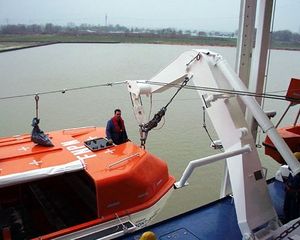
- Antriebsoptionen
- Electric, hydraulic, manual, with/without stored power (accumulator or spring force)
- Solas-hoistgeschwindigkeit
- Bis 48 m/min für Fast-Rescue-Davits (SOLAS-konform)
- Einsatzbereich
- Rettungsboote, Schnellrettungsboote, Rettungsflöße, MOB-Boote
- Konstruktion
- Normal pivot or slewing types, single or double arm with optional docking head to prevent pendulum motion until water level
- Hubkapazität
- Configurable according to ship type and lifeboat weight (tailor-made solutions)
- Zertifizierung
- ABS, GL, DNV, BV, NK, KR, LR and other classification societies
- D-NPS.SP (Normal Pivot Single/Double Arm mit Docking Head)
- D-NPS.FR (Fast Rescue Davit mit Docking Head)
- D-CRm.FR (Slewing Fast Rescue Davit mit hydraulischem/elektrischem Antrieb)
- D-BR (rescue davit with manual operation or hydraulic stored power)
- D-NP.MP (Normal Pivot mit mechanischer Stored Power - Federbelastung)
- D-NP.SP (Normal Pivot mit hydraulischer Stored Power - Akku)
- Area: On-load release gear functionality and wearCheck: Annually: operational test of on-load release gear by positioning the boat partially in water for load support by fall, actuation of release gear, reset and inspection for damage. Every 5 years: overhaul of release system with 110% proof-load test. Inspect release gear before and after operational test; verify hook securing and reset.
- Area: Wire rope condition (wires/falls) – corrosion, wear, breakageCheck: Monthly: visual inspection for fraying, kinks, corrosion, broken strands. Annually: wire rope and sheaves for scratches, dents, corrosion, missing lubrication. Every 5 years: wire rope replacement per SOLAS Chapter III required. Lubrication of wires, sheaves and moving parts to be checked.
- Area: Brake system - inspection function and wear partsCheck: Annually: brake test by suspension of rated load and verification that brake holds without slippage. For centrifugal brakes: sinking speed against SOLAS formula (max. 1.3 m/s) to be checked. Brake pads to be inspected and replaced when worn. Every 5 years: brake system to be opened and condition thoroughly checked.
- Area: Sheaves - wear, abrasion, corrosion, wear ringsCheck: Annually: sheaves for wear grooves, wear ring wear, corrosion, incorrect alignment, loose bolts to be checked. A worn or corroded sheave damages new wires and leads to premature wire rope failure. Wear ring thickness to be measured and replaced if necessary. Lubrication to be checked.
- Area: Overall structure - corrosion, wear, deformation and clearanceCheck: Annually: davit structure for corrosion (especially welds), wear, deformation, excessive clearance, cracks to be checked. All bolt locking devices to be verified. Hydraulic cylinders for leakage to be checked. Every 5 years: selective disassembly with NDT (roughness inspection, crack inspection) to be performed. Foundations to be inspected.
- Area: Proof-load test at 110% of rated loadCheck: Annually: dynamic winch brake test at 110% of Safe Working Load to be performed (simulated by water bag equipment or certified load cells). Every 5 years: comprehensive proof-load test of entire davit, winch, wire rope and hook system at 110% SWL to be performed. System must hold load, show no deformation or damage.
Type-universal inspection/maintenance points for Lifesaving Appliances (LSA) (davit international, Mega-Swarm 2026–06). Per-model specs not auto-populated.
- Fast hoist speed up to 48 m/min meeting SOLAS requirements for rapid rescue
- Multiple drive configurations allow tailoring to vessel power availability (electric, hydraulic, manual or stored‑power)
- Docking head prevents pendulum motion, improving safety in rough seas
- Load capacity can be customized per vessel and boat weight
- Broad classification approval (ABS, DNV, LR, etc.) for most merchant vessels
- Higher initial cost and complexity compared with single‑mode davits
- Maintenance intensity rises with hydraulic/electric components and stored‑power batteries
- Space requirements on deck are larger than simple manual davits
- Requires strict 5‑year proof‑load testing and frequent inspections to stay compliant
- Limited availability of spare parts in remote ports for some proprietary components
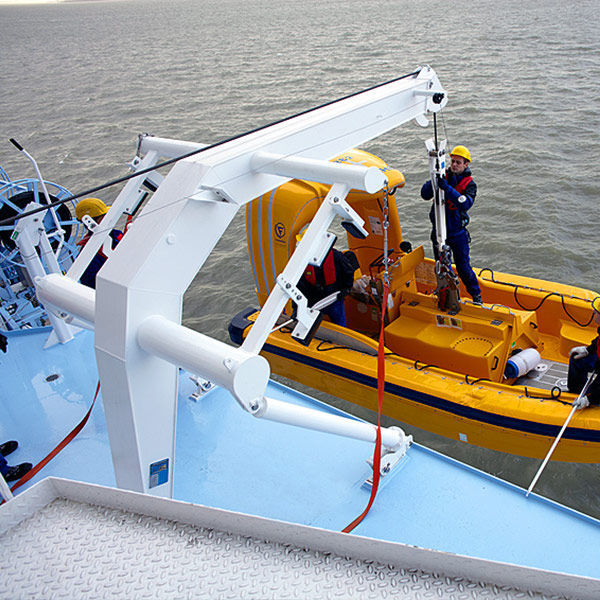
- Antriebsoptionen
- Electric, hydraulic, manual, with/without stored power (accumulator or spring force)
- Solas-hoistgeschwindigkeit
- Bis 48 m/min für Fast-Rescue-Davits (SOLAS-konform)
- Einsatzbereich
- Rettungsboote, Schnellrettungsboote, Rettungsflöße, MOB-Boote
- Konstruktion
- Normal pivot or slewing types, single or double arm with optional docking head to prevent pendulum motion until water level
- Hubkapazität
- Configurable according to ship type and lifeboat weight (tailor-made solutions)
- Zertifizierung
- ABS, GL, DNV, BV, NK, KR, LR and other classification societies
- D-NPS.SP (Normal Pivot Single/Double Arm mit Docking Head)
- D-NPS.FR (Fast Rescue Davit mit Docking Head)
- D-CRm.FR (Slewing Fast Rescue Davit mit hydraulischem/elektrischem Antrieb)
- D-BR (rescue davit with manual operation or hydraulic stored power)
- D-NP.MP (Normal Pivot mit mechanischer Stored Power - Federbelastung)
- D-NP.SP (Normal Pivot mit hydraulischer Stored Power - Akku)
- Area: On-load release gear functionality and wearCheck: Annually: operational test of on-load release gear by positioning the boat partially in water for load support by fall, actuation of release gear, reset and inspection for damage. Every 5 years: overhaul of release system with 110% proof-load test. Inspect release gear before and after operational test; verify hook securing and reset.
- Area: Wire rope condition (wires/falls) – corrosion, wear, breakageCheck: Monthly: visual inspection for fraying, kinks, corrosion, broken strands. Annually: wire rope and sheaves for scratches, dents, corrosion, missing lubrication. Every 5 years: wire rope replacement per SOLAS Chapter III required. Lubrication of wires, sheaves and moving parts to be checked.
- Area: Brake system - inspection function and wear partsCheck: Annually: brake test by suspension of rated load and verification that brake holds without slippage. For centrifugal brakes: sinking speed against SOLAS formula (max. 1.3 m/s) to be checked. Brake pads to be inspected and replaced when worn. Every 5 years: brake system to be opened and condition thoroughly checked.
- Area: Sheaves - wear, abrasion, corrosion, wear ringsCheck: Annually: sheaves for wear grooves, wear ring wear, corrosion, incorrect alignment, loose bolts to be checked. A worn or corroded sheave damages new wires and leads to premature wire rope failure. Wear ring thickness to be measured and replaced if necessary. Lubrication to be checked.
- Area: Overall structure - corrosion, wear, deformation and clearanceCheck: Annually: davit structure for corrosion (especially welds), wear, deformation, excessive clearance, cracks to be checked. All bolt locking devices to be verified. Hydraulic cylinders for leakage to be checked. Every 5 years: selective disassembly with NDT (roughness inspection, crack inspection) to be performed. Foundations to be inspected.
- Area: Proof-load test at 110% of rated loadCheck: Annually: dynamic winch brake test at 110% of Safe Working Load to be performed (simulated by water bag equipment or certified load cells). Every 5 years: comprehensive proof-load test of entire davit, winch, wire rope and hook system at 110% SWL to be performed. System must hold load, show no deformation or damage.
Type-universal inspection/maintenance points for Lifesaving Appliances (LSA) (davit international, Mega-Swarm 2026–06). Per-model specs not auto-populated.
- High hoist speed (up to 48 m/min) meeting SOLAS fast‑rescue requirements
- Docking head reduces swing, allowing launch in rough sea states
- Multiple drive options (electric, hydraulic, manual or stored‑power) for redundancy
- Configurable load capacity tailored to vessel and boat weight
- Broad class society approvals (ABS, GL, DNV, BV, NK, KR, LR)
- Higher initial cost compared with basic manual davits
- Complexity of hydraulic/electric drives increases maintenance demands
- Requires dedicated space for drive units and control cabinets
- Periodic proof‑load testing (5‑year) adds to life‑cycle expenses
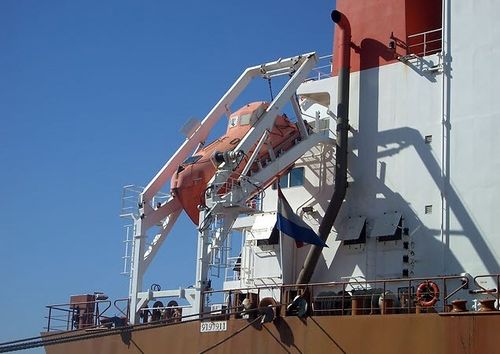
- Antriebsoptionen
- Electric, hydraulic, manual, with/without stored power (accumulator or spring force)
- Solas-hoistgeschwindigkeit
- Bis 48 m/min für Fast-Rescue-Davits (SOLAS-konform)
- Einsatzbereich
- Rettungsboote, Schnellrettungsboote, Rettungsflöße, MOB-Boote
- Konstruktion
- Normal pivot or slewing types, single or double arm with optional docking head to prevent pendulum motion until water level
- Hubkapazität
- Configurable according to ship type and lifeboat weight (tailor-made solutions)
- Zertifizierung
- ABS, GL, DNV, BV, NK, KR, LR and other classification societies
- D-NPS.SP (Normal Pivot Single/Double Arm mit Docking Head)
- D-NPS.FR (Fast Rescue Davit mit Docking Head)
- D-CRm.FR (Slewing Fast Rescue Davit mit hydraulischem/elektrischem Antrieb)
- D-BR (rescue davit with manual operation or hydraulic stored power)
- D-NP.MP (Normal Pivot mit mechanischer Stored Power - Federbelastung)
- D-NP.SP (Normal Pivot mit hydraulischer Stored Power - Akku)
- Area: On-load release gear functionality and wearCheck: Annually: operational test of on-load release gear by positioning the boat partially in water for load support by fall, actuation of release gear, reset and inspection for damage. Every 5 years: overhaul of release system with 110% proof-load test. Inspect release gear before and after operational test; verify hook securing and reset.
- Area: Wire rope condition (wires/falls) – corrosion, wear, breakageCheck: Monthly: visual inspection for fraying, kinks, corrosion, broken strands. Annually: wire rope and sheaves for scratches, dents, corrosion, missing lubrication. Every 5 years: wire rope replacement per SOLAS Chapter III required. Lubrication of wires, sheaves and moving parts to be checked.
- Area: Brake system - inspection function and wear partsCheck: Annually: brake test by suspension of rated load and verification that brake holds without slippage. For centrifugal brakes: sinking speed against SOLAS formula (max. 1.3 m/s) to be checked. Brake pads to be inspected and replaced when worn. Every 5 years: brake system to be opened and condition thoroughly checked.
- Area: Sheaves - wear, abrasion, corrosion, wear ringsCheck: Annually: sheaves for wear grooves, wear ring wear, corrosion, incorrect alignment, loose bolts to be checked. A worn or corroded sheave damages new wires and leads to premature wire rope failure. Wear ring thickness to be measured and replaced if necessary. Lubrication to be checked.
- Area: Overall structure - corrosion, wear, deformation and clearanceCheck: Annually: davit structure for corrosion (especially welds), wear, deformation, excessive clearance, cracks to be checked. All bolt locking devices to be verified. Hydraulic cylinders for leakage to be checked. Every 5 years: selective disassembly with NDT (roughness inspection, crack inspection) to be performed. Foundations to be inspected.
- Area: Proof-load test at 110% of rated loadCheck: Annually: dynamic winch brake test at 110% of Safe Working Load to be performed (simulated by water bag equipment or certified load cells). Every 5 years: comprehensive proof-load test of entire davit, winch, wire rope and hook system at 110% SWL to be performed. System must hold load, show no deformation or damage.
Type-universal inspection/maintenance points for Lifesaving Appliances (LSA) (davit international, Mega-Swarm 2026–06). Per-model specs not auto-populated.
- Fast‑rescue hoist speed up to 48 m/min meeting SOLAS requirements for rapid evacuation
- Multiple drive options (electric, hydraulic, manual) allow tailoring to vessel power availability
- Docking head prevents pendulum swing, improving safety in rough sea conditions
- Hub capacity is configurable per vessel and lifeboat weight, enabling custom solutions
- Certified by major classification societies (ABS, DNV, LR, BV) for global acceptance
- Hybrid/electrical drive adds complexity and requires specialized maintenance training
- Stored‑power variants need regular battery or spring inspection and replacement cycles
- Higher initial capital cost compared with simple manual davits
- Space requirements for hydraulic pumps or batteries may limit retrofit on older ships
- Mandatory 5‑year proof‑load test and frequent inspections increase lifecycle OPEX
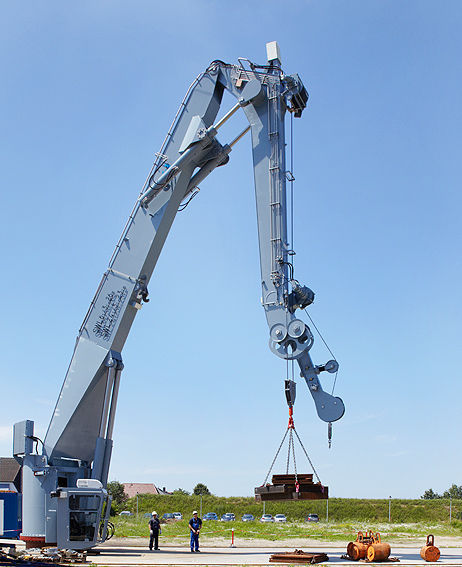
- Antriebsoptionen
- Electric, hydraulic, manual, with/without stored power (accumulator or spring force)
- Solas-hoistgeschwindigkeit
- Bis 48 m/min für Fast-Rescue-Davits (SOLAS-konform)
- Einsatzbereich
- Rettungsboote, Schnellrettungsboote, Rettungsflöße, MOB-Boote
- Konstruktion
- Normal pivot or slewing types, single or double arm with optional docking head to prevent pendulum motion until water level
- Hubkapazität
- Configurable according to ship type and lifeboat weight (tailor-made solutions)
- Zertifizierung
- ABS, GL, DNV, BV, NK, KR, LR and other classification societies
- D-NPS.SP (Normal Pivot Single/Double Arm mit Docking Head)
- D-NPS.FR (Fast Rescue Davit mit Docking Head)
- D-CRm.FR (Slewing Fast Rescue Davit mit hydraulischem/elektrischem Antrieb)
- D-BR (rescue davit with manual operation or hydraulic stored power)
- D-NP.MP (Normal Pivot mit mechanischer Stored Power - Federbelastung)
- D-NP.SP (Normal Pivot mit hydraulischer Stored Power - Akku)
- Area: On-load release gear functionality and wearCheck: Annually: operational test of on-load release gear by positioning the boat partially in water for load support by fall, actuation of release gear, reset and inspection for damage. Every 5 years: overhaul of release system with 110% proof-load test. Inspect release gear before and after operational test; verify hook securing and reset.
- Area: Wire rope condition (wires/falls) – corrosion, wear, breakageCheck: Monthly: visual inspection for fraying, kinks, corrosion, broken strands. Annually: wire rope and sheaves for scratches, dents, corrosion, missing lubrication. Every 5 years: wire rope replacement per SOLAS Chapter III required. Lubrication of wires, sheaves and moving parts to be checked.
- Area: Brake system - inspection function and wear partsCheck: Annually: brake test by suspension of rated load and verification that brake holds without slippage. For centrifugal brakes: sinking speed against SOLAS formula (max. 1.3 m/s) to be checked. Brake pads to be inspected and replaced when worn. Every 5 years: brake system to be opened and condition thoroughly checked.
- Area: Sheaves - wear, abrasion, corrosion, wear ringsCheck: Annually: sheaves for wear grooves, wear ring wear, corrosion, incorrect alignment, loose bolts to be checked. A worn or corroded sheave damages new wires and leads to premature wire rope failure. Wear ring thickness to be measured and replaced if necessary. Lubrication to be checked.
- Area: Overall structure - corrosion, wear, deformation and clearanceCheck: Annually: davit structure for corrosion (especially welds), wear, deformation, excessive clearance, cracks to be checked. All bolt locking devices to be verified. Hydraulic cylinders for leakage to be checked. Every 5 years: selective disassembly with NDT (roughness inspection, crack inspection) to be performed. Foundations to be inspected.
- Area: Proof-load test at 110% of rated loadCheck: Annually: dynamic winch brake test at 110% of Safe Working Load to be performed (simulated by water bag equipment or certified load cells). Every 5 years: comprehensive proof-load test of entire davit, winch, wire rope and hook system at 110% SWL to be performed. System must hold load, show no deformation or damage.
Type-universal inspection/maintenance points for Lifesaving Appliances (LSA) (davit international, Mega-Swarm 2026–06). Per-model specs not auto-populated.
- Hoist speed up to 48 m/min meets SOLAS fast‑rescue requirements
- Multiple drive options (electric, hydraulic, manual) with stored‑power backup for redundancy
- Docking head reduces swing and improves safe launch in heavy seas
- Modular capacity – can be sized to the specific boat weight of the vessel
- Certified by major classification societies (ABS, DNV, LR, BV, NK, KR)
- Higher initial cost compared with simple manual davits
- More complex maintenance regime (hydraulic/electric checks, battery replacement)
- Requires additional space for double‑arm configuration and drive units
- Periodic proof‑load testing (annual/5‑year) adds operational downtime
- Dependence on stored‑power system that must be inspected and replaced regularly
- Antriebsoptionen
- Electric, hydraulic, manual, with/without stored power (accumulator or spring force)
- Solas-hoistgeschwindigkeit
- Bis 48 m/min für Fast-Rescue-Davits (SOLAS-konform)
- Einsatzbereich
- Rettungsboote, Schnellrettungsboote, Rettungsflöße, MOB-Boote
- Konstruktion
- Normal pivot or slewing types, single or double arm with optional docking head to prevent pendulum motion until water level
- Hubkapazität
- Configurable according to ship type and lifeboat weight (tailor-made solutions)
- Zertifizierung
- ABS, GL, DNV, BV, NK, KR, LR and other classification societies
- D-NPS.SP (Normal Pivot Single/Double Arm mit Docking Head)
- D-NPS.FR (Fast Rescue Davit mit Docking Head)
- D-CRm.FR (Slewing Fast Rescue Davit mit hydraulischem/elektrischem Antrieb)
- D-BR (rescue davit with manual operation or hydraulic stored power)
- D-NP.MP (Normal Pivot mit mechanischer Stored Power - Federbelastung)
- D-NP.SP (Normal Pivot mit hydraulischer Stored Power - Akku)
- Area: On-load release gear functionality and wearCheck: Annually: operational test of on-load release gear by positioning the boat partially in water for load support by fall, actuation of release gear, reset and inspection for damage. Every 5 years: overhaul of release system with 110% proof-load test. Inspect release gear before and after operational test; verify hook securing and reset.
- Area: Wire rope condition (wires/falls) – corrosion, wear, breakageCheck: Monthly: visual inspection for fraying, kinks, corrosion, broken strands. Annually: wire rope and sheaves for scratches, dents, corrosion, missing lubrication. Every 5 years: wire rope replacement per SOLAS Chapter III required. Lubrication of wires, sheaves and moving parts to be checked.
- Area: Brake system - inspection function and wear partsCheck: Annually: brake test by suspension of rated load and verification that brake holds without slippage. For centrifugal brakes: sinking speed against SOLAS formula (max. 1.3 m/s) to be checked. Brake pads to be inspected and replaced when worn. Every 5 years: brake system to be opened and condition thoroughly checked.
- Area: Sheaves - wear, abrasion, corrosion, wear ringsCheck: Annually: sheaves for wear grooves, wear ring wear, corrosion, incorrect alignment, loose bolts to be checked. A worn or corroded sheave damages new wires and leads to premature wire rope failure. Wear ring thickness to be measured and replaced if necessary. Lubrication to be checked.
- Area: Overall structure - corrosion, wear, deformation and clearanceCheck: Annually: davit structure for corrosion (especially welds), wear, deformation, excessive clearance, cracks to be checked. All bolt locking devices to be verified. Hydraulic cylinders for leakage to be checked. Every 5 years: selective disassembly with NDT (roughness inspection, crack inspection) to be performed. Foundations to be inspected.
- Area: Proof-load test at 110% of rated loadCheck: Annually: dynamic winch brake test at 110% of Safe Working Load to be performed (simulated by water bag equipment or certified load cells). Every 5 years: comprehensive proof-load test of entire davit, winch, wire rope and hook system at 110% SWL to be performed. System must hold load, show no deformation or damage.
Type-universal inspection/maintenance points for Lifesaving Appliances (LSA) (davit international, Mega-Swarm 2026–06). Per-model specs not auto-populated.
- Hoist speed up to 48 m/min meets SOLAS fast‑rescue requirements
- Multiple drive options (electric, hydraulic, manual, battery or spring stored power) for redundancy and flexibility
- Docking head available to reduce swing and improve safe launch in rough seas
- Modular load capacity can be tailored to vessel type and boat weight
- Fully SOLAS‑approved and designed for integration with a range of classification societies
- Higher initial cost compared with basic manual davits
- Complexity of hydraulic/electric systems increases routine maintenance workload
- Stored‑power (battery or spring) units require periodic inspection and replacement
- Installation footprint can be large for double‑arm configurations, limiting use on vessels with restricted deck space
- Requires strict adherence to 5‑year proof‑load testing and wire‑rope inspections
- Antriebsoptionen
- Electric, hydraulic, manual, with/without stored power (accumulator or spring force)
- Solas-hoistgeschwindigkeit
- Bis 48 m/min für Fast-Rescue-Davits (SOLAS-konform)
- Einsatzbereich
- Rettungsboote, Schnellrettungsboote, Rettungsflöße, MOB-Boote
- Konstruktion
- Normal pivot or slewing types, single or double arm with optional docking head to prevent pendulum motion until water level
- Hubkapazität
- Configurable according to ship type and lifeboat weight (tailor-made solutions)
- Zertifizierung
- ABS, GL, DNV, BV, NK, KR, LR and other classification societies
- D-NPS.SP (Normal Pivot Single/Double Arm mit Docking Head)
- D-NPS.FR (Fast Rescue Davit mit Docking Head)
- D-CRm.FR (Slewing Fast Rescue Davit mit hydraulischem/elektrischem Antrieb)
- D-BR (rescue davit with manual operation or hydraulic stored power)
- D-NP.MP (Normal Pivot mit mechanischer Stored Power - Federbelastung)
- D-NP.SP (Normal Pivot mit hydraulischer Stored Power - Akku)
- Area: On-load release gear functionality and wearCheck: Annually: operational test of on-load release gear by positioning the boat partially in water for load support by fall, actuation of release gear, reset and inspection for damage. Every 5 years: overhaul of release system with 110% proof-load test. Inspect release gear before and after operational test; verify hook securing and reset.
- Area: Wire rope condition (wires/falls) – corrosion, wear, breakageCheck: Monthly: visual inspection for fraying, kinks, corrosion, broken strands. Annually: wire rope and sheaves for scratches, dents, corrosion, missing lubrication. Every 5 years: wire rope replacement per SOLAS Chapter III required. Lubrication of wires, sheaves and moving parts to be checked.
- Area: Brake system - inspection function and wear partsCheck: Annually: brake test by suspension of rated load and verification that brake holds without slippage. For centrifugal brakes: sinking speed against SOLAS formula (max. 1.3 m/s) to be checked. Brake pads to be inspected and replaced when worn. Every 5 years: brake system to be opened and condition thoroughly checked.
- Area: Sheaves - wear, abrasion, corrosion, wear ringsCheck: Annually: sheaves for wear grooves, wear ring wear, corrosion, incorrect alignment, loose bolts to be checked. A worn or corroded sheave damages new wires and leads to premature wire rope failure. Wear ring thickness to be measured and replaced if necessary. Lubrication to be checked.
- Area: Overall structure - corrosion, wear, deformation and clearanceCheck: Annually: davit structure for corrosion (especially welds), wear, deformation, excessive clearance, cracks to be checked. All bolt locking devices to be verified. Hydraulic cylinders for leakage to be checked. Every 5 years: selective disassembly with NDT (roughness inspection, crack inspection) to be performed. Foundations to be inspected.
- Area: Proof-load test at 110% of rated loadCheck: Annually: dynamic winch brake test at 110% of Safe Working Load to be performed (simulated by water bag equipment or certified load cells). Every 5 years: comprehensive proof-load test of entire davit, winch, wire rope and hook system at 110% SWL to be performed. System must hold load, show no deformation or damage.
Type-universal inspection/maintenance points for Lifesaving Appliances (LSA) (davit international, Mega-Swarm 2026–06). Per-model specs not auto-populated.
- Fast hoist speed up to 48 m/min meeting SOLAS Fast‑Rescue requirements
- Multiple drive options (electric, hydraulic, manual, stored‑power) provide redundancy
- Configurable layout – normal pivot or slewing, single or double arm, with optional docking head
- Tailor‑made load capacity for a wide range of boat weights
- Broad class society approvals (ABS, DNV, LR, BV, etc.) and IMO approval
- Higher initial capital cost compared with simple manual davits
- Increased maintenance complexity due to hydraulic/electrical components and stored‑power units
- Larger footprint; may not suit vessels with limited deck space
- Requires regular proof‑load testing (110 % SWL) and 5‑year comprehensive inspection
- Dependence on ship’s power supply for electric/hydraulic operation
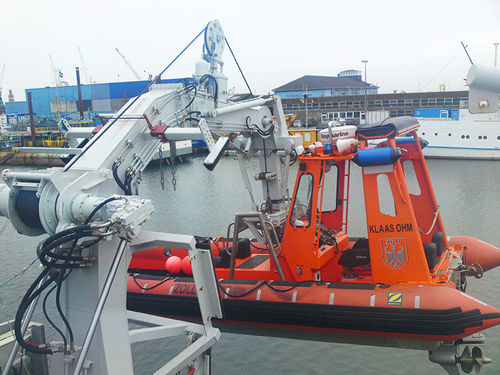
- Antriebsoptionen
- Electric, hydraulic, manual, with/without stored power (accumulator or spring force)
- Solas-hoistgeschwindigkeit
- Bis 48 m/min für Fast-Rescue-Davits (SOLAS-konform)
- Einsatzbereich
- Rettungsboote, Schnellrettungsboote, Rettungsflöße, MOB-Boote
- Konstruktion
- Normal pivot or slewing types, single or double arm with optional docking head to prevent pendulum motion until water level
- Hubkapazität
- Configurable according to ship type and lifeboat weight (tailor-made solutions)
- Zertifizierung
- ABS, GL, DNV, BV, NK, KR, LR and other classification societies
- D-NPS.SP (Normal Pivot Single/Double Arm mit Docking Head)
- D-NPS.FR (Fast Rescue Davit mit Docking Head)
- D-CRm.FR (Slewing Fast Rescue Davit mit hydraulischem/elektrischem Antrieb)
- D-BR (rescue davit with manual operation or hydraulic stored power)
- D-NP.MP (Normal Pivot mit mechanischer Stored Power - Federbelastung)
- D-NP.SP (Normal Pivot mit hydraulischer Stored Power - Akku)
- Area: On-load release gear functionality and wearCheck: Annually: operational test of on-load release gear by positioning the boat partially in water for load support by fall, actuation of release gear, reset and inspection for damage. Every 5 years: overhaul of release system with 110% proof-load test. Inspect release gear before and after operational test; verify hook securing and reset.
- Area: Wire rope condition (wires/falls) – corrosion, wear, breakageCheck: Monthly: visual inspection for fraying, kinks, corrosion, broken strands. Annually: wire rope and sheaves for scratches, dents, corrosion, missing lubrication. Every 5 years: wire rope replacement per SOLAS Chapter III required. Lubrication of wires, sheaves and moving parts to be checked.
- Area: Brake system - inspection function and wear partsCheck: Annually: brake test by suspension of rated load and verification that brake holds without slippage. For centrifugal brakes: sinking speed against SOLAS formula (max. 1.3 m/s) to be checked. Brake pads to be inspected and replaced when worn. Every 5 years: brake system to be opened and condition thoroughly checked.
- Area: Sheaves - wear, abrasion, corrosion, wear ringsCheck: Annually: sheaves for wear grooves, wear ring wear, corrosion, incorrect alignment, loose bolts to be checked. A worn or corroded sheave damages new wires and leads to premature wire rope failure. Wear ring thickness to be measured and replaced if necessary. Lubrication to be checked.
- Area: Overall structure - corrosion, wear, deformation and clearanceCheck: Annually: davit structure for corrosion (especially welds), wear, deformation, excessive clearance, cracks to be checked. All bolt locking devices to be verified. Hydraulic cylinders for leakage to be checked. Every 5 years: selective disassembly with NDT (roughness inspection, crack inspection) to be performed. Foundations to be inspected.
- Area: Proof-load test at 110% of rated loadCheck: Annually: dynamic winch brake test at 110% of Safe Working Load to be performed (simulated by water bag equipment or certified load cells). Every 5 years: comprehensive proof-load test of entire davit, winch, wire rope and hook system at 110% SWL to be performed. System must hold load, show no deformation or damage.
Type-universal inspection/maintenance points for Lifesaving Appliances (LSA) (davit international, Mega-Swarm 2026–06). Per-model specs not auto-populated.
- Hoist speed up to 48 m/min meets SOLAS fast‑rescue requirements
- Multiple drive options (electric, hydraulic, manual or stored‑power) allow installation flexibility
- Docking head reduces pendulum motion and improves safe launch in rough seas
- IMO approved and class certified by ABS, DNV, LR, BV, NK, KR
- Tailor‑made load capacity for a wide range of lifeboat weights
- Complex drive systems increase routine maintenance and inspection workload
- Higher initial capital cost compared with basic manual davits
- Requires regular proof‑load testing (annual/5‑year) to retain certification
- Double‑arm or slewing configurations occupy more deck space
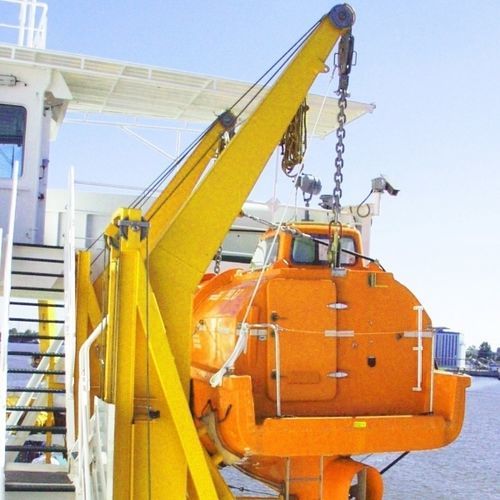
- Antriebsoptionen
- Electric, hydraulic, manual, with/without stored power (accumulator or spring force)
- Solas-hoistgeschwindigkeit
- Bis 48 m/min für Fast-Rescue-Davits (SOLAS-konform)
- Einsatzbereich
- Rettungsboote, Schnellrettungsboote, Rettungsflöße, MOB-Boote
- Konstruktion
- Normal pivot or slewing types, single or double arm with optional docking head to prevent pendulum motion until water level
- Hubkapazität
- Configurable according to ship type and lifeboat weight (tailor-made solutions)
- Zertifizierung
- ABS, GL, DNV, BV, NK, KR, LR and other classification societies
- D-NPS.SP (Normal Pivot Single/Double Arm mit Docking Head)
- D-NPS.FR (Fast Rescue Davit mit Docking Head)
- D-CRm.FR (Slewing Fast Rescue Davit mit hydraulischem/elektrischem Antrieb)
- D-BR (rescue davit with manual operation or hydraulic stored power)
- D-NP.MP (Normal Pivot mit mechanischer Stored Power - Federbelastung)
- D-NP.SP (Normal Pivot mit hydraulischer Stored Power - Akku)
- Area: On-load release gear functionality and wearCheck: Annually: operational test of on-load release gear by positioning the boat partially in water for load support by fall, actuation of release gear, reset and inspection for damage. Every 5 years: overhaul of release system with 110% proof-load test. Inspect release gear before and after operational test; verify hook securing and reset.
- Area: Wire rope condition (wires/falls) – corrosion, wear, breakageCheck: Monthly: visual inspection for fraying, kinks, corrosion, broken strands. Annually: wire rope and sheaves for scratches, dents, corrosion, missing lubrication. Every 5 years: wire rope replacement per SOLAS Chapter III required. Lubrication of wires, sheaves and moving parts to be checked.
- Area: Brake system - inspection function and wear partsCheck: Annually: brake test by suspension of rated load and verification that brake holds without slippage. For centrifugal brakes: sinking speed against SOLAS formula (max. 1.3 m/s) to be checked. Brake pads to be inspected and replaced when worn. Every 5 years: brake system to be opened and condition thoroughly checked.
- Area: Sheaves - wear, abrasion, corrosion, wear ringsCheck: Annually: sheaves for wear grooves, wear ring wear, corrosion, incorrect alignment, loose bolts to be checked. A worn or corroded sheave damages new wires and leads to premature wire rope failure. Wear ring thickness to be measured and replaced if necessary. Lubrication to be checked.
- Area: Overall structure - corrosion, wear, deformation and clearanceCheck: Annually: davit structure for corrosion (especially welds), wear, deformation, excessive clearance, cracks to be checked. All bolt locking devices to be verified. Hydraulic cylinders for leakage to be checked. Every 5 years: selective disassembly with NDT (roughness inspection, crack inspection) to be performed. Foundations to be inspected.
- Area: Proof-load test at 110% of rated loadCheck: Annually: dynamic winch brake test at 110% of Safe Working Load to be performed (simulated by water bag equipment or certified load cells). Every 5 years: comprehensive proof-load test of entire davit, winch, wire rope and hook system at 110% SWL to be performed. System must hold load, show no deformation or damage.
Type-universal inspection/maintenance points for Lifesaving Appliances (LSA) (davit international, Mega-Swarm 2026–06). Per-model specs not auto-populated.
- High hoist speed (up to 48 m/min) meets SOLAS fast‑rescue requirements
- Versatile drive options – electric, hydraulic, manual or stored‑power (battery/feder)
- Optional docking head reduces swing and improves safe water entry
- Modular design (normal pivot or slewing, single/double arm) allows tailoring to vessel layout
- IMO approved and certified by major classification societies (ABS, DNV, LR, BV, NK, KR)
- Greater mechanical/electrical complexity increases maintenance workload
- Higher initial capital cost compared with basic manual davits
- Requires dedicated space for hydraulic pumps or battery banks
- Frequent inspection of wire‑rope, release gear and brake system is mandatory (monthly–5‑yearly)
- Stored‑power variants need regular battery health monitoring

- Antriebsoptionen
- Electric, hydraulic, manual, with/without stored power (accumulator or spring force)
- Solas-hoistgeschwindigkeit
- Bis 48 m/min für Fast-Rescue-Davits (SOLAS-konform)
- Einsatzbereich
- Rettungsboote, Schnellrettungsboote, Rettungsflöße, MOB-Boote
- Konstruktion
- Normal pivot or slewing types, single or double arm with optional docking head to prevent pendulum motion until water level
- Hubkapazität
- Configurable according to ship type and lifeboat weight (tailor-made solutions)
- Zertifizierung
- ABS, GL, DNV, BV, NK, KR, LR and other classification societies
- D-NPS.SP (Normal Pivot Single/Double Arm mit Docking Head)
- D-NPS.FR (Fast Rescue Davit mit Docking Head)
- D-CRm.FR (Slewing Fast Rescue Davit mit hydraulischem/elektrischem Antrieb)
- D-BR (rescue davit with manual operation or hydraulic stored power)
- D-NP.MP (Normal Pivot mit mechanischer Stored Power - Federbelastung)
- D-NP.SP (Normal Pivot mit hydraulischer Stored Power - Akku)
- Area: On-load release gear functionality and wearCheck: Annually: operational test of on-load release gear by positioning the boat partially in water for load support by fall, actuation of release gear, reset and inspection for damage. Every 5 years: overhaul of release system with 110% proof-load test. Inspect release gear before and after operational test; verify hook securing and reset.
- Area: Wire rope condition (wires/falls) – corrosion, wear, breakageCheck: Monthly: visual inspection for fraying, kinks, corrosion, broken strands. Annually: wire rope and sheaves for scratches, dents, corrosion, missing lubrication. Every 5 years: wire rope replacement per SOLAS Chapter III required. Lubrication of wires, sheaves and moving parts to be checked.
- Area: Brake system - inspection function and wear partsCheck: Annually: brake test by suspension of rated load and verification that brake holds without slippage. For centrifugal brakes: sinking speed against SOLAS formula (max. 1.3 m/s) to be checked. Brake pads to be inspected and replaced when worn. Every 5 years: brake system to be opened and condition thoroughly checked.
- Area: Sheaves - wear, abrasion, corrosion, wear ringsCheck: Annually: sheaves for wear grooves, wear ring wear, corrosion, incorrect alignment, loose bolts to be checked. A worn or corroded sheave damages new wires and leads to premature wire rope failure. Wear ring thickness to be measured and replaced if necessary. Lubrication to be checked.
- Area: Overall structure - corrosion, wear, deformation and clearanceCheck: Annually: davit structure for corrosion (especially welds), wear, deformation, excessive clearance, cracks to be checked. All bolt locking devices to be verified. Hydraulic cylinders for leakage to be checked. Every 5 years: selective disassembly with NDT (roughness inspection, crack inspection) to be performed. Foundations to be inspected.
- Area: Proof-load test at 110% of rated loadCheck: Annually: dynamic winch brake test at 110% of Safe Working Load to be performed (simulated by water bag equipment or certified load cells). Every 5 years: comprehensive proof-load test of entire davit, winch, wire rope and hook system at 110% SWL to be performed. System must hold load, show no deformation or damage.
Type-universal inspection/maintenance points for Lifesaving Appliances (LSA) (davit international, Mega-Swarm 2026–06). Per-model specs not auto-populated.
- Launch speed up to 48 m/min meets SOLAS fast‑rescue requirements for rapid evacuation
- Multiple power options (electric, hydraulic, manual and stored‑power) provide redundancy
- Docking head reduces swing and protects the boat during launch in rough seas
- Modular capacity – can be sized to a wide range of rescue‑boat weights
- Widely certified (ABS, DNV, LR, BV, IMO approved) for global compliance
- Higher initial cost compared with conventional single‑arm davits
- More complex hydraulic/electrical system increases routine maintenance workload
- Requires dedicated space on deck and integration of stored‑power (battery or spring) units
- Periodic proof‑load testing (110 % SWL) adds to inspection intervals
- Dependence on power supply; loss of both primary and backup sources can delay launch
- Antriebsoptionen
- Electric, hydraulic, manual, with/without stored power (accumulator or spring force)
- Solas-hoistgeschwindigkeit
- Bis 48 m/min für Fast-Rescue-Davits (SOLAS-konform)
- Einsatzbereich
- Rettungsboote, Schnellrettungsboote, Rettungsflöße, MOB-Boote
- Konstruktion
- Normal pivot or slewing types, single or double arm with optional docking head to prevent pendulum motion until water level
- Hubkapazität
- Configurable according to ship type and lifeboat weight (tailor-made solutions)
- Zertifizierung
- ABS, GL, DNV, BV, NK, KR, LR and other classification societies
- D-NPS.SP (Normal Pivot Single/Double Arm mit Docking Head)
- D-NPS.FR (Fast Rescue Davit mit Docking Head)
- D-CRm.FR (Slewing Fast Rescue Davit mit hydraulischem/elektrischem Antrieb)
- D-BR (rescue davit with manual operation or hydraulic stored power)
- D-NP.MP (Normal Pivot mit mechanischer Stored Power - Federbelastung)
- D-NP.SP (Normal Pivot mit hydraulischer Stored Power - Akku)
- Area: On-load release gear functionality and wearCheck: Annually: operational test of on-load release gear by positioning the boat partially in water for load support by fall, actuation of release gear, reset and inspection for damage. Every 5 years: overhaul of release system with 110% proof-load test. Inspect release gear before and after operational test; verify hook securing and reset.
- Area: Wire rope condition (wires/falls) – corrosion, wear, breakageCheck: Monthly: visual inspection for fraying, kinks, corrosion, broken strands. Annually: wire rope and sheaves for scratches, dents, corrosion, missing lubrication. Every 5 years: wire rope replacement per SOLAS Chapter III required. Lubrication of wires, sheaves and moving parts to be checked.
- Area: Brake system - inspection function and wear partsCheck: Annually: brake test by suspension of rated load and verification that brake holds without slippage. For centrifugal brakes: sinking speed against SOLAS formula (max. 1.3 m/s) to be checked. Brake pads to be inspected and replaced when worn. Every 5 years: brake system to be opened and condition thoroughly checked.
- Area: Sheaves - wear, abrasion, corrosion, wear ringsCheck: Annually: sheaves for wear grooves, wear ring wear, corrosion, incorrect alignment, loose bolts to be checked. A worn or corroded sheave damages new wires and leads to premature wire rope failure. Wear ring thickness to be measured and replaced if necessary. Lubrication to be checked.
- Area: Overall structure - corrosion, wear, deformation and clearanceCheck: Annually: davit structure for corrosion (especially welds), wear, deformation, excessive clearance, cracks to be checked. All bolt locking devices to be verified. Hydraulic cylinders for leakage to be checked. Every 5 years: selective disassembly with NDT (roughness inspection, crack inspection) to be performed. Foundations to be inspected.
- Area: Proof-load test at 110% of rated loadCheck: Annually: dynamic winch brake test at 110% of Safe Working Load to be performed (simulated by water bag equipment or certified load cells). Every 5 years: comprehensive proof-load test of entire davit, winch, wire rope and hook system at 110% SWL to be performed. System must hold load, show no deformation or damage.
Type-universal inspection/maintenance points for Lifesaving Appliances (LSA) (davit international, Mega-Swarm 2026–06). Per-model specs not auto-populated.
- Fast hoist speed up to 48 m/min (SOLAS‑compliant Fast‑Rescue capability)
- Multiple drive options – electric, hydraulic, manual or stored‑power – allowing installation on vessels with limited power supply
- Docking head reduces swing and improves safe water entry of the boat
- Tailor‑made load capacity for a wide range of lifeboat weights
- IMO/SOLAS approved and widely accepted by classification societies
- Higher initial cost compared with basic manual davits
- Complex hydraulic/electric systems increase routine maintenance workload
- Requires regular proof‑load testing (annual/5‑year) to stay compliant
- Space‑intensive mounting footprint, especially for double‑arm configurations
- Dependence on stored‑power units (battery or spring) may limit operation after prolonged power loss
- Antriebsoptionen
- Electric, hydraulic, manual, with/without stored power (accumulator or spring force)
- Solas-hoistgeschwindigkeit
- Bis 48 m/min für Fast-Rescue-Davits (SOLAS-konform)
- Einsatzbereich
- Rettungsboote, Schnellrettungsboote, Rettungsflöße, MOB-Boote
- Konstruktion
- Normal pivot or slewing types, single or double arm with optional docking head to prevent pendulum motion until water level
- Hubkapazität
- Configurable according to ship type and lifeboat weight (tailor-made solutions)
- Zertifizierung
- ABS, GL, DNV, BV, NK, KR, LR and other classification societies
- D-NPS.SP (Normal Pivot Single/Double Arm mit Docking Head)
- D-NPS.FR (Fast Rescue Davit mit Docking Head)
- D-CRm.FR (Slewing Fast Rescue Davit mit hydraulischem/elektrischem Antrieb)
- D-BR (rescue davit with manual operation or hydraulic stored power)
- D-NP.MP (Normal Pivot mit mechanischer Stored Power - Federbelastung)
- D-NP.SP (Normal Pivot mit hydraulischer Stored Power - Akku)
- Area: On-load release gear functionality and wearCheck: Annually: operational test of on-load release gear by positioning the boat partially in water for load support by fall, actuation of release gear, reset and inspection for damage. Every 5 years: overhaul of release system with 110% proof-load test. Inspect release gear before and after operational test; verify hook securing and reset.
- Area: Wire rope condition (wires/falls) – corrosion, wear, breakageCheck: Monthly: visual inspection for fraying, kinks, corrosion, broken strands. Annually: wire rope and sheaves for scratches, dents, corrosion, missing lubrication. Every 5 years: wire rope replacement per SOLAS Chapter III required. Lubrication of wires, sheaves and moving parts to be checked.
- Area: Brake system - inspection function and wear partsCheck: Annually: brake test by suspension of rated load and verification that brake holds without slippage. For centrifugal brakes: sinking speed against SOLAS formula (max. 1.3 m/s) to be checked. Brake pads to be inspected and replaced when worn. Every 5 years: brake system to be opened and condition thoroughly checked.
- Area: Sheaves - wear, abrasion, corrosion, wear ringsCheck: Annually: sheaves for wear grooves, wear ring wear, corrosion, incorrect alignment, loose bolts to be checked. A worn or corroded sheave damages new wires and leads to premature wire rope failure. Wear ring thickness to be measured and replaced if necessary. Lubrication to be checked.
- Area: Overall structure - corrosion, wear, deformation and clearanceCheck: Annually: davit structure for corrosion (especially welds), wear, deformation, excessive clearance, cracks to be checked. All bolt locking devices to be verified. Hydraulic cylinders for leakage to be checked. Every 5 years: selective disassembly with NDT (roughness inspection, crack inspection) to be performed. Foundations to be inspected.
- Area: Proof-load test at 110% of rated loadCheck: Annually: dynamic winch brake test at 110% of Safe Working Load to be performed (simulated by water bag equipment or certified load cells). Every 5 years: comprehensive proof-load test of entire davit, winch, wire rope and hook system at 110% SWL to be performed. System must hold load, show no deformation or damage.
Type-universal inspection/maintenance points for Lifesaving Appliances (LSA) (davit international, Mega-Swarm 2026–06). Per-model specs not auto-populated.
- High hoist speed (≤48 m/min) meets SOLAS fast‑rescue requirements.
- Multiple power configurations – electric, hydraulic, manual and optional stored‑power (battery or spring).
- Docking head option prevents pendulum swing during launch, improving safety in rough seas.
- Tailor‑made load capacity allows use on a wide range of vessel sizes and boat weights.
- Broad class society approvals (ABS, DNV, LR, BV, NK, KR) simplify certification on new builds.
- Complex drive options increase routine maintenance workload and spare‑part inventory.
- Stored‑power variants require periodic battery inspection or spring‑tension checks.
- Higher initial capital cost compared with basic single‑arm manual davits.
- Installation demands sufficient deck space for the double‑arm or slewing configuration.
- Frequent inspections (monthly wire, annual brake and release tests) add to operational overhead.
- Antriebsoptionen
- Electric, hydraulic, manual, with/without stored power (accumulator or spring force)
- Solas-hoistgeschwindigkeit
- Bis 48 m/min für Fast-Rescue-Davits (SOLAS-konform)
- Einsatzbereich
- Rettungsboote, Schnellrettungsboote, Rettungsflöße, MOB-Boote
- Konstruktion
- Normal pivot or slewing types, single or double arm with optional docking head to prevent pendulum motion until water level
- Hubkapazität
- Configurable according to ship type and lifeboat weight (tailor-made solutions)
- Zertifizierung
- ABS, GL, DNV, BV, NK, KR, LR and other classification societies
- D-NPS.SP (Normal Pivot Single/Double Arm mit Docking Head)
- D-NPS.FR (Fast Rescue Davit mit Docking Head)
- D-CRm.FR (Slewing Fast Rescue Davit mit hydraulischem/elektrischem Antrieb)
- D-BR (rescue davit with manual operation or hydraulic stored power)
- D-NP.MP (Normal Pivot mit mechanischer Stored Power - Federbelastung)
- D-NP.SP (Normal Pivot mit hydraulischer Stored Power - Akku)
- Area: On-load release gear functionality and wearCheck: Annually: operational test of on-load release gear by positioning the boat partially in water for load support by fall, actuation of release gear, reset and inspection for damage. Every 5 years: overhaul of release system with 110% proof-load test. Inspect release gear before and after operational test; verify hook securing and reset.
- Area: Wire rope condition (wires/falls) – corrosion, wear, breakageCheck: Monthly: visual inspection for fraying, kinks, corrosion, broken strands. Annually: wire rope and sheaves for scratches, dents, corrosion, missing lubrication. Every 5 years: wire rope replacement per SOLAS Chapter III required. Lubrication of wires, sheaves and moving parts to be checked.
- Area: Brake system - inspection function and wear partsCheck: Annually: brake test by suspension of rated load and verification that brake holds without slippage. For centrifugal brakes: sinking speed against SOLAS formula (max. 1.3 m/s) to be checked. Brake pads to be inspected and replaced when worn. Every 5 years: brake system to be opened and condition thoroughly checked.
- Area: Sheaves - wear, abrasion, corrosion, wear ringsCheck: Annually: sheaves for wear grooves, wear ring wear, corrosion, incorrect alignment, loose bolts to be checked. A worn or corroded sheave damages new wires and leads to premature wire rope failure. Wear ring thickness to be measured and replaced if necessary. Lubrication to be checked.
- Area: Overall structure - corrosion, wear, deformation and clearanceCheck: Annually: davit structure for corrosion (especially welds), wear, deformation, excessive clearance, cracks to be checked. All bolt locking devices to be verified. Hydraulic cylinders for leakage to be checked. Every 5 years: selective disassembly with NDT (roughness inspection, crack inspection) to be performed. Foundations to be inspected.
- Area: Proof-load test at 110% of rated loadCheck: Annually: dynamic winch brake test at 110% of Safe Working Load to be performed (simulated by water bag equipment or certified load cells). Every 5 years: comprehensive proof-load test of entire davit, winch, wire rope and hook system at 110% SWL to be performed. System must hold load, show no deformation or damage.
Type-universal inspection/maintenance points for Lifesaving Appliances (LSA) (davit international, Mega-Swarm 2026–06). Per-model specs not auto-populated.
- Launch speed up to 48 m/min meets SOLAS fast‑rescue requirements
- Multiple drive options (electric, hydraulic, manual) and stored‑power backup for redundancy
- Docking head prevents pendulum motion, improving safety in rough seas
- Load capacity can be customised per vessel and boat weight
- Certified by major classification societies (ABS, DNV, LR, BV)
- Higher initial cost compared with basic single‑arm davits
- Complex drive and stored‑power systems increase maintenance workload
- Requires regular proof‑load testing (annual/5‑year) to stay compliant
- Double‑arm configuration occupies more deck space
- Battery or accumulator management needed for stored‑power operation
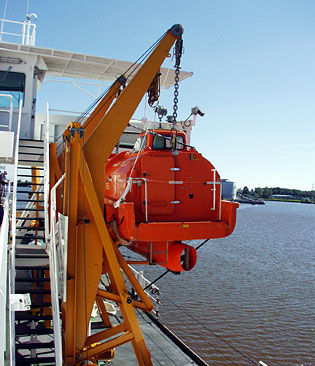
- Antriebsoptionen
- Electric, hydraulic, manual, with/without stored power (accumulator or spring force)
- Solas-hoistgeschwindigkeit
- Bis 48 m/min für Fast-Rescue-Davits (SOLAS-konform)
- Einsatzbereich
- Rettungsboote, Schnellrettungsboote, Rettungsflöße, MOB-Boote
- Konstruktion
- Normal pivot or slewing types, single or double arm with optional docking head to prevent pendulum motion until water level
- Hubkapazität
- Configurable according to ship type and lifeboat weight (tailor-made solutions)
- Zertifizierung
- ABS, GL, DNV, BV, NK, KR, LR and other classification societies
- D-NPS.SP (Normal Pivot Single/Double Arm mit Docking Head)
- D-NPS.FR (Fast Rescue Davit mit Docking Head)
- D-CRm.FR (Slewing Fast Rescue Davit mit hydraulischem/elektrischem Antrieb)
- D-BR (rescue davit with manual operation or hydraulic stored power)
- D-NP.MP (Normal Pivot mit mechanischer Stored Power - Federbelastung)
- D-NP.SP (Normal Pivot mit hydraulischer Stored Power - Akku)
- Area: On-load release gear functionality and wearCheck: Annually: operational test of on-load release gear by positioning the boat partially in water for load support by fall, actuation of release gear, reset and inspection for damage. Every 5 years: overhaul of release system with 110% proof-load test. Inspect release gear before and after operational test; verify hook securing and reset.
- Area: Wire rope condition (wires/falls) – corrosion, wear, breakageCheck: Monthly: visual inspection for fraying, kinks, corrosion, broken strands. Annually: wire rope and sheaves for scratches, dents, corrosion, missing lubrication. Every 5 years: wire rope replacement per SOLAS Chapter III required. Lubrication of wires, sheaves and moving parts to be checked.
- Area: Brake system - inspection function and wear partsCheck: Annually: brake test by suspension of rated load and verification that brake holds without slippage. For centrifugal brakes: sinking speed against SOLAS formula (max. 1.3 m/s) to be checked. Brake pads to be inspected and replaced when worn. Every 5 years: brake system to be opened and condition thoroughly checked.
- Area: Sheaves - wear, abrasion, corrosion, wear ringsCheck: Annually: sheaves for wear grooves, wear ring wear, corrosion, incorrect alignment, loose bolts to be checked. A worn or corroded sheave damages new wires and leads to premature wire rope failure. Wear ring thickness to be measured and replaced if necessary. Lubrication to be checked.
- Area: Overall structure - corrosion, wear, deformation and clearanceCheck: Annually: davit structure for corrosion (especially welds), wear, deformation, excessive clearance, cracks to be checked. All bolt locking devices to be verified. Hydraulic cylinders for leakage to be checked. Every 5 years: selective disassembly with NDT (roughness inspection, crack inspection) to be performed. Foundations to be inspected.
- Area: Proof-load test at 110% of rated loadCheck: Annually: dynamic winch brake test at 110% of Safe Working Load to be performed (simulated by water bag equipment or certified load cells). Every 5 years: comprehensive proof-load test of entire davit, winch, wire rope and hook system at 110% SWL to be performed. System must hold load, show no deformation or damage.
Type-universal inspection/maintenance points for Lifesaving Appliances (LSA) (davit international, Mega-Swarm 2026–06). Per-model specs not auto-populated.
- SOLAS‑compliant hoist speed up to 48 m/min for rapid deployment
- Multiple drive options (electric, hydraulic, manual) with stored‑power backup for redundancy
- Docking head reduces swing and protects the boat during launch in rough seas
- Modular design allows tailoring of load capacity to vessel‑specific rescue craft weight
- Classified by major societies (ABS, DNV, LR, etc.) and IMO approved
- Higher initial cost compared with simple manual davits
- Complex hydraulic/electrical systems increase routine maintenance workload
- Requires dedicated space for double‑arm configuration and power units
- Stored‑power (battery or spring) adds extra inspection points and replacement cycles
- Full 5‑year overhaul involves extensive disassembly and NDT checks
- Antriebsoptionen
- Electric, hydraulic, manual, with/without stored power (accumulator or spring force)
- Solas-hoistgeschwindigkeit
- Bis 48 m/min für Fast-Rescue-Davits (SOLAS-konform)
- Einsatzbereich
- Rettungsboote, Schnellrettungsboote, Rettungsflöße, MOB-Boote
- Konstruktion
- Normal pivot or slewing types, single or double arm with optional docking head to prevent pendulum motion until water level
- Hubkapazität
- Configurable according to ship type and lifeboat weight (tailor-made solutions)
- Zertifizierung
- ABS, GL, DNV, BV, NK, KR, LR and other classification societies
- D-NPS.SP (Normal Pivot Single/Double Arm mit Docking Head)
- D-NPS.FR (Fast Rescue Davit mit Docking Head)
- D-CRm.FR (Slewing Fast Rescue Davit mit hydraulischem/elektrischem Antrieb)
- D-BR (rescue davit with manual operation or hydraulic stored power)
- D-NP.MP (Normal Pivot mit mechanischer Stored Power - Federbelastung)
- D-NP.SP (Normal Pivot mit hydraulischer Stored Power - Akku)
- Area: On-load release gear functionality and wearCheck: Annually: operational test of on-load release gear by positioning the boat partially in water for load support by fall, actuation of release gear, reset and inspection for damage. Every 5 years: overhaul of release system with 110% proof-load test. Inspect release gear before and after operational test; verify hook securing and reset.
- Area: Wire rope condition (wires/falls) – corrosion, wear, breakageCheck: Monthly: visual inspection for fraying, kinks, corrosion, broken strands. Annually: wire rope and sheaves for scratches, dents, corrosion, missing lubrication. Every 5 years: wire rope replacement per SOLAS Chapter III required. Lubrication of wires, sheaves and moving parts to be checked.
- Area: Brake system - inspection function and wear partsCheck: Annually: brake test by suspension of rated load and verification that brake holds without slippage. For centrifugal brakes: sinking speed against SOLAS formula (max. 1.3 m/s) to be checked. Brake pads to be inspected and replaced when worn. Every 5 years: brake system to be opened and condition thoroughly checked.
- Area: Sheaves - wear, abrasion, corrosion, wear ringsCheck: Annually: sheaves for wear grooves, wear ring wear, corrosion, incorrect alignment, loose bolts to be checked. A worn or corroded sheave damages new wires and leads to premature wire rope failure. Wear ring thickness to be measured and replaced if necessary. Lubrication to be checked.
- Area: Overall structure - corrosion, wear, deformation and clearanceCheck: Annually: davit structure for corrosion (especially welds), wear, deformation, excessive clearance, cracks to be checked. All bolt locking devices to be verified. Hydraulic cylinders for leakage to be checked. Every 5 years: selective disassembly with NDT (roughness inspection, crack inspection) to be performed. Foundations to be inspected.
- Area: Proof-load test at 110% of rated loadCheck: Annually: dynamic winch brake test at 110% of Safe Working Load to be performed (simulated by water bag equipment or certified load cells). Every 5 years: comprehensive proof-load test of entire davit, winch, wire rope and hook system at 110% SWL to be performed. System must hold load, show no deformation or damage.
Type-universal inspection/maintenance points for Lifesaving Appliances (LSA) (davit international, Mega-Swarm 2026–06). Per-model specs not auto-populated.
- Fast hoist speed up to 48 m/min for rapid rescue launches (SOLAS fast‑rescue requirement).
- Multiple drive options (electric, hydraulic, manual) and stored‑power capability allow operation under power loss.
- Docking head optional – stabilises the boat during lowering and prevents excessive swing.
- Modular capacity can be tailored to vessel size and lifeboat weight (tailor‑made solutions).
- Designed for compliance with major classification societies (ABS, DNV, LR, etc.).
- Hybrid drive and stored‑power systems increase initial capital cost and complexity.
- Higher maintenance demand – regular checks of hydraulic seals, batteries and control electronics are required.
- Spare‑part logistics can be challenging for remote operators unfamiliar with d‑i davit specific components.
- Weight of the integrated power modules may affect deck load calculations on smaller vessels.
- Antriebsoptionen
- Electric, hydraulic, manual, with/without stored power (accumulator or spring force)
- Solas-hoistgeschwindigkeit
- Bis 48 m/min für Fast-Rescue-Davits (SOLAS-konform)
- Einsatzbereich
- Rettungsboote, Schnellrettungsboote, Rettungsflöße, MOB-Boote
- Konstruktion
- Normal pivot or slewing types, single or double arm with optional docking head to prevent pendulum motion until water level
- Hubkapazität
- Configurable according to ship type and lifeboat weight (tailor-made solutions)
- Zertifizierung
- ABS, GL, DNV, BV, NK, KR, LR and other classification societies
- D-NPS.SP (Normal Pivot Single/Double Arm mit Docking Head)
- D-NPS.FR (Fast Rescue Davit mit Docking Head)
- D-CRm.FR (Slewing Fast Rescue Davit mit hydraulischem/elektrischem Antrieb)
- D-BR (rescue davit with manual operation or hydraulic stored power)
- D-NP.MP (Normal Pivot mit mechanischer Stored Power - Federbelastung)
- D-NP.SP (Normal Pivot mit hydraulischer Stored Power - Akku)
- Area: On-load release gear functionality and wearCheck: Annually: operational test of on-load release gear by positioning the boat partially in water for load support by fall, actuation of release gear, reset and inspection for damage. Every 5 years: overhaul of release system with 110% proof-load test. Inspect release gear before and after operational test; verify hook securing and reset.
- Area: Wire rope condition (wires/falls) – corrosion, wear, breakageCheck: Monthly: visual inspection for fraying, kinks, corrosion, broken strands. Annually: wire rope and sheaves for scratches, dents, corrosion, missing lubrication. Every 5 years: wire rope replacement per SOLAS Chapter III required. Lubrication of wires, sheaves and moving parts to be checked.
- Area: Brake system - inspection function and wear partsCheck: Annually: brake test by suspension of rated load and verification that brake holds without slippage. For centrifugal brakes: sinking speed against SOLAS formula (max. 1.3 m/s) to be checked. Brake pads to be inspected and replaced when worn. Every 5 years: brake system to be opened and condition thoroughly checked.
- Area: Sheaves - wear, abrasion, corrosion, wear ringsCheck: Annually: sheaves for wear grooves, wear ring wear, corrosion, incorrect alignment, loose bolts to be checked. A worn or corroded sheave damages new wires and leads to premature wire rope failure. Wear ring thickness to be measured and replaced if necessary. Lubrication to be checked.
- Area: Overall structure - corrosion, wear, deformation and clearanceCheck: Annually: davit structure for corrosion (especially welds), wear, deformation, excessive clearance, cracks to be checked. All bolt locking devices to be verified. Hydraulic cylinders for leakage to be checked. Every 5 years: selective disassembly with NDT (roughness inspection, crack inspection) to be performed. Foundations to be inspected.
- Area: Proof-load test at 110% of rated loadCheck: Annually: dynamic winch brake test at 110% of Safe Working Load to be performed (simulated by water bag equipment or certified load cells). Every 5 years: comprehensive proof-load test of entire davit, winch, wire rope and hook system at 110% SWL to be performed. System must hold load, show no deformation or damage.
Type-universal inspection/maintenance points for Lifesaving Appliances (LSA) (davit international, Mega-Swarm 2026–06). Per-model specs not auto-populated.
- Fast‑rescue hoist speed (up to 48 m/min) meeting SOLAS requirements
- Versatile drive options – electric, hydraulic, manual or stored‑power for redundancy
- Docking head prevents pendulum swing, improving launch safety in rough seas
- Tailor‑made load capacity allowing use on a wide range of lifeboat weights
- Broad class society approvals (ABS, DNV, LR, etc.) and IMO D‑2 certification
- Higher initial capital cost compared with basic manual davits
- Increased maintenance complexity due to multiple drive systems and stored‑power units
- Requires regular (weekly/monthly) motor tests and five‑year comprehensive inspections
- Installation footprint can be large for double‑arm configurations
- Dependence on battery or hydraulic storage means additional monitoring
- Antriebsoptionen
- Electric, hydraulic, manual, with/without stored power (accumulator or spring force)
- Solas-hoistgeschwindigkeit
- Bis 48 m/min für Fast-Rescue-Davits (SOLAS-konform)
- Einsatzbereich
- Rettungsboote, Schnellrettungsboote, Rettungsflöße, MOB-Boote
- Konstruktion
- Normal pivot or slewing types, single or double arm with optional docking head to prevent pendulum motion until water level
- Hubkapazität
- Configurable according to ship type and lifeboat weight (tailor-made solutions)
- Zertifizierung
- ABS, GL, DNV, BV, NK, KR, LR and other classification societies
- D-NPS.SP (Normal Pivot Single/Double Arm mit Docking Head)
- D-NPS.FR (Fast Rescue Davit mit Docking Head)
- D-CRm.FR (Slewing Fast Rescue Davit mit hydraulischem/elektrischem Antrieb)
- D-BR (rescue davit with manual operation or hydraulic stored power)
- D-NP.MP (Normal Pivot mit mechanischer Stored Power - Federbelastung)
- D-NP.SP (Normal Pivot mit hydraulischer Stored Power - Akku)
- Area: On-load release gear functionality and wearCheck: Annually: operational test of on-load release gear by positioning the boat partially in water for load support by fall, actuation of release gear, reset and inspection for damage. Every 5 years: overhaul of release system with 110% proof-load test. Inspect release gear before and after operational test; verify hook securing and reset.
- Area: Wire rope condition (wires/falls) – corrosion, wear, breakageCheck: Monthly: visual inspection for fraying, kinks, corrosion, broken strands. Annually: wire rope and sheaves for scratches, dents, corrosion, missing lubrication. Every 5 years: wire rope replacement per SOLAS Chapter III required. Lubrication of wires, sheaves and moving parts to be checked.
- Area: Brake system - inspection function and wear partsCheck: Annually: brake test by suspension of rated load and verification that brake holds without slippage. For centrifugal brakes: sinking speed against SOLAS formula (max. 1.3 m/s) to be checked. Brake pads to be inspected and replaced when worn. Every 5 years: brake system to be opened and condition thoroughly checked.
- Area: Sheaves - wear, abrasion, corrosion, wear ringsCheck: Annually: sheaves for wear grooves, wear ring wear, corrosion, incorrect alignment, loose bolts to be checked. A worn or corroded sheave damages new wires and leads to premature wire rope failure. Wear ring thickness to be measured and replaced if necessary. Lubrication to be checked.
- Area: Overall structure - corrosion, wear, deformation and clearanceCheck: Annually: davit structure for corrosion (especially welds), wear, deformation, excessive clearance, cracks to be checked. All bolt locking devices to be verified. Hydraulic cylinders for leakage to be checked. Every 5 years: selective disassembly with NDT (roughness inspection, crack inspection) to be performed. Foundations to be inspected.
- Area: Proof-load test at 110% of rated loadCheck: Annually: dynamic winch brake test at 110% of Safe Working Load to be performed (simulated by water bag equipment or certified load cells). Every 5 years: comprehensive proof-load test of entire davit, winch, wire rope and hook system at 110% SWL to be performed. System must hold load, show no deformation or damage.
Type-universal inspection/maintenance points for Lifesaving Appliances (LSA) (davit international, Mega-Swarm 2026–06). Per-model specs not auto-populated.
- Hoist speed up to 48 m/min (SOLAS fast‑rescue requirement).
- Multiple drive options – electric, hydraulic, manual and stored‑power (battery or spring) for redundancy.
- Docking head reduces swing during launch, improving safety in rough seas.
- Load capacity can be customised to vessel‑specific lifeboat weight.
- Slewing arm provides a wide launch envelope, useful on vessels with limited side clearance.
- Higher initial cost and greater installation space than simple manual davits.
- Complex maintenance – regular checks of hydraulic/electrical systems, wire rope, brake and docking head are required.
- Dependence on power supply; loss of electricity/hydraulic pressure can limit launch speed unless stored‑power is fitted.
- More components increase potential points of failure (e.g., seals, sensors).
- Requires skilled personnel for 5‑year proof‑load testing and overhaul.

- Antriebsoptionen
- Electric, hydraulic, manual, with/without stored power (accumulator or spring force)
- Solas-hoistgeschwindigkeit
- Bis 48 m/min für Fast-Rescue-Davits (SOLAS-konform)
- Einsatzbereich
- Rettungsboote, Schnellrettungsboote, Rettungsflöße, MOB-Boote
- Konstruktion
- Normal pivot or slewing types, single or double arm with optional docking head to prevent pendulum motion until water level
- Hubkapazität
- Configurable according to ship type and lifeboat weight (tailor-made solutions)
- Zertifizierung
- ABS, GL, DNV, BV, NK, KR, LR and other classification societies
- D-NPS.SP (Normal Pivot Single/Double Arm mit Docking Head)
- D-NPS.FR (Fast Rescue Davit mit Docking Head)
- D-CRm.FR (Slewing Fast Rescue Davit mit hydraulischem/elektrischem Antrieb)
- D-BR (rescue davit with manual operation or hydraulic stored power)
- D-NP.MP (Normal Pivot mit mechanischer Stored Power - Federbelastung)
- D-NP.SP (Normal Pivot mit hydraulischer Stored Power - Akku)
- Area: On-load release gear functionality and wearCheck: Annually: operational test of on-load release gear by positioning the boat partially in water for load support by fall, actuation of release gear, reset and inspection for damage. Every 5 years: overhaul of release system with 110% proof-load test. Inspect release gear before and after operational test; verify hook securing and reset.
- Area: Wire rope condition (wires/falls) – corrosion, wear, breakageCheck: Monthly: visual inspection for fraying, kinks, corrosion, broken strands. Annually: wire rope and sheaves for scratches, dents, corrosion, missing lubrication. Every 5 years: wire rope replacement per SOLAS Chapter III required. Lubrication of wires, sheaves and moving parts to be checked.
- Area: Brake system - inspection function and wear partsCheck: Annually: brake test by suspension of rated load and verification that brake holds without slippage. For centrifugal brakes: sinking speed against SOLAS formula (max. 1.3 m/s) to be checked. Brake pads to be inspected and replaced when worn. Every 5 years: brake system to be opened and condition thoroughly checked.
- Area: Sheaves - wear, abrasion, corrosion, wear ringsCheck: Annually: sheaves for wear grooves, wear ring wear, corrosion, incorrect alignment, loose bolts to be checked. A worn or corroded sheave damages new wires and leads to premature wire rope failure. Wear ring thickness to be measured and replaced if necessary. Lubrication to be checked.
- Area: Overall structure - corrosion, wear, deformation and clearanceCheck: Annually: davit structure for corrosion (especially welds), wear, deformation, excessive clearance, cracks to be checked. All bolt locking devices to be verified. Hydraulic cylinders for leakage to be checked. Every 5 years: selective disassembly with NDT (roughness inspection, crack inspection) to be performed. Foundations to be inspected.
- Area: Proof-load test at 110% of rated loadCheck: Annually: dynamic winch brake test at 110% of Safe Working Load to be performed (simulated by water bag equipment or certified load cells). Every 5 years: comprehensive proof-load test of entire davit, winch, wire rope and hook system at 110% SWL to be performed. System must hold load, show no deformation or damage.
Type-universal inspection/maintenance points for Lifesaving Appliances (LSA) (davit international, Mega-Swarm 2026–06). Per-model specs not auto-populated.
- Fast‑rescue capability – hoist speed up to 48 m/min (SOLAS compliant).
- Flexible drive options: electric, hydraulic, manual or stored‑power (battery/feder).
- Modular capacity – can be tailored to vessel type and boat weight.
- Docking head reduces swing during launch, improving safety in rough seas.
- Designed for SOLAS compliance and approved by major classification societies.
- Higher mechanical complexity leads to more frequent maintenance checks.
- Multiple drive options increase initial procurement cost compared with single‑drive davits.
- Requires dedicated space on deck; may be difficult to retrofit on older vessels.
- Stored‑power (battery/feder) units add weight and need periodic replacement.
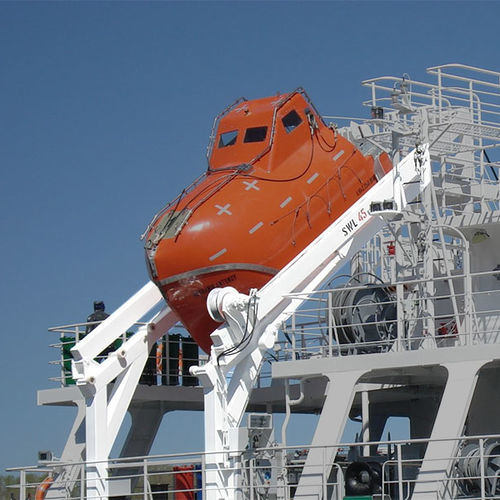
- Antriebsoptionen
- Electric, hydraulic, manual, with/without stored power (accumulator or spring force)
- Solas-hoistgeschwindigkeit
- Bis 48 m/min für Fast-Rescue-Davits (SOLAS-konform)
- Einsatzbereich
- Rettungsboote, Schnellrettungsboote, Rettungsflöße, MOB-Boote
- Konstruktion
- Normal pivot or slewing types, single or double arm with optional docking head to prevent pendulum motion until water level
- Hubkapazität
- Configurable according to ship type and lifeboat weight (tailor-made solutions)
- Zertifizierung
- ABS, GL, DNV, BV, NK, KR, LR and other classification societies
- D-NPS.SP (Normal Pivot Single/Double Arm mit Docking Head)
- D-NPS.FR (Fast Rescue Davit mit Docking Head)
- D-CRm.FR (Slewing Fast Rescue Davit mit hydraulischem/elektrischem Antrieb)
- D-BR (rescue davit with manual operation or hydraulic stored power)
- D-NP.MP (Normal Pivot mit mechanischer Stored Power - Federbelastung)
- D-NP.SP (Normal Pivot mit hydraulischer Stored Power - Akku)
- Area: On-load release gear functionality and wearCheck: Annually: operational test of on-load release gear by positioning the boat partially in water for load support by fall, actuation of release gear, reset and inspection for damage. Every 5 years: overhaul of release system with 110% proof-load test. Inspect release gear before and after operational test; verify hook securing and reset.
- Area: Wire rope condition (wires/falls) – corrosion, wear, breakageCheck: Monthly: visual inspection for fraying, kinks, corrosion, broken strands. Annually: wire rope and sheaves for scratches, dents, corrosion, missing lubrication. Every 5 years: wire rope replacement per SOLAS Chapter III required. Lubrication of wires, sheaves and moving parts to be checked.
- Area: Brake system - inspection function and wear partsCheck: Annually: brake test by suspension of rated load and verification that brake holds without slippage. For centrifugal brakes: sinking speed against SOLAS formula (max. 1.3 m/s) to be checked. Brake pads to be inspected and replaced when worn. Every 5 years: brake system to be opened and condition thoroughly checked.
- Area: Sheaves - wear, abrasion, corrosion, wear ringsCheck: Annually: sheaves for wear grooves, wear ring wear, corrosion, incorrect alignment, loose bolts to be checked. A worn or corroded sheave damages new wires and leads to premature wire rope failure. Wear ring thickness to be measured and replaced if necessary. Lubrication to be checked.
- Area: Overall structure - corrosion, wear, deformation and clearanceCheck: Annually: davit structure for corrosion (especially welds), wear, deformation, excessive clearance, cracks to be checked. All bolt locking devices to be verified. Hydraulic cylinders for leakage to be checked. Every 5 years: selective disassembly with NDT (roughness inspection, crack inspection) to be performed. Foundations to be inspected.
- Area: Proof-load test at 110% of rated loadCheck: Annually: dynamic winch brake test at 110% of Safe Working Load to be performed (simulated by water bag equipment or certified load cells). Every 5 years: comprehensive proof-load test of entire davit, winch, wire rope and hook system at 110% SWL to be performed. System must hold load, show no deformation or damage.
Type-universal inspection/maintenance points for Lifesaving Appliances (LSA) (davit international, Mega-Swarm 2026–06). Per-model specs not auto-populated.
- Fast‑rescue hoist speed (up to 48 m/min) meeting SOLAS requirements for rapid deployment
- Multiple drive options – electric, hydraulic, manual and stored‑power (battery or spring) – allowing flexibility for vessel power arrangements
- Docking head option reduces pendulum swing, improving safety in rough sea conditions
- Highly configurable load capacity; can be tailored to the weight of lifeboats, fast rescue boats or MOB craft
- Certified by major classification societies (ABS, DNV, LR, BV, GL, NK, KR) and IMO‑approved
- Higher initial capital cost compared with basic single‑arm manual davits
- Complex hydraulic/electrical systems increase routine maintenance workload and require qualified service personnel
- Stored‑power (battery or spring) units add weight and occupy space in the davit housing
- Requires periodic 110 % proof‑load testing (annual/5‑yearly) to remain compliant, adding downtime
- Installation footprint may be larger than simple pivot davits, limiting suitability for vessels with constrained deck space

- Antriebsoptionen
- Electric, hydraulic, manual, with/without stored power (accumulator or spring force)
- Solas-hoistgeschwindigkeit
- Bis 48 m/min für Fast-Rescue-Davits (SOLAS-konform)
- Einsatzbereich
- Rettungsboote, Schnellrettungsboote, Rettungsflöße, MOB-Boote
- Konstruktion
- Normal pivot or slewing types, single or double arm with optional docking head to prevent pendulum motion until water level
- Hubkapazität
- Configurable according to ship type and lifeboat weight (tailor-made solutions)
- Zertifizierung
- ABS, GL, DNV, BV, NK, KR, LR and other classification societies
- D-NPS.SP (Normal Pivot Single/Double Arm mit Docking Head)
- D-NPS.FR (Fast Rescue Davit mit Docking Head)
- D-CRm.FR (Slewing Fast Rescue Davit mit hydraulischem/elektrischem Antrieb)
- D-BR (rescue davit with manual operation or hydraulic stored power)
- D-NP.MP (Normal Pivot mit mechanischer Stored Power - Federbelastung)
- D-NP.SP (Normal Pivot mit hydraulischer Stored Power - Akku)
- Area: On-load release gear functionality and wearCheck: Annually: operational test of on-load release gear by positioning the boat partially in water for load support by fall, actuation of release gear, reset and inspection for damage. Every 5 years: overhaul of release system with 110% proof-load test. Inspect release gear before and after operational test; verify hook securing and reset.
- Area: Wire rope condition (wires/falls) – corrosion, wear, breakageCheck: Monthly: visual inspection for fraying, kinks, corrosion, broken strands. Annually: wire rope and sheaves for scratches, dents, corrosion, missing lubrication. Every 5 years: wire rope replacement per SOLAS Chapter III required. Lubrication of wires, sheaves and moving parts to be checked.
- Area: Brake system - inspection function and wear partsCheck: Annually: brake test by suspension of rated load and verification that brake holds without slippage. For centrifugal brakes: sinking speed against SOLAS formula (max. 1.3 m/s) to be checked. Brake pads to be inspected and replaced when worn. Every 5 years: brake system to be opened and condition thoroughly checked.
- Area: Sheaves - wear, abrasion, corrosion, wear ringsCheck: Annually: sheaves for wear grooves, wear ring wear, corrosion, incorrect alignment, loose bolts to be checked. A worn or corroded sheave damages new wires and leads to premature wire rope failure. Wear ring thickness to be measured and replaced if necessary. Lubrication to be checked.
- Area: Overall structure - corrosion, wear, deformation and clearanceCheck: Annually: davit structure for corrosion (especially welds), wear, deformation, excessive clearance, cracks to be checked. All bolt locking devices to be verified. Hydraulic cylinders for leakage to be checked. Every 5 years: selective disassembly with NDT (roughness inspection, crack inspection) to be performed. Foundations to be inspected.
- Area: Proof-load test at 110% of rated loadCheck: Annually: dynamic winch brake test at 110% of Safe Working Load to be performed (simulated by water bag equipment or certified load cells). Every 5 years: comprehensive proof-load test of entire davit, winch, wire rope and hook system at 110% SWL to be performed. System must hold load, show no deformation or damage.
Type-universal inspection/maintenance points for Lifesaving Appliances (LSA) (davit international, Mega-Swarm 2026–06). Per-model specs not auto-populated.
- Hoist speed up to 48 m/min meets SOLAS fast‑rescue requirements for rapid launch.
- Multiple drive options (electric, hydraulic, manual) and stored‑power (battery or spring) provide redundancy.
- Lifting capacity is configurable per vessel and boat weight, allowing tailor‑made solutions.
- Integrated docking head prevents pendulum swing, improving safety during launch in rough seas.
- Widely certified (ABS, DNV, LR, BV, GL, NK) and IMO approved, facilitating class approval.
- Higher capital cost than basic single‑arm davits.
- Increased maintenance complexity due to dual drive systems and stored‑power units.
- Larger deck footprint required for slewing arm and docking head arrangement.
- Mandatory 5‑year proof‑load test can cause operational downtime.
- Reliance on shipboard electrical/hydraulic supply; failure may necessitate manual fallback.
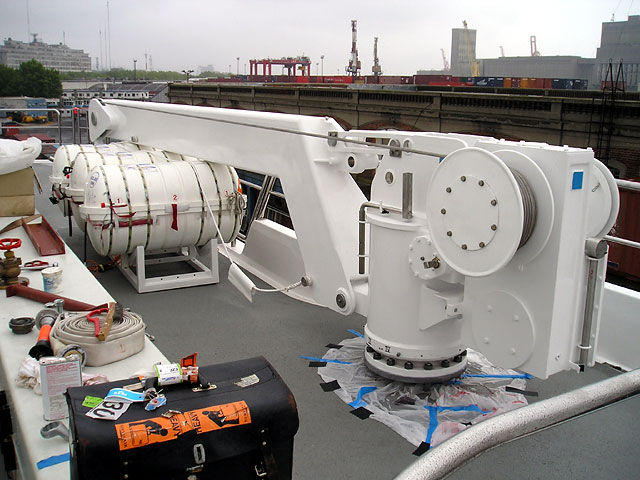
- Antriebsoptionen
- Electric, hydraulic, manual, with/without stored power (accumulator or spring force)
- Solas-hoistgeschwindigkeit
- Bis 48 m/min für Fast-Rescue-Davits (SOLAS-konform)
- Einsatzbereich
- Rettungsboote, Schnellrettungsboote, Rettungsflöße, MOB-Boote
- Konstruktion
- Normal pivot or slewing types, single or double arm with optional docking head to prevent pendulum motion until water level
- Hubkapazität
- Configurable according to ship type and lifeboat weight (tailor-made solutions)
- Zertifizierung
- ABS, GL, DNV, BV, NK, KR, LR and other classification societies
- D-NPS.SP (Normal Pivot Single/Double Arm mit Docking Head)
- D-NPS.FR (Fast Rescue Davit mit Docking Head)
- D-CRm.FR (Slewing Fast Rescue Davit mit hydraulischem/elektrischem Antrieb)
- D-BR (rescue davit with manual operation or hydraulic stored power)
- D-NP.MP (Normal Pivot mit mechanischer Stored Power - Federbelastung)
- D-NP.SP (Normal Pivot mit hydraulischer Stored Power - Akku)
- Area: On-load release gear functionality and wearCheck: Annually: operational test of on-load release gear by positioning the boat partially in water for load support by fall, actuation of release gear, reset and inspection for damage. Every 5 years: overhaul of release system with 110% proof-load test. Inspect release gear before and after operational test; verify hook securing and reset.
- Area: Wire rope condition (wires/falls) – corrosion, wear, breakageCheck: Monthly: visual inspection for fraying, kinks, corrosion, broken strands. Annually: wire rope and sheaves for scratches, dents, corrosion, missing lubrication. Every 5 years: wire rope replacement per SOLAS Chapter III required. Lubrication of wires, sheaves and moving parts to be checked.
- Area: Brake system - inspection function and wear partsCheck: Annually: brake test by suspension of rated load and verification that brake holds without slippage. For centrifugal brakes: sinking speed against SOLAS formula (max. 1.3 m/s) to be checked. Brake pads to be inspected and replaced when worn. Every 5 years: brake system to be opened and condition thoroughly checked.
- Area: Sheaves - wear, abrasion, corrosion, wear ringsCheck: Annually: sheaves for wear grooves, wear ring wear, corrosion, incorrect alignment, loose bolts to be checked. A worn or corroded sheave damages new wires and leads to premature wire rope failure. Wear ring thickness to be measured and replaced if necessary. Lubrication to be checked.
- Area: Overall structure - corrosion, wear, deformation and clearanceCheck: Annually: davit structure for corrosion (especially welds), wear, deformation, excessive clearance, cracks to be checked. All bolt locking devices to be verified. Hydraulic cylinders for leakage to be checked. Every 5 years: selective disassembly with NDT (roughness inspection, crack inspection) to be performed. Foundations to be inspected.
- Area: Proof-load test at 110% of rated loadCheck: Annually: dynamic winch brake test at 110% of Safe Working Load to be performed (simulated by water bag equipment or certified load cells). Every 5 years: comprehensive proof-load test of entire davit, winch, wire rope and hook system at 110% SWL to be performed. System must hold load, show no deformation or damage.
Type-universal inspection/maintenance points for Lifesaving Appliances (LSA) (davit international, Mega-Swarm 2026–06). Per-model specs not auto-populated.
- Very high hoist speed (≤48 m/min) meeting SOLAS fast‑rescue requirements.
- Multiple drive configurations (electric, hydraulic, manual, battery/federated stored power) allow flexibility for vessel power architecture.
- Docking head reduces pendulum swing during launch, improving safety in rough seas.
- Modular load capacity can be tailored to specific boat weight and ship layout.
- Certified by major classification societies (ABS, DNV, LR, BV) and IMO‑approved.
- Complex drive options increase initial cost and require specialised maintenance personnel.
- Reliance on stored‑power (battery or spring) adds a critical inspection point; failure can delay launch if not serviced.
- Frequent wire‑rope and brake inspections are mandatory, raising operational workload.
- Higher spare‑part inventory compared with simple manual davits.
- Installation may require reinforced deck foundations due to higher dynamic loads.
- Antriebsoptionen
- Electric, hydraulic, manual, with/without stored power (accumulator or spring force)
- Solas-hoistgeschwindigkeit
- Bis 48 m/min für Fast-Rescue-Davits (SOLAS-konform)
- Einsatzbereich
- Rettungsboote, Schnellrettungsboote, Rettungsflöße, MOB-Boote
- Konstruktion
- Normal pivot or slewing types, single or double arm with optional docking head to prevent pendulum motion until water level
- Hubkapazität
- Configurable according to ship type and lifeboat weight (tailor-made solutions)
- Zertifizierung
- ABS, GL, DNV, BV, NK, KR, LR and other classification societies
- D-NPS.SP (Normal Pivot Single/Double Arm mit Docking Head)
- D-NPS.FR (Fast Rescue Davit mit Docking Head)
- D-CRm.FR (Slewing Fast Rescue Davit mit hydraulischem/elektrischem Antrieb)
- D-BR (rescue davit with manual operation or hydraulic stored power)
- D-NP.MP (Normal Pivot mit mechanischer Stored Power - Federbelastung)
- D-NP.SP (Normal Pivot mit hydraulischer Stored Power - Akku)
- Area: On-load release gear functionality and wearCheck: Annually: operational test of on-load release gear by positioning the boat partially in water for load support by fall, actuation of release gear, reset and inspection for damage. Every 5 years: overhaul of release system with 110% proof-load test. Inspect release gear before and after operational test; verify hook securing and reset.
- Area: Wire rope condition (wires/falls) – corrosion, wear, breakageCheck: Monthly: visual inspection for fraying, kinks, corrosion, broken strands. Annually: wire rope and sheaves for scratches, dents, corrosion, missing lubrication. Every 5 years: wire rope replacement per SOLAS Chapter III required. Lubrication of wires, sheaves and moving parts to be checked.
- Area: Brake system - inspection function and wear partsCheck: Annually: brake test by suspension of rated load and verification that brake holds without slippage. For centrifugal brakes: sinking speed against SOLAS formula (max. 1.3 m/s) to be checked. Brake pads to be inspected and replaced when worn. Every 5 years: brake system to be opened and condition thoroughly checked.
- Area: Sheaves - wear, abrasion, corrosion, wear ringsCheck: Annually: sheaves for wear grooves, wear ring wear, corrosion, incorrect alignment, loose bolts to be checked. A worn or corroded sheave damages new wires and leads to premature wire rope failure. Wear ring thickness to be measured and replaced if necessary. Lubrication to be checked.
- Area: Overall structure - corrosion, wear, deformation and clearanceCheck: Annually: davit structure for corrosion (especially welds), wear, deformation, excessive clearance, cracks to be checked. All bolt locking devices to be verified. Hydraulic cylinders for leakage to be checked. Every 5 years: selective disassembly with NDT (roughness inspection, crack inspection) to be performed. Foundations to be inspected.
- Area: Proof-load test at 110% of rated loadCheck: Annually: dynamic winch brake test at 110% of Safe Working Load to be performed (simulated by water bag equipment or certified load cells). Every 5 years: comprehensive proof-load test of entire davit, winch, wire rope and hook system at 110% SWL to be performed. System must hold load, show no deformation or damage.
Type-universal inspection/maintenance points for Lifesaving Appliances (LSA) (davit international, Mega-Swarm 2026–06). Per-model specs not auto-populated.
- Hoist speed up to 48 m/min meets SOLAS fast‑rescue requirements
- Multiple drive options (electric, hydraulic, manual) and optional stored‑power for redundancy
- Docking head reduces pendulum motion, improving safe launch in rough seas
- Load capacity can be customised per vessel and boat weight
- Fully IMO‑approved and classed by major societies (ABS, DNV, LR, GL, BV, NK, KR)
- Higher initial cost and more complex installation than simple manual davits
- Increased maintenance workload for hydraulic/electrical components and stored‑power units
- Larger footprint on deck; may require structural reinforcement
- Dependence on ship’s power supply – loss of power can affect launch speed unless stored‑power is fitted
- Requires crew training for operation and periodic proof‑load testing

- Antriebsoptionen
- Electric, hydraulic, manual, with/without stored power (accumulator or spring force)
- Solas-hoistgeschwindigkeit
- Bis 48 m/min für Fast-Rescue-Davits (SOLAS-konform)
- Einsatzbereich
- Rettungsboote, Schnellrettungsboote, Rettungsflöße, MOB-Boote
- Konstruktion
- Normal pivot or slewing types, single or double arm with optional docking head to prevent pendulum motion until water level
- Hubkapazität
- Configurable according to ship type and lifeboat weight (tailor-made solutions)
- Zertifizierung
- ABS, GL, DNV, BV, NK, KR, LR and other classification societies
- D-NPS.SP (Normal Pivot Single/Double Arm mit Docking Head)
- D-NPS.FR (Fast Rescue Davit mit Docking Head)
- D-CRm.FR (Slewing Fast Rescue Davit mit hydraulischem/elektrischem Antrieb)
- D-BR (rescue davit with manual operation or hydraulic stored power)
- D-NP.MP (Normal Pivot mit mechanischer Stored Power - Federbelastung)
- D-NP.SP (Normal Pivot mit hydraulischer Stored Power - Akku)
- Area: On-load release gear functionality and wearCheck: Annually: operational test of on-load release gear by positioning the boat partially in water for load support by fall, actuation of release gear, reset and inspection for damage. Every 5 years: overhaul of release system with 110% proof-load test. Inspect release gear before and after operational test; verify hook securing and reset.
- Area: Wire rope condition (wires/falls) – corrosion, wear, breakageCheck: Monthly: visual inspection for fraying, kinks, corrosion, broken strands. Annually: wire rope and sheaves for scratches, dents, corrosion, missing lubrication. Every 5 years: wire rope replacement per SOLAS Chapter III required. Lubrication of wires, sheaves and moving parts to be checked.
- Area: Brake system - inspection function and wear partsCheck: Annually: brake test by suspension of rated load and verification that brake holds without slippage. For centrifugal brakes: sinking speed against SOLAS formula (max. 1.3 m/s) to be checked. Brake pads to be inspected and replaced when worn. Every 5 years: brake system to be opened and condition thoroughly checked.
- Area: Sheaves - wear, abrasion, corrosion, wear ringsCheck: Annually: sheaves for wear grooves, wear ring wear, corrosion, incorrect alignment, loose bolts to be checked. A worn or corroded sheave damages new wires and leads to premature wire rope failure. Wear ring thickness to be measured and replaced if necessary. Lubrication to be checked.
- Area: Overall structure - corrosion, wear, deformation and clearanceCheck: Annually: davit structure for corrosion (especially welds), wear, deformation, excessive clearance, cracks to be checked. All bolt locking devices to be verified. Hydraulic cylinders for leakage to be checked. Every 5 years: selective disassembly with NDT (roughness inspection, crack inspection) to be performed. Foundations to be inspected.
- Area: Proof-load test at 110% of rated loadCheck: Annually: dynamic winch brake test at 110% of Safe Working Load to be performed (simulated by water bag equipment or certified load cells). Every 5 years: comprehensive proof-load test of entire davit, winch, wire rope and hook system at 110% SWL to be performed. System must hold load, show no deformation or damage.
Type-universal inspection/maintenance points for Lifesaving Appliances (LSA) (davit international, Mega-Swarm 2026–06). Per-model specs not auto-populated.
- Very high hoist speed (up to 48 m/min) meeting SOLAS fast‑rescue requirements
- Multiple drive options allow installation on vessels with limited power supply or backup manual operation
- Docking head prevents pendulum swing, improving safety during launch in heavy seas
- Load capacity is fully configurable for different boat weights and vessel layouts
- Certified by major classification societies (ABS, DNV, LR, etc.) guaranteeing compliance
- Complex drive‑train (hydraulic/electric) increases maintenance workload and spare‑part inventory
- Higher upfront cost compared with basic single‑arm manual davits
- Requires periodic proof‑load testing (110 % SWL) every five years, adding to dry‑dock time
- Double‑arm configuration occupies more deck space, limiting use on small vessels
- Stored‑power (battery or spring) option adds weight and needs regular inspection
- Antriebsoptionen
- Electric, hydraulic, manual, with/without stored power (accumulator or spring force)
- Solas-hoistgeschwindigkeit
- Bis 48 m/min für Fast-Rescue-Davits (SOLAS-konform)
- Einsatzbereich
- Rettungsboote, Schnellrettungsboote, Rettungsflöße, MOB-Boote
- Konstruktion
- Normal pivot or slewing types, single or double arm with optional docking head to prevent pendulum motion until water level
- Hubkapazität
- Configurable according to ship type and lifeboat weight (tailor-made solutions)
- Zertifizierung
- ABS, GL, DNV, BV, NK, KR, LR and other classification societies
- D-NPS.SP (Normal Pivot Single/Double Arm mit Docking Head)
- D-NPS.FR (Fast Rescue Davit mit Docking Head)
- D-CRm.FR (Slewing Fast Rescue Davit mit hydraulischem/elektrischem Antrieb)
- D-BR (rescue davit with manual operation or hydraulic stored power)
- D-NP.MP (Normal Pivot mit mechanischer Stored Power - Federbelastung)
- D-NP.SP (Normal Pivot mit hydraulischer Stored Power - Akku)
- Area: On-load release gear functionality and wearCheck: Annually: operational test of on-load release gear by positioning the boat partially in water for load support by fall, actuation of release gear, reset and inspection for damage. Every 5 years: overhaul of release system with 110% proof-load test. Inspect release gear before and after operational test; verify hook securing and reset.
- Area: Wire rope condition (wires/falls) – corrosion, wear, breakageCheck: Monthly: visual inspection for fraying, kinks, corrosion, broken strands. Annually: wire rope and sheaves for scratches, dents, corrosion, missing lubrication. Every 5 years: wire rope replacement per SOLAS Chapter III required. Lubrication of wires, sheaves and moving parts to be checked.
- Area: Brake system - inspection function and wear partsCheck: Annually: brake test by suspension of rated load and verification that brake holds without slippage. For centrifugal brakes: sinking speed against SOLAS formula (max. 1.3 m/s) to be checked. Brake pads to be inspected and replaced when worn. Every 5 years: brake system to be opened and condition thoroughly checked.
- Area: Sheaves - wear, abrasion, corrosion, wear ringsCheck: Annually: sheaves for wear grooves, wear ring wear, corrosion, incorrect alignment, loose bolts to be checked. A worn or corroded sheave damages new wires and leads to premature wire rope failure. Wear ring thickness to be measured and replaced if necessary. Lubrication to be checked.
- Area: Overall structure - corrosion, wear, deformation and clearanceCheck: Annually: davit structure for corrosion (especially welds), wear, deformation, excessive clearance, cracks to be checked. All bolt locking devices to be verified. Hydraulic cylinders for leakage to be checked. Every 5 years: selective disassembly with NDT (roughness inspection, crack inspection) to be performed. Foundations to be inspected.
- Area: Proof-load test at 110% of rated loadCheck: Annually: dynamic winch brake test at 110% of Safe Working Load to be performed (simulated by water bag equipment or certified load cells). Every 5 years: comprehensive proof-load test of entire davit, winch, wire rope and hook system at 110% SWL to be performed. System must hold load, show no deformation or damage.
Type-universal inspection/maintenance points for Lifesaving Appliances (LSA) (davit international, Mega-Swarm 2026–06). Per-model specs not auto-populated.
- Hoist speed up to 48 m/min meets SOLAS fast‑rescue requirements
- Multiple drive options (electric, hydraulic, manual, battery or spring stored power) allow redundancy and flexibility
- Docking head reduces pendulum motion for safer launch in heavy seas
- Modular design – capacity can be tailored to vessel type and boat weight
- Certified by major classification societies (ABS, DNV, LR, BV, NK, KR) ensuring global acceptance
- Higher initial cost compared with basic manual davits
- Increased maintenance complexity due to hydraulic/electrical components and stored‑power units
- Mandatory 5‑year comprehensive inspection adds operational downtime
- Requires dedicated power supply and space for control cabinets
- Limited to vessels that can accommodate the structural loads of a fast‑rescue system

- Antriebsoptionen
- Electric, hydraulic, manual, with/without stored power (accumulator or spring force)
- Solas-hoistgeschwindigkeit
- Bis 48 m/min für Fast-Rescue-Davits (SOLAS-konform)
- Einsatzbereich
- Rettungsboote, Schnellrettungsboote, Rettungsflöße, MOB-Boote
- Konstruktion
- Normal pivot or slewing types, single or double arm with optional docking head to prevent pendulum motion until water level
- Hubkapazität
- Configurable according to ship type and lifeboat weight (tailor-made solutions)
- Zertifizierung
- ABS, GL, DNV, BV, NK, KR, LR and other classification societies
- D-NPS.SP (Normal Pivot Single/Double Arm mit Docking Head)
- D-NPS.FR (Fast Rescue Davit mit Docking Head)
- D-CRm.FR (Slewing Fast Rescue Davit mit hydraulischem/elektrischem Antrieb)
- D-BR (rescue davit with manual operation or hydraulic stored power)
- D-NP.MP (Normal Pivot mit mechanischer Stored Power - Federbelastung)
- D-NP.SP (Normal Pivot mit hydraulischer Stored Power - Akku)
- Area: On-load release gear functionality and wearCheck: Annually: operational test of on-load release gear by positioning the boat partially in water for load support by fall, actuation of release gear, reset and inspection for damage. Every 5 years: overhaul of release system with 110% proof-load test. Inspect release gear before and after operational test; verify hook securing and reset.
- Area: Wire rope condition (wires/falls) – corrosion, wear, breakageCheck: Monthly: visual inspection for fraying, kinks, corrosion, broken strands. Annually: wire rope and sheaves for scratches, dents, corrosion, missing lubrication. Every 5 years: wire rope replacement per SOLAS Chapter III required. Lubrication of wires, sheaves and moving parts to be checked.
- Area: Brake system - inspection function and wear partsCheck: Annually: brake test by suspension of rated load and verification that brake holds without slippage. For centrifugal brakes: sinking speed against SOLAS formula (max. 1.3 m/s) to be checked. Brake pads to be inspected and replaced when worn. Every 5 years: brake system to be opened and condition thoroughly checked.
- Area: Sheaves - wear, abrasion, corrosion, wear ringsCheck: Annually: sheaves for wear grooves, wear ring wear, corrosion, incorrect alignment, loose bolts to be checked. A worn or corroded sheave damages new wires and leads to premature wire rope failure. Wear ring thickness to be measured and replaced if necessary. Lubrication to be checked.
- Area: Overall structure - corrosion, wear, deformation and clearanceCheck: Annually: davit structure for corrosion (especially welds), wear, deformation, excessive clearance, cracks to be checked. All bolt locking devices to be verified. Hydraulic cylinders for leakage to be checked. Every 5 years: selective disassembly with NDT (roughness inspection, crack inspection) to be performed. Foundations to be inspected.
- Area: Proof-load test at 110% of rated loadCheck: Annually: dynamic winch brake test at 110% of Safe Working Load to be performed (simulated by water bag equipment or certified load cells). Every 5 years: comprehensive proof-load test of entire davit, winch, wire rope and hook system at 110% SWL to be performed. System must hold load, show no deformation or damage.
Type-universal inspection/maintenance points for Lifesaving Appliances (LSA) (davit international, Mega-Swarm 2026–06). Per-model specs not auto-populated.
- Fast hoist speed (≤48 m/min) meeting SOLAS fast‑rescue requirements
- Docking head option eliminates swing‑out, improving safe launch in rough seas
- Multiple drive options (electric, hydraulic, manual) give operational flexibility
- Configurable load capacity – can be tailored to vessel type and boat weight
- Widely class‑approved (ABS, DNV, LR, GL) for international compliance
- Higher initial cost and complexity compared with simple hand‑operated davits
- Requires regular battery/ hydraulic system maintenance and proof‑load testing
- Footprint and structural integration may be challenging on smaller vessels
- Dependence on stored power means monitoring of charge state is mandatory
- Spare parts inventory more extensive than for basic mechanical davits
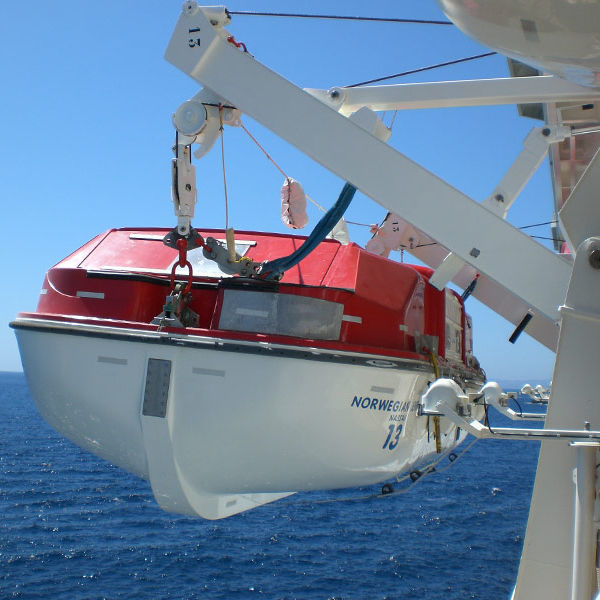
- Antriebsoptionen
- Electric, hydraulic, manual, with/without stored power (accumulator or spring force)
- Solas-hoistgeschwindigkeit
- Bis 48 m/min für Fast-Rescue-Davits (SOLAS-konform)
- Einsatzbereich
- Rettungsboote, Schnellrettungsboote, Rettungsflöße, MOB-Boote
- Konstruktion
- Normal pivot or slewing types, single or double arm with optional docking head to prevent pendulum motion until water level
- Hubkapazität
- Configurable according to ship type and lifeboat weight (tailor-made solutions)
- Zertifizierung
- ABS, GL, DNV, BV, NK, KR, LR and other classification societies
- D-NPS.SP (Normal Pivot Single/Double Arm mit Docking Head)
- D-NPS.FR (Fast Rescue Davit mit Docking Head)
- D-CRm.FR (Slewing Fast Rescue Davit mit hydraulischem/elektrischem Antrieb)
- D-BR (rescue davit with manual operation or hydraulic stored power)
- D-NP.MP (Normal Pivot mit mechanischer Stored Power - Federbelastung)
- D-NP.SP (Normal Pivot mit hydraulischer Stored Power - Akku)
- Area: On-load release gear functionality and wearCheck: Annually: operational test of on-load release gear by positioning the boat partially in water for load support by fall, actuation of release gear, reset and inspection for damage. Every 5 years: overhaul of release system with 110% proof-load test. Inspect release gear before and after operational test; verify hook securing and reset.
- Area: Wire rope condition (wires/falls) – corrosion, wear, breakageCheck: Monthly: visual inspection for fraying, kinks, corrosion, broken strands. Annually: wire rope and sheaves for scratches, dents, corrosion, missing lubrication. Every 5 years: wire rope replacement per SOLAS Chapter III required. Lubrication of wires, sheaves and moving parts to be checked.
- Area: Brake system - inspection function and wear partsCheck: Annually: brake test by suspension of rated load and verification that brake holds without slippage. For centrifugal brakes: sinking speed against SOLAS formula (max. 1.3 m/s) to be checked. Brake pads to be inspected and replaced when worn. Every 5 years: brake system to be opened and condition thoroughly checked.
- Area: Sheaves - wear, abrasion, corrosion, wear ringsCheck: Annually: sheaves for wear grooves, wear ring wear, corrosion, incorrect alignment, loose bolts to be checked. A worn or corroded sheave damages new wires and leads to premature wire rope failure. Wear ring thickness to be measured and replaced if necessary. Lubrication to be checked.
- Area: Overall structure - corrosion, wear, deformation and clearanceCheck: Annually: davit structure for corrosion (especially welds), wear, deformation, excessive clearance, cracks to be checked. All bolt locking devices to be verified. Hydraulic cylinders for leakage to be checked. Every 5 years: selective disassembly with NDT (roughness inspection, crack inspection) to be performed. Foundations to be inspected.
- Area: Proof-load test at 110% of rated loadCheck: Annually: dynamic winch brake test at 110% of Safe Working Load to be performed (simulated by water bag equipment or certified load cells). Every 5 years: comprehensive proof-load test of entire davit, winch, wire rope and hook system at 110% SWL to be performed. System must hold load, show no deformation or damage.
Type-universal inspection/maintenance points for Lifesaving Appliances (LSA) (davit international, Mega-Swarm 2026–06). Per-model specs not auto-populated.
- SOLAS‑compliant hoist speed of up to 48 m/min for rapid evacuation
- Multiple drive options (electric, hydraulic, manual, stored‑power) give operational flexibility
- Docking head reduces pendulum motion and improves launch safety in heavy seas
- Configurable load capacity tailored to vessel type and lifeboat weight
- Certified by major classification societies (ABS, DNV, LR, etc.)
- Higher initial cost and complexity compared with simple manual davits
- Maintenance intensive – requires weekly motor tests and five‑year proof‑load inspections
- Stored‑power (battery or spring) systems add weight and need periodic replacement
- Space‑intensive mounting may be unsuitable for vessels with limited deck area
- Spare‑part availability can be limited in remote ports
- Antriebsoptionen
- Electric, hydraulic, manual, with/without stored power (accumulator or spring force)
- Solas-hoistgeschwindigkeit
- Bis 48 m/min für Fast-Rescue-Davits (SOLAS-konform)
- Einsatzbereich
- Rettungsboote, Schnellrettungsboote, Rettungsflöße, MOB-Boote
- Konstruktion
- Normal pivot or slewing types, single or double arm with optional docking head to prevent pendulum motion until water level
- Hubkapazität
- Configurable according to ship type and lifeboat weight (tailor-made solutions)
- Zertifizierung
- ABS, GL, DNV, BV, NK, KR, LR and other classification societies
- D-NPS.SP (Normal Pivot Single/Double Arm mit Docking Head)
- D-NPS.FR (Fast Rescue Davit mit Docking Head)
- D-CRm.FR (Slewing Fast Rescue Davit mit hydraulischem/elektrischem Antrieb)
- D-BR (rescue davit with manual operation or hydraulic stored power)
- D-NP.MP (Normal Pivot mit mechanischer Stored Power - Federbelastung)
- D-NP.SP (Normal Pivot mit hydraulischer Stored Power - Akku)
- Area: On-load release gear functionality and wearCheck: Annually: operational test of on-load release gear by positioning the boat partially in water for load support by fall, actuation of release gear, reset and inspection for damage. Every 5 years: overhaul of release system with 110% proof-load test. Inspect release gear before and after operational test; verify hook securing and reset.
- Area: Wire rope condition (wires/falls) – corrosion, wear, breakageCheck: Monthly: visual inspection for fraying, kinks, corrosion, broken strands. Annually: wire rope and sheaves for scratches, dents, corrosion, missing lubrication. Every 5 years: wire rope replacement per SOLAS Chapter III required. Lubrication of wires, sheaves and moving parts to be checked.
- Area: Brake system - inspection function and wear partsCheck: Annually: brake test by suspension of rated load and verification that brake holds without slippage. For centrifugal brakes: sinking speed against SOLAS formula (max. 1.3 m/s) to be checked. Brake pads to be inspected and replaced when worn. Every 5 years: brake system to be opened and condition thoroughly checked.
- Area: Sheaves - wear, abrasion, corrosion, wear ringsCheck: Annually: sheaves for wear grooves, wear ring wear, corrosion, incorrect alignment, loose bolts to be checked. A worn or corroded sheave damages new wires and leads to premature wire rope failure. Wear ring thickness to be measured and replaced if necessary. Lubrication to be checked.
- Area: Overall structure - corrosion, wear, deformation and clearanceCheck: Annually: davit structure for corrosion (especially welds), wear, deformation, excessive clearance, cracks to be checked. All bolt locking devices to be verified. Hydraulic cylinders for leakage to be checked. Every 5 years: selective disassembly with NDT (roughness inspection, crack inspection) to be performed. Foundations to be inspected.
- Area: Proof-load test at 110% of rated loadCheck: Annually: dynamic winch brake test at 110% of Safe Working Load to be performed (simulated by water bag equipment or certified load cells). Every 5 years: comprehensive proof-load test of entire davit, winch, wire rope and hook system at 110% SWL to be performed. System must hold load, show no deformation or damage.
Type-universal inspection/maintenance points for Lifesaving Appliances (LSA) (davit international, Mega-Swarm 2026–06). Per-model specs not auto-populated.
- Hoist speed up to 48 m/min meets SOLAS fast‑rescue requirements for rapid launch.
- Multiple drive options (electric, hydraulic, manual, stored‑power) provide redundancy and flexibility.
- Docking head reduces pendulum swing, improving safety during launch in rough seas.
- Load capacity can be tailored to vessel type and boat weight (tailor‑made solutions).
- Widely certified (ABS, DNV, LR, BV, NK, KR, GL) and IMO approved.
- Higher mechanical/electrical complexity leads to increased maintenance workload.
- Requires strict inspection regime (annual tests, 5‑year proof‑load) adding operational cost.
- Larger structural footprint than simple pivot davits, affecting deck layout.
- Optional stored‑power units add weight and occupy valuable space.
- Initial capital cost is higher than basic manual or single‑arm davit systems.
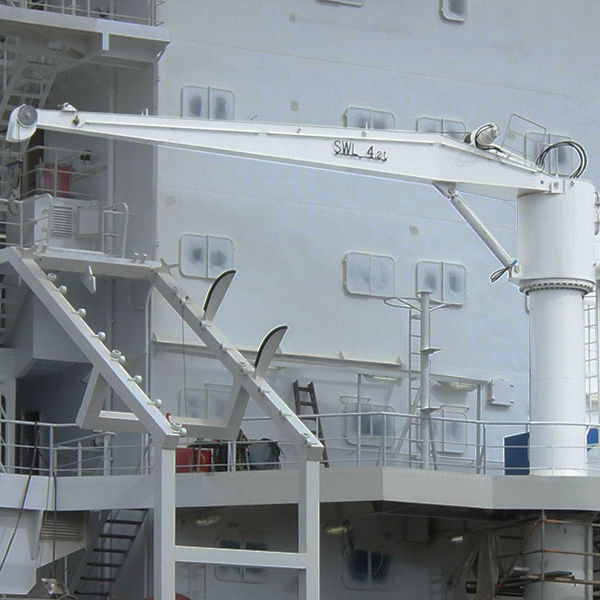
- Antriebsoptionen
- Electric, hydraulic, manual, with/without stored power (accumulator or spring force)
- Solas-hoistgeschwindigkeit
- Bis 48 m/min für Fast-Rescue-Davits (SOLAS-konform)
- Einsatzbereich
- Rettungsboote, Schnellrettungsboote, Rettungsflöße, MOB-Boote
- Konstruktion
- Normal pivot or slewing types, single or double arm with optional docking head to prevent pendulum motion until water level
- Hubkapazität
- Configurable according to ship type and lifeboat weight (tailor-made solutions)
- Zertifizierung
- ABS, GL, DNV, BV, NK, KR, LR and other classification societies
- D-NPS.SP (Normal Pivot Single/Double Arm mit Docking Head)
- D-NPS.FR (Fast Rescue Davit mit Docking Head)
- D-CRm.FR (Slewing Fast Rescue Davit mit hydraulischem/elektrischem Antrieb)
- D-BR (rescue davit with manual operation or hydraulic stored power)
- D-NP.MP (Normal Pivot mit mechanischer Stored Power - Federbelastung)
- D-NP.SP (Normal Pivot mit hydraulischer Stored Power - Akku)
- Area: On-load release gear functionality and wearCheck: Annually: operational test of on-load release gear by positioning the boat partially in water for load support by fall, actuation of release gear, reset and inspection for damage. Every 5 years: overhaul of release system with 110% proof-load test. Inspect release gear before and after operational test; verify hook securing and reset.
- Area: Wire rope condition (wires/falls) – corrosion, wear, breakageCheck: Monthly: visual inspection for fraying, kinks, corrosion, broken strands. Annually: wire rope and sheaves for scratches, dents, corrosion, missing lubrication. Every 5 years: wire rope replacement per SOLAS Chapter III required. Lubrication of wires, sheaves and moving parts to be checked.
- Area: Brake system - inspection function and wear partsCheck: Annually: brake test by suspension of rated load and verification that brake holds without slippage. For centrifugal brakes: sinking speed against SOLAS formula (max. 1.3 m/s) to be checked. Brake pads to be inspected and replaced when worn. Every 5 years: brake system to be opened and condition thoroughly checked.
- Area: Sheaves - wear, abrasion, corrosion, wear ringsCheck: Annually: sheaves for wear grooves, wear ring wear, corrosion, incorrect alignment, loose bolts to be checked. A worn or corroded sheave damages new wires and leads to premature wire rope failure. Wear ring thickness to be measured and replaced if necessary. Lubrication to be checked.
- Area: Overall structure - corrosion, wear, deformation and clearanceCheck: Annually: davit structure for corrosion (especially welds), wear, deformation, excessive clearance, cracks to be checked. All bolt locking devices to be verified. Hydraulic cylinders for leakage to be checked. Every 5 years: selective disassembly with NDT (roughness inspection, crack inspection) to be performed. Foundations to be inspected.
- Area: Proof-load test at 110% of rated loadCheck: Annually: dynamic winch brake test at 110% of Safe Working Load to be performed (simulated by water bag equipment or certified load cells). Every 5 years: comprehensive proof-load test of entire davit, winch, wire rope and hook system at 110% SWL to be performed. System must hold load, show no deformation or damage.
Type-universal inspection/maintenance points for Lifesaving Appliances (LSA) (davit international, Mega-Swarm 2026–06). Per-model specs not auto-populated.
- Hoist speed up to 48 m/min meets SOLAS fast‑rescue requirements
- Multiple drive options (electric, hydraulic, manual) and stored‑power variants for redundancy
- Customisable load capacity and arm configuration (single/double, docking head available)
- Broad classification approval (ABS, DNV, LR, BV, GL, NK, KR) ensuring global acceptance
- Docking head reduces pendulum motion during launch in rough seas
- Higher initial cost compared with basic manual davits
- Complex hydraulic/electric systems increase maintenance workload and spare‑part inventory
- Requires regular (annual/5‑year) proof‑load and release‑gear testing per SOLAS, adding operational overhead
- Stored‑power versions need battery management and charging infrastructure on board
- Deck space requirements are larger than simple single‑arm manual davits
- Antriebsoptionen
- Electric, hydraulic, manual, with/without stored power (accumulator or spring force)
- Solas-hoistgeschwindigkeit
- Bis 48 m/min für Fast-Rescue-Davits (SOLAS-konform)
- Einsatzbereich
- Rettungsboote, Schnellrettungsboote, Rettungsflöße, MOB-Boote
- Konstruktion
- Normal pivot or slewing types, single or double arm with optional docking head to prevent pendulum motion until water level
- Hubkapazität
- Configurable according to ship type and lifeboat weight (tailor-made solutions)
- Zertifizierung
- ABS, GL, DNV, BV, NK, KR, LR and other classification societies
- D-NPS.SP (Normal Pivot Single/Double Arm mit Docking Head)
- D-NPS.FR (Fast Rescue Davit mit Docking Head)
- D-CRm.FR (Slewing Fast Rescue Davit mit hydraulischem/elektrischem Antrieb)
- D-BR (rescue davit with manual operation or hydraulic stored power)
- D-NP.MP (Normal Pivot mit mechanischer Stored Power - Federbelastung)
- D-NP.SP (Normal Pivot mit hydraulischer Stored Power - Akku)
- Area: On-load release gear functionality and wearCheck: Annually: operational test of on-load release gear by positioning the boat partially in water for load support by fall, actuation of release gear, reset and inspection for damage. Every 5 years: overhaul of release system with 110% proof-load test. Inspect release gear before and after operational test; verify hook securing and reset.
- Area: Wire rope condition (wires/falls) – corrosion, wear, breakageCheck: Monthly: visual inspection for fraying, kinks, corrosion, broken strands. Annually: wire rope and sheaves for scratches, dents, corrosion, missing lubrication. Every 5 years: wire rope replacement per SOLAS Chapter III required. Lubrication of wires, sheaves and moving parts to be checked.
- Area: Brake system - inspection function and wear partsCheck: Annually: brake test by suspension of rated load and verification that brake holds without slippage. For centrifugal brakes: sinking speed against SOLAS formula (max. 1.3 m/s) to be checked. Brake pads to be inspected and replaced when worn. Every 5 years: brake system to be opened and condition thoroughly checked.
- Area: Sheaves - wear, abrasion, corrosion, wear ringsCheck: Annually: sheaves for wear grooves, wear ring wear, corrosion, incorrect alignment, loose bolts to be checked. A worn or corroded sheave damages new wires and leads to premature wire rope failure. Wear ring thickness to be measured and replaced if necessary. Lubrication to be checked.
- Area: Overall structure - corrosion, wear, deformation and clearanceCheck: Annually: davit structure for corrosion (especially welds), wear, deformation, excessive clearance, cracks to be checked. All bolt locking devices to be verified. Hydraulic cylinders for leakage to be checked. Every 5 years: selective disassembly with NDT (roughness inspection, crack inspection) to be performed. Foundations to be inspected.
- Area: Proof-load test at 110% of rated loadCheck: Annually: dynamic winch brake test at 110% of Safe Working Load to be performed (simulated by water bag equipment or certified load cells). Every 5 years: comprehensive proof-load test of entire davit, winch, wire rope and hook system at 110% SWL to be performed. System must hold load, show no deformation or damage.
Type-universal inspection/maintenance points for Lifesaving Appliances (LSA) (davit international, Mega-Swarm 2026–06). Per-model specs not auto-populated.
- Hoist speed up to 48 m/min (SOLAS‑compliant fast rescue)
- Multiple power options – electric, hydraulic, manual and stored‑power (battery or spring) for redundancy
- Docking head reduces swing during launch, improving safety in rough seas
- Modular capacity – can be tailored to vessel type and boat weight
- Approved by IMO and a full suite of class societies (ABS, DNV, LR, BV, GL, NK, KR)
- Higher initial cost and complexity compared with simple manual davits
- Requires regular inspections (monthly wire checks, annual brake test, five‑year proof‑load) to maintain certification
- Dependence on hydraulic/electric systems increases potential failure points if not properly maintained
- Space‑intensive mounting may be unsuitable for small deck areas
- Stored‑power modules add weight and need periodic replacement
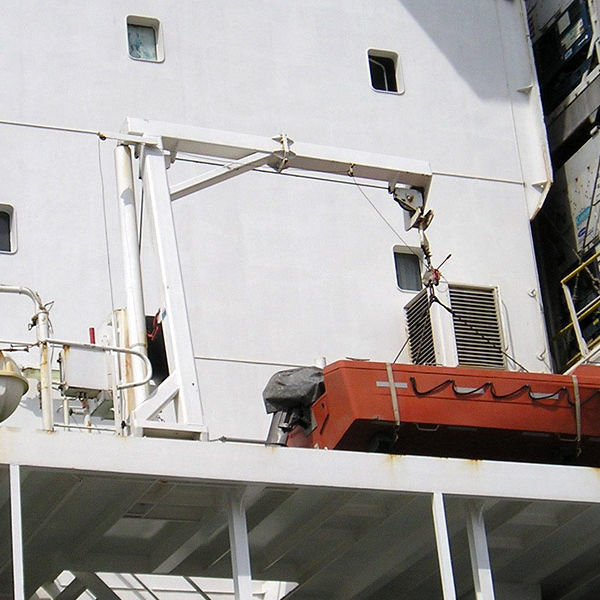
- Antriebsoptionen
- Electric, hydraulic, manual, with/without stored power (accumulator or spring force)
- Solas-hoistgeschwindigkeit
- Bis 48 m/min für Fast-Rescue-Davits (SOLAS-konform)
- Einsatzbereich
- Rettungsboote, Schnellrettungsboote, Rettungsflöße, MOB-Boote
- Konstruktion
- Normal pivot or slewing types, single or double arm with optional docking head to prevent pendulum motion until water level
- Hubkapazität
- Configurable according to ship type and lifeboat weight (tailor-made solutions)
- Zertifizierung
- ABS, GL, DNV, BV, NK, KR, LR and other classification societies
- D-NPS.SP (Normal Pivot Single/Double Arm mit Docking Head)
- D-NPS.FR (Fast Rescue Davit mit Docking Head)
- D-CRm.FR (Slewing Fast Rescue Davit mit hydraulischem/elektrischem Antrieb)
- D-BR (rescue davit with manual operation or hydraulic stored power)
- D-NP.MP (Normal Pivot mit mechanischer Stored Power - Federbelastung)
- D-NP.SP (Normal Pivot mit hydraulischer Stored Power - Akku)
- Area: On-load release gear functionality and wearCheck: Annually: operational test of on-load release gear by positioning the boat partially in water for load support by fall, actuation of release gear, reset and inspection for damage. Every 5 years: overhaul of release system with 110% proof-load test. Inspect release gear before and after operational test; verify hook securing and reset.
- Area: Wire rope condition (wires/falls) – corrosion, wear, breakageCheck: Monthly: visual inspection for fraying, kinks, corrosion, broken strands. Annually: wire rope and sheaves for scratches, dents, corrosion, missing lubrication. Every 5 years: wire rope replacement per SOLAS Chapter III required. Lubrication of wires, sheaves and moving parts to be checked.
- Area: Brake system - inspection function and wear partsCheck: Annually: brake test by suspension of rated load and verification that brake holds without slippage. For centrifugal brakes: sinking speed against SOLAS formula (max. 1.3 m/s) to be checked. Brake pads to be inspected and replaced when worn. Every 5 years: brake system to be opened and condition thoroughly checked.
- Area: Sheaves - wear, abrasion, corrosion, wear ringsCheck: Annually: sheaves for wear grooves, wear ring wear, corrosion, incorrect alignment, loose bolts to be checked. A worn or corroded sheave damages new wires and leads to premature wire rope failure. Wear ring thickness to be measured and replaced if necessary. Lubrication to be checked.
- Area: Overall structure - corrosion, wear, deformation and clearanceCheck: Annually: davit structure for corrosion (especially welds), wear, deformation, excessive clearance, cracks to be checked. All bolt locking devices to be verified. Hydraulic cylinders for leakage to be checked. Every 5 years: selective disassembly with NDT (roughness inspection, crack inspection) to be performed. Foundations to be inspected.
- Area: Proof-load test at 110% of rated loadCheck: Annually: dynamic winch brake test at 110% of Safe Working Load to be performed (simulated by water bag equipment or certified load cells). Every 5 years: comprehensive proof-load test of entire davit, winch, wire rope and hook system at 110% SWL to be performed. System must hold load, show no deformation or damage.
Type-universal inspection/maintenance points for Lifesaving Appliances (LSA) (davit international, Mega-Swarm 2026–06). Per-model specs not auto-populated.
- Fast‑rescue hoist speed (≤48 m/min) meets SOLAS requirements for rapid deployment
- Multiple drive options (electric, hydraulic, manual, stored‑power) allow flexibility in installation and redundancy
- Docking head reduces pendulum motion during launch, improving safety in rough seas
- IMO approved and certified by major classification societies (ABS, DNV, LR, BV, GL)
- Modular capacity – can be sized to vessel type and boat weight
- Higher initial cost and greater system complexity compared with simple manual davits
- Requires regular motor testing (weekly) and more frequent maintenance of hydraulic/electrical components
- Stored‑power units (batteries or springs) need periodic inspection/replacement
- Installation demands sufficient deck space and structural reinforcement
- Proof‑load test and 5‑year full inspection add to life‑cycle expenses
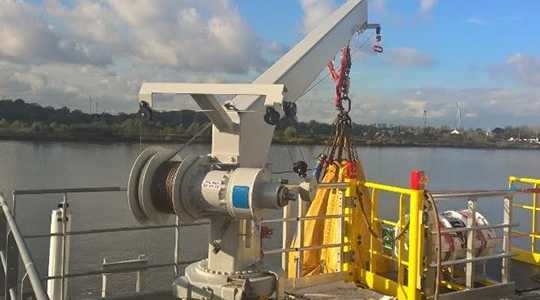
- Antriebsoptionen
- Electric, hydraulic, manual, with/without stored power (accumulator or spring force)
- Solas-hoistgeschwindigkeit
- Bis 48 m/min für Fast-Rescue-Davits (SOLAS-konform)
- Einsatzbereich
- Rettungsboote, Schnellrettungsboote, Rettungsflöße, MOB-Boote
- Konstruktion
- Normal pivot or slewing types, single or double arm with optional docking head to prevent pendulum motion until water level
- Hubkapazität
- Configurable according to ship type and lifeboat weight (tailor-made solutions)
- Zertifizierung
- ABS, GL, DNV, BV, NK, KR, LR and other classification societies
- D-NPS.SP (Normal Pivot Single/Double Arm mit Docking Head)
- D-NPS.FR (Fast Rescue Davit mit Docking Head)
- D-CRm.FR (Slewing Fast Rescue Davit mit hydraulischem/elektrischem Antrieb)
- D-BR (rescue davit with manual operation or hydraulic stored power)
- D-NP.MP (Normal Pivot mit mechanischer Stored Power - Federbelastung)
- D-NP.SP (Normal Pivot mit hydraulischer Stored Power - Akku)
- Area: On-load release gear functionality and wearCheck: Annually: operational test of on-load release gear by positioning the boat partially in water for load support by fall, actuation of release gear, reset and inspection for damage. Every 5 years: overhaul of release system with 110% proof-load test. Inspect release gear before and after operational test; verify hook securing and reset.
- Area: Wire rope condition (wires/falls) – corrosion, wear, breakageCheck: Monthly: visual inspection for fraying, kinks, corrosion, broken strands. Annually: wire rope and sheaves for scratches, dents, corrosion, missing lubrication. Every 5 years: wire rope replacement per SOLAS Chapter III required. Lubrication of wires, sheaves and moving parts to be checked.
- Area: Brake system - inspection function and wear partsCheck: Annually: brake test by suspension of rated load and verification that brake holds without slippage. For centrifugal brakes: sinking speed against SOLAS formula (max. 1.3 m/s) to be checked. Brake pads to be inspected and replaced when worn. Every 5 years: brake system to be opened and condition thoroughly checked.
- Area: Sheaves - wear, abrasion, corrosion, wear ringsCheck: Annually: sheaves for wear grooves, wear ring wear, corrosion, incorrect alignment, loose bolts to be checked. A worn or corroded sheave damages new wires and leads to premature wire rope failure. Wear ring thickness to be measured and replaced if necessary. Lubrication to be checked.
- Area: Overall structure - corrosion, wear, deformation and clearanceCheck: Annually: davit structure for corrosion (especially welds), wear, deformation, excessive clearance, cracks to be checked. All bolt locking devices to be verified. Hydraulic cylinders for leakage to be checked. Every 5 years: selective disassembly with NDT (roughness inspection, crack inspection) to be performed. Foundations to be inspected.
- Area: Proof-load test at 110% of rated loadCheck: Annually: dynamic winch brake test at 110% of Safe Working Load to be performed (simulated by water bag equipment or certified load cells). Every 5 years: comprehensive proof-load test of entire davit, winch, wire rope and hook system at 110% SWL to be performed. System must hold load, show no deformation or damage.
Type-universal inspection/maintenance points for Lifesaving Appliances (LSA) (davit international, Mega-Swarm 2026–06). Per-model specs not auto-populated.
- Fast hoist speed up to 48 m/min meets SOLAS requirements for rapid rescue operations
- Multiple drive options (electric, hydraulic, manual) and stored‑power variants allow installation on vessels with limited power supply
- Docking head reduces boat swing, improving safety in rough sea conditions
- Capacity and geometry are fully customisable to match vessel type and boat weight
- Broad class approvals (ABS, DNV, LR, BV) simplify regulatory acceptance
- Higher initial cost due to modular design and optional features
- Increased maintenance complexity – regular wire‑rope, brake and docking‑head inspections are mandatory
- Space requirements for slewing or double‑arm configurations can be restrictive on smaller decks
- Stored‑power (battery or spring) variants need periodic battery health checks or spring replacement
- Complex control systems may require specialised training for crew
- Antriebsoptionen
- Electric, hydraulic, manual, with/without stored power (accumulator or spring force)
- Solas-hoistgeschwindigkeit
- Bis 48 m/min für Fast-Rescue-Davits (SOLAS-konform)
- Einsatzbereich
- Rettungsboote, Schnellrettungsboote, Rettungsflöße, MOB-Boote
- Konstruktion
- Normal pivot or slewing types, single or double arm with optional docking head to prevent pendulum motion until water level
- Hubkapazität
- Configurable according to ship type and lifeboat weight (tailor-made solutions)
- Zertifizierung
- ABS, GL, DNV, BV, NK, KR, LR and other classification societies
- D-NPS.SP (Normal Pivot Single/Double Arm mit Docking Head)
- D-NPS.FR (Fast Rescue Davit mit Docking Head)
- D-CRm.FR (Slewing Fast Rescue Davit mit hydraulischem/elektrischem Antrieb)
- D-BR (rescue davit with manual operation or hydraulic stored power)
- D-NP.MP (Normal Pivot mit mechanischer Stored Power - Federbelastung)
- D-NP.SP (Normal Pivot mit hydraulischer Stored Power - Akku)
- Area: On-load release gear functionality and wearCheck: Annually: operational test of on-load release gear by positioning the boat partially in water for load support by fall, actuation of release gear, reset and inspection for damage. Every 5 years: overhaul of release system with 110% proof-load test. Inspect release gear before and after operational test; verify hook securing and reset.
- Area: Wire rope condition (wires/falls) – corrosion, wear, breakageCheck: Monthly: visual inspection for fraying, kinks, corrosion, broken strands. Annually: wire rope and sheaves for scratches, dents, corrosion, missing lubrication. Every 5 years: wire rope replacement per SOLAS Chapter III required. Lubrication of wires, sheaves and moving parts to be checked.
- Area: Brake system - inspection function and wear partsCheck: Annually: brake test by suspension of rated load and verification that brake holds without slippage. For centrifugal brakes: sinking speed against SOLAS formula (max. 1.3 m/s) to be checked. Brake pads to be inspected and replaced when worn. Every 5 years: brake system to be opened and condition thoroughly checked.
- Area: Sheaves - wear, abrasion, corrosion, wear ringsCheck: Annually: sheaves for wear grooves, wear ring wear, corrosion, incorrect alignment, loose bolts to be checked. A worn or corroded sheave damages new wires and leads to premature wire rope failure. Wear ring thickness to be measured and replaced if necessary. Lubrication to be checked.
- Area: Overall structure - corrosion, wear, deformation and clearanceCheck: Annually: davit structure for corrosion (especially welds), wear, deformation, excessive clearance, cracks to be checked. All bolt locking devices to be verified. Hydraulic cylinders for leakage to be checked. Every 5 years: selective disassembly with NDT (roughness inspection, crack inspection) to be performed. Foundations to be inspected.
- Area: Proof-load test at 110% of rated loadCheck: Annually: dynamic winch brake test at 110% of Safe Working Load to be performed (simulated by water bag equipment or certified load cells). Every 5 years: comprehensive proof-load test of entire davit, winch, wire rope and hook system at 110% SWL to be performed. System must hold load, show no deformation or damage.
Type-universal inspection/maintenance points for Lifesaving Appliances (LSA) (davit international, Mega-Swarm 2026–06). Per-model specs not auto-populated.
- Fast hoist speed (up to 48 m/min) meeting SOLAS fast‑rescue requirements
- Multiple drive options (electric, hydraulic, manual or stored‑power) for redundancy
- Docking head available to eliminate pendulum swing during launch
- Tailor‑made load capacity allowing use on a wide range of vessel sizes and lifeboat weights
- Fully IMO D‑2 approved and widely classed (ABS, DNV GL, LR)
- Higher initial cost compared with simple manual davits
- More complex maintenance regime (wire‑rope, brake and hydraulic checks required quarterly/annual)
- Stored‑power variants add weight and require periodic battery/feder load testing
- Double‑arm or slewing configurations occupy more deck space
- Requires skilled personnel for regular proof‑load and on‑load release tests
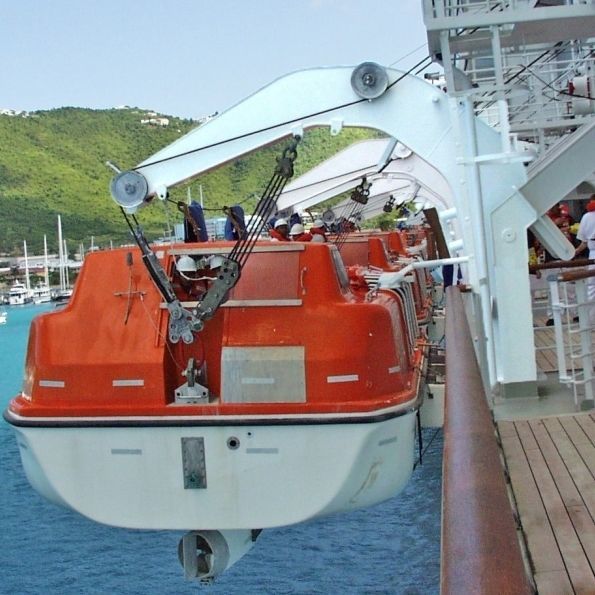
- Antriebsoptionen
- Electric, hydraulic, manual, with/without stored power (accumulator or spring force)
- Solas-hoistgeschwindigkeit
- Bis 48 m/min für Fast-Rescue-Davits (SOLAS-konform)
- Einsatzbereich
- Rettungsboote, Schnellrettungsboote, Rettungsflöße, MOB-Boote
- Konstruktion
- Normal pivot or slewing types, single or double arm with optional docking head to prevent pendulum motion until water level
- Hubkapazität
- Configurable according to ship type and lifeboat weight (tailor-made solutions)
- Zertifizierung
- ABS, GL, DNV, BV, NK, KR, LR and other classification societies
- D-NPS.SP (Normal Pivot Single/Double Arm mit Docking Head)
- D-NPS.FR (Fast Rescue Davit mit Docking Head)
- D-CRm.FR (Slewing Fast Rescue Davit mit hydraulischem/elektrischem Antrieb)
- D-BR (rescue davit with manual operation or hydraulic stored power)
- D-NP.MP (Normal Pivot mit mechanischer Stored Power - Federbelastung)
- D-NP.SP (Normal Pivot mit hydraulischer Stored Power - Akku)
- Area: On-load release gear functionality and wearCheck: Annually: operational test of on-load release gear by positioning the boat partially in water for load support by fall, actuation of release gear, reset and inspection for damage. Every 5 years: overhaul of release system with 110% proof-load test. Inspect release gear before and after operational test; verify hook securing and reset.
- Area: Wire rope condition (wires/falls) – corrosion, wear, breakageCheck: Monthly: visual inspection for fraying, kinks, corrosion, broken strands. Annually: wire rope and sheaves for scratches, dents, corrosion, missing lubrication. Every 5 years: wire rope replacement per SOLAS Chapter III required. Lubrication of wires, sheaves and moving parts to be checked.
- Area: Brake system - inspection function and wear partsCheck: Annually: brake test by suspension of rated load and verification that brake holds without slippage. For centrifugal brakes: sinking speed against SOLAS formula (max. 1.3 m/s) to be checked. Brake pads to be inspected and replaced when worn. Every 5 years: brake system to be opened and condition thoroughly checked.
- Area: Sheaves - wear, abrasion, corrosion, wear ringsCheck: Annually: sheaves for wear grooves, wear ring wear, corrosion, incorrect alignment, loose bolts to be checked. A worn or corroded sheave damages new wires and leads to premature wire rope failure. Wear ring thickness to be measured and replaced if necessary. Lubrication to be checked.
- Area: Overall structure - corrosion, wear, deformation and clearanceCheck: Annually: davit structure for corrosion (especially welds), wear, deformation, excessive clearance, cracks to be checked. All bolt locking devices to be verified. Hydraulic cylinders for leakage to be checked. Every 5 years: selective disassembly with NDT (roughness inspection, crack inspection) to be performed. Foundations to be inspected.
- Area: Proof-load test at 110% of rated loadCheck: Annually: dynamic winch brake test at 110% of Safe Working Load to be performed (simulated by water bag equipment or certified load cells). Every 5 years: comprehensive proof-load test of entire davit, winch, wire rope and hook system at 110% SWL to be performed. System must hold load, show no deformation or damage.
Type-universal inspection/maintenance points for Lifesaving Appliances (LSA) (davit international, Mega-Swarm 2026–06). Per-model specs not auto-populated.
- Multiple drive options (electric, hydraulic, manual, battery or spring) allow tailoring to vessel power availability and redundancy.
- Fast‑rescue hoist speed up to 48 m/min meets SOLAS requirements for rapid evacuation.
- Docking head option prevents pendulum motion of the boat during launch, improving safety in heavy seas.
- Configurable lifting capacity and arm configuration (single/double, normal pivot or slewing) suit a wide range of lifeboat sizes.
- Broad class society approvals (ABS, DNV‑GL, BV, NK, KR, LR) simplify type‑approval on many flag states.
- Higher mechanical complexity leads to more frequent maintenance and inspection tasks (wire rope, brake, hydraulic seals).
- Stored‑power variants add weight and require periodic battery charging or spring tension checks.
- Initial procurement cost is higher than basic manual davits.
- Installation footprint can be large for double‑arm configurations, limiting use on vessels with restricted deck space.
- Requires dedicated weekly motor test and five‑year full inspection to stay compliant.
- Antriebsoptionen
- Electric, hydraulic, manual, with/without stored power (accumulator or spring force)
- Solas-hoistgeschwindigkeit
- Bis 48 m/min für Fast-Rescue-Davits (SOLAS-konform)
- Einsatzbereich
- Rettungsboote, Schnellrettungsboote, Rettungsflöße, MOB-Boote
- Konstruktion
- Normal pivot or slewing types, single or double arm with optional docking head to prevent pendulum motion until water level
- Hubkapazität
- Configurable according to ship type and lifeboat weight (tailor-made solutions)
- Zertifizierung
- ABS, GL, DNV, BV, NK, KR, LR and other classification societies
- D-NPS.SP (Normal Pivot Single/Double Arm mit Docking Head)
- D-NPS.FR (Fast Rescue Davit mit Docking Head)
- D-CRm.FR (Slewing Fast Rescue Davit mit hydraulischem/elektrischem Antrieb)
- D-BR (rescue davit with manual operation or hydraulic stored power)
- D-NP.MP (Normal Pivot mit mechanischer Stored Power - Federbelastung)
- D-NP.SP (Normal Pivot mit hydraulischer Stored Power - Akku)
- Area: On-load release gear functionality and wearCheck: Annually: operational test of on-load release gear by positioning the boat partially in water for load support by fall, actuation of release gear, reset and inspection for damage. Every 5 years: overhaul of release system with 110% proof-load test. Inspect release gear before and after operational test; verify hook securing and reset.
- Area: Wire rope condition (wires/falls) – corrosion, wear, breakageCheck: Monthly: visual inspection for fraying, kinks, corrosion, broken strands. Annually: wire rope and sheaves for scratches, dents, corrosion, missing lubrication. Every 5 years: wire rope replacement per SOLAS Chapter III required. Lubrication of wires, sheaves and moving parts to be checked.
- Area: Brake system - inspection function and wear partsCheck: Annually: brake test by suspension of rated load and verification that brake holds without slippage. For centrifugal brakes: sinking speed against SOLAS formula (max. 1.3 m/s) to be checked. Brake pads to be inspected and replaced when worn. Every 5 years: brake system to be opened and condition thoroughly checked.
- Area: Sheaves - wear, abrasion, corrosion, wear ringsCheck: Annually: sheaves for wear grooves, wear ring wear, corrosion, incorrect alignment, loose bolts to be checked. A worn or corroded sheave damages new wires and leads to premature wire rope failure. Wear ring thickness to be measured and replaced if necessary. Lubrication to be checked.
- Area: Overall structure - corrosion, wear, deformation and clearanceCheck: Annually: davit structure for corrosion (especially welds), wear, deformation, excessive clearance, cracks to be checked. All bolt locking devices to be verified. Hydraulic cylinders for leakage to be checked. Every 5 years: selective disassembly with NDT (roughness inspection, crack inspection) to be performed. Foundations to be inspected.
- Area: Proof-load test at 110% of rated loadCheck: Annually: dynamic winch brake test at 110% of Safe Working Load to be performed (simulated by water bag equipment or certified load cells). Every 5 years: comprehensive proof-load test of entire davit, winch, wire rope and hook system at 110% SWL to be performed. System must hold load, show no deformation or damage.
Type-universal inspection/maintenance points for Lifesaving Appliances (LSA) (davit international, Mega-Swarm 2026–06). Per-model specs not auto-populated.
- Fast hoist speed up to 48 m/min for SOLAS‑compliant rapid rescue operations
- Multiple drive options (electric, hydraulic, manual, stored power) allow redundancy and flexibility
- Docking head prevents pendulum motion, improving safety in rough seas
- Tailor‑made load capacity – can be sized to any lifeboat weight up to class‑approved limits
- Broad classification approval (ABS, GL, DNV, BV, NK, KR, LR) and IMO D‑2 certification
- Higher initial cost and greater system complexity compared with simple manual davits
- Requires regular inspections (monthly wire checks, annual brake test, 5‑year proof‑load) increasing maintenance workload
- Dependence on hydraulic/electric power means vulnerability to loss of ship power unless stored‑power option is fitted
- Spare‑part inventory can be larger due to multiple drive variants
- Installation space and structural reinforcement may be needed on smaller vessels
- Antriebsoptionen
- Electric, hydraulic, manual, with/without stored power (accumulator or spring force)
- Solas-hoistgeschwindigkeit
- Bis 48 m/min für Fast-Rescue-Davits (SOLAS-konform)
- Einsatzbereich
- Rettungsboote, Schnellrettungsboote, Rettungsflöße, MOB-Boote
- Konstruktion
- Normal pivot or slewing types, single or double arm with optional docking head to prevent pendulum motion until water level
- Hubkapazität
- Configurable according to ship type and lifeboat weight (tailor-made solutions)
- Zertifizierung
- ABS, GL, DNV, BV, NK, KR, LR and other classification societies
- D-NPS.SP (Normal Pivot Single/Double Arm mit Docking Head)
- D-NPS.FR (Fast Rescue Davit mit Docking Head)
- D-CRm.FR (Slewing Fast Rescue Davit mit hydraulischem/elektrischem Antrieb)
- D-BR (rescue davit with manual operation or hydraulic stored power)
- D-NP.MP (Normal Pivot mit mechanischer Stored Power - Federbelastung)
- D-NP.SP (Normal Pivot mit hydraulischer Stored Power - Akku)
- Area: On-load release gear functionality and wearCheck: Annually: operational test of on-load release gear by positioning the boat partially in water for load support by fall, actuation of release gear, reset and inspection for damage. Every 5 years: overhaul of release system with 110% proof-load test. Inspect release gear before and after operational test; verify hook securing and reset.
- Area: Wire rope condition (wires/falls) – corrosion, wear, breakageCheck: Monthly: visual inspection for fraying, kinks, corrosion, broken strands. Annually: wire rope and sheaves for scratches, dents, corrosion, missing lubrication. Every 5 years: wire rope replacement per SOLAS Chapter III required. Lubrication of wires, sheaves and moving parts to be checked.
- Area: Brake system - inspection function and wear partsCheck: Annually: brake test by suspension of rated load and verification that brake holds without slippage. For centrifugal brakes: sinking speed against SOLAS formula (max. 1.3 m/s) to be checked. Brake pads to be inspected and replaced when worn. Every 5 years: brake system to be opened and condition thoroughly checked.
- Area: Sheaves - wear, abrasion, corrosion, wear ringsCheck: Annually: sheaves for wear grooves, wear ring wear, corrosion, incorrect alignment, loose bolts to be checked. A worn or corroded sheave damages new wires and leads to premature wire rope failure. Wear ring thickness to be measured and replaced if necessary. Lubrication to be checked.
- Area: Overall structure - corrosion, wear, deformation and clearanceCheck: Annually: davit structure for corrosion (especially welds), wear, deformation, excessive clearance, cracks to be checked. All bolt locking devices to be verified. Hydraulic cylinders for leakage to be checked. Every 5 years: selective disassembly with NDT (roughness inspection, crack inspection) to be performed. Foundations to be inspected.
- Area: Proof-load test at 110% of rated loadCheck: Annually: dynamic winch brake test at 110% of Safe Working Load to be performed (simulated by water bag equipment or certified load cells). Every 5 years: comprehensive proof-load test of entire davit, winch, wire rope and hook system at 110% SWL to be performed. System must hold load, show no deformation or damage.
Type-universal inspection/maintenance points for Lifesaving Appliances (LSA) (davit international, Mega-Swarm 2026–06). Per-model specs not auto-populated.
- Fast‑rescue hoist speed (up to 48 m/min) meeting SOLAS requirements for rapid deployment
- Versatile drive options – electric, hydraulic, manual and stored‑power (battery or spring) in a single unit
- Configurable lifting capacity tailored to vessel type and boat weight
- Docking head available to prevent pendulum motion and improve launch safety
- IMO approved and certified by major classification societies (ABS, DNV, LR, NK, KR)
- Higher initial purchase price compared with basic single‑arm davits
- Increased maintenance complexity due to multiple drive systems and stored‑power components
- Requires regular wire‑rope, brake and release‑gear inspections (monthly/annual/5‑year) to stay compliant
- Spare‑part logistics can be more demanding for the hydraulic/electric modules
- Antriebsoptionen
- Electric, hydraulic, manual, with/without stored power (accumulator or spring force)
- Solas-hoistgeschwindigkeit
- Bis 48 m/min für Fast-Rescue-Davits (SOLAS-konform)
- Einsatzbereich
- Rettungsboote, Schnellrettungsboote, Rettungsflöße, MOB-Boote
- Konstruktion
- Normal pivot or slewing types, single or double arm with optional docking head to prevent pendulum motion until water level
- Hubkapazität
- Configurable according to ship type and lifeboat weight (tailor-made solutions)
- Zertifizierung
- ABS, GL, DNV, BV, NK, KR, LR and other classification societies
- D-NPS.SP (Normal Pivot Single/Double Arm mit Docking Head)
- D-NPS.FR (Fast Rescue Davit mit Docking Head)
- D-CRm.FR (Slewing Fast Rescue Davit mit hydraulischem/elektrischem Antrieb)
- D-BR (rescue davit with manual operation or hydraulic stored power)
- D-NP.MP (Normal Pivot mit mechanischer Stored Power - Federbelastung)
- D-NP.SP (Normal Pivot mit hydraulischer Stored Power - Akku)
- Area: On-load release gear functionality and wearCheck: Annually: operational test of on-load release gear by positioning the boat partially in water for load support by fall, actuation of release gear, reset and inspection for damage. Every 5 years: overhaul of release system with 110% proof-load test. Inspect release gear before and after operational test; verify hook securing and reset.
- Area: Wire rope condition (wires/falls) – corrosion, wear, breakageCheck: Monthly: visual inspection for fraying, kinks, corrosion, broken strands. Annually: wire rope and sheaves for scratches, dents, corrosion, missing lubrication. Every 5 years: wire rope replacement per SOLAS Chapter III required. Lubrication of wires, sheaves and moving parts to be checked.
- Area: Brake system - inspection function and wear partsCheck: Annually: brake test by suspension of rated load and verification that brake holds without slippage. For centrifugal brakes: sinking speed against SOLAS formula (max. 1.3 m/s) to be checked. Brake pads to be inspected and replaced when worn. Every 5 years: brake system to be opened and condition thoroughly checked.
- Area: Sheaves - wear, abrasion, corrosion, wear ringsCheck: Annually: sheaves for wear grooves, wear ring wear, corrosion, incorrect alignment, loose bolts to be checked. A worn or corroded sheave damages new wires and leads to premature wire rope failure. Wear ring thickness to be measured and replaced if necessary. Lubrication to be checked.
- Area: Overall structure - corrosion, wear, deformation and clearanceCheck: Annually: davit structure for corrosion (especially welds), wear, deformation, excessive clearance, cracks to be checked. All bolt locking devices to be verified. Hydraulic cylinders for leakage to be checked. Every 5 years: selective disassembly with NDT (roughness inspection, crack inspection) to be performed. Foundations to be inspected.
- Area: Proof-load test at 110% of rated loadCheck: Annually: dynamic winch brake test at 110% of Safe Working Load to be performed (simulated by water bag equipment or certified load cells). Every 5 years: comprehensive proof-load test of entire davit, winch, wire rope and hook system at 110% SWL to be performed. System must hold load, show no deformation or damage.
Type-universal inspection/maintenance points for Lifesaving Appliances (LSA) (davit international, Mega-Swarm 2026–06). Per-model specs not auto-populated.
- Fast hoist speed up to 48 m/min, meeting SOLAS fast‑rescue requirements
- Multiple drive options (electric, hydraulic, manual) and optional stored‑power (battery or spring) for redundancy
- Docking head reduces swing and improves safe launch in heavy seas
- Tailor‑made load capacity – can be sized to any lifeboat weight up to large fast rescue boats
- Classed by major societies (ABS, DNV, LR, BV, NK, KR, GL) providing broad regulatory acceptance
- Higher initial cost and more complex installation than simple manual davits
- Hydraulic/electrical components require regular preventive maintenance and periodic proof‑load testing
- Stored‑power (battery or spring) must be inspected annually to avoid loss of reserve energy
- Double‑arm configuration occupies more deck space, limiting use on vessels with tight side‑deck clearances
- Weight of the system can add significant deadweight, affecting stability calculations
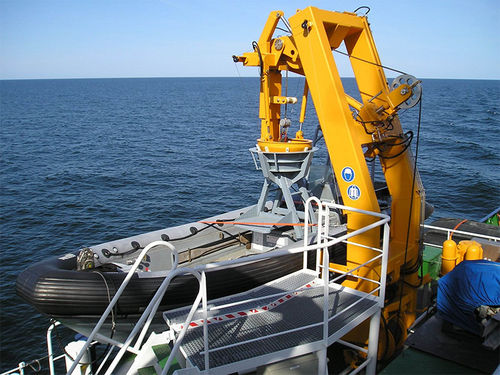
- Antriebsoptionen
- Electric, hydraulic, manual, with/without stored power (accumulator or spring force)
- Solas-hoistgeschwindigkeit
- Bis 48 m/min für Fast-Rescue-Davits (SOLAS-konform)
- Einsatzbereich
- Rettungsboote, Schnellrettungsboote, Rettungsflöße, MOB-Boote
- Konstruktion
- Normal pivot or slewing types, single or double arm with optional docking head to prevent pendulum motion until water level
- Hubkapazität
- Configurable according to ship type and lifeboat weight (tailor-made solutions)
- Zertifizierung
- ABS, GL, DNV, BV, NK, KR, LR and other classification societies
- D-NPS.SP (Normal Pivot Single/Double Arm mit Docking Head)
- D-NPS.FR (Fast Rescue Davit mit Docking Head)
- D-CRm.FR (Slewing Fast Rescue Davit mit hydraulischem/elektrischem Antrieb)
- D-BR (rescue davit with manual operation or hydraulic stored power)
- D-NP.MP (Normal Pivot mit mechanischer Stored Power - Federbelastung)
- D-NP.SP (Normal Pivot mit hydraulischer Stored Power - Akku)
- Area: On-load release gear functionality and wearCheck: Annually: operational test of on-load release gear by positioning the boat partially in water for load support by fall, actuation of release gear, reset and inspection for damage. Every 5 years: overhaul of release system with 110% proof-load test. Inspect release gear before and after operational test; verify hook securing and reset.
- Area: Wire rope condition (wires/falls) – corrosion, wear, breakageCheck: Monthly: visual inspection for fraying, kinks, corrosion, broken strands. Annually: wire rope and sheaves for scratches, dents, corrosion, missing lubrication. Every 5 years: wire rope replacement per SOLAS Chapter III required. Lubrication of wires, sheaves and moving parts to be checked.
- Area: Brake system - inspection function and wear partsCheck: Annually: brake test by suspension of rated load and verification that brake holds without slippage. For centrifugal brakes: sinking speed against SOLAS formula (max. 1.3 m/s) to be checked. Brake pads to be inspected and replaced when worn. Every 5 years: brake system to be opened and condition thoroughly checked.
- Area: Sheaves - wear, abrasion, corrosion, wear ringsCheck: Annually: sheaves for wear grooves, wear ring wear, corrosion, incorrect alignment, loose bolts to be checked. A worn or corroded sheave damages new wires and leads to premature wire rope failure. Wear ring thickness to be measured and replaced if necessary. Lubrication to be checked.
- Area: Overall structure - corrosion, wear, deformation and clearanceCheck: Annually: davit structure for corrosion (especially welds), wear, deformation, excessive clearance, cracks to be checked. All bolt locking devices to be verified. Hydraulic cylinders for leakage to be checked. Every 5 years: selective disassembly with NDT (roughness inspection, crack inspection) to be performed. Foundations to be inspected.
- Area: Proof-load test at 110% of rated loadCheck: Annually: dynamic winch brake test at 110% of Safe Working Load to be performed (simulated by water bag equipment or certified load cells). Every 5 years: comprehensive proof-load test of entire davit, winch, wire rope and hook system at 110% SWL to be performed. System must hold load, show no deformation or damage.
Type-universal inspection/maintenance points for Lifesaving Appliances (LSA) (davit international, Mega-Swarm 2026–06). Per-model specs not auto-populated.
- Fast‑rescue hoist speed (up to 48 m/min) meeting SOLAS requirements for rapid deployment
- Multiple drive options – electric, hydraulic, manual or stored‑power (battery/feder)
- Docking head available to prevent pendulum motion and improve launch safety
- Customisable lift capacity and arm configuration (single/double, pivot or slewing) for different vessel types
- IMO approved and widely classed (ABS, DNV, LR, etc.)
- Higher initial cost compared with basic manual davits
- More complex maintenance regime – regular wire‑rope, brake and release‑gear inspections required
- Stored‑power variants need battery management or spring‑tension upkeep
- Installation requires sufficient deck space for pivot geometry
- Potentially longer lead time for tailor‑made configuration
- Antriebsoptionen
- Electric, hydraulic, manual, with/without stored power (accumulator or spring force)
- Solas-hoistgeschwindigkeit
- Bis 48 m/min für Fast-Rescue-Davits (SOLAS-konform)
- Einsatzbereich
- Rettungsboote, Schnellrettungsboote, Rettungsflöße, MOB-Boote
- Konstruktion
- Normal pivot or slewing types, single or double arm with optional docking head to prevent pendulum motion until water level
- Hubkapazität
- Configurable according to ship type and lifeboat weight (tailor-made solutions)
- Zertifizierung
- ABS, GL, DNV, BV, NK, KR, LR and other classification societies
- D-NPS.SP (Normal Pivot Single/Double Arm mit Docking Head)
- D-NPS.FR (Fast Rescue Davit mit Docking Head)
- D-CRm.FR (Slewing Fast Rescue Davit mit hydraulischem/elektrischem Antrieb)
- D-BR (rescue davit with manual operation or hydraulic stored power)
- D-NP.MP (Normal Pivot mit mechanischer Stored Power - Federbelastung)
- D-NP.SP (Normal Pivot mit hydraulischer Stored Power - Akku)
- Area: On-load release gear functionality and wearCheck: Annually: operational test of on-load release gear by positioning the boat partially in water for load support by fall, actuation of release gear, reset and inspection for damage. Every 5 years: overhaul of release system with 110% proof-load test. Inspect release gear before and after operational test; verify hook securing and reset.
- Area: Wire rope condition (wires/falls) – corrosion, wear, breakageCheck: Monthly: visual inspection for fraying, kinks, corrosion, broken strands. Annually: wire rope and sheaves for scratches, dents, corrosion, missing lubrication. Every 5 years: wire rope replacement per SOLAS Chapter III required. Lubrication of wires, sheaves and moving parts to be checked.
- Area: Brake system - inspection function and wear partsCheck: Annually: brake test by suspension of rated load and verification that brake holds without slippage. For centrifugal brakes: sinking speed against SOLAS formula (max. 1.3 m/s) to be checked. Brake pads to be inspected and replaced when worn. Every 5 years: brake system to be opened and condition thoroughly checked.
- Area: Sheaves - wear, abrasion, corrosion, wear ringsCheck: Annually: sheaves for wear grooves, wear ring wear, corrosion, incorrect alignment, loose bolts to be checked. A worn or corroded sheave damages new wires and leads to premature wire rope failure. Wear ring thickness to be measured and replaced if necessary. Lubrication to be checked.
- Area: Overall structure - corrosion, wear, deformation and clearanceCheck: Annually: davit structure for corrosion (especially welds), wear, deformation, excessive clearance, cracks to be checked. All bolt locking devices to be verified. Hydraulic cylinders for leakage to be checked. Every 5 years: selective disassembly with NDT (roughness inspection, crack inspection) to be performed. Foundations to be inspected.
- Area: Proof-load test at 110% of rated loadCheck: Annually: dynamic winch brake test at 110% of Safe Working Load to be performed (simulated by water bag equipment or certified load cells). Every 5 years: comprehensive proof-load test of entire davit, winch, wire rope and hook system at 110% SWL to be performed. System must hold load, show no deformation or damage.
Type-universal inspection/maintenance points for Lifesaving Appliances (LSA) (davit international, Mega-Swarm 2026–06). Per-model specs not auto-populated.
- Multiple drive options (electric, hydraulic, manual, stored‑power) for flexibility in installation and redundancy
- Fast hoist speed up to 48 m/min, fully SOLAS‑compliant for fast‑rescue davits
- Configurable capacity and optional docking head that suppresses pendulum motion during launch
- Broad class society approvals (ABS, DNV, LR, BV, GL, NK, KR) facilitating certification on many vessel types
- Modular product lines allow selection of normal pivot, slewing or double‑arm configurations
- Higher initial cost and greater system complexity compared with simple manual davits
- Requires regular motor testing (weekly) and annual release‑gear service, increasing maintenance workload
- Space‑intensive for double‑arm or slewing versions, limiting suitability on vessels with restricted deck area
- Stored‑power variants need periodic battery/feder‑system inspection and replacement
- Specialised spare parts and authorised service providers may be less readily available in remote ports
- Antriebsoptionen
- Electric, hydraulic, manual, with/without stored power (accumulator or spring force)
- Solas-hoistgeschwindigkeit
- Bis 48 m/min für Fast-Rescue-Davits (SOLAS-konform)
- Einsatzbereich
- Rettungsboote, Schnellrettungsboote, Rettungsflöße, MOB-Boote
- Konstruktion
- Normal pivot or slewing types, single or double arm with optional docking head to prevent pendulum motion until water level
- Hubkapazität
- Configurable according to ship type and lifeboat weight (tailor-made solutions)
- Zertifizierung
- ABS, GL, DNV, BV, NK, KR, LR and other classification societies
- D-NPS.SP (Normal Pivot Single/Double Arm mit Docking Head)
- D-NPS.FR (Fast Rescue Davit mit Docking Head)
- D-CRm.FR (Slewing Fast Rescue Davit mit hydraulischem/elektrischem Antrieb)
- D-BR (rescue davit with manual operation or hydraulic stored power)
- D-NP.MP (Normal Pivot mit mechanischer Stored Power - Federbelastung)
- D-NP.SP (Normal Pivot mit hydraulischer Stored Power - Akku)
- Area: On-load release gear functionality and wearCheck: Annually: operational test of on-load release gear by positioning the boat partially in water for load support by fall, actuation of release gear, reset and inspection for damage. Every 5 years: overhaul of release system with 110% proof-load test. Inspect release gear before and after operational test; verify hook securing and reset.
- Area: Wire rope condition (wires/falls) – corrosion, wear, breakageCheck: Monthly: visual inspection for fraying, kinks, corrosion, broken strands. Annually: wire rope and sheaves for scratches, dents, corrosion, missing lubrication. Every 5 years: wire rope replacement per SOLAS Chapter III required. Lubrication of wires, sheaves and moving parts to be checked.
- Area: Brake system - inspection function and wear partsCheck: Annually: brake test by suspension of rated load and verification that brake holds without slippage. For centrifugal brakes: sinking speed against SOLAS formula (max. 1.3 m/s) to be checked. Brake pads to be inspected and replaced when worn. Every 5 years: brake system to be opened and condition thoroughly checked.
- Area: Sheaves - wear, abrasion, corrosion, wear ringsCheck: Annually: sheaves for wear grooves, wear ring wear, corrosion, incorrect alignment, loose bolts to be checked. A worn or corroded sheave damages new wires and leads to premature wire rope failure. Wear ring thickness to be measured and replaced if necessary. Lubrication to be checked.
- Area: Overall structure - corrosion, wear, deformation and clearanceCheck: Annually: davit structure for corrosion (especially welds), wear, deformation, excessive clearance, cracks to be checked. All bolt locking devices to be verified. Hydraulic cylinders for leakage to be checked. Every 5 years: selective disassembly with NDT (roughness inspection, crack inspection) to be performed. Foundations to be inspected.
- Area: Proof-load test at 110% of rated loadCheck: Annually: dynamic winch brake test at 110% of Safe Working Load to be performed (simulated by water bag equipment or certified load cells). Every 5 years: comprehensive proof-load test of entire davit, winch, wire rope and hook system at 110% SWL to be performed. System must hold load, show no deformation or damage.
Type-universal inspection/maintenance points for Lifesaving Appliances (LSA) (davit international, Mega-Swarm 2026–06). Per-model specs not auto-populated.
- Fast hoist speed up to 48 m/min meeting SOLAS fast‑rescue requirements
- Multiple drive options (electric, hydraulic, manual, battery or spring) allow flexibility for ship power arrangements
- Docking head reduces pendulum swing and improves safe water entry
- Customisable load capacity and arm configuration (single/double, pivot or slewing) to suit vessel size
- Broad class‑society approvals (ABS, DNV, GL, BV, NK, KR, LR) simplify certification
- Higher mechanical/electrical complexity increases routine maintenance workload
- Stored‑power modules add weight and require periodic battery or spring inspection
- Initial capital cost is greater than basic manual davits
- Reliance on hydraulic/electric power means loss of ship power can affect launch unless stored‑power is fitted
- Detailed 5‑year overhaul (NDT, proof‑load test) adds downtime
- Antriebsoptionen
- Electric, hydraulic, manual, with/without stored power (accumulator or spring force)
- Solas-hoistgeschwindigkeit
- Bis 48 m/min für Fast-Rescue-Davits (SOLAS-konform)
- Einsatzbereich
- Rettungsboote, Schnellrettungsboote, Rettungsflöße, MOB-Boote
- Konstruktion
- Normal pivot or slewing types, single or double arm with optional docking head to prevent pendulum motion until water level
- Hubkapazität
- Configurable according to ship type and lifeboat weight (tailor-made solutions)
- Zertifizierung
- ABS, GL, DNV, BV, NK, KR, LR and other classification societies
- D-NPS.SP (Normal Pivot Single/Double Arm mit Docking Head)
- D-NPS.FR (Fast Rescue Davit mit Docking Head)
- D-CRm.FR (Slewing Fast Rescue Davit mit hydraulischem/elektrischem Antrieb)
- D-BR (rescue davit with manual operation or hydraulic stored power)
- D-NP.MP (Normal Pivot mit mechanischer Stored Power - Federbelastung)
- D-NP.SP (Normal Pivot mit hydraulischer Stored Power - Akku)
- Area: On-load release gear functionality and wearCheck: Annually: operational test of on-load release gear by positioning the boat partially in water for load support by fall, actuation of release gear, reset and inspection for damage. Every 5 years: overhaul of release system with 110% proof-load test. Inspect release gear before and after operational test; verify hook securing and reset.
- Area: Wire rope condition (wires/falls) – corrosion, wear, breakageCheck: Monthly: visual inspection for fraying, kinks, corrosion, broken strands. Annually: wire rope and sheaves for scratches, dents, corrosion, missing lubrication. Every 5 years: wire rope replacement per SOLAS Chapter III required. Lubrication of wires, sheaves and moving parts to be checked.
- Area: Brake system - inspection function and wear partsCheck: Annually: brake test by suspension of rated load and verification that brake holds without slippage. For centrifugal brakes: sinking speed against SOLAS formula (max. 1.3 m/s) to be checked. Brake pads to be inspected and replaced when worn. Every 5 years: brake system to be opened and condition thoroughly checked.
- Area: Sheaves - wear, abrasion, corrosion, wear ringsCheck: Annually: sheaves for wear grooves, wear ring wear, corrosion, incorrect alignment, loose bolts to be checked. A worn or corroded sheave damages new wires and leads to premature wire rope failure. Wear ring thickness to be measured and replaced if necessary. Lubrication to be checked.
- Area: Overall structure - corrosion, wear, deformation and clearanceCheck: Annually: davit structure for corrosion (especially welds), wear, deformation, excessive clearance, cracks to be checked. All bolt locking devices to be verified. Hydraulic cylinders for leakage to be checked. Every 5 years: selective disassembly with NDT (roughness inspection, crack inspection) to be performed. Foundations to be inspected.
- Area: Proof-load test at 110% of rated loadCheck: Annually: dynamic winch brake test at 110% of Safe Working Load to be performed (simulated by water bag equipment or certified load cells). Every 5 years: comprehensive proof-load test of entire davit, winch, wire rope and hook system at 110% SWL to be performed. System must hold load, show no deformation or damage.
Type-universal inspection/maintenance points for Lifesaving Appliances (LSA) (davit international, Mega-Swarm 2026–06). Per-model specs not auto-populated.
- Fast hoist speed up to 48 m/min meeting SOLAS fast‑rescue requirements
- Multiple drive options (electric, hydraulic, manual) with optional battery backup for power loss scenarios
- Docking head prevents pendulum swing and protects the boat during launch
- Configurable load capacity tailored to vessel type and boat weight
- Broad class‑society approvals (ABS, DNV, GL, BV, NK, KR, LR) and IMO Chapter III compliance
- Higher initial cost and greater system complexity compared with simple manual davits
- Requires regular maintenance of hydraulic/electric components and battery management
- Space‑intensive pivot arrangement may not suit vessels with limited deck area
- Frequent inspections (monthly wire‑rope, annual brake, 5‑year proof‑load) increase upkeep workload
- Antriebsoptionen
- Electric, hydraulic, manual, with/without stored power (accumulator or spring force)
- Solas-hoistgeschwindigkeit
- Bis 48 m/min für Fast-Rescue-Davits (SOLAS-konform)
- Einsatzbereich
- Rettungsboote, Schnellrettungsboote, Rettungsflöße, MOB-Boote
- Konstruktion
- Normal pivot or slewing types, single or double arm with optional docking head to prevent pendulum motion until water level
- Hubkapazität
- Configurable according to ship type and lifeboat weight (tailor-made solutions)
- Zertifizierung
- ABS, GL, DNV, BV, NK, KR, LR and other classification societies
- D-NPS.SP (Normal Pivot Single/Double Arm mit Docking Head)
- D-NPS.FR (Fast Rescue Davit mit Docking Head)
- D-CRm.FR (Slewing Fast Rescue Davit mit hydraulischem/elektrischem Antrieb)
- D-BR (rescue davit with manual operation or hydraulic stored power)
- D-NP.MP (Normal Pivot mit mechanischer Stored Power - Federbelastung)
- D-NP.SP (Normal Pivot mit hydraulischer Stored Power - Akku)
- Area: On-load release gear functionality and wearCheck: Annually: operational test of on-load release gear by positioning the boat partially in water for load support by fall, actuation of release gear, reset and inspection for damage. Every 5 years: overhaul of release system with 110% proof-load test. Inspect release gear before and after operational test; verify hook securing and reset.
- Area: Wire rope condition (wires/falls) – corrosion, wear, breakageCheck: Monthly: visual inspection for fraying, kinks, corrosion, broken strands. Annually: wire rope and sheaves for scratches, dents, corrosion, missing lubrication. Every 5 years: wire rope replacement per SOLAS Chapter III required. Lubrication of wires, sheaves and moving parts to be checked.
- Area: Brake system - inspection function and wear partsCheck: Annually: brake test by suspension of rated load and verification that brake holds without slippage. For centrifugal brakes: sinking speed against SOLAS formula (max. 1.3 m/s) to be checked. Brake pads to be inspected and replaced when worn. Every 5 years: brake system to be opened and condition thoroughly checked.
- Area: Sheaves - wear, abrasion, corrosion, wear ringsCheck: Annually: sheaves for wear grooves, wear ring wear, corrosion, incorrect alignment, loose bolts to be checked. A worn or corroded sheave damages new wires and leads to premature wire rope failure. Wear ring thickness to be measured and replaced if necessary. Lubrication to be checked.
- Area: Overall structure - corrosion, wear, deformation and clearanceCheck: Annually: davit structure for corrosion (especially welds), wear, deformation, excessive clearance, cracks to be checked. All bolt locking devices to be verified. Hydraulic cylinders for leakage to be checked. Every 5 years: selective disassembly with NDT (roughness inspection, crack inspection) to be performed. Foundations to be inspected.
- Area: Proof-load test at 110% of rated loadCheck: Annually: dynamic winch brake test at 110% of Safe Working Load to be performed (simulated by water bag equipment or certified load cells). Every 5 years: comprehensive proof-load test of entire davit, winch, wire rope and hook system at 110% SWL to be performed. System must hold load, show no deformation or damage.
Type-universal inspection/maintenance points for Lifesaving Appliances (LSA) (davit international, Mega-Swarm 2026–06). Per-model specs not auto-populated.
- Fast‑rescue capability – hoist speed up to 48 m/min (SOLAS compliant)
- Multiple drive options (electric, hydraulic, manual) and stored‑power variants for redundancy
- Docking head available to eliminate pendulum motion during launch
- Tailor‑made load capacity allowing use on a wide range of boat weights
- Broad class society approvals (ABS, DNV, LR, etc.) ensuring regulatory acceptance
- Higher initial cost and complexity compared with basic manual davits
- Requires regular hydraulic/electrical maintenance and periodic proof‑load testing
- Space‑intensive mounting arrangement on deck may limit placement on smaller vessels
- Optional features (stored power, docking head) increase parts inventory and spare‑parts logistics
- Antriebsoptionen
- Electric, hydraulic, manual, with/without stored power (accumulator or spring force)
- Solas-hoistgeschwindigkeit
- Bis 48 m/min für Fast-Rescue-Davits (SOLAS-konform)
- Einsatzbereich
- Rettungsboote, Schnellrettungsboote, Rettungsflöße, MOB-Boote
- Konstruktion
- Normal pivot or slewing types, single or double arm with optional docking head to prevent pendulum motion until water level
- Hubkapazität
- Configurable according to ship type and lifeboat weight (tailor-made solutions)
- Zertifizierung
- ABS, GL, DNV, BV, NK, KR, LR and other classification societies
- D-NPS.SP (Normal Pivot Single/Double Arm mit Docking Head)
- D-NPS.FR (Fast Rescue Davit mit Docking Head)
- D-CRm.FR (Slewing Fast Rescue Davit mit hydraulischem/elektrischem Antrieb)
- D-BR (rescue davit with manual operation or hydraulic stored power)
- D-NP.MP (Normal Pivot mit mechanischer Stored Power - Federbelastung)
- D-NP.SP (Normal Pivot mit hydraulischer Stored Power - Akku)
- Area: On-load release gear functionality and wearCheck: Annually: operational test of on-load release gear by positioning the boat partially in water for load support by fall, actuation of release gear, reset and inspection for damage. Every 5 years: overhaul of release system with 110% proof-load test. Inspect release gear before and after operational test; verify hook securing and reset.
- Area: Wire rope condition (wires/falls) – corrosion, wear, breakageCheck: Monthly: visual inspection for fraying, kinks, corrosion, broken strands. Annually: wire rope and sheaves for scratches, dents, corrosion, missing lubrication. Every 5 years: wire rope replacement per SOLAS Chapter III required. Lubrication of wires, sheaves and moving parts to be checked.
- Area: Brake system - inspection function and wear partsCheck: Annually: brake test by suspension of rated load and verification that brake holds without slippage. For centrifugal brakes: sinking speed against SOLAS formula (max. 1.3 m/s) to be checked. Brake pads to be inspected and replaced when worn. Every 5 years: brake system to be opened and condition thoroughly checked.
- Area: Sheaves - wear, abrasion, corrosion, wear ringsCheck: Annually: sheaves for wear grooves, wear ring wear, corrosion, incorrect alignment, loose bolts to be checked. A worn or corroded sheave damages new wires and leads to premature wire rope failure. Wear ring thickness to be measured and replaced if necessary. Lubrication to be checked.
- Area: Overall structure - corrosion, wear, deformation and clearanceCheck: Annually: davit structure for corrosion (especially welds), wear, deformation, excessive clearance, cracks to be checked. All bolt locking devices to be verified. Hydraulic cylinders for leakage to be checked. Every 5 years: selective disassembly with NDT (roughness inspection, crack inspection) to be performed. Foundations to be inspected.
- Area: Proof-load test at 110% of rated loadCheck: Annually: dynamic winch brake test at 110% of Safe Working Load to be performed (simulated by water bag equipment or certified load cells). Every 5 years: comprehensive proof-load test of entire davit, winch, wire rope and hook system at 110% SWL to be performed. System must hold load, show no deformation or damage.
Type-universal inspection/maintenance points for Lifesaving Appliances (LSA) (davit international, Mega-Swarm 2026–06). Per-model specs not auto-populated.
- Fast hoist speed up to 48 m/min (SOLAS‑compliant for rapid rescue)
- Multiple drive options – electric, hydraulic, manual or stored‑power – allowing flexible installation
- Docking head reduces swing and improves safe launch in rough seas
- Tailor‑made hub capacity to match vessel‑specific lifeboat weight
- Broad class society approvals (ABS, DNV, LR, BV, etc.)
- Higher initial cost compared with basic manual davits
- Complex drive and stored‑power system increases routine maintenance workload
- Requires dedicated charging or hydraulic power infrastructure on board
- Periodic proof‑load testing (110 % SWL) mandatory every five years
- Pivot geometry needs sufficient deck clearance; not suitable for very low‑profile decks
- Antriebsoptionen
- Electric, hydraulic, manual, with/without stored power (accumulator or spring force)
- Solas-hoistgeschwindigkeit
- Bis 48 m/min für Fast-Rescue-Davits (SOLAS-konform)
- Einsatzbereich
- Rettungsboote, Schnellrettungsboote, Rettungsflöße, MOB-Boote
- Konstruktion
- Normal pivot or slewing types, single or double arm with optional docking head to prevent pendulum motion until water level
- Hubkapazität
- Configurable according to ship type and lifeboat weight (tailor-made solutions)
- Zertifizierung
- ABS, GL, DNV, BV, NK, KR, LR and other classification societies
- D-NPS.SP (Normal Pivot Single/Double Arm mit Docking Head)
- D-NPS.FR (Fast Rescue Davit mit Docking Head)
- D-CRm.FR (Slewing Fast Rescue Davit mit hydraulischem/elektrischem Antrieb)
- D-BR (rescue davit with manual operation or hydraulic stored power)
- D-NP.MP (Normal Pivot mit mechanischer Stored Power - Federbelastung)
- D-NP.SP (Normal Pivot mit hydraulischer Stored Power - Akku)
- Area: On-load release gear functionality and wearCheck: Annually: operational test of on-load release gear by positioning the boat partially in water for load support by fall, actuation of release gear, reset and inspection for damage. Every 5 years: overhaul of release system with 110% proof-load test. Inspect release gear before and after operational test; verify hook securing and reset.
- Area: Wire rope condition (wires/falls) – corrosion, wear, breakageCheck: Monthly: visual inspection for fraying, kinks, corrosion, broken strands. Annually: wire rope and sheaves for scratches, dents, corrosion, missing lubrication. Every 5 years: wire rope replacement per SOLAS Chapter III required. Lubrication of wires, sheaves and moving parts to be checked.
- Area: Brake system - inspection function and wear partsCheck: Annually: brake test by suspension of rated load and verification that brake holds without slippage. For centrifugal brakes: sinking speed against SOLAS formula (max. 1.3 m/s) to be checked. Brake pads to be inspected and replaced when worn. Every 5 years: brake system to be opened and condition thoroughly checked.
- Area: Sheaves - wear, abrasion, corrosion, wear ringsCheck: Annually: sheaves for wear grooves, wear ring wear, corrosion, incorrect alignment, loose bolts to be checked. A worn or corroded sheave damages new wires and leads to premature wire rope failure. Wear ring thickness to be measured and replaced if necessary. Lubrication to be checked.
- Area: Overall structure - corrosion, wear, deformation and clearanceCheck: Annually: davit structure for corrosion (especially welds), wear, deformation, excessive clearance, cracks to be checked. All bolt locking devices to be verified. Hydraulic cylinders for leakage to be checked. Every 5 years: selective disassembly with NDT (roughness inspection, crack inspection) to be performed. Foundations to be inspected.
- Area: Proof-load test at 110% of rated loadCheck: Annually: dynamic winch brake test at 110% of Safe Working Load to be performed (simulated by water bag equipment or certified load cells). Every 5 years: comprehensive proof-load test of entire davit, winch, wire rope and hook system at 110% SWL to be performed. System must hold load, show no deformation or damage.
Type-universal inspection/maintenance points for Lifesaving Appliances (LSA) (davit international, Mega-Swarm 2026–06). Per-model specs not auto-populated.
- High hoist speed up to 48 m/min meeting SOLAS fast‑rescue requirements
- Multiple drive options (electric, hydraulic, manual) and optional stored‑power for redundancy
- Docking head reduces pendulum motion, improving crew safety during launch
- Modular capacity can be tailored to vessel type and boat weight (tailor‑made solutions)
- Certified by major classification societies and IMO approved
- Higher initial capital cost compared with basic manual davits
- Requires regular inspection of hydraulic/electric components and stored‑power system
- Larger footprint; may be unsuitable for vessels with restricted deck space
- Specialised spare parts and trained personnel needed for maintenance
- Complexity can increase downtime if a drive system fails
- Antriebsoptionen
- Electric, hydraulic, manual, with/without stored power (accumulator or spring force)
- Solas-hoistgeschwindigkeit
- Bis 48 m/min für Fast-Rescue-Davits (SOLAS-konform)
- Einsatzbereich
- Rettungsboote, Schnellrettungsboote, Rettungsflöße, MOB-Boote
- Konstruktion
- Normal pivot or slewing types, single or double arm with optional docking head to prevent pendulum motion until water level
- Hubkapazität
- Configurable according to ship type and lifeboat weight (tailor-made solutions)
- Zertifizierung
- ABS, GL, DNV, BV, NK, KR, LR and other classification societies
- D-NPS.SP (Normal Pivot Single/Double Arm mit Docking Head)
- D-NPS.FR (Fast Rescue Davit mit Docking Head)
- D-CRm.FR (Slewing Fast Rescue Davit mit hydraulischem/elektrischem Antrieb)
- D-BR (rescue davit with manual operation or hydraulic stored power)
- D-NP.MP (Normal Pivot mit mechanischer Stored Power - Federbelastung)
- D-NP.SP (Normal Pivot mit hydraulischer Stored Power - Akku)
- Area: On-load release gear functionality and wearCheck: Annually: operational test of on-load release gear by positioning the boat partially in water for load support by fall, actuation of release gear, reset and inspection for damage. Every 5 years: overhaul of release system with 110% proof-load test. Inspect release gear before and after operational test; verify hook securing and reset.
- Area: Wire rope condition (wires/falls) – corrosion, wear, breakageCheck: Monthly: visual inspection for fraying, kinks, corrosion, broken strands. Annually: wire rope and sheaves for scratches, dents, corrosion, missing lubrication. Every 5 years: wire rope replacement per SOLAS Chapter III required. Lubrication of wires, sheaves and moving parts to be checked.
- Area: Brake system - inspection function and wear partsCheck: Annually: brake test by suspension of rated load and verification that brake holds without slippage. For centrifugal brakes: sinking speed against SOLAS formula (max. 1.3 m/s) to be checked. Brake pads to be inspected and replaced when worn. Every 5 years: brake system to be opened and condition thoroughly checked.
- Area: Sheaves - wear, abrasion, corrosion, wear ringsCheck: Annually: sheaves for wear grooves, wear ring wear, corrosion, incorrect alignment, loose bolts to be checked. A worn or corroded sheave damages new wires and leads to premature wire rope failure. Wear ring thickness to be measured and replaced if necessary. Lubrication to be checked.
- Area: Overall structure - corrosion, wear, deformation and clearanceCheck: Annually: davit structure for corrosion (especially welds), wear, deformation, excessive clearance, cracks to be checked. All bolt locking devices to be verified. Hydraulic cylinders for leakage to be checked. Every 5 years: selective disassembly with NDT (roughness inspection, crack inspection) to be performed. Foundations to be inspected.
- Area: Proof-load test at 110% of rated loadCheck: Annually: dynamic winch brake test at 110% of Safe Working Load to be performed (simulated by water bag equipment or certified load cells). Every 5 years: comprehensive proof-load test of entire davit, winch, wire rope and hook system at 110% SWL to be performed. System must hold load, show no deformation or damage.
Type-universal inspection/maintenance points for Lifesaving Appliances (LSA) (davit international, Mega-Swarm 2026–06). Per-model specs not auto-populated.
- High hoist speed up to 48 m/min (SOLAS‑compliant fast‑rescue capability)
- Multiple drive options (electric, hydraulic, manual, stored‑power) providing redundancy
- Docking head option reduces swing and improves safe launch in rough seas
- Customizable load capacity tailored to vessel type and boat weight
- Certified by major classification societies (ABS, DNV, GL, BV, NK, KR, LR)
- Complex drive systems increase maintenance workload and require skilled personnel
- Higher upfront cost compared with basic single‑arm manual davits
- Requires regular inspection of hydraulic/electrical components and stored‑power units
- Space requirements for double‑arm configuration may limit placement on smaller decks
- Dependency on external power supply unless equipped with stored‑power backup
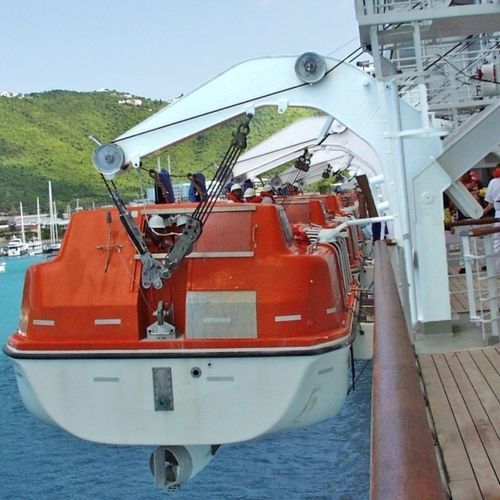
- Antriebsoptionen
- Electric, hydraulic, manual, with/without stored power (accumulator or spring force)
- Solas-hoistgeschwindigkeit
- Bis 48 m/min für Fast-Rescue-Davits (SOLAS-konform)
- Einsatzbereich
- Rettungsboote, Schnellrettungsboote, Rettungsflöße, MOB-Boote
- Konstruktion
- Normal pivot or slewing types, single or double arm with optional docking head to prevent pendulum motion until water level
- Hubkapazität
- Configurable according to ship type and lifeboat weight (tailor-made solutions)
- Zertifizierung
- ABS, GL, DNV, BV, NK, KR, LR and other classification societies
- D-NPS.SP (Normal Pivot Single/Double Arm mit Docking Head)
- D-NPS.FR (Fast Rescue Davit mit Docking Head)
- D-CRm.FR (Slewing Fast Rescue Davit mit hydraulischem/elektrischem Antrieb)
- D-BR (rescue davit with manual operation or hydraulic stored power)
- D-NP.MP (Normal Pivot mit mechanischer Stored Power - Federbelastung)
- D-NP.SP (Normal Pivot mit hydraulischer Stored Power - Akku)
- Area: On-load release gear functionality and wearCheck: Annually: operational test of on-load release gear by positioning the boat partially in water for load support by fall, actuation of release gear, reset and inspection for damage. Every 5 years: overhaul of release system with 110% proof-load test. Inspect release gear before and after operational test; verify hook securing and reset.
- Area: Wire rope condition (wires/falls) – corrosion, wear, breakageCheck: Monthly: visual inspection for fraying, kinks, corrosion, broken strands. Annually: wire rope and sheaves for scratches, dents, corrosion, missing lubrication. Every 5 years: wire rope replacement per SOLAS Chapter III required. Lubrication of wires, sheaves and moving parts to be checked.
- Area: Brake system - inspection function and wear partsCheck: Annually: brake test by suspension of rated load and verification that brake holds without slippage. For centrifugal brakes: sinking speed against SOLAS formula (max. 1.3 m/s) to be checked. Brake pads to be inspected and replaced when worn. Every 5 years: brake system to be opened and condition thoroughly checked.
- Area: Sheaves - wear, abrasion, corrosion, wear ringsCheck: Annually: sheaves for wear grooves, wear ring wear, corrosion, incorrect alignment, loose bolts to be checked. A worn or corroded sheave damages new wires and leads to premature wire rope failure. Wear ring thickness to be measured and replaced if necessary. Lubrication to be checked.
- Area: Overall structure - corrosion, wear, deformation and clearanceCheck: Annually: davit structure for corrosion (especially welds), wear, deformation, excessive clearance, cracks to be checked. All bolt locking devices to be verified. Hydraulic cylinders for leakage to be checked. Every 5 years: selective disassembly with NDT (roughness inspection, crack inspection) to be performed. Foundations to be inspected.
- Area: Proof-load test at 110% of rated loadCheck: Annually: dynamic winch brake test at 110% of Safe Working Load to be performed (simulated by water bag equipment or certified load cells). Every 5 years: comprehensive proof-load test of entire davit, winch, wire rope and hook system at 110% SWL to be performed. System must hold load, show no deformation or damage.
Type-universal inspection/maintenance points for Lifesaving Appliances (LSA) (davit international, Mega-Swarm 2026–06). Per-model specs not auto-populated.
- Hoist speed up to 48 m/min meets SOLAS fast-rescue requirements, reducing launch time.
- Multiple drive configurations (electric, hydraulic, manual, stored-power) allow installation on vessels with limited power supply.
- Docking head prevents pendulum swing, improving safety in rough sea conditions.
- Tailor-made load capacity and modular design fit a wide range of vessel sizes and lifeboat weights.
- Certified by IMO and major classification societies (ABS, DNV-GL, LR, BV, NK, KR).
- Complex drive options increase maintenance workload and require specialised spares.
- Proof-load testing every five years adds scheduled downtime and cost.
- Initial procurement price is higher than basic manual davits.
- Stored-power (battery or spring) units add extra weight and need periodic inspection.
- Installation space requirements are larger for double-arm configurations.

- Antriebsoptionen
- Electric, hydraulic, manual, with/without stored power (accumulator or spring force)
- Solas-hoistgeschwindigkeit
- Bis 48 m/min für Fast-Rescue-Davits (SOLAS-konform)
- Einsatzbereich
- Rettungsboote, Schnellrettungsboote, Rettungsflöße, MOB-Boote
- Konstruktion
- Normal pivot or slewing types, single or double arm with optional docking head to prevent pendulum motion until water level
- Hubkapazität
- Configurable according to ship type and lifeboat weight (tailor-made solutions)
- Zertifizierung
- ABS, GL, DNV, BV, NK, KR, LR and other classification societies
- D-NPS.SP (Normal Pivot Single/Double Arm mit Docking Head)
- D-NPS.FR (Fast Rescue Davit mit Docking Head)
- D-CRm.FR (Slewing Fast Rescue Davit mit hydraulischem/elektrischem Antrieb)
- D-BR (rescue davit with manual operation or hydraulic stored power)
- D-NP.MP (Normal Pivot mit mechanischer Stored Power - Federbelastung)
- D-NP.SP (Normal Pivot mit hydraulischer Stored Power - Akku)
- Area: On-load release gear functionality and wearCheck: Annually: operational test of on-load release gear by positioning the boat partially in water for load support by fall, actuation of release gear, reset and inspection for damage. Every 5 years: overhaul of release system with 110% proof-load test. Inspect release gear before and after operational test; verify hook securing and reset.
- Area: Wire rope condition (wires/falls) – corrosion, wear, breakageCheck: Monthly: visual inspection for fraying, kinks, corrosion, broken strands. Annually: wire rope and sheaves for scratches, dents, corrosion, missing lubrication. Every 5 years: wire rope replacement per SOLAS Chapter III required. Lubrication of wires, sheaves and moving parts to be checked.
- Area: Brake system - inspection function and wear partsCheck: Annually: brake test by suspension of rated load and verification that brake holds without slippage. For centrifugal brakes: sinking speed against SOLAS formula (max. 1.3 m/s) to be checked. Brake pads to be inspected and replaced when worn. Every 5 years: brake system to be opened and condition thoroughly checked.
- Area: Sheaves - wear, abrasion, corrosion, wear ringsCheck: Annually: sheaves for wear grooves, wear ring wear, corrosion, incorrect alignment, loose bolts to be checked. A worn or corroded sheave damages new wires and leads to premature wire rope failure. Wear ring thickness to be measured and replaced if necessary. Lubrication to be checked.
- Area: Overall structure - corrosion, wear, deformation and clearanceCheck: Annually: davit structure for corrosion (especially welds), wear, deformation, excessive clearance, cracks to be checked. All bolt locking devices to be verified. Hydraulic cylinders for leakage to be checked. Every 5 years: selective disassembly with NDT (roughness inspection, crack inspection) to be performed. Foundations to be inspected.
- Area: Proof-load test at 110% of rated loadCheck: Annually: dynamic winch brake test at 110% of Safe Working Load to be performed (simulated by water bag equipment or certified load cells). Every 5 years: comprehensive proof-load test of entire davit, winch, wire rope and hook system at 110% SWL to be performed. System must hold load, show no deformation or damage.
Type-universal inspection/maintenance points for Lifesaving Appliances (LSA) (davit international, Mega-Swarm 2026–06). Per-model specs not auto-populated.
- Hoist speed up to 48 m/min meets SOLAS fast‑rescue requirements
- Multiple drive options (electric, hydraulic, manual) allow flexibility for ship power arrangements
- Docking head reduces swing and protects the boat during launch in heavy seas
- Configurable load capacity – can be tailored to vessel type and boat weight
- Available in normal‑pivot or slewing configurations to suit deck layout
- Complex drive systems (hydraulic/electric) increase installation cost and maintenance workload
- Stored‑power units (battery or spring) add extra weight and require periodic testing
- Double‑arm design occupies more deck space than single‑arm manual davits
- Reliance on wire‑rope requires regular inspection and five‑year replacement per SOLAS
- Higher initial capital outlay compared with simple hand‑operated davits
- Antriebsoptionen
- Electric, hydraulic, manual, with/without stored power (accumulator or spring force)
- Solas-hoistgeschwindigkeit
- Bis 48 m/min für Fast-Rescue-Davits (SOLAS-konform)
- Einsatzbereich
- Rettungsboote, Schnellrettungsboote, Rettungsflöße, MOB-Boote
- Konstruktion
- Normal pivot or slewing types, single or double arm with optional docking head to prevent pendulum motion until water level
- Hubkapazität
- Configurable according to ship type and lifeboat weight (tailor-made solutions)
- Zertifizierung
- ABS, GL, DNV, BV, NK, KR, LR and other classification societies
- D-NPS.SP (Normal Pivot Single/Double Arm mit Docking Head)
- D-NPS.FR (Fast Rescue Davit mit Docking Head)
- D-CRm.FR (Slewing Fast Rescue Davit mit hydraulischem/elektrischem Antrieb)
- D-BR (rescue davit with manual operation or hydraulic stored power)
- D-NP.MP (Normal Pivot mit mechanischer Stored Power - Federbelastung)
- D-NP.SP (Normal Pivot mit hydraulischer Stored Power - Akku)
- Area: On-load release gear functionality and wearCheck: Annually: operational test of on-load release gear by positioning the boat partially in water for load support by fall, actuation of release gear, reset and inspection for damage. Every 5 years: overhaul of release system with 110% proof-load test. Inspect release gear before and after operational test; verify hook securing and reset.
- Area: Wire rope condition (wires/falls) – corrosion, wear, breakageCheck: Monthly: visual inspection for fraying, kinks, corrosion, broken strands. Annually: wire rope and sheaves for scratches, dents, corrosion, missing lubrication. Every 5 years: wire rope replacement per SOLAS Chapter III required. Lubrication of wires, sheaves and moving parts to be checked.
- Area: Brake system - inspection function and wear partsCheck: Annually: brake test by suspension of rated load and verification that brake holds without slippage. For centrifugal brakes: sinking speed against SOLAS formula (max. 1.3 m/s) to be checked. Brake pads to be inspected and replaced when worn. Every 5 years: brake system to be opened and condition thoroughly checked.
- Area: Sheaves - wear, abrasion, corrosion, wear ringsCheck: Annually: sheaves for wear grooves, wear ring wear, corrosion, incorrect alignment, loose bolts to be checked. A worn or corroded sheave damages new wires and leads to premature wire rope failure. Wear ring thickness to be measured and replaced if necessary. Lubrication to be checked.
- Area: Overall structure - corrosion, wear, deformation and clearanceCheck: Annually: davit structure for corrosion (especially welds), wear, deformation, excessive clearance, cracks to be checked. All bolt locking devices to be verified. Hydraulic cylinders for leakage to be checked. Every 5 years: selective disassembly with NDT (roughness inspection, crack inspection) to be performed. Foundations to be inspected.
- Area: Proof-load test at 110% of rated loadCheck: Annually: dynamic winch brake test at 110% of Safe Working Load to be performed (simulated by water bag equipment or certified load cells). Every 5 years: comprehensive proof-load test of entire davit, winch, wire rope and hook system at 110% SWL to be performed. System must hold load, show no deformation or damage.
Type-universal inspection/maintenance points for Lifesaving Appliances (LSA) (davit international, Mega-Swarm 2026–06). Per-model specs not auto-populated.
- Multiple drive options (electric, hydraulic, manual) allow flexibility for newbuilds or retrofits
- High hoist speed (up to 48 m/min) meets SOLAS fast‑rescue requirements
- Docking head reduces swing and improves safe launch in heavy seas
- Tailor‑made load capacity – can be sized to vessel type and boat weight
- Broad class society approvals (ABS, DNV, LR, BV, etc.) and IMO D‑2 certification
- Complexity of drive options increases installation and maintenance effort
- Stored‑power variants add extra weight and require periodic battery/spring inspection
- Higher initial cost compared with basic manual davits
- Space requirements for hydraulic/electric actuators may limit placement on small vessels
- Requires more frequent testing (weekly motor test, annual release‑hook service)
- Antriebsoptionen
- Electric, hydraulic, manual, with/without stored power (accumulator or spring force)
- Solas-hoistgeschwindigkeit
- Bis 48 m/min für Fast-Rescue-Davits (SOLAS-konform)
- Einsatzbereich
- Rettungsboote, Schnellrettungsboote, Rettungsflöße, MOB-Boote
- Konstruktion
- Normal pivot or slewing types, single or double arm with optional docking head to prevent pendulum motion until water level
- Hubkapazität
- Configurable according to ship type and lifeboat weight (tailor-made solutions)
- Zertifizierung
- ABS, GL, DNV, BV, NK, KR, LR and other classification societies
- D-NPS.SP (Normal Pivot Single/Double Arm mit Docking Head)
- D-NPS.FR (Fast Rescue Davit mit Docking Head)
- D-CRm.FR (Slewing Fast Rescue Davit mit hydraulischem/elektrischem Antrieb)
- D-BR (rescue davit with manual operation or hydraulic stored power)
- D-NP.MP (Normal Pivot mit mechanischer Stored Power - Federbelastung)
- D-NP.SP (Normal Pivot mit hydraulischer Stored Power - Akku)
- Area: On-load release gear functionality and wearCheck: Annually: operational test of on-load release gear by positioning the boat partially in water for load support by fall, actuation of release gear, reset and inspection for damage. Every 5 years: overhaul of release system with 110% proof-load test. Inspect release gear before and after operational test; verify hook securing and reset.
- Area: Wire rope condition (wires/falls) – corrosion, wear, breakageCheck: Monthly: visual inspection for fraying, kinks, corrosion, broken strands. Annually: wire rope and sheaves for scratches, dents, corrosion, missing lubrication. Every 5 years: wire rope replacement per SOLAS Chapter III required. Lubrication of wires, sheaves and moving parts to be checked.
- Area: Brake system - inspection function and wear partsCheck: Annually: brake test by suspension of rated load and verification that brake holds without slippage. For centrifugal brakes: sinking speed against SOLAS formula (max. 1.3 m/s) to be checked. Brake pads to be inspected and replaced when worn. Every 5 years: brake system to be opened and condition thoroughly checked.
- Area: Sheaves - wear, abrasion, corrosion, wear ringsCheck: Annually: sheaves for wear grooves, wear ring wear, corrosion, incorrect alignment, loose bolts to be checked. A worn or corroded sheave damages new wires and leads to premature wire rope failure. Wear ring thickness to be measured and replaced if necessary. Lubrication to be checked.
- Area: Overall structure - corrosion, wear, deformation and clearanceCheck: Annually: davit structure for corrosion (especially welds), wear, deformation, excessive clearance, cracks to be checked. All bolt locking devices to be verified. Hydraulic cylinders for leakage to be checked. Every 5 years: selective disassembly with NDT (roughness inspection, crack inspection) to be performed. Foundations to be inspected.
- Area: Proof-load test at 110% of rated loadCheck: Annually: dynamic winch brake test at 110% of Safe Working Load to be performed (simulated by water bag equipment or certified load cells). Every 5 years: comprehensive proof-load test of entire davit, winch, wire rope and hook system at 110% SWL to be performed. System must hold load, show no deformation or damage.
Type-universal inspection/maintenance points for Lifesaving Appliances (LSA) (davit international, Mega-Swarm 2026–06). Per-model specs not auto-populated.
- Fast hoist speed (up to 48 m/min) meeting SOLAS fast‑rescue requirements
- Multiple drive options (electric, hydraulic, manual) with optional stored‑power for redundancy
- Docking head available to suppress pendulum motion during launch
- Modular configuration – normal pivot or slewing types, single or double arm, capacity tailored to vessel and boat weight
- Broad class society approvals (ABS, GL, DNV, BV, NK, KR, LR)
- Higher initial cost compared with basic manual davits
- Increased maintenance complexity – regular wire‑rope, brake and hydraulic inspections required
- Footprint may be large for vessels with limited deck space
- Stored‑power (battery or spring) adds weight and requires periodic testing/replacement
- Requires skilled personnel for 5‑year proof‑load test and overhaul
- Antriebsoptionen
- Electric, hydraulic, manual, with/without stored power (accumulator or spring force)
- Solas-hoistgeschwindigkeit
- Bis 48 m/min für Fast-Rescue-Davits (SOLAS-konform)
- Einsatzbereich
- Rettungsboote, Schnellrettungsboote, Rettungsflöße, MOB-Boote
- Konstruktion
- Normal pivot or slewing types, single or double arm with optional docking head to prevent pendulum motion until water level
- Hubkapazität
- Configurable according to ship type and lifeboat weight (tailor-made solutions)
- Zertifizierung
- ABS, GL, DNV, BV, NK, KR, LR and other classification societies
- D-NPS.SP (Normal Pivot Single/Double Arm mit Docking Head)
- D-NPS.FR (Fast Rescue Davit mit Docking Head)
- D-CRm.FR (Slewing Fast Rescue Davit mit hydraulischem/elektrischem Antrieb)
- D-BR (rescue davit with manual operation or hydraulic stored power)
- D-NP.MP (Normal Pivot mit mechanischer Stored Power - Federbelastung)
- D-NP.SP (Normal Pivot mit hydraulischer Stored Power - Akku)
- Area: On-load release gear functionality and wearCheck: Annually: operational test of on-load release gear by positioning the boat partially in water for load support by fall, actuation of release gear, reset and inspection for damage. Every 5 years: overhaul of release system with 110% proof-load test. Inspect release gear before and after operational test; verify hook securing and reset.
- Area: Wire rope condition (wires/falls) – corrosion, wear, breakageCheck: Monthly: visual inspection for fraying, kinks, corrosion, broken strands. Annually: wire rope and sheaves for scratches, dents, corrosion, missing lubrication. Every 5 years: wire rope replacement per SOLAS Chapter III required. Lubrication of wires, sheaves and moving parts to be checked.
- Area: Brake system - inspection function and wear partsCheck: Annually: brake test by suspension of rated load and verification that brake holds without slippage. For centrifugal brakes: sinking speed against SOLAS formula (max. 1.3 m/s) to be checked. Brake pads to be inspected and replaced when worn. Every 5 years: brake system to be opened and condition thoroughly checked.
- Area: Sheaves - wear, abrasion, corrosion, wear ringsCheck: Annually: sheaves for wear grooves, wear ring wear, corrosion, incorrect alignment, loose bolts to be checked. A worn or corroded sheave damages new wires and leads to premature wire rope failure. Wear ring thickness to be measured and replaced if necessary. Lubrication to be checked.
- Area: Overall structure - corrosion, wear, deformation and clearanceCheck: Annually: davit structure for corrosion (especially welds), wear, deformation, excessive clearance, cracks to be checked. All bolt locking devices to be verified. Hydraulic cylinders for leakage to be checked. Every 5 years: selective disassembly with NDT (roughness inspection, crack inspection) to be performed. Foundations to be inspected.
- Area: Proof-load test at 110% of rated loadCheck: Annually: dynamic winch brake test at 110% of Safe Working Load to be performed (simulated by water bag equipment or certified load cells). Every 5 years: comprehensive proof-load test of entire davit, winch, wire rope and hook system at 110% SWL to be performed. System must hold load, show no deformation or damage.
Type-universal inspection/maintenance points for Lifesaving Appliances (LSA) (davit international, Mega-Swarm 2026–06). Per-model specs not auto-populated.
- Fast hoist speed up to 48 m/min (SOLAS‑compliant fast‑rescue capability)
- Multiple drive options – electric, hydraulic, manual and stored‑power (battery or spring) for redundancy
- Docking head reduces pendulum swing during launch, improving safety in rough seas
- Tailor‑made load capacity allowing optimisation for vessel size and boat weight
- Broad class society acceptance (ABS, DNV, LR, etc.) as indicated by manufacturer
- Higher initial cost compared with basic manual davits due to motorised options and docking head
- Increased maintenance workload – regular checks on release gear, wire rope, brakes and hydraulic seals are mandatory
- Space requirements for double‑arm configuration can be restrictive on smaller decks
- Reliance on stored‑power (battery or spring) demands periodic inspection and replacement of the energy source
- Complex control systems may require additional crew training
- Antriebsoptionen
- Electric, hydraulic, manual, with/without stored power (accumulator or spring force)
- Solas-hoistgeschwindigkeit
- Bis 48 m/min für Fast-Rescue-Davits (SOLAS-konform)
- Einsatzbereich
- Rettungsboote, Schnellrettungsboote, Rettungsflöße, MOB-Boote
- Konstruktion
- Normal pivot or slewing types, single or double arm with optional docking head to prevent pendulum motion until water level
- Hubkapazität
- Configurable according to ship type and lifeboat weight (tailor-made solutions)
- Zertifizierung
- ABS, GL, DNV, BV, NK, KR, LR and other classification societies
- D-NPS.SP (Normal Pivot Single/Double Arm mit Docking Head)
- D-NPS.FR (Fast Rescue Davit mit Docking Head)
- D-CRm.FR (Slewing Fast Rescue Davit mit hydraulischem/elektrischem Antrieb)
- D-BR (rescue davit with manual operation or hydraulic stored power)
- D-NP.MP (Normal Pivot mit mechanischer Stored Power - Federbelastung)
- D-NP.SP (Normal Pivot mit hydraulischer Stored Power - Akku)
- Area: On-load release gear functionality and wearCheck: Annually: operational test of on-load release gear by positioning the boat partially in water for load support by fall, actuation of release gear, reset and inspection for damage. Every 5 years: overhaul of release system with 110% proof-load test. Inspect release gear before and after operational test; verify hook securing and reset.
- Area: Wire rope condition (wires/falls) – corrosion, wear, breakageCheck: Monthly: visual inspection for fraying, kinks, corrosion, broken strands. Annually: wire rope and sheaves for scratches, dents, corrosion, missing lubrication. Every 5 years: wire rope replacement per SOLAS Chapter III required. Lubrication of wires, sheaves and moving parts to be checked.
- Area: Brake system - inspection function and wear partsCheck: Annually: brake test by suspension of rated load and verification that brake holds without slippage. For centrifugal brakes: sinking speed against SOLAS formula (max. 1.3 m/s) to be checked. Brake pads to be inspected and replaced when worn. Every 5 years: brake system to be opened and condition thoroughly checked.
- Area: Sheaves - wear, abrasion, corrosion, wear ringsCheck: Annually: sheaves for wear grooves, wear ring wear, corrosion, incorrect alignment, loose bolts to be checked. A worn or corroded sheave damages new wires and leads to premature wire rope failure. Wear ring thickness to be measured and replaced if necessary. Lubrication to be checked.
- Area: Overall structure - corrosion, wear, deformation and clearanceCheck: Annually: davit structure for corrosion (especially welds), wear, deformation, excessive clearance, cracks to be checked. All bolt locking devices to be verified. Hydraulic cylinders for leakage to be checked. Every 5 years: selective disassembly with NDT (roughness inspection, crack inspection) to be performed. Foundations to be inspected.
- Area: Proof-load test at 110% of rated loadCheck: Annually: dynamic winch brake test at 110% of Safe Working Load to be performed (simulated by water bag equipment or certified load cells). Every 5 years: comprehensive proof-load test of entire davit, winch, wire rope and hook system at 110% SWL to be performed. System must hold load, show no deformation or damage.
Type-universal inspection/maintenance points for Lifesaving Appliances (LSA) (davit international, Mega-Swarm 2026–06). Per-model specs not auto-populated.
- Multiple power options (electric, hydraulic, manual) plus stored‑power redundancy
- High hoist speed (≤48 m/min) meeting SOLAS fast‑rescue requirements
- Docking head reduces pendulum motion for safer water entry
- Tailor‑made load capacity and double‑arm configuration for heavy lifeboats
- Broad class approvals (ABS, DNV, LR, BV, NK, KR, GL, IMO)
- Higher initial cost compared with basic single‑arm davits
- Increased maintenance due to hydraulic/electrical components and stored‑power units
- Larger footprint; may not fit vessels with restricted deck space
- Requires regular proof‑load testing (annual/5‑year) as per SOLAS
- Complex installation and commissioning
- Antriebsoptionen
- Electric, hydraulic, manual, with/without stored power (accumulator or spring force)
- Solas-hoistgeschwindigkeit
- Bis 48 m/min für Fast-Rescue-Davits (SOLAS-konform)
- Einsatzbereich
- Rettungsboote, Schnellrettungsboote, Rettungsflöße, MOB-Boote
- Konstruktion
- Normal pivot or slewing types, single or double arm with optional docking head to prevent pendulum motion until water level
- Hubkapazität
- Configurable according to ship type and lifeboat weight (tailor-made solutions)
- Zertifizierung
- ABS, GL, DNV, BV, NK, KR, LR and other classification societies
- D-NPS.SP (Normal Pivot Single/Double Arm mit Docking Head)
- D-NPS.FR (Fast Rescue Davit mit Docking Head)
- D-CRm.FR (Slewing Fast Rescue Davit mit hydraulischem/elektrischem Antrieb)
- D-BR (rescue davit with manual operation or hydraulic stored power)
- D-NP.MP (Normal Pivot mit mechanischer Stored Power - Federbelastung)
- D-NP.SP (Normal Pivot mit hydraulischer Stored Power - Akku)
- Area: On-load release gear functionality and wearCheck: Annually: operational test of on-load release gear by positioning the boat partially in water for load support by fall, actuation of release gear, reset and inspection for damage. Every 5 years: overhaul of release system with 110% proof-load test. Inspect release gear before and after operational test; verify hook securing and reset.
- Area: Wire rope condition (wires/falls) – corrosion, wear, breakageCheck: Monthly: visual inspection for fraying, kinks, corrosion, broken strands. Annually: wire rope and sheaves for scratches, dents, corrosion, missing lubrication. Every 5 years: wire rope replacement per SOLAS Chapter III required. Lubrication of wires, sheaves and moving parts to be checked.
- Area: Brake system - inspection function and wear partsCheck: Annually: brake test by suspension of rated load and verification that brake holds without slippage. For centrifugal brakes: sinking speed against SOLAS formula (max. 1.3 m/s) to be checked. Brake pads to be inspected and replaced when worn. Every 5 years: brake system to be opened and condition thoroughly checked.
- Area: Sheaves - wear, abrasion, corrosion, wear ringsCheck: Annually: sheaves for wear grooves, wear ring wear, corrosion, incorrect alignment, loose bolts to be checked. A worn or corroded sheave damages new wires and leads to premature wire rope failure. Wear ring thickness to be measured and replaced if necessary. Lubrication to be checked.
- Area: Overall structure - corrosion, wear, deformation and clearanceCheck: Annually: davit structure for corrosion (especially welds), wear, deformation, excessive clearance, cracks to be checked. All bolt locking devices to be verified. Hydraulic cylinders for leakage to be checked. Every 5 years: selective disassembly with NDT (roughness inspection, crack inspection) to be performed. Foundations to be inspected.
- Area: Proof-load test at 110% of rated loadCheck: Annually: dynamic winch brake test at 110% of Safe Working Load to be performed (simulated by water bag equipment or certified load cells). Every 5 years: comprehensive proof-load test of entire davit, winch, wire rope and hook system at 110% SWL to be performed. System must hold load, show no deformation or damage.
Type-universal inspection/maintenance points for Lifesaving Appliances (LSA) (davit international, Mega-Swarm 2026–06). Per-model specs not auto-populated.
- Hoist speed up to 48 m/min meets SOLAS fast‑rescue requirements
- Multiple drive options (electric, hydraulic, manual, stored‑power) allow flexibility for ship power arrangements
- Docking head reduces pendulum motion and improves safe water entry
- Load capacity can be tailored to vessel type and boat weight (tailor‑made solutions)
- Approved by IMO and widely classed (ABS, DNV, LR, etc.)
- Higher initial cost compared with basic single‑arm manual davits
- More complex maintenance regime due to hydraulic/electric components and stored‑power units
- Space requirements on deck are larger than simple pivot davits
- Requires regular proof‑load testing (annual/5‑year) to maintain certification
- Operator training needed for multiple drive modes
- Antriebsoptionen
- Electric, hydraulic, manual, with/without stored power (accumulator or spring force)
- Solas-hoistgeschwindigkeit
- Bis 48 m/min für Fast-Rescue-Davits (SOLAS-konform)
- Einsatzbereich
- Rettungsboote, Schnellrettungsboote, Rettungsflöße, MOB-Boote
- Konstruktion
- Normal pivot or slewing types, single or double arm with optional docking head to prevent pendulum motion until water level
- Hubkapazität
- Configurable according to ship type and lifeboat weight (tailor-made solutions)
- Zertifizierung
- ABS, GL, DNV, BV, NK, KR, LR and other classification societies
- D-NPS.SP (Normal Pivot Single/Double Arm mit Docking Head)
- D-NPS.FR (Fast Rescue Davit mit Docking Head)
- D-CRm.FR (Slewing Fast Rescue Davit mit hydraulischem/elektrischem Antrieb)
- D-BR (rescue davit with manual operation or hydraulic stored power)
- D-NP.MP (Normal Pivot mit mechanischer Stored Power - Federbelastung)
- D-NP.SP (Normal Pivot mit hydraulischer Stored Power - Akku)
- Area: On-load release gear functionality and wearCheck: Annually: operational test of on-load release gear by positioning the boat partially in water for load support by fall, actuation of release gear, reset and inspection for damage. Every 5 years: overhaul of release system with 110% proof-load test. Inspect release gear before and after operational test; verify hook securing and reset.
- Area: Wire rope condition (wires/falls) – corrosion, wear, breakageCheck: Monthly: visual inspection for fraying, kinks, corrosion, broken strands. Annually: wire rope and sheaves for scratches, dents, corrosion, missing lubrication. Every 5 years: wire rope replacement per SOLAS Chapter III required. Lubrication of wires, sheaves and moving parts to be checked.
- Area: Brake system - inspection function and wear partsCheck: Annually: brake test by suspension of rated load and verification that brake holds without slippage. For centrifugal brakes: sinking speed against SOLAS formula (max. 1.3 m/s) to be checked. Brake pads to be inspected and replaced when worn. Every 5 years: brake system to be opened and condition thoroughly checked.
- Area: Sheaves - wear, abrasion, corrosion, wear ringsCheck: Annually: sheaves for wear grooves, wear ring wear, corrosion, incorrect alignment, loose bolts to be checked. A worn or corroded sheave damages new wires and leads to premature wire rope failure. Wear ring thickness to be measured and replaced if necessary. Lubrication to be checked.
- Area: Overall structure - corrosion, wear, deformation and clearanceCheck: Annually: davit structure for corrosion (especially welds), wear, deformation, excessive clearance, cracks to be checked. All bolt locking devices to be verified. Hydraulic cylinders for leakage to be checked. Every 5 years: selective disassembly with NDT (roughness inspection, crack inspection) to be performed. Foundations to be inspected.
- Area: Proof-load test at 110% of rated loadCheck: Annually: dynamic winch brake test at 110% of Safe Working Load to be performed (simulated by water bag equipment or certified load cells). Every 5 years: comprehensive proof-load test of entire davit, winch, wire rope and hook system at 110% SWL to be performed. System must hold load, show no deformation or damage.
Type-universal inspection/maintenance points for Lifesaving Appliances (LSA) (davit international, Mega-Swarm 2026–06). Per-model specs not auto-populated.
- Launch speed up to 48 m/min, meeting SOLAS fast‑rescue requirements
- Multiple drive options (electric, hydraulic, manual) with stored‑power backup for redundancy
- Docking head prevents pendulum swing, improving safety in rough seas
- Modular capacity – can be sized to the specific lifeboat weight and vessel deck layout
- Full IMO approval and classification by major societies (ABS, DNV, LR, etc.)
- Higher initial cost compared with basic manual davits
- Complex hydraulic/electrical systems increase maintenance workload
- Requires dedicated space for double‑arm configuration and power units
- Stored‑power (battery or spring) adds weight to the deck structure
- Periodic proof‑load testing (110 % SWL) every five years can cause vessel downtime
- Antriebsoptionen
- Electric, hydraulic, manual, with/without stored power (accumulator or spring force)
- Solas-hoistgeschwindigkeit
- Bis 48 m/min für Fast-Rescue-Davits (SOLAS-konform)
- Einsatzbereich
- Rettungsboote, Schnellrettungsboote, Rettungsflöße, MOB-Boote
- Konstruktion
- Normal pivot or slewing types, single or double arm with optional docking head to prevent pendulum motion until water level
- Hubkapazität
- Configurable according to ship type and lifeboat weight (tailor-made solutions)
- Zertifizierung
- ABS, GL, DNV, BV, NK, KR, LR and other classification societies
- D-NPS.SP (Normal Pivot Single/Double Arm mit Docking Head)
- D-NPS.FR (Fast Rescue Davit mit Docking Head)
- D-CRm.FR (Slewing Fast Rescue Davit mit hydraulischem/elektrischem Antrieb)
- D-BR (rescue davit with manual operation or hydraulic stored power)
- D-NP.MP (Normal Pivot mit mechanischer Stored Power - Federbelastung)
- D-NP.SP (Normal Pivot mit hydraulischer Stored Power - Akku)
- Area: On-load release gear functionality and wearCheck: Annually: operational test of on-load release gear by positioning the boat partially in water for load support by fall, actuation of release gear, reset and inspection for damage. Every 5 years: overhaul of release system with 110% proof-load test. Inspect release gear before and after operational test; verify hook securing and reset.
- Area: Wire rope condition (wires/falls) – corrosion, wear, breakageCheck: Monthly: visual inspection for fraying, kinks, corrosion, broken strands. Annually: wire rope and sheaves for scratches, dents, corrosion, missing lubrication. Every 5 years: wire rope replacement per SOLAS Chapter III required. Lubrication of wires, sheaves and moving parts to be checked.
- Area: Brake system - inspection function and wear partsCheck: Annually: brake test by suspension of rated load and verification that brake holds without slippage. For centrifugal brakes: sinking speed against SOLAS formula (max. 1.3 m/s) to be checked. Brake pads to be inspected and replaced when worn. Every 5 years: brake system to be opened and condition thoroughly checked.
- Area: Sheaves - wear, abrasion, corrosion, wear ringsCheck: Annually: sheaves for wear grooves, wear ring wear, corrosion, incorrect alignment, loose bolts to be checked. A worn or corroded sheave damages new wires and leads to premature wire rope failure. Wear ring thickness to be measured and replaced if necessary. Lubrication to be checked.
- Area: Overall structure - corrosion, wear, deformation and clearanceCheck: Annually: davit structure for corrosion (especially welds), wear, deformation, excessive clearance, cracks to be checked. All bolt locking devices to be verified. Hydraulic cylinders for leakage to be checked. Every 5 years: selective disassembly with NDT (roughness inspection, crack inspection) to be performed. Foundations to be inspected.
- Area: Proof-load test at 110% of rated loadCheck: Annually: dynamic winch brake test at 110% of Safe Working Load to be performed (simulated by water bag equipment or certified load cells). Every 5 years: comprehensive proof-load test of entire davit, winch, wire rope and hook system at 110% SWL to be performed. System must hold load, show no deformation or damage.
Type-universal inspection/maintenance points for Lifesaving Appliances (LSA) (davit international, Mega-Swarm 2026–06). Per-model specs not auto-populated.
- High hoist speed (≤48 m/min) meeting SOLAS fast‑rescue requirements
- Multiple drive configurations (electric, hydraulic, manual, stored power) for redundancy and flexibility
- Docking head prevents pendulum swing during launch, improving safety in rough seas
- Configurable hub capacity to match vessel‑specific boat weights
- Certified by major classification societies (ABS, DNV, LR, GL) and IMO approved
- Complex drive options increase maintenance workload and spare‑part inventory
- Stored‑power units (batteries or springs) require periodic testing and replacement
- Higher capital cost compared with simple manual davits
- Space requirements for double‑arm configuration may limit installation on smaller decks
- Strict inspection regime (annual functional test, 5‑year proof‑load) adds operational overhead
- Antriebsoptionen
- Electric, hydraulic, manual, with/without stored power (accumulator or spring force)
- Solas-hoistgeschwindigkeit
- Bis 48 m/min für Fast-Rescue-Davits (SOLAS-konform)
- Einsatzbereich
- Rettungsboote, Schnellrettungsboote, Rettungsflöße, MOB-Boote
- Konstruktion
- Normal pivot or slewing types, single or double arm with optional docking head to prevent pendulum motion until water level
- Hubkapazität
- Configurable according to ship type and lifeboat weight (tailor-made solutions)
- Zertifizierung
- ABS, GL, DNV, BV, NK, KR, LR and other classification societies
- D-NPS.SP (Normal Pivot Single/Double Arm mit Docking Head)
- D-NPS.FR (Fast Rescue Davit mit Docking Head)
- D-CRm.FR (Slewing Fast Rescue Davit mit hydraulischem/elektrischem Antrieb)
- D-BR (rescue davit with manual operation or hydraulic stored power)
- D-NP.MP (Normal Pivot mit mechanischer Stored Power - Federbelastung)
- D-NP.SP (Normal Pivot mit hydraulischer Stored Power - Akku)
- Area: On-load release gear functionality and wearCheck: Annually: operational test of on-load release gear by positioning the boat partially in water for load support by fall, actuation of release gear, reset and inspection for damage. Every 5 years: overhaul of release system with 110% proof-load test. Inspect release gear before and after operational test; verify hook securing and reset.
- Area: Wire rope condition (wires/falls) – corrosion, wear, breakageCheck: Monthly: visual inspection for fraying, kinks, corrosion, broken strands. Annually: wire rope and sheaves for scratches, dents, corrosion, missing lubrication. Every 5 years: wire rope replacement per SOLAS Chapter III required. Lubrication of wires, sheaves and moving parts to be checked.
- Area: Brake system - inspection function and wear partsCheck: Annually: brake test by suspension of rated load and verification that brake holds without slippage. For centrifugal brakes: sinking speed against SOLAS formula (max. 1.3 m/s) to be checked. Brake pads to be inspected and replaced when worn. Every 5 years: brake system to be opened and condition thoroughly checked.
- Area: Sheaves - wear, abrasion, corrosion, wear ringsCheck: Annually: sheaves for wear grooves, wear ring wear, corrosion, incorrect alignment, loose bolts to be checked. A worn or corroded sheave damages new wires and leads to premature wire rope failure. Wear ring thickness to be measured and replaced if necessary. Lubrication to be checked.
- Area: Overall structure - corrosion, wear, deformation and clearanceCheck: Annually: davit structure for corrosion (especially welds), wear, deformation, excessive clearance, cracks to be checked. All bolt locking devices to be verified. Hydraulic cylinders for leakage to be checked. Every 5 years: selective disassembly with NDT (roughness inspection, crack inspection) to be performed. Foundations to be inspected.
- Area: Proof-load test at 110% of rated loadCheck: Annually: dynamic winch brake test at 110% of Safe Working Load to be performed (simulated by water bag equipment or certified load cells). Every 5 years: comprehensive proof-load test of entire davit, winch, wire rope and hook system at 110% SWL to be performed. System must hold load, show no deformation or damage.
Type-universal inspection/maintenance points for Lifesaving Appliances (LSA) (davit international, Mega-Swarm 2026–06). Per-model specs not auto-populated.
- High hoist speed (up to 48 m/min) meeting SOLAS fast‑rescue requirements
- Multiple power options (electric, hydraulic, manual, stored‑power) for redundancy
- Docking head reduces pendulum motion and improves safe water entry
- Configurable load capacity tailored to vessel and boat weight
- Broad class approvals (ABS, DNV, LR, GL) ensuring regulatory compliance
- Complex drive system increases maintenance workload and spare‑part inventory
- Higher initial procurement cost compared with simple manual davits
- Requires regular inspection of hydraulic/electric components and stored‑power units
- Larger footprint on deck; may be unsuitable for vessels with limited space
- Dependence on power supply – loss of electricity/hydraulic pressure can affect launch
- Antriebsoptionen
- Electric, hydraulic, manual, with/without stored power (accumulator or spring force)
- Solas-hoistgeschwindigkeit
- Bis 48 m/min für Fast-Rescue-Davits (SOLAS-konform)
- Einsatzbereich
- Rettungsboote, Schnellrettungsboote, Rettungsflöße, MOB-Boote
- Konstruktion
- Normal pivot or slewing types, single or double arm with optional docking head to prevent pendulum motion until water level
- Hubkapazität
- Configurable according to ship type and lifeboat weight (tailor-made solutions)
- Zertifizierung
- ABS, GL, DNV, BV, NK, KR, LR and other classification societies
- D-NPS.SP (Normal Pivot Single/Double Arm mit Docking Head)
- D-NPS.FR (Fast Rescue Davit mit Docking Head)
- D-CRm.FR (Slewing Fast Rescue Davit mit hydraulischem/elektrischem Antrieb)
- D-BR (rescue davit with manual operation or hydraulic stored power)
- D-NP.MP (Normal Pivot mit mechanischer Stored Power - Federbelastung)
- D-NP.SP (Normal Pivot mit hydraulischer Stored Power - Akku)
- Area: On-load release gear functionality and wearCheck: Annually: operational test of on-load release gear by positioning the boat partially in water for load support by fall, actuation of release gear, reset and inspection for damage. Every 5 years: overhaul of release system with 110% proof-load test. Inspect release gear before and after operational test; verify hook securing and reset.
- Area: Wire rope condition (wires/falls) – corrosion, wear, breakageCheck: Monthly: visual inspection for fraying, kinks, corrosion, broken strands. Annually: wire rope and sheaves for scratches, dents, corrosion, missing lubrication. Every 5 years: wire rope replacement per SOLAS Chapter III required. Lubrication of wires, sheaves and moving parts to be checked.
- Area: Brake system - inspection function and wear partsCheck: Annually: brake test by suspension of rated load and verification that brake holds without slippage. For centrifugal brakes: sinking speed against SOLAS formula (max. 1.3 m/s) to be checked. Brake pads to be inspected and replaced when worn. Every 5 years: brake system to be opened and condition thoroughly checked.
- Area: Sheaves - wear, abrasion, corrosion, wear ringsCheck: Annually: sheaves for wear grooves, wear ring wear, corrosion, incorrect alignment, loose bolts to be checked. A worn or corroded sheave damages new wires and leads to premature wire rope failure. Wear ring thickness to be measured and replaced if necessary. Lubrication to be checked.
- Area: Overall structure - corrosion, wear, deformation and clearanceCheck: Annually: davit structure for corrosion (especially welds), wear, deformation, excessive clearance, cracks to be checked. All bolt locking devices to be verified. Hydraulic cylinders for leakage to be checked. Every 5 years: selective disassembly with NDT (roughness inspection, crack inspection) to be performed. Foundations to be inspected.
- Area: Proof-load test at 110% of rated loadCheck: Annually: dynamic winch brake test at 110% of Safe Working Load to be performed (simulated by water bag equipment or certified load cells). Every 5 years: comprehensive proof-load test of entire davit, winch, wire rope and hook system at 110% SWL to be performed. System must hold load, show no deformation or damage.
Type-universal inspection/maintenance points for Lifesaving Appliances (LSA) (davit international, Mega-Swarm 2026–06). Per-model specs not auto-populated.
- Hoist speed up to 48 m/min meets SOLAS fast‑rescue requirements, enabling rapid launch in emergencies.
- Multiple drive options (electric, hydraulic, manual) and stored‑power variants allow installation on vessels with limited power availability.
- Docking head optional feature eliminates pendulum swing, improving safety during launch in rough seas.
- Modular capacity can be tailored to the specific weight of lifeboats or rescue craft, supporting a wide range of vessel classes.
- Certified by major classification societies (ABS, DNV, LR, GL), simplifying approval processes.
- Higher initial cost and greater system complexity compared with simple manual davits.
- Requires regular 5‑year overhaul and periodic hydraulic/electrical maintenance, increasing life‑cycle expenses.
- Installation demands space for drive units and power supply; retrofitting on older ships may be challenging.
- Reliance on stored‑power (batteries or spring) adds weight and requires separate inspection regime.
- Complex control logic can demand specialized crew training for safe operation.
- Antriebsoptionen
- Electric, hydraulic, manual, with/without stored power (accumulator or spring force)
- Solas-hoistgeschwindigkeit
- Bis 48 m/min für Fast-Rescue-Davits (SOLAS-konform)
- Einsatzbereich
- Rettungsboote, Schnellrettungsboote, Rettungsflöße, MOB-Boote
- Konstruktion
- Normal pivot or slewing types, single or double arm with optional docking head to prevent pendulum motion until water level
- Hubkapazität
- Configurable according to ship type and lifeboat weight (tailor-made solutions)
- Zertifizierung
- ABS, GL, DNV, BV, NK, KR, LR and other classification societies
- D-NPS.SP (Normal Pivot Single/Double Arm mit Docking Head)
- D-NPS.FR (Fast Rescue Davit mit Docking Head)
- D-CRm.FR (Slewing Fast Rescue Davit mit hydraulischem/elektrischem Antrieb)
- D-BR (rescue davit with manual operation or hydraulic stored power)
- D-NP.MP (Normal Pivot mit mechanischer Stored Power - Federbelastung)
- D-NP.SP (Normal Pivot mit hydraulischer Stored Power - Akku)
- Area: On-load release gear functionality and wearCheck: Annually: operational test of on-load release gear by positioning the boat partially in water for load support by fall, actuation of release gear, reset and inspection for damage. Every 5 years: overhaul of release system with 110% proof-load test. Inspect release gear before and after operational test; verify hook securing and reset.
- Area: Wire rope condition (wires/falls) – corrosion, wear, breakageCheck: Monthly: visual inspection for fraying, kinks, corrosion, broken strands. Annually: wire rope and sheaves for scratches, dents, corrosion, missing lubrication. Every 5 years: wire rope replacement per SOLAS Chapter III required. Lubrication of wires, sheaves and moving parts to be checked.
- Area: Brake system - inspection function and wear partsCheck: Annually: brake test by suspension of rated load and verification that brake holds without slippage. For centrifugal brakes: sinking speed against SOLAS formula (max. 1.3 m/s) to be checked. Brake pads to be inspected and replaced when worn. Every 5 years: brake system to be opened and condition thoroughly checked.
- Area: Sheaves - wear, abrasion, corrosion, wear ringsCheck: Annually: sheaves for wear grooves, wear ring wear, corrosion, incorrect alignment, loose bolts to be checked. A worn or corroded sheave damages new wires and leads to premature wire rope failure. Wear ring thickness to be measured and replaced if necessary. Lubrication to be checked.
- Area: Overall structure - corrosion, wear, deformation and clearanceCheck: Annually: davit structure for corrosion (especially welds), wear, deformation, excessive clearance, cracks to be checked. All bolt locking devices to be verified. Hydraulic cylinders for leakage to be checked. Every 5 years: selective disassembly with NDT (roughness inspection, crack inspection) to be performed. Foundations to be inspected.
- Area: Proof-load test at 110% of rated loadCheck: Annually: dynamic winch brake test at 110% of Safe Working Load to be performed (simulated by water bag equipment or certified load cells). Every 5 years: comprehensive proof-load test of entire davit, winch, wire rope and hook system at 110% SWL to be performed. System must hold load, show no deformation or damage.
Type-universal inspection/maintenance points for Lifesaving Appliances (LSA) (davit international, Mega-Swarm 2026–06). Per-model specs not auto-populated.
- Hoist speed up to 48 m/min meets SOLAS fast‑rescue requirements.
- Multiple drive options (electric, hydraulic, manual, stored‑power) allow flexibility for newbuilds and retrofits.
- Docking head reduces pendulum motion, improving safe launch in heavy seas.
- Configurable load capacity – can be tailored to specific lifeboat weights and vessel layouts.
- Broad class society approvals (ABS, DNV GL, LR, BV, NK, KR) and IMO D‑2 certification.
- Higher initial cost compared with basic manual davits due to complex drive options.
- Increased maintenance workload – on‑load release gear, wire rope and brake system require frequent inspections.
- Space‑intensive mounting structure may be unsuitable for vessels with limited deck area.
- Stored‑power (battery or spring) units add weight and need periodic replacement.
- Requires skilled personnel for hydraulic/electric system commissioning.
- Antriebsoptionen
- Electric, hydraulic, manual, with/without stored power (accumulator or spring force)
- Solas-hoistgeschwindigkeit
- Bis 48 m/min für Fast-Rescue-Davits (SOLAS-konform)
- Einsatzbereich
- Rettungsboote, Schnellrettungsboote, Rettungsflöße, MOB-Boote
- Konstruktion
- Normal pivot or slewing types, single or double arm with optional docking head to prevent pendulum motion until water level
- Hubkapazität
- Configurable according to ship type and lifeboat weight (tailor-made solutions)
- Zertifizierung
- ABS, GL, DNV, BV, NK, KR, LR and other classification societies
- D-NPS.SP (Normal Pivot Single/Double Arm mit Docking Head)
- D-NPS.FR (Fast Rescue Davit mit Docking Head)
- D-CRm.FR (Slewing Fast Rescue Davit mit hydraulischem/elektrischem Antrieb)
- D-BR (rescue davit with manual operation or hydraulic stored power)
- D-NP.MP (Normal Pivot mit mechanischer Stored Power - Federbelastung)
- D-NP.SP (Normal Pivot mit hydraulischer Stored Power - Akku)
- Area: On-load release gear functionality and wearCheck: Annually: operational test of on-load release gear by positioning the boat partially in water for load support by fall, actuation of release gear, reset and inspection for damage. Every 5 years: overhaul of release system with 110% proof-load test. Inspect release gear before and after operational test; verify hook securing and reset.
- Area: Wire rope condition (wires/falls) – corrosion, wear, breakageCheck: Monthly: visual inspection for fraying, kinks, corrosion, broken strands. Annually: wire rope and sheaves for scratches, dents, corrosion, missing lubrication. Every 5 years: wire rope replacement per SOLAS Chapter III required. Lubrication of wires, sheaves and moving parts to be checked.
- Area: Brake system - inspection function and wear partsCheck: Annually: brake test by suspension of rated load and verification that brake holds without slippage. For centrifugal brakes: sinking speed against SOLAS formula (max. 1.3 m/s) to be checked. Brake pads to be inspected and replaced when worn. Every 5 years: brake system to be opened and condition thoroughly checked.
- Area: Sheaves - wear, abrasion, corrosion, wear ringsCheck: Annually: sheaves for wear grooves, wear ring wear, corrosion, incorrect alignment, loose bolts to be checked. A worn or corroded sheave damages new wires and leads to premature wire rope failure. Wear ring thickness to be measured and replaced if necessary. Lubrication to be checked.
- Area: Overall structure - corrosion, wear, deformation and clearanceCheck: Annually: davit structure for corrosion (especially welds), wear, deformation, excessive clearance, cracks to be checked. All bolt locking devices to be verified. Hydraulic cylinders for leakage to be checked. Every 5 years: selective disassembly with NDT (roughness inspection, crack inspection) to be performed. Foundations to be inspected.
- Area: Proof-load test at 110% of rated loadCheck: Annually: dynamic winch brake test at 110% of Safe Working Load to be performed (simulated by water bag equipment or certified load cells). Every 5 years: comprehensive proof-load test of entire davit, winch, wire rope and hook system at 110% SWL to be performed. System must hold load, show no deformation or damage.
Type-universal inspection/maintenance points for Lifesaving Appliances (LSA) (davit international, Mega-Swarm 2026–06). Per-model specs not auto-populated.
- Hoist speed up to 48 m/min meets SOLAS fast‑rescue requirements
- Multiple drive options (electric, hydraulic, manual, stored‑power) for redundancy and flexibility
- Docking head reduces swing and improves safe water entry of the boat
- Load capacity fully configurable to vessel‑specific lifeboat weight
- Certified by major classification societies (ABS, DNV, GL, BV, NK, KR, LR)
- Complex drive options increase routine maintenance workload
- Higher initial capital cost compared with basic single‑arm davits
- Requires dedicated space for hydraulic/electric power units and stored‑power batteries or springs
- Frequent inspection of wire rope, brake system and docking head is mandatory (monthly–annual)
- Dependence on stored‑power devices may limit launch cycles if not recharged/re‑tensioned
- Antriebsoptionen
- Electric, hydraulic, manual, with/without stored power (accumulator or spring force)
- Solas-hoistgeschwindigkeit
- Bis 48 m/min für Fast-Rescue-Davits (SOLAS-konform)
- Einsatzbereich
- Rettungsboote, Schnellrettungsboote, Rettungsflöße, MOB-Boote
- Konstruktion
- Normal pivot or slewing types, single or double arm with optional docking head to prevent pendulum motion until water level
- Hubkapazität
- Configurable according to ship type and lifeboat weight (tailor-made solutions)
- Zertifizierung
- ABS, GL, DNV, BV, NK, KR, LR and other classification societies
- D-NPS.SP (Normal Pivot Single/Double Arm mit Docking Head)
- D-NPS.FR (Fast Rescue Davit mit Docking Head)
- D-CRm.FR (Slewing Fast Rescue Davit mit hydraulischem/elektrischem Antrieb)
- D-BR (rescue davit with manual operation or hydraulic stored power)
- D-NP.MP (Normal Pivot mit mechanischer Stored Power - Federbelastung)
- D-NP.SP (Normal Pivot mit hydraulischer Stored Power - Akku)
- Area: On-load release gear functionality and wearCheck: Annually: operational test of on-load release gear by positioning the boat partially in water for load support by fall, actuation of release gear, reset and inspection for damage. Every 5 years: overhaul of release system with 110% proof-load test. Inspect release gear before and after operational test; verify hook securing and reset.
- Area: Wire rope condition (wires/falls) – corrosion, wear, breakageCheck: Monthly: visual inspection for fraying, kinks, corrosion, broken strands. Annually: wire rope and sheaves for scratches, dents, corrosion, missing lubrication. Every 5 years: wire rope replacement per SOLAS Chapter III required. Lubrication of wires, sheaves and moving parts to be checked.
- Area: Brake system - inspection function and wear partsCheck: Annually: brake test by suspension of rated load and verification that brake holds without slippage. For centrifugal brakes: sinking speed against SOLAS formula (max. 1.3 m/s) to be checked. Brake pads to be inspected and replaced when worn. Every 5 years: brake system to be opened and condition thoroughly checked.
- Area: Sheaves - wear, abrasion, corrosion, wear ringsCheck: Annually: sheaves for wear grooves, wear ring wear, corrosion, incorrect alignment, loose bolts to be checked. A worn or corroded sheave damages new wires and leads to premature wire rope failure. Wear ring thickness to be measured and replaced if necessary. Lubrication to be checked.
- Area: Overall structure - corrosion, wear, deformation and clearanceCheck: Annually: davit structure for corrosion (especially welds), wear, deformation, excessive clearance, cracks to be checked. All bolt locking devices to be verified. Hydraulic cylinders for leakage to be checked. Every 5 years: selective disassembly with NDT (roughness inspection, crack inspection) to be performed. Foundations to be inspected.
- Area: Proof-load test at 110% of rated loadCheck: Annually: dynamic winch brake test at 110% of Safe Working Load to be performed (simulated by water bag equipment or certified load cells). Every 5 years: comprehensive proof-load test of entire davit, winch, wire rope and hook system at 110% SWL to be performed. System must hold load, show no deformation or damage.
Type-universal inspection/maintenance points for Lifesaving Appliances (LSA) (davit international, Mega-Swarm 2026–06). Per-model specs not auto-populated.
- Hoist speed up to 48 m/min meets SOLAS fast‑rescue requirements
- Multiple drive options (electric, hydraulic, manual, stored power) for flexibility
- Docking head reduces swing and improves safe launch in rough seas
- Tailor‑made load capacity and arm configuration for different vessel classes
- Certified by major classification societies (ABS, DNV, LR, etc.)
- Higher mechanical/electrical complexity increases maintenance workload
- Requires regular monthly‑to‑annual inspections of wire rope, brakes and release gear
- Initial procurement cost is higher than simple manual davits
- Stored‑power variants need battery or spring management programmes
- Deck space requirements are larger than single‑arm manual types
- Antriebsoptionen
- Electric, hydraulic, manual, with/without stored power (accumulator or spring force)
- Solas-hoistgeschwindigkeit
- Bis 48 m/min für Fast-Rescue-Davits (SOLAS-konform)
- Einsatzbereich
- Rettungsboote, Schnellrettungsboote, Rettungsflöße, MOB-Boote
- Konstruktion
- Normal pivot or slewing types, single or double arm with optional docking head to prevent pendulum motion until water level
- Hubkapazität
- Configurable according to ship type and lifeboat weight (tailor-made solutions)
- Zertifizierung
- ABS, GL, DNV, BV, NK, KR, LR and other classification societies
- D-NPS.SP (Normal Pivot Single/Double Arm mit Docking Head)
- D-NPS.FR (Fast Rescue Davit mit Docking Head)
- D-CRm.FR (Slewing Fast Rescue Davit mit hydraulischem/elektrischem Antrieb)
- D-BR (rescue davit with manual operation or hydraulic stored power)
- D-NP.MP (Normal Pivot mit mechanischer Stored Power - Federbelastung)
- D-NP.SP (Normal Pivot mit hydraulischer Stored Power - Akku)
- Area: On-load release gear functionality and wearCheck: Annually: operational test of on-load release gear by positioning the boat partially in water for load support by fall, actuation of release gear, reset and inspection for damage. Every 5 years: overhaul of release system with 110% proof-load test. Inspect release gear before and after operational test; verify hook securing and reset.
- Area: Wire rope condition (wires/falls) – corrosion, wear, breakageCheck: Monthly: visual inspection for fraying, kinks, corrosion, broken strands. Annually: wire rope and sheaves for scratches, dents, corrosion, missing lubrication. Every 5 years: wire rope replacement per SOLAS Chapter III required. Lubrication of wires, sheaves and moving parts to be checked.
- Area: Brake system - inspection function and wear partsCheck: Annually: brake test by suspension of rated load and verification that brake holds without slippage. For centrifugal brakes: sinking speed against SOLAS formula (max. 1.3 m/s) to be checked. Brake pads to be inspected and replaced when worn. Every 5 years: brake system to be opened and condition thoroughly checked.
- Area: Sheaves - wear, abrasion, corrosion, wear ringsCheck: Annually: sheaves for wear grooves, wear ring wear, corrosion, incorrect alignment, loose bolts to be checked. A worn or corroded sheave damages new wires and leads to premature wire rope failure. Wear ring thickness to be measured and replaced if necessary. Lubrication to be checked.
- Area: Overall structure - corrosion, wear, deformation and clearanceCheck: Annually: davit structure for corrosion (especially welds), wear, deformation, excessive clearance, cracks to be checked. All bolt locking devices to be verified. Hydraulic cylinders for leakage to be checked. Every 5 years: selective disassembly with NDT (roughness inspection, crack inspection) to be performed. Foundations to be inspected.
- Area: Proof-load test at 110% of rated loadCheck: Annually: dynamic winch brake test at 110% of Safe Working Load to be performed (simulated by water bag equipment or certified load cells). Every 5 years: comprehensive proof-load test of entire davit, winch, wire rope and hook system at 110% SWL to be performed. System must hold load, show no deformation or damage.
Type-universal inspection/maintenance points for Lifesaving Appliances (LSA) (davit international, Mega-Swarm 2026–06). Per-model specs not auto-populated.
- Multiple drive options allow tailoring to vessel power availability (electric, hydraulic, manual or stored‑power).
- Fast‑rescue hoist speed up to 48 m/min meets SOLAS requirements for rapid deployment.
- Docking head reduces swing and improves safe launch in heavy seas.
- Load capacity can be customized per vessel type and boat weight (tailor‑made solutions).
- Broad class‑society acceptance (ABS, DNV, LR, BV, NK, KR, GL) reported for the product line.
- Higher mechanical complexity increases inspection and maintenance workload.
- Stored‑power variants require periodic battery or spring‑force checks.
- Initial procurement cost is higher than basic manual davits.
- Requires regular on‑load release gear testing (annual) and five‑year proof‑load test.
- Limited to lifeboats/rafts within the design load envelope; oversized craft need alternative systems.
- Antriebsoptionen
- Electric, hydraulic, manual, with/without stored power (accumulator or spring force)
- Solas-hoistgeschwindigkeit
- Bis 48 m/min für Fast-Rescue-Davits (SOLAS-konform)
- Einsatzbereich
- Rettungsboote, Schnellrettungsboote, Rettungsflöße, MOB-Boote
- Konstruktion
- Normal pivot or slewing types, single or double arm with optional docking head to prevent pendulum motion until water level
- Hubkapazität
- Configurable according to ship type and lifeboat weight (tailor-made solutions)
- Zertifizierung
- ABS, GL, DNV, BV, NK, KR, LR and other classification societies
- D-NPS.SP (Normal Pivot Single/Double Arm mit Docking Head)
- D-NPS.FR (Fast Rescue Davit mit Docking Head)
- D-CRm.FR (Slewing Fast Rescue Davit mit hydraulischem/elektrischem Antrieb)
- D-BR (rescue davit with manual operation or hydraulic stored power)
- D-NP.MP (Normal Pivot mit mechanischer Stored Power - Federbelastung)
- D-NP.SP (Normal Pivot mit hydraulischer Stored Power - Akku)
- Area: On-load release gear functionality and wearCheck: Annually: operational test of on-load release gear by positioning the boat partially in water for load support by fall, actuation of release gear, reset and inspection for damage. Every 5 years: overhaul of release system with 110% proof-load test. Inspect release gear before and after operational test; verify hook securing and reset.
- Area: Wire rope condition (wires/falls) – corrosion, wear, breakageCheck: Monthly: visual inspection for fraying, kinks, corrosion, broken strands. Annually: wire rope and sheaves for scratches, dents, corrosion, missing lubrication. Every 5 years: wire rope replacement per SOLAS Chapter III required. Lubrication of wires, sheaves and moving parts to be checked.
- Area: Brake system - inspection function and wear partsCheck: Annually: brake test by suspension of rated load and verification that brake holds without slippage. For centrifugal brakes: sinking speed against SOLAS formula (max. 1.3 m/s) to be checked. Brake pads to be inspected and replaced when worn. Every 5 years: brake system to be opened and condition thoroughly checked.
- Area: Sheaves - wear, abrasion, corrosion, wear ringsCheck: Annually: sheaves for wear grooves, wear ring wear, corrosion, incorrect alignment, loose bolts to be checked. A worn or corroded sheave damages new wires and leads to premature wire rope failure. Wear ring thickness to be measured and replaced if necessary. Lubrication to be checked.
- Area: Overall structure - corrosion, wear, deformation and clearanceCheck: Annually: davit structure for corrosion (especially welds), wear, deformation, excessive clearance, cracks to be checked. All bolt locking devices to be verified. Hydraulic cylinders for leakage to be checked. Every 5 years: selective disassembly with NDT (roughness inspection, crack inspection) to be performed. Foundations to be inspected.
- Area: Proof-load test at 110% of rated loadCheck: Annually: dynamic winch brake test at 110% of Safe Working Load to be performed (simulated by water bag equipment or certified load cells). Every 5 years: comprehensive proof-load test of entire davit, winch, wire rope and hook system at 110% SWL to be performed. System must hold load, show no deformation or damage.
Type-universal inspection/maintenance points for Lifesaving Appliances (LSA) (davit international, Mega-Swarm 2026–06). Per-model specs not auto-populated.
- Hoist speed up to 48 m/min meets SOLAS fast‑rescue requirements, reducing launch time.
- Multiple drive options (electric, hydraulic, manual) and stored‑power (battery or spring) provide redundancy.
- Docking head prevents pendulum swing, improving safety in rough sea conditions.
- Load capacity is configurable to match vessel type and boat weight; can be tailored as a “tailor‑made” solution.
- Certified by major classification societies (ABS, DNV, LR, BV, etc.) ensuring regulatory compliance.
- Higher mechanical and electrical complexity leads to more frequent maintenance compared with simple manual davits.
- Requires periodic proof‑load testing (110 % SWL) every five years, adding inspection cost.
- Initial procurement cost is higher than basic single‑arm manual systems.
- Space requirements for double‑arm configuration may limit installation on vessels with restricted deck area.
- Dependence on power supply; loss of electricity/hydraulic pressure can delay launch if stored‑power backup is not serviced.
- Antriebsoptionen
- Electric, hydraulic, manual, with/without stored power (accumulator or spring force)
- Solas-hoistgeschwindigkeit
- Bis 48 m/min für Fast-Rescue-Davits (SOLAS-konform)
- Einsatzbereich
- Rettungsboote, Schnellrettungsboote, Rettungsflöße, MOB-Boote
- Konstruktion
- Normal pivot or slewing types, single or double arm with optional docking head to prevent pendulum motion until water level
- Hubkapazität
- Configurable according to ship type and lifeboat weight (tailor-made solutions)
- Zertifizierung
- ABS, GL, DNV, BV, NK, KR, LR and other classification societies
- D-NPS.SP (Normal Pivot Single/Double Arm mit Docking Head)
- D-NPS.FR (Fast Rescue Davit mit Docking Head)
- D-CRm.FR (Slewing Fast Rescue Davit mit hydraulischem/elektrischem Antrieb)
- D-BR (rescue davit with manual operation or hydraulic stored power)
- D-NP.MP (Normal Pivot mit mechanischer Stored Power - Federbelastung)
- D-NP.SP (Normal Pivot mit hydraulischer Stored Power - Akku)
- Area: On-load release gear functionality and wearCheck: Annually: operational test of on-load release gear by positioning the boat partially in water for load support by fall, actuation of release gear, reset and inspection for damage. Every 5 years: overhaul of release system with 110% proof-load test. Inspect release gear before and after operational test; verify hook securing and reset.
- Area: Wire rope condition (wires/falls) – corrosion, wear, breakageCheck: Monthly: visual inspection for fraying, kinks, corrosion, broken strands. Annually: wire rope and sheaves for scratches, dents, corrosion, missing lubrication. Every 5 years: wire rope replacement per SOLAS Chapter III required. Lubrication of wires, sheaves and moving parts to be checked.
- Area: Brake system - inspection function and wear partsCheck: Annually: brake test by suspension of rated load and verification that brake holds without slippage. For centrifugal brakes: sinking speed against SOLAS formula (max. 1.3 m/s) to be checked. Brake pads to be inspected and replaced when worn. Every 5 years: brake system to be opened and condition thoroughly checked.
- Area: Sheaves - wear, abrasion, corrosion, wear ringsCheck: Annually: sheaves for wear grooves, wear ring wear, corrosion, incorrect alignment, loose bolts to be checked. A worn or corroded sheave damages new wires and leads to premature wire rope failure. Wear ring thickness to be measured and replaced if necessary. Lubrication to be checked.
- Area: Overall structure - corrosion, wear, deformation and clearanceCheck: Annually: davit structure for corrosion (especially welds), wear, deformation, excessive clearance, cracks to be checked. All bolt locking devices to be verified. Hydraulic cylinders for leakage to be checked. Every 5 years: selective disassembly with NDT (roughness inspection, crack inspection) to be performed. Foundations to be inspected.
- Area: Proof-load test at 110% of rated loadCheck: Annually: dynamic winch brake test at 110% of Safe Working Load to be performed (simulated by water bag equipment or certified load cells). Every 5 years: comprehensive proof-load test of entire davit, winch, wire rope and hook system at 110% SWL to be performed. System must hold load, show no deformation or damage.
Type-universal inspection/maintenance points for Lifesaving Appliances (LSA) (davit international, Mega-Swarm 2026–06). Per-model specs not auto-populated.
- Fast‑rescue hoist speed (up to 48 m/min) meets SOLAS rapid‑launch requirements
- Multiple drive configurations (electric, hydraulic, manual, stored‑power) allow tailoring to vessel power availability
- Docking head option prevents pendulum swing and protects the boat until water entry
- IMO‑approved with full class‑society certifications (ABS, DNV, LR, GL)
- Tailor‑made load capacity – can be sized for a wide range of lifeboat weights
- Higher initial cost compared with simple manual davits due to drive and control electronics
- Increased maintenance scope – hydraulic/electric components require periodic testing and lubrication
- Stored‑power (battery or spring) units need weekly functional tests and five‑year overhaul
- Double‑arm configuration occupies more deck space than single‑arm alternatives
- Complexity may demand specialised spare parts inventory
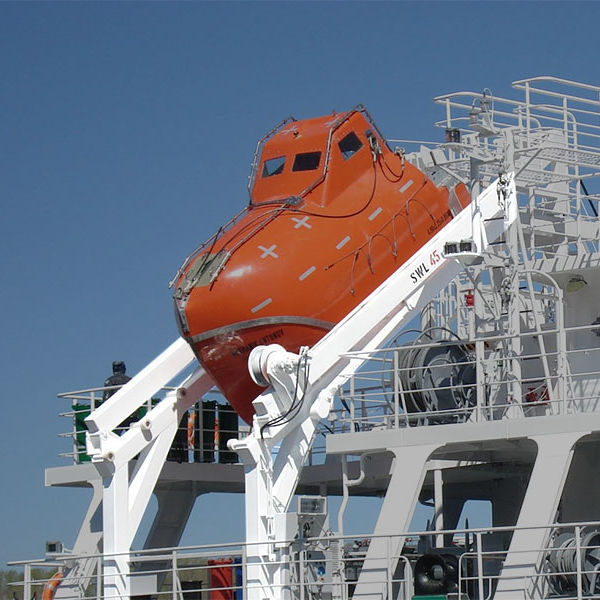
- Antriebsoptionen
- Electric, hydraulic, manual, with/without stored power (accumulator or spring force)
- Solas-hoistgeschwindigkeit
- Bis 48 m/min für Fast-Rescue-Davits (SOLAS-konform)
- Einsatzbereich
- Rettungsboote, Schnellrettungsboote, Rettungsflöße, MOB-Boote
- Konstruktion
- Normal pivot or slewing types, single or double arm with optional docking head to prevent pendulum motion until water level
- Hubkapazität
- Configurable according to ship type and lifeboat weight (tailor-made solutions)
- Zertifizierung
- ABS, GL, DNV, BV, NK, KR, LR and other classification societies
- D-NPS.SP (Normal Pivot Single/Double Arm mit Docking Head)
- D-NPS.FR (Fast Rescue Davit mit Docking Head)
- D-CRm.FR (Slewing Fast Rescue Davit mit hydraulischem/elektrischem Antrieb)
- D-BR (rescue davit with manual operation or hydraulic stored power)
- D-NP.MP (Normal Pivot mit mechanischer Stored Power - Federbelastung)
- D-NP.SP (Normal Pivot mit hydraulischer Stored Power - Akku)
- Area: On-load release gear functionality and wearCheck: Annually: operational test of on-load release gear by positioning the boat partially in water for load support by fall, actuation of release gear, reset and inspection for damage. Every 5 years: overhaul of release system with 110% proof-load test. Inspect release gear before and after operational test; verify hook securing and reset.
- Area: Wire rope condition (wires/falls) – corrosion, wear, breakageCheck: Monthly: visual inspection for fraying, kinks, corrosion, broken strands. Annually: wire rope and sheaves for scratches, dents, corrosion, missing lubrication. Every 5 years: wire rope replacement per SOLAS Chapter III required. Lubrication of wires, sheaves and moving parts to be checked.
- Area: Brake system - inspection function and wear partsCheck: Annually: brake test by suspension of rated load and verification that brake holds without slippage. For centrifugal brakes: sinking speed against SOLAS formula (max. 1.3 m/s) to be checked. Brake pads to be inspected and replaced when worn. Every 5 years: brake system to be opened and condition thoroughly checked.
- Area: Sheaves - wear, abrasion, corrosion, wear ringsCheck: Annually: sheaves for wear grooves, wear ring wear, corrosion, incorrect alignment, loose bolts to be checked. A worn or corroded sheave damages new wires and leads to premature wire rope failure. Wear ring thickness to be measured and replaced if necessary. Lubrication to be checked.
- Area: Overall structure - corrosion, wear, deformation and clearanceCheck: Annually: davit structure for corrosion (especially welds), wear, deformation, excessive clearance, cracks to be checked. All bolt locking devices to be verified. Hydraulic cylinders for leakage to be checked. Every 5 years: selective disassembly with NDT (roughness inspection, crack inspection) to be performed. Foundations to be inspected.
- Area: Proof-load test at 110% of rated loadCheck: Annually: dynamic winch brake test at 110% of Safe Working Load to be performed (simulated by water bag equipment or certified load cells). Every 5 years: comprehensive proof-load test of entire davit, winch, wire rope and hook system at 110% SWL to be performed. System must hold load, show no deformation or damage.
Type-universal inspection/maintenance points for Lifesaving Appliances (LSA) (davit international, Mega-Swarm 2026–06). Per-model specs not auto-populated.
- Fast‑rescue capability with hoist speeds up to 48 m/min meeting SOLAS fast‑rescue requirements
- Multiple drive options (electric, hydraulic, manual, stored‑power) allow tailoring to vessel power availability
- Docking head option prevents pendulum motion and protects the boat during launch in rough seas
- Modular design – normal pivot or slewing types, single or double arm – fits a wide range of ship layouts
- Broad classification society approvals (ABS, DNV, LR, BV, NK, KR) ensuring regulatory compliance
- Higher initial cost and complexity compared with basic manual davits
- Maintenance intensive – regular wire‑rope, brake and hydraulic inspections required by SOLAS
- Stored‑power variants (battery or spring) need periodic replacement of the energy source
- Footprint may be restrictive on vessels with limited deck space or low freeboard
- Requires trained personnel for operation and yearly functional testing
- Antriebsoptionen
- Electric, hydraulic, manual, with/without stored power (accumulator or spring force)
- Solas-hoistgeschwindigkeit
- Bis 48 m/min für Fast-Rescue-Davits (SOLAS-konform)
- Einsatzbereich
- Rettungsboote, Schnellrettungsboote, Rettungsflöße, MOB-Boote
- Konstruktion
- Normal pivot or slewing types, single or double arm with optional docking head to prevent pendulum motion until water level
- Hubkapazität
- Configurable according to ship type and lifeboat weight (tailor-made solutions)
- Zertifizierung
- ABS, GL, DNV, BV, NK, KR, LR and other classification societies
- D-NPS.SP (Normal Pivot Single/Double Arm mit Docking Head)
- D-NPS.FR (Fast Rescue Davit mit Docking Head)
- D-CRm.FR (Slewing Fast Rescue Davit mit hydraulischem/elektrischem Antrieb)
- D-BR (rescue davit with manual operation or hydraulic stored power)
- D-NP.MP (Normal Pivot mit mechanischer Stored Power - Federbelastung)
- D-NP.SP (Normal Pivot mit hydraulischer Stored Power - Akku)
- Area: On-load release gear functionality and wearCheck: Annually: operational test of on-load release gear by positioning the boat partially in water for load support by fall, actuation of release gear, reset and inspection for damage. Every 5 years: overhaul of release system with 110% proof-load test. Inspect release gear before and after operational test; verify hook securing and reset.
- Area: Wire rope condition (wires/falls) – corrosion, wear, breakageCheck: Monthly: visual inspection for fraying, kinks, corrosion, broken strands. Annually: wire rope and sheaves for scratches, dents, corrosion, missing lubrication. Every 5 years: wire rope replacement per SOLAS Chapter III required. Lubrication of wires, sheaves and moving parts to be checked.
- Area: Brake system - inspection function and wear partsCheck: Annually: brake test by suspension of rated load and verification that brake holds without slippage. For centrifugal brakes: sinking speed against SOLAS formula (max. 1.3 m/s) to be checked. Brake pads to be inspected and replaced when worn. Every 5 years: brake system to be opened and condition thoroughly checked.
- Area: Sheaves - wear, abrasion, corrosion, wear ringsCheck: Annually: sheaves for wear grooves, wear ring wear, corrosion, incorrect alignment, loose bolts to be checked. A worn or corroded sheave damages new wires and leads to premature wire rope failure. Wear ring thickness to be measured and replaced if necessary. Lubrication to be checked.
- Area: Overall structure - corrosion, wear, deformation and clearanceCheck: Annually: davit structure for corrosion (especially welds), wear, deformation, excessive clearance, cracks to be checked. All bolt locking devices to be verified. Hydraulic cylinders for leakage to be checked. Every 5 years: selective disassembly with NDT (roughness inspection, crack inspection) to be performed. Foundations to be inspected.
- Area: Proof-load test at 110% of rated loadCheck: Annually: dynamic winch brake test at 110% of Safe Working Load to be performed (simulated by water bag equipment or certified load cells). Every 5 years: comprehensive proof-load test of entire davit, winch, wire rope and hook system at 110% SWL to be performed. System must hold load, show no deformation or damage.
Type-universal inspection/maintenance points for Lifesaving Appliances (LSA) (davit international, Mega-Swarm 2026–06). Per-model specs not auto-populated.
- Multiple drive options (hand‑operated with hydraulic stored‑power backup) provide redundancy.
- Fast hoist speed up to 48 m/min meets SOLAS fast‑rescue requirements.
- Load capacity is configurable to the specific boat weight and vessel type.
- Docking head reduces swing during launch, improving crew safety.
- Certified by major classification societies (ABS, DNV, LR, BV) and IMO approved.
- Hydraulic system adds complexity and requires regular leak‑checks and maintenance.
- Manual operation can be slower in heavy sea states compared with fully electric drives.
- Space needed for hydraulic accumulator or power pack may limit installation on tight decks.
- Higher initial capital cost than basic single‑arm manual davits.
- Inspection procedures are more involved due to the combination of mechanical and hydraulic components.
- Antriebsoptionen
- Electric, hydraulic, manual, with/without stored power (accumulator or spring force)
- Solas-hoistgeschwindigkeit
- Bis 48 m/min für Fast-Rescue-Davits (SOLAS-konform)
- Einsatzbereich
- Rettungsboote, Schnellrettungsboote, Rettungsflöße, MOB-Boote
- Konstruktion
- Normal pivot or slewing types, single or double arm with optional docking head to prevent pendulum motion until water level
- Hubkapazität
- Configurable according to ship type and lifeboat weight (tailor-made solutions)
- Zertifizierung
- ABS, GL, DNV, BV, NK, KR, LR and other classification societies
- D-NPS.SP (Normal Pivot Single/Double Arm mit Docking Head)
- D-NPS.FR (Fast Rescue Davit mit Docking Head)
- D-CRm.FR (Slewing Fast Rescue Davit mit hydraulischem/elektrischem Antrieb)
- D-BR (rescue davit with manual operation or hydraulic stored power)
- D-NP.MP (Normal Pivot mit mechanischer Stored Power - Federbelastung)
- D-NP.SP (Normal Pivot mit hydraulischer Stored Power - Akku)
- Area: On-load release gear functionality and wearCheck: Annually: operational test of on-load release gear by positioning the boat partially in water for load support by fall, actuation of release gear, reset and inspection for damage. Every 5 years: overhaul of release system with 110% proof-load test. Inspect release gear before and after operational test; verify hook securing and reset.
- Area: Wire rope condition (wires/falls) – corrosion, wear, breakageCheck: Monthly: visual inspection for fraying, kinks, corrosion, broken strands. Annually: wire rope and sheaves for scratches, dents, corrosion, missing lubrication. Every 5 years: wire rope replacement per SOLAS Chapter III required. Lubrication of wires, sheaves and moving parts to be checked.
- Area: Brake system - inspection function and wear partsCheck: Annually: brake test by suspension of rated load and verification that brake holds without slippage. For centrifugal brakes: sinking speed against SOLAS formula (max. 1.3 m/s) to be checked. Brake pads to be inspected and replaced when worn. Every 5 years: brake system to be opened and condition thoroughly checked.
- Area: Sheaves - wear, abrasion, corrosion, wear ringsCheck: Annually: sheaves for wear grooves, wear ring wear, corrosion, incorrect alignment, loose bolts to be checked. A worn or corroded sheave damages new wires and leads to premature wire rope failure. Wear ring thickness to be measured and replaced if necessary. Lubrication to be checked.
- Area: Overall structure - corrosion, wear, deformation and clearanceCheck: Annually: davit structure for corrosion (especially welds), wear, deformation, excessive clearance, cracks to be checked. All bolt locking devices to be verified. Hydraulic cylinders for leakage to be checked. Every 5 years: selective disassembly with NDT (roughness inspection, crack inspection) to be performed. Foundations to be inspected.
- Area: Proof-load test at 110% of rated loadCheck: Annually: dynamic winch brake test at 110% of Safe Working Load to be performed (simulated by water bag equipment or certified load cells). Every 5 years: comprehensive proof-load test of entire davit, winch, wire rope and hook system at 110% SWL to be performed. System must hold load, show no deformation or damage.
Type-universal inspection/maintenance points for Lifesaving Appliances (LSA) (davit international, Mega-Swarm 2026–06). Per-model specs not auto-populated.
- High hoist speed (up to 48 m/min) meets SOLAS fast‑rescue requirements
- Multiple drive configurations (electric, hydraulic, manual) and stored‑power options increase redundancy
- Docking head prevents pendulum swing during launch, improving safety in rough seas
- Customisable load capacity for a wide range of lifeboat sizes
- Broad class society approvals (ABS, DNV, LR, etc.) facilitating certification on many vessels
- Complex drive and stored‑power systems raise initial cost and require specialised maintenance
- Hydraulic/electric components increase susceptibility to corrosion in harsh marine environments
- Periodic proof‑load testing (110 % SWL) and five‑year full inspections add operational downtime
- Higher weight compared with simple manual davits may affect deck reinforcement requirements
- Spare parts inventory can be extensive due to multiple drive variants
- Antriebsoptionen
- Electric, hydraulic, manual, with/without stored power (accumulator or spring force)
- Solas-hoistgeschwindigkeit
- Bis 48 m/min für Fast-Rescue-Davits (SOLAS-konform)
- Einsatzbereich
- Rettungsboote, Schnellrettungsboote, Rettungsflöße, MOB-Boote
- Konstruktion
- Normal pivot or slewing types, single or double arm with optional docking head to prevent pendulum motion until water level
- Hubkapazität
- Configurable according to ship type and lifeboat weight (tailor-made solutions)
- Zertifizierung
- ABS, GL, DNV, BV, NK, KR, LR and other classification societies
- D-NPS.SP (Normal Pivot Single/Double Arm mit Docking Head)
- D-NPS.FR (Fast Rescue Davit mit Docking Head)
- D-CRm.FR (Slewing Fast Rescue Davit mit hydraulischem/elektrischem Antrieb)
- D-BR (rescue davit with manual operation or hydraulic stored power)
- D-NP.MP (Normal Pivot mit mechanischer Stored Power - Federbelastung)
- D-NP.SP (Normal Pivot mit hydraulischer Stored Power - Akku)
- Area: On-load release gear functionality and wearCheck: Annually: operational test of on-load release gear by positioning the boat partially in water for load support by fall, actuation of release gear, reset and inspection for damage. Every 5 years: overhaul of release system with 110% proof-load test. Inspect release gear before and after operational test; verify hook securing and reset.
- Area: Wire rope condition (wires/falls) – corrosion, wear, breakageCheck: Monthly: visual inspection for fraying, kinks, corrosion, broken strands. Annually: wire rope and sheaves for scratches, dents, corrosion, missing lubrication. Every 5 years: wire rope replacement per SOLAS Chapter III required. Lubrication of wires, sheaves and moving parts to be checked.
- Area: Brake system - inspection function and wear partsCheck: Annually: brake test by suspension of rated load and verification that brake holds without slippage. For centrifugal brakes: sinking speed against SOLAS formula (max. 1.3 m/s) to be checked. Brake pads to be inspected and replaced when worn. Every 5 years: brake system to be opened and condition thoroughly checked.
- Area: Sheaves - wear, abrasion, corrosion, wear ringsCheck: Annually: sheaves for wear grooves, wear ring wear, corrosion, incorrect alignment, loose bolts to be checked. A worn or corroded sheave damages new wires and leads to premature wire rope failure. Wear ring thickness to be measured and replaced if necessary. Lubrication to be checked.
- Area: Overall structure - corrosion, wear, deformation and clearanceCheck: Annually: davit structure for corrosion (especially welds), wear, deformation, excessive clearance, cracks to be checked. All bolt locking devices to be verified. Hydraulic cylinders for leakage to be checked. Every 5 years: selective disassembly with NDT (roughness inspection, crack inspection) to be performed. Foundations to be inspected.
- Area: Proof-load test at 110% of rated loadCheck: Annually: dynamic winch brake test at 110% of Safe Working Load to be performed (simulated by water bag equipment or certified load cells). Every 5 years: comprehensive proof-load test of entire davit, winch, wire rope and hook system at 110% SWL to be performed. System must hold load, show no deformation or damage.
Type-universal inspection/maintenance points for Lifesaving Appliances (LSA) (davit international, Mega-Swarm 2026–06). Per-model specs not auto-populated.
- Hoist speed up to 48 m/min meets SOLAS fast‑rescue requirements
- Multiple drive options (electric, hydraulic, manual) with stored‑power backup
- Docking head reduces pendulum motion for safer water entry
- Configurable load capacity and arm geometry for a wide range of boat sizes
- Approved by major classification societies (ABS, DNV, LR, etc.)
- Higher initial cost compared with simple manual davits
- Complex hydraulic/electric systems increase maintenance workload
- Requires periodic 5‑year overhaul and proof‑load testing
- Space‑intensive slewing arm may limit deck layout on smaller vessels
- Dependence on stored‑power (battery or spring) for emergency operation
- Antriebsoptionen
- Electric, hydraulic, manual, with/without stored power (accumulator or spring force)
- Solas-hoistgeschwindigkeit
- Bis 48 m/min für Fast-Rescue-Davits (SOLAS-konform)
- Einsatzbereich
- Rettungsboote, Schnellrettungsboote, Rettungsflöße, MOB-Boote
- Konstruktion
- Normal pivot or slewing types, single or double arm with optional docking head to prevent pendulum motion until water level
- Hubkapazität
- Configurable according to ship type and lifeboat weight (tailor-made solutions)
- Zertifizierung
- ABS, GL, DNV, BV, NK, KR, LR and other classification societies
- D-NPS.SP (Normal Pivot Single/Double Arm mit Docking Head)
- D-NPS.FR (Fast Rescue Davit mit Docking Head)
- D-CRm.FR (Slewing Fast Rescue Davit mit hydraulischem/elektrischem Antrieb)
- D-BR (rescue davit with manual operation or hydraulic stored power)
- D-NP.MP (Normal Pivot mit mechanischer Stored Power - Federbelastung)
- D-NP.SP (Normal Pivot mit hydraulischer Stored Power - Akku)
- Area: On-load release gear functionality and wearCheck: Annually: operational test of on-load release gear by positioning the boat partially in water for load support by fall, actuation of release gear, reset and inspection for damage. Every 5 years: overhaul of release system with 110% proof-load test. Inspect release gear before and after operational test; verify hook securing and reset.
- Area: Wire rope condition (wires/falls) – corrosion, wear, breakageCheck: Monthly: visual inspection for fraying, kinks, corrosion, broken strands. Annually: wire rope and sheaves for scratches, dents, corrosion, missing lubrication. Every 5 years: wire rope replacement per SOLAS Chapter III required. Lubrication of wires, sheaves and moving parts to be checked.
- Area: Brake system - inspection function and wear partsCheck: Annually: brake test by suspension of rated load and verification that brake holds without slippage. For centrifugal brakes: sinking speed against SOLAS formula (max. 1.3 m/s) to be checked. Brake pads to be inspected and replaced when worn. Every 5 years: brake system to be opened and condition thoroughly checked.
- Area: Sheaves - wear, abrasion, corrosion, wear ringsCheck: Annually: sheaves for wear grooves, wear ring wear, corrosion, incorrect alignment, loose bolts to be checked. A worn or corroded sheave damages new wires and leads to premature wire rope failure. Wear ring thickness to be measured and replaced if necessary. Lubrication to be checked.
- Area: Overall structure - corrosion, wear, deformation and clearanceCheck: Annually: davit structure for corrosion (especially welds), wear, deformation, excessive clearance, cracks to be checked. All bolt locking devices to be verified. Hydraulic cylinders for leakage to be checked. Every 5 years: selective disassembly with NDT (roughness inspection, crack inspection) to be performed. Foundations to be inspected.
- Area: Proof-load test at 110% of rated loadCheck: Annually: dynamic winch brake test at 110% of Safe Working Load to be performed (simulated by water bag equipment or certified load cells). Every 5 years: comprehensive proof-load test of entire davit, winch, wire rope and hook system at 110% SWL to be performed. System must hold load, show no deformation or damage.
Type-universal inspection/maintenance points for Lifesaving Appliances (LSA) (davit international, Mega-Swarm 2026–06). Per-model specs not auto-populated.
- Fast hoist speed meeting SOLAS requirements for rapid rescue operations
- Multiple drive configurations allow tailoring to vessel power availability
- Docking head reduces pendulum swing and protects the boat during launch
- Configurable load capacity suitable for a wide range of lifeboat sizes
- Fully IMO‑approved and compatible with major classification societies
- Higher initial capital cost compared with basic manual davits
- Complexity of hydraulic/electric drives increases maintenance workload
- Requires regular wire‑rope inspection and periodic proof‑load testing
- Stored‑power (battery or spring) units add weight and occupy deck space
- Installation footprint may be limiting on small passenger vessels
- Antriebsoptionen
- Electric, hydraulic, manual, with/without stored power (accumulator or spring force)
- Solas-hoistgeschwindigkeit
- Bis 48 m/min für Fast-Rescue-Davits (SOLAS-konform)
- Einsatzbereich
- Rettungsboote, Schnellrettungsboote, Rettungsflöße, MOB-Boote
- Konstruktion
- Normal pivot or slewing types, single or double arm with optional docking head to prevent pendulum motion until water level
- Hubkapazität
- Configurable according to ship type and lifeboat weight (tailor-made solutions)
- Zertifizierung
- ABS, GL, DNV, BV, NK, KR, LR and other classification societies
- D-NPS.SP (Normal Pivot Single/Double Arm mit Docking Head)
- D-NPS.FR (Fast Rescue Davit mit Docking Head)
- D-CRm.FR (Slewing Fast Rescue Davit mit hydraulischem/elektrischem Antrieb)
- D-BR (rescue davit with manual operation or hydraulic stored power)
- D-NP.MP (Normal Pivot mit mechanischer Stored Power - Federbelastung)
- D-NP.SP (Normal Pivot mit hydraulischer Stored Power - Akku)
- Area: On-load release gear functionality and wearCheck: Annually: operational test of on-load release gear by positioning the boat partially in water for load support by fall, actuation of release gear, reset and inspection for damage. Every 5 years: overhaul of release system with 110% proof-load test. Inspect release gear before and after operational test; verify hook securing and reset.
- Area: Wire rope condition (wires/falls) – corrosion, wear, breakageCheck: Monthly: visual inspection for fraying, kinks, corrosion, broken strands. Annually: wire rope and sheaves for scratches, dents, corrosion, missing lubrication. Every 5 years: wire rope replacement per SOLAS Chapter III required. Lubrication of wires, sheaves and moving parts to be checked.
- Area: Brake system - inspection function and wear partsCheck: Annually: brake test by suspension of rated load and verification that brake holds without slippage. For centrifugal brakes: sinking speed against SOLAS formula (max. 1.3 m/s) to be checked. Brake pads to be inspected and replaced when worn. Every 5 years: brake system to be opened and condition thoroughly checked.
- Area: Sheaves - wear, abrasion, corrosion, wear ringsCheck: Annually: sheaves for wear grooves, wear ring wear, corrosion, incorrect alignment, loose bolts to be checked. A worn or corroded sheave damages new wires and leads to premature wire rope failure. Wear ring thickness to be measured and replaced if necessary. Lubrication to be checked.
- Area: Overall structure - corrosion, wear, deformation and clearanceCheck: Annually: davit structure for corrosion (especially welds), wear, deformation, excessive clearance, cracks to be checked. All bolt locking devices to be verified. Hydraulic cylinders for leakage to be checked. Every 5 years: selective disassembly with NDT (roughness inspection, crack inspection) to be performed. Foundations to be inspected.
- Area: Proof-load test at 110% of rated loadCheck: Annually: dynamic winch brake test at 110% of Safe Working Load to be performed (simulated by water bag equipment or certified load cells). Every 5 years: comprehensive proof-load test of entire davit, winch, wire rope and hook system at 110% SWL to be performed. System must hold load, show no deformation or damage.
Type-universal inspection/maintenance points for Lifesaving Appliances (LSA) (davit international, Mega-Swarm 2026–06). Per-model specs not auto-populated.
- High hoist speed (≤48 m/min) meeting SOLAS fast‑rescue requirements
- Configurable load capacity for a wide range of lifeboat weights
- Multiple power options (electric, hydraulic, manual, stored‑power) increase redundancy
- Docking head reduces pendulum motion during launch in heavy seas
- Slewing design saves deck space compared with fixed‑arm davits
- Complex hydraulic/electrical systems raise maintenance workload and cost
- Requires regular proof‑load testing (110 % SWL) and five‑year comprehensive inspection
- Higher initial capital outlay than simple manual davits
- Slewing mechanism occupies more vertical clearance on deck
- Dependence on stored‑power units may limit launch duration if not regularly recharged
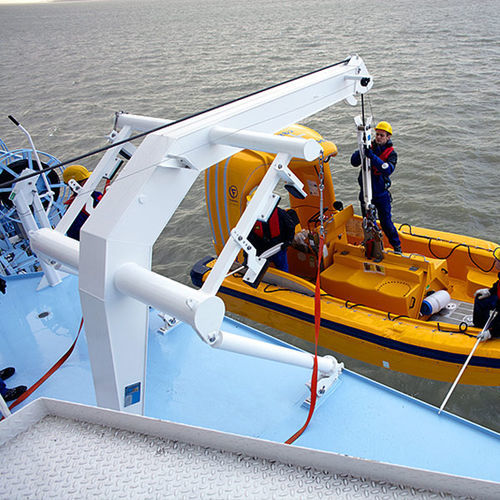
- Antriebsoptionen
- Electric, hydraulic, manual, with/without stored power (accumulator or spring force)
- Solas-hoistgeschwindigkeit
- Bis 48 m/min für Fast-Rescue-Davits (SOLAS-konform)
- Einsatzbereich
- Rettungsboote, Schnellrettungsboote, Rettungsflöße, MOB-Boote
- Konstruktion
- Normal pivot or slewing types, single or double arm with optional docking head to prevent pendulum motion until water level
- Hubkapazität
- Configurable according to ship type and lifeboat weight (tailor-made solutions)
- Zertifizierung
- ABS, GL, DNV, BV, NK, KR, LR and other classification societies
- D-NPS.SP (Normal Pivot Single/Double Arm mit Docking Head)
- D-NPS.FR (Fast Rescue Davit mit Docking Head)
- D-CRm.FR (Slewing Fast Rescue Davit mit hydraulischem/elektrischem Antrieb)
- D-BR (rescue davit with manual operation or hydraulic stored power)
- D-NP.MP (Normal Pivot mit mechanischer Stored Power - Federbelastung)
- D-NP.SP (Normal Pivot mit hydraulischer Stored Power - Akku)
- Area: On-load release gear functionality and wearCheck: Annually: operational test of on-load release gear by positioning the boat partially in water for load support by fall, actuation of release gear, reset and inspection for damage. Every 5 years: overhaul of release system with 110% proof-load test. Inspect release gear before and after operational test; verify hook securing and reset.
- Area: Wire rope condition (wires/falls) – corrosion, wear, breakageCheck: Monthly: visual inspection for fraying, kinks, corrosion, broken strands. Annually: wire rope and sheaves for scratches, dents, corrosion, missing lubrication. Every 5 years: wire rope replacement per SOLAS Chapter III required. Lubrication of wires, sheaves and moving parts to be checked.
- Area: Brake system - inspection function and wear partsCheck: Annually: brake test by suspension of rated load and verification that brake holds without slippage. For centrifugal brakes: sinking speed against SOLAS formula (max. 1.3 m/s) to be checked. Brake pads to be inspected and replaced when worn. Every 5 years: brake system to be opened and condition thoroughly checked.
- Area: Sheaves - wear, abrasion, corrosion, wear ringsCheck: Annually: sheaves for wear grooves, wear ring wear, corrosion, incorrect alignment, loose bolts to be checked. A worn or corroded sheave damages new wires and leads to premature wire rope failure. Wear ring thickness to be measured and replaced if necessary. Lubrication to be checked.
- Area: Overall structure - corrosion, wear, deformation and clearanceCheck: Annually: davit structure for corrosion (especially welds), wear, deformation, excessive clearance, cracks to be checked. All bolt locking devices to be verified. Hydraulic cylinders for leakage to be checked. Every 5 years: selective disassembly with NDT (roughness inspection, crack inspection) to be performed. Foundations to be inspected.
- Area: Proof-load test at 110% of rated loadCheck: Annually: dynamic winch brake test at 110% of Safe Working Load to be performed (simulated by water bag equipment or certified load cells). Every 5 years: comprehensive proof-load test of entire davit, winch, wire rope and hook system at 110% SWL to be performed. System must hold load, show no deformation or damage.
Type-universal inspection/maintenance points for Lifesaving Appliances (LSA) (davit international, Mega-Swarm 2026–06). Per-model specs not auto-populated.
- SOLAS‑compliant hoist speed of up to 48 m/min for rapid evacuation
- Multiple drive options (electric, hydraulic, manual) give operational flexibility
- Docking head reduces pendulum motion and protects the boat during launch
- Tailor‑made load capacity – can be sized to vessel type and boat weight
- Approved by major classification societies (ABS, DNV, LR, BV, NK, KR)
- Higher initial cost compared with simple single‑arm davits
- Complex drive system increases routine maintenance and spare‑part inventory
- Requires stored power (battery or accumulator) for electric operation on standby
- Space‑intensive slewing arm may limit installation on vessels with tight deck layouts
- Mandatory 5‑year overhaul adds long‑term lifecycle expense
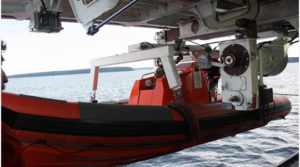
- Antriebsoptionen
- Electric, hydraulic, manual, with/without stored power (accumulator or spring force)
- Solas-hoistgeschwindigkeit
- Bis 48 m/min für Fast-Rescue-Davits (SOLAS-konform)
- Einsatzbereich
- Rettungsboote, Schnellrettungsboote, Rettungsflöße, MOB-Boote
- Konstruktion
- Normal pivot or slewing types, single or double arm with optional docking head to prevent pendulum motion until water level
- Hubkapazität
- Configurable according to ship type and lifeboat weight (tailor-made solutions)
- Zertifizierung
- ABS, GL, DNV, BV, NK, KR, LR and other classification societies
- D-NPS.SP (Normal Pivot Single/Double Arm mit Docking Head)
- D-NPS.FR (Fast Rescue Davit mit Docking Head)
- D-CRm.FR (Slewing Fast Rescue Davit mit hydraulischem/elektrischem Antrieb)
- D-BR (rescue davit with manual operation or hydraulic stored power)
- D-NP.MP (Normal Pivot mit mechanischer Stored Power - Federbelastung)
- D-NP.SP (Normal Pivot mit hydraulischer Stored Power - Akku)
- Area: On-load release gear functionality and wearCheck: Annually: operational test of on-load release gear by positioning the boat partially in water for load support by fall, actuation of release gear, reset and inspection for damage. Every 5 years: overhaul of release system with 110% proof-load test. Inspect release gear before and after operational test; verify hook securing and reset.
- Area: Wire rope condition (wires/falls) – corrosion, wear, breakageCheck: Monthly: visual inspection for fraying, kinks, corrosion, broken strands. Annually: wire rope and sheaves for scratches, dents, corrosion, missing lubrication. Every 5 years: wire rope replacement per SOLAS Chapter III required. Lubrication of wires, sheaves and moving parts to be checked.
- Area: Brake system - inspection function and wear partsCheck: Annually: brake test by suspension of rated load and verification that brake holds without slippage. For centrifugal brakes: sinking speed against SOLAS formula (max. 1.3 m/s) to be checked. Brake pads to be inspected and replaced when worn. Every 5 years: brake system to be opened and condition thoroughly checked.
- Area: Sheaves - wear, abrasion, corrosion, wear ringsCheck: Annually: sheaves for wear grooves, wear ring wear, corrosion, incorrect alignment, loose bolts to be checked. A worn or corroded sheave damages new wires and leads to premature wire rope failure. Wear ring thickness to be measured and replaced if necessary. Lubrication to be checked.
- Area: Overall structure - corrosion, wear, deformation and clearanceCheck: Annually: davit structure for corrosion (especially welds), wear, deformation, excessive clearance, cracks to be checked. All bolt locking devices to be verified. Hydraulic cylinders for leakage to be checked. Every 5 years: selective disassembly with NDT (roughness inspection, crack inspection) to be performed. Foundations to be inspected.
- Area: Proof-load test at 110% of rated loadCheck: Annually: dynamic winch brake test at 110% of Safe Working Load to be performed (simulated by water bag equipment or certified load cells). Every 5 years: comprehensive proof-load test of entire davit, winch, wire rope and hook system at 110% SWL to be performed. System must hold load, show no deformation or damage.
Type-universal inspection/maintenance points for Lifesaving Appliances (LSA) (davit international, Mega-Swarm 2026–06). Per-model specs not auto-populated.
- Hoist speed up to 48 m/min meets SOLAS fast‑rescue requirements
- Modular hub capacity can be tailored to the specific boat weight and vessel type
- Docking head option reduces swing and improves launch safety in high sea states
- Multiple actuation options (electric, hydraulic, manual, stored‑power) provide redundancy
- Certified by major classification societies (ABS, DNV, LR, BV)
- Higher capital cost compared with basic manual davits
- Requires dedicated electrical/hydraulic power and associated maintenance programmes
- Larger footprint on deck; may need structural reinforcement
- Complexity of drive and control systems can increase downtime if a failure occurs
- Periodic proof‑load testing and stored‑power inspections add to operational workload
- Antriebsoptionen
- Electric, hydraulic, manual, with/without stored power (accumulator or spring force)
- Solas-hoistgeschwindigkeit
- Bis 48 m/min für Fast-Rescue-Davits (SOLAS-konform)
- Einsatzbereich
- Rettungsboote, Schnellrettungsboote, Rettungsflöße, MOB-Boote
- Konstruktion
- Normal pivot or slewing types, single or double arm with optional docking head to prevent pendulum motion until water level
- Hubkapazität
- Configurable according to ship type and lifeboat weight (tailor-made solutions)
- Zertifizierung
- ABS, GL, DNV, BV, NK, KR, LR and other classification societies
- D-NPS.SP (Normal Pivot Single/Double Arm mit Docking Head)
- D-NPS.FR (Fast Rescue Davit mit Docking Head)
- D-CRm.FR (Slewing Fast Rescue Davit mit hydraulischem/elektrischem Antrieb)
- D-BR (rescue davit with manual operation or hydraulic stored power)
- D-NP.MP (Normal Pivot mit mechanischer Stored Power - Federbelastung)
- D-NP.SP (Normal Pivot mit hydraulischer Stored Power - Akku)
- Area: On-load release gear functionality and wearCheck: Annually: operational test of on-load release gear by positioning the boat partially in water for load support by fall, actuation of release gear, reset and inspection for damage. Every 5 years: overhaul of release system with 110% proof-load test. Inspect release gear before and after operational test; verify hook securing and reset.
- Area: Wire rope condition (wires/falls) – corrosion, wear, breakageCheck: Monthly: visual inspection for fraying, kinks, corrosion, broken strands. Annually: wire rope and sheaves for scratches, dents, corrosion, missing lubrication. Every 5 years: wire rope replacement per SOLAS Chapter III required. Lubrication of wires, sheaves and moving parts to be checked.
- Area: Brake system - inspection function and wear partsCheck: Annually: brake test by suspension of rated load and verification that brake holds without slippage. For centrifugal brakes: sinking speed against SOLAS formula (max. 1.3 m/s) to be checked. Brake pads to be inspected and replaced when worn. Every 5 years: brake system to be opened and condition thoroughly checked.
- Area: Sheaves - wear, abrasion, corrosion, wear ringsCheck: Annually: sheaves for wear grooves, wear ring wear, corrosion, incorrect alignment, loose bolts to be checked. A worn or corroded sheave damages new wires and leads to premature wire rope failure. Wear ring thickness to be measured and replaced if necessary. Lubrication to be checked.
- Area: Overall structure - corrosion, wear, deformation and clearanceCheck: Annually: davit structure for corrosion (especially welds), wear, deformation, excessive clearance, cracks to be checked. All bolt locking devices to be verified. Hydraulic cylinders for leakage to be checked. Every 5 years: selective disassembly with NDT (roughness inspection, crack inspection) to be performed. Foundations to be inspected.
- Area: Proof-load test at 110% of rated loadCheck: Annually: dynamic winch brake test at 110% of Safe Working Load to be performed (simulated by water bag equipment or certified load cells). Every 5 years: comprehensive proof-load test of entire davit, winch, wire rope and hook system at 110% SWL to be performed. System must hold load, show no deformation or damage.
Type-universal inspection/maintenance points for Lifesaving Appliances (LSA) (davit international, Mega-Swarm 2026–06). Per-model specs not auto-populated.
- Fast launch capability (up to 48 m/min) meeting SOLAS fast‑rescue requirements
- Multiple drive options and optional stored‑power (battery or spring) for redundancy
- Docking head available to minimise pendulum motion during launch
- Tailor‑made load capacity allowing use on a wide range of vessel sizes
- Broad class society approvals (ABS, DNV, LR, BV, etc.) facilitating flag‑state acceptance
- Higher initial cost and greater system complexity compared with simple manual davits
- Requires regular electrical/hydraulic maintenance and periodic proof‑load testing
- Deck space needed for pivot or slewing arm may limit installation on very small vessels
- Dependence on ship power; loss of electricity/hydraulics can affect launch unless stored‑power is fitted

- Antriebsoptionen
- Electric, hydraulic, manual, with/without stored power (accumulator or spring force)
- Solas-hoistgeschwindigkeit
- Bis 48 m/min für Fast-Rescue-Davits (SOLAS-konform)
- Einsatzbereich
- Rettungsboote, Schnellrettungsboote, Rettungsflöße, MOB-Boote
- Konstruktion
- Normal pivot or slewing types, single or double arm with optional docking head to prevent pendulum motion until water level
- Hubkapazität
- Configurable according to ship type and lifeboat weight (tailor-made solutions)
- Zertifizierung
- ABS, GL, DNV, BV, NK, KR, LR and other classification societies
- D-NPS.SP (Normal Pivot Single/Double Arm mit Docking Head)
- D-NPS.FR (Fast Rescue Davit mit Docking Head)
- D-CRm.FR (Slewing Fast Rescue Davit mit hydraulischem/elektrischem Antrieb)
- D-BR (rescue davit with manual operation or hydraulic stored power)
- D-NP.MP (Normal Pivot mit mechanischer Stored Power - Federbelastung)
- D-NP.SP (Normal Pivot mit hydraulischer Stored Power - Akku)
- Area: On-load release gear functionality and wearCheck: Annually: operational test of on-load release gear by positioning the boat partially in water for load support by fall, actuation of release gear, reset and inspection for damage. Every 5 years: overhaul of release system with 110% proof-load test. Inspect release gear before and after operational test; verify hook securing and reset.
- Area: Wire rope condition (wires/falls) – corrosion, wear, breakageCheck: Monthly: visual inspection for fraying, kinks, corrosion, broken strands. Annually: wire rope and sheaves for scratches, dents, corrosion, missing lubrication. Every 5 years: wire rope replacement per SOLAS Chapter III required. Lubrication of wires, sheaves and moving parts to be checked.
- Area: Brake system - inspection function and wear partsCheck: Annually: brake test by suspension of rated load and verification that brake holds without slippage. For centrifugal brakes: sinking speed against SOLAS formula (max. 1.3 m/s) to be checked. Brake pads to be inspected and replaced when worn. Every 5 years: brake system to be opened and condition thoroughly checked.
- Area: Sheaves - wear, abrasion, corrosion, wear ringsCheck: Annually: sheaves for wear grooves, wear ring wear, corrosion, incorrect alignment, loose bolts to be checked. A worn or corroded sheave damages new wires and leads to premature wire rope failure. Wear ring thickness to be measured and replaced if necessary. Lubrication to be checked.
- Area: Overall structure - corrosion, wear, deformation and clearanceCheck: Annually: davit structure for corrosion (especially welds), wear, deformation, excessive clearance, cracks to be checked. All bolt locking devices to be verified. Hydraulic cylinders for leakage to be checked. Every 5 years: selective disassembly with NDT (roughness inspection, crack inspection) to be performed. Foundations to be inspected.
- Area: Proof-load test at 110% of rated loadCheck: Annually: dynamic winch brake test at 110% of Safe Working Load to be performed (simulated by water bag equipment or certified load cells). Every 5 years: comprehensive proof-load test of entire davit, winch, wire rope and hook system at 110% SWL to be performed. System must hold load, show no deformation or damage.
Type-universal inspection/maintenance points for Lifesaving Appliances (LSA) (davit international, Mega-Swarm 2026–06). Per-model specs not auto-populated.
- Hoist speed up to 48 m/min meets SOLAS fast‑rescue requirements for rapid evacuation.
- Slewing (rotating) arm allows launch over a wide deck area, saving valuable space on crowded vessels.
- Multiple drive options (electric, hydraulic, manual, stored‑power) provide redundancy when main power is unavailable.
- Docking head prevents pendulum motion, improving safety and reducing risk of boat damage during launch.
- Load capacity can be customised to the vessel’s specific lifeboat weight class.
- Higher mechanical complexity leads to more frequent maintenance (hydraulic seals, electric motors, stored‑power units).
- Initial acquisition cost is greater than simple pivot davits.
- Requires regular proof‑load testing and on‑load release gear checks to stay SOLAS compliant.
- Installation demands precise alignment and may require structural reinforcement of the deck.
- Operator training is more extensive due to multiple drive modes and safety interlocks.
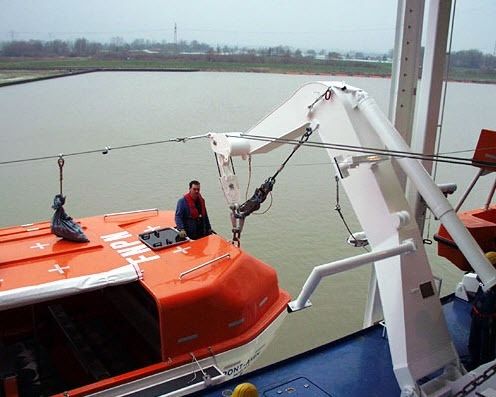
- Antriebsoptionen
- Electric, hydraulic, manual, with/without stored power (accumulator or spring force)
- Solas-hoistgeschwindigkeit
- Bis 48 m/min für Fast-Rescue-Davits (SOLAS-konform)
- Einsatzbereich
- Rettungsboote, Schnellrettungsboote, Rettungsflöße, MOB-Boote
- Konstruktion
- Normal pivot or slewing types, single or double arm with optional docking head to prevent pendulum motion until water level
- Hubkapazität
- Configurable according to ship type and lifeboat weight (tailor-made solutions)
- Zertifizierung
- ABS, GL, DNV, BV, NK, KR, LR and other classification societies
- D-NPS.SP (Normal Pivot Single/Double Arm mit Docking Head)
- D-NPS.FR (Fast Rescue Davit mit Docking Head)
- D-CRm.FR (Slewing Fast Rescue Davit mit hydraulischem/elektrischem Antrieb)
- D-BR (rescue davit with manual operation or hydraulic stored power)
- D-NP.MP (Normal Pivot mit mechanischer Stored Power - Federbelastung)
- D-NP.SP (Normal Pivot mit hydraulischer Stored Power - Akku)
- Area: On-load release gear functionality and wearCheck: Annually: operational test of on-load release gear by positioning the boat partially in water for load support by fall, actuation of release gear, reset and inspection for damage. Every 5 years: overhaul of release system with 110% proof-load test. Inspect release gear before and after operational test; verify hook securing and reset.
- Area: Wire rope condition (wires/falls) – corrosion, wear, breakageCheck: Monthly: visual inspection for fraying, kinks, corrosion, broken strands. Annually: wire rope and sheaves for scratches, dents, corrosion, missing lubrication. Every 5 years: wire rope replacement per SOLAS Chapter III required. Lubrication of wires, sheaves and moving parts to be checked.
- Area: Brake system - inspection function and wear partsCheck: Annually: brake test by suspension of rated load and verification that brake holds without slippage. For centrifugal brakes: sinking speed against SOLAS formula (max. 1.3 m/s) to be checked. Brake pads to be inspected and replaced when worn. Every 5 years: brake system to be opened and condition thoroughly checked.
- Area: Sheaves - wear, abrasion, corrosion, wear ringsCheck: Annually: sheaves for wear grooves, wear ring wear, corrosion, incorrect alignment, loose bolts to be checked. A worn or corroded sheave damages new wires and leads to premature wire rope failure. Wear ring thickness to be measured and replaced if necessary. Lubrication to be checked.
- Area: Overall structure - corrosion, wear, deformation and clearanceCheck: Annually: davit structure for corrosion (especially welds), wear, deformation, excessive clearance, cracks to be checked. All bolt locking devices to be verified. Hydraulic cylinders for leakage to be checked. Every 5 years: selective disassembly with NDT (roughness inspection, crack inspection) to be performed. Foundations to be inspected.
- Area: Proof-load test at 110% of rated loadCheck: Annually: dynamic winch brake test at 110% of Safe Working Load to be performed (simulated by water bag equipment or certified load cells). Every 5 years: comprehensive proof-load test of entire davit, winch, wire rope and hook system at 110% SWL to be performed. System must hold load, show no deformation or damage.
Type-universal inspection/maintenance points for Lifesaving Appliances (LSA) (davit international, Mega-Swarm 2026–06). Per-model specs not auto-populated.
- Hoist speed up to 48 m/min meets SOLAS fast‑rescue requirements for rapid evacuation.
- Multiple drive options (electric, hydraulic, manual) and stored‑power (battery or spring) give flexibility for different power‑availability scenarios.
- Docking head reduces pendulum motion, improving launch safety in rough seas.
- Load capacity is configurable per vessel type, allowing tailor‑made solutions for heavy lifeboats.
- Broad classification approval (ABS, DNV‑GL, BV, NK, KR, LR) simplifies regulatory acceptance.
- Electric/hydraulic drive and stored‑power units increase system complexity and maintenance workload.
- Higher initial capital cost compared with simple manual davits.
- Requires periodic 5‑year overhaul and proof‑load testing, adding downtime and expense.
- Installation demands reinforced deck foundations and space for power modules.
- Reliance on battery or spring stored‑power adds weight and may need replacement over the vessel’s life.
- Antriebsoptionen
- Electric, hydraulic, manual, with/without stored power (accumulator or spring force)
- Solas-hoistgeschwindigkeit
- Bis 48 m/min für Fast-Rescue-Davits (SOLAS-konform)
- Einsatzbereich
- Rettungsboote, Schnellrettungsboote, Rettungsflöße, MOB-Boote
- Konstruktion
- Normal pivot or slewing types, single or double arm with optional docking head to prevent pendulum motion until water level
- Hubkapazität
- Configurable according to ship type and lifeboat weight (tailor-made solutions)
- Zertifizierung
- ABS, GL, DNV, BV, NK, KR, LR and other classification societies
- D-NPS.SP (Normal Pivot Single/Double Arm mit Docking Head)
- D-NPS.FR (Fast Rescue Davit mit Docking Head)
- D-CRm.FR (Slewing Fast Rescue Davit mit hydraulischem/elektrischem Antrieb)
- D-BR (rescue davit with manual operation or hydraulic stored power)
- D-NP.MP (Normal Pivot mit mechanischer Stored Power - Federbelastung)
- D-NP.SP (Normal Pivot mit hydraulischer Stored Power - Akku)
- Area: On-load release gear functionality and wearCheck: Annually: operational test of on-load release gear by positioning the boat partially in water for load support by fall, actuation of release gear, reset and inspection for damage. Every 5 years: overhaul of release system with 110% proof-load test. Inspect release gear before and after operational test; verify hook securing and reset.
- Area: Wire rope condition (wires/falls) – corrosion, wear, breakageCheck: Monthly: visual inspection for fraying, kinks, corrosion, broken strands. Annually: wire rope and sheaves for scratches, dents, corrosion, missing lubrication. Every 5 years: wire rope replacement per SOLAS Chapter III required. Lubrication of wires, sheaves and moving parts to be checked.
- Area: Brake system - inspection function and wear partsCheck: Annually: brake test by suspension of rated load and verification that brake holds without slippage. For centrifugal brakes: sinking speed against SOLAS formula (max. 1.3 m/s) to be checked. Brake pads to be inspected and replaced when worn. Every 5 years: brake system to be opened and condition thoroughly checked.
- Area: Sheaves - wear, abrasion, corrosion, wear ringsCheck: Annually: sheaves for wear grooves, wear ring wear, corrosion, incorrect alignment, loose bolts to be checked. A worn or corroded sheave damages new wires and leads to premature wire rope failure. Wear ring thickness to be measured and replaced if necessary. Lubrication to be checked.
- Area: Overall structure - corrosion, wear, deformation and clearanceCheck: Annually: davit structure for corrosion (especially welds), wear, deformation, excessive clearance, cracks to be checked. All bolt locking devices to be verified. Hydraulic cylinders for leakage to be checked. Every 5 years: selective disassembly with NDT (roughness inspection, crack inspection) to be performed. Foundations to be inspected.
- Area: Proof-load test at 110% of rated loadCheck: Annually: dynamic winch brake test at 110% of Safe Working Load to be performed (simulated by water bag equipment or certified load cells). Every 5 years: comprehensive proof-load test of entire davit, winch, wire rope and hook system at 110% SWL to be performed. System must hold load, show no deformation or damage.
Type-universal inspection/maintenance points for Lifesaving Appliances (LSA) (davit international, Mega-Swarm 2026–06). Per-model specs not auto-populated.
- Fast hoist speed up to 48 m/min meeting SOLAS fast‑rescue requirements
- Multiple drive options (electric, hydraulic, manual) and optional battery/flywheel backup for redundancy
- Docking head reduces pendulum motion during launch, improving safety in heavy seas
- Load capacity can be customised per vessel and boat weight, allowing tailor‑made solutions
- Broad class approvals (ABS, DNV, GL, BV, NK, KR, LR) and IMO approval
- Higher initial cost and greater system complexity compared with simple manual davits
- Requires regular proof‑load testing and five‑year comprehensive inspections to maintain certification
- Space demand of double‑arm configuration may limit installation on vessels with tight deck layouts
- Reliance on hydraulic/electric components increases maintenance workload and spare‑part inventory
- Battery or flywheel stored‑power units need periodic health checks and eventual replacement
- Antriebsoptionen
- Electric, hydraulic, manual, with/without stored power (accumulator or spring force)
- Solas-hoistgeschwindigkeit
- Bis 48 m/min für Fast-Rescue-Davits (SOLAS-konform)
- Einsatzbereich
- Rettungsboote, Schnellrettungsboote, Rettungsflöße, MOB-Boote
- Konstruktion
- Normal pivot or slewing types, single or double arm with optional docking head to prevent pendulum motion until water level
- Hubkapazität
- Configurable according to ship type and lifeboat weight (tailor-made solutions)
- Zertifizierung
- ABS, GL, DNV, BV, NK, KR, LR and other classification societies
- D-NPS.SP (Normal Pivot Single/Double Arm mit Docking Head)
- D-NPS.FR (Fast Rescue Davit mit Docking Head)
- D-CRm.FR (Slewing Fast Rescue Davit mit hydraulischem/elektrischem Antrieb)
- D-BR (rescue davit with manual operation or hydraulic stored power)
- D-NP.MP (Normal Pivot mit mechanischer Stored Power - Federbelastung)
- D-NP.SP (Normal Pivot mit hydraulischer Stored Power - Akku)
- Area: On-load release gear functionality and wearCheck: Annually: operational test of on-load release gear by positioning the boat partially in water for load support by fall, actuation of release gear, reset and inspection for damage. Every 5 years: overhaul of release system with 110% proof-load test. Inspect release gear before and after operational test; verify hook securing and reset.
- Area: Wire rope condition (wires/falls) – corrosion, wear, breakageCheck: Monthly: visual inspection for fraying, kinks, corrosion, broken strands. Annually: wire rope and sheaves for scratches, dents, corrosion, missing lubrication. Every 5 years: wire rope replacement per SOLAS Chapter III required. Lubrication of wires, sheaves and moving parts to be checked.
- Area: Brake system - inspection function and wear partsCheck: Annually: brake test by suspension of rated load and verification that brake holds without slippage. For centrifugal brakes: sinking speed against SOLAS formula (max. 1.3 m/s) to be checked. Brake pads to be inspected and replaced when worn. Every 5 years: brake system to be opened and condition thoroughly checked.
- Area: Sheaves - wear, abrasion, corrosion, wear ringsCheck: Annually: sheaves for wear grooves, wear ring wear, corrosion, incorrect alignment, loose bolts to be checked. A worn or corroded sheave damages new wires and leads to premature wire rope failure. Wear ring thickness to be measured and replaced if necessary. Lubrication to be checked.
- Area: Overall structure - corrosion, wear, deformation and clearanceCheck: Annually: davit structure for corrosion (especially welds), wear, deformation, excessive clearance, cracks to be checked. All bolt locking devices to be verified. Hydraulic cylinders for leakage to be checked. Every 5 years: selective disassembly with NDT (roughness inspection, crack inspection) to be performed. Foundations to be inspected.
- Area: Proof-load test at 110% of rated loadCheck: Annually: dynamic winch brake test at 110% of Safe Working Load to be performed (simulated by water bag equipment or certified load cells). Every 5 years: comprehensive proof-load test of entire davit, winch, wire rope and hook system at 110% SWL to be performed. System must hold load, show no deformation or damage.
Type-universal inspection/maintenance points for Lifesaving Appliances (LSA) (davit international, Mega-Swarm 2026–06). Per-model specs not auto-populated.
- Hoist speed up to 48 m/min meets SOLAS fast‑rescue requirements for rapid evacuation.
- Multiple drive options (electric, hydraulic, manual, stored‑power) allow flexibility for vessel power architecture.
- Docking head reduces pendulum swing, improving launch safety in rough seas.
- Modular capacity – can be tailored to boat weight and ship type (tailor‑made solutions).
- Broad class society approvals (ABS, DNV, LR, etc.) simplify certification on new builds.
- Higher initial cost compared with standard pivot davits due to fast‑rescue features.
- Increased mechanical complexity leads to more frequent maintenance and specialist spare parts.
- Requires a dedicated 5‑year overhaul and regular proof‑load testing, adding operational downtime.
- Larger footprint (double‑arm or slewing designs) may limit installation on smaller decks.
- Stored‑power variants need periodic battery/feder‑system checks.
- Antriebsoptionen
- Electric, hydraulic, manual, with/without stored power (accumulator or spring force)
- Solas-hoistgeschwindigkeit
- Bis 48 m/min für Fast-Rescue-Davits (SOLAS-konform)
- Einsatzbereich
- Rettungsboote, Schnellrettungsboote, Rettungsflöße, MOB-Boote
- Konstruktion
- Normal pivot or slewing types, single or double arm with optional docking head to prevent pendulum motion until water level
- Hubkapazität
- Configurable according to ship type and lifeboat weight (tailor-made solutions)
- Zertifizierung
- ABS, GL, DNV, BV, NK, KR, LR and other classification societies
- D-NPS.SP (Normal Pivot Single/Double Arm mit Docking Head)
- D-NPS.FR (Fast Rescue Davit mit Docking Head)
- D-CRm.FR (Slewing Fast Rescue Davit mit hydraulischem/elektrischem Antrieb)
- D-BR (rescue davit with manual operation or hydraulic stored power)
- D-NP.MP (Normal Pivot mit mechanischer Stored Power - Federbelastung)
- D-NP.SP (Normal Pivot mit hydraulischer Stored Power - Akku)
- Area: On-load release gear functionality and wearCheck: Annually: operational test of on-load release gear by positioning the boat partially in water for load support by fall, actuation of release gear, reset and inspection for damage. Every 5 years: overhaul of release system with 110% proof-load test. Inspect release gear before and after operational test; verify hook securing and reset.
- Area: Wire rope condition (wires/falls) – corrosion, wear, breakageCheck: Monthly: visual inspection for fraying, kinks, corrosion, broken strands. Annually: wire rope and sheaves for scratches, dents, corrosion, missing lubrication. Every 5 years: wire rope replacement per SOLAS Chapter III required. Lubrication of wires, sheaves and moving parts to be checked.
- Area: Brake system - inspection function and wear partsCheck: Annually: brake test by suspension of rated load and verification that brake holds without slippage. For centrifugal brakes: sinking speed against SOLAS formula (max. 1.3 m/s) to be checked. Brake pads to be inspected and replaced when worn. Every 5 years: brake system to be opened and condition thoroughly checked.
- Area: Sheaves - wear, abrasion, corrosion, wear ringsCheck: Annually: sheaves for wear grooves, wear ring wear, corrosion, incorrect alignment, loose bolts to be checked. A worn or corroded sheave damages new wires and leads to premature wire rope failure. Wear ring thickness to be measured and replaced if necessary. Lubrication to be checked.
- Area: Overall structure - corrosion, wear, deformation and clearanceCheck: Annually: davit structure for corrosion (especially welds), wear, deformation, excessive clearance, cracks to be checked. All bolt locking devices to be verified. Hydraulic cylinders for leakage to be checked. Every 5 years: selective disassembly with NDT (roughness inspection, crack inspection) to be performed. Foundations to be inspected.
- Area: Proof-load test at 110% of rated loadCheck: Annually: dynamic winch brake test at 110% of Safe Working Load to be performed (simulated by water bag equipment or certified load cells). Every 5 years: comprehensive proof-load test of entire davit, winch, wire rope and hook system at 110% SWL to be performed. System must hold load, show no deformation or damage.
Type-universal inspection/maintenance points for Lifesaving Appliances (LSA) (davit international, Mega-Swarm 2026–06). Per-model specs not auto-populated.
- High hoist speed (≤48 m/min) meeting SOLAS fast‑rescue requirements
- Configurable load capacity for a wide range of lifeboat weights
- Docking head option reduces pendulum swing and improves safety during launch
- Multiple power options (electric, hydraulic, manual or stored‑power) provide redundancy
- Approved by major classification societies (ABS, DNV, LR, etc.)
- Complex drive system increases routine maintenance and inspection workload
- Higher initial capital cost compared with simple manual davits
- Requires regular proof‑load testing (110 % SWL) and five‑year comprehensive inspections
- Slewing arm occupies more deck space than a fixed pivot davit
- Dependence on stored‑power units (batteries or springs) may limit launch capability if not regularly serviced
- Antriebsoptionen
- Electric, hydraulic, manual, with/without stored power (accumulator or spring force)
- Solas-hoistgeschwindigkeit
- Bis 48 m/min für Fast-Rescue-Davits (SOLAS-konform)
- Einsatzbereich
- Rettungsboote, Schnellrettungsboote, Rettungsflöße, MOB-Boote
- Konstruktion
- Normal pivot or slewing types, single or double arm with optional docking head to prevent pendulum motion until water level
- Hubkapazität
- Configurable according to ship type and lifeboat weight (tailor-made solutions)
- Zertifizierung
- ABS, GL, DNV, BV, NK, KR, LR and other classification societies
- D-NPS.SP (Normal Pivot Single/Double Arm mit Docking Head)
- D-NPS.FR (Fast Rescue Davit mit Docking Head)
- D-CRm.FR (Slewing Fast Rescue Davit mit hydraulischem/elektrischem Antrieb)
- D-BR (rescue davit with manual operation or hydraulic stored power)
- D-NP.MP (Normal Pivot mit mechanischer Stored Power - Federbelastung)
- D-NP.SP (Normal Pivot mit hydraulischer Stored Power - Akku)
- Area: On-load release gear functionality and wearCheck: Annually: operational test of on-load release gear by positioning the boat partially in water for load support by fall, actuation of release gear, reset and inspection for damage. Every 5 years: overhaul of release system with 110% proof-load test. Inspect release gear before and after operational test; verify hook securing and reset.
- Area: Wire rope condition (wires/falls) – corrosion, wear, breakageCheck: Monthly: visual inspection for fraying, kinks, corrosion, broken strands. Annually: wire rope and sheaves for scratches, dents, corrosion, missing lubrication. Every 5 years: wire rope replacement per SOLAS Chapter III required. Lubrication of wires, sheaves and moving parts to be checked.
- Area: Brake system - inspection function and wear partsCheck: Annually: brake test by suspension of rated load and verification that brake holds without slippage. For centrifugal brakes: sinking speed against SOLAS formula (max. 1.3 m/s) to be checked. Brake pads to be inspected and replaced when worn. Every 5 years: brake system to be opened and condition thoroughly checked.
- Area: Sheaves - wear, abrasion, corrosion, wear ringsCheck: Annually: sheaves for wear grooves, wear ring wear, corrosion, incorrect alignment, loose bolts to be checked. A worn or corroded sheave damages new wires and leads to premature wire rope failure. Wear ring thickness to be measured and replaced if necessary. Lubrication to be checked.
- Area: Overall structure - corrosion, wear, deformation and clearanceCheck: Annually: davit structure for corrosion (especially welds), wear, deformation, excessive clearance, cracks to be checked. All bolt locking devices to be verified. Hydraulic cylinders for leakage to be checked. Every 5 years: selective disassembly with NDT (roughness inspection, crack inspection) to be performed. Foundations to be inspected.
- Area: Proof-load test at 110% of rated loadCheck: Annually: dynamic winch brake test at 110% of Safe Working Load to be performed (simulated by water bag equipment or certified load cells). Every 5 years: comprehensive proof-load test of entire davit, winch, wire rope and hook system at 110% SWL to be performed. System must hold load, show no deformation or damage.
Type-universal inspection/maintenance points for Lifesaving Appliances (LSA) (davit international, Mega-Swarm 2026–06). Per-model specs not auto-populated.
- Fast‑rescue hoist speed (up to 48 m/min) meeting SOLAS requirements for rapid evacuation.
- Versatile drive options – electric, hydraulic, manual and stored‑power (battery or spring) allow redundancy and adaptation to vessel power architecture.
- Optional docking head prevents pendulum motion, improving launch safety in heavy seas.
- Configurable hub capacity and both normal‑pivot and slewing configurations suit a wide range of lifeboat sizes.
- Broad class society approvals (ABS, DNV‑GL, LR, BV, NK, KR) simplify certification on new builds.
- Multiple drive options increase system complexity and may raise maintenance workload.
- Higher initial cost compared with basic manual davits due to advanced hydraulics/electronics.
- Space‑intensive mounting footprint; not ideal for vessels with limited deck area.
- Stored‑power (battery/spring) modules require periodic replacement and monitoring.
- Requires strict 5‑year overhaul and regular proof‑load testing, adding operational downtime.
- Antriebsoptionen
- Electric, hydraulic, manual, with/without stored power (accumulator or spring force)
- Solas-hoistgeschwindigkeit
- Bis 48 m/min für Fast-Rescue-Davits (SOLAS-konform)
- Einsatzbereich
- Rettungsboote, Schnellrettungsboote, Rettungsflöße, MOB-Boote
- Konstruktion
- Normal pivot or slewing types, single or double arm with optional docking head to prevent pendulum motion until water level
- Hubkapazität
- Configurable according to ship type and lifeboat weight (tailor-made solutions)
- Zertifizierung
- ABS, GL, DNV, BV, NK, KR, LR and other classification societies
- D-NPS.SP (Normal Pivot Single/Double Arm mit Docking Head)
- D-NPS.FR (Fast Rescue Davit mit Docking Head)
- D-CRm.FR (Slewing Fast Rescue Davit mit hydraulischem/elektrischem Antrieb)
- D-BR (rescue davit with manual operation or hydraulic stored power)
- D-NP.MP (Normal Pivot mit mechanischer Stored Power - Federbelastung)
- D-NP.SP (Normal Pivot mit hydraulischer Stored Power - Akku)
- Area: On-load release gear functionality and wearCheck: Annually: operational test of on-load release gear by positioning the boat partially in water for load support by fall, actuation of release gear, reset and inspection for damage. Every 5 years: overhaul of release system with 110% proof-load test. Inspect release gear before and after operational test; verify hook securing and reset.
- Area: Wire rope condition (wires/falls) – corrosion, wear, breakageCheck: Monthly: visual inspection for fraying, kinks, corrosion, broken strands. Annually: wire rope and sheaves for scratches, dents, corrosion, missing lubrication. Every 5 years: wire rope replacement per SOLAS Chapter III required. Lubrication of wires, sheaves and moving parts to be checked.
- Area: Brake system - inspection function and wear partsCheck: Annually: brake test by suspension of rated load and verification that brake holds without slippage. For centrifugal brakes: sinking speed against SOLAS formula (max. 1.3 m/s) to be checked. Brake pads to be inspected and replaced when worn. Every 5 years: brake system to be opened and condition thoroughly checked.
- Area: Sheaves - wear, abrasion, corrosion, wear ringsCheck: Annually: sheaves for wear grooves, wear ring wear, corrosion, incorrect alignment, loose bolts to be checked. A worn or corroded sheave damages new wires and leads to premature wire rope failure. Wear ring thickness to be measured and replaced if necessary. Lubrication to be checked.
- Area: Overall structure - corrosion, wear, deformation and clearanceCheck: Annually: davit structure for corrosion (especially welds), wear, deformation, excessive clearance, cracks to be checked. All bolt locking devices to be verified. Hydraulic cylinders for leakage to be checked. Every 5 years: selective disassembly with NDT (roughness inspection, crack inspection) to be performed. Foundations to be inspected.
- Area: Proof-load test at 110% of rated loadCheck: Annually: dynamic winch brake test at 110% of Safe Working Load to be performed (simulated by water bag equipment or certified load cells). Every 5 years: comprehensive proof-load test of entire davit, winch, wire rope and hook system at 110% SWL to be performed. System must hold load, show no deformation or damage.
Type-universal inspection/maintenance points for Lifesaving Appliances (LSA) (davit international, Mega-Swarm 2026–06). Per-model specs not auto-populated.
- High hoist speed (up to 48 m/min) meeting SOLAS fast‑rescue requirements
- Multiple drive options (electric, hydraulic, manual) and stored‑power backup for redundancy
- Docking head reduces pendulum swing, improving safe launch in rough seas
- Load capacity fully configurable to vessel‑specific lifeboat weight
- Class‑approved by major societies (ABS, DNV, LR, BV) and IMO‑approved
- Complex hydraulic/electrical system increases installation and maintenance effort
- Requires periodic proof‑load testing (110 % SWL) and annual on‑load release checks
- Higher initial capital cost compared with simple manual davits
- Space‑intensive mounting footprint, limiting use on very small decks
- Dependence on stored‑power units adds extra inspection points
- Antriebsoptionen
- Electric, hydraulic, manual, with/without stored power (accumulator or spring force)
- Solas-hoistgeschwindigkeit
- Bis 48 m/min für Fast-Rescue-Davits (SOLAS-konform)
- Einsatzbereich
- Rettungsboote, Schnellrettungsboote, Rettungsflöße, MOB-Boote
- Konstruktion
- Normal pivot or slewing types, single or double arm with optional docking head to prevent pendulum motion until water level
- Hubkapazität
- Configurable according to ship type and lifeboat weight (tailor-made solutions)
- Zertifizierung
- ABS, GL, DNV, BV, NK, KR, LR and other classification societies
- D-NPS.SP (Normal Pivot Single/Double Arm mit Docking Head)
- D-NPS.FR (Fast Rescue Davit mit Docking Head)
- D-CRm.FR (Slewing Fast Rescue Davit mit hydraulischem/elektrischem Antrieb)
- D-BR (rescue davit with manual operation or hydraulic stored power)
- D-NP.MP (Normal Pivot mit mechanischer Stored Power - Federbelastung)
- D-NP.SP (Normal Pivot mit hydraulischer Stored Power - Akku)
- Area: On-load release gear functionality and wearCheck: Annually: operational test of on-load release gear by positioning the boat partially in water for load support by fall, actuation of release gear, reset and inspection for damage. Every 5 years: overhaul of release system with 110% proof-load test. Inspect release gear before and after operational test; verify hook securing and reset.
- Area: Wire rope condition (wires/falls) – corrosion, wear, breakageCheck: Monthly: visual inspection for fraying, kinks, corrosion, broken strands. Annually: wire rope and sheaves for scratches, dents, corrosion, missing lubrication. Every 5 years: wire rope replacement per SOLAS Chapter III required. Lubrication of wires, sheaves and moving parts to be checked.
- Area: Brake system - inspection function and wear partsCheck: Annually: brake test by suspension of rated load and verification that brake holds without slippage. For centrifugal brakes: sinking speed against SOLAS formula (max. 1.3 m/s) to be checked. Brake pads to be inspected and replaced when worn. Every 5 years: brake system to be opened and condition thoroughly checked.
- Area: Sheaves - wear, abrasion, corrosion, wear ringsCheck: Annually: sheaves for wear grooves, wear ring wear, corrosion, incorrect alignment, loose bolts to be checked. A worn or corroded sheave damages new wires and leads to premature wire rope failure. Wear ring thickness to be measured and replaced if necessary. Lubrication to be checked.
- Area: Overall structure - corrosion, wear, deformation and clearanceCheck: Annually: davit structure for corrosion (especially welds), wear, deformation, excessive clearance, cracks to be checked. All bolt locking devices to be verified. Hydraulic cylinders for leakage to be checked. Every 5 years: selective disassembly with NDT (roughness inspection, crack inspection) to be performed. Foundations to be inspected.
- Area: Proof-load test at 110% of rated loadCheck: Annually: dynamic winch brake test at 110% of Safe Working Load to be performed (simulated by water bag equipment or certified load cells). Every 5 years: comprehensive proof-load test of entire davit, winch, wire rope and hook system at 110% SWL to be performed. System must hold load, show no deformation or damage.
Type-universal inspection/maintenance points for Lifesaving Appliances (LSA) (davit international, Mega-Swarm 2026–06). Per-model specs not auto-populated.
- Very high hoist speed (≤48 m/min) meeting SOLAS fast‑rescue requirements
- Multiple drive options (electric, hydraulic, manual, stored‑power) give redundancy and flexibility
- Docking head reduces pendulum swing for safer launch in rough seas
- Modular capacity – can be sized to vessel type and boat weight (tailor‑made solutions)
- Broad class approvals (ABS, DNV, GL, BV, NK, KR, LR) and IMO approval
- Higher initial cost compared with basic single‑arm davits
- More complex hydraulic/electrical systems increase maintenance workload
- Requires regular proof‑load testing (110 % SWL) and five‑year full inspection
- Slewing arm occupies more deck space; may be unsuitable for very tight installations
- Stored‑power units add weight and need periodic replacement
- Antriebsoptionen
- Electric, hydraulic, manual, with/without stored power (accumulator or spring force)
- Solas-hoistgeschwindigkeit
- Bis 48 m/min für Fast-Rescue-Davits (SOLAS-konform)
- Einsatzbereich
- Rettungsboote, Schnellrettungsboote, Rettungsflöße, MOB-Boote
- Konstruktion
- Normal pivot or slewing types, single or double arm with optional docking head to prevent pendulum motion until water level
- Hubkapazität
- Configurable according to ship type and lifeboat weight (tailor-made solutions)
- Zertifizierung
- ABS, GL, DNV, BV, NK, KR, LR and other classification societies
- D-NPS.SP (Normal Pivot Single/Double Arm mit Docking Head)
- D-NPS.FR (Fast Rescue Davit mit Docking Head)
- D-CRm.FR (Slewing Fast Rescue Davit mit hydraulischem/elektrischem Antrieb)
- D-BR (rescue davit with manual operation or hydraulic stored power)
- D-NP.MP (Normal Pivot mit mechanischer Stored Power - Federbelastung)
- D-NP.SP (Normal Pivot mit hydraulischer Stored Power - Akku)
- Area: On-load release gear functionality and wearCheck: Annually: operational test of on-load release gear by positioning the boat partially in water for load support by fall, actuation of release gear, reset and inspection for damage. Every 5 years: overhaul of release system with 110% proof-load test. Inspect release gear before and after operational test; verify hook securing and reset.
- Area: Wire rope condition (wires/falls) – corrosion, wear, breakageCheck: Monthly: visual inspection for fraying, kinks, corrosion, broken strands. Annually: wire rope and sheaves for scratches, dents, corrosion, missing lubrication. Every 5 years: wire rope replacement per SOLAS Chapter III required. Lubrication of wires, sheaves and moving parts to be checked.
- Area: Brake system - inspection function and wear partsCheck: Annually: brake test by suspension of rated load and verification that brake holds without slippage. For centrifugal brakes: sinking speed against SOLAS formula (max. 1.3 m/s) to be checked. Brake pads to be inspected and replaced when worn. Every 5 years: brake system to be opened and condition thoroughly checked.
- Area: Sheaves - wear, abrasion, corrosion, wear ringsCheck: Annually: sheaves for wear grooves, wear ring wear, corrosion, incorrect alignment, loose bolts to be checked. A worn or corroded sheave damages new wires and leads to premature wire rope failure. Wear ring thickness to be measured and replaced if necessary. Lubrication to be checked.
- Area: Overall structure - corrosion, wear, deformation and clearanceCheck: Annually: davit structure for corrosion (especially welds), wear, deformation, excessive clearance, cracks to be checked. All bolt locking devices to be verified. Hydraulic cylinders for leakage to be checked. Every 5 years: selective disassembly with NDT (roughness inspection, crack inspection) to be performed. Foundations to be inspected.
- Area: Proof-load test at 110% of rated loadCheck: Annually: dynamic winch brake test at 110% of Safe Working Load to be performed (simulated by water bag equipment or certified load cells). Every 5 years: comprehensive proof-load test of entire davit, winch, wire rope and hook system at 110% SWL to be performed. System must hold load, show no deformation or damage.
Type-universal inspection/maintenance points for Lifesaving Appliances (LSA) (davit international, Mega-Swarm 2026–06). Per-model specs not auto-populated.
- IMO‑approved and compatible with major classification societies (ABS, DNV, LR, etc.)
- Fast hoist speed up to 48 m/min meeting SOLAS fast‑rescue requirements
- Modular drive options – electric, hydraulic, manual or stored‑power – for redundancy
- Docking head reduces pendulum motion and improves safe water entry
- Capacity can be tailored to vessel type and boat weight
- Higher initial cost and more complex installation than simple manual davits
- Hydraulic/electrical components require regular preventive maintenance and periodic battery replacement
- Double‑arm pivot occupies more deck space, limiting suitability for vessels with tight side‑deck clearances
- Proof‑load testing and five‑year inspections are labour‑intensive
- Antriebsoptionen
- Electric, hydraulic, manual, with/without stored power (accumulator or spring force)
- Solas-hoistgeschwindigkeit
- Bis 48 m/min für Fast-Rescue-Davits (SOLAS-konform)
- Einsatzbereich
- Rettungsboote, Schnellrettungsboote, Rettungsflöße, MOB-Boote
- Konstruktion
- Normal pivot or slewing types, single or double arm with optional docking head to prevent pendulum motion until water level
- Hubkapazität
- Configurable according to ship type and lifeboat weight (tailor-made solutions)
- Zertifizierung
- ABS, GL, DNV, BV, NK, KR, LR and other classification societies
- D-NPS.SP (Normal Pivot Single/Double Arm mit Docking Head)
- D-NPS.FR (Fast Rescue Davit mit Docking Head)
- D-CRm.FR (Slewing Fast Rescue Davit mit hydraulischem/elektrischem Antrieb)
- D-BR (rescue davit with manual operation or hydraulic stored power)
- D-NP.MP (Normal Pivot mit mechanischer Stored Power - Federbelastung)
- D-NP.SP (Normal Pivot mit hydraulischer Stored Power - Akku)
- Area: On-load release gear functionality and wearCheck: Annually: operational test of on-load release gear by positioning the boat partially in water for load support by fall, actuation of release gear, reset and inspection for damage. Every 5 years: overhaul of release system with 110% proof-load test. Inspect release gear before and after operational test; verify hook securing and reset.
- Area: Wire rope condition (wires/falls) – corrosion, wear, breakageCheck: Monthly: visual inspection for fraying, kinks, corrosion, broken strands. Annually: wire rope and sheaves for scratches, dents, corrosion, missing lubrication. Every 5 years: wire rope replacement per SOLAS Chapter III required. Lubrication of wires, sheaves and moving parts to be checked.
- Area: Brake system - inspection function and wear partsCheck: Annually: brake test by suspension of rated load and verification that brake holds without slippage. For centrifugal brakes: sinking speed against SOLAS formula (max. 1.3 m/s) to be checked. Brake pads to be inspected and replaced when worn. Every 5 years: brake system to be opened and condition thoroughly checked.
- Area: Sheaves - wear, abrasion, corrosion, wear ringsCheck: Annually: sheaves for wear grooves, wear ring wear, corrosion, incorrect alignment, loose bolts to be checked. A worn or corroded sheave damages new wires and leads to premature wire rope failure. Wear ring thickness to be measured and replaced if necessary. Lubrication to be checked.
- Area: Overall structure - corrosion, wear, deformation and clearanceCheck: Annually: davit structure for corrosion (especially welds), wear, deformation, excessive clearance, cracks to be checked. All bolt locking devices to be verified. Hydraulic cylinders for leakage to be checked. Every 5 years: selective disassembly with NDT (roughness inspection, crack inspection) to be performed. Foundations to be inspected.
- Area: Proof-load test at 110% of rated loadCheck: Annually: dynamic winch brake test at 110% of Safe Working Load to be performed (simulated by water bag equipment or certified load cells). Every 5 years: comprehensive proof-load test of entire davit, winch, wire rope and hook system at 110% SWL to be performed. System must hold load, show no deformation or damage.
Type-universal inspection/maintenance points for Lifesaving Appliances (LSA) (davit international, Mega-Swarm 2026–06). Per-model specs not auto-populated.
- Fast hoist speed up to 48 m/min meeting SOLAS fast‑rescue requirements
- Multiple drive options (electric, hydraulic, manual) and optional stored‑power for redundancy
- Docking head reduces swing during launch, improving safety in rough seas
- Configurable load capacity tailored to vessel type and boat weight
- Broad class approvals (ABS, DNV, LR, etc.) ensuring regulatory compliance
- Higher initial cost compared with basic single‑arm davits
- Increased mechanical complexity demands more frequent maintenance
- Requires dedicated space for double‑arm arrangement and hydraulic/electric equipment
- Stored‑power (battery or spring) adds weight and periodic inspection requirements
- Proof‑load testing every five years can cause vessel downtime
- Antriebsoptionen
- Electric, hydraulic, manual, with/without stored power (accumulator or spring force)
- Solas-hoistgeschwindigkeit
- Bis 48 m/min für Fast-Rescue-Davits (SOLAS-konform)
- Einsatzbereich
- Rettungsboote, Schnellrettungsboote, Rettungsflöße, MOB-Boote
- Konstruktion
- Normal pivot or slewing types, single or double arm with optional docking head to prevent pendulum motion until water level
- Hubkapazität
- Configurable according to ship type and lifeboat weight (tailor-made solutions)
- Zertifizierung
- ABS, GL, DNV, BV, NK, KR, LR and other classification societies
- D-NPS.SP (Normal Pivot Single/Double Arm mit Docking Head)
- D-NPS.FR (Fast Rescue Davit mit Docking Head)
- D-CRm.FR (Slewing Fast Rescue Davit mit hydraulischem/elektrischem Antrieb)
- D-BR (rescue davit with manual operation or hydraulic stored power)
- D-NP.MP (Normal Pivot mit mechanischer Stored Power - Federbelastung)
- D-NP.SP (Normal Pivot mit hydraulischer Stored Power - Akku)
- Area: On-load release gear functionality and wearCheck: Annually: operational test of on-load release gear by positioning the boat partially in water for load support by fall, actuation of release gear, reset and inspection for damage. Every 5 years: overhaul of release system with 110% proof-load test. Inspect release gear before and after operational test; verify hook securing and reset.
- Area: Wire rope condition (wires/falls) – corrosion, wear, breakageCheck: Monthly: visual inspection for fraying, kinks, corrosion, broken strands. Annually: wire rope and sheaves for scratches, dents, corrosion, missing lubrication. Every 5 years: wire rope replacement per SOLAS Chapter III required. Lubrication of wires, sheaves and moving parts to be checked.
- Area: Brake system - inspection function and wear partsCheck: Annually: brake test by suspension of rated load and verification that brake holds without slippage. For centrifugal brakes: sinking speed against SOLAS formula (max. 1.3 m/s) to be checked. Brake pads to be inspected and replaced when worn. Every 5 years: brake system to be opened and condition thoroughly checked.
- Area: Sheaves - wear, abrasion, corrosion, wear ringsCheck: Annually: sheaves for wear grooves, wear ring wear, corrosion, incorrect alignment, loose bolts to be checked. A worn or corroded sheave damages new wires and leads to premature wire rope failure. Wear ring thickness to be measured and replaced if necessary. Lubrication to be checked.
- Area: Overall structure - corrosion, wear, deformation and clearanceCheck: Annually: davit structure for corrosion (especially welds), wear, deformation, excessive clearance, cracks to be checked. All bolt locking devices to be verified. Hydraulic cylinders for leakage to be checked. Every 5 years: selective disassembly with NDT (roughness inspection, crack inspection) to be performed. Foundations to be inspected.
- Area: Proof-load test at 110% of rated loadCheck: Annually: dynamic winch brake test at 110% of Safe Working Load to be performed (simulated by water bag equipment or certified load cells). Every 5 years: comprehensive proof-load test of entire davit, winch, wire rope and hook system at 110% SWL to be performed. System must hold load, show no deformation or damage.
Type-universal inspection/maintenance points for Lifesaving Appliances (LSA) (davit international, Mega-Swarm 2026–06). Per-model specs not auto-populated.
- Fast‑rescue hoist speed up to 48 m/min meeting SOLAS requirements for rapid launch
- Multiple drive options (electric, hydraulic, manual) with optional battery or spring stored power for redundancy
- Docking head design minimises pendulum motion and protects the boat during launch and recovery
- Configurable load capacity tailored to vessel type and lifeboat weight
- Widely certified by major classification societies (ABS, DNV, LR, etc.)
- Complex drive options increase installation and maintenance effort
- Stored‑power (battery or spring) adds weight and requires periodic inspection/charging
- Higher initial capital cost compared with basic manual davits
- Double‑arm configurations occupy more deck space, limiting suitability for cramped decks
- Mandatory 5‑year proof‑load testing adds operational downtime
- Antriebsoptionen
- Electric, hydraulic, manual, with/without stored power (accumulator or spring force)
- Solas-hoistgeschwindigkeit
- Bis 48 m/min für Fast-Rescue-Davits (SOLAS-konform)
- Einsatzbereich
- Rettungsboote, Schnellrettungsboote, Rettungsflöße, MOB-Boote
- Konstruktion
- Normal pivot or slewing types, single or double arm with optional docking head to prevent pendulum motion until water level
- Hubkapazität
- Configurable according to ship type and lifeboat weight (tailor-made solutions)
- Zertifizierung
- ABS, GL, DNV, BV, NK, KR, LR and other classification societies
- D-NPS.SP (Normal Pivot Single/Double Arm mit Docking Head)
- D-NPS.FR (Fast Rescue Davit mit Docking Head)
- D-CRm.FR (Slewing Fast Rescue Davit mit hydraulischem/elektrischem Antrieb)
- D-BR (rescue davit with manual operation or hydraulic stored power)
- D-NP.MP (Normal Pivot mit mechanischer Stored Power - Federbelastung)
- D-NP.SP (Normal Pivot mit hydraulischer Stored Power - Akku)
- Area: On-load release gear functionality and wearCheck: Annually: operational test of on-load release gear by positioning the boat partially in water for load support by fall, actuation of release gear, reset and inspection for damage. Every 5 years: overhaul of release system with 110% proof-load test. Inspect release gear before and after operational test; verify hook securing and reset.
- Area: Wire rope condition (wires/falls) – corrosion, wear, breakageCheck: Monthly: visual inspection for fraying, kinks, corrosion, broken strands. Annually: wire rope and sheaves for scratches, dents, corrosion, missing lubrication. Every 5 years: wire rope replacement per SOLAS Chapter III required. Lubrication of wires, sheaves and moving parts to be checked.
- Area: Brake system - inspection function and wear partsCheck: Annually: brake test by suspension of rated load and verification that brake holds without slippage. For centrifugal brakes: sinking speed against SOLAS formula (max. 1.3 m/s) to be checked. Brake pads to be inspected and replaced when worn. Every 5 years: brake system to be opened and condition thoroughly checked.
- Area: Sheaves - wear, abrasion, corrosion, wear ringsCheck: Annually: sheaves for wear grooves, wear ring wear, corrosion, incorrect alignment, loose bolts to be checked. A worn or corroded sheave damages new wires and leads to premature wire rope failure. Wear ring thickness to be measured and replaced if necessary. Lubrication to be checked.
- Area: Overall structure - corrosion, wear, deformation and clearanceCheck: Annually: davit structure for corrosion (especially welds), wear, deformation, excessive clearance, cracks to be checked. All bolt locking devices to be verified. Hydraulic cylinders for leakage to be checked. Every 5 years: selective disassembly with NDT (roughness inspection, crack inspection) to be performed. Foundations to be inspected.
- Area: Proof-load test at 110% of rated loadCheck: Annually: dynamic winch brake test at 110% of Safe Working Load to be performed (simulated by water bag equipment or certified load cells). Every 5 years: comprehensive proof-load test of entire davit, winch, wire rope and hook system at 110% SWL to be performed. System must hold load, show no deformation or damage.
Type-universal inspection/maintenance points for Lifesaving Appliances (LSA) (davit international, Mega-Swarm 2026–06). Per-model specs not auto-populated.
- High hoist speed (≤48 m/min) meeting SOLAS fast‑rescue requirements
- Multiple drive options (electric, hydraulic, manual) and stored‑power capability for redundancy
- Docking head reduces pendulum motion during launch, improving safety in rough seas
- Tailor‑made hub capacity allows configuration to specific vessel and boat weight
- Certified by major classification societies (ABS, DNV, LR, etc.)
- Complex drive/backup system increases maintenance workload and spare‑part inventory
- Proof‑load testing and five‑year full inspections are mandatory, adding operational downtime
- Higher initial capital cost compared with simple manual davits
- Requires sufficient deck space and structural reinforcement for the slewing arm
- Stored‑power (battery or spring) units need periodic replacement
- Antriebsoptionen
- Electric, hydraulic, manual, with/without stored power (accumulator or spring force)
- Solas-hoistgeschwindigkeit
- Bis 48 m/min für Fast-Rescue-Davits (SOLAS-konform)
- Einsatzbereich
- Rettungsboote, Schnellrettungsboote, Rettungsflöße, MOB-Boote
- Konstruktion
- Normal pivot or slewing types, single or double arm with optional docking head to prevent pendulum motion until water level
- Hubkapazität
- Configurable according to ship type and lifeboat weight (tailor-made solutions)
- Zertifizierung
- ABS, GL, DNV, BV, NK, KR, LR and other classification societies
- D-NPS.SP (Normal Pivot Single/Double Arm mit Docking Head)
- D-NPS.FR (Fast Rescue Davit mit Docking Head)
- D-CRm.FR (Slewing Fast Rescue Davit mit hydraulischem/elektrischem Antrieb)
- D-BR (rescue davit with manual operation or hydraulic stored power)
- D-NP.MP (Normal Pivot mit mechanischer Stored Power - Federbelastung)
- D-NP.SP (Normal Pivot mit hydraulischer Stored Power - Akku)
- Area: On-load release gear functionality and wearCheck: Annually: operational test of on-load release gear by positioning the boat partially in water for load support by fall, actuation of release gear, reset and inspection for damage. Every 5 years: overhaul of release system with 110% proof-load test. Inspect release gear before and after operational test; verify hook securing and reset.
- Area: Wire rope condition (wires/falls) – corrosion, wear, breakageCheck: Monthly: visual inspection for fraying, kinks, corrosion, broken strands. Annually: wire rope and sheaves for scratches, dents, corrosion, missing lubrication. Every 5 years: wire rope replacement per SOLAS Chapter III required. Lubrication of wires, sheaves and moving parts to be checked.
- Area: Brake system - inspection function and wear partsCheck: Annually: brake test by suspension of rated load and verification that brake holds without slippage. For centrifugal brakes: sinking speed against SOLAS formula (max. 1.3 m/s) to be checked. Brake pads to be inspected and replaced when worn. Every 5 years: brake system to be opened and condition thoroughly checked.
- Area: Sheaves - wear, abrasion, corrosion, wear ringsCheck: Annually: sheaves for wear grooves, wear ring wear, corrosion, incorrect alignment, loose bolts to be checked. A worn or corroded sheave damages new wires and leads to premature wire rope failure. Wear ring thickness to be measured and replaced if necessary. Lubrication to be checked.
- Area: Overall structure - corrosion, wear, deformation and clearanceCheck: Annually: davit structure for corrosion (especially welds), wear, deformation, excessive clearance, cracks to be checked. All bolt locking devices to be verified. Hydraulic cylinders for leakage to be checked. Every 5 years: selective disassembly with NDT (roughness inspection, crack inspection) to be performed. Foundations to be inspected.
- Area: Proof-load test at 110% of rated loadCheck: Annually: dynamic winch brake test at 110% of Safe Working Load to be performed (simulated by water bag equipment or certified load cells). Every 5 years: comprehensive proof-load test of entire davit, winch, wire rope and hook system at 110% SWL to be performed. System must hold load, show no deformation or damage.
Type-universal inspection/maintenance points for Lifesaving Appliances (LSA) (davit international, Mega-Swarm 2026–06). Per-model specs not auto-populated.
- High hoist speed (≤48 m/min) meets SOLAS fast‑rescue requirements
- Multiple power options – electric, hydraulic, manual and stored‑power (battery or spring)
- Docking head prevents pendulum swing for safer water entry
- Load capacity can be customised to vessel type and boat weight
- Certified by major classification societies (ABS, DNV, GL, BV, NK, KR, LR)
- Complex drive system increases installation cost and maintenance workload
- Requires regular 5‑year proof‑load testing and stored‑power inspection
- Larger footprint than simple pivot davits; may limit deck layout options
- Higher initial capital outlay compared with manual or single‑arm davits
- Dependence on hydraulic/electric power means vulnerability to system failures if backup not maintained
- Antriebsoptionen
- Electric, hydraulic, manual, with/without stored power (accumulator or spring force)
- Solas-hoistgeschwindigkeit
- Bis 48 m/min für Fast-Rescue-Davits (SOLAS-konform)
- Einsatzbereich
- Rettungsboote, Schnellrettungsboote, Rettungsflöße, MOB-Boote
- Konstruktion
- Normal pivot or slewing types, single or double arm with optional docking head to prevent pendulum motion until water level
- Hubkapazität
- Configurable according to ship type and lifeboat weight (tailor-made solutions)
- Zertifizierung
- ABS, GL, DNV, BV, NK, KR, LR and other classification societies
- D-NPS.SP (Normal Pivot Single/Double Arm mit Docking Head)
- D-NPS.FR (Fast Rescue Davit mit Docking Head)
- D-CRm.FR (Slewing Fast Rescue Davit mit hydraulischem/elektrischem Antrieb)
- D-BR (rescue davit with manual operation or hydraulic stored power)
- D-NP.MP (Normal Pivot mit mechanischer Stored Power - Federbelastung)
- D-NP.SP (Normal Pivot mit hydraulischer Stored Power - Akku)
- Area: On-load release gear functionality and wearCheck: Annually: operational test of on-load release gear by positioning the boat partially in water for load support by fall, actuation of release gear, reset and inspection for damage. Every 5 years: overhaul of release system with 110% proof-load test. Inspect release gear before and after operational test; verify hook securing and reset.
- Area: Wire rope condition (wires/falls) – corrosion, wear, breakageCheck: Monthly: visual inspection for fraying, kinks, corrosion, broken strands. Annually: wire rope and sheaves for scratches, dents, corrosion, missing lubrication. Every 5 years: wire rope replacement per SOLAS Chapter III required. Lubrication of wires, sheaves and moving parts to be checked.
- Area: Brake system - inspection function and wear partsCheck: Annually: brake test by suspension of rated load and verification that brake holds without slippage. For centrifugal brakes: sinking speed against SOLAS formula (max. 1.3 m/s) to be checked. Brake pads to be inspected and replaced when worn. Every 5 years: brake system to be opened and condition thoroughly checked.
- Area: Sheaves - wear, abrasion, corrosion, wear ringsCheck: Annually: sheaves for wear grooves, wear ring wear, corrosion, incorrect alignment, loose bolts to be checked. A worn or corroded sheave damages new wires and leads to premature wire rope failure. Wear ring thickness to be measured and replaced if necessary. Lubrication to be checked.
- Area: Overall structure - corrosion, wear, deformation and clearanceCheck: Annually: davit structure for corrosion (especially welds), wear, deformation, excessive clearance, cracks to be checked. All bolt locking devices to be verified. Hydraulic cylinders for leakage to be checked. Every 5 years: selective disassembly with NDT (roughness inspection, crack inspection) to be performed. Foundations to be inspected.
- Area: Proof-load test at 110% of rated loadCheck: Annually: dynamic winch brake test at 110% of Safe Working Load to be performed (simulated by water bag equipment or certified load cells). Every 5 years: comprehensive proof-load test of entire davit, winch, wire rope and hook system at 110% SWL to be performed. System must hold load, show no deformation or damage.
Type-universal inspection/maintenance points for Lifesaving Appliances (LSA) (davit international, Mega-Swarm 2026–06). Per-model specs not auto-populated.
- Multiple power options (hand, hydraulic, electric, stored‑power) give operational flexibility.
- Fast hoist speed (up to 48 m/min) meets SOLAS fast‑rescue requirements.
- Modular design – single or double arm, optional docking head to minimise pendulum swing.
- Customisable load capacity for different boat weights and vessel types.
- Broad class approvals (ABS, DNV, LR, BV, NK, KR, GL) simplify certification on new builds.
- Higher mechanical complexity can increase maintenance workload compared with simple manual davits.
- Regular wire‑rope, release‑gear and brake inspections are mandatory to retain SOLAS compliance.
- Initial procurement cost is higher than basic single‑arm manual systems.
- Manual or stored‑power operation may be slower in extreme emergency situations versus fully electric drives.
- Antriebsoptionen
- Electric, hydraulic, manual, with/without stored power (accumulator or spring force)
- Solas-hoistgeschwindigkeit
- Bis 48 m/min für Fast-Rescue-Davits (SOLAS-konform)
- Einsatzbereich
- Rettungsboote, Schnellrettungsboote, Rettungsflöße, MOB-Boote
- Konstruktion
- Normal pivot or slewing types, single or double arm with optional docking head to prevent pendulum motion until water level
- Hubkapazität
- Configurable according to ship type and lifeboat weight (tailor-made solutions)
- Zertifizierung
- ABS, GL, DNV, BV, NK, KR, LR and other classification societies
- D-NPS.SP (Normal Pivot Single/Double Arm mit Docking Head)
- D-NPS.FR (Fast Rescue Davit mit Docking Head)
- D-CRm.FR (Slewing Fast Rescue Davit mit hydraulischem/elektrischem Antrieb)
- D-BR (rescue davit with manual operation or hydraulic stored power)
- D-NP.MP (Normal Pivot mit mechanischer Stored Power - Federbelastung)
- D-NP.SP (Normal Pivot mit hydraulischer Stored Power - Akku)
- Area: On-load release gear functionality and wearCheck: Annually: operational test of on-load release gear by positioning the boat partially in water for load support by fall, actuation of release gear, reset and inspection for damage. Every 5 years: overhaul of release system with 110% proof-load test. Inspect release gear before and after operational test; verify hook securing and reset.
- Area: Wire rope condition (wires/falls) – corrosion, wear, breakageCheck: Monthly: visual inspection for fraying, kinks, corrosion, broken strands. Annually: wire rope and sheaves for scratches, dents, corrosion, missing lubrication. Every 5 years: wire rope replacement per SOLAS Chapter III required. Lubrication of wires, sheaves and moving parts to be checked.
- Area: Brake system - inspection function and wear partsCheck: Annually: brake test by suspension of rated load and verification that brake holds without slippage. For centrifugal brakes: sinking speed against SOLAS formula (max. 1.3 m/s) to be checked. Brake pads to be inspected and replaced when worn. Every 5 years: brake system to be opened and condition thoroughly checked.
- Area: Sheaves - wear, abrasion, corrosion, wear ringsCheck: Annually: sheaves for wear grooves, wear ring wear, corrosion, incorrect alignment, loose bolts to be checked. A worn or corroded sheave damages new wires and leads to premature wire rope failure. Wear ring thickness to be measured and replaced if necessary. Lubrication to be checked.
- Area: Overall structure - corrosion, wear, deformation and clearanceCheck: Annually: davit structure for corrosion (especially welds), wear, deformation, excessive clearance, cracks to be checked. All bolt locking devices to be verified. Hydraulic cylinders for leakage to be checked. Every 5 years: selective disassembly with NDT (roughness inspection, crack inspection) to be performed. Foundations to be inspected.
- Area: Proof-load test at 110% of rated loadCheck: Annually: dynamic winch brake test at 110% of Safe Working Load to be performed (simulated by water bag equipment or certified load cells). Every 5 years: comprehensive proof-load test of entire davit, winch, wire rope and hook system at 110% SWL to be performed. System must hold load, show no deformation or damage.
Type-universal inspection/maintenance points for Lifesaving Appliances (LSA) (davit international, Mega-Swarm 2026–06). Per-model specs not auto-populated.
- Fast hoist speed (≤48 m/min) meets SOLAS fast‑rescue requirements.
- Multiple drive options allow tailoring to vessel power availability and redundancy.
- Docking head prevents pendulum swing, improving safety in rough seas.
- Customisable load capacity for a wide range of lifeboat weights.
- Broad classification approval (ABS, DNV, GL, BV, NK, KR, LR) simplifies type‑approval on new builds.
- Higher initial cost and greater system complexity compared with simple manual davits.
- More intensive maintenance regime (weekly motor test, annual release‑gear service, 5‑year full inspection).
- Stored‑power variants require periodic battery or spring replacement.
- Larger footprint on deck may limit placement on vessels with constrained space.
- Spare‑part logistics can be challenging for remote operators.
- Antriebsoptionen
- Electric, hydraulic, manual, with/without stored power (accumulator or spring force)
- Solas-hoistgeschwindigkeit
- Bis 48 m/min für Fast-Rescue-Davits (SOLAS-konform)
- Einsatzbereich
- Rettungsboote, Schnellrettungsboote, Rettungsflöße, MOB-Boote
- Konstruktion
- Normal pivot or slewing types, single or double arm with optional docking head to prevent pendulum motion until water level
- Hubkapazität
- Configurable according to ship type and lifeboat weight (tailor-made solutions)
- Zertifizierung
- ABS, GL, DNV, BV, NK, KR, LR and other classification societies
- D-NPS.SP (Normal Pivot Single/Double Arm mit Docking Head)
- D-NPS.FR (Fast Rescue Davit mit Docking Head)
- D-CRm.FR (Slewing Fast Rescue Davit mit hydraulischem/elektrischem Antrieb)
- D-BR (rescue davit with manual operation or hydraulic stored power)
- D-NP.MP (Normal Pivot mit mechanischer Stored Power - Federbelastung)
- D-NP.SP (Normal Pivot mit hydraulischer Stored Power - Akku)
- Area: On-load release gear functionality and wearCheck: Annually: operational test of on-load release gear by positioning the boat partially in water for load support by fall, actuation of release gear, reset and inspection for damage. Every 5 years: overhaul of release system with 110% proof-load test. Inspect release gear before and after operational test; verify hook securing and reset.
- Area: Wire rope condition (wires/falls) – corrosion, wear, breakageCheck: Monthly: visual inspection for fraying, kinks, corrosion, broken strands. Annually: wire rope and sheaves for scratches, dents, corrosion, missing lubrication. Every 5 years: wire rope replacement per SOLAS Chapter III required. Lubrication of wires, sheaves and moving parts to be checked.
- Area: Brake system - inspection function and wear partsCheck: Annually: brake test by suspension of rated load and verification that brake holds without slippage. For centrifugal brakes: sinking speed against SOLAS formula (max. 1.3 m/s) to be checked. Brake pads to be inspected and replaced when worn. Every 5 years: brake system to be opened and condition thoroughly checked.
- Area: Sheaves - wear, abrasion, corrosion, wear ringsCheck: Annually: sheaves for wear grooves, wear ring wear, corrosion, incorrect alignment, loose bolts to be checked. A worn or corroded sheave damages new wires and leads to premature wire rope failure. Wear ring thickness to be measured and replaced if necessary. Lubrication to be checked.
- Area: Overall structure - corrosion, wear, deformation and clearanceCheck: Annually: davit structure for corrosion (especially welds), wear, deformation, excessive clearance, cracks to be checked. All bolt locking devices to be verified. Hydraulic cylinders for leakage to be checked. Every 5 years: selective disassembly with NDT (roughness inspection, crack inspection) to be performed. Foundations to be inspected.
- Area: Proof-load test at 110% of rated loadCheck: Annually: dynamic winch brake test at 110% of Safe Working Load to be performed (simulated by water bag equipment or certified load cells). Every 5 years: comprehensive proof-load test of entire davit, winch, wire rope and hook system at 110% SWL to be performed. System must hold load, show no deformation or damage.
Type-universal inspection/maintenance points for Lifesaving Appliances (LSA) (davit international, Mega-Swarm 2026–06). Per-model specs not auto-populated.
- Hoist speed up to 48 m/min meets SOLAS fast‑rescue requirements
- Multiple drive options (electric, hydraulic, manual) allow flexible integration with ship power systems
- Docking head reduces swing and improves safe launch in rough sea states
- Modular capacity – can be tailored to the specific weight of the rescue craft
- Designed for compliance with major classification societies' standards
- Higher mechanical complexity leads to more frequent maintenance (e.g., brake, hydraulic checks)
- Stored‑power variants require additional battery or spring storage space on board
- Initial procurement cost is higher than basic single‑arm davits
- Five‑year comprehensive inspection can cause extended downtime if spare parts are not stocked
- Installation footprint may be larger than conventional pivot davits, limiting use on vessels with restricted deck space
- Antriebsoptionen
- Electric, hydraulic, manual, with/without stored power (accumulator or spring force)
- Solas-hoistgeschwindigkeit
- Bis 48 m/min für Fast-Rescue-Davits (SOLAS-konform)
- Einsatzbereich
- Rettungsboote, Schnellrettungsboote, Rettungsflöße, MOB-Boote
- Konstruktion
- Normal pivot or slewing types, single or double arm with optional docking head to prevent pendulum motion until water level
- Hubkapazität
- Configurable according to ship type and lifeboat weight (tailor-made solutions)
- Zertifizierung
- ABS, GL, DNV, BV, NK, KR, LR and other classification societies
- D-NPS.SP (Normal Pivot Single/Double Arm mit Docking Head)
- D-NPS.FR (Fast Rescue Davit mit Docking Head)
- D-CRm.FR (Slewing Fast Rescue Davit mit hydraulischem/elektrischem Antrieb)
- D-BR (rescue davit with manual operation or hydraulic stored power)
- D-NP.MP (Normal Pivot mit mechanischer Stored Power - Federbelastung)
- D-NP.SP (Normal Pivot mit hydraulischer Stored Power - Akku)
- Area: On-load release gear functionality and wearCheck: Annually: operational test of on-load release gear by positioning the boat partially in water for load support by fall, actuation of release gear, reset and inspection for damage. Every 5 years: overhaul of release system with 110% proof-load test. Inspect release gear before and after operational test; verify hook securing and reset.
- Area: Wire rope condition (wires/falls) – corrosion, wear, breakageCheck: Monthly: visual inspection for fraying, kinks, corrosion, broken strands. Annually: wire rope and sheaves for scratches, dents, corrosion, missing lubrication. Every 5 years: wire rope replacement per SOLAS Chapter III required. Lubrication of wires, sheaves and moving parts to be checked.
- Area: Brake system - inspection function and wear partsCheck: Annually: brake test by suspension of rated load and verification that brake holds without slippage. For centrifugal brakes: sinking speed against SOLAS formula (max. 1.3 m/s) to be checked. Brake pads to be inspected and replaced when worn. Every 5 years: brake system to be opened and condition thoroughly checked.
- Area: Sheaves - wear, abrasion, corrosion, wear ringsCheck: Annually: sheaves for wear grooves, wear ring wear, corrosion, incorrect alignment, loose bolts to be checked. A worn or corroded sheave damages new wires and leads to premature wire rope failure. Wear ring thickness to be measured and replaced if necessary. Lubrication to be checked.
- Area: Overall structure - corrosion, wear, deformation and clearanceCheck: Annually: davit structure for corrosion (especially welds), wear, deformation, excessive clearance, cracks to be checked. All bolt locking devices to be verified. Hydraulic cylinders for leakage to be checked. Every 5 years: selective disassembly with NDT (roughness inspection, crack inspection) to be performed. Foundations to be inspected.
- Area: Proof-load test at 110% of rated loadCheck: Annually: dynamic winch brake test at 110% of Safe Working Load to be performed (simulated by water bag equipment or certified load cells). Every 5 years: comprehensive proof-load test of entire davit, winch, wire rope and hook system at 110% SWL to be performed. System must hold load, show no deformation or damage.
Type-universal inspection/maintenance points for Lifesaving Appliances (LSA) (davit international, Mega-Swarm 2026–06). Per-model specs not auto-populated.
- Fast hoist speed up to 48 m/min meeting SOLAS fast‑rescue requirements
- Multiple drive options (electric, hydraulic, manual or stored‑power) for redundancy and flexibility
- Docking head prevents pendulum swing, improving safety in rough seas
- Load capacity can be tailored to vessel type and boat weight (tailor‑made solutions)
- Certified by major classification societies (ABS, DNV, LR, BV, NK, KR)
- Higher initial cost compared with simple manual davits
- Complex drive system increases routine maintenance and spare‑part inventory
- Stored‑power variants require battery management or spring‑loaded mechanisms
- Mandatory proof‑load testing (110 % SWL) every five years adds downtime
- Installation space requirements are larger than single‑arm manual davits
- Antriebsoptionen
- Electric, hydraulic, manual, with/without stored power (accumulator or spring force)
- Solas-hoistgeschwindigkeit
- Bis 48 m/min für Fast-Rescue-Davits (SOLAS-konform)
- Einsatzbereich
- Rettungsboote, Schnellrettungsboote, Rettungsflöße, MOB-Boote
- Konstruktion
- Normal pivot or slewing types, single or double arm with optional docking head to prevent pendulum motion until water level
- Hubkapazität
- Configurable according to ship type and lifeboat weight (tailor-made solutions)
- Zertifizierung
- ABS, GL, DNV, BV, NK, KR, LR and other classification societies
- D-NPS.SP (Normal Pivot Single/Double Arm mit Docking Head)
- D-NPS.FR (Fast Rescue Davit mit Docking Head)
- D-CRm.FR (Slewing Fast Rescue Davit mit hydraulischem/elektrischem Antrieb)
- D-BR (rescue davit with manual operation or hydraulic stored power)
- D-NP.MP (Normal Pivot mit mechanischer Stored Power - Federbelastung)
- D-NP.SP (Normal Pivot mit hydraulischer Stored Power - Akku)
- Area: On-load release gear functionality and wearCheck: Annually: operational test of on-load release gear by positioning the boat partially in water for load support by fall, actuation of release gear, reset and inspection for damage. Every 5 years: overhaul of release system with 110% proof-load test. Inspect release gear before and after operational test; verify hook securing and reset.
- Area: Wire rope condition (wires/falls) – corrosion, wear, breakageCheck: Monthly: visual inspection for fraying, kinks, corrosion, broken strands. Annually: wire rope and sheaves for scratches, dents, corrosion, missing lubrication. Every 5 years: wire rope replacement per SOLAS Chapter III required. Lubrication of wires, sheaves and moving parts to be checked.
- Area: Brake system - inspection function and wear partsCheck: Annually: brake test by suspension of rated load and verification that brake holds without slippage. For centrifugal brakes: sinking speed against SOLAS formula (max. 1.3 m/s) to be checked. Brake pads to be inspected and replaced when worn. Every 5 years: brake system to be opened and condition thoroughly checked.
- Area: Sheaves - wear, abrasion, corrosion, wear ringsCheck: Annually: sheaves for wear grooves, wear ring wear, corrosion, incorrect alignment, loose bolts to be checked. A worn or corroded sheave damages new wires and leads to premature wire rope failure. Wear ring thickness to be measured and replaced if necessary. Lubrication to be checked.
- Area: Overall structure - corrosion, wear, deformation and clearanceCheck: Annually: davit structure for corrosion (especially welds), wear, deformation, excessive clearance, cracks to be checked. All bolt locking devices to be verified. Hydraulic cylinders for leakage to be checked. Every 5 years: selective disassembly with NDT (roughness inspection, crack inspection) to be performed. Foundations to be inspected.
- Area: Proof-load test at 110% of rated loadCheck: Annually: dynamic winch brake test at 110% of Safe Working Load to be performed (simulated by water bag equipment or certified load cells). Every 5 years: comprehensive proof-load test of entire davit, winch, wire rope and hook system at 110% SWL to be performed. System must hold load, show no deformation or damage.
Type-universal inspection/maintenance points for Lifesaving Appliances (LSA) (davit international, Mega-Swarm 2026–06). Per-model specs not auto-populated.
- Fast hoist speed up to 48 m/min, meeting SOLAS fast‑rescue requirements
- Multiple drive options (electric, hydraulic, manual, stored‑power) for redundancy
- Docking head prevents pendulum motion, improving safety in rough seas
- Modular capacity – can be tailored to vessel type and boat weight
- IMO‑approved and certified by major classification societies
- Higher initial cost compared with simple manual davits
- Complex hydraulic/electric systems increase maintenance workload
- Requires regular proof‑load testing (annual/5‑year) to stay compliant
- Double‑arm or slewing configurations occupy more deck space
- Stored‑power backup (battery or spring) adds extra components that need periodic inspection
- Antriebsoptionen
- Electric, hydraulic, manual, with/without stored power (accumulator or spring force)
- Solas-hoistgeschwindigkeit
- Bis 48 m/min für Fast-Rescue-Davits (SOLAS-konform)
- Einsatzbereich
- Rettungsboote, Schnellrettungsboote, Rettungsflöße, MOB-Boote
- Konstruktion
- Normal pivot or slewing types, single or double arm with optional docking head to prevent pendulum motion until water level
- Hubkapazität
- Configurable according to ship type and lifeboat weight (tailor-made solutions)
- Zertifizierung
- ABS, GL, DNV, BV, NK, KR, LR and other classification societies
- D-NPS.SP (Normal Pivot Single/Double Arm mit Docking Head)
- D-NPS.FR (Fast Rescue Davit mit Docking Head)
- D-CRm.FR (Slewing Fast Rescue Davit mit hydraulischem/elektrischem Antrieb)
- D-BR (rescue davit with manual operation or hydraulic stored power)
- D-NP.MP (Normal Pivot mit mechanischer Stored Power - Federbelastung)
- D-NP.SP (Normal Pivot mit hydraulischer Stored Power - Akku)
- Area: On-load release gear functionality and wearCheck: Annually: operational test of on-load release gear by positioning the boat partially in water for load support by fall, actuation of release gear, reset and inspection for damage. Every 5 years: overhaul of release system with 110% proof-load test. Inspect release gear before and after operational test; verify hook securing and reset.
- Area: Wire rope condition (wires/falls) – corrosion, wear, breakageCheck: Monthly: visual inspection for fraying, kinks, corrosion, broken strands. Annually: wire rope and sheaves for scratches, dents, corrosion, missing lubrication. Every 5 years: wire rope replacement per SOLAS Chapter III required. Lubrication of wires, sheaves and moving parts to be checked.
- Area: Brake system - inspection function and wear partsCheck: Annually: brake test by suspension of rated load and verification that brake holds without slippage. For centrifugal brakes: sinking speed against SOLAS formula (max. 1.3 m/s) to be checked. Brake pads to be inspected and replaced when worn. Every 5 years: brake system to be opened and condition thoroughly checked.
- Area: Sheaves - wear, abrasion, corrosion, wear ringsCheck: Annually: sheaves for wear grooves, wear ring wear, corrosion, incorrect alignment, loose bolts to be checked. A worn or corroded sheave damages new wires and leads to premature wire rope failure. Wear ring thickness to be measured and replaced if necessary. Lubrication to be checked.
- Area: Overall structure - corrosion, wear, deformation and clearanceCheck: Annually: davit structure for corrosion (especially welds), wear, deformation, excessive clearance, cracks to be checked. All bolt locking devices to be verified. Hydraulic cylinders for leakage to be checked. Every 5 years: selective disassembly with NDT (roughness inspection, crack inspection) to be performed. Foundations to be inspected.
- Area: Proof-load test at 110% of rated loadCheck: Annually: dynamic winch brake test at 110% of Safe Working Load to be performed (simulated by water bag equipment or certified load cells). Every 5 years: comprehensive proof-load test of entire davit, winch, wire rope and hook system at 110% SWL to be performed. System must hold load, show no deformation or damage.
Type-universal inspection/maintenance points for Lifesaving Appliances (LSA) (davit international, Mega-Swarm 2026–06). Per-model specs not auto-populated.
- Fast hoist rate (≤48 m/min) meets SOLAS Fast‑Rescue requirements
- Multiple drive options (electric, hydraulic, manual) and optional stored‑power (battery or spring)
- Docking head reduces pendulum motion for safer launch in heavy seas
- Tailor‑made load capacity allows use on a wide range of lifeboat sizes
- Broad class‑society approvals (ABS, DNV GL, BV, NK, KR, LR) and IMO certification
- Higher initial cost compared with simple manual davits
- Increased maintenance due to hydraulic/electric components and stored‑power system
- Larger footprint; may not fit on small vessels or limited deck space
- Five‑year comprehensive overhaul required, adding lifecycle expense
- Complex control electronics can be sensitive to harsh marine environment
- Antriebsoptionen
- Electric, hydraulic, manual, with/without stored power (accumulator or spring force)
- Solas-hoistgeschwindigkeit
- Bis 48 m/min für Fast-Rescue-Davits (SOLAS-konform)
- Einsatzbereich
- Rettungsboote, Schnellrettungsboote, Rettungsflöße, MOB-Boote
- Konstruktion
- Normal pivot or slewing types, single or double arm with optional docking head to prevent pendulum motion until water level
- Hubkapazität
- Configurable according to ship type and lifeboat weight (tailor-made solutions)
- Zertifizierung
- ABS, GL, DNV, BV, NK, KR, LR and other classification societies
- D-NPS.SP (Normal Pivot Single/Double Arm mit Docking Head)
- D-NPS.FR (Fast Rescue Davit mit Docking Head)
- D-CRm.FR (Slewing Fast Rescue Davit mit hydraulischem/elektrischem Antrieb)
- D-BR (rescue davit with manual operation or hydraulic stored power)
- D-NP.MP (Normal Pivot mit mechanischer Stored Power - Federbelastung)
- D-NP.SP (Normal Pivot mit hydraulischer Stored Power - Akku)
- Area: On-load release gear functionality and wearCheck: Annually: operational test of on-load release gear by positioning the boat partially in water for load support by fall, actuation of release gear, reset and inspection for damage. Every 5 years: overhaul of release system with 110% proof-load test. Inspect release gear before and after operational test; verify hook securing and reset.
- Area: Wire rope condition (wires/falls) – corrosion, wear, breakageCheck: Monthly: visual inspection for fraying, kinks, corrosion, broken strands. Annually: wire rope and sheaves for scratches, dents, corrosion, missing lubrication. Every 5 years: wire rope replacement per SOLAS Chapter III required. Lubrication of wires, sheaves and moving parts to be checked.
- Area: Brake system - inspection function and wear partsCheck: Annually: brake test by suspension of rated load and verification that brake holds without slippage. For centrifugal brakes: sinking speed against SOLAS formula (max. 1.3 m/s) to be checked. Brake pads to be inspected and replaced when worn. Every 5 years: brake system to be opened and condition thoroughly checked.
- Area: Sheaves - wear, abrasion, corrosion, wear ringsCheck: Annually: sheaves for wear grooves, wear ring wear, corrosion, incorrect alignment, loose bolts to be checked. A worn or corroded sheave damages new wires and leads to premature wire rope failure. Wear ring thickness to be measured and replaced if necessary. Lubrication to be checked.
- Area: Overall structure - corrosion, wear, deformation and clearanceCheck: Annually: davit structure for corrosion (especially welds), wear, deformation, excessive clearance, cracks to be checked. All bolt locking devices to be verified. Hydraulic cylinders for leakage to be checked. Every 5 years: selective disassembly with NDT (roughness inspection, crack inspection) to be performed. Foundations to be inspected.
- Area: Proof-load test at 110% of rated loadCheck: Annually: dynamic winch brake test at 110% of Safe Working Load to be performed (simulated by water bag equipment or certified load cells). Every 5 years: comprehensive proof-load test of entire davit, winch, wire rope and hook system at 110% SWL to be performed. System must hold load, show no deformation or damage.
Type-universal inspection/maintenance points for Lifesaving Appliances (LSA) (davit international, Mega-Swarm 2026–06). Per-model specs not auto-populated.
- High hoist speed (≤48 m/min) meets SOLAS fast‑rescue requirements.
- Multiple drive options (electric, hydraulic, manual, stored‑power) provide redundancy.
- Docking head prevents pendulum swing, improving safety during launch.
- Modular capacity can be tailored to vessel type and boat weight.
- Certified by major classification societies (ABS, GL, DNV, BV, NK, KR, LR).
- Complex drive options increase maintenance workload and spare‑part inventory.
- Regular wire‑rope, brake and sheave inspections are mandatory (monthly to five‑yearly).
- Initial procurement cost is higher than simple manual davits.
- Double‑arm or slewing configurations require more deck space.
- Dependence on electrical/hydraulic power may be a vulnerability if backup systems fail.
- Antriebsoptionen
- Electric, hydraulic, manual, with/without stored power (accumulator or spring force)
- Solas-hoistgeschwindigkeit
- Bis 48 m/min für Fast-Rescue-Davits (SOLAS-konform)
- Einsatzbereich
- Rettungsboote, Schnellrettungsboote, Rettungsflöße, MOB-Boote
- Konstruktion
- Normal pivot or slewing types, single or double arm with optional docking head to prevent pendulum motion until water level
- Hubkapazität
- Configurable according to ship type and lifeboat weight (tailor-made solutions)
- Zertifizierung
- ABS, GL, DNV, BV, NK, KR, LR and other classification societies
- D-NPS.SP (Normal Pivot Single/Double Arm mit Docking Head)
- D-NPS.FR (Fast Rescue Davit mit Docking Head)
- D-CRm.FR (Slewing Fast Rescue Davit mit hydraulischem/elektrischem Antrieb)
- D-BR (rescue davit with manual operation or hydraulic stored power)
- D-NP.MP (Normal Pivot mit mechanischer Stored Power - Federbelastung)
- D-NP.SP (Normal Pivot mit hydraulischer Stored Power - Akku)
- Area: On-load release gear functionality and wearCheck: Annually: operational test of on-load release gear by positioning the boat partially in water for load support by fall, actuation of release gear, reset and inspection for damage. Every 5 years: overhaul of release system with 110% proof-load test. Inspect release gear before and after operational test; verify hook securing and reset.
- Area: Wire rope condition (wires/falls) – corrosion, wear, breakageCheck: Monthly: visual inspection for fraying, kinks, corrosion, broken strands. Annually: wire rope and sheaves for scratches, dents, corrosion, missing lubrication. Every 5 years: wire rope replacement per SOLAS Chapter III required. Lubrication of wires, sheaves and moving parts to be checked.
- Area: Brake system - inspection function and wear partsCheck: Annually: brake test by suspension of rated load and verification that brake holds without slippage. For centrifugal brakes: sinking speed against SOLAS formula (max. 1.3 m/s) to be checked. Brake pads to be inspected and replaced when worn. Every 5 years: brake system to be opened and condition thoroughly checked.
- Area: Sheaves - wear, abrasion, corrosion, wear ringsCheck: Annually: sheaves for wear grooves, wear ring wear, corrosion, incorrect alignment, loose bolts to be checked. A worn or corroded sheave damages new wires and leads to premature wire rope failure. Wear ring thickness to be measured and replaced if necessary. Lubrication to be checked.
- Area: Overall structure - corrosion, wear, deformation and clearanceCheck: Annually: davit structure for corrosion (especially welds), wear, deformation, excessive clearance, cracks to be checked. All bolt locking devices to be verified. Hydraulic cylinders for leakage to be checked. Every 5 years: selective disassembly with NDT (roughness inspection, crack inspection) to be performed. Foundations to be inspected.
- Area: Proof-load test at 110% of rated loadCheck: Annually: dynamic winch brake test at 110% of Safe Working Load to be performed (simulated by water bag equipment or certified load cells). Every 5 years: comprehensive proof-load test of entire davit, winch, wire rope and hook system at 110% SWL to be performed. System must hold load, show no deformation or damage.
Type-universal inspection/maintenance points for Lifesaving Appliances (LSA) (davit international, Mega-Swarm 2026–06). Per-model specs not auto-populated.
- High hoist speed up to 48 m/min meeting SOLAS fast‑rescue requirements
- Multiple drive options (electric, hydraulic, manual, stored‑power) for flexibility
- Docking head reduces pendulum motion and improves safe water entry
- Configurable load capacity tailored to vessel type and boat weight
- IMO D‑2 approval and full SOLAS compliance
- Complex drive systems increase routine maintenance workload
- Requires strict inspection regime (monthly wire‑rope checks, annual release‑gear test, 5‑year proof‑load)
- Higher capital cost compared with simple manual davits
- Dependence on battery or hydraulic power means additional monitoring and spare‑part inventory
- Installation space may be larger than single‑arm manual davits
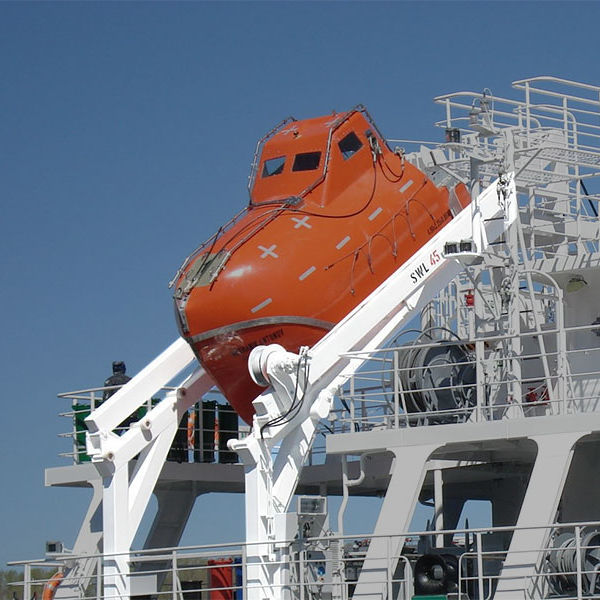
- Antriebsoptionen
- Electric, hydraulic, manual, with/without stored power (accumulator or spring force)
- Solas-hoistgeschwindigkeit
- Bis 48 m/min für Fast-Rescue-Davits (SOLAS-konform)
- Einsatzbereich
- Rettungsboote, Schnellrettungsboote, Rettungsflöße, MOB-Boote
- Konstruktion
- Normal pivot or slewing types, single or double arm with optional docking head to prevent pendulum motion until water level
- Hubkapazität
- Configurable according to ship type and lifeboat weight (tailor-made solutions)
- Zertifizierung
- ABS, GL, DNV, BV, NK, KR, LR and other classification societies
- D-NPS.SP (Normal Pivot Single/Double Arm mit Docking Head)
- D-NPS.FR (Fast Rescue Davit mit Docking Head)
- D-CRm.FR (Slewing Fast Rescue Davit mit hydraulischem/elektrischem Antrieb)
- D-BR (rescue davit with manual operation or hydraulic stored power)
- D-NP.MP (Normal Pivot mit mechanischer Stored Power - Federbelastung)
- D-NP.SP (Normal Pivot mit hydraulischer Stored Power - Akku)
- Area: On-load release gear functionality and wearCheck: Annually: operational test of on-load release gear by positioning the boat partially in water for load support by fall, actuation of release gear, reset and inspection for damage. Every 5 years: overhaul of release system with 110% proof-load test. Inspect release gear before and after operational test; verify hook securing and reset.
- Area: Wire rope condition (wires/falls) – corrosion, wear, breakageCheck: Monthly: visual inspection for fraying, kinks, corrosion, broken strands. Annually: wire rope and sheaves for scratches, dents, corrosion, missing lubrication. Every 5 years: wire rope replacement per SOLAS Chapter III required. Lubrication of wires, sheaves and moving parts to be checked.
- Area: Brake system - inspection function and wear partsCheck: Annually: brake test by suspension of rated load and verification that brake holds without slippage. For centrifugal brakes: sinking speed against SOLAS formula (max. 1.3 m/s) to be checked. Brake pads to be inspected and replaced when worn. Every 5 years: brake system to be opened and condition thoroughly checked.
- Area: Sheaves - wear, abrasion, corrosion, wear ringsCheck: Annually: sheaves for wear grooves, wear ring wear, corrosion, incorrect alignment, loose bolts to be checked. A worn or corroded sheave damages new wires and leads to premature wire rope failure. Wear ring thickness to be measured and replaced if necessary. Lubrication to be checked.
- Area: Overall structure - corrosion, wear, deformation and clearanceCheck: Annually: davit structure for corrosion (especially welds), wear, deformation, excessive clearance, cracks to be checked. All bolt locking devices to be verified. Hydraulic cylinders for leakage to be checked. Every 5 years: selective disassembly with NDT (roughness inspection, crack inspection) to be performed. Foundations to be inspected.
- Area: Proof-load test at 110% of rated loadCheck: Annually: dynamic winch brake test at 110% of Safe Working Load to be performed (simulated by water bag equipment or certified load cells). Every 5 years: comprehensive proof-load test of entire davit, winch, wire rope and hook system at 110% SWL to be performed. System must hold load, show no deformation or damage.
Type-universal inspection/maintenance points for Lifesaving Appliances (LSA) (davit international, Mega-Swarm 2026–06). Per-model specs not auto-populated.
- Fast hoist speed up to 48 m/min (SOLAS‑compliant fast‑rescue capability)
- Multiple drive options – electric, hydraulic or stored‑power (battery/flywheel) – for redundancy and flexibility
- Docking head available to reduce swing and improve safe launch in rough seas
- Hub capacity can be tailored to vessel type and lifeboat weight
- Broad class approvals (ABS, DNV, LR, GL) ensuring regulatory acceptance
- Complex drive options increase installation and maintenance effort
- Requires rigorous inspection regime (monthly wire checks, annual brake test, 5‑year proof‑load) which adds operational cost
- Higher upfront capital cost compared with simple manual davits
- Footprint of pivot or slewing arrangement may be restrictive on vessels with limited deck space
- Stored‑power variants need battery management and periodic replacement
- Antriebsoptionen
- Electric, hydraulic, manual, with/without stored power (accumulator or spring force)
- Solas-hoistgeschwindigkeit
- Bis 48 m/min für Fast-Rescue-Davits (SOLAS-konform)
- Einsatzbereich
- Rettungsboote, Schnellrettungsboote, Rettungsflöße, MOB-Boote
- Konstruktion
- Normal pivot or slewing types, single or double arm with optional docking head to prevent pendulum motion until water level
- Hubkapazität
- Configurable according to ship type and lifeboat weight (tailor-made solutions)
- Zertifizierung
- ABS, GL, DNV, BV, NK, KR, LR and other classification societies
- D-NPS.SP (Normal Pivot Single/Double Arm mit Docking Head)
- D-NPS.FR (Fast Rescue Davit mit Docking Head)
- D-CRm.FR (Slewing Fast Rescue Davit mit hydraulischem/elektrischem Antrieb)
- D-BR (rescue davit with manual operation or hydraulic stored power)
- D-NP.MP (Normal Pivot mit mechanischer Stored Power - Federbelastung)
- D-NP.SP (Normal Pivot mit hydraulischer Stored Power - Akku)
- Area: On-load release gear functionality and wearCheck: Annually: operational test of on-load release gear by positioning the boat partially in water for load support by fall, actuation of release gear, reset and inspection for damage. Every 5 years: overhaul of release system with 110% proof-load test. Inspect release gear before and after operational test; verify hook securing and reset.
- Area: Wire rope condition (wires/falls) – corrosion, wear, breakageCheck: Monthly: visual inspection for fraying, kinks, corrosion, broken strands. Annually: wire rope and sheaves for scratches, dents, corrosion, missing lubrication. Every 5 years: wire rope replacement per SOLAS Chapter III required. Lubrication of wires, sheaves and moving parts to be checked.
- Area: Brake system - inspection function and wear partsCheck: Annually: brake test by suspension of rated load and verification that brake holds without slippage. For centrifugal brakes: sinking speed against SOLAS formula (max. 1.3 m/s) to be checked. Brake pads to be inspected and replaced when worn. Every 5 years: brake system to be opened and condition thoroughly checked.
- Area: Sheaves - wear, abrasion, corrosion, wear ringsCheck: Annually: sheaves for wear grooves, wear ring wear, corrosion, incorrect alignment, loose bolts to be checked. A worn or corroded sheave damages new wires and leads to premature wire rope failure. Wear ring thickness to be measured and replaced if necessary. Lubrication to be checked.
- Area: Overall structure - corrosion, wear, deformation and clearanceCheck: Annually: davit structure for corrosion (especially welds), wear, deformation, excessive clearance, cracks to be checked. All bolt locking devices to be verified. Hydraulic cylinders for leakage to be checked. Every 5 years: selective disassembly with NDT (roughness inspection, crack inspection) to be performed. Foundations to be inspected.
- Area: Proof-load test at 110% of rated loadCheck: Annually: dynamic winch brake test at 110% of Safe Working Load to be performed (simulated by water bag equipment or certified load cells). Every 5 years: comprehensive proof-load test of entire davit, winch, wire rope and hook system at 110% SWL to be performed. System must hold load, show no deformation or damage.
Type-universal inspection/maintenance points for Lifesaving Appliances (LSA) (davit international, Mega-Swarm 2026–06). Per-model specs not auto-populated.
- Very high hoist speed (up to 48 m/min) meeting SOLAS fast‑rescue requirements
- Multiple drive options (electric, hydraulic, manual, stored‑power) for redundancy and flexibility
- Docking head reduces swing and improves safe water entry of the boat
- Customisable load capacity per vessel type – tailor‑made solutions
- Broad class approvals (ABS, DNV, LR, BV, GL, NK, KR) and IMO approval
- Higher initial capital cost compared with basic single‑arm davits
- Increased maintenance complexity due to multiple drive systems and stored‑power units
- Requires regular wire‑rope and brake inspections (monthly/annual) to retain certification
- Footprint and structural load may limit installation on smaller vessels or those with restricted deck space
- Dependence on electrical/hydraulic power means auxiliary generators must be kept operational
- Antriebsoptionen
- Electric, hydraulic, manual, with/without stored power (accumulator or spring force)
- Solas-hoistgeschwindigkeit
- Bis 48 m/min für Fast-Rescue-Davits (SOLAS-konform)
- Einsatzbereich
- Rettungsboote, Schnellrettungsboote, Rettungsflöße, MOB-Boote
- Konstruktion
- Normal pivot or slewing types, single or double arm with optional docking head to prevent pendulum motion until water level
- Hubkapazität
- Configurable according to ship type and lifeboat weight (tailor-made solutions)
- Zertifizierung
- ABS, GL, DNV, BV, NK, KR, LR and other classification societies
- D-NPS.SP (Normal Pivot Single/Double Arm mit Docking Head)
- D-NPS.FR (Fast Rescue Davit mit Docking Head)
- D-CRm.FR (Slewing Fast Rescue Davit mit hydraulischem/elektrischem Antrieb)
- D-BR (rescue davit with manual operation or hydraulic stored power)
- D-NP.MP (Normal Pivot mit mechanischer Stored Power - Federbelastung)
- D-NP.SP (Normal Pivot mit hydraulischer Stored Power - Akku)
- Area: On-load release gear functionality and wearCheck: Annually: operational test of on-load release gear by positioning the boat partially in water for load support by fall, actuation of release gear, reset and inspection for damage. Every 5 years: overhaul of release system with 110% proof-load test. Inspect release gear before and after operational test; verify hook securing and reset.
- Area: Wire rope condition (wires/falls) – corrosion, wear, breakageCheck: Monthly: visual inspection for fraying, kinks, corrosion, broken strands. Annually: wire rope and sheaves for scratches, dents, corrosion, missing lubrication. Every 5 years: wire rope replacement per SOLAS Chapter III required. Lubrication of wires, sheaves and moving parts to be checked.
- Area: Brake system - inspection function and wear partsCheck: Annually: brake test by suspension of rated load and verification that brake holds without slippage. For centrifugal brakes: sinking speed against SOLAS formula (max. 1.3 m/s) to be checked. Brake pads to be inspected and replaced when worn. Every 5 years: brake system to be opened and condition thoroughly checked.
- Area: Sheaves - wear, abrasion, corrosion, wear ringsCheck: Annually: sheaves for wear grooves, wear ring wear, corrosion, incorrect alignment, loose bolts to be checked. A worn or corroded sheave damages new wires and leads to premature wire rope failure. Wear ring thickness to be measured and replaced if necessary. Lubrication to be checked.
- Area: Overall structure - corrosion, wear, deformation and clearanceCheck: Annually: davit structure for corrosion (especially welds), wear, deformation, excessive clearance, cracks to be checked. All bolt locking devices to be verified. Hydraulic cylinders for leakage to be checked. Every 5 years: selective disassembly with NDT (roughness inspection, crack inspection) to be performed. Foundations to be inspected.
- Area: Proof-load test at 110% of rated loadCheck: Annually: dynamic winch brake test at 110% of Safe Working Load to be performed (simulated by water bag equipment or certified load cells). Every 5 years: comprehensive proof-load test of entire davit, winch, wire rope and hook system at 110% SWL to be performed. System must hold load, show no deformation or damage.
Type-universal inspection/maintenance points for Lifesaving Appliances (LSA) (davit international, Mega-Swarm 2026–06). Per-model specs not auto-populated.
- Multiple drive options (electric, hydraulic, manual) allow flexibility for vessel power arrangements
- Fast‑rescue hoist speed up to 48 m/min meets SOLAS fast‑rescue requirements
- Docking head option reduces pendulum swing and improves safe water entry
- Configurable load capacity and single/double‑arm layouts suit a wide range of boat sizes
- Broad class approvals (ABS, GL, DNV, BV, NK, KR, LR) simplify regulatory acceptance
- Higher mechanical/electrical complexity increases routine maintenance workload
- Stored‑power modules (battery or spring) require periodic testing and eventual replacement
- Initial capital cost is greater than simple manual davits
- Space for hydraulic pumps, electric motors or battery banks may be limited on smaller vessels
- Specialised service personnel are needed for release‑gear overhaul and proof‑load tests
- Antriebsoptionen
- Electric, hydraulic, manual, with/without stored power (accumulator or spring force)
- Solas-hoistgeschwindigkeit
- Bis 48 m/min für Fast-Rescue-Davits (SOLAS-konform)
- Einsatzbereich
- Rettungsboote, Schnellrettungsboote, Rettungsflöße, MOB-Boote
- Konstruktion
- Normal pivot or slewing types, single or double arm with optional docking head to prevent pendulum motion until water level
- Hubkapazität
- Configurable according to ship type and lifeboat weight (tailor-made solutions)
- Zertifizierung
- ABS, GL, DNV, BV, NK, KR, LR and other classification societies
- D-NPS.SP (Normal Pivot Single/Double Arm mit Docking Head)
- D-NPS.FR (Fast Rescue Davit mit Docking Head)
- D-CRm.FR (Slewing Fast Rescue Davit mit hydraulischem/elektrischem Antrieb)
- D-BR (rescue davit with manual operation or hydraulic stored power)
- D-NP.MP (Normal Pivot mit mechanischer Stored Power - Federbelastung)
- D-NP.SP (Normal Pivot mit hydraulischer Stored Power - Akku)
- Area: On-load release gear functionality and wearCheck: Annually: operational test of on-load release gear by positioning the boat partially in water for load support by fall, actuation of release gear, reset and inspection for damage. Every 5 years: overhaul of release system with 110% proof-load test. Inspect release gear before and after operational test; verify hook securing and reset.
- Area: Wire rope condition (wires/falls) – corrosion, wear, breakageCheck: Monthly: visual inspection for fraying, kinks, corrosion, broken strands. Annually: wire rope and sheaves for scratches, dents, corrosion, missing lubrication. Every 5 years: wire rope replacement per SOLAS Chapter III required. Lubrication of wires, sheaves and moving parts to be checked.
- Area: Brake system - inspection function and wear partsCheck: Annually: brake test by suspension of rated load and verification that brake holds without slippage. For centrifugal brakes: sinking speed against SOLAS formula (max. 1.3 m/s) to be checked. Brake pads to be inspected and replaced when worn. Every 5 years: brake system to be opened and condition thoroughly checked.
- Area: Sheaves - wear, abrasion, corrosion, wear ringsCheck: Annually: sheaves for wear grooves, wear ring wear, corrosion, incorrect alignment, loose bolts to be checked. A worn or corroded sheave damages new wires and leads to premature wire rope failure. Wear ring thickness to be measured and replaced if necessary. Lubrication to be checked.
- Area: Overall structure - corrosion, wear, deformation and clearanceCheck: Annually: davit structure for corrosion (especially welds), wear, deformation, excessive clearance, cracks to be checked. All bolt locking devices to be verified. Hydraulic cylinders for leakage to be checked. Every 5 years: selective disassembly with NDT (roughness inspection, crack inspection) to be performed. Foundations to be inspected.
- Area: Proof-load test at 110% of rated loadCheck: Annually: dynamic winch brake test at 110% of Safe Working Load to be performed (simulated by water bag equipment or certified load cells). Every 5 years: comprehensive proof-load test of entire davit, winch, wire rope and hook system at 110% SWL to be performed. System must hold load, show no deformation or damage.
Type-universal inspection/maintenance points for Lifesaving Appliances (LSA) (davit international, Mega-Swarm 2026–06). Per-model specs not auto-populated.
- Hoist speed up to 48 m/min meets SOLAS fast‑rescue requirements for rapid launch.
- Multiple drive options (electric, hydraulic, manual, stored‑power) provide redundancy and flexibility.
- Docking head reduces pendulum motion, improving safety during launch in rough seas.
- Load capacity can be customised per vessel type and boat weight.
- Fully SOLAS‑approved and classed by major societies (DNV, ABS, GL, BV, NK, KR, LR).
- Higher mechanical/electrical complexity increases routine maintenance workload.
- Requires periodic 5‑year proof‑load testing and stored‑power inspection, adding downtime.
- Initial capital cost is greater than simple manual davits.
- Dependence on power supply (battery or hydraulic pressure) creates a single‑point failure if not managed.
- Installation needs sufficient deck space for pivot or slewing arrangement.
- Antriebsoptionen
- Electric, hydraulic, manual, with/without stored power (accumulator or spring force)
- Solas-hoistgeschwindigkeit
- Bis 48 m/min für Fast-Rescue-Davits (SOLAS-konform)
- Einsatzbereich
- Rettungsboote, Schnellrettungsboote, Rettungsflöße, MOB-Boote
- Konstruktion
- Normal pivot or slewing types, single or double arm with optional docking head to prevent pendulum motion until water level
- Hubkapazität
- Configurable according to ship type and lifeboat weight (tailor-made solutions)
- Zertifizierung
- ABS, GL, DNV, BV, NK, KR, LR and other classification societies
- D-NPS.SP (Normal Pivot Single/Double Arm mit Docking Head)
- D-NPS.FR (Fast Rescue Davit mit Docking Head)
- D-CRm.FR (Slewing Fast Rescue Davit mit hydraulischem/elektrischem Antrieb)
- D-BR (rescue davit with manual operation or hydraulic stored power)
- D-NP.MP (Normal Pivot mit mechanischer Stored Power - Federbelastung)
- D-NP.SP (Normal Pivot mit hydraulischer Stored Power - Akku)
- Area: On-load release gear functionality and wearCheck: Annually: operational test of on-load release gear by positioning the boat partially in water for load support by fall, actuation of release gear, reset and inspection for damage. Every 5 years: overhaul of release system with 110% proof-load test. Inspect release gear before and after operational test; verify hook securing and reset.
- Area: Wire rope condition (wires/falls) – corrosion, wear, breakageCheck: Monthly: visual inspection for fraying, kinks, corrosion, broken strands. Annually: wire rope and sheaves for scratches, dents, corrosion, missing lubrication. Every 5 years: wire rope replacement per SOLAS Chapter III required. Lubrication of wires, sheaves and moving parts to be checked.
- Area: Brake system - inspection function and wear partsCheck: Annually: brake test by suspension of rated load and verification that brake holds without slippage. For centrifugal brakes: sinking speed against SOLAS formula (max. 1.3 m/s) to be checked. Brake pads to be inspected and replaced when worn. Every 5 years: brake system to be opened and condition thoroughly checked.
- Area: Sheaves - wear, abrasion, corrosion, wear ringsCheck: Annually: sheaves for wear grooves, wear ring wear, corrosion, incorrect alignment, loose bolts to be checked. A worn or corroded sheave damages new wires and leads to premature wire rope failure. Wear ring thickness to be measured and replaced if necessary. Lubrication to be checked.
- Area: Overall structure - corrosion, wear, deformation and clearanceCheck: Annually: davit structure for corrosion (especially welds), wear, deformation, excessive clearance, cracks to be checked. All bolt locking devices to be verified. Hydraulic cylinders for leakage to be checked. Every 5 years: selective disassembly with NDT (roughness inspection, crack inspection) to be performed. Foundations to be inspected.
- Area: Proof-load test at 110% of rated loadCheck: Annually: dynamic winch brake test at 110% of Safe Working Load to be performed (simulated by water bag equipment or certified load cells). Every 5 years: comprehensive proof-load test of entire davit, winch, wire rope and hook system at 110% SWL to be performed. System must hold load, show no deformation or damage.
Type-universal inspection/maintenance points for Lifesaving Appliances (LSA) (davit international, Mega-Swarm 2026–06). Per-model specs not auto-populated.
- Fast hoist speed up to 48 m/min meeting SOLAS fast‑rescue requirements
- Multiple drive options (electric, hydraulic, manual, stored power) for redundancy and flexibility
- Docking head reduces swing, improving safety in rough seas
- Configurable load capacity – can be tailored to vessel size and boat weight
- Broad class society approvals (ABS, DNV, LR, etc.) simplifying regulatory acceptance
- Higher initial capital cost compared with simple manual davits
- Increased maintenance complexity due to hydraulic/electrical components and stored‑power units
- Requires regular wire‑rope, brake and docking‑head inspections (monthly/annual/5‑year) to stay compliant
- Space‑intensive double‑arm or slewing configurations may limit deck layout options
- Dependence on battery/feder storage means periodic replacement or re‑charging cycles
- Antriebsoptionen
- Electric, hydraulic, manual, with/without stored power (accumulator or spring force)
- Solas-hoistgeschwindigkeit
- Bis 48 m/min für Fast-Rescue-Davits (SOLAS-konform)
- Einsatzbereich
- Rettungsboote, Schnellrettungsboote, Rettungsflöße, MOB-Boote
- Konstruktion
- Normal pivot or slewing types, single or double arm with optional docking head to prevent pendulum motion until water level
- Hubkapazität
- Configurable according to ship type and lifeboat weight (tailor-made solutions)
- Zertifizierung
- ABS, GL, DNV, BV, NK, KR, LR and other classification societies
- D-NPS.SP (Normal Pivot Single/Double Arm mit Docking Head)
- D-NPS.FR (Fast Rescue Davit mit Docking Head)
- D-CRm.FR (Slewing Fast Rescue Davit mit hydraulischem/elektrischem Antrieb)
- D-BR (rescue davit with manual operation or hydraulic stored power)
- D-NP.MP (Normal Pivot mit mechanischer Stored Power - Federbelastung)
- D-NP.SP (Normal Pivot mit hydraulischer Stored Power - Akku)
- Area: On-load release gear functionality and wearCheck: Annually: operational test of on-load release gear by positioning the boat partially in water for load support by fall, actuation of release gear, reset and inspection for damage. Every 5 years: overhaul of release system with 110% proof-load test. Inspect release gear before and after operational test; verify hook securing and reset.
- Area: Wire rope condition (wires/falls) – corrosion, wear, breakageCheck: Monthly: visual inspection for fraying, kinks, corrosion, broken strands. Annually: wire rope and sheaves for scratches, dents, corrosion, missing lubrication. Every 5 years: wire rope replacement per SOLAS Chapter III required. Lubrication of wires, sheaves and moving parts to be checked.
- Area: Brake system - inspection function and wear partsCheck: Annually: brake test by suspension of rated load and verification that brake holds without slippage. For centrifugal brakes: sinking speed against SOLAS formula (max. 1.3 m/s) to be checked. Brake pads to be inspected and replaced when worn. Every 5 years: brake system to be opened and condition thoroughly checked.
- Area: Sheaves - wear, abrasion, corrosion, wear ringsCheck: Annually: sheaves for wear grooves, wear ring wear, corrosion, incorrect alignment, loose bolts to be checked. A worn or corroded sheave damages new wires and leads to premature wire rope failure. Wear ring thickness to be measured and replaced if necessary. Lubrication to be checked.
- Area: Overall structure - corrosion, wear, deformation and clearanceCheck: Annually: davit structure for corrosion (especially welds), wear, deformation, excessive clearance, cracks to be checked. All bolt locking devices to be verified. Hydraulic cylinders for leakage to be checked. Every 5 years: selective disassembly with NDT (roughness inspection, crack inspection) to be performed. Foundations to be inspected.
- Area: Proof-load test at 110% of rated loadCheck: Annually: dynamic winch brake test at 110% of Safe Working Load to be performed (simulated by water bag equipment or certified load cells). Every 5 years: comprehensive proof-load test of entire davit, winch, wire rope and hook system at 110% SWL to be performed. System must hold load, show no deformation or damage.
Type-universal inspection/maintenance points for Lifesaving Appliances (LSA) (davit international, Mega-Swarm 2026–06). Per-model specs not auto-populated.
- SOLAS‑compliant hoist speed of up to 48 m/min enables rapid evacuation.
- Multiple drive configurations (electric, hydraulic, manual, stored power) provide operational flexibility and redundancy.
- Docking head reduces pendulum swing during launch, improving safety in rough seas.
- Modular capacity can be tailored to vessel type and boat weight (tailor‑made solutions).
- Broad classification approval (ABS, DNV GL, LR, BV, NK, KR) simplifies regulatory acceptance.
- Higher initial purchase price compared with simple manual davits.
- Complex hydraulic/electric systems increase routine maintenance and require skilled technicians.
- Space‑intensive double‑arm or slewing arrangement may limit deck layout options on smaller vessels.
- Stored‑power (battery/spring) units add extra inspection points and periodic replacement cycles.
- Requires regular motor run‑tests and 5‑year proof‑load inspections to stay compliant.
- Antriebsoptionen
- Electric, hydraulic, manual, with/without stored power (accumulator or spring force)
- Solas-hoistgeschwindigkeit
- Bis 48 m/min für Fast-Rescue-Davits (SOLAS-konform)
- Einsatzbereich
- Rettungsboote, Schnellrettungsboote, Rettungsflöße, MOB-Boote
- Konstruktion
- Normal pivot or slewing types, single or double arm with optional docking head to prevent pendulum motion until water level
- Hubkapazität
- Configurable according to ship type and lifeboat weight (tailor-made solutions)
- Zertifizierung
- ABS, GL, DNV, BV, NK, KR, LR and other classification societies
- D-NPS.SP (Normal Pivot Single/Double Arm mit Docking Head)
- D-NPS.FR (Fast Rescue Davit mit Docking Head)
- D-CRm.FR (Slewing Fast Rescue Davit mit hydraulischem/elektrischem Antrieb)
- D-BR (rescue davit with manual operation or hydraulic stored power)
- D-NP.MP (Normal Pivot mit mechanischer Stored Power - Federbelastung)
- D-NP.SP (Normal Pivot mit hydraulischer Stored Power - Akku)
- Area: On-load release gear functionality and wearCheck: Annually: operational test of on-load release gear by positioning the boat partially in water for load support by fall, actuation of release gear, reset and inspection for damage. Every 5 years: overhaul of release system with 110% proof-load test. Inspect release gear before and after operational test; verify hook securing and reset.
- Area: Wire rope condition (wires/falls) – corrosion, wear, breakageCheck: Monthly: visual inspection for fraying, kinks, corrosion, broken strands. Annually: wire rope and sheaves for scratches, dents, corrosion, missing lubrication. Every 5 years: wire rope replacement per SOLAS Chapter III required. Lubrication of wires, sheaves and moving parts to be checked.
- Area: Brake system - inspection function and wear partsCheck: Annually: brake test by suspension of rated load and verification that brake holds without slippage. For centrifugal brakes: sinking speed against SOLAS formula (max. 1.3 m/s) to be checked. Brake pads to be inspected and replaced when worn. Every 5 years: brake system to be opened and condition thoroughly checked.
- Area: Sheaves - wear, abrasion, corrosion, wear ringsCheck: Annually: sheaves for wear grooves, wear ring wear, corrosion, incorrect alignment, loose bolts to be checked. A worn or corroded sheave damages new wires and leads to premature wire rope failure. Wear ring thickness to be measured and replaced if necessary. Lubrication to be checked.
- Area: Overall structure - corrosion, wear, deformation and clearanceCheck: Annually: davit structure for corrosion (especially welds), wear, deformation, excessive clearance, cracks to be checked. All bolt locking devices to be verified. Hydraulic cylinders for leakage to be checked. Every 5 years: selective disassembly with NDT (roughness inspection, crack inspection) to be performed. Foundations to be inspected.
- Area: Proof-load test at 110% of rated loadCheck: Annually: dynamic winch brake test at 110% of Safe Working Load to be performed (simulated by water bag equipment or certified load cells). Every 5 years: comprehensive proof-load test of entire davit, winch, wire rope and hook system at 110% SWL to be performed. System must hold load, show no deformation or damage.
Type-universal inspection/maintenance points for Lifesaving Appliances (LSA) (davit international, Mega-Swarm 2026–06). Per-model specs not auto-populated.
- Fast‑rescue hoist speed (up to 48 m/min) enables launch within the SOLAS 1‑minute requirement.
- Multiple drive options (electric, hydraulic, manual, stored‑power) allow flexibility for vessel power availability.
- Docking head reduces pendulum motion, improving safety in heavy seas.
- Tailor‑made load capacity and arm configuration (single/double, pivot or slewing) suit a wide range of boat sizes.
- Broad class society approvals (ABS, DNV, LR, BV, GL, NK, KR).
- Higher initial cost and greater system complexity compared with simple manual davits.
- Stored‑power variants add weight and require space for batteries or spring mechanisms.
- Maintenance intensity rises with hydraulic/electric drives (regular oil checks, battery testing).
- Mandatory five‑year comprehensive inspection can increase downtime.
- Dependence on power supply; loss of electricity/hydraulic pressure could delay launch if not backed up.
- Antriebsoptionen
- Electric, hydraulic, manual, with/without stored power (accumulator or spring force)
- Solas-hoistgeschwindigkeit
- Bis 48 m/min für Fast-Rescue-Davits (SOLAS-konform)
- Einsatzbereich
- Rettungsboote, Schnellrettungsboote, Rettungsflöße, MOB-Boote
- Konstruktion
- Normal pivot or slewing types, single or double arm with optional docking head to prevent pendulum motion until water level
- Hubkapazität
- Configurable according to ship type and lifeboat weight (tailor-made solutions)
- Zertifizierung
- ABS, GL, DNV, BV, NK, KR, LR and other classification societies
- D-NPS.SP (Normal Pivot Single/Double Arm mit Docking Head)
- D-NPS.FR (Fast Rescue Davit mit Docking Head)
- D-CRm.FR (Slewing Fast Rescue Davit mit hydraulischem/elektrischem Antrieb)
- D-BR (rescue davit with manual operation or hydraulic stored power)
- D-NP.MP (Normal Pivot mit mechanischer Stored Power - Federbelastung)
- D-NP.SP (Normal Pivot mit hydraulischer Stored Power - Akku)
- Area: On-load release gear functionality and wearCheck: Annually: operational test of on-load release gear by positioning the boat partially in water for load support by fall, actuation of release gear, reset and inspection for damage. Every 5 years: overhaul of release system with 110% proof-load test. Inspect release gear before and after operational test; verify hook securing and reset.
- Area: Wire rope condition (wires/falls) – corrosion, wear, breakageCheck: Monthly: visual inspection for fraying, kinks, corrosion, broken strands. Annually: wire rope and sheaves for scratches, dents, corrosion, missing lubrication. Every 5 years: wire rope replacement per SOLAS Chapter III required. Lubrication of wires, sheaves and moving parts to be checked.
- Area: Brake system - inspection function and wear partsCheck: Annually: brake test by suspension of rated load and verification that brake holds without slippage. For centrifugal brakes: sinking speed against SOLAS formula (max. 1.3 m/s) to be checked. Brake pads to be inspected and replaced when worn. Every 5 years: brake system to be opened and condition thoroughly checked.
- Area: Sheaves - wear, abrasion, corrosion, wear ringsCheck: Annually: sheaves for wear grooves, wear ring wear, corrosion, incorrect alignment, loose bolts to be checked. A worn or corroded sheave damages new wires and leads to premature wire rope failure. Wear ring thickness to be measured and replaced if necessary. Lubrication to be checked.
- Area: Overall structure - corrosion, wear, deformation and clearanceCheck: Annually: davit structure for corrosion (especially welds), wear, deformation, excessive clearance, cracks to be checked. All bolt locking devices to be verified. Hydraulic cylinders for leakage to be checked. Every 5 years: selective disassembly with NDT (roughness inspection, crack inspection) to be performed. Foundations to be inspected.
- Area: Proof-load test at 110% of rated loadCheck: Annually: dynamic winch brake test at 110% of Safe Working Load to be performed (simulated by water bag equipment or certified load cells). Every 5 years: comprehensive proof-load test of entire davit, winch, wire rope and hook system at 110% SWL to be performed. System must hold load, show no deformation or damage.
Type-universal inspection/maintenance points for Lifesaving Appliances (LSA) (davit international, Mega-Swarm 2026–06). Per-model specs not auto-populated.
- Launch speed up to 48 m/min meets SOLAS fast‑rescue requirements, enabling rapid evacuation.
- Multiple drive options (electric, hydraulic, manual) and stored‑power variants allow flexibility for vessel power‑availability constraints.
- Docking head reduces swing during launch, improving safety in rough sea conditions.
- Modular capacity can be tailored to specific lifeboat weights and ship layouts (tailor‑made solutions).
- Full IMO SOLAS approval and certification by major class societies (ABS, DNV, LR, GL).
- Higher initial cost and greater system complexity compared with simple manual davits.
- Hydraulic/electric components require regular preventive maintenance and periodic proof‑load testing.
- Space requirements for the winch, power unit and docking head can be significant on vessels with limited deck area.
- Reliance on stored‑power (battery or spring) adds an extra inspection point and may limit launch cycles if not recharged/re‑tensioned.
- Antriebsoptionen
- Electric, hydraulic, manual, with/without stored power (accumulator or spring force)
- Solas-hoistgeschwindigkeit
- Bis 48 m/min für Fast-Rescue-Davits (SOLAS-konform)
- Einsatzbereich
- Rettungsboote, Schnellrettungsboote, Rettungsflöße, MOB-Boote
- Konstruktion
- Normal pivot or slewing types, single or double arm with optional docking head to prevent pendulum motion until water level
- Hubkapazität
- Configurable according to ship type and lifeboat weight (tailor-made solutions)
- Zertifizierung
- ABS, GL, DNV, BV, NK, KR, LR and other classification societies
- D-NPS.SP (Normal Pivot Single/Double Arm mit Docking Head)
- D-NPS.FR (Fast Rescue Davit mit Docking Head)
- D-CRm.FR (Slewing Fast Rescue Davit mit hydraulischem/elektrischem Antrieb)
- D-BR (rescue davit with manual operation or hydraulic stored power)
- D-NP.MP (Normal Pivot mit mechanischer Stored Power - Federbelastung)
- D-NP.SP (Normal Pivot mit hydraulischer Stored Power - Akku)
- Area: On-load release gear functionality and wearCheck: Annually: operational test of on-load release gear by positioning the boat partially in water for load support by fall, actuation of release gear, reset and inspection for damage. Every 5 years: overhaul of release system with 110% proof-load test. Inspect release gear before and after operational test; verify hook securing and reset.
- Area: Wire rope condition (wires/falls) – corrosion, wear, breakageCheck: Monthly: visual inspection for fraying, kinks, corrosion, broken strands. Annually: wire rope and sheaves for scratches, dents, corrosion, missing lubrication. Every 5 years: wire rope replacement per SOLAS Chapter III required. Lubrication of wires, sheaves and moving parts to be checked.
- Area: Brake system - inspection function and wear partsCheck: Annually: brake test by suspension of rated load and verification that brake holds without slippage. For centrifugal brakes: sinking speed against SOLAS formula (max. 1.3 m/s) to be checked. Brake pads to be inspected and replaced when worn. Every 5 years: brake system to be opened and condition thoroughly checked.
- Area: Sheaves - wear, abrasion, corrosion, wear ringsCheck: Annually: sheaves for wear grooves, wear ring wear, corrosion, incorrect alignment, loose bolts to be checked. A worn or corroded sheave damages new wires and leads to premature wire rope failure. Wear ring thickness to be measured and replaced if necessary. Lubrication to be checked.
- Area: Overall structure - corrosion, wear, deformation and clearanceCheck: Annually: davit structure for corrosion (especially welds), wear, deformation, excessive clearance, cracks to be checked. All bolt locking devices to be verified. Hydraulic cylinders for leakage to be checked. Every 5 years: selective disassembly with NDT (roughness inspection, crack inspection) to be performed. Foundations to be inspected.
- Area: Proof-load test at 110% of rated loadCheck: Annually: dynamic winch brake test at 110% of Safe Working Load to be performed (simulated by water bag equipment or certified load cells). Every 5 years: comprehensive proof-load test of entire davit, winch, wire rope and hook system at 110% SWL to be performed. System must hold load, show no deformation or damage.
Type-universal inspection/maintenance points for Lifesaving Appliances (LSA) (davit international, Mega-Swarm 2026–06). Per-model specs not auto-populated.
- Fast hoist speed up to 48 m/min (SOLAS‑compliant Fast‑Rescue capability)
- Multiple drive options (electric, hydraulic, manual) and optional stored‑power (battery or spring) for redundancy
- Docking head reduces pendulum motion, improving safe launch in rough seas
- Highly configurable load capacity to match vessel‑specific lifeboat weights
- Broad class approvals (ABS, DNV GL, LR, BV, NK, KR) and IMO SOLAS certification
- Higher initial cost and greater system complexity compared with single‑drive davits
- Maintenance intensive – requires regular electric/hydraulic checks and a five‑year overhaul
- Stored‑power (battery/spring) adds weight and occupies deck space
- Electronic control units are vulnerable to water ingress if not properly sealed
- Limited availability of spare parts in remote ports
- Antriebsoptionen
- Electric, hydraulic, manual, with/without stored power (accumulator or spring force)
- Solas-hoistgeschwindigkeit
- Bis 48 m/min für Fast-Rescue-Davits (SOLAS-konform)
- Einsatzbereich
- Rettungsboote, Schnellrettungsboote, Rettungsflöße, MOB-Boote
- Konstruktion
- Normal pivot or slewing types, single or double arm with optional docking head to prevent pendulum motion until water level
- Hubkapazität
- Configurable according to ship type and lifeboat weight (tailor-made solutions)
- Zertifizierung
- ABS, GL, DNV, BV, NK, KR, LR and other classification societies
- D-NPS.SP (Normal Pivot Single/Double Arm mit Docking Head)
- D-NPS.FR (Fast Rescue Davit mit Docking Head)
- D-CRm.FR (Slewing Fast Rescue Davit mit hydraulischem/elektrischem Antrieb)
- D-BR (rescue davit with manual operation or hydraulic stored power)
- D-NP.MP (Normal Pivot mit mechanischer Stored Power - Federbelastung)
- D-NP.SP (Normal Pivot mit hydraulischer Stored Power - Akku)
- Area: On-load release gear functionality and wearCheck: Annually: operational test of on-load release gear by positioning the boat partially in water for load support by fall, actuation of release gear, reset and inspection for damage. Every 5 years: overhaul of release system with 110% proof-load test. Inspect release gear before and after operational test; verify hook securing and reset.
- Area: Wire rope condition (wires/falls) – corrosion, wear, breakageCheck: Monthly: visual inspection for fraying, kinks, corrosion, broken strands. Annually: wire rope and sheaves for scratches, dents, corrosion, missing lubrication. Every 5 years: wire rope replacement per SOLAS Chapter III required. Lubrication of wires, sheaves and moving parts to be checked.
- Area: Brake system - inspection function and wear partsCheck: Annually: brake test by suspension of rated load and verification that brake holds without slippage. For centrifugal brakes: sinking speed against SOLAS formula (max. 1.3 m/s) to be checked. Brake pads to be inspected and replaced when worn. Every 5 years: brake system to be opened and condition thoroughly checked.
- Area: Sheaves - wear, abrasion, corrosion, wear ringsCheck: Annually: sheaves for wear grooves, wear ring wear, corrosion, incorrect alignment, loose bolts to be checked. A worn or corroded sheave damages new wires and leads to premature wire rope failure. Wear ring thickness to be measured and replaced if necessary. Lubrication to be checked.
- Area: Overall structure - corrosion, wear, deformation and clearanceCheck: Annually: davit structure for corrosion (especially welds), wear, deformation, excessive clearance, cracks to be checked. All bolt locking devices to be verified. Hydraulic cylinders for leakage to be checked. Every 5 years: selective disassembly with NDT (roughness inspection, crack inspection) to be performed. Foundations to be inspected.
- Area: Proof-load test at 110% of rated loadCheck: Annually: dynamic winch brake test at 110% of Safe Working Load to be performed (simulated by water bag equipment or certified load cells). Every 5 years: comprehensive proof-load test of entire davit, winch, wire rope and hook system at 110% SWL to be performed. System must hold load, show no deformation or damage.
Type-universal inspection/maintenance points for Lifesaving Appliances (LSA) (davit international, Mega-Swarm 2026–06). Per-model specs not auto-populated.
- Hoist speed up to 48 m/min meets SOLAS fast‑rescue requirements for rapid launch.
- Multiple drive options (electric, hydraulic, manual, stored‑power) allow flexibility for vessel power architecture.
- Docking head reduces pendulum swing, improving safety in rough sea states.
- Modular capacity can be tailored to boat weight and vessel layout (tailor‑made solutions).
- Full class society approvals (ABS, DNV GL, LR, BV, NK, KR) simplify certification on new builds.
- Higher mechanical/electrical complexity increases routine maintenance workload.
- Proof‑load testing and five‑year overhauls are mandatory, adding operational cost.
- Stored‑power units (batteries or springs) require periodic inspection and eventual replacement.
- Space required for hydraulic pumps or electric drives may be limiting on smaller decks.
- Initial procurement price is higher than basic manual davits.
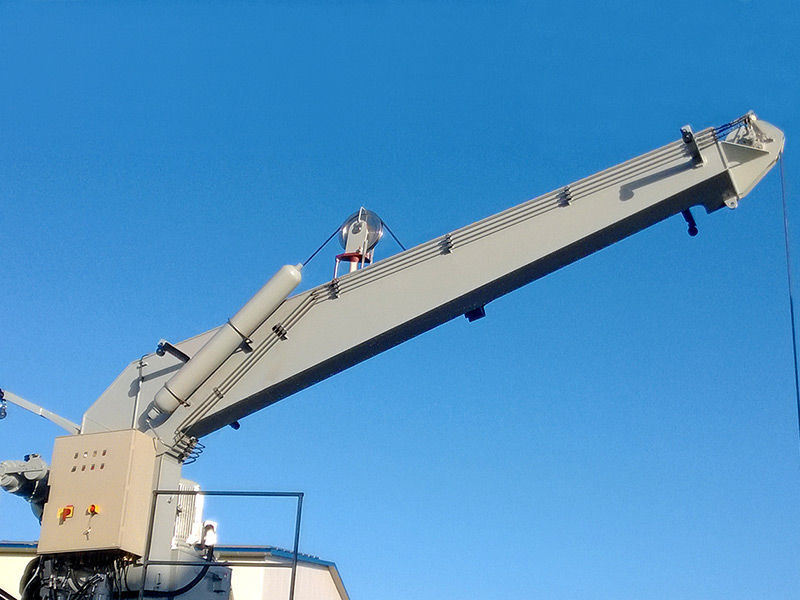
- Antriebsoptionen
- Electric, hydraulic, manual, with/without stored power (accumulator or spring force)
- Solas-hoistgeschwindigkeit
- Bis 48 m/min für Fast-Rescue-Davits (SOLAS-konform)
- Einsatzbereich
- Rettungsboote, Schnellrettungsboote, Rettungsflöße, MOB-Boote
- Konstruktion
- Normal pivot or slewing types, single or double arm with optional docking head to prevent pendulum motion until water level
- Hubkapazität
- Configurable according to ship type and lifeboat weight (tailor-made solutions)
- Zertifizierung
- ABS, GL, DNV, BV, NK, KR, LR and other classification societies
- D-NPS.SP (Normal Pivot Single/Double Arm mit Docking Head)
- D-NPS.FR (Fast Rescue Davit mit Docking Head)
- D-CRm.FR (Slewing Fast Rescue Davit mit hydraulischem/elektrischem Antrieb)
- D-BR (rescue davit with manual operation or hydraulic stored power)
- D-NP.MP (Normal Pivot mit mechanischer Stored Power - Federbelastung)
- D-NP.SP (Normal Pivot mit hydraulischer Stored Power - Akku)
- Area: On-load release gear functionality and wearCheck: Annually: operational test of on-load release gear by positioning the boat partially in water for load support by fall, actuation of release gear, reset and inspection for damage. Every 5 years: overhaul of release system with 110% proof-load test. Inspect release gear before and after operational test; verify hook securing and reset.
- Area: Wire rope condition (wires/falls) – corrosion, wear, breakageCheck: Monthly: visual inspection for fraying, kinks, corrosion, broken strands. Annually: wire rope and sheaves for scratches, dents, corrosion, missing lubrication. Every 5 years: wire rope replacement per SOLAS Chapter III required. Lubrication of wires, sheaves and moving parts to be checked.
- Area: Brake system - inspection function and wear partsCheck: Annually: brake test by suspension of rated load and verification that brake holds without slippage. For centrifugal brakes: sinking speed against SOLAS formula (max. 1.3 m/s) to be checked. Brake pads to be inspected and replaced when worn. Every 5 years: brake system to be opened and condition thoroughly checked.
- Area: Sheaves - wear, abrasion, corrosion, wear ringsCheck: Annually: sheaves for wear grooves, wear ring wear, corrosion, incorrect alignment, loose bolts to be checked. A worn or corroded sheave damages new wires and leads to premature wire rope failure. Wear ring thickness to be measured and replaced if necessary. Lubrication to be checked.
- Area: Overall structure - corrosion, wear, deformation and clearanceCheck: Annually: davit structure for corrosion (especially welds), wear, deformation, excessive clearance, cracks to be checked. All bolt locking devices to be verified. Hydraulic cylinders for leakage to be checked. Every 5 years: selective disassembly with NDT (roughness inspection, crack inspection) to be performed. Foundations to be inspected.
- Area: Proof-load test at 110% of rated loadCheck: Annually: dynamic winch brake test at 110% of Safe Working Load to be performed (simulated by water bag equipment or certified load cells). Every 5 years: comprehensive proof-load test of entire davit, winch, wire rope and hook system at 110% SWL to be performed. System must hold load, show no deformation or damage.
Type-universal inspection/maintenance points for Lifesaving Appliances (LSA) (davit international, Mega-Swarm 2026–06). Per-model specs not auto-populated.
- High hoist speed (≤48 m/min) meeting SOLAS fast‑rescue requirements
- Multiple drive options (electric, hydraulic, manual) and optional stored‑power (battery or spring)
- Docking head reduces pendulum motion for safer water entry
- Configurable load capacity tailored to vessel type and boat weight
- Broad class society approvals (ABS, DNV, GL, BV, NK, KR, LR) and IMO SOLAS approval
- Complex drive and stored‑power systems increase installation cost and space requirements
- Higher maintenance regime (annual motor test, 5‑year overhaul, frequent wire‑rope inspections)
- Reliance on hydraulic/electric components can lead to downtime if not serviced regularly
- Initial procurement price is higher than simple manual davits
- Antriebsoptionen
- Electric, hydraulic, manual, with/without stored power (accumulator or spring force)
- Solas-hoistgeschwindigkeit
- Bis 48 m/min für Fast-Rescue-Davits (SOLAS-konform)
- Einsatzbereich
- Rettungsboote, Schnellrettungsboote, Rettungsflöße, MOB-Boote
- Konstruktion
- Normal pivot or slewing types, single or double arm with optional docking head to prevent pendulum motion until water level
- Hubkapazität
- Configurable according to ship type and lifeboat weight (tailor-made solutions)
- Zertifizierung
- ABS, GL, DNV, BV, NK, KR, LR and other classification societies
- D-NPS.SP (Normal Pivot Single/Double Arm mit Docking Head)
- D-NPS.FR (Fast Rescue Davit mit Docking Head)
- D-CRm.FR (Slewing Fast Rescue Davit mit hydraulischem/elektrischem Antrieb)
- D-BR (rescue davit with manual operation or hydraulic stored power)
- D-NP.MP (Normal Pivot mit mechanischer Stored Power - Federbelastung)
- D-NP.SP (Normal Pivot mit hydraulischer Stored Power - Akku)
- Area: On-load release gear functionality and wearCheck: Annually: operational test of on-load release gear by positioning the boat partially in water for load support by fall, actuation of release gear, reset and inspection for damage. Every 5 years: overhaul of release system with 110% proof-load test. Inspect release gear before and after operational test; verify hook securing and reset.
- Area: Wire rope condition (wires/falls) – corrosion, wear, breakageCheck: Monthly: visual inspection for fraying, kinks, corrosion, broken strands. Annually: wire rope and sheaves for scratches, dents, corrosion, missing lubrication. Every 5 years: wire rope replacement per SOLAS Chapter III required. Lubrication of wires, sheaves and moving parts to be checked.
- Area: Brake system - inspection function and wear partsCheck: Annually: brake test by suspension of rated load and verification that brake holds without slippage. For centrifugal brakes: sinking speed against SOLAS formula (max. 1.3 m/s) to be checked. Brake pads to be inspected and replaced when worn. Every 5 years: brake system to be opened and condition thoroughly checked.
- Area: Sheaves - wear, abrasion, corrosion, wear ringsCheck: Annually: sheaves for wear grooves, wear ring wear, corrosion, incorrect alignment, loose bolts to be checked. A worn or corroded sheave damages new wires and leads to premature wire rope failure. Wear ring thickness to be measured and replaced if necessary. Lubrication to be checked.
- Area: Overall structure - corrosion, wear, deformation and clearanceCheck: Annually: davit structure for corrosion (especially welds), wear, deformation, excessive clearance, cracks to be checked. All bolt locking devices to be verified. Hydraulic cylinders for leakage to be checked. Every 5 years: selective disassembly with NDT (roughness inspection, crack inspection) to be performed. Foundations to be inspected.
- Area: Proof-load test at 110% of rated loadCheck: Annually: dynamic winch brake test at 110% of Safe Working Load to be performed (simulated by water bag equipment or certified load cells). Every 5 years: comprehensive proof-load test of entire davit, winch, wire rope and hook system at 110% SWL to be performed. System must hold load, show no deformation or damage.
Type-universal inspection/maintenance points for Lifesaving Appliances (LSA) (davit international, Mega-Swarm 2026–06). Per-model specs not auto-populated.
- Fast hoist speed up to 48 m/min – SOLAS compliant for rapid rescue operations
- Multiple drive configurations (electric, hydraulic, manual or stored‑power) allow flexibility for new builds and retrofits
- Docking head option reduces swing and improves launch safety in rough seas
- Modular design (pivot or slewing types, single/double arm) can be tailored to vessel size and boat weight
- Class‑approved by major societies (ABS, DNV, LR, etc.) for worldwide acceptance
- Higher initial cost compared with basic manual davits due to motorised drive and control electronics
- Increased maintenance complexity – regular testing of electric/hydraulic systems and stored‑power units required
- Space‑intensive mounting; may be difficult to fit on older vessels with limited deck clearance
- Dependence on ship power supply; loss of electricity or hydraulic pressure can impair launch unless redundant stored‑power is installed
- Antriebsoptionen
- Electric, hydraulic, manual, with/without stored power (accumulator or spring force)
- Solas-hoistgeschwindigkeit
- Bis 48 m/min für Fast-Rescue-Davits (SOLAS-konform)
- Einsatzbereich
- Rettungsboote, Schnellrettungsboote, Rettungsflöße, MOB-Boote
- Konstruktion
- Normal pivot or slewing types, single or double arm with optional docking head to prevent pendulum motion until water level
- Hubkapazität
- Configurable according to ship type and lifeboat weight (tailor-made solutions)
- Zertifizierung
- ABS, GL, DNV, BV, NK, KR, LR and other classification societies
- D-NPS.SP (Normal Pivot Single/Double Arm mit Docking Head)
- D-NPS.FR (Fast Rescue Davit mit Docking Head)
- D-CRm.FR (Slewing Fast Rescue Davit mit hydraulischem/elektrischem Antrieb)
- D-BR (rescue davit with manual operation or hydraulic stored power)
- D-NP.MP (Normal Pivot mit mechanischer Stored Power - Federbelastung)
- D-NP.SP (Normal Pivot mit hydraulischer Stored Power - Akku)
- Area: On-load release gear functionality and wearCheck: Annually: operational test of on-load release gear by positioning the boat partially in water for load support by fall, actuation of release gear, reset and inspection for damage. Every 5 years: overhaul of release system with 110% proof-load test. Inspect release gear before and after operational test; verify hook securing and reset.
- Area: Wire rope condition (wires/falls) – corrosion, wear, breakageCheck: Monthly: visual inspection for fraying, kinks, corrosion, broken strands. Annually: wire rope and sheaves for scratches, dents, corrosion, missing lubrication. Every 5 years: wire rope replacement per SOLAS Chapter III required. Lubrication of wires, sheaves and moving parts to be checked.
- Area: Brake system - inspection function and wear partsCheck: Annually: brake test by suspension of rated load and verification that brake holds without slippage. For centrifugal brakes: sinking speed against SOLAS formula (max. 1.3 m/s) to be checked. Brake pads to be inspected and replaced when worn. Every 5 years: brake system to be opened and condition thoroughly checked.
- Area: Sheaves - wear, abrasion, corrosion, wear ringsCheck: Annually: sheaves for wear grooves, wear ring wear, corrosion, incorrect alignment, loose bolts to be checked. A worn or corroded sheave damages new wires and leads to premature wire rope failure. Wear ring thickness to be measured and replaced if necessary. Lubrication to be checked.
- Area: Overall structure - corrosion, wear, deformation and clearanceCheck: Annually: davit structure for corrosion (especially welds), wear, deformation, excessive clearance, cracks to be checked. All bolt locking devices to be verified. Hydraulic cylinders for leakage to be checked. Every 5 years: selective disassembly with NDT (roughness inspection, crack inspection) to be performed. Foundations to be inspected.
- Area: Proof-load test at 110% of rated loadCheck: Annually: dynamic winch brake test at 110% of Safe Working Load to be performed (simulated by water bag equipment or certified load cells). Every 5 years: comprehensive proof-load test of entire davit, winch, wire rope and hook system at 110% SWL to be performed. System must hold load, show no deformation or damage.
Type-universal inspection/maintenance points for Lifesaving Appliances (LSA) (davit international, Mega-Swarm 2026–06). Per-model specs not auto-populated.
- Multiple drive options (electric, hydraulic, manual, stored power) allow adaptation to ship power availability.
- Fast hoist speed up to 48 m/min meets SOLAS requirements for rapid rescue operations.
- Configurable lifting capacity and docking head reduce pendulum motion, improving launch safety in heavy seas.
- Standardised certification (IMO approved, ABS/DNV/GL etc.) simplifies class approval processes.
- Modular design (single/double arm, pivot or slewing) fits a wide range of deck layouts.
- Higher initial cost compared with basic manual davits due to electric/hydraulic components.
- Complexity of hydraulic/electrical systems increases maintenance workload and spare‑part inventory.
- Proof‑load testing every five years requires shipyard time and may affect vessel availability.
- Weight and space requirements can be limiting on smaller vessels or those with restricted deck area.
- Antriebsoptionen
- Electric, hydraulic, manual, with/without stored power (accumulator or spring force)
- Solas-hoistgeschwindigkeit
- Bis 48 m/min für Fast-Rescue-Davits (SOLAS-konform)
- Einsatzbereich
- Rettungsboote, Schnellrettungsboote, Rettungsflöße, MOB-Boote
- Konstruktion
- Normal pivot or slewing types, single or double arm with optional docking head to prevent pendulum motion until water level
- Hubkapazität
- Configurable according to ship type and lifeboat weight (tailor-made solutions)
- Zertifizierung
- ABS, GL, DNV, BV, NK, KR, LR and other classification societies
- D-NPS.SP (Normal Pivot Single/Double Arm mit Docking Head)
- D-NPS.FR (Fast Rescue Davit mit Docking Head)
- D-CRm.FR (Slewing Fast Rescue Davit mit hydraulischem/elektrischem Antrieb)
- D-BR (rescue davit with manual operation or hydraulic stored power)
- D-NP.MP (Normal Pivot mit mechanischer Stored Power - Federbelastung)
- D-NP.SP (Normal Pivot mit hydraulischer Stored Power - Akku)
- Area: On-load release gear functionality and wearCheck: Annually: operational test of on-load release gear by positioning the boat partially in water for load support by fall, actuation of release gear, reset and inspection for damage. Every 5 years: overhaul of release system with 110% proof-load test. Inspect release gear before and after operational test; verify hook securing and reset.
- Area: Wire rope condition (wires/falls) – corrosion, wear, breakageCheck: Monthly: visual inspection for fraying, kinks, corrosion, broken strands. Annually: wire rope and sheaves for scratches, dents, corrosion, missing lubrication. Every 5 years: wire rope replacement per SOLAS Chapter III required. Lubrication of wires, sheaves and moving parts to be checked.
- Area: Brake system - inspection function and wear partsCheck: Annually: brake test by suspension of rated load and verification that brake holds without slippage. For centrifugal brakes: sinking speed against SOLAS formula (max. 1.3 m/s) to be checked. Brake pads to be inspected and replaced when worn. Every 5 years: brake system to be opened and condition thoroughly checked.
- Area: Sheaves - wear, abrasion, corrosion, wear ringsCheck: Annually: sheaves for wear grooves, wear ring wear, corrosion, incorrect alignment, loose bolts to be checked. A worn or corroded sheave damages new wires and leads to premature wire rope failure. Wear ring thickness to be measured and replaced if necessary. Lubrication to be checked.
- Area: Overall structure - corrosion, wear, deformation and clearanceCheck: Annually: davit structure for corrosion (especially welds), wear, deformation, excessive clearance, cracks to be checked. All bolt locking devices to be verified. Hydraulic cylinders for leakage to be checked. Every 5 years: selective disassembly with NDT (roughness inspection, crack inspection) to be performed. Foundations to be inspected.
- Area: Proof-load test at 110% of rated loadCheck: Annually: dynamic winch brake test at 110% of Safe Working Load to be performed (simulated by water bag equipment or certified load cells). Every 5 years: comprehensive proof-load test of entire davit, winch, wire rope and hook system at 110% SWL to be performed. System must hold load, show no deformation or damage.
Type-universal inspection/maintenance points for Lifesaving Appliances (LSA) (davit international, Mega-Swarm 2026–06). Per-model specs not auto-populated.
- Hoist speed up to 48 m/min meets SOLAS fast‑rescue requirements
- Multiple drive options (electric, hydraulic, manual, battery/feder) for redundancy
- Docking head reduces pendulum motion during launch in rough seas
- Modular capacity – can be sized to vessel type and boat weight
- Approved by major classification societies (ABS, DNV, BV, LR, etc.)
- Higher initial cost compared with basic single‑arm davits
- More complex maintenance due to multiple drive systems and stored‑power units
- Requires regular (annual/5‑year) proof‑load and release‑gear testing per SOLAS
- Larger footprint; may be unsuitable for vessels with limited deck space
- Dependence on battery/feder power demands periodic charge/discharge checks
- Antriebsoptionen
- Electric, hydraulic, manual, with/without stored power (accumulator or spring force)
- Solas-hoistgeschwindigkeit
- Bis 48 m/min für Fast-Rescue-Davits (SOLAS-konform)
- Einsatzbereich
- Rettungsboote, Schnellrettungsboote, Rettungsflöße, MOB-Boote
- Konstruktion
- Normal pivot or slewing types, single or double arm with optional docking head to prevent pendulum motion until water level
- Hubkapazität
- Configurable according to ship type and lifeboat weight (tailor-made solutions)
- Zertifizierung
- ABS, GL, DNV, BV, NK, KR, LR and other classification societies
- D-NPS.SP (Normal Pivot Single/Double Arm mit Docking Head)
- D-NPS.FR (Fast Rescue Davit mit Docking Head)
- D-CRm.FR (Slewing Fast Rescue Davit mit hydraulischem/elektrischem Antrieb)
- D-BR (rescue davit with manual operation or hydraulic stored power)
- D-NP.MP (Normal Pivot mit mechanischer Stored Power - Federbelastung)
- D-NP.SP (Normal Pivot mit hydraulischer Stored Power - Akku)
- Area: On-load release gear functionality and wearCheck: Annually: operational test of on-load release gear by positioning the boat partially in water for load support by fall, actuation of release gear, reset and inspection for damage. Every 5 years: overhaul of release system with 110% proof-load test. Inspect release gear before and after operational test; verify hook securing and reset.
- Area: Wire rope condition (wires/falls) – corrosion, wear, breakageCheck: Monthly: visual inspection for fraying, kinks, corrosion, broken strands. Annually: wire rope and sheaves for scratches, dents, corrosion, missing lubrication. Every 5 years: wire rope replacement per SOLAS Chapter III required. Lubrication of wires, sheaves and moving parts to be checked.
- Area: Brake system - inspection function and wear partsCheck: Annually: brake test by suspension of rated load and verification that brake holds without slippage. For centrifugal brakes: sinking speed against SOLAS formula (max. 1.3 m/s) to be checked. Brake pads to be inspected and replaced when worn. Every 5 years: brake system to be opened and condition thoroughly checked.
- Area: Sheaves - wear, abrasion, corrosion, wear ringsCheck: Annually: sheaves for wear grooves, wear ring wear, corrosion, incorrect alignment, loose bolts to be checked. A worn or corroded sheave damages new wires and leads to premature wire rope failure. Wear ring thickness to be measured and replaced if necessary. Lubrication to be checked.
- Area: Overall structure - corrosion, wear, deformation and clearanceCheck: Annually: davit structure for corrosion (especially welds), wear, deformation, excessive clearance, cracks to be checked. All bolt locking devices to be verified. Hydraulic cylinders for leakage to be checked. Every 5 years: selective disassembly with NDT (roughness inspection, crack inspection) to be performed. Foundations to be inspected.
- Area: Proof-load test at 110% of rated loadCheck: Annually: dynamic winch brake test at 110% of Safe Working Load to be performed (simulated by water bag equipment or certified load cells). Every 5 years: comprehensive proof-load test of entire davit, winch, wire rope and hook system at 110% SWL to be performed. System must hold load, show no deformation or damage.
Type-universal inspection/maintenance points for Lifesaving Appliances (LSA) (davit international, Mega-Swarm 2026–06). Per-model specs not auto-populated.
- High hoist speed (≤48 m/min) meets SOLAS fast‑rescue requirements
- Multiple drive options (electric, hydraulic, manual, stored‑power) provide redundancy
- Docking head reduces pendulum motion for safer launch in heavy seas
- Customisable load capacity to match vessel and boat weight
- Approved by major classification societies (ABS, DNV, GL, BV, NK, KR, LR)
- Complex drive systems increase routine maintenance workload
- Five‑year proof‑load test required, adding planned downtime
- Higher capital cost compared with simple manual davits
- Larger footprint on deck due to slewing arm and power units
- Stored‑power (battery or spring) adds weight and space requirements
- Antriebsoptionen
- Electric, hydraulic, manual, with/without stored power (accumulator or spring force)
- Solas-hoistgeschwindigkeit
- Bis 48 m/min für Fast-Rescue-Davits (SOLAS-konform)
- Einsatzbereich
- Rettungsboote, Schnellrettungsboote, Rettungsflöße, MOB-Boote
- Konstruktion
- Normal pivot or slewing types, single or double arm with optional docking head to prevent pendulum motion until water level
- Hubkapazität
- Configurable according to ship type and lifeboat weight (tailor-made solutions)
- Zertifizierung
- ABS, GL, DNV, BV, NK, KR, LR and other classification societies
- D-NPS.SP (Normal Pivot Single/Double Arm mit Docking Head)
- D-NPS.FR (Fast Rescue Davit mit Docking Head)
- D-CRm.FR (Slewing Fast Rescue Davit mit hydraulischem/elektrischem Antrieb)
- D-BR (rescue davit with manual operation or hydraulic stored power)
- D-NP.MP (Normal Pivot mit mechanischer Stored Power - Federbelastung)
- D-NP.SP (Normal Pivot mit hydraulischer Stored Power - Akku)
- Area: On-load release gear functionality and wearCheck: Annually: operational test of on-load release gear by positioning the boat partially in water for load support by fall, actuation of release gear, reset and inspection for damage. Every 5 years: overhaul of release system with 110% proof-load test. Inspect release gear before and after operational test; verify hook securing and reset.
- Area: Wire rope condition (wires/falls) – corrosion, wear, breakageCheck: Monthly: visual inspection for fraying, kinks, corrosion, broken strands. Annually: wire rope and sheaves for scratches, dents, corrosion, missing lubrication. Every 5 years: wire rope replacement per SOLAS Chapter III required. Lubrication of wires, sheaves and moving parts to be checked.
- Area: Brake system - inspection function and wear partsCheck: Annually: brake test by suspension of rated load and verification that brake holds without slippage. For centrifugal brakes: sinking speed against SOLAS formula (max. 1.3 m/s) to be checked. Brake pads to be inspected and replaced when worn. Every 5 years: brake system to be opened and condition thoroughly checked.
- Area: Sheaves - wear, abrasion, corrosion, wear ringsCheck: Annually: sheaves for wear grooves, wear ring wear, corrosion, incorrect alignment, loose bolts to be checked. A worn or corroded sheave damages new wires and leads to premature wire rope failure. Wear ring thickness to be measured and replaced if necessary. Lubrication to be checked.
- Area: Overall structure - corrosion, wear, deformation and clearanceCheck: Annually: davit structure for corrosion (especially welds), wear, deformation, excessive clearance, cracks to be checked. All bolt locking devices to be verified. Hydraulic cylinders for leakage to be checked. Every 5 years: selective disassembly with NDT (roughness inspection, crack inspection) to be performed. Foundations to be inspected.
- Area: Proof-load test at 110% of rated loadCheck: Annually: dynamic winch brake test at 110% of Safe Working Load to be performed (simulated by water bag equipment or certified load cells). Every 5 years: comprehensive proof-load test of entire davit, winch, wire rope and hook system at 110% SWL to be performed. System must hold load, show no deformation or damage.
Type-universal inspection/maintenance points for Lifesaving Appliances (LSA) (davit international, Mega-Swarm 2026–06). Per-model specs not auto-populated.
- High hoist speed (up to 48 m/min) meets SOLAS fast‑rescue requirements
- Multiple power options (electric, hydraulic, manual, stored‑power) for redundancy
- Docking head reduces pendulum swing and improves safe water entry
- Modular capacity – can be sized to vessel type and boat weight
- Certified by major classification societies and IMO approved
- Complex drive options increase maintenance workload and spare‑part inventory
- Higher initial capital cost compared with basic single‑arm davits
- Requires regular (annual/5‑year) proof‑load and release‑gear testing
- Slewing arm needs sufficient deck space and structural reinforcement
- Stored‑power backup (battery or spring) adds weight and periodic inspection
- Antriebsoptionen
- Electric, hydraulic, manual, with/without stored power (accumulator or spring force)
- Solas-hoistgeschwindigkeit
- Bis 48 m/min für Fast-Rescue-Davits (SOLAS-konform)
- Einsatzbereich
- Rettungsboote, Schnellrettungsboote, Rettungsflöße, MOB-Boote
- Konstruktion
- Normal pivot or slewing types, single or double arm with optional docking head to prevent pendulum motion until water level
- Hubkapazität
- Configurable according to ship type and lifeboat weight (tailor-made solutions)
- Zertifizierung
- ABS, GL, DNV, BV, NK, KR, LR and other classification societies
- D-NPS.SP (Normal Pivot Single/Double Arm mit Docking Head)
- D-NPS.FR (Fast Rescue Davit mit Docking Head)
- D-CRm.FR (Slewing Fast Rescue Davit mit hydraulischem/elektrischem Antrieb)
- D-BR (rescue davit with manual operation or hydraulic stored power)
- D-NP.MP (Normal Pivot mit mechanischer Stored Power - Federbelastung)
- D-NP.SP (Normal Pivot mit hydraulischer Stored Power - Akku)
- Area: On-load release gear functionality and wearCheck: Annually: operational test of on-load release gear by positioning the boat partially in water for load support by fall, actuation of release gear, reset and inspection for damage. Every 5 years: overhaul of release system with 110% proof-load test. Inspect release gear before and after operational test; verify hook securing and reset.
- Area: Wire rope condition (wires/falls) – corrosion, wear, breakageCheck: Monthly: visual inspection for fraying, kinks, corrosion, broken strands. Annually: wire rope and sheaves for scratches, dents, corrosion, missing lubrication. Every 5 years: wire rope replacement per SOLAS Chapter III required. Lubrication of wires, sheaves and moving parts to be checked.
- Area: Brake system - inspection function and wear partsCheck: Annually: brake test by suspension of rated load and verification that brake holds without slippage. For centrifugal brakes: sinking speed against SOLAS formula (max. 1.3 m/s) to be checked. Brake pads to be inspected and replaced when worn. Every 5 years: brake system to be opened and condition thoroughly checked.
- Area: Sheaves - wear, abrasion, corrosion, wear ringsCheck: Annually: sheaves for wear grooves, wear ring wear, corrosion, incorrect alignment, loose bolts to be checked. A worn or corroded sheave damages new wires and leads to premature wire rope failure. Wear ring thickness to be measured and replaced if necessary. Lubrication to be checked.
- Area: Overall structure - corrosion, wear, deformation and clearanceCheck: Annually: davit structure for corrosion (especially welds), wear, deformation, excessive clearance, cracks to be checked. All bolt locking devices to be verified. Hydraulic cylinders for leakage to be checked. Every 5 years: selective disassembly with NDT (roughness inspection, crack inspection) to be performed. Foundations to be inspected.
- Area: Proof-load test at 110% of rated loadCheck: Annually: dynamic winch brake test at 110% of Safe Working Load to be performed (simulated by water bag equipment or certified load cells). Every 5 years: comprehensive proof-load test of entire davit, winch, wire rope and hook system at 110% SWL to be performed. System must hold load, show no deformation or damage.
Type-universal inspection/maintenance points for Lifesaving Appliances (LSA) (davit international, Mega-Swarm 2026–06). Per-model specs not auto-populated.
- Launch speed up to 48 m/min, meeting SOLAS fast‑rescue requirements
- Multiple drive options (electric, hydraulic, manual, stored power) for redundancy and flexibility
- Docking head prevents pendulum swing, improving safety in rough seas
- Configurable hoist capacity tailored to vessel type and boat weight
- IMO approved and widely classed (ABS, DNV, LR, GL)
- Higher initial cost and more complex control systems than simple hand‑operated davits
- Maintenance intensity: regular wire‑rope, brake and hydraulic inspections required
- Stored‑power variants need battery management or spring‑tension servicing
- Requires adequate deck space for slewing arm and associated equipment
- Training needed for crew on multiple drive modes and emergency release procedures
- Antriebsoptionen
- Electric, hydraulic, manual, with/without stored power (accumulator or spring force)
- Solas-hoistgeschwindigkeit
- Bis 48 m/min für Fast-Rescue-Davits (SOLAS-konform)
- Einsatzbereich
- Rettungsboote, Schnellrettungsboote, Rettungsflöße, MOB-Boote
- Konstruktion
- Normal pivot or slewing types, single or double arm with optional docking head to prevent pendulum motion until water level
- Hubkapazität
- Configurable according to ship type and lifeboat weight (tailor-made solutions)
- Zertifizierung
- ABS, GL, DNV, BV, NK, KR, LR and other classification societies
- D-NPS.SP (Normal Pivot Single/Double Arm mit Docking Head)
- D-NPS.FR (Fast Rescue Davit mit Docking Head)
- D-CRm.FR (Slewing Fast Rescue Davit mit hydraulischem/elektrischem Antrieb)
- D-BR (rescue davit with manual operation or hydraulic stored power)
- D-NP.MP (Normal Pivot mit mechanischer Stored Power - Federbelastung)
- D-NP.SP (Normal Pivot mit hydraulischer Stored Power - Akku)
- Area: On-load release gear functionality and wearCheck: Annually: operational test of on-load release gear by positioning the boat partially in water for load support by fall, actuation of release gear, reset and inspection for damage. Every 5 years: overhaul of release system with 110% proof-load test. Inspect release gear before and after operational test; verify hook securing and reset.
- Area: Wire rope condition (wires/falls) – corrosion, wear, breakageCheck: Monthly: visual inspection for fraying, kinks, corrosion, broken strands. Annually: wire rope and sheaves for scratches, dents, corrosion, missing lubrication. Every 5 years: wire rope replacement per SOLAS Chapter III required. Lubrication of wires, sheaves and moving parts to be checked.
- Area: Brake system - inspection function and wear partsCheck: Annually: brake test by suspension of rated load and verification that brake holds without slippage. For centrifugal brakes: sinking speed against SOLAS formula (max. 1.3 m/s) to be checked. Brake pads to be inspected and replaced when worn. Every 5 years: brake system to be opened and condition thoroughly checked.
- Area: Sheaves - wear, abrasion, corrosion, wear ringsCheck: Annually: sheaves for wear grooves, wear ring wear, corrosion, incorrect alignment, loose bolts to be checked. A worn or corroded sheave damages new wires and leads to premature wire rope failure. Wear ring thickness to be measured and replaced if necessary. Lubrication to be checked.
- Area: Overall structure - corrosion, wear, deformation and clearanceCheck: Annually: davit structure for corrosion (especially welds), wear, deformation, excessive clearance, cracks to be checked. All bolt locking devices to be verified. Hydraulic cylinders for leakage to be checked. Every 5 years: selective disassembly with NDT (roughness inspection, crack inspection) to be performed. Foundations to be inspected.
- Area: Proof-load test at 110% of rated loadCheck: Annually: dynamic winch brake test at 110% of Safe Working Load to be performed (simulated by water bag equipment or certified load cells). Every 5 years: comprehensive proof-load test of entire davit, winch, wire rope and hook system at 110% SWL to be performed. System must hold load, show no deformation or damage.
Type-universal inspection/maintenance points for Lifesaving Appliances (LSA) (davit international, Mega-Swarm 2026–06). Per-model specs not auto-populated.
- Hoist speed up to 48 m/min meets SOLAS fast‑rescue requirements
- Multiple drive options (electric, hydraulic, manual, stored‑power) give operational flexibility
- Docking head reduces pendulum swing for safer water entry
- Modular capacity can be tailored to vessel size and boat weight
- Certified by major classification societies (ABS, DNV, LR, BV) and IMO approved
- Complex hydraulic/electric systems increase maintenance workload
- Requires regular proof‑load testing (annual/5‑year) per SOLAS Chapter III
- Higher initial capital cost compared with simple single‑arm davits
- Larger footprint on deck; may limit placement on smaller vessels
- Stored‑power (battery or spring) adds extra inspection and replacement cycles
- Antriebsoptionen
- Electric, hydraulic, manual, with/without stored power (accumulator or spring force)
- Solas-hoistgeschwindigkeit
- Bis 48 m/min für Fast-Rescue-Davits (SOLAS-konform)
- Einsatzbereich
- Rettungsboote, Schnellrettungsboote, Rettungsflöße, MOB-Boote
- Konstruktion
- Normal pivot or slewing types, single or double arm with optional docking head to prevent pendulum motion until water level
- Hubkapazität
- Configurable according to ship type and lifeboat weight (tailor-made solutions)
- Zertifizierung
- ABS, GL, DNV, BV, NK, KR, LR and other classification societies
- D-NPS.SP (Normal Pivot Single/Double Arm mit Docking Head)
- D-NPS.FR (Fast Rescue Davit mit Docking Head)
- D-CRm.FR (Slewing Fast Rescue Davit mit hydraulischem/elektrischem Antrieb)
- D-BR (rescue davit with manual operation or hydraulic stored power)
- D-NP.MP (Normal Pivot mit mechanischer Stored Power - Federbelastung)
- D-NP.SP (Normal Pivot mit hydraulischer Stored Power - Akku)
- Area: On-load release gear functionality and wearCheck: Annually: operational test of on-load release gear by positioning the boat partially in water for load support by fall, actuation of release gear, reset and inspection for damage. Every 5 years: overhaul of release system with 110% proof-load test. Inspect release gear before and after operational test; verify hook securing and reset.
- Area: Wire rope condition (wires/falls) – corrosion, wear, breakageCheck: Monthly: visual inspection for fraying, kinks, corrosion, broken strands. Annually: wire rope and sheaves for scratches, dents, corrosion, missing lubrication. Every 5 years: wire rope replacement per SOLAS Chapter III required. Lubrication of wires, sheaves and moving parts to be checked.
- Area: Brake system - inspection function and wear partsCheck: Annually: brake test by suspension of rated load and verification that brake holds without slippage. For centrifugal brakes: sinking speed against SOLAS formula (max. 1.3 m/s) to be checked. Brake pads to be inspected and replaced when worn. Every 5 years: brake system to be opened and condition thoroughly checked.
- Area: Sheaves - wear, abrasion, corrosion, wear ringsCheck: Annually: sheaves for wear grooves, wear ring wear, corrosion, incorrect alignment, loose bolts to be checked. A worn or corroded sheave damages new wires and leads to premature wire rope failure. Wear ring thickness to be measured and replaced if necessary. Lubrication to be checked.
- Area: Overall structure - corrosion, wear, deformation and clearanceCheck: Annually: davit structure for corrosion (especially welds), wear, deformation, excessive clearance, cracks to be checked. All bolt locking devices to be verified. Hydraulic cylinders for leakage to be checked. Every 5 years: selective disassembly with NDT (roughness inspection, crack inspection) to be performed. Foundations to be inspected.
- Area: Proof-load test at 110% of rated loadCheck: Annually: dynamic winch brake test at 110% of Safe Working Load to be performed (simulated by water bag equipment or certified load cells). Every 5 years: comprehensive proof-load test of entire davit, winch, wire rope and hook system at 110% SWL to be performed. System must hold load, show no deformation or damage.
Type-universal inspection/maintenance points for Lifesaving Appliances (LSA) (davit international, Mega-Swarm 2026–06). Per-model specs not auto-populated.
- High hoist speed (up to 48 m/min) meets SOLAS fast‑rescue requirements
- Multiple drive options – electric, hydraulic, manual or stored‑power (battery/feder)
- Docking head optional to reduce pendulum motion and improve launch safety in rough seas
- Configurable winch capacity and arm geometry for a wide range of boat weights
- Broad class approvals (ABS, DNV‑GL, LR, BV) and IMO SOLAS certification
- Complexity of hydraulic/electric drives increases maintenance workload
- Stored‑power variants require battery management or spring‑recoil inspection every 5 years
- Higher initial capital cost compared with basic manual davits
- Space requirement on deck is larger than single‑arm manual types
- Periodic proof‑load testing (110 % SWL) mandatory every 5 years
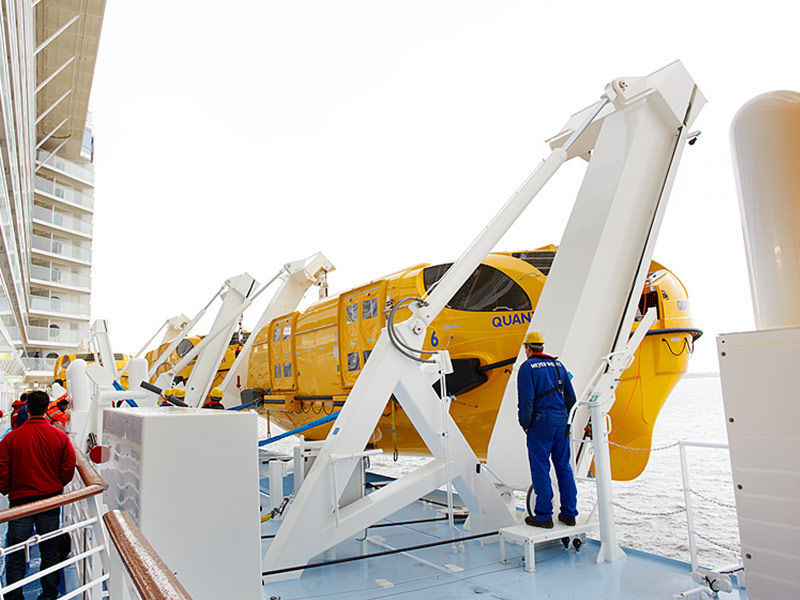
- Antriebsoptionen
- Electric, hydraulic, manual, with/without stored power (accumulator or spring force)
- Solas-hoistgeschwindigkeit
- Bis 48 m/min für Fast-Rescue-Davits (SOLAS-konform)
- Einsatzbereich
- Rettungsboote, Schnellrettungsboote, Rettungsflöße, MOB-Boote
- Konstruktion
- Normal pivot or slewing types, single or double arm with optional docking head to prevent pendulum motion until water level
- Hubkapazität
- Configurable according to ship type and lifeboat weight (tailor-made solutions)
- Zertifizierung
- ABS, GL, DNV, BV, NK, KR, LR and other classification societies
- D-NPS.SP (Normal Pivot Single/Double Arm mit Docking Head)
- D-NPS.FR (Fast Rescue Davit mit Docking Head)
- D-CRm.FR (Slewing Fast Rescue Davit mit hydraulischem/elektrischem Antrieb)
- D-BR (rescue davit with manual operation or hydraulic stored power)
- D-NP.MP (Normal Pivot mit mechanischer Stored Power - Federbelastung)
- D-NP.SP (Normal Pivot mit hydraulischer Stored Power - Akku)
- Area: On-load release gear functionality and wearCheck: Annually: operational test of on-load release gear by positioning the boat partially in water for load support by fall, actuation of release gear, reset and inspection for damage. Every 5 years: overhaul of release system with 110% proof-load test. Inspect release gear before and after operational test; verify hook securing and reset.
- Area: Wire rope condition (wires/falls) – corrosion, wear, breakageCheck: Monthly: visual inspection for fraying, kinks, corrosion, broken strands. Annually: wire rope and sheaves for scratches, dents, corrosion, missing lubrication. Every 5 years: wire rope replacement per SOLAS Chapter III required. Lubrication of wires, sheaves and moving parts to be checked.
- Area: Brake system - inspection function and wear partsCheck: Annually: brake test by suspension of rated load and verification that brake holds without slippage. For centrifugal brakes: sinking speed against SOLAS formula (max. 1.3 m/s) to be checked. Brake pads to be inspected and replaced when worn. Every 5 years: brake system to be opened and condition thoroughly checked.
- Area: Sheaves - wear, abrasion, corrosion, wear ringsCheck: Annually: sheaves for wear grooves, wear ring wear, corrosion, incorrect alignment, loose bolts to be checked. A worn or corroded sheave damages new wires and leads to premature wire rope failure. Wear ring thickness to be measured and replaced if necessary. Lubrication to be checked.
- Area: Overall structure - corrosion, wear, deformation and clearanceCheck: Annually: davit structure for corrosion (especially welds), wear, deformation, excessive clearance, cracks to be checked. All bolt locking devices to be verified. Hydraulic cylinders for leakage to be checked. Every 5 years: selective disassembly with NDT (roughness inspection, crack inspection) to be performed. Foundations to be inspected.
- Area: Proof-load test at 110% of rated loadCheck: Annually: dynamic winch brake test at 110% of Safe Working Load to be performed (simulated by water bag equipment or certified load cells). Every 5 years: comprehensive proof-load test of entire davit, winch, wire rope and hook system at 110% SWL to be performed. System must hold load, show no deformation or damage.
Type-universal inspection/maintenance points for Lifesaving Appliances (LSA) (davit international, Mega-Swarm 2026–06). Per-model specs not auto-populated.
- Fast hoist speed (up to 48 m/min) meeting SOLAS fast‑rescue requirements
- Modular capacity – can be configured for single or double arm and various boat weights
- Docking head option reduces swing, improving launch safety in rough seas
- Multiple drive options (electric, hydraulic, manual) allow flexibility and redundancy
- Broad class approvals (ABS, DNV, LR, BV, NK, KR) and IMO D‑2 certification
- Higher initial cost compared with simple manual davits
- Hydraulic/electrical stored‑power system adds complexity and requires regular battery and fluid maintenance
- Space requirements for hydraulic cylinders and battery bank can limit retro‑fit on older vessels
- Weight of the complete assembly may affect deck load calculations
- Periodic proof‑load testing (110 % SWL) every 5 years increases inspection workload
- Antriebsoptionen
- Electric, hydraulic, manual, with/without stored power (accumulator or spring force)
- Solas-hoistgeschwindigkeit
- Bis 48 m/min für Fast-Rescue-Davits (SOLAS-konform)
- Einsatzbereich
- Rettungsboote, Schnellrettungsboote, Rettungsflöße, MOB-Boote
- Konstruktion
- Normal pivot or slewing types, single or double arm with optional docking head to prevent pendulum motion until water level
- Hubkapazität
- Configurable according to ship type and lifeboat weight (tailor-made solutions)
- Zertifizierung
- ABS, GL, DNV, BV, NK, KR, LR and other classification societies
- D-NPS.SP (Normal Pivot Single/Double Arm mit Docking Head)
- D-NPS.FR (Fast Rescue Davit mit Docking Head)
- D-CRm.FR (Slewing Fast Rescue Davit mit hydraulischem/elektrischem Antrieb)
- D-BR (rescue davit with manual operation or hydraulic stored power)
- D-NP.MP (Normal Pivot mit mechanischer Stored Power - Federbelastung)
- D-NP.SP (Normal Pivot mit hydraulischer Stored Power - Akku)
- Area: On-load release gear functionality and wearCheck: Annually: operational test of on-load release gear by positioning the boat partially in water for load support by fall, actuation of release gear, reset and inspection for damage. Every 5 years: overhaul of release system with 110% proof-load test. Inspect release gear before and after operational test; verify hook securing and reset.
- Area: Wire rope condition (wires/falls) – corrosion, wear, breakageCheck: Monthly: visual inspection for fraying, kinks, corrosion, broken strands. Annually: wire rope and sheaves for scratches, dents, corrosion, missing lubrication. Every 5 years: wire rope replacement per SOLAS Chapter III required. Lubrication of wires, sheaves and moving parts to be checked.
- Area: Brake system - inspection function and wear partsCheck: Annually: brake test by suspension of rated load and verification that brake holds without slippage. For centrifugal brakes: sinking speed against SOLAS formula (max. 1.3 m/s) to be checked. Brake pads to be inspected and replaced when worn. Every 5 years: brake system to be opened and condition thoroughly checked.
- Area: Sheaves - wear, abrasion, corrosion, wear ringsCheck: Annually: sheaves for wear grooves, wear ring wear, corrosion, incorrect alignment, loose bolts to be checked. A worn or corroded sheave damages new wires and leads to premature wire rope failure. Wear ring thickness to be measured and replaced if necessary. Lubrication to be checked.
- Area: Overall structure - corrosion, wear, deformation and clearanceCheck: Annually: davit structure for corrosion (especially welds), wear, deformation, excessive clearance, cracks to be checked. All bolt locking devices to be verified. Hydraulic cylinders for leakage to be checked. Every 5 years: selective disassembly with NDT (roughness inspection, crack inspection) to be performed. Foundations to be inspected.
- Area: Proof-load test at 110% of rated loadCheck: Annually: dynamic winch brake test at 110% of Safe Working Load to be performed (simulated by water bag equipment or certified load cells). Every 5 years: comprehensive proof-load test of entire davit, winch, wire rope and hook system at 110% SWL to be performed. System must hold load, show no deformation or damage.
Type-universal inspection/maintenance points for Lifesaving Appliances (LSA) (davit international, Mega-Swarm 2026–06). Per-model specs not auto-populated.
- High hoist speed (up to 48 m/min) meets fast‑rescue SOLAS requirements
- Multiple drive options – electric, hydraulic, manual and stored‑power for redundancy
- Docking head reduces pendulum motion, improving safe water entry
- Modular design allows single or double arm configurations and load‑tailoring per vessel
- Broad class approvals (ABS, DNV GL, LR, BV, NK, KR) and IMO SOLAS certification
- Complex electromechanical/hydraulic components increase maintenance workload
- Higher initial capital cost compared with simple manual davits
- Requires dedicated space for power units and hydraulic reservoirs
- Periodic proof‑load testing (110 % SWL) adds operational downtime
- Spare‑part availability may be limited in remote ports
- Antriebsoptionen
- Electric, hydraulic, manual, with/without stored power (accumulator or spring force)
- Solas-hoistgeschwindigkeit
- Bis 48 m/min für Fast-Rescue-Davits (SOLAS-konform)
- Einsatzbereich
- Rettungsboote, Schnellrettungsboote, Rettungsflöße, MOB-Boote
- Konstruktion
- Normal pivot or slewing types, single or double arm with optional docking head to prevent pendulum motion until water level
- Hubkapazität
- Configurable according to ship type and lifeboat weight (tailor-made solutions)
- Zertifizierung
- ABS, GL, DNV, BV, NK, KR, LR and other classification societies
- D-NPS.SP (Normal Pivot Single/Double Arm mit Docking Head)
- D-NPS.FR (Fast Rescue Davit mit Docking Head)
- D-CRm.FR (Slewing Fast Rescue Davit mit hydraulischem/elektrischem Antrieb)
- D-BR (rescue davit with manual operation or hydraulic stored power)
- D-NP.MP (Normal Pivot mit mechanischer Stored Power - Federbelastung)
- D-NP.SP (Normal Pivot mit hydraulischer Stored Power - Akku)
- Area: On-load release gear functionality and wearCheck: Annually: operational test of on-load release gear by positioning the boat partially in water for load support by fall, actuation of release gear, reset and inspection for damage. Every 5 years: overhaul of release system with 110% proof-load test. Inspect release gear before and after operational test; verify hook securing and reset.
- Area: Wire rope condition (wires/falls) – corrosion, wear, breakageCheck: Monthly: visual inspection for fraying, kinks, corrosion, broken strands. Annually: wire rope and sheaves for scratches, dents, corrosion, missing lubrication. Every 5 years: wire rope replacement per SOLAS Chapter III required. Lubrication of wires, sheaves and moving parts to be checked.
- Area: Brake system - inspection function and wear partsCheck: Annually: brake test by suspension of rated load and verification that brake holds without slippage. For centrifugal brakes: sinking speed against SOLAS formula (max. 1.3 m/s) to be checked. Brake pads to be inspected and replaced when worn. Every 5 years: brake system to be opened and condition thoroughly checked.
- Area: Sheaves - wear, abrasion, corrosion, wear ringsCheck: Annually: sheaves for wear grooves, wear ring wear, corrosion, incorrect alignment, loose bolts to be checked. A worn or corroded sheave damages new wires and leads to premature wire rope failure. Wear ring thickness to be measured and replaced if necessary. Lubrication to be checked.
- Area: Overall structure - corrosion, wear, deformation and clearanceCheck: Annually: davit structure for corrosion (especially welds), wear, deformation, excessive clearance, cracks to be checked. All bolt locking devices to be verified. Hydraulic cylinders for leakage to be checked. Every 5 years: selective disassembly with NDT (roughness inspection, crack inspection) to be performed. Foundations to be inspected.
- Area: Proof-load test at 110% of rated loadCheck: Annually: dynamic winch brake test at 110% of Safe Working Load to be performed (simulated by water bag equipment or certified load cells). Every 5 years: comprehensive proof-load test of entire davit, winch, wire rope and hook system at 110% SWL to be performed. System must hold load, show no deformation or damage.
Type-universal inspection/maintenance points for Lifesaving Appliances (LSA) (davit international, Mega-Swarm 2026–06). Per-model specs not auto-populated.
- Hoist speed up to 48 m/min meets SOLAS Fast Rescue Davit requirements for rapid launch.
- Multiple drive options (electric, hydraulic, manual or stored‑power) allow flexible integration with ship power systems.
- Docking head reduces pendulum motion, improving safety during launch in heavy seas.
- Tailor‑made load capacity and arm configuration (single/double, pivot or slewing) for a wide range of vessel sizes.
- Class‑approved by major societies (ABS, DNV, LR, etc.) ensuring regulatory compliance.
- Complex drive systems increase routine maintenance and require qualified service personnel.
- Stored‑power units (batteries or spring mechanisms) add weight and occupy valuable deck space.
- Proof‑load testing at 110 % SWL is required every five years, adding to inspection downtime.
- Higher initial capital cost compared with simple manual davits.
- Dependence on hydraulic/electric power means a loss of launch capability if the primary power source fails.
- Antriebsoptionen
- Electric, hydraulic, manual, with/without stored power (accumulator or spring force)
- Solas-hoistgeschwindigkeit
- Bis 48 m/min für Fast-Rescue-Davits (SOLAS-konform)
- Einsatzbereich
- Rettungsboote, Schnellrettungsboote, Rettungsflöße, MOB-Boote
- Konstruktion
- Normal pivot or slewing types, single or double arm with optional docking head to prevent pendulum motion until water level
- Hubkapazität
- Configurable according to ship type and lifeboat weight (tailor-made solutions)
- Zertifizierung
- ABS, GL, DNV, BV, NK, KR, LR and other classification societies
- D-NPS.SP (Normal Pivot Single/Double Arm mit Docking Head)
- D-NPS.FR (Fast Rescue Davit mit Docking Head)
- D-CRm.FR (Slewing Fast Rescue Davit mit hydraulischem/elektrischem Antrieb)
- D-BR (rescue davit with manual operation or hydraulic stored power)
- D-NP.MP (Normal Pivot mit mechanischer Stored Power - Federbelastung)
- D-NP.SP (Normal Pivot mit hydraulischer Stored Power - Akku)
- Area: On-load release gear functionality and wearCheck: Annually: operational test of on-load release gear by positioning the boat partially in water for load support by fall, actuation of release gear, reset and inspection for damage. Every 5 years: overhaul of release system with 110% proof-load test. Inspect release gear before and after operational test; verify hook securing and reset.
- Area: Wire rope condition (wires/falls) – corrosion, wear, breakageCheck: Monthly: visual inspection for fraying, kinks, corrosion, broken strands. Annually: wire rope and sheaves for scratches, dents, corrosion, missing lubrication. Every 5 years: wire rope replacement per SOLAS Chapter III required. Lubrication of wires, sheaves and moving parts to be checked.
- Area: Brake system - inspection function and wear partsCheck: Annually: brake test by suspension of rated load and verification that brake holds without slippage. For centrifugal brakes: sinking speed against SOLAS formula (max. 1.3 m/s) to be checked. Brake pads to be inspected and replaced when worn. Every 5 years: brake system to be opened and condition thoroughly checked.
- Area: Sheaves - wear, abrasion, corrosion, wear ringsCheck: Annually: sheaves for wear grooves, wear ring wear, corrosion, incorrect alignment, loose bolts to be checked. A worn or corroded sheave damages new wires and leads to premature wire rope failure. Wear ring thickness to be measured and replaced if necessary. Lubrication to be checked.
- Area: Overall structure - corrosion, wear, deformation and clearanceCheck: Annually: davit structure for corrosion (especially welds), wear, deformation, excessive clearance, cracks to be checked. All bolt locking devices to be verified. Hydraulic cylinders for leakage to be checked. Every 5 years: selective disassembly with NDT (roughness inspection, crack inspection) to be performed. Foundations to be inspected.
- Area: Proof-load test at 110% of rated loadCheck: Annually: dynamic winch brake test at 110% of Safe Working Load to be performed (simulated by water bag equipment or certified load cells). Every 5 years: comprehensive proof-load test of entire davit, winch, wire rope and hook system at 110% SWL to be performed. System must hold load, show no deformation or damage.
Type-universal inspection/maintenance points for Lifesaving Appliances (LSA) (davit international, Mega-Swarm 2026–06). Per-model specs not auto-populated.
- Fast hoist speed up to 48 m/min meeting SOLAS fast‑rescue requirements
- Multiple drive options (electric, hydraulic, manual) and optional battery or spring stored power for redundancy
- Docking head available to prevent pendulum swing during launch in rough seas
- Tailor‑made load capacity allowing installation on a wide range of vessel sizes
- Broad classification society approvals (ABS, DNV, LR, etc.)
- Higher initial cost and greater system complexity compared with simple manual davits
- Requires rigorous inspection regime (annual functional tests, 5‑year proof‑load) increasing maintenance workload
- Stored‑power variants need battery management or spring‑maintenance programmes
- Spare‑part inventory can be larger due to multiple drive options
- Installation space may be greater than for single‑arm manual davits
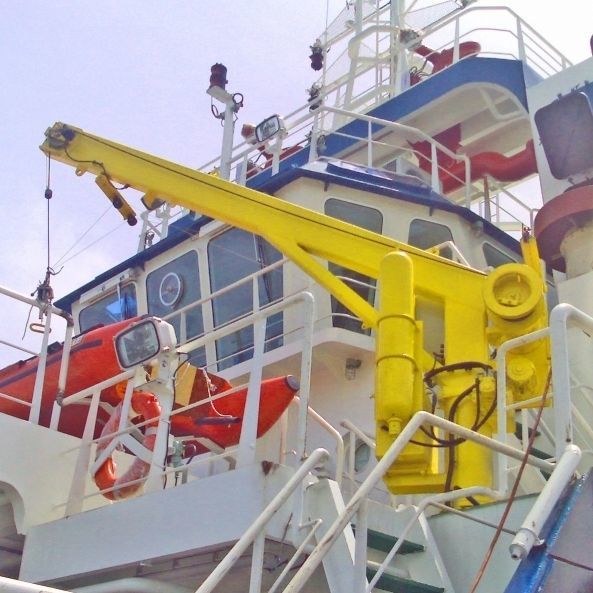
- Antriebsoptionen
- Electric, hydraulic, manual, with/without stored power (accumulator or spring force)
- Solas-hoistgeschwindigkeit
- Bis 48 m/min für Fast-Rescue-Davits (SOLAS-konform)
- Einsatzbereich
- Rettungsboote, Schnellrettungsboote, Rettungsflöße, MOB-Boote
- Konstruktion
- Normal pivot or slewing types, single or double arm with optional docking head to prevent pendulum motion until water level
- Hubkapazität
- Configurable according to ship type and lifeboat weight (tailor-made solutions)
- Zertifizierung
- ABS, GL, DNV, BV, NK, KR, LR and other classification societies
- D-NPS.SP (Normal Pivot Single/Double Arm mit Docking Head)
- D-NPS.FR (Fast Rescue Davit mit Docking Head)
- D-CRm.FR (Slewing Fast Rescue Davit mit hydraulischem/elektrischem Antrieb)
- D-BR (rescue davit with manual operation or hydraulic stored power)
- D-NP.MP (Normal Pivot mit mechanischer Stored Power - Federbelastung)
- D-NP.SP (Normal Pivot mit hydraulischer Stored Power - Akku)
- Area: On-load release gear functionality and wearCheck: Annually: operational test of on-load release gear by positioning the boat partially in water for load support by fall, actuation of release gear, reset and inspection for damage. Every 5 years: overhaul of release system with 110% proof-load test. Inspect release gear before and after operational test; verify hook securing and reset.
- Area: Wire rope condition (wires/falls) – corrosion, wear, breakageCheck: Monthly: visual inspection for fraying, kinks, corrosion, broken strands. Annually: wire rope and sheaves for scratches, dents, corrosion, missing lubrication. Every 5 years: wire rope replacement per SOLAS Chapter III required. Lubrication of wires, sheaves and moving parts to be checked.
- Area: Brake system - inspection function and wear partsCheck: Annually: brake test by suspension of rated load and verification that brake holds without slippage. For centrifugal brakes: sinking speed against SOLAS formula (max. 1.3 m/s) to be checked. Brake pads to be inspected and replaced when worn. Every 5 years: brake system to be opened and condition thoroughly checked.
- Area: Sheaves - wear, abrasion, corrosion, wear ringsCheck: Annually: sheaves for wear grooves, wear ring wear, corrosion, incorrect alignment, loose bolts to be checked. A worn or corroded sheave damages new wires and leads to premature wire rope failure. Wear ring thickness to be measured and replaced if necessary. Lubrication to be checked.
- Area: Overall structure - corrosion, wear, deformation and clearanceCheck: Annually: davit structure for corrosion (especially welds), wear, deformation, excessive clearance, cracks to be checked. All bolt locking devices to be verified. Hydraulic cylinders for leakage to be checked. Every 5 years: selective disassembly with NDT (roughness inspection, crack inspection) to be performed. Foundations to be inspected.
- Area: Proof-load test at 110% of rated loadCheck: Annually: dynamic winch brake test at 110% of Safe Working Load to be performed (simulated by water bag equipment or certified load cells). Every 5 years: comprehensive proof-load test of entire davit, winch, wire rope and hook system at 110% SWL to be performed. System must hold load, show no deformation or damage.
Type-universal inspection/maintenance points for Lifesaving Appliances (LSA) (davit international, Mega-Swarm 2026–06). Per-model specs not auto-populated.
- Hoist speed up to 48 m/min, meeting SOLAS fast‑rescue requirements
- Multiple drive options (electric, hydraulic, manual) and stored‑power backup for redundancy
- Docking head prevents pendulum swing, improving launch safety in heavy seas
- Modular capacity – can be sized to the specific boat weight of the vessel
- Certified by major classification societies (ABS, DNV, LR, etc.)
- Higher initial cost and greater system complexity compared with single‑arm manual davits
- Requires more frequent specialised maintenance on drive units, wire rope and release gear
- Space‑intensive double‑arm layout may limit placement on vessels with tight deck arrangements
- Stored‑power (battery or spring) adds weight and periodic replacement requirements
- Antriebsoptionen
- Electric, hydraulic, manual, with/without stored power (accumulator or spring force)
- Solas-hoistgeschwindigkeit
- Bis 48 m/min für Fast-Rescue-Davits (SOLAS-konform)
- Einsatzbereich
- Rettungsboote, Schnellrettungsboote, Rettungsflöße, MOB-Boote
- Konstruktion
- Normal pivot or slewing types, single or double arm with optional docking head to prevent pendulum motion until water level
- Hubkapazität
- Configurable according to ship type and lifeboat weight (tailor-made solutions)
- Zertifizierung
- ABS, GL, DNV, BV, NK, KR, LR and other classification societies
- D-NPS.SP (Normal Pivot Single/Double Arm mit Docking Head)
- D-NPS.FR (Fast Rescue Davit mit Docking Head)
- D-CRm.FR (Slewing Fast Rescue Davit mit hydraulischem/elektrischem Antrieb)
- D-BR (rescue davit with manual operation or hydraulic stored power)
- D-NP.MP (Normal Pivot mit mechanischer Stored Power - Federbelastung)
- D-NP.SP (Normal Pivot mit hydraulischer Stored Power - Akku)
- Area: On-load release gear functionality and wearCheck: Annually: operational test of on-load release gear by positioning the boat partially in water for load support by fall, actuation of release gear, reset and inspection for damage. Every 5 years: overhaul of release system with 110% proof-load test. Inspect release gear before and after operational test; verify hook securing and reset.
- Area: Wire rope condition (wires/falls) – corrosion, wear, breakageCheck: Monthly: visual inspection for fraying, kinks, corrosion, broken strands. Annually: wire rope and sheaves for scratches, dents, corrosion, missing lubrication. Every 5 years: wire rope replacement per SOLAS Chapter III required. Lubrication of wires, sheaves and moving parts to be checked.
- Area: Brake system - inspection function and wear partsCheck: Annually: brake test by suspension of rated load and verification that brake holds without slippage. For centrifugal brakes: sinking speed against SOLAS formula (max. 1.3 m/s) to be checked. Brake pads to be inspected and replaced when worn. Every 5 years: brake system to be opened and condition thoroughly checked.
- Area: Sheaves - wear, abrasion, corrosion, wear ringsCheck: Annually: sheaves for wear grooves, wear ring wear, corrosion, incorrect alignment, loose bolts to be checked. A worn or corroded sheave damages new wires and leads to premature wire rope failure. Wear ring thickness to be measured and replaced if necessary. Lubrication to be checked.
- Area: Overall structure - corrosion, wear, deformation and clearanceCheck: Annually: davit structure for corrosion (especially welds), wear, deformation, excessive clearance, cracks to be checked. All bolt locking devices to be verified. Hydraulic cylinders for leakage to be checked. Every 5 years: selective disassembly with NDT (roughness inspection, crack inspection) to be performed. Foundations to be inspected.
- Area: Proof-load test at 110% of rated loadCheck: Annually: dynamic winch brake test at 110% of Safe Working Load to be performed (simulated by water bag equipment or certified load cells). Every 5 years: comprehensive proof-load test of entire davit, winch, wire rope and hook system at 110% SWL to be performed. System must hold load, show no deformation or damage.
Type-universal inspection/maintenance points for Lifesaving Appliances (LSA) (davit international, Mega-Swarm 2026–06). Per-model specs not auto-populated.
- Hoist speed up to 48 m/min meets SOLAS fast‑rescue requirements
- Multiple drive options (electric, hydraulic, manual) and stored‑power variants give operational flexibility
- Docking head prevents pendulum swing during launch, improving safety in rough seas
- Modular design allows capacity tailoring to vessel type and boat weight
- IMO‑approved and certified by major classification societies
- Higher mechanical/electrical complexity leads to increased maintenance workload
- Requires strict inspection regime (annual functional tests, 5‑year proof‑load) to stay compliant
- Initial procurement cost is higher than basic manual davits
- Stored‑power versions need battery management and periodic replacement
- Limited publicly available performance data for exact model dimensions or weight
- Antriebsoptionen
- Electric, hydraulic, manual, with/without stored power (accumulator or spring force)
- Solas-hoistgeschwindigkeit
- Bis 48 m/min für Fast-Rescue-Davits (SOLAS-konform)
- Einsatzbereich
- Rettungsboote, Schnellrettungsboote, Rettungsflöße, MOB-Boote
- Konstruktion
- Normal pivot or slewing types, single or double arm with optional docking head to prevent pendulum motion until water level
- Hubkapazität
- Configurable according to ship type and lifeboat weight (tailor-made solutions)
- Zertifizierung
- ABS, GL, DNV, BV, NK, KR, LR and other classification societies
- D-NPS.SP (Normal Pivot Single/Double Arm mit Docking Head)
- D-NPS.FR (Fast Rescue Davit mit Docking Head)
- D-CRm.FR (Slewing Fast Rescue Davit mit hydraulischem/elektrischem Antrieb)
- D-BR (rescue davit with manual operation or hydraulic stored power)
- D-NP.MP (Normal Pivot mit mechanischer Stored Power - Federbelastung)
- D-NP.SP (Normal Pivot mit hydraulischer Stored Power - Akku)
- Area: On-load release gear functionality and wearCheck: Annually: operational test of on-load release gear by positioning the boat partially in water for load support by fall, actuation of release gear, reset and inspection for damage. Every 5 years: overhaul of release system with 110% proof-load test. Inspect release gear before and after operational test; verify hook securing and reset.
- Area: Wire rope condition (wires/falls) – corrosion, wear, breakageCheck: Monthly: visual inspection for fraying, kinks, corrosion, broken strands. Annually: wire rope and sheaves for scratches, dents, corrosion, missing lubrication. Every 5 years: wire rope replacement per SOLAS Chapter III required. Lubrication of wires, sheaves and moving parts to be checked.
- Area: Brake system - inspection function and wear partsCheck: Annually: brake test by suspension of rated load and verification that brake holds without slippage. For centrifugal brakes: sinking speed against SOLAS formula (max. 1.3 m/s) to be checked. Brake pads to be inspected and replaced when worn. Every 5 years: brake system to be opened and condition thoroughly checked.
- Area: Sheaves - wear, abrasion, corrosion, wear ringsCheck: Annually: sheaves for wear grooves, wear ring wear, corrosion, incorrect alignment, loose bolts to be checked. A worn or corroded sheave damages new wires and leads to premature wire rope failure. Wear ring thickness to be measured and replaced if necessary. Lubrication to be checked.
- Area: Overall structure - corrosion, wear, deformation and clearanceCheck: Annually: davit structure for corrosion (especially welds), wear, deformation, excessive clearance, cracks to be checked. All bolt locking devices to be verified. Hydraulic cylinders for leakage to be checked. Every 5 years: selective disassembly with NDT (roughness inspection, crack inspection) to be performed. Foundations to be inspected.
- Area: Proof-load test at 110% of rated loadCheck: Annually: dynamic winch brake test at 110% of Safe Working Load to be performed (simulated by water bag equipment or certified load cells). Every 5 years: comprehensive proof-load test of entire davit, winch, wire rope and hook system at 110% SWL to be performed. System must hold load, show no deformation or damage.
Type-universal inspection/maintenance points for Lifesaving Appliances (LSA) (davit international, Mega-Swarm 2026–06). Per-model specs not auto-populated.
- Fast‑rescue hoist speed (≤48 m/min) meeting SOLAS requirements for rapid evacuation
- Multiple drive options (electric, hydraulic, manual, stored‑power) allow tailoring to vessel power availability
- Docking head option eliminates pendulum motion, improving launch safety in rough seas
- Configurable load capacity and pivot or slewing geometry suit a wide range of boat sizes
- IMO‑approved with broad classification society approvals (ABS, DNV, LR, BV, NK, KR)
- Higher initial cost compared with basic manual davits due to multiple drive options and advanced control electronics
- Increased maintenance complexity – regular inspections of wire rope, brake system and stored‑power units are required
- Space requirements for hydraulic/electric actuators may limit retrofit on older vessels
- Stored‑power (battery or spring) variants need periodic battery health checks or spring tension verification
- Complexity can lead to longer downtime if a drive subsystem fails
- Antriebsoptionen
- Electric, hydraulic, manual, with/without stored power (accumulator or spring force)
- Solas-hoistgeschwindigkeit
- Bis 48 m/min für Fast-Rescue-Davits (SOLAS-konform)
- Einsatzbereich
- Rettungsboote, Schnellrettungsboote, Rettungsflöße, MOB-Boote
- Konstruktion
- Normal pivot or slewing types, single or double arm with optional docking head to prevent pendulum motion until water level
- Hubkapazität
- Configurable according to ship type and lifeboat weight (tailor-made solutions)
- Zertifizierung
- ABS, GL, DNV, BV, NK, KR, LR and other classification societies
- D-NPS.SP (Normal Pivot Single/Double Arm mit Docking Head)
- D-NPS.FR (Fast Rescue Davit mit Docking Head)
- D-CRm.FR (Slewing Fast Rescue Davit mit hydraulischem/elektrischem Antrieb)
- D-BR (rescue davit with manual operation or hydraulic stored power)
- D-NP.MP (Normal Pivot mit mechanischer Stored Power - Federbelastung)
- D-NP.SP (Normal Pivot mit hydraulischer Stored Power - Akku)
- Area: On-load release gear functionality and wearCheck: Annually: operational test of on-load release gear by positioning the boat partially in water for load support by fall, actuation of release gear, reset and inspection for damage. Every 5 years: overhaul of release system with 110% proof-load test. Inspect release gear before and after operational test; verify hook securing and reset.
- Area: Wire rope condition (wires/falls) – corrosion, wear, breakageCheck: Monthly: visual inspection for fraying, kinks, corrosion, broken strands. Annually: wire rope and sheaves for scratches, dents, corrosion, missing lubrication. Every 5 years: wire rope replacement per SOLAS Chapter III required. Lubrication of wires, sheaves and moving parts to be checked.
- Area: Brake system - inspection function and wear partsCheck: Annually: brake test by suspension of rated load and verification that brake holds without slippage. For centrifugal brakes: sinking speed against SOLAS formula (max. 1.3 m/s) to be checked. Brake pads to be inspected and replaced when worn. Every 5 years: brake system to be opened and condition thoroughly checked.
- Area: Sheaves - wear, abrasion, corrosion, wear ringsCheck: Annually: sheaves for wear grooves, wear ring wear, corrosion, incorrect alignment, loose bolts to be checked. A worn or corroded sheave damages new wires and leads to premature wire rope failure. Wear ring thickness to be measured and replaced if necessary. Lubrication to be checked.
- Area: Overall structure - corrosion, wear, deformation and clearanceCheck: Annually: davit structure for corrosion (especially welds), wear, deformation, excessive clearance, cracks to be checked. All bolt locking devices to be verified. Hydraulic cylinders for leakage to be checked. Every 5 years: selective disassembly with NDT (roughness inspection, crack inspection) to be performed. Foundations to be inspected.
- Area: Proof-load test at 110% of rated loadCheck: Annually: dynamic winch brake test at 110% of Safe Working Load to be performed (simulated by water bag equipment or certified load cells). Every 5 years: comprehensive proof-load test of entire davit, winch, wire rope and hook system at 110% SWL to be performed. System must hold load, show no deformation or damage.
Type-universal inspection/maintenance points for Lifesaving Appliances (LSA) (davit international, Mega-Swarm 2026–06). Per-model specs not auto-populated.
- High hoist speed (≤48 m/min) meets SOLAS fast‑rescue requirements
- Multiple drive options (electric, hydraulic, manual, stored‑power) allow flexibility for vessel power architecture
- Docking head reduces swing and improves launch safety in rough seas
- Tailor‑made load capacity – can be sized to any lifeboat weight up to the class limits
- Broad classification approval (ABS, DNV, GL, BV, NK, KR, LR) simplifies regulatory acceptance
- Complex drive and control systems increase routine maintenance workload
- Higher initial capital cost compared with simple manual davits
- Requires regular inspection of on‑load release gear, wire rope and brake system per SOLAS (monthly to five‑yearly checks)
- Slewing type needs adequate deck space and structural reinforcement
- Antriebsoptionen
- Electric, hydraulic, manual, with/without stored power (accumulator or spring force)
- Solas-hoistgeschwindigkeit
- Bis 48 m/min für Fast-Rescue-Davits (SOLAS-konform)
- Einsatzbereich
- Rettungsboote, Schnellrettungsboote, Rettungsflöße, MOB-Boote
- Konstruktion
- Normal pivot or slewing types, single or double arm with optional docking head to prevent pendulum motion until water level
- Hubkapazität
- Configurable according to ship type and lifeboat weight (tailor-made solutions)
- Zertifizierung
- ABS, GL, DNV, BV, NK, KR, LR and other classification societies
- D-NPS.SP (Normal Pivot Single/Double Arm mit Docking Head)
- D-NPS.FR (Fast Rescue Davit mit Docking Head)
- D-CRm.FR (Slewing Fast Rescue Davit mit hydraulischem/elektrischem Antrieb)
- D-BR (rescue davit with manual operation or hydraulic stored power)
- D-NP.MP (Normal Pivot mit mechanischer Stored Power - Federbelastung)
- D-NP.SP (Normal Pivot mit hydraulischer Stored Power - Akku)
- Area: On-load release gear functionality and wearCheck: Annually: operational test of on-load release gear by positioning the boat partially in water for load support by fall, actuation of release gear, reset and inspection for damage. Every 5 years: overhaul of release system with 110% proof-load test. Inspect release gear before and after operational test; verify hook securing and reset.
- Area: Wire rope condition (wires/falls) – corrosion, wear, breakageCheck: Monthly: visual inspection for fraying, kinks, corrosion, broken strands. Annually: wire rope and sheaves for scratches, dents, corrosion, missing lubrication. Every 5 years: wire rope replacement per SOLAS Chapter III required. Lubrication of wires, sheaves and moving parts to be checked.
- Area: Brake system - inspection function and wear partsCheck: Annually: brake test by suspension of rated load and verification that brake holds without slippage. For centrifugal brakes: sinking speed against SOLAS formula (max. 1.3 m/s) to be checked. Brake pads to be inspected and replaced when worn. Every 5 years: brake system to be opened and condition thoroughly checked.
- Area: Sheaves - wear, abrasion, corrosion, wear ringsCheck: Annually: sheaves for wear grooves, wear ring wear, corrosion, incorrect alignment, loose bolts to be checked. A worn or corroded sheave damages new wires and leads to premature wire rope failure. Wear ring thickness to be measured and replaced if necessary. Lubrication to be checked.
- Area: Overall structure - corrosion, wear, deformation and clearanceCheck: Annually: davit structure for corrosion (especially welds), wear, deformation, excessive clearance, cracks to be checked. All bolt locking devices to be verified. Hydraulic cylinders for leakage to be checked. Every 5 years: selective disassembly with NDT (roughness inspection, crack inspection) to be performed. Foundations to be inspected.
- Area: Proof-load test at 110% of rated loadCheck: Annually: dynamic winch brake test at 110% of Safe Working Load to be performed (simulated by water bag equipment or certified load cells). Every 5 years: comprehensive proof-load test of entire davit, winch, wire rope and hook system at 110% SWL to be performed. System must hold load, show no deformation or damage.
Type-universal inspection/maintenance points for Lifesaving Appliances (LSA) (davit international, Mega-Swarm 2026–06). Per-model specs not auto-populated.
- Fast‑rescue hoist speed up to 48 m/min meeting SOLAS requirements
- Multiple drive configurations (electric, hydraulic, manual, stored power) for redundancy
- Docking head option eliminates pendulum swing during launch
- Hub capacity can be tailored to vessel and boat weight
- Certified by major classification societies (ABS, DNV, LR, BV)
- Higher initial cost and complexity compared with simple manual davits
- Requires regular inspection of hydraulic/electric components and wire‑rope system
- Heavier structural footprint may limit installation on smaller vessels
- Dependence on ship power or stored‑energy units; loss of power can affect launch if not maintained
- Antriebsoptionen
- Electric, hydraulic, manual, with/without stored power (accumulator or spring force)
- Solas-hoistgeschwindigkeit
- Bis 48 m/min für Fast-Rescue-Davits (SOLAS-konform)
- Einsatzbereich
- Rettungsboote, Schnellrettungsboote, Rettungsflöße, MOB-Boote
- Konstruktion
- Normal pivot or slewing types, single or double arm with optional docking head to prevent pendulum motion until water level
- Hubkapazität
- Configurable according to ship type and lifeboat weight (tailor-made solutions)
- Zertifizierung
- ABS, GL, DNV, BV, NK, KR, LR and other classification societies
- D-NPS.SP (Normal Pivot Single/Double Arm mit Docking Head)
- D-NPS.FR (Fast Rescue Davit mit Docking Head)
- D-CRm.FR (Slewing Fast Rescue Davit mit hydraulischem/elektrischem Antrieb)
- D-BR (rescue davit with manual operation or hydraulic stored power)
- D-NP.MP (Normal Pivot mit mechanischer Stored Power - Federbelastung)
- D-NP.SP (Normal Pivot mit hydraulischer Stored Power - Akku)
- Area: On-load release gear functionality and wearCheck: Annually: operational test of on-load release gear by positioning the boat partially in water for load support by fall, actuation of release gear, reset and inspection for damage. Every 5 years: overhaul of release system with 110% proof-load test. Inspect release gear before and after operational test; verify hook securing and reset.
- Area: Wire rope condition (wires/falls) – corrosion, wear, breakageCheck: Monthly: visual inspection for fraying, kinks, corrosion, broken strands. Annually: wire rope and sheaves for scratches, dents, corrosion, missing lubrication. Every 5 years: wire rope replacement per SOLAS Chapter III required. Lubrication of wires, sheaves and moving parts to be checked.
- Area: Brake system - inspection function and wear partsCheck: Annually: brake test by suspension of rated load and verification that brake holds without slippage. For centrifugal brakes: sinking speed against SOLAS formula (max. 1.3 m/s) to be checked. Brake pads to be inspected and replaced when worn. Every 5 years: brake system to be opened and condition thoroughly checked.
- Area: Sheaves - wear, abrasion, corrosion, wear ringsCheck: Annually: sheaves for wear grooves, wear ring wear, corrosion, incorrect alignment, loose bolts to be checked. A worn or corroded sheave damages new wires and leads to premature wire rope failure. Wear ring thickness to be measured and replaced if necessary. Lubrication to be checked.
- Area: Overall structure - corrosion, wear, deformation and clearanceCheck: Annually: davit structure for corrosion (especially welds), wear, deformation, excessive clearance, cracks to be checked. All bolt locking devices to be verified. Hydraulic cylinders for leakage to be checked. Every 5 years: selective disassembly with NDT (roughness inspection, crack inspection) to be performed. Foundations to be inspected.
- Area: Proof-load test at 110% of rated loadCheck: Annually: dynamic winch brake test at 110% of Safe Working Load to be performed (simulated by water bag equipment or certified load cells). Every 5 years: comprehensive proof-load test of entire davit, winch, wire rope and hook system at 110% SWL to be performed. System must hold load, show no deformation or damage.
Type-universal inspection/maintenance points for Lifesaving Appliances (LSA) (davit international, Mega-Swarm 2026–06). Per-model specs not auto-populated.
- Hoist speed up to 48 m/min meets SOLAS fast‑rescue requirements for rapid deployment.
- Multiple drive options (electric, hydraulic, manual and stored‑power) provide redundancy and flexibility.
- Docking head option reduces pendulum swing, improving safety in rough sea conditions.
- Load capacity can be customised per vessel type and boat weight.
- Certified by major classification societies (ABS, DNV, LR, BV, GL).
- Complex hydraulic/electric drive increases maintenance workload and inspection frequency.
- Requires weekly motor tests and a five‑year full inspection, adding operational cost.
- Higher initial capital outlay compared with simple manual davits.
- Slewing arm occupies significant deck space, limiting suitability for small vessels.
- Stored‑power (battery or spring) modules need periodic replacement or servicing.
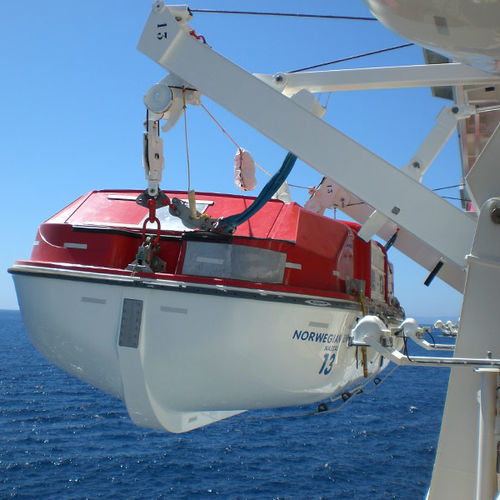
- Antriebsoptionen
- Electric, hydraulic, manual, with/without stored power (accumulator or spring force)
- Solas-hoistgeschwindigkeit
- Bis 48 m/min für Fast-Rescue-Davits (SOLAS-konform)
- Einsatzbereich
- Rettungsboote, Schnellrettungsboote, Rettungsflöße, MOB-Boote
- Konstruktion
- Normal pivot or slewing types, single or double arm with optional docking head to prevent pendulum motion until water level
- Hubkapazität
- Configurable according to ship type and lifeboat weight (tailor-made solutions)
- Zertifizierung
- ABS, GL, DNV, BV, NK, KR, LR and other classification societies
- D-NPS.SP (Normal Pivot Single/Double Arm mit Docking Head)
- D-NPS.FR (Fast Rescue Davit mit Docking Head)
- D-CRm.FR (Slewing Fast Rescue Davit mit hydraulischem/elektrischem Antrieb)
- D-BR (rescue davit with manual operation or hydraulic stored power)
- D-NP.MP (Normal Pivot mit mechanischer Stored Power - Federbelastung)
- D-NP.SP (Normal Pivot mit hydraulischer Stored Power - Akku)
- Area: On-load release gear functionality and wearCheck: Annually: operational test of on-load release gear by positioning the boat partially in water for load support by fall, actuation of release gear, reset and inspection for damage. Every 5 years: overhaul of release system with 110% proof-load test. Inspect release gear before and after operational test; verify hook securing and reset.
- Area: Wire rope condition (wires/falls) – corrosion, wear, breakageCheck: Monthly: visual inspection for fraying, kinks, corrosion, broken strands. Annually: wire rope and sheaves for scratches, dents, corrosion, missing lubrication. Every 5 years: wire rope replacement per SOLAS Chapter III required. Lubrication of wires, sheaves and moving parts to be checked.
- Area: Brake system - inspection function and wear partsCheck: Annually: brake test by suspension of rated load and verification that brake holds without slippage. For centrifugal brakes: sinking speed against SOLAS formula (max. 1.3 m/s) to be checked. Brake pads to be inspected and replaced when worn. Every 5 years: brake system to be opened and condition thoroughly checked.
- Area: Sheaves - wear, abrasion, corrosion, wear ringsCheck: Annually: sheaves for wear grooves, wear ring wear, corrosion, incorrect alignment, loose bolts to be checked. A worn or corroded sheave damages new wires and leads to premature wire rope failure. Wear ring thickness to be measured and replaced if necessary. Lubrication to be checked.
- Area: Overall structure - corrosion, wear, deformation and clearanceCheck: Annually: davit structure for corrosion (especially welds), wear, deformation, excessive clearance, cracks to be checked. All bolt locking devices to be verified. Hydraulic cylinders for leakage to be checked. Every 5 years: selective disassembly with NDT (roughness inspection, crack inspection) to be performed. Foundations to be inspected.
- Area: Proof-load test at 110% of rated loadCheck: Annually: dynamic winch brake test at 110% of Safe Working Load to be performed (simulated by water bag equipment or certified load cells). Every 5 years: comprehensive proof-load test of entire davit, winch, wire rope and hook system at 110% SWL to be performed. System must hold load, show no deformation or damage.
Type-universal inspection/maintenance points for Lifesaving Appliances (LSA) (davit international, Mega-Swarm 2026–06). Per-model specs not auto-populated.
- Fast hoist speed up to 48 m/min meeting SOLAS fast‑rescue requirements
- Stored‑power operation eliminates need for external hydraulic/electric supply, enhancing redundancy
- Docking head reduces pendulum swing and protects the boat during launch
- Modular capacity – can be sized to vessel type and lifeboat weight
- Approved by multiple classification societies (ABS, DNV, LR, BV, NK, KR) and IMO
- Limited to normal‑pivot geometry; not ideal for vessels with very high freeboard or limited deck space requiring slewing davits
- Spring tension requires periodic re‑tensioning and inspection
- Maximum lifting capacity lower than heavy‑duty hydraulic davits, restricting use with very large lifeboats
- Initial installation may be more complex due to spring housing requirements
- May have higher upfront cost compared with simple manual davits
- Antriebsoptionen
- Electric, hydraulic, manual, with/without stored power (accumulator or spring force)
- Solas-hoistgeschwindigkeit
- Bis 48 m/min für Fast-Rescue-Davits (SOLAS-konform)
- Einsatzbereich
- Rettungsboote, Schnellrettungsboote, Rettungsflöße, MOB-Boote
- Konstruktion
- Normal pivot or slewing types, single or double arm with optional docking head to prevent pendulum motion until water level
- Hubkapazität
- Configurable according to ship type and lifeboat weight (tailor-made solutions)
- Zertifizierung
- ABS, GL, DNV, BV, NK, KR, LR and other classification societies
- D-NPS.SP (Normal Pivot Single/Double Arm mit Docking Head)
- D-NPS.FR (Fast Rescue Davit mit Docking Head)
- D-CRm.FR (Slewing Fast Rescue Davit mit hydraulischem/elektrischem Antrieb)
- D-BR (rescue davit with manual operation or hydraulic stored power)
- D-NP.MP (Normal Pivot mit mechanischer Stored Power - Federbelastung)
- D-NP.SP (Normal Pivot mit hydraulischer Stored Power - Akku)
- Area: On-load release gear functionality and wearCheck: Annually: operational test of on-load release gear by positioning the boat partially in water for load support by fall, actuation of release gear, reset and inspection for damage. Every 5 years: overhaul of release system with 110% proof-load test. Inspect release gear before and after operational test; verify hook securing and reset.
- Area: Wire rope condition (wires/falls) – corrosion, wear, breakageCheck: Monthly: visual inspection for fraying, kinks, corrosion, broken strands. Annually: wire rope and sheaves for scratches, dents, corrosion, missing lubrication. Every 5 years: wire rope replacement per SOLAS Chapter III required. Lubrication of wires, sheaves and moving parts to be checked.
- Area: Brake system - inspection function and wear partsCheck: Annually: brake test by suspension of rated load and verification that brake holds without slippage. For centrifugal brakes: sinking speed against SOLAS formula (max. 1.3 m/s) to be checked. Brake pads to be inspected and replaced when worn. Every 5 years: brake system to be opened and condition thoroughly checked.
- Area: Sheaves - wear, abrasion, corrosion, wear ringsCheck: Annually: sheaves for wear grooves, wear ring wear, corrosion, incorrect alignment, loose bolts to be checked. A worn or corroded sheave damages new wires and leads to premature wire rope failure. Wear ring thickness to be measured and replaced if necessary. Lubrication to be checked.
- Area: Overall structure - corrosion, wear, deformation and clearanceCheck: Annually: davit structure for corrosion (especially welds), wear, deformation, excessive clearance, cracks to be checked. All bolt locking devices to be verified. Hydraulic cylinders for leakage to be checked. Every 5 years: selective disassembly with NDT (roughness inspection, crack inspection) to be performed. Foundations to be inspected.
- Area: Proof-load test at 110% of rated loadCheck: Annually: dynamic winch brake test at 110% of Safe Working Load to be performed (simulated by water bag equipment or certified load cells). Every 5 years: comprehensive proof-load test of entire davit, winch, wire rope and hook system at 110% SWL to be performed. System must hold load, show no deformation or damage.
Type-universal inspection/maintenance points for Lifesaving Appliances (LSA) (davit international, Mega-Swarm 2026–06). Per-model specs not auto-populated.
- High hoist speed (up to 48 m/min) meets SOLAS fast‑rescue requirements
- Multiple power options (electric, hydraulic, manual, stored‑power) allow flexibility for vessel design
- Docking head option reduces swing and improves safe launch in rough seas
- IMO‑approved and classed by ABS, DNV, LR, BV, NK, KR – simplifying certification on new builds
- Tailor‑made hub capacity and pivot or slewing configurations suit a wide range of vessel layouts
- Complex drive options increase initial cost and require specialised maintenance training
- Frequent inspection regime (monthly wire‑rope checks, annual brake tests) adds operational workload
- Stored‑power variants need dedicated battery/feder space and periodic re‑charging or rewinding
- Slewing versions may demand larger deck openings and reinforced foundations
- Higher mechanical complexity can lead to longer downtime if a component fails
- Antriebsoptionen
- Electric, hydraulic, manual, with/without stored power (accumulator or spring force)
- Solas-hoistgeschwindigkeit
- Bis 48 m/min für Fast-Rescue-Davits (SOLAS-konform)
- Einsatzbereich
- Rettungsboote, Schnellrettungsboote, Rettungsflöße, MOB-Boote
- Konstruktion
- Normal pivot or slewing types, single or double arm with optional docking head to prevent pendulum motion until water level
- Hubkapazität
- Configurable according to ship type and lifeboat weight (tailor-made solutions)
- Zertifizierung
- ABS, GL, DNV, BV, NK, KR, LR and other classification societies
- D-NPS.SP (Normal Pivot Single/Double Arm mit Docking Head)
- D-NPS.FR (Fast Rescue Davit mit Docking Head)
- D-CRm.FR (Slewing Fast Rescue Davit mit hydraulischem/elektrischem Antrieb)
- D-BR (rescue davit with manual operation or hydraulic stored power)
- D-NP.MP (Normal Pivot mit mechanischer Stored Power - Federbelastung)
- D-NP.SP (Normal Pivot mit hydraulischer Stored Power - Akku)
- Area: On-load release gear functionality and wearCheck: Annually: operational test of on-load release gear by positioning the boat partially in water for load support by fall, actuation of release gear, reset and inspection for damage. Every 5 years: overhaul of release system with 110% proof-load test. Inspect release gear before and after operational test; verify hook securing and reset.
- Area: Wire rope condition (wires/falls) – corrosion, wear, breakageCheck: Monthly: visual inspection for fraying, kinks, corrosion, broken strands. Annually: wire rope and sheaves for scratches, dents, corrosion, missing lubrication. Every 5 years: wire rope replacement per SOLAS Chapter III required. Lubrication of wires, sheaves and moving parts to be checked.
- Area: Brake system - inspection function and wear partsCheck: Annually: brake test by suspension of rated load and verification that brake holds without slippage. For centrifugal brakes: sinking speed against SOLAS formula (max. 1.3 m/s) to be checked. Brake pads to be inspected and replaced when worn. Every 5 years: brake system to be opened and condition thoroughly checked.
- Area: Sheaves - wear, abrasion, corrosion, wear ringsCheck: Annually: sheaves for wear grooves, wear ring wear, corrosion, incorrect alignment, loose bolts to be checked. A worn or corroded sheave damages new wires and leads to premature wire rope failure. Wear ring thickness to be measured and replaced if necessary. Lubrication to be checked.
- Area: Overall structure - corrosion, wear, deformation and clearanceCheck: Annually: davit structure for corrosion (especially welds), wear, deformation, excessive clearance, cracks to be checked. All bolt locking devices to be verified. Hydraulic cylinders for leakage to be checked. Every 5 years: selective disassembly with NDT (roughness inspection, crack inspection) to be performed. Foundations to be inspected.
- Area: Proof-load test at 110% of rated loadCheck: Annually: dynamic winch brake test at 110% of Safe Working Load to be performed (simulated by water bag equipment or certified load cells). Every 5 years: comprehensive proof-load test of entire davit, winch, wire rope and hook system at 110% SWL to be performed. System must hold load, show no deformation or damage.
Type-universal inspection/maintenance points for Lifesaving Appliances (LSA) (davit international, Mega-Swarm 2026–06). Per-model specs not auto-populated.
- Fast hoist speed up to 48 m/min (SOLAS‑compliant for rapid rescue)
- Multiple drive options – electric, hydraulic, manual or stored‑power – allowing flexibility to vessel power architecture
- Docking head reduces swing and improves safe launch in rough sea states
- Configurable load capacity tailored to boat weight and ship type
- Certified by major classification societies (ABS, DNV, LR, etc.) and IMO approved
- Higher initial cost and complexity compared with simple manual davits
- Electrical/hydraulic stored‑power units require regular battery charging or hydraulic fluid maintenance
- Five‑year comprehensive inspection is labour‑intensive
- Requires sufficient deck space for the pivot or slewing arrangement
- Antriebsoptionen
- Electric, hydraulic, manual, with/without stored power (accumulator or spring force)
- Solas-hoistgeschwindigkeit
- Bis 48 m/min für Fast-Rescue-Davits (SOLAS-konform)
- Einsatzbereich
- Rettungsboote, Schnellrettungsboote, Rettungsflöße, MOB-Boote
- Konstruktion
- Normal pivot or slewing types, single or double arm with optional docking head to prevent pendulum motion until water level
- Hubkapazität
- Configurable according to ship type and lifeboat weight (tailor-made solutions)
- Zertifizierung
- ABS, GL, DNV, BV, NK, KR, LR and other classification societies
- D-NPS.SP (Normal Pivot Single/Double Arm mit Docking Head)
- D-NPS.FR (Fast Rescue Davit mit Docking Head)
- D-CRm.FR (Slewing Fast Rescue Davit mit hydraulischem/elektrischem Antrieb)
- D-BR (rescue davit with manual operation or hydraulic stored power)
- D-NP.MP (Normal Pivot mit mechanischer Stored Power - Federbelastung)
- D-NP.SP (Normal Pivot mit hydraulischer Stored Power - Akku)
- Area: On-load release gear functionality and wearCheck: Annually: operational test of on-load release gear by positioning the boat partially in water for load support by fall, actuation of release gear, reset and inspection for damage. Every 5 years: overhaul of release system with 110% proof-load test. Inspect release gear before and after operational test; verify hook securing and reset.
- Area: Wire rope condition (wires/falls) – corrosion, wear, breakageCheck: Monthly: visual inspection for fraying, kinks, corrosion, broken strands. Annually: wire rope and sheaves for scratches, dents, corrosion, missing lubrication. Every 5 years: wire rope replacement per SOLAS Chapter III required. Lubrication of wires, sheaves and moving parts to be checked.
- Area: Brake system - inspection function and wear partsCheck: Annually: brake test by suspension of rated load and verification that brake holds without slippage. For centrifugal brakes: sinking speed against SOLAS formula (max. 1.3 m/s) to be checked. Brake pads to be inspected and replaced when worn. Every 5 years: brake system to be opened and condition thoroughly checked.
- Area: Sheaves - wear, abrasion, corrosion, wear ringsCheck: Annually: sheaves for wear grooves, wear ring wear, corrosion, incorrect alignment, loose bolts to be checked. A worn or corroded sheave damages new wires and leads to premature wire rope failure. Wear ring thickness to be measured and replaced if necessary. Lubrication to be checked.
- Area: Overall structure - corrosion, wear, deformation and clearanceCheck: Annually: davit structure for corrosion (especially welds), wear, deformation, excessive clearance, cracks to be checked. All bolt locking devices to be verified. Hydraulic cylinders for leakage to be checked. Every 5 years: selective disassembly with NDT (roughness inspection, crack inspection) to be performed. Foundations to be inspected.
- Area: Proof-load test at 110% of rated loadCheck: Annually: dynamic winch brake test at 110% of Safe Working Load to be performed (simulated by water bag equipment or certified load cells). Every 5 years: comprehensive proof-load test of entire davit, winch, wire rope and hook system at 110% SWL to be performed. System must hold load, show no deformation or damage.
Type-universal inspection/maintenance points for Lifesaving Appliances (LSA) (davit international, Mega-Swarm 2026–06). Per-model specs not auto-populated.
- High hoist speed (up to 48 m/min) meets SOLAS fast‑rescue requirements.
- Multiple drive configurations (electric, hydraulic, manual, battery or spring) allow flexibility for vessel power layouts.
- Docking head reduces pendulum motion, improving safe launch in rough seas.
- Tailor‑made load capacity and arm configuration (single/double, pivot or slewing).
- IMO approved and widely classed (ABS, DNV, LR, etc.)
- Complex drive options increase routine maintenance and inspection workload.
- Stored‑power variants require battery management or spring‑maintenance programmes.
- Initial procurement cost is higher than basic manual davits.
- Footprint and weight may be limiting on small vessels with restricted deck space.
- Antriebsoptionen
- Electric, hydraulic, manual, with/without stored power (accumulator or spring force)
- Solas-hoistgeschwindigkeit
- Bis 48 m/min für Fast-Rescue-Davits (SOLAS-konform)
- Einsatzbereich
- Rettungsboote, Schnellrettungsboote, Rettungsflöße, MOB-Boote
- Konstruktion
- Normal pivot or slewing types, single or double arm with optional docking head to prevent pendulum motion until water level
- Hubkapazität
- Configurable according to ship type and lifeboat weight (tailor-made solutions)
- Zertifizierung
- ABS, GL, DNV, BV, NK, KR, LR and other classification societies
- D-NPS.SP (Normal Pivot Single/Double Arm mit Docking Head)
- D-NPS.FR (Fast Rescue Davit mit Docking Head)
- D-CRm.FR (Slewing Fast Rescue Davit mit hydraulischem/elektrischem Antrieb)
- D-BR (rescue davit with manual operation or hydraulic stored power)
- D-NP.MP (Normal Pivot mit mechanischer Stored Power - Federbelastung)
- D-NP.SP (Normal Pivot mit hydraulischer Stored Power - Akku)
- Area: On-load release gear functionality and wearCheck: Annually: operational test of on-load release gear by positioning the boat partially in water for load support by fall, actuation of release gear, reset and inspection for damage. Every 5 years: overhaul of release system with 110% proof-load test. Inspect release gear before and after operational test; verify hook securing and reset.
- Area: Wire rope condition (wires/falls) – corrosion, wear, breakageCheck: Monthly: visual inspection for fraying, kinks, corrosion, broken strands. Annually: wire rope and sheaves for scratches, dents, corrosion, missing lubrication. Every 5 years: wire rope replacement per SOLAS Chapter III required. Lubrication of wires, sheaves and moving parts to be checked.
- Area: Brake system - inspection function and wear partsCheck: Annually: brake test by suspension of rated load and verification that brake holds without slippage. For centrifugal brakes: sinking speed against SOLAS formula (max. 1.3 m/s) to be checked. Brake pads to be inspected and replaced when worn. Every 5 years: brake system to be opened and condition thoroughly checked.
- Area: Sheaves - wear, abrasion, corrosion, wear ringsCheck: Annually: sheaves for wear grooves, wear ring wear, corrosion, incorrect alignment, loose bolts to be checked. A worn or corroded sheave damages new wires and leads to premature wire rope failure. Wear ring thickness to be measured and replaced if necessary. Lubrication to be checked.
- Area: Overall structure - corrosion, wear, deformation and clearanceCheck: Annually: davit structure for corrosion (especially welds), wear, deformation, excessive clearance, cracks to be checked. All bolt locking devices to be verified. Hydraulic cylinders for leakage to be checked. Every 5 years: selective disassembly with NDT (roughness inspection, crack inspection) to be performed. Foundations to be inspected.
- Area: Proof-load test at 110% of rated loadCheck: Annually: dynamic winch brake test at 110% of Safe Working Load to be performed (simulated by water bag equipment or certified load cells). Every 5 years: comprehensive proof-load test of entire davit, winch, wire rope and hook system at 110% SWL to be performed. System must hold load, show no deformation or damage.
Type-universal inspection/maintenance points for Lifesaving Appliances (LSA) (davit international, Mega-Swarm 2026–06). Per-model specs not auto-populated.
- Multiple drive options (electric, hydraulic, manual) allow redundancy and adaptation to vessel power availability.
- Fast‑rescue hoist speed up to 48 m/min meets SOLAS requirements for rapid evacuation.
- Docking head prevents pendulum swing, improving safety in rough sea conditions.
- Tailor‑made load capacity enables use on a wide range of lifeboat weights and vessel types.
- Broad certification acceptance (ABS, DNV, LR, IMO D‑2) simplifies class approval.
- Higher initial purchase price compared with basic manual davits.
- Increased system complexity leads to more frequent maintenance and specialised spare parts.
- Requires regular proof‑load testing (annual/5‑year) to retain certification.
- Stored‑power options add weight and occupy deck space.
- Installation may need structural reinforcement on older vessels.
- Antriebsoptionen
- Electric, hydraulic, manual, with/without stored power (accumulator or spring force)
- Solas-hoistgeschwindigkeit
- Bis 48 m/min für Fast-Rescue-Davits (SOLAS-konform)
- Einsatzbereich
- Rettungsboote, Schnellrettungsboote, Rettungsflöße, MOB-Boote
- Konstruktion
- Normal pivot or slewing types, single or double arm with optional docking head to prevent pendulum motion until water level
- Hubkapazität
- Configurable according to ship type and lifeboat weight (tailor-made solutions)
- Zertifizierung
- ABS, GL, DNV, BV, NK, KR, LR and other classification societies
- D-NPS.SP (Normal Pivot Single/Double Arm mit Docking Head)
- D-NPS.FR (Fast Rescue Davit mit Docking Head)
- D-CRm.FR (Slewing Fast Rescue Davit mit hydraulischem/elektrischem Antrieb)
- D-BR (rescue davit with manual operation or hydraulic stored power)
- D-NP.MP (Normal Pivot mit mechanischer Stored Power - Federbelastung)
- D-NP.SP (Normal Pivot mit hydraulischer Stored Power - Akku)
- Area: On-load release gear functionality and wearCheck: Annually: operational test of on-load release gear by positioning the boat partially in water for load support by fall, actuation of release gear, reset and inspection for damage. Every 5 years: overhaul of release system with 110% proof-load test. Inspect release gear before and after operational test; verify hook securing and reset.
- Area: Wire rope condition (wires/falls) – corrosion, wear, breakageCheck: Monthly: visual inspection for fraying, kinks, corrosion, broken strands. Annually: wire rope and sheaves for scratches, dents, corrosion, missing lubrication. Every 5 years: wire rope replacement per SOLAS Chapter III required. Lubrication of wires, sheaves and moving parts to be checked.
- Area: Brake system - inspection function and wear partsCheck: Annually: brake test by suspension of rated load and verification that brake holds without slippage. For centrifugal brakes: sinking speed against SOLAS formula (max. 1.3 m/s) to be checked. Brake pads to be inspected and replaced when worn. Every 5 years: brake system to be opened and condition thoroughly checked.
- Area: Sheaves - wear, abrasion, corrosion, wear ringsCheck: Annually: sheaves for wear grooves, wear ring wear, corrosion, incorrect alignment, loose bolts to be checked. A worn or corroded sheave damages new wires and leads to premature wire rope failure. Wear ring thickness to be measured and replaced if necessary. Lubrication to be checked.
- Area: Overall structure - corrosion, wear, deformation and clearanceCheck: Annually: davit structure for corrosion (especially welds), wear, deformation, excessive clearance, cracks to be checked. All bolt locking devices to be verified. Hydraulic cylinders for leakage to be checked. Every 5 years: selective disassembly with NDT (roughness inspection, crack inspection) to be performed. Foundations to be inspected.
- Area: Proof-load test at 110% of rated loadCheck: Annually: dynamic winch brake test at 110% of Safe Working Load to be performed (simulated by water bag equipment or certified load cells). Every 5 years: comprehensive proof-load test of entire davit, winch, wire rope and hook system at 110% SWL to be performed. System must hold load, show no deformation or damage.
Type-universal inspection/maintenance points for Lifesaving Appliances (LSA) (davit international, Mega-Swarm 2026–06). Per-model specs not auto-populated.
- Hoist speed up to 48 m/min meets SOLAS fast‑rescue requirements
- Multiple power options (electric, hydraulic, manual, stored‑power) allow flexible installation
- Docking head reduces swing and improves safe water entry on high‑freeboard vessels
- IMO approved and certified by major classification societies (ABS, GL, DNV, BV, NK, KR, LR)
- Customisable load capacity to match vessel‑specific lifeboat weights
- Higher initial cost compared with basic single‑arm davits
- Increased mechanical complexity leads to more frequent maintenance of drives and stored‑power units
- Requires adequate deck space for the slewing arm and associated hydraulic/electric equipment
- Periodic proof‑load testing (110 % SWL) and 5‑year comprehensive inspections add operational downtime
- Manual operation still required as a backup, which may need trained crew
- Antriebsoptionen
- Electric, hydraulic, manual, with/without stored power (accumulator or spring force)
- Solas-hoistgeschwindigkeit
- Bis 48 m/min für Fast-Rescue-Davits (SOLAS-konform)
- Einsatzbereich
- Rettungsboote, Schnellrettungsboote, Rettungsflöße, MOB-Boote
- Konstruktion
- Normal pivot or slewing types, single or double arm with optional docking head to prevent pendulum motion until water level
- Hubkapazität
- Configurable according to ship type and lifeboat weight (tailor-made solutions)
- Zertifizierung
- ABS, GL, DNV, BV, NK, KR, LR and other classification societies
- D-NPS.SP (Normal Pivot Single/Double Arm mit Docking Head)
- D-NPS.FR (Fast Rescue Davit mit Docking Head)
- D-CRm.FR (Slewing Fast Rescue Davit mit hydraulischem/elektrischem Antrieb)
- D-BR (rescue davit with manual operation or hydraulic stored power)
- D-NP.MP (Normal Pivot mit mechanischer Stored Power - Federbelastung)
- D-NP.SP (Normal Pivot mit hydraulischer Stored Power - Akku)
- Area: On-load release gear functionality and wearCheck: Annually: operational test of on-load release gear by positioning the boat partially in water for load support by fall, actuation of release gear, reset and inspection for damage. Every 5 years: overhaul of release system with 110% proof-load test. Inspect release gear before and after operational test; verify hook securing and reset.
- Area: Wire rope condition (wires/falls) – corrosion, wear, breakageCheck: Monthly: visual inspection for fraying, kinks, corrosion, broken strands. Annually: wire rope and sheaves for scratches, dents, corrosion, missing lubrication. Every 5 years: wire rope replacement per SOLAS Chapter III required. Lubrication of wires, sheaves and moving parts to be checked.
- Area: Brake system - inspection function and wear partsCheck: Annually: brake test by suspension of rated load and verification that brake holds without slippage. For centrifugal brakes: sinking speed against SOLAS formula (max. 1.3 m/s) to be checked. Brake pads to be inspected and replaced when worn. Every 5 years: brake system to be opened and condition thoroughly checked.
- Area: Sheaves - wear, abrasion, corrosion, wear ringsCheck: Annually: sheaves for wear grooves, wear ring wear, corrosion, incorrect alignment, loose bolts to be checked. A worn or corroded sheave damages new wires and leads to premature wire rope failure. Wear ring thickness to be measured and replaced if necessary. Lubrication to be checked.
- Area: Overall structure - corrosion, wear, deformation and clearanceCheck: Annually: davit structure for corrosion (especially welds), wear, deformation, excessive clearance, cracks to be checked. All bolt locking devices to be verified. Hydraulic cylinders for leakage to be checked. Every 5 years: selective disassembly with NDT (roughness inspection, crack inspection) to be performed. Foundations to be inspected.
- Area: Proof-load test at 110% of rated loadCheck: Annually: dynamic winch brake test at 110% of Safe Working Load to be performed (simulated by water bag equipment or certified load cells). Every 5 years: comprehensive proof-load test of entire davit, winch, wire rope and hook system at 110% SWL to be performed. System must hold load, show no deformation or damage.
Type-universal inspection/maintenance points for Lifesaving Appliances (LSA) (davit international, Mega-Swarm 2026–06). Per-model specs not auto-populated.
- High hoist speed (≤48 m/min) meets SOLAS fast‑rescue requirements
- Multiple drive options (electric, hydraulic, manual) plus stored‑power for emergency launch
- Docking head reduces pendulum swing and improves safe water entry
- Configurable load capacity to match vessel‑specific lifeboat weights
- Broad class society approvals (ABS, DNV, LR, BV, NK, KR, IMO)
- Complex drive systems increase routine maintenance workload
- Higher capital cost compared with simple single‑arm davits
- Requires dedicated deck space and structural reinforcement
- Stored‑power batteries or springs need periodic replacement/verification
- Proof‑load testing every five years adds operational downtime
- Antriebsoptionen
- Electric, hydraulic, manual, with/without stored power (accumulator or spring force)
- Solas-hoistgeschwindigkeit
- Bis 48 m/min für Fast-Rescue-Davits (SOLAS-konform)
- Einsatzbereich
- Rettungsboote, Schnellrettungsboote, Rettungsflöße, MOB-Boote
- Konstruktion
- Normal pivot or slewing types, single or double arm with optional docking head to prevent pendulum motion until water level
- Hubkapazität
- Configurable according to ship type and lifeboat weight (tailor-made solutions)
- Zertifizierung
- ABS, GL, DNV, BV, NK, KR, LR and other classification societies
- D-NPS.SP (Normal Pivot Single/Double Arm mit Docking Head)
- D-NPS.FR (Fast Rescue Davit mit Docking Head)
- D-CRm.FR (Slewing Fast Rescue Davit mit hydraulischem/elektrischem Antrieb)
- D-BR (rescue davit with manual operation or hydraulic stored power)
- D-NP.MP (Normal Pivot mit mechanischer Stored Power - Federbelastung)
- D-NP.SP (Normal Pivot mit hydraulischer Stored Power - Akku)
- Area: On-load release gear functionality and wearCheck: Annually: operational test of on-load release gear by positioning the boat partially in water for load support by fall, actuation of release gear, reset and inspection for damage. Every 5 years: overhaul of release system with 110% proof-load test. Inspect release gear before and after operational test; verify hook securing and reset.
- Area: Wire rope condition (wires/falls) – corrosion, wear, breakageCheck: Monthly: visual inspection for fraying, kinks, corrosion, broken strands. Annually: wire rope and sheaves for scratches, dents, corrosion, missing lubrication. Every 5 years: wire rope replacement per SOLAS Chapter III required. Lubrication of wires, sheaves and moving parts to be checked.
- Area: Brake system - inspection function and wear partsCheck: Annually: brake test by suspension of rated load and verification that brake holds without slippage. For centrifugal brakes: sinking speed against SOLAS formula (max. 1.3 m/s) to be checked. Brake pads to be inspected and replaced when worn. Every 5 years: brake system to be opened and condition thoroughly checked.
- Area: Sheaves - wear, abrasion, corrosion, wear ringsCheck: Annually: sheaves for wear grooves, wear ring wear, corrosion, incorrect alignment, loose bolts to be checked. A worn or corroded sheave damages new wires and leads to premature wire rope failure. Wear ring thickness to be measured and replaced if necessary. Lubrication to be checked.
- Area: Overall structure - corrosion, wear, deformation and clearanceCheck: Annually: davit structure for corrosion (especially welds), wear, deformation, excessive clearance, cracks to be checked. All bolt locking devices to be verified. Hydraulic cylinders for leakage to be checked. Every 5 years: selective disassembly with NDT (roughness inspection, crack inspection) to be performed. Foundations to be inspected.
- Area: Proof-load test at 110% of rated loadCheck: Annually: dynamic winch brake test at 110% of Safe Working Load to be performed (simulated by water bag equipment or certified load cells). Every 5 years: comprehensive proof-load test of entire davit, winch, wire rope and hook system at 110% SWL to be performed. System must hold load, show no deformation or damage.
Type-universal inspection/maintenance points for Lifesaving Appliances (LSA) (davit international, Mega-Swarm 2026–06). Per-model specs not auto-populated.
- High hoist speed (≤48 m/min) meets SOLAS fast‑rescue requirements
- Multiple power options – electric, hydraulic, manual or stored‑power (battery/feder)
- Docking head reduces pendulum motion for safer water entry
- Configurable load capacity and arm configuration (single/double) to suit vessel size
- Certified by major classification societies and IMO approved
- Complex drive system increases routine maintenance and inspection workload
- Higher capital cost compared with simple manual davits
- Requires adequate deck space for slewing arm and hydraulic/electric equipment
- Stored‑power backup limited in duration; must be recharged or reset after use
- Proof‑load testing every 5 years adds operational downtime
- Antriebsoptionen
- Electric, hydraulic, manual, with/without stored power (accumulator or spring force)
- Solas-hoistgeschwindigkeit
- Bis 48 m/min für Fast-Rescue-Davits (SOLAS-konform)
- Einsatzbereich
- Rettungsboote, Schnellrettungsboote, Rettungsflöße, MOB-Boote
- Konstruktion
- Normal pivot or slewing types, single or double arm with optional docking head to prevent pendulum motion until water level
- Hubkapazität
- Configurable according to ship type and lifeboat weight (tailor-made solutions)
- Zertifizierung
- ABS, GL, DNV, BV, NK, KR, LR and other classification societies
- D-NPS.SP (Normal Pivot Single/Double Arm mit Docking Head)
- D-NPS.FR (Fast Rescue Davit mit Docking Head)
- D-CRm.FR (Slewing Fast Rescue Davit mit hydraulischem/elektrischem Antrieb)
- D-BR (rescue davit with manual operation or hydraulic stored power)
- D-NP.MP (Normal Pivot mit mechanischer Stored Power - Federbelastung)
- D-NP.SP (Normal Pivot mit hydraulischer Stored Power - Akku)
- Area: On-load release gear functionality and wearCheck: Annually: operational test of on-load release gear by positioning the boat partially in water for load support by fall, actuation of release gear, reset and inspection for damage. Every 5 years: overhaul of release system with 110% proof-load test. Inspect release gear before and after operational test; verify hook securing and reset.
- Area: Wire rope condition (wires/falls) – corrosion, wear, breakageCheck: Monthly: visual inspection for fraying, kinks, corrosion, broken strands. Annually: wire rope and sheaves for scratches, dents, corrosion, missing lubrication. Every 5 years: wire rope replacement per SOLAS Chapter III required. Lubrication of wires, sheaves and moving parts to be checked.
- Area: Brake system - inspection function and wear partsCheck: Annually: brake test by suspension of rated load and verification that brake holds without slippage. For centrifugal brakes: sinking speed against SOLAS formula (max. 1.3 m/s) to be checked. Brake pads to be inspected and replaced when worn. Every 5 years: brake system to be opened and condition thoroughly checked.
- Area: Sheaves - wear, abrasion, corrosion, wear ringsCheck: Annually: sheaves for wear grooves, wear ring wear, corrosion, incorrect alignment, loose bolts to be checked. A worn or corroded sheave damages new wires and leads to premature wire rope failure. Wear ring thickness to be measured and replaced if necessary. Lubrication to be checked.
- Area: Overall structure - corrosion, wear, deformation and clearanceCheck: Annually: davit structure for corrosion (especially welds), wear, deformation, excessive clearance, cracks to be checked. All bolt locking devices to be verified. Hydraulic cylinders for leakage to be checked. Every 5 years: selective disassembly with NDT (roughness inspection, crack inspection) to be performed. Foundations to be inspected.
- Area: Proof-load test at 110% of rated loadCheck: Annually: dynamic winch brake test at 110% of Safe Working Load to be performed (simulated by water bag equipment or certified load cells). Every 5 years: comprehensive proof-load test of entire davit, winch, wire rope and hook system at 110% SWL to be performed. System must hold load, show no deformation or damage.
Type-universal inspection/maintenance points for Lifesaving Appliances (LSA) (davit international, Mega-Swarm 2026–06). Per-model specs not auto-populated.
- Hoist speed up to 48 m/min meets SOLAS fast‑rescue requirements
- Multiple drive options (electric, hydraulic, manual) with stored‑power capability for redundancy
- Docking head option reduces swing and improves safe water entry
- Tailor‑made load capacity allows installation on a wide range of vessel sizes
- Compatible with both single‑arm and double‑arm configurations
- Higher initial cost compared with basic manual davits
- More complex maintenance regime (annual motor test, five‑year proof‑load)
- Requires dedicated space for hydraulic/electric power units and stored‑power batteries or springs
- Potentially longer installation time due to custom load calculations
- Dependence on manufacturer‑approved spare parts can affect lead times
- Antriebsoptionen
- Electric, hydraulic, manual, with/without stored power (accumulator or spring force)
- Solas-hoistgeschwindigkeit
- Bis 48 m/min für Fast-Rescue-Davits (SOLAS-konform)
- Einsatzbereich
- Rettungsboote, Schnellrettungsboote, Rettungsflöße, MOB-Boote
- Konstruktion
- Normal pivot or slewing types, single or double arm with optional docking head to prevent pendulum motion until water level
- Hubkapazität
- Configurable according to ship type and lifeboat weight (tailor-made solutions)
- Zertifizierung
- ABS, GL, DNV, BV, NK, KR, LR and other classification societies
- D-NPS.SP (Normal Pivot Single/Double Arm mit Docking Head)
- D-NPS.FR (Fast Rescue Davit mit Docking Head)
- D-CRm.FR (Slewing Fast Rescue Davit mit hydraulischem/elektrischem Antrieb)
- D-BR (rescue davit with manual operation or hydraulic stored power)
- D-NP.MP (Normal Pivot mit mechanischer Stored Power - Federbelastung)
- D-NP.SP (Normal Pivot mit hydraulischer Stored Power - Akku)
- Area: On-load release gear functionality and wearCheck: Annually: operational test of on-load release gear by positioning the boat partially in water for load support by fall, actuation of release gear, reset and inspection for damage. Every 5 years: overhaul of release system with 110% proof-load test. Inspect release gear before and after operational test; verify hook securing and reset.
- Area: Wire rope condition (wires/falls) – corrosion, wear, breakageCheck: Monthly: visual inspection for fraying, kinks, corrosion, broken strands. Annually: wire rope and sheaves for scratches, dents, corrosion, missing lubrication. Every 5 years: wire rope replacement per SOLAS Chapter III required. Lubrication of wires, sheaves and moving parts to be checked.
- Area: Brake system - inspection function and wear partsCheck: Annually: brake test by suspension of rated load and verification that brake holds without slippage. For centrifugal brakes: sinking speed against SOLAS formula (max. 1.3 m/s) to be checked. Brake pads to be inspected and replaced when worn. Every 5 years: brake system to be opened and condition thoroughly checked.
- Area: Sheaves - wear, abrasion, corrosion, wear ringsCheck: Annually: sheaves for wear grooves, wear ring wear, corrosion, incorrect alignment, loose bolts to be checked. A worn or corroded sheave damages new wires and leads to premature wire rope failure. Wear ring thickness to be measured and replaced if necessary. Lubrication to be checked.
- Area: Overall structure - corrosion, wear, deformation and clearanceCheck: Annually: davit structure for corrosion (especially welds), wear, deformation, excessive clearance, cracks to be checked. All bolt locking devices to be verified. Hydraulic cylinders for leakage to be checked. Every 5 years: selective disassembly with NDT (roughness inspection, crack inspection) to be performed. Foundations to be inspected.
- Area: Proof-load test at 110% of rated loadCheck: Annually: dynamic winch brake test at 110% of Safe Working Load to be performed (simulated by water bag equipment or certified load cells). Every 5 years: comprehensive proof-load test of entire davit, winch, wire rope and hook system at 110% SWL to be performed. System must hold load, show no deformation or damage.
Type-universal inspection/maintenance points for Lifesaving Appliances (LSA) (davit international, Mega-Swarm 2026–06). Per-model specs not auto-populated.
- Fast hoist speed (≤48 m/min) meets SOLAS fast‑rescue requirements
- Multiple drive options (electric, hydraulic, manual, stored‑power) for redundancy and flexibility
- Docking head reduces swing during launch, improving safety in rough seas
- Customisable load capacity – can be tailored to vessel type and boat weight
- Broad class society approvals (ABS, DNV, LR, etc.) simplifying certification
- Higher initial capital cost compared with basic single‑arm manual davits
- Increased maintenance complexity due to hydraulic/electrical components and stored‑power units
- Requires regular wire‑rope, brake and release‑gear inspections (monthly/annual/5‑year) to stay compliant
- Larger footprint on deck may limit installation on vessels with constrained side‑deck space
- Dependence on battery or spring stored‑power can be limited by charge state or fatigue
- Antriebsoptionen
- Electric, hydraulic, manual, with/without stored power (accumulator or spring force)
- Solas-hoistgeschwindigkeit
- Bis 48 m/min für Fast-Rescue-Davits (SOLAS-konform)
- Einsatzbereich
- Rettungsboote, Schnellrettungsboote, Rettungsflöße, MOB-Boote
- Konstruktion
- Normal pivot or slewing types, single or double arm with optional docking head to prevent pendulum motion until water level
- Hubkapazität
- Configurable according to ship type and lifeboat weight (tailor-made solutions)
- Zertifizierung
- ABS, GL, DNV, BV, NK, KR, LR and other classification societies
- D-NPS.SP (Normal Pivot Single/Double Arm mit Docking Head)
- D-NPS.FR (Fast Rescue Davit mit Docking Head)
- D-CRm.FR (Slewing Fast Rescue Davit mit hydraulischem/elektrischem Antrieb)
- D-BR (rescue davit with manual operation or hydraulic stored power)
- D-NP.MP (Normal Pivot mit mechanischer Stored Power - Federbelastung)
- D-NP.SP (Normal Pivot mit hydraulischer Stored Power - Akku)
- Area: On-load release gear functionality and wearCheck: Annually: operational test of on-load release gear by positioning the boat partially in water for load support by fall, actuation of release gear, reset and inspection for damage. Every 5 years: overhaul of release system with 110% proof-load test. Inspect release gear before and after operational test; verify hook securing and reset.
- Area: Wire rope condition (wires/falls) – corrosion, wear, breakageCheck: Monthly: visual inspection for fraying, kinks, corrosion, broken strands. Annually: wire rope and sheaves for scratches, dents, corrosion, missing lubrication. Every 5 years: wire rope replacement per SOLAS Chapter III required. Lubrication of wires, sheaves and moving parts to be checked.
- Area: Brake system - inspection function and wear partsCheck: Annually: brake test by suspension of rated load and verification that brake holds without slippage. For centrifugal brakes: sinking speed against SOLAS formula (max. 1.3 m/s) to be checked. Brake pads to be inspected and replaced when worn. Every 5 years: brake system to be opened and condition thoroughly checked.
- Area: Sheaves - wear, abrasion, corrosion, wear ringsCheck: Annually: sheaves for wear grooves, wear ring wear, corrosion, incorrect alignment, loose bolts to be checked. A worn or corroded sheave damages new wires and leads to premature wire rope failure. Wear ring thickness to be measured and replaced if necessary. Lubrication to be checked.
- Area: Overall structure - corrosion, wear, deformation and clearanceCheck: Annually: davit structure for corrosion (especially welds), wear, deformation, excessive clearance, cracks to be checked. All bolt locking devices to be verified. Hydraulic cylinders for leakage to be checked. Every 5 years: selective disassembly with NDT (roughness inspection, crack inspection) to be performed. Foundations to be inspected.
- Area: Proof-load test at 110% of rated loadCheck: Annually: dynamic winch brake test at 110% of Safe Working Load to be performed (simulated by water bag equipment or certified load cells). Every 5 years: comprehensive proof-load test of entire davit, winch, wire rope and hook system at 110% SWL to be performed. System must hold load, show no deformation or damage.
Type-universal inspection/maintenance points for Lifesaving Appliances (LSA) (davit international, Mega-Swarm 2026–06). Per-model specs not auto-populated.
- Launch without external power – spring stored energy ensures reliable deployment even in power loss situations
- Optional docking head limits pendulum swing, improving safety during launch in rough seas
- Configurable hoist capacity and drive options (electric, hydraulic, manual) allow tailoring to vessel size and lifeboat weight
- SOLAS‑compliant hoist speed up to 48 m/min for fast‑rescue davits
- Broad class society approvals (ABS, DNV‑GL, LR, BV) simplify certification on new builds
- Mechanical spring mechanism requires periodic inspection and eventual replacement, adding maintenance tasks
- Hoist speed limited to 48 m/min; not as fast as dedicated high‑speed electric davits for very rapid rescue
- Spring‑loaded system can add weight compared with purely hydraulic or manual davits
- Complexity of optional docking head may increase installation space and cost
- Full proof‑load testing required every five years, impacting downtime
- Antriebsoptionen
- Electric, hydraulic, manual, with/without stored power (accumulator or spring force)
- Solas-hoistgeschwindigkeit
- Bis 48 m/min für Fast-Rescue-Davits (SOLAS-konform)
- Einsatzbereich
- Rettungsboote, Schnellrettungsboote, Rettungsflöße, MOB-Boote
- Konstruktion
- Normal pivot or slewing types, single or double arm with optional docking head to prevent pendulum motion until water level
- Hubkapazität
- Configurable according to ship type and lifeboat weight (tailor-made solutions)
- Zertifizierung
- ABS, GL, DNV, BV, NK, KR, LR and other classification societies
- D-NPS.SP (Normal Pivot Single/Double Arm mit Docking Head)
- D-NPS.FR (Fast Rescue Davit mit Docking Head)
- D-CRm.FR (Slewing Fast Rescue Davit mit hydraulischem/elektrischem Antrieb)
- D-BR (rescue davit with manual operation or hydraulic stored power)
- D-NP.MP (Normal Pivot mit mechanischer Stored Power - Federbelastung)
- D-NP.SP (Normal Pivot mit hydraulischer Stored Power - Akku)
- Area: On-load release gear functionality and wearCheck: Annually: operational test of on-load release gear by positioning the boat partially in water for load support by fall, actuation of release gear, reset and inspection for damage. Every 5 years: overhaul of release system with 110% proof-load test. Inspect release gear before and after operational test; verify hook securing and reset.
- Area: Wire rope condition (wires/falls) – corrosion, wear, breakageCheck: Monthly: visual inspection for fraying, kinks, corrosion, broken strands. Annually: wire rope and sheaves for scratches, dents, corrosion, missing lubrication. Every 5 years: wire rope replacement per SOLAS Chapter III required. Lubrication of wires, sheaves and moving parts to be checked.
- Area: Brake system - inspection function and wear partsCheck: Annually: brake test by suspension of rated load and verification that brake holds without slippage. For centrifugal brakes: sinking speed against SOLAS formula (max. 1.3 m/s) to be checked. Brake pads to be inspected and replaced when worn. Every 5 years: brake system to be opened and condition thoroughly checked.
- Area: Sheaves - wear, abrasion, corrosion, wear ringsCheck: Annually: sheaves for wear grooves, wear ring wear, corrosion, incorrect alignment, loose bolts to be checked. A worn or corroded sheave damages new wires and leads to premature wire rope failure. Wear ring thickness to be measured and replaced if necessary. Lubrication to be checked.
- Area: Overall structure - corrosion, wear, deformation and clearanceCheck: Annually: davit structure for corrosion (especially welds), wear, deformation, excessive clearance, cracks to be checked. All bolt locking devices to be verified. Hydraulic cylinders for leakage to be checked. Every 5 years: selective disassembly with NDT (roughness inspection, crack inspection) to be performed. Foundations to be inspected.
- Area: Proof-load test at 110% of rated loadCheck: Annually: dynamic winch brake test at 110% of Safe Working Load to be performed (simulated by water bag equipment or certified load cells). Every 5 years: comprehensive proof-load test of entire davit, winch, wire rope and hook system at 110% SWL to be performed. System must hold load, show no deformation or damage.
Type-universal inspection/maintenance points for Lifesaving Appliances (LSA) (davit international, Mega-Swarm 2026–06). Per-model specs not auto-populated.
- High hoist speed (≤48 m/min) meets SOLAS fast‑rescue requirements
- Slewing arm covers a wide launch envelope, reducing deck space needs
- Multiple power options (electric, hydraulic, manual, stored‑power) for redundancy
- Docking head limits swing and improves safe water entry in rough seas
- Certified by major classification societies (ABS, DNV, LR, etc.)
- Complex drive system increases routine maintenance workload
- Higher capital cost compared with simple pivot davits
- Requires periodic battery or hydraulic‑fluid management for stored power
- Larger structural footprint may limit installation on small vessels
- Inspection intervals (annual, five‑year proof load) are more demanding
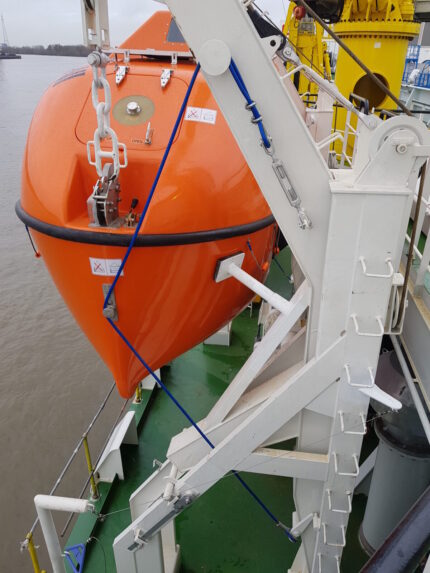
- Antriebsoptionen
- Electric, hydraulic, manual, with/without stored power (accumulator or spring force)
- Solas-hoistgeschwindigkeit
- Bis 48 m/min für Fast-Rescue-Davits (SOLAS-konform)
- Einsatzbereich
- Rettungsboote, Schnellrettungsboote, Rettungsflöße, MOB-Boote
- Konstruktion
- Normal pivot or slewing types, single or double arm with optional docking head to prevent pendulum motion until water level
- Hubkapazität
- Configurable according to ship type and lifeboat weight (tailor-made solutions)
- Zertifizierung
- ABS, GL, DNV, BV, NK, KR, LR and other classification societies
- D-NPS.SP (Normal Pivot Single/Double Arm mit Docking Head)
- D-NPS.FR (Fast Rescue Davit mit Docking Head)
- D-CRm.FR (Slewing Fast Rescue Davit mit hydraulischem/elektrischem Antrieb)
- D-BR (rescue davit with manual operation or hydraulic stored power)
- D-NP.MP (Normal Pivot mit mechanischer Stored Power - Federbelastung)
- D-NP.SP (Normal Pivot mit hydraulischer Stored Power - Akku)
- Area: On-load release gear functionality and wearCheck: Annually: operational test of on-load release gear by positioning the boat partially in water for load support by fall, actuation of release gear, reset and inspection for damage. Every 5 years: overhaul of release system with 110% proof-load test. Inspect release gear before and after operational test; verify hook securing and reset.
- Area: Wire rope condition (wires/falls) – corrosion, wear, breakageCheck: Monthly: visual inspection for fraying, kinks, corrosion, broken strands. Annually: wire rope and sheaves for scratches, dents, corrosion, missing lubrication. Every 5 years: wire rope replacement per SOLAS Chapter III required. Lubrication of wires, sheaves and moving parts to be checked.
- Area: Brake system - inspection function and wear partsCheck: Annually: brake test by suspension of rated load and verification that brake holds without slippage. For centrifugal brakes: sinking speed against SOLAS formula (max. 1.3 m/s) to be checked. Brake pads to be inspected and replaced when worn. Every 5 years: brake system to be opened and condition thoroughly checked.
- Area: Sheaves - wear, abrasion, corrosion, wear ringsCheck: Annually: sheaves for wear grooves, wear ring wear, corrosion, incorrect alignment, loose bolts to be checked. A worn or corroded sheave damages new wires and leads to premature wire rope failure. Wear ring thickness to be measured and replaced if necessary. Lubrication to be checked.
- Area: Overall structure - corrosion, wear, deformation and clearanceCheck: Annually: davit structure for corrosion (especially welds), wear, deformation, excessive clearance, cracks to be checked. All bolt locking devices to be verified. Hydraulic cylinders for leakage to be checked. Every 5 years: selective disassembly with NDT (roughness inspection, crack inspection) to be performed. Foundations to be inspected.
- Area: Proof-load test at 110% of rated loadCheck: Annually: dynamic winch brake test at 110% of Safe Working Load to be performed (simulated by water bag equipment or certified load cells). Every 5 years: comprehensive proof-load test of entire davit, winch, wire rope and hook system at 110% SWL to be performed. System must hold load, show no deformation or damage.
Type-universal inspection/maintenance points for Lifesaving Appliances (LSA) (davit international, Mega-Swarm 2026–06). Per-model specs not auto-populated.
- Multiple drive options (electric, hydraulic, manual, battery or spring stored power) give operational flexibility.
- Fast‑rescue hoist speed up to 48 m/min meets SOLAS requirements for rapid evacuation.
- Configurable hub capacity and optional docking head allow tailoring to vessel size and boat weight.
- Both normal‑pivot and slewing configurations are available, covering a wide range of deck layouts.
- IMO approved and widely accepted by classification societies.
- Higher mechanical/electrical complexity increases maintenance workload compared with simple manual davits.
- Stored‑power variants (battery or spring) add weight and require periodic inspection/replacement.
- Initial procurement cost is higher than basic single‑arm manual systems.
- Space requirements for hydraulic/electric actuators may limit retrofit on vessels with constrained deck space.
- Regular 5‑year proof‑load testing adds to life‑cycle costs.
- Antriebsoptionen
- Electric, hydraulic, manual, with/without stored power (accumulator or spring force)
- Solas-hoistgeschwindigkeit
- Bis 48 m/min für Fast-Rescue-Davits (SOLAS-konform)
- Einsatzbereich
- Rettungsboote, Schnellrettungsboote, Rettungsflöße, MOB-Boote
- Konstruktion
- Normal pivot or slewing types, single or double arm with optional docking head to prevent pendulum motion until water level
- Hubkapazität
- Configurable according to ship type and lifeboat weight (tailor-made solutions)
- Zertifizierung
- ABS, GL, DNV, BV, NK, KR, LR and other classification societies
- D-NPS.SP (Normal Pivot Single/Double Arm mit Docking Head)
- D-NPS.FR (Fast Rescue Davit mit Docking Head)
- D-CRm.FR (Slewing Fast Rescue Davit mit hydraulischem/elektrischem Antrieb)
- D-BR (rescue davit with manual operation or hydraulic stored power)
- D-NP.MP (Normal Pivot mit mechanischer Stored Power - Federbelastung)
- D-NP.SP (Normal Pivot mit hydraulischer Stored Power - Akku)
- Area: On-load release gear functionality and wearCheck: Annually: operational test of on-load release gear by positioning the boat partially in water for load support by fall, actuation of release gear, reset and inspection for damage. Every 5 years: overhaul of release system with 110% proof-load test. Inspect release gear before and after operational test; verify hook securing and reset.
- Area: Wire rope condition (wires/falls) – corrosion, wear, breakageCheck: Monthly: visual inspection for fraying, kinks, corrosion, broken strands. Annually: wire rope and sheaves for scratches, dents, corrosion, missing lubrication. Every 5 years: wire rope replacement per SOLAS Chapter III required. Lubrication of wires, sheaves and moving parts to be checked.
- Area: Brake system - inspection function and wear partsCheck: Annually: brake test by suspension of rated load and verification that brake holds without slippage. For centrifugal brakes: sinking speed against SOLAS formula (max. 1.3 m/s) to be checked. Brake pads to be inspected and replaced when worn. Every 5 years: brake system to be opened and condition thoroughly checked.
- Area: Sheaves - wear, abrasion, corrosion, wear ringsCheck: Annually: sheaves for wear grooves, wear ring wear, corrosion, incorrect alignment, loose bolts to be checked. A worn or corroded sheave damages new wires and leads to premature wire rope failure. Wear ring thickness to be measured and replaced if necessary. Lubrication to be checked.
- Area: Overall structure - corrosion, wear, deformation and clearanceCheck: Annually: davit structure for corrosion (especially welds), wear, deformation, excessive clearance, cracks to be checked. All bolt locking devices to be verified. Hydraulic cylinders for leakage to be checked. Every 5 years: selective disassembly with NDT (roughness inspection, crack inspection) to be performed. Foundations to be inspected.
- Area: Proof-load test at 110% of rated loadCheck: Annually: dynamic winch brake test at 110% of Safe Working Load to be performed (simulated by water bag equipment or certified load cells). Every 5 years: comprehensive proof-load test of entire davit, winch, wire rope and hook system at 110% SWL to be performed. System must hold load, show no deformation or damage.
Type-universal inspection/maintenance points for Lifesaving Appliances (LSA) (davit international, Mega-Swarm 2026–06). Per-model specs not auto-populated.
- SOLAS‑compliant hoist speed (≤48 m/min) enables rapid deployment of fast rescue craft.
- Multiple drive options – electric, hydraulic or manual – and stored‑power capability for redundancy.
- Docking head prevents pendulum swing, improving safety in rough sea conditions.
- Tailor‑made load capacity allows configuration to match vessel size and boat weight.
- Certified by major classification societies (ABS, DNV, LR, BV, GL, NK, KR).
- Higher initial cost compared with basic single‑arm davits due to advanced drive and docking head.
- Increased mechanical complexity leads to more frequent maintenance (weekly motor test, annual release‑gear service).
- Requires dedicated space on deck; may be difficult to retrofit on older vessels with limited clearance.
- Stored‑power modules add weight and need periodic battery or spring‑force inspection.
- Proof‑load testing every five years can cause vessel downtime.
- Antriebsoptionen
- Electric, hydraulic, manual, with/without stored power (accumulator or spring force)
- Solas-hoistgeschwindigkeit
- Bis 48 m/min für Fast-Rescue-Davits (SOLAS-konform)
- Einsatzbereich
- Rettungsboote, Schnellrettungsboote, Rettungsflöße, MOB-Boote
- Konstruktion
- Normal pivot or slewing types, single or double arm with optional docking head to prevent pendulum motion until water level
- Hubkapazität
- Configurable according to ship type and lifeboat weight (tailor-made solutions)
- Zertifizierung
- ABS, GL, DNV, BV, NK, KR, LR and other classification societies
- D-NPS.SP (Normal Pivot Single/Double Arm mit Docking Head)
- D-NPS.FR (Fast Rescue Davit mit Docking Head)
- D-CRm.FR (Slewing Fast Rescue Davit mit hydraulischem/elektrischem Antrieb)
- D-BR (rescue davit with manual operation or hydraulic stored power)
- D-NP.MP (Normal Pivot mit mechanischer Stored Power - Federbelastung)
- D-NP.SP (Normal Pivot mit hydraulischer Stored Power - Akku)
- Area: On-load release gear functionality and wearCheck: Annually: operational test of on-load release gear by positioning the boat partially in water for load support by fall, actuation of release gear, reset and inspection for damage. Every 5 years: overhaul of release system with 110% proof-load test. Inspect release gear before and after operational test; verify hook securing and reset.
- Area: Wire rope condition (wires/falls) – corrosion, wear, breakageCheck: Monthly: visual inspection for fraying, kinks, corrosion, broken strands. Annually: wire rope and sheaves for scratches, dents, corrosion, missing lubrication. Every 5 years: wire rope replacement per SOLAS Chapter III required. Lubrication of wires, sheaves and moving parts to be checked.
- Area: Brake system - inspection function and wear partsCheck: Annually: brake test by suspension of rated load and verification that brake holds without slippage. For centrifugal brakes: sinking speed against SOLAS formula (max. 1.3 m/s) to be checked. Brake pads to be inspected and replaced when worn. Every 5 years: brake system to be opened and condition thoroughly checked.
- Area: Sheaves - wear, abrasion, corrosion, wear ringsCheck: Annually: sheaves for wear grooves, wear ring wear, corrosion, incorrect alignment, loose bolts to be checked. A worn or corroded sheave damages new wires and leads to premature wire rope failure. Wear ring thickness to be measured and replaced if necessary. Lubrication to be checked.
- Area: Overall structure - corrosion, wear, deformation and clearanceCheck: Annually: davit structure for corrosion (especially welds), wear, deformation, excessive clearance, cracks to be checked. All bolt locking devices to be verified. Hydraulic cylinders for leakage to be checked. Every 5 years: selective disassembly with NDT (roughness inspection, crack inspection) to be performed. Foundations to be inspected.
- Area: Proof-load test at 110% of rated loadCheck: Annually: dynamic winch brake test at 110% of Safe Working Load to be performed (simulated by water bag equipment or certified load cells). Every 5 years: comprehensive proof-load test of entire davit, winch, wire rope and hook system at 110% SWL to be performed. System must hold load, show no deformation or damage.
Type-universal inspection/maintenance points for Lifesaving Appliances (LSA) (davit international, Mega-Swarm 2026–06). Per-model specs not auto-populated.
- Fast hoist speed up to 48 m/min meeting SOLAS fast‑rescue requirements
- Multiple drive options (electric, hydraulic, manual) with stored‑power backup
- Docking head prevents pendulum swing for safer water entry
- Tailor‑made load capacity and configuration per vessel type
- Broad class society approvals (ABS, DNV, LR, BV, GL, NK, KR)
- Higher initial cost compared with simple manual davits
- More complex maintenance regime (weekly motor test, annual release‑gear service, 5‑year full inspection)
- Requires sufficient deck space and structural reinforcement
- Dependence on stored power (battery or spring) adds weight and periodic replacement
- Potential for increased downtime if hydraulic/electric systems are not serviced regularly
- Antriebsoptionen
- Electric, hydraulic, manual, with/without stored power (accumulator or spring force)
- Solas-hoistgeschwindigkeit
- Bis 48 m/min für Fast-Rescue-Davits (SOLAS-konform)
- Einsatzbereich
- Rettungsboote, Schnellrettungsboote, Rettungsflöße, MOB-Boote
- Konstruktion
- Normal pivot or slewing types, single or double arm with optional docking head to prevent pendulum motion until water level
- Hubkapazität
- Configurable according to ship type and lifeboat weight (tailor-made solutions)
- Zertifizierung
- ABS, GL, DNV, BV, NK, KR, LR and other classification societies
- D-NPS.SP (Normal Pivot Single/Double Arm mit Docking Head)
- D-NPS.FR (Fast Rescue Davit mit Docking Head)
- D-CRm.FR (Slewing Fast Rescue Davit mit hydraulischem/elektrischem Antrieb)
- D-BR (rescue davit with manual operation or hydraulic stored power)
- D-NP.MP (Normal Pivot mit mechanischer Stored Power - Federbelastung)
- D-NP.SP (Normal Pivot mit hydraulischer Stored Power - Akku)
- Area: On-load release gear functionality and wearCheck: Annually: operational test of on-load release gear by positioning the boat partially in water for load support by fall, actuation of release gear, reset and inspection for damage. Every 5 years: overhaul of release system with 110% proof-load test. Inspect release gear before and after operational test; verify hook securing and reset.
- Area: Wire rope condition (wires/falls) – corrosion, wear, breakageCheck: Monthly: visual inspection for fraying, kinks, corrosion, broken strands. Annually: wire rope and sheaves for scratches, dents, corrosion, missing lubrication. Every 5 years: wire rope replacement per SOLAS Chapter III required. Lubrication of wires, sheaves and moving parts to be checked.
- Area: Brake system - inspection function and wear partsCheck: Annually: brake test by suspension of rated load and verification that brake holds without slippage. For centrifugal brakes: sinking speed against SOLAS formula (max. 1.3 m/s) to be checked. Brake pads to be inspected and replaced when worn. Every 5 years: brake system to be opened and condition thoroughly checked.
- Area: Sheaves - wear, abrasion, corrosion, wear ringsCheck: Annually: sheaves for wear grooves, wear ring wear, corrosion, incorrect alignment, loose bolts to be checked. A worn or corroded sheave damages new wires and leads to premature wire rope failure. Wear ring thickness to be measured and replaced if necessary. Lubrication to be checked.
- Area: Overall structure - corrosion, wear, deformation and clearanceCheck: Annually: davit structure for corrosion (especially welds), wear, deformation, excessive clearance, cracks to be checked. All bolt locking devices to be verified. Hydraulic cylinders for leakage to be checked. Every 5 years: selective disassembly with NDT (roughness inspection, crack inspection) to be performed. Foundations to be inspected.
- Area: Proof-load test at 110% of rated loadCheck: Annually: dynamic winch brake test at 110% of Safe Working Load to be performed (simulated by water bag equipment or certified load cells). Every 5 years: comprehensive proof-load test of entire davit, winch, wire rope and hook system at 110% SWL to be performed. System must hold load, show no deformation or damage.
Type-universal inspection/maintenance points for Lifesaving Appliances (LSA) (davit international, Mega-Swarm 2026–06). Per-model specs not auto-populated.
- High hoist speed (up to 48 m/min) meeting SOLAS fast‑rescue requirements
- Multiple drive options – electric, hydraulic, manual and stored‑power (battery or spring)
- Docking head reduces pendulum swing for safer water entry
- Load capacity can be customised per vessel and boat weight
- Broad class society approvals (ABS, DNV, GL, BV, NK, KR, LR, IMO)
- Complex drive systems increase routine maintenance workload
- Stored‑power variants require battery management or spring‑tension inspections
- Double‑arm configuration occupies more deck space than simple single‑arm davits
- Proof‑load testing at 110 % SWL is mandatory every five years, adding inspection cost
- Initial procurement cost higher than basic manual davit solutions
- Antriebsoptionen
- Electric, hydraulic, manual, with/without stored power (accumulator or spring force)
- Solas-hoistgeschwindigkeit
- Bis 48 m/min für Fast-Rescue-Davits (SOLAS-konform)
- Einsatzbereich
- Rettungsboote, Schnellrettungsboote, Rettungsflöße, MOB-Boote
- Konstruktion
- Normal pivot or slewing types, single or double arm with optional docking head to prevent pendulum motion until water level
- Hubkapazität
- Configurable according to ship type and lifeboat weight (tailor-made solutions)
- Zertifizierung
- ABS, GL, DNV, BV, NK, KR, LR and other classification societies
- D-NPS.SP (Normal Pivot Single/Double Arm mit Docking Head)
- D-NPS.FR (Fast Rescue Davit mit Docking Head)
- D-CRm.FR (Slewing Fast Rescue Davit mit hydraulischem/elektrischem Antrieb)
- D-BR (rescue davit with manual operation or hydraulic stored power)
- D-NP.MP (Normal Pivot mit mechanischer Stored Power - Federbelastung)
- D-NP.SP (Normal Pivot mit hydraulischer Stored Power - Akku)
- Area: On-load release gear functionality and wearCheck: Annually: operational test of on-load release gear by positioning the boat partially in water for load support by fall, actuation of release gear, reset and inspection for damage. Every 5 years: overhaul of release system with 110% proof-load test. Inspect release gear before and after operational test; verify hook securing and reset.
- Area: Wire rope condition (wires/falls) – corrosion, wear, breakageCheck: Monthly: visual inspection for fraying, kinks, corrosion, broken strands. Annually: wire rope and sheaves for scratches, dents, corrosion, missing lubrication. Every 5 years: wire rope replacement per SOLAS Chapter III required. Lubrication of wires, sheaves and moving parts to be checked.
- Area: Brake system - inspection function and wear partsCheck: Annually: brake test by suspension of rated load and verification that brake holds without slippage. For centrifugal brakes: sinking speed against SOLAS formula (max. 1.3 m/s) to be checked. Brake pads to be inspected and replaced when worn. Every 5 years: brake system to be opened and condition thoroughly checked.
- Area: Sheaves - wear, abrasion, corrosion, wear ringsCheck: Annually: sheaves for wear grooves, wear ring wear, corrosion, incorrect alignment, loose bolts to be checked. A worn or corroded sheave damages new wires and leads to premature wire rope failure. Wear ring thickness to be measured and replaced if necessary. Lubrication to be checked.
- Area: Overall structure - corrosion, wear, deformation and clearanceCheck: Annually: davit structure for corrosion (especially welds), wear, deformation, excessive clearance, cracks to be checked. All bolt locking devices to be verified. Hydraulic cylinders for leakage to be checked. Every 5 years: selective disassembly with NDT (roughness inspection, crack inspection) to be performed. Foundations to be inspected.
- Area: Proof-load test at 110% of rated loadCheck: Annually: dynamic winch brake test at 110% of Safe Working Load to be performed (simulated by water bag equipment or certified load cells). Every 5 years: comprehensive proof-load test of entire davit, winch, wire rope and hook system at 110% SWL to be performed. System must hold load, show no deformation or damage.
Type-universal inspection/maintenance points for Lifesaving Appliances (LSA) (davit international, Mega-Swarm 2026–06). Per-model specs not auto-populated.
- High hoist speed (up to 48 m/min) meets SOLAS fast‑rescue requirements
- Multiple drive options (electric, hydraulic, manual) provide flexibility for power availability
- Docking head reduces pendulum swing, improving launch safety in rough seas
- Configurable load capacity and arm geometry allow tailoring to vessel size and boat weight
- Broad class society approvals (ABS, GL, DNV, BV, NK, KR, LR) simplify certification
- Complex hydraulic/electrical systems increase maintenance workload and spare‑part inventory
- Higher initial capital cost compared with simple manual davits
- Requires reliable power supply or stored‑power backup; failure of power can delay launch
- Slewing arm occupies more deck space, limiting suitability for very small vessels
- Periodic proof‑load testing (110 % SWL) adds to scheduled dry‑dock time
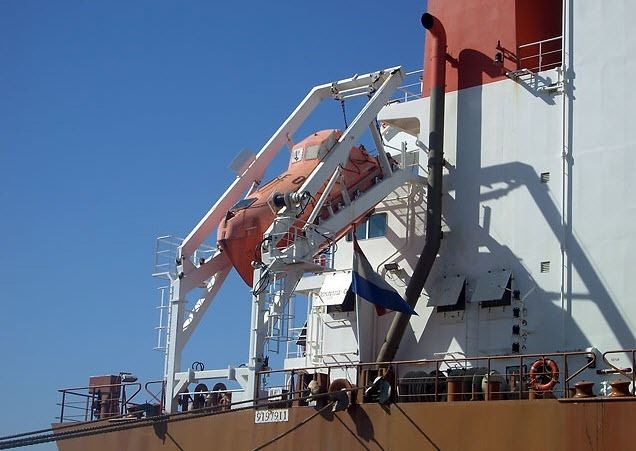
- Antriebsoptionen
- Electric, hydraulic, manual, with/without stored power (accumulator or spring force)
- Solas-hoistgeschwindigkeit
- Bis 48 m/min für Fast-Rescue-Davits (SOLAS-konform)
- Einsatzbereich
- Rettungsboote, Schnellrettungsboote, Rettungsflöße, MOB-Boote
- Konstruktion
- Normal pivot or slewing types, single or double arm with optional docking head to prevent pendulum motion until water level
- Hubkapazität
- Configurable according to ship type and lifeboat weight (tailor-made solutions)
- Zertifizierung
- ABS, GL, DNV, BV, NK, KR, LR and other classification societies
- D-NPS.SP (Normal Pivot Single/Double Arm mit Docking Head)
- D-NPS.FR (Fast Rescue Davit mit Docking Head)
- D-CRm.FR (Slewing Fast Rescue Davit mit hydraulischem/elektrischem Antrieb)
- D-BR (rescue davit with manual operation or hydraulic stored power)
- D-NP.MP (Normal Pivot mit mechanischer Stored Power - Federbelastung)
- D-NP.SP (Normal Pivot mit hydraulischer Stored Power - Akku)
- Area: On-load release gear functionality and wearCheck: Annually: operational test of on-load release gear by positioning the boat partially in water for load support by fall, actuation of release gear, reset and inspection for damage. Every 5 years: overhaul of release system with 110% proof-load test. Inspect release gear before and after operational test; verify hook securing and reset.
- Area: Wire rope condition (wires/falls) – corrosion, wear, breakageCheck: Monthly: visual inspection for fraying, kinks, corrosion, broken strands. Annually: wire rope and sheaves for scratches, dents, corrosion, missing lubrication. Every 5 years: wire rope replacement per SOLAS Chapter III required. Lubrication of wires, sheaves and moving parts to be checked.
- Area: Brake system - inspection function and wear partsCheck: Annually: brake test by suspension of rated load and verification that brake holds without slippage. For centrifugal brakes: sinking speed against SOLAS formula (max. 1.3 m/s) to be checked. Brake pads to be inspected and replaced when worn. Every 5 years: brake system to be opened and condition thoroughly checked.
- Area: Sheaves - wear, abrasion, corrosion, wear ringsCheck: Annually: sheaves for wear grooves, wear ring wear, corrosion, incorrect alignment, loose bolts to be checked. A worn or corroded sheave damages new wires and leads to premature wire rope failure. Wear ring thickness to be measured and replaced if necessary. Lubrication to be checked.
- Area: Overall structure - corrosion, wear, deformation and clearanceCheck: Annually: davit structure for corrosion (especially welds), wear, deformation, excessive clearance, cracks to be checked. All bolt locking devices to be verified. Hydraulic cylinders for leakage to be checked. Every 5 years: selective disassembly with NDT (roughness inspection, crack inspection) to be performed. Foundations to be inspected.
- Area: Proof-load test at 110% of rated loadCheck: Annually: dynamic winch brake test at 110% of Safe Working Load to be performed (simulated by water bag equipment or certified load cells). Every 5 years: comprehensive proof-load test of entire davit, winch, wire rope and hook system at 110% SWL to be performed. System must hold load, show no deformation or damage.
Type-universal inspection/maintenance points for Lifesaving Appliances (LSA) (davit international, Mega-Swarm 2026–06). Per-model specs not auto-populated.
- Hoist speed up to 48 m/min meets fast‑rescue SOLAS requirements.
- Multiple propulsion variants allow installation on vessels with differing power availability.
- Docking head reduces pendulum swing, improving launch safety in rough seas.
- Modular capacity can be tailored to the specific lifeboat weight and vessel layout.
- Broad class society approvals (ABS, DNV‑GL, LR, BV) simplify certification on new builds.
- Hydraulic/electric variants add system complexity and require specialised maintenance contracts.
- Higher upfront cost compared with basic manual davits.
- Stored‑power (battery or spring) options need regular charge/discharge cycles and space for auxiliary equipment.
- Footprint of pivot/slewing arms may be restrictive on vessels with limited deck clearance.
- Mandatory 5‑year proof‑load test adds scheduled downtime.
- Antriebsoptionen
- Electric, hydraulic, manual, with/without stored power (accumulator or spring force)
- Solas-hoistgeschwindigkeit
- Bis 48 m/min für Fast-Rescue-Davits (SOLAS-konform)
- Einsatzbereich
- Rettungsboote, Schnellrettungsboote, Rettungsflöße, MOB-Boote
- Konstruktion
- Normal pivot or slewing types, single or double arm with optional docking head to prevent pendulum motion until water level
- Hubkapazität
- Configurable according to ship type and lifeboat weight (tailor-made solutions)
- Zertifizierung
- ABS, GL, DNV, BV, NK, KR, LR and other classification societies
- D-NPS.SP (Normal Pivot Single/Double Arm mit Docking Head)
- D-NPS.FR (Fast Rescue Davit mit Docking Head)
- D-CRm.FR (Slewing Fast Rescue Davit mit hydraulischem/elektrischem Antrieb)
- D-BR (rescue davit with manual operation or hydraulic stored power)
- D-NP.MP (Normal Pivot mit mechanischer Stored Power - Federbelastung)
- D-NP.SP (Normal Pivot mit hydraulischer Stored Power - Akku)
- Area: On-load release gear functionality and wearCheck: Annually: operational test of on-load release gear by positioning the boat partially in water for load support by fall, actuation of release gear, reset and inspection for damage. Every 5 years: overhaul of release system with 110% proof-load test. Inspect release gear before and after operational test; verify hook securing and reset.
- Area: Wire rope condition (wires/falls) – corrosion, wear, breakageCheck: Monthly: visual inspection for fraying, kinks, corrosion, broken strands. Annually: wire rope and sheaves for scratches, dents, corrosion, missing lubrication. Every 5 years: wire rope replacement per SOLAS Chapter III required. Lubrication of wires, sheaves and moving parts to be checked.
- Area: Brake system - inspection function and wear partsCheck: Annually: brake test by suspension of rated load and verification that brake holds without slippage. For centrifugal brakes: sinking speed against SOLAS formula (max. 1.3 m/s) to be checked. Brake pads to be inspected and replaced when worn. Every 5 years: brake system to be opened and condition thoroughly checked.
- Area: Sheaves - wear, abrasion, corrosion, wear ringsCheck: Annually: sheaves for wear grooves, wear ring wear, corrosion, incorrect alignment, loose bolts to be checked. A worn or corroded sheave damages new wires and leads to premature wire rope failure. Wear ring thickness to be measured and replaced if necessary. Lubrication to be checked.
- Area: Overall structure - corrosion, wear, deformation and clearanceCheck: Annually: davit structure for corrosion (especially welds), wear, deformation, excessive clearance, cracks to be checked. All bolt locking devices to be verified. Hydraulic cylinders for leakage to be checked. Every 5 years: selective disassembly with NDT (roughness inspection, crack inspection) to be performed. Foundations to be inspected.
- Area: Proof-load test at 110% of rated loadCheck: Annually: dynamic winch brake test at 110% of Safe Working Load to be performed (simulated by water bag equipment or certified load cells). Every 5 years: comprehensive proof-load test of entire davit, winch, wire rope and hook system at 110% SWL to be performed. System must hold load, show no deformation or damage.
Type-universal inspection/maintenance points for Lifesaving Appliances (LSA) (davit international, Mega-Swarm 2026–06). Per-model specs not auto-populated.
- Multiple drive options (electric, hydraulic, manual) allow flexibility in installation and redundancy
- Docking head limits pendulum swing during launch, improving safety in rough seas
- Hoist speed up to 48 m/min (Fast‑Rescue compliant) enables rapid evacuation
- Load capacity is configurable per vessel type, supporting a wide range of lifeboat weights
- Broad class approvals (ABS, GL, DNV, BV, NK, KR, LR) simplify certification on new builds
- Hydraulic/electric stored‑power units add complexity and require regular maintenance checks
- Higher initial cost compared with simple manual davits
- Requires dedicated space for pivot geometry and docking head, limiting retrofit options on crowded decks
- Dependence on battery or hydraulic accumulator means launch capability can be reduced if power source is not serviced
- Inspection regime (annual tests, 5‑year proof‑load) is more demanding than basic davits
- Antriebsoptionen
- Electric, hydraulic, manual, with/without stored power (accumulator or spring force)
- Solas-hoistgeschwindigkeit
- Bis 48 m/min für Fast-Rescue-Davits (SOLAS-konform)
- Einsatzbereich
- Rettungsboote, Schnellrettungsboote, Rettungsflöße, MOB-Boote
- Konstruktion
- Normal pivot or slewing types, single or double arm with optional docking head to prevent pendulum motion until water level
- Hubkapazität
- Configurable according to ship type and lifeboat weight (tailor-made solutions)
- Zertifizierung
- ABS, GL, DNV, BV, NK, KR, LR and other classification societies
- D-NPS.SP (Normal Pivot Single/Double Arm mit Docking Head)
- D-NPS.FR (Fast Rescue Davit mit Docking Head)
- D-CRm.FR (Slewing Fast Rescue Davit mit hydraulischem/elektrischem Antrieb)
- D-BR (rescue davit with manual operation or hydraulic stored power)
- D-NP.MP (Normal Pivot mit mechanischer Stored Power - Federbelastung)
- D-NP.SP (Normal Pivot mit hydraulischer Stored Power - Akku)
- Area: On-load release gear functionality and wearCheck: Annually: operational test of on-load release gear by positioning the boat partially in water for load support by fall, actuation of release gear, reset and inspection for damage. Every 5 years: overhaul of release system with 110% proof-load test. Inspect release gear before and after operational test; verify hook securing and reset.
- Area: Wire rope condition (wires/falls) – corrosion, wear, breakageCheck: Monthly: visual inspection for fraying, kinks, corrosion, broken strands. Annually: wire rope and sheaves for scratches, dents, corrosion, missing lubrication. Every 5 years: wire rope replacement per SOLAS Chapter III required. Lubrication of wires, sheaves and moving parts to be checked.
- Area: Brake system - inspection function and wear partsCheck: Annually: brake test by suspension of rated load and verification that brake holds without slippage. For centrifugal brakes: sinking speed against SOLAS formula (max. 1.3 m/s) to be checked. Brake pads to be inspected and replaced when worn. Every 5 years: brake system to be opened and condition thoroughly checked.
- Area: Sheaves - wear, abrasion, corrosion, wear ringsCheck: Annually: sheaves for wear grooves, wear ring wear, corrosion, incorrect alignment, loose bolts to be checked. A worn or corroded sheave damages new wires and leads to premature wire rope failure. Wear ring thickness to be measured and replaced if necessary. Lubrication to be checked.
- Area: Overall structure - corrosion, wear, deformation and clearanceCheck: Annually: davit structure for corrosion (especially welds), wear, deformation, excessive clearance, cracks to be checked. All bolt locking devices to be verified. Hydraulic cylinders for leakage to be checked. Every 5 years: selective disassembly with NDT (roughness inspection, crack inspection) to be performed. Foundations to be inspected.
- Area: Proof-load test at 110% of rated loadCheck: Annually: dynamic winch brake test at 110% of Safe Working Load to be performed (simulated by water bag equipment or certified load cells). Every 5 years: comprehensive proof-load test of entire davit, winch, wire rope and hook system at 110% SWL to be performed. System must hold load, show no deformation or damage.
Type-universal inspection/maintenance points for Lifesaving Appliances (LSA) (davit international, Mega-Swarm 2026–06). Per-model specs not auto-populated.
- Multiple drive options (electric, hydraulic, manual, battery or spring stored power) give operational flexibility and redundancy.
- Fast hoist speed up to 48 m/min meets SOLAS fast‑rescue requirements for rapid crew evacuation.
- Docking head prevents pendulum swing, improving safety in rough sea conditions.
- Load capacity is fully customisable to match vessel type and lifeboat weight.
- Certified by major classification societies (ABS, GL, DNV, BV, NK, KR, LR).
- Higher initial capital cost compared with basic manual davits.
- Increased mechanical/electrical complexity leads to more frequent specialised maintenance.
- Larger footprint for double‑arm or slewing configurations may limit installation on small decks.
- Stored‑power (battery/spring) modules require periodic inspection and replacement.
- Requires regular proof‑load testing (110 % SWL) every five years, adding to downtime.
- Antriebsoptionen
- Electric, hydraulic, manual, with/without stored power (accumulator or spring force)
- Solas-hoistgeschwindigkeit
- Bis 48 m/min für Fast-Rescue-Davits (SOLAS-konform)
- Einsatzbereich
- Rettungsboote, Schnellrettungsboote, Rettungsflöße, MOB-Boote
- Konstruktion
- Normal pivot or slewing types, single or double arm with optional docking head to prevent pendulum motion until water level
- Hubkapazität
- Configurable according to ship type and lifeboat weight (tailor-made solutions)
- Zertifizierung
- ABS, GL, DNV, BV, NK, KR, LR and other classification societies
- D-NPS.SP (Normal Pivot Single/Double Arm mit Docking Head)
- D-NPS.FR (Fast Rescue Davit mit Docking Head)
- D-CRm.FR (Slewing Fast Rescue Davit mit hydraulischem/elektrischem Antrieb)
- D-BR (rescue davit with manual operation or hydraulic stored power)
- D-NP.MP (Normal Pivot mit mechanischer Stored Power - Federbelastung)
- D-NP.SP (Normal Pivot mit hydraulischer Stored Power - Akku)
- Area: On-load release gear functionality and wearCheck: Annually: operational test of on-load release gear by positioning the boat partially in water for load support by fall, actuation of release gear, reset and inspection for damage. Every 5 years: overhaul of release system with 110% proof-load test. Inspect release gear before and after operational test; verify hook securing and reset.
- Area: Wire rope condition (wires/falls) – corrosion, wear, breakageCheck: Monthly: visual inspection for fraying, kinks, corrosion, broken strands. Annually: wire rope and sheaves for scratches, dents, corrosion, missing lubrication. Every 5 years: wire rope replacement per SOLAS Chapter III required. Lubrication of wires, sheaves and moving parts to be checked.
- Area: Brake system - inspection function and wear partsCheck: Annually: brake test by suspension of rated load and verification that brake holds without slippage. For centrifugal brakes: sinking speed against SOLAS formula (max. 1.3 m/s) to be checked. Brake pads to be inspected and replaced when worn. Every 5 years: brake system to be opened and condition thoroughly checked.
- Area: Sheaves - wear, abrasion, corrosion, wear ringsCheck: Annually: sheaves for wear grooves, wear ring wear, corrosion, incorrect alignment, loose bolts to be checked. A worn or corroded sheave damages new wires and leads to premature wire rope failure. Wear ring thickness to be measured and replaced if necessary. Lubrication to be checked.
- Area: Overall structure - corrosion, wear, deformation and clearanceCheck: Annually: davit structure for corrosion (especially welds), wear, deformation, excessive clearance, cracks to be checked. All bolt locking devices to be verified. Hydraulic cylinders for leakage to be checked. Every 5 years: selective disassembly with NDT (roughness inspection, crack inspection) to be performed. Foundations to be inspected.
- Area: Proof-load test at 110% of rated loadCheck: Annually: dynamic winch brake test at 110% of Safe Working Load to be performed (simulated by water bag equipment or certified load cells). Every 5 years: comprehensive proof-load test of entire davit, winch, wire rope and hook system at 110% SWL to be performed. System must hold load, show no deformation or damage.
Type-universal inspection/maintenance points for Lifesaving Appliances (LSA) (davit international, Mega-Swarm 2026–06). Per-model specs not auto-populated.
- High hoist speed (up to 48 m/min) meeting SOLAS fast‑rescue requirements
- Multiple drive options (electric, hydraulic, manual and stored‑power) for redundancy
- Docking head reduces pendulum motion during launch, improving safety in rough seas
- Configurable load capacity – can be tailored to the vessel’s specific rescue craft weight
- Broad class society approvals (ABS, DNV, LR, BV) simplifying certification
- Complex drive and control systems increase routine maintenance workload
- Higher capital cost compared with simple manual davits
- Dependence on ship power or stored‑energy units; battery failure can affect launch readiness
- Requires regular proof‑load testing (annual/5‑year) to stay SOLAS compliant
- Installation footprint may be restrictive for older vessels with limited deck space
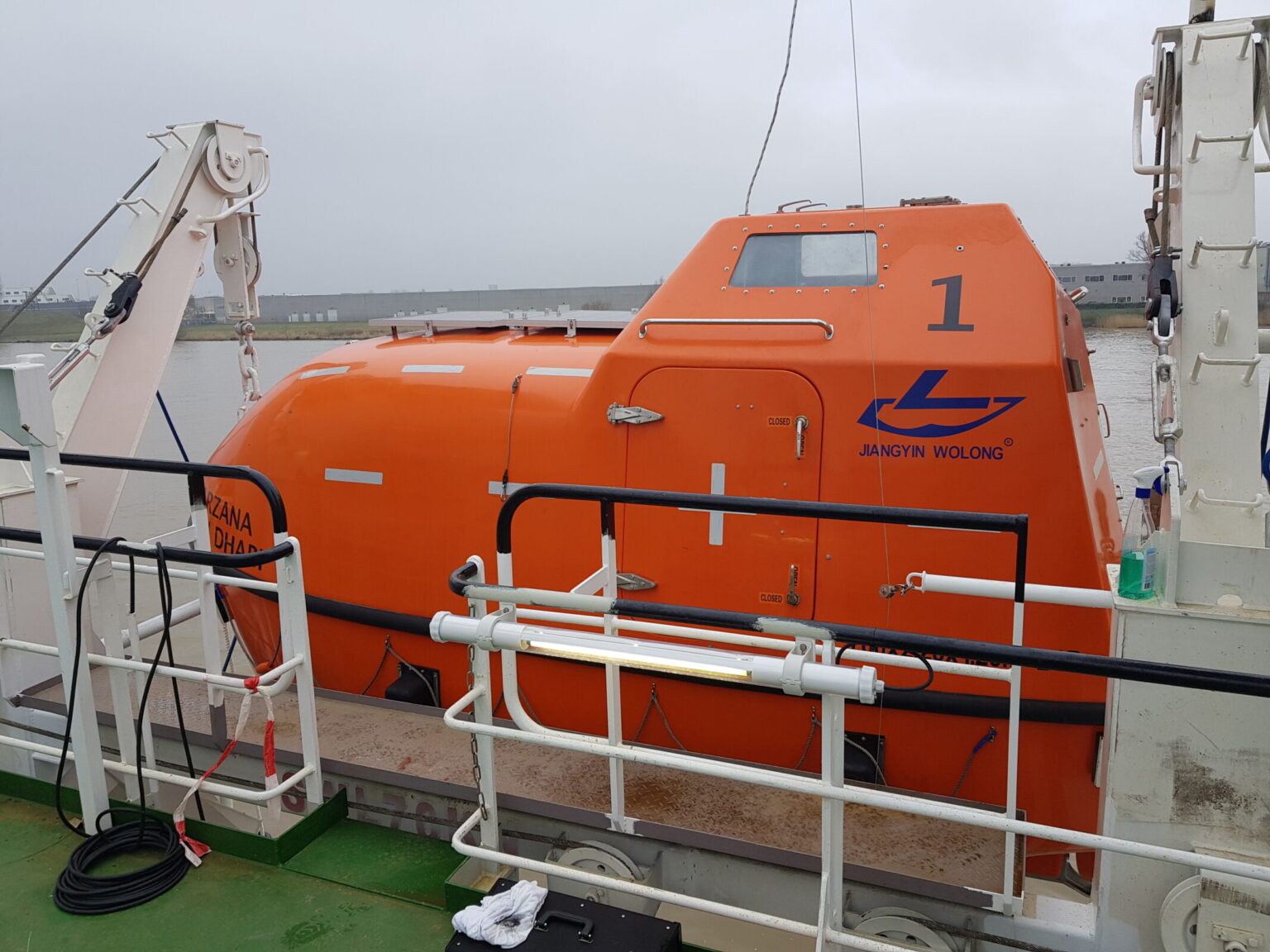
- Antriebsoptionen
- Electric, hydraulic, manual, with/without stored power (accumulator or spring force)
- Solas-hoistgeschwindigkeit
- Bis 48 m/min für Fast-Rescue-Davits (SOLAS-konform)
- Einsatzbereich
- Rettungsboote, Schnellrettungsboote, Rettungsflöße, MOB-Boote
- Konstruktion
- Normal pivot or slewing types, single or double arm with optional docking head to prevent pendulum motion until water level
- Hubkapazität
- Configurable according to ship type and lifeboat weight (tailor-made solutions)
- Zertifizierung
- ABS, GL, DNV, BV, NK, KR, LR and other classification societies
- D-NPS.SP (Normal Pivot Single/Double Arm mit Docking Head)
- D-NPS.FR (Fast Rescue Davit mit Docking Head)
- D-CRm.FR (Slewing Fast Rescue Davit mit hydraulischem/elektrischem Antrieb)
- D-BR (rescue davit with manual operation or hydraulic stored power)
- D-NP.MP (Normal Pivot mit mechanischer Stored Power - Federbelastung)
- D-NP.SP (Normal Pivot mit hydraulischer Stored Power - Akku)
- Area: On-load release gear functionality and wearCheck: Annually: operational test of on-load release gear by positioning the boat partially in water for load support by fall, actuation of release gear, reset and inspection for damage. Every 5 years: overhaul of release system with 110% proof-load test. Inspect release gear before and after operational test; verify hook securing and reset.
- Area: Wire rope condition (wires/falls) – corrosion, wear, breakageCheck: Monthly: visual inspection for fraying, kinks, corrosion, broken strands. Annually: wire rope and sheaves for scratches, dents, corrosion, missing lubrication. Every 5 years: wire rope replacement per SOLAS Chapter III required. Lubrication of wires, sheaves and moving parts to be checked.
- Area: Brake system - inspection function and wear partsCheck: Annually: brake test by suspension of rated load and verification that brake holds without slippage. For centrifugal brakes: sinking speed against SOLAS formula (max. 1.3 m/s) to be checked. Brake pads to be inspected and replaced when worn. Every 5 years: brake system to be opened and condition thoroughly checked.
- Area: Sheaves - wear, abrasion, corrosion, wear ringsCheck: Annually: sheaves for wear grooves, wear ring wear, corrosion, incorrect alignment, loose bolts to be checked. A worn or corroded sheave damages new wires and leads to premature wire rope failure. Wear ring thickness to be measured and replaced if necessary. Lubrication to be checked.
- Area: Overall structure - corrosion, wear, deformation and clearanceCheck: Annually: davit structure for corrosion (especially welds), wear, deformation, excessive clearance, cracks to be checked. All bolt locking devices to be verified. Hydraulic cylinders for leakage to be checked. Every 5 years: selective disassembly with NDT (roughness inspection, crack inspection) to be performed. Foundations to be inspected.
- Area: Proof-load test at 110% of rated loadCheck: Annually: dynamic winch brake test at 110% of Safe Working Load to be performed (simulated by water bag equipment or certified load cells). Every 5 years: comprehensive proof-load test of entire davit, winch, wire rope and hook system at 110% SWL to be performed. System must hold load, show no deformation or damage.
Type-universal inspection/maintenance points for Lifesaving Appliances (LSA) (davit international, Mega-Swarm 2026–06). Per-model specs not auto-populated.
- Fast‑rescue hoist speed up to 48 m/min meeting SOLAS requirements for rapid launch
- Multiple drive options (electric, hydraulic, manual, stored‑power) provide redundancy and flexibility
- Docking head prevents pendulum motion, improving safety in rough seas
- Configurable hub capacity tailored to vessel type and lifeboat weight
- Broad class approvals (ABS, DNV, GL, LR, BV, NK, KR) and IMO SOLAS certification
- Higher mechanical complexity can increase maintenance workload and spare‑part inventory
- Regular wire‑rope, brake and docking‑head inspections are mandatory (monthly to five‑yearly), adding operational overhead
- Initial procurement cost is typically greater than simple manual davits
- Weight and footprint may be limiting on vessels with restricted deck space
- Stored‑power (battery or spring) systems require periodic re‑charging or resetting
- Antriebsoptionen
- Electric, hydraulic, manual, with/without stored power (accumulator or spring force)
- Solas-hoistgeschwindigkeit
- Bis 48 m/min für Fast-Rescue-Davits (SOLAS-konform)
- Einsatzbereich
- Rettungsboote, Schnellrettungsboote, Rettungsflöße, MOB-Boote
- Konstruktion
- Normal pivot or slewing types, single or double arm with optional docking head to prevent pendulum motion until water level
- Hubkapazität
- Configurable according to ship type and lifeboat weight (tailor-made solutions)
- Zertifizierung
- ABS, GL, DNV, BV, NK, KR, LR and other classification societies
- D-NPS.SP (Normal Pivot Single/Double Arm mit Docking Head)
- D-NPS.FR (Fast Rescue Davit mit Docking Head)
- D-CRm.FR (Slewing Fast Rescue Davit mit hydraulischem/elektrischem Antrieb)
- D-BR (rescue davit with manual operation or hydraulic stored power)
- D-NP.MP (Normal Pivot mit mechanischer Stored Power - Federbelastung)
- D-NP.SP (Normal Pivot mit hydraulischer Stored Power - Akku)
- Area: On-load release gear functionality and wearCheck: Annually: operational test of on-load release gear by positioning the boat partially in water for load support by fall, actuation of release gear, reset and inspection for damage. Every 5 years: overhaul of release system with 110% proof-load test. Inspect release gear before and after operational test; verify hook securing and reset.
- Area: Wire rope condition (wires/falls) – corrosion, wear, breakageCheck: Monthly: visual inspection for fraying, kinks, corrosion, broken strands. Annually: wire rope and sheaves for scratches, dents, corrosion, missing lubrication. Every 5 years: wire rope replacement per SOLAS Chapter III required. Lubrication of wires, sheaves and moving parts to be checked.
- Area: Brake system - inspection function and wear partsCheck: Annually: brake test by suspension of rated load and verification that brake holds without slippage. For centrifugal brakes: sinking speed against SOLAS formula (max. 1.3 m/s) to be checked. Brake pads to be inspected and replaced when worn. Every 5 years: brake system to be opened and condition thoroughly checked.
- Area: Sheaves - wear, abrasion, corrosion, wear ringsCheck: Annually: sheaves for wear grooves, wear ring wear, corrosion, incorrect alignment, loose bolts to be checked. A worn or corroded sheave damages new wires and leads to premature wire rope failure. Wear ring thickness to be measured and replaced if necessary. Lubrication to be checked.
- Area: Overall structure - corrosion, wear, deformation and clearanceCheck: Annually: davit structure for corrosion (especially welds), wear, deformation, excessive clearance, cracks to be checked. All bolt locking devices to be verified. Hydraulic cylinders for leakage to be checked. Every 5 years: selective disassembly with NDT (roughness inspection, crack inspection) to be performed. Foundations to be inspected.
- Area: Proof-load test at 110% of rated loadCheck: Annually: dynamic winch brake test at 110% of Safe Working Load to be performed (simulated by water bag equipment or certified load cells). Every 5 years: comprehensive proof-load test of entire davit, winch, wire rope and hook system at 110% SWL to be performed. System must hold load, show no deformation or damage.
Type-universal inspection/maintenance points for Lifesaving Appliances (LSA) (davit international, Mega-Swarm 2026–06). Per-model specs not auto-populated.
- Fast‑rescue hoist speed (up to 48 m/min) meeting SOLAS requirements for rapid deployment
- Multiple drive options (electric, hydraulic, manual, stored‑power) allowing flexibility for vessel power architecture
- Docking head available to suppress pendulum motion and improve launch safety in rough seas
- Configurable hub capacity tailored to specific lifeboat weights and ship class
- Broad classification approval (ABS, GL, DNV, BV, NK, KR, LR) facilitating installation on many vessel types
- Higher initial cost compared with basic single‑arm manual davits due to complex drive and control systems
- Increased maintenance workload – regular hydraulic/electrical checks and annual release‑gear testing are mandatory
- Larger footprint and weight, which may be limiting on vessels with restricted deck space
- Stored‑power (battery or spring) options have limited endurance and require periodic replacement
- Complex installation may demand specialised shipyard work and longer lead times
- Antriebsoptionen
- Electric, hydraulic, manual, with/without stored power (accumulator or spring force)
- Solas-hoistgeschwindigkeit
- Bis 48 m/min für Fast-Rescue-Davits (SOLAS-konform)
- Einsatzbereich
- Rettungsboote, Schnellrettungsboote, Rettungsflöße, MOB-Boote
- Konstruktion
- Normal pivot or slewing types, single or double arm with optional docking head to prevent pendulum motion until water level
- Hubkapazität
- Configurable according to ship type and lifeboat weight (tailor-made solutions)
- Zertifizierung
- ABS, GL, DNV, BV, NK, KR, LR and other classification societies
- D-NPS.SP (Normal Pivot Single/Double Arm mit Docking Head)
- D-NPS.FR (Fast Rescue Davit mit Docking Head)
- D-CRm.FR (Slewing Fast Rescue Davit mit hydraulischem/elektrischem Antrieb)
- D-BR (rescue davit with manual operation or hydraulic stored power)
- D-NP.MP (Normal Pivot mit mechanischer Stored Power - Federbelastung)
- D-NP.SP (Normal Pivot mit hydraulischer Stored Power - Akku)
- Area: On-load release gear functionality and wearCheck: Annually: operational test of on-load release gear by positioning the boat partially in water for load support by fall, actuation of release gear, reset and inspection for damage. Every 5 years: overhaul of release system with 110% proof-load test. Inspect release gear before and after operational test; verify hook securing and reset.
- Area: Wire rope condition (wires/falls) – corrosion, wear, breakageCheck: Monthly: visual inspection for fraying, kinks, corrosion, broken strands. Annually: wire rope and sheaves for scratches, dents, corrosion, missing lubrication. Every 5 years: wire rope replacement per SOLAS Chapter III required. Lubrication of wires, sheaves and moving parts to be checked.
- Area: Brake system - inspection function and wear partsCheck: Annually: brake test by suspension of rated load and verification that brake holds without slippage. For centrifugal brakes: sinking speed against SOLAS formula (max. 1.3 m/s) to be checked. Brake pads to be inspected and replaced when worn. Every 5 years: brake system to be opened and condition thoroughly checked.
- Area: Sheaves - wear, abrasion, corrosion, wear ringsCheck: Annually: sheaves for wear grooves, wear ring wear, corrosion, incorrect alignment, loose bolts to be checked. A worn or corroded sheave damages new wires and leads to premature wire rope failure. Wear ring thickness to be measured and replaced if necessary. Lubrication to be checked.
- Area: Overall structure - corrosion, wear, deformation and clearanceCheck: Annually: davit structure for corrosion (especially welds), wear, deformation, excessive clearance, cracks to be checked. All bolt locking devices to be verified. Hydraulic cylinders for leakage to be checked. Every 5 years: selective disassembly with NDT (roughness inspection, crack inspection) to be performed. Foundations to be inspected.
- Area: Proof-load test at 110% of rated loadCheck: Annually: dynamic winch brake test at 110% of Safe Working Load to be performed (simulated by water bag equipment or certified load cells). Every 5 years: comprehensive proof-load test of entire davit, winch, wire rope and hook system at 110% SWL to be performed. System must hold load, show no deformation or damage.
Type-universal inspection/maintenance points for Lifesaving Appliances (LSA) (davit international, Mega-Swarm 2026–06). Per-model specs not auto-populated.
- Multiple drive options (electric, hydraulic, manual, battery or spring) give operational flexibility.
- Fast‑rescue hoist speed up to 48 m/min meets SOLAS requirements for rapid deployment.
- Modular capacity – hub load can be tailored to vessel type and boat weight.
- Optional docking head reduces swing and improves safety in rough sea conditions.
- Designed to meet the certification standards of major classification societies (ABS, DNV, LR, etc.).
- Higher mechanical complexity leads to more frequent maintenance compared with simple manual davits.
- Stored‑power versions add weight and require dedicated battery space and management.
- Initial procurement cost is higher than basic single‑arm manual systems.
- Requires ample deck clearance for pivot or slewing configurations; not suitable for very tight spaces.
- Inspection regime is intensive (monthly wire‑rope checks, annual brake tests, 5‑year proof‑load).
- Antriebsoptionen
- Electric, hydraulic, manual, with/without stored power (accumulator or spring force)
- Solas-hoistgeschwindigkeit
- Bis 48 m/min für Fast-Rescue-Davits (SOLAS-konform)
- Einsatzbereich
- Rettungsboote, Schnellrettungsboote, Rettungsflöße, MOB-Boote
- Konstruktion
- Normal pivot or slewing types, single or double arm with optional docking head to prevent pendulum motion until water level
- Hubkapazität
- Configurable according to ship type and lifeboat weight (tailor-made solutions)
- Zertifizierung
- ABS, GL, DNV, BV, NK, KR, LR and other classification societies
- D-NPS.SP (Normal Pivot Single/Double Arm mit Docking Head)
- D-NPS.FR (Fast Rescue Davit mit Docking Head)
- D-CRm.FR (Slewing Fast Rescue Davit mit hydraulischem/elektrischem Antrieb)
- D-BR (rescue davit with manual operation or hydraulic stored power)
- D-NP.MP (Normal Pivot mit mechanischer Stored Power - Federbelastung)
- D-NP.SP (Normal Pivot mit hydraulischer Stored Power - Akku)
- Area: On-load release gear functionality and wearCheck: Annually: operational test of on-load release gear by positioning the boat partially in water for load support by fall, actuation of release gear, reset and inspection for damage. Every 5 years: overhaul of release system with 110% proof-load test. Inspect release gear before and after operational test; verify hook securing and reset.
- Area: Wire rope condition (wires/falls) – corrosion, wear, breakageCheck: Monthly: visual inspection for fraying, kinks, corrosion, broken strands. Annually: wire rope and sheaves for scratches, dents, corrosion, missing lubrication. Every 5 years: wire rope replacement per SOLAS Chapter III required. Lubrication of wires, sheaves and moving parts to be checked.
- Area: Brake system - inspection function and wear partsCheck: Annually: brake test by suspension of rated load and verification that brake holds without slippage. For centrifugal brakes: sinking speed against SOLAS formula (max. 1.3 m/s) to be checked. Brake pads to be inspected and replaced when worn. Every 5 years: brake system to be opened and condition thoroughly checked.
- Area: Sheaves - wear, abrasion, corrosion, wear ringsCheck: Annually: sheaves for wear grooves, wear ring wear, corrosion, incorrect alignment, loose bolts to be checked. A worn or corroded sheave damages new wires and leads to premature wire rope failure. Wear ring thickness to be measured and replaced if necessary. Lubrication to be checked.
- Area: Overall structure - corrosion, wear, deformation and clearanceCheck: Annually: davit structure for corrosion (especially welds), wear, deformation, excessive clearance, cracks to be checked. All bolt locking devices to be verified. Hydraulic cylinders for leakage to be checked. Every 5 years: selective disassembly with NDT (roughness inspection, crack inspection) to be performed. Foundations to be inspected.
- Area: Proof-load test at 110% of rated loadCheck: Annually: dynamic winch brake test at 110% of Safe Working Load to be performed (simulated by water bag equipment or certified load cells). Every 5 years: comprehensive proof-load test of entire davit, winch, wire rope and hook system at 110% SWL to be performed. System must hold load, show no deformation or damage.
Type-universal inspection/maintenance points for Lifesaving Appliances (LSA) (davit international, Mega-Swarm 2026–06). Per-model specs not auto-populated.
- SOLAS‑compliant hoist speed up to 48 m/min for rapid deployment
- Multiple drive configurations allow tailoring to vessel power availability
- Docking head reduces pendulum motion, improving safety in rough seas
- Modular capacity – can be sized to the specific lifeboat weight of the ship
- IMO‑approved and widely accepted by major classification societies
- Higher initial capital cost compared with basic manual davits
- Complex maintenance regime (wire‑rope, brake and hydraulic checks) increases life‑cycle expense
- Requires dedicated space on deck; not ideal for vessels with tight side‑deck clearances
- Stored‑power variants need periodic battery or spring‑tension inspections
- Installation may demand reinforcement of the deck structure
- Antriebsoptionen
- Electric, hydraulic, manual, with/without stored power (accumulator or spring force)
- Solas-hoistgeschwindigkeit
- Bis 48 m/min für Fast-Rescue-Davits (SOLAS-konform)
- Einsatzbereich
- Rettungsboote, Schnellrettungsboote, Rettungsflöße, MOB-Boote
- Konstruktion
- Normal pivot or slewing types, single or double arm with optional docking head to prevent pendulum motion until water level
- Hubkapazität
- Configurable according to ship type and lifeboat weight (tailor-made solutions)
- Zertifizierung
- ABS, GL, DNV, BV, NK, KR, LR and other classification societies
- D-NPS.SP (Normal Pivot Single/Double Arm mit Docking Head)
- D-NPS.FR (Fast Rescue Davit mit Docking Head)
- D-CRm.FR (Slewing Fast Rescue Davit mit hydraulischem/elektrischem Antrieb)
- D-BR (rescue davit with manual operation or hydraulic stored power)
- D-NP.MP (Normal Pivot mit mechanischer Stored Power - Federbelastung)
- D-NP.SP (Normal Pivot mit hydraulischer Stored Power - Akku)
- Area: On-load release gear functionality and wearCheck: Annually: operational test of on-load release gear by positioning the boat partially in water for load support by fall, actuation of release gear, reset and inspection for damage. Every 5 years: overhaul of release system with 110% proof-load test. Inspect release gear before and after operational test; verify hook securing and reset.
- Area: Wire rope condition (wires/falls) – corrosion, wear, breakageCheck: Monthly: visual inspection for fraying, kinks, corrosion, broken strands. Annually: wire rope and sheaves for scratches, dents, corrosion, missing lubrication. Every 5 years: wire rope replacement per SOLAS Chapter III required. Lubrication of wires, sheaves and moving parts to be checked.
- Area: Brake system - inspection function and wear partsCheck: Annually: brake test by suspension of rated load and verification that brake holds without slippage. For centrifugal brakes: sinking speed against SOLAS formula (max. 1.3 m/s) to be checked. Brake pads to be inspected and replaced when worn. Every 5 years: brake system to be opened and condition thoroughly checked.
- Area: Sheaves - wear, abrasion, corrosion, wear ringsCheck: Annually: sheaves for wear grooves, wear ring wear, corrosion, incorrect alignment, loose bolts to be checked. A worn or corroded sheave damages new wires and leads to premature wire rope failure. Wear ring thickness to be measured and replaced if necessary. Lubrication to be checked.
- Area: Overall structure - corrosion, wear, deformation and clearanceCheck: Annually: davit structure for corrosion (especially welds), wear, deformation, excessive clearance, cracks to be checked. All bolt locking devices to be verified. Hydraulic cylinders for leakage to be checked. Every 5 years: selective disassembly with NDT (roughness inspection, crack inspection) to be performed. Foundations to be inspected.
- Area: Proof-load test at 110% of rated loadCheck: Annually: dynamic winch brake test at 110% of Safe Working Load to be performed (simulated by water bag equipment or certified load cells). Every 5 years: comprehensive proof-load test of entire davit, winch, wire rope and hook system at 110% SWL to be performed. System must hold load, show no deformation or damage.
Type-universal inspection/maintenance points for Lifesaving Appliances (LSA) (davit international, Mega-Swarm 2026–06). Per-model specs not auto-populated.
- Fast‑rescue hoist speed (up to 48 m/min) meeting SOLAS requirements for rapid deployment
- Multiple drive options (electric, hydraulic, manual and stored‑power) allow redundancy and flexibility
- Docking head prevents pendulum swing during launch, improving safety in rough seas
- Modular design with configurable hub capacity tailored to vessel type and boat weight
- Broad class society certification (ABS, DNV, LR, etc.) simplifies approval processes
- Higher initial cost compared with single‑mode davits due to hybrid drive options
- More complex maintenance regime (hydraulic, electrical and stored‑power components)
- Larger installation footprint; may require structural reinforcement on smaller decks
- Reliance on stored‑power (battery or spring) demands periodic testing and eventual replacement
- Potential for increased corrosion exposure at pivot points if not inspected regularly
- Antriebsoptionen
- Electric, hydraulic, manual, with/without stored power (accumulator or spring force)
- Solas-hoistgeschwindigkeit
- Bis 48 m/min für Fast-Rescue-Davits (SOLAS-konform)
- Einsatzbereich
- Rettungsboote, Schnellrettungsboote, Rettungsflöße, MOB-Boote
- Konstruktion
- Normal pivot or slewing types, single or double arm with optional docking head to prevent pendulum motion until water level
- Hubkapazität
- Configurable according to ship type and lifeboat weight (tailor-made solutions)
- Zertifizierung
- ABS, GL, DNV, BV, NK, KR, LR and other classification societies
- D-NPS.SP (Normal Pivot Single/Double Arm mit Docking Head)
- D-NPS.FR (Fast Rescue Davit mit Docking Head)
- D-CRm.FR (Slewing Fast Rescue Davit mit hydraulischem/elektrischem Antrieb)
- D-BR (rescue davit with manual operation or hydraulic stored power)
- D-NP.MP (Normal Pivot mit mechanischer Stored Power - Federbelastung)
- D-NP.SP (Normal Pivot mit hydraulischer Stored Power - Akku)
- Area: On-load release gear functionality and wearCheck: Annually: operational test of on-load release gear by positioning the boat partially in water for load support by fall, actuation of release gear, reset and inspection for damage. Every 5 years: overhaul of release system with 110% proof-load test. Inspect release gear before and after operational test; verify hook securing and reset.
- Area: Wire rope condition (wires/falls) – corrosion, wear, breakageCheck: Monthly: visual inspection for fraying, kinks, corrosion, broken strands. Annually: wire rope and sheaves for scratches, dents, corrosion, missing lubrication. Every 5 years: wire rope replacement per SOLAS Chapter III required. Lubrication of wires, sheaves and moving parts to be checked.
- Area: Brake system - inspection function and wear partsCheck: Annually: brake test by suspension of rated load and verification that brake holds without slippage. For centrifugal brakes: sinking speed against SOLAS formula (max. 1.3 m/s) to be checked. Brake pads to be inspected and replaced when worn. Every 5 years: brake system to be opened and condition thoroughly checked.
- Area: Sheaves - wear, abrasion, corrosion, wear ringsCheck: Annually: sheaves for wear grooves, wear ring wear, corrosion, incorrect alignment, loose bolts to be checked. A worn or corroded sheave damages new wires and leads to premature wire rope failure. Wear ring thickness to be measured and replaced if necessary. Lubrication to be checked.
- Area: Overall structure - corrosion, wear, deformation and clearanceCheck: Annually: davit structure for corrosion (especially welds), wear, deformation, excessive clearance, cracks to be checked. All bolt locking devices to be verified. Hydraulic cylinders for leakage to be checked. Every 5 years: selective disassembly with NDT (roughness inspection, crack inspection) to be performed. Foundations to be inspected.
- Area: Proof-load test at 110% of rated loadCheck: Annually: dynamic winch brake test at 110% of Safe Working Load to be performed (simulated by water bag equipment or certified load cells). Every 5 years: comprehensive proof-load test of entire davit, winch, wire rope and hook system at 110% SWL to be performed. System must hold load, show no deformation or damage.
Type-universal inspection/maintenance points for Lifesaving Appliances (LSA) (davit international, Mega-Swarm 2026–06). Per-model specs not auto-populated.
- Hoist speed up to 48 m/min meets SOLAS fast‑rescue criteria
- Multiple drive options (electric, hydraulic, manual, stored power) give redundancy and flexibility
- Docking head reduces pendulum motion for safer launch in heavy seas
- Capacity can be tailored to vessel type and boat weight (tailor‑made solutions)
- Certified by major classification societies (ABS, DNV, BV, NK, KR, LR) and IMO approved
- Higher initial capital cost compared with simple manual davits
- Increased system complexity leads to more frequent specialised maintenance
- Larger installation footprint may limit use on small deck spaces
- Requires periodic proof‑load testing (110 % SWL) and detailed inspection programmes
- Stored‑power modules add weight and need separate service intervals
- Antriebsoptionen
- Electric, hydraulic, manual, with/without stored power (accumulator or spring force)
- Solas-hoistgeschwindigkeit
- Bis 48 m/min für Fast-Rescue-Davits (SOLAS-konform)
- Einsatzbereich
- Rettungsboote, Schnellrettungsboote, Rettungsflöße, MOB-Boote
- Konstruktion
- Normal pivot or slewing types, single or double arm with optional docking head to prevent pendulum motion until water level
- Hubkapazität
- Configurable according to ship type and lifeboat weight (tailor-made solutions)
- Zertifizierung
- ABS, GL, DNV, BV, NK, KR, LR and other classification societies
- D-NPS.SP (Normal Pivot Single/Double Arm mit Docking Head)
- D-NPS.FR (Fast Rescue Davit mit Docking Head)
- D-CRm.FR (Slewing Fast Rescue Davit mit hydraulischem/elektrischem Antrieb)
- D-BR (rescue davit with manual operation or hydraulic stored power)
- D-NP.MP (Normal Pivot mit mechanischer Stored Power - Federbelastung)
- D-NP.SP (Normal Pivot mit hydraulischer Stored Power - Akku)
- Area: On-load release gear functionality and wearCheck: Annually: operational test of on-load release gear by positioning the boat partially in water for load support by fall, actuation of release gear, reset and inspection for damage. Every 5 years: overhaul of release system with 110% proof-load test. Inspect release gear before and after operational test; verify hook securing and reset.
- Area: Wire rope condition (wires/falls) – corrosion, wear, breakageCheck: Monthly: visual inspection for fraying, kinks, corrosion, broken strands. Annually: wire rope and sheaves for scratches, dents, corrosion, missing lubrication. Every 5 years: wire rope replacement per SOLAS Chapter III required. Lubrication of wires, sheaves and moving parts to be checked.
- Area: Brake system - inspection function and wear partsCheck: Annually: brake test by suspension of rated load and verification that brake holds without slippage. For centrifugal brakes: sinking speed against SOLAS formula (max. 1.3 m/s) to be checked. Brake pads to be inspected and replaced when worn. Every 5 years: brake system to be opened and condition thoroughly checked.
- Area: Sheaves - wear, abrasion, corrosion, wear ringsCheck: Annually: sheaves for wear grooves, wear ring wear, corrosion, incorrect alignment, loose bolts to be checked. A worn or corroded sheave damages new wires and leads to premature wire rope failure. Wear ring thickness to be measured and replaced if necessary. Lubrication to be checked.
- Area: Overall structure - corrosion, wear, deformation and clearanceCheck: Annually: davit structure for corrosion (especially welds), wear, deformation, excessive clearance, cracks to be checked. All bolt locking devices to be verified. Hydraulic cylinders for leakage to be checked. Every 5 years: selective disassembly with NDT (roughness inspection, crack inspection) to be performed. Foundations to be inspected.
- Area: Proof-load test at 110% of rated loadCheck: Annually: dynamic winch brake test at 110% of Safe Working Load to be performed (simulated by water bag equipment or certified load cells). Every 5 years: comprehensive proof-load test of entire davit, winch, wire rope and hook system at 110% SWL to be performed. System must hold load, show no deformation or damage.
Type-universal inspection/maintenance points for Lifesaving Appliances (LSA) (davit international, Mega-Swarm 2026–06). Per-model specs not auto-populated.
- Hoist speed up to 48 m/min meets SOLAS fast‑rescue requirements
- Multiple drive options (electric, hydraulic, manual) allow flexibility for new builds or retrofits
- Docking head prevents pendulum motion, improving safety in rough seas
- Load capacity can be tailored to vessel and boat weight, enabling use on a wide range of lifeboats
- Certified by major classification societies (ABS, DNV, LR, etc.)
- Higher initial cost compared with standard single‑speed davits
- Complex drive options increase routine maintenance workload
- Requires dedicated stored‑power source (battery or accumulator) for electric/hydraulic operation
- Space‑intensive mounting may be difficult on older vessels with limited deck clearance
- Inspection regime is demanding (monthly wire‑rope checks, 5‑year proof‑load test)
- Antriebsoptionen
- Electric, hydraulic, manual, with/without stored power (accumulator or spring force)
- Solas-hoistgeschwindigkeit
- Bis 48 m/min für Fast-Rescue-Davits (SOLAS-konform)
- Einsatzbereich
- Rettungsboote, Schnellrettungsboote, Rettungsflöße, MOB-Boote
- Konstruktion
- Normal pivot or slewing types, single or double arm with optional docking head to prevent pendulum motion until water level
- Hubkapazität
- Configurable according to ship type and lifeboat weight (tailor-made solutions)
- Zertifizierung
- ABS, GL, DNV, BV, NK, KR, LR and other classification societies
- D-NPS.SP (Normal Pivot Single/Double Arm mit Docking Head)
- D-NPS.FR (Fast Rescue Davit mit Docking Head)
- D-CRm.FR (Slewing Fast Rescue Davit mit hydraulischem/elektrischem Antrieb)
- D-BR (rescue davit with manual operation or hydraulic stored power)
- D-NP.MP (Normal Pivot mit mechanischer Stored Power - Federbelastung)
- D-NP.SP (Normal Pivot mit hydraulischer Stored Power - Akku)
- Area: On-load release gear functionality and wearCheck: Annually: operational test of on-load release gear by positioning the boat partially in water for load support by fall, actuation of release gear, reset and inspection for damage. Every 5 years: overhaul of release system with 110% proof-load test. Inspect release gear before and after operational test; verify hook securing and reset.
- Area: Wire rope condition (wires/falls) – corrosion, wear, breakageCheck: Monthly: visual inspection for fraying, kinks, corrosion, broken strands. Annually: wire rope and sheaves for scratches, dents, corrosion, missing lubrication. Every 5 years: wire rope replacement per SOLAS Chapter III required. Lubrication of wires, sheaves and moving parts to be checked.
- Area: Brake system - inspection function and wear partsCheck: Annually: brake test by suspension of rated load and verification that brake holds without slippage. For centrifugal brakes: sinking speed against SOLAS formula (max. 1.3 m/s) to be checked. Brake pads to be inspected and replaced when worn. Every 5 years: brake system to be opened and condition thoroughly checked.
- Area: Sheaves - wear, abrasion, corrosion, wear ringsCheck: Annually: sheaves for wear grooves, wear ring wear, corrosion, incorrect alignment, loose bolts to be checked. A worn or corroded sheave damages new wires and leads to premature wire rope failure. Wear ring thickness to be measured and replaced if necessary. Lubrication to be checked.
- Area: Overall structure - corrosion, wear, deformation and clearanceCheck: Annually: davit structure for corrosion (especially welds), wear, deformation, excessive clearance, cracks to be checked. All bolt locking devices to be verified. Hydraulic cylinders for leakage to be checked. Every 5 years: selective disassembly with NDT (roughness inspection, crack inspection) to be performed. Foundations to be inspected.
- Area: Proof-load test at 110% of rated loadCheck: Annually: dynamic winch brake test at 110% of Safe Working Load to be performed (simulated by water bag equipment or certified load cells). Every 5 years: comprehensive proof-load test of entire davit, winch, wire rope and hook system at 110% SWL to be performed. System must hold load, show no deformation or damage.
Type-universal inspection/maintenance points for Lifesaving Appliances (LSA) (davit international, Mega-Swarm 2026–06). Per-model specs not auto-populated.
- Fast‑rescue hoist speed (up to 48 m/min) meeting SOLAS fast‑rescue requirements
- Multiple drive options (electric, hydraulic, manual) and optional stored‑power (battery or spring) for redundancy
- Docking head available to minimise pendulum motion during launch
- Tailor‑made load capacity allowing use on a wide range of vessel sizes and boat weights
- Broad class approvals (ABS, DNV GL, BV, NK, KR, LR) and IMO approval
- Higher initial cost and greater system complexity compared with simple manual davits
- Stored‑power modules add weight and require dedicated space for batteries or spring mechanisms
- Maintenance intensive – requires weekly motor tests, annual release‑gear service and a five‑year full inspection
- Hydraulic/electric components are sensitive to corrosion; strict marine‑environment upkeep is essential
- Customization may lead to longer lead times for engineering and certification
- Antriebsoptionen
- Electric, hydraulic, manual, with/without stored power (accumulator or spring force)
- Solas-hoistgeschwindigkeit
- Bis 48 m/min für Fast-Rescue-Davits (SOLAS-konform)
- Einsatzbereich
- Rettungsboote, Schnellrettungsboote, Rettungsflöße, MOB-Boote
- Konstruktion
- Normal pivot or slewing types, single or double arm with optional docking head to prevent pendulum motion until water level
- Hubkapazität
- Configurable according to ship type and lifeboat weight (tailor-made solutions)
- Zertifizierung
- ABS, GL, DNV, BV, NK, KR, LR and other classification societies
- D-NPS.SP (Normal Pivot Single/Double Arm mit Docking Head)
- D-NPS.FR (Fast Rescue Davit mit Docking Head)
- D-CRm.FR (Slewing Fast Rescue Davit mit hydraulischem/elektrischem Antrieb)
- D-BR (rescue davit with manual operation or hydraulic stored power)
- D-NP.MP (Normal Pivot mit mechanischer Stored Power - Federbelastung)
- D-NP.SP (Normal Pivot mit hydraulischer Stored Power - Akku)
- Area: On-load release gear functionality and wearCheck: Annually: operational test of on-load release gear by positioning the boat partially in water for load support by fall, actuation of release gear, reset and inspection for damage. Every 5 years: overhaul of release system with 110% proof-load test. Inspect release gear before and after operational test; verify hook securing and reset.
- Area: Wire rope condition (wires/falls) – corrosion, wear, breakageCheck: Monthly: visual inspection for fraying, kinks, corrosion, broken strands. Annually: wire rope and sheaves for scratches, dents, corrosion, missing lubrication. Every 5 years: wire rope replacement per SOLAS Chapter III required. Lubrication of wires, sheaves and moving parts to be checked.
- Area: Brake system - inspection function and wear partsCheck: Annually: brake test by suspension of rated load and verification that brake holds without slippage. For centrifugal brakes: sinking speed against SOLAS formula (max. 1.3 m/s) to be checked. Brake pads to be inspected and replaced when worn. Every 5 years: brake system to be opened and condition thoroughly checked.
- Area: Sheaves - wear, abrasion, corrosion, wear ringsCheck: Annually: sheaves for wear grooves, wear ring wear, corrosion, incorrect alignment, loose bolts to be checked. A worn or corroded sheave damages new wires and leads to premature wire rope failure. Wear ring thickness to be measured and replaced if necessary. Lubrication to be checked.
- Area: Overall structure - corrosion, wear, deformation and clearanceCheck: Annually: davit structure for corrosion (especially welds), wear, deformation, excessive clearance, cracks to be checked. All bolt locking devices to be verified. Hydraulic cylinders for leakage to be checked. Every 5 years: selective disassembly with NDT (roughness inspection, crack inspection) to be performed. Foundations to be inspected.
- Area: Proof-load test at 110% of rated loadCheck: Annually: dynamic winch brake test at 110% of Safe Working Load to be performed (simulated by water bag equipment or certified load cells). Every 5 years: comprehensive proof-load test of entire davit, winch, wire rope and hook system at 110% SWL to be performed. System must hold load, show no deformation or damage.
Type-universal inspection/maintenance points for Lifesaving Appliances (LSA) (davit international, Mega-Swarm 2026–06). Per-model specs not auto-populated.
- Fast‑rescue hoist speed up to 48 m/min meeting SOLAS fast‑rescue requirements
- Multiple drive options (electric, hydraulic, manual) and stored‑power variants for redundancy
- Configurable hub capacity and single or double‑arm geometry to suit different vessel weight classes
- Docking head available to reduce swing and improve safe launch in heavy seas
- Certified by major classification societies (ABS, DNV, LR, GL, BV)
- Higher initial capital cost compared with simple manual davits
- Increased maintenance complexity due to hybrid drive and stored‑power components
- Requires periodic proof‑load testing (annual/5‑year) which can cause vessel downtime
- Space requirements for double‑arm configuration may limit installation on smaller decks
- Dependence on battery or spring stored power that degrades and needs replacement
- Antriebsoptionen
- Electric, hydraulic, manual, with/without stored power (accumulator or spring force)
- Solas-hoistgeschwindigkeit
- Bis 48 m/min für Fast-Rescue-Davits (SOLAS-konform)
- Einsatzbereich
- Rettungsboote, Schnellrettungsboote, Rettungsflöße, MOB-Boote
- Konstruktion
- Normal pivot or slewing types, single or double arm with optional docking head to prevent pendulum motion until water level
- Hubkapazität
- Configurable according to ship type and lifeboat weight (tailor-made solutions)
- Zertifizierung
- ABS, GL, DNV, BV, NK, KR, LR and other classification societies
- D-NPS.SP (Normal Pivot Single/Double Arm mit Docking Head)
- D-NPS.FR (Fast Rescue Davit mit Docking Head)
- D-CRm.FR (Slewing Fast Rescue Davit mit hydraulischem/elektrischem Antrieb)
- D-BR (rescue davit with manual operation or hydraulic stored power)
- D-NP.MP (Normal Pivot mit mechanischer Stored Power - Federbelastung)
- D-NP.SP (Normal Pivot mit hydraulischer Stored Power - Akku)
- Area: On-load release gear functionality and wearCheck: Annually: operational test of on-load release gear by positioning the boat partially in water for load support by fall, actuation of release gear, reset and inspection for damage. Every 5 years: overhaul of release system with 110% proof-load test. Inspect release gear before and after operational test; verify hook securing and reset.
- Area: Wire rope condition (wires/falls) – corrosion, wear, breakageCheck: Monthly: visual inspection for fraying, kinks, corrosion, broken strands. Annually: wire rope and sheaves for scratches, dents, corrosion, missing lubrication. Every 5 years: wire rope replacement per SOLAS Chapter III required. Lubrication of wires, sheaves and moving parts to be checked.
- Area: Brake system - inspection function and wear partsCheck: Annually: brake test by suspension of rated load and verification that brake holds without slippage. For centrifugal brakes: sinking speed against SOLAS formula (max. 1.3 m/s) to be checked. Brake pads to be inspected and replaced when worn. Every 5 years: brake system to be opened and condition thoroughly checked.
- Area: Sheaves - wear, abrasion, corrosion, wear ringsCheck: Annually: sheaves for wear grooves, wear ring wear, corrosion, incorrect alignment, loose bolts to be checked. A worn or corroded sheave damages new wires and leads to premature wire rope failure. Wear ring thickness to be measured and replaced if necessary. Lubrication to be checked.
- Area: Overall structure - corrosion, wear, deformation and clearanceCheck: Annually: davit structure for corrosion (especially welds), wear, deformation, excessive clearance, cracks to be checked. All bolt locking devices to be verified. Hydraulic cylinders for leakage to be checked. Every 5 years: selective disassembly with NDT (roughness inspection, crack inspection) to be performed. Foundations to be inspected.
- Area: Proof-load test at 110% of rated loadCheck: Annually: dynamic winch brake test at 110% of Safe Working Load to be performed (simulated by water bag equipment or certified load cells). Every 5 years: comprehensive proof-load test of entire davit, winch, wire rope and hook system at 110% SWL to be performed. System must hold load, show no deformation or damage.
Type-universal inspection/maintenance points for Lifesaving Appliances (LSA) (davit international, Mega-Swarm 2026–06). Per-model specs not auto-populated.
- Fast‑rescue hoist speed up to 48 m/min meeting SOLAS requirements
- Multiple drive options (electric, hydraulic, manual) and optional stored‑power units for redundancy
- Modular design – normal pivot or slewing types, single or double arm, with docking head to minimise pendulum motion
- Customisable load capacity tailored to vessel and boat weight
- Broad class society approvals (IMO, ABS, DNV, LR)
- Higher initial cost compared with basic manual davits
- Increased maintenance complexity due to hydraulic/electrical components and stored‑power systems
- Requires regular proof‑load testing (annual/5‑year) and detailed inspections of wire rope and release gear
- Space‑intensive installation, especially for double‑arm configurations
- Dependence on battery health for electric/hydraulic stored‑power variants
- Antriebsoptionen
- Electric, hydraulic, manual, with/without stored power (accumulator or spring force)
- Solas-hoistgeschwindigkeit
- Bis 48 m/min für Fast-Rescue-Davits (SOLAS-konform)
- Einsatzbereich
- Rettungsboote, Schnellrettungsboote, Rettungsflöße, MOB-Boote
- Konstruktion
- Normal pivot or slewing types, single or double arm with optional docking head to prevent pendulum motion until water level
- Hubkapazität
- Configurable according to ship type and lifeboat weight (tailor-made solutions)
- Zertifizierung
- ABS, GL, DNV, BV, NK, KR, LR and other classification societies
- D-NPS.SP (Normal Pivot Single/Double Arm mit Docking Head)
- D-NPS.FR (Fast Rescue Davit mit Docking Head)
- D-CRm.FR (Slewing Fast Rescue Davit mit hydraulischem/elektrischem Antrieb)
- D-BR (rescue davit with manual operation or hydraulic stored power)
- D-NP.MP (Normal Pivot mit mechanischer Stored Power - Federbelastung)
- D-NP.SP (Normal Pivot mit hydraulischer Stored Power - Akku)
- Area: On-load release gear functionality and wearCheck: Annually: operational test of on-load release gear by positioning the boat partially in water for load support by fall, actuation of release gear, reset and inspection for damage. Every 5 years: overhaul of release system with 110% proof-load test. Inspect release gear before and after operational test; verify hook securing and reset.
- Area: Wire rope condition (wires/falls) – corrosion, wear, breakageCheck: Monthly: visual inspection for fraying, kinks, corrosion, broken strands. Annually: wire rope and sheaves for scratches, dents, corrosion, missing lubrication. Every 5 years: wire rope replacement per SOLAS Chapter III required. Lubrication of wires, sheaves and moving parts to be checked.
- Area: Brake system - inspection function and wear partsCheck: Annually: brake test by suspension of rated load and verification that brake holds without slippage. For centrifugal brakes: sinking speed against SOLAS formula (max. 1.3 m/s) to be checked. Brake pads to be inspected and replaced when worn. Every 5 years: brake system to be opened and condition thoroughly checked.
- Area: Sheaves - wear, abrasion, corrosion, wear ringsCheck: Annually: sheaves for wear grooves, wear ring wear, corrosion, incorrect alignment, loose bolts to be checked. A worn or corroded sheave damages new wires and leads to premature wire rope failure. Wear ring thickness to be measured and replaced if necessary. Lubrication to be checked.
- Area: Overall structure - corrosion, wear, deformation and clearanceCheck: Annually: davit structure for corrosion (especially welds), wear, deformation, excessive clearance, cracks to be checked. All bolt locking devices to be verified. Hydraulic cylinders for leakage to be checked. Every 5 years: selective disassembly with NDT (roughness inspection, crack inspection) to be performed. Foundations to be inspected.
- Area: Proof-load test at 110% of rated loadCheck: Annually: dynamic winch brake test at 110% of Safe Working Load to be performed (simulated by water bag equipment or certified load cells). Every 5 years: comprehensive proof-load test of entire davit, winch, wire rope and hook system at 110% SWL to be performed. System must hold load, show no deformation or damage.
Type-universal inspection/maintenance points for Lifesaving Appliances (LSA) (davit international, Mega-Swarm 2026–06). Per-model specs not auto-populated.
- Hoist speed up to 48 m/min meets SOLAS fast‑rescue requirements
- Multiple drive options (electric, hydraulic, manual, stored‑power) allow flexible installation
- Docking head reduces swing and improves safe launch in rough seas
- Capacity can be customised to vessel type and boat weight
- Fully certified by major classification societies (ABS, DNV, LR, etc.)
- Higher initial cost compared with basic manual davits
- Complex hydraulic/electric systems increase routine maintenance workload
- Requires periodic proof‑load testing (110 % SWL) and five‑year detailed inspection
- Stored‑power units add weight and occupy deck space
- Corrosion of steel components must be closely monitored in harsh marine environments
- Antriebsoptionen
- Electric, hydraulic, manual, with/without stored power (accumulator or spring force)
- Solas-hoistgeschwindigkeit
- Bis 48 m/min für Fast-Rescue-Davits (SOLAS-konform)
- Einsatzbereich
- Rettungsboote, Schnellrettungsboote, Rettungsflöße, MOB-Boote
- Konstruktion
- Normal pivot or slewing types, single or double arm with optional docking head to prevent pendulum motion until water level
- Hubkapazität
- Configurable according to ship type and lifeboat weight (tailor-made solutions)
- Zertifizierung
- ABS, GL, DNV, BV, NK, KR, LR and other classification societies
- D-NPS.SP (Normal Pivot Single/Double Arm mit Docking Head)
- D-NPS.FR (Fast Rescue Davit mit Docking Head)
- D-CRm.FR (Slewing Fast Rescue Davit mit hydraulischem/elektrischem Antrieb)
- D-BR (rescue davit with manual operation or hydraulic stored power)
- D-NP.MP (Normal Pivot mit mechanischer Stored Power - Federbelastung)
- D-NP.SP (Normal Pivot mit hydraulischer Stored Power - Akku)
- Area: On-load release gear functionality and wearCheck: Annually: operational test of on-load release gear by positioning the boat partially in water for load support by fall, actuation of release gear, reset and inspection for damage. Every 5 years: overhaul of release system with 110% proof-load test. Inspect release gear before and after operational test; verify hook securing and reset.
- Area: Wire rope condition (wires/falls) – corrosion, wear, breakageCheck: Monthly: visual inspection for fraying, kinks, corrosion, broken strands. Annually: wire rope and sheaves for scratches, dents, corrosion, missing lubrication. Every 5 years: wire rope replacement per SOLAS Chapter III required. Lubrication of wires, sheaves and moving parts to be checked.
- Area: Brake system - inspection function and wear partsCheck: Annually: brake test by suspension of rated load and verification that brake holds without slippage. For centrifugal brakes: sinking speed against SOLAS formula (max. 1.3 m/s) to be checked. Brake pads to be inspected and replaced when worn. Every 5 years: brake system to be opened and condition thoroughly checked.
- Area: Sheaves - wear, abrasion, corrosion, wear ringsCheck: Annually: sheaves for wear grooves, wear ring wear, corrosion, incorrect alignment, loose bolts to be checked. A worn or corroded sheave damages new wires and leads to premature wire rope failure. Wear ring thickness to be measured and replaced if necessary. Lubrication to be checked.
- Area: Overall structure - corrosion, wear, deformation and clearanceCheck: Annually: davit structure for corrosion (especially welds), wear, deformation, excessive clearance, cracks to be checked. All bolt locking devices to be verified. Hydraulic cylinders for leakage to be checked. Every 5 years: selective disassembly with NDT (roughness inspection, crack inspection) to be performed. Foundations to be inspected.
- Area: Proof-load test at 110% of rated loadCheck: Annually: dynamic winch brake test at 110% of Safe Working Load to be performed (simulated by water bag equipment or certified load cells). Every 5 years: comprehensive proof-load test of entire davit, winch, wire rope and hook system at 110% SWL to be performed. System must hold load, show no deformation or damage.
Type-universal inspection/maintenance points for Lifesaving Appliances (LSA) (davit international, Mega-Swarm 2026–06). Per-model specs not auto-populated.
- High hoist speed (≤48 m/min) meeting SOLAS fast‑rescue requirements
- Multiple power options – electric, hydraulic, manual and stored‑power (battery or spring)
- Docking head reduces pendulum swing for safer water entry
- Configurable load capacity to match vessel‑specific lifeboat weights
- Broad class‑society approvals (ABS, DNV, LR, GL, BV, NK, KR)
- Higher initial cost and system complexity compared with simple pivot davits
- More intensive maintenance for hydraulic/electric components and stored‑power units
- Requires sufficient deck space for the slewing arm and mounting foundation
- Periodic proof‑load testing (110 % SWL) adds operational downtime
- Antriebsoptionen
- Electric, hydraulic, manual, with/without stored power (accumulator or spring force)
- Solas-hoistgeschwindigkeit
- Bis 48 m/min für Fast-Rescue-Davits (SOLAS-konform)
- Einsatzbereich
- Rettungsboote, Schnellrettungsboote, Rettungsflöße, MOB-Boote
- Konstruktion
- Normal pivot or slewing types, single or double arm with optional docking head to prevent pendulum motion until water level
- Hubkapazität
- Configurable according to ship type and lifeboat weight (tailor-made solutions)
- Zertifizierung
- ABS, GL, DNV, BV, NK, KR, LR and other classification societies
- D-NPS.SP (Normal Pivot Single/Double Arm mit Docking Head)
- D-NPS.FR (Fast Rescue Davit mit Docking Head)
- D-CRm.FR (Slewing Fast Rescue Davit mit hydraulischem/elektrischem Antrieb)
- D-BR (rescue davit with manual operation or hydraulic stored power)
- D-NP.MP (Normal Pivot mit mechanischer Stored Power - Federbelastung)
- D-NP.SP (Normal Pivot mit hydraulischer Stored Power - Akku)
- Area: On-load release gear functionality and wearCheck: Annually: operational test of on-load release gear by positioning the boat partially in water for load support by fall, actuation of release gear, reset and inspection for damage. Every 5 years: overhaul of release system with 110% proof-load test. Inspect release gear before and after operational test; verify hook securing and reset.
- Area: Wire rope condition (wires/falls) – corrosion, wear, breakageCheck: Monthly: visual inspection for fraying, kinks, corrosion, broken strands. Annually: wire rope and sheaves for scratches, dents, corrosion, missing lubrication. Every 5 years: wire rope replacement per SOLAS Chapter III required. Lubrication of wires, sheaves and moving parts to be checked.
- Area: Brake system - inspection function and wear partsCheck: Annually: brake test by suspension of rated load and verification that brake holds without slippage. For centrifugal brakes: sinking speed against SOLAS formula (max. 1.3 m/s) to be checked. Brake pads to be inspected and replaced when worn. Every 5 years: brake system to be opened and condition thoroughly checked.
- Area: Sheaves - wear, abrasion, corrosion, wear ringsCheck: Annually: sheaves for wear grooves, wear ring wear, corrosion, incorrect alignment, loose bolts to be checked. A worn or corroded sheave damages new wires and leads to premature wire rope failure. Wear ring thickness to be measured and replaced if necessary. Lubrication to be checked.
- Area: Overall structure - corrosion, wear, deformation and clearanceCheck: Annually: davit structure for corrosion (especially welds), wear, deformation, excessive clearance, cracks to be checked. All bolt locking devices to be verified. Hydraulic cylinders for leakage to be checked. Every 5 years: selective disassembly with NDT (roughness inspection, crack inspection) to be performed. Foundations to be inspected.
- Area: Proof-load test at 110% of rated loadCheck: Annually: dynamic winch brake test at 110% of Safe Working Load to be performed (simulated by water bag equipment or certified load cells). Every 5 years: comprehensive proof-load test of entire davit, winch, wire rope and hook system at 110% SWL to be performed. System must hold load, show no deformation or damage.
Type-universal inspection/maintenance points for Lifesaving Appliances (LSA) (davit international, Mega-Swarm 2026–06). Per-model specs not auto-populated.
- Very high hoist speed (≤48 m/min) meeting SOLAS fast‑rescue requirements
- Multiple drive options (electric, hydraulic, manual, stored‑power) for redundancy and flexibility
- Docking head reduces pendulum motion, improving safe launch in rough seas
- Load capacity fully configurable to vessel type and boat weight (tailor‑made solutions)
- Available in normal‑pivot or slewing configurations to suit deck layout
- Higher initial cost and greater system complexity than simple manual davits
- Requires regular testing of stored‑power units and hydraulic/electric components
- Larger footprint on deck due to winch, power unit and docking head hardware
- Maintenance intensity increases with multiple drive options (hydraulic leaks, battery checks)
- Potential downtime if the selected drive system fails and no backup is installed
- Antriebsoptionen
- Electric, hydraulic, manual, with/without stored power (accumulator or spring force)
- Solas-hoistgeschwindigkeit
- Bis 48 m/min für Fast-Rescue-Davits (SOLAS-konform)
- Einsatzbereich
- Rettungsboote, Schnellrettungsboote, Rettungsflöße, MOB-Boote
- Konstruktion
- Normal pivot or slewing types, single or double arm with optional docking head to prevent pendulum motion until water level
- Hubkapazität
- Configurable according to ship type and lifeboat weight (tailor-made solutions)
- Zertifizierung
- ABS, GL, DNV, BV, NK, KR, LR and other classification societies
- D-NPS.SP (Normal Pivot Single/Double Arm mit Docking Head)
- D-NPS.FR (Fast Rescue Davit mit Docking Head)
- D-CRm.FR (Slewing Fast Rescue Davit mit hydraulischem/elektrischem Antrieb)
- D-BR (rescue davit with manual operation or hydraulic stored power)
- D-NP.MP (Normal Pivot mit mechanischer Stored Power - Federbelastung)
- D-NP.SP (Normal Pivot mit hydraulischer Stored Power - Akku)
- Area: On-load release gear functionality and wearCheck: Annually: operational test of on-load release gear by positioning the boat partially in water for load support by fall, actuation of release gear, reset and inspection for damage. Every 5 years: overhaul of release system with 110% proof-load test. Inspect release gear before and after operational test; verify hook securing and reset.
- Area: Wire rope condition (wires/falls) – corrosion, wear, breakageCheck: Monthly: visual inspection for fraying, kinks, corrosion, broken strands. Annually: wire rope and sheaves for scratches, dents, corrosion, missing lubrication. Every 5 years: wire rope replacement per SOLAS Chapter III required. Lubrication of wires, sheaves and moving parts to be checked.
- Area: Brake system - inspection function and wear partsCheck: Annually: brake test by suspension of rated load and verification that brake holds without slippage. For centrifugal brakes: sinking speed against SOLAS formula (max. 1.3 m/s) to be checked. Brake pads to be inspected and replaced when worn. Every 5 years: brake system to be opened and condition thoroughly checked.
- Area: Sheaves - wear, abrasion, corrosion, wear ringsCheck: Annually: sheaves for wear grooves, wear ring wear, corrosion, incorrect alignment, loose bolts to be checked. A worn or corroded sheave damages new wires and leads to premature wire rope failure. Wear ring thickness to be measured and replaced if necessary. Lubrication to be checked.
- Area: Overall structure - corrosion, wear, deformation and clearanceCheck: Annually: davit structure for corrosion (especially welds), wear, deformation, excessive clearance, cracks to be checked. All bolt locking devices to be verified. Hydraulic cylinders for leakage to be checked. Every 5 years: selective disassembly with NDT (roughness inspection, crack inspection) to be performed. Foundations to be inspected.
- Area: Proof-load test at 110% of rated loadCheck: Annually: dynamic winch brake test at 110% of Safe Working Load to be performed (simulated by water bag equipment or certified load cells). Every 5 years: comprehensive proof-load test of entire davit, winch, wire rope and hook system at 110% SWL to be performed. System must hold load, show no deformation or damage.
Type-universal inspection/maintenance points for Lifesaving Appliances (LSA) (davit international, Mega-Swarm 2026–06). Per-model specs not auto-populated.
- Hoist speed up to 48 m/min meets SOLAS fast‑rescue requirements
- Multiple drive options (electric, hydraulic, manual, battery or spring) for redundancy and flexibility
- Docking head prevents pendulum swing during launch, improving safety in rough seas
- Customisable load capacity and arm configuration (single/double, pivot or slewing) to suit vessel size
- Certified by major classification societies (ABS, DNV, LR, BV, NK, KR) and IMO‑approved
- Higher initial capital cost compared with basic manual davits
- Complexity of hydraulic/electric systems increases maintenance workload
- Requires regular specialised inspections (release gear, wire rope, brake system)
- Space needed for power units and control cabinets may limit installation on small decks
- Battery or spring stored‑power modules add periodic replacement/servicing requirements
- Antriebsoptionen
- Electric, hydraulic, manual, with/without stored power (accumulator or spring force)
- Solas-hoistgeschwindigkeit
- Bis 48 m/min für Fast-Rescue-Davits (SOLAS-konform)
- Einsatzbereich
- Rettungsboote, Schnellrettungsboote, Rettungsflöße, MOB-Boote
- Konstruktion
- Normal pivot or slewing types, single or double arm with optional docking head to prevent pendulum motion until water level
- Hubkapazität
- Configurable according to ship type and lifeboat weight (tailor-made solutions)
- Zertifizierung
- ABS, GL, DNV, BV, NK, KR, LR and other classification societies
- D-NPS.SP (Normal Pivot Single/Double Arm mit Docking Head)
- D-NPS.FR (Fast Rescue Davit mit Docking Head)
- D-CRm.FR (Slewing Fast Rescue Davit mit hydraulischem/elektrischem Antrieb)
- D-BR (rescue davit with manual operation or hydraulic stored power)
- D-NP.MP (Normal Pivot mit mechanischer Stored Power - Federbelastung)
- D-NP.SP (Normal Pivot mit hydraulischer Stored Power - Akku)
- Area: On-load release gear functionality and wearCheck: Annually: operational test of on-load release gear by positioning the boat partially in water for load support by fall, actuation of release gear, reset and inspection for damage. Every 5 years: overhaul of release system with 110% proof-load test. Inspect release gear before and after operational test; verify hook securing and reset.
- Area: Wire rope condition (wires/falls) – corrosion, wear, breakageCheck: Monthly: visual inspection for fraying, kinks, corrosion, broken strands. Annually: wire rope and sheaves for scratches, dents, corrosion, missing lubrication. Every 5 years: wire rope replacement per SOLAS Chapter III required. Lubrication of wires, sheaves and moving parts to be checked.
- Area: Brake system - inspection function and wear partsCheck: Annually: brake test by suspension of rated load and verification that brake holds without slippage. For centrifugal brakes: sinking speed against SOLAS formula (max. 1.3 m/s) to be checked. Brake pads to be inspected and replaced when worn. Every 5 years: brake system to be opened and condition thoroughly checked.
- Area: Sheaves - wear, abrasion, corrosion, wear ringsCheck: Annually: sheaves for wear grooves, wear ring wear, corrosion, incorrect alignment, loose bolts to be checked. A worn or corroded sheave damages new wires and leads to premature wire rope failure. Wear ring thickness to be measured and replaced if necessary. Lubrication to be checked.
- Area: Overall structure - corrosion, wear, deformation and clearanceCheck: Annually: davit structure for corrosion (especially welds), wear, deformation, excessive clearance, cracks to be checked. All bolt locking devices to be verified. Hydraulic cylinders for leakage to be checked. Every 5 years: selective disassembly with NDT (roughness inspection, crack inspection) to be performed. Foundations to be inspected.
- Area: Proof-load test at 110% of rated loadCheck: Annually: dynamic winch brake test at 110% of Safe Working Load to be performed (simulated by water bag equipment or certified load cells). Every 5 years: comprehensive proof-load test of entire davit, winch, wire rope and hook system at 110% SWL to be performed. System must hold load, show no deformation or damage.
Type-universal inspection/maintenance points for Lifesaving Appliances (LSA) (davit international, Mega-Swarm 2026–06). Per-model specs not auto-populated.
- High hoist speed (≤48 m/min) meets SOLAS fast‑rescue requirements
- Multiple drive configurations allow adaptation to vessel power availability
- Docking head option prevents pendulum swing and improves launch safety
- Tailor‑made load capacity for a wide range of lifeboat weights
- Broad classification approval (ABS, DNV, LR, BV, GL, NK, KR)
- Complex drive options increase spare‑part inventory and maintenance workload
- Requires regular (monthly–annual) inspections to satisfy SOLAS and class rules
- Higher upfront cost compared with basic manual davits
- Installation demands sufficient deck reinforcement and space
- Hydraulic/electric systems need qualified service personnel for overhauls

- Antriebsoptionen
- Electric, hydraulic, manual, with/without stored power (accumulator or spring force)
- Solas-hoistgeschwindigkeit
- Bis 48 m/min für Fast-Rescue-Davits (SOLAS-konform)
- Einsatzbereich
- Rettungsboote, Schnellrettungsboote, Rettungsflöße, MOB-Boote
- Konstruktion
- Normal pivot or slewing types, single or double arm with optional docking head to prevent pendulum motion until water level
- Hubkapazität
- Configurable according to ship type and lifeboat weight (tailor-made solutions)
- Zertifizierung
- ABS, GL, DNV, BV, NK, KR, LR and other classification societies
- D-NPS.SP (Normal Pivot Single/Double Arm mit Docking Head)
- D-NPS.FR (Fast Rescue Davit mit Docking Head)
- D-CRm.FR (Slewing Fast Rescue Davit mit hydraulischem/elektrischem Antrieb)
- D-BR (rescue davit with manual operation or hydraulic stored power)
- D-NP.MP (Normal Pivot mit mechanischer Stored Power - Federbelastung)
- D-NP.SP (Normal Pivot mit hydraulischer Stored Power - Akku)
- Area: On-load release gear functionality and wearCheck: Annually: operational test of on-load release gear by positioning the boat partially in water for load support by fall, actuation of release gear, reset and inspection for damage. Every 5 years: overhaul of release system with 110% proof-load test. Inspect release gear before and after operational test; verify hook securing and reset.
- Area: Wire rope condition (wires/falls) – corrosion, wear, breakageCheck: Monthly: visual inspection for fraying, kinks, corrosion, broken strands. Annually: wire rope and sheaves for scratches, dents, corrosion, missing lubrication. Every 5 years: wire rope replacement per SOLAS Chapter III required. Lubrication of wires, sheaves and moving parts to be checked.
- Area: Brake system - inspection function and wear partsCheck: Annually: brake test by suspension of rated load and verification that brake holds without slippage. For centrifugal brakes: sinking speed against SOLAS formula (max. 1.3 m/s) to be checked. Brake pads to be inspected and replaced when worn. Every 5 years: brake system to be opened and condition thoroughly checked.
- Area: Sheaves - wear, abrasion, corrosion, wear ringsCheck: Annually: sheaves for wear grooves, wear ring wear, corrosion, incorrect alignment, loose bolts to be checked. A worn or corroded sheave damages new wires and leads to premature wire rope failure. Wear ring thickness to be measured and replaced if necessary. Lubrication to be checked.
- Area: Overall structure - corrosion, wear, deformation and clearanceCheck: Annually: davit structure for corrosion (especially welds), wear, deformation, excessive clearance, cracks to be checked. All bolt locking devices to be verified. Hydraulic cylinders for leakage to be checked. Every 5 years: selective disassembly with NDT (roughness inspection, crack inspection) to be performed. Foundations to be inspected.
- Area: Proof-load test at 110% of rated loadCheck: Annually: dynamic winch brake test at 110% of Safe Working Load to be performed (simulated by water bag equipment or certified load cells). Every 5 years: comprehensive proof-load test of entire davit, winch, wire rope and hook system at 110% SWL to be performed. System must hold load, show no deformation or damage.
Type-universal inspection/maintenance points for Lifesaving Appliances (LSA) (davit international, Mega-Swarm 2026–06). Per-model specs not auto-populated.
- Hoist speed up to 48 m/min, meeting SOLAS fast‑rescue requirements
- Multiple drive options (electric, hydraulic, manual, stored‑power) for redundancy and flexibility
- Docking head prevents pendulum swing, improving safe launch in rough seas
- Tailor‑made load capacity – can be sized to any rescue boat weight class
- Broad classification approval (ABS, DNV, LR, BV, NK, KR, etc.)
- Higher initial cost and complexity compared with basic manual davits
- Requires regular 5‑year comprehensive inspection and annual motor test
- Stored‑power units add weight and occupy deck space
- Maintenance of hydraulic/electric components can be labour‑intensive
- Limited suitability for vessels with very restricted side‑deck clearance
- Antriebsoptionen
- Electric, hydraulic, manual, with/without stored power (accumulator or spring force)
- Solas-hoistgeschwindigkeit
- Bis 48 m/min für Fast-Rescue-Davits (SOLAS-konform)
- Einsatzbereich
- Rettungsboote, Schnellrettungsboote, Rettungsflöße, MOB-Boote
- Konstruktion
- Normal pivot or slewing types, single or double arm with optional docking head to prevent pendulum motion until water level
- Hubkapazität
- Configurable according to ship type and lifeboat weight (tailor-made solutions)
- Zertifizierung
- ABS, GL, DNV, BV, NK, KR, LR and other classification societies
- D-NPS.SP (Normal Pivot Single/Double Arm mit Docking Head)
- D-NPS.FR (Fast Rescue Davit mit Docking Head)
- D-CRm.FR (Slewing Fast Rescue Davit mit hydraulischem/elektrischem Antrieb)
- D-BR (rescue davit with manual operation or hydraulic stored power)
- D-NP.MP (Normal Pivot mit mechanischer Stored Power - Federbelastung)
- D-NP.SP (Normal Pivot mit hydraulischer Stored Power - Akku)
- Area: On-load release gear functionality and wearCheck: Annually: operational test of on-load release gear by positioning the boat partially in water for load support by fall, actuation of release gear, reset and inspection for damage. Every 5 years: overhaul of release system with 110% proof-load test. Inspect release gear before and after operational test; verify hook securing and reset.
- Area: Wire rope condition (wires/falls) – corrosion, wear, breakageCheck: Monthly: visual inspection for fraying, kinks, corrosion, broken strands. Annually: wire rope and sheaves for scratches, dents, corrosion, missing lubrication. Every 5 years: wire rope replacement per SOLAS Chapter III required. Lubrication of wires, sheaves and moving parts to be checked.
- Area: Brake system - inspection function and wear partsCheck: Annually: brake test by suspension of rated load and verification that brake holds without slippage. For centrifugal brakes: sinking speed against SOLAS formula (max. 1.3 m/s) to be checked. Brake pads to be inspected and replaced when worn. Every 5 years: brake system to be opened and condition thoroughly checked.
- Area: Sheaves - wear, abrasion, corrosion, wear ringsCheck: Annually: sheaves for wear grooves, wear ring wear, corrosion, incorrect alignment, loose bolts to be checked. A worn or corroded sheave damages new wires and leads to premature wire rope failure. Wear ring thickness to be measured and replaced if necessary. Lubrication to be checked.
- Area: Overall structure - corrosion, wear, deformation and clearanceCheck: Annually: davit structure for corrosion (especially welds), wear, deformation, excessive clearance, cracks to be checked. All bolt locking devices to be verified. Hydraulic cylinders for leakage to be checked. Every 5 years: selective disassembly with NDT (roughness inspection, crack inspection) to be performed. Foundations to be inspected.
- Area: Proof-load test at 110% of rated loadCheck: Annually: dynamic winch brake test at 110% of Safe Working Load to be performed (simulated by water bag equipment or certified load cells). Every 5 years: comprehensive proof-load test of entire davit, winch, wire rope and hook system at 110% SWL to be performed. System must hold load, show no deformation or damage.
Type-universal inspection/maintenance points for Lifesaving Appliances (LSA) (davit international, Mega-Swarm 2026–06). Per-model specs not auto-populated.
- High hoist speed (≤48 m/min) meets SOLAS fast‑rescue requirements
- Multiple drive options (electric, hydraulic, manual, stored‑power) for redundancy and flexibility
- Docking head available to suppress pendulum swing during launch
- Tailor‑made load capacity allowing optimisation for vessel size and boat weight
- Broad class society approvals (ABS, DNV, LR) facilitating installation on many ships
- Complexity of hydraulic/electric drives increases initial cost and maintenance effort
- Requires regular proof‑load testing (110 % SWL) every five years, adding downtime
- Space‑intensive mounting compared with simple single‑arm manual davits
- Stored‑power (battery or spring) modules need periodic replacement or re‑charging
- Detailed inspection regime (monthly wire checks, annual brake test) may strain crew resources
- Antriebsoptionen
- Electric, hydraulic, manual, with/without stored power (accumulator or spring force)
- Solas-hoistgeschwindigkeit
- Bis 48 m/min für Fast-Rescue-Davits (SOLAS-konform)
- Einsatzbereich
- Rettungsboote, Schnellrettungsboote, Rettungsflöße, MOB-Boote
- Konstruktion
- Normal pivot or slewing types, single or double arm with optional docking head to prevent pendulum motion until water level
- Hubkapazität
- Configurable according to ship type and lifeboat weight (tailor-made solutions)
- Zertifizierung
- ABS, GL, DNV, BV, NK, KR, LR and other classification societies
- D-NPS.SP (Normal Pivot Single/Double Arm mit Docking Head)
- D-NPS.FR (Fast Rescue Davit mit Docking Head)
- D-CRm.FR (Slewing Fast Rescue Davit mit hydraulischem/elektrischem Antrieb)
- D-BR (rescue davit with manual operation or hydraulic stored power)
- D-NP.MP (Normal Pivot mit mechanischer Stored Power - Federbelastung)
- D-NP.SP (Normal Pivot mit hydraulischer Stored Power - Akku)
- Area: On-load release gear functionality and wearCheck: Annually: operational test of on-load release gear by positioning the boat partially in water for load support by fall, actuation of release gear, reset and inspection for damage. Every 5 years: overhaul of release system with 110% proof-load test. Inspect release gear before and after operational test; verify hook securing and reset.
- Area: Wire rope condition (wires/falls) – corrosion, wear, breakageCheck: Monthly: visual inspection for fraying, kinks, corrosion, broken strands. Annually: wire rope and sheaves for scratches, dents, corrosion, missing lubrication. Every 5 years: wire rope replacement per SOLAS Chapter III required. Lubrication of wires, sheaves and moving parts to be checked.
- Area: Brake system - inspection function and wear partsCheck: Annually: brake test by suspension of rated load and verification that brake holds without slippage. For centrifugal brakes: sinking speed against SOLAS formula (max. 1.3 m/s) to be checked. Brake pads to be inspected and replaced when worn. Every 5 years: brake system to be opened and condition thoroughly checked.
- Area: Sheaves - wear, abrasion, corrosion, wear ringsCheck: Annually: sheaves for wear grooves, wear ring wear, corrosion, incorrect alignment, loose bolts to be checked. A worn or corroded sheave damages new wires and leads to premature wire rope failure. Wear ring thickness to be measured and replaced if necessary. Lubrication to be checked.
- Area: Overall structure - corrosion, wear, deformation and clearanceCheck: Annually: davit structure for corrosion (especially welds), wear, deformation, excessive clearance, cracks to be checked. All bolt locking devices to be verified. Hydraulic cylinders for leakage to be checked. Every 5 years: selective disassembly with NDT (roughness inspection, crack inspection) to be performed. Foundations to be inspected.
- Area: Proof-load test at 110% of rated loadCheck: Annually: dynamic winch brake test at 110% of Safe Working Load to be performed (simulated by water bag equipment or certified load cells). Every 5 years: comprehensive proof-load test of entire davit, winch, wire rope and hook system at 110% SWL to be performed. System must hold load, show no deformation or damage.
Type-universal inspection/maintenance points for Lifesaving Appliances (LSA) (davit international, Mega-Swarm 2026–06). Per-model specs not auto-populated.
- Fast hoist speed up to 48 m/min for rapid rescue launches (SOLAS compliant)
- Multiple drive options (electric, hydraulic, manual, stored‑power) allow flexibility for vessel power arrangements
- Docking head prevents pendulum motion, improving safety in rough seas
- Customisable lifting capacity and arm configuration to match boat weight and ship layout
- Broad class society approvals (ABS, DNV, LR, BV, GL, NK, KR) simplify certification on new builds
- Higher initial cost and complexity compared with basic single‑arm manual davits
- More frequent maintenance of hydraulic/electrical components and stored‑power units required
- Space‑intensive mounting structure may limit installation on smaller vessels
- Requires strict 5‑year proof‑load testing and annual functional tests, increasing inspection workload
- Antriebsoptionen
- Electric, hydraulic, manual, with/without stored power (accumulator or spring force)
- Solas-hoistgeschwindigkeit
- Bis 48 m/min für Fast-Rescue-Davits (SOLAS-konform)
- Einsatzbereich
- Rettungsboote, Schnellrettungsboote, Rettungsflöße, MOB-Boote
- Konstruktion
- Normal pivot or slewing types, single or double arm with optional docking head to prevent pendulum motion until water level
- Hubkapazität
- Configurable according to ship type and lifeboat weight (tailor-made solutions)
- Zertifizierung
- ABS, GL, DNV, BV, NK, KR, LR and other classification societies
- D-NPS.SP (Normal Pivot Single/Double Arm mit Docking Head)
- D-NPS.FR (Fast Rescue Davit mit Docking Head)
- D-CRm.FR (Slewing Fast Rescue Davit mit hydraulischem/elektrischem Antrieb)
- D-BR (rescue davit with manual operation or hydraulic stored power)
- D-NP.MP (Normal Pivot mit mechanischer Stored Power - Federbelastung)
- D-NP.SP (Normal Pivot mit hydraulischer Stored Power - Akku)
- Area: On-load release gear functionality and wearCheck: Annually: operational test of on-load release gear by positioning the boat partially in water for load support by fall, actuation of release gear, reset and inspection for damage. Every 5 years: overhaul of release system with 110% proof-load test. Inspect release gear before and after operational test; verify hook securing and reset.
- Area: Wire rope condition (wires/falls) – corrosion, wear, breakageCheck: Monthly: visual inspection for fraying, kinks, corrosion, broken strands. Annually: wire rope and sheaves for scratches, dents, corrosion, missing lubrication. Every 5 years: wire rope replacement per SOLAS Chapter III required. Lubrication of wires, sheaves and moving parts to be checked.
- Area: Brake system - inspection function and wear partsCheck: Annually: brake test by suspension of rated load and verification that brake holds without slippage. For centrifugal brakes: sinking speed against SOLAS formula (max. 1.3 m/s) to be checked. Brake pads to be inspected and replaced when worn. Every 5 years: brake system to be opened and condition thoroughly checked.
- Area: Sheaves - wear, abrasion, corrosion, wear ringsCheck: Annually: sheaves for wear grooves, wear ring wear, corrosion, incorrect alignment, loose bolts to be checked. A worn or corroded sheave damages new wires and leads to premature wire rope failure. Wear ring thickness to be measured and replaced if necessary. Lubrication to be checked.
- Area: Overall structure - corrosion, wear, deformation and clearanceCheck: Annually: davit structure for corrosion (especially welds), wear, deformation, excessive clearance, cracks to be checked. All bolt locking devices to be verified. Hydraulic cylinders for leakage to be checked. Every 5 years: selective disassembly with NDT (roughness inspection, crack inspection) to be performed. Foundations to be inspected.
- Area: Proof-load test at 110% of rated loadCheck: Annually: dynamic winch brake test at 110% of Safe Working Load to be performed (simulated by water bag equipment or certified load cells). Every 5 years: comprehensive proof-load test of entire davit, winch, wire rope and hook system at 110% SWL to be performed. System must hold load, show no deformation or damage.
Type-universal inspection/maintenance points for Lifesaving Appliances (LSA) (davit international, Mega-Swarm 2026–06). Per-model specs not auto-populated.
- Fast‑rescue hoist speed of up to 48 m/min meeting SOLAS requirements for rapid deployment
- Multiple drive options (electric, hydraulic, manual) and optional stored‑power (battery or spring) allow flexibility for new builds or retrofits
- Docking head prevents pendulum swing during launch, improving safety in heavy seas
- Capacity can be customised per vessel type and boat weight, supporting a wide range of lifeboat sizes
- Certified by major classification societies (ABS, DNV, LR, NK, KR) for global acceptance
- Higher mechanical complexity leads to more frequent maintenance compared with simple manual davits
- Stored‑power variants require periodic battery or spring inspection and replacement
- Initial procurement cost is higher than basic single‑arm manual systems
- Space requirements for the hydraulic/electric drive units may limit installation on older vessels
- Requires strict adherence to 5‑year proof‑load testing and annual functional checks
- Antriebsoptionen
- Electric, hydraulic, manual, with/without stored power (accumulator or spring force)
- Solas-hoistgeschwindigkeit
- Bis 48 m/min für Fast-Rescue-Davits (SOLAS-konform)
- Einsatzbereich
- Rettungsboote, Schnellrettungsboote, Rettungsflöße, MOB-Boote
- Konstruktion
- Normal pivot or slewing types, single or double arm with optional docking head to prevent pendulum motion until water level
- Hubkapazität
- Configurable according to ship type and lifeboat weight (tailor-made solutions)
- Zertifizierung
- ABS, GL, DNV, BV, NK, KR, LR and other classification societies
- D-NPS.SP (Normal Pivot Single/Double Arm mit Docking Head)
- D-NPS.FR (Fast Rescue Davit mit Docking Head)
- D-CRm.FR (Slewing Fast Rescue Davit mit hydraulischem/elektrischem Antrieb)
- D-BR (rescue davit with manual operation or hydraulic stored power)
- D-NP.MP (Normal Pivot mit mechanischer Stored Power - Federbelastung)
- D-NP.SP (Normal Pivot mit hydraulischer Stored Power - Akku)
- Area: On-load release gear functionality and wearCheck: Annually: operational test of on-load release gear by positioning the boat partially in water for load support by fall, actuation of release gear, reset and inspection for damage. Every 5 years: overhaul of release system with 110% proof-load test. Inspect release gear before and after operational test; verify hook securing and reset.
- Area: Wire rope condition (wires/falls) – corrosion, wear, breakageCheck: Monthly: visual inspection for fraying, kinks, corrosion, broken strands. Annually: wire rope and sheaves for scratches, dents, corrosion, missing lubrication. Every 5 years: wire rope replacement per SOLAS Chapter III required. Lubrication of wires, sheaves and moving parts to be checked.
- Area: Brake system - inspection function and wear partsCheck: Annually: brake test by suspension of rated load and verification that brake holds without slippage. For centrifugal brakes: sinking speed against SOLAS formula (max. 1.3 m/s) to be checked. Brake pads to be inspected and replaced when worn. Every 5 years: brake system to be opened and condition thoroughly checked.
- Area: Sheaves - wear, abrasion, corrosion, wear ringsCheck: Annually: sheaves for wear grooves, wear ring wear, corrosion, incorrect alignment, loose bolts to be checked. A worn or corroded sheave damages new wires and leads to premature wire rope failure. Wear ring thickness to be measured and replaced if necessary. Lubrication to be checked.
- Area: Overall structure - corrosion, wear, deformation and clearanceCheck: Annually: davit structure for corrosion (especially welds), wear, deformation, excessive clearance, cracks to be checked. All bolt locking devices to be verified. Hydraulic cylinders for leakage to be checked. Every 5 years: selective disassembly with NDT (roughness inspection, crack inspection) to be performed. Foundations to be inspected.
- Area: Proof-load test at 110% of rated loadCheck: Annually: dynamic winch brake test at 110% of Safe Working Load to be performed (simulated by water bag equipment or certified load cells). Every 5 years: comprehensive proof-load test of entire davit, winch, wire rope and hook system at 110% SWL to be performed. System must hold load, show no deformation or damage.
Type-universal inspection/maintenance points for Lifesaving Appliances (LSA) (davit international, Mega-Swarm 2026–06). Per-model specs not auto-populated.
- Hoist speed up to 48 m/min meets SOLAS fast‑rescue requirements
- Multiple drive options (electric, hydraulic, manual, stored‑power) for flexibility
- Docking head reduces pendulum motion and improves safe water entry
- Customisable load capacity and arm configuration per vessel type
- Class approvals from ABS, DNV, GL, BV, NK, KR, LR and IMO
- Higher initial cost compared with basic manual davits
- Complex hydraulic/electrical systems increase maintenance workload
- Requires regular proof‑load testing (annual/5‑year) to stay compliant
- Space demand for double‑arm or slewing configurations on deck
- Stored‑power (battery/feder) variants need periodic battery health checks
- Antriebsoptionen
- Electric, hydraulic, manual, with/without stored power (accumulator or spring force)
- Solas-hoistgeschwindigkeit
- Bis 48 m/min für Fast-Rescue-Davits (SOLAS-konform)
- Einsatzbereich
- Rettungsboote, Schnellrettungsboote, Rettungsflöße, MOB-Boote
- Konstruktion
- Normal pivot or slewing types, single or double arm with optional docking head to prevent pendulum motion until water level
- Hubkapazität
- Configurable according to ship type and lifeboat weight (tailor-made solutions)
- Zertifizierung
- ABS, GL, DNV, BV, NK, KR, LR and other classification societies
- D-NPS.SP (Normal Pivot Single/Double Arm mit Docking Head)
- D-NPS.FR (Fast Rescue Davit mit Docking Head)
- D-CRm.FR (Slewing Fast Rescue Davit mit hydraulischem/elektrischem Antrieb)
- D-BR (rescue davit with manual operation or hydraulic stored power)
- D-NP.MP (Normal Pivot mit mechanischer Stored Power - Federbelastung)
- D-NP.SP (Normal Pivot mit hydraulischer Stored Power - Akku)
- Area: On-load release gear functionality and wearCheck: Annually: operational test of on-load release gear by positioning the boat partially in water for load support by fall, actuation of release gear, reset and inspection for damage. Every 5 years: overhaul of release system with 110% proof-load test. Inspect release gear before and after operational test; verify hook securing and reset.
- Area: Wire rope condition (wires/falls) – corrosion, wear, breakageCheck: Monthly: visual inspection for fraying, kinks, corrosion, broken strands. Annually: wire rope and sheaves for scratches, dents, corrosion, missing lubrication. Every 5 years: wire rope replacement per SOLAS Chapter III required. Lubrication of wires, sheaves and moving parts to be checked.
- Area: Brake system - inspection function and wear partsCheck: Annually: brake test by suspension of rated load and verification that brake holds without slippage. For centrifugal brakes: sinking speed against SOLAS formula (max. 1.3 m/s) to be checked. Brake pads to be inspected and replaced when worn. Every 5 years: brake system to be opened and condition thoroughly checked.
- Area: Sheaves - wear, abrasion, corrosion, wear ringsCheck: Annually: sheaves for wear grooves, wear ring wear, corrosion, incorrect alignment, loose bolts to be checked. A worn or corroded sheave damages new wires and leads to premature wire rope failure. Wear ring thickness to be measured and replaced if necessary. Lubrication to be checked.
- Area: Overall structure - corrosion, wear, deformation and clearanceCheck: Annually: davit structure for corrosion (especially welds), wear, deformation, excessive clearance, cracks to be checked. All bolt locking devices to be verified. Hydraulic cylinders for leakage to be checked. Every 5 years: selective disassembly with NDT (roughness inspection, crack inspection) to be performed. Foundations to be inspected.
- Area: Proof-load test at 110% of rated loadCheck: Annually: dynamic winch brake test at 110% of Safe Working Load to be performed (simulated by water bag equipment or certified load cells). Every 5 years: comprehensive proof-load test of entire davit, winch, wire rope and hook system at 110% SWL to be performed. System must hold load, show no deformation or damage.
Type-universal inspection/maintenance points for Lifesaving Appliances (LSA) (davit international, Mega-Swarm 2026–06). Per-model specs not auto-populated.
- Hoist speed up to 48 m/min meets SOLAS fast‑rescue requirements
- Multiple power options (electric, hydraulic, manual) and stored‑power backup increase redundancy
- Docking head prevents pendulum swing during launch, improving safety in rough seas
- Load capacity can be tailored to vessel type and boat weight (tailor‑made solution)
- Broad class society approvals (ABS, DNV, LR, etc.) simplify certification on new builds
- Higher mechanical complexity than simple manual davits leads to increased maintenance effort
- Installation requires more deck space and structural reinforcement
- Stored‑power systems add weight and may need periodic battery or spring replacement
- Initial cost is higher than basic single‑arm manual davits
- Requires regular 5‑year proof‑load testing and detailed inspection of release gear, wire rope and brakes
- Antriebsoptionen
- Electric, hydraulic, manual, with/without stored power (accumulator or spring force)
- Solas-hoistgeschwindigkeit
- Bis 48 m/min für Fast-Rescue-Davits (SOLAS-konform)
- Einsatzbereich
- Rettungsboote, Schnellrettungsboote, Rettungsflöße, MOB-Boote
- Konstruktion
- Normal pivot or slewing types, single or double arm with optional docking head to prevent pendulum motion until water level
- Hubkapazität
- Configurable according to ship type and lifeboat weight (tailor-made solutions)
- Zertifizierung
- ABS, GL, DNV, BV, NK, KR, LR and other classification societies
- D-NPS.SP (Normal Pivot Single/Double Arm mit Docking Head)
- D-NPS.FR (Fast Rescue Davit mit Docking Head)
- D-CRm.FR (Slewing Fast Rescue Davit mit hydraulischem/elektrischem Antrieb)
- D-BR (rescue davit with manual operation or hydraulic stored power)
- D-NP.MP (Normal Pivot mit mechanischer Stored Power - Federbelastung)
- D-NP.SP (Normal Pivot mit hydraulischer Stored Power - Akku)
- Area: On-load release gear functionality and wearCheck: Annually: operational test of on-load release gear by positioning the boat partially in water for load support by fall, actuation of release gear, reset and inspection for damage. Every 5 years: overhaul of release system with 110% proof-load test. Inspect release gear before and after operational test; verify hook securing and reset.
- Area: Wire rope condition (wires/falls) – corrosion, wear, breakageCheck: Monthly: visual inspection for fraying, kinks, corrosion, broken strands. Annually: wire rope and sheaves for scratches, dents, corrosion, missing lubrication. Every 5 years: wire rope replacement per SOLAS Chapter III required. Lubrication of wires, sheaves and moving parts to be checked.
- Area: Brake system - inspection function and wear partsCheck: Annually: brake test by suspension of rated load and verification that brake holds without slippage. For centrifugal brakes: sinking speed against SOLAS formula (max. 1.3 m/s) to be checked. Brake pads to be inspected and replaced when worn. Every 5 years: brake system to be opened and condition thoroughly checked.
- Area: Sheaves - wear, abrasion, corrosion, wear ringsCheck: Annually: sheaves for wear grooves, wear ring wear, corrosion, incorrect alignment, loose bolts to be checked. A worn or corroded sheave damages new wires and leads to premature wire rope failure. Wear ring thickness to be measured and replaced if necessary. Lubrication to be checked.
- Area: Overall structure - corrosion, wear, deformation and clearanceCheck: Annually: davit structure for corrosion (especially welds), wear, deformation, excessive clearance, cracks to be checked. All bolt locking devices to be verified. Hydraulic cylinders for leakage to be checked. Every 5 years: selective disassembly with NDT (roughness inspection, crack inspection) to be performed. Foundations to be inspected.
- Area: Proof-load test at 110% of rated loadCheck: Annually: dynamic winch brake test at 110% of Safe Working Load to be performed (simulated by water bag equipment or certified load cells). Every 5 years: comprehensive proof-load test of entire davit, winch, wire rope and hook system at 110% SWL to be performed. System must hold load, show no deformation or damage.
Type-universal inspection/maintenance points for Lifesaving Appliances (LSA) (davit international, Mega-Swarm 2026–06). Per-model specs not auto-populated.
- High hoist speed (up to 48 m/min) meets SOLAS fast‑rescue requirements
- Docking head limits pendulum swing for safer water entry
- Multiple drive options (electric, hydraulic, manual) and optional stored‑power for redundancy
- Load capacity can be tailored to vessel and boat weight
- Certified by major classification societies (ABS, DNV, LR, BV)
- Complexity of electric/hydraulic systems increases maintenance workload
- Higher operating speed accelerates wear on wire rope and sheaves
- Requires regular proof‑load testing and detailed inspections to stay compliant
- Larger footprint than basic manual davits may limit installation on small decks
- Initial procurement cost is higher than simple single‑arm davits
- Antriebsoptionen
- Electric, hydraulic, manual, with/without stored power (accumulator or spring force)
- Solas-hoistgeschwindigkeit
- Bis 48 m/min für Fast-Rescue-Davits (SOLAS-konform)
- Einsatzbereich
- Rettungsboote, Schnellrettungsboote, Rettungsflöße, MOB-Boote
- Konstruktion
- Normal pivot or slewing types, single or double arm with optional docking head to prevent pendulum motion until water level
- Hubkapazität
- Configurable according to ship type and lifeboat weight (tailor-made solutions)
- Zertifizierung
- ABS, GL, DNV, BV, NK, KR, LR and other classification societies
- D-NPS.SP (Normal Pivot Single/Double Arm mit Docking Head)
- D-NPS.FR (Fast Rescue Davit mit Docking Head)
- D-CRm.FR (Slewing Fast Rescue Davit mit hydraulischem/elektrischem Antrieb)
- D-BR (rescue davit with manual operation or hydraulic stored power)
- D-NP.MP (Normal Pivot mit mechanischer Stored Power - Federbelastung)
- D-NP.SP (Normal Pivot mit hydraulischer Stored Power - Akku)
- Area: On-load release gear functionality and wearCheck: Annually: operational test of on-load release gear by positioning the boat partially in water for load support by fall, actuation of release gear, reset and inspection for damage. Every 5 years: overhaul of release system with 110% proof-load test. Inspect release gear before and after operational test; verify hook securing and reset.
- Area: Wire rope condition (wires/falls) – corrosion, wear, breakageCheck: Monthly: visual inspection for fraying, kinks, corrosion, broken strands. Annually: wire rope and sheaves for scratches, dents, corrosion, missing lubrication. Every 5 years: wire rope replacement per SOLAS Chapter III required. Lubrication of wires, sheaves and moving parts to be checked.
- Area: Brake system - inspection function and wear partsCheck: Annually: brake test by suspension of rated load and verification that brake holds without slippage. For centrifugal brakes: sinking speed against SOLAS formula (max. 1.3 m/s) to be checked. Brake pads to be inspected and replaced when worn. Every 5 years: brake system to be opened and condition thoroughly checked.
- Area: Sheaves - wear, abrasion, corrosion, wear ringsCheck: Annually: sheaves for wear grooves, wear ring wear, corrosion, incorrect alignment, loose bolts to be checked. A worn or corroded sheave damages new wires and leads to premature wire rope failure. Wear ring thickness to be measured and replaced if necessary. Lubrication to be checked.
- Area: Overall structure - corrosion, wear, deformation and clearanceCheck: Annually: davit structure for corrosion (especially welds), wear, deformation, excessive clearance, cracks to be checked. All bolt locking devices to be verified. Hydraulic cylinders for leakage to be checked. Every 5 years: selective disassembly with NDT (roughness inspection, crack inspection) to be performed. Foundations to be inspected.
- Area: Proof-load test at 110% of rated loadCheck: Annually: dynamic winch brake test at 110% of Safe Working Load to be performed (simulated by water bag equipment or certified load cells). Every 5 years: comprehensive proof-load test of entire davit, winch, wire rope and hook system at 110% SWL to be performed. System must hold load, show no deformation or damage.
Type-universal inspection/maintenance points for Lifesaving Appliances (LSA) (davit international, Mega-Swarm 2026–06). Per-model specs not auto-populated.
- Fast hoist speed (≤48 m/min) compliant with SOLAS fast‑rescue requirements
- Multiple drive options (electric, hydraulic, manual, battery or spring stored power) for redundancy
- Docking head reduces swing during launch, improving safety in rough seas
- Tailor‑made load capacity and arm configuration to match vessel type and boat weight
- Broad class society approvals (ABS, DNV, LR, etc.) facilitating certification on many ships
- Higher initial cost and complexity compared with simple manual davits
- Increased maintenance workload for hydraulic/electric components and stored‑power units
- Requires regular proof‑load testing (annual/5‑year) to meet SOLAS, adding downtime
- Dependence on battery or spring storage demands periodic inspection and replacement
- Deck space requirements are larger than for single‑arm manual systems
- Antriebsoptionen
- Electric, hydraulic, manual, with/without stored power (accumulator or spring force)
- Solas-hoistgeschwindigkeit
- Bis 48 m/min für Fast-Rescue-Davits (SOLAS-konform)
- Einsatzbereich
- Rettungsboote, Schnellrettungsboote, Rettungsflöße, MOB-Boote
- Konstruktion
- Normal pivot or slewing types, single or double arm with optional docking head to prevent pendulum motion until water level
- Hubkapazität
- Configurable according to ship type and lifeboat weight (tailor-made solutions)
- Zertifizierung
- ABS, GL, DNV, BV, NK, KR, LR and other classification societies
- D-NPS.SP (Normal Pivot Single/Double Arm mit Docking Head)
- D-NPS.FR (Fast Rescue Davit mit Docking Head)
- D-CRm.FR (Slewing Fast Rescue Davit mit hydraulischem/elektrischem Antrieb)
- D-BR (rescue davit with manual operation or hydraulic stored power)
- D-NP.MP (Normal Pivot mit mechanischer Stored Power - Federbelastung)
- D-NP.SP (Normal Pivot mit hydraulischer Stored Power - Akku)
- Area: On-load release gear functionality and wearCheck: Annually: operational test of on-load release gear by positioning the boat partially in water for load support by fall, actuation of release gear, reset and inspection for damage. Every 5 years: overhaul of release system with 110% proof-load test. Inspect release gear before and after operational test; verify hook securing and reset.
- Area: Wire rope condition (wires/falls) – corrosion, wear, breakageCheck: Monthly: visual inspection for fraying, kinks, corrosion, broken strands. Annually: wire rope and sheaves for scratches, dents, corrosion, missing lubrication. Every 5 years: wire rope replacement per SOLAS Chapter III required. Lubrication of wires, sheaves and moving parts to be checked.
- Area: Brake system - inspection function and wear partsCheck: Annually: brake test by suspension of rated load and verification that brake holds without slippage. For centrifugal brakes: sinking speed against SOLAS formula (max. 1.3 m/s) to be checked. Brake pads to be inspected and replaced when worn. Every 5 years: brake system to be opened and condition thoroughly checked.
- Area: Sheaves - wear, abrasion, corrosion, wear ringsCheck: Annually: sheaves for wear grooves, wear ring wear, corrosion, incorrect alignment, loose bolts to be checked. A worn or corroded sheave damages new wires and leads to premature wire rope failure. Wear ring thickness to be measured and replaced if necessary. Lubrication to be checked.
- Area: Overall structure - corrosion, wear, deformation and clearanceCheck: Annually: davit structure for corrosion (especially welds), wear, deformation, excessive clearance, cracks to be checked. All bolt locking devices to be verified. Hydraulic cylinders for leakage to be checked. Every 5 years: selective disassembly with NDT (roughness inspection, crack inspection) to be performed. Foundations to be inspected.
- Area: Proof-load test at 110% of rated loadCheck: Annually: dynamic winch brake test at 110% of Safe Working Load to be performed (simulated by water bag equipment or certified load cells). Every 5 years: comprehensive proof-load test of entire davit, winch, wire rope and hook system at 110% SWL to be performed. System must hold load, show no deformation or damage.
Type-universal inspection/maintenance points for Lifesaving Appliances (LSA) (davit international, Mega-Swarm 2026–06). Per-model specs not auto-populated.
- Fast hoist speed up to 48 m/min meeting SOLAS Fast‑Rescue requirements
- Multiple drive options (electric, hydraulic, manual) and optional stored‑power (battery or spring)
- Customisable load capacity for a wide range of lifeboat weights
- Docking head reduces swing during launch, improving safety in rough seas
- Class‑approved design recognised by major classification societies
- Higher mechanical complexity leads to more frequent maintenance (wire‑rope, release gear, brakes)
- Stored‑power variants add weight and require charging or spring‑recharge procedures
- Initial procurement cost is higher than basic manual davits
- Space requirements for double‑arm configurations may limit installation on smaller decks
- Requires strict 5‑year proof‑load testing to remain compliant
- Antriebsoptionen
- Electric, hydraulic, manual, with/without stored power (accumulator or spring force)
- Solas-hoistgeschwindigkeit
- Bis 48 m/min für Fast-Rescue-Davits (SOLAS-konform)
- Einsatzbereich
- Rettungsboote, Schnellrettungsboote, Rettungsflöße, MOB-Boote
- Konstruktion
- Normal pivot or slewing types, single or double arm with optional docking head to prevent pendulum motion until water level
- Hubkapazität
- Configurable according to ship type and lifeboat weight (tailor-made solutions)
- Zertifizierung
- ABS, GL, DNV, BV, NK, KR, LR and other classification societies
- D-NPS.SP (Normal Pivot Single/Double Arm mit Docking Head)
- D-NPS.FR (Fast Rescue Davit mit Docking Head)
- D-CRm.FR (Slewing Fast Rescue Davit mit hydraulischem/elektrischem Antrieb)
- D-BR (rescue davit with manual operation or hydraulic stored power)
- D-NP.MP (Normal Pivot mit mechanischer Stored Power - Federbelastung)
- D-NP.SP (Normal Pivot mit hydraulischer Stored Power - Akku)
- Area: On-load release gear functionality and wearCheck: Annually: operational test of on-load release gear by positioning the boat partially in water for load support by fall, actuation of release gear, reset and inspection for damage. Every 5 years: overhaul of release system with 110% proof-load test. Inspect release gear before and after operational test; verify hook securing and reset.
- Area: Wire rope condition (wires/falls) – corrosion, wear, breakageCheck: Monthly: visual inspection for fraying, kinks, corrosion, broken strands. Annually: wire rope and sheaves for scratches, dents, corrosion, missing lubrication. Every 5 years: wire rope replacement per SOLAS Chapter III required. Lubrication of wires, sheaves and moving parts to be checked.
- Area: Brake system - inspection function and wear partsCheck: Annually: brake test by suspension of rated load and verification that brake holds without slippage. For centrifugal brakes: sinking speed against SOLAS formula (max. 1.3 m/s) to be checked. Brake pads to be inspected and replaced when worn. Every 5 years: brake system to be opened and condition thoroughly checked.
- Area: Sheaves - wear, abrasion, corrosion, wear ringsCheck: Annually: sheaves for wear grooves, wear ring wear, corrosion, incorrect alignment, loose bolts to be checked. A worn or corroded sheave damages new wires and leads to premature wire rope failure. Wear ring thickness to be measured and replaced if necessary. Lubrication to be checked.
- Area: Overall structure - corrosion, wear, deformation and clearanceCheck: Annually: davit structure for corrosion (especially welds), wear, deformation, excessive clearance, cracks to be checked. All bolt locking devices to be verified. Hydraulic cylinders for leakage to be checked. Every 5 years: selective disassembly with NDT (roughness inspection, crack inspection) to be performed. Foundations to be inspected.
- Area: Proof-load test at 110% of rated loadCheck: Annually: dynamic winch brake test at 110% of Safe Working Load to be performed (simulated by water bag equipment or certified load cells). Every 5 years: comprehensive proof-load test of entire davit, winch, wire rope and hook system at 110% SWL to be performed. System must hold load, show no deformation or damage.
Type-universal inspection/maintenance points for Lifesaving Appliances (LSA) (davit international, Mega-Swarm 2026–06). Per-model specs not auto-populated.
- High hoist speed (up to 48 m/min) meeting SOLAS fast‑rescue requirements
- Multiple power options (electric, hydraulic, manual and stored‑power) for redundancy
- Docking head reduces pendulum swing, improving safe launch in rough seas
- Configurable load capacity tailored to vessel type and boat weight
- Broad class society approvals (ABS, DNV, GL, BV, NK, KR, LR)
- Higher initial cost and greater system complexity than simple manual davits
- More intensive inspection/maintenance regime for hydraulic/electric components
- Larger footprint on deck due to slewing arm and docking head assembly
- Dependence on stored‑power (battery or spring) if primary drive fails
- Antriebsoptionen
- Electric, hydraulic, manual, with/without stored power (accumulator or spring force)
- Solas-hoistgeschwindigkeit
- Bis 48 m/min für Fast-Rescue-Davits (SOLAS-konform)
- Einsatzbereich
- Rettungsboote, Schnellrettungsboote, Rettungsflöße, MOB-Boote
- Konstruktion
- Normal pivot or slewing types, single or double arm with optional docking head to prevent pendulum motion until water level
- Hubkapazität
- Configurable according to ship type and lifeboat weight (tailor-made solutions)
- Zertifizierung
- ABS, GL, DNV, BV, NK, KR, LR and other classification societies
- D-NPS.SP (Normal Pivot Single/Double Arm mit Docking Head)
- D-NPS.FR (Fast Rescue Davit mit Docking Head)
- D-CRm.FR (Slewing Fast Rescue Davit mit hydraulischem/elektrischem Antrieb)
- D-BR (rescue davit with manual operation or hydraulic stored power)
- D-NP.MP (Normal Pivot mit mechanischer Stored Power - Federbelastung)
- D-NP.SP (Normal Pivot mit hydraulischer Stored Power - Akku)
- Area: On-load release gear functionality and wearCheck: Annually: operational test of on-load release gear by positioning the boat partially in water for load support by fall, actuation of release gear, reset and inspection for damage. Every 5 years: overhaul of release system with 110% proof-load test. Inspect release gear before and after operational test; verify hook securing and reset.
- Area: Wire rope condition (wires/falls) – corrosion, wear, breakageCheck: Monthly: visual inspection for fraying, kinks, corrosion, broken strands. Annually: wire rope and sheaves for scratches, dents, corrosion, missing lubrication. Every 5 years: wire rope replacement per SOLAS Chapter III required. Lubrication of wires, sheaves and moving parts to be checked.
- Area: Brake system - inspection function and wear partsCheck: Annually: brake test by suspension of rated load and verification that brake holds without slippage. For centrifugal brakes: sinking speed against SOLAS formula (max. 1.3 m/s) to be checked. Brake pads to be inspected and replaced when worn. Every 5 years: brake system to be opened and condition thoroughly checked.
- Area: Sheaves - wear, abrasion, corrosion, wear ringsCheck: Annually: sheaves for wear grooves, wear ring wear, corrosion, incorrect alignment, loose bolts to be checked. A worn or corroded sheave damages new wires and leads to premature wire rope failure. Wear ring thickness to be measured and replaced if necessary. Lubrication to be checked.
- Area: Overall structure - corrosion, wear, deformation and clearanceCheck: Annually: davit structure for corrosion (especially welds), wear, deformation, excessive clearance, cracks to be checked. All bolt locking devices to be verified. Hydraulic cylinders for leakage to be checked. Every 5 years: selective disassembly with NDT (roughness inspection, crack inspection) to be performed. Foundations to be inspected.
- Area: Proof-load test at 110% of rated loadCheck: Annually: dynamic winch brake test at 110% of Safe Working Load to be performed (simulated by water bag equipment or certified load cells). Every 5 years: comprehensive proof-load test of entire davit, winch, wire rope and hook system at 110% SWL to be performed. System must hold load, show no deformation or damage.
Type-universal inspection/maintenance points for Lifesaving Appliances (LSA) (davit international, Mega-Swarm 2026–06). Per-model specs not auto-populated.
- High hoist speed (up to 48 m/min) meets SOLAS fast‑rescue requirements
- Multiple drive options (electric, hydraulic, manual, stored‑power) allow flexible integration with ship systems
- Docking head reduces pendulum swing, improving safety in rough sea conditions
- Customisable hub capacity and pivot/slewing configurations for different vessel layouts
- Certified by major classification societies (ABS, GL, DNV, BV, NK, KR, LR)
- Complex drive options increase maintenance workload and spare‑part inventory
- Higher initial capital cost compared with simple manual davits
- Requires dedicated space for hydraulic/electric power units and stored‑power batteries
- Frequent inspection of wire rope, brake and docking head is mandatory (monthly/annual)
- Dependence on stored‑power means additional charging infrastructure must be managed
- Antriebsoptionen
- Electric, hydraulic, manual, with/without stored power (accumulator or spring force)
- Solas-hoistgeschwindigkeit
- Bis 48 m/min für Fast-Rescue-Davits (SOLAS-konform)
- Einsatzbereich
- Rettungsboote, Schnellrettungsboote, Rettungsflöße, MOB-Boote
- Konstruktion
- Normal pivot or slewing types, single or double arm with optional docking head to prevent pendulum motion until water level
- Hubkapazität
- Configurable according to ship type and lifeboat weight (tailor-made solutions)
- Zertifizierung
- ABS, GL, DNV, BV, NK, KR, LR and other classification societies
- D-NPS.SP (Normal Pivot Single/Double Arm mit Docking Head)
- D-NPS.FR (Fast Rescue Davit mit Docking Head)
- D-CRm.FR (Slewing Fast Rescue Davit mit hydraulischem/elektrischem Antrieb)
- D-BR (rescue davit with manual operation or hydraulic stored power)
- D-NP.MP (Normal Pivot mit mechanischer Stored Power - Federbelastung)
- D-NP.SP (Normal Pivot mit hydraulischer Stored Power - Akku)
- Area: On-load release gear functionality and wearCheck: Annually: operational test of on-load release gear by positioning the boat partially in water for load support by fall, actuation of release gear, reset and inspection for damage. Every 5 years: overhaul of release system with 110% proof-load test. Inspect release gear before and after operational test; verify hook securing and reset.
- Area: Wire rope condition (wires/falls) – corrosion, wear, breakageCheck: Monthly: visual inspection for fraying, kinks, corrosion, broken strands. Annually: wire rope and sheaves for scratches, dents, corrosion, missing lubrication. Every 5 years: wire rope replacement per SOLAS Chapter III required. Lubrication of wires, sheaves and moving parts to be checked.
- Area: Brake system - inspection function and wear partsCheck: Annually: brake test by suspension of rated load and verification that brake holds without slippage. For centrifugal brakes: sinking speed against SOLAS formula (max. 1.3 m/s) to be checked. Brake pads to be inspected and replaced when worn. Every 5 years: brake system to be opened and condition thoroughly checked.
- Area: Sheaves - wear, abrasion, corrosion, wear ringsCheck: Annually: sheaves for wear grooves, wear ring wear, corrosion, incorrect alignment, loose bolts to be checked. A worn or corroded sheave damages new wires and leads to premature wire rope failure. Wear ring thickness to be measured and replaced if necessary. Lubrication to be checked.
- Area: Overall structure - corrosion, wear, deformation and clearanceCheck: Annually: davit structure for corrosion (especially welds), wear, deformation, excessive clearance, cracks to be checked. All bolt locking devices to be verified. Hydraulic cylinders for leakage to be checked. Every 5 years: selective disassembly with NDT (roughness inspection, crack inspection) to be performed. Foundations to be inspected.
- Area: Proof-load test at 110% of rated loadCheck: Annually: dynamic winch brake test at 110% of Safe Working Load to be performed (simulated by water bag equipment or certified load cells). Every 5 years: comprehensive proof-load test of entire davit, winch, wire rope and hook system at 110% SWL to be performed. System must hold load, show no deformation or damage.
Type-universal inspection/maintenance points for Lifesaving Appliances (LSA) (davit international, Mega-Swarm 2026–06). Per-model specs not auto-populated.
- High hoist speed (up to 48 m/min) meets SOLAS fast‑rescue requirements
- Modular drive options – electric, hydraulic or manual with stored‑power backup
- Docking head reduces swing and improves safe launch in heavy seas
- Configurable load capacity for a wide range of boat weights
- Certified by major classification societies (ABS, DNV, LR, etc.)
- Complex hydraulic/electric drive increases maintenance workload
- Regular wire‑rope, release‑gear and brake inspections are mandatory (monthly to five‑yearly)
- Higher capital cost compared with basic single‑arm davits
- Larger footprint – double‑arm or slewing versions need more deck space
- Reliance on stored‑power (battery or spring) adds auxiliary system management
- Antriebsoptionen
- Electric, hydraulic, manual, with/without stored power (accumulator or spring force)
- Solas-hoistgeschwindigkeit
- Bis 48 m/min für Fast-Rescue-Davits (SOLAS-konform)
- Einsatzbereich
- Rettungsboote, Schnellrettungsboote, Rettungsflöße, MOB-Boote
- Konstruktion
- Normal pivot or slewing types, single or double arm with optional docking head to prevent pendulum motion until water level
- Hubkapazität
- Configurable according to ship type and lifeboat weight (tailor-made solutions)
- Zertifizierung
- ABS, GL, DNV, BV, NK, KR, LR and other classification societies
- D-NPS.SP (Normal Pivot Single/Double Arm mit Docking Head)
- D-NPS.FR (Fast Rescue Davit mit Docking Head)
- D-CRm.FR (Slewing Fast Rescue Davit mit hydraulischem/elektrischem Antrieb)
- D-BR (rescue davit with manual operation or hydraulic stored power)
- D-NP.MP (Normal Pivot mit mechanischer Stored Power - Federbelastung)
- D-NP.SP (Normal Pivot mit hydraulischer Stored Power - Akku)
- Area: On-load release gear functionality and wearCheck: Annually: operational test of on-load release gear by positioning the boat partially in water for load support by fall, actuation of release gear, reset and inspection for damage. Every 5 years: overhaul of release system with 110% proof-load test. Inspect release gear before and after operational test; verify hook securing and reset.
- Area: Wire rope condition (wires/falls) – corrosion, wear, breakageCheck: Monthly: visual inspection for fraying, kinks, corrosion, broken strands. Annually: wire rope and sheaves for scratches, dents, corrosion, missing lubrication. Every 5 years: wire rope replacement per SOLAS Chapter III required. Lubrication of wires, sheaves and moving parts to be checked.
- Area: Brake system - inspection function and wear partsCheck: Annually: brake test by suspension of rated load and verification that brake holds without slippage. For centrifugal brakes: sinking speed against SOLAS formula (max. 1.3 m/s) to be checked. Brake pads to be inspected and replaced when worn. Every 5 years: brake system to be opened and condition thoroughly checked.
- Area: Sheaves - wear, abrasion, corrosion, wear ringsCheck: Annually: sheaves for wear grooves, wear ring wear, corrosion, incorrect alignment, loose bolts to be checked. A worn or corroded sheave damages new wires and leads to premature wire rope failure. Wear ring thickness to be measured and replaced if necessary. Lubrication to be checked.
- Area: Overall structure - corrosion, wear, deformation and clearanceCheck: Annually: davit structure for corrosion (especially welds), wear, deformation, excessive clearance, cracks to be checked. All bolt locking devices to be verified. Hydraulic cylinders for leakage to be checked. Every 5 years: selective disassembly with NDT (roughness inspection, crack inspection) to be performed. Foundations to be inspected.
- Area: Proof-load test at 110% of rated loadCheck: Annually: dynamic winch brake test at 110% of Safe Working Load to be performed (simulated by water bag equipment or certified load cells). Every 5 years: comprehensive proof-load test of entire davit, winch, wire rope and hook system at 110% SWL to be performed. System must hold load, show no deformation or damage.
Type-universal inspection/maintenance points for Lifesaving Appliances (LSA) (davit international, Mega-Swarm 2026–06). Per-model specs not auto-populated.
- Multiple drive options (electric, hydraulic, manual, battery or spring stored power) allow tailoring to vessel power availability.
- Fast‑rescue hoist speed of up to 48 m/min meets SOLAS fast‑rescue requirements.
- Docking head option prevents pendulum swing, improving safety in rough seas.
- Modular capacity sizing (tailor‑made load rating) fits a wide range of lifeboat weights.
- Broad class society approvals (ABS, DNV, LR, etc.) simplify certification on new builds.
- Higher mechanical complexity increases routine maintenance and inspection workload.
- Stored‑power variants require battery management or spring‑tension monitoring.
- Initial procurement cost is higher than basic manual davits.
- Space requirements for the hydraulic/electric drive units may limit retrofit on older vessels.
- Frequent (annual/5‑year) proof‑load and release‑gear testing adds operational downtime.
- Antriebsoptionen
- Electric, hydraulic, manual, with/without stored power (accumulator or spring force)
- Solas-hoistgeschwindigkeit
- Bis 48 m/min für Fast-Rescue-Davits (SOLAS-konform)
- Einsatzbereich
- Rettungsboote, Schnellrettungsboote, Rettungsflöße, MOB-Boote
- Konstruktion
- Normal pivot or slewing types, single or double arm with optional docking head to prevent pendulum motion until water level
- Hubkapazität
- Configurable according to ship type and lifeboat weight (tailor-made solutions)
- Zertifizierung
- ABS, GL, DNV, BV, NK, KR, LR and other classification societies
- D-NPS.SP (Normal Pivot Single/Double Arm mit Docking Head)
- D-NPS.FR (Fast Rescue Davit mit Docking Head)
- D-CRm.FR (Slewing Fast Rescue Davit mit hydraulischem/elektrischem Antrieb)
- D-BR (rescue davit with manual operation or hydraulic stored power)
- D-NP.MP (Normal Pivot mit mechanischer Stored Power - Federbelastung)
- D-NP.SP (Normal Pivot mit hydraulischer Stored Power - Akku)
- Area: On-load release gear functionality and wearCheck: Annually: operational test of on-load release gear by positioning the boat partially in water for load support by fall, actuation of release gear, reset and inspection for damage. Every 5 years: overhaul of release system with 110% proof-load test. Inspect release gear before and after operational test; verify hook securing and reset.
- Area: Wire rope condition (wires/falls) – corrosion, wear, breakageCheck: Monthly: visual inspection for fraying, kinks, corrosion, broken strands. Annually: wire rope and sheaves for scratches, dents, corrosion, missing lubrication. Every 5 years: wire rope replacement per SOLAS Chapter III required. Lubrication of wires, sheaves and moving parts to be checked.
- Area: Brake system - inspection function and wear partsCheck: Annually: brake test by suspension of rated load and verification that brake holds without slippage. For centrifugal brakes: sinking speed against SOLAS formula (max. 1.3 m/s) to be checked. Brake pads to be inspected and replaced when worn. Every 5 years: brake system to be opened and condition thoroughly checked.
- Area: Sheaves - wear, abrasion, corrosion, wear ringsCheck: Annually: sheaves for wear grooves, wear ring wear, corrosion, incorrect alignment, loose bolts to be checked. A worn or corroded sheave damages new wires and leads to premature wire rope failure. Wear ring thickness to be measured and replaced if necessary. Lubrication to be checked.
- Area: Overall structure - corrosion, wear, deformation and clearanceCheck: Annually: davit structure for corrosion (especially welds), wear, deformation, excessive clearance, cracks to be checked. All bolt locking devices to be verified. Hydraulic cylinders for leakage to be checked. Every 5 years: selective disassembly with NDT (roughness inspection, crack inspection) to be performed. Foundations to be inspected.
- Area: Proof-load test at 110% of rated loadCheck: Annually: dynamic winch brake test at 110% of Safe Working Load to be performed (simulated by water bag equipment or certified load cells). Every 5 years: comprehensive proof-load test of entire davit, winch, wire rope and hook system at 110% SWL to be performed. System must hold load, show no deformation or damage.
Type-universal inspection/maintenance points for Lifesaving Appliances (LSA) (davit international, Mega-Swarm 2026–06). Per-model specs not auto-populated.
- Hoist speed up to 48 m/min meets fast‑rescue SOLAS requirements
- Multiple drive options (electric, hydraulic, manual) and stored‑power redundancy
- Docking head reduces pendulum motion for safer launch in rough seas
- Capacity can be tailored to vessel type and boat weight (tailor‑made solutions)
- Approved by major classification societies (ABS, DNV, LR) and IMO
- Higher initial cost compared with simple manual davits
- Increased maintenance due to powered components and stored‑power system
- Requires regular proof‑load testing and a five‑year comprehensive inspection
- Space needed for hydraulic/electric units may limit installation on smaller decks
- Reliance on batteries or spring storage that must be periodically inspected
- Antriebsoptionen
- Electric, hydraulic, manual, with/without stored power (accumulator or spring force)
- Solas-hoistgeschwindigkeit
- Bis 48 m/min für Fast-Rescue-Davits (SOLAS-konform)
- Einsatzbereich
- Rettungsboote, Schnellrettungsboote, Rettungsflöße, MOB-Boote
- Konstruktion
- Normal pivot or slewing types, single or double arm with optional docking head to prevent pendulum motion until water level
- Hubkapazität
- Configurable according to ship type and lifeboat weight (tailor-made solutions)
- Zertifizierung
- ABS, GL, DNV, BV, NK, KR, LR and other classification societies
- D-NPS.SP (Normal Pivot Single/Double Arm mit Docking Head)
- D-NPS.FR (Fast Rescue Davit mit Docking Head)
- D-CRm.FR (Slewing Fast Rescue Davit mit hydraulischem/elektrischem Antrieb)
- D-BR (rescue davit with manual operation or hydraulic stored power)
- D-NP.MP (Normal Pivot mit mechanischer Stored Power - Federbelastung)
- D-NP.SP (Normal Pivot mit hydraulischer Stored Power - Akku)
- Area: On-load release gear functionality and wearCheck: Annually: operational test of on-load release gear by positioning the boat partially in water for load support by fall, actuation of release gear, reset and inspection for damage. Every 5 years: overhaul of release system with 110% proof-load test. Inspect release gear before and after operational test; verify hook securing and reset.
- Area: Wire rope condition (wires/falls) – corrosion, wear, breakageCheck: Monthly: visual inspection for fraying, kinks, corrosion, broken strands. Annually: wire rope and sheaves for scratches, dents, corrosion, missing lubrication. Every 5 years: wire rope replacement per SOLAS Chapter III required. Lubrication of wires, sheaves and moving parts to be checked.
- Area: Brake system - inspection function and wear partsCheck: Annually: brake test by suspension of rated load and verification that brake holds without slippage. For centrifugal brakes: sinking speed against SOLAS formula (max. 1.3 m/s) to be checked. Brake pads to be inspected and replaced when worn. Every 5 years: brake system to be opened and condition thoroughly checked.
- Area: Sheaves - wear, abrasion, corrosion, wear ringsCheck: Annually: sheaves for wear grooves, wear ring wear, corrosion, incorrect alignment, loose bolts to be checked. A worn or corroded sheave damages new wires and leads to premature wire rope failure. Wear ring thickness to be measured and replaced if necessary. Lubrication to be checked.
- Area: Overall structure - corrosion, wear, deformation and clearanceCheck: Annually: davit structure for corrosion (especially welds), wear, deformation, excessive clearance, cracks to be checked. All bolt locking devices to be verified. Hydraulic cylinders for leakage to be checked. Every 5 years: selective disassembly with NDT (roughness inspection, crack inspection) to be performed. Foundations to be inspected.
- Area: Proof-load test at 110% of rated loadCheck: Annually: dynamic winch brake test at 110% of Safe Working Load to be performed (simulated by water bag equipment or certified load cells). Every 5 years: comprehensive proof-load test of entire davit, winch, wire rope and hook system at 110% SWL to be performed. System must hold load, show no deformation or damage.
Type-universal inspection/maintenance points for Lifesaving Appliances (LSA) (davit international, Mega-Swarm 2026–06). Per-model specs not auto-populated.
- Hoist speed up to 48 m/min meets SOLAS fast‑rescue requirements
- Multiple drive options (electric, hydraulic, manual, stored power) give operational flexibility
- Docking head prevents pendulum motion, improving safe launch in rough seas
- Customisable load capacity for a wide range of lifeboat weights
- Certified by major classification societies (ABS, GL, DNV, BV, NK, KR, LR)
- Higher initial cost and more complex installation than basic single‑arm davits
- Hydraulic/electric components require regular preventive maintenance and skilled personnel
- Proof‑load testing every five years adds scheduled downtime
- Space requirements for double‑arm configuration may be limiting on smaller decks
- Reliance on stored‑power units introduces battery‑life management considerations
- Antriebsoptionen
- Electric, hydraulic, manual, with/without stored power (accumulator or spring force)
- Solas-hoistgeschwindigkeit
- Bis 48 m/min für Fast-Rescue-Davits (SOLAS-konform)
- Einsatzbereich
- Rettungsboote, Schnellrettungsboote, Rettungsflöße, MOB-Boote
- Konstruktion
- Normal pivot or slewing types, single or double arm with optional docking head to prevent pendulum motion until water level
- Hubkapazität
- Configurable according to ship type and lifeboat weight (tailor-made solutions)
- Zertifizierung
- ABS, GL, DNV, BV, NK, KR, LR and other classification societies
- D-NPS.SP (Normal Pivot Single/Double Arm mit Docking Head)
- D-NPS.FR (Fast Rescue Davit mit Docking Head)
- D-CRm.FR (Slewing Fast Rescue Davit mit hydraulischem/elektrischem Antrieb)
- D-BR (rescue davit with manual operation or hydraulic stored power)
- D-NP.MP (Normal Pivot mit mechanischer Stored Power - Federbelastung)
- D-NP.SP (Normal Pivot mit hydraulischer Stored Power - Akku)
- Area: On-load release gear functionality and wearCheck: Annually: operational test of on-load release gear by positioning the boat partially in water for load support by fall, actuation of release gear, reset and inspection for damage. Every 5 years: overhaul of release system with 110% proof-load test. Inspect release gear before and after operational test; verify hook securing and reset.
- Area: Wire rope condition (wires/falls) – corrosion, wear, breakageCheck: Monthly: visual inspection for fraying, kinks, corrosion, broken strands. Annually: wire rope and sheaves for scratches, dents, corrosion, missing lubrication. Every 5 years: wire rope replacement per SOLAS Chapter III required. Lubrication of wires, sheaves and moving parts to be checked.
- Area: Brake system - inspection function and wear partsCheck: Annually: brake test by suspension of rated load and verification that brake holds without slippage. For centrifugal brakes: sinking speed against SOLAS formula (max. 1.3 m/s) to be checked. Brake pads to be inspected and replaced when worn. Every 5 years: brake system to be opened and condition thoroughly checked.
- Area: Sheaves - wear, abrasion, corrosion, wear ringsCheck: Annually: sheaves for wear grooves, wear ring wear, corrosion, incorrect alignment, loose bolts to be checked. A worn or corroded sheave damages new wires and leads to premature wire rope failure. Wear ring thickness to be measured and replaced if necessary. Lubrication to be checked.
- Area: Overall structure - corrosion, wear, deformation and clearanceCheck: Annually: davit structure for corrosion (especially welds), wear, deformation, excessive clearance, cracks to be checked. All bolt locking devices to be verified. Hydraulic cylinders for leakage to be checked. Every 5 years: selective disassembly with NDT (roughness inspection, crack inspection) to be performed. Foundations to be inspected.
- Area: Proof-load test at 110% of rated loadCheck: Annually: dynamic winch brake test at 110% of Safe Working Load to be performed (simulated by water bag equipment or certified load cells). Every 5 years: comprehensive proof-load test of entire davit, winch, wire rope and hook system at 110% SWL to be performed. System must hold load, show no deformation or damage.
Type-universal inspection/maintenance points for Lifesaving Appliances (LSA) (davit international, Mega-Swarm 2026–06). Per-model specs not auto-populated.
- Fast‑rescue hoist speed of up to 48 m/min, fully SOLAS compliant for rapid launches
- Three drive variants (electric, hydraulic, manual) with optional stored‑power (battery or spring) provide redundancy and flexibility
- Docking head option limits pendulum swing, improving safety in rough seas
- Capacity can be custom‑configured to match vessel size and boat weight (tailor‑made solutions)
- Certified by major classification societies (ABS, DNV, LR, GL, BV, NK, KR) and IMO approved
- Higher initial capital cost versus basic manual davits
- Increased mechanical/electrical complexity leads to more intensive maintenance programmes
- Requires additional space for hydraulic pumps or electric drives, limiting suitability on very small decks
- Five‑year proof‑load and stored‑power inspections are mandatory, adding downtime
- Spare‑part logistics can be challenging in remote ports if the specific drive variant is not stocked
- Antriebsoptionen
- Electric, hydraulic, manual, with/without stored power (accumulator or spring force)
- Solas-hoistgeschwindigkeit
- Bis 48 m/min für Fast-Rescue-Davits (SOLAS-konform)
- Einsatzbereich
- Rettungsboote, Schnellrettungsboote, Rettungsflöße, MOB-Boote
- Konstruktion
- Normal pivot or slewing types, single or double arm with optional docking head to prevent pendulum motion until water level
- Hubkapazität
- Configurable according to ship type and lifeboat weight (tailor-made solutions)
- Zertifizierung
- ABS, GL, DNV, BV, NK, KR, LR and other classification societies
- D-NPS.SP (Normal Pivot Single/Double Arm mit Docking Head)
- D-NPS.FR (Fast Rescue Davit mit Docking Head)
- D-CRm.FR (Slewing Fast Rescue Davit mit hydraulischem/elektrischem Antrieb)
- D-BR (rescue davit with manual operation or hydraulic stored power)
- D-NP.MP (Normal Pivot mit mechanischer Stored Power - Federbelastung)
- D-NP.SP (Normal Pivot mit hydraulischer Stored Power - Akku)
- Area: On-load release gear functionality and wearCheck: Annually: operational test of on-load release gear by positioning the boat partially in water for load support by fall, actuation of release gear, reset and inspection for damage. Every 5 years: overhaul of release system with 110% proof-load test. Inspect release gear before and after operational test; verify hook securing and reset.
- Area: Wire rope condition (wires/falls) – corrosion, wear, breakageCheck: Monthly: visual inspection for fraying, kinks, corrosion, broken strands. Annually: wire rope and sheaves for scratches, dents, corrosion, missing lubrication. Every 5 years: wire rope replacement per SOLAS Chapter III required. Lubrication of wires, sheaves and moving parts to be checked.
- Area: Brake system - inspection function and wear partsCheck: Annually: brake test by suspension of rated load and verification that brake holds without slippage. For centrifugal brakes: sinking speed against SOLAS formula (max. 1.3 m/s) to be checked. Brake pads to be inspected and replaced when worn. Every 5 years: brake system to be opened and condition thoroughly checked.
- Area: Sheaves - wear, abrasion, corrosion, wear ringsCheck: Annually: sheaves for wear grooves, wear ring wear, corrosion, incorrect alignment, loose bolts to be checked. A worn or corroded sheave damages new wires and leads to premature wire rope failure. Wear ring thickness to be measured and replaced if necessary. Lubrication to be checked.
- Area: Overall structure - corrosion, wear, deformation and clearanceCheck: Annually: davit structure for corrosion (especially welds), wear, deformation, excessive clearance, cracks to be checked. All bolt locking devices to be verified. Hydraulic cylinders for leakage to be checked. Every 5 years: selective disassembly with NDT (roughness inspection, crack inspection) to be performed. Foundations to be inspected.
- Area: Proof-load test at 110% of rated loadCheck: Annually: dynamic winch brake test at 110% of Safe Working Load to be performed (simulated by water bag equipment or certified load cells). Every 5 years: comprehensive proof-load test of entire davit, winch, wire rope and hook system at 110% SWL to be performed. System must hold load, show no deformation or damage.
Type-universal inspection/maintenance points for Lifesaving Appliances (LSA) (davit international, Mega-Swarm 2026–06). Per-model specs not auto-populated.
- High hoist speed (up to 48 m/min) enables rapid deployment of fast rescue boats.
- Docking head reduces pendulum motion, improving safety in rough seas.
- Multiple power configurations (electric, hydraulic, manual, stored‑power) allow flexibility for newbuilds or retrofits.
- Tailor‑made load capacity and arm configuration to match vessel size and boat weight.
- Approved by major classification societies (ABS, DNV, LR, BV) and IMO‑approved.
- Complex drive systems increase initial cost and require specialised maintenance.
- Higher number of moving parts (winch, brakes, sheaves) leads to more frequent inspections.
- Electrical/hydraulic stored‑power units add weight and occupy valuable deck space.
- Requires dedicated space for the docking head and control cabinets.
- Proof‑load testing every five years can be logistically demanding.
- Antriebsoptionen
- Electric, hydraulic, manual, with/without stored power (accumulator or spring force)
- Solas-hoistgeschwindigkeit
- Bis 48 m/min für Fast-Rescue-Davits (SOLAS-konform)
- Einsatzbereich
- Rettungsboote, Schnellrettungsboote, Rettungsflöße, MOB-Boote
- Konstruktion
- Normal pivot or slewing types, single or double arm with optional docking head to prevent pendulum motion until water level
- Hubkapazität
- Configurable according to ship type and lifeboat weight (tailor-made solutions)
- Zertifizierung
- ABS, GL, DNV, BV, NK, KR, LR and other classification societies
- D-NPS.SP (Normal Pivot Single/Double Arm mit Docking Head)
- D-NPS.FR (Fast Rescue Davit mit Docking Head)
- D-CRm.FR (Slewing Fast Rescue Davit mit hydraulischem/elektrischem Antrieb)
- D-BR (rescue davit with manual operation or hydraulic stored power)
- D-NP.MP (Normal Pivot mit mechanischer Stored Power - Federbelastung)
- D-NP.SP (Normal Pivot mit hydraulischer Stored Power - Akku)
- Area: On-load release gear functionality and wearCheck: Annually: operational test of on-load release gear by positioning the boat partially in water for load support by fall, actuation of release gear, reset and inspection for damage. Every 5 years: overhaul of release system with 110% proof-load test. Inspect release gear before and after operational test; verify hook securing and reset.
- Area: Wire rope condition (wires/falls) – corrosion, wear, breakageCheck: Monthly: visual inspection for fraying, kinks, corrosion, broken strands. Annually: wire rope and sheaves for scratches, dents, corrosion, missing lubrication. Every 5 years: wire rope replacement per SOLAS Chapter III required. Lubrication of wires, sheaves and moving parts to be checked.
- Area: Brake system - inspection function and wear partsCheck: Annually: brake test by suspension of rated load and verification that brake holds without slippage. For centrifugal brakes: sinking speed against SOLAS formula (max. 1.3 m/s) to be checked. Brake pads to be inspected and replaced when worn. Every 5 years: brake system to be opened and condition thoroughly checked.
- Area: Sheaves - wear, abrasion, corrosion, wear ringsCheck: Annually: sheaves for wear grooves, wear ring wear, corrosion, incorrect alignment, loose bolts to be checked. A worn or corroded sheave damages new wires and leads to premature wire rope failure. Wear ring thickness to be measured and replaced if necessary. Lubrication to be checked.
- Area: Overall structure - corrosion, wear, deformation and clearanceCheck: Annually: davit structure for corrosion (especially welds), wear, deformation, excessive clearance, cracks to be checked. All bolt locking devices to be verified. Hydraulic cylinders for leakage to be checked. Every 5 years: selective disassembly with NDT (roughness inspection, crack inspection) to be performed. Foundations to be inspected.
- Area: Proof-load test at 110% of rated loadCheck: Annually: dynamic winch brake test at 110% of Safe Working Load to be performed (simulated by water bag equipment or certified load cells). Every 5 years: comprehensive proof-load test of entire davit, winch, wire rope and hook system at 110% SWL to be performed. System must hold load, show no deformation or damage.
Type-universal inspection/maintenance points for Lifesaving Appliances (LSA) (davit international, Mega-Swarm 2026–06). Per-model specs not auto-populated.
- Very high hoist speed (≤48 m/min) meeting SOLAS fast‑rescue requirements
- Slewing arm with optional docking head limits pendulum motion for safer water entry
- Configurable load capacity to match a wide range of lifeboat weights
- Multiple drive options (electric, hydraulic, manual or stored power) increase redundancy
- Approved by major classification societies and IMO‑approved
- Complex hydraulic/electric drive increases routine maintenance workload
- Higher initial procurement cost compared with simple pivot davits
- Requires more deck space for the slewing arm and associated equipment
- Proof‑load testing at 110 % SWL is mandatory every five years, adding downtime
- Dependence on stored‑power units (batteries or springs) adds extra inspection points
- Antriebsoptionen
- Electric, hydraulic, manual, with/without stored power (accumulator or spring force)
- Solas-hoistgeschwindigkeit
- Bis 48 m/min für Fast-Rescue-Davits (SOLAS-konform)
- Einsatzbereich
- Rettungsboote, Schnellrettungsboote, Rettungsflöße, MOB-Boote
- Konstruktion
- Normal pivot or slewing types, single or double arm with optional docking head to prevent pendulum motion until water level
- Hubkapazität
- Configurable according to ship type and lifeboat weight (tailor-made solutions)
- Zertifizierung
- ABS, GL, DNV, BV, NK, KR, LR and other classification societies
- D-NPS.SP (Normal Pivot Single/Double Arm mit Docking Head)
- D-NPS.FR (Fast Rescue Davit mit Docking Head)
- D-CRm.FR (Slewing Fast Rescue Davit mit hydraulischem/elektrischem Antrieb)
- D-BR (rescue davit with manual operation or hydraulic stored power)
- D-NP.MP (Normal Pivot mit mechanischer Stored Power - Federbelastung)
- D-NP.SP (Normal Pivot mit hydraulischer Stored Power - Akku)
- Area: On-load release gear functionality and wearCheck: Annually: operational test of on-load release gear by positioning the boat partially in water for load support by fall, actuation of release gear, reset and inspection for damage. Every 5 years: overhaul of release system with 110% proof-load test. Inspect release gear before and after operational test; verify hook securing and reset.
- Area: Wire rope condition (wires/falls) – corrosion, wear, breakageCheck: Monthly: visual inspection for fraying, kinks, corrosion, broken strands. Annually: wire rope and sheaves for scratches, dents, corrosion, missing lubrication. Every 5 years: wire rope replacement per SOLAS Chapter III required. Lubrication of wires, sheaves and moving parts to be checked.
- Area: Brake system - inspection function and wear partsCheck: Annually: brake test by suspension of rated load and verification that brake holds without slippage. For centrifugal brakes: sinking speed against SOLAS formula (max. 1.3 m/s) to be checked. Brake pads to be inspected and replaced when worn. Every 5 years: brake system to be opened and condition thoroughly checked.
- Area: Sheaves - wear, abrasion, corrosion, wear ringsCheck: Annually: sheaves for wear grooves, wear ring wear, corrosion, incorrect alignment, loose bolts to be checked. A worn or corroded sheave damages new wires and leads to premature wire rope failure. Wear ring thickness to be measured and replaced if necessary. Lubrication to be checked.
- Area: Overall structure - corrosion, wear, deformation and clearanceCheck: Annually: davit structure for corrosion (especially welds), wear, deformation, excessive clearance, cracks to be checked. All bolt locking devices to be verified. Hydraulic cylinders for leakage to be checked. Every 5 years: selective disassembly with NDT (roughness inspection, crack inspection) to be performed. Foundations to be inspected.
- Area: Proof-load test at 110% of rated loadCheck: Annually: dynamic winch brake test at 110% of Safe Working Load to be performed (simulated by water bag equipment or certified load cells). Every 5 years: comprehensive proof-load test of entire davit, winch, wire rope and hook system at 110% SWL to be performed. System must hold load, show no deformation or damage.
Type-universal inspection/maintenance points for Lifesaving Appliances (LSA) (davit international, Mega-Swarm 2026–06). Per-model specs not auto-populated.
- Fast hoist speed (up to 48 m/min) meeting SOLAS fast‑rescue requirements
- Versatile drive options – electric, hydraulic, manual or stored‑power (battery/feder)
- Docking head available to minimise pendulum swing during launch
- Configurable lifting capacity tailored to vessel type and boat weight
- Broad class society approvals (ABS, DNV, LR, etc.)
- Higher initial cost compared with single‑mode davits
- Increased maintenance complexity due to multiple drive systems
- Requires periodic battery or spring‑stored‑power checks
- Larger footprint; may be unsuitable for vessels with restricted deck space
- Proof‑load testing and five‑year overhaul are mandatory, adding downtime
- Antriebsoptionen
- Electric, hydraulic, manual, with/without stored power (accumulator or spring force)
- Solas-hoistgeschwindigkeit
- Bis 48 m/min für Fast-Rescue-Davits (SOLAS-konform)
- Einsatzbereich
- Rettungsboote, Schnellrettungsboote, Rettungsflöße, MOB-Boote
- Konstruktion
- Normal pivot or slewing types, single or double arm with optional docking head to prevent pendulum motion until water level
- Hubkapazität
- Configurable according to ship type and lifeboat weight (tailor-made solutions)
- Zertifizierung
- ABS, GL, DNV, BV, NK, KR, LR and other classification societies
- D-NPS.SP (Normal Pivot Single/Double Arm mit Docking Head)
- D-NPS.FR (Fast Rescue Davit mit Docking Head)
- D-CRm.FR (Slewing Fast Rescue Davit mit hydraulischem/elektrischem Antrieb)
- D-BR (rescue davit with manual operation or hydraulic stored power)
- D-NP.MP (Normal Pivot mit mechanischer Stored Power - Federbelastung)
- D-NP.SP (Normal Pivot mit hydraulischer Stored Power - Akku)
- Area: On-load release gear functionality and wearCheck: Annually: operational test of on-load release gear by positioning the boat partially in water for load support by fall, actuation of release gear, reset and inspection for damage. Every 5 years: overhaul of release system with 110% proof-load test. Inspect release gear before and after operational test; verify hook securing and reset.
- Area: Wire rope condition (wires/falls) – corrosion, wear, breakageCheck: Monthly: visual inspection for fraying, kinks, corrosion, broken strands. Annually: wire rope and sheaves for scratches, dents, corrosion, missing lubrication. Every 5 years: wire rope replacement per SOLAS Chapter III required. Lubrication of wires, sheaves and moving parts to be checked.
- Area: Brake system - inspection function and wear partsCheck: Annually: brake test by suspension of rated load and verification that brake holds without slippage. For centrifugal brakes: sinking speed against SOLAS formula (max. 1.3 m/s) to be checked. Brake pads to be inspected and replaced when worn. Every 5 years: brake system to be opened and condition thoroughly checked.
- Area: Sheaves - wear, abrasion, corrosion, wear ringsCheck: Annually: sheaves for wear grooves, wear ring wear, corrosion, incorrect alignment, loose bolts to be checked. A worn or corroded sheave damages new wires and leads to premature wire rope failure. Wear ring thickness to be measured and replaced if necessary. Lubrication to be checked.
- Area: Overall structure - corrosion, wear, deformation and clearanceCheck: Annually: davit structure for corrosion (especially welds), wear, deformation, excessive clearance, cracks to be checked. All bolt locking devices to be verified. Hydraulic cylinders for leakage to be checked. Every 5 years: selective disassembly with NDT (roughness inspection, crack inspection) to be performed. Foundations to be inspected.
- Area: Proof-load test at 110% of rated loadCheck: Annually: dynamic winch brake test at 110% of Safe Working Load to be performed (simulated by water bag equipment or certified load cells). Every 5 years: comprehensive proof-load test of entire davit, winch, wire rope and hook system at 110% SWL to be performed. System must hold load, show no deformation or damage.
Type-universal inspection/maintenance points for Lifesaving Appliances (LSA) (davit international, Mega-Swarm 2026–06). Per-model specs not auto-populated.
- Fast hoist speed up to 48 m/min (SOLAS‑compliant fast‑rescue capability)
- Multiple drive options – electric, hydraulic, manual and stored‑power (battery or spring) for redundancy
- Docking head reduces swing during launch, improving safety in rough seas
- Highly configurable (single/double arm, normal pivot or slewing) to match vessel layout and boat weight
- Broad class approvals (ABS, DNV, LR, BV, NK, KR, GL) and IMO approval
- Higher initial cost and complexity compared with simple manual davits
- More maintenance intensive – regular checks of hydraulic/electric systems and stored‑power units required
- Larger footprint; double‑arm or slewing versions need more deck space
- Potential for increased downtime if power supply (battery/hydraulic) is not reliably maintained
- Antriebsoptionen
- Electric, hydraulic, manual, with/without stored power (accumulator or spring force)
- Solas-hoistgeschwindigkeit
- Bis 48 m/min für Fast-Rescue-Davits (SOLAS-konform)
- Einsatzbereich
- Rettungsboote, Schnellrettungsboote, Rettungsflöße, MOB-Boote
- Konstruktion
- Normal pivot or slewing types, single or double arm with optional docking head to prevent pendulum motion until water level
- Hubkapazität
- Configurable according to ship type and lifeboat weight (tailor-made solutions)
- Zertifizierung
- ABS, GL, DNV, BV, NK, KR, LR and other classification societies
- D-NPS.SP (Normal Pivot Single/Double Arm mit Docking Head)
- D-NPS.FR (Fast Rescue Davit mit Docking Head)
- D-CRm.FR (Slewing Fast Rescue Davit mit hydraulischem/elektrischem Antrieb)
- D-BR (rescue davit with manual operation or hydraulic stored power)
- D-NP.MP (Normal Pivot mit mechanischer Stored Power - Federbelastung)
- D-NP.SP (Normal Pivot mit hydraulischer Stored Power - Akku)
- Area: On-load release gear functionality and wearCheck: Annually: operational test of on-load release gear by positioning the boat partially in water for load support by fall, actuation of release gear, reset and inspection for damage. Every 5 years: overhaul of release system with 110% proof-load test. Inspect release gear before and after operational test; verify hook securing and reset.
- Area: Wire rope condition (wires/falls) – corrosion, wear, breakageCheck: Monthly: visual inspection for fraying, kinks, corrosion, broken strands. Annually: wire rope and sheaves for scratches, dents, corrosion, missing lubrication. Every 5 years: wire rope replacement per SOLAS Chapter III required. Lubrication of wires, sheaves and moving parts to be checked.
- Area: Brake system - inspection function and wear partsCheck: Annually: brake test by suspension of rated load and verification that brake holds without slippage. For centrifugal brakes: sinking speed against SOLAS formula (max. 1.3 m/s) to be checked. Brake pads to be inspected and replaced when worn. Every 5 years: brake system to be opened and condition thoroughly checked.
- Area: Sheaves - wear, abrasion, corrosion, wear ringsCheck: Annually: sheaves for wear grooves, wear ring wear, corrosion, incorrect alignment, loose bolts to be checked. A worn or corroded sheave damages new wires and leads to premature wire rope failure. Wear ring thickness to be measured and replaced if necessary. Lubrication to be checked.
- Area: Overall structure - corrosion, wear, deformation and clearanceCheck: Annually: davit structure for corrosion (especially welds), wear, deformation, excessive clearance, cracks to be checked. All bolt locking devices to be verified. Hydraulic cylinders for leakage to be checked. Every 5 years: selective disassembly with NDT (roughness inspection, crack inspection) to be performed. Foundations to be inspected.
- Area: Proof-load test at 110% of rated loadCheck: Annually: dynamic winch brake test at 110% of Safe Working Load to be performed (simulated by water bag equipment or certified load cells). Every 5 years: comprehensive proof-load test of entire davit, winch, wire rope and hook system at 110% SWL to be performed. System must hold load, show no deformation or damage.
Type-universal inspection/maintenance points for Lifesaving Appliances (LSA) (davit international, Mega-Swarm 2026–06). Per-model specs not auto-populated.
- High hoist speed (≤48 m/min) meets SOLAS fast‑rescue requirements
- Multiple drive options (electric, hydraulic, manual) and optional stored‑power for redundancy
- Docking head reduces pendulum motion during launch, improving safety in rough seas
- Modular capacity – can be tailored to vessel size and boat weight
- Certified by major classification societies (ABS, DNV, GL, BV, NK, KR, LR) and IMO approved
- Higher initial cost compared with basic single‑arm davits
- Increased mechanical complexity leads to more frequent maintenance intervals
- Space‑intensive mounting may limit installation on vessels with restricted deck area
- Reliance on electrical/hydraulic power requires reliable shipboard supply and backup systems
- Stored‑power (battery or spring) units add weight and require periodic replacement
- Antriebsoptionen
- Electric, hydraulic, manual, with/without stored power (accumulator or spring force)
- Solas-hoistgeschwindigkeit
- Bis 48 m/min für Fast-Rescue-Davits (SOLAS-konform)
- Einsatzbereich
- Rettungsboote, Schnellrettungsboote, Rettungsflöße, MOB-Boote
- Konstruktion
- Normal pivot or slewing types, single or double arm with optional docking head to prevent pendulum motion until water level
- Hubkapazität
- Configurable according to ship type and lifeboat weight (tailor-made solutions)
- Zertifizierung
- ABS, GL, DNV, BV, NK, KR, LR and other classification societies
- D-NPS.SP (Normal Pivot Single/Double Arm mit Docking Head)
- D-NPS.FR (Fast Rescue Davit mit Docking Head)
- D-CRm.FR (Slewing Fast Rescue Davit mit hydraulischem/elektrischem Antrieb)
- D-BR (rescue davit with manual operation or hydraulic stored power)
- D-NP.MP (Normal Pivot mit mechanischer Stored Power - Federbelastung)
- D-NP.SP (Normal Pivot mit hydraulischer Stored Power - Akku)
- Area: On-load release gear functionality and wearCheck: Annually: operational test of on-load release gear by positioning the boat partially in water for load support by fall, actuation of release gear, reset and inspection for damage. Every 5 years: overhaul of release system with 110% proof-load test. Inspect release gear before and after operational test; verify hook securing and reset.
- Area: Wire rope condition (wires/falls) – corrosion, wear, breakageCheck: Monthly: visual inspection for fraying, kinks, corrosion, broken strands. Annually: wire rope and sheaves for scratches, dents, corrosion, missing lubrication. Every 5 years: wire rope replacement per SOLAS Chapter III required. Lubrication of wires, sheaves and moving parts to be checked.
- Area: Brake system - inspection function and wear partsCheck: Annually: brake test by suspension of rated load and verification that brake holds without slippage. For centrifugal brakes: sinking speed against SOLAS formula (max. 1.3 m/s) to be checked. Brake pads to be inspected and replaced when worn. Every 5 years: brake system to be opened and condition thoroughly checked.
- Area: Sheaves - wear, abrasion, corrosion, wear ringsCheck: Annually: sheaves for wear grooves, wear ring wear, corrosion, incorrect alignment, loose bolts to be checked. A worn or corroded sheave damages new wires and leads to premature wire rope failure. Wear ring thickness to be measured and replaced if necessary. Lubrication to be checked.
- Area: Overall structure - corrosion, wear, deformation and clearanceCheck: Annually: davit structure for corrosion (especially welds), wear, deformation, excessive clearance, cracks to be checked. All bolt locking devices to be verified. Hydraulic cylinders for leakage to be checked. Every 5 years: selective disassembly with NDT (roughness inspection, crack inspection) to be performed. Foundations to be inspected.
- Area: Proof-load test at 110% of rated loadCheck: Annually: dynamic winch brake test at 110% of Safe Working Load to be performed (simulated by water bag equipment or certified load cells). Every 5 years: comprehensive proof-load test of entire davit, winch, wire rope and hook system at 110% SWL to be performed. System must hold load, show no deformation or damage.
Type-universal inspection/maintenance points for Lifesaving Appliances (LSA) (davit international, Mega-Swarm 2026–06). Per-model specs not auto-populated.
- Fast hoist speed (up to 48 m/min) meeting SOLAS fast‑rescue requirements
- Multiple drive options allow tailoring to vessel power availability and redundancy
- Optional docking head limits pendulum motion, improving launch safety in heavy seas
- Highly customizable load capacity for different lifeboat weights
- Broad class society approvals (ABS, DNV, LR, BV) facilitating type‑approval on many ships
- Higher mechanical and control complexity increases inspection and maintenance workload
- Initial procurement cost is higher than basic manual davits
- Stored‑power variants require dedicated battery or spring space and periodic replacement
- Requires regular monthly/annual inspections of wire rope, brakes and release gear to stay SOLAS compliant
- Installation footprint may be larger than single‑arm manual davits on vessels with limited deck space
- Antriebsoptionen
- Electric, hydraulic, manual, with/without stored power (accumulator or spring force)
- Solas-hoistgeschwindigkeit
- Bis 48 m/min für Fast-Rescue-Davits (SOLAS-konform)
- Einsatzbereich
- Rettungsboote, Schnellrettungsboote, Rettungsflöße, MOB-Boote
- Konstruktion
- Normal pivot or slewing types, single or double arm with optional docking head to prevent pendulum motion until water level
- Hubkapazität
- Configurable according to ship type and lifeboat weight (tailor-made solutions)
- Zertifizierung
- ABS, GL, DNV, BV, NK, KR, LR and other classification societies
- D-NPS.SP (Normal Pivot Single/Double Arm mit Docking Head)
- D-NPS.FR (Fast Rescue Davit mit Docking Head)
- D-CRm.FR (Slewing Fast Rescue Davit mit hydraulischem/elektrischem Antrieb)
- D-BR (rescue davit with manual operation or hydraulic stored power)
- D-NP.MP (Normal Pivot mit mechanischer Stored Power - Federbelastung)
- D-NP.SP (Normal Pivot mit hydraulischer Stored Power - Akku)
- Area: On-load release gear functionality and wearCheck: Annually: operational test of on-load release gear by positioning the boat partially in water for load support by fall, actuation of release gear, reset and inspection for damage. Every 5 years: overhaul of release system with 110% proof-load test. Inspect release gear before and after operational test; verify hook securing and reset.
- Area: Wire rope condition (wires/falls) – corrosion, wear, breakageCheck: Monthly: visual inspection for fraying, kinks, corrosion, broken strands. Annually: wire rope and sheaves for scratches, dents, corrosion, missing lubrication. Every 5 years: wire rope replacement per SOLAS Chapter III required. Lubrication of wires, sheaves and moving parts to be checked.
- Area: Brake system - inspection function and wear partsCheck: Annually: brake test by suspension of rated load and verification that brake holds without slippage. For centrifugal brakes: sinking speed against SOLAS formula (max. 1.3 m/s) to be checked. Brake pads to be inspected and replaced when worn. Every 5 years: brake system to be opened and condition thoroughly checked.
- Area: Sheaves - wear, abrasion, corrosion, wear ringsCheck: Annually: sheaves for wear grooves, wear ring wear, corrosion, incorrect alignment, loose bolts to be checked. A worn or corroded sheave damages new wires and leads to premature wire rope failure. Wear ring thickness to be measured and replaced if necessary. Lubrication to be checked.
- Area: Overall structure - corrosion, wear, deformation and clearanceCheck: Annually: davit structure for corrosion (especially welds), wear, deformation, excessive clearance, cracks to be checked. All bolt locking devices to be verified. Hydraulic cylinders for leakage to be checked. Every 5 years: selective disassembly with NDT (roughness inspection, crack inspection) to be performed. Foundations to be inspected.
- Area: Proof-load test at 110% of rated loadCheck: Annually: dynamic winch brake test at 110% of Safe Working Load to be performed (simulated by water bag equipment or certified load cells). Every 5 years: comprehensive proof-load test of entire davit, winch, wire rope and hook system at 110% SWL to be performed. System must hold load, show no deformation or damage.
Type-universal inspection/maintenance points for Lifesaving Appliances (LSA) (davit international, Mega-Swarm 2026–06). Per-model specs not auto-populated.
- Fast hoist speed up to 48 m/min (SOLAS‑compliant Fast‑Rescue capability)
- Multiple drive options – electric, hydraulic, manual or stored‑power (battery/flywheel) – allowing redundancy and flexibility
- Docking head prevents pendulum motion, improving safety in rough seas
- Tailor‑made load capacity; can be configured for a wide range of boat weights
- Approved by all major classification societies and IMO‑approved
- Higher initial cost compared with basic single‑arm manual davits
- More complex maintenance regime (annual motor test, 5‑year proof‑load & structural inspection)
- Requires dedicated space for hydraulic/electric power units and stored‑power modules
- Potentially longer installation time due to custom load‑capacity engineering
- Antriebsoptionen
- Electric, hydraulic, manual, with/without stored power (accumulator or spring force)
- Solas-hoistgeschwindigkeit
- Bis 48 m/min für Fast-Rescue-Davits (SOLAS-konform)
- Einsatzbereich
- Rettungsboote, Schnellrettungsboote, Rettungsflöße, MOB-Boote
- Konstruktion
- Normal pivot or slewing types, single or double arm with optional docking head to prevent pendulum motion until water level
- Hubkapazität
- Configurable according to ship type and lifeboat weight (tailor-made solutions)
- Zertifizierung
- ABS, GL, DNV, BV, NK, KR, LR and other classification societies
- D-NPS.SP (Normal Pivot Single/Double Arm mit Docking Head)
- D-NPS.FR (Fast Rescue Davit mit Docking Head)
- D-CRm.FR (Slewing Fast Rescue Davit mit hydraulischem/elektrischem Antrieb)
- D-BR (rescue davit with manual operation or hydraulic stored power)
- D-NP.MP (Normal Pivot mit mechanischer Stored Power - Federbelastung)
- D-NP.SP (Normal Pivot mit hydraulischer Stored Power - Akku)
- Area: On-load release gear functionality and wearCheck: Annually: operational test of on-load release gear by positioning the boat partially in water for load support by fall, actuation of release gear, reset and inspection for damage. Every 5 years: overhaul of release system with 110% proof-load test. Inspect release gear before and after operational test; verify hook securing and reset.
- Area: Wire rope condition (wires/falls) – corrosion, wear, breakageCheck: Monthly: visual inspection for fraying, kinks, corrosion, broken strands. Annually: wire rope and sheaves for scratches, dents, corrosion, missing lubrication. Every 5 years: wire rope replacement per SOLAS Chapter III required. Lubrication of wires, sheaves and moving parts to be checked.
- Area: Brake system - inspection function and wear partsCheck: Annually: brake test by suspension of rated load and verification that brake holds without slippage. For centrifugal brakes: sinking speed against SOLAS formula (max. 1.3 m/s) to be checked. Brake pads to be inspected and replaced when worn. Every 5 years: brake system to be opened and condition thoroughly checked.
- Area: Sheaves - wear, abrasion, corrosion, wear ringsCheck: Annually: sheaves for wear grooves, wear ring wear, corrosion, incorrect alignment, loose bolts to be checked. A worn or corroded sheave damages new wires and leads to premature wire rope failure. Wear ring thickness to be measured and replaced if necessary. Lubrication to be checked.
- Area: Overall structure - corrosion, wear, deformation and clearanceCheck: Annually: davit structure for corrosion (especially welds), wear, deformation, excessive clearance, cracks to be checked. All bolt locking devices to be verified. Hydraulic cylinders for leakage to be checked. Every 5 years: selective disassembly with NDT (roughness inspection, crack inspection) to be performed. Foundations to be inspected.
- Area: Proof-load test at 110% of rated loadCheck: Annually: dynamic winch brake test at 110% of Safe Working Load to be performed (simulated by water bag equipment or certified load cells). Every 5 years: comprehensive proof-load test of entire davit, winch, wire rope and hook system at 110% SWL to be performed. System must hold load, show no deformation or damage.
Type-universal inspection/maintenance points for Lifesaving Appliances (LSA) (davit international, Mega-Swarm 2026–06). Per-model specs not auto-populated.
- Fast hoist speed up to 48 m/min meeting SOLAS fast‑rescue requirements
- Multiple drive options (electric, hydraulic, manual or stored‑power) for redundancy and flexibility
- Docking head available to prevent pendulum swing during launch in rough seas
- Customisable lifting capacity tailored to vessel type and boat weight
- Broad class society approvals (ABS, DNV, LR, BV, etc.)
- Higher initial cost compared with basic manual davits
- Complexity of hydraulic/electric drives increases maintenance workload
- Space requirements for the pivot arm and drive units may limit installation on small vessels
- Optional features (docking head, stored‑power) add to weight and integration effort
- Antriebsoptionen
- Electric, hydraulic, manual, with/without stored power (accumulator or spring force)
- Solas-hoistgeschwindigkeit
- Bis 48 m/min für Fast-Rescue-Davits (SOLAS-konform)
- Einsatzbereich
- Rettungsboote, Schnellrettungsboote, Rettungsflöße, MOB-Boote
- Konstruktion
- Normal pivot or slewing types, single or double arm with optional docking head to prevent pendulum motion until water level
- Hubkapazität
- Configurable according to ship type and lifeboat weight (tailor-made solutions)
- Zertifizierung
- ABS, GL, DNV, BV, NK, KR, LR and other classification societies
- D-NPS.SP (Normal Pivot Single/Double Arm mit Docking Head)
- D-NPS.FR (Fast Rescue Davit mit Docking Head)
- D-CRm.FR (Slewing Fast Rescue Davit mit hydraulischem/elektrischem Antrieb)
- D-BR (rescue davit with manual operation or hydraulic stored power)
- D-NP.MP (Normal Pivot mit mechanischer Stored Power - Federbelastung)
- D-NP.SP (Normal Pivot mit hydraulischer Stored Power - Akku)
- Area: On-load release gear functionality and wearCheck: Annually: operational test of on-load release gear by positioning the boat partially in water for load support by fall, actuation of release gear, reset and inspection for damage. Every 5 years: overhaul of release system with 110% proof-load test. Inspect release gear before and after operational test; verify hook securing and reset.
- Area: Wire rope condition (wires/falls) – corrosion, wear, breakageCheck: Monthly: visual inspection for fraying, kinks, corrosion, broken strands. Annually: wire rope and sheaves for scratches, dents, corrosion, missing lubrication. Every 5 years: wire rope replacement per SOLAS Chapter III required. Lubrication of wires, sheaves and moving parts to be checked.
- Area: Brake system - inspection function and wear partsCheck: Annually: brake test by suspension of rated load and verification that brake holds without slippage. For centrifugal brakes: sinking speed against SOLAS formula (max. 1.3 m/s) to be checked. Brake pads to be inspected and replaced when worn. Every 5 years: brake system to be opened and condition thoroughly checked.
- Area: Sheaves - wear, abrasion, corrosion, wear ringsCheck: Annually: sheaves for wear grooves, wear ring wear, corrosion, incorrect alignment, loose bolts to be checked. A worn or corroded sheave damages new wires and leads to premature wire rope failure. Wear ring thickness to be measured and replaced if necessary. Lubrication to be checked.
- Area: Overall structure - corrosion, wear, deformation and clearanceCheck: Annually: davit structure for corrosion (especially welds), wear, deformation, excessive clearance, cracks to be checked. All bolt locking devices to be verified. Hydraulic cylinders for leakage to be checked. Every 5 years: selective disassembly with NDT (roughness inspection, crack inspection) to be performed. Foundations to be inspected.
- Area: Proof-load test at 110% of rated loadCheck: Annually: dynamic winch brake test at 110% of Safe Working Load to be performed (simulated by water bag equipment or certified load cells). Every 5 years: comprehensive proof-load test of entire davit, winch, wire rope and hook system at 110% SWL to be performed. System must hold load, show no deformation or damage.
Type-universal inspection/maintenance points for Lifesaving Appliances (LSA) (davit international, Mega-Swarm 2026–06). Per-model specs not auto-populated.
- High hoist speed (≤48 m/min) meeting SOLAS fast‑rescue requirements
- Multiple drive options (electric, hydraulic, manual, stored‑power) for redundancy
- Docking head reduces pendulum swing and improves safe water entry
- Modular capacity – can be sized to the specific boat weight of the vessel
- Broad class society approvals (ABS, DNV, LR, BV, NK, KR) and IMO approval
- Complex drive systems increase routine maintenance and spare‑part inventory
- Stored‑power (battery or spring) units add weight and require periodic testing
- Higher initial procurement cost compared with simple manual davits
- Installation footprint is larger for double‑arm configurations, limiting deck space
- Proof‑load testing every 5 years adds scheduled downtime
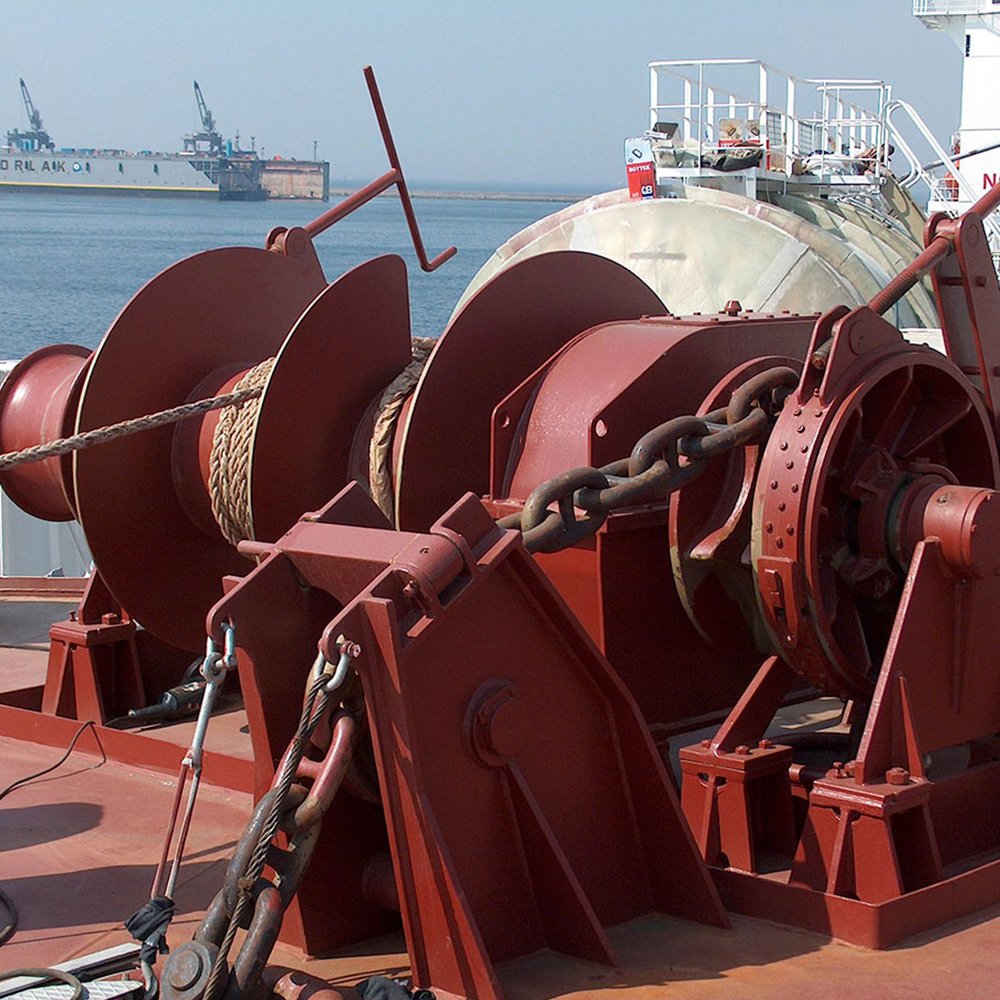
- Antriebsoptionen
- Electric, hydraulic, manual, with/without stored power (accumulator or spring force)
- Solas-hoistgeschwindigkeit
- Bis 48 m/min für Fast-Rescue-Davits (SOLAS-konform)
- Einsatzbereich
- Rettungsboote, Schnellrettungsboote, Rettungsflöße, MOB-Boote
- Konstruktion
- Normal pivot or slewing types, single or double arm with optional docking head to prevent pendulum motion until water level
- Hubkapazität
- Configurable according to ship type and lifeboat weight (tailor-made solutions)
- Zertifizierung
- ABS, GL, DNV, BV, NK, KR, LR and other classification societies
- D-NPS.SP (Normal Pivot Single/Double Arm mit Docking Head)
- D-NPS.FR (Fast Rescue Davit mit Docking Head)
- D-CRm.FR (Slewing Fast Rescue Davit mit hydraulischem/elektrischem Antrieb)
- D-BR (rescue davit with manual operation or hydraulic stored power)
- D-NP.MP (Normal Pivot mit mechanischer Stored Power - Federbelastung)
- D-NP.SP (Normal Pivot mit hydraulischer Stored Power - Akku)
- Area: On-load release gear functionality and wearCheck: Annually: operational test of on-load release gear by positioning the boat partially in water for load support by fall, actuation of release gear, reset and inspection for damage. Every 5 years: overhaul of release system with 110% proof-load test. Inspect release gear before and after operational test; verify hook securing and reset.
- Area: Wire rope condition (wires/falls) – corrosion, wear, breakageCheck: Monthly: visual inspection for fraying, kinks, corrosion, broken strands. Annually: wire rope and sheaves for scratches, dents, corrosion, missing lubrication. Every 5 years: wire rope replacement per SOLAS Chapter III required. Lubrication of wires, sheaves and moving parts to be checked.
- Area: Brake system - inspection function and wear partsCheck: Annually: brake test by suspension of rated load and verification that brake holds without slippage. For centrifugal brakes: sinking speed against SOLAS formula (max. 1.3 m/s) to be checked. Brake pads to be inspected and replaced when worn. Every 5 years: brake system to be opened and condition thoroughly checked.
- Area: Sheaves - wear, abrasion, corrosion, wear ringsCheck: Annually: sheaves for wear grooves, wear ring wear, corrosion, incorrect alignment, loose bolts to be checked. A worn or corroded sheave damages new wires and leads to premature wire rope failure. Wear ring thickness to be measured and replaced if necessary. Lubrication to be checked.
- Area: Overall structure - corrosion, wear, deformation and clearanceCheck: Annually: davit structure for corrosion (especially welds), wear, deformation, excessive clearance, cracks to be checked. All bolt locking devices to be verified. Hydraulic cylinders for leakage to be checked. Every 5 years: selective disassembly with NDT (roughness inspection, crack inspection) to be performed. Foundations to be inspected.
- Area: Proof-load test at 110% of rated loadCheck: Annually: dynamic winch brake test at 110% of Safe Working Load to be performed (simulated by water bag equipment or certified load cells). Every 5 years: comprehensive proof-load test of entire davit, winch, wire rope and hook system at 110% SWL to be performed. System must hold load, show no deformation or damage.
Type-universal inspection/maintenance points for Lifesaving Appliances (LSA) (davit international, Mega-Swarm 2026–06). Per-model specs not auto-populated.
- Multiple drive options (electric, hydraulic, manual) with optional stored‑power for redundancy
- Fast hoist speed up to 48 m/min meeting SOLAS fast‑rescue requirements
- Docking head available to prevent pendulum swing and improve launch safety
- Highly customisable load capacity and arm configuration per vessel type
- Broad class society approvals (ABS, DNV, LR, GL) ensuring regulatory compliance
- Higher initial cost and complexity compared with basic single‑arm davits
- Requires rigorous inspection regime (monthly wire checks, annual brake test, 5‑year proof‑load)
- Optional stored‑power units add weight and maintenance overhead
- Load capacity not fixed – must be engineered for each installation, extending design time
- Spare parts inventory can be larger due to multiple drive variants
- Antriebsoptionen
- Electric, hydraulic, manual, with/without stored power (accumulator or spring force)
- Solas-hoistgeschwindigkeit
- Bis 48 m/min für Fast-Rescue-Davits (SOLAS-konform)
- Einsatzbereich
- Rettungsboote, Schnellrettungsboote, Rettungsflöße, MOB-Boote
- Konstruktion
- Normal pivot or slewing types, single or double arm with optional docking head to prevent pendulum motion until water level
- Hubkapazität
- Configurable according to ship type and lifeboat weight (tailor-made solutions)
- Zertifizierung
- ABS, GL, DNV, BV, NK, KR, LR and other classification societies
- D-NPS.SP (Normal Pivot Single/Double Arm mit Docking Head)
- D-NPS.FR (Fast Rescue Davit mit Docking Head)
- D-CRm.FR (Slewing Fast Rescue Davit mit hydraulischem/elektrischem Antrieb)
- D-BR (rescue davit with manual operation or hydraulic stored power)
- D-NP.MP (Normal Pivot mit mechanischer Stored Power - Federbelastung)
- D-NP.SP (Normal Pivot mit hydraulischer Stored Power - Akku)
- Area: On-load release gear functionality and wearCheck: Annually: operational test of on-load release gear by positioning the boat partially in water for load support by fall, actuation of release gear, reset and inspection for damage. Every 5 years: overhaul of release system with 110% proof-load test. Inspect release gear before and after operational test; verify hook securing and reset.
- Area: Wire rope condition (wires/falls) – corrosion, wear, breakageCheck: Monthly: visual inspection for fraying, kinks, corrosion, broken strands. Annually: wire rope and sheaves for scratches, dents, corrosion, missing lubrication. Every 5 years: wire rope replacement per SOLAS Chapter III required. Lubrication of wires, sheaves and moving parts to be checked.
- Area: Brake system - inspection function and wear partsCheck: Annually: brake test by suspension of rated load and verification that brake holds without slippage. For centrifugal brakes: sinking speed against SOLAS formula (max. 1.3 m/s) to be checked. Brake pads to be inspected and replaced when worn. Every 5 years: brake system to be opened and condition thoroughly checked.
- Area: Sheaves - wear, abrasion, corrosion, wear ringsCheck: Annually: sheaves for wear grooves, wear ring wear, corrosion, incorrect alignment, loose bolts to be checked. A worn or corroded sheave damages new wires and leads to premature wire rope failure. Wear ring thickness to be measured and replaced if necessary. Lubrication to be checked.
- Area: Overall structure - corrosion, wear, deformation and clearanceCheck: Annually: davit structure for corrosion (especially welds), wear, deformation, excessive clearance, cracks to be checked. All bolt locking devices to be verified. Hydraulic cylinders for leakage to be checked. Every 5 years: selective disassembly with NDT (roughness inspection, crack inspection) to be performed. Foundations to be inspected.
- Area: Proof-load test at 110% of rated loadCheck: Annually: dynamic winch brake test at 110% of Safe Working Load to be performed (simulated by water bag equipment or certified load cells). Every 5 years: comprehensive proof-load test of entire davit, winch, wire rope and hook system at 110% SWL to be performed. System must hold load, show no deformation or damage.
Type-universal inspection/maintenance points for Lifesaving Appliances (LSA) (davit international, Mega-Swarm 2026–06). Per-model specs not auto-populated.
- High hoist speed (up to 48 m/min) meeting SOLAS fast‑rescue requirements
- Multiple drive options (electric, hydraulic, manual, battery/feder power) for redundancy
- Docking head reduces pendulum motion during launch, improving safety
- Configurable load capacity tailored to vessel and boat weight
- IMO‑approved and widely class‑society certified
- Complex drive options increase maintenance workload and spare‑part inventory
- Regular wire‑rope, brake and docking‑head inspections are mandatory (monthly/annual/5‑year)
- Higher initial capital cost compared with simple manual davits
- Double‑arm configuration may require more deck space
- Reliance on stored power (battery/feder) demands strict charge‑maintenance regime
- Antriebsoptionen
- Electric, hydraulic, manual, with/without stored power (accumulator or spring force)
- Solas-hoistgeschwindigkeit
- Bis 48 m/min für Fast-Rescue-Davits (SOLAS-konform)
- Einsatzbereich
- Rettungsboote, Schnellrettungsboote, Rettungsflöße, MOB-Boote
- Konstruktion
- Normal pivot or slewing types, single or double arm with optional docking head to prevent pendulum motion until water level
- Hubkapazität
- Configurable according to ship type and lifeboat weight (tailor-made solutions)
- Zertifizierung
- ABS, GL, DNV, BV, NK, KR, LR and other classification societies
- D-NPS.SP (Normal Pivot Single/Double Arm mit Docking Head)
- D-NPS.FR (Fast Rescue Davit mit Docking Head)
- D-CRm.FR (Slewing Fast Rescue Davit mit hydraulischem/elektrischem Antrieb)
- D-BR (rescue davit with manual operation or hydraulic stored power)
- D-NP.MP (Normal Pivot mit mechanischer Stored Power - Federbelastung)
- D-NP.SP (Normal Pivot mit hydraulischer Stored Power - Akku)
- Area: On-load release gear functionality and wearCheck: Annually: operational test of on-load release gear by positioning the boat partially in water for load support by fall, actuation of release gear, reset and inspection for damage. Every 5 years: overhaul of release system with 110% proof-load test. Inspect release gear before and after operational test; verify hook securing and reset.
- Area: Wire rope condition (wires/falls) – corrosion, wear, breakageCheck: Monthly: visual inspection for fraying, kinks, corrosion, broken strands. Annually: wire rope and sheaves for scratches, dents, corrosion, missing lubrication. Every 5 years: wire rope replacement per SOLAS Chapter III required. Lubrication of wires, sheaves and moving parts to be checked.
- Area: Brake system - inspection function and wear partsCheck: Annually: brake test by suspension of rated load and verification that brake holds without slippage. For centrifugal brakes: sinking speed against SOLAS formula (max. 1.3 m/s) to be checked. Brake pads to be inspected and replaced when worn. Every 5 years: brake system to be opened and condition thoroughly checked.
- Area: Sheaves - wear, abrasion, corrosion, wear ringsCheck: Annually: sheaves for wear grooves, wear ring wear, corrosion, incorrect alignment, loose bolts to be checked. A worn or corroded sheave damages new wires and leads to premature wire rope failure. Wear ring thickness to be measured and replaced if necessary. Lubrication to be checked.
- Area: Overall structure - corrosion, wear, deformation and clearanceCheck: Annually: davit structure for corrosion (especially welds), wear, deformation, excessive clearance, cracks to be checked. All bolt locking devices to be verified. Hydraulic cylinders for leakage to be checked. Every 5 years: selective disassembly with NDT (roughness inspection, crack inspection) to be performed. Foundations to be inspected.
- Area: Proof-load test at 110% of rated loadCheck: Annually: dynamic winch brake test at 110% of Safe Working Load to be performed (simulated by water bag equipment or certified load cells). Every 5 years: comprehensive proof-load test of entire davit, winch, wire rope and hook system at 110% SWL to be performed. System must hold load, show no deformation or damage.
Type-universal inspection/maintenance points for Lifesaving Appliances (LSA) (davit international, Mega-Swarm 2026–06). Per-model specs not auto-populated.
- Fast hoist speed (up to 48 m/min) meeting SOLAS fast‑rescue requirements
- Multiple drive options – electric, hydraulic, manual or stored‑power (battery/flywheel)
- Docking head available to reduce swing and improve launch safety in rough seas
- Configurable load capacity and arm configuration (single/double, pivot or slewing) for different vessel layouts
- Designed for SOLAS compliance with 110 % proof‑load testing capability
- Higher initial cost compared with basic manual davits
- Increased maintenance complexity due to multiple drive systems and stored‑power units
- Requires regular (monthly/annual) inspections of wire rope, brakes and release gear to stay compliant
- Spare‑part logistics can be more demanding for hydraulic/electric variants
- Antriebsoptionen
- Electric, hydraulic, manual, with/without stored power (accumulator or spring force)
- Solas-hoistgeschwindigkeit
- Bis 48 m/min für Fast-Rescue-Davits (SOLAS-konform)
- Einsatzbereich
- Rettungsboote, Schnellrettungsboote, Rettungsflöße, MOB-Boote
- Konstruktion
- Normal pivot or slewing types, single or double arm with optional docking head to prevent pendulum motion until water level
- Hubkapazität
- Configurable according to ship type and lifeboat weight (tailor-made solutions)
- Zertifizierung
- ABS, GL, DNV, BV, NK, KR, LR and other classification societies
- D-NPS.SP (Normal Pivot Single/Double Arm mit Docking Head)
- D-NPS.FR (Fast Rescue Davit mit Docking Head)
- D-CRm.FR (Slewing Fast Rescue Davit mit hydraulischem/elektrischem Antrieb)
- D-BR (rescue davit with manual operation or hydraulic stored power)
- D-NP.MP (Normal Pivot mit mechanischer Stored Power - Federbelastung)
- D-NP.SP (Normal Pivot mit hydraulischer Stored Power - Akku)
- Area: On-load release gear functionality and wearCheck: Annually: operational test of on-load release gear by positioning the boat partially in water for load support by fall, actuation of release gear, reset and inspection for damage. Every 5 years: overhaul of release system with 110% proof-load test. Inspect release gear before and after operational test; verify hook securing and reset.
- Area: Wire rope condition (wires/falls) – corrosion, wear, breakageCheck: Monthly: visual inspection for fraying, kinks, corrosion, broken strands. Annually: wire rope and sheaves for scratches, dents, corrosion, missing lubrication. Every 5 years: wire rope replacement per SOLAS Chapter III required. Lubrication of wires, sheaves and moving parts to be checked.
- Area: Brake system - inspection function and wear partsCheck: Annually: brake test by suspension of rated load and verification that brake holds without slippage. For centrifugal brakes: sinking speed against SOLAS formula (max. 1.3 m/s) to be checked. Brake pads to be inspected and replaced when worn. Every 5 years: brake system to be opened and condition thoroughly checked.
- Area: Sheaves - wear, abrasion, corrosion, wear ringsCheck: Annually: sheaves for wear grooves, wear ring wear, corrosion, incorrect alignment, loose bolts to be checked. A worn or corroded sheave damages new wires and leads to premature wire rope failure. Wear ring thickness to be measured and replaced if necessary. Lubrication to be checked.
- Area: Overall structure - corrosion, wear, deformation and clearanceCheck: Annually: davit structure for corrosion (especially welds), wear, deformation, excessive clearance, cracks to be checked. All bolt locking devices to be verified. Hydraulic cylinders for leakage to be checked. Every 5 years: selective disassembly with NDT (roughness inspection, crack inspection) to be performed. Foundations to be inspected.
- Area: Proof-load test at 110% of rated loadCheck: Annually: dynamic winch brake test at 110% of Safe Working Load to be performed (simulated by water bag equipment or certified load cells). Every 5 years: comprehensive proof-load test of entire davit, winch, wire rope and hook system at 110% SWL to be performed. System must hold load, show no deformation or damage.
Type-universal inspection/maintenance points for Lifesaving Appliances (LSA) (davit international, Mega-Swarm 2026–06). Per-model specs not auto-populated.
- Fast hoist speed up to 48 m/min meeting SOLAS fast‑rescue requirements
- Multiple drive options (electric, hydraulic, manual, stored power) for flexibility
- Docking head prevents pendulum motion, improving safe launch in rough seas
- Tailor‑made load capacity and configuration for a wide range of boat sizes
- Broad class society approvals (ABS, DNV, LR, BV) ensuring regulatory compliance
- Higher initial cost and complexity compared with simple manual davits
- More frequent maintenance on hydraulic/electric components and stored‑power units
- Requires regular proof‑load testing (110 % SWL) and detailed inspection regime
- Larger footprint may limit installation on vessels with constrained deck space
- Dependence on battery or spring storage can reduce endurance if not regularly serviced
- Antriebsoptionen
- Electric, hydraulic, manual, with/without stored power (accumulator or spring force)
- Solas-hoistgeschwindigkeit
- Bis 48 m/min für Fast-Rescue-Davits (SOLAS-konform)
- Einsatzbereich
- Rettungsboote, Schnellrettungsboote, Rettungsflöße, MOB-Boote
- Konstruktion
- Normal pivot or slewing types, single or double arm with optional docking head to prevent pendulum motion until water level
- Hubkapazität
- Configurable according to ship type and lifeboat weight (tailor-made solutions)
- Zertifizierung
- ABS, GL, DNV, BV, NK, KR, LR and other classification societies
- D-NPS.SP (Normal Pivot Single/Double Arm mit Docking Head)
- D-NPS.FR (Fast Rescue Davit mit Docking Head)
- D-CRm.FR (Slewing Fast Rescue Davit mit hydraulischem/elektrischem Antrieb)
- D-BR (rescue davit with manual operation or hydraulic stored power)
- D-NP.MP (Normal Pivot mit mechanischer Stored Power - Federbelastung)
- D-NP.SP (Normal Pivot mit hydraulischer Stored Power - Akku)
- Area: On-load release gear functionality and wearCheck: Annually: operational test of on-load release gear by positioning the boat partially in water for load support by fall, actuation of release gear, reset and inspection for damage. Every 5 years: overhaul of release system with 110% proof-load test. Inspect release gear before and after operational test; verify hook securing and reset.
- Area: Wire rope condition (wires/falls) – corrosion, wear, breakageCheck: Monthly: visual inspection for fraying, kinks, corrosion, broken strands. Annually: wire rope and sheaves for scratches, dents, corrosion, missing lubrication. Every 5 years: wire rope replacement per SOLAS Chapter III required. Lubrication of wires, sheaves and moving parts to be checked.
- Area: Brake system - inspection function and wear partsCheck: Annually: brake test by suspension of rated load and verification that brake holds without slippage. For centrifugal brakes: sinking speed against SOLAS formula (max. 1.3 m/s) to be checked. Brake pads to be inspected and replaced when worn. Every 5 years: brake system to be opened and condition thoroughly checked.
- Area: Sheaves - wear, abrasion, corrosion, wear ringsCheck: Annually: sheaves for wear grooves, wear ring wear, corrosion, incorrect alignment, loose bolts to be checked. A worn or corroded sheave damages new wires and leads to premature wire rope failure. Wear ring thickness to be measured and replaced if necessary. Lubrication to be checked.
- Area: Overall structure - corrosion, wear, deformation and clearanceCheck: Annually: davit structure for corrosion (especially welds), wear, deformation, excessive clearance, cracks to be checked. All bolt locking devices to be verified. Hydraulic cylinders for leakage to be checked. Every 5 years: selective disassembly with NDT (roughness inspection, crack inspection) to be performed. Foundations to be inspected.
- Area: Proof-load test at 110% of rated loadCheck: Annually: dynamic winch brake test at 110% of Safe Working Load to be performed (simulated by water bag equipment or certified load cells). Every 5 years: comprehensive proof-load test of entire davit, winch, wire rope and hook system at 110% SWL to be performed. System must hold load, show no deformation or damage.
Type-universal inspection/maintenance points for Lifesaving Appliances (LSA) (davit international, Mega-Swarm 2026–06). Per-model specs not auto-populated.
- Fast hoist speed up to 48 m/min – SOLAS compliant for rapid rescue
- Docking head reduces swing, allowing safe launch in rough seas
- Multiple drive options (electric, hydraulic, manual, battery or spring) give flexibility for vessel power arrangements
- IMO‑approved and certified by major classification societies (ABS, DNV, LR, etc.)
- Customisable lift capacity to match specific lifeboat weight
- Higher initial cost and greater system complexity compared with simple manual davits
- Requires regular inspections of hydraulic/electrical components and stored‑power units (monthly‑annual checks)
- Battery or spring stored‑power adds extra dead‑weight and needs charging/maintenance infrastructure
- Installation demands sufficient deck space for the pivot arrangement and foundation reinforcement
- Antriebsoptionen
- Electric, hydraulic, manual, with/without stored power (accumulator or spring force)
- Solas-hoistgeschwindigkeit
- Bis 48 m/min für Fast-Rescue-Davits (SOLAS-konform)
- Einsatzbereich
- Rettungsboote, Schnellrettungsboote, Rettungsflöße, MOB-Boote
- Konstruktion
- Normal pivot or slewing types, single or double arm with optional docking head to prevent pendulum motion until water level
- Hubkapazität
- Configurable according to ship type and lifeboat weight (tailor-made solutions)
- Zertifizierung
- ABS, GL, DNV, BV, NK, KR, LR and other classification societies
- D-NPS.SP (Normal Pivot Single/Double Arm mit Docking Head)
- D-NPS.FR (Fast Rescue Davit mit Docking Head)
- D-CRm.FR (Slewing Fast Rescue Davit mit hydraulischem/elektrischem Antrieb)
- D-BR (rescue davit with manual operation or hydraulic stored power)
- D-NP.MP (Normal Pivot mit mechanischer Stored Power - Federbelastung)
- D-NP.SP (Normal Pivot mit hydraulischer Stored Power - Akku)
- Area: On-load release gear functionality and wearCheck: Annually: operational test of on-load release gear by positioning the boat partially in water for load support by fall, actuation of release gear, reset and inspection for damage. Every 5 years: overhaul of release system with 110% proof-load test. Inspect release gear before and after operational test; verify hook securing and reset.
- Area: Wire rope condition (wires/falls) – corrosion, wear, breakageCheck: Monthly: visual inspection for fraying, kinks, corrosion, broken strands. Annually: wire rope and sheaves for scratches, dents, corrosion, missing lubrication. Every 5 years: wire rope replacement per SOLAS Chapter III required. Lubrication of wires, sheaves and moving parts to be checked.
- Area: Brake system - inspection function and wear partsCheck: Annually: brake test by suspension of rated load and verification that brake holds without slippage. For centrifugal brakes: sinking speed against SOLAS formula (max. 1.3 m/s) to be checked. Brake pads to be inspected and replaced when worn. Every 5 years: brake system to be opened and condition thoroughly checked.
- Area: Sheaves - wear, abrasion, corrosion, wear ringsCheck: Annually: sheaves for wear grooves, wear ring wear, corrosion, incorrect alignment, loose bolts to be checked. A worn or corroded sheave damages new wires and leads to premature wire rope failure. Wear ring thickness to be measured and replaced if necessary. Lubrication to be checked.
- Area: Overall structure - corrosion, wear, deformation and clearanceCheck: Annually: davit structure for corrosion (especially welds), wear, deformation, excessive clearance, cracks to be checked. All bolt locking devices to be verified. Hydraulic cylinders for leakage to be checked. Every 5 years: selective disassembly with NDT (roughness inspection, crack inspection) to be performed. Foundations to be inspected.
- Area: Proof-load test at 110% of rated loadCheck: Annually: dynamic winch brake test at 110% of Safe Working Load to be performed (simulated by water bag equipment or certified load cells). Every 5 years: comprehensive proof-load test of entire davit, winch, wire rope and hook system at 110% SWL to be performed. System must hold load, show no deformation or damage.
Type-universal inspection/maintenance points for Lifesaving Appliances (LSA) (davit international, Mega-Swarm 2026–06). Per-model specs not auto-populated.
- Fast hoist speed up to 48 m/min when configured as a Fast‑Rescue Davit (SOLAS compliant).
- Multiple drive options (electric, hydraulic, manual) with optional stored‑power for redundancy.
- Docking head reduces pendulum motion, improving safe launch in heavy seas.
- Load capacity can be tailored to vessel and boat weight – true tailor‑made solution.
- Certified by major classification societies (ABS, DNV, LR, BV) and IMO approved.
- Mechanical stored‑power system adds complexity and requires specialised maintenance.
- Higher initial cost compared with simple manual davits.
- Periodic proof‑load testing (110 % SWL) every five years increases downtime.
- Heavier overall weight may affect deck reinforcement requirements.
- Spare‑part availability limited to d‑i Davit International‑Hische network.
- Antriebsoptionen
- Electric, hydraulic, manual, with/without stored power (accumulator or spring force)
- Solas-hoistgeschwindigkeit
- Bis 48 m/min für Fast-Rescue-Davits (SOLAS-konform)
- Einsatzbereich
- Rettungsboote, Schnellrettungsboote, Rettungsflöße, MOB-Boote
- Konstruktion
- Normal pivot or slewing types, single or double arm with optional docking head to prevent pendulum motion until water level
- Hubkapazität
- Configurable according to ship type and lifeboat weight (tailor-made solutions)
- Zertifizierung
- ABS, GL, DNV, BV, NK, KR, LR and other classification societies
- D-NPS.SP (Normal Pivot Single/Double Arm mit Docking Head)
- D-NPS.FR (Fast Rescue Davit mit Docking Head)
- D-CRm.FR (Slewing Fast Rescue Davit mit hydraulischem/elektrischem Antrieb)
- D-BR (rescue davit with manual operation or hydraulic stored power)
- D-NP.MP (Normal Pivot mit mechanischer Stored Power - Federbelastung)
- D-NP.SP (Normal Pivot mit hydraulischer Stored Power - Akku)
- Area: On-load release gear functionality and wearCheck: Annually: operational test of on-load release gear by positioning the boat partially in water for load support by fall, actuation of release gear, reset and inspection for damage. Every 5 years: overhaul of release system with 110% proof-load test. Inspect release gear before and after operational test; verify hook securing and reset.
- Area: Wire rope condition (wires/falls) – corrosion, wear, breakageCheck: Monthly: visual inspection for fraying, kinks, corrosion, broken strands. Annually: wire rope and sheaves for scratches, dents, corrosion, missing lubrication. Every 5 years: wire rope replacement per SOLAS Chapter III required. Lubrication of wires, sheaves and moving parts to be checked.
- Area: Brake system - inspection function and wear partsCheck: Annually: brake test by suspension of rated load and verification that brake holds without slippage. For centrifugal brakes: sinking speed against SOLAS formula (max. 1.3 m/s) to be checked. Brake pads to be inspected and replaced when worn. Every 5 years: brake system to be opened and condition thoroughly checked.
- Area: Sheaves - wear, abrasion, corrosion, wear ringsCheck: Annually: sheaves for wear grooves, wear ring wear, corrosion, incorrect alignment, loose bolts to be checked. A worn or corroded sheave damages new wires and leads to premature wire rope failure. Wear ring thickness to be measured and replaced if necessary. Lubrication to be checked.
- Area: Overall structure - corrosion, wear, deformation and clearanceCheck: Annually: davit structure for corrosion (especially welds), wear, deformation, excessive clearance, cracks to be checked. All bolt locking devices to be verified. Hydraulic cylinders for leakage to be checked. Every 5 years: selective disassembly with NDT (roughness inspection, crack inspection) to be performed. Foundations to be inspected.
- Area: Proof-load test at 110% of rated loadCheck: Annually: dynamic winch brake test at 110% of Safe Working Load to be performed (simulated by water bag equipment or certified load cells). Every 5 years: comprehensive proof-load test of entire davit, winch, wire rope and hook system at 110% SWL to be performed. System must hold load, show no deformation or damage.
Type-universal inspection/maintenance points for Lifesaving Appliances (LSA) (davit international, Mega-Swarm 2026–06). Per-model specs not auto-populated.
- Fast hoist speed up to 48 m/min (SOLAS‑compliant Fast‑Rescue capability)
- Multiple drive options (electric, hydraulic, manual) and stored‑power variants for redundancy
- Optional docking head reduces pendulum motion, improving safe launch in heavy seas
- Modular capacity – can be tailored to vessel type and boat weight
- IMO approved and designed to meet major classification societies’ standards
- Higher mechanical complexity leads to more frequent maintenance tasks
- Stored‑power versions require battery management or spring‑loaded systems, adding weight and space requirements
- Initial procurement cost is higher than basic manual davits
- Mandatory five‑year comprehensive overhaul increases life‑cycle expense
- Footprint may be restrictive on vessels with limited deck space
- Antriebsoptionen
- Electric, hydraulic, manual, with/without stored power (accumulator or spring force)
- Solas-hoistgeschwindigkeit
- Bis 48 m/min für Fast-Rescue-Davits (SOLAS-konform)
- Einsatzbereich
- Rettungsboote, Schnellrettungsboote, Rettungsflöße, MOB-Boote
- Konstruktion
- Normal pivot or slewing types, single or double arm with optional docking head to prevent pendulum motion until water level
- Hubkapazität
- Configurable according to ship type and lifeboat weight (tailor-made solutions)
- Zertifizierung
- ABS, GL, DNV, BV, NK, KR, LR and other classification societies
- D-NPS.SP (Normal Pivot Single/Double Arm mit Docking Head)
- D-NPS.FR (Fast Rescue Davit mit Docking Head)
- D-CRm.FR (Slewing Fast Rescue Davit mit hydraulischem/elektrischem Antrieb)
- D-BR (rescue davit with manual operation or hydraulic stored power)
- D-NP.MP (Normal Pivot mit mechanischer Stored Power - Federbelastung)
- D-NP.SP (Normal Pivot mit hydraulischer Stored Power - Akku)
- Area: On-load release gear functionality and wearCheck: Annually: operational test of on-load release gear by positioning the boat partially in water for load support by fall, actuation of release gear, reset and inspection for damage. Every 5 years: overhaul of release system with 110% proof-load test. Inspect release gear before and after operational test; verify hook securing and reset.
- Area: Wire rope condition (wires/falls) – corrosion, wear, breakageCheck: Monthly: visual inspection for fraying, kinks, corrosion, broken strands. Annually: wire rope and sheaves for scratches, dents, corrosion, missing lubrication. Every 5 years: wire rope replacement per SOLAS Chapter III required. Lubrication of wires, sheaves and moving parts to be checked.
- Area: Brake system - inspection function and wear partsCheck: Annually: brake test by suspension of rated load and verification that brake holds without slippage. For centrifugal brakes: sinking speed against SOLAS formula (max. 1.3 m/s) to be checked. Brake pads to be inspected and replaced when worn. Every 5 years: brake system to be opened and condition thoroughly checked.
- Area: Sheaves - wear, abrasion, corrosion, wear ringsCheck: Annually: sheaves for wear grooves, wear ring wear, corrosion, incorrect alignment, loose bolts to be checked. A worn or corroded sheave damages new wires and leads to premature wire rope failure. Wear ring thickness to be measured and replaced if necessary. Lubrication to be checked.
- Area: Overall structure - corrosion, wear, deformation and clearanceCheck: Annually: davit structure for corrosion (especially welds), wear, deformation, excessive clearance, cracks to be checked. All bolt locking devices to be verified. Hydraulic cylinders for leakage to be checked. Every 5 years: selective disassembly with NDT (roughness inspection, crack inspection) to be performed. Foundations to be inspected.
- Area: Proof-load test at 110% of rated loadCheck: Annually: dynamic winch brake test at 110% of Safe Working Load to be performed (simulated by water bag equipment or certified load cells). Every 5 years: comprehensive proof-load test of entire davit, winch, wire rope and hook system at 110% SWL to be performed. System must hold load, show no deformation or damage.
Type-universal inspection/maintenance points for Lifesaving Appliances (LSA) (davit international, Mega-Swarm 2026–06). Per-model specs not auto-populated.
- Fast hoist speed up to 48 m/min meeting SOLAS fast‑rescue requirements
- Multiple drive options (electric, hydraulic, manual, stored‑power) for redundancy
- Docking head eliminates pendulum swing and improves safe water entry
- Configurable hub capacity tailored to vessel type and boat weight
- Broad class society approvals (ABS, DNV, LR, BV, IMO)
- Higher initial cost compared with basic single‑arm davits
- Complex drive system increases routine maintenance workload
- Requires regular annual and five‑year inspections per SOLAS/MSC.402(96)
- Deck space requirements are larger than minimalist manual davits
- Dependence on ship power or hydraulic supply; loss of power can limit operation
- Antriebsoptionen
- Electric, hydraulic, manual, with/without stored power (accumulator or spring force)
- Solas-hoistgeschwindigkeit
- Bis 48 m/min für Fast-Rescue-Davits (SOLAS-konform)
- Einsatzbereich
- Rettungsboote, Schnellrettungsboote, Rettungsflöße, MOB-Boote
- Konstruktion
- Normal pivot or slewing types, single or double arm with optional docking head to prevent pendulum motion until water level
- Hubkapazität
- Configurable according to ship type and lifeboat weight (tailor-made solutions)
- Zertifizierung
- ABS, GL, DNV, BV, NK, KR, LR and other classification societies
- D-NPS.SP (Normal Pivot Single/Double Arm mit Docking Head)
- D-NPS.FR (Fast Rescue Davit mit Docking Head)
- D-CRm.FR (Slewing Fast Rescue Davit mit hydraulischem/elektrischem Antrieb)
- D-BR (rescue davit with manual operation or hydraulic stored power)
- D-NP.MP (Normal Pivot mit mechanischer Stored Power - Federbelastung)
- D-NP.SP (Normal Pivot mit hydraulischer Stored Power - Akku)
- Area: On-load release gear functionality and wearCheck: Annually: operational test of on-load release gear by positioning the boat partially in water for load support by fall, actuation of release gear, reset and inspection for damage. Every 5 years: overhaul of release system with 110% proof-load test. Inspect release gear before and after operational test; verify hook securing and reset.
- Area: Wire rope condition (wires/falls) – corrosion, wear, breakageCheck: Monthly: visual inspection for fraying, kinks, corrosion, broken strands. Annually: wire rope and sheaves for scratches, dents, corrosion, missing lubrication. Every 5 years: wire rope replacement per SOLAS Chapter III required. Lubrication of wires, sheaves and moving parts to be checked.
- Area: Brake system - inspection function and wear partsCheck: Annually: brake test by suspension of rated load and verification that brake holds without slippage. For centrifugal brakes: sinking speed against SOLAS formula (max. 1.3 m/s) to be checked. Brake pads to be inspected and replaced when worn. Every 5 years: brake system to be opened and condition thoroughly checked.
- Area: Sheaves - wear, abrasion, corrosion, wear ringsCheck: Annually: sheaves for wear grooves, wear ring wear, corrosion, incorrect alignment, loose bolts to be checked. A worn or corroded sheave damages new wires and leads to premature wire rope failure. Wear ring thickness to be measured and replaced if necessary. Lubrication to be checked.
- Area: Overall structure - corrosion, wear, deformation and clearanceCheck: Annually: davit structure for corrosion (especially welds), wear, deformation, excessive clearance, cracks to be checked. All bolt locking devices to be verified. Hydraulic cylinders for leakage to be checked. Every 5 years: selective disassembly with NDT (roughness inspection, crack inspection) to be performed. Foundations to be inspected.
- Area: Proof-load test at 110% of rated loadCheck: Annually: dynamic winch brake test at 110% of Safe Working Load to be performed (simulated by water bag equipment or certified load cells). Every 5 years: comprehensive proof-load test of entire davit, winch, wire rope and hook system at 110% SWL to be performed. System must hold load, show no deformation or damage.
Type-universal inspection/maintenance points for Lifesaving Appliances (LSA) (davit international, Mega-Swarm 2026–06). Per-model specs not auto-populated.
- Fast‑rescue hoist rate (up to 48 m/min) fully SOLAS compliant
- Multiple drive options (electric, hydraulic, manual, stored power) for redundancy and flexibility
- Docking head option reduces pendulum motion during launch, improving safety in heavy seas
- Capacity and geometry can be customised per vessel type and boat weight
- Broad class‑society approval (ABS, DNV, LR, etc.) simplifying certification on new builds
- Higher initial cost compared with single‑mode davits due to added drive options and control electronics
- Increased maintenance workload – regular testing of electric/hydraulic systems and stored‑power units required
- Larger footprint; pivot or slewing arms may limit installation on vessels with restricted deck space
- Complexity of the system can lead to longer downtime if a component fails
- Antriebsoptionen
- Electric, hydraulic, manual, with/without stored power (accumulator or spring force)
- Solas-hoistgeschwindigkeit
- Bis 48 m/min für Fast-Rescue-Davits (SOLAS-konform)
- Einsatzbereich
- Rettungsboote, Schnellrettungsboote, Rettungsflöße, MOB-Boote
- Konstruktion
- Normal pivot or slewing types, single or double arm with optional docking head to prevent pendulum motion until water level
- Hubkapazität
- Configurable according to ship type and lifeboat weight (tailor-made solutions)
- Zertifizierung
- ABS, GL, DNV, BV, NK, KR, LR and other classification societies
- D-NPS.SP (Normal Pivot Single/Double Arm mit Docking Head)
- D-NPS.FR (Fast Rescue Davit mit Docking Head)
- D-CRm.FR (Slewing Fast Rescue Davit mit hydraulischem/elektrischem Antrieb)
- D-BR (rescue davit with manual operation or hydraulic stored power)
- D-NP.MP (Normal Pivot mit mechanischer Stored Power - Federbelastung)
- D-NP.SP (Normal Pivot mit hydraulischer Stored Power - Akku)
- Area: On-load release gear functionality and wearCheck: Annually: operational test of on-load release gear by positioning the boat partially in water for load support by fall, actuation of release gear, reset and inspection for damage. Every 5 years: overhaul of release system with 110% proof-load test. Inspect release gear before and after operational test; verify hook securing and reset.
- Area: Wire rope condition (wires/falls) – corrosion, wear, breakageCheck: Monthly: visual inspection for fraying, kinks, corrosion, broken strands. Annually: wire rope and sheaves for scratches, dents, corrosion, missing lubrication. Every 5 years: wire rope replacement per SOLAS Chapter III required. Lubrication of wires, sheaves and moving parts to be checked.
- Area: Brake system - inspection function and wear partsCheck: Annually: brake test by suspension of rated load and verification that brake holds without slippage. For centrifugal brakes: sinking speed against SOLAS formula (max. 1.3 m/s) to be checked. Brake pads to be inspected and replaced when worn. Every 5 years: brake system to be opened and condition thoroughly checked.
- Area: Sheaves - wear, abrasion, corrosion, wear ringsCheck: Annually: sheaves for wear grooves, wear ring wear, corrosion, incorrect alignment, loose bolts to be checked. A worn or corroded sheave damages new wires and leads to premature wire rope failure. Wear ring thickness to be measured and replaced if necessary. Lubrication to be checked.
- Area: Overall structure - corrosion, wear, deformation and clearanceCheck: Annually: davit structure for corrosion (especially welds), wear, deformation, excessive clearance, cracks to be checked. All bolt locking devices to be verified. Hydraulic cylinders for leakage to be checked. Every 5 years: selective disassembly with NDT (roughness inspection, crack inspection) to be performed. Foundations to be inspected.
- Area: Proof-load test at 110% of rated loadCheck: Annually: dynamic winch brake test at 110% of Safe Working Load to be performed (simulated by water bag equipment or certified load cells). Every 5 years: comprehensive proof-load test of entire davit, winch, wire rope and hook system at 110% SWL to be performed. System must hold load, show no deformation or damage.
Type-universal inspection/maintenance points for Lifesaving Appliances (LSA) (davit international, Mega-Swarm 2026–06). Per-model specs not auto-populated.
- Hoist speed up to 48 m/min meets SOLAS fast‑rescue requirements for rapid evacuation.
- Multiple power options (electric, hydraulic, manual, stored‑power) provide redundancy and flexibility.
- Docking head reduces pendulum movement, improving launch safety in rough seas.
- Load capacity can be customised to vessel type and boat weight (tailor‑made solutions).
- IMO approved and designed for compatibility with major classification societies.
- Complex drive system increases maintenance workload and requires trained personnel.
- Stored‑power units (batteries or spring mechanisms) add weight and occupy valuable space.
- Higher capital cost compared with simple manual davits.
- Mandatory proof‑load testing and regular inspections can cause operational downtime.
- Installation may require structural reinforcement of the deck or foundations.
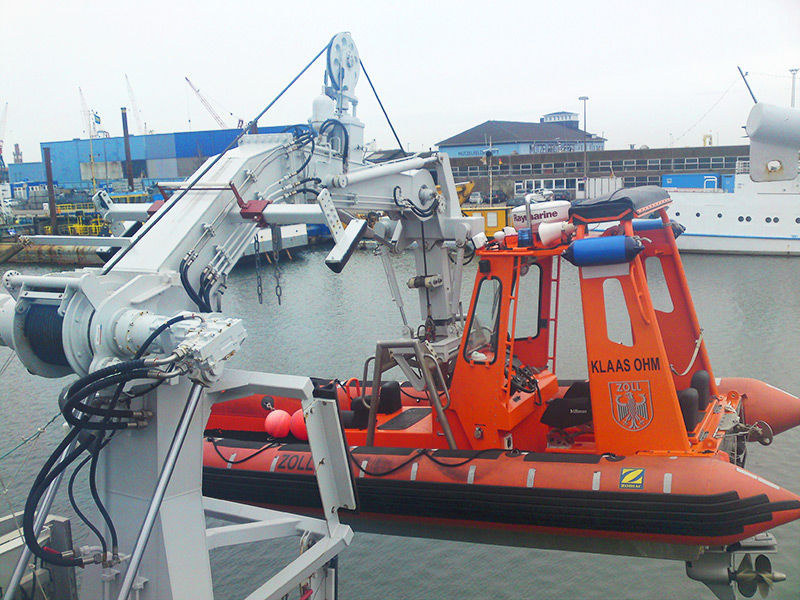
- Antriebsoptionen
- Electric, hydraulic, manual, with/without stored power (accumulator or spring force)
- Solas-hoistgeschwindigkeit
- Bis 48 m/min für Fast-Rescue-Davits (SOLAS-konform)
- Einsatzbereich
- Rettungsboote, Schnellrettungsboote, Rettungsflöße, MOB-Boote
- Konstruktion
- Normal pivot or slewing types, single or double arm with optional docking head to prevent pendulum motion until water level
- Hubkapazität
- Configurable according to ship type and lifeboat weight (tailor-made solutions)
- Zertifizierung
- ABS, GL, DNV, BV, NK, KR, LR and other classification societies
- D-NPS.SP (Normal Pivot Single/Double Arm mit Docking Head)
- D-NPS.FR (Fast Rescue Davit mit Docking Head)
- D-CRm.FR (Slewing Fast Rescue Davit mit hydraulischem/elektrischem Antrieb)
- D-BR (rescue davit with manual operation or hydraulic stored power)
- D-NP.MP (Normal Pivot mit mechanischer Stored Power - Federbelastung)
- D-NP.SP (Normal Pivot mit hydraulischer Stored Power - Akku)
- Area: On-load release gear functionality and wearCheck: Annually: operational test of on-load release gear by positioning the boat partially in water for load support by fall, actuation of release gear, reset and inspection for damage. Every 5 years: overhaul of release system with 110% proof-load test. Inspect release gear before and after operational test; verify hook securing and reset.
- Area: Wire rope condition (wires/falls) – corrosion, wear, breakageCheck: Monthly: visual inspection for fraying, kinks, corrosion, broken strands. Annually: wire rope and sheaves for scratches, dents, corrosion, missing lubrication. Every 5 years: wire rope replacement per SOLAS Chapter III required. Lubrication of wires, sheaves and moving parts to be checked.
- Area: Brake system - inspection function and wear partsCheck: Annually: brake test by suspension of rated load and verification that brake holds without slippage. For centrifugal brakes: sinking speed against SOLAS formula (max. 1.3 m/s) to be checked. Brake pads to be inspected and replaced when worn. Every 5 years: brake system to be opened and condition thoroughly checked.
- Area: Sheaves - wear, abrasion, corrosion, wear ringsCheck: Annually: sheaves for wear grooves, wear ring wear, corrosion, incorrect alignment, loose bolts to be checked. A worn or corroded sheave damages new wires and leads to premature wire rope failure. Wear ring thickness to be measured and replaced if necessary. Lubrication to be checked.
- Area: Overall structure - corrosion, wear, deformation and clearanceCheck: Annually: davit structure for corrosion (especially welds), wear, deformation, excessive clearance, cracks to be checked. All bolt locking devices to be verified. Hydraulic cylinders for leakage to be checked. Every 5 years: selective disassembly with NDT (roughness inspection, crack inspection) to be performed. Foundations to be inspected.
- Area: Proof-load test at 110% of rated loadCheck: Annually: dynamic winch brake test at 110% of Safe Working Load to be performed (simulated by water bag equipment or certified load cells). Every 5 years: comprehensive proof-load test of entire davit, winch, wire rope and hook system at 110% SWL to be performed. System must hold load, show no deformation or damage.
Type-universal inspection/maintenance points for Lifesaving Appliances (LSA) (davit international, Mega-Swarm 2026–06). Per-model specs not auto-populated.
- High hoist speed (up to 48 m/min) meeting SOLAS fast‑rescue requirements
- Multiple drive options (electric, hydraulic, manual, stored‑power) for redundancy and flexibility
- Docking head reduces pendulum motion, improving safe launch in heavy seas
- Configurable load capacity tailored to vessel type and boat weight
- Certified by major classification societies (ABS, DNV, LR, BV) and IMO approved
- Complex hydraulic/electric systems increase maintenance workload and require trained personnel
- Higher initial capital cost compared with simple manual davits
- Stored‑power variants need regular battery inspection and replacement planning
- Double‑arm configuration occupies more deck space, limiting installation on small vessels
- Frequent inspections (monthly wire checks, annual release‑gear test) add to operational overhead
- Antriebsoptionen
- Electric, hydraulic, manual, with/without stored power (accumulator or spring force)
- Solas-hoistgeschwindigkeit
- Bis 48 m/min für Fast-Rescue-Davits (SOLAS-konform)
- Einsatzbereich
- Rettungsboote, Schnellrettungsboote, Rettungsflöße, MOB-Boote
- Konstruktion
- Normal pivot or slewing types, single or double arm with optional docking head to prevent pendulum motion until water level
- Hubkapazität
- Configurable according to ship type and lifeboat weight (tailor-made solutions)
- Zertifizierung
- ABS, GL, DNV, BV, NK, KR, LR and other classification societies
- D-NPS.SP (Normal Pivot Single/Double Arm mit Docking Head)
- D-NPS.FR (Fast Rescue Davit mit Docking Head)
- D-CRm.FR (Slewing Fast Rescue Davit mit hydraulischem/elektrischem Antrieb)
- D-BR (rescue davit with manual operation or hydraulic stored power)
- D-NP.MP (Normal Pivot mit mechanischer Stored Power - Federbelastung)
- D-NP.SP (Normal Pivot mit hydraulischer Stored Power - Akku)
- Area: On-load release gear functionality and wearCheck: Annually: operational test of on-load release gear by positioning the boat partially in water for load support by fall, actuation of release gear, reset and inspection for damage. Every 5 years: overhaul of release system with 110% proof-load test. Inspect release gear before and after operational test; verify hook securing and reset.
- Area: Wire rope condition (wires/falls) – corrosion, wear, breakageCheck: Monthly: visual inspection for fraying, kinks, corrosion, broken strands. Annually: wire rope and sheaves for scratches, dents, corrosion, missing lubrication. Every 5 years: wire rope replacement per SOLAS Chapter III required. Lubrication of wires, sheaves and moving parts to be checked.
- Area: Brake system - inspection function and wear partsCheck: Annually: brake test by suspension of rated load and verification that brake holds without slippage. For centrifugal brakes: sinking speed against SOLAS formula (max. 1.3 m/s) to be checked. Brake pads to be inspected and replaced when worn. Every 5 years: brake system to be opened and condition thoroughly checked.
- Area: Sheaves - wear, abrasion, corrosion, wear ringsCheck: Annually: sheaves for wear grooves, wear ring wear, corrosion, incorrect alignment, loose bolts to be checked. A worn or corroded sheave damages new wires and leads to premature wire rope failure. Wear ring thickness to be measured and replaced if necessary. Lubrication to be checked.
- Area: Overall structure - corrosion, wear, deformation and clearanceCheck: Annually: davit structure for corrosion (especially welds), wear, deformation, excessive clearance, cracks to be checked. All bolt locking devices to be verified. Hydraulic cylinders for leakage to be checked. Every 5 years: selective disassembly with NDT (roughness inspection, crack inspection) to be performed. Foundations to be inspected.
- Area: Proof-load test at 110% of rated loadCheck: Annually: dynamic winch brake test at 110% of Safe Working Load to be performed (simulated by water bag equipment or certified load cells). Every 5 years: comprehensive proof-load test of entire davit, winch, wire rope and hook system at 110% SWL to be performed. System must hold load, show no deformation or damage.
Type-universal inspection/maintenance points for Lifesaving Appliances (LSA) (davit international, Mega-Swarm 2026–06). Per-model specs not auto-populated.
- High hoist speed (≤48 m/min) meets SOLAS fast‑rescue requirements
- Multiple drive options (electric, hydraulic, manual, stored‑power) give redundancy and flexibility
- Docking head reduces swing during launch, improving safety in rough seas
- Configurable load capacity for a wide range of lifeboat weights
- Broad class approvals (ABS, DNV, LR, BV, etc.) simplify certification on new builds
- Complex drive and control systems increase routine maintenance workload
- Higher initial capital cost compared with simple manual davits
- Requires regular motor testing (weekly) and five‑year full inspection
- Slewing arm occupies more deck space, limiting placement on crowded hulls
- Stored‑power backup adds battery management or spring‑maintenance tasks
- Antriebsoptionen
- Electric, hydraulic, manual, with/without stored power (accumulator or spring force)
- Solas-hoistgeschwindigkeit
- Bis 48 m/min für Fast-Rescue-Davits (SOLAS-konform)
- Einsatzbereich
- Rettungsboote, Schnellrettungsboote, Rettungsflöße, MOB-Boote
- Konstruktion
- Normal pivot or slewing types, single or double arm with optional docking head to prevent pendulum motion until water level
- Hubkapazität
- Configurable according to ship type and lifeboat weight (tailor-made solutions)
- Zertifizierung
- ABS, GL, DNV, BV, NK, KR, LR and other classification societies
- D-NPS.SP (Normal Pivot Single/Double Arm mit Docking Head)
- D-NPS.FR (Fast Rescue Davit mit Docking Head)
- D-CRm.FR (Slewing Fast Rescue Davit mit hydraulischem/elektrischem Antrieb)
- D-BR (rescue davit with manual operation or hydraulic stored power)
- D-NP.MP (Normal Pivot mit mechanischer Stored Power - Federbelastung)
- D-NP.SP (Normal Pivot mit hydraulischer Stored Power - Akku)
- Area: On-load release gear functionality and wearCheck: Annually: operational test of on-load release gear by positioning the boat partially in water for load support by fall, actuation of release gear, reset and inspection for damage. Every 5 years: overhaul of release system with 110% proof-load test. Inspect release gear before and after operational test; verify hook securing and reset.
- Area: Wire rope condition (wires/falls) – corrosion, wear, breakageCheck: Monthly: visual inspection for fraying, kinks, corrosion, broken strands. Annually: wire rope and sheaves for scratches, dents, corrosion, missing lubrication. Every 5 years: wire rope replacement per SOLAS Chapter III required. Lubrication of wires, sheaves and moving parts to be checked.
- Area: Brake system - inspection function and wear partsCheck: Annually: brake test by suspension of rated load and verification that brake holds without slippage. For centrifugal brakes: sinking speed against SOLAS formula (max. 1.3 m/s) to be checked. Brake pads to be inspected and replaced when worn. Every 5 years: brake system to be opened and condition thoroughly checked.
- Area: Sheaves - wear, abrasion, corrosion, wear ringsCheck: Annually: sheaves for wear grooves, wear ring wear, corrosion, incorrect alignment, loose bolts to be checked. A worn or corroded sheave damages new wires and leads to premature wire rope failure. Wear ring thickness to be measured and replaced if necessary. Lubrication to be checked.
- Area: Overall structure - corrosion, wear, deformation and clearanceCheck: Annually: davit structure for corrosion (especially welds), wear, deformation, excessive clearance, cracks to be checked. All bolt locking devices to be verified. Hydraulic cylinders for leakage to be checked. Every 5 years: selective disassembly with NDT (roughness inspection, crack inspection) to be performed. Foundations to be inspected.
- Area: Proof-load test at 110% of rated loadCheck: Annually: dynamic winch brake test at 110% of Safe Working Load to be performed (simulated by water bag equipment or certified load cells). Every 5 years: comprehensive proof-load test of entire davit, winch, wire rope and hook system at 110% SWL to be performed. System must hold load, show no deformation or damage.
Type-universal inspection/maintenance points for Lifesaving Appliances (LSA) (davit international, Mega-Swarm 2026–06). Per-model specs not auto-populated.
- IMO‑approved and certified by major classification societies (ABS, DNV, LR, etc.)
- High hoist speed (≤48 m/min) meets SOLAS fast‑rescue requirements
- Multiple power options – electric, hydraulic, manual or stored‑power – allow flexibility for vessel design
- Docking head reduces pendulum motion during launch, improving safety in rough seas
- Modular capacity can be tailored to specific lifeboat weight and ship layout
- Complex drive options increase initial cost and require specialised maintenance
- Regular proof‑load testing (annual/5‑year) adds operational workload
- Hydraulic/electric components need space and may be sensitive to corrosion in harsh marine environments
- Installation requires reinforced deck foundations compared with simple manual davits
- Antriebsoptionen
- Electric, hydraulic, manual, with/without stored power (accumulator or spring force)
- Solas-hoistgeschwindigkeit
- Bis 48 m/min für Fast-Rescue-Davits (SOLAS-konform)
- Einsatzbereich
- Rettungsboote, Schnellrettungsboote, Rettungsflöße, MOB-Boote
- Konstruktion
- Normal pivot or slewing types, single or double arm with optional docking head to prevent pendulum motion until water level
- Hubkapazität
- Configurable according to ship type and lifeboat weight (tailor-made solutions)
- Zertifizierung
- ABS, GL, DNV, BV, NK, KR, LR and other classification societies
- D-NPS.SP (Normal Pivot Single/Double Arm mit Docking Head)
- D-NPS.FR (Fast Rescue Davit mit Docking Head)
- D-CRm.FR (Slewing Fast Rescue Davit mit hydraulischem/elektrischem Antrieb)
- D-BR (rescue davit with manual operation or hydraulic stored power)
- D-NP.MP (Normal Pivot mit mechanischer Stored Power - Federbelastung)
- D-NP.SP (Normal Pivot mit hydraulischer Stored Power - Akku)
- Area: On-load release gear functionality and wearCheck: Annually: operational test of on-load release gear by positioning the boat partially in water for load support by fall, actuation of release gear, reset and inspection for damage. Every 5 years: overhaul of release system with 110% proof-load test. Inspect release gear before and after operational test; verify hook securing and reset.
- Area: Wire rope condition (wires/falls) – corrosion, wear, breakageCheck: Monthly: visual inspection for fraying, kinks, corrosion, broken strands. Annually: wire rope and sheaves for scratches, dents, corrosion, missing lubrication. Every 5 years: wire rope replacement per SOLAS Chapter III required. Lubrication of wires, sheaves and moving parts to be checked.
- Area: Brake system - inspection function and wear partsCheck: Annually: brake test by suspension of rated load and verification that brake holds without slippage. For centrifugal brakes: sinking speed against SOLAS formula (max. 1.3 m/s) to be checked. Brake pads to be inspected and replaced when worn. Every 5 years: brake system to be opened and condition thoroughly checked.
- Area: Sheaves - wear, abrasion, corrosion, wear ringsCheck: Annually: sheaves for wear grooves, wear ring wear, corrosion, incorrect alignment, loose bolts to be checked. A worn or corroded sheave damages new wires and leads to premature wire rope failure. Wear ring thickness to be measured and replaced if necessary. Lubrication to be checked.
- Area: Overall structure - corrosion, wear, deformation and clearanceCheck: Annually: davit structure for corrosion (especially welds), wear, deformation, excessive clearance, cracks to be checked. All bolt locking devices to be verified. Hydraulic cylinders for leakage to be checked. Every 5 years: selective disassembly with NDT (roughness inspection, crack inspection) to be performed. Foundations to be inspected.
- Area: Proof-load test at 110% of rated loadCheck: Annually: dynamic winch brake test at 110% of Safe Working Load to be performed (simulated by water bag equipment or certified load cells). Every 5 years: comprehensive proof-load test of entire davit, winch, wire rope and hook system at 110% SWL to be performed. System must hold load, show no deformation or damage.
Type-universal inspection/maintenance points for Lifesaving Appliances (LSA) (davit international, Mega-Swarm 2026–06). Per-model specs not auto-populated.
- Fast hoist speed up to 48 m/min meeting SOLAS fast‑rescue requirements
- Multiple drive options – electric, hydraulic, manual and stored‑power – providing redundancy
- Docking head reduces pendulum motion for safer launch in rough seas
- Tailor‑made load capacity allows installation on a wide range of vessel sizes
- Broad class society approvals (ABS, DNV, LR, BV) simplifying certification
- Higher initial cost and complexity compared with simple manual davits
- More intensive maintenance regime for hydraulic/electrical components and wire‑rope assemblies
- Space requirements of double‑arm configuration may limit installation on small decks
- Dependence on periodic proof‑load testing (110 % SWL) every five years adds operational downtime
- Stored‑power units (batteries/accumulators) require periodic inspection and eventual replacement
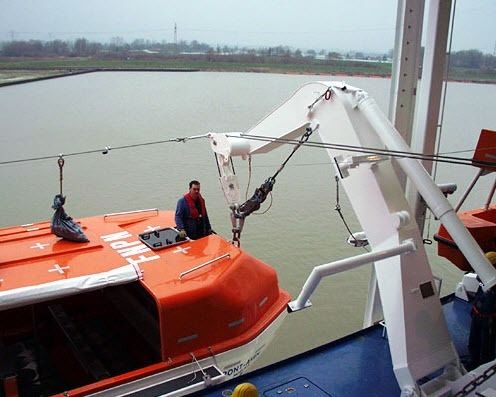
- Antriebsoptionen
- Electric, hydraulic, manual, with/without stored power (accumulator or spring force)
- Solas-hoistgeschwindigkeit
- Bis 48 m/min für Fast-Rescue-Davits (SOLAS-konform)
- Einsatzbereich
- Rettungsboote, Schnellrettungsboote, Rettungsflöße, MOB-Boote
- Konstruktion
- Normal pivot or slewing types, single or double arm with optional docking head to prevent pendulum motion until water level
- Hubkapazität
- Configurable according to ship type and lifeboat weight (tailor-made solutions)
- Zertifizierung
- ABS, GL, DNV, BV, NK, KR, LR and other classification societies
- D-NPS.SP (Normal Pivot Single/Double Arm mit Docking Head)
- D-NPS.FR (Fast Rescue Davit mit Docking Head)
- D-CRm.FR (Slewing Fast Rescue Davit mit hydraulischem/elektrischem Antrieb)
- D-BR (rescue davit with manual operation or hydraulic stored power)
- D-NP.MP (Normal Pivot mit mechanischer Stored Power - Federbelastung)
- D-NP.SP (Normal Pivot mit hydraulischer Stored Power - Akku)
- Area: On-load release gear functionality and wearCheck: Annually: operational test of on-load release gear by positioning the boat partially in water for load support by fall, actuation of release gear, reset and inspection for damage. Every 5 years: overhaul of release system with 110% proof-load test. Inspect release gear before and after operational test; verify hook securing and reset.
- Area: Wire rope condition (wires/falls) – corrosion, wear, breakageCheck: Monthly: visual inspection for fraying, kinks, corrosion, broken strands. Annually: wire rope and sheaves for scratches, dents, corrosion, missing lubrication. Every 5 years: wire rope replacement per SOLAS Chapter III required. Lubrication of wires, sheaves and moving parts to be checked.
- Area: Brake system - inspection function and wear partsCheck: Annually: brake test by suspension of rated load and verification that brake holds without slippage. For centrifugal brakes: sinking speed against SOLAS formula (max. 1.3 m/s) to be checked. Brake pads to be inspected and replaced when worn. Every 5 years: brake system to be opened and condition thoroughly checked.
- Area: Sheaves - wear, abrasion, corrosion, wear ringsCheck: Annually: sheaves for wear grooves, wear ring wear, corrosion, incorrect alignment, loose bolts to be checked. A worn or corroded sheave damages new wires and leads to premature wire rope failure. Wear ring thickness to be measured and replaced if necessary. Lubrication to be checked.
- Area: Overall structure - corrosion, wear, deformation and clearanceCheck: Annually: davit structure for corrosion (especially welds), wear, deformation, excessive clearance, cracks to be checked. All bolt locking devices to be verified. Hydraulic cylinders for leakage to be checked. Every 5 years: selective disassembly with NDT (roughness inspection, crack inspection) to be performed. Foundations to be inspected.
- Area: Proof-load test at 110% of rated loadCheck: Annually: dynamic winch brake test at 110% of Safe Working Load to be performed (simulated by water bag equipment or certified load cells). Every 5 years: comprehensive proof-load test of entire davit, winch, wire rope and hook system at 110% SWL to be performed. System must hold load, show no deformation or damage.
Type-universal inspection/maintenance points for Lifesaving Appliances (LSA) (davit international, Mega-Swarm 2026–06). Per-model specs not auto-populated.
- Fast hoist rate (≤48 m/min) meeting SOLAS fast‑rescue requirements
- Docking head option reduces boat swing, improving safety in rough seas
- Modular drive options – electric, hydraulic or manual with stored‑power backup
- Configurable load capacity tailored to vessel size and boat weight
- Designed for compliance with major classification societies (ABS, DNV, LR, etc.)
- Higher initial cost compared with basic manual davits
- Increased maintenance due to hydraulic/electric components and stored‑power units
- Requires regular (monthly–annual) inspections of wire rope, brakes and release gear
- Space‑intensive double‑arm layout may limit installation on small deck areas
- Complex control system demands trained personnel for operation and troubleshooting
- Antriebsoptionen
- Electric, hydraulic, manual, with/without stored power (accumulator or spring force)
- Solas-hoistgeschwindigkeit
- Bis 48 m/min für Fast-Rescue-Davits (SOLAS-konform)
- Einsatzbereich
- Rettungsboote, Schnellrettungsboote, Rettungsflöße, MOB-Boote
- Konstruktion
- Normal pivot or slewing types, single or double arm with optional docking head to prevent pendulum motion until water level
- Hubkapazität
- Configurable according to ship type and lifeboat weight (tailor-made solutions)
- Zertifizierung
- ABS, GL, DNV, BV, NK, KR, LR and other classification societies
- D-NPS.SP (Normal Pivot Single/Double Arm mit Docking Head)
- D-NPS.FR (Fast Rescue Davit mit Docking Head)
- D-CRm.FR (Slewing Fast Rescue Davit mit hydraulischem/elektrischem Antrieb)
- D-BR (rescue davit with manual operation or hydraulic stored power)
- D-NP.MP (Normal Pivot mit mechanischer Stored Power - Federbelastung)
- D-NP.SP (Normal Pivot mit hydraulischer Stored Power - Akku)
- Area: On-load release gear functionality and wearCheck: Annually: operational test of on-load release gear by positioning the boat partially in water for load support by fall, actuation of release gear, reset and inspection for damage. Every 5 years: overhaul of release system with 110% proof-load test. Inspect release gear before and after operational test; verify hook securing and reset.
- Area: Wire rope condition (wires/falls) – corrosion, wear, breakageCheck: Monthly: visual inspection for fraying, kinks, corrosion, broken strands. Annually: wire rope and sheaves for scratches, dents, corrosion, missing lubrication. Every 5 years: wire rope replacement per SOLAS Chapter III required. Lubrication of wires, sheaves and moving parts to be checked.
- Area: Brake system - inspection function and wear partsCheck: Annually: brake test by suspension of rated load and verification that brake holds without slippage. For centrifugal brakes: sinking speed against SOLAS formula (max. 1.3 m/s) to be checked. Brake pads to be inspected and replaced when worn. Every 5 years: brake system to be opened and condition thoroughly checked.
- Area: Sheaves - wear, abrasion, corrosion, wear ringsCheck: Annually: sheaves for wear grooves, wear ring wear, corrosion, incorrect alignment, loose bolts to be checked. A worn or corroded sheave damages new wires and leads to premature wire rope failure. Wear ring thickness to be measured and replaced if necessary. Lubrication to be checked.
- Area: Overall structure - corrosion, wear, deformation and clearanceCheck: Annually: davit structure for corrosion (especially welds), wear, deformation, excessive clearance, cracks to be checked. All bolt locking devices to be verified. Hydraulic cylinders for leakage to be checked. Every 5 years: selective disassembly with NDT (roughness inspection, crack inspection) to be performed. Foundations to be inspected.
- Area: Proof-load test at 110% of rated loadCheck: Annually: dynamic winch brake test at 110% of Safe Working Load to be performed (simulated by water bag equipment or certified load cells). Every 5 years: comprehensive proof-load test of entire davit, winch, wire rope and hook system at 110% SWL to be performed. System must hold load, show no deformation or damage.
Type-universal inspection/maintenance points for Lifesaving Appliances (LSA) (davit international, Mega-Swarm 2026–06). Per-model specs not auto-populated.
- Hoist speed up to 48 m/min meets SOLAS fast‑rescue requirements
- Configurable hub capacity and optional docking head reduce pendulum motion during launch
- Multiple power options (electric, hydraulic, manual, stored‑power) increase operational flexibility
- SOLID‑state construction with ABS/DNV certification for high reliability
- Slewing arm design saves deck space compared with traditional pivot davits
- Higher initial cost and more complex control systems than basic manual davits
- Dependence on hydraulic/electric power means stricter maintenance regime and need for backup power
- Proof‑load testing every five years adds scheduled downtime
- Requires regular inspection of wire rope, sheaves and brake system to maintain certification
- Installation may demand reinforced deck foundations due to higher dynamic loads
- Antriebsoptionen
- Electric, hydraulic, manual, with/without stored power (accumulator or spring force)
- Solas-hoistgeschwindigkeit
- Bis 48 m/min für Fast-Rescue-Davits (SOLAS-konform)
- Einsatzbereich
- Rettungsboote, Schnellrettungsboote, Rettungsflöße, MOB-Boote
- Konstruktion
- Normal pivot or slewing types, single or double arm with optional docking head to prevent pendulum motion until water level
- Hubkapazität
- Configurable according to ship type and lifeboat weight (tailor-made solutions)
- Zertifizierung
- ABS, GL, DNV, BV, NK, KR, LR and other classification societies
- D-NPS.SP (Normal Pivot Single/Double Arm mit Docking Head)
- D-NPS.FR (Fast Rescue Davit mit Docking Head)
- D-CRm.FR (Slewing Fast Rescue Davit mit hydraulischem/elektrischem Antrieb)
- D-BR (rescue davit with manual operation or hydraulic stored power)
- D-NP.MP (Normal Pivot mit mechanischer Stored Power - Federbelastung)
- D-NP.SP (Normal Pivot mit hydraulischer Stored Power - Akku)
- Area: On-load release gear functionality and wearCheck: Annually: operational test of on-load release gear by positioning the boat partially in water for load support by fall, actuation of release gear, reset and inspection for damage. Every 5 years: overhaul of release system with 110% proof-load test. Inspect release gear before and after operational test; verify hook securing and reset.
- Area: Wire rope condition (wires/falls) – corrosion, wear, breakageCheck: Monthly: visual inspection for fraying, kinks, corrosion, broken strands. Annually: wire rope and sheaves for scratches, dents, corrosion, missing lubrication. Every 5 years: wire rope replacement per SOLAS Chapter III required. Lubrication of wires, sheaves and moving parts to be checked.
- Area: Brake system - inspection function and wear partsCheck: Annually: brake test by suspension of rated load and verification that brake holds without slippage. For centrifugal brakes: sinking speed against SOLAS formula (max. 1.3 m/s) to be checked. Brake pads to be inspected and replaced when worn. Every 5 years: brake system to be opened and condition thoroughly checked.
- Area: Sheaves - wear, abrasion, corrosion, wear ringsCheck: Annually: sheaves for wear grooves, wear ring wear, corrosion, incorrect alignment, loose bolts to be checked. A worn or corroded sheave damages new wires and leads to premature wire rope failure. Wear ring thickness to be measured and replaced if necessary. Lubrication to be checked.
- Area: Overall structure - corrosion, wear, deformation and clearanceCheck: Annually: davit structure for corrosion (especially welds), wear, deformation, excessive clearance, cracks to be checked. All bolt locking devices to be verified. Hydraulic cylinders for leakage to be checked. Every 5 years: selective disassembly with NDT (roughness inspection, crack inspection) to be performed. Foundations to be inspected.
- Area: Proof-load test at 110% of rated loadCheck: Annually: dynamic winch brake test at 110% of Safe Working Load to be performed (simulated by water bag equipment or certified load cells). Every 5 years: comprehensive proof-load test of entire davit, winch, wire rope and hook system at 110% SWL to be performed. System must hold load, show no deformation or damage.
Type-universal inspection/maintenance points for Lifesaving Appliances (LSA) (davit international, Mega-Swarm 2026–06). Per-model specs not auto-populated.
- Fast hoist speed (≤48 m/min) meets SOLAS fast‑rescue requirements, reducing launch time in emergencies.
- Dual‑arm or single‑arm configurations with optional docking head provide excellent stability and limit swing during launch.
- Modular power options (electric, hydraulic, manual, stored‑power) allow flexibility for vessels with limited deck space or redundant power needs.
- Tailor‑made load capacity – can be sized to the specific weight of the lifeboat/raft on board.
- Broad class society approvals (ABS, DNV, LR, etc.) simplify certification and acceptance by flag states.
- Higher capital cost compared with basic manual davits because of hydraulic/electric components and control electronics.
- Increased maintenance workload – regular testing of hydraulic seals, electric motors and stored‑power units is required.
- Complexity of the control system may demand specialised crew training and qualified service personnel for repairs.
- Larger footprint on deck; not ideal for small vessels where space is at a premium.
- Dependence on ship’s power supply – loss of electrical power can limit launch speed unless stored‑power backup is installed.
- Antriebsoptionen
- Electric, hydraulic, manual, with/without stored power (accumulator or spring force)
- Solas-hoistgeschwindigkeit
- Bis 48 m/min für Fast-Rescue-Davits (SOLAS-konform)
- Einsatzbereich
- Rettungsboote, Schnellrettungsboote, Rettungsflöße, MOB-Boote
- Konstruktion
- Normal pivot or slewing types, single or double arm with optional docking head to prevent pendulum motion until water level
- Hubkapazität
- Configurable according to ship type and lifeboat weight (tailor-made solutions)
- Zertifizierung
- ABS, GL, DNV, BV, NK, KR, LR and other classification societies
- D-NPS.SP (Normal Pivot Single/Double Arm mit Docking Head)
- D-NPS.FR (Fast Rescue Davit mit Docking Head)
- D-CRm.FR (Slewing Fast Rescue Davit mit hydraulischem/elektrischem Antrieb)
- D-BR (rescue davit with manual operation or hydraulic stored power)
- D-NP.MP (Normal Pivot mit mechanischer Stored Power - Federbelastung)
- D-NP.SP (Normal Pivot mit hydraulischer Stored Power - Akku)
- Area: On-load release gear functionality and wearCheck: Annually: operational test of on-load release gear by positioning the boat partially in water for load support by fall, actuation of release gear, reset and inspection for damage. Every 5 years: overhaul of release system with 110% proof-load test. Inspect release gear before and after operational test; verify hook securing and reset.
- Area: Wire rope condition (wires/falls) – corrosion, wear, breakageCheck: Monthly: visual inspection for fraying, kinks, corrosion, broken strands. Annually: wire rope and sheaves for scratches, dents, corrosion, missing lubrication. Every 5 years: wire rope replacement per SOLAS Chapter III required. Lubrication of wires, sheaves and moving parts to be checked.
- Area: Brake system - inspection function and wear partsCheck: Annually: brake test by suspension of rated load and verification that brake holds without slippage. For centrifugal brakes: sinking speed against SOLAS formula (max. 1.3 m/s) to be checked. Brake pads to be inspected and replaced when worn. Every 5 years: brake system to be opened and condition thoroughly checked.
- Area: Sheaves - wear, abrasion, corrosion, wear ringsCheck: Annually: sheaves for wear grooves, wear ring wear, corrosion, incorrect alignment, loose bolts to be checked. A worn or corroded sheave damages new wires and leads to premature wire rope failure. Wear ring thickness to be measured and replaced if necessary. Lubrication to be checked.
- Area: Overall structure - corrosion, wear, deformation and clearanceCheck: Annually: davit structure for corrosion (especially welds), wear, deformation, excessive clearance, cracks to be checked. All bolt locking devices to be verified. Hydraulic cylinders for leakage to be checked. Every 5 years: selective disassembly with NDT (roughness inspection, crack inspection) to be performed. Foundations to be inspected.
- Area: Proof-load test at 110% of rated loadCheck: Annually: dynamic winch brake test at 110% of Safe Working Load to be performed (simulated by water bag equipment or certified load cells). Every 5 years: comprehensive proof-load test of entire davit, winch, wire rope and hook system at 110% SWL to be performed. System must hold load, show no deformation or damage.
Type-universal inspection/maintenance points for Lifesaving Appliances (LSA) (davit international, Mega-Swarm 2026–06). Per-model specs not auto-populated.
- IMO‑approved and class certified by major societies (ABS, DNV, LR, etc.)
- Fast‑rescue hoist speed (≤48 m/min) meeting SOLAS requirements
- Multiple drive options allow flexibility for new builds or retrofits
- Docking head reduces swing, improving safety in rough seas
- Modular design – normal pivot or slewing, single/double arm, tailored load capacity
- Higher initial cost compared with basic manual davits
- Complex hydraulic/electric systems increase maintenance workload
- Requires regular wire‑rope and brake inspections per SOLAS (monthly/annual)
- Space needed for power units and stored‑power batteries may limit installation on small vessels
- Dependence on stored power; battery degradation must be managed
- Antriebsoptionen
- Electric, hydraulic, manual, with/without stored power (accumulator or spring force)
- Solas-hoistgeschwindigkeit
- Bis 48 m/min für Fast-Rescue-Davits (SOLAS-konform)
- Einsatzbereich
- Rettungsboote, Schnellrettungsboote, Rettungsflöße, MOB-Boote
- Konstruktion
- Normal pivot or slewing types, single or double arm with optional docking head to prevent pendulum motion until water level
- Hubkapazität
- Configurable according to ship type and lifeboat weight (tailor-made solutions)
- Zertifizierung
- ABS, GL, DNV, BV, NK, KR, LR and other classification societies
- D-NPS.SP (Normal Pivot Single/Double Arm mit Docking Head)
- D-NPS.FR (Fast Rescue Davit mit Docking Head)
- D-CRm.FR (Slewing Fast Rescue Davit mit hydraulischem/elektrischem Antrieb)
- D-BR (rescue davit with manual operation or hydraulic stored power)
- D-NP.MP (Normal Pivot mit mechanischer Stored Power - Federbelastung)
- D-NP.SP (Normal Pivot mit hydraulischer Stored Power - Akku)
- Area: On-load release gear functionality and wearCheck: Annually: operational test of on-load release gear by positioning the boat partially in water for load support by fall, actuation of release gear, reset and inspection for damage. Every 5 years: overhaul of release system with 110% proof-load test. Inspect release gear before and after operational test; verify hook securing and reset.
- Area: Wire rope condition (wires/falls) – corrosion, wear, breakageCheck: Monthly: visual inspection for fraying, kinks, corrosion, broken strands. Annually: wire rope and sheaves for scratches, dents, corrosion, missing lubrication. Every 5 years: wire rope replacement per SOLAS Chapter III required. Lubrication of wires, sheaves and moving parts to be checked.
- Area: Brake system - inspection function and wear partsCheck: Annually: brake test by suspension of rated load and verification that brake holds without slippage. For centrifugal brakes: sinking speed against SOLAS formula (max. 1.3 m/s) to be checked. Brake pads to be inspected and replaced when worn. Every 5 years: brake system to be opened and condition thoroughly checked.
- Area: Sheaves - wear, abrasion, corrosion, wear ringsCheck: Annually: sheaves for wear grooves, wear ring wear, corrosion, incorrect alignment, loose bolts to be checked. A worn or corroded sheave damages new wires and leads to premature wire rope failure. Wear ring thickness to be measured and replaced if necessary. Lubrication to be checked.
- Area: Overall structure - corrosion, wear, deformation and clearanceCheck: Annually: davit structure for corrosion (especially welds), wear, deformation, excessive clearance, cracks to be checked. All bolt locking devices to be verified. Hydraulic cylinders for leakage to be checked. Every 5 years: selective disassembly with NDT (roughness inspection, crack inspection) to be performed. Foundations to be inspected.
- Area: Proof-load test at 110% of rated loadCheck: Annually: dynamic winch brake test at 110% of Safe Working Load to be performed (simulated by water bag equipment or certified load cells). Every 5 years: comprehensive proof-load test of entire davit, winch, wire rope and hook system at 110% SWL to be performed. System must hold load, show no deformation or damage.
Type-universal inspection/maintenance points for Lifesaving Appliances (LSA) (davit international, Mega-Swarm 2026–06). Per-model specs not auto-populated.
- High hoist speed (up to 48 m/min) meets SOLAS fast‑rescue requirements
- Multiple power options (electric, hydraulic, manual, stored‑power) provide redundancy
- Docking head reduces swing and improves safe launch in rough seas
- Configurable load capacity for a wide range of lifeboat weights
- Broad class society approvals (ABS, DNV, LR, etc.)
- Complex drive system increases routine maintenance workload
- Higher initial capital cost compared with simple pivot davits
- Requires regular inspection of hydraulic/electrical components and wire‑rope assemblies
- Larger footprint on deck due to slewing arm geometry
- Stored‑power (battery or spring) adds weight and periodic replacement
- Antriebsoptionen
- Electric, hydraulic, manual, with/without stored power (accumulator or spring force)
- Solas-hoistgeschwindigkeit
- Bis 48 m/min für Fast-Rescue-Davits (SOLAS-konform)
- Einsatzbereich
- Rettungsboote, Schnellrettungsboote, Rettungsflöße, MOB-Boote
- Konstruktion
- Normal pivot or slewing types, single or double arm with optional docking head to prevent pendulum motion until water level
- Hubkapazität
- Configurable according to ship type and lifeboat weight (tailor-made solutions)
- Zertifizierung
- ABS, GL, DNV, BV, NK, KR, LR and other classification societies
- D-NPS.SP (Normal Pivot Single/Double Arm mit Docking Head)
- D-NPS.FR (Fast Rescue Davit mit Docking Head)
- D-CRm.FR (Slewing Fast Rescue Davit mit hydraulischem/elektrischem Antrieb)
- D-BR (rescue davit with manual operation or hydraulic stored power)
- D-NP.MP (Normal Pivot mit mechanischer Stored Power - Federbelastung)
- D-NP.SP (Normal Pivot mit hydraulischer Stored Power - Akku)
- Area: On-load release gear functionality and wearCheck: Annually: operational test of on-load release gear by positioning the boat partially in water for load support by fall, actuation of release gear, reset and inspection for damage. Every 5 years: overhaul of release system with 110% proof-load test. Inspect release gear before and after operational test; verify hook securing and reset.
- Area: Wire rope condition (wires/falls) – corrosion, wear, breakageCheck: Monthly: visual inspection for fraying, kinks, corrosion, broken strands. Annually: wire rope and sheaves for scratches, dents, corrosion, missing lubrication. Every 5 years: wire rope replacement per SOLAS Chapter III required. Lubrication of wires, sheaves and moving parts to be checked.
- Area: Brake system - inspection function and wear partsCheck: Annually: brake test by suspension of rated load and verification that brake holds without slippage. For centrifugal brakes: sinking speed against SOLAS formula (max. 1.3 m/s) to be checked. Brake pads to be inspected and replaced when worn. Every 5 years: brake system to be opened and condition thoroughly checked.
- Area: Sheaves - wear, abrasion, corrosion, wear ringsCheck: Annually: sheaves for wear grooves, wear ring wear, corrosion, incorrect alignment, loose bolts to be checked. A worn or corroded sheave damages new wires and leads to premature wire rope failure. Wear ring thickness to be measured and replaced if necessary. Lubrication to be checked.
- Area: Overall structure - corrosion, wear, deformation and clearanceCheck: Annually: davit structure for corrosion (especially welds), wear, deformation, excessive clearance, cracks to be checked. All bolt locking devices to be verified. Hydraulic cylinders for leakage to be checked. Every 5 years: selective disassembly with NDT (roughness inspection, crack inspection) to be performed. Foundations to be inspected.
- Area: Proof-load test at 110% of rated loadCheck: Annually: dynamic winch brake test at 110% of Safe Working Load to be performed (simulated by water bag equipment or certified load cells). Every 5 years: comprehensive proof-load test of entire davit, winch, wire rope and hook system at 110% SWL to be performed. System must hold load, show no deformation or damage.
Type-universal inspection/maintenance points for Lifesaving Appliances (LSA) (davit international, Mega-Swarm 2026–06). Per-model specs not auto-populated.
- High hoist speed (up to 48 m/min) meeting SOLAS fast‑rescue requirements
- Modular power options – electric, hydraulic, manual or stored‑power (battery/flywheel)
- Docking head available to reduce swing and improve safe launch in rough seas
- Configurable single‑ or double‑arm designs for a wide range of vessel layouts
- Broad class society approvals (ABS, DNV, LR, BV, NK, GL) facilitating certification
- Complex hydraulic/electrical systems increase routine maintenance workload
- Proof‑load testing required every year and full inspection every five years adds downtime
- Higher initial capital cost compared with basic manual davits
- Double‑arm configurations occupy more deck space, limiting use on smaller vessels
- Reliance on stored‑power units (battery/flywheel) demands periodic health checks
- Antriebsoptionen
- Electric, hydraulic, manual, with/without stored power (accumulator or spring force)
- Solas-hoistgeschwindigkeit
- Bis 48 m/min für Fast-Rescue-Davits (SOLAS-konform)
- Einsatzbereich
- Rettungsboote, Schnellrettungsboote, Rettungsflöße, MOB-Boote
- Konstruktion
- Normal pivot or slewing types, single or double arm with optional docking head to prevent pendulum motion until water level
- Hubkapazität
- Configurable according to ship type and lifeboat weight (tailor-made solutions)
- Zertifizierung
- ABS, GL, DNV, BV, NK, KR, LR and other classification societies
- D-NPS.SP (Normal Pivot Single/Double Arm mit Docking Head)
- D-NPS.FR (Fast Rescue Davit mit Docking Head)
- D-CRm.FR (Slewing Fast Rescue Davit mit hydraulischem/elektrischem Antrieb)
- D-BR (rescue davit with manual operation or hydraulic stored power)
- D-NP.MP (Normal Pivot mit mechanischer Stored Power - Federbelastung)
- D-NP.SP (Normal Pivot mit hydraulischer Stored Power - Akku)
- Area: On-load release gear functionality and wearCheck: Annually: operational test of on-load release gear by positioning the boat partially in water for load support by fall, actuation of release gear, reset and inspection for damage. Every 5 years: overhaul of release system with 110% proof-load test. Inspect release gear before and after operational test; verify hook securing and reset.
- Area: Wire rope condition (wires/falls) – corrosion, wear, breakageCheck: Monthly: visual inspection for fraying, kinks, corrosion, broken strands. Annually: wire rope and sheaves for scratches, dents, corrosion, missing lubrication. Every 5 years: wire rope replacement per SOLAS Chapter III required. Lubrication of wires, sheaves and moving parts to be checked.
- Area: Brake system - inspection function and wear partsCheck: Annually: brake test by suspension of rated load and verification that brake holds without slippage. For centrifugal brakes: sinking speed against SOLAS formula (max. 1.3 m/s) to be checked. Brake pads to be inspected and replaced when worn. Every 5 years: brake system to be opened and condition thoroughly checked.
- Area: Sheaves - wear, abrasion, corrosion, wear ringsCheck: Annually: sheaves for wear grooves, wear ring wear, corrosion, incorrect alignment, loose bolts to be checked. A worn or corroded sheave damages new wires and leads to premature wire rope failure. Wear ring thickness to be measured and replaced if necessary. Lubrication to be checked.
- Area: Overall structure - corrosion, wear, deformation and clearanceCheck: Annually: davit structure for corrosion (especially welds), wear, deformation, excessive clearance, cracks to be checked. All bolt locking devices to be verified. Hydraulic cylinders for leakage to be checked. Every 5 years: selective disassembly with NDT (roughness inspection, crack inspection) to be performed. Foundations to be inspected.
- Area: Proof-load test at 110% of rated loadCheck: Annually: dynamic winch brake test at 110% of Safe Working Load to be performed (simulated by water bag equipment or certified load cells). Every 5 years: comprehensive proof-load test of entire davit, winch, wire rope and hook system at 110% SWL to be performed. System must hold load, show no deformation or damage.
Type-universal inspection/maintenance points for Lifesaving Appliances (LSA) (davit international, Mega-Swarm 2026–06). Per-model specs not auto-populated.
- Hoist speed up to 48 m/min meets SOLAS fast‑rescue requirements
- Multiple drive options (electric, hydraulic, manual, stored‑power) for redundancy
- Docking head reduces swing and improves safe water entry of the boat
- Capacity and geometry are tailor‑made per vessel type and boat weight
- Certified by major classification societies (ABS, DNV, LR, BV)
- Higher initial cost compared with basic single‑arm davits
- Complex drive and control systems increase routine maintenance workload
- Requires regular proof‑load testing (annual/5‑year) to stay compliant
- Slewing arrangement needs ample deck space and reinforced foundations
- Stored‑power (battery or spring) adds weight and periodic replacement
- Antriebsoptionen
- Electric, hydraulic, manual, with/without stored power (accumulator or spring force)
- Solas-hoistgeschwindigkeit
- Bis 48 m/min für Fast-Rescue-Davits (SOLAS-konform)
- Einsatzbereich
- Rettungsboote, Schnellrettungsboote, Rettungsflöße, MOB-Boote
- Konstruktion
- Normal pivot or slewing types, single or double arm with optional docking head to prevent pendulum motion until water level
- Hubkapazität
- Configurable according to ship type and lifeboat weight (tailor-made solutions)
- Zertifizierung
- ABS, GL, DNV, BV, NK, KR, LR and other classification societies
- D-NPS.SP (Normal Pivot Single/Double Arm mit Docking Head)
- D-NPS.FR (Fast Rescue Davit mit Docking Head)
- D-CRm.FR (Slewing Fast Rescue Davit mit hydraulischem/elektrischem Antrieb)
- D-BR (rescue davit with manual operation or hydraulic stored power)
- D-NP.MP (Normal Pivot mit mechanischer Stored Power - Federbelastung)
- D-NP.SP (Normal Pivot mit hydraulischer Stored Power - Akku)
- Area: On-load release gear functionality and wearCheck: Annually: operational test of on-load release gear by positioning the boat partially in water for load support by fall, actuation of release gear, reset and inspection for damage. Every 5 years: overhaul of release system with 110% proof-load test. Inspect release gear before and after operational test; verify hook securing and reset.
- Area: Wire rope condition (wires/falls) – corrosion, wear, breakageCheck: Monthly: visual inspection for fraying, kinks, corrosion, broken strands. Annually: wire rope and sheaves for scratches, dents, corrosion, missing lubrication. Every 5 years: wire rope replacement per SOLAS Chapter III required. Lubrication of wires, sheaves and moving parts to be checked.
- Area: Brake system - inspection function and wear partsCheck: Annually: brake test by suspension of rated load and verification that brake holds without slippage. For centrifugal brakes: sinking speed against SOLAS formula (max. 1.3 m/s) to be checked. Brake pads to be inspected and replaced when worn. Every 5 years: brake system to be opened and condition thoroughly checked.
- Area: Sheaves - wear, abrasion, corrosion, wear ringsCheck: Annually: sheaves for wear grooves, wear ring wear, corrosion, incorrect alignment, loose bolts to be checked. A worn or corroded sheave damages new wires and leads to premature wire rope failure. Wear ring thickness to be measured and replaced if necessary. Lubrication to be checked.
- Area: Overall structure - corrosion, wear, deformation and clearanceCheck: Annually: davit structure for corrosion (especially welds), wear, deformation, excessive clearance, cracks to be checked. All bolt locking devices to be verified. Hydraulic cylinders for leakage to be checked. Every 5 years: selective disassembly with NDT (roughness inspection, crack inspection) to be performed. Foundations to be inspected.
- Area: Proof-load test at 110% of rated loadCheck: Annually: dynamic winch brake test at 110% of Safe Working Load to be performed (simulated by water bag equipment or certified load cells). Every 5 years: comprehensive proof-load test of entire davit, winch, wire rope and hook system at 110% SWL to be performed. System must hold load, show no deformation or damage.
Type-universal inspection/maintenance points for Lifesaving Appliances (LSA) (davit international, Mega-Swarm 2026–06). Per-model specs not auto-populated.
- Very high hoist speed (up to 48 m/min) meeting SOLAS fast‑rescue requirements
- Multiple drive options (electric, hydraulic, manual, stored‑power) for flexibility in installation
- Docking head prevents pendulum swing during launch, improving safety in rough seas
- Tailor‑made load capacity – can be sized to the specific boat weight of the vessel
- Broad class approvals (ABS, DNV, LR, BV, NK, KR) and IMO SOLAS certification
- Complex drive options increase maintenance workload and spare‑part inventory
- Electric or stored‑power versions require battery management and periodic charging checks
- Higher initial capital cost compared with basic single‑arm manual davits
- Requires a five‑year comprehensive inspection (NDT, proof‑load) which can cause downtime
- Double‑arm configuration occupies more deck space than minimalist pivot types
- Antriebsoptionen
- Electric, hydraulic, manual, with/without stored power (accumulator or spring force)
- Solas-hoistgeschwindigkeit
- Bis 48 m/min für Fast-Rescue-Davits (SOLAS-konform)
- Einsatzbereich
- Rettungsboote, Schnellrettungsboote, Rettungsflöße, MOB-Boote
- Konstruktion
- Normal pivot or slewing types, single or double arm with optional docking head to prevent pendulum motion until water level
- Hubkapazität
- Configurable according to ship type and lifeboat weight (tailor-made solutions)
- Zertifizierung
- ABS, GL, DNV, BV, NK, KR, LR and other classification societies
- D-NPS.SP (Normal Pivot Single/Double Arm mit Docking Head)
- D-NPS.FR (Fast Rescue Davit mit Docking Head)
- D-CRm.FR (Slewing Fast Rescue Davit mit hydraulischem/elektrischem Antrieb)
- D-BR (rescue davit with manual operation or hydraulic stored power)
- D-NP.MP (Normal Pivot mit mechanischer Stored Power - Federbelastung)
- D-NP.SP (Normal Pivot mit hydraulischer Stored Power - Akku)
- Area: On-load release gear functionality and wearCheck: Annually: operational test of on-load release gear by positioning the boat partially in water for load support by fall, actuation of release gear, reset and inspection for damage. Every 5 years: overhaul of release system with 110% proof-load test. Inspect release gear before and after operational test; verify hook securing and reset.
- Area: Wire rope condition (wires/falls) – corrosion, wear, breakageCheck: Monthly: visual inspection for fraying, kinks, corrosion, broken strands. Annually: wire rope and sheaves for scratches, dents, corrosion, missing lubrication. Every 5 years: wire rope replacement per SOLAS Chapter III required. Lubrication of wires, sheaves and moving parts to be checked.
- Area: Brake system - inspection function and wear partsCheck: Annually: brake test by suspension of rated load and verification that brake holds without slippage. For centrifugal brakes: sinking speed against SOLAS formula (max. 1.3 m/s) to be checked. Brake pads to be inspected and replaced when worn. Every 5 years: brake system to be opened and condition thoroughly checked.
- Area: Sheaves - wear, abrasion, corrosion, wear ringsCheck: Annually: sheaves for wear grooves, wear ring wear, corrosion, incorrect alignment, loose bolts to be checked. A worn or corroded sheave damages new wires and leads to premature wire rope failure. Wear ring thickness to be measured and replaced if necessary. Lubrication to be checked.
- Area: Overall structure - corrosion, wear, deformation and clearanceCheck: Annually: davit structure for corrosion (especially welds), wear, deformation, excessive clearance, cracks to be checked. All bolt locking devices to be verified. Hydraulic cylinders for leakage to be checked. Every 5 years: selective disassembly with NDT (roughness inspection, crack inspection) to be performed. Foundations to be inspected.
- Area: Proof-load test at 110% of rated loadCheck: Annually: dynamic winch brake test at 110% of Safe Working Load to be performed (simulated by water bag equipment or certified load cells). Every 5 years: comprehensive proof-load test of entire davit, winch, wire rope and hook system at 110% SWL to be performed. System must hold load, show no deformation or damage.
Type-universal inspection/maintenance points for Lifesaving Appliances (LSA) (davit international, Mega-Swarm 2026–06). Per-model specs not auto-populated.
- Mechanical stored power – no reliance on ship’s hydraulic/electric systems, ideal for redundancy.
- Fast rescue hoist speed (up to 48 m/min) meeting SOLAS fast‑rescue requirements.
- Optional docking head reduces pendulum motion and protects the boat during launch.
- Tailor‑made load capacity allows configuration for a wide range of lifeboat weights.
- Broad class society approvals (ABS, DNV, LR, etc.) simplifying certification on new builds.
- Spring mechanism requires periodic inspection and replacement after a defined number of cycles.
- Manual reset after deployment can be labour‑intensive compared to hydraulic/electric systems.
- Maximum hoist speed is lower than some dedicated hydraulic fast‑rescue davits.
- Higher initial weight of the pivot structure may affect deck reinforcement requirements.
- Antriebsoptionen
- Electric, hydraulic, manual, with/without stored power (accumulator or spring force)
- Solas-hoistgeschwindigkeit
- Bis 48 m/min für Fast-Rescue-Davits (SOLAS-konform)
- Einsatzbereich
- Rettungsboote, Schnellrettungsboote, Rettungsflöße, MOB-Boote
- Konstruktion
- Normal pivot or slewing types, single or double arm with optional docking head to prevent pendulum motion until water level
- Hubkapazität
- Configurable according to ship type and lifeboat weight (tailor-made solutions)
- Zertifizierung
- ABS, GL, DNV, BV, NK, KR, LR and other classification societies
- D-NPS.SP (Normal Pivot Single/Double Arm mit Docking Head)
- D-NPS.FR (Fast Rescue Davit mit Docking Head)
- D-CRm.FR (Slewing Fast Rescue Davit mit hydraulischem/elektrischem Antrieb)
- D-BR (rescue davit with manual operation or hydraulic stored power)
- D-NP.MP (Normal Pivot mit mechanischer Stored Power - Federbelastung)
- D-NP.SP (Normal Pivot mit hydraulischer Stored Power - Akku)
- Area: On-load release gear functionality and wearCheck: Annually: operational test of on-load release gear by positioning the boat partially in water for load support by fall, actuation of release gear, reset and inspection for damage. Every 5 years: overhaul of release system with 110% proof-load test. Inspect release gear before and after operational test; verify hook securing and reset.
- Area: Wire rope condition (wires/falls) – corrosion, wear, breakageCheck: Monthly: visual inspection for fraying, kinks, corrosion, broken strands. Annually: wire rope and sheaves for scratches, dents, corrosion, missing lubrication. Every 5 years: wire rope replacement per SOLAS Chapter III required. Lubrication of wires, sheaves and moving parts to be checked.
- Area: Brake system - inspection function and wear partsCheck: Annually: brake test by suspension of rated load and verification that brake holds without slippage. For centrifugal brakes: sinking speed against SOLAS formula (max. 1.3 m/s) to be checked. Brake pads to be inspected and replaced when worn. Every 5 years: brake system to be opened and condition thoroughly checked.
- Area: Sheaves - wear, abrasion, corrosion, wear ringsCheck: Annually: sheaves for wear grooves, wear ring wear, corrosion, incorrect alignment, loose bolts to be checked. A worn or corroded sheave damages new wires and leads to premature wire rope failure. Wear ring thickness to be measured and replaced if necessary. Lubrication to be checked.
- Area: Overall structure - corrosion, wear, deformation and clearanceCheck: Annually: davit structure for corrosion (especially welds), wear, deformation, excessive clearance, cracks to be checked. All bolt locking devices to be verified. Hydraulic cylinders for leakage to be checked. Every 5 years: selective disassembly with NDT (roughness inspection, crack inspection) to be performed. Foundations to be inspected.
- Area: Proof-load test at 110% of rated loadCheck: Annually: dynamic winch brake test at 110% of Safe Working Load to be performed (simulated by water bag equipment or certified load cells). Every 5 years: comprehensive proof-load test of entire davit, winch, wire rope and hook system at 110% SWL to be performed. System must hold load, show no deformation or damage.
Type-universal inspection/maintenance points for Lifesaving Appliances (LSA) (davit international, Mega-Swarm 2026–06). Per-model specs not auto-populated.
- Fast hoist speed (≤48 m/min) meeting SOLAS fast‑rescue requirements
- Multiple drive options – electric, hydraulic, manual or stored power for redundancy
- Docking head reduces pendulum motion and improves safe water‑entry
- Modular capacity sizing allows tailor‑made solutions for different boat weights
- Fully SOLAS‑approved and widely class‑certified (DNV, ABS, LR, etc.)
- Higher initial cost compared with basic manual davits
- Increased maintenance due to hydraulic/electrical components and proof‑load testing
- Space‑intensive mounting arrangement on deck structures
- Reliance on stored‑power units (batteries or springs) adds weight and periodic replacement
- Complex commissioning – requires qualified installer and regular certification audits
- Antriebsoptionen
- Electric, hydraulic, manual, with/without stored power (accumulator or spring force)
- Solas-hoistgeschwindigkeit
- Bis 48 m/min für Fast-Rescue-Davits (SOLAS-konform)
- Einsatzbereich
- Rettungsboote, Schnellrettungsboote, Rettungsflöße, MOB-Boote
- Konstruktion
- Normal pivot or slewing types, single or double arm with optional docking head to prevent pendulum motion until water level
- Hubkapazität
- Configurable according to ship type and lifeboat weight (tailor-made solutions)
- Zertifizierung
- ABS, GL, DNV, BV, NK, KR, LR and other classification societies
- D-NPS.SP (Normal Pivot Single/Double Arm mit Docking Head)
- D-NPS.FR (Fast Rescue Davit mit Docking Head)
- D-CRm.FR (Slewing Fast Rescue Davit mit hydraulischem/elektrischem Antrieb)
- D-BR (rescue davit with manual operation or hydraulic stored power)
- D-NP.MP (Normal Pivot mit mechanischer Stored Power - Federbelastung)
- D-NP.SP (Normal Pivot mit hydraulischer Stored Power - Akku)
- Area: On-load release gear functionality and wearCheck: Annually: operational test of on-load release gear by positioning the boat partially in water for load support by fall, actuation of release gear, reset and inspection for damage. Every 5 years: overhaul of release system with 110% proof-load test. Inspect release gear before and after operational test; verify hook securing and reset.
- Area: Wire rope condition (wires/falls) – corrosion, wear, breakageCheck: Monthly: visual inspection for fraying, kinks, corrosion, broken strands. Annually: wire rope and sheaves for scratches, dents, corrosion, missing lubrication. Every 5 years: wire rope replacement per SOLAS Chapter III required. Lubrication of wires, sheaves and moving parts to be checked.
- Area: Brake system - inspection function and wear partsCheck: Annually: brake test by suspension of rated load and verification that brake holds without slippage. For centrifugal brakes: sinking speed against SOLAS formula (max. 1.3 m/s) to be checked. Brake pads to be inspected and replaced when worn. Every 5 years: brake system to be opened and condition thoroughly checked.
- Area: Sheaves - wear, abrasion, corrosion, wear ringsCheck: Annually: sheaves for wear grooves, wear ring wear, corrosion, incorrect alignment, loose bolts to be checked. A worn or corroded sheave damages new wires and leads to premature wire rope failure. Wear ring thickness to be measured and replaced if necessary. Lubrication to be checked.
- Area: Overall structure - corrosion, wear, deformation and clearanceCheck: Annually: davit structure for corrosion (especially welds), wear, deformation, excessive clearance, cracks to be checked. All bolt locking devices to be verified. Hydraulic cylinders for leakage to be checked. Every 5 years: selective disassembly with NDT (roughness inspection, crack inspection) to be performed. Foundations to be inspected.
- Area: Proof-load test at 110% of rated loadCheck: Annually: dynamic winch brake test at 110% of Safe Working Load to be performed (simulated by water bag equipment or certified load cells). Every 5 years: comprehensive proof-load test of entire davit, winch, wire rope and hook system at 110% SWL to be performed. System must hold load, show no deformation or damage.
Type-universal inspection/maintenance points for Lifesaving Appliances (LSA) (davit international, Mega-Swarm 2026–06). Per-model specs not auto-populated.
- SOLAS‑compliant launch speed of up to 48 m/min for rapid evacuation
- Multiple drive options (electric, hydraulic, manual) and stored‑power capability for redundancy
- Configurable hoist capacity tailored to vessel type and boat weight
- Docking head reduces swing and improves safe water entry
- Widely class‑approved (ABS, DNV, LR, BV, GL, NK, KR)
- Higher initial cost and greater installation space than simple manual davits
- Complexity increases maintenance workload – frequent inspections of winch, brakes, sheaves and hydraulic system required
- Potential for hydraulic leaks or electrical failures if stored‑power not fitted
- Requires crew training on multiple drive modes and on‑load release procedures
- Heavier overall weight can affect deck load calculations
- Antriebsoptionen
- Electric, hydraulic, manual, with/without stored power (accumulator or spring force)
- Solas-hoistgeschwindigkeit
- Bis 48 m/min für Fast-Rescue-Davits (SOLAS-konform)
- Einsatzbereich
- Rettungsboote, Schnellrettungsboote, Rettungsflöße, MOB-Boote
- Konstruktion
- Normal pivot or slewing types, single or double arm with optional docking head to prevent pendulum motion until water level
- Hubkapazität
- Configurable according to ship type and lifeboat weight (tailor-made solutions)
- Zertifizierung
- ABS, GL, DNV, BV, NK, KR, LR and other classification societies
- D-NPS.SP (Normal Pivot Single/Double Arm mit Docking Head)
- D-NPS.FR (Fast Rescue Davit mit Docking Head)
- D-CRm.FR (Slewing Fast Rescue Davit mit hydraulischem/elektrischem Antrieb)
- D-BR (rescue davit with manual operation or hydraulic stored power)
- D-NP.MP (Normal Pivot mit mechanischer Stored Power - Federbelastung)
- D-NP.SP (Normal Pivot mit hydraulischer Stored Power - Akku)
- Area: On-load release gear functionality and wearCheck: Annually: operational test of on-load release gear by positioning the boat partially in water for load support by fall, actuation of release gear, reset and inspection for damage. Every 5 years: overhaul of release system with 110% proof-load test. Inspect release gear before and after operational test; verify hook securing and reset.
- Area: Wire rope condition (wires/falls) – corrosion, wear, breakageCheck: Monthly: visual inspection for fraying, kinks, corrosion, broken strands. Annually: wire rope and sheaves for scratches, dents, corrosion, missing lubrication. Every 5 years: wire rope replacement per SOLAS Chapter III required. Lubrication of wires, sheaves and moving parts to be checked.
- Area: Brake system - inspection function and wear partsCheck: Annually: brake test by suspension of rated load and verification that brake holds without slippage. For centrifugal brakes: sinking speed against SOLAS formula (max. 1.3 m/s) to be checked. Brake pads to be inspected and replaced when worn. Every 5 years: brake system to be opened and condition thoroughly checked.
- Area: Sheaves - wear, abrasion, corrosion, wear ringsCheck: Annually: sheaves for wear grooves, wear ring wear, corrosion, incorrect alignment, loose bolts to be checked. A worn or corroded sheave damages new wires and leads to premature wire rope failure. Wear ring thickness to be measured and replaced if necessary. Lubrication to be checked.
- Area: Overall structure - corrosion, wear, deformation and clearanceCheck: Annually: davit structure for corrosion (especially welds), wear, deformation, excessive clearance, cracks to be checked. All bolt locking devices to be verified. Hydraulic cylinders for leakage to be checked. Every 5 years: selective disassembly with NDT (roughness inspection, crack inspection) to be performed. Foundations to be inspected.
- Area: Proof-load test at 110% of rated loadCheck: Annually: dynamic winch brake test at 110% of Safe Working Load to be performed (simulated by water bag equipment or certified load cells). Every 5 years: comprehensive proof-load test of entire davit, winch, wire rope and hook system at 110% SWL to be performed. System must hold load, show no deformation or damage.
Type-universal inspection/maintenance points for Lifesaving Appliances (LSA) (davit international, Mega-Swarm 2026–06). Per-model specs not auto-populated.
- Fast deployment speed of up to 48 m/min (SOLAS-compliant)
- Configurable capacity based on ship type and rescue boat weight
- Available with or without stored power (accumulator or spring force)
- Normal pivot or slewing types, single or double-arm design with optional docking head
- High upfront cost due to advanced features and customization options
- Requires regular maintenance and inspections to ensure proper function
- May require additional training for crew members to operate effectively
- Antriebsoptionen
- Electric, hydraulic, manual, with/without stored power (accumulator or spring force)
- Solas-hoistgeschwindigkeit
- Bis 48 m/min für Fast-Rescue-Davits (SOLAS-konform)
- Einsatzbereich
- Rettungsboote, Schnellrettungsboote, Rettungsflöße, MOB-Boote
- Konstruktion
- Normal pivot or slewing types, single or double arm with optional docking head to prevent pendulum motion until water level
- Hubkapazität
- Configurable according to ship type and lifeboat weight (tailor-made solutions)
- Zertifizierung
- ABS, GL, DNV, BV, NK, KR, LR and other classification societies
- D-NPS.SP (Normal Pivot Single/Double Arm mit Docking Head)
- D-NPS.FR (Fast Rescue Davit mit Docking Head)
- D-CRm.FR (Slewing Fast Rescue Davit mit hydraulischem/elektrischem Antrieb)
- D-BR (rescue davit with manual operation or hydraulic stored power)
- D-NP.MP (Normal Pivot mit mechanischer Stored Power - Federbelastung)
- D-NP.SP (Normal Pivot mit hydraulischer Stored Power - Akku)
- Area: On-load release gear functionality and wearCheck: Annually: operational test of on-load release gear by positioning the boat partially in water for load support by fall, actuation of release gear, reset and inspection for damage. Every 5 years: overhaul of release system with 110% proof-load test. Inspect release gear before and after operational test; verify hook securing and reset.
- Area: Wire rope condition (wires/falls) – corrosion, wear, breakageCheck: Monthly: visual inspection for fraying, kinks, corrosion, broken strands. Annually: wire rope and sheaves for scratches, dents, corrosion, missing lubrication. Every 5 years: wire rope replacement per SOLAS Chapter III required. Lubrication of wires, sheaves and moving parts to be checked.
- Area: Brake system - inspection function and wear partsCheck: Annually: brake test by suspension of rated load and verification that brake holds without slippage. For centrifugal brakes: sinking speed against SOLAS formula (max. 1.3 m/s) to be checked. Brake pads to be inspected and replaced when worn. Every 5 years: brake system to be opened and condition thoroughly checked.
- Area: Sheaves - wear, abrasion, corrosion, wear ringsCheck: Annually: sheaves for wear grooves, wear ring wear, corrosion, incorrect alignment, loose bolts to be checked. A worn or corroded sheave damages new wires and leads to premature wire rope failure. Wear ring thickness to be measured and replaced if necessary. Lubrication to be checked.
- Area: Overall structure - corrosion, wear, deformation and clearanceCheck: Annually: davit structure for corrosion (especially welds), wear, deformation, excessive clearance, cracks to be checked. All bolt locking devices to be verified. Hydraulic cylinders for leakage to be checked. Every 5 years: selective disassembly with NDT (roughness inspection, crack inspection) to be performed. Foundations to be inspected.
- Area: Proof-load test at 110% of rated loadCheck: Annually: dynamic winch brake test at 110% of Safe Working Load to be performed (simulated by water bag equipment or certified load cells). Every 5 years: comprehensive proof-load test of entire davit, winch, wire rope and hook system at 110% SWL to be performed. System must hold load, show no deformation or damage.
Type-universal inspection/maintenance points for Lifesaving Appliances (LSA) (davit international, Mega-Swarm 2026–06). Per-model specs not auto-populated.
- Fast deployment speed of up to 48 m/min
- Configurable capacity to suit various vessel types and rescue boat weights
- Meets SOLAS requirements for fast-rescue davits
- High upfront cost compared to manual or stored power systems
- Requires regular maintenance and inspection to ensure proper function
- May require significant space on the vessel
- Antriebsoptionen
- Electric, hydraulic, manual, with/without stored power (accumulator or spring force)
- Solas-hoistgeschwindigkeit
- Bis 48 m/min für Fast-Rescue-Davits (SOLAS-konform)
- Einsatzbereich
- Rettungsboote, Schnellrettungsboote, Rettungsflöße, MOB-Boote
- Konstruktion
- Normal pivot or slewing types, single or double arm with optional docking head to prevent pendulum motion until water level
- Hubkapazität
- Configurable according to ship type and lifeboat weight (tailor-made solutions)
- Zertifizierung
- ABS, GL, DNV, BV, NK, KR, LR and other classification societies
- D-NPS.SP (Normal Pivot Single/Double Arm mit Docking Head)
- D-NPS.FR (Fast Rescue Davit mit Docking Head)
- D-CRm.FR (Slewing Fast Rescue Davit mit hydraulischem/elektrischem Antrieb)
- D-BR (rescue davit with manual operation or hydraulic stored power)
- D-NP.MP (Normal Pivot mit mechanischer Stored Power - Federbelastung)
- D-NP.SP (Normal Pivot mit hydraulischer Stored Power - Akku)
- Area: On-load release gear functionality and wearCheck: Annually: operational test of on-load release gear by positioning the boat partially in water for load support by fall, actuation of release gear, reset and inspection for damage. Every 5 years: overhaul of release system with 110% proof-load test. Inspect release gear before and after operational test; verify hook securing and reset.
- Area: Wire rope condition (wires/falls) – corrosion, wear, breakageCheck: Monthly: visual inspection for fraying, kinks, corrosion, broken strands. Annually: wire rope and sheaves for scratches, dents, corrosion, missing lubrication. Every 5 years: wire rope replacement per SOLAS Chapter III required. Lubrication of wires, sheaves and moving parts to be checked.
- Area: Brake system - inspection function and wear partsCheck: Annually: brake test by suspension of rated load and verification that brake holds without slippage. For centrifugal brakes: sinking speed against SOLAS formula (max. 1.3 m/s) to be checked. Brake pads to be inspected and replaced when worn. Every 5 years: brake system to be opened and condition thoroughly checked.
- Area: Sheaves - wear, abrasion, corrosion, wear ringsCheck: Annually: sheaves for wear grooves, wear ring wear, corrosion, incorrect alignment, loose bolts to be checked. A worn or corroded sheave damages new wires and leads to premature wire rope failure. Wear ring thickness to be measured and replaced if necessary. Lubrication to be checked.
- Area: Overall structure - corrosion, wear, deformation and clearanceCheck: Annually: davit structure for corrosion (especially welds), wear, deformation, excessive clearance, cracks to be checked. All bolt locking devices to be verified. Hydraulic cylinders for leakage to be checked. Every 5 years: selective disassembly with NDT (roughness inspection, crack inspection) to be performed. Foundations to be inspected.
- Area: Proof-load test at 110% of rated loadCheck: Annually: dynamic winch brake test at 110% of Safe Working Load to be performed (simulated by water bag equipment or certified load cells). Every 5 years: comprehensive proof-load test of entire davit, winch, wire rope and hook system at 110% SWL to be performed. System must hold load, show no deformation or damage.
Type-universal inspection/maintenance points for Lifesaving Appliances (LSA) (davit international, Mega-Swarm 2026–06). Per-model specs not auto-populated.
- Fast hoisting speed of up to 48 m/min (SOLAS-compliant)
- Configurable capacity according to vessel type and rescue boat weight
- Normal Pivot or Slewing Types available, with optional Docking Head for reduced pendulum movement
- No information on price, weight, or dimensions available
- Requires regular maintenance and inspections as per SOLAS regulations
- Antriebsoptionen
- Electric, hydraulic, manual, with/without stored power (accumulator or spring force)
- Solas-hoistgeschwindigkeit
- Bis 48 m/min für Fast-Rescue-Davits (SOLAS-konform)
- Einsatzbereich
- Rettungsboote, Schnellrettungsboote, Rettungsflöße, MOB-Boote
- Konstruktion
- Normal pivot or slewing types, single or double arm with optional docking head to prevent pendulum motion until water level
- Hubkapazität
- Configurable according to ship type and lifeboat weight (tailor-made solutions)
- Zertifizierung
- ABS, GL, DNV, BV, NK, KR, LR and other classification societies
- D-NPS.SP (Normal Pivot Single/Double Arm mit Docking Head)
- D-NPS.FR (Fast Rescue Davit mit Docking Head)
- D-CRm.FR (Slewing Fast Rescue Davit mit hydraulischem/elektrischem Antrieb)
- D-BR (rescue davit with manual operation or hydraulic stored power)
- D-NP.MP (Normal Pivot mit mechanischer Stored Power - Federbelastung)
- D-NP.SP (Normal Pivot mit hydraulischer Stored Power - Akku)
- Area: On-load release gear functionality and wearCheck: Annually: operational test of on-load release gear by positioning the boat partially in water for load support by fall, actuation of release gear, reset and inspection for damage. Every 5 years: overhaul of release system with 110% proof-load test. Inspect release gear before and after operational test; verify hook securing and reset.
- Area: Wire rope condition (wires/falls) – corrosion, wear, breakageCheck: Monthly: visual inspection for fraying, kinks, corrosion, broken strands. Annually: wire rope and sheaves for scratches, dents, corrosion, missing lubrication. Every 5 years: wire rope replacement per SOLAS Chapter III required. Lubrication of wires, sheaves and moving parts to be checked.
- Area: Brake system - inspection function and wear partsCheck: Annually: brake test by suspension of rated load and verification that brake holds without slippage. For centrifugal brakes: sinking speed against SOLAS formula (max. 1.3 m/s) to be checked. Brake pads to be inspected and replaced when worn. Every 5 years: brake system to be opened and condition thoroughly checked.
- Area: Sheaves - wear, abrasion, corrosion, wear ringsCheck: Annually: sheaves for wear grooves, wear ring wear, corrosion, incorrect alignment, loose bolts to be checked. A worn or corroded sheave damages new wires and leads to premature wire rope failure. Wear ring thickness to be measured and replaced if necessary. Lubrication to be checked.
- Area: Overall structure - corrosion, wear, deformation and clearanceCheck: Annually: davit structure for corrosion (especially welds), wear, deformation, excessive clearance, cracks to be checked. All bolt locking devices to be verified. Hydraulic cylinders for leakage to be checked. Every 5 years: selective disassembly with NDT (roughness inspection, crack inspection) to be performed. Foundations to be inspected.
- Area: Proof-load test at 110% of rated loadCheck: Annually: dynamic winch brake test at 110% of Safe Working Load to be performed (simulated by water bag equipment or certified load cells). Every 5 years: comprehensive proof-load test of entire davit, winch, wire rope and hook system at 110% SWL to be performed. System must hold load, show no deformation or damage.
Type-universal inspection/maintenance points for Lifesaving Appliances (LSA) (davit international, Mega-Swarm 2026–06). Per-model specs not auto-populated.
- High-speed launch capability up to 48 m/min
- Customizable capacity and configuration to suit various vessel types
- Wide range of certification options from major classification societies
- Higher upfront cost compared to manual or simpler davit systems
- Requires regular maintenance and inspection to ensure proper function
- May require additional training for operators to use effectively
- Antriebsoptionen
- Electric, hydraulic, manual, with/without stored power (accumulator or spring force)
- Solas-hoistgeschwindigkeit
- Bis 48 m/min für Fast-Rescue-Davits (SOLAS-konform)
- Einsatzbereich
- Rettungsboote, Schnellrettungsboote, Rettungsflöße, MOB-Boote
- Konstruktion
- Normal pivot or slewing types, single or double arm with optional docking head to prevent pendulum motion until water level
- Hubkapazität
- Configurable according to ship type and lifeboat weight (tailor-made solutions)
- Zertifizierung
- ABS, GL, DNV, BV, NK, KR, LR and other classification societies
- D-NPS.SP (Normal Pivot Single/Double Arm mit Docking Head)
- D-NPS.FR (Fast Rescue Davit mit Docking Head)
- D-CRm.FR (Slewing Fast Rescue Davit mit hydraulischem/elektrischem Antrieb)
- D-BR (rescue davit with manual operation or hydraulic stored power)
- D-NP.MP (Normal Pivot mit mechanischer Stored Power - Federbelastung)
- D-NP.SP (Normal Pivot mit hydraulischer Stored Power - Akku)
- Area: On-load release gear functionality and wearCheck: Annually: operational test of on-load release gear by positioning the boat partially in water for load support by fall, actuation of release gear, reset and inspection for damage. Every 5 years: overhaul of release system with 110% proof-load test. Inspect release gear before and after operational test; verify hook securing and reset.
- Area: Wire rope condition (wires/falls) – corrosion, wear, breakageCheck: Monthly: visual inspection for fraying, kinks, corrosion, broken strands. Annually: wire rope and sheaves for scratches, dents, corrosion, missing lubrication. Every 5 years: wire rope replacement per SOLAS Chapter III required. Lubrication of wires, sheaves and moving parts to be checked.
- Area: Brake system - inspection function and wear partsCheck: Annually: brake test by suspension of rated load and verification that brake holds without slippage. For centrifugal brakes: sinking speed against SOLAS formula (max. 1.3 m/s) to be checked. Brake pads to be inspected and replaced when worn. Every 5 years: brake system to be opened and condition thoroughly checked.
- Area: Sheaves - wear, abrasion, corrosion, wear ringsCheck: Annually: sheaves for wear grooves, wear ring wear, corrosion, incorrect alignment, loose bolts to be checked. A worn or corroded sheave damages new wires and leads to premature wire rope failure. Wear ring thickness to be measured and replaced if necessary. Lubrication to be checked.
- Area: Overall structure - corrosion, wear, deformation and clearanceCheck: Annually: davit structure for corrosion (especially welds), wear, deformation, excessive clearance, cracks to be checked. All bolt locking devices to be verified. Hydraulic cylinders for leakage to be checked. Every 5 years: selective disassembly with NDT (roughness inspection, crack inspection) to be performed. Foundations to be inspected.
- Area: Proof-load test at 110% of rated loadCheck: Annually: dynamic winch brake test at 110% of Safe Working Load to be performed (simulated by water bag equipment or certified load cells). Every 5 years: comprehensive proof-load test of entire davit, winch, wire rope and hook system at 110% SWL to be performed. System must hold load, show no deformation or damage.
Type-universal inspection/maintenance points for Lifesaving Appliances (LSA) (davit international, Mega-Swarm 2026–06). Per-model specs not auto-populated.
- Customizable capacity and configuration to suit various vessel types and lifeboat sizes
- Fast rescue davits with high hoisting speed of up to 48 m/min (SOLAS-compliant)
- Normal pivot or slewing types, single or double-arm design with optional docking head for reduced pendulum motion
- Hub capacity can be configured based on vessel type and lifeboat weight
- Compliance with various classification societies' regulations
- Higher upfront cost compared to manual davits
- Requires regular maintenance and inspection to ensure proper functioning
- May require additional training for crew members to operate effectively
- Antriebsoptionen
- Electric, hydraulic, manual, with/without stored power (accumulator or spring force)
- Solas-hoistgeschwindigkeit
- Bis 48 m/min für Fast-Rescue-Davits (SOLAS-konform)
- Einsatzbereich
- Rettungsboote, Schnellrettungsboote, Rettungsflöße, MOB-Boote
- Konstruktion
- Normal pivot or slewing types, single or double arm with optional docking head to prevent pendulum motion until water level
- Hubkapazität
- Configurable according to ship type and lifeboat weight (tailor-made solutions)
- Zertifizierung
- ABS, GL, DNV, BV, NK, KR, LR and other classification societies
- D-NPS.SP (Normal Pivot Single/Double Arm mit Docking Head)
- D-NPS.FR (Fast Rescue Davit mit Docking Head)
- D-CRm.FR (Slewing Fast Rescue Davit mit hydraulischem/elektrischem Antrieb)
- D-BR (rescue davit with manual operation or hydraulic stored power)
- D-NP.MP (Normal Pivot mit mechanischer Stored Power - Federbelastung)
- D-NP.SP (Normal Pivot mit hydraulischer Stored Power - Akku)
- Area: On-load release gear functionality and wearCheck: Annually: operational test of on-load release gear by positioning the boat partially in water for load support by fall, actuation of release gear, reset and inspection for damage. Every 5 years: overhaul of release system with 110% proof-load test. Inspect release gear before and after operational test; verify hook securing and reset.
- Area: Wire rope condition (wires/falls) – corrosion, wear, breakageCheck: Monthly: visual inspection for fraying, kinks, corrosion, broken strands. Annually: wire rope and sheaves for scratches, dents, corrosion, missing lubrication. Every 5 years: wire rope replacement per SOLAS Chapter III required. Lubrication of wires, sheaves and moving parts to be checked.
- Area: Brake system - inspection function and wear partsCheck: Annually: brake test by suspension of rated load and verification that brake holds without slippage. For centrifugal brakes: sinking speed against SOLAS formula (max. 1.3 m/s) to be checked. Brake pads to be inspected and replaced when worn. Every 5 years: brake system to be opened and condition thoroughly checked.
- Area: Sheaves - wear, abrasion, corrosion, wear ringsCheck: Annually: sheaves for wear grooves, wear ring wear, corrosion, incorrect alignment, loose bolts to be checked. A worn or corroded sheave damages new wires and leads to premature wire rope failure. Wear ring thickness to be measured and replaced if necessary. Lubrication to be checked.
- Area: Overall structure - corrosion, wear, deformation and clearanceCheck: Annually: davit structure for corrosion (especially welds), wear, deformation, excessive clearance, cracks to be checked. All bolt locking devices to be verified. Hydraulic cylinders for leakage to be checked. Every 5 years: selective disassembly with NDT (roughness inspection, crack inspection) to be performed. Foundations to be inspected.
- Area: Proof-load test at 110% of rated loadCheck: Annually: dynamic winch brake test at 110% of Safe Working Load to be performed (simulated by water bag equipment or certified load cells). Every 5 years: comprehensive proof-load test of entire davit, winch, wire rope and hook system at 110% SWL to be performed. System must hold load, show no deformation or damage.
Type-universal inspection/maintenance points for Lifesaving Appliances (LSA) (davit international, Mega-Swarm 2026–06). Per-model specs not auto-populated.
- Fast deployment speed of up to 48 m/min, making it suitable for fast-rescue operations
- Configurable hub capacity allows for tailor-made solutions based on vessel type and lifeboat weight
- Available with or without stored power (accumulator or spring force) options
- Higher upfront cost compared to manual davits
- Requires regular maintenance to ensure optimal performance
- May require additional training for operators due to complex control systems
- Antriebsoptionen
- Electric, hydraulic, manual, with/without stored power (accumulator or spring force)
- Solas-hoistgeschwindigkeit
- Bis 48 m/min für Fast-Rescue-Davits (SOLAS-konform)
- Einsatzbereich
- Rettungsboote, Schnellrettungsboote, Rettungsflöße, MOB-Boote
- Konstruktion
- Normal pivot or slewing types, single or double arm with optional docking head to prevent pendulum motion until water level
- Hubkapazität
- Configurable according to ship type and lifeboat weight (tailor-made solutions)
- Zertifizierung
- ABS, GL, DNV, BV, NK, KR, LR and other classification societies
- D-NPS.SP (Normal Pivot Single/Double Arm mit Docking Head)
- D-NPS.FR (Fast Rescue Davit mit Docking Head)
- D-CRm.FR (Slewing Fast Rescue Davit mit hydraulischem/elektrischem Antrieb)
- D-BR (rescue davit with manual operation or hydraulic stored power)
- D-NP.MP (Normal Pivot mit mechanischer Stored Power - Federbelastung)
- D-NP.SP (Normal Pivot mit hydraulischer Stored Power - Akku)
- Area: On-load release gear functionality and wearCheck: Annually: operational test of on-load release gear by positioning the boat partially in water for load support by fall, actuation of release gear, reset and inspection for damage. Every 5 years: overhaul of release system with 110% proof-load test. Inspect release gear before and after operational test; verify hook securing and reset.
- Area: Wire rope condition (wires/falls) – corrosion, wear, breakageCheck: Monthly: visual inspection for fraying, kinks, corrosion, broken strands. Annually: wire rope and sheaves for scratches, dents, corrosion, missing lubrication. Every 5 years: wire rope replacement per SOLAS Chapter III required. Lubrication of wires, sheaves and moving parts to be checked.
- Area: Brake system - inspection function and wear partsCheck: Annually: brake test by suspension of rated load and verification that brake holds without slippage. For centrifugal brakes: sinking speed against SOLAS formula (max. 1.3 m/s) to be checked. Brake pads to be inspected and replaced when worn. Every 5 years: brake system to be opened and condition thoroughly checked.
- Area: Sheaves - wear, abrasion, corrosion, wear ringsCheck: Annually: sheaves for wear grooves, wear ring wear, corrosion, incorrect alignment, loose bolts to be checked. A worn or corroded sheave damages new wires and leads to premature wire rope failure. Wear ring thickness to be measured and replaced if necessary. Lubrication to be checked.
- Area: Overall structure - corrosion, wear, deformation and clearanceCheck: Annually: davit structure for corrosion (especially welds), wear, deformation, excessive clearance, cracks to be checked. All bolt locking devices to be verified. Hydraulic cylinders for leakage to be checked. Every 5 years: selective disassembly with NDT (roughness inspection, crack inspection) to be performed. Foundations to be inspected.
- Area: Proof-load test at 110% of rated loadCheck: Annually: dynamic winch brake test at 110% of Safe Working Load to be performed (simulated by water bag equipment or certified load cells). Every 5 years: comprehensive proof-load test of entire davit, winch, wire rope and hook system at 110% SWL to be performed. System must hold load, show no deformation or damage.
Type-universal inspection/maintenance points for Lifesaving Appliances (LSA) (davit international, Mega-Swarm 2026–06). Per-model specs not auto-populated.
- Fast rescue davits with a hoist speed of up to 48 m/min (SOLAS-compliant)
- Configurable capacity according to ship type and lifeboat weight
- Normal pivot or slewing types, single or double-arm design with optional docking head
- High upfront cost due to advanced technology and customization options
- Requires regular maintenance and inspection to ensure proper functioning
- May require additional training for crew members to operate effectively
- Antriebsoptionen
- Electric, hydraulic, manual, with/without stored power (accumulator or spring force)
- Solas-hoistgeschwindigkeit
- Bis 48 m/min für Fast-Rescue-Davits (SOLAS-konform)
- Einsatzbereich
- Rettungsboote, Schnellrettungsboote, Rettungsflöße, MOB-Boote
- Konstruktion
- Normal pivot or slewing types, single or double arm with optional docking head to prevent pendulum motion until water level
- Hubkapazität
- Configurable according to ship type and lifeboat weight (tailor-made solutions)
- Zertifizierung
- ABS, GL, DNV, BV, NK, KR, LR and other classification societies
- D-NPS.SP (Normal Pivot Single/Double Arm mit Docking Head)
- D-NPS.FR (Fast Rescue Davit mit Docking Head)
- D-CRm.FR (Slewing Fast Rescue Davit mit hydraulischem/elektrischem Antrieb)
- D-BR (rescue davit with manual operation or hydraulic stored power)
- D-NP.MP (Normal Pivot mit mechanischer Stored Power - Federbelastung)
- D-NP.SP (Normal Pivot mit hydraulischer Stored Power - Akku)
- Area: On-load release gear functionality and wearCheck: Annually: operational test of on-load release gear by positioning the boat partially in water for load support by fall, actuation of release gear, reset and inspection for damage. Every 5 years: overhaul of release system with 110% proof-load test. Inspect release gear before and after operational test; verify hook securing and reset.
- Area: Wire rope condition (wires/falls) – corrosion, wear, breakageCheck: Monthly: visual inspection for fraying, kinks, corrosion, broken strands. Annually: wire rope and sheaves for scratches, dents, corrosion, missing lubrication. Every 5 years: wire rope replacement per SOLAS Chapter III required. Lubrication of wires, sheaves and moving parts to be checked.
- Area: Brake system - inspection function and wear partsCheck: Annually: brake test by suspension of rated load and verification that brake holds without slippage. For centrifugal brakes: sinking speed against SOLAS formula (max. 1.3 m/s) to be checked. Brake pads to be inspected and replaced when worn. Every 5 years: brake system to be opened and condition thoroughly checked.
- Area: Sheaves - wear, abrasion, corrosion, wear ringsCheck: Annually: sheaves for wear grooves, wear ring wear, corrosion, incorrect alignment, loose bolts to be checked. A worn or corroded sheave damages new wires and leads to premature wire rope failure. Wear ring thickness to be measured and replaced if necessary. Lubrication to be checked.
- Area: Overall structure - corrosion, wear, deformation and clearanceCheck: Annually: davit structure for corrosion (especially welds), wear, deformation, excessive clearance, cracks to be checked. All bolt locking devices to be verified. Hydraulic cylinders for leakage to be checked. Every 5 years: selective disassembly with NDT (roughness inspection, crack inspection) to be performed. Foundations to be inspected.
- Area: Proof-load test at 110% of rated loadCheck: Annually: dynamic winch brake test at 110% of Safe Working Load to be performed (simulated by water bag equipment or certified load cells). Every 5 years: comprehensive proof-load test of entire davit, winch, wire rope and hook system at 110% SWL to be performed. System must hold load, show no deformation or damage.
Type-universal inspection/maintenance points for Lifesaving Appliances (LSA) (davit international, Mega-Swarm 2026–06). Per-model specs not auto-populated.
- High-speed operation allows for rapid deployment of lifeboats and rafts in emergency situations
- Configurable hub capacity accommodates various ship types and rescue boat weights
- Available with stored power (accumulator or spring force) for increased flexibility
- Complex design may require specialized maintenance and inspection procedures
- High-speed operation can lead to increased wear on components if not properly maintained
- May require additional training for operators due to its advanced features
- Antriebsoptionen
- Electric, hydraulic, manual, with/without stored power (accumulator or spring force)
- Solas-hoistgeschwindigkeit
- Bis 48 m/min für Fast-Rescue-Davits (SOLAS-konform)
- Einsatzbereich
- Rettungsboote, Schnellrettungsboote, Rettungsflöße, MOB-Boote
- Konstruktion
- Normal pivot or slewing types, single or double arm with optional docking head to prevent pendulum motion until water level
- Hubkapazität
- Configurable according to ship type and lifeboat weight (tailor-made solutions)
- Zertifizierung
- ABS, GL, DNV, BV, NK, KR, LR and other classification societies
- D-NPS.SP (Normal Pivot Single/Double Arm mit Docking Head)
- D-NPS.FR (Fast Rescue Davit mit Docking Head)
- D-CRm.FR (Slewing Fast Rescue Davit mit hydraulischem/elektrischem Antrieb)
- D-BR (rescue davit with manual operation or hydraulic stored power)
- D-NP.MP (Normal Pivot mit mechanischer Stored Power - Federbelastung)
- D-NP.SP (Normal Pivot mit hydraulischer Stored Power - Akku)
- Area: On-load release gear functionality and wearCheck: Annually: operational test of on-load release gear by positioning the boat partially in water for load support by fall, actuation of release gear, reset and inspection for damage. Every 5 years: overhaul of release system with 110% proof-load test. Inspect release gear before and after operational test; verify hook securing and reset.
- Area: Wire rope condition (wires/falls) – corrosion, wear, breakageCheck: Monthly: visual inspection for fraying, kinks, corrosion, broken strands. Annually: wire rope and sheaves for scratches, dents, corrosion, missing lubrication. Every 5 years: wire rope replacement per SOLAS Chapter III required. Lubrication of wires, sheaves and moving parts to be checked.
- Area: Brake system - inspection function and wear partsCheck: Annually: brake test by suspension of rated load and verification that brake holds without slippage. For centrifugal brakes: sinking speed against SOLAS formula (max. 1.3 m/s) to be checked. Brake pads to be inspected and replaced when worn. Every 5 years: brake system to be opened and condition thoroughly checked.
- Area: Sheaves - wear, abrasion, corrosion, wear ringsCheck: Annually: sheaves for wear grooves, wear ring wear, corrosion, incorrect alignment, loose bolts to be checked. A worn or corroded sheave damages new wires and leads to premature wire rope failure. Wear ring thickness to be measured and replaced if necessary. Lubrication to be checked.
- Area: Overall structure - corrosion, wear, deformation and clearanceCheck: Annually: davit structure for corrosion (especially welds), wear, deformation, excessive clearance, cracks to be checked. All bolt locking devices to be verified. Hydraulic cylinders for leakage to be checked. Every 5 years: selective disassembly with NDT (roughness inspection, crack inspection) to be performed. Foundations to be inspected.
- Area: Proof-load test at 110% of rated loadCheck: Annually: dynamic winch brake test at 110% of Safe Working Load to be performed (simulated by water bag equipment or certified load cells). Every 5 years: comprehensive proof-load test of entire davit, winch, wire rope and hook system at 110% SWL to be performed. System must hold load, show no deformation or damage.
Type-universal inspection/maintenance points for Lifesaving Appliances (LSA) (davit international, Mega-Swarm 2026–06). Per-model specs not auto-populated.
- Fast deployment speed of up to 48 m/min for Fast-Rescue-Davits (SOLAS-compliant)
- Configurable according to ship type and rescue boat weight
- Normal Pivot or Slewing Types, simple or double-arm design with optional Docking Head to prevent pendulum movements until water level
- Requires regular maintenance and inspections to ensure proper functioning
- May require additional training for crew members to operate effectively
- Can be heavy and bulky, requiring significant storage space on the vessel
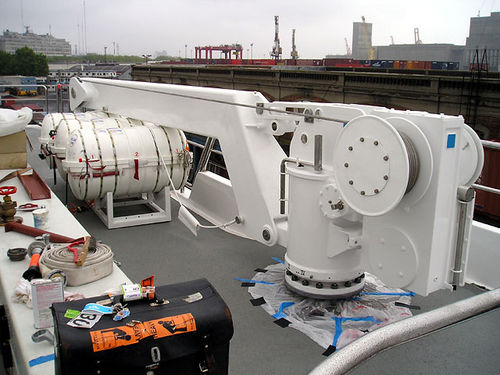
- Antriebsoptionen
- Electric, hydraulic, manual, with/without stored power (accumulator or spring force)
- Solas-hoistgeschwindigkeit
- Bis 48 m/min für Fast-Rescue-Davits (SOLAS-konform)
- Einsatzbereich
- Rettungsboote, Schnellrettungsboote, Rettungsflöße, MOB-Boote
- Konstruktion
- Normal pivot or slewing types, single or double arm with optional docking head to prevent pendulum motion until water level
- Hubkapazität
- Configurable according to ship type and lifeboat weight (tailor-made solutions)
- Zertifizierung
- ABS, GL, DNV, BV, NK, KR, LR and other classification societies
- D-NPS.SP (Normal Pivot Single/Double Arm mit Docking Head)
- D-NPS.FR (Fast Rescue Davit mit Docking Head)
- D-CRm.FR (Slewing Fast Rescue Davit mit hydraulischem/elektrischem Antrieb)
- D-BR (rescue davit with manual operation or hydraulic stored power)
- D-NP.MP (Normal Pivot mit mechanischer Stored Power - Federbelastung)
- D-NP.SP (Normal Pivot mit hydraulischer Stored Power - Akku)
- Area: On-load release gear functionality and wearCheck: Annually: operational test of on-load release gear by positioning the boat partially in water for load support by fall, actuation of release gear, reset and inspection for damage. Every 5 years: overhaul of release system with 110% proof-load test. Inspect release gear before and after operational test; verify hook securing and reset.
- Area: Wire rope condition (wires/falls) – corrosion, wear, breakageCheck: Monthly: visual inspection for fraying, kinks, corrosion, broken strands. Annually: wire rope and sheaves for scratches, dents, corrosion, missing lubrication. Every 5 years: wire rope replacement per SOLAS Chapter III required. Lubrication of wires, sheaves and moving parts to be checked.
- Area: Brake system - inspection function and wear partsCheck: Annually: brake test by suspension of rated load and verification that brake holds without slippage. For centrifugal brakes: sinking speed against SOLAS formula (max. 1.3 m/s) to be checked. Brake pads to be inspected and replaced when worn. Every 5 years: brake system to be opened and condition thoroughly checked.
- Area: Sheaves - wear, abrasion, corrosion, wear ringsCheck: Annually: sheaves for wear grooves, wear ring wear, corrosion, incorrect alignment, loose bolts to be checked. A worn or corroded sheave damages new wires and leads to premature wire rope failure. Wear ring thickness to be measured and replaced if necessary. Lubrication to be checked.
- Area: Overall structure - corrosion, wear, deformation and clearanceCheck: Annually: davit structure for corrosion (especially welds), wear, deformation, excessive clearance, cracks to be checked. All bolt locking devices to be verified. Hydraulic cylinders for leakage to be checked. Every 5 years: selective disassembly with NDT (roughness inspection, crack inspection) to be performed. Foundations to be inspected.
- Area: Proof-load test at 110% of rated loadCheck: Annually: dynamic winch brake test at 110% of Safe Working Load to be performed (simulated by water bag equipment or certified load cells). Every 5 years: comprehensive proof-load test of entire davit, winch, wire rope and hook system at 110% SWL to be performed. System must hold load, show no deformation or damage.
Type-universal inspection/maintenance points for Lifesaving Appliances (LSA) (davit international, Mega-Swarm 2026–06). Per-model specs not auto-populated.
- Fast deployment speed of up to 48 m/min (SOLAS-compliant)
- Configurable capacity based on vessel type and rescue boat weight
- Normal Pivot or Slewing types available, with optional Docking Head for reduced pendulum motion
- High upfront cost compared to manual davits
- Requires regular maintenance and inspection (e.g., annual proof-load test at 110% of safe working load)
- May require additional training for operators due to complex systems
- Antriebsoptionen
- Electric, hydraulic, manual, with/without stored power (accumulator or spring force)
- Solas-hoistgeschwindigkeit
- Bis 48 m/min für Fast-Rescue-Davits (SOLAS-konform)
- Einsatzbereich
- Rettungsboote, Schnellrettungsboote, Rettungsflöße, MOB-Boote
- Konstruktion
- Normal pivot or slewing types, single or double arm with optional docking head to prevent pendulum motion until water level
- Hubkapazität
- Configurable according to ship type and lifeboat weight (tailor-made solutions)
- Zertifizierung
- ABS, GL, DNV, BV, NK, KR, LR and other classification societies
- D-NPS.SP (Normal Pivot Single/Double Arm mit Docking Head)
- D-NPS.FR (Fast Rescue Davit mit Docking Head)
- D-CRm.FR (Slewing Fast Rescue Davit mit hydraulischem/elektrischem Antrieb)
- D-BR (rescue davit with manual operation or hydraulic stored power)
- D-NP.MP (Normal Pivot mit mechanischer Stored Power - Federbelastung)
- D-NP.SP (Normal Pivot mit hydraulischer Stored Power - Akku)
- Area: On-load release gear functionality and wearCheck: Annually: operational test of on-load release gear by positioning the boat partially in water for load support by fall, actuation of release gear, reset and inspection for damage. Every 5 years: overhaul of release system with 110% proof-load test. Inspect release gear before and after operational test; verify hook securing and reset.
- Area: Wire rope condition (wires/falls) – corrosion, wear, breakageCheck: Monthly: visual inspection for fraying, kinks, corrosion, broken strands. Annually: wire rope and sheaves for scratches, dents, corrosion, missing lubrication. Every 5 years: wire rope replacement per SOLAS Chapter III required. Lubrication of wires, sheaves and moving parts to be checked.
- Area: Brake system - inspection function and wear partsCheck: Annually: brake test by suspension of rated load and verification that brake holds without slippage. For centrifugal brakes: sinking speed against SOLAS formula (max. 1.3 m/s) to be checked. Brake pads to be inspected and replaced when worn. Every 5 years: brake system to be opened and condition thoroughly checked.
- Area: Sheaves - wear, abrasion, corrosion, wear ringsCheck: Annually: sheaves for wear grooves, wear ring wear, corrosion, incorrect alignment, loose bolts to be checked. A worn or corroded sheave damages new wires and leads to premature wire rope failure. Wear ring thickness to be measured and replaced if necessary. Lubrication to be checked.
- Area: Overall structure - corrosion, wear, deformation and clearanceCheck: Annually: davit structure for corrosion (especially welds), wear, deformation, excessive clearance, cracks to be checked. All bolt locking devices to be verified. Hydraulic cylinders for leakage to be checked. Every 5 years: selective disassembly with NDT (roughness inspection, crack inspection) to be performed. Foundations to be inspected.
- Area: Proof-load test at 110% of rated loadCheck: Annually: dynamic winch brake test at 110% of Safe Working Load to be performed (simulated by water bag equipment or certified load cells). Every 5 years: comprehensive proof-load test of entire davit, winch, wire rope and hook system at 110% SWL to be performed. System must hold load, show no deformation or damage.
Type-universal inspection/maintenance points for Lifesaving Appliances (LSA) (davit international, Mega-Swarm 2026–06). Per-model specs not auto-populated.
- Meets SOLAS requirements for fast-rescue davits with a hoist speed of up to 48 m/min
- Customizable hub capacity and configuration options for various vessel types and lifeboat weights
- Available with or without stored power (accumulator or spring force)
- Normal pivot or slewing type davit configurations available
- Requires regular maintenance and inspections to ensure proper function and safety
- May require additional training for crew members to operate effectively
- Higher upfront cost compared to some other davit systems on the market
- Antriebsoptionen
- Electric, hydraulic, manual, with/without stored power (accumulator or spring force)
- Solas-hoistgeschwindigkeit
- Bis 48 m/min für Fast-Rescue-Davits (SOLAS-konform)
- Einsatzbereich
- Rettungsboote, Schnellrettungsboote, Rettungsflöße, MOB-Boote
- Konstruktion
- Normal pivot or slewing types, single or double arm with optional docking head to prevent pendulum motion until water level
- Hubkapazität
- Configurable according to ship type and lifeboat weight (tailor-made solutions)
- Zertifizierung
- ABS, GL, DNV, BV, NK, KR, LR and other classification societies
- D-NPS.SP (Normal Pivot Single/Double Arm mit Docking Head)
- D-NPS.FR (Fast Rescue Davit mit Docking Head)
- D-CRm.FR (Slewing Fast Rescue Davit mit hydraulischem/elektrischem Antrieb)
- D-BR (rescue davit with manual operation or hydraulic stored power)
- D-NP.MP (Normal Pivot mit mechanischer Stored Power - Federbelastung)
- D-NP.SP (Normal Pivot mit hydraulischer Stored Power - Akku)
- Area: On-load release gear functionality and wearCheck: Annually: operational test of on-load release gear by positioning the boat partially in water for load support by fall, actuation of release gear, reset and inspection for damage. Every 5 years: overhaul of release system with 110% proof-load test. Inspect release gear before and after operational test; verify hook securing and reset.
- Area: Wire rope condition (wires/falls) – corrosion, wear, breakageCheck: Monthly: visual inspection for fraying, kinks, corrosion, broken strands. Annually: wire rope and sheaves for scratches, dents, corrosion, missing lubrication. Every 5 years: wire rope replacement per SOLAS Chapter III required. Lubrication of wires, sheaves and moving parts to be checked.
- Area: Brake system - inspection function and wear partsCheck: Annually: brake test by suspension of rated load and verification that brake holds without slippage. For centrifugal brakes: sinking speed against SOLAS formula (max. 1.3 m/s) to be checked. Brake pads to be inspected and replaced when worn. Every 5 years: brake system to be opened and condition thoroughly checked.
- Area: Sheaves - wear, abrasion, corrosion, wear ringsCheck: Annually: sheaves for wear grooves, wear ring wear, corrosion, incorrect alignment, loose bolts to be checked. A worn or corroded sheave damages new wires and leads to premature wire rope failure. Wear ring thickness to be measured and replaced if necessary. Lubrication to be checked.
- Area: Overall structure - corrosion, wear, deformation and clearanceCheck: Annually: davit structure for corrosion (especially welds), wear, deformation, excessive clearance, cracks to be checked. All bolt locking devices to be verified. Hydraulic cylinders for leakage to be checked. Every 5 years: selective disassembly with NDT (roughness inspection, crack inspection) to be performed. Foundations to be inspected.
- Area: Proof-load test at 110% of rated loadCheck: Annually: dynamic winch brake test at 110% of Safe Working Load to be performed (simulated by water bag equipment or certified load cells). Every 5 years: comprehensive proof-load test of entire davit, winch, wire rope and hook system at 110% SWL to be performed. System must hold load, show no deformation or damage.
Type-universal inspection/maintenance points for Lifesaving Appliances (LSA) (davit international, Mega-Swarm 2026–06). Per-model specs not auto-populated.
- Fast hoisting speed of up to 48 m/min (SOLAS-compliant)
- Configurable capacity according to ship type and rescue boat weight
- Normal Pivot or Slewing types available, with optional docking head for reduced pendulum motion
- High upfront cost due to advanced features and customization options
- Requires regular maintenance and inspection to ensure optimal performance
- May require additional training for crew members to operate effectively
- Antriebsoptionen
- Electric, hydraulic, manual, with/without stored power (accumulator or spring force)
- Solas-hoistgeschwindigkeit
- Bis 48 m/min für Fast-Rescue-Davits (SOLAS-konform)
- Einsatzbereich
- Rettungsboote, Schnellrettungsboote, Rettungsflöße, MOB-Boote
- Konstruktion
- Normal pivot or slewing types, single or double arm with optional docking head to prevent pendulum motion until water level
- Hubkapazität
- Configurable according to ship type and lifeboat weight (tailor-made solutions)
- Zertifizierung
- ABS, GL, DNV, BV, NK, KR, LR and other classification societies
- D-NPS.SP (Normal Pivot Single/Double Arm mit Docking Head)
- D-NPS.FR (Fast Rescue Davit mit Docking Head)
- D-CRm.FR (Slewing Fast Rescue Davit mit hydraulischem/elektrischem Antrieb)
- D-BR (rescue davit with manual operation or hydraulic stored power)
- D-NP.MP (Normal Pivot mit mechanischer Stored Power - Federbelastung)
- D-NP.SP (Normal Pivot mit hydraulischer Stored Power - Akku)
- Area: On-load release gear functionality and wearCheck: Annually: operational test of on-load release gear by positioning the boat partially in water for load support by fall, actuation of release gear, reset and inspection for damage. Every 5 years: overhaul of release system with 110% proof-load test. Inspect release gear before and after operational test; verify hook securing and reset.
- Area: Wire rope condition (wires/falls) – corrosion, wear, breakageCheck: Monthly: visual inspection for fraying, kinks, corrosion, broken strands. Annually: wire rope and sheaves for scratches, dents, corrosion, missing lubrication. Every 5 years: wire rope replacement per SOLAS Chapter III required. Lubrication of wires, sheaves and moving parts to be checked.
- Area: Brake system - inspection function and wear partsCheck: Annually: brake test by suspension of rated load and verification that brake holds without slippage. For centrifugal brakes: sinking speed against SOLAS formula (max. 1.3 m/s) to be checked. Brake pads to be inspected and replaced when worn. Every 5 years: brake system to be opened and condition thoroughly checked.
- Area: Sheaves - wear, abrasion, corrosion, wear ringsCheck: Annually: sheaves for wear grooves, wear ring wear, corrosion, incorrect alignment, loose bolts to be checked. A worn or corroded sheave damages new wires and leads to premature wire rope failure. Wear ring thickness to be measured and replaced if necessary. Lubrication to be checked.
- Area: Overall structure - corrosion, wear, deformation and clearanceCheck: Annually: davit structure for corrosion (especially welds), wear, deformation, excessive clearance, cracks to be checked. All bolt locking devices to be verified. Hydraulic cylinders for leakage to be checked. Every 5 years: selective disassembly with NDT (roughness inspection, crack inspection) to be performed. Foundations to be inspected.
- Area: Proof-load test at 110% of rated loadCheck: Annually: dynamic winch brake test at 110% of Safe Working Load to be performed (simulated by water bag equipment or certified load cells). Every 5 years: comprehensive proof-load test of entire davit, winch, wire rope and hook system at 110% SWL to be performed. System must hold load, show no deformation or damage.
Type-universal inspection/maintenance points for Lifesaving Appliances (LSA) (davit international, Mega-Swarm 2026–06). Per-model specs not auto-populated.
- Fast rescue capability with up to 48 m/min hoisting speed (SOLAS-compliant)
- Configurable hub capacity tailored to ship type and rescue boat weight
- Normal pivot or slewing types available, including simple or double-arm designs with optional docking head
- Complex maintenance requirements due to multiple operating modes (electric, hydraulic, manual)
- Potential for high initial investment cost compared to other davit systems
- Requires regular inspections and proof-load testing every 5 years
- Antriebsoptionen
- Electric, hydraulic, manual, with/without stored power (accumulator or spring force)
- Solas-hoistgeschwindigkeit
- Bis 48 m/min für Fast-Rescue-Davits (SOLAS-konform)
- Einsatzbereich
- Rettungsboote, Schnellrettungsboote, Rettungsflöße, MOB-Boote
- Konstruktion
- Normal pivot or slewing types, single or double arm with optional docking head to prevent pendulum motion until water level
- Hubkapazität
- Configurable according to ship type and lifeboat weight (tailor-made solutions)
- Zertifizierung
- ABS, GL, DNV, BV, NK, KR, LR and other classification societies
- D-NPS.SP (Normal Pivot Single/Double Arm mit Docking Head)
- D-NPS.FR (Fast Rescue Davit mit Docking Head)
- D-CRm.FR (Slewing Fast Rescue Davit mit hydraulischem/elektrischem Antrieb)
- D-BR (rescue davit with manual operation or hydraulic stored power)
- D-NP.MP (Normal Pivot mit mechanischer Stored Power - Federbelastung)
- D-NP.SP (Normal Pivot mit hydraulischer Stored Power - Akku)
- Area: On-load release gear functionality and wearCheck: Annually: operational test of on-load release gear by positioning the boat partially in water for load support by fall, actuation of release gear, reset and inspection for damage. Every 5 years: overhaul of release system with 110% proof-load test. Inspect release gear before and after operational test; verify hook securing and reset.
- Area: Wire rope condition (wires/falls) – corrosion, wear, breakageCheck: Monthly: visual inspection for fraying, kinks, corrosion, broken strands. Annually: wire rope and sheaves for scratches, dents, corrosion, missing lubrication. Every 5 years: wire rope replacement per SOLAS Chapter III required. Lubrication of wires, sheaves and moving parts to be checked.
- Area: Brake system - inspection function and wear partsCheck: Annually: brake test by suspension of rated load and verification that brake holds without slippage. For centrifugal brakes: sinking speed against SOLAS formula (max. 1.3 m/s) to be checked. Brake pads to be inspected and replaced when worn. Every 5 years: brake system to be opened and condition thoroughly checked.
- Area: Sheaves - wear, abrasion, corrosion, wear ringsCheck: Annually: sheaves for wear grooves, wear ring wear, corrosion, incorrect alignment, loose bolts to be checked. A worn or corroded sheave damages new wires and leads to premature wire rope failure. Wear ring thickness to be measured and replaced if necessary. Lubrication to be checked.
- Area: Overall structure - corrosion, wear, deformation and clearanceCheck: Annually: davit structure for corrosion (especially welds), wear, deformation, excessive clearance, cracks to be checked. All bolt locking devices to be verified. Hydraulic cylinders for leakage to be checked. Every 5 years: selective disassembly with NDT (roughness inspection, crack inspection) to be performed. Foundations to be inspected.
- Area: Proof-load test at 110% of rated loadCheck: Annually: dynamic winch brake test at 110% of Safe Working Load to be performed (simulated by water bag equipment or certified load cells). Every 5 years: comprehensive proof-load test of entire davit, winch, wire rope and hook system at 110% SWL to be performed. System must hold load, show no deformation or damage.
Type-universal inspection/maintenance points for Lifesaving Appliances (LSA) (davit international, Mega-Swarm 2026–06). Per-model specs not auto-populated.
- High-speed hoisting capability up to 48 m/min
- Customizable configuration for various vessel types and lifeboat weights
- Normal pivot or slewing type designs available with single or double arm options
- Docking head feature reduces pendulum movement and improves safety
- Complex design may require specialized maintenance and inspection procedures
- High initial cost due to customization and high-quality components
- May require significant space on vessel for davit installation
- Antriebsoptionen
- Electric, hydraulic, manual, with/without stored power (accumulator or spring force)
- Solas-hoistgeschwindigkeit
- Bis 48 m/min für Fast-Rescue-Davits (SOLAS-konform)
- Einsatzbereich
- Rettungsboote, Schnellrettungsboote, Rettungsflöße, MOB-Boote
- Konstruktion
- Normal pivot or slewing types, single or double arm with optional docking head to prevent pendulum motion until water level
- Hubkapazität
- Configurable according to ship type and lifeboat weight (tailor-made solutions)
- Zertifizierung
- ABS, GL, DNV, BV, NK, KR, LR and other classification societies
- D-NPS.SP (Normal Pivot Single/Double Arm mit Docking Head)
- D-NPS.FR (Fast Rescue Davit mit Docking Head)
- D-CRm.FR (Slewing Fast Rescue Davit mit hydraulischem/elektrischem Antrieb)
- D-BR (rescue davit with manual operation or hydraulic stored power)
- D-NP.MP (Normal Pivot mit mechanischer Stored Power - Federbelastung)
- D-NP.SP (Normal Pivot mit hydraulischer Stored Power - Akku)
- Area: On-load release gear functionality and wearCheck: Annually: operational test of on-load release gear by positioning the boat partially in water for load support by fall, actuation of release gear, reset and inspection for damage. Every 5 years: overhaul of release system with 110% proof-load test. Inspect release gear before and after operational test; verify hook securing and reset.
- Area: Wire rope condition (wires/falls) – corrosion, wear, breakageCheck: Monthly: visual inspection for fraying, kinks, corrosion, broken strands. Annually: wire rope and sheaves for scratches, dents, corrosion, missing lubrication. Every 5 years: wire rope replacement per SOLAS Chapter III required. Lubrication of wires, sheaves and moving parts to be checked.
- Area: Brake system - inspection function and wear partsCheck: Annually: brake test by suspension of rated load and verification that brake holds without slippage. For centrifugal brakes: sinking speed against SOLAS formula (max. 1.3 m/s) to be checked. Brake pads to be inspected and replaced when worn. Every 5 years: brake system to be opened and condition thoroughly checked.
- Area: Sheaves - wear, abrasion, corrosion, wear ringsCheck: Annually: sheaves for wear grooves, wear ring wear, corrosion, incorrect alignment, loose bolts to be checked. A worn or corroded sheave damages new wires and leads to premature wire rope failure. Wear ring thickness to be measured and replaced if necessary. Lubrication to be checked.
- Area: Overall structure - corrosion, wear, deformation and clearanceCheck: Annually: davit structure for corrosion (especially welds), wear, deformation, excessive clearance, cracks to be checked. All bolt locking devices to be verified. Hydraulic cylinders for leakage to be checked. Every 5 years: selective disassembly with NDT (roughness inspection, crack inspection) to be performed. Foundations to be inspected.
- Area: Proof-load test at 110% of rated loadCheck: Annually: dynamic winch brake test at 110% of Safe Working Load to be performed (simulated by water bag equipment or certified load cells). Every 5 years: comprehensive proof-load test of entire davit, winch, wire rope and hook system at 110% SWL to be performed. System must hold load, show no deformation or damage.
Type-universal inspection/maintenance points for Lifesaving Appliances (LSA) (davit international, Mega-Swarm 2026–06). Per-model specs not auto-populated.
- Fast deployment speed of up to 48 m/min (SOLAS-compliant)
- Configurable capacity to suit various vessel types and rescue boat weights
- Normal Pivot or Slewing Types available, with optional Docking Head for reduced pendulum motion
- Requires regular maintenance and inspection to ensure optimal performance
- May require significant installation and setup costs
- Limited information available on specific model's performance in extreme weather conditions
- Antriebsoptionen
- Electric, hydraulic, manual, with/without stored power (accumulator or spring force)
- Solas-hoistgeschwindigkeit
- Bis 48 m/min für Fast-Rescue-Davits (SOLAS-konform)
- Einsatzbereich
- Rettungsboote, Schnellrettungsboote, Rettungsflöße, MOB-Boote
- Konstruktion
- Normal pivot or slewing types, single or double arm with optional docking head to prevent pendulum motion until water level
- Hubkapazität
- Configurable according to ship type and lifeboat weight (tailor-made solutions)
- Zertifizierung
- ABS, GL, DNV, BV, NK, KR, LR and other classification societies
- D-NPS.SP (Normal Pivot Single/Double Arm mit Docking Head)
- D-NPS.FR (Fast Rescue Davit mit Docking Head)
- D-CRm.FR (Slewing Fast Rescue Davit mit hydraulischem/elektrischem Antrieb)
- D-BR (rescue davit with manual operation or hydraulic stored power)
- D-NP.MP (Normal Pivot mit mechanischer Stored Power - Federbelastung)
- D-NP.SP (Normal Pivot mit hydraulischer Stored Power - Akku)
- Area: On-load release gear functionality and wearCheck: Annually: operational test of on-load release gear by positioning the boat partially in water for load support by fall, actuation of release gear, reset and inspection for damage. Every 5 years: overhaul of release system with 110% proof-load test. Inspect release gear before and after operational test; verify hook securing and reset.
- Area: Wire rope condition (wires/falls) – corrosion, wear, breakageCheck: Monthly: visual inspection for fraying, kinks, corrosion, broken strands. Annually: wire rope and sheaves for scratches, dents, corrosion, missing lubrication. Every 5 years: wire rope replacement per SOLAS Chapter III required. Lubrication of wires, sheaves and moving parts to be checked.
- Area: Brake system - inspection function and wear partsCheck: Annually: brake test by suspension of rated load and verification that brake holds without slippage. For centrifugal brakes: sinking speed against SOLAS formula (max. 1.3 m/s) to be checked. Brake pads to be inspected and replaced when worn. Every 5 years: brake system to be opened and condition thoroughly checked.
- Area: Sheaves - wear, abrasion, corrosion, wear ringsCheck: Annually: sheaves for wear grooves, wear ring wear, corrosion, incorrect alignment, loose bolts to be checked. A worn or corroded sheave damages new wires and leads to premature wire rope failure. Wear ring thickness to be measured and replaced if necessary. Lubrication to be checked.
- Area: Overall structure - corrosion, wear, deformation and clearanceCheck: Annually: davit structure for corrosion (especially welds), wear, deformation, excessive clearance, cracks to be checked. All bolt locking devices to be verified. Hydraulic cylinders for leakage to be checked. Every 5 years: selective disassembly with NDT (roughness inspection, crack inspection) to be performed. Foundations to be inspected.
- Area: Proof-load test at 110% of rated loadCheck: Annually: dynamic winch brake test at 110% of Safe Working Load to be performed (simulated by water bag equipment or certified load cells). Every 5 years: comprehensive proof-load test of entire davit, winch, wire rope and hook system at 110% SWL to be performed. System must hold load, show no deformation or damage.
Type-universal inspection/maintenance points for Lifesaving Appliances (LSA) (davit international, Mega-Swarm 2026–06). Per-model specs not auto-populated.
- Fast hoisting speed of up to 48 m/min (SOLAS-compliant)
- Configurable capacity according to ship type and rescue boat weight
- Normal pivot or slewing types available, including single or double-arm configurations
- High upfront cost compared to other davit systems
- Complexity in design may lead to higher maintenance costs
- Requires regular inspections and proof-load testing
- Antriebsoptionen
- Electric, hydraulic, manual, with/without stored power (accumulator or spring force)
- Solas-hoistgeschwindigkeit
- Bis 48 m/min für Fast-Rescue-Davits (SOLAS-konform)
- Einsatzbereich
- Rettungsboote, Schnellrettungsboote, Rettungsflöße, MOB-Boote
- Konstruktion
- Normal pivot or slewing types, single or double arm with optional docking head to prevent pendulum motion until water level
- Hubkapazität
- Configurable according to ship type and lifeboat weight (tailor-made solutions)
- Zertifizierung
- ABS, GL, DNV, BV, NK, KR, LR and other classification societies
- D-NPS.SP (Normal Pivot Single/Double Arm mit Docking Head)
- D-NPS.FR (Fast Rescue Davit mit Docking Head)
- D-CRm.FR (Slewing Fast Rescue Davit mit hydraulischem/elektrischem Antrieb)
- D-BR (rescue davit with manual operation or hydraulic stored power)
- D-NP.MP (Normal Pivot mit mechanischer Stored Power - Federbelastung)
- D-NP.SP (Normal Pivot mit hydraulischer Stored Power - Akku)
- Area: On-load release gear functionality and wearCheck: Annually: operational test of on-load release gear by positioning the boat partially in water for load support by fall, actuation of release gear, reset and inspection for damage. Every 5 years: overhaul of release system with 110% proof-load test. Inspect release gear before and after operational test; verify hook securing and reset.
- Area: Wire rope condition (wires/falls) – corrosion, wear, breakageCheck: Monthly: visual inspection for fraying, kinks, corrosion, broken strands. Annually: wire rope and sheaves for scratches, dents, corrosion, missing lubrication. Every 5 years: wire rope replacement per SOLAS Chapter III required. Lubrication of wires, sheaves and moving parts to be checked.
- Area: Brake system - inspection function and wear partsCheck: Annually: brake test by suspension of rated load and verification that brake holds without slippage. For centrifugal brakes: sinking speed against SOLAS formula (max. 1.3 m/s) to be checked. Brake pads to be inspected and replaced when worn. Every 5 years: brake system to be opened and condition thoroughly checked.
- Area: Sheaves - wear, abrasion, corrosion, wear ringsCheck: Annually: sheaves for wear grooves, wear ring wear, corrosion, incorrect alignment, loose bolts to be checked. A worn or corroded sheave damages new wires and leads to premature wire rope failure. Wear ring thickness to be measured and replaced if necessary. Lubrication to be checked.
- Area: Overall structure - corrosion, wear, deformation and clearanceCheck: Annually: davit structure for corrosion (especially welds), wear, deformation, excessive clearance, cracks to be checked. All bolt locking devices to be verified. Hydraulic cylinders for leakage to be checked. Every 5 years: selective disassembly with NDT (roughness inspection, crack inspection) to be performed. Foundations to be inspected.
- Area: Proof-load test at 110% of rated loadCheck: Annually: dynamic winch brake test at 110% of Safe Working Load to be performed (simulated by water bag equipment or certified load cells). Every 5 years: comprehensive proof-load test of entire davit, winch, wire rope and hook system at 110% SWL to be performed. System must hold load, show no deformation or damage.
Type-universal inspection/maintenance points for Lifesaving Appliances (LSA) (davit international, Mega-Swarm 2026–06). Per-model specs not auto-populated.
- Fast deployment speed of up to 48 m/min for Fast-Rescue-Davits (SOLAS-compliant)
- Configurable according to ship type and rescue boat weight
- Normal Pivot or Slewing Types, simple or double-arm design with optional Docking Head to prevent pendulum movements until water level
- Complex maintenance requirements due to multiple operating modes
- Potential for high initial investment cost
- Requires regular inspection and testing of release gear, wires/falls, brakes, and sheaves
- Antriebsoptionen
- Electric, hydraulic, manual, with/without stored power (accumulator or spring force)
- Solas-hoistgeschwindigkeit
- Bis 48 m/min für Fast-Rescue-Davits (SOLAS-konform)
- Einsatzbereich
- Rettungsboote, Schnellrettungsboote, Rettungsflöße, MOB-Boote
- Konstruktion
- Normal pivot or slewing types, single or double arm with optional docking head to prevent pendulum motion until water level
- Hubkapazität
- Configurable according to ship type and lifeboat weight (tailor-made solutions)
- Zertifizierung
- ABS, GL, DNV, BV, NK, KR, LR and other classification societies
- D-NPS.SP (Normal Pivot Single/Double Arm mit Docking Head)
- D-NPS.FR (Fast Rescue Davit mit Docking Head)
- D-CRm.FR (Slewing Fast Rescue Davit mit hydraulischem/elektrischem Antrieb)
- D-BR (rescue davit with manual operation or hydraulic stored power)
- D-NP.MP (Normal Pivot mit mechanischer Stored Power - Federbelastung)
- D-NP.SP (Normal Pivot mit hydraulischer Stored Power - Akku)
- Area: On-load release gear functionality and wearCheck: Annually: operational test of on-load release gear by positioning the boat partially in water for load support by fall, actuation of release gear, reset and inspection for damage. Every 5 years: overhaul of release system with 110% proof-load test. Inspect release gear before and after operational test; verify hook securing and reset.
- Area: Wire rope condition (wires/falls) – corrosion, wear, breakageCheck: Monthly: visual inspection for fraying, kinks, corrosion, broken strands. Annually: wire rope and sheaves for scratches, dents, corrosion, missing lubrication. Every 5 years: wire rope replacement per SOLAS Chapter III required. Lubrication of wires, sheaves and moving parts to be checked.
- Area: Brake system - inspection function and wear partsCheck: Annually: brake test by suspension of rated load and verification that brake holds without slippage. For centrifugal brakes: sinking speed against SOLAS formula (max. 1.3 m/s) to be checked. Brake pads to be inspected and replaced when worn. Every 5 years: brake system to be opened and condition thoroughly checked.
- Area: Sheaves - wear, abrasion, corrosion, wear ringsCheck: Annually: sheaves for wear grooves, wear ring wear, corrosion, incorrect alignment, loose bolts to be checked. A worn or corroded sheave damages new wires and leads to premature wire rope failure. Wear ring thickness to be measured and replaced if necessary. Lubrication to be checked.
- Area: Overall structure - corrosion, wear, deformation and clearanceCheck: Annually: davit structure for corrosion (especially welds), wear, deformation, excessive clearance, cracks to be checked. All bolt locking devices to be verified. Hydraulic cylinders for leakage to be checked. Every 5 years: selective disassembly with NDT (roughness inspection, crack inspection) to be performed. Foundations to be inspected.
- Area: Proof-load test at 110% of rated loadCheck: Annually: dynamic winch brake test at 110% of Safe Working Load to be performed (simulated by water bag equipment or certified load cells). Every 5 years: comprehensive proof-load test of entire davit, winch, wire rope and hook system at 110% SWL to be performed. System must hold load, show no deformation or damage.
Type-universal inspection/maintenance points for Lifesaving Appliances (LSA) (davit international, Mega-Swarm 2026–06). Per-model specs not auto-populated.
- Customizable capacity to suit various vessel types and rescue boat weights
- Fast-rescue davits with high hoisting speed of up to 48 m/min (SOLAS-compliant)
- Normal pivot or slewing types, single- or double-arm design with optional docking head
- Wide range of certifications from major classification societies
- Higher upfront cost compared to simpler davit systems
- Requires regular maintenance and inspections to ensure proper functioning
- May require additional training for crew members to operate effectively
- Antriebsoptionen
- Electric, hydraulic, manual, with/without stored power (accumulator or spring force)
- Solas-hoistgeschwindigkeit
- Bis 48 m/min für Fast-Rescue-Davits (SOLAS-konform)
- Einsatzbereich
- Rettungsboote, Schnellrettungsboote, Rettungsflöße, MOB-Boote
- Konstruktion
- Normal pivot or slewing types, single or double arm with optional docking head to prevent pendulum motion until water level
- Hubkapazität
- Configurable according to ship type and lifeboat weight (tailor-made solutions)
- Zertifizierung
- ABS, GL, DNV, BV, NK, KR, LR and other classification societies
- D-NPS.SP (Normal Pivot Single/Double Arm mit Docking Head)
- D-NPS.FR (Fast Rescue Davit mit Docking Head)
- D-CRm.FR (Slewing Fast Rescue Davit mit hydraulischem/elektrischem Antrieb)
- D-BR (rescue davit with manual operation or hydraulic stored power)
- D-NP.MP (Normal Pivot mit mechanischer Stored Power - Federbelastung)
- D-NP.SP (Normal Pivot mit hydraulischer Stored Power - Akku)
- Area: On-load release gear functionality and wearCheck: Annually: operational test of on-load release gear by positioning the boat partially in water for load support by fall, actuation of release gear, reset and inspection for damage. Every 5 years: overhaul of release system with 110% proof-load test. Inspect release gear before and after operational test; verify hook securing and reset.
- Area: Wire rope condition (wires/falls) – corrosion, wear, breakageCheck: Monthly: visual inspection for fraying, kinks, corrosion, broken strands. Annually: wire rope and sheaves for scratches, dents, corrosion, missing lubrication. Every 5 years: wire rope replacement per SOLAS Chapter III required. Lubrication of wires, sheaves and moving parts to be checked.
- Area: Brake system - inspection function and wear partsCheck: Annually: brake test by suspension of rated load and verification that brake holds without slippage. For centrifugal brakes: sinking speed against SOLAS formula (max. 1.3 m/s) to be checked. Brake pads to be inspected and replaced when worn. Every 5 years: brake system to be opened and condition thoroughly checked.
- Area: Sheaves - wear, abrasion, corrosion, wear ringsCheck: Annually: sheaves for wear grooves, wear ring wear, corrosion, incorrect alignment, loose bolts to be checked. A worn or corroded sheave damages new wires and leads to premature wire rope failure. Wear ring thickness to be measured and replaced if necessary. Lubrication to be checked.
- Area: Overall structure - corrosion, wear, deformation and clearanceCheck: Annually: davit structure for corrosion (especially welds), wear, deformation, excessive clearance, cracks to be checked. All bolt locking devices to be verified. Hydraulic cylinders for leakage to be checked. Every 5 years: selective disassembly with NDT (roughness inspection, crack inspection) to be performed. Foundations to be inspected.
- Area: Proof-load test at 110% of rated loadCheck: Annually: dynamic winch brake test at 110% of Safe Working Load to be performed (simulated by water bag equipment or certified load cells). Every 5 years: comprehensive proof-load test of entire davit, winch, wire rope and hook system at 110% SWL to be performed. System must hold load, show no deformation or damage.
Type-universal inspection/maintenance points for Lifesaving Appliances (LSA) (davit international, Mega-Swarm 2026–06). Per-model specs not auto-populated.
- Fast rescue davits with up to 48 m/min hoisting speed (SOLAS-compliant)
- Configurable capacity for various lifeboat weights and vessel types
- Normal pivot or slewing types, single- or double-arm designs with docking head
- ABS, GL, DNV, BV, NK, KR, LR, and other classification society approvals
- Complex maintenance requirements due to multiple power options and configurations
- Higher upfront cost compared to simpler davit systems
- Requires regular inspections and proof-load testing every 5 years
- Antriebsoptionen
- Electric, hydraulic, manual, with/without stored power (accumulator or spring force)
- Solas-hoistgeschwindigkeit
- Bis 48 m/min für Fast-Rescue-Davits (SOLAS-konform)
- Einsatzbereich
- Rettungsboote, Schnellrettungsboote, Rettungsflöße, MOB-Boote
- Konstruktion
- Normal pivot or slewing types, single or double arm with optional docking head to prevent pendulum motion until water level
- Hubkapazität
- Configurable according to ship type and lifeboat weight (tailor-made solutions)
- Zertifizierung
- ABS, GL, DNV, BV, NK, KR, LR and other classification societies
- D-NPS.SP (Normal Pivot Single/Double Arm mit Docking Head)
- D-NPS.FR (Fast Rescue Davit mit Docking Head)
- D-CRm.FR (Slewing Fast Rescue Davit mit hydraulischem/elektrischem Antrieb)
- D-BR (rescue davit with manual operation or hydraulic stored power)
- D-NP.MP (Normal Pivot mit mechanischer Stored Power - Federbelastung)
- D-NP.SP (Normal Pivot mit hydraulischer Stored Power - Akku)
- Area: On-load release gear functionality and wearCheck: Annually: operational test of on-load release gear by positioning the boat partially in water for load support by fall, actuation of release gear, reset and inspection for damage. Every 5 years: overhaul of release system with 110% proof-load test. Inspect release gear before and after operational test; verify hook securing and reset.
- Area: Wire rope condition (wires/falls) – corrosion, wear, breakageCheck: Monthly: visual inspection for fraying, kinks, corrosion, broken strands. Annually: wire rope and sheaves for scratches, dents, corrosion, missing lubrication. Every 5 years: wire rope replacement per SOLAS Chapter III required. Lubrication of wires, sheaves and moving parts to be checked.
- Area: Brake system - inspection function and wear partsCheck: Annually: brake test by suspension of rated load and verification that brake holds without slippage. For centrifugal brakes: sinking speed against SOLAS formula (max. 1.3 m/s) to be checked. Brake pads to be inspected and replaced when worn. Every 5 years: brake system to be opened and condition thoroughly checked.
- Area: Sheaves - wear, abrasion, corrosion, wear ringsCheck: Annually: sheaves for wear grooves, wear ring wear, corrosion, incorrect alignment, loose bolts to be checked. A worn or corroded sheave damages new wires and leads to premature wire rope failure. Wear ring thickness to be measured and replaced if necessary. Lubrication to be checked.
- Area: Overall structure - corrosion, wear, deformation and clearanceCheck: Annually: davit structure for corrosion (especially welds), wear, deformation, excessive clearance, cracks to be checked. All bolt locking devices to be verified. Hydraulic cylinders for leakage to be checked. Every 5 years: selective disassembly with NDT (roughness inspection, crack inspection) to be performed. Foundations to be inspected.
- Area: Proof-load test at 110% of rated loadCheck: Annually: dynamic winch brake test at 110% of Safe Working Load to be performed (simulated by water bag equipment or certified load cells). Every 5 years: comprehensive proof-load test of entire davit, winch, wire rope and hook system at 110% SWL to be performed. System must hold load, show no deformation or damage.
Type-universal inspection/maintenance points for Lifesaving Appliances (LSA) (davit international, Mega-Swarm 2026–06). Per-model specs not auto-populated.
- Fast deployment speed of up to 48 m/min
- Configurable capacity based on vessel type and rescue boat weight
- Available with or without stored power (accumulator or spring force)
- High upfront cost compared to manual davits
- Requires regular maintenance to ensure proper functioning
- May require additional training for crew members
- Antriebsoptionen
- Electric, hydraulic, manual, with/without stored power (accumulator or spring force)
- Solas-hoistgeschwindigkeit
- Bis 48 m/min für Fast-Rescue-Davits (SOLAS-konform)
- Einsatzbereich
- Rettungsboote, Schnellrettungsboote, Rettungsflöße, MOB-Boote
- Konstruktion
- Normal pivot or slewing types, single or double arm with optional docking head to prevent pendulum motion until water level
- Hubkapazität
- Configurable according to ship type and lifeboat weight (tailor-made solutions)
- Zertifizierung
- ABS, GL, DNV, BV, NK, KR, LR and other classification societies
- D-NPS.SP (Normal Pivot Single/Double Arm mit Docking Head)
- D-NPS.FR (Fast Rescue Davit mit Docking Head)
- D-CRm.FR (Slewing Fast Rescue Davit mit hydraulischem/elektrischem Antrieb)
- D-BR (rescue davit with manual operation or hydraulic stored power)
- D-NP.MP (Normal Pivot mit mechanischer Stored Power - Federbelastung)
- D-NP.SP (Normal Pivot mit hydraulischer Stored Power - Akku)
- Area: On-load release gear functionality and wearCheck: Annually: operational test of on-load release gear by positioning the boat partially in water for load support by fall, actuation of release gear, reset and inspection for damage. Every 5 years: overhaul of release system with 110% proof-load test. Inspect release gear before and after operational test; verify hook securing and reset.
- Area: Wire rope condition (wires/falls) – corrosion, wear, breakageCheck: Monthly: visual inspection for fraying, kinks, corrosion, broken strands. Annually: wire rope and sheaves for scratches, dents, corrosion, missing lubrication. Every 5 years: wire rope replacement per SOLAS Chapter III required. Lubrication of wires, sheaves and moving parts to be checked.
- Area: Brake system - inspection function and wear partsCheck: Annually: brake test by suspension of rated load and verification that brake holds without slippage. For centrifugal brakes: sinking speed against SOLAS formula (max. 1.3 m/s) to be checked. Brake pads to be inspected and replaced when worn. Every 5 years: brake system to be opened and condition thoroughly checked.
- Area: Sheaves - wear, abrasion, corrosion, wear ringsCheck: Annually: sheaves for wear grooves, wear ring wear, corrosion, incorrect alignment, loose bolts to be checked. A worn or corroded sheave damages new wires and leads to premature wire rope failure. Wear ring thickness to be measured and replaced if necessary. Lubrication to be checked.
- Area: Overall structure - corrosion, wear, deformation and clearanceCheck: Annually: davit structure for corrosion (especially welds), wear, deformation, excessive clearance, cracks to be checked. All bolt locking devices to be verified. Hydraulic cylinders for leakage to be checked. Every 5 years: selective disassembly with NDT (roughness inspection, crack inspection) to be performed. Foundations to be inspected.
- Area: Proof-load test at 110% of rated loadCheck: Annually: dynamic winch brake test at 110% of Safe Working Load to be performed (simulated by water bag equipment or certified load cells). Every 5 years: comprehensive proof-load test of entire davit, winch, wire rope and hook system at 110% SWL to be performed. System must hold load, show no deformation or damage.
Type-universal inspection/maintenance points for Lifesaving Appliances (LSA) (davit international, Mega-Swarm 2026–06). Per-model specs not auto-populated.
- Customizable hub capacity to accommodate different lifeboat weights
- Fast rescue davits with a hoist speed of up to 48 m/min (SOLAS-compliant)
- Normal pivot or slewing types, single or double-arm configurations with optional docking head
- Various power options, including electric, hydraulic, manual, and stored power
- No specific information on price, weight, or dimensions available
- Requires regular maintenance to ensure proper functioning, as per SOLAS regulations
- Antriebsoptionen
- Electric, hydraulic, manual, with/without stored power (accumulator or spring force)
- Solas-hoistgeschwindigkeit
- Bis 48 m/min für Fast-Rescue-Davits (SOLAS-konform)
- Einsatzbereich
- Rettungsboote, Schnellrettungsboote, Rettungsflöße, MOB-Boote
- Konstruktion
- Normal pivot or slewing types, single or double arm with optional docking head to prevent pendulum motion until water level
- Hubkapazität
- Configurable according to ship type and lifeboat weight (tailor-made solutions)
- Zertifizierung
- ABS, GL, DNV, BV, NK, KR, LR and other classification societies
- D-NPS.SP (Normal Pivot Single/Double Arm mit Docking Head)
- D-NPS.FR (Fast Rescue Davit mit Docking Head)
- D-CRm.FR (Slewing Fast Rescue Davit mit hydraulischem/elektrischem Antrieb)
- D-BR (rescue davit with manual operation or hydraulic stored power)
- D-NP.MP (Normal Pivot mit mechanischer Stored Power - Federbelastung)
- D-NP.SP (Normal Pivot mit hydraulischer Stored Power - Akku)
- Area: On-load release gear functionality and wearCheck: Annually: operational test of on-load release gear by positioning the boat partially in water for load support by fall, actuation of release gear, reset and inspection for damage. Every 5 years: overhaul of release system with 110% proof-load test. Inspect release gear before and after operational test; verify hook securing and reset.
- Area: Wire rope condition (wires/falls) – corrosion, wear, breakageCheck: Monthly: visual inspection for fraying, kinks, corrosion, broken strands. Annually: wire rope and sheaves for scratches, dents, corrosion, missing lubrication. Every 5 years: wire rope replacement per SOLAS Chapter III required. Lubrication of wires, sheaves and moving parts to be checked.
- Area: Brake system - inspection function and wear partsCheck: Annually: brake test by suspension of rated load and verification that brake holds without slippage. For centrifugal brakes: sinking speed against SOLAS formula (max. 1.3 m/s) to be checked. Brake pads to be inspected and replaced when worn. Every 5 years: brake system to be opened and condition thoroughly checked.
- Area: Sheaves - wear, abrasion, corrosion, wear ringsCheck: Annually: sheaves for wear grooves, wear ring wear, corrosion, incorrect alignment, loose bolts to be checked. A worn or corroded sheave damages new wires and leads to premature wire rope failure. Wear ring thickness to be measured and replaced if necessary. Lubrication to be checked.
- Area: Overall structure - corrosion, wear, deformation and clearanceCheck: Annually: davit structure for corrosion (especially welds), wear, deformation, excessive clearance, cracks to be checked. All bolt locking devices to be verified. Hydraulic cylinders for leakage to be checked. Every 5 years: selective disassembly with NDT (roughness inspection, crack inspection) to be performed. Foundations to be inspected.
- Area: Proof-load test at 110% of rated loadCheck: Annually: dynamic winch brake test at 110% of Safe Working Load to be performed (simulated by water bag equipment or certified load cells). Every 5 years: comprehensive proof-load test of entire davit, winch, wire rope and hook system at 110% SWL to be performed. System must hold load, show no deformation or damage.
Type-universal inspection/maintenance points for Lifesaving Appliances (LSA) (davit international, Mega-Swarm 2026–06). Per-model specs not auto-populated.
- Fast deployment speed of up to 48 m/min (SOLAS-compliant)
- Configurable capacity based on vessel type and rescue boat weight
- Normal Pivot or Slewing types available, with optional Docking Head for reduced pendulum motion
- ABS, GL, DNV, BV, NK, KR, LR, and other classification society certifications
- High upfront cost due to advanced features and customization options
- Requires regular maintenance and inspection to ensure proper function
- May require additional training for crew members to operate effectively
- Antriebsoptionen
- Electric, hydraulic, manual, with/without stored power (accumulator or spring force)
- Solas-hoistgeschwindigkeit
- Bis 48 m/min für Fast-Rescue-Davits (SOLAS-konform)
- Einsatzbereich
- Rettungsboote, Schnellrettungsboote, Rettungsflöße, MOB-Boote
- Konstruktion
- Normal pivot or slewing types, single or double arm with optional docking head to prevent pendulum motion until water level
- Hubkapazität
- Configurable according to ship type and lifeboat weight (tailor-made solutions)
- Zertifizierung
- ABS, GL, DNV, BV, NK, KR, LR and other classification societies
- D-NPS.SP (Normal Pivot Single/Double Arm mit Docking Head)
- D-NPS.FR (Fast Rescue Davit mit Docking Head)
- D-CRm.FR (Slewing Fast Rescue Davit mit hydraulischem/elektrischem Antrieb)
- D-BR (rescue davit with manual operation or hydraulic stored power)
- D-NP.MP (Normal Pivot mit mechanischer Stored Power - Federbelastung)
- D-NP.SP (Normal Pivot mit hydraulischer Stored Power - Akku)
- Area: On-load release gear functionality and wearCheck: Annually: operational test of on-load release gear by positioning the boat partially in water for load support by fall, actuation of release gear, reset and inspection for damage. Every 5 years: overhaul of release system with 110% proof-load test. Inspect release gear before and after operational test; verify hook securing and reset.
- Area: Wire rope condition (wires/falls) – corrosion, wear, breakageCheck: Monthly: visual inspection for fraying, kinks, corrosion, broken strands. Annually: wire rope and sheaves for scratches, dents, corrosion, missing lubrication. Every 5 years: wire rope replacement per SOLAS Chapter III required. Lubrication of wires, sheaves and moving parts to be checked.
- Area: Brake system - inspection function and wear partsCheck: Annually: brake test by suspension of rated load and verification that brake holds without slippage. For centrifugal brakes: sinking speed against SOLAS formula (max. 1.3 m/s) to be checked. Brake pads to be inspected and replaced when worn. Every 5 years: brake system to be opened and condition thoroughly checked.
- Area: Sheaves - wear, abrasion, corrosion, wear ringsCheck: Annually: sheaves for wear grooves, wear ring wear, corrosion, incorrect alignment, loose bolts to be checked. A worn or corroded sheave damages new wires and leads to premature wire rope failure. Wear ring thickness to be measured and replaced if necessary. Lubrication to be checked.
- Area: Overall structure - corrosion, wear, deformation and clearanceCheck: Annually: davit structure for corrosion (especially welds), wear, deformation, excessive clearance, cracks to be checked. All bolt locking devices to be verified. Hydraulic cylinders for leakage to be checked. Every 5 years: selective disassembly with NDT (roughness inspection, crack inspection) to be performed. Foundations to be inspected.
- Area: Proof-load test at 110% of rated loadCheck: Annually: dynamic winch brake test at 110% of Safe Working Load to be performed (simulated by water bag equipment or certified load cells). Every 5 years: comprehensive proof-load test of entire davit, winch, wire rope and hook system at 110% SWL to be performed. System must hold load, show no deformation or damage.
Type-universal inspection/maintenance points for Lifesaving Appliances (LSA) (davit international, Mega-Swarm 2026–06). Per-model specs not auto-populated.
- Customizable capacity to suit various vessel types and rescue boat weights
- Fast deployment speed of up to 48 m/min (SOLAS-compliant)
- Normal Pivot or Slewing Types, single or double-arm configurations with optional docking head for reduced pendulum motion
- High upfront cost due to customization options and advanced features
- Requires regular maintenance and inspection to ensure optimal performance
- May require additional training for crew members to operate effectively
- Antriebsoptionen
- Electric, hydraulic, manual, with/without stored power (accumulator or spring force)
- Solas-hoistgeschwindigkeit
- Bis 48 m/min für Fast-Rescue-Davits (SOLAS-konform)
- Einsatzbereich
- Rettungsboote, Schnellrettungsboote, Rettungsflöße, MOB-Boote
- Konstruktion
- Normal pivot or slewing types, single or double arm with optional docking head to prevent pendulum motion until water level
- Hubkapazität
- Configurable according to ship type and lifeboat weight (tailor-made solutions)
- Zertifizierung
- ABS, GL, DNV, BV, NK, KR, LR and other classification societies
- D-NPS.SP (Normal Pivot Single/Double Arm mit Docking Head)
- D-NPS.FR (Fast Rescue Davit mit Docking Head)
- D-CRm.FR (Slewing Fast Rescue Davit mit hydraulischem/elektrischem Antrieb)
- D-BR (rescue davit with manual operation or hydraulic stored power)
- D-NP.MP (Normal Pivot mit mechanischer Stored Power - Federbelastung)
- D-NP.SP (Normal Pivot mit hydraulischer Stored Power - Akku)
- Area: On-load release gear functionality and wearCheck: Annually: operational test of on-load release gear by positioning the boat partially in water for load support by fall, actuation of release gear, reset and inspection for damage. Every 5 years: overhaul of release system with 110% proof-load test. Inspect release gear before and after operational test; verify hook securing and reset.
- Area: Wire rope condition (wires/falls) – corrosion, wear, breakageCheck: Monthly: visual inspection for fraying, kinks, corrosion, broken strands. Annually: wire rope and sheaves for scratches, dents, corrosion, missing lubrication. Every 5 years: wire rope replacement per SOLAS Chapter III required. Lubrication of wires, sheaves and moving parts to be checked.
- Area: Brake system - inspection function and wear partsCheck: Annually: brake test by suspension of rated load and verification that brake holds without slippage. For centrifugal brakes: sinking speed against SOLAS formula (max. 1.3 m/s) to be checked. Brake pads to be inspected and replaced when worn. Every 5 years: brake system to be opened and condition thoroughly checked.
- Area: Sheaves - wear, abrasion, corrosion, wear ringsCheck: Annually: sheaves for wear grooves, wear ring wear, corrosion, incorrect alignment, loose bolts to be checked. A worn or corroded sheave damages new wires and leads to premature wire rope failure. Wear ring thickness to be measured and replaced if necessary. Lubrication to be checked.
- Area: Overall structure - corrosion, wear, deformation and clearanceCheck: Annually: davit structure for corrosion (especially welds), wear, deformation, excessive clearance, cracks to be checked. All bolt locking devices to be verified. Hydraulic cylinders for leakage to be checked. Every 5 years: selective disassembly with NDT (roughness inspection, crack inspection) to be performed. Foundations to be inspected.
- Area: Proof-load test at 110% of rated loadCheck: Annually: dynamic winch brake test at 110% of Safe Working Load to be performed (simulated by water bag equipment or certified load cells). Every 5 years: comprehensive proof-load test of entire davit, winch, wire rope and hook system at 110% SWL to be performed. System must hold load, show no deformation or damage.
Type-universal inspection/maintenance points for Lifesaving Appliances (LSA) (davit international, Mega-Swarm 2026–06). Per-model specs not auto-populated.
- Fast deployment speed of up to 48 m/min (SOLAS-compliant)
- Configurable capacity to suit various vessel types and rescue boat weights
- Available with or without stored power (accumulator or spring force)
- Normal Pivot or Slewing Types, single- or double-arm design with optional docking head
- High upfront cost due to advanced features and customization options
- Requires regular maintenance and inspection to ensure optimal performance
- May require additional training for crew members to operate effectively
- Antriebsoptionen
- Electric, hydraulic, manual, with/without stored power (accumulator or spring force)
- Solas-hoistgeschwindigkeit
- Bis 48 m/min für Fast-Rescue-Davits (SOLAS-konform)
- Einsatzbereich
- Rettungsboote, Schnellrettungsboote, Rettungsflöße, MOB-Boote
- Konstruktion
- Normal pivot or slewing types, single or double arm with optional docking head to prevent pendulum motion until water level
- Hubkapazität
- Configurable according to ship type and lifeboat weight (tailor-made solutions)
- Zertifizierung
- ABS, GL, DNV, BV, NK, KR, LR and other classification societies
- D-NPS.SP (Normal Pivot Single/Double Arm mit Docking Head)
- D-NPS.FR (Fast Rescue Davit mit Docking Head)
- D-CRm.FR (Slewing Fast Rescue Davit mit hydraulischem/elektrischem Antrieb)
- D-BR (rescue davit with manual operation or hydraulic stored power)
- D-NP.MP (Normal Pivot mit mechanischer Stored Power - Federbelastung)
- D-NP.SP (Normal Pivot mit hydraulischer Stored Power - Akku)
- Area: On-load release gear functionality and wearCheck: Annually: operational test of on-load release gear by positioning the boat partially in water for load support by fall, actuation of release gear, reset and inspection for damage. Every 5 years: overhaul of release system with 110% proof-load test. Inspect release gear before and after operational test; verify hook securing and reset.
- Area: Wire rope condition (wires/falls) – corrosion, wear, breakageCheck: Monthly: visual inspection for fraying, kinks, corrosion, broken strands. Annually: wire rope and sheaves for scratches, dents, corrosion, missing lubrication. Every 5 years: wire rope replacement per SOLAS Chapter III required. Lubrication of wires, sheaves and moving parts to be checked.
- Area: Brake system - inspection function and wear partsCheck: Annually: brake test by suspension of rated load and verification that brake holds without slippage. For centrifugal brakes: sinking speed against SOLAS formula (max. 1.3 m/s) to be checked. Brake pads to be inspected and replaced when worn. Every 5 years: brake system to be opened and condition thoroughly checked.
- Area: Sheaves - wear, abrasion, corrosion, wear ringsCheck: Annually: sheaves for wear grooves, wear ring wear, corrosion, incorrect alignment, loose bolts to be checked. A worn or corroded sheave damages new wires and leads to premature wire rope failure. Wear ring thickness to be measured and replaced if necessary. Lubrication to be checked.
- Area: Overall structure - corrosion, wear, deformation and clearanceCheck: Annually: davit structure for corrosion (especially welds), wear, deformation, excessive clearance, cracks to be checked. All bolt locking devices to be verified. Hydraulic cylinders for leakage to be checked. Every 5 years: selective disassembly with NDT (roughness inspection, crack inspection) to be performed. Foundations to be inspected.
- Area: Proof-load test at 110% of rated loadCheck: Annually: dynamic winch brake test at 110% of Safe Working Load to be performed (simulated by water bag equipment or certified load cells). Every 5 years: comprehensive proof-load test of entire davit, winch, wire rope and hook system at 110% SWL to be performed. System must hold load, show no deformation or damage.
Type-universal inspection/maintenance points for Lifesaving Appliances (LSA) (davit international, Mega-Swarm 2026–06). Per-model specs not auto-populated.
- High-speed operation up to 48 m/min
- Stored power option for emergency situations
- Configurable capacity based on vessel type and lifeboat weight
- Normal pivot or slewing types available with docking head
- Complex maintenance requirements due to multiple components
- High initial cost compared to other davit systems
- Requires regular inspections and proof-load testing every 5 years
- Antriebsoptionen
- Electric, hydraulic, manual, with/without stored power (accumulator or spring force)
- Solas-hoistgeschwindigkeit
- Bis 48 m/min für Fast-Rescue-Davits (SOLAS-konform)
- Einsatzbereich
- Rettungsboote, Schnellrettungsboote, Rettungsflöße, MOB-Boote
- Konstruktion
- Normal pivot or slewing types, single or double arm with optional docking head to prevent pendulum motion until water level
- Hubkapazität
- Configurable according to ship type and lifeboat weight (tailor-made solutions)
- Zertifizierung
- ABS, GL, DNV, BV, NK, KR, LR and other classification societies
- D-NPS.SP (Normal Pivot Single/Double Arm mit Docking Head)
- D-NPS.FR (Fast Rescue Davit mit Docking Head)
- D-CRm.FR (Slewing Fast Rescue Davit mit hydraulischem/elektrischem Antrieb)
- D-BR (rescue davit with manual operation or hydraulic stored power)
- D-NP.MP (Normal Pivot mit mechanischer Stored Power - Federbelastung)
- D-NP.SP (Normal Pivot mit hydraulischer Stored Power - Akku)
- Area: On-load release gear functionality and wearCheck: Annually: operational test of on-load release gear by positioning the boat partially in water for load support by fall, actuation of release gear, reset and inspection for damage. Every 5 years: overhaul of release system with 110% proof-load test. Inspect release gear before and after operational test; verify hook securing and reset.
- Area: Wire rope condition (wires/falls) – corrosion, wear, breakageCheck: Monthly: visual inspection for fraying, kinks, corrosion, broken strands. Annually: wire rope and sheaves for scratches, dents, corrosion, missing lubrication. Every 5 years: wire rope replacement per SOLAS Chapter III required. Lubrication of wires, sheaves and moving parts to be checked.
- Area: Brake system - inspection function and wear partsCheck: Annually: brake test by suspension of rated load and verification that brake holds without slippage. For centrifugal brakes: sinking speed against SOLAS formula (max. 1.3 m/s) to be checked. Brake pads to be inspected and replaced when worn. Every 5 years: brake system to be opened and condition thoroughly checked.
- Area: Sheaves - wear, abrasion, corrosion, wear ringsCheck: Annually: sheaves for wear grooves, wear ring wear, corrosion, incorrect alignment, loose bolts to be checked. A worn or corroded sheave damages new wires and leads to premature wire rope failure. Wear ring thickness to be measured and replaced if necessary. Lubrication to be checked.
- Area: Overall structure - corrosion, wear, deformation and clearanceCheck: Annually: davit structure for corrosion (especially welds), wear, deformation, excessive clearance, cracks to be checked. All bolt locking devices to be verified. Hydraulic cylinders for leakage to be checked. Every 5 years: selective disassembly with NDT (roughness inspection, crack inspection) to be performed. Foundations to be inspected.
- Area: Proof-load test at 110% of rated loadCheck: Annually: dynamic winch brake test at 110% of Safe Working Load to be performed (simulated by water bag equipment or certified load cells). Every 5 years: comprehensive proof-load test of entire davit, winch, wire rope and hook system at 110% SWL to be performed. System must hold load, show no deformation or damage.
Type-universal inspection/maintenance points for Lifesaving Appliances (LSA) (davit international, Mega-Swarm 2026–06). Per-model specs not auto-populated.
- Fast deployment speed of up to 48 m/min (SOLAS-compliant)
- Configurable capacity according to ship type and rescue boat weight
- Normal Pivot or Slewing Types available, with optional Docking Head for reduced pendulum motion
- High upfront cost compared to manual davits
- Requires regular maintenance and inspections to ensure proper function
- May require additional training for crew members to operate effectively
- Antriebsoptionen
- Electric, hydraulic, manual, with/without stored power (accumulator or spring force)
- Solas-hoistgeschwindigkeit
- Bis 48 m/min für Fast-Rescue-Davits (SOLAS-konform)
- Einsatzbereich
- Rettungsboote, Schnellrettungsboote, Rettungsflöße, MOB-Boote
- Konstruktion
- Normal pivot or slewing types, single or double arm with optional docking head to prevent pendulum motion until water level
- Hubkapazität
- Configurable according to ship type and lifeboat weight (tailor-made solutions)
- Zertifizierung
- ABS, GL, DNV, BV, NK, KR, LR and other classification societies
- D-NPS.SP (Normal Pivot Single/Double Arm mit Docking Head)
- D-NPS.FR (Fast Rescue Davit mit Docking Head)
- D-CRm.FR (Slewing Fast Rescue Davit mit hydraulischem/elektrischem Antrieb)
- D-BR (rescue davit with manual operation or hydraulic stored power)
- D-NP.MP (Normal Pivot mit mechanischer Stored Power - Federbelastung)
- D-NP.SP (Normal Pivot mit hydraulischer Stored Power - Akku)
- Area: On-load release gear functionality and wearCheck: Annually: operational test of on-load release gear by positioning the boat partially in water for load support by fall, actuation of release gear, reset and inspection for damage. Every 5 years: overhaul of release system with 110% proof-load test. Inspect release gear before and after operational test; verify hook securing and reset.
- Area: Wire rope condition (wires/falls) – corrosion, wear, breakageCheck: Monthly: visual inspection for fraying, kinks, corrosion, broken strands. Annually: wire rope and sheaves for scratches, dents, corrosion, missing lubrication. Every 5 years: wire rope replacement per SOLAS Chapter III required. Lubrication of wires, sheaves and moving parts to be checked.
- Area: Brake system - inspection function and wear partsCheck: Annually: brake test by suspension of rated load and verification that brake holds without slippage. For centrifugal brakes: sinking speed against SOLAS formula (max. 1.3 m/s) to be checked. Brake pads to be inspected and replaced when worn. Every 5 years: brake system to be opened and condition thoroughly checked.
- Area: Sheaves - wear, abrasion, corrosion, wear ringsCheck: Annually: sheaves for wear grooves, wear ring wear, corrosion, incorrect alignment, loose bolts to be checked. A worn or corroded sheave damages new wires and leads to premature wire rope failure. Wear ring thickness to be measured and replaced if necessary. Lubrication to be checked.
- Area: Overall structure - corrosion, wear, deformation and clearanceCheck: Annually: davit structure for corrosion (especially welds), wear, deformation, excessive clearance, cracks to be checked. All bolt locking devices to be verified. Hydraulic cylinders for leakage to be checked. Every 5 years: selective disassembly with NDT (roughness inspection, crack inspection) to be performed. Foundations to be inspected.
- Area: Proof-load test at 110% of rated loadCheck: Annually: dynamic winch brake test at 110% of Safe Working Load to be performed (simulated by water bag equipment or certified load cells). Every 5 years: comprehensive proof-load test of entire davit, winch, wire rope and hook system at 110% SWL to be performed. System must hold load, show no deformation or damage.
Type-universal inspection/maintenance points for Lifesaving Appliances (LSA) (davit international, Mega-Swarm 2026–06). Per-model specs not auto-populated.
- Customizable capacity to suit various vessel types and emergency equipment
- Fast rescue davits with high hoisting speed (up to 48 m/min) for efficient launch
- Normal pivot or slewing types available, including single- or double-arm configurations
- Docking head option reduces pendulum movements during launch
- ABS, GL, DNV, BV, NK, KR, LR, and other classification society approvals
- Higher upfront cost compared to manual davits
- Requires regular maintenance and inspections (e.g., annual proof-load tests)
- Complexity may lead to higher operational costs and training requirements
- Space constraints on vessels with limited deck area
- Potential for corrosion or wear on moving parts if not properly maintained
- Antriebsoptionen
- Electric, hydraulic, manual, with/without stored power (accumulator or spring force)
- Solas-hoistgeschwindigkeit
- Bis 48 m/min für Fast-Rescue-Davits (SOLAS-konform)
- Einsatzbereich
- Rettungsboote, Schnellrettungsboote, Rettungsflöße, MOB-Boote
- Konstruktion
- Normal pivot or slewing types, single or double arm with optional docking head to prevent pendulum motion until water level
- Hubkapazität
- Configurable according to ship type and lifeboat weight (tailor-made solutions)
- Zertifizierung
- ABS, GL, DNV, BV, NK, KR, LR and other classification societies
- D-NPS.SP (Normal Pivot Single/Double Arm mit Docking Head)
- D-NPS.FR (Fast Rescue Davit mit Docking Head)
- D-CRm.FR (Slewing Fast Rescue Davit mit hydraulischem/elektrischem Antrieb)
- D-BR (rescue davit with manual operation or hydraulic stored power)
- D-NP.MP (Normal Pivot mit mechanischer Stored Power - Federbelastung)
- D-NP.SP (Normal Pivot mit hydraulischer Stored Power - Akku)
- Area: On-load release gear functionality and wearCheck: Annually: operational test of on-load release gear by positioning the boat partially in water for load support by fall, actuation of release gear, reset and inspection for damage. Every 5 years: overhaul of release system with 110% proof-load test. Inspect release gear before and after operational test; verify hook securing and reset.
- Area: Wire rope condition (wires/falls) – corrosion, wear, breakageCheck: Monthly: visual inspection for fraying, kinks, corrosion, broken strands. Annually: wire rope and sheaves for scratches, dents, corrosion, missing lubrication. Every 5 years: wire rope replacement per SOLAS Chapter III required. Lubrication of wires, sheaves and moving parts to be checked.
- Area: Brake system - inspection function and wear partsCheck: Annually: brake test by suspension of rated load and verification that brake holds without slippage. For centrifugal brakes: sinking speed against SOLAS formula (max. 1.3 m/s) to be checked. Brake pads to be inspected and replaced when worn. Every 5 years: brake system to be opened and condition thoroughly checked.
- Area: Sheaves - wear, abrasion, corrosion, wear ringsCheck: Annually: sheaves for wear grooves, wear ring wear, corrosion, incorrect alignment, loose bolts to be checked. A worn or corroded sheave damages new wires and leads to premature wire rope failure. Wear ring thickness to be measured and replaced if necessary. Lubrication to be checked.
- Area: Overall structure - corrosion, wear, deformation and clearanceCheck: Annually: davit structure for corrosion (especially welds), wear, deformation, excessive clearance, cracks to be checked. All bolt locking devices to be verified. Hydraulic cylinders for leakage to be checked. Every 5 years: selective disassembly with NDT (roughness inspection, crack inspection) to be performed. Foundations to be inspected.
- Area: Proof-load test at 110% of rated loadCheck: Annually: dynamic winch brake test at 110% of Safe Working Load to be performed (simulated by water bag equipment or certified load cells). Every 5 years: comprehensive proof-load test of entire davit, winch, wire rope and hook system at 110% SWL to be performed. System must hold load, show no deformation or damage.
Type-universal inspection/maintenance points for Lifesaving Appliances (LSA) (davit international, Mega-Swarm 2026–06). Per-model specs not auto-populated.
- Fast deployment speed of up to 48 m/min
- Configurable capacity according to ship type and rescue boat weight
- Available with or without stored power (accumulator or spring force)
- High upfront cost compared to manual davits
- Requires regular maintenance to ensure proper functioning
- May require additional training for crew members
- Antriebsoptionen
- Electric, hydraulic, manual, with/without stored power (accumulator or spring force)
- Solas-hoistgeschwindigkeit
- Bis 48 m/min für Fast-Rescue-Davits (SOLAS-konform)
- Einsatzbereich
- Rettungsboote, Schnellrettungsboote, Rettungsflöße, MOB-Boote
- Konstruktion
- Normal pivot or slewing types, single or double arm with optional docking head to prevent pendulum motion until water level
- Hubkapazität
- Configurable according to ship type and lifeboat weight (tailor-made solutions)
- Zertifizierung
- ABS, GL, DNV, BV, NK, KR, LR and other classification societies
- D-NPS.SP (Normal Pivot Single/Double Arm mit Docking Head)
- D-NPS.FR (Fast Rescue Davit mit Docking Head)
- D-CRm.FR (Slewing Fast Rescue Davit mit hydraulischem/elektrischem Antrieb)
- D-BR (rescue davit with manual operation or hydraulic stored power)
- D-NP.MP (Normal Pivot mit mechanischer Stored Power - Federbelastung)
- D-NP.SP (Normal Pivot mit hydraulischer Stored Power - Akku)
- Area: On-load release gear functionality and wearCheck: Annually: operational test of on-load release gear by positioning the boat partially in water for load support by fall, actuation of release gear, reset and inspection for damage. Every 5 years: overhaul of release system with 110% proof-load test. Inspect release gear before and after operational test; verify hook securing and reset.
- Area: Wire rope condition (wires/falls) – corrosion, wear, breakageCheck: Monthly: visual inspection for fraying, kinks, corrosion, broken strands. Annually: wire rope and sheaves for scratches, dents, corrosion, missing lubrication. Every 5 years: wire rope replacement per SOLAS Chapter III required. Lubrication of wires, sheaves and moving parts to be checked.
- Area: Brake system - inspection function and wear partsCheck: Annually: brake test by suspension of rated load and verification that brake holds without slippage. For centrifugal brakes: sinking speed against SOLAS formula (max. 1.3 m/s) to be checked. Brake pads to be inspected and replaced when worn. Every 5 years: brake system to be opened and condition thoroughly checked.
- Area: Sheaves - wear, abrasion, corrosion, wear ringsCheck: Annually: sheaves for wear grooves, wear ring wear, corrosion, incorrect alignment, loose bolts to be checked. A worn or corroded sheave damages new wires and leads to premature wire rope failure. Wear ring thickness to be measured and replaced if necessary. Lubrication to be checked.
- Area: Overall structure - corrosion, wear, deformation and clearanceCheck: Annually: davit structure for corrosion (especially welds), wear, deformation, excessive clearance, cracks to be checked. All bolt locking devices to be verified. Hydraulic cylinders for leakage to be checked. Every 5 years: selective disassembly with NDT (roughness inspection, crack inspection) to be performed. Foundations to be inspected.
- Area: Proof-load test at 110% of rated loadCheck: Annually: dynamic winch brake test at 110% of Safe Working Load to be performed (simulated by water bag equipment or certified load cells). Every 5 years: comprehensive proof-load test of entire davit, winch, wire rope and hook system at 110% SWL to be performed. System must hold load, show no deformation or damage.
Type-universal inspection/maintenance points for Lifesaving Appliances (LSA) (davit international, Mega-Swarm 2026–06). Per-model specs not auto-populated.
- Fast deployment speed of up to 48 m/min (SOLAS-compliant)
- Configurable capacity based on vessel type and rescue boat weight
- Normal Pivot or Slewing types available, with optional Docking Head for reduced pendulum motion
- ABS, GL, DNV, BV, NK, KR, LR, and other classification society approvals
- Higher upfront cost compared to manual davits
- Requires regular maintenance and inspection to ensure proper function
- May require additional training for operators to use effectively
- Antriebsoptionen
- Electric, hydraulic, manual, with/without stored power (accumulator or spring force)
- Solas-hoistgeschwindigkeit
- Bis 48 m/min für Fast-Rescue-Davits (SOLAS-konform)
- Einsatzbereich
- Rettungsboote, Schnellrettungsboote, Rettungsflöße, MOB-Boote
- Konstruktion
- Normal pivot or slewing types, single or double arm with optional docking head to prevent pendulum motion until water level
- Hubkapazität
- Configurable according to ship type and lifeboat weight (tailor-made solutions)
- Zertifizierung
- ABS, GL, DNV, BV, NK, KR, LR and other classification societies
- D-NPS.SP (Normal Pivot Single/Double Arm mit Docking Head)
- D-NPS.FR (Fast Rescue Davit mit Docking Head)
- D-CRm.FR (Slewing Fast Rescue Davit mit hydraulischem/elektrischem Antrieb)
- D-BR (rescue davit with manual operation or hydraulic stored power)
- D-NP.MP (Normal Pivot mit mechanischer Stored Power - Federbelastung)
- D-NP.SP (Normal Pivot mit hydraulischer Stored Power - Akku)
- Area: On-load release gear functionality and wearCheck: Annually: operational test of on-load release gear by positioning the boat partially in water for load support by fall, actuation of release gear, reset and inspection for damage. Every 5 years: overhaul of release system with 110% proof-load test. Inspect release gear before and after operational test; verify hook securing and reset.
- Area: Wire rope condition (wires/falls) – corrosion, wear, breakageCheck: Monthly: visual inspection for fraying, kinks, corrosion, broken strands. Annually: wire rope and sheaves for scratches, dents, corrosion, missing lubrication. Every 5 years: wire rope replacement per SOLAS Chapter III required. Lubrication of wires, sheaves and moving parts to be checked.
- Area: Brake system - inspection function and wear partsCheck: Annually: brake test by suspension of rated load and verification that brake holds without slippage. For centrifugal brakes: sinking speed against SOLAS formula (max. 1.3 m/s) to be checked. Brake pads to be inspected and replaced when worn. Every 5 years: brake system to be opened and condition thoroughly checked.
- Area: Sheaves - wear, abrasion, corrosion, wear ringsCheck: Annually: sheaves for wear grooves, wear ring wear, corrosion, incorrect alignment, loose bolts to be checked. A worn or corroded sheave damages new wires and leads to premature wire rope failure. Wear ring thickness to be measured and replaced if necessary. Lubrication to be checked.
- Area: Overall structure - corrosion, wear, deformation and clearanceCheck: Annually: davit structure for corrosion (especially welds), wear, deformation, excessive clearance, cracks to be checked. All bolt locking devices to be verified. Hydraulic cylinders for leakage to be checked. Every 5 years: selective disassembly with NDT (roughness inspection, crack inspection) to be performed. Foundations to be inspected.
- Area: Proof-load test at 110% of rated loadCheck: Annually: dynamic winch brake test at 110% of Safe Working Load to be performed (simulated by water bag equipment or certified load cells). Every 5 years: comprehensive proof-load test of entire davit, winch, wire rope and hook system at 110% SWL to be performed. System must hold load, show no deformation or damage.
Type-universal inspection/maintenance points for Lifesaving Appliances (LSA) (davit international, Mega-Swarm 2026–06). Per-model specs not auto-populated.
- Customizable capacity and configuration to suit various vessel types and lifeboat weights
- Fast rescue davits with high hoisting speed of up to 48 m/min (SOLAS-compliant)
- Normal pivot or slewing types, single or double-arm design with optional docking head
- Electric, hydraulic, manual, or stored power operation options
- High upfront cost due to customization and high-quality components
- Requires regular maintenance and inspection to ensure proper functioning
- May require additional training for crew members to operate effectively
- Antriebsoptionen
- Electric, hydraulic, manual, with/without stored power (accumulator or spring force)
- Solas-hoistgeschwindigkeit
- Bis 48 m/min für Fast-Rescue-Davits (SOLAS-konform)
- Einsatzbereich
- Rettungsboote, Schnellrettungsboote, Rettungsflöße, MOB-Boote
- Konstruktion
- Normal pivot or slewing types, single or double arm with optional docking head to prevent pendulum motion until water level
- Hubkapazität
- Configurable according to ship type and lifeboat weight (tailor-made solutions)
- Zertifizierung
- ABS, GL, DNV, BV, NK, KR, LR and other classification societies
- D-NPS.SP (Normal Pivot Single/Double Arm mit Docking Head)
- D-NPS.FR (Fast Rescue Davit mit Docking Head)
- D-CRm.FR (Slewing Fast Rescue Davit mit hydraulischem/elektrischem Antrieb)
- D-BR (rescue davit with manual operation or hydraulic stored power)
- D-NP.MP (Normal Pivot mit mechanischer Stored Power - Federbelastung)
- D-NP.SP (Normal Pivot mit hydraulischer Stored Power - Akku)
- Area: On-load release gear functionality and wearCheck: Annually: operational test of on-load release gear by positioning the boat partially in water for load support by fall, actuation of release gear, reset and inspection for damage. Every 5 years: overhaul of release system with 110% proof-load test. Inspect release gear before and after operational test; verify hook securing and reset.
- Area: Wire rope condition (wires/falls) – corrosion, wear, breakageCheck: Monthly: visual inspection for fraying, kinks, corrosion, broken strands. Annually: wire rope and sheaves for scratches, dents, corrosion, missing lubrication. Every 5 years: wire rope replacement per SOLAS Chapter III required. Lubrication of wires, sheaves and moving parts to be checked.
- Area: Brake system - inspection function and wear partsCheck: Annually: brake test by suspension of rated load and verification that brake holds without slippage. For centrifugal brakes: sinking speed against SOLAS formula (max. 1.3 m/s) to be checked. Brake pads to be inspected and replaced when worn. Every 5 years: brake system to be opened and condition thoroughly checked.
- Area: Sheaves - wear, abrasion, corrosion, wear ringsCheck: Annually: sheaves for wear grooves, wear ring wear, corrosion, incorrect alignment, loose bolts to be checked. A worn or corroded sheave damages new wires and leads to premature wire rope failure. Wear ring thickness to be measured and replaced if necessary. Lubrication to be checked.
- Area: Overall structure - corrosion, wear, deformation and clearanceCheck: Annually: davit structure for corrosion (especially welds), wear, deformation, excessive clearance, cracks to be checked. All bolt locking devices to be verified. Hydraulic cylinders for leakage to be checked. Every 5 years: selective disassembly with NDT (roughness inspection, crack inspection) to be performed. Foundations to be inspected.
- Area: Proof-load test at 110% of rated loadCheck: Annually: dynamic winch brake test at 110% of Safe Working Load to be performed (simulated by water bag equipment or certified load cells). Every 5 years: comprehensive proof-load test of entire davit, winch, wire rope and hook system at 110% SWL to be performed. System must hold load, show no deformation or damage.
Type-universal inspection/maintenance points for Lifesaving Appliances (LSA) (davit international, Mega-Swarm 2026–06). Per-model specs not auto-populated.
- Fast deployment speed of up to 48 m/min, making it suitable for SOLAS-compliant operations
- Configurable capacity to accommodate various lifeboat weights and vessel types
- Normal Pivot or Slewing Types available with optional Docking Head for reduced pendulum motion
- Higher upfront cost compared to other davit systems on the market
- Requires regular maintenance, including proof-load testing every 5 years
- May require additional training for operators due to its complex design
- Antriebsoptionen
- Electric, hydraulic, manual, with/without stored power (accumulator or spring force)
- Solas-hoistgeschwindigkeit
- Bis 48 m/min für Fast-Rescue-Davits (SOLAS-konform)
- Einsatzbereich
- Rettungsboote, Schnellrettungsboote, Rettungsflöße, MOB-Boote
- Konstruktion
- Normal pivot or slewing types, single or double arm with optional docking head to prevent pendulum motion until water level
- Hubkapazität
- Configurable according to ship type and lifeboat weight (tailor-made solutions)
- Zertifizierung
- ABS, GL, DNV, BV, NK, KR, LR and other classification societies
- D-NPS.SP (Normal Pivot Single/Double Arm mit Docking Head)
- D-NPS.FR (Fast Rescue Davit mit Docking Head)
- D-CRm.FR (Slewing Fast Rescue Davit mit hydraulischem/elektrischem Antrieb)
- D-BR (rescue davit with manual operation or hydraulic stored power)
- D-NP.MP (Normal Pivot mit mechanischer Stored Power - Federbelastung)
- D-NP.SP (Normal Pivot mit hydraulischer Stored Power - Akku)
- Area: On-load release gear functionality and wearCheck: Annually: operational test of on-load release gear by positioning the boat partially in water for load support by fall, actuation of release gear, reset and inspection for damage. Every 5 years: overhaul of release system with 110% proof-load test. Inspect release gear before and after operational test; verify hook securing and reset.
- Area: Wire rope condition (wires/falls) – corrosion, wear, breakageCheck: Monthly: visual inspection for fraying, kinks, corrosion, broken strands. Annually: wire rope and sheaves for scratches, dents, corrosion, missing lubrication. Every 5 years: wire rope replacement per SOLAS Chapter III required. Lubrication of wires, sheaves and moving parts to be checked.
- Area: Brake system - inspection function and wear partsCheck: Annually: brake test by suspension of rated load and verification that brake holds without slippage. For centrifugal brakes: sinking speed against SOLAS formula (max. 1.3 m/s) to be checked. Brake pads to be inspected and replaced when worn. Every 5 years: brake system to be opened and condition thoroughly checked.
- Area: Sheaves - wear, abrasion, corrosion, wear ringsCheck: Annually: sheaves for wear grooves, wear ring wear, corrosion, incorrect alignment, loose bolts to be checked. A worn or corroded sheave damages new wires and leads to premature wire rope failure. Wear ring thickness to be measured and replaced if necessary. Lubrication to be checked.
- Area: Overall structure - corrosion, wear, deformation and clearanceCheck: Annually: davit structure for corrosion (especially welds), wear, deformation, excessive clearance, cracks to be checked. All bolt locking devices to be verified. Hydraulic cylinders for leakage to be checked. Every 5 years: selective disassembly with NDT (roughness inspection, crack inspection) to be performed. Foundations to be inspected.
- Area: Proof-load test at 110% of rated loadCheck: Annually: dynamic winch brake test at 110% of Safe Working Load to be performed (simulated by water bag equipment or certified load cells). Every 5 years: comprehensive proof-load test of entire davit, winch, wire rope and hook system at 110% SWL to be performed. System must hold load, show no deformation or damage.
Type-universal inspection/maintenance points for Lifesaving Appliances (LSA) (davit international, Mega-Swarm 2026–06). Per-model specs not auto-populated.
- Customizable capacity and configuration to suit various vessel types and lifeboat weights
- Fast rescue davits with high hoisting speed of up to 48 m/min (SOLAS-compliant)
- Normal pivot or slewing types, single or double-arm design with optional docking head for reduced pendulum movement
- Electric, hydraulic, manual, or stored power options available
- Higher upfront cost compared to some other davit systems on the market
- Requires regular maintenance and inspection to ensure optimal performance and safety
- May require additional training for crew members to operate effectively
- Antriebsoptionen
- Electric, hydraulic, manual, with/without stored power (accumulator or spring force)
- Solas-hoistgeschwindigkeit
- Bis 48 m/min für Fast-Rescue-Davits (SOLAS-konform)
- Einsatzbereich
- Rettungsboote, Schnellrettungsboote, Rettungsflöße, MOB-Boote
- Konstruktion
- Normal pivot or slewing types, single or double arm with optional docking head to prevent pendulum motion until water level
- Hubkapazität
- Configurable according to ship type and lifeboat weight (tailor-made solutions)
- Zertifizierung
- ABS, GL, DNV, BV, NK, KR, LR and other classification societies
- D-NPS.SP (Normal Pivot Single/Double Arm mit Docking Head)
- D-NPS.FR (Fast Rescue Davit mit Docking Head)
- D-CRm.FR (Slewing Fast Rescue Davit mit hydraulischem/elektrischem Antrieb)
- D-BR (rescue davit with manual operation or hydraulic stored power)
- D-NP.MP (Normal Pivot mit mechanischer Stored Power - Federbelastung)
- D-NP.SP (Normal Pivot mit hydraulischer Stored Power - Akku)
- Area: On-load release gear functionality and wearCheck: Annually: operational test of on-load release gear by positioning the boat partially in water for load support by fall, actuation of release gear, reset and inspection for damage. Every 5 years: overhaul of release system with 110% proof-load test. Inspect release gear before and after operational test; verify hook securing and reset.
- Area: Wire rope condition (wires/falls) – corrosion, wear, breakageCheck: Monthly: visual inspection for fraying, kinks, corrosion, broken strands. Annually: wire rope and sheaves for scratches, dents, corrosion, missing lubrication. Every 5 years: wire rope replacement per SOLAS Chapter III required. Lubrication of wires, sheaves and moving parts to be checked.
- Area: Brake system - inspection function and wear partsCheck: Annually: brake test by suspension of rated load and verification that brake holds without slippage. For centrifugal brakes: sinking speed against SOLAS formula (max. 1.3 m/s) to be checked. Brake pads to be inspected and replaced when worn. Every 5 years: brake system to be opened and condition thoroughly checked.
- Area: Sheaves - wear, abrasion, corrosion, wear ringsCheck: Annually: sheaves for wear grooves, wear ring wear, corrosion, incorrect alignment, loose bolts to be checked. A worn or corroded sheave damages new wires and leads to premature wire rope failure. Wear ring thickness to be measured and replaced if necessary. Lubrication to be checked.
- Area: Overall structure - corrosion, wear, deformation and clearanceCheck: Annually: davit structure for corrosion (especially welds), wear, deformation, excessive clearance, cracks to be checked. All bolt locking devices to be verified. Hydraulic cylinders for leakage to be checked. Every 5 years: selective disassembly with NDT (roughness inspection, crack inspection) to be performed. Foundations to be inspected.
- Area: Proof-load test at 110% of rated loadCheck: Annually: dynamic winch brake test at 110% of Safe Working Load to be performed (simulated by water bag equipment or certified load cells). Every 5 years: comprehensive proof-load test of entire davit, winch, wire rope and hook system at 110% SWL to be performed. System must hold load, show no deformation or damage.
Type-universal inspection/maintenance points for Lifesaving Appliances (LSA) (davit international, Mega-Swarm 2026–06). Per-model specs not auto-populated.
- Customizable capacity and configuration to suit various vessel types and lifeboat weights
- Fast deployment speed of up to 48 m/min (SOLAS-compliant)
- Normal Pivot or Slewing Types, single or double-arm design with optional docking head
- Hub capacity can be configured based on ship type and rescue boat weight
- Requires regular maintenance and inspection to ensure proper functioning
- May require significant installation and setup costs
- Limited flexibility in terms of customization for specific vessel types or lifeboat weights
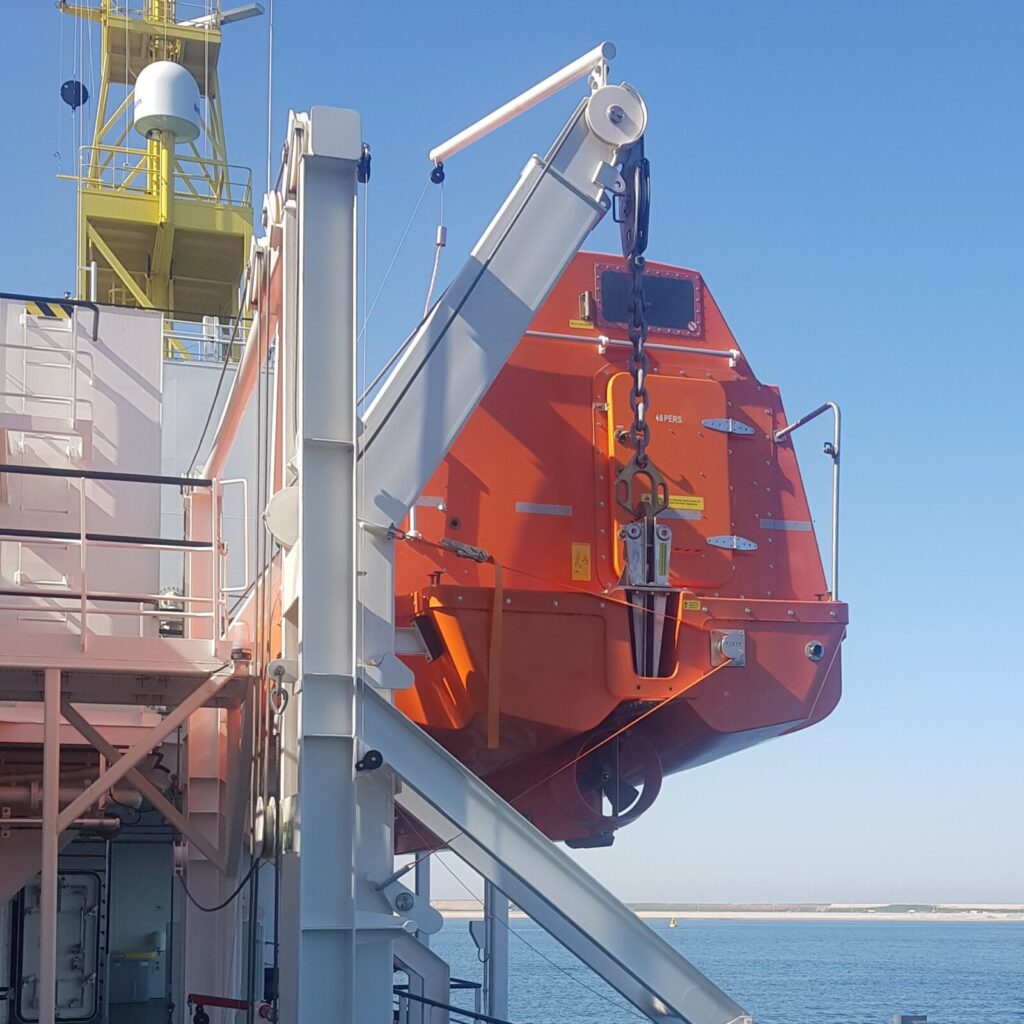
- Antriebsoptionen
- Electric, hydraulic, manual, with/without stored power (accumulator or spring force)
- Solas-hoistgeschwindigkeit
- Bis 48 m/min für Fast-Rescue-Davits (SOLAS-konform)
- Einsatzbereich
- Rettungsboote, Schnellrettungsboote, Rettungsflöße, MOB-Boote
- Konstruktion
- Normal pivot or slewing types, single or double arm with optional docking head to prevent pendulum motion until water level
- Hubkapazität
- Configurable according to ship type and lifeboat weight (tailor-made solutions)
- Zertifizierung
- ABS, GL, DNV, BV, NK, KR, LR and other classification societies
- D-NPS.SP (Normal Pivot Single/Double Arm mit Docking Head)
- D-NPS.FR (Fast Rescue Davit mit Docking Head)
- D-CRm.FR (Slewing Fast Rescue Davit mit hydraulischem/elektrischem Antrieb)
- D-BR (rescue davit with manual operation or hydraulic stored power)
- D-NP.MP (Normal Pivot mit mechanischer Stored Power - Federbelastung)
- D-NP.SP (Normal Pivot mit hydraulischer Stored Power - Akku)
- Area: On-load release gear functionality and wearCheck: Annually: operational test of on-load release gear by positioning the boat partially in water for load support by fall, actuation of release gear, reset and inspection for damage. Every 5 years: overhaul of release system with 110% proof-load test. Inspect release gear before and after operational test; verify hook securing and reset.
- Area: Wire rope condition (wires/falls) – corrosion, wear, breakageCheck: Monthly: visual inspection for fraying, kinks, corrosion, broken strands. Annually: wire rope and sheaves for scratches, dents, corrosion, missing lubrication. Every 5 years: wire rope replacement per SOLAS Chapter III required. Lubrication of wires, sheaves and moving parts to be checked.
- Area: Brake system - inspection function and wear partsCheck: Annually: brake test by suspension of rated load and verification that brake holds without slippage. For centrifugal brakes: sinking speed against SOLAS formula (max. 1.3 m/s) to be checked. Brake pads to be inspected and replaced when worn. Every 5 years: brake system to be opened and condition thoroughly checked.
- Area: Sheaves - wear, abrasion, corrosion, wear ringsCheck: Annually: sheaves for wear grooves, wear ring wear, corrosion, incorrect alignment, loose bolts to be checked. A worn or corroded sheave damages new wires and leads to premature wire rope failure. Wear ring thickness to be measured and replaced if necessary. Lubrication to be checked.
- Area: Overall structure - corrosion, wear, deformation and clearanceCheck: Annually: davit structure for corrosion (especially welds), wear, deformation, excessive clearance, cracks to be checked. All bolt locking devices to be verified. Hydraulic cylinders for leakage to be checked. Every 5 years: selective disassembly with NDT (roughness inspection, crack inspection) to be performed. Foundations to be inspected.
- Area: Proof-load test at 110% of rated loadCheck: Annually: dynamic winch brake test at 110% of Safe Working Load to be performed (simulated by water bag equipment or certified load cells). Every 5 years: comprehensive proof-load test of entire davit, winch, wire rope and hook system at 110% SWL to be performed. System must hold load, show no deformation or damage.
Type-universal inspection/maintenance points for Lifesaving Appliances (LSA) (davit international, Mega-Swarm 2026–06). Per-model specs not auto-populated.
- Configurable capacity to suit vessel type and lifeboat weight
- Fast rescue davits with high hoisting speed (up to 48 m/min)
- Normal pivot or slewing types available, with optional docking head for reduced pendulum motion
- High upfront cost compared to manual davit systems
- Requires regular maintenance and inspection to ensure proper function
- May require additional training for operators
- Antriebsoptionen
- Electric, hydraulic, manual, with/without stored power (accumulator or spring force)
- Solas-hoistgeschwindigkeit
- Bis 48 m/min für Fast-Rescue-Davits (SOLAS-konform)
- Einsatzbereich
- Rettungsboote, Schnellrettungsboote, Rettungsflöße, MOB-Boote
- Konstruktion
- Normal pivot or slewing types, single or double arm with optional docking head to prevent pendulum motion until water level
- Hubkapazität
- Configurable according to ship type and lifeboat weight (tailor-made solutions)
- Zertifizierung
- ABS, GL, DNV, BV, NK, KR, LR and other classification societies
- D-NPS.SP (Normal Pivot Single/Double Arm mit Docking Head)
- D-NPS.FR (Fast Rescue Davit mit Docking Head)
- D-CRm.FR (Slewing Fast Rescue Davit mit hydraulischem/elektrischem Antrieb)
- D-BR (rescue davit with manual operation or hydraulic stored power)
- D-NP.MP (Normal Pivot mit mechanischer Stored Power - Federbelastung)
- D-NP.SP (Normal Pivot mit hydraulischer Stored Power - Akku)
- Area: On-load release gear functionality and wearCheck: Annually: operational test of on-load release gear by positioning the boat partially in water for load support by fall, actuation of release gear, reset and inspection for damage. Every 5 years: overhaul of release system with 110% proof-load test. Inspect release gear before and after operational test; verify hook securing and reset.
- Area: Wire rope condition (wires/falls) – corrosion, wear, breakageCheck: Monthly: visual inspection for fraying, kinks, corrosion, broken strands. Annually: wire rope and sheaves for scratches, dents, corrosion, missing lubrication. Every 5 years: wire rope replacement per SOLAS Chapter III required. Lubrication of wires, sheaves and moving parts to be checked.
- Area: Brake system - inspection function and wear partsCheck: Annually: brake test by suspension of rated load and verification that brake holds without slippage. For centrifugal brakes: sinking speed against SOLAS formula (max. 1.3 m/s) to be checked. Brake pads to be inspected and replaced when worn. Every 5 years: brake system to be opened and condition thoroughly checked.
- Area: Sheaves - wear, abrasion, corrosion, wear ringsCheck: Annually: sheaves for wear grooves, wear ring wear, corrosion, incorrect alignment, loose bolts to be checked. A worn or corroded sheave damages new wires and leads to premature wire rope failure. Wear ring thickness to be measured and replaced if necessary. Lubrication to be checked.
- Area: Overall structure - corrosion, wear, deformation and clearanceCheck: Annually: davit structure for corrosion (especially welds), wear, deformation, excessive clearance, cracks to be checked. All bolt locking devices to be verified. Hydraulic cylinders for leakage to be checked. Every 5 years: selective disassembly with NDT (roughness inspection, crack inspection) to be performed. Foundations to be inspected.
- Area: Proof-load test at 110% of rated loadCheck: Annually: dynamic winch brake test at 110% of Safe Working Load to be performed (simulated by water bag equipment or certified load cells). Every 5 years: comprehensive proof-load test of entire davit, winch, wire rope and hook system at 110% SWL to be performed. System must hold load, show no deformation or damage.
Type-universal inspection/maintenance points for Lifesaving Appliances (LSA) (davit international, Mega-Swarm 2026–06). Per-model specs not auto-populated.
- Fast deployment speed of up to 48 m/min (SOLAS-compliant)
- Stored power option for emergency situations
- Configurable capacity based on vessel type and rescue boat weight
- Normal Pivot or Slewing Types available with optional Docking Head
- ABS, GL, DNV, BV, NK, KR, LR, and other classification society certifications
- Higher upfront cost compared to manual davits
- Requires regular maintenance and inspection to ensure proper function
- May require additional training for crew members to operate effectively
- Antriebsoptionen
- Electric, hydraulic, manual, with/without stored power (accumulator or spring force)
- Solas-hoistgeschwindigkeit
- Bis 48 m/min für Fast-Rescue-Davits (SOLAS-konform)
- Einsatzbereich
- Rettungsboote, Schnellrettungsboote, Rettungsflöße, MOB-Boote
- Konstruktion
- Normal pivot or slewing types, single or double arm with optional docking head to prevent pendulum motion until water level
- Hubkapazität
- Configurable according to ship type and lifeboat weight (tailor-made solutions)
- Zertifizierung
- ABS, GL, DNV, BV, NK, KR, LR and other classification societies
- D-NPS.SP (Normal Pivot Single/Double Arm mit Docking Head)
- D-NPS.FR (Fast Rescue Davit mit Docking Head)
- D-CRm.FR (Slewing Fast Rescue Davit mit hydraulischem/elektrischem Antrieb)
- D-BR (rescue davit with manual operation or hydraulic stored power)
- D-NP.MP (Normal Pivot mit mechanischer Stored Power - Federbelastung)
- D-NP.SP (Normal Pivot mit hydraulischer Stored Power - Akku)
- Area: On-load release gear functionality and wearCheck: Annually: operational test of on-load release gear by positioning the boat partially in water for load support by fall, actuation of release gear, reset and inspection for damage. Every 5 years: overhaul of release system with 110% proof-load test. Inspect release gear before and after operational test; verify hook securing and reset.
- Area: Wire rope condition (wires/falls) – corrosion, wear, breakageCheck: Monthly: visual inspection for fraying, kinks, corrosion, broken strands. Annually: wire rope and sheaves for scratches, dents, corrosion, missing lubrication. Every 5 years: wire rope replacement per SOLAS Chapter III required. Lubrication of wires, sheaves and moving parts to be checked.
- Area: Brake system - inspection function and wear partsCheck: Annually: brake test by suspension of rated load and verification that brake holds without slippage. For centrifugal brakes: sinking speed against SOLAS formula (max. 1.3 m/s) to be checked. Brake pads to be inspected and replaced when worn. Every 5 years: brake system to be opened and condition thoroughly checked.
- Area: Sheaves - wear, abrasion, corrosion, wear ringsCheck: Annually: sheaves for wear grooves, wear ring wear, corrosion, incorrect alignment, loose bolts to be checked. A worn or corroded sheave damages new wires and leads to premature wire rope failure. Wear ring thickness to be measured and replaced if necessary. Lubrication to be checked.
- Area: Overall structure - corrosion, wear, deformation and clearanceCheck: Annually: davit structure for corrosion (especially welds), wear, deformation, excessive clearance, cracks to be checked. All bolt locking devices to be verified. Hydraulic cylinders for leakage to be checked. Every 5 years: selective disassembly with NDT (roughness inspection, crack inspection) to be performed. Foundations to be inspected.
- Area: Proof-load test at 110% of rated loadCheck: Annually: dynamic winch brake test at 110% of Safe Working Load to be performed (simulated by water bag equipment or certified load cells). Every 5 years: comprehensive proof-load test of entire davit, winch, wire rope and hook system at 110% SWL to be performed. System must hold load, show no deformation or damage.
Type-universal inspection/maintenance points for Lifesaving Appliances (LSA) (davit international, Mega-Swarm 2026–06). Per-model specs not auto-populated.
- Fast deployment speed of up to 48 m/min (SOLAS-compliant)
- Configurable capacity to suit various vessel types and rescue boat weights
- Normal Pivot or Slewing Types available, with optional Docking Head for reduced pendulum motion
- High upfront cost due to advanced technology and customization options
- Requires regular maintenance and inspections to ensure optimal performance
- May require additional training for crew members to operate effectively
- Antriebsoptionen
- Electric, hydraulic, manual, with/without stored power (accumulator or spring force)
- Solas-hoistgeschwindigkeit
- Bis 48 m/min für Fast-Rescue-Davits (SOLAS-konform)
- Einsatzbereich
- Rettungsboote, Schnellrettungsboote, Rettungsflöße, MOB-Boote
- Konstruktion
- Normal pivot or slewing types, single or double arm with optional docking head to prevent pendulum motion until water level
- Hubkapazität
- Configurable according to ship type and lifeboat weight (tailor-made solutions)
- Zertifizierung
- ABS, GL, DNV, BV, NK, KR, LR and other classification societies
- D-NPS.SP (Normal Pivot Single/Double Arm mit Docking Head)
- D-NPS.FR (Fast Rescue Davit mit Docking Head)
- D-CRm.FR (Slewing Fast Rescue Davit mit hydraulischem/elektrischem Antrieb)
- D-BR (rescue davit with manual operation or hydraulic stored power)
- D-NP.MP (Normal Pivot mit mechanischer Stored Power - Federbelastung)
- D-NP.SP (Normal Pivot mit hydraulischer Stored Power - Akku)
- Area: On-load release gear functionality and wearCheck: Annually: operational test of on-load release gear by positioning the boat partially in water for load support by fall, actuation of release gear, reset and inspection for damage. Every 5 years: overhaul of release system with 110% proof-load test. Inspect release gear before and after operational test; verify hook securing and reset.
- Area: Wire rope condition (wires/falls) – corrosion, wear, breakageCheck: Monthly: visual inspection for fraying, kinks, corrosion, broken strands. Annually: wire rope and sheaves for scratches, dents, corrosion, missing lubrication. Every 5 years: wire rope replacement per SOLAS Chapter III required. Lubrication of wires, sheaves and moving parts to be checked.
- Area: Brake system - inspection function and wear partsCheck: Annually: brake test by suspension of rated load and verification that brake holds without slippage. For centrifugal brakes: sinking speed against SOLAS formula (max. 1.3 m/s) to be checked. Brake pads to be inspected and replaced when worn. Every 5 years: brake system to be opened and condition thoroughly checked.
- Area: Sheaves - wear, abrasion, corrosion, wear ringsCheck: Annually: sheaves for wear grooves, wear ring wear, corrosion, incorrect alignment, loose bolts to be checked. A worn or corroded sheave damages new wires and leads to premature wire rope failure. Wear ring thickness to be measured and replaced if necessary. Lubrication to be checked.
- Area: Overall structure - corrosion, wear, deformation and clearanceCheck: Annually: davit structure for corrosion (especially welds), wear, deformation, excessive clearance, cracks to be checked. All bolt locking devices to be verified. Hydraulic cylinders for leakage to be checked. Every 5 years: selective disassembly with NDT (roughness inspection, crack inspection) to be performed. Foundations to be inspected.
- Area: Proof-load test at 110% of rated loadCheck: Annually: dynamic winch brake test at 110% of Safe Working Load to be performed (simulated by water bag equipment or certified load cells). Every 5 years: comprehensive proof-load test of entire davit, winch, wire rope and hook system at 110% SWL to be performed. System must hold load, show no deformation or damage.
Type-universal inspection/maintenance points for Lifesaving Appliances (LSA) (davit international, Mega-Swarm 2026–06). Per-model specs not auto-populated.
- Fast deployment speed of up to 48 m/min (SOLAS-compliant)
- Configurable capacity according to ship type and rescue boat weight
- Normal Pivot or Slewing Types, single or double-arm design with optional Docking Head for reduced pendulum movements
- High upfront cost due to advanced features and customization options
- Requires regular maintenance and inspection to ensure proper function
- May require additional training for crew members to operate effectively
- Antriebsoptionen
- Electric, hydraulic, manual, with/without stored power (accumulator or spring force)
- Solas-hoistgeschwindigkeit
- Bis 48 m/min für Fast-Rescue-Davits (SOLAS-konform)
- Einsatzbereich
- Rettungsboote, Schnellrettungsboote, Rettungsflöße, MOB-Boote
- Konstruktion
- Normal pivot or slewing types, single or double arm with optional docking head to prevent pendulum motion until water level
- Hubkapazität
- Configurable according to ship type and lifeboat weight (tailor-made solutions)
- Zertifizierung
- ABS, GL, DNV, BV, NK, KR, LR and other classification societies
- D-NPS.SP (Normal Pivot Single/Double Arm mit Docking Head)
- D-NPS.FR (Fast Rescue Davit mit Docking Head)
- D-CRm.FR (Slewing Fast Rescue Davit mit hydraulischem/elektrischem Antrieb)
- D-BR (rescue davit with manual operation or hydraulic stored power)
- D-NP.MP (Normal Pivot mit mechanischer Stored Power - Federbelastung)
- D-NP.SP (Normal Pivot mit hydraulischer Stored Power - Akku)
- Area: On-load release gear functionality and wearCheck: Annually: operational test of on-load release gear by positioning the boat partially in water for load support by fall, actuation of release gear, reset and inspection for damage. Every 5 years: overhaul of release system with 110% proof-load test. Inspect release gear before and after operational test; verify hook securing and reset.
- Area: Wire rope condition (wires/falls) – corrosion, wear, breakageCheck: Monthly: visual inspection for fraying, kinks, corrosion, broken strands. Annually: wire rope and sheaves for scratches, dents, corrosion, missing lubrication. Every 5 years: wire rope replacement per SOLAS Chapter III required. Lubrication of wires, sheaves and moving parts to be checked.
- Area: Brake system - inspection function and wear partsCheck: Annually: brake test by suspension of rated load and verification that brake holds without slippage. For centrifugal brakes: sinking speed against SOLAS formula (max. 1.3 m/s) to be checked. Brake pads to be inspected and replaced when worn. Every 5 years: brake system to be opened and condition thoroughly checked.
- Area: Sheaves - wear, abrasion, corrosion, wear ringsCheck: Annually: sheaves for wear grooves, wear ring wear, corrosion, incorrect alignment, loose bolts to be checked. A worn or corroded sheave damages new wires and leads to premature wire rope failure. Wear ring thickness to be measured and replaced if necessary. Lubrication to be checked.
- Area: Overall structure - corrosion, wear, deformation and clearanceCheck: Annually: davit structure for corrosion (especially welds), wear, deformation, excessive clearance, cracks to be checked. All bolt locking devices to be verified. Hydraulic cylinders for leakage to be checked. Every 5 years: selective disassembly with NDT (roughness inspection, crack inspection) to be performed. Foundations to be inspected.
- Area: Proof-load test at 110% of rated loadCheck: Annually: dynamic winch brake test at 110% of Safe Working Load to be performed (simulated by water bag equipment or certified load cells). Every 5 years: comprehensive proof-load test of entire davit, winch, wire rope and hook system at 110% SWL to be performed. System must hold load, show no deformation or damage.
Type-universal inspection/maintenance points for Lifesaving Appliances (LSA) (davit international, Mega-Swarm 2026–06). Per-model specs not auto-populated.
- Fast deployment speed of up to 48 m/min
- Configurable capacity based on vessel type and lifeboat weight
- Normal pivot or slewing types available
- High upfront cost compared to manual davits
- Requires regular maintenance and inspection
- Complexity may lead to higher operational costs
- Antriebsoptionen
- Electric, hydraulic, manual, with/without stored power (accumulator or spring force)
- Solas-hoistgeschwindigkeit
- Bis 48 m/min für Fast-Rescue-Davits (SOLAS-konform)
- Einsatzbereich
- Rettungsboote, Schnellrettungsboote, Rettungsflöße, MOB-Boote
- Konstruktion
- Normal pivot or slewing types, single or double arm with optional docking head to prevent pendulum motion until water level
- Hubkapazität
- Configurable according to ship type and lifeboat weight (tailor-made solutions)
- Zertifizierung
- ABS, GL, DNV, BV, NK, KR, LR and other classification societies
- D-NPS.SP (Normal Pivot Single/Double Arm mit Docking Head)
- D-NPS.FR (Fast Rescue Davit mit Docking Head)
- D-CRm.FR (Slewing Fast Rescue Davit mit hydraulischem/elektrischem Antrieb)
- D-BR (rescue davit with manual operation or hydraulic stored power)
- D-NP.MP (Normal Pivot mit mechanischer Stored Power - Federbelastung)
- D-NP.SP (Normal Pivot mit hydraulischer Stored Power - Akku)
- Area: On-load release gear functionality and wearCheck: Annually: operational test of on-load release gear by positioning the boat partially in water for load support by fall, actuation of release gear, reset and inspection for damage. Every 5 years: overhaul of release system with 110% proof-load test. Inspect release gear before and after operational test; verify hook securing and reset.
- Area: Wire rope condition (wires/falls) – corrosion, wear, breakageCheck: Monthly: visual inspection for fraying, kinks, corrosion, broken strands. Annually: wire rope and sheaves for scratches, dents, corrosion, missing lubrication. Every 5 years: wire rope replacement per SOLAS Chapter III required. Lubrication of wires, sheaves and moving parts to be checked.
- Area: Brake system - inspection function and wear partsCheck: Annually: brake test by suspension of rated load and verification that brake holds without slippage. For centrifugal brakes: sinking speed against SOLAS formula (max. 1.3 m/s) to be checked. Brake pads to be inspected and replaced when worn. Every 5 years: brake system to be opened and condition thoroughly checked.
- Area: Sheaves - wear, abrasion, corrosion, wear ringsCheck: Annually: sheaves for wear grooves, wear ring wear, corrosion, incorrect alignment, loose bolts to be checked. A worn or corroded sheave damages new wires and leads to premature wire rope failure. Wear ring thickness to be measured and replaced if necessary. Lubrication to be checked.
- Area: Overall structure - corrosion, wear, deformation and clearanceCheck: Annually: davit structure for corrosion (especially welds), wear, deformation, excessive clearance, cracks to be checked. All bolt locking devices to be verified. Hydraulic cylinders for leakage to be checked. Every 5 years: selective disassembly with NDT (roughness inspection, crack inspection) to be performed. Foundations to be inspected.
- Area: Proof-load test at 110% of rated loadCheck: Annually: dynamic winch brake test at 110% of Safe Working Load to be performed (simulated by water bag equipment or certified load cells). Every 5 years: comprehensive proof-load test of entire davit, winch, wire rope and hook system at 110% SWL to be performed. System must hold load, show no deformation or damage.
Type-universal inspection/maintenance points for Lifesaving Appliances (LSA) (davit international, Mega-Swarm 2026–06). Per-model specs not auto-populated.
- Fast deployment speed of up to 48 m/min (SOLAS-compliant)
- Customizable capacity to suit various vessel types and lifeboat weights
- Normal pivot or slewing design for reduced pendulum motion
- Optional docking head for improved safety
- Compliance with major classification societies
- Higher upfront cost compared to simpler davit systems
- Requires regular maintenance and inspections to ensure proper function
- May require additional training for crew members to operate effectively
- Antriebsoptionen
- Electric, hydraulic, manual, with/without stored power (accumulator or spring force)
- Solas-hoistgeschwindigkeit
- Bis 48 m/min für Fast-Rescue-Davits (SOLAS-konform)
- Einsatzbereich
- Rettungsboote, Schnellrettungsboote, Rettungsflöße, MOB-Boote
- Konstruktion
- Normal pivot or slewing types, single or double arm with optional docking head to prevent pendulum motion until water level
- Hubkapazität
- Configurable according to ship type and lifeboat weight (tailor-made solutions)
- Zertifizierung
- ABS, GL, DNV, BV, NK, KR, LR and other classification societies
- D-NPS.SP (Normal Pivot Single/Double Arm mit Docking Head)
- D-NPS.FR (Fast Rescue Davit mit Docking Head)
- D-CRm.FR (Slewing Fast Rescue Davit mit hydraulischem/elektrischem Antrieb)
- D-BR (rescue davit with manual operation or hydraulic stored power)
- D-NP.MP (Normal Pivot mit mechanischer Stored Power - Federbelastung)
- D-NP.SP (Normal Pivot mit hydraulischer Stored Power - Akku)
- Area: On-load release gear functionality and wearCheck: Annually: operational test of on-load release gear by positioning the boat partially in water for load support by fall, actuation of release gear, reset and inspection for damage. Every 5 years: overhaul of release system with 110% proof-load test. Inspect release gear before and after operational test; verify hook securing and reset.
- Area: Wire rope condition (wires/falls) – corrosion, wear, breakageCheck: Monthly: visual inspection for fraying, kinks, corrosion, broken strands. Annually: wire rope and sheaves for scratches, dents, corrosion, missing lubrication. Every 5 years: wire rope replacement per SOLAS Chapter III required. Lubrication of wires, sheaves and moving parts to be checked.
- Area: Brake system - inspection function and wear partsCheck: Annually: brake test by suspension of rated load and verification that brake holds without slippage. For centrifugal brakes: sinking speed against SOLAS formula (max. 1.3 m/s) to be checked. Brake pads to be inspected and replaced when worn. Every 5 years: brake system to be opened and condition thoroughly checked.
- Area: Sheaves - wear, abrasion, corrosion, wear ringsCheck: Annually: sheaves for wear grooves, wear ring wear, corrosion, incorrect alignment, loose bolts to be checked. A worn or corroded sheave damages new wires and leads to premature wire rope failure. Wear ring thickness to be measured and replaced if necessary. Lubrication to be checked.
- Area: Overall structure - corrosion, wear, deformation and clearanceCheck: Annually: davit structure for corrosion (especially welds), wear, deformation, excessive clearance, cracks to be checked. All bolt locking devices to be verified. Hydraulic cylinders for leakage to be checked. Every 5 years: selective disassembly with NDT (roughness inspection, crack inspection) to be performed. Foundations to be inspected.
- Area: Proof-load test at 110% of rated loadCheck: Annually: dynamic winch brake test at 110% of Safe Working Load to be performed (simulated by water bag equipment or certified load cells). Every 5 years: comprehensive proof-load test of entire davit, winch, wire rope and hook system at 110% SWL to be performed. System must hold load, show no deformation or damage.
Type-universal inspection/maintenance points for Lifesaving Appliances (LSA) (davit international, Mega-Swarm 2026–06). Per-model specs not auto-populated.
- Fast deployment speed of up to 48 m/min (SOLAS-compliant)
- Configurable capacity according to ship type and rescue boat weight
- Normal Pivot or Slewing Types with optional Docking Head for reduced pendulum movements
- Requires regular maintenance, including annual inspections and proof-load tests at 110% of the safe working load
- May require replacement of worn-out parts, such as wire ropes and sheaves
- Antriebsoptionen
- Electric, hydraulic, manual, with/without stored power (accumulator or spring force)
- Solas-hoistgeschwindigkeit
- Bis 48 m/min für Fast-Rescue-Davits (SOLAS-konform)
- Einsatzbereich
- Rettungsboote, Schnellrettungsboote, Rettungsflöße, MOB-Boote
- Konstruktion
- Normal pivot or slewing types, single or double arm with optional docking head to prevent pendulum motion until water level
- Hubkapazität
- Configurable according to ship type and lifeboat weight (tailor-made solutions)
- Zertifizierung
- ABS, GL, DNV, BV, NK, KR, LR and other classification societies
- D-NPS.SP (Normal Pivot Single/Double Arm mit Docking Head)
- D-NPS.FR (Fast Rescue Davit mit Docking Head)
- D-CRm.FR (Slewing Fast Rescue Davit mit hydraulischem/elektrischem Antrieb)
- D-BR (rescue davit with manual operation or hydraulic stored power)
- D-NP.MP (Normal Pivot mit mechanischer Stored Power - Federbelastung)
- D-NP.SP (Normal Pivot mit hydraulischer Stored Power - Akku)
- Area: On-load release gear functionality and wearCheck: Annually: operational test of on-load release gear by positioning the boat partially in water for load support by fall, actuation of release gear, reset and inspection for damage. Every 5 years: overhaul of release system with 110% proof-load test. Inspect release gear before and after operational test; verify hook securing and reset.
- Area: Wire rope condition (wires/falls) – corrosion, wear, breakageCheck: Monthly: visual inspection for fraying, kinks, corrosion, broken strands. Annually: wire rope and sheaves for scratches, dents, corrosion, missing lubrication. Every 5 years: wire rope replacement per SOLAS Chapter III required. Lubrication of wires, sheaves and moving parts to be checked.
- Area: Brake system - inspection function and wear partsCheck: Annually: brake test by suspension of rated load and verification that brake holds without slippage. For centrifugal brakes: sinking speed against SOLAS formula (max. 1.3 m/s) to be checked. Brake pads to be inspected and replaced when worn. Every 5 years: brake system to be opened and condition thoroughly checked.
- Area: Sheaves - wear, abrasion, corrosion, wear ringsCheck: Annually: sheaves for wear grooves, wear ring wear, corrosion, incorrect alignment, loose bolts to be checked. A worn or corroded sheave damages new wires and leads to premature wire rope failure. Wear ring thickness to be measured and replaced if necessary. Lubrication to be checked.
- Area: Overall structure - corrosion, wear, deformation and clearanceCheck: Annually: davit structure for corrosion (especially welds), wear, deformation, excessive clearance, cracks to be checked. All bolt locking devices to be verified. Hydraulic cylinders for leakage to be checked. Every 5 years: selective disassembly with NDT (roughness inspection, crack inspection) to be performed. Foundations to be inspected.
- Area: Proof-load test at 110% of rated loadCheck: Annually: dynamic winch brake test at 110% of Safe Working Load to be performed (simulated by water bag equipment or certified load cells). Every 5 years: comprehensive proof-load test of entire davit, winch, wire rope and hook system at 110% SWL to be performed. System must hold load, show no deformation or damage.
Type-universal inspection/maintenance points for Lifesaving Appliances (LSA) (davit international, Mega-Swarm 2026–06). Per-model specs not auto-populated.
- Customizable capacity and configuration to suit various vessel types and sizes
- Fast rescue davit option available for high-speed vessels
- Normal pivot or slewing type davits available for different operational requirements
- Docking head feature reduces pendulum movements during launching
- Stored power (accumulator or spring force) option available
- Higher upfront cost compared to manual or electric davit systems
- Requires regular maintenance and inspection to ensure proper functioning
- Complexity of hydraulic system may lead to higher operational costs
- Space requirements for davit installation can be significant
- Weight capacity limitations depending on configuration and vessel size
- Antriebsoptionen
- Electric, hydraulic, manual, with/without stored power (accumulator or spring force)
- Solas-hoistgeschwindigkeit
- Bis 48 m/min für Fast-Rescue-Davits (SOLAS-konform)
- Einsatzbereich
- Rettungsboote, Schnellrettungsboote, Rettungsflöße, MOB-Boote
- Konstruktion
- Normal pivot or slewing types, single or double arm with optional docking head to prevent pendulum motion until water level
- Hubkapazität
- Configurable according to ship type and lifeboat weight (tailor-made solutions)
- Zertifizierung
- ABS, GL, DNV, BV, NK, KR, LR and other classification societies
- D-NPS.SP (Normal Pivot Single/Double Arm mit Docking Head)
- D-NPS.FR (Fast Rescue Davit mit Docking Head)
- D-CRm.FR (Slewing Fast Rescue Davit mit hydraulischem/elektrischem Antrieb)
- D-BR (rescue davit with manual operation or hydraulic stored power)
- D-NP.MP (Normal Pivot mit mechanischer Stored Power - Federbelastung)
- D-NP.SP (Normal Pivot mit hydraulischer Stored Power - Akku)
- Area: On-load release gear functionality and wearCheck: Annually: operational test of on-load release gear by positioning the boat partially in water for load support by fall, actuation of release gear, reset and inspection for damage. Every 5 years: overhaul of release system with 110% proof-load test. Inspect release gear before and after operational test; verify hook securing and reset.
- Area: Wire rope condition (wires/falls) – corrosion, wear, breakageCheck: Monthly: visual inspection for fraying, kinks, corrosion, broken strands. Annually: wire rope and sheaves for scratches, dents, corrosion, missing lubrication. Every 5 years: wire rope replacement per SOLAS Chapter III required. Lubrication of wires, sheaves and moving parts to be checked.
- Area: Brake system - inspection function and wear partsCheck: Annually: brake test by suspension of rated load and verification that brake holds without slippage. For centrifugal brakes: sinking speed against SOLAS formula (max. 1.3 m/s) to be checked. Brake pads to be inspected and replaced when worn. Every 5 years: brake system to be opened and condition thoroughly checked.
- Area: Sheaves - wear, abrasion, corrosion, wear ringsCheck: Annually: sheaves for wear grooves, wear ring wear, corrosion, incorrect alignment, loose bolts to be checked. A worn or corroded sheave damages new wires and leads to premature wire rope failure. Wear ring thickness to be measured and replaced if necessary. Lubrication to be checked.
- Area: Overall structure - corrosion, wear, deformation and clearanceCheck: Annually: davit structure for corrosion (especially welds), wear, deformation, excessive clearance, cracks to be checked. All bolt locking devices to be verified. Hydraulic cylinders for leakage to be checked. Every 5 years: selective disassembly with NDT (roughness inspection, crack inspection) to be performed. Foundations to be inspected.
- Area: Proof-load test at 110% of rated loadCheck: Annually: dynamic winch brake test at 110% of Safe Working Load to be performed (simulated by water bag equipment or certified load cells). Every 5 years: comprehensive proof-load test of entire davit, winch, wire rope and hook system at 110% SWL to be performed. System must hold load, show no deformation or damage.
Type-universal inspection/maintenance points for Lifesaving Appliances (LSA) (davit international, Mega-Swarm 2026–06). Per-model specs not auto-populated.
- Fast hoisting speed of up to 48 m/min (SOLAS-compliant)
- Configurable capacity based on vessel type and rescue boat weight
- Normal Pivot or Slewing types available, with optional docking head for reduced pendulum movement
- Higher upfront cost compared to manual davits
- Requires regular maintenance and inspection to ensure proper function
- May require additional training for crew members to operate effectively
- Antriebsoptionen
- Electric, hydraulic, manual, with/without stored power (accumulator or spring force)
- Solas-hoistgeschwindigkeit
- Bis 48 m/min für Fast-Rescue-Davits (SOLAS-konform)
- Einsatzbereich
- Rettungsboote, Schnellrettungsboote, Rettungsflöße, MOB-Boote
- Konstruktion
- Normal pivot or slewing types, single or double arm with optional docking head to prevent pendulum motion until water level
- Hubkapazität
- Configurable according to ship type and lifeboat weight (tailor-made solutions)
- Zertifizierung
- ABS, GL, DNV, BV, NK, KR, LR and other classification societies
- D-NPS.SP (Normal Pivot Single/Double Arm mit Docking Head)
- D-NPS.FR (Fast Rescue Davit mit Docking Head)
- D-CRm.FR (Slewing Fast Rescue Davit mit hydraulischem/elektrischem Antrieb)
- D-BR (rescue davit with manual operation or hydraulic stored power)
- D-NP.MP (Normal Pivot mit mechanischer Stored Power - Federbelastung)
- D-NP.SP (Normal Pivot mit hydraulischer Stored Power - Akku)
- Area: On-load release gear functionality and wearCheck: Annually: operational test of on-load release gear by positioning the boat partially in water for load support by fall, actuation of release gear, reset and inspection for damage. Every 5 years: overhaul of release system with 110% proof-load test. Inspect release gear before and after operational test; verify hook securing and reset.
- Area: Wire rope condition (wires/falls) – corrosion, wear, breakageCheck: Monthly: visual inspection for fraying, kinks, corrosion, broken strands. Annually: wire rope and sheaves for scratches, dents, corrosion, missing lubrication. Every 5 years: wire rope replacement per SOLAS Chapter III required. Lubrication of wires, sheaves and moving parts to be checked.
- Area: Brake system - inspection function and wear partsCheck: Annually: brake test by suspension of rated load and verification that brake holds without slippage. For centrifugal brakes: sinking speed against SOLAS formula (max. 1.3 m/s) to be checked. Brake pads to be inspected and replaced when worn. Every 5 years: brake system to be opened and condition thoroughly checked.
- Area: Sheaves - wear, abrasion, corrosion, wear ringsCheck: Annually: sheaves for wear grooves, wear ring wear, corrosion, incorrect alignment, loose bolts to be checked. A worn or corroded sheave damages new wires and leads to premature wire rope failure. Wear ring thickness to be measured and replaced if necessary. Lubrication to be checked.
- Area: Overall structure - corrosion, wear, deformation and clearanceCheck: Annually: davit structure for corrosion (especially welds), wear, deformation, excessive clearance, cracks to be checked. All bolt locking devices to be verified. Hydraulic cylinders for leakage to be checked. Every 5 years: selective disassembly with NDT (roughness inspection, crack inspection) to be performed. Foundations to be inspected.
- Area: Proof-load test at 110% of rated loadCheck: Annually: dynamic winch brake test at 110% of Safe Working Load to be performed (simulated by water bag equipment or certified load cells). Every 5 years: comprehensive proof-load test of entire davit, winch, wire rope and hook system at 110% SWL to be performed. System must hold load, show no deformation or damage.
Type-universal inspection/maintenance points for Lifesaving Appliances (LSA) (davit international, Mega-Swarm 2026–06). Per-model specs not auto-populated.
- Fast deployment speed of up to 48 m/min (SOLAS-compliant)
- Configurable capacity according to ship type and rescue boat weight
- Normal Pivot or Slewing types available, with optional Docking Head for reduced pendulum movement
- Requires regular maintenance and inspections to ensure proper function
- May require replacement of worn-out parts, such as release gear and wire ropes
- Can be affected by corrosion and wear on moving parts
- Antriebsoptionen
- Electric, hydraulic, manual, with/without stored power (accumulator or spring force)
- Solas-hoistgeschwindigkeit
- Bis 48 m/min für Fast-Rescue-Davits (SOLAS-konform)
- Einsatzbereich
- Rettungsboote, Schnellrettungsboote, Rettungsflöße, MOB-Boote
- Konstruktion
- Normal pivot or slewing types, single or double arm with optional docking head to prevent pendulum motion until water level
- Hubkapazität
- Configurable according to ship type and lifeboat weight (tailor-made solutions)
- Zertifizierung
- ABS, GL, DNV, BV, NK, KR, LR and other classification societies
- D-NPS.SP (Normal Pivot Single/Double Arm mit Docking Head)
- D-NPS.FR (Fast Rescue Davit mit Docking Head)
- D-CRm.FR (Slewing Fast Rescue Davit mit hydraulischem/elektrischem Antrieb)
- D-BR (rescue davit with manual operation or hydraulic stored power)
- D-NP.MP (Normal Pivot mit mechanischer Stored Power - Federbelastung)
- D-NP.SP (Normal Pivot mit hydraulischer Stored Power - Akku)
- Area: On-load release gear functionality and wearCheck: Annually: operational test of on-load release gear by positioning the boat partially in water for load support by fall, actuation of release gear, reset and inspection for damage. Every 5 years: overhaul of release system with 110% proof-load test. Inspect release gear before and after operational test; verify hook securing and reset.
- Area: Wire rope condition (wires/falls) – corrosion, wear, breakageCheck: Monthly: visual inspection for fraying, kinks, corrosion, broken strands. Annually: wire rope and sheaves for scratches, dents, corrosion, missing lubrication. Every 5 years: wire rope replacement per SOLAS Chapter III required. Lubrication of wires, sheaves and moving parts to be checked.
- Area: Brake system - inspection function and wear partsCheck: Annually: brake test by suspension of rated load and verification that brake holds without slippage. For centrifugal brakes: sinking speed against SOLAS formula (max. 1.3 m/s) to be checked. Brake pads to be inspected and replaced when worn. Every 5 years: brake system to be opened and condition thoroughly checked.
- Area: Sheaves - wear, abrasion, corrosion, wear ringsCheck: Annually: sheaves for wear grooves, wear ring wear, corrosion, incorrect alignment, loose bolts to be checked. A worn or corroded sheave damages new wires and leads to premature wire rope failure. Wear ring thickness to be measured and replaced if necessary. Lubrication to be checked.
- Area: Overall structure - corrosion, wear, deformation and clearanceCheck: Annually: davit structure for corrosion (especially welds), wear, deformation, excessive clearance, cracks to be checked. All bolt locking devices to be verified. Hydraulic cylinders for leakage to be checked. Every 5 years: selective disassembly with NDT (roughness inspection, crack inspection) to be performed. Foundations to be inspected.
- Area: Proof-load test at 110% of rated loadCheck: Annually: dynamic winch brake test at 110% of Safe Working Load to be performed (simulated by water bag equipment or certified load cells). Every 5 years: comprehensive proof-load test of entire davit, winch, wire rope and hook system at 110% SWL to be performed. System must hold load, show no deformation or damage.
Type-universal inspection/maintenance points for Lifesaving Appliances (LSA) (davit international, Mega-Swarm 2026–06). Per-model specs not auto-populated.
- Antriebsoptionen
- Electric, hydraulic, manual, with/without stored power (accumulator or spring force)
- Solas-hoistgeschwindigkeit
- Bis 48 m/min für Fast-Rescue-Davits (SOLAS-konform)
- Einsatzbereich
- Rettungsboote, Schnellrettungsboote, Rettungsflöße, MOB-Boote
- Konstruktion
- Normal pivot or slewing types, single or double arm with optional docking head to prevent pendulum motion until water level
- Hubkapazität
- Configurable according to ship type and lifeboat weight (tailor-made solutions)
- Zertifizierung
- ABS, GL, DNV, BV, NK, KR, LR and other classification societies
- D-NPS.SP (Normal Pivot Single/Double Arm mit Docking Head)
- D-NPS.FR (Fast Rescue Davit mit Docking Head)
- D-CRm.FR (Slewing Fast Rescue Davit mit hydraulischem/elektrischem Antrieb)
- D-BR (rescue davit with manual operation or hydraulic stored power)
- D-NP.MP (Normal Pivot mit mechanischer Stored Power - Federbelastung)
- D-NP.SP (Normal Pivot mit hydraulischer Stored Power - Akku)
- Area: On-load release gear functionality and wearCheck: Annually: operational test of on-load release gear by positioning the boat partially in water for load support by fall, actuation of release gear, reset and inspection for damage. Every 5 years: overhaul of release system with 110% proof-load test. Inspect release gear before and after operational test; verify hook securing and reset.
- Area: Wire rope condition (wires/falls) – corrosion, wear, breakageCheck: Monthly: visual inspection for fraying, kinks, corrosion, broken strands. Annually: wire rope and sheaves for scratches, dents, corrosion, missing lubrication. Every 5 years: wire rope replacement per SOLAS Chapter III required. Lubrication of wires, sheaves and moving parts to be checked.
- Area: Brake system - inspection function and wear partsCheck: Annually: brake test by suspension of rated load and verification that brake holds without slippage. For centrifugal brakes: sinking speed against SOLAS formula (max. 1.3 m/s) to be checked. Brake pads to be inspected and replaced when worn. Every 5 years: brake system to be opened and condition thoroughly checked.
- Area: Sheaves - wear, abrasion, corrosion, wear ringsCheck: Annually: sheaves for wear grooves, wear ring wear, corrosion, incorrect alignment, loose bolts to be checked. A worn or corroded sheave damages new wires and leads to premature wire rope failure. Wear ring thickness to be measured and replaced if necessary. Lubrication to be checked.
- Area: Overall structure - corrosion, wear, deformation and clearanceCheck: Annually: davit structure for corrosion (especially welds), wear, deformation, excessive clearance, cracks to be checked. All bolt locking devices to be verified. Hydraulic cylinders for leakage to be checked. Every 5 years: selective disassembly with NDT (roughness inspection, crack inspection) to be performed. Foundations to be inspected.
- Area: Proof-load test at 110% of rated loadCheck: Annually: dynamic winch brake test at 110% of Safe Working Load to be performed (simulated by water bag equipment or certified load cells). Every 5 years: comprehensive proof-load test of entire davit, winch, wire rope and hook system at 110% SWL to be performed. System must hold load, show no deformation or damage.
Type-universal inspection/maintenance points for Lifesaving Appliances (LSA) (davit international, Mega-Swarm 2026–06). Per-model specs not auto-populated.
- Antriebsoptionen
- Electric, hydraulic, manual, with/without stored power (accumulator or spring force)
- Solas-hoistgeschwindigkeit
- Bis 48 m/min für Fast-Rescue-Davits (SOLAS-konform)
- Einsatzbereich
- Rettungsboote, Schnellrettungsboote, Rettungsflöße, MOB-Boote
- Konstruktion
- Normal pivot or slewing types, single or double arm with optional docking head to prevent pendulum motion until water level
- Hubkapazität
- Configurable according to ship type and lifeboat weight (tailor-made solutions)
- Zertifizierung
- ABS, GL, DNV, BV, NK, KR, LR and other classification societies
- D-NPS.SP (Normal Pivot Single/Double Arm mit Docking Head)
- D-NPS.FR (Fast Rescue Davit mit Docking Head)
- D-CRm.FR (Slewing Fast Rescue Davit mit hydraulischem/elektrischem Antrieb)
- D-BR (rescue davit with manual operation or hydraulic stored power)
- D-NP.MP (Normal Pivot mit mechanischer Stored Power - Federbelastung)
- D-NP.SP (Normal Pivot mit hydraulischer Stored Power - Akku)
- Area: On-load release gear functionality and wearCheck: Annually: operational test of on-load release gear by positioning the boat partially in water for load support by fall, actuation of release gear, reset and inspection for damage. Every 5 years: overhaul of release system with 110% proof-load test. Inspect release gear before and after operational test; verify hook securing and reset.
- Area: Wire rope condition (wires/falls) – corrosion, wear, breakageCheck: Monthly: visual inspection for fraying, kinks, corrosion, broken strands. Annually: wire rope and sheaves for scratches, dents, corrosion, missing lubrication. Every 5 years: wire rope replacement per SOLAS Chapter III required. Lubrication of wires, sheaves and moving parts to be checked.
- Area: Brake system - inspection function and wear partsCheck: Annually: brake test by suspension of rated load and verification that brake holds without slippage. For centrifugal brakes: sinking speed against SOLAS formula (max. 1.3 m/s) to be checked. Brake pads to be inspected and replaced when worn. Every 5 years: brake system to be opened and condition thoroughly checked.
- Area: Sheaves - wear, abrasion, corrosion, wear ringsCheck: Annually: sheaves for wear grooves, wear ring wear, corrosion, incorrect alignment, loose bolts to be checked. A worn or corroded sheave damages new wires and leads to premature wire rope failure. Wear ring thickness to be measured and replaced if necessary. Lubrication to be checked.
- Area: Overall structure - corrosion, wear, deformation and clearanceCheck: Annually: davit structure for corrosion (especially welds), wear, deformation, excessive clearance, cracks to be checked. All bolt locking devices to be verified. Hydraulic cylinders for leakage to be checked. Every 5 years: selective disassembly with NDT (roughness inspection, crack inspection) to be performed. Foundations to be inspected.
- Area: Proof-load test at 110% of rated loadCheck: Annually: dynamic winch brake test at 110% of Safe Working Load to be performed (simulated by water bag equipment or certified load cells). Every 5 years: comprehensive proof-load test of entire davit, winch, wire rope and hook system at 110% SWL to be performed. System must hold load, show no deformation or damage.
Type-universal inspection/maintenance points for Lifesaving Appliances (LSA) (davit international, Mega-Swarm 2026–06). Per-model specs not auto-populated.
- Antriebsoptionen
- Electric, hydraulic, manual, with/without stored power (accumulator or spring force)
- Solas-hoistgeschwindigkeit
- Bis 48 m/min für Fast-Rescue-Davits (SOLAS-konform)
- Einsatzbereich
- Rettungsboote, Schnellrettungsboote, Rettungsflöße, MOB-Boote
- Konstruktion
- Normal pivot or slewing types, single or double arm with optional docking head to prevent pendulum motion until water level
- Hubkapazität
- Configurable according to ship type and lifeboat weight (tailor-made solutions)
- Zertifizierung
- ABS, GL, DNV, BV, NK, KR, LR and other classification societies
- D-NPS.SP (Normal Pivot Single/Double Arm mit Docking Head)
- D-NPS.FR (Fast Rescue Davit mit Docking Head)
- D-CRm.FR (Slewing Fast Rescue Davit mit hydraulischem/elektrischem Antrieb)
- D-BR (rescue davit with manual operation or hydraulic stored power)
- D-NP.MP (Normal Pivot mit mechanischer Stored Power - Federbelastung)
- D-NP.SP (Normal Pivot mit hydraulischer Stored Power - Akku)
- Area: On-load release gear functionality and wearCheck: Annually: operational test of on-load release gear by positioning the boat partially in water for load support by fall, actuation of release gear, reset and inspection for damage. Every 5 years: overhaul of release system with 110% proof-load test. Inspect release gear before and after operational test; verify hook securing and reset.
- Area: Wire rope condition (wires/falls) – corrosion, wear, breakageCheck: Monthly: visual inspection for fraying, kinks, corrosion, broken strands. Annually: wire rope and sheaves for scratches, dents, corrosion, missing lubrication. Every 5 years: wire rope replacement per SOLAS Chapter III required. Lubrication of wires, sheaves and moving parts to be checked.
- Area: Brake system - inspection function and wear partsCheck: Annually: brake test by suspension of rated load and verification that brake holds without slippage. For centrifugal brakes: sinking speed against SOLAS formula (max. 1.3 m/s) to be checked. Brake pads to be inspected and replaced when worn. Every 5 years: brake system to be opened and condition thoroughly checked.
- Area: Sheaves - wear, abrasion, corrosion, wear ringsCheck: Annually: sheaves for wear grooves, wear ring wear, corrosion, incorrect alignment, loose bolts to be checked. A worn or corroded sheave damages new wires and leads to premature wire rope failure. Wear ring thickness to be measured and replaced if necessary. Lubrication to be checked.
- Area: Overall structure - corrosion, wear, deformation and clearanceCheck: Annually: davit structure for corrosion (especially welds), wear, deformation, excessive clearance, cracks to be checked. All bolt locking devices to be verified. Hydraulic cylinders for leakage to be checked. Every 5 years: selective disassembly with NDT (roughness inspection, crack inspection) to be performed. Foundations to be inspected.
- Area: Proof-load test at 110% of rated loadCheck: Annually: dynamic winch brake test at 110% of Safe Working Load to be performed (simulated by water bag equipment or certified load cells). Every 5 years: comprehensive proof-load test of entire davit, winch, wire rope and hook system at 110% SWL to be performed. System must hold load, show no deformation or damage.
Type-universal inspection/maintenance points for Lifesaving Appliances (LSA) (davit international, Mega-Swarm 2026–06). Per-model specs not auto-populated.
- Antriebsoptionen
- Electric, hydraulic, manual, with/without stored power (accumulator or spring force)
- Solas-hoistgeschwindigkeit
- Bis 48 m/min für Fast-Rescue-Davits (SOLAS-konform)
- Einsatzbereich
- Rettungsboote, Schnellrettungsboote, Rettungsflöße, MOB-Boote
- Konstruktion
- Normal pivot or slewing types, single or double arm with optional docking head to prevent pendulum motion until water level
- Hubkapazität
- Configurable according to ship type and lifeboat weight (tailor-made solutions)
- Zertifizierung
- ABS, GL, DNV, BV, NK, KR, LR and other classification societies
- D-NPS.SP (Normal Pivot Single/Double Arm mit Docking Head)
- D-NPS.FR (Fast Rescue Davit mit Docking Head)
- D-CRm.FR (Slewing Fast Rescue Davit mit hydraulischem/elektrischem Antrieb)
- D-BR (rescue davit with manual operation or hydraulic stored power)
- D-NP.MP (Normal Pivot mit mechanischer Stored Power - Federbelastung)
- D-NP.SP (Normal Pivot mit hydraulischer Stored Power - Akku)
- Area: On-load release gear functionality and wearCheck: Annually: operational test of on-load release gear by positioning the boat partially in water for load support by fall, actuation of release gear, reset and inspection for damage. Every 5 years: overhaul of release system with 110% proof-load test. Inspect release gear before and after operational test; verify hook securing and reset.
- Area: Wire rope condition (wires/falls) – corrosion, wear, breakageCheck: Monthly: visual inspection for fraying, kinks, corrosion, broken strands. Annually: wire rope and sheaves for scratches, dents, corrosion, missing lubrication. Every 5 years: wire rope replacement per SOLAS Chapter III required. Lubrication of wires, sheaves and moving parts to be checked.
- Area: Brake system - inspection function and wear partsCheck: Annually: brake test by suspension of rated load and verification that brake holds without slippage. For centrifugal brakes: sinking speed against SOLAS formula (max. 1.3 m/s) to be checked. Brake pads to be inspected and replaced when worn. Every 5 years: brake system to be opened and condition thoroughly checked.
- Area: Sheaves - wear, abrasion, corrosion, wear ringsCheck: Annually: sheaves for wear grooves, wear ring wear, corrosion, incorrect alignment, loose bolts to be checked. A worn or corroded sheave damages new wires and leads to premature wire rope failure. Wear ring thickness to be measured and replaced if necessary. Lubrication to be checked.
- Area: Overall structure - corrosion, wear, deformation and clearanceCheck: Annually: davit structure for corrosion (especially welds), wear, deformation, excessive clearance, cracks to be checked. All bolt locking devices to be verified. Hydraulic cylinders for leakage to be checked. Every 5 years: selective disassembly with NDT (roughness inspection, crack inspection) to be performed. Foundations to be inspected.
- Area: Proof-load test at 110% of rated loadCheck: Annually: dynamic winch brake test at 110% of Safe Working Load to be performed (simulated by water bag equipment or certified load cells). Every 5 years: comprehensive proof-load test of entire davit, winch, wire rope and hook system at 110% SWL to be performed. System must hold load, show no deformation or damage.
Type-universal inspection/maintenance points for Lifesaving Appliances (LSA) (davit international, Mega-Swarm 2026–06). Per-model specs not auto-populated.
- Antriebsoptionen
- Electric, hydraulic, manual, with/without stored power (accumulator or spring force)
- Solas-hoistgeschwindigkeit
- Bis 48 m/min für Fast-Rescue-Davits (SOLAS-konform)
- Einsatzbereich
- Rettungsboote, Schnellrettungsboote, Rettungsflöße, MOB-Boote
- Konstruktion
- Normal pivot or slewing types, single or double arm with optional docking head to prevent pendulum motion until water level
- Hubkapazität
- Configurable according to ship type and lifeboat weight (tailor-made solutions)
- Zertifizierung
- ABS, GL, DNV, BV, NK, KR, LR and other classification societies
- D-NPS.SP (Normal Pivot Single/Double Arm mit Docking Head)
- D-NPS.FR (Fast Rescue Davit mit Docking Head)
- D-CRm.FR (Slewing Fast Rescue Davit mit hydraulischem/elektrischem Antrieb)
- D-BR (rescue davit with manual operation or hydraulic stored power)
- D-NP.MP (Normal Pivot mit mechanischer Stored Power - Federbelastung)
- D-NP.SP (Normal Pivot mit hydraulischer Stored Power - Akku)
- Area: On-load release gear functionality and wearCheck: Annually: operational test of on-load release gear by positioning the boat partially in water for load support by fall, actuation of release gear, reset and inspection for damage. Every 5 years: overhaul of release system with 110% proof-load test. Inspect release gear before and after operational test; verify hook securing and reset.
- Area: Wire rope condition (wires/falls) – corrosion, wear, breakageCheck: Monthly: visual inspection for fraying, kinks, corrosion, broken strands. Annually: wire rope and sheaves for scratches, dents, corrosion, missing lubrication. Every 5 years: wire rope replacement per SOLAS Chapter III required. Lubrication of wires, sheaves and moving parts to be checked.
- Area: Brake system - inspection function and wear partsCheck: Annually: brake test by suspension of rated load and verification that brake holds without slippage. For centrifugal brakes: sinking speed against SOLAS formula (max. 1.3 m/s) to be checked. Brake pads to be inspected and replaced when worn. Every 5 years: brake system to be opened and condition thoroughly checked.
- Area: Sheaves - wear, abrasion, corrosion, wear ringsCheck: Annually: sheaves for wear grooves, wear ring wear, corrosion, incorrect alignment, loose bolts to be checked. A worn or corroded sheave damages new wires and leads to premature wire rope failure. Wear ring thickness to be measured and replaced if necessary. Lubrication to be checked.
- Area: Overall structure - corrosion, wear, deformation and clearanceCheck: Annually: davit structure for corrosion (especially welds), wear, deformation, excessive clearance, cracks to be checked. All bolt locking devices to be verified. Hydraulic cylinders for leakage to be checked. Every 5 years: selective disassembly with NDT (roughness inspection, crack inspection) to be performed. Foundations to be inspected.
- Area: Proof-load test at 110% of rated loadCheck: Annually: dynamic winch brake test at 110% of Safe Working Load to be performed (simulated by water bag equipment or certified load cells). Every 5 years: comprehensive proof-load test of entire davit, winch, wire rope and hook system at 110% SWL to be performed. System must hold load, show no deformation or damage.
Type-universal inspection/maintenance points for Lifesaving Appliances (LSA) (davit international, Mega-Swarm 2026–06). Per-model specs not auto-populated.
- Antriebsoptionen
- Electric, hydraulic, manual, with/without stored power (accumulator or spring force)
- Solas-hoistgeschwindigkeit
- Bis 48 m/min für Fast-Rescue-Davits (SOLAS-konform)
- Einsatzbereich
- Rettungsboote, Schnellrettungsboote, Rettungsflöße, MOB-Boote
- Konstruktion
- Normal pivot or slewing types, single or double arm with optional docking head to prevent pendulum motion until water level
- Hubkapazität
- Configurable according to ship type and lifeboat weight (tailor-made solutions)
- Zertifizierung
- ABS, GL, DNV, BV, NK, KR, LR and other classification societies
- D-NPS.SP (Normal Pivot Single/Double Arm mit Docking Head)
- D-NPS.FR (Fast Rescue Davit mit Docking Head)
- D-CRm.FR (Slewing Fast Rescue Davit mit hydraulischem/elektrischem Antrieb)
- D-BR (rescue davit with manual operation or hydraulic stored power)
- D-NP.MP (Normal Pivot mit mechanischer Stored Power - Federbelastung)
- D-NP.SP (Normal Pivot mit hydraulischer Stored Power - Akku)
- Area: On-load release gear functionality and wearCheck: Annually: operational test of on-load release gear by positioning the boat partially in water for load support by fall, actuation of release gear, reset and inspection for damage. Every 5 years: overhaul of release system with 110% proof-load test. Inspect release gear before and after operational test; verify hook securing and reset.
- Area: Wire rope condition (wires/falls) – corrosion, wear, breakageCheck: Monthly: visual inspection for fraying, kinks, corrosion, broken strands. Annually: wire rope and sheaves for scratches, dents, corrosion, missing lubrication. Every 5 years: wire rope replacement per SOLAS Chapter III required. Lubrication of wires, sheaves and moving parts to be checked.
- Area: Brake system - inspection function and wear partsCheck: Annually: brake test by suspension of rated load and verification that brake holds without slippage. For centrifugal brakes: sinking speed against SOLAS formula (max. 1.3 m/s) to be checked. Brake pads to be inspected and replaced when worn. Every 5 years: brake system to be opened and condition thoroughly checked.
- Area: Sheaves - wear, abrasion, corrosion, wear ringsCheck: Annually: sheaves for wear grooves, wear ring wear, corrosion, incorrect alignment, loose bolts to be checked. A worn or corroded sheave damages new wires and leads to premature wire rope failure. Wear ring thickness to be measured and replaced if necessary. Lubrication to be checked.
- Area: Overall structure - corrosion, wear, deformation and clearanceCheck: Annually: davit structure for corrosion (especially welds), wear, deformation, excessive clearance, cracks to be checked. All bolt locking devices to be verified. Hydraulic cylinders for leakage to be checked. Every 5 years: selective disassembly with NDT (roughness inspection, crack inspection) to be performed. Foundations to be inspected.
- Area: Proof-load test at 110% of rated loadCheck: Annually: dynamic winch brake test at 110% of Safe Working Load to be performed (simulated by water bag equipment or certified load cells). Every 5 years: comprehensive proof-load test of entire davit, winch, wire rope and hook system at 110% SWL to be performed. System must hold load, show no deformation or damage.
Type-universal inspection/maintenance points for Lifesaving Appliances (LSA) (davit international, Mega-Swarm 2026–06). Per-model specs not auto-populated.
- Antriebsoptionen
- Electric, hydraulic, manual, with/without stored power (accumulator or spring force)
- Solas-hoistgeschwindigkeit
- Bis 48 m/min für Fast-Rescue-Davits (SOLAS-konform)
- Einsatzbereich
- Rettungsboote, Schnellrettungsboote, Rettungsflöße, MOB-Boote
- Konstruktion
- Normal pivot or slewing types, single or double arm with optional docking head to prevent pendulum motion until water level
- Hubkapazität
- Configurable according to ship type and lifeboat weight (tailor-made solutions)
- Zertifizierung
- ABS, GL, DNV, BV, NK, KR, LR and other classification societies
- D-NPS.SP (Normal Pivot Single/Double Arm mit Docking Head)
- D-NPS.FR (Fast Rescue Davit mit Docking Head)
- D-CRm.FR (Slewing Fast Rescue Davit mit hydraulischem/elektrischem Antrieb)
- D-BR (rescue davit with manual operation or hydraulic stored power)
- D-NP.MP (Normal Pivot mit mechanischer Stored Power - Federbelastung)
- D-NP.SP (Normal Pivot mit hydraulischer Stored Power - Akku)
- Area: On-load release gear functionality and wearCheck: Annually: operational test of on-load release gear by positioning the boat partially in water for load support by fall, actuation of release gear, reset and inspection for damage. Every 5 years: overhaul of release system with 110% proof-load test. Inspect release gear before and after operational test; verify hook securing and reset.
- Area: Wire rope condition (wires/falls) – corrosion, wear, breakageCheck: Monthly: visual inspection for fraying, kinks, corrosion, broken strands. Annually: wire rope and sheaves for scratches, dents, corrosion, missing lubrication. Every 5 years: wire rope replacement per SOLAS Chapter III required. Lubrication of wires, sheaves and moving parts to be checked.
- Area: Brake system - inspection function and wear partsCheck: Annually: brake test by suspension of rated load and verification that brake holds without slippage. For centrifugal brakes: sinking speed against SOLAS formula (max. 1.3 m/s) to be checked. Brake pads to be inspected and replaced when worn. Every 5 years: brake system to be opened and condition thoroughly checked.
- Area: Sheaves - wear, abrasion, corrosion, wear ringsCheck: Annually: sheaves for wear grooves, wear ring wear, corrosion, incorrect alignment, loose bolts to be checked. A worn or corroded sheave damages new wires and leads to premature wire rope failure. Wear ring thickness to be measured and replaced if necessary. Lubrication to be checked.
- Area: Overall structure - corrosion, wear, deformation and clearanceCheck: Annually: davit structure for corrosion (especially welds), wear, deformation, excessive clearance, cracks to be checked. All bolt locking devices to be verified. Hydraulic cylinders for leakage to be checked. Every 5 years: selective disassembly with NDT (roughness inspection, crack inspection) to be performed. Foundations to be inspected.
- Area: Proof-load test at 110% of rated loadCheck: Annually: dynamic winch brake test at 110% of Safe Working Load to be performed (simulated by water bag equipment or certified load cells). Every 5 years: comprehensive proof-load test of entire davit, winch, wire rope and hook system at 110% SWL to be performed. System must hold load, show no deformation or damage.
Type-universal inspection/maintenance points for Lifesaving Appliances (LSA) (davit international, Mega-Swarm 2026–06). Per-model specs not auto-populated.
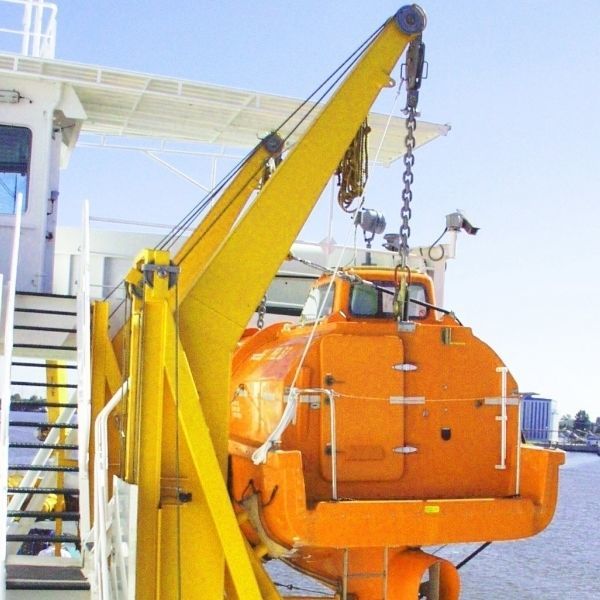
- Antriebsoptionen
- Electric, hydraulic, manual, with/without stored power (accumulator or spring force)
- Solas-hoistgeschwindigkeit
- Bis 48 m/min für Fast-Rescue-Davits (SOLAS-konform)
- Einsatzbereich
- Rettungsboote, Schnellrettungsboote, Rettungsflöße, MOB-Boote
- Konstruktion
- Normal pivot or slewing types, single or double arm with optional docking head to prevent pendulum motion until water level
- Hubkapazität
- Configurable according to ship type and lifeboat weight (tailor-made solutions)
- Zertifizierung
- ABS, GL, DNV, BV, NK, KR, LR and other classification societies
- D-NPS.SP (Normal Pivot Single/Double Arm mit Docking Head)
- D-NPS.FR (Fast Rescue Davit mit Docking Head)
- D-CRm.FR (Slewing Fast Rescue Davit mit hydraulischem/elektrischem Antrieb)
- D-BR (rescue davit with manual operation or hydraulic stored power)
- D-NP.MP (Normal Pivot mit mechanischer Stored Power - Federbelastung)
- D-NP.SP (Normal Pivot mit hydraulischer Stored Power - Akku)
- Area: On-load release gear functionality and wearCheck: Annually: operational test of on-load release gear by positioning the boat partially in water for load support by fall, actuation of release gear, reset and inspection for damage. Every 5 years: overhaul of release system with 110% proof-load test. Inspect release gear before and after operational test; verify hook securing and reset.
- Area: Wire rope condition (wires/falls) – corrosion, wear, breakageCheck: Monthly: visual inspection for fraying, kinks, corrosion, broken strands. Annually: wire rope and sheaves for scratches, dents, corrosion, missing lubrication. Every 5 years: wire rope replacement per SOLAS Chapter III required. Lubrication of wires, sheaves and moving parts to be checked.
- Area: Brake system - inspection function and wear partsCheck: Annually: brake test by suspension of rated load and verification that brake holds without slippage. For centrifugal brakes: sinking speed against SOLAS formula (max. 1.3 m/s) to be checked. Brake pads to be inspected and replaced when worn. Every 5 years: brake system to be opened and condition thoroughly checked.
- Area: Sheaves - wear, abrasion, corrosion, wear ringsCheck: Annually: sheaves for wear grooves, wear ring wear, corrosion, incorrect alignment, loose bolts to be checked. A worn or corroded sheave damages new wires and leads to premature wire rope failure. Wear ring thickness to be measured and replaced if necessary. Lubrication to be checked.
- Area: Overall structure - corrosion, wear, deformation and clearanceCheck: Annually: davit structure for corrosion (especially welds), wear, deformation, excessive clearance, cracks to be checked. All bolt locking devices to be verified. Hydraulic cylinders for leakage to be checked. Every 5 years: selective disassembly with NDT (roughness inspection, crack inspection) to be performed. Foundations to be inspected.
- Area: Proof-load test at 110% of rated loadCheck: Annually: dynamic winch brake test at 110% of Safe Working Load to be performed (simulated by water bag equipment or certified load cells). Every 5 years: comprehensive proof-load test of entire davit, winch, wire rope and hook system at 110% SWL to be performed. System must hold load, show no deformation or damage.
Type-universal inspection/maintenance points for Lifesaving Appliances (LSA) (davit international, Mega-Swarm 2026–06). Per-model specs not auto-populated.
- Antriebsoptionen
- Electric, hydraulic, manual, with/without stored power (accumulator or spring force)
- Solas-hoistgeschwindigkeit
- Bis 48 m/min für Fast-Rescue-Davits (SOLAS-konform)
- Einsatzbereich
- Rettungsboote, Schnellrettungsboote, Rettungsflöße, MOB-Boote
- Konstruktion
- Normal pivot or slewing types, single or double arm with optional docking head to prevent pendulum motion until water level
- Hubkapazität
- Configurable according to ship type and lifeboat weight (tailor-made solutions)
- Zertifizierung
- ABS, GL, DNV, BV, NK, KR, LR and other classification societies
- D-NPS.SP (Normal Pivot Single/Double Arm mit Docking Head)
- D-NPS.FR (Fast Rescue Davit mit Docking Head)
- D-CRm.FR (Slewing Fast Rescue Davit mit hydraulischem/elektrischem Antrieb)
- D-BR (rescue davit with manual operation or hydraulic stored power)
- D-NP.MP (Normal Pivot mit mechanischer Stored Power - Federbelastung)
- D-NP.SP (Normal Pivot mit hydraulischer Stored Power - Akku)
- Area: On-load release gear functionality and wearCheck: Annually: operational test of on-load release gear by positioning the boat partially in water for load support by fall, actuation of release gear, reset and inspection for damage. Every 5 years: overhaul of release system with 110% proof-load test. Inspect release gear before and after operational test; verify hook securing and reset.
- Area: Wire rope condition (wires/falls) – corrosion, wear, breakageCheck: Monthly: visual inspection for fraying, kinks, corrosion, broken strands. Annually: wire rope and sheaves for scratches, dents, corrosion, missing lubrication. Every 5 years: wire rope replacement per SOLAS Chapter III required. Lubrication of wires, sheaves and moving parts to be checked.
- Area: Brake system - inspection function and wear partsCheck: Annually: brake test by suspension of rated load and verification that brake holds without slippage. For centrifugal brakes: sinking speed against SOLAS formula (max. 1.3 m/s) to be checked. Brake pads to be inspected and replaced when worn. Every 5 years: brake system to be opened and condition thoroughly checked.
- Area: Sheaves - wear, abrasion, corrosion, wear ringsCheck: Annually: sheaves for wear grooves, wear ring wear, corrosion, incorrect alignment, loose bolts to be checked. A worn or corroded sheave damages new wires and leads to premature wire rope failure. Wear ring thickness to be measured and replaced if necessary. Lubrication to be checked.
- Area: Overall structure - corrosion, wear, deformation and clearanceCheck: Annually: davit structure for corrosion (especially welds), wear, deformation, excessive clearance, cracks to be checked. All bolt locking devices to be verified. Hydraulic cylinders for leakage to be checked. Every 5 years: selective disassembly with NDT (roughness inspection, crack inspection) to be performed. Foundations to be inspected.
- Area: Proof-load test at 110% of rated loadCheck: Annually: dynamic winch brake test at 110% of Safe Working Load to be performed (simulated by water bag equipment or certified load cells). Every 5 years: comprehensive proof-load test of entire davit, winch, wire rope and hook system at 110% SWL to be performed. System must hold load, show no deformation or damage.
Type-universal inspection/maintenance points for Lifesaving Appliances (LSA) (davit international, Mega-Swarm 2026–06). Per-model specs not auto-populated.
- Antriebsoptionen
- Electric, hydraulic, manual, with/without stored power (accumulator or spring force)
- Solas-hoistgeschwindigkeit
- Bis 48 m/min für Fast-Rescue-Davits (SOLAS-konform)
- Einsatzbereich
- Rettungsboote, Schnellrettungsboote, Rettungsflöße, MOB-Boote
- Konstruktion
- Normal pivot or slewing types, single or double arm with optional docking head to prevent pendulum motion until water level
- Hubkapazität
- Configurable according to ship type and lifeboat weight (tailor-made solutions)
- Zertifizierung
- ABS, GL, DNV, BV, NK, KR, LR and other classification societies
- D-NPS.SP (Normal Pivot Single/Double Arm mit Docking Head)
- D-NPS.FR (Fast Rescue Davit mit Docking Head)
- D-CRm.FR (Slewing Fast Rescue Davit mit hydraulischem/elektrischem Antrieb)
- D-BR (rescue davit with manual operation or hydraulic stored power)
- D-NP.MP (Normal Pivot mit mechanischer Stored Power - Federbelastung)
- D-NP.SP (Normal Pivot mit hydraulischer Stored Power - Akku)
- Area: On-load release gear functionality and wearCheck: Annually: operational test of on-load release gear by positioning the boat partially in water for load support by fall, actuation of release gear, reset and inspection for damage. Every 5 years: overhaul of release system with 110% proof-load test. Inspect release gear before and after operational test; verify hook securing and reset.
- Area: Wire rope condition (wires/falls) – corrosion, wear, breakageCheck: Monthly: visual inspection for fraying, kinks, corrosion, broken strands. Annually: wire rope and sheaves for scratches, dents, corrosion, missing lubrication. Every 5 years: wire rope replacement per SOLAS Chapter III required. Lubrication of wires, sheaves and moving parts to be checked.
- Area: Brake system - inspection function and wear partsCheck: Annually: brake test by suspension of rated load and verification that brake holds without slippage. For centrifugal brakes: sinking speed against SOLAS formula (max. 1.3 m/s) to be checked. Brake pads to be inspected and replaced when worn. Every 5 years: brake system to be opened and condition thoroughly checked.
- Area: Sheaves - wear, abrasion, corrosion, wear ringsCheck: Annually: sheaves for wear grooves, wear ring wear, corrosion, incorrect alignment, loose bolts to be checked. A worn or corroded sheave damages new wires and leads to premature wire rope failure. Wear ring thickness to be measured and replaced if necessary. Lubrication to be checked.
- Area: Overall structure - corrosion, wear, deformation and clearanceCheck: Annually: davit structure for corrosion (especially welds), wear, deformation, excessive clearance, cracks to be checked. All bolt locking devices to be verified. Hydraulic cylinders for leakage to be checked. Every 5 years: selective disassembly with NDT (roughness inspection, crack inspection) to be performed. Foundations to be inspected.
- Area: Proof-load test at 110% of rated loadCheck: Annually: dynamic winch brake test at 110% of Safe Working Load to be performed (simulated by water bag equipment or certified load cells). Every 5 years: comprehensive proof-load test of entire davit, winch, wire rope and hook system at 110% SWL to be performed. System must hold load, show no deformation or damage.
Type-universal inspection/maintenance points for Lifesaving Appliances (LSA) (davit international, Mega-Swarm 2026–06). Per-model specs not auto-populated.
- Antriebsoptionen
- Electric, hydraulic, manual, with/without stored power (accumulator or spring force)
- Solas-hoistgeschwindigkeit
- Bis 48 m/min für Fast-Rescue-Davits (SOLAS-konform)
- Einsatzbereich
- Rettungsboote, Schnellrettungsboote, Rettungsflöße, MOB-Boote
- Konstruktion
- Normal pivot or slewing types, single or double arm with optional docking head to prevent pendulum motion until water level
- Hubkapazität
- Configurable according to ship type and lifeboat weight (tailor-made solutions)
- Zertifizierung
- ABS, GL, DNV, BV, NK, KR, LR and other classification societies
- D-NPS.SP (Normal Pivot Single/Double Arm mit Docking Head)
- D-NPS.FR (Fast Rescue Davit mit Docking Head)
- D-CRm.FR (Slewing Fast Rescue Davit mit hydraulischem/elektrischem Antrieb)
- D-BR (rescue davit with manual operation or hydraulic stored power)
- D-NP.MP (Normal Pivot mit mechanischer Stored Power - Federbelastung)
- D-NP.SP (Normal Pivot mit hydraulischer Stored Power - Akku)
- Area: On-load release gear functionality and wearCheck: Annually: operational test of on-load release gear by positioning the boat partially in water for load support by fall, actuation of release gear, reset and inspection for damage. Every 5 years: overhaul of release system with 110% proof-load test. Inspect release gear before and after operational test; verify hook securing and reset.
- Area: Wire rope condition (wires/falls) – corrosion, wear, breakageCheck: Monthly: visual inspection for fraying, kinks, corrosion, broken strands. Annually: wire rope and sheaves for scratches, dents, corrosion, missing lubrication. Every 5 years: wire rope replacement per SOLAS Chapter III required. Lubrication of wires, sheaves and moving parts to be checked.
- Area: Brake system - inspection function and wear partsCheck: Annually: brake test by suspension of rated load and verification that brake holds without slippage. For centrifugal brakes: sinking speed against SOLAS formula (max. 1.3 m/s) to be checked. Brake pads to be inspected and replaced when worn. Every 5 years: brake system to be opened and condition thoroughly checked.
- Area: Sheaves - wear, abrasion, corrosion, wear ringsCheck: Annually: sheaves for wear grooves, wear ring wear, corrosion, incorrect alignment, loose bolts to be checked. A worn or corroded sheave damages new wires and leads to premature wire rope failure. Wear ring thickness to be measured and replaced if necessary. Lubrication to be checked.
- Area: Overall structure - corrosion, wear, deformation and clearanceCheck: Annually: davit structure for corrosion (especially welds), wear, deformation, excessive clearance, cracks to be checked. All bolt locking devices to be verified. Hydraulic cylinders for leakage to be checked. Every 5 years: selective disassembly with NDT (roughness inspection, crack inspection) to be performed. Foundations to be inspected.
- Area: Proof-load test at 110% of rated loadCheck: Annually: dynamic winch brake test at 110% of Safe Working Load to be performed (simulated by water bag equipment or certified load cells). Every 5 years: comprehensive proof-load test of entire davit, winch, wire rope and hook system at 110% SWL to be performed. System must hold load, show no deformation or damage.
Type-universal inspection/maintenance points for Lifesaving Appliances (LSA) (davit international, Mega-Swarm 2026–06). Per-model specs not auto-populated.
- Antriebsoptionen
- Electric, hydraulic, manual, with/without stored power (accumulator or spring force)
- Solas-hoistgeschwindigkeit
- Bis 48 m/min für Fast-Rescue-Davits (SOLAS-konform)
- Einsatzbereich
- Rettungsboote, Schnellrettungsboote, Rettungsflöße, MOB-Boote
- Konstruktion
- Normal pivot or slewing types, single or double arm with optional docking head to prevent pendulum motion until water level
- Hubkapazität
- Configurable according to ship type and lifeboat weight (tailor-made solutions)
- Zertifizierung
- ABS, GL, DNV, BV, NK, KR, LR and other classification societies
- D-NPS.SP (Normal Pivot Single/Double Arm mit Docking Head)
- D-NPS.FR (Fast Rescue Davit mit Docking Head)
- D-CRm.FR (Slewing Fast Rescue Davit mit hydraulischem/elektrischem Antrieb)
- D-BR (rescue davit with manual operation or hydraulic stored power)
- D-NP.MP (Normal Pivot mit mechanischer Stored Power - Federbelastung)
- D-NP.SP (Normal Pivot mit hydraulischer Stored Power - Akku)
- Area: On-load release gear functionality and wearCheck: Annually: operational test of on-load release gear by positioning the boat partially in water for load support by fall, actuation of release gear, reset and inspection for damage. Every 5 years: overhaul of release system with 110% proof-load test. Inspect release gear before and after operational test; verify hook securing and reset.
- Area: Wire rope condition (wires/falls) – corrosion, wear, breakageCheck: Monthly: visual inspection for fraying, kinks, corrosion, broken strands. Annually: wire rope and sheaves for scratches, dents, corrosion, missing lubrication. Every 5 years: wire rope replacement per SOLAS Chapter III required. Lubrication of wires, sheaves and moving parts to be checked.
- Area: Brake system - inspection function and wear partsCheck: Annually: brake test by suspension of rated load and verification that brake holds without slippage. For centrifugal brakes: sinking speed against SOLAS formula (max. 1.3 m/s) to be checked. Brake pads to be inspected and replaced when worn. Every 5 years: brake system to be opened and condition thoroughly checked.
- Area: Sheaves - wear, abrasion, corrosion, wear ringsCheck: Annually: sheaves for wear grooves, wear ring wear, corrosion, incorrect alignment, loose bolts to be checked. A worn or corroded sheave damages new wires and leads to premature wire rope failure. Wear ring thickness to be measured and replaced if necessary. Lubrication to be checked.
- Area: Overall structure - corrosion, wear, deformation and clearanceCheck: Annually: davit structure for corrosion (especially welds), wear, deformation, excessive clearance, cracks to be checked. All bolt locking devices to be verified. Hydraulic cylinders for leakage to be checked. Every 5 years: selective disassembly with NDT (roughness inspection, crack inspection) to be performed. Foundations to be inspected.
- Area: Proof-load test at 110% of rated loadCheck: Annually: dynamic winch brake test at 110% of Safe Working Load to be performed (simulated by water bag equipment or certified load cells). Every 5 years: comprehensive proof-load test of entire davit, winch, wire rope and hook system at 110% SWL to be performed. System must hold load, show no deformation or damage.
Type-universal inspection/maintenance points for Lifesaving Appliances (LSA) (davit international, Mega-Swarm 2026–06). Per-model specs not auto-populated.
- Antriebsoptionen
- Electric, hydraulic, manual, with/without stored power (accumulator or spring force)
- Solas-hoistgeschwindigkeit
- Bis 48 m/min für Fast-Rescue-Davits (SOLAS-konform)
- Einsatzbereich
- Rettungsboote, Schnellrettungsboote, Rettungsflöße, MOB-Boote
- Konstruktion
- Normal pivot or slewing types, single or double arm with optional docking head to prevent pendulum motion until water level
- Hubkapazität
- Configurable according to ship type and lifeboat weight (tailor-made solutions)
- Zertifizierung
- ABS, GL, DNV, BV, NK, KR, LR and other classification societies
- D-NPS.SP (Normal Pivot Single/Double Arm mit Docking Head)
- D-NPS.FR (Fast Rescue Davit mit Docking Head)
- D-CRm.FR (Slewing Fast Rescue Davit mit hydraulischem/elektrischem Antrieb)
- D-BR (rescue davit with manual operation or hydraulic stored power)
- D-NP.MP (Normal Pivot mit mechanischer Stored Power - Federbelastung)
- D-NP.SP (Normal Pivot mit hydraulischer Stored Power - Akku)
- Area: On-load release gear functionality and wearCheck: Annually: operational test of on-load release gear by positioning the boat partially in water for load support by fall, actuation of release gear, reset and inspection for damage. Every 5 years: overhaul of release system with 110% proof-load test. Inspect release gear before and after operational test; verify hook securing and reset.
- Area: Wire rope condition (wires/falls) – corrosion, wear, breakageCheck: Monthly: visual inspection for fraying, kinks, corrosion, broken strands. Annually: wire rope and sheaves for scratches, dents, corrosion, missing lubrication. Every 5 years: wire rope replacement per SOLAS Chapter III required. Lubrication of wires, sheaves and moving parts to be checked.
- Area: Brake system - inspection function and wear partsCheck: Annually: brake test by suspension of rated load and verification that brake holds without slippage. For centrifugal brakes: sinking speed against SOLAS formula (max. 1.3 m/s) to be checked. Brake pads to be inspected and replaced when worn. Every 5 years: brake system to be opened and condition thoroughly checked.
- Area: Sheaves - wear, abrasion, corrosion, wear ringsCheck: Annually: sheaves for wear grooves, wear ring wear, corrosion, incorrect alignment, loose bolts to be checked. A worn or corroded sheave damages new wires and leads to premature wire rope failure. Wear ring thickness to be measured and replaced if necessary. Lubrication to be checked.
- Area: Overall structure - corrosion, wear, deformation and clearanceCheck: Annually: davit structure for corrosion (especially welds), wear, deformation, excessive clearance, cracks to be checked. All bolt locking devices to be verified. Hydraulic cylinders for leakage to be checked. Every 5 years: selective disassembly with NDT (roughness inspection, crack inspection) to be performed. Foundations to be inspected.
- Area: Proof-load test at 110% of rated loadCheck: Annually: dynamic winch brake test at 110% of Safe Working Load to be performed (simulated by water bag equipment or certified load cells). Every 5 years: comprehensive proof-load test of entire davit, winch, wire rope and hook system at 110% SWL to be performed. System must hold load, show no deformation or damage.
Type-universal inspection/maintenance points for Lifesaving Appliances (LSA) (davit international, Mega-Swarm 2026–06). Per-model specs not auto-populated.
- Antriebsoptionen
- Electric, hydraulic, manual, with/without stored power (accumulator or spring force)
- Solas-hoistgeschwindigkeit
- Bis 48 m/min für Fast-Rescue-Davits (SOLAS-konform)
- Einsatzbereich
- Rettungsboote, Schnellrettungsboote, Rettungsflöße, MOB-Boote
- Konstruktion
- Normal pivot or slewing types, single or double arm with optional docking head to prevent pendulum motion until water level
- Hubkapazität
- Configurable according to ship type and lifeboat weight (tailor-made solutions)
- Zertifizierung
- ABS, GL, DNV, BV, NK, KR, LR and other classification societies
- D-NPS.SP (Normal Pivot Single/Double Arm mit Docking Head)
- D-NPS.FR (Fast Rescue Davit mit Docking Head)
- D-CRm.FR (Slewing Fast Rescue Davit mit hydraulischem/elektrischem Antrieb)
- D-BR (rescue davit with manual operation or hydraulic stored power)
- D-NP.MP (Normal Pivot mit mechanischer Stored Power - Federbelastung)
- D-NP.SP (Normal Pivot mit hydraulischer Stored Power - Akku)
- Area: On-load release gear functionality and wearCheck: Annually: operational test of on-load release gear by positioning the boat partially in water for load support by fall, actuation of release gear, reset and inspection for damage. Every 5 years: overhaul of release system with 110% proof-load test. Inspect release gear before and after operational test; verify hook securing and reset.
- Area: Wire rope condition (wires/falls) – corrosion, wear, breakageCheck: Monthly: visual inspection for fraying, kinks, corrosion, broken strands. Annually: wire rope and sheaves for scratches, dents, corrosion, missing lubrication. Every 5 years: wire rope replacement per SOLAS Chapter III required. Lubrication of wires, sheaves and moving parts to be checked.
- Area: Brake system - inspection function and wear partsCheck: Annually: brake test by suspension of rated load and verification that brake holds without slippage. For centrifugal brakes: sinking speed against SOLAS formula (max. 1.3 m/s) to be checked. Brake pads to be inspected and replaced when worn. Every 5 years: brake system to be opened and condition thoroughly checked.
- Area: Sheaves - wear, abrasion, corrosion, wear ringsCheck: Annually: sheaves for wear grooves, wear ring wear, corrosion, incorrect alignment, loose bolts to be checked. A worn or corroded sheave damages new wires and leads to premature wire rope failure. Wear ring thickness to be measured and replaced if necessary. Lubrication to be checked.
- Area: Overall structure - corrosion, wear, deformation and clearanceCheck: Annually: davit structure for corrosion (especially welds), wear, deformation, excessive clearance, cracks to be checked. All bolt locking devices to be verified. Hydraulic cylinders for leakage to be checked. Every 5 years: selective disassembly with NDT (roughness inspection, crack inspection) to be performed. Foundations to be inspected.
- Area: Proof-load test at 110% of rated loadCheck: Annually: dynamic winch brake test at 110% of Safe Working Load to be performed (simulated by water bag equipment or certified load cells). Every 5 years: comprehensive proof-load test of entire davit, winch, wire rope and hook system at 110% SWL to be performed. System must hold load, show no deformation or damage.
Type-universal inspection/maintenance points for Lifesaving Appliances (LSA) (davit international, Mega-Swarm 2026–06). Per-model specs not auto-populated.
- Antriebsoptionen
- Electric, hydraulic, manual, with/without stored power (accumulator or spring force)
- Solas-hoistgeschwindigkeit
- Bis 48 m/min für Fast-Rescue-Davits (SOLAS-konform)
- Einsatzbereich
- Rettungsboote, Schnellrettungsboote, Rettungsflöße, MOB-Boote
- Konstruktion
- Normal pivot or slewing types, single or double arm with optional docking head to prevent pendulum motion until water level
- Hubkapazität
- Configurable according to ship type and lifeboat weight (tailor-made solutions)
- Zertifizierung
- ABS, GL, DNV, BV, NK, KR, LR and other classification societies
- D-NPS.SP (Normal Pivot Single/Double Arm mit Docking Head)
- D-NPS.FR (Fast Rescue Davit mit Docking Head)
- D-CRm.FR (Slewing Fast Rescue Davit mit hydraulischem/elektrischem Antrieb)
- D-BR (rescue davit with manual operation or hydraulic stored power)
- D-NP.MP (Normal Pivot mit mechanischer Stored Power - Federbelastung)
- D-NP.SP (Normal Pivot mit hydraulischer Stored Power - Akku)
- Area: On-load release gear functionality and wearCheck: Annually: operational test of on-load release gear by positioning the boat partially in water for load support by fall, actuation of release gear, reset and inspection for damage. Every 5 years: overhaul of release system with 110% proof-load test. Inspect release gear before and after operational test; verify hook securing and reset.
- Area: Wire rope condition (wires/falls) – corrosion, wear, breakageCheck: Monthly: visual inspection for fraying, kinks, corrosion, broken strands. Annually: wire rope and sheaves for scratches, dents, corrosion, missing lubrication. Every 5 years: wire rope replacement per SOLAS Chapter III required. Lubrication of wires, sheaves and moving parts to be checked.
- Area: Brake system - inspection function and wear partsCheck: Annually: brake test by suspension of rated load and verification that brake holds without slippage. For centrifugal brakes: sinking speed against SOLAS formula (max. 1.3 m/s) to be checked. Brake pads to be inspected and replaced when worn. Every 5 years: brake system to be opened and condition thoroughly checked.
- Area: Sheaves - wear, abrasion, corrosion, wear ringsCheck: Annually: sheaves for wear grooves, wear ring wear, corrosion, incorrect alignment, loose bolts to be checked. A worn or corroded sheave damages new wires and leads to premature wire rope failure. Wear ring thickness to be measured and replaced if necessary. Lubrication to be checked.
- Area: Overall structure - corrosion, wear, deformation and clearanceCheck: Annually: davit structure for corrosion (especially welds), wear, deformation, excessive clearance, cracks to be checked. All bolt locking devices to be verified. Hydraulic cylinders for leakage to be checked. Every 5 years: selective disassembly with NDT (roughness inspection, crack inspection) to be performed. Foundations to be inspected.
- Area: Proof-load test at 110% of rated loadCheck: Annually: dynamic winch brake test at 110% of Safe Working Load to be performed (simulated by water bag equipment or certified load cells). Every 5 years: comprehensive proof-load test of entire davit, winch, wire rope and hook system at 110% SWL to be performed. System must hold load, show no deformation or damage.
Type-universal inspection/maintenance points for Lifesaving Appliances (LSA) (davit international, Mega-Swarm 2026–06). Per-model specs not auto-populated.
- Antriebsoptionen
- Electric, hydraulic, manual, with/without stored power (accumulator or spring force)
- Solas-hoistgeschwindigkeit
- Bis 48 m/min für Fast-Rescue-Davits (SOLAS-konform)
- Einsatzbereich
- Rettungsboote, Schnellrettungsboote, Rettungsflöße, MOB-Boote
- Konstruktion
- Normal pivot or slewing types, single or double arm with optional docking head to prevent pendulum motion until water level
- Hubkapazität
- Configurable according to ship type and lifeboat weight (tailor-made solutions)
- Zertifizierung
- ABS, GL, DNV, BV, NK, KR, LR and other classification societies
- D-NPS.SP (Normal Pivot Single/Double Arm mit Docking Head)
- D-NPS.FR (Fast Rescue Davit mit Docking Head)
- D-CRm.FR (Slewing Fast Rescue Davit mit hydraulischem/elektrischem Antrieb)
- D-BR (rescue davit with manual operation or hydraulic stored power)
- D-NP.MP (Normal Pivot mit mechanischer Stored Power - Federbelastung)
- D-NP.SP (Normal Pivot mit hydraulischer Stored Power - Akku)
- Area: On-load release gear functionality and wearCheck: Annually: operational test of on-load release gear by positioning the boat partially in water for load support by fall, actuation of release gear, reset and inspection for damage. Every 5 years: overhaul of release system with 110% proof-load test. Inspect release gear before and after operational test; verify hook securing and reset.
- Area: Wire rope condition (wires/falls) – corrosion, wear, breakageCheck: Monthly: visual inspection for fraying, kinks, corrosion, broken strands. Annually: wire rope and sheaves for scratches, dents, corrosion, missing lubrication. Every 5 years: wire rope replacement per SOLAS Chapter III required. Lubrication of wires, sheaves and moving parts to be checked.
- Area: Brake system - inspection function and wear partsCheck: Annually: brake test by suspension of rated load and verification that brake holds without slippage. For centrifugal brakes: sinking speed against SOLAS formula (max. 1.3 m/s) to be checked. Brake pads to be inspected and replaced when worn. Every 5 years: brake system to be opened and condition thoroughly checked.
- Area: Sheaves - wear, abrasion, corrosion, wear ringsCheck: Annually: sheaves for wear grooves, wear ring wear, corrosion, incorrect alignment, loose bolts to be checked. A worn or corroded sheave damages new wires and leads to premature wire rope failure. Wear ring thickness to be measured and replaced if necessary. Lubrication to be checked.
- Area: Overall structure - corrosion, wear, deformation and clearanceCheck: Annually: davit structure for corrosion (especially welds), wear, deformation, excessive clearance, cracks to be checked. All bolt locking devices to be verified. Hydraulic cylinders for leakage to be checked. Every 5 years: selective disassembly with NDT (roughness inspection, crack inspection) to be performed. Foundations to be inspected.
- Area: Proof-load test at 110% of rated loadCheck: Annually: dynamic winch brake test at 110% of Safe Working Load to be performed (simulated by water bag equipment or certified load cells). Every 5 years: comprehensive proof-load test of entire davit, winch, wire rope and hook system at 110% SWL to be performed. System must hold load, show no deformation or damage.
Type-universal inspection/maintenance points for Lifesaving Appliances (LSA) (davit international, Mega-Swarm 2026–06). Per-model specs not auto-populated.
- Antriebsoptionen
- Electric, hydraulic, manual, with/without stored power (accumulator or spring force)
- Solas-hoistgeschwindigkeit
- Bis 48 m/min für Fast-Rescue-Davits (SOLAS-konform)
- Einsatzbereich
- Rettungsboote, Schnellrettungsboote, Rettungsflöße, MOB-Boote
- Konstruktion
- Normal pivot or slewing types, single or double arm with optional docking head to prevent pendulum motion until water level
- Hubkapazität
- Configurable according to ship type and lifeboat weight (tailor-made solutions)
- Zertifizierung
- ABS, GL, DNV, BV, NK, KR, LR and other classification societies
- D-NPS.SP (Normal Pivot Single/Double Arm mit Docking Head)
- D-NPS.FR (Fast Rescue Davit mit Docking Head)
- D-CRm.FR (Slewing Fast Rescue Davit mit hydraulischem/elektrischem Antrieb)
- D-BR (rescue davit with manual operation or hydraulic stored power)
- D-NP.MP (Normal Pivot mit mechanischer Stored Power - Federbelastung)
- D-NP.SP (Normal Pivot mit hydraulischer Stored Power - Akku)
- Area: On-load release gear functionality and wearCheck: Annually: operational test of on-load release gear by positioning the boat partially in water for load support by fall, actuation of release gear, reset and inspection for damage. Every 5 years: overhaul of release system with 110% proof-load test. Inspect release gear before and after operational test; verify hook securing and reset.
- Area: Wire rope condition (wires/falls) – corrosion, wear, breakageCheck: Monthly: visual inspection for fraying, kinks, corrosion, broken strands. Annually: wire rope and sheaves for scratches, dents, corrosion, missing lubrication. Every 5 years: wire rope replacement per SOLAS Chapter III required. Lubrication of wires, sheaves and moving parts to be checked.
- Area: Brake system - inspection function and wear partsCheck: Annually: brake test by suspension of rated load and verification that brake holds without slippage. For centrifugal brakes: sinking speed against SOLAS formula (max. 1.3 m/s) to be checked. Brake pads to be inspected and replaced when worn. Every 5 years: brake system to be opened and condition thoroughly checked.
- Area: Sheaves - wear, abrasion, corrosion, wear ringsCheck: Annually: sheaves for wear grooves, wear ring wear, corrosion, incorrect alignment, loose bolts to be checked. A worn or corroded sheave damages new wires and leads to premature wire rope failure. Wear ring thickness to be measured and replaced if necessary. Lubrication to be checked.
- Area: Overall structure - corrosion, wear, deformation and clearanceCheck: Annually: davit structure for corrosion (especially welds), wear, deformation, excessive clearance, cracks to be checked. All bolt locking devices to be verified. Hydraulic cylinders for leakage to be checked. Every 5 years: selective disassembly with NDT (roughness inspection, crack inspection) to be performed. Foundations to be inspected.
- Area: Proof-load test at 110% of rated loadCheck: Annually: dynamic winch brake test at 110% of Safe Working Load to be performed (simulated by water bag equipment or certified load cells). Every 5 years: comprehensive proof-load test of entire davit, winch, wire rope and hook system at 110% SWL to be performed. System must hold load, show no deformation or damage.
Type-universal inspection/maintenance points for Lifesaving Appliances (LSA) (davit international, Mega-Swarm 2026–06). Per-model specs not auto-populated.
- Antriebsoptionen
- Electric, hydraulic, manual, with/without stored power (accumulator or spring force)
- Solas-hoistgeschwindigkeit
- Bis 48 m/min für Fast-Rescue-Davits (SOLAS-konform)
- Einsatzbereich
- Rettungsboote, Schnellrettungsboote, Rettungsflöße, MOB-Boote
- Konstruktion
- Normal pivot or slewing types, single or double arm with optional docking head to prevent pendulum motion until water level
- Hubkapazität
- Configurable according to ship type and lifeboat weight (tailor-made solutions)
- Zertifizierung
- ABS, GL, DNV, BV, NK, KR, LR and other classification societies
- D-NPS.SP (Normal Pivot Single/Double Arm mit Docking Head)
- D-NPS.FR (Fast Rescue Davit mit Docking Head)
- D-CRm.FR (Slewing Fast Rescue Davit mit hydraulischem/elektrischem Antrieb)
- D-BR (rescue davit with manual operation or hydraulic stored power)
- D-NP.MP (Normal Pivot mit mechanischer Stored Power - Federbelastung)
- D-NP.SP (Normal Pivot mit hydraulischer Stored Power - Akku)
- Area: On-load release gear functionality and wearCheck: Annually: operational test of on-load release gear by positioning the boat partially in water for load support by fall, actuation of release gear, reset and inspection for damage. Every 5 years: overhaul of release system with 110% proof-load test. Inspect release gear before and after operational test; verify hook securing and reset.
- Area: Wire rope condition (wires/falls) – corrosion, wear, breakageCheck: Monthly: visual inspection for fraying, kinks, corrosion, broken strands. Annually: wire rope and sheaves for scratches, dents, corrosion, missing lubrication. Every 5 years: wire rope replacement per SOLAS Chapter III required. Lubrication of wires, sheaves and moving parts to be checked.
- Area: Brake system - inspection function and wear partsCheck: Annually: brake test by suspension of rated load and verification that brake holds without slippage. For centrifugal brakes: sinking speed against SOLAS formula (max. 1.3 m/s) to be checked. Brake pads to be inspected and replaced when worn. Every 5 years: brake system to be opened and condition thoroughly checked.
- Area: Sheaves - wear, abrasion, corrosion, wear ringsCheck: Annually: sheaves for wear grooves, wear ring wear, corrosion, incorrect alignment, loose bolts to be checked. A worn or corroded sheave damages new wires and leads to premature wire rope failure. Wear ring thickness to be measured and replaced if necessary. Lubrication to be checked.
- Area: Overall structure - corrosion, wear, deformation and clearanceCheck: Annually: davit structure for corrosion (especially welds), wear, deformation, excessive clearance, cracks to be checked. All bolt locking devices to be verified. Hydraulic cylinders for leakage to be checked. Every 5 years: selective disassembly with NDT (roughness inspection, crack inspection) to be performed. Foundations to be inspected.
- Area: Proof-load test at 110% of rated loadCheck: Annually: dynamic winch brake test at 110% of Safe Working Load to be performed (simulated by water bag equipment or certified load cells). Every 5 years: comprehensive proof-load test of entire davit, winch, wire rope and hook system at 110% SWL to be performed. System must hold load, show no deformation or damage.
Type-universal inspection/maintenance points for Lifesaving Appliances (LSA) (davit international, Mega-Swarm 2026–06). Per-model specs not auto-populated.
- Antriebsoptionen
- Electric, hydraulic, manual, with/without stored power (accumulator or spring force)
- Solas-hoistgeschwindigkeit
- Bis 48 m/min für Fast-Rescue-Davits (SOLAS-konform)
- Einsatzbereich
- Rettungsboote, Schnellrettungsboote, Rettungsflöße, MOB-Boote
- Konstruktion
- Normal pivot or slewing types, single or double arm with optional docking head to prevent pendulum motion until water level
- Hubkapazität
- Configurable according to ship type and lifeboat weight (tailor-made solutions)
- Zertifizierung
- ABS, GL, DNV, BV, NK, KR, LR and other classification societies
- D-NPS.SP (Normal Pivot Single/Double Arm mit Docking Head)
- D-NPS.FR (Fast Rescue Davit mit Docking Head)
- D-CRm.FR (Slewing Fast Rescue Davit mit hydraulischem/elektrischem Antrieb)
- D-BR (rescue davit with manual operation or hydraulic stored power)
- D-NP.MP (Normal Pivot mit mechanischer Stored Power - Federbelastung)
- D-NP.SP (Normal Pivot mit hydraulischer Stored Power - Akku)
- Area: On-load release gear functionality and wearCheck: Annually: operational test of on-load release gear by positioning the boat partially in water for load support by fall, actuation of release gear, reset and inspection for damage. Every 5 years: overhaul of release system with 110% proof-load test. Inspect release gear before and after operational test; verify hook securing and reset.
- Area: Wire rope condition (wires/falls) – corrosion, wear, breakageCheck: Monthly: visual inspection for fraying, kinks, corrosion, broken strands. Annually: wire rope and sheaves for scratches, dents, corrosion, missing lubrication. Every 5 years: wire rope replacement per SOLAS Chapter III required. Lubrication of wires, sheaves and moving parts to be checked.
- Area: Brake system - inspection function and wear partsCheck: Annually: brake test by suspension of rated load and verification that brake holds without slippage. For centrifugal brakes: sinking speed against SOLAS formula (max. 1.3 m/s) to be checked. Brake pads to be inspected and replaced when worn. Every 5 years: brake system to be opened and condition thoroughly checked.
- Area: Sheaves - wear, abrasion, corrosion, wear ringsCheck: Annually: sheaves for wear grooves, wear ring wear, corrosion, incorrect alignment, loose bolts to be checked. A worn or corroded sheave damages new wires and leads to premature wire rope failure. Wear ring thickness to be measured and replaced if necessary. Lubrication to be checked.
- Area: Overall structure - corrosion, wear, deformation and clearanceCheck: Annually: davit structure for corrosion (especially welds), wear, deformation, excessive clearance, cracks to be checked. All bolt locking devices to be verified. Hydraulic cylinders for leakage to be checked. Every 5 years: selective disassembly with NDT (roughness inspection, crack inspection) to be performed. Foundations to be inspected.
- Area: Proof-load test at 110% of rated loadCheck: Annually: dynamic winch brake test at 110% of Safe Working Load to be performed (simulated by water bag equipment or certified load cells). Every 5 years: comprehensive proof-load test of entire davit, winch, wire rope and hook system at 110% SWL to be performed. System must hold load, show no deformation or damage.
Type-universal inspection/maintenance points for Lifesaving Appliances (LSA) (davit international, Mega-Swarm 2026–06). Per-model specs not auto-populated.
- Antriebsoptionen
- Electric, hydraulic, manual, with/without stored power (accumulator or spring force)
- Solas-hoistgeschwindigkeit
- Bis 48 m/min für Fast-Rescue-Davits (SOLAS-konform)
- Einsatzbereich
- Rettungsboote, Schnellrettungsboote, Rettungsflöße, MOB-Boote
- Konstruktion
- Normal pivot or slewing types, single or double arm with optional docking head to prevent pendulum motion until water level
- Hubkapazität
- Configurable according to ship type and lifeboat weight (tailor-made solutions)
- Zertifizierung
- ABS, GL, DNV, BV, NK, KR, LR and other classification societies
- D-NPS.SP (Normal Pivot Single/Double Arm mit Docking Head)
- D-NPS.FR (Fast Rescue Davit mit Docking Head)
- D-CRm.FR (Slewing Fast Rescue Davit mit hydraulischem/elektrischem Antrieb)
- D-BR (rescue davit with manual operation or hydraulic stored power)
- D-NP.MP (Normal Pivot mit mechanischer Stored Power - Federbelastung)
- D-NP.SP (Normal Pivot mit hydraulischer Stored Power - Akku)
- Area: On-load release gear functionality and wearCheck: Annually: operational test of on-load release gear by positioning the boat partially in water for load support by fall, actuation of release gear, reset and inspection for damage. Every 5 years: overhaul of release system with 110% proof-load test. Inspect release gear before and after operational test; verify hook securing and reset.
- Area: Wire rope condition (wires/falls) – corrosion, wear, breakageCheck: Monthly: visual inspection for fraying, kinks, corrosion, broken strands. Annually: wire rope and sheaves for scratches, dents, corrosion, missing lubrication. Every 5 years: wire rope replacement per SOLAS Chapter III required. Lubrication of wires, sheaves and moving parts to be checked.
- Area: Brake system - inspection function and wear partsCheck: Annually: brake test by suspension of rated load and verification that brake holds without slippage. For centrifugal brakes: sinking speed against SOLAS formula (max. 1.3 m/s) to be checked. Brake pads to be inspected and replaced when worn. Every 5 years: brake system to be opened and condition thoroughly checked.
- Area: Sheaves - wear, abrasion, corrosion, wear ringsCheck: Annually: sheaves for wear grooves, wear ring wear, corrosion, incorrect alignment, loose bolts to be checked. A worn or corroded sheave damages new wires and leads to premature wire rope failure. Wear ring thickness to be measured and replaced if necessary. Lubrication to be checked.
- Area: Overall structure - corrosion, wear, deformation and clearanceCheck: Annually: davit structure for corrosion (especially welds), wear, deformation, excessive clearance, cracks to be checked. All bolt locking devices to be verified. Hydraulic cylinders for leakage to be checked. Every 5 years: selective disassembly with NDT (roughness inspection, crack inspection) to be performed. Foundations to be inspected.
- Area: Proof-load test at 110% of rated loadCheck: Annually: dynamic winch brake test at 110% of Safe Working Load to be performed (simulated by water bag equipment or certified load cells). Every 5 years: comprehensive proof-load test of entire davit, winch, wire rope and hook system at 110% SWL to be performed. System must hold load, show no deformation or damage.
Type-universal inspection/maintenance points for Lifesaving Appliances (LSA) (davit international, Mega-Swarm 2026–06). Per-model specs not auto-populated.
- Antriebsoptionen
- Electric, hydraulic, manual, with/without stored power (accumulator or spring force)
- Solas-hoistgeschwindigkeit
- Bis 48 m/min für Fast-Rescue-Davits (SOLAS-konform)
- Einsatzbereich
- Rettungsboote, Schnellrettungsboote, Rettungsflöße, MOB-Boote
- Konstruktion
- Normal pivot or slewing types, single or double arm with optional docking head to prevent pendulum motion until water level
- Hubkapazität
- Configurable according to ship type and lifeboat weight (tailor-made solutions)
- Zertifizierung
- ABS, GL, DNV, BV, NK, KR, LR and other classification societies
- D-NPS.SP (Normal Pivot Single/Double Arm mit Docking Head)
- D-NPS.FR (Fast Rescue Davit mit Docking Head)
- D-CRm.FR (Slewing Fast Rescue Davit mit hydraulischem/elektrischem Antrieb)
- D-BR (rescue davit with manual operation or hydraulic stored power)
- D-NP.MP (Normal Pivot mit mechanischer Stored Power - Federbelastung)
- D-NP.SP (Normal Pivot mit hydraulischer Stored Power - Akku)
- Area: On-load release gear functionality and wearCheck: Annually: operational test of on-load release gear by positioning the boat partially in water for load support by fall, actuation of release gear, reset and inspection for damage. Every 5 years: overhaul of release system with 110% proof-load test. Inspect release gear before and after operational test; verify hook securing and reset.
- Area: Wire rope condition (wires/falls) – corrosion, wear, breakageCheck: Monthly: visual inspection for fraying, kinks, corrosion, broken strands. Annually: wire rope and sheaves for scratches, dents, corrosion, missing lubrication. Every 5 years: wire rope replacement per SOLAS Chapter III required. Lubrication of wires, sheaves and moving parts to be checked.
- Area: Brake system - inspection function and wear partsCheck: Annually: brake test by suspension of rated load and verification that brake holds without slippage. For centrifugal brakes: sinking speed against SOLAS formula (max. 1.3 m/s) to be checked. Brake pads to be inspected and replaced when worn. Every 5 years: brake system to be opened and condition thoroughly checked.
- Area: Sheaves - wear, abrasion, corrosion, wear ringsCheck: Annually: sheaves for wear grooves, wear ring wear, corrosion, incorrect alignment, loose bolts to be checked. A worn or corroded sheave damages new wires and leads to premature wire rope failure. Wear ring thickness to be measured and replaced if necessary. Lubrication to be checked.
- Area: Overall structure - corrosion, wear, deformation and clearanceCheck: Annually: davit structure for corrosion (especially welds), wear, deformation, excessive clearance, cracks to be checked. All bolt locking devices to be verified. Hydraulic cylinders for leakage to be checked. Every 5 years: selective disassembly with NDT (roughness inspection, crack inspection) to be performed. Foundations to be inspected.
- Area: Proof-load test at 110% of rated loadCheck: Annually: dynamic winch brake test at 110% of Safe Working Load to be performed (simulated by water bag equipment or certified load cells). Every 5 years: comprehensive proof-load test of entire davit, winch, wire rope and hook system at 110% SWL to be performed. System must hold load, show no deformation or damage.
Type-universal inspection/maintenance points for Lifesaving Appliances (LSA) (davit international, Mega-Swarm 2026–06). Per-model specs not auto-populated.
- Antriebsoptionen
- Electric, hydraulic, manual, with/without stored power (accumulator or spring force)
- Solas-hoistgeschwindigkeit
- Bis 48 m/min für Fast-Rescue-Davits (SOLAS-konform)
- Einsatzbereich
- Rettungsboote, Schnellrettungsboote, Rettungsflöße, MOB-Boote
- Konstruktion
- Normal pivot or slewing types, single or double arm with optional docking head to prevent pendulum motion until water level
- Hubkapazität
- Configurable according to ship type and lifeboat weight (tailor-made solutions)
- Zertifizierung
- ABS, GL, DNV, BV, NK, KR, LR and other classification societies
- D-NPS.SP (Normal Pivot Single/Double Arm mit Docking Head)
- D-NPS.FR (Fast Rescue Davit mit Docking Head)
- D-CRm.FR (Slewing Fast Rescue Davit mit hydraulischem/elektrischem Antrieb)
- D-BR (rescue davit with manual operation or hydraulic stored power)
- D-NP.MP (Normal Pivot mit mechanischer Stored Power - Federbelastung)
- D-NP.SP (Normal Pivot mit hydraulischer Stored Power - Akku)
- Area: On-load release gear functionality and wearCheck: Annually: operational test of on-load release gear by positioning the boat partially in water for load support by fall, actuation of release gear, reset and inspection for damage. Every 5 years: overhaul of release system with 110% proof-load test. Inspect release gear before and after operational test; verify hook securing and reset.
- Area: Wire rope condition (wires/falls) – corrosion, wear, breakageCheck: Monthly: visual inspection for fraying, kinks, corrosion, broken strands. Annually: wire rope and sheaves for scratches, dents, corrosion, missing lubrication. Every 5 years: wire rope replacement per SOLAS Chapter III required. Lubrication of wires, sheaves and moving parts to be checked.
- Area: Brake system - inspection function and wear partsCheck: Annually: brake test by suspension of rated load and verification that brake holds without slippage. For centrifugal brakes: sinking speed against SOLAS formula (max. 1.3 m/s) to be checked. Brake pads to be inspected and replaced when worn. Every 5 years: brake system to be opened and condition thoroughly checked.
- Area: Sheaves - wear, abrasion, corrosion, wear ringsCheck: Annually: sheaves for wear grooves, wear ring wear, corrosion, incorrect alignment, loose bolts to be checked. A worn or corroded sheave damages new wires and leads to premature wire rope failure. Wear ring thickness to be measured and replaced if necessary. Lubrication to be checked.
- Area: Overall structure - corrosion, wear, deformation and clearanceCheck: Annually: davit structure for corrosion (especially welds), wear, deformation, excessive clearance, cracks to be checked. All bolt locking devices to be verified. Hydraulic cylinders for leakage to be checked. Every 5 years: selective disassembly with NDT (roughness inspection, crack inspection) to be performed. Foundations to be inspected.
- Area: Proof-load test at 110% of rated loadCheck: Annually: dynamic winch brake test at 110% of Safe Working Load to be performed (simulated by water bag equipment or certified load cells). Every 5 years: comprehensive proof-load test of entire davit, winch, wire rope and hook system at 110% SWL to be performed. System must hold load, show no deformation or damage.
Type-universal inspection/maintenance points for Lifesaving Appliances (LSA) (davit international, Mega-Swarm 2026–06). Per-model specs not auto-populated.
- Antriebsoptionen
- Electric, hydraulic, manual, with/without stored power (accumulator or spring force)
- Solas-hoistgeschwindigkeit
- Bis 48 m/min für Fast-Rescue-Davits (SOLAS-konform)
- Einsatzbereich
- Rettungsboote, Schnellrettungsboote, Rettungsflöße, MOB-Boote
- Konstruktion
- Normal pivot or slewing types, single or double arm with optional docking head to prevent pendulum motion until water level
- Hubkapazität
- Configurable according to ship type and lifeboat weight (tailor-made solutions)
- Zertifizierung
- ABS, GL, DNV, BV, NK, KR, LR and other classification societies
- D-NPS.SP (Normal Pivot Single/Double Arm mit Docking Head)
- D-NPS.FR (Fast Rescue Davit mit Docking Head)
- D-CRm.FR (Slewing Fast Rescue Davit mit hydraulischem/elektrischem Antrieb)
- D-BR (rescue davit with manual operation or hydraulic stored power)
- D-NP.MP (Normal Pivot mit mechanischer Stored Power - Federbelastung)
- D-NP.SP (Normal Pivot mit hydraulischer Stored Power - Akku)
- Area: On-load release gear functionality and wearCheck: Annually: operational test of on-load release gear by positioning the boat partially in water for load support by fall, actuation of release gear, reset and inspection for damage. Every 5 years: overhaul of release system with 110% proof-load test. Inspect release gear before and after operational test; verify hook securing and reset.
- Area: Wire rope condition (wires/falls) – corrosion, wear, breakageCheck: Monthly: visual inspection for fraying, kinks, corrosion, broken strands. Annually: wire rope and sheaves for scratches, dents, corrosion, missing lubrication. Every 5 years: wire rope replacement per SOLAS Chapter III required. Lubrication of wires, sheaves and moving parts to be checked.
- Area: Brake system - inspection function and wear partsCheck: Annually: brake test by suspension of rated load and verification that brake holds without slippage. For centrifugal brakes: sinking speed against SOLAS formula (max. 1.3 m/s) to be checked. Brake pads to be inspected and replaced when worn. Every 5 years: brake system to be opened and condition thoroughly checked.
- Area: Sheaves - wear, abrasion, corrosion, wear ringsCheck: Annually: sheaves for wear grooves, wear ring wear, corrosion, incorrect alignment, loose bolts to be checked. A worn or corroded sheave damages new wires and leads to premature wire rope failure. Wear ring thickness to be measured and replaced if necessary. Lubrication to be checked.
- Area: Overall structure - corrosion, wear, deformation and clearanceCheck: Annually: davit structure for corrosion (especially welds), wear, deformation, excessive clearance, cracks to be checked. All bolt locking devices to be verified. Hydraulic cylinders for leakage to be checked. Every 5 years: selective disassembly with NDT (roughness inspection, crack inspection) to be performed. Foundations to be inspected.
- Area: Proof-load test at 110% of rated loadCheck: Annually: dynamic winch brake test at 110% of Safe Working Load to be performed (simulated by water bag equipment or certified load cells). Every 5 years: comprehensive proof-load test of entire davit, winch, wire rope and hook system at 110% SWL to be performed. System must hold load, show no deformation or damage.
Type-universal inspection/maintenance points for Lifesaving Appliances (LSA) (davit international, Mega-Swarm 2026–06). Per-model specs not auto-populated.
- Antriebsoptionen
- Electric, hydraulic, manual, with/without stored power (accumulator or spring force)
- Solas-hoistgeschwindigkeit
- Bis 48 m/min für Fast-Rescue-Davits (SOLAS-konform)
- Einsatzbereich
- Rettungsboote, Schnellrettungsboote, Rettungsflöße, MOB-Boote
- Konstruktion
- Normal pivot or slewing types, single or double arm with optional docking head to prevent pendulum motion until water level
- Hubkapazität
- Configurable according to ship type and lifeboat weight (tailor-made solutions)
- Zertifizierung
- ABS, GL, DNV, BV, NK, KR, LR and other classification societies
- D-NPS.SP (Normal Pivot Single/Double Arm mit Docking Head)
- D-NPS.FR (Fast Rescue Davit mit Docking Head)
- D-CRm.FR (Slewing Fast Rescue Davit mit hydraulischem/elektrischem Antrieb)
- D-BR (rescue davit with manual operation or hydraulic stored power)
- D-NP.MP (Normal Pivot mit mechanischer Stored Power - Federbelastung)
- D-NP.SP (Normal Pivot mit hydraulischer Stored Power - Akku)
- Area: On-load release gear functionality and wearCheck: Annually: operational test of on-load release gear by positioning the boat partially in water for load support by fall, actuation of release gear, reset and inspection for damage. Every 5 years: overhaul of release system with 110% proof-load test. Inspect release gear before and after operational test; verify hook securing and reset.
- Area: Wire rope condition (wires/falls) – corrosion, wear, breakageCheck: Monthly: visual inspection for fraying, kinks, corrosion, broken strands. Annually: wire rope and sheaves for scratches, dents, corrosion, missing lubrication. Every 5 years: wire rope replacement per SOLAS Chapter III required. Lubrication of wires, sheaves and moving parts to be checked.
- Area: Brake system - inspection function and wear partsCheck: Annually: brake test by suspension of rated load and verification that brake holds without slippage. For centrifugal brakes: sinking speed against SOLAS formula (max. 1.3 m/s) to be checked. Brake pads to be inspected and replaced when worn. Every 5 years: brake system to be opened and condition thoroughly checked.
- Area: Sheaves - wear, abrasion, corrosion, wear ringsCheck: Annually: sheaves for wear grooves, wear ring wear, corrosion, incorrect alignment, loose bolts to be checked. A worn or corroded sheave damages new wires and leads to premature wire rope failure. Wear ring thickness to be measured and replaced if necessary. Lubrication to be checked.
- Area: Overall structure - corrosion, wear, deformation and clearanceCheck: Annually: davit structure for corrosion (especially welds), wear, deformation, excessive clearance, cracks to be checked. All bolt locking devices to be verified. Hydraulic cylinders for leakage to be checked. Every 5 years: selective disassembly with NDT (roughness inspection, crack inspection) to be performed. Foundations to be inspected.
- Area: Proof-load test at 110% of rated loadCheck: Annually: dynamic winch brake test at 110% of Safe Working Load to be performed (simulated by water bag equipment or certified load cells). Every 5 years: comprehensive proof-load test of entire davit, winch, wire rope and hook system at 110% SWL to be performed. System must hold load, show no deformation or damage.
Type-universal inspection/maintenance points for Lifesaving Appliances (LSA) (davit international, Mega-Swarm 2026–06). Per-model specs not auto-populated.
- Antriebsoptionen
- Electric, hydraulic, manual, with/without stored power (accumulator or spring force)
- Solas-hoistgeschwindigkeit
- Bis 48 m/min für Fast-Rescue-Davits (SOLAS-konform)
- Einsatzbereich
- Rettungsboote, Schnellrettungsboote, Rettungsflöße, MOB-Boote
- Konstruktion
- Normal pivot or slewing types, single or double arm with optional docking head to prevent pendulum motion until water level
- Hubkapazität
- Configurable according to ship type and lifeboat weight (tailor-made solutions)
- Zertifizierung
- ABS, GL, DNV, BV, NK, KR, LR and other classification societies
- D-NPS.SP (Normal Pivot Single/Double Arm mit Docking Head)
- D-NPS.FR (Fast Rescue Davit mit Docking Head)
- D-CRm.FR (Slewing Fast Rescue Davit mit hydraulischem/elektrischem Antrieb)
- D-BR (rescue davit with manual operation or hydraulic stored power)
- D-NP.MP (Normal Pivot mit mechanischer Stored Power - Federbelastung)
- D-NP.SP (Normal Pivot mit hydraulischer Stored Power - Akku)
- Area: On-load release gear functionality and wearCheck: Annually: operational test of on-load release gear by positioning the boat partially in water for load support by fall, actuation of release gear, reset and inspection for damage. Every 5 years: overhaul of release system with 110% proof-load test. Inspect release gear before and after operational test; verify hook securing and reset.
- Area: Wire rope condition (wires/falls) – corrosion, wear, breakageCheck: Monthly: visual inspection for fraying, kinks, corrosion, broken strands. Annually: wire rope and sheaves for scratches, dents, corrosion, missing lubrication. Every 5 years: wire rope replacement per SOLAS Chapter III required. Lubrication of wires, sheaves and moving parts to be checked.
- Area: Brake system - inspection function and wear partsCheck: Annually: brake test by suspension of rated load and verification that brake holds without slippage. For centrifugal brakes: sinking speed against SOLAS formula (max. 1.3 m/s) to be checked. Brake pads to be inspected and replaced when worn. Every 5 years: brake system to be opened and condition thoroughly checked.
- Area: Sheaves - wear, abrasion, corrosion, wear ringsCheck: Annually: sheaves for wear grooves, wear ring wear, corrosion, incorrect alignment, loose bolts to be checked. A worn or corroded sheave damages new wires and leads to premature wire rope failure. Wear ring thickness to be measured and replaced if necessary. Lubrication to be checked.
- Area: Overall structure - corrosion, wear, deformation and clearanceCheck: Annually: davit structure for corrosion (especially welds), wear, deformation, excessive clearance, cracks to be checked. All bolt locking devices to be verified. Hydraulic cylinders for leakage to be checked. Every 5 years: selective disassembly with NDT (roughness inspection, crack inspection) to be performed. Foundations to be inspected.
- Area: Proof-load test at 110% of rated loadCheck: Annually: dynamic winch brake test at 110% of Safe Working Load to be performed (simulated by water bag equipment or certified load cells). Every 5 years: comprehensive proof-load test of entire davit, winch, wire rope and hook system at 110% SWL to be performed. System must hold load, show no deformation or damage.
Type-universal inspection/maintenance points for Lifesaving Appliances (LSA) (davit international, Mega-Swarm 2026–06). Per-model specs not auto-populated.
- Antriebsoptionen
- Electric, hydraulic, manual, with/without stored power (accumulator or spring force)
- Solas-hoistgeschwindigkeit
- Bis 48 m/min für Fast-Rescue-Davits (SOLAS-konform)
- Einsatzbereich
- Rettungsboote, Schnellrettungsboote, Rettungsflöße, MOB-Boote
- Konstruktion
- Normal pivot or slewing types, single or double arm with optional docking head to prevent pendulum motion until water level
- Hubkapazität
- Configurable according to ship type and lifeboat weight (tailor-made solutions)
- Zertifizierung
- ABS, GL, DNV, BV, NK, KR, LR and other classification societies
- D-NPS.SP (Normal Pivot Single/Double Arm mit Docking Head)
- D-NPS.FR (Fast Rescue Davit mit Docking Head)
- D-CRm.FR (Slewing Fast Rescue Davit mit hydraulischem/elektrischem Antrieb)
- D-BR (rescue davit with manual operation or hydraulic stored power)
- D-NP.MP (Normal Pivot mit mechanischer Stored Power - Federbelastung)
- D-NP.SP (Normal Pivot mit hydraulischer Stored Power - Akku)
- Area: On-load release gear functionality and wearCheck: Annually: operational test of on-load release gear by positioning the boat partially in water for load support by fall, actuation of release gear, reset and inspection for damage. Every 5 years: overhaul of release system with 110% proof-load test. Inspect release gear before and after operational test; verify hook securing and reset.
- Area: Wire rope condition (wires/falls) – corrosion, wear, breakageCheck: Monthly: visual inspection for fraying, kinks, corrosion, broken strands. Annually: wire rope and sheaves for scratches, dents, corrosion, missing lubrication. Every 5 years: wire rope replacement per SOLAS Chapter III required. Lubrication of wires, sheaves and moving parts to be checked.
- Area: Brake system - inspection function and wear partsCheck: Annually: brake test by suspension of rated load and verification that brake holds without slippage. For centrifugal brakes: sinking speed against SOLAS formula (max. 1.3 m/s) to be checked. Brake pads to be inspected and replaced when worn. Every 5 years: brake system to be opened and condition thoroughly checked.
- Area: Sheaves - wear, abrasion, corrosion, wear ringsCheck: Annually: sheaves for wear grooves, wear ring wear, corrosion, incorrect alignment, loose bolts to be checked. A worn or corroded sheave damages new wires and leads to premature wire rope failure. Wear ring thickness to be measured and replaced if necessary. Lubrication to be checked.
- Area: Overall structure - corrosion, wear, deformation and clearanceCheck: Annually: davit structure for corrosion (especially welds), wear, deformation, excessive clearance, cracks to be checked. All bolt locking devices to be verified. Hydraulic cylinders for leakage to be checked. Every 5 years: selective disassembly with NDT (roughness inspection, crack inspection) to be performed. Foundations to be inspected.
- Area: Proof-load test at 110% of rated loadCheck: Annually: dynamic winch brake test at 110% of Safe Working Load to be performed (simulated by water bag equipment or certified load cells). Every 5 years: comprehensive proof-load test of entire davit, winch, wire rope and hook system at 110% SWL to be performed. System must hold load, show no deformation or damage.
Type-universal inspection/maintenance points for Lifesaving Appliances (LSA) (davit international, Mega-Swarm 2026–06). Per-model specs not auto-populated.
- Antriebsoptionen
- Electric, hydraulic, manual, with/without stored power (accumulator or spring force)
- Solas-hoistgeschwindigkeit
- Bis 48 m/min für Fast-Rescue-Davits (SOLAS-konform)
- Einsatzbereich
- Rettungsboote, Schnellrettungsboote, Rettungsflöße, MOB-Boote
- Konstruktion
- Normal pivot or slewing types, single or double arm with optional docking head to prevent pendulum motion until water level
- Hubkapazität
- Configurable according to ship type and lifeboat weight (tailor-made solutions)
- Zertifizierung
- ABS, GL, DNV, BV, NK, KR, LR and other classification societies
- D-NPS.SP (Normal Pivot Single/Double Arm mit Docking Head)
- D-NPS.FR (Fast Rescue Davit mit Docking Head)
- D-CRm.FR (Slewing Fast Rescue Davit mit hydraulischem/elektrischem Antrieb)
- D-BR (rescue davit with manual operation or hydraulic stored power)
- D-NP.MP (Normal Pivot mit mechanischer Stored Power - Federbelastung)
- D-NP.SP (Normal Pivot mit hydraulischer Stored Power - Akku)
- Area: On-load release gear functionality and wearCheck: Annually: operational test of on-load release gear by positioning the boat partially in water for load support by fall, actuation of release gear, reset and inspection for damage. Every 5 years: overhaul of release system with 110% proof-load test. Inspect release gear before and after operational test; verify hook securing and reset.
- Area: Wire rope condition (wires/falls) – corrosion, wear, breakageCheck: Monthly: visual inspection for fraying, kinks, corrosion, broken strands. Annually: wire rope and sheaves for scratches, dents, corrosion, missing lubrication. Every 5 years: wire rope replacement per SOLAS Chapter III required. Lubrication of wires, sheaves and moving parts to be checked.
- Area: Brake system - inspection function and wear partsCheck: Annually: brake test by suspension of rated load and verification that brake holds without slippage. For centrifugal brakes: sinking speed against SOLAS formula (max. 1.3 m/s) to be checked. Brake pads to be inspected and replaced when worn. Every 5 years: brake system to be opened and condition thoroughly checked.
- Area: Sheaves - wear, abrasion, corrosion, wear ringsCheck: Annually: sheaves for wear grooves, wear ring wear, corrosion, incorrect alignment, loose bolts to be checked. A worn or corroded sheave damages new wires and leads to premature wire rope failure. Wear ring thickness to be measured and replaced if necessary. Lubrication to be checked.
- Area: Overall structure - corrosion, wear, deformation and clearanceCheck: Annually: davit structure for corrosion (especially welds), wear, deformation, excessive clearance, cracks to be checked. All bolt locking devices to be verified. Hydraulic cylinders for leakage to be checked. Every 5 years: selective disassembly with NDT (roughness inspection, crack inspection) to be performed. Foundations to be inspected.
- Area: Proof-load test at 110% of rated loadCheck: Annually: dynamic winch brake test at 110% of Safe Working Load to be performed (simulated by water bag equipment or certified load cells). Every 5 years: comprehensive proof-load test of entire davit, winch, wire rope and hook system at 110% SWL to be performed. System must hold load, show no deformation or damage.
Type-universal inspection/maintenance points for Lifesaving Appliances (LSA) (davit international, Mega-Swarm 2026–06). Per-model specs not auto-populated.
- Antriebsoptionen
- Electric, hydraulic, manual, with/without stored power (accumulator or spring force)
- Solas-hoistgeschwindigkeit
- Bis 48 m/min für Fast-Rescue-Davits (SOLAS-konform)
- Einsatzbereich
- Rettungsboote, Schnellrettungsboote, Rettungsflöße, MOB-Boote
- Konstruktion
- Normal pivot or slewing types, single or double arm with optional docking head to prevent pendulum motion until water level
- Hubkapazität
- Configurable according to ship type and lifeboat weight (tailor-made solutions)
- Zertifizierung
- ABS, GL, DNV, BV, NK, KR, LR and other classification societies
- D-NPS.SP (Normal Pivot Single/Double Arm mit Docking Head)
- D-NPS.FR (Fast Rescue Davit mit Docking Head)
- D-CRm.FR (Slewing Fast Rescue Davit mit hydraulischem/elektrischem Antrieb)
- D-BR (rescue davit with manual operation or hydraulic stored power)
- D-NP.MP (Normal Pivot mit mechanischer Stored Power - Federbelastung)
- D-NP.SP (Normal Pivot mit hydraulischer Stored Power - Akku)
- Area: On-load release gear functionality and wearCheck: Annually: operational test of on-load release gear by positioning the boat partially in water for load support by fall, actuation of release gear, reset and inspection for damage. Every 5 years: overhaul of release system with 110% proof-load test. Inspect release gear before and after operational test; verify hook securing and reset.
- Area: Wire rope condition (wires/falls) – corrosion, wear, breakageCheck: Monthly: visual inspection for fraying, kinks, corrosion, broken strands. Annually: wire rope and sheaves for scratches, dents, corrosion, missing lubrication. Every 5 years: wire rope replacement per SOLAS Chapter III required. Lubrication of wires, sheaves and moving parts to be checked.
- Area: Brake system - inspection function and wear partsCheck: Annually: brake test by suspension of rated load and verification that brake holds without slippage. For centrifugal brakes: sinking speed against SOLAS formula (max. 1.3 m/s) to be checked. Brake pads to be inspected and replaced when worn. Every 5 years: brake system to be opened and condition thoroughly checked.
- Area: Sheaves - wear, abrasion, corrosion, wear ringsCheck: Annually: sheaves for wear grooves, wear ring wear, corrosion, incorrect alignment, loose bolts to be checked. A worn or corroded sheave damages new wires and leads to premature wire rope failure. Wear ring thickness to be measured and replaced if necessary. Lubrication to be checked.
- Area: Overall structure - corrosion, wear, deformation and clearanceCheck: Annually: davit structure for corrosion (especially welds), wear, deformation, excessive clearance, cracks to be checked. All bolt locking devices to be verified. Hydraulic cylinders for leakage to be checked. Every 5 years: selective disassembly with NDT (roughness inspection, crack inspection) to be performed. Foundations to be inspected.
- Area: Proof-load test at 110% of rated loadCheck: Annually: dynamic winch brake test at 110% of Safe Working Load to be performed (simulated by water bag equipment or certified load cells). Every 5 years: comprehensive proof-load test of entire davit, winch, wire rope and hook system at 110% SWL to be performed. System must hold load, show no deformation or damage.
Type-universal inspection/maintenance points for Lifesaving Appliances (LSA) (davit international, Mega-Swarm 2026–06). Per-model specs not auto-populated.
- Antriebsoptionen
- Electric, hydraulic, manual, with/without stored power (accumulator or spring force)
- Solas-hoistgeschwindigkeit
- Bis 48 m/min für Fast-Rescue-Davits (SOLAS-konform)
- Einsatzbereich
- Rettungsboote, Schnellrettungsboote, Rettungsflöße, MOB-Boote
- Konstruktion
- Normal pivot or slewing types, single or double arm with optional docking head to prevent pendulum motion until water level
- Hubkapazität
- Configurable according to ship type and lifeboat weight (tailor-made solutions)
- Zertifizierung
- ABS, GL, DNV, BV, NK, KR, LR and other classification societies
- D-NPS.SP (Normal Pivot Single/Double Arm mit Docking Head)
- D-NPS.FR (Fast Rescue Davit mit Docking Head)
- D-CRm.FR (Slewing Fast Rescue Davit mit hydraulischem/elektrischem Antrieb)
- D-BR (rescue davit with manual operation or hydraulic stored power)
- D-NP.MP (Normal Pivot mit mechanischer Stored Power - Federbelastung)
- D-NP.SP (Normal Pivot mit hydraulischer Stored Power - Akku)
- Area: On-load release gear functionality and wearCheck: Annually: operational test of on-load release gear by positioning the boat partially in water for load support by fall, actuation of release gear, reset and inspection for damage. Every 5 years: overhaul of release system with 110% proof-load test. Inspect release gear before and after operational test; verify hook securing and reset.
- Area: Wire rope condition (wires/falls) – corrosion, wear, breakageCheck: Monthly: visual inspection for fraying, kinks, corrosion, broken strands. Annually: wire rope and sheaves for scratches, dents, corrosion, missing lubrication. Every 5 years: wire rope replacement per SOLAS Chapter III required. Lubrication of wires, sheaves and moving parts to be checked.
- Area: Brake system - inspection function and wear partsCheck: Annually: brake test by suspension of rated load and verification that brake holds without slippage. For centrifugal brakes: sinking speed against SOLAS formula (max. 1.3 m/s) to be checked. Brake pads to be inspected and replaced when worn. Every 5 years: brake system to be opened and condition thoroughly checked.
- Area: Sheaves - wear, abrasion, corrosion, wear ringsCheck: Annually: sheaves for wear grooves, wear ring wear, corrosion, incorrect alignment, loose bolts to be checked. A worn or corroded sheave damages new wires and leads to premature wire rope failure. Wear ring thickness to be measured and replaced if necessary. Lubrication to be checked.
- Area: Overall structure - corrosion, wear, deformation and clearanceCheck: Annually: davit structure for corrosion (especially welds), wear, deformation, excessive clearance, cracks to be checked. All bolt locking devices to be verified. Hydraulic cylinders for leakage to be checked. Every 5 years: selective disassembly with NDT (roughness inspection, crack inspection) to be performed. Foundations to be inspected.
- Area: Proof-load test at 110% of rated loadCheck: Annually: dynamic winch brake test at 110% of Safe Working Load to be performed (simulated by water bag equipment or certified load cells). Every 5 years: comprehensive proof-load test of entire davit, winch, wire rope and hook system at 110% SWL to be performed. System must hold load, show no deformation or damage.
Type-universal inspection/maintenance points for Lifesaving Appliances (LSA) (davit international, Mega-Swarm 2026–06). Per-model specs not auto-populated.
- Antriebsoptionen
- Electric, hydraulic, manual, with/without stored power (accumulator or spring force)
- Solas-hoistgeschwindigkeit
- Bis 48 m/min für Fast-Rescue-Davits (SOLAS-konform)
- Einsatzbereich
- Rettungsboote, Schnellrettungsboote, Rettungsflöße, MOB-Boote
- Konstruktion
- Normal pivot or slewing types, single or double arm with optional docking head to prevent pendulum motion until water level
- Hubkapazität
- Configurable according to ship type and lifeboat weight (tailor-made solutions)
- Zertifizierung
- ABS, GL, DNV, BV, NK, KR, LR and other classification societies
- D-NPS.SP (Normal Pivot Single/Double Arm mit Docking Head)
- D-NPS.FR (Fast Rescue Davit mit Docking Head)
- D-CRm.FR (Slewing Fast Rescue Davit mit hydraulischem/elektrischem Antrieb)
- D-BR (rescue davit with manual operation or hydraulic stored power)
- D-NP.MP (Normal Pivot mit mechanischer Stored Power - Federbelastung)
- D-NP.SP (Normal Pivot mit hydraulischer Stored Power - Akku)
- Area: On-load release gear functionality and wearCheck: Annually: operational test of on-load release gear by positioning the boat partially in water for load support by fall, actuation of release gear, reset and inspection for damage. Every 5 years: overhaul of release system with 110% proof-load test. Inspect release gear before and after operational test; verify hook securing and reset.
- Area: Wire rope condition (wires/falls) – corrosion, wear, breakageCheck: Monthly: visual inspection for fraying, kinks, corrosion, broken strands. Annually: wire rope and sheaves for scratches, dents, corrosion, missing lubrication. Every 5 years: wire rope replacement per SOLAS Chapter III required. Lubrication of wires, sheaves and moving parts to be checked.
- Area: Brake system - inspection function and wear partsCheck: Annually: brake test by suspension of rated load and verification that brake holds without slippage. For centrifugal brakes: sinking speed against SOLAS formula (max. 1.3 m/s) to be checked. Brake pads to be inspected and replaced when worn. Every 5 years: brake system to be opened and condition thoroughly checked.
- Area: Sheaves - wear, abrasion, corrosion, wear ringsCheck: Annually: sheaves for wear grooves, wear ring wear, corrosion, incorrect alignment, loose bolts to be checked. A worn or corroded sheave damages new wires and leads to premature wire rope failure. Wear ring thickness to be measured and replaced if necessary. Lubrication to be checked.
- Area: Overall structure - corrosion, wear, deformation and clearanceCheck: Annually: davit structure for corrosion (especially welds), wear, deformation, excessive clearance, cracks to be checked. All bolt locking devices to be verified. Hydraulic cylinders for leakage to be checked. Every 5 years: selective disassembly with NDT (roughness inspection, crack inspection) to be performed. Foundations to be inspected.
- Area: Proof-load test at 110% of rated loadCheck: Annually: dynamic winch brake test at 110% of Safe Working Load to be performed (simulated by water bag equipment or certified load cells). Every 5 years: comprehensive proof-load test of entire davit, winch, wire rope and hook system at 110% SWL to be performed. System must hold load, show no deformation or damage.
Type-universal inspection/maintenance points for Lifesaving Appliances (LSA) (davit international, Mega-Swarm 2026–06). Per-model specs not auto-populated.
- Antriebsoptionen
- Electric, hydraulic, manual, with/without stored power (accumulator or spring force)
- Solas-hoistgeschwindigkeit
- Bis 48 m/min für Fast-Rescue-Davits (SOLAS-konform)
- Einsatzbereich
- Rettungsboote, Schnellrettungsboote, Rettungsflöße, MOB-Boote
- Konstruktion
- Normal pivot or slewing types, single or double arm with optional docking head to prevent pendulum motion until water level
- Hubkapazität
- Configurable according to ship type and lifeboat weight (tailor-made solutions)
- Zertifizierung
- ABS, GL, DNV, BV, NK, KR, LR and other classification societies
- D-NPS.SP (Normal Pivot Single/Double Arm mit Docking Head)
- D-NPS.FR (Fast Rescue Davit mit Docking Head)
- D-CRm.FR (Slewing Fast Rescue Davit mit hydraulischem/elektrischem Antrieb)
- D-BR (rescue davit with manual operation or hydraulic stored power)
- D-NP.MP (Normal Pivot mit mechanischer Stored Power - Federbelastung)
- D-NP.SP (Normal Pivot mit hydraulischer Stored Power - Akku)
- Area: On-load release gear functionality and wearCheck: Annually: operational test of on-load release gear by positioning the boat partially in water for load support by fall, actuation of release gear, reset and inspection for damage. Every 5 years: overhaul of release system with 110% proof-load test. Inspect release gear before and after operational test; verify hook securing and reset.
- Area: Wire rope condition (wires/falls) – corrosion, wear, breakageCheck: Monthly: visual inspection for fraying, kinks, corrosion, broken strands. Annually: wire rope and sheaves for scratches, dents, corrosion, missing lubrication. Every 5 years: wire rope replacement per SOLAS Chapter III required. Lubrication of wires, sheaves and moving parts to be checked.
- Area: Brake system - inspection function and wear partsCheck: Annually: brake test by suspension of rated load and verification that brake holds without slippage. For centrifugal brakes: sinking speed against SOLAS formula (max. 1.3 m/s) to be checked. Brake pads to be inspected and replaced when worn. Every 5 years: brake system to be opened and condition thoroughly checked.
- Area: Sheaves - wear, abrasion, corrosion, wear ringsCheck: Annually: sheaves for wear grooves, wear ring wear, corrosion, incorrect alignment, loose bolts to be checked. A worn or corroded sheave damages new wires and leads to premature wire rope failure. Wear ring thickness to be measured and replaced if necessary. Lubrication to be checked.
- Area: Overall structure - corrosion, wear, deformation and clearanceCheck: Annually: davit structure for corrosion (especially welds), wear, deformation, excessive clearance, cracks to be checked. All bolt locking devices to be verified. Hydraulic cylinders for leakage to be checked. Every 5 years: selective disassembly with NDT (roughness inspection, crack inspection) to be performed. Foundations to be inspected.
- Area: Proof-load test at 110% of rated loadCheck: Annually: dynamic winch brake test at 110% of Safe Working Load to be performed (simulated by water bag equipment or certified load cells). Every 5 years: comprehensive proof-load test of entire davit, winch, wire rope and hook system at 110% SWL to be performed. System must hold load, show no deformation or damage.
Type-universal inspection/maintenance points for Lifesaving Appliances (LSA) (davit international, Mega-Swarm 2026–06). Per-model specs not auto-populated.
- Antriebsoptionen
- Electric, hydraulic, manual, with/without stored power (accumulator or spring force)
- Solas-hoistgeschwindigkeit
- Bis 48 m/min für Fast-Rescue-Davits (SOLAS-konform)
- Einsatzbereich
- Rettungsboote, Schnellrettungsboote, Rettungsflöße, MOB-Boote
- Konstruktion
- Normal pivot or slewing types, single or double arm with optional docking head to prevent pendulum motion until water level
- Hubkapazität
- Configurable according to ship type and lifeboat weight (tailor-made solutions)
- Zertifizierung
- ABS, GL, DNV, BV, NK, KR, LR and other classification societies
- D-NPS.SP (Normal Pivot Single/Double Arm mit Docking Head)
- D-NPS.FR (Fast Rescue Davit mit Docking Head)
- D-CRm.FR (Slewing Fast Rescue Davit mit hydraulischem/elektrischem Antrieb)
- D-BR (rescue davit with manual operation or hydraulic stored power)
- D-NP.MP (Normal Pivot mit mechanischer Stored Power - Federbelastung)
- D-NP.SP (Normal Pivot mit hydraulischer Stored Power - Akku)
- Area: On-load release gear functionality and wearCheck: Annually: operational test of on-load release gear by positioning the boat partially in water for load support by fall, actuation of release gear, reset and inspection for damage. Every 5 years: overhaul of release system with 110% proof-load test. Inspect release gear before and after operational test; verify hook securing and reset.
- Area: Wire rope condition (wires/falls) – corrosion, wear, breakageCheck: Monthly: visual inspection for fraying, kinks, corrosion, broken strands. Annually: wire rope and sheaves for scratches, dents, corrosion, missing lubrication. Every 5 years: wire rope replacement per SOLAS Chapter III required. Lubrication of wires, sheaves and moving parts to be checked.
- Area: Brake system - inspection function and wear partsCheck: Annually: brake test by suspension of rated load and verification that brake holds without slippage. For centrifugal brakes: sinking speed against SOLAS formula (max. 1.3 m/s) to be checked. Brake pads to be inspected and replaced when worn. Every 5 years: brake system to be opened and condition thoroughly checked.
- Area: Sheaves - wear, abrasion, corrosion, wear ringsCheck: Annually: sheaves for wear grooves, wear ring wear, corrosion, incorrect alignment, loose bolts to be checked. A worn or corroded sheave damages new wires and leads to premature wire rope failure. Wear ring thickness to be measured and replaced if necessary. Lubrication to be checked.
- Area: Overall structure - corrosion, wear, deformation and clearanceCheck: Annually: davit structure for corrosion (especially welds), wear, deformation, excessive clearance, cracks to be checked. All bolt locking devices to be verified. Hydraulic cylinders for leakage to be checked. Every 5 years: selective disassembly with NDT (roughness inspection, crack inspection) to be performed. Foundations to be inspected.
- Area: Proof-load test at 110% of rated loadCheck: Annually: dynamic winch brake test at 110% of Safe Working Load to be performed (simulated by water bag equipment or certified load cells). Every 5 years: comprehensive proof-load test of entire davit, winch, wire rope and hook system at 110% SWL to be performed. System must hold load, show no deformation or damage.
Type-universal inspection/maintenance points for Lifesaving Appliances (LSA) (davit international, Mega-Swarm 2026–06). Per-model specs not auto-populated.
- Antriebsoptionen
- Electric, hydraulic, manual, with/without stored power (accumulator or spring force)
- Solas-hoistgeschwindigkeit
- Bis 48 m/min für Fast-Rescue-Davits (SOLAS-konform)
- Einsatzbereich
- Rettungsboote, Schnellrettungsboote, Rettungsflöße, MOB-Boote
- Konstruktion
- Normal pivot or slewing types, single or double arm with optional docking head to prevent pendulum motion until water level
- Hubkapazität
- Configurable according to ship type and lifeboat weight (tailor-made solutions)
- Zertifizierung
- ABS, GL, DNV, BV, NK, KR, LR and other classification societies
- D-NPS.SP (Normal Pivot Single/Double Arm mit Docking Head)
- D-NPS.FR (Fast Rescue Davit mit Docking Head)
- D-CRm.FR (Slewing Fast Rescue Davit mit hydraulischem/elektrischem Antrieb)
- D-BR (rescue davit with manual operation or hydraulic stored power)
- D-NP.MP (Normal Pivot mit mechanischer Stored Power - Federbelastung)
- D-NP.SP (Normal Pivot mit hydraulischer Stored Power - Akku)
- Area: On-load release gear functionality and wearCheck: Annually: operational test of on-load release gear by positioning the boat partially in water for load support by fall, actuation of release gear, reset and inspection for damage. Every 5 years: overhaul of release system with 110% proof-load test. Inspect release gear before and after operational test; verify hook securing and reset.
- Area: Wire rope condition (wires/falls) – corrosion, wear, breakageCheck: Monthly: visual inspection for fraying, kinks, corrosion, broken strands. Annually: wire rope and sheaves for scratches, dents, corrosion, missing lubrication. Every 5 years: wire rope replacement per SOLAS Chapter III required. Lubrication of wires, sheaves and moving parts to be checked.
- Area: Brake system - inspection function and wear partsCheck: Annually: brake test by suspension of rated load and verification that brake holds without slippage. For centrifugal brakes: sinking speed against SOLAS formula (max. 1.3 m/s) to be checked. Brake pads to be inspected and replaced when worn. Every 5 years: brake system to be opened and condition thoroughly checked.
- Area: Sheaves - wear, abrasion, corrosion, wear ringsCheck: Annually: sheaves for wear grooves, wear ring wear, corrosion, incorrect alignment, loose bolts to be checked. A worn or corroded sheave damages new wires and leads to premature wire rope failure. Wear ring thickness to be measured and replaced if necessary. Lubrication to be checked.
- Area: Overall structure - corrosion, wear, deformation and clearanceCheck: Annually: davit structure for corrosion (especially welds), wear, deformation, excessive clearance, cracks to be checked. All bolt locking devices to be verified. Hydraulic cylinders for leakage to be checked. Every 5 years: selective disassembly with NDT (roughness inspection, crack inspection) to be performed. Foundations to be inspected.
- Area: Proof-load test at 110% of rated loadCheck: Annually: dynamic winch brake test at 110% of Safe Working Load to be performed (simulated by water bag equipment or certified load cells). Every 5 years: comprehensive proof-load test of entire davit, winch, wire rope and hook system at 110% SWL to be performed. System must hold load, show no deformation or damage.
Type-universal inspection/maintenance points for Lifesaving Appliances (LSA) (davit international, Mega-Swarm 2026–06). Per-model specs not auto-populated.
- Antriebsoptionen
- Electric, hydraulic, manual, with/without stored power (accumulator or spring force)
- Solas-hoistgeschwindigkeit
- Bis 48 m/min für Fast-Rescue-Davits (SOLAS-konform)
- Einsatzbereich
- Rettungsboote, Schnellrettungsboote, Rettungsflöße, MOB-Boote
- Konstruktion
- Normal pivot or slewing types, single or double arm with optional docking head to prevent pendulum motion until water level
- Hubkapazität
- Configurable according to ship type and lifeboat weight (tailor-made solutions)
- Zertifizierung
- ABS, GL, DNV, BV, NK, KR, LR and other classification societies
- D-NPS.SP (Normal Pivot Single/Double Arm mit Docking Head)
- D-NPS.FR (Fast Rescue Davit mit Docking Head)
- D-CRm.FR (Slewing Fast Rescue Davit mit hydraulischem/elektrischem Antrieb)
- D-BR (rescue davit with manual operation or hydraulic stored power)
- D-NP.MP (Normal Pivot mit mechanischer Stored Power - Federbelastung)
- D-NP.SP (Normal Pivot mit hydraulischer Stored Power - Akku)
- Area: On-load release gear functionality and wearCheck: Annually: operational test of on-load release gear by positioning the boat partially in water for load support by fall, actuation of release gear, reset and inspection for damage. Every 5 years: overhaul of release system with 110% proof-load test. Inspect release gear before and after operational test; verify hook securing and reset.
- Area: Wire rope condition (wires/falls) – corrosion, wear, breakageCheck: Monthly: visual inspection for fraying, kinks, corrosion, broken strands. Annually: wire rope and sheaves for scratches, dents, corrosion, missing lubrication. Every 5 years: wire rope replacement per SOLAS Chapter III required. Lubrication of wires, sheaves and moving parts to be checked.
- Area: Brake system - inspection function and wear partsCheck: Annually: brake test by suspension of rated load and verification that brake holds without slippage. For centrifugal brakes: sinking speed against SOLAS formula (max. 1.3 m/s) to be checked. Brake pads to be inspected and replaced when worn. Every 5 years: brake system to be opened and condition thoroughly checked.
- Area: Sheaves - wear, abrasion, corrosion, wear ringsCheck: Annually: sheaves for wear grooves, wear ring wear, corrosion, incorrect alignment, loose bolts to be checked. A worn or corroded sheave damages new wires and leads to premature wire rope failure. Wear ring thickness to be measured and replaced if necessary. Lubrication to be checked.
- Area: Overall structure - corrosion, wear, deformation and clearanceCheck: Annually: davit structure for corrosion (especially welds), wear, deformation, excessive clearance, cracks to be checked. All bolt locking devices to be verified. Hydraulic cylinders for leakage to be checked. Every 5 years: selective disassembly with NDT (roughness inspection, crack inspection) to be performed. Foundations to be inspected.
- Area: Proof-load test at 110% of rated loadCheck: Annually: dynamic winch brake test at 110% of Safe Working Load to be performed (simulated by water bag equipment or certified load cells). Every 5 years: comprehensive proof-load test of entire davit, winch, wire rope and hook system at 110% SWL to be performed. System must hold load, show no deformation or damage.
Type-universal inspection/maintenance points for Lifesaving Appliances (LSA) (davit international, Mega-Swarm 2026–06). Per-model specs not auto-populated.
- Antriebsoptionen
- Electric, hydraulic, manual, with/without stored power (accumulator or spring force)
- Solas-hoistgeschwindigkeit
- Bis 48 m/min für Fast-Rescue-Davits (SOLAS-konform)
- Einsatzbereich
- Rettungsboote, Schnellrettungsboote, Rettungsflöße, MOB-Boote
- Konstruktion
- Normal pivot or slewing types, single or double arm with optional docking head to prevent pendulum motion until water level
- Hubkapazität
- Configurable according to ship type and lifeboat weight (tailor-made solutions)
- Zertifizierung
- ABS, GL, DNV, BV, NK, KR, LR and other classification societies
- D-NPS.SP (Normal Pivot Single/Double Arm mit Docking Head)
- D-NPS.FR (Fast Rescue Davit mit Docking Head)
- D-CRm.FR (Slewing Fast Rescue Davit mit hydraulischem/elektrischem Antrieb)
- D-BR (rescue davit with manual operation or hydraulic stored power)
- D-NP.MP (Normal Pivot mit mechanischer Stored Power - Federbelastung)
- D-NP.SP (Normal Pivot mit hydraulischer Stored Power - Akku)
- Area: On-load release gear functionality and wearCheck: Annually: operational test of on-load release gear by positioning the boat partially in water for load support by fall, actuation of release gear, reset and inspection for damage. Every 5 years: overhaul of release system with 110% proof-load test. Inspect release gear before and after operational test; verify hook securing and reset.
- Area: Wire rope condition (wires/falls) – corrosion, wear, breakageCheck: Monthly: visual inspection for fraying, kinks, corrosion, broken strands. Annually: wire rope and sheaves for scratches, dents, corrosion, missing lubrication. Every 5 years: wire rope replacement per SOLAS Chapter III required. Lubrication of wires, sheaves and moving parts to be checked.
- Area: Brake system - inspection function and wear partsCheck: Annually: brake test by suspension of rated load and verification that brake holds without slippage. For centrifugal brakes: sinking speed against SOLAS formula (max. 1.3 m/s) to be checked. Brake pads to be inspected and replaced when worn. Every 5 years: brake system to be opened and condition thoroughly checked.
- Area: Sheaves - wear, abrasion, corrosion, wear ringsCheck: Annually: sheaves for wear grooves, wear ring wear, corrosion, incorrect alignment, loose bolts to be checked. A worn or corroded sheave damages new wires and leads to premature wire rope failure. Wear ring thickness to be measured and replaced if necessary. Lubrication to be checked.
- Area: Overall structure - corrosion, wear, deformation and clearanceCheck: Annually: davit structure for corrosion (especially welds), wear, deformation, excessive clearance, cracks to be checked. All bolt locking devices to be verified. Hydraulic cylinders for leakage to be checked. Every 5 years: selective disassembly with NDT (roughness inspection, crack inspection) to be performed. Foundations to be inspected.
- Area: Proof-load test at 110% of rated loadCheck: Annually: dynamic winch brake test at 110% of Safe Working Load to be performed (simulated by water bag equipment or certified load cells). Every 5 years: comprehensive proof-load test of entire davit, winch, wire rope and hook system at 110% SWL to be performed. System must hold load, show no deformation or damage.
Type-universal inspection/maintenance points for Lifesaving Appliances (LSA) (davit international, Mega-Swarm 2026–06). Per-model specs not auto-populated.
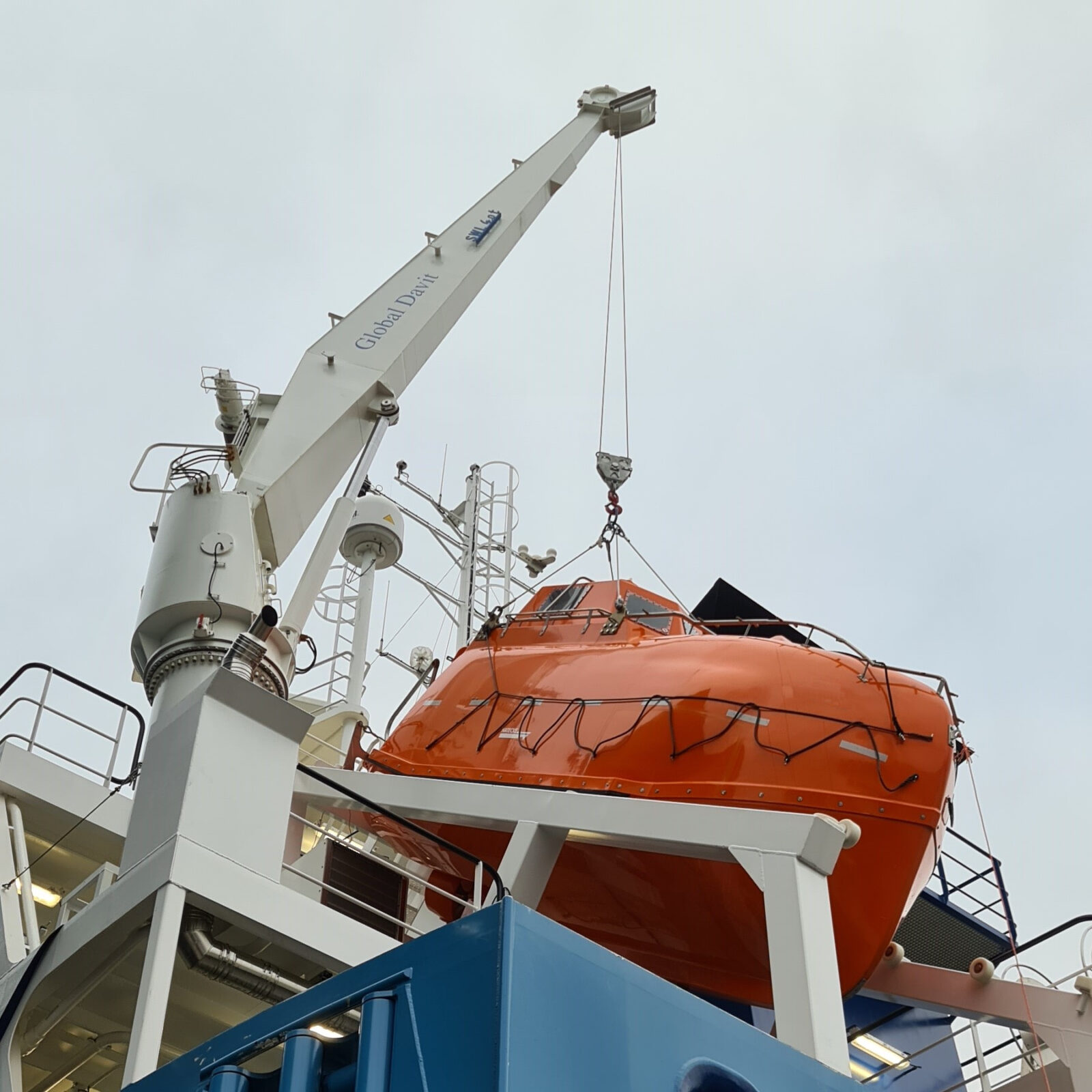
- Antriebsoptionen
- Electric, hydraulic, manual, with/without stored power (accumulator or spring force)
- Solas-hoistgeschwindigkeit
- Bis 48 m/min für Fast-Rescue-Davits (SOLAS-konform)
- Einsatzbereich
- Rettungsboote, Schnellrettungsboote, Rettungsflöße, MOB-Boote
- Konstruktion
- Normal pivot or slewing types, single or double arm with optional docking head to prevent pendulum motion until water level
- Hubkapazität
- Configurable according to ship type and lifeboat weight (tailor-made solutions)
- Zertifizierung
- ABS, GL, DNV, BV, NK, KR, LR and other classification societies
- D-NPS.SP (Normal Pivot Single/Double Arm mit Docking Head)
- D-NPS.FR (Fast Rescue Davit mit Docking Head)
- D-CRm.FR (Slewing Fast Rescue Davit mit hydraulischem/elektrischem Antrieb)
- D-BR (rescue davit with manual operation or hydraulic stored power)
- D-NP.MP (Normal Pivot mit mechanischer Stored Power - Federbelastung)
- D-NP.SP (Normal Pivot mit hydraulischer Stored Power - Akku)
- Area: On-load release gear functionality and wearCheck: Annually: operational test of on-load release gear by positioning the boat partially in water for load support by fall, actuation of release gear, reset and inspection for damage. Every 5 years: overhaul of release system with 110% proof-load test. Inspect release gear before and after operational test; verify hook securing and reset.
- Area: Wire rope condition (wires/falls) – corrosion, wear, breakageCheck: Monthly: visual inspection for fraying, kinks, corrosion, broken strands. Annually: wire rope and sheaves for scratches, dents, corrosion, missing lubrication. Every 5 years: wire rope replacement per SOLAS Chapter III required. Lubrication of wires, sheaves and moving parts to be checked.
- Area: Brake system - inspection function and wear partsCheck: Annually: brake test by suspension of rated load and verification that brake holds without slippage. For centrifugal brakes: sinking speed against SOLAS formula (max. 1.3 m/s) to be checked. Brake pads to be inspected and replaced when worn. Every 5 years: brake system to be opened and condition thoroughly checked.
- Area: Sheaves - wear, abrasion, corrosion, wear ringsCheck: Annually: sheaves for wear grooves, wear ring wear, corrosion, incorrect alignment, loose bolts to be checked. A worn or corroded sheave damages new wires and leads to premature wire rope failure. Wear ring thickness to be measured and replaced if necessary. Lubrication to be checked.
- Area: Overall structure - corrosion, wear, deformation and clearanceCheck: Annually: davit structure for corrosion (especially welds), wear, deformation, excessive clearance, cracks to be checked. All bolt locking devices to be verified. Hydraulic cylinders for leakage to be checked. Every 5 years: selective disassembly with NDT (roughness inspection, crack inspection) to be performed. Foundations to be inspected.
- Area: Proof-load test at 110% of rated loadCheck: Annually: dynamic winch brake test at 110% of Safe Working Load to be performed (simulated by water bag equipment or certified load cells). Every 5 years: comprehensive proof-load test of entire davit, winch, wire rope and hook system at 110% SWL to be performed. System must hold load, show no deformation or damage.
Type-universal inspection/maintenance points for Lifesaving Appliances (LSA) (davit international, Mega-Swarm 2026–06). Per-model specs not auto-populated.
- Antriebsoptionen
- Electric, hydraulic, manual, with/without stored power (accumulator or spring force)
- Solas-hoistgeschwindigkeit
- Bis 48 m/min für Fast-Rescue-Davits (SOLAS-konform)
- Einsatzbereich
- Rettungsboote, Schnellrettungsboote, Rettungsflöße, MOB-Boote
- Konstruktion
- Normal pivot or slewing types, single or double arm with optional docking head to prevent pendulum motion until water level
- Hubkapazität
- Configurable according to ship type and lifeboat weight (tailor-made solutions)
- Zertifizierung
- ABS, GL, DNV, BV, NK, KR, LR and other classification societies
- D-NPS.SP (Normal Pivot Single/Double Arm mit Docking Head)
- D-NPS.FR (Fast Rescue Davit mit Docking Head)
- D-CRm.FR (Slewing Fast Rescue Davit mit hydraulischem/elektrischem Antrieb)
- D-BR (rescue davit with manual operation or hydraulic stored power)
- D-NP.MP (Normal Pivot mit mechanischer Stored Power - Federbelastung)
- D-NP.SP (Normal Pivot mit hydraulischer Stored Power - Akku)
- Area: On-load release gear functionality and wearCheck: Annually: operational test of on-load release gear by positioning the boat partially in water for load support by fall, actuation of release gear, reset and inspection for damage. Every 5 years: overhaul of release system with 110% proof-load test. Inspect release gear before and after operational test; verify hook securing and reset.
- Area: Wire rope condition (wires/falls) – corrosion, wear, breakageCheck: Monthly: visual inspection for fraying, kinks, corrosion, broken strands. Annually: wire rope and sheaves for scratches, dents, corrosion, missing lubrication. Every 5 years: wire rope replacement per SOLAS Chapter III required. Lubrication of wires, sheaves and moving parts to be checked.
- Area: Brake system - inspection function and wear partsCheck: Annually: brake test by suspension of rated load and verification that brake holds without slippage. For centrifugal brakes: sinking speed against SOLAS formula (max. 1.3 m/s) to be checked. Brake pads to be inspected and replaced when worn. Every 5 years: brake system to be opened and condition thoroughly checked.
- Area: Sheaves - wear, abrasion, corrosion, wear ringsCheck: Annually: sheaves for wear grooves, wear ring wear, corrosion, incorrect alignment, loose bolts to be checked. A worn or corroded sheave damages new wires and leads to premature wire rope failure. Wear ring thickness to be measured and replaced if necessary. Lubrication to be checked.
- Area: Overall structure - corrosion, wear, deformation and clearanceCheck: Annually: davit structure for corrosion (especially welds), wear, deformation, excessive clearance, cracks to be checked. All bolt locking devices to be verified. Hydraulic cylinders for leakage to be checked. Every 5 years: selective disassembly with NDT (roughness inspection, crack inspection) to be performed. Foundations to be inspected.
- Area: Proof-load test at 110% of rated loadCheck: Annually: dynamic winch brake test at 110% of Safe Working Load to be performed (simulated by water bag equipment or certified load cells). Every 5 years: comprehensive proof-load test of entire davit, winch, wire rope and hook system at 110% SWL to be performed. System must hold load, show no deformation or damage.
Type-universal inspection/maintenance points for Lifesaving Appliances (LSA) (davit international, Mega-Swarm 2026–06). Per-model specs not auto-populated.
- Antriebsoptionen
- Electric, hydraulic, manual, with/without stored power (accumulator or spring force)
- Solas-hoistgeschwindigkeit
- Bis 48 m/min für Fast-Rescue-Davits (SOLAS-konform)
- Einsatzbereich
- Rettungsboote, Schnellrettungsboote, Rettungsflöße, MOB-Boote
- Konstruktion
- Normal pivot or slewing types, single or double arm with optional docking head to prevent pendulum motion until water level
- Hubkapazität
- Configurable according to ship type and lifeboat weight (tailor-made solutions)
- Zertifizierung
- ABS, GL, DNV, BV, NK, KR, LR and other classification societies
- D-NPS.SP (Normal Pivot Single/Double Arm mit Docking Head)
- D-NPS.FR (Fast Rescue Davit mit Docking Head)
- D-CRm.FR (Slewing Fast Rescue Davit mit hydraulischem/elektrischem Antrieb)
- D-BR (rescue davit with manual operation or hydraulic stored power)
- D-NP.MP (Normal Pivot mit mechanischer Stored Power - Federbelastung)
- D-NP.SP (Normal Pivot mit hydraulischer Stored Power - Akku)
- Area: On-load release gear functionality and wearCheck: Annually: operational test of on-load release gear by positioning the boat partially in water for load support by fall, actuation of release gear, reset and inspection for damage. Every 5 years: overhaul of release system with 110% proof-load test. Inspect release gear before and after operational test; verify hook securing and reset.
- Area: Wire rope condition (wires/falls) – corrosion, wear, breakageCheck: Monthly: visual inspection for fraying, kinks, corrosion, broken strands. Annually: wire rope and sheaves for scratches, dents, corrosion, missing lubrication. Every 5 years: wire rope replacement per SOLAS Chapter III required. Lubrication of wires, sheaves and moving parts to be checked.
- Area: Brake system - inspection function and wear partsCheck: Annually: brake test by suspension of rated load and verification that brake holds without slippage. For centrifugal brakes: sinking speed against SOLAS formula (max. 1.3 m/s) to be checked. Brake pads to be inspected and replaced when worn. Every 5 years: brake system to be opened and condition thoroughly checked.
- Area: Sheaves - wear, abrasion, corrosion, wear ringsCheck: Annually: sheaves for wear grooves, wear ring wear, corrosion, incorrect alignment, loose bolts to be checked. A worn or corroded sheave damages new wires and leads to premature wire rope failure. Wear ring thickness to be measured and replaced if necessary. Lubrication to be checked.
- Area: Overall structure - corrosion, wear, deformation and clearanceCheck: Annually: davit structure for corrosion (especially welds), wear, deformation, excessive clearance, cracks to be checked. All bolt locking devices to be verified. Hydraulic cylinders for leakage to be checked. Every 5 years: selective disassembly with NDT (roughness inspection, crack inspection) to be performed. Foundations to be inspected.
- Area: Proof-load test at 110% of rated loadCheck: Annually: dynamic winch brake test at 110% of Safe Working Load to be performed (simulated by water bag equipment or certified load cells). Every 5 years: comprehensive proof-load test of entire davit, winch, wire rope and hook system at 110% SWL to be performed. System must hold load, show no deformation or damage.
Type-universal inspection/maintenance points for Lifesaving Appliances (LSA) (davit international, Mega-Swarm 2026–06). Per-model specs not auto-populated.
- Antriebsoptionen
- Electric, hydraulic, manual, with/without stored power (accumulator or spring force)
- Solas-hoistgeschwindigkeit
- Bis 48 m/min für Fast-Rescue-Davits (SOLAS-konform)
- Einsatzbereich
- Rettungsboote, Schnellrettungsboote, Rettungsflöße, MOB-Boote
- Konstruktion
- Normal pivot or slewing types, single or double arm with optional docking head to prevent pendulum motion until water level
- Hubkapazität
- Configurable according to ship type and lifeboat weight (tailor-made solutions)
- Zertifizierung
- ABS, GL, DNV, BV, NK, KR, LR and other classification societies
- D-NPS.SP (Normal Pivot Single/Double Arm mit Docking Head)
- D-NPS.FR (Fast Rescue Davit mit Docking Head)
- D-CRm.FR (Slewing Fast Rescue Davit mit hydraulischem/elektrischem Antrieb)
- D-BR (rescue davit with manual operation or hydraulic stored power)
- D-NP.MP (Normal Pivot mit mechanischer Stored Power - Federbelastung)
- D-NP.SP (Normal Pivot mit hydraulischer Stored Power - Akku)
- Area: On-load release gear functionality and wearCheck: Annually: operational test of on-load release gear by positioning the boat partially in water for load support by fall, actuation of release gear, reset and inspection for damage. Every 5 years: overhaul of release system with 110% proof-load test. Inspect release gear before and after operational test; verify hook securing and reset.
- Area: Wire rope condition (wires/falls) – corrosion, wear, breakageCheck: Monthly: visual inspection for fraying, kinks, corrosion, broken strands. Annually: wire rope and sheaves for scratches, dents, corrosion, missing lubrication. Every 5 years: wire rope replacement per SOLAS Chapter III required. Lubrication of wires, sheaves and moving parts to be checked.
- Area: Brake system - inspection function and wear partsCheck: Annually: brake test by suspension of rated load and verification that brake holds without slippage. For centrifugal brakes: sinking speed against SOLAS formula (max. 1.3 m/s) to be checked. Brake pads to be inspected and replaced when worn. Every 5 years: brake system to be opened and condition thoroughly checked.
- Area: Sheaves - wear, abrasion, corrosion, wear ringsCheck: Annually: sheaves for wear grooves, wear ring wear, corrosion, incorrect alignment, loose bolts to be checked. A worn or corroded sheave damages new wires and leads to premature wire rope failure. Wear ring thickness to be measured and replaced if necessary. Lubrication to be checked.
- Area: Overall structure - corrosion, wear, deformation and clearanceCheck: Annually: davit structure for corrosion (especially welds), wear, deformation, excessive clearance, cracks to be checked. All bolt locking devices to be verified. Hydraulic cylinders for leakage to be checked. Every 5 years: selective disassembly with NDT (roughness inspection, crack inspection) to be performed. Foundations to be inspected.
- Area: Proof-load test at 110% of rated loadCheck: Annually: dynamic winch brake test at 110% of Safe Working Load to be performed (simulated by water bag equipment or certified load cells). Every 5 years: comprehensive proof-load test of entire davit, winch, wire rope and hook system at 110% SWL to be performed. System must hold load, show no deformation or damage.
Type-universal inspection/maintenance points for Lifesaving Appliances (LSA) (davit international, Mega-Swarm 2026–06). Per-model specs not auto-populated.
Hatecke
129
- Engine, battery or fuel-system deterioration causes difficult starting or failure to run during drills
- Release-hook, linkage or interlock wear causes stiff operation, incorrect indication or unsafe release behaviour
- Hull, canopy, window or seal damage causes water ingress or reduced weathertight integrity
- Steering or propulsion faults cause poor manoeuvrability, abnormal vibration or loss of thrust
- Inventory, securing or communication-equipment deficiencies are noticed during drills or statutory inspection
- Very fast launch – the boat drops clear of the ship in seconds
- Enclosed cabin with sprinkler system protects occupants from fire and spray
- Engine‑driven after launch gives controlled maneuverability
- Built‑in self‑righting capability enhances survivability in heavy seas
- Meets IMO SOLAS requirements for free‑fall lifeboats
- Limited passenger capacity compared with larger conventional lifeboats
- Requires a dedicated, unobstructed launch area on deck
- Fuel system prone to air lock if not regularly purged (known failure)
- Sprinkler nozzles can become blocked without routine cleaning
- Seat‑belt webbing may degrade under UV exposure over time

- Engine, battery or fuel-system deterioration causes difficult starting or failure to run during drills
- Release-hook, linkage or interlock wear causes stiff operation, incorrect indication or unsafe release behaviour
- Hull, canopy, window or seal damage causes water ingress or reduced weathertight integrity
- Steering or propulsion faults cause poor manoeuvrability, abnormal vibration or loss of thrust
- Inventory, securing or communication-equipment deficiencies are noticed during drills or statutory inspection
- Fully enclosed cabin with weather‑proof canopy, enhancing survivability in adverse conditions
- High passenger capacity (≈70 persons) suitable for large vessels
- Self‑righting hull design meets SOLAS requirements
- Integrated davit winch system allows rapid launch; brake test can be performed before drills
- Robust construction and corrosion‑resistant materials typical of Hatecke
- Winch brake adjustment drift reported, requiring frequent checks
- Propeller shaft seal leaks increase maintenance workload
- Canopy windows prone to cracking under impact or UV exposure
- Heavier than open lifeboats, affecting davit load calculations and installation space
- Higher acquisition and lifecycle cost compared with basic open‑type lifeboats

- Engine, battery or fuel-system deterioration causes difficult starting or failure to run during drills
- Release-hook, linkage or interlock wear causes stiff operation, incorrect indication or unsafe release behaviour
- Hull, canopy, window or seal damage causes water ingress or reduced weathertight integrity
- Steering or propulsion faults cause poor manoeuvrability, abnormal vibration or loss of thrust
- Inventory, securing or communication-equipment deficiencies are noticed during drills or statutory inspection
- Compact 4.5 m length fits on small davits and saves deck space
- Manual propulsion eliminates engine maintenance and fuel dependence
- Robust hull design tolerates repeated launch/recovery cycles
- Quick deployment – can be launched and ready for use within minutes
- Low overall system weight reduces impact on vessel stability
- Limited range and speed due to reliance on manual rowing/paddling
- Hull bottom is vulnerable to impact damage during rough recoveries
- Bilge pump can become blocked if not inspected regularly
- Requires physically fit crew to operate effectively in heavy seas
- Not suitable for high‑sea state conditions beyond moderate weather
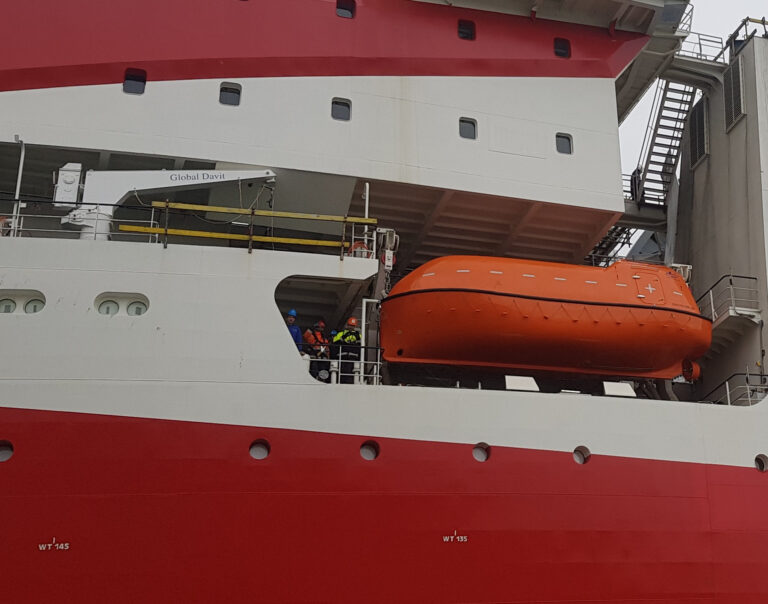
- Engine, battery or fuel-system deterioration causes difficult starting or failure to run during drills
- Release-hook, linkage or interlock wear causes stiff operation, incorrect indication or unsafe release behaviour
- Hull, canopy, window or seal damage causes water ingress or reduced weathertight integrity
- Steering or propulsion faults cause poor manoeuvrability, abnormal vibration or loss of thrust
- Inventory, securing or communication-equipment deficiencies are noticed during drills or statutory inspection
- High launch speed (typically <5 s) without reliance on hydraulic or electric power
- Large capacity – accommodates up to 47 persons plus equipment
- Simple mechanical operation reduces crew workload during an emergency
- SOLAS‑approved and generally holds USCG Type Approval and IMO D‑2 certification
- Robust construction suited for heavy‑weather abandonments
- Requires dedicated, unobstructed launch area and structural reinforcement of the deck
- Release hook corrosion has been reported; requires strict maintenance regime
- Canopy hatch seal failures can compromise watertight integrity if not inspected regularly
- Not suitable for vessels with low freeboard or limited vertical clearance
- Higher initial procurement cost compared with conventional davits
- Engine, battery or fuel-system deterioration causes difficult starting or failure to run during drills
- Release-hook, linkage or interlock wear causes stiff operation, incorrect indication or unsafe release behaviour
- Hull, canopy, window or seal damage causes water ingress or reduced weathertight integrity
- Steering or propulsion faults cause poor manoeuvrability, abnormal vibration or loss of thrust
- Inventory, securing or communication-equipment deficiencies are noticed during drills or statutory inspection
- High passenger capacity (60 persons) reduces the number of davits required on large vessels
- Gravity‑driven free‑fall launch delivers very fast egress in emergencies
- Integrated diesel engine gives self‑propulsion for post‑launch maneuvering
- Germanischer Lloyd (GL) classification approval ensures compliance with German standards
- SOLAS‑approved design meets international lifesaving regulations
- Hook mechanism prone to wear and requires regular inspection/replacement
- GRP hull has reported delamination issues in long‑term service
- Diesel engine injector fouling can lead to propulsion loss if not maintained
- Requires substantial deck space for the davit assembly
- Maintenance intensity higher than simple inflatable raft systems
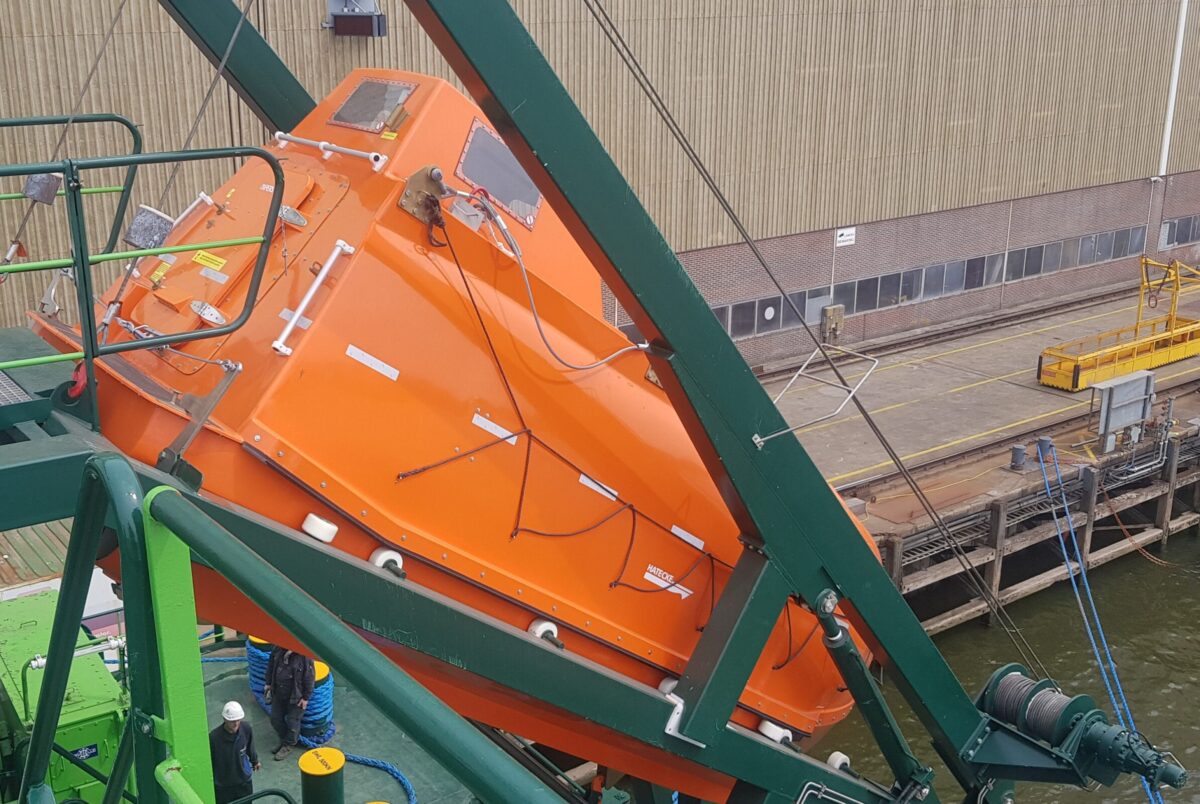
- Engine, battery or fuel-system deterioration causes difficult starting or failure to run during drills
- Release-hook, linkage or interlock wear causes stiff operation, incorrect indication or unsafe release behaviour
- Hull, canopy, window or seal damage causes water ingress or reduced weathertight integrity
- Steering or propulsion faults cause poor manoeuvrability, abnormal vibration or loss of thrust
- Inventory, securing or communication-equipment deficiencies are noticed during drills or statutory inspection
- Small deck footprint compared with conventional crane davits
- Very rapid launch – the boat drops under gravity without winch operation
- SOLAS compliant for a 35‑person capacity
- Approved by DNV and Germanischer Lloyd (GL)
- Fewer moving parts than powered davit systems, reducing routine maintenance
- Release hook wear requires frequent inspection and possible replacement
- Engine fuel filter blockage has been reported on the built‑in lowering engine
- Canopy seal failure can occur in harsh weather if not regularly serviced
- Requires sufficient clear height and unobstructed drop zone on deck
- Installation is more complex than simple davits, increasing initial fit‑out time
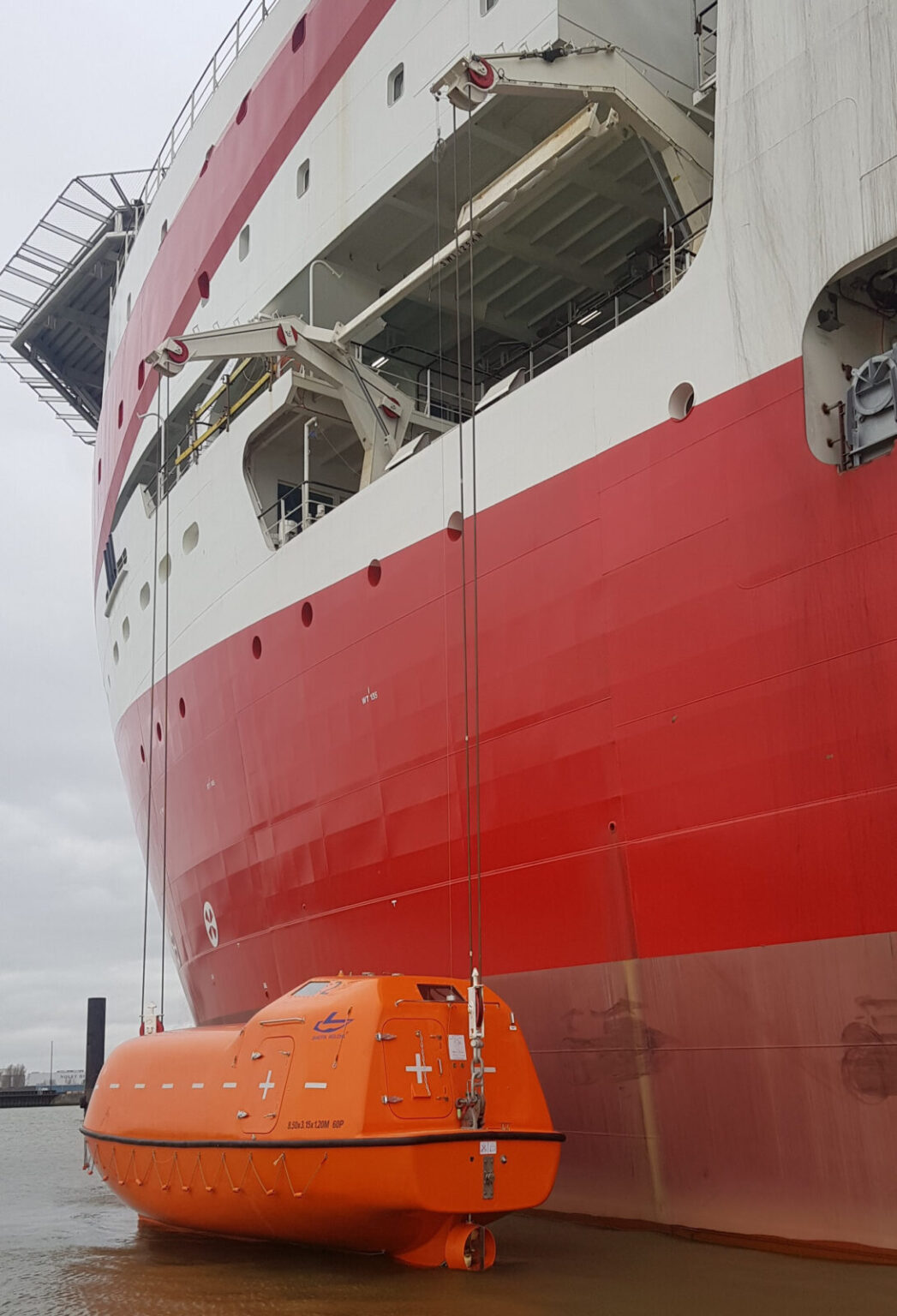
- Engine, battery or fuel-system deterioration causes difficult starting or failure to run during drills
- Release-hook, linkage or interlock wear causes stiff operation, incorrect indication or unsafe release behaviour
- Hull, canopy, window or seal damage causes water ingress or reduced weathertight integrity
- Steering or propulsion faults cause poor manoeuvrability, abnormal vibration or loss of thrust
- Inventory, securing or communication-equipment deficiencies are noticed during drills or statutory inspection
- Fully enclosed hull protects occupants from fire, spray and harsh weather
- High capacity (36 persons) suitable for crew‑plus‑passenger vessels
- SOLAS‑approved with GL and DNV certification, ensuring regulatory acceptance
- Hydraulic actuation gives smooth, low‑effort launch even on high freeboard ships
- Compact footprint fits medium‑size deck arrangements
- Davit hook corrosion reported – requires strict inspection & anti‑corrosion regime
- Engine start failures have occurred in cold conditions; auxiliary starting system may be needed
- GRP hull can be vulnerable to impact damage if not handled carefully
- Higher initial cost and maintenance workload compared with simple manual davits
- Limited compatibility with vessels that lack sufficient side clearance for the davit geometry
- Engine, battery or fuel-system deterioration causes difficult starting or failure to run during drills
- Release-hook, linkage or interlock wear causes stiff operation, incorrect indication or unsafe release behaviour
- Hull, canopy, window or seal damage causes water ingress or reduced weathertight integrity
- Steering or propulsion faults cause poor manoeuvrability, abnormal vibration or loss of thrust
- Inventory, securing or communication-equipment deficiencies are noticed during drills or statutory inspection
- Totally enclosed capsule protects occupants from weather and sea spray during evacuation
- Designed for 50 persons, fitting medium‑size passenger or offshore vessels
- SOLAS compliant launch and recovery system
- Hydraulic actuation (typical of Hatecke davits) provides smooth, reliable deployment
- Hook mechanism reported to wear, requiring close monitoring and possible part replacement
- Canopy seals can deteriorate over time, risking water ingress if not maintained
- Engine fuel filter prone to blockage, affecting launch reliability
- 5‑year overhaul interval may increase life‑cycle maintenance costs

- Engine, battery or fuel-system deterioration causes difficult starting or failure to run during drills
- Release-hook, linkage or interlock wear causes stiff operation, incorrect indication or unsafe release behaviour
- Hull, canopy, window or seal damage causes water ingress or reduced weathertight integrity
- Steering or propulsion faults cause poor manoeuvrability, abnormal vibration or loss of thrust
- Inventory, securing or communication-equipment deficiencies are noticed during drills or statutory inspection
- Fast, controlled launch using hydraulic power – effective in heavy seas or limited deck space
- Totally enclosed lifeboat capacity of 36 persons offers superior protection from the elements
- Fully SOLAS‑compliant and classed by DNV, simplifying certification for new builds or retrofits
- Compact davit footprint suitable for medium‑size passenger and offshore vessels
- Integrated release hook with corrosion‑resistant finish (when maintained) ensures reliable free fall
- Hydraulic power pack requires annual inspection and routine maintenance, increasing life‑cycle cost
- Known failure modes include hydraulic hose degradation and occasional release‑hook corrosion if not serviced
- Higher initial purchase price compared with manual or electric davit alternatives
- Requires dedicated hydraulic fluid storage and space for the HPU on board
- Complexity of the system may be a drawback for vessels with limited technical crew
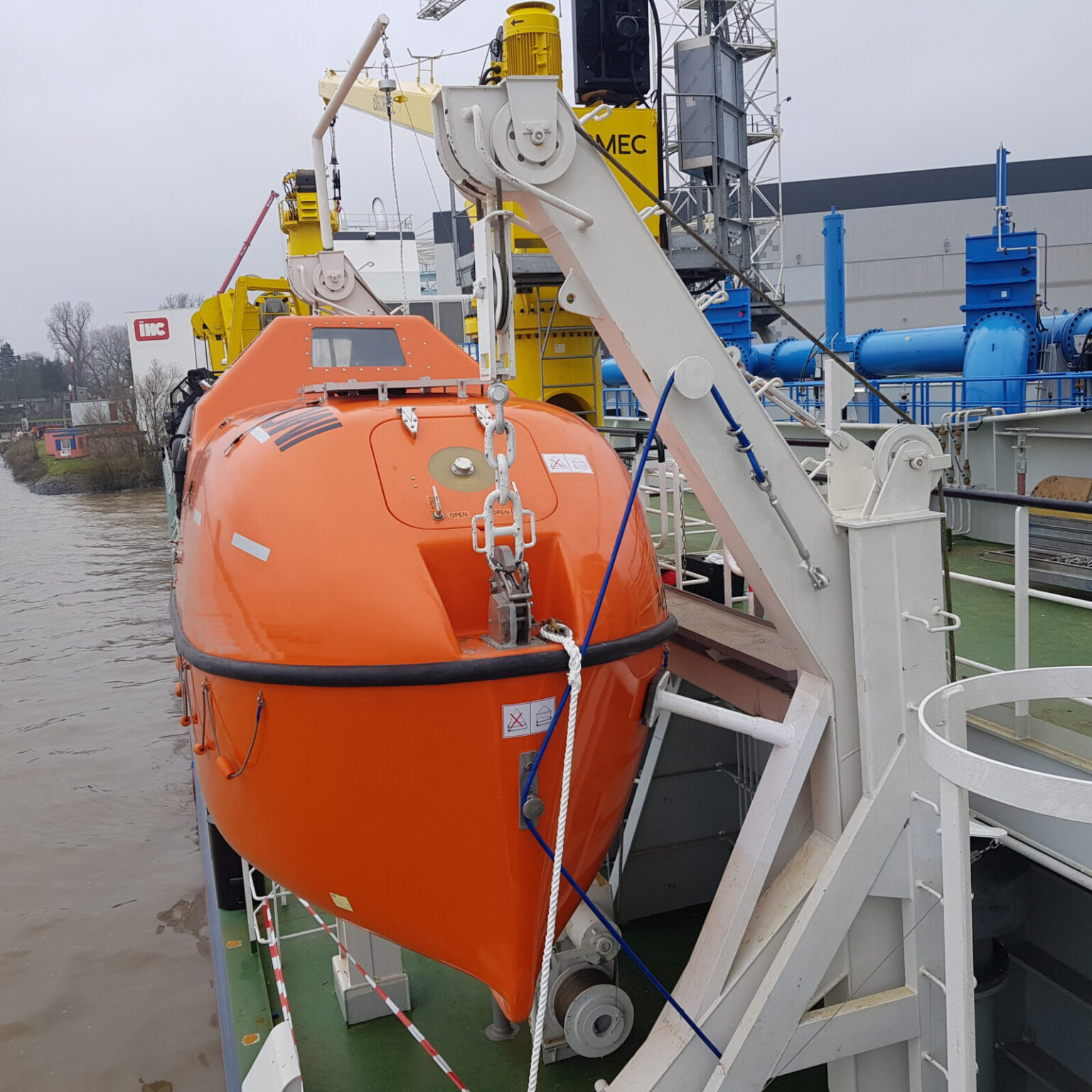
- Engine, battery or fuel-system deterioration causes difficult starting or failure to run during drills
- Release-hook, linkage or interlock wear causes stiff operation, incorrect indication or unsafe release behaviour
- Hull, canopy, window or seal damage causes water ingress or reduced weathertight integrity
- Steering or propulsion faults cause poor manoeuvrability, abnormal vibration or loss of thrust
- Inventory, securing or communication-equipment deficiencies are noticed during drills or statutory inspection
- Compact footprint suitable for vessels with limited deck space
- Integrated with a totally enclosed lifeboat offering weather protection
- GL/DNV approval simplifies regulatory compliance
- High passenger capacity (26) relative to its size
- Hook corrosion reported, requiring regular inspection and possible replacement
- Engine starting failures have been noted, affecting launch reliability
- Potential hull‑contact damage if the davit is not correctly positioned
- Designed for smaller vessels; may be unsuitable for large ships with higher load demands
- Engine, battery or fuel-system deterioration causes difficult starting or failure to run during drills
- Release-hook, linkage or interlock wear causes stiff operation, incorrect indication or unsafe release behaviour
- Hull, canopy, window or seal damage causes water ingress or reduced weathertight integrity
- Steering or propulsion faults cause poor manoeuvrability, abnormal vibration or loss of thrust
- Inventory, securing or communication-equipment deficiencies are noticed during drills or statutory inspection
- High passenger capacity (70 persons) reduces the number of davits needed on large vessels
- Totally enclosed lifeboat provides weather protection and improves survivability in harsh conditions
- Dual‑davits give redundancy; if one side fails the other can still operate
- Fully SOLAS‑approved, ensuring regulatory compliance for new builds and conversions
- Suitable for vessels with limited deck space because a single launch unit serves the full capacity
- Synchronization between the two davits has been reported as a recurring failure point
- Engine cooling system can become blocked, leading to overheating of hydraulic pumps
- Canopy seal failures may allow water ingress, compromising the enclosed environment
- Complex hydraulic circuitry increases maintenance workload and requires specialised spares
- Installation footprint is larger than single‑davits, limiting suitability for small vessels
- Engine, battery or fuel-system deterioration causes difficult starting or failure to run during drills
- Release-hook, linkage or interlock wear causes stiff operation, incorrect indication or unsafe release behaviour
- Hull, canopy, window or seal damage causes water ingress or reduced weathertight integrity
- Steering or propulsion faults cause poor manoeuvrability, abnormal vibration or loss of thrust
- Inventory, securing or communication-equipment deficiencies are noticed during drills or statutory inspection
- High passenger capacity (26 persons) in a single boat
- Hydraulic roller launch gives rapid, controlled deployment with one operator
- Integrated diesel engine provides self‑propulsion for post‑launch maneuvering
- Compact deck footprint compared with twin‑boat arrangements
- Fully SOLAS‑certified and USCG type approved
- Davit hook corrosion reported in service, requiring regular inspection and protective coating
- Engine start reliability can be problematic in cold or high‑humidity conditions
- Open hull offers limited protection against heavy seas and wind during evacuation
- Potential for hull damage if the boat contacts deck fittings during launch
- Maintenance of hydraulic system adds to routine upkeep
- Engine, battery or fuel-system deterioration causes difficult starting or failure to run during drills
- Release-hook, linkage or interlock wear causes stiff operation, incorrect indication or unsafe release behaviour
- Hull, canopy, window or seal damage causes water ingress or reduced weathertight integrity
- Steering or propulsion faults cause poor manoeuvrability, abnormal vibration or loss of thrust
- Inventory, securing or communication-equipment deficiencies are noticed during drills or statutory inspection
- SOLAS approved and ready for immediate installation on new builds
- Compact 6 m length fits vessels with limited deck space
- Capacity of six crew or passengers for rapid rescue operations
- Quick‑release hydraulic davit enables fast launch under emergency conditions
- Robust hull construction typical of Hatecke boats
- Reported engine start failures may require frequent testing and spare parts
- Steering cable corrosion observed in service, increasing maintenance workload
- Gelcoat damage on hull can lead to higher repair costs if not inspected regularly
- Limited passenger capacity compared with larger rescue craft
- Requires weekly engine test to maintain compliance
- Engine, battery or fuel-system deterioration causes difficult starting or failure to run during drills
- Release-hook, linkage or interlock wear causes stiff operation, incorrect indication or unsafe release behaviour
- Hull, canopy, window or seal damage causes water ingress or reduced weathertight integrity
- Steering or propulsion faults cause poor manoeuvrability, abnormal vibration or loss of thrust
- Inventory, securing or communication-equipment deficiencies are noticed during drills or statutory inspection
- Fast water‑jet launch and recovery meeting SOLAS fast‑rescue requirements
- Compact 8 m length fits on medium‑size vessels while still carrying 8 crew/passengers
- Hydraulic davit provides reliable, repeatable launches in rough sea states
- Water‑jet propulsion gives shallow‑draft operation and reduced entanglement risk
- Reported water‑jet impeller cavitation can reduce thrust and increase wear
- Engine fuel system contamination incidents require strict filtration maintenance
- Canopy frame corrosion observed in harsh marine environments, increasing upkeep
- Higher initial cost and maintenance compared with simple davit‑propeller setups
- Release hook Mechanismus Korrosion/Blockierung — KRITISCHER Sicherheitsfehler
- Diesel engine start failure due to lack of regular testing
- GRP hull osmotic blistering with prolonged water contact
- Scavenge air system valve failure
- Safety belt/harness aging due to UV/weather
- IMO and DNV approved – meets SOLAS requirements for passenger and cargo ships
- Integrated diesel launch motor provides self‑propelled release without external power
- Lightweight GFRP hull reduces weight on deck while offering high buoyancy
- Weekly engine test protocol ensures launch reliability
- Annual release‑hook service per MSC.402(96) extends component life
- Release‑hook mechanism prone to corrosion or blockage if not maintained
- Diesel engine may fail to start after prolonged inactivity; requires strict testing regime
- GFRP hull can develop osmotic blisters after extended water exposure
- Ventilation valve of the air supply system reported to malfunction
- Safety harnesses age quickly under UV and harsh weather, needing regular replacement
- Release hook Mechanismus Korrosion/Blockierung — KRITISCHER Sicherheitsfehler
- Diesel engine start failure due to lack of regular testing
- GRP hull osmotic blistering with prolonged water contact
- Scavenge air system valve failure
- Safety belt/harness aging due to UV/weather
- IMO and DNV approved, meeting SOLAS standards
- Integrated diesel engine provides self‑propulsion after launch
- Compact hydraulic davit suitable for vessels with limited deck space
- Glass‑fiber reinforced plastic hull offers corrosion resistance when maintained
- Standardized release hook system (annual service) ensures reliable deployment
- Release hook mechanism can corrode or block if not inspected regularly – critical safety risk
- Diesel engine start failures reported when weekly test regime is missed
- GFK hull prone to osmotic blistering after prolonged water exposure
- Air‑supply system valve may fail, affecting breathing apparatus reliability
- Safety harnesses and webbing age quickly under UV and weather exposure
- Release hook Mechanismus Korrosion/Blockierung — KRITISCHER Sicherheitsfehler
- Diesel engine start failure due to lack of regular testing
- GRP hull osmotic blistering with prolonged water contact
- Scavenge air system valve failure
- Safety belt/harness aging due to UV/weather
- IMO SOLAS approved, ensuring compliance with international safety regulations
- Hydraulic power provides rapid and controlled launch even in adverse conditions
- Integrated release hook mechanism allows single‑handed operation when properly maintained
- Compact design suitable for a range of vessel sizes and deck layouts
- Release hook prone to corrosion or blockage if not serviced annually (critical safety risk)
- Diesel engine start failures reported when weekly test regime is neglected
- GFK hull can develop osmotic blisters after prolonged water exposure, requiring dock‑side inspection
- Ventilation/air supply valve may fail, affecting crew breathing apparatus on launch
- Release hook Mechanismus Korrosion/Blockierung — KRITISCHER Sicherheitsfehler
- Diesel engine start failure due to lack of regular testing
- GRP hull osmotic blistering with prolonged water contact
- Scavenge air system valve failure
- Safety belt/harness aging due to UV/weather
- Compact footprint suitable for vessels with limited deck space
- Integrated release hook with annual maintenance interval per SOLAS MSC.402(96)
- Hydraulic assist reduces crew effort during launch while still allowing manual operation
- High corrosion‑resistant steel construction approved by IMO and DNV
- Standardised weekly motor test procedure simplifies compliance documentation
- Release‑hook mechanism prone to corrosion or blockage if not serviced annually
- Motor start failures reported when regular functional tests are omitted
- Associated GFRP lifeboat hull can develop osmotic blisters after prolonged water exposure
- Ventilation valve of the air‑supply system has a history of occasional failure
- Safety harnesses and webbing age rapidly under UV and harsh weather, requiring frequent replacement
- Release hook Mechanismus Korrosion/Blockierung — KRITISCHER Sicherheitsfehler
- Diesel engine start failure due to lack of regular testing
- GRP hull osmotic blistering with prolonged water contact
- Scavenge air system valve failure
- Safety belt/harness aging due to UV/weather
- IMO D‑2 approved and listed in the DNV approval finder – recognised by flag states
- Integrated diesel motor enables rapid free‑fall or controlled launch without external power
- Compact footprint suitable for vessels with limited deck space
- Weekly motor‑run test and annual release‑hook service built into the maintenance plan
- GFK (glass‑fiber reinforced plastic) hull provides corrosion resistance compared with steel
- Release‑hook mechanism prone to corrosion or blockage if not inspected regularly – a critical safety issue
- Diesel start failures reported when weekly engine tests are missed
- Fiberglass hull can develop osmotic blistering after prolonged water exposure
- Ventilation valve of the air‑supply system has shown occasional failure
- Safety harnesses and webbing age quickly under UV and harsh weather, requiring frequent replacement
- Release hook Mechanismus Korrosion/Blockierung — KRITISCHER Sicherheitsfehler
- Diesel engine start failure due to lack of regular testing
- GRP hull osmotic blistering with prolonged water contact
- Scavenge air system valve failure
- Safety belt/harness aging due to UV/weather
- IMO (SOLAS) approved and DNV certified – recognised by flag states and classification societies
- Integrated diesel engine provides self‑propulsion for quick launch without external power
- Compact davit arrangement suitable for vessels with limited deck space
- Clear maintenance schedule (weekly motor test, annual release‑hook service, 5‑year major inspection) supports compliance
- GFRP hull offers corrosion resistance compared with steel when properly maintained
- Release‑hook mechanism prone to corrosion or blockage if annual service is missed – critical safety risk
- Engine start failures reported when regular test runs are not performed
- GFRP hull can develop osmotic blistering after prolonged water exposure
- Ventilation valve of the air‑supply system has a history of malfunction
- Safety harnesses and webbing age rapidly under UV and harsh weather, requiring frequent replacement
- Release hook Mechanismus Korrosion/Blockierung — KRITISCHER Sicherheitsfehler
- Diesel engine start failure due to lack of regular testing
- GRP hull osmotic blistering with prolonged water contact
- Scavenge air system valve failure
- Safety belt/harness aging due to UV/weather
- Integrated diesel engine enables self‑propelled launch without external power
- Hydraulic davit provides smooth, controlled lowering even in heavy seas
- Compliant with IMO SOLAS requirements and DNV approval
- Robust GFK (glass‑fiber reinforced plastic) hull offers good strength‑to‑weight ratio
- Standardised maintenance schedule (weekly motor test, annual hook service, 5‑year inspection)
- Release‑hook mechanism prone to corrosion or blockage if not serviced regularly
- Diesel engine start failures reported when weekly tests are missed
- GFK hull can develop osmotic blisters after prolonged water exposure
- Air‑supply valve may fail, affecting lifeboat ventilation
- Safety harnesses and UV‑exposed fittings age faster in harsh climates
- Release hook Mechanismus Korrosion/Blockierung — KRITISCHER Sicherheitsfehler
- Diesel engine start failure due to lack of regular testing
- GRP hull osmotic blistering with prolonged water contact
- Scavenge air system valve failure
- Safety belt/harness aging due to UV/weather
- IMO D‑2 approval and DNV classification ensure regulatory compliance
- Integrated diesel engine provides self‑contained power for independent launch
- Compact C‑type davit suitable for vessels with limited deck space
- Weekly motor‑run test (≥5 min) built into service schedule simplifies verification of readiness
- Annual release‑hook maintenance per SOLAS MSC.402(96) prolongs safe operation
- Release‑hook corrosion or blockage reported as a critical safety issue if not maintained
- Diesel engine start reliability depends on strict adherence to weekly testing; failures have occurred after missed tests
- GFK (glass‑fiber‑reinforced plastic) hull can develop osmotic blisters during prolonged water exposure
- Air‑supply valve failures have been recorded, requiring spare parts and inspection
- Safety harnesses/straps age under UV and weather exposure, demanding regular replacement
- Release hook Mechanismus Korrosion/Blockierung — KRITISCHER Sicherheitsfehler
- Diesel engine start failure due to lack of regular testing
- GRP hull osmotic blistering with prolonged water contact
- Scavenge air system valve failure
- Safety belt/harness aging due to UV/weather
- IMO‑approved and DNV‑certified, meeting SOLAS requirements
- Motor test procedure (5 min weekly) ensures launch readiness
- Annual release‑hook maintenance per SOLAS MSC.402(96) reduces blockage risk
- Compact design suitable for vessels with limited deck space
- GFRP hull compatible with the davit, offering corrosion resistance when maintained
- Release‑hook mechanism prone to corrosion or blockage if annual service is missed
- Diesel engine may fail to start without strict weekly testing regime
- GFK (glass‑fiber‑reinforced plastic) hull can develop osmotic blistering after prolonged water exposure
- Ventilation valve of the air‑supply system has reported failures in field use
- Safety harnesses and straps age under UV and weather, requiring regular replacement
- Release hook Mechanismus Korrosion/Blockierung — KRITISCHER Sicherheitsfehler
- Diesel engine start failure due to lack of regular testing
- GRP hull osmotic blistering with prolonged water contact
- Scavenge air system valve failure
- Safety belt/harness aging due to UV/weather
- IMO‑approved and DNV‑certified, ensuring regulatory compliance
- Integrated diesel engine provides self‑propulsion for quick maneuvering after launch
- Weekly motor‑run test (≥5 min) built into service plan guarantees readiness
- Annual release‑hook maintenance per SOLAS MSC.402(96) reduces risk of launch failure
- GFRP hull offers a good strength‑to‑weight ratio for medium‑size vessels
- Release‑hook mechanism prone to corrosion/blockage if not serviced annually
- Diesel start failures reported when regular motor tests are missed
- GFRP hull can develop osmotic blisters after prolonged water exposure
- Ventilation valve of the air‑supply system has a documented failure mode
- Safety harnesses age rapidly under UV and harsh weather, requiring frequent replacement
- Release hook Mechanismus Korrosion/Blockierung — KRITISCHER Sicherheitsfehler
- Diesel engine start failure due to lack of regular testing
- GRP hull osmotic blistering with prolonged water contact
- Scavenge air system valve failure
- Safety belt/harness aging due to UV/weather
- IMO SOLAS approved and listed in DNV approval finder – recognised by classification societies
- Designed for quick, single‑handed release of a free‑fall lifeboat, enabling fast evacuation even in heavy seas
- Integrated motor test routine (weekly minimum 5 min) supports readiness verification
- Annual release‑hook maintenance per SOLAS MSC.402(96) reduces risk of corrosion‑related blockage
- Five‑year comprehensive inspection schedule aligns with typical ship survey cycles
- Release‑hook mechanism prone to corrosion or blockage if not maintained rigorously – a critical safety concern
- Diesel engine start failures reported when regular testing is omitted
- GFK (glass‑fiber reinforced plastic) hull can develop osmotic blisters after prolonged water exposure
- Air‑supply valve may fail, compromising lifeboat ventilation during launch
- Safety harnesses and webbing age under UV and weather exposure, requiring periodic replacement
- Release hook Mechanismus Korrosion/Blockierung — KRITISCHER Sicherheitsfehler
- Diesel engine start failure due to lack of regular testing
- GRP hull osmotic blistering with prolonged water contact
- Scavenge air system valve failure
- Safety belt/harness aging due to UV/weather
- IMO D‑2 approved and listed in the DNV approval finder – meets international safety standards
- High load capacity (7.4 t) suitable for large lifeboats or rafts
- Integrated diesel winch allows rapid, powered launch even on heavy vessels
- Defined maintenance regime (weekly motor test, annual release‑hook service, 5‑year inspection) supports reliability
- Compatible with GFK hulls when inspected at dock
- Release‑hook mechanism prone to corrosion or blockage if not maintained rigorously
- Diesel engine may fail to start after periods of inactivity; requires strict testing schedule
- GFRP (GFK) hull can develop osmotic blistering with prolonged water exposure
- Ventilation valve in the air‑supply system has recorded failures
- Safety harnesses and straps age under UV/wet conditions, demanding regular replacement
- Release hook Mechanismus Korrosion/Blockierung — KRITISCHER Sicherheitsfehler
- Diesel engine start failure due to lack of regular testing
- GRP hull osmotic blistering with prolonged water contact
- Scavenge air system valve failure
- Safety belt/harness aging due to UV/weather
- IMO SOLAS approved – meets mandatory lifesaving regulations
- Integrated diesel engine enables quick, powered launch without reliance on ship’s power
- Lightweight GFRP hull reduces overall weight and improves handling on the davit
- Compact design suitable for vessels with limited deck space
- Annual release‑hook maintenance aligns with SOLAS MSC.402(96) requirements
- Release‑hook corrosion or blockage reported as a critical safety issue if not maintained
- Diesel engine start failures observed when regular weekly tests are omitted
- GFRP hull prone to osmotic blistering after prolonged water exposure
- Air‑supply valve can fail, compromising breathable air provision
- Safety harnesses and webbing degrade under UV and weather exposure, requiring frequent inspection
- Release hook Mechanismus Korrosion/Blockierung — KRITISCHER Sicherheitsfehler
- Diesel engine start failure due to lack of regular testing
- GRP hull osmotic blistering with prolonged water contact
- Scavenge air system valve failure
- Safety belt/harness aging due to UV/weather
- IMO SOLAS approval ensures compliance with international safety regulations
- Integrated diesel propulsion allows independent launch without ship power
- Weekly motor‑run test built into service regime promotes reliable start performance
- Annual release‑hook maintenance per SOLAS MSC.402(96) reduces risk of blockage
- 5‑year comprehensive inspection schedule supports long‑term hull integrity
- Release‑hook mechanism prone to corrosion or blockage if not meticulously maintained
- Diesel engine start failures reported when regular testing is omitted
- GFK hull can develop osmotic blistering after prolonged water exposure
- Ventilation valve of the air‑supply system has a history of malfunction
- Safety harnesses and straps age under UV and weather, requiring frequent replacement
- Release hook Mechanismus Korrosion/Blockierung — KRITISCHER Sicherheitsfehler
- Diesel engine start failure due to lack of regular testing
- GRP hull osmotic blistering with prolonged water contact
- Scavenge air system valve failure
- Safety belt/harness aging due to UV/weather
- IMO‑approved davit system with documented DNV recognition
- Integrated low‑power diesel engine enables self‑propelled launch without external power
- Modular GFK hull provides high strength‑to‑weight ratio and corrosion resistance when maintained
- Clear maintenance regime (weekly motor test, annual release‑hook service) aligns with SOLAS MSC.402(96)
- Compact footprint suitable for vessels with limited deck space
- Release‑hook mechanism prone to corrosion or blockage if not serviced annually – critical safety risk
- Diesel engine start failures reported when regular testing is omitted
- GFK hull can develop osmotic blisters after prolonged water immersion, especially in warm climates
- Air‑supply valve has a history of occasional malfunction
- Safety harnesses and webbing age rapidly under UV exposure, requiring frequent replacement
- Release hook Mechanismus Korrosion/Blockierung — KRITISCHER Sicherheitsfehler
- Diesel engine start failure due to lack of regular testing
- GRP hull osmotic blistering with prolonged water contact
- Scavenge air system valve failure
- Safety belt/harness aging due to UV/weather
- IMO SOLAS approved and DNV listed, ensuring regulatory acceptance
- Compact 6.6 m design suitable for medium‑size lifeboats/rafts
- Integrated release hook allows rapid manual or automatic launch
- Weekly motor test procedure built into service plan improves reliability
- Annual release‑hook maintenance aligns with SOLAS MSC.402(96) requirements
- Release‑hook mechanism prone to corrosion and blockage if not meticulously maintained
- Diesel engine start failures reported when regular testing is omitted
- GFK (glass‑fiber reinforced plastic) hull can develop osmotic blisters after prolonged water exposure
- Air‑supply valve may fail, compromising lifeboat ventilation
- Safety harnesses and webbing age quickly under UV and weather exposure
- Release hook Mechanismus Korrosion/Blockierung — KRITISCHER Sicherheitsfehler
- Diesel engine start failure due to lack of regular testing
- GRP hull osmotic blistering with prolonged water contact
- Scavenge air system valve failure
- Safety belt/harness aging due to UV/weather
- IMO‑approved and DNV‑certified, ensuring compliance with SOLAS launch requirements
- Motorised winch allows rapid, controlled lifeboat deployment even in adverse conditions
- Weekly engine‑run test (≥5 min) built into the maintenance regime supports high reliability
- Composite GFK hull provides a good strength‑to‑weight ratio compared with steel alternatives
- Annual release‑hook inspection per SOLAS MSC.402(96) reduces risk of launch blockage
- Release‑hook mechanism prone to corrosion or blockage if not serviced rigorously
- Diesel engine start failures reported when regular test cycles are missed
- GFK hull can develop osmotic blistering after prolonged water exposure
- Ventilation valve in the air‑supply system has a history of malfunction
- Safety harnesses and webbing age rapidly under UV and harsh weather, requiring frequent replacement
- Release hook Mechanismus Korrosion/Blockierung — KRITISCHER Sicherheitsfehler
- Diesel engine start failure due to lack of regular testing
- GRP hull osmotic blistering with prolonged water contact
- Scavenge air system valve failure
- Safety belt/harness aging due to UV/weather
- IMO SOLAS approved and listed in DNV’s approval database, ensuring regulatory compliance
- Compact design tailored to 5.7 m lifeboat dimensions, suitable for vessels with limited deck space
- Integrated motorised winch enables quick, controlled launch of the boat or raft
- Defined maintenance regime (weekly motor test, annual release‑hook service) supports reliability when followed
- Release‑hook mechanism prone to corrosion or blockage if not serviced rigorously
- Diesel engine start failures reported when regular testing is omitted
- GFK hull can develop osmotic blistering after prolonged water exposure
- Ventilation valve of the air‑supply system has a history of malfunction
- Safety harnesses and straps age under UV and weather, requiring frequent replacement
- Release hook Mechanismus Korrosion/Blockierung — KRITISCHER Sicherheitsfehler
- Diesel engine start failure due to lack of regular testing
- GRP hull osmotic blistering with prolonged water contact
- Scavenge air system valve failure
- Safety belt/harness aging due to UV/weather
- IMO approved and listed by DNV, ensuring compliance with international safety regulations
- Combined lifeboat/raft (5‑7 persons) saves valuable deck space compared with separate units
- Weekly motor test procedure (minimum 5 min) provides a clear readiness verification routine
- Annual release‑hook maintenance required by SOLAS MSC.402(96) helps maintain reliable operation
- GFK hull construction offers good corrosion resistance when properly inspected
- Release‑hook mechanism can suffer corrosion or blockage if annual service is missed
- Diesel engine start failures have been reported when regular testing is neglected
- GFK hull may develop osmotic blisters after prolonged water exposure without proper care
- Air‑supply valve has a history of occasional failure, demanding frequent inspection
- Safety harnesses and webbing age under UV and weather exposure, requiring periodic replacement
- Release hook Mechanismus Korrosion/Blockierung — KRITISCHER Sicherheitsfehler
- Diesel engine start failure due to lack of regular testing
- GRP hull osmotic blistering with prolonged water contact
- Scavenge air system valve failure
- Safety belt/harness aging due to UV/weather
- IMO‑approved and DNV listed, ensuring regulatory acceptance
- Motorised launch reduces crew effort and shortens evacuation time
- Compact footprint suitable for vessels with limited deck space
- Integrated release‑hook mechanism designed for rapid single‑hand operation
- GFK (glass‑fiber reinforced plastic) hull provides a lightweight yet strong lifeboat
- Release‑hook mechanism prone to corrosion or blockage if not maintained annually
- Diesel engine start failures reported when weekly test regime is missed
- GFK hull can develop osmotic blistering after prolonged water exposure
- Ventilation valve of the air‑supply system has a history of failure
- Safety harnesses and webbing age quickly under UV and harsh weather, requiring frequent replacement
- Release hook Mechanismus Korrosion/Blockierung — KRITISCHER Sicherheitsfehler
- Diesel engine start failure due to lack of regular testing
- GRP hull osmotic blistering with prolonged water contact
- Scavenge air system valve failure
- Safety belt/harness aging due to UV/weather
- IMO‑approved and DNV listed, meeting SOLAS requirements for lifeboat davits
- Self‑propelled GFK hull provides rapid maneuverability after launch
- Compact davit arrangement suitable for vessels with limited deck space
- Weekly motor‑run test and annual release‑hook service are defined in the manual, supporting reliability when adhered to
- Release hook designed to comply with SOLAS MSC.402(96) specifications
- Release‑hook mechanism prone to corrosion or blockage if not inspected regularly
- Diesel engine start failures reported when weekly tests are missed
- GFK hull can develop osmotic blistering after prolonged water exposure
- Air‑supply valve has a history of malfunction under emergency conditions
- Safety harnesses and webbing age quickly under UV and weather exposure
- Release hook Mechanismus Korrosion/Blockierung — KRITISCHER Sicherheitsfehler
- Diesel engine start failure due to lack of regular testing
- GRP hull osmotic blistering with prolonged water contact
- Scavenge air system valve failure
- Safety belt/harness aging due to UV/weather
- IMO SOLAS approval ensures compliance with international lifesaving regulations
- DNV certification provides additional class society acceptance
- Integrated diesel‑driven winch allows rapid, powered launch without manual effort
- Weekly engine‑run test and annual release‑hook service are prescribed in the manual, supporting high readiness levels
- GFRP (glass‑fiber reinforced plastic) hull offers a lightweight structure compared with steel
- Release‑hook mechanism prone to corrosion or blockage – a critical safety risk if not serviced annually
- Diesel engine start failures reported when regular test cycles are missed
- GFRP hull can develop osmotic blistering after prolonged water exposure, requiring dockside inspection
- Air‑supply valve has a history of malfunction, demanding frequent functional checks
- Safety harnesses and webbing age rapidly under UV and weather exposure
- Release hook Mechanismus Korrosion/Blockierung — KRITISCHER Sicherheitsfehler
- Diesel engine start failure due to lack of regular testing
- GRP hull osmotic blistering with prolonged water contact
- Scavenge air system valve failure
- Safety belt/harness aging due to UV/weather
- Fast, powered launch using the built‑in diesel engine reduces manual effort
- Compact footprint suitable for vessels with limited deck space
- Integrated release hook mechanism allows single‑hand operation when functional
- GFK (glass‑fiber reinforced plastic) hull provides a lightweight yet strong lifeboat
- IMO and DNV approval confirms compliance with SOLAS requirements
- Release‑hook corrosion or blockage has been reported as a critical safety issue
- Diesel engine may fail to start if weekly test procedures are not strictly followed
- GFK hull can develop osmotic blisters after prolonged water exposure
- Air‑supply valve failures have occurred, affecting breathable air provision
- Safety harnesses and straps degrade under UV and weathering, requiring regular replacement
- Release hook Mechanismus Korrosion/Blockierung — KRITISCHER Sicherheitsfehler
- Diesel engine start failure due to lack of regular testing
- GRP hull osmotic blistering with prolonged water contact
- Scavenge air system valve failure
- Safety belt/harness aging due to UV/weather
- IMO D‑2 approval ensures compliance with international lifesaving regulations.
- Integrated diesel engine provides self‑propelled launch capability without external power.
- Compact GFK (glass‑fibre reinforced) hull reduces weight and frees deck space.
- Release hook designed to meet SOLAS MSC.402(96) after annual service by an approved provider.
- Proven installation on a range of merchant vessels, offering reliable performance when maintenance is adhered to.
- Release‑hook mechanism can suffer corrosion or blockage if not serviced annually.
- Diesel engine start failures have been reported when weekly test procedures are missed.
- GFK hull may develop osmotic blistering after prolonged water exposure.
- Air‑supply valve has a history of occasional malfunction, requiring periodic inspection.
- Safety harnesses and belts age under UV and weather exposure, necessitating regular replacement.
- Release hook Mechanismus Korrosion/Blockierung — KRITISCHER Sicherheitsfehler
- Diesel engine start failure due to lack of regular testing
- GRP hull osmotic blistering with prolonged water contact
- Scavenge air system valve failure
- Safety belt/harness aging due to UV/weather
- IMO and DNV approved – recognised by flag states and classification societies
- Weekly motor run‑test (≥5 min) ensures launch engine reliability
- Release‑hook maintenance required annually per SOLAS MSC.402(96)
- GFR hull allows corrosion resistance compared with steel lifeboats
- Standard 5‑year basic inspection aligns with typical ship survey cycles
- Release‑hook mechanism prone to corrosion or blockage if not inspected rigorously
- Diesel engine start failures reported when regular tests are missed
- GFR hull can develop osmotic blistering after prolonged water exposure
- Air‑supply valve may fail, compromising breathing‑air provision
- Safety harnesses age under UV and weather, requiring frequent replacement
- Release hook Mechanismus Korrosion/Blockierung — KRITISCHER Sicherheitsfehler
- Diesel engine start failure due to lack of regular testing
- GRP hull osmotic blistering with prolonged water contact
- Scavenge air system valve failure
- Safety belt/harness aging due to UV/weather
- High load capacity (6.5 t) suitable for medium‑size lifeboats
- Independent diesel motor allows launch without ship power supply
- IMO D‑2 approved and DNV certified, meeting SOLAS Chapter III requirements
- Compact modular design fits a range of vessel deck layouts
- Quick release hook enables rapid free‑fall evacuation
- Release‑hook mechanism prone to corrosion/blockage if not maintained annually
- Diesel engine start reliability depends on strict weekly testing
- GFK (glass‑fiber reinforced plastic) hull can develop osmotic blisters after prolonged water exposure
- Air‑supply valve failures have been reported in service history
- Safety harnesses age quickly under UV and weather, requiring regular replacement
- Release hook Mechanismus Korrosion/Blockierung — KRITISCHER Sicherheitsfehler
- Diesel engine start failure due to lack of regular testing
- GRP hull osmotic blistering with prolonged water contact
- Scavenge air system valve failure
- Safety belt/harness aging due to UV/weather
- IMO and DNV approved – meets SOLAS requirements out of the box
- Integrated diesel engine provides autonomous launch capability without external power
- Compact davit layout fits vessels with limited deck space (5–8 person lifeboat)
- GFK (fiberglass) hull offers low weight and high buoyancy for rapid deployment
- Release‑hook mechanism can be serviced annually to restore full reliability
- Release hook prone to corrosion or blockage if maintenance is missed
- Diesel engine start failures reported when weekly test regime is not strictly followed
- Fiberglass hull may develop osmotic blistering after prolonged water exposure
- Air‑supply valve has a history of malfunction, requiring vigilant inspection
- Safety harnesses and belts age quickly under UV and harsh weather conditions
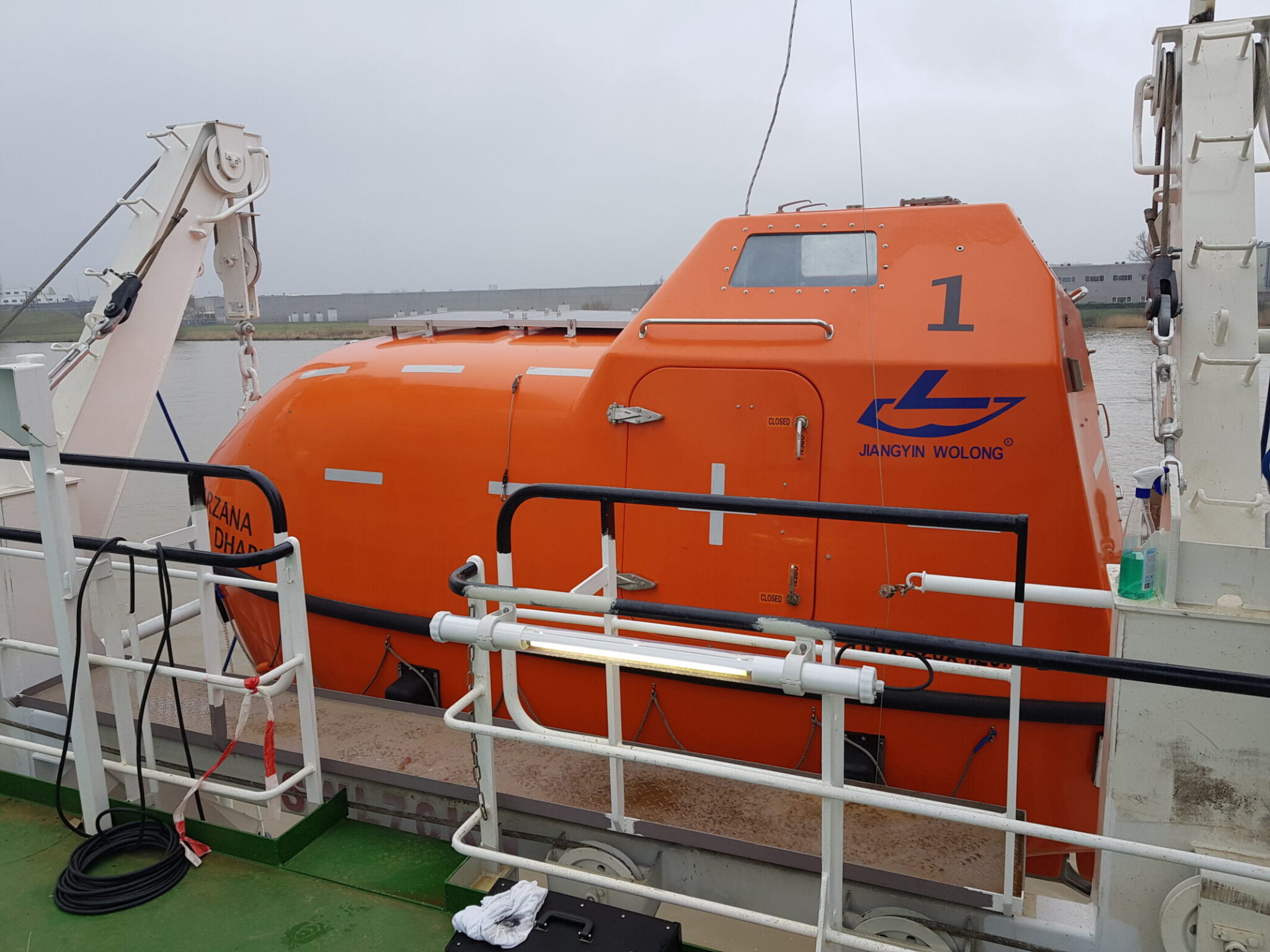
- Release hook Mechanismus Korrosion/Blockierung — KRITISCHER Sicherheitsfehler
- Diesel engine start failure due to lack of regular testing
- GRP hull osmotic blistering with prolonged water contact
- Scavenge air system valve failure
- Safety belt/harness aging due to UV/weather
- IMO approved and DNV recognised, ensuring compliance with SOLAS requirements
- Diesel winch provides rapid, high‑torque deployment of the lifeboat/raft
- Modular design fits lifeboats up to approximately 6.5 m in length
- Defined maintenance regime (weekly motor test, annual release‑hook service) supports reliability
- GFK launch cradle offers corrosion resistance compared with steel structures
- Release‑hook mechanism prone to corrosion or blockage if not serviced annually
- Diesel engine start failures reported when regular tests are missed
- GFK hull can develop osmotic blistering after prolonged water exposure
- Ventilation valve of the air‑supply system has documented failure cases
- Safety harnesses and straps age under UV and weather, requiring frequent replacement
- Release hook Mechanismus Korrosion/Blockierung — KRITISCHER Sicherheitsfehler
- Diesel engine start failure due to lack of regular testing
- GRP hull osmotic blistering with prolonged water contact
- Scavenge air system valve failure
- Safety belt/harness aging due to UV/weather
- IMO approval ensures compliance with SOLAS requirements
- Listed in DNV’s approval database (model 4530016 HH)
- Built‑in weekly diesel‑engine test routine (minimum 5 min) supports reliability
- Annual release‑hook maintenance per SOLAS MSC.402(96) extends service life
- Five‑year comprehensive inspection schedule aligns with classification society practices
- Release‑hook mechanism prone to corrosion or blockage if not maintained
- Diesel engine start failures reported when regular tests are missed
- GFK (glass‑fiber reinforced plastic) hull can develop osmotic blisters after prolonged water exposure
- Air‑supply valve may fail, compromising lifeboat ventilation
- Safety harnesses and webbing deteriorate under UV and weathering, requiring frequent replacement
- Release hook Mechanismus Korrosion/Blockierung — KRITISCHER Sicherheitsfehler
- Diesel engine start failure due to lack of regular testing
- GRP hull osmotic blistering with prolonged water contact
- Scavenge air system valve failure
- Safety belt/harness aging due to UV/weather
- IMO SOLAS and DNV type‑approved for high safety standards
- Integrated diesel engine enables self‑propelled launch without external power
- Robust hydraulic release mechanism designed for heavy‑weight lifeboats
- Modular maintenance schedule (weekly engine test, annual hook service) simplifies compliance
- Compatible with GFK hulls and can be fitted on a wide range of vessel sizes
- Release hook prone to corrosion or blockage if not serviced annually (critical safety risk)
- Diesel launch motor may fail to start after prolonged inactivity; requires strict weekly testing
- GFRP lifeboat hulls can develop osmotic blistering when exposed to water for long periods
- Ventilation valve of the air‑supply system has a history of malfunction
- Safety harnesses and webbing age under UV exposure, necessitating regular replacement
- Release hook Mechanismus Korrosion/Blockierung — KRITISCHER Sicherheitsfehler
- Diesel engine start failure due to lack of regular testing
- GRP hull osmotic blistering with prolonged water contact
- Scavenge air system valve failure
- Safety belt/harness aging due to UV/weather
- Motorised launch enables rapid deployment under adverse conditions
- IMO‑approved and DNV‑listed, meeting SOLAS MSC.402(96) requirements
- Compact footprint suitable for vessels with limited deck space
- GFRP (glass‑fibre reinforced plastic) hull provides low weight and corrosion resistance when maintained
- Optional "Lux" lighting improves night‑time visibility during launch
- Release‑hook mechanism prone to corrosion or blockage if not inspected regularly
- Diesel engine start failures reported when weekly test regime is missed
- GFRP hull can develop osmotic blistering after prolonged water exposure
- Air‑supply valve may fail, requiring vigilant inspection of the ventilation system
- Safety harnesses and webbing age quickly under UV and weather exposure
- Release hook Mechanismus Korrosion/Blockierung — KRITISCHER Sicherheitsfehler
- Diesel engine start failure due to lack of regular testing
- GRP hull osmotic blistering with prolonged water contact
- Scavenge air system valve failure
- Safety belt/harness aging due to UV/weather
- IMO approved and DNV recognised – meets SOLAS requirements for offshore and cargo vessels
- Self‑propelled diesel motor enables independent maneuvering after launch
- Compact 5.7 m GFK hull offers high strength‑to‑weight ratio, reducing deck load
- Weekly motor run‑test procedure built into service plan ensures readiness
- Annual release‑hook maintenance per SOLAS MSC.402(96) reduces risk of launch failure
- Release‑hook mechanism prone to corrosion or blockage if not inspected rigorously
- Diesel engine start failures reported when regular testing is missed
- GFK hull can develop osmotic blisters after prolonged water exposure
- Ventilation valve in the air‑supply system has a history of malfunction
- Safety harnesses and belts age quickly under UV and harsh weather, requiring frequent replacement
- Release hook Mechanismus Korrosion/Blockierung — KRITISCHER Sicherheitsfehler
- Diesel engine start failure due to lack of regular testing
- GRP hull osmotic blistering with prolonged water contact
- Scavenge air system valve failure
- Safety belt/harness aging due to UV/weather
- IMO and DNV approved – meets international safety regulations
- Compact 6.6 m capacity suitable for medium‑size vessels
- Integrated diesel launch motor enables independent operation
- Annual release‑hook service (SOLAS MSC.402(96)) ensures reliable release
- Weekly engine‑run test procedure built into maintenance plan
- Release‑hook mechanism prone to corrosion or blockage if not serviced
- Diesel start failures reported when regular tests are missed
- GFRP hull can develop osmotic blisters after prolonged water exposure
- Ventilation valve of the air‑supply system has documented failure cases
- Safety harnesses show UV and weather ageing, requiring frequent replacement
- Release hook Mechanismus Korrosion/Blockierung — KRITISCHER Sicherheitsfehler
- Diesel engine start failure due to lack of regular testing
- GRP hull osmotic blistering with prolonged water contact
- Scavenge air system valve failure
- Safety belt/harness aging due to UV/weather
- IMO SOLAS approval ensures regulatory compliance for all merchant vessels
- DNV listed model provides recognized classification support
- Integrated diesel launch motor allows rapid, powered lifeboat deployment
- GFK (glass‑fiber reinforced plastic) hull offers high strength‑to‑weight ratio and corrosion resistance compared with steel
- Defined maintenance regime (weekly motor test, annual hook service) supports readiness
- Release‑hook mechanism prone to corrosion or blockage – a critical safety risk if not serviced rigorously
- Diesel launch motor has documented start‑up failures when regular tests are missed
- GFK hull can develop osmotic blistering after prolonged water exposure
- Ventilation valve of the air‑supply system reported to fail, affecting breathable air provision
- Safety harnesses and webbing age quickly under UV and harsh weather, requiring frequent replacement
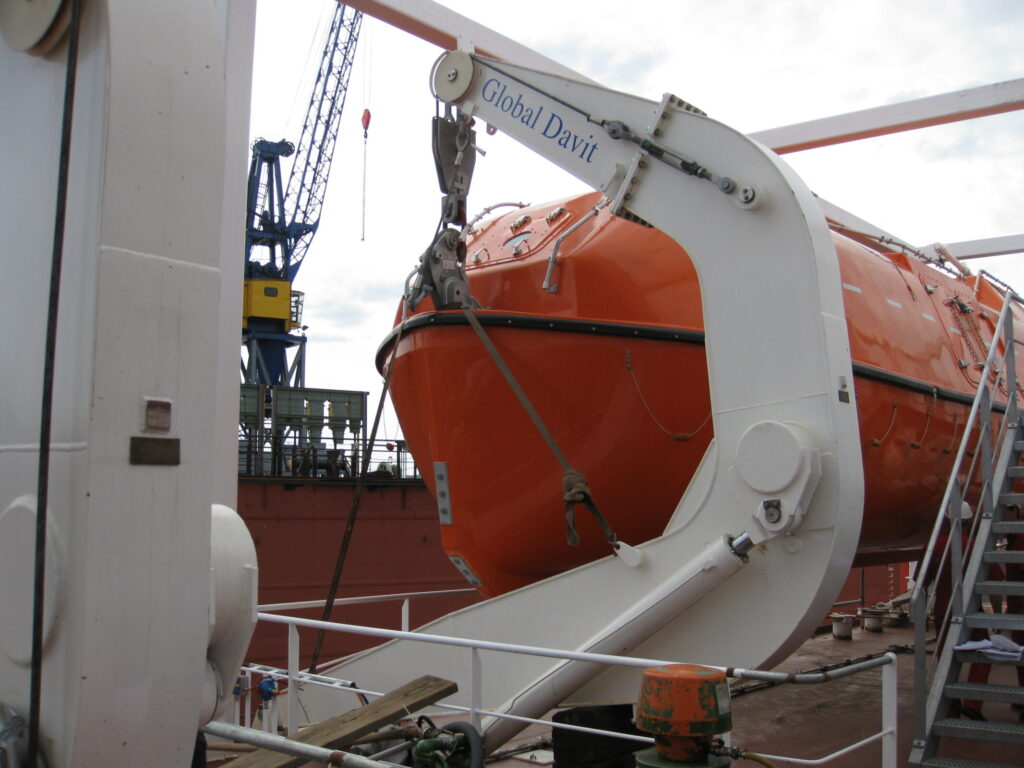
- Release hook Mechanismus Korrosion/Blockierung — KRITISCHER Sicherheitsfehler
- Diesel engine start failure due to lack of regular testing
- GRP hull osmotic blistering with prolonged water contact
- Scavenge air system valve failure
- Safety belt/harness aging due to UV/weather
- Integrated diesel engine enables self‑propelled launch without external power
- Stainless‑steel davit structure provides high corrosion resistance in marine environments
- IMO D‑2 and DNV approval ensure compliance with international lifesaving regulations
- Modular design allows installation on a wide range of vessel decks
- Standardised weekly motor test simplifies verification of launch readiness
- Release‑hook mechanism prone to corrosion or blockage if not maintained annually (critical safety risk)
- Diesel engine start failures reported when regular tests are missed
- GFK hull can develop osmotic blistering after prolonged water exposure
- Ventilation valve of the air‑supply system has shown occasional failure
- Safety harnesses and webbing degrade under UV and weather exposure, requiring frequent replacement
- Release hook Mechanismus Korrosion/Blockierung — KRITISCHER Sicherheitsfehler
- Diesel engine start failure due to lack of regular testing
- GRP hull osmotic blistering with prolonged water contact
- Scavenge air system valve failure
- Safety belt/harness aging due to UV/weather
- IMO SOLAS approved and DNV listed – recognised safety compliance
- Motorised launch allows rapid free‑fall deployment even in adverse sea states
- Integrated diesel engine provides self‑propulsion for the lifeboat after launch
- GFRP hull gives a high strength‑to‑weight ratio, reducing overall davit load
- Standardised release‑hook mechanism (SOLAS MSC.402(96)) enables quick manual override
- Release‑hook corrosion or blockage reported as critical safety issue if not maintained annually
- Diesel engine start failures occur when weekly test regime is missed
- GFRP hull can develop osmotic blistering after prolonged water exposure
- Ventilation valve of the air‑supply system has a history of malfunction
- Safety harnesses and webbing age rapidly under UV and harsh weather, requiring frequent replacement
- Release hook Mechanismus Korrosion/Blockierung — KRITISCHER Sicherheitsfehler
- Diesel engine start failure due to lack of regular testing
- GRP hull osmotic blistering with prolonged water contact
- Scavenge air system valve failure
- Safety belt/harness aging due to UV/weather
- IMO and DNV approved – meets SOLAS requirements for rapid evacuation
- Integrated diesel propulsion on the lifeboat enables self‑sailing after launch
- Compact footprint suitable for vessels with limited deck space
- Fast release mechanism (≤15 seconds) when properly maintained
- Standardised GFRP hull compatible with routine dockside inspections
- Release hook prone to corrosion or blockage if not serviced annually
- Diesel engine start failures reported when weekly test is missed
- GFRP hull can develop osmotic blisters after prolonged water exposure
- Ventilation valve of the air‑supply system has a history of malfunction
- Safety harnesses and webbing age quickly under UV and marine weather
- Release hook Mechanismus Korrosion/Blockierung — KRITISCHER Sicherheitsfehler
- Diesel engine start failure due to lack of regular testing
- GRP hull osmotic blistering with prolonged water contact
- Scavenge air system valve failure
- Safety belt/harness aging due to UV/weather
- Redundant dual‑arm design provides higher reliability during launch
- Integrated diesel engine allows independent operation without ship power
- IMO D‑2 and DNV approval meet international SOLAS requirements
- Modular maintenance schedule (weekly motor test, annual hook service) supports predictable upkeep
- GFK hull construction offers good corrosion resistance compared with steel
- Release‑hook mechanism prone to corrosion or blockage if not maintained
- Diesel engine may fail to start after periods of inactivity without regular testing
- GFK hull can develop osmotic blisters after prolonged water exposure
- Air‑supply valve failures have been reported in service history
- Safety harnesses age quickly under UV and weather exposure, requiring frequent replacement
- Release hook Mechanismus Korrosion/Blockierung — KRITISCHER Sicherheitsfehler
- Diesel engine start failure due to lack of regular testing
- GRP hull osmotic blistering with prolonged water contact
- Scavenge air system valve failure
- Safety belt/harness aging due to UV/weather
- IMO and DNV approved – meets international lifesaving regulations
- Powered diesel launch eliminates the need for manual winching, speeding evacuation
- Compact ZHP (Zero Height Pivot) design fits vessels with limited deck clearance
- Designed for a 8.1 m lifeboat, providing ample capacity for crew and passengers
- Clear maintenance schedule (weekly motor test, annual release‑hook service) supports reliability when followed
- Diesel engine start failures reported if weekly tests are missed
- Release hook mechanism can corrode or jam without diligent annual servicing
- GFK hull may develop osmotic blisters after prolonged water exposure
- Air‑supply valve has a history of occasional malfunction
- Safety harnesses and webbing age quickly under UV and harsh weather, requiring frequent replacement
- Release hook Mechanismus Korrosion/Blockierung — KRITISCHER Sicherheitsfehler
- Diesel engine start failure due to lack of regular testing
- GRP hull osmotic blistering with prolonged water contact
- Scavenge air system valve failure
- Safety belt/harness aging due to UV/weather
- IMO SOLAS approved and listed in the DNV approval finder – recognised by flag states.
- Integrated diesel motor enables rapid launch without external power supply.
- Compact davit arrangement suitable for medium‑size cargo vessels with limited deck space.
- GFRP hull provides a good strength‑to‑weight ratio compared with steel lifeboats.
- Clear maintenance schedule (weekly motor test, annual release‑hook service) aligns with SOLAS MSC.402(96).
- Release‑hook mechanism prone to corrosion or blockage if not serviced annually – a critical safety risk.
- Diesel winch start failures reported when regular testing is omitted.
- GFRP hull can develop osmotic blistering after prolonged water exposure.
- Ventilation valve of the air‑supply system has shown occasional failure, requiring spare parts stock.
- Safety harnesses and webbing age quickly under UV and weather exposure, increasing replacement cost.
- Release hook Mechanismus Korrosion/Blockierung — KRITISCHER Sicherheitsfehler
- Diesel engine start failure due to lack of regular testing
- GRP hull osmotic blistering with prolonged water contact
- Scavenge air system valve failure
- Safety belt/harness aging due to UV/weather
- IMO D‑2 approved and listed in the DNV approval finder, ensuring regulatory compliance
- Integrated diesel engine provides self‑propulsion, allowing launch without ship power
- Compact 5.5 m design fits a wide range of vessel decks where space is limited
- Hydraulic release mechanism enables rapid deployment when properly maintained
- Annual release‑hook service per SOLAS MSC.402(96) and weekly motor tests support high readiness
- Release‑hook corrosion or blockage reported as a critical safety issue if maintenance lapses
- Diesel engine start failures occur when the mandatory weekly test is missed
- GFK (glass‑fiber reinforced plastic) hull prone to osmotic blistering after prolonged water exposure
- Air‑supply valve reliability concerns have been noted in service reports
- Safety harnesses deteriorate under UV and weather exposure, requiring regular replacement
- Release hook Mechanismus Korrosion/Blockierung — KRITISCHER Sicherheitsfehler
- Diesel engine start failure due to lack of regular testing
- GRP hull osmotic blistering with prolonged water contact
- Scavenge air system valve failure
- Safety belt/harness aging due to UV/weather
- IMO D-2 approval confirmed (IMO approved true).
- Integrated motor test routine (weekly 5 min run) supports compliance with SOLAS MSC.402(96).
- Annual release‑hook maintenance prescribed by authorized service, reducing risk of corrosion‑related blockage.
- DNV listed in the approval finder database, indicating recognized classification society acceptance.
- Release‑hook mechanism prone to corrosion/blockage if not serviced annually – a critical safety issue.
- Diesel engine start failures reported when regular testing is omitted.
- GFK (glass‑fiber‑reinforced) hull may develop osmotic blistering after prolonged water exposure.
- Ventilation valve of the air‑supply system has a history of failure.
- Safety harnesses/straps age rapidly under UV and weather exposure, requiring frequent replacement.
- Release hook Mechanismus Korrosion/Blockierung — KRITISCHER Sicherheitsfehler
- Diesel engine start failure due to lack of regular testing
- GRP hull osmotic blistering with prolonged water contact
- Scavenge air system valve failure
- Safety belt/harness aging due to UV/weather
- IMO and DNV class approval ensures regulatory compliance.
- Integrated diesel engine provides rapid, self‑propelled launch capability.
- Release‑hook maintenance prescribed annually under SOLAS MSC.402(96).
- Weekly motor‑run test (minimum 5 min) supports operational readiness.
- Five‑year comprehensive inspection schedule aligns with class requirements.
- Release hook can suffer corrosion or blockage if not maintained rigorously.
- Diesel engine start failures have been reported when regular tests are missed.
- GFK hull may develop osmotic blistering after prolonged water exposure.
- Ventilation valve of the air‑supply system has a known failure mode.
- Safety harnesses and belts age quickly under UV and harsh weather conditions.
- Release hook Mechanismus Korrosion/Blockierung — KRITISCHER Sicherheitsfehler
- Diesel engine start failure due to lack of regular testing
- GRP hull osmotic blistering with prolonged water contact
- Scavenge air system valve failure
- Safety belt/harness aging due to UV/weather
- IMO approved and listed in DNV approval finder – recognized by flag states
- High load capacity (5.8 t) suitable for medium‑size lifeboats/rafts
- Integrated diesel motor enables rapid, powered launch without external winch
- Compact C17 davit geometry saves deck space on vessels with limited clearance
- GFRP hull provides corrosion resistance and low weight compared to steel
- Release‑hook mechanism prone to corrosion/blockage if annual service is missed (critical safety risk)
- Diesel launch motor can fail to start when weekly test regime is not strictly followed
- GFRP hull may develop osmotic blistering after prolonged water exposure, requiring dock‑side inspection
- Ventilation valve of the air‑supply system has a documented failure mode
- Safety harnesses and webbing age under UV and weather, needing regular replacement
- Release hook Mechanismus Korrosion/Blockierung — KRITISCHER Sicherheitsfehler
- Diesel engine start failure due to lack of regular testing
- GRP hull osmotic blistering with prolonged water contact
- Scavenge air system valve failure
- Safety belt/harness aging due to UV/weather
- IMO D‑2 approval ensures compliance with SOLAS requirements
- Integrated diesel engine provides self‑contained power for launch
- Release hook designed for rapid deployment and can be serviced annually per SOLAS MSC.402(96)
- GFRP (glass‑fiber reinforced plastic) hull offers corrosion resistance compared to steel lifeboats
- Defined maintenance regime (weekly motor test, 5‑year inspection) supports operational readiness
- Release hook mechanism prone to corrosion or blockage if not maintained rigorously
- Diesel engine start failures reported when regular testing is omitted
- GFRP hull can develop osmotic blistering after prolonged water exposure
- Ventilation valve of the air‑supply system has a history of failure
- Safety harnesses and webbing age quickly under UV and harsh weather, requiring frequent replacement
- Release hook Mechanismus Korrosion/Blockierung — KRITISCHER Sicherheitsfehler
- Diesel engine start failure due to lack of regular testing
- GRP hull osmotic blistering with prolonged water contact
- Scavenge air system valve failure
- Safety belt/harness aging due to UV/weather
- Integrated diesel engine enables rapid, self‑propelled launch without external power
- IMO approved and DNV listed, meeting SOLAS requirements for lifeboat davits
- Compact davit arrangement suitable for vessels with limited deck space
- Annual release‑hook overhaul (SOLAS MSC.402(96)) ensures compliance with critical safety standards
- Release‑hook mechanism prone to corrosion or blockage if not inspected rigorously
- GFR hull can develop osmotic blisters after prolonged water exposure, requiring dockside inspection
- Diesel engine must be tested weekly; missed tests increase risk of start‑up failure
- Ventilation and air‑supply valve failures have been reported in service bulletins
- Release hook Mechanismus Korrosion/Blockierung — KRITISCHER Sicherheitsfehler
- Diesel engine start failure due to lack of regular testing
- GRP hull osmotic blistering with prolonged water contact
- Scavenge air system valve failure
- Safety belt/harness aging due to UV/weather
- IMO‑approved and listed in DNV’s approval database, ensuring regulatory compliance
- Compact design suitable for medium‑size vessels with limited deck space
- Integrated diesel motor allows independent operation without ship power
- Defined maintenance regime (weekly motor test, annual release‑hook service) supports reliability
- Compatible with GFK‑hull lifeboats commonly used on modern cargo ships
- Release‑hook mechanism prone to corrosion or blockage if not inspected rigorously
- Diesel engine start failures reported when regular testing is omitted
- GFK hulls can develop osmotic blistering after prolonged water exposure
- Ventilation valve of the air‑supply system has a history of malfunction
- Safety harnesses and webbing age under UV and weather exposure, requiring periodic replacement
- Release hook Mechanismus Korrosion/Blockierung — KRITISCHER Sicherheitsfehler
- Diesel engine start failure due to lack of regular testing
- GRP hull osmotic blistering with prolonged water contact
- Scavenge air system valve failure
- Safety belt/harness aging due to UV/weather
- Full SOLAS/IMO compliance (MSC.402(96) requirement satisfied).
- Integrated diesel launch engine enables rapid deployment without external power.
- Annual release‑hook maintenance schedule defined by the manufacturer, ensuring predictable upkeep.
- Weekly motor‑run test (minimum 5 min) built into service procedures to verify readiness.
- Modular design compatible with GFRP hulls and standard lifeboat fittings.
- Release‑hook mechanism prone to corrosion or blockage if not serviced annually – a critical safety risk.
- Diesel engine start failures reported when regular test regime is neglected.
- GFK (glass‑fiber‑reinforced plastic) hull can develop osmotic blistering after prolonged water exposure.
- Ventilation valve of the air‑supply system has documented failure modes.
- Safety harnesses and webbing age rapidly under UV and harsh weather, requiring frequent replacement.
- Release hook Mechanismus Korrosion/Blockierung — KRITISCHER Sicherheitsfehler
- Diesel engine start failure due to lack of regular testing
- GRP hull osmotic blistering with prolonged water contact
- Scavenge air system valve failure
- Safety belt/harness aging due to UV/weather
- IMO‑approved launch solution with DNV recognition
- Integrated diesel engine provides rapid, self‑contained hoisting power
- Compact 6.5 m design fits medium‑size lifeboats on a wide range of vessels
- Clear maintenance schedule (weekly motor test, annual release‑hook service) aligns with SOLAS MSC.402(96)
- GFK hull construction offers corrosion resistance compared with steel when properly maintained
- Release‑hook mechanism prone to corrosion or blockage if not serviced annually
- Diesel start failures reported when routine testing is omitted
- GFK (fiberglass) hull can develop osmotic blisters after prolonged water exposure
- Air‑supply valve has a history of occasional failure, requiring spare parts on board
- Safety harnesses and webbing age quickly under UV and harsh weather, needing regular replacement
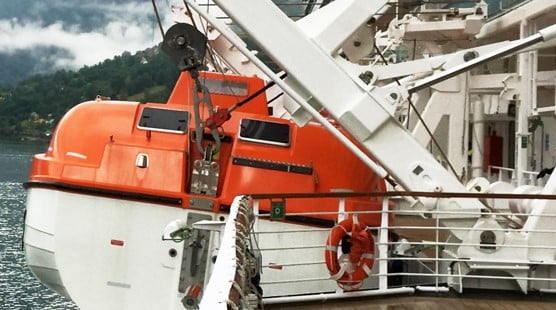
- Release hook Mechanismus Korrosion/Blockierung — KRITISCHER Sicherheitsfehler
- Diesel engine start failure due to lack of regular testing
- GRP hull osmotic blistering with prolonged water contact
- Scavenge air system valve failure
- Safety belt/harness aging due to UV/weather
- IMO‑approved and listed in DNV’s approval finder, ensuring regulatory compliance
- Integrated diesel engine provides self‑propelled launch without external power
- Compact davit arrangement suitable for vessels with limited deck space
- GFK hull offers a good strength‑to‑weight ratio and corrosion resistance when maintained
- Clear maintenance schedule (weekly motor test, annual hook service) aligns with SOLAS MSC.402(96)
- Release‑hook mechanism prone to corrosion or blockage if not inspected regularly
- Diesel engine start failures reported when weekly tests are missed
- GFK hull can develop osmotic blistering after prolonged water exposure
- Air‑supply valve reliability issues have been documented in service reports
- Safety harnesses and webbing age rapidly under UV and harsh weather, requiring frequent replacement
- Release hook Mechanismus Korrosion/Blockierung — KRITISCHER Sicherheitsfehler
- Diesel engine start failure due to lack of regular testing
- GRP hull osmotic blistering with prolonged water contact
- Scavenge air system valve failure
- Safety belt/harness aging due to UV/weather
- IMO approved and DNV recognised – meets SOLAS requirements out of the box
- Integrated diesel engine provides self‑contained launch power, enabling rapid deployment even without ship’s main power
- Hydraulic actuation delivers smooth, high‑force hoisting suitable for lifeboats up to 8.5 t
- Weekly motor‑run test and annual release‑hook service are prescribed, supporting predictable maintenance planning
- Modular design allows retrofit on existing deck structures with minimal structural alteration
- Release‑hook mechanism prone to corrosion or blockage if not inspected regularly – a critical safety risk
- Diesel start failures reported when routine weekly tests are missed
- GFRP (glass‑fiber reinforced plastic) hulls can develop osmotic blistering after prolonged water exposure
- Ventilation valve of the air‑supply system has shown occasional failure, requiring spare parts stock
- Safety harnesses and belts age under UV and weather exposure, necessitating periodic replacement
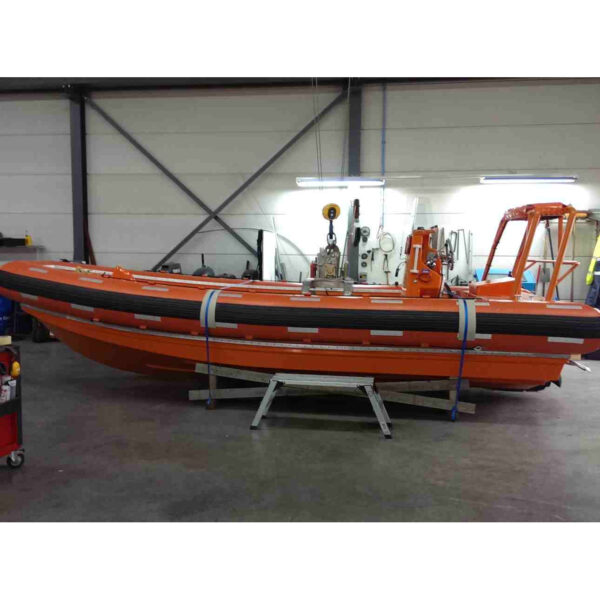
- Release hook Mechanismus Korrosion/Blockierung — KRITISCHER Sicherheitsfehler
- Diesel engine start failure due to lack of regular testing
- GRP hull osmotic blistering with prolonged water contact
- Scavenge air system valve failure
- Safety belt/harness aging due to UV/weather
- IMO and DNV approval ensures compliance with SOLAS requirements
- Integrated diesel engine provides high launch power independent of ship’s main power
- Hydraulic operation allows smooth, controlled lowering of the lifeboat
- Modular design fits a range of vessel deck layouts
- Defined maintenance regime (weekly motor test, annual hook service) supports reliability
- Release‑hook mechanism prone to corrosion or blockage if not serviced annually
- Diesel engine may fail to start after prolonged inactivity; requires strict testing
- GFK hull can develop osmotic blisters after extended water exposure
- Ventilation valve of the air‑supply system has recorded failures in service reports
- Safety harnesses and belts age quickly under UV and weather exposure
- Release hook Mechanismus Korrosion/Blockierung — KRITISCHER Sicherheitsfehler
- Diesel engine start failure due to lack of regular testing
- GRP hull osmotic blistering with prolonged water contact
- Scavenge air system valve failure
- Safety belt/harness aging due to UV/weather
- Compact davit arrangement suitable for vessels with limited deck space
- Self‑propelled lifeboat equipped with diesel engine for rapid maneuvering after launch
- IMO SOLAS and DNV approval (model listed in DNV approval finder)
- Defined maintenance regime – weekly motor test, annual release‑hook service, 5‑year full inspection
- Quick launch cycle (typically under 30 seconds) when properly maintained
- Release hook mechanism reported to corrode or jam if not serviced annually
- Diesel engine start failures observed after missed weekly tests
- Fiberglass (GFK) hull susceptible to osmotic blistering during prolonged water exposure
- Air‑supply valve can fail, affecting breathable air provision for survivors
- Safety harnesses/straps degrade under UV and weathering, requiring regular replacement
- Release hook Mechanismus Korrosion/Blockierung — KRITISCHER Sicherheitsfehler
- Diesel engine start failure due to lack of regular testing
- GRP hull osmotic blistering with prolonged water contact
- Scavenge air system valve failure
- Safety belt/harness aging due to UV/weather
- IMO‑approved and listed by DNV, ensuring regulatory compliance
- Off‑load design reduces manual handling and speeds launch operations
- Integrated motor test routine (weekly) supports reliable engine start
- Service plan aligned with SOLAS MSC.402(96) – annual hook inspection and 5‑year major survey
- Compact footprint suitable for medium‑size cargo vessels
- Release‑hook mechanism prone to corrosion or blockage if not maintained rigorously
- Diesel engine start failures reported when weekly tests are missed
- GFR hull can develop osmotic blisters after prolonged water exposure
- Air‑supply valve and safety harnesses have documented aging issues in harsh UV environments
- High maintenance demand: weekly motor test, annual hook service, regular hull inspections
- Release hook Mechanismus Korrosion/Blockierung — KRITISCHER Sicherheitsfehler
- Diesel engine start failure due to lack of regular testing
- GRP hull osmotic blistering with prolonged water contact
- Scavenge air system valve failure
- Safety belt/harness aging due to UV/weather
- Integrated diesel engine enables self‑contained, high‑speed launch without external power supply.
- Hydraulic release hook provides reliable, low‑effort lowering of the lifeboat.
- GFK hull offers corrosion resistance and lightweight strength for medium‑size lifeboats.
- Meets IMO D-2 and DNV approval requirements; compliant with SOLAS MSC.402(96).
- Weekly motor test procedure is simple (minimum 5 min) and documented.
- Release hook mechanism prone to corrosion or blockage if not serviced annually.
- Diesel engine start failures reported when regular testing is omitted.
- GFK hull can develop osmotic blistering after prolonged water exposure, requiring dock‑side inspection.
- Air supply valve and safety harnesses are subject to UV ageing; replacement intervals may be short.
- Maintenance intensity higher than fully electric davit solutions.
- Release hook Mechanismus Korrosion/Blockierung — KRITISCHER Sicherheitsfehler
- Diesel engine start failure due to lack of regular testing
- GRP hull osmotic blistering with prolonged water contact
- Scavenge air system valve failure
- Safety belt/harness aging due to UV/weather
- IMO D‑2 approval ensures compliance with SOLAS requirements
- Integrated diesel launch motor enables rapid, powered lifeboat deployment
- Annual release‑hook maintenance per SOLAS MSC.402(96) reduces risk of blockage
- Modular design allows installation on a wide range of vessel decks
- 5‑year basic inspection aligns with class society schedules
- Release‑hook corrosion or blockage has been reported as a critical safety issue
- Diesel engine requires weekly functional testing; missed tests can cause start failure
- GFK hull is susceptible to osmotic blistering after prolonged water exposure
- Air‑supply valve failures have occurred, demanding extra redundancy checks
- Safety harnesses age quickly under UV and weather exposure
- Release hook Mechanismus Korrosion/Blockierung — KRITISCHER Sicherheitsfehler
- Diesel engine start failure due to lack of regular testing
- GRP hull osmotic blistering with prolonged water contact
- Scavenge air system valve failure
- Safety belt/harness aging due to UV/weather
- IMO SOLAS approved with DNV verification (model MEDB000056J)
- Integrated diesel winch provides reliable power for rapid launches
- Weekly motor test requirement ensures operational readiness
- GFRP launch cradle offers corrosion resistance and low weight
- Annual release‑hook service aligns with SOLAS MSC.402(96) requirements
- Release‑hook mechanism prone to corrosion or blockage if not maintained
- Diesel engine may fail to start after prolonged inactivity without testing
- GFRP hull can develop osmotic blistering after extended water exposure
- Ventilation valve of the air‑supply system reported to malfunction
- Safety harnesses and straps degrade under UV and weather exposure, requiring regular replacement
- Release hook Mechanismus Korrosion/Blockierung — KRITISCHER Sicherheitsfehler
- Diesel engine start failure due to lack of regular testing
- GRP hull osmotic blistering with prolonged water contact
- Scavenge air system valve failure
- Safety belt/harness aging due to UV/weather
- Integrated diesel engine enables self‑propelled launch without external power supply
- Fully IMO and DNV approved, meeting SOLAS requirements for lifeboat davits
- Compact hydraulic design fits vessels with limited deck space
- GFRP hull provides high strength‑to‑weight ratio, reducing overall load on the ship
- Weekly motor‑run test protocol ensures launch readiness
- Release hook mechanism can corrode or jam if not serviced annually
- Diesel engine start failures reported when regular tests are missed
- GFRP hull may develop osmotic blistering after prolonged water exposure
- Air‑supply ventilation valve has a history of malfunction
- Safety harnesses and webbing age quickly under UV and weather exposure
- Release hook Mechanismus Korrosion/Blockierung — KRITISCHER Sicherheitsfehler
- Diesel engine start failure due to lack of regular testing
- GRP hull osmotic blistering with prolonged water contact
- Scavenge air system valve failure
- Safety belt/harness aging due to UV/weather
- IMO‑approved and DNV‑certified for SOLAS‑compliant lifeboat launch
- Integrated diesel engine enables self‑contained launch without external power supply
- Compact footprint suitable for vessels with limited deck space
- Quick‑release hook mechanism allows rapid manual release if needed
- Modular design facilitates installation on a wide range of vessel types
- Release‑hook prone to corrosion/blockage if not maintained per SOLAS MSC.402(96)
- Diesel engine requires weekly start‑up tests; failure risk if testing is neglected
- GFK hull of the lifeboat can develop osmotic blisters after prolonged water exposure
- Ventilation valve in the air‑supply system has documented failure modes
- Safety harnesses and webbing age quickly under UV and harsh weather, needing regular replacement
- Release hook Mechanismus Korrosion/Blockierung — KRITISCHER Sicherheitsfehler
- Diesel engine start failure due to lack of regular testing
- GRP hull osmotic blistering with prolonged water contact
- Scavenge air system valve failure
- Safety belt/harness aging due to UV/weather
- IMO and DNV approved – meets international safety regulations
- Integrated diesel engine provides independent launch capability
- Weekly motor‑run test (≥5 min) ensures readiness of the propulsion system
- Annual release‑hook inspection per SOLAS MSC.402(96) reduces risk of hook blockage
- GFRP hull offers corrosion resistance compared with steel lifeboats
- Release‑hook mechanism prone to corrosion/blockage if not maintained rigorously
- Diesel engine start failures reported when regular tests are missed
- Long‑term water exposure can cause osmotic blistering of the GFRP hull
- Ventilation valve in the air‑supply system has a history of failure
- Safety harnesses and straps age quickly under UV and harsh weather
- Release hook Mechanismus Korrosion/Blockierung — KRITISCHER Sicherheitsfehler
- Diesel engine start failure due to lack of regular testing
- GRP hull osmotic blistering with prolonged water contact
- Scavenge air system valve failure
- Safety belt/harness aging due to UV/weather
- IMO and DNV approved – meets SOLAS and classification requirements
- Integrated diesel winch allows rapid, powered lifeboat deployment
- Weekly engine‑run test and annual release‑hook service are defined in the manual (SOLAS MSC.402(96))
- Compact 6.5 m lifeboat size fits on medium‑sized vessels while providing adequate survivor capacity
- Five‑year major inspection schedule aligns with typical class survey cycles
- Release‑hook mechanism prone to corrosion/blockage if not serviced annually
- Diesel engine start failures reported when regular tests are missed
- GFK hull can develop osmotic blisters after prolonged water exposure
- Ventilation valve of the air‑supply system has a history of failure
- Safety harnesses and belts age quickly under UV and harsh weather
- Release hook Mechanismus Korrosion/Blockierung — KRITISCHER Sicherheitsfehler
- Diesel engine start failure due to lack of regular testing
- GRP hull osmotic blistering with prolonged water contact
- Scavenge air system valve failure
- Safety belt/harness aging due to UV/weather
- IMO and DNV approved – meets SOLAS requirements out of the box
- Self‑propelled 7.4 m GFRP lifeboat with built‑in diesel engine for independent maneuvering
- Compact footprint suitable for vessels with limited deck space
- Hydraulic launch provides fast, controlled lowering; manual backup available
- Standardised release hook and winch components approved under SOLAS MSC.402(96)
- Release‑hook mechanism prone to corrosion or blockage if not serviced annually
- Diesel engine start failures reported when weekly test regime is missed
- GFRP hull can develop osmotic blistering after prolonged water exposure
- Ventilation valve of the air‑supply system has a history of occasional failure
- High maintenance cadence (weekly motor run, annual hook service, 5‑year inspection) required
- Release hook Mechanismus Korrosion/Blockierung — KRITISCHER Sicherheitsfehler
- Diesel engine start failure due to lack of regular testing
- GRP hull osmotic blistering with prolonged water contact
- Scavenge air system valve failure
- Safety belt/harness aging due to UV/weather
- Motorised launch eliminates heavy manual handling and speeds up deployment.
- Integrated release hook complies with SOLAS MSC.402(96) and can be serviced annually.
- Weekly engine run‑test (minimum 5 min) ensures propulsion reliability.
- Approved by IMO and DNV, confirming compliance with international lifesaving regulations.
- Designed for use with GFK hulls, allowing lightweight lifeboats.
- Release hook can suffer corrosion or blockage if not maintained rigorously.
- Diesel engine may fail to start after prolonged inactivity; requires strict test regime.
- GFK hulls are prone to osmotic blistering when exposed to water for extended periods.
- Ventilation valve in the air‑supply system has a history of malfunction.
- Safety harnesses and belts age under UV and weather exposure, needing regular replacement.
- Release hook Mechanismus Korrosion/Blockierung — KRITISCHER Sicherheitsfehler
- Diesel engine start failure due to lack of regular testing
- GRP hull osmotic blistering with prolonged water contact
- Scavenge air system valve failure
- Safety belt/harness aging due to UV/weather
- IMO‑type approved and DNV class certified – meets SOLAS MSC.402(96) requirements
- Integrated diesel motor provides self‑contained, fast launch capability
- Weekly motor‑run test (≥5 min) built into service regime ensures readiness
- Annual release‑hook inspection by authorised service reduces risk of blockage
- GFRP (glass‑fiber reinforced plastic) hull offers high strength‑to‑weight ratio
- Release‑hook mechanism prone to corrosion or blockage if maintenance lapses
- Diesel engine start failures reported when regular tests are missed
- GFRP hull can develop osmotic blistering after prolonged water exposure
- Air‑supply valve has a history of occasional failure
- Safety harnesses/straps age rapidly under UV and weather exposure
- Release hook Mechanismus Korrosion/Blockierung — KRITISCHER Sicherheitsfehler
- Diesel engine start failure due to lack of regular testing
- GRP hull osmotic blistering with prolonged water contact
- Scavenge air system valve failure
- Safety belt/harness aging due to UV/weather
- IMO D‑2 and DNV approved – meets SOLAS requirements for lifeboat launching
- Compact footprint suitable for vessels with limited deck space
- Integrated diesel winch provides high launch power for up to 9 m lifeboats
- Defined maintenance regime (weekly motor test, annual hook service) supports reliability
- GFK hull of the lifeboat keeps weight low and improves handling
- Release‑hook mechanism prone to corrosion or blockage if not serviced annually
- Diesel winch may fail to start when regular tests are missed
- GFK hull can develop osmotic blisters after prolonged water exposure
- Air‑supply valve has a history of occasional failure
- Safety harnesses age quickly under UV and weather, requiring frequent replacement
- Release hook Mechanismus Korrosion/Blockierung — KRITISCHER Sicherheitsfehler
- Diesel engine start failure due to lack of regular testing
- GRP hull osmotic blistering with prolonged water contact
- Scavenge air system valve failure
- Safety belt/harness aging due to UV/weather
- IMO‑approved and DNV listed, ensuring compliance with SOLAS requirements
- Integrated diesel motor allows independent operation without ship power
- Compact design suitable for medium‑size cargo vessels
- Annual release‑hook inspection per SOLAS MSC.402(96) simplifies regulatory compliance
- Release‑hook mechanism prone to corrosion/blockage if not maintained rigorously
- Diesel engine start failures reported when weekly tests are missed
- GFK hull can develop osmotic blisters after prolonged water exposure
- Ventilation valve of the air‑supply system has a history of failure
- Release hook Mechanismus Korrosion/Blockierung — KRITISCHER Sicherheitsfehler
- Diesel engine start failure due to lack of regular testing
- GRP hull osmotic blistering with prolonged water contact
- Scavenge air system valve failure
- Safety belt/harness aging due to UV/weather
- IMO and DNV approved – meets the mandatory regulatory framework for lifesaving appliances.
- Compact 6.6 m davit suitable for vessels with limited deck space while still handling medium‑size lifeboats.
- Integrated diesel winch allows rapid hoist and lowering; weekly motor test procedure is prescribed to verify readiness.
- Annual release‑hook maintenance (SOLAS MSC.402(96)) helps ensure reliable operation when performed by approved service providers.
- GFK hull construction provides corrosion resistance compared with steel, beneficial for long‑term exposure to seawater.
- Release‑hook mechanism prone to corrosion or blockage if not maintained rigorously – identified as a critical safety failure.
- Diesel engine start failures have occurred when regular testing is omitted; reliance on mechanical start adds complexity.
- GFK hull can develop osmotic blistering after prolonged water contact, requiring dockside inspection and possible repairs.
- Ventilation‑valve of the air‑supply system has a documented failure mode, impacting lifeboat habitability during launch.
- Safety belts and harnesses age under UV exposure, necessitating periodic replacement to retain certification compliance.
- Release hook Mechanismus Korrosion/Blockierung — KRITISCHER Sicherheitsfehler
- Diesel engine start failure due to lack of regular testing
- GRP hull osmotic blistering with prolonged water contact
- Scavenge air system valve failure
- Safety belt/harness aging due to UV/weather
- Fully IMO D‑2 approved and DNV certified – meets SOLAS launch requirements
- Integrated diesel engine enables self‑propelled lifeboat operation after launch
- Compact footprint suitable for vessels with limited deck space
- Rapid, single‑handed release via hydraulic hook mechanism
- Standardised service intervals (weekly motor test, annual hook maintenance) simplify compliance
- Release‑hook corrosion or blockage reported as a critical safety issue if not maintained
- Diesel start failures occur when weekly engine tests are missed
- GFK hull can develop osmotic blisters after prolonged water exposure
- Ventilation valve of the air‑supply system has shown occasional failure
- Safety harnesses age quickly under UV and harsh weather, requiring regular replacement
- Release hook Mechanismus Korrosion/Blockierung — KRITISCHER Sicherheitsfehler
- Diesel engine start failure due to lack of regular testing
- GRP hull osmotic blistering with prolonged water contact
- Scavenge air system valve failure
- Safety belt/harness aging due to UV/weather
- IMO SOLAS approved and listed by DNV, ensuring regulatory compliance
- Integrated diesel motor provides rapid launch without external power supply
- Compact footprint suitable for vessels with limited deck space
- GFRP hull offers good corrosion resistance compared with steel constructions
- Weekly engine‑run test protocol supports high operational readiness
- Release hook mechanism can corrode or jam if not serviced annually
- Diesel engine may fail to start after periods of inactivity; requires regular testing
- GFRP hull is susceptible to osmotic blistering after prolonged water exposure
- Air‑supply ventilation valve has reported failure incidents
- Safety harnesses and straps age quickly under UV and weather, needing frequent replacement
- Release hook Mechanismus Korrosion/Blockierung — KRITISCHER Sicherheitsfehler
- Diesel engine start failure due to lack of regular testing
- GRP hull osmotic blistering with prolonged water contact
- Scavenge air system valve failure
- Safety belt/harness aging due to UV/weather
- IMO SOLAS approved and DNV listed – recognised safety compliance
- Integrated diesel engine provides rapid, self‑propelled launch without external power
- Compact davit arrangement suitable for vessels with limited deck space
- Defined maintenance regime (weekly motor test, annual hook service) supports reliability
- Release‑hook mechanism prone to corrosion/blockage if not serviced annually
- Diesel engine start failures reported when regular tests are missed
- GFK hull can develop osmotic blisters after prolonged water exposure
- Ventilation valve of the air‑supply system has a history of malfunction
- Safety harnesses age quickly under UV and weather exposure
- Release hook Mechanismus Korrosion/Blockierung — KRITISCHER Sicherheitsfehler
- Diesel engine start failure due to lack of regular testing
- GRP hull osmotic blistering with prolonged water contact
- Scavenge air system valve failure
- Safety belt/harness aging due to UV/weather
- Gravity‑driven launch eliminates reliance on powered winches during an emergency
- Fully IMO SOLAS and DNV approved, meeting international LSA regulations
- Compact design suited for ships with limited deck space but high freeboard
- Integrated release hook system with mandatory annual service per MSC.402(96)
- Optional motorised recovery winch enables rapid retrieval after launch
- Release‑hook mechanism can corrode or jam if maintenance is missed
- GFRP hull may develop osmotic blisters after prolonged water exposure
- Equipped diesel engine requires weekly start‑up tests to avoid failure
- Higher upfront cost compared with conventional davit systems
- Requires sufficient deck height for safe free‑fall trajectory, limiting applicability on low‑freeboard vessels
- Release hook Mechanismus Korrosion/Blockierung — KRITISCHER Sicherheitsfehler
- Diesel engine start failure due to lack of regular testing
- GRP hull osmotic blistering with prolonged water contact
- Scavenge air system valve failure
- Safety belt/harness aging due to UV/weather
- IMO‑approved and DNV‑certified, ensuring compliance with SOLAS requirements
- Integrated diesel engine provides rapid, powered lifeboat deployment independent of ship motion
- Modular steel davit arms give high load capacity and durability in harsh marine environments
- Lightweight GFRP hull reduces overall weight while maintaining sufficient buoyancy
- Standardised weekly motor‑test procedure simplifies operational readiness verification
- Release‑hook mechanism prone to corrosion or blockage if not maintained annually (critical safety risk)
- Diesel engine start failures reported when regular test intervals are missed
- GFRP hull can develop osmotic blistering after prolonged water exposure, requiring dockside inspection
- Ventilation valve of the air‑supply system has documented failure modes
- Safety harnesses and belts age under UV and weather exposure, needing periodic replacement
- Release hook Mechanismus Korrosion/Blockierung — KRITISCHER Sicherheitsfehler
- Diesel engine start failure due to lack of regular testing
- GRP hull osmotic blistering with prolonged water contact
- Scavenge air system valve failure
- Safety belt/harness aging due to UV/weather
- Compliant with IMO regulations
- Regular maintenance can help prevent motor start failures and corrosion issues
- Annual inspection of the release hook by a certified service provider is recommended
- History of corrosion and blockage issues with the release hook mechanism
- Diesel engine start failures due to lack of regular testing have been reported
- GFK hull may be prone to osmotic blistering after prolonged water exposure
- Release hook Mechanismus Korrosion/Blockierung — KRITISCHER Sicherheitsfehler
- Diesel engine start failure due to lack of regular testing
- GRP hull osmotic blistering with prolonged water contact
- Scavenge air system valve failure
- Safety belt/harness aging due to UV/weather
- Compliant with IMO and DNV regulations
- Regular maintenance can prevent motor start failures and corrosion issues
- GFK-Rumpf inspection can detect osmosis blisters before they become critical
- Release hook mechanism is prone to corrosion or blockage, requiring regular attention
- Diesel engine start failures can occur due to lack of regular testing
- Air supply system vent failure has been reported in the past
- Release hook Mechanismus Korrosion/Blockierung — KRITISCHER Sicherheitsfehler
- Diesel engine start failure due to lack of regular testing
- GRP hull osmotic blistering with prolonged water contact
- Scavenge air system valve failure
- Safety belt/harness aging due to UV/weather
- High-capacity davit system with multiple configuration options
- Compliant with IMO regulations and SOLAS requirements
- Regular maintenance can be performed by authorized service personnel
- Potential corrosion issues with release hook mechanism
- Diesel motor start-up failures due to lack of regular testing
- GFK hull osmosis formation in prolonged water contact
- Release hook Mechanismus Korrosion/Blockierung — KRITISCHER Sicherheitsfehler
- Diesel engine start failure due to lack of regular testing
- GRP hull osmotic blistering with prolonged water contact
- Scavenge air system valve failure
- Safety belt/harness aging due to UV/weather
- Compliant with IMO regulations and SOLAS requirements
- Regular maintenance can help prevent motor start failures and corrosion issues
- Annual inspection of the release hook by a certified service is recommended
- History of corrosion/blockage issues with the release hook mechanism
- Diesel engine start failure due to lack of regular testing
- GFK hull osmosis can occur with prolonged water contact
- Release hook Mechanismus Korrosion/Blockierung — KRITISCHER Sicherheitsfehler
- Diesel engine start failure due to lack of regular testing
- GRP hull osmotic blistering with prolonged water contact
- Scavenge air system valve failure
- Safety belt/harness aging due to UV/weather
- Compliant with IMO regulations and SOLAS requirements
- Regular maintenance recommended to prevent release hook mechanism corrosion/blockage
- Diesel motor start-up issues can be mitigated through regular testing
- GFK-rumpf osmosis bubble formation may occur after prolonged water exposure
- Air supply system vent failure is a potential issue
- Safety harness/gear aging due to UV/weather exposure is a concern

- Release hook Mechanismus Korrosion/Blockierung — KRITISCHER Sicherheitsfehler
- Diesel engine start failure due to lack of regular testing
- GRP hull osmotic blistering with prolonged water contact
- Scavenge air system valve failure
- Safety belt/harness aging due to UV/weather
- High-strength duplex stainless steel construction for improved corrosion resistance
- Compact design for reduced space requirements on vessels
- Easy maintenance access for regular inspections and repairs
- Release hook mechanism prone to corrosion or blockage, posing a critical safety risk if not properly maintained
- Diesel motor start-up failures due to inadequate regular testing
- GFK hull osmosis formation during prolonged water exposure requires regular inspection
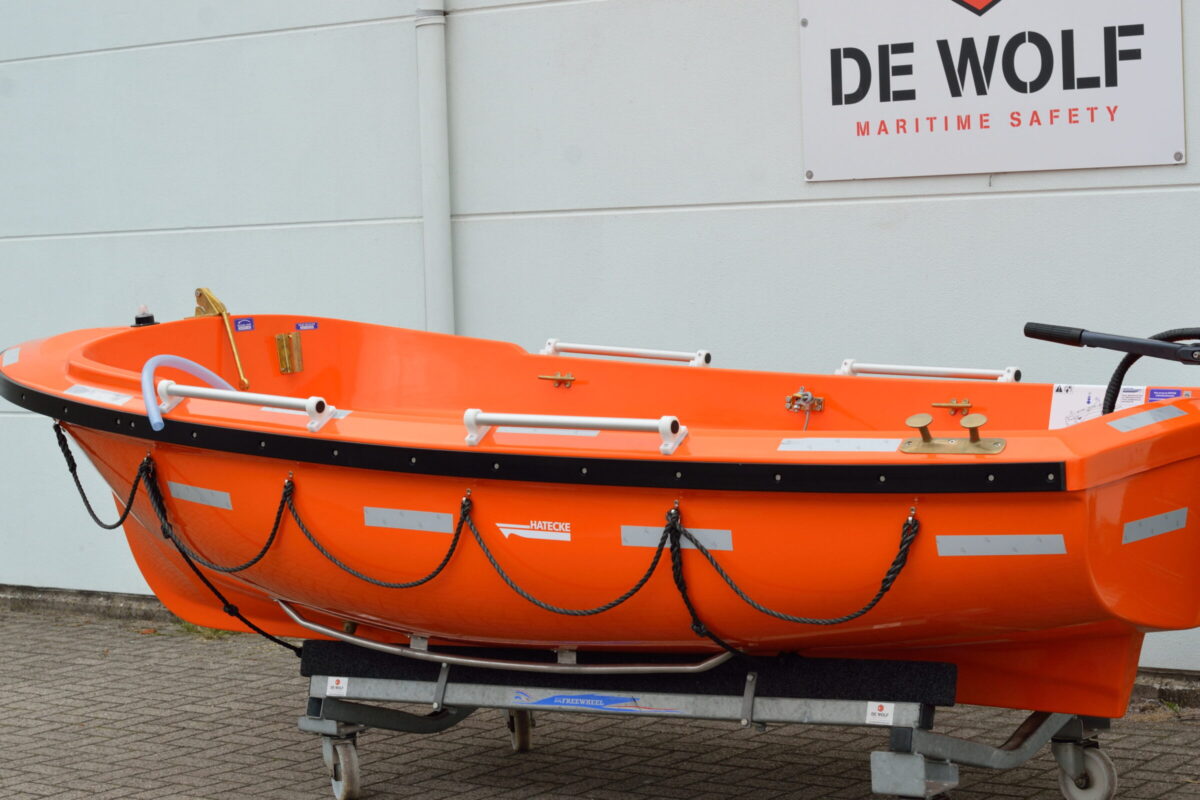
- Release hook Mechanismus Korrosion/Blockierung — KRITISCHER Sicherheitsfehler
- Diesel engine start failure due to lack of regular testing
- GRP hull osmotic blistering with prolonged water contact
- Scavenge air system valve failure
- Safety belt/harness aging due to UV/weather
- Release hook Mechanismus Korrosion/Blockierung — KRITISCHER Sicherheitsfehler
- Diesel engine start failure due to lack of regular testing
- GRP hull osmotic blistering with prolonged water contact
- Scavenge air system valve failure
- Safety belt/harness aging due to UV/weather
- Release hook Mechanismus Korrosion/Blockierung — KRITISCHER Sicherheitsfehler
- Diesel engine start failure due to lack of regular testing
- GRP hull osmotic blistering with prolonged water contact
- Scavenge air system valve failure
- Safety belt/harness aging due to UV/weather
- Release hook Mechanismus Korrosion/Blockierung — KRITISCHER Sicherheitsfehler
- Diesel engine start failure due to lack of regular testing
- GRP hull osmotic blistering with prolonged water contact
- Scavenge air system valve failure
- Safety belt/harness aging due to UV/weather
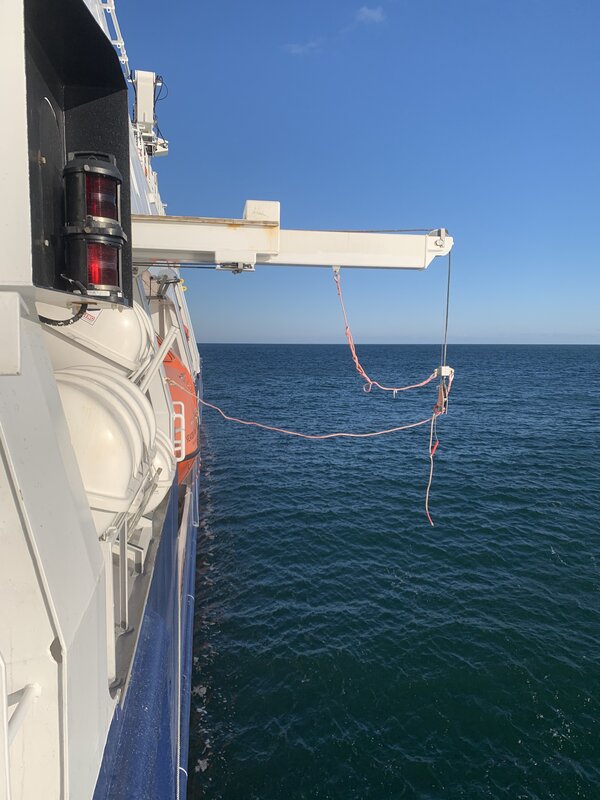
- Release hook Mechanismus Korrosion/Blockierung — KRITISCHER Sicherheitsfehler
- Diesel engine start failure due to lack of regular testing
- GRP hull osmotic blistering with prolonged water contact
- Scavenge air system valve failure
- Safety belt/harness aging due to UV/weather
- Release hook Mechanismus Korrosion/Blockierung — KRITISCHER Sicherheitsfehler
- Diesel engine start failure due to lack of regular testing
- GRP hull osmotic blistering with prolonged water contact
- Scavenge air system valve failure
- Safety belt/harness aging due to UV/weather
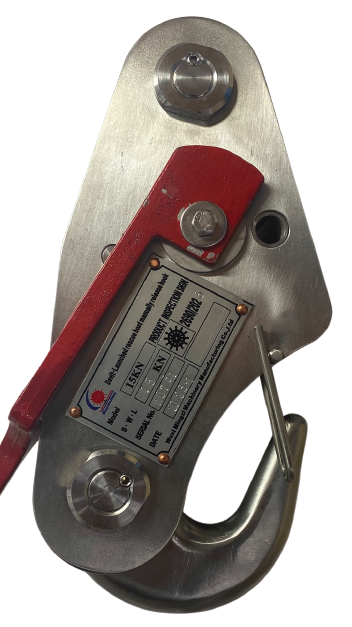
- Release hook Mechanismus Korrosion/Blockierung — KRITISCHER Sicherheitsfehler
- Diesel engine start failure due to lack of regular testing
- GRP hull osmotic blistering with prolonged water contact
- Scavenge air system valve failure
- Safety belt/harness aging due to UV/weather
- Release hook Mechanismus Korrosion/Blockierung — KRITISCHER Sicherheitsfehler
- Diesel engine start failure due to lack of regular testing
- GRP hull osmotic blistering with prolonged water contact
- Scavenge air system valve failure
- Safety belt/harness aging due to UV/weather
- Release hook Mechanismus Korrosion/Blockierung — KRITISCHER Sicherheitsfehler
- Diesel engine start failure due to lack of regular testing
- GRP hull osmotic blistering with prolonged water contact
- Scavenge air system valve failure
- Safety belt/harness aging due to UV/weather
- Release hook Mechanismus Korrosion/Blockierung — KRITISCHER Sicherheitsfehler
- Diesel engine start failure due to lack of regular testing
- GRP hull osmotic blistering with prolonged water contact
- Scavenge air system valve failure
- Safety belt/harness aging due to UV/weather
- Release hook Mechanismus Korrosion/Blockierung — KRITISCHER Sicherheitsfehler
- Diesel engine start failure due to lack of regular testing
- GRP hull osmotic blistering with prolonged water contact
- Scavenge air system valve failure
- Safety belt/harness aging due to UV/weather
- Release hook Mechanismus Korrosion/Blockierung — KRITISCHER Sicherheitsfehler
- Diesel engine start failure due to lack of regular testing
- GRP hull osmotic blistering with prolonged water contact
- Scavenge air system valve failure
- Safety belt/harness aging due to UV/weather
- Release hook Mechanismus Korrosion/Blockierung — KRITISCHER Sicherheitsfehler
- Diesel engine start failure due to lack of regular testing
- GRP hull osmotic blistering with prolonged water contact
- Scavenge air system valve failure
- Safety belt/harness aging due to UV/weather
- Release hook Mechanismus Korrosion/Blockierung — KRITISCHER Sicherheitsfehler
- Diesel engine start failure due to lack of regular testing
- GRP hull osmotic blistering with prolonged water contact
- Scavenge air system valve failure
- Safety belt/harness aging due to UV/weather
- Release hook Mechanismus Korrosion/Blockierung — KRITISCHER Sicherheitsfehler
- Diesel engine start failure due to lack of regular testing
- GRP hull osmotic blistering with prolonged water contact
- Scavenge air system valve failure
- Safety belt/harness aging due to UV/weather
- Release hook Mechanismus Korrosion/Blockierung — KRITISCHER Sicherheitsfehler
- Diesel engine start failure due to lack of regular testing
- GRP hull osmotic blistering with prolonged water contact
- Scavenge air system valve failure
- Safety belt/harness aging due to UV/weather
- Release hook Mechanismus Korrosion/Blockierung — KRITISCHER Sicherheitsfehler
- Diesel engine start failure due to lack of regular testing
- GRP hull osmotic blistering with prolonged water contact
- Scavenge air system valve failure
- Safety belt/harness aging due to UV/weather
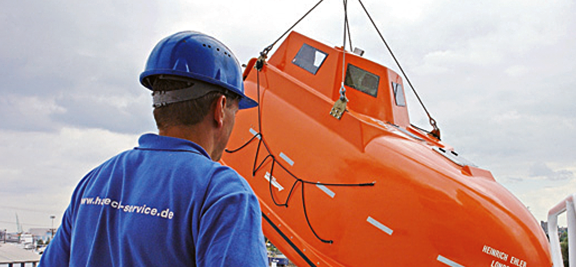
- Release hook Mechanismus Korrosion/Blockierung — KRITISCHER Sicherheitsfehler
- Diesel engine start failure due to lack of regular testing
- GRP hull osmotic blistering with prolonged water contact
- Scavenge air system valve failure
- Safety belt/harness aging due to UV/weather
- Release hook Mechanismus Korrosion/Blockierung — KRITISCHER Sicherheitsfehler
- Diesel engine start failure due to lack of regular testing
- GRP hull osmotic blistering with prolonged water contact
- Scavenge air system valve failure
- Safety belt/harness aging due to UV/weather
- Release hook Mechanismus Korrosion/Blockierung — KRITISCHER Sicherheitsfehler
- Diesel engine start failure due to lack of regular testing
- GRP hull osmotic blistering with prolonged water contact
- Scavenge air system valve failure
- Safety belt/harness aging due to UV/weather
- Release hook Mechanismus Korrosion/Blockierung — KRITISCHER Sicherheitsfehler
- Diesel engine start failure due to lack of regular testing
- GRP hull osmotic blistering with prolonged water contact
- Scavenge air system valve failure
- Safety belt/harness aging due to UV/weather
- Release hook Mechanismus Korrosion/Blockierung — KRITISCHER Sicherheitsfehler
- Diesel engine start failure due to lack of regular testing
- GRP hull osmotic blistering with prolonged water contact
- Scavenge air system valve failure
- Safety belt/harness aging due to UV/weather
- Release hook Mechanismus Korrosion/Blockierung — KRITISCHER Sicherheitsfehler
- Diesel engine start failure due to lack of regular testing
- GRP hull osmotic blistering with prolonged water contact
- Scavenge air system valve failure
- Safety belt/harness aging due to UV/weather
- Release hook Mechanismus Korrosion/Blockierung — KRITISCHER Sicherheitsfehler
- Diesel engine start failure due to lack of regular testing
- GRP hull osmotic blistering with prolonged water contact
- Scavenge air system valve failure
- Safety belt/harness aging due to UV/weather
- Release hook Mechanismus Korrosion/Blockierung — KRITISCHER Sicherheitsfehler
- Diesel engine start failure due to lack of regular testing
- GRP hull osmotic blistering with prolonged water contact
- Scavenge air system valve failure
- Safety belt/harness aging due to UV/weather
- Release hook Mechanismus Korrosion/Blockierung — KRITISCHER Sicherheitsfehler
- Diesel engine start failure due to lack of regular testing
- GRP hull osmotic blistering with prolonged water contact
- Scavenge air system valve failure
- Safety belt/harness aging due to UV/weather
- Release hook Mechanismus Korrosion/Blockierung — KRITISCHER Sicherheitsfehler
- Diesel engine start failure due to lack of regular testing
- GRP hull osmotic blistering with prolonged water contact
- Scavenge air system valve failure
- Safety belt/harness aging due to UV/weather
- Release hook Mechanismus Korrosion/Blockierung — KRITISCHER Sicherheitsfehler
- Diesel engine start failure due to lack of regular testing
- GRP hull osmotic blistering with prolonged water contact
- Scavenge air system valve failure
- Safety belt/harness aging due to UV/weather
- Release hook Mechanismus Korrosion/Blockierung — KRITISCHER Sicherheitsfehler
- Diesel engine start failure due to lack of regular testing
- GRP hull osmotic blistering with prolonged water contact
- Scavenge air system valve failure
- Safety belt/harness aging due to UV/weather
- Release hook Mechanismus Korrosion/Blockierung — KRITISCHER Sicherheitsfehler
- Diesel engine start failure due to lack of regular testing
- GRP hull osmotic blistering with prolonged water contact
- Scavenge air system valve failure
- Safety belt/harness aging due to UV/weather
- Release hook Mechanismus Korrosion/Blockierung — KRITISCHER Sicherheitsfehler
- Diesel engine start failure due to lack of regular testing
- GRP hull osmotic blistering with prolonged water contact
- Scavenge air system valve failure
- Safety belt/harness aging due to UV/weather
- Release hook Mechanismus Korrosion/Blockierung — KRITISCHER Sicherheitsfehler
- Diesel engine start failure due to lack of regular testing
- GRP hull osmotic blistering with prolonged water contact
- Scavenge air system valve failure
- Safety belt/harness aging due to UV/weather
- Release hook Mechanismus Korrosion/Blockierung — KRITISCHER Sicherheitsfehler
- Diesel engine start failure due to lack of regular testing
- GRP hull osmotic blistering with prolonged water contact
- Scavenge air system valve failure
- Safety belt/harness aging due to UV/weather
- Release hook Mechanismus Korrosion/Blockierung — KRITISCHER Sicherheitsfehler
- Diesel engine start failure due to lack of regular testing
- GRP hull osmotic blistering with prolonged water contact
- Scavenge air system valve failure
- Safety belt/harness aging due to UV/weather
- Release hook Mechanismus Korrosion/Blockierung — KRITISCHER Sicherheitsfehler
- Diesel engine start failure due to lack of regular testing
- GRP hull osmotic blistering with prolonged water contact
- Scavenge air system valve failure
- Safety belt/harness aging due to UV/weather
- Release hook Mechanismus Korrosion/Blockierung — KRITISCHER Sicherheitsfehler
- Diesel engine start failure due to lack of regular testing
- GRP hull osmotic blistering with prolonged water contact
- Scavenge air system valve failure
- Safety belt/harness aging due to UV/weather
- Release hook Mechanismus Korrosion/Blockierung — KRITISCHER Sicherheitsfehler
- Diesel engine start failure due to lack of regular testing
- GRP hull osmotic blistering with prolonged water contact
- Scavenge air system valve failure
- Safety belt/harness aging due to UV/weather
Palfinger Marine Safety
118
- Release hook Mechanismus Korrosion/Blockierung — KRITISCHER Sicherheitsfehler
- Diesel engine start failure due to lack of regular testing
- GRP hull osmotic blistering with prolonged water contact
- Scavenge air system valve failure
- Safety belt/harness aging due to UV/weather
- Dual release capability – manual pull or automatic release at a preset davit angle/time
- Compact design compatible with standard Palfinger davits and many vessel deck layouts
- Fast, positive release even under high load conditions
- Annual service interval defined by SOLAS MSC.402(96) for predictable maintenance planning
- Integrates with Palfinger’s electronic control panels for status monitoring
- Corrosion or blockage of the release mechanism can occur if maintenance is missed
- Requires yearly inspection and servicing by an approved provider, adding operational cost
- Limited to liferafts within a specific weight/size envelope (typically up to 250 kg)
- Mechanical complexity introduces additional potential failure points compared with simple manual hooks
- Not suitable for vessels that employ free‑fall or rocket‑propelled liferaft launch systems
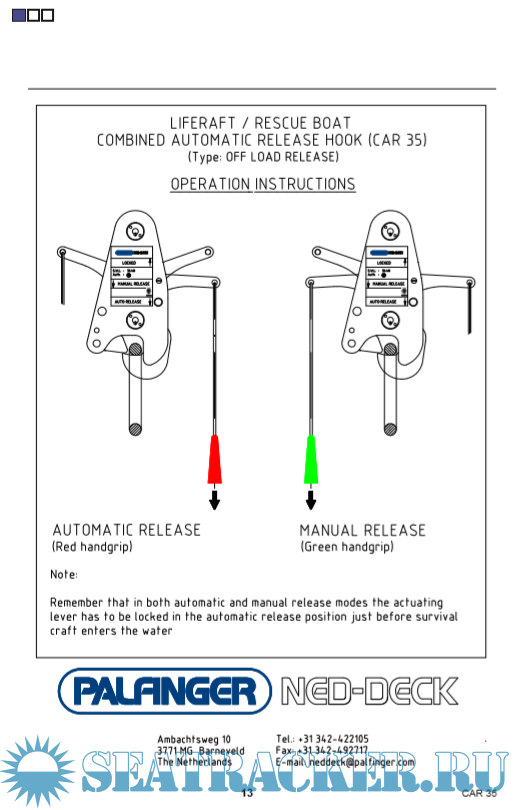
- Release hook Mechanismus Korrosion/Blockierung — KRITISCHER Sicherheitsfehler
- Diesel engine start failure due to lack of regular testing
- GRP hull osmotic blistering with prolonged water contact
- Scavenge air system valve failure
- Safety belt/harness aging due to UV/weather
- Hands‑free, instantaneous liferaft release reduces crew exposure during emergencies
- Meets SOLAS MSC.402(96) requirements for davit‑launched liferafts
- Stainless‑steel construction offers good corrosion resistance when maintained
- Adjustable release settings accommodate different load and wind conditions
- Integrated test point allows functional verification without full system activation
- Mechanical components can seize if corrosion control or lubrication is neglected
- Requires specific davit geometry (CAR 35) – limited retrofit flexibility on older installations
- Improper re‑latching after maintenance may lead to accidental release
- Adds weight and complexity compared with simple manual hooks
- Annual inspection by an approved service provider is mandatory

- Release hook Mechanismus Korrosion/Blockierung — KRITISCHER Sicherheitsfehler
- Diesel engine start failure due to lack of regular testing
- GRP hull osmotic blistering with prolonged water contact
- Scavenge air system valve failure
- Safety belt/harness aging due to UV/weather
- Fully SOLAS‑approved (MSC.402(96)) and IMO type‑approved, ensuring regulatory compliance
- Self‑acting release reduces reliance on crew action during emergencies
- Compact design fits standard davit brackets for easy retrofit
- Annual maintenance interval defined by manufacturer simplifies planning
- Proven track record on a wide range of merchant vessels
- Corrosion or blockage of the release mechanism can render it inoperable if not inspected regularly
- Requires weekly functional testing (minimum 5 min) and annual service by an approved provider
- Limited to liferafts up to the size rating specified for CAR 35; larger rafts need a different model
- Potential for mechanical wear of the spring‑loaded release under harsh marine exposure
- Release hook Mechanismus Korrosion/Blockierung — KRITISCHER Sicherheitsfehler
- Diesel engine start failure due to lack of regular testing
- GRP hull osmotic blistering with prolonged water contact
- Scavenge air system valve failure
- Safety belt/harness aging due to UV/weather
- Central control enables one‑hand operation of multiple lifeboats from a protected station
- Twin‑fall design provides redundancy and smoother load distribution during launch
- Training lock version allows realistic crew training without risking actual release
- SOLAS‑approved (MSC.402) and designed for compliance with international lifesaving regulations
- Compact integration with Palfinger davit families, simplifying installation
- Higher initial cost compared with single‑fall release units
- Increased mechanical complexity requires more frequent inspection and maintenance
- Corrosion or blockage of the release hook can lead to critical safety failures if not serviced annually
- Requires a dedicated power source for the motor test (weekly 5 min run)
- Retrofit on older davit arrangements may be limited by space or mounting geometry
- Release hook Mechanismus Korrosion/Blockierung — KRITISCHER Sicherheitsfehler
- Diesel engine start failure due to lack of regular testing
- GRP hull osmotic blistering with prolonged water contact
- Scavenge air system valve failure
- Safety belt/harness aging due to UV/weather
- Fast, single‑handed release via dedicated hook mechanism
- Integrated diesel engine enables launch without external power
- Meets SOLAS MSC.402(96) requirements and carries DNV approval
- Modular design allows retrofit on existing hulls with GFRP lifeboats
- Scheduled weekly motor test and annual hook inspection simplify compliance
- Release‑hook corrosion or blockage reported as critical safety issue if not maintained
- Diesel start failures occur when weekly tests are missed
- GFRP hulls can develop osmotic blistering after prolonged water exposure
- Ventilation valve of the air‑supply system has shown occasional failure
- Safety harnesses age under UV and weather, requiring regular replacement
- Release hook Mechanismus Korrosion/Blockierung — KRITISCHER Sicherheitsfehler
- Diesel engine start failure due to lack of regular testing
- GRP hull osmotic blistering with prolonged water contact
- Scavenge air system valve failure
- Safety belt/harness aging due to UV/weather
- Integrated diesel winch provides rapid, self‑contained launch without external power
- Designed to meet SOLAS MSC.402(96) and DNV approval standards
- Modular mounting allows installation on a wide range of vessel decks
- Robust Palfinger engineering with proven track record in marine safety
- Capable of handling lifeboats up to 25 tonnes (FFH25 designation)
- Release hook prone to corrosion or blockage if not serviced annually
- Diesel engine start reliability depends on strict weekly testing; failures reported when tests are missed
- GFK hull can develop osmotic blistering after prolonged water exposure
- Air‑supply valve may fail, requiring periodic inspection
- Safety harnesses and webbing age under UV and weather, needing regular replacement
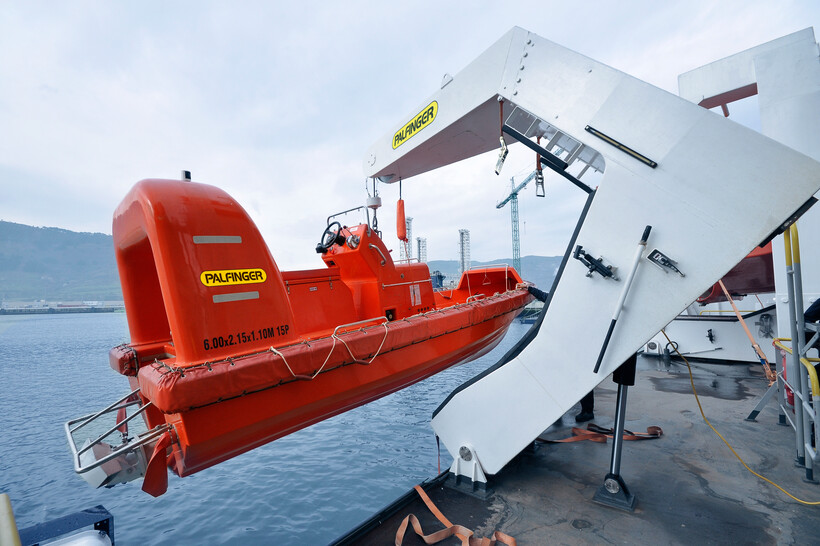
- Release hook Mechanismus Korrosion/Blockierung — KRITISCHER Sicherheitsfehler
- Diesel engine start failure due to lack of regular testing
- GRP hull osmotic blistering with prolonged water contact
- Scavenge air system valve failure
- Safety belt/harness aging due to UV/weather
- High load capacity suitable for 12‑person lifeboats
- Integrated weekly motor‑test function simplifies compliance with SOLAS MSC.402(96)
- Stainless‑steel release hook offers strong corrosion resistance when maintained
- Compact footprint allows installation on medium‑size vessels
- Modular design enables easy replacement of components such as the release mechanism
- Release‑hook mechanism prone to corrosion or blockage if not serviced annually
- Weekly engine start test required; missed tests can lead to launch failure
- GFRP (glass‑fiber reinforced plastic) hull may develop osmotic blisters after prolonged water exposure
- Ventilation valve in the air‑supply system has a documented failure rate
- Safety harnesses and belts deteriorate under UV and weathering, requiring regular replacement
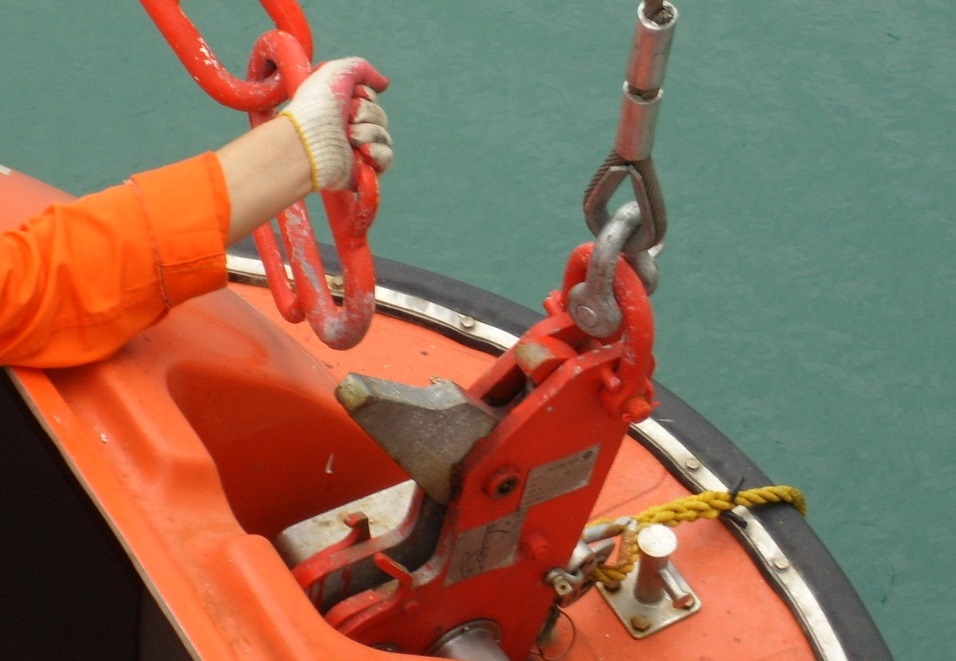
- Release hook Mechanismus Korrosion/Blockierung — KRITISCHER Sicherheitsfehler
- Diesel engine start failure due to lack of regular testing
- GRP hull osmotic blistering with prolonged water contact
- Scavenge air system valve failure
- Safety belt/harness aging due to UV/weather
- Compact footprint – suitable where deck space is limited
- Fast, hydraulic actuation enables quick launch of the rescue boat
- Integrated release hook meets SOLAS MSC.402(96) requirements
- Designed for GFRP‑hull rescue boats up to ~7 m length
- Standardised maintenance intervals (weekly motor test, annual hook service)
- Release‑hook mechanism prone to corrosion or blockage if not maintained
- Diesel‑engine drive requires regular start‑up testing; failure can delay launch
- GFRP rescue‑boat hull may develop osmotic blisters after prolonged water exposure
- Ventilation valve of the air‑supply system reported to fail in service
- Safety harnesses age under UV and weather, needing periodic replacement

- Release hook Mechanismus Korrosion/Blockierung — KRITISCHER Sicherheitsfehler
- Diesel engine start failure due to lack of regular testing
- GRP hull osmotic blistering with prolonged water contact
- Scavenge air system valve failure
- Safety belt/harness aging due to UV/weather
- Compact footprint – suitable for vessels with limited deck space
- Hydraulic drive provides smooth, fast hoist operation (typically <30 s launch)
- Integrated release hook meets SOLAS MSC.402(96) requirements
- Optional motor‑assist allows one‑person operation and reduces manual effort
- Designed for easy annual maintenance of the release mechanism
- Reliance on hydraulic system – requires regular fluid checks and leak monitoring
- Single‑fall design limits rescue boat size (generally up to ~15 ft)
- Corrosion risk on release hook in harsh marine environments if not maintained
- Higher initial cost compared with simple manual davits
- Requires dedicated power supply and space for hydraulic pump
- Release hook Mechanismus Korrosion/Blockierung — KRITISCHER Sicherheitsfehler
- Diesel engine start failure due to lack of regular testing
- GRP hull osmotic blistering with prolonged water contact
- Scavenge air system valve failure
- Safety belt/harness aging due to UV/weather
- High‑profile design enables safe launch from vessels with freeboards up to ~4 m
- Single‑fall system reduces line handling and speeds deployment
- Hydraulic slew provides smooth, controlled swing and precise positioning
- Integrated release hook meets SOLAS MSC.402(96) requirements for rapid release
- Compact footprint suitable for limited deck space on offshore supply and patrol vessels
- Requires regular hydraulic maintenance and periodic release‑hook inspection
- Dependence on hydraulic power means a loss of launch capability if system fails
- Limited to rescue boats/rafts up to about 4.3 m length; not suitable for larger lifeboats
- Higher initial purchase price compared with manual or winch‑driven davits
- Installation requires sufficient structural reinforcement on deck
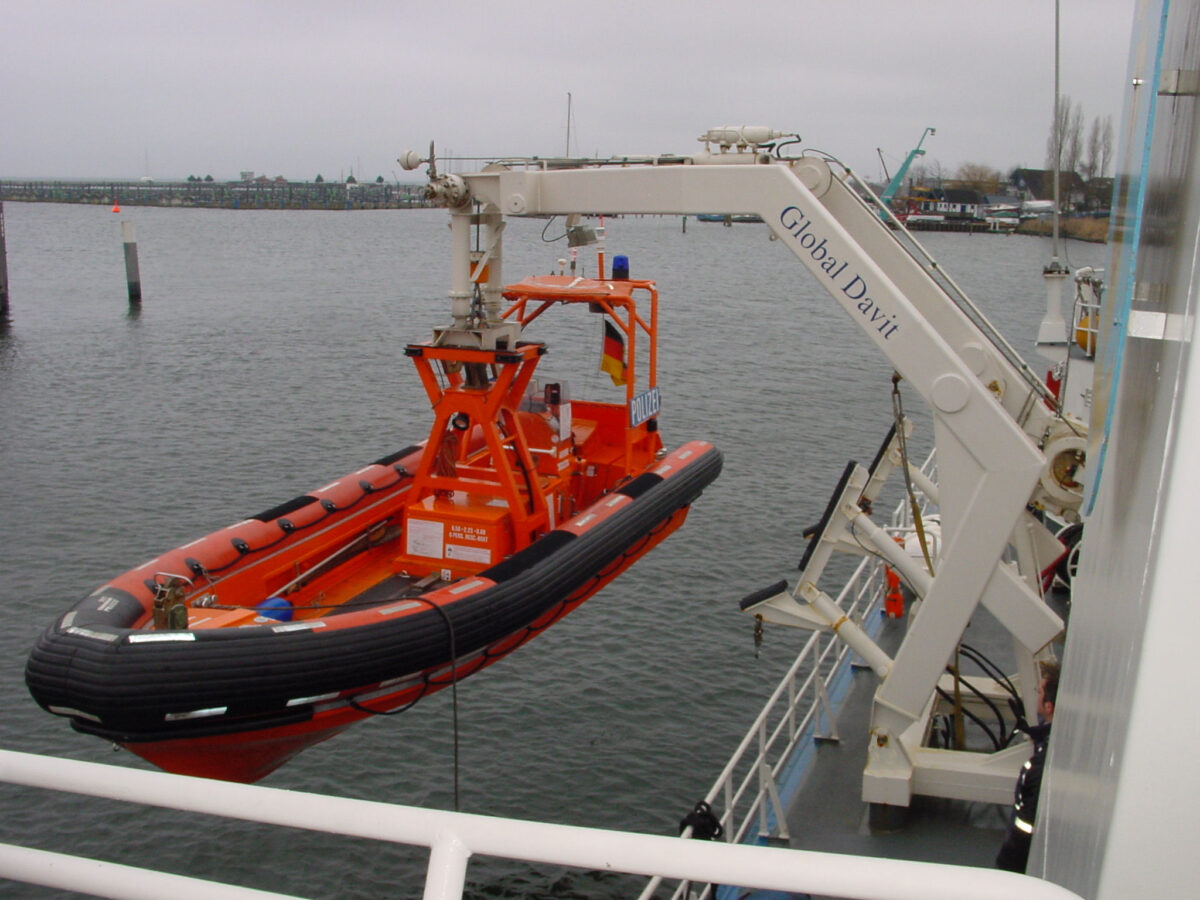
- Release hook Mechanismus Korrosion/Blockierung — KRITISCHER Sicherheitsfehler
- Diesel engine start failure due to lack of regular testing
- GRP hull osmotic blistering with prolonged water contact
- Scavenge air system valve failure
- Safety belt/harness aging due to UV/weather
- Hydraulic slew provides smooth, rapid positioning of the rescue boat for fast deployment.
- Single‑fall arrangement simplifies handling and reduces crew workload during launch/recovery.
- Integrated release hook complies with SOLAS MSC.402(96) when maintained according to schedule.
- Compact design fits on medium‑size vessels without consuming excessive deck space.
- Release‑hook mechanism is prone to corrosion or blockage if not inspected annually.
- Diesel‑engine start for the davit motor must be tested weekly; failure can delay launch.
- GFRP (glass‑fiber reinforced plastic) rescue‑boat hulls may develop osmotic blisters after prolonged water exposure.
- Ventilation valve in the air‑supply system has a documented failure mode requiring periodic checks.
- Safety harnesses and straps deteriorate under UV and weathering, needing regular replacement.
- Release hook Mechanismus Korrosion/Blockierung — KRITISCHER Sicherheitsfehler
- Diesel engine start failure due to lack of regular testing
- GRP hull osmotic blistering with prolonged water contact
- Scavenge air system valve failure
- Safety belt/harness aging due to UV/weather
- Compact design suitable for vessels with limited deck space
- Integrated weekly motor‑test reduces risk of start‑up failure
- Single‑fall arrangement allows rapid launch and recovery of a rescue craft
- SOLAS MSC.402(96) compliant release hook with annual certified maintenance
- GFRP (glass‑fiber reinforced plastic) hull offers corrosion resistance when inspected regularly
- Release‑hook mechanism prone to corrosion or blockage if not maintained
- Requires strict weekly motor testing and yearly service by approved personnel
- GFRP hull can develop osmotic blisters after prolonged water exposure
- Ventilation valve of the air‑supply system has a known failure mode
- Limited to small rescue boats; not suitable for larger lifeboats or multiple‑fall configurations
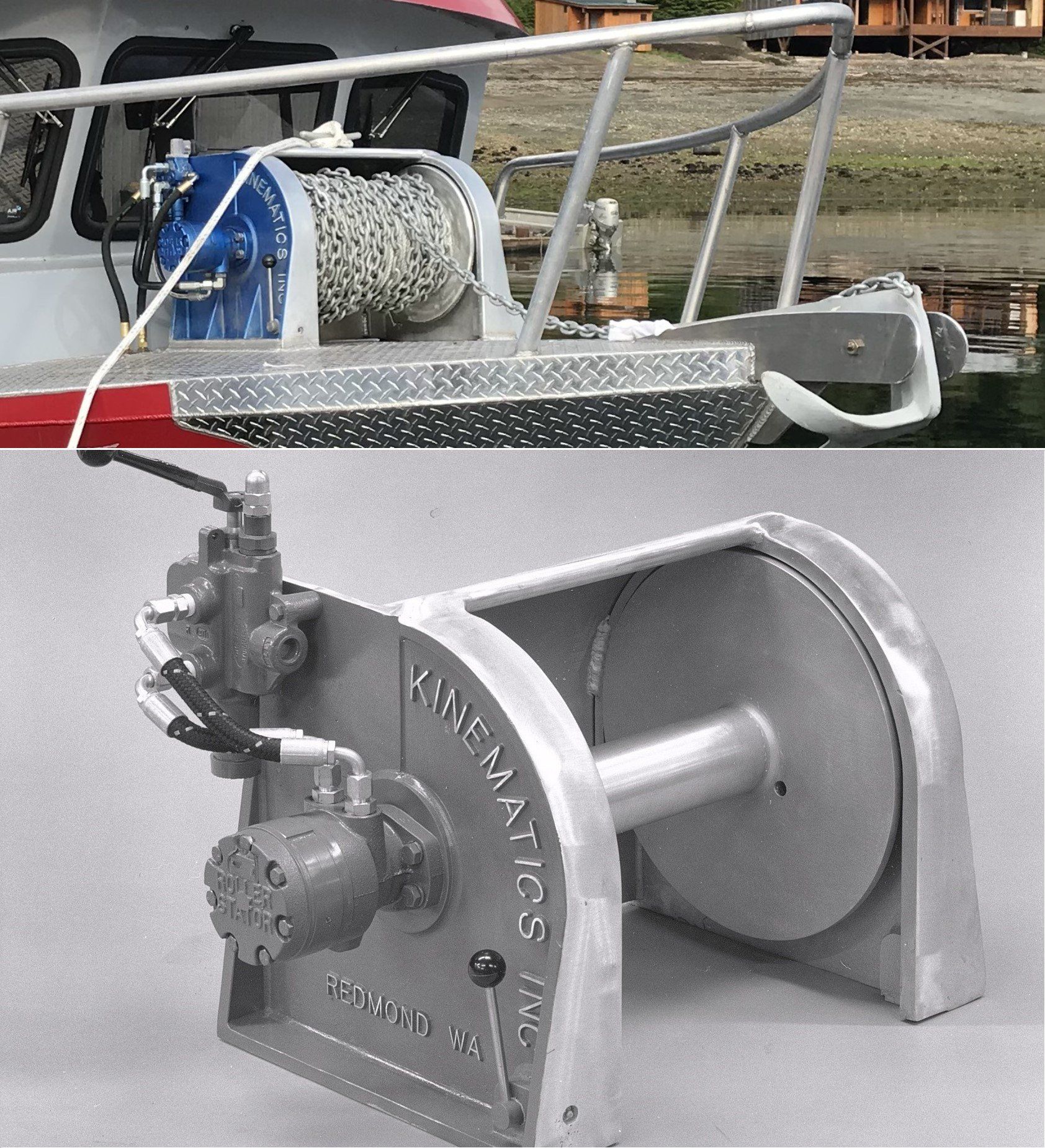
- Release hook Mechanismus Korrosion/Blockierung — KRITISCHER Sicherheitsfehler
- Diesel engine start failure due to lack of regular testing
- GRP hull osmotic blistering with prolonged water contact
- Scavenge air system valve failure
- Safety belt/harness aging due to UV/weather
- High pulling capacity (rated up to 10 t) enables fast deployment of large rescue boats
- Compact integration with davit systems saves deck space
- SOLAS‑approved design (MSC.402(96)) ensures regulatory compliance
- Hydraulic drive offers smooth, controllable hoisting even in adverse sea conditions
- Release hook prone to corrosion/blockage if not serviced annually
- Diesel motor start failures reported when routine weekly tests are missed
- GFK (glass‑fiber reinforced plastic) hull can develop osmotic blisters after prolonged water exposure
- Requires strict maintenance regime (weekly motor test, annual hook inspection, 5‑year basic survey)
- Safety harnesses and ventilation valves age quickly under UV and marine weather
- Release hook Mechanismus Korrosion/Blockierung — KRITISCHER Sicherheitsfehler
- Diesel engine start failure due to lack of regular testing
- GRP hull osmotic blistering with prolonged water contact
- Scavenge air system valve failure
- Safety belt/harness aging due to UV/weather
- High pulling capacity suitable for medium‑size rescue craft (up to ~4 t)
- Compact footprint allows installation on vessels with limited deck space
- Integrated hydraulic motor enables smooth, controlled launch and recovery
- Designed for SOLAS release‑hook maintenance procedures (annual service)
- Weekly motor‑run test recommended by manufacturer ensures readiness
- Release‑hook mechanism prone to corrosion or blockage if not serviced annually
- Requires a dedicated hydraulic power source and regular testing (≥5 min weekly)
- Dependence on diesel‑engine starter; start failures reported when tests are missed
- Ventilation valve of the associated air‑supply system has recorded occasional failure
- Safety harnesses and UV‑exposed components age faster, needing frequent inspection
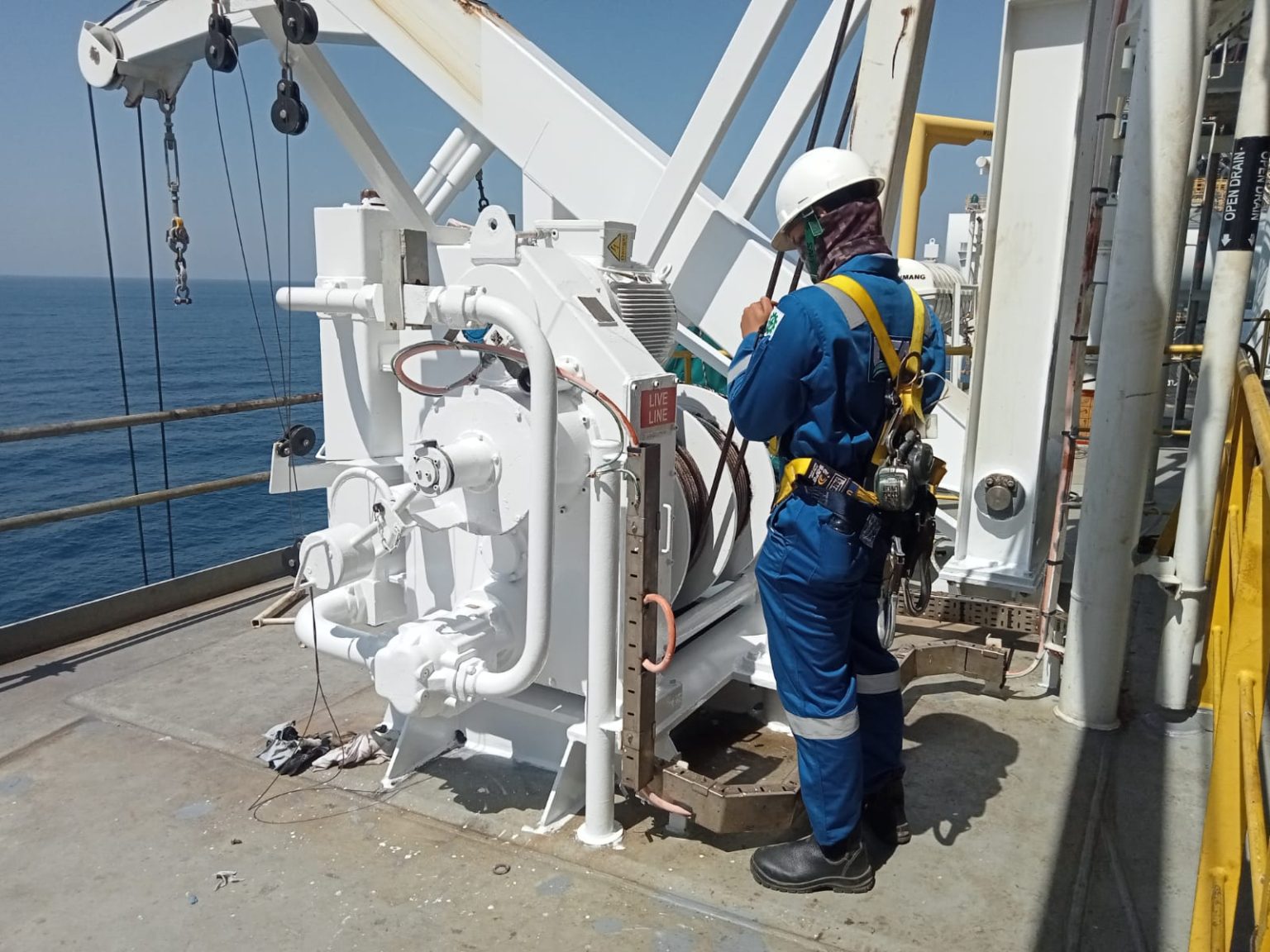
- Release hook Mechanismus Korrosion/Blockierung — KRITISCHER Sicherheitsfehler
- Diesel engine start failure due to lack of regular testing
- GRP hull osmotic blistering with prolonged water contact
- Scavenge air system valve failure
- Safety belt/harness aging due to UV/weather
- Integrated diesel engine with mandatory weekly test ensures launch readiness
- Lightweight GFRP (glass‑fiber reinforced plastic) hull provides corrosion resistance and easy handling
- SOLAS‑compliant release hook that can be serviced annually by approved personnel, reducing regulatory risk
- Compact davit arrangement allows installation on vessels with limited deck space
- Palfinger brand reputation for robust marine safety equipment
- Release‑hook mechanism prone to corrosion or blockage if annual maintenance is missed
- Diesel engine start failures reported when regular testing is insufficient
- GFRP hull may develop osmotic blistering after prolonged water exposure
- Air‑supply valve can fail, requiring vigilant inspection and replacement
- Safety harnesses and webbing age under UV and weather exposure, needing periodic renewal
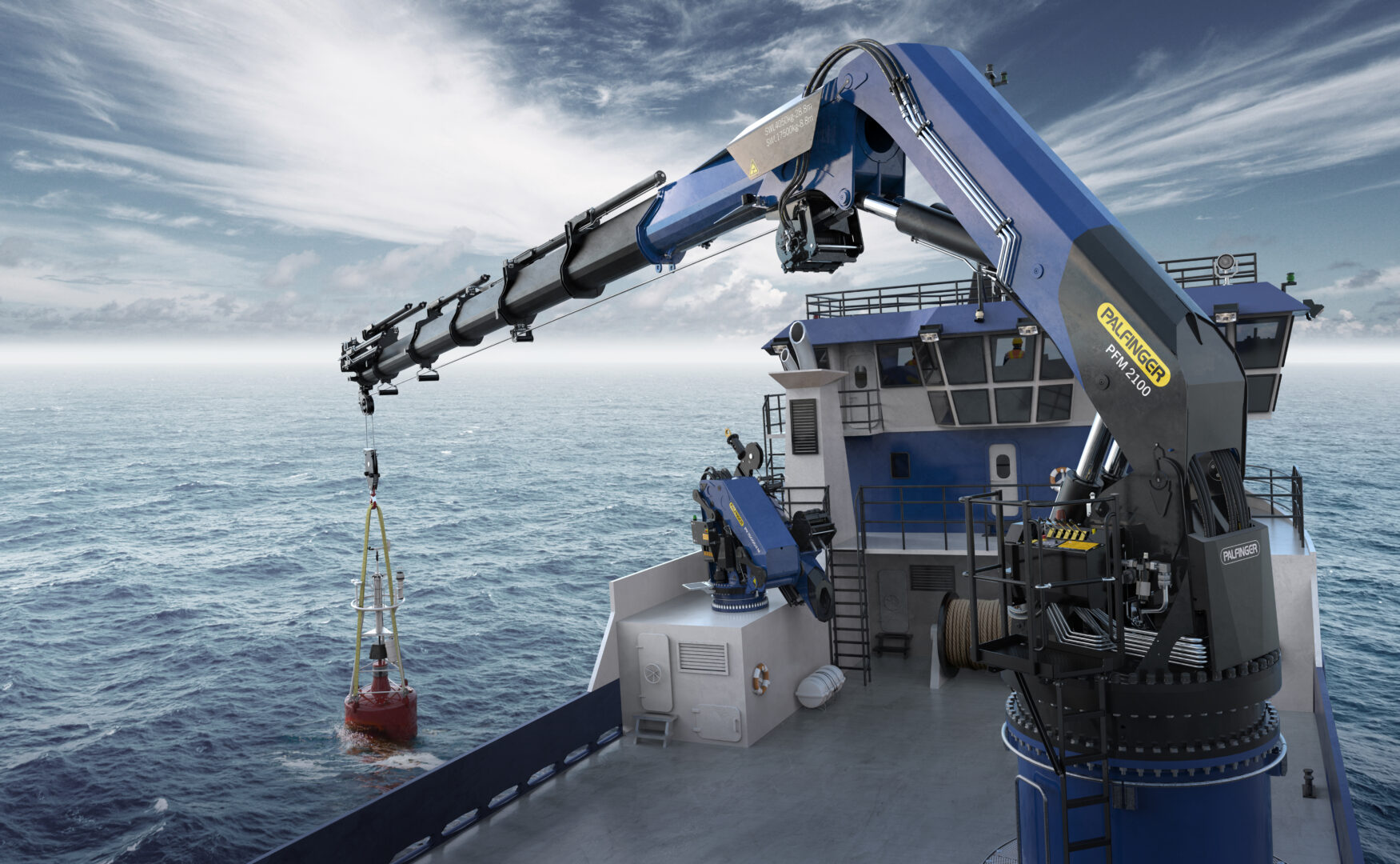
- Release hook Mechanismus Korrosion/Blockierung — KRITISCHER Sicherheitsfehler
- Diesel engine start failure due to lack of regular testing
- GRP hull osmotic blistering with prolonged water contact
- Scavenge air system valve failure
- Safety belt/harness aging due to UV/weather
- Rated for up to 6.5 t load, suitable for large lifeboat installations
- Designed to comply with SOLAS MSC.402(96) and DNV approval standards
- Compatible with Palfinger davit arms and standard lifeboat fittings
- Manual release lever allows rapid deployment even if hydraulic power fails
- Corrosion‑resistant coating when maintained according to schedule
- Release mechanism can seize or corrode if annual certified maintenance is missed
- Requires regular (weekly) engine start tests for the attached lifeboat, adding operational workload
- Limited to lifeboats with compatible GFRP hulls; not suitable for all boat constructions
- UV and weather exposure can degrade surrounding safety harnesses, increasing overall system risk
- Annual inspection by an approved service provider adds cost and downtime
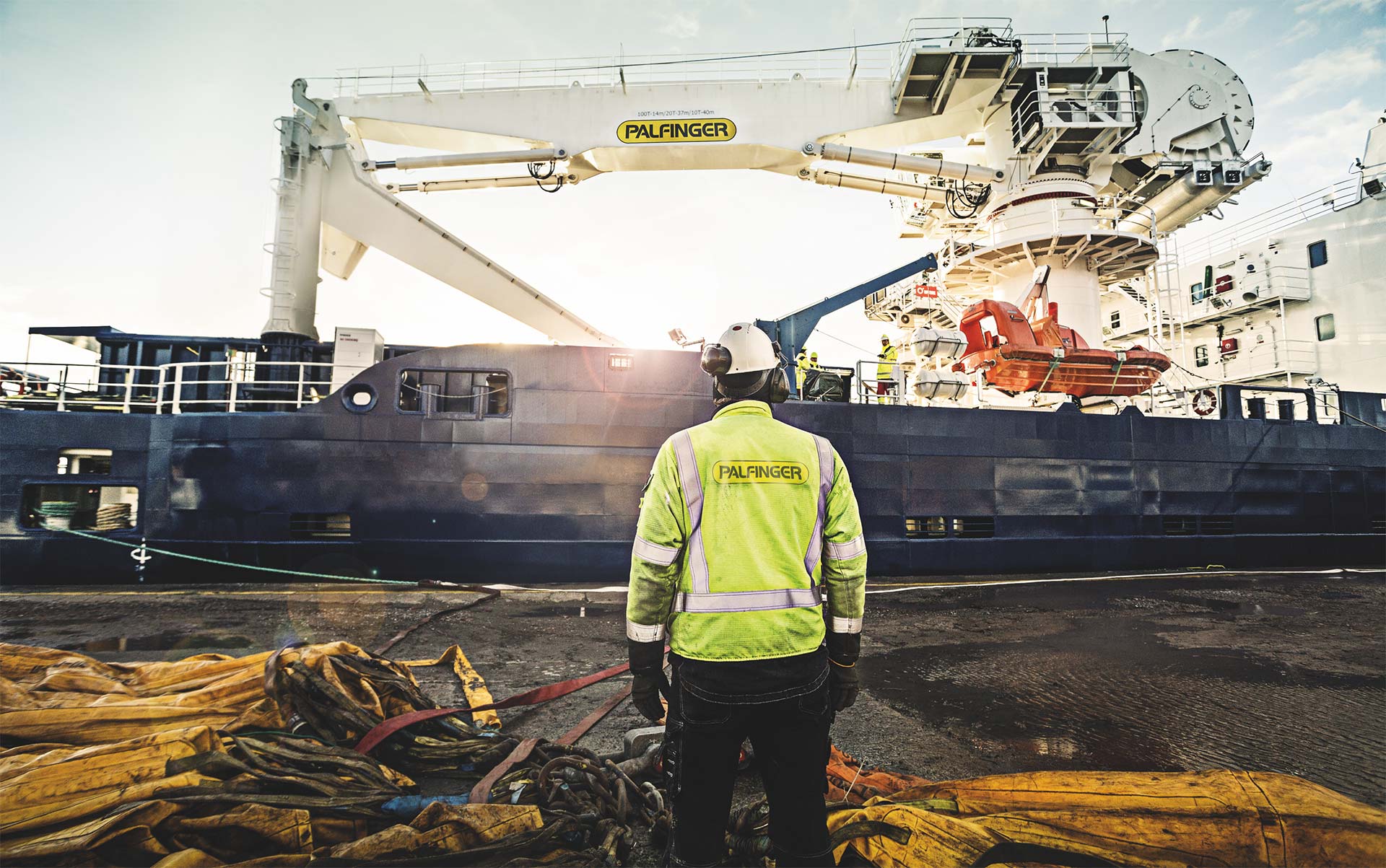
- Release hook Mechanismus Korrosion/Blockierung — KRITISCHER Sicherheitsfehler
- Diesel engine start failure due to lack of regular testing
- GRP hull osmotic blistering with prolonged water contact
- Scavenge air system valve failure
- Safety belt/harness aging due to UV/weather
- Integrated diesel engine provides self‑contained launch capability independent of ship power.
- SOLAS MSC.402(96) compliant release hook with high load rating for rapid lifeboat deployment.
- Compact single‑side design (SU) suitable for vessels with limited deck space.
- Fast‑launch (FL) configuration enables lifeboat hoist and swing‑out in under 30 seconds.
- Standard DNV class approval simplifies certification on new builds.
- Release hook mechanism prone to corrosion or blockage if not maintained annually.
- Diesel engine requires weekly start‑up tests; failure to test can lead to launch loss.
- GFRP (glass‑fiber reinforced plastic) hull may develop osmotic blisters after prolonged water exposure.
- Ventilation valve of the air‑supply system has reported occasional failures.
- Safety harnesses and webbing age under UV and weather exposure, needing regular replacement.
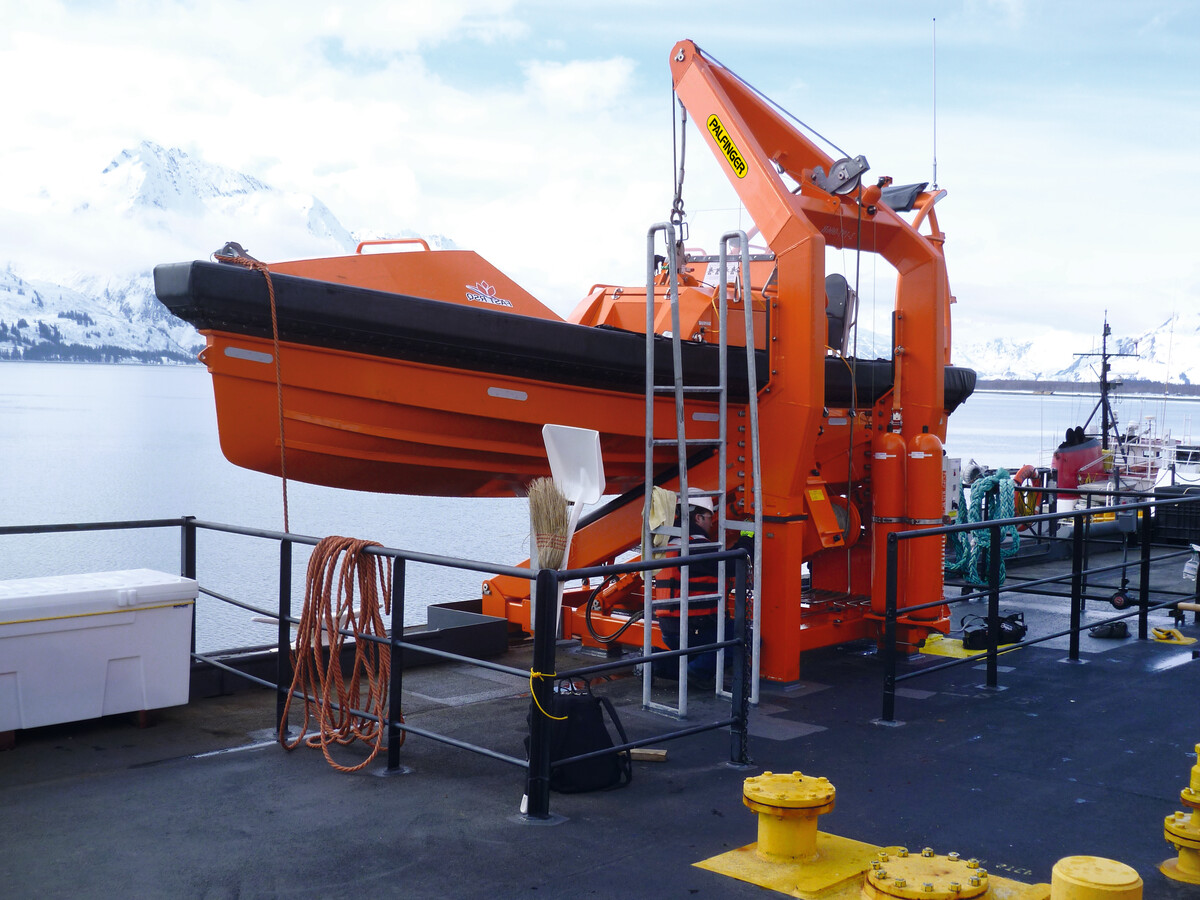
- Release hook Mechanismus Korrosion/Blockierung — KRITISCHER Sicherheitsfehler
- Diesel engine start failure due to lack of regular testing
- GRP hull osmotic blistering with prolonged water contact
- Scavenge air system valve failure
- Safety belt/harness aging due to UV/weather
- Integrated diesel motor enables independent launch without ship power
- Compact hydraulic design fits medium‑size vessels with limited deck space
- Meets SOLAS MSC.402(96) requirements for lifeboat launching appliances
- Manual release hook backup allows operation if hydraulics fail
- Defined service intervals (weekly engine test, annual hook inspection) support reliability
- Release‑hook mechanism prone to corrosion or blockage if not maintained
- Diesel start failures reported when weekly tests are missed
- GFRP rescue‑boat hull can develop osmotic blisters after prolonged water exposure
- Ventilation valve of the air‑supply system has a known failure mode
- Safety harnesses and webbing age quickly under UV and harsh weather
- Release hook Mechanismus Korrosion/Blockierung — KRITISCHER Sicherheitsfehler
- Diesel engine start failure due to lack of regular testing
- GRP hull osmotic blistering with prolonged water contact
- Scavenge air system valve failure
- Safety belt/harness aging due to UV/weather
- Integrated diesel‑engine powered rescue boat enables rapid self‑propelled deployment
- SOLAS MSC.402(96) compliant release hook with quick‑release mechanism
- Compact footprint suitable for medium‑size vessels and offshore support ships
- Stainless‑steel load‑bearing components provide high corrosion resistance when maintained
- Optional remote‑control operation allows launch from protected locations
- Release‑hook mechanism prone to corrosion/blockage if weekly tests are missed
- Diesel engine start failures reported when regular 5‑minute run‑tests are not performed
- Maintenance intensive – requires annual hook service and five‑year full inspection
- System weight adds high centre‑of‑gravity load, affecting vessel stability calculations
- Limited to rescue boats up to 12 m/3.5 t; larger lifeboats require a different davit
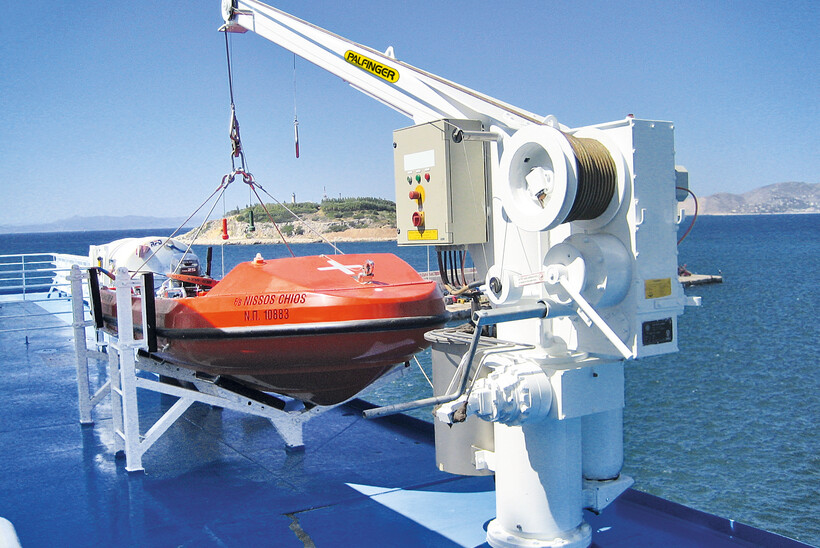
- Release hook Mechanismus Korrosion/Blockierung — KRITISCHER Sicherheitsfehler
- Diesel engine start failure due to lack of regular testing
- GRP hull osmotic blistering with prolonged water contact
- Scavenge air system valve failure
- Safety belt/harness aging due to UV/weather
- Manual slewing eliminates reliance on shipboard power during launch/recovery
- Integrated diesel winch provides high pulling force without external hydraulic lines
- Compact footprint suitable for medium‑size vessels with limited deck space
- SOLAS MSC.402(96) compliance ensures recognised lifesaving performance
- Palfinger’s modular design allows straightforward replacement of wear parts
- Release hook and moving steel parts are prone to corrosion if not inspected regularly
- Diesel winch requires weekly start‑up tests; failure to do so can cause launch delays
- GFRP (fiberglass) hull may develop osmotic blistering after prolonged water exposure
- Manual slewing limits deployment speed compared with fully powered davits
- Safety harnesses and ventilation valves need frequent UV / weather ageing checks
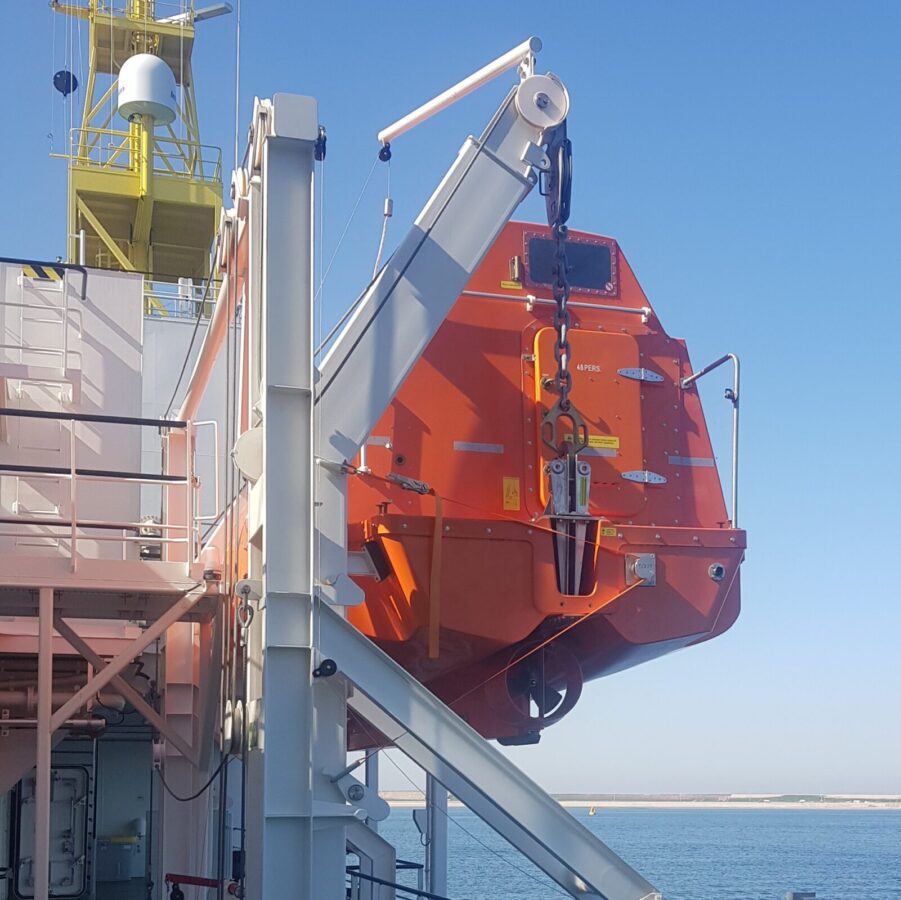
- Release hook Mechanismus Korrosion/Blockierung — KRITISCHER Sicherheitsfehler
- Diesel engine start failure due to lack of regular testing
- GRP hull osmotic blistering with prolonged water contact
- Scavenge air system valve failure
- Safety belt/harness aging due to UV/weather
- SOLAS MSC.402(96) compliant with mandatory weekly motor test procedure
- Integrated diesel engine provides high launch force for medium‑size lifeboats
- Compact side‑mount design saves deck space compared with crane‑type launchers
- Manual release hook allows emergency operation if power is lost
- Palfinger’s proven track record and global service network
- Diesel engine requires regular testing; failure to test can lead to start‑up problems
- Release hook prone to corrosion or blockage if not maintained annually
- GFRP lifeboat hulls may develop osmotic blisters when exposed for long periods
- Higher maintenance burden (weekly motor run, annual hook service, 5‑year inspection)
- Weight of the davit and engine can be significant on smaller vessels
- Release hook Mechanismus Korrosion/Blockierung — KRITISCHER Sicherheitsfehler
- Diesel engine start failure due to lack of regular testing
- GRP hull osmotic blistering with prolonged water contact
- Scavenge air system valve failure
- Safety belt/harness aging due to UV/weather
- Motorised winch provides fast launch/recovery of the rescue craft
- Compact single‑fall arrangement saves deck space compared with dual‑fall davits
- Integrated release hook complies with SOLAS MSC.402(96) and allows manual override
- Designed for GFRP hull boats, reducing overall weight on board
- Standardised weekly motor test procedure simplifies maintenance planning
- Release‑hook mechanism prone to corrosion or blockage if not maintained annually
- Diesel engine may fail to start after prolonged inactivity; requires regular testing
- GFRP hull can develop osmotic blistering when exposed to water for extended periods
- Ventilation valve of the air‑supply system has been reported to jam
- Single‑fall design offers less redundancy than dual‑fall davits in critical situations
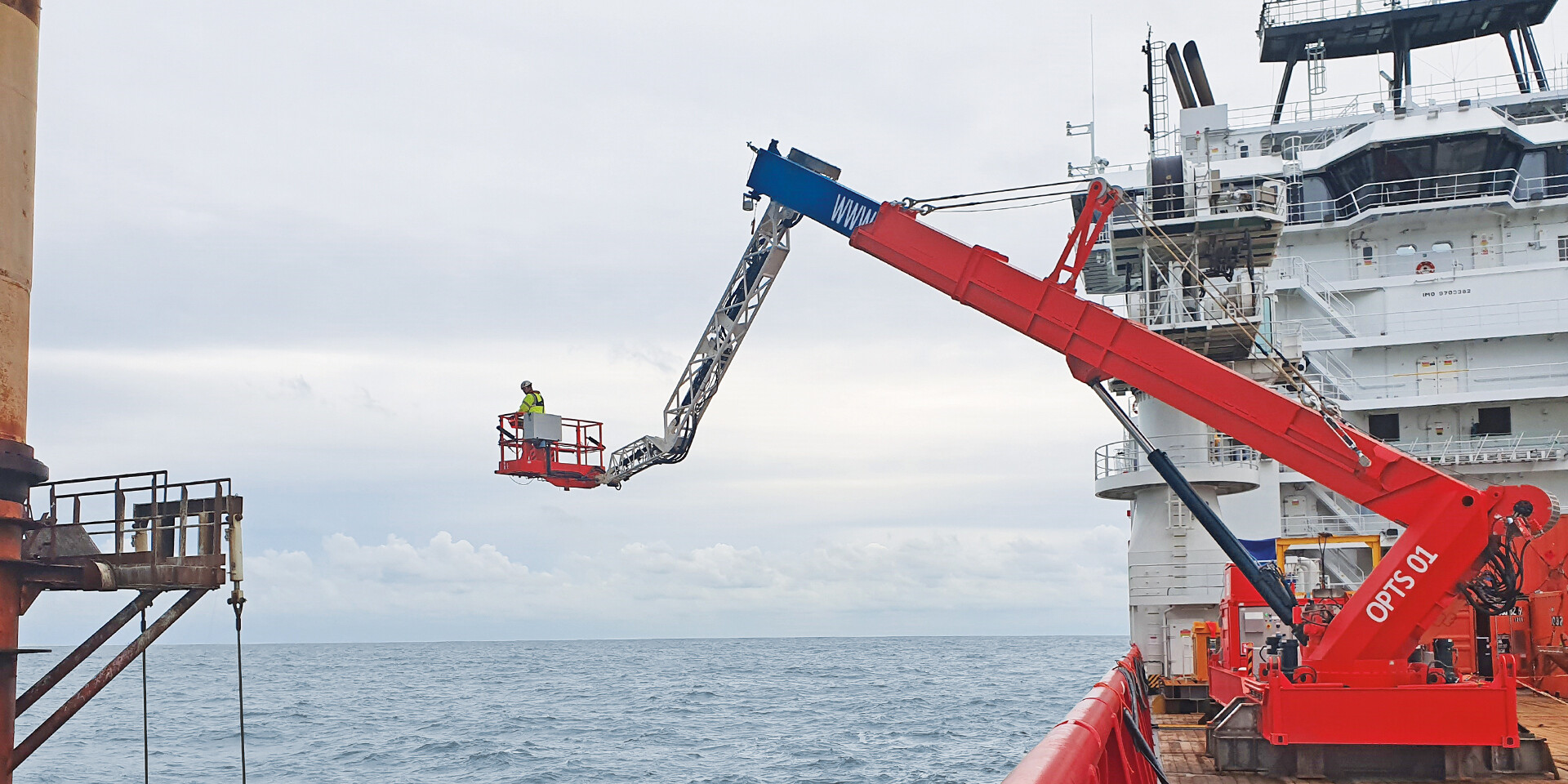
- Release hook Mechanismus Korrosion/Blockierung — KRITISCHER Sicherheitsfehler
- Diesel engine start failure due to lack of regular testing
- GRP hull osmotic blistering with prolonged water contact
- Scavenge air system valve failure
- Safety belt/harness aging due to UV/weather
- High load capacity suitable for medium‑size lifeboats (up to ~2 t)
- Compact footprint allowing installation on vessels with limited deck space
- Integrated diesel engine provides self‑propelled launch without external power
- SOLAS‑approved design with annual release‑hook service requirement ensures compliance
- Corrosion‑resistant steel and GFRP components reduce long‑term deterioration
- Release hook can suffer corrosion or blockage if maintenance is missed
- Diesel launch motor may fail to start without regular weekly testing
- GFRP hull prone to osmotic blistering after prolonged water exposure
- Ventilation valve of the air‑supply system has a known failure mode
- Safety harnesses and straps age under UV/wet conditions, requiring periodic replacement
- Release hook Mechanismus Korrosion/Blockierung — KRITISCHER Sicherheitsfehler
- Diesel engine start failure due to lack of regular testing
- GRP hull osmotic blistering with prolonged water contact
- Scavenge air system valve failure
- Safety belt/harness aging due to UV/weather
- Instantaneous launch by free‑fall, minimizing evacuation time
- Built‑in diesel engine provides powered maneuverability after water entry
- Self‑righting hull enhances survivability in rough seas
- High passenger capacity (≈30 persons) suitable for large vessels
- USCG Type Approval and IMO SOLAS compliance
- Release hook mechanism prone to corrosion/ blockage if not maintained per SOLAS MSC.402(96)
- Diesel engine requires weekly start‑up tests; failure risk if neglected
- GFRP hull can develop osmotic blisters after prolonged water exposure
- Ventilation and air‑supply valve failures have been reported in service
- Heavy davit system occupies significant deck space and adds weight
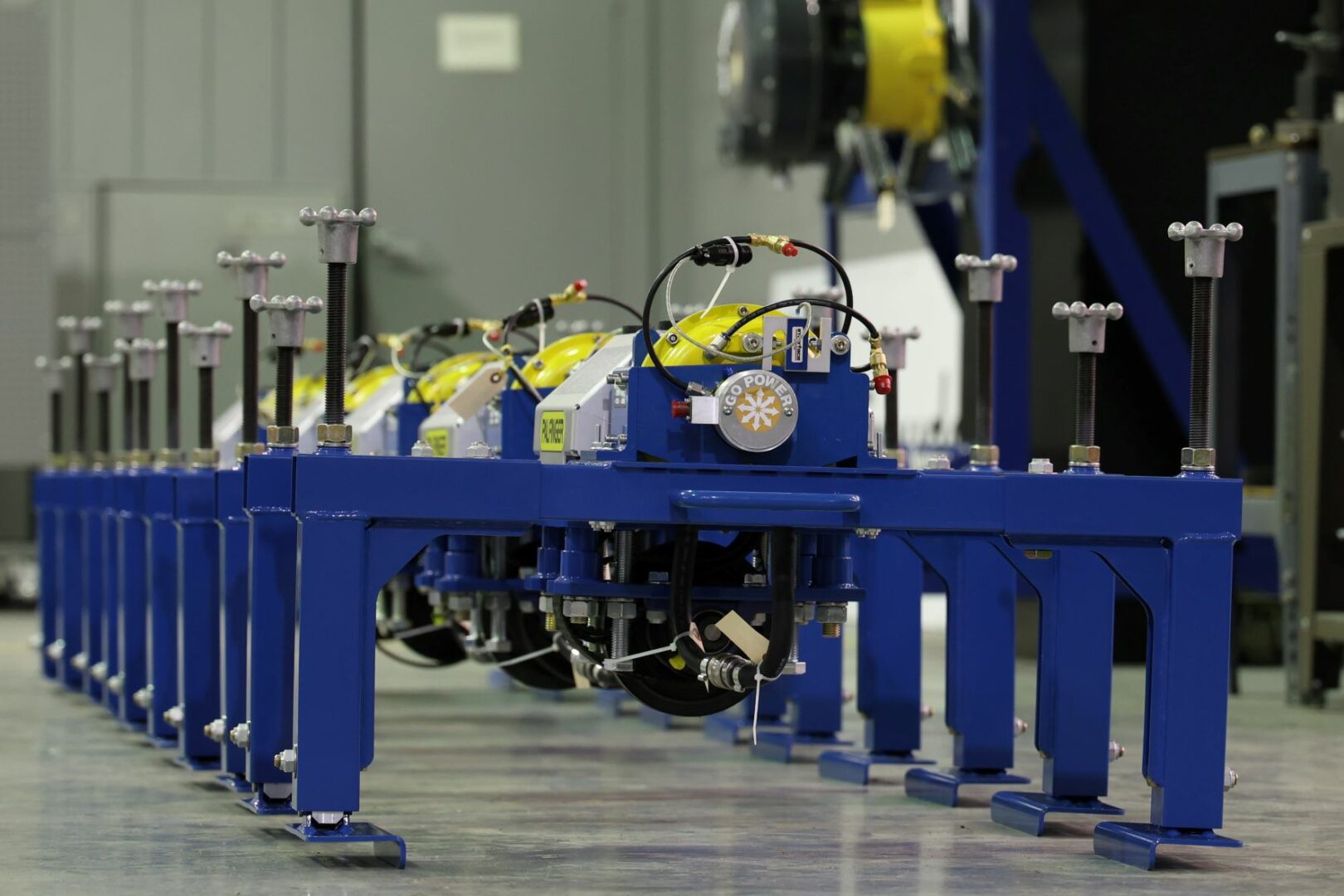
- Release hook Mechanismus Korrosion/Blockierung — KRITISCHER Sicherheitsfehler
- Diesel engine start failure due to lack of regular testing
- GRP hull osmotic blistering with prolonged water contact
- Scavenge air system valve failure
- Safety belt/harness aging due to UV/weather
- Integrated diesel winch provides self‑contained power, independent of ship's main systems
- SOLAS‑compliant release hook with defined annual maintenance (MSC.402(96))
- Weekly motor test routine ensures readiness and early detection of start‑up issues
- Lightweight GFRP hull reduces overall weight compared with steel lifeboats
- Palfinger brand reputation for robust marine safety equipment
- Release hook can corrode or jam if annual maintenance is missed, creating a critical safety risk
- Diesel engine start failures have been reported when regular testing is not performed
- GFRP hull may develop osmotic blistering after prolonged water exposure
- Air‑supply valve failures have occurred, affecting emergency breathing equipment
- Safety harnesses and webbing age quickly under UV and harsh weather, requiring frequent replacement
- Release hook Mechanismus Korrosion/Blockierung — KRITISCHER Sicherheitsfehler
- Diesel engine start failure due to lack of regular testing
- GRP hull osmotic blistering with prolonged water contact
- Scavenge air system valve failure
- Safety belt/harness aging due to UV/weather
- Robust steel build with low corrosion risk when maintained
- Simple manual operation – no power supply or hydraulic system required
- Compact footprint suitable for small to medium sized decks
- SOLAS MSC.402(96) compliance and USCG type approval ensure regulatory acceptance
- Easy retrofit on existing vessels; minimal integration work
- Manual launch is slower than powered/hydraulic davits, affecting rapid evacuation scenarios
- Limited to liferafts up to about 4 m diameter – not suitable for larger lifeboats
- Requires regular release‑hook testing and annual maintenance to avoid corrosion or blockage
- Operator fatigue possible on repeated drills due to manual winch effort
- Release hook Mechanismus Korrosion/Blockierung — KRITISCHER Sicherheitsfehler
- Diesel engine start failure due to lack of regular testing
- GRP hull osmotic blistering with prolonged water contact
- Scavenge air system valve failure
- Safety belt/harness aging due to UV/weather
- Independent of ship power – works even after total electrical failure
- Simple mechanical design reduces maintenance complexity and cost
- Compact footprint suitable for vessels with limited deck space
- SOLAS MSC.402(96) compliant, ensuring regulatory acceptance
- Easy to inspect and service; weekly motor‑test not required
- Requires crew effort and time to swing out and lower the raft
- Launch speed is slower than hydraulic/electric davits, which may be critical in high‑severity emergencies
- Release hook can corrode or jam if maintenance intervals are missed
- Limited load capacity – only suitable for small liferafts, not full‑size lifeboats
- Manual fatigue risk on vessels with large crew complements or frequent drills
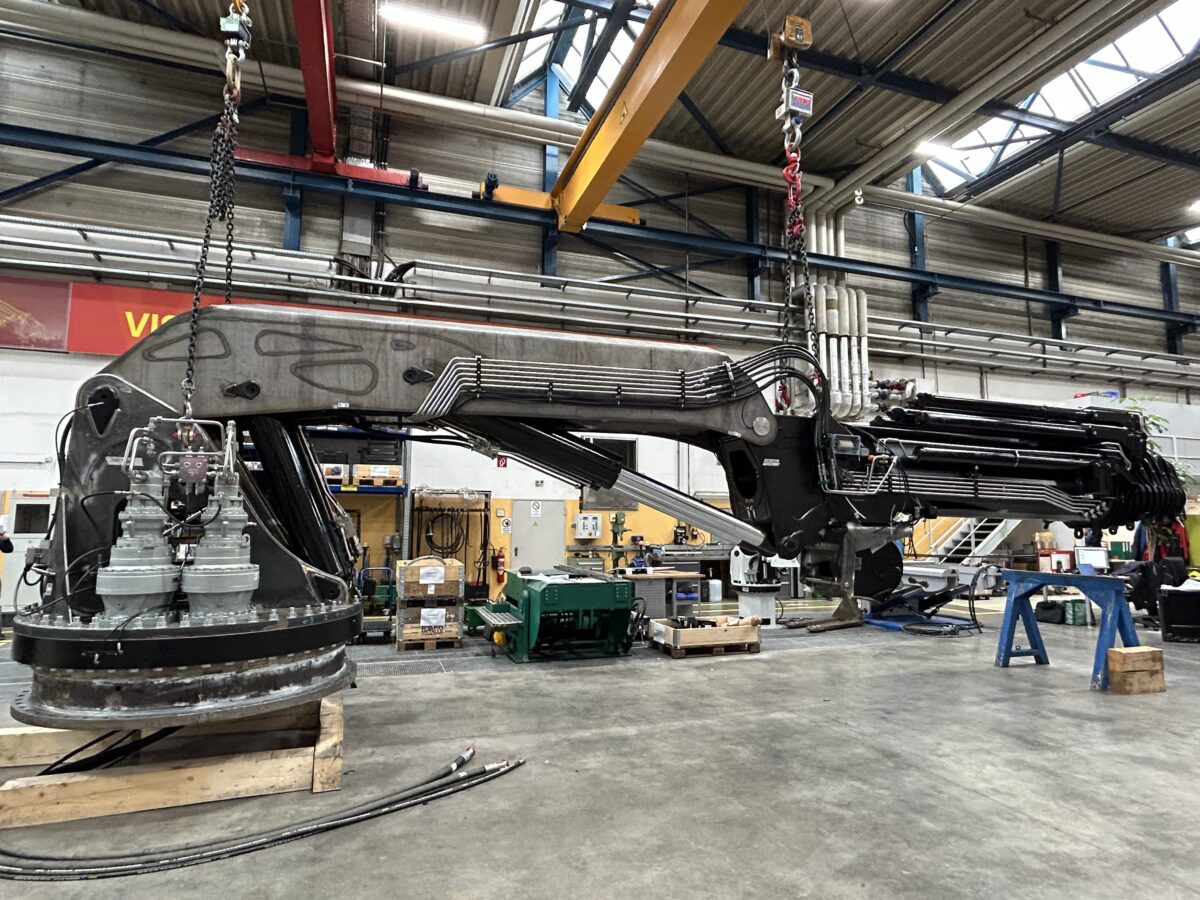
- Release hook Mechanismus Korrosion/Blockierung — KRITISCHER Sicherheitsfehler
- Diesel engine start failure due to lack of regular testing
- GRP hull osmotic blistering with prolonged water contact
- Scavenge air system valve failure
- Safety belt/harness aging due to UV/weather
- Motorised hoist enables fast, low‑effort launching of the lifeboat.
- Integrated release hook complies with SOLAS MSC.402(96) and is corrosion‑treated for marine use.
- DNV approval (found via DNV‑approval‑finder) confirms compliance with classification requirements.
- Designed for GFRP hulls, allowing lightweight rescue craft without compromising strength.
- Clear maintenance schedule (weekly engine test, annual hook service, 5‑year full inspection).
- Release‑hook mechanism prone to corrosion or blockage if not maintained rigorously.
- On‑board diesel engine has reported start‑up failures when regular tests are missed.
- GFRP (fiberglass) hull can develop osmotic blistering after prolonged water exposure.
- Ventilation valve of the air‑supply system may fail, affecting breathable air provision.
- Safety harnesses and webbing age under UV and weather exposure, requiring periodic replacement.

- Release hook Mechanismus Korrosion/Blockierung — KRITISCHER Sicherheitsfehler
- Diesel engine start failure due to lack of regular testing
- GRP hull osmotic blistering with prolonged water contact
- Scavenge air system valve failure
- Safety belt/harness aging due to UV/weather
- Fully enclosed cabin provides protection against harsh weather and sea spray
- Lightweight FRP hull resists corrosion compared with steel/aluminium boats
- Self‑contained air supply enables quick, independent launch from davits
- Optional water‑spray system enhances fire‑fighting capability during rescue
- Compact design fits on vessels with limited deck space and meets SOLAS requirements
- FRP hull susceptible to osmotic blistering if not inspected regularly
- Air‑support and water‑spray systems add complexity and require periodic testing
- Release‑hook corrosion has been reported, demanding strict maintenance intervals
- Capacity limited to ~12 persons, less than larger open liferafts
- UV exposure can age safety harnesses and deck fittings faster
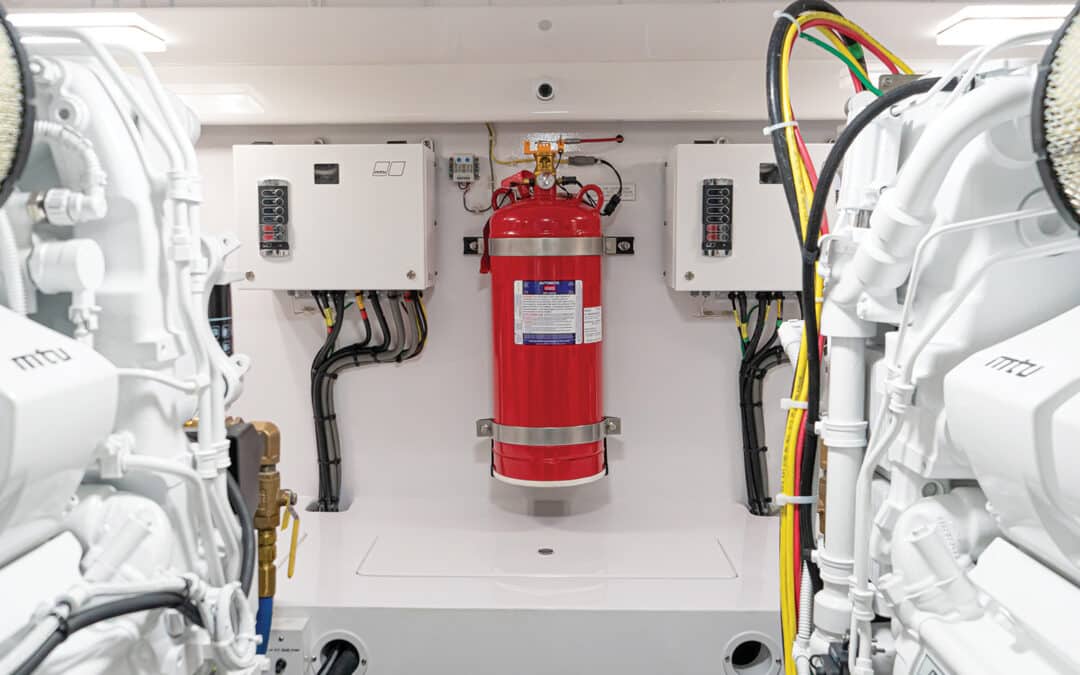
- Release hook Mechanismus Korrosion/Blockierung — KRITISCHER Sicherheitsfehler
- Diesel engine start failure due to lack of regular testing
- GRP hull osmotic blistering with prolonged water contact
- Scavenge air system valve failure
- Safety belt/harness aging due to UV/weather
- Enclosed, fire‑protected hull suitable for tanker cargo fires
- Compact dimensions (7.46 m × 2.90 m × 2.96 m) fit on vessels with limited deck space
- Integrated water‑spray system provides rapid cooling of the cabin and occupants
- Self‑contained air supply allows quick evacuation without external breathing apparatus
- FRP hull resists corrosion compared with steel lifeboats
- Release hook prone to corrosion or blockage if not serviced annually
- Diesel engine start failures reported when weekly run‑tests are missed
- Osmotic blistering can develop in the FRP hull after prolonged water exposure
- Ventilation valve of the air system has a history of occasional failure
- Safety harnesses and webbing age faster under UV and harsh weather
- Release hook Mechanismus Korrosion/Blockierung — KRITISCHER Sicherheitsfehler
- Diesel engine start failure due to lack of regular testing
- GRP hull osmotic blistering with prolonged water contact
- Scavenge air system valve failure
- Safety belt/harness aging due to UV/weather
- Fully enclosed cabin provides weather and fire protection for the crew.
- Robust FRP hull resists corrosion compared with steel davit‑mounted boats.
- Integrated self‑contained compressed‑air system extends survival time in hostile environments.
- Optional water‑spray system adds fire‑fighting capability during evacuation.
- Meets SOLAS 1A lifeboat requirements and USCG type approval, allowing installation on a wide range of vessels.
- FRP hull can develop osmotically induced blisters if not regularly inspected after prolonged water exposure.
- Release‑hook mechanism is prone to corrosion/blockage; requires annual maintenance by an approved service provider.
- Diesel engine start‑up failures occur when weekly run‑tests are missed, demanding disciplined testing procedures.
- Higher acquisition and lifecycle cost than inflatable liferafts or open‑deck lifeboats.
- Weight and size limit installation on smaller vessels with restricted davit capacity.
- Release hook Mechanismus Korrosion/Blockierung — KRITISCHER Sicherheitsfehler
- Diesel engine start failure due to lack of regular testing
- GRP hull osmotic blistering with prolonged water contact
- Scavenge air system valve failure
- Safety belt/harness aging due to UV/weather
- Totally enclosed cabin provides protection from weather and sea spray
- Fiberglass reinforced plastic hull resists corrosion compared with steel
- Integrated diesel engine enables independent maneuverability during evacuation
- Cargo version allows stowage of emergency supplies or equipment
- Meets SOLAS (IMO) requirements and USCG type approval
- Release‑hook mechanism prone to corrosion/blockage if not serviced annually
- Diesel engine may fail to start without strict weekly testing
- Long‑term water exposure can cause osmotic blistering of the FRP hull
- Ventilation valve and breathing‑air system have recorded failures
- Higher maintenance workload (weekly motor test, annual hook service) compared with open liferafts
- Release hook Mechanismus Korrosion/Blockierung — KRITISCHER Sicherheitsfehler
- Diesel engine start failure due to lack of regular testing
- GRP hull osmotic blistering with prolonged water contact
- Scavenge air system valve failure
- Safety belt/harness aging due to UV/weather
- Fully enclosed hull provides fire protection and weather shelter for crew
- Integrated water‑spray system enhances survivability in fire or hot‑water exposure
- Self‑contained compressed‑air supply allows launch without external compressors
- Robust FRP construction gives high strength‑to‑weight ratio and corrosion resistance when maintained
- Meets SOLAS requirements for tanker‑type lifeboats (MSC.402(96))
- Release hook mechanism prone to corrosion or blockage if not serviced annually
- Diesel engine may fail to start without strict weekly testing regime
- FRP hull can develop osmotic blisters after prolonged water exposure if protective coating degrades
- Air‑supply valve failures have been reported, requiring redundant checks
- Safety harnesses and webbing age under UV and marine weather, needing regular replacement

- Release hook Mechanismus Korrosion/Blockierung — KRITISCHER Sicherheitsfehler
- Diesel engine start failure due to lack of regular testing
- GRP hull osmotic blistering with prolonged water contact
- Scavenge air system valve failure
- Safety belt/harness aging due to UV/weather
- High passenger capacity (up to 34) in a fully enclosed cabin, protecting occupants from weather and sea spray.
- Robust fiberglass reinforced plastic hull resistant to corrosion and suitable for long‑term ocean service.
- Integrated Palfinger davit system designed for rapid, single‑handed launch under SOLAS requirements.
- Optional diesel propulsion provides powered escape; weekly engine test ensures readiness.
- Meets SOLAS 1974 Chapter III and USCG Type Approval standards, simplifying certification on new builds.
- Release hook mechanism prone to corrosion/blockage if not serviced annually – a critical safety concern.
- Diesel engine may fail to start after periods of inactivity; requires mandatory weekly testing.
- FRP hull can develop osmotic blistering after prolonged exposure to seawater, demanding dock‑side inspections.
- Ventilation valve in the air‑supply system has reported occasional failure, affecting breathable air supply.
- Safety harnesses and webbing age under UV and weather exposure, necessitating regular replacement.
- Release hook Mechanismus Korrosion/Blockierung — KRITISCHER Sicherheitsfehler
- Diesel engine start failure due to lack of regular testing
- GRP hull osmotic blistering with prolonged water contact
- Scavenge air system valve failure
- Safety belt/harness aging due to UV/weather
- Fully enclosed hull provides protection against fire, weather and sea spray
- Integrated water‑spray system enhances survivability in fire scenarios
- Self‑contained compressed‑air support allows independent breathing for the crew
- Robust FRP construction gives good corrosion resistance and low maintenance of the hull
- Designed to meet SOLAS and USCG type‑approval requirements, suitable for high‑risk tanker operations
- Release hook mechanism prone to corrosion/blockage if not serviced annually
- Diesel engine start failures reported when regular weekly tests are missed
- FRP hull can develop osmotic blistering after prolonged water exposure
- Air‑supply valve may fail; requires periodic functional checks
- Safety harnesses and webbing age under UV and harsh weather, needing frequent replacement
- Release hook Mechanismus Korrosion/Blockierung — KRITISCHER Sicherheitsfehler
- Diesel engine start failure due to lack of regular testing
- GRP hull osmotic blistering with prolonged water contact
- Scavenge air system valve failure
- Safety belt/harness aging due to UV/weather
- High passenger capacity (15 persons) in a compact 6.25 m hull
- Robust aluminium construction offers good impact resistance and low maintenance compared with glass‑fibre variants
- Integrated hydraulic davit provides fast, repeatable launches under adverse conditions
- Fully SOLAS‑compliant and USCG type‑approved for use on passenger and offshore vessels
- Modular design allows straightforward replacement of engine or launch gear
- Release‑hook mechanism prone to corrosion/blockage if not serviced annually (critical safety issue)
- Diesel engine start failures reported when weekly test regime is missed
- Ventilation valve on the air‑supply system can malfunction, affecting crew breathing apparatus
- Safety harnesses and webbing age rapidly under UV exposure; regular replacement required
- Composite‑hull (GFK) variants have been known to develop osmotic blistering after prolonged water immersion
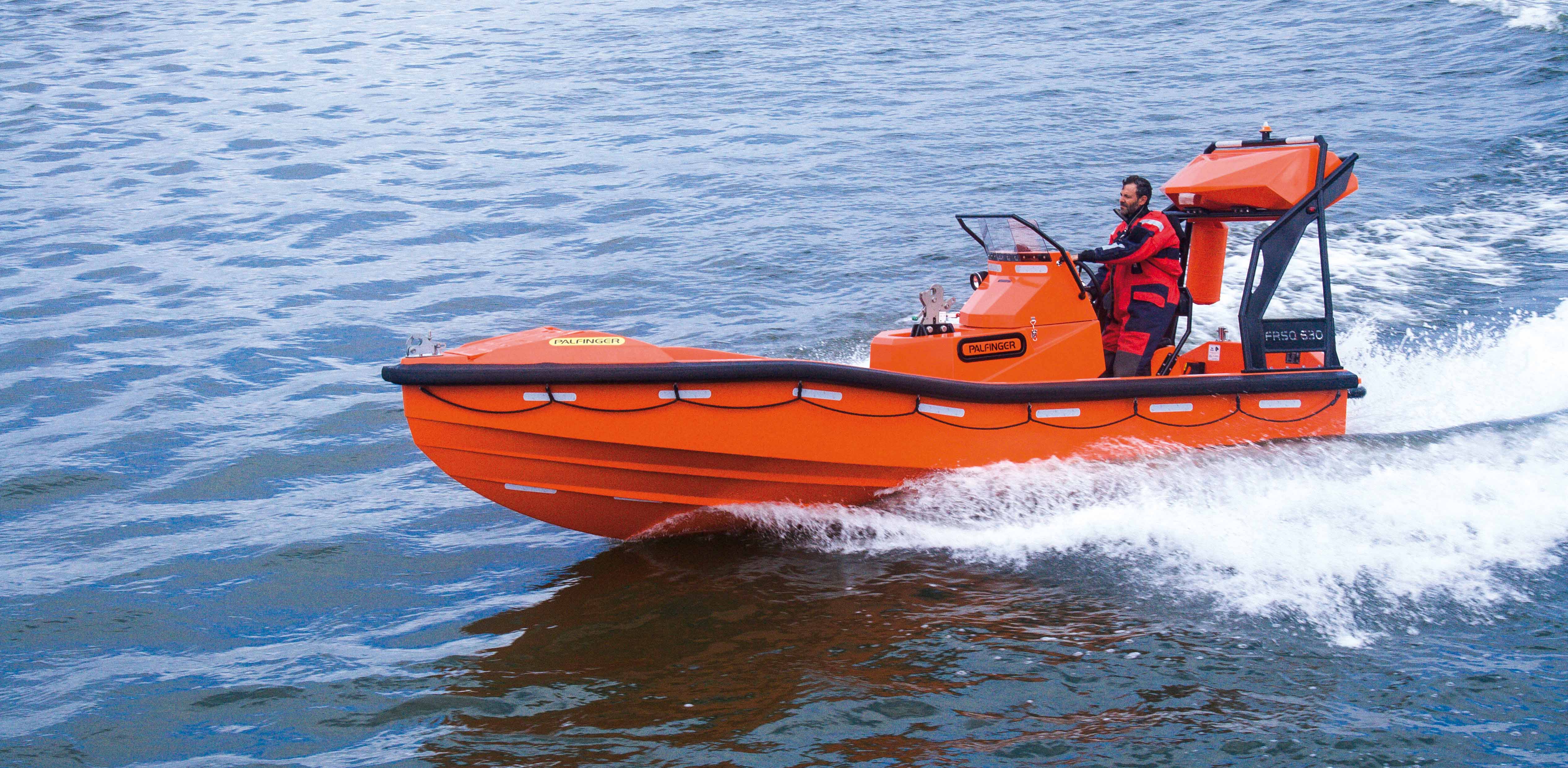
- Release hook Mechanismus Korrosion/Blockierung — KRITISCHER Sicherheitsfehler
- Diesel engine start failure due to lack of regular testing
- GRP hull osmotic blistering with prolonged water contact
- Scavenge air system valve failure
- Safety belt/harness aging due to UV/weather
- Lightweight yet robust aluminium hull provides high speed and good impact resistance
- Integrated davit system enables quick, crew‑independent launch and recovery
- Meets SOLAS 15‑person RFRB requirements and USCG type approval
- Palfinger’s modular design simplifies spare‑part replacement and field servicing
- Suitable for a wide range of vessel sizes due to compact dimensions (7.287 m length)
- Release hook mechanism prone to corrosion/blockage; requires annual certified maintenance (MSC.402(96))
- Diesel engine start failures reported when regular weekly tests are missed
- Ventilation/air‑supply valve can fail, affecting crew breathing apparatus
- UV and weather exposure ages safety harnesses and GFRP components, leading to potential blistering
- Maintenance intensity higher than fully inflatable RIBs (hull inspections, 5‑year major survey)
- Release hook Mechanismus Korrosion/Blockierung — KRITISCHER Sicherheitsfehler
- Diesel engine start failure due to lack of regular testing
- GRP hull osmotic blistering with prolonged water contact
- Scavenge air system valve failure
- Safety belt/harness aging due to UV/weather
- High pulling capacity (30 kN) suitable for most fast rescue boats
- Smooth hydraulic operation enables precise control during launch and recovery
- Integrated safety release hook meets SOLAS requirements
- Compact, modular design fits a wide range of vessel deck layouts
- Compatible with standard 16 mm fall wire, simplifying spares management
- Requires dedicated hydraulic power source and pressure control system
- Heavier than comparable electric winches, affecting deck load calculations
- Hydraulic components need regular oil checks to prevent leaks and corrosion
- Maximum capacity limited to 30 kN – may be insufficient for larger lifeboats
- Maintenance interval (annual hook service, weekly motor test) adds operational workload
- Release hook Mechanismus Korrosion/Blockierung — KRITISCHER Sicherheitsfehler
- Diesel engine start failure due to lack of regular testing
- GRP hull osmotic blistering with prolonged water contact
- Scavenge air system valve failure
- Safety belt/harness aging due to UV/weather
- Very high approved working load (6.5 t per hook) suitable for large lifeboats and rescue craft
- On‑load/off‑load release mechanism enhances safe launch under load
- Designed for double‑point suspension, providing redundancy and stability
- Meets SOLAS MSC.402 requirements and USCG type approval
- Integrated motor test routine (weekly 5 min) supports reliability verification
- Release hook prone to corrosion/blockage if not maintained annually per SOLAS MSC.402(96)
- Complex hydraulic/electrical system requires skilled maintenance personnel
- Large footprint may limit installation on smaller vessels or decks with space constraints
- Known issues with diesel‑engine start of the attached rescue boat if regular tests are missed
- GFK (fiberglass) hull of the lifeboat can develop osmotic blistering after prolonged water exposure
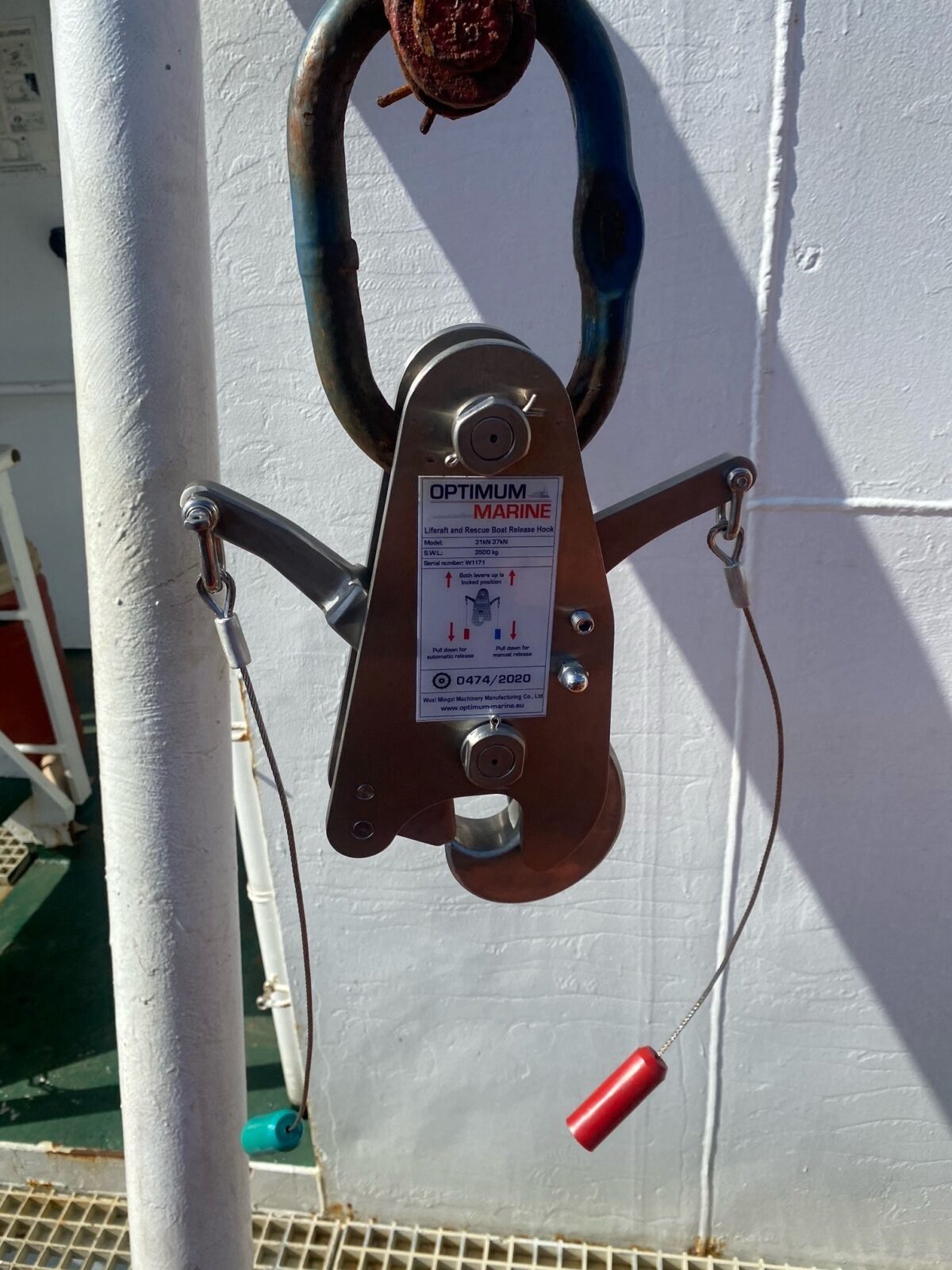
- Release hook Mechanismus Korrosion/Blockierung — KRITISCHER Sicherheitsfehler
- Diesel engine start failure due to lack of regular testing
- GRP hull osmotic blistering with prolonged water contact
- Scavenge air system valve failure
- Safety belt/harness aging due to UV/weather
- High load capacity (12 t per hook) suitable for large lifeboats and rescue craft
- On‑load/off‑load release provides safe launch even under load conditions
- Modular design compatible with a wide range of double‑point suspension davits
- Meets SOLAS MSC.402(96) maintenance requirements, ensuring regulatory compliance
- Palfinger brand reputation for durability and service support
- Release hook mechanism prone to corrosion or blockage if not maintained rigorously
- Requires annual inspection by an approved service provider (SOLAS MSC.402)
- Weekly motor‑run test adds operational overhead
- GFRP hulls associated with the system can develop osmotic blistering over time
- Safety harnesses and fittings may degrade under UV exposure, needing regular replacement
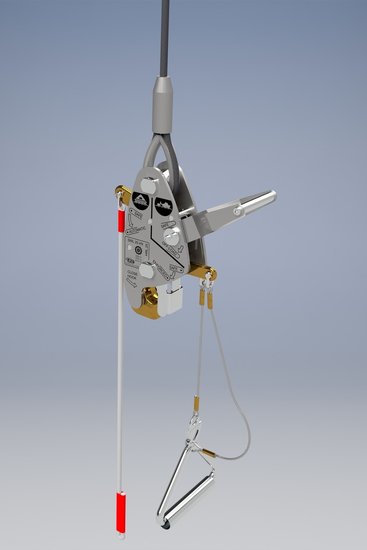
- Release hook Mechanismus Korrosion/Blockierung — KRITISCHER Sicherheitsfehler
- Diesel engine start failure due to lack of regular testing
- GRP hull osmotic blistering with prolonged water contact
- Scavenge air system valve failure
- Safety belt/harness aging due to UV/weather
- High approved working load (3 500 kg per hook) suitable for large lifeboats
- Dual‑point suspension provides redundancy and stable handling in heavy seas
- On‑load release allows safe boat launch even under tension
- SOLAS‑approved design with USCG type approval, ensuring regulatory compliance
- Modular variants (1 & 2) allow adaptation to different deck layouts
- Release hook prone to corrosion or blockage if maintenance is neglected
- Weekly motor test and annual hook service increase operational workload
- GFRP hulls of associated lifeboats can develop osmotic blisters over time
- Complexity of dual‑point system may require specialised training for crew
- Higher initial cost compared with single‑point davits
- Release hook Mechanismus Korrosion/Blockierung — KRITISCHER Sicherheitsfehler
- Diesel engine start failure due to lack of regular testing
- GRP hull osmotic blistering with prolonged water contact
- Scavenge air system valve failure
- Safety belt/harness aging due to UV/weather
- High certified working load of 3.5 t per hook, suitable for larger lifeboats
- On‑load/off‑load release allows safe launch even when the boat is fully loaded
- Compact single‑point suspension saves deck space on vessels with limited clearance
- Meets SOLAS MSC.402(96) requirements and includes a weekly motor‑run test routine
- Annual hook inspection by approved service ensures compliance with SOLAS
- Release hook mechanism prone to corrosion or blockage if not maintained rigorously
- Requires annual maintenance by an authorized provider, increasing life‑cycle cost
- Limited to single‑point suspension; not suitable for vessels that demand dual‑point davits
- Reported diesel‑engine start failures when weekly tests are missed
- GFRP hull of the associated lifeboat can develop osmotic blistering in prolonged water exposure
- Release hook Mechanismus Korrosion/Blockierung — KRITISCHER Sicherheitsfehler
- Diesel engine start failure due to lack of regular testing
- GRP hull osmotic blistering with prolonged water contact
- Scavenge air system valve failure
- Safety belt/harness aging due to UV/weather
- High certified working load (6 t) per hook enables large lifeboat deployment
- On‑load/off‑load release reduces manual handling and launch time
- Single‑point suspension saves deck space compared with twin‑arm systems
- Compliant with SOLAS MSC.402(96) and USCG type approval, ensuring regulatory acceptance
- Standardised annual hook maintenance programme simplifies service planning
- Release hook can suffer corrosion or blockage if not inspected regularly (critical safety risk)
- Requires weekly motor‑run tests; failure to perform leads to launch delays
- GFRP lifeboat hulls may develop osmotic blisters after prolonged water exposure
- Safety harnesses and UV‑exposed components age faster, needing frequent replacement
- Complex hydraulic system demands specialised service personnel
- Release hook Mechanismus Korrosion/Blockierung — KRITISCHER Sicherheitsfehler
- Diesel engine start failure due to lack of regular testing
- GRP hull osmotic blistering with prolonged water contact
- Scavenge air system valve failure
- Safety belt/harness aging due to UV/weather
- Very high working load limit (6 t per hook) suitable for large lifeboats and rescue craft
- Dual‑point suspension provides added stability during launch and recovery
- Integrated on‑load/off‑load release mechanism enables safe launch under load
- Meets SOLAS MSC.402(96) requirements and USCG type approval
- Standardised maintenance schedule (annual hook service, weekly motor test) simplifies compliance
- Release hook prone to corrosion or blockage if not inspected rigorously
- Diesel‑engine start failures reported when routine tests are missed
- GFRP hull of the associated rescue boat can develop osmotic blisters in prolonged water exposure
- Air‑supply valve may fail, requiring redundant checks before launch
- Safety harnesses and UV‑exposed components age faster, increasing replacement intervals

- Release hook Mechanismus Korrosion/Blockierung — KRITISCHER Sicherheitsfehler
- Diesel engine start failure due to lack of regular testing
- GRP hull osmotic blistering with prolonged water contact
- Scavenge air system valve failure
- Safety belt/harness aging due to UV/weather
- High certified working load of 9 t per hook, covering most large lifeboat sizes
- On‑load/off‑load release allows safe launch even under load conditions
- Modular variants (1‑6) provide flexibility for single or double‑point suspension
- Complies with SOLAS and USCG type‑approval requirements; compatible with major classification societies
- Hydraulic operation offers smooth, controlled lowering and raising of boats
- Complex hydraulic system requires regular testing (weekly motor run) and annual hook maintenance to avoid corrosion or blockage
- Relatively heavy installation may affect deck weight budgeting on smaller vessels
- GFK (glass‑fiber reinforced plastic) lifeboat hulls can develop osmotic blisters if not inspected at each docking
- Failure of the release mechanism has been reported when corrosion blocks the hook, demanding strict maintenance regimes
- Higher initial cost compared with simple manual davits
- Release hook Mechanismus Korrosion/Blockierung — KRITISCHER Sicherheitsfehler
- Diesel engine start failure due to lack of regular testing
- GRP hull osmotic blistering with prolonged water contact
- Scavenge air system valve failure
- Safety belt/harness aging due to UV/weather
- Very high combined load capacity (up to 24 t) suitable for large lifeboats or rafts
- Dual‑arm design provides redundancy and balanced launch forces
- Integrated release hook with SOLAS‑approved safety features
- Optional diesel engine drive enables rapid, self‑contained launches without shore power
- Meets USCG Type Approval and SOLAS MSC.402(96) requirements
- Release‑hook mechanism prone to corrosion or blockage if not maintained annually
- Diesel launch motor requires weekly testing; failure can delay evacuation
- GFK (glass‑fiber reinforced plastic) lifeboat hulls may develop osmotic blisters after prolonged water exposure
- Ventilation valve of the air‑supply system has a documented failure rate
- Safety harnesses and webbing age quickly under UV and harsh weather, needing regular replacement
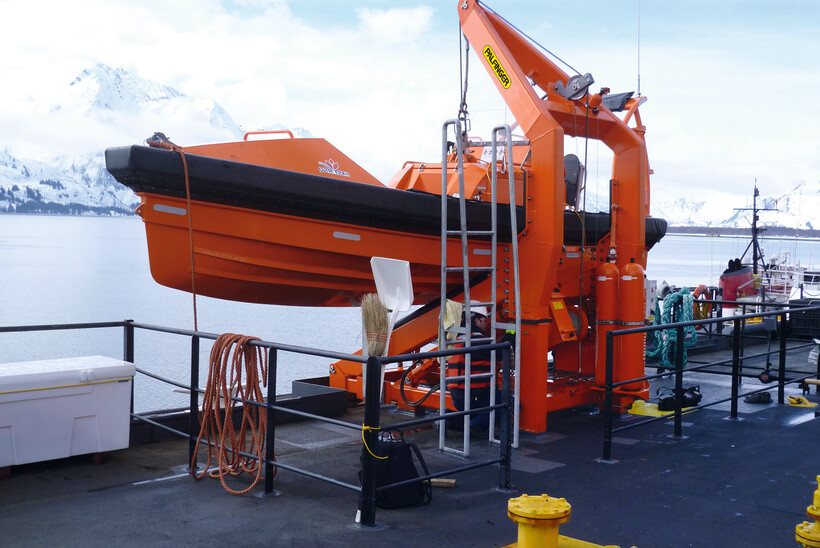
- Release hook Mechanismus Korrosion/Blockierung — KRITISCHER Sicherheitsfehler
- Diesel engine start failure due to lack of regular testing
- GRP hull osmotic blistering with prolonged water contact
- Scavenge air system valve failure
- Safety belt/harness aging due to UV/weather
- High load capacity (30 kN) allows deployment of larger rescue craft
- Pivoting arm provides flexible launch angles on crowded decks
- Single‑fall system enables rapid, one‑handed release for man‑over‑board situations
- Compact footprint fits vessels with limited deck space
- Meets SOLAS MSC.402(96) requirements and USCG type approval
- Release‑hook mechanism prone to corrosion or blockage if not maintained
- Requires weekly diesel‑engine start test and annual hook service – operational overhead
- GFRP hull can develop osmotic blisters after prolonged water exposure
- Ventilation valve of the air‑supply system has reported failures
- Safety harnesses age quickly under UV and harsh weather, needing regular replacement
- Release hook Mechanismus Korrosion/Blockierung — KRITISCHER Sicherheitsfehler
- Diesel engine start failure due to lack of regular testing
- GRP hull osmotic blistering with prolonged water contact
- Scavenge air system valve failure
- Safety belt/harness aging due to UV/weather
- High safe working load of 37.5 kN (≈3.8 t) suitable for most rescue boats used on offshore vessels
- SOLAS‑approved design with built‑in release hook that meets MSC.402(96) maintenance intervals
- Compact footprint allows installation on medium‑size deck spaces without major structural modifications
- Quick launch/recovery cycle, essential for time‑critical emergency response
- Compatible with routine weekly motor‑test procedures to verify operational readiness
- Release hook can suffer corrosion or blockage if annual maintenance is neglected – a critical safety risk
- Requires regular hydraulic system checks; leaks or loss of pressure will disable launch capability
- Limited to rescue craft under the 3.8 t SWL, unsuitable for larger lifeboats or rigid‑inflatable boats exceeding that weight
- GFRP (glass‑fiber reinforced plastic) hulls need periodic dockside inspection for osmotic blistering
- Higher initial procurement cost compared with basic manual davits
- Release hook Mechanismus Korrosion/Blockierung — KRITISCHER Sicherheitsfehler
- Diesel engine start failure due to lack of regular testing
- GRP hull osmotic blistering with prolonged water contact
- Scavenge air system valve failure
- Safety belt/harness aging due to UV/weather
- Fire‑protected fully enclosed cabin provides thermal protection in a blaze
- High passenger capacity (150 persons) suitable for large vessels
- Durable FRP hull with low corrosion risk compared to steel
- Integrated diesel engine gives self‑propulsion and extended survival range
- SOLAS‑approved davit launch system allows rapid, controlled deployment
- Complex maintenance regime – weekly engine start test and annual release‑hook service required
- Potential osmotic blistering of the FRP hull after prolonged water exposure
- Release‑hook mechanism prone to corrosion or blockage if not inspected regularly
- Ventilation valve failures can compromise air supply in the enclosure
- UV degradation of safety harnesses and exterior fittings demands frequent replacement
- Release hook Mechanismus Korrosion/Blockierung — KRITISCHER Sicherheitsfehler
- Diesel engine start failure due to lack of regular testing
- GRP hull osmotic blistering with prolonged water contact
- Scavenge air system valve failure
- Safety belt/harness aging due to UV/weather
- High certified release capacity (1 750 kg) suitable for large lifeboats
- Off‑load design allows safe release under full load without manual lifting
- SOLAS‑compliant and USCG type‑approved for lifesaving appliances
- Simple weekly motor test and annual service schedule defined by SOLAS MSC.402(96)
- Robust construction compatible with a wide range of vessel deck layouts
- Release hook prone to corrosion or blockage if maintenance is missed
- Requires dedicated weekly motor run‑test (minimum 5 min) and annual certified service
- Integration may need structural reinforcement on older decks
- Not an all‑in‑one davit; must be paired with separate lifeboat cradle and winch system
- Potential for GFRP hull issues on associated lifeboats if water exposure is prolonged
- Release hook Mechanismus Korrosion/Blockierung — KRITISCHER Sicherheitsfehler
- Diesel engine start failure due to lack of regular testing
- GRP hull osmotic blistering with prolonged water contact
- Scavenge air system valve failure
- Safety belt/harness aging due to UV/weather
- High load capacity (3 700 kg) enables use with larger lifeboats and rescue craft.
- Single‑point suspension simplifies davit geometry and reduces installation space.
- Designed to meet SOLAS requirements; annual hook maintenance is defined by MSC.402(96).
- Compatible with GFRP hulls when inspected at docking, allowing integration on modern vessels.
- Release hook prone to corrosion or blockage if not maintained according to schedule.
- Requires weekly motor‑run tests (minimum 5 min) and annual certified service – high maintenance burden.
- Limited to single‑point davit arrangements; not suitable for multi‑point lifeboat systems.
- Failure of associated air‑supply valves or safety harnesses can compromise overall launch safety.
- Release hook Mechanismus Korrosion/Blockierung — KRITISCHER Sicherheitsfehler
- Diesel engine start failure due to lack of regular testing
- GRP hull osmotic blistering with prolonged water contact
- Scavenge air system valve failure
- Safety belt/harness aging due to UV/weather
- Lightweight aluminium construction gives high speed and easy handling
- Integrated davit system (MSC.402(96) compliant) enables quick, safe launch and recovery
- Six‑person capacity meets SOLAS requirements for many vessel classes
- Low maintenance compared with inflatable boats; corrosion‑resistant fittings
- Modular design allows straightforward replacement of engine or deck equipment
- Release hook mechanism prone to corrosion/ blockage if not serviced annually
- Diesel engine requires weekly start‑up tests; failure risk if neglected
- Aluminium hull can suffer galvanic corrosion in aggressive seawater environments without proper cathodic protection
- Limited capacity and sea‑state capability (generally up to 3 m) compared with larger lifeboats
- UV exposure ages safety harnesses and deck fittings, requiring regular inspection
- Release hook Mechanismus Korrosion/Blockierung — KRITISCHER Sicherheitsfehler
- Diesel engine start failure due to lack of regular testing
- GRP hull osmotic blistering with prolonged water contact
- Scavenge air system valve failure
- Safety belt/harness aging due to UV/weather
- Integrated diesel engine enables rapid, self‑contained launch without external power
- Compact GFRP hull provides high strength‑to‑weight ratio and corrosion resistance when maintained
- SOLAS‑compliant release hook design allows quick manual release in emergencies
- Designed for weekly engine run‑tests, supporting reliable readiness
- Approved by DNV, ensuring conformity with major classification society standards
- Release hook mechanism prone to corrosion or blockage if not serviced annually
- Diesel engine may fail to start after periods of inactivity without regular testing
- GFRP hull can develop osmotic blisters after prolonged water exposure
- Ventilation valve in the air‑supply system has a documented failure mode
- Safety harnesses and belts deteriorate under UV and weather exposure, requiring frequent replacement
- Release hook Mechanismus Korrosion/Blockierung — KRITISCHER Sicherheitsfehler
- Diesel engine start failure due to lack of regular testing
- GRP hull osmotic blistering with prolonged water contact
- Scavenge air system valve failure
- Safety belt/harness aging due to UV/weather
- Integrated diesel launch engine enables rapid, self‑propelled deployment without external power
- SOLAS/ DNV approved design meets international lifesaving regulations
- GFRP (glass‑fiber reinforced plastic) hull provides corrosion resistance and reduced weight
- Weekly motor test procedure built into service plan ensures operational readiness
- Release hook designed for reliable release when properly maintained
- Diesel engine requires strict periodic testing; neglect can cause start failures
- Release‑hook mechanism prone to corrosion or blockage if maintenance is missed
- GFRP hull may develop osmotic blistering after prolonged water exposure
- Air‑supply ventilation valve reported to fail under harsh conditions
- Safety harnesses and straps age with UV and weather exposure, needing regular replacement
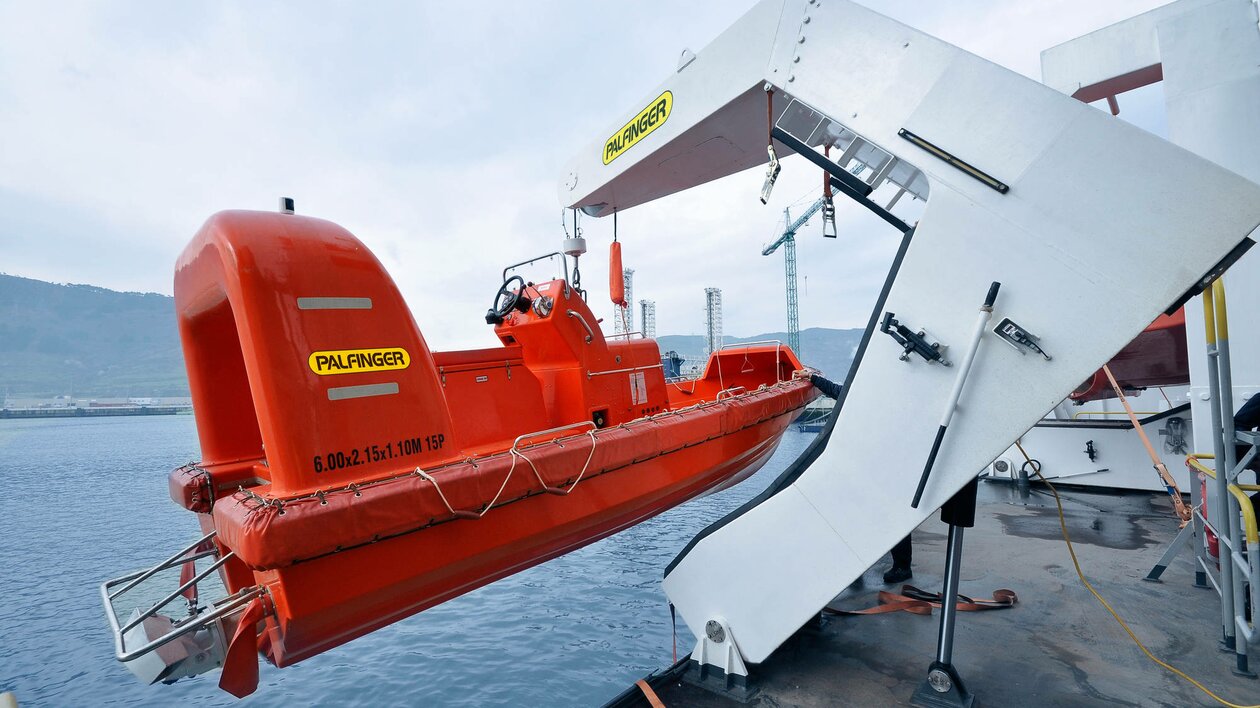
- Release hook Mechanismus Korrosion/Blockierung — KRITISCHER Sicherheitsfehler
- Diesel engine start failure due to lack of regular testing
- GRP hull osmotic blistering with prolonged water contact
- Scavenge air system valve failure
- Safety belt/harness aging due to UV/weather
- High launch capacity (≈1.3 t) suitable for medium‑size lifeboats
- Independent diesel engine allows operation without ship power
- SOLAS‑compliant design with DNV approval
- Quick release hook enables fast deployment
- Robust steel davit arms and optional remote control
- Release‑hook mechanism prone to corrosion/blockage, requiring annual service
- Diesel engine start reliability depends on strict weekly testing
- GFR hull can develop osmotic blisters after prolonged water exposure
- Air‑supply valve failures reported in field experience
- Safety harnesses age under UV and weather, needing regular replacement
- Release hook Mechanismus Korrosion/Blockierung — KRITISCHER Sicherheitsfehler
- Diesel engine start failure due to lack of regular testing
- GRP hull osmotic blistering with prolonged water contact
- Scavenge air system valve failure
- Safety belt/harness aging due to UV/weather
- Fast, controlled launch using hydraulic power – suitable for rapid evacuation.
- Compact footprint; can be installed on vessels with limited deck space.
- Integrated release‑hook mechanism meets SOLAS MSC.402(96) requirements and is serviceable by approved technicians.
- Robust corrosion‑resistant construction, compatible with DNV class approvals.
- Optional motor‑test function allows weekly verification of winch performance.
- Requires regular hydraulic fluid inspection and annual release‑hook maintenance to avoid corrosion/blockage failures.
- Higher initial cost compared with basic electric davits.
- Dependent on vessel’s hydraulic power supply; retrofitting may be needed on older ships.
- GFK (glass‑fiber reinforced) lifeboat hulls attached to the davit can develop osmotic blisters if not inspected at each docking.
- Release hook Mechanismus Korrosion/Blockierung — KRITISCHER Sicherheitsfehler
- Diesel engine start failure due to lack of regular testing
- GRP hull osmotic blistering with prolonged water contact
- Scavenge air system valve failure
- Safety belt/harness aging due to UV/weather
- High launch capacity (up to ~3.5 t) suitable for larger lifeboats with diesel propulsion
- Fast deployment – motor‑driven lifeboat can leave the vessel under its own power
- SOLAS‑compliant release hook mechanism with optional corrosion‑resistant coating
- Modular design allows installation on a wide range of hull forms
- DNV classification approval for the davit assembly
- Release‑hook prone to corrosion or blockage if not serviced annually (critical safety risk)
- Diesel engine requires weekly start‑up tests; failure to test leads to non‑start conditions
- GFRP hull of the lifeboat can develop osmotic blistering after prolonged water exposure
- Ventilation valve in the air‑supply system has a known failure mode
- Safety harnesses and webbing degrade under UV/wet weather, demanding regular replacement

- Release hook Mechanismus Korrosion/Blockierung — KRITISCHER Sicherheitsfehler
- Diesel engine start failure due to lack of regular testing
- GRP hull osmotic blistering with prolonged water contact
- Scavenge air system valve failure
- Safety belt/harness aging due to UV/weather
- Fast, self‑contained launch using an onboard diesel engine – independent of ship power supply
- Fire‑resistant (FR) version meets higher safety standards for high‑risk vessels
- DNV and SOLAS MSC.402(96) approval ensures regulatory compliance
- Robust GFK hull provides a lightweight yet strong lifeboat structure
- Annual release‑hook maintenance programme defined by SOLAS
- Release hook prone to corrosion or blockage if not maintained annually – critical safety risk
- Diesel engine requires weekly start‑up tests; failure to test can lead to launch loss
- GFK hull may develop osmotic blisters after prolonged water exposure, especially in warm seas
- Air‑supply valve reliability issues reported in field service bulletins
- Safety harnesses age quickly under UV and harsh weather, needing regular replacement
- Release hook Mechanismus Korrosion/Blockierung — KRITISCHER Sicherheitsfehler
- Diesel engine start failure due to lack of regular testing
- GRP hull osmotic blistering with prolonged water contact
- Scavenge air system valve failure
- Safety belt/harness aging due to UV/weather
- Fire‑resistant (FR) construction meets stringent safety standards
- High load rating (~3500 kg) suitable for large lifeboats or rafts
- Integrated diesel launch engine provides rapid powered lowering
- SOLAS/MSC.402(96) compliant with prescribed annual release‑hook service
- Modular design fits both GFRP hulls and steel decks
- Release hook mechanism can corrode or block if not maintained annually
- Diesel engine may fail to start without the required weekly test
- GFRP lifeboat hull prone to osmotic blistering after prolonged water exposure
- Air‑supply ventilation valve reported failures in service history
- Safety harnesses age quickly under UV and weather, needing frequent replacement
- Release hook Mechanismus Korrosion/Blockierung — KRITISCHER Sicherheitsfehler
- Diesel engine start failure due to lack of regular testing
- GRP hull osmotic blistering with prolonged water contact
- Scavenge air system valve failure
- Safety belt/harness aging due to UV/weather
- High launch speed with powered diesel winch – reduces manual effort
- Fire‑resistant (FR) cabin protects lifeboat equipment in case of onboard fire
- Compact design fits on vessels with limited deck space
- SOLAS‑compliant release mechanism and load rating up to 3 500 kg
- Modular configuration allows retrofit on existing ships
- Release hook prone to corrosion or blockage if not inspected annually (critical safety risk)
- Diesel winch requires weekly start‑up tests; failure to test can cause launch delays
- GFR hull of the lifeboat may develop osmotic blisters after prolonged water exposure
- Air‑supply valve and ventilation system have reported occasional failures
- Safety harnesses and webbing age quickly under UV and harsh weather, needing regular replacement
- Release hook Mechanismus Korrosion/Blockierung — KRITISCHER Sicherheitsfehler
- Diesel engine start failure due to lack of regular testing
- GRP hull osmotic blistering with prolonged water contact
- Scavenge air system valve failure
- Safety belt/harness aging due to UV/weather
- Rated for 3 500 kg load – suitable for large lifeboats on passenger and offshore vessels
- Fire‑resistant (FR) construction meets stringent SOLAS fire safety requirements
- Integrated diesel launch engine enables rapid, self‑propelled deployment without external power
- Remote‑control operation and automated release mechanism improve crew safety during launch
- Designed to comply with MSC.402(96) and SOLAS lifeboat davit standards
- Release hook prone to corrosion or blockage if not maintained annually – critical safety risk
- Diesel engine start failures reported when weekly test regime is neglected
- GFR (glass‑fiber reinforced) hull of the launch boat can develop osmotic blisters after prolonged water exposure
- Ventilation valve in the air‑supply system has a history of malfunction
- Safety harnesses and webbing age quickly under UV and harsh weather, requiring frequent replacement
- Release hook Mechanismus Korrosion/Blockierung — KRITISCHER Sicherheitsfehler
- Diesel engine start failure due to lack of regular testing
- GRP hull osmotic blistering with prolonged water contact
- Scavenge air system valve failure
- Safety belt/harness aging due to UV/weather
- Rated for 3.5 tonne lifeboat/raft – suitable for large survival craft on high‑capacity vessels.
- Integrated quick‑release hook meeting SOLAS requirements, enabling rapid launch in emergencies.
- Modular and compact design fits a wide range of deck layouts and vessel types.
- Hydraulic actuation provides smooth, controlled deployment even in heavy seas.
- Compatible with Palfinger’s remote monitoring/maintenance program for condition‑based servicing.
- Release hook can suffer corrosion or blockage if annual maintenance is missed – a critical safety concern.
- Associated diesel‑engine lifeboats have reported start failures when weekly engine tests are not performed.
- GFR (glass‑fiber reinforced) hulls may develop osmotic blisters after prolonged water exposure, requiring dockside inspection.
- Ventilation valve of the air‑supply system has shown occasional failure, affecting survivability.
- Safety harnesses and webbing age rapidly under UV and weather exposure, necessitating regular replacement.
- Release hook Mechanismus Korrosion/Blockierung — KRITISCHER Sicherheitsfehler
- Diesel engine start failure due to lack of regular testing
- GRP hull osmotic blistering with prolonged water contact
- Scavenge air system valve failure
- Safety belt/harness aging due to UV/weather
- Fast, hydraulically assisted launch reduces evacuation time
- Fire‑resistant version (FR) suitable for high‑risk vessels such as tankers
- Designed to comply with SOLAS MSC.402(96) requirements
- Integrated motor allows weekly functional tests (≥5 min)
- Compatible with GFK‑hull lifeboats and includes provisions for annual release‑hook service
- Release hook can corrode or jam if not serviced annually (critical safety risk)
- Diesel launch motor may fail to start without regular testing
- GFRP hulls are prone to osmotic blistering after prolonged water exposure
- Ventilation valve in the air‑supply system has reported failures
- Safety harnesses and straps can degrade from UV and weather exposure, requiring frequent inspection
- Release hook Mechanismus Korrosion/Blockierung — KRITISCHER Sicherheitsfehler
- Diesel engine start failure due to lack of regular testing
- GRP hull osmotic blistering with prolonged water contact
- Scavenge air system valve failure
- Safety belt/harness aging due to UV/weather
- High load capacity (up to 3500 kg) suitable for larger lifeboats and rafts
- Integrated fire‑resistant release hook meeting SOLAS MSC.402(96) requirements
- Hydraulic operation provides smooth, rapid launch and retrieval
- Compact footprint fits vessels with limited deck space
- Optional remote control and monitoring can be linked to ship alarm systems
- Release hook can corrode or become blocked if not serviced annually
- Weekly motor test and annual hydraulic inspection increase maintenance workload
- Diesel‑driven winch may suffer start failures without regular testing
- GFR hulls are susceptible to osmotic blistering that can affect davit fittings
- Safety harnesses and webbing can degrade from UV exposure over time
- Release hook Mechanismus Korrosion/Blockierung — KRITISCHER Sicherheitsfehler
- Diesel engine start failure due to lack of regular testing
- GRP hull osmotic blistering with prolonged water contact
- Scavenge air system valve failure
- Safety belt/harness aging due to UV/weather
- Integrated diesel propulsion enables independent launch without ship power
- DNV approval confirms compliance with international safety standards
- Designed for SOLAS MSC.402(96) release‑hook maintenance procedures
- Modular design allows inspection of the GFR hull at each docking
- High load capacity suitable for medium‑size lifeboats (≈6000 kg class)
- Release‑hook mechanism prone to corrosion or blockage if not serviced annually
- Diesel engine start failures reported when weekly tests are missed
- GFR hull can develop osmotic blisters after prolonged water exposure
- Ventilation valve of the air‑supply system has a history of malfunction
- Safety harnesses and belts degrade under UV and weathering, requiring frequent replacement
- Release hook Mechanismus Korrosion/Blockierung — KRITISCHER Sicherheitsfehler
- Diesel engine start failure due to lack of regular testing
- GRP hull osmotic blistering with prolonged water contact
- Scavenge air system valve failure
- Safety belt/harness aging due to UV/weather
- Integrated diesel engine enables independent launch without ship power
- Hydraulic operation provides smooth, controlled hoisting of heavy lifeboats
- Designed for SOLAS compliance with mandatory weekly motor test and annual hook inspection
- DNV‑approved design ensures recognized class society acceptance
- Release‑hook mechanism prone to corrosion or blockage if not maintained rigorously
- Diesel engine may fail to start when regular testing is omitted
- GFK (glass‑fiber reinforced plastic) hull can develop osmotic blisters after prolonged water exposure
- Ventilation valve of the air‑supply system reported as a failure point in service history
- Release hook Mechanismus Korrosion/Blockierung — KRITISCHER Sicherheitsfehler
- Diesel engine start failure due to lack of regular testing
- GRP hull osmotic blistering with prolonged water contact
- Scavenge air system valve failure
- Safety belt/harness aging due to UV/weather
- High load capacity (≈3500 kg) allowing use of larger lifeboats/rafts
- Compact footprint suitable for vessels with limited deck space
- Fast launch cycle (typically <30 s) with remote release capability
- SOLAS‑compliant design and DNV class approval
- Optional diesel‑engine driven winch for independent power
- Hydraulic system requires strict weekly testing and annual hook maintenance; neglect leads to corrosion or blockage
- Diesel engine start failures reported when regular tests are omitted
- GFRP (fiberglass) lifeboat hulls attached to the davit can develop osmotic blisters if exposed long‑term to seawater
- Ventilation valve of the air‑supply system has a known failure mode
- Safety harnesses and webbing age under UV exposure, requiring periodic replacement
- Release hook Mechanismus Korrosion/Blockierung — KRITISCHER Sicherheitsfehler
- Diesel engine start failure due to lack of regular testing
- GRP hull osmotic blistering with prolonged water contact
- Scavenge air system valve failure
- Safety belt/harness aging due to UV/weather
- Fast, powered launch capability with diesel engine
- Integrated release hook mechanism approved by SOLAS MSC.402(96)
- GFRP hull provides good strength‑to‑weight ratio and corrosion resistance
- Meets IMO/DNV certification standards for lifesaving appliances
- Clear maintenance schedule (weekly motor test, annual hook service, 5‑year inspection)
- Release hook can suffer corrosion or blockage if not maintained
- Diesel engine may fail to start without regular testing
- GFRP hull prone to osmotic blistering after prolonged water exposure
- Air‑supply valve failures reported in service history
- Safety harnesses and webbing degrade under UV and weather, requiring periodic replacement
- Release hook Mechanismus Korrosion/Blockierung — KRITISCHER Sicherheitsfehler
- Diesel engine start failure due to lack of regular testing
- GRP hull osmotic blistering with prolonged water contact
- Scavenge air system valve failure
- Safety belt/harness aging due to UV/weather
- Hydraulic drive provides fast, smooth and controlled launch/recovery
- Compact footprint fits vessels with limited deck space
- Integrated release hook complies with SOLAS MSC.402(96) requirements
- Corrosion‑resistant construction suitable for harsh marine environments
- Standardised spare parts simplify logistics and maintenance
- Requires regular hydraulic system inspection and fluid replacement
- Higher upfront cost compared with manual davit solutions
- Limited to lifeboats/rafts within the design load range (specific capacity must be verified)
- Increased mechanical complexity can lead to longer downtime if a failure occurs
- Release hook Mechanismus Korrosion/Blockierung — KRITISCHER Sicherheitsfehler
- Diesel engine start failure due to lack of regular testing
- GRP hull osmotic blistering with prolonged water contact
- Scavenge air system valve failure
- Safety belt/harness aging due to UV/weather
- Integrated diesel engine enables rapid, self‑propelled launch without external power
- High load capacity suitable for medium‑size lifeboats (up to ~13 m)
- SOLAS‑compliant release mechanism with optional remote activation
- Modular design allows installation on a wide range of vessel decks
- DNV approval and documented service intervals simplify regulatory compliance
- Release hook prone to corrosion or blockage if not maintained annually (critical safety risk)
- Diesel engine requires weekly start‑up tests; failure to test can lead to launch delays
- GFRP hull may develop osmotic blistering after prolonged water exposure, requiring dockside inspection
- Air‑supply valve failures have been reported, necessitating redundant checks before each voyage
- Safety harnesses and webbing age under UV exposure and must be replaced regularly
- Release hook Mechanismus Korrosion/Blockierung — KRITISCHER Sicherheitsfehler
- Diesel engine start failure due to lack of regular testing
- GRP hull osmotic blistering with prolonged water contact
- Scavenge air system valve failure
- Safety belt/harness aging due to UV/weather
- SOLAS‑approved design with built‑in release hook meeting MSC.402(96) requirements
- Hydraulic operation provides smooth, reliable launch even under adverse conditions
- Integrated diesel engine enables self‑propelled lifeboat deployment without external power
- Modular construction allows installation on a wide range of large vessels
- Defined maintenance schedule (weekly motor test, annual hook service) supports readiness
- Release hook susceptible to corrosion or blockage if not serviced annually
- Diesel engine may fail to start without strict adherence to weekly testing
- Fiberglass hull can develop osmotic blisters after prolonged water exposure
- Air‑supply valve failures have been reported, requiring vigilant inspection
- Safety harnesses and webbing age rapidly under UV and harsh weather
- Release hook Mechanismus Korrosion/Blockierung — KRITISCHER Sicherheitsfehler
- Diesel engine start failure due to lack of regular testing
- GRP hull osmotic blistering with prolonged water contact
- Scavenge air system valve failure
- Safety belt/harness aging due to UV/weather
- High launch power from built‑in diesel engine enables quick deployment even in adverse conditions
- Stainless‑steel davit structure provides good corrosion resistance for marine environments
- Modular design allows relatively easy replacement of the release hook and other wear parts
- Meets SOLAS MSC.402(96) requirements and carries DNV approval
- Release‑hook mechanism prone to corrosion or blockage if not inspected annually
- Diesel engine may fail to start without strict weekly testing regime
- GFRP hull can develop osmotic blistering after prolonged water exposure
- Ventilation valve of the air‑supply system has a documented failure rate
- Safety harnesses and straps age quickly under UV and weather exposure
- Release hook Mechanismus Korrosion/Blockierung — KRITISCHER Sicherheitsfehler
- Diesel engine start failure due to lack of regular testing
- GRP hull osmotic blistering with prolonged water contact
- Scavenge air system valve failure
- Safety belt/harness aging due to UV/weather
- High load capacity suitable for medium‑size lifeboats (up to ~1.8 t)
- Compact footprint allows installation on vessels with limited deck space
- Fully SOLAS‑approved and DNV certified, meeting international LSA requirements
- Remote‑control operation enables quick launch from the bridge or a safe distance
- Modular design simplifies routine inspection and component replacement
- Release hook prone to corrosion or blockage if not serviced annually (critical safety risk)
- Diesel‑engine drive requires weekly start‑up tests; failure to test can lead to launch delays
- GFRP (glass‑fiber reinforced plastic) hull may develop osmotic blistering after prolonged water exposure
- Ventilation valve of the air‑supply system has a documented failure mode requiring spare parts stock
- Safety harnesses and webbing age under UV and weather exposure, necessitating regular replacement
- Release hook Mechanismus Korrosion/Blockierung — KRITISCHER Sicherheitsfehler
- Diesel engine start failure due to lack of regular testing
- GRP hull osmotic blistering with prolonged water contact
- Scavenge air system valve failure
- Safety belt/harness aging due to UV/weather
- High load capacity suitable for medium‑size lifeboats (up to ~2 t)
- Integrated diesel engine enables self‑propelled launch without external power
- SOLAS MSC.402(96) compliant release hook and corrosion‑resistant steel construction
- Modular design allows installation on a variety of deck layouts
- Weekly motor test procedure built into service plan for reliability
- Diesel engine requires strict weekly testing; failure to do so can compromise launch capability
- Release hook mechanism prone to corrosion or blockage if not serviced annually
- Composite (GFK) lifeboat hulls may develop osmotic blistering when exposed long‑term to seawater
- Ventilation/air‑supply valve on the lifeboat can fail if not inspected regularly
- Safety harnesses and webbing age under UV exposure, requiring periodic replacement
- Release hook Mechanismus Korrosion/Blockierung — KRITISCHER Sicherheitsfehler
- Diesel engine start failure due to lack of regular testing
- GRP hull osmotic blistering with prolonged water contact
- Scavenge air system valve failure
- Safety belt/harness aging due to UV/weather
- High load capacity (≈3500 kg) suitable for large lifeboats or rafts
- Integrated diesel engine enables self‑contained launch without ship power
- Robust GFRP hull provides good strength‑to‑weight ratio
- Fast, controlled hoist speed thanks to hydraulic drive
- Meets SOLAS and DNV LSA requirements
- Release hook prone to corrosion/blockage if not inspected regularly
- Weekly diesel‑engine start test required – high maintenance burden
- GFRP hull can develop osmotic blisters after prolonged water exposure
- Air‑supply valve failures reported in field service reports
- Safety harnesses age quickly under UV and weather exposure
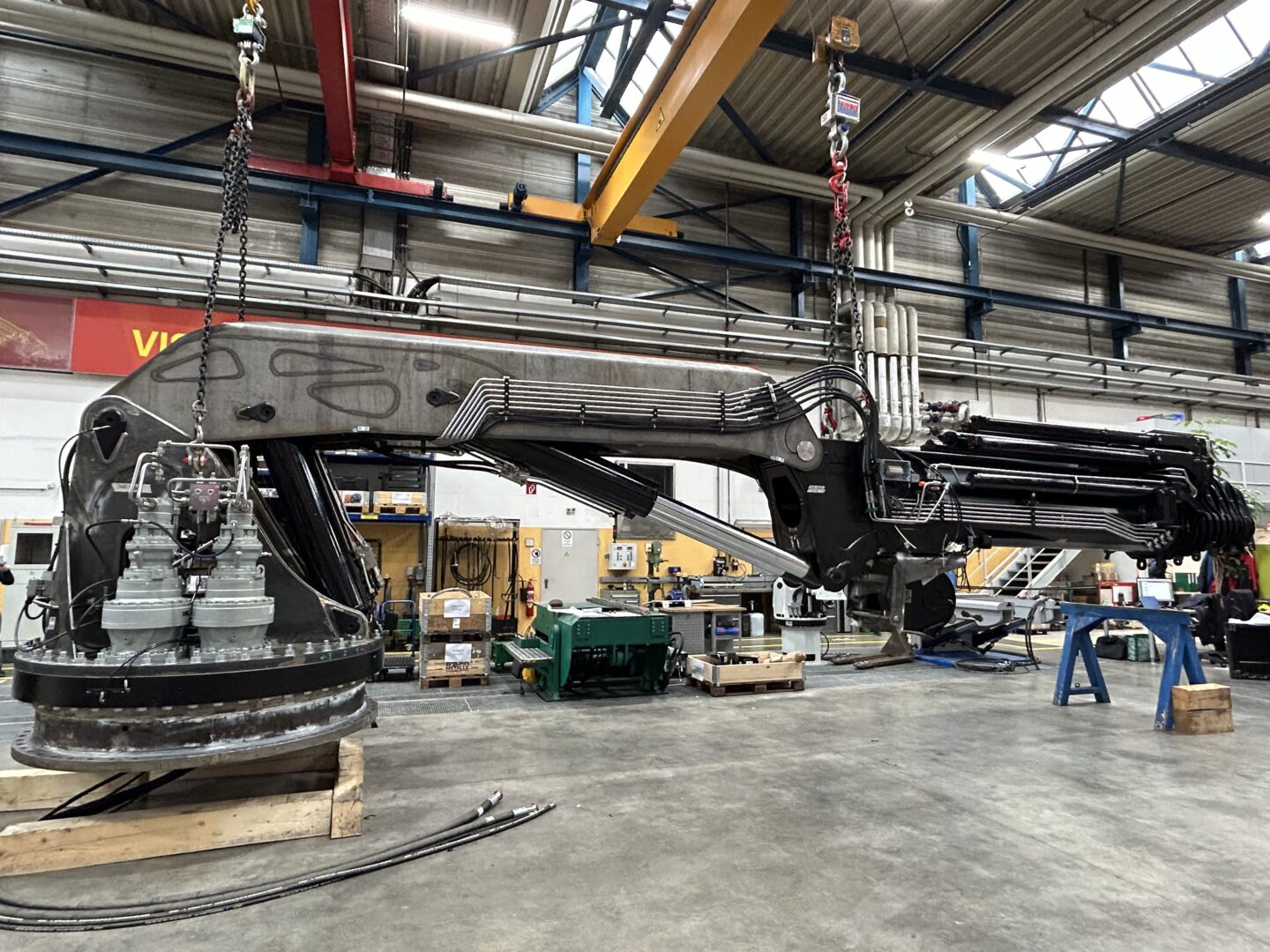
- Release hook Mechanismus Korrosion/Blockierung — KRITISCHER Sicherheitsfehler
- Diesel engine start failure due to lack of regular testing
- GRP hull osmotic blistering with prolonged water contact
- Scavenge air system valve failure
- Safety belt/harness aging due to UV/weather
- SOLAS‑compliant design with documented MSC.402(96) approval
- Integrated hydraulic release provides rapid, controlled launch
- Robust construction suited for medium‑size cargo vessels (up to ~3 500 kg boat capacity)
- Clear maintenance schedule (weekly motor test, annual hook service) supports reliability
- Release‑hook mechanism prone to corrosion/blockage if not serviced annually
- Diesel engine start failures reported when weekly tests are missed
- GFRP lifeboat hull can develop osmotic blisters after prolonged water exposure
- Ventilation valve of the air‑supply system has a history of failure
- Safety harnesses age quickly under UV and weather, requiring frequent replacement
- Release hook Mechanismus Korrosion/Blockierung — KRITISCHER Sicherheitsfehler
- Diesel engine start failure due to lack of regular testing
- GRP hull osmotic blistering with prolonged water contact
- Scavenge air system valve failure
- Safety belt/harness aging due to UV/weather
- High load capacity suitable for medium‑size lifeboats (up to ~3.5 t)
- Fast, powered launch with optional motorised winch
- SOLAS MSC.402(96) compliant release hook mechanism
- Corrosion‑resistant steel construction for marine environments
- Requires regular maintenance (weekly motor test, annual release‑hook service)
- Complex hydraulic system increases installation and inspection time
- Higher initial cost compared with manual davits
- Space on deck needed for the davit arms and hydraulic cylinders
- Release hook Mechanismus Korrosion/Blockierung — KRITISCHER Sicherheitsfehler
- Diesel engine start failure due to lack of regular testing
- GRP hull osmotic blistering with prolonged water contact
- Scavenge air system valve failure
- Safety belt/harness aging due to UV/weather
- High load capacity (≈3.5 t) suitable for larger lifeboats and rafts
- Smooth hydraulic operation enables quick, controlled launch even in adverse conditions
- Compact footprint fits on vessels with limited deck space
- Integrated release hook meets SOLAS MSC.402(96) requirements
- Proven track record on passenger ferries and offshore supply vessels
- Requires regular hydraulic system checks and annual release‑hook service to prevent corrosion or blockage
- Heavier than comparable electric davits, impacting deck weight budgeting
- Installation demands a dedicated power unit and space for hydraulic lines
- GFRP lifeboat hulls may develop osmotic blisters if not inspected during dockings
- Release hook Mechanismus Korrosion/Blockierung — KRITISCHER Sicherheitsfehler
- Diesel engine start failure due to lack of regular testing
- GRP hull osmotic blistering with prolonged water contact
- Scavenge air system valve failure
- Safety belt/harness aging due to UV/weather
- High load capacity (up to 3.5 t) suitable for large lifeboats or rescue craft
- Smooth hydraulic operation reduces manual effort and launch time
- Integrated release hook complies with SOLAS MSC.402(96) requirements
- Optional diesel engine provides powered launch in adverse conditions
- Modular design allows retrofit on existing vessels and easy replacement of components
- Release‑hook mechanism prone to corrosion or blockage if not maintained annually
- Diesel start reliability depends on strict weekly testing; failures reported when tests are missed
- GFRP (glass‑fiber reinforced plastic) hulls can develop osmotic blisters after prolonged water exposure
- Higher initial purchase and installation cost compared with simpler manual davits
- Requires dedicated space for hydraulic power unit and diesel engine, increasing weight on deck
- Release hook Mechanismus Korrosion/Blockierung — KRITISCHER Sicherheitsfehler
- Diesel engine start failure due to lack of regular testing
- GRP hull osmotic blistering with prolonged water contact
- Scavenge air system valve failure
- Safety belt/harness aging due to UV/weather
- SOLAS‑approved design (MSC.402) ensuring regulatory compliance
- Hydraulic power provides smooth, controlled launch even in heavy seas
- Integrated diesel motor allows independent launch tests and rapid deployment
- Annual release‑hook service interval simplifies maintenance planning
- Suitable for a wide range of lifeboat sizes up to 3 500 kg
- Release‑hook corrosion or blockage can cause critical safety failure if not inspected annually
- Diesel engine start reliability depends on strict weekly testing; missed tests increase risk
- Glass‑fibre reinforced (GFR) lifeboat hulls may develop osmotic blistering after prolonged water exposure
- Ventilation valve of the air‑supply system has a known failure mode requiring periodic checks
- UV and weather ageing of safety harnesses demand regular replacement
- Release hook Mechanismus Korrosion/Blockierung — KRITISCHER Sicherheitsfehler
- Diesel engine start failure due to lack of regular testing
- GRP hull osmotic blistering with prolonged water contact
- Scavenge air system valve failure
- Safety belt/harness aging due to UV/weather
- High load capacity suitable for medium‑size lifeboats (up to ~35 ft)
- Fully SOLAS‑compliant with documented USCG and DNV approvals
- Hydraulic operation provides smooth, controlled launch even in rough seas
- Modular design allows installation on a wide range of vessel decks
- Standardised maintenance intervals (weekly motor test, annual hook service) simplify compliance
- Release‑hook mechanism prone to corrosion or blockage if not serviced annually
- Requires regular diesel‑engine start‑up tests; failure can delay launch
- GFRP lifeboat hulls may develop osmotic blisters after prolonged water exposure
- Ventilation valve in the air‑supply system has a known failure mode
- Safety harnesses and straps age under UV and weather, needing frequent inspection
- Release hook Mechanismus Korrosion/Blockierung — KRITISCHER Sicherheitsfehler
- Diesel engine start failure due to lack of regular testing
- GRP hull osmotic blistering with prolonged water contact
- Scavenge air system valve failure
- Safety belt/harness aging due to UV/weather
- High launch capacity (up to ~6 t) suitable for large lifeboats
- Integrated diesel engine enables rapid, self‑propelled launch without external power
- SOLAS‑approved release hook with annual certified maintenance reduces accidental release risk
- Hydraulic operation provides smooth, controlled hoist and lowering under all sea states
- Modular design allows retrofit on existing vessels with limited deck penetration
- Complex system requires regular weekly engine run‑tests and yearly hook inspection – higher man‑hour cost
- Corrosion‑prone release‑hook mechanism if not maintained, identified as a critical safety issue
- Fiberglass (GFK) lifeboat hull can develop osmotic blisters after prolonged water exposure
- Ventilation/air‑supply valve failures reported in field service bulletins
- UV and weather ageing of harnesses and safety belts demand frequent replacement
- Release hook Mechanismus Korrosion/Blockierung — KRITISCHER Sicherheitsfehler
- Diesel engine start failure due to lack of regular testing
- GRP hull osmotic blistering with prolonged water contact
- Scavenge air system valve failure
- Safety belt/harness aging due to UV/weather
- Fast, positive release of the rescue boat with minimal crew effort
- Designed to meet SOLAS MSC.402(96) requirements for davit‑type LSA
- Compact integration with Palfinger davit systems (CAR series)
- Annual hook inspection reduces risk of corrosion‑related blockage
- Compatible with a wide range of vessel sizes and rescue boat designs
- Release hook prone to corrosion/blockage if not maintained annually
- Requires weekly motor test (≥5 min) and strict service regime
- GFK hull of the associated rescue boat can develop osmotic blisters over time
- Ventilation valve failures reported in field experience
- Safety harnesses may degrade under UV exposure, needing regular replacement
- Release hook Mechanismus Korrosion/Blockierung — KRITISCHER Sicherheitsfehler
- Diesel engine start failure due to lack of regular testing
- GRP hull osmotic blistering with prolonged water contact
- Scavenge air system valve failure
- Safety belt/harness aging due to UV/weather
- Fast, automatic off‑load release reduces crew workload during launch
- Compact design fits on vessels with limited deck space
- Stainless‑steel components offer good corrosion resistance when maintained
- Meets SOLAS MSC.402(96) requirements for lifeboat davits
- Modular mounting allows retro‑fit to existing decks
- Release hook can corrode or jam if not inspected annually (critical safety risk)
- Rescue boat diesel engine start failures reported when weekly tests are missed
- GFRP hull of the rescue boat prone to osmotic blistering after prolonged water exposure
- Ventilation valve in the air‑supply system may fail, affecting crew breathing equipment
- Safety harnesses and webbing age quickly under UV and weather exposure
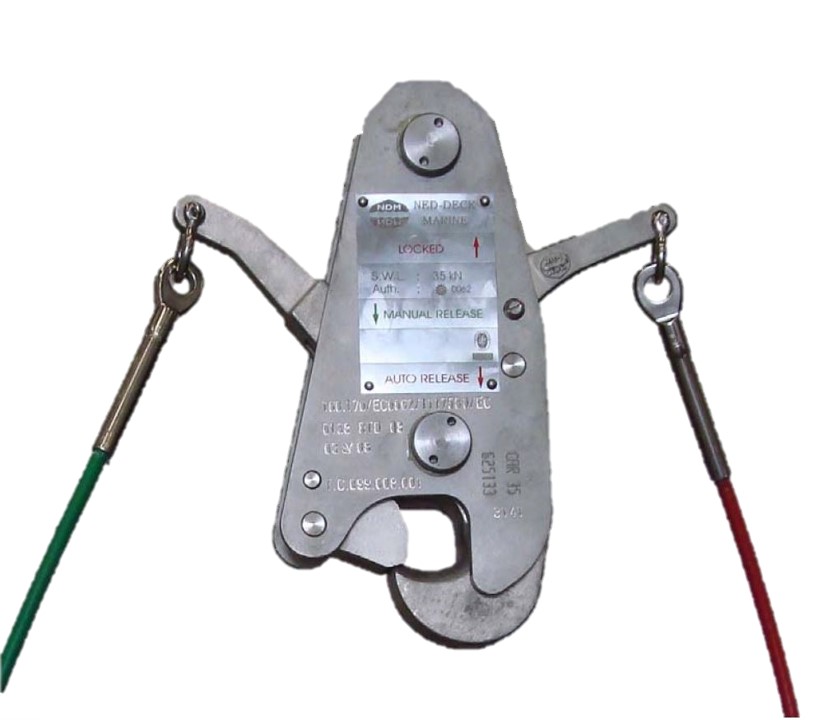
- Release hook Mechanismus Korrosion/Blockierung — KRITISCHER Sicherheitsfehler
- Diesel engine start failure due to lack of regular testing
- GRP hull osmotic blistering with prolonged water contact
- Scavenge air system valve failure
- Safety belt/harness aging due to UV/weather
- Fast, one‑handed launch using a single fall line – ideal for emergency situations
- Integrated release hook designed to meet SOLAS MSC.402(96) requirements
- Compact mounting suitable for vessels with limited deck space
- Standardised service intervals (weekly motor test, annual hook inspection) simplify maintenance planning
- Release‑hook prone to corrosion or blockage if not inspected regularly – a critical safety risk
- Requires strict adherence to weekly engine‑run tests; missed tests can lead to launch failure
- Fibreglass (GFK) hull of the rescue boat may develop osmotic blisters after prolonged water exposure
- Ventilation valve in the air‑supply system has been reported to fail if not serviced
- UV and weather ageing affect safety harnesses and belts, demanding frequent replacement
- Release hook Mechanismus Korrosion/Blockierung — KRITISCHER Sicherheitsfehler
- Diesel engine start failure due to lack of regular testing
- GRP hull osmotic blistering with prolonged water contact
- Scavenge air system valve failure
- Safety belt/harness aging due to UV/weather
- Single‑fall operation reduces launch time and manpower required
- Off‑load release keeps crew out of the water during deployment, enhancing safety
- SOLAS MSC.402(96) compliant design with built‑in redundancy
- Modular mounting allows installation on a wide range of vessel deck layouts
- Routine maintenance procedures (annual hook service, weekly motor test) are clearly defined
- Mechanical release mechanism is prone to corrosion or blockage if not maintained rigorously
- Limited load capacity compared with larger multi‑fall davits; suited mainly for small rescue boats
- Requires dedicated power source and regular engine testing to ensure launch reliability
- GFK (glass‑fibre reinforced) boat hulls used with the system can develop osmotic blistering if exposed long term
- Release hook Mechanismus Korrosion/Blockierung — KRITISCHER Sicherheitsfehler
- Diesel engine start failure due to lack of regular testing
- GRP hull osmotic blistering with prolonged water contact
- Scavenge air system valve failure
- Safety belt/harness aging due to UV/weather
- One‑hand, single‑fall launch reduces crew exposure during emergency deployment
- Integrated off‑load release eliminates the need for separate winch or crane handling
- Designed to meet SOLAS requirements for lifeboat davits (MSC.402(96) compliance)
- Robust steel construction with proven compatibility for GFK rescue boat hulls up to 35 ft
- Release hook prone to corrosion/blockage if not inspected annually – a critical safety risk
- Diesel‑engine start failures reported when weekly motor‑run tests are missed
- GFRP (glass‑fiber reinforced plastic) rescue‑boat hulls can develop osmotic blisters after prolonged water exposure
- Ventilation valve of the air‑supply system may fail, requiring periodic checks
- Safety harnesses and straps age under UV and weather, needing regular replacement
- Release hook Mechanismus Korrosion/Blockierung — KRITISCHER Sicherheitsfehler
- Diesel engine start failure due to lack of regular testing
- GRP hull osmotic blistering with prolonged water contact
- Scavenge air system valve failure
- Safety belt/harness aging due to UV/weather
- Integrated diesel engine enables fast launch without external power supply
- Stainless‑steel davit structure meets SOLAS corrosion‑resistance requirements
- Modular design fits confined deck spaces on passenger and offshore vessels
- Compliant with DNV approval and SOLAS MSC.402(96) release‑hook maintenance regime
- Easy access for routine weekly engine run‑tests
- Diesel engine requires strict weekly testing and annual service to avoid start failures
- Release hook can corrode or jam if not maintained annually, a critical safety risk
- GFRP (glass‑fiber reinforced plastic) lifeboat hull may develop osmotic blisters after prolonged water exposure
- Higher acquisition cost compared with manual davits
- UV and weather ageing affect safety harnesses and deck fittings, increasing inspection workload
- Release hook Mechanismus Korrosion/Blockierung — KRITISCHER Sicherheitsfehler
- Diesel engine start failure due to lack of regular testing
- GRP hull osmotic blistering with prolonged water contact
- Scavenge air system valve failure
- Safety belt/harness aging due to UV/weather
- High load capacity (≈6 t) suitable for large lifeboats on bulk carriers and tankers
- Remote‑control operation enables rapid deployment (<30 s) from the bridge or control panel
- Designed to meet SOLAS MSC.402(96) requirements; DNV approved
- Corrosion‑resistant steel and composite fittings reduce maintenance in harsh marine environments
- Modular design allows retrofit on existing hulls, including GFK‑reinforced structures
- Release‑hook mechanism prone to corrosion/blockage if annual service is missed
- Diesel‑driven winch requires weekly start‑up test; failure can occur after neglect
- Mounting on GFK hulls may be affected by osmotic blistering, requiring extra inspection
- Air‑supply valve for the lifeboat’s breathing apparatus has reported occasional failures
- Safety harnesses and webbing age under UV exposure and must be replaced regularly
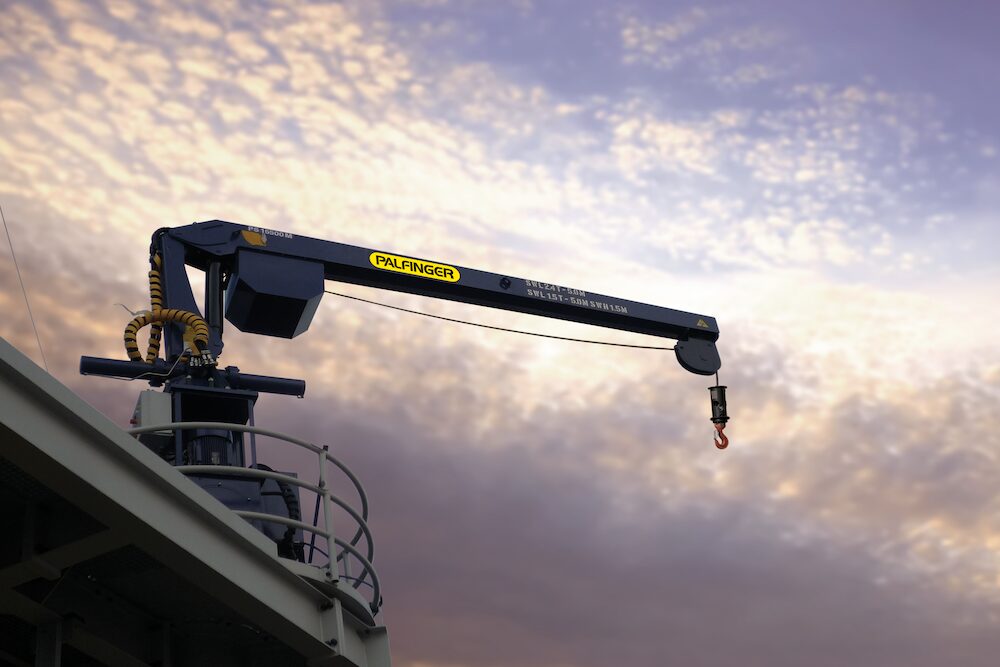
- Release hook Mechanismus Korrosion/Blockierung — KRITISCHER Sicherheitsfehler
- Diesel engine start failure due to lack of regular testing
- GRP hull osmotic blistering with prolonged water contact
- Scavenge air system valve failure
- Safety belt/harness aging due to UV/weather
- On‑load release eliminates the need to lift the boat before freeing it, speeding up evacuation.
- Twin‑fall design provides redundancy; both falls must fail before loss of control.
- Centralised bridge control reduces crew exposure during launch and recovery.
- Optional training lock allows realistic drills without risking accidental release.
- Designed to meet SOLAS MSC.402(96) requirements, ensuring regulatory compliance.
- Mechanical complexity requires annual hook inspection and regular functional testing.
- Corrosion or blockage of the release hook can lead to critical safety failures if maintenance is neglected.
- Higher initial procurement cost compared with simple manual release devices.
- Dependence on hydraulic/pneumatic actuation means a loss of power could impede operation unless backup procedures are in place.
- Release hook Mechanismus Korrosion/Blockierung — KRITISCHER Sicherheitsfehler
- Diesel engine start failure due to lack of regular testing
- GRP hull osmotic blistering with prolonged water contact
- Scavenge air system valve failure
- Safety belt/harness aging due to UV/weather
- Manual, gravity‑based launch – no reliance on hydraulic or electric power at the moment of release
- Complies with SOLAS MSC.402(96) requirements for release hooks
- Training lock version enables crew drills without accidental deployment
- Simple weekly motor test (≥5 min) verifies operation quickly
- Annual hook inspection by approved service reduces risk of corrosion‑induced blockage
- Release hook prone to corrosion or mechanical blockage if not maintained rigorously
- Requires regular testing and annual maintenance – higher man‑hour cost
- GFRP (glass‑fiber reinforced plastic) lifeboat hull can develop osmotic blisters after prolonged water exposure
- Ventilation valve of the air supply system may fail, affecting crew survivability
- Safety harnesses/straps age under UV and weather, needing periodic replacement
- Release hook Mechanismus Korrosion/Blockierung — KRITISCHER Sicherheitsfehler
- Diesel engine start failure due to lack of regular testing
- GRP hull osmotic blistering with prolonged water contact
- Scavenge air system valve failure
- Safety belt/harness aging due to UV/weather
- SOLAS MSC.402(96) compliant davit design
- Integrated electric drive with optional manual release for redundancy
- Compact footprint suitable for a wide range of vessel decks
- Defined maintenance regime (weekly motor test, annual hook service, 5‑year inspection)
- Corrosion‑resistant steel construction on the winch and davit arms
- Release hook prone to corrosion or blockage if not serviced annually
- Rescue boat diesel engine start failures reported when regular tests are missed
- GFK (glass‑fibre reinforced plastic) hull of the rescue boat can develop osmotic blisters after prolonged water exposure
- Air‑supply valve on the launch system has documented failure incidents
- Safety harnesses and webbing age rapidly under UV and harsh weather, requiring frequent replacement
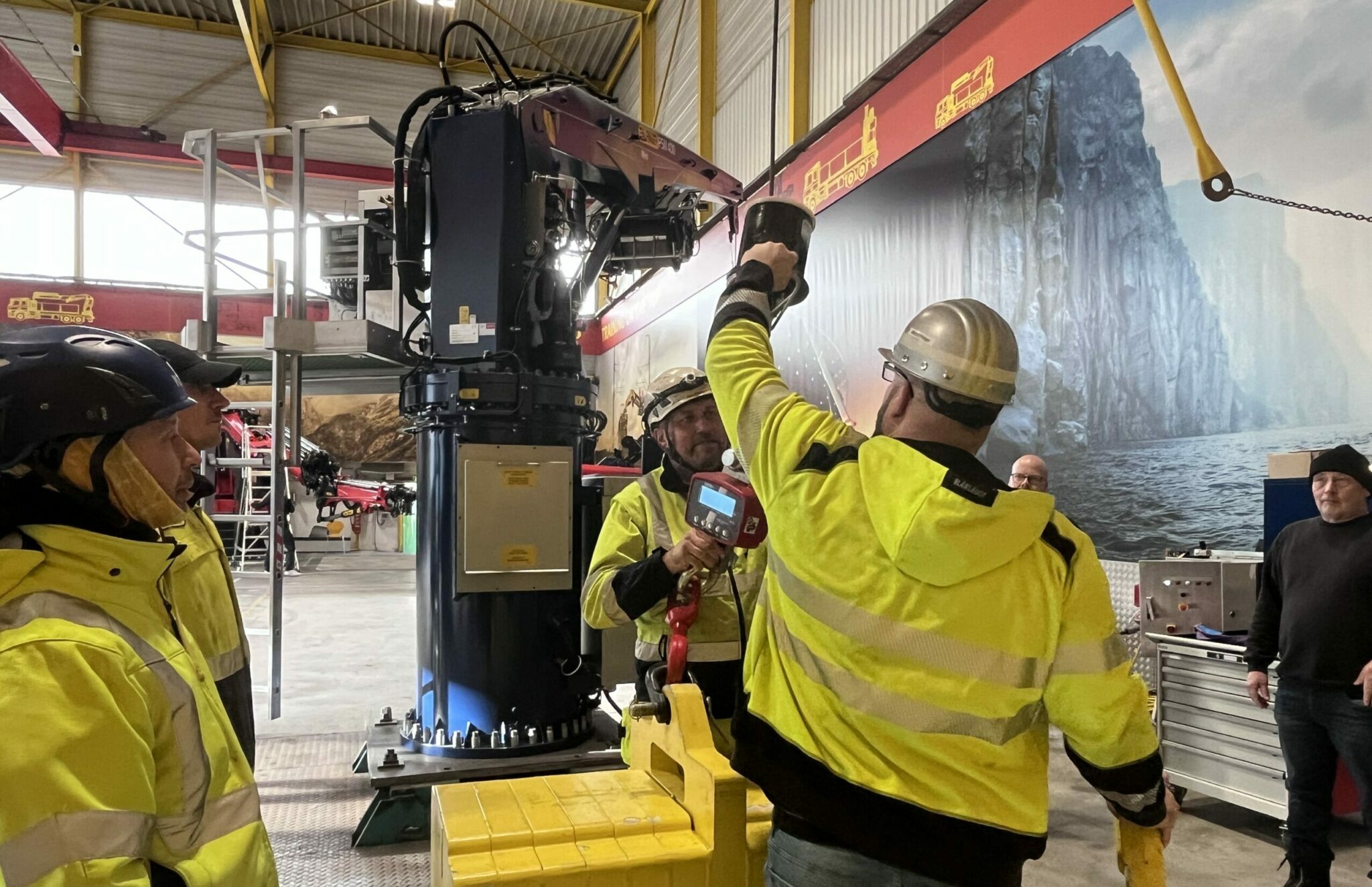
- Release hook Mechanismus Korrosion/Blockierung — KRITISCHER Sicherheitsfehler
- Diesel engine start failure due to lack of regular testing
- GRP hull osmotic blistering with prolonged water contact
- Scavenge air system valve failure
- Safety belt/harness aging due to UV/weather
- High load capacity (≈7 t) allowing deployment of larger lifeboats or rescue craft
- Integrated diesel engine provides rapid, self‑contained launch without external power
- Compact footprint suitable for vessels with limited deck space
- Meets SOLAS and DNV approval requirements for davit‑type lifesaving appliances
- Quick release hook mechanism enables launch in <30 seconds when maintained
- Mechanical complexity requires strict maintenance (weekly engine run, annual hook service)
- Release hook susceptible to corrosion or blockage if not inspected regularly
- GFRP hull of the davit‑mounted boat can develop osmotic blisters after prolonged water exposure
- Higher initial purchase and lifecycle cost compared with simpler free‑fall systems
- Safety harnesses and ventilation valves need periodic replacement due to UV and weather ageing
- Release hook Mechanismus Korrosion/Blockierung — KRITISCHER Sicherheitsfehler
- Diesel engine start failure due to lack of regular testing
- GRP hull osmotic blistering with prolonged water contact
- Scavenge air system valve failure
- Safety belt/harness aging due to UV/weather
- Fast, hands‑free release of the rescue boat in emergencies
- High SWL of 33 kN suitable for most small lifeboats and workboats
- SOLAS MSC.402(96) compliant with mandatory annual service intervals
- Compact design fits single‑point davit arrangements on a wide range of vessels
- Stainless‑steel construction reduces corrosion risk when maintained
- Release mechanism can corrode or jam if not inspected and serviced annually
- Limited to single‑point suspension; not compatible with dual‑point davits
- Requires regular functional testing (weekly motor run) to ensure reliability
- Potentially heavier than some lightweight polymer alternatives
- UV exposure may degrade surrounding fittings and safety harnesses over time

- Release hook Mechanismus Korrosion/Blockierung — KRITISCHER Sicherheitsfehler
- Diesel engine start failure due to lack of regular testing
- GRP hull osmotic blistering with prolonged water contact
- Scavenge air system valve failure
- Safety belt/harness aging due to UV/weather
- Compact installation requiring minimal deck space
- High load capacity suitable for 30‑33 m liferafts
- Integrated manual override in case of hydraulic failure
- Corrosion‑resistant stainless‑steel arm and fittings
- Meets SOLAS MSC.402(96) requirements
- Release hook can corrode or jam if not serviced annually
- Hydraulic motor requires weekly testing; failure leads to launch delay
- Annual maintenance must be performed by an approved service provider, adding operational cost
- Limited to single‑arm configuration – not ideal for very large rafts requiring twin‑arm support
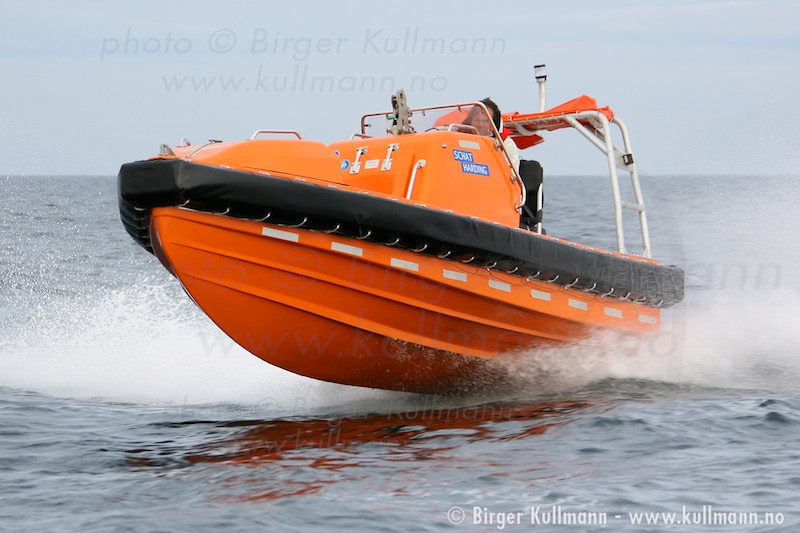
- Release hook Mechanismus Korrosion/Blockierung — KRITISCHER Sicherheitsfehler
- Diesel engine start failure due to lack of regular testing
- GRP hull osmotic blistering with prolonged water contact
- Scavenge air system valve failure
- Safety belt/harness aging due to UV/weather
- Compact 630 mm davit footprint fits vessels with limited deck space
- Jet propulsion eliminates exposed propellers, reducing fouling and hull damage risk
- Stainless‑steel construction provides high corrosion resistance for marine environments
- Integrated release hook meets SOLAS MSC.402(96) requirements and can be serviced annually by approved providers
- Fast launch cycle – designed for rapid egress during man‑overboard or abandon‑ship drills
- Jet engine requires weekly start‑up tests (minimum 5 min) to prevent start‑failure, adding operational workload
- Release hook can suffer corrosion or blockage if maintenance is missed, a critical safety issue
- GFRP (glass‑fiber reinforced plastic) hull is prone to osmotic blistering after prolonged water exposure
- Higher initial purchase and lifecycle cost compared with conventional propeller‑driven davits
- Requires specialized service personnel for annual hook inspection and 5‑year comprehensive survey
- Release hook Mechanismus Korrosion/Blockierung — KRITISCHER Sicherheitsfehler
- Diesel engine start failure due to lack of regular testing
- GRP hull osmotic blistering with prolonged water contact
- Scavenge air system valve failure
- Safety belt/harness aging due to UV/weather
- High SWL of 36 kN allows deployment of large lifeboats and rescue craft.
- Compact, side‑mounted design saves deck space on medium‑size vessels.
- USCG type approval provides direct compliance with SOLAS requirements.
- Quick‑release hook enables rapid launch in emergency situations.
- Motorized winch can be tested weekly for reliable operation.
- Release‑hook mechanism prone to corrosion or blockage if not maintained.
- Annual release‑hook service by an approved provider is mandatory.
- GFRP hull of associated craft may develop osmotic blistering after prolonged water exposure.
- Diesel engine start failures reported when regular testing is omitted.
- Ventilation valve in the air‑supply system can fail, affecting crew safety.

- Release hook Mechanismus Korrosion/Blockierung — KRITISCHER Sicherheitsfehler
- Diesel engine start failure due to lack of regular testing
- GRP hull osmotic blistering with prolonged water contact
- Scavenge air system valve failure
- Safety belt/harness aging due to UV/weather
- Very high safe working load (13 t) suitable for large lifeboats and rescue boats
- Dual‑arm design provides balanced loading and redundancy
- Modular variations (1,2,6,7) allow installation on a wide range of deck layouts
- SOLAS/USCG approved with built‑in release hook for rapid launch
- Weekly motor‑run test requirement supports reliable engine start
- Release‑hook mechanism prone to corrosion or blockage if not maintained annually
- Diesel launch engine can fail to start without strict testing regime
- GFRP (fiberglass) lifeboat hulls may develop osmotic blisters after prolonged water exposure
- Ventilation valve of the air‑supply system reported to malfunction in service
- Regular maintenance (annual hook service, 5‑year inspection) adds operational cost
- Release hook Mechanismus Korrosion/Blockierung — KRITISCHER Sicherheitsfehler
- Diesel engine start failure due to lack of regular testing
- GRP hull osmotic blistering with prolonged water contact
- Scavenge air system valve failure
- Safety belt/harness aging due to UV/weather
- Very fast deployment – lifeboat drops free‑fall without hydraulic or winch delay
- High load capacity (63.8 kN) suitable for large passenger/crew numbers
- Integrated electric motor for controlled release and re‑traction, meeting SOLAS requirements
- USCG type‑approved and IMO‑SOLAS compliant, facilitating certification on new builds
- Modular design compatible with Palfinger FF700 lifeboat hull
- Release hook prone to corrosion or blockage if not maintained annually (critical safety risk)
- Electric motor must be tested weekly; failure can prevent launch
- GFRP lifeboat hull requires regular dock‑side inspection for osmotic blistering
- Ventilation/air‑supply valve failures have been reported in service bulletins
- Safety harnesses and webbing age under UV exposure, needing periodic replacement
- Release hook Mechanismus Korrosion/Blockierung — KRITISCHER Sicherheitsfehler
- Diesel engine start failure due to lack of regular testing
- GRP hull osmotic blistering with prolonged water contact
- Scavenge air system valve failure
- Safety belt/harness aging due to UV/weather
- High safe working load of 35 kN allows deployment of larger, more capable rescue boats.
- Integrated hydraulic drive provides rapid launch/recovery with minimal crew effort.
- USCG type‑approved and SOLAS‑compliant, meeting international LSA regulations.
- Designed for weekly motor‑run tests, supporting reliable diesel engine start‑up in emergencies.
- Modular design fits a wide range of vessel deck layouts.
- Release‑hook mechanism prone to corrosion/blockage if not serviced annually (critical safety risk).
- Diesel engine may fail to start without strict adherence to weekly test regime.
- GFRP hull of the rescue boat can develop osmotic blisters after prolonged water exposure.
- Ventilation valve in the air‑supply system has documented failure cases.
- Safety harnesses and webbing require regular UV/Wet‑weather inspection; aging reduces lifespan.
- Release hook Mechanismus Korrosion/Blockierung — KRITISCHER Sicherheitsfehler
- Diesel engine start failure due to lack of regular testing
- GRP hull osmotic blistering with prolonged water contact
- Scavenge air system valve failure
- Safety belt/harness aging due to UV/weather
- High safe working load of 35 kN suitable for larger rescue boats
- Flexibility to operate with either hydraulic or electric motor depending on ship systems
- Meets SOLAS MSC.402(96) requirements and USCG type approval
- Standardised weekly motor‑test procedure (≥5 min) simplifies compliance verification
- Release hook designed for quick, repeatable deployment
- Release‑hook mechanism prone to corrosion or blockage if not serviced annually
- Diesel‑driven motor has documented start‑failure issues when testing is neglected
- GFK (glass‑fiber reinforced plastic) hull can develop osmotic blistering after prolonged water exposure
- Ventilation valve of the air‑supply system reported to fail under harsh conditions
- Safety harnesses and belts age quickly under UV and weather, requiring frequent replacement
?ts=1777465445353&dpr=off)
- Release hook Mechanismus Korrosion/Blockierung — KRITISCHER Sicherheitsfehler
- Diesel engine start failure due to lack of regular testing
- GRP hull osmotic blistering with prolonged water contact
- Scavenge air system valve failure
- Safety belt/harness aging due to UV/weather
- High load capacity (15 kN) suitable for a wide range of rescue boats.
- Integrated release‑hook system meeting SOLAS MSC.402(96) requirements.
- Compact footprint – useful on vessels with limited deck space.
- Fast, single‑handed launch operation via hydraulic power.
- Standardised service intervals (weekly motor test, annual hook inspection).
- Release‑hook prone to corrosion/blockage if not maintained rigorously.
- Rescue‑boat diesel engine start failures reported when regular tests are missed.
- GFRP hull of the boat can develop osmotic blisters after prolonged water exposure.
- Ventilation valve in the air‑supply system has a history of failure.
- Safety harnesses/straps age quickly under UV and harsh weather, requiring frequent replacement.

- Release hook Mechanismus Korrosion/Blockierung — KRITISCHER Sicherheitsfehler
- Diesel engine start failure due to lack of regular testing
- GRP hull osmotic blistering with prolonged water contact
- Scavenge air system valve failure
- Safety belt/harness aging due to UV/weather
- High safe working load of 30 kN allowing deployment of larger rescue craft
- Compact footprint suitable for vessels with limited deck space
- Integrated weekly motor‑test routine improves reliability of the diesel engine
- SOLAS‑approved design (MSC.402) with USCG type approval ensures regulatory compliance
- Stainless‑steel components and corrosion‑resistant hydraulic system reduce marine growth
- Release hook prone to corrosion or blockage if not serviced annually – a critical safety risk
- Diesel engine may fail to start after prolonged inactivity; requires strict weekly testing
- GFRP (glass‑fiber reinforced plastic) hull of the rescue boat can develop osmotic blisters in long‑term water exposure
- Ventilation valve for the air‑supply system has reported occasional failure
- Safety harnesses and webbing age quickly under UV and harsh weather, needing regular replacement
- Release hook Mechanismus Korrosion/Blockierung — KRITISCHER Sicherheitsfehler
- Diesel engine start failure due to lack of regular testing
- GRP hull osmotic blistering with prolonged water contact
- Scavenge air system valve failure
- Safety belt/harness aging due to UV/weather
- High certified load capacity (35 kN) suitable for medium‑size rescue boats
- Compact footprint allowing installation on vessels with limited deck space
- SOLAS MSC.402(96) and USCG type‑approval compliance out of the box
- Integrated quick‑release hook for rapid launch in emergencies
- Designed for routine weekly motor‑run tests and annual hook maintenance
- Release‑hook mechanism prone to corrosion or blockage if not maintained annually
- Diesel engine start failures reported when regular test regime is missed
- GFRP (glass‑fiber reinforced plastic) hull can develop osmotic blisters after prolonged water exposure
- Ventilation valve of the air‑supply system has documented failure cases
- Safety harnesses and straps age under UV/wet conditions, requiring periodic replacement
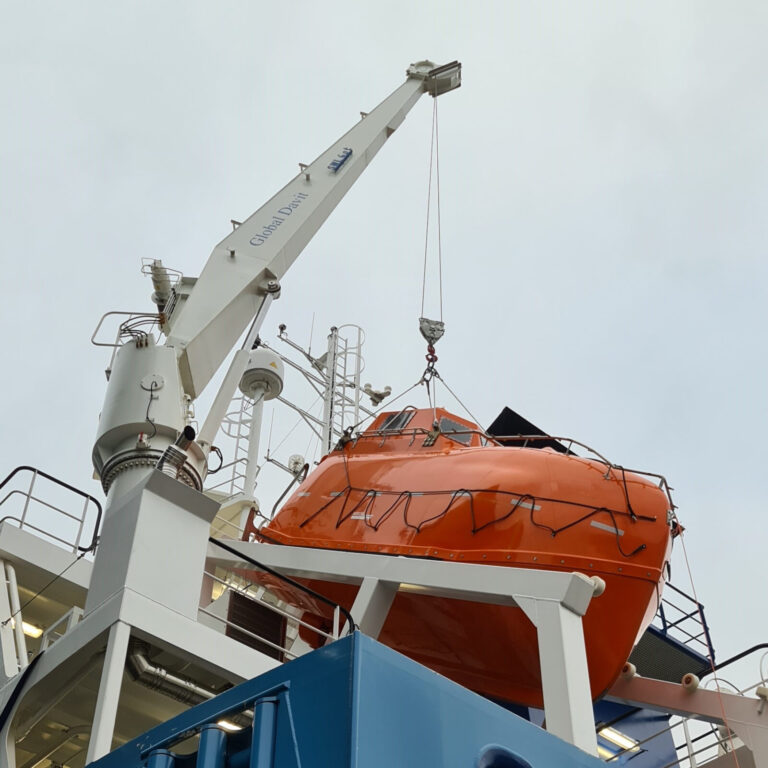
- Release hook Mechanismus Korrosion/Blockierung — KRITISCHER Sicherheitsfehler
- Diesel engine start failure due to lack of regular testing
- GRP hull osmotic blistering with prolonged water contact
- Scavenge air system valve failure
- Safety belt/harness aging due to UV/weather
- High SWL (10–12 kN) suitable for medium‑size rescue boats
- Stored hydraulic energy enables launch without main engine running
- Compact, low‑profile design saves deck space
- SOLAS/USCG approved for lifesaving appliances
- Quick single‑part fall deployment reduces launch time
- Requires regular hydraulic system checks and accumulator maintenance
- Release hook can corrode or jam if not serviced annually (per SOLAS MSC.402(96))
- Higher upfront cost compared with manual davits
- Limited to rescue boats within the specified weight/size envelope
- Motor test must be performed weekly to keep certification
- Release hook Mechanismus Korrosion/Blockierung — KRITISCHER Sicherheitsfehler
- Diesel engine start failure due to lack of regular testing
- GRP hull osmotic blistering with prolonged water contact
- Scavenge air system valve failure
- Safety belt/harness aging due to UV/weather
- High SWL of 15 kN allows deployment of robust RIBs up to ~1.5 t.
- Compact footprint suitable for vessels with limited deck space.
- Integrated motor‑test routine (weekly 5‑min run) supports compliance with SOLAS MSC.402(96).
- Corrosion‑resistant steel construction and sealed hydraulic system reduce maintenance under marine exposure.
- USCG‑type approved design (widely accepted for SOLAS‑compliant lifeboat davits).
- Release hook can suffer corrosion or blockage if not serviced annually – a critical safety risk.
- Diesel engine start reliability depends on strict testing; missed tests lead to launch failure.
- GFRP (glass‑fiber reinforced plastic) rescue‑boat hull prone to osmotic blistering after prolonged water exposure.
- Air‑supply valve may fail if not inspected regularly, affecting crew breathing equipment.
- Safety harnesses and webbing age quickly under UV and weather, requiring frequent replacement.

- Release hook Mechanismus Korrosion/Blockierung — KRITISCHER Sicherheitsfehler
- Diesel engine start failure due to lack of regular testing
- GRP hull osmotic blistering with prolonged water contact
- Scavenge air system valve failure
- Safety belt/harness aging due to UV/weather
- High safe working load for both liferaft (23 kN) and rescue boat (14 kN)
- Integrated release hook with SOLAS‑approved quick‑release function
- Compact footprint suitable for medium‑size vessels
- Standardised weekly motor test procedure simplifies compliance
- Fully compliant with SOLAS/USCG davit requirements
- Release‑hook mechanism prone to corrosion or blockage if not maintained annually
- Diesel engine on the rescue boat may fail to start without strict testing regime
- GFRP (glass‑fiber reinforced plastic) hull of the rescue boat can develop osmotic blisters after prolonged water exposure
- Ventilation valve in the air‑supply system reported to malfunction under harsh conditions
- Safety harnesses and straps degrade with UV and weathering, requiring regular replacement
- Release hook Mechanismus Korrosion/Blockierung — KRITISCHER Sicherheitsfehler
- Diesel engine start failure due to lack of regular testing
- GRP hull osmotic blistering with prolonged water contact
- Scavenge air system valve failure
- Safety belt/harness aging due to UV/weather
- Simple manual operation – no hydraulic or electric power required, reducing failure points.
- Compact design suitable for vessels with limited deck space.
- High SWL (10 kN) allows launch of robust rescue craft up to 1020 kg fully equipped.
- SOLAS MSC.402(96) maintenance schedule clearly defined (annual release‑hook service, weekly motor test).
- USCG type‑approval listed in the CGMIX database, confirming regulatory acceptance.
- Not certified for launching larger SOLAS‑required survival craft – limited to rescue boats.
- Release‑hook mechanism prone to corrosion/blockage if not maintained rigorously.
- Rescue boat diesel engine start failures reported when weekly tests are missed.
- GFK hull of the launchable boat can develop osmotic blisters after prolonged water exposure.
- Manual slewing may be slower than powered davits during high‑urgency abandon‑ship scenarios.
- Release hook Mechanismus Korrosion/Blockierung — KRITISCHER Sicherheitsfehler
- Diesel engine start failure due to lack of regular testing
- GRP hull osmotic blistering with prolonged water contact
- Scavenge air system valve failure
- Safety belt/harness aging due to UV/weather
- Manual operation ensures deployment even when shipboard power or hydraulics are unavailable.
- High safe working load (15 kN) accommodates larger liferafts and heavy launch loads.
- Designed to integrate directly with Palfinger 04‑04 winch series for a compact, single‑vendor solution.
- Listed in the USCG CGMIX database, confirming type approval and compliance with SOLAS requirements.
- Simple mechanical design reduces the number of moving parts that can fail.
- Manual slewing can be slower to operate than hydraulic or electric davits, especially in emergency situations requiring rapid deployment.
- Release hook is prone to corrosion or blockage if not maintained according to SOLAS MSC.402(96), a known critical failure mode.
- Limited to use with the specific Palfinger 04‑04 winch series; retrofitting on vessels with other winches may require additional engineering.
- Regular weekly motor tests (for the associated winch) and annual release‑hook service increase maintenance workload.
- Potential for GFRP (glass‑fiber reinforced plastic) hull issues such as osmotic blistering if liferaft remains in prolonged water contact.

- Release hook Mechanismus Korrosion/Blockierung — KRITISCHER Sicherheitsfehler
- Diesel engine start failure due to lack of regular testing
- GRP hull osmotic blistering with prolonged water contact
- Scavenge air system valve failure
- Safety belt/harness aging due to UV/weather
- Manual operation eliminates dependence on hydraulic or electric power systems.
- High safe working load of 23 kN allows use with larger liferafts.
- Direct compatibility with Palfinger type 04‑04 winch simplifies integration.
- Compact design fits in limited deck spaces common on passenger and offshore vessels.
- SOLAS‑approved (MSC.402(96)) with documented maintenance intervals.
- Requires crew effort to swing and lower the raft, which can be demanding in heavy seas.
- Release hook mechanism is prone to corrosion/blockage if not maintained regularly.
- Limited to liferafts that match the 23 kN SWL; larger lifeboats cannot be used.
- Manual system may be slower to deploy compared with powered davits.
- Frequent inspections (weekly motor test, annual hook service) increase maintenance workload.
- Release hook Mechanismus Korrosion/Blockierung — KRITISCHER Sicherheitsfehler
- Diesel engine start failure due to lack of regular testing
- GRP hull osmotic blistering with prolonged water contact
- Scavenge air system valve failure
- Safety belt/harness aging due to UV/weather
- High SWL of 36 kN allows use with larger liferafts and heavier loads
- Direct compatibility with Palfinger 04‑04 series winch simplifies integration
- SOLAS‑compliant design with documented maintenance intervals (weekly motor test, annual release‑hook service)
- Manual slewing operation ensures deployment even if hydraulic/power systems fail
- Compact footprint suitable for vessels with limited deck space
- Release‑hook mechanism prone to corrosion or blockage if not maintained annually
- Integrated diesel motor requires regular testing; failure can delay launch
- GFK (glass‑fiber reinforced) hull may develop osmotic blisters after prolonged water exposure
- Air‑supply valve reliability issues reported in field service reports
- Safety harnesses and UV‑exposed components age faster, requiring frequent inspection
- Release hook Mechanismus Korrosion/Blockierung — KRITISCHER Sicherheitsfehler
- Diesel engine start failure due to lack of regular testing
- GRP hull osmotic blistering with prolonged water contact
- Scavenge air system valve failure
- Safety belt/harness aging due to UV/weather
- Very high SWL (12,600 kg) accommodates large SOLAS‑approved lifeboats
- Twin‑fall arrangement offers redundancy and smoother lowering/raising
- Integrated motor‑test routine supports compliance with weekly engine checks
- Compact footprint suitable for vessels with limited deck space
- Fully compliant with SOLAS MSC.402(96) and USCG type approval
- Release‑hook mechanism prone to corrosion or blockage if not serviced annually
- Diesel‑engine start failures reported when weekly tests are missed
- Requires regular inspection of GFRP lifeboat hull for osmotic blistering (lifeboat, not davit)
- Ventilation valve on the air‑supply system has documented failure modes
- Safety harnesses and straps age under UV exposure and need periodic replacement
- Release hook Mechanismus Korrosion/Blockierung — KRITISCHER Sicherheitsfehler
- Diesel engine start failure due to lack of regular testing
- GRP hull osmotic blistering with prolonged water contact
- Scavenge air system valve failure
- Safety belt/harness aging due to UV/weather
- High rated load capacity (120 kN) suitable for large lifeboats and rescue craft.
- Meets SOLAS requirements (MSC.402(96)) and holds USCG type approval.
- Integrated motor test function allows weekly verification of drive performance.
- Standardised maintenance intervals (annual hook service, 5‑year inspection) simplify compliance planning.
- Release‑hook mechanism prone to corrosion or blockage if not inspected regularly.
- Diesel‑engine starter failures reported when routine start‑up tests are omitted.
- GFRP hulls can develop osmotic blistering after prolonged water exposure, requiring dockside inspection.
- Air‑supply valve and safety harnesses may deteriorate under UV/wet conditions, demanding replacement schedules.
- Release hook Mechanismus Korrosion/Blockierung — KRITISCHER Sicherheitsfehler
- Diesel engine start failure due to lack of regular testing
- GRP hull osmotic blistering with prolonged water contact
- Scavenge air system valve failure
- Safety belt/harness aging due to UV/weather
- Very high SWL (150 kN) suitable for large lifeboats or rescue boats.
- Integrated release‑hook mechanism approved to SOLAS MSC.402(96).
- Hydraulic drive provides smooth, reliable hoisting and lowering.
- Designed for compliance with USCG type‑approval and IMO D‑2 standards.
- Modular mounting allows installation on a wide range of vessel decks.
- Release‑hook prone to corrosion or blockage if not serviced annually (critical safety issue).
- Diesel‑engine drive can fail to start without regular weekly testing.
- GFR hulls associated with the system may develop osmotic blistering after prolonged water exposure.
- Air‑supply valve failures reported in field service reports.
- Safety harnesses and UV‑exposed components age faster, requiring periodic replacement.
- Release hook Mechanismus Korrosion/Blockierung — KRITISCHER Sicherheitsfehler
- Diesel engine start failure due to lack of regular testing
- GRP hull osmotic blistering with prolonged water contact
- Scavenge air system valve failure
- Safety belt/harness aging due to UV/weather
- High SWL of 50 kN suitable for medium‑size lifeboats and rescue craft
- USCG type approval and built‑in compliance with SOLAS MSC.402(96)
- Integrated diesel motor allows independent operation from ship power
- Defined maintenance regime (weekly motor test, annual hook service) supports reliability
- Modular design compatible with standard davit installations on many vessel classes
- Release‑hook mechanism prone to corrosion or blockage if not maintained rigorously
- Diesel engine start failures reported when regular tests are missed
- GFR hull of the associated lifeboat can develop osmotic blistering after prolonged water exposure
- Ventilation valve in the air‑supply system has a known failure mode
- Safety harnesses and webbing age under UV and weather, requiring periodic replacement

- Release hook Mechanismus Korrosion/Blockierung — KRITISCHER Sicherheitsfehler
- Diesel engine start failure due to lack of regular testing
- GRP hull osmotic blistering with prolonged water contact
- Scavenge air system valve failure
- Safety belt/harness aging due to UV/weather
- Very high safe working load of 80 kN suitable for large lifeboats and rescue boats
- Integrated safety release hook enables rapid manual launch in emergencies
- Designed to meet SOLAS‑required davit specifications and can carry USCG type‑approval number 160.115/49/0
- Compact layout fits on a wide range of vessel deck arrangements
- Routine service intervals (weekly motor test, annual release‑hook inspection) are clearly defined
- Release‑hook mechanism prone to corrosion or blockage if not inspected regularly
- Requires weekly diesel‑engine start‑up tests for the associated rescue boat, adding operational workload
- GFRP hulls of the paired rescue boats can develop osmotic blisters after prolonged water exposure
- Ventilation valve in the air‑supply system has a documented failure mode
- Safety harnesses and webbing age quickly under UV and harsh weather, needing frequent replacement

- Release hook Mechanismus Korrosion/Blockierung — KRITISCHER Sicherheitsfehler
- Diesel engine start failure due to lack of regular testing
- GRP hull osmotic blistering with prolonged water contact
- Scavenge air system valve failure
- Safety belt/harness aging due to UV/weather
- High approved working load (37.5 kN) suitable for medium‑size rescue craft.
- Integrated hydraulic motor allows smooth, controllable launch and recovery.
- Designed to meet SOLAS MSC.402(96) requirements; USCG type‑approved.
- Compact davit configuration fits on a wide range of vessel decks.
- Palfinger’s global service network simplifies spare‑part logistics.
- Release hook prone to corrosion or blockage if not maintained annually.
- Diesel‑driven auxiliary motor can fail to start without regular testing.
- GFK (glass‑fiber reinforced) hull of the rescue boat may develop osmotic blisters after prolonged water exposure.
- Air‑supply valve failures have been reported, requiring spare parts on board.
- Safety harnesses and webbing age quickly under UV and weather, needing periodic replacement.

- Release hook Mechanismus Korrosion/Blockierung — KRITISCHER Sicherheitsfehler
- Diesel engine start failure due to lack of regular testing
- GRP hull osmotic blistering with prolonged water contact
- Scavenge air system valve failure
- Safety belt/harness aging due to UV/weather
- Integrated diesel motor provides high launch power without external power supply
- Corrosion‑resistant stainless‑steel release hook reduces risk of seizing
- Compliant with SOLAS MSC.402(96) and DNV approval, simplifying certification on new builds
- Modular design allows quick replacement of winch or hook components during maintenance
- Diesel engine requires strict weekly testing; failure to test can cause start‑up problems
- Release hook may corrode or block if not serviced annually as required
- GFK (glass‑fiber reinforced) lifeboat hulls have reported osmotic blistering when exposed long term to water
- Ventilation valve of the air‑supply system has been identified as a failure point in service reports
Vestdavit
63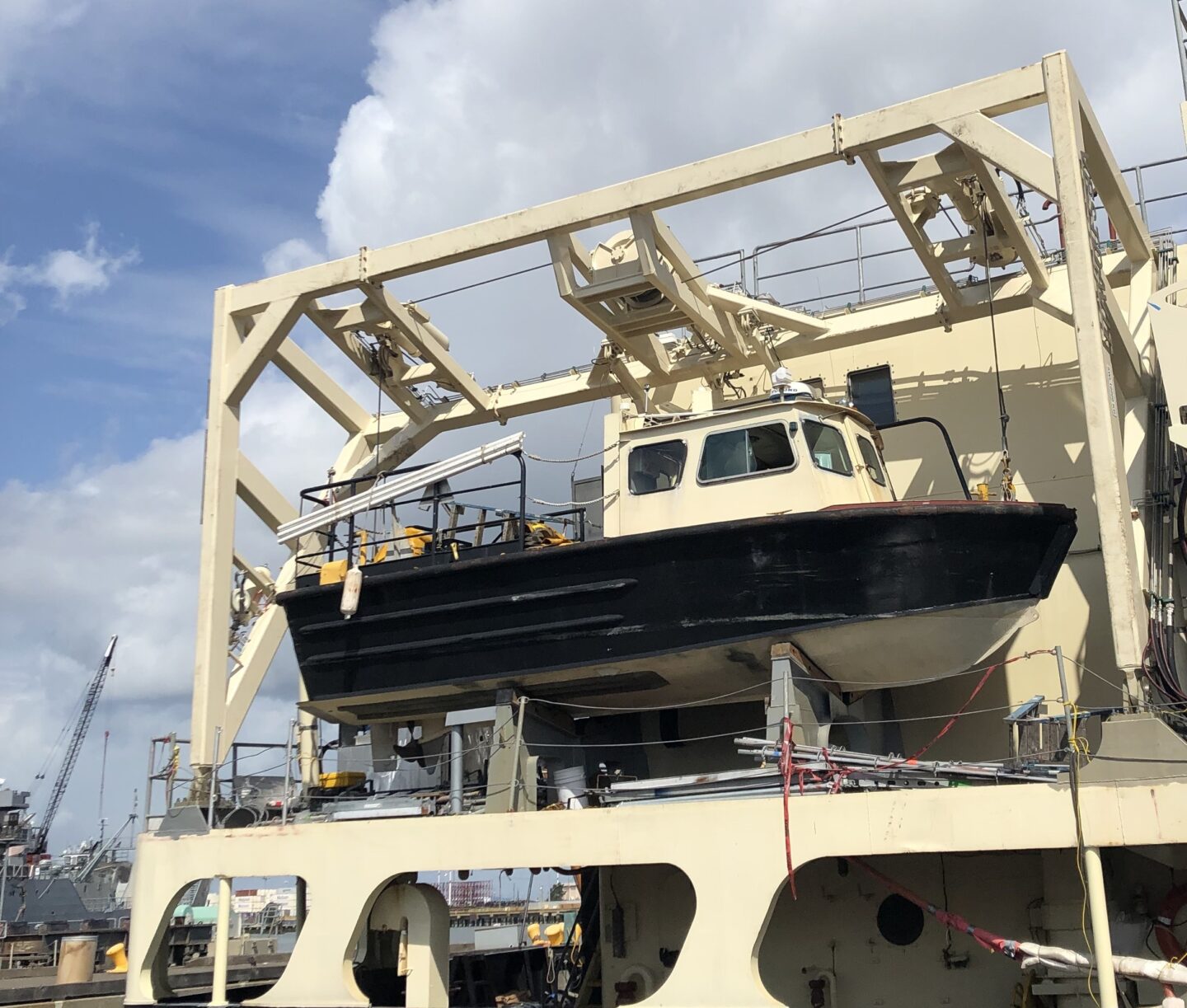
- Release hook Mechanismus Korrosion/Blockierung — KRITISCHER Sicherheitsfehler
- Diesel engine start failure due to lack of regular testing
- GRP hull osmotic blistering with prolonged water contact
- Scavenge air system valve failure
- Safety belt/harness aging due to UV/weather
- Integrated diesel engine enables independent launch without external power
- Lightweight GFRP hull reduces overall weight and improves stability on deck
- IMO approved and DNV certified, meeting SOLAS requirements
- Weekly motor‑run test and annual release‑hook service promote operational readiness
- Compact design suitable for vessels with limited davit space
- Release hook prone to corrosion or blockage if not maintained rigorously
- Engine start failures reported when regular tests are missed
- GFRP hull can develop osmotic blisters after prolonged water exposure
- Air‑supply valve may fail, requiring periodic inspection
- Safety harnesses degrade under UV and weathering, needing frequent replacement
- Release hook Mechanismus Korrosion/Blockierung — KRITISCHER Sicherheitsfehler
- Diesel engine start failure due to lack of regular testing
- GRP hull osmotic blistering with prolonged water contact
- Scavenge air system valve failure
- Safety belt/harness aging due to UV/weather
- IMO‑approved and DNV certified, ensuring SOLAS compliance
- Integrated diesel winch provides self‑contained power for launch without ship’s main power
- GFRP hull offers corrosion resistance and low weight compared with steel davits
- Weekly motor test procedure built into service plan supports high readiness
- Release hook maintenance defined by SOLAS MSC.402(96) ensures controlled release
- Release‑hook mechanism prone to corrosion or blockage if not inspected rigorously
- Diesel engine may fail to start after periods of inactivity; requires strict test regime
- GFRP hull can develop osmotic blistering after prolonged water exposure
- Ventilation valve in the air‑supply system has recorded failures, needing spare parts stock
- Safety harnesses and belts age quickly under UV and weather exposure
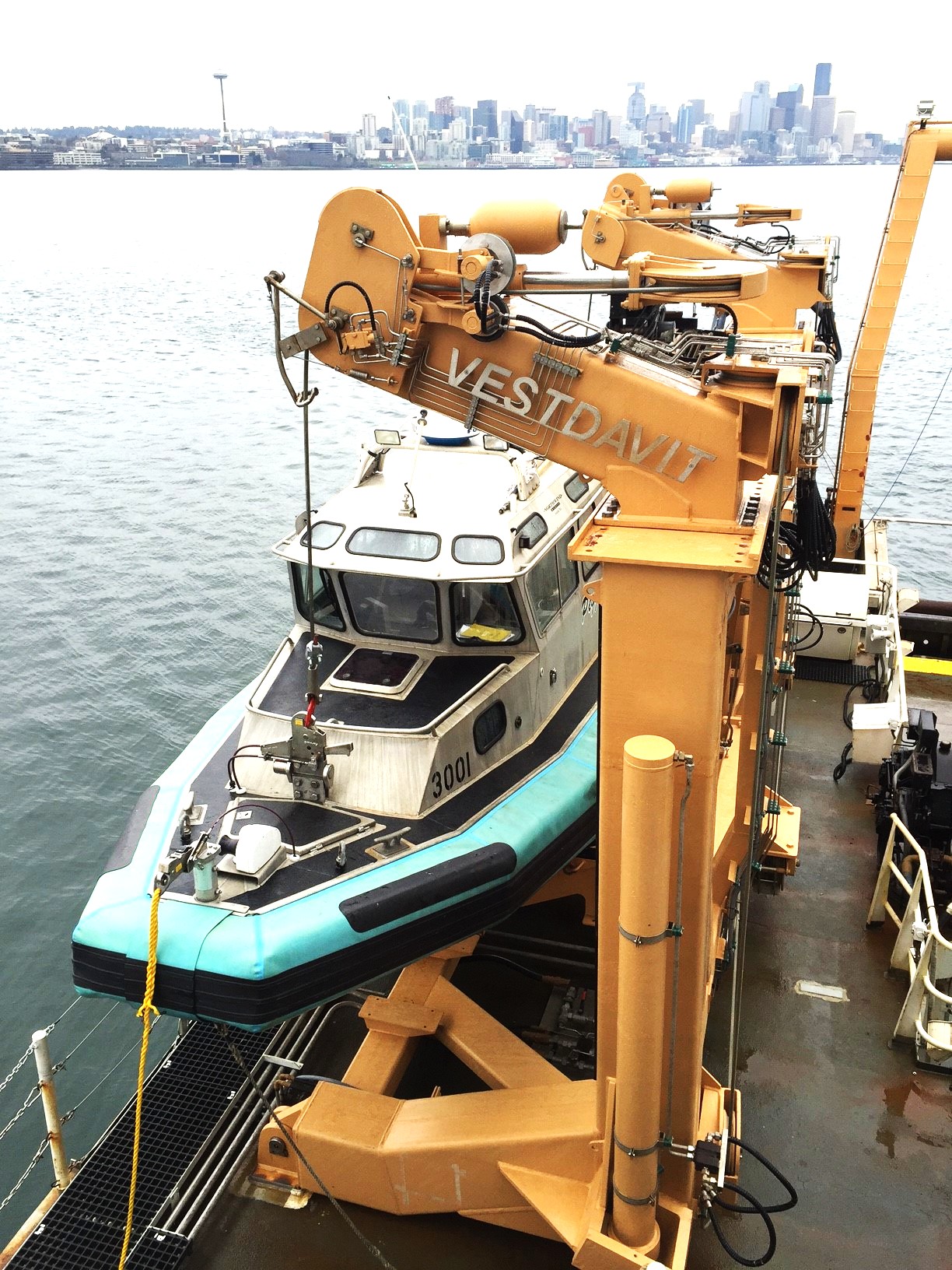
- Release hook Mechanismus Korrosion/Blockierung — KRITISCHER Sicherheitsfehler
- Diesel engine start failure due to lack of regular testing
- GRP hull osmotic blistering with prolonged water contact
- Scavenge air system valve failure
- Safety belt/harness aging due to UV/weather
- Integrated diesel launch engine provides rapid, self‑contained deployment without external power supply
- IMO SOLAS approved and DNV classified – meets international safety regulations
- Modular design (2‑person A-470‑2 and 4‑person A-470‑4) fits a range of vessel sizes
- Weekly motor‑run test and annual release‑hook service are defined, simplifying maintenance planning
- Compatible with GFRP lifeboat hulls and equipped with safety‑belt attachment points
- Release‑hook mechanism prone to corrosion or blockage if not serviced annually (critical safety risk)
- Diesel engine may fail to start after periods of inactivity; requires strict testing regime
- GFRP lifeboat hulls can develop osmotic blistering when exposed to prolonged water immersion
- Ventilation valve failures reported, affecting air supply to the boat during launch
- UV and weather exposure accelerate aging of safety harnesses and deck fittings
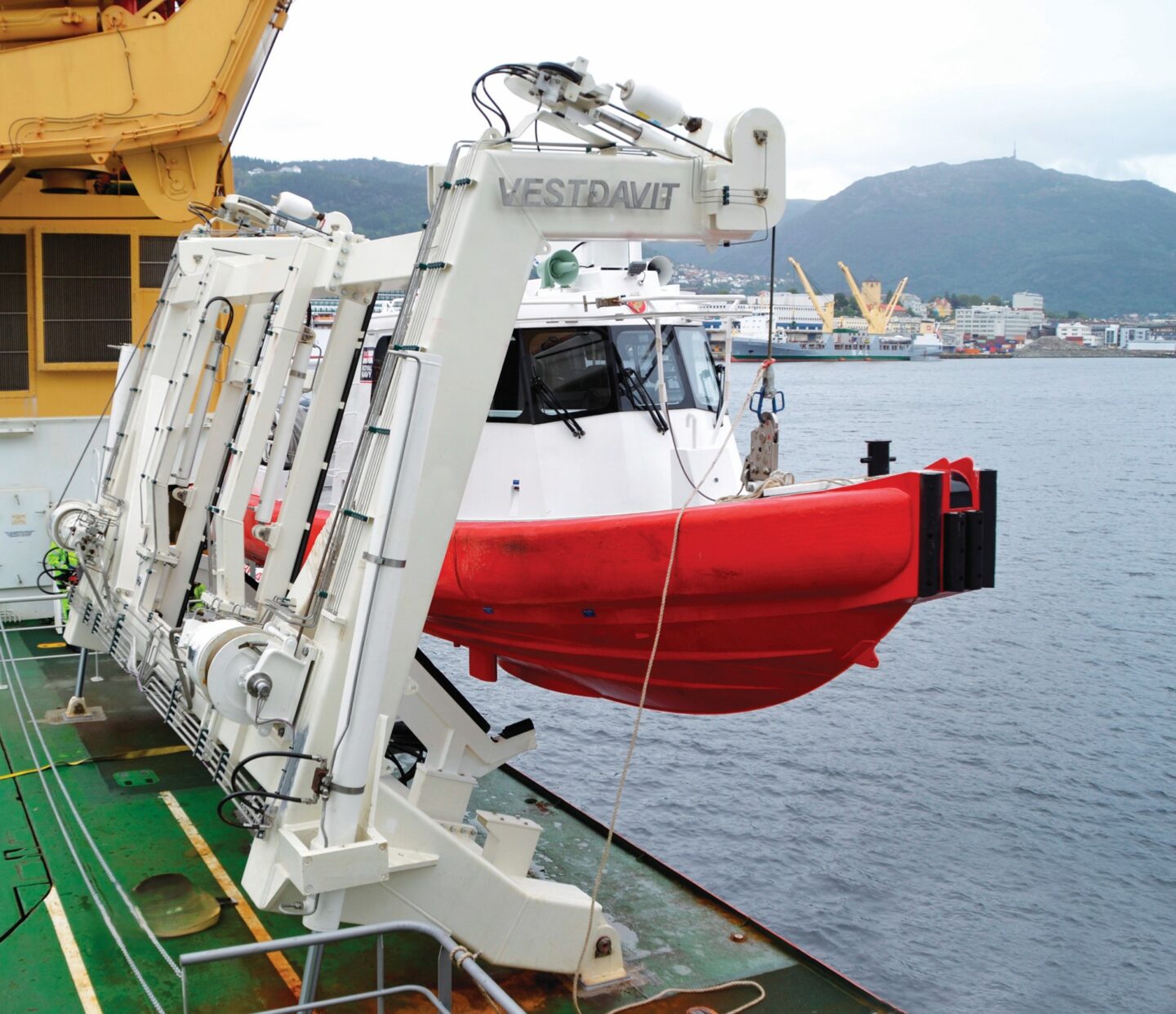
- Release hook Mechanismus Korrosion/Blockierung — KRITISCHER Sicherheitsfehler
- Diesel engine start failure due to lack of regular testing
- GRP hull osmotic blistering with prolonged water contact
- Scavenge air system valve failure
- Safety belt/harness aging due to UV/weather
- IMO and DNV approval ensures compliance with SOLAS requirements
- Integrated diesel launch motor provides rapid, self‑contained deployment
- GFR (glass‑fiber reinforced) hull offers corrosion resistance compared with steel
- Weekly motor test procedure built into service schedule supports operational readiness
- Annual release‑hook maintenance aligns with SOLAS MSC.402(96) standards
- Release‑hook mechanism prone to corrosion or blockage if not meticulously maintained
- Diesel engine start failures reported when regular testing is neglected
- GFR hull can develop osmotic blistering after prolonged water exposure
- Air‑supply valve failures have been observed, requiring spare parts stock
- Safety harnesses and belts age quickly under UV and weather exposure
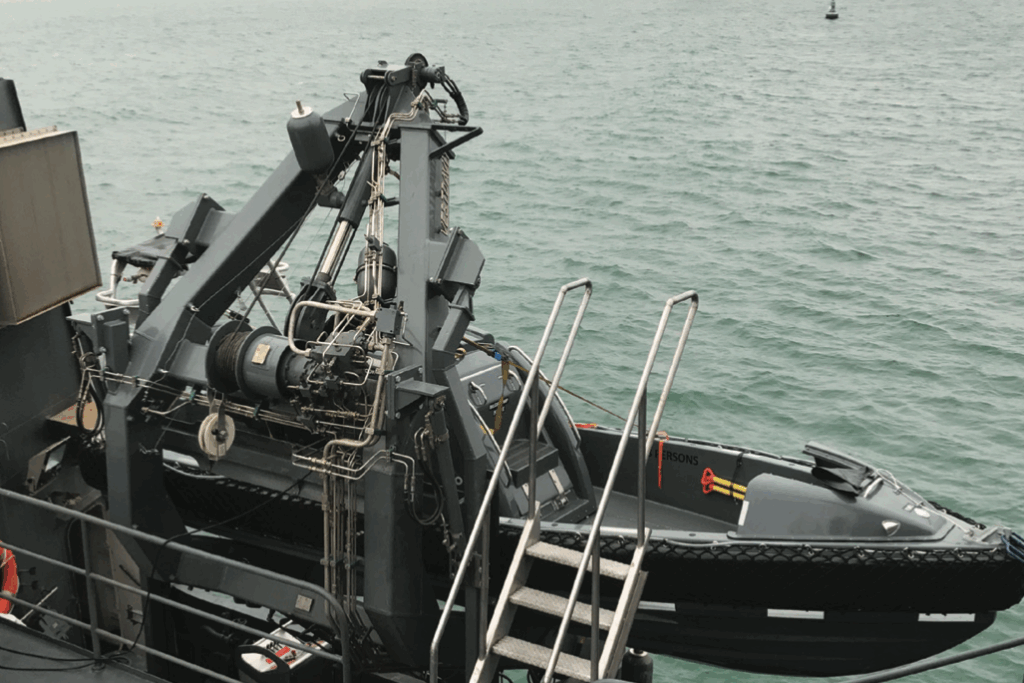
- Release hook Mechanismus Korrosion/Blockierung — KRITISCHER Sicherheitsfehler
- Diesel engine start failure due to lack of regular testing
- GRP hull osmotic blistering with prolonged water contact
- Scavenge air system valve failure
- Safety belt/harness aging due to UV/weather
- IMO D‑2 approved and listed in the DNV approval database – meets international safety standards
- Integrated diesel engine provides self‑contained, rapid launch capability without external power
- Compact design suitable for a wide range of vessel decks
- GFK hull offers good corrosion resistance compared with steel davits
- Release hook maintenance prescribed by SOLAS MSC.402(96) ensures regulatory compliance
- Release‑hook mechanism prone to corrosion or blockage if not inspected annually – critical safety risk
- Diesel engine may fail to start after periods of inactivity; requires weekly 5‑minute test
- GFK hull can develop osmotic blistering after prolonged water exposure, needing dockside inspection
- Ventilation valve in the air‑supply system has recorded failures, requiring spare parts stock
- Safety harnesses and webbing age rapidly under UV and harsh weather, increasing replacement cost
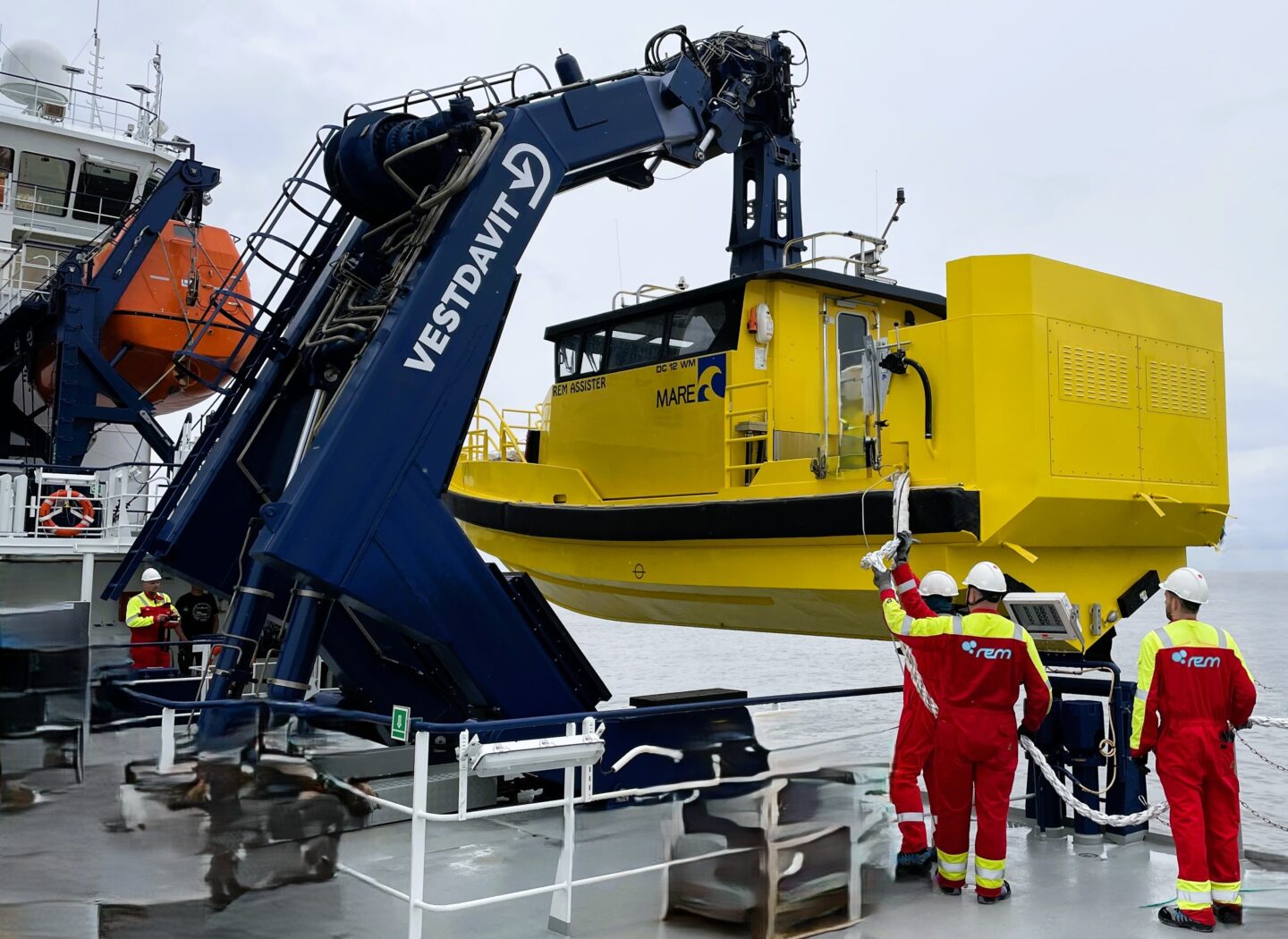
- Release hook Mechanismus Korrosion/Blockierung — KRITISCHER Sicherheitsfehler
- Diesel engine start failure due to lack of regular testing
- GRP hull osmotic blistering with prolonged water contact
- Scavenge air system valve failure
- Safety belt/harness aging due to UV/weather
- IMO Type Approval and DNV certification ensure regulatory compliance
- Integrated diesel launch motor provides rapid, self‑propelled deployment
- Modular design allows installation on a wide range of vessel sizes
- Maintenance schedule (weekly engine test, annual hook service) aligns with SOLAS MSC.402(96)
- GFRP hull offers corrosion resistance compared with steel when properly maintained
- Release‑hook mechanism prone to corrosion/blockage if not serviced annually
- Diesel launch motor can fail to start without strict adherence to weekly test regime
- GFRP (glass‑fiber reinforced plastic) hull may develop osmotic blistering after prolonged water exposure
- Air‑supply valve reliability issues reported in field service bulletins
- Safety harnesses and webbing age rapidly under UV and harsh weather, requiring frequent replacement
- Release hook Mechanismus Korrosion/Blockierung — KRITISCHER Sicherheitsfehler
- Diesel engine start failure due to lack of regular testing
- GRP hull osmotic blistering with prolonged water contact
- Scavenge air system valve failure
- Safety belt/harness aging due to UV/weather
- IMO approved and DNV recognised for compliance with SOLAS requirements
- High launch capacity suitable for medium‑size lifeboats (up to ~3.5 t)
- Integrated weekly motor test routine simplifies operational verification
- Annual release‑hook maintenance aligns with SOLAS MSC.402(96) guidelines
- GFRP hull support offers corrosion resistance compared with steel frames
- Release‑hook mechanism prone to corrosion or blockage if not maintained rigorously
- Diesel engine start failures reported when regular testing is omitted
- GFRP hull can develop osmotic blisters after prolonged water exposure
- Air‑supply valve may fail, affecting lifeboat ventilation
- Safety harnesses and rigging degrade under UV and weathering, requiring frequent replacement
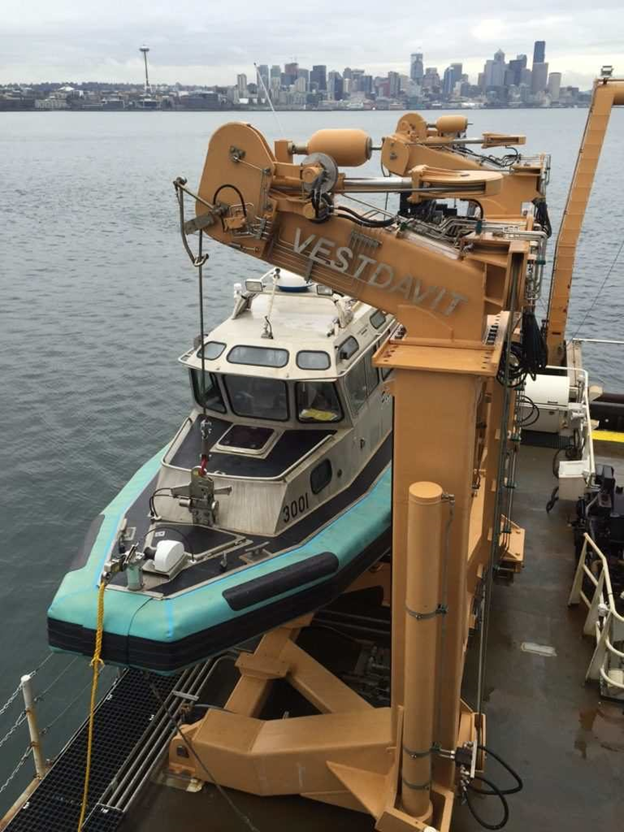
- Release hook Mechanismus Korrosion/Blockierung — KRITISCHER Sicherheitsfehler
- Diesel engine start failure due to lack of regular testing
- GRP hull osmotic blistering with prolonged water contact
- Scavenge air system valve failure
- Safety belt/harness aging due to UV/weather
- Integrated diesel engine provides independent, rapid launch capability without reliance on ship power supply.
- IMO D‑2 approval and DNV certification ensure compliance with SOLAS lifeboat requirements.
- Compact davit geometry fits vessels with limited deck space while supporting a 20 m class lifeboat.
- GFRP hull offers high strength‑to‑weight ratio, reducing overall launch weight.
- Defined maintenance regime (weekly engine test, annual release‑hook service) aligns with SOLAS MSC.402(96).
- Release‑hook mechanism prone to corrosion and blockage if not serviced annually; a critical safety concern.
- Diesel start failures reported when weekly tests are missed or fuel quality degrades.
- GFRP hull can develop osmotic blisters after prolonged water exposure, requiring dockside inspection.
- Air‑supply valve has shown occasional failure, necessitating spare parts on board.
- Safety harnesses and webbing age rapidly under UV and harsh weather, demanding regular replacement.

- Release hook Mechanismus Korrosion/Blockierung — KRITISCHER Sicherheitsfehler
- Diesel engine start failure due to lack of regular testing
- GRP hull osmotic blistering with prolonged water contact
- Scavenge air system valve failure
- Safety belt/harness aging due to UV/weather
- IMO approved and DNV‑certified, meeting SOLAS requirements
- Built‑in weekly motor test (≥5 min) simplifies compliance with MSC.402(96)
- Annual release‑hook maintenance program reduces risk of critical hook failure
- Compatible with GFRP hulls; inspection points defined for osmotic blister detection
- Modular design allows installation on a wide range of vessel sizes
- Release‑hook mechanism prone to corrosion or blockage if not maintained rigorously
- Diesel‑driven launch motor can suffer start‑up failures without regular testing
- GFRP (glass‑fiber reinforced plastic) lifeboat hulls may develop osmotic bubbles after prolonged water exposure
- Ventilation valve of the air‑supply system reported to fail under harsh conditions
- Safety harnesses and belts age quickly under UV and weather exposure, requiring frequent replacement
- Release hook Mechanismus Korrosion/Blockierung — KRITISCHER Sicherheitsfehler
- Diesel engine start failure due to lack of regular testing
- GRP hull osmotic blistering with prolonged water contact
- Scavenge air system valve failure
- Safety belt/harness aging due to UV/weather
- IMO approved and DNV classified – meets SOLAS requirements out of the box
- Integrated diesel engine provides rapid, self‑propelled launch without external power
- Weekly motor‑run test built into service schedule ensures readiness
- Annual release‑hook inspection per SOLAS MSC.402(96) reduces risk of blockage
- GFR (glass‑fiber reinforced) hull offers good corrosion resistance when maintained
- Release hook prone to corrosion/blockage if not inspected annually – critical safety issue
- Diesel start failures reported when weekly engine tests are missed
- Long‑term exposure can cause osmotic blistering of the GFR hull
- Air‑supply valve and safety harnesses age under UV/wet conditions, requiring replacement
- Higher maintenance burden (weekly engine run, annual hook service, 5‑year inspection)
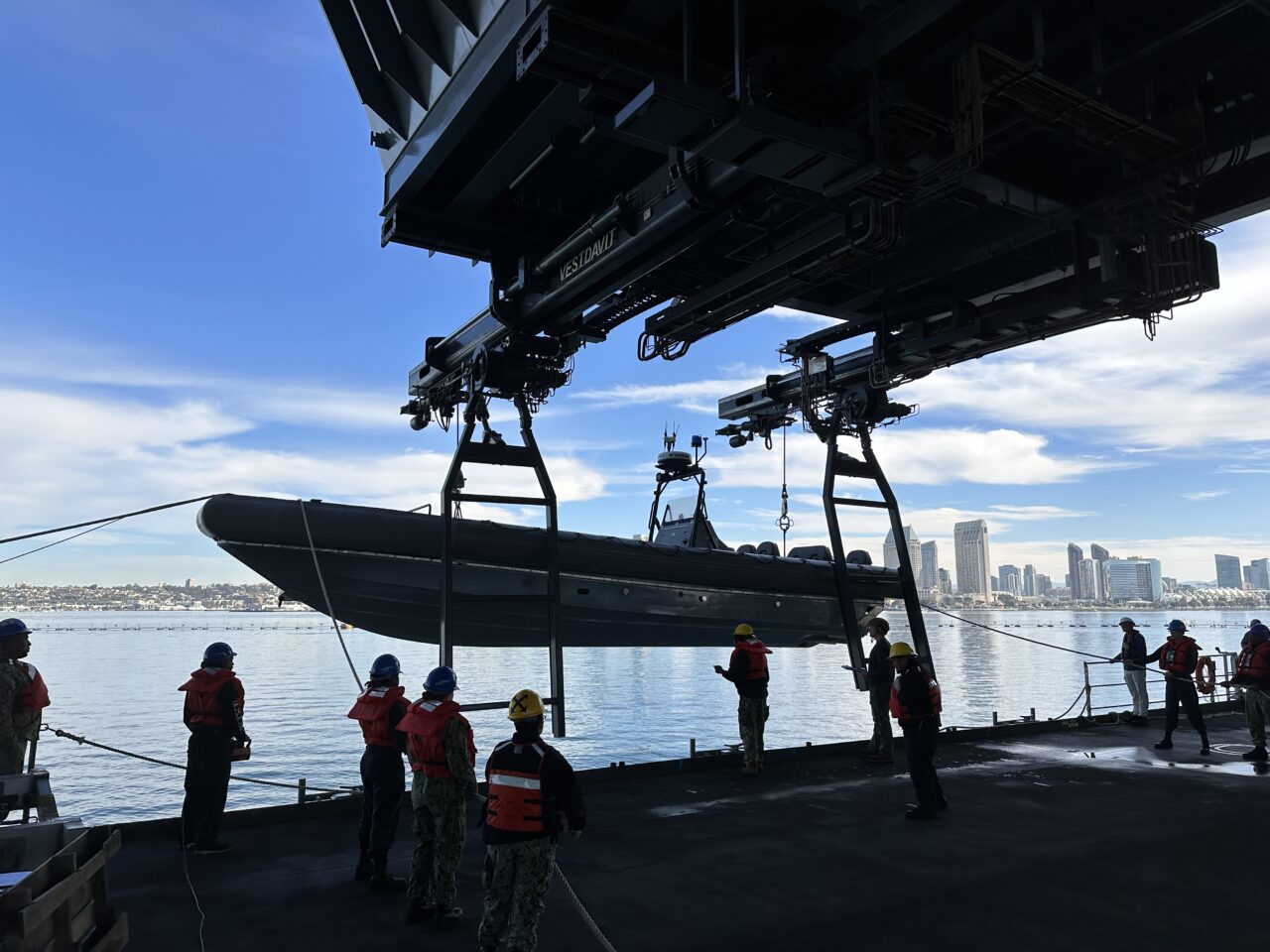
- Release hook Mechanismus Korrosion/Blockierung — KRITISCHER Sicherheitsfehler
- Diesel engine start failure due to lack of regular testing
- GRP hull osmotic blistering with prolonged water contact
- Scavenge air system valve failure
- Safety belt/harness aging due to UV/weather
- IMO approval ensures compliance with SOLAS requirements.
- Integrated diesel launch engine enables rapid self‑propelled deployment.
- Annual release‑hook maintenance aligns with SOLAS MSC.402(96) guidelines.
- GFK hull offers corrosion resistance and lower weight compared with steel lifeboats.
- Release hook can suffer corrosion or blockage if not serviced annually.
- Diesel start failures reported when weekly engine tests are missed.
- GFK hull may develop osmotic blistering after prolonged water exposure.
- Air‑supply valve has a history of malfunction under harsh conditions.
- Safety harnesses and webbing age quickly under UV and weather exposure.
- Release hook Mechanismus Korrosion/Blockierung — KRITISCHER Sicherheitsfehler
- Diesel engine start failure due to lack of regular testing
- GRP hull osmotic blistering with prolonged water contact
- Scavenge air system valve failure
- Safety belt/harness aging due to UV/weather
- IMO‑approved and DNV‑listed design ensures regulatory compliance
- Integrated diesel engine provides self‑contained power for rapid launch
- Weekly motor‑run test (≥5 min) guarantees readiness of the winch system
- Annual release‑hook inspection per SOLAS MSC.402(96) reduces critical failure risk
- Modular GFK hull offers corrosion resistance compared with steel lifeboats
- Release‑hook mechanism prone to corrosion or blockage if not maintained
- Diesel start failures reported when regular test regime is missed
- GFRP (glass‑fiber reinforced plastic) hull can develop osmotic blisters after prolonged water exposure
- Ventilation valve of the air‑supply system has a history of malfunction
- Safety harnesses age quickly under UV and harsh weather, requiring frequent replacement
- Release hook Mechanismus Korrosion/Blockierung — KRITISCHER Sicherheitsfehler
- Diesel engine start failure due to lack of regular testing
- GRP hull osmotic blistering with prolonged water contact
- Scavenge air system valve failure
- Safety belt/harness aging due to UV/weather
- IMO D‑2 approval and listed in the DNV approval finder – recognised by flag states and classification societies.
- Integrated diesel engine allows rapid, powered lifeboat deployment without reliance on ship’s main power.
- Release hook maintenance prescribed annually under SOLAS MSC.402(96), supporting compliance and reliability.
- GFK (glass‑fibre reinforced plastic) hull compatible with a wide range of lifeboats/rafts, offering corrosion resistance in marine environments.
- Clear service schedule (weekly motor test, 5‑year basic inspection) simplifies readiness verification.
- Release hook mechanism prone to corrosion or blockage if not serviced – documented critical safety failure.
- Diesel engine start failures reported when weekly tests are omitted; requires disciplined testing regime.
- GFK hull can develop osmotic blistering after prolonged water exposure, necessitating regular dock‑side inspections.
- Air‑supply valve and ventilation system have recorded occasional malfunctions, impacting lifeboat habitability.
- Safety harnesses/straps age under UV and weather exposure, demanding periodic replacement.
- Release hook Mechanismus Korrosion/Blockierung — KRITISCHER Sicherheitsfehler
- Diesel engine start failure due to lack of regular testing
- GRP hull osmotic blistering with prolonged water contact
- Scavenge air system valve failure
- Safety belt/harness aging due to UV/weather
- IMO approved and DNV listed, ensuring compliance with international safety regulations
- Integrated diesel engine provides self‑contained launch capability without external power
- Modular maintenance schedule (weekly motor test, annual release‑hook service, 5‑year inspection) aligns with SOLAS MSC.402(96)
- GFK hull offers corrosion resistance and lower weight compared with steel lifeboats
- Release hook mechanism prone to corrosion or blockage if not maintained
- Diesel engine may fail to start when regular tests are missed
- Glass‑fiber hull can develop osmotic blistering after prolonged water exposure
- Ventilation valve of the air‑supply system reported failures
- Safety harnesses deteriorate under UV and weather exposure
- Release hook Mechanismus Korrosion/Blockierung — KRITISCHER Sicherheitsfehler
- Diesel engine start failure due to lack of regular testing
- GRP hull osmotic blistering with prolonged water contact
- Scavenge air system valve failure
- Safety belt/harness aging due to UV/weather
- IMO and DNV approved – meets international safety regulations
- Integrated diesel engine provides self‑contained launch capability without external power
- Weekly motor‑run test (≥5 min) built into service plan ensures readiness
- Annual release‑hook inspection per SOLAS MSC.402(96) reduces critical failure risk
- GFRP hull offers good strength‑to‑weight ratio and corrosion resistance when maintained
- Release hook can corrode or jam if annual maintenance is missed – a known critical safety issue
- Diesel start failures have been reported when routine tests are not performed
- GFRP (glass‑fiber reinforced plastic) hull may develop osmotic blistering after prolonged water exposure
- Air‑supply valve has a history of occasional malfunction
- Safety harnesses and webbing age rapidly under UV and harsh weather, requiring frequent replacement

- Release hook Mechanismus Korrosion/Blockierung — KRITISCHER Sicherheitsfehler
- Diesel engine start failure due to lack of regular testing
- GRP hull osmotic blistering with prolonged water contact
- Scavenge air system valve failure
- Safety belt/harness aging due to UV/weather
- IMO and DNV approved, meeting international safety standards
- Integrated diesel motor enables rapid powered launch of the lifeboat/raft
- Release hook complies with SOLAS MSC.402(96) and is serviced annually
- GRP (GFK) hull provides a lightweight yet robust structure
- Weekly motor‑run test protocol ensures operational readiness
- Release hook mechanism can suffer corrosion or blockage if maintenance lapses
- Diesel engine may fail to start without strict regular testing
- GRP hull is prone to osmotic blistering after prolonged water exposure
- Air supply system ventilation valve has a history of failure
- Safety harnesses and webbing age quickly under UV and harsh weather
- Release hook Mechanismus Korrosion/Blockierung — KRITISCHER Sicherheitsfehler
- Diesel engine start failure due to lack of regular testing
- GRP hull osmotic blistering with prolonged water contact
- Scavenge air system valve failure
- Safety belt/harness aging due to UV/weather
- Fully IMO‑approved and DNV‑certified for SOLAS lifeboat launch operations
- Motorised winch enables rapid, controlled deployment even in adverse conditions
- Compact design suitable for vessels with limited deck space
- Weekly motor test requirement (≥5 min) supports reliability monitoring
- Annual release‑hook inspection aligns with MSC.402(96) regulations
- Release‑hook mechanism prone to corrosion or blockage if not inspected rigorously
- Diesel engine may fail to start after prolonged inactivity; requires strict test regime
- GFRP (glass‑fiber reinforced plastic) hull can develop osmotic blisters when exposed to water for extended periods
- Ventilation valve of the air‑supply system has documented failure modes
- Safety harnesses and rigging degrade under UV exposure, demanding regular replacement
- Release hook Mechanismus Korrosion/Blockierung — KRITISCHER Sicherheitsfehler
- Diesel engine start failure due to lack of regular testing
- GRP hull osmotic blistering with prolonged water contact
- Scavenge air system valve failure
- Safety belt/harness aging due to UV/weather
- IMO approved and DNV listed, ensuring compliance with international safety regulations
- Integrated diesel motor allows rapid launch without external power supply
- Modular design fits standard GFRP lifeboat hulls (MEDB00008N9) and simplifies installation
- Weekly motor‑test procedure is defined, supporting predictable maintenance planning
- Annual release‑hook service aligns with SOLAS MSC.402(96), extending service life
- Release hook prone to corrosion or blockage if not serviced annually – a critical safety risk
- Diesel engine start failures reported when regular tests are missed
- GFRP hulls can develop osmotic blistering after prolonged water exposure, requiring dock‑side inspection
- Ventilation valve of the air‑supply system has documented failure modes
- Safety harnesses and webbing age under UV exposure, necessitating periodic replacement
- Release hook Mechanismus Korrosion/Blockierung — KRITISCHER Sicherheitsfehler
- Diesel engine start failure due to lack of regular testing
- GRP hull osmotic blistering with prolonged water contact
- Scavenge air system valve failure
- Safety belt/harness aging due to UV/weather
- IMO approved and listed in DNV approval database – meets SOLAS requirements out of the box
- Integrated diesel motor enables quick, controlled launch even under adverse conditions
- Designed for weekly motor‑run tests, supporting reliable start‑up when properly maintained
- Modular GFK (glass‑fibre reinforced plastic) hull provides a lightweight yet strong lifeboat structure
- Release hook mechanism prone to corrosion or blockage if not serviced annually per SOLAS MSC.402(96)
- Diesel engine start failures reported when routine testing is neglected
- GFK hull can develop osmotic blistering after prolonged water exposure, requiring dock‑side inspections
- Air‑supply valve and safety harnesses have documented failure/aging issues under UV and weather exposure
- Release hook Mechanismus Korrosion/Blockierung — KRITISCHER Sicherheitsfehler
- Diesel engine start failure due to lack of regular testing
- GRP hull osmotic blistering with prolonged water contact
- Scavenge air system valve failure
- Safety belt/harness aging due to UV/weather
- IMO D‑2 approved and listed in the DNV approval finder – meets SOLAS requirements
- Integrated diesel launch motor provides rapid, self‑propelled deployment without external power
- Compact footprint suitable for a wide range of vessel decks
- Stainless‑steel release hook with annual certified maintenance (SOLAS MSC.402(96))
- Modular design allows relatively quick replacement of GFK hull sections
- Release‑hook mechanism prone to corrosion or blockage if not inspected regularly
- Diesel engine may fail to start after prolonged inactivity; requires weekly test runs
- GFK hull can develop osmotic blistering when exposed to seawater for extended periods
- Ventilation valve of the air‑supply system has a documented failure mode
- Safety harnesses and webbing age quickly under UV and harsh weather, needing frequent replacement
- Release hook Mechanismus Korrosion/Blockierung — KRITISCHER Sicherheitsfehler
- Diesel engine start failure due to lack of regular testing
- GRP hull osmotic blistering with prolonged water contact
- Scavenge air system valve failure
- Safety belt/harness aging due to UV/weather
- IMO‑approved and DNV listed for SOLAS compliance
- Integrated release hook enables rapid manual release in emergencies
- Diesel power provides high launch torque independent of ship electrical supply
- Defined weekly motor test and annual release‑hook service simplify maintenance planning
- Suitable for medium‑size lifeboats on passenger and offshore vessels
- Diesel engine requires fuel, regular testing and is prone to start‑up failures if neglected
- Release hook can suffer corrosion or blockage, demanding yearly specialist inspection
- UV exposure ages associated safety harnesses and may require more frequent replacement
- Ventilation valve of the onboard air‑supply system has reported occasional failure
- GFRP lifeboat hull issues (osmotic blistering) are not addressed by the davit itself
- Release hook Mechanismus Korrosion/Blockierung — KRITISCHER Sicherheitsfehler
- Diesel engine start failure due to lack of regular testing
- GRP hull osmotic blistering with prolonged water contact
- Scavenge air system valve failure
- Safety belt/harness aging due to UV/weather
- IMO‑approved and DNV‑certified for SOLAS compliance
- Integrated diesel engine enables rapid, self‑contained launch without external power
- Compact footprint suitable for medium‑size vessels where deck space is limited
- Weekly motor test procedure built into service regime ensures readiness
- Annual release‑hook maintenance aligns with SOLAS MSC.402(96) requirements
- Release‑hook mechanism prone to corrosion or blockage if not maintained rigorously
- Diesel engine start failures reported when regular testing is omitted
- GFRP hull can develop osmotic blisters after prolonged water exposure
- Air‑supply valve may fail, affecting lifeboat ventilation during launch
- Safety harnesses and webbing age under UV and weather exposure, requiring periodic replacement
- Release hook Mechanismus Korrosion/Blockierung — KRITISCHER Sicherheitsfehler
- Diesel engine start failure due to lack of regular testing
- GRP hull osmotic blistering with prolonged water contact
- Scavenge air system valve failure
- Safety belt/harness aging due to UV/weather
- IMO approved and DNV certified, ensuring compliance with SOLAS requirements
- Powerful diesel winch provides rapid launch even in adverse conditions
- Robust GFRP hull support offers high strength-to-weight ratio
- Standardised weekly motor test simplifies operational checks
- Annual release‑hook service aligns with SOLAS MSC.402(96) guidelines
- Release hook mechanism prone to corrosion or blockage if not serviced regularly
- Diesel engine may fail to start without strict adherence to testing schedule
- GFRP hull can develop osmotic blisters after prolonged water exposure
- Ventilation valve of the air‑supply system reported to malfunction
- Safety harnesses and straps degrade under UV and weather exposure
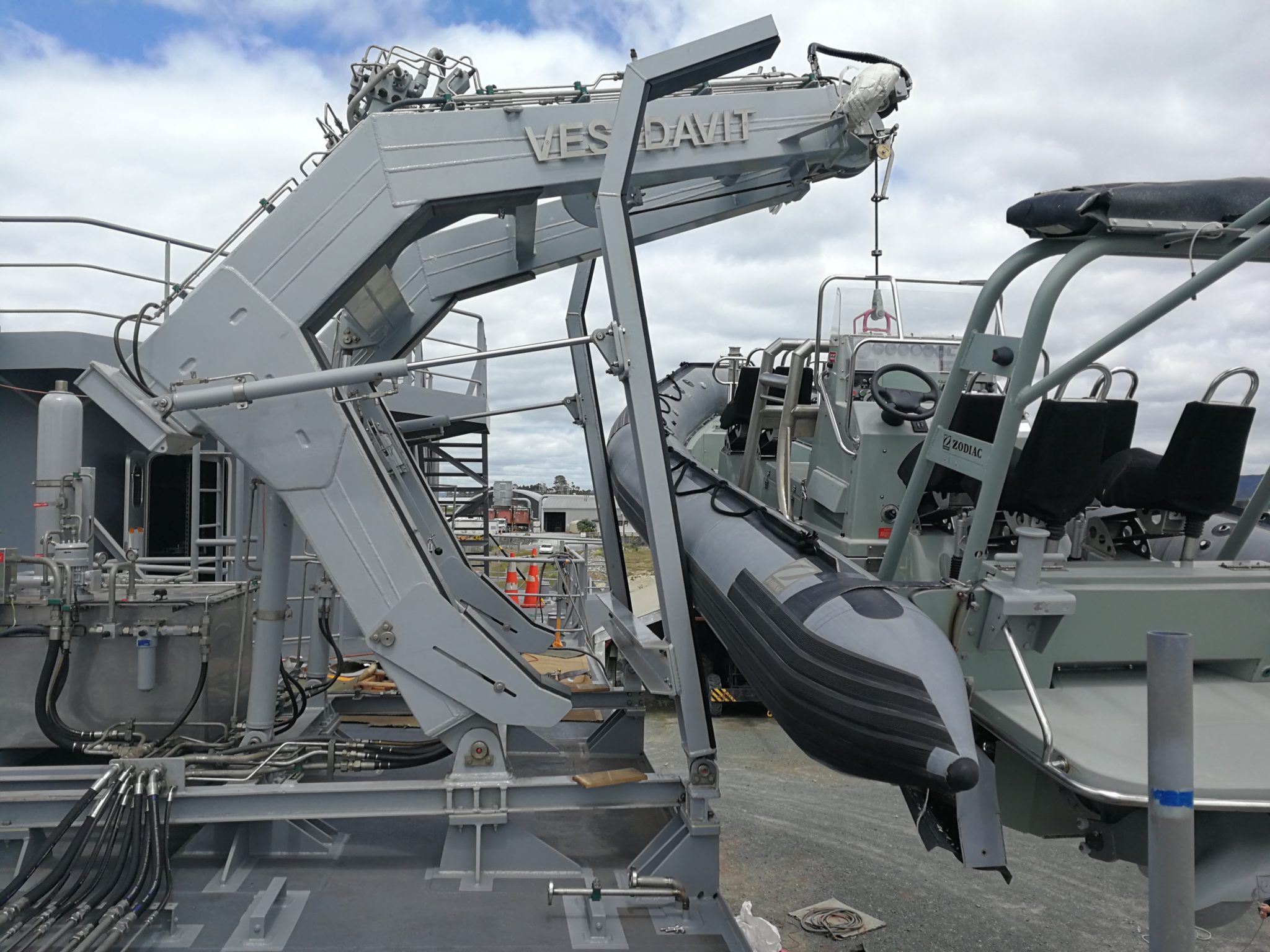
- Release hook Mechanismus Korrosion/Blockierung — KRITISCHER Sicherheitsfehler
- Diesel engine start failure due to lack of regular testing
- GRP hull osmotic blistering with prolonged water contact
- Scavenge air system valve failure
- Safety belt/harness aging due to UV/weather
- IMO approved and DNV certified, ensuring compliance with SOLAS requirements
- Motorised winch enables rapid, controlled launch of lifeboats/rafts
- Compact design suitable for vessels with limited deck space
- Standardised maintenance regime (weekly motor test, annual hook service) simplifies upkeep
- Compatible with GFRP‑hull lifeboats
- Release‑hook mechanism prone to corrosion or blockage if not maintained
- Diesel engine may fail to start after periods of inactivity without regular testing
- GFRP hulls can develop osmotic blistering after prolonged water exposure
- Ventilation valve in the air‑supply system has reported failures
- Safety harnesses and belts age under UV and weather exposure, requiring periodic replacement

- Release hook Mechanismus Korrosion/Blockierung — KRITISCHER Sicherheitsfehler
- Diesel engine start failure due to lack of regular testing
- GRP hull osmotic blistering with prolonged water contact
- Scavenge air system valve failure
- Safety belt/harness aging due to UV/weather
- IMO and DNV approved – meets international lifesaving regulations
- Integrated diesel motor allows rapid launch without external power
- Modular design (C‑356‑1‑C‑S to C‑356‑6‑V‑S) accommodates different lifeboat sizes
- Standardised service intervals (weekly motor test, annual hook inspection) simplify maintenance planning
- Release‑hook corrosion or blockage reported as a critical safety issue
- Diesel‑motor start failures when regular testing is omitted
- GFRP hulls can develop osmotic blisters after prolonged water exposure
- Ventilation valve of the air‑supply system has shown occasional failure
- Safety harnesses age quickly under UV and harsh weather, requiring frequent replacement
- Release hook Mechanismus Korrosion/Blockierung — KRITISCHER Sicherheitsfehler
- Diesel engine start failure due to lack of regular testing
- GRP hull osmotic blistering with prolonged water contact
- Scavenge air system valve failure
- Safety belt/harness aging due to UV/weather
- IMO approved and DNV class certified for LSA use
- Integrated diesel engine enables independent, powered launch without ship power
- Robust GFRP hull offers high strength‑to‑weight ratio
- Weekly motor test procedure built into service plan ensures readiness
- Release hook maintenance prescribed by SOLAS MSC.402(96) supports regulatory compliance
- Release‑hook mechanism prone to corrosion or blockage if not inspected rigorously
- Diesel engine may fail to start after prolonged inactivity; requires strict test regime
- GFRP hull can develop osmotic blistering after extended water exposure
- Ventilation valve of the air‑supply system has reported occasional failure
- Safety harnesses and belts deteriorate under UV and weather exposure, needing periodic replacement
- Release hook Mechanismus Korrosion/Blockierung — KRITISCHER Sicherheitsfehler
- Diesel engine start failure due to lack of regular testing
- GRP hull osmotic blistering with prolonged water contact
- Scavenge air system valve failure
- Safety belt/harness aging due to UV/weather
- IMO and DNV approved, meeting SOLAS requirements
- Integrated diesel engine enables rapid launch without external power supply
- Compact footprint suitable for medium‑size merchant vessels
- Modular design allows straightforward replacement of the release hook and routine motor testing
- Release hook mechanism can corrode or block if annual service is missed
- Diesel engine start failures reported when weekly run‑tests are not performed
- GFRP hull may develop osmotic blisters after prolonged water exposure
- Higher maintenance workload (weekly motor test, annual hook inspection, 5‑year full inspection)
- Release hook Mechanismus Korrosion/Blockierung — KRITISCHER Sicherheitsfehler
- Diesel engine start failure due to lack of regular testing
- GRP hull osmotic blistering with prolonged water contact
- Scavenge air system valve failure
- Safety belt/harness aging due to UV/weather
- IMO D‑2 approval ensures compliance with international lifesaving regulations.
- Integrated diesel launch motor enables rapid, self‑propelled deployment without external power.
- DNV listed model (MEDB00008SX) provides recognized class certification.
- Standardised maintenance regime (weekly engine test, annual release‑hook service) supports predictable upkeep.
- Release‑hook mechanism prone to corrosion or blockage if not serviced rigorously.
- Diesel start failures reported when regular testing is neglected.
- GFRP hull can develop osmotic blisters after prolonged water exposure.
- Air‑supply valve and safety harnesses may deteriorate under UV and weathering, requiring frequent inspection.
- Maintenance intensive – requires weekly engine run‑time and annual certified servicing.
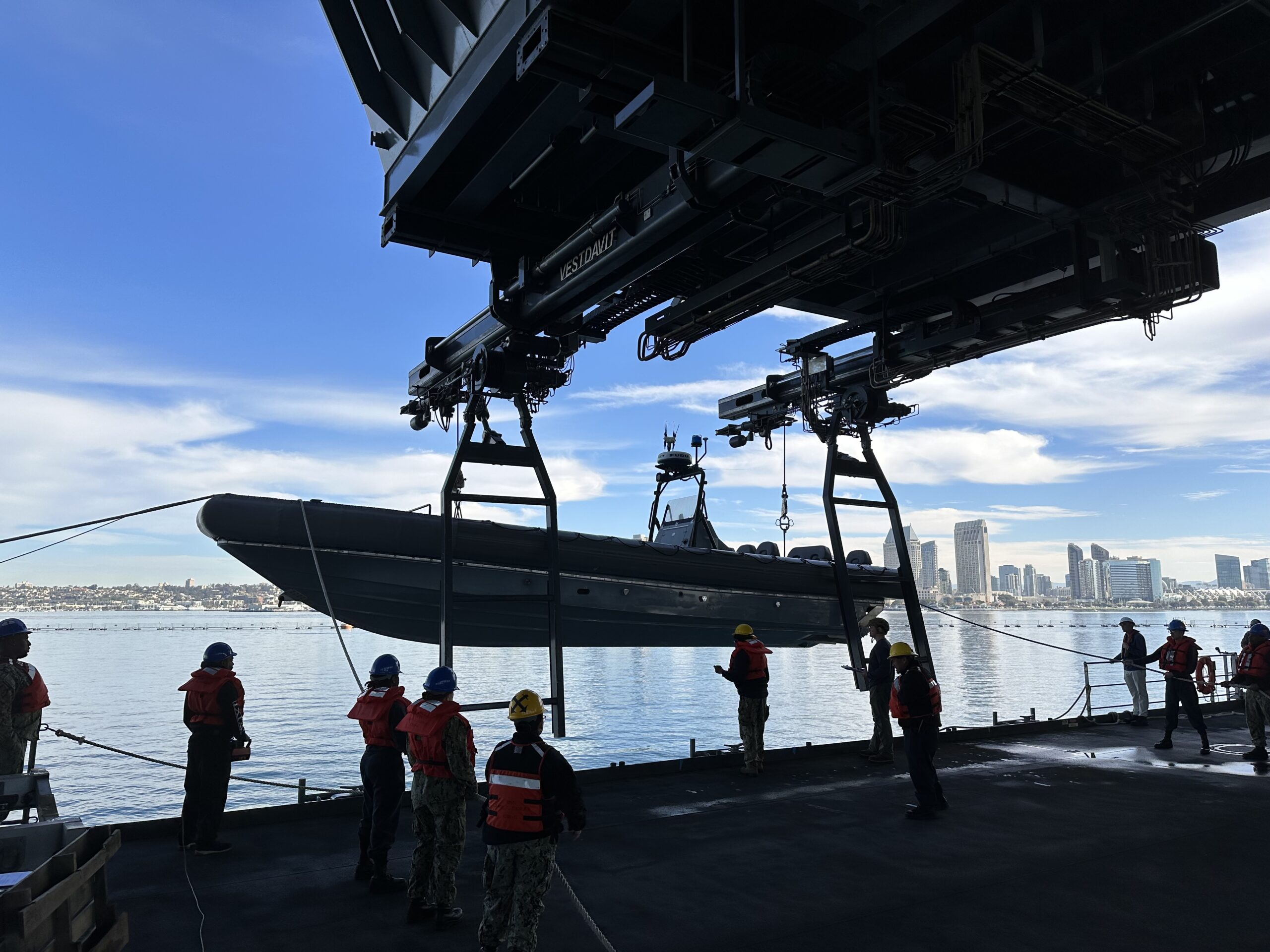
- Release hook Mechanismus Korrosion/Blockierung — KRITISCHER Sicherheitsfehler
- Diesel engine start failure due to lack of regular testing
- GRP hull osmotic blistering with prolonged water contact
- Scavenge air system valve failure
- Safety belt/harness aging due to UV/weather
- IMO approved and DNV recognised – meets SOLAS requirements out of the box
- Hydraulic actuation with built‑in diesel motor enables independent launch even without ship power
- Weekly motor test procedure ensures readiness and simplifies compliance documentation
- Designed for GFR (glass‑fiber reinforced) hulls, offering corrosion resistance compared with steel davits
- Standardised release hook maintenance interval (annual) aligns with SOLAS MSC.402(96)
- Release‑hook mechanism prone to corrosion or blockage if not inspected rigorously
- Diesel engine start failures reported when weekly tests are missed or performed inadequately
- GFR hull can develop osmotic blistering after prolonged water exposure, requiring dockside inspection
- Ventilation valve of the air‑supply system has a history of malfunction under harsh conditions
- Safety harnesses and webbing age rapidly under UV and weather exposure, needing regular replacement
- Release hook Mechanismus Korrosion/Blockierung — KRITISCHER Sicherheitsfehler
- Diesel engine start failure due to lack of regular testing
- GRP hull osmotic blistering with prolonged water contact
- Scavenge air system valve failure
- Safety belt/harness aging due to UV/weather
- IMO approved and DNV certified, ensuring compliance with SOLAS requirements
- Integrated diesel engine provides rapid launch power independent of ship's main power
- Robust GFRP hull offers good strength‑to‑weight ratio for medium‑size lifeboats
- Weekly motor‑run test built into service schedule promotes operational readiness
- Release hook maintenance prescribed by SOLAS MSC.402(96) extends service life
- Release‑hook mechanism prone to corrosion or blockage if not inspected rigorously
- Diesel engine may fail to start after periods of inactivity; requires strict test regime
- GFRP hull can develop osmotic blistering after prolonged water exposure
- Ventilation valve failures have been reported, affecting air supply on launch
- Safety harnesses and webbing age quickly under UV and weather exposure
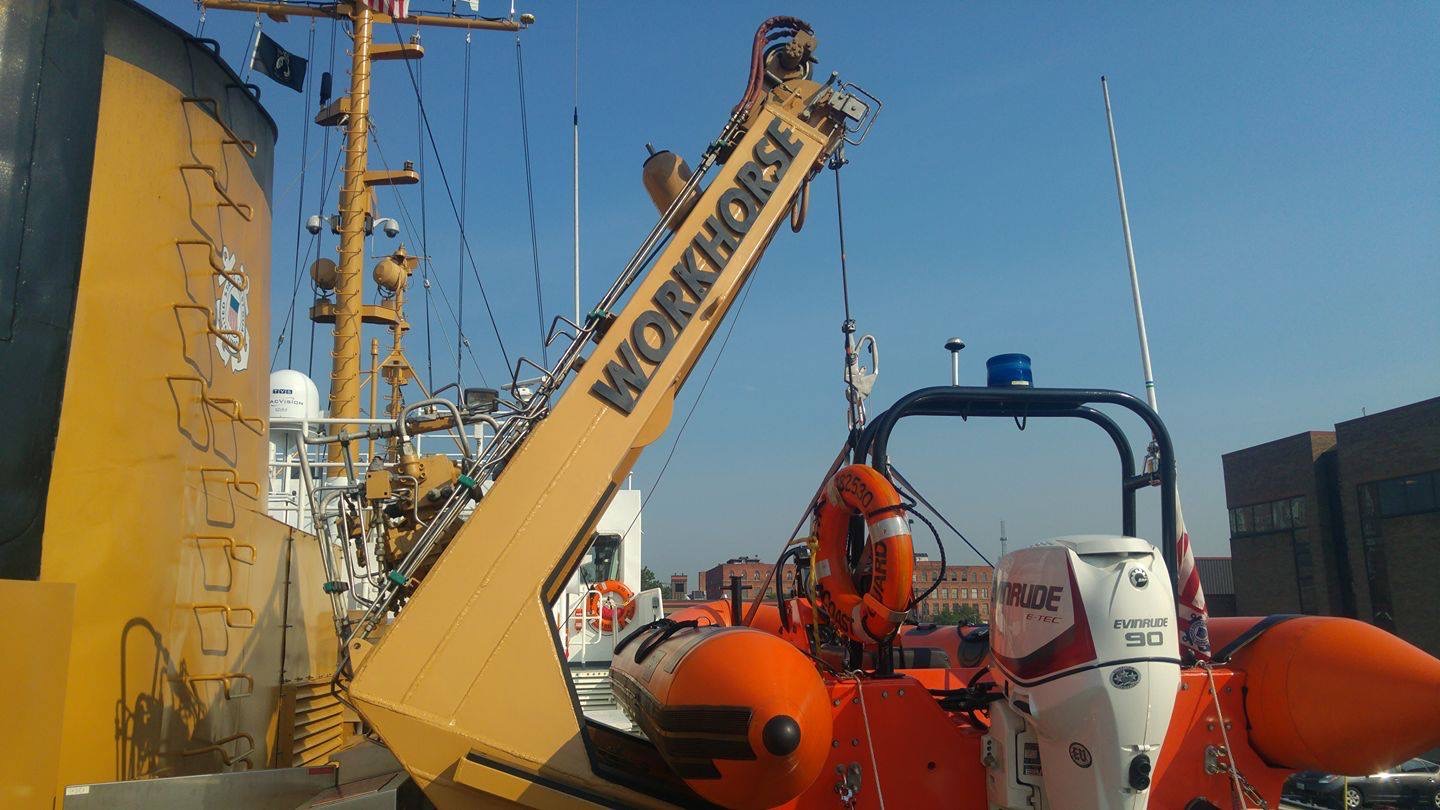
- Release hook Mechanismus Korrosion/Blockierung — KRITISCHER Sicherheitsfehler
- Diesel engine start failure due to lack of regular testing
- GRP hull osmotic blistering with prolonged water contact
- Scavenge air system valve failure
- Safety belt/harness aging due to UV/weather
- IMO and DNV approved, ensuring full regulatory compliance
- Weekly motor‑test requirement built into service plan enhances launch reliability
- Annual release‑hook inspection per SOLAS MSC.402(96) reduces critical failure risk
- Five‑year comprehensive inspection supports long‑term structural integrity of the GFRP hull
- Release hook mechanism can corrode or become blocked if maintenance is lax
- Diesel engine start failures reported when regular testing is omitted
- GFRP hull may develop osmotic blistering after prolonged water exposure
- Air‑supply valve and safety harness components age quickly under UV and weather exposure
- Release hook Mechanismus Korrosion/Blockierung — KRITISCHER Sicherheitsfehler
- Diesel engine start failure due to lack of regular testing
- GRP hull osmotic blistering with prolonged water contact
- Scavenge air system valve failure
- Safety belt/harness aging due to UV/weather
- IMO approved and DNV recognized compliance ensures regulatory acceptance
- Integrated diesel motor provides independent launch power without ship electrical supply
- Weekly motor test (minimum 5 min) built into service regime guarantees readiness
- Annual release‑hook maintenance per SOLAS MSC.402(96) reduces critical failure risk
- Designed for GFK hulls offering good strength‑to‑weight ratio when properly inspected
- Release hook mechanism can corrode or jam if annual service is missed
- Diesel engine may fail to start without regular testing and fuel conditioning
- GFK hull susceptible to osmotic blistering after prolonged water exposure
- Air‑supply valve failures have been reported, affecting crew survivability
- Safety harnesses/straps age rapidly under UV and harsh weather, requiring frequent replacement
- Release hook Mechanismus Korrosion/Blockierung — KRITISCHER Sicherheitsfehler
- Diesel engine start failure due to lack of regular testing
- GRP hull osmotic blistering with prolonged water contact
- Scavenge air system valve failure
- Safety belt/harness aging due to UV/weather
- IMO SOLAS approved and DNV listed, ensuring regulatory compliance
- Integrated diesel motor provides high launch power without external power supply
- Modular design fits a range of medium‑size vessels and can be retrofitted
- Defined maintenance regime (weekly engine test, annual hook service) supports reliability when followed
- Release‑hook corrosion or blockage reported as critical safety issue if not serviced annually
- Diesel motor may fail to start after periods of inactivity; requires strict weekly testing
- GFR hull susceptible to osmotic blistering during prolonged water exposure
- Ventilation valve failures have been observed, affecting air supply on the lifeboat
- Safety harnesses/straps degrade under UV and weather exposure, needing regular replacement
- Release hook Mechanismus Korrosion/Blockierung — KRITISCHER Sicherheitsfehler
- Diesel engine start failure due to lack of regular testing
- GRP hull osmotic blistering with prolonged water contact
- Scavenge air system valve failure
- Safety belt/harness aging due to UV/weather
- Compliant with IMO and DNV regulations
- Regular maintenance can be performed by authorized service personnel
- Weekly motor tests ensure reliability
- Release hook mechanism has been known to fail due to corrosion or blockage
- Diesel engine start-up issues may occur if not regularly tested
- GRP hull prone to osmotic blistering with prolonged water exposure
- Release hook Mechanismus Korrosion/Blockierung — KRITISCHER Sicherheitsfehler
- Diesel engine start failure due to lack of regular testing
- GRP hull osmotic blistering with prolonged water contact
- Scavenge air system valve failure
- Safety belt/harness aging due to UV/weather
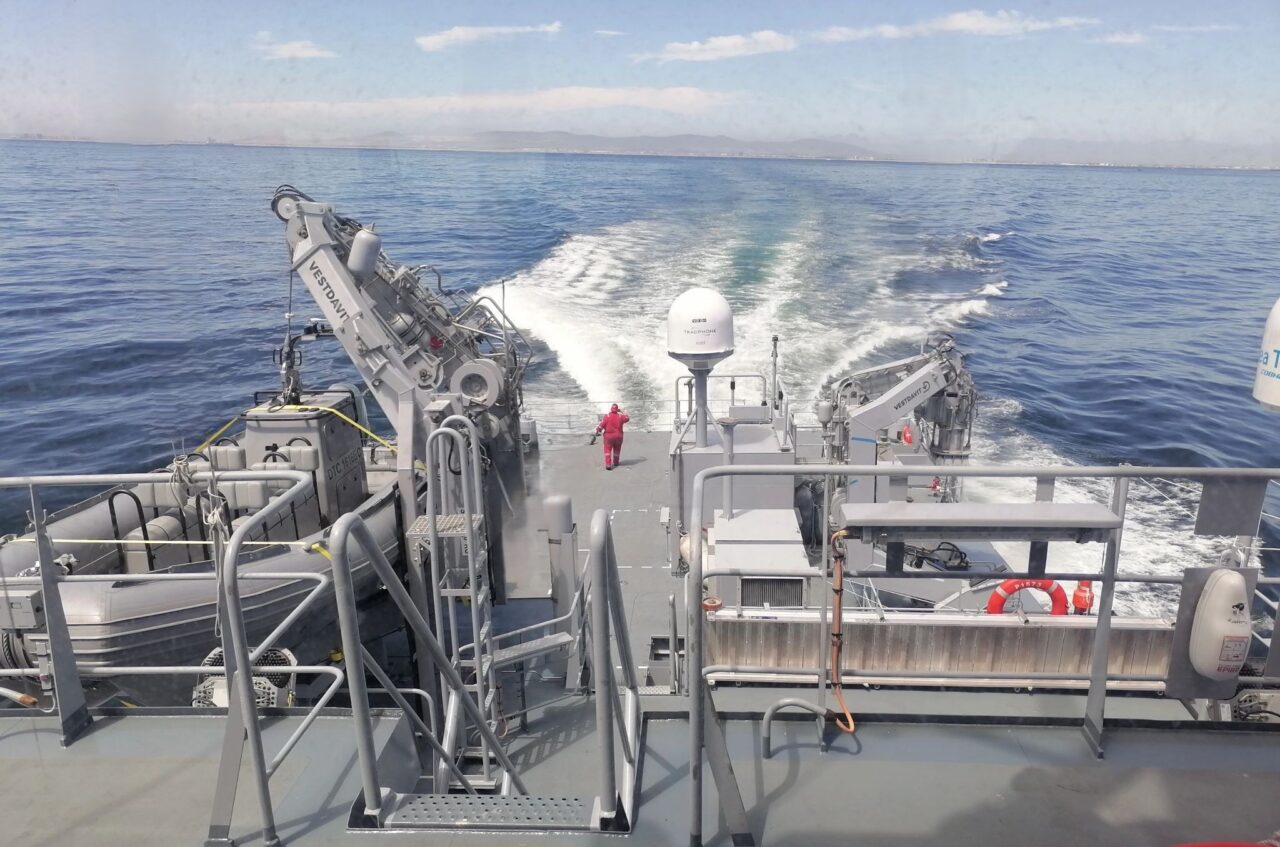
- Release hook Mechanismus Korrosion/Blockierung — KRITISCHER Sicherheitsfehler
- Diesel engine start failure due to lack of regular testing
- GRP hull osmotic blistering with prolonged water contact
- Scavenge air system valve failure
- Safety belt/harness aging due to UV/weather
- Release hook Mechanismus Korrosion/Blockierung — KRITISCHER Sicherheitsfehler
- Diesel engine start failure due to lack of regular testing
- GRP hull osmotic blistering with prolonged water contact
- Scavenge air system valve failure
- Safety belt/harness aging due to UV/weather
- Release hook Mechanismus Korrosion/Blockierung — KRITISCHER Sicherheitsfehler
- Diesel engine start failure due to lack of regular testing
- GRP hull osmotic blistering with prolonged water contact
- Scavenge air system valve failure
- Safety belt/harness aging due to UV/weather
- Release hook Mechanismus Korrosion/Blockierung — KRITISCHER Sicherheitsfehler
- Diesel engine start failure due to lack of regular testing
- GRP hull osmotic blistering with prolonged water contact
- Scavenge air system valve failure
- Safety belt/harness aging due to UV/weather
- Release hook Mechanismus Korrosion/Blockierung — KRITISCHER Sicherheitsfehler
- Diesel engine start failure due to lack of regular testing
- GRP hull osmotic blistering with prolonged water contact
- Scavenge air system valve failure
- Safety belt/harness aging due to UV/weather
- Release hook Mechanismus Korrosion/Blockierung — KRITISCHER Sicherheitsfehler
- Diesel engine start failure due to lack of regular testing
- GRP hull osmotic blistering with prolonged water contact
- Scavenge air system valve failure
- Safety belt/harness aging due to UV/weather
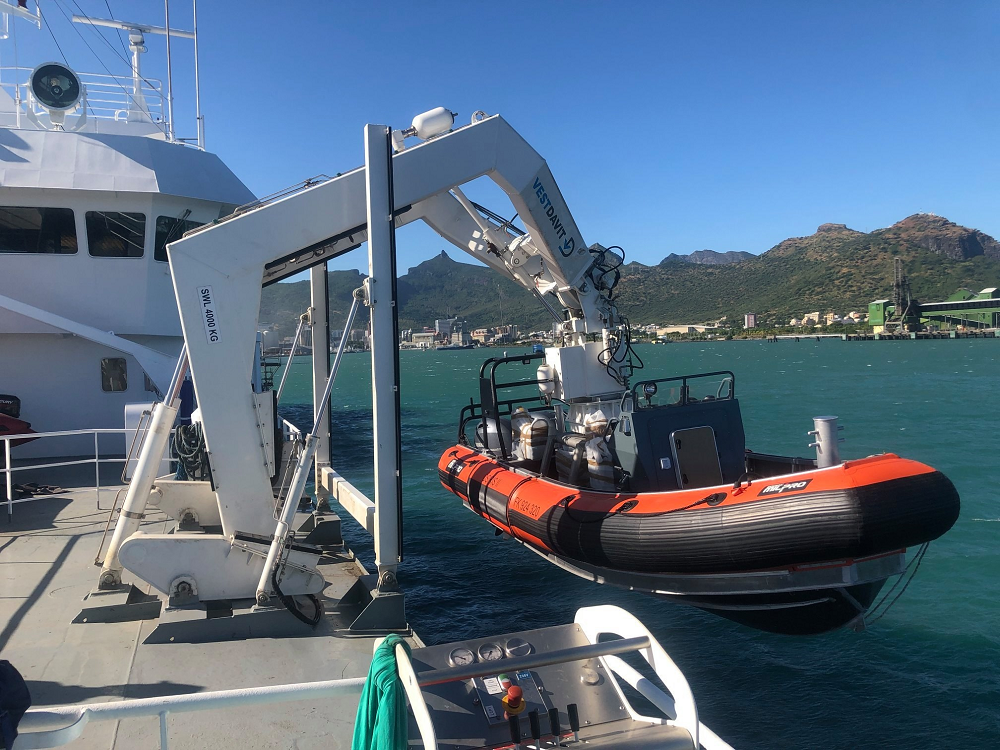
- Release hook Mechanismus Korrosion/Blockierung — KRITISCHER Sicherheitsfehler
- Diesel engine start failure due to lack of regular testing
- GRP hull osmotic blistering with prolonged water contact
- Scavenge air system valve failure
- Safety belt/harness aging due to UV/weather
- Release hook Mechanismus Korrosion/Blockierung — KRITISCHER Sicherheitsfehler
- Diesel engine start failure due to lack of regular testing
- GRP hull osmotic blistering with prolonged water contact
- Scavenge air system valve failure
- Safety belt/harness aging due to UV/weather
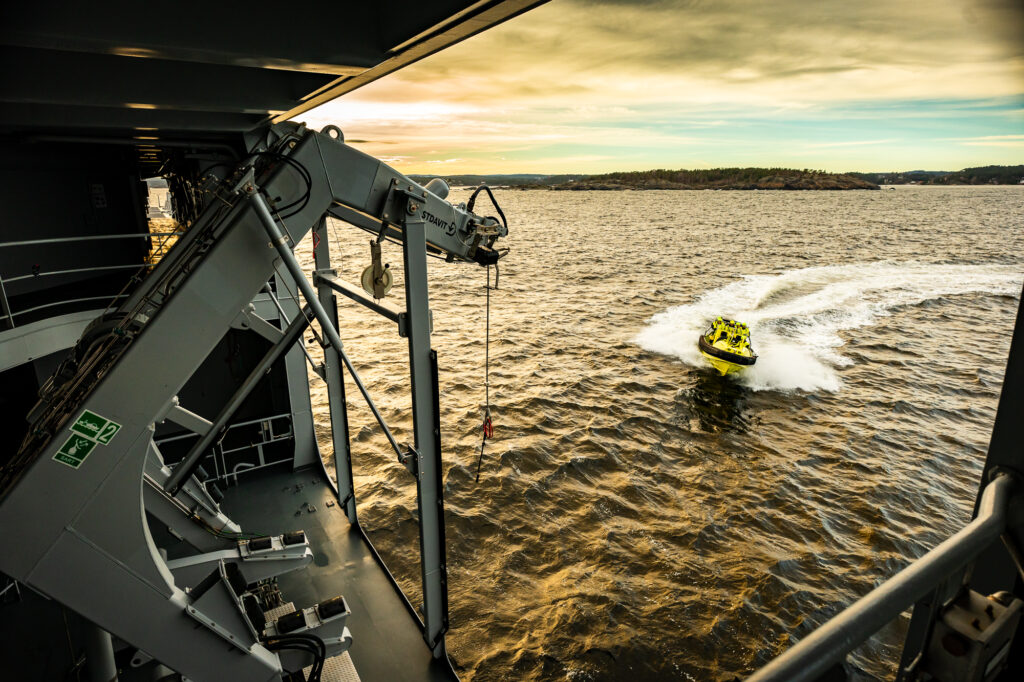
- Release hook Mechanismus Korrosion/Blockierung — KRITISCHER Sicherheitsfehler
- Diesel engine start failure due to lack of regular testing
- GRP hull osmotic blistering with prolonged water contact
- Scavenge air system valve failure
- Safety belt/harness aging due to UV/weather
- Release hook Mechanismus Korrosion/Blockierung — KRITISCHER Sicherheitsfehler
- Diesel engine start failure due to lack of regular testing
- GRP hull osmotic blistering with prolonged water contact
- Scavenge air system valve failure
- Safety belt/harness aging due to UV/weather
- Release hook Mechanismus Korrosion/Blockierung — KRITISCHER Sicherheitsfehler
- Diesel engine start failure due to lack of regular testing
- GRP hull osmotic blistering with prolonged water contact
- Scavenge air system valve failure
- Safety belt/harness aging due to UV/weather
- Release hook Mechanismus Korrosion/Blockierung — KRITISCHER Sicherheitsfehler
- Diesel engine start failure due to lack of regular testing
- GRP hull osmotic blistering with prolonged water contact
- Scavenge air system valve failure
- Safety belt/harness aging due to UV/weather
- Release hook Mechanismus Korrosion/Blockierung — KRITISCHER Sicherheitsfehler
- Diesel engine start failure due to lack of regular testing
- GRP hull osmotic blistering with prolonged water contact
- Scavenge air system valve failure
- Safety belt/harness aging due to UV/weather
- Release hook Mechanismus Korrosion/Blockierung — KRITISCHER Sicherheitsfehler
- Diesel engine start failure due to lack of regular testing
- GRP hull osmotic blistering with prolonged water contact
- Scavenge air system valve failure
- Safety belt/harness aging due to UV/weather
- Release hook Mechanismus Korrosion/Blockierung — KRITISCHER Sicherheitsfehler
- Diesel engine start failure due to lack of regular testing
- GRP hull osmotic blistering with prolonged water contact
- Scavenge air system valve failure
- Safety belt/harness aging due to UV/weather
- Release hook Mechanismus Korrosion/Blockierung — KRITISCHER Sicherheitsfehler
- Diesel engine start failure due to lack of regular testing
- GRP hull osmotic blistering with prolonged water contact
- Scavenge air system valve failure
- Safety belt/harness aging due to UV/weather
- Release hook Mechanismus Korrosion/Blockierung — KRITISCHER Sicherheitsfehler
- Diesel engine start failure due to lack of regular testing
- GRP hull osmotic blistering with prolonged water contact
- Scavenge air system valve failure
- Safety belt/harness aging due to UV/weather
- Release hook Mechanismus Korrosion/Blockierung — KRITISCHER Sicherheitsfehler
- Diesel engine start failure due to lack of regular testing
- GRP hull osmotic blistering with prolonged water contact
- Scavenge air system valve failure
- Safety belt/harness aging due to UV/weather
- Release hook Mechanismus Korrosion/Blockierung — KRITISCHER Sicherheitsfehler
- Diesel engine start failure due to lack of regular testing
- GRP hull osmotic blistering with prolonged water contact
- Scavenge air system valve failure
- Safety belt/harness aging due to UV/weather
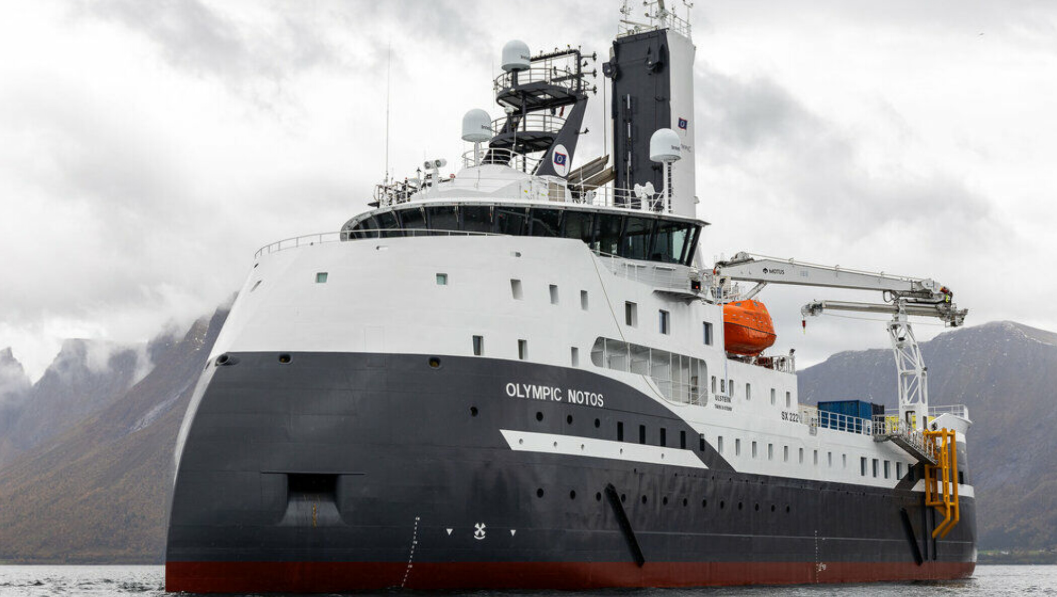
- Release hook Mechanismus Korrosion/Blockierung — KRITISCHER Sicherheitsfehler
- Diesel engine start failure due to lack of regular testing
- GRP hull osmotic blistering with prolonged water contact
- Scavenge air system valve failure
- Safety belt/harness aging due to UV/weather
- Release hook Mechanismus Korrosion/Blockierung — KRITISCHER Sicherheitsfehler
- Diesel engine start failure due to lack of regular testing
- GRP hull osmotic blistering with prolonged water contact
- Scavenge air system valve failure
- Safety belt/harness aging due to UV/weather
- Release hook Mechanismus Korrosion/Blockierung — KRITISCHER Sicherheitsfehler
- Diesel engine start failure due to lack of regular testing
- GRP hull osmotic blistering with prolonged water contact
- Scavenge air system valve failure
- Safety belt/harness aging due to UV/weather
- Release hook Mechanismus Korrosion/Blockierung — KRITISCHER Sicherheitsfehler
- Diesel engine start failure due to lack of regular testing
- GRP hull osmotic blistering with prolonged water contact
- Scavenge air system valve failure
- Safety belt/harness aging due to UV/weather
- Release hook Mechanismus Korrosion/Blockierung — KRITISCHER Sicherheitsfehler
- Diesel engine start failure due to lack of regular testing
- GRP hull osmotic blistering with prolonged water contact
- Scavenge air system valve failure
- Safety belt/harness aging due to UV/weather

- Release hook Mechanismus Korrosion/Blockierung — KRITISCHER Sicherheitsfehler
- Diesel engine start failure due to lack of regular testing
- GRP hull osmotic blistering with prolonged water contact
- Scavenge air system valve failure
- Safety belt/harness aging due to UV/weather
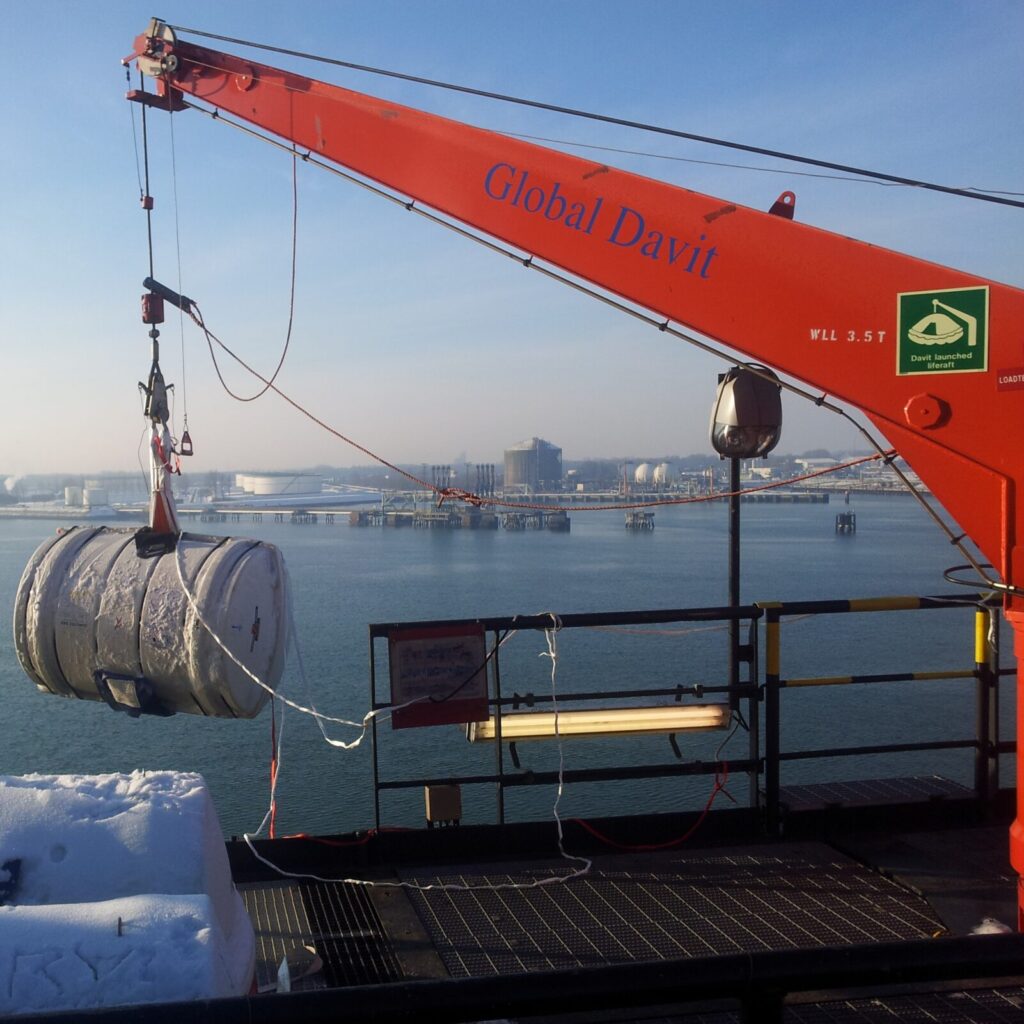
- Release hook Mechanismus Korrosion/Blockierung — KRITISCHER Sicherheitsfehler
- Diesel engine start failure due to lack of regular testing
- GRP hull osmotic blistering with prolonged water contact
- Scavenge air system valve failure
- Safety belt/harness aging due to UV/weather
- Release hook Mechanismus Korrosion/Blockierung — KRITISCHER Sicherheitsfehler
- Diesel engine start failure due to lack of regular testing
- GRP hull osmotic blistering with prolonged water contact
- Scavenge air system valve failure
- Safety belt/harness aging due to UV/weather
- Release hook Mechanismus Korrosion/Blockierung — KRITISCHER Sicherheitsfehler
- Diesel engine start failure due to lack of regular testing
- GRP hull osmotic blistering with prolonged water contact
- Scavenge air system valve failure
- Safety belt/harness aging due to UV/weather
Palfinger Marine
47- Engine, battery or fuel-system deterioration causes difficult starting or failure to run during drills
- Release-hook, linkage or interlock wear causes stiff operation, incorrect indication or unsafe release behaviour
- Hull, canopy, window or seal damage causes water ingress or reduced weathertight integrity
- Steering or propulsion faults cause poor manoeuvrability, abnormal vibration or loss of thrust
- Inventory, securing or communication-equipment deficiencies are noticed during drills or statutory inspection
- Rated for up to 15 500 kg load, allowing large lifeboats on medium‑size vessels
- Compact installation envelope saves valuable deck space
- Fast launch cycle (typically <30 seconds) with optional manual override for redundancy
- Corrosion‑resistant marine‑grade steel/aluminium construction reduces long‑term maintenance
- Integrated limit switches provide automatic safety interlocks
- Hydraulic hoses require replacement every six years per DIN recommendations
- Reported issues with extension cylinder scoring and limit‑switch reliability
- Dependence on ship’s hydraulic power plant adds system complexity
- Higher upfront cost compared with manual or electric davit alternatives
- Installation requires sufficient deck strength to accommodate the high load rating
- Engine, battery or fuel-system deterioration causes difficult starting or failure to run during drills
- Release-hook, linkage or interlock wear causes stiff operation, incorrect indication or unsafe release behaviour
- Hull, canopy, window or seal damage causes water ingress or reduced weathertight integrity
- Steering or propulsion faults cause poor manoeuvrability, abnormal vibration or loss of thrust
- Inventory, securing or communication-equipment deficiencies are noticed during drills or statutory inspection
- High outreach (22 m) enables launch over large superstructures
- Hydraulic actuation provides fast, controlled launch and recovery
- Robust 28‑tonne SWL accommodates a wide range of lifeboat sizes
- Compact knuckle‑boom geometry saves deck space when stowed
- Marine‑grade corrosion protection meets SOLAS requirements
- Hydraulic system adds complexity and requires regular seal/hose inspection
- Potential for cylinder leaks or bolt fatigue if maintenance is neglected
- Relies on ship’s hydraulic power – not ideal for vessels with limited power redundancy
- Weight of the davit (not specified) may affect stability calculations

- Engine, battery or fuel-system deterioration causes difficult starting or failure to run during drills
- Release-hook, linkage or interlock wear causes stiff operation, incorrect indication or unsafe release behaviour
- Hull, canopy, window or seal damage causes water ingress or reduced weathertight integrity
- Steering or propulsion faults cause poor manoeuvrability, abnormal vibration or loss of thrust
- Inventory, securing or communication-equipment deficiencies are noticed during drills or statutory inspection
- High safe working load (12 t) suitable for large lifeboats and rescue boats
- Long outreach (18 m) enables launch over high freeboard vessels
- Knuckle‑boom geometry provides compact stowage and reduced deck space
- Established Palfinger Marine brand with global support network
- Defined maintenance intervals (damper at 5 000 h, motor flush at 4 000 h)
- Reported damper oscillation failures after several thousand hours
- Rotation‑motor leakage can lead to downtime if not serviced on schedule
- Control lever may become stiff, requiring periodic lubrication
- Complex hydraulic/electrical system demands trained maintenance personnel
- Initial acquisition cost higher than basic single‑boom davits
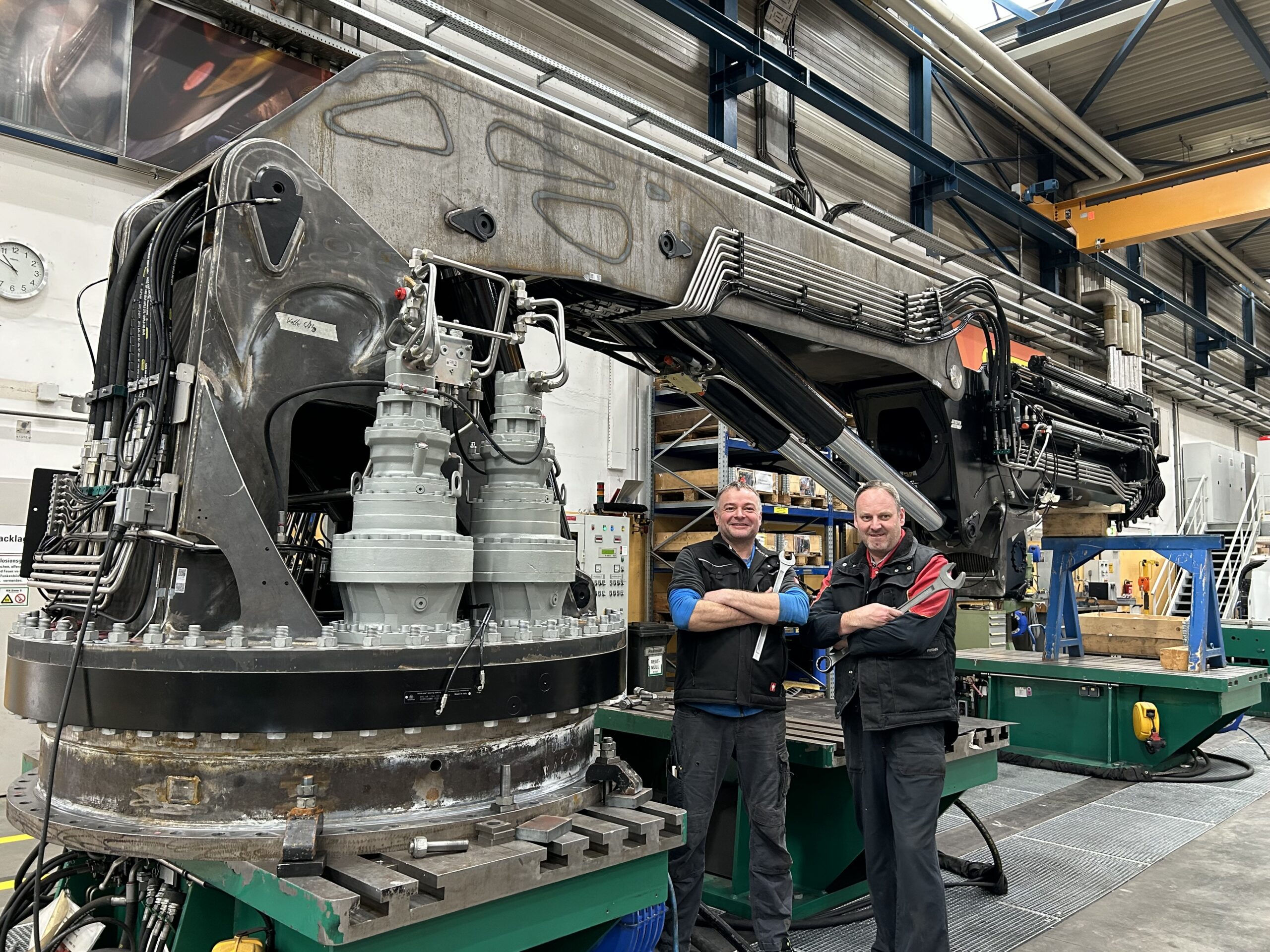
- Engine, battery or fuel-system deterioration causes difficult starting or failure to run during drills
- Release-hook, linkage or interlock wear causes stiff operation, incorrect indication or unsafe release behaviour
- Hull, canopy, window or seal damage causes water ingress or reduced weathertight integrity
- Steering or propulsion faults cause poor manoeuvrability, abnormal vibration or loss of thrust
- Inventory, securing or communication-equipment deficiencies are noticed during drills or statutory inspection
- Very high safe working load (60 t) suitable for large lifeboats and rescue craft
- Long outreach (16 m) enables launch from deep‑freeboard vessels
- Active heave compensator reduces dynamic loads during launch in rough seas
- Knuckle‑boom geometry provides compact stowage and wide swing arc
- Palfinger brand reputation for reliability and global support
- Complex hydraulic/AHC system increases maintenance requirements
- Higher initial capital cost compared with simpler davits
- Heavy installation loads may require deck reinforcement
- Potential for AHC failure if not continuously monitored
- Large footprint limits suitability for smaller vessels
- Engine, battery or fuel-system deterioration causes difficult starting or failure to run during drills
- Release-hook, linkage or interlock wear causes stiff operation, incorrect indication or unsafe release behaviour
- Hull, canopy, window or seal damage causes water ingress or reduced weathertight integrity
- Steering or propulsion faults cause poor manoeuvrability, abnormal vibration or loss of thrust
- Inventory, securing or communication-equipment deficiencies are noticed during drills or statutory inspection
- Compact footprint suitable for vessels with limited deck space
- High outreach (8 m) relative to its 3 t SWL, enabling launch over side structures
- Corrosion‑resistant marine‑grade steel construction
- Integrated hydraulic system allows single‑handed operation and quick launch
- Weekly test routine recommended by the manufacturer helps prevent seizure
- Maximum load of 3 t limits use on larger vessels requiring heavier lifeboats
- Wire‑rope components prone to kinking if not exercised regularly
- Boom‑rest shock absorber wear can lead to reduced damping over time
- Requires dedicated hydraulic power unit and associated maintenance
- Slew lock mechanism reported to fail under infrequent operation
- Engine, battery or fuel-system deterioration causes difficult starting or failure to run during drills
- Release-hook, linkage or interlock wear causes stiff operation, incorrect indication or unsafe release behaviour
- Hull, canopy, window or seal damage causes water ingress or reduced weathertight integrity
- Steering or propulsion faults cause poor manoeuvrability, abnormal vibration or loss of thrust
- Inventory, securing or communication-equipment deficiencies are noticed during drills or statutory inspection
- High SWL (8 t) enables handling of large free‑fall lifeboats and rescue boats
- Long outreach (15 m) suitable for vessels with high freeboard
- Compact box‑boom design saves deck space compared to conventional gantry davits
- Integrated hydraulic filter system simplifies routine maintenance
- Robust chain drive provides reliable power transmission
- Requires regular hydraulic filter changes (recommended every 1 000 h)
- Cylinder scoring can occur if filtration is neglected
- Chain wear must be inspected monthly; replacement can be costly
- Relatively heavy structure may need deck reinforcement on smaller ships
- Limited to vessels that can accommodate the 15 m boom reach
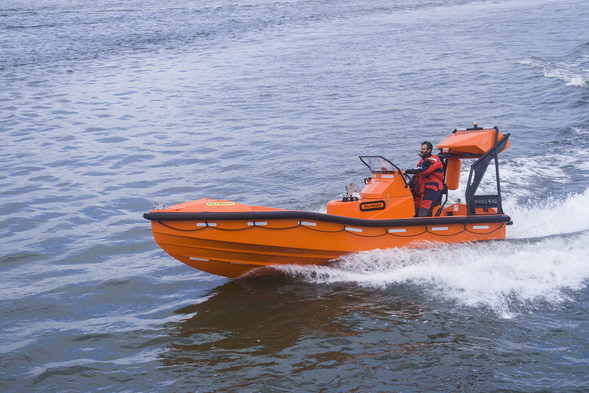
- Engine, battery or fuel-system deterioration causes difficult starting or failure to run during drills
- Release-hook, linkage or interlock wear causes stiff operation, incorrect indication or unsafe release behaviour
- Hull, canopy, window or seal damage causes water ingress or reduced weathertight integrity
- Steering or propulsion faults cause poor manoeuvrability, abnormal vibration or loss of thrust
- Inventory, securing or communication-equipment deficiencies are noticed during drills or statutory inspection
- High-speed capability for rapid response
- Compact design for efficient storage on vessels
- Durable construction for withstanding harsh marine environments
- Tube deflation from UV damage if not properly protected
- Outboard engine corrosion if not regularly maintained
- Potential issues with davit hook release mechanism
- Engine, battery or fuel-system deterioration causes difficult starting or failure to run during drills
- Release-hook, linkage or interlock wear causes stiff operation, incorrect indication or unsafe release behaviour
- Hull, canopy, window or seal damage causes water ingress or reduced weathertight integrity
- Steering or propulsion faults cause poor manoeuvrability, abnormal vibration or loss of thrust
- Inventory, securing or communication-equipment deficiencies are noticed during drills or statutory inspection
- Fast, gravity‑assisted launch suitable for high‑speed evacuation
- Integrated engine‑starting battery allows immediate lifeboat propulsion after water entry
- Corrosion‑resistant wire and stainless‑steel components meet marine durability standards
- Full SOLAS approval (type A) with documented load‑test procedures
- Compact footprint fits on medium‑size passenger and offshore vessels
- Davit wire corrosion reported if maintenance intervals are missed
- Hook release mechanism can become stiff, requiring periodic lubrication
- Engine starting battery degrades after prolonged idle periods, needing replacement every 3–5 years
- Limited to lifeboats ≤31 persons; not suitable for larger rescue craft
- Annual load test and five‑year overhaul increase life‑cycle cost

- Engine, battery or fuel-system deterioration causes difficult starting or failure to run during drills
- Release-hook, linkage or interlock wear causes stiff operation, incorrect indication or unsafe release behaviour
- Hull, canopy, window or seal damage causes water ingress or reduced weathertight integrity
- Steering or propulsion faults cause poor manoeuvrability, abnormal vibration or loss of thrust
- Inventory, securing or communication-equipment deficiencies are noticed during drills or statutory inspection
- High passenger capacity (up to 40) on a single boat
- Rapid, gravity‑driven deployment for quick evacuation
- Integrated hydrostatic release unit meets SOLAS requirements
- Compact footprint suitable for vessels with limited deck space
- Proven Palfinger brand reputation and worldwide support
- Requires regular wire renewal (5 years) and hydrostatic release replacement (2 years)
- Hydrostatic release components can corrode in harsh marine environments
- Seat‑belt assemblies have a known wear pattern requiring inspection
- Limited to free‑fall lifeboats; not suitable for roller or crane‑type boats
- Significant deck reinforcement may be needed to absorb launch loads
- Engine, battery or fuel-system deterioration causes difficult starting or failure to run during drills
- Release-hook, linkage or interlock wear causes stiff operation, incorrect indication or unsafe release behaviour
- Hull, canopy, window or seal damage causes water ingress or reduced weathertight integrity
- Steering or propulsion faults cause poor manoeuvrability, abnormal vibration or loss of thrust
- Inventory, securing or communication-equipment deficiencies are noticed during drills or statutory inspection
- Rapid, gravity‑driven launch eliminates reliance on powered winches
- High passenger capacity (48 pax) suitable for large vessels
- Compact footprint fits limited deck space
- Integrated release hook with manual backup meets SOLAS requirements
- Fully compliant with SOLAS Chapter III
- Release‑hook mechanism prone to corrosion if not regularly inspected
- Canopy seal can degrade, leading to water ingress on the lifeboat
- Propeller shaft seal leaks reported on the lifeboat’s engine unit
- Relatively heavy davit structure requires robust deck reinforcement
- Limited to vessels with sufficient free‑fall height (typically >4 m)
- Engine, battery or fuel-system deterioration causes difficult starting or failure to run during drills
- Release-hook, linkage or interlock wear causes stiff operation, incorrect indication or unsafe release behaviour
- Hull, canopy, window or seal damage causes water ingress or reduced weathertight integrity
- Steering or propulsion faults cause poor manoeuvrability, abnormal vibration or loss of thrust
- Inventory, securing or communication-equipment deficiencies are noticed during drills or statutory inspection
- High passenger capacity (56 persons) in a single launch
- Rapid free‑fall deployment reduces evacuation time
- Compact footprint compared with twin‑davits for similar capacity
- SOLAS‑compliant and IMO type‑approved, simplifying certification on new builds
- Simple hydraulic release mechanism with annual test requirement
- Reported hook‑release stiffness can increase launch preparation time
- Requires a clear vertical clearance; not suitable for low deck heights
- Engine battery failures have been noted in some installations, affecting hydraulic power availability
- GRP hull osmosis issues are lifeboat‑related and may increase maintenance costs
- Heavier structural loads demand reinforced deck sections
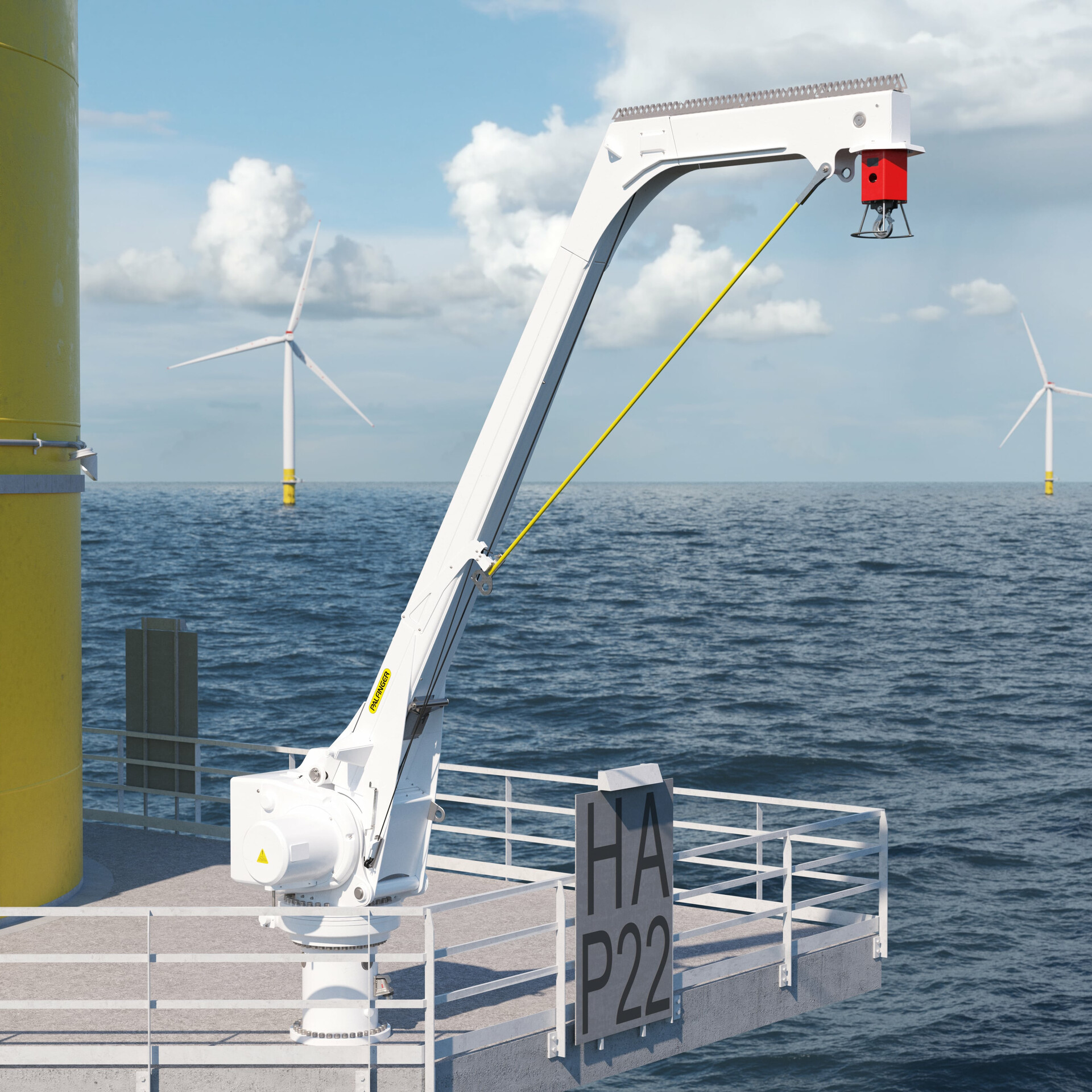
- Engine, battery or fuel-system deterioration causes difficult starting or failure to run during drills
- Release-hook, linkage or interlock wear causes stiff operation, incorrect indication or unsafe release behaviour
- Hull, canopy, window or seal damage causes water ingress or reduced weathertight integrity
- Steering or propulsion faults cause poor manoeuvrability, abnormal vibration or loss of thrust
- Inventory, securing or communication-equipment deficiencies are noticed during drills or statutory inspection
- Handles the highest passenger load among Palfinger free‑fall davits (up to 80 persons)
- Very rapid launch – boat drops without winch assistance, ideal for emergency evacuation
- Compact deck footprint compared with conventional crane‑type davits
- Integrated SOLAS‑approved release mechanism and automatic on‑load test capability
- Palfinger’s global service network provides spare parts and technical support
- Release‑mechanism corrosion reported in tropical, high‑salinity environments
- On‑board engine starting system has shown occasional failure, requiring redundant checks
- Seat harnesses on the lifeboat are subject to wear and need frequent inspection/replacement
- Hull gelcoat of the associated lifeboat can crack under repeated free‑fall impacts if not maintained
- Mandatory 5‑year full overhaul and annual load‑release test increase life‑cycle cost
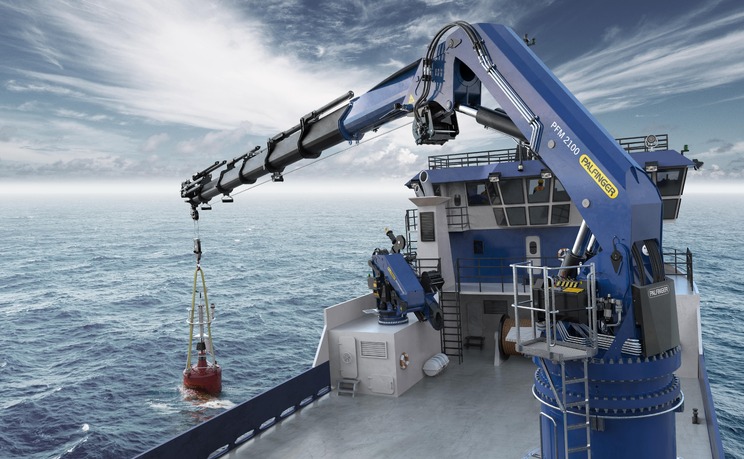
- Engine, battery or fuel-system deterioration causes difficult starting or failure to run during drills
- Release-hook, linkage or interlock wear causes stiff operation, incorrect indication or unsafe release behaviour
- Hull, canopy, window or seal damage causes water ingress or reduced weathertight integrity
- Steering or propulsion faults cause poor manoeuvrability, abnormal vibration or loss of thrust
- Inventory, securing or communication-equipment deficiencies are noticed during drills or statutory inspection
- Integrated hydraulic winch and on‑load release for rapid, single‑handed launching
- Corrosion‑resistant stainless‑steel construction suitable for harsh marine environments
- Compact footprint allowing installation on vessels with limited deck space
- Fully SOLAS‑approved for totally enclosed lifeboats up to 26 persons
- Optional battery backup enables launch even if main power is lost
- Wire‑rope corrosion reported in field service, requiring vigilant inspection
- On‑load release hook can become stiff after prolonged inactivity
- Engine‑driven hydraulic pump relies on a dedicated battery that may fail without regular testing
- Higher initial acquisition cost compared with simpler open‑boat davits
- Requires weekly engine start and annual load test to maintain certification
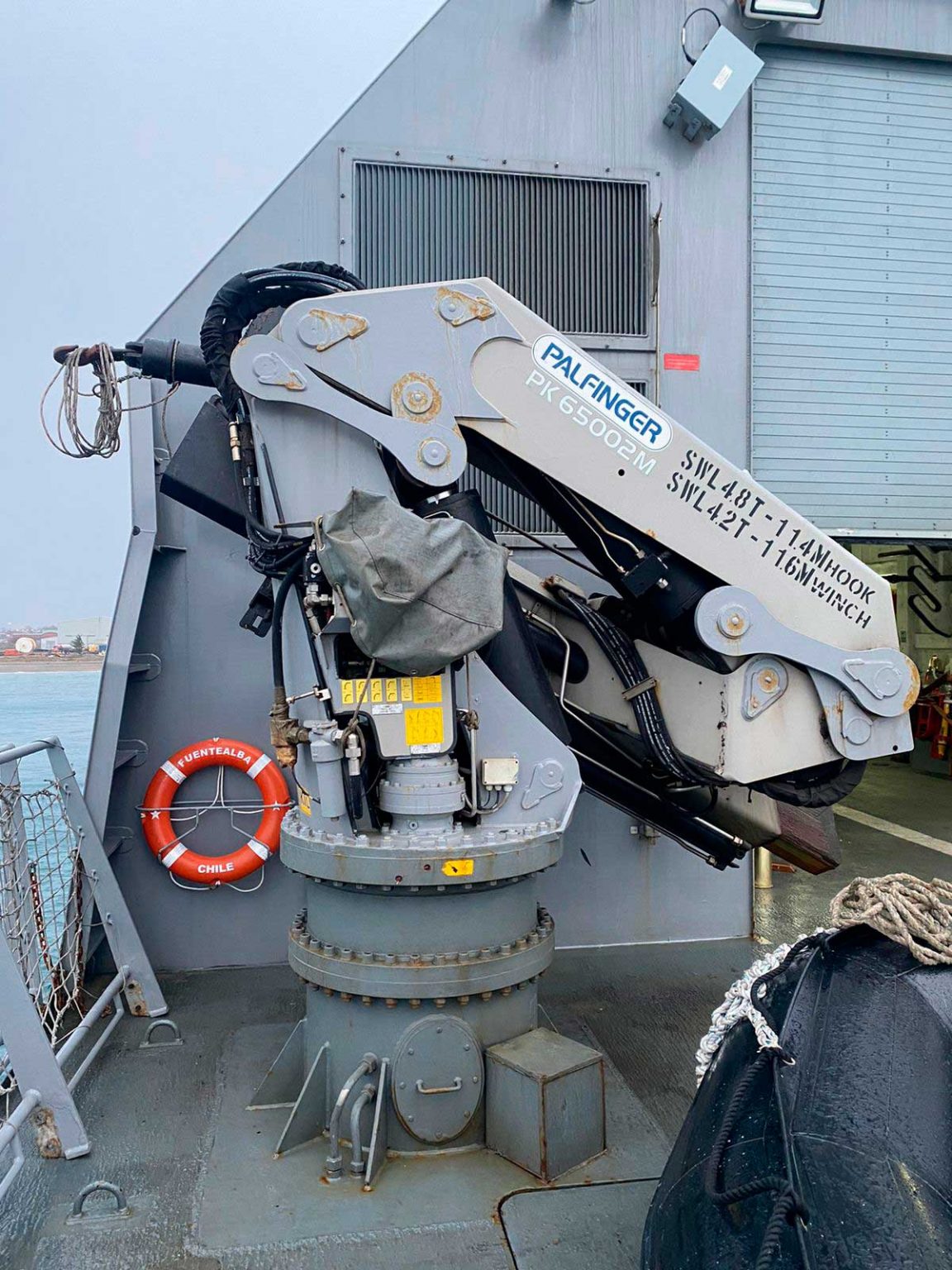
- Engine, battery or fuel-system deterioration causes difficult starting or failure to run during drills
- Release-hook, linkage or interlock wear causes stiff operation, incorrect indication or unsafe release behaviour
- Hull, canopy, window or seal damage causes water ingress or reduced weathertight integrity
- Steering or propulsion faults cause poor manoeuvrability, abnormal vibration or loss of thrust
- Inventory, securing or communication-equipment deficiencies are noticed during drills or statutory inspection
- High passenger capacity (36 persons) in a fully enclosed lifeboat configuration
- SOLAS‑approved and compliant with IMO MSC.1/Circ.1206 maintenance intervals
- Compact footprint suitable for medium‑to‑large vessels
- Manual/remote operation provides redundancy to hydraulic systems
- Robust steel construction with corrosion‑resistant release hook coating
- Davit wire deterioration reported; requires regular inspection and replacement
- Release hook corrosion can occur if maintenance schedule is missed
- Canopy hatch seal leaks have been observed in harsh marine climates
- Mandatory 5‑year hook overhaul adds to life‑cycle cost
- Higher routine maintenance compared with fully hydraulic davits
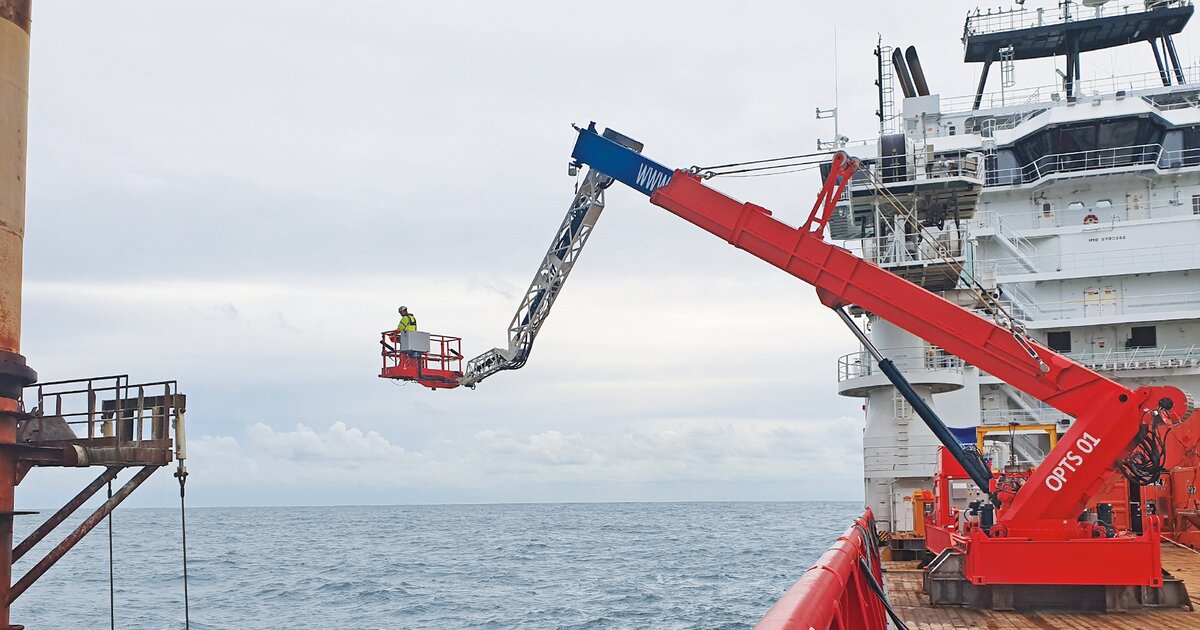
- Engine, battery or fuel-system deterioration causes difficult starting or failure to run during drills
- Release-hook, linkage or interlock wear causes stiff operation, incorrect indication or unsafe release behaviour
- Hull, canopy, window or seal damage causes water ingress or reduced weathertight integrity
- Steering or propulsion faults cause poor manoeuvrability, abnormal vibration or loss of thrust
- Inventory, securing or communication-equipment deficiencies are noticed during drills or statutory inspection
- High passenger capacity (up to 70) in a fully enclosed lifeboat, providing weather protection during evacuation
- Dual‑independent davits give redundancy and meet SOLAS launch‑capacity rules
- Compact footprint suitable for cruise‑ship decks where space is limited
- Fast, controlled launch sequence – typically under 30 seconds from release to water entry
- Standardised components simplify spare‑parts logistics across fleets
- Reported corrosion at multiple davit wire points; requires rigorous inspection and protective coating regimes
- Release mechanism can become stiff after prolonged idle periods, demanding regular functional testing
- Seat‑belt assemblies have shown premature wear on some units, necessitating scheduled replacement
- Engine cooling system blockage incidents indicate the need for enhanced filtration or routine flushing
- Higher initial capital cost compared with simpler single‑davits used on smaller vessels
- Engine, battery or fuel-system deterioration causes difficult starting or failure to run during drills
- Release-hook, linkage or interlock wear causes stiff operation, incorrect indication or unsafe release behaviour
- Hull, canopy, window or seal damage causes water ingress or reduced weathertight integrity
- Steering or propulsion faults cause poor manoeuvrability, abnormal vibration or loss of thrust
- Inventory, securing or communication-equipment deficiencies are noticed during drills or statutory inspection
- Capacity for 50‑person fully enclosed lifeboat – suitable for large passenger evacuations
- Fast, powered launch using hydraulic actuation reduces crew workload
- Compact footprint fits mid‑size vessel deck layouts
- Stainless‑steel construction offers high corrosion resistance in marine environments
- Integrated with SOLAS‑approved release mechanisms
- Davit wire wear reported – requires regular inspection and replacement
- Hook release can become stiff, demanding more frequent maintenance
- Launch relies on engine battery; battery failure can delay evacuation
- Canopy seal degradation observed in harsh climates, affecting enclosure integrity
- 5‑year overhaul interval may increase life‑cycle cost for some operators
- Engine, battery or fuel-system deterioration causes difficult starting or failure to run during drills
- Release-hook, linkage or interlock wear causes stiff operation, incorrect indication or unsafe release behaviour
- Hull, canopy, window or seal damage causes water ingress or reduced weathertight integrity
- Steering or propulsion faults cause poor manoeuvrability, abnormal vibration or loss of thrust
- Inventory, securing or communication-equipment deficiencies are noticed during drills or statutory inspection
- Dual‑purpose design: serves both as a lifeboat for evacuation and as a work‑tender for routine operations
- High passenger capacity (up to 60 persons) meeting SOLAS requirements for large vessels
- Integrated diesel engine allows independent maneuvering without reliance on ship power
- Robust hydraulic davit with proven track record in harsh sea conditions
- Standard monthly engine test simplifies compliance and maintenance scheduling
- Wire‑rope wear on the davit hoist requires regular inspection and replacement
- Hook release mechanism can become stiff, potentially delaying launch if not serviced
- On‑board battery for engine start‑up degrades over time and needs periodic renewal
- Rudder bearing on the tender’s steering gear is a known wear point requiring attention
- Relatively large deck footprint compared with free‑fall or single‑use lifeboat systems
- Engine, battery or fuel-system deterioration causes difficult starting or failure to run during drills
- Release-hook, linkage or interlock wear causes stiff operation, incorrect indication or unsafe release behaviour
- Hull, canopy, window or seal damage causes water ingress or reduced weathertight integrity
- Steering or propulsion faults cause poor manoeuvrability, abnormal vibration or loss of thrust
- Inventory, securing or communication-equipment deficiencies are noticed during drills or statutory inspection
- Compact footprint suitable for vessels with limited deck space
- Fast‑rescue boat meets a minimum 8 kt speed for rapid man‑overboard response
- Single‑operator hydraulic launch and recovery, reducing crew workload
- SOLAS approved for six persons, satisfying international lifesaving regulations
- Standardised weekly engine test and annual load test simplify compliance
- Waterjet impeller vulnerable to damage from debris or shallow water operation
- Engine overheating reported if cooling system is not rigorously maintained
- Steering cable wear requires frequent inspection and replacement
- Hull bottom impact can deform davit brackets; limited shock‑absorption capacity
- Requires a dedicated hydraulic power unit, adding installation complexity and weight
- Engine, battery or fuel-system deterioration causes difficult starting or failure to run during drills
- Release-hook, linkage or interlock wear causes stiff operation, incorrect indication or unsafe release behaviour
- Hull, canopy, window or seal damage causes water ingress or reduced weathertight integrity
- Steering or propulsion faults cause poor manoeuvrability, abnormal vibration or loss of thrust
- Inventory, securing or communication-equipment deficiencies are noticed during drills or statutory inspection
- Compact footprint suitable for vessels with limited deck space
- High launch speed (up to 10 kn) for rapid man‑overboard response
- Integrated steering and power control for the fast rescue boat
- Corrosion‑resistant stainless steel construction, ideal for tanker service
- Full SOLAS compliance and USCG/IMO type approvals
- Limited passenger capacity (max 6 persons)
- Reported waterjet intake blockage under heavy debris conditions
- Raw water pump failures can affect launch reliability if not maintained
- Steering system corrosion observed on long‑term service in aggressive environments
- Engine, battery or fuel-system deterioration causes difficult starting or failure to run during drills
- Release-hook, linkage or interlock wear causes stiff operation, incorrect indication or unsafe release behaviour
- Hull, canopy, window or seal damage causes water ingress or reduced weathertight integrity
- Steering or propulsion faults cause poor manoeuvrability, abnormal vibration or loss of thrust
- Inventory, securing or communication-equipment deficiencies are noticed during drills or statutory inspection
- High load capacity suitable for 12‑person, 7.5 m rescue boats
- Compact footprint allows installation on limited deck space
- Remote‑control operation reduces crew exposure during launch/recovery
- Aluminium alloy construction provides corrosion resistance in marine environments
- Integrated safety sensors (over‑travel, load monitoring) enhance operational safety
- Hydraulic system prone to leaks if not maintained per schedule
- Requires dedicated power and hydraulic pump infrastructure
- Limited to crane‑launch; not suitable where free‑fall or slipway launch is required
- Higher upfront cost compared with simpler davit arrangements
- Maintenance intensity higher than purely mechanical davits
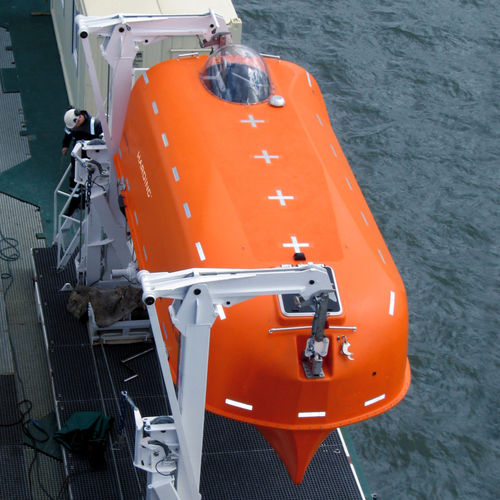
- Engine, battery or fuel-system deterioration causes difficult starting or failure to run during drills
- Release-hook, linkage or interlock wear causes stiff operation, incorrect indication or unsafe release behaviour
- Hull, canopy, window or seal damage causes water ingress or reduced weathertight integrity
- Steering or propulsion faults cause poor manoeuvrability, abnormal vibration or loss of thrust
- Inventory, securing or communication-equipment deficiencies are noticed during drills or statutory inspection
- Simple, power‑free operation – launch relies on gravity, reducing failure points.
- Low maintenance; fewer moving parts than hydraulic systems.
- Fast, reliable release sequence meeting SOLAS requirements.
- Compact footprint suitable for vessels with limited deck space.
- Limited to lifeboat sizes and weights that the counterweight system can handle.
- Requires regular wire‑rope inspection (5‑year interval) to prevent wear failures.
- Launch angle is fixed; not as adaptable to extreme deck angles as hydraulic davits.
- Annual load test mandatory, adding operational downtime.
- Engine, battery or fuel-system deterioration causes difficult starting or failure to run during drills
- Release-hook, linkage or interlock wear causes stiff operation, incorrect indication or unsafe release behaviour
- Hull, canopy, window or seal damage causes water ingress or reduced weathertight integrity
- Steering or propulsion faults cause poor manoeuvrability, abnormal vibration or loss of thrust
- Inventory, securing or communication-equipment deficiencies are noticed during drills or statutory inspection
- Compact installation footprint while providing high load capacity (up to ~15 t depending on configuration)
- Fast, single‑handed launch sequence with integrated winch and hydraulic slew control
- Corrosion‑resistant steel and aluminium components meet SOLAS requirements for marine environments
- Modular design allows adaptation to a range of lifeboat sizes and deck layouts
- Proven track record on commercial vessels with extensive service support from Palfinger
- Hydraulic system requires regular oil changes and hose inspections (annual maintenance)
- Slewing ring can be prone to corrosion if protective coatings are damaged
- Requires sufficient clearance for the full slew radius, limiting placement on very crowded decks
- Higher initial capital cost compared with basic manual davits
- Winch motor failure is a known issue that may need spare parts stocking

- Engine, battery or fuel-system deterioration causes difficult starting or failure to run during drills
- Release-hook, linkage or interlock wear causes stiff operation, incorrect indication or unsafe release behaviour
- Hull, canopy, window or seal damage causes water ingress or reduced weathertight integrity
- Steering or propulsion faults cause poor manoeuvrability, abnormal vibration or loss of thrust
- Inventory, securing or communication-equipment deficiencies are noticed during drills or statutory inspection
- Very fast launch (typically <5 seconds) even in high sea states
- No winch motor – lower mechanical complexity and maintenance
- Compact installation footprint compared with conventional davits
- Integrated hydraulic release with manual backup for redundancy
- Fully SOLAS‑compliant and widely classed
- Requires dedicated side clearance on deck, limiting placement options
- Rail corrosion has been reported in aggressive salt‑water environments
- Hydraulic recovery system can fail if not inspected regularly
- Higher initial capital cost than simple davit‑type lifeboat systems
- Limited to lifeboats of specific size/weight envelope
- Engine, battery or fuel-system deterioration causes difficult starting or failure to run during drills
- Release-hook, linkage or interlock wear causes stiff operation, incorrect indication or unsafe release behaviour
- Hull, canopy, window or seal damage causes water ingress or reduced weathertight integrity
- Steering or propulsion faults cause poor manoeuvrability, abnormal vibration or loss of thrust
- Inventory, securing or communication-equipment deficiencies are noticed during drills or statutory inspection
- Compact design suitable for limited deck space
- Integrated hydraulic brake with monthly test procedure
- Remote‑control operation and automatic limit switches
- SOLAS and USCG type‑approved, compatible with major classification societies
- Low maintenance compared with hydraulic alternatives
- Maximum SWL of 5 t limits use to smaller lifeboats/rafts
- Motor can overheat under prolonged high‑speed operation
- Brake lining wear requires regular inspection and replacement
- Wire‑rope alignment is critical; misalignment leads to premature wear
- Limit switch failures have been reported in field service
- Hydraulic hose burst
- Slewing bearing wear
- Cylinder seal leak
- Limit switch failure
- Compact knuckle‑boom geometry reduces swing radius and frees deck space
- High outreach of 12 m enables launch from deep decks or high freeboard vessels
- 5 t SWL accommodates most standard lifeboats and large rescue rafts
- Integrated load monitoring and quick‑release mechanisms speed up deployment
- Palfinger’s reputation for robust marine crane engineering
- Hydraulic system requires regular inspection; hose bursts have been reported
- Slewing bearing wear can increase maintenance intervals on high‑usage vessels
- Limited to 5 t capacity – unsuitable for very large lifeboats or combined rescue craft
- Cylinder seal leaks may cause downtime if not caught during annual checks
- Control panel and hydraulic pump occupy additional deck area compared with simple davits
- Corrosion or mechanical damage to securing and release parts can impair launching, found as seized, deformed or heavily corroded components
- Degraded seals, fabric, buoyancy or enclosure components can compromise readiness, seen as damage, leakage or failed service inspection
- Expired or deteriorated survival-equipment contents can leave the appliance non-compliant, found during inventory or service checks
- Battery, lighting or communication-device failure can reduce emergency functionality, noticed during scheduled tests
- Poor stowage, obstruction or incorrect lashing can delay deployment, found during deck inspection or drills
- Corrosion or mechanical damage to securing and release parts can impair launching, found as seized, deformed or heavily corroded components
- Degraded seals, fabric, buoyancy or enclosure components can compromise readiness, seen as damage, leakage or failed service inspection
- Expired or deteriorated survival-equipment contents can leave the appliance non-compliant, found during inventory or service checks
- Battery, lighting or communication-device failure can reduce emergency functionality, noticed during scheduled tests
- Poor stowage, obstruction or incorrect lashing can delay deployment, found during deck inspection or drills
- Corrosion or mechanical damage to securing and release parts can impair launching, found as seized, deformed or heavily corroded components
- Degraded seals, fabric, buoyancy or enclosure components can compromise readiness, seen as damage, leakage or failed service inspection
- Expired or deteriorated survival-equipment contents can leave the appliance non-compliant, found during inventory or service checks
- Battery, lighting or communication-device failure can reduce emergency functionality, noticed during scheduled tests
- Poor stowage, obstruction or incorrect lashing can delay deployment, found during deck inspection or drills
- Corrosion or mechanical damage to securing and release parts can impair launching, found as seized, deformed or heavily corroded components
- Degraded seals, fabric, buoyancy or enclosure components can compromise readiness, seen as damage, leakage or failed service inspection
- Expired or deteriorated survival-equipment contents can leave the appliance non-compliant, found during inventory or service checks
- Battery, lighting or communication-device failure can reduce emergency functionality, noticed during scheduled tests
- Poor stowage, obstruction or incorrect lashing can delay deployment, found during deck inspection or drills
- Corrosion or mechanical damage to securing and release parts can impair launching, found as seized, deformed or heavily corroded components
- Degraded seals, fabric, buoyancy or enclosure components can compromise readiness, seen as damage, leakage or failed service inspection
- Expired or deteriorated survival-equipment contents can leave the appliance non-compliant, found during inventory or service checks
- Battery, lighting or communication-device failure can reduce emergency functionality, noticed during scheduled tests
- Poor stowage, obstruction or incorrect lashing can delay deployment, found during deck inspection or drills
- Corrosion or mechanical damage to securing and release parts can impair launching, found as seized, deformed or heavily corroded components
- Degraded seals, fabric, buoyancy or enclosure components can compromise readiness, seen as damage, leakage or failed service inspection
- Expired or deteriorated survival-equipment contents can leave the appliance non-compliant, found during inventory or service checks
- Battery, lighting or communication-device failure can reduce emergency functionality, noticed during scheduled tests
- Poor stowage, obstruction or incorrect lashing can delay deployment, found during deck inspection or drills
- Corrosion or mechanical damage to securing and release parts can impair launching, found as seized, deformed or heavily corroded components
- Degraded seals, fabric, buoyancy or enclosure components can compromise readiness, seen as damage, leakage or failed service inspection
- Expired or deteriorated survival-equipment contents can leave the appliance non-compliant, found during inventory or service checks
- Battery, lighting or communication-device failure can reduce emergency functionality, noticed during scheduled tests
- Poor stowage, obstruction or incorrect lashing can delay deployment, found during deck inspection or drills
- Corrosion or mechanical damage to securing and release parts can impair launching, found as seized, deformed or heavily corroded components
- Degraded seals, fabric, buoyancy or enclosure components can compromise readiness, seen as damage, leakage or failed service inspection
- Expired or deteriorated survival-equipment contents can leave the appliance non-compliant, found during inventory or service checks
- Battery, lighting or communication-device failure can reduce emergency functionality, noticed during scheduled tests
- Poor stowage, obstruction or incorrect lashing can delay deployment, found during deck inspection or drills
- Release hook Mechanismus Korrosion/Blockierung — KRITISCHER Sicherheitsfehler
- Diesel engine start failure due to lack of regular testing
- GRP hull osmotic blistering with prolonged water contact
- Scavenge air system valve failure
- Safety belt/harness aging due to UV/weather
- Fast, hydraulically assisted launch from deck-mounted davits
- Integrated diesel engine provides independent propulsion for the lifeboat
- GFRP hull offers high strength‑to‑weight ratio and corrosion resistance compared with steel
- Meets SOLAS MSC.402(96) requirements and is DNV approved
- Modular design allows installation on a wide range of vessel decks
- Release hook can suffer corrosion or blockage if not maintained annually
- Diesel engine may fail to start when weekly test regime is missed
- GFRP hull prone to osmotic blistering after prolonged water exposure
- Ventilation valve in the air‑supply system has a known failure mode
- Safety harnesses and straps age under UV and weather exposure
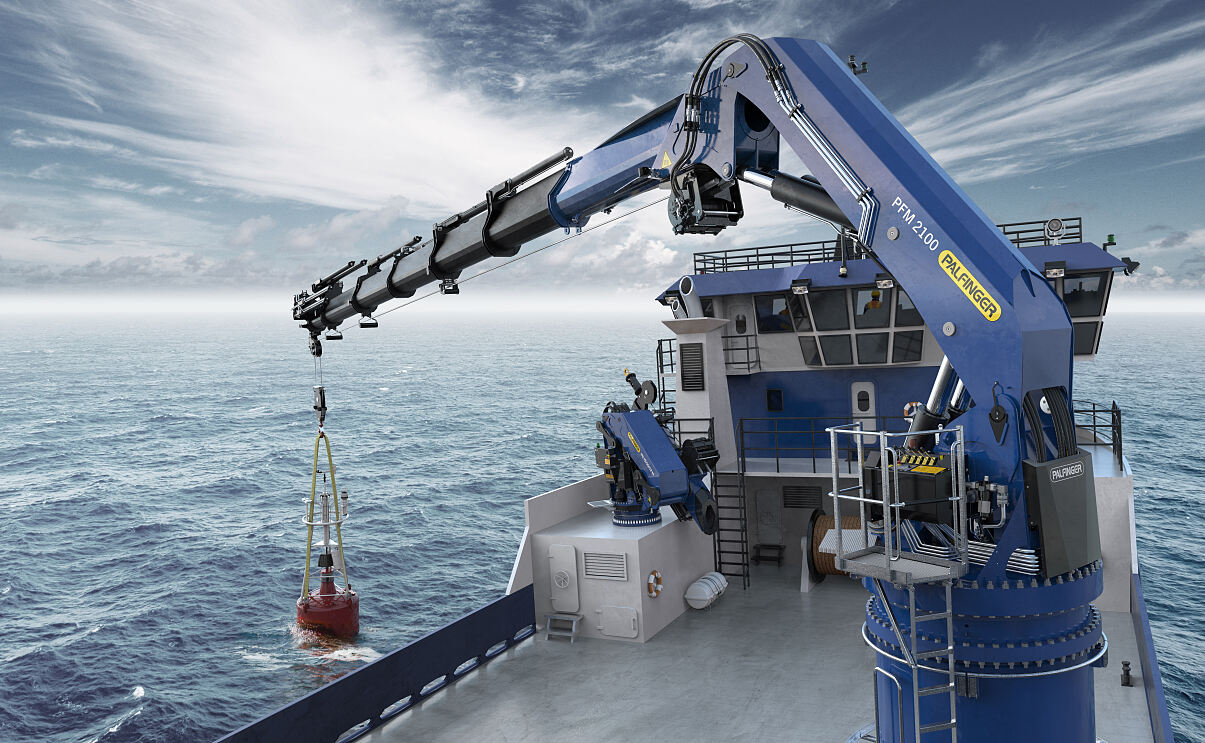
- Release hook Mechanismus Korrosion/Blockierung — KRITISCHER Sicherheitsfehler
- Diesel engine start failure due to lack of regular testing
- GRP hull osmotic blistering with prolonged water contact
- Scavenge air system valve failure
- Safety belt/harness aging due to UV/weather
- High load capacity (up to 12 t) suitable for large lifeboats
- Motorised operation enables fast, controlled launch even in adverse conditions
- Integrated release hook complies with SOLAS MSC.402(96) and allows single‑handed release
- Designed for class‑society approval (DNV, USCG) and easy integration with ship automation
- Standard maintenance intervals (weekly motor test, annual hook service) are clearly defined
- Diesel engine adds complexity and requires regular start‑up testing to avoid failure
- Corrosion or blockage of the release hook can lead to critical safety incidents if not inspected annually
- Composite (GFK) lifeboat hulls may develop osmotic blisters when exposed to prolonged water immersion
- Ventilation valve and safety harnesses are prone to ageing from UV and weather exposure, demanding periodic replacement
- Higher initial cost and weight compared with simple manual davits
- Release hook Mechanismus Korrosion/Blockierung — KRITISCHER Sicherheitsfehler
- Diesel engine start failure due to lack of regular testing
- GRP hull osmotic blistering with prolonged water contact
- Scavenge air system valve failure
- Safety belt/harness aging due to UV/weather
- Integrated diesel launch motor eliminates the need for separate winch equipment, saving deck space and weight.
- Palfinger’s hydraulic design offers smooth, controllable hoist operation and high load‑capacity reliability.
- Modular construction allows relatively quick installation on vessels with limited side‑deck clearance.
- Standardised release hook mechanism (when maintained) provides rapid manual or automatic lifeboat release.
- Complies with SOLAS MSC.402(96) maintenance requirements, facilitating regulatory inspections.
- Release‑hook mechanism is prone to corrosion and blockage if not inspected annually; failure is classified as a critical safety issue.
- The diesel launch motor can suffer start‑up failures when weekly test runs are missed or fuel quality degrades.
- GFRP (glass‑fiber reinforced plastic) lifeboat hulls used with this davit have documented osmotic blistering after prolonged water exposure.
- Air‑supply ventilation valve has a history of occasional malfunction, affecting crew breathing‑air provision during launch.
- Safety harnesses and webbing attached to the system age under UV and weather exposure, requiring regular replacement.
- Release hook Mechanismus Korrosion/Blockierung — KRITISCHER Sicherheitsfehler
- Diesel engine start failure due to lack of regular testing
- GRP hull osmotic blistering with prolonged water contact
- Scavenge air system valve failure
- Safety belt/harness aging due to UV/weather
- Compact, modular design suitable for retro‑fit on many vessel types
- Integrated diesel propulsion enables self‑righting and powered launch of the lifeboat
- Meets SOLAS MSC.402(96) requirements when maintained according to schedule
- DNV‑approved construction with a GFRP hull that reduces weight compared with steel
- Weekly motor‑run test built into service plan ensures engine readiness
- Release‑hook mechanism prone to corrosion or blockage if not serviced annually
- Diesel start failures reported when weekly engine tests are missed
- GFRP hull can develop osmotic blistering after prolonged water exposure
- Ventilation valve of the air‑supply system has a known failure mode
- Safety harnesses and straps age quickly under UV and harsh weather, requiring frequent replacement
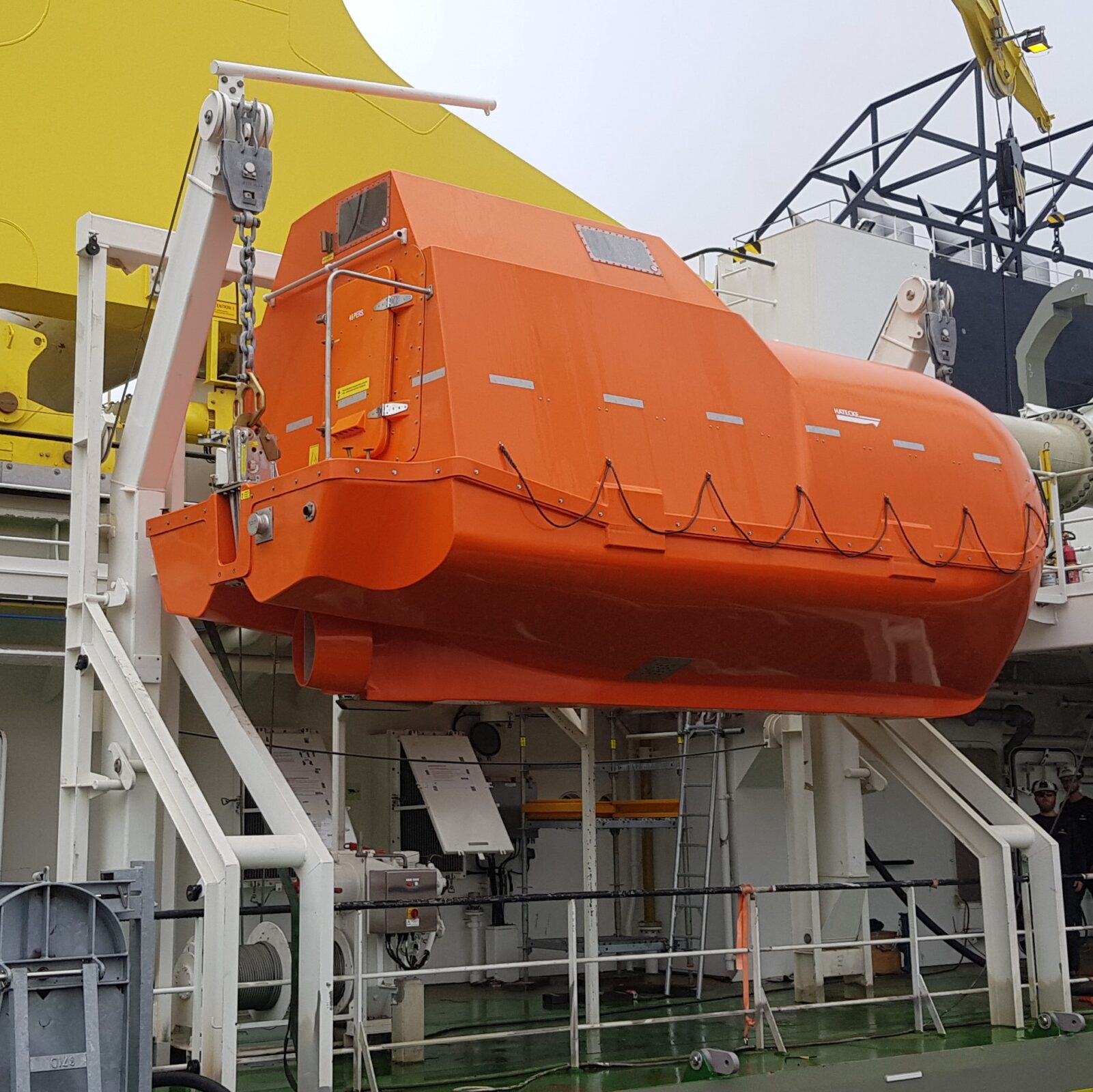
- Release hook Mechanismus Korrosion/Blockierung — KRITISCHER Sicherheitsfehler
- Diesel engine start failure due to lack of regular testing
- GRP hull osmotic blistering with prolonged water contact
- Scavenge air system valve failure
- Safety belt/harness aging due to UV/weather
- SOLAS‑approved (MSC.402(96)) for rapid, safe lifeboat deployment
- Compact layout suitable for vessels with limited deck space
- Integrated diesel‑engine winch provides self‑contained power for launch/recovery
- Modular design allows retrofitting on existing hulls
- Routine weekly motor test and annual release‑hook service support high reliability
- Release‑hook corrosion or blockage reported as a critical safety issue if maintenance lapses
- Diesel engine may fail to start without strict testing regime
- GFRP (glass‑fiber reinforced plastic) hull of the lifeboat can develop osmotic blisters after prolonged water exposure
- Ventilation valve in the air‑supply system has a known failure mode requiring periodic inspection
- UV and weather ageing affect safety harnesses, increasing replacement cost
- Release hook Mechanismus Korrosion/Blockierung — KRITISCHER Sicherheitsfehler
- Diesel engine start failure due to lack of regular testing
- GRP hull osmotic blistering with prolonged water contact
- Scavenge air system valve failure
- Safety belt/harness aging due to UV/weather
- Integrated release‑hook mechanism meeting SOLAS MSC.402(96) standards
- High load capacity suitable for medium‑size lifeboats (up to ~2 t)
- Modular design allows installation on a wide range of vessel decks
- Rapid deployment – can launch a lifeboat within seconds when fully serviced
- Release‑hook mechanism prone to corrosion or blockage if not maintained annually
- Diesel‑engine start‑up failures reported when weekly motor tests are missed
- GFRP (glass‑fiber reinforced plastic) hulls can develop osmotic blisters after prolonged water exposure
- Ventilation valve of the air‑supply system has a documented failure rate
- Release hook Mechanismus Korrosion/Blockierung — KRITISCHER Sicherheitsfehler
- Diesel engine start failure due to lack of regular testing
- GRP hull osmotic blistering with prolonged water contact
- Scavenge air system valve failure
- Safety belt/harness aging due to UV/weather
- Compact footprint suitable for vessels with limited deck space
- Fast launch capability (typically under 30 seconds)
- Corrosion‑resistant release hook design when maintained per SOLAS MSC.402(96)
- Compatible with both rigid lifeboats and inflatable rescue rafts
- Service‑friendly – weekly motor test and annual release‑hook inspection
- Release‑hook corrosion or blockage if maintenance is neglected (critical safety risk)
- Hydraulic system requires regular oil checks; leaks can impair operation
- Associated GFRP lifeboat hulls may develop osmotic blistering after prolonged water exposure
- Ventilation valve failures in the air‑supply system have been reported
- Safety harnesses and webbing age under UV and weather exposure, requiring periodic replacement
- Release hook Mechanismus Korrosion/Blockierung — KRITISCHER Sicherheitsfehler
- Diesel engine start failure due to lack of regular testing
- GRP hull osmotic blistering with prolonged water contact
- Scavenge air system valve failure
- Safety belt/harness aging due to UV/weather
- Compact footprint – suitable for vessels with limited deck space
- Hydraulic actuation provides smooth, low‑effort launch and recovery
- Integrated release hook meets SOLAS MSC.402(96) requirements for rapid egress
- GFK (glass‑fiber reinforced plastic) lifeboat hull compatible with the davit’s cradle geometry
- Standardised maintenance intervals (weekly motor test, annual hook inspection) simplify compliance
- Corrosion‑prone release‑hook mechanism requires diligent yearly servicing
- GFK hull may develop osmotic blisters if exposed to seawater for prolonged periods
- Requires a dedicated diesel engine for powered operation; engine start failures reported when tests are missed
- UV and weather ageing can degrade safety harnesses and deck fittings over time
- Limited lifting capacity compared with larger, fully‑powered davit families
- Release hook Mechanismus Korrosion/Blockierung — KRITISCHER Sicherheitsfehler
- Diesel engine start failure due to lack of regular testing
- GRP hull osmotic blistering with prolonged water contact
- Scavenge air system valve failure
- Safety belt/harness aging due to UV/weather
- High load capacity suitable for medium‑size lifeboats
- Compact footprint saves deck space on vessels with limited clearance
- Integrated hydraulic winch provides smooth, controlled launch and recovery
- Corrosion‑resistant steel construction meets SOLAS requirements
- Standardised maintenance intervals (weekly motor test, annual hook service) simplify compliance
- Release‑hook mechanism prone to corrosion or blockage if not maintained rigorously
- Lifeboat diesel engine start failures reported when regular tests are missed
- GFRP hulls of associated lifeboats can develop osmotic blisters after prolonged water exposure
- Ventilation valve in the air‑supply system has a history of occasional failure
- Safety harnesses and webbing age quickly under UV and harsh weather, requiring frequent replacement
- Release hook Mechanismus Korrosion/Blockierung — KRITISCHER Sicherheitsfehler
- Diesel engine start failure due to lack of regular testing
- GRP hull osmotic blistering with prolonged water contact
- Scavenge air system valve failure
- Safety belt/harness aging due to UV/weather
- Compact footprint suitable for vessels with limited deck space
- Integrated release hook with SOLAS‑approved safety features
- High load capacity (rated for typical 6–8 m lifeboat)
- Standardised weekly motor test simplifies compliance with MSC.402(96)
- Corrosion‑resistant steel and GFRP components meet DNV requirements
- Release‑hook mechanism prone to corrosion if not serviced annually
- On‑board diesel engine of the lifeboat may fail without regular start‑tests
- GFRP hull can develop osmotic blisters after prolonged water exposure
- Ventilation valve in the air‑supply system has a known failure mode
- Safety harnesses require frequent UV‑exposure checks and replacement
- Release hook Mechanismus Korrosion/Blockierung — KRITISCHER Sicherheitsfehler
- Diesel engine start failure due to lack of regular testing
- GRP hull osmotic blistering with prolonged water contact
- Scavenge air system valve failure
- Safety belt/harness aging due to UV/weather
- Integrated diesel launch motor enables rapid, self‑propelled lifeboat deployment without external power.
- Compact footprint suitable for vessels with limited deck space.
- Designed to meet SOLAS MSC.402(96) requirements and holds DNV approval.
- Modular construction allows relatively easy replacement of the release hook and other wear items.
- Composite (GFK) hull reduces overall weight compared with steel lifeboats.
- Release‑hook mechanism is prone to corrosion or blockage if not serviced annually; a critical safety risk.
- Diesel launch engine can fail to start when weekly test procedures are missed or performed inadequately.
- GFK hull may develop osmotic blistering after prolonged water exposure, requiring dockside inspection.
- Ventilation valve of the air‑supply system has documented failure modes that need periodic functional checks.
- Safety harnesses and webbing age rapidly under UV and harsh weather, demanding regular replacement.
- Release hook Mechanismus Korrosion/Blockierung — KRITISCHER Sicherheitsfehler
- Diesel engine start failure due to lack of regular testing
- GRP hull osmotic blistering with prolonged water contact
- Scavenge air system valve failure
- Safety belt/harness aging due to UV/weather
- Fast, single‑handed launch (≤30 s) thanks to motorised winch
- Integrated release‑hook mechanism with annual SOLAS‑mandated inspection interval
- Compact footprint suitable for medium‑size vessels (up to 8 m lifeboats)
- Built‑in monitoring of motor run‑time and hook position for preventive maintenance
- Compatible with both manual and remote control operation
- Requires regular electrical power supply; loss of power disables launch unless backup is provided
- Hydraulic system adds weight and needs periodic fluid checks to avoid leaks
- Corrosion‑sensitive release hook must be inspected yearly, increasing maintenance workload
- Limited to lifeboats/rafts up to 2 t; not suitable for larger rescue craft
- Release hook Mechanismus Korrosion/Blockierung — KRITISCHER Sicherheitsfehler
- Diesel engine start failure due to lack of regular testing
- GRP hull osmotic blistering with prolonged water contact
- Scavenge air system valve failure
- Safety belt/harness aging due to UV/weather
- High load capacity suitable for medium‑size lifeboats (up to ~8 t)
- Integrated diesel‑driven winch enables quick, self‑contained launch without external power
- Compact footprint fits on vessels with limited deck space
- Designed to meet SOLAS MSC.402(96) requirements and DNV class approval
- Standardised release hook allows rapid manual release in emergencies
- Release‑hook mechanism prone to corrosion or blockage if not maintained annually
- Diesel winch may fail to start when regular weekly tests are missed
- GFRP (glass‑fiber reinforced plastic) lifeboat hulls can develop osmotic blisters after prolonged water exposure
- Ventilation valve in the air‑supply system has a documented failure mode
- Safety harnesses and straps age under UV and weather, requiring frequent inspection
- Release hook Mechanismus Korrosion/Blockierung — KRITISCHER Sicherheitsfehler
- Diesel engine start failure due to lack of regular testing
- GRP hull osmotic blistering with prolonged water contact
- Scavenge air system valve failure
- Safety belt/harness aging due to UV/weather
- High launch speed thanks to built‑in diesel drive
- Compact footprint suitable for vessels with limited deck space
- Integrated release hook complies with SOLAS MSC.402(96) requirements
- Corrosion‑resistant steel construction and optional GFRP lifeboat hull
- Full compliance with DNV class approval
- Complex hydraulic/electrical system demands regular maintenance (weekly engine test, annual hook service)
- Release‑hook mechanism prone to corrosion or blockage if not inspected
- Diesel engine start failures reported when testing is neglected
- GFRP lifeboat hull can develop osmotic blisters after prolonged water exposure
- Higher initial purchase and life‑cycle cost compared with manual davits
Ernst Hatecke
34- Release hook Mechanismus Korrosion/Blockierung — KRITISCHER Sicherheitsfehler
- Diesel engine start failure due to lack of regular testing
- GRP hull osmotic blistering with prolonged water contact
- Scavenge air system valve failure
- Safety belt/harness aging due to UV/weather
- Compact davit arrangement suitable for vessels with limited deck space
- Integrated diesel winch provides rapid, powered launch of the lifeboat/raft
- GFRP hull offers good corrosion resistance compared with steel constructions
- Designed to meet SOLAS MSC.402(96) requirements when maintained according to service notes
- DNV‑approved (source: DNV approval finder)
- Release‑hook mechanism prone to corrosion or blockage if not inspected regularly – classified as a critical safety defect
- Diesel engine start failures reported when weekly test regime is missed
- GFRP hull can develop osmotic blistering after prolonged water exposure
- Ventilation valve of the air‑supply system has shown occasional failure
- Safety harnesses and webbing age quickly under UV and harsh weather, requiring frequent replacement
- Release hook Mechanismus Korrosion/Blockierung — KRITISCHER Sicherheitsfehler
- Diesel engine start failure due to lack of regular testing
- GRP hull osmotic blistering with prolonged water contact
- Scavenge air system valve failure
- Safety belt/harness aging due to UV/weather
- Designed for medium‑size lifeboats (≈6.6 m) fitting a wide range of cargo vessels
- SOLAS‑compliant release hook with mandatory annual service (MSC.402(96))
- Integrated diesel winch allows rapid launch even in adverse conditions
- Clear maintenance schedule (weekly motor test, 5‑year inspection) simplifies compliance tracking
- DNV approval confirms conformity to international safety standards
- Release hook prone to corrosion/blockage if not serviced annually – a critical safety risk
- Diesel winch may fail to start without regular testing; requires disciplined weekly checks
- GFK (glass‑fiber reinforced plastic) hull can develop osmotic blisters after prolonged water exposure
- Air supply valve failures have been reported, necessitating spare parts on board
- Safety harnesses and webbing age under UV/wet conditions and must be replaced regularly
- Release hook Mechanismus Korrosion/Blockierung — KRITISCHER Sicherheitsfehler
- Diesel engine start failure due to lack of regular testing
- GRP hull osmotic blistering with prolonged water contact
- Scavenge air system valve failure
- Safety belt/harness aging due to UV/weather
- DNV‑approved davit system
- Designed for 5–7 m lifeboat/raft compatibility
- Clear maintenance schedule (weekly motor test, annual release‑hook service) as defined by SOLAS MSC.402(96)
- Compact installation suitable for vessels with limited deck space
- Release‑hook corrosion or blockage reported if not serviced annually – critical safety risk
- Diesel engine start failures observed when weekly test regime is missed
- GFRP hull may develop osmotic blisters after prolonged water exposure
- Air‑supply valve failures have been documented
- Safety harnesses can degrade from UV and weathering if not replaced regularly
- Release hook Mechanismus Korrosion/Blockierung — KRITISCHER Sicherheitsfehler
- Diesel engine start failure due to lack of regular testing
- GRP hull osmotic blistering with prolonged water contact
- Scavenge air system valve failure
- Safety belt/harness aging due to UV/weather
- IMO‑approved and DNV listed, ensuring compliance with SOLAS requirements
- Compact German engineering suitable for vessels with limited deck space
- Integrated diesel engine start test simplifies launch readiness verification
- Modular GFRP‑compatible cradle allows use with composite lifeboat hulls
- Annual release‑hook service per MSC.402(96) extends safety life when maintained
- Release‑hook corrosion or blockage can occur if annual maintenance is missed – a critical safety risk
- Diesel engine start failures reported when routine weekly tests are not performed
- GFRP hulls may develop osmotic blistering after prolonged water exposure
- Ventilation valve of the air‑supply system has shown occasional failure
- Higher maintenance workload (weekly motor test, annual hook service) compared with simpler davits
- Release hook Mechanismus Korrosion/Blockierung — KRITISCHER Sicherheitsfehler
- Diesel engine start failure due to lack of regular testing
- GRP hull osmotic blistering with prolonged water contact
- Scavenge air system valve failure
- Safety belt/harness aging due to UV/weather
- IMO‑approved and DNV‑certified, ensuring compliance with SOLAS requirements
- Integrated diesel launch motor provides independent power for rapid deployment
- Compact design suitable for vessels with limited deck space
- Hydraulic operation delivers smooth, controlled lowering of the lifeboat
- Standardised release hook allows quick manual release in emergencies
- Release‑hook mechanism prone to corrosion or blockage if not maintained rigorously
- Diesel launch motor can fail to start without regular weekly testing
- GFK (glass‑fiber reinforced plastic) hull of the lifeboat may develop osmotic blisters after prolonged water exposure
- Ventilation valve in the air‑supply system has a history of occasional failure
- Safety harnesses and straps deteriorate under UV and weathering, requiring frequent replacement
- Release hook Mechanismus Korrosion/Blockierung — KRITISCHER Sicherheitsfehler
- Diesel engine start failure due to lack of regular testing
- GRP hull osmotic blistering with prolonged water contact
- Scavenge air system valve failure
- Safety belt/harness aging due to UV/weather
- IMO‑approved and DNV listed, ensuring compliance with SOLAS requirements
- Integrated diesel engine provides independent power for rapid lifeboat launch even when ship power is lost
- Compact 7.4 m capacity fits a wide range of vessel sizes while still offering high payload
- Standardised release hook mechanism allows single‑handed operation when maintained correctly
- Designed for routine weekly motor tests and annual release‑hook servicing per SOLAS MSC.402(96)
- Release‑hook corrosion or blockage can lead to critical safety failure if not inspected annually
- Diesel engine start reliability depends on strict adherence to weekly test regime; neglect leads to launch delays
- GFK (glass‑fiber reinforced plastic) hull may develop osmotic blisters after prolonged water exposure, requiring dockside inspection
- Air‑supply valve has a known failure mode that demands periodic functional checks
- Safety harnesses and webbing age under UV and weather, necessitating regular replacement
- Release hook Mechanismus Korrosion/Blockierung — KRITISCHER Sicherheitsfehler
- Diesel engine start failure due to lack of regular testing
- GRP hull osmotic blistering with prolonged water contact
- Scavenge air system valve failure
- Safety belt/harness aging due to UV/weather
- IMO D‑2 and DNV approval – meets international safety regulations
- Integrated diesel engine enables rapid, independent launch without external power
- Compact design suitable for vessels with limited deck space
- Robust hydraulic release hook (when maintained) provides reliable lifeboat deployment
- Standardised weekly motor test and annual release‑hook service simplify compliance
- Release‑hook mechanism prone to corrosion or blockage if not serviced annually
- Diesel engine may fail to start after prolonged inactivity; requires strict testing regime
- GFK (glass‑fiber reinforced plastic) hull can develop osmotic blisters in long‑term water exposure
- Ventilation valve of the air‑supply system reported to jam under harsh conditions
- Safety harnesses and webbing age quickly under UV and marine weather, needing regular replacement
- Release hook Mechanismus Korrosion/Blockierung — KRITISCHER Sicherheitsfehler
- Diesel engine start failure due to lack of regular testing
- GRP hull osmotic blistering with prolonged water contact
- Scavenge air system valve failure
- Safety belt/harness aging due to UV/weather
- IMO SOLAS approved and listed in DNV approval finder – proven regulatory compliance
- Integrated diesel engine provides self‑contained power for rapid lifeboat deployment
- Release hook designed for quick manual or automatic release under load
- Modular design compatible with a range of lifeboat sizes up to the 8.1 m class
- Release‑hook mechanism prone to corrosion/blockage if not inspected annually (critical safety risk)
- Diesel engine start failures reported when weekly test runs are missed
- GFK hull can develop osmotic blistering after prolonged water exposure, requiring dockside inspection
- Air‑supply valve may fail, demanding regular functional checks
- Safety harnesses and webbing age under UV/wet conditions, needing periodic replacement
- Release hook Mechanismus Korrosion/Blockierung — KRITISCHER Sicherheitsfehler
- Diesel engine start failure due to lack of regular testing
- GRP hull osmotic blistering with prolonged water contact
- Scavenge air system valve failure
- Safety belt/harness aging due to UV/weather
- Very fast launch (free‑fall) reduces evacuation time
- Compact footprint – suitable for vessels with limited deck space
- Integrated diesel drive for hook release, allowing controlled launches in adverse conditions
- IMO approved and DNV recognised, ensuring compliance with SOLAS/MSC regulations
- Robust steel construction with optional GFK‑hull compatibility
- Release‑hook mechanism prone to corrosion/blockage if not maintained (critical safety risk)
- Diesel motor may fail to start without strict weekly testing regime
- GFRP hulls can develop osmotic blisters after prolonged water exposure
- Ventilation valve of the air‑supply system reported to malfunction under wear
- Safety harnesses and webbing age quickly under UV and weather, requiring regular replacement
- Release hook Mechanismus Korrosion/Blockierung — KRITISCHER Sicherheitsfehler
- Diesel engine start failure due to lack of regular testing
- GRP hull osmotic blistering with prolonged water contact
- Scavenge air system valve failure
- Safety belt/harness aging due to UV/weather
- IMO D‑2 approved and listed by DNV – meets international lifesaving standards
- Self‑contained diesel motor enables rapid, independent launch without external power
- Compact 6.5 m design fits vessels with limited deck space
- Clear maintenance schedule (weekly engine test, annual hook service, 5‑year inspection) supports reliability when followed
- Release‑hook mechanism prone to corrosion or blockage if not serviced annually
- Diesel start failures reported when regular testing is omitted
- GFR hull can develop osmotic blisters after prolonged water exposure
- Ventilation valve of the air‑supply system has a history of occasional failure
- Safety harnesses/straps degrade under UV and weathering, requiring frequent replacement
- Release hook Mechanismus Korrosion/Blockierung — KRITISCHER Sicherheitsfehler
- Diesel engine start failure due to lack of regular testing
- GRP hull osmotic blistering with prolonged water contact
- Scavenge air system valve failure
- Safety belt/harness aging due to UV/weather
- IMO SOLAS approval ensures regulatory compliance
- Integrated diesel winch provides rapid and reliable launch capability
- GFK (glass‑fiber reinforced plastic) hull offers high strength-to-weight ratio
- Weekly motor‑run test protocol improves readiness and early fault detection
- Annual release‑hook service per SOLAS MSC.402(96) maintains critical safety function
- Release‑hook mechanism prone to corrosion or blockage if not meticulously maintained
- Diesel engine may fail to start after prolonged inactivity; requires strict testing regime
- GFK hull can develop osmotic blisters with long‑term water exposure
- Ventilation valve of the air‑supply system has reported failures in harsh climates
- Safety harnesses and webbing age quickly under UV and weather exposure, needing regular replacement
- Release hook Mechanismus Korrosion/Blockierung — KRITISCHER Sicherheitsfehler
- Diesel engine start failure due to lack of regular testing
- GRP hull osmotic blistering with prolonged water contact
- Scavenge air system valve failure
- Safety belt/harness aging due to UV/weather
- IMO‑SOLAS and DNV approved – meets international lifesaving regulations
- Integrated diesel launch motor provides independent power for rapid deployment
- Modular design fits a wide range of vessel deck layouts
- Clear maintenance schedule (weekly motor test, annual release‑hook service) supports reliability
- Proven track record on passenger ferries and offshore supply vessels
- Release‑hook corrosion or blockage reported as critical safety issue if not serviced annually
- Diesel engine may fail to start after prolonged inactivity; strict testing required
- GFK (glass‑fiber reinforced plastic) hull prone to osmotic blistering in long‑term water exposure
- Air‑supply valve failures have been documented, requiring spare parts stock
- Safety harnesses degrade under UV and weather exposure, necessitating regular replacement
- Release hook Mechanismus Korrosion/Blockierung — KRITISCHER Sicherheitsfehler
- Diesel engine start failure due to lack of regular testing
- GRP hull osmotic blistering with prolonged water contact
- Scavenge air system valve failure
- Safety belt/harness aging due to UV/weather
- IMO SOLAS approval ensures regulatory compliance
- Integrated diesel engine provides rapid, independent launch capability
- Glass‑fibre reinforced (GFRP) hull offers high strength‑to‑weight ratio
- Weekly motor‑run test (≥5 min) guarantees propulsion readiness
- Release‑hook maintenance prescribed annually per SOLAS MSC.402(96)
- Release‑hook mechanism prone to corrosion or blockage if not serviced
- Diesel engine may fail to start after periods without regular testing
- GFRP hull can develop osmotic blistering after prolonged water exposure
- Air‑supply valve failures have been reported in service history
- Safety harnesses and webbing deteriorate under UV and weather exposure
- Release hook Mechanismus Korrosion/Blockierung — KRITISCHER Sicherheitsfehler
- Diesel engine start failure due to lack of regular testing
- GRP hull osmotic blistering with prolonged water contact
- Scavenge air system valve failure
- Safety belt/harness aging due to UV/weather
- IMO SOLAS approved, ensuring regulatory compliance
- Integrated diesel engine provides self‑propulsion for rapid evacuation
- Hydraulic operation enables fast and controlled launch under adverse conditions
- Compact footprint suitable for vessels with limited deck space
- Designed for 6.5 m lifeboat capacity (≈12 persons) with built‑in release hook
- Release‑hook corrosion or blockage reported as a critical safety issue
- Diesel engine start failures if weekly test regime is not strictly followed
- GFK hull can develop osmotic blistering after prolonged water exposure
- Ventilation valve of the air‑supply system may fail, affecting survivability
- Safety harnesses and straps are prone to UV‑induced ageing
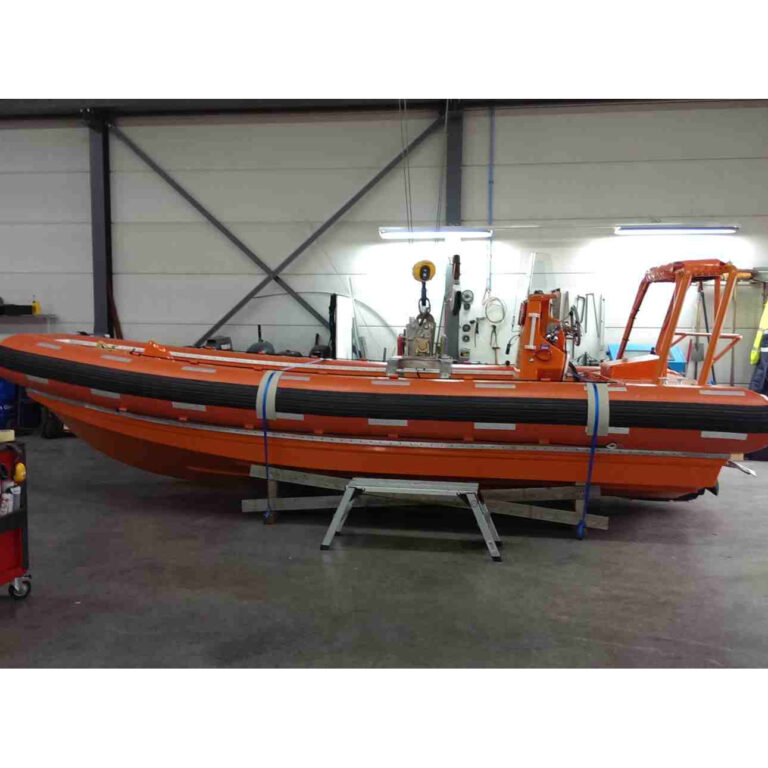
- Release hook Mechanismus Korrosion/Blockierung — KRITISCHER Sicherheitsfehler
- Diesel engine start failure due to lack of regular testing
- GRP hull osmotic blistering with prolonged water contact
- Scavenge air system valve failure
- Safety belt/harness aging due to UV/weather
- IMO‑SOLAS and DNV approved, ensuring regulatory compliance
- Integrated diesel engine provides self‑propulsion after launch
- Compact 7.4 m hull suitable for a wide range of vessel sizes
- Defined maintenance schedule (weekly engine test, annual hook service) supports reliability when followed
- Release‑hook mechanism prone to corrosion/blockage if not serviced annually
- Engine start failures reported when regular testing is omitted
- GFK hull can develop osmotic blisters after prolonged water exposure
- Ventilation valve and safety harnesses may deteriorate under UV/wet conditions
- Release hook Mechanismus Korrosion/Blockierung — KRITISCHER Sicherheitsfehler
- Diesel engine start failure due to lack of regular testing
- GRP hull osmotic blistering with prolonged water contact
- Scavenge air system valve failure
- Safety belt/harness aging due to UV/weather
- IMO‑approved LSA equipment with DNV verification
- Compact design suitable for vessels with limited deck space
- Integrated diesel engine provides independent launch power
- Release hook designed for rapid manual release in emergencies
- GFK (glass‑fiber reinforced) hull compatible with the davit’s load profile
- Corrosion‑prone release‑hook mechanism requires strict annual service (SOLAS MSC.402(96))
- Diesel engine may fail to start if weekly test regime is not observed
- GFK hull can develop osmotic blisters after prolonged water exposure
- Ventilation/air‑supply valve failures have been reported in field service
- UV and weather ageing of safety harnesses demand regular replacement
- Release hook Mechanismus Korrosion/Blockierung — KRITISCHER Sicherheitsfehler
- Diesel engine start failure due to lack of regular testing
- GRP hull osmotic blistering with prolonged water contact
- Scavenge air system valve failure
- Safety belt/harness aging due to UV/weather
- IMO‑approved and DNV listed, meeting SOLAS requirements
- Integrated diesel engine enables rapid launch without external power
- Weekly motor‑run test built into service regime improves reliability
- GFK hull offers corrosion resistance compared with steel alternatives
- Release hook maintenance prescribed by MSC.402(96) ensures compliance
- Release‑hook mechanism prone to corrosion or blockage if not serviced
- Diesel start failures reported when regular test intervals are missed
- GFK hull can develop osmotic blistering after prolonged water exposure
- Ventilation valve of the air‑supply system has a documented failure mode
- Safety harnesses age under UV and weather, requiring frequent replacement
- Release hook Mechanismus Korrosion/Blockierung — KRITISCHER Sicherheitsfehler
- Diesel engine start failure due to lack of regular testing
- GRP hull osmotic blistering with prolonged water contact
- Scavenge air system valve failure
- Safety belt/harness aging due to UV/weather
- IMO D‑2 approved and DNV certified – meets international lifesaving appliance standards
- Integrated diesel launch motor enables rapid, powered deployment without external power supply
- Compact davit design suitable for vessels with limited deck space
- Release hook mechanism allows controlled release even in adverse sea conditions
- GFK hull provides corrosion resistance compared with steel lifeboats
- Release‑hook prone to corrosion or blockage if not maintained annually (critical safety risk)
- Diesel engine start failures reported when weekly test regime is missed
- GFK hull can develop osmotic blisters after prolonged water exposure, requiring dock‑side inspection
- Ventilation valve of the air‑supply system has shown occasional failure, affecting breathable air provision
- Safety harnesses and webbing age quickly under UV and weather exposure, needing regular replacement
- Release hook Mechanismus Korrosion/Blockierung — KRITISCHER Sicherheitsfehler
- Diesel engine start failure due to lack of regular testing
- GRP hull osmotic blistering with prolonged water contact
- Scavenge air system valve failure
- Safety belt/harness aging due to UV/weather
- IMO‑approved and DNV‑certified for SOLAS compliance
- Compact footprint suitable for medium‑size vessels
- Integrated diesel engine enables rapid, self‑contained launch without external power
- GFK hull provides corrosion resistance compared with steel lifeboats
- Standardised release hook allows quick manual override
- Release‑hook mechanism prone to corrosion or blockage if not maintained annually
- Diesel engine start failures reported when weekly test runs are missed
- GFK hull can develop osmotic blistering after prolonged water exposure
- Ventilation valve failures have been observed, affecting air supply on launch
- UV and weather ageing of safety harnesses requires regular replacement
- Release hook Mechanismus Korrosion/Blockierung — KRITISCHER Sicherheitsfehler
- Diesel engine start failure due to lack of regular testing
- GRP hull osmotic blistering with prolonged water contact
- Scavenge air system valve failure
- Safety belt/harness aging due to UV/weather
- IMO and DNV approved – meets SOLAS requirements for passenger and offshore vessels
- Integrated diesel launch motor enables self‑propelled deployment without external power
- Weekly motor‑run test procedure built into operation manuals ensures readiness
- Annual release‑hook maintenance per MSC.402(96) reduces risk of corrosion‑related blockage
- Modular design compatible with GFRP hull lifeboats up to 6.5 t
- Release hook mechanism prone to corrosion or blockage if not inspected rigorously
- Diesel engine start failures reported when regular test cycles are missed
- GFK (glass‑fiber reinforced plastic) hulls can develop osmotic blistering after prolonged water exposure
- Ventilation valve of the air‑supply system has a history of malfunction
- Safety harnesses and straps age quickly under UV and harsh weather, requiring frequent replacement
- Release hook Mechanismus Korrosion/Blockierung — KRITISCHER Sicherheitsfehler
- Diesel engine start failure due to lack of regular testing
- GRP hull osmotic blistering with prolonged water contact
- Scavenge air system valve failure
- Safety belt/harness aging due to UV/weather
- IMO D‑2 and DNV approved – meets international lifesaving regulations
- Integrated diesel engine provides rapid, powered launch capability
- Robust GFK (fiberglass) hull offers corrosion resistance compared with steel lifeboats
- Weekly motor test procedure built into service plan ensures readiness
- Annual release‑hook inspection per SOLAS MSC.402(96) reduces risk of blockage
- Release‑hook mechanism prone to corrosion or blockage if not maintained
- Diesel engine may fail to start after periods of inactivity; requires strict testing regime
- Fiberglass hull can develop osmotic blistering after prolonged water exposure
- Ventilation valve and safety harnesses degrade under UV and weather, needing regular replacement
- Higher maintenance workload (weekly motor test, annual hook service, 5‑year inspection) compared with purely manual davits
- Release hook Mechanismus Korrosion/Blockierung — KRITISCHER Sicherheitsfehler
- Diesel engine start failure due to lack of regular testing
- GRP hull osmotic blistering with prolonged water contact
- Scavenge air system valve failure
- Safety belt/harness aging due to UV/weather
- IMO approved and listed in DNV approval database
- Integrated diesel launch motor enables rapid, self‑contained deployment
- Hydraulic release hook provides controlled free‑fall or slipway launch
- Modular design fits a range of medium‑size vessels (up to ~6.5 m lifeboats)
- Standard compliance with SOLAS MSC.402(96) maintenance intervals
- Release‑hook mechanism prone to corrosion/blockage if not inspected annually
- Diesel engine start failures reported when weekly tests are missed
- GFK (glass‑fiber reinforced plastic) hull can develop osmotic blisters after prolonged water exposure
- Air‑supply valve reliability issues observed in field service
- Safety harnesses degrade under UV and weathering, requiring regular replacement
- Release hook Mechanismus Korrosion/Blockierung — KRITISCHER Sicherheitsfehler
- Diesel engine start failure due to lack of regular testing
- GRP hull osmotic blistering with prolonged water contact
- Scavenge air system valve failure
- Safety belt/harness aging due to UV/weather
- IMO SOLAS approved and DNV listed – recognised safety compliance
- Integrated diesel engine enables independent launch without ship power
- High load capacity (≈5.7 t) suitable for medium‑size lifeboats
- Hydraulic davit provides fast, controlled lowering and hoisting
- Modular design allows installation on a wide range of deck layouts
- Release‑hook mechanism prone to corrosion/blockage if not serviced annually
- Diesel start failures reported when weekly engine tests are missed
- GFK hull can develop osmotic blisters after prolonged water exposure
- Ventilation valve of the air‑supply system has a history of malfunction
- Safety harnesses age quickly under UV and weather, requiring regular replacement
- Release hook Mechanismus Korrosion/Blockierung — KRITISCHER Sicherheitsfehler
- Diesel engine start failure due to lack of regular testing
- GRP hull osmotic blistering with prolonged water contact
- Scavenge air system valve failure
- Safety belt/harness aging due to UV/weather
- Integrated diesel engine allows launch without ship power supply
- Meets SOLAS MSC.402(96) requirements and carries DNV approval
- 6.6 m lifeboat size fits a wide range of medium‑sized vessels
- German engineering reputation for mechanical robustness
- Weekly motor test procedure (≥5 min) supports high readiness
- Release hook prone to corrosion/blockage – requires strict annual maintenance
- Diesel start failures reported when regular testing is neglected
- GFK hull can develop osmotic blisters after prolonged water exposure
- Air‑supply valve has a history of occasional malfunction
- Safety harnesses deteriorate under UV and weathering, needing frequent replacement
- Release hook Mechanismus Korrosion/Blockierung — KRITISCHER Sicherheitsfehler
- Diesel engine start failure due to lack of regular testing
- GRP hull osmotic blistering with prolonged water contact
- Scavenge air system valve failure
- Safety belt/harness aging due to UV/weather
- IMO SOLAS approved and DNV certified for high safety standards
- Integrated diesel engine enables self‑contained launch without ship power
- Compact davit layout suitable for vessels with limited deck space
- Robust steel structure with corrosion‑resistant coating on release hook mechanism
- Modular design allows relatively quick replacement of worn components
- Release‑hook prone to corrosion/blockage if not maintained annually (critical safety risk)
- Diesel engine may fail to start without strict weekly testing regime
- GFK hull can develop osmotic blisters after prolonged water exposure
- Air‑supply valve failures reported, requiring regular functional checks
- Safety harnesses age rapidly under UV and weather exposure, needing frequent replacement
- Release hook Mechanismus Korrosion/Blockierung — KRITISCHER Sicherheitsfehler
- Diesel engine start failure due to lack of regular testing
- GRP hull osmotic blistering with prolonged water contact
- Scavenge air system valve failure
- Safety belt/harness aging due to UV/weather
- IMO‑approved and listed in the DNV approval finder – recognized international compliance
- Integrated diesel motor enables rapid, controlled lifeboat deployment
- Defined maintenance regime (weekly motor test, annual release‑hook service) aligns with SOLAS MSC.402(96)
- Modular davit arms allow retrofit on a wide range of vessel decks
- GFK hull construction provides lightweight strength when properly inspected
- Release‑hook mechanism prone to corrosion or blockage if annual maintenance is missed
- Diesel engine start failures reported when regular test cycles are not performed
- GFK (glass‑fiber reinforced plastic) hull can develop osmotic blisters after prolonged water exposure
- Air‑supply valve has a history of occasional malfunction
- Safety harnesses and webbing age rapidly under UV and harsh weather, requiring frequent replacement
- Release hook Mechanismus Korrosion/Blockierung — KRITISCHER Sicherheitsfehler
- Diesel engine start failure due to lack of regular testing
- GRP hull osmotic blistering with prolonged water contact
- Scavenge air system valve failure
- Safety belt/harness aging due to UV/weather
- IMO and DNV approved – meets SOLAS requirements for lifesaving appliances
- Integrated diesel engine provides self‑contained, fast launch without external power
- Compact design suitable for medium‑size passenger and offshore vessels
- Load capacity matched to 6.6 m lifeboats with built‑in safety release hook
- Clear maintenance schedule (weekly motor test, annual hook service, 5‑year inspection)
- Release‑hook corrosion or blockage reported – critical safety concern if not maintained
- Diesel engine start failures observed when regular tests are missed
- GFK hull of the lifeboat can develop osmotic blisters after prolonged water exposure
- Air‑supply valve may fail, affecting breathable air provision for survivors
- Safety harnesses and webbing age quickly under UV and weather exposure
- Release hook Mechanismus Korrosion/Blockierung — KRITISCHER Sicherheitsfehler
- Diesel engine start failure due to lack of regular testing
- GRP hull osmotic blistering with prolonged water contact
- Scavenge air system valve failure
- Safety belt/harness aging due to UV/weather
- IMO‑approved and listed in the DNV approval finder, ensuring regulatory compliance
- Integrated diesel start engine enables rapid launch without external power
- Hydraulic winch provides smooth, controlled lowering of lifeboat/raft
- GFK (glass‑fiber reinforced plastic) hull offers good strength‑to‑weight ratio
- Defined maintenance regime (weekly motor test, annual release‑hook service, 5‑year full inspection)
- Release‑hook mechanism prone to corrosion or blockage if not serviced annually
- Diesel start engine may fail to start when regular tests are missed
- GFK hull can develop osmotic blistering after prolonged water exposure
- Air‑supply valve has a history of failure in the field
- Safety harnesses and straps age under UV and weather, requiring frequent replacement
- Release hook Mechanismus Korrosion/Blockierung — KRITISCHER Sicherheitsfehler
- Diesel engine start failure due to lack of regular testing
- GRP hull osmotic blistering with prolonged water contact
- Scavenge air system valve failure
- Safety belt/harness aging due to UV/weather
- IMO SOLAS approved and DNV listed – meets major regulatory requirements
- Integrated diesel engine provides independent launch power even when ship power is lost
- Composite GFRP hull reduces weight while offering good corrosion resistance compared with steel
- Standardised weekly motor‑run test and annual release‑hook service simplify compliance with SOLAS MSC.402(96)
- Proven design for medium‑size passenger and offshore support vessels
- Release‑hook mechanism prone to corrosion or blockage if not serviced annually – a critical safety risk
- Diesel start failures reported when regular test intervals are missed
- GFRP hull can develop osmotic blistering after prolonged water exposure, requiring dock‑side inspection
- Ventilation valve of the air‑supply system has documented failure modes
- Safety harnesses and webbing age rapidly under UV and harsh weather, needing frequent replacement
- Release hook Mechanismus Korrosion/Blockierung — KRITISCHER Sicherheitsfehler
- Diesel engine start failure due to lack of regular testing
- GRP hull osmotic blistering with prolonged water contact
- Scavenge air system valve failure
- Safety belt/harness aging due to UV/weather
- IMO‑approved (SOLAS) and DNV recognised, ensuring regulatory compliance
- Hydraulic operation provides smooth, reliable launch even in adverse conditions
- Integrated diesel engine (ZHP 4.20) enables self‑propelled lifeboat deployment without external power
- GFRP hull construction offers good corrosion resistance compared with steel davits
- Compact footprint suitable for vessels with limited deck space
- Release hook prone to corrosion or blockage if not maintained annually (critical safety risk)
- Diesel launch motor can fail to start when regular weekly tests are omitted
- GFRP hull may develop osmotic blistering after prolonged water exposure
- Ventilation valve of the air‑supply system has a history of failure
- Safety harnesses and straps require frequent UV/Wet weather inspection and replacement
- Release hook Mechanismus Korrosion/Blockierung — KRITISCHER Sicherheitsfehler
- Diesel engine start failure due to lack of regular testing
- GRP hull osmotic blistering with prolonged water contact
- Scavenge air system valve failure
- Safety belt/harness aging due to UV/weather
- IMO SOLAS and DNV approved – meets international lifesaving regulations
- Integrated diesel engine provides self‑propelled launch capability
- Weekly motor‑run test procedure ensures readiness and early fault detection
- Annual release‑hook maintenance per SOLAS MSC.402(96) reduces blockage risk
- Modular design fits a range of medium‑size cargo vessels
- Release‑hook mechanism prone to corrosion or blockage if not maintained rigorously
- Diesel start failure reported when regular test intervals are missed
- GFK (glass‑fiber reinforced plastic) hull can develop osmotic blisters after prolonged water exposure
- Ventilation valve of the air‑supply system has a history of malfunction
- Safety harnesses and webbing age rapidly under UV and harsh weather
- Release hook Mechanismus Korrosion/Blockierung — KRITISCHER Sicherheitsfehler
- Diesel engine start failure due to lack of regular testing
- GRP hull osmotic blistering with prolonged water contact
- Scavenge air system valve failure
- Safety belt/harness aging due to UV/weather
- High load capacity (≈6.5 t) suitable for large lifeboats/rafts
- Independent diesel launch motor reduces reliance on ship's power supply
- IMO‑approved and DNV listed, meeting major regulatory requirements
- Robust hydraulic handling provides reliable hoisting in adverse conditions
- Clear maintenance schedule (weekly engine test, annual hook service) supports safe operation
- Release‑hook mechanism prone to corrosion or blockage if not serviced annually
- Diesel launch motor can fail to start without strict testing regime
- GFK hull of the lifeboat may develop osmotic blistering after prolonged water exposure
- Ventilation valve on the air‑supply system reported to malfunction
- Safety harnesses and webbing age under UV and weather, requiring regular replacement
- Release hook Mechanismus Korrosion/Blockierung — KRITISCHER Sicherheitsfehler
- Diesel engine start failure due to lack of regular testing
- GRP hull osmotic blistering with prolonged water contact
- Scavenge air system valve failure
- Safety belt/harness aging due to UV/weather
- IMO approved and DNV certified, ensuring compliance with SOLAS requirements
- Compact 5.5 m design fits medium‑size merchant vessels without excessive deck space
- Integrated diesel engine provides independent propulsion for rapid escape
- Defined maintenance regime (weekly engine test, annual release‑hook service) supports reliability when followed
- GFR hull offers good strength-to-weight ratio compared with steel alternatives
- Release‑hook mechanism prone to corrosion or blockage if not serviced annually
- Diesel start failures reported when regular testing is omitted
- GFR hull can develop osmotic blistering after prolonged water exposure
- Ventilation valve of the air‑supply system has a history of malfunction
- Safety harnesses and straps age under UV and weather exposure, requiring frequent replacement
- Release hook Mechanismus Korrosion/Blockierung — KRITISCHER Sicherheitsfehler
- Diesel engine start failure due to lack of regular testing
- GRP hull osmotic blistering with prolonged water contact
- Scavenge air system valve failure
- Safety belt/harness aging due to UV/weather
- Compliant with IMO regulations
- Regular maintenance can prevent motor start failures and corrosion issues
- GFK-Rumpf inspection can detect osmosis blisters
- Release hook mechanism prone to corrosion or blockage
- Diesel engine may fail to start due to lack of regular testing
- GFK-Rumpf osmosis blisters can form with prolonged water contact
PALFINGER MARINE VIETNAM
14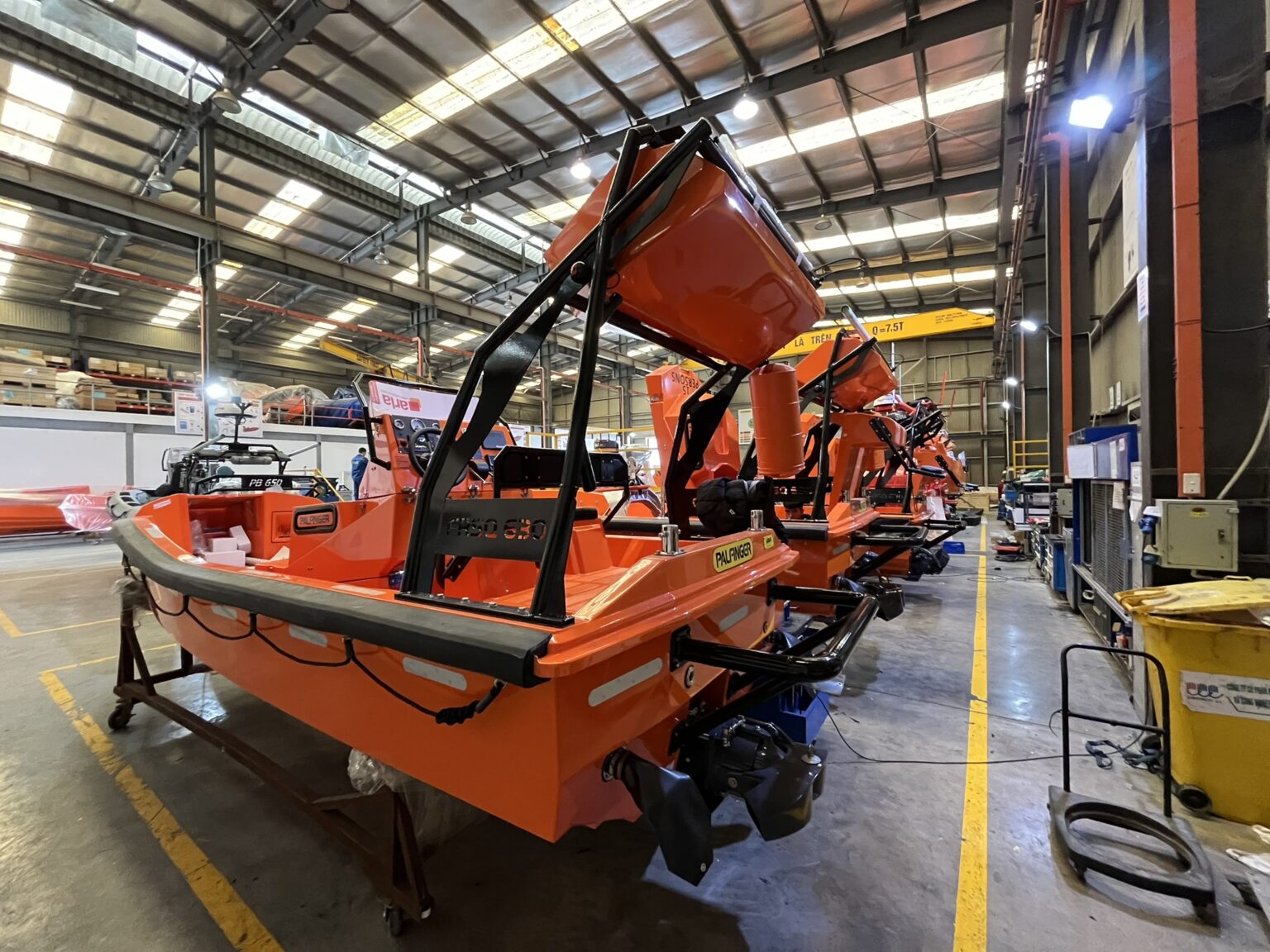
- Release hook Mechanismus Korrosion/Blockierung — KRITISCHER Sicherheitsfehler
- Diesel engine start failure due to lack of regular testing
- GRP hull osmotic blistering with prolonged water contact
- Scavenge air system valve failure
- Safety belt/harness aging due to UV/weather
- Fast, single‑handed launch of lifeboat/raft
- Integrated weekly motor‑test function ensures readiness
- SOLAS MSC.402(96) compliant with documented release‑hook maintenance schedule
- Compact footprint suitable for vessels with limited deck space
- GFRP (glass‑fiber reinforced plastic) hull compatible with the davit’s load profile
- Release‑hook prone to corrosion or blockage if annual service is missed
- Diesel engine start failures reported when regular testing is neglected
- GFRP hull can develop osmotic blisters after prolonged water exposure
- Ventilation valve of the air‑supply system has a history of occasional failure
- Safety harnesses and straps age under UV/wet conditions, requiring frequent replacement
- Release hook Mechanismus Korrosion/Blockierung — KRITISCHER Sicherheitsfehler
- Diesel engine start failure due to lack of regular testing
- GRP hull osmotic blistering with prolonged water contact
- Scavenge air system valve failure
- Safety belt/harness aging due to UV/weather
- Integrated diesel engine provides reliable power for rapid launch.
- Weekly motor‑run test (minimum 5 min) ensures operational readiness.
- Annual release‑hook maintenance per SOLAS MSC.402(96) enhances safety.
- Modular design fits a variety of deck layouts on medium‑size vessels.
- Palfinger’s proven hydraulic components deliver high load capacity and smooth operation.
- Release‑hook mechanism can suffer corrosion or blockage if not inspected regularly.
- Diesel engine start failures reported when test intervals are missed.
- Associated GFR lifeboat hull may develop osmotic blisters after prolonged water exposure.
- Air‑supply ventilation valve has a history of occasional failure.
- Maintenance intensive: weekly motor run, annual hook service and 5‑year full inspection increase lifecycle cost.
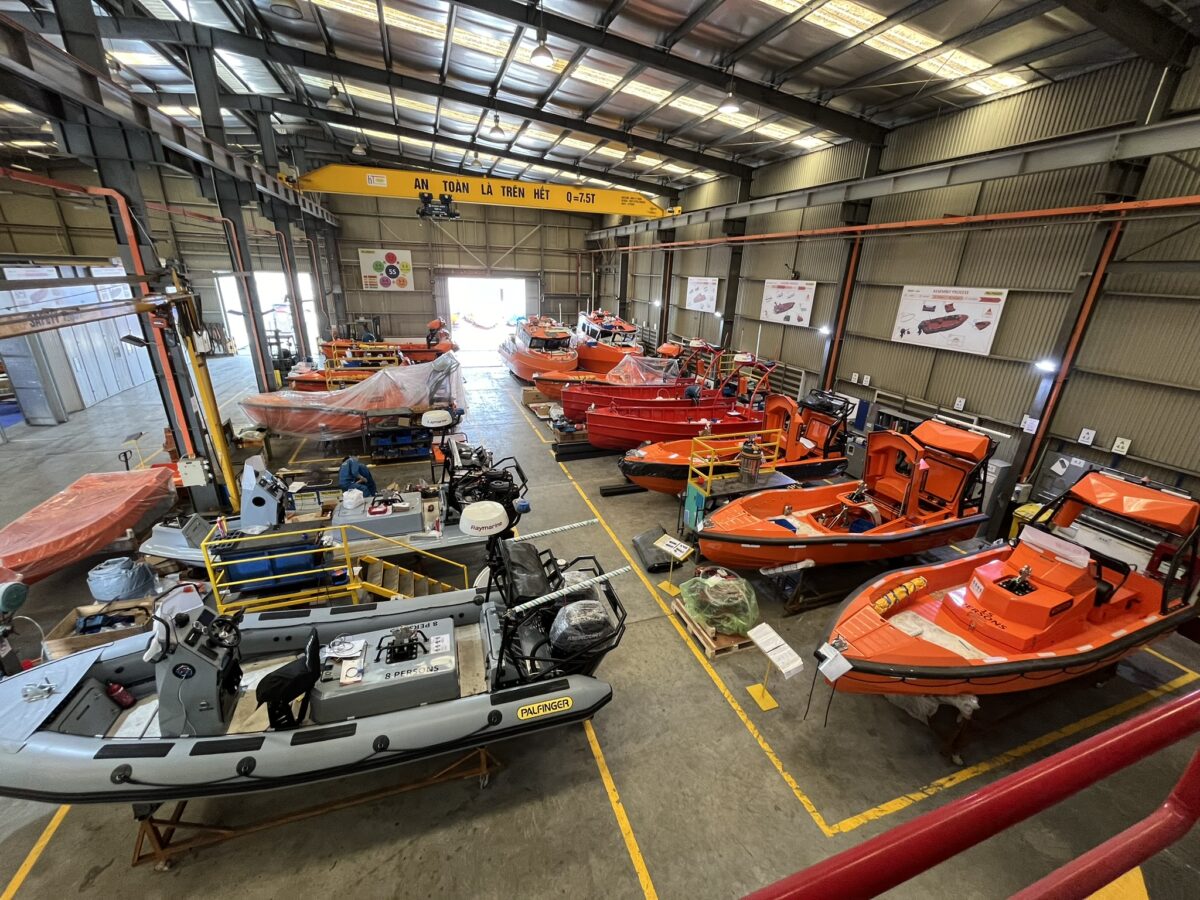
- Release hook Mechanismus Korrosion/Blockierung — KRITISCHER Sicherheitsfehler
- Diesel engine start failure due to lack of regular testing
- GRP hull osmotic blistering with prolonged water contact
- Scavenge air system valve failure
- Safety belt/harness aging due to UV/weather
- Integrated weekly motor‑test (minimum 5 min) simplifies compliance verification
- High load capacity (approximately 6.3 ton) suitable for medium‑size lifeboats
- Compact installation footprint fits a wide range of vessel decks
- Designed to meet SOLAS MSC.402(96) release‑hook maintenance intervals
- Standardised with Palfinger’s GFRP lifeboat hulls for quick interchangeability
- Release‑hook mechanism reported to corrode or jam if not serviced annually
- Diesel engine start failures observed when weekly tests are omitted
- GFRP hull can develop osmotic blistering after prolonged water exposure
- Air‑supply ventilation valve has a history of malfunction
- Safety harnesses and webbing age rapidly under UV and harsh weather, requiring frequent replacement
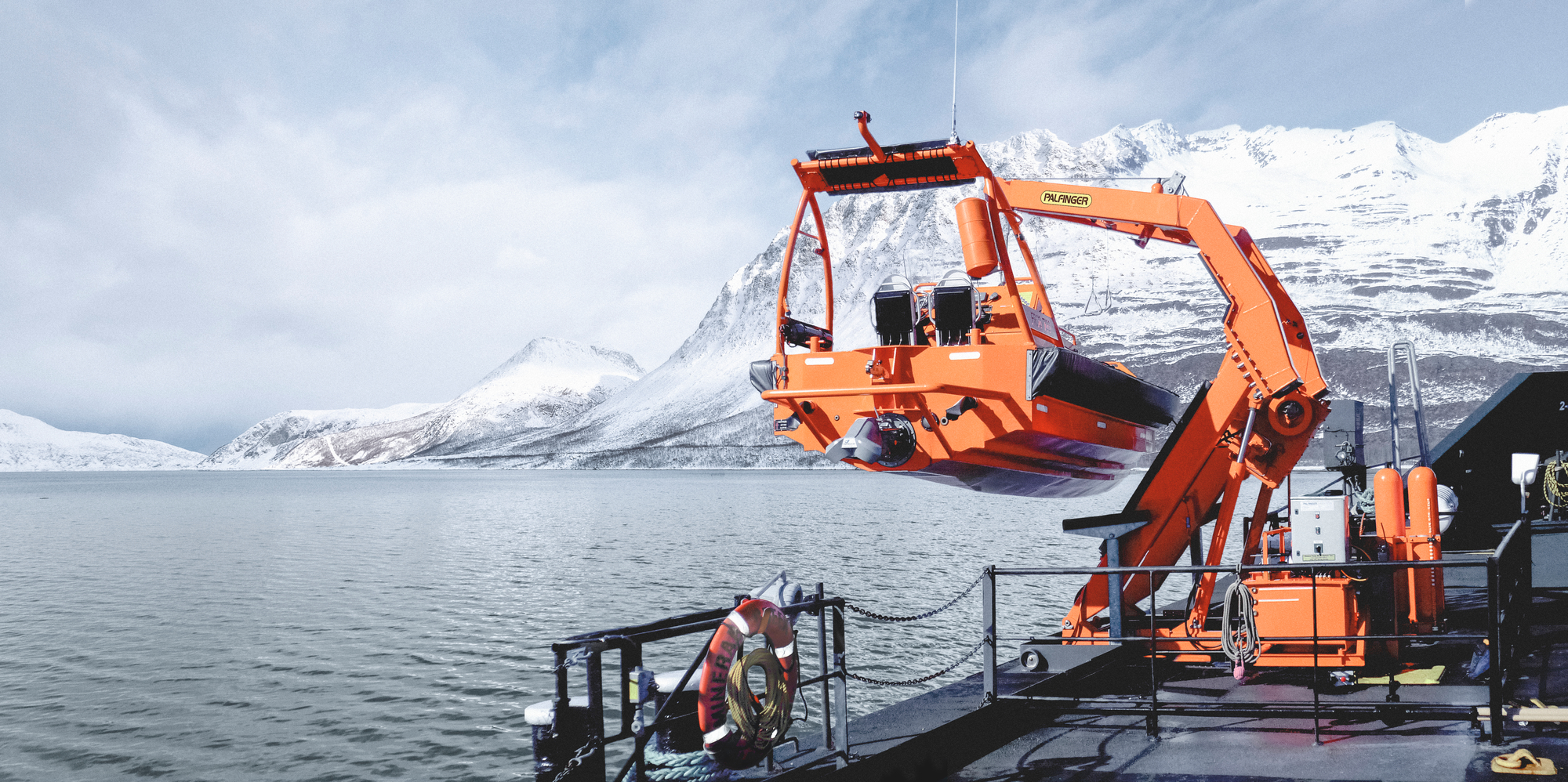
- Release hook Mechanismus Korrosion/Blockierung — KRITISCHER Sicherheitsfehler
- Diesel engine start failure due to lack of regular testing
- GRP hull osmotic blistering with prolonged water contact
- Scavenge air system valve failure
- Safety belt/harness aging due to UV/weather
- High load capacity suitable for medium‑size lifeboats (up to ~7 t)
- Compact side‑mount layout saves deck space on crowded vessels
- Integrated release hook complies with SOLAS MSC.402(96) requirements
- Hydraulic operation provides smooth, controllable launch even in adverse sea states
- Standardised maintenance intervals (weekly motor test, annual hook service) simplify upkeep
- Release‑hook corrosion or blockage reported if not serviced annually
- Onboard diesel engine of the lifeboat can suffer start‑up failures without regular testing
- GFRP hulls attached to the davit may develop osmotic blisters after prolonged water exposure
- Ventilation valve in the air‑supply system has a known failure mode requiring inspection
- Safety harnesses and webbing age quickly under UV and marine weather, needing frequent replacement
- Release hook Mechanismus Korrosion/Blockierung — KRITISCHER Sicherheitsfehler
- Diesel engine start failure due to lack of regular testing
- GRP hull osmotic blistering with prolonged water contact
- Scavenge air system valve failure
- Safety belt/harness aging due to UV/weather
- SOLAS MSC.402(96) compliant release hook system
- Integrated weekly motor‑run test (≥5 min) simplifies compliance monitoring
- High load capacity suitable for medium‑size lifeboats and GFRP hulls
- Modular design allows retrofit on existing vessel decks
- Available through Palfinger’s global service network for spare parts
- Release hook prone to corrosion or blockage if not inspected annually
- Diesel winch start failures reported when routine tests are missed
- GFRP (glass‑fiber reinforced plastic) lifeboat hulls can develop osmotic bubbles after prolonged water exposure
- Ventilation valve of the air‑supply system has a documented failure mode
- Safety harnesses and belts require frequent UV/Wet‑weather replacement
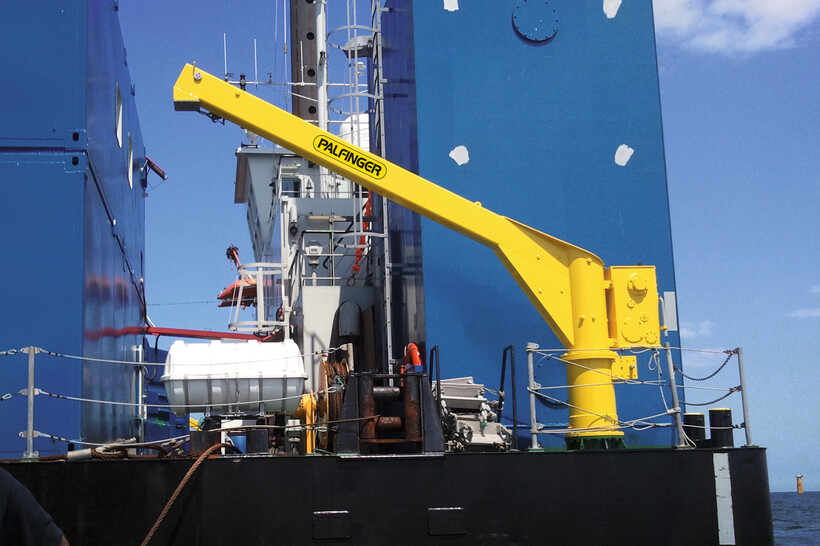
- Release hook Mechanismus Korrosion/Blockierung — KRITISCHER Sicherheitsfehler
- Diesel engine start failure due to lack of regular testing
- GRP hull osmotic blistering with prolonged water contact
- Scavenge air system valve failure
- Safety belt/harness aging due to UV/weather
- Integrated hydraulic winch with quick‑release hook enables rapid lifeboat deployment
- Compact design fits medium‑size vessels where deck space is limited
- Engineered for GFRP lifeboats up to 25 t, meeting SOLAS MSC.402(96) requirements
- Weekly motor‑run test (≥5 min) built into service schedule ensures readiness
- Annual release‑hook inspection by approved service reduces risk of blockage
- Release‑hook mechanism prone to corrosion or blockage if not maintained rigorously
- Diesel winch engine may fail to start when regular test intervals are missed
- GFRP hulls can develop osmotic blisters after prolonged water exposure
- Air‑supply valve failures reported in field service notes
- Safety harnesses and webbing age quickly under UV and harsh weather, requiring frequent replacement

- Release hook Mechanismus Korrosion/Blockierung — KRITISCHER Sicherheitsfehler
- Diesel engine start failure due to lack of regular testing
- GRP hull osmotic blistering with prolonged water contact
- Scavenge air system valve failure
- Safety belt/harness aging due to UV/weather
- Hydraulic operation provides smooth, controllable launch even in adverse sea conditions.
- Integrated diesel engine winch allows independent power supply for rapid hoisting.
- Stainless‑steel release hook mechanism meets SOLAS MSC.402(96) requirements when maintained.
- Modular design enables relatively quick replacement of worn components such as the GFK hull or safety harnesses.
- Manufacturer offers a clear maintenance regime (weekly motor test, annual hook inspection, 5‑year full inspection).
- Release hook prone to corrosion or blockage if not inspected annually – a critical safety risk.
- Diesel engine start failures reported when regular weekly tests are omitted.
- GFK hull can develop osmotic blisters after prolonged water exposure, requiring dockside inspection.
- Air‑supply valve may fail, compromising lifeboat ventilation during emergencies.
- Safety harnesses and webbing age under UV and weather exposure, needing periodic replacement.
- Release hook Mechanismus Korrosion/Blockierung — KRITISCHER Sicherheitsfehler
- Diesel engine start failure due to lack of regular testing
- GRP hull osmotic blistering with prolonged water contact
- Scavenge air system valve failure
- Safety belt/harness aging due to UV/weather
- SOLAS MSC.402(96) compliant launch capability
- Hydraulic power provides rapid, controlled lowering even in adverse sea states
- Integrated release hook allows quick manual or remote activation
- Designed for GFK (glass‑fibre reinforced plastic) lifeboat hulls up to 4 t
- Modular mounting suitable for retrofit on existing vessels
- Release‑hook mechanism prone to corrosion/blockage if not inspected regularly
- On‑board diesel motor (if equipped) has documented start‑up failures without frequent testing
- GFK hull can develop osmotic blisters after prolonged water exposure
- Ventilation valve of the air‑supply system may fail, affecting lifeboat inflation
- Safety harnesses and webbing age under UV/wind exposure and require periodic replacement
- Release hook Mechanismus Korrosion/Blockierung — KRITISCHER Sicherheitsfehler
- Diesel engine start failure due to lack of regular testing
- GRP hull osmotic blistering with prolonged water contact
- Scavenge air system valve failure
- Safety belt/harness aging due to UV/weather
- SOLAS MSC.402(96) compliant release mechanism with annual certified maintenance option
- High launch speed – can lower a lifeboat from deck to water in under 30 seconds when motorised
- Modular design allows retrofit on existing vessels and accommodates various lifeboat sizes up to 12 t
- Robust steel construction with corrosion‑resistant coating suitable for tropical service
- Release hook prone to corrosion or blockage if not inspected weekly – a critical safety issue
- Requires regular (weekly) motor test and annual servicing, increasing crew workload
- Weight of the davit can be significant on smaller vessels, affecting stability margins
- Limited space for installation on narrow decks compared with compact rail‑type davits
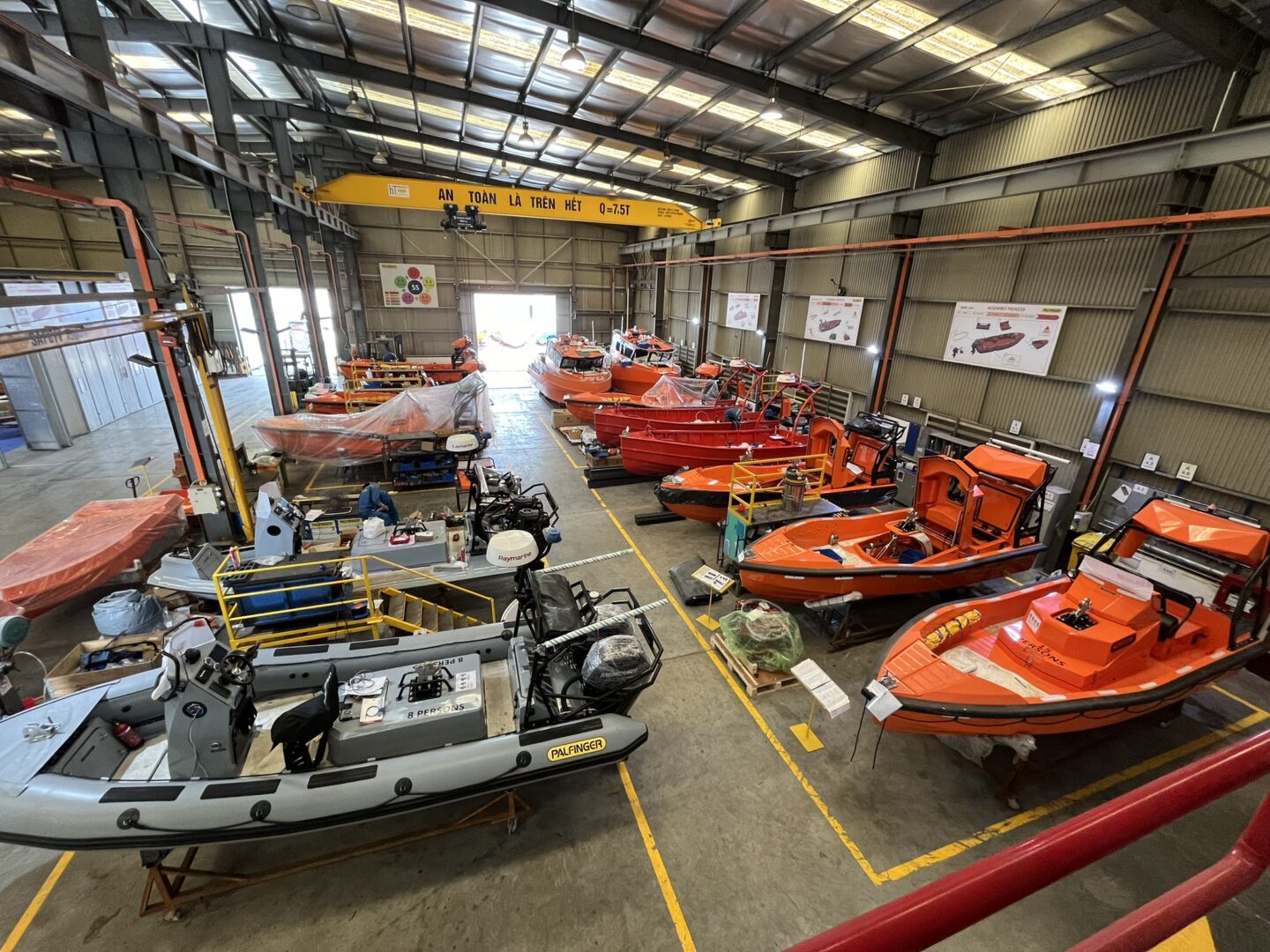
- Release hook Mechanismus Korrosion/Blockierung — KRITISCHER Sicherheitsfehler
- Diesel engine start failure due to lack of regular testing
- GRP hull osmotic blistering with prolonged water contact
- Scavenge air system valve failure
- Safety belt/harness aging due to UV/weather
- Rated for a 17 t, four‑person lifeboat – suitable for medium‑size vessels
- Complies with SOLAS MSC.402(96) release‑hook requirements, simplifying certification
- Standardised weekly motor test and annual release‑hook service support regulatory compliance
- Compact mounting arrangement favours ships with limited deck space
- Release‑hook mechanism prone to corrosion or blockage if not maintained rigorously
- Diesel engine start failures reported when regular testing is omitted
- GFK (glass‑fibre reinforced) hull can develop osmotic blisters after prolonged water exposure
- Air‑supply valve and safety harnesses may deteriorate under UV and weathering
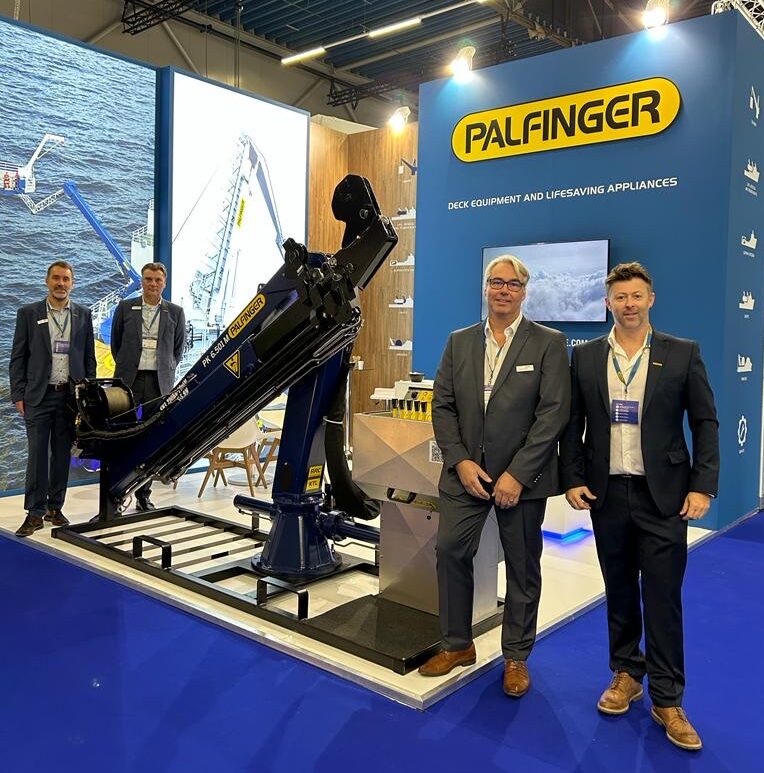
- Release hook Mechanismus Korrosion/Blockierung — KRITISCHER Sicherheitsfehler
- Diesel engine start failure due to lack of regular testing
- GRP hull osmotic blistering with prolonged water contact
- Scavenge air system valve failure
- Safety belt/harness aging due to UV/weather
- Integrated release hook with annual certified maintenance (SOLAS MSC.402(96))
- Motor test procedure defined (weekly 5‑minute run) for reliable engine start
- GFRP hull compatible with routine dockside inspection to detect osmotic blistering early
- Compact davit design suitable for vessels with limited deck space
- Release hook prone to corrosion/blockage if not maintained in aggressive marine environments
- Diesel engine start failures reported when weekly tests are missed
- GFRP hull can develop osmotic bubbles after prolonged water exposure
- Ventilation valve of the air‑supply system may fail, affecting lifeboat habitability
- Safety harnesses and belts age under UV exposure, requiring regular replacement
- Release hook Mechanismus Korrosion/Blockierung — KRITISCHER Sicherheitsfehler
- Diesel engine start failure due to lack of regular testing
- GRP hull osmotic blistering with prolonged water contact
- Scavenge air system valve failure
- Safety belt/harness aging due to UV/weather
- Rapid launch capability with motorised winch (launch in seconds)
- Release hook treated for corrosion resistance to meet SOLAS requirements
- Compact installation footprint suitable for medium‑size vessels
- GFRP lifeboat hull provides low weight and high buoyancy
- Simple weekly motor test procedure ensures operational readiness
- Release‑hook corrosion or blockage if maintenance is missed – critical safety risk
- Diesel engine start failures reported when regular tests are not performed
- GFRP hull may develop osmotic blisters after prolonged water exposure
- Air‑supply ventilation valve can fail, requiring frequent inspection
- Safety harnesses and webbing age quickly under UV and weather exposure
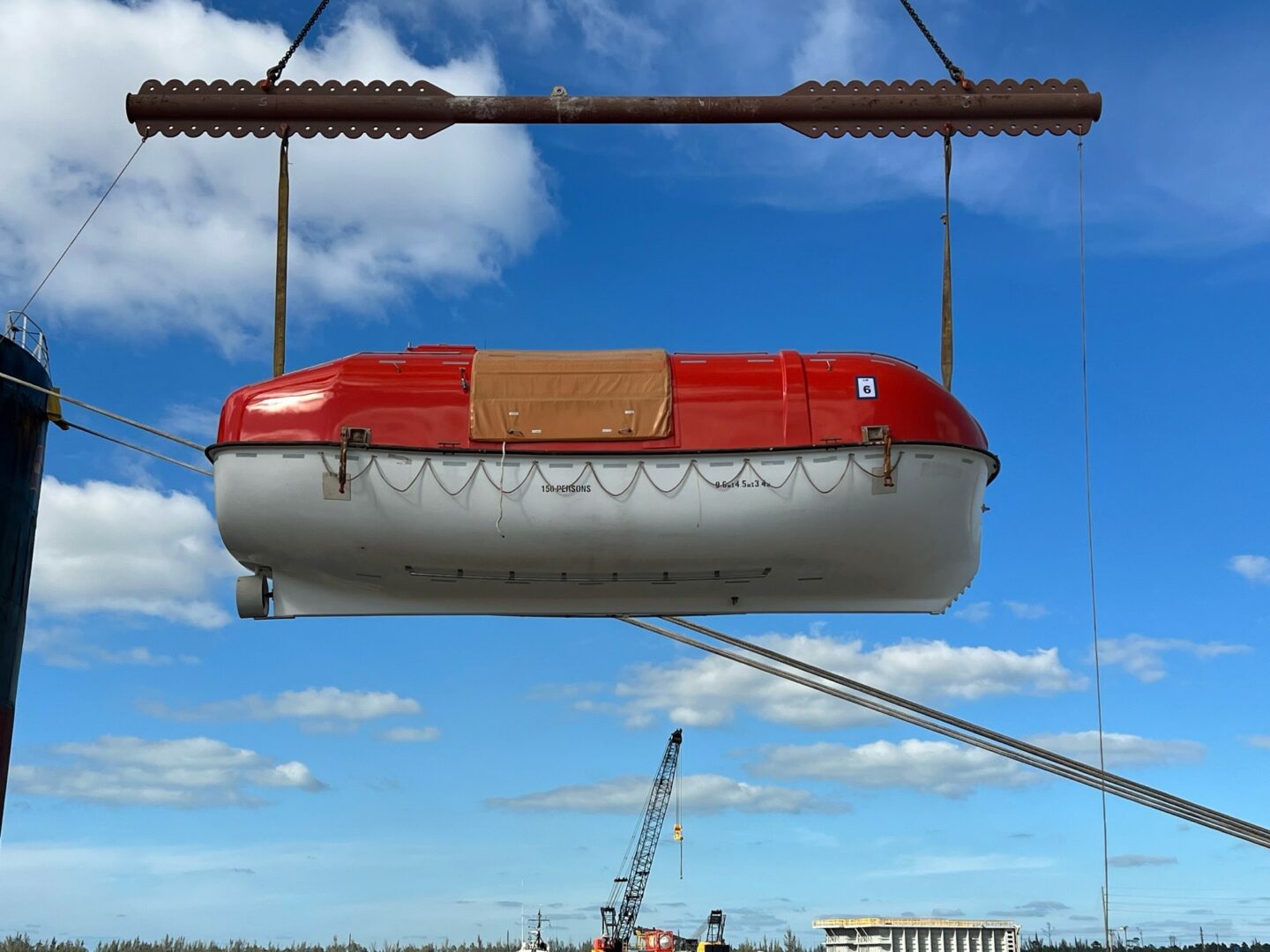
- Release hook Mechanismus Korrosion/Blockierung — KRITISCHER Sicherheitsfehler
- Diesel engine start failure due to lack of regular testing
- GRP hull osmotic blistering with prolonged water contact
- Scavenge air system valve failure
- Safety belt/harness aging due to UV/weather
- No external power required – fully operable in blackout conditions
- Simple construction reduces maintenance and spare‑part inventory
- SOLAS MSC.402 (96) type approval ensures compliance with international safety regulations
- Compact design fits on a wide range of vessel davits
- Robust hand‑crank provides reliable operation even after prolonged exposure to marine environment
- Manual cranking limits deployment speed compared with powered winches
- Operator fatigue can be an issue during repeated or emergency launches
- Limited lifting capacity makes it unsuitable for very large liferafts or heavy rescue boats
- Corrosion of the release hook mechanism requires strict annual maintenance
- No built‑in redundancy such as auxiliary electric drive
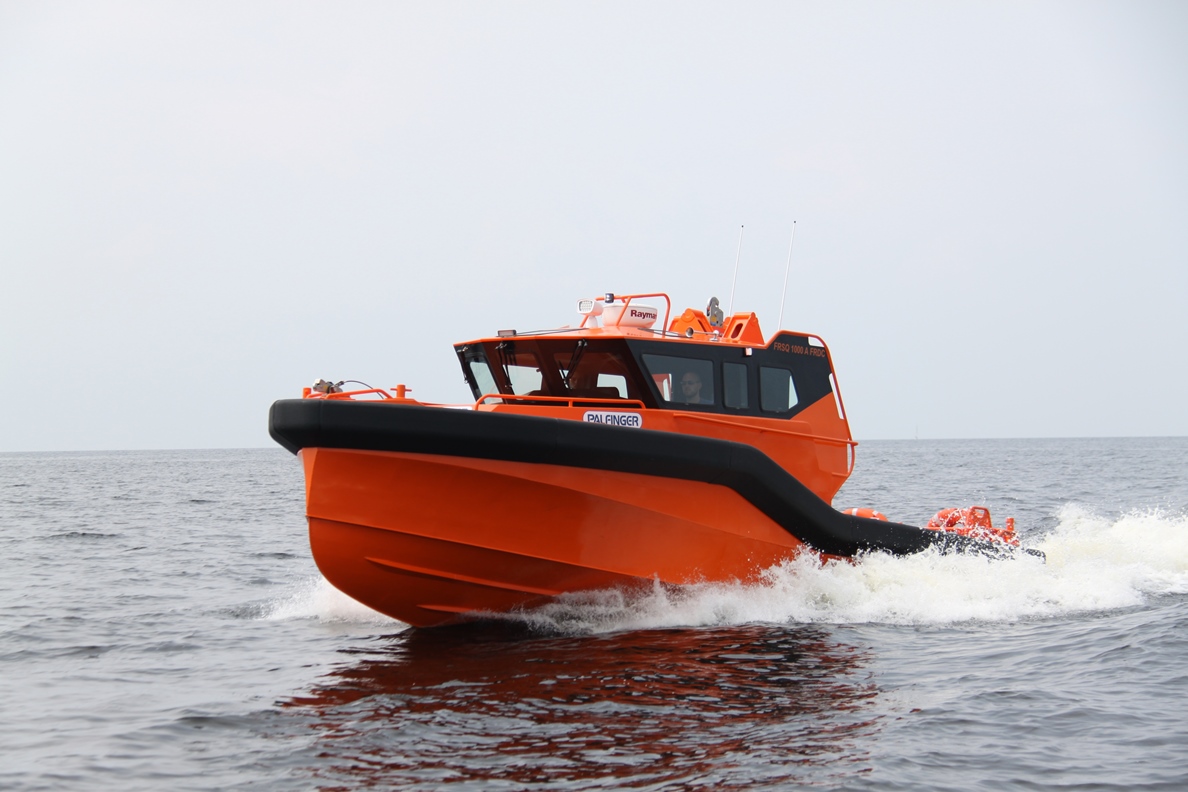
- Release hook Mechanismus Korrosion/Blockierung — KRITISCHER Sicherheitsfehler
- Diesel engine start failure due to lack of regular testing
- GRP hull osmotic blistering with prolonged water contact
- Scavenge air system valve failure
- Safety belt/harness aging due to UV/weather
- Electric drive with dedicated emergency‑standby function ensures hoist availability even after main power loss
- Integrated release hook complies with SOLAS MSC.402(96) maintenance regime
- Designed for GFRP (glass‑fiber reinforced plastic) rescue‑boat hulls, allowing lightweight craft handling
- Weekly motor‑run test requirement supports reliability and early fault detection
- Release‑hook mechanism prone to corrosion or blockage if not inspected regularly
- Diesel‑engine start failures reported when routine tests are missed
- GFRP hulls can develop osmotic blistering after prolonged water exposure, affecting winch coupling
- Ventilation‑valve of the air‑supply system has a history of malfunction
- Safety harnesses and belts age quickly under UV and harsh weather, requiring frequent replacement
Palfinger Marine Netherlands
13
- Release hook Mechanismus Korrosion/Blockierung — KRITISCHER Sicherheitsfehler
- Diesel engine start failure due to lack of regular testing
- GRP hull osmotic blistering with prolonged water contact
- Scavenge air system valve failure
- Safety belt/harness aging due to UV/weather
- High launch speed with powered winch reduces crew effort
- SOLAS MSC.402(96) compliant release mechanism for rapid egress
- Compact footprint suitable for medium‑size vessels
- Stainless‑steel load-bearing components resist corrosion
- Optional integration with GFK (glass‑fibre reinforced plastic) lifeboat hulls
- Release hook prone to corrosion/blockage if not serviced annually
- Diesel winch may fail to start without regular weekly tests
- GFRP hull can develop osmotic blisters after prolonged water exposure
- Ventilation valve of the air‑supply system reported to malfunction
- Safety harnesses require frequent UV/Wet‑weather inspection

- Release hook Mechanismus Korrosion/Blockierung — KRITISCHER Sicherheitsfehler
- Diesel engine start failure due to lack of regular testing
- GRP hull osmotic blistering with prolonged water contact
- Scavenge air system valve failure
- Safety belt/harness aging due to UV/weather
- High speed rescue capability with a reliable inboard diesel engine
- Flexible crew capacity (6/13/15 persons) for varied emergency scenarios
- Integrated Palfinger davit provides rapid, repeatable launches from many deck heights
- GFK hull offers good strength‑to‑weight ratio and corrosion resistance when properly maintained
- Meets SOLAS MSC.402(96) requirements after annual release‑hook service
- Release‑hook mechanism prone to corrosion/blockage; requires yearly certified maintenance
- Weekly engine start test mandatory – operational discipline needed
- GFK hull can develop osmotic blistering if exposed to prolonged water immersion without inspection
- Ventilation valve of the air‑supply system has a known failure mode
- Safety harnesses and webbing age under UV exposure and must be replaced regularly
- Release hook Mechanismus Korrosion/Blockierung — KRITISCHER Sicherheitsfehler
- Diesel engine start failure due to lack of regular testing
- GRP hull osmotic blistering with prolonged water contact
- Scavenge air system valve failure
- Safety belt/harness aging due to UV/weather
- Motorised winch enables rapid, single‑handed launch of the rescue craft
- Integrated release hook complies with SOLAS MSC.402(96) for safe free‑fall deployment
- Compact footprint suitable for vessels with limited deck space
- Corrosion‑resistant steel and optional stainless‑steel fittings extend service life in marine environments
- Modular design allows retrofit on existing ships without major structural alterations
- Higher initial cost compared with basic manual davits
- Requires strict maintenance regime (weekly motor test, annual release‑hook inspection)
- Potential for corrosion or blockage of the release hook if not serviced regularly
- Limited lifting capacity; unsuitable for lifeboats larger than the 35 ft design class
- Electrical/hydraulic system adds complexity and may be a failure point in harsh conditions
- Release hook Mechanismus Korrosion/Blockierung — KRITISCHER Sicherheitsfehler
- Diesel engine start failure due to lack of regular testing
- GRP hull osmotic blistering with prolonged water contact
- Scavenge air system valve failure
- Safety belt/harness aging due to UV/weather
- Integrated with Palfinger CAR 35 davits for seamless installation
- Allows single‑person or unattended off‑load launch, reducing response time
- Designed to meet SOLAS MSC.402(96) release‑hook criteria
- Robust steel construction rated for repeated high‑impact releases
- Standardised maintenance interval (annual hook inspection) simplifies compliance
- Corrosion of the release hook is a documented failure mode if not maintained
- Requires weekly motor‑run tests and annual service by an approved provider, increasing operational workload
- Limited to rescue boats that fit the CAR 35 geometry; not universally interchangeable
- Hydraulic/electrical control complexity can lead to valve or sensor faults in harsh marine environments
- Weight of the mechanism adds deck load, which may be a concern on smaller vessels
- Release hook Mechanismus Korrosion/Blockierung — KRITISCHER Sicherheitsfehler
- Diesel engine start failure due to lack of regular testing
- GRP hull osmotic blistering with prolonged water contact
- Scavenge air system valve failure
- Safety belt/harness aging due to UV/weather
- One‑hand, single‑fall launch reduces crew workload and launch time
- Integrated release hook designed for quick disengagement of the rescue boat
- SOLAS MSC.402(96) approval ensures regulatory compliance
- Robust steel construction with proven service life on offshore vessels
- Annual release‑hook maintenance schedule defined by Palfinger
- Release‑hook corrosion or blockage can cause critical safety failure if not inspected regularly
- Requires weekly motor test (≥5 min) to verify powered release function
- Limited to rescue boats in the 11.38–11.62 m range; larger craft need a different davit
- GFRP‑hull of the launch boat must be inspected for osmotically induced blisters, adding inspection workload
- Higher initial weight and cost compared with lightweight hydraulic davits
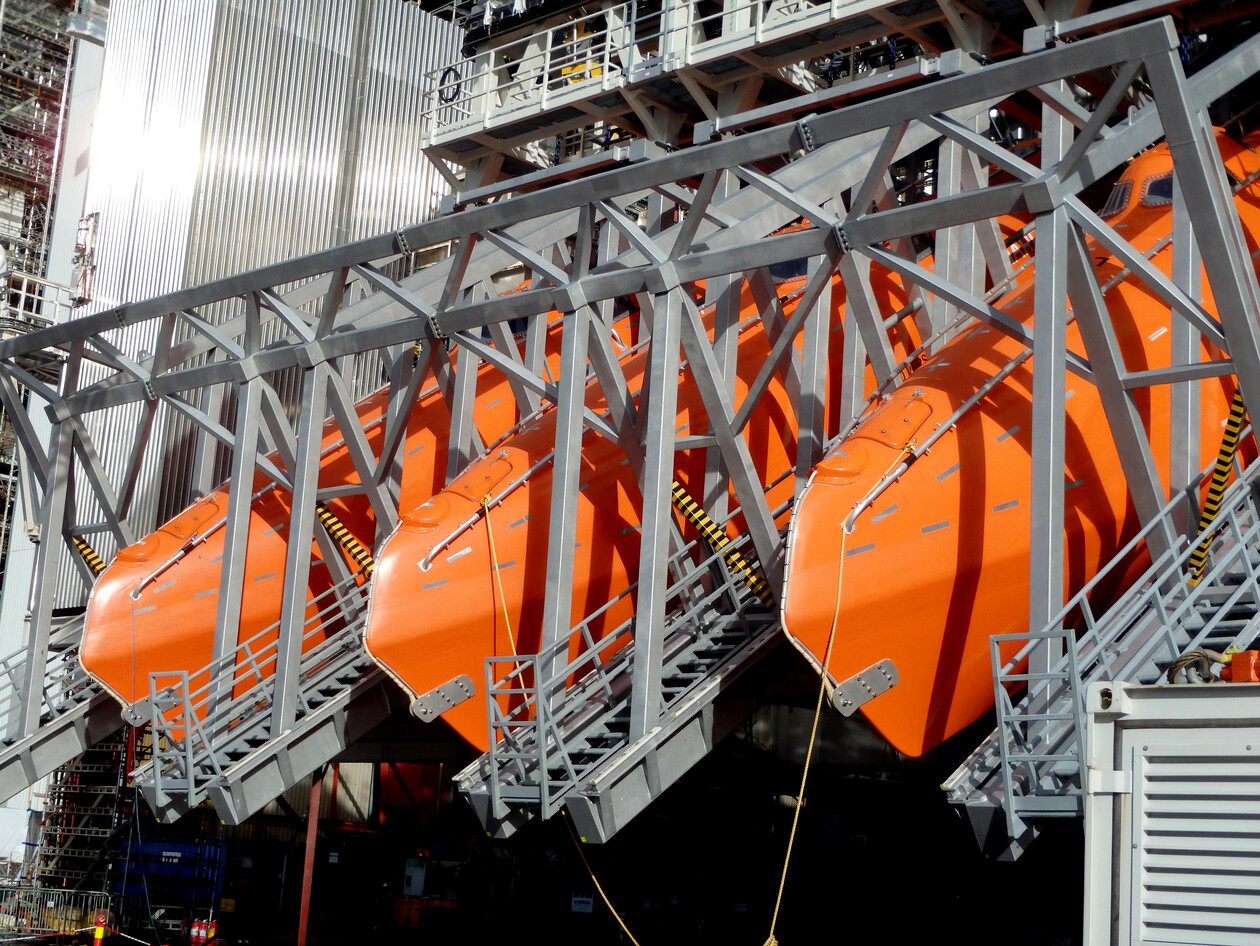
- Release hook Mechanismus Korrosion/Blockierung — KRITISCHER Sicherheitsfehler
- Diesel engine start failure due to lack of regular testing
- GRP hull osmotic blistering with prolonged water contact
- Scavenge air system valve failure
- Safety belt/harness aging due to UV/weather
- Proven Palfinger design with integrated off‑load release for rapid single‑fall launch
- Meets SOLAS MSC.402(96) requirements; approved for passenger and cargo ships
- Simple mechanical operation reduces reliance on complex hydraulics
- Easy access for annual hook maintenance and weekly motor test
- Modular installation compatible with existing davit structures
- Release hook can corrode or jam if not inspected regularly – a critical safety risk
- Diesel engine start reliability depends on strict testing regime; failures reported when tests are missed
- GFRP hull of the rescue boat is prone to osmotic blistering after prolonged water exposure
- Requires frequent inspections (weekly motor test, annual hook service, 5‑year basic inspection) increasing operational workload
- Limited load capacity compared with larger hydraulic davit systems
- Release hook Mechanismus Korrosion/Blockierung — KRITISCHER Sicherheitsfehler
- Diesel engine start failure due to lack of regular testing
- GRP hull osmotic blistering with prolonged water contact
- Scavenge air system valve failure
- Safety belt/harness aging due to UV/weather
- Designed to meet SOLAS MSC.402(96) requirements for release mechanisms
- Quick manual or automatic release action suitable for emergency situations
- Standardised weekly motor‑run test (≥5 min) ensures engine readiness
- Annual hook inspection by approved service reduces risk of corrosion‑related blockage
- Proven on a wide range of commercial vessels, backed by Palfinger Marine’s reputation
- Corrosion or blockage of the release hook is a critical failure mode if maintenance lapses
- Diesel engine start failures reported when weekly tests are missed
- GFRP (glass‑fibre reinforced plastic) hulls can develop osmotic blisters after prolonged water exposure
- Ventilation valve in the air‑supply system may fail, affecting crew breathing apparatus
- Safety harnesses and belts age under UV and weather exposure, requiring regular replacement
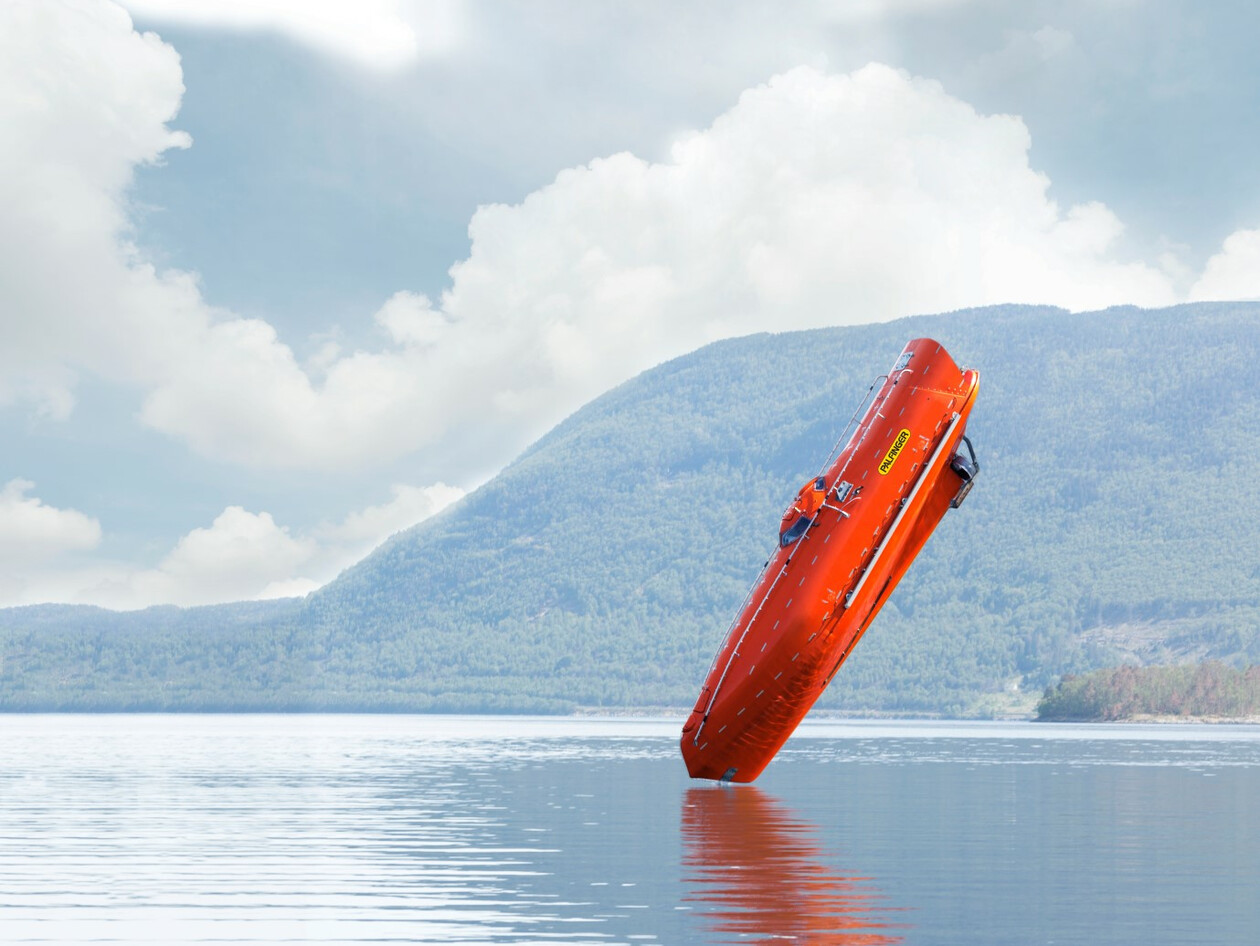
- Release hook Mechanismus Korrosion/Blockierung — KRITISCHER Sicherheitsfehler
- Diesel engine start failure due to lack of regular testing
- GRP hull osmotic blistering with prolonged water contact
- Scavenge air system valve failure
- Safety belt/harness aging due to UV/weather
- Off‑load design reduces stress on davit structure during launch
- Single‑fall operation simplifies crew handling and speeds up deployment
- SOLAS MSC.402(96) compliant, meeting international lifesaving appliance standards
- Modular construction enables relatively easy installation and replacement of the release hook
- Palfinger brand reputation for durability and worldwide service support
- Release hook prone to corrosion or blockage if not inspected regularly – a critical safety risk
- Requires strict maintenance regime (weekly motor test, annual hook service) increasing operational cost
- Limited to single‑fall launches; vessels needing simultaneous multi‑boat deployment may prefer dual‑fall systems
- Compatibility must be verified for each davit geometry; retrofits can be complex
- Known failure modes include air‑supply valve issues and aging safety harnesses in harsh UV environments
- Release hook Mechanismus Korrosion/Blockierung — KRITISCHER Sicherheitsfehler
- Diesel engine start failure due to lack of regular testing
- GRP hull osmotic blistering with prolonged water contact
- Scavenge air system valve failure
- Safety belt/harness aging due to UV/weather
- Proven SOLAS‑compliant design (MSC.402(96)) with documented test history
- Robust steel construction resistant to high impact loads during launch
- Simple manual operation – no reliance on hydraulic or electrical power at release moment
- Compatible with a wide range of lifeboat sizes used in fall‑of‑falls installations
- European manufacturer with an established service network for annual hook inspection
- Corrosion risk if the release hook is not inspected and lubricated regularly
- Annual maintenance must be performed by an approved service provider, adding operational cost
- Designed only for fall‑of‑falls launch; unsuitable for free‑fall or crane‑type davits
- Relatively heavy component can affect deck space allocation on smaller vessels
- Spare parts and technical support may be limited outside the EU market
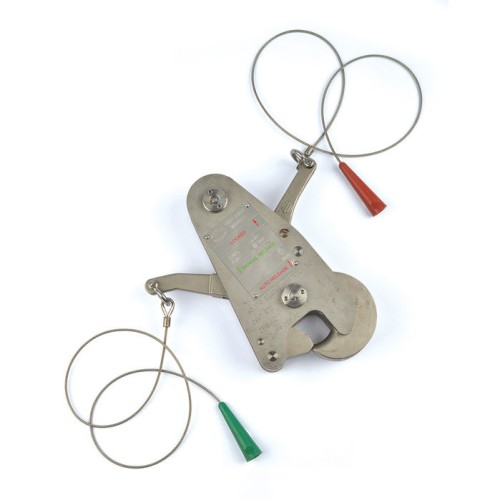
- Release hook Mechanismus Korrosion/Blockierung — KRITISCHER Sicherheitsfehler
- Diesel engine start failure due to lack of regular testing
- GRP hull osmotic blistering with prolonged water contact
- Scavenge air system valve failure
- Safety belt/harness aging due to UV/weather
- Simple mechanical operation – no hydraulic or electrical power required
- Designed to meet SOLAS MSC.402(96) requirements for liferaft launch systems
- Integrates a corrosion‑resistant release hook when properly maintained
- Directly compatible with standard Palfinger davit installations
- Provides rapid, reliable deployment of the liferaft in an emergency
- Release hook can corrode or become blocked if maintenance is neglected
- Annual inspection by an approved service provider is mandatory (SOLAS MSC.402(96))
- Mechanical wear may affect release reliability over long service periods
- Only suitable for liferafts, not for larger lifeboats or mixed‑type launchers
- Relies on regular manual testing procedures to verify functionality
- Release hook Mechanismus Korrosion/Blockierung — KRITISCHER Sicherheitsfehler
- Diesel engine start failure due to lack of regular testing
- GRP hull osmotic blistering with prolonged water contact
- Scavenge air system valve failure
- Safety belt/harness aging due to UV/weather
- Meets SOLAS MSC.402(96) requirements for automatic liferaft release
- Fast, single‑hand operation reduces evacuation time
- Designed for standard davit fittings – easy retrofit on many vessels
- Corrosion‑resistant construction when maintained according to schedule
- Requires annual inspection and servicing by an approved provider
- Susceptible to corrosion or blockage if maintenance is neglected
- Mechanical complexity can increase spare‑part inventory needs
- Limited suitability for vessels that cannot guarantee weekly motor‑test regime

- Release hook Mechanismus Korrosion/Blockierung — KRITISCHER Sicherheitsfehler
- Diesel engine start failure due to lack of regular testing
- GRP hull osmotic blistering with prolonged water contact
- Scavenge air system valve failure
- Safety belt/harness aging due to UV/weather
- Fast single‑fall davit launch – minimal crew required
- Robust GFRP hull resistant to impact and corrosion
- SOLAS MSC.402(96) approved lifeboat system
- Integrated diesel engine provides reliable self‑propulsion
- Compact size fits on a wide range of merchant vessels
- Release hook prone to corrosion/blockage if not serviced annually
- Diesel start failures reported when weekly engine tests are missed
- GFRP hull can develop osmotic blisters after prolonged water exposure
- Ventilation valve on the air‑supply system has known failure modes
- UV ageing of safety harnesses and deck fittings requires frequent replacement
- Release hook Mechanismus Korrosion/Blockierung — KRITISCHER Sicherheitsfehler
- Diesel engine start failure due to lack of regular testing
- GRP hull osmotic blistering with prolonged water contact
- Scavenge air system valve failure
- Safety belt/harness aging due to UV/weather
- Simple mechanical design – high reliability with no dependence on power supply
- Compact installation suitable for limited deck space
- Integrated release hook complies with SOLAS MSC.402(96) and allows rapid deployment
- Low maintenance cost; routine weekly motor‑test (if equipped) and annual release‑hook service are straightforward
- Palfinger Marine’s reputation for marine‑grade corrosion‑resistant components
- Manual effort required – hoisting speed limited by crew strength
- Release hook can corrode or jam if not inspected regularly (critical safety risk)
- Limited lifting capacity compared with powered winches; unsuitable for large lifeboats
- Requires strict adherence to weekly testing and annual servicing to stay compliant
- Potential for GFK‑hull related issues on attached davit structures if water ingress occurs
Nereids
3- Container, valise or securing damage caused by weather, impact or poor stowage, resulting in visible deterioration or compromised deployment readiness
- Inflation-system leakage or cylinder problems caused by corrosion, seal deterioration or servicing defects, resulting in failed or incomplete inflation
- Fabric, seam or valve deterioration caused by age, ultraviolet exposure or contamination, resulting in leakage or loss of buoyancy
- Hydrostatic-release or weak-link problems where fitted caused by expiry, incorrect installation or corrosion, resulting in unreliable float-free release
- Davit or launching-attachment defects where applicable caused by corrosion, wear or incorrect rigging, resulting in difficulty launching the raft safely
- Container, valise or securing damage caused by weather, impact or poor stowage, resulting in visible deterioration or compromised deployment readiness
- Inflation-system leakage or cylinder problems caused by corrosion, seal deterioration or servicing defects, resulting in failed or incomplete inflation
- Fabric, seam or valve deterioration caused by age, ultraviolet exposure or contamination, resulting in leakage or loss of buoyancy
- Hydrostatic-release or weak-link problems where fitted caused by expiry, incorrect installation or corrosion, resulting in unreliable float-free release
- Davit or launching-attachment defects where applicable caused by corrosion, wear or incorrect rigging, resulting in difficulty launching the raft safely
- Container, valise or securing damage caused by weather, impact or poor stowage, resulting in visible deterioration or compromised deployment readiness
- Inflation-system leakage or cylinder problems caused by corrosion, seal deterioration or servicing defects, resulting in failed or incomplete inflation
- Fabric, seam or valve deterioration caused by age, ultraviolet exposure or contamination, resulting in leakage or loss of buoyancy
- Hydrostatic-release or weak-link problems where fitted caused by expiry, incorrect installation or corrosion, resulting in unreliable float-free release
- Davit or launching-attachment defects where applicable caused by corrosion, wear or incorrect rigging, resulting in difficulty launching the raft safely
MacGregor
1- Engine, battery or fuel-system deterioration causes difficult starting or failure to run during drills
- Release-hook, linkage or interlock wear causes stiff operation, incorrect indication or unsafe release behaviour
- Hull, canopy, window or seal damage causes water ingress or reduced weathertight integrity
- Steering or propulsion faults cause poor manoeuvrability, abnormal vibration or loss of thrust
- Inventory, securing or communication-equipment deficiencies are noticed during drills or statutory inspection
- No reliance on hydraulic or electrical power – high reliability in power loss situations
- Simple mechanical design reduces maintenance and inspection intervals
- Fast, repeatable launch sequence with minimal crew effort
- Compact footprint compared with hydraulic davits, freeing deck space
- Proven track record on a wide range of commercial vessels
- Limited to lifeboats/rafts within a specific weight range (typically up to ~3 t)
- Launch angle is fixed; cannot be adjusted for unusually high free‑board ships
- Requires regular wire‑rope load testing and periodic limit‑switch checks
- Davit arm roller bearings can seize if not lubricated according to schedule
- Initial installation may require reinforcement of deck structure
Norsafe
1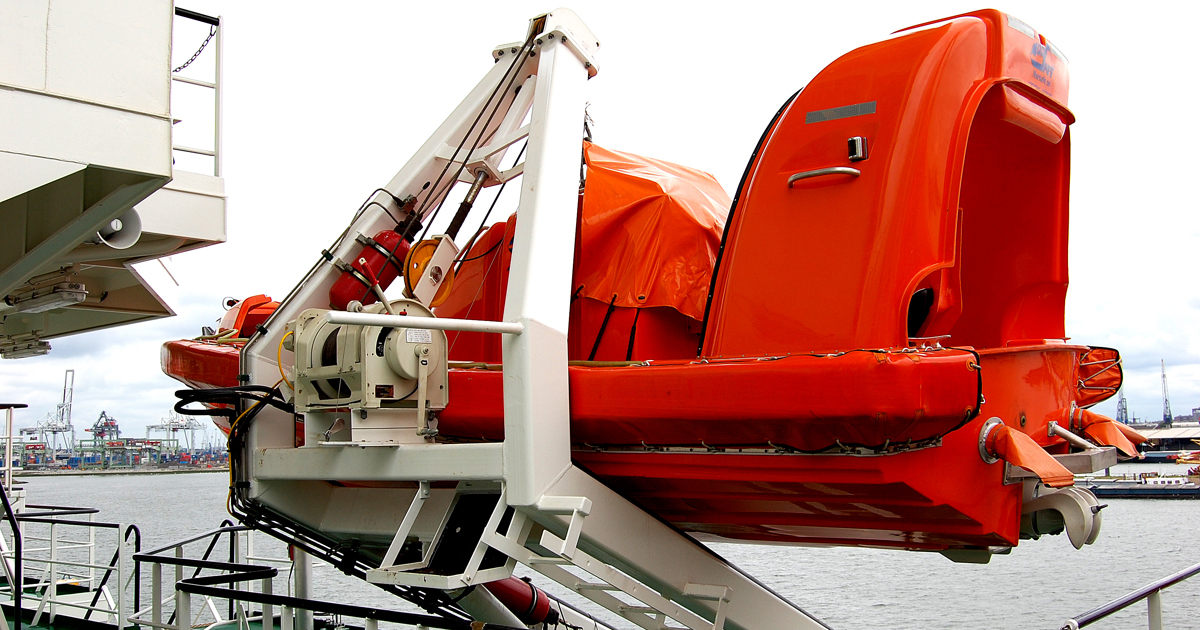
- Engine, battery or fuel-system deterioration causes difficult starting or failure to run during drills
- Release-hook, linkage or interlock wear causes stiff operation, incorrect indication or unsafe release behaviour
- Hull, canopy, window or seal damage causes water ingress or reduced weathertight integrity
- Steering or propulsion faults cause poor manoeuvrability, abnormal vibration or loss of thrust
- Inventory, securing or communication-equipment deficiencies are noticed during drills or statutory inspection
- Compact footprint – only one arm, ideal for vessels with limited deck space
- Fast launch cycle (typically under 30 seconds) for quick evacuation or rescue
- Integrated hydraulic control reduces external piping and simplifies installation
- Designed for easy maintenance; hose replacement interval clearly defined (5 years)
- Fully certified to SOLAS Chapter III and USCG Type Approval, compatible with a range of lifeboat sizes
- Hydraulic ram cylinder leaks have been reported if maintenance is neglected
- Slew‑ring backlash can increase over time, requiring annual bolt torque checks
- Winch motor brake failure is a known issue; regular inspection is mandatory
- Single‑arm design offers lower ultimate load capacity than twin‑arm davits on very large vessels
- Requires a dedicated hydraulic power unit, adding weight and space requirements
Palfinger Marine (Norsafe)
1- Engine, battery or fuel-system deterioration causes difficult starting or failure to run during drills
- Release-hook, linkage or interlock wear causes stiff operation, incorrect indication or unsafe release behaviour
- Hull, canopy, window or seal damage causes water ingress or reduced weathertight integrity
- Steering or propulsion faults cause poor manoeuvrability, abnormal vibration or loss of thrust
- Inventory, securing or communication-equipment deficiencies are noticed during drills or statutory inspection
- Very fast launch – the boat drops clear of the deck in seconds
- Compact installation footprint, suitable for ships with limited deck space
- Meets IMO MSC.402(96) requirements and USCG type approval for free‑fall lifeboats
- Integrated release hook with manual override for redundancy
- Designed for 50‑person capacity, covering a wide range of passenger and offshore vessels
- Higher structural load on the deck; requires reinforced mounting points
- Known issues with release‑hook stiffness that may need periodic lubrication
- Canopy seal can deteriorate over time, requiring regular inspection
- Engine‑start battery for the lifeboat may degrade and need replacement
- Initial acquisition cost higher than conventional davits
PALFINGER MARINE EUROPE
1
- Release hook Mechanismus Korrosion/Blockierung — KRITISCHER Sicherheitsfehler
- Diesel engine start failure due to lack of regular testing
- GRP hull osmotic blistering with prolonged water contact
- Scavenge air system valve failure
- Safety belt/harness aging due to UV/weather
- Fast launch/recovery of a 25‑ft rescue boat with one‑hand operation
- Meets SOLAS MSC.402(96) requirements for lifeboat davits
- Compact footprint suitable for vessels with limited deck space
- Integrated weekly motor test simplifies compliance verification
- Approved by major classification societies (e.g., DNVGL)
- Release hook prone to corrosion/blockage if not regularly inspected
- Requires annual release‑hook maintenance by an approved service provider
- Rescue boat diesel engine start failures reported when test regime is lax
- GFR hull of the rescue boat can develop osmotic blisters in prolonged water exposure
- Safety harnesses and ventilation valves may deteriorate under UV and weathering