Freefall Lifeboat
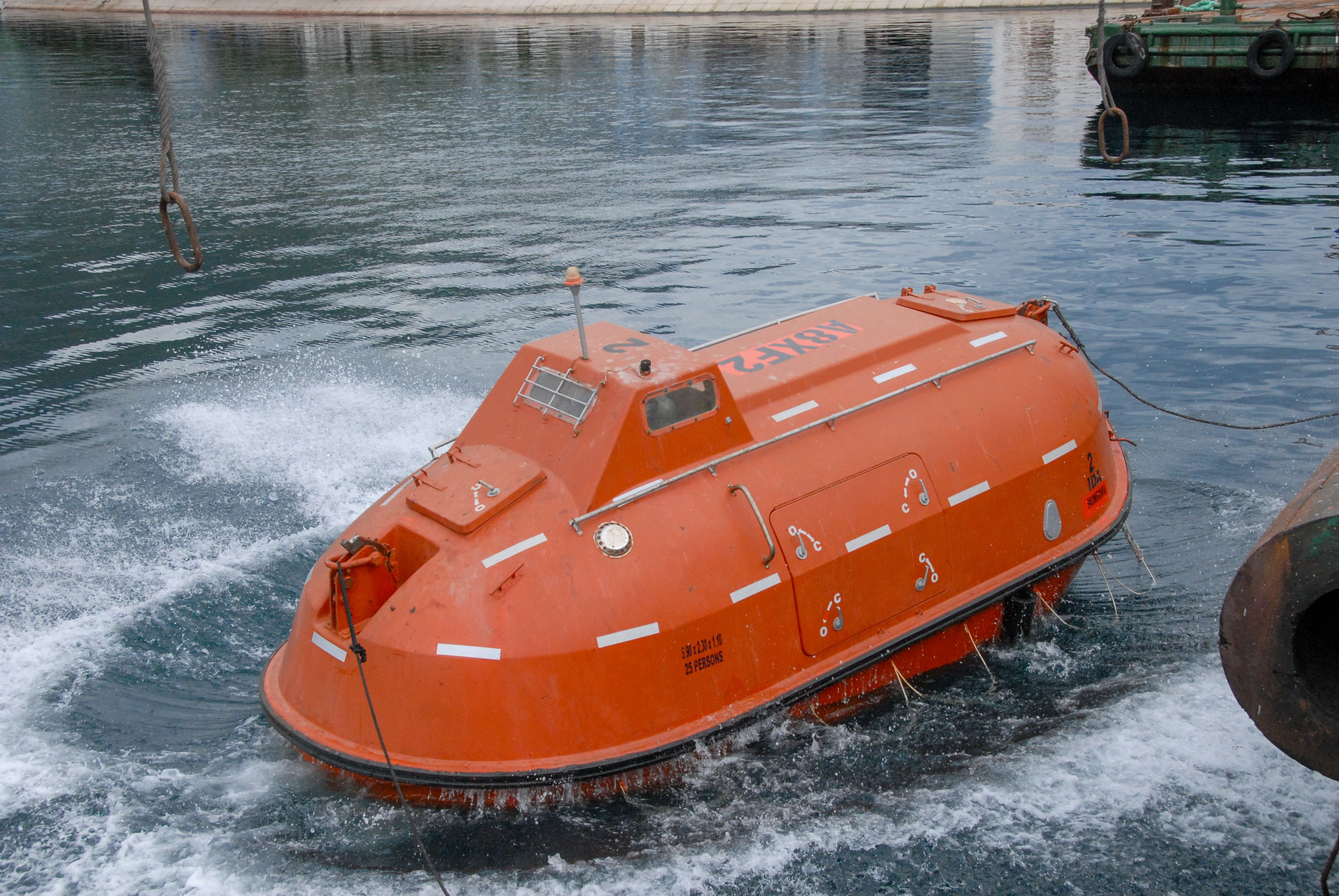
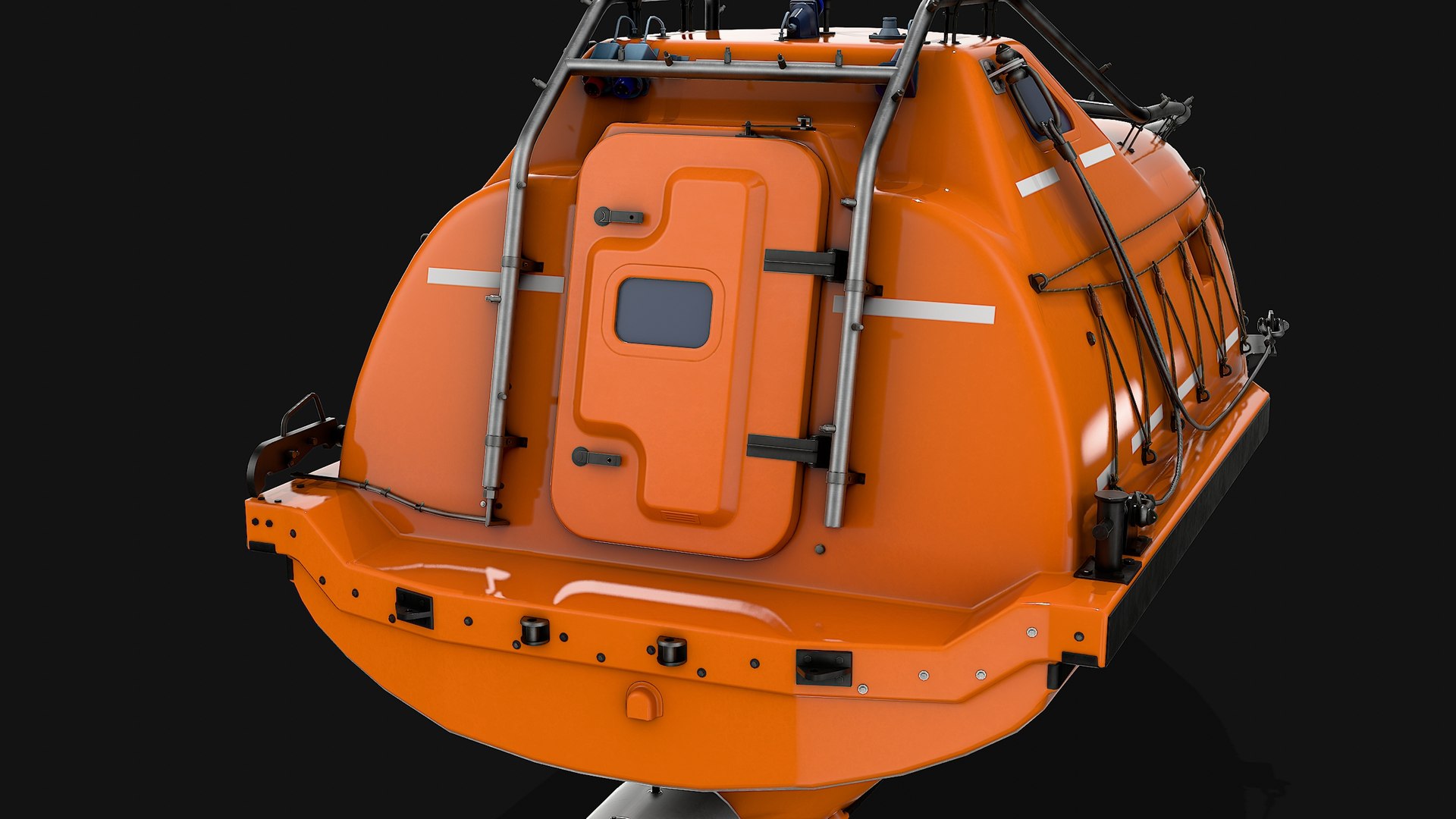
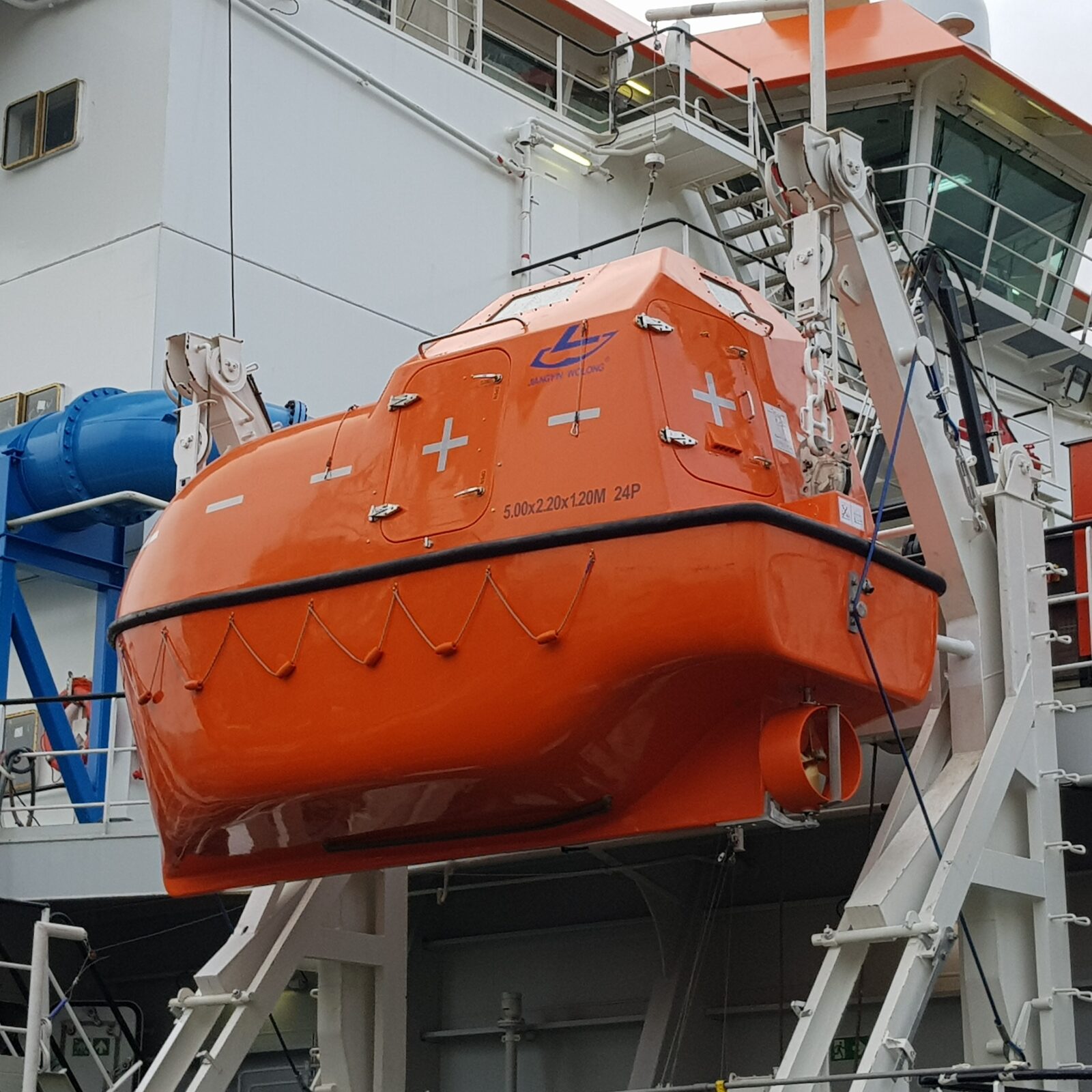
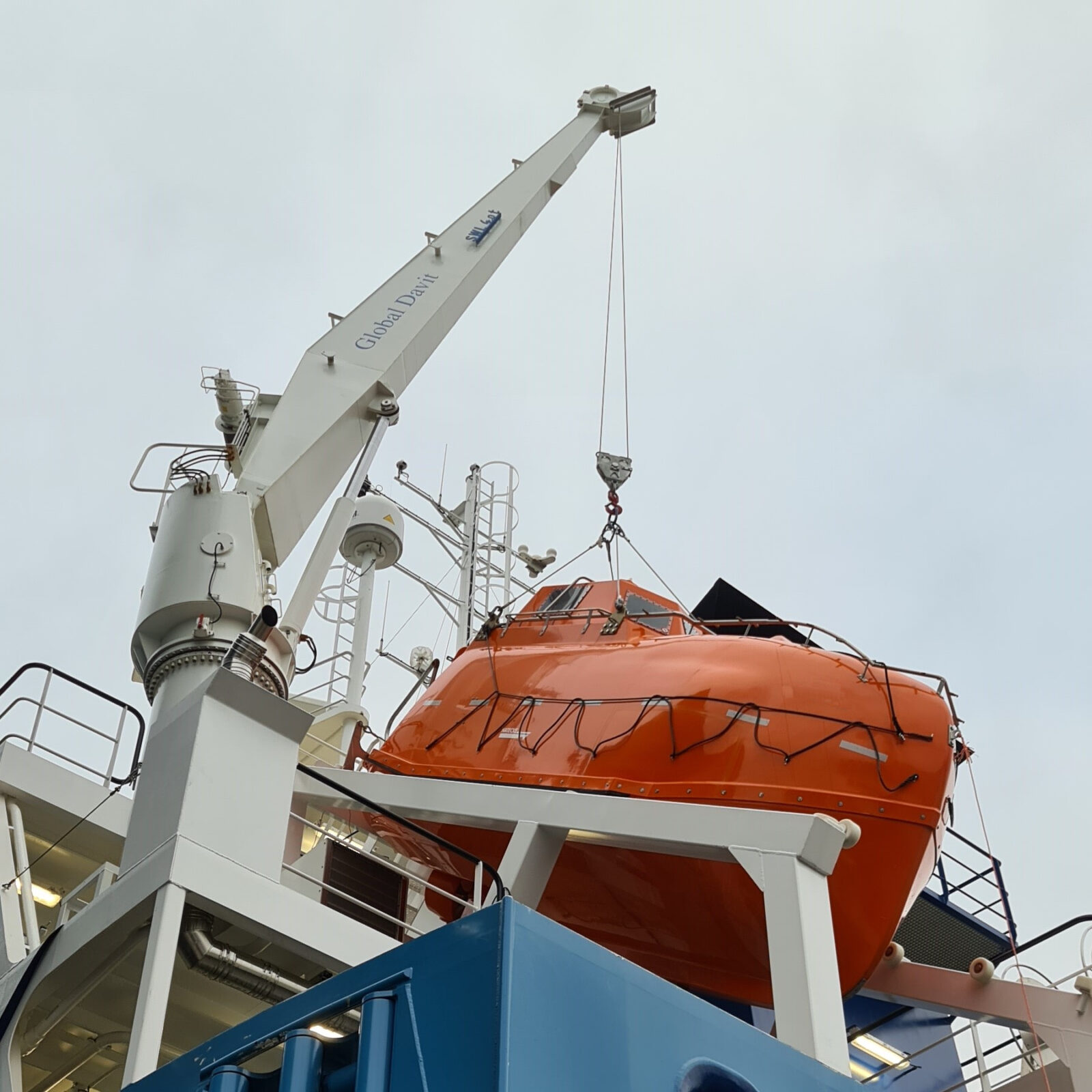
A freefall lifeboat is stern-mounted and dropped down its own ramp straight into the sea under gravity, rather than lowered on wires. Tankers and bulkers fit them because a burning sea surface can spread faster than a davit-launched boat can clear the ship's side.
Read more — Freefall Lifeboat explained ▾
What makes this type
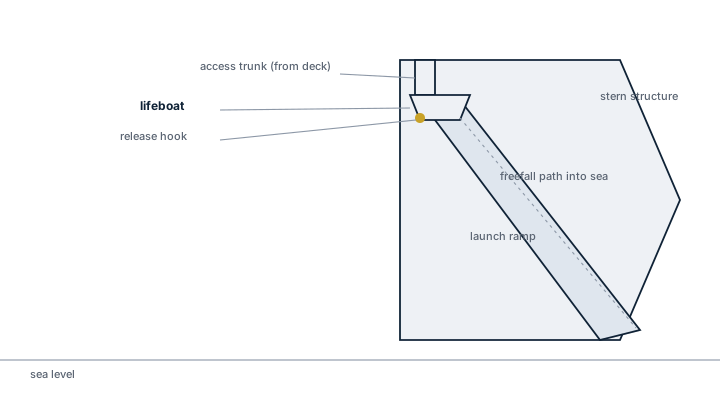
A freefall lifeboat sits on an inclined ramp at the stern, above the propeller and rudder, and is released to slide down and enter the water bow-first under its own weight and momentum. The forward speed built up during the drop, combined with the hull's impact-absorbing bow, is what drives the boat clear of the hull before the engine even engages. This is fundamentally different from a davit-launched boat, which is lowered slowly on falls and depends on the crew rowing or motoring away from the ship's side while the sea state and any spreading fire allow it. On a laden tanker with a flame-engulfed deck, that window may not exist, which is the actual reason free-fall systems became standard on tankers and bulk carriers rather than an alternative on passenger ships, where mustering large numbers at the stern is impractical.
Main components
Hull and occupant restraint
The hull is GRP (glass-reinforced plastic), shaped with a reinforced, energy-absorbing bow section to survive repeated impact drops during drills. Seats face aft (away from the direction of travel) with full harnesses, because the deceleration on water entry is severe enough to injure an unrestrained occupant.
Release hook and hydrostatic interlock
A single on-load release hook holds the boat on the ramp. It is fitted with a hydrostatic interlock that prevents the hook from opening until the boat is waterborne, and prevents the coxswain from releasing prematurely while still on the ramp. Following several fatal accidents where hooks released unexpectedly during recovery or maintenance, IMO introduced revised on-load release gear requirements that most fleets retrofitted in the years after adoption.
Launch ramp and skid
The ramp fixes the launch angle and is engineered together with the hull design; changing ramp angle, greasing, or skid surface without maker and class approval changes the drop dynamics the hull was tested for.
Engine and, on tankers, sprinkler protection
A self-contained diesel engine gives the boat way once waterborne. Boats intended for use where the sea surface may be on fire carry a self-contained air supply and an external water-spray system that keeps the hull wetted while running through flame for a limited period.
Selection / Sizing
Capacity is set by the vessel's maximum complement, not by deck space, and boats are ordered to seat that number plus margin. Launch height above the waterline follows from freeforeboard and stern geometry; a VLCC in ballast can have a drop height well beyond that of a small bulk carrier, and the hull and restraint system must be tested and marked for that specific height range. Fire-protected (sprinkler) versions are mandatory on tankers carrying flammable cargo; a standard GRP boat without spray protection is not an acceptable substitute even if capacity matches.
Regulations / Class
Freefall lifeboats fall under SOLAS III/31 and the LSA Code, with prototype and production testing against the IMO test standard for lifesaving appliances. On-load release gear must meet the post-2013 IMO requirements introduced after a string of release-gear casualties. Class requires five-yearly overhaul of the release gear and hook by an approved service provider, annual thorough examination, and periodic launching drills; SOLAS allows drills without full launch under specific conditions on some ship types, but the release mechanism must still be operated.
Typical faults
- Corroded or seized hydrostatic interlock — the boat either cannot be released when waterborne or, worse, releases prematurely on the ramp during maintenance, which has caused fatalities during drills.
- Hook mechanism wear or misadjustment — inconsistent release load, sometimes requiring excessive force from the coxswain, sometimes releasing under load it should hold.
- Engine failure to start — flat batteries or stale fuel from long periods of inactivity between drills.
- Sprinkler pump or piping blockage — the fire-protection function fails silently unless tested, since it is not needed for a routine launch.
- GRP hull degradation — UV exposure and repeated drop-testing over years produce gel-coat cracking that, if ignored, becomes a structural issue.
What to look for in a supplier
- MED wheel-mark type approval and on-load release gear compliant with the current IMO release-gear standard, not a legacy design.
- An approved service station network with realistic turnaround for the five-year overhaul, since the boat is out of service during it.
- Documented free-fall drop testing at the launch height range actually fitted to the ship, not a generic certificate.
- Spare-parts availability for the hook and interlock assembly specifically, which is the part that fails most often in service.
Never let a drill schedule slip into "launch without release testing" as standard practice — the interlock and hook are the parts that kill people when nobody has actually cycled them in years.
Typical Manufacturers
197 manufacturers · 1704 models
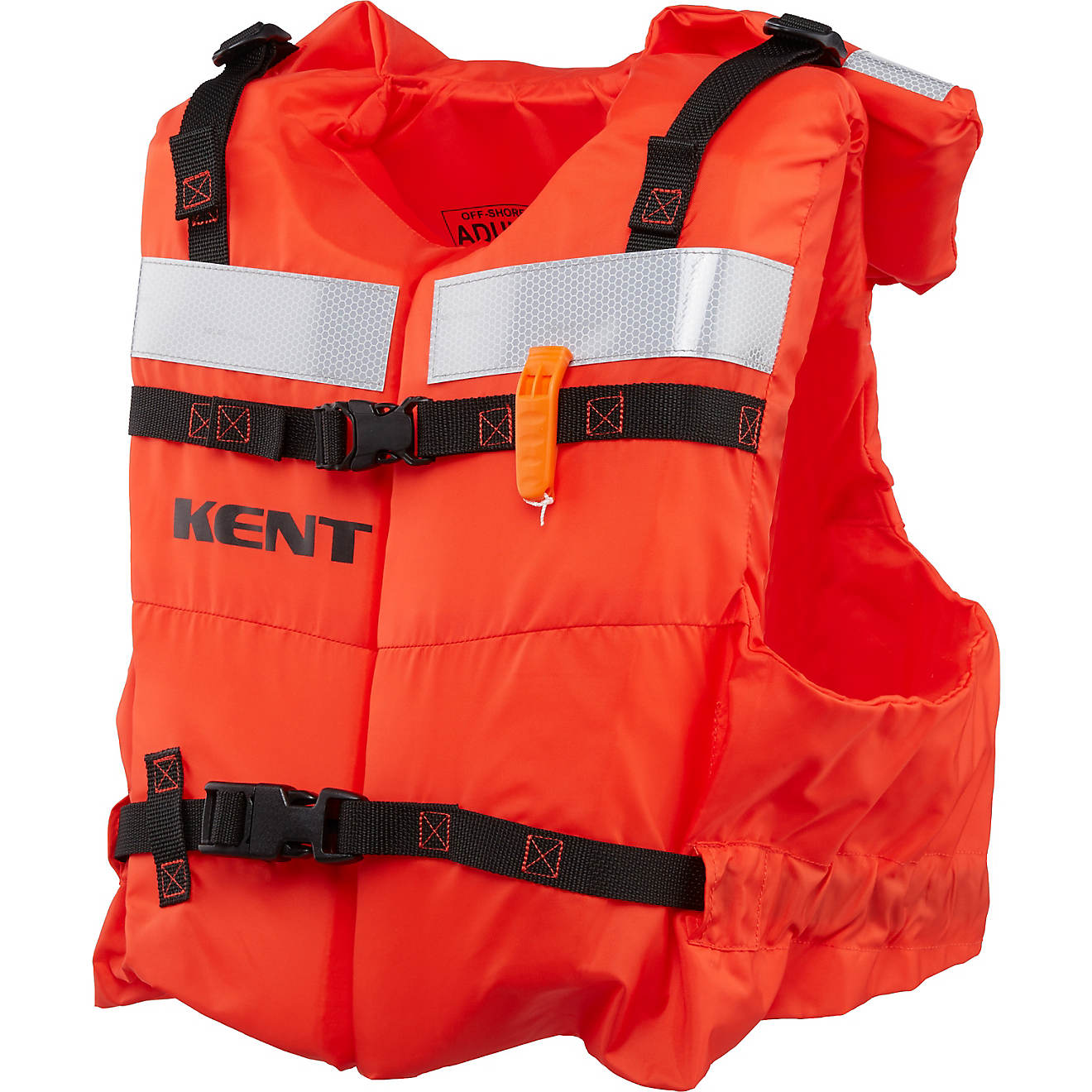
Kent Water Sports Holdings
117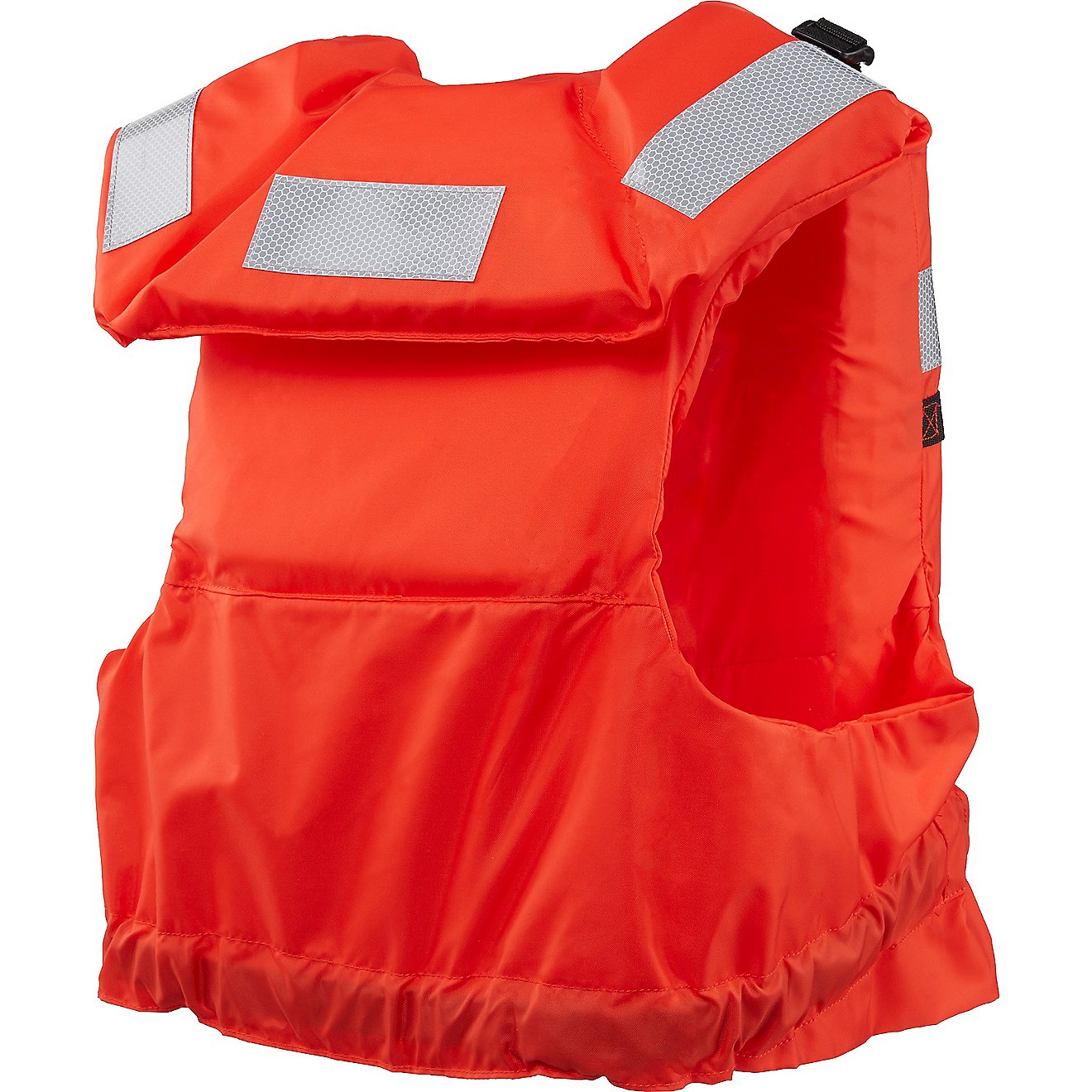
- Loss of electrical, hydraulic, pneumatic, or other service supply caused by a tripped protection device, leakage, blockage, or upstream fault results in failed starting or loss of function
- Mechanical wear, corrosion, fouling, or contamination of moving and wetted parts causes increased noise, leakage, sticking, vibration, or reduced performance
- Seal, gasket, hose, cable, or connection deterioration from age, heat, vibration, or environmental exposure produces visible leakage, intermittent signals, or loss of pressure
- Sensor, switch, actuator, relay, or control-system faults can cause incorrect indication, nuisance alarms, failed automatic sequences, or loss of remote control
- Incorrect adjustment, assembly, or maintenance can lead to unstable operation, recurrent alarms, or performance that differs from the vessel's normal baseline
- Loss of electrical, hydraulic, pneumatic, or other service supply caused by a tripped protection device, leakage, blockage, or upstream fault results in failed starting or loss of function
- Mechanical wear, corrosion, fouling, or contamination of moving and wetted parts causes increased noise, leakage, sticking, vibration, or reduced performance
- Seal, gasket, hose, cable, or connection deterioration from age, heat, vibration, or environmental exposure produces visible leakage, intermittent signals, or loss of pressure
- Sensor, switch, actuator, relay, or control-system faults can cause incorrect indication, nuisance alarms, failed automatic sequences, or loss of remote control
- Incorrect adjustment, assembly, or maintenance can lead to unstable operation, recurrent alarms, or performance that differs from the vessel's normal baseline

- Loss of electrical, hydraulic, pneumatic, or other service supply caused by a tripped protection device, leakage, blockage, or upstream fault results in failed starting or loss of function
- Mechanical wear, corrosion, fouling, or contamination of moving and wetted parts causes increased noise, leakage, sticking, vibration, or reduced performance
- Seal, gasket, hose, cable, or connection deterioration from age, heat, vibration, or environmental exposure produces visible leakage, intermittent signals, or loss of pressure
- Sensor, switch, actuator, relay, or control-system faults can cause incorrect indication, nuisance alarms, failed automatic sequences, or loss of remote control
- Incorrect adjustment, assembly, or maintenance can lead to unstable operation, recurrent alarms, or performance that differs from the vessel's normal baseline
- Container, fabric, hull or protective-cover damage caused by weather exposure, impact or poor stowage can compromise readiness and may be visible during inspection
- Release, lashing or securing faults caused by corrosion, incorrect rigging or maintenance errors can prevent normal deployment or allow insecure stowage
- Inflation, starting or propulsion-system faults where applicable caused by depleted cylinders, battery issues, fuel problems or mechanical defects can prevent successful deployment or operation
- Missing, damaged or expired survival equipment caused by poor inventory control can be identified during statutory service or onboard checks
- Drainage blockage, corrosion or water ingress around the stowage location can deteriorate equipment and create seized fasteners or damaged containers
- Container, fabric, hull or protective-cover damage caused by weather exposure, impact or poor stowage can compromise readiness and may be visible during inspection
- Release, lashing or securing faults caused by corrosion, incorrect rigging or maintenance errors can prevent normal deployment or allow insecure stowage
- Inflation, starting or propulsion-system faults where applicable caused by depleted cylinders, battery issues, fuel problems or mechanical defects can prevent successful deployment or operation
- Missing, damaged or expired survival equipment caused by poor inventory control can be identified during statutory service or onboard checks
- Drainage blockage, corrosion or water ingress around the stowage location can deteriorate equipment and create seized fasteners or damaged containers
- Container, fabric, hull or protective-cover damage caused by weather exposure, impact or poor stowage can compromise readiness and may be visible during inspection
- Release, lashing or securing faults caused by corrosion, incorrect rigging or maintenance errors can prevent normal deployment or allow insecure stowage
- Inflation, starting or propulsion-system faults where applicable caused by depleted cylinders, battery issues, fuel problems or mechanical defects can prevent successful deployment or operation
- Missing, damaged or expired survival equipment caused by poor inventory control can be identified during statutory service or onboard checks
- Drainage blockage, corrosion or water ingress around the stowage location can deteriorate equipment and create seized fasteners or damaged containers
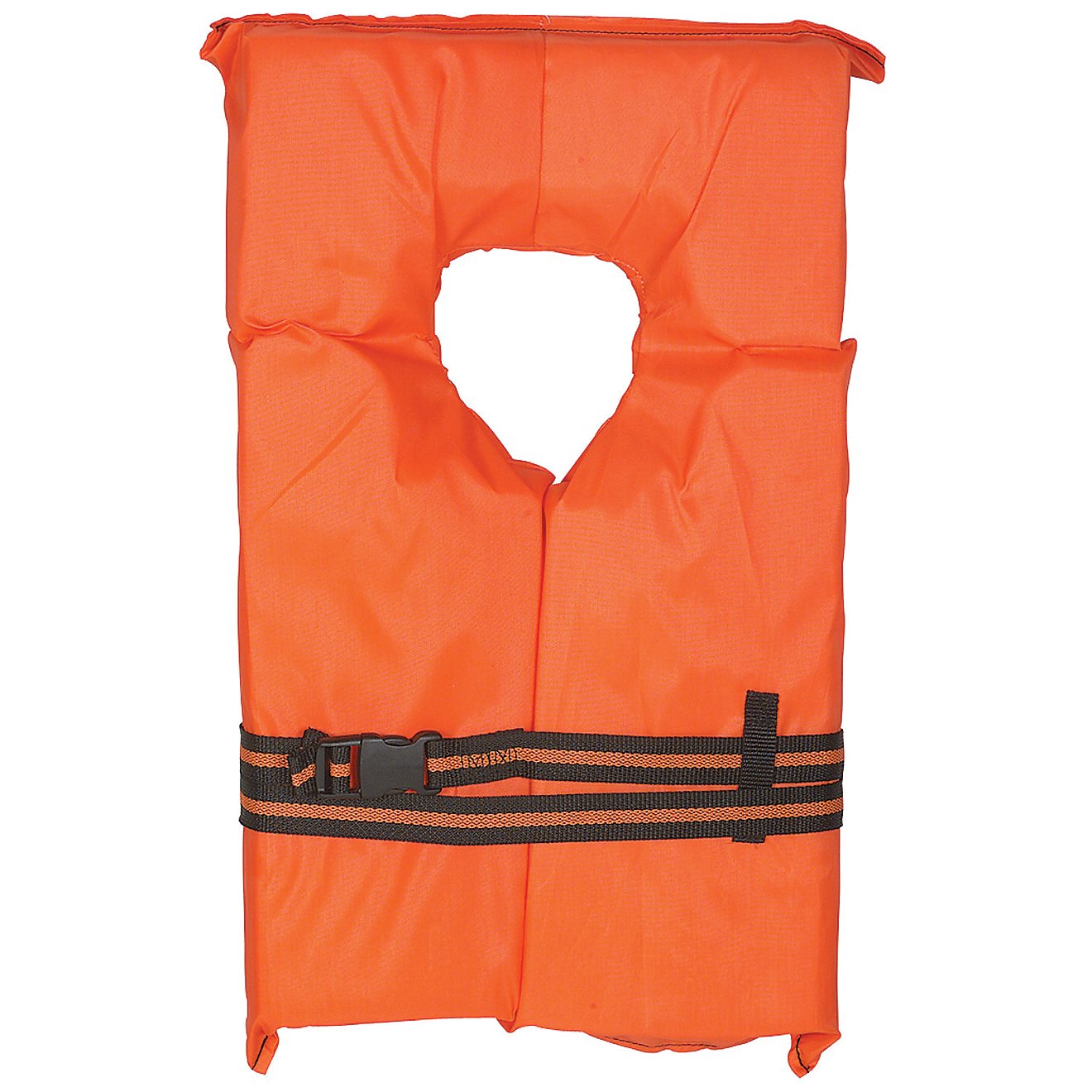
VIKING Life-Saving
109- Material, hull or container deterioration caused by weather, ultraviolet exposure, impact or aging, resulting in cracks, tears, corrosion or visible deformation
- Release, securing or launching-component wear caused by drills, corrosion or misalignment, resulting in stiff operation, abnormal play or failed readiness checks
- Battery, light or communication-equipment failure caused by aging, charging faults or water ingress, resulting in failed self-test or missing emergency indication
- Engine, steering or inflation-system failure where applicable caused by fuel, mechanical, pneumatic or seal problems, resulting in inability to maneuver or deploy the appliance
- Incorrect stowage, identification or service status caused by inventory or maintenance errors, resulting in delayed use or an appliance that is not ready
- Material, hull or container deterioration caused by weather, ultraviolet exposure, impact or aging, resulting in cracks, tears, corrosion or visible deformation
- Release, securing or launching-component wear caused by drills, corrosion or misalignment, resulting in stiff operation, abnormal play or failed readiness checks
- Battery, light or communication-equipment failure caused by aging, charging faults or water ingress, resulting in failed self-test or missing emergency indication
- Engine, steering or inflation-system failure where applicable caused by fuel, mechanical, pneumatic or seal problems, resulting in inability to maneuver or deploy the appliance
- Incorrect stowage, identification or service status caused by inventory or maintenance errors, resulting in delayed use or an appliance that is not ready
- Material, hull or container deterioration caused by weather, ultraviolet exposure, impact or aging, resulting in cracks, tears, corrosion or visible deformation
- Release, securing or launching-component wear caused by drills, corrosion or misalignment, resulting in stiff operation, abnormal play or failed readiness checks
- Battery, light or communication-equipment failure caused by aging, charging faults or water ingress, resulting in failed self-test or missing emergency indication
- Engine, steering or inflation-system failure where applicable caused by fuel, mechanical, pneumatic or seal problems, resulting in inability to maneuver or deploy the appliance
- Incorrect stowage, identification or service status caused by inventory or maintenance errors, resulting in delayed use or an appliance that is not ready
- Corrosion or mechanical damage to securing and release parts can impair launching, found as seized, deformed or heavily corroded components
- Degraded seals, fabric, buoyancy or enclosure components can compromise readiness, seen as damage, leakage or failed service inspection
- Expired or deteriorated survival-equipment contents can leave the appliance non-compliant, found during inventory or service checks
- Battery, lighting or communication-device failure can reduce emergency functionality, noticed during scheduled tests
- Poor stowage, obstruction or incorrect lashing can delay deployment, found during deck inspection or drills







Mustang Survival
78Yanmar
61MDO
55- Release hook Mechanismus Korrosion/Blockierung — KRITISCHER Sicherheitsfehler
- Diesel engine start failure due to lack of regular testing
- GRP hull osmotic blistering with prolonged water contact
- Scavenge air system valve failure
- Safety belt/harness aging due to UV/weather
- Rapid, gravity‑driven launch eliminates reliance on davits or winches.
- Onboard diesel engine provides self‑propulsion for maneuvering after water entry.
- IMO D-2 approval and DNV classification confirm compliance with SOLAS requirements.
- GFK hull offers good strength‑to‑weight ratio and corrosion resistance when properly maintained.
- Integrated air‑supply and ventilation system supports extended survival periods.
- Release hook prone to corrosion or blockage if annual maintenance is missed (critical safety risk).
- Diesel engine start failures reported when weekly motor tests are not performed rigorously.
- GFK hull can develop osmotic blistering after prolonged exposure to seawater, requiring dock‑side inspection.
- Ventilation valve may fail, compromising the air‑supply system.
- Safety harnesses and webbing degrade under UV and weather exposure, necessitating regular replacement.
- Release hook Mechanismus Korrosion/Blockierung — KRITISCHER Sicherheitsfehler
- Diesel engine start failure due to lack of regular testing
- GRP hull osmotic blistering with prolonged water contact
- Scavenge air system valve failure
- Safety belt/harness aging due to UV/weather
- Very rapid deployment – the boat drops into the water without winch assistance
- Self‑righting GFRP hull provides high survivability in heavy seas
- Integrated diesel engine enables crew to maneuver away from the ship after launch
- IMO SOLAS approved and listed by DNV, confirming compliance with international safety standards
- Compact footprint suitable for vessels with limited deck space
- Release‑hook mechanism prone to corrosion or blockage if not inspected regularly
- Diesel engine start failures reported when weekly test regime is missed
- GFRP hull can develop osmotic blistering after prolonged water exposure
- Ventilation valve of the air‑supply system has a history of malfunction
- Safety harnesses and belts age quickly under UV and weather exposure
- Release hook Mechanismus Korrosion/Blockierung — KRITISCHER Sicherheitsfehler
- Diesel engine start failure due to lack of regular testing
- GRP hull osmotic blistering with prolonged water contact
- Scavenge air system valve failure
- Safety belt/harness aging due to UV/weather
- Instantaneous deployment via free‑fall chute – no winch or davit needed
- Integrated diesel engine provides self‑propulsion after water entry
- GFK hull offers good strength‑to‑weight ratio and corrosion resistance when maintained
- IMO approved and DNV listed, meeting SOLAS requirements for high‑freeboard ships
- Large passenger capacity suitable for bulk‑carrier or cruise‑ship evacuation
- Release hook prone to corrosion/blockage if not serviced annually (critical safety risk)
- Diesel engine start failures reported when regular weekly tests are missed
- GFK hull can develop osmotic blisters after prolonged water exposure
- Ventilation valve of the air‑supply system has experienced occasional failure
- Safety harnesses and webbing degrade under UV and weathering, requiring frequent replacement
- Release hook Mechanismus Korrosion/Blockierung — KRITISCHER Sicherheitsfehler
- Diesel engine start failure due to lack of regular testing
- GRP hull osmotic blistering with prolonged water contact
- Scavenge air system valve failure
- Safety belt/harness aging due to UV/weather
- IMO SOLAS approved and listed in DNV approval finder – recognised safety compliance
- Very fast egress: boat drops directly into water, eliminating winch/davit delays
- Self‑righting hull design typical of free‑fall boats enhances survivability after impact
- Diesel engine provides powered return to ship or onward navigation when operational
- Release hook corrosion/blockage reported as a critical safety issue if not serviced annually
- Engine start failures linked to insufficient routine testing
- GFK (glass‑fiber reinforced plastic) hull prone to osmotic blistering after prolonged water exposure
- Air‑supply valve can fail, compromising breathable air for occupants
- Safety harnesses and webbing age quickly under UV and weather exposure
- Release hook Mechanismus Korrosion/Blockierung — KRITISCHER Sicherheitsfehler
- Diesel engine start failure due to lack of regular testing
- GRP hull osmotic blistering with prolonged water contact
- Scavenge air system valve failure
- Safety belt/harness aging due to UV/weather
- IMO approved and listed in DNV approval finder – recognized compliance with SOLAS requirements
- Free‑fall launch provides very fast egress (typically <5 s) reducing exposure to fire or flooding on deck
- Integrated diesel engine enables self‑propulsion after water entry, improving survivability distance from the ship
- GFRP hull offers high strength‑to‑weight ratio and corrosion resistance compared with steel
- Standardised weekly engine test and annual release‑hook service procedures are defined by SOLAS MSC.402(96)
- Release‑hook mechanism prone to corrosion or blockage if not inspected rigorously – a critical safety risk
- Diesel engine start reliability depends on strict adherence to weekly testing; missed tests can cause launch failure
- GFRP hull may develop osmotic blistering after prolonged water exposure, requiring dockside inspections
- Air‑supply valve has documented failure modes that demand regular functional checks
- Safety harnesses and webbing age under UV and weather exposure, necessitating periodic replacement

- Release hook Mechanismus Korrosion/Blockierung — KRITISCHER Sicherheitsfehler
- Diesel engine start failure due to lack of regular testing
- GRP hull osmotic blistering with prolonged water contact
- Scavenge air system valve failure
- Safety belt/harness aging due to UV/weather
- IMO approved and DNV certified, meeting SOLAS requirements
- Free‑fall launch provides immediate immersion and rapid crew/passenger escape
- Integrated diesel engine allows post‑launch maneuverability for distance away from the ship
- High capacity (up to 140 persons) suitable for large vessels
- Standardised weekly motor test and annual release‑hook service simplify compliance
- Release‑hook mechanism prone to corrosion or blockage if maintenance is missed
- Diesel engine start failures reported when regular testing is neglected
- GFK hull can develop osmotic blisters after prolonged water exposure
- Ventilation valve of the air‑supply system has a history of malfunction
- Safety harnesses and webbing degrade under UV and weathering, requiring frequent replacement
- Release hook Mechanismus Korrosion/Blockierung — KRITISCHER Sicherheitsfehler
- Diesel engine start failure due to lack of regular testing
- GRP hull osmotic blistering with prolonged water contact
- Scavenge air system valve failure
- Safety belt/harness aging due to UV/weather
- IMO D-2 approved freefall lifeboat
- Rapid deployment (seconds) from deck level
- Self‑righting hull design
- Integrated diesel engine provides thrust after launch
- Designed for low‑maintenance release hook when serviced annually
- Release hook can corrode or block if annual service is missed
- Diesel start failures reported when regular tests are not performed
- GFK hull may develop osmotic blisters after prolonged water exposure
- Air supply valve has a history of occasional failure without checks
- Safety harnesses degrade under UV and harsh weather, requiring replacement
- Release hook Mechanismus Korrosion/Blockierung — KRITISCHER Sicherheitsfehler
- Diesel engine start failure due to lack of regular testing
- GRP hull osmotic blistering with prolonged water contact
- Scavenge air system valve failure
- Safety belt/harness aging due to UV/weather
- Very rapid deployment – the boat slides down a chute for immediate water entry
- Integrated diesel engine provides self‑propulsion after launch, improving maneuverability
- GFRP hull offers high strength‑to‑weight ratio and corrosion resistance when maintained
- IMO and DNV approvals confirm compliance with international safety standards
- Defined maintenance regime (weekly motor test, annual hook service) supports readiness
- Release‑hook mechanism prone to corrosion or blockage if not inspected regularly
- Diesel engine start failures reported when routine tests are missed
- GFRP hull can develop osmotic blisters after prolonged water exposure
- Ventilation valve of the air‑supply system has a history of malfunction
- Safety harnesses degrade under UV and weathering, requiring frequent replacement
- Release hook Mechanismus Korrosion/Blockierung — KRITISCHER Sicherheitsfehler
- Diesel engine start failure due to lack of regular testing
- GRP hull osmotic blistering with prolonged water contact
- Scavenge air system valve failure
- Safety belt/harness aging due to UV/weather
- IMO SOLAS approved free‑fall launch for very fast evacuation
- Self‑propulsion via onboard diesel engine extends range and survivability
- Robust GFR hull provides good impact resistance during drop
- Designed to meet DNV standards, ensuring high construction quality
- Standardized weekly motor test procedure supports reliable engine start
- Release hook mechanism prone to corrosion/blockage if not serviced annually
- Diesel engine may fail to start after prolonged inactivity or missed tests
- GFR hull can develop osmotic blisters after extended water exposure
- Ventilation valve of the air‑supply system reported to malfunction
- Safety harnesses degrade under UV and weathering, requiring frequent replacement
- Release hook Mechanismus Korrosion/Blockierung — KRITISCHER Sicherheitsfehler
- Diesel engine start failure due to lack of regular testing
- GRP hull osmotic blistering with prolonged water contact
- Scavenge air system valve failure
- Safety belt/harness aging due to UV/weather
- Instantaneous release – boat drops into water in <5 seconds, ideal for high‑freeboard ships
- Self‑righting GFK hull provides stability even in heavy seas
- Integrated diesel engine enables controlled navigation after splash‑down
- IMO SOLAS D‑2 approved and DNV certified, meeting strict international standards
- High passenger capacity (up to 30 persons) with built‑in air supply system
- Release hook prone to corrosion/blockage if not serviced annually (critical safety risk)
- Diesel engine start failures reported when weekly tests are missed
- GFK hull can develop osmotic blisters after prolonged water exposure
- Ventilation valve of the air‑supply system has documented failure modes
- Safety harnesses and webbing degrade under UV/wet conditions, requiring frequent replacement
- Release hook Mechanismus Korrosion/Blockierung — KRITISCHER Sicherheitsfehler
- Diesel engine start failure due to lack of regular testing
- GRP hull osmotic blistering with prolonged water contact
- Scavenge air system valve failure
- Safety belt/harness aging due to UV/weather
- Instantaneous free‑fall deployment reduces escape time
- Self‑righting hull with built‑in diesel propulsion for post‑launch maneuverability
- Glass‑fiber reinforced plastic (GFK) construction offers corrosion resistance and high strength‑to‑weight ratio
- IMO SOLAS approved and listed in DNV approval finder, confirming compliance with international safety standards
- Weekly motor test requirement ensures readiness when maintenance is performed as prescribed
- Release hook prone to corrosion or blockage if not serviced annually (critical safety risk)
- Diesel engine start failures reported when regular testing is omitted
- GFK hull can develop osmotic blisters after prolonged water exposure
- Ventilation valve of the air‑supply system has a history of malfunction
- Safety harnesses and belts degrade under UV and weathering, requiring frequent inspection
- Release hook Mechanismus Korrosion/Blockierung — KRITISCHER Sicherheitsfehler
- Diesel engine start failure due to lack of regular testing
- GRP hull osmotic blistering with prolonged water contact
- Scavenge air system valve failure
- Safety belt/harness aging due to UV/weather
- Instantaneous launch by freefall reduces egress time
- Self‑propelled diesel engine enables maneuverability once in the water
- IMO approval and DNV classification confirm compliance with SOLAS requirements
- Robust GFRP hull provides high strength‑to‑weight ratio
- Release hook prone to corrosion or blockage if not maintained rigorously
- Diesel engine start failures reported when regular weekly tests are missed
- GFRP hull can develop osmotic blisters after prolonged water exposure
- Air supply valve and safety harnesses may deteriorate due to UV and weathering
- Maintenance schedule (weekly engine test, annual hook service, 5‑year inspection) is demanding
- Release hook Mechanismus Korrosion/Blockierung — KRITISCHER Sicherheitsfehler
- Diesel engine start failure due to lack of regular testing
- GRP hull osmotic blistering with prolonged water contact
- Scavenge air system valve failure
- Safety belt/harness aging due to UV/weather
- Instant launch by free‑fall deployment, minimizing escape time
- Self‑propulsion via diesel engine allows maneuvering after water entry
- IMO approved and listed in DNV approval finder, ensuring regulatory compliance
- GFK (glass‑fiber reinforced plastic) hull provides corrosion resistance under normal service
- Weekly motor run‑test and annual release‑hook maintenance support high readiness
- Release‑hook mechanism prone to corrosion or blockage if not inspected regularly
- Diesel engine may fail to start after prolonged inactivity; requires strict test regime
- GFK hull can develop osmotic blisters when exposed to water for extended periods
- Air‑supply ventilation valve has recorded failures, affecting breathable air provision
- Safety harnesses and belts deteriorate under UV and weather exposure, needing periodic replacement
- Release hook Mechanismus Korrosion/Blockierung — KRITISCHER Sicherheitsfehler
- Diesel engine start failure due to lack of regular testing
- GRP hull osmotic blistering with prolonged water contact
- Scavenge air system valve failure
- Safety belt/harness aging due to UV/weather
- Very fast deployment – the boat slides clear of the ship without davits.
- Self‑righting hull design provides high survivability in rough seas.
- Integrated diesel engine gives extended range and maneuverability after launch.
- IMO approved and listed by DNV, meeting SOLAS requirements for freefall lifeboats.
- Standard weekly motor run‑test and annual release‑hook service simplify compliance.
- Release hook prone to corrosion or blockage if not inspected annually – a critical safety risk.
- Diesel start failures reported when regular test intervals are missed.
- GFRP hull can develop osmotic blistering after prolonged water exposure, requiring dock‑side inspection.
- Ventilation valve of the air‑supply system has shown occasional failure, affecting crew breathing apparatus.
- Safety harnesses and webbing age under UV and weather, needing frequent replacement.
- Release hook Mechanismus Korrosion/Blockierung — KRITISCHER Sicherheitsfehler
- Diesel engine start failure due to lack of regular testing
- GRP hull osmotic blistering with prolonged water contact
- Scavenge air system valve failure
- Safety belt/harness aging due to UV/weather
- IMO approved and DNV listed – meets international safety standards
- Rapid free‑fall deployment reduces evacuation time
- Self‑propelling diesel engine enables maneuverability once in the water
- Robust glass‑fiber reinforced plastic (GFK) hull resists impact
- Designed for compliance with SOLAS MSC.402(96) release‑hook maintenance
- Release‑hook mechanism prone to corrosion or blockage if not maintained
- Diesel engine may fail to start without regular testing
- Long‑term water exposure can cause osmotic blistering of the GFK hull
- Air‑supply valve failures have been reported in service history
- Safety harnesses degrade under UV and weather exposure
- Release hook Mechanismus Korrosion/Blockierung — KRITISCHER Sicherheitsfehler
- Diesel engine start failure due to lack of regular testing
- GRP hull osmotic blistering with prolonged water contact
- Scavenge air system valve failure
- Safety belt/harness aging due to UV/weather
- IMO SOLAS approved and DNV listed, ensuring regulatory compliance
- Freefall launch gives the fastest possible crew escape from a vessel
- Self‑righting GFK hull with integrated diesel engine for powered maneuvering after water entry
- Compact design fits stern ramp installations on large passenger and cargo ships
- Standardised release hook system (MSC.402(96)) allows certified annual maintenance
- Release‑hook mechanism prone to corrosion or blockage if not inspected regularly
- Diesel engine start failures reported when weekly tests are missed
- GFK hull can develop osmotic blisters after prolonged water exposure
- Ventilation valve of the air‑supply system has a history of malfunction
- Safety harnesses and webbing age quickly under UV and harsh weather, requiring frequent replacement
- Release hook Mechanismus Korrosion/Blockierung — KRITISCHER Sicherheitsfehler
- Diesel engine start failure due to lack of regular testing
- GRP hull osmotic blistering with prolonged water contact
- Scavenge air system valve failure
- Safety belt/harness aging due to UV/weather
- IMO SOLAS approved and DNV classified – meets international safety standards
- Rapid deployment: launches by free fall without davits, reducing launch time
- Self‑righting hull with enclosed cabin provides protection against harsh weather
- Diesel engine gives powered maneuverability after water entry
- Capacity suitable for medium‑to‑large passenger groups
- Release hook prone to corrosion or blockage if not inspected annually (critical safety risk)
- Diesel start failures reported when weekly engine tests are missed
- GFRP hull can develop osmotic blisters after prolonged water exposure
- Air‑supply valve may fail, compromising breathable air for occupants
- Safety harnesses and webbing degrade under UV and weathering, requiring frequent replacement
- Release hook Mechanismus Korrosion/Blockierung — KRITISCHER Sicherheitsfehler
- Diesel engine start failure due to lack of regular testing
- GRP hull osmotic blistering with prolonged water contact
- Scavenge air system valve failure
- Safety belt/harness aging due to UV/weather
- Gravity‑based launch eliminates reliance on davits and reduces launch time.
- Integrated diesel engine provides self‑propulsion after water entry, improving maneuverability and distance to safe zones.
- IMO SOLAS approval and DNV listing confirm compliance with international safety standards.
- Robust GFRP hull offers high strength‑to‑weight ratio compared with steel lifeboats.
- Release hook corrosion or blockage has been reported as a critical safety issue if not maintained annually.
- Diesel engine start failures occur when weekly motor tests are missed, requiring strict test discipline.
- GFRP hull can develop osmotic blisters after prolonged water exposure, necessitating regular dock‑side inspections.
- Air‑supply system valve failures have been observed, impacting breathable air provision during rescue.
- Safety harnesses and webbing age rapidly under UV and weather exposure, requiring frequent replacement.
- Release hook Mechanismus Korrosion/Blockierung — KRITISCHER Sicherheitsfehler
- Diesel engine start failure due to lack of regular testing
- GRP hull osmotic blistering with prolonged water contact
- Scavenge air system valve failure
- Safety belt/harness aging due to UV/weather
- IMO SOLAS approved and DNV recognised – meets international safety standards
- Very fast egress; the free‑fall mechanism can launch the boat in seconds
- Self‑propelled by a diesel engine, allowing maneuverability after launch
- GFK (glass‑fiber reinforced plastic) hull provides good strength‑to‑weight ratio
- Release hook prone to corrosion or blockage if not maintained annually – critical safety risk
- Diesel engine start failures reported when regular weekly tests are omitted
- Long‑term water exposure can cause osmotic blistering of the GFK hull
- Air‑supply valve and ventilation system have documented failure modes
- Safety harnesses and webbing deteriorate under UV and weather exposure
- Release hook Mechanismus Korrosion/Blockierung — KRITISCHER Sicherheitsfehler
- Diesel engine start failure due to lack of regular testing
- GRP hull osmotic blistering with prolonged water contact
- Scavenge air system valve failure
- Safety belt/harness aging due to UV/weather
- IMO SOLAS approval ensures compliance with international safety regulations
- Freefall launch provides rapid evacuation from high freeboard vessels
- Integrated diesel engine gives self‑propulsion after water entry, extending range and maneuverability
- GFK composite hull offers corrosion resistance compared with steel constructions
- Designed for weekly motor run‑tests and annual release‑hook maintenance per SOLAS MSC.402(96)
- Release hook mechanism prone to corrosion or blockage if not maintained rigorously
- Diesel engine start failures reported when regular testing is omitted
- GFK hull can develop osmotic blistering after prolonged water exposure
- Ventilation valve of the air‑supply system has a history of malfunction
- Safety harnesses and webbing degrade under UV and weather exposure, requiring frequent replacement

- Release hook Mechanismus Korrosion/Blockierung — KRITISCHER Sicherheitsfehler
- Diesel engine start failure due to lack of regular testing
- GRP hull osmotic blistering with prolonged water contact
- Scavenge air system valve failure
- Safety belt/harness aging due to UV/weather
- Instant deployment by free‑fall launch eliminates winch failure risk
- Auxiliary diesel engine provides self‑propulsion after water entry
- IMO SOLAS approval and DNV recognition ensure regulatory compliance
- Robust GFRP hull offers high strength‑to‑weight ratio when properly maintained
- Weekly motor‑run test and annual release‑hook service support operational readiness
- Release hook prone to corrosion or blockage if not serviced annually (critical safety issue)
- Diesel engine start failures reported after missed or inadequate weekly tests
- GFRP hull can develop osmotic blistering after prolonged water exposure
- Ventilation valve of the air‑supply system has a documented failure mode
- Safety harnesses and belts deteriorate under UV and weather exposure, requiring frequent replacement
- Release hook Mechanismus Korrosion/Blockierung — KRITISCHER Sicherheitsfehler
- Diesel engine start failure due to lack of regular testing
- GRP hull osmotic blistering with prolonged water contact
- Scavenge air system valve failure
- Safety belt/harness aging due to UV/weather
- IMO SOLAS approved free‑fall deployment – immediate launch without winches or davits
- Integrated diesel engine enables post‑launch maneuvering and distance from ship
- Robust GFK hull offers high strength-to-weight ratio and corrosion resistance when maintained
- Weekly motor test and annual release‑hook service built into maintenance schedule ensure readiness
- Compact storage footprint suitable for vessels with limited deck space
- Release hook prone to corrosion or blockage if not serviced annually (critical safety risk)
- Diesel engine start failures reported when regular tests are missed
- GFK hull can develop osmotic blisters after prolonged water exposure
- Ventilation valve of the air‑supply system has a history of malfunction
- Safety harnesses degrade under UV and weathering, requiring frequent replacement
- Release hook Mechanismus Korrosion/Blockierung — KRITISCHER Sicherheitsfehler
- Diesel engine start failure due to lack of regular testing
- GRP hull osmotic blistering with prolonged water contact
- Scavenge air system valve failure
- Safety belt/harness aging due to UV/weather
- IMO SOLAS approved and listed by DNV, ensuring regulatory compliance
- Rapid side‑launch via free‑fall reduces evacuation time
- Self‑righting hull design enhances survivability after water entry
- Integrated diesel engine provides post‑launch maneuverability
- Robust GFK construction offers good strength‑to‑weight ratio
- Release hook prone to corrosion or blockage if not maintained annually
- Diesel start failures reported when weekly engine tests are missed
- GFK hull can develop osmotic blisters after prolonged water exposure
- Air supply valve may fail, requiring regular inspection
- Safety harnesses degrade under UV and weather exposure
- Release hook Mechanismus Korrosion/Blockierung — KRITISCHER Sicherheitsfehler
- Diesel engine start failure due to lack of regular testing
- GRP hull osmotic blistering with prolonged water contact
- Scavenge air system valve failure
- Safety belt/harness aging due to UV/weather
- IMO approved and listed in the DNV approval finder (model 1496099 Lux)
- Self‑propelled after water entry thanks to onboard diesel engine, extending range and maneuverability
- Lightweight GFRP hull provides high strength‑to‑weight ratio
- Rapid launch capability – drops directly into the sea without davits
- Standard weekly motor test procedure supports reliability when maintained
- Release hook mechanism prone to corrosion or blockage if not serviced annually (critical safety risk)
- Diesel engine start failures reported when regular tests are missed
- GFRP hull can develop osmotic blistering after prolonged water exposure
- Air‑supply valve may fail, compromising breathable air provision
- Safety harnesses and webbing degrade under UV and weather exposure
- Release hook Mechanismus Korrosion/Blockierung — KRITISCHER Sicherheitsfehler
- Diesel engine start failure due to lack of regular testing
- GRP hull osmotic blistering with prolonged water contact
- Scavenge air system valve failure
- Safety belt/harness aging due to UV/weather
- IMO SOLAS approved and listed in DNV approval finder, ensuring regulatory compliance
- Rapid egress: launches by free‑fall without davits, reducing evacuation time
- Self‑righting GFRP hull with integrated diesel propulsion for powered escape after water entry
- Built‑in air supply and ventilation system designed for independent survival
- Standardised release hook maintenance schedule (annual) per SOLAS MSC.402(96)
- Release‑hook mechanism prone to corrosion or blockage if not inspected regularly
- Diesel engine start failures reported when weekly test regime is missed
- GFRP hull can develop osmotic blisters after prolonged water exposure
- Ventilation valve may fail, compromising breathable air supply
- Safety harnesses and webbing degrade under UV and harsh weather, requiring frequent replacement
- Release hook Mechanismus Korrosion/Blockierung — KRITISCHER Sicherheitsfehler
- Diesel engine start failure due to lack of regular testing
- GRP hull osmotic blistering with prolonged water contact
- Scavenge air system valve failure
- Safety belt/harness aging due to UV/weather
- Immediate deployment by free‑fall launch eliminates reliance on davits or winches
- Integrated diesel engine gives powered maneuverability for long‑range survival
- Self‑righting hull and enclosed cabin meet IMO SOLAS requirements
- IMO approved and DNV certified, confirming compliance with international safety standards
- Robust GFRP (glass‑fiber reinforced plastic) construction offers good strength‑to‑weight ratio
- Release hook mechanism prone to corrosion or blockage if not inspected regularly
- Diesel engine start failures reported when weekly tests are missed
- GFRP hull can develop osmotic blistering after prolonged water exposure
- Air‑supply ventilation valve has a history of malfunction
- Safety harnesses and belts degrade under UV and weather exposure, requiring frequent replacement
- Release hook Mechanismus Korrosion/Blockierung — KRITISCHER Sicherheitsfehler
- Diesel engine start failure due to lack of regular testing
- GRP hull osmotic blistering with prolonged water contact
- Scavenge air system valve failure
- Safety belt/harness aging due to UV/weather
- Immediate, gravity‑driven launch without winch dependence
- Integrated diesel engine provides self‑propulsion after water entry
- IMO D‑2 / DNV type approval confirmed for SOLAS compliance
- GFRP (glass‑fiber reinforced plastic) hull offers high strength‑to‑weight ratio
- Standardised weekly motor test and annual release‑hook service simplify maintenance planning
- Release‑hook mechanism prone to corrosion or blockage if not serviced annually
- Diesel engine start failures reported when regular testing is omitted
- GFRP hull can develop osmotic blistering after prolonged water exposure
- Ventilation valve of the air‑supply system has a documented failure mode
- Safety harnesses and webbing degrade under UV and harsh weather, requiring frequent inspection
- Release hook Mechanismus Korrosion/Blockierung — KRITISCHER Sicherheitsfehler
- Diesel engine start failure due to lack of regular testing
- GRP hull osmotic blistering with prolonged water contact
- Scavenge air system valve failure
- Safety belt/harness aging due to UV/weather
- IMO SOLAS and DNV approval ensures compliance with international safety standards
- Free‑fall launch provides rapid evacuation (launch time under 5 seconds)
- Integrated diesel engine enables maneuverability once in the water
- Composite GFK hull offers high strength‑to‑weight ratio
- Designed for weekly motor‑run tests to verify readiness
- Release hook can corrode or jam if not serviced annually (critical safety risk)
- Diesel engine start failures reported when regular testing is omitted
- GFK hull may develop osmotic blisters after prolonged water exposure
- Air‑supply valve has shown occasional failure in service
- Safety harnesses degrade under UV and weathering, requiring frequent replacement
- Release hook Mechanismus Korrosion/Blockierung — KRITISCHER Sicherheitsfehler
- Diesel engine start failure due to lack of regular testing
- GRP hull osmotic blistering with prolonged water contact
- Scavenge air system valve failure
- Safety belt/harness aging due to UV/weather
- Instantaneous release – boat slides clear of the vessel without davits, reducing launch time to seconds
- Integrated diesel engine provides self‑propulsion after water entry, extending range and maneuverability
- GRP (GFK) hull offers high strength‑to‑weight ratio and corrosion resistance compared with steel
- Fully compliant with SOLAS MSC.402(96) and IMO D‑2 requirements; DNV approved
- Large passenger capacity suitable for medium‑size vessels (up to ~30 persons)
- Release hook mechanism prone to corrosion or blockage if not inspected annually – a critical safety risk
- Diesel start failures reported when weekly engine tests are missed or fuel quality degrades
- GRP hull can develop osmotic blistering after prolonged water exposure, requiring dock‑side inspection
- Ventilation valve of the air‑supply system has documented failure modes that affect breathing apparatus performance
- Safety harnesses and webbing age rapidly under UV and marine weather, needing regular replacement
- Release hook Mechanismus Korrosion/Blockierung — KRITISCHER Sicherheitsfehler
- Diesel engine start failure due to lack of regular testing
- GRP hull osmotic blistering with prolonged water contact
- Scavenge air system valve failure
- Safety belt/harness aging due to UV/weather
- IMO approved and DNV recognised, meeting core regulatory requirements
- Freefall launch provides immediate water entry and high survivability
- Integrated diesel engine enables self‑propulsion after launch for distance to safety
- GFK hull offers a good strength‑to‑weight ratio, reducing deck load
- Comprehensive maintenance schedule (weekly motor test, annual release hook service) aligns with SOLAS MSC.402(96)
- Release hook corrosion or blockage has been reported as a critical safety issue
- Diesel engine start failures occur if weekly tests are missed or not thorough
- GFK hull can develop osmotic blisters after prolonged water exposure
- Air‑supply valve failures have been documented, requiring vigilant inspection
- Safety harnesses age quickly under UV and weather, needing regular replacement
- Release hook Mechanismus Korrosion/Blockierung — KRITISCHER Sicherheitsfehler
- Diesel engine start failure due to lack of regular testing
- GRP hull osmotic blistering with prolonged water contact
- Scavenge air system valve failure
- Safety belt/harness aging due to UV/weather
- Immediate deployment by free‑fall release, meeting SOLAS rapid evacuation requirements
- Integrated diesel engine provides powered maneuvering once in the water
- IMO approved and DNV recognised, ensuring compliance with international safety standards
- Glass‑fiber reinforced (GFK) hull offers high strength‑to‑weight ratio
- Established service regime (weekly engine test, annual hook maintenance) supports reliability
- Release hook prone to corrosion or blockage if not maintained rigorously
- Diesel start failures reported when regular testing is omitted
- GFK hull can develop osmotic blisters after prolonged water exposure
- Ventilation valve of the air‑supply system has a history of malfunction
- Safety harnesses and belts deteriorate under UV and weathering, requiring frequent replacement
- Release hook Mechanismus Korrosion/Blockierung — KRITISCHER Sicherheitsfehler
- Diesel engine start failure due to lack of regular testing
- GRP hull osmotic blistering with prolonged water contact
- Scavenge air system valve failure
- Safety belt/harness aging due to UV/weather
- IMO SOLAS approved and DNV listed – meets international safety standards
- Free‑fall launch provides immediate water entry, reducing evacuation time
- Integrated diesel engine enables autonomous maneuvering to safe distance
- Robust GFK hull with scheduled inspections for long service life
- Weekly motor run‑test ensures propulsion reliability
- Release hook prone to corrosion/blockage if not maintained annually (critical safety risk)
- Diesel start failures reported when regular tests are missed
- GFK hull can develop osmotic blisters after prolonged water exposure
- Ventilation valve of the air supply system may fail, requiring vigilant checks
- Safety harnesses degrade under UV and weathering, needing periodic replacement
- Release hook Mechanismus Korrosion/Blockierung — KRITISCHER Sicherheitsfehler
- Diesel engine start failure due to lack of regular testing
- GRP hull osmotic blistering with prolonged water contact
- Scavenge air system valve failure
- Safety belt/harness aging due to UV/weather
- IMO SOLAS approved free‑fall launch providing very fast egress
- Self‑propelled diesel engine enables maneuverability after water entry
- Robust GFRP hull with enclosed cabin offers protection from weather and sea spray
- Integrated air supply system with dedicated ventilation valve for crew breathing
- Rapid deployment (typically 4–5 seconds) without the need for davits
- Release‑hook mechanism prone to corrosion or blockage if not maintained annually
- Diesel engine start failures reported when regular weekly tests are missed
- GFRP hull can develop osmotic blistering after prolonged water exposure
- Ventilation valve of the air supply system may fail, compromising breathing air
- Safety harnesses and belts age under UV/wet conditions, requiring frequent replacement
- Release hook Mechanismus Korrosion/Blockierung — KRITISCHER Sicherheitsfehler
- Diesel engine start failure due to lack of regular testing
- GRP hull osmotic blistering with prolonged water contact
- Scavenge air system valve failure
- Safety belt/harness aging due to UV/weather
- IMO D‑2 approved and listed in the DNV approval finder – recognized compliance with SOLAS requirements
- Rapid, crew‑independent deployment via gravity release eliminates davit dependence
- Self‑righting hull design enhances survivability in heavy seas
- Integrated diesel engine provides propulsion after launch for distance to safety
- GFK (glass‑fiber reinforced plastic) hull offers corrosion resistance compared with steel
- Release‑hook mechanism prone to corrosion/blockage if not inspected annually – a critical safety risk
- Diesel start failures reported when regular weekly engine tests are missed
- Long‑term water exposure can cause osmotic blistering of the GFK hull
- Ventilation valve in the air‑supply system has documented failure modes
- Safety harnesses and belts age under UV/wind exposure, requiring frequent replacement
- Release hook Mechanismus Korrosion/Blockierung — KRITISCHER Sicherheitsfehler
- Diesel engine start failure due to lack of regular testing
- GRP hull osmotic blistering with prolonged water contact
- Scavenge air system valve failure
- Safety belt/harness aging due to UV/weather
- IMO D‑2 and DNV approved – meets SOLAS free‑fall lifeboat requirements
- Rapid self‑righting launch in <10 seconds, enhancing evacuation speed
- Enclosed cabin with independent air supply and ventilation for crew protection
- Integrated diesel engine provides powered maneuverability after water entry
- Robust GFRP hull offers good corrosion resistance compared with steel
- Release‑hook mechanism prone to corrosion/blockage if not serviced annually
- Diesel engine start failures reported when weekly tests are missed
- GFRP hull can develop osmotic blisters after prolonged water exposure
- Ventilation valve of the air‑supply system has a documented failure mode
- Safety harnesses and seat belts age rapidly under UV and weather exposure
- Release hook Mechanismus Korrosion/Blockierung — KRITISCHER Sicherheitsfehler
- Diesel engine start failure due to lack of regular testing
- GRP hull osmotic blistering with prolonged water contact
- Scavenge air system valve failure
- Safety belt/harness aging due to UV/weather
- Rapid evacuation via free‑fall launch, meeting SOLAS requirements
- Self‑righting, fully enclosed cabin provides weather protection
- Integrated diesel engine allows controlled maneuvering after splash‑down
- GFK hull offers corrosion resistance and high strength-to-weight ratio
- Compliant with IMO and DNV approval standards
- Release hook prone to corrosion/blockage; requires annual certified maintenance
- Diesel start failures reported if weekly engine tests are missed
- GFK hull can develop osmotic blisters after prolonged water exposure
- Air‑supply valve may fail, affecting breathable air provision
- Safety harnesses degrade under UV and weathering, needing regular replacement
- Release hook Mechanismus Korrosion/Blockierung — KRITISCHER Sicherheitsfehler
- Diesel engine start failure due to lack of regular testing
- GRP hull osmotic blistering with prolonged water contact
- Scavenge air system valve failure
- Safety belt/harness aging due to UV/weather
- IMO D‑2 approved and listed by DNV – meets international safety standards
- Rapid gravity‑based deployment reduces evacuation time
- Auxiliary diesel engine provides self‑propulsion after water entry, enhancing maneuverability
- GFK hull offers high strength‑to‑weight ratio and corrosion resistance compared with steel
- Standardised service regime (weekly motor test, annual release‑hook maintenance) aligns with SOLAS MSC.402(96)
- Release‑hook mechanism prone to corrosion or blockage if not maintained rigorously
- Diesel engine start failures reported when regular testing is omitted
- GFK hull can develop osmotic blistering after prolonged water exposure
- Air‑supply valve may fail, requiring vigilant inspection
- Safety harnesses and webbing degrade under UV and weather exposure, needing periodic replacement
- Release hook Mechanismus Korrosion/Blockierung — KRITISCHER Sicherheitsfehler
- Diesel engine start failure due to lack of regular testing
- GRP hull osmotic blistering with prolonged water contact
- Scavenge air system valve failure
- Safety belt/harness aging due to UV/weather
- Instantaneous deployment – boat slides off the deck without davits, reducing launch time.
- Self‑righting and watertight GFRP hull provides high survivability in rough seas.
- Integrated diesel engine enables powered navigation away from the incident area.
- IMO SOLAS approval and DNV classification assure compliance with international safety standards.
- Capacity for a large crew/passenger complement, suitable for high‑capacity vessels.
- Release hook prone to corrosion or blockage if not inspected annually – critical safety risk.
- Diesel engine start failures reported when weekly test regime is missed.
- GFRP hull can develop osmotic blistering after prolonged water exposure; requires dockside inspection.
- Ventilation valve of the air‑supply system has a history of malfunction.
- Safety harnesses and belts deteriorate under UV and weather exposure, demanding regular replacement.
- Release hook Mechanismus Korrosion/Blockierung — KRITISCHER Sicherheitsfehler
- Diesel engine start failure due to lack of regular testing
- GRP hull osmotic blistering with prolonged water contact
- Scavenge air system valve failure
- Safety belt/harness aging due to UV/weather
- IMO D‑2 approved and listed in the DNV approval finder – recognized compliance with SOLAS requirements
- Very fast deployment: boat slides down a ramp and hits the water within seconds
- Integrated diesel engine provides self‑propulsion after splash‑down, extending range and maneuverability
- Glass‑fiber reinforced plastic (GFK) hull offers high strength‑to‑weight ratio
- Standardised maintenance regime (weekly motor test, annual release‑hook service, 5‑year full inspection)
- Release‑hook mechanism prone to corrosion or blockage if not inspected rigorously
- Diesel engine start failures reported when regular tests are missed
- GFK hull can develop osmotic blisters after prolonged water exposure
- Ventilation valve of the air‑supply system has a history of malfunction
- Safety harnesses and webbing degrade under UV and weather exposure, requiring frequent replacement
- Release hook Mechanismus Korrosion/Blockierung — KRITISCHER Sicherheitsfehler
- Diesel engine start failure due to lack of regular testing
- GRP hull osmotic blistering with prolonged water contact
- Scavenge air system valve failure
- Safety belt/harness aging due to UV/weather
- Rapid deployment by free‑fall launch eliminates winch dependence
- Self‑propulsion after water entry via onboard diesel engine
- IMO SOLAS approval ensures compliance with international safety standards
- GFK hull provides good strength‑to‑weight ratio and corrosion resistance compared with steel
- Release hook prone to corrosion or blockage if not serviced annually (critical safety risk)
- Diesel start failures reported when regular motor tests are missed
- GFK hull can develop osmotic blisters after prolonged water exposure
- Ventilation valve of the air‑supply system has a known failure mode
- Safety harnesses age quickly under UV and weather, requiring frequent replacement
- Release hook Mechanismus Korrosion/Blockierung — KRITISCHER Sicherheitsfehler
- Diesel engine start failure due to lack of regular testing
- GRP hull osmotic blistering with prolonged water contact
- Scavenge air system valve failure
- Safety belt/harness aging due to UV/weather
- IMO approved and DNV listed (model 1491699 Lux) ensuring regulatory compliance
- Rapid freefall deployment reduces escape time in emergencies
- Integrated diesel engine provides powered maneuverability after water entry
- Weekly motor‑run test and annual release‑hook service align with SOLAS MSC.402(96) requirements
- Release‑hook mechanism prone to corrosion/blockage if not meticulously maintained
- Diesel start failures reported when regular testing is neglected
- GFK hull susceptible to osmotic blistering after prolonged water exposure
- Ventilation valve of the air‑supply system has documented failure cases
- Safety harnesses degrade under UV and weather exposure, requiring frequent replacement
- Release hook Mechanismus Korrosion/Blockierung — KRITISCHER Sicherheitsfehler
- Diesel engine start failure due to lack of regular testing
- GRP hull osmotic blistering with prolonged water contact
- Scavenge air system valve failure
- Safety belt/harness aging due to UV/weather
- High-capacity lifeboat for up to 14 people
- Approved by IMO and DNV for use on vessels of various types
- Regular maintenance recommended to prevent corrosion and blockage issues
- Release hook mechanism has been known to fail due to corrosion or blockage
- Diesel engine may experience start-up problems if not regularly tested
- GRP hull prone to osmotic blistering after prolonged water exposure
- Release hook Mechanismus Korrosion/Blockierung — KRITISCHER Sicherheitsfehler
- Diesel engine start failure due to lack of regular testing
- GRP hull osmotic blistering with prolonged water contact
- Scavenge air system valve failure
- Safety belt/harness aging due to UV/weather
- Compliant with SOLAS regulations
- Regular maintenance can prevent motor start failures and corrosion issues
- GFK-Rumpf inspection can detect osmosis blisters before they become critical
- Release hook mechanism is prone to corrosion or blockage, which can be a critical safety issue if not properly maintained
- Diesel engine start failures can occur due to lack of regular testing
- GFK-Rumpf osmosis blisters can form over time with prolonged water contact

- Release hook Mechanismus Korrosion/Blockierung — KRITISCHER Sicherheitsfehler
- Diesel engine start failure due to lack of regular testing
- GRP hull osmotic blistering with prolonged water contact
- Scavenge air system valve failure
- Safety belt/harness aging due to UV/weather
- Compliant with IMO and SOLAS regulations for freefall lifeboats
- Corrosion-resistant release hook mechanism reduces risk of failure
- Regular maintenance requirements are well-documented and straightforward
- Diesel motor start-up failures can occur due to lack of regular testing
- GFK hull may develop osmotic blisters with prolonged water exposure
- Air supply system valve failure has been reported in some instances
- Release hook Mechanismus Korrosion/Blockierung — KRITISCHER Sicherheitsfehler
- Diesel engine start failure due to lack of regular testing
- GRP hull osmotic blistering with prolonged water contact
- Scavenge air system valve failure
- Safety belt/harness aging due to UV/weather
- Compliant with SOLAS regulations for freefall lifeboats
- Approved by DNV (Det Norske Veritas) for use on vessels
- Has a release hook mechanism for easy deployment
- Diesel engine provides reliable power for propulsion and emergency systems
- Release hook mechanism has been known to fail due to corrosion or blockage
- Diesel motor start-up failures can occur if regular tests are not performed
- Fiberglass hull may develop osmotic blisters over time with prolonged water exposure
- Air supply system vent failure has been reported
- Release hook Mechanismus Korrosion/Blockierung — KRITISCHER Sicherheitsfehler
- Diesel engine start failure due to lack of regular testing
- GRP hull osmotic blistering with prolonged water contact
- Scavenge air system valve failure
- Safety belt/harness aging due to UV/weather
- IMO-approved design ensures compliance with international safety regulations
- Corrosion-resistant release hook mechanism reduces maintenance needs
- Regular motor testing (weekly) helps prevent diesel engine start-up failures
- GFK hull prone to osmotic blistering after prolonged water exposure
- Air supply system vent failure can occur if not properly maintained
- Safety harness and equipment may degrade over time due to UV exposure and weathering
- Release hook Mechanismus Korrosion/Blockierung — KRITISCHER Sicherheitsfehler
- Diesel engine start failure due to lack of regular testing
- GRP hull osmotic blistering with prolonged water contact
- Scavenge air system valve failure
- Safety belt/harness aging due to UV/weather
- IMO-approved design ensures compliance with international safety regulations
- Large capacity (14/3,6-10/7,0) accommodates multiple crew members and passengers
- Self-righting feature allows the lifeboat to automatically recover its stability in case of capsizing
- Release hook mechanism has been known to fail due to corrosion or blockage (KRITISCHER Sicherheitsfehler)
- Diesel engine start-up issues may occur if regular maintenance is not performed
- GFK hull may develop osmotic blisters over time with prolonged water exposure
- Release hook Mechanismus Korrosion/Blockierung — KRITISCHER Sicherheitsfehler
- Diesel engine start failure due to lack of regular testing
- GRP hull osmotic blistering with prolonged water contact
- Scavenge air system valve failure
- Safety belt/harness aging due to UV/weather
- High capacity for personnel
- Compact design for easy storage
- Regular maintenance recommended to prevent mechanical failures
- Potential for corrosion and blockage in release hook mechanism
- Diesel motor may fail due to infrequent testing
- Fiberglass hull prone to osmotic blistering with prolonged water exposure
- Release hook Mechanismus Korrosion/Blockierung — KRITISCHER Sicherheitsfehler
- Diesel engine start failure due to lack of regular testing
- GRP hull osmotic blistering with prolonged water contact
- Scavenge air system valve failure
- Safety belt/harness aging due to UV/weather
- High capacity for crew and passengers (up to 30 people)
- Fast deployment time (less than 2 minutes)
- Self-righting feature in case of capsizing
- Approved by IMO and DNV for use on commercial vessels
- Requires regular maintenance, including weekly motor tests and annual release hook inspections
- Vulnerable to corrosion and blockage of the release hook mechanism
- Fiberglass hull prone to osmosis blisters with prolonged water exposure
- Air supply system vent failure can occur if not properly maintained
- Release hook Mechanismus Korrosion/Blockierung — KRITISCHER Sicherheitsfehler
- Diesel engine start failure due to lack of regular testing
- GRP hull osmotic blistering with prolonged water contact
- Scavenge air system valve failure
- Safety belt/harness aging due to UV/weather
- Meets IMO and SOLAS regulations for freefall lifeboats
- Designed to withstand harsh marine environments
- Regular maintenance recommended to prevent motor start failures
- Release hook mechanism prone to corrosion or blockage, posing a critical safety risk
- Diesel engine may fail to start if not regularly tested
- Fiberglass hull susceptible to osmotic blistering with prolonged water exposure

- Release hook Mechanismus Korrosion/Blockierung — KRITISCHER Sicherheitsfehler
- Diesel engine start failure due to lack of regular testing
- GRP hull osmotic blistering with prolonged water contact
- Scavenge air system valve failure
- Safety belt/harness aging due to UV/weather
- High capacity for crew and passengers
- Fast deployment time due to freefall design
- Regular maintenance required to prevent corrosion and mechanical issues
- Risk of release hook malfunction or corrosion
- Diesel engine may fail if not properly maintained
- GRP hull prone to osmosis blisters with prolonged water exposure
- Release hook Mechanismus Korrosion/Blockierung — KRITISCHER Sicherheitsfehler
- Diesel engine start failure due to lack of regular testing
- GRP hull osmotic blistering with prolonged water contact
- Scavenge air system valve failure
- Safety belt/harness aging due to UV/weather
- MDO's experience in designing and manufacturing liferafts and lifeboats
- Compliance with SOLAS regulations
- Regular maintenance requirements ensure the equipment remains in good working condition
- Release hook mechanism corrosion/blockage is a critical safety issue that requires regular attention
- Diesel engine start-up failures can occur due to lack of regular testing
- GFK hull osmosis blisters may form after prolonged water contact
- Release hook Mechanismus Korrosion/Blockierung — KRITISCHER Sicherheitsfehler
- Diesel engine start failure due to lack of regular testing
- GRP hull osmotic blistering with prolonged water contact
- Scavenge air system valve failure
- Safety belt/harness aging due to UV/weather
- High-capacity lifeboat for vessels up to 500 passengers
- Meets IMO and SOLAS regulations
- Regular maintenance recommended to prevent corrosion and mechanical issues
- Potential for release hook mechanism failure due to corrosion or blockage
- Diesel motor may fail if not regularly tested
- Glass-fiber reinforced plastic (GFRP) hull prone to osmotic blistering with prolonged water exposure
- Release hook Mechanismus Korrosion/Blockierung — KRITISCHER Sicherheitsfehler
- Diesel engine start failure due to lack of regular testing
- GRP hull osmotic blistering with prolonged water contact
- Scavenge air system valve failure
- Safety belt/harness aging due to UV/weather
- Compliant with IMO regulations and SOLAS requirements
- Suitable for vessels of various types and sizes
- Equipped with a reliable release hook mechanism
- Potential corrosion issues with the release hook mechanism
- Diesel motor may require regular testing to prevent start-up failures
- GRP hull prone to osmotic blistering after prolonged water exposure
- Release hook Mechanismus Korrosion/Blockierung — KRITISCHER Sicherheitsfehler
- Diesel engine start failure due to lack of regular testing
- GRP hull osmotic blistering with prolonged water contact
- Scavenge air system valve failure
- Safety belt/harness aging due to UV/weather
- Compliant with IMO regulations (DNV approval)
- Suitable for vessels up to 300 meters in length
- Can accommodate up to 29 persons
- Equipped with a diesel engine for propulsion
- Release hook mechanism prone to corrosion and blockage
- Diesel motor start-up issues due to lack of regular testing
- Glass fiber reinforced plastic (GFK) hull susceptible to osmotic blistering
- Air supply system vent failure possible
- Safety harness and gear may degrade over time due to UV exposure
Jiangyin Neptune Marine Appliance
48
MB Hydraulikk
39
Fr. Fassmer
37
Ini Hydraulic
36Jiangsu Huayan Marine Equipment
35
MacGregor
35
Daniamant
34
Fassmer-Marland
34- Release hook Mechanismus Korrosion/Blockierung — KRITISCHER Sicherheitsfehler
- Diesel engine start failure due to lack of regular testing
- GRP hull osmotic blistering with prolonged water contact
- Scavenge air system valve failure
- Safety belt/harness aging due to UV/weather
- Free‑fall launch enables evacuation within seconds from decks up to ~15 m high
- Enclosed cabin shields occupants from weather and sea spray
- Integrated diesel engine provides thrust after water entry, improving maneuverability
- Self‑righting hull design ensures crew safety even if capsized on impact
- GFRP construction offers corrosion resistance compared with steel
- Release hook can corrode or jam if not serviced annually (SOLAS MSC.402(96))
- Diesel engine may fail to start when weekly test procedures are missed
- Long‑term water exposure can cause osmotic blistering in the GFRP hull
- Air‑supply valve has a history of occasional failure, requiring regular checks
- Safety harnesses and webbing age rapidly under UV and harsh marine weather
- Release hook Mechanismus Korrosion/Blockierung — KRITISCHER Sicherheitsfehler
- Diesel engine start failure due to lack of regular testing
- GRP hull osmotic blistering with prolonged water contact
- Scavenge air system valve failure
- Safety belt/harness aging due to UV/weather
- Self‑propelled after launch – diesel engine provides rapid maneuverability once in the water
- Lightweight GFK composite hull reduces overall weight and improves launch speed
- Capacity for 16 survivors, suitable for medium‑size passenger or offshore vessels
- SOLAS‑approved free‑fall release system with annual hook maintenance per MSC.402(96)
- Self‑righting hull design enhances survivability in rough seas
- Release‑hook corrosion/blockage reported – requires strict annual inspection
- Diesel engine start failures if weekly test regime is not adhered to
- GFK hull can develop osmotic blisters after prolonged water exposure if not inspected regularly
- Air‑supply valve reliability issues observed in field service reports
- Safety harnesses age quickly under UV and weather exposure, needing periodic replacement
- Release hook Mechanismus Korrosion/Blockierung — KRITISCHER Sicherheitsfehler
- Diesel engine start failure due to lack of regular testing
- GRP hull osmotic blistering with prolonged water contact
- Scavenge air system valve failure
- Safety belt/harness aging due to UV/weather
- Very fast deployment – the boat drops into the water without winch assistance.
- Self‑righting hull ensures survivability even if capsized during launch.
- Diesel engine provides extended range and higher speed than most inflatable lifeboats.
- Large capacity (≈30 persons) suitable for passenger vessels.
- Robust GFRP hull offers good impact resistance.
- Release‑hook corrosion or blockage can render the launch mechanism inoperable if not maintained.
- Diesel start failures occur when regular engine tests are missed.
- GFRP hull may develop osmotic blisters after prolonged water exposure.
- Ventilation valve of the air‑supply system has a known failure mode.
- UV ageing of safety harnesses and deck fittings requires frequent replacement.
- Release hook Mechanismus Korrosion/Blockierung — KRITISCHER Sicherheitsfehler
- Diesel engine start failure due to lack of regular testing
- GRP hull osmotic blistering with prolonged water contact
- Scavenge air system valve failure
- Safety belt/harness aging due to UV/weather
- IMO SOLAS approved free‑fall launch provides very fast egress (≈10 s)
- Compact footprint suitable for vessels with limited launch space
- Integrated diesel engine gives self‑propulsion after launch
- GFK hull offers high strength‑to‑weight ratio
- Meets DNV class requirements as per approval finder
- Release hook prone to corrosion/blockage if not inspected annually
- Diesel start failures reported when weekly engine tests are missed
- GFK hull can develop osmotic blisters after prolonged water exposure
- Ventilation valve of the air‑supply system has documented failure cases
- Safety harnesses age quickly under UV and weather, requiring frequent replacement
- Release hook Mechanismus Korrosion/Blockierung — KRITISCHER Sicherheitsfehler
- Diesel engine start failure due to lack of regular testing
- GRP hull osmotic blistering with prolonged water contact
- Scavenge air system valve failure
- Safety belt/harness aging due to UV/weather
- Instantaneous launch by free‑fall, reducing egress time
- Self‑propulsion allows crewed maneuvering after launch
- IMO D‑2 and DNV approved, meeting SOLAS requirements
- High passenger capacity (≈22) suitable for large vessels
- Integrated air supply system for extended survival
- Diesel engine start reliability depends on strict weekly testing
- Release hook prone to corrosion/blockage if not serviced annually
- GFK hull can develop osmotic blisters after prolonged water exposure
- Safety harnesses and UV‑exposed fittings age quickly, requiring replacement
- Maintenance intensive (weekly engine run, annual hook service, 5‑year inspection)
- Release hook Mechanismus Korrosion/Blockierung — KRITISCHER Sicherheitsfehler
- Diesel engine start failure due to lack of regular testing
- GRP hull osmotic blistering with prolonged water contact
- Scavenge air system valve failure
- Safety belt/harness aging due to UV/weather
- Instantaneous launch by free‑fall, reducing escape time
- Self‑righting hull and high capacity (≈45 person) for large crews or passengers
- Integrated diesel engine provides powered maneuverability after water entry
- IMO D‑2 approved and DNV certified – meets SOLAS requirements
- Robust GFRP hull resistant to impact
- Release hook prone to corrosion/blockage if not maintained annually
- Diesel start failures reported when weekly engine tests are missed
- GFRP hull can develop osmotic blistering after prolonged water exposure
- Ventilation valve of the air‑supply system has a history of malfunction
- Safety harnesses and webbing degrade under UV and weather without regular replacement
- Release hook Mechanismus Korrosion/Blockierung — KRITISCHER Sicherheitsfehler
- Diesel engine start failure due to lack of regular testing
- GRP hull osmotic blistering with prolonged water contact
- Scavenge air system valve failure
- Safety belt/harness aging due to UV/weather
- Very fast deployment via free‑fall ramp (typically <5 seconds)
- Self‑righting GFRP hull ensures crew safety after impact
- Diesel engine provides powered navigation once in the water
- IMO SOLAS and DNV approval for high‑capacity passenger vessels
- Enclosed cabin with integrated air supply allows protected evacuation
- Release hook prone to corrosion/blockage – requires strict annual maintenance (SOLAS MSC.402(96))
- Diesel engine start failures reported if weekly test not performed
- GFRP hull can develop osmotic blisters after prolonged water exposure
- Air‑supply valve and ventilation system have documented failure modes
- Safety harnesses/straps degrade under UV and weather, needing regular replacement
- Release hook Mechanismus Korrosion/Blockierung — KRITISCHER Sicherheitsfehler
- Diesel engine start failure due to lack of regular testing
- GRP hull osmotic blistering with prolonged water contact
- Scavenge air system valve failure
- Safety belt/harness aging due to UV/weather
- Rapid, gravity‑assisted launch without davits, reducing deployment time
- IMO SOLAS approved and listed by DNV, confirming compliance with international safety standards
- Integrated diesel engine provides powered escape after water entry, improving survivability in adverse conditions
- Self‑righting hull design enhances crew safety in high sea states
- Robust GFRP (glass‑fiber reinforced plastic) construction offers corrosion resistance compared with steel
- Release hook prone to corrosion or blockage if not maintained annually, a critical safety risk
- Diesel engine start failures reported when regular weekly tests are omitted
- GFRP hull can develop osmotic blisters after prolonged water exposure, requiring dock‑side inspections
- Air‑supply valve and ventilation system have documented failure modes that need periodic checks
- Safety harnesses and webbing degrade under UV and weathering, demanding replacement cycles
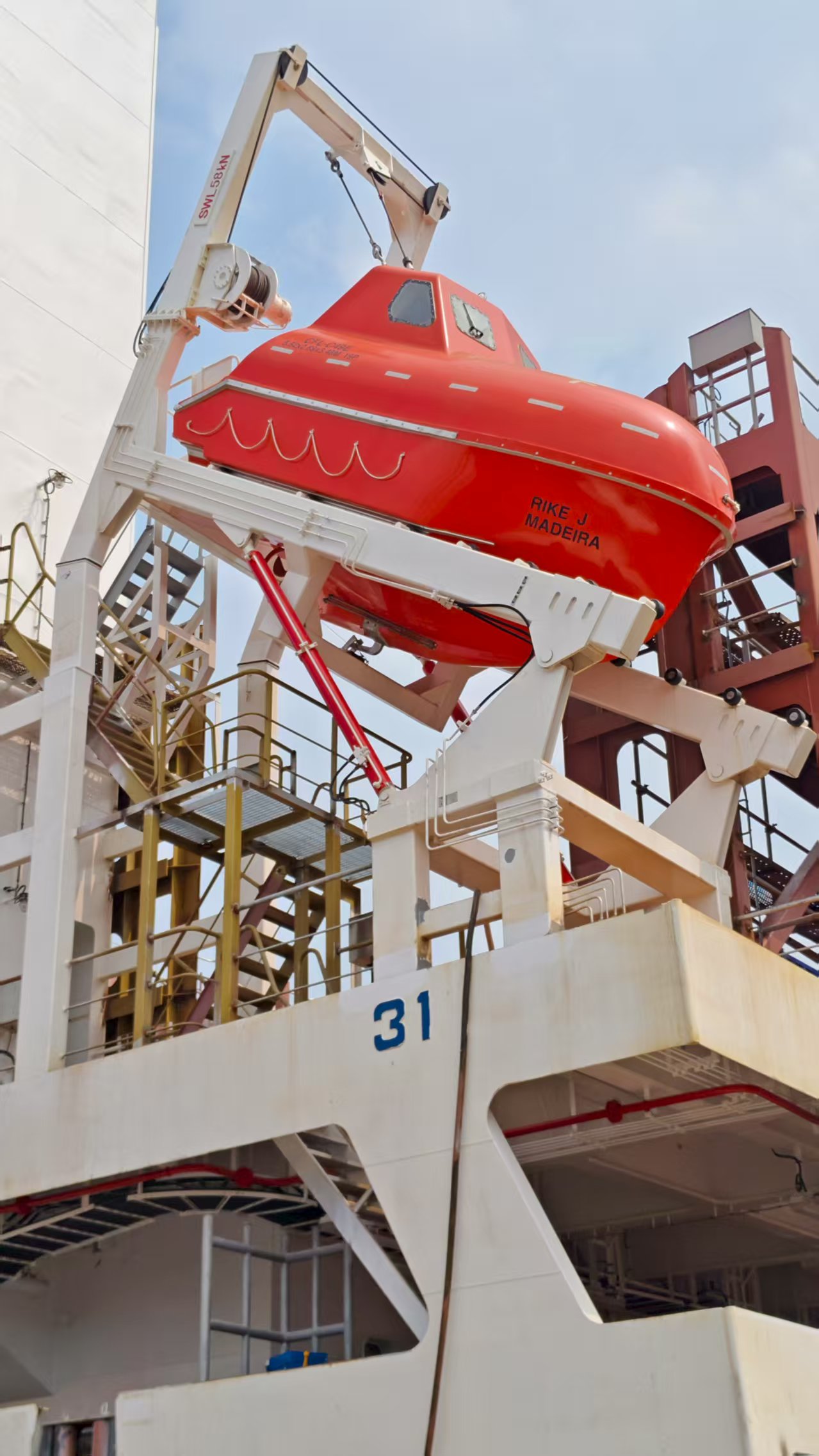
- Release hook Mechanismus Korrosion/Blockierung — KRITISCHER Sicherheitsfehler
- Diesel engine start failure due to lack of regular testing
- GRP hull osmotic blistering with prolonged water contact
- Scavenge air system valve failure
- Safety belt/harness aging due to UV/weather
- IMO SOLAS approval ensures regulatory compliance
- Rapid egress via free‑fall deployment reduces evacuation time
- Self‑propelled diesel engine allows maneuvering away from the ship after launch
- Robust GFK hull provides high strength‑to‑weight ratio
- Designed for weekly engine run‑tests, supporting reliability when maintained
- Release hook mechanism prone to corrosion and blockage if not serviced annually
- Diesel start failures reported when regular tests are missed
- GFK hull can develop osmotic blisters after prolonged water exposure
- Ventilation valve of the air‑supply system has a history of failure
- Safety harnesses age quickly under UV and weather exposure, requiring frequent replacement
- Release hook Mechanismus Korrosion/Blockierung — KRITISCHER Sicherheitsfehler
- Diesel engine start failure due to lack of regular testing
- GRP hull osmotic blistering with prolonged water contact
- Scavenge air system valve failure
- Safety belt/harness aging due to UV/weather
- IMO D‑2 approved and listed in the DNV approval finder – recognized international compliance
- Gravity‑based free‑fall launch provides immediate egress without reliance on davits or winches
- Integrated diesel engine enables controlled navigation after water entry, improving survivability
- Weekly motor‑run test (≥5 min) ensures propulsion readiness; annual release‑hook service meets SOLAS MSC.402(96)
- GFK hull offers high strength‑to‑weight ratio and corrosion resistance when properly maintained
- Release‑hook mechanism prone to corrosion or blockage if maintenance is missed – a critical safety risk
- Diesel engine start failures reported when regular testing is neglected
- Long‑term water exposure can cause osmotic blistering in the GFK hull, requiring dock‑side inspection
- Ventilation valve of the air‑supply system has shown occasional failure, affecting crew breathing comfort
- Safety harnesses and webbing age under UV and weather exposure, demanding periodic replacement
- Release hook Mechanismus Korrosion/Blockierung — KRITISCHER Sicherheitsfehler
- Diesel engine start failure due to lack of regular testing
- GRP hull osmotic blistering with prolonged water contact
- Scavenge air system valve failure
- Safety belt/harness aging due to UV/weather
- Instantaneous launch by free‑fall – no winch or davit needed, reducing launch time to seconds
- Enclosed cabin protects crew from weather and sea spray during evacuation
- Integrated diesel engine provides post‑launch maneuverability and range
- IMO approved and DNV classified, meeting SOLAS requirements for high‑capacity lifeboats
- Self‑righting hull design ensures the boat remains upright even in heavy seas
- Release hook prone to corrosion or blockage if not inspected annually – a critical safety issue
- Diesel engine start failures reported when weekly test regime is missed
- GFRP (glass‑fiber reinforced plastic) hull can develop osmotic blisters after prolonged water exposure
- Ventilation valve of the air supply system has shown occasional failure, requiring vigilant checks
- Safety harnesses and webbing age rapidly under UV and harsh marine weather, demanding regular replacement

- Release hook Mechanismus Korrosion/Blockierung — KRITISCHER Sicherheitsfehler
- Diesel engine start failure due to lack of regular testing
- GRP hull osmotic blistering with prolonged water contact
- Scavenge air system valve failure
- Safety belt/harness aging due to UV/weather
- Very fast deployment – the boat drops directly into the water without davits.
- Self‑righting hull ensures survivability in capsized conditions.
- Enclosed, climate‑controlled cabin protects occupants from exposure.
- Diesel engine provides powered return to shore or rendezvous point.
- IMO SOLAS approved and DNV recognised for compliance with international safety standards.
- Release hook prone to corrosion/blockage – requires annual certified maintenance (SOLAS MSC.402(96)).
- Diesel start failures reported when routine weekly engine tests are missed.
- GFK hull can develop osmotic blisters after prolonged water exposure, needing dock‑side inspection.
- Air supply valve and ventilation system have documented failure modes.
- Safety harnesses age quickly under UV and weather, demanding regular replacement.
- Release hook Mechanismus Korrosion/Blockierung — KRITISCHER Sicherheitsfehler
- Diesel engine start failure due to lack of regular testing
- GRP hull osmotic blistering with prolonged water contact
- Scavenge air system valve failure
- Safety belt/harness aging due to UV/weather
- Very fast deployment – launches by gravity without winches
- Enclosed, climate‑controlled cabin improves survivability in harsh weather
- Self‑propulsion after splash‑down enables maneuvering to a safe distance
- IMO approved and DNV recognised, meeting SOLAS free‑fall lifeboat requirements
- Capacity suitable for medium‑size crews or passenger groups
- Release hook prone to corrosion/blockage – requires annual certified maintenance
- Diesel engine must be tested weekly; start failures reported if neglected
- GFRP hull can develop osmotic blisters after prolonged water exposure
- Air‑supply valve failures have been documented in service history
- UV and weather ageing of safety harnesses demand regular replacement

- Release hook Mechanismus Korrosion/Blockierung — KRITISCHER Sicherheitsfehler
- Diesel engine start failure due to lack of regular testing
- GRP hull osmotic blistering with prolonged water contact
- Scavenge air system valve failure
- Safety belt/harness aging due to UV/weather
- Instantaneous deployment – the boat drops into the water without winch time.
- Self‑propelled after water entry via a diesel engine, allowing rapid maneuvering to safe distance.
- IMO approved LSA with DNV verification, meeting SOLAS free‑fall lifeboat criteria.
- Integrated release hook system that can be serviced annually per MSC.402(96).
- GFRP hull provides high strength‑to‑weight ratio when maintained correctly.
- Release‑hook mechanism prone to corrosion or blockage if not inspected regularly – a critical safety risk.
- Diesel engine start failures reported when weekly test regime is missed.
- GFRP (glass‑fiber reinforced plastic) hull can develop osmotic blisters after prolonged water exposure.
- Ventilation valve of the air‑supply system has shown occasional failure, requiring spare parts on board.
- Safety harnesses and webbing age rapidly under UV and harsh weather, demanding frequent replacement.
- Release hook Mechanismus Korrosion/Blockierung — KRITISCHER Sicherheitsfehler
- Diesel engine start failure due to lack of regular testing
- GRP hull osmotic blistering with prolonged water contact
- Scavenge air system valve failure
- Safety belt/harness aging due to UV/weather
- Immediate, gravity‑driven deployment eliminates reliance on davits or winches
- IMO SOLAS approved and DNV certified, meeting international LSA requirements
- High passenger capacity (up to 77 persons) suitable for large vessels
- Onboard diesel engine provides self‑propulsion after launch for maneuvering to safe distance
- Robust GFRP hull construction with corrosion‑resistant fittings when properly maintained
- Release hook mechanism prone to corrosion or blockage if not inspected annually (critical safety risk)
- Diesel engine start failures reported when weekly test regime is missed
- GFRP hull can develop osmotic blisters after prolonged water exposure if protective coating degrades
- Ventilation valve of the air‑supply system has a history of malfunction under harsh conditions
- Safety harnesses and webbing age rapidly under UV and weather exposure, requiring frequent replacement
- Release hook Mechanismus Korrosion/Blockierung — KRITISCHER Sicherheitsfehler
- Diesel engine start failure due to lack of regular testing
- GRP hull osmotic blistering with prolonged water contact
- Scavenge air system valve failure
- Safety belt/harness aging due to UV/weather
- Rapid evacuation: free‑fall launch achieves high entry speed and short escape time
- Self‑righting GFK hull provides stability in rough seas
- Auxiliary diesel engine enables controlled maneuvering after water entry
- Meets IMO D‑2 and DNV approval requirements for free‑fall lifeboats
- Weekly motor test and annual release‑hook service are prescribed by SOLAS, supporting reliability when adhered to
- Release‑hook corrosion or blockage can cause critical launch failure if maintenance lapses
- Diesel engine start failures reported when weekly tests are missed
- GFK hull prone to osmotic blistering after prolonged water exposure
- Air‑supply valve and safety harnesses show ageing problems under UV and weather exposure
- Higher maintenance workload compared with fully non‑motorised free‑fall boats
- Release hook Mechanismus Korrosion/Blockierung — KRITISCHER Sicherheitsfehler
- Diesel engine start failure due to lack of regular testing
- GRP hull osmotic blistering with prolonged water contact
- Scavenge air system valve failure
- Safety belt/harness aging due to UV/weather
- Very fast deployment via free‑fall launch, reducing evacuation time
- Self‑propelled after water entry thanks to built‑in diesel engine
- IMO SOLAS and DNV approved, meeting international LSA standards
- Robust GFK hull provides good strength‑to‑weight ratio
- Weekly motor‑run test and annual release‑hook service ensure readiness
- Release hook can corrode or jam if not maintained annually
- Diesel engine may fail to start after periods of inactivity without regular testing
- GFK hull susceptible to osmotic blistering after prolonged water exposure
- Air‑supply ventilation valve failures have been reported
- Safety harnesses degrade under UV and weather, requiring frequent replacement
- Release hook Mechanismus Korrosion/Blockierung — KRITISCHER Sicherheitsfehler
- Diesel engine start failure due to lack of regular testing
- GRP hull osmotic blistering with prolonged water contact
- Scavenge air system valve failure
- Safety belt/harness aging due to UV/weather
- Instantaneous deployment – no winch or davit required, reducing launch time to seconds.
- High passenger capacity (22 seats) in a compact hull suitable for limited deck space.
- Self‑righting and fully enclosed cabin improves survivability in rough sea states.
- IMO type‑approved and DNV listed, ensuring compliance with SOLAS Chapter III requirements.
- GFRP hull offers corrosion resistance compared with steel lifeboats when properly maintained.
- Release hook mechanism prone to corrosion/blockage if not inspected annually – a critical safety issue.
- Diesel engine start failures reported when weekly engine‑run tests are missed.
- GFRP hull can develop osmotic blistering after prolonged water exposure; requires dockside inspection.
- Ventilation valve of the air‑supply system has shown occasional failure, affecting breathing‑air provision.
- Safety harnesses and webbing age quickly under UV and weather exposure, demanding regular replacement.
- Release hook Mechanismus Korrosion/Blockierung — KRITISCHER Sicherheitsfehler
- Diesel engine start failure due to lack of regular testing
- GRP hull osmotic blistering with prolonged water contact
- Scavenge air system valve failure
- Safety belt/harness aging due to UV/weather
- IMO D‑2 approved freefall launch – immediate egress without davits
- Self‑propelled diesel engine enables maneuverability after launch
- Robust GFRP hull with good impact resistance when maintained
- Integrated air supply and ventilation system for extended survival time
- Weekly motor test requirement ensures readiness
- Release hook prone to corrosion/blockage if not serviced annually (critical safety risk)
- Diesel engine start failures reported when regular tests are missed
- GFRP hull can develop osmotic blisters after prolonged water exposure
- Air‑supply valve may fail, requiring frequent inspection
- Safety harnesses degrade under UV and weather, increasing replacement cost

- Release hook Mechanismus Korrosion/Blockierung — KRITISCHER Sicherheitsfehler
- Diesel engine start failure due to lack of regular testing
- GRP hull osmotic blistering with prolonged water contact
- Scavenge air system valve failure
- Safety belt/harness aging due to UV/weather
- Immediate, gravity‑driven launch enables very fast crew/passenger evacuation
- IMO approved and DNV certified, meeting SOLAS requirements
- Integrated diesel engine gives self‑propulsion after water entry for maneuverability
- Self‑righting GFK hull improves survivability in heavy seas
- Designed for 14 occupants with high freeboard for added safety
- Release hook mechanism can corrode or jam if not serviced annually
- Diesel engine start failures reported when weekly tests are missed
- GFK hull may develop osmotic blisters after prolonged water exposure
- Air‑supply ventilation valve has a history of occasional failure
- Safety harnesses age quickly under UV and harsh weather, requiring frequent replacement
- Release hook Mechanismus Korrosion/Blockierung — KRITISCHER Sicherheitsfehler
- Diesel engine start failure due to lack of regular testing
- GRP hull osmotic blistering with prolonged water contact
- Scavenge air system valve failure
- Safety belt/harness aging due to UV/weather
- IMO D‑2 approved – meets SOLAS requirements for high‑speed evacuation
- Free‑fall launch provides <10 s egress, critical for passenger vessels
- Integrated diesel engine allows powered maneuvering after water entry
- GFK (glass‑fiber reinforced plastic) hull offers good strength‑to‑weight ratio
- Standardised release‑hook system with documented annual service procedure
- Release‑hook mechanism prone to corrosion/blockage if not inspected regularly
- Diesel engine start failures reported when weekly tests are missed
- GFK hull can develop osmotic blistering after prolonged water exposure
- Ventilation valve of the air‑supply system has documented failure modes
- Safety harnesses and webbing degrade under UV and harsh weather, requiring frequent replacement
- Release hook Mechanismus Korrosion/Blockierung — KRITISCHER Sicherheitsfehler
- Diesel engine start failure due to lack of regular testing
- GRP hull osmotic blistering with prolonged water contact
- Scavenge air system valve failure
- Safety belt/harness aging due to UV/weather
- Launches in seconds by freefall, providing the fastest possible escape from a distressed vessel
- Self‑righting hull and built‑in diesel engine enable immediate maneuverability after water entry
- IMO D-2 approval and DNV certification confirm compliance with international LSA standards
- GFRP (glass‑fiber reinforced plastic) construction offers high strength‑to‑weight ratio
- Release hook mechanism is prone to corrosion or blockage if not maintained annually (critical safety risk)
- Diesel engine start failures occur when weekly test procedures are missed
- Long‑term exposure to seawater can cause osmotic blistering of the GFRP hull
- Air‑supply valve and safety harnesses degrade under UV and weather exposure, requiring regular replacement
- Higher maintenance workload compared with conventional davit‑launched lifeboats
- Release hook Mechanismus Korrosion/Blockierung — KRITISCHER Sicherheitsfehler
- Diesel engine start failure due to lack of regular testing
- GRP hull osmotic blistering with prolonged water contact
- Scavenge air system valve failure
- Safety belt/harness aging due to UV/weather
- Very rapid deployment – the boat drops clear of the ship without winch handling
- Enclosed, self‑righting cabin provides protection from weather and sea state
- Integrated diesel engine allows controlled maneuvering after water entry
- IMO type approval and DNV certification confirm compliance with international safety standards
- Designed for high passenger capacity on large vessels
- Release hook corrosion or blockage reported if annual maintenance is missed (critical safety risk)
- Diesel engine start failures observed when weekly test regime is not strictly followed
- GFK hull susceptible to osmotic blistering after prolonged water exposure if not inspected regularly
- Air‑supply valve and safety harnesses can degrade under UV/wet conditions, requiring frequent replacement
- Higher maintenance burden (weekly engine run, annual hook service, 5‑year full inspection)
- Release hook Mechanismus Korrosion/Blockierung — KRITISCHER Sicherheitsfehler
- Diesel engine start failure due to lack of regular testing
- GRP hull osmotic blistering with prolonged water contact
- Scavenge air system valve failure
- Safety belt/harness aging due to UV/weather
- IMO D-2 approved – meets SOLAS requirements for free‑fall lifeboats
- Rapid self‑righting deployment from heights up to 20 m
- Integrated diesel engine provides powered return to ship or shore
- Lightweight GFK hull reduces overall weight and improves stowage efficiency
- Release hook prone to corrosion/blockage if not inspected annually (critical safety risk)
- Diesel start failures reported when weekly engine‑run tests are missed
- GFK hull can develop osmotic blisters after prolonged water exposure
- Ventilation valve of the air‑supply system has shown occasional failure
- Safety harnesses/straps degrade under UV and weather exposure, requiring regular replacement
- Release hook Mechanismus Korrosion/Blockierung — KRITISCHER Sicherheitsfehler
- Diesel engine start failure due to lack of regular testing
- GRP hull osmotic blistering with prolonged water contact
- Scavenge air system valve failure
- Safety belt/harness aging due to UV/weather
- SOLAS/IMO approved free‑fall deployment delivering <4 s launch time
- Self‑righting hull with enclosed cabin protects occupants from exposure
- Integrated diesel engine provides powered escape after water entry
- High passenger capacity (up to 35 persons) in a compact footprint
- DNV classification and proven track record on RoPax vessels
- Release‑hook corrosion or blockage reported – requires strict annual service per SOLAS MSC.402(96)
- Diesel start failures if weekly engine run‑tests are missed
- GFK hull susceptible to osmotic blistering after prolonged water immersion
- Ventilation valve malfunctions have been observed, affecting air supply reliability
- Safety harnesses and webbing age rapidly under UV/wet conditions
- Release hook Mechanismus Korrosion/Blockierung — KRITISCHER Sicherheitsfehler
- Diesel engine start failure due to lack of regular testing
- GRP hull osmotic blistering with prolonged water contact
- Scavenge air system valve failure
- Safety belt/harness aging due to UV/weather
- High capacity (up to 44 survivors) reduces the number of boats needed on large passenger ships.
- Very fast deployment – the boat drops into the water in seconds, meeting SOLAS free‑fall requirements.
- Integrated diesel engine gives post‑launch maneuverability for crew to reach shore or rendezvous points.
- Glass‑fiber‑reinforced plastic (GFK) hull offers good impact resistance and low weight.
- Fully IMO approved and DNV certified, ensuring compliance with international safety standards.
- Release hook can corrode or jam if annual maintenance is missed – a critical safety risk.
- Diesel engine start failures have been reported when regular weekly tests are not performed.
- GFK hull may develop osmotic blistering after prolonged exposure to seawater, requiring dock‑side inspections.
- Ventilation valve of the air supply system has shown occasional failure, affecting breathable air provision.
- Safety harnesses and webbing age under UV and weather exposure, needing periodic replacement.
- Release hook Mechanismus Korrosion/Blockierung — KRITISCHER Sicherheitsfehler
- Diesel engine start failure due to lack of regular testing
- GRP hull osmotic blistering with prolonged water contact
- Scavenge air system valve failure
- Safety belt/harness aging due to UV/weather
- Instantaneous deployment by free‑fall launch, meeting SOLAS escape‑time requirements
- Self‑propelled post‑launch via onboard diesel engine for maneuverability and distance from the ship
- IMO type approval and DNV classification confirmed (source: DNV‑approval‑finder)
- Robust GFRP hull offering high strength‑to‑weight ratio
- Standardised maintenance regime (weekly motor test, annual release‑hook service) aligns with SOLAS MSC.402(96)
- Release‑hook mechanism prone to corrosion/blockage if not serviced annually – a critical safety risk
- Diesel engine start failures reported when regular 5‑minute weekly tests are missed
- GFRP hull can develop osmotic blistering after prolonged water exposure, requiring dock‑side inspection
- Ventilation valve of the air‑supply system has documented failure modes
- Safety harnesses and webbing age rapidly under UV and harsh weather, demanding frequent replacement
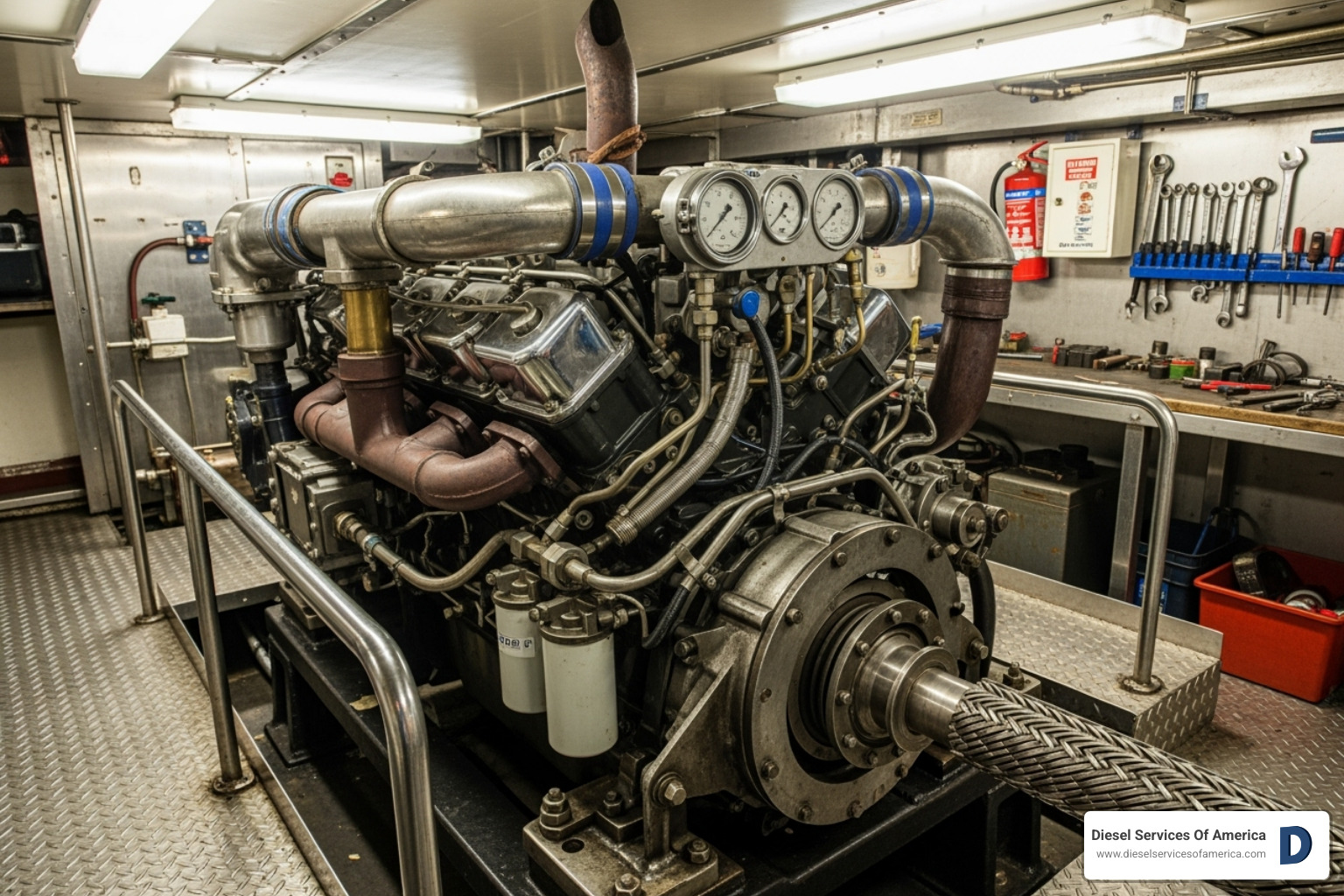
- Release hook Mechanismus Korrosion/Blockierung — KRITISCHER Sicherheitsfehler
- Diesel engine start failure due to lack of regular testing
- GRP hull osmotic blistering with prolonged water contact
- Scavenge air system valve failure
- Safety belt/harness aging due to UV/weather
- IMO SOLAS approved and DNV verified – meets international safety standards
- Very fast launch: free‑fall deployment eliminates winch delays
- Self‑righting capability after impact with water
- Lightweight GFRP construction provides high payload capacity
- On‑board diesel engine enables powered return to port or maneuvering
- Release hook prone to corrosion/blockage if not serviced annually – critical safety risk
- Diesel start failures reported when weekly engine tests are missed
- GFRP hull can develop osmotic blisters after prolonged water exposure
- Ventilation valve of the air‑supply system has shown occasional failure
- Safety harnesses age quickly under UV and harsh weather, requiring regular replacement
- Release hook Mechanismus Korrosion/Blockierung — KRITISCHER Sicherheitsfehler
- Diesel engine start failure due to lack of regular testing
- GRP hull osmotic blistering with prolonged water contact
- Scavenge air system valve failure
- Safety belt/harness aging due to UV/weather
- Launch time under 5 seconds – immediate escape from hazardous decks
- Self‑righting hull with high buoyancy for all‑weather operation
- Integrated diesel engine provides post‑launch maneuverability and range
- Robust GFK (glass‑fiber reinforced plastic) hull approved by IMO and DNV
- Capacity of 45 survivors meets SOLAS requirements for large vessels
- Release hook corrosion or blockage reported – requires annual certified maintenance
- Diesel start failures if weekly engine test is missed
- GFK hull prone to osmotic blistering after prolonged water exposure
- Ventilation valve of the air‑supply system has shown occasional failure
- Safety harnesses degrade under UV and weathering, needing regular replacement
- Release hook Mechanismus Korrosion/Blockierung — KRITISCHER Sicherheitsfehler
- Diesel engine start failure due to lack of regular testing
- GRP hull osmotic blistering with prolonged water contact
- Scavenge air system valve failure
- Safety belt/harness aging due to UV/weather
- Freefall launch provides immediate immersion and reduces evacuation time compared with davit‑launched boats
- Integrated diesel engine gives the boat autonomous maneuverability once in the water
- Fiberglass reinforced plastic (GFK) hull offers high strength‑to‑weight ratio and corrosion resistance when maintained
- Fully IMO‑approved and DNV‑certified, meeting SOLAS requirements for passenger ships
- Defined maintenance regime (weekly motor test, annual release‑hook service, 5‑year structural inspection) supports reliability
- Release‑hook mechanism prone to corrosion or blockage if not serviced annually – a critical safety risk
- Diesel engine start failures reported when regular testing is omitted
- GFK hull can develop osmotic blisters after prolonged water exposure, requiring dockside inspection
- Ventilation valve of the air‑supply system has shown occasional failure, affecting crew survivability
- Safety harnesses and webbing age under UV and weather exposure, needing periodic replacement
- Release hook Mechanismus Korrosion/Blockierung — KRITISCHER Sicherheitsfehler
- Diesel engine start failure due to lack of regular testing
- GRP hull osmotic blistering with prolonged water contact
- Scavenge air system valve failure
- Safety belt/harness aging due to UV/weather
- Immediate water entry via free‑fall launch reduces evacuation time
- Self‑propelled diesel engine allows maneuvering after launch
- IMO SOLAS approved and DNV certified for compliance on passenger vessels
- High capacity (450 person rating) suitable for large ships
- Robust GFK hull with corrosion‑resistant fittings when properly maintained
- Release hook prone to corrosion/blockage if not serviced annually
- Diesel start failures reported when weekly engine tests are missed
- GFK hull can develop osmotic blisters after prolonged water exposure
- Ventilation valve and safety harnesses degrade under UV/wet conditions
- Maintenance intensive: weekly motor test, annual hook service, 5‑year structural inspection
- Release hook Mechanismus Korrosion/Blockierung — KRITISCHER Sicherheitsfehler
- Diesel engine start failure due to lack of regular testing
- GRP hull osmotic blistering with prolonged water contact
- Scavenge air system valve failure
- Safety belt/harness aging due to UV/weather
- Very rapid egress – the boat slides down a chute and reaches the water in seconds
- Enclosed cabin provides protection from weather and sea spray during evacuation
- Auxiliary diesel engine enables controlled maneuvering after splash‑down
- GFRP hull offers high strength‑to‑weight ratio and corrosion resistance when maintained
- Full SOLAS and DNV approval ensures compliance on international voyages
- Release hook mechanism is prone to corrosion or blockage if not inspected annually
- Diesel engine may fail to start after prolonged inactivity; requires weekly testing
- GFRP hull can develop osmotic blistering after extended water exposure
- Ventilation valve of the air‑supply system has a documented failure mode
- Safety harnesses and webbing degrade under UV and weather exposure, needing regular replacement
Fassmer Schiffsservice
28- Release hook Mechanismus Korrosion/Blockierung — KRITISCHER Sicherheitsfehler
- Diesel engine start failure due to lack of regular testing
- GRP hull osmotic blistering with prolonged water contact
- Scavenge air system valve failure
- Safety belt/harness aging due to UV/weather
- IMO SOLAS approved for rapid egress
- Self‑propelled diesel engine extends survival range after launch
- Robust GFK (glass‑fiber reinforced) hull provides good impact resistance
- Weekly motor run‑test and annual release‑hook service support reliability
- DNV approval confirms compliance with classification society standards
- Release‑hook mechanism prone to corrosion or blockage if not maintained annually
- Diesel engine start failures reported when regular testing is insufficient
- GFK hull can develop osmotic blisters after prolonged water exposure
- Ventilation valve of the air‑supply system has a history of malfunction
- Safety harnesses and belts deteriorate under UV and weathering, requiring frequent replacement
- Release hook Mechanismus Korrosion/Blockierung — KRITISCHER Sicherheitsfehler
- Diesel engine start failure due to lack of regular testing
- GRP hull osmotic blistering with prolonged water contact
- Scavenge air system valve failure
- Safety belt/harness aging due to UV/weather
- Very fast egress – the boat slides down a chute reaching launch speeds >20 knots.
- Self‑righting and fully enclosed cabin provides protection in heavy seas.
- Integrated diesel propulsion enables maneuverability after water entry.
- GFRP hull offers high strength‑to‑weight ratio and corrosion resistance when maintained.
- IMO approved and DNV classified, meeting SOLAS requirements.
- Release hook prone to corrosion or blockage if not inspected annually (critical safety risk).
- Diesel engine start failures reported when weekly test regime is missed.
- GFRP hull can develop osmotic blistering after prolonged water exposure.
- Air‑supply valve and ventilation system have documented failure modes.
- Safety harnesses and webbing degrade under UV and weather exposure, requiring regular replacement.
- Release hook Mechanismus Korrosion/Blockierung — KRITISCHER Sicherheitsfehler
- Diesel engine start failure due to lack of regular testing
- GRP hull osmotic blistering with prolonged water contact
- Scavenge air system valve failure
- Safety belt/harness aging due to UV/weather
- Very fast egress – boat drops directly into the water without davits, reducing launch time.
- Self‑propulsion after splash‑down via built‑in diesel engine enables crew to reach safe distance quickly.
- Lightweight GFRP hull provides high buoyancy and corrosion resistance compared with steel lifeboats.
- IMO approved and DNV recognised, meeting SOLAS free‑fall lifeboat requirements.
- Integrated safety gear (seat belts, ventilation valve) designed for rapid occupant protection.
- Release hook mechanism prone to corrosion/blockage if not maintained per SOLAS MSC.402(96).
- Diesel engine start failures reported when weekly test regime is missed.
- GFRP hull can develop osmotic blisters after prolonged water exposure; requires dock‑side inspection.
- Ventilation valve may fail, compromising breathable air supply in the cabin.
- Safety harnesses and belts degrade under UV and weather exposure, needing regular replacement.
- Release hook Mechanismus Korrosion/Blockierung — KRITISCHER Sicherheitsfehler
- Diesel engine start failure due to lack of regular testing
- GRP hull osmotic blistering with prolonged water contact
- Scavenge air system valve failure
- Safety belt/harness aging due to UV/weather
- Fast free‑fall deployment reduces exposure time during evacuation
- Self‑propelled diesel engine enables maneuvering to a safe distance after launch
- Glass‑fiber reinforced plastic (GFK) hull offers corrosion resistance and low weight
- IMO D‑2 approval and DNV recognition ensure compliance with SOLAS requirements
- Defined maintenance regime (weekly motor test, annual release‑hook service, 5‑year inspection) supports reliability
- Release‑hook mechanism prone to corrosion or blockage if not serviced annually
- Diesel engine start failures reported when regular testing is omitted
- GFK hull can develop osmotic blistering after prolonged water exposure
- Air‑supply valve may malfunction, affecting breathing‑air provision
- Safety harnesses/straps degrade under UV and weather exposure, requiring frequent replacement
- Release hook Mechanismus Korrosion/Blockierung — KRITISCHER Sicherheitsfehler
- Diesel engine start failure due to lack of regular testing
- GRP hull osmotic blistering with prolonged water contact
- Scavenge air system valve failure
- Safety belt/harness aging due to UV/weather
- Instantaneous gravity‑driven launch reduces evacuation time
- Self‑righting hull ensures survivability in rough seas
- Integrated diesel propulsion allows crewed return to safety after launch
- IMO SOLAS and DNV approved – meets international regulatory requirements
- Robust GFRP (glass‑fiber reinforced plastic) construction with scheduled hull inspections
- Release hook prone to corrosion or blockage if not maintained annually (critical safety risk)
- Diesel engine start failures reported when weekly test regime is missed
- GFRP hull can develop osmotic blistering after prolonged water exposure
- Air‑supply valve may fail, requiring strict periodic checks
- Safety harnesses and belts age under UV and weather, needing regular replacement
- Release hook Mechanismus Korrosion/Blockierung — KRITISCHER Sicherheitsfehler
- Diesel engine start failure due to lack of regular testing
- GRP hull osmotic blistering with prolonged water contact
- Scavenge air system valve failure
- Safety belt/harness aging due to UV/weather
- Two‑second free‑fall launch from heights up to 14 m for swift evacuation
- Self‑righting hull provides survivability in capsized or heavy sea conditions
- Integrated diesel engine gives post‑launch propulsion, reducing reliance on oars or paddles
- IMO and DNV approved, fully compliant with SOLAS requirements
- Compact 14 m length fits vessels with limited deck space
- Diesel engine requires strict weekly testing; failures reported when neglected
- GFK hull can develop osmotic blisters after prolonged water exposure
- Release hook mechanism is prone to corrosion or blockage if not serviced annually
- Safety harnesses and belts age quickly under UV and weather, needing frequent replacement
- Higher acquisition and lifecycle cost compared with simple inflatable liferafts
- Release hook Mechanismus Korrosion/Blockierung — KRITISCHER Sicherheitsfehler
- Diesel engine start failure due to lack of regular testing
- GRP hull osmotic blistering with prolonged water contact
- Scavenge air system valve failure
- Safety belt/harness aging due to UV/weather
- Instantaneous deployment without davits, reducing launch time
- High survivability in heavy seas due to free‑fall entry angle
- Robust glass‑fiber-reinforced plastic (GFK) hull with good impact resistance
- Integrated diesel engine for post‑launch maneuvering
- IMO SOLAS approved and DNV classified
- Release hook prone to corrosion/blockage if not maintained (critical safety risk)
- Diesel engine start failures reported when regular tests are omitted
- GFK hull can develop osmotic blisters after prolonged water exposure
- Ventilation valve of the air‑supply system may fail, affecting breathing apparatus
- Safety harnesses and webbing degrade under UV and weathering
- Release hook Mechanismus Korrosion/Blockierung — KRITISCHER Sicherheitsfehler
- Diesel engine start failure due to lack of regular testing
- GRP hull osmotic blistering with prolonged water contact
- Scavenge air system valve failure
- Safety belt/harness aging due to UV/weather
- Very fast deployment via free‑fall chute, reducing time to water
- Self‑righting glass‑fiber reinforced plastic hull provides high survivability
- Onboard diesel engine enables controlled maneuvering after launch
- IMO SOLAS approval and DNV certification ensure regulatory compliance
- Large passenger capacity (typical for 45 ft class) suitable for big vessels
- Release‑hook mechanism prone to corrosion or blockage if not maintained annually
- Diesel engine start failures reported when regular weekly tests are missed
- Glass‑fiber hull can develop osmotic blistering after prolonged water exposure
- Air‑supply valve may fail, requiring strict inspection of the ventilation system
- Safety harnesses and belts age under UV and weather, needing periodic replacement
- Release hook Mechanismus Korrosion/Blockierung — KRITISCHER Sicherheitsfehler
- Diesel engine start failure due to lack of regular testing
- GRP hull osmotic blistering with prolonged water contact
- Scavenge air system valve failure
- Safety belt/harness aging due to UV/weather
- Very fast launch – the boat slides down a ramp without crew handling, reducing evacuation time.
- Self‑propulsion after launch thanks to the built‑in diesel engine, allowing distance from the ship.
- GFK (glass‑fiber reinforced plastic) hull provides good corrosion resistance and low weight.
- IMO SOLAS approval and DNV class certification ensure compliance with international safety standards.
- Weekly motor run‑tests and annual release‑hook service are prescribed, supporting reliability when maintained.
- Release‑hook mechanism prone to corrosion or blockage if not serviced annually – a critical safety risk.
- Diesel engine start failures reported when regular testing is omitted.
- GFK hull can develop osmotic blistering after prolonged water exposure.
- Ventilation valve of the air‑supply system has shown occasional failure, affecting survivability.
- Safety harnesses and webbing age under UV and weather exposure, requiring frequent replacement.
- Release hook Mechanismus Korrosion/Blockierung — KRITISCHER Sicherheitsfehler
- Diesel engine start failure due to lack of regular testing
- GRP hull osmotic blistering with prolonged water contact
- Scavenge air system valve failure
- Safety belt/harness aging due to UV/weather
- Instant launch by free‑fall, eliminating davit handling time
- Self‑righting hull with enclosed cabin protects crew from the elements
- Diesel engine provides powered maneuverability after water entry
- IMO SOLAS approved and DNV certified for safety compliance
- Robust GFK (glass‑fibre reinforced plastic) construction
- Release hook prone to corrosion or blockage if not inspected regularly
- Diesel start failures reported when weekly engine tests are missed
- GFK hull can develop osmotic blisters after prolonged water exposure
- Ventilation valve of the air‑supply system may fail, affecting breathable air supply
- Safety harnesses and belts age under UV and weather, requiring frequent replacement
- Release hook Mechanismus Korrosion/Blockierung — KRITISCHER Sicherheitsfehler
- Diesel engine start failure due to lack of regular testing
- GRP hull osmotic blistering with prolonged water contact
- Scavenge air system valve failure
- Safety belt/harness aging due to UV/weather
- IMO D‑2 approved and DNV certified – meets international safety standards
- Instant water entry via free‑fall chute enables very fast crew/passenger escape
- Self‑propulsion after splash‑down thanks to built‑in diesel engine
- Robust GFK hull provides good strength‑to‑weight ratio when intact
- Standardised weekly motor test and annual release‑hook service simplify compliance
- Release‑hook mechanism prone to corrosion or blockage if not maintained rigorously
- Diesel start failures reported when regular engine tests are missed
- GFK hull can develop osmotic blisters after prolonged water exposure
- Ventilation valve of the air‑supply system has a history of malfunction
- Safety harnesses age quickly under UV and harsh weather, requiring frequent replacement
- Release hook Mechanismus Korrosion/Blockierung — KRITISCHER Sicherheitsfehler
- Diesel engine start failure due to lack of regular testing
- GRP hull osmotic blistering with prolonged water contact
- Scavenge air system valve failure
- Safety belt/harness aging due to UV/weather
- Very fast egress – launches by gravity without winch assistance
- Self‑propelled diesel engine enables post‑launch maneuvering
- Compact GFK hull offers good strength‑to‑weight ratio
- IMO D‑2 approval confirms compliance with SOLAS free‑fall requirements
- Suitable for vessels with limited deck space due to its small footprint
- Release hook mechanism prone to corrosion or blockage if not maintained
- Diesel engine may fail to start after periods of inactivity; requires weekly testing
- GFK hull can develop osmotic blisters after prolonged water exposure
- Ventilation valve failures have been reported, affecting air supply
- Safety harnesses and rigging degrade under UV and weather exposure
- Release hook Mechanismus Korrosion/Blockierung — KRITISCHER Sicherheitsfehler
- Diesel engine start failure due to lack of regular testing
- GRP hull osmotic blistering with prolonged water contact
- Scavenge air system valve failure
- Safety belt/harness aging due to UV/weather
- Immediate, gravity‑driven launch without reliance on ship power
- Compact A‑frame arrangement saves deck space compared to davits
- Integrated 50 kN winch enables controlled retrieval after launch
- IMO approval confirmed; listed in DNV approval finder
- Fassmer’s long track record in lifeboat design provides proven reliability when maintained
- Release‑hook corrosion or blockage reported as a critical safety issue if not serviced annually
- Diesel engine start failures observed when weekly test runs are missed
- GFK hull can develop osmotic blisters after prolonged water exposure
- Air‑supply valve may fail without regular inspection
- Safety harnesses age under UV and weather, requiring periodic replacement
- Release hook Mechanismus Korrosion/Blockierung — KRITISCHER Sicherheitsfehler
- Diesel engine start failure due to lack of regular testing
- GRP hull osmotic blistering with prolonged water contact
- Scavenge air system valve failure
- Safety belt/harness aging due to UV/weather
- High launch speed and rapid mass evacuation via gravity chute
- Large passenger capacity (up to 50 persons) in a single craft
- Self‑propulsion after water entry allows crew to maneuver away from the ship
- IMO SOLAS and DNV approval ensures compliance with international safety standards
- Robust GFK hull construction resistant to impact
- Release hook prone to corrosion or blockage if not maintained annually (critical safety risk)
- Diesel engine start failures reported when weekly tests are missed
- GFK hull can develop osmotic blisters after prolonged water exposure
- Ventilation valve of the air‑supply system may fail, affecting breathable air supply
- Safety harnesses and belts degrade under UV and weathering, requiring regular replacement
- Release hook Mechanismus Korrosion/Blockierung — KRITISCHER Sicherheitsfehler
- Diesel engine start failure due to lack of regular testing
- GRP hull osmotic blistering with prolonged water contact
- Scavenge air system valve failure
- Safety belt/harness aging due to UV/weather
- SOLAS/IMO approved free‑fall launch for very fast evacuation
- Enclosed GFK hull provides weather protection and buoyancy
- Integrated diesel engine allows self‑propulsion after water entry
- High passenger capacity (typical 21‑person configuration)
- Standardised release hook system meeting MSC.402(96) requirements
- Release‑hook mechanism prone to corrosion/blockage if not serviced annually
- Diesel engine start failures reported when weekly tests are missed
- GFK hull can develop osmotic blisters after prolonged water exposure
- Ventilation valve of the air‑supply system has documented failure cases
- Safety harnesses and straps age under UV/wet conditions, requiring regular replacement
- Release hook Mechanismus Korrosion/Blockierung — KRITISCHER Sicherheitsfehler
- Diesel engine start failure due to lack of regular testing
- GRP hull osmotic blistering with prolonged water contact
- Scavenge air system valve failure
- Safety belt/harness aging due to UV/weather
- IMO‑approved and DNV‑certified, meeting SOLAS requirements
- Self‑propelled diesel engine enables maneuvering after launch
- Fast egress – the free‑fall ramp delivers the boat into the water within seconds
- Robust GFK hull provides good impact resistance when launched from height
- Standardised weekly motor test and annual hook service support reliability
- Release‑hook mechanism prone to corrosion or blockage if not serviced annually
- Diesel engine start failures reported when regular tests are missed
- GFK hull can develop osmotic blisters after prolonged water exposure
- Ventilation valve of the air‑supply system has a known failure mode
- Safety harnesses age under UV and weather, requiring frequent replacement
- Release hook Mechanismus Korrosion/Blockierung — KRITISCHER Sicherheitsfehler
- Diesel engine start failure due to lack of regular testing
- GRP hull osmotic blistering with prolonged water contact
- Scavenge air system valve failure
- Safety belt/harness aging due to UV/weather
- Instantaneous deployment – the boat slides clear of the vessel without winches or davits
- Self‑righting, fully enclosed cabin provides protection against harsh weather and sea state
- Diesel engine gives powered escape capability after water entry
- IMO SOLAS approved and DNV classified for compliance on a wide range of vessels
- High passenger capacity relative to size (typical 30–35 persons)
- Release hook prone to corrosion or blockage if not inspected annually – critical safety risk
- Diesel start failures reported when regular weekly engine tests are missed
- GFRP hull can develop osmotic blisters after prolonged water exposure, requiring dock‑side inspection
- Ventilation valve of the air supply system has a known failure mode that must be monitored
- Safety harnesses and webbing age quickly under UV and marine weather, needing frequent replacement
- Release hook Mechanismus Korrosion/Blockierung — KRITISCHER Sicherheitsfehler
- Diesel engine start failure due to lack of regular testing
- GRP hull osmotic blistering with prolonged water contact
- Scavenge air system valve failure
- Safety belt/harness aging due to UV/weather
- Very fast deployment – drops directly into the sea without davit handling
- Self‑propelled by a diesel engine, allowing crewed escape beyond the splash zone
- GFK (glass‑fiber reinforced plastic) hull provides good strength‑to‑weight ratio
- IMO D‑2 and DNV approved, meeting SOLAS free‑fall lifeboat requirements
- Capable of operation in high sea states (up to LS A3) for offshore or passenger vessels
- Release hook mechanism prone to corrosion/blockage if not maintained annually
- Diesel engine start failures reported when weekly tests are missed
- GFK hull can develop osmotic blistering after prolonged water exposure
- Ventilation valve of the air‑supply system has a known failure mode
- Safety harnesses and webbing age quickly under UV and weather, requiring regular replacement
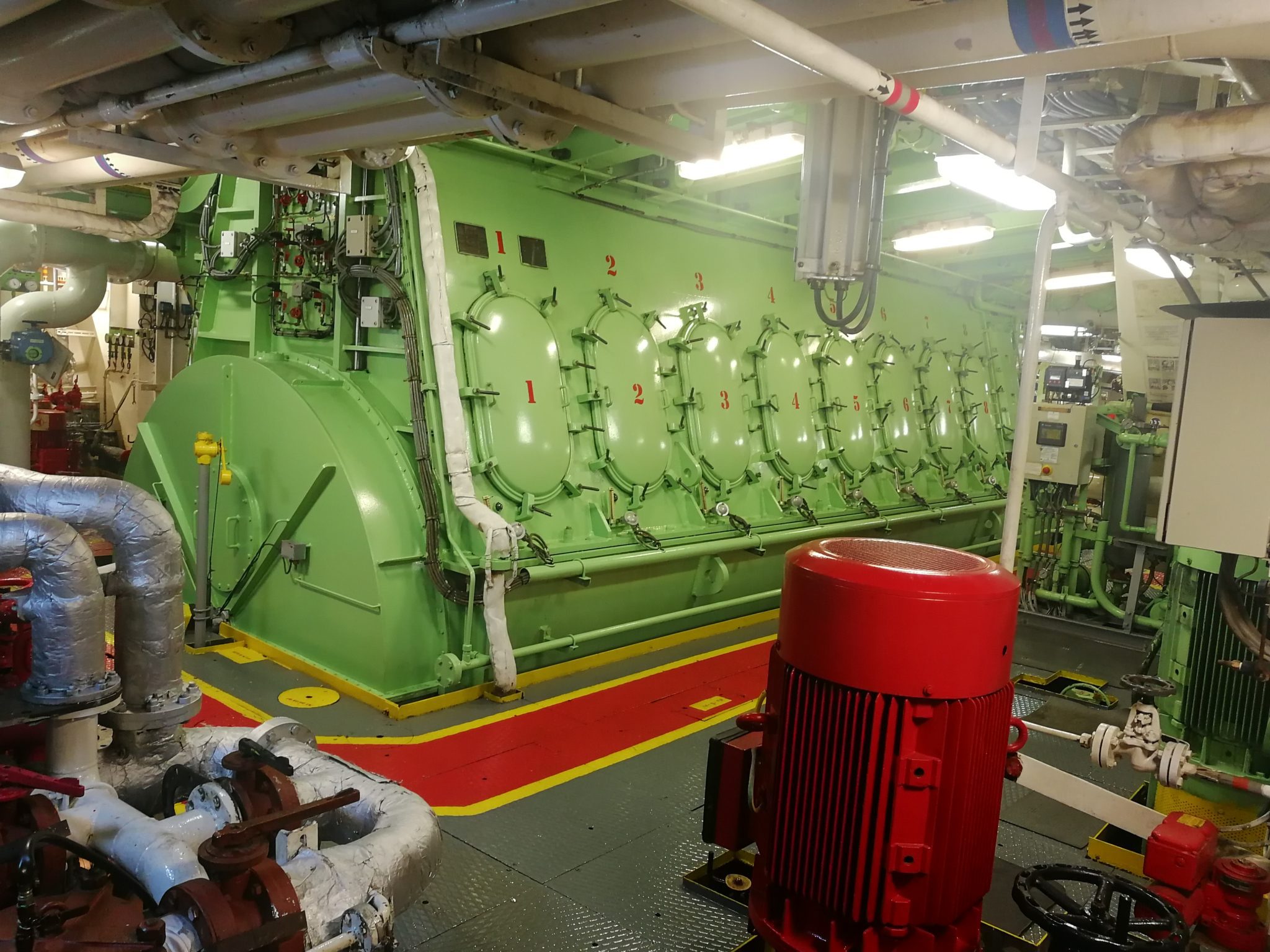
- Release hook Mechanismus Korrosion/Blockierung — KRITISCHER Sicherheitsfehler
- Diesel engine start failure due to lack of regular testing
- GRP hull osmotic blistering with prolonged water contact
- Scavenge air system valve failure
- Safety belt/harness aging due to UV/weather
- Very fast deployment – the boat slides off the ship by gravity
- Self‑righting hull design ensures survival in capsized conditions
- Integrated diesel engine provides post‑launch maneuverability
- GFK (glass‑fiber reinforced plastic) hull offers corrosion resistance and low weight
- Meets IMO SOLAS requirements and holds DNV approval
- Release hook mechanism can corrode or jam if not inspected regularly
- Diesel start failures reported when weekly engine tests are missed
- GFK hull may develop osmotic blistering after prolonged water exposure
- Ventilation valve of the air‑supply system has a known failure mode
- Safety harnesses and straps degrade under UV and weather without replacement
- Release hook Mechanismus Korrosion/Blockierung — KRITISCHER Sicherheitsfehler
- Diesel engine start failure due to lack of regular testing
- GRP hull osmotic blistering with prolonged water contact
- Scavenge air system valve failure
- Safety belt/harness aging due to UV/weather
- Very fast egress – the boat slides down a chute and hits the water within seconds.
- Compact launch arrangement eliminates need for heavy davit gear, saving deck space.
- GFK (glass‑fiber reinforced plastic) hull offers good corrosion resistance compared with steel lifeboats.
- Integrated 50 kN winch provides reliable release power even in adverse weather.
- Release hook can corrode or jam if not inspected and serviced annually – a critical safety risk.
- Diesel engine start failures have been reported when weekly run‑tests are missed.
- Long‑term water exposure may cause osmotic blistering of the GFK hull.
- Ventilation valve on the air supply system has shown occasional failure, requiring periodic checks.
- Safety harnesses and webbing age under UV and weather exposure and must be replaced regularly.
- Release hook Mechanismus Korrosion/Blockierung — KRITISCHER Sicherheitsfehler
- Diesel engine start failure due to lack of regular testing
- GRP hull osmotic blistering with prolonged water contact
- Scavenge air system valve failure
- Safety belt/harness aging due to UV/weather
- Immediate, gravity‑driven launch eliminates reliance on davits or winches
- Self‑propulsion by diesel engine provides maneuverability after water entry
- IMO and DNV type approval ensures compliance with SOLAS Chapter III
- Robust GFK hull offers high strength‑to‑weight ratio
- Defined maintenance regime (weekly motor test, annual hook service) supports reliability
- Release‑hook corrosion or blockage has been reported as a critical safety issue
- Diesel engine start failures occur if weekly tests are missed
- GFK hull can develop osmotic blisters after prolonged water exposure
- Ventilation valve of the air‑supply system may fail, affecting survivability
- Safety harnesses age quickly under UV and weather, requiring frequent replacement
- Release hook Mechanismus Korrosion/Blockierung — KRITISCHER Sicherheitsfehler
- Diesel engine start failure due to lack of regular testing
- GRP hull osmotic blistering with prolonged water contact
- Scavenge air system valve failure
- Safety belt/harness aging due to UV/weather
- Immediate, gravity‑driven launch eliminates reliance on winches or davits
- IMO SOLAS approved and DNV certified, ensuring compliance with international safety standards
- Onboard diesel engine enables self‑propulsion after water entry for rapid distance to rescue vessels
- Robust GFRP hull offers high strength‑to‑weight ratio and corrosion resistance when maintained
- Defined weekly motor test and annual release‑hook service support a documented readiness regime
- Release‑hook mechanism prone to corrosion or blockage if not inspected rigorously (critical safety risk)
- Diesel engine start failures reported when regular testing is omitted
- GFRP hull can develop osmotic blistering after prolonged water exposure if protective coating degrades
- Ventilation valve of the air‑supply system has a history of malfunction, affecting survivability
- Safety harnesses and webbing age quickly under UV and harsh weather, requiring frequent replacement
- Release hook Mechanismus Korrosion/Blockierung — KRITISCHER Sicherheitsfehler
- Diesel engine start failure due to lack of regular testing
- GRP hull osmotic blistering with prolonged water contact
- Scavenge air system valve failure
- Safety belt/harness aging due to UV/weather
- IMO SOLAS approved free‑fall launch provides sub‑30‑second egress
- High launch force (50 kN) enables deployment in heavy sea states
- GFK composite hull offers good strength‑to‑weight ratio and corrosion resistance
- Onboard diesel engine allows self‑propulsion after launch for maneuvering to safe distance
- DNV approval confirms compliance with major classification society standards
- Release hook prone to corrosion or blockage if not serviced annually (critical safety risk)
- Diesel engine start failures reported when regular weekly tests are missed
- GFK hull can develop osmotic blistering after prolonged water exposure
- Ventilation valve of the air‑supply system has documented failure cases
- Safety harnesses and webbing degrade under UV and weather exposure, requiring frequent replacement
- Release hook Mechanismus Korrosion/Blockierung — KRITISCHER Sicherheitsfehler
- Diesel engine start failure due to lack of regular testing
- GRP hull osmotic blistering with prolonged water contact
- Scavenge air system valve failure
- Safety belt/harness aging due to UV/weather
- Immediate launch via free‑fall well reduces evacuation time
- Enclosed cabin shields occupants from weather and sea spray
- Diesel engine provides self‑propulsion for maneuvering to safety after water entry
- IMO SOLAS and DNV approvals simplify regulatory compliance
- Defined maintenance regime (weekly engine test, annual release‑hook service) supports reliability
- Release hook corrosion or blockage reported as a critical safety issue if not maintained
- Diesel start failures observed when regular tests are missed
- GFRP hull can develop osmotic blistering after prolonged water exposure
- Ventilation valve of the air‑supply system has documented failure potential
- Safety harnesses and belts age rapidly under UV and marine weather, requiring frequent replacement
- Release hook Mechanismus Korrosion/Blockierung — KRITISCHER Sicherheitsfehler
- Diesel engine start failure due to lack of regular testing
- GRP hull osmotic blistering with prolonged water contact
- Scavenge air system valve failure
- Safety belt/harness aging due to UV/weather
- Immediate, gravity‑driven launch without davit winch operation
- Integrated diesel engine enables post‑launch maneuvering and increased range
- IMO SOLAS approved and DNV certified for compliance with international safety standards
- Robust GFRP hull offering good strength‑to‑weight ratio
- Capacity for up to 16 persons, suitable for medium‑sized vessels
- Release hook prone to corrosion/blockage if not maintained annually (critical safety risk)
- Diesel engine start failures reported when weekly tests are missed
- GFRP hull can develop osmotic blisters after prolonged water exposure
- Ventilation valve of the air‑supply system may fail, affecting survivability
- Safety harnesses and belts age under UV/wet conditions, requiring regular replacement
- Release hook Mechanismus Korrosion/Blockierung — KRITISCHER Sicherheitsfehler
- Diesel engine start failure due to lack of regular testing
- GRP hull osmotic blistering with prolonged water contact
- Scavenge air system valve failure
- Safety belt/harness aging due to UV/weather
- Very fast egress – boat drops vertically into the sea without winch operation
- Self‑propelled after splash‑down, allowing crewed maneuvering toward safety
- Enclosed cabin provides protection from weather and sea spray
- Meets SOLAS MSC.402(96) release‑hook maintenance requirements and is IMO approved
- High passenger capacity (≈55 persons) suitable for medium‑size vessels
- Release‑hook mechanism prone to corrosion/blockage if not inspected annually
- Diesel engine start failures reported when weekly test regime lapses
- GFRP hull can develop osmotic blisters after prolonged water exposure
- Ventilation valve of the air‑supply system has shown occasional failure
- Safety harnesses and webbing degrade under UV and harsh weather, requiring frequent replacement
- Release hook Mechanismus Korrosion/Blockierung — KRITISCHER Sicherheitsfehler
- Diesel engine start failure due to lack of regular testing
- GRP hull osmotic blistering with prolonged water contact
- Scavenge air system valve failure
- Safety belt/harness aging due to UV/weather
- Rapid launch via free‑fall system, ideal for high‑freeboard vessels
- Self‑righting GFK hull provides stability after water entry
- Integrated diesel engine enables maneuverability once in the water
- IMO and DNV approvals simplify regulatory compliance
- Standardised weekly motor test and annual release‑hook service support reliability
- Release‑hook mechanism prone to corrosion or blockage if not maintained
- Diesel engine may fail to start after prolonged inactivity without regular testing
- GFK hull can develop osmotic blisters when exposed to seawater for extended periods
- Air‑supply ventilation valve has a history of occasional failure
- Safety harnesses and belts deteriorate under UV and weather exposure
- Release hook Mechanismus Korrosion/Blockierung — KRITISCHER Sicherheitsfehler
- Diesel engine start failure due to lack of regular testing
- GRP hull osmotic blistering with prolonged water contact
- Scavenge air system valve failure
- Safety belt/harness aging due to UV/weather
- Compliant with IMO and SOLAS regulations
- Regular maintenance recommended to prevent motor start failures and other issues
- Corrosion-resistant design for the release hook mechanism
- Potential for osmotically driven blistering of the GRP hull due to prolonged water exposure
- Air supply system vent failure possible if not properly maintained
- Safety harness and equipment may degrade over time due to UV and weather exposure
Mare Safety
27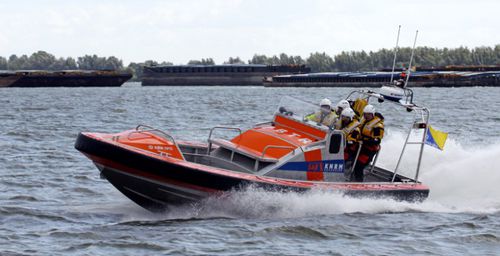
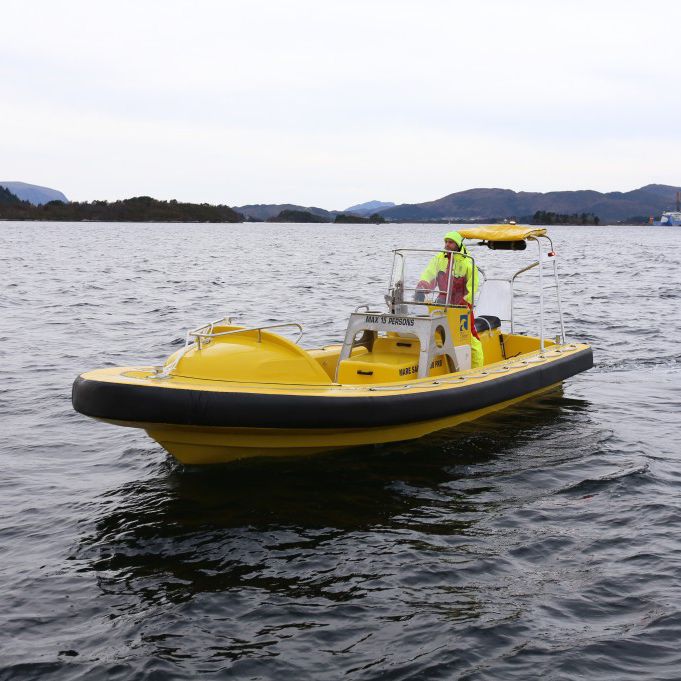
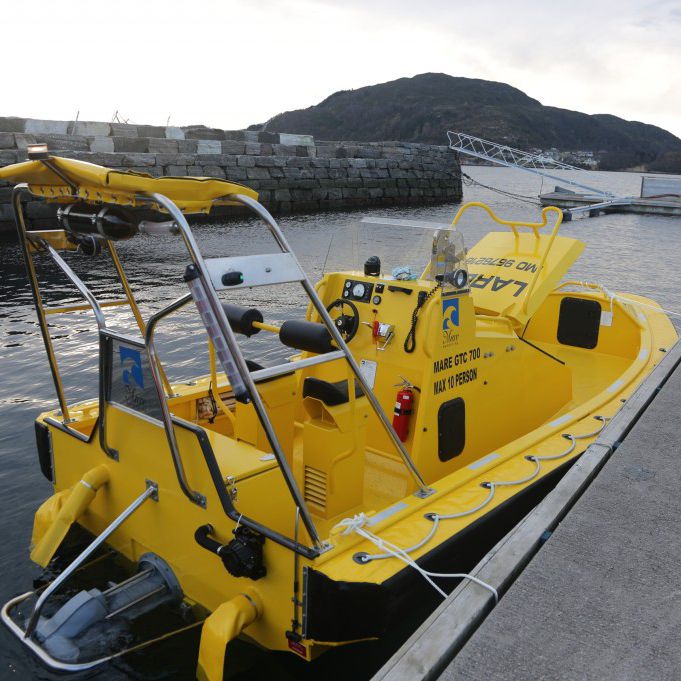
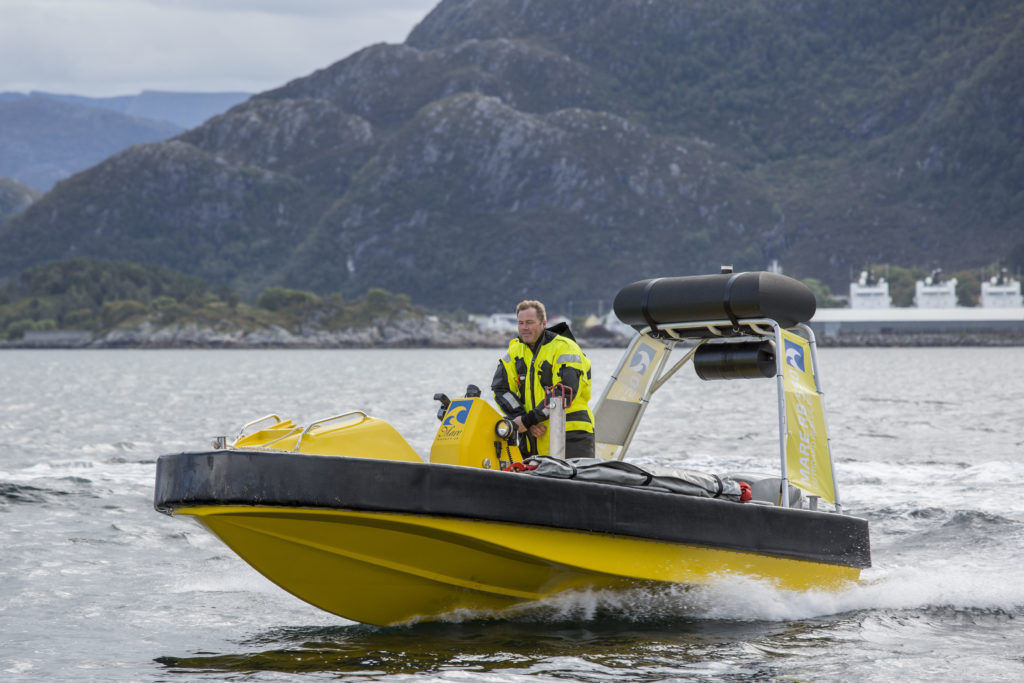
PALFINGER MARINE VIETNAM
26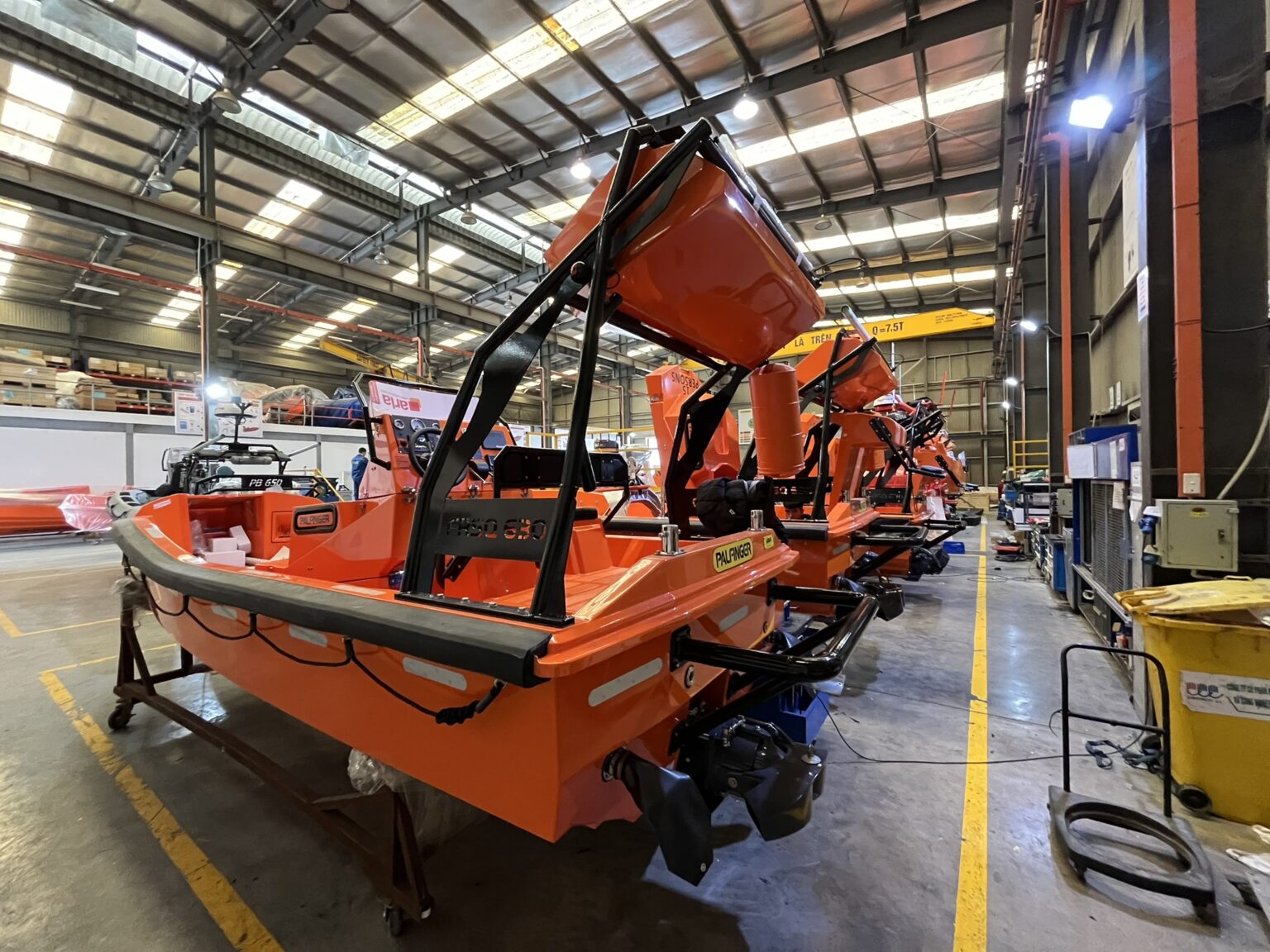
INDUSTRIAS FERRI
25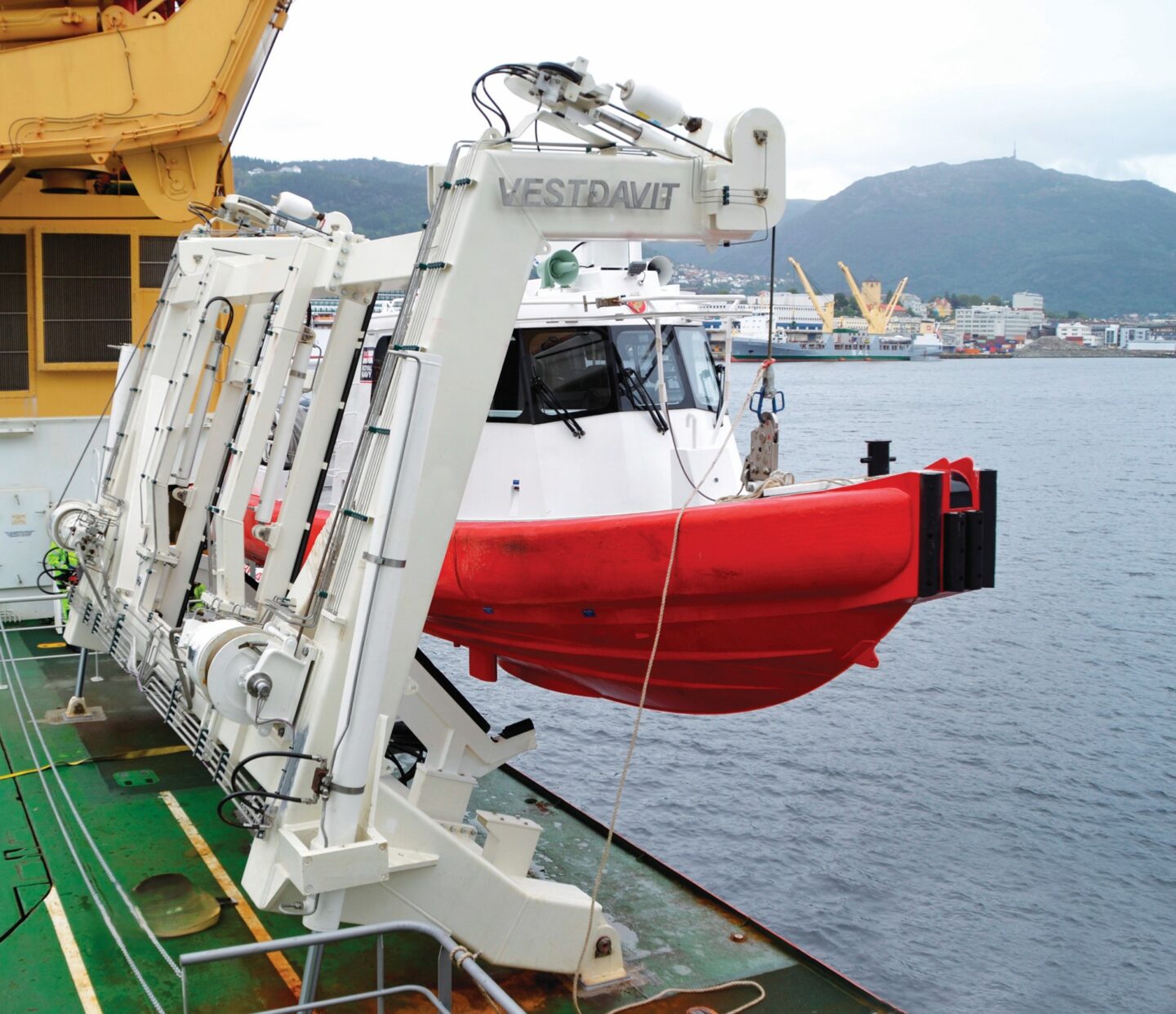
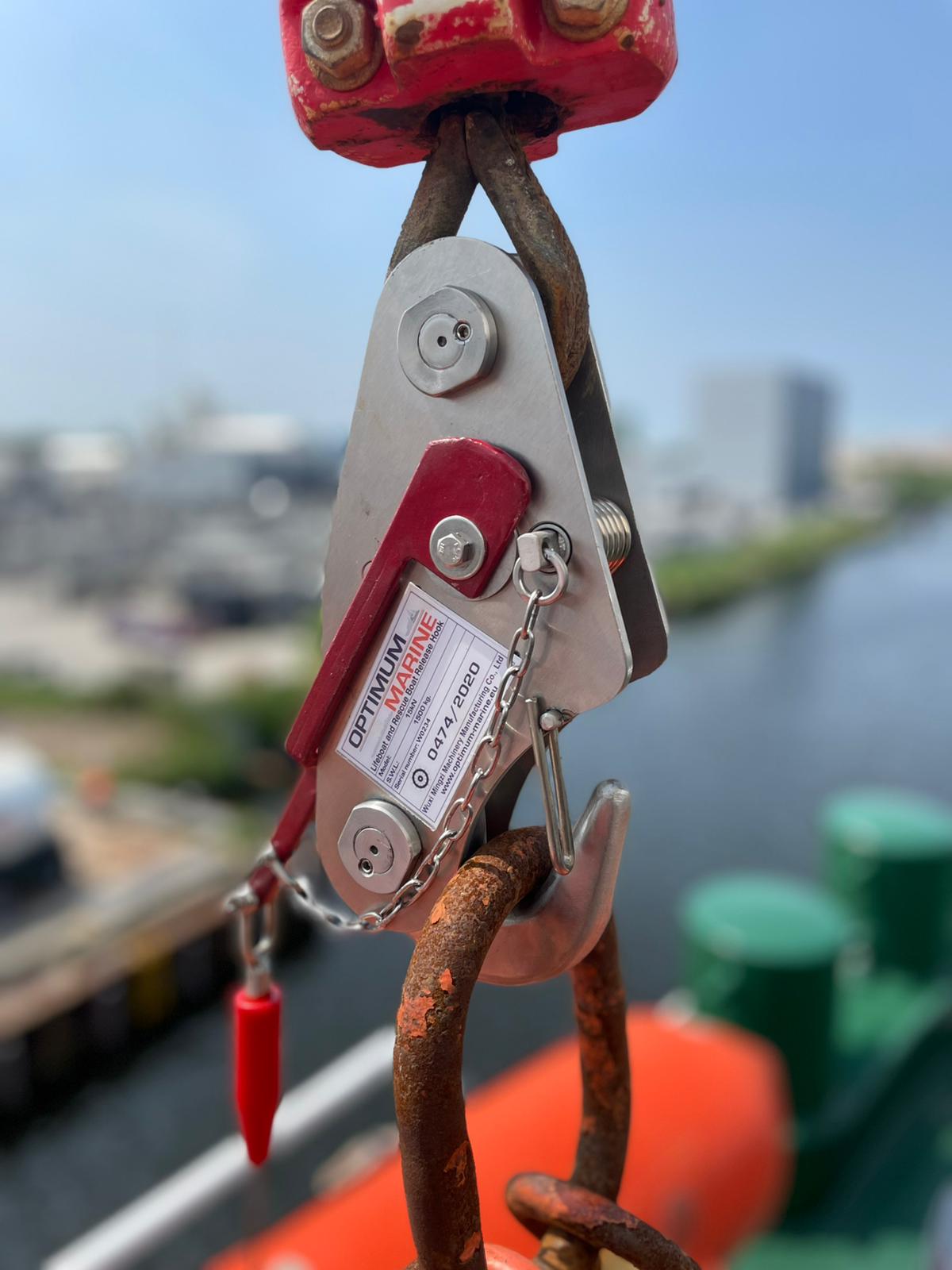


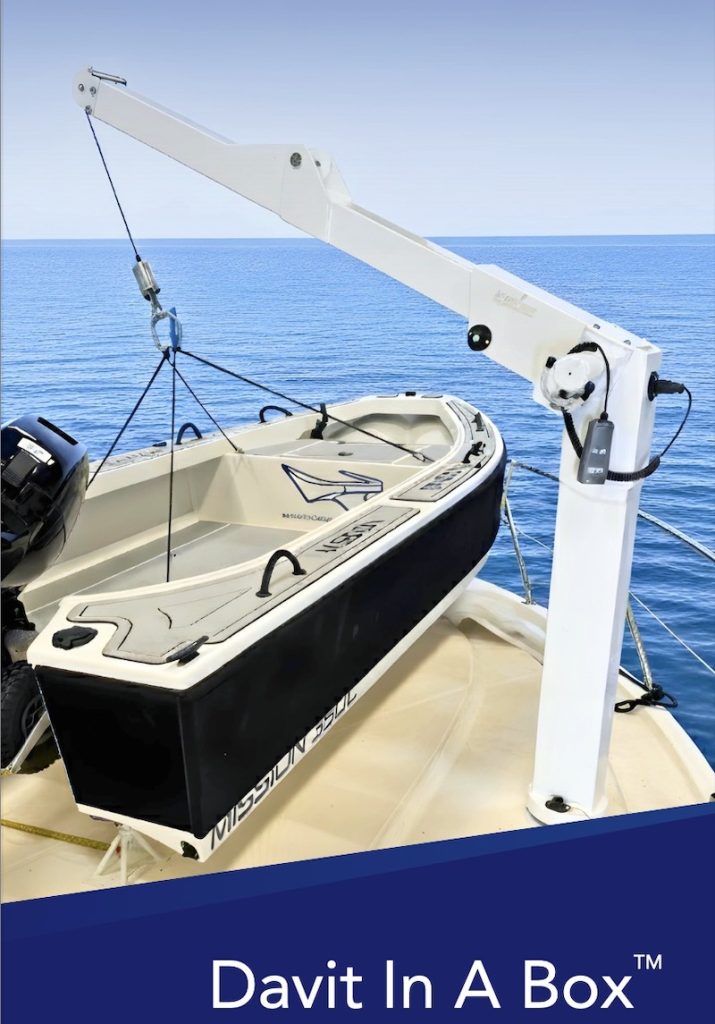
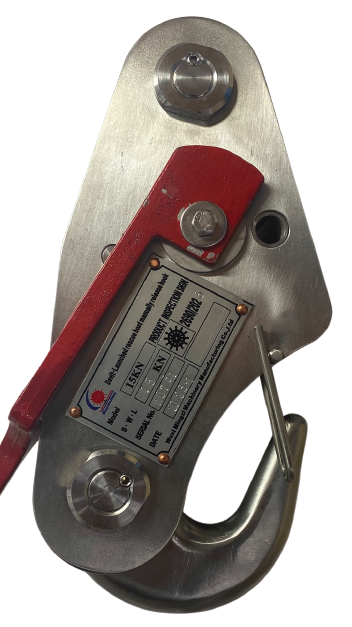
Hansen Protection
22


Zhenjiang Marine Auxiliary Machinery Works
21- Release hook Mechanismus Korrosion/Blockierung — KRITISCHER Sicherheitsfehler
- Diesel engine start failure due to lack of regular testing
- GRP hull osmotic blistering with prolonged water contact
- Scavenge air system valve failure
- Safety belt/harness aging due to UV/weather
- Instantaneous free‑fall launch provides rapid evacuation within seconds
- Integrated diesel engine allows self‑propulsion after water entry, extending range and maneuverability
- Self‑righting design and high capacity suitable for large passenger or crew complements
- IMO D‑2 approval and DNV certification ensure compliance with SOLAS requirements
- Robust GFRP construction offers good strength‑to‑weight ratio
- Release hook mechanism prone to corrosion or blockage if not inspected regularly
- Diesel engine start failures reported when routine weekly tests are missed
- GFRP hull can develop osmotic blisters after prolonged exposure to seawater
- Ventilation valve of the air‑supply system has a history of malfunction
- Safety harnesses and webbing age quickly under UV and harsh weather, requiring frequent replacement
- Release hook Mechanismus Korrosion/Blockierung — KRITISCHER Sicherheitsfehler
- Diesel engine start failure due to lack of regular testing
- GRP hull osmotic blistering with prolonged water contact
- Scavenge air system valve failure
- Safety belt/harness aging due to UV/weather
- IMO approved and DNV recognised, meeting SOLAS requirements
- Fast deployment via free‑fall well reduces evacuation time
- Self‑propelled by an integral diesel engine extends range after launch
- GFRP hull offers good corrosion resistance compared with steel
- Standardised weekly motor test and annual release‑hook service support reliability
- Release‑hook mechanism prone to corrosion or blockage if not maintained
- Diesel start failures reported when regular engine tests are missed
- GFRP hull can develop osmotic blisters after prolonged water exposure
- Ventilation valve of the air‑supply system has documented failure cases
- Safety harnesses age under UV and weather, requiring frequent replacement
- Release hook Mechanismus Korrosion/Blockierung — KRITISCHER Sicherheitsfehler
- Diesel engine start failure due to lack of regular testing
- GRP hull osmotic blistering with prolonged water contact
- Scavenge air system valve failure
- Safety belt/harness aging due to UV/weather
- IMO‑approved and DNV‑certified, meeting SOLAS requirements
- Rapid free‑fall deployment eliminates reliance on davits or winches
- Self‑propelled diesel engine enables maneuverability after launch
- GFRP (glass‑fiber reinforced plastic) hull offers high strength‑to‑weight ratio
- Standard weekly motor test and annual release‑hook service support reliability
- Release‑hook corrosion or blockage reported as a critical safety issue if not maintained
- Diesel engine start failures can occur after periods of inactivity without regular testing
- GFRP hull susceptible to osmotic blistering when exposed to prolonged water immersion
- Ventilation valve in the air‑supply system has shown occasional failure
- Safety harnesses and straps degrade under UV and weather exposure, requiring frequent replacement
- Release hook Mechanismus Korrosion/Blockierung — KRITISCHER Sicherheitsfehler
- Diesel engine start failure due to lack of regular testing
- GRP hull osmotic blistering with prolonged water contact
- Scavenge air system valve failure
- Safety belt/harness aging due to UV/weather
- IMO SOLAS approved and listed in DNV approval finder – meets international safety standards
- Freefall launch provides rapid egress without the need for davits or winches
- Integrated diesel engine enables self‑propulsion to a safe distance from the ship
- Weekly motor‑run test (minimum 5 min) ensures propulsion system readiness
- Annual release‑hook inspection per SOLAS MSC.402(96) reduces launch‑failure risk
- Release‑hook mechanism prone to corrosion or blockage if not maintained rigorously
- Diesel engine start failures reported when regular tests are missed
- GFRP hull can develop osmotic blistering after prolonged water exposure
- Ventilation valve of the air‑supply system has a documented failure mode
- Safety harnesses/straps degrade under UV and weather exposure, requiring frequent replacement
- Release hook Mechanismus Korrosion/Blockierung — KRITISCHER Sicherheitsfehler
- Diesel engine start failure due to lack of regular testing
- GRP hull osmotic blistering with prolonged water contact
- Scavenge air system valve failure
- Safety belt/harness aging due to UV/weather
- Instantaneous free‑fall deployment gives the fastest possible escape from a damaged vessel
- Self‑righting hull ensures occupants remain upright in rough sea conditions
- Integrated diesel engine provides post‑launch maneuverability and increased range
- Complies with SOLAS/IMO requirements and carries DNV approval for lifeboat class
- Weekly motor‑run test and annual release‑hook service are prescribed, supporting reliability
- Release‑hook corrosion or blockage has been reported as a critical safety issue
- Diesel engine start failures occur when regular testing is neglected
- GFK (glass‑fiber reinforced plastic) hull can develop osmotic blisters after prolonged water exposure
- Air‑supply valve malfunctions have been documented, affecting breathing apparatus reliability
- Safety harnesses and webbing age rapidly under UV and harsh weather, requiring frequent replacement
- Release hook Mechanismus Korrosion/Blockierung — KRITISCHER Sicherheitsfehler
- Diesel engine start failure due to lack of regular testing
- GRP hull osmotic blistering with prolonged water contact
- Scavenge air system valve failure
- Safety belt/harness aging due to UV/weather
- IMO D‑2 and DNV approved – meets international safety standards
- Self‑righting hull with built‑in diesel engine for powered escape after launch
- Fast deployment from a freefall well (launch time <10 s)
- Weekly motor test requirement ensures propulsion reliability
- GFK composite hull provides high strength‑to‑weight ratio
- Release hook prone to corrosion/blockage if not maintained annually
- Engine start failures reported when regular tests are missed
- GFRP hull can develop osmotic blisters after prolonged water exposure
- Ventilation valve of the air supply system has a history of malfunction
- Safety harnesses and webbing degrade under UV and harsh weather, requiring frequent replacement
- Release hook Mechanismus Korrosion/Blockierung — KRITISCHER Sicherheitsfehler
- Diesel engine start failure due to lack of regular testing
- GRP hull osmotic blistering with prolonged water contact
- Scavenge air system valve failure
- Safety belt/harness aging due to UV/weather
- Very fast egress – the boat drops directly into the sea, cutting evacuation time dramatically.
- Self‑righting hull protects occupants in heavy seas and adverse weather.
- Integrated diesel engine provides powered maneuverability after water entry.
- IMO SOLAS approved and DNV classified, ensuring regulatory compliance.
- GFRP (glass‑fiber reinforced plastic) hull offers high strength‑to‑weight ratio compared with steel.
- Release hook mechanism has documented corrosion/blockage issues if not serviced annually.
- Diesel engine start failures reported when routine weekly tests are missed or incomplete.
- GFRP hull can develop osmotic blisters after prolonged exposure to seawater.
- Air‑supply valve (vent) failure incidents have been recorded, affecting breathing‑air reliability.
- Safety harnesses and webbing age rapidly under UV and weather, requiring frequent replacement.
- Release hook Mechanismus Korrosion/Blockierung — KRITISCHER Sicherheitsfehler
- Diesel engine start failure due to lack of regular testing
- GRP hull osmotic blistering with prolonged water contact
- Scavenge air system valve failure
- Safety belt/harness aging due to UV/weather
- IMO approved and DNV certified, ensuring compliance with SOLAS requirements
- Self‑propulsion after water entry via onboard diesel engine for rapid maneuverability
- High launch speed due to freefall deployment, reducing evacuation time
- Robust GFRP hull offering good strength‑to‑weight ratio
- Capacity for 10–15 persons, suitable for crew and passenger rescue
- Release hook prone to corrosion or blockage if not inspected annually (critical safety risk)
- Diesel engine start failures reported when regular weekly tests are missed
- GFRP hull can develop osmotic blisters after prolonged water exposure
- Ventilation valve of the air‑supply system has a history of malfunction
- Safety harnesses age quickly under UV and weather exposure, requiring frequent replacement
- Release hook Mechanismus Korrosion/Blockierung — KRITISCHER Sicherheitsfehler
- Diesel engine start failure due to lack of regular testing
- GRP hull osmotic blistering with prolonged water contact
- Scavenge air system valve failure
- Safety belt/harness aging due to UV/weather
- IMO SOLAS and DNV approval ensures regulatory compliance
- Rapid free‑fall deployment gives immediate escape capability
- Integrated diesel engine provides self‑propulsion after water entry
- Fiberglass‑reinforced plastic (GFRP) hull offers good strength‑to‑weight ratio
- Release hook can corrode or jam if not serviced annually – a critical safety risk
- Diesel start failures reported when weekly engine tests are missed
- GFRP hull may develop osmotic blisters after prolonged water exposure
- Ventilation valve of the air‑supply system has shown occasional failure
- Safety harnesses age quickly under UV and harsh weather, requiring regular replacement
- Release hook Mechanismus Korrosion/Blockierung — KRITISCHER Sicherheitsfehler
- Diesel engine start failure due to lack of regular testing
- GRP hull osmotic blistering with prolonged water contact
- Scavenge air system valve failure
- Safety belt/harness aging due to UV/weather
- Very fast egress – launches by free‑fall without davit handling time
- Self‑propelled diesel engine enables maneuverability after launch
- IMO D‑2 and DNV approval confirms compliance with SOLAS requirements
- Lightweight GFK hull provides high strength‑to‑weight ratio
- Standardised weekly motor test and annual release‑hook service simplify maintenance planning
- Release‑hook mechanism prone to corrosion/blockage if not serviced rigorously
- Diesel engine start failures reported when regular tests are missed
- GFK hull can develop osmotic blisters after prolonged water exposure
- Air‑supply valve has a history of malfunction under load
- Safety harnesses age quickly under UV and harsh weather, requiring frequent replacement
- Release hook Mechanismus Korrosion/Blockierung — KRITISCHER Sicherheitsfehler
- Diesel engine start failure due to lack of regular testing
- GRP hull osmotic blistering with prolonged water contact
- Scavenge air system valve failure
- Safety belt/harness aging due to UV/weather
- Rapid egress: free‑fall deployment clears the deck within seconds
- Self‑righting and motor‑propelled after splash‑down for increased survival range
- Lightweight GFRP construction reduces overall weight and centre of gravity
- IMO SOLAS approval and DNV certification ensure regulatory compliance
- Weekly engine run‑test requirement supports readiness monitoring
- Release hook prone to corrosion or blockage if not maintained annually (critical safety risk)
- Diesel start failures reported when regular testing is omitted
- GFRP hull can develop osmotic blisters after prolonged water exposure
- Ventilation valve of the air‑supply system has documented failure modes
- Safety harnesses deteriorate under UV and weathering, requiring frequent replacement
- Release hook Mechanismus Korrosion/Blockierung — KRITISCHER Sicherheitsfehler
- Diesel engine start failure due to lack of regular testing
- GRP hull osmotic blistering with prolonged water contact
- Scavenge air system valve failure
- Safety belt/harness aging due to UV/weather
- Instantaneous deployment – the boat slides off the ship in seconds without external power or davits
- Enclosed, climate‑controlled cabin protects occupants during launch and transit
- Integrated diesel engine provides self‑propulsion after water entry for maneuverability
- Meets IMO SOLAS requirements and carries DNV approval, confirming compliance with international safety standards
- Robust release hook design (when maintained) allows reliable activation even in heavy seas
- Release‑hook corrosion or blockage has been reported as a critical safety failure if not serviced annually
- Diesel engine start failures occur when weekly engine‑run tests are missed or inadequately performed
- GFRP hull can develop osmotic blisters after prolonged water exposure, requiring dock‑side inspection
- Ventilation valve of the air‑supply system has a history of malfunction, affecting breathable air provision
- Safety harnesses and webbing age rapidly under UV and weather exposure, necessitating regular replacement
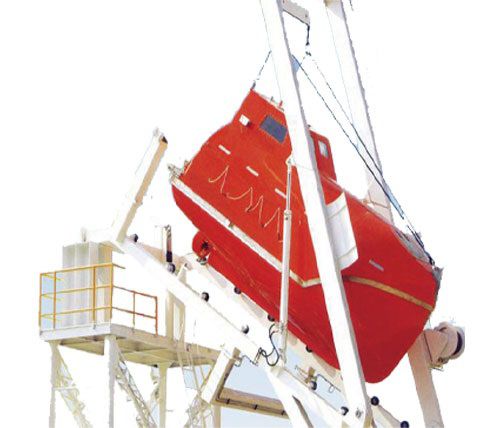
- Release hook Mechanismus Korrosion/Blockierung — KRITISCHER Sicherheitsfehler
- Diesel engine start failure due to lack of regular testing
- GRP hull osmotic blistering with prolonged water contact
- Scavenge air system valve failure
- Safety belt/harness aging due to UV/weather
- IMO D‑2 approved and listed in the DNV approval finder – recognized compliance with international safety standards.
- Free‑fall launch provides immediate immersion and rapid egress, critical for high‑speed passenger vessels.
- Integrated diesel propulsion enables self‑righting and post‑launch maneuverability without reliance on wind or sea currents.
- Lightweight GFK hull offers good strength‑to‑weight ratio and corrosion resistance when properly maintained.
- Clear maintenance regime (weekly engine test, annual release‑hook service, 5‑year full inspection) aligns with SOLAS MSC.402(96).
- Documented release‑hook corrosion/blockage incidents – requires strict annual servicing to avoid critical failure.
- Diesel engine start failures reported when routine tests are missed; reliability depends on disciplined testing schedule.
- GFK hull susceptible to osmotic blistering after prolonged water exposure, demanding regular dockside inspections.
- Air‑supply valve and ventilation system have shown occasional malfunctions, necessitating periodic functional checks.
- Safety harnesses age quickly under UV and harsh weather, requiring frequent replacement.
- Release hook Mechanismus Korrosion/Blockierung — KRITISCHER Sicherheitsfehler
- Diesel engine start failure due to lack of regular testing
- GRP hull osmotic blistering with prolonged water contact
- Scavenge air system valve failure
- Safety belt/harness aging due to UV/weather
- IMO D‑2 approved and DNV certified, ensuring compliance with SOLAS requirements
- Integrated diesel engine provides rapid maneuverability once the boat hits the water
- Composite (GFRP) hull offers high strength‑to‑weight ratio and corrosion resistance compared with steel
- Weekly motor‑run test procedure built into service plan improves reliability of launch propulsion
- Release hook conforms to SOLAS MSC.402(96) allowing standardized deck‑mounted launching systems
- Release‑hook mechanism prone to corrosion or blockage if not inspected and lubricated regularly
- Diesel engine start failures reported when weekly tests are missed or performed inadequately
- GFRP hull can develop osmotic blistering after prolonged exposure to seawater, especially in warm climates
- Ventilation valve of the air‑supply system has a history of malfunction, requiring spare parts on board
- Safety harnesses and webbing age quickly under UV and harsh weather, demanding frequent replacement
- Release hook Mechanismus Korrosion/Blockierung — KRITISCHER Sicherheitsfehler
- Diesel engine start failure due to lack of regular testing
- GRP hull osmotic blistering with prolonged water contact
- Scavenge air system valve failure
- Safety belt/harness aging due to UV/weather
- Very rapid egress – the boat slides down a launch chute without winch assistance.
- Integrated diesel engine provides self‑propulsion after water entry, improving survivability.
- IMO SOLAS and DNV‑GL approvals confirm compliance with international safety standards.
- Weekly motor‑run test (≥5 min) built into service regime ensures engine readiness.
- Annual release‑hook inspection per SOLAS MSC.402(96) reduces risk of deployment failure.
- Release‑hook corrosion or blockage has been reported as a critical safety issue if not maintained.
- Diesel start failures occur when the mandatory weekly tests are missed or performed inadequately.
- GFRP hull can develop osmotic blisters after prolonged water exposure, requiring dock‑side inspection.
- Ventilation valve of the air‑supply system has shown occasional failure, affecting breathable air supply.
- Safety harnesses and webbing age rapidly under UV and harsh weather, needing regular replacement.
- Release hook Mechanismus Korrosion/Blockierung — KRITISCHER Sicherheitsfehler
- Diesel engine start failure due to lack of regular testing
- GRP hull osmotic blistering with prolonged water contact
- Scavenge air system valve failure
- Safety belt/harness aging due to UV/weather
- IMO D‑2 and DNV approval ensures compliance with SOLAS requirements
- Free‑fall launch provides very fast egress (typically <10 s) from the embarkation deck
- Integrated diesel engine allows self‑propulsion after water entry, extending range for survivors
- GFRP hull offers high strength‑to‑weight ratio when properly maintained
- Standardised weekly motor test and annual release‑hook service simplify compliance tracking
- Release‑hook corrosion or blockage has been reported as a critical safety issue if maintenance lapses
- Diesel engine start failures occur when regular testing is not performed
- GFRP hull can develop osmotic blistering after prolonged exposure to seawater
- Air‑supply valve malfunctions have been recorded, affecting onboard breathing apparatus
- Safety harnesses and webbing are prone to UV and weather ageing, requiring frequent replacement
- Release hook Mechanismus Korrosion/Blockierung — KRITISCHER Sicherheitsfehler
- Diesel engine start failure due to lack of regular testing
- GRP hull osmotic blistering with prolonged water contact
- Scavenge air system valve failure
- Safety belt/harness aging due to UV/weather
- IMO SOLAS approved and DNV recognised – meets international safety standards
- Free‑fall launch provides very fast egress from high‑freeboard vessels
- On‑board diesel engine gives self‑propulsion for extended survival distance
- Compact size (10 m class) fits a wide range of vessel decks
- Standard weekly engine test and annual hook service support reliability when maintained
- Release hook prone to corrosion or blockage if not inspected regularly
- Diesel start failures reported when routine tests are missed
- GFRP hull can develop osmotic blisters after prolonged water exposure
- Ventilation valve of the air‑supply system has shown occasional failure
- Safety harnesses age quickly under UV and harsh weather, requiring frequent replacement
- Release hook Mechanismus Korrosion/Blockierung — KRITISCHER Sicherheitsfehler
- Diesel engine start failure due to lack of regular testing
- GRP hull osmotic blistering with prolonged water contact
- Scavenge air system valve failure
- Safety belt/harness aging due to UV/weather
- Rapid self‑righting deployment via free‑fall launch
- IMO SOLAS approved and listed by DNV
- Integrated diesel engine enables controlled maneuvering after water entry
- Robust GFK hull provides good strength‑to‑weight ratio
- Release hook prone to corrosion or blockage if not serviced annually
- Diesel start failures reported when regular motor tests are missed
- GFK hull can develop osmotic blisters after prolonged water exposure
- Ventilation valve of the air supply system has shown occasional failure
- Safety harnesses degrade under UV and weathering, requiring frequent replacement
- Release hook Mechanismus Korrosion/Blockierung — KRITISCHER Sicherheitsfehler
- Diesel engine start failure due to lack of regular testing
- GRP hull osmotic blistering with prolonged water contact
- Scavenge air system valve failure
- Safety belt/harness aging due to UV/weather
- IMO‑approved and DNV‑certified, meeting SOLAS requirements
- Rapid free‑fall deployment reduces evacuation time
- Built‑in diesel engine provides self‑propulsion after launch for maneuvering to safety
- Glass‑fiber reinforced plastic (GFRP) hull offers high strength‑to‑weight ratio
- Standardised maintenance schedule (weekly motor test, annual release‑hook service) supports reliability
- Release‑hook mechanism prone to corrosion or blockage if not serviced rigorously
- Diesel engine start failures reported when regular testing is omitted
- GFRP hull can develop osmotic blisters after prolonged water exposure
- Ventilation valve of the air‑supply system has a history of malfunction
- Safety harnesses and belts may degrade under UV and weather exposure, requiring frequent replacement
- Release hook Mechanismus Korrosion/Blockierung — KRITISCHER Sicherheitsfehler
- Diesel engine start failure due to lack of regular testing
- GRP hull osmotic blistering with prolonged water contact
- Scavenge air system valve failure
- Safety belt/harness aging due to UV/weather
- Compliant with SOLAS regulations
- High capacity to accommodate up to 25 persons
- Durable fiberglass hull resistant to corrosion
- Release hook mechanism prone to corrosion and blockage
- Diesel motor may fail due to lack of regular testing
- Fiberglass hull susceptible to osmotic blistering after prolonged water exposure
- Release hook Mechanismus Korrosion/Blockierung — KRITISCHER Sicherheitsfehler
- Diesel engine start failure due to lack of regular testing
- GRP hull osmotic blistering with prolonged water contact
- Scavenge air system valve failure
- Safety belt/harness aging due to UV/weather
H. Henriksen
20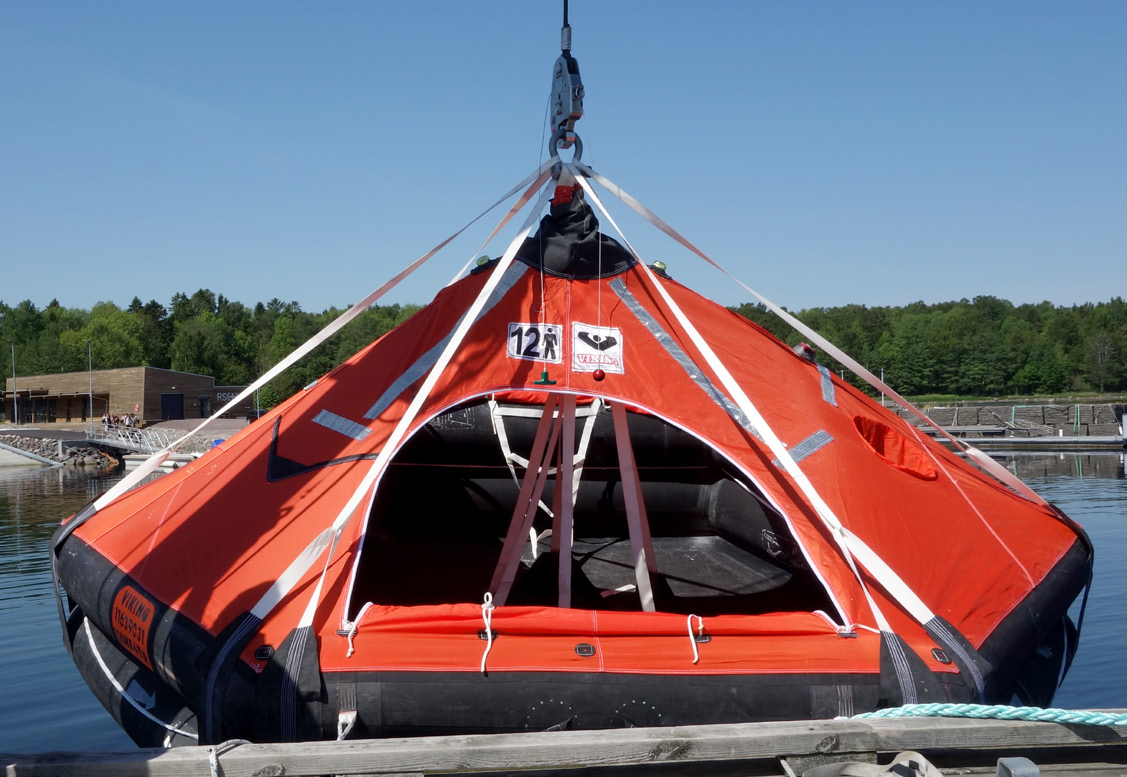

Norsafe
20Oriental Precision & Engineering
20ACEBI S.A.S
18
CSSC Luzhou Zhenjiang Marine Auxiliary Machinery
18
- Release hook Mechanismus Korrosion/Blockierung — KRITISCHER Sicherheitsfehler
- Diesel engine start failure due to lack of regular testing
- GRP hull osmotic blistering with prolonged water contact
- Scavenge air system valve failure
- Safety belt/harness aging due to UV/weather
- Release hook Mechanismus Korrosion/Blockierung — KRITISCHER Sicherheitsfehler
- Diesel engine start failure due to lack of regular testing
- GRP hull osmotic blistering with prolonged water contact
- Scavenge air system valve failure
- Safety belt/harness aging due to UV/weather
- Release hook Mechanismus Korrosion/Blockierung — KRITISCHER Sicherheitsfehler
- Diesel engine start failure due to lack of regular testing
- GRP hull osmotic blistering with prolonged water contact
- Scavenge air system valve failure
- Safety belt/harness aging due to UV/weather
- Release hook Mechanismus Korrosion/Blockierung — KRITISCHER Sicherheitsfehler
- Diesel engine start failure due to lack of regular testing
- GRP hull osmotic blistering with prolonged water contact
- Scavenge air system valve failure
- Safety belt/harness aging due to UV/weather
- Release hook Mechanismus Korrosion/Blockierung — KRITISCHER Sicherheitsfehler
- Diesel engine start failure due to lack of regular testing
- GRP hull osmotic blistering with prolonged water contact
- Scavenge air system valve failure
- Safety belt/harness aging due to UV/weather
- Release hook Mechanismus Korrosion/Blockierung — KRITISCHER Sicherheitsfehler
- Diesel engine start failure due to lack of regular testing
- GRP hull osmotic blistering with prolonged water contact
- Scavenge air system valve failure
- Safety belt/harness aging due to UV/weather
- Release hook Mechanismus Korrosion/Blockierung — KRITISCHER Sicherheitsfehler
- Diesel engine start failure due to lack of regular testing
- GRP hull osmotic blistering with prolonged water contact
- Scavenge air system valve failure
- Safety belt/harness aging due to UV/weather
- Release hook Mechanismus Korrosion/Blockierung — KRITISCHER Sicherheitsfehler
- Diesel engine start failure due to lack of regular testing
- GRP hull osmotic blistering with prolonged water contact
- Scavenge air system valve failure
- Safety belt/harness aging due to UV/weather
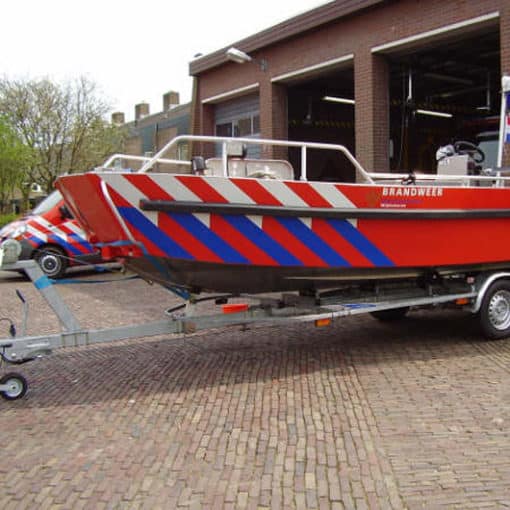
- Release hook Mechanismus Korrosion/Blockierung — KRITISCHER Sicherheitsfehler
- Diesel engine start failure due to lack of regular testing
- GRP hull osmotic blistering with prolonged water contact
- Scavenge air system valve failure
- Safety belt/harness aging due to UV/weather
- Release hook Mechanismus Korrosion/Blockierung — KRITISCHER Sicherheitsfehler
- Diesel engine start failure due to lack of regular testing
- GRP hull osmotic blistering with prolonged water contact
- Scavenge air system valve failure
- Safety belt/harness aging due to UV/weather
- Release hook Mechanismus Korrosion/Blockierung — KRITISCHER Sicherheitsfehler
- Diesel engine start failure due to lack of regular testing
- GRP hull osmotic blistering with prolonged water contact
- Scavenge air system valve failure
- Safety belt/harness aging due to UV/weather
- Release hook Mechanismus Korrosion/Blockierung — KRITISCHER Sicherheitsfehler
- Diesel engine start failure due to lack of regular testing
- GRP hull osmotic blistering with prolonged water contact
- Scavenge air system valve failure
- Safety belt/harness aging due to UV/weather

- Release hook Mechanismus Korrosion/Blockierung — KRITISCHER Sicherheitsfehler
- Diesel engine start failure due to lack of regular testing
- GRP hull osmotic blistering with prolonged water contact
- Scavenge air system valve failure
- Safety belt/harness aging due to UV/weather
- Release hook Mechanismus Korrosion/Blockierung — KRITISCHER Sicherheitsfehler
- Diesel engine start failure due to lack of regular testing
- GRP hull osmotic blistering with prolonged water contact
- Scavenge air system valve failure
- Safety belt/harness aging due to UV/weather
- Release hook Mechanismus Korrosion/Blockierung — KRITISCHER Sicherheitsfehler
- Diesel engine start failure due to lack of regular testing
- GRP hull osmotic blistering with prolonged water contact
- Scavenge air system valve failure
- Safety belt/harness aging due to UV/weather
- Release hook Mechanismus Korrosion/Blockierung — KRITISCHER Sicherheitsfehler
- Diesel engine start failure due to lack of regular testing
- GRP hull osmotic blistering with prolonged water contact
- Scavenge air system valve failure
- Safety belt/harness aging due to UV/weather
- Release hook Mechanismus Korrosion/Blockierung — KRITISCHER Sicherheitsfehler
- Diesel engine start failure due to lack of regular testing
- GRP hull osmotic blistering with prolonged water contact
- Scavenge air system valve failure
- Safety belt/harness aging due to UV/weather
- Release hook Mechanismus Korrosion/Blockierung — KRITISCHER Sicherheitsfehler
- Diesel engine start failure due to lack of regular testing
- GRP hull osmotic blistering with prolonged water contact
- Scavenge air system valve failure
- Safety belt/harness aging due to UV/weather
Datrex
17- Loss of electrical, hydraulic, pneumatic, or other service supply caused by a tripped protection device, leakage, blockage, or upstream fault results in failed starting or loss of function
- Mechanical wear, corrosion, fouling, or contamination of moving and wetted parts causes increased noise, leakage, sticking, vibration, or reduced performance
- Seal, gasket, hose, cable, or connection deterioration from age, heat, vibration, or environmental exposure produces visible leakage, intermittent signals, or loss of pressure
- Sensor, switch, actuator, relay, or control-system faults can cause incorrect indication, nuisance alarms, failed automatic sequences, or loss of remote control
- Incorrect adjustment, assembly, or maintenance can lead to unstable operation, recurrent alarms, or performance that differs from the vessel's normal baseline
Jiangsu Jiaoyan Marine Equipment
17Lalizas Hellas
17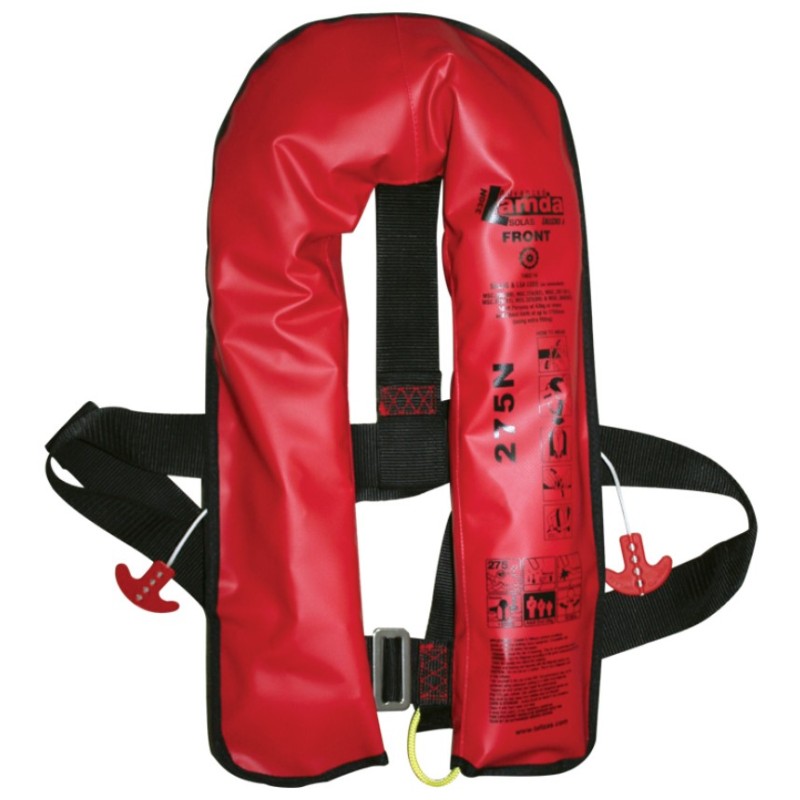


Oriental Precision Machinery
16Shanghai Star Rubber Products
15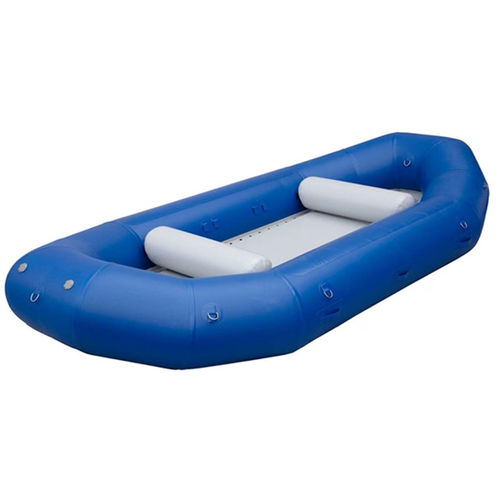
Shanghai Yibei Safety Equipment
15Umoe Schat-Harding
15Jiaxing Rongsheng Lifesaving Equipment
14- Engine starting failure caused by degraded battery condition, fuel deterioration or neglected running tests, noticed during drills
- Release mechanism stiffness, corrosion or maladjustment, noticed during authorized operational checks
- Hull, canopy or seating damage from weathering, impact or aging, noticed by visual inspection
- Hatch, seal or drain deterioration, noticed as water ingress or poor closure
- Harness, buckle or internal equipment deterioration, noticed during inventory and condition checks
- Launching/recovery appliance corrosion or mechanical deterioration, noticed at rails, winch, wire, rollers or associated fittings as applicable
Vanguarde(Nantong)F.R.P
14Yamaha Motor
14
Maritime Partner
13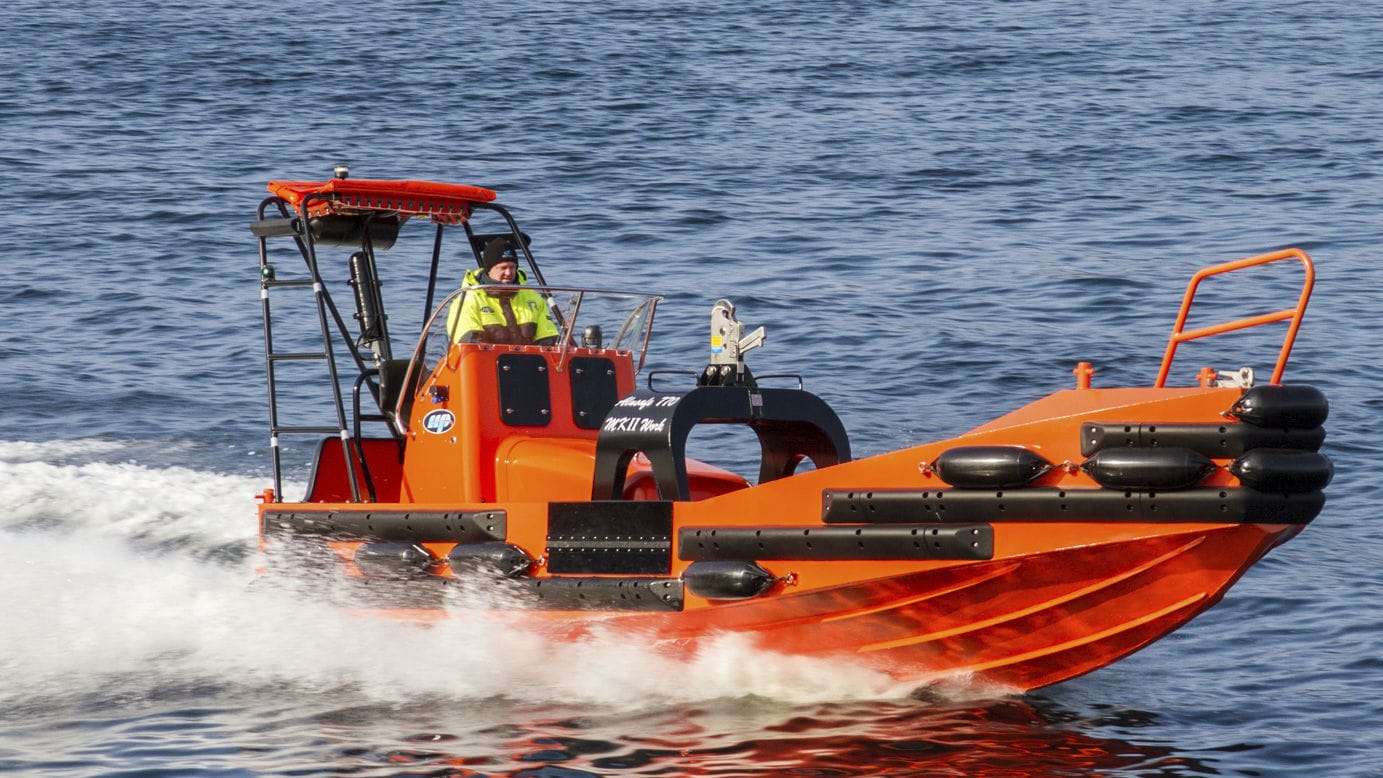
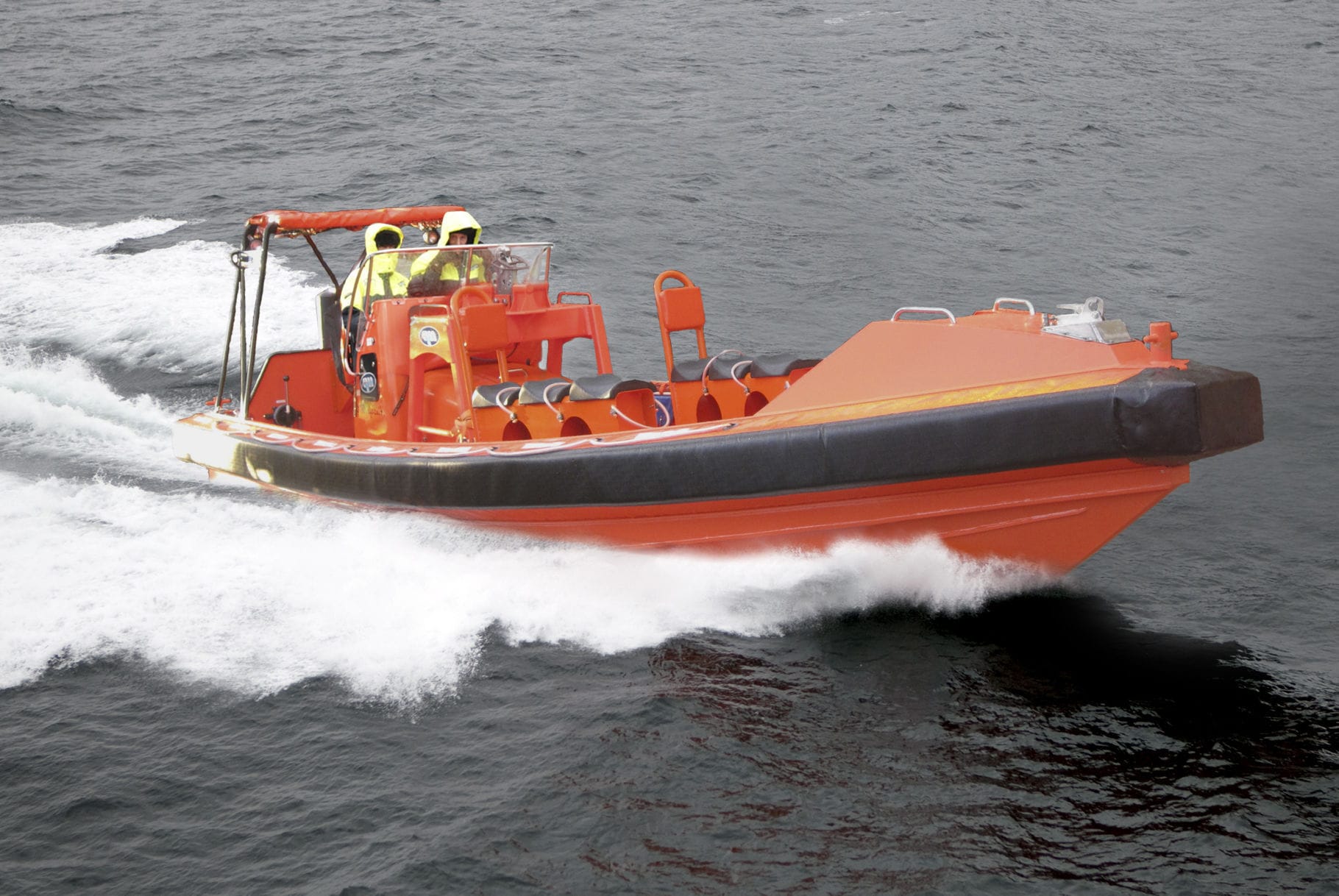
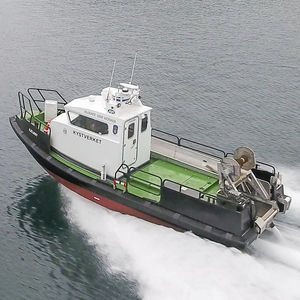
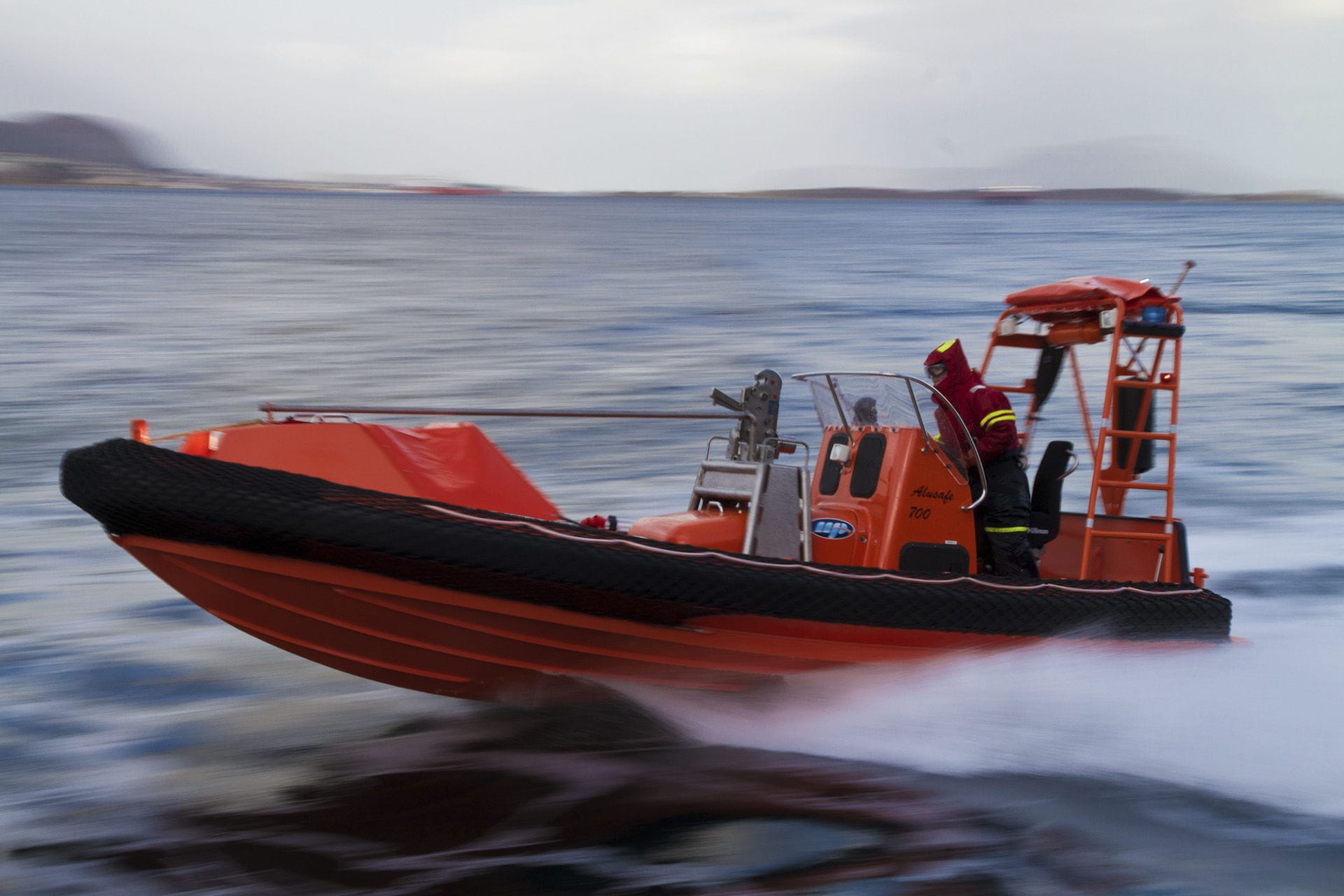
Red Rock Marine
13Mercury Marine - Division of Brunswick
12
Global Davit
11- Area: On-Load-Release-Gear (OLRG)Check: Annual functional test at 1.1 × SWL; after test check locking; inspect for dried paint/contamination/corrosion in lock, thread/shank wear/cracks. 5-year dynamic test. SOLAS III / MSC.402(96).
- Area: Drahtseile (Falls/Wire Ropes)Check: Inspect for kinks, corrosion, strand breakage (>10% over 8d length = replacement), inaccessible sections; correct/certified ropes; if required turn for full inspection; renewal per manufacturer interval.
- Area: Bremse (Zentrifugal- + Haltebremse)Check: Brake pad wear; check lowering speed (SOLAS S=0.4+0.02H, max ~36 m/min); remote release function; brake not blocked by poor maintenance.
- Area: Korrosion der Davit-StrukturCheck: Galvanized structure + stainless steel fasteners for pitting/discoloration; NDT of load-bearing structure for cracks; incident RRS Sir David Attenborough 2021 (severe corrosion due to poor maintenance).
- Area: Wartungs-ComplianceCheck: Planned maintenance complete since installation? Annual + 5-year tests recorded in logbook; manufacturer instructions followed; only authorized personnel (MSC.1/Circ.1205 Rev.1).
Universelle SOLAS-Inspektions-/Wartungspunkte fuer Davits/Rettungsboot-Aussetzvorrichtungen (modellunabhaengig, verifiziert aus IMCA/Gard/SOLAS MSC.1-Circ.1205, 2026-06). Per-Modell-SWL NICHT auto-gefuellt.

- Area: On-Load-Release-Gear (OLRG)Check: Annual functional test at 1.1 × SWL; after test check locking; inspect for dried paint/contamination/corrosion in lock, thread/shank wear/cracks. 5-year dynamic test. SOLAS III / MSC.402(96).
- Area: Drahtseile (Falls/Wire Ropes)Check: Inspect for kinks, corrosion, strand breakage (>10% over 8d length = replacement), inaccessible sections; correct/certified ropes; if required turn for full inspection; renewal per manufacturer interval.
- Area: Bremse (Zentrifugal- + Haltebremse)Check: Brake pad wear; check lowering speed (SOLAS S=0.4+0.02H, max ~36 m/min); remote release function; brake not blocked by poor maintenance.
- Area: Korrosion der Davit-StrukturCheck: Galvanized structure + stainless steel fasteners for pitting/discoloration; NDT of load-bearing structure for cracks; incident RRS Sir David Attenborough 2021 (severe corrosion due to poor maintenance).
- Area: Wartungs-ComplianceCheck: Planned maintenance complete since installation? Annual + 5-year tests recorded in logbook; manufacturer instructions followed; only authorized personnel (MSC.1/Circ.1205 Rev.1).
Universelle SOLAS-Inspektions-/Wartungspunkte fuer Davits/Rettungsboot-Aussetzvorrichtungen (modellunabhaengig, verifiziert aus IMCA/Gard/SOLAS MSC.1-Circ.1205, 2026-06). Per-Modell-SWL NICHT auto-gefuellt.
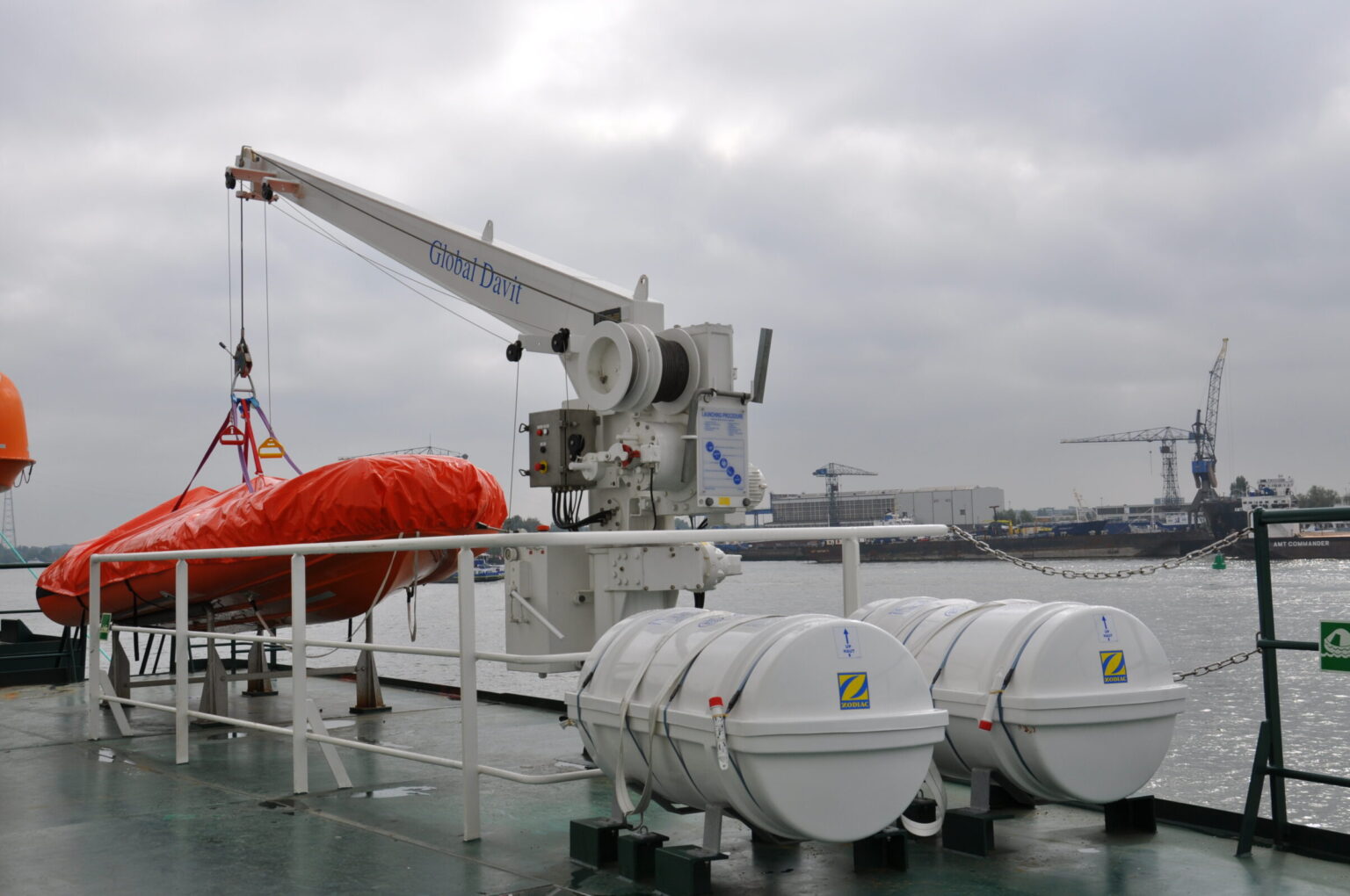
- Area: On-Load-Release-Gear (OLRG)Check: Annual functional test at 1.1 × SWL; after test check locking; inspect for dried paint/contamination/corrosion in lock, thread/shank wear/cracks. 5-year dynamic test. SOLAS III / MSC.402(96).
- Area: Drahtseile (Falls/Wire Ropes)Check: Inspect for kinks, corrosion, strand breakage (>10% over 8d length = replacement), inaccessible sections; correct/certified ropes; if required turn for full inspection; renewal per manufacturer interval.
- Area: Bremse (Zentrifugal- + Haltebremse)Check: Brake pad wear; check lowering speed (SOLAS S=0.4+0.02H, max ~36 m/min); remote release function; brake not blocked by poor maintenance.
- Area: Korrosion der Davit-StrukturCheck: Galvanized structure + stainless steel fasteners for pitting/discoloration; NDT of load-bearing structure for cracks; incident RRS Sir David Attenborough 2021 (severe corrosion due to poor maintenance).
- Area: Wartungs-ComplianceCheck: Planned maintenance complete since installation? Annual + 5-year tests recorded in logbook; manufacturer instructions followed; only authorized personnel (MSC.1/Circ.1205 Rev.1).
Universelle SOLAS-Inspektions-/Wartungspunkte fuer Davits/Rettungsboot-Aussetzvorrichtungen (modellunabhaengig, verifiziert aus IMCA/Gard/SOLAS MSC.1-Circ.1205, 2026-06). Per-Modell-SWL NICHT auto-gefuellt.
- Area: On-Load-Release-Gear (OLRG)Check: Annual functional test at 1.1 × SWL; after test check locking; inspect for dried paint/contamination/corrosion in lock, thread/shank wear/cracks. 5-year dynamic test. SOLAS III / MSC.402(96).
- Area: Drahtseile (Falls/Wire Ropes)Check: Inspect for kinks, corrosion, strand breakage (>10% over 8d length = replacement), inaccessible sections; correct/certified ropes; if required turn for full inspection; renewal per manufacturer interval.
- Area: Bremse (Zentrifugal- + Haltebremse)Check: Brake pad wear; check lowering speed (SOLAS S=0.4+0.02H, max ~36 m/min); remote release function; brake not blocked by poor maintenance.
- Area: Korrosion der Davit-StrukturCheck: Galvanized structure + stainless steel fasteners for pitting/discoloration; NDT of load-bearing structure for cracks; incident RRS Sir David Attenborough 2021 (severe corrosion due to poor maintenance).
- Area: Wartungs-ComplianceCheck: Planned maintenance complete since installation? Annual + 5-year tests recorded in logbook; manufacturer instructions followed; only authorized personnel (MSC.1/Circ.1205 Rev.1).
Universelle SOLAS-Inspektions-/Wartungspunkte fuer Davits/Rettungsboot-Aussetzvorrichtungen (modellunabhaengig, verifiziert aus IMCA/Gard/SOLAS MSC.1-Circ.1205, 2026-06). Per-Modell-SWL NICHT auto-gefuellt.
- Area: On-Load-Release-Gear (OLRG)Check: Annual functional test at 1.1 × SWL; after test check locking; inspect for dried paint/contamination/corrosion in lock, thread/shank wear/cracks. 5-year dynamic test. SOLAS III / MSC.402(96).
- Area: Drahtseile (Falls/Wire Ropes)Check: Inspect for kinks, corrosion, strand breakage (>10% over 8d length = replacement), inaccessible sections; correct/certified ropes; if required turn for full inspection; renewal per manufacturer interval.
- Area: Bremse (Zentrifugal- + Haltebremse)Check: Brake pad wear; check lowering speed (SOLAS S=0.4+0.02H, max ~36 m/min); remote release function; brake not blocked by poor maintenance.
- Area: Korrosion der Davit-StrukturCheck: Galvanized structure + stainless steel fasteners for pitting/discoloration; NDT of load-bearing structure for cracks; incident RRS Sir David Attenborough 2021 (severe corrosion due to poor maintenance).
- Area: Wartungs-ComplianceCheck: Planned maintenance complete since installation? Annual + 5-year tests recorded in logbook; manufacturer instructions followed; only authorized personnel (MSC.1/Circ.1205 Rev.1).
Universelle SOLAS-Inspektions-/Wartungspunkte fuer Davits/Rettungsboot-Aussetzvorrichtungen (modellunabhaengig, verifiziert aus IMCA/Gard/SOLAS MSC.1-Circ.1205, 2026-06). Per-Modell-SWL NICHT auto-gefuellt.
- Area: On-Load-Release-Gear (OLRG)Check: Annual functional test at 1.1 × SWL; after test check locking; inspect for dried paint/contamination/corrosion in lock, thread/shank wear/cracks. 5-year dynamic test. SOLAS III / MSC.402(96).
- Area: Drahtseile (Falls/Wire Ropes)Check: Inspect for kinks, corrosion, strand breakage (>10% over 8d length = replacement), inaccessible sections; correct/certified ropes; if required turn for full inspection; renewal per manufacturer interval.
- Area: Bremse (Zentrifugal- + Haltebremse)Check: Brake pad wear; check lowering speed (SOLAS S=0.4+0.02H, max ~36 m/min); remote release function; brake not blocked by poor maintenance.
- Area: Korrosion der Davit-StrukturCheck: Galvanized structure + stainless steel fasteners for pitting/discoloration; NDT of load-bearing structure for cracks; incident RRS Sir David Attenborough 2021 (severe corrosion due to poor maintenance).
- Area: Wartungs-ComplianceCheck: Planned maintenance complete since installation? Annual + 5-year tests recorded in logbook; manufacturer instructions followed; only authorized personnel (MSC.1/Circ.1205 Rev.1).
Universelle SOLAS-Inspektions-/Wartungspunkte fuer Davits/Rettungsboot-Aussetzvorrichtungen (modellunabhaengig, verifiziert aus IMCA/Gard/SOLAS MSC.1-Circ.1205, 2026-06). Per-Modell-SWL NICHT auto-gefuellt.
- Area: On-Load-Release-Gear (OLRG)Check: Annual functional test at 1.1 × SWL; after test check locking; inspect for dried paint/contamination/corrosion in lock, thread/shank wear/cracks. 5-year dynamic test. SOLAS III / MSC.402(96).
- Area: Drahtseile (Falls/Wire Ropes)Check: Inspect for kinks, corrosion, strand breakage (>10% over 8d length = replacement), inaccessible sections; correct/certified ropes; if required turn for full inspection; renewal per manufacturer interval.
- Area: Bremse (Zentrifugal- + Haltebremse)Check: Brake pad wear; check lowering speed (SOLAS S=0.4+0.02H, max ~36 m/min); remote release function; brake not blocked by poor maintenance.
- Area: Korrosion der Davit-StrukturCheck: Galvanized structure + stainless steel fasteners for pitting/discoloration; NDT of load-bearing structure for cracks; incident RRS Sir David Attenborough 2021 (severe corrosion due to poor maintenance).
- Area: Wartungs-ComplianceCheck: Planned maintenance complete since installation? Annual + 5-year tests recorded in logbook; manufacturer instructions followed; only authorized personnel (MSC.1/Circ.1205 Rev.1).
Universelle SOLAS-Inspektions-/Wartungspunkte fuer Davits/Rettungsboot-Aussetzvorrichtungen (modellunabhaengig, verifiziert aus IMCA/Gard/SOLAS MSC.1-Circ.1205, 2026-06). Per-Modell-SWL NICHT auto-gefuellt.
- Area: On-Load-Release-Gear (OLRG)Check: Annual functional test at 1.1 × SWL; after test check locking; inspect for dried paint/contamination/corrosion in lock, thread/shank wear/cracks. 5-year dynamic test. SOLAS III / MSC.402(96).
- Area: Drahtseile (Falls/Wire Ropes)Check: Inspect for kinks, corrosion, strand breakage (>10% over 8d length = replacement), inaccessible sections; correct/certified ropes; if required turn for full inspection; renewal per manufacturer interval.
- Area: Bremse (Zentrifugal- + Haltebremse)Check: Brake pad wear; check lowering speed (SOLAS S=0.4+0.02H, max ~36 m/min); remote release function; brake not blocked by poor maintenance.
- Area: Korrosion der Davit-StrukturCheck: Galvanized structure + stainless steel fasteners for pitting/discoloration; NDT of load-bearing structure for cracks; incident RRS Sir David Attenborough 2021 (severe corrosion due to poor maintenance).
- Area: Wartungs-ComplianceCheck: Planned maintenance complete since installation? Annual + 5-year tests recorded in logbook; manufacturer instructions followed; only authorized personnel (MSC.1/Circ.1205 Rev.1).
Universelle SOLAS-Inspektions-/Wartungspunkte fuer Davits/Rettungsboot-Aussetzvorrichtungen (modellunabhaengig, verifiziert aus IMCA/Gard/SOLAS MSC.1-Circ.1205, 2026-06). Per-Modell-SWL NICHT auto-gefuellt.
- Area: On-Load-Release-Gear (OLRG)Check: Annual functional test at 1.1 × SWL; after test check locking; inspect for dried paint/contamination/corrosion in lock, thread/shank wear/cracks. 5-year dynamic test. SOLAS III / MSC.402(96).
- Area: Drahtseile (Falls/Wire Ropes)Check: Inspect for kinks, corrosion, strand breakage (>10% over 8d length = replacement), inaccessible sections; correct/certified ropes; if required turn for full inspection; renewal per manufacturer interval.
- Area: Bremse (Zentrifugal- + Haltebremse)Check: Brake pad wear; check lowering speed (SOLAS S=0.4+0.02H, max ~36 m/min); remote release function; brake not blocked by poor maintenance.
- Area: Korrosion der Davit-StrukturCheck: Galvanized structure + stainless steel fasteners for pitting/discoloration; NDT of load-bearing structure for cracks; incident RRS Sir David Attenborough 2021 (severe corrosion due to poor maintenance).
- Area: Wartungs-ComplianceCheck: Planned maintenance complete since installation? Annual + 5-year tests recorded in logbook; manufacturer instructions followed; only authorized personnel (MSC.1/Circ.1205 Rev.1).
Universelle SOLAS-Inspektions-/Wartungspunkte fuer Davits/Rettungsboot-Aussetzvorrichtungen (modellunabhaengig, verifiziert aus IMCA/Gard/SOLAS MSC.1-Circ.1205, 2026-06). Per-Modell-SWL NICHT auto-gefuellt.
- Area: On-Load-Release-Gear (OLRG)Check: Annual functional test at 1.1 × SWL; after test check locking; inspect for dried paint/contamination/corrosion in lock, thread/shank wear/cracks. 5-year dynamic test. SOLAS III / MSC.402(96).
- Area: Drahtseile (Falls/Wire Ropes)Check: Inspect for kinks, corrosion, strand breakage (>10% over 8d length = replacement), inaccessible sections; correct/certified ropes; if required turn for full inspection; renewal per manufacturer interval.
- Area: Bremse (Zentrifugal- + Haltebremse)Check: Brake pad wear; check lowering speed (SOLAS S=0.4+0.02H, max ~36 m/min); remote release function; brake not blocked by poor maintenance.
- Area: Korrosion der Davit-StrukturCheck: Galvanized structure + stainless steel fasteners for pitting/discoloration; NDT of load-bearing structure for cracks; incident RRS Sir David Attenborough 2021 (severe corrosion due to poor maintenance).
- Area: Wartungs-ComplianceCheck: Planned maintenance complete since installation? Annual + 5-year tests recorded in logbook; manufacturer instructions followed; only authorized personnel (MSC.1/Circ.1205 Rev.1).
Universelle SOLAS-Inspektions-/Wartungspunkte fuer Davits/Rettungsboot-Aussetzvorrichtungen (modellunabhaengig, verifiziert aus IMCA/Gard/SOLAS MSC.1-Circ.1205, 2026-06). Per-Modell-SWL NICHT auto-gefuellt.
- Area: On-Load-Release-Gear (OLRG)Check: Annual functional test at 1.1 × SWL; after test check locking; inspect for dried paint/contamination/corrosion in lock, thread/shank wear/cracks. 5-year dynamic test. SOLAS III / MSC.402(96).
- Area: Drahtseile (Falls/Wire Ropes)Check: Inspect for kinks, corrosion, strand breakage (>10% over 8d length = replacement), inaccessible sections; correct/certified ropes; if required turn for full inspection; renewal per manufacturer interval.
- Area: Bremse (Zentrifugal- + Haltebremse)Check: Brake pad wear; check lowering speed (SOLAS S=0.4+0.02H, max ~36 m/min); remote release function; brake not blocked by poor maintenance.
- Area: Korrosion der Davit-StrukturCheck: Galvanized structure + stainless steel fasteners for pitting/discoloration; NDT of load-bearing structure for cracks; incident RRS Sir David Attenborough 2021 (severe corrosion due to poor maintenance).
- Area: Wartungs-ComplianceCheck: Planned maintenance complete since installation? Annual + 5-year tests recorded in logbook; manufacturer instructions followed; only authorized personnel (MSC.1/Circ.1205 Rev.1).
Universelle SOLAS-Inspektions-/Wartungspunkte fuer Davits/Rettungsboot-Aussetzvorrichtungen (modellunabhaengig, verifiziert aus IMCA/Gard/SOLAS MSC.1-Circ.1205, 2026-06). Per-Modell-SWL NICHT auto-gefuellt.
Nantong Haizhou Marine Equipment
11Qingdao Beihai Shipbuilding Heavy Industry
11- Engine starting failure caused by degraded battery condition, fuel deterioration or neglected running tests, noticed during drills
- Release mechanism stiffness, corrosion or maladjustment, noticed during authorized operational checks
- Hull, canopy or seating damage from weathering, impact or aging, noticed by visual inspection
- Hatch, seal or drain deterioration, noticed as water ingress or poor closure
- Harness, buckle or internal equipment deterioration, noticed during inventory and condition checks
- Launching/recovery appliance corrosion or mechanical deterioration, noticed at rails, winch, wire, rollers or associated fittings as applicable
Shanghai Youlong Rubber Products
11EVAL – E.G. Vallianatos
10Huahai Marine Signals Manufacturing
10Maritime Deck Machinery
10
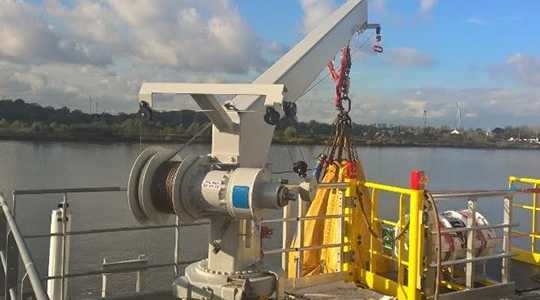
Shanghai Zhouqin Maritime Equipment
10Survitec Group
10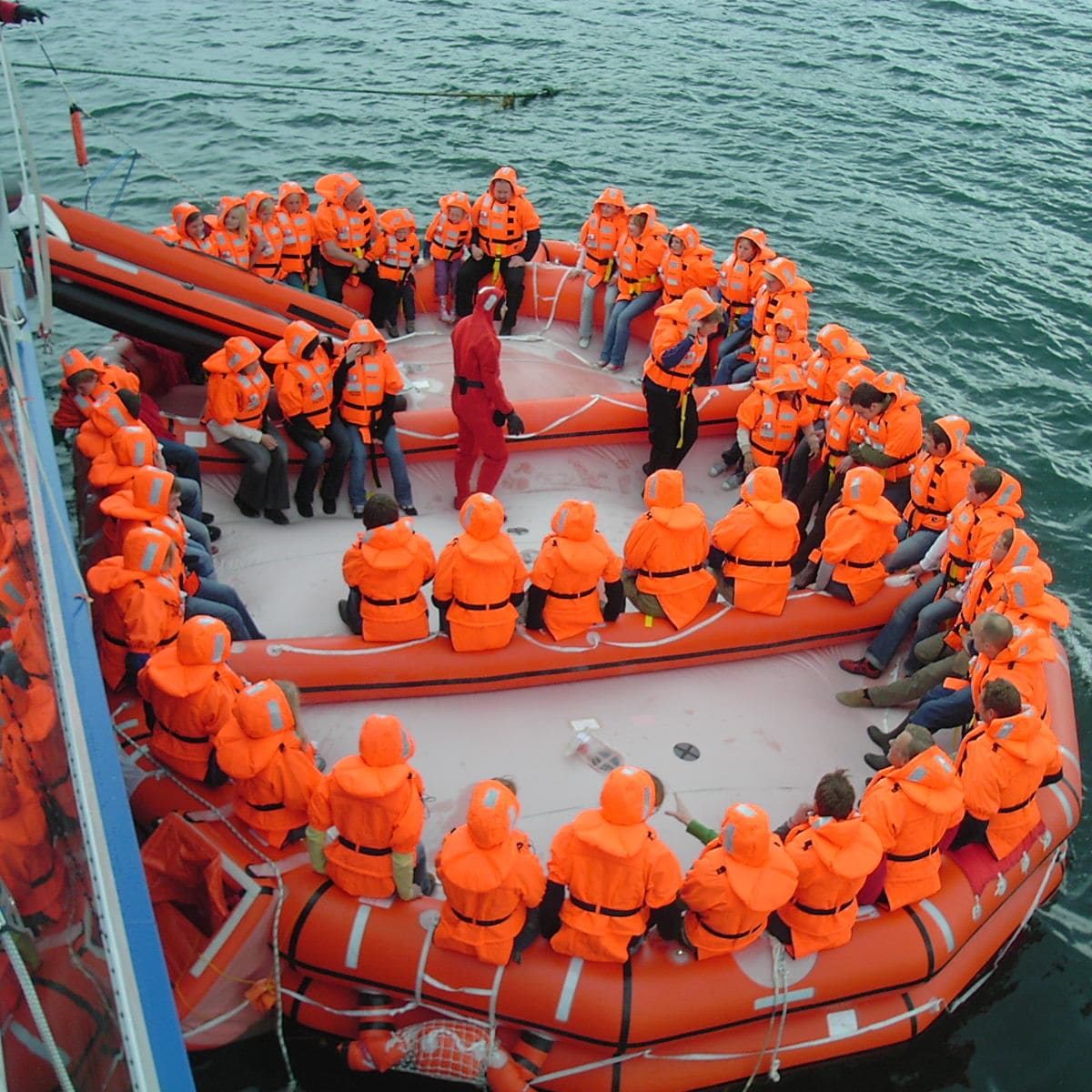
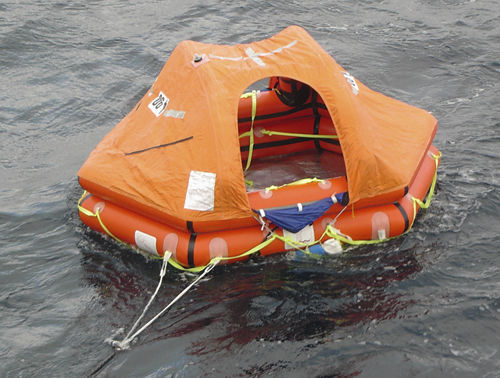
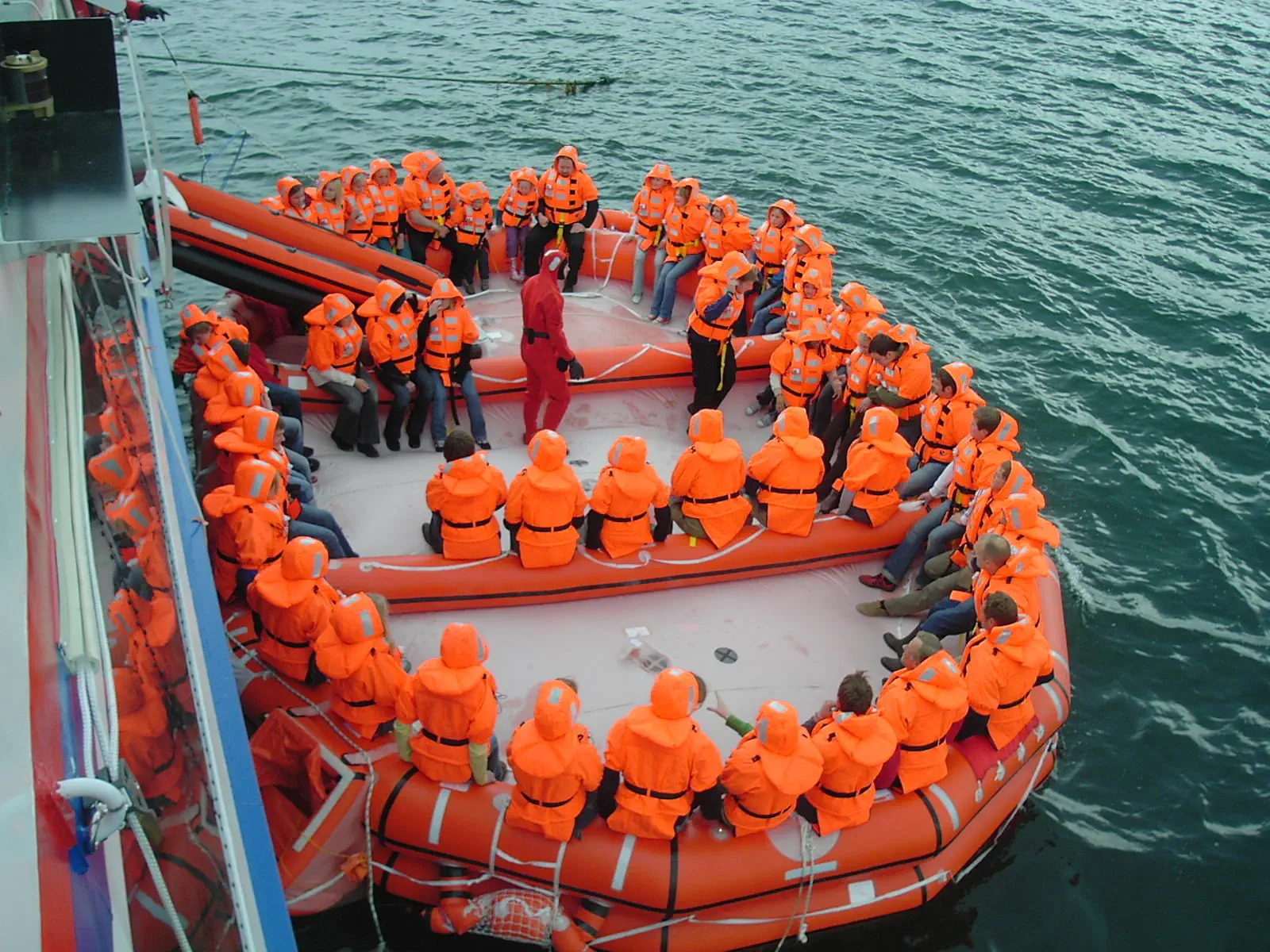


Suzhou Haixing Maritime Equipment
10

Hatecke
9Liferaft Systems Australia
9
Hansson PyroTech
8Kverneland Aqua
8Ningbo Neptune Life-Saving Equipment
8Ningbo Zhenhua Life-saving Equipment
8
Ocean Safety
8Red Rock
8Stocznia Ustka Sp.z.o.o
8Boatbuilding Yard
7Fassmer-Marland China
7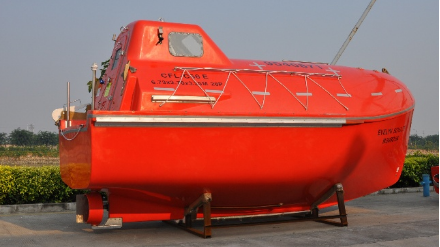
Survitec Survival Craft
7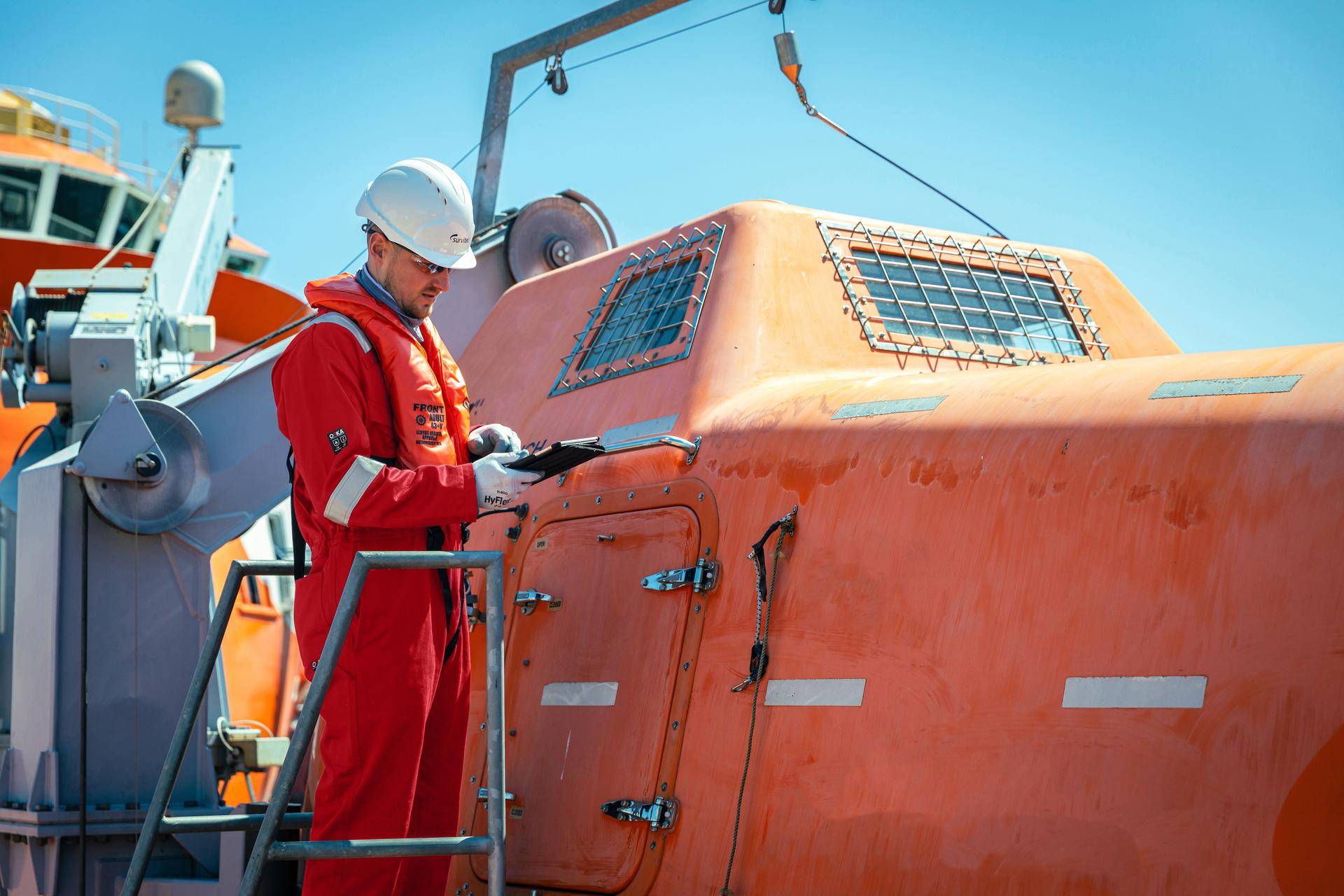

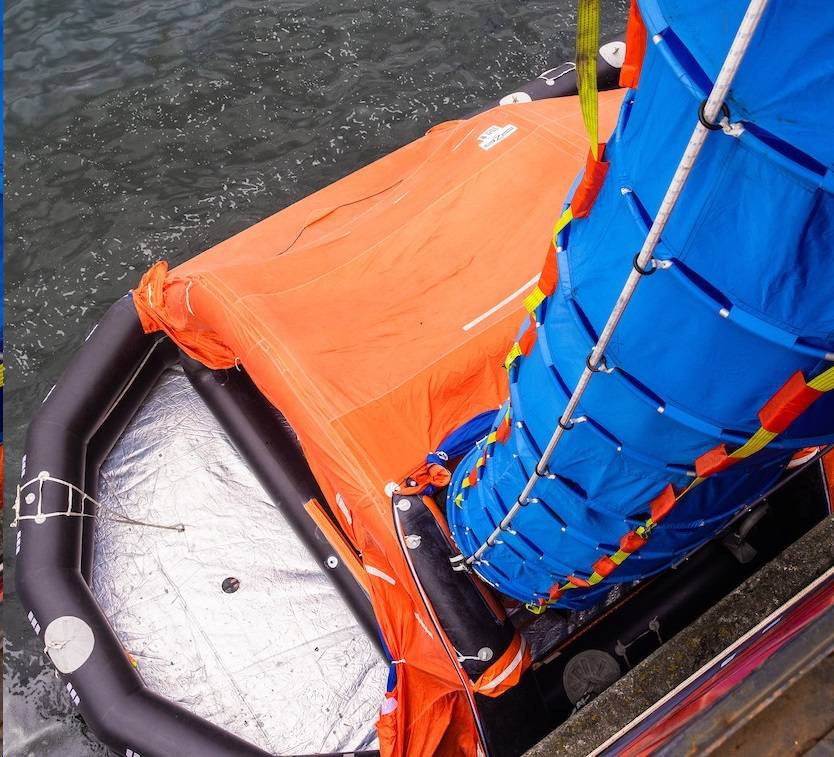
Zollern
7AUXILIAR DE SEGURIDAD EN LA MAR
6Jiangsu Haining Marine Equipment
6Qingdao Beihai Boatbuilding
6
Qingdao Good Brother Marine Lifesaving Appliances
6Shanghai Cunhong Marine Lifesaving Appliance
6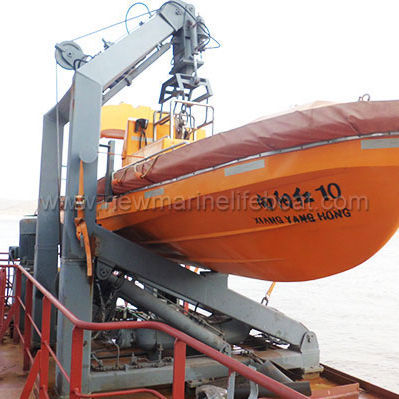
WESCOM SIGNAL AND RESCUE GERMANY
6BUKH
5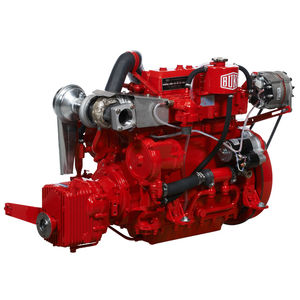
Dongtai City Dongfang Marine Fitting
5Frydenbø Industri
5Leon Sports
5
Oceanwide S.a.S
5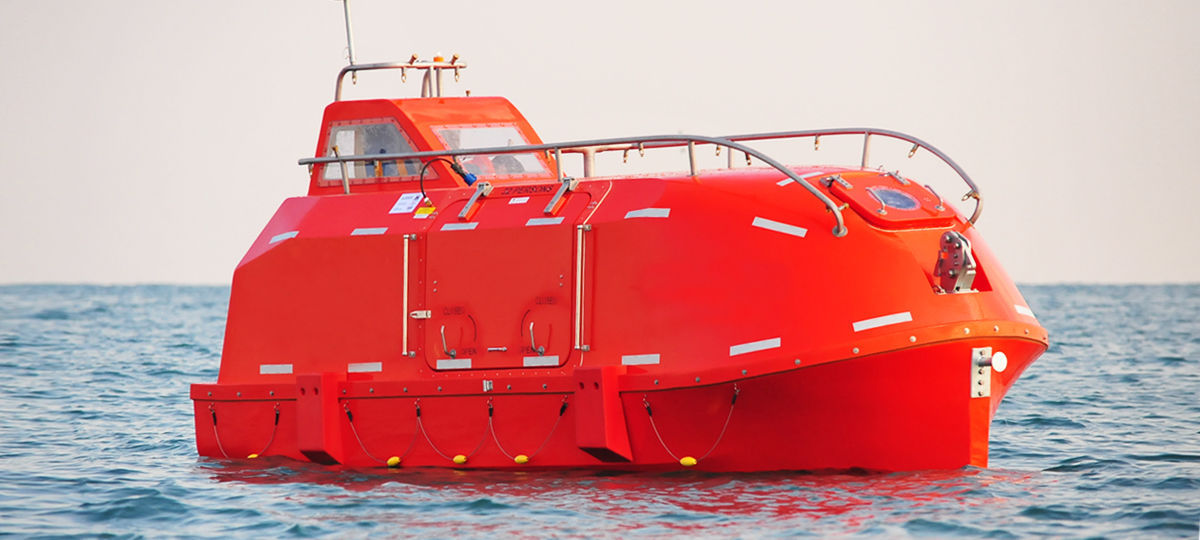
Shanghai Fang Zhan fire Technology
5Steel Recon Industries
5Survival One
5Suzhou Parsun Power Machine
5ULSTEIN FAMA Spolka z.o.o
5Yantai Huayang Lifesaving Equipment Manufacturing
5ALBATROSS
4Aukra Maritime
4
Brødr Hukkelberg
4
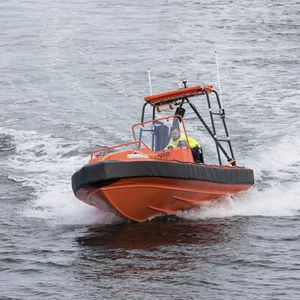
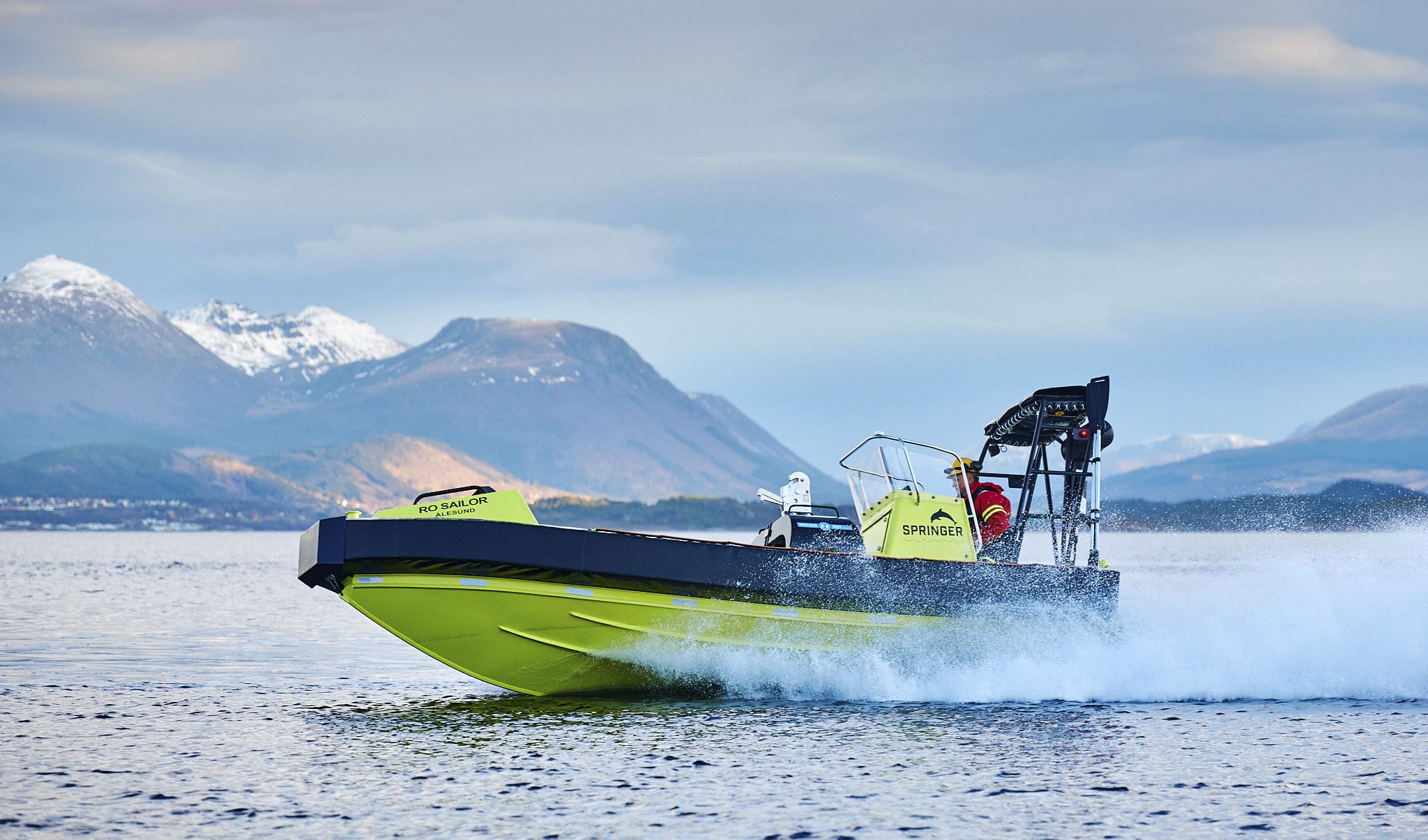
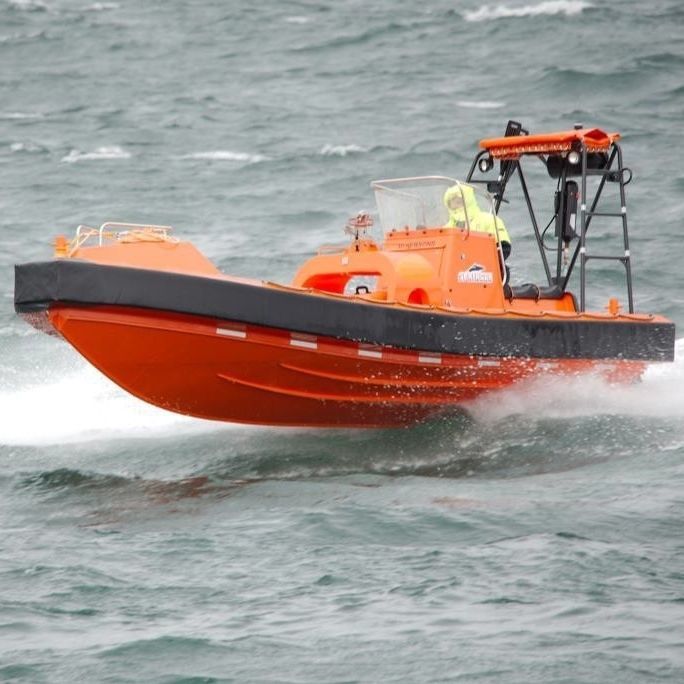
C M HAMMAR
4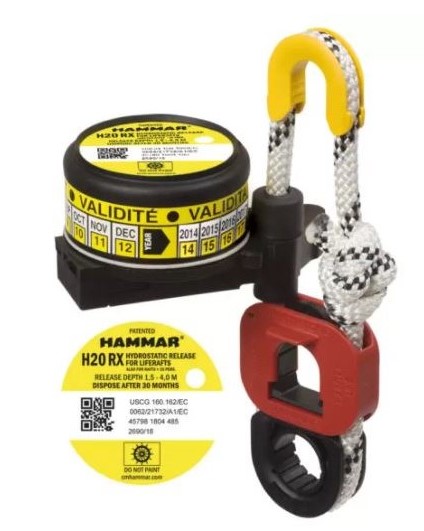
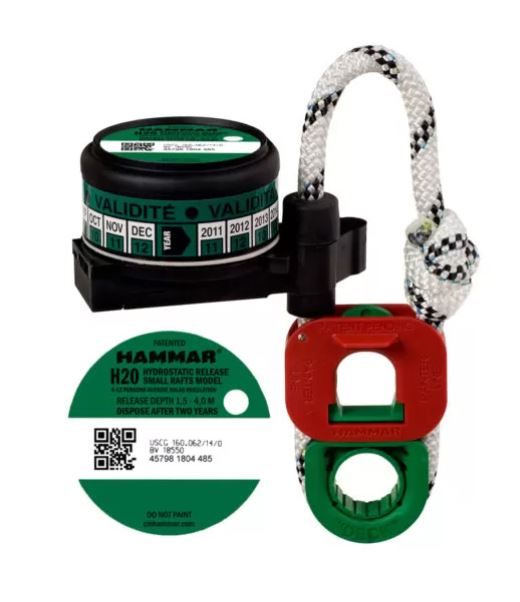
CAN-SB Marine Plastic
4
Dongtai City Jianghai Lifesaving & Fire-Fighting Equipment
4Euras Vertriebs- und
4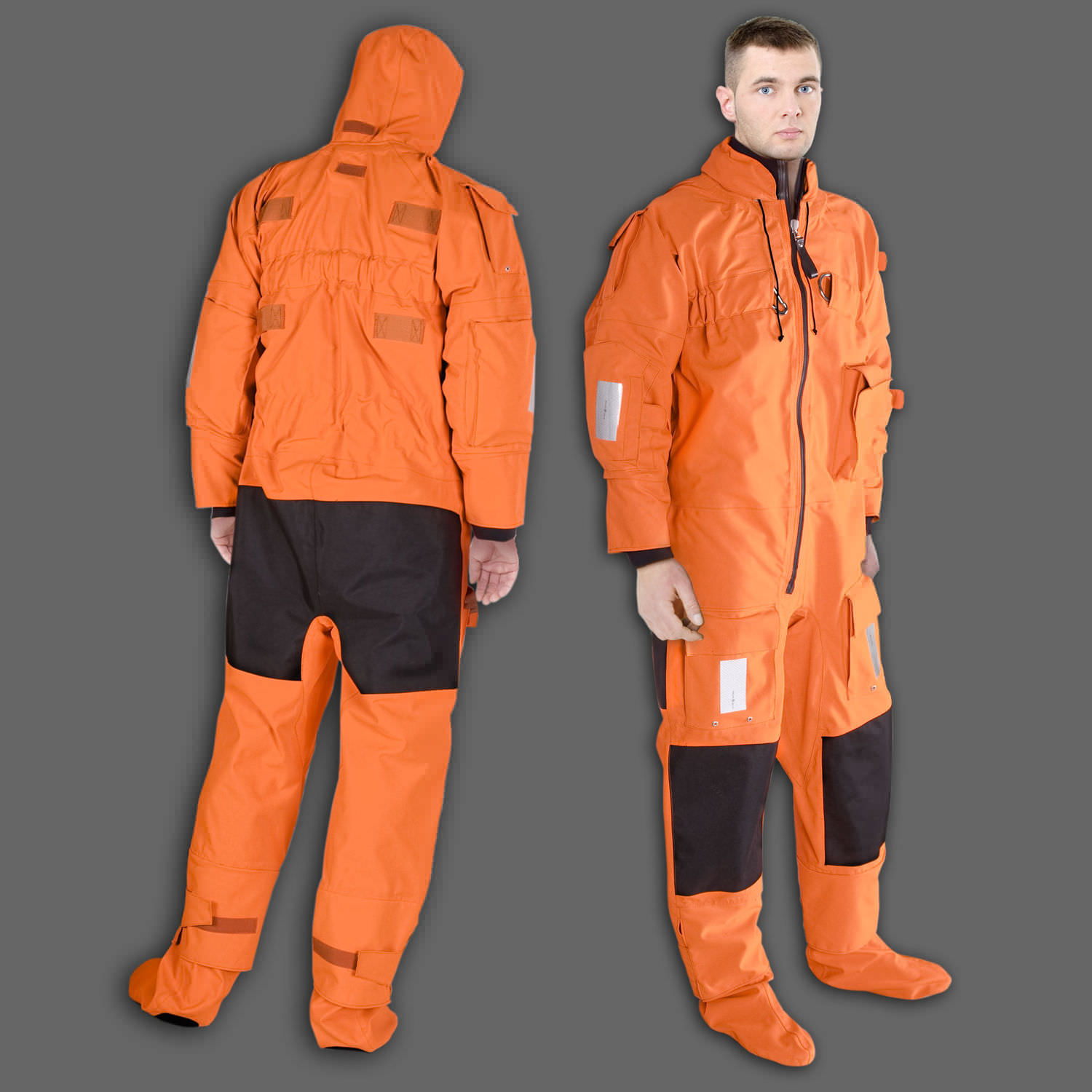
Fassmer
4- Material, hull or container deterioration caused by weather, ultraviolet exposure, impact or aging, resulting in cracks, tears, corrosion or visible deformation
- Release, securing or launching-component wear caused by drills, corrosion or misalignment, resulting in stiff operation, abnormal play or failed readiness checks
- Battery, light or communication-equipment failure caused by aging, charging faults or water ingress, resulting in failed self-test or missing emergency indication
- Engine, steering or inflation-system failure where applicable caused by fuel, mechanical, pneumatic or seal problems, resulting in inability to maneuver or deploy the appliance
- Incorrect stowage, identification or service status caused by inventory or maintenance errors, resulting in delayed use or an appliance that is not ready
- Material, hull or container deterioration caused by weather, ultraviolet exposure, impact or aging, resulting in cracks, tears, corrosion or visible deformation
- Release, securing or launching-component wear caused by drills, corrosion or misalignment, resulting in stiff operation, abnormal play or failed readiness checks
- Battery, light or communication-equipment failure caused by aging, charging faults or water ingress, resulting in failed self-test or missing emergency indication
- Engine, steering or inflation-system failure where applicable caused by fuel, mechanical, pneumatic or seal problems, resulting in inability to maneuver or deploy the appliance
- Incorrect stowage, identification or service status caused by inventory or maintenance errors, resulting in delayed use or an appliance that is not ready
- Material, hull or container deterioration caused by weather, ultraviolet exposure, impact or aging, resulting in cracks, tears, corrosion or visible deformation
- Release, securing or launching-component wear caused by drills, corrosion or misalignment, resulting in stiff operation, abnormal play or failed readiness checks
- Battery, light or communication-equipment failure caused by aging, charging faults or water ingress, resulting in failed self-test or missing emergency indication
- Engine, steering or inflation-system failure where applicable caused by fuel, mechanical, pneumatic or seal problems, resulting in inability to maneuver or deploy the appliance
- Incorrect stowage, identification or service status caused by inventory or maintenance errors, resulting in delayed use or an appliance that is not ready
- Material, hull or container deterioration caused by weather, ultraviolet exposure, impact or aging, resulting in cracks, tears, corrosion or visible deformation
- Release, securing or launching-component wear caused by drills, corrosion or misalignment, resulting in stiff operation, abnormal play or failed readiness checks
- Battery, light or communication-equipment failure caused by aging, charging faults or water ingress, resulting in failed self-test or missing emergency indication
- Engine, steering or inflation-system failure where applicable caused by fuel, mechanical, pneumatic or seal problems, resulting in inability to maneuver or deploy the appliance
- Incorrect stowage, identification or service status caused by inventory or maintenance errors, resulting in delayed use or an appliance that is not ready
Haimen Jianghai Marine Life-Saving Equipment
4Ideas Connected
4Kolberg Caspary Lautom
4NARWHAL BOATS
4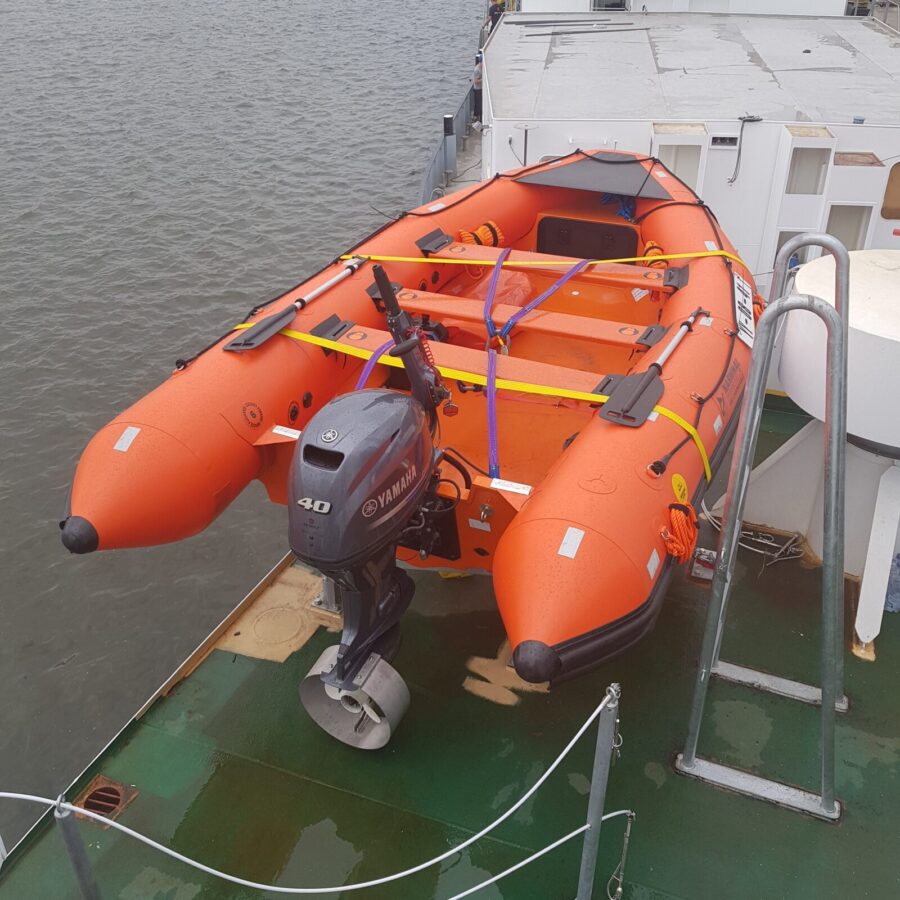
Pesbo
4Restech Norway
4SERVO SHIP
4SERVOSHIP
4Shanghai Haian Lifesaving Equipment
4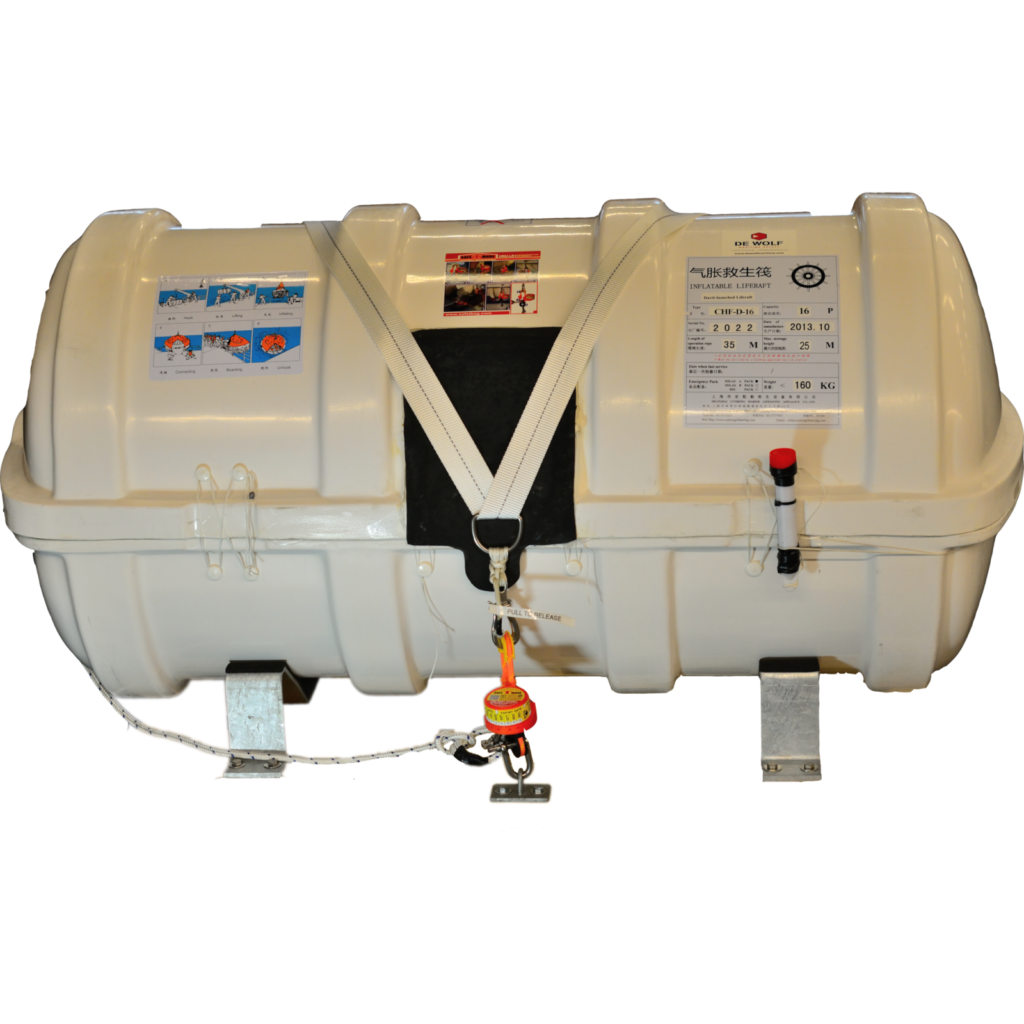
Shanghai Huaxiang Dacheng Rubber Plastics
4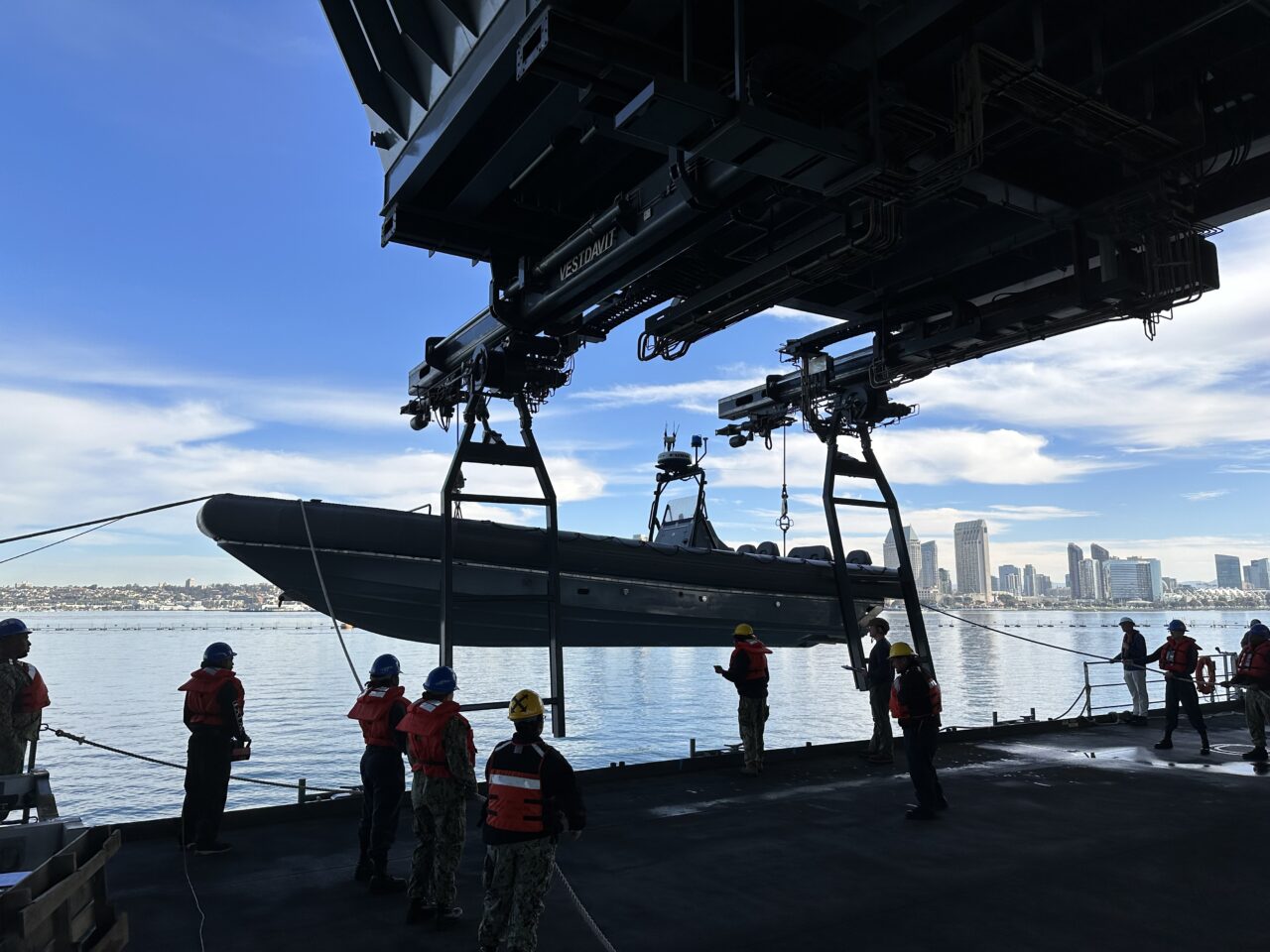
Spinlock
4Tohatsu
4Wuxi Xingtai Shipping Equipment
4ACR ELECTRONICS
3Akana Deniz Teknolojileri San. Tic. Ltd. Sti
3
AquaSpec
3d-i davit international-hische
3- Antriebsoptionen
- Electric, hydraulic, manual, with/without stored power (accumulator or spring force)
- Solas-hoistgeschwindigkeit
- Bis 48 m/min für Fast-Rescue-Davits (SOLAS-konform)
- Einsatzbereich
- Rettungsboote, Schnellrettungsboote, Rettungsflöße, MOB-Boote
- Konstruktion
- Normal pivot or slewing types, single or double arm with optional docking head to prevent pendulum motion until water level
- Hubkapazität
- Configurable according to ship type and lifeboat weight (tailor-made solutions)
- Zertifizierung
- ABS, GL, DNV, BV, NK, KR, LR and other classification societies
- D-NPS.SP (Normal Pivot Single/Double Arm mit Docking Head)
- D-NPS.FR (Fast Rescue Davit mit Docking Head)
- D-CRm.FR (Slewing Fast Rescue Davit mit hydraulischem/elektrischem Antrieb)
- D-BR (rescue davit with manual operation or hydraulic stored power)
- D-NP.MP (Normal Pivot mit mechanischer Stored Power - Federbelastung)
- D-NP.SP (Normal Pivot mit hydraulischer Stored Power - Akku)
- Area: On-load release gear functionality and wearCheck: Annually: operational test of on-load release gear by positioning the boat partially in water for load support by fall, actuation of release gear, reset and inspection for damage. Every 5 years: overhaul of release system with 110% proof-load test. Inspect release gear before and after operational test; verify hook securing and reset.
- Area: Wire rope condition (wires/falls) – corrosion, wear, breakageCheck: Monthly: visual inspection for fraying, kinks, corrosion, broken strands. Annually: wire rope and sheaves for scratches, dents, corrosion, missing lubrication. Every 5 years: wire rope replacement per SOLAS Chapter III required. Lubrication of wires, sheaves and moving parts to be checked.
- Area: Brake system - inspection function and wear partsCheck: Annually: brake test by suspension of rated load and verification that brake holds without slippage. For centrifugal brakes: sinking speed against SOLAS formula (max. 1.3 m/s) to be checked. Brake pads to be inspected and replaced when worn. Every 5 years: brake system to be opened and condition thoroughly checked.
- Area: Sheaves - wear, abrasion, corrosion, wear ringsCheck: Annually: sheaves for wear grooves, wear ring wear, corrosion, incorrect alignment, loose bolts to be checked. A worn or corroded sheave damages new wires and leads to premature wire rope failure. Wear ring thickness to be measured and replaced if necessary. Lubrication to be checked.
- Area: Overall structure - corrosion, wear, deformation and clearanceCheck: Annually: davit structure for corrosion (especially welds), wear, deformation, excessive clearance, cracks to be checked. All bolt locking devices to be verified. Hydraulic cylinders for leakage to be checked. Every 5 years: selective disassembly with NDT (roughness inspection, crack inspection) to be performed. Foundations to be inspected.
- Area: Proof-load test at 110% of rated loadCheck: Annually: dynamic winch brake test at 110% of Safe Working Load to be performed (simulated by water bag equipment or certified load cells). Every 5 years: comprehensive proof-load test of entire davit, winch, wire rope and hook system at 110% SWL to be performed. System must hold load, show no deformation or damage.
Type-universal inspection/maintenance points for Lifesaving Appliances (LSA) (davit international, Mega-Swarm 2026–06). Per-model specs not auto-populated.
- Antriebsoptionen
- Electric, hydraulic, manual, with/without stored power (accumulator or spring force)
- Solas-hoistgeschwindigkeit
- Bis 48 m/min für Fast-Rescue-Davits (SOLAS-konform)
- Einsatzbereich
- Rettungsboote, Schnellrettungsboote, Rettungsflöße, MOB-Boote
- Konstruktion
- Normal pivot or slewing types, single or double arm with optional docking head to prevent pendulum motion until water level
- Hubkapazität
- Configurable according to ship type and lifeboat weight (tailor-made solutions)
- Zertifizierung
- ABS, GL, DNV, BV, NK, KR, LR and other classification societies
- D-NPS.SP (Normal Pivot Single/Double Arm mit Docking Head)
- D-NPS.FR (Fast Rescue Davit mit Docking Head)
- D-CRm.FR (Slewing Fast Rescue Davit mit hydraulischem/elektrischem Antrieb)
- D-BR (rescue davit with manual operation or hydraulic stored power)
- D-NP.MP (Normal Pivot mit mechanischer Stored Power - Federbelastung)
- D-NP.SP (Normal Pivot mit hydraulischer Stored Power - Akku)
- Area: On-load release gear functionality and wearCheck: Annually: operational test of on-load release gear by positioning the boat partially in water for load support by fall, actuation of release gear, reset and inspection for damage. Every 5 years: overhaul of release system with 110% proof-load test. Inspect release gear before and after operational test; verify hook securing and reset.
- Area: Wire rope condition (wires/falls) – corrosion, wear, breakageCheck: Monthly: visual inspection for fraying, kinks, corrosion, broken strands. Annually: wire rope and sheaves for scratches, dents, corrosion, missing lubrication. Every 5 years: wire rope replacement per SOLAS Chapter III required. Lubrication of wires, sheaves and moving parts to be checked.
- Area: Brake system - inspection function and wear partsCheck: Annually: brake test by suspension of rated load and verification that brake holds without slippage. For centrifugal brakes: sinking speed against SOLAS formula (max. 1.3 m/s) to be checked. Brake pads to be inspected and replaced when worn. Every 5 years: brake system to be opened and condition thoroughly checked.
- Area: Sheaves - wear, abrasion, corrosion, wear ringsCheck: Annually: sheaves for wear grooves, wear ring wear, corrosion, incorrect alignment, loose bolts to be checked. A worn or corroded sheave damages new wires and leads to premature wire rope failure. Wear ring thickness to be measured and replaced if necessary. Lubrication to be checked.
- Area: Overall structure - corrosion, wear, deformation and clearanceCheck: Annually: davit structure for corrosion (especially welds), wear, deformation, excessive clearance, cracks to be checked. All bolt locking devices to be verified. Hydraulic cylinders for leakage to be checked. Every 5 years: selective disassembly with NDT (roughness inspection, crack inspection) to be performed. Foundations to be inspected.
- Area: Proof-load test at 110% of rated loadCheck: Annually: dynamic winch brake test at 110% of Safe Working Load to be performed (simulated by water bag equipment or certified load cells). Every 5 years: comprehensive proof-load test of entire davit, winch, wire rope and hook system at 110% SWL to be performed. System must hold load, show no deformation or damage.
Type-universal inspection/maintenance points for Lifesaving Appliances (LSA) (davit international, Mega-Swarm 2026–06). Per-model specs not auto-populated.
- Antriebsoptionen
- Electric, hydraulic, manual, with/without stored power (accumulator or spring force)
- Solas-hoistgeschwindigkeit
- Bis 48 m/min für Fast-Rescue-Davits (SOLAS-konform)
- Einsatzbereich
- Rettungsboote, Schnellrettungsboote, Rettungsflöße, MOB-Boote
- Konstruktion
- Normal pivot or slewing types, single or double arm with optional docking head to prevent pendulum motion until water level
- Hubkapazität
- Configurable according to ship type and lifeboat weight (tailor-made solutions)
- Zertifizierung
- ABS, GL, DNV, BV, NK, KR, LR and other classification societies
- D-NPS.SP (Normal Pivot Single/Double Arm mit Docking Head)
- D-NPS.FR (Fast Rescue Davit mit Docking Head)
- D-CRm.FR (Slewing Fast Rescue Davit mit hydraulischem/elektrischem Antrieb)
- D-BR (rescue davit with manual operation or hydraulic stored power)
- D-NP.MP (Normal Pivot mit mechanischer Stored Power - Federbelastung)
- D-NP.SP (Normal Pivot mit hydraulischer Stored Power - Akku)
- Area: On-load release gear functionality and wearCheck: Annually: operational test of on-load release gear by positioning the boat partially in water for load support by fall, actuation of release gear, reset and inspection for damage. Every 5 years: overhaul of release system with 110% proof-load test. Inspect release gear before and after operational test; verify hook securing and reset.
- Area: Wire rope condition (wires/falls) – corrosion, wear, breakageCheck: Monthly: visual inspection for fraying, kinks, corrosion, broken strands. Annually: wire rope and sheaves for scratches, dents, corrosion, missing lubrication. Every 5 years: wire rope replacement per SOLAS Chapter III required. Lubrication of wires, sheaves and moving parts to be checked.
- Area: Brake system - inspection function and wear partsCheck: Annually: brake test by suspension of rated load and verification that brake holds without slippage. For centrifugal brakes: sinking speed against SOLAS formula (max. 1.3 m/s) to be checked. Brake pads to be inspected and replaced when worn. Every 5 years: brake system to be opened and condition thoroughly checked.
- Area: Sheaves - wear, abrasion, corrosion, wear ringsCheck: Annually: sheaves for wear grooves, wear ring wear, corrosion, incorrect alignment, loose bolts to be checked. A worn or corroded sheave damages new wires and leads to premature wire rope failure. Wear ring thickness to be measured and replaced if necessary. Lubrication to be checked.
- Area: Overall structure - corrosion, wear, deformation and clearanceCheck: Annually: davit structure for corrosion (especially welds), wear, deformation, excessive clearance, cracks to be checked. All bolt locking devices to be verified. Hydraulic cylinders for leakage to be checked. Every 5 years: selective disassembly with NDT (roughness inspection, crack inspection) to be performed. Foundations to be inspected.
- Area: Proof-load test at 110% of rated loadCheck: Annually: dynamic winch brake test at 110% of Safe Working Load to be performed (simulated by water bag equipment or certified load cells). Every 5 years: comprehensive proof-load test of entire davit, winch, wire rope and hook system at 110% SWL to be performed. System must hold load, show no deformation or damage.
Type-universal inspection/maintenance points for Lifesaving Appliances (LSA) (davit international, Mega-Swarm 2026–06). Per-model specs not auto-populated.
Frydenbø Forward
3GRUPO DE INGENIERIA APLICADA GALLEGA
3Mullion Survival Technology Ltd (Sioen)
3Nantong Heting Mechanical and Electrical Equipment
3Ningbo Kairong New Energy
3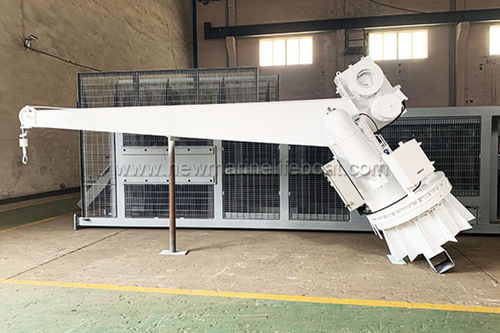
Oceanwide S
3PyroPol
3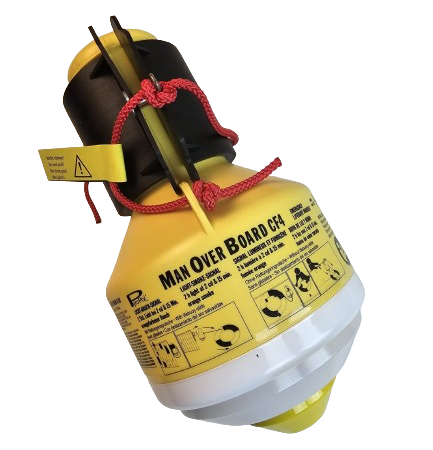
Pyrotechnourgiki Single Member
3Sezamor Rem
3Sheyang Saifute Marine
3TR.EM
3Wuxi Huahai Marine Equipment Factory
3Zhenjiang Siyang Diesel Engine Manufacturing
3ACTA
2Aquamate Products T/A Echomax
2Boatbuilding Yard, Qingdao Beihai Shipbuilding Heavy Industry
2Brunswick Marine in EMEA
2D.M.C
2Epsilor-Electric Fuel
2Fristad Plast
2Harding Safety
2
Jiangsu Haitai Ship's Whole Set
2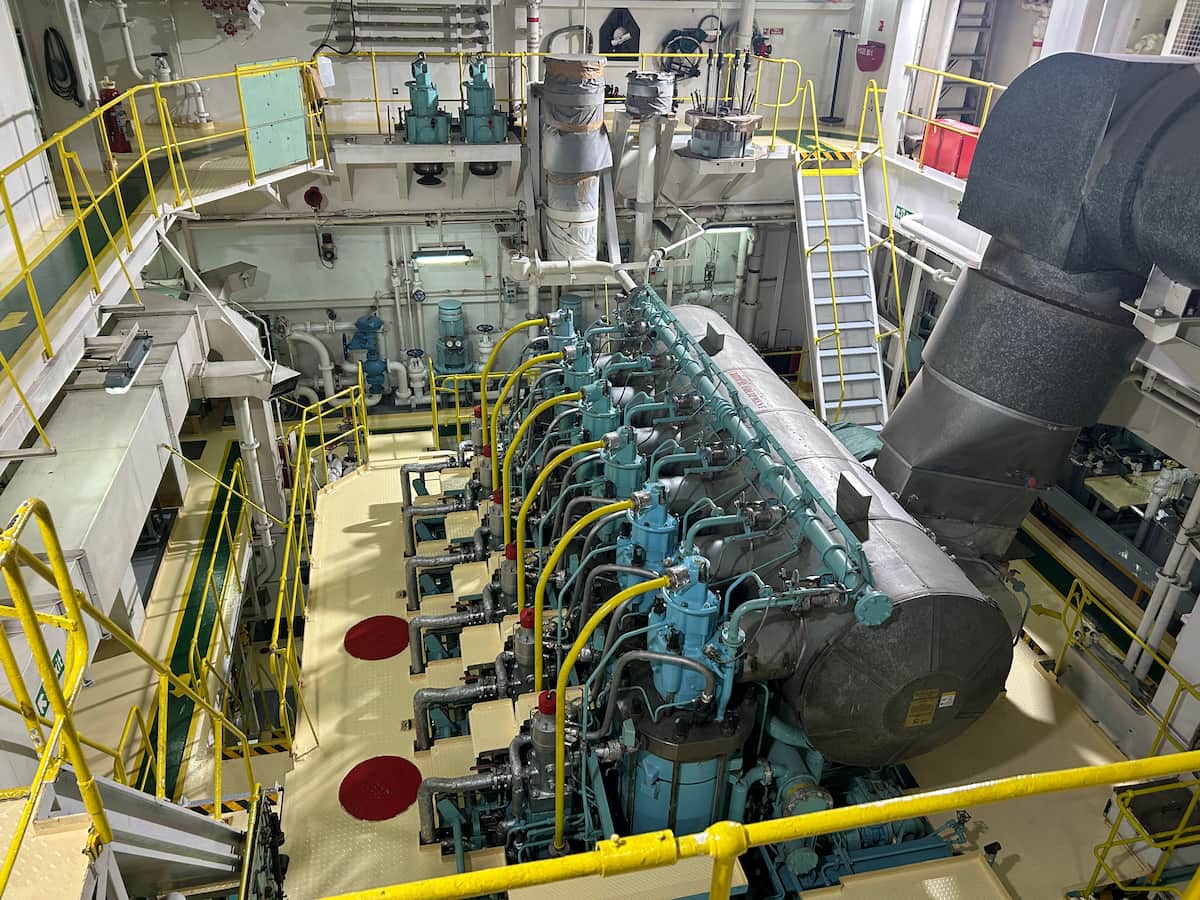
Jiangyan City Marine Outfitting
2Jiangyin Norsafe F.R.P
2Jiangyin Yongda Cord Net
2Jiangyinshi Beihai LSA
2Kehdinger Kran-Service
2Lankhorst Taselaar
2LSA-service
2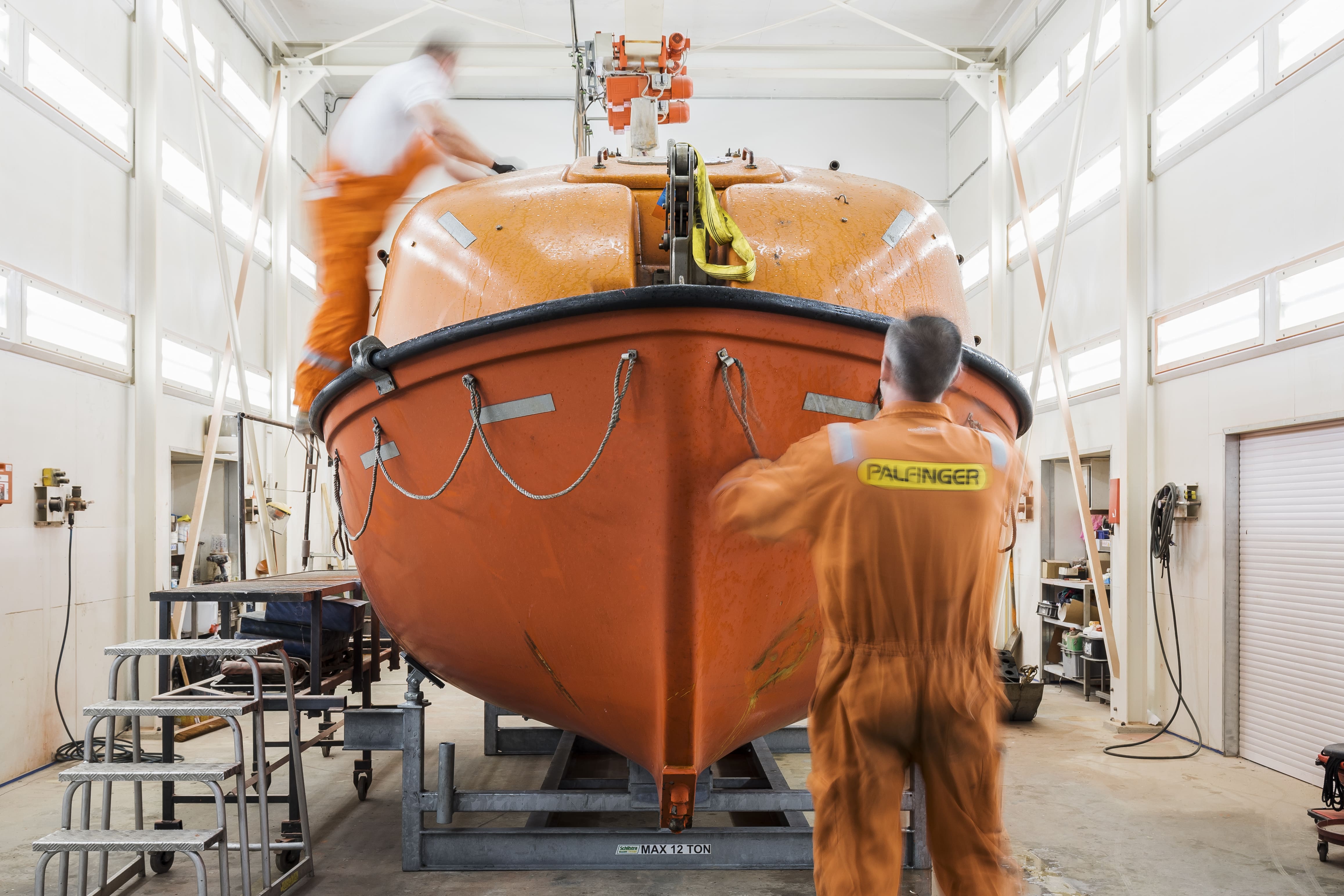
Matchanu Marine (Thailand)
2Nanjing Dongsheng Marine Equipment
2Nanjing Nautical Instrument Plant No. 2
2Neuenfelder Maschinenfabrik
2Neumaticas de Vigo, S.A.U
2Palfinger Marine Safety
2Peters + Bey
2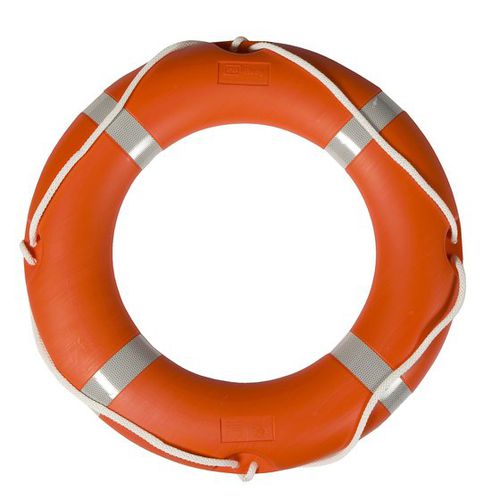
PTR Holland Group
2Rudolf Seldis
2Scandia Gear Europe
2Seago Yachting Ltd (OBM)
2
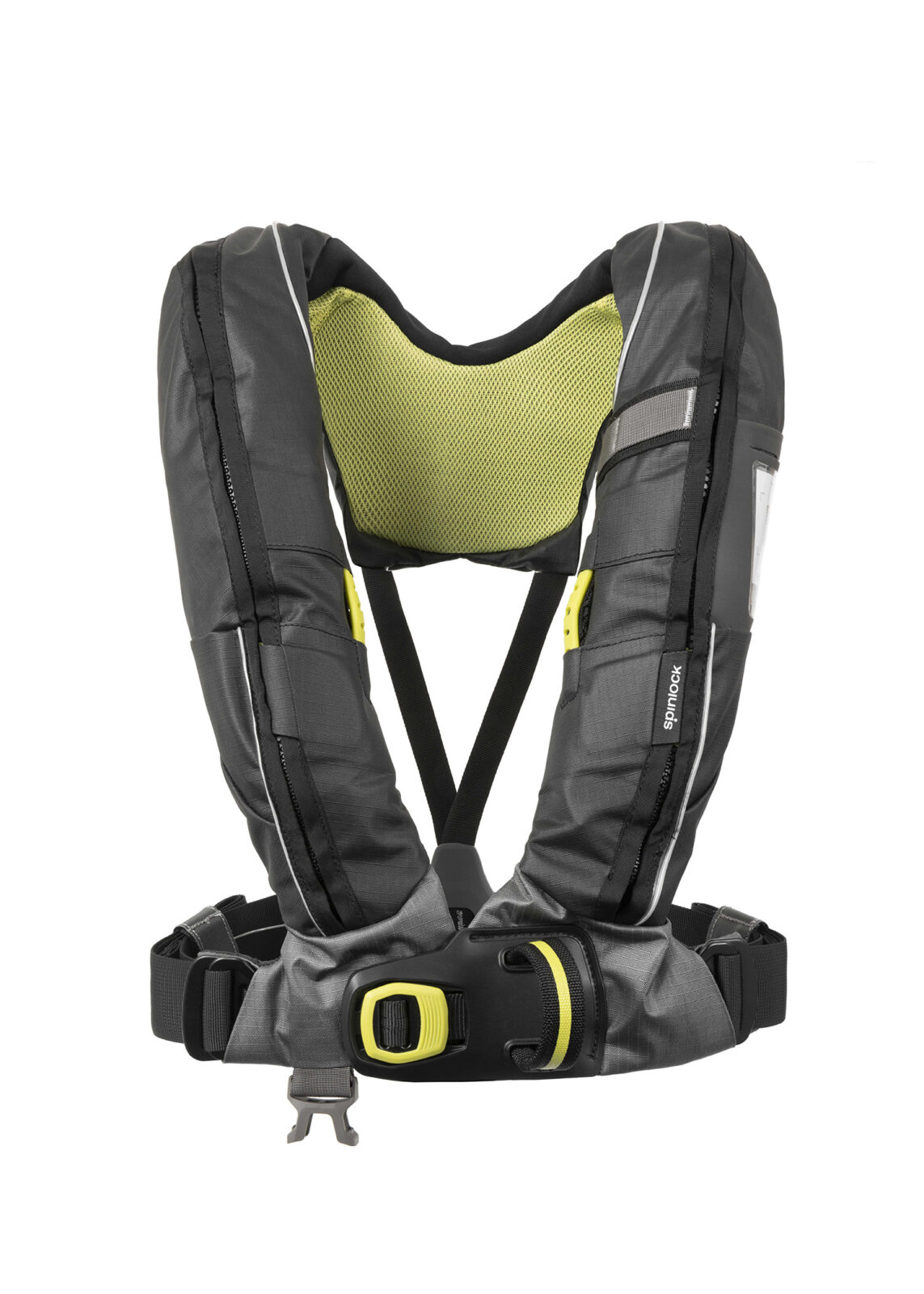
TOHATSU MARINE
2Torunskie Zaklady Urzadzen
2- Release hook Mechanismus Korrosion/Blockierung — KRITISCHER Sicherheitsfehler
- Diesel engine start failure due to lack of regular testing
- GRP hull osmotic blistering with prolonged water contact
- Scavenge air system valve failure
- Safety belt/harness aging due to UV/weather
- Very fast egress – boat drops from the deck and reaches water within seconds, reducing evacuation time.
- Self‑righting hull geometry ensures the craft remains upright after impact with the sea.
- Integrated diesel engine provides powered maneuverability once in the water, improving post‑launch survival chances.
- GFK (glass‑fiber reinforced plastic) hull offers high strength‑to‑weight ratio and corrosion resistance when properly maintained.
- Release hook mechanism prone to corrosion or blockage if not inspected annually; a failure is classified as critical.
- Diesel engine start reliability depends on strict weekly testing – missed tests can lead to launch‑engine failures.
- GFK hull may develop osmotic blisters after prolonged water exposure, requiring dockside inspection.
- Ventilation valve of the air‑supply system has recorded occasional failure, affecting breathable air provision.
- Safety harnesses and belts degrade under UV and weather exposure, necessitating regular replacement.
- Release hook Mechanismus Korrosion/Blockierung — KRITISCHER Sicherheitsfehler
- Diesel engine start failure due to lack of regular testing
- GRP hull osmotic blistering with prolonged water contact
- Scavenge air system valve failure
- Safety belt/harness aging due to UV/weather
- Instantaneous deployment by free‑fall, reducing escape time
- Self‑righting GFK hull provides high survivability after impact
- Integrated diesel engine enables post‑launch maneuvering and distance coverage
- Meets SOLAS requirements for free‑fall lifeboats and carries DNV approval
- Weekly motor‑run test and annual release‑hook service support operational readiness
- Release hook prone to corrosion/blockage if not inspected annually – critical safety risk
- Diesel start failures reported when regular testing is omitted
- GFK hull can develop osmotic blisters after prolonged water exposure
- Ventilation valve of the air‑supply system has a known failure mode
- Safety harnesses age quickly under UV and weather, requiring frequent replacement
Typhoon International
2Ursuit
2
Vanguard Marine LDA
2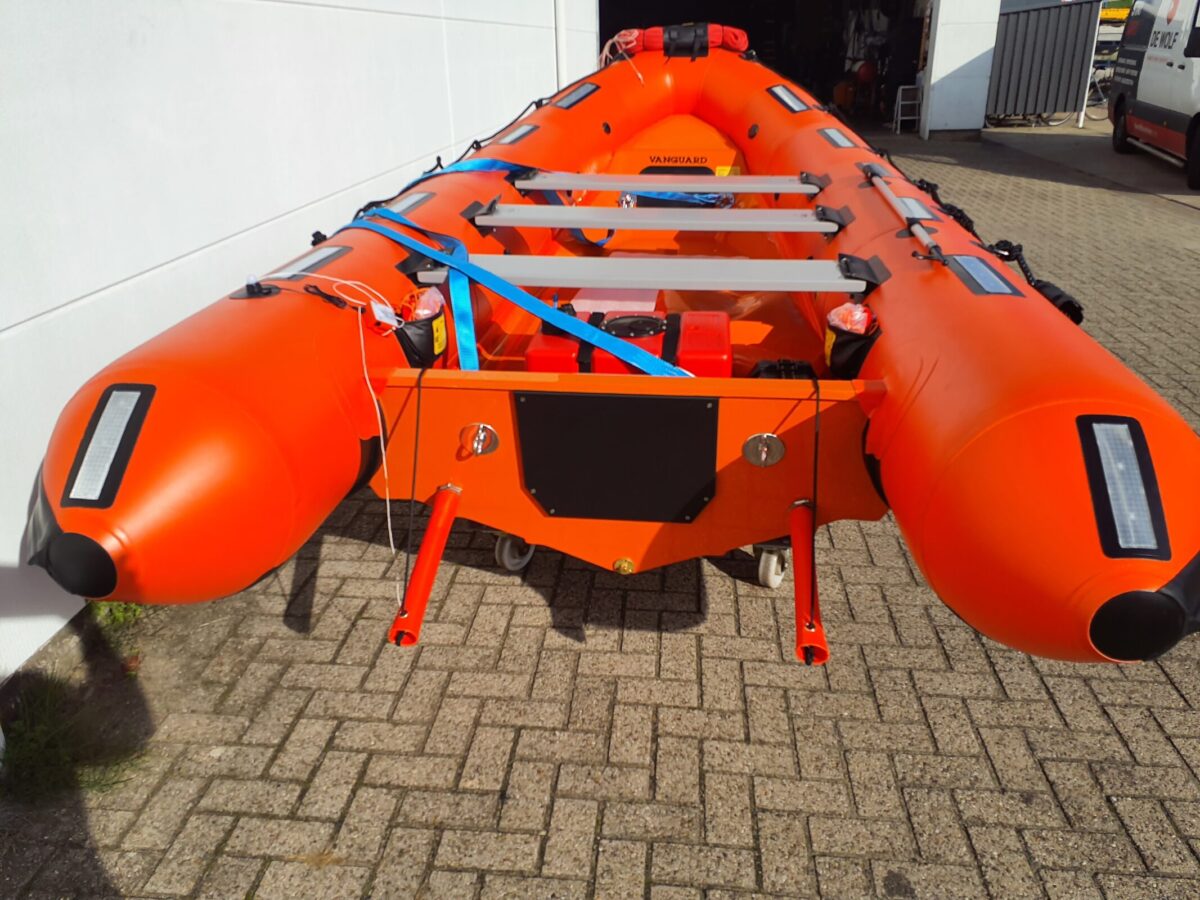
Vetus
2Walter Hering
2White Glacier Manufacturing
2AB Volvo Penta
1Asiatic Fire System
1Asis Boats
1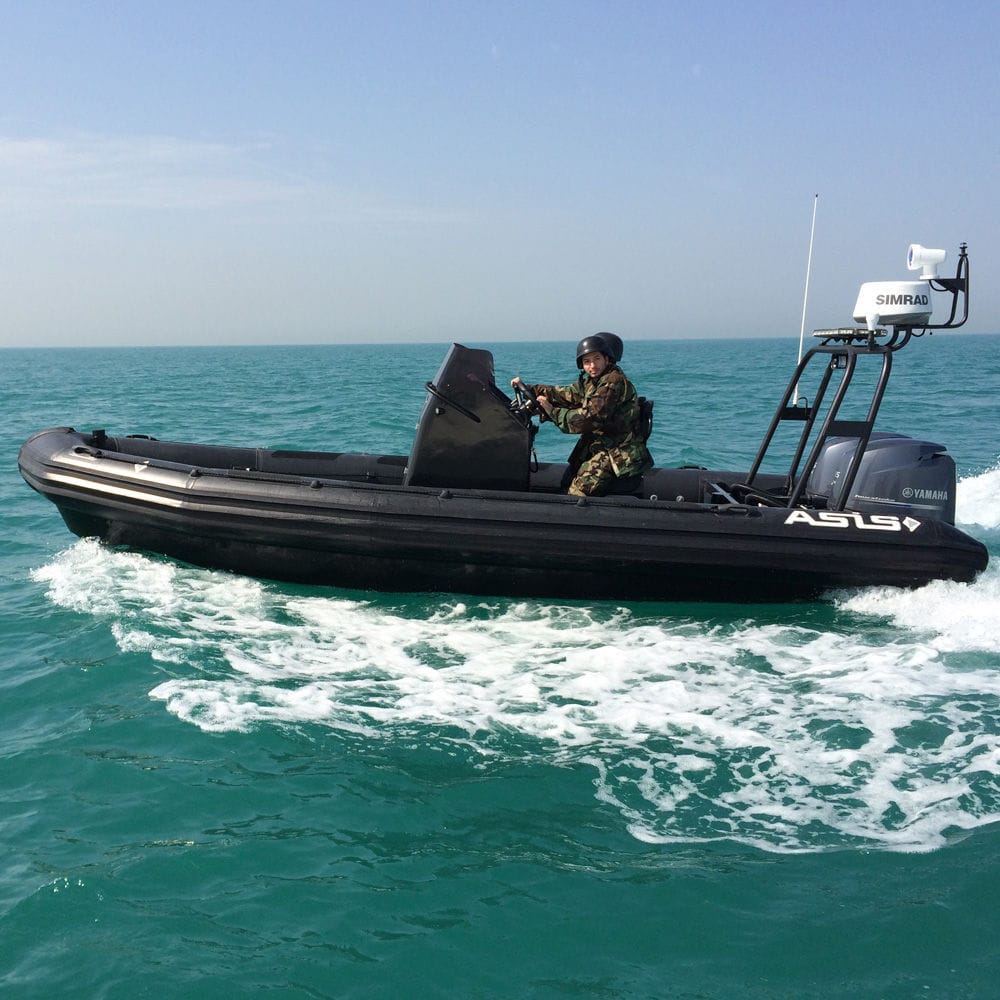
Bryne Winch Solution
1Canel & Sohn GmbH &
1Damen Shipyards Hoogezand
1DELTA POWER GROUP
1Dongtai Martian Ship Equipment
1DREWIL ENTERSHIP
1Eversafe Extinguisher
1Fama
1GC Rieber Compact
1Gepa Fiberglass San ve Tic.A.S
1Glamox
1Gürdesan Gemi Makina
1H.M.B
1Haean Machinery Ind
1Heinrich A. Schröder
1Helgeland Plast
1Hyun Chang Industries
1Inflatable Marine Craft c.c
1Jiangsu Yiqi Ship Technology
1Jiangyin Xijiao Marine Fittings Plant
1JUNG-A Marine
1
Mariner Ship's Equipment
1Navitron Systems
1Ocean Signal
1Pflüger Safety
1
Polish Baltic Company Phz S.C
1RIS MARINE d.o.o
1S.C. SANTIERUL NAVAL BRAILA
1Shanghai Qiangang Industrial
1Shanghai TongQing Marine Equipment
1Shigi
1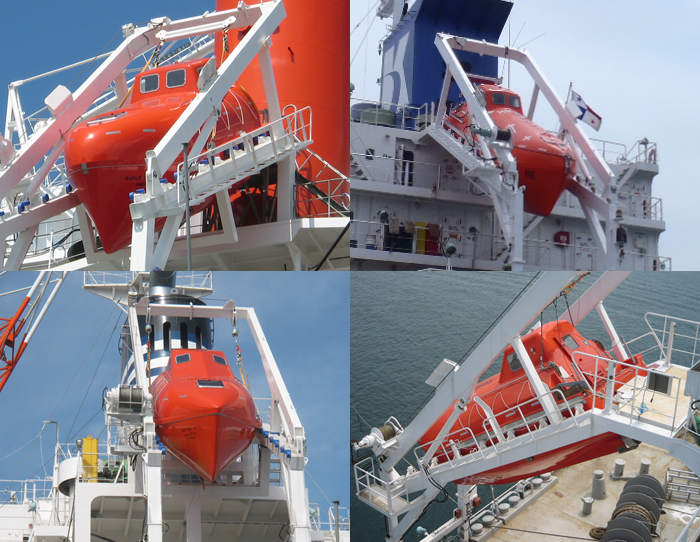
- Engine, battery or fuel-system deterioration causes difficult starting or failure to run during drills
- Release-hook, linkage or interlock wear causes stiff operation, incorrect indication or unsafe release behaviour
- Hull, canopy, window or seal damage causes water ingress or reduced weathertight integrity
- Steering or propulsion faults cause poor manoeuvrability, abnormal vibration or loss of thrust
- Inventory, securing or communication-equipment deficiencies are noticed during drills or statutory inspection
- Rapid deployment in emergency situations
- Designed for harsh marine environments
- Compliance with SOLAS regulations for lifesaving appliances
- Launching rail corrosion issues if not properly maintained
- Engine cooling water pump failure can immobilize the lifeboat
- Hatch dog mechanism seizing can hinder safe exit and entry
Shin Myung Tech
1Storm Cranes
1Survitec Survival One Ltd T/A Crewsaver
1T-ISS
1Taixing Risen Marine
1Tecklenborg, Kegel
1Undertun Industri
1Vestdavit
1