Sludge Pump
A sludge pump moves thick, often solids-laden waste oil sludge from the purifier and bilge separator to the incinerator or a shore reception facility, and its progressive cavity design is chosen because a centrifugal pump cannot handle the viscosity and solids content involved.
Read more — Sludge Pump explained ▾
What defines a sludge pump
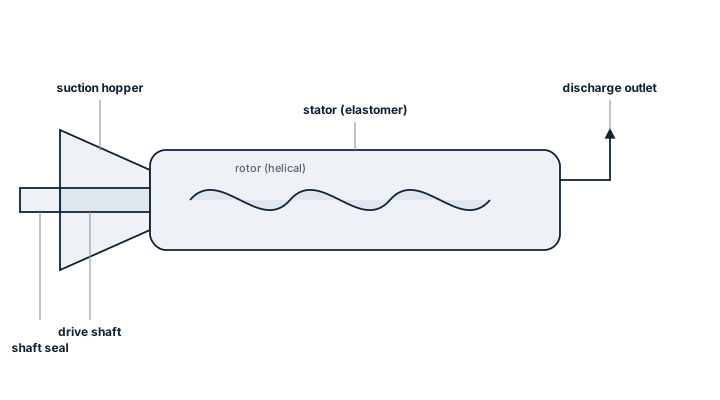
A sludge pump handles the waste oil and water mixture collected from purifiers, the oily water separator, and settling tanks -- material thick enough, and often solid-laden enough, that a centrifugal pump would lose priming and clog. The progressive cavity (mono-screw) design is the standard answer: a single helical rotor turning inside a double-helical stator forms a sealed cavity that moves along the pump as the rotor turns, carrying the sludge forward in a positive-displacement action largely independent of viscosity. This is what separates a sludge pump from the general-purpose centrifugal pumps that dominate the rest of the engine room's liquid transfer duties -- it trades a lower flow rate and a wear-prone stator for the ability to move sludge, and often to self-prime from a low suction lift.
Main components
Rotor and stator
A hardened steel or stainless rotor turning inside an elastomer stator (commonly nitrile or a fluoroelastomer for oil resistance); the stator is the main wear part and defines the pump's service interval since the elastomer degrades with heat, oil exposure and abrasive solids.
Drive coupling
A universal joint or flexible coupling between the drive shaft and the rotor, needed because the rotor moves in an eccentric path as it turns, not a straight rotation.
Suction and discharge arrangement
A hopper or large suction connection sized to avoid bridging of thick sludge, with the discharge line typically routed to the incinerator sludge tank or a shore connection manifold for port disposal.
Relief valve
A pressure relief arrangement is essential on a positive-displacement pump: if the discharge line is blocked or a valve is shut with the pump running, pressure rises until something gives, so a relief valve bypassing back to suction protects the pump and piping.
Selection and sizing
- Expected sludge viscosity and solids content, since stator elastomer choice and rotor-stator clearance both depend on it.
- Required flow rate against the incinerator's sludge burning rate or the shore reception schedule, rather than sizing for maximum theoretical throughput.
- Suction lift needed from the sludge tank location relative to the pump.
- Elastomer compatibility with the actual waste stream -- some chemical residues in slop attack standard nitrile stators faster than fuel and lube oil sludge alone.
- Duty cycle: continuous incinerator feed versus intermittent shore discharge changes the wear pattern expected.
Regulations and class
Sludge handling and disposal fall under MARPOL Annex I, with the oil record book requiring every transfer of sludge -- to the incinerator, to a holding tank, or ashore -- logged with quantity and method. The pump itself is not separately certified under MARPOL, but class surveys check that sludge piping is correctly segregated from other systems and that any shore discharge connection is a standard type that can be sealed and monitored, since an unauthorised sludge discharge is one of the offences port state control actively investigates.
Typical faults
| Fault | Cause | Consequence |
|---|---|---|
| Falling discharge pressure or flow | Stator elastomer worn or swollen from chemical incompatibility with the sludge stream | Reduced transfer rate, eventually unable to clear the sludge tank at the required rate |
| Pump runs dry | Sludge tank suction blocked by bridged solids, or tank run empty without operator noticing | Accelerated stator wear -- dry running is the fastest way to destroy the elastomer |
| Coupling failure | Fatigue in the universal joint from continuous eccentric loading over years of service | Loss of drive to the rotor, pump stops moving product despite the motor running |
| Relief valve seized shut | Sludge residue drying and hardening inside a valve rarely operated | No overpressure protection if a discharge line is blocked, risking pipe or coupling failure |
What to look for in a supplier
- Stator elastomer options matched to the actual sludge and slop chemistry expected, not just a standard nitrile default.
- Documented wear parts kit (stator, rotor, joints, seals) sized for the specific pump model.
- Confirmation of self-priming suction lift capability if the installation needs the pump to draw from a tank below pump centreline.
- Reference experience with the specific duty -- sludge transfer differs enough from general slurry handling that generic pump experience is not always a good match.
Never leave a progressive cavity sludge pump running against a closed discharge valve, even briefly -- without a working relief valve the pressure has nowhere to go but into the stator, the coupling, or the piping, and that is how a routine valve-lineup mistake turns into an unplanned repair.
Typical Manufacturers
6 manufacturers · 95 models
Bornemann
27 ✓ 27 verified- Area: Stator wear and elastomer degradation in eccentric screw pumps (EH/EL series)Check: Visual inspection of stator interior for cracks, indentations, or color discoloration; check elastomer material condition (CSM, EPDM, Viton, NBR, HNBR available); verify absence of cavitation damage or scoring
- Area: Rotor surface degradation and hard chrome coating integrityCheck: Examine rotor for coating erosion, pitting, or mechanical damage; check rotor eccentricity tolerance and verify high-quality C45 steel hardness; inspect for scoring in contact zones with stator
- Area: Mechanical seal leakage and seal assembly integrity (API 682 compliance)Check: Verify seal mounting dimension accuracy; check for bearing housing alignment; inspect seal cavity for contamination or crystallization; confirm proper installation of mechanical seals and grease lubrication state
- Area: Cardan joint deterioration and coupling rod integrityCheck: Inspect universal joint for wear, play, or elastic element degradation; verify coupling rod roundness and axial runout; check for corrosion or spalling of joint bearing races
- Area: Bearing and lubrication system failure (temperature and viscosity impact)Check: Monitor operating temperature during high viscosity sludge pumping (up to 1,000,000 cSt fluids); verify bearing grease replenishment intervals (~800 operating hours); inspect for signs of overheating or inadequate lubrication films
Typ-universelle Inspektionspunkte fuer Pumps (verifiziert, 2026-06).
- Area: Stator wear and elastomer degradation in eccentric screw pumps (EH/EL series)Check: Visual inspection of stator interior for cracks, indentations, or color discoloration; check elastomer material condition (CSM, EPDM, Viton, NBR, HNBR available); verify absence of cavitation damage or scoring
- Area: Rotor surface degradation and hard chrome coating integrityCheck: Examine rotor for coating erosion, pitting, or mechanical damage; check rotor eccentricity tolerance and verify high-quality C45 steel hardness; inspect for scoring in contact zones with stator
- Area: Mechanical seal leakage and seal assembly integrity (API 682 compliance)Check: Verify seal mounting dimension accuracy; check for bearing housing alignment; inspect seal cavity for contamination or crystallization; confirm proper installation of mechanical seals and grease lubrication state
- Area: Cardan joint deterioration and coupling rod integrityCheck: Inspect universal joint for wear, play, or elastic element degradation; verify coupling rod roundness and axial runout; check for corrosion or spalling of joint bearing races
- Area: Bearing and lubrication system failure (temperature and viscosity impact)Check: Monitor operating temperature during high viscosity sludge pumping (up to 1,000,000 cSt fluids); verify bearing grease replenishment intervals (~800 operating hours); inspect for signs of overheating or inadequate lubrication films
Typ-universelle Inspektionspunkte fuer Pumps (verifiziert, 2026-06).
- Area: Stator wear and elastomer degradation in eccentric screw pumps (EH/EL series)Check: Visual inspection of stator interior for cracks, indentations, or color discoloration; check elastomer material condition (CSM, EPDM, Viton, NBR, HNBR available); verify absence of cavitation damage or scoring
- Area: Rotor surface degradation and hard chrome coating integrityCheck: Examine rotor for coating erosion, pitting, or mechanical damage; check rotor eccentricity tolerance and verify high-quality C45 steel hardness; inspect for scoring in contact zones with stator
- Area: Mechanical seal leakage and seal assembly integrity (API 682 compliance)Check: Verify seal mounting dimension accuracy; check for bearing housing alignment; inspect seal cavity for contamination or crystallization; confirm proper installation of mechanical seals and grease lubrication state
- Area: Cardan joint deterioration and coupling rod integrityCheck: Inspect universal joint for wear, play, or elastic element degradation; verify coupling rod roundness and axial runout; check for corrosion or spalling of joint bearing races
- Area: Bearing and lubrication system failure (temperature and viscosity impact)Check: Monitor operating temperature during high viscosity sludge pumping (up to 1,000,000 cSt fluids); verify bearing grease replenishment intervals (~800 operating hours); inspect for signs of overheating or inadequate lubrication films
Typ-universelle Inspektionspunkte fuer Pumps (verifiziert, 2026-06).
- Area: Stator wear and elastomer degradation in eccentric screw pumps (EH/EL series)Check: Visual inspection of stator interior for cracks, indentations, or color discoloration; check elastomer material condition (CSM, EPDM, Viton, NBR, HNBR available); verify absence of cavitation damage or scoring
- Area: Rotor surface degradation and hard chrome coating integrityCheck: Examine rotor for coating erosion, pitting, or mechanical damage; check rotor eccentricity tolerance and verify high-quality C45 steel hardness; inspect for scoring in contact zones with stator
- Area: Mechanical seal leakage and seal assembly integrity (API 682 compliance)Check: Verify seal mounting dimension accuracy; check for bearing housing alignment; inspect seal cavity for contamination or crystallization; confirm proper installation of mechanical seals and grease lubrication state
- Area: Cardan joint deterioration and coupling rod integrityCheck: Inspect universal joint for wear, play, or elastic element degradation; verify coupling rod roundness and axial runout; check for corrosion or spalling of joint bearing races
- Area: Bearing and lubrication system failure (temperature and viscosity impact)Check: Monitor operating temperature during high viscosity sludge pumping (up to 1,000,000 cSt fluids); verify bearing grease replenishment intervals (~800 operating hours); inspect for signs of overheating or inadequate lubrication films
Typ-universelle Inspektionspunkte fuer Pumps (verifiziert, 2026-06).
- Area: Stator wear and elastomer degradation in eccentric screw pumps (EH/EL series)Check: Visual inspection of stator interior for cracks, indentations, or color discoloration; check elastomer material condition (CSM, EPDM, Viton, NBR, HNBR available); verify absence of cavitation damage or scoring
- Area: Rotor surface degradation and hard chrome coating integrityCheck: Examine rotor for coating erosion, pitting, or mechanical damage; check rotor eccentricity tolerance and verify high-quality C45 steel hardness; inspect for scoring in contact zones with stator
- Area: Mechanical seal leakage and seal assembly integrity (API 682 compliance)Check: Verify seal mounting dimension accuracy; check for bearing housing alignment; inspect seal cavity for contamination or crystallization; confirm proper installation of mechanical seals and grease lubrication state
- Area: Cardan joint deterioration and coupling rod integrityCheck: Inspect universal joint for wear, play, or elastic element degradation; verify coupling rod roundness and axial runout; check for corrosion or spalling of joint bearing races
- Area: Bearing and lubrication system failure (temperature and viscosity impact)Check: Monitor operating temperature during high viscosity sludge pumping (up to 1,000,000 cSt fluids); verify bearing grease replenishment intervals (~800 operating hours); inspect for signs of overheating or inadequate lubrication films
Typ-universelle Inspektionspunkte fuer Pumps (verifiziert, 2026-06).
- Area: Stator wear and elastomer degradation in eccentric screw pumps (EH/EL series)Check: Visual inspection of stator interior for cracks, indentations, or color discoloration; check elastomer material condition (CSM, EPDM, Viton, NBR, HNBR available); verify absence of cavitation damage or scoring
- Area: Rotor surface degradation and hard chrome coating integrityCheck: Examine rotor for coating erosion, pitting, or mechanical damage; check rotor eccentricity tolerance and verify high-quality C45 steel hardness; inspect for scoring in contact zones with stator
- Area: Mechanical seal leakage and seal assembly integrity (API 682 compliance)Check: Verify seal mounting dimension accuracy; check for bearing housing alignment; inspect seal cavity for contamination or crystallization; confirm proper installation of mechanical seals and grease lubrication state
- Area: Cardan joint deterioration and coupling rod integrityCheck: Inspect universal joint for wear, play, or elastic element degradation; verify coupling rod roundness and axial runout; check for corrosion or spalling of joint bearing races
- Area: Bearing and lubrication system failure (temperature and viscosity impact)Check: Monitor operating temperature during high viscosity sludge pumping (up to 1,000,000 cSt fluids); verify bearing grease replenishment intervals (~800 operating hours); inspect for signs of overheating or inadequate lubrication films
Typ-universelle Inspektionspunkte fuer Pumps (verifiziert, 2026-06).
- Area: Stator wear and elastomer degradation in eccentric screw pumps (EH/EL series)Check: Visual inspection of stator interior for cracks, indentations, or color discoloration; check elastomer material condition (CSM, EPDM, Viton, NBR, HNBR available); verify absence of cavitation damage or scoring
- Area: Rotor surface degradation and hard chrome coating integrityCheck: Examine rotor for coating erosion, pitting, or mechanical damage; check rotor eccentricity tolerance and verify high-quality C45 steel hardness; inspect for scoring in contact zones with stator
- Area: Mechanical seal leakage and seal assembly integrity (API 682 compliance)Check: Verify seal mounting dimension accuracy; check for bearing housing alignment; inspect seal cavity for contamination or crystallization; confirm proper installation of mechanical seals and grease lubrication state
- Area: Cardan joint deterioration and coupling rod integrityCheck: Inspect universal joint for wear, play, or elastic element degradation; verify coupling rod roundness and axial runout; check for corrosion or spalling of joint bearing races
- Area: Bearing and lubrication system failure (temperature and viscosity impact)Check: Monitor operating temperature during high viscosity sludge pumping (up to 1,000,000 cSt fluids); verify bearing grease replenishment intervals (~800 operating hours); inspect for signs of overheating or inadequate lubrication films
Typ-universelle Inspektionspunkte fuer Pumps (verifiziert, 2026-06).
- Area: Stator wear and elastomer degradation in eccentric screw pumps (EH/EL series)Check: Visual inspection of stator interior for cracks, indentations, or color discoloration; check elastomer material condition (CSM, EPDM, Viton, NBR, HNBR available); verify absence of cavitation damage or scoring
- Area: Rotor surface degradation and hard chrome coating integrityCheck: Examine rotor for coating erosion, pitting, or mechanical damage; check rotor eccentricity tolerance and verify high-quality C45 steel hardness; inspect for scoring in contact zones with stator
- Area: Mechanical seal leakage and seal assembly integrity (API 682 compliance)Check: Verify seal mounting dimension accuracy; check for bearing housing alignment; inspect seal cavity for contamination or crystallization; confirm proper installation of mechanical seals and grease lubrication state
- Area: Cardan joint deterioration and coupling rod integrityCheck: Inspect universal joint for wear, play, or elastic element degradation; verify coupling rod roundness and axial runout; check for corrosion or spalling of joint bearing races
- Area: Bearing and lubrication system failure (temperature and viscosity impact)Check: Monitor operating temperature during high viscosity sludge pumping (up to 1,000,000 cSt fluids); verify bearing grease replenishment intervals (~800 operating hours); inspect for signs of overheating or inadequate lubrication films
Typ-universelle Inspektionspunkte fuer Pumps (verifiziert, 2026-06).
- Area: Stator wear and elastomer degradation in eccentric screw pumps (EH/EL series)Check: Visual inspection of stator interior for cracks, indentations, or color discoloration; check elastomer material condition (CSM, EPDM, Viton, NBR, HNBR available); verify absence of cavitation damage or scoring
- Area: Rotor surface degradation and hard chrome coating integrityCheck: Examine rotor for coating erosion, pitting, or mechanical damage; check rotor eccentricity tolerance and verify high-quality C45 steel hardness; inspect for scoring in contact zones with stator
- Area: Mechanical seal leakage and seal assembly integrity (API 682 compliance)Check: Verify seal mounting dimension accuracy; check for bearing housing alignment; inspect seal cavity for contamination or crystallization; confirm proper installation of mechanical seals and grease lubrication state
- Area: Cardan joint deterioration and coupling rod integrityCheck: Inspect universal joint for wear, play, or elastic element degradation; verify coupling rod roundness and axial runout; check for corrosion or spalling of joint bearing races
- Area: Bearing and lubrication system failure (temperature and viscosity impact)Check: Monitor operating temperature during high viscosity sludge pumping (up to 1,000,000 cSt fluids); verify bearing grease replenishment intervals (~800 operating hours); inspect for signs of overheating or inadequate lubrication films
Typ-universelle Inspektionspunkte fuer Pumps (verifiziert, 2026-06).
- Area: Stator wear and elastomer degradation in eccentric screw pumps (EH/EL series)Check: Visual inspection of stator interior for cracks, indentations, or color discoloration; check elastomer material condition (CSM, EPDM, Viton, NBR, HNBR available); verify absence of cavitation damage or scoring
- Area: Rotor surface degradation and hard chrome coating integrityCheck: Examine rotor for coating erosion, pitting, or mechanical damage; check rotor eccentricity tolerance and verify high-quality C45 steel hardness; inspect for scoring in contact zones with stator
- Area: Mechanical seal leakage and seal assembly integrity (API 682 compliance)Check: Verify seal mounting dimension accuracy; check for bearing housing alignment; inspect seal cavity for contamination or crystallization; confirm proper installation of mechanical seals and grease lubrication state
- Area: Cardan joint deterioration and coupling rod integrityCheck: Inspect universal joint for wear, play, or elastic element degradation; verify coupling rod roundness and axial runout; check for corrosion or spalling of joint bearing races
- Area: Bearing and lubrication system failure (temperature and viscosity impact)Check: Monitor operating temperature during high viscosity sludge pumping (up to 1,000,000 cSt fluids); verify bearing grease replenishment intervals (~800 operating hours); inspect for signs of overheating or inadequate lubrication films
Typ-universelle Inspektionspunkte fuer Pumps (verifiziert, 2026-06).
- Area: Stator wear and elastomer degradation in eccentric screw pumps (EH/EL series)Check: Visual inspection of stator interior for cracks, indentations, or color discoloration; check elastomer material condition (CSM, EPDM, Viton, NBR, HNBR available); verify absence of cavitation damage or scoring
- Area: Rotor surface degradation and hard chrome coating integrityCheck: Examine rotor for coating erosion, pitting, or mechanical damage; check rotor eccentricity tolerance and verify high-quality C45 steel hardness; inspect for scoring in contact zones with stator
- Area: Mechanical seal leakage and seal assembly integrity (API 682 compliance)Check: Verify seal mounting dimension accuracy; check for bearing housing alignment; inspect seal cavity for contamination or crystallization; confirm proper installation of mechanical seals and grease lubrication state
- Area: Cardan joint deterioration and coupling rod integrityCheck: Inspect universal joint for wear, play, or elastic element degradation; verify coupling rod roundness and axial runout; check for corrosion or spalling of joint bearing races
- Area: Bearing and lubrication system failure (temperature and viscosity impact)Check: Monitor operating temperature during high viscosity sludge pumping (up to 1,000,000 cSt fluids); verify bearing grease replenishment intervals (~800 operating hours); inspect for signs of overheating or inadequate lubrication films
Typ-universelle Inspektionspunkte fuer Pumps (verifiziert, 2026-06).
- Area: Stator wear and elastomer degradation in eccentric screw pumps (EH/EL series)Check: Visual inspection of stator interior for cracks, indentations, or color discoloration; check elastomer material condition (CSM, EPDM, Viton, NBR, HNBR available); verify absence of cavitation damage or scoring
- Area: Rotor surface degradation and hard chrome coating integrityCheck: Examine rotor for coating erosion, pitting, or mechanical damage; check rotor eccentricity tolerance and verify high-quality C45 steel hardness; inspect for scoring in contact zones with stator
- Area: Mechanical seal leakage and seal assembly integrity (API 682 compliance)Check: Verify seal mounting dimension accuracy; check for bearing housing alignment; inspect seal cavity for contamination or crystallization; confirm proper installation of mechanical seals and grease lubrication state
- Area: Cardan joint deterioration and coupling rod integrityCheck: Inspect universal joint for wear, play, or elastic element degradation; verify coupling rod roundness and axial runout; check for corrosion or spalling of joint bearing races
- Area: Bearing and lubrication system failure (temperature and viscosity impact)Check: Monitor operating temperature during high viscosity sludge pumping (up to 1,000,000 cSt fluids); verify bearing grease replenishment intervals (~800 operating hours); inspect for signs of overheating or inadequate lubrication films
Typ-universelle Inspektionspunkte fuer Pumps (verifiziert, 2026-06).
- Area: Stator wear and elastomer degradation in eccentric screw pumps (EH/EL series)Check: Visual inspection of stator interior for cracks, indentations, or color discoloration; check elastomer material condition (CSM, EPDM, Viton, NBR, HNBR available); verify absence of cavitation damage or scoring
- Area: Rotor surface degradation and hard chrome coating integrityCheck: Examine rotor for coating erosion, pitting, or mechanical damage; check rotor eccentricity tolerance and verify high-quality C45 steel hardness; inspect for scoring in contact zones with stator
- Area: Mechanical seal leakage and seal assembly integrity (API 682 compliance)Check: Verify seal mounting dimension accuracy; check for bearing housing alignment; inspect seal cavity for contamination or crystallization; confirm proper installation of mechanical seals and grease lubrication state
- Area: Cardan joint deterioration and coupling rod integrityCheck: Inspect universal joint for wear, play, or elastic element degradation; verify coupling rod roundness and axial runout; check for corrosion or spalling of joint bearing races
- Area: Bearing and lubrication system failure (temperature and viscosity impact)Check: Monitor operating temperature during high viscosity sludge pumping (up to 1,000,000 cSt fluids); verify bearing grease replenishment intervals (~800 operating hours); inspect for signs of overheating or inadequate lubrication films
Typ-universelle Inspektionspunkte fuer Pumps (verifiziert, 2026-06).
- Area: Stator wear and elastomer degradation in eccentric screw pumps (EH/EL series)Check: Visual inspection of stator interior for cracks, indentations, or color discoloration; check elastomer material condition (CSM, EPDM, Viton, NBR, HNBR available); verify absence of cavitation damage or scoring
- Area: Rotor surface degradation and hard chrome coating integrityCheck: Examine rotor for coating erosion, pitting, or mechanical damage; check rotor eccentricity tolerance and verify high-quality C45 steel hardness; inspect for scoring in contact zones with stator
- Area: Mechanical seal leakage and seal assembly integrity (API 682 compliance)Check: Verify seal mounting dimension accuracy; check for bearing housing alignment; inspect seal cavity for contamination or crystallization; confirm proper installation of mechanical seals and grease lubrication state
- Area: Cardan joint deterioration and coupling rod integrityCheck: Inspect universal joint for wear, play, or elastic element degradation; verify coupling rod roundness and axial runout; check for corrosion or spalling of joint bearing races
- Area: Bearing and lubrication system failure (temperature and viscosity impact)Check: Monitor operating temperature during high viscosity sludge pumping (up to 1,000,000 cSt fluids); verify bearing grease replenishment intervals (~800 operating hours); inspect for signs of overheating or inadequate lubrication films
Typ-universelle Inspektionspunkte fuer Pumps (verifiziert, 2026-06).
- Area: Stator wear and elastomer degradation in eccentric screw pumps (EH/EL series)Check: Visual inspection of stator interior for cracks, indentations, or color discoloration; check elastomer material condition (CSM, EPDM, Viton, NBR, HNBR available); verify absence of cavitation damage or scoring
- Area: Rotor surface degradation and hard chrome coating integrityCheck: Examine rotor for coating erosion, pitting, or mechanical damage; check rotor eccentricity tolerance and verify high-quality C45 steel hardness; inspect for scoring in contact zones with stator
- Area: Mechanical seal leakage and seal assembly integrity (API 682 compliance)Check: Verify seal mounting dimension accuracy; check for bearing housing alignment; inspect seal cavity for contamination or crystallization; confirm proper installation of mechanical seals and grease lubrication state
- Area: Cardan joint deterioration and coupling rod integrityCheck: Inspect universal joint for wear, play, or elastic element degradation; verify coupling rod roundness and axial runout; check for corrosion or spalling of joint bearing races
- Area: Bearing and lubrication system failure (temperature and viscosity impact)Check: Monitor operating temperature during high viscosity sludge pumping (up to 1,000,000 cSt fluids); verify bearing grease replenishment intervals (~800 operating hours); inspect for signs of overheating or inadequate lubrication films
Typ-universelle Inspektionspunkte fuer Pumps (verifiziert, 2026-06).
- Area: Stator wear and elastomer degradation in eccentric screw pumps (EH/EL series)Check: Visual inspection of stator interior for cracks, indentations, or color discoloration; check elastomer material condition (CSM, EPDM, Viton, NBR, HNBR available); verify absence of cavitation damage or scoring
- Area: Rotor surface degradation and hard chrome coating integrityCheck: Examine rotor for coating erosion, pitting, or mechanical damage; check rotor eccentricity tolerance and verify high-quality C45 steel hardness; inspect for scoring in contact zones with stator
- Area: Mechanical seal leakage and seal assembly integrity (API 682 compliance)Check: Verify seal mounting dimension accuracy; check for bearing housing alignment; inspect seal cavity for contamination or crystallization; confirm proper installation of mechanical seals and grease lubrication state
- Area: Cardan joint deterioration and coupling rod integrityCheck: Inspect universal joint for wear, play, or elastic element degradation; verify coupling rod roundness and axial runout; check for corrosion or spalling of joint bearing races
- Area: Bearing and lubrication system failure (temperature and viscosity impact)Check: Monitor operating temperature during high viscosity sludge pumping (up to 1,000,000 cSt fluids); verify bearing grease replenishment intervals (~800 operating hours); inspect for signs of overheating or inadequate lubrication films
Typ-universelle Inspektionspunkte fuer Pumps (verifiziert, 2026-06).
- Area: Stator wear and elastomer degradation in eccentric screw pumps (EH/EL series)Check: Visual inspection of stator interior for cracks, indentations, or color discoloration; check elastomer material condition (CSM, EPDM, Viton, NBR, HNBR available); verify absence of cavitation damage or scoring
- Area: Rotor surface degradation and hard chrome coating integrityCheck: Examine rotor for coating erosion, pitting, or mechanical damage; check rotor eccentricity tolerance and verify high-quality C45 steel hardness; inspect for scoring in contact zones with stator
- Area: Mechanical seal leakage and seal assembly integrity (API 682 compliance)Check: Verify seal mounting dimension accuracy; check for bearing housing alignment; inspect seal cavity for contamination or crystallization; confirm proper installation of mechanical seals and grease lubrication state
- Area: Cardan joint deterioration and coupling rod integrityCheck: Inspect universal joint for wear, play, or elastic element degradation; verify coupling rod roundness and axial runout; check for corrosion or spalling of joint bearing races
- Area: Bearing and lubrication system failure (temperature and viscosity impact)Check: Monitor operating temperature during high viscosity sludge pumping (up to 1,000,000 cSt fluids); verify bearing grease replenishment intervals (~800 operating hours); inspect for signs of overheating or inadequate lubrication films
Typ-universelle Inspektionspunkte fuer Pumps (verifiziert, 2026-06).
- Area: Stator wear and elastomer degradation in eccentric screw pumps (EH/EL series)Check: Visual inspection of stator interior for cracks, indentations, or color discoloration; check elastomer material condition (CSM, EPDM, Viton, NBR, HNBR available); verify absence of cavitation damage or scoring
- Area: Rotor surface degradation and hard chrome coating integrityCheck: Examine rotor for coating erosion, pitting, or mechanical damage; check rotor eccentricity tolerance and verify high-quality C45 steel hardness; inspect for scoring in contact zones with stator
- Area: Mechanical seal leakage and seal assembly integrity (API 682 compliance)Check: Verify seal mounting dimension accuracy; check for bearing housing alignment; inspect seal cavity for contamination or crystallization; confirm proper installation of mechanical seals and grease lubrication state
- Area: Cardan joint deterioration and coupling rod integrityCheck: Inspect universal joint for wear, play, or elastic element degradation; verify coupling rod roundness and axial runout; check for corrosion or spalling of joint bearing races
- Area: Bearing and lubrication system failure (temperature and viscosity impact)Check: Monitor operating temperature during high viscosity sludge pumping (up to 1,000,000 cSt fluids); verify bearing grease replenishment intervals (~800 operating hours); inspect for signs of overheating or inadequate lubrication films
Typ-universelle Inspektionspunkte fuer Pumps (verifiziert, 2026-06).
- Area: Stator wear and elastomer degradation in eccentric screw pumps (EH/EL series)Check: Visual inspection of stator interior for cracks, indentations, or color discoloration; check elastomer material condition (CSM, EPDM, Viton, NBR, HNBR available); verify absence of cavitation damage or scoring
- Area: Rotor surface degradation and hard chrome coating integrityCheck: Examine rotor for coating erosion, pitting, or mechanical damage; check rotor eccentricity tolerance and verify high-quality C45 steel hardness; inspect for scoring in contact zones with stator
- Area: Mechanical seal leakage and seal assembly integrity (API 682 compliance)Check: Verify seal mounting dimension accuracy; check for bearing housing alignment; inspect seal cavity for contamination or crystallization; confirm proper installation of mechanical seals and grease lubrication state
- Area: Cardan joint deterioration and coupling rod integrityCheck: Inspect universal joint for wear, play, or elastic element degradation; verify coupling rod roundness and axial runout; check for corrosion or spalling of joint bearing races
- Area: Bearing and lubrication system failure (temperature and viscosity impact)Check: Monitor operating temperature during high viscosity sludge pumping (up to 1,000,000 cSt fluids); verify bearing grease replenishment intervals (~800 operating hours); inspect for signs of overheating or inadequate lubrication films
Typ-universelle Inspektionspunkte fuer Pumps (verifiziert, 2026-06).
- Area: Stator wear and elastomer degradation in eccentric screw pumps (EH/EL series)Check: Visual inspection of stator interior for cracks, indentations, or color discoloration; check elastomer material condition (CSM, EPDM, Viton, NBR, HNBR available); verify absence of cavitation damage or scoring
- Area: Rotor surface degradation and hard chrome coating integrityCheck: Examine rotor for coating erosion, pitting, or mechanical damage; check rotor eccentricity tolerance and verify high-quality C45 steel hardness; inspect for scoring in contact zones with stator
- Area: Mechanical seal leakage and seal assembly integrity (API 682 compliance)Check: Verify seal mounting dimension accuracy; check for bearing housing alignment; inspect seal cavity for contamination or crystallization; confirm proper installation of mechanical seals and grease lubrication state
- Area: Cardan joint deterioration and coupling rod integrityCheck: Inspect universal joint for wear, play, or elastic element degradation; verify coupling rod roundness and axial runout; check for corrosion or spalling of joint bearing races
- Area: Bearing and lubrication system failure (temperature and viscosity impact)Check: Monitor operating temperature during high viscosity sludge pumping (up to 1,000,000 cSt fluids); verify bearing grease replenishment intervals (~800 operating hours); inspect for signs of overheating or inadequate lubrication films
Typ-universelle Inspektionspunkte fuer Pumps (verifiziert, 2026-06).
- Area: Stator wear and elastomer degradation in eccentric screw pumps (EH/EL series)Check: Visual inspection of stator interior for cracks, indentations, or color discoloration; check elastomer material condition (CSM, EPDM, Viton, NBR, HNBR available); verify absence of cavitation damage or scoring
- Area: Rotor surface degradation and hard chrome coating integrityCheck: Examine rotor for coating erosion, pitting, or mechanical damage; check rotor eccentricity tolerance and verify high-quality C45 steel hardness; inspect for scoring in contact zones with stator
- Area: Mechanical seal leakage and seal assembly integrity (API 682 compliance)Check: Verify seal mounting dimension accuracy; check for bearing housing alignment; inspect seal cavity for contamination or crystallization; confirm proper installation of mechanical seals and grease lubrication state
- Area: Cardan joint deterioration and coupling rod integrityCheck: Inspect universal joint for wear, play, or elastic element degradation; verify coupling rod roundness and axial runout; check for corrosion or spalling of joint bearing races
- Area: Bearing and lubrication system failure (temperature and viscosity impact)Check: Monitor operating temperature during high viscosity sludge pumping (up to 1,000,000 cSt fluids); verify bearing grease replenishment intervals (~800 operating hours); inspect for signs of overheating or inadequate lubrication films
Typ-universelle Inspektionspunkte fuer Pumps (verifiziert, 2026-06).
- Area: Stator wear and elastomer degradation in eccentric screw pumps (EH/EL series)Check: Visual inspection of stator interior for cracks, indentations, or color discoloration; check elastomer material condition (CSM, EPDM, Viton, NBR, HNBR available); verify absence of cavitation damage or scoring
- Area: Rotor surface degradation and hard chrome coating integrityCheck: Examine rotor for coating erosion, pitting, or mechanical damage; check rotor eccentricity tolerance and verify high-quality C45 steel hardness; inspect for scoring in contact zones with stator
- Area: Mechanical seal leakage and seal assembly integrity (API 682 compliance)Check: Verify seal mounting dimension accuracy; check for bearing housing alignment; inspect seal cavity for contamination or crystallization; confirm proper installation of mechanical seals and grease lubrication state
- Area: Cardan joint deterioration and coupling rod integrityCheck: Inspect universal joint for wear, play, or elastic element degradation; verify coupling rod roundness and axial runout; check for corrosion or spalling of joint bearing races
- Area: Bearing and lubrication system failure (temperature and viscosity impact)Check: Monitor operating temperature during high viscosity sludge pumping (up to 1,000,000 cSt fluids); verify bearing grease replenishment intervals (~800 operating hours); inspect for signs of overheating or inadequate lubrication films
Typ-universelle Inspektionspunkte fuer Pumps (verifiziert, 2026-06).
- Area: Stator wear and elastomer degradation in eccentric screw pumps (EH/EL series)Check: Visual inspection of stator interior for cracks, indentations, or color discoloration; check elastomer material condition (CSM, EPDM, Viton, NBR, HNBR available); verify absence of cavitation damage or scoring
- Area: Rotor surface degradation and hard chrome coating integrityCheck: Examine rotor for coating erosion, pitting, or mechanical damage; check rotor eccentricity tolerance and verify high-quality C45 steel hardness; inspect for scoring in contact zones with stator
- Area: Mechanical seal leakage and seal assembly integrity (API 682 compliance)Check: Verify seal mounting dimension accuracy; check for bearing housing alignment; inspect seal cavity for contamination or crystallization; confirm proper installation of mechanical seals and grease lubrication state
- Area: Cardan joint deterioration and coupling rod integrityCheck: Inspect universal joint for wear, play, or elastic element degradation; verify coupling rod roundness and axial runout; check for corrosion or spalling of joint bearing races
- Area: Bearing and lubrication system failure (temperature and viscosity impact)Check: Monitor operating temperature during high viscosity sludge pumping (up to 1,000,000 cSt fluids); verify bearing grease replenishment intervals (~800 operating hours); inspect for signs of overheating or inadequate lubrication films
Typ-universelle Inspektionspunkte fuer Pumps (verifiziert, 2026-06).
- Area: Stator wear and elastomer degradation in eccentric screw pumps (EH/EL series)Check: Visual inspection of stator interior for cracks, indentations, or color discoloration; check elastomer material condition (CSM, EPDM, Viton, NBR, HNBR available); verify absence of cavitation damage or scoring
- Area: Rotor surface degradation and hard chrome coating integrityCheck: Examine rotor for coating erosion, pitting, or mechanical damage; check rotor eccentricity tolerance and verify high-quality C45 steel hardness; inspect for scoring in contact zones with stator
- Area: Mechanical seal leakage and seal assembly integrity (API 682 compliance)Check: Verify seal mounting dimension accuracy; check for bearing housing alignment; inspect seal cavity for contamination or crystallization; confirm proper installation of mechanical seals and grease lubrication state
- Area: Cardan joint deterioration and coupling rod integrityCheck: Inspect universal joint for wear, play, or elastic element degradation; verify coupling rod roundness and axial runout; check for corrosion or spalling of joint bearing races
- Area: Bearing and lubrication system failure (temperature and viscosity impact)Check: Monitor operating temperature during high viscosity sludge pumping (up to 1,000,000 cSt fluids); verify bearing grease replenishment intervals (~800 operating hours); inspect for signs of overheating or inadequate lubrication films
Typ-universelle Inspektionspunkte fuer Pumps (verifiziert, 2026-06).
- Area: Stator wear and elastomer degradation in eccentric screw pumps (EH/EL series)Check: Visual inspection of stator interior for cracks, indentations, or color discoloration; check elastomer material condition (CSM, EPDM, Viton, NBR, HNBR available); verify absence of cavitation damage or scoring
- Area: Rotor surface degradation and hard chrome coating integrityCheck: Examine rotor for coating erosion, pitting, or mechanical damage; check rotor eccentricity tolerance and verify high-quality C45 steel hardness; inspect for scoring in contact zones with stator
- Area: Mechanical seal leakage and seal assembly integrity (API 682 compliance)Check: Verify seal mounting dimension accuracy; check for bearing housing alignment; inspect seal cavity for contamination or crystallization; confirm proper installation of mechanical seals and grease lubrication state
- Area: Cardan joint deterioration and coupling rod integrityCheck: Inspect universal joint for wear, play, or elastic element degradation; verify coupling rod roundness and axial runout; check for corrosion or spalling of joint bearing races
- Area: Bearing and lubrication system failure (temperature and viscosity impact)Check: Monitor operating temperature during high viscosity sludge pumping (up to 1,000,000 cSt fluids); verify bearing grease replenishment intervals (~800 operating hours); inspect for signs of overheating or inadequate lubrication films
Typ-universelle Inspektionspunkte fuer Pumps (verifiziert, 2026-06).
- Area: Stator wear and elastomer degradation in eccentric screw pumps (EH/EL series)Check: Visual inspection of stator interior for cracks, indentations, or color discoloration; check elastomer material condition (CSM, EPDM, Viton, NBR, HNBR available); verify absence of cavitation damage or scoring
- Area: Rotor surface degradation and hard chrome coating integrityCheck: Examine rotor for coating erosion, pitting, or mechanical damage; check rotor eccentricity tolerance and verify high-quality C45 steel hardness; inspect for scoring in contact zones with stator
- Area: Mechanical seal leakage and seal assembly integrity (API 682 compliance)Check: Verify seal mounting dimension accuracy; check for bearing housing alignment; inspect seal cavity for contamination or crystallization; confirm proper installation of mechanical seals and grease lubrication state
- Area: Cardan joint deterioration and coupling rod integrityCheck: Inspect universal joint for wear, play, or elastic element degradation; verify coupling rod roundness and axial runout; check for corrosion or spalling of joint bearing races
- Area: Bearing and lubrication system failure (temperature and viscosity impact)Check: Monitor operating temperature during high viscosity sludge pumping (up to 1,000,000 cSt fluids); verify bearing grease replenishment intervals (~800 operating hours); inspect for signs of overheating or inadequate lubrication films
Typ-universelle Inspektionspunkte fuer Pumps (verifiziert, 2026-06).
- Area: Stator wear and elastomer degradation in eccentric screw pumps (EH/EL series)Check: Visual inspection of stator interior for cracks, indentations, or color discoloration; check elastomer material condition (CSM, EPDM, Viton, NBR, HNBR available); verify absence of cavitation damage or scoring
- Area: Rotor surface degradation and hard chrome coating integrityCheck: Examine rotor for coating erosion, pitting, or mechanical damage; check rotor eccentricity tolerance and verify high-quality C45 steel hardness; inspect for scoring in contact zones with stator
- Area: Mechanical seal leakage and seal assembly integrity (API 682 compliance)Check: Verify seal mounting dimension accuracy; check for bearing housing alignment; inspect seal cavity for contamination or crystallization; confirm proper installation of mechanical seals and grease lubrication state
- Area: Cardan joint deterioration and coupling rod integrityCheck: Inspect universal joint for wear, play, or elastic element degradation; verify coupling rod roundness and axial runout; check for corrosion or spalling of joint bearing races
- Area: Bearing and lubrication system failure (temperature and viscosity impact)Check: Monitor operating temperature during high viscosity sludge pumping (up to 1,000,000 cSt fluids); verify bearing grease replenishment intervals (~800 operating hours); inspect for signs of overheating or inadequate lubrication films
Typ-universelle Inspektionspunkte fuer Pumps (verifiziert, 2026-06).
Netzsch
23 ✓ 21 verified- Poor suction conditions, blockage or air ingress cause low flow, cavitation-like noise or unstable discharge
- Seal, packing or gasket wear causes visible leakage and falling system pressure
- Bearing, shaft or coupling wear causes vibration, abnormal noise or rising temperature
- Impeller, screw or other pumping-element wear or fouling reduces capacity and may increase drive load
- Motor, hydraulic-drive, valve or control faults cause failure to start, reduced speed or protective trips
- Handles solids up to ~30 % by weight without clogging
- Self‑priming and can run at variable speeds for precise flow control
- Low pulsation and gentle handling preserves product quality
- Compact, modular design fits tight engine‑room spaces
- Stator made from corrosion‑resistant elastomers suitable for oily or chemical sludges
- Requires reliable dry‑run protection; damage occurs quickly if run empty
- Elastomer stator wear and rotor scoring are common maintenance items
- Maximum discharge pressure limited to around 10 bar (≈150 psi)
- Higher upfront cost compared with centrifugal sludge pumps
- Abrasive sludges above design limits accelerate wear and may cause premature failure
- Poor suction conditions, blockage or air ingress cause low flow, cavitation-like noise or unstable discharge
- Seal, packing or gasket wear causes visible leakage and falling system pressure
- Bearing, shaft or coupling wear causes vibration, abnormal noise or rising temperature
- Impeller, screw or other pumping-element wear or fouling reduces capacity and may increase drive load
- Motor, hydraulic-drive, valve or control faults cause failure to start, reduced speed or protective trips
- High capacity suitable for vessels with large sludge volumes
- Robust cast‑iron construction tolerates abrasive particles
- Self‑priming capability reduces installation complexity
- Easy access to stator/rotor for routine clearance checks
- Elastomer components in the stator are prone to degradation over time
- Joint pins can wear, requiring periodic inspection and replacement
- High discharge pressure alarm may trigger if system is not correctly sized
- Relatively large footprint compared with compact pump alternatives
- Area: Rotor and Stator WearCheck: Visual inspection of rotor for wear marks and stator material brittleness; measure stator inner diameter against wear limits; establish replacement schedule based on operating hours (minimum semi-annually for >16 hrs/day operation)
- Area: Mechanical Seal Leakage and DegradationCheck: Check for dripping/leaking at shaft seal; inspect seal cartridge for damage; verify single-acting mechanical seal integrity through large inspection opening (FSIP design); replace seal through accessible cartridge design
- Area: Coupling and Drive Train DeteriorationCheck: Inspect sleeve coupling connecting rotor to coupling rod; check elastic coupling element for deformation; verify joint integrity (B, K, or flexible PA12 coupling rods); assess alignment after coupling or joint service
- Area: Seal Lubrication and Joint ConditionCheck: Regularly verify sealing integrity and lubrication of joints (minimum semi-annual inspection); replace seals and lubricants if degraded; prevent dry running (even few rotations damage stator); maintain pump case and check for dust accumulation >5mm
- Area: Bridge Building in Sludge (aBP-Module Systems)Check: Monitor discharge pressure for unexplained increases indicating sludge bridging; inspect hopper design for material accumulation; verify aBP-Module asynchronous bridge preventing mechanism function; confirm proper media flow in hopper
Typ-universelle Inspektionspunkte fuer Pumps (verifiziert, 2026-06).
- Area: Rotor and Stator WearCheck: Visual inspection of rotor for wear marks and stator material brittleness; measure stator inner diameter against wear limits; establish replacement schedule based on operating hours (minimum semi-annually for >16 hrs/day operation)
- Area: Mechanical Seal Leakage and DegradationCheck: Check for dripping/leaking at shaft seal; inspect seal cartridge for damage; verify single-acting mechanical seal integrity through large inspection opening (FSIP design); replace seal through accessible cartridge design
- Area: Coupling and Drive Train DeteriorationCheck: Inspect sleeve coupling connecting rotor to coupling rod; check elastic coupling element for deformation; verify joint integrity (B, K, or flexible PA12 coupling rods); assess alignment after coupling or joint service
- Area: Seal Lubrication and Joint ConditionCheck: Regularly verify sealing integrity and lubrication of joints (minimum semi-annual inspection); replace seals and lubricants if degraded; prevent dry running (even few rotations damage stator); maintain pump case and check for dust accumulation >5mm
- Area: Bridge Building in Sludge (aBP-Module Systems)Check: Monitor discharge pressure for unexplained increases indicating sludge bridging; inspect hopper design for material accumulation; verify aBP-Module asynchronous bridge preventing mechanism function; confirm proper media flow in hopper
Typ-universelle Inspektionspunkte fuer Pumps (verifiziert, 2026-06).
- Area: Rotor and Stator WearCheck: Visual inspection of rotor for wear marks and stator material brittleness; measure stator inner diameter against wear limits; establish replacement schedule based on operating hours (minimum semi-annually for >16 hrs/day operation)
- Area: Mechanical Seal Leakage and DegradationCheck: Check for dripping/leaking at shaft seal; inspect seal cartridge for damage; verify single-acting mechanical seal integrity through large inspection opening (FSIP design); replace seal through accessible cartridge design
- Area: Coupling and Drive Train DeteriorationCheck: Inspect sleeve coupling connecting rotor to coupling rod; check elastic coupling element for deformation; verify joint integrity (B, K, or flexible PA12 coupling rods); assess alignment after coupling or joint service
- Area: Seal Lubrication and Joint ConditionCheck: Regularly verify sealing integrity and lubrication of joints (minimum semi-annual inspection); replace seals and lubricants if degraded; prevent dry running (even few rotations damage stator); maintain pump case and check for dust accumulation >5mm
- Area: Bridge Building in Sludge (aBP-Module Systems)Check: Monitor discharge pressure for unexplained increases indicating sludge bridging; inspect hopper design for material accumulation; verify aBP-Module asynchronous bridge preventing mechanism function; confirm proper media flow in hopper
Typ-universelle Inspektionspunkte fuer Pumps (verifiziert, 2026-06).
- Area: Rotor and Stator WearCheck: Visual inspection of rotor for wear marks and stator material brittleness; measure stator inner diameter against wear limits; establish replacement schedule based on operating hours (minimum semi-annually for >16 hrs/day operation)
- Area: Mechanical Seal Leakage and DegradationCheck: Check for dripping/leaking at shaft seal; inspect seal cartridge for damage; verify single-acting mechanical seal integrity through large inspection opening (FSIP design); replace seal through accessible cartridge design
- Area: Coupling and Drive Train DeteriorationCheck: Inspect sleeve coupling connecting rotor to coupling rod; check elastic coupling element for deformation; verify joint integrity (B, K, or flexible PA12 coupling rods); assess alignment after coupling or joint service
- Area: Seal Lubrication and Joint ConditionCheck: Regularly verify sealing integrity and lubrication of joints (minimum semi-annual inspection); replace seals and lubricants if degraded; prevent dry running (even few rotations damage stator); maintain pump case and check for dust accumulation >5mm
- Area: Bridge Building in Sludge (aBP-Module Systems)Check: Monitor discharge pressure for unexplained increases indicating sludge bridging; inspect hopper design for material accumulation; verify aBP-Module asynchronous bridge preventing mechanism function; confirm proper media flow in hopper
Typ-universelle Inspektionspunkte fuer Pumps (verifiziert, 2026-06).
- Area: Rotor and Stator WearCheck: Visual inspection of rotor for wear marks and stator material brittleness; measure stator inner diameter against wear limits; establish replacement schedule based on operating hours (minimum semi-annually for >16 hrs/day operation)
- Area: Mechanical Seal Leakage and DegradationCheck: Check for dripping/leaking at shaft seal; inspect seal cartridge for damage; verify single-acting mechanical seal integrity through large inspection opening (FSIP design); replace seal through accessible cartridge design
- Area: Coupling and Drive Train DeteriorationCheck: Inspect sleeve coupling connecting rotor to coupling rod; check elastic coupling element for deformation; verify joint integrity (B, K, or flexible PA12 coupling rods); assess alignment after coupling or joint service
- Area: Seal Lubrication and Joint ConditionCheck: Regularly verify sealing integrity and lubrication of joints (minimum semi-annual inspection); replace seals and lubricants if degraded; prevent dry running (even few rotations damage stator); maintain pump case and check for dust accumulation >5mm
- Area: Bridge Building in Sludge (aBP-Module Systems)Check: Monitor discharge pressure for unexplained increases indicating sludge bridging; inspect hopper design for material accumulation; verify aBP-Module asynchronous bridge preventing mechanism function; confirm proper media flow in hopper
Typ-universelle Inspektionspunkte fuer Pumps (verifiziert, 2026-06).
- Area: Rotor and Stator WearCheck: Visual inspection of rotor for wear marks and stator material brittleness; measure stator inner diameter against wear limits; establish replacement schedule based on operating hours (minimum semi-annually for >16 hrs/day operation)
- Area: Mechanical Seal Leakage and DegradationCheck: Check for dripping/leaking at shaft seal; inspect seal cartridge for damage; verify single-acting mechanical seal integrity through large inspection opening (FSIP design); replace seal through accessible cartridge design
- Area: Coupling and Drive Train DeteriorationCheck: Inspect sleeve coupling connecting rotor to coupling rod; check elastic coupling element for deformation; verify joint integrity (B, K, or flexible PA12 coupling rods); assess alignment after coupling or joint service
- Area: Seal Lubrication and Joint ConditionCheck: Regularly verify sealing integrity and lubrication of joints (minimum semi-annual inspection); replace seals and lubricants if degraded; prevent dry running (even few rotations damage stator); maintain pump case and check for dust accumulation >5mm
- Area: Bridge Building in Sludge (aBP-Module Systems)Check: Monitor discharge pressure for unexplained increases indicating sludge bridging; inspect hopper design for material accumulation; verify aBP-Module asynchronous bridge preventing mechanism function; confirm proper media flow in hopper
Typ-universelle Inspektionspunkte fuer Pumps (verifiziert, 2026-06).
- Area: Rotor and Stator WearCheck: Visual inspection of rotor for wear marks and stator material brittleness; measure stator inner diameter against wear limits; establish replacement schedule based on operating hours (minimum semi-annually for >16 hrs/day operation)
- Area: Mechanical Seal Leakage and DegradationCheck: Check for dripping/leaking at shaft seal; inspect seal cartridge for damage; verify single-acting mechanical seal integrity through large inspection opening (FSIP design); replace seal through accessible cartridge design
- Area: Coupling and Drive Train DeteriorationCheck: Inspect sleeve coupling connecting rotor to coupling rod; check elastic coupling element for deformation; verify joint integrity (B, K, or flexible PA12 coupling rods); assess alignment after coupling or joint service
- Area: Seal Lubrication and Joint ConditionCheck: Regularly verify sealing integrity and lubrication of joints (minimum semi-annual inspection); replace seals and lubricants if degraded; prevent dry running (even few rotations damage stator); maintain pump case and check for dust accumulation >5mm
- Area: Bridge Building in Sludge (aBP-Module Systems)Check: Monitor discharge pressure for unexplained increases indicating sludge bridging; inspect hopper design for material accumulation; verify aBP-Module asynchronous bridge preventing mechanism function; confirm proper media flow in hopper
Typ-universelle Inspektionspunkte fuer Pumps (verifiziert, 2026-06).
- Area: Rotor and Stator WearCheck: Visual inspection of rotor for wear marks and stator material brittleness; measure stator inner diameter against wear limits; establish replacement schedule based on operating hours (minimum semi-annually for >16 hrs/day operation)
- Area: Mechanical Seal Leakage and DegradationCheck: Check for dripping/leaking at shaft seal; inspect seal cartridge for damage; verify single-acting mechanical seal integrity through large inspection opening (FSIP design); replace seal through accessible cartridge design
- Area: Coupling and Drive Train DeteriorationCheck: Inspect sleeve coupling connecting rotor to coupling rod; check elastic coupling element for deformation; verify joint integrity (B, K, or flexible PA12 coupling rods); assess alignment after coupling or joint service
- Area: Seal Lubrication and Joint ConditionCheck: Regularly verify sealing integrity and lubrication of joints (minimum semi-annual inspection); replace seals and lubricants if degraded; prevent dry running (even few rotations damage stator); maintain pump case and check for dust accumulation >5mm
- Area: Bridge Building in Sludge (aBP-Module Systems)Check: Monitor discharge pressure for unexplained increases indicating sludge bridging; inspect hopper design for material accumulation; verify aBP-Module asynchronous bridge preventing mechanism function; confirm proper media flow in hopper
Typ-universelle Inspektionspunkte fuer Pumps (verifiziert, 2026-06).
- Area: Rotor and Stator WearCheck: Visual inspection of rotor for wear marks and stator material brittleness; measure stator inner diameter against wear limits; establish replacement schedule based on operating hours (minimum semi-annually for >16 hrs/day operation)
- Area: Mechanical Seal Leakage and DegradationCheck: Check for dripping/leaking at shaft seal; inspect seal cartridge for damage; verify single-acting mechanical seal integrity through large inspection opening (FSIP design); replace seal through accessible cartridge design
- Area: Coupling and Drive Train DeteriorationCheck: Inspect sleeve coupling connecting rotor to coupling rod; check elastic coupling element for deformation; verify joint integrity (B, K, or flexible PA12 coupling rods); assess alignment after coupling or joint service
- Area: Seal Lubrication and Joint ConditionCheck: Regularly verify sealing integrity and lubrication of joints (minimum semi-annual inspection); replace seals and lubricants if degraded; prevent dry running (even few rotations damage stator); maintain pump case and check for dust accumulation >5mm
- Area: Bridge Building in Sludge (aBP-Module Systems)Check: Monitor discharge pressure for unexplained increases indicating sludge bridging; inspect hopper design for material accumulation; verify aBP-Module asynchronous bridge preventing mechanism function; confirm proper media flow in hopper
Typ-universelle Inspektionspunkte fuer Pumps (verifiziert, 2026-06).
- Area: Rotor and Stator WearCheck: Visual inspection of rotor for wear marks and stator material brittleness; measure stator inner diameter against wear limits; establish replacement schedule based on operating hours (minimum semi-annually for >16 hrs/day operation)
- Area: Mechanical Seal Leakage and DegradationCheck: Check for dripping/leaking at shaft seal; inspect seal cartridge for damage; verify single-acting mechanical seal integrity through large inspection opening (FSIP design); replace seal through accessible cartridge design
- Area: Coupling and Drive Train DeteriorationCheck: Inspect sleeve coupling connecting rotor to coupling rod; check elastic coupling element for deformation; verify joint integrity (B, K, or flexible PA12 coupling rods); assess alignment after coupling or joint service
- Area: Seal Lubrication and Joint ConditionCheck: Regularly verify sealing integrity and lubrication of joints (minimum semi-annual inspection); replace seals and lubricants if degraded; prevent dry running (even few rotations damage stator); maintain pump case and check for dust accumulation >5mm
- Area: Bridge Building in Sludge (aBP-Module Systems)Check: Monitor discharge pressure for unexplained increases indicating sludge bridging; inspect hopper design for material accumulation; verify aBP-Module asynchronous bridge preventing mechanism function; confirm proper media flow in hopper
Typ-universelle Inspektionspunkte fuer Pumps (verifiziert, 2026-06).
- Area: Rotor and Stator WearCheck: Visual inspection of rotor for wear marks and stator material brittleness; measure stator inner diameter against wear limits; establish replacement schedule based on operating hours (minimum semi-annually for >16 hrs/day operation)
- Area: Mechanical Seal Leakage and DegradationCheck: Check for dripping/leaking at shaft seal; inspect seal cartridge for damage; verify single-acting mechanical seal integrity through large inspection opening (FSIP design); replace seal through accessible cartridge design
- Area: Coupling and Drive Train DeteriorationCheck: Inspect sleeve coupling connecting rotor to coupling rod; check elastic coupling element for deformation; verify joint integrity (B, K, or flexible PA12 coupling rods); assess alignment after coupling or joint service
- Area: Seal Lubrication and Joint ConditionCheck: Regularly verify sealing integrity and lubrication of joints (minimum semi-annual inspection); replace seals and lubricants if degraded; prevent dry running (even few rotations damage stator); maintain pump case and check for dust accumulation >5mm
- Area: Bridge Building in Sludge (aBP-Module Systems)Check: Monitor discharge pressure for unexplained increases indicating sludge bridging; inspect hopper design for material accumulation; verify aBP-Module asynchronous bridge preventing mechanism function; confirm proper media flow in hopper
Typ-universelle Inspektionspunkte fuer Pumps (verifiziert, 2026-06).
- Area: Rotor and Stator WearCheck: Visual inspection of rotor for wear marks and stator material brittleness; measure stator inner diameter against wear limits; establish replacement schedule based on operating hours (minimum semi-annually for >16 hrs/day operation)
- Area: Mechanical Seal Leakage and DegradationCheck: Check for dripping/leaking at shaft seal; inspect seal cartridge for damage; verify single-acting mechanical seal integrity through large inspection opening (FSIP design); replace seal through accessible cartridge design
- Area: Coupling and Drive Train DeteriorationCheck: Inspect sleeve coupling connecting rotor to coupling rod; check elastic coupling element for deformation; verify joint integrity (B, K, or flexible PA12 coupling rods); assess alignment after coupling or joint service
- Area: Seal Lubrication and Joint ConditionCheck: Regularly verify sealing integrity and lubrication of joints (minimum semi-annual inspection); replace seals and lubricants if degraded; prevent dry running (even few rotations damage stator); maintain pump case and check for dust accumulation >5mm
- Area: Bridge Building in Sludge (aBP-Module Systems)Check: Monitor discharge pressure for unexplained increases indicating sludge bridging; inspect hopper design for material accumulation; verify aBP-Module asynchronous bridge preventing mechanism function; confirm proper media flow in hopper
Typ-universelle Inspektionspunkte fuer Pumps (verifiziert, 2026-06).
- Area: Rotor and Stator WearCheck: Visual inspection of rotor for wear marks and stator material brittleness; measure stator inner diameter against wear limits; establish replacement schedule based on operating hours (minimum semi-annually for >16 hrs/day operation)
- Area: Mechanical Seal Leakage and DegradationCheck: Check for dripping/leaking at shaft seal; inspect seal cartridge for damage; verify single-acting mechanical seal integrity through large inspection opening (FSIP design); replace seal through accessible cartridge design
- Area: Coupling and Drive Train DeteriorationCheck: Inspect sleeve coupling connecting rotor to coupling rod; check elastic coupling element for deformation; verify joint integrity (B, K, or flexible PA12 coupling rods); assess alignment after coupling or joint service
- Area: Seal Lubrication and Joint ConditionCheck: Regularly verify sealing integrity and lubrication of joints (minimum semi-annual inspection); replace seals and lubricants if degraded; prevent dry running (even few rotations damage stator); maintain pump case and check for dust accumulation >5mm
- Area: Bridge Building in Sludge (aBP-Module Systems)Check: Monitor discharge pressure for unexplained increases indicating sludge bridging; inspect hopper design for material accumulation; verify aBP-Module asynchronous bridge preventing mechanism function; confirm proper media flow in hopper
Typ-universelle Inspektionspunkte fuer Pumps (verifiziert, 2026-06).
- Area: Rotor and Stator WearCheck: Visual inspection of rotor for wear marks and stator material brittleness; measure stator inner diameter against wear limits; establish replacement schedule based on operating hours (minimum semi-annually for >16 hrs/day operation)
- Area: Mechanical Seal Leakage and DegradationCheck: Check for dripping/leaking at shaft seal; inspect seal cartridge for damage; verify single-acting mechanical seal integrity through large inspection opening (FSIP design); replace seal through accessible cartridge design
- Area: Coupling and Drive Train DeteriorationCheck: Inspect sleeve coupling connecting rotor to coupling rod; check elastic coupling element for deformation; verify joint integrity (B, K, or flexible PA12 coupling rods); assess alignment after coupling or joint service
- Area: Seal Lubrication and Joint ConditionCheck: Regularly verify sealing integrity and lubrication of joints (minimum semi-annual inspection); replace seals and lubricants if degraded; prevent dry running (even few rotations damage stator); maintain pump case and check for dust accumulation >5mm
- Area: Bridge Building in Sludge (aBP-Module Systems)Check: Monitor discharge pressure for unexplained increases indicating sludge bridging; inspect hopper design for material accumulation; verify aBP-Module asynchronous bridge preventing mechanism function; confirm proper media flow in hopper
Typ-universelle Inspektionspunkte fuer Pumps (verifiziert, 2026-06).
- Area: Rotor and Stator WearCheck: Visual inspection of rotor for wear marks and stator material brittleness; measure stator inner diameter against wear limits; establish replacement schedule based on operating hours (minimum semi-annually for >16 hrs/day operation)
- Area: Mechanical Seal Leakage and DegradationCheck: Check for dripping/leaking at shaft seal; inspect seal cartridge for damage; verify single-acting mechanical seal integrity through large inspection opening (FSIP design); replace seal through accessible cartridge design
- Area: Coupling and Drive Train DeteriorationCheck: Inspect sleeve coupling connecting rotor to coupling rod; check elastic coupling element for deformation; verify joint integrity (B, K, or flexible PA12 coupling rods); assess alignment after coupling or joint service
- Area: Seal Lubrication and Joint ConditionCheck: Regularly verify sealing integrity and lubrication of joints (minimum semi-annual inspection); replace seals and lubricants if degraded; prevent dry running (even few rotations damage stator); maintain pump case and check for dust accumulation >5mm
- Area: Bridge Building in Sludge (aBP-Module Systems)Check: Monitor discharge pressure for unexplained increases indicating sludge bridging; inspect hopper design for material accumulation; verify aBP-Module asynchronous bridge preventing mechanism function; confirm proper media flow in hopper
Typ-universelle Inspektionspunkte fuer Pumps (verifiziert, 2026-06).
- Area: Rotor and Stator WearCheck: Visual inspection of rotor for wear marks and stator material brittleness; measure stator inner diameter against wear limits; establish replacement schedule based on operating hours (minimum semi-annually for >16 hrs/day operation)
- Area: Mechanical Seal Leakage and DegradationCheck: Check for dripping/leaking at shaft seal; inspect seal cartridge for damage; verify single-acting mechanical seal integrity through large inspection opening (FSIP design); replace seal through accessible cartridge design
- Area: Coupling and Drive Train DeteriorationCheck: Inspect sleeve coupling connecting rotor to coupling rod; check elastic coupling element for deformation; verify joint integrity (B, K, or flexible PA12 coupling rods); assess alignment after coupling or joint service
- Area: Seal Lubrication and Joint ConditionCheck: Regularly verify sealing integrity and lubrication of joints (minimum semi-annual inspection); replace seals and lubricants if degraded; prevent dry running (even few rotations damage stator); maintain pump case and check for dust accumulation >5mm
- Area: Bridge Building in Sludge (aBP-Module Systems)Check: Monitor discharge pressure for unexplained increases indicating sludge bridging; inspect hopper design for material accumulation; verify aBP-Module asynchronous bridge preventing mechanism function; confirm proper media flow in hopper
Typ-universelle Inspektionspunkte fuer Pumps (verifiziert, 2026-06).
- Area: Rotor and Stator WearCheck: Visual inspection of rotor for wear marks and stator material brittleness; measure stator inner diameter against wear limits; establish replacement schedule based on operating hours (minimum semi-annually for >16 hrs/day operation)
- Area: Mechanical Seal Leakage and DegradationCheck: Check for dripping/leaking at shaft seal; inspect seal cartridge for damage; verify single-acting mechanical seal integrity through large inspection opening (FSIP design); replace seal through accessible cartridge design
- Area: Coupling and Drive Train DeteriorationCheck: Inspect sleeve coupling connecting rotor to coupling rod; check elastic coupling element for deformation; verify joint integrity (B, K, or flexible PA12 coupling rods); assess alignment after coupling or joint service
- Area: Seal Lubrication and Joint ConditionCheck: Regularly verify sealing integrity and lubrication of joints (minimum semi-annual inspection); replace seals and lubricants if degraded; prevent dry running (even few rotations damage stator); maintain pump case and check for dust accumulation >5mm
- Area: Bridge Building in Sludge (aBP-Module Systems)Check: Monitor discharge pressure for unexplained increases indicating sludge bridging; inspect hopper design for material accumulation; verify aBP-Module asynchronous bridge preventing mechanism function; confirm proper media flow in hopper
Typ-universelle Inspektionspunkte fuer Pumps (verifiziert, 2026-06).
- Area: Rotor and Stator WearCheck: Visual inspection of rotor for wear marks and stator material brittleness; measure stator inner diameter against wear limits; establish replacement schedule based on operating hours (minimum semi-annually for >16 hrs/day operation)
- Area: Mechanical Seal Leakage and DegradationCheck: Check for dripping/leaking at shaft seal; inspect seal cartridge for damage; verify single-acting mechanical seal integrity through large inspection opening (FSIP design); replace seal through accessible cartridge design
- Area: Coupling and Drive Train DeteriorationCheck: Inspect sleeve coupling connecting rotor to coupling rod; check elastic coupling element for deformation; verify joint integrity (B, K, or flexible PA12 coupling rods); assess alignment after coupling or joint service
- Area: Seal Lubrication and Joint ConditionCheck: Regularly verify sealing integrity and lubrication of joints (minimum semi-annual inspection); replace seals and lubricants if degraded; prevent dry running (even few rotations damage stator); maintain pump case and check for dust accumulation >5mm
- Area: Bridge Building in Sludge (aBP-Module Systems)Check: Monitor discharge pressure for unexplained increases indicating sludge bridging; inspect hopper design for material accumulation; verify aBP-Module asynchronous bridge preventing mechanism function; confirm proper media flow in hopper
Typ-universelle Inspektionspunkte fuer Pumps (verifiziert, 2026-06).
- Area: Rotor and Stator WearCheck: Visual inspection of rotor for wear marks and stator material brittleness; measure stator inner diameter against wear limits; establish replacement schedule based on operating hours (minimum semi-annually for >16 hrs/day operation)
- Area: Mechanical Seal Leakage and DegradationCheck: Check for dripping/leaking at shaft seal; inspect seal cartridge for damage; verify single-acting mechanical seal integrity through large inspection opening (FSIP design); replace seal through accessible cartridge design
- Area: Coupling and Drive Train DeteriorationCheck: Inspect sleeve coupling connecting rotor to coupling rod; check elastic coupling element for deformation; verify joint integrity (B, K, or flexible PA12 coupling rods); assess alignment after coupling or joint service
- Area: Seal Lubrication and Joint ConditionCheck: Regularly verify sealing integrity and lubrication of joints (minimum semi-annual inspection); replace seals and lubricants if degraded; prevent dry running (even few rotations damage stator); maintain pump case and check for dust accumulation >5mm
- Area: Bridge Building in Sludge (aBP-Module Systems)Check: Monitor discharge pressure for unexplained increases indicating sludge bridging; inspect hopper design for material accumulation; verify aBP-Module asynchronous bridge preventing mechanism function; confirm proper media flow in hopper
Typ-universelle Inspektionspunkte fuer Pumps (verifiziert, 2026-06).
- Area: Rotor and Stator WearCheck: Visual inspection of rotor for wear marks and stator material brittleness; measure stator inner diameter against wear limits; establish replacement schedule based on operating hours (minimum semi-annually for >16 hrs/day operation)
- Area: Mechanical Seal Leakage and DegradationCheck: Check for dripping/leaking at shaft seal; inspect seal cartridge for damage; verify single-acting mechanical seal integrity through large inspection opening (FSIP design); replace seal through accessible cartridge design
- Area: Coupling and Drive Train DeteriorationCheck: Inspect sleeve coupling connecting rotor to coupling rod; check elastic coupling element for deformation; verify joint integrity (B, K, or flexible PA12 coupling rods); assess alignment after coupling or joint service
- Area: Seal Lubrication and Joint ConditionCheck: Regularly verify sealing integrity and lubrication of joints (minimum semi-annual inspection); replace seals and lubricants if degraded; prevent dry running (even few rotations damage stator); maintain pump case and check for dust accumulation >5mm
- Area: Bridge Building in Sludge (aBP-Module Systems)Check: Monitor discharge pressure for unexplained increases indicating sludge bridging; inspect hopper design for material accumulation; verify aBP-Module asynchronous bridge preventing mechanism function; confirm proper media flow in hopper
Typ-universelle Inspektionspunkte fuer Pumps (verifiziert, 2026-06).
- Area: Rotor and Stator WearCheck: Visual inspection of rotor for wear marks and stator material brittleness; measure stator inner diameter against wear limits; establish replacement schedule based on operating hours (minimum semi-annually for >16 hrs/day operation)
- Area: Mechanical Seal Leakage and DegradationCheck: Check for dripping/leaking at shaft seal; inspect seal cartridge for damage; verify single-acting mechanical seal integrity through large inspection opening (FSIP design); replace seal through accessible cartridge design
- Area: Coupling and Drive Train DeteriorationCheck: Inspect sleeve coupling connecting rotor to coupling rod; check elastic coupling element for deformation; verify joint integrity (B, K, or flexible PA12 coupling rods); assess alignment after coupling or joint service
- Area: Seal Lubrication and Joint ConditionCheck: Regularly verify sealing integrity and lubrication of joints (minimum semi-annual inspection); replace seals and lubricants if degraded; prevent dry running (even few rotations damage stator); maintain pump case and check for dust accumulation >5mm
- Area: Bridge Building in Sludge (aBP-Module Systems)Check: Monitor discharge pressure for unexplained increases indicating sludge bridging; inspect hopper design for material accumulation; verify aBP-Module asynchronous bridge preventing mechanism function; confirm proper media flow in hopper
Typ-universelle Inspektionspunkte fuer Pumps (verifiziert, 2026-06).
KRAL
20 ✓ 20 verified- Area: Incorrect shaft coupling alignment causing vibration, noise and bearing damageCheck: Check coupling alignment after assembly and during operation - verify no abnormal vibrations or acoustic anomalies every 2 weeks
- Area: Excessive suction head, long suction pipes, or overly fine filters causing cavitation, noise, vibration or dry runningCheck: Monitor suction-side pressure gauge or differential pressure indicator every 2 weeks; ensure suction lines are minimal length and filter size is appropriate
- Area: Strainer/filter contamination reducing flow and causing noise and pressure fluctuationsCheck: Visual and acoustic inspection every 4 weeks; check suction-side pressure gauge for filter clogging indicators; replace filter/strainer as needed
- Area: Mechanical seal residue buildup and leakage from permanent open pressure gauge shutoff valveCheck: Inspect weep hole next to mechanical seal for residue; ensure pressure gauge shutoff valve is closed immediately after reading to prevent leakage
- Area: Ball bearing wear and degradation after prolonged operation exceeding lubrication lifeCheck: Replace ball bearings every 20,000 operating hours as preventive maintenance; monitor for unusual vibration or noise indicating bearing failure
Typ-universelle Inspektionspunkte fuer Pumps (verifiziert, 2026-06).
- Area: Incorrect shaft coupling alignment causing vibration, noise and bearing damageCheck: Check coupling alignment after assembly and during operation - verify no abnormal vibrations or acoustic anomalies every 2 weeks
- Area: Excessive suction head, long suction pipes, or overly fine filters causing cavitation, noise, vibration or dry runningCheck: Monitor suction-side pressure gauge or differential pressure indicator every 2 weeks; ensure suction lines are minimal length and filter size is appropriate
- Area: Strainer/filter contamination reducing flow and causing noise and pressure fluctuationsCheck: Visual and acoustic inspection every 4 weeks; check suction-side pressure gauge for filter clogging indicators; replace filter/strainer as needed
- Area: Mechanical seal residue buildup and leakage from permanent open pressure gauge shutoff valveCheck: Inspect weep hole next to mechanical seal for residue; ensure pressure gauge shutoff valve is closed immediately after reading to prevent leakage
- Area: Ball bearing wear and degradation after prolonged operation exceeding lubrication lifeCheck: Replace ball bearings every 20,000 operating hours as preventive maintenance; monitor for unusual vibration or noise indicating bearing failure
Typ-universelle Inspektionspunkte fuer Pumps (verifiziert, 2026-06).
- Area: Incorrect shaft coupling alignment causing vibration, noise and bearing damageCheck: Check coupling alignment after assembly and during operation - verify no abnormal vibrations or acoustic anomalies every 2 weeks
- Area: Excessive suction head, long suction pipes, or overly fine filters causing cavitation, noise, vibration or dry runningCheck: Monitor suction-side pressure gauge or differential pressure indicator every 2 weeks; ensure suction lines are minimal length and filter size is appropriate
- Area: Strainer/filter contamination reducing flow and causing noise and pressure fluctuationsCheck: Visual and acoustic inspection every 4 weeks; check suction-side pressure gauge for filter clogging indicators; replace filter/strainer as needed
- Area: Mechanical seal residue buildup and leakage from permanent open pressure gauge shutoff valveCheck: Inspect weep hole next to mechanical seal for residue; ensure pressure gauge shutoff valve is closed immediately after reading to prevent leakage
- Area: Ball bearing wear and degradation after prolonged operation exceeding lubrication lifeCheck: Replace ball bearings every 20,000 operating hours as preventive maintenance; monitor for unusual vibration or noise indicating bearing failure
Typ-universelle Inspektionspunkte fuer Pumps (verifiziert, 2026-06).
- Area: Incorrect shaft coupling alignment causing vibration, noise and bearing damageCheck: Check coupling alignment after assembly and during operation - verify no abnormal vibrations or acoustic anomalies every 2 weeks
- Area: Excessive suction head, long suction pipes, or overly fine filters causing cavitation, noise, vibration or dry runningCheck: Monitor suction-side pressure gauge or differential pressure indicator every 2 weeks; ensure suction lines are minimal length and filter size is appropriate
- Area: Strainer/filter contamination reducing flow and causing noise and pressure fluctuationsCheck: Visual and acoustic inspection every 4 weeks; check suction-side pressure gauge for filter clogging indicators; replace filter/strainer as needed
- Area: Mechanical seal residue buildup and leakage from permanent open pressure gauge shutoff valveCheck: Inspect weep hole next to mechanical seal for residue; ensure pressure gauge shutoff valve is closed immediately after reading to prevent leakage
- Area: Ball bearing wear and degradation after prolonged operation exceeding lubrication lifeCheck: Replace ball bearings every 20,000 operating hours as preventive maintenance; monitor for unusual vibration or noise indicating bearing failure
Typ-universelle Inspektionspunkte fuer Pumps (verifiziert, 2026-06).
- Area: Incorrect shaft coupling alignment causing vibration, noise and bearing damageCheck: Check coupling alignment after assembly and during operation - verify no abnormal vibrations or acoustic anomalies every 2 weeks
- Area: Excessive suction head, long suction pipes, or overly fine filters causing cavitation, noise, vibration or dry runningCheck: Monitor suction-side pressure gauge or differential pressure indicator every 2 weeks; ensure suction lines are minimal length and filter size is appropriate
- Area: Strainer/filter contamination reducing flow and causing noise and pressure fluctuationsCheck: Visual and acoustic inspection every 4 weeks; check suction-side pressure gauge for filter clogging indicators; replace filter/strainer as needed
- Area: Mechanical seal residue buildup and leakage from permanent open pressure gauge shutoff valveCheck: Inspect weep hole next to mechanical seal for residue; ensure pressure gauge shutoff valve is closed immediately after reading to prevent leakage
- Area: Ball bearing wear and degradation after prolonged operation exceeding lubrication lifeCheck: Replace ball bearings every 20,000 operating hours as preventive maintenance; monitor for unusual vibration or noise indicating bearing failure
Typ-universelle Inspektionspunkte fuer Pumps (verifiziert, 2026-06).
- Area: Incorrect shaft coupling alignment causing vibration, noise and bearing damageCheck: Check coupling alignment after assembly and during operation - verify no abnormal vibrations or acoustic anomalies every 2 weeks
- Area: Excessive suction head, long suction pipes, or overly fine filters causing cavitation, noise, vibration or dry runningCheck: Monitor suction-side pressure gauge or differential pressure indicator every 2 weeks; ensure suction lines are minimal length and filter size is appropriate
- Area: Strainer/filter contamination reducing flow and causing noise and pressure fluctuationsCheck: Visual and acoustic inspection every 4 weeks; check suction-side pressure gauge for filter clogging indicators; replace filter/strainer as needed
- Area: Mechanical seal residue buildup and leakage from permanent open pressure gauge shutoff valveCheck: Inspect weep hole next to mechanical seal for residue; ensure pressure gauge shutoff valve is closed immediately after reading to prevent leakage
- Area: Ball bearing wear and degradation after prolonged operation exceeding lubrication lifeCheck: Replace ball bearings every 20,000 operating hours as preventive maintenance; monitor for unusual vibration or noise indicating bearing failure
Typ-universelle Inspektionspunkte fuer Pumps (verifiziert, 2026-06).
- Area: Incorrect shaft coupling alignment causing vibration, noise and bearing damageCheck: Check coupling alignment after assembly and during operation - verify no abnormal vibrations or acoustic anomalies every 2 weeks
- Area: Excessive suction head, long suction pipes, or overly fine filters causing cavitation, noise, vibration or dry runningCheck: Monitor suction-side pressure gauge or differential pressure indicator every 2 weeks; ensure suction lines are minimal length and filter size is appropriate
- Area: Strainer/filter contamination reducing flow and causing noise and pressure fluctuationsCheck: Visual and acoustic inspection every 4 weeks; check suction-side pressure gauge for filter clogging indicators; replace filter/strainer as needed
- Area: Mechanical seal residue buildup and leakage from permanent open pressure gauge shutoff valveCheck: Inspect weep hole next to mechanical seal for residue; ensure pressure gauge shutoff valve is closed immediately after reading to prevent leakage
- Area: Ball bearing wear and degradation after prolonged operation exceeding lubrication lifeCheck: Replace ball bearings every 20,000 operating hours as preventive maintenance; monitor for unusual vibration or noise indicating bearing failure
Typ-universelle Inspektionspunkte fuer Pumps (verifiziert, 2026-06).
- Area: Incorrect shaft coupling alignment causing vibration, noise and bearing damageCheck: Check coupling alignment after assembly and during operation - verify no abnormal vibrations or acoustic anomalies every 2 weeks
- Area: Excessive suction head, long suction pipes, or overly fine filters causing cavitation, noise, vibration or dry runningCheck: Monitor suction-side pressure gauge or differential pressure indicator every 2 weeks; ensure suction lines are minimal length and filter size is appropriate
- Area: Strainer/filter contamination reducing flow and causing noise and pressure fluctuationsCheck: Visual and acoustic inspection every 4 weeks; check suction-side pressure gauge for filter clogging indicators; replace filter/strainer as needed
- Area: Mechanical seal residue buildup and leakage from permanent open pressure gauge shutoff valveCheck: Inspect weep hole next to mechanical seal for residue; ensure pressure gauge shutoff valve is closed immediately after reading to prevent leakage
- Area: Ball bearing wear and degradation after prolonged operation exceeding lubrication lifeCheck: Replace ball bearings every 20,000 operating hours as preventive maintenance; monitor for unusual vibration or noise indicating bearing failure
Typ-universelle Inspektionspunkte fuer Pumps (verifiziert, 2026-06).
- Area: Incorrect shaft coupling alignment causing vibration, noise and bearing damageCheck: Check coupling alignment after assembly and during operation - verify no abnormal vibrations or acoustic anomalies every 2 weeks
- Area: Excessive suction head, long suction pipes, or overly fine filters causing cavitation, noise, vibration or dry runningCheck: Monitor suction-side pressure gauge or differential pressure indicator every 2 weeks; ensure suction lines are minimal length and filter size is appropriate
- Area: Strainer/filter contamination reducing flow and causing noise and pressure fluctuationsCheck: Visual and acoustic inspection every 4 weeks; check suction-side pressure gauge for filter clogging indicators; replace filter/strainer as needed
- Area: Mechanical seal residue buildup and leakage from permanent open pressure gauge shutoff valveCheck: Inspect weep hole next to mechanical seal for residue; ensure pressure gauge shutoff valve is closed immediately after reading to prevent leakage
- Area: Ball bearing wear and degradation after prolonged operation exceeding lubrication lifeCheck: Replace ball bearings every 20,000 operating hours as preventive maintenance; monitor for unusual vibration or noise indicating bearing failure
Typ-universelle Inspektionspunkte fuer Pumps (verifiziert, 2026-06).
- Area: Incorrect shaft coupling alignment causing vibration, noise and bearing damageCheck: Check coupling alignment after assembly and during operation - verify no abnormal vibrations or acoustic anomalies every 2 weeks
- Area: Excessive suction head, long suction pipes, or overly fine filters causing cavitation, noise, vibration or dry runningCheck: Monitor suction-side pressure gauge or differential pressure indicator every 2 weeks; ensure suction lines are minimal length and filter size is appropriate
- Area: Strainer/filter contamination reducing flow and causing noise and pressure fluctuationsCheck: Visual and acoustic inspection every 4 weeks; check suction-side pressure gauge for filter clogging indicators; replace filter/strainer as needed
- Area: Mechanical seal residue buildup and leakage from permanent open pressure gauge shutoff valveCheck: Inspect weep hole next to mechanical seal for residue; ensure pressure gauge shutoff valve is closed immediately after reading to prevent leakage
- Area: Ball bearing wear and degradation after prolonged operation exceeding lubrication lifeCheck: Replace ball bearings every 20,000 operating hours as preventive maintenance; monitor for unusual vibration or noise indicating bearing failure
Typ-universelle Inspektionspunkte fuer Pumps (verifiziert, 2026-06).
- Area: Incorrect shaft coupling alignment causing vibration, noise and bearing damageCheck: Check coupling alignment after assembly and during operation - verify no abnormal vibrations or acoustic anomalies every 2 weeks
- Area: Excessive suction head, long suction pipes, or overly fine filters causing cavitation, noise, vibration or dry runningCheck: Monitor suction-side pressure gauge or differential pressure indicator every 2 weeks; ensure suction lines are minimal length and filter size is appropriate
- Area: Strainer/filter contamination reducing flow and causing noise and pressure fluctuationsCheck: Visual and acoustic inspection every 4 weeks; check suction-side pressure gauge for filter clogging indicators; replace filter/strainer as needed
- Area: Mechanical seal residue buildup and leakage from permanent open pressure gauge shutoff valveCheck: Inspect weep hole next to mechanical seal for residue; ensure pressure gauge shutoff valve is closed immediately after reading to prevent leakage
- Area: Ball bearing wear and degradation after prolonged operation exceeding lubrication lifeCheck: Replace ball bearings every 20,000 operating hours as preventive maintenance; monitor for unusual vibration or noise indicating bearing failure
Typ-universelle Inspektionspunkte fuer Pumps (verifiziert, 2026-06).
- Area: Incorrect shaft coupling alignment causing vibration, noise and bearing damageCheck: Check coupling alignment after assembly and during operation - verify no abnormal vibrations or acoustic anomalies every 2 weeks
- Area: Excessive suction head, long suction pipes, or overly fine filters causing cavitation, noise, vibration or dry runningCheck: Monitor suction-side pressure gauge or differential pressure indicator every 2 weeks; ensure suction lines are minimal length and filter size is appropriate
- Area: Strainer/filter contamination reducing flow and causing noise and pressure fluctuationsCheck: Visual and acoustic inspection every 4 weeks; check suction-side pressure gauge for filter clogging indicators; replace filter/strainer as needed
- Area: Mechanical seal residue buildup and leakage from permanent open pressure gauge shutoff valveCheck: Inspect weep hole next to mechanical seal for residue; ensure pressure gauge shutoff valve is closed immediately after reading to prevent leakage
- Area: Ball bearing wear and degradation after prolonged operation exceeding lubrication lifeCheck: Replace ball bearings every 20,000 operating hours as preventive maintenance; monitor for unusual vibration or noise indicating bearing failure
Typ-universelle Inspektionspunkte fuer Pumps (verifiziert, 2026-06).
- Area: Incorrect shaft coupling alignment causing vibration, noise and bearing damageCheck: Check coupling alignment after assembly and during operation - verify no abnormal vibrations or acoustic anomalies every 2 weeks
- Area: Excessive suction head, long suction pipes, or overly fine filters causing cavitation, noise, vibration or dry runningCheck: Monitor suction-side pressure gauge or differential pressure indicator every 2 weeks; ensure suction lines are minimal length and filter size is appropriate
- Area: Strainer/filter contamination reducing flow and causing noise and pressure fluctuationsCheck: Visual and acoustic inspection every 4 weeks; check suction-side pressure gauge for filter clogging indicators; replace filter/strainer as needed
- Area: Mechanical seal residue buildup and leakage from permanent open pressure gauge shutoff valveCheck: Inspect weep hole next to mechanical seal for residue; ensure pressure gauge shutoff valve is closed immediately after reading to prevent leakage
- Area: Ball bearing wear and degradation after prolonged operation exceeding lubrication lifeCheck: Replace ball bearings every 20,000 operating hours as preventive maintenance; monitor for unusual vibration or noise indicating bearing failure
Typ-universelle Inspektionspunkte fuer Pumps (verifiziert, 2026-06).
- Area: Incorrect shaft coupling alignment causing vibration, noise and bearing damageCheck: Check coupling alignment after assembly and during operation - verify no abnormal vibrations or acoustic anomalies every 2 weeks
- Area: Excessive suction head, long suction pipes, or overly fine filters causing cavitation, noise, vibration or dry runningCheck: Monitor suction-side pressure gauge or differential pressure indicator every 2 weeks; ensure suction lines are minimal length and filter size is appropriate
- Area: Strainer/filter contamination reducing flow and causing noise and pressure fluctuationsCheck: Visual and acoustic inspection every 4 weeks; check suction-side pressure gauge for filter clogging indicators; replace filter/strainer as needed
- Area: Mechanical seal residue buildup and leakage from permanent open pressure gauge shutoff valveCheck: Inspect weep hole next to mechanical seal for residue; ensure pressure gauge shutoff valve is closed immediately after reading to prevent leakage
- Area: Ball bearing wear and degradation after prolonged operation exceeding lubrication lifeCheck: Replace ball bearings every 20,000 operating hours as preventive maintenance; monitor for unusual vibration or noise indicating bearing failure
Typ-universelle Inspektionspunkte fuer Pumps (verifiziert, 2026-06).
- Area: Incorrect shaft coupling alignment causing vibration, noise and bearing damageCheck: Check coupling alignment after assembly and during operation - verify no abnormal vibrations or acoustic anomalies every 2 weeks
- Area: Excessive suction head, long suction pipes, or overly fine filters causing cavitation, noise, vibration or dry runningCheck: Monitor suction-side pressure gauge or differential pressure indicator every 2 weeks; ensure suction lines are minimal length and filter size is appropriate
- Area: Strainer/filter contamination reducing flow and causing noise and pressure fluctuationsCheck: Visual and acoustic inspection every 4 weeks; check suction-side pressure gauge for filter clogging indicators; replace filter/strainer as needed
- Area: Mechanical seal residue buildup and leakage from permanent open pressure gauge shutoff valveCheck: Inspect weep hole next to mechanical seal for residue; ensure pressure gauge shutoff valve is closed immediately after reading to prevent leakage
- Area: Ball bearing wear and degradation after prolonged operation exceeding lubrication lifeCheck: Replace ball bearings every 20,000 operating hours as preventive maintenance; monitor for unusual vibration or noise indicating bearing failure
Typ-universelle Inspektionspunkte fuer Pumps (verifiziert, 2026-06).
- Area: Incorrect shaft coupling alignment causing vibration, noise and bearing damageCheck: Check coupling alignment after assembly and during operation - verify no abnormal vibrations or acoustic anomalies every 2 weeks
- Area: Excessive suction head, long suction pipes, or overly fine filters causing cavitation, noise, vibration or dry runningCheck: Monitor suction-side pressure gauge or differential pressure indicator every 2 weeks; ensure suction lines are minimal length and filter size is appropriate
- Area: Strainer/filter contamination reducing flow and causing noise and pressure fluctuationsCheck: Visual and acoustic inspection every 4 weeks; check suction-side pressure gauge for filter clogging indicators; replace filter/strainer as needed
- Area: Mechanical seal residue buildup and leakage from permanent open pressure gauge shutoff valveCheck: Inspect weep hole next to mechanical seal for residue; ensure pressure gauge shutoff valve is closed immediately after reading to prevent leakage
- Area: Ball bearing wear and degradation after prolonged operation exceeding lubrication lifeCheck: Replace ball bearings every 20,000 operating hours as preventive maintenance; monitor for unusual vibration or noise indicating bearing failure
Typ-universelle Inspektionspunkte fuer Pumps (verifiziert, 2026-06).
- Area: Incorrect shaft coupling alignment causing vibration, noise and bearing damageCheck: Check coupling alignment after assembly and during operation - verify no abnormal vibrations or acoustic anomalies every 2 weeks
- Area: Excessive suction head, long suction pipes, or overly fine filters causing cavitation, noise, vibration or dry runningCheck: Monitor suction-side pressure gauge or differential pressure indicator every 2 weeks; ensure suction lines are minimal length and filter size is appropriate
- Area: Strainer/filter contamination reducing flow and causing noise and pressure fluctuationsCheck: Visual and acoustic inspection every 4 weeks; check suction-side pressure gauge for filter clogging indicators; replace filter/strainer as needed
- Area: Mechanical seal residue buildup and leakage from permanent open pressure gauge shutoff valveCheck: Inspect weep hole next to mechanical seal for residue; ensure pressure gauge shutoff valve is closed immediately after reading to prevent leakage
- Area: Ball bearing wear and degradation after prolonged operation exceeding lubrication lifeCheck: Replace ball bearings every 20,000 operating hours as preventive maintenance; monitor for unusual vibration or noise indicating bearing failure
Typ-universelle Inspektionspunkte fuer Pumps (verifiziert, 2026-06).
- Area: Incorrect shaft coupling alignment causing vibration, noise and bearing damageCheck: Check coupling alignment after assembly and during operation - verify no abnormal vibrations or acoustic anomalies every 2 weeks
- Area: Excessive suction head, long suction pipes, or overly fine filters causing cavitation, noise, vibration or dry runningCheck: Monitor suction-side pressure gauge or differential pressure indicator every 2 weeks; ensure suction lines are minimal length and filter size is appropriate
- Area: Strainer/filter contamination reducing flow and causing noise and pressure fluctuationsCheck: Visual and acoustic inspection every 4 weeks; check suction-side pressure gauge for filter clogging indicators; replace filter/strainer as needed
- Area: Mechanical seal residue buildup and leakage from permanent open pressure gauge shutoff valveCheck: Inspect weep hole next to mechanical seal for residue; ensure pressure gauge shutoff valve is closed immediately after reading to prevent leakage
- Area: Ball bearing wear and degradation after prolonged operation exceeding lubrication lifeCheck: Replace ball bearings every 20,000 operating hours as preventive maintenance; monitor for unusual vibration or noise indicating bearing failure
Typ-universelle Inspektionspunkte fuer Pumps (verifiziert, 2026-06).
- Area: Incorrect shaft coupling alignment causing vibration, noise and bearing damageCheck: Check coupling alignment after assembly and during operation - verify no abnormal vibrations or acoustic anomalies every 2 weeks
- Area: Excessive suction head, long suction pipes, or overly fine filters causing cavitation, noise, vibration or dry runningCheck: Monitor suction-side pressure gauge or differential pressure indicator every 2 weeks; ensure suction lines are minimal length and filter size is appropriate
- Area: Strainer/filter contamination reducing flow and causing noise and pressure fluctuationsCheck: Visual and acoustic inspection every 4 weeks; check suction-side pressure gauge for filter clogging indicators; replace filter/strainer as needed
- Area: Mechanical seal residue buildup and leakage from permanent open pressure gauge shutoff valveCheck: Inspect weep hole next to mechanical seal for residue; ensure pressure gauge shutoff valve is closed immediately after reading to prevent leakage
- Area: Ball bearing wear and degradation after prolonged operation exceeding lubrication lifeCheck: Replace ball bearings every 20,000 operating hours as preventive maintenance; monitor for unusual vibration or noise indicating bearing failure
Typ-universelle Inspektionspunkte fuer Pumps (verifiziert, 2026-06).
- Area: Incorrect shaft coupling alignment causing vibration, noise and bearing damageCheck: Check coupling alignment after assembly and during operation - verify no abnormal vibrations or acoustic anomalies every 2 weeks
- Area: Excessive suction head, long suction pipes, or overly fine filters causing cavitation, noise, vibration or dry runningCheck: Monitor suction-side pressure gauge or differential pressure indicator every 2 weeks; ensure suction lines are minimal length and filter size is appropriate
- Area: Strainer/filter contamination reducing flow and causing noise and pressure fluctuationsCheck: Visual and acoustic inspection every 4 weeks; check suction-side pressure gauge for filter clogging indicators; replace filter/strainer as needed
- Area: Mechanical seal residue buildup and leakage from permanent open pressure gauge shutoff valveCheck: Inspect weep hole next to mechanical seal for residue; ensure pressure gauge shutoff valve is closed immediately after reading to prevent leakage
- Area: Ball bearing wear and degradation after prolonged operation exceeding lubrication lifeCheck: Replace ball bearings every 20,000 operating hours as preventive maintenance; monitor for unusual vibration or noise indicating bearing failure
Typ-universelle Inspektionspunkte fuer Pumps (verifiziert, 2026-06).
Seepex
14 ✓ 14 verified- Area: Rotor and stator wear scratches or surface damageCheck: Visual inspection of rotor and stator surfaces for scratches, pitting, or wear marks. Inspect every 1,000-5,000 operating hours. Critical: new rotor in worn stator will fail immediately.
- Area: Mechanical shaft seal leakage (gradual or catastrophic)Check: Weekly leak inspection of seal interface. Check seal faces and O-rings for damage. Look for visible weeping, misting, or spray at seal location.
- Area: Bearing temperature rise and excessive wearCheck: Monitor bearing end-play and temperature during operation. Check monthly for bearing temperature elevation and lubrication oil level. Maximum operating temperature up to 180°C.
- Area: Pressure relief and flow rate deviation from specificationCheck: Weekly flow rate measurement at rated pressure and motor RPM/amperage. Verify pump discharge pressure against pump curve. Check for pressure spikes or cavitation.
- Area: Coupling connection security and vibration/noise abnormalityCheck: Pre-start verification of coupling connection and attachment. Monitor for increased vibration or noise during operation. Check universal joint bushing wear and grease condition.
Typ-universelle Inspektionspunkte fuer Pumps (verifiziert, 2026-06).
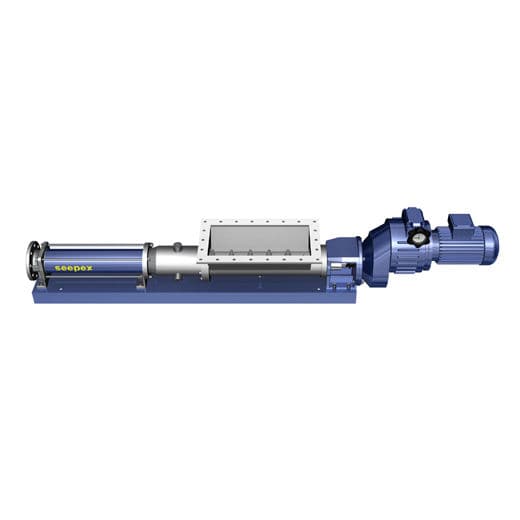
- Area: Rotor and stator wear scratches or surface damageCheck: Visual inspection of rotor and stator surfaces for scratches, pitting, or wear marks. Inspect every 1,000-5,000 operating hours. Critical: new rotor in worn stator will fail immediately.
- Area: Mechanical shaft seal leakage (gradual or catastrophic)Check: Weekly leak inspection of seal interface. Check seal faces and O-rings for damage. Look for visible weeping, misting, or spray at seal location.
- Area: Bearing temperature rise and excessive wearCheck: Monitor bearing end-play and temperature during operation. Check monthly for bearing temperature elevation and lubrication oil level. Maximum operating temperature up to 180°C.
- Area: Pressure relief and flow rate deviation from specificationCheck: Weekly flow rate measurement at rated pressure and motor RPM/amperage. Verify pump discharge pressure against pump curve. Check for pressure spikes or cavitation.
- Area: Coupling connection security and vibration/noise abnormalityCheck: Pre-start verification of coupling connection and attachment. Monitor for increased vibration or noise during operation. Check universal joint bushing wear and grease condition.
Typ-universelle Inspektionspunkte fuer Pumps (verifiziert, 2026-06).
- Area: Rotor and stator wear scratches or surface damageCheck: Visual inspection of rotor and stator surfaces for scratches, pitting, or wear marks. Inspect every 1,000-5,000 operating hours. Critical: new rotor in worn stator will fail immediately.
- Area: Mechanical shaft seal leakage (gradual or catastrophic)Check: Weekly leak inspection of seal interface. Check seal faces and O-rings for damage. Look for visible weeping, misting, or spray at seal location.
- Area: Bearing temperature rise and excessive wearCheck: Monitor bearing end-play and temperature during operation. Check monthly for bearing temperature elevation and lubrication oil level. Maximum operating temperature up to 180°C.
- Area: Pressure relief and flow rate deviation from specificationCheck: Weekly flow rate measurement at rated pressure and motor RPM/amperage. Verify pump discharge pressure against pump curve. Check for pressure spikes or cavitation.
- Area: Coupling connection security and vibration/noise abnormalityCheck: Pre-start verification of coupling connection and attachment. Monitor for increased vibration or noise during operation. Check universal joint bushing wear and grease condition.
Typ-universelle Inspektionspunkte fuer Pumps (verifiziert, 2026-06).
- Area: Rotor and stator wear scratches or surface damageCheck: Visual inspection of rotor and stator surfaces for scratches, pitting, or wear marks. Inspect every 1,000-5,000 operating hours. Critical: new rotor in worn stator will fail immediately.
- Area: Mechanical shaft seal leakage (gradual or catastrophic)Check: Weekly leak inspection of seal interface. Check seal faces and O-rings for damage. Look for visible weeping, misting, or spray at seal location.
- Area: Bearing temperature rise and excessive wearCheck: Monitor bearing end-play and temperature during operation. Check monthly for bearing temperature elevation and lubrication oil level. Maximum operating temperature up to 180°C.
- Area: Pressure relief and flow rate deviation from specificationCheck: Weekly flow rate measurement at rated pressure and motor RPM/amperage. Verify pump discharge pressure against pump curve. Check for pressure spikes or cavitation.
- Area: Coupling connection security and vibration/noise abnormalityCheck: Pre-start verification of coupling connection and attachment. Monitor for increased vibration or noise during operation. Check universal joint bushing wear and grease condition.
Typ-universelle Inspektionspunkte fuer Pumps (verifiziert, 2026-06).
- Area: Rotor and stator wear scratches or surface damageCheck: Visual inspection of rotor and stator surfaces for scratches, pitting, or wear marks. Inspect every 1,000-5,000 operating hours. Critical: new rotor in worn stator will fail immediately.
- Area: Mechanical shaft seal leakage (gradual or catastrophic)Check: Weekly leak inspection of seal interface. Check seal faces and O-rings for damage. Look for visible weeping, misting, or spray at seal location.
- Area: Bearing temperature rise and excessive wearCheck: Monitor bearing end-play and temperature during operation. Check monthly for bearing temperature elevation and lubrication oil level. Maximum operating temperature up to 180°C.
- Area: Pressure relief and flow rate deviation from specificationCheck: Weekly flow rate measurement at rated pressure and motor RPM/amperage. Verify pump discharge pressure against pump curve. Check for pressure spikes or cavitation.
- Area: Coupling connection security and vibration/noise abnormalityCheck: Pre-start verification of coupling connection and attachment. Monitor for increased vibration or noise during operation. Check universal joint bushing wear and grease condition.
Typ-universelle Inspektionspunkte fuer Pumps (verifiziert, 2026-06).
- Area: Rotor and stator wear scratches or surface damageCheck: Visual inspection of rotor and stator surfaces for scratches, pitting, or wear marks. Inspect every 1,000-5,000 operating hours. Critical: new rotor in worn stator will fail immediately.
- Area: Mechanical shaft seal leakage (gradual or catastrophic)Check: Weekly leak inspection of seal interface. Check seal faces and O-rings for damage. Look for visible weeping, misting, or spray at seal location.
- Area: Bearing temperature rise and excessive wearCheck: Monitor bearing end-play and temperature during operation. Check monthly for bearing temperature elevation and lubrication oil level. Maximum operating temperature up to 180°C.
- Area: Pressure relief and flow rate deviation from specificationCheck: Weekly flow rate measurement at rated pressure and motor RPM/amperage. Verify pump discharge pressure against pump curve. Check for pressure spikes or cavitation.
- Area: Coupling connection security and vibration/noise abnormalityCheck: Pre-start verification of coupling connection and attachment. Monitor for increased vibration or noise during operation. Check universal joint bushing wear and grease condition.
Typ-universelle Inspektionspunkte fuer Pumps (verifiziert, 2026-06).
- Area: Rotor and stator wear scratches or surface damageCheck: Visual inspection of rotor and stator surfaces for scratches, pitting, or wear marks. Inspect every 1,000-5,000 operating hours. Critical: new rotor in worn stator will fail immediately.
- Area: Mechanical shaft seal leakage (gradual or catastrophic)Check: Weekly leak inspection of seal interface. Check seal faces and O-rings for damage. Look for visible weeping, misting, or spray at seal location.
- Area: Bearing temperature rise and excessive wearCheck: Monitor bearing end-play and temperature during operation. Check monthly for bearing temperature elevation and lubrication oil level. Maximum operating temperature up to 180°C.
- Area: Pressure relief and flow rate deviation from specificationCheck: Weekly flow rate measurement at rated pressure and motor RPM/amperage. Verify pump discharge pressure against pump curve. Check for pressure spikes or cavitation.
- Area: Coupling connection security and vibration/noise abnormalityCheck: Pre-start verification of coupling connection and attachment. Monitor for increased vibration or noise during operation. Check universal joint bushing wear and grease condition.
Typ-universelle Inspektionspunkte fuer Pumps (verifiziert, 2026-06).
- Area: Rotor and stator wear scratches or surface damageCheck: Visual inspection of rotor and stator surfaces for scratches, pitting, or wear marks. Inspect every 1,000-5,000 operating hours. Critical: new rotor in worn stator will fail immediately.
- Area: Mechanical shaft seal leakage (gradual or catastrophic)Check: Weekly leak inspection of seal interface. Check seal faces and O-rings for damage. Look for visible weeping, misting, or spray at seal location.
- Area: Bearing temperature rise and excessive wearCheck: Monitor bearing end-play and temperature during operation. Check monthly for bearing temperature elevation and lubrication oil level. Maximum operating temperature up to 180°C.
- Area: Pressure relief and flow rate deviation from specificationCheck: Weekly flow rate measurement at rated pressure and motor RPM/amperage. Verify pump discharge pressure against pump curve. Check for pressure spikes or cavitation.
- Area: Coupling connection security and vibration/noise abnormalityCheck: Pre-start verification of coupling connection and attachment. Monitor for increased vibration or noise during operation. Check universal joint bushing wear and grease condition.
Typ-universelle Inspektionspunkte fuer Pumps (verifiziert, 2026-06).
- Area: Rotor and stator wear scratches or surface damageCheck: Visual inspection of rotor and stator surfaces for scratches, pitting, or wear marks. Inspect every 1,000-5,000 operating hours. Critical: new rotor in worn stator will fail immediately.
- Area: Mechanical shaft seal leakage (gradual or catastrophic)Check: Weekly leak inspection of seal interface. Check seal faces and O-rings for damage. Look for visible weeping, misting, or spray at seal location.
- Area: Bearing temperature rise and excessive wearCheck: Monitor bearing end-play and temperature during operation. Check monthly for bearing temperature elevation and lubrication oil level. Maximum operating temperature up to 180°C.
- Area: Pressure relief and flow rate deviation from specificationCheck: Weekly flow rate measurement at rated pressure and motor RPM/amperage. Verify pump discharge pressure against pump curve. Check for pressure spikes or cavitation.
- Area: Coupling connection security and vibration/noise abnormalityCheck: Pre-start verification of coupling connection and attachment. Monitor for increased vibration or noise during operation. Check universal joint bushing wear and grease condition.
Typ-universelle Inspektionspunkte fuer Pumps (verifiziert, 2026-06).
- Area: Rotor and stator wear scratches or surface damageCheck: Visual inspection of rotor and stator surfaces for scratches, pitting, or wear marks. Inspect every 1,000-5,000 operating hours. Critical: new rotor in worn stator will fail immediately.
- Area: Mechanical shaft seal leakage (gradual or catastrophic)Check: Weekly leak inspection of seal interface. Check seal faces and O-rings for damage. Look for visible weeping, misting, or spray at seal location.
- Area: Bearing temperature rise and excessive wearCheck: Monitor bearing end-play and temperature during operation. Check monthly for bearing temperature elevation and lubrication oil level. Maximum operating temperature up to 180°C.
- Area: Pressure relief and flow rate deviation from specificationCheck: Weekly flow rate measurement at rated pressure and motor RPM/amperage. Verify pump discharge pressure against pump curve. Check for pressure spikes or cavitation.
- Area: Coupling connection security and vibration/noise abnormalityCheck: Pre-start verification of coupling connection and attachment. Monitor for increased vibration or noise during operation. Check universal joint bushing wear and grease condition.
Typ-universelle Inspektionspunkte fuer Pumps (verifiziert, 2026-06).
- Area: Rotor and stator wear scratches or surface damageCheck: Visual inspection of rotor and stator surfaces for scratches, pitting, or wear marks. Inspect every 1,000-5,000 operating hours. Critical: new rotor in worn stator will fail immediately.
- Area: Mechanical shaft seal leakage (gradual or catastrophic)Check: Weekly leak inspection of seal interface. Check seal faces and O-rings for damage. Look for visible weeping, misting, or spray at seal location.
- Area: Bearing temperature rise and excessive wearCheck: Monitor bearing end-play and temperature during operation. Check monthly for bearing temperature elevation and lubrication oil level. Maximum operating temperature up to 180°C.
- Area: Pressure relief and flow rate deviation from specificationCheck: Weekly flow rate measurement at rated pressure and motor RPM/amperage. Verify pump discharge pressure against pump curve. Check for pressure spikes or cavitation.
- Area: Coupling connection security and vibration/noise abnormalityCheck: Pre-start verification of coupling connection and attachment. Monitor for increased vibration or noise during operation. Check universal joint bushing wear and grease condition.
Typ-universelle Inspektionspunkte fuer Pumps (verifiziert, 2026-06).
- Area: Rotor and stator wear scratches or surface damageCheck: Visual inspection of rotor and stator surfaces for scratches, pitting, or wear marks. Inspect every 1,000-5,000 operating hours. Critical: new rotor in worn stator will fail immediately.
- Area: Mechanical shaft seal leakage (gradual or catastrophic)Check: Weekly leak inspection of seal interface. Check seal faces and O-rings for damage. Look for visible weeping, misting, or spray at seal location.
- Area: Bearing temperature rise and excessive wearCheck: Monitor bearing end-play and temperature during operation. Check monthly for bearing temperature elevation and lubrication oil level. Maximum operating temperature up to 180°C.
- Area: Pressure relief and flow rate deviation from specificationCheck: Weekly flow rate measurement at rated pressure and motor RPM/amperage. Verify pump discharge pressure against pump curve. Check for pressure spikes or cavitation.
- Area: Coupling connection security and vibration/noise abnormalityCheck: Pre-start verification of coupling connection and attachment. Monitor for increased vibration or noise during operation. Check universal joint bushing wear and grease condition.
Typ-universelle Inspektionspunkte fuer Pumps (verifiziert, 2026-06).
- Area: Rotor and stator wear scratches or surface damageCheck: Visual inspection of rotor and stator surfaces for scratches, pitting, or wear marks. Inspect every 1,000-5,000 operating hours. Critical: new rotor in worn stator will fail immediately.
- Area: Mechanical shaft seal leakage (gradual or catastrophic)Check: Weekly leak inspection of seal interface. Check seal faces and O-rings for damage. Look for visible weeping, misting, or spray at seal location.
- Area: Bearing temperature rise and excessive wearCheck: Monitor bearing end-play and temperature during operation. Check monthly for bearing temperature elevation and lubrication oil level. Maximum operating temperature up to 180°C.
- Area: Pressure relief and flow rate deviation from specificationCheck: Weekly flow rate measurement at rated pressure and motor RPM/amperage. Verify pump discharge pressure against pump curve. Check for pressure spikes or cavitation.
- Area: Coupling connection security and vibration/noise abnormalityCheck: Pre-start verification of coupling connection and attachment. Monitor for increased vibration or noise during operation. Check universal joint bushing wear and grease condition.
Typ-universelle Inspektionspunkte fuer Pumps (verifiziert, 2026-06).
- Area: Rotor and stator wear scratches or surface damageCheck: Visual inspection of rotor and stator surfaces for scratches, pitting, or wear marks. Inspect every 1,000-5,000 operating hours. Critical: new rotor in worn stator will fail immediately.
- Area: Mechanical shaft seal leakage (gradual or catastrophic)Check: Weekly leak inspection of seal interface. Check seal faces and O-rings for damage. Look for visible weeping, misting, or spray at seal location.
- Area: Bearing temperature rise and excessive wearCheck: Monitor bearing end-play and temperature during operation. Check monthly for bearing temperature elevation and lubrication oil level. Maximum operating temperature up to 180°C.
- Area: Pressure relief and flow rate deviation from specificationCheck: Weekly flow rate measurement at rated pressure and motor RPM/amperage. Verify pump discharge pressure against pump curve. Check for pressure spikes or cavitation.
- Area: Coupling connection security and vibration/noise abnormalityCheck: Pre-start verification of coupling connection and attachment. Monitor for increased vibration or noise during operation. Check universal joint bushing wear and grease condition.
Typ-universelle Inspektionspunkte fuer Pumps (verifiziert, 2026-06).
Heishin
10 ✓ 10 verified- Area: Rotor and Stator WearCheck: Inspect rotor and stator surfaces for erosion, corrosion, or mechanical damage after 700-1000 operating hours maximum, with inspections not exceeding 1500-hour intervals
- Area: Seal Integrity and LeakageCheck: Monitor mechanical seals and shaft seals for leaks, misalignment (tolerance: 0.003-0.005 inches runout), and replace if worn to prevent catastrophic rotor damage
- Area: Bearing and Lubrication ConditionCheck: Check bearings for unusual noise, vibration, or excessive heat; verify lubrication type and grade match manufacturer specifications
- Area: Vibration and AlignmentCheck: Monitor vibration levels and temperature during operation; check for pump misalignment which causes uneven wear on seals and bearings
- Area: Abrasive Particle DamageCheck: Inspect casing and internal passage liners for cracks, erosion holes, and excessive wear from abrasive sludge/slurry particles; measure liner thickness
Typ-universelle Inspektionspunkte fuer Pumps (verifiziert, 2026-06).
- Area: Rotor and Stator WearCheck: Inspect rotor and stator surfaces for erosion, corrosion, or mechanical damage after 700-1000 operating hours maximum, with inspections not exceeding 1500-hour intervals
- Area: Seal Integrity and LeakageCheck: Monitor mechanical seals and shaft seals for leaks, misalignment (tolerance: 0.003-0.005 inches runout), and replace if worn to prevent catastrophic rotor damage
- Area: Bearing and Lubrication ConditionCheck: Check bearings for unusual noise, vibration, or excessive heat; verify lubrication type and grade match manufacturer specifications
- Area: Vibration and AlignmentCheck: Monitor vibration levels and temperature during operation; check for pump misalignment which causes uneven wear on seals and bearings
- Area: Abrasive Particle DamageCheck: Inspect casing and internal passage liners for cracks, erosion holes, and excessive wear from abrasive sludge/slurry particles; measure liner thickness
Typ-universelle Inspektionspunkte fuer Pumps (verifiziert, 2026-06).
- Area: Rotor and Stator WearCheck: Inspect rotor and stator surfaces for erosion, corrosion, or mechanical damage after 700-1000 operating hours maximum, with inspections not exceeding 1500-hour intervals
- Area: Seal Integrity and LeakageCheck: Monitor mechanical seals and shaft seals for leaks, misalignment (tolerance: 0.003-0.005 inches runout), and replace if worn to prevent catastrophic rotor damage
- Area: Bearing and Lubrication ConditionCheck: Check bearings for unusual noise, vibration, or excessive heat; verify lubrication type and grade match manufacturer specifications
- Area: Vibration and AlignmentCheck: Monitor vibration levels and temperature during operation; check for pump misalignment which causes uneven wear on seals and bearings
- Area: Abrasive Particle DamageCheck: Inspect casing and internal passage liners for cracks, erosion holes, and excessive wear from abrasive sludge/slurry particles; measure liner thickness
Typ-universelle Inspektionspunkte fuer Pumps (verifiziert, 2026-06).
- Area: Rotor and Stator WearCheck: Inspect rotor and stator surfaces for erosion, corrosion, or mechanical damage after 700-1000 operating hours maximum, with inspections not exceeding 1500-hour intervals
- Area: Seal Integrity and LeakageCheck: Monitor mechanical seals and shaft seals for leaks, misalignment (tolerance: 0.003-0.005 inches runout), and replace if worn to prevent catastrophic rotor damage
- Area: Bearing and Lubrication ConditionCheck: Check bearings for unusual noise, vibration, or excessive heat; verify lubrication type and grade match manufacturer specifications
- Area: Vibration and AlignmentCheck: Monitor vibration levels and temperature during operation; check for pump misalignment which causes uneven wear on seals and bearings
- Area: Abrasive Particle DamageCheck: Inspect casing and internal passage liners for cracks, erosion holes, and excessive wear from abrasive sludge/slurry particles; measure liner thickness
Typ-universelle Inspektionspunkte fuer Pumps (verifiziert, 2026-06).
- Area: Rotor and Stator WearCheck: Inspect rotor and stator surfaces for erosion, corrosion, or mechanical damage after 700-1000 operating hours maximum, with inspections not exceeding 1500-hour intervals
- Area: Seal Integrity and LeakageCheck: Monitor mechanical seals and shaft seals for leaks, misalignment (tolerance: 0.003-0.005 inches runout), and replace if worn to prevent catastrophic rotor damage
- Area: Bearing and Lubrication ConditionCheck: Check bearings for unusual noise, vibration, or excessive heat; verify lubrication type and grade match manufacturer specifications
- Area: Vibration and AlignmentCheck: Monitor vibration levels and temperature during operation; check for pump misalignment which causes uneven wear on seals and bearings
- Area: Abrasive Particle DamageCheck: Inspect casing and internal passage liners for cracks, erosion holes, and excessive wear from abrasive sludge/slurry particles; measure liner thickness
Typ-universelle Inspektionspunkte fuer Pumps (verifiziert, 2026-06).
- Area: Rotor and Stator WearCheck: Inspect rotor and stator surfaces for erosion, corrosion, or mechanical damage after 700-1000 operating hours maximum, with inspections not exceeding 1500-hour intervals
- Area: Seal Integrity and LeakageCheck: Monitor mechanical seals and shaft seals for leaks, misalignment (tolerance: 0.003-0.005 inches runout), and replace if worn to prevent catastrophic rotor damage
- Area: Bearing and Lubrication ConditionCheck: Check bearings for unusual noise, vibration, or excessive heat; verify lubrication type and grade match manufacturer specifications
- Area: Vibration and AlignmentCheck: Monitor vibration levels and temperature during operation; check for pump misalignment which causes uneven wear on seals and bearings
- Area: Abrasive Particle DamageCheck: Inspect casing and internal passage liners for cracks, erosion holes, and excessive wear from abrasive sludge/slurry particles; measure liner thickness
Typ-universelle Inspektionspunkte fuer Pumps (verifiziert, 2026-06).
- Area: Rotor and Stator WearCheck: Inspect rotor and stator surfaces for erosion, corrosion, or mechanical damage after 700-1000 operating hours maximum, with inspections not exceeding 1500-hour intervals
- Area: Seal Integrity and LeakageCheck: Monitor mechanical seals and shaft seals for leaks, misalignment (tolerance: 0.003-0.005 inches runout), and replace if worn to prevent catastrophic rotor damage
- Area: Bearing and Lubrication ConditionCheck: Check bearings for unusual noise, vibration, or excessive heat; verify lubrication type and grade match manufacturer specifications
- Area: Vibration and AlignmentCheck: Monitor vibration levels and temperature during operation; check for pump misalignment which causes uneven wear on seals and bearings
- Area: Abrasive Particle DamageCheck: Inspect casing and internal passage liners for cracks, erosion holes, and excessive wear from abrasive sludge/slurry particles; measure liner thickness
Typ-universelle Inspektionspunkte fuer Pumps (verifiziert, 2026-06).
- Area: Rotor and Stator WearCheck: Inspect rotor and stator surfaces for erosion, corrosion, or mechanical damage after 700-1000 operating hours maximum, with inspections not exceeding 1500-hour intervals
- Area: Seal Integrity and LeakageCheck: Monitor mechanical seals and shaft seals for leaks, misalignment (tolerance: 0.003-0.005 inches runout), and replace if worn to prevent catastrophic rotor damage
- Area: Bearing and Lubrication ConditionCheck: Check bearings for unusual noise, vibration, or excessive heat; verify lubrication type and grade match manufacturer specifications
- Area: Vibration and AlignmentCheck: Monitor vibration levels and temperature during operation; check for pump misalignment which causes uneven wear on seals and bearings
- Area: Abrasive Particle DamageCheck: Inspect casing and internal passage liners for cracks, erosion holes, and excessive wear from abrasive sludge/slurry particles; measure liner thickness
Typ-universelle Inspektionspunkte fuer Pumps (verifiziert, 2026-06).
- Area: Rotor and Stator WearCheck: Inspect rotor and stator surfaces for erosion, corrosion, or mechanical damage after 700-1000 operating hours maximum, with inspections not exceeding 1500-hour intervals
- Area: Seal Integrity and LeakageCheck: Monitor mechanical seals and shaft seals for leaks, misalignment (tolerance: 0.003-0.005 inches runout), and replace if worn to prevent catastrophic rotor damage
- Area: Bearing and Lubrication ConditionCheck: Check bearings for unusual noise, vibration, or excessive heat; verify lubrication type and grade match manufacturer specifications
- Area: Vibration and AlignmentCheck: Monitor vibration levels and temperature during operation; check for pump misalignment which causes uneven wear on seals and bearings
- Area: Abrasive Particle DamageCheck: Inspect casing and internal passage liners for cracks, erosion holes, and excessive wear from abrasive sludge/slurry particles; measure liner thickness
Typ-universelle Inspektionspunkte fuer Pumps (verifiziert, 2026-06).
- Area: Rotor and Stator WearCheck: Inspect rotor and stator surfaces for erosion, corrosion, or mechanical damage after 700-1000 operating hours maximum, with inspections not exceeding 1500-hour intervals
- Area: Seal Integrity and LeakageCheck: Monitor mechanical seals and shaft seals for leaks, misalignment (tolerance: 0.003-0.005 inches runout), and replace if worn to prevent catastrophic rotor damage
- Area: Bearing and Lubrication ConditionCheck: Check bearings for unusual noise, vibration, or excessive heat; verify lubrication type and grade match manufacturer specifications
- Area: Vibration and AlignmentCheck: Monitor vibration levels and temperature during operation; check for pump misalignment which causes uneven wear on seals and bearings
- Area: Abrasive Particle DamageCheck: Inspect casing and internal passage liners for cracks, erosion holes, and excessive wear from abrasive sludge/slurry particles; measure liner thickness
Typ-universelle Inspektionspunkte fuer Pumps (verifiziert, 2026-06).
Mono
1- Poor suction conditions, blockage or air ingress cause low flow, cavitation-like noise or unstable discharge
- Seal, packing or gasket wear causes visible leakage and falling system pressure
- Bearing, shaft or coupling wear causes vibration, abnormal noise or rising temperature
- Impeller, screw or other pumping-element wear or fouling reduces capacity and may increase drive load
- Motor, hydraulic-drive, valve or control faults cause failure to start, reduced speed or protective trips
- Robust construction suited for abrasive sludge
- Self‑priming capability eliminates separate priming equipment
- Compact footprint fits confined engine‑room spaces
- Spare stator can be kept aboard for quick on‑site replacement
- Good suction lift for typical ship sewage applications
- Stator wear is a known failure mode requiring regular inspection
- Rotor eccentric wear can develop if operating conditions fluctuate
- Suction performance degrades with air ingress, leading to possible loss of prime
- Higher power consumption compared with screw‑type sludge pumps for the same flow
- Limited maximum flow rate relative to larger centrifugal designs