Ballast Pump
A ballast pump moves seawater into and out of dedicated ballast tanks to control trim, list and draft, and on ships carrying a ballast water management system it must also work against the extra flow resistance of a treatment unit fitted in the line.
Read more — Ballast Pump explained ▾
What sets a ballast pump apart
A ballast pump is built for high flow at moderate head, since ballast operations move large volumes of seawater over a short time rather than a small flow against high pressure. Most are centrifugal pumps, self-priming or primed by an eductor, distinguishing them from the positive-displacement pumps used for viscous fuel and lubricating oil duties elsewhere in the engine room. On many ships the ballast pump doubles as a general service or fire pump, so its capacity is sized against more than one duty.

Main components
Impeller and casing
A single or multi-stage centrifugal impeller in a bronze or duplex stainless casing handles the corrosive, sediment-laden seawater typical of ballast intakes, particularly near port and in silty anchorages.
Priming arrangement
Ballast pumps mounted above the waterline need a priming system, commonly a water-ring or eductor-based vacuum priming unit, to draw water up before the impeller can take suction.
Valves and piping
A ballast main runs to remote-operated valves at each tank, controlled from the ballast control console, with cross-connections allowing pumps to serve tanks beyond their normal line.
Ballast water treatment interface
Where a ballast water management system is fitted, the pump discharges through filters and a treatment unit (UV or electrolytic, typically), adding backpressure that the pump's duty point must be checked against.
Selection and sizing
Sizing is set by the largest ballast tank volume divided by the target de-ballasting or ballasting time in the ship's stability and loading manual, plus the additional head from the treatment system if fitted. Suction lift, seawater temperature range and sediment load in the trading area all affect impeller and seal material choice.
Regulations and class requirements
Ballast water exchange or treatment falls under the IMO Ballast Water Management (BWM) Convention, which sets discharge standards the pump and treatment system together must achieve, along with a Ballast Water Management Plan specific to the vessel. Class rules cover the pump itself under machinery survey requirements, and periodic performance and capacity tests confirm the pump still meets its rated duty point.
Typical faults
| Fault | Consequence |
|---|---|
| Impeller wear from sediment abrasion | Falling capacity and longer ballast operation times |
| Mechanical seal failure | Seawater ingress to the pump room bilge and possible loss of suction |
| Air leak on the suction side | Loss of prime, pump runs but delivers little or no flow |
| Fouled strainer ahead of the treatment unit | Backpressure rises, pump runs off its duty curve, treatment throughput drops |
| Corroded remote valve actuator | Tank cannot be isolated or filled from the control console, forcing manual local operation |
What to look for in a supplier
- Confirmed duty point including the added head of any fitted ballast water treatment system
- Impeller and casing materials proven against the sediment and salinity of the vessel's trading area
- Compatibility with the existing ballast control console and remote valve actuators
- Seal type suited to the maintenance interval the vessel's engine crew can realistically hold
- Spare impeller, seal and wear-ring availability at the vessel's usual repair ports
Check the pump's actual duty point against its curve after a ballast water treatment system is retrofitted; the added backpressure alone has pushed some pumps into cavitation at rates they handled fine before.
Typical Manufacturers
41 manufacturers · 232 models
Taiko Kikai Industries
29
- 100
- 125
- 150
- 200
- 250
- 300
- 350
- 100
- 2000
- 10
- 80
- Mechanical seal degradation in seawater
- Vertical shaft bearing wear
- Impeller wear from continuous service
- Casing erosion in coastal trade

- 200
- 250
- 300
- 350
- 400
- 500
- 500
- 4500
- 15
- 80
- Casing joint gasket leakage
- Double-suction wear imbalance
- Bearing wear
- Mechanical seal failure
- Cavitation or suction starvation caused by blocked strainers, air ingress, low liquid level or excessive suction losses, resulting in noise, vibration and reduced delivery
- Shaft-seal or gland leakage caused by wear, misalignment or damaged sealing faces, resulting in visible leakage around the shaft
- Bearing deterioration caused by poor lubrication, contamination or misalignment, resulting in increased noise, vibration or bearing temperature
- Impeller or internal hydraulic wear caused by corrosion, erosion or deposits, resulting in reduced capacity and efficiency
- Coupling, motor or drive problems caused by misalignment, looseness or electrical faults, resulting in vibration, abnormal load or failure to reach normal speed
- Cavitation or suction starvation caused by blocked strainers, air ingress, low liquid level or excessive suction losses, resulting in noise, vibration and reduced delivery
- Shaft-seal or gland leakage caused by wear, misalignment or damaged sealing faces, resulting in visible leakage around the shaft
- Bearing deterioration caused by poor lubrication, contamination or misalignment, resulting in increased noise, vibration or bearing temperature
- Impeller or internal hydraulic wear caused by corrosion, erosion or deposits, resulting in reduced capacity and efficiency
- Coupling, motor or drive problems caused by misalignment, looseness or electrical faults, resulting in vibration, abnormal load or failure to reach normal speed
- Cavitation or suction starvation caused by blocked strainers, air ingress, low liquid level or excessive suction losses, resulting in noise, vibration and reduced delivery
- Shaft-seal or gland leakage caused by wear, misalignment or damaged sealing faces, resulting in visible leakage around the shaft
- Bearing deterioration caused by poor lubrication, contamination or misalignment, resulting in increased noise, vibration or bearing temperature
- Impeller or internal hydraulic wear caused by corrosion, erosion or deposits, resulting in reduced capacity and efficiency
- Coupling, motor or drive problems caused by misalignment, looseness or electrical faults, resulting in vibration, abnormal load or failure to reach normal speed
- Poor suction conditions, blockage or air ingress cause low flow, cavitation-like noise or unstable discharge
- Seal, packing or gasket wear causes visible leakage and falling pressure
- Bearing, shaft or coupling wear causes vibration, abnormal noise or rising temperature
- Impeller, screw or pumping-element wear or fouling reduces capacity and can increase motor load
- Motor, hydraulic-drive, valve or control faults cause failure to start, reduced speed or protective trips
- Cavitation or suction starvation caused by blocked strainers, air ingress, low liquid level or excessive suction losses, resulting in noise, vibration and reduced delivery
- Shaft-seal or gland leakage caused by wear, misalignment or damaged sealing faces, resulting in visible leakage around the shaft
- Bearing deterioration caused by poor lubrication, contamination or misalignment, resulting in increased noise, vibration or bearing temperature
- Impeller or internal hydraulic wear caused by corrosion, erosion or deposits, resulting in reduced capacity and efficiency
- Coupling, motor or drive problems caused by misalignment, looseness or electrical faults, resulting in vibration, abnormal load or failure to reach normal speed
- Poor suction conditions, blockage or air ingress cause low flow, cavitation-like noise or unstable discharge
- Seal, packing or gasket wear causes visible leakage and falling pressure
- Bearing, shaft or coupling wear causes vibration, abnormal noise or rising temperature
- Impeller, screw or pumping-element wear or fouling reduces capacity and can increase motor load
- Motor, hydraulic-drive, valve or control faults cause failure to start, reduced speed or protective trips
- Poor suction conditions, blockage or air ingress cause low flow, cavitation-like noise or unstable discharge
- Seal, packing or gasket wear causes visible leakage and falling pressure
- Bearing, shaft or coupling wear causes vibration, abnormal noise or rising temperature
- Impeller, screw or pumping-element wear or fouling reduces capacity and can increase motor load
- Motor, hydraulic-drive, valve or control faults cause failure to start, reduced speed or protective trips
- Poor suction conditions, blockage or air ingress cause low flow, cavitation-like noise or unstable discharge
- Seal, packing or gasket wear causes visible leakage and falling pressure
- Bearing, shaft or coupling wear causes vibration, abnormal noise or rising temperature
- Impeller, screw or pumping-element wear or fouling reduces capacity and can increase motor load
- Motor, hydraulic-drive, valve or control faults cause failure to start, reduced speed or protective trips
- Poor suction conditions, blockage or air ingress cause low flow, cavitation-like noise or unstable discharge
- Seal, packing or gasket wear causes visible leakage and falling pressure
- Bearing, shaft or coupling wear causes vibration, abnormal noise or rising temperature
- Impeller, screw or pumping-element wear or fouling reduces capacity and can increase motor load
- Motor, hydraulic-drive, valve or control faults cause failure to start, reduced speed or protective trips
- Poor suction conditions, blockage or air ingress cause low flow, cavitation-like noise or unstable discharge
- Seal, packing or gasket wear causes visible leakage and falling pressure
- Bearing, shaft or coupling wear causes vibration, abnormal noise or rising temperature
- Impeller, screw or pumping-element wear or fouling reduces capacity and can increase motor load
- Motor, hydraulic-drive, valve or control faults cause failure to start, reduced speed or protective trips
- Loss of suction from empty source tank, closed valve, blocked strainer, air ingress, or poor priming causes low discharge pressure, cavitation noise, or no flow
- Seal or packing wear caused by ageing, dry running, shaft movement, or contamination produces visible leakage or loss of suction
- Bearing, coupling, gear, rotor, screw, impeller, or stator wear from poor lubrication, misalignment, debris, or normal service causes vibration, noise, heat, or reduced capacity
- Internal wear, erosion, or excessive clearances caused by abrasive or corrosive media reduces discharge pressure and increases recirculation or running time
- Motor, hydraulic drive, protection, or control faults caused by overload, electrical failure, or actuator problems result in trips, failed starting, or unstable speed
- Loss of suction from empty source tank, closed valve, blocked strainer, air ingress, or poor priming causes low discharge pressure, cavitation noise, or no flow
- Seal or packing wear caused by ageing, dry running, shaft movement, or contamination produces visible leakage or loss of suction
- Bearing, coupling, gear, rotor, screw, impeller, or stator wear from poor lubrication, misalignment, debris, or normal service causes vibration, noise, heat, or reduced capacity
- Internal wear, erosion, or excessive clearances caused by abrasive or corrosive media reduces discharge pressure and increases recirculation or running time
- Motor, hydraulic drive, protection, or control faults caused by overload, electrical failure, or actuator problems result in trips, failed starting, or unstable speed
- Cavitation or suction starvation caused by blocked strainers, air ingress, low liquid level or excessive suction losses, resulting in noise, vibration and reduced delivery
- Shaft-seal or gland leakage caused by wear, misalignment or damaged sealing faces, resulting in visible leakage around the shaft
- Bearing deterioration caused by poor lubrication, contamination or misalignment, resulting in increased noise, vibration or bearing temperature
- Impeller or internal hydraulic wear caused by corrosion, erosion or deposits, resulting in reduced capacity and efficiency
- Coupling, motor or drive problems caused by misalignment, looseness or electrical faults, resulting in vibration, abnormal load or failure to reach normal speed
- Cavitation or suction starvation caused by blocked strainers, air ingress, low liquid level or excessive suction losses, resulting in noise, vibration and reduced delivery
- Shaft-seal or gland leakage caused by wear, misalignment or damaged sealing faces, resulting in visible leakage around the shaft
- Bearing deterioration caused by poor lubrication, contamination or misalignment, resulting in increased noise, vibration or bearing temperature
- Impeller or internal hydraulic wear caused by corrosion, erosion or deposits, resulting in reduced capacity and efficiency
- Coupling, motor or drive problems caused by misalignment, looseness or electrical faults, resulting in vibration, abnormal load or failure to reach normal speed
- Cavitation or suction starvation caused by blocked strainers, air ingress, low liquid level or excessive suction losses, resulting in noise, vibration and reduced delivery
- Shaft-seal or gland leakage caused by wear, misalignment or damaged sealing faces, resulting in visible leakage around the shaft
- Bearing deterioration caused by poor lubrication, contamination or misalignment, resulting in increased noise, vibration or bearing temperature
- Impeller or internal hydraulic wear caused by corrosion, erosion or deposits, resulting in reduced capacity and efficiency
- Coupling, motor or drive problems caused by misalignment, looseness or electrical faults, resulting in vibration, abnormal load or failure to reach normal speed
- Cavitation or suction starvation caused by blocked strainers, air ingress, low liquid level or excessive suction losses, resulting in noise, vibration and reduced delivery
- Shaft-seal or gland leakage caused by wear, misalignment or damaged sealing faces, resulting in visible leakage around the shaft
- Bearing deterioration caused by poor lubrication, contamination or misalignment, resulting in increased noise, vibration or bearing temperature
- Impeller or internal hydraulic wear caused by corrosion, erosion or deposits, resulting in reduced capacity and efficiency
- Coupling, motor or drive problems caused by misalignment, looseness or electrical faults, resulting in vibration, abnormal load or failure to reach normal speed
- Cavitation or suction starvation caused by blocked strainers, air ingress, low liquid level or excessive suction losses, resulting in noise, vibration and reduced delivery
- Shaft-seal or gland leakage caused by wear, misalignment or damaged sealing faces, resulting in visible leakage around the shaft
- Bearing deterioration caused by poor lubrication, contamination or misalignment, resulting in increased noise, vibration or bearing temperature
- Impeller or internal hydraulic wear caused by corrosion, erosion or deposits, resulting in reduced capacity and efficiency
- Coupling, motor or drive problems caused by misalignment, looseness or electrical faults, resulting in vibration, abnormal load or failure to reach normal speed
- Cavitation or suction starvation caused by blocked strainers, air ingress, low liquid level or excessive suction losses, resulting in noise, vibration and reduced delivery
- Shaft-seal or gland leakage caused by wear, misalignment or damaged sealing faces, resulting in visible leakage around the shaft
- Bearing deterioration caused by poor lubrication, contamination or misalignment, resulting in increased noise, vibration or bearing temperature
- Impeller or internal hydraulic wear caused by corrosion, erosion or deposits, resulting in reduced capacity and efficiency
- Coupling, motor or drive problems caused by misalignment, looseness or electrical faults, resulting in vibration, abnormal load or failure to reach normal speed
- Poor suction conditions, blockage or air ingress cause low flow, cavitation-like noise or unstable discharge
- Seal, packing or gasket wear causes visible leakage and falling pressure
- Bearing, shaft or coupling wear causes vibration, abnormal noise or rising temperature
- Impeller, screw or pumping-element wear or fouling reduces capacity and can increase motor load
- Motor, hydraulic-drive, valve or control faults cause failure to start, reduced speed or protective trips
- Cavitation or suction starvation caused by blocked strainers, air ingress, low liquid level or excessive suction losses, resulting in noise, vibration and reduced delivery
- Shaft-seal or gland leakage caused by wear, misalignment or damaged sealing faces, resulting in visible leakage around the shaft
- Bearing deterioration caused by poor lubrication, contamination or misalignment, resulting in increased noise, vibration or bearing temperature
- Impeller or internal hydraulic wear caused by corrosion, erosion or deposits, resulting in reduced capacity and efficiency
- Coupling, motor or drive problems caused by misalignment, looseness or electrical faults, resulting in vibration, abnormal load or failure to reach normal speed
- Poor suction conditions, blockage or air ingress cause low flow, cavitation-like noise or unstable discharge
- Seal, packing or gasket wear causes visible leakage and falling pressure
- Bearing, shaft or coupling wear causes vibration, abnormal noise or rising temperature
- Impeller, screw or pumping-element wear or fouling reduces capacity and can increase motor load
- Motor, hydraulic-drive, valve or control faults cause failure to start, reduced speed or protective trips
- Poor suction conditions, blockage or air ingress cause low flow, cavitation-like noise or unstable discharge
- Seal, packing or gasket wear causes visible leakage and falling pressure
- Bearing, shaft or coupling wear causes vibration, abnormal noise or rising temperature
- Impeller, screw or pumping-element wear or fouling reduces capacity and can increase motor load
- Motor, hydraulic-drive, valve or control faults cause failure to start, reduced speed or protective trips
- Poor suction conditions, blockage or air ingress cause low flow, cavitation-like noise or unstable discharge
- Seal, packing or gasket wear causes visible leakage and falling pressure
- Bearing, shaft or coupling wear causes vibration, abnormal noise or rising temperature
- Impeller, screw or pumping-element wear or fouling reduces capacity and can increase motor load
- Motor, hydraulic-drive, valve or control faults cause failure to start, reduced speed or protective trips
- Poor suction conditions, blockage or air ingress cause low flow, cavitation-like noise or unstable discharge
- Seal, packing or gasket wear causes visible leakage and falling pressure
- Bearing, shaft or coupling wear causes vibration, abnormal noise or rising temperature
- Impeller, screw or pumping-element wear or fouling reduces capacity and can increase motor load
- Motor, hydraulic-drive, valve or control faults cause failure to start, reduced speed or protective trips
- Poor suction conditions, blockage or air ingress cause low flow, cavitation-like noise or unstable discharge
- Seal, packing or gasket wear causes visible leakage and falling pressure
- Bearing, shaft or coupling wear causes vibration, abnormal noise or rising temperature
- Impeller, screw or pumping-element wear or fouling reduces capacity and can increase motor load
- Motor, hydraulic-drive, valve or control faults cause failure to start, reduced speed or protective trips
- Poor suction conditions, blockage or air ingress cause low flow, cavitation-like noise or unstable discharge
- Seal, packing or gasket wear causes visible leakage and falling pressure
- Bearing, shaft or coupling wear causes vibration, abnormal noise or rising temperature
- Impeller, screw or pumping-element wear or fouling reduces capacity and can increase motor load
- Motor, hydraulic-drive, valve or control faults cause failure to start, reduced speed or protective trips
- Poor suction conditions, blockage or air ingress cause low flow, cavitation-like noise or unstable discharge
- Seal, packing or gasket wear causes visible leakage and falling pressure
- Bearing, shaft or coupling wear causes vibration, abnormal noise or rising temperature
- Impeller, screw or pumping-element wear or fouling reduces capacity and can increase motor load
- Motor, hydraulic-drive, valve or control faults cause failure to start, reduced speed or protective trips
Iron Pump
28- 65
- 80
- 100
- 125
- 150
- 200
- 250
- 300
- 400
- 40
- 3500
- 10
- 90
- Mechanical seal leakage despite bronze construction
- Bearing wear from misalignment
- Impeller erosion in heavy sand/silt waters
- Casing wear-ring increase
.jpg&width=640&format=webp)
- 150
- 200
- 250
- 300
- 400
- 500
- 500
- 5000
- 15
- 100
- Mechanical seal failure after extended service
- Bearing wear
- Casing erosion in particle-laden water
- Coupling alignment issues
- Loss of suction from empty source tank, closed valve, blocked strainer, air ingress, or poor priming causes low discharge pressure, cavitation noise, or no flow
- Seal or packing wear caused by ageing, dry running, shaft movement, or contamination produces visible leakage or loss of suction
- Bearing, coupling, gear, rotor, screw, impeller, or stator wear from poor lubrication, misalignment, debris, or normal service causes vibration, noise, heat, or reduced capacity
- Internal wear, erosion, or excessive clearances caused by abrasive or corrosive media reduces discharge pressure and increases recirculation or running time
- Motor, hydraulic drive, protection, or control faults caused by overload, electrical failure, or actuator problems result in trips, failed starting, or unstable speed
- Poor suction conditions, blockage or air ingress cause low flow, cavitation-like noise or unstable discharge
- Seal, packing or gasket wear causes visible leakage and falling pressure
- Bearing, shaft or coupling wear causes vibration, abnormal noise or rising temperature
- Impeller, screw or pumping-element wear or fouling reduces capacity and can increase motor load
- Motor, hydraulic-drive, valve or control faults cause failure to start, reduced speed or protective trips
- Poor suction conditions, blockage or air ingress cause low flow, cavitation-like noise or unstable discharge
- Seal, packing or gasket wear causes visible leakage and falling pressure
- Bearing, shaft or coupling wear causes vibration, abnormal noise or rising temperature
- Impeller, screw or pumping-element wear or fouling reduces capacity and can increase motor load
- Motor, hydraulic-drive, valve or control faults cause failure to start, reduced speed or protective trips
- Poor suction conditions, blockage or air ingress cause low flow, cavitation-like noise or unstable discharge
- Seal, packing or gasket wear causes visible leakage and falling pressure
- Bearing, shaft or coupling wear causes vibration, abnormal noise or rising temperature
- Impeller, screw or pumping-element wear or fouling reduces capacity and can increase motor load
- Motor, hydraulic-drive, valve or control faults cause failure to start, reduced speed or protective trips
- Loss of suction from empty source tank, closed valve, blocked strainer, air ingress, or poor priming causes low discharge pressure, cavitation noise, or no flow
- Seal or packing wear caused by ageing, dry running, shaft movement, or contamination produces visible leakage or loss of suction
- Bearing, coupling, gear, rotor, screw, impeller, or stator wear from poor lubrication, misalignment, debris, or normal service causes vibration, noise, heat, or reduced capacity
- Internal wear, erosion, or excessive clearances caused by abrasive or corrosive media reduces discharge pressure and increases recirculation or running time
- Motor, hydraulic drive, protection, or control faults caused by overload, electrical failure, or actuator problems result in trips, failed starting, or unstable speed
- Loss of suction from empty source tank, closed valve, blocked strainer, air ingress, or poor priming causes low discharge pressure, cavitation noise, or no flow
- Seal or packing wear caused by ageing, dry running, shaft movement, or contamination produces visible leakage or loss of suction
- Bearing, coupling, gear, rotor, screw, impeller, or stator wear from poor lubrication, misalignment, debris, or normal service causes vibration, noise, heat, or reduced capacity
- Internal wear, erosion, or excessive clearances caused by abrasive or corrosive media reduces discharge pressure and increases recirculation or running time
- Motor, hydraulic drive, protection, or control faults caused by overload, electrical failure, or actuator problems result in trips, failed starting, or unstable speed
- Loss of suction from empty source tank, closed valve, blocked strainer, air ingress, or poor priming causes low discharge pressure, cavitation noise, or no flow
- Seal or packing wear caused by ageing, dry running, shaft movement, or contamination produces visible leakage or loss of suction
- Bearing, coupling, gear, rotor, screw, impeller, or stator wear from poor lubrication, misalignment, debris, or normal service causes vibration, noise, heat, or reduced capacity
- Internal wear, erosion, or excessive clearances caused by abrasive or corrosive media reduces discharge pressure and increases recirculation or running time
- Motor, hydraulic drive, protection, or control faults caused by overload, electrical failure, or actuator problems result in trips, failed starting, or unstable speed
- Loss of suction from empty source tank, closed valve, blocked strainer, air ingress, or poor priming causes low discharge pressure, cavitation noise, or no flow
- Seal or packing wear caused by ageing, dry running, shaft movement, or contamination produces visible leakage or loss of suction
- Bearing, coupling, gear, rotor, screw, impeller, or stator wear from poor lubrication, misalignment, debris, or normal service causes vibration, noise, heat, or reduced capacity
- Internal wear, erosion, or excessive clearances caused by abrasive or corrosive media reduces discharge pressure and increases recirculation or running time
- Motor, hydraulic drive, protection, or control faults caused by overload, electrical failure, or actuator problems result in trips, failed starting, or unstable speed
- Loss of suction from empty source tank, closed valve, blocked strainer, air ingress, or poor priming causes low discharge pressure, cavitation noise, or no flow
- Seal or packing wear caused by ageing, dry running, shaft movement, or contamination produces visible leakage or loss of suction
- Bearing, coupling, gear, rotor, screw, impeller, or stator wear from poor lubrication, misalignment, debris, or normal service causes vibration, noise, heat, or reduced capacity
- Internal wear, erosion, or excessive clearances caused by abrasive or corrosive media reduces discharge pressure and increases recirculation or running time
- Motor, hydraulic drive, protection, or control faults caused by overload, electrical failure, or actuator problems result in trips, failed starting, or unstable speed
- Loss of suction from empty source tank, closed valve, blocked strainer, air ingress, or poor priming causes low discharge pressure, cavitation noise, or no flow
- Seal or packing wear caused by ageing, dry running, shaft movement, or contamination produces visible leakage or loss of suction
- Bearing, coupling, gear, rotor, screw, impeller, or stator wear from poor lubrication, misalignment, debris, or normal service causes vibration, noise, heat, or reduced capacity
- Internal wear, erosion, or excessive clearances caused by abrasive or corrosive media reduces discharge pressure and increases recirculation or running time
- Motor, hydraulic drive, protection, or control faults caused by overload, electrical failure, or actuator problems result in trips, failed starting, or unstable speed
- Loss of suction from empty source tank, closed valve, blocked strainer, air ingress, or poor priming causes low discharge pressure, cavitation noise, or no flow
- Seal or packing wear caused by ageing, dry running, shaft movement, or contamination produces visible leakage or loss of suction
- Bearing, coupling, gear, rotor, screw, impeller, or stator wear from poor lubrication, misalignment, debris, or normal service causes vibration, noise, heat, or reduced capacity
- Internal wear, erosion, or excessive clearances caused by abrasive or corrosive media reduces discharge pressure and increases recirculation or running time
- Motor, hydraulic drive, protection, or control faults caused by overload, electrical failure, or actuator problems result in trips, failed starting, or unstable speed
- Loss of suction from empty source tank, closed valve, blocked strainer, air ingress, or poor priming causes low discharge pressure, cavitation noise, or no flow
- Seal or packing wear caused by ageing, dry running, shaft movement, or contamination produces visible leakage or loss of suction
- Bearing, coupling, gear, rotor, screw, impeller, or stator wear from poor lubrication, misalignment, debris, or normal service causes vibration, noise, heat, or reduced capacity
- Internal wear, erosion, or excessive clearances caused by abrasive or corrosive media reduces discharge pressure and increases recirculation or running time
- Motor, hydraulic drive, protection, or control faults caused by overload, electrical failure, or actuator problems result in trips, failed starting, or unstable speed
- Loss of suction from empty source tank, closed valve, blocked strainer, air ingress, or poor priming causes low discharge pressure, cavitation noise, or no flow
- Seal or packing wear caused by ageing, dry running, shaft movement, or contamination produces visible leakage or loss of suction
- Bearing, coupling, gear, rotor, screw, impeller, or stator wear from poor lubrication, misalignment, debris, or normal service causes vibration, noise, heat, or reduced capacity
- Internal wear, erosion, or excessive clearances caused by abrasive or corrosive media reduces discharge pressure and increases recirculation or running time
- Motor, hydraulic drive, protection, or control faults caused by overload, electrical failure, or actuator problems result in trips, failed starting, or unstable speed
- Loss of suction from empty source tank, closed valve, blocked strainer, air ingress, or poor priming causes low discharge pressure, cavitation noise, or no flow
- Seal or packing wear caused by ageing, dry running, shaft movement, or contamination produces visible leakage or loss of suction
- Bearing, coupling, gear, rotor, screw, impeller, or stator wear from poor lubrication, misalignment, debris, or normal service causes vibration, noise, heat, or reduced capacity
- Internal wear, erosion, or excessive clearances caused by abrasive or corrosive media reduces discharge pressure and increases recirculation or running time
- Motor, hydraulic drive, protection, or control faults caused by overload, electrical failure, or actuator problems result in trips, failed starting, or unstable speed
- Loss of suction from empty source tank, closed valve, blocked strainer, air ingress, or poor priming causes low discharge pressure, cavitation noise, or no flow
- Seal or packing wear caused by ageing, dry running, shaft movement, or contamination produces visible leakage or loss of suction
- Bearing, coupling, gear, rotor, screw, impeller, or stator wear from poor lubrication, misalignment, debris, or normal service causes vibration, noise, heat, or reduced capacity
- Internal wear, erosion, or excessive clearances caused by abrasive or corrosive media reduces discharge pressure and increases recirculation or running time
- Motor, hydraulic drive, protection, or control faults caused by overload, electrical failure, or actuator problems result in trips, failed starting, or unstable speed
- Loss of suction from empty source tank, closed valve, blocked strainer, air ingress, or poor priming causes low discharge pressure, cavitation noise, or no flow
- Seal or packing wear caused by ageing, dry running, shaft movement, or contamination produces visible leakage or loss of suction
- Bearing, coupling, gear, rotor, screw, impeller, or stator wear from poor lubrication, misalignment, debris, or normal service causes vibration, noise, heat, or reduced capacity
- Internal wear, erosion, or excessive clearances caused by abrasive or corrosive media reduces discharge pressure and increases recirculation or running time
- Motor, hydraulic drive, protection, or control faults caused by overload, electrical failure, or actuator problems result in trips, failed starting, or unstable speed
- Loss of suction from empty source tank, closed valve, blocked strainer, air ingress, or poor priming causes low discharge pressure, cavitation noise, or no flow
- Seal or packing wear caused by ageing, dry running, shaft movement, or contamination produces visible leakage or loss of suction
- Bearing, coupling, gear, rotor, screw, impeller, or stator wear from poor lubrication, misalignment, debris, or normal service causes vibration, noise, heat, or reduced capacity
- Internal wear, erosion, or excessive clearances caused by abrasive or corrosive media reduces discharge pressure and increases recirculation or running time
- Motor, hydraulic drive, protection, or control faults caused by overload, electrical failure, or actuator problems result in trips, failed starting, or unstable speed
- Loss of suction from empty source tank, closed valve, blocked strainer, air ingress, or poor priming causes low discharge pressure, cavitation noise, or no flow
- Seal or packing wear caused by ageing, dry running, shaft movement, or contamination produces visible leakage or loss of suction
- Bearing, coupling, gear, rotor, screw, impeller, or stator wear from poor lubrication, misalignment, debris, or normal service causes vibration, noise, heat, or reduced capacity
- Internal wear, erosion, or excessive clearances caused by abrasive or corrosive media reduces discharge pressure and increases recirculation or running time
- Motor, hydraulic drive, protection, or control faults caused by overload, electrical failure, or actuator problems result in trips, failed starting, or unstable speed
- Loss of suction from empty source tank, closed valve, blocked strainer, air ingress, or poor priming causes low discharge pressure, cavitation noise, or no flow
- Seal or packing wear caused by ageing, dry running, shaft movement, or contamination produces visible leakage or loss of suction
- Bearing, coupling, gear, rotor, screw, impeller, or stator wear from poor lubrication, misalignment, debris, or normal service causes vibration, noise, heat, or reduced capacity
- Internal wear, erosion, or excessive clearances caused by abrasive or corrosive media reduces discharge pressure and increases recirculation or running time
- Motor, hydraulic drive, protection, or control faults caused by overload, electrical failure, or actuator problems result in trips, failed starting, or unstable speed
- Loss of suction from empty source tank, closed valve, blocked strainer, air ingress, or poor priming causes low discharge pressure, cavitation noise, or no flow
- Seal or packing wear caused by ageing, dry running, shaft movement, or contamination produces visible leakage or loss of suction
- Bearing, coupling, gear, rotor, screw, impeller, or stator wear from poor lubrication, misalignment, debris, or normal service causes vibration, noise, heat, or reduced capacity
- Internal wear, erosion, or excessive clearances caused by abrasive or corrosive media reduces discharge pressure and increases recirculation or running time
- Motor, hydraulic drive, protection, or control faults caused by overload, electrical failure, or actuator problems result in trips, failed starting, or unstable speed
- Loss of suction from empty source tank, closed valve, blocked strainer, air ingress, or poor priming causes low discharge pressure, cavitation noise, or no flow
- Seal or packing wear caused by ageing, dry running, shaft movement, or contamination produces visible leakage or loss of suction
- Bearing, coupling, gear, rotor, screw, impeller, or stator wear from poor lubrication, misalignment, debris, or normal service causes vibration, noise, heat, or reduced capacity
- Internal wear, erosion, or excessive clearances caused by abrasive or corrosive media reduces discharge pressure and increases recirculation or running time
- Motor, hydraulic drive, protection, or control faults caused by overload, electrical failure, or actuator problems result in trips, failed starting, or unstable speed
- Loss of suction from empty source tank, closed valve, blocked strainer, air ingress, or poor priming causes low discharge pressure, cavitation noise, or no flow
- Seal or packing wear caused by ageing, dry running, shaft movement, or contamination produces visible leakage or loss of suction
- Bearing, coupling, gear, rotor, screw, impeller, or stator wear from poor lubrication, misalignment, debris, or normal service causes vibration, noise, heat, or reduced capacity
- Internal wear, erosion, or excessive clearances caused by abrasive or corrosive media reduces discharge pressure and increases recirculation or running time
- Motor, hydraulic drive, protection, or control faults caused by overload, electrical failure, or actuator problems result in trips, failed starting, or unstable speed
- Loss of suction from empty source tank, closed valve, blocked strainer, air ingress, or poor priming causes low discharge pressure, cavitation noise, or no flow
- Seal or packing wear caused by ageing, dry running, shaft movement, or contamination produces visible leakage or loss of suction
- Bearing, coupling, gear, rotor, screw, impeller, or stator wear from poor lubrication, misalignment, debris, or normal service causes vibration, noise, heat, or reduced capacity
- Internal wear, erosion, or excessive clearances caused by abrasive or corrosive media reduces discharge pressure and increases recirculation or running time
- Motor, hydraulic drive, protection, or control faults caused by overload, electrical failure, or actuator problems result in trips, failed starting, or unstable speed
- Loss of suction from empty source tank, closed valve, blocked strainer, air ingress, or poor priming causes low discharge pressure, cavitation noise, or no flow
- Seal or packing wear caused by ageing, dry running, shaft movement, or contamination produces visible leakage or loss of suction
- Bearing, coupling, gear, rotor, screw, impeller, or stator wear from poor lubrication, misalignment, debris, or normal service causes vibration, noise, heat, or reduced capacity
- Internal wear, erosion, or excessive clearances caused by abrasive or corrosive media reduces discharge pressure and increases recirculation or running time
- Motor, hydraulic drive, protection, or control faults caused by overload, electrical failure, or actuator problems result in trips, failed starting, or unstable speed
- Loss of suction from empty source tank, closed valve, blocked strainer, air ingress, or poor priming causes low discharge pressure, cavitation noise, or no flow
- Seal or packing wear caused by ageing, dry running, shaft movement, or contamination produces visible leakage or loss of suction
- Bearing, coupling, gear, rotor, screw, impeller, or stator wear from poor lubrication, misalignment, debris, or normal service causes vibration, noise, heat, or reduced capacity
- Internal wear, erosion, or excessive clearances caused by abrasive or corrosive media reduces discharge pressure and increases recirculation or running time
- Motor, hydraulic drive, protection, or control faults caused by overload, electrical failure, or actuator problems result in trips, failed starting, or unstable speed
Shinko Industries
28
- 150
- 200
- 250
- 280
- 300
- 350
- 400
- 450
- 150
- 4000
- 15
- 100
- Vertical shaft bearing wear after 15000h
- Mechanical seal failure at deck level
- Impeller wear in continuous duty
- Coupling alignment loss
- 200
- 250
- 300
- 350
- 400
- 500
- 200
- 3500
- 20
- 90
- Mechanical seal leakage in seawater
- Vertical bearing wear
- Wear ring clearance increase
- Impeller erosion
- Poor suction conditions, blockage or air ingress cause low flow, cavitation-like noise or unstable discharge
- Seal, packing or gasket wear causes visible leakage and falling system pressure
- Bearing, shaft or coupling wear causes vibration, abnormal noise or rising temperature
- Impeller, screw or other pumping-element wear or fouling reduces capacity and may increase drive load
- Motor, hydraulic-drive, valve or control faults cause failure to start, reduced speed or protective trips
- Proven Japanese engineering with durable cast‑iron or stainless steel construction
- High hydraulic efficiency suitable for large vessel ballast systems
- Adjustable impeller clearance simplifies maintenance and prolongs service life
- Straightforward disassembly allows quick inspection of wear rings and bearings
- Relatively heavy and bulky, requiring significant installation space
- Higher power consumption compared with smaller or variable‑speed alternatives
- Wear rings and impeller clearance demand regular monitoring to avoid erosion
- Initial purchase cost is higher than many generic centrifugal pumps
- Loss of suction or cavitation caused by low inlet head, blocked strainers, closed valves or air ingress can produce noise, vibration and reduced delivery
- Seal or gasket deterioration caused by wear, temperature or chemical attack can produce visible leakage or loss of prime
- Bearing, shaft or coupling wear caused by misalignment, poor lubrication or prolonged vibration can show as rising noise, temperature or vibration
- Impeller, screw, rotor or internal pumping-element wear caused by solids, corrosion or abrasive service can result in reduced capacity and longer transfer times
- Driver or control faults caused by motor, hydraulic, protection or instrumentation problems can cause failure to start, trips or unstable speed
- Loss of suction or cavitation caused by low inlet head, blocked strainers, closed valves or air ingress can produce noise, vibration and reduced delivery
- Seal or gasket deterioration caused by wear, temperature or chemical attack can produce visible leakage or loss of prime
- Bearing, shaft or coupling wear caused by misalignment, poor lubrication or prolonged vibration can show as rising noise, temperature or vibration
- Impeller, screw, rotor or internal pumping-element wear caused by solids, corrosion or abrasive service can result in reduced capacity and longer transfer times
- Driver or control faults caused by motor, hydraulic, protection or instrumentation problems can cause failure to start, trips or unstable speed
- Loss of suction or cavitation caused by low inlet head, blocked strainers, closed valves or air ingress can produce noise, vibration and reduced delivery
- Seal or gasket deterioration caused by wear, temperature or chemical attack can produce visible leakage or loss of prime
- Bearing, shaft or coupling wear caused by misalignment, poor lubrication or prolonged vibration can show as rising noise, temperature or vibration
- Impeller, screw, rotor or internal pumping-element wear caused by solids, corrosion or abrasive service can result in reduced capacity and longer transfer times
- Driver or control faults caused by motor, hydraulic, protection or instrumentation problems can cause failure to start, trips or unstable speed
- Loss of suction or cavitation caused by low inlet head, blocked strainers, closed valves or air ingress can produce noise, vibration and reduced delivery
- Seal or gasket deterioration caused by wear, temperature or chemical attack can produce visible leakage or loss of prime
- Bearing, shaft or coupling wear caused by misalignment, poor lubrication or prolonged vibration can show as rising noise, temperature or vibration
- Impeller, screw, rotor or internal pumping-element wear caused by solids, corrosion or abrasive service can result in reduced capacity and longer transfer times
- Driver or control faults caused by motor, hydraulic, protection or instrumentation problems can cause failure to start, trips or unstable speed
- Loss of suction or cavitation caused by low inlet head, blocked strainers, closed valves or air ingress can produce noise, vibration and reduced delivery
- Seal or gasket deterioration caused by wear, temperature or chemical attack can produce visible leakage or loss of prime
- Bearing, shaft or coupling wear caused by misalignment, poor lubrication or prolonged vibration can show as rising noise, temperature or vibration
- Impeller, screw, rotor or internal pumping-element wear caused by solids, corrosion or abrasive service can result in reduced capacity and longer transfer times
- Driver or control faults caused by motor, hydraulic, protection or instrumentation problems can cause failure to start, trips or unstable speed
- Loss of suction or cavitation caused by low inlet head, blocked strainers, closed valves or air ingress can produce noise, vibration and reduced delivery
- Seal or gasket deterioration caused by wear, temperature or chemical attack can produce visible leakage or loss of prime
- Bearing, shaft or coupling wear caused by misalignment, poor lubrication or prolonged vibration can show as rising noise, temperature or vibration
- Impeller, screw, rotor or internal pumping-element wear caused by solids, corrosion or abrasive service can result in reduced capacity and longer transfer times
- Driver or control faults caused by motor, hydraulic, protection or instrumentation problems can cause failure to start, trips or unstable speed
- Loss of suction or cavitation caused by low inlet head, blocked strainers, closed valves or air ingress can produce noise, vibration and reduced delivery
- Seal or gasket deterioration caused by wear, temperature or chemical attack can produce visible leakage or loss of prime
- Bearing, shaft or coupling wear caused by misalignment, poor lubrication or prolonged vibration can show as rising noise, temperature or vibration
- Impeller, screw, rotor or internal pumping-element wear caused by solids, corrosion or abrasive service can result in reduced capacity and longer transfer times
- Driver or control faults caused by motor, hydraulic, protection or instrumentation problems can cause failure to start, trips or unstable speed
- Loss of suction or cavitation caused by low inlet head, blocked strainers, closed valves or air ingress can produce noise, vibration and reduced delivery
- Seal or gasket deterioration caused by wear, temperature or chemical attack can produce visible leakage or loss of prime
- Bearing, shaft or coupling wear caused by misalignment, poor lubrication or prolonged vibration can show as rising noise, temperature or vibration
- Impeller, screw, rotor or internal pumping-element wear caused by solids, corrosion or abrasive service can result in reduced capacity and longer transfer times
- Driver or control faults caused by motor, hydraulic, protection or instrumentation problems can cause failure to start, trips or unstable speed
- Loss of suction or cavitation caused by low inlet head, blocked strainers, closed valves or air ingress can produce noise, vibration and reduced delivery
- Seal or gasket deterioration caused by wear, temperature or chemical attack can produce visible leakage or loss of prime
- Bearing, shaft or coupling wear caused by misalignment, poor lubrication or prolonged vibration can show as rising noise, temperature or vibration
- Impeller, screw, rotor or internal pumping-element wear caused by solids, corrosion or abrasive service can result in reduced capacity and longer transfer times
- Driver or control faults caused by motor, hydraulic, protection or instrumentation problems can cause failure to start, trips or unstable speed
- Loss of suction or cavitation caused by low inlet head, blocked strainers, closed valves or air ingress can produce noise, vibration and reduced delivery
- Seal or gasket deterioration caused by wear, temperature or chemical attack can produce visible leakage or loss of prime
- Bearing, shaft or coupling wear caused by misalignment, poor lubrication or prolonged vibration can show as rising noise, temperature or vibration
- Impeller, screw, rotor or internal pumping-element wear caused by solids, corrosion or abrasive service can result in reduced capacity and longer transfer times
- Driver or control faults caused by motor, hydraulic, protection or instrumentation problems can cause failure to start, trips or unstable speed
- Loss of suction or cavitation caused by low inlet head, blocked strainers, closed valves or air ingress can produce noise, vibration and reduced delivery
- Seal or gasket deterioration caused by wear, temperature or chemical attack can produce visible leakage or loss of prime
- Bearing, shaft or coupling wear caused by misalignment, poor lubrication or prolonged vibration can show as rising noise, temperature or vibration
- Impeller, screw, rotor or internal pumping-element wear caused by solids, corrosion or abrasive service can result in reduced capacity and longer transfer times
- Driver or control faults caused by motor, hydraulic, protection or instrumentation problems can cause failure to start, trips or unstable speed
- Loss of suction or cavitation caused by low inlet head, blocked strainers, closed valves or air ingress can produce noise, vibration and reduced delivery
- Seal or gasket deterioration caused by wear, temperature or chemical attack can produce visible leakage or loss of prime
- Bearing, shaft or coupling wear caused by misalignment, poor lubrication or prolonged vibration can show as rising noise, temperature or vibration
- Impeller, screw, rotor or internal pumping-element wear caused by solids, corrosion or abrasive service can result in reduced capacity and longer transfer times
- Driver or control faults caused by motor, hydraulic, protection or instrumentation problems can cause failure to start, trips or unstable speed
- Loss of suction or cavitation caused by low inlet head, blocked strainers, closed valves or air ingress can produce noise, vibration and reduced delivery
- Seal or gasket deterioration caused by wear, temperature or chemical attack can produce visible leakage or loss of prime
- Bearing, shaft or coupling wear caused by misalignment, poor lubrication or prolonged vibration can show as rising noise, temperature or vibration
- Impeller, screw, rotor or internal pumping-element wear caused by solids, corrosion or abrasive service can result in reduced capacity and longer transfer times
- Driver or control faults caused by motor, hydraulic, protection or instrumentation problems can cause failure to start, trips or unstable speed
- Loss of suction or cavitation caused by low inlet head, blocked strainers, closed valves or air ingress can produce noise, vibration and reduced delivery
- Seal or gasket deterioration caused by wear, temperature or chemical attack can produce visible leakage or loss of prime
- Bearing, shaft or coupling wear caused by misalignment, poor lubrication or prolonged vibration can show as rising noise, temperature or vibration
- Impeller, screw, rotor or internal pumping-element wear caused by solids, corrosion or abrasive service can result in reduced capacity and longer transfer times
- Driver or control faults caused by motor, hydraulic, protection or instrumentation problems can cause failure to start, trips or unstable speed
- Poor suction conditions, blockage or air ingress cause low flow, cavitation-like noise or unstable discharge
- Seal, packing or gasket wear causes visible leakage and falling system pressure
- Bearing, shaft or coupling wear causes vibration, abnormal noise or rising temperature
- Impeller, screw or other pumping-element wear or fouling reduces capacity and may increase drive load
- Motor, hydraulic-drive, valve or control faults cause failure to start, reduced speed or protective trips
- Loss of suction or cavitation caused by low inlet head, blocked strainers, closed valves or air ingress can produce noise, vibration and reduced delivery
- Seal or gasket deterioration caused by wear, temperature or chemical attack can produce visible leakage or loss of prime
- Bearing, shaft or coupling wear caused by misalignment, poor lubrication or prolonged vibration can show as rising noise, temperature or vibration
- Impeller, screw, rotor or internal pumping-element wear caused by solids, corrosion or abrasive service can result in reduced capacity and longer transfer times
- Driver or control faults caused by motor, hydraulic, protection or instrumentation problems can cause failure to start, trips or unstable speed
- Loss of suction or cavitation caused by low inlet head, blocked strainers, closed valves or air ingress can produce noise, vibration and reduced delivery
- Seal or gasket deterioration caused by wear, temperature or chemical attack can produce visible leakage or loss of prime
- Bearing, shaft or coupling wear caused by misalignment, poor lubrication or prolonged vibration can show as rising noise, temperature or vibration
- Impeller, screw, rotor or internal pumping-element wear caused by solids, corrosion or abrasive service can result in reduced capacity and longer transfer times
- Driver or control faults caused by motor, hydraulic, protection or instrumentation problems can cause failure to start, trips or unstable speed
- Loss of suction or cavitation caused by low inlet head, blocked strainers, closed valves or air ingress can produce noise, vibration and reduced delivery
- Seal or gasket deterioration caused by wear, temperature or chemical attack can produce visible leakage or loss of prime
- Bearing, shaft or coupling wear caused by misalignment, poor lubrication or prolonged vibration can show as rising noise, temperature or vibration
- Impeller, screw, rotor or internal pumping-element wear caused by solids, corrosion or abrasive service can result in reduced capacity and longer transfer times
- Driver or control faults caused by motor, hydraulic, protection or instrumentation problems can cause failure to start, trips or unstable speed
- Loss of suction or cavitation caused by low inlet head, blocked strainers, closed valves or air ingress can produce noise, vibration and reduced delivery
- Seal or gasket deterioration caused by wear, temperature or chemical attack can produce visible leakage or loss of prime
- Bearing, shaft or coupling wear caused by misalignment, poor lubrication or prolonged vibration can show as rising noise, temperature or vibration
- Impeller, screw, rotor or internal pumping-element wear caused by solids, corrosion or abrasive service can result in reduced capacity and longer transfer times
- Driver or control faults caused by motor, hydraulic, protection or instrumentation problems can cause failure to start, trips or unstable speed
- Loss of suction or cavitation caused by low inlet head, blocked strainers, closed valves or air ingress can produce noise, vibration and reduced delivery
- Seal or gasket deterioration caused by wear, temperature or chemical attack can produce visible leakage or loss of prime
- Bearing, shaft or coupling wear caused by misalignment, poor lubrication or prolonged vibration can show as rising noise, temperature or vibration
- Impeller, screw, rotor or internal pumping-element wear caused by solids, corrosion or abrasive service can result in reduced capacity and longer transfer times
- Driver or control faults caused by motor, hydraulic, protection or instrumentation problems can cause failure to start, trips or unstable speed
- Loss of suction or cavitation caused by low inlet head, blocked strainers, closed valves or air ingress can produce noise, vibration and reduced delivery
- Seal or gasket deterioration caused by wear, temperature or chemical attack can produce visible leakage or loss of prime
- Bearing, shaft or coupling wear caused by misalignment, poor lubrication or prolonged vibration can show as rising noise, temperature or vibration
- Impeller, screw, rotor or internal pumping-element wear caused by solids, corrosion or abrasive service can result in reduced capacity and longer transfer times
- Driver or control faults caused by motor, hydraulic, protection or instrumentation problems can cause failure to start, trips or unstable speed
- Loss of suction or cavitation caused by low inlet head, blocked strainers, closed valves or air ingress can produce noise, vibration and reduced delivery
- Seal or gasket deterioration caused by wear, temperature or chemical attack can produce visible leakage or loss of prime
- Bearing, shaft or coupling wear caused by misalignment, poor lubrication or prolonged vibration can show as rising noise, temperature or vibration
- Impeller, screw, rotor or internal pumping-element wear caused by solids, corrosion or abrasive service can result in reduced capacity and longer transfer times
- Driver or control faults caused by motor, hydraulic, protection or instrumentation problems can cause failure to start, trips or unstable speed
- Loss of suction or cavitation caused by low inlet head, blocked strainers, closed valves or air ingress can produce noise, vibration and reduced delivery
- Seal or gasket deterioration caused by wear, temperature or chemical attack can produce visible leakage or loss of prime
- Bearing, shaft or coupling wear caused by misalignment, poor lubrication or prolonged vibration can show as rising noise, temperature or vibration
- Impeller, screw, rotor or internal pumping-element wear caused by solids, corrosion or abrasive service can result in reduced capacity and longer transfer times
- Driver or control faults caused by motor, hydraulic, protection or instrumentation problems can cause failure to start, trips or unstable speed
- Loss of suction or cavitation caused by low inlet head, blocked strainers, closed valves or air ingress can produce noise, vibration and reduced delivery
- Seal or gasket deterioration caused by wear, temperature or chemical attack can produce visible leakage or loss of prime
- Bearing, shaft or coupling wear caused by misalignment, poor lubrication or prolonged vibration can show as rising noise, temperature or vibration
- Impeller, screw, rotor or internal pumping-element wear caused by solids, corrosion or abrasive service can result in reduced capacity and longer transfer times
- Driver or control faults caused by motor, hydraulic, protection or instrumentation problems can cause failure to start, trips or unstable speed
- Loss of suction or cavitation caused by low inlet head, blocked strainers, closed valves or air ingress can produce noise, vibration and reduced delivery
- Seal or gasket deterioration caused by wear, temperature or chemical attack can produce visible leakage or loss of prime
- Bearing, shaft or coupling wear caused by misalignment, poor lubrication or prolonged vibration can show as rising noise, temperature or vibration
- Impeller, screw, rotor or internal pumping-element wear caused by solids, corrosion or abrasive service can result in reduced capacity and longer transfer times
- Driver or control faults caused by motor, hydraulic, protection or instrumentation problems can cause failure to start, trips or unstable speed
Grundfos Marine
25
- 32
- 40
- 50
- 65
- 80
- 100
- 125
- 150
- 30
- 800
- 10
- 80
- Mechanical seal leakage
- Motor bearing wear
- Impeller wear
- Cavitation damage
- Nennleistung (Motor)
- 0,75 bis 355 kW
- Fördermenge (max.)
- bis 1.300 m³/h (5.800 gpm)
- Förderhöhe (max.)
- bis 137 m (450 ft)
- Ausgangsgrößen
- 1,25" bis 10" (DN 32 bis DN 250)
- Lagerschmierung (NK-Serie)
- SKF LGHP2 grease; motors up to 11 kW: lifetime lubrication; >100,000 operating hours: replacement recommended
- Inspektionsintervalle
- Every 3,000 operating hours or at least 1x/year
- Materialien Marine
- Hochwertige Edelstähle (EN 1.4301, EN 1.4408, EN 1.4517) / Titan für Seewasser
- NB/NBG (Close-Coupled)
- NK/NKG (Long-Coupled)
- CR/CRI/CRN (Vertical Multistage)
- NBE/NBE-Serie
- NKE/NKE-Serie
- Stainless Steel Variants (EN 1.4408, EN 1.4517, AISI 316)
- Area: Mechanical seal (mechanical face seal) - wear, leakage, surface roughnessCheck: Visual inspection: leakage quantity 1-10 ml/24h is normal. If >20% water content in oil chamber after 1 week of operation, seal is defective. Seal faces NOT to be touched with bare fingers. At standstill: inject silicone oil between pump housing and coupling to prevent face adhesion.
- Area: Bearing (ball/roller bearing) - wear, bearing clearance, lubrication film breakdownCheck: Check circulation lubrication: relubricate SKF LGHP2 grease using grease gun. Measure bearing clearance with caliper per workshop guidelines. After 100,000 operating hours perform replacement. Motors up to 11 kW are permanently lubricated (no relubrication required). Abnormal vibrations/noise indicate bearing wear.
- Area: Impeller - wear, cavitation, erosion, wear ringsCheck: Visual inspection for: erosion, pitting, cavitation damage, cracks, dents or irregularities on impeller blade leading edges and hub. Inspect wear rings (front/rear) for scratches/deformation. Measure clearance between impeller and pump housing with caliper. Decrease in flow rate/pressure build-up/current consumption indicates impeller damage.
- Area: Motor - wear, bearing wear, heat development, contaminationCheck: Motor to be inspected visually and cleaned regularly for adequate cooling. In dusty environments inspect more frequently. Monitor temperature (elevated heat development = early fault signal). Detect bearing wear through vibrations/noise. Compare current consumption vs. rated value. Motor bearings in 2/4/6-pole motors up to 11 kW are maintenance-free lubricated; larger motors to be lubricated regularly.
- Area: Öl im Pumpenraum - Verschmutzung, Wassergehalt, AlterungCheck: Check oil level after 1 week of operation (after seal replacement). Monitor water content: >20% water means seal failure. Oil change every 3,000 operating hours or 1x/year (Shell Ondina 917 or similar). Inspect oil colour, odour, turbidity for contamination/combustion products.
- Area: Corrosion in seawater applications - material degradation in corrosive environmentCheck: For seawater/marine environments: pump must be designed in high-grade stainless steel (EN 1.4517 Duplex, AISI 316) or titanium. Perform visual inspection for surface rust, pittings, discoloration. High-grade stainless steel designs (EN 1.4408) for T>40°C and chemical fluids. Use special seals (Super Duplex) and sealants for aggressive media.
Type-universal inspection/maintenance points for pumps (Grundfos Marine, Mega-swarm 2026-06). Per-model specs not auto-filled.
- Nennleistung (Motor)
- 0,75 bis 355 kW
- Fördermenge (max.)
- bis 1.300 m³/h (5.800 gpm)
- Förderhöhe (max.)
- bis 137 m (450 ft)
- Ausgangsgrößen
- 1,25" bis 10" (DN 32 bis DN 250)
- Lagerschmierung (NK-Serie)
- SKF LGHP2 grease; motors up to 11 kW: lifetime lubrication; >100,000 operating hours: replacement recommended
- Inspektionsintervalle
- Every 3,000 operating hours or at least 1x/year
- Materialien Marine
- Hochwertige Edelstähle (EN 1.4301, EN 1.4408, EN 1.4517) / Titan für Seewasser
- NB/NBG (Close-Coupled)
- NK/NKG (Long-Coupled)
- CR/CRI/CRN (Vertical Multistage)
- NBE/NBE-Serie
- NKE/NKE-Serie
- Stainless Steel Variants (EN 1.4408, EN 1.4517, AISI 316)
- Area: Mechanical seal (mechanical face seal) - wear, leakage, surface roughnessCheck: Visual inspection: leakage quantity 1-10 ml/24h is normal. If >20% water content in oil chamber after 1 week of operation, seal is defective. Seal faces NOT to be touched with bare fingers. At standstill: inject silicone oil between pump housing and coupling to prevent face adhesion.
- Area: Bearing (ball/roller bearing) - wear, bearing clearance, lubrication film breakdownCheck: Check circulation lubrication: relubricate SKF LGHP2 grease using grease gun. Measure bearing clearance with caliper per workshop guidelines. After 100,000 operating hours perform replacement. Motors up to 11 kW are permanently lubricated (no relubrication required). Abnormal vibrations/noise indicate bearing wear.
- Area: Impeller - wear, cavitation, erosion, wear ringsCheck: Visual inspection for: erosion, pitting, cavitation damage, cracks, dents or irregularities on impeller blade leading edges and hub. Inspect wear rings (front/rear) for scratches/deformation. Measure clearance between impeller and pump housing with caliper. Decrease in flow rate/pressure build-up/current consumption indicates impeller damage.
- Area: Motor - wear, bearing wear, heat development, contaminationCheck: Motor to be inspected visually and cleaned regularly for adequate cooling. In dusty environments inspect more frequently. Monitor temperature (elevated heat development = early fault signal). Detect bearing wear through vibrations/noise. Compare current consumption vs. rated value. Motor bearings in 2/4/6-pole motors up to 11 kW are maintenance-free lubricated; larger motors to be lubricated regularly.
- Area: Öl im Pumpenraum - Verschmutzung, Wassergehalt, AlterungCheck: Check oil level after 1 week of operation (after seal replacement). Monitor water content: >20% water means seal failure. Oil change every 3,000 operating hours or 1x/year (Shell Ondina 917 or similar). Inspect oil colour, odour, turbidity for contamination/combustion products.
- Area: Corrosion in seawater applications - material degradation in corrosive environmentCheck: For seawater/marine environments: pump must be designed in high-grade stainless steel (EN 1.4517 Duplex, AISI 316) or titanium. Perform visual inspection for surface rust, pittings, discoloration. High-grade stainless steel designs (EN 1.4408) for T>40°C and chemical fluids. Use special seals (Super Duplex) and sealants for aggressive media.
Type-universal inspection/maintenance points for pumps (Grundfos Marine, Mega-swarm 2026-06). Per-model specs not auto-filled.
- Nennleistung (Motor)
- 0,75 bis 355 kW
- Fördermenge (max.)
- bis 1.300 m³/h (5.800 gpm)
- Förderhöhe (max.)
- bis 137 m (450 ft)
- Ausgangsgrößen
- 1,25" bis 10" (DN 32 bis DN 250)
- Lagerschmierung (NK-Serie)
- SKF LGHP2 grease; motors up to 11 kW: lifetime lubrication; >100,000 operating hours: replacement recommended
- Inspektionsintervalle
- Every 3,000 operating hours or at least 1x/year
- Materialien Marine
- Hochwertige Edelstähle (EN 1.4301, EN 1.4408, EN 1.4517) / Titan für Seewasser
- NB/NBG (Close-Coupled)
- NK/NKG (Long-Coupled)
- CR/CRI/CRN (Vertical Multistage)
- NBE/NBE-Serie
- NKE/NKE-Serie
- Stainless Steel Variants (EN 1.4408, EN 1.4517, AISI 316)
- Area: Mechanical seal (mechanical face seal) - wear, leakage, surface roughnessCheck: Visual inspection: leakage quantity 1-10 ml/24h is normal. If >20% water content in oil chamber after 1 week of operation, seal is defective. Seal faces NOT to be touched with bare fingers. At standstill: inject silicone oil between pump housing and coupling to prevent face adhesion.
- Area: Bearing (ball/roller bearing) - wear, bearing clearance, lubrication film breakdownCheck: Check circulation lubrication: relubricate SKF LGHP2 grease using grease gun. Measure bearing clearance with caliper per workshop guidelines. After 100,000 operating hours perform replacement. Motors up to 11 kW are permanently lubricated (no relubrication required). Abnormal vibrations/noise indicate bearing wear.
- Area: Impeller - wear, cavitation, erosion, wear ringsCheck: Visual inspection for: erosion, pitting, cavitation damage, cracks, dents or irregularities on impeller blade leading edges and hub. Inspect wear rings (front/rear) for scratches/deformation. Measure clearance between impeller and pump housing with caliper. Decrease in flow rate/pressure build-up/current consumption indicates impeller damage.
- Area: Motor - wear, bearing wear, heat development, contaminationCheck: Motor to be inspected visually and cleaned regularly for adequate cooling. In dusty environments inspect more frequently. Monitor temperature (elevated heat development = early fault signal). Detect bearing wear through vibrations/noise. Compare current consumption vs. rated value. Motor bearings in 2/4/6-pole motors up to 11 kW are maintenance-free lubricated; larger motors to be lubricated regularly.
- Area: Öl im Pumpenraum - Verschmutzung, Wassergehalt, AlterungCheck: Check oil level after 1 week of operation (after seal replacement). Monitor water content: >20% water means seal failure. Oil change every 3,000 operating hours or 1x/year (Shell Ondina 917 or similar). Inspect oil colour, odour, turbidity for contamination/combustion products.
- Area: Corrosion in seawater applications - material degradation in corrosive environmentCheck: For seawater/marine environments: pump must be designed in high-grade stainless steel (EN 1.4517 Duplex, AISI 316) or titanium. Perform visual inspection for surface rust, pittings, discoloration. High-grade stainless steel designs (EN 1.4408) for T>40°C and chemical fluids. Use special seals (Super Duplex) and sealants for aggressive media.
Type-universal inspection/maintenance points for pumps (Grundfos Marine, Mega-swarm 2026-06). Per-model specs not auto-filled.
- Nennleistung (Motor)
- 0,75 bis 355 kW
- Fördermenge (max.)
- bis 1.300 m³/h (5.800 gpm)
- Förderhöhe (max.)
- bis 137 m (450 ft)
- Ausgangsgrößen
- 1,25" bis 10" (DN 32 bis DN 250)
- Lagerschmierung (NK-Serie)
- SKF LGHP2 grease; motors up to 11 kW: lifetime lubrication; >100,000 operating hours: replacement recommended
- Inspektionsintervalle
- Every 3,000 operating hours or at least 1x/year
- Materialien Marine
- Hochwertige Edelstähle (EN 1.4301, EN 1.4408, EN 1.4517) / Titan für Seewasser
- NB/NBG (Close-Coupled)
- NK/NKG (Long-Coupled)
- CR/CRI/CRN (Vertical Multistage)
- NBE/NBE-Serie
- NKE/NKE-Serie
- Stainless Steel Variants (EN 1.4408, EN 1.4517, AISI 316)
- Area: Mechanical seal (mechanical face seal) - wear, leakage, surface roughnessCheck: Visual inspection: leakage quantity 1-10 ml/24h is normal. If >20% water content in oil chamber after 1 week of operation, seal is defective. Seal faces NOT to be touched with bare fingers. At standstill: inject silicone oil between pump housing and coupling to prevent face adhesion.
- Area: Bearing (ball/roller bearing) - wear, bearing clearance, lubrication film breakdownCheck: Check circulation lubrication: relubricate SKF LGHP2 grease using grease gun. Measure bearing clearance with caliper per workshop guidelines. After 100,000 operating hours perform replacement. Motors up to 11 kW are permanently lubricated (no relubrication required). Abnormal vibrations/noise indicate bearing wear.
- Area: Impeller - wear, cavitation, erosion, wear ringsCheck: Visual inspection for: erosion, pitting, cavitation damage, cracks, dents or irregularities on impeller blade leading edges and hub. Inspect wear rings (front/rear) for scratches/deformation. Measure clearance between impeller and pump housing with caliper. Decrease in flow rate/pressure build-up/current consumption indicates impeller damage.
- Area: Motor - wear, bearing wear, heat development, contaminationCheck: Motor to be inspected visually and cleaned regularly for adequate cooling. In dusty environments inspect more frequently. Monitor temperature (elevated heat development = early fault signal). Detect bearing wear through vibrations/noise. Compare current consumption vs. rated value. Motor bearings in 2/4/6-pole motors up to 11 kW are maintenance-free lubricated; larger motors to be lubricated regularly.
- Area: Öl im Pumpenraum - Verschmutzung, Wassergehalt, AlterungCheck: Check oil level after 1 week of operation (after seal replacement). Monitor water content: >20% water means seal failure. Oil change every 3,000 operating hours or 1x/year (Shell Ondina 917 or similar). Inspect oil colour, odour, turbidity for contamination/combustion products.
- Area: Corrosion in seawater applications - material degradation in corrosive environmentCheck: For seawater/marine environments: pump must be designed in high-grade stainless steel (EN 1.4517 Duplex, AISI 316) or titanium. Perform visual inspection for surface rust, pittings, discoloration. High-grade stainless steel designs (EN 1.4408) for T>40°C and chemical fluids. Use special seals (Super Duplex) and sealants for aggressive media.
Type-universal inspection/maintenance points for pumps (Grundfos Marine, Mega-swarm 2026-06). Per-model specs not auto-filled.
- Nennleistung (Motor)
- 0,75 bis 355 kW
- Fördermenge (max.)
- bis 1.300 m³/h (5.800 gpm)
- Förderhöhe (max.)
- bis 137 m (450 ft)
- Ausgangsgrößen
- 1,25" bis 10" (DN 32 bis DN 250)
- Lagerschmierung (NK-Serie)
- SKF LGHP2 grease; motors up to 11 kW: lifetime lubrication; >100,000 operating hours: replacement recommended
- Inspektionsintervalle
- Every 3,000 operating hours or at least 1x/year
- Materialien Marine
- Hochwertige Edelstähle (EN 1.4301, EN 1.4408, EN 1.4517) / Titan für Seewasser
- NB/NBG (Close-Coupled)
- NK/NKG (Long-Coupled)
- CR/CRI/CRN (Vertical Multistage)
- NBE/NBE-Serie
- NKE/NKE-Serie
- Stainless Steel Variants (EN 1.4408, EN 1.4517, AISI 316)
- Area: Mechanical seal (mechanical face seal) - wear, leakage, surface roughnessCheck: Visual inspection: leakage quantity 1-10 ml/24h is normal. If >20% water content in oil chamber after 1 week of operation, seal is defective. Seal faces NOT to be touched with bare fingers. At standstill: inject silicone oil between pump housing and coupling to prevent face adhesion.
- Area: Bearing (ball/roller bearing) - wear, bearing clearance, lubrication film breakdownCheck: Check circulation lubrication: relubricate SKF LGHP2 grease using grease gun. Measure bearing clearance with caliper per workshop guidelines. After 100,000 operating hours perform replacement. Motors up to 11 kW are permanently lubricated (no relubrication required). Abnormal vibrations/noise indicate bearing wear.
- Area: Impeller - wear, cavitation, erosion, wear ringsCheck: Visual inspection for: erosion, pitting, cavitation damage, cracks, dents or irregularities on impeller blade leading edges and hub. Inspect wear rings (front/rear) for scratches/deformation. Measure clearance between impeller and pump housing with caliper. Decrease in flow rate/pressure build-up/current consumption indicates impeller damage.
- Area: Motor - wear, bearing wear, heat development, contaminationCheck: Motor to be inspected visually and cleaned regularly for adequate cooling. In dusty environments inspect more frequently. Monitor temperature (elevated heat development = early fault signal). Detect bearing wear through vibrations/noise. Compare current consumption vs. rated value. Motor bearings in 2/4/6-pole motors up to 11 kW are maintenance-free lubricated; larger motors to be lubricated regularly.
- Area: Öl im Pumpenraum - Verschmutzung, Wassergehalt, AlterungCheck: Check oil level after 1 week of operation (after seal replacement). Monitor water content: >20% water means seal failure. Oil change every 3,000 operating hours or 1x/year (Shell Ondina 917 or similar). Inspect oil colour, odour, turbidity for contamination/combustion products.
- Area: Corrosion in seawater applications - material degradation in corrosive environmentCheck: For seawater/marine environments: pump must be designed in high-grade stainless steel (EN 1.4517 Duplex, AISI 316) or titanium. Perform visual inspection for surface rust, pittings, discoloration. High-grade stainless steel designs (EN 1.4408) for T>40°C and chemical fluids. Use special seals (Super Duplex) and sealants for aggressive media.
Type-universal inspection/maintenance points for pumps (Grundfos Marine, Mega-swarm 2026-06). Per-model specs not auto-filled.

- Nennleistung (Motor)
- 0,75 bis 355 kW
- Fördermenge (max.)
- bis 1.300 m³/h (5.800 gpm)
- Förderhöhe (max.)
- bis 137 m (450 ft)
- Ausgangsgrößen
- 1,25" bis 10" (DN 32 bis DN 250)
- Lagerschmierung (NK-Serie)
- SKF LGHP2 grease; motors up to 11 kW: lifetime lubrication; >100,000 operating hours: replacement recommended
- Inspektionsintervalle
- Every 3,000 operating hours or at least 1x/year
- Materialien Marine
- Hochwertige Edelstähle (EN 1.4301, EN 1.4408, EN 1.4517) / Titan für Seewasser
- NB/NBG (Close-Coupled)
- NK/NKG (Long-Coupled)
- CR/CRI/CRN (Vertical Multistage)
- NBE/NBE-Serie
- NKE/NKE-Serie
- Stainless Steel Variants (EN 1.4408, EN 1.4517, AISI 316)
- Area: Mechanical seal (mechanical face seal) - wear, leakage, surface roughnessCheck: Visual inspection: leakage quantity 1-10 ml/24h is normal. If >20% water content in oil chamber after 1 week of operation, seal is defective. Seal faces NOT to be touched with bare fingers. At standstill: inject silicone oil between pump housing and coupling to prevent face adhesion.
- Area: Bearing (ball/roller bearing) - wear, bearing clearance, lubrication film breakdownCheck: Check circulation lubrication: relubricate SKF LGHP2 grease using grease gun. Measure bearing clearance with caliper per workshop guidelines. After 100,000 operating hours perform replacement. Motors up to 11 kW are permanently lubricated (no relubrication required). Abnormal vibrations/noise indicate bearing wear.
- Area: Impeller - wear, cavitation, erosion, wear ringsCheck: Visual inspection for: erosion, pitting, cavitation damage, cracks, dents or irregularities on impeller blade leading edges and hub. Inspect wear rings (front/rear) for scratches/deformation. Measure clearance between impeller and pump housing with caliper. Decrease in flow rate/pressure build-up/current consumption indicates impeller damage.
- Area: Motor - wear, bearing wear, heat development, contaminationCheck: Motor to be inspected visually and cleaned regularly for adequate cooling. In dusty environments inspect more frequently. Monitor temperature (elevated heat development = early fault signal). Detect bearing wear through vibrations/noise. Compare current consumption vs. rated value. Motor bearings in 2/4/6-pole motors up to 11 kW are maintenance-free lubricated; larger motors to be lubricated regularly.
- Area: Öl im Pumpenraum - Verschmutzung, Wassergehalt, AlterungCheck: Check oil level after 1 week of operation (after seal replacement). Monitor water content: >20% water means seal failure. Oil change every 3,000 operating hours or 1x/year (Shell Ondina 917 or similar). Inspect oil colour, odour, turbidity for contamination/combustion products.
- Area: Corrosion in seawater applications - material degradation in corrosive environmentCheck: For seawater/marine environments: pump must be designed in high-grade stainless steel (EN 1.4517 Duplex, AISI 316) or titanium. Perform visual inspection for surface rust, pittings, discoloration. High-grade stainless steel designs (EN 1.4408) for T>40°C and chemical fluids. Use special seals (Super Duplex) and sealants for aggressive media.
Type-universal inspection/maintenance points for pumps (Grundfos Marine, Mega-swarm 2026-06). Per-model specs not auto-filled.
- Nennleistung (Motor)
- 0,75 bis 355 kW
- Fördermenge (max.)
- bis 1.300 m³/h (5.800 gpm)
- Förderhöhe (max.)
- bis 137 m (450 ft)
- Ausgangsgrößen
- 1,25" bis 10" (DN 32 bis DN 250)
- Lagerschmierung (NK-Serie)
- SKF LGHP2 grease; motors up to 11 kW: lifetime lubrication; >100,000 operating hours: replacement recommended
- Inspektionsintervalle
- Every 3,000 operating hours or at least 1x/year
- Materialien Marine
- Hochwertige Edelstähle (EN 1.4301, EN 1.4408, EN 1.4517) / Titan für Seewasser
- NB/NBG (Close-Coupled)
- NK/NKG (Long-Coupled)
- CR/CRI/CRN (Vertical Multistage)
- NBE/NBE-Serie
- NKE/NKE-Serie
- Stainless Steel Variants (EN 1.4408, EN 1.4517, AISI 316)
- Area: Mechanical seal (mechanical face seal) - wear, leakage, surface roughnessCheck: Visual inspection: leakage quantity 1-10 ml/24h is normal. If >20% water content in oil chamber after 1 week of operation, seal is defective. Seal faces NOT to be touched with bare fingers. At standstill: inject silicone oil between pump housing and coupling to prevent face adhesion.
- Area: Bearing (ball/roller bearing) - wear, bearing clearance, lubrication film breakdownCheck: Check circulation lubrication: relubricate SKF LGHP2 grease using grease gun. Measure bearing clearance with caliper per workshop guidelines. After 100,000 operating hours perform replacement. Motors up to 11 kW are permanently lubricated (no relubrication required). Abnormal vibrations/noise indicate bearing wear.
- Area: Impeller - wear, cavitation, erosion, wear ringsCheck: Visual inspection for: erosion, pitting, cavitation damage, cracks, dents or irregularities on impeller blade leading edges and hub. Inspect wear rings (front/rear) for scratches/deformation. Measure clearance between impeller and pump housing with caliper. Decrease in flow rate/pressure build-up/current consumption indicates impeller damage.
- Area: Motor - wear, bearing wear, heat development, contaminationCheck: Motor to be inspected visually and cleaned regularly for adequate cooling. In dusty environments inspect more frequently. Monitor temperature (elevated heat development = early fault signal). Detect bearing wear through vibrations/noise. Compare current consumption vs. rated value. Motor bearings in 2/4/6-pole motors up to 11 kW are maintenance-free lubricated; larger motors to be lubricated regularly.
- Area: Öl im Pumpenraum - Verschmutzung, Wassergehalt, AlterungCheck: Check oil level after 1 week of operation (after seal replacement). Monitor water content: >20% water means seal failure. Oil change every 3,000 operating hours or 1x/year (Shell Ondina 917 or similar). Inspect oil colour, odour, turbidity for contamination/combustion products.
- Area: Corrosion in seawater applications - material degradation in corrosive environmentCheck: For seawater/marine environments: pump must be designed in high-grade stainless steel (EN 1.4517 Duplex, AISI 316) or titanium. Perform visual inspection for surface rust, pittings, discoloration. High-grade stainless steel designs (EN 1.4408) for T>40°C and chemical fluids. Use special seals (Super Duplex) and sealants for aggressive media.
Type-universal inspection/maintenance points for pumps (Grundfos Marine, Mega-swarm 2026-06). Per-model specs not auto-filled.
- Nennleistung (Motor)
- 0,75 bis 355 kW
- Fördermenge (max.)
- bis 1.300 m³/h (5.800 gpm)
- Förderhöhe (max.)
- bis 137 m (450 ft)
- Ausgangsgrößen
- 1,25" bis 10" (DN 32 bis DN 250)
- Lagerschmierung (NK-Serie)
- SKF LGHP2 grease; motors up to 11 kW: lifetime lubrication; >100,000 operating hours: replacement recommended
- Inspektionsintervalle
- Every 3,000 operating hours or at least 1x/year
- Materialien Marine
- Hochwertige Edelstähle (EN 1.4301, EN 1.4408, EN 1.4517) / Titan für Seewasser
- NB/NBG (Close-Coupled)
- NK/NKG (Long-Coupled)
- CR/CRI/CRN (Vertical Multistage)
- NBE/NBE-Serie
- NKE/NKE-Serie
- Stainless Steel Variants (EN 1.4408, EN 1.4517, AISI 316)
- Area: Mechanical seal (mechanical face seal) - wear, leakage, surface roughnessCheck: Visual inspection: leakage quantity 1-10 ml/24h is normal. If >20% water content in oil chamber after 1 week of operation, seal is defective. Seal faces NOT to be touched with bare fingers. At standstill: inject silicone oil between pump housing and coupling to prevent face adhesion.
- Area: Bearing (ball/roller bearing) - wear, bearing clearance, lubrication film breakdownCheck: Check circulation lubrication: relubricate SKF LGHP2 grease using grease gun. Measure bearing clearance with caliper per workshop guidelines. After 100,000 operating hours perform replacement. Motors up to 11 kW are permanently lubricated (no relubrication required). Abnormal vibrations/noise indicate bearing wear.
- Area: Impeller - wear, cavitation, erosion, wear ringsCheck: Visual inspection for: erosion, pitting, cavitation damage, cracks, dents or irregularities on impeller blade leading edges and hub. Inspect wear rings (front/rear) for scratches/deformation. Measure clearance between impeller and pump housing with caliper. Decrease in flow rate/pressure build-up/current consumption indicates impeller damage.
- Area: Motor - wear, bearing wear, heat development, contaminationCheck: Motor to be inspected visually and cleaned regularly for adequate cooling. In dusty environments inspect more frequently. Monitor temperature (elevated heat development = early fault signal). Detect bearing wear through vibrations/noise. Compare current consumption vs. rated value. Motor bearings in 2/4/6-pole motors up to 11 kW are maintenance-free lubricated; larger motors to be lubricated regularly.
- Area: Öl im Pumpenraum - Verschmutzung, Wassergehalt, AlterungCheck: Check oil level after 1 week of operation (after seal replacement). Monitor water content: >20% water means seal failure. Oil change every 3,000 operating hours or 1x/year (Shell Ondina 917 or similar). Inspect oil colour, odour, turbidity for contamination/combustion products.
- Area: Corrosion in seawater applications - material degradation in corrosive environmentCheck: For seawater/marine environments: pump must be designed in high-grade stainless steel (EN 1.4517 Duplex, AISI 316) or titanium. Perform visual inspection for surface rust, pittings, discoloration. High-grade stainless steel designs (EN 1.4408) for T>40°C and chemical fluids. Use special seals (Super Duplex) and sealants for aggressive media.
Type-universal inspection/maintenance points for pumps (Grundfos Marine, Mega-swarm 2026-06). Per-model specs not auto-filled.
- Nennleistung (Motor)
- 0,75 bis 355 kW
- Fördermenge (max.)
- bis 1.300 m³/h (5.800 gpm)
- Förderhöhe (max.)
- bis 137 m (450 ft)
- Ausgangsgrößen
- 1,25" bis 10" (DN 32 bis DN 250)
- Lagerschmierung (NK-Serie)
- SKF LGHP2 grease; motors up to 11 kW: lifetime lubrication; >100,000 operating hours: replacement recommended
- Inspektionsintervalle
- Every 3,000 operating hours or at least 1x/year
- Materialien Marine
- Hochwertige Edelstähle (EN 1.4301, EN 1.4408, EN 1.4517) / Titan für Seewasser
- NB/NBG (Close-Coupled)
- NK/NKG (Long-Coupled)
- CR/CRI/CRN (Vertical Multistage)
- NBE/NBE-Serie
- NKE/NKE-Serie
- Stainless Steel Variants (EN 1.4408, EN 1.4517, AISI 316)
- Area: Mechanical seal (mechanical face seal) - wear, leakage, surface roughnessCheck: Visual inspection: leakage quantity 1-10 ml/24h is normal. If >20% water content in oil chamber after 1 week of operation, seal is defective. Seal faces NOT to be touched with bare fingers. At standstill: inject silicone oil between pump housing and coupling to prevent face adhesion.
- Area: Bearing (ball/roller bearing) - wear, bearing clearance, lubrication film breakdownCheck: Check circulation lubrication: relubricate SKF LGHP2 grease using grease gun. Measure bearing clearance with caliper per workshop guidelines. After 100,000 operating hours perform replacement. Motors up to 11 kW are permanently lubricated (no relubrication required). Abnormal vibrations/noise indicate bearing wear.
- Area: Impeller - wear, cavitation, erosion, wear ringsCheck: Visual inspection for: erosion, pitting, cavitation damage, cracks, dents or irregularities on impeller blade leading edges and hub. Inspect wear rings (front/rear) for scratches/deformation. Measure clearance between impeller and pump housing with caliper. Decrease in flow rate/pressure build-up/current consumption indicates impeller damage.
- Area: Motor - wear, bearing wear, heat development, contaminationCheck: Motor to be inspected visually and cleaned regularly for adequate cooling. In dusty environments inspect more frequently. Monitor temperature (elevated heat development = early fault signal). Detect bearing wear through vibrations/noise. Compare current consumption vs. rated value. Motor bearings in 2/4/6-pole motors up to 11 kW are maintenance-free lubricated; larger motors to be lubricated regularly.
- Area: Öl im Pumpenraum - Verschmutzung, Wassergehalt, AlterungCheck: Check oil level after 1 week of operation (after seal replacement). Monitor water content: >20% water means seal failure. Oil change every 3,000 operating hours or 1x/year (Shell Ondina 917 or similar). Inspect oil colour, odour, turbidity for contamination/combustion products.
- Area: Corrosion in seawater applications - material degradation in corrosive environmentCheck: For seawater/marine environments: pump must be designed in high-grade stainless steel (EN 1.4517 Duplex, AISI 316) or titanium. Perform visual inspection for surface rust, pittings, discoloration. High-grade stainless steel designs (EN 1.4408) for T>40°C and chemical fluids. Use special seals (Super Duplex) and sealants for aggressive media.
Type-universal inspection/maintenance points for pumps (Grundfos Marine, Mega-swarm 2026-06). Per-model specs not auto-filled.
- Nennleistung (Motor)
- 0,75 bis 355 kW
- Fördermenge (max.)
- bis 1.300 m³/h (5.800 gpm)
- Förderhöhe (max.)
- bis 137 m (450 ft)
- Ausgangsgrößen
- 1,25" bis 10" (DN 32 bis DN 250)
- Lagerschmierung (NK-Serie)
- SKF LGHP2 grease; motors up to 11 kW: lifetime lubrication; >100,000 operating hours: replacement recommended
- Inspektionsintervalle
- Every 3,000 operating hours or at least 1x/year
- Materialien Marine
- Hochwertige Edelstähle (EN 1.4301, EN 1.4408, EN 1.4517) / Titan für Seewasser
- NB/NBG (Close-Coupled)
- NK/NKG (Long-Coupled)
- CR/CRI/CRN (Vertical Multistage)
- NBE/NBE-Serie
- NKE/NKE-Serie
- Stainless Steel Variants (EN 1.4408, EN 1.4517, AISI 316)
- Area: Mechanical seal (mechanical face seal) - wear, leakage, surface roughnessCheck: Visual inspection: leakage quantity 1-10 ml/24h is normal. If >20% water content in oil chamber after 1 week of operation, seal is defective. Seal faces NOT to be touched with bare fingers. At standstill: inject silicone oil between pump housing and coupling to prevent face adhesion.
- Area: Bearing (ball/roller bearing) - wear, bearing clearance, lubrication film breakdownCheck: Check circulation lubrication: relubricate SKF LGHP2 grease using grease gun. Measure bearing clearance with caliper per workshop guidelines. After 100,000 operating hours perform replacement. Motors up to 11 kW are permanently lubricated (no relubrication required). Abnormal vibrations/noise indicate bearing wear.
- Area: Impeller - wear, cavitation, erosion, wear ringsCheck: Visual inspection for: erosion, pitting, cavitation damage, cracks, dents or irregularities on impeller blade leading edges and hub. Inspect wear rings (front/rear) for scratches/deformation. Measure clearance between impeller and pump housing with caliper. Decrease in flow rate/pressure build-up/current consumption indicates impeller damage.
- Area: Motor - wear, bearing wear, heat development, contaminationCheck: Motor to be inspected visually and cleaned regularly for adequate cooling. In dusty environments inspect more frequently. Monitor temperature (elevated heat development = early fault signal). Detect bearing wear through vibrations/noise. Compare current consumption vs. rated value. Motor bearings in 2/4/6-pole motors up to 11 kW are maintenance-free lubricated; larger motors to be lubricated regularly.
- Area: Öl im Pumpenraum - Verschmutzung, Wassergehalt, AlterungCheck: Check oil level after 1 week of operation (after seal replacement). Monitor water content: >20% water means seal failure. Oil change every 3,000 operating hours or 1x/year (Shell Ondina 917 or similar). Inspect oil colour, odour, turbidity for contamination/combustion products.
- Area: Corrosion in seawater applications - material degradation in corrosive environmentCheck: For seawater/marine environments: pump must be designed in high-grade stainless steel (EN 1.4517 Duplex, AISI 316) or titanium. Perform visual inspection for surface rust, pittings, discoloration. High-grade stainless steel designs (EN 1.4408) for T>40°C and chemical fluids. Use special seals (Super Duplex) and sealants for aggressive media.
Type-universal inspection/maintenance points for pumps (Grundfos Marine, Mega-swarm 2026-06). Per-model specs not auto-filled.
- Nennleistung (Motor)
- 0,75 bis 355 kW
- Fördermenge (max.)
- bis 1.300 m³/h (5.800 gpm)
- Förderhöhe (max.)
- bis 137 m (450 ft)
- Ausgangsgrößen
- 1,25" bis 10" (DN 32 bis DN 250)
- Lagerschmierung (NK-Serie)
- SKF LGHP2 grease; motors up to 11 kW: lifetime lubrication; >100,000 operating hours: replacement recommended
- Inspektionsintervalle
- Every 3,000 operating hours or at least 1x/year
- Materialien Marine
- Hochwertige Edelstähle (EN 1.4301, EN 1.4408, EN 1.4517) / Titan für Seewasser
- NB/NBG (Close-Coupled)
- NK/NKG (Long-Coupled)
- CR/CRI/CRN (Vertical Multistage)
- NBE/NBE-Serie
- NKE/NKE-Serie
- Stainless Steel Variants (EN 1.4408, EN 1.4517, AISI 316)
- Area: Mechanical seal (mechanical face seal) - wear, leakage, surface roughnessCheck: Visual inspection: leakage quantity 1-10 ml/24h is normal. If >20% water content in oil chamber after 1 week of operation, seal is defective. Seal faces NOT to be touched with bare fingers. At standstill: inject silicone oil between pump housing and coupling to prevent face adhesion.
- Area: Bearing (ball/roller bearing) - wear, bearing clearance, lubrication film breakdownCheck: Check circulation lubrication: relubricate SKF LGHP2 grease using grease gun. Measure bearing clearance with caliper per workshop guidelines. After 100,000 operating hours perform replacement. Motors up to 11 kW are permanently lubricated (no relubrication required). Abnormal vibrations/noise indicate bearing wear.
- Area: Impeller - wear, cavitation, erosion, wear ringsCheck: Visual inspection for: erosion, pitting, cavitation damage, cracks, dents or irregularities on impeller blade leading edges and hub. Inspect wear rings (front/rear) for scratches/deformation. Measure clearance between impeller and pump housing with caliper. Decrease in flow rate/pressure build-up/current consumption indicates impeller damage.
- Area: Motor - wear, bearing wear, heat development, contaminationCheck: Motor to be inspected visually and cleaned regularly for adequate cooling. In dusty environments inspect more frequently. Monitor temperature (elevated heat development = early fault signal). Detect bearing wear through vibrations/noise. Compare current consumption vs. rated value. Motor bearings in 2/4/6-pole motors up to 11 kW are maintenance-free lubricated; larger motors to be lubricated regularly.
- Area: Öl im Pumpenraum - Verschmutzung, Wassergehalt, AlterungCheck: Check oil level after 1 week of operation (after seal replacement). Monitor water content: >20% water means seal failure. Oil change every 3,000 operating hours or 1x/year (Shell Ondina 917 or similar). Inspect oil colour, odour, turbidity for contamination/combustion products.
- Area: Corrosion in seawater applications - material degradation in corrosive environmentCheck: For seawater/marine environments: pump must be designed in high-grade stainless steel (EN 1.4517 Duplex, AISI 316) or titanium. Perform visual inspection for surface rust, pittings, discoloration. High-grade stainless steel designs (EN 1.4408) for T>40°C and chemical fluids. Use special seals (Super Duplex) and sealants for aggressive media.
Type-universal inspection/maintenance points for pumps (Grundfos Marine, Mega-swarm 2026-06). Per-model specs not auto-filled.
- Nennleistung (Motor)
- 0,75 bis 355 kW
- Fördermenge (max.)
- bis 1.300 m³/h (5.800 gpm)
- Förderhöhe (max.)
- bis 137 m (450 ft)
- Ausgangsgrößen
- 1,25" bis 10" (DN 32 bis DN 250)
- Lagerschmierung (NK-Serie)
- SKF LGHP2 grease; motors up to 11 kW: lifetime lubrication; >100,000 operating hours: replacement recommended
- Inspektionsintervalle
- Every 3,000 operating hours or at least 1x/year
- Materialien Marine
- Hochwertige Edelstähle (EN 1.4301, EN 1.4408, EN 1.4517) / Titan für Seewasser
- NB/NBG (Close-Coupled)
- NK/NKG (Long-Coupled)
- CR/CRI/CRN (Vertical Multistage)
- NBE/NBE-Serie
- NKE/NKE-Serie
- Stainless Steel Variants (EN 1.4408, EN 1.4517, AISI 316)
- Area: Mechanical seal (mechanical face seal) - wear, leakage, surface roughnessCheck: Visual inspection: leakage quantity 1-10 ml/24h is normal. If >20% water content in oil chamber after 1 week of operation, seal is defective. Seal faces NOT to be touched with bare fingers. At standstill: inject silicone oil between pump housing and coupling to prevent face adhesion.
- Area: Bearing (ball/roller bearing) - wear, bearing clearance, lubrication film breakdownCheck: Check circulation lubrication: relubricate SKF LGHP2 grease using grease gun. Measure bearing clearance with caliper per workshop guidelines. After 100,000 operating hours perform replacement. Motors up to 11 kW are permanently lubricated (no relubrication required). Abnormal vibrations/noise indicate bearing wear.
- Area: Impeller - wear, cavitation, erosion, wear ringsCheck: Visual inspection for: erosion, pitting, cavitation damage, cracks, dents or irregularities on impeller blade leading edges and hub. Inspect wear rings (front/rear) for scratches/deformation. Measure clearance between impeller and pump housing with caliper. Decrease in flow rate/pressure build-up/current consumption indicates impeller damage.
- Area: Motor - wear, bearing wear, heat development, contaminationCheck: Motor to be inspected visually and cleaned regularly for adequate cooling. In dusty environments inspect more frequently. Monitor temperature (elevated heat development = early fault signal). Detect bearing wear through vibrations/noise. Compare current consumption vs. rated value. Motor bearings in 2/4/6-pole motors up to 11 kW are maintenance-free lubricated; larger motors to be lubricated regularly.
- Area: Öl im Pumpenraum - Verschmutzung, Wassergehalt, AlterungCheck: Check oil level after 1 week of operation (after seal replacement). Monitor water content: >20% water means seal failure. Oil change every 3,000 operating hours or 1x/year (Shell Ondina 917 or similar). Inspect oil colour, odour, turbidity for contamination/combustion products.
- Area: Corrosion in seawater applications - material degradation in corrosive environmentCheck: For seawater/marine environments: pump must be designed in high-grade stainless steel (EN 1.4517 Duplex, AISI 316) or titanium. Perform visual inspection for surface rust, pittings, discoloration. High-grade stainless steel designs (EN 1.4408) for T>40°C and chemical fluids. Use special seals (Super Duplex) and sealants for aggressive media.
Type-universal inspection/maintenance points for pumps (Grundfos Marine, Mega-swarm 2026-06). Per-model specs not auto-filled.
- Nennleistung (Motor)
- 0,75 bis 355 kW
- Fördermenge (max.)
- bis 1.300 m³/h (5.800 gpm)
- Förderhöhe (max.)
- bis 137 m (450 ft)
- Ausgangsgrößen
- 1,25" bis 10" (DN 32 bis DN 250)
- Lagerschmierung (NK-Serie)
- SKF LGHP2 grease; motors up to 11 kW: lifetime lubrication; >100,000 operating hours: replacement recommended
- Inspektionsintervalle
- Every 3,000 operating hours or at least 1x/year
- Materialien Marine
- Hochwertige Edelstähle (EN 1.4301, EN 1.4408, EN 1.4517) / Titan für Seewasser
- NB/NBG (Close-Coupled)
- NK/NKG (Long-Coupled)
- CR/CRI/CRN (Vertical Multistage)
- NBE/NBE-Serie
- NKE/NKE-Serie
- Stainless Steel Variants (EN 1.4408, EN 1.4517, AISI 316)
- Area: Mechanical seal (mechanical face seal) - wear, leakage, surface roughnessCheck: Visual inspection: leakage quantity 1-10 ml/24h is normal. If >20% water content in oil chamber after 1 week of operation, seal is defective. Seal faces NOT to be touched with bare fingers. At standstill: inject silicone oil between pump housing and coupling to prevent face adhesion.
- Area: Bearing (ball/roller bearing) - wear, bearing clearance, lubrication film breakdownCheck: Check circulation lubrication: relubricate SKF LGHP2 grease using grease gun. Measure bearing clearance with caliper per workshop guidelines. After 100,000 operating hours perform replacement. Motors up to 11 kW are permanently lubricated (no relubrication required). Abnormal vibrations/noise indicate bearing wear.
- Area: Impeller - wear, cavitation, erosion, wear ringsCheck: Visual inspection for: erosion, pitting, cavitation damage, cracks, dents or irregularities on impeller blade leading edges and hub. Inspect wear rings (front/rear) for scratches/deformation. Measure clearance between impeller and pump housing with caliper. Decrease in flow rate/pressure build-up/current consumption indicates impeller damage.
- Area: Motor - wear, bearing wear, heat development, contaminationCheck: Motor to be inspected visually and cleaned regularly for adequate cooling. In dusty environments inspect more frequently. Monitor temperature (elevated heat development = early fault signal). Detect bearing wear through vibrations/noise. Compare current consumption vs. rated value. Motor bearings in 2/4/6-pole motors up to 11 kW are maintenance-free lubricated; larger motors to be lubricated regularly.
- Area: Öl im Pumpenraum - Verschmutzung, Wassergehalt, AlterungCheck: Check oil level after 1 week of operation (after seal replacement). Monitor water content: >20% water means seal failure. Oil change every 3,000 operating hours or 1x/year (Shell Ondina 917 or similar). Inspect oil colour, odour, turbidity for contamination/combustion products.
- Area: Corrosion in seawater applications - material degradation in corrosive environmentCheck: For seawater/marine environments: pump must be designed in high-grade stainless steel (EN 1.4517 Duplex, AISI 316) or titanium. Perform visual inspection for surface rust, pittings, discoloration. High-grade stainless steel designs (EN 1.4408) for T>40°C and chemical fluids. Use special seals (Super Duplex) and sealants for aggressive media.
Type-universal inspection/maintenance points for pumps (Grundfos Marine, Mega-swarm 2026-06). Per-model specs not auto-filled.
- Nennleistung (Motor)
- 0,75 bis 355 kW
- Fördermenge (max.)
- bis 1.300 m³/h (5.800 gpm)
- Förderhöhe (max.)
- bis 137 m (450 ft)
- Ausgangsgrößen
- 1,25" bis 10" (DN 32 bis DN 250)
- Lagerschmierung (NK-Serie)
- SKF LGHP2 grease; motors up to 11 kW: lifetime lubrication; >100,000 operating hours: replacement recommended
- Inspektionsintervalle
- Every 3,000 operating hours or at least 1x/year
- Materialien Marine
- Hochwertige Edelstähle (EN 1.4301, EN 1.4408, EN 1.4517) / Titan für Seewasser
- NB/NBG (Close-Coupled)
- NK/NKG (Long-Coupled)
- CR/CRI/CRN (Vertical Multistage)
- NBE/NBE-Serie
- NKE/NKE-Serie
- Stainless Steel Variants (EN 1.4408, EN 1.4517, AISI 316)
- Area: Mechanical seal (mechanical face seal) - wear, leakage, surface roughnessCheck: Visual inspection: leakage quantity 1-10 ml/24h is normal. If >20% water content in oil chamber after 1 week of operation, seal is defective. Seal faces NOT to be touched with bare fingers. At standstill: inject silicone oil between pump housing and coupling to prevent face adhesion.
- Area: Bearing (ball/roller bearing) - wear, bearing clearance, lubrication film breakdownCheck: Check circulation lubrication: relubricate SKF LGHP2 grease using grease gun. Measure bearing clearance with caliper per workshop guidelines. After 100,000 operating hours perform replacement. Motors up to 11 kW are permanently lubricated (no relubrication required). Abnormal vibrations/noise indicate bearing wear.
- Area: Impeller - wear, cavitation, erosion, wear ringsCheck: Visual inspection for: erosion, pitting, cavitation damage, cracks, dents or irregularities on impeller blade leading edges and hub. Inspect wear rings (front/rear) for scratches/deformation. Measure clearance between impeller and pump housing with caliper. Decrease in flow rate/pressure build-up/current consumption indicates impeller damage.
- Area: Motor - wear, bearing wear, heat development, contaminationCheck: Motor to be inspected visually and cleaned regularly for adequate cooling. In dusty environments inspect more frequently. Monitor temperature (elevated heat development = early fault signal). Detect bearing wear through vibrations/noise. Compare current consumption vs. rated value. Motor bearings in 2/4/6-pole motors up to 11 kW are maintenance-free lubricated; larger motors to be lubricated regularly.
- Area: Öl im Pumpenraum - Verschmutzung, Wassergehalt, AlterungCheck: Check oil level after 1 week of operation (after seal replacement). Monitor water content: >20% water means seal failure. Oil change every 3,000 operating hours or 1x/year (Shell Ondina 917 or similar). Inspect oil colour, odour, turbidity for contamination/combustion products.
- Area: Corrosion in seawater applications - material degradation in corrosive environmentCheck: For seawater/marine environments: pump must be designed in high-grade stainless steel (EN 1.4517 Duplex, AISI 316) or titanium. Perform visual inspection for surface rust, pittings, discoloration. High-grade stainless steel designs (EN 1.4408) for T>40°C and chemical fluids. Use special seals (Super Duplex) and sealants for aggressive media.
Type-universal inspection/maintenance points for pumps (Grundfos Marine, Mega-swarm 2026-06). Per-model specs not auto-filled.
- Nennleistung (Motor)
- 0,75 bis 355 kW
- Fördermenge (max.)
- bis 1.300 m³/h (5.800 gpm)
- Förderhöhe (max.)
- bis 137 m (450 ft)
- Ausgangsgrößen
- 1,25" bis 10" (DN 32 bis DN 250)
- Lagerschmierung (NK-Serie)
- SKF LGHP2 grease; motors up to 11 kW: lifetime lubrication; >100,000 operating hours: replacement recommended
- Inspektionsintervalle
- Every 3,000 operating hours or at least 1x/year
- Materialien Marine
- Hochwertige Edelstähle (EN 1.4301, EN 1.4408, EN 1.4517) / Titan für Seewasser
- NB/NBG (Close-Coupled)
- NK/NKG (Long-Coupled)
- CR/CRI/CRN (Vertical Multistage)
- NBE/NBE-Serie
- NKE/NKE-Serie
- Stainless Steel Variants (EN 1.4408, EN 1.4517, AISI 316)
- Area: Mechanical seal (mechanical face seal) - wear, leakage, surface roughnessCheck: Visual inspection: leakage quantity 1-10 ml/24h is normal. If >20% water content in oil chamber after 1 week of operation, seal is defective. Seal faces NOT to be touched with bare fingers. At standstill: inject silicone oil between pump housing and coupling to prevent face adhesion.
- Area: Bearing (ball/roller bearing) - wear, bearing clearance, lubrication film breakdownCheck: Check circulation lubrication: relubricate SKF LGHP2 grease using grease gun. Measure bearing clearance with caliper per workshop guidelines. After 100,000 operating hours perform replacement. Motors up to 11 kW are permanently lubricated (no relubrication required). Abnormal vibrations/noise indicate bearing wear.
- Area: Impeller - wear, cavitation, erosion, wear ringsCheck: Visual inspection for: erosion, pitting, cavitation damage, cracks, dents or irregularities on impeller blade leading edges and hub. Inspect wear rings (front/rear) for scratches/deformation. Measure clearance between impeller and pump housing with caliper. Decrease in flow rate/pressure build-up/current consumption indicates impeller damage.
- Area: Motor - wear, bearing wear, heat development, contaminationCheck: Motor to be inspected visually and cleaned regularly for adequate cooling. In dusty environments inspect more frequently. Monitor temperature (elevated heat development = early fault signal). Detect bearing wear through vibrations/noise. Compare current consumption vs. rated value. Motor bearings in 2/4/6-pole motors up to 11 kW are maintenance-free lubricated; larger motors to be lubricated regularly.
- Area: Öl im Pumpenraum - Verschmutzung, Wassergehalt, AlterungCheck: Check oil level after 1 week of operation (after seal replacement). Monitor water content: >20% water means seal failure. Oil change every 3,000 operating hours or 1x/year (Shell Ondina 917 or similar). Inspect oil colour, odour, turbidity for contamination/combustion products.
- Area: Corrosion in seawater applications - material degradation in corrosive environmentCheck: For seawater/marine environments: pump must be designed in high-grade stainless steel (EN 1.4517 Duplex, AISI 316) or titanium. Perform visual inspection for surface rust, pittings, discoloration. High-grade stainless steel designs (EN 1.4408) for T>40°C and chemical fluids. Use special seals (Super Duplex) and sealants for aggressive media.
Type-universal inspection/maintenance points for pumps (Grundfos Marine, Mega-swarm 2026-06). Per-model specs not auto-filled.
- Nennleistung (Motor)
- 0,75 bis 355 kW
- Fördermenge (max.)
- bis 1.300 m³/h (5.800 gpm)
- Förderhöhe (max.)
- bis 137 m (450 ft)
- Ausgangsgrößen
- 1,25" bis 10" (DN 32 bis DN 250)
- Lagerschmierung (NK-Serie)
- SKF LGHP2 grease; motors up to 11 kW: lifetime lubrication; >100,000 operating hours: replacement recommended
- Inspektionsintervalle
- Every 3,000 operating hours or at least 1x/year
- Materialien Marine
- Hochwertige Edelstähle (EN 1.4301, EN 1.4408, EN 1.4517) / Titan für Seewasser
- NB/NBG (Close-Coupled)
- NK/NKG (Long-Coupled)
- CR/CRI/CRN (Vertical Multistage)
- NBE/NBE-Serie
- NKE/NKE-Serie
- Stainless Steel Variants (EN 1.4408, EN 1.4517, AISI 316)
- Area: Mechanical seal (mechanical face seal) - wear, leakage, surface roughnessCheck: Visual inspection: leakage quantity 1-10 ml/24h is normal. If >20% water content in oil chamber after 1 week of operation, seal is defective. Seal faces NOT to be touched with bare fingers. At standstill: inject silicone oil between pump housing and coupling to prevent face adhesion.
- Area: Bearing (ball/roller bearing) - wear, bearing clearance, lubrication film breakdownCheck: Check circulation lubrication: relubricate SKF LGHP2 grease using grease gun. Measure bearing clearance with caliper per workshop guidelines. After 100,000 operating hours perform replacement. Motors up to 11 kW are permanently lubricated (no relubrication required). Abnormal vibrations/noise indicate bearing wear.
- Area: Impeller - wear, cavitation, erosion, wear ringsCheck: Visual inspection for: erosion, pitting, cavitation damage, cracks, dents or irregularities on impeller blade leading edges and hub. Inspect wear rings (front/rear) for scratches/deformation. Measure clearance between impeller and pump housing with caliper. Decrease in flow rate/pressure build-up/current consumption indicates impeller damage.
- Area: Motor - wear, bearing wear, heat development, contaminationCheck: Motor to be inspected visually and cleaned regularly for adequate cooling. In dusty environments inspect more frequently. Monitor temperature (elevated heat development = early fault signal). Detect bearing wear through vibrations/noise. Compare current consumption vs. rated value. Motor bearings in 2/4/6-pole motors up to 11 kW are maintenance-free lubricated; larger motors to be lubricated regularly.
- Area: Öl im Pumpenraum - Verschmutzung, Wassergehalt, AlterungCheck: Check oil level after 1 week of operation (after seal replacement). Monitor water content: >20% water means seal failure. Oil change every 3,000 operating hours or 1x/year (Shell Ondina 917 or similar). Inspect oil colour, odour, turbidity for contamination/combustion products.
- Area: Corrosion in seawater applications - material degradation in corrosive environmentCheck: For seawater/marine environments: pump must be designed in high-grade stainless steel (EN 1.4517 Duplex, AISI 316) or titanium. Perform visual inspection for surface rust, pittings, discoloration. High-grade stainless steel designs (EN 1.4408) for T>40°C and chemical fluids. Use special seals (Super Duplex) and sealants for aggressive media.
Type-universal inspection/maintenance points for pumps (Grundfos Marine, Mega-swarm 2026-06). Per-model specs not auto-filled.
- Nennleistung (Motor)
- 0,75 bis 355 kW
- Fördermenge (max.)
- bis 1.300 m³/h (5.800 gpm)
- Förderhöhe (max.)
- bis 137 m (450 ft)
- Ausgangsgrößen
- 1,25" bis 10" (DN 32 bis DN 250)
- Lagerschmierung (NK-Serie)
- SKF LGHP2 grease; motors up to 11 kW: lifetime lubrication; >100,000 operating hours: replacement recommended
- Inspektionsintervalle
- Every 3,000 operating hours or at least 1x/year
- Materialien Marine
- Hochwertige Edelstähle (EN 1.4301, EN 1.4408, EN 1.4517) / Titan für Seewasser
- NB/NBG (Close-Coupled)
- NK/NKG (Long-Coupled)
- CR/CRI/CRN (Vertical Multistage)
- NBE/NBE-Serie
- NKE/NKE-Serie
- Stainless Steel Variants (EN 1.4408, EN 1.4517, AISI 316)
- Area: Mechanical seal (mechanical face seal) - wear, leakage, surface roughnessCheck: Visual inspection: leakage quantity 1-10 ml/24h is normal. If >20% water content in oil chamber after 1 week of operation, seal is defective. Seal faces NOT to be touched with bare fingers. At standstill: inject silicone oil between pump housing and coupling to prevent face adhesion.
- Area: Bearing (ball/roller bearing) - wear, bearing clearance, lubrication film breakdownCheck: Check circulation lubrication: relubricate SKF LGHP2 grease using grease gun. Measure bearing clearance with caliper per workshop guidelines. After 100,000 operating hours perform replacement. Motors up to 11 kW are permanently lubricated (no relubrication required). Abnormal vibrations/noise indicate bearing wear.
- Area: Impeller - wear, cavitation, erosion, wear ringsCheck: Visual inspection for: erosion, pitting, cavitation damage, cracks, dents or irregularities on impeller blade leading edges and hub. Inspect wear rings (front/rear) for scratches/deformation. Measure clearance between impeller and pump housing with caliper. Decrease in flow rate/pressure build-up/current consumption indicates impeller damage.
- Area: Motor - wear, bearing wear, heat development, contaminationCheck: Motor to be inspected visually and cleaned regularly for adequate cooling. In dusty environments inspect more frequently. Monitor temperature (elevated heat development = early fault signal). Detect bearing wear through vibrations/noise. Compare current consumption vs. rated value. Motor bearings in 2/4/6-pole motors up to 11 kW are maintenance-free lubricated; larger motors to be lubricated regularly.
- Area: Öl im Pumpenraum - Verschmutzung, Wassergehalt, AlterungCheck: Check oil level after 1 week of operation (after seal replacement). Monitor water content: >20% water means seal failure. Oil change every 3,000 operating hours or 1x/year (Shell Ondina 917 or similar). Inspect oil colour, odour, turbidity for contamination/combustion products.
- Area: Corrosion in seawater applications - material degradation in corrosive environmentCheck: For seawater/marine environments: pump must be designed in high-grade stainless steel (EN 1.4517 Duplex, AISI 316) or titanium. Perform visual inspection for surface rust, pittings, discoloration. High-grade stainless steel designs (EN 1.4408) for T>40°C and chemical fluids. Use special seals (Super Duplex) and sealants for aggressive media.
Type-universal inspection/maintenance points for pumps (Grundfos Marine, Mega-swarm 2026-06). Per-model specs not auto-filled.
- Nennleistung (Motor)
- 0,75 bis 355 kW
- Fördermenge (max.)
- bis 1.300 m³/h (5.800 gpm)
- Förderhöhe (max.)
- bis 137 m (450 ft)
- Ausgangsgrößen
- 1,25" bis 10" (DN 32 bis DN 250)
- Lagerschmierung (NK-Serie)
- SKF LGHP2 grease; motors up to 11 kW: lifetime lubrication; >100,000 operating hours: replacement recommended
- Inspektionsintervalle
- Every 3,000 operating hours or at least 1x/year
- Materialien Marine
- Hochwertige Edelstähle (EN 1.4301, EN 1.4408, EN 1.4517) / Titan für Seewasser
- NB/NBG (Close-Coupled)
- NK/NKG (Long-Coupled)
- CR/CRI/CRN (Vertical Multistage)
- NBE/NBE-Serie
- NKE/NKE-Serie
- Stainless Steel Variants (EN 1.4408, EN 1.4517, AISI 316)
- Area: Mechanical seal (mechanical face seal) - wear, leakage, surface roughnessCheck: Visual inspection: leakage quantity 1-10 ml/24h is normal. If >20% water content in oil chamber after 1 week of operation, seal is defective. Seal faces NOT to be touched with bare fingers. At standstill: inject silicone oil between pump housing and coupling to prevent face adhesion.
- Area: Bearing (ball/roller bearing) - wear, bearing clearance, lubrication film breakdownCheck: Check circulation lubrication: relubricate SKF LGHP2 grease using grease gun. Measure bearing clearance with caliper per workshop guidelines. After 100,000 operating hours perform replacement. Motors up to 11 kW are permanently lubricated (no relubrication required). Abnormal vibrations/noise indicate bearing wear.
- Area: Impeller - wear, cavitation, erosion, wear ringsCheck: Visual inspection for: erosion, pitting, cavitation damage, cracks, dents or irregularities on impeller blade leading edges and hub. Inspect wear rings (front/rear) for scratches/deformation. Measure clearance between impeller and pump housing with caliper. Decrease in flow rate/pressure build-up/current consumption indicates impeller damage.
- Area: Motor - wear, bearing wear, heat development, contaminationCheck: Motor to be inspected visually and cleaned regularly for adequate cooling. In dusty environments inspect more frequently. Monitor temperature (elevated heat development = early fault signal). Detect bearing wear through vibrations/noise. Compare current consumption vs. rated value. Motor bearings in 2/4/6-pole motors up to 11 kW are maintenance-free lubricated; larger motors to be lubricated regularly.
- Area: Öl im Pumpenraum - Verschmutzung, Wassergehalt, AlterungCheck: Check oil level after 1 week of operation (after seal replacement). Monitor water content: >20% water means seal failure. Oil change every 3,000 operating hours or 1x/year (Shell Ondina 917 or similar). Inspect oil colour, odour, turbidity for contamination/combustion products.
- Area: Corrosion in seawater applications - material degradation in corrosive environmentCheck: For seawater/marine environments: pump must be designed in high-grade stainless steel (EN 1.4517 Duplex, AISI 316) or titanium. Perform visual inspection for surface rust, pittings, discoloration. High-grade stainless steel designs (EN 1.4408) for T>40°C and chemical fluids. Use special seals (Super Duplex) and sealants for aggressive media.
Type-universal inspection/maintenance points for pumps (Grundfos Marine, Mega-swarm 2026-06). Per-model specs not auto-filled.
- Nennleistung (Motor)
- 0,75 bis 355 kW
- Fördermenge (max.)
- bis 1.300 m³/h (5.800 gpm)
- Förderhöhe (max.)
- bis 137 m (450 ft)
- Ausgangsgrößen
- 1,25" bis 10" (DN 32 bis DN 250)
- Lagerschmierung (NK-Serie)
- SKF LGHP2 grease; motors up to 11 kW: lifetime lubrication; >100,000 operating hours: replacement recommended
- Inspektionsintervalle
- Every 3,000 operating hours or at least 1x/year
- Materialien Marine
- Hochwertige Edelstähle (EN 1.4301, EN 1.4408, EN 1.4517) / Titan für Seewasser
- NB/NBG (Close-Coupled)
- NK/NKG (Long-Coupled)
- CR/CRI/CRN (Vertical Multistage)
- NBE/NBE-Serie
- NKE/NKE-Serie
- Stainless Steel Variants (EN 1.4408, EN 1.4517, AISI 316)
- Area: Mechanical seal (mechanical face seal) - wear, leakage, surface roughnessCheck: Visual inspection: leakage quantity 1-10 ml/24h is normal. If >20% water content in oil chamber after 1 week of operation, seal is defective. Seal faces NOT to be touched with bare fingers. At standstill: inject silicone oil between pump housing and coupling to prevent face adhesion.
- Area: Bearing (ball/roller bearing) - wear, bearing clearance, lubrication film breakdownCheck: Check circulation lubrication: relubricate SKF LGHP2 grease using grease gun. Measure bearing clearance with caliper per workshop guidelines. After 100,000 operating hours perform replacement. Motors up to 11 kW are permanently lubricated (no relubrication required). Abnormal vibrations/noise indicate bearing wear.
- Area: Impeller - wear, cavitation, erosion, wear ringsCheck: Visual inspection for: erosion, pitting, cavitation damage, cracks, dents or irregularities on impeller blade leading edges and hub. Inspect wear rings (front/rear) for scratches/deformation. Measure clearance between impeller and pump housing with caliper. Decrease in flow rate/pressure build-up/current consumption indicates impeller damage.
- Area: Motor - wear, bearing wear, heat development, contaminationCheck: Motor to be inspected visually and cleaned regularly for adequate cooling. In dusty environments inspect more frequently. Monitor temperature (elevated heat development = early fault signal). Detect bearing wear through vibrations/noise. Compare current consumption vs. rated value. Motor bearings in 2/4/6-pole motors up to 11 kW are maintenance-free lubricated; larger motors to be lubricated regularly.
- Area: Öl im Pumpenraum - Verschmutzung, Wassergehalt, AlterungCheck: Check oil level after 1 week of operation (after seal replacement). Monitor water content: >20% water means seal failure. Oil change every 3,000 operating hours or 1x/year (Shell Ondina 917 or similar). Inspect oil colour, odour, turbidity for contamination/combustion products.
- Area: Corrosion in seawater applications - material degradation in corrosive environmentCheck: For seawater/marine environments: pump must be designed in high-grade stainless steel (EN 1.4517 Duplex, AISI 316) or titanium. Perform visual inspection for surface rust, pittings, discoloration. High-grade stainless steel designs (EN 1.4408) for T>40°C and chemical fluids. Use special seals (Super Duplex) and sealants for aggressive media.
Type-universal inspection/maintenance points for pumps (Grundfos Marine, Mega-swarm 2026-06). Per-model specs not auto-filled.
- Nennleistung (Motor)
- 0,75 bis 355 kW
- Fördermenge (max.)
- bis 1.300 m³/h (5.800 gpm)
- Förderhöhe (max.)
- bis 137 m (450 ft)
- Ausgangsgrößen
- 1,25" bis 10" (DN 32 bis DN 250)
- Lagerschmierung (NK-Serie)
- SKF LGHP2 grease; motors up to 11 kW: lifetime lubrication; >100,000 operating hours: replacement recommended
- Inspektionsintervalle
- Every 3,000 operating hours or at least 1x/year
- Materialien Marine
- Hochwertige Edelstähle (EN 1.4301, EN 1.4408, EN 1.4517) / Titan für Seewasser
- NB/NBG (Close-Coupled)
- NK/NKG (Long-Coupled)
- CR/CRI/CRN (Vertical Multistage)
- NBE/NBE-Serie
- NKE/NKE-Serie
- Stainless Steel Variants (EN 1.4408, EN 1.4517, AISI 316)
- Area: Mechanical seal (mechanical face seal) - wear, leakage, surface roughnessCheck: Visual inspection: leakage quantity 1-10 ml/24h is normal. If >20% water content in oil chamber after 1 week of operation, seal is defective. Seal faces NOT to be touched with bare fingers. At standstill: inject silicone oil between pump housing and coupling to prevent face adhesion.
- Area: Bearing (ball/roller bearing) - wear, bearing clearance, lubrication film breakdownCheck: Check circulation lubrication: relubricate SKF LGHP2 grease using grease gun. Measure bearing clearance with caliper per workshop guidelines. After 100,000 operating hours perform replacement. Motors up to 11 kW are permanently lubricated (no relubrication required). Abnormal vibrations/noise indicate bearing wear.
- Area: Impeller - wear, cavitation, erosion, wear ringsCheck: Visual inspection for: erosion, pitting, cavitation damage, cracks, dents or irregularities on impeller blade leading edges and hub. Inspect wear rings (front/rear) for scratches/deformation. Measure clearance between impeller and pump housing with caliper. Decrease in flow rate/pressure build-up/current consumption indicates impeller damage.
- Area: Motor - wear, bearing wear, heat development, contaminationCheck: Motor to be inspected visually and cleaned regularly for adequate cooling. In dusty environments inspect more frequently. Monitor temperature (elevated heat development = early fault signal). Detect bearing wear through vibrations/noise. Compare current consumption vs. rated value. Motor bearings in 2/4/6-pole motors up to 11 kW are maintenance-free lubricated; larger motors to be lubricated regularly.
- Area: Öl im Pumpenraum - Verschmutzung, Wassergehalt, AlterungCheck: Check oil level after 1 week of operation (after seal replacement). Monitor water content: >20% water means seal failure. Oil change every 3,000 operating hours or 1x/year (Shell Ondina 917 or similar). Inspect oil colour, odour, turbidity for contamination/combustion products.
- Area: Corrosion in seawater applications - material degradation in corrosive environmentCheck: For seawater/marine environments: pump must be designed in high-grade stainless steel (EN 1.4517 Duplex, AISI 316) or titanium. Perform visual inspection for surface rust, pittings, discoloration. High-grade stainless steel designs (EN 1.4408) for T>40°C and chemical fluids. Use special seals (Super Duplex) and sealants for aggressive media.
Type-universal inspection/maintenance points for pumps (Grundfos Marine, Mega-swarm 2026-06). Per-model specs not auto-filled.
- Nennleistung (Motor)
- 0,75 bis 355 kW
- Fördermenge (max.)
- bis 1.300 m³/h (5.800 gpm)
- Förderhöhe (max.)
- bis 137 m (450 ft)
- Ausgangsgrößen
- 1,25" bis 10" (DN 32 bis DN 250)
- Lagerschmierung (NK-Serie)
- SKF LGHP2 grease; motors up to 11 kW: lifetime lubrication; >100,000 operating hours: replacement recommended
- Inspektionsintervalle
- Every 3,000 operating hours or at least 1x/year
- Materialien Marine
- Hochwertige Edelstähle (EN 1.4301, EN 1.4408, EN 1.4517) / Titan für Seewasser
- NB/NBG (Close-Coupled)
- NK/NKG (Long-Coupled)
- CR/CRI/CRN (Vertical Multistage)
- NBE/NBE-Serie
- NKE/NKE-Serie
- Stainless Steel Variants (EN 1.4408, EN 1.4517, AISI 316)
- Area: Mechanical seal (mechanical face seal) - wear, leakage, surface roughnessCheck: Visual inspection: leakage quantity 1-10 ml/24h is normal. If >20% water content in oil chamber after 1 week of operation, seal is defective. Seal faces NOT to be touched with bare fingers. At standstill: inject silicone oil between pump housing and coupling to prevent face adhesion.
- Area: Bearing (ball/roller bearing) - wear, bearing clearance, lubrication film breakdownCheck: Check circulation lubrication: relubricate SKF LGHP2 grease using grease gun. Measure bearing clearance with caliper per workshop guidelines. After 100,000 operating hours perform replacement. Motors up to 11 kW are permanently lubricated (no relubrication required). Abnormal vibrations/noise indicate bearing wear.
- Area: Impeller - wear, cavitation, erosion, wear ringsCheck: Visual inspection for: erosion, pitting, cavitation damage, cracks, dents or irregularities on impeller blade leading edges and hub. Inspect wear rings (front/rear) for scratches/deformation. Measure clearance between impeller and pump housing with caliper. Decrease in flow rate/pressure build-up/current consumption indicates impeller damage.
- Area: Motor - wear, bearing wear, heat development, contaminationCheck: Motor to be inspected visually and cleaned regularly for adequate cooling. In dusty environments inspect more frequently. Monitor temperature (elevated heat development = early fault signal). Detect bearing wear through vibrations/noise. Compare current consumption vs. rated value. Motor bearings in 2/4/6-pole motors up to 11 kW are maintenance-free lubricated; larger motors to be lubricated regularly.
- Area: Öl im Pumpenraum - Verschmutzung, Wassergehalt, AlterungCheck: Check oil level after 1 week of operation (after seal replacement). Monitor water content: >20% water means seal failure. Oil change every 3,000 operating hours or 1x/year (Shell Ondina 917 or similar). Inspect oil colour, odour, turbidity for contamination/combustion products.
- Area: Corrosion in seawater applications - material degradation in corrosive environmentCheck: For seawater/marine environments: pump must be designed in high-grade stainless steel (EN 1.4517 Duplex, AISI 316) or titanium. Perform visual inspection for surface rust, pittings, discoloration. High-grade stainless steel designs (EN 1.4408) for T>40°C and chemical fluids. Use special seals (Super Duplex) and sealants for aggressive media.
Type-universal inspection/maintenance points for pumps (Grundfos Marine, Mega-swarm 2026-06). Per-model specs not auto-filled.
- Nennleistung (Motor)
- 0,75 bis 355 kW
- Fördermenge (max.)
- bis 1.300 m³/h (5.800 gpm)
- Förderhöhe (max.)
- bis 137 m (450 ft)
- Ausgangsgrößen
- 1,25" bis 10" (DN 32 bis DN 250)
- Lagerschmierung (NK-Serie)
- SKF LGHP2 grease; motors up to 11 kW: lifetime lubrication; >100,000 operating hours: replacement recommended
- Inspektionsintervalle
- Every 3,000 operating hours or at least 1x/year
- Materialien Marine
- Hochwertige Edelstähle (EN 1.4301, EN 1.4408, EN 1.4517) / Titan für Seewasser
- NB/NBG (Close-Coupled)
- NK/NKG (Long-Coupled)
- CR/CRI/CRN (Vertical Multistage)
- NBE/NBE-Serie
- NKE/NKE-Serie
- Stainless Steel Variants (EN 1.4408, EN 1.4517, AISI 316)
- Area: Mechanical seal (mechanical face seal) - wear, leakage, surface roughnessCheck: Visual inspection: leakage quantity 1-10 ml/24h is normal. If >20% water content in oil chamber after 1 week of operation, seal is defective. Seal faces NOT to be touched with bare fingers. At standstill: inject silicone oil between pump housing and coupling to prevent face adhesion.
- Area: Bearing (ball/roller bearing) - wear, bearing clearance, lubrication film breakdownCheck: Check circulation lubrication: relubricate SKF LGHP2 grease using grease gun. Measure bearing clearance with caliper per workshop guidelines. After 100,000 operating hours perform replacement. Motors up to 11 kW are permanently lubricated (no relubrication required). Abnormal vibrations/noise indicate bearing wear.
- Area: Impeller - wear, cavitation, erosion, wear ringsCheck: Visual inspection for: erosion, pitting, cavitation damage, cracks, dents or irregularities on impeller blade leading edges and hub. Inspect wear rings (front/rear) for scratches/deformation. Measure clearance between impeller and pump housing with caliper. Decrease in flow rate/pressure build-up/current consumption indicates impeller damage.
- Area: Motor - wear, bearing wear, heat development, contaminationCheck: Motor to be inspected visually and cleaned regularly for adequate cooling. In dusty environments inspect more frequently. Monitor temperature (elevated heat development = early fault signal). Detect bearing wear through vibrations/noise. Compare current consumption vs. rated value. Motor bearings in 2/4/6-pole motors up to 11 kW are maintenance-free lubricated; larger motors to be lubricated regularly.
- Area: Öl im Pumpenraum - Verschmutzung, Wassergehalt, AlterungCheck: Check oil level after 1 week of operation (after seal replacement). Monitor water content: >20% water means seal failure. Oil change every 3,000 operating hours or 1x/year (Shell Ondina 917 or similar). Inspect oil colour, odour, turbidity for contamination/combustion products.
- Area: Corrosion in seawater applications - material degradation in corrosive environmentCheck: For seawater/marine environments: pump must be designed in high-grade stainless steel (EN 1.4517 Duplex, AISI 316) or titanium. Perform visual inspection for surface rust, pittings, discoloration. High-grade stainless steel designs (EN 1.4408) for T>40°C and chemical fluids. Use special seals (Super Duplex) and sealants for aggressive media.
Type-universal inspection/maintenance points for pumps (Grundfos Marine, Mega-swarm 2026-06). Per-model specs not auto-filled.
- Nennleistung (Motor)
- 0,75 bis 355 kW
- Fördermenge (max.)
- bis 1.300 m³/h (5.800 gpm)
- Förderhöhe (max.)
- bis 137 m (450 ft)
- Ausgangsgrößen
- 1,25" bis 10" (DN 32 bis DN 250)
- Lagerschmierung (NK-Serie)
- SKF LGHP2 grease; motors up to 11 kW: lifetime lubrication; >100,000 operating hours: replacement recommended
- Inspektionsintervalle
- Every 3,000 operating hours or at least 1x/year
- Materialien Marine
- Hochwertige Edelstähle (EN 1.4301, EN 1.4408, EN 1.4517) / Titan für Seewasser
- NB/NBG (Close-Coupled)
- NK/NKG (Long-Coupled)
- CR/CRI/CRN (Vertical Multistage)
- NBE/NBE-Serie
- NKE/NKE-Serie
- Stainless Steel Variants (EN 1.4408, EN 1.4517, AISI 316)
- Area: Mechanical seal (mechanical face seal) - wear, leakage, surface roughnessCheck: Visual inspection: leakage quantity 1-10 ml/24h is normal. If >20% water content in oil chamber after 1 week of operation, seal is defective. Seal faces NOT to be touched with bare fingers. At standstill: inject silicone oil between pump housing and coupling to prevent face adhesion.
- Area: Bearing (ball/roller bearing) - wear, bearing clearance, lubrication film breakdownCheck: Check circulation lubrication: relubricate SKF LGHP2 grease using grease gun. Measure bearing clearance with caliper per workshop guidelines. After 100,000 operating hours perform replacement. Motors up to 11 kW are permanently lubricated (no relubrication required). Abnormal vibrations/noise indicate bearing wear.
- Area: Impeller - wear, cavitation, erosion, wear ringsCheck: Visual inspection for: erosion, pitting, cavitation damage, cracks, dents or irregularities on impeller blade leading edges and hub. Inspect wear rings (front/rear) for scratches/deformation. Measure clearance between impeller and pump housing with caliper. Decrease in flow rate/pressure build-up/current consumption indicates impeller damage.
- Area: Motor - wear, bearing wear, heat development, contaminationCheck: Motor to be inspected visually and cleaned regularly for adequate cooling. In dusty environments inspect more frequently. Monitor temperature (elevated heat development = early fault signal). Detect bearing wear through vibrations/noise. Compare current consumption vs. rated value. Motor bearings in 2/4/6-pole motors up to 11 kW are maintenance-free lubricated; larger motors to be lubricated regularly.
- Area: Öl im Pumpenraum - Verschmutzung, Wassergehalt, AlterungCheck: Check oil level after 1 week of operation (after seal replacement). Monitor water content: >20% water means seal failure. Oil change every 3,000 operating hours or 1x/year (Shell Ondina 917 or similar). Inspect oil colour, odour, turbidity for contamination/combustion products.
- Area: Corrosion in seawater applications - material degradation in corrosive environmentCheck: For seawater/marine environments: pump must be designed in high-grade stainless steel (EN 1.4517 Duplex, AISI 316) or titanium. Perform visual inspection for surface rust, pittings, discoloration. High-grade stainless steel designs (EN 1.4408) for T>40°C and chemical fluids. Use special seals (Super Duplex) and sealants for aggressive media.
Type-universal inspection/maintenance points for pumps (Grundfos Marine, Mega-swarm 2026-06). Per-model specs not auto-filled.
- Nennleistung (Motor)
- 0,75 bis 355 kW
- Fördermenge (max.)
- bis 1.300 m³/h (5.800 gpm)
- Förderhöhe (max.)
- bis 137 m (450 ft)
- Ausgangsgrößen
- 1,25" bis 10" (DN 32 bis DN 250)
- Lagerschmierung (NK-Serie)
- SKF LGHP2 grease; motors up to 11 kW: lifetime lubrication; >100,000 operating hours: replacement recommended
- Inspektionsintervalle
- Every 3,000 operating hours or at least 1x/year
- Materialien Marine
- Hochwertige Edelstähle (EN 1.4301, EN 1.4408, EN 1.4517) / Titan für Seewasser
- NB/NBG (Close-Coupled)
- NK/NKG (Long-Coupled)
- CR/CRI/CRN (Vertical Multistage)
- NBE/NBE-Serie
- NKE/NKE-Serie
- Stainless Steel Variants (EN 1.4408, EN 1.4517, AISI 316)
- Area: Mechanical seal (mechanical face seal) - wear, leakage, surface roughnessCheck: Visual inspection: leakage quantity 1-10 ml/24h is normal. If >20% water content in oil chamber after 1 week of operation, seal is defective. Seal faces NOT to be touched with bare fingers. At standstill: inject silicone oil between pump housing and coupling to prevent face adhesion.
- Area: Bearing (ball/roller bearing) - wear, bearing clearance, lubrication film breakdownCheck: Check circulation lubrication: relubricate SKF LGHP2 grease using grease gun. Measure bearing clearance with caliper per workshop guidelines. After 100,000 operating hours perform replacement. Motors up to 11 kW are permanently lubricated (no relubrication required). Abnormal vibrations/noise indicate bearing wear.
- Area: Impeller - wear, cavitation, erosion, wear ringsCheck: Visual inspection for: erosion, pitting, cavitation damage, cracks, dents or irregularities on impeller blade leading edges and hub. Inspect wear rings (front/rear) for scratches/deformation. Measure clearance between impeller and pump housing with caliper. Decrease in flow rate/pressure build-up/current consumption indicates impeller damage.
- Area: Motor - wear, bearing wear, heat development, contaminationCheck: Motor to be inspected visually and cleaned regularly for adequate cooling. In dusty environments inspect more frequently. Monitor temperature (elevated heat development = early fault signal). Detect bearing wear through vibrations/noise. Compare current consumption vs. rated value. Motor bearings in 2/4/6-pole motors up to 11 kW are maintenance-free lubricated; larger motors to be lubricated regularly.
- Area: Öl im Pumpenraum - Verschmutzung, Wassergehalt, AlterungCheck: Check oil level after 1 week of operation (after seal replacement). Monitor water content: >20% water means seal failure. Oil change every 3,000 operating hours or 1x/year (Shell Ondina 917 or similar). Inspect oil colour, odour, turbidity for contamination/combustion products.
- Area: Corrosion in seawater applications - material degradation in corrosive environmentCheck: For seawater/marine environments: pump must be designed in high-grade stainless steel (EN 1.4517 Duplex, AISI 316) or titanium. Perform visual inspection for surface rust, pittings, discoloration. High-grade stainless steel designs (EN 1.4408) for T>40°C and chemical fluids. Use special seals (Super Duplex) and sealants for aggressive media.
Type-universal inspection/maintenance points for pumps (Grundfos Marine, Mega-swarm 2026-06). Per-model specs not auto-filled.
DESMI
16- 80
- 100
- 125
- 150
- 200
- 250
- 300
- 350
- 50
- 2500
- 10
- 90
- Mechanical seal leakage from misalignment after motor service
- Bearing wear from vibration coupled through pipework
- Impeller corrosion/erosion in seawater service after 10+ years
- Casing wear ring clearance increase
- 300
- 350
- 400
- 450
- 500
- 550
- 600
- 800
- 5400
- 15
- 80
- Casing flange gasket leakage at high pressure
- Mechanical seal failure under cavitation conditions
- Bearing housing leakage in vertically-mounted units
- Impeller cavitation erosion at insufficient NPSH
- 100
- 125
- 150
- 200
- 250
- 300
- 100
- 3000
- 10
- 75
- Mechanical seal leakage in seawater service
- Bearing wear from vibration
- Impeller wear after 8-10 years
- Coupling alignment loss
- Loss of suction from empty source tank, closed valve, blocked strainer, air ingress, or poor priming causes low discharge pressure, cavitation noise, or no flow
- Seal or packing wear caused by ageing, dry running, shaft movement, or contamination produces visible leakage or loss of suction
- Bearing, coupling, gear, rotor, screw, impeller, or stator wear from poor lubrication, misalignment, debris, or normal service causes vibration, noise, heat, or reduced capacity
- Internal wear, erosion, or excessive clearances caused by abrasive or corrosive media reduces discharge pressure and increases recirculation or running time
- Motor, hydraulic drive, protection, or control faults caused by overload, electrical failure, or actuator problems result in trips, failed starting, or unstable speed
- Loss of suction from empty source tank, closed valve, blocked strainer, air ingress, or poor priming causes low discharge pressure, cavitation noise, or no flow
- Seal or packing wear caused by ageing, dry running, shaft movement, or contamination produces visible leakage or loss of suction
- Bearing, coupling, gear, rotor, screw, impeller, or stator wear from poor lubrication, misalignment, debris, or normal service causes vibration, noise, heat, or reduced capacity
- Internal wear, erosion, or excessive clearances caused by abrasive or corrosive media reduces discharge pressure and increases recirculation or running time
- Motor, hydraulic drive, protection, or control faults caused by overload, electrical failure, or actuator problems result in trips, failed starting, or unstable speed
- Loss of suction from empty source tank, closed valve, blocked strainer, air ingress, or poor priming causes low discharge pressure, cavitation noise, or no flow
- Seal or packing wear caused by ageing, dry running, shaft movement, or contamination produces visible leakage or loss of suction
- Bearing, coupling, gear, rotor, screw, impeller, or stator wear from poor lubrication, misalignment, debris, or normal service causes vibration, noise, heat, or reduced capacity
- Internal wear, erosion, or excessive clearances caused by abrasive or corrosive media reduces discharge pressure and increases recirculation or running time
- Motor, hydraulic drive, protection, or control faults caused by overload, electrical failure, or actuator problems result in trips, failed starting, or unstable speed
- Cavitation caused by insufficient suction head, blocked strainers or excessive suction losses, resulting in crackling noise, vibration and reduced delivery
- Mechanical-seal or gland leakage caused by wear, misalignment or damaged sealing faces, resulting in visible leakage around the shaft
- Bearing deterioration caused by poor lubrication, contamination or misalignment, resulting in increased noise, vibration or bearing temperature
- Impeller or casing erosion and fouling caused by abrasive solids, corrosion or deposits, resulting in reduced capacity and efficiency
- Coupling or drive problems caused by misalignment, looseness or motor faults, resulting in vibration, abnormal current draw or failure to reach normal speed
- Cavitation caused by insufficient suction head, blocked strainers or excessive suction losses, resulting in crackling noise, vibration and reduced delivery
- Mechanical-seal or gland leakage caused by wear, misalignment or damaged sealing faces, resulting in visible leakage around the shaft
- Bearing deterioration caused by poor lubrication, contamination or misalignment, resulting in increased noise, vibration or bearing temperature
- Impeller or casing erosion and fouling caused by abrasive solids, corrosion or deposits, resulting in reduced capacity and efficiency
- Coupling or drive problems caused by misalignment, looseness or motor faults, resulting in vibration, abnormal current draw or failure to reach normal speed
- Cavitation caused by insufficient suction head, blocked strainers or excessive suction losses, resulting in crackling noise, vibration and reduced delivery
- Mechanical-seal or gland leakage caused by wear, misalignment or damaged sealing faces, resulting in visible leakage around the shaft
- Bearing deterioration caused by poor lubrication, contamination or misalignment, resulting in increased noise, vibration or bearing temperature
- Impeller or casing erosion and fouling caused by abrasive solids, corrosion or deposits, resulting in reduced capacity and efficiency
- Coupling or drive problems caused by misalignment, looseness or motor faults, resulting in vibration, abnormal current draw or failure to reach normal speed
- Cavitation caused by insufficient suction head, blocked strainers or excessive suction losses, resulting in crackling noise, vibration and reduced delivery
- Mechanical-seal or gland leakage caused by wear, misalignment or damaged sealing faces, resulting in visible leakage around the shaft
- Bearing deterioration caused by poor lubrication, contamination or misalignment, resulting in increased noise, vibration or bearing temperature
- Impeller or casing erosion and fouling caused by abrasive solids, corrosion or deposits, resulting in reduced capacity and efficiency
- Coupling or drive problems caused by misalignment, looseness or motor faults, resulting in vibration, abnormal current draw or failure to reach normal speed
- Cavitation caused by insufficient suction head, blocked strainers or excessive suction losses, resulting in crackling noise, vibration and reduced delivery
- Mechanical-seal or gland leakage caused by wear, misalignment or damaged sealing faces, resulting in visible leakage around the shaft
- Bearing deterioration caused by poor lubrication, contamination or misalignment, resulting in increased noise, vibration or bearing temperature
- Impeller or casing erosion and fouling caused by abrasive solids, corrosion or deposits, resulting in reduced capacity and efficiency
- Coupling or drive problems caused by misalignment, looseness or motor faults, resulting in vibration, abnormal current draw or failure to reach normal speed
- Cavitation caused by insufficient suction head, blocked strainers or excessive suction losses, resulting in crackling noise, vibration and reduced delivery
- Mechanical-seal or gland leakage caused by wear, misalignment or damaged sealing faces, resulting in visible leakage around the shaft
- Bearing deterioration caused by poor lubrication, contamination or misalignment, resulting in increased noise, vibration or bearing temperature
- Impeller or casing erosion and fouling caused by abrasive solids, corrosion or deposits, resulting in reduced capacity and efficiency
- Coupling or drive problems caused by misalignment, looseness or motor faults, resulting in vibration, abnormal current draw or failure to reach normal speed
- Cavitation caused by insufficient suction head, blocked strainers or excessive suction losses, resulting in crackling noise, vibration and reduced delivery
- Mechanical-seal or gland leakage caused by wear, misalignment or damaged sealing faces, resulting in visible leakage around the shaft
- Bearing deterioration caused by poor lubrication, contamination or misalignment, resulting in increased noise, vibration or bearing temperature
- Impeller or casing erosion and fouling caused by abrasive solids, corrosion or deposits, resulting in reduced capacity and efficiency
- Coupling or drive problems caused by misalignment, looseness or motor faults, resulting in vibration, abnormal current draw or failure to reach normal speed
- Cavitation caused by insufficient suction head, blocked strainers or excessive suction losses, resulting in crackling noise, vibration and reduced delivery
- Mechanical-seal or gland leakage caused by wear, misalignment or damaged sealing faces, resulting in visible leakage around the shaft
- Bearing deterioration caused by poor lubrication, contamination or misalignment, resulting in increased noise, vibration or bearing temperature
- Impeller or casing erosion and fouling caused by abrasive solids, corrosion or deposits, resulting in reduced capacity and efficiency
- Coupling or drive problems caused by misalignment, looseness or motor faults, resulting in vibration, abnormal current draw or failure to reach normal speed
- Cavitation caused by insufficient suction head, blocked strainers or excessive suction losses, resulting in crackling noise, vibration and reduced delivery
- Mechanical-seal or gland leakage caused by wear, misalignment or damaged sealing faces, resulting in visible leakage around the shaft
- Bearing deterioration caused by poor lubrication, contamination or misalignment, resulting in increased noise, vibration or bearing temperature
- Impeller or casing erosion and fouling caused by abrasive solids, corrosion or deposits, resulting in reduced capacity and efficiency
- Coupling or drive problems caused by misalignment, looseness or motor faults, resulting in vibration, abnormal current draw or failure to reach normal speed
- Cavitation caused by insufficient suction head, blocked strainers or excessive suction losses, resulting in crackling noise, vibration and reduced delivery
- Mechanical-seal or gland leakage caused by wear, misalignment or damaged sealing faces, resulting in visible leakage around the shaft
- Bearing deterioration caused by poor lubrication, contamination or misalignment, resulting in increased noise, vibration or bearing temperature
- Impeller or casing erosion and fouling caused by abrasive solids, corrosion or deposits, resulting in reduced capacity and efficiency
- Coupling or drive problems caused by misalignment, looseness or motor faults, resulting in vibration, abnormal current draw or failure to reach normal speed
Wärtsilä
16- Mechanical seal or packing leakage from wear or dry running, typically indicated by visible leakage or loss of suction
- Cavitation from restricted suction, air ingress or insufficient NPSH, typically indicated by rattling noise, vibration and reduced flow
- Impeller wear/fouling or internal clearance increase, typically indicated by reduced capacity or pressure
- Bearing or coupling wear, typically indicated by vibration, noise or overheating
- Motor/drive or control fault, typically indicated by failure to start, high current or protective trip
- Mechanical seal or packing leakage from wear or dry running, typically indicated by visible leakage or loss of suction
- Cavitation from restricted suction, air ingress or insufficient NPSH, typically indicated by rattling noise, vibration and reduced flow
- Impeller wear/fouling or internal clearance increase, typically indicated by reduced capacity or pressure
- Bearing or coupling wear, typically indicated by vibration, noise or overheating
- Motor/drive or control fault, typically indicated by failure to start, high current or protective trip
- Mechanical seal or packing leakage from wear or dry running, typically indicated by visible leakage or loss of suction
- Cavitation from restricted suction, air ingress or insufficient NPSH, typically indicated by rattling noise, vibration and reduced flow
- Impeller wear/fouling or internal clearance increase, typically indicated by reduced capacity or pressure
- Bearing or coupling wear, typically indicated by vibration, noise or overheating
- Motor/drive or control fault, typically indicated by failure to start, high current or protective trip
- Mechanical seal or packing leakage from wear or dry running, typically indicated by visible leakage or loss of suction
- Cavitation from restricted suction, air ingress or insufficient NPSH, typically indicated by rattling noise, vibration and reduced flow
- Impeller wear/fouling or internal clearance increase, typically indicated by reduced capacity or pressure
- Bearing or coupling wear, typically indicated by vibration, noise or overheating
- Motor/drive or control fault, typically indicated by failure to start, high current or protective trip
- Mechanical seal or packing leakage from wear or dry running, typically indicated by visible leakage or loss of suction
- Cavitation from restricted suction, air ingress or insufficient NPSH, typically indicated by rattling noise, vibration and reduced flow
- Impeller wear/fouling or internal clearance increase, typically indicated by reduced capacity or pressure
- Bearing or coupling wear, typically indicated by vibration, noise or overheating
- Motor/drive or control fault, typically indicated by failure to start, high current or protective trip
- Mechanical seal or packing leakage from wear or dry running, typically indicated by visible leakage or loss of suction
- Cavitation from restricted suction, air ingress or insufficient NPSH, typically indicated by rattling noise, vibration and reduced flow
- Impeller wear/fouling or internal clearance increase, typically indicated by reduced capacity or pressure
- Bearing or coupling wear, typically indicated by vibration, noise or overheating
- Motor/drive or control fault, typically indicated by failure to start, high current or protective trip
- Mechanical seal or packing leakage from wear or dry running, typically indicated by visible leakage or loss of suction
- Cavitation from restricted suction, air ingress or insufficient NPSH, typically indicated by rattling noise, vibration and reduced flow
- Impeller wear/fouling or internal clearance increase, typically indicated by reduced capacity or pressure
- Bearing or coupling wear, typically indicated by vibration, noise or overheating
- Motor/drive or control fault, typically indicated by failure to start, high current or protective trip
- Mechanical seal or packing leakage from wear or dry running, typically indicated by visible leakage or loss of suction
- Cavitation from restricted suction, air ingress or insufficient NPSH, typically indicated by rattling noise, vibration and reduced flow
- Impeller wear/fouling or internal clearance increase, typically indicated by reduced capacity or pressure
- Bearing or coupling wear, typically indicated by vibration, noise or overheating
- Motor/drive or control fault, typically indicated by failure to start, high current or protective trip
- Mechanical seal or packing leakage from wear or dry running, typically indicated by visible leakage or loss of suction
- Cavitation from restricted suction, air ingress or insufficient NPSH, typically indicated by rattling noise, vibration and reduced flow
- Impeller wear/fouling or internal clearance increase, typically indicated by reduced capacity or pressure
- Bearing or coupling wear, typically indicated by vibration, noise or overheating
- Motor/drive or control fault, typically indicated by failure to start, high current or protective trip
- Mechanical seal or packing leakage from wear or dry running, typically indicated by visible leakage or loss of suction
- Cavitation from restricted suction, air ingress or insufficient NPSH, typically indicated by rattling noise, vibration and reduced flow
- Impeller wear/fouling or internal clearance increase, typically indicated by reduced capacity or pressure
- Bearing or coupling wear, typically indicated by vibration, noise or overheating
- Motor/drive or control fault, typically indicated by failure to start, high current or protective trip
- Mechanical seal or packing leakage from wear or dry running, typically indicated by visible leakage or loss of suction
- Cavitation from restricted suction, air ingress or insufficient NPSH, typically indicated by rattling noise, vibration and reduced flow
- Impeller wear/fouling or internal clearance increase, typically indicated by reduced capacity or pressure
- Bearing or coupling wear, typically indicated by vibration, noise or overheating
- Motor/drive or control fault, typically indicated by failure to start, high current or protective trip
- Mechanical seal or packing leakage from wear or dry running, typically indicated by visible leakage or loss of suction
- Cavitation from restricted suction, air ingress or insufficient NPSH, typically indicated by rattling noise, vibration and reduced flow
- Impeller wear/fouling or internal clearance increase, typically indicated by reduced capacity or pressure
- Bearing or coupling wear, typically indicated by vibration, noise or overheating
- Motor/drive or control fault, typically indicated by failure to start, high current or protective trip
- Mechanical seal or packing leakage from wear or dry running, typically indicated by visible leakage or loss of suction
- Cavitation from restricted suction, air ingress or insufficient NPSH, typically indicated by rattling noise, vibration and reduced flow
- Impeller wear/fouling or internal clearance increase, typically indicated by reduced capacity or pressure
- Bearing or coupling wear, typically indicated by vibration, noise or overheating
- Motor/drive or control fault, typically indicated by failure to start, high current or protective trip
- Mechanical seal or packing leakage from wear or dry running, typically indicated by visible leakage or loss of suction
- Cavitation from restricted suction, air ingress or insufficient NPSH, typically indicated by rattling noise, vibration and reduced flow
- Impeller wear/fouling or internal clearance increase, typically indicated by reduced capacity or pressure
- Bearing or coupling wear, typically indicated by vibration, noise or overheating
- Motor/drive or control fault, typically indicated by failure to start, high current or protective trip
- Mechanical seal or packing leakage from wear or dry running, typically indicated by visible leakage or loss of suction
- Cavitation from restricted suction, air ingress or insufficient NPSH, typically indicated by rattling noise, vibration and reduced flow
- Impeller wear/fouling or internal clearance increase, typically indicated by reduced capacity or pressure
- Bearing or coupling wear, typically indicated by vibration, noise or overheating
- Motor/drive or control fault, typically indicated by failure to start, high current or protective trip
- 80
- 100
- 125
- 150
- 200
- 250
- 300
- 100
- 2800
- 15
- 90
- Mechanical seal leakage
- Bearing wear
- Impeller erosion
- Wear ring clearance
Sulzer
15- 80
- 100
- 125
- 150
- 200
- 250
- 300
- 350
- 50
- 3000
- 10
- 90
- Mechanical seal failure under abnormal operating conditions
- Bearing housing oil contamination
- Impeller erosion in seawater service
- Wear ring clearance increase

- 150
- 200
- 250
- 300
- 400
- 500
- 600
- 700
- 500
- 15000
- 15
- 180
- Casing split joint gasket leakage
- Bearing wear from misalignment
- Impeller cavitation erosion at low NPSH
- Mechanical seal failure
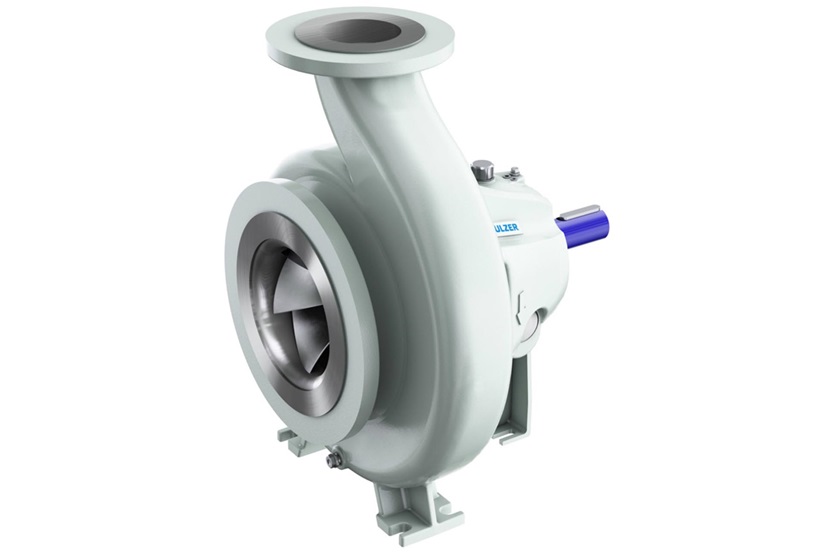
- 50
- 65
- 80
- 100
- 125
- 150
- 200
- 250
- 40
- 1500
- 10
- 90
- Mechanical seal leakage
- Bearing wear
- Impeller erosion
- Cavitation damage from poor suction
- Loss of suction from empty source tank, closed valve, blocked strainer, air ingress, or poor priming causes low discharge pressure, cavitation noise, or no flow
- Seal or packing wear caused by ageing, dry running, shaft movement, or contamination produces visible leakage or loss of suction
- Bearing, coupling, gear, rotor, screw, impeller, or stator wear from poor lubrication, misalignment, debris, or normal service causes vibration, noise, heat, or reduced capacity
- Internal wear, erosion, or excessive clearances caused by abrasive or corrosive media reduces discharge pressure and increases recirculation or running time
- Motor, hydraulic drive, protection, or control faults caused by overload, electrical failure, or actuator problems result in trips, failed starting, or unstable speed
- Loss of suction from empty source tank, closed valve, blocked strainer, air ingress, or poor priming causes low discharge pressure, cavitation noise, or no flow
- Seal or packing wear caused by ageing, dry running, shaft movement, or contamination produces visible leakage or loss of suction
- Bearing, coupling, gear, rotor, screw, impeller, or stator wear from poor lubrication, misalignment, debris, or normal service causes vibration, noise, heat, or reduced capacity
- Internal wear, erosion, or excessive clearances caused by abrasive or corrosive media reduces discharge pressure and increases recirculation or running time
- Motor, hydraulic drive, protection, or control faults caused by overload, electrical failure, or actuator problems result in trips, failed starting, or unstable speed
- Loss of suction from empty source tank, closed valve, blocked strainer, air ingress, or poor priming causes low discharge pressure, cavitation noise, or no flow
- Seal or packing wear caused by ageing, dry running, shaft movement, or contamination produces visible leakage or loss of suction
- Bearing, coupling, gear, rotor, screw, impeller, or stator wear from poor lubrication, misalignment, debris, or normal service causes vibration, noise, heat, or reduced capacity
- Internal wear, erosion, or excessive clearances caused by abrasive or corrosive media reduces discharge pressure and increases recirculation or running time
- Motor, hydraulic drive, protection, or control faults caused by overload, electrical failure, or actuator problems result in trips, failed starting, or unstable speed
- Loss of suction from empty source tank, closed valve, blocked strainer, air ingress, or poor priming causes low discharge pressure, cavitation noise, or no flow
- Seal or packing wear caused by ageing, dry running, shaft movement, or contamination produces visible leakage or loss of suction
- Bearing, coupling, gear, rotor, screw, impeller, or stator wear from poor lubrication, misalignment, debris, or normal service causes vibration, noise, heat, or reduced capacity
- Internal wear, erosion, or excessive clearances caused by abrasive or corrosive media reduces discharge pressure and increases recirculation or running time
- Motor, hydraulic drive, protection, or control faults caused by overload, electrical failure, or actuator problems result in trips, failed starting, or unstable speed
- Loss of suction from empty source tank, closed valve, blocked strainer, air ingress, or poor priming causes low discharge pressure, cavitation noise, or no flow
- Seal or packing wear caused by ageing, dry running, shaft movement, or contamination produces visible leakage or loss of suction
- Bearing, coupling, gear, rotor, screw, impeller, or stator wear from poor lubrication, misalignment, debris, or normal service causes vibration, noise, heat, or reduced capacity
- Internal wear, erosion, or excessive clearances caused by abrasive or corrosive media reduces discharge pressure and increases recirculation or running time
- Motor, hydraulic drive, protection, or control faults caused by overload, electrical failure, or actuator problems result in trips, failed starting, or unstable speed
- Loss of suction from empty source tank, closed valve, blocked strainer, air ingress, or poor priming causes low discharge pressure, cavitation noise, or no flow
- Seal or packing wear caused by ageing, dry running, shaft movement, or contamination produces visible leakage or loss of suction
- Bearing, coupling, gear, rotor, screw, impeller, or stator wear from poor lubrication, misalignment, debris, or normal service causes vibration, noise, heat, or reduced capacity
- Internal wear, erosion, or excessive clearances caused by abrasive or corrosive media reduces discharge pressure and increases recirculation or running time
- Motor, hydraulic drive, protection, or control faults caused by overload, electrical failure, or actuator problems result in trips, failed starting, or unstable speed
- Loss of suction from empty source tank, closed valve, blocked strainer, air ingress, or poor priming causes low discharge pressure, cavitation noise, or no flow
- Seal or packing wear caused by ageing, dry running, shaft movement, or contamination produces visible leakage or loss of suction
- Bearing, coupling, gear, rotor, screw, impeller, or stator wear from poor lubrication, misalignment, debris, or normal service causes vibration, noise, heat, or reduced capacity
- Internal wear, erosion, or excessive clearances caused by abrasive or corrosive media reduces discharge pressure and increases recirculation or running time
- Motor, hydraulic drive, protection, or control faults caused by overload, electrical failure, or actuator problems result in trips, failed starting, or unstable speed
- Loss of suction from empty source tank, closed valve, blocked strainer, air ingress, or poor priming causes low discharge pressure, cavitation noise, or no flow
- Seal or packing wear caused by ageing, dry running, shaft movement, or contamination produces visible leakage or loss of suction
- Bearing, coupling, gear, rotor, screw, impeller, or stator wear from poor lubrication, misalignment, debris, or normal service causes vibration, noise, heat, or reduced capacity
- Internal wear, erosion, or excessive clearances caused by abrasive or corrosive media reduces discharge pressure and increases recirculation or running time
- Motor, hydraulic drive, protection, or control faults caused by overload, electrical failure, or actuator problems result in trips, failed starting, or unstable speed
- Loss of suction from empty source tank, closed valve, blocked strainer, air ingress, or poor priming causes low discharge pressure, cavitation noise, or no flow
- Seal or packing wear caused by ageing, dry running, shaft movement, or contamination produces visible leakage or loss of suction
- Bearing, coupling, gear, rotor, screw, impeller, or stator wear from poor lubrication, misalignment, debris, or normal service causes vibration, noise, heat, or reduced capacity
- Internal wear, erosion, or excessive clearances caused by abrasive or corrosive media reduces discharge pressure and increases recirculation or running time
- Motor, hydraulic drive, protection, or control faults caused by overload, electrical failure, or actuator problems result in trips, failed starting, or unstable speed
- Loss of suction from empty source tank, closed valve, blocked strainer, air ingress, or poor priming causes low discharge pressure, cavitation noise, or no flow
- Seal or packing wear caused by ageing, dry running, shaft movement, or contamination produces visible leakage or loss of suction
- Bearing, coupling, gear, rotor, screw, impeller, or stator wear from poor lubrication, misalignment, debris, or normal service causes vibration, noise, heat, or reduced capacity
- Internal wear, erosion, or excessive clearances caused by abrasive or corrosive media reduces discharge pressure and increases recirculation or running time
- Motor, hydraulic drive, protection, or control faults caused by overload, electrical failure, or actuator problems result in trips, failed starting, or unstable speed
- Loss of suction from empty source tank, closed valve, blocked strainer, air ingress, or poor priming causes low discharge pressure, cavitation noise, or no flow
- Seal or packing wear caused by ageing, dry running, shaft movement, or contamination produces visible leakage or loss of suction
- Bearing, coupling, gear, rotor, screw, impeller, or stator wear from poor lubrication, misalignment, debris, or normal service causes vibration, noise, heat, or reduced capacity
- Internal wear, erosion, or excessive clearances caused by abrasive or corrosive media reduces discharge pressure and increases recirculation or running time
- Motor, hydraulic drive, protection, or control faults caused by overload, electrical failure, or actuator problems result in trips, failed starting, or unstable speed
- Loss of suction from empty source tank, closed valve, blocked strainer, air ingress, or poor priming causes low discharge pressure, cavitation noise, or no flow
- Seal or packing wear caused by ageing, dry running, shaft movement, or contamination produces visible leakage or loss of suction
- Bearing, coupling, gear, rotor, screw, impeller, or stator wear from poor lubrication, misalignment, debris, or normal service causes vibration, noise, heat, or reduced capacity
- Internal wear, erosion, or excessive clearances caused by abrasive or corrosive media reduces discharge pressure and increases recirculation or running time
- Motor, hydraulic drive, protection, or control faults caused by overload, electrical failure, or actuator problems result in trips, failed starting, or unstable speed
Naniwa Pump
14- 100
- 125
- 150
- 200
- 250
- 300
- 350
- 100
- 1800
- 10
- 80
- Vertical shaft bearing wear
- Mechanical seal degradation in seawater
- Impeller wear from sand in coastal water
- Coupling vibration
- 400
- 450
- 500
- 600
- 2000
- 6000
- 20
- 90
- Casing flange leakage at high pressure
- Bearing wear in vertical configuration
- Mechanical seal cycle stress
- Coupling element fatigue
- Poor suction conditions, blockage or air ingress cause low flow, cavitation-like noise or unstable discharge
- Seal, packing or gasket wear causes visible leakage and falling pressure
- Bearing, shaft or coupling wear causes vibration, abnormal noise or rising temperature
- Impeller, screw or pumping-element wear or fouling reduces capacity and can increase motor load
- Motor, hydraulic-drive, valve or control faults cause failure to start, reduced speed or protective trips
- Poor suction conditions, blockage or air ingress cause low flow, cavitation-like noise or unstable discharge
- Seal, packing or gasket wear causes visible leakage and falling pressure
- Bearing, shaft or coupling wear causes vibration, abnormal noise or rising temperature
- Impeller, screw or pumping-element wear or fouling reduces capacity and can increase motor load
- Motor, hydraulic-drive, valve or control faults cause failure to start, reduced speed or protective trips
- Poor suction conditions, blockage or air ingress cause low flow, cavitation-like noise or unstable discharge
- Seal, packing or gasket wear causes visible leakage and falling pressure
- Bearing, shaft or coupling wear causes vibration, abnormal noise or rising temperature
- Impeller, screw or pumping-element wear or fouling reduces capacity and can increase motor load
- Motor, hydraulic-drive, valve or control faults cause failure to start, reduced speed or protective trips
- Poor suction conditions, blockage or air ingress cause low flow, cavitation-like noise or unstable discharge
- Seal, packing or gasket wear causes visible leakage and falling pressure
- Bearing, shaft or coupling wear causes vibration, abnormal noise or rising temperature
- Impeller, screw or pumping-element wear or fouling reduces capacity and can increase motor load
- Motor, hydraulic-drive, valve or control faults cause failure to start, reduced speed or protective trips
- Poor suction conditions, blockage or air ingress cause low flow, cavitation-like noise or unstable discharge
- Seal, packing or gasket wear causes visible leakage and falling pressure
- Bearing, shaft or coupling wear causes vibration, abnormal noise or rising temperature
- Impeller, screw or pumping-element wear or fouling reduces capacity and can increase motor load
- Motor, hydraulic-drive, valve or control faults cause failure to start, reduced speed or protective trips
- Loss of suction from empty source tank, closed valve, blocked strainer, air ingress, or poor priming causes low discharge pressure, cavitation noise, or no flow
- Seal or packing wear caused by ageing, dry running, shaft movement, or contamination produces visible leakage or loss of suction
- Bearing, coupling, gear, rotor, screw, impeller, or stator wear from poor lubrication, misalignment, debris, or normal service causes vibration, noise, heat, or reduced capacity
- Internal wear, erosion, or excessive clearances caused by abrasive or corrosive media reduces discharge pressure and increases recirculation or running time
- Motor, hydraulic drive, protection, or control faults caused by overload, electrical failure, or actuator problems result in trips, failed starting, or unstable speed
- Loss of suction from empty source tank, closed valve, blocked strainer, air ingress, or poor priming causes low discharge pressure, cavitation noise, or no flow
- Seal or packing wear caused by ageing, dry running, shaft movement, or contamination produces visible leakage or loss of suction
- Bearing, coupling, gear, rotor, screw, impeller, or stator wear from poor lubrication, misalignment, debris, or normal service causes vibration, noise, heat, or reduced capacity
- Internal wear, erosion, or excessive clearances caused by abrasive or corrosive media reduces discharge pressure and increases recirculation or running time
- Motor, hydraulic drive, protection, or control faults caused by overload, electrical failure, or actuator problems result in trips, failed starting, or unstable speed
- Loss of suction from empty source tank, closed valve, blocked strainer, air ingress, or poor priming causes low discharge pressure, cavitation noise, or no flow
- Seal or packing wear caused by ageing, dry running, shaft movement, or contamination produces visible leakage or loss of suction
- Bearing, coupling, gear, rotor, screw, impeller, or stator wear from poor lubrication, misalignment, debris, or normal service causes vibration, noise, heat, or reduced capacity
- Internal wear, erosion, or excessive clearances caused by abrasive or corrosive media reduces discharge pressure and increases recirculation or running time
- Motor, hydraulic drive, protection, or control faults caused by overload, electrical failure, or actuator problems result in trips, failed starting, or unstable speed
- Loss of suction from empty source tank, closed valve, blocked strainer, air ingress, or poor priming causes low discharge pressure, cavitation noise, or no flow
- Seal or packing wear caused by ageing, dry running, shaft movement, or contamination produces visible leakage or loss of suction
- Bearing, coupling, gear, rotor, screw, impeller, or stator wear from poor lubrication, misalignment, debris, or normal service causes vibration, noise, heat, or reduced capacity
- Internal wear, erosion, or excessive clearances caused by abrasive or corrosive media reduces discharge pressure and increases recirculation or running time
- Motor, hydraulic drive, protection, or control faults caused by overload, electrical failure, or actuator problems result in trips, failed starting, or unstable speed
- Loss of suction from empty source tank, closed valve, blocked strainer, air ingress, or poor priming causes low discharge pressure, cavitation noise, or no flow
- Seal or packing wear caused by ageing, dry running, shaft movement, or contamination produces visible leakage or loss of suction
- Bearing, coupling, gear, rotor, screw, impeller, or stator wear from poor lubrication, misalignment, debris, or normal service causes vibration, noise, heat, or reduced capacity
- Internal wear, erosion, or excessive clearances caused by abrasive or corrosive media reduces discharge pressure and increases recirculation or running time
- Motor, hydraulic drive, protection, or control faults caused by overload, electrical failure, or actuator problems result in trips, failed starting, or unstable speed
- Loss of suction from empty source tank, closed valve, blocked strainer, air ingress, or poor priming causes low discharge pressure, cavitation noise, or no flow
- Seal or packing wear caused by ageing, dry running, shaft movement, or contamination produces visible leakage or loss of suction
- Bearing, coupling, gear, rotor, screw, impeller, or stator wear from poor lubrication, misalignment, debris, or normal service causes vibration, noise, heat, or reduced capacity
- Internal wear, erosion, or excessive clearances caused by abrasive or corrosive media reduces discharge pressure and increases recirculation or running time
- Motor, hydraulic drive, protection, or control faults caused by overload, electrical failure, or actuator problems result in trips, failed starting, or unstable speed
- Loss of suction from empty source tank, closed valve, blocked strainer, air ingress, or poor priming causes low discharge pressure, cavitation noise, or no flow
- Seal or packing wear caused by ageing, dry running, shaft movement, or contamination produces visible leakage or loss of suction
- Bearing, coupling, gear, rotor, screw, impeller, or stator wear from poor lubrication, misalignment, debris, or normal service causes vibration, noise, heat, or reduced capacity
- Internal wear, erosion, or excessive clearances caused by abrasive or corrosive media reduces discharge pressure and increases recirculation or running time
- Motor, hydraulic drive, protection, or control faults caused by overload, electrical failure, or actuator problems result in trips, failed starting, or unstable speed
Ruhrpumpen
11- Loss of suction from empty source tank, closed valve, blocked strainer, air ingress, or poor priming causes low discharge pressure, cavitation noise, or no flow
- Seal or packing wear caused by ageing, dry running, shaft movement, or contamination produces visible leakage or loss of suction
- Bearing, coupling, gear, rotor, screw, impeller, or stator wear from poor lubrication, misalignment, debris, or normal service causes vibration, noise, heat, or reduced capacity
- Internal wear, erosion, or excessive clearances caused by abrasive or corrosive media reduces discharge pressure and increases recirculation or running time
- Motor, hydraulic drive, protection, or control faults caused by overload, electrical failure, or actuator problems result in trips, failed starting, or unstable speed
- Loss of suction from empty source tank, closed valve, blocked strainer, air ingress, or poor priming causes low discharge pressure, cavitation noise, or no flow
- Seal or packing wear caused by ageing, dry running, shaft movement, or contamination produces visible leakage or loss of suction
- Bearing, coupling, gear, rotor, screw, impeller, or stator wear from poor lubrication, misalignment, debris, or normal service causes vibration, noise, heat, or reduced capacity
- Internal wear, erosion, or excessive clearances caused by abrasive or corrosive media reduces discharge pressure and increases recirculation or running time
- Motor, hydraulic drive, protection, or control faults caused by overload, electrical failure, or actuator problems result in trips, failed starting, or unstable speed
- Loss of suction from empty source tank, closed valve, blocked strainer, air ingress, or poor priming causes low discharge pressure, cavitation noise, or no flow
- Seal or packing wear caused by ageing, dry running, shaft movement, or contamination produces visible leakage or loss of suction
- Bearing, coupling, gear, rotor, screw, impeller, or stator wear from poor lubrication, misalignment, debris, or normal service causes vibration, noise, heat, or reduced capacity
- Internal wear, erosion, or excessive clearances caused by abrasive or corrosive media reduces discharge pressure and increases recirculation or running time
- Motor, hydraulic drive, protection, or control faults caused by overload, electrical failure, or actuator problems result in trips, failed starting, or unstable speed
- Loss of suction from empty source tank, closed valve, blocked strainer, air ingress, or poor priming causes low discharge pressure, cavitation noise, or no flow
- Seal or packing wear caused by ageing, dry running, shaft movement, or contamination produces visible leakage or loss of suction
- Bearing, coupling, gear, rotor, screw, impeller, or stator wear from poor lubrication, misalignment, debris, or normal service causes vibration, noise, heat, or reduced capacity
- Internal wear, erosion, or excessive clearances caused by abrasive or corrosive media reduces discharge pressure and increases recirculation or running time
- Motor, hydraulic drive, protection, or control faults caused by overload, electrical failure, or actuator problems result in trips, failed starting, or unstable speed
- Loss of suction from empty source tank, closed valve, blocked strainer, air ingress, or poor priming causes low discharge pressure, cavitation noise, or no flow
- Seal or packing wear caused by ageing, dry running, shaft movement, or contamination produces visible leakage or loss of suction
- Bearing, coupling, gear, rotor, screw, impeller, or stator wear from poor lubrication, misalignment, debris, or normal service causes vibration, noise, heat, or reduced capacity
- Internal wear, erosion, or excessive clearances caused by abrasive or corrosive media reduces discharge pressure and increases recirculation or running time
- Motor, hydraulic drive, protection, or control faults caused by overload, electrical failure, or actuator problems result in trips, failed starting, or unstable speed
- Loss of suction from empty source tank, closed valve, blocked strainer, air ingress, or poor priming causes low discharge pressure, cavitation noise, or no flow
- Seal or packing wear caused by ageing, dry running, shaft movement, or contamination produces visible leakage or loss of suction
- Bearing, coupling, gear, rotor, screw, impeller, or stator wear from poor lubrication, misalignment, debris, or normal service causes vibration, noise, heat, or reduced capacity
- Internal wear, erosion, or excessive clearances caused by abrasive or corrosive media reduces discharge pressure and increases recirculation or running time
- Motor, hydraulic drive, protection, or control faults caused by overload, electrical failure, or actuator problems result in trips, failed starting, or unstable speed
- Loss of suction from empty source tank, closed valve, blocked strainer, air ingress, or poor priming causes low discharge pressure, cavitation noise, or no flow
- Seal or packing wear caused by ageing, dry running, shaft movement, or contamination produces visible leakage or loss of suction
- Bearing, coupling, gear, rotor, screw, impeller, or stator wear from poor lubrication, misalignment, debris, or normal service causes vibration, noise, heat, or reduced capacity
- Internal wear, erosion, or excessive clearances caused by abrasive or corrosive media reduces discharge pressure and increases recirculation or running time
- Motor, hydraulic drive, protection, or control faults caused by overload, electrical failure, or actuator problems result in trips, failed starting, or unstable speed
- Loss of suction from empty source tank, closed valve, blocked strainer, air ingress, or poor priming causes low discharge pressure, cavitation noise, or no flow
- Seal or packing wear caused by ageing, dry running, shaft movement, or contamination produces visible leakage or loss of suction
- Bearing, coupling, gear, rotor, screw, impeller, or stator wear from poor lubrication, misalignment, debris, or normal service causes vibration, noise, heat, or reduced capacity
- Internal wear, erosion, or excessive clearances caused by abrasive or corrosive media reduces discharge pressure and increases recirculation or running time
- Motor, hydraulic drive, protection, or control faults caused by overload, electrical failure, or actuator problems result in trips, failed starting, or unstable speed
- Loss of suction from empty source tank, closed valve, blocked strainer, air ingress, or poor priming causes low discharge pressure, cavitation noise, or no flow
- Seal or packing wear caused by ageing, dry running, shaft movement, or contamination produces visible leakage or loss of suction
- Bearing, coupling, gear, rotor, screw, impeller, or stator wear from poor lubrication, misalignment, debris, or normal service causes vibration, noise, heat, or reduced capacity
- Internal wear, erosion, or excessive clearances caused by abrasive or corrosive media reduces discharge pressure and increases recirculation or running time
- Motor, hydraulic drive, protection, or control faults caused by overload, electrical failure, or actuator problems result in trips, failed starting, or unstable speed
- Loss of suction from empty source tank, closed valve, blocked strainer, air ingress, or poor priming causes low discharge pressure, cavitation noise, or no flow
- Seal or packing wear caused by ageing, dry running, shaft movement, or contamination produces visible leakage or loss of suction
- Bearing, coupling, gear, rotor, screw, impeller, or stator wear from poor lubrication, misalignment, debris, or normal service causes vibration, noise, heat, or reduced capacity
- Internal wear, erosion, or excessive clearances caused by abrasive or corrosive media reduces discharge pressure and increases recirculation or running time
- Motor, hydraulic drive, protection, or control faults caused by overload, electrical failure, or actuator problems result in trips, failed starting, or unstable speed
- Loss of suction from empty source tank, closed valve, blocked strainer, air ingress, or poor priming causes low discharge pressure, cavitation noise, or no flow
- Seal or packing wear caused by ageing, dry running, shaft movement, or contamination produces visible leakage or loss of suction
- Bearing, coupling, gear, rotor, screw, impeller, or stator wear from poor lubrication, misalignment, debris, or normal service causes vibration, noise, heat, or reduced capacity
- Internal wear, erosion, or excessive clearances caused by abrasive or corrosive media reduces discharge pressure and increases recirculation or running time
- Motor, hydraulic drive, protection, or control faults caused by overload, electrical failure, or actuator problems result in trips, failed starting, or unstable speed
Allweiler
10- Cavitation or suction starvation caused by blocked strainers, air ingress, low liquid level or excessive suction losses, resulting in noise, vibration and reduced delivery
- Shaft-seal or gland leakage caused by wear, misalignment or damaged sealing faces, resulting in visible leakage around the shaft
- Bearing deterioration caused by poor lubrication, contamination or misalignment, resulting in increased noise, vibration or bearing temperature
- Impeller or internal hydraulic wear caused by corrosion, erosion or deposits, resulting in reduced capacity and efficiency
- Coupling, motor or drive problems caused by misalignment, looseness or electrical faults, resulting in vibration, abnormal load or failure to reach normal speed
- Cavitation or suction starvation caused by blocked strainers, air ingress, low liquid level or excessive suction losses, resulting in noise, vibration and reduced delivery
- Shaft-seal or gland leakage caused by wear, misalignment or damaged sealing faces, resulting in visible leakage around the shaft
- Bearing deterioration caused by poor lubrication, contamination or misalignment, resulting in increased noise, vibration or bearing temperature
- Impeller or internal hydraulic wear caused by corrosion, erosion or deposits, resulting in reduced capacity and efficiency
- Coupling, motor or drive problems caused by misalignment, looseness or electrical faults, resulting in vibration, abnormal load or failure to reach normal speed
- Poor suction conditions, blockage or air ingress cause low flow, cavitation-like noise or unstable discharge
- Seal, packing or gasket wear causes visible leakage and falling pressure
- Bearing, shaft or coupling wear causes vibration, abnormal noise or rising temperature
- Impeller, screw or pumping-element wear or fouling reduces capacity and can increase motor load
- Motor, hydraulic-drive, valve or control faults cause failure to start, reduced speed or protective trips
- Poor suction conditions, blockage or air ingress cause low flow, cavitation-like noise or unstable discharge
- Seal, packing or gasket wear causes visible leakage and falling pressure
- Bearing, shaft or coupling wear causes vibration, abnormal noise or rising temperature
- Impeller, screw or pumping-element wear or fouling reduces capacity and can increase motor load
- Motor, hydraulic-drive, valve or control faults cause failure to start, reduced speed or protective trips
- Poor suction conditions, blockage or air ingress cause low flow, cavitation-like noise or unstable discharge
- Seal, packing or gasket wear causes visible leakage and falling pressure
- Bearing, shaft or coupling wear causes vibration, abnormal noise or rising temperature
- Impeller, screw or pumping-element wear or fouling reduces capacity and can increase motor load
- Motor, hydraulic-drive, valve or control faults cause failure to start, reduced speed or protective trips
- Loss of suction from empty source tank, closed valve, blocked strainer, air ingress, or poor priming causes low discharge pressure, cavitation noise, or no flow
- Seal or packing wear caused by ageing, dry running, shaft movement, or contamination produces visible leakage or loss of suction
- Bearing, coupling, gear, rotor, screw, impeller, or stator wear from poor lubrication, misalignment, debris, or normal service causes vibration, noise, heat, or reduced capacity
- Internal wear, erosion, or excessive clearances caused by abrasive or corrosive media reduces discharge pressure and increases recirculation or running time
- Motor, hydraulic drive, protection, or control faults caused by overload, electrical failure, or actuator problems result in trips, failed starting, or unstable speed
- Loss of suction from empty source tank, closed valve, blocked strainer, air ingress, or poor priming causes low discharge pressure, cavitation noise, or no flow
- Seal or packing wear caused by ageing, dry running, shaft movement, or contamination produces visible leakage or loss of suction
- Bearing, coupling, gear, rotor, screw, impeller, or stator wear from poor lubrication, misalignment, debris, or normal service causes vibration, noise, heat, or reduced capacity
- Internal wear, erosion, or excessive clearances caused by abrasive or corrosive media reduces discharge pressure and increases recirculation or running time
- Motor, hydraulic drive, protection, or control faults caused by overload, electrical failure, or actuator problems result in trips, failed starting, or unstable speed
- Loss of suction from empty source tank, closed valve, blocked strainer, air ingress, or poor priming causes low discharge pressure, cavitation noise, or no flow
- Seal or packing wear caused by ageing, dry running, shaft movement, or contamination produces visible leakage or loss of suction
- Bearing, coupling, gear, rotor, screw, impeller, or stator wear from poor lubrication, misalignment, debris, or normal service causes vibration, noise, heat, or reduced capacity
- Internal wear, erosion, or excessive clearances caused by abrasive or corrosive media reduces discharge pressure and increases recirculation or running time
- Motor, hydraulic drive, protection, or control faults caused by overload, electrical failure, or actuator problems result in trips, failed starting, or unstable speed
- Loss of suction from empty source tank, closed valve, blocked strainer, air ingress, or poor priming causes low discharge pressure, cavitation noise, or no flow
- Seal or packing wear caused by ageing, dry running, shaft movement, or contamination produces visible leakage or loss of suction
- Bearing, coupling, gear, rotor, screw, impeller, or stator wear from poor lubrication, misalignment, debris, or normal service causes vibration, noise, heat, or reduced capacity
- Internal wear, erosion, or excessive clearances caused by abrasive or corrosive media reduces discharge pressure and increases recirculation or running time
- Motor, hydraulic drive, protection, or control faults caused by overload, electrical failure, or actuator problems result in trips, failed starting, or unstable speed
- Loss of suction from empty source tank, closed valve, blocked strainer, air ingress, or poor priming causes low discharge pressure, cavitation noise, or no flow
- Seal or packing wear caused by ageing, dry running, shaft movement, or contamination produces visible leakage or loss of suction
- Bearing, coupling, gear, rotor, screw, impeller, or stator wear from poor lubrication, misalignment, debris, or normal service causes vibration, noise, heat, or reduced capacity
- Internal wear, erosion, or excessive clearances caused by abrasive or corrosive media reduces discharge pressure and increases recirculation or running time
- Motor, hydraulic drive, protection, or control faults caused by overload, electrical failure, or actuator problems result in trips, failed starting, or unstable speed
KSB
6
- 40
- 50
- 65
- 80
- 100
- 125
- 150
- 200
- 250
- 300
- 50
- 2000
- 10
- 100
- Etanorm Förderbereich
- bis 1900 m³/h, Förderhöhe bis 102 m, Betriebsdruck bis 16 bar, Temperatur -30 bis +140°C
- Omega/Omega V Förderbereich
- Größen DN 80-350, Durchsätze bis 800 l/s, Förderhöhe bis 170 m, Druck bis 25 bar, Temperatur bis +105°C
- Movitec Einsatz
- Hochdruck-Inlinepumpe mit ausgeglichener mechanischer Versiegelung, für Druckerhöhung, Kesselspeisepumpe, Rohrreinigung
- Multitec Einsatz
- Mehrstufige Hochdruckpumpe mit niedrigen NPSH-Werten, für Wasserversorgung, Industrie, Bewässerung, Kraftwerke
- Dichtungssystem
- Mechanical sliding ring seals per EN 12756, simple and balanced (Omega/Multitec), with replaceable shaft sleeves
- Lagerkühlung
- Kugellager-Schmierung, regelmäßige Temperaturüberwachung erforderlich, Grenzen laut Datenblatt
- Verschleißteile
- Replaceable impellers, seal rings, shaft sleeves, bearings — all available as spare parts kits
- Etanorm
- Movitec
- Multitec
- Omega
- Omega V
- Area: Mechanical seal: leakage, wear of sealing surfaces, surface damageCheck: Visual inspection of seal housing and shaft for drip traces or moisture; pressure testing with manometer to detect pressure drops; soap solution for bubble formation and leak location; control of scavenge system for blockages (overheating causes premature wear). Monitor leak rate: mechanical seal normal <0.006 l/h
- Area: Bearing: wear, temperature rise, faulty lubrication (oil/grease)Check: Measure bearing temperature and compare with manufacturer specifications; check vibration and smooth running of pump and motor; check lubricant supply and exchange intervals; inspect elastic transmission elements (coupling bolts, discs, packages) for wear; control coupling alignment. Coupling replacement recommended in case of wear
- Area: Impeller/wear rings: wear on running and suction side, contamination damage, surface corrosionCheck: Visual-mechanical inspection for wear of sealing rings and impeller wear protection; check for wear of shaft keyways and bearing seats; clearance inspection (<1 µm normal value for seals); check wear ring material (hard-chromed or nitrided for abrasive media >800-1000 HV surface hardness). Replace damaged or worn parts with genuine spare parts
- Area: Cavitation: pressure drop below vapor pressure, bubble implosion, material erosion on housing and impellerCheck: Compare NPSH value of system (NPSHA) against required pump NPSH (NPSHR) from data sheet; NPSHA must be >= NPSHR over entire operating range; monitor pump smooth running and operating noise (cavitation noise = rough operating noise); perform pressure test bench tests to simulate cavitation conditions; check suction conditions and system design; visually inspect housing and impeller for pitting and surface erosion
- Area: Systemkomponenten: Rohrleitungen, Armaturen, Schaltfunktion, elektronische Überwachung, KorrosionCheck: Inspect piping and fittings for wear, corrosion and functionality; test pump control and switching function; check electronic monitoring systems; inspect general housing corrosion and bearing contamination traces; perform surface cleaning (DO NOT flush, instead apply protective grease); document all inspection results
Type–universal inspection/maintenance points for pumps (KSB, Mega-Swarm 2026–06). Per-model specs not auto-filled.
- 125
- 150
- 200
- 250
- 300
- 400
- 500
- 600
- 500
- 12000
- 15
- 150
- Etanorm Förderbereich
- bis 1900 m³/h, Förderhöhe bis 102 m, Betriebsdruck bis 16 bar, Temperatur -30 bis +140°C
- Omega/Omega V Förderbereich
- Größen DN 80-350, Durchsätze bis 800 l/s, Förderhöhe bis 170 m, Druck bis 25 bar, Temperatur bis +105°C
- Movitec Einsatz
- Hochdruck-Inlinepumpe mit ausgeglichener mechanischer Versiegelung, für Druckerhöhung, Kesselspeisepumpe, Rohrreinigung
- Multitec Einsatz
- Mehrstufige Hochdruckpumpe mit niedrigen NPSH-Werten, für Wasserversorgung, Industrie, Bewässerung, Kraftwerke
- Dichtungssystem
- Mechanical sliding ring seals per EN 12756, simple and balanced (Omega/Multitec), with replaceable shaft sleeves
- Lagerkühlung
- Kugellager-Schmierung, regelmäßige Temperaturüberwachung erforderlich, Grenzen laut Datenblatt
- Verschleißteile
- Replaceable impellers, seal rings, shaft sleeves, bearings — all available as spare parts kits
- Etanorm
- Movitec
- Multitec
- Omega
- Omega V
- Area: Mechanical seal: leakage, wear of sealing surfaces, surface damageCheck: Visual inspection of seal housing and shaft for drip traces or moisture; pressure testing with manometer to detect pressure drops; soap solution for bubble formation and leak location; control of scavenge system for blockages (overheating causes premature wear). Monitor leak rate: mechanical seal normal <0.006 l/h
- Area: Bearing: wear, temperature rise, faulty lubrication (oil/grease)Check: Measure bearing temperature and compare with manufacturer specifications; check vibration and smooth running of pump and motor; check lubricant supply and exchange intervals; inspect elastic transmission elements (coupling bolts, discs, packages) for wear; control coupling alignment. Coupling replacement recommended in case of wear
- Area: Impeller/wear rings: wear on running and suction side, contamination damage, surface corrosionCheck: Visual-mechanical inspection for wear of sealing rings and impeller wear protection; check for wear of shaft keyways and bearing seats; clearance inspection (<1 µm normal value for seals); check wear ring material (hard-chromed or nitrided for abrasive media >800-1000 HV surface hardness). Replace damaged or worn parts with genuine spare parts
- Area: Cavitation: pressure drop below vapor pressure, bubble implosion, material erosion on housing and impellerCheck: Compare NPSH value of system (NPSHA) against required pump NPSH (NPSHR) from data sheet; NPSHA must be >= NPSHR over entire operating range; monitor pump smooth running and operating noise (cavitation noise = rough operating noise); perform pressure test bench tests to simulate cavitation conditions; check suction conditions and system design; visually inspect housing and impeller for pitting and surface erosion
- Area: Systemkomponenten: Rohrleitungen, Armaturen, Schaltfunktion, elektronische Überwachung, KorrosionCheck: Inspect piping and fittings for wear, corrosion and functionality; test pump control and switching function; check electronic monitoring systems; inspect general housing corrosion and bearing contamination traces; perform surface cleaning (DO NOT flush, instead apply protective grease); document all inspection results
Type–universal inspection/maintenance points for pumps (KSB, Mega-Swarm 2026–06). Per-model specs not auto-filled.
- Etanorm Förderbereich
- bis 1900 m³/h, Förderhöhe bis 102 m, Betriebsdruck bis 16 bar, Temperatur -30 bis +140°C
- Omega/Omega V Förderbereich
- Größen DN 80-350, Durchsätze bis 800 l/s, Förderhöhe bis 170 m, Druck bis 25 bar, Temperatur bis +105°C
- Movitec Einsatz
- Hochdruck-Inlinepumpe mit ausgeglichener mechanischer Versiegelung, für Druckerhöhung, Kesselspeisepumpe, Rohrreinigung
- Multitec Einsatz
- Mehrstufige Hochdruckpumpe mit niedrigen NPSH-Werten, für Wasserversorgung, Industrie, Bewässerung, Kraftwerke
- Dichtungssystem
- Mechanical sliding ring seals per EN 12756, simple and balanced (Omega/Multitec), with replaceable shaft sleeves
- Lagerkühlung
- Kugellager-Schmierung, regelmäßige Temperaturüberwachung erforderlich, Grenzen laut Datenblatt
- Verschleißteile
- Replaceable impellers, seal rings, shaft sleeves, bearings — all available as spare parts kits
- Etanorm
- Movitec
- Multitec
- Omega
- Omega V
- Area: Mechanical seal: leakage, wear of sealing surfaces, surface damageCheck: Visual inspection of seal housing and shaft for drip traces or moisture; pressure testing with manometer to detect pressure drops; soap solution for bubble formation and leak location; control of scavenge system for blockages (overheating causes premature wear). Monitor leak rate: mechanical seal normal <0.006 l/h
- Area: Bearing: wear, temperature rise, faulty lubrication (oil/grease)Check: Measure bearing temperature and compare with manufacturer specifications; check vibration and smooth running of pump and motor; check lubricant supply and exchange intervals; inspect elastic transmission elements (coupling bolts, discs, packages) for wear; control coupling alignment. Coupling replacement recommended in case of wear
- Area: Impeller/wear rings: wear on running and suction side, contamination damage, surface corrosionCheck: Visual-mechanical inspection for wear of sealing rings and impeller wear protection; check for wear of shaft keyways and bearing seats; clearance inspection (<1 µm normal value for seals); check wear ring material (hard-chromed or nitrided for abrasive media >800-1000 HV surface hardness). Replace damaged or worn parts with genuine spare parts
- Area: Cavitation: pressure drop below vapor pressure, bubble implosion, material erosion on housing and impellerCheck: Compare NPSH value of system (NPSHA) against required pump NPSH (NPSHR) from data sheet; NPSHA must be >= NPSHR over entire operating range; monitor pump smooth running and operating noise (cavitation noise = rough operating noise); perform pressure test bench tests to simulate cavitation conditions; check suction conditions and system design; visually inspect housing and impeller for pitting and surface erosion
- Area: Systemkomponenten: Rohrleitungen, Armaturen, Schaltfunktion, elektronische Überwachung, KorrosionCheck: Inspect piping and fittings for wear, corrosion and functionality; test pump control and switching function; check electronic monitoring systems; inspect general housing corrosion and bearing contamination traces; perform surface cleaning (DO NOT flush, instead apply protective grease); document all inspection results
Type–universal inspection/maintenance points for pumps (KSB, Mega-Swarm 2026–06). Per-model specs not auto-filled.
- Etanorm Förderbereich
- bis 1900 m³/h, Förderhöhe bis 102 m, Betriebsdruck bis 16 bar, Temperatur -30 bis +140°C
- Omega/Omega V Förderbereich
- Größen DN 80-350, Durchsätze bis 800 l/s, Förderhöhe bis 170 m, Druck bis 25 bar, Temperatur bis +105°C
- Movitec Einsatz
- Hochdruck-Inlinepumpe mit ausgeglichener mechanischer Versiegelung, für Druckerhöhung, Kesselspeisepumpe, Rohrreinigung
- Multitec Einsatz
- Mehrstufige Hochdruckpumpe mit niedrigen NPSH-Werten, für Wasserversorgung, Industrie, Bewässerung, Kraftwerke
- Dichtungssystem
- Mechanical sliding ring seals per EN 12756, simple and balanced (Omega/Multitec), with replaceable shaft sleeves
- Lagerkühlung
- Kugellager-Schmierung, regelmäßige Temperaturüberwachung erforderlich, Grenzen laut Datenblatt
- Verschleißteile
- Replaceable impellers, seal rings, shaft sleeves, bearings — all available as spare parts kits
- Etanorm
- Movitec
- Multitec
- Omega
- Omega V
- Area: Mechanical seal: leakage, wear of sealing surfaces, surface damageCheck: Visual inspection of seal housing and shaft for drip traces or moisture; pressure testing with manometer to detect pressure drops; soap solution for bubble formation and leak location; control of scavenge system for blockages (overheating causes premature wear). Monitor leak rate: mechanical seal normal <0.006 l/h
- Area: Bearing: wear, temperature rise, faulty lubrication (oil/grease)Check: Measure bearing temperature and compare with manufacturer specifications; check vibration and smooth running of pump and motor; check lubricant supply and exchange intervals; inspect elastic transmission elements (coupling bolts, discs, packages) for wear; control coupling alignment. Coupling replacement recommended in case of wear
- Area: Impeller/wear rings: wear on running and suction side, contamination damage, surface corrosionCheck: Visual-mechanical inspection for wear of sealing rings and impeller wear protection; check for wear of shaft keyways and bearing seats; clearance inspection (<1 µm normal value for seals); check wear ring material (hard-chromed or nitrided for abrasive media >800-1000 HV surface hardness). Replace damaged or worn parts with genuine spare parts
- Area: Cavitation: pressure drop below vapor pressure, bubble implosion, material erosion on housing and impellerCheck: Compare NPSH value of system (NPSHA) against required pump NPSH (NPSHR) from data sheet; NPSHA must be >= NPSHR over entire operating range; monitor pump smooth running and operating noise (cavitation noise = rough operating noise); perform pressure test bench tests to simulate cavitation conditions; check suction conditions and system design; visually inspect housing and impeller for pitting and surface erosion
- Area: Systemkomponenten: Rohrleitungen, Armaturen, Schaltfunktion, elektronische Überwachung, KorrosionCheck: Inspect piping and fittings for wear, corrosion and functionality; test pump control and switching function; check electronic monitoring systems; inspect general housing corrosion and bearing contamination traces; perform surface cleaning (DO NOT flush, instead apply protective grease); document all inspection results
Type–universal inspection/maintenance points for pumps (KSB, Mega-Swarm 2026–06). Per-model specs not auto-filled.
- Etanorm Förderbereich
- bis 1900 m³/h, Förderhöhe bis 102 m, Betriebsdruck bis 16 bar, Temperatur -30 bis +140°C
- Omega/Omega V Förderbereich
- Größen DN 80-350, Durchsätze bis 800 l/s, Förderhöhe bis 170 m, Druck bis 25 bar, Temperatur bis +105°C
- Movitec Einsatz
- Hochdruck-Inlinepumpe mit ausgeglichener mechanischer Versiegelung, für Druckerhöhung, Kesselspeisepumpe, Rohrreinigung
- Multitec Einsatz
- Mehrstufige Hochdruckpumpe mit niedrigen NPSH-Werten, für Wasserversorgung, Industrie, Bewässerung, Kraftwerke
- Dichtungssystem
- Mechanical sliding ring seals per EN 12756, simple and balanced (Omega/Multitec), with replaceable shaft sleeves
- Lagerkühlung
- Kugellager-Schmierung, regelmäßige Temperaturüberwachung erforderlich, Grenzen laut Datenblatt
- Verschleißteile
- Replaceable impellers, seal rings, shaft sleeves, bearings — all available as spare parts kits
- Etanorm
- Movitec
- Multitec
- Omega
- Omega V
- Area: Mechanical seal: leakage, wear of sealing surfaces, surface damageCheck: Visual inspection of seal housing and shaft for drip traces or moisture; pressure testing with manometer to detect pressure drops; soap solution for bubble formation and leak location; control of scavenge system for blockages (overheating causes premature wear). Monitor leak rate: mechanical seal normal <0.006 l/h
- Area: Bearing: wear, temperature rise, faulty lubrication (oil/grease)Check: Measure bearing temperature and compare with manufacturer specifications; check vibration and smooth running of pump and motor; check lubricant supply and exchange intervals; inspect elastic transmission elements (coupling bolts, discs, packages) for wear; control coupling alignment. Coupling replacement recommended in case of wear
- Area: Impeller/wear rings: wear on running and suction side, contamination damage, surface corrosionCheck: Visual-mechanical inspection for wear of sealing rings and impeller wear protection; check for wear of shaft keyways and bearing seats; clearance inspection (<1 µm normal value for seals); check wear ring material (hard-chromed or nitrided for abrasive media >800-1000 HV surface hardness). Replace damaged or worn parts with genuine spare parts
- Area: Cavitation: pressure drop below vapor pressure, bubble implosion, material erosion on housing and impellerCheck: Compare NPSH value of system (NPSHA) against required pump NPSH (NPSHR) from data sheet; NPSHA must be >= NPSHR over entire operating range; monitor pump smooth running and operating noise (cavitation noise = rough operating noise); perform pressure test bench tests to simulate cavitation conditions; check suction conditions and system design; visually inspect housing and impeller for pitting and surface erosion
- Area: Systemkomponenten: Rohrleitungen, Armaturen, Schaltfunktion, elektronische Überwachung, KorrosionCheck: Inspect piping and fittings for wear, corrosion and functionality; test pump control and switching function; check electronic monitoring systems; inspect general housing corrosion and bearing contamination traces; perform surface cleaning (DO NOT flush, instead apply protective grease); document all inspection results
Type–universal inspection/maintenance points for pumps (KSB, Mega-Swarm 2026–06). Per-model specs not auto-filled.
- Etanorm Förderbereich
- bis 1900 m³/h, Förderhöhe bis 102 m, Betriebsdruck bis 16 bar, Temperatur -30 bis +140°C
- Omega/Omega V Förderbereich
- Größen DN 80-350, Durchsätze bis 800 l/s, Förderhöhe bis 170 m, Druck bis 25 bar, Temperatur bis +105°C
- Movitec Einsatz
- Hochdruck-Inlinepumpe mit ausgeglichener mechanischer Versiegelung, für Druckerhöhung, Kesselspeisepumpe, Rohrreinigung
- Multitec Einsatz
- Mehrstufige Hochdruckpumpe mit niedrigen NPSH-Werten, für Wasserversorgung, Industrie, Bewässerung, Kraftwerke
- Dichtungssystem
- Mechanical sliding ring seals per EN 12756, simple and balanced (Omega/Multitec), with replaceable shaft sleeves
- Lagerkühlung
- Kugellager-Schmierung, regelmäßige Temperaturüberwachung erforderlich, Grenzen laut Datenblatt
- Verschleißteile
- Replaceable impellers, seal rings, shaft sleeves, bearings — all available as spare parts kits
- Etanorm
- Movitec
- Multitec
- Omega
- Omega V
- Area: Mechanical seal: leakage, wear of sealing surfaces, surface damageCheck: Visual inspection of seal housing and shaft for drip traces or moisture; pressure testing with manometer to detect pressure drops; soap solution for bubble formation and leak location; control of scavenge system for blockages (overheating causes premature wear). Monitor leak rate: mechanical seal normal <0.006 l/h
- Area: Bearing: wear, temperature rise, faulty lubrication (oil/grease)Check: Measure bearing temperature and compare with manufacturer specifications; check vibration and smooth running of pump and motor; check lubricant supply and exchange intervals; inspect elastic transmission elements (coupling bolts, discs, packages) for wear; control coupling alignment. Coupling replacement recommended in case of wear
- Area: Impeller/wear rings: wear on running and suction side, contamination damage, surface corrosionCheck: Visual-mechanical inspection for wear of sealing rings and impeller wear protection; check for wear of shaft keyways and bearing seats; clearance inspection (<1 µm normal value for seals); check wear ring material (hard-chromed or nitrided for abrasive media >800-1000 HV surface hardness). Replace damaged or worn parts with genuine spare parts
- Area: Cavitation: pressure drop below vapor pressure, bubble implosion, material erosion on housing and impellerCheck: Compare NPSH value of system (NPSHA) against required pump NPSH (NPSHR) from data sheet; NPSHA must be >= NPSHR over entire operating range; monitor pump smooth running and operating noise (cavitation noise = rough operating noise); perform pressure test bench tests to simulate cavitation conditions; check suction conditions and system design; visually inspect housing and impeller for pitting and surface erosion
- Area: Systemkomponenten: Rohrleitungen, Armaturen, Schaltfunktion, elektronische Überwachung, KorrosionCheck: Inspect piping and fittings for wear, corrosion and functionality; test pump control and switching function; check electronic monitoring systems; inspect general housing corrosion and bearing contamination traces; perform surface cleaning (DO NOT flush, instead apply protective grease); document all inspection results
Type–universal inspection/maintenance points for pumps (KSB, Mega-Swarm 2026–06). Per-model specs not auto-filled.
ALLWEILER (CIRCOR/IDEX)
3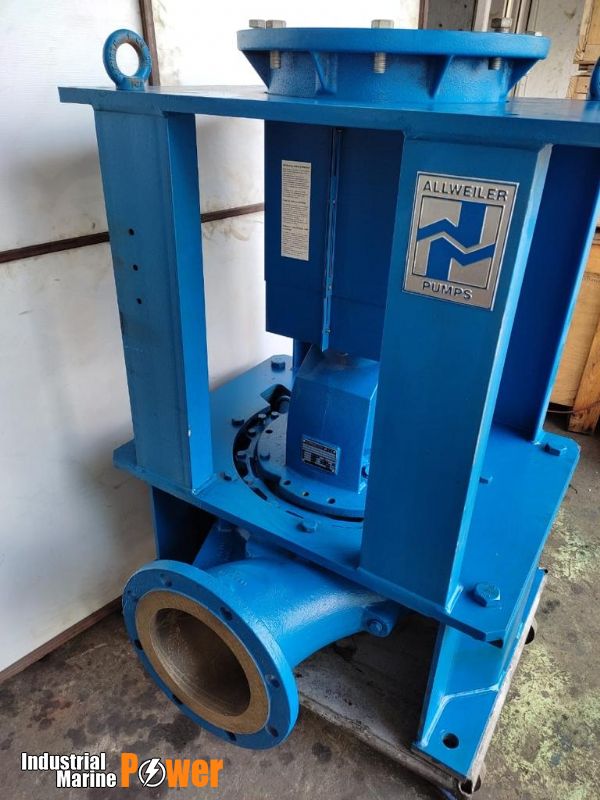
- 65
- 80
- 100
- 125
- 150
- 200
- 250
- 300
- 50
- 1200
- 10
- 80
- Mechanical seal leakage at shaft entry after 8000-12000 operating hours
- Wear ring clearance increase causing reduced head/efficiency
- Bearing failure from coupling misalignment after motor overhaul
- Casing pitting/corrosion in seawater service after 15+ years
- 32
- 40
- 50
- 65
- 80
- 100
- 125
- 150
- 20
- 600
- 8
- 60
- Mechanical seal leakage common after 8000h in seawater
- Shaft sleeve grooving at seal area
- Wear ring erosion from sand/silt in ballast water
- Bearing wear in older units with grease lubrication
- 100
- 125
- 150
- 200
- 250
- 300
- 350
- 400
- 150
- 4500
- 15
- 100
- Casing split joint gasket leakage after high-load cycling
- Double-suction impeller axial-thrust imbalance from one-side wear
- Bearing housing oil leakage at high temperature
- Coupling element fatigue in heavy-load applications
Azcue Pumps
2
- 40
- 50
- 65
- 80
- 100
- 125
- 150
- 200
- 250
- 30
- 1500
- 10
- 80
- Mechanical seal leakage
- Bearing wear
- Impeller corrosion
- Cavitation damage
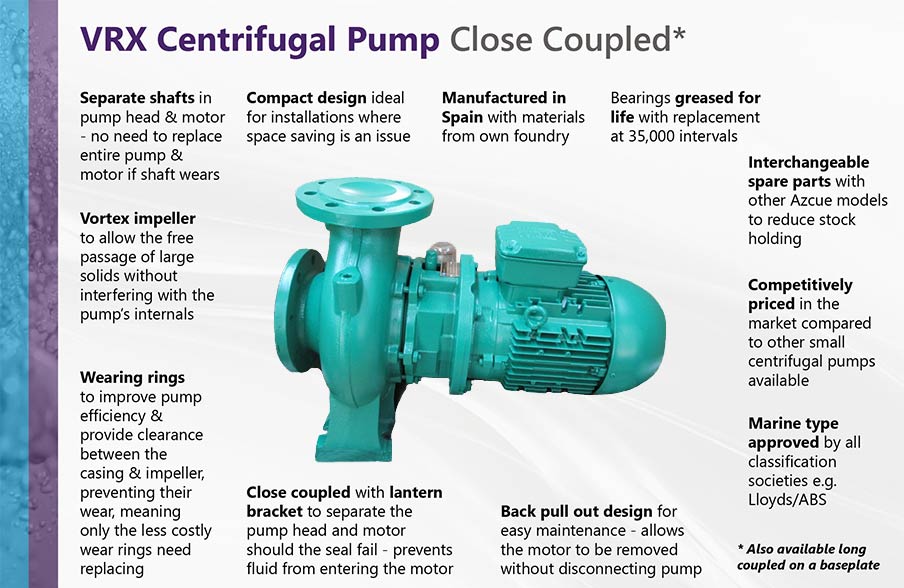
- 50
- 65
- 80
- 100
- 125
- 150
- 200
- 250
- 50
- 2000
- 10
- 80
- Mechanical seal leakage
- Bearing wear
- Pipe-strain induced vibration
- Impeller wear
SPX FLOW (Johnson Pump)
2
- 50
- 80
- 100
- 125
- 150
- 200
- 250
- 300
- 50
- 2200
- 10
- 90
- Mechanical seal leakage
- Bearing housing oil contamination
- Impeller wear
- Coupling fatigue
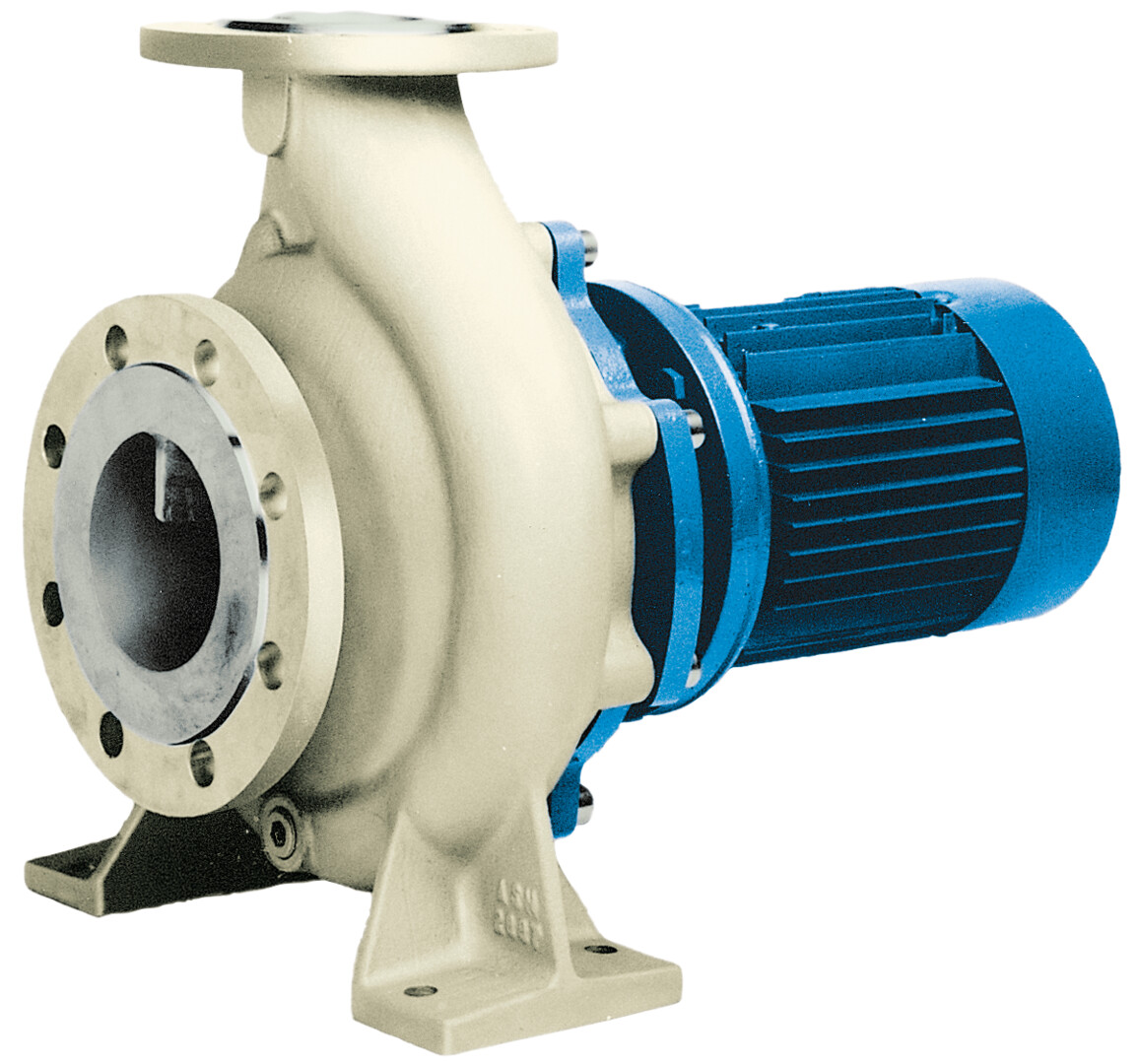
- 32
- 40
- 50
- 65
- 80
- 100
- 125
- 150
- 30
- 800
- 10
- 60
- Mechanical seal leakage
- Motor bearing wear
- Impeller blockage in dirty service
- Cavitation damage
Azcue
1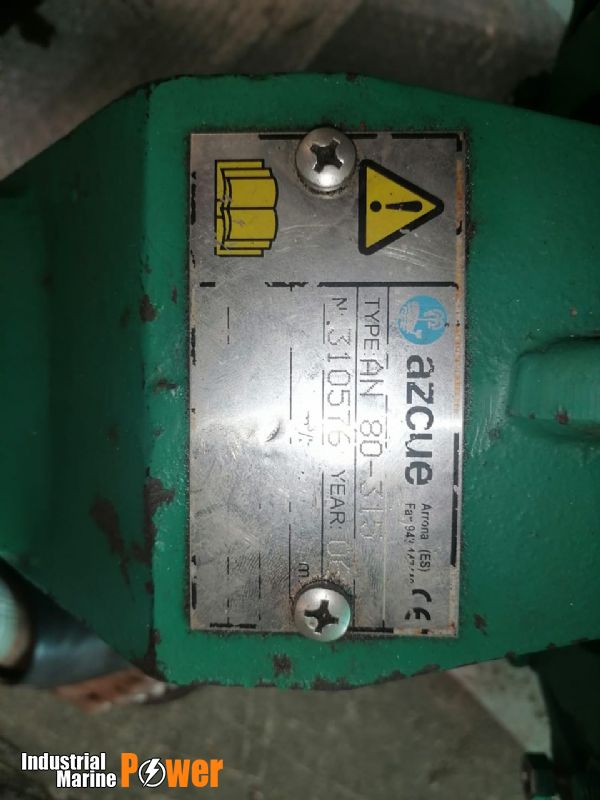
- Poor suction conditions, blockage or air ingress cause low flow, cavitation-like noise or unstable discharge
- Seal, packing or gasket wear causes visible leakage and falling system pressure
- Bearing, shaft or coupling wear causes vibration, abnormal noise or rising temperature
- Impeller, screw or other pumping-element wear or fouling reduces capacity and may increase drive load
- Motor, hydraulic-drive, valve or control faults cause failure to start, reduced speed or protective trips
- Bronze impeller offers excellent corrosion resistance in seawater
- Compact footprint fits typical engine room layouts
- Straight‑forward maintenance with accessible wear parts
- Proven track record in medium‑size cargo vessels
- Compatible with standard IMO Ballast Water Management system configurations
- Wear ring erosion can occur if operating close to design limits
- Shaft sleeve corrosion reported when protective coatings degrade
- Cavitation damage possible without adequate NPSH margin
- Flow capacity may be limited for very large tankers or high‑speed ballast cycles
- Requires regular inspection of impeller and wear components
Behrens (Schoenrock)
1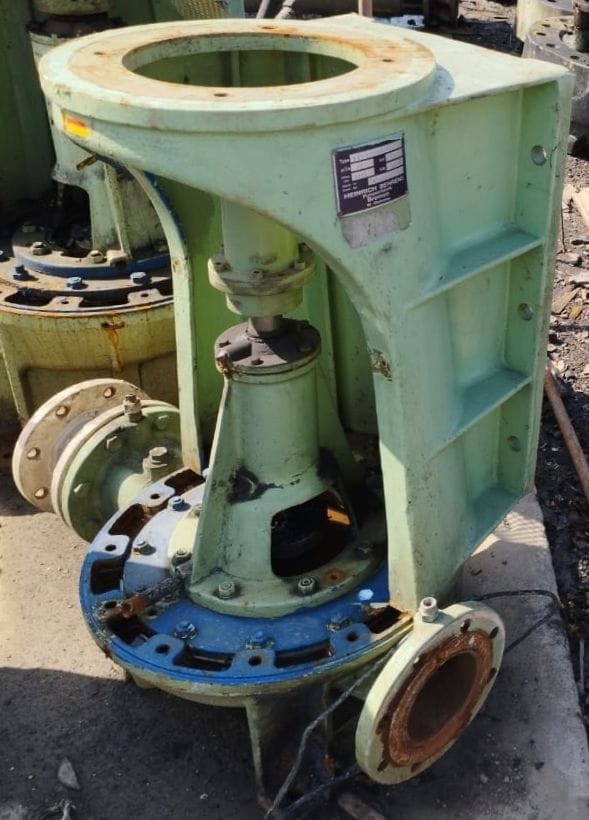
- 65
- 80
- 100
- 125
- 150
- 200
- 250
- 50
- 1500
- 10
- 75
- Aged seals
- Bearing wear
- Impeller erosion
- Casing wear
Bornemann (Itron Group)
1- 80
- 100
- 125
- 150
- 200
- 250
- 300
- 50
- 2000
- 10
- 150
- Screw flank wear from abrasive solids
- Mechanical seal leakage
- Timing gear wear
- Bearing wear from misalignment
Bryan Donkin
1- 80
- 100
- 125
- 150
- 200
- 250
- 100
- 2000
- 10
- 75
- Aged sealing technology
- Bearing wear after decades
- Impeller erosion
- Casing wear
Drysdale
1- 80
- 100
- 125
- 150
- 200
- 250
- 100
- 2000
- 10
- 80
- Aged technology — frequent seal/packing renewal
- Bearing wear
- Impeller corrosion
- Casing erosion
Ebara
1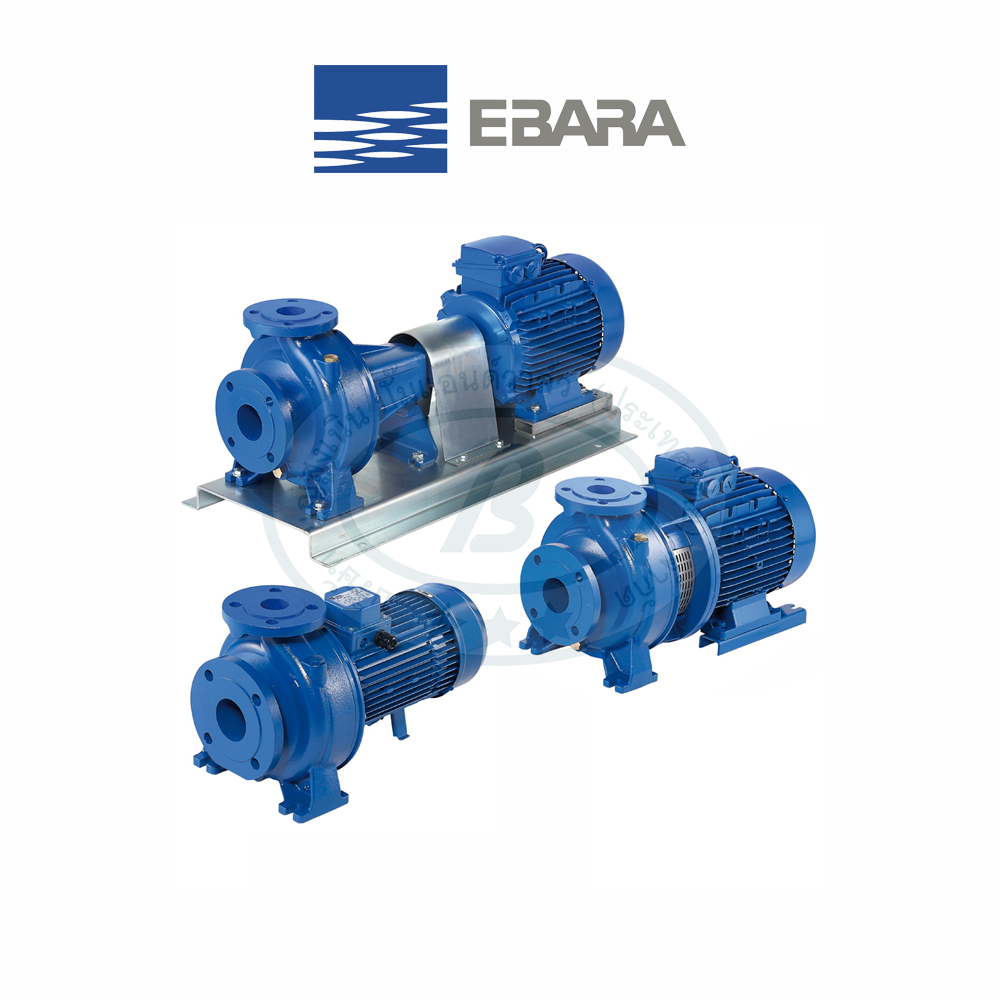
- 50
- 65
- 80
- 100
- 125
- 150
- 200
- 250
- 300
- 50
- 2500
- 10
- 80
- Mechanical seal leakage
- Bearing wear
- Impeller wear
- Cavitation damage
Flowserve (SIHI)
1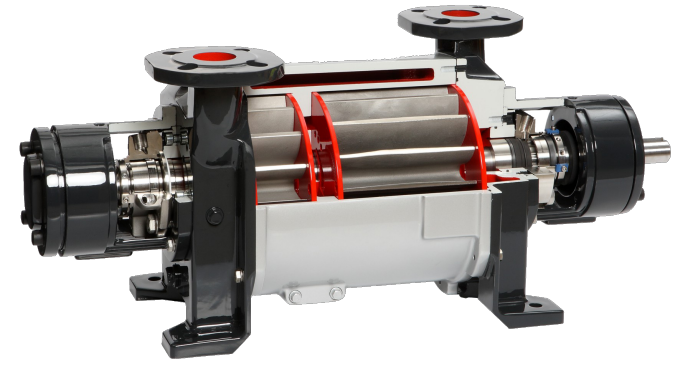
- 40
- 50
- 65
- 80
- 100
- 125
- 150
- 30
- 800
- 10
- 150
- Mechanical seal failure under cavitation
- Stage wear
- Bearing wear
- Self-priming failure from suction-side air leakage
Hayward Tyler
1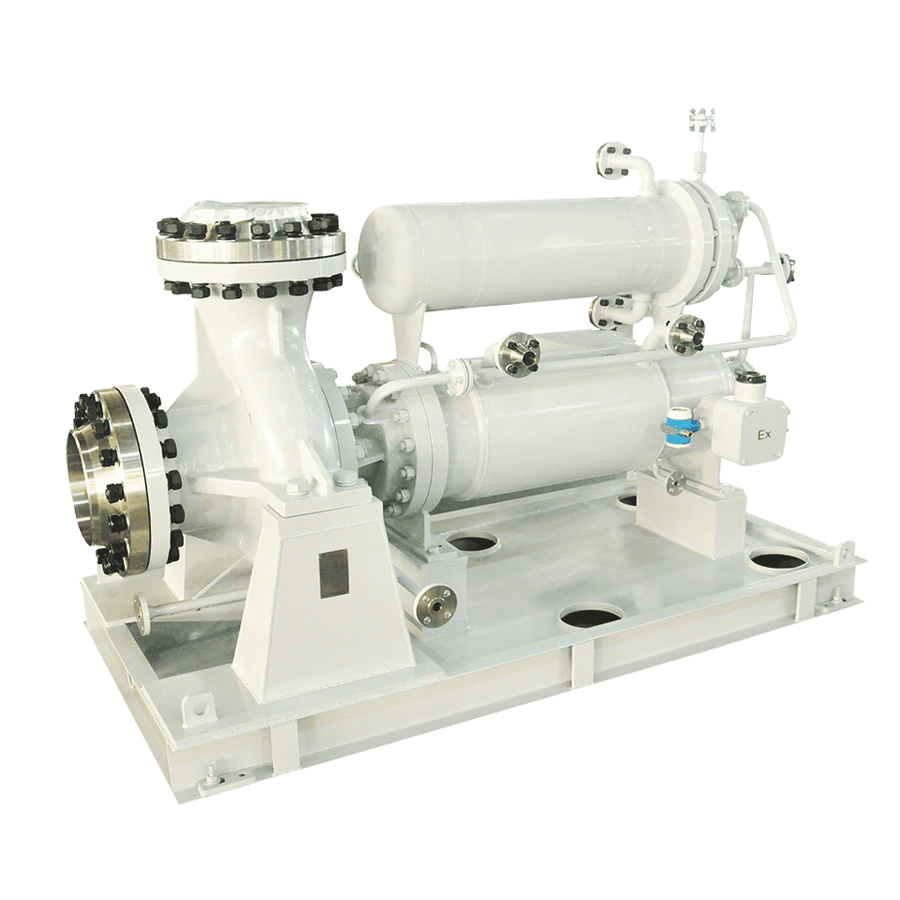
- 50
- 65
- 80
- 100
- 125
- 150
- 200
- 50
- 1500
- 10
- 80
- Stator winding insulation degradation
- Sleeve bearing wear (water lubricated)
- Internal recirculation wear
- Motor encapsulation seal failure
Heishin Pump (Sulzer)
1
- 100
- 125
- 150
- 200
- 250
- 300
- 350
- 100
- 2500
- 10
- 80
- Mechanical seal degradation
- Vertical bearing wear
- Impeller wear
- Coupling alignment loss
Hyup Sung Pump
1
- 80
- 100
- 125
- 150
- 200
- 250
- 300
- 100
- 2500
- 10
- 80
- Mechanical seal leakage
- Bearing wear
- Impeller wear
- Casing erosion
IMO
1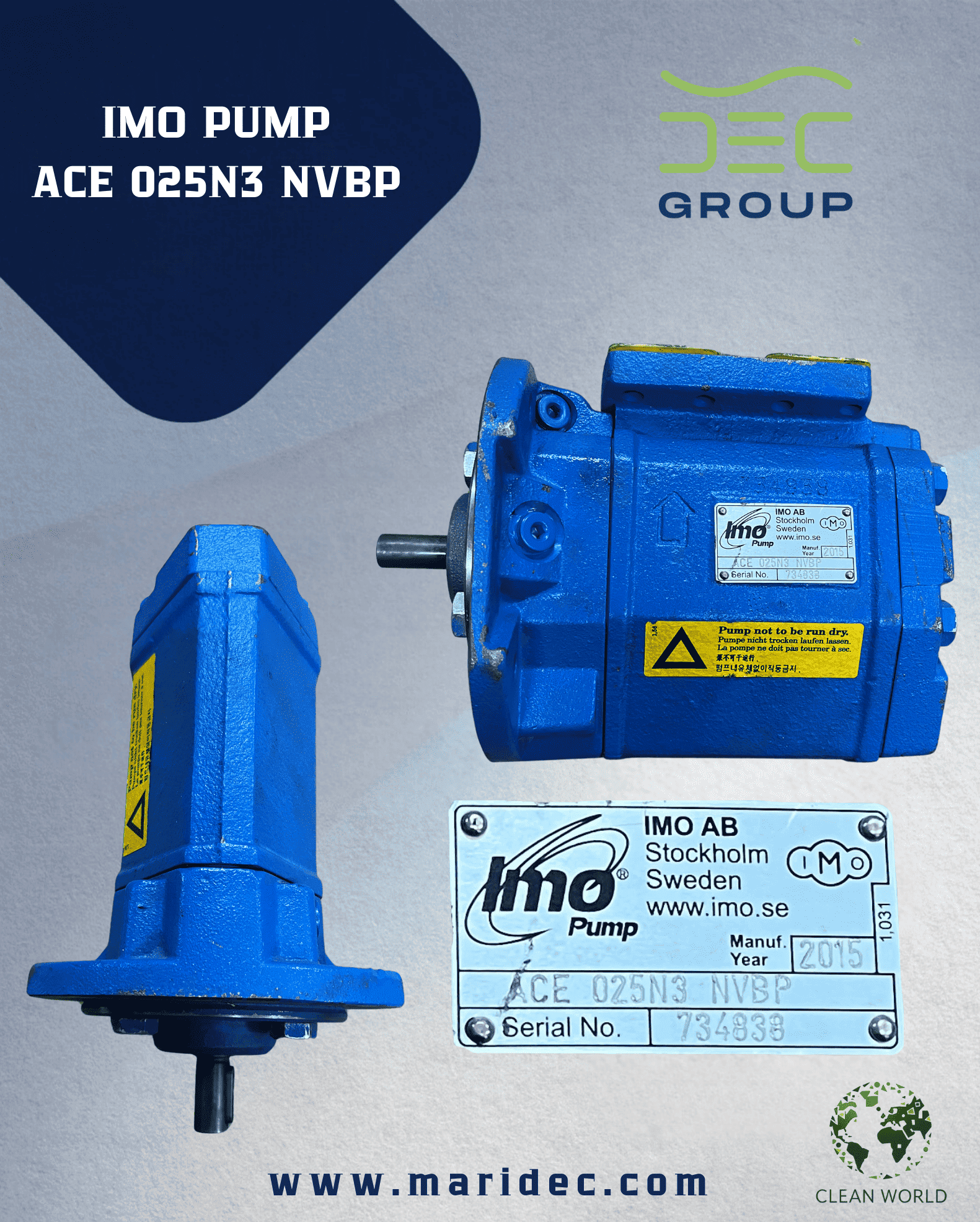
- Mechanical-seal leakage caused by worn faces, damaged elastomers or shaft movement, noticed as leakage at the seal housing
- Bearing wear or lubrication deterioration, noticed as increasing noise, temperature or vibration
- Impeller erosion, corrosion or fouling, noticed as reduced flow or discharge pressure
- Cavitation caused by restricted suction, air ingress or unfavorable operating conditions, noticed as crackling noise, vibration and unstable delivery
- Coupling or alignment deterioration, where applicable, noticed as recurring vibration or accelerated bearing and seal wear
- High flow rate
- Low energy consumption
- Compact design
- Potential for seal leakage and impeller damage if not properly maintained
- May require frequent replacement of sacrificial anodes
Iron Eagle (Dongil Pump)
1
- 80
- 100
- 125
- 150
- 200
- 250
- 300
- 400
- 100
- 3000
- 10
- 90
- Mechanical seal leakage
- Bearing wear
- Impeller erosion
- Casing wear
ITT Goulds Pumps
1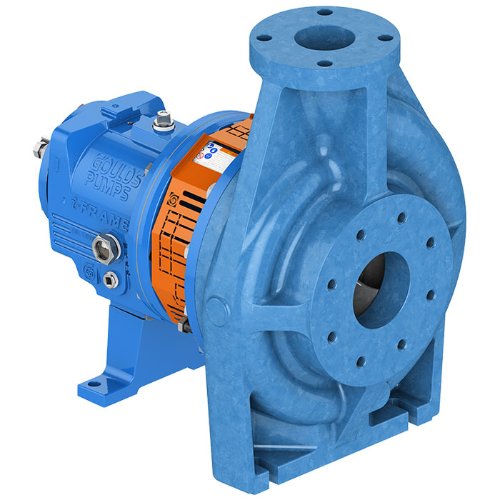
- 40
- 50
- 80
- 100
- 125
- 150
- 200
- 250
- 40
- 1500
- 10
- 150
- Mechanical seal failure
- Bearing housing oil leakage
- Impeller wear
- Cavitation damage
Iwaki Pumps
1- 25
- 32
- 40
- 50
- 65
- 80
- 100
- 5
- 200
- 5
- 50
- Magnet decoupling under overload
- Sleeve bearing wear
- Inner-magnet impeller wear
- Containment shell wear
Kawasaki
1- 150
- 200
- 250
- 300
- 400
- 500
- 300
- 4500
- 15
- 90
- Vertical shaft bearing wear
- Mechanical seal degradation
- Impeller wear
- Coupling alignment loss
Klaus Union
1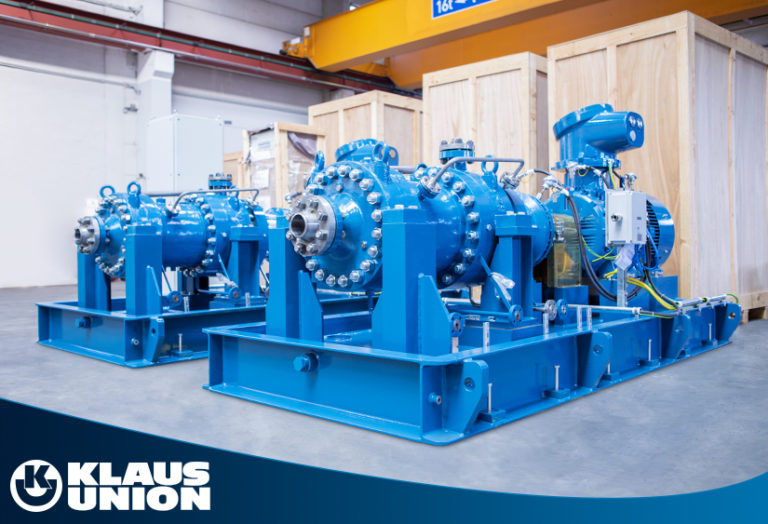
- 40
- 50
- 65
- 80
- 100
- 125
- 150
- 30
- 500
- 10
- 90
- Magnetic coupling failure under thermal cycling
- Sleeve bearing wear
- Containment can wear
- Internal corrosion
Lyngsø Marine
1- 65
- 80
- 100
- 125
- 150
- 200
- 250
- 50
- 1500
- 10
- 70
- Mechanical seal leakage
- Bearing wear
- Impeller corrosion
- Casing wear
Marflex
1
- 100
- 125
- 150
- 200
- 250
- 300
- 100
- 2500
- 20
- 150
- Submerged motor seal leakage
- Stator winding insulation failure
- Impeller wear in cargo service
- Cable joint corrosion
Mitsubishi
1- 200
- 250
- 300
- 350
- 400
- 500
- 500
- 6000
- 15
- 100
- Mechanical seal failure
- Bearing wear
- Impeller erosion
- Casing flange leakage
Nikkiso
1- 40
- 50
- 65
- 80
- 100
- 125
- 150
- 200
- 30
- 1500
- 10
- 150
- Sleeve bearing wear (water/cargo lubricated)
- Stator insulation degradation
- Internal recirculation wear
- Cooling-flow blockage
Plenty Mirrlees
1
- 80
- 100
- 125
- 150
- 200
- 250
- 300
- 100
- 2500
- 10
- 80
- Aged mechanical seals
- Bearing wear after decades
- Impeller wear/corrosion
- Casing erosion
Shanghai Liansheng Pump
1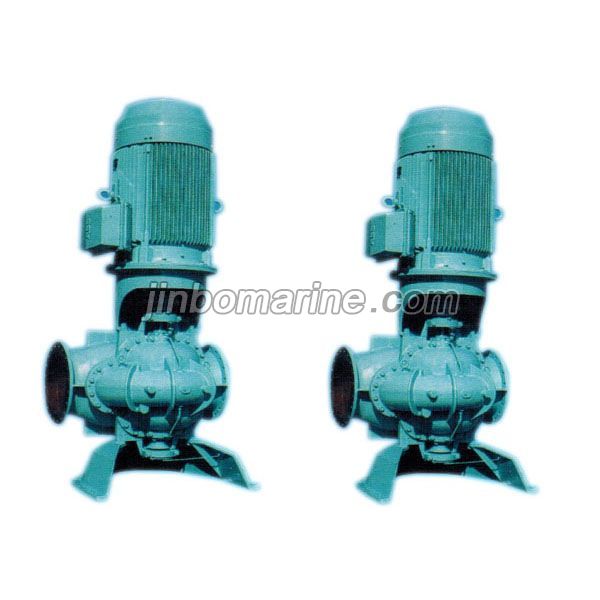
- 65
- 80
- 100
- 125
- 150
- 200
- 250
- 300
- 50
- 2500
- 10
- 80
- Mechanical-seal leakage caused by worn faces, damaged elastomers or shaft movement, noticed as leakage at the seal housing
- Bearing wear or lubrication deterioration, noticed as increasing noise, temperature or vibration
- Impeller erosion, corrosion or fouling, noticed as reduced flow or discharge pressure
- Cavitation caused by restricted suction, air ingress or unfavorable operating conditions, noticed as crackling noise, vibration and unstable delivery
- Coupling or alignment deterioration, where applicable, noticed as recurring vibration or accelerated bearing and seal wear
SVANEHØJ
1
- 100
- 150
- 200
- 250
- 300
- 400
- 100
- 3000
- 20
- 150
- Mechanical seal leakage at deck-seal arrangement
- Line shaft bearing wear
- Vibration from misalignment
- Impeller corrosion in seawater
THUNE-EUREKA
1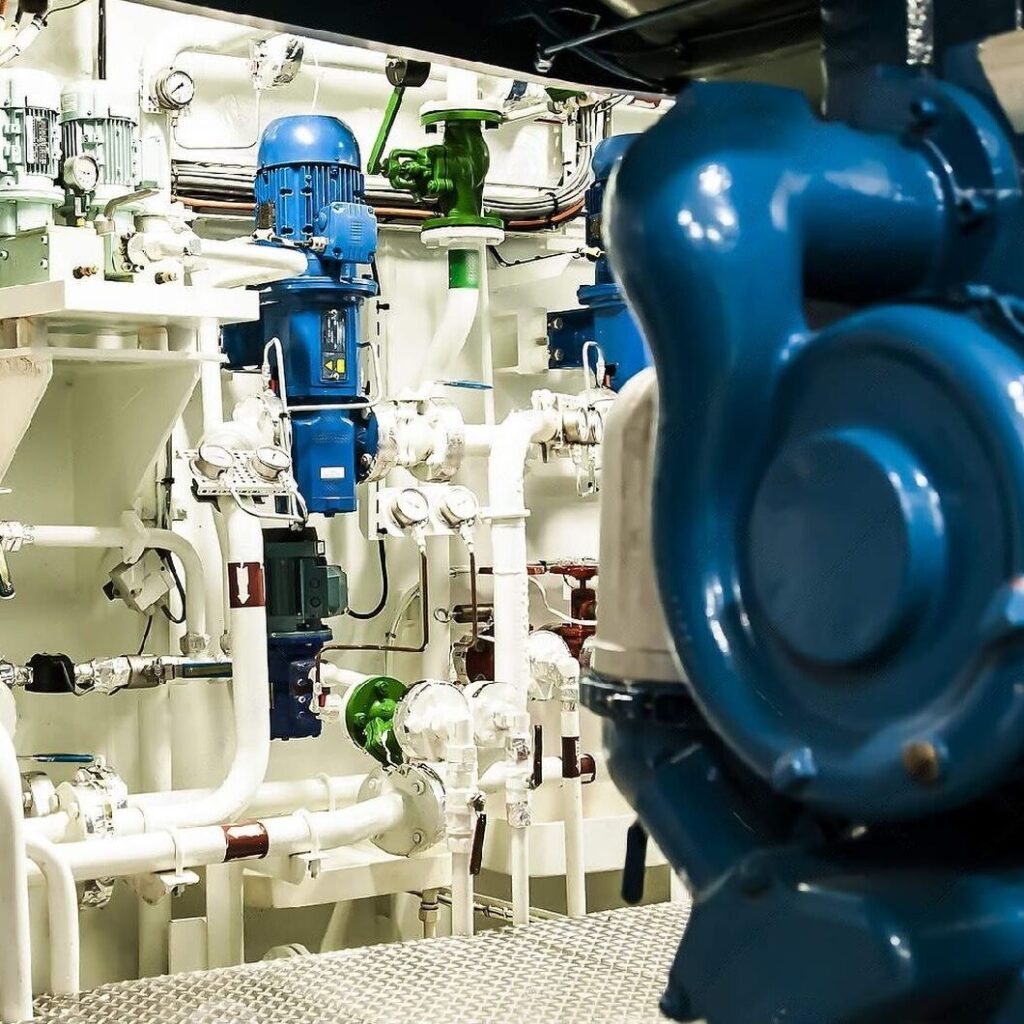
- 100
- 125
- 150
- 200
- 250
- 300
- 400
- 500
- 150
- 3500
- 10
- 80
- Mechanical seal aged technology — frequent leakage
- Vertical bearing wear after 30+ years
- Impeller wear/corrosion
- Casing flange gasket leakage
Wilo Marine
1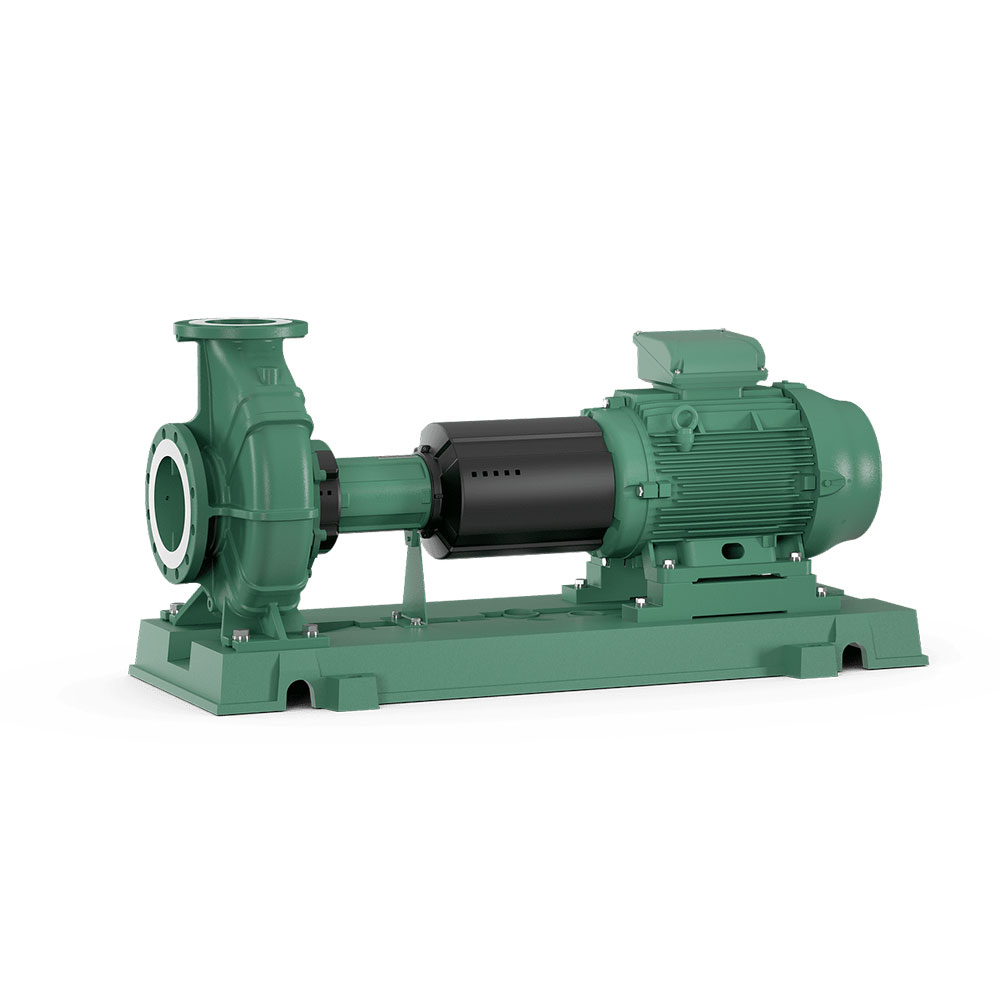
- 40
- 50
- 65
- 80
- 100
- 125
- 150
- 30
- 800
- 10
- 80
- Mechanical seal leakage
- Motor bearing wear
- Impeller wear
- Coupling alignment issues
Worthington
1
- 80
- 100
- 125
- 150
- 200
- 250
- 300
- 400
- 100
- 3000
- 10
- 90
- Aged seals/packing
- Bearing wear
- Impeller wear/corrosion
- Casing erosion
Yong-Lin Machinery
1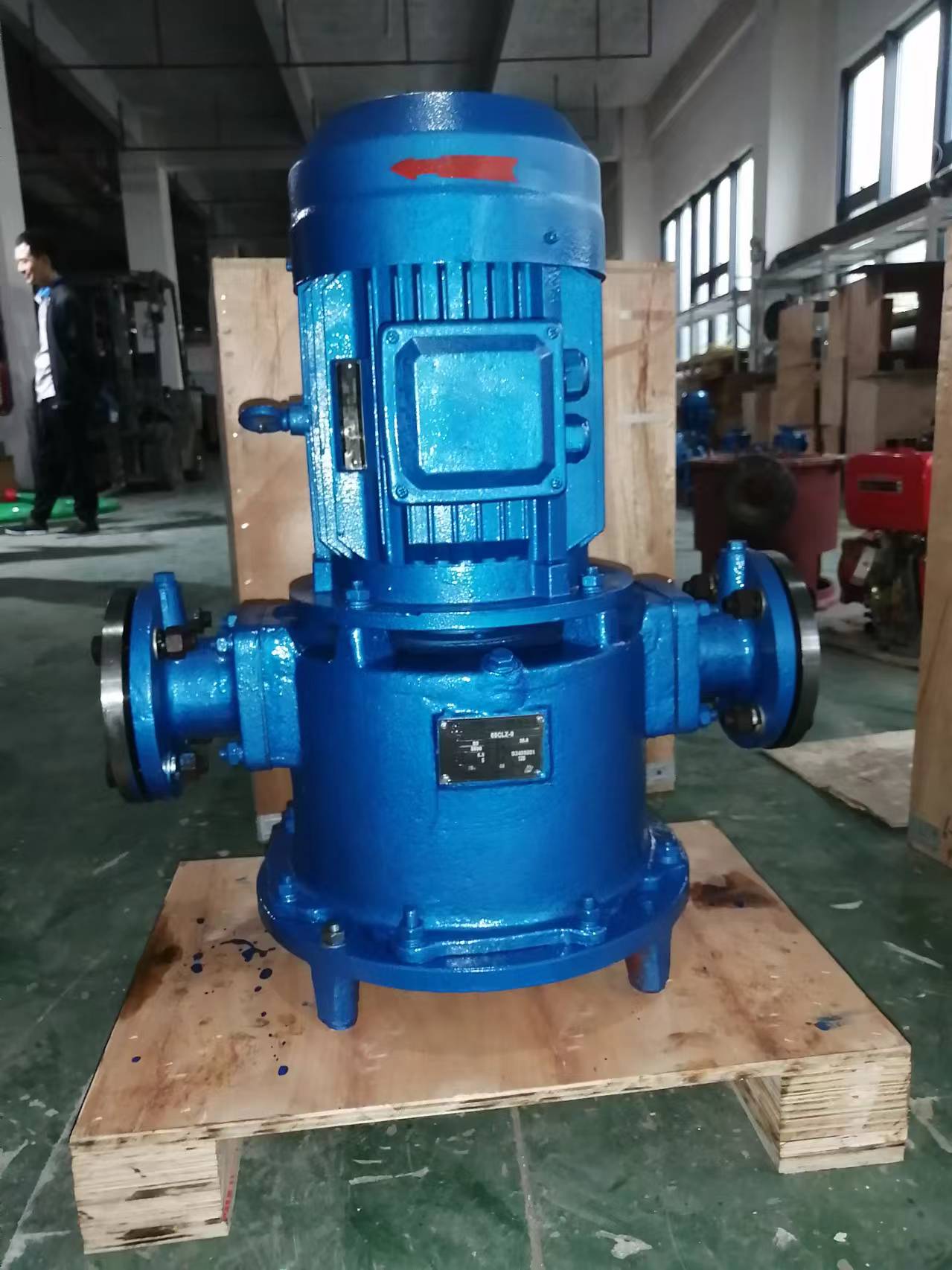
- 80
- 100
- 125
- 150
- 200
- 250
- 300
- 400
- 100
- 3000
- 10
- 80
- Mechanical seal leakage
- Bearing wear
- Impeller erosion
- Casing wear