Fuel Oil Transfer Pump
A fuel oil transfer pump moves fuel between storage, settling and service tanks and has to keep working on heavy fuel oil at viscosities that would stall a centrifugal design, which is why positive displacement types dominate this duty.
Read more — Fuel Oil Transfer Pump explained ▾
What defines this type
A fuel oil transfer pump moves fuel between storage, settling and service tanks at low to moderate pressure and modest flow — its job is inventory management within the tank system, not feeding fuel to an engine under injection pressure. That distinguishes it from fuel injection or booster pumps further down the fuel line: a transfer pump has to handle heavy fuel oil at viscosities that would stall a centrifugal design, so positive displacement types dominate this duty.
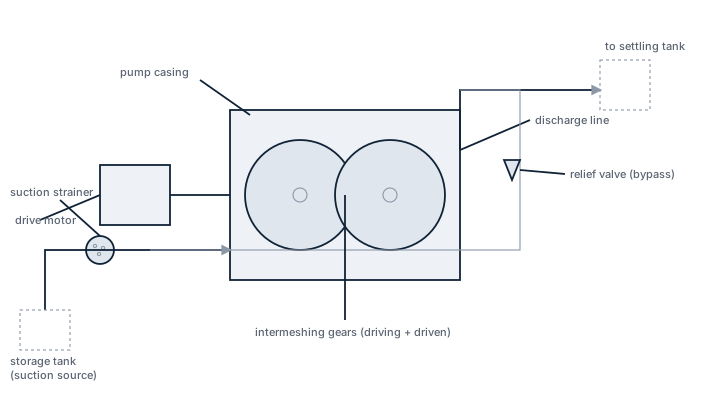
Main components
Pump element
Almost always a rotary positive displacement type — external gear or screw pump — chosen because it maintains flow at the high viscosities heavy fuel oil reaches when cold, which a centrifugal pump cannot do without losing efficiency and priming reliably.
Relief valve
A positive displacement pump generates rising pressure against any closed or blocked downstream valve, so an internal or external relief valve set to bypass back to suction is fitted as standard, not an optional safety add-on.
Suction strainer
A duplex or single basket strainer ahead of the pump protects the close internal clearances of the gear or screw elements from tank sludge, sediment and welding debris that heavy fuel tanks accumulate over years of service.
Heating arrangement
Many transfer pumps handling heavy fuel oil carry a steam or thermal-oil heating jacket on the pump casing itself, keeping the fuel inside the pump above its pour point during standstill so the unit does not have to break loose a solidified plug on start-up.
Selection / Sizing
| Parameter | Why it matters |
|---|---|
| Capacity (m3/h) | Set by required tank transfer time, not engine consumption rate |
| Viscosity range | Must cover cold HFO at standstill through to pre-heated transfer temperature |
| Discharge pressure | Set by pipe run length and any settling tank elevation |
| NPSH available | Low suction head from tank bottom suctions limits pump speed selection |
| Seal type | Mechanical seal material must suit fuel type and temperature |
Sizing is normally set to complete a full tank-to-tank transfer within a watch period rather than continuously, so capacity is chosen against operational routine, and viscosity range is checked against the coldest fuel the pump will ever see, including a cold-ship start after a long lay-up.
Regulations / Class
MARPOL Annex I governs oil transfer procedures and requires a documented shipboard oil transfer procedure covering the equipment used, including transfer pumps, with remote emergency stops reachable from outside the pump space required by class rules so a spill can be stopped without entering a compartment that may already be contaminated. Class societies typically require duplicate transfer pump capacity, or a demonstrated alternative means of transfer, so a single pump failure cannot strand fuel in a tank the engine needs to draw from. High level alarms on receiving tanks are a standard companion requirement, not a feature of the pump itself, and are cross-checked at survey against the transfer procedure documentation.
Typical faults
- Air lock on suction — a partially empty suction line or a leaking suction joint lets a positive displacement pump lose prime; unlike a centrifugal pump it will not usually re-prime itself against any real suction lift.
- Strainer clogging — sludge from tank bottoms builds differential pressure across the strainer, starving the pump and showing up first as reduced transfer rate rather than an outright stoppage.
- Seal wear — abrasive catalytic fines in heavy fuel oil wear mechanical seal faces faster than the fuel's own lubricating properties would suggest, and slow seepage often goes unnoticed until a drip tray alarm trips.
- Gear or rotor wear from cold starts — starting a positive displacement pump against unheated, highly viscous fuel accelerates internal clearance wear and can overload the drive motor.
- Relief valve stuck closed — a seized relief valve turns a blocked downstream line into an overpressure event on the pump casing or piping instead of a harmless bypass.
What to look for in a supplier
- A stated viscosity operating range that actually spans the ship's coldest expected fuel temperature, not just a typical mid-range figure.
- Mechanical seal material compatible with both distillate and heavy fuel oil if the vessel switches fuel grades for emission control area entry.
- ATEX or equivalent explosion-protected motor rating where the pump sits in a classified hazardous area.
- Spares availability for wear parts — gears, seals, strainer baskets — rather than only complete pump replacement.
Never throttle a positive displacement transfer pump by closing a discharge valve to control flow — use the relief valve bypass or a variable speed drive, because a blocked discharge on this pump type builds pressure until something gives, not until the flow simply stops.
Typical Manufacturers
29 manufacturers · 105 models
IMO/Colfax
25 ✓ 25 verified- Area: Shaft seal leakage or weepageCheck: Examine shaft seals quarterly for visible fuel weepage at the pump gland; replace V-seals or T-seals if leakage detected to prevent air intake or fuel loss
- Area: Excessive vibration or noise indicating bearing wear, cavitation, or misalignmentCheck: Monitor pump operation for unusual vibrations and audible noise; perform vibration analysis to detect imbalances, misalignment, and bearing degradation; investigate any abnormal acoustic signatures
- Area: Pressure drop or flow reduction signifying clogging, cavitation, or internal wearCheck: Monitor discharge pressure gauges for sudden drops; verify suction line is properly sized and free of restrictions; check for cavitation signatures (formation and collapse of vapor bubbles); perform hydrostatic pressure testing of pump and piping annually
- Area: Bearing lubrication degradationCheck: Lubricate pump bearings through grease fitting every 500 operating hours; inspect grease condition and replenish lubricating oil in self-priming reservoir; verify proper bearing temperature during operation
- Area: Suction cavitation reducing pump performance and damaging internal componentsCheck: Verify suction line design meets pump requirements and is free from restrictions; confirm adequate NPSH (Net Positive Suction Head) available; monitor for pressure fluctuations at inlet; inspect pump internals for erosion or pitting damage indicative of prior cavitation events
Typ-universelle Inspektionspunkte fuer Pumps (verifiziert, 2026-06).
- Area: Shaft seal leakage or weepageCheck: Examine shaft seals quarterly for visible fuel weepage at the pump gland; replace V-seals or T-seals if leakage detected to prevent air intake or fuel loss
- Area: Excessive vibration or noise indicating bearing wear, cavitation, or misalignmentCheck: Monitor pump operation for unusual vibrations and audible noise; perform vibration analysis to detect imbalances, misalignment, and bearing degradation; investigate any abnormal acoustic signatures
- Area: Pressure drop or flow reduction signifying clogging, cavitation, or internal wearCheck: Monitor discharge pressure gauges for sudden drops; verify suction line is properly sized and free of restrictions; check for cavitation signatures (formation and collapse of vapor bubbles); perform hydrostatic pressure testing of pump and piping annually
- Area: Bearing lubrication degradationCheck: Lubricate pump bearings through grease fitting every 500 operating hours; inspect grease condition and replenish lubricating oil in self-priming reservoir; verify proper bearing temperature during operation
- Area: Suction cavitation reducing pump performance and damaging internal componentsCheck: Verify suction line design meets pump requirements and is free from restrictions; confirm adequate NPSH (Net Positive Suction Head) available; monitor for pressure fluctuations at inlet; inspect pump internals for erosion or pitting damage indicative of prior cavitation events
Typ-universelle Inspektionspunkte fuer Pumps (verifiziert, 2026-06).
- Area: Shaft seal leakage or weepageCheck: Examine shaft seals quarterly for visible fuel weepage at the pump gland; replace V-seals or T-seals if leakage detected to prevent air intake or fuel loss
- Area: Excessive vibration or noise indicating bearing wear, cavitation, or misalignmentCheck: Monitor pump operation for unusual vibrations and audible noise; perform vibration analysis to detect imbalances, misalignment, and bearing degradation; investigate any abnormal acoustic signatures
- Area: Pressure drop or flow reduction signifying clogging, cavitation, or internal wearCheck: Monitor discharge pressure gauges for sudden drops; verify suction line is properly sized and free of restrictions; check for cavitation signatures (formation and collapse of vapor bubbles); perform hydrostatic pressure testing of pump and piping annually
- Area: Bearing lubrication degradationCheck: Lubricate pump bearings through grease fitting every 500 operating hours; inspect grease condition and replenish lubricating oil in self-priming reservoir; verify proper bearing temperature during operation
- Area: Suction cavitation reducing pump performance and damaging internal componentsCheck: Verify suction line design meets pump requirements and is free from restrictions; confirm adequate NPSH (Net Positive Suction Head) available; monitor for pressure fluctuations at inlet; inspect pump internals for erosion or pitting damage indicative of prior cavitation events
Typ-universelle Inspektionspunkte fuer Pumps (verifiziert, 2026-06).
- Area: Shaft seal leakage or weepageCheck: Examine shaft seals quarterly for visible fuel weepage at the pump gland; replace V-seals or T-seals if leakage detected to prevent air intake or fuel loss
- Area: Excessive vibration or noise indicating bearing wear, cavitation, or misalignmentCheck: Monitor pump operation for unusual vibrations and audible noise; perform vibration analysis to detect imbalances, misalignment, and bearing degradation; investigate any abnormal acoustic signatures
- Area: Pressure drop or flow reduction signifying clogging, cavitation, or internal wearCheck: Monitor discharge pressure gauges for sudden drops; verify suction line is properly sized and free of restrictions; check for cavitation signatures (formation and collapse of vapor bubbles); perform hydrostatic pressure testing of pump and piping annually
- Area: Bearing lubrication degradationCheck: Lubricate pump bearings through grease fitting every 500 operating hours; inspect grease condition and replenish lubricating oil in self-priming reservoir; verify proper bearing temperature during operation
- Area: Suction cavitation reducing pump performance and damaging internal componentsCheck: Verify suction line design meets pump requirements and is free from restrictions; confirm adequate NPSH (Net Positive Suction Head) available; monitor for pressure fluctuations at inlet; inspect pump internals for erosion or pitting damage indicative of prior cavitation events
Typ-universelle Inspektionspunkte fuer Pumps (verifiziert, 2026-06).
- Area: Shaft seal leakage or weepageCheck: Examine shaft seals quarterly for visible fuel weepage at the pump gland; replace V-seals or T-seals if leakage detected to prevent air intake or fuel loss
- Area: Excessive vibration or noise indicating bearing wear, cavitation, or misalignmentCheck: Monitor pump operation for unusual vibrations and audible noise; perform vibration analysis to detect imbalances, misalignment, and bearing degradation; investigate any abnormal acoustic signatures
- Area: Pressure drop or flow reduction signifying clogging, cavitation, or internal wearCheck: Monitor discharge pressure gauges for sudden drops; verify suction line is properly sized and free of restrictions; check for cavitation signatures (formation and collapse of vapor bubbles); perform hydrostatic pressure testing of pump and piping annually
- Area: Bearing lubrication degradationCheck: Lubricate pump bearings through grease fitting every 500 operating hours; inspect grease condition and replenish lubricating oil in self-priming reservoir; verify proper bearing temperature during operation
- Area: Suction cavitation reducing pump performance and damaging internal componentsCheck: Verify suction line design meets pump requirements and is free from restrictions; confirm adequate NPSH (Net Positive Suction Head) available; monitor for pressure fluctuations at inlet; inspect pump internals for erosion or pitting damage indicative of prior cavitation events
Typ-universelle Inspektionspunkte fuer Pumps (verifiziert, 2026-06).
- Area: Shaft seal leakage or weepageCheck: Examine shaft seals quarterly for visible fuel weepage at the pump gland; replace V-seals or T-seals if leakage detected to prevent air intake or fuel loss
- Area: Excessive vibration or noise indicating bearing wear, cavitation, or misalignmentCheck: Monitor pump operation for unusual vibrations and audible noise; perform vibration analysis to detect imbalances, misalignment, and bearing degradation; investigate any abnormal acoustic signatures
- Area: Pressure drop or flow reduction signifying clogging, cavitation, or internal wearCheck: Monitor discharge pressure gauges for sudden drops; verify suction line is properly sized and free of restrictions; check for cavitation signatures (formation and collapse of vapor bubbles); perform hydrostatic pressure testing of pump and piping annually
- Area: Bearing lubrication degradationCheck: Lubricate pump bearings through grease fitting every 500 operating hours; inspect grease condition and replenish lubricating oil in self-priming reservoir; verify proper bearing temperature during operation
- Area: Suction cavitation reducing pump performance and damaging internal componentsCheck: Verify suction line design meets pump requirements and is free from restrictions; confirm adequate NPSH (Net Positive Suction Head) available; monitor for pressure fluctuations at inlet; inspect pump internals for erosion or pitting damage indicative of prior cavitation events
Typ-universelle Inspektionspunkte fuer Pumps (verifiziert, 2026-06).
- Area: Shaft seal leakage or weepageCheck: Examine shaft seals quarterly for visible fuel weepage at the pump gland; replace V-seals or T-seals if leakage detected to prevent air intake or fuel loss
- Area: Excessive vibration or noise indicating bearing wear, cavitation, or misalignmentCheck: Monitor pump operation for unusual vibrations and audible noise; perform vibration analysis to detect imbalances, misalignment, and bearing degradation; investigate any abnormal acoustic signatures
- Area: Pressure drop or flow reduction signifying clogging, cavitation, or internal wearCheck: Monitor discharge pressure gauges for sudden drops; verify suction line is properly sized and free of restrictions; check for cavitation signatures (formation and collapse of vapor bubbles); perform hydrostatic pressure testing of pump and piping annually
- Area: Bearing lubrication degradationCheck: Lubricate pump bearings through grease fitting every 500 operating hours; inspect grease condition and replenish lubricating oil in self-priming reservoir; verify proper bearing temperature during operation
- Area: Suction cavitation reducing pump performance and damaging internal componentsCheck: Verify suction line design meets pump requirements and is free from restrictions; confirm adequate NPSH (Net Positive Suction Head) available; monitor for pressure fluctuations at inlet; inspect pump internals for erosion or pitting damage indicative of prior cavitation events
Typ-universelle Inspektionspunkte fuer Pumps (verifiziert, 2026-06).
- Area: Shaft seal leakage or weepageCheck: Examine shaft seals quarterly for visible fuel weepage at the pump gland; replace V-seals or T-seals if leakage detected to prevent air intake or fuel loss
- Area: Excessive vibration or noise indicating bearing wear, cavitation, or misalignmentCheck: Monitor pump operation for unusual vibrations and audible noise; perform vibration analysis to detect imbalances, misalignment, and bearing degradation; investigate any abnormal acoustic signatures
- Area: Pressure drop or flow reduction signifying clogging, cavitation, or internal wearCheck: Monitor discharge pressure gauges for sudden drops; verify suction line is properly sized and free of restrictions; check for cavitation signatures (formation and collapse of vapor bubbles); perform hydrostatic pressure testing of pump and piping annually
- Area: Bearing lubrication degradationCheck: Lubricate pump bearings through grease fitting every 500 operating hours; inspect grease condition and replenish lubricating oil in self-priming reservoir; verify proper bearing temperature during operation
- Area: Suction cavitation reducing pump performance and damaging internal componentsCheck: Verify suction line design meets pump requirements and is free from restrictions; confirm adequate NPSH (Net Positive Suction Head) available; monitor for pressure fluctuations at inlet; inspect pump internals for erosion or pitting damage indicative of prior cavitation events
Typ-universelle Inspektionspunkte fuer Pumps (verifiziert, 2026-06).
- Area: Shaft seal leakage or weepageCheck: Examine shaft seals quarterly for visible fuel weepage at the pump gland; replace V-seals or T-seals if leakage detected to prevent air intake or fuel loss
- Area: Excessive vibration or noise indicating bearing wear, cavitation, or misalignmentCheck: Monitor pump operation for unusual vibrations and audible noise; perform vibration analysis to detect imbalances, misalignment, and bearing degradation; investigate any abnormal acoustic signatures
- Area: Pressure drop or flow reduction signifying clogging, cavitation, or internal wearCheck: Monitor discharge pressure gauges for sudden drops; verify suction line is properly sized and free of restrictions; check for cavitation signatures (formation and collapse of vapor bubbles); perform hydrostatic pressure testing of pump and piping annually
- Area: Bearing lubrication degradationCheck: Lubricate pump bearings through grease fitting every 500 operating hours; inspect grease condition and replenish lubricating oil in self-priming reservoir; verify proper bearing temperature during operation
- Area: Suction cavitation reducing pump performance and damaging internal componentsCheck: Verify suction line design meets pump requirements and is free from restrictions; confirm adequate NPSH (Net Positive Suction Head) available; monitor for pressure fluctuations at inlet; inspect pump internals for erosion or pitting damage indicative of prior cavitation events
Typ-universelle Inspektionspunkte fuer Pumps (verifiziert, 2026-06).
- Area: Shaft seal leakage or weepageCheck: Examine shaft seals quarterly for visible fuel weepage at the pump gland; replace V-seals or T-seals if leakage detected to prevent air intake or fuel loss
- Area: Excessive vibration or noise indicating bearing wear, cavitation, or misalignmentCheck: Monitor pump operation for unusual vibrations and audible noise; perform vibration analysis to detect imbalances, misalignment, and bearing degradation; investigate any abnormal acoustic signatures
- Area: Pressure drop or flow reduction signifying clogging, cavitation, or internal wearCheck: Monitor discharge pressure gauges for sudden drops; verify suction line is properly sized and free of restrictions; check for cavitation signatures (formation and collapse of vapor bubbles); perform hydrostatic pressure testing of pump and piping annually
- Area: Bearing lubrication degradationCheck: Lubricate pump bearings through grease fitting every 500 operating hours; inspect grease condition and replenish lubricating oil in self-priming reservoir; verify proper bearing temperature during operation
- Area: Suction cavitation reducing pump performance and damaging internal componentsCheck: Verify suction line design meets pump requirements and is free from restrictions; confirm adequate NPSH (Net Positive Suction Head) available; monitor for pressure fluctuations at inlet; inspect pump internals for erosion or pitting damage indicative of prior cavitation events
Typ-universelle Inspektionspunkte fuer Pumps (verifiziert, 2026-06).
- Area: Shaft seal leakage or weepageCheck: Examine shaft seals quarterly for visible fuel weepage at the pump gland; replace V-seals or T-seals if leakage detected to prevent air intake or fuel loss
- Area: Excessive vibration or noise indicating bearing wear, cavitation, or misalignmentCheck: Monitor pump operation for unusual vibrations and audible noise; perform vibration analysis to detect imbalances, misalignment, and bearing degradation; investigate any abnormal acoustic signatures
- Area: Pressure drop or flow reduction signifying clogging, cavitation, or internal wearCheck: Monitor discharge pressure gauges for sudden drops; verify suction line is properly sized and free of restrictions; check for cavitation signatures (formation and collapse of vapor bubbles); perform hydrostatic pressure testing of pump and piping annually
- Area: Bearing lubrication degradationCheck: Lubricate pump bearings through grease fitting every 500 operating hours; inspect grease condition and replenish lubricating oil in self-priming reservoir; verify proper bearing temperature during operation
- Area: Suction cavitation reducing pump performance and damaging internal componentsCheck: Verify suction line design meets pump requirements and is free from restrictions; confirm adequate NPSH (Net Positive Suction Head) available; monitor for pressure fluctuations at inlet; inspect pump internals for erosion or pitting damage indicative of prior cavitation events
Typ-universelle Inspektionspunkte fuer Pumps (verifiziert, 2026-06).
- Area: Shaft seal leakage or weepageCheck: Examine shaft seals quarterly for visible fuel weepage at the pump gland; replace V-seals or T-seals if leakage detected to prevent air intake or fuel loss
- Area: Excessive vibration or noise indicating bearing wear, cavitation, or misalignmentCheck: Monitor pump operation for unusual vibrations and audible noise; perform vibration analysis to detect imbalances, misalignment, and bearing degradation; investigate any abnormal acoustic signatures
- Area: Pressure drop or flow reduction signifying clogging, cavitation, or internal wearCheck: Monitor discharge pressure gauges for sudden drops; verify suction line is properly sized and free of restrictions; check for cavitation signatures (formation and collapse of vapor bubbles); perform hydrostatic pressure testing of pump and piping annually
- Area: Bearing lubrication degradationCheck: Lubricate pump bearings through grease fitting every 500 operating hours; inspect grease condition and replenish lubricating oil in self-priming reservoir; verify proper bearing temperature during operation
- Area: Suction cavitation reducing pump performance and damaging internal componentsCheck: Verify suction line design meets pump requirements and is free from restrictions; confirm adequate NPSH (Net Positive Suction Head) available; monitor for pressure fluctuations at inlet; inspect pump internals for erosion or pitting damage indicative of prior cavitation events
Typ-universelle Inspektionspunkte fuer Pumps (verifiziert, 2026-06).
- Area: Shaft seal leakage or weepageCheck: Examine shaft seals quarterly for visible fuel weepage at the pump gland; replace V-seals or T-seals if leakage detected to prevent air intake or fuel loss
- Area: Excessive vibration or noise indicating bearing wear, cavitation, or misalignmentCheck: Monitor pump operation for unusual vibrations and audible noise; perform vibration analysis to detect imbalances, misalignment, and bearing degradation; investigate any abnormal acoustic signatures
- Area: Pressure drop or flow reduction signifying clogging, cavitation, or internal wearCheck: Monitor discharge pressure gauges for sudden drops; verify suction line is properly sized and free of restrictions; check for cavitation signatures (formation and collapse of vapor bubbles); perform hydrostatic pressure testing of pump and piping annually
- Area: Bearing lubrication degradationCheck: Lubricate pump bearings through grease fitting every 500 operating hours; inspect grease condition and replenish lubricating oil in self-priming reservoir; verify proper bearing temperature during operation
- Area: Suction cavitation reducing pump performance and damaging internal componentsCheck: Verify suction line design meets pump requirements and is free from restrictions; confirm adequate NPSH (Net Positive Suction Head) available; monitor for pressure fluctuations at inlet; inspect pump internals for erosion or pitting damage indicative of prior cavitation events
Typ-universelle Inspektionspunkte fuer Pumps (verifiziert, 2026-06).
- Area: Shaft seal leakage or weepageCheck: Examine shaft seals quarterly for visible fuel weepage at the pump gland; replace V-seals or T-seals if leakage detected to prevent air intake or fuel loss
- Area: Excessive vibration or noise indicating bearing wear, cavitation, or misalignmentCheck: Monitor pump operation for unusual vibrations and audible noise; perform vibration analysis to detect imbalances, misalignment, and bearing degradation; investigate any abnormal acoustic signatures
- Area: Pressure drop or flow reduction signifying clogging, cavitation, or internal wearCheck: Monitor discharge pressure gauges for sudden drops; verify suction line is properly sized and free of restrictions; check for cavitation signatures (formation and collapse of vapor bubbles); perform hydrostatic pressure testing of pump and piping annually
- Area: Bearing lubrication degradationCheck: Lubricate pump bearings through grease fitting every 500 operating hours; inspect grease condition and replenish lubricating oil in self-priming reservoir; verify proper bearing temperature during operation
- Area: Suction cavitation reducing pump performance and damaging internal componentsCheck: Verify suction line design meets pump requirements and is free from restrictions; confirm adequate NPSH (Net Positive Suction Head) available; monitor for pressure fluctuations at inlet; inspect pump internals for erosion or pitting damage indicative of prior cavitation events
Typ-universelle Inspektionspunkte fuer Pumps (verifiziert, 2026-06).
- Area: Shaft seal leakage or weepageCheck: Examine shaft seals quarterly for visible fuel weepage at the pump gland; replace V-seals or T-seals if leakage detected to prevent air intake or fuel loss
- Area: Excessive vibration or noise indicating bearing wear, cavitation, or misalignmentCheck: Monitor pump operation for unusual vibrations and audible noise; perform vibration analysis to detect imbalances, misalignment, and bearing degradation; investigate any abnormal acoustic signatures
- Area: Pressure drop or flow reduction signifying clogging, cavitation, or internal wearCheck: Monitor discharge pressure gauges for sudden drops; verify suction line is properly sized and free of restrictions; check for cavitation signatures (formation and collapse of vapor bubbles); perform hydrostatic pressure testing of pump and piping annually
- Area: Bearing lubrication degradationCheck: Lubricate pump bearings through grease fitting every 500 operating hours; inspect grease condition and replenish lubricating oil in self-priming reservoir; verify proper bearing temperature during operation
- Area: Suction cavitation reducing pump performance and damaging internal componentsCheck: Verify suction line design meets pump requirements and is free from restrictions; confirm adequate NPSH (Net Positive Suction Head) available; monitor for pressure fluctuations at inlet; inspect pump internals for erosion or pitting damage indicative of prior cavitation events
Typ-universelle Inspektionspunkte fuer Pumps (verifiziert, 2026-06).
- Area: Shaft seal leakage or weepageCheck: Examine shaft seals quarterly for visible fuel weepage at the pump gland; replace V-seals or T-seals if leakage detected to prevent air intake or fuel loss
- Area: Excessive vibration or noise indicating bearing wear, cavitation, or misalignmentCheck: Monitor pump operation for unusual vibrations and audible noise; perform vibration analysis to detect imbalances, misalignment, and bearing degradation; investigate any abnormal acoustic signatures
- Area: Pressure drop or flow reduction signifying clogging, cavitation, or internal wearCheck: Monitor discharge pressure gauges for sudden drops; verify suction line is properly sized and free of restrictions; check for cavitation signatures (formation and collapse of vapor bubbles); perform hydrostatic pressure testing of pump and piping annually
- Area: Bearing lubrication degradationCheck: Lubricate pump bearings through grease fitting every 500 operating hours; inspect grease condition and replenish lubricating oil in self-priming reservoir; verify proper bearing temperature during operation
- Area: Suction cavitation reducing pump performance and damaging internal componentsCheck: Verify suction line design meets pump requirements and is free from restrictions; confirm adequate NPSH (Net Positive Suction Head) available; monitor for pressure fluctuations at inlet; inspect pump internals for erosion or pitting damage indicative of prior cavitation events
Typ-universelle Inspektionspunkte fuer Pumps (verifiziert, 2026-06).
- Area: Shaft seal leakage or weepageCheck: Examine shaft seals quarterly for visible fuel weepage at the pump gland; replace V-seals or T-seals if leakage detected to prevent air intake or fuel loss
- Area: Excessive vibration or noise indicating bearing wear, cavitation, or misalignmentCheck: Monitor pump operation for unusual vibrations and audible noise; perform vibration analysis to detect imbalances, misalignment, and bearing degradation; investigate any abnormal acoustic signatures
- Area: Pressure drop or flow reduction signifying clogging, cavitation, or internal wearCheck: Monitor discharge pressure gauges for sudden drops; verify suction line is properly sized and free of restrictions; check for cavitation signatures (formation and collapse of vapor bubbles); perform hydrostatic pressure testing of pump and piping annually
- Area: Bearing lubrication degradationCheck: Lubricate pump bearings through grease fitting every 500 operating hours; inspect grease condition and replenish lubricating oil in self-priming reservoir; verify proper bearing temperature during operation
- Area: Suction cavitation reducing pump performance and damaging internal componentsCheck: Verify suction line design meets pump requirements and is free from restrictions; confirm adequate NPSH (Net Positive Suction Head) available; monitor for pressure fluctuations at inlet; inspect pump internals for erosion or pitting damage indicative of prior cavitation events
Typ-universelle Inspektionspunkte fuer Pumps (verifiziert, 2026-06).
- Area: Shaft seal leakage or weepageCheck: Examine shaft seals quarterly for visible fuel weepage at the pump gland; replace V-seals or T-seals if leakage detected to prevent air intake or fuel loss
- Area: Excessive vibration or noise indicating bearing wear, cavitation, or misalignmentCheck: Monitor pump operation for unusual vibrations and audible noise; perform vibration analysis to detect imbalances, misalignment, and bearing degradation; investigate any abnormal acoustic signatures
- Area: Pressure drop or flow reduction signifying clogging, cavitation, or internal wearCheck: Monitor discharge pressure gauges for sudden drops; verify suction line is properly sized and free of restrictions; check for cavitation signatures (formation and collapse of vapor bubbles); perform hydrostatic pressure testing of pump and piping annually
- Area: Bearing lubrication degradationCheck: Lubricate pump bearings through grease fitting every 500 operating hours; inspect grease condition and replenish lubricating oil in self-priming reservoir; verify proper bearing temperature during operation
- Area: Suction cavitation reducing pump performance and damaging internal componentsCheck: Verify suction line design meets pump requirements and is free from restrictions; confirm adequate NPSH (Net Positive Suction Head) available; monitor for pressure fluctuations at inlet; inspect pump internals for erosion or pitting damage indicative of prior cavitation events
Typ-universelle Inspektionspunkte fuer Pumps (verifiziert, 2026-06).
- Area: Shaft seal leakage or weepageCheck: Examine shaft seals quarterly for visible fuel weepage at the pump gland; replace V-seals or T-seals if leakage detected to prevent air intake or fuel loss
- Area: Excessive vibration or noise indicating bearing wear, cavitation, or misalignmentCheck: Monitor pump operation for unusual vibrations and audible noise; perform vibration analysis to detect imbalances, misalignment, and bearing degradation; investigate any abnormal acoustic signatures
- Area: Pressure drop or flow reduction signifying clogging, cavitation, or internal wearCheck: Monitor discharge pressure gauges for sudden drops; verify suction line is properly sized and free of restrictions; check for cavitation signatures (formation and collapse of vapor bubbles); perform hydrostatic pressure testing of pump and piping annually
- Area: Bearing lubrication degradationCheck: Lubricate pump bearings through grease fitting every 500 operating hours; inspect grease condition and replenish lubricating oil in self-priming reservoir; verify proper bearing temperature during operation
- Area: Suction cavitation reducing pump performance and damaging internal componentsCheck: Verify suction line design meets pump requirements and is free from restrictions; confirm adequate NPSH (Net Positive Suction Head) available; monitor for pressure fluctuations at inlet; inspect pump internals for erosion or pitting damage indicative of prior cavitation events
Typ-universelle Inspektionspunkte fuer Pumps (verifiziert, 2026-06).
- Area: Shaft seal leakage or weepageCheck: Examine shaft seals quarterly for visible fuel weepage at the pump gland; replace V-seals or T-seals if leakage detected to prevent air intake or fuel loss
- Area: Excessive vibration or noise indicating bearing wear, cavitation, or misalignmentCheck: Monitor pump operation for unusual vibrations and audible noise; perform vibration analysis to detect imbalances, misalignment, and bearing degradation; investigate any abnormal acoustic signatures
- Area: Pressure drop or flow reduction signifying clogging, cavitation, or internal wearCheck: Monitor discharge pressure gauges for sudden drops; verify suction line is properly sized and free of restrictions; check for cavitation signatures (formation and collapse of vapor bubbles); perform hydrostatic pressure testing of pump and piping annually
- Area: Bearing lubrication degradationCheck: Lubricate pump bearings through grease fitting every 500 operating hours; inspect grease condition and replenish lubricating oil in self-priming reservoir; verify proper bearing temperature during operation
- Area: Suction cavitation reducing pump performance and damaging internal componentsCheck: Verify suction line design meets pump requirements and is free from restrictions; confirm adequate NPSH (Net Positive Suction Head) available; monitor for pressure fluctuations at inlet; inspect pump internals for erosion or pitting damage indicative of prior cavitation events
Typ-universelle Inspektionspunkte fuer Pumps (verifiziert, 2026-06).
- Area: Shaft seal leakage or weepageCheck: Examine shaft seals quarterly for visible fuel weepage at the pump gland; replace V-seals or T-seals if leakage detected to prevent air intake or fuel loss
- Area: Excessive vibration or noise indicating bearing wear, cavitation, or misalignmentCheck: Monitor pump operation for unusual vibrations and audible noise; perform vibration analysis to detect imbalances, misalignment, and bearing degradation; investigate any abnormal acoustic signatures
- Area: Pressure drop or flow reduction signifying clogging, cavitation, or internal wearCheck: Monitor discharge pressure gauges for sudden drops; verify suction line is properly sized and free of restrictions; check for cavitation signatures (formation and collapse of vapor bubbles); perform hydrostatic pressure testing of pump and piping annually
- Area: Bearing lubrication degradationCheck: Lubricate pump bearings through grease fitting every 500 operating hours; inspect grease condition and replenish lubricating oil in self-priming reservoir; verify proper bearing temperature during operation
- Area: Suction cavitation reducing pump performance and damaging internal componentsCheck: Verify suction line design meets pump requirements and is free from restrictions; confirm adequate NPSH (Net Positive Suction Head) available; monitor for pressure fluctuations at inlet; inspect pump internals for erosion or pitting damage indicative of prior cavitation events
Typ-universelle Inspektionspunkte fuer Pumps (verifiziert, 2026-06).
- Area: Shaft seal leakage or weepageCheck: Examine shaft seals quarterly for visible fuel weepage at the pump gland; replace V-seals or T-seals if leakage detected to prevent air intake or fuel loss
- Area: Excessive vibration or noise indicating bearing wear, cavitation, or misalignmentCheck: Monitor pump operation for unusual vibrations and audible noise; perform vibration analysis to detect imbalances, misalignment, and bearing degradation; investigate any abnormal acoustic signatures
- Area: Pressure drop or flow reduction signifying clogging, cavitation, or internal wearCheck: Monitor discharge pressure gauges for sudden drops; verify suction line is properly sized and free of restrictions; check for cavitation signatures (formation and collapse of vapor bubbles); perform hydrostatic pressure testing of pump and piping annually
- Area: Bearing lubrication degradationCheck: Lubricate pump bearings through grease fitting every 500 operating hours; inspect grease condition and replenish lubricating oil in self-priming reservoir; verify proper bearing temperature during operation
- Area: Suction cavitation reducing pump performance and damaging internal componentsCheck: Verify suction line design meets pump requirements and is free from restrictions; confirm adequate NPSH (Net Positive Suction Head) available; monitor for pressure fluctuations at inlet; inspect pump internals for erosion or pitting damage indicative of prior cavitation events
Typ-universelle Inspektionspunkte fuer Pumps (verifiziert, 2026-06).
- Area: Shaft seal leakage or weepageCheck: Examine shaft seals quarterly for visible fuel weepage at the pump gland; replace V-seals or T-seals if leakage detected to prevent air intake or fuel loss
- Area: Excessive vibration or noise indicating bearing wear, cavitation, or misalignmentCheck: Monitor pump operation for unusual vibrations and audible noise; perform vibration analysis to detect imbalances, misalignment, and bearing degradation; investigate any abnormal acoustic signatures
- Area: Pressure drop or flow reduction signifying clogging, cavitation, or internal wearCheck: Monitor discharge pressure gauges for sudden drops; verify suction line is properly sized and free of restrictions; check for cavitation signatures (formation and collapse of vapor bubbles); perform hydrostatic pressure testing of pump and piping annually
- Area: Bearing lubrication degradationCheck: Lubricate pump bearings through grease fitting every 500 operating hours; inspect grease condition and replenish lubricating oil in self-priming reservoir; verify proper bearing temperature during operation
- Area: Suction cavitation reducing pump performance and damaging internal componentsCheck: Verify suction line design meets pump requirements and is free from restrictions; confirm adequate NPSH (Net Positive Suction Head) available; monitor for pressure fluctuations at inlet; inspect pump internals for erosion or pitting damage indicative of prior cavitation events
Typ-universelle Inspektionspunkte fuer Pumps (verifiziert, 2026-06).
- Area: Shaft seal leakage or weepageCheck: Examine shaft seals quarterly for visible fuel weepage at the pump gland; replace V-seals or T-seals if leakage detected to prevent air intake or fuel loss
- Area: Excessive vibration or noise indicating bearing wear, cavitation, or misalignmentCheck: Monitor pump operation for unusual vibrations and audible noise; perform vibration analysis to detect imbalances, misalignment, and bearing degradation; investigate any abnormal acoustic signatures
- Area: Pressure drop or flow reduction signifying clogging, cavitation, or internal wearCheck: Monitor discharge pressure gauges for sudden drops; verify suction line is properly sized and free of restrictions; check for cavitation signatures (formation and collapse of vapor bubbles); perform hydrostatic pressure testing of pump and piping annually
- Area: Bearing lubrication degradationCheck: Lubricate pump bearings through grease fitting every 500 operating hours; inspect grease condition and replenish lubricating oil in self-priming reservoir; verify proper bearing temperature during operation
- Area: Suction cavitation reducing pump performance and damaging internal componentsCheck: Verify suction line design meets pump requirements and is free from restrictions; confirm adequate NPSH (Net Positive Suction Head) available; monitor for pressure fluctuations at inlet; inspect pump internals for erosion or pitting damage indicative of prior cavitation events
Typ-universelle Inspektionspunkte fuer Pumps (verifiziert, 2026-06).
- Area: Shaft seal leakage or weepageCheck: Examine shaft seals quarterly for visible fuel weepage at the pump gland; replace V-seals or T-seals if leakage detected to prevent air intake or fuel loss
- Area: Excessive vibration or noise indicating bearing wear, cavitation, or misalignmentCheck: Monitor pump operation for unusual vibrations and audible noise; perform vibration analysis to detect imbalances, misalignment, and bearing degradation; investigate any abnormal acoustic signatures
- Area: Pressure drop or flow reduction signifying clogging, cavitation, or internal wearCheck: Monitor discharge pressure gauges for sudden drops; verify suction line is properly sized and free of restrictions; check for cavitation signatures (formation and collapse of vapor bubbles); perform hydrostatic pressure testing of pump and piping annually
- Area: Bearing lubrication degradationCheck: Lubricate pump bearings through grease fitting every 500 operating hours; inspect grease condition and replenish lubricating oil in self-priming reservoir; verify proper bearing temperature during operation
- Area: Suction cavitation reducing pump performance and damaging internal componentsCheck: Verify suction line design meets pump requirements and is free from restrictions; confirm adequate NPSH (Net Positive Suction Head) available; monitor for pressure fluctuations at inlet; inspect pump internals for erosion or pitting damage indicative of prior cavitation events
Typ-universelle Inspektionspunkte fuer Pumps (verifiziert, 2026-06).
KRAL
15 ✓ 15 verified- Area: Shaft seal integrity and leakageCheck: Visual inspection for fuel weeping at mechanical seal area; measure any drips; verify seal chamber vent hole patency (prevents residue accumulation damaging couplings)
- Area: Operating temperature within limits (thermal monitoring)Check: Monitor discharge temperature continuously; K/L series max 180°C (300°C with MAG coupling); verify fuel suitability for elastomer resistance; check cooling system function
- Area: Differential pressure monitoring (overpressure protection)Check: Verify internal safety valve function; K series max 16 bar, C series max 100 bar, L series max 63 bar; minimum operating pressure must not fall below 2 bar
- Area: Bearing lubrication and wear (lifetime-lubricated external bearings)Check: Auditory monitoring for abnormal noise (friction/wear); K/L series use sealed, pre-lubricated external bearings requiring no maintenance; verify FKM sealing discs prevent washout
- Area: Viscosity and fuel compatibility (media compatibility inspection)Check: Verify fuel viscosity matches pump spec (K/L: up to 10,000 mm²/s; F series: 0.2-500 mm²/s); confirm chemical neutrality and acid value <0.5 mg KOH/g for F-series biofuels; check elastomer/housing material compatibility with fuel type
Typ-universelle Inspektionspunkte fuer Pumps (verifiziert, 2026-06).
- Area: Shaft seal integrity and leakageCheck: Visual inspection for fuel weeping at mechanical seal area; measure any drips; verify seal chamber vent hole patency (prevents residue accumulation damaging couplings)
- Area: Operating temperature within limits (thermal monitoring)Check: Monitor discharge temperature continuously; K/L series max 180°C (300°C with MAG coupling); verify fuel suitability for elastomer resistance; check cooling system function
- Area: Differential pressure monitoring (overpressure protection)Check: Verify internal safety valve function; K series max 16 bar, C series max 100 bar, L series max 63 bar; minimum operating pressure must not fall below 2 bar
- Area: Bearing lubrication and wear (lifetime-lubricated external bearings)Check: Auditory monitoring for abnormal noise (friction/wear); K/L series use sealed, pre-lubricated external bearings requiring no maintenance; verify FKM sealing discs prevent washout
- Area: Viscosity and fuel compatibility (media compatibility inspection)Check: Verify fuel viscosity matches pump spec (K/L: up to 10,000 mm²/s; F series: 0.2-500 mm²/s); confirm chemical neutrality and acid value <0.5 mg KOH/g for F-series biofuels; check elastomer/housing material compatibility with fuel type
Typ-universelle Inspektionspunkte fuer Pumps (verifiziert, 2026-06).
- Area: Shaft seal integrity and leakageCheck: Visual inspection for fuel weeping at mechanical seal area; measure any drips; verify seal chamber vent hole patency (prevents residue accumulation damaging couplings)
- Area: Operating temperature within limits (thermal monitoring)Check: Monitor discharge temperature continuously; K/L series max 180°C (300°C with MAG coupling); verify fuel suitability for elastomer resistance; check cooling system function
- Area: Differential pressure monitoring (overpressure protection)Check: Verify internal safety valve function; K series max 16 bar, C series max 100 bar, L series max 63 bar; minimum operating pressure must not fall below 2 bar
- Area: Bearing lubrication and wear (lifetime-lubricated external bearings)Check: Auditory monitoring for abnormal noise (friction/wear); K/L series use sealed, pre-lubricated external bearings requiring no maintenance; verify FKM sealing discs prevent washout
- Area: Viscosity and fuel compatibility (media compatibility inspection)Check: Verify fuel viscosity matches pump spec (K/L: up to 10,000 mm²/s; F series: 0.2-500 mm²/s); confirm chemical neutrality and acid value <0.5 mg KOH/g for F-series biofuels; check elastomer/housing material compatibility with fuel type
Typ-universelle Inspektionspunkte fuer Pumps (verifiziert, 2026-06).
- Area: Shaft seal integrity and leakageCheck: Visual inspection for fuel weeping at mechanical seal area; measure any drips; verify seal chamber vent hole patency (prevents residue accumulation damaging couplings)
- Area: Operating temperature within limits (thermal monitoring)Check: Monitor discharge temperature continuously; K/L series max 180°C (300°C with MAG coupling); verify fuel suitability for elastomer resistance; check cooling system function
- Area: Differential pressure monitoring (overpressure protection)Check: Verify internal safety valve function; K series max 16 bar, C series max 100 bar, L series max 63 bar; minimum operating pressure must not fall below 2 bar
- Area: Bearing lubrication and wear (lifetime-lubricated external bearings)Check: Auditory monitoring for abnormal noise (friction/wear); K/L series use sealed, pre-lubricated external bearings requiring no maintenance; verify FKM sealing discs prevent washout
- Area: Viscosity and fuel compatibility (media compatibility inspection)Check: Verify fuel viscosity matches pump spec (K/L: up to 10,000 mm²/s; F series: 0.2-500 mm²/s); confirm chemical neutrality and acid value <0.5 mg KOH/g for F-series biofuels; check elastomer/housing material compatibility with fuel type
Typ-universelle Inspektionspunkte fuer Pumps (verifiziert, 2026-06).
- Area: Shaft seal integrity and leakageCheck: Visual inspection for fuel weeping at mechanical seal area; measure any drips; verify seal chamber vent hole patency (prevents residue accumulation damaging couplings)
- Area: Operating temperature within limits (thermal monitoring)Check: Monitor discharge temperature continuously; K/L series max 180°C (300°C with MAG coupling); verify fuel suitability for elastomer resistance; check cooling system function
- Area: Differential pressure monitoring (overpressure protection)Check: Verify internal safety valve function; K series max 16 bar, C series max 100 bar, L series max 63 bar; minimum operating pressure must not fall below 2 bar
- Area: Bearing lubrication and wear (lifetime-lubricated external bearings)Check: Auditory monitoring for abnormal noise (friction/wear); K/L series use sealed, pre-lubricated external bearings requiring no maintenance; verify FKM sealing discs prevent washout
- Area: Viscosity and fuel compatibility (media compatibility inspection)Check: Verify fuel viscosity matches pump spec (K/L: up to 10,000 mm²/s; F series: 0.2-500 mm²/s); confirm chemical neutrality and acid value <0.5 mg KOH/g for F-series biofuels; check elastomer/housing material compatibility with fuel type
Typ-universelle Inspektionspunkte fuer Pumps (verifiziert, 2026-06).
- Area: Shaft seal integrity and leakageCheck: Visual inspection for fuel weeping at mechanical seal area; measure any drips; verify seal chamber vent hole patency (prevents residue accumulation damaging couplings)
- Area: Operating temperature within limits (thermal monitoring)Check: Monitor discharge temperature continuously; K/L series max 180°C (300°C with MAG coupling); verify fuel suitability for elastomer resistance; check cooling system function
- Area: Differential pressure monitoring (overpressure protection)Check: Verify internal safety valve function; K series max 16 bar, C series max 100 bar, L series max 63 bar; minimum operating pressure must not fall below 2 bar
- Area: Bearing lubrication and wear (lifetime-lubricated external bearings)Check: Auditory monitoring for abnormal noise (friction/wear); K/L series use sealed, pre-lubricated external bearings requiring no maintenance; verify FKM sealing discs prevent washout
- Area: Viscosity and fuel compatibility (media compatibility inspection)Check: Verify fuel viscosity matches pump spec (K/L: up to 10,000 mm²/s; F series: 0.2-500 mm²/s); confirm chemical neutrality and acid value <0.5 mg KOH/g for F-series biofuels; check elastomer/housing material compatibility with fuel type
Typ-universelle Inspektionspunkte fuer Pumps (verifiziert, 2026-06).
- Area: Shaft seal integrity and leakageCheck: Visual inspection for fuel weeping at mechanical seal area; measure any drips; verify seal chamber vent hole patency (prevents residue accumulation damaging couplings)
- Area: Operating temperature within limits (thermal monitoring)Check: Monitor discharge temperature continuously; K/L series max 180°C (300°C with MAG coupling); verify fuel suitability for elastomer resistance; check cooling system function
- Area: Differential pressure monitoring (overpressure protection)Check: Verify internal safety valve function; K series max 16 bar, C series max 100 bar, L series max 63 bar; minimum operating pressure must not fall below 2 bar
- Area: Bearing lubrication and wear (lifetime-lubricated external bearings)Check: Auditory monitoring for abnormal noise (friction/wear); K/L series use sealed, pre-lubricated external bearings requiring no maintenance; verify FKM sealing discs prevent washout
- Area: Viscosity and fuel compatibility (media compatibility inspection)Check: Verify fuel viscosity matches pump spec (K/L: up to 10,000 mm²/s; F series: 0.2-500 mm²/s); confirm chemical neutrality and acid value <0.5 mg KOH/g for F-series biofuels; check elastomer/housing material compatibility with fuel type
Typ-universelle Inspektionspunkte fuer Pumps (verifiziert, 2026-06).
- Area: Shaft seal integrity and leakageCheck: Visual inspection for fuel weeping at mechanical seal area; measure any drips; verify seal chamber vent hole patency (prevents residue accumulation damaging couplings)
- Area: Operating temperature within limits (thermal monitoring)Check: Monitor discharge temperature continuously; K/L series max 180°C (300°C with MAG coupling); verify fuel suitability for elastomer resistance; check cooling system function
- Area: Differential pressure monitoring (overpressure protection)Check: Verify internal safety valve function; K series max 16 bar, C series max 100 bar, L series max 63 bar; minimum operating pressure must not fall below 2 bar
- Area: Bearing lubrication and wear (lifetime-lubricated external bearings)Check: Auditory monitoring for abnormal noise (friction/wear); K/L series use sealed, pre-lubricated external bearings requiring no maintenance; verify FKM sealing discs prevent washout
- Area: Viscosity and fuel compatibility (media compatibility inspection)Check: Verify fuel viscosity matches pump spec (K/L: up to 10,000 mm²/s; F series: 0.2-500 mm²/s); confirm chemical neutrality and acid value <0.5 mg KOH/g for F-series biofuels; check elastomer/housing material compatibility with fuel type
Typ-universelle Inspektionspunkte fuer Pumps (verifiziert, 2026-06).
- Area: Shaft seal integrity and leakageCheck: Visual inspection for fuel weeping at mechanical seal area; measure any drips; verify seal chamber vent hole patency (prevents residue accumulation damaging couplings)
- Area: Operating temperature within limits (thermal monitoring)Check: Monitor discharge temperature continuously; K/L series max 180°C (300°C with MAG coupling); verify fuel suitability for elastomer resistance; check cooling system function
- Area: Differential pressure monitoring (overpressure protection)Check: Verify internal safety valve function; K series max 16 bar, C series max 100 bar, L series max 63 bar; minimum operating pressure must not fall below 2 bar
- Area: Bearing lubrication and wear (lifetime-lubricated external bearings)Check: Auditory monitoring for abnormal noise (friction/wear); K/L series use sealed, pre-lubricated external bearings requiring no maintenance; verify FKM sealing discs prevent washout
- Area: Viscosity and fuel compatibility (media compatibility inspection)Check: Verify fuel viscosity matches pump spec (K/L: up to 10,000 mm²/s; F series: 0.2-500 mm²/s); confirm chemical neutrality and acid value <0.5 mg KOH/g for F-series biofuels; check elastomer/housing material compatibility with fuel type
Typ-universelle Inspektionspunkte fuer Pumps (verifiziert, 2026-06).
- Area: Shaft seal integrity and leakageCheck: Visual inspection for fuel weeping at mechanical seal area; measure any drips; verify seal chamber vent hole patency (prevents residue accumulation damaging couplings)
- Area: Operating temperature within limits (thermal monitoring)Check: Monitor discharge temperature continuously; K/L series max 180°C (300°C with MAG coupling); verify fuel suitability for elastomer resistance; check cooling system function
- Area: Differential pressure monitoring (overpressure protection)Check: Verify internal safety valve function; K series max 16 bar, C series max 100 bar, L series max 63 bar; minimum operating pressure must not fall below 2 bar
- Area: Bearing lubrication and wear (lifetime-lubricated external bearings)Check: Auditory monitoring for abnormal noise (friction/wear); K/L series use sealed, pre-lubricated external bearings requiring no maintenance; verify FKM sealing discs prevent washout
- Area: Viscosity and fuel compatibility (media compatibility inspection)Check: Verify fuel viscosity matches pump spec (K/L: up to 10,000 mm²/s; F series: 0.2-500 mm²/s); confirm chemical neutrality and acid value <0.5 mg KOH/g for F-series biofuels; check elastomer/housing material compatibility with fuel type
Typ-universelle Inspektionspunkte fuer Pumps (verifiziert, 2026-06).
- Area: Shaft seal integrity and leakageCheck: Visual inspection for fuel weeping at mechanical seal area; measure any drips; verify seal chamber vent hole patency (prevents residue accumulation damaging couplings)
- Area: Operating temperature within limits (thermal monitoring)Check: Monitor discharge temperature continuously; K/L series max 180°C (300°C with MAG coupling); verify fuel suitability for elastomer resistance; check cooling system function
- Area: Differential pressure monitoring (overpressure protection)Check: Verify internal safety valve function; K series max 16 bar, C series max 100 bar, L series max 63 bar; minimum operating pressure must not fall below 2 bar
- Area: Bearing lubrication and wear (lifetime-lubricated external bearings)Check: Auditory monitoring for abnormal noise (friction/wear); K/L series use sealed, pre-lubricated external bearings requiring no maintenance; verify FKM sealing discs prevent washout
- Area: Viscosity and fuel compatibility (media compatibility inspection)Check: Verify fuel viscosity matches pump spec (K/L: up to 10,000 mm²/s; F series: 0.2-500 mm²/s); confirm chemical neutrality and acid value <0.5 mg KOH/g for F-series biofuels; check elastomer/housing material compatibility with fuel type
Typ-universelle Inspektionspunkte fuer Pumps (verifiziert, 2026-06).
- Area: Shaft seal integrity and leakageCheck: Visual inspection for fuel weeping at mechanical seal area; measure any drips; verify seal chamber vent hole patency (prevents residue accumulation damaging couplings)
- Area: Operating temperature within limits (thermal monitoring)Check: Monitor discharge temperature continuously; K/L series max 180°C (300°C with MAG coupling); verify fuel suitability for elastomer resistance; check cooling system function
- Area: Differential pressure monitoring (overpressure protection)Check: Verify internal safety valve function; K series max 16 bar, C series max 100 bar, L series max 63 bar; minimum operating pressure must not fall below 2 bar
- Area: Bearing lubrication and wear (lifetime-lubricated external bearings)Check: Auditory monitoring for abnormal noise (friction/wear); K/L series use sealed, pre-lubricated external bearings requiring no maintenance; verify FKM sealing discs prevent washout
- Area: Viscosity and fuel compatibility (media compatibility inspection)Check: Verify fuel viscosity matches pump spec (K/L: up to 10,000 mm²/s; F series: 0.2-500 mm²/s); confirm chemical neutrality and acid value <0.5 mg KOH/g for F-series biofuels; check elastomer/housing material compatibility with fuel type
Typ-universelle Inspektionspunkte fuer Pumps (verifiziert, 2026-06).
- Area: Shaft seal integrity and leakageCheck: Visual inspection for fuel weeping at mechanical seal area; measure any drips; verify seal chamber vent hole patency (prevents residue accumulation damaging couplings)
- Area: Operating temperature within limits (thermal monitoring)Check: Monitor discharge temperature continuously; K/L series max 180°C (300°C with MAG coupling); verify fuel suitability for elastomer resistance; check cooling system function
- Area: Differential pressure monitoring (overpressure protection)Check: Verify internal safety valve function; K series max 16 bar, C series max 100 bar, L series max 63 bar; minimum operating pressure must not fall below 2 bar
- Area: Bearing lubrication and wear (lifetime-lubricated external bearings)Check: Auditory monitoring for abnormal noise (friction/wear); K/L series use sealed, pre-lubricated external bearings requiring no maintenance; verify FKM sealing discs prevent washout
- Area: Viscosity and fuel compatibility (media compatibility inspection)Check: Verify fuel viscosity matches pump spec (K/L: up to 10,000 mm²/s; F series: 0.2-500 mm²/s); confirm chemical neutrality and acid value <0.5 mg KOH/g for F-series biofuels; check elastomer/housing material compatibility with fuel type
Typ-universelle Inspektionspunkte fuer Pumps (verifiziert, 2026-06).
- Area: Shaft seal integrity and leakageCheck: Visual inspection for fuel weeping at mechanical seal area; measure any drips; verify seal chamber vent hole patency (prevents residue accumulation damaging couplings)
- Area: Operating temperature within limits (thermal monitoring)Check: Monitor discharge temperature continuously; K/L series max 180°C (300°C with MAG coupling); verify fuel suitability for elastomer resistance; check cooling system function
- Area: Differential pressure monitoring (overpressure protection)Check: Verify internal safety valve function; K series max 16 bar, C series max 100 bar, L series max 63 bar; minimum operating pressure must not fall below 2 bar
- Area: Bearing lubrication and wear (lifetime-lubricated external bearings)Check: Auditory monitoring for abnormal noise (friction/wear); K/L series use sealed, pre-lubricated external bearings requiring no maintenance; verify FKM sealing discs prevent washout
- Area: Viscosity and fuel compatibility (media compatibility inspection)Check: Verify fuel viscosity matches pump spec (K/L: up to 10,000 mm²/s; F series: 0.2-500 mm²/s); confirm chemical neutrality and acid value <0.5 mg KOH/g for F-series biofuels; check elastomer/housing material compatibility with fuel type
Typ-universelle Inspektionspunkte fuer Pumps (verifiziert, 2026-06).
- Area: Shaft seal integrity and leakageCheck: Visual inspection for fuel weeping at mechanical seal area; measure any drips; verify seal chamber vent hole patency (prevents residue accumulation damaging couplings)
- Area: Operating temperature within limits (thermal monitoring)Check: Monitor discharge temperature continuously; K/L series max 180°C (300°C with MAG coupling); verify fuel suitability for elastomer resistance; check cooling system function
- Area: Differential pressure monitoring (overpressure protection)Check: Verify internal safety valve function; K series max 16 bar, C series max 100 bar, L series max 63 bar; minimum operating pressure must not fall below 2 bar
- Area: Bearing lubrication and wear (lifetime-lubricated external bearings)Check: Auditory monitoring for abnormal noise (friction/wear); K/L series use sealed, pre-lubricated external bearings requiring no maintenance; verify FKM sealing discs prevent washout
- Area: Viscosity and fuel compatibility (media compatibility inspection)Check: Verify fuel viscosity matches pump spec (K/L: up to 10,000 mm²/s; F series: 0.2-500 mm²/s); confirm chemical neutrality and acid value <0.5 mg KOH/g for F-series biofuels; check elastomer/housing material compatibility with fuel type
Typ-universelle Inspektionspunkte fuer Pumps (verifiziert, 2026-06).
Naniwa Pump
15 ✓ 14 verified- GV 25
- GV 32
- GV 40
- GV 50
- GV 65
- GV 80
- GV 100
- 1
- 80
- 10
- 150
- Gear scoring from cat-fines
- Shaft seal leakage
- Pressure loss from bushing wear
- Relief valve sticking
- Area: Mechanical seal wear and leakage at pump shaftCheck: Visually inspect shaft seal area for oil seepage; measure leak rate in ml/min; check seal component clearances using feeler gauge
- Area: Pump cavitation and pressure loss due to inlet filter blockageCheck: Measure inlet and discharge pressures using calibrated gauges; check for pressure differential exceeding manufacturer specifications; inspect and replace inlet filters per maintenance schedule
- Area: Gear or screw rotor wear causing increased internal leakage and reduced flow capacityCheck: Perform volumetric efficiency test comparing actual discharge flow to theoretical capacity; measure pump noise and vibration with vibration analyzer; inspect rotor clearances using feeler gauge
- Area: Corrosion and rust on pump casing and internals due to fuel contamination or seawater ingressCheck: Visual inspection for rust spots and corrosion; fuel quality analysis (water content, sulfur content) per ISO 8217; pressure test casing integrity at 1.5x rated pressure
- Area: Bearing wear and misalignment causing excessive vibration and abnormal noiseCheck: Measure vibration levels using accelerometer (ISO 10816 standards); check bearing temperature; inspect coupling alignment using dial indicator; observe pump operation for unusual grinding or rattling sounds
Typ-universelle Inspektionspunkte fuer Pumps (verifiziert, 2026-06).
- Area: Mechanical seal wear and leakage at pump shaftCheck: Visually inspect shaft seal area for oil seepage; measure leak rate in ml/min; check seal component clearances using feeler gauge
- Area: Pump cavitation and pressure loss due to inlet filter blockageCheck: Measure inlet and discharge pressures using calibrated gauges; check for pressure differential exceeding manufacturer specifications; inspect and replace inlet filters per maintenance schedule
- Area: Gear or screw rotor wear causing increased internal leakage and reduced flow capacityCheck: Perform volumetric efficiency test comparing actual discharge flow to theoretical capacity; measure pump noise and vibration with vibration analyzer; inspect rotor clearances using feeler gauge
- Area: Corrosion and rust on pump casing and internals due to fuel contamination or seawater ingressCheck: Visual inspection for rust spots and corrosion; fuel quality analysis (water content, sulfur content) per ISO 8217; pressure test casing integrity at 1.5x rated pressure
- Area: Bearing wear and misalignment causing excessive vibration and abnormal noiseCheck: Measure vibration levels using accelerometer (ISO 10816 standards); check bearing temperature; inspect coupling alignment using dial indicator; observe pump operation for unusual grinding or rattling sounds
Typ-universelle Inspektionspunkte fuer Pumps (verifiziert, 2026-06).
- Area: Mechanical seal wear and leakage at pump shaftCheck: Visually inspect shaft seal area for oil seepage; measure leak rate in ml/min; check seal component clearances using feeler gauge
- Area: Pump cavitation and pressure loss due to inlet filter blockageCheck: Measure inlet and discharge pressures using calibrated gauges; check for pressure differential exceeding manufacturer specifications; inspect and replace inlet filters per maintenance schedule
- Area: Gear or screw rotor wear causing increased internal leakage and reduced flow capacityCheck: Perform volumetric efficiency test comparing actual discharge flow to theoretical capacity; measure pump noise and vibration with vibration analyzer; inspect rotor clearances using feeler gauge
- Area: Corrosion and rust on pump casing and internals due to fuel contamination or seawater ingressCheck: Visual inspection for rust spots and corrosion; fuel quality analysis (water content, sulfur content) per ISO 8217; pressure test casing integrity at 1.5x rated pressure
- Area: Bearing wear and misalignment causing excessive vibration and abnormal noiseCheck: Measure vibration levels using accelerometer (ISO 10816 standards); check bearing temperature; inspect coupling alignment using dial indicator; observe pump operation for unusual grinding or rattling sounds
Typ-universelle Inspektionspunkte fuer Pumps (verifiziert, 2026-06).
- Area: Mechanical seal wear and leakage at pump shaftCheck: Visually inspect shaft seal area for oil seepage; measure leak rate in ml/min; check seal component clearances using feeler gauge
- Area: Pump cavitation and pressure loss due to inlet filter blockageCheck: Measure inlet and discharge pressures using calibrated gauges; check for pressure differential exceeding manufacturer specifications; inspect and replace inlet filters per maintenance schedule
- Area: Gear or screw rotor wear causing increased internal leakage and reduced flow capacityCheck: Perform volumetric efficiency test comparing actual discharge flow to theoretical capacity; measure pump noise and vibration with vibration analyzer; inspect rotor clearances using feeler gauge
- Area: Corrosion and rust on pump casing and internals due to fuel contamination or seawater ingressCheck: Visual inspection for rust spots and corrosion; fuel quality analysis (water content, sulfur content) per ISO 8217; pressure test casing integrity at 1.5x rated pressure
- Area: Bearing wear and misalignment causing excessive vibration and abnormal noiseCheck: Measure vibration levels using accelerometer (ISO 10816 standards); check bearing temperature; inspect coupling alignment using dial indicator; observe pump operation for unusual grinding or rattling sounds
Typ-universelle Inspektionspunkte fuer Pumps (verifiziert, 2026-06).
- Area: Mechanical seal wear and leakage at pump shaftCheck: Visually inspect shaft seal area for oil seepage; measure leak rate in ml/min; check seal component clearances using feeler gauge
- Area: Pump cavitation and pressure loss due to inlet filter blockageCheck: Measure inlet and discharge pressures using calibrated gauges; check for pressure differential exceeding manufacturer specifications; inspect and replace inlet filters per maintenance schedule
- Area: Gear or screw rotor wear causing increased internal leakage and reduced flow capacityCheck: Perform volumetric efficiency test comparing actual discharge flow to theoretical capacity; measure pump noise and vibration with vibration analyzer; inspect rotor clearances using feeler gauge
- Area: Corrosion and rust on pump casing and internals due to fuel contamination or seawater ingressCheck: Visual inspection for rust spots and corrosion; fuel quality analysis (water content, sulfur content) per ISO 8217; pressure test casing integrity at 1.5x rated pressure
- Area: Bearing wear and misalignment causing excessive vibration and abnormal noiseCheck: Measure vibration levels using accelerometer (ISO 10816 standards); check bearing temperature; inspect coupling alignment using dial indicator; observe pump operation for unusual grinding or rattling sounds
Typ-universelle Inspektionspunkte fuer Pumps (verifiziert, 2026-06).
- Area: Mechanical seal wear and leakage at pump shaftCheck: Visually inspect shaft seal area for oil seepage; measure leak rate in ml/min; check seal component clearances using feeler gauge
- Area: Pump cavitation and pressure loss due to inlet filter blockageCheck: Measure inlet and discharge pressures using calibrated gauges; check for pressure differential exceeding manufacturer specifications; inspect and replace inlet filters per maintenance schedule
- Area: Gear or screw rotor wear causing increased internal leakage and reduced flow capacityCheck: Perform volumetric efficiency test comparing actual discharge flow to theoretical capacity; measure pump noise and vibration with vibration analyzer; inspect rotor clearances using feeler gauge
- Area: Corrosion and rust on pump casing and internals due to fuel contamination or seawater ingressCheck: Visual inspection for rust spots and corrosion; fuel quality analysis (water content, sulfur content) per ISO 8217; pressure test casing integrity at 1.5x rated pressure
- Area: Bearing wear and misalignment causing excessive vibration and abnormal noiseCheck: Measure vibration levels using accelerometer (ISO 10816 standards); check bearing temperature; inspect coupling alignment using dial indicator; observe pump operation for unusual grinding or rattling sounds
Typ-universelle Inspektionspunkte fuer Pumps (verifiziert, 2026-06).
- Area: Mechanical seal wear and leakage at pump shaftCheck: Visually inspect shaft seal area for oil seepage; measure leak rate in ml/min; check seal component clearances using feeler gauge
- Area: Pump cavitation and pressure loss due to inlet filter blockageCheck: Measure inlet and discharge pressures using calibrated gauges; check for pressure differential exceeding manufacturer specifications; inspect and replace inlet filters per maintenance schedule
- Area: Gear or screw rotor wear causing increased internal leakage and reduced flow capacityCheck: Perform volumetric efficiency test comparing actual discharge flow to theoretical capacity; measure pump noise and vibration with vibration analyzer; inspect rotor clearances using feeler gauge
- Area: Corrosion and rust on pump casing and internals due to fuel contamination or seawater ingressCheck: Visual inspection for rust spots and corrosion; fuel quality analysis (water content, sulfur content) per ISO 8217; pressure test casing integrity at 1.5x rated pressure
- Area: Bearing wear and misalignment causing excessive vibration and abnormal noiseCheck: Measure vibration levels using accelerometer (ISO 10816 standards); check bearing temperature; inspect coupling alignment using dial indicator; observe pump operation for unusual grinding or rattling sounds
Typ-universelle Inspektionspunkte fuer Pumps (verifiziert, 2026-06).
- Area: Mechanical seal wear and leakage at pump shaftCheck: Visually inspect shaft seal area for oil seepage; measure leak rate in ml/min; check seal component clearances using feeler gauge
- Area: Pump cavitation and pressure loss due to inlet filter blockageCheck: Measure inlet and discharge pressures using calibrated gauges; check for pressure differential exceeding manufacturer specifications; inspect and replace inlet filters per maintenance schedule
- Area: Gear or screw rotor wear causing increased internal leakage and reduced flow capacityCheck: Perform volumetric efficiency test comparing actual discharge flow to theoretical capacity; measure pump noise and vibration with vibration analyzer; inspect rotor clearances using feeler gauge
- Area: Corrosion and rust on pump casing and internals due to fuel contamination or seawater ingressCheck: Visual inspection for rust spots and corrosion; fuel quality analysis (water content, sulfur content) per ISO 8217; pressure test casing integrity at 1.5x rated pressure
- Area: Bearing wear and misalignment causing excessive vibration and abnormal noiseCheck: Measure vibration levels using accelerometer (ISO 10816 standards); check bearing temperature; inspect coupling alignment using dial indicator; observe pump operation for unusual grinding or rattling sounds
Typ-universelle Inspektionspunkte fuer Pumps (verifiziert, 2026-06).
- Area: Mechanical seal wear and leakage at pump shaftCheck: Visually inspect shaft seal area for oil seepage; measure leak rate in ml/min; check seal component clearances using feeler gauge
- Area: Pump cavitation and pressure loss due to inlet filter blockageCheck: Measure inlet and discharge pressures using calibrated gauges; check for pressure differential exceeding manufacturer specifications; inspect and replace inlet filters per maintenance schedule
- Area: Gear or screw rotor wear causing increased internal leakage and reduced flow capacityCheck: Perform volumetric efficiency test comparing actual discharge flow to theoretical capacity; measure pump noise and vibration with vibration analyzer; inspect rotor clearances using feeler gauge
- Area: Corrosion and rust on pump casing and internals due to fuel contamination or seawater ingressCheck: Visual inspection for rust spots and corrosion; fuel quality analysis (water content, sulfur content) per ISO 8217; pressure test casing integrity at 1.5x rated pressure
- Area: Bearing wear and misalignment causing excessive vibration and abnormal noiseCheck: Measure vibration levels using accelerometer (ISO 10816 standards); check bearing temperature; inspect coupling alignment using dial indicator; observe pump operation for unusual grinding or rattling sounds
Typ-universelle Inspektionspunkte fuer Pumps (verifiziert, 2026-06).
- Area: Mechanical seal wear and leakage at pump shaftCheck: Visually inspect shaft seal area for oil seepage; measure leak rate in ml/min; check seal component clearances using feeler gauge
- Area: Pump cavitation and pressure loss due to inlet filter blockageCheck: Measure inlet and discharge pressures using calibrated gauges; check for pressure differential exceeding manufacturer specifications; inspect and replace inlet filters per maintenance schedule
- Area: Gear or screw rotor wear causing increased internal leakage and reduced flow capacityCheck: Perform volumetric efficiency test comparing actual discharge flow to theoretical capacity; measure pump noise and vibration with vibration analyzer; inspect rotor clearances using feeler gauge
- Area: Corrosion and rust on pump casing and internals due to fuel contamination or seawater ingressCheck: Visual inspection for rust spots and corrosion; fuel quality analysis (water content, sulfur content) per ISO 8217; pressure test casing integrity at 1.5x rated pressure
- Area: Bearing wear and misalignment causing excessive vibration and abnormal noiseCheck: Measure vibration levels using accelerometer (ISO 10816 standards); check bearing temperature; inspect coupling alignment using dial indicator; observe pump operation for unusual grinding or rattling sounds
Typ-universelle Inspektionspunkte fuer Pumps (verifiziert, 2026-06).
- Area: Mechanical seal wear and leakage at pump shaftCheck: Visually inspect shaft seal area for oil seepage; measure leak rate in ml/min; check seal component clearances using feeler gauge
- Area: Pump cavitation and pressure loss due to inlet filter blockageCheck: Measure inlet and discharge pressures using calibrated gauges; check for pressure differential exceeding manufacturer specifications; inspect and replace inlet filters per maintenance schedule
- Area: Gear or screw rotor wear causing increased internal leakage and reduced flow capacityCheck: Perform volumetric efficiency test comparing actual discharge flow to theoretical capacity; measure pump noise and vibration with vibration analyzer; inspect rotor clearances using feeler gauge
- Area: Corrosion and rust on pump casing and internals due to fuel contamination or seawater ingressCheck: Visual inspection for rust spots and corrosion; fuel quality analysis (water content, sulfur content) per ISO 8217; pressure test casing integrity at 1.5x rated pressure
- Area: Bearing wear and misalignment causing excessive vibration and abnormal noiseCheck: Measure vibration levels using accelerometer (ISO 10816 standards); check bearing temperature; inspect coupling alignment using dial indicator; observe pump operation for unusual grinding or rattling sounds
Typ-universelle Inspektionspunkte fuer Pumps (verifiziert, 2026-06).
- Area: Mechanical seal wear and leakage at pump shaftCheck: Visually inspect shaft seal area for oil seepage; measure leak rate in ml/min; check seal component clearances using feeler gauge
- Area: Pump cavitation and pressure loss due to inlet filter blockageCheck: Measure inlet and discharge pressures using calibrated gauges; check for pressure differential exceeding manufacturer specifications; inspect and replace inlet filters per maintenance schedule
- Area: Gear or screw rotor wear causing increased internal leakage and reduced flow capacityCheck: Perform volumetric efficiency test comparing actual discharge flow to theoretical capacity; measure pump noise and vibration with vibration analyzer; inspect rotor clearances using feeler gauge
- Area: Corrosion and rust on pump casing and internals due to fuel contamination or seawater ingressCheck: Visual inspection for rust spots and corrosion; fuel quality analysis (water content, sulfur content) per ISO 8217; pressure test casing integrity at 1.5x rated pressure
- Area: Bearing wear and misalignment causing excessive vibration and abnormal noiseCheck: Measure vibration levels using accelerometer (ISO 10816 standards); check bearing temperature; inspect coupling alignment using dial indicator; observe pump operation for unusual grinding or rattling sounds
Typ-universelle Inspektionspunkte fuer Pumps (verifiziert, 2026-06).
- Area: Mechanical seal wear and leakage at pump shaftCheck: Visually inspect shaft seal area for oil seepage; measure leak rate in ml/min; check seal component clearances using feeler gauge
- Area: Pump cavitation and pressure loss due to inlet filter blockageCheck: Measure inlet and discharge pressures using calibrated gauges; check for pressure differential exceeding manufacturer specifications; inspect and replace inlet filters per maintenance schedule
- Area: Gear or screw rotor wear causing increased internal leakage and reduced flow capacityCheck: Perform volumetric efficiency test comparing actual discharge flow to theoretical capacity; measure pump noise and vibration with vibration analyzer; inspect rotor clearances using feeler gauge
- Area: Corrosion and rust on pump casing and internals due to fuel contamination or seawater ingressCheck: Visual inspection for rust spots and corrosion; fuel quality analysis (water content, sulfur content) per ISO 8217; pressure test casing integrity at 1.5x rated pressure
- Area: Bearing wear and misalignment causing excessive vibration and abnormal noiseCheck: Measure vibration levels using accelerometer (ISO 10816 standards); check bearing temperature; inspect coupling alignment using dial indicator; observe pump operation for unusual grinding or rattling sounds
Typ-universelle Inspektionspunkte fuer Pumps (verifiziert, 2026-06).
- Area: Mechanical seal wear and leakage at pump shaftCheck: Visually inspect shaft seal area for oil seepage; measure leak rate in ml/min; check seal component clearances using feeler gauge
- Area: Pump cavitation and pressure loss due to inlet filter blockageCheck: Measure inlet and discharge pressures using calibrated gauges; check for pressure differential exceeding manufacturer specifications; inspect and replace inlet filters per maintenance schedule
- Area: Gear or screw rotor wear causing increased internal leakage and reduced flow capacityCheck: Perform volumetric efficiency test comparing actual discharge flow to theoretical capacity; measure pump noise and vibration with vibration analyzer; inspect rotor clearances using feeler gauge
- Area: Corrosion and rust on pump casing and internals due to fuel contamination or seawater ingressCheck: Visual inspection for rust spots and corrosion; fuel quality analysis (water content, sulfur content) per ISO 8217; pressure test casing integrity at 1.5x rated pressure
- Area: Bearing wear and misalignment causing excessive vibration and abnormal noiseCheck: Measure vibration levels using accelerometer (ISO 10816 standards); check bearing temperature; inspect coupling alignment using dial indicator; observe pump operation for unusual grinding or rattling sounds
Typ-universelle Inspektionspunkte fuer Pumps (verifiziert, 2026-06).
Taiko Kikai
10 ✓ 10 verified- Area: Segmental Gear Wear and ContaminationCheck: Inspect segmental gears for scoring, pitting, or contamination deposits that reduce pump efficiency and increase noise/vibration levels beyond design specifications
- Area: Mechanical Seal Integrity for Fuel Oil SystemsCheck: Check mechanical seals (especially quenching-type seals for fuel oil applications) for leakage, wear patterns, and proper oil quenching circulation to prevent bearing/shaft damage
- Area: Bearing and Shaft Assembly AlignmentCheck: Verify internal bearing condition, radial clearances, and shaft runout within tolerance; check for axial thrust misalignment causing premature bearing failure
- Area: Fuel Oil Filtration and System CleanlinessCheck: Ensure fuel oil supply filters are properly maintained and compatible with pump specifications; monitor for sludge accumulation and high contamination particles that cause gear/seal damage
- Area: Pressure and Capacity Performance DegradationCheck: Measure discharge pressure and volume flow against nameplate specifications; excessive drops indicate internal leakage from gear wear, seal failure, or bearing issues requiring overhaul
Typ-universelle Inspektionspunkte fuer Pumps (verifiziert, 2026-06).
- Area: Segmental Gear Wear and ContaminationCheck: Inspect segmental gears for scoring, pitting, or contamination deposits that reduce pump efficiency and increase noise/vibration levels beyond design specifications
- Area: Mechanical Seal Integrity for Fuel Oil SystemsCheck: Check mechanical seals (especially quenching-type seals for fuel oil applications) for leakage, wear patterns, and proper oil quenching circulation to prevent bearing/shaft damage
- Area: Bearing and Shaft Assembly AlignmentCheck: Verify internal bearing condition, radial clearances, and shaft runout within tolerance; check for axial thrust misalignment causing premature bearing failure
- Area: Fuel Oil Filtration and System CleanlinessCheck: Ensure fuel oil supply filters are properly maintained and compatible with pump specifications; monitor for sludge accumulation and high contamination particles that cause gear/seal damage
- Area: Pressure and Capacity Performance DegradationCheck: Measure discharge pressure and volume flow against nameplate specifications; excessive drops indicate internal leakage from gear wear, seal failure, or bearing issues requiring overhaul
Typ-universelle Inspektionspunkte fuer Pumps (verifiziert, 2026-06).
- Area: Segmental Gear Wear and ContaminationCheck: Inspect segmental gears for scoring, pitting, or contamination deposits that reduce pump efficiency and increase noise/vibration levels beyond design specifications
- Area: Mechanical Seal Integrity for Fuel Oil SystemsCheck: Check mechanical seals (especially quenching-type seals for fuel oil applications) for leakage, wear patterns, and proper oil quenching circulation to prevent bearing/shaft damage
- Area: Bearing and Shaft Assembly AlignmentCheck: Verify internal bearing condition, radial clearances, and shaft runout within tolerance; check for axial thrust misalignment causing premature bearing failure
- Area: Fuel Oil Filtration and System CleanlinessCheck: Ensure fuel oil supply filters are properly maintained and compatible with pump specifications; monitor for sludge accumulation and high contamination particles that cause gear/seal damage
- Area: Pressure and Capacity Performance DegradationCheck: Measure discharge pressure and volume flow against nameplate specifications; excessive drops indicate internal leakage from gear wear, seal failure, or bearing issues requiring overhaul
Typ-universelle Inspektionspunkte fuer Pumps (verifiziert, 2026-06).
- Area: Segmental Gear Wear and ContaminationCheck: Inspect segmental gears for scoring, pitting, or contamination deposits that reduce pump efficiency and increase noise/vibration levels beyond design specifications
- Area: Mechanical Seal Integrity for Fuel Oil SystemsCheck: Check mechanical seals (especially quenching-type seals for fuel oil applications) for leakage, wear patterns, and proper oil quenching circulation to prevent bearing/shaft damage
- Area: Bearing and Shaft Assembly AlignmentCheck: Verify internal bearing condition, radial clearances, and shaft runout within tolerance; check for axial thrust misalignment causing premature bearing failure
- Area: Fuel Oil Filtration and System CleanlinessCheck: Ensure fuel oil supply filters are properly maintained and compatible with pump specifications; monitor for sludge accumulation and high contamination particles that cause gear/seal damage
- Area: Pressure and Capacity Performance DegradationCheck: Measure discharge pressure and volume flow against nameplate specifications; excessive drops indicate internal leakage from gear wear, seal failure, or bearing issues requiring overhaul
Typ-universelle Inspektionspunkte fuer Pumps (verifiziert, 2026-06).
- Area: Segmental Gear Wear and ContaminationCheck: Inspect segmental gears for scoring, pitting, or contamination deposits that reduce pump efficiency and increase noise/vibration levels beyond design specifications
- Area: Mechanical Seal Integrity for Fuel Oil SystemsCheck: Check mechanical seals (especially quenching-type seals for fuel oil applications) for leakage, wear patterns, and proper oil quenching circulation to prevent bearing/shaft damage
- Area: Bearing and Shaft Assembly AlignmentCheck: Verify internal bearing condition, radial clearances, and shaft runout within tolerance; check for axial thrust misalignment causing premature bearing failure
- Area: Fuel Oil Filtration and System CleanlinessCheck: Ensure fuel oil supply filters are properly maintained and compatible with pump specifications; monitor for sludge accumulation and high contamination particles that cause gear/seal damage
- Area: Pressure and Capacity Performance DegradationCheck: Measure discharge pressure and volume flow against nameplate specifications; excessive drops indicate internal leakage from gear wear, seal failure, or bearing issues requiring overhaul
Typ-universelle Inspektionspunkte fuer Pumps (verifiziert, 2026-06).
- Area: Segmental Gear Wear and ContaminationCheck: Inspect segmental gears for scoring, pitting, or contamination deposits that reduce pump efficiency and increase noise/vibration levels beyond design specifications
- Area: Mechanical Seal Integrity for Fuel Oil SystemsCheck: Check mechanical seals (especially quenching-type seals for fuel oil applications) for leakage, wear patterns, and proper oil quenching circulation to prevent bearing/shaft damage
- Area: Bearing and Shaft Assembly AlignmentCheck: Verify internal bearing condition, radial clearances, and shaft runout within tolerance; check for axial thrust misalignment causing premature bearing failure
- Area: Fuel Oil Filtration and System CleanlinessCheck: Ensure fuel oil supply filters are properly maintained and compatible with pump specifications; monitor for sludge accumulation and high contamination particles that cause gear/seal damage
- Area: Pressure and Capacity Performance DegradationCheck: Measure discharge pressure and volume flow against nameplate specifications; excessive drops indicate internal leakage from gear wear, seal failure, or bearing issues requiring overhaul
Typ-universelle Inspektionspunkte fuer Pumps (verifiziert, 2026-06).
- Area: Segmental Gear Wear and ContaminationCheck: Inspect segmental gears for scoring, pitting, or contamination deposits that reduce pump efficiency and increase noise/vibration levels beyond design specifications
- Area: Mechanical Seal Integrity for Fuel Oil SystemsCheck: Check mechanical seals (especially quenching-type seals for fuel oil applications) for leakage, wear patterns, and proper oil quenching circulation to prevent bearing/shaft damage
- Area: Bearing and Shaft Assembly AlignmentCheck: Verify internal bearing condition, radial clearances, and shaft runout within tolerance; check for axial thrust misalignment causing premature bearing failure
- Area: Fuel Oil Filtration and System CleanlinessCheck: Ensure fuel oil supply filters are properly maintained and compatible with pump specifications; monitor for sludge accumulation and high contamination particles that cause gear/seal damage
- Area: Pressure and Capacity Performance DegradationCheck: Measure discharge pressure and volume flow against nameplate specifications; excessive drops indicate internal leakage from gear wear, seal failure, or bearing issues requiring overhaul
Typ-universelle Inspektionspunkte fuer Pumps (verifiziert, 2026-06).
- Area: Segmental Gear Wear and ContaminationCheck: Inspect segmental gears for scoring, pitting, or contamination deposits that reduce pump efficiency and increase noise/vibration levels beyond design specifications
- Area: Mechanical Seal Integrity for Fuel Oil SystemsCheck: Check mechanical seals (especially quenching-type seals for fuel oil applications) for leakage, wear patterns, and proper oil quenching circulation to prevent bearing/shaft damage
- Area: Bearing and Shaft Assembly AlignmentCheck: Verify internal bearing condition, radial clearances, and shaft runout within tolerance; check for axial thrust misalignment causing premature bearing failure
- Area: Fuel Oil Filtration and System CleanlinessCheck: Ensure fuel oil supply filters are properly maintained and compatible with pump specifications; monitor for sludge accumulation and high contamination particles that cause gear/seal damage
- Area: Pressure and Capacity Performance DegradationCheck: Measure discharge pressure and volume flow against nameplate specifications; excessive drops indicate internal leakage from gear wear, seal failure, or bearing issues requiring overhaul
Typ-universelle Inspektionspunkte fuer Pumps (verifiziert, 2026-06).
- Area: Segmental Gear Wear and ContaminationCheck: Inspect segmental gears for scoring, pitting, or contamination deposits that reduce pump efficiency and increase noise/vibration levels beyond design specifications
- Area: Mechanical Seal Integrity for Fuel Oil SystemsCheck: Check mechanical seals (especially quenching-type seals for fuel oil applications) for leakage, wear patterns, and proper oil quenching circulation to prevent bearing/shaft damage
- Area: Bearing and Shaft Assembly AlignmentCheck: Verify internal bearing condition, radial clearances, and shaft runout within tolerance; check for axial thrust misalignment causing premature bearing failure
- Area: Fuel Oil Filtration and System CleanlinessCheck: Ensure fuel oil supply filters are properly maintained and compatible with pump specifications; monitor for sludge accumulation and high contamination particles that cause gear/seal damage
- Area: Pressure and Capacity Performance DegradationCheck: Measure discharge pressure and volume flow against nameplate specifications; excessive drops indicate internal leakage from gear wear, seal failure, or bearing issues requiring overhaul
Typ-universelle Inspektionspunkte fuer Pumps (verifiziert, 2026-06).
- Area: Segmental Gear Wear and ContaminationCheck: Inspect segmental gears for scoring, pitting, or contamination deposits that reduce pump efficiency and increase noise/vibration levels beyond design specifications
- Area: Mechanical Seal Integrity for Fuel Oil SystemsCheck: Check mechanical seals (especially quenching-type seals for fuel oil applications) for leakage, wear patterns, and proper oil quenching circulation to prevent bearing/shaft damage
- Area: Bearing and Shaft Assembly AlignmentCheck: Verify internal bearing condition, radial clearances, and shaft runout within tolerance; check for axial thrust misalignment causing premature bearing failure
- Area: Fuel Oil Filtration and System CleanlinessCheck: Ensure fuel oil supply filters are properly maintained and compatible with pump specifications; monitor for sludge accumulation and high contamination particles that cause gear/seal damage
- Area: Pressure and Capacity Performance DegradationCheck: Measure discharge pressure and volume flow against nameplate specifications; excessive drops indicate internal leakage from gear wear, seal failure, or bearing issues requiring overhaul
Typ-universelle Inspektionspunkte fuer Pumps (verifiziert, 2026-06).
Allweiler
8 ✓ 8 verified- Area: Abnormal vibration or noise generation during operationCheck: Establish baseline vibration signature using accelerometers (typically <0.3 inch/sec for three-screw pumps); monitor bearing temperatures (must not exceed 120°C); inspect for spindle wear or misalignment
- Area: Pressure fluctuation or inadequate delivery pressureCheck: Verify discharge pressure against specification (ALLFUEL max 40 bar, SN max 100 bar, SM max 120 bar); check pressure relief valve calibration (set 10% above operating pressure); inspect for spindle or liner wear
- Area: Bearing deterioration or seal failureCheck: Monitor antifriction bearing temperature regularly and replace if service life exceeded (>2 years); inspect mechanical seals for leakage (SiC/SiC types standard); verify shaft seal integrity in dry-run conditions
- Area: Fluid contamination or viscosity deviationCheck: Verify operating viscosity within pump specification (ALLFUEL: 1-1750 mm²/s, SN: 1-5000 mm²/s); check fluid temperature (must not exceed 150°C for most models); inspect inlet strainers for blockage
- Area: Leakage at pump casing, flanges, or seal areaCheck: Visual inspection for fuel oil weeping at mechanical seal locations; verify torque on mounting bolts and flange fasteners; test seal integrity before extended operation; replace packing glands if external leakage observed
Typ-universelle Inspektionspunkte fuer Pumps (verifiziert, 2026-06).
- Area: Abnormal vibration or noise generation during operationCheck: Establish baseline vibration signature using accelerometers (typically <0.3 inch/sec for three-screw pumps); monitor bearing temperatures (must not exceed 120°C); inspect for spindle wear or misalignment
- Area: Pressure fluctuation or inadequate delivery pressureCheck: Verify discharge pressure against specification (ALLFUEL max 40 bar, SN max 100 bar, SM max 120 bar); check pressure relief valve calibration (set 10% above operating pressure); inspect for spindle or liner wear
- Area: Bearing deterioration or seal failureCheck: Monitor antifriction bearing temperature regularly and replace if service life exceeded (>2 years); inspect mechanical seals for leakage (SiC/SiC types standard); verify shaft seal integrity in dry-run conditions
- Area: Fluid contamination or viscosity deviationCheck: Verify operating viscosity within pump specification (ALLFUEL: 1-1750 mm²/s, SN: 1-5000 mm²/s); check fluid temperature (must not exceed 150°C for most models); inspect inlet strainers for blockage
- Area: Leakage at pump casing, flanges, or seal areaCheck: Visual inspection for fuel oil weeping at mechanical seal locations; verify torque on mounting bolts and flange fasteners; test seal integrity before extended operation; replace packing glands if external leakage observed
Typ-universelle Inspektionspunkte fuer Pumps (verifiziert, 2026-06).
- Area: Abnormal vibration or noise generation during operationCheck: Establish baseline vibration signature using accelerometers (typically <0.3 inch/sec for three-screw pumps); monitor bearing temperatures (must not exceed 120°C); inspect for spindle wear or misalignment
- Area: Pressure fluctuation or inadequate delivery pressureCheck: Verify discharge pressure against specification (ALLFUEL max 40 bar, SN max 100 bar, SM max 120 bar); check pressure relief valve calibration (set 10% above operating pressure); inspect for spindle or liner wear
- Area: Bearing deterioration or seal failureCheck: Monitor antifriction bearing temperature regularly and replace if service life exceeded (>2 years); inspect mechanical seals for leakage (SiC/SiC types standard); verify shaft seal integrity in dry-run conditions
- Area: Fluid contamination or viscosity deviationCheck: Verify operating viscosity within pump specification (ALLFUEL: 1-1750 mm²/s, SN: 1-5000 mm²/s); check fluid temperature (must not exceed 150°C for most models); inspect inlet strainers for blockage
- Area: Leakage at pump casing, flanges, or seal areaCheck: Visual inspection for fuel oil weeping at mechanical seal locations; verify torque on mounting bolts and flange fasteners; test seal integrity before extended operation; replace packing glands if external leakage observed
Typ-universelle Inspektionspunkte fuer Pumps (verifiziert, 2026-06).
- Area: Abnormal vibration or noise generation during operationCheck: Establish baseline vibration signature using accelerometers (typically <0.3 inch/sec for three-screw pumps); monitor bearing temperatures (must not exceed 120°C); inspect for spindle wear or misalignment
- Area: Pressure fluctuation or inadequate delivery pressureCheck: Verify discharge pressure against specification (ALLFUEL max 40 bar, SN max 100 bar, SM max 120 bar); check pressure relief valve calibration (set 10% above operating pressure); inspect for spindle or liner wear
- Area: Bearing deterioration or seal failureCheck: Monitor antifriction bearing temperature regularly and replace if service life exceeded (>2 years); inspect mechanical seals for leakage (SiC/SiC types standard); verify shaft seal integrity in dry-run conditions
- Area: Fluid contamination or viscosity deviationCheck: Verify operating viscosity within pump specification (ALLFUEL: 1-1750 mm²/s, SN: 1-5000 mm²/s); check fluid temperature (must not exceed 150°C for most models); inspect inlet strainers for blockage
- Area: Leakage at pump casing, flanges, or seal areaCheck: Visual inspection for fuel oil weeping at mechanical seal locations; verify torque on mounting bolts and flange fasteners; test seal integrity before extended operation; replace packing glands if external leakage observed
Typ-universelle Inspektionspunkte fuer Pumps (verifiziert, 2026-06).
- Area: Abnormal vibration or noise generation during operationCheck: Establish baseline vibration signature using accelerometers (typically <0.3 inch/sec for three-screw pumps); monitor bearing temperatures (must not exceed 120°C); inspect for spindle wear or misalignment
- Area: Pressure fluctuation or inadequate delivery pressureCheck: Verify discharge pressure against specification (ALLFUEL max 40 bar, SN max 100 bar, SM max 120 bar); check pressure relief valve calibration (set 10% above operating pressure); inspect for spindle or liner wear
- Area: Bearing deterioration or seal failureCheck: Monitor antifriction bearing temperature regularly and replace if service life exceeded (>2 years); inspect mechanical seals for leakage (SiC/SiC types standard); verify shaft seal integrity in dry-run conditions
- Area: Fluid contamination or viscosity deviationCheck: Verify operating viscosity within pump specification (ALLFUEL: 1-1750 mm²/s, SN: 1-5000 mm²/s); check fluid temperature (must not exceed 150°C for most models); inspect inlet strainers for blockage
- Area: Leakage at pump casing, flanges, or seal areaCheck: Visual inspection for fuel oil weeping at mechanical seal locations; verify torque on mounting bolts and flange fasteners; test seal integrity before extended operation; replace packing glands if external leakage observed
Typ-universelle Inspektionspunkte fuer Pumps (verifiziert, 2026-06).
- Area: Abnormal vibration or noise generation during operationCheck: Establish baseline vibration signature using accelerometers (typically <0.3 inch/sec for three-screw pumps); monitor bearing temperatures (must not exceed 120°C); inspect for spindle wear or misalignment
- Area: Pressure fluctuation or inadequate delivery pressureCheck: Verify discharge pressure against specification (ALLFUEL max 40 bar, SN max 100 bar, SM max 120 bar); check pressure relief valve calibration (set 10% above operating pressure); inspect for spindle or liner wear
- Area: Bearing deterioration or seal failureCheck: Monitor antifriction bearing temperature regularly and replace if service life exceeded (>2 years); inspect mechanical seals for leakage (SiC/SiC types standard); verify shaft seal integrity in dry-run conditions
- Area: Fluid contamination or viscosity deviationCheck: Verify operating viscosity within pump specification (ALLFUEL: 1-1750 mm²/s, SN: 1-5000 mm²/s); check fluid temperature (must not exceed 150°C for most models); inspect inlet strainers for blockage
- Area: Leakage at pump casing, flanges, or seal areaCheck: Visual inspection for fuel oil weeping at mechanical seal locations; verify torque on mounting bolts and flange fasteners; test seal integrity before extended operation; replace packing glands if external leakage observed
Typ-universelle Inspektionspunkte fuer Pumps (verifiziert, 2026-06).
- Area: Abnormal vibration or noise generation during operationCheck: Establish baseline vibration signature using accelerometers (typically <0.3 inch/sec for three-screw pumps); monitor bearing temperatures (must not exceed 120°C); inspect for spindle wear or misalignment
- Area: Pressure fluctuation or inadequate delivery pressureCheck: Verify discharge pressure against specification (ALLFUEL max 40 bar, SN max 100 bar, SM max 120 bar); check pressure relief valve calibration (set 10% above operating pressure); inspect for spindle or liner wear
- Area: Bearing deterioration or seal failureCheck: Monitor antifriction bearing temperature regularly and replace if service life exceeded (>2 years); inspect mechanical seals for leakage (SiC/SiC types standard); verify shaft seal integrity in dry-run conditions
- Area: Fluid contamination or viscosity deviationCheck: Verify operating viscosity within pump specification (ALLFUEL: 1-1750 mm²/s, SN: 1-5000 mm²/s); check fluid temperature (must not exceed 150°C for most models); inspect inlet strainers for blockage
- Area: Leakage at pump casing, flanges, or seal areaCheck: Visual inspection for fuel oil weeping at mechanical seal locations; verify torque on mounting bolts and flange fasteners; test seal integrity before extended operation; replace packing glands if external leakage observed
Typ-universelle Inspektionspunkte fuer Pumps (verifiziert, 2026-06).
- Area: Abnormal vibration or noise generation during operationCheck: Establish baseline vibration signature using accelerometers (typically <0.3 inch/sec for three-screw pumps); monitor bearing temperatures (must not exceed 120°C); inspect for spindle wear or misalignment
- Area: Pressure fluctuation or inadequate delivery pressureCheck: Verify discharge pressure against specification (ALLFUEL max 40 bar, SN max 100 bar, SM max 120 bar); check pressure relief valve calibration (set 10% above operating pressure); inspect for spindle or liner wear
- Area: Bearing deterioration or seal failureCheck: Monitor antifriction bearing temperature regularly and replace if service life exceeded (>2 years); inspect mechanical seals for leakage (SiC/SiC types standard); verify shaft seal integrity in dry-run conditions
- Area: Fluid contamination or viscosity deviationCheck: Verify operating viscosity within pump specification (ALLFUEL: 1-1750 mm²/s, SN: 1-5000 mm²/s); check fluid temperature (must not exceed 150°C for most models); inspect inlet strainers for blockage
- Area: Leakage at pump casing, flanges, or seal areaCheck: Visual inspection for fuel oil weeping at mechanical seal locations; verify torque on mounting bolts and flange fasteners; test seal integrity before extended operation; replace packing glands if external leakage observed
Typ-universelle Inspektionspunkte fuer Pumps (verifiziert, 2026-06).
IMO AB (Colfax)
4
- ACE 032
- ACE 038
- ACE 052
- ACE 070
- ACE 090
- ACE 105
- ACE 125
- 5
- 300
- 40
- 250
- Cat-fines induced screw scoring after 8000-15000h with poor HFO purification
- Mechanical seal leakage at shaft after 8000h
- Relief valve sticking from sludge/varnish buildup
- Bearing wear after operation with low-viscosity MGO without viscosity correction
- ACF 080
- ACF 100
- ACF 125
- ACF 160
- ACF 200
- 10
- 500
- 40
- 300
- Screw scoring from cat-fines
- Relief valve stuck open causing capacity loss
- Mechanical seal leakage
- Bearing wear under cavitation
- ACG 045
- ACG 052
- ACG 070
- ACG 090
- 3
- 150
- 40
- 200
- Screw wear from contamination
- Seal leakage
- Cavitation noise at low suction pressure
- Relief valve issues
- LPD 020
- LPD 030
- LPD 050
- LPQ 075
- LPQ 100
- 2
- 80
- 20
- 150
- Screw wear
- Seal leakage
- Cavitation
- Bearing wear
Kral
3
- K 32
- K 42
- K 55
- K 70
- K 85
- K 105
- K 130
- 2
- 200
- 40
- 200
- Screw wear from cat-fines
- Seal leakage
- Relief valve sticking
- Bearing wear from low-viscosity operation
- L 32
- L 42
- L 55
- L 70
- L 85
- L 105
- 5
- 300
- 40
- 200
- Screw wear
- Seal leakage
- Relief valve
- Bearing wear
- C 16
- C 22
- C 32
- C 42
- C 55
- 1
- 50
- 20
- 150
- Screw wear
- Seal leakage
- Cavitation noise
Leistritz
3- L3MF 40
- L3MF 60
- L3MF 80
- L3MF 100
- L3MF 120
- L3MF 150
- 5
- 400
- 40
- 250
- Screw wear
- Seal leakage
- Cavitation
- Bearing wear
- L3MG 80
- L3MG 100
- L3MG 120
- L3MG 150
- L3MG 200
- 10
- 500
- 40
- 300
- Screw scoring
- Seal leakage
- Relief valve
- Bearing wear
- L2NG 100
- L2NG 130
- L2NG 160
- L2NG 200
- L2NG 250
- L2NG 300
- 20
- 1500
- 40
- 400
- Screw flank wear
- Timing gear wear
- Mechanical seal leakage
- Bearing wear from misalignment
Allweiler (CIRCOR/IDEX)
2- SNH 40
- SNH 50
- SNH 60
- SNH 80
- SNH 100
- SNH 120
- SNH 150
- 5
- 400
- 40
- 250
- Screw wear from contaminated HFO
- Mechanical seal leakage
- Relief valve sticking
- Bearing wear with low-viscosity fuels
- SNF 80
- SNF 100
- SNF 120
- SNF 150
- SNF 200
- 10
- 600
- 40
- 300
- Screw scoring
- Relief valve issues
- Seal leakage
- Bearing wear
Azcue Pumps
1
- MO 25
- MO 32
- MO 40
- MO 50
- MO 65
- 1
- 50
- 10
- 120
- Gear scoring
- Seal leakage
- Pressure loss
- Relief valve issues
Blackmer (Dover)
1
- NP 1
- NP 1.5
- NP 2
- NP 3
- NP 4
- NP 6
- NP 8
- 5
- 200
- 10
- 150
- Vane wear causing capacity loss
- Mechanical seal leakage
- Rotor/casing wear from particles
- Relief valve issues
Bornemann (Itron Group)
1
- SLH-4G
- SLH-5G
- SLH-6G
- SLH-7G
- 20
- 2000
- 40
- 400
- Screw flank wear with abrasive cargo
- Timing gear wear
- Seal leakage
- Bearing wear
DESMI
1- ROTAN GP 41
- ROTAN GP 65
- ROTAN GP 81
- ROTAN GP 101
- ROTAN HD 125
- ROTAN HD 150
- ROTAN HD 200
- 2
- 200
- 10
- 200
- Bushing wear under high-viscosity service
- Mechanical seal or packing leakage
- Idler gear scoring from hard particles
- Relief valve blockage from coke deposits
Flowserve (SIHI)
1- CBS 50
- CBS 65
- CBS 80
- CEH 100
- CEH 125
- 5
- 200
- 40
- 300
- Stage wear
- Cavitation
- Mechanical seal leakage
- Bearing wear
Heishin Pump (Sulzer)
1- NMC 50
- NMC 65
- NMC 80
- NMC 100
- NMC 125
- 5
- 200
- 40
- 250
- Stage wear
- Mechanical seal leakage
- Bearing wear
- Cavitation
Houttuin (Sulzer)
1- H-100
- H-150
- H-200
- H-300
- H-400
- 10
- 800
- 40
- 400
- Screw flank wear
- Timing gear wear
- Seal leakage
- Bearing wear
IMO
1- Screw wear from abrasive particles
- Seal leakage
- Relief valve malfunction
- High volumetric efficiency for viscous fuels such as HFO
- Low pulsation flow provides steady supply to main/auxiliary engines
- Compact footprint relative to its capacity, saving space in engine rooms
- Robust marine‑grade construction tolerates harsh operating conditions
- Screw wear accelerates if abrasive particles bypass the inlet filter
- Seal leakage can lead to oil loss and contamination of surrounding systems
- Relief valve malfunction may cause over‑pressure or inadequate protection
- Requires regular maintenance of screws, seals, and filtration system
Iron Pump
1- CG 25
- CG 32
- CG 40
- CG 50
- CG 65
- CG 80
- 1
- 60
- 10
- 150
- Gear wear
- Seal leakage
- Cavitation
- Bushing wear
Kracht
1- Gear tooth wear
- Shaft seal leak
- Cavitation at low temperature
- Simple, rugged mechanical construction with few moving parts
- High suction capability for viscous, heated HFO
- Compact footprint suitable for confined engine‑room spaces
- Proven reliability in tanker and bulk carrier service
- Easy access for routine inspection and gear replacement
- Gear tooth wear can reduce efficiency over time
- Shaft seal leaks are a known failure mode at high temperature
- Cavitation occurs if oil temperature is too low before pumping
- Requires an external pre‑heating system to operate effectively
- Flow rate is lower than that of larger screw or centrifugal fuel pumps
PARKER Hannifin (Pumps Division)
1
- PV 25
- PV 32
- PV 40
- PV 50
- PV 65
- 2
- 80
- 10
- 150
- Standard gear pump wear modes
Settima KEM
1- GMP 25
- GMP 32
- GMP 40
- GMP 50
- GMP 65
- GMP 80
- 2
- 100
- 10
- 200
- Bushing wear
- Seal leakage
- Gear scoring
- Relief valve
Settima Meccanica
1- GR 32
- GR 40
- GR 50
- GR 65
- GR 80
- 3
- 150
- 40
- 200
- Standard three-screw wear modes
Shinko Industries
1
- SVA 25
- SVA 32
- SVA 40
- SVA 50
- SVA 65
- 1
- 50
- 10
- 120
- Gear wear
- Seal leakage
- Cavitation
- Pressure loss
SPX FLOW (Johnson)
1- TopGear GM 25
- GM 50
- GM 80
- GM 120
- TopGear H 80
- H 120
- H 200
- 2
- 180
- 10
- 200
- Bushing wear under high-viscosity service
- Seal leakage at elevated temperature
- Gear scoring from particles
- Relief valve contamination
Taiko Kikai Industries
1
- SVG 25
- SVG 32
- SVG 40
- SVG 50
- SVG 65
- SVG 80
- 1
- 80
- 10
- 150
- Gear wear from contamination
- Seal leakage
- Pressure loss
- Relief valve sticking
Viking
1
- Internal gear wear
- Relief valve malfunction
- Shaft seal deterioration
- Handles very high‑viscosity HFO without cavitation
- Compact design fits tight engine‑room spaces
- Robust construction suitable for continuous operation on tankers
- Relief valve provides built‑in over‑pressure protection
- Standard marine‑grade materials resist corrosion from fuel contaminants
- Internal gears are prone to wear if lubrication or oil cleanliness is inadequate
- Reported relief‑valve malfunctions can cause pressure spikes
- Shaft seal deterioration may lead to leaks and requires regular inspection
- Flow capacity lower than that of screw or centrifugal fuel pumps of comparable size
- Maintenance intervals shorter than for oil‑free designs
Viking Pump (IDEX)
1- Series 4124
- Series 4127
- Series H
- Series HL
- Series K
- Series LS
- 1
- 150
- 10
- 250
- Bushing wear
- Seal leakage
- Idler gear scoring
- Relief valve sticking
Wärtsilä
1- GP 50
- GP 65
- GP 80
- GP 100
- GP 125
- GP 150
- 5
- 300
- 40
- 250
- Screw wear
- Seal leakage
- Relief valve
- Bearing wear
Yamada
1- YPC 25
- YPC 32
- YPC 40
- YPC 50
- 1
- 40
- 10
- 100
- Gear wear
- Seal leakage
- Cavitation
- Bushing wear