General Service Pump
A general service pump is deliberately unspecialised — the same centrifugal unit handles tank cleaning, deck wash, bilge transfer and fire main backup — which trades peak efficiency in any one duty for flexibility across many.
Read more — General Service Pump explained ▾
What Makes This Type Different
A general service pump is not optimised for one duty the way a dedicated fuel transfer or cargo pump is; it is a robust centrifugal pump sized to cover several secondary duties — tank cleaning, deck and accommodation wash water, bilge and ballast transfer, and often a cross-connection to the fire main as a backup supply. The design priority is reliability and simple maintenance over hydraulic efficiency at a single operating point, because the pump spends its life moving between different flow and head requirements as the duty changes from task to task.
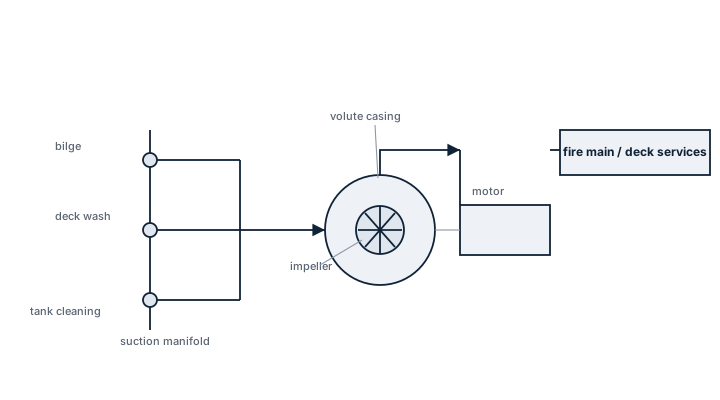
Main Components
Casing and Impeller
Bronze or cast iron casing with a single-stage centrifugal impeller, sized for a moderate head and flow range that covers the pump's several intended duties rather than peaking for one.
Shaft Seal
Mechanical seal on most modern installations, replacing the older gland packing arrangement that needed regular adjustment and accepted a small continuous drip by design.
Driver
Direct-coupled electric motor in the large majority of installations, sized with margin for the highest-head duty the pump will see, such as deck wash through a long fire hose line.
Suction and Discharge Valves
Multiple suction connections from different tanks or bilge wells, routed through a manifold so the same pump can be lined up for whichever task is needed.
Selection and Sizing
- Flow and head: chosen to satisfy the most demanding of its intended duties, usually deck wash or fire main backup, with the other duties falling comfortably within that envelope.
- NPSH available: checked against the worst-case suction lift, typically from a low bilge well or a nearly empty tank near the end of stripping.
- Material selection: bronze or stainless trim where the pump will see raw seawater regularly, to limit corrosion over years of intermittent, varied service.
- Redundancy: many vessels fit two general service pumps so one can cover fire main backup duty while the other is under maintenance.
Regulations and Class
Where a general service pump is designated as one of the vessel's fire pumps under SOLAS Ch. II-2, it must meet the capacity and pressure requirements set for fire pumps, including delivering the required jet at the remotest hydrant, and is tested and logged accordingly at each survey. Where it serves only wash and transfer duties without a fire main tie-in, it falls under general class rules for engine room auxiliary machinery rather than a fire-specific requirement.
Typical Faults
| Fault | Consequence |
|---|---|
| Mechanical seal worn from running dry during a lineup error | Leakage at the shaft, eventual seal failure and loss of suction |
| Impeller wear ring eroded from years of sand and debris in bilge duty | Falling head and flow even though the motor draws normal current |
| Wrong valve line-up leaves pump running against a closed discharge | Overheating of the pumped liquid, seal damage, possible casing damage |
| Suction strainer fouled with debris from a bilge well | Cavitation, noise, and reduced flow despite the motor running normally |
What to Look for in a Supplier
- Performance curve covering the full range of intended duties, not just the single best-efficiency point.
- Seal type and material suited to the mixed service — seawater, bilge water with solids, and fresh water — the pump will actually see.
- Spares commonality with other pumps already on board, where practical, to simplify the spares inventory.
Confirm the valve line-up before starting a general service pump for a new duty — running it against a closed or wrongly routed discharge is one of the most common ways this pump gets damaged, precisely because it is used for so many different tasks.
Typical Manufacturers
6 manufacturers · 89 models
Azcue
28 ✓ 27 verified
- Corrosion
- Seal failure
- Cavitation
- Robust cast‑iron or stainless steel construction suitable for harsh sea environments
- Broad media compatibility – can be used for seawater, freshwater, fuel oil and lubricating oil
- Simple mechanical design that eases routine maintenance and spare‑part stocking
- Good hydraulic efficiency for a general‑service pump in its size class
- Relatively heavy compared with modern lightweight composite pumps
- Standard suction lift limited – requires proper priming to avoid cavitation
- No built‑in variable speed drive; speed control must be provided externally
- Corrosion of metallic components can occur if not flushed after seawater service
- Area: Mechanical Seal Integrity and LeakageCheck: Perform visual inspection for signs of fluid leakage from pump housing; Check mechanical seal condition during monthly maintenance; Measure for sudden decrease in pump efficiency which may indicate broken shaft seal or seal degradation
- Area: Bearing Wear and Temperature MonitoringCheck: Measure power consumption against motor plate specifications; Check bearing temperature for overheating indicators; Listen for unusual bearing noises (grinding, clunking); Replace bearings at 35,000 hour service intervals for CA series and equivalent for other models
- Area: Shaft Alignment and Coupling IntegrityCheck: Verify coupling alignment regularly; Check for excessive vibration (indicates misalignment, cavitation, or wear); Inspect for shaft run-out; Measure suction and discharge pressures for abnormal variations; Replace coupling if significant misalignment detected
- Area: Wear Ring and Impeller ConditionCheck: Inspect casing wear rings for clearance deterioration between impeller and casing; Check for impeller damage or deformation; Plan periodic wear ring replacement rather than full impeller/casing replacement; Dismantle pump for comprehensive inspection every 2-3 years or per manufacturer schedule
- Area: Suction Line Pressure and NPSH VerificationCheck: Compare suction and discharge pressures against baseline specifications; Verify NPSH (Net Positive Suction Head) availability in system; Check suction strainer/filter for blockage; Monitor for cavitation noise or vibration indicating insufficient suction pressure; Ensure suction line is properly primed on self-priming models
Typ-universelle Inspektionspunkte fuer Pumps (verifiziert, 2026-06).
- Area: Mechanical Seal Integrity and LeakageCheck: Perform visual inspection for signs of fluid leakage from pump housing; Check mechanical seal condition during monthly maintenance; Measure for sudden decrease in pump efficiency which may indicate broken shaft seal or seal degradation
- Area: Bearing Wear and Temperature MonitoringCheck: Measure power consumption against motor plate specifications; Check bearing temperature for overheating indicators; Listen for unusual bearing noises (grinding, clunking); Replace bearings at 35,000 hour service intervals for CA series and equivalent for other models
- Area: Shaft Alignment and Coupling IntegrityCheck: Verify coupling alignment regularly; Check for excessive vibration (indicates misalignment, cavitation, or wear); Inspect for shaft run-out; Measure suction and discharge pressures for abnormal variations; Replace coupling if significant misalignment detected
- Area: Wear Ring and Impeller ConditionCheck: Inspect casing wear rings for clearance deterioration between impeller and casing; Check for impeller damage or deformation; Plan periodic wear ring replacement rather than full impeller/casing replacement; Dismantle pump for comprehensive inspection every 2-3 years or per manufacturer schedule
- Area: Suction Line Pressure and NPSH VerificationCheck: Compare suction and discharge pressures against baseline specifications; Verify NPSH (Net Positive Suction Head) availability in system; Check suction strainer/filter for blockage; Monitor for cavitation noise or vibration indicating insufficient suction pressure; Ensure suction line is properly primed on self-priming models
Typ-universelle Inspektionspunkte fuer Pumps (verifiziert, 2026-06).
- Area: Mechanical Seal Integrity and LeakageCheck: Perform visual inspection for signs of fluid leakage from pump housing; Check mechanical seal condition during monthly maintenance; Measure for sudden decrease in pump efficiency which may indicate broken shaft seal or seal degradation
- Area: Bearing Wear and Temperature MonitoringCheck: Measure power consumption against motor plate specifications; Check bearing temperature for overheating indicators; Listen for unusual bearing noises (grinding, clunking); Replace bearings at 35,000 hour service intervals for CA series and equivalent for other models
- Area: Shaft Alignment and Coupling IntegrityCheck: Verify coupling alignment regularly; Check for excessive vibration (indicates misalignment, cavitation, or wear); Inspect for shaft run-out; Measure suction and discharge pressures for abnormal variations; Replace coupling if significant misalignment detected
- Area: Wear Ring and Impeller ConditionCheck: Inspect casing wear rings for clearance deterioration between impeller and casing; Check for impeller damage or deformation; Plan periodic wear ring replacement rather than full impeller/casing replacement; Dismantle pump for comprehensive inspection every 2-3 years or per manufacturer schedule
- Area: Suction Line Pressure and NPSH VerificationCheck: Compare suction and discharge pressures against baseline specifications; Verify NPSH (Net Positive Suction Head) availability in system; Check suction strainer/filter for blockage; Monitor for cavitation noise or vibration indicating insufficient suction pressure; Ensure suction line is properly primed on self-priming models
Typ-universelle Inspektionspunkte fuer Pumps (verifiziert, 2026-06).
- Area: Mechanical Seal Integrity and LeakageCheck: Perform visual inspection for signs of fluid leakage from pump housing; Check mechanical seal condition during monthly maintenance; Measure for sudden decrease in pump efficiency which may indicate broken shaft seal or seal degradation
- Area: Bearing Wear and Temperature MonitoringCheck: Measure power consumption against motor plate specifications; Check bearing temperature for overheating indicators; Listen for unusual bearing noises (grinding, clunking); Replace bearings at 35,000 hour service intervals for CA series and equivalent for other models
- Area: Shaft Alignment and Coupling IntegrityCheck: Verify coupling alignment regularly; Check for excessive vibration (indicates misalignment, cavitation, or wear); Inspect for shaft run-out; Measure suction and discharge pressures for abnormal variations; Replace coupling if significant misalignment detected
- Area: Wear Ring and Impeller ConditionCheck: Inspect casing wear rings for clearance deterioration between impeller and casing; Check for impeller damage or deformation; Plan periodic wear ring replacement rather than full impeller/casing replacement; Dismantle pump for comprehensive inspection every 2-3 years or per manufacturer schedule
- Area: Suction Line Pressure and NPSH VerificationCheck: Compare suction and discharge pressures against baseline specifications; Verify NPSH (Net Positive Suction Head) availability in system; Check suction strainer/filter for blockage; Monitor for cavitation noise or vibration indicating insufficient suction pressure; Ensure suction line is properly primed on self-priming models
Typ-universelle Inspektionspunkte fuer Pumps (verifiziert, 2026-06).
- Area: Mechanical Seal Integrity and LeakageCheck: Perform visual inspection for signs of fluid leakage from pump housing; Check mechanical seal condition during monthly maintenance; Measure for sudden decrease in pump efficiency which may indicate broken shaft seal or seal degradation
- Area: Bearing Wear and Temperature MonitoringCheck: Measure power consumption against motor plate specifications; Check bearing temperature for overheating indicators; Listen for unusual bearing noises (grinding, clunking); Replace bearings at 35,000 hour service intervals for CA series and equivalent for other models
- Area: Shaft Alignment and Coupling IntegrityCheck: Verify coupling alignment regularly; Check for excessive vibration (indicates misalignment, cavitation, or wear); Inspect for shaft run-out; Measure suction and discharge pressures for abnormal variations; Replace coupling if significant misalignment detected
- Area: Wear Ring and Impeller ConditionCheck: Inspect casing wear rings for clearance deterioration between impeller and casing; Check for impeller damage or deformation; Plan periodic wear ring replacement rather than full impeller/casing replacement; Dismantle pump for comprehensive inspection every 2-3 years or per manufacturer schedule
- Area: Suction Line Pressure and NPSH VerificationCheck: Compare suction and discharge pressures against baseline specifications; Verify NPSH (Net Positive Suction Head) availability in system; Check suction strainer/filter for blockage; Monitor for cavitation noise or vibration indicating insufficient suction pressure; Ensure suction line is properly primed on self-priming models
Typ-universelle Inspektionspunkte fuer Pumps (verifiziert, 2026-06).
- Area: Mechanical Seal Integrity and LeakageCheck: Perform visual inspection for signs of fluid leakage from pump housing; Check mechanical seal condition during monthly maintenance; Measure for sudden decrease in pump efficiency which may indicate broken shaft seal or seal degradation
- Area: Bearing Wear and Temperature MonitoringCheck: Measure power consumption against motor plate specifications; Check bearing temperature for overheating indicators; Listen for unusual bearing noises (grinding, clunking); Replace bearings at 35,000 hour service intervals for CA series and equivalent for other models
- Area: Shaft Alignment and Coupling IntegrityCheck: Verify coupling alignment regularly; Check for excessive vibration (indicates misalignment, cavitation, or wear); Inspect for shaft run-out; Measure suction and discharge pressures for abnormal variations; Replace coupling if significant misalignment detected
- Area: Wear Ring and Impeller ConditionCheck: Inspect casing wear rings for clearance deterioration between impeller and casing; Check for impeller damage or deformation; Plan periodic wear ring replacement rather than full impeller/casing replacement; Dismantle pump for comprehensive inspection every 2-3 years or per manufacturer schedule
- Area: Suction Line Pressure and NPSH VerificationCheck: Compare suction and discharge pressures against baseline specifications; Verify NPSH (Net Positive Suction Head) availability in system; Check suction strainer/filter for blockage; Monitor for cavitation noise or vibration indicating insufficient suction pressure; Ensure suction line is properly primed on self-priming models
Typ-universelle Inspektionspunkte fuer Pumps (verifiziert, 2026-06).
- Area: Mechanical Seal Integrity and LeakageCheck: Perform visual inspection for signs of fluid leakage from pump housing; Check mechanical seal condition during monthly maintenance; Measure for sudden decrease in pump efficiency which may indicate broken shaft seal or seal degradation
- Area: Bearing Wear and Temperature MonitoringCheck: Measure power consumption against motor plate specifications; Check bearing temperature for overheating indicators; Listen for unusual bearing noises (grinding, clunking); Replace bearings at 35,000 hour service intervals for CA series and equivalent for other models
- Area: Shaft Alignment and Coupling IntegrityCheck: Verify coupling alignment regularly; Check for excessive vibration (indicates misalignment, cavitation, or wear); Inspect for shaft run-out; Measure suction and discharge pressures for abnormal variations; Replace coupling if significant misalignment detected
- Area: Wear Ring and Impeller ConditionCheck: Inspect casing wear rings for clearance deterioration between impeller and casing; Check for impeller damage or deformation; Plan periodic wear ring replacement rather than full impeller/casing replacement; Dismantle pump for comprehensive inspection every 2-3 years or per manufacturer schedule
- Area: Suction Line Pressure and NPSH VerificationCheck: Compare suction and discharge pressures against baseline specifications; Verify NPSH (Net Positive Suction Head) availability in system; Check suction strainer/filter for blockage; Monitor for cavitation noise or vibration indicating insufficient suction pressure; Ensure suction line is properly primed on self-priming models
Typ-universelle Inspektionspunkte fuer Pumps (verifiziert, 2026-06).
- Area: Mechanical Seal Integrity and LeakageCheck: Perform visual inspection for signs of fluid leakage from pump housing; Check mechanical seal condition during monthly maintenance; Measure for sudden decrease in pump efficiency which may indicate broken shaft seal or seal degradation
- Area: Bearing Wear and Temperature MonitoringCheck: Measure power consumption against motor plate specifications; Check bearing temperature for overheating indicators; Listen for unusual bearing noises (grinding, clunking); Replace bearings at 35,000 hour service intervals for CA series and equivalent for other models
- Area: Shaft Alignment and Coupling IntegrityCheck: Verify coupling alignment regularly; Check for excessive vibration (indicates misalignment, cavitation, or wear); Inspect for shaft run-out; Measure suction and discharge pressures for abnormal variations; Replace coupling if significant misalignment detected
- Area: Wear Ring and Impeller ConditionCheck: Inspect casing wear rings for clearance deterioration between impeller and casing; Check for impeller damage or deformation; Plan periodic wear ring replacement rather than full impeller/casing replacement; Dismantle pump for comprehensive inspection every 2-3 years or per manufacturer schedule
- Area: Suction Line Pressure and NPSH VerificationCheck: Compare suction and discharge pressures against baseline specifications; Verify NPSH (Net Positive Suction Head) availability in system; Check suction strainer/filter for blockage; Monitor for cavitation noise or vibration indicating insufficient suction pressure; Ensure suction line is properly primed on self-priming models
Typ-universelle Inspektionspunkte fuer Pumps (verifiziert, 2026-06).
- Area: Mechanical Seal Integrity and LeakageCheck: Perform visual inspection for signs of fluid leakage from pump housing; Check mechanical seal condition during monthly maintenance; Measure for sudden decrease in pump efficiency which may indicate broken shaft seal or seal degradation
- Area: Bearing Wear and Temperature MonitoringCheck: Measure power consumption against motor plate specifications; Check bearing temperature for overheating indicators; Listen for unusual bearing noises (grinding, clunking); Replace bearings at 35,000 hour service intervals for CA series and equivalent for other models
- Area: Shaft Alignment and Coupling IntegrityCheck: Verify coupling alignment regularly; Check for excessive vibration (indicates misalignment, cavitation, or wear); Inspect for shaft run-out; Measure suction and discharge pressures for abnormal variations; Replace coupling if significant misalignment detected
- Area: Wear Ring and Impeller ConditionCheck: Inspect casing wear rings for clearance deterioration between impeller and casing; Check for impeller damage or deformation; Plan periodic wear ring replacement rather than full impeller/casing replacement; Dismantle pump for comprehensive inspection every 2-3 years or per manufacturer schedule
- Area: Suction Line Pressure and NPSH VerificationCheck: Compare suction and discharge pressures against baseline specifications; Verify NPSH (Net Positive Suction Head) availability in system; Check suction strainer/filter for blockage; Monitor for cavitation noise or vibration indicating insufficient suction pressure; Ensure suction line is properly primed on self-priming models
Typ-universelle Inspektionspunkte fuer Pumps (verifiziert, 2026-06).
- Area: Mechanical Seal Integrity and LeakageCheck: Perform visual inspection for signs of fluid leakage from pump housing; Check mechanical seal condition during monthly maintenance; Measure for sudden decrease in pump efficiency which may indicate broken shaft seal or seal degradation
- Area: Bearing Wear and Temperature MonitoringCheck: Measure power consumption against motor plate specifications; Check bearing temperature for overheating indicators; Listen for unusual bearing noises (grinding, clunking); Replace bearings at 35,000 hour service intervals for CA series and equivalent for other models
- Area: Shaft Alignment and Coupling IntegrityCheck: Verify coupling alignment regularly; Check for excessive vibration (indicates misalignment, cavitation, or wear); Inspect for shaft run-out; Measure suction and discharge pressures for abnormal variations; Replace coupling if significant misalignment detected
- Area: Wear Ring and Impeller ConditionCheck: Inspect casing wear rings for clearance deterioration between impeller and casing; Check for impeller damage or deformation; Plan periodic wear ring replacement rather than full impeller/casing replacement; Dismantle pump for comprehensive inspection every 2-3 years or per manufacturer schedule
- Area: Suction Line Pressure and NPSH VerificationCheck: Compare suction and discharge pressures against baseline specifications; Verify NPSH (Net Positive Suction Head) availability in system; Check suction strainer/filter for blockage; Monitor for cavitation noise or vibration indicating insufficient suction pressure; Ensure suction line is properly primed on self-priming models
Typ-universelle Inspektionspunkte fuer Pumps (verifiziert, 2026-06).
- Area: Mechanical Seal Integrity and LeakageCheck: Perform visual inspection for signs of fluid leakage from pump housing; Check mechanical seal condition during monthly maintenance; Measure for sudden decrease in pump efficiency which may indicate broken shaft seal or seal degradation
- Area: Bearing Wear and Temperature MonitoringCheck: Measure power consumption against motor plate specifications; Check bearing temperature for overheating indicators; Listen for unusual bearing noises (grinding, clunking); Replace bearings at 35,000 hour service intervals for CA series and equivalent for other models
- Area: Shaft Alignment and Coupling IntegrityCheck: Verify coupling alignment regularly; Check for excessive vibration (indicates misalignment, cavitation, or wear); Inspect for shaft run-out; Measure suction and discharge pressures for abnormal variations; Replace coupling if significant misalignment detected
- Area: Wear Ring and Impeller ConditionCheck: Inspect casing wear rings for clearance deterioration between impeller and casing; Check for impeller damage or deformation; Plan periodic wear ring replacement rather than full impeller/casing replacement; Dismantle pump for comprehensive inspection every 2-3 years or per manufacturer schedule
- Area: Suction Line Pressure and NPSH VerificationCheck: Compare suction and discharge pressures against baseline specifications; Verify NPSH (Net Positive Suction Head) availability in system; Check suction strainer/filter for blockage; Monitor for cavitation noise or vibration indicating insufficient suction pressure; Ensure suction line is properly primed on self-priming models
Typ-universelle Inspektionspunkte fuer Pumps (verifiziert, 2026-06).
- Area: Mechanical Seal Integrity and LeakageCheck: Perform visual inspection for signs of fluid leakage from pump housing; Check mechanical seal condition during monthly maintenance; Measure for sudden decrease in pump efficiency which may indicate broken shaft seal or seal degradation
- Area: Bearing Wear and Temperature MonitoringCheck: Measure power consumption against motor plate specifications; Check bearing temperature for overheating indicators; Listen for unusual bearing noises (grinding, clunking); Replace bearings at 35,000 hour service intervals for CA series and equivalent for other models
- Area: Shaft Alignment and Coupling IntegrityCheck: Verify coupling alignment regularly; Check for excessive vibration (indicates misalignment, cavitation, or wear); Inspect for shaft run-out; Measure suction and discharge pressures for abnormal variations; Replace coupling if significant misalignment detected
- Area: Wear Ring and Impeller ConditionCheck: Inspect casing wear rings for clearance deterioration between impeller and casing; Check for impeller damage or deformation; Plan periodic wear ring replacement rather than full impeller/casing replacement; Dismantle pump for comprehensive inspection every 2-3 years or per manufacturer schedule
- Area: Suction Line Pressure and NPSH VerificationCheck: Compare suction and discharge pressures against baseline specifications; Verify NPSH (Net Positive Suction Head) availability in system; Check suction strainer/filter for blockage; Monitor for cavitation noise or vibration indicating insufficient suction pressure; Ensure suction line is properly primed on self-priming models
Typ-universelle Inspektionspunkte fuer Pumps (verifiziert, 2026-06).
- Area: Mechanical Seal Integrity and LeakageCheck: Perform visual inspection for signs of fluid leakage from pump housing; Check mechanical seal condition during monthly maintenance; Measure for sudden decrease in pump efficiency which may indicate broken shaft seal or seal degradation
- Area: Bearing Wear and Temperature MonitoringCheck: Measure power consumption against motor plate specifications; Check bearing temperature for overheating indicators; Listen for unusual bearing noises (grinding, clunking); Replace bearings at 35,000 hour service intervals for CA series and equivalent for other models
- Area: Shaft Alignment and Coupling IntegrityCheck: Verify coupling alignment regularly; Check for excessive vibration (indicates misalignment, cavitation, or wear); Inspect for shaft run-out; Measure suction and discharge pressures for abnormal variations; Replace coupling if significant misalignment detected
- Area: Wear Ring and Impeller ConditionCheck: Inspect casing wear rings for clearance deterioration between impeller and casing; Check for impeller damage or deformation; Plan periodic wear ring replacement rather than full impeller/casing replacement; Dismantle pump for comprehensive inspection every 2-3 years or per manufacturer schedule
- Area: Suction Line Pressure and NPSH VerificationCheck: Compare suction and discharge pressures against baseline specifications; Verify NPSH (Net Positive Suction Head) availability in system; Check suction strainer/filter for blockage; Monitor for cavitation noise or vibration indicating insufficient suction pressure; Ensure suction line is properly primed on self-priming models
Typ-universelle Inspektionspunkte fuer Pumps (verifiziert, 2026-06).
- Area: Mechanical Seal Integrity and LeakageCheck: Perform visual inspection for signs of fluid leakage from pump housing; Check mechanical seal condition during monthly maintenance; Measure for sudden decrease in pump efficiency which may indicate broken shaft seal or seal degradation
- Area: Bearing Wear and Temperature MonitoringCheck: Measure power consumption against motor plate specifications; Check bearing temperature for overheating indicators; Listen for unusual bearing noises (grinding, clunking); Replace bearings at 35,000 hour service intervals for CA series and equivalent for other models
- Area: Shaft Alignment and Coupling IntegrityCheck: Verify coupling alignment regularly; Check for excessive vibration (indicates misalignment, cavitation, or wear); Inspect for shaft run-out; Measure suction and discharge pressures for abnormal variations; Replace coupling if significant misalignment detected
- Area: Wear Ring and Impeller ConditionCheck: Inspect casing wear rings for clearance deterioration between impeller and casing; Check for impeller damage or deformation; Plan periodic wear ring replacement rather than full impeller/casing replacement; Dismantle pump for comprehensive inspection every 2-3 years or per manufacturer schedule
- Area: Suction Line Pressure and NPSH VerificationCheck: Compare suction and discharge pressures against baseline specifications; Verify NPSH (Net Positive Suction Head) availability in system; Check suction strainer/filter for blockage; Monitor for cavitation noise or vibration indicating insufficient suction pressure; Ensure suction line is properly primed on self-priming models
Typ-universelle Inspektionspunkte fuer Pumps (verifiziert, 2026-06).
- Area: Mechanical Seal Integrity and LeakageCheck: Perform visual inspection for signs of fluid leakage from pump housing; Check mechanical seal condition during monthly maintenance; Measure for sudden decrease in pump efficiency which may indicate broken shaft seal or seal degradation
- Area: Bearing Wear and Temperature MonitoringCheck: Measure power consumption against motor plate specifications; Check bearing temperature for overheating indicators; Listen for unusual bearing noises (grinding, clunking); Replace bearings at 35,000 hour service intervals for CA series and equivalent for other models
- Area: Shaft Alignment and Coupling IntegrityCheck: Verify coupling alignment regularly; Check for excessive vibration (indicates misalignment, cavitation, or wear); Inspect for shaft run-out; Measure suction and discharge pressures for abnormal variations; Replace coupling if significant misalignment detected
- Area: Wear Ring and Impeller ConditionCheck: Inspect casing wear rings for clearance deterioration between impeller and casing; Check for impeller damage or deformation; Plan periodic wear ring replacement rather than full impeller/casing replacement; Dismantle pump for comprehensive inspection every 2-3 years or per manufacturer schedule
- Area: Suction Line Pressure and NPSH VerificationCheck: Compare suction and discharge pressures against baseline specifications; Verify NPSH (Net Positive Suction Head) availability in system; Check suction strainer/filter for blockage; Monitor for cavitation noise or vibration indicating insufficient suction pressure; Ensure suction line is properly primed on self-priming models
Typ-universelle Inspektionspunkte fuer Pumps (verifiziert, 2026-06).
- Area: Mechanical Seal Integrity and LeakageCheck: Perform visual inspection for signs of fluid leakage from pump housing; Check mechanical seal condition during monthly maintenance; Measure for sudden decrease in pump efficiency which may indicate broken shaft seal or seal degradation
- Area: Bearing Wear and Temperature MonitoringCheck: Measure power consumption against motor plate specifications; Check bearing temperature for overheating indicators; Listen for unusual bearing noises (grinding, clunking); Replace bearings at 35,000 hour service intervals for CA series and equivalent for other models
- Area: Shaft Alignment and Coupling IntegrityCheck: Verify coupling alignment regularly; Check for excessive vibration (indicates misalignment, cavitation, or wear); Inspect for shaft run-out; Measure suction and discharge pressures for abnormal variations; Replace coupling if significant misalignment detected
- Area: Wear Ring and Impeller ConditionCheck: Inspect casing wear rings for clearance deterioration between impeller and casing; Check for impeller damage or deformation; Plan periodic wear ring replacement rather than full impeller/casing replacement; Dismantle pump for comprehensive inspection every 2-3 years or per manufacturer schedule
- Area: Suction Line Pressure and NPSH VerificationCheck: Compare suction and discharge pressures against baseline specifications; Verify NPSH (Net Positive Suction Head) availability in system; Check suction strainer/filter for blockage; Monitor for cavitation noise or vibration indicating insufficient suction pressure; Ensure suction line is properly primed on self-priming models
Typ-universelle Inspektionspunkte fuer Pumps (verifiziert, 2026-06).
- Area: Mechanical Seal Integrity and LeakageCheck: Perform visual inspection for signs of fluid leakage from pump housing; Check mechanical seal condition during monthly maintenance; Measure for sudden decrease in pump efficiency which may indicate broken shaft seal or seal degradation
- Area: Bearing Wear and Temperature MonitoringCheck: Measure power consumption against motor plate specifications; Check bearing temperature for overheating indicators; Listen for unusual bearing noises (grinding, clunking); Replace bearings at 35,000 hour service intervals for CA series and equivalent for other models
- Area: Shaft Alignment and Coupling IntegrityCheck: Verify coupling alignment regularly; Check for excessive vibration (indicates misalignment, cavitation, or wear); Inspect for shaft run-out; Measure suction and discharge pressures for abnormal variations; Replace coupling if significant misalignment detected
- Area: Wear Ring and Impeller ConditionCheck: Inspect casing wear rings for clearance deterioration between impeller and casing; Check for impeller damage or deformation; Plan periodic wear ring replacement rather than full impeller/casing replacement; Dismantle pump for comprehensive inspection every 2-3 years or per manufacturer schedule
- Area: Suction Line Pressure and NPSH VerificationCheck: Compare suction and discharge pressures against baseline specifications; Verify NPSH (Net Positive Suction Head) availability in system; Check suction strainer/filter for blockage; Monitor for cavitation noise or vibration indicating insufficient suction pressure; Ensure suction line is properly primed on self-priming models
Typ-universelle Inspektionspunkte fuer Pumps (verifiziert, 2026-06).
- Area: Mechanical Seal Integrity and LeakageCheck: Perform visual inspection for signs of fluid leakage from pump housing; Check mechanical seal condition during monthly maintenance; Measure for sudden decrease in pump efficiency which may indicate broken shaft seal or seal degradation
- Area: Bearing Wear and Temperature MonitoringCheck: Measure power consumption against motor plate specifications; Check bearing temperature for overheating indicators; Listen for unusual bearing noises (grinding, clunking); Replace bearings at 35,000 hour service intervals for CA series and equivalent for other models
- Area: Shaft Alignment and Coupling IntegrityCheck: Verify coupling alignment regularly; Check for excessive vibration (indicates misalignment, cavitation, or wear); Inspect for shaft run-out; Measure suction and discharge pressures for abnormal variations; Replace coupling if significant misalignment detected
- Area: Wear Ring and Impeller ConditionCheck: Inspect casing wear rings for clearance deterioration between impeller and casing; Check for impeller damage or deformation; Plan periodic wear ring replacement rather than full impeller/casing replacement; Dismantle pump for comprehensive inspection every 2-3 years or per manufacturer schedule
- Area: Suction Line Pressure and NPSH VerificationCheck: Compare suction and discharge pressures against baseline specifications; Verify NPSH (Net Positive Suction Head) availability in system; Check suction strainer/filter for blockage; Monitor for cavitation noise or vibration indicating insufficient suction pressure; Ensure suction line is properly primed on self-priming models
Typ-universelle Inspektionspunkte fuer Pumps (verifiziert, 2026-06).
- Area: Mechanical Seal Integrity and LeakageCheck: Perform visual inspection for signs of fluid leakage from pump housing; Check mechanical seal condition during monthly maintenance; Measure for sudden decrease in pump efficiency which may indicate broken shaft seal or seal degradation
- Area: Bearing Wear and Temperature MonitoringCheck: Measure power consumption against motor plate specifications; Check bearing temperature for overheating indicators; Listen for unusual bearing noises (grinding, clunking); Replace bearings at 35,000 hour service intervals for CA series and equivalent for other models
- Area: Shaft Alignment and Coupling IntegrityCheck: Verify coupling alignment regularly; Check for excessive vibration (indicates misalignment, cavitation, or wear); Inspect for shaft run-out; Measure suction and discharge pressures for abnormal variations; Replace coupling if significant misalignment detected
- Area: Wear Ring and Impeller ConditionCheck: Inspect casing wear rings for clearance deterioration between impeller and casing; Check for impeller damage or deformation; Plan periodic wear ring replacement rather than full impeller/casing replacement; Dismantle pump for comprehensive inspection every 2-3 years or per manufacturer schedule
- Area: Suction Line Pressure and NPSH VerificationCheck: Compare suction and discharge pressures against baseline specifications; Verify NPSH (Net Positive Suction Head) availability in system; Check suction strainer/filter for blockage; Monitor for cavitation noise or vibration indicating insufficient suction pressure; Ensure suction line is properly primed on self-priming models
Typ-universelle Inspektionspunkte fuer Pumps (verifiziert, 2026-06).
- Area: Mechanical Seal Integrity and LeakageCheck: Perform visual inspection for signs of fluid leakage from pump housing; Check mechanical seal condition during monthly maintenance; Measure for sudden decrease in pump efficiency which may indicate broken shaft seal or seal degradation
- Area: Bearing Wear and Temperature MonitoringCheck: Measure power consumption against motor plate specifications; Check bearing temperature for overheating indicators; Listen for unusual bearing noises (grinding, clunking); Replace bearings at 35,000 hour service intervals for CA series and equivalent for other models
- Area: Shaft Alignment and Coupling IntegrityCheck: Verify coupling alignment regularly; Check for excessive vibration (indicates misalignment, cavitation, or wear); Inspect for shaft run-out; Measure suction and discharge pressures for abnormal variations; Replace coupling if significant misalignment detected
- Area: Wear Ring and Impeller ConditionCheck: Inspect casing wear rings for clearance deterioration between impeller and casing; Check for impeller damage or deformation; Plan periodic wear ring replacement rather than full impeller/casing replacement; Dismantle pump for comprehensive inspection every 2-3 years or per manufacturer schedule
- Area: Suction Line Pressure and NPSH VerificationCheck: Compare suction and discharge pressures against baseline specifications; Verify NPSH (Net Positive Suction Head) availability in system; Check suction strainer/filter for blockage; Monitor for cavitation noise or vibration indicating insufficient suction pressure; Ensure suction line is properly primed on self-priming models
Typ-universelle Inspektionspunkte fuer Pumps (verifiziert, 2026-06).
- Area: Mechanical Seal Integrity and LeakageCheck: Perform visual inspection for signs of fluid leakage from pump housing; Check mechanical seal condition during monthly maintenance; Measure for sudden decrease in pump efficiency which may indicate broken shaft seal or seal degradation
- Area: Bearing Wear and Temperature MonitoringCheck: Measure power consumption against motor plate specifications; Check bearing temperature for overheating indicators; Listen for unusual bearing noises (grinding, clunking); Replace bearings at 35,000 hour service intervals for CA series and equivalent for other models
- Area: Shaft Alignment and Coupling IntegrityCheck: Verify coupling alignment regularly; Check for excessive vibration (indicates misalignment, cavitation, or wear); Inspect for shaft run-out; Measure suction and discharge pressures for abnormal variations; Replace coupling if significant misalignment detected
- Area: Wear Ring and Impeller ConditionCheck: Inspect casing wear rings for clearance deterioration between impeller and casing; Check for impeller damage or deformation; Plan periodic wear ring replacement rather than full impeller/casing replacement; Dismantle pump for comprehensive inspection every 2-3 years or per manufacturer schedule
- Area: Suction Line Pressure and NPSH VerificationCheck: Compare suction and discharge pressures against baseline specifications; Verify NPSH (Net Positive Suction Head) availability in system; Check suction strainer/filter for blockage; Monitor for cavitation noise or vibration indicating insufficient suction pressure; Ensure suction line is properly primed on self-priming models
Typ-universelle Inspektionspunkte fuer Pumps (verifiziert, 2026-06).
- Area: Mechanical Seal Integrity and LeakageCheck: Perform visual inspection for signs of fluid leakage from pump housing; Check mechanical seal condition during monthly maintenance; Measure for sudden decrease in pump efficiency which may indicate broken shaft seal or seal degradation
- Area: Bearing Wear and Temperature MonitoringCheck: Measure power consumption against motor plate specifications; Check bearing temperature for overheating indicators; Listen for unusual bearing noises (grinding, clunking); Replace bearings at 35,000 hour service intervals for CA series and equivalent for other models
- Area: Shaft Alignment and Coupling IntegrityCheck: Verify coupling alignment regularly; Check for excessive vibration (indicates misalignment, cavitation, or wear); Inspect for shaft run-out; Measure suction and discharge pressures for abnormal variations; Replace coupling if significant misalignment detected
- Area: Wear Ring and Impeller ConditionCheck: Inspect casing wear rings for clearance deterioration between impeller and casing; Check for impeller damage or deformation; Plan periodic wear ring replacement rather than full impeller/casing replacement; Dismantle pump for comprehensive inspection every 2-3 years or per manufacturer schedule
- Area: Suction Line Pressure and NPSH VerificationCheck: Compare suction and discharge pressures against baseline specifications; Verify NPSH (Net Positive Suction Head) availability in system; Check suction strainer/filter for blockage; Monitor for cavitation noise or vibration indicating insufficient suction pressure; Ensure suction line is properly primed on self-priming models
Typ-universelle Inspektionspunkte fuer Pumps (verifiziert, 2026-06).
- Area: Mechanical Seal Integrity and LeakageCheck: Perform visual inspection for signs of fluid leakage from pump housing; Check mechanical seal condition during monthly maintenance; Measure for sudden decrease in pump efficiency which may indicate broken shaft seal or seal degradation
- Area: Bearing Wear and Temperature MonitoringCheck: Measure power consumption against motor plate specifications; Check bearing temperature for overheating indicators; Listen for unusual bearing noises (grinding, clunking); Replace bearings at 35,000 hour service intervals for CA series and equivalent for other models
- Area: Shaft Alignment and Coupling IntegrityCheck: Verify coupling alignment regularly; Check for excessive vibration (indicates misalignment, cavitation, or wear); Inspect for shaft run-out; Measure suction and discharge pressures for abnormal variations; Replace coupling if significant misalignment detected
- Area: Wear Ring and Impeller ConditionCheck: Inspect casing wear rings for clearance deterioration between impeller and casing; Check for impeller damage or deformation; Plan periodic wear ring replacement rather than full impeller/casing replacement; Dismantle pump for comprehensive inspection every 2-3 years or per manufacturer schedule
- Area: Suction Line Pressure and NPSH VerificationCheck: Compare suction and discharge pressures against baseline specifications; Verify NPSH (Net Positive Suction Head) availability in system; Check suction strainer/filter for blockage; Monitor for cavitation noise or vibration indicating insufficient suction pressure; Ensure suction line is properly primed on self-priming models
Typ-universelle Inspektionspunkte fuer Pumps (verifiziert, 2026-06).
- Area: Mechanical Seal Integrity and LeakageCheck: Perform visual inspection for signs of fluid leakage from pump housing; Check mechanical seal condition during monthly maintenance; Measure for sudden decrease in pump efficiency which may indicate broken shaft seal or seal degradation
- Area: Bearing Wear and Temperature MonitoringCheck: Measure power consumption against motor plate specifications; Check bearing temperature for overheating indicators; Listen for unusual bearing noises (grinding, clunking); Replace bearings at 35,000 hour service intervals for CA series and equivalent for other models
- Area: Shaft Alignment and Coupling IntegrityCheck: Verify coupling alignment regularly; Check for excessive vibration (indicates misalignment, cavitation, or wear); Inspect for shaft run-out; Measure suction and discharge pressures for abnormal variations; Replace coupling if significant misalignment detected
- Area: Wear Ring and Impeller ConditionCheck: Inspect casing wear rings for clearance deterioration between impeller and casing; Check for impeller damage or deformation; Plan periodic wear ring replacement rather than full impeller/casing replacement; Dismantle pump for comprehensive inspection every 2-3 years or per manufacturer schedule
- Area: Suction Line Pressure and NPSH VerificationCheck: Compare suction and discharge pressures against baseline specifications; Verify NPSH (Net Positive Suction Head) availability in system; Check suction strainer/filter for blockage; Monitor for cavitation noise or vibration indicating insufficient suction pressure; Ensure suction line is properly primed on self-priming models
Typ-universelle Inspektionspunkte fuer Pumps (verifiziert, 2026-06).
- Area: Mechanical Seal Integrity and LeakageCheck: Perform visual inspection for signs of fluid leakage from pump housing; Check mechanical seal condition during monthly maintenance; Measure for sudden decrease in pump efficiency which may indicate broken shaft seal or seal degradation
- Area: Bearing Wear and Temperature MonitoringCheck: Measure power consumption against motor plate specifications; Check bearing temperature for overheating indicators; Listen for unusual bearing noises (grinding, clunking); Replace bearings at 35,000 hour service intervals for CA series and equivalent for other models
- Area: Shaft Alignment and Coupling IntegrityCheck: Verify coupling alignment regularly; Check for excessive vibration (indicates misalignment, cavitation, or wear); Inspect for shaft run-out; Measure suction and discharge pressures for abnormal variations; Replace coupling if significant misalignment detected
- Area: Wear Ring and Impeller ConditionCheck: Inspect casing wear rings for clearance deterioration between impeller and casing; Check for impeller damage or deformation; Plan periodic wear ring replacement rather than full impeller/casing replacement; Dismantle pump for comprehensive inspection every 2-3 years or per manufacturer schedule
- Area: Suction Line Pressure and NPSH VerificationCheck: Compare suction and discharge pressures against baseline specifications; Verify NPSH (Net Positive Suction Head) availability in system; Check suction strainer/filter for blockage; Monitor for cavitation noise or vibration indicating insufficient suction pressure; Ensure suction line is properly primed on self-priming models
Typ-universelle Inspektionspunkte fuer Pumps (verifiziert, 2026-06).
- Area: Mechanical Seal Integrity and LeakageCheck: Perform visual inspection for signs of fluid leakage from pump housing; Check mechanical seal condition during monthly maintenance; Measure for sudden decrease in pump efficiency which may indicate broken shaft seal or seal degradation
- Area: Bearing Wear and Temperature MonitoringCheck: Measure power consumption against motor plate specifications; Check bearing temperature for overheating indicators; Listen for unusual bearing noises (grinding, clunking); Replace bearings at 35,000 hour service intervals for CA series and equivalent for other models
- Area: Shaft Alignment and Coupling IntegrityCheck: Verify coupling alignment regularly; Check for excessive vibration (indicates misalignment, cavitation, or wear); Inspect for shaft run-out; Measure suction and discharge pressures for abnormal variations; Replace coupling if significant misalignment detected
- Area: Wear Ring and Impeller ConditionCheck: Inspect casing wear rings for clearance deterioration between impeller and casing; Check for impeller damage or deformation; Plan periodic wear ring replacement rather than full impeller/casing replacement; Dismantle pump for comprehensive inspection every 2-3 years or per manufacturer schedule
- Area: Suction Line Pressure and NPSH VerificationCheck: Compare suction and discharge pressures against baseline specifications; Verify NPSH (Net Positive Suction Head) availability in system; Check suction strainer/filter for blockage; Monitor for cavitation noise or vibration indicating insufficient suction pressure; Ensure suction line is properly primed on self-priming models
Typ-universelle Inspektionspunkte fuer Pumps (verifiziert, 2026-06).
- Area: Mechanical Seal Integrity and LeakageCheck: Perform visual inspection for signs of fluid leakage from pump housing; Check mechanical seal condition during monthly maintenance; Measure for sudden decrease in pump efficiency which may indicate broken shaft seal or seal degradation
- Area: Bearing Wear and Temperature MonitoringCheck: Measure power consumption against motor plate specifications; Check bearing temperature for overheating indicators; Listen for unusual bearing noises (grinding, clunking); Replace bearings at 35,000 hour service intervals for CA series and equivalent for other models
- Area: Shaft Alignment and Coupling IntegrityCheck: Verify coupling alignment regularly; Check for excessive vibration (indicates misalignment, cavitation, or wear); Inspect for shaft run-out; Measure suction and discharge pressures for abnormal variations; Replace coupling if significant misalignment detected
- Area: Wear Ring and Impeller ConditionCheck: Inspect casing wear rings for clearance deterioration between impeller and casing; Check for impeller damage or deformation; Plan periodic wear ring replacement rather than full impeller/casing replacement; Dismantle pump for comprehensive inspection every 2-3 years or per manufacturer schedule
- Area: Suction Line Pressure and NPSH VerificationCheck: Compare suction and discharge pressures against baseline specifications; Verify NPSH (Net Positive Suction Head) availability in system; Check suction strainer/filter for blockage; Monitor for cavitation noise or vibration indicating insufficient suction pressure; Ensure suction line is properly primed on self-priming models
Typ-universelle Inspektionspunkte fuer Pumps (verifiziert, 2026-06).
DESMI
18 ✓ 18 verified- Area: Shaft seal leakage or mechanical seal wearCheck: Inspect mechanical shaft seal for visible leaks; check seal seat for flatness, cracks, and rubber parts for elasticity loss; measure clearance in seal chamber (typical max 0.4-0.5 mm radius)
- Area: Impeller wear and performance degradationCheck: Remove and visually inspect impeller for cavitation erosion, wear ring thickness, and dimensional changes; check exchangeable wear plates for scoring or material loss; verify impeller clearances meet specification
- Area: Cavitation damage from inadequate NPSHCheck: Monitor for cavitation noise during operation; inspect impeller inlet surfaces for pitting and erosion patterns; verify suction conditions meet NPSHreq at operating point; check inlet pressure exceeds NPSH requirement
- Area: Bearing and seal rubber component deteriorationCheck: Replace all sealing rubber rings during pump overhaul; inspect bearing clearances; verify bearing housing bolts for tightness; check for discoloration or hardening of rubber components indicating age/heat damage
- Area: Priming failure or loss of self-priming capabilityCheck: For Modular S/SA/NSA: verify diffuser passages are clear and not clogged; check priming valve/check valve operation; inspect wear plate for cracks affecting diffuser principle function; test air-liquid mixture handling capability
Typ-universelle Inspektionspunkte fuer Pumps (verifiziert, 2026-06).
- Area: Shaft seal leakage or mechanical seal wearCheck: Inspect mechanical shaft seal for visible leaks; check seal seat for flatness, cracks, and rubber parts for elasticity loss; measure clearance in seal chamber (typical max 0.4-0.5 mm radius)
- Area: Impeller wear and performance degradationCheck: Remove and visually inspect impeller for cavitation erosion, wear ring thickness, and dimensional changes; check exchangeable wear plates for scoring or material loss; verify impeller clearances meet specification
- Area: Cavitation damage from inadequate NPSHCheck: Monitor for cavitation noise during operation; inspect impeller inlet surfaces for pitting and erosion patterns; verify suction conditions meet NPSHreq at operating point; check inlet pressure exceeds NPSH requirement
- Area: Bearing and seal rubber component deteriorationCheck: Replace all sealing rubber rings during pump overhaul; inspect bearing clearances; verify bearing housing bolts for tightness; check for discoloration or hardening of rubber components indicating age/heat damage
- Area: Priming failure or loss of self-priming capabilityCheck: For Modular S/SA/NSA: verify diffuser passages are clear and not clogged; check priming valve/check valve operation; inspect wear plate for cracks affecting diffuser principle function; test air-liquid mixture handling capability
Typ-universelle Inspektionspunkte fuer Pumps (verifiziert, 2026-06).
- Area: Shaft seal leakage or mechanical seal wearCheck: Inspect mechanical shaft seal for visible leaks; check seal seat for flatness, cracks, and rubber parts for elasticity loss; measure clearance in seal chamber (typical max 0.4-0.5 mm radius)
- Area: Impeller wear and performance degradationCheck: Remove and visually inspect impeller for cavitation erosion, wear ring thickness, and dimensional changes; check exchangeable wear plates for scoring or material loss; verify impeller clearances meet specification
- Area: Cavitation damage from inadequate NPSHCheck: Monitor for cavitation noise during operation; inspect impeller inlet surfaces for pitting and erosion patterns; verify suction conditions meet NPSHreq at operating point; check inlet pressure exceeds NPSH requirement
- Area: Bearing and seal rubber component deteriorationCheck: Replace all sealing rubber rings during pump overhaul; inspect bearing clearances; verify bearing housing bolts for tightness; check for discoloration or hardening of rubber components indicating age/heat damage
- Area: Priming failure or loss of self-priming capabilityCheck: For Modular S/SA/NSA: verify diffuser passages are clear and not clogged; check priming valve/check valve operation; inspect wear plate for cracks affecting diffuser principle function; test air-liquid mixture handling capability
Typ-universelle Inspektionspunkte fuer Pumps (verifiziert, 2026-06).
- Area: Shaft seal leakage or mechanical seal wearCheck: Inspect mechanical shaft seal for visible leaks; check seal seat for flatness, cracks, and rubber parts for elasticity loss; measure clearance in seal chamber (typical max 0.4-0.5 mm radius)
- Area: Impeller wear and performance degradationCheck: Remove and visually inspect impeller for cavitation erosion, wear ring thickness, and dimensional changes; check exchangeable wear plates for scoring or material loss; verify impeller clearances meet specification
- Area: Cavitation damage from inadequate NPSHCheck: Monitor for cavitation noise during operation; inspect impeller inlet surfaces for pitting and erosion patterns; verify suction conditions meet NPSHreq at operating point; check inlet pressure exceeds NPSH requirement
- Area: Bearing and seal rubber component deteriorationCheck: Replace all sealing rubber rings during pump overhaul; inspect bearing clearances; verify bearing housing bolts for tightness; check for discoloration or hardening of rubber components indicating age/heat damage
- Area: Priming failure or loss of self-priming capabilityCheck: For Modular S/SA/NSA: verify diffuser passages are clear and not clogged; check priming valve/check valve operation; inspect wear plate for cracks affecting diffuser principle function; test air-liquid mixture handling capability
Typ-universelle Inspektionspunkte fuer Pumps (verifiziert, 2026-06).
- Area: Shaft seal leakage or mechanical seal wearCheck: Inspect mechanical shaft seal for visible leaks; check seal seat for flatness, cracks, and rubber parts for elasticity loss; measure clearance in seal chamber (typical max 0.4-0.5 mm radius)
- Area: Impeller wear and performance degradationCheck: Remove and visually inspect impeller for cavitation erosion, wear ring thickness, and dimensional changes; check exchangeable wear plates for scoring or material loss; verify impeller clearances meet specification
- Area: Cavitation damage from inadequate NPSHCheck: Monitor for cavitation noise during operation; inspect impeller inlet surfaces for pitting and erosion patterns; verify suction conditions meet NPSHreq at operating point; check inlet pressure exceeds NPSH requirement
- Area: Bearing and seal rubber component deteriorationCheck: Replace all sealing rubber rings during pump overhaul; inspect bearing clearances; verify bearing housing bolts for tightness; check for discoloration or hardening of rubber components indicating age/heat damage
- Area: Priming failure or loss of self-priming capabilityCheck: For Modular S/SA/NSA: verify diffuser passages are clear and not clogged; check priming valve/check valve operation; inspect wear plate for cracks affecting diffuser principle function; test air-liquid mixture handling capability
Typ-universelle Inspektionspunkte fuer Pumps (verifiziert, 2026-06).
- Area: Shaft seal leakage or mechanical seal wearCheck: Inspect mechanical shaft seal for visible leaks; check seal seat for flatness, cracks, and rubber parts for elasticity loss; measure clearance in seal chamber (typical max 0.4-0.5 mm radius)
- Area: Impeller wear and performance degradationCheck: Remove and visually inspect impeller for cavitation erosion, wear ring thickness, and dimensional changes; check exchangeable wear plates for scoring or material loss; verify impeller clearances meet specification
- Area: Cavitation damage from inadequate NPSHCheck: Monitor for cavitation noise during operation; inspect impeller inlet surfaces for pitting and erosion patterns; verify suction conditions meet NPSHreq at operating point; check inlet pressure exceeds NPSH requirement
- Area: Bearing and seal rubber component deteriorationCheck: Replace all sealing rubber rings during pump overhaul; inspect bearing clearances; verify bearing housing bolts for tightness; check for discoloration or hardening of rubber components indicating age/heat damage
- Area: Priming failure or loss of self-priming capabilityCheck: For Modular S/SA/NSA: verify diffuser passages are clear and not clogged; check priming valve/check valve operation; inspect wear plate for cracks affecting diffuser principle function; test air-liquid mixture handling capability
Typ-universelle Inspektionspunkte fuer Pumps (verifiziert, 2026-06).
- Area: Shaft seal leakage or mechanical seal wearCheck: Inspect mechanical shaft seal for visible leaks; check seal seat for flatness, cracks, and rubber parts for elasticity loss; measure clearance in seal chamber (typical max 0.4-0.5 mm radius)
- Area: Impeller wear and performance degradationCheck: Remove and visually inspect impeller for cavitation erosion, wear ring thickness, and dimensional changes; check exchangeable wear plates for scoring or material loss; verify impeller clearances meet specification
- Area: Cavitation damage from inadequate NPSHCheck: Monitor for cavitation noise during operation; inspect impeller inlet surfaces for pitting and erosion patterns; verify suction conditions meet NPSHreq at operating point; check inlet pressure exceeds NPSH requirement
- Area: Bearing and seal rubber component deteriorationCheck: Replace all sealing rubber rings during pump overhaul; inspect bearing clearances; verify bearing housing bolts for tightness; check for discoloration or hardening of rubber components indicating age/heat damage
- Area: Priming failure or loss of self-priming capabilityCheck: For Modular S/SA/NSA: verify diffuser passages are clear and not clogged; check priming valve/check valve operation; inspect wear plate for cracks affecting diffuser principle function; test air-liquid mixture handling capability
Typ-universelle Inspektionspunkte fuer Pumps (verifiziert, 2026-06).
- Area: Shaft seal leakage or mechanical seal wearCheck: Inspect mechanical shaft seal for visible leaks; check seal seat for flatness, cracks, and rubber parts for elasticity loss; measure clearance in seal chamber (typical max 0.4-0.5 mm radius)
- Area: Impeller wear and performance degradationCheck: Remove and visually inspect impeller for cavitation erosion, wear ring thickness, and dimensional changes; check exchangeable wear plates for scoring or material loss; verify impeller clearances meet specification
- Area: Cavitation damage from inadequate NPSHCheck: Monitor for cavitation noise during operation; inspect impeller inlet surfaces for pitting and erosion patterns; verify suction conditions meet NPSHreq at operating point; check inlet pressure exceeds NPSH requirement
- Area: Bearing and seal rubber component deteriorationCheck: Replace all sealing rubber rings during pump overhaul; inspect bearing clearances; verify bearing housing bolts for tightness; check for discoloration or hardening of rubber components indicating age/heat damage
- Area: Priming failure or loss of self-priming capabilityCheck: For Modular S/SA/NSA: verify diffuser passages are clear and not clogged; check priming valve/check valve operation; inspect wear plate for cracks affecting diffuser principle function; test air-liquid mixture handling capability
Typ-universelle Inspektionspunkte fuer Pumps (verifiziert, 2026-06).
- Area: Shaft seal leakage or mechanical seal wearCheck: Inspect mechanical shaft seal for visible leaks; check seal seat for flatness, cracks, and rubber parts for elasticity loss; measure clearance in seal chamber (typical max 0.4-0.5 mm radius)
- Area: Impeller wear and performance degradationCheck: Remove and visually inspect impeller for cavitation erosion, wear ring thickness, and dimensional changes; check exchangeable wear plates for scoring or material loss; verify impeller clearances meet specification
- Area: Cavitation damage from inadequate NPSHCheck: Monitor for cavitation noise during operation; inspect impeller inlet surfaces for pitting and erosion patterns; verify suction conditions meet NPSHreq at operating point; check inlet pressure exceeds NPSH requirement
- Area: Bearing and seal rubber component deteriorationCheck: Replace all sealing rubber rings during pump overhaul; inspect bearing clearances; verify bearing housing bolts for tightness; check for discoloration or hardening of rubber components indicating age/heat damage
- Area: Priming failure or loss of self-priming capabilityCheck: For Modular S/SA/NSA: verify diffuser passages are clear and not clogged; check priming valve/check valve operation; inspect wear plate for cracks affecting diffuser principle function; test air-liquid mixture handling capability
Typ-universelle Inspektionspunkte fuer Pumps (verifiziert, 2026-06).
- Area: Shaft seal leakage or mechanical seal wearCheck: Inspect mechanical shaft seal for visible leaks; check seal seat for flatness, cracks, and rubber parts for elasticity loss; measure clearance in seal chamber (typical max 0.4-0.5 mm radius)
- Area: Impeller wear and performance degradationCheck: Remove and visually inspect impeller for cavitation erosion, wear ring thickness, and dimensional changes; check exchangeable wear plates for scoring or material loss; verify impeller clearances meet specification
- Area: Cavitation damage from inadequate NPSHCheck: Monitor for cavitation noise during operation; inspect impeller inlet surfaces for pitting and erosion patterns; verify suction conditions meet NPSHreq at operating point; check inlet pressure exceeds NPSH requirement
- Area: Bearing and seal rubber component deteriorationCheck: Replace all sealing rubber rings during pump overhaul; inspect bearing clearances; verify bearing housing bolts for tightness; check for discoloration or hardening of rubber components indicating age/heat damage
- Area: Priming failure or loss of self-priming capabilityCheck: For Modular S/SA/NSA: verify diffuser passages are clear and not clogged; check priming valve/check valve operation; inspect wear plate for cracks affecting diffuser principle function; test air-liquid mixture handling capability
Typ-universelle Inspektionspunkte fuer Pumps (verifiziert, 2026-06).
- Area: Shaft seal leakage or mechanical seal wearCheck: Inspect mechanical shaft seal for visible leaks; check seal seat for flatness, cracks, and rubber parts for elasticity loss; measure clearance in seal chamber (typical max 0.4-0.5 mm radius)
- Area: Impeller wear and performance degradationCheck: Remove and visually inspect impeller for cavitation erosion, wear ring thickness, and dimensional changes; check exchangeable wear plates for scoring or material loss; verify impeller clearances meet specification
- Area: Cavitation damage from inadequate NPSHCheck: Monitor for cavitation noise during operation; inspect impeller inlet surfaces for pitting and erosion patterns; verify suction conditions meet NPSHreq at operating point; check inlet pressure exceeds NPSH requirement
- Area: Bearing and seal rubber component deteriorationCheck: Replace all sealing rubber rings during pump overhaul; inspect bearing clearances; verify bearing housing bolts for tightness; check for discoloration or hardening of rubber components indicating age/heat damage
- Area: Priming failure or loss of self-priming capabilityCheck: For Modular S/SA/NSA: verify diffuser passages are clear and not clogged; check priming valve/check valve operation; inspect wear plate for cracks affecting diffuser principle function; test air-liquid mixture handling capability
Typ-universelle Inspektionspunkte fuer Pumps (verifiziert, 2026-06).
- Area: Shaft seal leakage or mechanical seal wearCheck: Inspect mechanical shaft seal for visible leaks; check seal seat for flatness, cracks, and rubber parts for elasticity loss; measure clearance in seal chamber (typical max 0.4-0.5 mm radius)
- Area: Impeller wear and performance degradationCheck: Remove and visually inspect impeller for cavitation erosion, wear ring thickness, and dimensional changes; check exchangeable wear plates for scoring or material loss; verify impeller clearances meet specification
- Area: Cavitation damage from inadequate NPSHCheck: Monitor for cavitation noise during operation; inspect impeller inlet surfaces for pitting and erosion patterns; verify suction conditions meet NPSHreq at operating point; check inlet pressure exceeds NPSH requirement
- Area: Bearing and seal rubber component deteriorationCheck: Replace all sealing rubber rings during pump overhaul; inspect bearing clearances; verify bearing housing bolts for tightness; check for discoloration or hardening of rubber components indicating age/heat damage
- Area: Priming failure or loss of self-priming capabilityCheck: For Modular S/SA/NSA: verify diffuser passages are clear and not clogged; check priming valve/check valve operation; inspect wear plate for cracks affecting diffuser principle function; test air-liquid mixture handling capability
Typ-universelle Inspektionspunkte fuer Pumps (verifiziert, 2026-06).
- Area: Shaft seal leakage or mechanical seal wearCheck: Inspect mechanical shaft seal for visible leaks; check seal seat for flatness, cracks, and rubber parts for elasticity loss; measure clearance in seal chamber (typical max 0.4-0.5 mm radius)
- Area: Impeller wear and performance degradationCheck: Remove and visually inspect impeller for cavitation erosion, wear ring thickness, and dimensional changes; check exchangeable wear plates for scoring or material loss; verify impeller clearances meet specification
- Area: Cavitation damage from inadequate NPSHCheck: Monitor for cavitation noise during operation; inspect impeller inlet surfaces for pitting and erosion patterns; verify suction conditions meet NPSHreq at operating point; check inlet pressure exceeds NPSH requirement
- Area: Bearing and seal rubber component deteriorationCheck: Replace all sealing rubber rings during pump overhaul; inspect bearing clearances; verify bearing housing bolts for tightness; check for discoloration or hardening of rubber components indicating age/heat damage
- Area: Priming failure or loss of self-priming capabilityCheck: For Modular S/SA/NSA: verify diffuser passages are clear and not clogged; check priming valve/check valve operation; inspect wear plate for cracks affecting diffuser principle function; test air-liquid mixture handling capability
Typ-universelle Inspektionspunkte fuer Pumps (verifiziert, 2026-06).
- Area: Shaft seal leakage or mechanical seal wearCheck: Inspect mechanical shaft seal for visible leaks; check seal seat for flatness, cracks, and rubber parts for elasticity loss; measure clearance in seal chamber (typical max 0.4-0.5 mm radius)
- Area: Impeller wear and performance degradationCheck: Remove and visually inspect impeller for cavitation erosion, wear ring thickness, and dimensional changes; check exchangeable wear plates for scoring or material loss; verify impeller clearances meet specification
- Area: Cavitation damage from inadequate NPSHCheck: Monitor for cavitation noise during operation; inspect impeller inlet surfaces for pitting and erosion patterns; verify suction conditions meet NPSHreq at operating point; check inlet pressure exceeds NPSH requirement
- Area: Bearing and seal rubber component deteriorationCheck: Replace all sealing rubber rings during pump overhaul; inspect bearing clearances; verify bearing housing bolts for tightness; check for discoloration or hardening of rubber components indicating age/heat damage
- Area: Priming failure or loss of self-priming capabilityCheck: For Modular S/SA/NSA: verify diffuser passages are clear and not clogged; check priming valve/check valve operation; inspect wear plate for cracks affecting diffuser principle function; test air-liquid mixture handling capability
Typ-universelle Inspektionspunkte fuer Pumps (verifiziert, 2026-06).
- Area: Shaft seal leakage or mechanical seal wearCheck: Inspect mechanical shaft seal for visible leaks; check seal seat for flatness, cracks, and rubber parts for elasticity loss; measure clearance in seal chamber (typical max 0.4-0.5 mm radius)
- Area: Impeller wear and performance degradationCheck: Remove and visually inspect impeller for cavitation erosion, wear ring thickness, and dimensional changes; check exchangeable wear plates for scoring or material loss; verify impeller clearances meet specification
- Area: Cavitation damage from inadequate NPSHCheck: Monitor for cavitation noise during operation; inspect impeller inlet surfaces for pitting and erosion patterns; verify suction conditions meet NPSHreq at operating point; check inlet pressure exceeds NPSH requirement
- Area: Bearing and seal rubber component deteriorationCheck: Replace all sealing rubber rings during pump overhaul; inspect bearing clearances; verify bearing housing bolts for tightness; check for discoloration or hardening of rubber components indicating age/heat damage
- Area: Priming failure or loss of self-priming capabilityCheck: For Modular S/SA/NSA: verify diffuser passages are clear and not clogged; check priming valve/check valve operation; inspect wear plate for cracks affecting diffuser principle function; test air-liquid mixture handling capability
Typ-universelle Inspektionspunkte fuer Pumps (verifiziert, 2026-06).
- Area: Shaft seal leakage or mechanical seal wearCheck: Inspect mechanical shaft seal for visible leaks; check seal seat for flatness, cracks, and rubber parts for elasticity loss; measure clearance in seal chamber (typical max 0.4-0.5 mm radius)
- Area: Impeller wear and performance degradationCheck: Remove and visually inspect impeller for cavitation erosion, wear ring thickness, and dimensional changes; check exchangeable wear plates for scoring or material loss; verify impeller clearances meet specification
- Area: Cavitation damage from inadequate NPSHCheck: Monitor for cavitation noise during operation; inspect impeller inlet surfaces for pitting and erosion patterns; verify suction conditions meet NPSHreq at operating point; check inlet pressure exceeds NPSH requirement
- Area: Bearing and seal rubber component deteriorationCheck: Replace all sealing rubber rings during pump overhaul; inspect bearing clearances; verify bearing housing bolts for tightness; check for discoloration or hardening of rubber components indicating age/heat damage
- Area: Priming failure or loss of self-priming capabilityCheck: For Modular S/SA/NSA: verify diffuser passages are clear and not clogged; check priming valve/check valve operation; inspect wear plate for cracks affecting diffuser principle function; test air-liquid mixture handling capability
Typ-universelle Inspektionspunkte fuer Pumps (verifiziert, 2026-06).
- Area: Shaft seal leakage or mechanical seal wearCheck: Inspect mechanical shaft seal for visible leaks; check seal seat for flatness, cracks, and rubber parts for elasticity loss; measure clearance in seal chamber (typical max 0.4-0.5 mm radius)
- Area: Impeller wear and performance degradationCheck: Remove and visually inspect impeller for cavitation erosion, wear ring thickness, and dimensional changes; check exchangeable wear plates for scoring or material loss; verify impeller clearances meet specification
- Area: Cavitation damage from inadequate NPSHCheck: Monitor for cavitation noise during operation; inspect impeller inlet surfaces for pitting and erosion patterns; verify suction conditions meet NPSHreq at operating point; check inlet pressure exceeds NPSH requirement
- Area: Bearing and seal rubber component deteriorationCheck: Replace all sealing rubber rings during pump overhaul; inspect bearing clearances; verify bearing housing bolts for tightness; check for discoloration or hardening of rubber components indicating age/heat damage
- Area: Priming failure or loss of self-priming capabilityCheck: For Modular S/SA/NSA: verify diffuser passages are clear and not clogged; check priming valve/check valve operation; inspect wear plate for cracks affecting diffuser principle function; test air-liquid mixture handling capability
Typ-universelle Inspektionspunkte fuer Pumps (verifiziert, 2026-06).
- Area: Shaft seal leakage or mechanical seal wearCheck: Inspect mechanical shaft seal for visible leaks; check seal seat for flatness, cracks, and rubber parts for elasticity loss; measure clearance in seal chamber (typical max 0.4-0.5 mm radius)
- Area: Impeller wear and performance degradationCheck: Remove and visually inspect impeller for cavitation erosion, wear ring thickness, and dimensional changes; check exchangeable wear plates for scoring or material loss; verify impeller clearances meet specification
- Area: Cavitation damage from inadequate NPSHCheck: Monitor for cavitation noise during operation; inspect impeller inlet surfaces for pitting and erosion patterns; verify suction conditions meet NPSHreq at operating point; check inlet pressure exceeds NPSH requirement
- Area: Bearing and seal rubber component deteriorationCheck: Replace all sealing rubber rings during pump overhaul; inspect bearing clearances; verify bearing housing bolts for tightness; check for discoloration or hardening of rubber components indicating age/heat damage
- Area: Priming failure or loss of self-priming capabilityCheck: For Modular S/SA/NSA: verify diffuser passages are clear and not clogged; check priming valve/check valve operation; inspect wear plate for cracks affecting diffuser principle function; test air-liquid mixture handling capability
Typ-universelle Inspektionspunkte fuer Pumps (verifiziert, 2026-06).
Shinko
15 ✓ 14 verified- Mechanical seal leak
- Impeller pitting
- Bearing noise
- Versatile for multiple applications on a vessel
- Reliable performance in general service duties
- Compact design for efficient space utilization
- Prone to mechanical seal leaks if not properly maintained
- Impeller pitting can occur under abrasive conditions
- Bearing noise may indicate wear, requiring timely intervention
- Area: Lagerung und KorrosionCheck: Kontrolle auf Salzablagerungen, Flugrost und Oxidation in Lagerschalen; Lagerkugeln auf Verschleißmuster und Oberflächenrauheit prüfen
- Area: Wellendichtung und GleitringdichtungCheck: Prüfung auf Salzablagerungen, Verschleiß der Gleitflächen, Funktionsfähigkeit mechanischer Dichtungen; Austausch bei Undichtheiten
- Area: Laufrad-Impeller (Kavitation und Erosion)Check: Visuelle Kontrolle auf Pitting-Erosion durch Kavitation, Salzwasser-Korrosion, geometrische Verformung; Maßprüfung durchführen
- Area: Gehäuse und innere OberflächenCheck: Kontrolle auf Risse, Porendefekte, innere Korrosion; O-Ring und Dichtungsflächen auf Verschleiß prüfen
- Area: Motor-Kupplung und Wellen-AusrichtungCheck: Radial- und Axialspiel kontrollieren, Kupplungs-Zentrierung überprüfen, Verschleiß des Wellenumlaufs messen
Typ-universelle Inspektionspunkte fuer Pumps (verifiziert, 2026-06).
- Area: Lagerung und KorrosionCheck: Kontrolle auf Salzablagerungen, Flugrost und Oxidation in Lagerschalen; Lagerkugeln auf Verschleißmuster und Oberflächenrauheit prüfen
- Area: Wellendichtung und GleitringdichtungCheck: Prüfung auf Salzablagerungen, Verschleiß der Gleitflächen, Funktionsfähigkeit mechanischer Dichtungen; Austausch bei Undichtheiten
- Area: Laufrad-Impeller (Kavitation und Erosion)Check: Visuelle Kontrolle auf Pitting-Erosion durch Kavitation, Salzwasser-Korrosion, geometrische Verformung; Maßprüfung durchführen
- Area: Gehäuse und innere OberflächenCheck: Kontrolle auf Risse, Porendefekte, innere Korrosion; O-Ring und Dichtungsflächen auf Verschleiß prüfen
- Area: Motor-Kupplung und Wellen-AusrichtungCheck: Radial- und Axialspiel kontrollieren, Kupplungs-Zentrierung überprüfen, Verschleiß des Wellenumlaufs messen
Typ-universelle Inspektionspunkte fuer Pumps (verifiziert, 2026-06).
- Area: Lagerung und KorrosionCheck: Kontrolle auf Salzablagerungen, Flugrost und Oxidation in Lagerschalen; Lagerkugeln auf Verschleißmuster und Oberflächenrauheit prüfen
- Area: Wellendichtung und GleitringdichtungCheck: Prüfung auf Salzablagerungen, Verschleiß der Gleitflächen, Funktionsfähigkeit mechanischer Dichtungen; Austausch bei Undichtheiten
- Area: Laufrad-Impeller (Kavitation und Erosion)Check: Visuelle Kontrolle auf Pitting-Erosion durch Kavitation, Salzwasser-Korrosion, geometrische Verformung; Maßprüfung durchführen
- Area: Gehäuse und innere OberflächenCheck: Kontrolle auf Risse, Porendefekte, innere Korrosion; O-Ring und Dichtungsflächen auf Verschleiß prüfen
- Area: Motor-Kupplung und Wellen-AusrichtungCheck: Radial- und Axialspiel kontrollieren, Kupplungs-Zentrierung überprüfen, Verschleiß des Wellenumlaufs messen
Typ-universelle Inspektionspunkte fuer Pumps (verifiziert, 2026-06).
- Area: Lagerung und KorrosionCheck: Kontrolle auf Salzablagerungen, Flugrost und Oxidation in Lagerschalen; Lagerkugeln auf Verschleißmuster und Oberflächenrauheit prüfen
- Area: Wellendichtung und GleitringdichtungCheck: Prüfung auf Salzablagerungen, Verschleiß der Gleitflächen, Funktionsfähigkeit mechanischer Dichtungen; Austausch bei Undichtheiten
- Area: Laufrad-Impeller (Kavitation und Erosion)Check: Visuelle Kontrolle auf Pitting-Erosion durch Kavitation, Salzwasser-Korrosion, geometrische Verformung; Maßprüfung durchführen
- Area: Gehäuse und innere OberflächenCheck: Kontrolle auf Risse, Porendefekte, innere Korrosion; O-Ring und Dichtungsflächen auf Verschleiß prüfen
- Area: Motor-Kupplung und Wellen-AusrichtungCheck: Radial- und Axialspiel kontrollieren, Kupplungs-Zentrierung überprüfen, Verschleiß des Wellenumlaufs messen
Typ-universelle Inspektionspunkte fuer Pumps (verifiziert, 2026-06).
- Area: Lagerung und KorrosionCheck: Kontrolle auf Salzablagerungen, Flugrost und Oxidation in Lagerschalen; Lagerkugeln auf Verschleißmuster und Oberflächenrauheit prüfen
- Area: Wellendichtung und GleitringdichtungCheck: Prüfung auf Salzablagerungen, Verschleiß der Gleitflächen, Funktionsfähigkeit mechanischer Dichtungen; Austausch bei Undichtheiten
- Area: Laufrad-Impeller (Kavitation und Erosion)Check: Visuelle Kontrolle auf Pitting-Erosion durch Kavitation, Salzwasser-Korrosion, geometrische Verformung; Maßprüfung durchführen
- Area: Gehäuse und innere OberflächenCheck: Kontrolle auf Risse, Porendefekte, innere Korrosion; O-Ring und Dichtungsflächen auf Verschleiß prüfen
- Area: Motor-Kupplung und Wellen-AusrichtungCheck: Radial- und Axialspiel kontrollieren, Kupplungs-Zentrierung überprüfen, Verschleiß des Wellenumlaufs messen
Typ-universelle Inspektionspunkte fuer Pumps (verifiziert, 2026-06).
- Area: Lagerung und KorrosionCheck: Kontrolle auf Salzablagerungen, Flugrost und Oxidation in Lagerschalen; Lagerkugeln auf Verschleißmuster und Oberflächenrauheit prüfen
- Area: Wellendichtung und GleitringdichtungCheck: Prüfung auf Salzablagerungen, Verschleiß der Gleitflächen, Funktionsfähigkeit mechanischer Dichtungen; Austausch bei Undichtheiten
- Area: Laufrad-Impeller (Kavitation und Erosion)Check: Visuelle Kontrolle auf Pitting-Erosion durch Kavitation, Salzwasser-Korrosion, geometrische Verformung; Maßprüfung durchführen
- Area: Gehäuse und innere OberflächenCheck: Kontrolle auf Risse, Porendefekte, innere Korrosion; O-Ring und Dichtungsflächen auf Verschleiß prüfen
- Area: Motor-Kupplung und Wellen-AusrichtungCheck: Radial- und Axialspiel kontrollieren, Kupplungs-Zentrierung überprüfen, Verschleiß des Wellenumlaufs messen
Typ-universelle Inspektionspunkte fuer Pumps (verifiziert, 2026-06).
- Area: Lagerung und KorrosionCheck: Kontrolle auf Salzablagerungen, Flugrost und Oxidation in Lagerschalen; Lagerkugeln auf Verschleißmuster und Oberflächenrauheit prüfen
- Area: Wellendichtung und GleitringdichtungCheck: Prüfung auf Salzablagerungen, Verschleiß der Gleitflächen, Funktionsfähigkeit mechanischer Dichtungen; Austausch bei Undichtheiten
- Area: Laufrad-Impeller (Kavitation und Erosion)Check: Visuelle Kontrolle auf Pitting-Erosion durch Kavitation, Salzwasser-Korrosion, geometrische Verformung; Maßprüfung durchführen
- Area: Gehäuse und innere OberflächenCheck: Kontrolle auf Risse, Porendefekte, innere Korrosion; O-Ring und Dichtungsflächen auf Verschleiß prüfen
- Area: Motor-Kupplung und Wellen-AusrichtungCheck: Radial- und Axialspiel kontrollieren, Kupplungs-Zentrierung überprüfen, Verschleiß des Wellenumlaufs messen
Typ-universelle Inspektionspunkte fuer Pumps (verifiziert, 2026-06).
- Area: Lagerung und KorrosionCheck: Kontrolle auf Salzablagerungen, Flugrost und Oxidation in Lagerschalen; Lagerkugeln auf Verschleißmuster und Oberflächenrauheit prüfen
- Area: Wellendichtung und GleitringdichtungCheck: Prüfung auf Salzablagerungen, Verschleiß der Gleitflächen, Funktionsfähigkeit mechanischer Dichtungen; Austausch bei Undichtheiten
- Area: Laufrad-Impeller (Kavitation und Erosion)Check: Visuelle Kontrolle auf Pitting-Erosion durch Kavitation, Salzwasser-Korrosion, geometrische Verformung; Maßprüfung durchführen
- Area: Gehäuse und innere OberflächenCheck: Kontrolle auf Risse, Porendefekte, innere Korrosion; O-Ring und Dichtungsflächen auf Verschleiß prüfen
- Area: Motor-Kupplung und Wellen-AusrichtungCheck: Radial- und Axialspiel kontrollieren, Kupplungs-Zentrierung überprüfen, Verschleiß des Wellenumlaufs messen
Typ-universelle Inspektionspunkte fuer Pumps (verifiziert, 2026-06).
- Area: Lagerung und KorrosionCheck: Kontrolle auf Salzablagerungen, Flugrost und Oxidation in Lagerschalen; Lagerkugeln auf Verschleißmuster und Oberflächenrauheit prüfen
- Area: Wellendichtung und GleitringdichtungCheck: Prüfung auf Salzablagerungen, Verschleiß der Gleitflächen, Funktionsfähigkeit mechanischer Dichtungen; Austausch bei Undichtheiten
- Area: Laufrad-Impeller (Kavitation und Erosion)Check: Visuelle Kontrolle auf Pitting-Erosion durch Kavitation, Salzwasser-Korrosion, geometrische Verformung; Maßprüfung durchführen
- Area: Gehäuse und innere OberflächenCheck: Kontrolle auf Risse, Porendefekte, innere Korrosion; O-Ring und Dichtungsflächen auf Verschleiß prüfen
- Area: Motor-Kupplung und Wellen-AusrichtungCheck: Radial- und Axialspiel kontrollieren, Kupplungs-Zentrierung überprüfen, Verschleiß des Wellenumlaufs messen
Typ-universelle Inspektionspunkte fuer Pumps (verifiziert, 2026-06).
- Area: Lagerung und KorrosionCheck: Kontrolle auf Salzablagerungen, Flugrost und Oxidation in Lagerschalen; Lagerkugeln auf Verschleißmuster und Oberflächenrauheit prüfen
- Area: Wellendichtung und GleitringdichtungCheck: Prüfung auf Salzablagerungen, Verschleiß der Gleitflächen, Funktionsfähigkeit mechanischer Dichtungen; Austausch bei Undichtheiten
- Area: Laufrad-Impeller (Kavitation und Erosion)Check: Visuelle Kontrolle auf Pitting-Erosion durch Kavitation, Salzwasser-Korrosion, geometrische Verformung; Maßprüfung durchführen
- Area: Gehäuse und innere OberflächenCheck: Kontrolle auf Risse, Porendefekte, innere Korrosion; O-Ring und Dichtungsflächen auf Verschleiß prüfen
- Area: Motor-Kupplung und Wellen-AusrichtungCheck: Radial- und Axialspiel kontrollieren, Kupplungs-Zentrierung überprüfen, Verschleiß des Wellenumlaufs messen
Typ-universelle Inspektionspunkte fuer Pumps (verifiziert, 2026-06).
- Area: Lagerung und KorrosionCheck: Kontrolle auf Salzablagerungen, Flugrost und Oxidation in Lagerschalen; Lagerkugeln auf Verschleißmuster und Oberflächenrauheit prüfen
- Area: Wellendichtung und GleitringdichtungCheck: Prüfung auf Salzablagerungen, Verschleiß der Gleitflächen, Funktionsfähigkeit mechanischer Dichtungen; Austausch bei Undichtheiten
- Area: Laufrad-Impeller (Kavitation und Erosion)Check: Visuelle Kontrolle auf Pitting-Erosion durch Kavitation, Salzwasser-Korrosion, geometrische Verformung; Maßprüfung durchführen
- Area: Gehäuse und innere OberflächenCheck: Kontrolle auf Risse, Porendefekte, innere Korrosion; O-Ring und Dichtungsflächen auf Verschleiß prüfen
- Area: Motor-Kupplung und Wellen-AusrichtungCheck: Radial- und Axialspiel kontrollieren, Kupplungs-Zentrierung überprüfen, Verschleiß des Wellenumlaufs messen
Typ-universelle Inspektionspunkte fuer Pumps (verifiziert, 2026-06).
- Area: Lagerung und KorrosionCheck: Kontrolle auf Salzablagerungen, Flugrost und Oxidation in Lagerschalen; Lagerkugeln auf Verschleißmuster und Oberflächenrauheit prüfen
- Area: Wellendichtung und GleitringdichtungCheck: Prüfung auf Salzablagerungen, Verschleiß der Gleitflächen, Funktionsfähigkeit mechanischer Dichtungen; Austausch bei Undichtheiten
- Area: Laufrad-Impeller (Kavitation und Erosion)Check: Visuelle Kontrolle auf Pitting-Erosion durch Kavitation, Salzwasser-Korrosion, geometrische Verformung; Maßprüfung durchführen
- Area: Gehäuse und innere OberflächenCheck: Kontrolle auf Risse, Porendefekte, innere Korrosion; O-Ring und Dichtungsflächen auf Verschleiß prüfen
- Area: Motor-Kupplung und Wellen-AusrichtungCheck: Radial- und Axialspiel kontrollieren, Kupplungs-Zentrierung überprüfen, Verschleiß des Wellenumlaufs messen
Typ-universelle Inspektionspunkte fuer Pumps (verifiziert, 2026-06).
- Area: Lagerung und KorrosionCheck: Kontrolle auf Salzablagerungen, Flugrost und Oxidation in Lagerschalen; Lagerkugeln auf Verschleißmuster und Oberflächenrauheit prüfen
- Area: Wellendichtung und GleitringdichtungCheck: Prüfung auf Salzablagerungen, Verschleiß der Gleitflächen, Funktionsfähigkeit mechanischer Dichtungen; Austausch bei Undichtheiten
- Area: Laufrad-Impeller (Kavitation und Erosion)Check: Visuelle Kontrolle auf Pitting-Erosion durch Kavitation, Salzwasser-Korrosion, geometrische Verformung; Maßprüfung durchführen
- Area: Gehäuse und innere OberflächenCheck: Kontrolle auf Risse, Porendefekte, innere Korrosion; O-Ring und Dichtungsflächen auf Verschleiß prüfen
- Area: Motor-Kupplung und Wellen-AusrichtungCheck: Radial- und Axialspiel kontrollieren, Kupplungs-Zentrierung überprüfen, Verschleiß des Wellenumlaufs messen
Typ-universelle Inspektionspunkte fuer Pumps (verifiziert, 2026-06).
- Area: Lagerung und KorrosionCheck: Kontrolle auf Salzablagerungen, Flugrost und Oxidation in Lagerschalen; Lagerkugeln auf Verschleißmuster und Oberflächenrauheit prüfen
- Area: Wellendichtung und GleitringdichtungCheck: Prüfung auf Salzablagerungen, Verschleiß der Gleitflächen, Funktionsfähigkeit mechanischer Dichtungen; Austausch bei Undichtheiten
- Area: Laufrad-Impeller (Kavitation und Erosion)Check: Visuelle Kontrolle auf Pitting-Erosion durch Kavitation, Salzwasser-Korrosion, geometrische Verformung; Maßprüfung durchführen
- Area: Gehäuse und innere OberflächenCheck: Kontrolle auf Risse, Porendefekte, innere Korrosion; O-Ring und Dichtungsflächen auf Verschleiß prüfen
- Area: Motor-Kupplung und Wellen-AusrichtungCheck: Radial- und Axialspiel kontrollieren, Kupplungs-Zentrierung überprüfen, Verschleiß des Wellenumlaufs messen
Typ-universelle Inspektionspunkte fuer Pumps (verifiziert, 2026-06).
Naniwa Pump
14 ✓ 14 verified- Area: Impeller wear, erosion, and corrosion damageCheck: Disassemble and inspect impeller for erosion wear, notches, cavitation pits, rust and scaling on front and back sides and blade edges. Replace if vanes show wear exceeding 1/8-inch deep or are bent.
- Area: Mechanical seal leakage and deteriorationCheck: Monitor for weeping exceeding a few drops per minute. Check for slight leakage caused by sealing surface impurities, slight wear, or insufficient spring pre-tightening force. Inspect seal faces for wear and replace if necessary.
- Area: Bearing corrosion, damage, and lubrication failureCheck: Inspect bearing raceways and rolling elements for corrosion pits. Verify cages are intact. Check bearing covers for cleanliness, monitor oil leaks at gaskets. Log bearing temperatures, lubricant levels, and vibration regularly.
- Area: Shaft and casing deteriorationCheck: Inspect shaft for corrosion, spalling, and fretting. Check casing and casing cover for cracks, corrosion, and wear. Verify all internal components for metal-to-metal contact and proper clearances.
- Area: Flow rate and pressure performance degradationCheck: Run performance curve testing to detect capacity loss due to impeller wear or internal component deterioration. Compare actual discharge pressure and flow rate against manufacturer specifications to identify efficiency losses.
Typ-universelle Inspektionspunkte fuer Pumps (verifiziert, 2026-06).
- Area: Impeller wear, erosion, and corrosion damageCheck: Disassemble and inspect impeller for erosion wear, notches, cavitation pits, rust and scaling on front and back sides and blade edges. Replace if vanes show wear exceeding 1/8-inch deep or are bent.
- Area: Mechanical seal leakage and deteriorationCheck: Monitor for weeping exceeding a few drops per minute. Check for slight leakage caused by sealing surface impurities, slight wear, or insufficient spring pre-tightening force. Inspect seal faces for wear and replace if necessary.
- Area: Bearing corrosion, damage, and lubrication failureCheck: Inspect bearing raceways and rolling elements for corrosion pits. Verify cages are intact. Check bearing covers for cleanliness, monitor oil leaks at gaskets. Log bearing temperatures, lubricant levels, and vibration regularly.
- Area: Shaft and casing deteriorationCheck: Inspect shaft for corrosion, spalling, and fretting. Check casing and casing cover for cracks, corrosion, and wear. Verify all internal components for metal-to-metal contact and proper clearances.
- Area: Flow rate and pressure performance degradationCheck: Run performance curve testing to detect capacity loss due to impeller wear or internal component deterioration. Compare actual discharge pressure and flow rate against manufacturer specifications to identify efficiency losses.
Typ-universelle Inspektionspunkte fuer Pumps (verifiziert, 2026-06).
- Area: Impeller wear, erosion, and corrosion damageCheck: Disassemble and inspect impeller for erosion wear, notches, cavitation pits, rust and scaling on front and back sides and blade edges. Replace if vanes show wear exceeding 1/8-inch deep or are bent.
- Area: Mechanical seal leakage and deteriorationCheck: Monitor for weeping exceeding a few drops per minute. Check for slight leakage caused by sealing surface impurities, slight wear, or insufficient spring pre-tightening force. Inspect seal faces for wear and replace if necessary.
- Area: Bearing corrosion, damage, and lubrication failureCheck: Inspect bearing raceways and rolling elements for corrosion pits. Verify cages are intact. Check bearing covers for cleanliness, monitor oil leaks at gaskets. Log bearing temperatures, lubricant levels, and vibration regularly.
- Area: Shaft and casing deteriorationCheck: Inspect shaft for corrosion, spalling, and fretting. Check casing and casing cover for cracks, corrosion, and wear. Verify all internal components for metal-to-metal contact and proper clearances.
- Area: Flow rate and pressure performance degradationCheck: Run performance curve testing to detect capacity loss due to impeller wear or internal component deterioration. Compare actual discharge pressure and flow rate against manufacturer specifications to identify efficiency losses.
Typ-universelle Inspektionspunkte fuer Pumps (verifiziert, 2026-06).
- Area: Impeller wear, erosion, and corrosion damageCheck: Disassemble and inspect impeller for erosion wear, notches, cavitation pits, rust and scaling on front and back sides and blade edges. Replace if vanes show wear exceeding 1/8-inch deep or are bent.
- Area: Mechanical seal leakage and deteriorationCheck: Monitor for weeping exceeding a few drops per minute. Check for slight leakage caused by sealing surface impurities, slight wear, or insufficient spring pre-tightening force. Inspect seal faces for wear and replace if necessary.
- Area: Bearing corrosion, damage, and lubrication failureCheck: Inspect bearing raceways and rolling elements for corrosion pits. Verify cages are intact. Check bearing covers for cleanliness, monitor oil leaks at gaskets. Log bearing temperatures, lubricant levels, and vibration regularly.
- Area: Shaft and casing deteriorationCheck: Inspect shaft for corrosion, spalling, and fretting. Check casing and casing cover for cracks, corrosion, and wear. Verify all internal components for metal-to-metal contact and proper clearances.
- Area: Flow rate and pressure performance degradationCheck: Run performance curve testing to detect capacity loss due to impeller wear or internal component deterioration. Compare actual discharge pressure and flow rate against manufacturer specifications to identify efficiency losses.
Typ-universelle Inspektionspunkte fuer Pumps (verifiziert, 2026-06).
- Area: Impeller wear, erosion, and corrosion damageCheck: Disassemble and inspect impeller for erosion wear, notches, cavitation pits, rust and scaling on front and back sides and blade edges. Replace if vanes show wear exceeding 1/8-inch deep or are bent.
- Area: Mechanical seal leakage and deteriorationCheck: Monitor for weeping exceeding a few drops per minute. Check for slight leakage caused by sealing surface impurities, slight wear, or insufficient spring pre-tightening force. Inspect seal faces for wear and replace if necessary.
- Area: Bearing corrosion, damage, and lubrication failureCheck: Inspect bearing raceways and rolling elements for corrosion pits. Verify cages are intact. Check bearing covers for cleanliness, monitor oil leaks at gaskets. Log bearing temperatures, lubricant levels, and vibration regularly.
- Area: Shaft and casing deteriorationCheck: Inspect shaft for corrosion, spalling, and fretting. Check casing and casing cover for cracks, corrosion, and wear. Verify all internal components for metal-to-metal contact and proper clearances.
- Area: Flow rate and pressure performance degradationCheck: Run performance curve testing to detect capacity loss due to impeller wear or internal component deterioration. Compare actual discharge pressure and flow rate against manufacturer specifications to identify efficiency losses.
Typ-universelle Inspektionspunkte fuer Pumps (verifiziert, 2026-06).
- Area: Impeller wear, erosion, and corrosion damageCheck: Disassemble and inspect impeller for erosion wear, notches, cavitation pits, rust and scaling on front and back sides and blade edges. Replace if vanes show wear exceeding 1/8-inch deep or are bent.
- Area: Mechanical seal leakage and deteriorationCheck: Monitor for weeping exceeding a few drops per minute. Check for slight leakage caused by sealing surface impurities, slight wear, or insufficient spring pre-tightening force. Inspect seal faces for wear and replace if necessary.
- Area: Bearing corrosion, damage, and lubrication failureCheck: Inspect bearing raceways and rolling elements for corrosion pits. Verify cages are intact. Check bearing covers for cleanliness, monitor oil leaks at gaskets. Log bearing temperatures, lubricant levels, and vibration regularly.
- Area: Shaft and casing deteriorationCheck: Inspect shaft for corrosion, spalling, and fretting. Check casing and casing cover for cracks, corrosion, and wear. Verify all internal components for metal-to-metal contact and proper clearances.
- Area: Flow rate and pressure performance degradationCheck: Run performance curve testing to detect capacity loss due to impeller wear or internal component deterioration. Compare actual discharge pressure and flow rate against manufacturer specifications to identify efficiency losses.
Typ-universelle Inspektionspunkte fuer Pumps (verifiziert, 2026-06).
- Area: Impeller wear, erosion, and corrosion damageCheck: Disassemble and inspect impeller for erosion wear, notches, cavitation pits, rust and scaling on front and back sides and blade edges. Replace if vanes show wear exceeding 1/8-inch deep or are bent.
- Area: Mechanical seal leakage and deteriorationCheck: Monitor for weeping exceeding a few drops per minute. Check for slight leakage caused by sealing surface impurities, slight wear, or insufficient spring pre-tightening force. Inspect seal faces for wear and replace if necessary.
- Area: Bearing corrosion, damage, and lubrication failureCheck: Inspect bearing raceways and rolling elements for corrosion pits. Verify cages are intact. Check bearing covers for cleanliness, monitor oil leaks at gaskets. Log bearing temperatures, lubricant levels, and vibration regularly.
- Area: Shaft and casing deteriorationCheck: Inspect shaft for corrosion, spalling, and fretting. Check casing and casing cover for cracks, corrosion, and wear. Verify all internal components for metal-to-metal contact and proper clearances.
- Area: Flow rate and pressure performance degradationCheck: Run performance curve testing to detect capacity loss due to impeller wear or internal component deterioration. Compare actual discharge pressure and flow rate against manufacturer specifications to identify efficiency losses.
Typ-universelle Inspektionspunkte fuer Pumps (verifiziert, 2026-06).
- Area: Impeller wear, erosion, and corrosion damageCheck: Disassemble and inspect impeller for erosion wear, notches, cavitation pits, rust and scaling on front and back sides and blade edges. Replace if vanes show wear exceeding 1/8-inch deep or are bent.
- Area: Mechanical seal leakage and deteriorationCheck: Monitor for weeping exceeding a few drops per minute. Check for slight leakage caused by sealing surface impurities, slight wear, or insufficient spring pre-tightening force. Inspect seal faces for wear and replace if necessary.
- Area: Bearing corrosion, damage, and lubrication failureCheck: Inspect bearing raceways and rolling elements for corrosion pits. Verify cages are intact. Check bearing covers for cleanliness, monitor oil leaks at gaskets. Log bearing temperatures, lubricant levels, and vibration regularly.
- Area: Shaft and casing deteriorationCheck: Inspect shaft for corrosion, spalling, and fretting. Check casing and casing cover for cracks, corrosion, and wear. Verify all internal components for metal-to-metal contact and proper clearances.
- Area: Flow rate and pressure performance degradationCheck: Run performance curve testing to detect capacity loss due to impeller wear or internal component deterioration. Compare actual discharge pressure and flow rate against manufacturer specifications to identify efficiency losses.
Typ-universelle Inspektionspunkte fuer Pumps (verifiziert, 2026-06).
- Area: Impeller wear, erosion, and corrosion damageCheck: Disassemble and inspect impeller for erosion wear, notches, cavitation pits, rust and scaling on front and back sides and blade edges. Replace if vanes show wear exceeding 1/8-inch deep or are bent.
- Area: Mechanical seal leakage and deteriorationCheck: Monitor for weeping exceeding a few drops per minute. Check for slight leakage caused by sealing surface impurities, slight wear, or insufficient spring pre-tightening force. Inspect seal faces for wear and replace if necessary.
- Area: Bearing corrosion, damage, and lubrication failureCheck: Inspect bearing raceways and rolling elements for corrosion pits. Verify cages are intact. Check bearing covers for cleanliness, monitor oil leaks at gaskets. Log bearing temperatures, lubricant levels, and vibration regularly.
- Area: Shaft and casing deteriorationCheck: Inspect shaft for corrosion, spalling, and fretting. Check casing and casing cover for cracks, corrosion, and wear. Verify all internal components for metal-to-metal contact and proper clearances.
- Area: Flow rate and pressure performance degradationCheck: Run performance curve testing to detect capacity loss due to impeller wear or internal component deterioration. Compare actual discharge pressure and flow rate against manufacturer specifications to identify efficiency losses.
Typ-universelle Inspektionspunkte fuer Pumps (verifiziert, 2026-06).
- Area: Impeller wear, erosion, and corrosion damageCheck: Disassemble and inspect impeller for erosion wear, notches, cavitation pits, rust and scaling on front and back sides and blade edges. Replace if vanes show wear exceeding 1/8-inch deep or are bent.
- Area: Mechanical seal leakage and deteriorationCheck: Monitor for weeping exceeding a few drops per minute. Check for slight leakage caused by sealing surface impurities, slight wear, or insufficient spring pre-tightening force. Inspect seal faces for wear and replace if necessary.
- Area: Bearing corrosion, damage, and lubrication failureCheck: Inspect bearing raceways and rolling elements for corrosion pits. Verify cages are intact. Check bearing covers for cleanliness, monitor oil leaks at gaskets. Log bearing temperatures, lubricant levels, and vibration regularly.
- Area: Shaft and casing deteriorationCheck: Inspect shaft for corrosion, spalling, and fretting. Check casing and casing cover for cracks, corrosion, and wear. Verify all internal components for metal-to-metal contact and proper clearances.
- Area: Flow rate and pressure performance degradationCheck: Run performance curve testing to detect capacity loss due to impeller wear or internal component deterioration. Compare actual discharge pressure and flow rate against manufacturer specifications to identify efficiency losses.
Typ-universelle Inspektionspunkte fuer Pumps (verifiziert, 2026-06).
- Area: Impeller wear, erosion, and corrosion damageCheck: Disassemble and inspect impeller for erosion wear, notches, cavitation pits, rust and scaling on front and back sides and blade edges. Replace if vanes show wear exceeding 1/8-inch deep or are bent.
- Area: Mechanical seal leakage and deteriorationCheck: Monitor for weeping exceeding a few drops per minute. Check for slight leakage caused by sealing surface impurities, slight wear, or insufficient spring pre-tightening force. Inspect seal faces for wear and replace if necessary.
- Area: Bearing corrosion, damage, and lubrication failureCheck: Inspect bearing raceways and rolling elements for corrosion pits. Verify cages are intact. Check bearing covers for cleanliness, monitor oil leaks at gaskets. Log bearing temperatures, lubricant levels, and vibration regularly.
- Area: Shaft and casing deteriorationCheck: Inspect shaft for corrosion, spalling, and fretting. Check casing and casing cover for cracks, corrosion, and wear. Verify all internal components for metal-to-metal contact and proper clearances.
- Area: Flow rate and pressure performance degradationCheck: Run performance curve testing to detect capacity loss due to impeller wear or internal component deterioration. Compare actual discharge pressure and flow rate against manufacturer specifications to identify efficiency losses.
Typ-universelle Inspektionspunkte fuer Pumps (verifiziert, 2026-06).
- Area: Impeller wear, erosion, and corrosion damageCheck: Disassemble and inspect impeller for erosion wear, notches, cavitation pits, rust and scaling on front and back sides and blade edges. Replace if vanes show wear exceeding 1/8-inch deep or are bent.
- Area: Mechanical seal leakage and deteriorationCheck: Monitor for weeping exceeding a few drops per minute. Check for slight leakage caused by sealing surface impurities, slight wear, or insufficient spring pre-tightening force. Inspect seal faces for wear and replace if necessary.
- Area: Bearing corrosion, damage, and lubrication failureCheck: Inspect bearing raceways and rolling elements for corrosion pits. Verify cages are intact. Check bearing covers for cleanliness, monitor oil leaks at gaskets. Log bearing temperatures, lubricant levels, and vibration regularly.
- Area: Shaft and casing deteriorationCheck: Inspect shaft for corrosion, spalling, and fretting. Check casing and casing cover for cracks, corrosion, and wear. Verify all internal components for metal-to-metal contact and proper clearances.
- Area: Flow rate and pressure performance degradationCheck: Run performance curve testing to detect capacity loss due to impeller wear or internal component deterioration. Compare actual discharge pressure and flow rate against manufacturer specifications to identify efficiency losses.
Typ-universelle Inspektionspunkte fuer Pumps (verifiziert, 2026-06).
- Area: Impeller wear, erosion, and corrosion damageCheck: Disassemble and inspect impeller for erosion wear, notches, cavitation pits, rust and scaling on front and back sides and blade edges. Replace if vanes show wear exceeding 1/8-inch deep or are bent.
- Area: Mechanical seal leakage and deteriorationCheck: Monitor for weeping exceeding a few drops per minute. Check for slight leakage caused by sealing surface impurities, slight wear, or insufficient spring pre-tightening force. Inspect seal faces for wear and replace if necessary.
- Area: Bearing corrosion, damage, and lubrication failureCheck: Inspect bearing raceways and rolling elements for corrosion pits. Verify cages are intact. Check bearing covers for cleanliness, monitor oil leaks at gaskets. Log bearing temperatures, lubricant levels, and vibration regularly.
- Area: Shaft and casing deteriorationCheck: Inspect shaft for corrosion, spalling, and fretting. Check casing and casing cover for cracks, corrosion, and wear. Verify all internal components for metal-to-metal contact and proper clearances.
- Area: Flow rate and pressure performance degradationCheck: Run performance curve testing to detect capacity loss due to impeller wear or internal component deterioration. Compare actual discharge pressure and flow rate against manufacturer specifications to identify efficiency losses.
Typ-universelle Inspektionspunkte fuer Pumps (verifiziert, 2026-06).
- Area: Impeller wear, erosion, and corrosion damageCheck: Disassemble and inspect impeller for erosion wear, notches, cavitation pits, rust and scaling on front and back sides and blade edges. Replace if vanes show wear exceeding 1/8-inch deep or are bent.
- Area: Mechanical seal leakage and deteriorationCheck: Monitor for weeping exceeding a few drops per minute. Check for slight leakage caused by sealing surface impurities, slight wear, or insufficient spring pre-tightening force. Inspect seal faces for wear and replace if necessary.
- Area: Bearing corrosion, damage, and lubrication failureCheck: Inspect bearing raceways and rolling elements for corrosion pits. Verify cages are intact. Check bearing covers for cleanliness, monitor oil leaks at gaskets. Log bearing temperatures, lubricant levels, and vibration regularly.
- Area: Shaft and casing deteriorationCheck: Inspect shaft for corrosion, spalling, and fretting. Check casing and casing cover for cracks, corrosion, and wear. Verify all internal components for metal-to-metal contact and proper clearances.
- Area: Flow rate and pressure performance degradationCheck: Run performance curve testing to detect capacity loss due to impeller wear or internal component deterioration. Compare actual discharge pressure and flow rate against manufacturer specifications to identify efficiency losses.
Typ-universelle Inspektionspunkte fuer Pumps (verifiziert, 2026-06).
Iron Pump
13 ✓ 13 verified- Area: Seal integrity and leakage at shaft seal and mechanical seal interfacesCheck: Visual inspection for weeping/visible leakage; pressure test if applicable; check mechanical seal condition for carbon face wear
- Area: Bearing wear and excessive vibration/noise during operationCheck: Use vibration analysis equipment; listen for grinding or unusual noise; check bearing temperature; inspect bearing housings for cracks
- Area: Impeller erosion/corrosion from seawater service and solid particle damageCheck: Visual inspection of impeller blades for pitting, erosion, blade thinning; check for visible cracks; ultrasonic thickness measurement if critical
- Area: Cavitation damage and performance degradation from low NPSH operationCheck: Performance curve comparison against baseline; check suction strainer for blockage; inspect impeller inlet area for cavitation pits
- Area: Coupling alignment and flexible coupling wear (metallic or elastomer couplings)Check: Dial indicator alignment check; visual inspection of elastomer for cracks/wear; check coupling bolts for proper torque
Typ-universelle Inspektionspunkte fuer Pumps (verifiziert, 2026-06).
- Area: Seal integrity and leakage at shaft seal and mechanical seal interfacesCheck: Visual inspection for weeping/visible leakage; pressure test if applicable; check mechanical seal condition for carbon face wear
- Area: Bearing wear and excessive vibration/noise during operationCheck: Use vibration analysis equipment; listen for grinding or unusual noise; check bearing temperature; inspect bearing housings for cracks
- Area: Impeller erosion/corrosion from seawater service and solid particle damageCheck: Visual inspection of impeller blades for pitting, erosion, blade thinning; check for visible cracks; ultrasonic thickness measurement if critical
- Area: Cavitation damage and performance degradation from low NPSH operationCheck: Performance curve comparison against baseline; check suction strainer for blockage; inspect impeller inlet area for cavitation pits
- Area: Coupling alignment and flexible coupling wear (metallic or elastomer couplings)Check: Dial indicator alignment check; visual inspection of elastomer for cracks/wear; check coupling bolts for proper torque
Typ-universelle Inspektionspunkte fuer Pumps (verifiziert, 2026-06).
- Area: Seal integrity and leakage at shaft seal and mechanical seal interfacesCheck: Visual inspection for weeping/visible leakage; pressure test if applicable; check mechanical seal condition for carbon face wear
- Area: Bearing wear and excessive vibration/noise during operationCheck: Use vibration analysis equipment; listen for grinding or unusual noise; check bearing temperature; inspect bearing housings for cracks
- Area: Impeller erosion/corrosion from seawater service and solid particle damageCheck: Visual inspection of impeller blades for pitting, erosion, blade thinning; check for visible cracks; ultrasonic thickness measurement if critical
- Area: Cavitation damage and performance degradation from low NPSH operationCheck: Performance curve comparison against baseline; check suction strainer for blockage; inspect impeller inlet area for cavitation pits
- Area: Coupling alignment and flexible coupling wear (metallic or elastomer couplings)Check: Dial indicator alignment check; visual inspection of elastomer for cracks/wear; check coupling bolts for proper torque
Typ-universelle Inspektionspunkte fuer Pumps (verifiziert, 2026-06).
- Area: Seal integrity and leakage at shaft seal and mechanical seal interfacesCheck: Visual inspection for weeping/visible leakage; pressure test if applicable; check mechanical seal condition for carbon face wear
- Area: Bearing wear and excessive vibration/noise during operationCheck: Use vibration analysis equipment; listen for grinding or unusual noise; check bearing temperature; inspect bearing housings for cracks
- Area: Impeller erosion/corrosion from seawater service and solid particle damageCheck: Visual inspection of impeller blades for pitting, erosion, blade thinning; check for visible cracks; ultrasonic thickness measurement if critical
- Area: Cavitation damage and performance degradation from low NPSH operationCheck: Performance curve comparison against baseline; check suction strainer for blockage; inspect impeller inlet area for cavitation pits
- Area: Coupling alignment and flexible coupling wear (metallic or elastomer couplings)Check: Dial indicator alignment check; visual inspection of elastomer for cracks/wear; check coupling bolts for proper torque
Typ-universelle Inspektionspunkte fuer Pumps (verifiziert, 2026-06).
- Area: Seal integrity and leakage at shaft seal and mechanical seal interfacesCheck: Visual inspection for weeping/visible leakage; pressure test if applicable; check mechanical seal condition for carbon face wear
- Area: Bearing wear and excessive vibration/noise during operationCheck: Use vibration analysis equipment; listen for grinding or unusual noise; check bearing temperature; inspect bearing housings for cracks
- Area: Impeller erosion/corrosion from seawater service and solid particle damageCheck: Visual inspection of impeller blades for pitting, erosion, blade thinning; check for visible cracks; ultrasonic thickness measurement if critical
- Area: Cavitation damage and performance degradation from low NPSH operationCheck: Performance curve comparison against baseline; check suction strainer for blockage; inspect impeller inlet area for cavitation pits
- Area: Coupling alignment and flexible coupling wear (metallic or elastomer couplings)Check: Dial indicator alignment check; visual inspection of elastomer for cracks/wear; check coupling bolts for proper torque
Typ-universelle Inspektionspunkte fuer Pumps (verifiziert, 2026-06).
- Area: Seal integrity and leakage at shaft seal and mechanical seal interfacesCheck: Visual inspection for weeping/visible leakage; pressure test if applicable; check mechanical seal condition for carbon face wear
- Area: Bearing wear and excessive vibration/noise during operationCheck: Use vibration analysis equipment; listen for grinding or unusual noise; check bearing temperature; inspect bearing housings for cracks
- Area: Impeller erosion/corrosion from seawater service and solid particle damageCheck: Visual inspection of impeller blades for pitting, erosion, blade thinning; check for visible cracks; ultrasonic thickness measurement if critical
- Area: Cavitation damage and performance degradation from low NPSH operationCheck: Performance curve comparison against baseline; check suction strainer for blockage; inspect impeller inlet area for cavitation pits
- Area: Coupling alignment and flexible coupling wear (metallic or elastomer couplings)Check: Dial indicator alignment check; visual inspection of elastomer for cracks/wear; check coupling bolts for proper torque
Typ-universelle Inspektionspunkte fuer Pumps (verifiziert, 2026-06).
- Area: Seal integrity and leakage at shaft seal and mechanical seal interfacesCheck: Visual inspection for weeping/visible leakage; pressure test if applicable; check mechanical seal condition for carbon face wear
- Area: Bearing wear and excessive vibration/noise during operationCheck: Use vibration analysis equipment; listen for grinding or unusual noise; check bearing temperature; inspect bearing housings for cracks
- Area: Impeller erosion/corrosion from seawater service and solid particle damageCheck: Visual inspection of impeller blades for pitting, erosion, blade thinning; check for visible cracks; ultrasonic thickness measurement if critical
- Area: Cavitation damage and performance degradation from low NPSH operationCheck: Performance curve comparison against baseline; check suction strainer for blockage; inspect impeller inlet area for cavitation pits
- Area: Coupling alignment and flexible coupling wear (metallic or elastomer couplings)Check: Dial indicator alignment check; visual inspection of elastomer for cracks/wear; check coupling bolts for proper torque
Typ-universelle Inspektionspunkte fuer Pumps (verifiziert, 2026-06).
- Area: Seal integrity and leakage at shaft seal and mechanical seal interfacesCheck: Visual inspection for weeping/visible leakage; pressure test if applicable; check mechanical seal condition for carbon face wear
- Area: Bearing wear and excessive vibration/noise during operationCheck: Use vibration analysis equipment; listen for grinding or unusual noise; check bearing temperature; inspect bearing housings for cracks
- Area: Impeller erosion/corrosion from seawater service and solid particle damageCheck: Visual inspection of impeller blades for pitting, erosion, blade thinning; check for visible cracks; ultrasonic thickness measurement if critical
- Area: Cavitation damage and performance degradation from low NPSH operationCheck: Performance curve comparison against baseline; check suction strainer for blockage; inspect impeller inlet area for cavitation pits
- Area: Coupling alignment and flexible coupling wear (metallic or elastomer couplings)Check: Dial indicator alignment check; visual inspection of elastomer for cracks/wear; check coupling bolts for proper torque
Typ-universelle Inspektionspunkte fuer Pumps (verifiziert, 2026-06).
- Area: Seal integrity and leakage at shaft seal and mechanical seal interfacesCheck: Visual inspection for weeping/visible leakage; pressure test if applicable; check mechanical seal condition for carbon face wear
- Area: Bearing wear and excessive vibration/noise during operationCheck: Use vibration analysis equipment; listen for grinding or unusual noise; check bearing temperature; inspect bearing housings for cracks
- Area: Impeller erosion/corrosion from seawater service and solid particle damageCheck: Visual inspection of impeller blades for pitting, erosion, blade thinning; check for visible cracks; ultrasonic thickness measurement if critical
- Area: Cavitation damage and performance degradation from low NPSH operationCheck: Performance curve comparison against baseline; check suction strainer for blockage; inspect impeller inlet area for cavitation pits
- Area: Coupling alignment and flexible coupling wear (metallic or elastomer couplings)Check: Dial indicator alignment check; visual inspection of elastomer for cracks/wear; check coupling bolts for proper torque
Typ-universelle Inspektionspunkte fuer Pumps (verifiziert, 2026-06).
- Area: Seal integrity and leakage at shaft seal and mechanical seal interfacesCheck: Visual inspection for weeping/visible leakage; pressure test if applicable; check mechanical seal condition for carbon face wear
- Area: Bearing wear and excessive vibration/noise during operationCheck: Use vibration analysis equipment; listen for grinding or unusual noise; check bearing temperature; inspect bearing housings for cracks
- Area: Impeller erosion/corrosion from seawater service and solid particle damageCheck: Visual inspection of impeller blades for pitting, erosion, blade thinning; check for visible cracks; ultrasonic thickness measurement if critical
- Area: Cavitation damage and performance degradation from low NPSH operationCheck: Performance curve comparison against baseline; check suction strainer for blockage; inspect impeller inlet area for cavitation pits
- Area: Coupling alignment and flexible coupling wear (metallic or elastomer couplings)Check: Dial indicator alignment check; visual inspection of elastomer for cracks/wear; check coupling bolts for proper torque
Typ-universelle Inspektionspunkte fuer Pumps (verifiziert, 2026-06).
- Area: Seal integrity and leakage at shaft seal and mechanical seal interfacesCheck: Visual inspection for weeping/visible leakage; pressure test if applicable; check mechanical seal condition for carbon face wear
- Area: Bearing wear and excessive vibration/noise during operationCheck: Use vibration analysis equipment; listen for grinding or unusual noise; check bearing temperature; inspect bearing housings for cracks
- Area: Impeller erosion/corrosion from seawater service and solid particle damageCheck: Visual inspection of impeller blades for pitting, erosion, blade thinning; check for visible cracks; ultrasonic thickness measurement if critical
- Area: Cavitation damage and performance degradation from low NPSH operationCheck: Performance curve comparison against baseline; check suction strainer for blockage; inspect impeller inlet area for cavitation pits
- Area: Coupling alignment and flexible coupling wear (metallic or elastomer couplings)Check: Dial indicator alignment check; visual inspection of elastomer for cracks/wear; check coupling bolts for proper torque
Typ-universelle Inspektionspunkte fuer Pumps (verifiziert, 2026-06).
- Area: Seal integrity and leakage at shaft seal and mechanical seal interfacesCheck: Visual inspection for weeping/visible leakage; pressure test if applicable; check mechanical seal condition for carbon face wear
- Area: Bearing wear and excessive vibration/noise during operationCheck: Use vibration analysis equipment; listen for grinding or unusual noise; check bearing temperature; inspect bearing housings for cracks
- Area: Impeller erosion/corrosion from seawater service and solid particle damageCheck: Visual inspection of impeller blades for pitting, erosion, blade thinning; check for visible cracks; ultrasonic thickness measurement if critical
- Area: Cavitation damage and performance degradation from low NPSH operationCheck: Performance curve comparison against baseline; check suction strainer for blockage; inspect impeller inlet area for cavitation pits
- Area: Coupling alignment and flexible coupling wear (metallic or elastomer couplings)Check: Dial indicator alignment check; visual inspection of elastomer for cracks/wear; check coupling bolts for proper torque
Typ-universelle Inspektionspunkte fuer Pumps (verifiziert, 2026-06).
- Area: Seal integrity and leakage at shaft seal and mechanical seal interfacesCheck: Visual inspection for weeping/visible leakage; pressure test if applicable; check mechanical seal condition for carbon face wear
- Area: Bearing wear and excessive vibration/noise during operationCheck: Use vibration analysis equipment; listen for grinding or unusual noise; check bearing temperature; inspect bearing housings for cracks
- Area: Impeller erosion/corrosion from seawater service and solid particle damageCheck: Visual inspection of impeller blades for pitting, erosion, blade thinning; check for visible cracks; ultrasonic thickness measurement if critical
- Area: Cavitation damage and performance degradation from low NPSH operationCheck: Performance curve comparison against baseline; check suction strainer for blockage; inspect impeller inlet area for cavitation pits
- Area: Coupling alignment and flexible coupling wear (metallic or elastomer couplings)Check: Dial indicator alignment check; visual inspection of elastomer for cracks/wear; check coupling bolts for proper torque
Typ-universelle Inspektionspunkte fuer Pumps (verifiziert, 2026-06).
IMO
1- Seal wear
- Impeller erosion
- Coupling misalignment
- Simple mechanical layout – easy to install and maintain on most vessel types
- Broad flow range suitable for both low‑rate bilge service and higher‑rate ballast operations
- Standardised couplings allow quick replacement of worn impellers or seals
- Low power consumption compared with positive‑displacement alternatives
- Seal wear reported in long‑term service – requires regular inspection
- Impeller erosion can occur when handling abrasive water or sludge
- Sensitive to coupling misalignment; improper installation may reduce life
- Not optimised for high‑pressure fire‑fighting applications