Smoke Detector
A ship's smoke detector is chosen by fire behaviour, not brand: optical heads catch smouldering, particle-heavy fires early, ionisation heads react faster to open flame with little smoke, and picking the wrong type for a space leaves a real blind spot in the detection system.
Read more — Smoke Detector explained ▾
What distinguishes this detector type
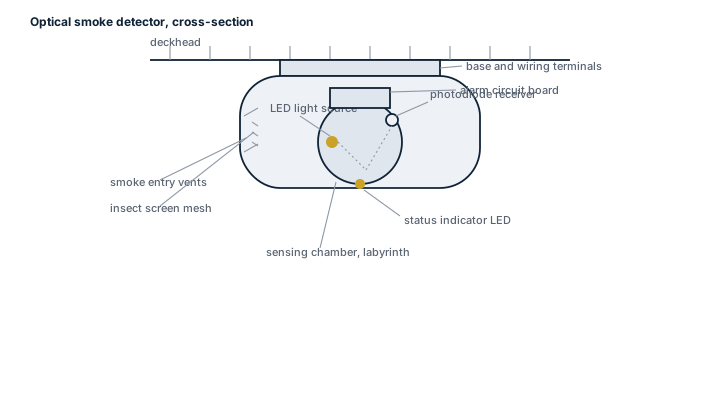
Point-type smoke detectors used on board fall into two working principles. Optical (photoelectric) detectors shine an infrared beam across a sensing chamber and measure light scattered by smoke particles; they respond well to the dense, visible smoke typical of smouldering cable insulation, upholstery or slow-burning solids. Ionisation detectors use a small radioactive source to ionise air in the chamber and measure the drop in current when smoke particles interfere with that ionised flow; they respond faster to the fine, largely invisible particles thrown off by fast-flaming fires with little visible smoke, such as burning fuel or paper. Multi-criteria detectors combine a smoke sensor with a heat or CO sensor and vote between them to cut false alarms, at the cost of a slower response in a genuine fast fire.
Main components
Sensing chamber
The optical or ionisation element itself, protected by an insect screen and a light trap or ionisation chamber housing. This is the part that ages: dust and salt-laden air gradually raise the baseline signal until the head drifts into false alarm territory.
Detector base and loop wiring
Plugs into a fixed base wired into an addressable or conventional loop back to the fire panel. Addressable bases carry an individual address so the panel reports the exact detector, not just the zone.
Fire panel interface
Processes the analogue signal, applies drift compensation and raises alarm, pre-alarm or fault at the bridge panel and any repeater panels.
Selection and placement
Type selection follows the fire risk of the space, not a fixed rule for the whole ship:
- Machinery spaces and areas with oil mist: heat detectors or multi-criteria units, since smoke detectors alone false-alarm on normal engine room haze.
- Accommodation, control rooms, cable trunks: optical smoke detectors are the default.
- Galleys and spaces with cooking fumes or steam: heat detectors or specially rated smoke detectors to avoid nuisance alarms.
- Coverage area per detector, ceiling height and beam obstructions all affect spacing and must follow the fire detection system's approved layout drawing, not a generic ceiling grid.
Regulations and class
SOLAS Chapter II-2 requires fixed fire detection and alarm systems in specified spaces depending on ship type, and the detectors themselves must meet the applicable IMO performance standard for shipborne fire detection equipment. Class rules require the system to be tested and the individual detector heads to be functionally tested at survey intervals set by the classification society, with sensitivity drift checked against the manufacturer's data. A detector that has drifted out of its calibrated window is treated as a fault, not left in service on the assumption it "still works".
Typical faults
| Fault | Cause | Consequence |
|---|---|---|
| Nuisance alarms | Dust or salt build-up in the chamber, insect ingress, wrong type for the space | Crew starts isolating or ignoring zones, defeating the system's purpose |
| No alarm on test | Corroded base contacts, broken loop wiring, detector not seated | Real fire in that space goes undetected until it is visible or smelt |
| Ground fault on loop | Chafed cable at a bulkhead penetration, moisture ingress in a junction box | Panel may isolate part of the loop, dropping several detectors at once |
| Sensitivity drift flagged by panel | Ageing sensing element, contamination | Detector due for cleaning or replacement before it fails outright |
What to look for in a supplier
- Type approval certificate matching the specific detector model, not just the product family.
- Compatibility confirmed with the existing fire panel's protocol - addressable loops are not interchangeable between panel manufacturers.
- Traceable batch and manufacture date, since sensing elements have a service life independent of whether they have triggered an alarm.
- Availability of the matching base, since heads and bases from different ranges of the same maker are not always compatible.
When a detector keeps false-alarming, replace or clean it rather than isolating the zone on the panel - an isolated zone is a zone with no fire protection at all, and it is easy to forget it was ever isolated.

2 manufacturers · 1–100 of 260 models
Hochiki Marine
67 ✓ 58 verified
- Area: Detector Optical Window ObstructionCheck: Visually inspect detector lens and chamber for dust, insect contamination, or corrosion buildup. Clean or replace detector if optical transmission is compromised (use magnifying glass for small particulates).
- Area: Sensitivity Drift and CalibrationCheck: Perform semi-annual sensitivity testing using manufacturer-approved calibration tools (e.g., NSTT-C for SIJ-24 series). Verify detector responds within listed sensitivity range (typically 25%-70% obscuration for photoelectric). Replace if sensitivity cannot be recalibrated.
- Area: Installation Mounting and AlignmentCheck: Verify detectors are properly seated in bases (confirm clockwise twist-lock engagement). For beam detectors, confirm alignment within reflector center using motorized alignment verification. Check mounting hardware security and absence of vibration-induced looseness.
- Area: Electrical Continuity and Base ContactCheck: Verify electrical connections at detector base and wiring terminals. Test continuity to control panel. For conventional detectors, confirm 24VDC supply voltage at detector head. For addressable detectors, test SCI loop continuity and polling response.
- Area: Environmental Interference and False AlarmsCheck: Inspect for sources of nuisance triggers: proximity to HVAC ducts, direct sunlight on beam detectors, steam/condensation sources near smoke detectors, or electromagnetic interference near addressable loops. Reposition detectors or install optical filters as needed per EN54 standards.
Typ-universelle Inspektionspunkte fuer Fire Detection Systems (verifiziert, 2026-06).
- Area: Detector Optical Window ObstructionCheck: Visually inspect detector lens and chamber for dust, insect contamination, or corrosion buildup. Clean or replace detector if optical transmission is compromised (use magnifying glass for small particulates).
- Area: Sensitivity Drift and CalibrationCheck: Perform semi-annual sensitivity testing using manufacturer-approved calibration tools (e.g., NSTT-C for SIJ-24 series). Verify detector responds within listed sensitivity range (typically 25%-70% obscuration for photoelectric). Replace if sensitivity cannot be recalibrated.
- Area: Installation Mounting and AlignmentCheck: Verify detectors are properly seated in bases (confirm clockwise twist-lock engagement). For beam detectors, confirm alignment within reflector center using motorized alignment verification. Check mounting hardware security and absence of vibration-induced looseness.
- Area: Electrical Continuity and Base ContactCheck: Verify electrical connections at detector base and wiring terminals. Test continuity to control panel. For conventional detectors, confirm 24VDC supply voltage at detector head. For addressable detectors, test SCI loop continuity and polling response.
- Area: Environmental Interference and False AlarmsCheck: Inspect for sources of nuisance triggers: proximity to HVAC ducts, direct sunlight on beam detectors, steam/condensation sources near smoke detectors, or electromagnetic interference near addressable loops. Reposition detectors or install optical filters as needed per EN54 standards.
Typ-universelle Inspektionspunkte fuer Fire Detection Systems (verifiziert, 2026-06).
- Area: Detector Optical Window ObstructionCheck: Visually inspect detector lens and chamber for dust, insect contamination, or corrosion buildup. Clean or replace detector if optical transmission is compromised (use magnifying glass for small particulates).
- Area: Sensitivity Drift and CalibrationCheck: Perform semi-annual sensitivity testing using manufacturer-approved calibration tools (e.g., NSTT-C for SIJ-24 series). Verify detector responds within listed sensitivity range (typically 25%-70% obscuration for photoelectric). Replace if sensitivity cannot be recalibrated.
- Area: Installation Mounting and AlignmentCheck: Verify detectors are properly seated in bases (confirm clockwise twist-lock engagement). For beam detectors, confirm alignment within reflector center using motorized alignment verification. Check mounting hardware security and absence of vibration-induced looseness.
- Area: Electrical Continuity and Base ContactCheck: Verify electrical connections at detector base and wiring terminals. Test continuity to control panel. For conventional detectors, confirm 24VDC supply voltage at detector head. For addressable detectors, test SCI loop continuity and polling response.
- Area: Environmental Interference and False AlarmsCheck: Inspect for sources of nuisance triggers: proximity to HVAC ducts, direct sunlight on beam detectors, steam/condensation sources near smoke detectors, or electromagnetic interference near addressable loops. Reposition detectors or install optical filters as needed per EN54 standards.
Typ-universelle Inspektionspunkte fuer Fire Detection Systems (verifiziert, 2026-06).
- Area: Detector Optical Window ObstructionCheck: Visually inspect detector lens and chamber for dust, insect contamination, or corrosion buildup. Clean or replace detector if optical transmission is compromised (use magnifying glass for small particulates).
- Area: Sensitivity Drift and CalibrationCheck: Perform semi-annual sensitivity testing using manufacturer-approved calibration tools (e.g., NSTT-C for SIJ-24 series). Verify detector responds within listed sensitivity range (typically 25%-70% obscuration for photoelectric). Replace if sensitivity cannot be recalibrated.
- Area: Installation Mounting and AlignmentCheck: Verify detectors are properly seated in bases (confirm clockwise twist-lock engagement). For beam detectors, confirm alignment within reflector center using motorized alignment verification. Check mounting hardware security and absence of vibration-induced looseness.
- Area: Electrical Continuity and Base ContactCheck: Verify electrical connections at detector base and wiring terminals. Test continuity to control panel. For conventional detectors, confirm 24VDC supply voltage at detector head. For addressable detectors, test SCI loop continuity and polling response.
- Area: Environmental Interference and False AlarmsCheck: Inspect for sources of nuisance triggers: proximity to HVAC ducts, direct sunlight on beam detectors, steam/condensation sources near smoke detectors, or electromagnetic interference near addressable loops. Reposition detectors or install optical filters as needed per EN54 standards.
Typ-universelle Inspektionspunkte fuer Fire Detection Systems (verifiziert, 2026-06).
- Area: Detector Optical Window ObstructionCheck: Visually inspect detector lens and chamber for dust, insect contamination, or corrosion buildup. Clean or replace detector if optical transmission is compromised (use magnifying glass for small particulates).
- Area: Sensitivity Drift and CalibrationCheck: Perform semi-annual sensitivity testing using manufacturer-approved calibration tools (e.g., NSTT-C for SIJ-24 series). Verify detector responds within listed sensitivity range (typically 25%-70% obscuration for photoelectric). Replace if sensitivity cannot be recalibrated.
- Area: Installation Mounting and AlignmentCheck: Verify detectors are properly seated in bases (confirm clockwise twist-lock engagement). For beam detectors, confirm alignment within reflector center using motorized alignment verification. Check mounting hardware security and absence of vibration-induced looseness.
- Area: Electrical Continuity and Base ContactCheck: Verify electrical connections at detector base and wiring terminals. Test continuity to control panel. For conventional detectors, confirm 24VDC supply voltage at detector head. For addressable detectors, test SCI loop continuity and polling response.
- Area: Environmental Interference and False AlarmsCheck: Inspect for sources of nuisance triggers: proximity to HVAC ducts, direct sunlight on beam detectors, steam/condensation sources near smoke detectors, or electromagnetic interference near addressable loops. Reposition detectors or install optical filters as needed per EN54 standards.
Typ-universelle Inspektionspunkte fuer Fire Detection Systems (verifiziert, 2026-06).
- Area: Detector Optical Window ObstructionCheck: Visually inspect detector lens and chamber for dust, insect contamination, or corrosion buildup. Clean or replace detector if optical transmission is compromised (use magnifying glass for small particulates).
- Area: Sensitivity Drift and CalibrationCheck: Perform semi-annual sensitivity testing using manufacturer-approved calibration tools (e.g., NSTT-C for SIJ-24 series). Verify detector responds within listed sensitivity range (typically 25%-70% obscuration for photoelectric). Replace if sensitivity cannot be recalibrated.
- Area: Installation Mounting and AlignmentCheck: Verify detectors are properly seated in bases (confirm clockwise twist-lock engagement). For beam detectors, confirm alignment within reflector center using motorized alignment verification. Check mounting hardware security and absence of vibration-induced looseness.
- Area: Electrical Continuity and Base ContactCheck: Verify electrical connections at detector base and wiring terminals. Test continuity to control panel. For conventional detectors, confirm 24VDC supply voltage at detector head. For addressable detectors, test SCI loop continuity and polling response.
- Area: Environmental Interference and False AlarmsCheck: Inspect for sources of nuisance triggers: proximity to HVAC ducts, direct sunlight on beam detectors, steam/condensation sources near smoke detectors, or electromagnetic interference near addressable loops. Reposition detectors or install optical filters as needed per EN54 standards.
Typ-universelle Inspektionspunkte fuer Fire Detection Systems (verifiziert, 2026-06).
- Area: Detector Optical Window ObstructionCheck: Visually inspect detector lens and chamber for dust, insect contamination, or corrosion buildup. Clean or replace detector if optical transmission is compromised (use magnifying glass for small particulates).
- Area: Sensitivity Drift and CalibrationCheck: Perform semi-annual sensitivity testing using manufacturer-approved calibration tools (e.g., NSTT-C for SIJ-24 series). Verify detector responds within listed sensitivity range (typically 25%-70% obscuration for photoelectric). Replace if sensitivity cannot be recalibrated.
- Area: Installation Mounting and AlignmentCheck: Verify detectors are properly seated in bases (confirm clockwise twist-lock engagement). For beam detectors, confirm alignment within reflector center using motorized alignment verification. Check mounting hardware security and absence of vibration-induced looseness.
- Area: Electrical Continuity and Base ContactCheck: Verify electrical connections at detector base and wiring terminals. Test continuity to control panel. For conventional detectors, confirm 24VDC supply voltage at detector head. For addressable detectors, test SCI loop continuity and polling response.
- Area: Environmental Interference and False AlarmsCheck: Inspect for sources of nuisance triggers: proximity to HVAC ducts, direct sunlight on beam detectors, steam/condensation sources near smoke detectors, or electromagnetic interference near addressable loops. Reposition detectors or install optical filters as needed per EN54 standards.
Typ-universelle Inspektionspunkte fuer Fire Detection Systems (verifiziert, 2026-06).
- Area: Detector Optical Window ObstructionCheck: Visually inspect detector lens and chamber for dust, insect contamination, or corrosion buildup. Clean or replace detector if optical transmission is compromised (use magnifying glass for small particulates).
- Area: Sensitivity Drift and CalibrationCheck: Perform semi-annual sensitivity testing using manufacturer-approved calibration tools (e.g., NSTT-C for SIJ-24 series). Verify detector responds within listed sensitivity range (typically 25%-70% obscuration for photoelectric). Replace if sensitivity cannot be recalibrated.
- Area: Installation Mounting and AlignmentCheck: Verify detectors are properly seated in bases (confirm clockwise twist-lock engagement). For beam detectors, confirm alignment within reflector center using motorized alignment verification. Check mounting hardware security and absence of vibration-induced looseness.
- Area: Electrical Continuity and Base ContactCheck: Verify electrical connections at detector base and wiring terminals. Test continuity to control panel. For conventional detectors, confirm 24VDC supply voltage at detector head. For addressable detectors, test SCI loop continuity and polling response.
- Area: Environmental Interference and False AlarmsCheck: Inspect for sources of nuisance triggers: proximity to HVAC ducts, direct sunlight on beam detectors, steam/condensation sources near smoke detectors, or electromagnetic interference near addressable loops. Reposition detectors or install optical filters as needed per EN54 standards.
Typ-universelle Inspektionspunkte fuer Fire Detection Systems (verifiziert, 2026-06).
- Area: Detector Optical Window ObstructionCheck: Visually inspect detector lens and chamber for dust, insect contamination, or corrosion buildup. Clean or replace detector if optical transmission is compromised (use magnifying glass for small particulates).
- Area: Sensitivity Drift and CalibrationCheck: Perform semi-annual sensitivity testing using manufacturer-approved calibration tools (e.g., NSTT-C for SIJ-24 series). Verify detector responds within listed sensitivity range (typically 25%-70% obscuration for photoelectric). Replace if sensitivity cannot be recalibrated.
- Area: Installation Mounting and AlignmentCheck: Verify detectors are properly seated in bases (confirm clockwise twist-lock engagement). For beam detectors, confirm alignment within reflector center using motorized alignment verification. Check mounting hardware security and absence of vibration-induced looseness.
- Area: Electrical Continuity and Base ContactCheck: Verify electrical connections at detector base and wiring terminals. Test continuity to control panel. For conventional detectors, confirm 24VDC supply voltage at detector head. For addressable detectors, test SCI loop continuity and polling response.
- Area: Environmental Interference and False AlarmsCheck: Inspect for sources of nuisance triggers: proximity to HVAC ducts, direct sunlight on beam detectors, steam/condensation sources near smoke detectors, or electromagnetic interference near addressable loops. Reposition detectors or install optical filters as needed per EN54 standards.
Typ-universelle Inspektionspunkte fuer Fire Detection Systems (verifiziert, 2026-06).
- Area: Detector Optical Window ObstructionCheck: Visually inspect detector lens and chamber for dust, insect contamination, or corrosion buildup. Clean or replace detector if optical transmission is compromised (use magnifying glass for small particulates).
- Area: Sensitivity Drift and CalibrationCheck: Perform semi-annual sensitivity testing using manufacturer-approved calibration tools (e.g., NSTT-C for SIJ-24 series). Verify detector responds within listed sensitivity range (typically 25%-70% obscuration for photoelectric). Replace if sensitivity cannot be recalibrated.
- Area: Installation Mounting and AlignmentCheck: Verify detectors are properly seated in bases (confirm clockwise twist-lock engagement). For beam detectors, confirm alignment within reflector center using motorized alignment verification. Check mounting hardware security and absence of vibration-induced looseness.
- Area: Electrical Continuity and Base ContactCheck: Verify electrical connections at detector base and wiring terminals. Test continuity to control panel. For conventional detectors, confirm 24VDC supply voltage at detector head. For addressable detectors, test SCI loop continuity and polling response.
- Area: Environmental Interference and False AlarmsCheck: Inspect for sources of nuisance triggers: proximity to HVAC ducts, direct sunlight on beam detectors, steam/condensation sources near smoke detectors, or electromagnetic interference near addressable loops. Reposition detectors or install optical filters as needed per EN54 standards.
Typ-universelle Inspektionspunkte fuer Fire Detection Systems (verifiziert, 2026-06).
- Area: Detector Optical Window ObstructionCheck: Visually inspect detector lens and chamber for dust, insect contamination, or corrosion buildup. Clean or replace detector if optical transmission is compromised (use magnifying glass for small particulates).
- Area: Sensitivity Drift and CalibrationCheck: Perform semi-annual sensitivity testing using manufacturer-approved calibration tools (e.g., NSTT-C for SIJ-24 series). Verify detector responds within listed sensitivity range (typically 25%-70% obscuration for photoelectric). Replace if sensitivity cannot be recalibrated.
- Area: Installation Mounting and AlignmentCheck: Verify detectors are properly seated in bases (confirm clockwise twist-lock engagement). For beam detectors, confirm alignment within reflector center using motorized alignment verification. Check mounting hardware security and absence of vibration-induced looseness.
- Area: Electrical Continuity and Base ContactCheck: Verify electrical connections at detector base and wiring terminals. Test continuity to control panel. For conventional detectors, confirm 24VDC supply voltage at detector head. For addressable detectors, test SCI loop continuity and polling response.
- Area: Environmental Interference and False AlarmsCheck: Inspect for sources of nuisance triggers: proximity to HVAC ducts, direct sunlight on beam detectors, steam/condensation sources near smoke detectors, or electromagnetic interference near addressable loops. Reposition detectors or install optical filters as needed per EN54 standards.
Typ-universelle Inspektionspunkte fuer Fire Detection Systems (verifiziert, 2026-06).
- Area: Detector Optical Window ObstructionCheck: Visually inspect detector lens and chamber for dust, insect contamination, or corrosion buildup. Clean or replace detector if optical transmission is compromised (use magnifying glass for small particulates).
- Area: Sensitivity Drift and CalibrationCheck: Perform semi-annual sensitivity testing using manufacturer-approved calibration tools (e.g., NSTT-C for SIJ-24 series). Verify detector responds within listed sensitivity range (typically 25%-70% obscuration for photoelectric). Replace if sensitivity cannot be recalibrated.
- Area: Installation Mounting and AlignmentCheck: Verify detectors are properly seated in bases (confirm clockwise twist-lock engagement). For beam detectors, confirm alignment within reflector center using motorized alignment verification. Check mounting hardware security and absence of vibration-induced looseness.
- Area: Electrical Continuity and Base ContactCheck: Verify electrical connections at detector base and wiring terminals. Test continuity to control panel. For conventional detectors, confirm 24VDC supply voltage at detector head. For addressable detectors, test SCI loop continuity and polling response.
- Area: Environmental Interference and False AlarmsCheck: Inspect for sources of nuisance triggers: proximity to HVAC ducts, direct sunlight on beam detectors, steam/condensation sources near smoke detectors, or electromagnetic interference near addressable loops. Reposition detectors or install optical filters as needed per EN54 standards.
Typ-universelle Inspektionspunkte fuer Fire Detection Systems (verifiziert, 2026-06).
- Area: Detector Optical Window ObstructionCheck: Visually inspect detector lens and chamber for dust, insect contamination, or corrosion buildup. Clean or replace detector if optical transmission is compromised (use magnifying glass for small particulates).
- Area: Sensitivity Drift and CalibrationCheck: Perform semi-annual sensitivity testing using manufacturer-approved calibration tools (e.g., NSTT-C for SIJ-24 series). Verify detector responds within listed sensitivity range (typically 25%-70% obscuration for photoelectric). Replace if sensitivity cannot be recalibrated.
- Area: Installation Mounting and AlignmentCheck: Verify detectors are properly seated in bases (confirm clockwise twist-lock engagement). For beam detectors, confirm alignment within reflector center using motorized alignment verification. Check mounting hardware security and absence of vibration-induced looseness.
- Area: Electrical Continuity and Base ContactCheck: Verify electrical connections at detector base and wiring terminals. Test continuity to control panel. For conventional detectors, confirm 24VDC supply voltage at detector head. For addressable detectors, test SCI loop continuity and polling response.
- Area: Environmental Interference and False AlarmsCheck: Inspect for sources of nuisance triggers: proximity to HVAC ducts, direct sunlight on beam detectors, steam/condensation sources near smoke detectors, or electromagnetic interference near addressable loops. Reposition detectors or install optical filters as needed per EN54 standards.
Typ-universelle Inspektionspunkte fuer Fire Detection Systems (verifiziert, 2026-06).
- Area: Detector Optical Window ObstructionCheck: Visually inspect detector lens and chamber for dust, insect contamination, or corrosion buildup. Clean or replace detector if optical transmission is compromised (use magnifying glass for small particulates).
- Area: Sensitivity Drift and CalibrationCheck: Perform semi-annual sensitivity testing using manufacturer-approved calibration tools (e.g., NSTT-C for SIJ-24 series). Verify detector responds within listed sensitivity range (typically 25%-70% obscuration for photoelectric). Replace if sensitivity cannot be recalibrated.
- Area: Installation Mounting and AlignmentCheck: Verify detectors are properly seated in bases (confirm clockwise twist-lock engagement). For beam detectors, confirm alignment within reflector center using motorized alignment verification. Check mounting hardware security and absence of vibration-induced looseness.
- Area: Electrical Continuity and Base ContactCheck: Verify electrical connections at detector base and wiring terminals. Test continuity to control panel. For conventional detectors, confirm 24VDC supply voltage at detector head. For addressable detectors, test SCI loop continuity and polling response.
- Area: Environmental Interference and False AlarmsCheck: Inspect for sources of nuisance triggers: proximity to HVAC ducts, direct sunlight on beam detectors, steam/condensation sources near smoke detectors, or electromagnetic interference near addressable loops. Reposition detectors or install optical filters as needed per EN54 standards.
Typ-universelle Inspektionspunkte fuer Fire Detection Systems (verifiziert, 2026-06).
- Area: Detector Optical Window ObstructionCheck: Visually inspect detector lens and chamber for dust, insect contamination, or corrosion buildup. Clean or replace detector if optical transmission is compromised (use magnifying glass for small particulates).
- Area: Sensitivity Drift and CalibrationCheck: Perform semi-annual sensitivity testing using manufacturer-approved calibration tools (e.g., NSTT-C for SIJ-24 series). Verify detector responds within listed sensitivity range (typically 25%-70% obscuration for photoelectric). Replace if sensitivity cannot be recalibrated.
- Area: Installation Mounting and AlignmentCheck: Verify detectors are properly seated in bases (confirm clockwise twist-lock engagement). For beam detectors, confirm alignment within reflector center using motorized alignment verification. Check mounting hardware security and absence of vibration-induced looseness.
- Area: Electrical Continuity and Base ContactCheck: Verify electrical connections at detector base and wiring terminals. Test continuity to control panel. For conventional detectors, confirm 24VDC supply voltage at detector head. For addressable detectors, test SCI loop continuity and polling response.
- Area: Environmental Interference and False AlarmsCheck: Inspect for sources of nuisance triggers: proximity to HVAC ducts, direct sunlight on beam detectors, steam/condensation sources near smoke detectors, or electromagnetic interference near addressable loops. Reposition detectors or install optical filters as needed per EN54 standards.
Typ-universelle Inspektionspunkte fuer Fire Detection Systems (verifiziert, 2026-06).
- Area: Detector Optical Window ObstructionCheck: Visually inspect detector lens and chamber for dust, insect contamination, or corrosion buildup. Clean or replace detector if optical transmission is compromised (use magnifying glass for small particulates).
- Area: Sensitivity Drift and CalibrationCheck: Perform semi-annual sensitivity testing using manufacturer-approved calibration tools (e.g., NSTT-C for SIJ-24 series). Verify detector responds within listed sensitivity range (typically 25%-70% obscuration for photoelectric). Replace if sensitivity cannot be recalibrated.
- Area: Installation Mounting and AlignmentCheck: Verify detectors are properly seated in bases (confirm clockwise twist-lock engagement). For beam detectors, confirm alignment within reflector center using motorized alignment verification. Check mounting hardware security and absence of vibration-induced looseness.
- Area: Electrical Continuity and Base ContactCheck: Verify electrical connections at detector base and wiring terminals. Test continuity to control panel. For conventional detectors, confirm 24VDC supply voltage at detector head. For addressable detectors, test SCI loop continuity and polling response.
- Area: Environmental Interference and False AlarmsCheck: Inspect for sources of nuisance triggers: proximity to HVAC ducts, direct sunlight on beam detectors, steam/condensation sources near smoke detectors, or electromagnetic interference near addressable loops. Reposition detectors or install optical filters as needed per EN54 standards.
Typ-universelle Inspektionspunkte fuer Fire Detection Systems (verifiziert, 2026-06).
- Area: Detector Optical Window ObstructionCheck: Visually inspect detector lens and chamber for dust, insect contamination, or corrosion buildup. Clean or replace detector if optical transmission is compromised (use magnifying glass for small particulates).
- Area: Sensitivity Drift and CalibrationCheck: Perform semi-annual sensitivity testing using manufacturer-approved calibration tools (e.g., NSTT-C for SIJ-24 series). Verify detector responds within listed sensitivity range (typically 25%-70% obscuration for photoelectric). Replace if sensitivity cannot be recalibrated.
- Area: Installation Mounting and AlignmentCheck: Verify detectors are properly seated in bases (confirm clockwise twist-lock engagement). For beam detectors, confirm alignment within reflector center using motorized alignment verification. Check mounting hardware security and absence of vibration-induced looseness.
- Area: Electrical Continuity and Base ContactCheck: Verify electrical connections at detector base and wiring terminals. Test continuity to control panel. For conventional detectors, confirm 24VDC supply voltage at detector head. For addressable detectors, test SCI loop continuity and polling response.
- Area: Environmental Interference and False AlarmsCheck: Inspect for sources of nuisance triggers: proximity to HVAC ducts, direct sunlight on beam detectors, steam/condensation sources near smoke detectors, or electromagnetic interference near addressable loops. Reposition detectors or install optical filters as needed per EN54 standards.
Typ-universelle Inspektionspunkte fuer Fire Detection Systems (verifiziert, 2026-06).
- Area: Detector Optical Window ObstructionCheck: Visually inspect detector lens and chamber for dust, insect contamination, or corrosion buildup. Clean or replace detector if optical transmission is compromised (use magnifying glass for small particulates).
- Area: Sensitivity Drift and CalibrationCheck: Perform semi-annual sensitivity testing using manufacturer-approved calibration tools (e.g., NSTT-C for SIJ-24 series). Verify detector responds within listed sensitivity range (typically 25%-70% obscuration for photoelectric). Replace if sensitivity cannot be recalibrated.
- Area: Installation Mounting and AlignmentCheck: Verify detectors are properly seated in bases (confirm clockwise twist-lock engagement). For beam detectors, confirm alignment within reflector center using motorized alignment verification. Check mounting hardware security and absence of vibration-induced looseness.
- Area: Electrical Continuity and Base ContactCheck: Verify electrical connections at detector base and wiring terminals. Test continuity to control panel. For conventional detectors, confirm 24VDC supply voltage at detector head. For addressable detectors, test SCI loop continuity and polling response.
- Area: Environmental Interference and False AlarmsCheck: Inspect for sources of nuisance triggers: proximity to HVAC ducts, direct sunlight on beam detectors, steam/condensation sources near smoke detectors, or electromagnetic interference near addressable loops. Reposition detectors or install optical filters as needed per EN54 standards.
Typ-universelle Inspektionspunkte fuer Fire Detection Systems (verifiziert, 2026-06).
- Area: Detector Optical Window ObstructionCheck: Visually inspect detector lens and chamber for dust, insect contamination, or corrosion buildup. Clean or replace detector if optical transmission is compromised (use magnifying glass for small particulates).
- Area: Sensitivity Drift and CalibrationCheck: Perform semi-annual sensitivity testing using manufacturer-approved calibration tools (e.g., NSTT-C for SIJ-24 series). Verify detector responds within listed sensitivity range (typically 25%-70% obscuration for photoelectric). Replace if sensitivity cannot be recalibrated.
- Area: Installation Mounting and AlignmentCheck: Verify detectors are properly seated in bases (confirm clockwise twist-lock engagement). For beam detectors, confirm alignment within reflector center using motorized alignment verification. Check mounting hardware security and absence of vibration-induced looseness.
- Area: Electrical Continuity and Base ContactCheck: Verify electrical connections at detector base and wiring terminals. Test continuity to control panel. For conventional detectors, confirm 24VDC supply voltage at detector head. For addressable detectors, test SCI loop continuity and polling response.
- Area: Environmental Interference and False AlarmsCheck: Inspect for sources of nuisance triggers: proximity to HVAC ducts, direct sunlight on beam detectors, steam/condensation sources near smoke detectors, or electromagnetic interference near addressable loops. Reposition detectors or install optical filters as needed per EN54 standards.
Typ-universelle Inspektionspunkte fuer Fire Detection Systems (verifiziert, 2026-06).
- Area: Detector Optical Window ObstructionCheck: Visually inspect detector lens and chamber for dust, insect contamination, or corrosion buildup. Clean or replace detector if optical transmission is compromised (use magnifying glass for small particulates).
- Area: Sensitivity Drift and CalibrationCheck: Perform semi-annual sensitivity testing using manufacturer-approved calibration tools (e.g., NSTT-C for SIJ-24 series). Verify detector responds within listed sensitivity range (typically 25%-70% obscuration for photoelectric). Replace if sensitivity cannot be recalibrated.
- Area: Installation Mounting and AlignmentCheck: Verify detectors are properly seated in bases (confirm clockwise twist-lock engagement). For beam detectors, confirm alignment within reflector center using motorized alignment verification. Check mounting hardware security and absence of vibration-induced looseness.
- Area: Electrical Continuity and Base ContactCheck: Verify electrical connections at detector base and wiring terminals. Test continuity to control panel. For conventional detectors, confirm 24VDC supply voltage at detector head. For addressable detectors, test SCI loop continuity and polling response.
- Area: Environmental Interference and False AlarmsCheck: Inspect for sources of nuisance triggers: proximity to HVAC ducts, direct sunlight on beam detectors, steam/condensation sources near smoke detectors, or electromagnetic interference near addressable loops. Reposition detectors or install optical filters as needed per EN54 standards.
Typ-universelle Inspektionspunkte fuer Fire Detection Systems (verifiziert, 2026-06).
- Area: Detector Optical Window ObstructionCheck: Visually inspect detector lens and chamber for dust, insect contamination, or corrosion buildup. Clean or replace detector if optical transmission is compromised (use magnifying glass for small particulates).
- Area: Sensitivity Drift and CalibrationCheck: Perform semi-annual sensitivity testing using manufacturer-approved calibration tools (e.g., NSTT-C for SIJ-24 series). Verify detector responds within listed sensitivity range (typically 25%-70% obscuration for photoelectric). Replace if sensitivity cannot be recalibrated.
- Area: Installation Mounting and AlignmentCheck: Verify detectors are properly seated in bases (confirm clockwise twist-lock engagement). For beam detectors, confirm alignment within reflector center using motorized alignment verification. Check mounting hardware security and absence of vibration-induced looseness.
- Area: Electrical Continuity and Base ContactCheck: Verify electrical connections at detector base and wiring terminals. Test continuity to control panel. For conventional detectors, confirm 24VDC supply voltage at detector head. For addressable detectors, test SCI loop continuity and polling response.
- Area: Environmental Interference and False AlarmsCheck: Inspect for sources of nuisance triggers: proximity to HVAC ducts, direct sunlight on beam detectors, steam/condensation sources near smoke detectors, or electromagnetic interference near addressable loops. Reposition detectors or install optical filters as needed per EN54 standards.
Typ-universelle Inspektionspunkte fuer Fire Detection Systems (verifiziert, 2026-06).
- Area: Detector Optical Window ObstructionCheck: Visually inspect detector lens and chamber for dust, insect contamination, or corrosion buildup. Clean or replace detector if optical transmission is compromised (use magnifying glass for small particulates).
- Area: Sensitivity Drift and CalibrationCheck: Perform semi-annual sensitivity testing using manufacturer-approved calibration tools (e.g., NSTT-C for SIJ-24 series). Verify detector responds within listed sensitivity range (typically 25%-70% obscuration for photoelectric). Replace if sensitivity cannot be recalibrated.
- Area: Installation Mounting and AlignmentCheck: Verify detectors are properly seated in bases (confirm clockwise twist-lock engagement). For beam detectors, confirm alignment within reflector center using motorized alignment verification. Check mounting hardware security and absence of vibration-induced looseness.
- Area: Electrical Continuity and Base ContactCheck: Verify electrical connections at detector base and wiring terminals. Test continuity to control panel. For conventional detectors, confirm 24VDC supply voltage at detector head. For addressable detectors, test SCI loop continuity and polling response.
- Area: Environmental Interference and False AlarmsCheck: Inspect for sources of nuisance triggers: proximity to HVAC ducts, direct sunlight on beam detectors, steam/condensation sources near smoke detectors, or electromagnetic interference near addressable loops. Reposition detectors or install optical filters as needed per EN54 standards.
Typ-universelle Inspektionspunkte fuer Fire Detection Systems (verifiziert, 2026-06).
- Area: Detector Optical Window ObstructionCheck: Visually inspect detector lens and chamber for dust, insect contamination, or corrosion buildup. Clean or replace detector if optical transmission is compromised (use magnifying glass for small particulates).
- Area: Sensitivity Drift and CalibrationCheck: Perform semi-annual sensitivity testing using manufacturer-approved calibration tools (e.g., NSTT-C for SIJ-24 series). Verify detector responds within listed sensitivity range (typically 25%-70% obscuration for photoelectric). Replace if sensitivity cannot be recalibrated.
- Area: Installation Mounting and AlignmentCheck: Verify detectors are properly seated in bases (confirm clockwise twist-lock engagement). For beam detectors, confirm alignment within reflector center using motorized alignment verification. Check mounting hardware security and absence of vibration-induced looseness.
- Area: Electrical Continuity and Base ContactCheck: Verify electrical connections at detector base and wiring terminals. Test continuity to control panel. For conventional detectors, confirm 24VDC supply voltage at detector head. For addressable detectors, test SCI loop continuity and polling response.
- Area: Environmental Interference and False AlarmsCheck: Inspect for sources of nuisance triggers: proximity to HVAC ducts, direct sunlight on beam detectors, steam/condensation sources near smoke detectors, or electromagnetic interference near addressable loops. Reposition detectors or install optical filters as needed per EN54 standards.
Typ-universelle Inspektionspunkte fuer Fire Detection Systems (verifiziert, 2026-06).
- Area: Detector Optical Window ObstructionCheck: Visually inspect detector lens and chamber for dust, insect contamination, or corrosion buildup. Clean or replace detector if optical transmission is compromised (use magnifying glass for small particulates).
- Area: Sensitivity Drift and CalibrationCheck: Perform semi-annual sensitivity testing using manufacturer-approved calibration tools (e.g., NSTT-C for SIJ-24 series). Verify detector responds within listed sensitivity range (typically 25%-70% obscuration for photoelectric). Replace if sensitivity cannot be recalibrated.
- Area: Installation Mounting and AlignmentCheck: Verify detectors are properly seated in bases (confirm clockwise twist-lock engagement). For beam detectors, confirm alignment within reflector center using motorized alignment verification. Check mounting hardware security and absence of vibration-induced looseness.
- Area: Electrical Continuity and Base ContactCheck: Verify electrical connections at detector base and wiring terminals. Test continuity to control panel. For conventional detectors, confirm 24VDC supply voltage at detector head. For addressable detectors, test SCI loop continuity and polling response.
- Area: Environmental Interference and False AlarmsCheck: Inspect for sources of nuisance triggers: proximity to HVAC ducts, direct sunlight on beam detectors, steam/condensation sources near smoke detectors, or electromagnetic interference near addressable loops. Reposition detectors or install optical filters as needed per EN54 standards.
Typ-universelle Inspektionspunkte fuer Fire Detection Systems (verifiziert, 2026-06).
- Area: Detector Optical Window ObstructionCheck: Visually inspect detector lens and chamber for dust, insect contamination, or corrosion buildup. Clean or replace detector if optical transmission is compromised (use magnifying glass for small particulates).
- Area: Sensitivity Drift and CalibrationCheck: Perform semi-annual sensitivity testing using manufacturer-approved calibration tools (e.g., NSTT-C for SIJ-24 series). Verify detector responds within listed sensitivity range (typically 25%-70% obscuration for photoelectric). Replace if sensitivity cannot be recalibrated.
- Area: Installation Mounting and AlignmentCheck: Verify detectors are properly seated in bases (confirm clockwise twist-lock engagement). For beam detectors, confirm alignment within reflector center using motorized alignment verification. Check mounting hardware security and absence of vibration-induced looseness.
- Area: Electrical Continuity and Base ContactCheck: Verify electrical connections at detector base and wiring terminals. Test continuity to control panel. For conventional detectors, confirm 24VDC supply voltage at detector head. For addressable detectors, test SCI loop continuity and polling response.
- Area: Environmental Interference and False AlarmsCheck: Inspect for sources of nuisance triggers: proximity to HVAC ducts, direct sunlight on beam detectors, steam/condensation sources near smoke detectors, or electromagnetic interference near addressable loops. Reposition detectors or install optical filters as needed per EN54 standards.
Typ-universelle Inspektionspunkte fuer Fire Detection Systems (verifiziert, 2026-06).
- Area: Detector Optical Window ObstructionCheck: Visually inspect detector lens and chamber for dust, insect contamination, or corrosion buildup. Clean or replace detector if optical transmission is compromised (use magnifying glass for small particulates).
- Area: Sensitivity Drift and CalibrationCheck: Perform semi-annual sensitivity testing using manufacturer-approved calibration tools (e.g., NSTT-C for SIJ-24 series). Verify detector responds within listed sensitivity range (typically 25%-70% obscuration for photoelectric). Replace if sensitivity cannot be recalibrated.
- Area: Installation Mounting and AlignmentCheck: Verify detectors are properly seated in bases (confirm clockwise twist-lock engagement). For beam detectors, confirm alignment within reflector center using motorized alignment verification. Check mounting hardware security and absence of vibration-induced looseness.
- Area: Electrical Continuity and Base ContactCheck: Verify electrical connections at detector base and wiring terminals. Test continuity to control panel. For conventional detectors, confirm 24VDC supply voltage at detector head. For addressable detectors, test SCI loop continuity and polling response.
- Area: Environmental Interference and False AlarmsCheck: Inspect for sources of nuisance triggers: proximity to HVAC ducts, direct sunlight on beam detectors, steam/condensation sources near smoke detectors, or electromagnetic interference near addressable loops. Reposition detectors or install optical filters as needed per EN54 standards.
Typ-universelle Inspektionspunkte fuer Fire Detection Systems (verifiziert, 2026-06).
- Area: Detector Optical Window ObstructionCheck: Visually inspect detector lens and chamber for dust, insect contamination, or corrosion buildup. Clean or replace detector if optical transmission is compromised (use magnifying glass for small particulates).
- Area: Sensitivity Drift and CalibrationCheck: Perform semi-annual sensitivity testing using manufacturer-approved calibration tools (e.g., NSTT-C for SIJ-24 series). Verify detector responds within listed sensitivity range (typically 25%-70% obscuration for photoelectric). Replace if sensitivity cannot be recalibrated.
- Area: Installation Mounting and AlignmentCheck: Verify detectors are properly seated in bases (confirm clockwise twist-lock engagement). For beam detectors, confirm alignment within reflector center using motorized alignment verification. Check mounting hardware security and absence of vibration-induced looseness.
- Area: Electrical Continuity and Base ContactCheck: Verify electrical connections at detector base and wiring terminals. Test continuity to control panel. For conventional detectors, confirm 24VDC supply voltage at detector head. For addressable detectors, test SCI loop continuity and polling response.
- Area: Environmental Interference and False AlarmsCheck: Inspect for sources of nuisance triggers: proximity to HVAC ducts, direct sunlight on beam detectors, steam/condensation sources near smoke detectors, or electromagnetic interference near addressable loops. Reposition detectors or install optical filters as needed per EN54 standards.
Typ-universelle Inspektionspunkte fuer Fire Detection Systems (verifiziert, 2026-06).
- Area: Detector Optical Window ObstructionCheck: Visually inspect detector lens and chamber for dust, insect contamination, or corrosion buildup. Clean or replace detector if optical transmission is compromised (use magnifying glass for small particulates).
- Area: Sensitivity Drift and CalibrationCheck: Perform semi-annual sensitivity testing using manufacturer-approved calibration tools (e.g., NSTT-C for SIJ-24 series). Verify detector responds within listed sensitivity range (typically 25%-70% obscuration for photoelectric). Replace if sensitivity cannot be recalibrated.
- Area: Installation Mounting and AlignmentCheck: Verify detectors are properly seated in bases (confirm clockwise twist-lock engagement). For beam detectors, confirm alignment within reflector center using motorized alignment verification. Check mounting hardware security and absence of vibration-induced looseness.
- Area: Electrical Continuity and Base ContactCheck: Verify electrical connections at detector base and wiring terminals. Test continuity to control panel. For conventional detectors, confirm 24VDC supply voltage at detector head. For addressable detectors, test SCI loop continuity and polling response.
- Area: Environmental Interference and False AlarmsCheck: Inspect for sources of nuisance triggers: proximity to HVAC ducts, direct sunlight on beam detectors, steam/condensation sources near smoke detectors, or electromagnetic interference near addressable loops. Reposition detectors or install optical filters as needed per EN54 standards.
Typ-universelle Inspektionspunkte fuer Fire Detection Systems (verifiziert, 2026-06).
- Area: Detector Optical Window ObstructionCheck: Visually inspect detector lens and chamber for dust, insect contamination, or corrosion buildup. Clean or replace detector if optical transmission is compromised (use magnifying glass for small particulates).
- Area: Sensitivity Drift and CalibrationCheck: Perform semi-annual sensitivity testing using manufacturer-approved calibration tools (e.g., NSTT-C for SIJ-24 series). Verify detector responds within listed sensitivity range (typically 25%-70% obscuration for photoelectric). Replace if sensitivity cannot be recalibrated.
- Area: Installation Mounting and AlignmentCheck: Verify detectors are properly seated in bases (confirm clockwise twist-lock engagement). For beam detectors, confirm alignment within reflector center using motorized alignment verification. Check mounting hardware security and absence of vibration-induced looseness.
- Area: Electrical Continuity and Base ContactCheck: Verify electrical connections at detector base and wiring terminals. Test continuity to control panel. For conventional detectors, confirm 24VDC supply voltage at detector head. For addressable detectors, test SCI loop continuity and polling response.
- Area: Environmental Interference and False AlarmsCheck: Inspect for sources of nuisance triggers: proximity to HVAC ducts, direct sunlight on beam detectors, steam/condensation sources near smoke detectors, or electromagnetic interference near addressable loops. Reposition detectors or install optical filters as needed per EN54 standards.
Typ-universelle Inspektionspunkte fuer Fire Detection Systems (verifiziert, 2026-06).
- Area: Detector Optical Window ObstructionCheck: Visually inspect detector lens and chamber for dust, insect contamination, or corrosion buildup. Clean or replace detector if optical transmission is compromised (use magnifying glass for small particulates).
- Area: Sensitivity Drift and CalibrationCheck: Perform semi-annual sensitivity testing using manufacturer-approved calibration tools (e.g., NSTT-C for SIJ-24 series). Verify detector responds within listed sensitivity range (typically 25%-70% obscuration for photoelectric). Replace if sensitivity cannot be recalibrated.
- Area: Installation Mounting and AlignmentCheck: Verify detectors are properly seated in bases (confirm clockwise twist-lock engagement). For beam detectors, confirm alignment within reflector center using motorized alignment verification. Check mounting hardware security and absence of vibration-induced looseness.
- Area: Electrical Continuity and Base ContactCheck: Verify electrical connections at detector base and wiring terminals. Test continuity to control panel. For conventional detectors, confirm 24VDC supply voltage at detector head. For addressable detectors, test SCI loop continuity and polling response.
- Area: Environmental Interference and False AlarmsCheck: Inspect for sources of nuisance triggers: proximity to HVAC ducts, direct sunlight on beam detectors, steam/condensation sources near smoke detectors, or electromagnetic interference near addressable loops. Reposition detectors or install optical filters as needed per EN54 standards.
Typ-universelle Inspektionspunkte fuer Fire Detection Systems (verifiziert, 2026-06).
- Area: Detector Optical Window ObstructionCheck: Visually inspect detector lens and chamber for dust, insect contamination, or corrosion buildup. Clean or replace detector if optical transmission is compromised (use magnifying glass for small particulates).
- Area: Sensitivity Drift and CalibrationCheck: Perform semi-annual sensitivity testing using manufacturer-approved calibration tools (e.g., NSTT-C for SIJ-24 series). Verify detector responds within listed sensitivity range (typically 25%-70% obscuration for photoelectric). Replace if sensitivity cannot be recalibrated.
- Area: Installation Mounting and AlignmentCheck: Verify detectors are properly seated in bases (confirm clockwise twist-lock engagement). For beam detectors, confirm alignment within reflector center using motorized alignment verification. Check mounting hardware security and absence of vibration-induced looseness.
- Area: Electrical Continuity and Base ContactCheck: Verify electrical connections at detector base and wiring terminals. Test continuity to control panel. For conventional detectors, confirm 24VDC supply voltage at detector head. For addressable detectors, test SCI loop continuity and polling response.
- Area: Environmental Interference and False AlarmsCheck: Inspect for sources of nuisance triggers: proximity to HVAC ducts, direct sunlight on beam detectors, steam/condensation sources near smoke detectors, or electromagnetic interference near addressable loops. Reposition detectors or install optical filters as needed per EN54 standards.
Typ-universelle Inspektionspunkte fuer Fire Detection Systems (verifiziert, 2026-06).
- Area: Detector Optical Window ObstructionCheck: Visually inspect detector lens and chamber for dust, insect contamination, or corrosion buildup. Clean or replace detector if optical transmission is compromised (use magnifying glass for small particulates).
- Area: Sensitivity Drift and CalibrationCheck: Perform semi-annual sensitivity testing using manufacturer-approved calibration tools (e.g., NSTT-C for SIJ-24 series). Verify detector responds within listed sensitivity range (typically 25%-70% obscuration for photoelectric). Replace if sensitivity cannot be recalibrated.
- Area: Installation Mounting and AlignmentCheck: Verify detectors are properly seated in bases (confirm clockwise twist-lock engagement). For beam detectors, confirm alignment within reflector center using motorized alignment verification. Check mounting hardware security and absence of vibration-induced looseness.
- Area: Electrical Continuity and Base ContactCheck: Verify electrical connections at detector base and wiring terminals. Test continuity to control panel. For conventional detectors, confirm 24VDC supply voltage at detector head. For addressable detectors, test SCI loop continuity and polling response.
- Area: Environmental Interference and False AlarmsCheck: Inspect for sources of nuisance triggers: proximity to HVAC ducts, direct sunlight on beam detectors, steam/condensation sources near smoke detectors, or electromagnetic interference near addressable loops. Reposition detectors or install optical filters as needed per EN54 standards.
Typ-universelle Inspektionspunkte fuer Fire Detection Systems (verifiziert, 2026-06).
- Area: Detector Optical Window ObstructionCheck: Visually inspect detector lens and chamber for dust, insect contamination, or corrosion buildup. Clean or replace detector if optical transmission is compromised (use magnifying glass for small particulates).
- Area: Sensitivity Drift and CalibrationCheck: Perform semi-annual sensitivity testing using manufacturer-approved calibration tools (e.g., NSTT-C for SIJ-24 series). Verify detector responds within listed sensitivity range (typically 25%-70% obscuration for photoelectric). Replace if sensitivity cannot be recalibrated.
- Area: Installation Mounting and AlignmentCheck: Verify detectors are properly seated in bases (confirm clockwise twist-lock engagement). For beam detectors, confirm alignment within reflector center using motorized alignment verification. Check mounting hardware security and absence of vibration-induced looseness.
- Area: Electrical Continuity and Base ContactCheck: Verify electrical connections at detector base and wiring terminals. Test continuity to control panel. For conventional detectors, confirm 24VDC supply voltage at detector head. For addressable detectors, test SCI loop continuity and polling response.
- Area: Environmental Interference and False AlarmsCheck: Inspect for sources of nuisance triggers: proximity to HVAC ducts, direct sunlight on beam detectors, steam/condensation sources near smoke detectors, or electromagnetic interference near addressable loops. Reposition detectors or install optical filters as needed per EN54 standards.
Typ-universelle Inspektionspunkte fuer Fire Detection Systems (verifiziert, 2026-06).
- Area: Detector Optical Window ObstructionCheck: Visually inspect detector lens and chamber for dust, insect contamination, or corrosion buildup. Clean or replace detector if optical transmission is compromised (use magnifying glass for small particulates).
- Area: Sensitivity Drift and CalibrationCheck: Perform semi-annual sensitivity testing using manufacturer-approved calibration tools (e.g., NSTT-C for SIJ-24 series). Verify detector responds within listed sensitivity range (typically 25%-70% obscuration for photoelectric). Replace if sensitivity cannot be recalibrated.
- Area: Installation Mounting and AlignmentCheck: Verify detectors are properly seated in bases (confirm clockwise twist-lock engagement). For beam detectors, confirm alignment within reflector center using motorized alignment verification. Check mounting hardware security and absence of vibration-induced looseness.
- Area: Electrical Continuity and Base ContactCheck: Verify electrical connections at detector base and wiring terminals. Test continuity to control panel. For conventional detectors, confirm 24VDC supply voltage at detector head. For addressable detectors, test SCI loop continuity and polling response.
- Area: Environmental Interference and False AlarmsCheck: Inspect for sources of nuisance triggers: proximity to HVAC ducts, direct sunlight on beam detectors, steam/condensation sources near smoke detectors, or electromagnetic interference near addressable loops. Reposition detectors or install optical filters as needed per EN54 standards.
Typ-universelle Inspektionspunkte fuer Fire Detection Systems (verifiziert, 2026-06).
- Area: Detector Optical Window ObstructionCheck: Visually inspect detector lens and chamber for dust, insect contamination, or corrosion buildup. Clean or replace detector if optical transmission is compromised (use magnifying glass for small particulates).
- Area: Sensitivity Drift and CalibrationCheck: Perform semi-annual sensitivity testing using manufacturer-approved calibration tools (e.g., NSTT-C for SIJ-24 series). Verify detector responds within listed sensitivity range (typically 25%-70% obscuration for photoelectric). Replace if sensitivity cannot be recalibrated.
- Area: Installation Mounting and AlignmentCheck: Verify detectors are properly seated in bases (confirm clockwise twist-lock engagement). For beam detectors, confirm alignment within reflector center using motorized alignment verification. Check mounting hardware security and absence of vibration-induced looseness.
- Area: Electrical Continuity and Base ContactCheck: Verify electrical connections at detector base and wiring terminals. Test continuity to control panel. For conventional detectors, confirm 24VDC supply voltage at detector head. For addressable detectors, test SCI loop continuity and polling response.
- Area: Environmental Interference and False AlarmsCheck: Inspect for sources of nuisance triggers: proximity to HVAC ducts, direct sunlight on beam detectors, steam/condensation sources near smoke detectors, or electromagnetic interference near addressable loops. Reposition detectors or install optical filters as needed per EN54 standards.
Typ-universelle Inspektionspunkte fuer Fire Detection Systems (verifiziert, 2026-06).
- Area: Detector Optical Window ObstructionCheck: Visually inspect detector lens and chamber for dust, insect contamination, or corrosion buildup. Clean or replace detector if optical transmission is compromised (use magnifying glass for small particulates).
- Area: Sensitivity Drift and CalibrationCheck: Perform semi-annual sensitivity testing using manufacturer-approved calibration tools (e.g., NSTT-C for SIJ-24 series). Verify detector responds within listed sensitivity range (typically 25%-70% obscuration for photoelectric). Replace if sensitivity cannot be recalibrated.
- Area: Installation Mounting and AlignmentCheck: Verify detectors are properly seated in bases (confirm clockwise twist-lock engagement). For beam detectors, confirm alignment within reflector center using motorized alignment verification. Check mounting hardware security and absence of vibration-induced looseness.
- Area: Electrical Continuity and Base ContactCheck: Verify electrical connections at detector base and wiring terminals. Test continuity to control panel. For conventional detectors, confirm 24VDC supply voltage at detector head. For addressable detectors, test SCI loop continuity and polling response.
- Area: Environmental Interference and False AlarmsCheck: Inspect for sources of nuisance triggers: proximity to HVAC ducts, direct sunlight on beam detectors, steam/condensation sources near smoke detectors, or electromagnetic interference near addressable loops. Reposition detectors or install optical filters as needed per EN54 standards.
Typ-universelle Inspektionspunkte fuer Fire Detection Systems (verifiziert, 2026-06).
- Area: Detector Optical Window ObstructionCheck: Visually inspect detector lens and chamber for dust, insect contamination, or corrosion buildup. Clean or replace detector if optical transmission is compromised (use magnifying glass for small particulates).
- Area: Sensitivity Drift and CalibrationCheck: Perform semi-annual sensitivity testing using manufacturer-approved calibration tools (e.g., NSTT-C for SIJ-24 series). Verify detector responds within listed sensitivity range (typically 25%-70% obscuration for photoelectric). Replace if sensitivity cannot be recalibrated.
- Area: Installation Mounting and AlignmentCheck: Verify detectors are properly seated in bases (confirm clockwise twist-lock engagement). For beam detectors, confirm alignment within reflector center using motorized alignment verification. Check mounting hardware security and absence of vibration-induced looseness.
- Area: Electrical Continuity and Base ContactCheck: Verify electrical connections at detector base and wiring terminals. Test continuity to control panel. For conventional detectors, confirm 24VDC supply voltage at detector head. For addressable detectors, test SCI loop continuity and polling response.
- Area: Environmental Interference and False AlarmsCheck: Inspect for sources of nuisance triggers: proximity to HVAC ducts, direct sunlight on beam detectors, steam/condensation sources near smoke detectors, or electromagnetic interference near addressable loops. Reposition detectors or install optical filters as needed per EN54 standards.
Typ-universelle Inspektionspunkte fuer Fire Detection Systems (verifiziert, 2026-06).
- Area: Detector Optical Window ObstructionCheck: Visually inspect detector lens and chamber for dust, insect contamination, or corrosion buildup. Clean or replace detector if optical transmission is compromised (use magnifying glass for small particulates).
- Area: Sensitivity Drift and CalibrationCheck: Perform semi-annual sensitivity testing using manufacturer-approved calibration tools (e.g., NSTT-C for SIJ-24 series). Verify detector responds within listed sensitivity range (typically 25%-70% obscuration for photoelectric). Replace if sensitivity cannot be recalibrated.
- Area: Installation Mounting and AlignmentCheck: Verify detectors are properly seated in bases (confirm clockwise twist-lock engagement). For beam detectors, confirm alignment within reflector center using motorized alignment verification. Check mounting hardware security and absence of vibration-induced looseness.
- Area: Electrical Continuity and Base ContactCheck: Verify electrical connections at detector base and wiring terminals. Test continuity to control panel. For conventional detectors, confirm 24VDC supply voltage at detector head. For addressable detectors, test SCI loop continuity and polling response.
- Area: Environmental Interference and False AlarmsCheck: Inspect for sources of nuisance triggers: proximity to HVAC ducts, direct sunlight on beam detectors, steam/condensation sources near smoke detectors, or electromagnetic interference near addressable loops. Reposition detectors or install optical filters as needed per EN54 standards.
Typ-universelle Inspektionspunkte fuer Fire Detection Systems (verifiziert, 2026-06).
- Area: Detector Optical Window ObstructionCheck: Visually inspect detector lens and chamber for dust, insect contamination, or corrosion buildup. Clean or replace detector if optical transmission is compromised (use magnifying glass for small particulates).
- Area: Sensitivity Drift and CalibrationCheck: Perform semi-annual sensitivity testing using manufacturer-approved calibration tools (e.g., NSTT-C for SIJ-24 series). Verify detector responds within listed sensitivity range (typically 25%-70% obscuration for photoelectric). Replace if sensitivity cannot be recalibrated.
- Area: Installation Mounting and AlignmentCheck: Verify detectors are properly seated in bases (confirm clockwise twist-lock engagement). For beam detectors, confirm alignment within reflector center using motorized alignment verification. Check mounting hardware security and absence of vibration-induced looseness.
- Area: Electrical Continuity and Base ContactCheck: Verify electrical connections at detector base and wiring terminals. Test continuity to control panel. For conventional detectors, confirm 24VDC supply voltage at detector head. For addressable detectors, test SCI loop continuity and polling response.
- Area: Environmental Interference and False AlarmsCheck: Inspect for sources of nuisance triggers: proximity to HVAC ducts, direct sunlight on beam detectors, steam/condensation sources near smoke detectors, or electromagnetic interference near addressable loops. Reposition detectors or install optical filters as needed per EN54 standards.
Typ-universelle Inspektionspunkte fuer Fire Detection Systems (verifiziert, 2026-06).
- Area: Detector Optical Window ObstructionCheck: Visually inspect detector lens and chamber for dust, insect contamination, or corrosion buildup. Clean or replace detector if optical transmission is compromised (use magnifying glass for small particulates).
- Area: Sensitivity Drift and CalibrationCheck: Perform semi-annual sensitivity testing using manufacturer-approved calibration tools (e.g., NSTT-C for SIJ-24 series). Verify detector responds within listed sensitivity range (typically 25%-70% obscuration for photoelectric). Replace if sensitivity cannot be recalibrated.
- Area: Installation Mounting and AlignmentCheck: Verify detectors are properly seated in bases (confirm clockwise twist-lock engagement). For beam detectors, confirm alignment within reflector center using motorized alignment verification. Check mounting hardware security and absence of vibration-induced looseness.
- Area: Electrical Continuity and Base ContactCheck: Verify electrical connections at detector base and wiring terminals. Test continuity to control panel. For conventional detectors, confirm 24VDC supply voltage at detector head. For addressable detectors, test SCI loop continuity and polling response.
- Area: Environmental Interference and False AlarmsCheck: Inspect for sources of nuisance triggers: proximity to HVAC ducts, direct sunlight on beam detectors, steam/condensation sources near smoke detectors, or electromagnetic interference near addressable loops. Reposition detectors or install optical filters as needed per EN54 standards.
Typ-universelle Inspektionspunkte fuer Fire Detection Systems (verifiziert, 2026-06).
- Area: Detector Optical Window ObstructionCheck: Visually inspect detector lens and chamber for dust, insect contamination, or corrosion buildup. Clean or replace detector if optical transmission is compromised (use magnifying glass for small particulates).
- Area: Sensitivity Drift and CalibrationCheck: Perform semi-annual sensitivity testing using manufacturer-approved calibration tools (e.g., NSTT-C for SIJ-24 series). Verify detector responds within listed sensitivity range (typically 25%-70% obscuration for photoelectric). Replace if sensitivity cannot be recalibrated.
- Area: Installation Mounting and AlignmentCheck: Verify detectors are properly seated in bases (confirm clockwise twist-lock engagement). For beam detectors, confirm alignment within reflector center using motorized alignment verification. Check mounting hardware security and absence of vibration-induced looseness.
- Area: Electrical Continuity and Base ContactCheck: Verify electrical connections at detector base and wiring terminals. Test continuity to control panel. For conventional detectors, confirm 24VDC supply voltage at detector head. For addressable detectors, test SCI loop continuity and polling response.
- Area: Environmental Interference and False AlarmsCheck: Inspect for sources of nuisance triggers: proximity to HVAC ducts, direct sunlight on beam detectors, steam/condensation sources near smoke detectors, or electromagnetic interference near addressable loops. Reposition detectors or install optical filters as needed per EN54 standards.
Typ-universelle Inspektionspunkte fuer Fire Detection Systems (verifiziert, 2026-06).
- Area: Detector Optical Window ObstructionCheck: Visually inspect detector lens and chamber for dust, insect contamination, or corrosion buildup. Clean or replace detector if optical transmission is compromised (use magnifying glass for small particulates).
- Area: Sensitivity Drift and CalibrationCheck: Perform semi-annual sensitivity testing using manufacturer-approved calibration tools (e.g., NSTT-C for SIJ-24 series). Verify detector responds within listed sensitivity range (typically 25%-70% obscuration for photoelectric). Replace if sensitivity cannot be recalibrated.
- Area: Installation Mounting and AlignmentCheck: Verify detectors are properly seated in bases (confirm clockwise twist-lock engagement). For beam detectors, confirm alignment within reflector center using motorized alignment verification. Check mounting hardware security and absence of vibration-induced looseness.
- Area: Electrical Continuity and Base ContactCheck: Verify electrical connections at detector base and wiring terminals. Test continuity to control panel. For conventional detectors, confirm 24VDC supply voltage at detector head. For addressable detectors, test SCI loop continuity and polling response.
- Area: Environmental Interference and False AlarmsCheck: Inspect for sources of nuisance triggers: proximity to HVAC ducts, direct sunlight on beam detectors, steam/condensation sources near smoke detectors, or electromagnetic interference near addressable loops. Reposition detectors or install optical filters as needed per EN54 standards.
Typ-universelle Inspektionspunkte fuer Fire Detection Systems (verifiziert, 2026-06).
- Area: Detector Optical Window ObstructionCheck: Visually inspect detector lens and chamber for dust, insect contamination, or corrosion buildup. Clean or replace detector if optical transmission is compromised (use magnifying glass for small particulates).
- Area: Sensitivity Drift and CalibrationCheck: Perform semi-annual sensitivity testing using manufacturer-approved calibration tools (e.g., NSTT-C for SIJ-24 series). Verify detector responds within listed sensitivity range (typically 25%-70% obscuration for photoelectric). Replace if sensitivity cannot be recalibrated.
- Area: Installation Mounting and AlignmentCheck: Verify detectors are properly seated in bases (confirm clockwise twist-lock engagement). For beam detectors, confirm alignment within reflector center using motorized alignment verification. Check mounting hardware security and absence of vibration-induced looseness.
- Area: Electrical Continuity and Base ContactCheck: Verify electrical connections at detector base and wiring terminals. Test continuity to control panel. For conventional detectors, confirm 24VDC supply voltage at detector head. For addressable detectors, test SCI loop continuity and polling response.
- Area: Environmental Interference and False AlarmsCheck: Inspect for sources of nuisance triggers: proximity to HVAC ducts, direct sunlight on beam detectors, steam/condensation sources near smoke detectors, or electromagnetic interference near addressable loops. Reposition detectors or install optical filters as needed per EN54 standards.
Typ-universelle Inspektionspunkte fuer Fire Detection Systems (verifiziert, 2026-06).
- Area: Detector Optical Window ObstructionCheck: Visually inspect detector lens and chamber for dust, insect contamination, or corrosion buildup. Clean or replace detector if optical transmission is compromised (use magnifying glass for small particulates).
- Area: Sensitivity Drift and CalibrationCheck: Perform semi-annual sensitivity testing using manufacturer-approved calibration tools (e.g., NSTT-C for SIJ-24 series). Verify detector responds within listed sensitivity range (typically 25%-70% obscuration for photoelectric). Replace if sensitivity cannot be recalibrated.
- Area: Installation Mounting and AlignmentCheck: Verify detectors are properly seated in bases (confirm clockwise twist-lock engagement). For beam detectors, confirm alignment within reflector center using motorized alignment verification. Check mounting hardware security and absence of vibration-induced looseness.
- Area: Electrical Continuity and Base ContactCheck: Verify electrical connections at detector base and wiring terminals. Test continuity to control panel. For conventional detectors, confirm 24VDC supply voltage at detector head. For addressable detectors, test SCI loop continuity and polling response.
- Area: Environmental Interference and False AlarmsCheck: Inspect for sources of nuisance triggers: proximity to HVAC ducts, direct sunlight on beam detectors, steam/condensation sources near smoke detectors, or electromagnetic interference near addressable loops. Reposition detectors or install optical filters as needed per EN54 standards.
Typ-universelle Inspektionspunkte fuer Fire Detection Systems (verifiziert, 2026-06).
- Area: Detector Optical Window ObstructionCheck: Visually inspect detector lens and chamber for dust, insect contamination, or corrosion buildup. Clean or replace detector if optical transmission is compromised (use magnifying glass for small particulates).
- Area: Sensitivity Drift and CalibrationCheck: Perform semi-annual sensitivity testing using manufacturer-approved calibration tools (e.g., NSTT-C for SIJ-24 series). Verify detector responds within listed sensitivity range (typically 25%-70% obscuration for photoelectric). Replace if sensitivity cannot be recalibrated.
- Area: Installation Mounting and AlignmentCheck: Verify detectors are properly seated in bases (confirm clockwise twist-lock engagement). For beam detectors, confirm alignment within reflector center using motorized alignment verification. Check mounting hardware security and absence of vibration-induced looseness.
- Area: Electrical Continuity and Base ContactCheck: Verify electrical connections at detector base and wiring terminals. Test continuity to control panel. For conventional detectors, confirm 24VDC supply voltage at detector head. For addressable detectors, test SCI loop continuity and polling response.
- Area: Environmental Interference and False AlarmsCheck: Inspect for sources of nuisance triggers: proximity to HVAC ducts, direct sunlight on beam detectors, steam/condensation sources near smoke detectors, or electromagnetic interference near addressable loops. Reposition detectors or install optical filters as needed per EN54 standards.
Typ-universelle Inspektionspunkte fuer Fire Detection Systems (verifiziert, 2026-06).
- Area: Detector Optical Window ObstructionCheck: Visually inspect detector lens and chamber for dust, insect contamination, or corrosion buildup. Clean or replace detector if optical transmission is compromised (use magnifying glass for small particulates).
- Area: Sensitivity Drift and CalibrationCheck: Perform semi-annual sensitivity testing using manufacturer-approved calibration tools (e.g., NSTT-C for SIJ-24 series). Verify detector responds within listed sensitivity range (typically 25%-70% obscuration for photoelectric). Replace if sensitivity cannot be recalibrated.
- Area: Installation Mounting and AlignmentCheck: Verify detectors are properly seated in bases (confirm clockwise twist-lock engagement). For beam detectors, confirm alignment within reflector center using motorized alignment verification. Check mounting hardware security and absence of vibration-induced looseness.
- Area: Electrical Continuity and Base ContactCheck: Verify electrical connections at detector base and wiring terminals. Test continuity to control panel. For conventional detectors, confirm 24VDC supply voltage at detector head. For addressable detectors, test SCI loop continuity and polling response.
- Area: Environmental Interference and False AlarmsCheck: Inspect for sources of nuisance triggers: proximity to HVAC ducts, direct sunlight on beam detectors, steam/condensation sources near smoke detectors, or electromagnetic interference near addressable loops. Reposition detectors or install optical filters as needed per EN54 standards.
Typ-universelle Inspektionspunkte fuer Fire Detection Systems (verifiziert, 2026-06).
- Area: Detector Optical Window ObstructionCheck: Visually inspect detector lens and chamber for dust, insect contamination, or corrosion buildup. Clean or replace detector if optical transmission is compromised (use magnifying glass for small particulates).
- Area: Sensitivity Drift and CalibrationCheck: Perform semi-annual sensitivity testing using manufacturer-approved calibration tools (e.g., NSTT-C for SIJ-24 series). Verify detector responds within listed sensitivity range (typically 25%-70% obscuration for photoelectric). Replace if sensitivity cannot be recalibrated.
- Area: Installation Mounting and AlignmentCheck: Verify detectors are properly seated in bases (confirm clockwise twist-lock engagement). For beam detectors, confirm alignment within reflector center using motorized alignment verification. Check mounting hardware security and absence of vibration-induced looseness.
- Area: Electrical Continuity and Base ContactCheck: Verify electrical connections at detector base and wiring terminals. Test continuity to control panel. For conventional detectors, confirm 24VDC supply voltage at detector head. For addressable detectors, test SCI loop continuity and polling response.
- Area: Environmental Interference and False AlarmsCheck: Inspect for sources of nuisance triggers: proximity to HVAC ducts, direct sunlight on beam detectors, steam/condensation sources near smoke detectors, or electromagnetic interference near addressable loops. Reposition detectors or install optical filters as needed per EN54 standards.
Typ-universelle Inspektionspunkte fuer Fire Detection Systems (verifiziert, 2026-06).
- Area: Detector Optical Window ObstructionCheck: Visually inspect detector lens and chamber for dust, insect contamination, or corrosion buildup. Clean or replace detector if optical transmission is compromised (use magnifying glass for small particulates).
- Area: Sensitivity Drift and CalibrationCheck: Perform semi-annual sensitivity testing using manufacturer-approved calibration tools (e.g., NSTT-C for SIJ-24 series). Verify detector responds within listed sensitivity range (typically 25%-70% obscuration for photoelectric). Replace if sensitivity cannot be recalibrated.
- Area: Installation Mounting and AlignmentCheck: Verify detectors are properly seated in bases (confirm clockwise twist-lock engagement). For beam detectors, confirm alignment within reflector center using motorized alignment verification. Check mounting hardware security and absence of vibration-induced looseness.
- Area: Electrical Continuity and Base ContactCheck: Verify electrical connections at detector base and wiring terminals. Test continuity to control panel. For conventional detectors, confirm 24VDC supply voltage at detector head. For addressable detectors, test SCI loop continuity and polling response.
- Area: Environmental Interference and False AlarmsCheck: Inspect for sources of nuisance triggers: proximity to HVAC ducts, direct sunlight on beam detectors, steam/condensation sources near smoke detectors, or electromagnetic interference near addressable loops. Reposition detectors or install optical filters as needed per EN54 standards.
Typ-universelle Inspektionspunkte fuer Fire Detection Systems (verifiziert, 2026-06).
- Area: Detector Optical Window ObstructionCheck: Visually inspect detector lens and chamber for dust, insect contamination, or corrosion buildup. Clean or replace detector if optical transmission is compromised (use magnifying glass for small particulates).
- Area: Sensitivity Drift and CalibrationCheck: Perform semi-annual sensitivity testing using manufacturer-approved calibration tools (e.g., NSTT-C for SIJ-24 series). Verify detector responds within listed sensitivity range (typically 25%-70% obscuration for photoelectric). Replace if sensitivity cannot be recalibrated.
- Area: Installation Mounting and AlignmentCheck: Verify detectors are properly seated in bases (confirm clockwise twist-lock engagement). For beam detectors, confirm alignment within reflector center using motorized alignment verification. Check mounting hardware security and absence of vibration-induced looseness.
- Area: Electrical Continuity and Base ContactCheck: Verify electrical connections at detector base and wiring terminals. Test continuity to control panel. For conventional detectors, confirm 24VDC supply voltage at detector head. For addressable detectors, test SCI loop continuity and polling response.
- Area: Environmental Interference and False AlarmsCheck: Inspect for sources of nuisance triggers: proximity to HVAC ducts, direct sunlight on beam detectors, steam/condensation sources near smoke detectors, or electromagnetic interference near addressable loops. Reposition detectors or install optical filters as needed per EN54 standards.
Typ-universelle Inspektionspunkte fuer Fire Detection Systems (verifiziert, 2026-06).
- Area: Detector Optical Window ObstructionCheck: Visually inspect detector lens and chamber for dust, insect contamination, or corrosion buildup. Clean or replace detector if optical transmission is compromised (use magnifying glass for small particulates).
- Area: Sensitivity Drift and CalibrationCheck: Perform semi-annual sensitivity testing using manufacturer-approved calibration tools (e.g., NSTT-C for SIJ-24 series). Verify detector responds within listed sensitivity range (typically 25%-70% obscuration for photoelectric). Replace if sensitivity cannot be recalibrated.
- Area: Installation Mounting and AlignmentCheck: Verify detectors are properly seated in bases (confirm clockwise twist-lock engagement). For beam detectors, confirm alignment within reflector center using motorized alignment verification. Check mounting hardware security and absence of vibration-induced looseness.
- Area: Electrical Continuity and Base ContactCheck: Verify electrical connections at detector base and wiring terminals. Test continuity to control panel. For conventional detectors, confirm 24VDC supply voltage at detector head. For addressable detectors, test SCI loop continuity and polling response.
- Area: Environmental Interference and False AlarmsCheck: Inspect for sources of nuisance triggers: proximity to HVAC ducts, direct sunlight on beam detectors, steam/condensation sources near smoke detectors, or electromagnetic interference near addressable loops. Reposition detectors or install optical filters as needed per EN54 standards.
Typ-universelle Inspektionspunkte fuer Fire Detection Systems (verifiziert, 2026-06).
- Area: Detector Optical Window ObstructionCheck: Visually inspect detector lens and chamber for dust, insect contamination, or corrosion buildup. Clean or replace detector if optical transmission is compromised (use magnifying glass for small particulates).
- Area: Sensitivity Drift and CalibrationCheck: Perform semi-annual sensitivity testing using manufacturer-approved calibration tools (e.g., NSTT-C for SIJ-24 series). Verify detector responds within listed sensitivity range (typically 25%-70% obscuration for photoelectric). Replace if sensitivity cannot be recalibrated.
- Area: Installation Mounting and AlignmentCheck: Verify detectors are properly seated in bases (confirm clockwise twist-lock engagement). For beam detectors, confirm alignment within reflector center using motorized alignment verification. Check mounting hardware security and absence of vibration-induced looseness.
- Area: Electrical Continuity and Base ContactCheck: Verify electrical connections at detector base and wiring terminals. Test continuity to control panel. For conventional detectors, confirm 24VDC supply voltage at detector head. For addressable detectors, test SCI loop continuity and polling response.
- Area: Environmental Interference and False AlarmsCheck: Inspect for sources of nuisance triggers: proximity to HVAC ducts, direct sunlight on beam detectors, steam/condensation sources near smoke detectors, or electromagnetic interference near addressable loops. Reposition detectors or install optical filters as needed per EN54 standards.
Typ-universelle Inspektionspunkte fuer Fire Detection Systems (verifiziert, 2026-06).
- Area: Detector Optical Window ObstructionCheck: Visually inspect detector lens and chamber for dust, insect contamination, or corrosion buildup. Clean or replace detector if optical transmission is compromised (use magnifying glass for small particulates).
- Area: Sensitivity Drift and CalibrationCheck: Perform semi-annual sensitivity testing using manufacturer-approved calibration tools (e.g., NSTT-C for SIJ-24 series). Verify detector responds within listed sensitivity range (typically 25%-70% obscuration for photoelectric). Replace if sensitivity cannot be recalibrated.
- Area: Installation Mounting and AlignmentCheck: Verify detectors are properly seated in bases (confirm clockwise twist-lock engagement). For beam detectors, confirm alignment within reflector center using motorized alignment verification. Check mounting hardware security and absence of vibration-induced looseness.
- Area: Electrical Continuity and Base ContactCheck: Verify electrical connections at detector base and wiring terminals. Test continuity to control panel. For conventional detectors, confirm 24VDC supply voltage at detector head. For addressable detectors, test SCI loop continuity and polling response.
- Area: Environmental Interference and False AlarmsCheck: Inspect for sources of nuisance triggers: proximity to HVAC ducts, direct sunlight on beam detectors, steam/condensation sources near smoke detectors, or electromagnetic interference near addressable loops. Reposition detectors or install optical filters as needed per EN54 standards.
Typ-universelle Inspektionspunkte fuer Fire Detection Systems (verifiziert, 2026-06).
- Area: Detector Optical Window ObstructionCheck: Visually inspect detector lens and chamber for dust, insect contamination, or corrosion buildup. Clean or replace detector if optical transmission is compromised (use magnifying glass for small particulates).
- Area: Sensitivity Drift and CalibrationCheck: Perform semi-annual sensitivity testing using manufacturer-approved calibration tools (e.g., NSTT-C for SIJ-24 series). Verify detector responds within listed sensitivity range (typically 25%-70% obscuration for photoelectric). Replace if sensitivity cannot be recalibrated.
- Area: Installation Mounting and AlignmentCheck: Verify detectors are properly seated in bases (confirm clockwise twist-lock engagement). For beam detectors, confirm alignment within reflector center using motorized alignment verification. Check mounting hardware security and absence of vibration-induced looseness.
- Area: Electrical Continuity and Base ContactCheck: Verify electrical connections at detector base and wiring terminals. Test continuity to control panel. For conventional detectors, confirm 24VDC supply voltage at detector head. For addressable detectors, test SCI loop continuity and polling response.
- Area: Environmental Interference and False AlarmsCheck: Inspect for sources of nuisance triggers: proximity to HVAC ducts, direct sunlight on beam detectors, steam/condensation sources near smoke detectors, or electromagnetic interference near addressable loops. Reposition detectors or install optical filters as needed per EN54 standards.
Typ-universelle Inspektionspunkte fuer Fire Detection Systems (verifiziert, 2026-06).
- Area: Detector Optical Window ObstructionCheck: Visually inspect detector lens and chamber for dust, insect contamination, or corrosion buildup. Clean or replace detector if optical transmission is compromised (use magnifying glass for small particulates).
- Area: Sensitivity Drift and CalibrationCheck: Perform semi-annual sensitivity testing using manufacturer-approved calibration tools (e.g., NSTT-C for SIJ-24 series). Verify detector responds within listed sensitivity range (typically 25%-70% obscuration for photoelectric). Replace if sensitivity cannot be recalibrated.
- Area: Installation Mounting and AlignmentCheck: Verify detectors are properly seated in bases (confirm clockwise twist-lock engagement). For beam detectors, confirm alignment within reflector center using motorized alignment verification. Check mounting hardware security and absence of vibration-induced looseness.
- Area: Electrical Continuity and Base ContactCheck: Verify electrical connections at detector base and wiring terminals. Test continuity to control panel. For conventional detectors, confirm 24VDC supply voltage at detector head. For addressable detectors, test SCI loop continuity and polling response.
- Area: Environmental Interference and False AlarmsCheck: Inspect for sources of nuisance triggers: proximity to HVAC ducts, direct sunlight on beam detectors, steam/condensation sources near smoke detectors, or electromagnetic interference near addressable loops. Reposition detectors or install optical filters as needed per EN54 standards.
Typ-universelle Inspektionspunkte fuer Fire Detection Systems (verifiziert, 2026-06).
- Area: Detector Optical Window ObstructionCheck: Visually inspect detector lens and chamber for dust, insect contamination, or corrosion buildup. Clean or replace detector if optical transmission is compromised (use magnifying glass for small particulates).
- Area: Sensitivity Drift and CalibrationCheck: Perform semi-annual sensitivity testing using manufacturer-approved calibration tools (e.g., NSTT-C for SIJ-24 series). Verify detector responds within listed sensitivity range (typically 25%-70% obscuration for photoelectric). Replace if sensitivity cannot be recalibrated.
- Area: Installation Mounting and AlignmentCheck: Verify detectors are properly seated in bases (confirm clockwise twist-lock engagement). For beam detectors, confirm alignment within reflector center using motorized alignment verification. Check mounting hardware security and absence of vibration-induced looseness.
- Area: Electrical Continuity and Base ContactCheck: Verify electrical connections at detector base and wiring terminals. Test continuity to control panel. For conventional detectors, confirm 24VDC supply voltage at detector head. For addressable detectors, test SCI loop continuity and polling response.
- Area: Environmental Interference and False AlarmsCheck: Inspect for sources of nuisance triggers: proximity to HVAC ducts, direct sunlight on beam detectors, steam/condensation sources near smoke detectors, or electromagnetic interference near addressable loops. Reposition detectors or install optical filters as needed per EN54 standards.
Typ-universelle Inspektionspunkte fuer Fire Detection Systems (verifiziert, 2026-06).
- Area: Detector Optical Window ObstructionCheck: Visually inspect detector lens and chamber for dust, insect contamination, or corrosion buildup. Clean or replace detector if optical transmission is compromised (use magnifying glass for small particulates).
- Area: Sensitivity Drift and CalibrationCheck: Perform semi-annual sensitivity testing using manufacturer-approved calibration tools (e.g., NSTT-C for SIJ-24 series). Verify detector responds within listed sensitivity range (typically 25%-70% obscuration for photoelectric). Replace if sensitivity cannot be recalibrated.
- Area: Installation Mounting and AlignmentCheck: Verify detectors are properly seated in bases (confirm clockwise twist-lock engagement). For beam detectors, confirm alignment within reflector center using motorized alignment verification. Check mounting hardware security and absence of vibration-induced looseness.
- Area: Electrical Continuity and Base ContactCheck: Verify electrical connections at detector base and wiring terminals. Test continuity to control panel. For conventional detectors, confirm 24VDC supply voltage at detector head. For addressable detectors, test SCI loop continuity and polling response.
- Area: Environmental Interference and False AlarmsCheck: Inspect for sources of nuisance triggers: proximity to HVAC ducts, direct sunlight on beam detectors, steam/condensation sources near smoke detectors, or electromagnetic interference near addressable loops. Reposition detectors or install optical filters as needed per EN54 standards.
Typ-universelle Inspektionspunkte fuer Fire Detection Systems (verifiziert, 2026-06).
- Area: Detector Optical Window ObstructionCheck: Visually inspect detector lens and chamber for dust, insect contamination, or corrosion buildup. Clean or replace detector if optical transmission is compromised (use magnifying glass for small particulates).
- Area: Sensitivity Drift and CalibrationCheck: Perform semi-annual sensitivity testing using manufacturer-approved calibration tools (e.g., NSTT-C for SIJ-24 series). Verify detector responds within listed sensitivity range (typically 25%-70% obscuration for photoelectric). Replace if sensitivity cannot be recalibrated.
- Area: Installation Mounting and AlignmentCheck: Verify detectors are properly seated in bases (confirm clockwise twist-lock engagement). For beam detectors, confirm alignment within reflector center using motorized alignment verification. Check mounting hardware security and absence of vibration-induced looseness.
- Area: Electrical Continuity and Base ContactCheck: Verify electrical connections at detector base and wiring terminals. Test continuity to control panel. For conventional detectors, confirm 24VDC supply voltage at detector head. For addressable detectors, test SCI loop continuity and polling response.
- Area: Environmental Interference and False AlarmsCheck: Inspect for sources of nuisance triggers: proximity to HVAC ducts, direct sunlight on beam detectors, steam/condensation sources near smoke detectors, or electromagnetic interference near addressable loops. Reposition detectors or install optical filters as needed per EN54 standards.
Typ-universelle Inspektionspunkte fuer Fire Detection Systems (verifiziert, 2026-06).
- Area: Detector Optical Window ObstructionCheck: Visually inspect detector lens and chamber for dust, insect contamination, or corrosion buildup. Clean or replace detector if optical transmission is compromised (use magnifying glass for small particulates).
- Area: Sensitivity Drift and CalibrationCheck: Perform semi-annual sensitivity testing using manufacturer-approved calibration tools (e.g., NSTT-C for SIJ-24 series). Verify detector responds within listed sensitivity range (typically 25%-70% obscuration for photoelectric). Replace if sensitivity cannot be recalibrated.
- Area: Installation Mounting and AlignmentCheck: Verify detectors are properly seated in bases (confirm clockwise twist-lock engagement). For beam detectors, confirm alignment within reflector center using motorized alignment verification. Check mounting hardware security and absence of vibration-induced looseness.
- Area: Electrical Continuity and Base ContactCheck: Verify electrical connections at detector base and wiring terminals. Test continuity to control panel. For conventional detectors, confirm 24VDC supply voltage at detector head. For addressable detectors, test SCI loop continuity and polling response.
- Area: Environmental Interference and False AlarmsCheck: Inspect for sources of nuisance triggers: proximity to HVAC ducts, direct sunlight on beam detectors, steam/condensation sources near smoke detectors, or electromagnetic interference near addressable loops. Reposition detectors or install optical filters as needed per EN54 standards.
Typ-universelle Inspektionspunkte fuer Fire Detection Systems (verifiziert, 2026-06).
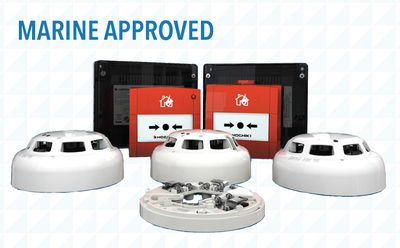
Autronica
33 ✓ 33 verified
- Area: Dust and dirt accumulation on optical surfacesCheck: Visual inspection of detector exterior and lens/chamber areas; vacuum cleaning with brush attachment for light dust, cloth with mild detergent solution for housing
- Area: Detector window/lens contamination reducing flame detection sensitivityCheck: Visual verification of transparency and clarity of optical elements; test flame detector coverage and range verification using coverage verification systems
- Area: Protective dust covers or physical obstruction during construction/installationCheck: Verify removal of all dust caps and construction covers; inspect for debris or paint spray coverage; clean detector chambers if contaminated before returning to service
- Area: Power supply and communication cable integrityCheck: Verify correct voltage (10-27 VDC typical), test communication signals to fire panel, verify no loose connections or corrosion at terminals
- Area: SelfVerify system functionality (for applicable models)Check: Verify automatic daily self-test execution (24-hour cycle), confirm alarm panel receives SelfVerify status reports, check that sensitivity is within listed parameters
Typ-universelle Inspektionspunkte fuer Fire Detection Systems (verifiziert, 2026-06).
- Area: Dust and dirt accumulation on optical surfacesCheck: Visual inspection of detector exterior and lens/chamber areas; vacuum cleaning with brush attachment for light dust, cloth with mild detergent solution for housing
- Area: Detector window/lens contamination reducing flame detection sensitivityCheck: Visual verification of transparency and clarity of optical elements; test flame detector coverage and range verification using coverage verification systems
- Area: Protective dust covers or physical obstruction during construction/installationCheck: Verify removal of all dust caps and construction covers; inspect for debris or paint spray coverage; clean detector chambers if contaminated before returning to service
- Area: Power supply and communication cable integrityCheck: Verify correct voltage (10-27 VDC typical), test communication signals to fire panel, verify no loose connections or corrosion at terminals
- Area: SelfVerify system functionality (for applicable models)Check: Verify automatic daily self-test execution (24-hour cycle), confirm alarm panel receives SelfVerify status reports, check that sensitivity is within listed parameters
Typ-universelle Inspektionspunkte fuer Fire Detection Systems (verifiziert, 2026-06).
- Area: Dust and dirt accumulation on optical surfacesCheck: Visual inspection of detector exterior and lens/chamber areas; vacuum cleaning with brush attachment for light dust, cloth with mild detergent solution for housing
- Area: Detector window/lens contamination reducing flame detection sensitivityCheck: Visual verification of transparency and clarity of optical elements; test flame detector coverage and range verification using coverage verification systems
- Area: Protective dust covers or physical obstruction during construction/installationCheck: Verify removal of all dust caps and construction covers; inspect for debris or paint spray coverage; clean detector chambers if contaminated before returning to service
- Area: Power supply and communication cable integrityCheck: Verify correct voltage (10-27 VDC typical), test communication signals to fire panel, verify no loose connections or corrosion at terminals
- Area: SelfVerify system functionality (for applicable models)Check: Verify automatic daily self-test execution (24-hour cycle), confirm alarm panel receives SelfVerify status reports, check that sensitivity is within listed parameters
Typ-universelle Inspektionspunkte fuer Fire Detection Systems (verifiziert, 2026-06).
- Area: Dust and dirt accumulation on optical surfacesCheck: Visual inspection of detector exterior and lens/chamber areas; vacuum cleaning with brush attachment for light dust, cloth with mild detergent solution for housing
- Area: Detector window/lens contamination reducing flame detection sensitivityCheck: Visual verification of transparency and clarity of optical elements; test flame detector coverage and range verification using coverage verification systems
- Area: Protective dust covers or physical obstruction during construction/installationCheck: Verify removal of all dust caps and construction covers; inspect for debris or paint spray coverage; clean detector chambers if contaminated before returning to service
- Area: Power supply and communication cable integrityCheck: Verify correct voltage (10-27 VDC typical), test communication signals to fire panel, verify no loose connections or corrosion at terminals
- Area: SelfVerify system functionality (for applicable models)Check: Verify automatic daily self-test execution (24-hour cycle), confirm alarm panel receives SelfVerify status reports, check that sensitivity is within listed parameters
Typ-universelle Inspektionspunkte fuer Fire Detection Systems (verifiziert, 2026-06).
- Area: Dust and dirt accumulation on optical surfacesCheck: Visual inspection of detector exterior and lens/chamber areas; vacuum cleaning with brush attachment for light dust, cloth with mild detergent solution for housing
- Area: Detector window/lens contamination reducing flame detection sensitivityCheck: Visual verification of transparency and clarity of optical elements; test flame detector coverage and range verification using coverage verification systems
- Area: Protective dust covers or physical obstruction during construction/installationCheck: Verify removal of all dust caps and construction covers; inspect for debris or paint spray coverage; clean detector chambers if contaminated before returning to service
- Area: Power supply and communication cable integrityCheck: Verify correct voltage (10-27 VDC typical), test communication signals to fire panel, verify no loose connections or corrosion at terminals
- Area: SelfVerify system functionality (for applicable models)Check: Verify automatic daily self-test execution (24-hour cycle), confirm alarm panel receives SelfVerify status reports, check that sensitivity is within listed parameters
Typ-universelle Inspektionspunkte fuer Fire Detection Systems (verifiziert, 2026-06).
- Area: Dust and dirt accumulation on optical surfacesCheck: Visual inspection of detector exterior and lens/chamber areas; vacuum cleaning with brush attachment for light dust, cloth with mild detergent solution for housing
- Area: Detector window/lens contamination reducing flame detection sensitivityCheck: Visual verification of transparency and clarity of optical elements; test flame detector coverage and range verification using coverage verification systems
- Area: Protective dust covers or physical obstruction during construction/installationCheck: Verify removal of all dust caps and construction covers; inspect for debris or paint spray coverage; clean detector chambers if contaminated before returning to service
- Area: Power supply and communication cable integrityCheck: Verify correct voltage (10-27 VDC typical), test communication signals to fire panel, verify no loose connections or corrosion at terminals
- Area: SelfVerify system functionality (for applicable models)Check: Verify automatic daily self-test execution (24-hour cycle), confirm alarm panel receives SelfVerify status reports, check that sensitivity is within listed parameters
Typ-universelle Inspektionspunkte fuer Fire Detection Systems (verifiziert, 2026-06).
- Area: Dust and dirt accumulation on optical surfacesCheck: Visual inspection of detector exterior and lens/chamber areas; vacuum cleaning with brush attachment for light dust, cloth with mild detergent solution for housing
- Area: Detector window/lens contamination reducing flame detection sensitivityCheck: Visual verification of transparency and clarity of optical elements; test flame detector coverage and range verification using coverage verification systems
- Area: Protective dust covers or physical obstruction during construction/installationCheck: Verify removal of all dust caps and construction covers; inspect for debris or paint spray coverage; clean detector chambers if contaminated before returning to service
- Area: Power supply and communication cable integrityCheck: Verify correct voltage (10-27 VDC typical), test communication signals to fire panel, verify no loose connections or corrosion at terminals
- Area: SelfVerify system functionality (for applicable models)Check: Verify automatic daily self-test execution (24-hour cycle), confirm alarm panel receives SelfVerify status reports, check that sensitivity is within listed parameters
Typ-universelle Inspektionspunkte fuer Fire Detection Systems (verifiziert, 2026-06).
- Area: Dust and dirt accumulation on optical surfacesCheck: Visual inspection of detector exterior and lens/chamber areas; vacuum cleaning with brush attachment for light dust, cloth with mild detergent solution for housing
- Area: Detector window/lens contamination reducing flame detection sensitivityCheck: Visual verification of transparency and clarity of optical elements; test flame detector coverage and range verification using coverage verification systems
- Area: Protective dust covers or physical obstruction during construction/installationCheck: Verify removal of all dust caps and construction covers; inspect for debris or paint spray coverage; clean detector chambers if contaminated before returning to service
- Area: Power supply and communication cable integrityCheck: Verify correct voltage (10-27 VDC typical), test communication signals to fire panel, verify no loose connections or corrosion at terminals
- Area: SelfVerify system functionality (for applicable models)Check: Verify automatic daily self-test execution (24-hour cycle), confirm alarm panel receives SelfVerify status reports, check that sensitivity is within listed parameters
Typ-universelle Inspektionspunkte fuer Fire Detection Systems (verifiziert, 2026-06).
- Area: Dust and dirt accumulation on optical surfacesCheck: Visual inspection of detector exterior and lens/chamber areas; vacuum cleaning with brush attachment for light dust, cloth with mild detergent solution for housing
- Area: Detector window/lens contamination reducing flame detection sensitivityCheck: Visual verification of transparency and clarity of optical elements; test flame detector coverage and range verification using coverage verification systems
- Area: Protective dust covers or physical obstruction during construction/installationCheck: Verify removal of all dust caps and construction covers; inspect for debris or paint spray coverage; clean detector chambers if contaminated before returning to service
- Area: Power supply and communication cable integrityCheck: Verify correct voltage (10-27 VDC typical), test communication signals to fire panel, verify no loose connections or corrosion at terminals
- Area: SelfVerify system functionality (for applicable models)Check: Verify automatic daily self-test execution (24-hour cycle), confirm alarm panel receives SelfVerify status reports, check that sensitivity is within listed parameters
Typ-universelle Inspektionspunkte fuer Fire Detection Systems (verifiziert, 2026-06).
- Area: Dust and dirt accumulation on optical surfacesCheck: Visual inspection of detector exterior and lens/chamber areas; vacuum cleaning with brush attachment for light dust, cloth with mild detergent solution for housing
- Area: Detector window/lens contamination reducing flame detection sensitivityCheck: Visual verification of transparency and clarity of optical elements; test flame detector coverage and range verification using coverage verification systems
- Area: Protective dust covers or physical obstruction during construction/installationCheck: Verify removal of all dust caps and construction covers; inspect for debris or paint spray coverage; clean detector chambers if contaminated before returning to service
- Area: Power supply and communication cable integrityCheck: Verify correct voltage (10-27 VDC typical), test communication signals to fire panel, verify no loose connections or corrosion at terminals
- Area: SelfVerify system functionality (for applicable models)Check: Verify automatic daily self-test execution (24-hour cycle), confirm alarm panel receives SelfVerify status reports, check that sensitivity is within listed parameters
Typ-universelle Inspektionspunkte fuer Fire Detection Systems (verifiziert, 2026-06).
- Area: Dust and dirt accumulation on optical surfacesCheck: Visual inspection of detector exterior and lens/chamber areas; vacuum cleaning with brush attachment for light dust, cloth with mild detergent solution for housing
- Area: Detector window/lens contamination reducing flame detection sensitivityCheck: Visual verification of transparency and clarity of optical elements; test flame detector coverage and range verification using coverage verification systems
- Area: Protective dust covers or physical obstruction during construction/installationCheck: Verify removal of all dust caps and construction covers; inspect for debris or paint spray coverage; clean detector chambers if contaminated before returning to service
- Area: Power supply and communication cable integrityCheck: Verify correct voltage (10-27 VDC typical), test communication signals to fire panel, verify no loose connections or corrosion at terminals
- Area: SelfVerify system functionality (for applicable models)Check: Verify automatic daily self-test execution (24-hour cycle), confirm alarm panel receives SelfVerify status reports, check that sensitivity is within listed parameters
Typ-universelle Inspektionspunkte fuer Fire Detection Systems (verifiziert, 2026-06).
- Area: Dust and dirt accumulation on optical surfacesCheck: Visual inspection of detector exterior and lens/chamber areas; vacuum cleaning with brush attachment for light dust, cloth with mild detergent solution for housing
- Area: Detector window/lens contamination reducing flame detection sensitivityCheck: Visual verification of transparency and clarity of optical elements; test flame detector coverage and range verification using coverage verification systems
- Area: Protective dust covers or physical obstruction during construction/installationCheck: Verify removal of all dust caps and construction covers; inspect for debris or paint spray coverage; clean detector chambers if contaminated before returning to service
- Area: Power supply and communication cable integrityCheck: Verify correct voltage (10-27 VDC typical), test communication signals to fire panel, verify no loose connections or corrosion at terminals
- Area: SelfVerify system functionality (for applicable models)Check: Verify automatic daily self-test execution (24-hour cycle), confirm alarm panel receives SelfVerify status reports, check that sensitivity is within listed parameters
Typ-universelle Inspektionspunkte fuer Fire Detection Systems (verifiziert, 2026-06).
- Area: Dust and dirt accumulation on optical surfacesCheck: Visual inspection of detector exterior and lens/chamber areas; vacuum cleaning with brush attachment for light dust, cloth with mild detergent solution for housing
- Area: Detector window/lens contamination reducing flame detection sensitivityCheck: Visual verification of transparency and clarity of optical elements; test flame detector coverage and range verification using coverage verification systems
- Area: Protective dust covers or physical obstruction during construction/installationCheck: Verify removal of all dust caps and construction covers; inspect for debris or paint spray coverage; clean detector chambers if contaminated before returning to service
- Area: Power supply and communication cable integrityCheck: Verify correct voltage (10-27 VDC typical), test communication signals to fire panel, verify no loose connections or corrosion at terminals
- Area: SelfVerify system functionality (for applicable models)Check: Verify automatic daily self-test execution (24-hour cycle), confirm alarm panel receives SelfVerify status reports, check that sensitivity is within listed parameters
Typ-universelle Inspektionspunkte fuer Fire Detection Systems (verifiziert, 2026-06).
- Area: Dust and dirt accumulation on optical surfacesCheck: Visual inspection of detector exterior and lens/chamber areas; vacuum cleaning with brush attachment for light dust, cloth with mild detergent solution for housing
- Area: Detector window/lens contamination reducing flame detection sensitivityCheck: Visual verification of transparency and clarity of optical elements; test flame detector coverage and range verification using coverage verification systems
- Area: Protective dust covers or physical obstruction during construction/installationCheck: Verify removal of all dust caps and construction covers; inspect for debris or paint spray coverage; clean detector chambers if contaminated before returning to service
- Area: Power supply and communication cable integrityCheck: Verify correct voltage (10-27 VDC typical), test communication signals to fire panel, verify no loose connections or corrosion at terminals
- Area: SelfVerify system functionality (for applicable models)Check: Verify automatic daily self-test execution (24-hour cycle), confirm alarm panel receives SelfVerify status reports, check that sensitivity is within listed parameters
Typ-universelle Inspektionspunkte fuer Fire Detection Systems (verifiziert, 2026-06).
- Area: Dust and dirt accumulation on optical surfacesCheck: Visual inspection of detector exterior and lens/chamber areas; vacuum cleaning with brush attachment for light dust, cloth with mild detergent solution for housing
- Area: Detector window/lens contamination reducing flame detection sensitivityCheck: Visual verification of transparency and clarity of optical elements; test flame detector coverage and range verification using coverage verification systems
- Area: Protective dust covers or physical obstruction during construction/installationCheck: Verify removal of all dust caps and construction covers; inspect for debris or paint spray coverage; clean detector chambers if contaminated before returning to service
- Area: Power supply and communication cable integrityCheck: Verify correct voltage (10-27 VDC typical), test communication signals to fire panel, verify no loose connections or corrosion at terminals
- Area: SelfVerify system functionality (for applicable models)Check: Verify automatic daily self-test execution (24-hour cycle), confirm alarm panel receives SelfVerify status reports, check that sensitivity is within listed parameters
Typ-universelle Inspektionspunkte fuer Fire Detection Systems (verifiziert, 2026-06).
- Area: Dust and dirt accumulation on optical surfacesCheck: Visual inspection of detector exterior and lens/chamber areas; vacuum cleaning with brush attachment for light dust, cloth with mild detergent solution for housing
- Area: Detector window/lens contamination reducing flame detection sensitivityCheck: Visual verification of transparency and clarity of optical elements; test flame detector coverage and range verification using coverage verification systems
- Area: Protective dust covers or physical obstruction during construction/installationCheck: Verify removal of all dust caps and construction covers; inspect for debris or paint spray coverage; clean detector chambers if contaminated before returning to service
- Area: Power supply and communication cable integrityCheck: Verify correct voltage (10-27 VDC typical), test communication signals to fire panel, verify no loose connections or corrosion at terminals
- Area: SelfVerify system functionality (for applicable models)Check: Verify automatic daily self-test execution (24-hour cycle), confirm alarm panel receives SelfVerify status reports, check that sensitivity is within listed parameters
Typ-universelle Inspektionspunkte fuer Fire Detection Systems (verifiziert, 2026-06).
- Area: Dust and dirt accumulation on optical surfacesCheck: Visual inspection of detector exterior and lens/chamber areas; vacuum cleaning with brush attachment for light dust, cloth with mild detergent solution for housing
- Area: Detector window/lens contamination reducing flame detection sensitivityCheck: Visual verification of transparency and clarity of optical elements; test flame detector coverage and range verification using coverage verification systems
- Area: Protective dust covers or physical obstruction during construction/installationCheck: Verify removal of all dust caps and construction covers; inspect for debris or paint spray coverage; clean detector chambers if contaminated before returning to service
- Area: Power supply and communication cable integrityCheck: Verify correct voltage (10-27 VDC typical), test communication signals to fire panel, verify no loose connections or corrosion at terminals
- Area: SelfVerify system functionality (for applicable models)Check: Verify automatic daily self-test execution (24-hour cycle), confirm alarm panel receives SelfVerify status reports, check that sensitivity is within listed parameters
Typ-universelle Inspektionspunkte fuer Fire Detection Systems (verifiziert, 2026-06).
- Area: Dust and dirt accumulation on optical surfacesCheck: Visual inspection of detector exterior and lens/chamber areas; vacuum cleaning with brush attachment for light dust, cloth with mild detergent solution for housing
- Area: Detector window/lens contamination reducing flame detection sensitivityCheck: Visual verification of transparency and clarity of optical elements; test flame detector coverage and range verification using coverage verification systems
- Area: Protective dust covers or physical obstruction during construction/installationCheck: Verify removal of all dust caps and construction covers; inspect for debris or paint spray coverage; clean detector chambers if contaminated before returning to service
- Area: Power supply and communication cable integrityCheck: Verify correct voltage (10-27 VDC typical), test communication signals to fire panel, verify no loose connections or corrosion at terminals
- Area: SelfVerify system functionality (for applicable models)Check: Verify automatic daily self-test execution (24-hour cycle), confirm alarm panel receives SelfVerify status reports, check that sensitivity is within listed parameters
Typ-universelle Inspektionspunkte fuer Fire Detection Systems (verifiziert, 2026-06).
- Area: Dust and dirt accumulation on optical surfacesCheck: Visual inspection of detector exterior and lens/chamber areas; vacuum cleaning with brush attachment for light dust, cloth with mild detergent solution for housing
- Area: Detector window/lens contamination reducing flame detection sensitivityCheck: Visual verification of transparency and clarity of optical elements; test flame detector coverage and range verification using coverage verification systems
- Area: Protective dust covers or physical obstruction during construction/installationCheck: Verify removal of all dust caps and construction covers; inspect for debris or paint spray coverage; clean detector chambers if contaminated before returning to service
- Area: Power supply and communication cable integrityCheck: Verify correct voltage (10-27 VDC typical), test communication signals to fire panel, verify no loose connections or corrosion at terminals
- Area: SelfVerify system functionality (for applicable models)Check: Verify automatic daily self-test execution (24-hour cycle), confirm alarm panel receives SelfVerify status reports, check that sensitivity is within listed parameters
Typ-universelle Inspektionspunkte fuer Fire Detection Systems (verifiziert, 2026-06).
- Area: Dust and dirt accumulation on optical surfacesCheck: Visual inspection of detector exterior and lens/chamber areas; vacuum cleaning with brush attachment for light dust, cloth with mild detergent solution for housing
- Area: Detector window/lens contamination reducing flame detection sensitivityCheck: Visual verification of transparency and clarity of optical elements; test flame detector coverage and range verification using coverage verification systems
- Area: Protective dust covers or physical obstruction during construction/installationCheck: Verify removal of all dust caps and construction covers; inspect for debris or paint spray coverage; clean detector chambers if contaminated before returning to service
- Area: Power supply and communication cable integrityCheck: Verify correct voltage (10-27 VDC typical), test communication signals to fire panel, verify no loose connections or corrosion at terminals
- Area: SelfVerify system functionality (for applicable models)Check: Verify automatic daily self-test execution (24-hour cycle), confirm alarm panel receives SelfVerify status reports, check that sensitivity is within listed parameters
Typ-universelle Inspektionspunkte fuer Fire Detection Systems (verifiziert, 2026-06).
- Area: Dust and dirt accumulation on optical surfacesCheck: Visual inspection of detector exterior and lens/chamber areas; vacuum cleaning with brush attachment for light dust, cloth with mild detergent solution for housing
- Area: Detector window/lens contamination reducing flame detection sensitivityCheck: Visual verification of transparency and clarity of optical elements; test flame detector coverage and range verification using coverage verification systems
- Area: Protective dust covers or physical obstruction during construction/installationCheck: Verify removal of all dust caps and construction covers; inspect for debris or paint spray coverage; clean detector chambers if contaminated before returning to service
- Area: Power supply and communication cable integrityCheck: Verify correct voltage (10-27 VDC typical), test communication signals to fire panel, verify no loose connections or corrosion at terminals
- Area: SelfVerify system functionality (for applicable models)Check: Verify automatic daily self-test execution (24-hour cycle), confirm alarm panel receives SelfVerify status reports, check that sensitivity is within listed parameters
Typ-universelle Inspektionspunkte fuer Fire Detection Systems (verifiziert, 2026-06).
- Area: Dust and dirt accumulation on optical surfacesCheck: Visual inspection of detector exterior and lens/chamber areas; vacuum cleaning with brush attachment for light dust, cloth with mild detergent solution for housing
- Area: Detector window/lens contamination reducing flame detection sensitivityCheck: Visual verification of transparency and clarity of optical elements; test flame detector coverage and range verification using coverage verification systems
- Area: Protective dust covers or physical obstruction during construction/installationCheck: Verify removal of all dust caps and construction covers; inspect for debris or paint spray coverage; clean detector chambers if contaminated before returning to service
- Area: Power supply and communication cable integrityCheck: Verify correct voltage (10-27 VDC typical), test communication signals to fire panel, verify no loose connections or corrosion at terminals
- Area: SelfVerify system functionality (for applicable models)Check: Verify automatic daily self-test execution (24-hour cycle), confirm alarm panel receives SelfVerify status reports, check that sensitivity is within listed parameters
Typ-universelle Inspektionspunkte fuer Fire Detection Systems (verifiziert, 2026-06).
- Area: Dust and dirt accumulation on optical surfacesCheck: Visual inspection of detector exterior and lens/chamber areas; vacuum cleaning with brush attachment for light dust, cloth with mild detergent solution for housing
- Area: Detector window/lens contamination reducing flame detection sensitivityCheck: Visual verification of transparency and clarity of optical elements; test flame detector coverage and range verification using coverage verification systems
- Area: Protective dust covers or physical obstruction during construction/installationCheck: Verify removal of all dust caps and construction covers; inspect for debris or paint spray coverage; clean detector chambers if contaminated before returning to service
- Area: Power supply and communication cable integrityCheck: Verify correct voltage (10-27 VDC typical), test communication signals to fire panel, verify no loose connections or corrosion at terminals
- Area: SelfVerify system functionality (for applicable models)Check: Verify automatic daily self-test execution (24-hour cycle), confirm alarm panel receives SelfVerify status reports, check that sensitivity is within listed parameters
Typ-universelle Inspektionspunkte fuer Fire Detection Systems (verifiziert, 2026-06).
- Area: Dust and dirt accumulation on optical surfacesCheck: Visual inspection of detector exterior and lens/chamber areas; vacuum cleaning with brush attachment for light dust, cloth with mild detergent solution for housing
- Area: Detector window/lens contamination reducing flame detection sensitivityCheck: Visual verification of transparency and clarity of optical elements; test flame detector coverage and range verification using coverage verification systems
- Area: Protective dust covers or physical obstruction during construction/installationCheck: Verify removal of all dust caps and construction covers; inspect for debris or paint spray coverage; clean detector chambers if contaminated before returning to service
- Area: Power supply and communication cable integrityCheck: Verify correct voltage (10-27 VDC typical), test communication signals to fire panel, verify no loose connections or corrosion at terminals
- Area: SelfVerify system functionality (for applicable models)Check: Verify automatic daily self-test execution (24-hour cycle), confirm alarm panel receives SelfVerify status reports, check that sensitivity is within listed parameters
Typ-universelle Inspektionspunkte fuer Fire Detection Systems (verifiziert, 2026-06).
- Area: Dust and dirt accumulation on optical surfacesCheck: Visual inspection of detector exterior and lens/chamber areas; vacuum cleaning with brush attachment for light dust, cloth with mild detergent solution for housing
- Area: Detector window/lens contamination reducing flame detection sensitivityCheck: Visual verification of transparency and clarity of optical elements; test flame detector coverage and range verification using coverage verification systems
- Area: Protective dust covers or physical obstruction during construction/installationCheck: Verify removal of all dust caps and construction covers; inspect for debris or paint spray coverage; clean detector chambers if contaminated before returning to service
- Area: Power supply and communication cable integrityCheck: Verify correct voltage (10-27 VDC typical), test communication signals to fire panel, verify no loose connections or corrosion at terminals
- Area: SelfVerify system functionality (for applicable models)Check: Verify automatic daily self-test execution (24-hour cycle), confirm alarm panel receives SelfVerify status reports, check that sensitivity is within listed parameters
Typ-universelle Inspektionspunkte fuer Fire Detection Systems (verifiziert, 2026-06).
- Area: Dust and dirt accumulation on optical surfacesCheck: Visual inspection of detector exterior and lens/chamber areas; vacuum cleaning with brush attachment for light dust, cloth with mild detergent solution for housing
- Area: Detector window/lens contamination reducing flame detection sensitivityCheck: Visual verification of transparency and clarity of optical elements; test flame detector coverage and range verification using coverage verification systems
- Area: Protective dust covers or physical obstruction during construction/installationCheck: Verify removal of all dust caps and construction covers; inspect for debris or paint spray coverage; clean detector chambers if contaminated before returning to service
- Area: Power supply and communication cable integrityCheck: Verify correct voltage (10-27 VDC typical), test communication signals to fire panel, verify no loose connections or corrosion at terminals
- Area: SelfVerify system functionality (for applicable models)Check: Verify automatic daily self-test execution (24-hour cycle), confirm alarm panel receives SelfVerify status reports, check that sensitivity is within listed parameters
Typ-universelle Inspektionspunkte fuer Fire Detection Systems (verifiziert, 2026-06).
- Area: Dust and dirt accumulation on optical surfacesCheck: Visual inspection of detector exterior and lens/chamber areas; vacuum cleaning with brush attachment for light dust, cloth with mild detergent solution for housing
- Area: Detector window/lens contamination reducing flame detection sensitivityCheck: Visual verification of transparency and clarity of optical elements; test flame detector coverage and range verification using coverage verification systems
- Area: Protective dust covers or physical obstruction during construction/installationCheck: Verify removal of all dust caps and construction covers; inspect for debris or paint spray coverage; clean detector chambers if contaminated before returning to service
- Area: Power supply and communication cable integrityCheck: Verify correct voltage (10-27 VDC typical), test communication signals to fire panel, verify no loose connections or corrosion at terminals
- Area: SelfVerify system functionality (for applicable models)Check: Verify automatic daily self-test execution (24-hour cycle), confirm alarm panel receives SelfVerify status reports, check that sensitivity is within listed parameters
Typ-universelle Inspektionspunkte fuer Fire Detection Systems (verifiziert, 2026-06).
- Area: Dust and dirt accumulation on optical surfacesCheck: Visual inspection of detector exterior and lens/chamber areas; vacuum cleaning with brush attachment for light dust, cloth with mild detergent solution for housing
- Area: Detector window/lens contamination reducing flame detection sensitivityCheck: Visual verification of transparency and clarity of optical elements; test flame detector coverage and range verification using coverage verification systems
- Area: Protective dust covers or physical obstruction during construction/installationCheck: Verify removal of all dust caps and construction covers; inspect for debris or paint spray coverage; clean detector chambers if contaminated before returning to service
- Area: Power supply and communication cable integrityCheck: Verify correct voltage (10-27 VDC typical), test communication signals to fire panel, verify no loose connections or corrosion at terminals
- Area: SelfVerify system functionality (for applicable models)Check: Verify automatic daily self-test execution (24-hour cycle), confirm alarm panel receives SelfVerify status reports, check that sensitivity is within listed parameters
Typ-universelle Inspektionspunkte fuer Fire Detection Systems (verifiziert, 2026-06).
- Area: Dust and dirt accumulation on optical surfacesCheck: Visual inspection of detector exterior and lens/chamber areas; vacuum cleaning with brush attachment for light dust, cloth with mild detergent solution for housing
- Area: Detector window/lens contamination reducing flame detection sensitivityCheck: Visual verification of transparency and clarity of optical elements; test flame detector coverage and range verification using coverage verification systems
- Area: Protective dust covers or physical obstruction during construction/installationCheck: Verify removal of all dust caps and construction covers; inspect for debris or paint spray coverage; clean detector chambers if contaminated before returning to service
- Area: Power supply and communication cable integrityCheck: Verify correct voltage (10-27 VDC typical), test communication signals to fire panel, verify no loose connections or corrosion at terminals
- Area: SelfVerify system functionality (for applicable models)Check: Verify automatic daily self-test execution (24-hour cycle), confirm alarm panel receives SelfVerify status reports, check that sensitivity is within listed parameters
Typ-universelle Inspektionspunkte fuer Fire Detection Systems (verifiziert, 2026-06).
- Area: Dust and dirt accumulation on optical surfacesCheck: Visual inspection of detector exterior and lens/chamber areas; vacuum cleaning with brush attachment for light dust, cloth with mild detergent solution for housing
- Area: Detector window/lens contamination reducing flame detection sensitivityCheck: Visual verification of transparency and clarity of optical elements; test flame detector coverage and range verification using coverage verification systems
- Area: Protective dust covers or physical obstruction during construction/installationCheck: Verify removal of all dust caps and construction covers; inspect for debris or paint spray coverage; clean detector chambers if contaminated before returning to service
- Area: Power supply and communication cable integrityCheck: Verify correct voltage (10-27 VDC typical), test communication signals to fire panel, verify no loose connections or corrosion at terminals
- Area: SelfVerify system functionality (for applicable models)Check: Verify automatic daily self-test execution (24-hour cycle), confirm alarm panel receives SelfVerify status reports, check that sensitivity is within listed parameters
Typ-universelle Inspektionspunkte fuer Fire Detection Systems (verifiziert, 2026-06).
- Area: Dust and dirt accumulation on optical surfacesCheck: Visual inspection of detector exterior and lens/chamber areas; vacuum cleaning with brush attachment for light dust, cloth with mild detergent solution for housing
- Area: Detector window/lens contamination reducing flame detection sensitivityCheck: Visual verification of transparency and clarity of optical elements; test flame detector coverage and range verification using coverage verification systems
- Area: Protective dust covers or physical obstruction during construction/installationCheck: Verify removal of all dust caps and construction covers; inspect for debris or paint spray coverage; clean detector chambers if contaminated before returning to service
- Area: Power supply and communication cable integrityCheck: Verify correct voltage (10-27 VDC typical), test communication signals to fire panel, verify no loose connections or corrosion at terminals
- Area: SelfVerify system functionality (for applicable models)Check: Verify automatic daily self-test execution (24-hour cycle), confirm alarm panel receives SelfVerify status reports, check that sensitivity is within listed parameters
Typ-universelle Inspektionspunkte fuer Fire Detection Systems (verifiziert, 2026-06).
- Area: Dust and dirt accumulation on optical surfacesCheck: Visual inspection of detector exterior and lens/chamber areas; vacuum cleaning with brush attachment for light dust, cloth with mild detergent solution for housing
- Area: Detector window/lens contamination reducing flame detection sensitivityCheck: Visual verification of transparency and clarity of optical elements; test flame detector coverage and range verification using coverage verification systems
- Area: Protective dust covers or physical obstruction during construction/installationCheck: Verify removal of all dust caps and construction covers; inspect for debris or paint spray coverage; clean detector chambers if contaminated before returning to service
- Area: Power supply and communication cable integrityCheck: Verify correct voltage (10-27 VDC typical), test communication signals to fire panel, verify no loose connections or corrosion at terminals
- Area: SelfVerify system functionality (for applicable models)Check: Verify automatic daily self-test execution (24-hour cycle), confirm alarm panel receives SelfVerify status reports, check that sensitivity is within listed parameters
Typ-universelle Inspektionspunkte fuer Fire Detection Systems (verifiziert, 2026-06).
- Area: Dust and dirt accumulation on optical surfacesCheck: Visual inspection of detector exterior and lens/chamber areas; vacuum cleaning with brush attachment for light dust, cloth with mild detergent solution for housing
- Area: Detector window/lens contamination reducing flame detection sensitivityCheck: Visual verification of transparency and clarity of optical elements; test flame detector coverage and range verification using coverage verification systems
- Area: Protective dust covers or physical obstruction during construction/installationCheck: Verify removal of all dust caps and construction covers; inspect for debris or paint spray coverage; clean detector chambers if contaminated before returning to service
- Area: Power supply and communication cable integrityCheck: Verify correct voltage (10-27 VDC typical), test communication signals to fire panel, verify no loose connections or corrosion at terminals
- Area: SelfVerify system functionality (for applicable models)Check: Verify automatic daily self-test execution (24-hour cycle), confirm alarm panel receives SelfVerify status reports, check that sensitivity is within listed parameters
Typ-universelle Inspektionspunkte fuer Fire Detection Systems (verifiziert, 2026-06).
Who can you trust with this job?
The global maritime company directory — brand coverage, certificates and direct contact routes to maritime suppliers.
Open network →Sourcing this part?
One request. You get suppliers who actually carry it, not a search page.
Request partsCan’t read the plate?
Photograph it. We identify make and model and take you to the datasheet.
Try itSanctions and the shadow fleet
Ownership, insurance and class records on ageing tankers under sanctions.
18 reports