Brazed Plate Heat Exchanger
A brazed plate heat exchanger fuses its plates into one sealed block, giving a compact, high-efficiency unit with no gaskets to fail - but that same construction means it cannot be opened for mechanical cleaning or plate replacement, unlike its gasketed cousin.
Read more — Brazed Plate Heat Exchanger explained ▾
What distinguishes this exchanger type
Brazed plate heat exchangers stack corrugated stainless steel plates and join them permanently with a copper or nickel braze under vacuum, creating a single rigid block with no elastomer gaskets between plates. This gives a smaller footprint and higher heat transfer per unit volume than a gasketed plate exchanger for the same duty, because there is no gasket thickness wasting space and no gasket failure mode. The trade-off is fixed: the unit cannot be opened, re-plated or mechanically brushed out. Once fouled beyond what chemical cleaning removes, or once a plate perforates, the whole block is scrapped and replaced.
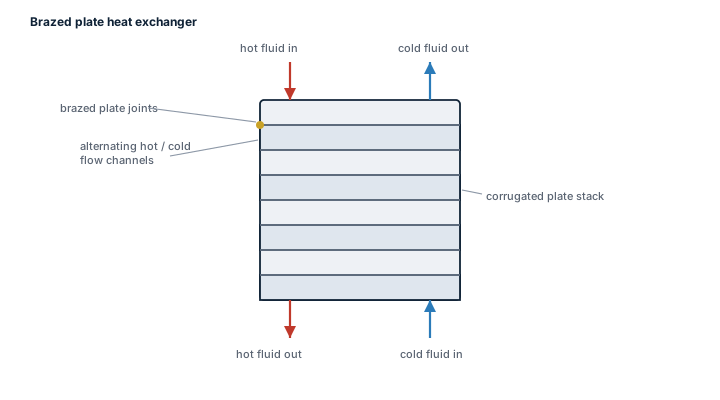
Main components
Plate pack
Chevron-corrugated stainless steel plates, typically AISI 316, brazed at every contact point to form two separate flow channels that alternate hot and cold fluid without ever touching.
Braze filler
Copper braze is standard for water and oil duties; nickel braze is used where copper would corrode, such as with ammonia refrigerant or some chemical cargoes. Braze material selection is a compatibility decision, not a cost decision.
End plates and connections
Thicker end plates carry the inlet and outlet ports, usually threaded or flanged, and give the block its mechanical rigidity under pressure.
Selection and sizing
- Duty (kW) and the temperature approach between the two fluids drive the required plate area and number of plates.
- Design pressure and pressure drop across the plate pack, since a unit sized only for duty and not for allowable pressure loss will starve the pump circuit.
- Braze material matched to both fluids in contact - copper for fresh water and lube oil, nickel where ammonia or chlorides are present.
- Connection size and orientation to match existing pipework without adding reducers that add pressure drop.
Regulations and class
Brazed plate exchangers used in class-relevant systems, such as engine cooling or fuel heating, fall under the classification society's rules for pressure vessels and heat exchangers and require a design approval or type approval certificate plus material certificates for the plates and connections. Units in refrigeration or ammonia service are additionally subject to the applicable pressure equipment requirements for that refrigerant class. There is no periodic internal survey possible on a brazed unit since it cannot be opened; class instead relies on external pressure testing and performance monitoring.
Typical faults
| Fault | Cause | Consequence |
|---|---|---|
| Falling heat transfer over time | Scaling or biofouling inside the sealed channels | Circuit runs hotter than design; cannot be mechanically cleaned, only chemically flushed or replaced |
| Cross-contamination between circuits | Plate perforation from erosion, corrosion or a braze defect | One fluid leaks into the other - critical if one side is fresh water and the other is oil or coolant with additives |
| External leak at end connections | Gasket failure at the flange, not the brazed core itself | Usually repairable without replacing the block |
| Rising pressure drop | Partial blockage or fouling narrowing the flow channels | Pump works harder, flow to the cooled circuit drops |
What to look for in a supplier
- Braze material confirmed correct for both fluids, in writing, not assumed from the previous unit.
- Design pressure and test pressure certificates matching the original specification.
- Dimensional match of connections and mounting feet to avoid re-piping.
- Chemical cleaning guidance appropriate to the fouling expected in that circuit, since the wrong cleaning agent can attack the braze.
Because a brazed plate exchanger cannot be inspected internally, trend the approach temperature and pressure drop over time - a slow rise is the only early warning before a plate lets go.
6 manufacturers · 251 models
SWEP
128 ✓ 81 verified
- Area: Leakage at port connections or internal brazingCheck: Visually inspect all port connections monthly for liquid weeping, staining, or corrosion. Perform pressure test at rated working pressure annually to detect internal joint failure. Check for signs of seepage at solder joints.
- Area: Reduced heat transfer efficiency or fouling/scalingCheck: Monitor return temperatures - smaller-than-specified temperature differences indicate fouling. Use SWEP's pressure drop calculation tool: 30% pressure drop increase from clean baseline indicates cleaning is needed. Compare measured vs. expected performance quarterly.
- Area: Vibration damage or mechanical stressCheck: Check for excessive pulsations or cyclic pressure/temperature changes. Verify vibration isolators are installed and functioning. Inspect plates for deformation or cracking under UV/bright light. Avoid pressure spikes exceeding 10% of rated maximum.
- Area: Corrosion or material degradation (non-All-Stainless units)Check: Inspect external surfaces monthly for pitting, discoloration, or rust deposits. For All-Stainless units, verify Sealix protective layer integrity. Check fluids for metal leaching particles using optical inspection or ICP-OES testing annually.
- Area: Blockage in ports, channels, or flow distributionCheck: Verify inlet/outlet flow rates match design specification (compare to pressure drop). Listen for unusual fluid noise indicating turbulence or cavitation. Perform CIP (Cleaning in Place) if flows decrease unexpectedly. Check inlet strainer condition.
Typ-universelle Inspektionspunkte fuer Heat Exchangers (verifiziert, 2026-06).
- Area: Leakage at port connections or internal brazingCheck: Visually inspect all port connections monthly for liquid weeping, staining, or corrosion. Perform pressure test at rated working pressure annually to detect internal joint failure. Check for signs of seepage at solder joints.
- Area: Reduced heat transfer efficiency or fouling/scalingCheck: Monitor return temperatures - smaller-than-specified temperature differences indicate fouling. Use SWEP's pressure drop calculation tool: 30% pressure drop increase from clean baseline indicates cleaning is needed. Compare measured vs. expected performance quarterly.
- Area: Vibration damage or mechanical stressCheck: Check for excessive pulsations or cyclic pressure/temperature changes. Verify vibration isolators are installed and functioning. Inspect plates for deformation or cracking under UV/bright light. Avoid pressure spikes exceeding 10% of rated maximum.
- Area: Corrosion or material degradation (non-All-Stainless units)Check: Inspect external surfaces monthly for pitting, discoloration, or rust deposits. For All-Stainless units, verify Sealix protective layer integrity. Check fluids for metal leaching particles using optical inspection or ICP-OES testing annually.
- Area: Blockage in ports, channels, or flow distributionCheck: Verify inlet/outlet flow rates match design specification (compare to pressure drop). Listen for unusual fluid noise indicating turbulence or cavitation. Perform CIP (Cleaning in Place) if flows decrease unexpectedly. Check inlet strainer condition.
Typ-universelle Inspektionspunkte fuer Heat Exchangers (verifiziert, 2026-06).
- Area: Leakage at port connections or internal brazingCheck: Visually inspect all port connections monthly for liquid weeping, staining, or corrosion. Perform pressure test at rated working pressure annually to detect internal joint failure. Check for signs of seepage at solder joints.
- Area: Reduced heat transfer efficiency or fouling/scalingCheck: Monitor return temperatures - smaller-than-specified temperature differences indicate fouling. Use SWEP's pressure drop calculation tool: 30% pressure drop increase from clean baseline indicates cleaning is needed. Compare measured vs. expected performance quarterly.
- Area: Vibration damage or mechanical stressCheck: Check for excessive pulsations or cyclic pressure/temperature changes. Verify vibration isolators are installed and functioning. Inspect plates for deformation or cracking under UV/bright light. Avoid pressure spikes exceeding 10% of rated maximum.
- Area: Corrosion or material degradation (non-All-Stainless units)Check: Inspect external surfaces monthly for pitting, discoloration, or rust deposits. For All-Stainless units, verify Sealix protective layer integrity. Check fluids for metal leaching particles using optical inspection or ICP-OES testing annually.
- Area: Blockage in ports, channels, or flow distributionCheck: Verify inlet/outlet flow rates match design specification (compare to pressure drop). Listen for unusual fluid noise indicating turbulence or cavitation. Perform CIP (Cleaning in Place) if flows decrease unexpectedly. Check inlet strainer condition.
Typ-universelle Inspektionspunkte fuer Heat Exchangers (verifiziert, 2026-06).
- Area: Leakage at port connections or internal brazingCheck: Visually inspect all port connections monthly for liquid weeping, staining, or corrosion. Perform pressure test at rated working pressure annually to detect internal joint failure. Check for signs of seepage at solder joints.
- Area: Reduced heat transfer efficiency or fouling/scalingCheck: Monitor return temperatures - smaller-than-specified temperature differences indicate fouling. Use SWEP's pressure drop calculation tool: 30% pressure drop increase from clean baseline indicates cleaning is needed. Compare measured vs. expected performance quarterly.
- Area: Vibration damage or mechanical stressCheck: Check for excessive pulsations or cyclic pressure/temperature changes. Verify vibration isolators are installed and functioning. Inspect plates for deformation or cracking under UV/bright light. Avoid pressure spikes exceeding 10% of rated maximum.
- Area: Corrosion or material degradation (non-All-Stainless units)Check: Inspect external surfaces monthly for pitting, discoloration, or rust deposits. For All-Stainless units, verify Sealix protective layer integrity. Check fluids for metal leaching particles using optical inspection or ICP-OES testing annually.
- Area: Blockage in ports, channels, or flow distributionCheck: Verify inlet/outlet flow rates match design specification (compare to pressure drop). Listen for unusual fluid noise indicating turbulence or cavitation. Perform CIP (Cleaning in Place) if flows decrease unexpectedly. Check inlet strainer condition.
Typ-universelle Inspektionspunkte fuer Heat Exchangers (verifiziert, 2026-06).
- Area: Leakage at port connections or internal brazingCheck: Visually inspect all port connections monthly for liquid weeping, staining, or corrosion. Perform pressure test at rated working pressure annually to detect internal joint failure. Check for signs of seepage at solder joints.
- Area: Reduced heat transfer efficiency or fouling/scalingCheck: Monitor return temperatures - smaller-than-specified temperature differences indicate fouling. Use SWEP's pressure drop calculation tool: 30% pressure drop increase from clean baseline indicates cleaning is needed. Compare measured vs. expected performance quarterly.
- Area: Vibration damage or mechanical stressCheck: Check for excessive pulsations or cyclic pressure/temperature changes. Verify vibration isolators are installed and functioning. Inspect plates for deformation or cracking under UV/bright light. Avoid pressure spikes exceeding 10% of rated maximum.
- Area: Corrosion or material degradation (non-All-Stainless units)Check: Inspect external surfaces monthly for pitting, discoloration, or rust deposits. For All-Stainless units, verify Sealix protective layer integrity. Check fluids for metal leaching particles using optical inspection or ICP-OES testing annually.
- Area: Blockage in ports, channels, or flow distributionCheck: Verify inlet/outlet flow rates match design specification (compare to pressure drop). Listen for unusual fluid noise indicating turbulence or cavitation. Perform CIP (Cleaning in Place) if flows decrease unexpectedly. Check inlet strainer condition.
Typ-universelle Inspektionspunkte fuer Heat Exchangers (verifiziert, 2026-06).
- Area: Leakage at port connections or internal brazingCheck: Visually inspect all port connections monthly for liquid weeping, staining, or corrosion. Perform pressure test at rated working pressure annually to detect internal joint failure. Check for signs of seepage at solder joints.
- Area: Reduced heat transfer efficiency or fouling/scalingCheck: Monitor return temperatures - smaller-than-specified temperature differences indicate fouling. Use SWEP's pressure drop calculation tool: 30% pressure drop increase from clean baseline indicates cleaning is needed. Compare measured vs. expected performance quarterly.
- Area: Vibration damage or mechanical stressCheck: Check for excessive pulsations or cyclic pressure/temperature changes. Verify vibration isolators are installed and functioning. Inspect plates for deformation or cracking under UV/bright light. Avoid pressure spikes exceeding 10% of rated maximum.
- Area: Corrosion or material degradation (non-All-Stainless units)Check: Inspect external surfaces monthly for pitting, discoloration, or rust deposits. For All-Stainless units, verify Sealix protective layer integrity. Check fluids for metal leaching particles using optical inspection or ICP-OES testing annually.
- Area: Blockage in ports, channels, or flow distributionCheck: Verify inlet/outlet flow rates match design specification (compare to pressure drop). Listen for unusual fluid noise indicating turbulence or cavitation. Perform CIP (Cleaning in Place) if flows decrease unexpectedly. Check inlet strainer condition.
Typ-universelle Inspektionspunkte fuer Heat Exchangers (verifiziert, 2026-06).
- Area: Leakage at port connections or internal brazingCheck: Visually inspect all port connections monthly for liquid weeping, staining, or corrosion. Perform pressure test at rated working pressure annually to detect internal joint failure. Check for signs of seepage at solder joints.
- Area: Reduced heat transfer efficiency or fouling/scalingCheck: Monitor return temperatures - smaller-than-specified temperature differences indicate fouling. Use SWEP's pressure drop calculation tool: 30% pressure drop increase from clean baseline indicates cleaning is needed. Compare measured vs. expected performance quarterly.
- Area: Vibration damage or mechanical stressCheck: Check for excessive pulsations or cyclic pressure/temperature changes. Verify vibration isolators are installed and functioning. Inspect plates for deformation or cracking under UV/bright light. Avoid pressure spikes exceeding 10% of rated maximum.
- Area: Corrosion or material degradation (non-All-Stainless units)Check: Inspect external surfaces monthly for pitting, discoloration, or rust deposits. For All-Stainless units, verify Sealix protective layer integrity. Check fluids for metal leaching particles using optical inspection or ICP-OES testing annually.
- Area: Blockage in ports, channels, or flow distributionCheck: Verify inlet/outlet flow rates match design specification (compare to pressure drop). Listen for unusual fluid noise indicating turbulence or cavitation. Perform CIP (Cleaning in Place) if flows decrease unexpectedly. Check inlet strainer condition.
Typ-universelle Inspektionspunkte fuer Heat Exchangers (verifiziert, 2026-06).
- Area: Leakage at port connections or internal brazingCheck: Visually inspect all port connections monthly for liquid weeping, staining, or corrosion. Perform pressure test at rated working pressure annually to detect internal joint failure. Check for signs of seepage at solder joints.
- Area: Reduced heat transfer efficiency or fouling/scalingCheck: Monitor return temperatures - smaller-than-specified temperature differences indicate fouling. Use SWEP's pressure drop calculation tool: 30% pressure drop increase from clean baseline indicates cleaning is needed. Compare measured vs. expected performance quarterly.
- Area: Vibration damage or mechanical stressCheck: Check for excessive pulsations or cyclic pressure/temperature changes. Verify vibration isolators are installed and functioning. Inspect plates for deformation or cracking under UV/bright light. Avoid pressure spikes exceeding 10% of rated maximum.
- Area: Corrosion or material degradation (non-All-Stainless units)Check: Inspect external surfaces monthly for pitting, discoloration, or rust deposits. For All-Stainless units, verify Sealix protective layer integrity. Check fluids for metal leaching particles using optical inspection or ICP-OES testing annually.
- Area: Blockage in ports, channels, or flow distributionCheck: Verify inlet/outlet flow rates match design specification (compare to pressure drop). Listen for unusual fluid noise indicating turbulence or cavitation. Perform CIP (Cleaning in Place) if flows decrease unexpectedly. Check inlet strainer condition.
Typ-universelle Inspektionspunkte fuer Heat Exchangers (verifiziert, 2026-06).
- Area: Leakage at port connections or internal brazingCheck: Visually inspect all port connections monthly for liquid weeping, staining, or corrosion. Perform pressure test at rated working pressure annually to detect internal joint failure. Check for signs of seepage at solder joints.
- Area: Reduced heat transfer efficiency or fouling/scalingCheck: Monitor return temperatures - smaller-than-specified temperature differences indicate fouling. Use SWEP's pressure drop calculation tool: 30% pressure drop increase from clean baseline indicates cleaning is needed. Compare measured vs. expected performance quarterly.
- Area: Vibration damage or mechanical stressCheck: Check for excessive pulsations or cyclic pressure/temperature changes. Verify vibration isolators are installed and functioning. Inspect plates for deformation or cracking under UV/bright light. Avoid pressure spikes exceeding 10% of rated maximum.
- Area: Corrosion or material degradation (non-All-Stainless units)Check: Inspect external surfaces monthly for pitting, discoloration, or rust deposits. For All-Stainless units, verify Sealix protective layer integrity. Check fluids for metal leaching particles using optical inspection or ICP-OES testing annually.
- Area: Blockage in ports, channels, or flow distributionCheck: Verify inlet/outlet flow rates match design specification (compare to pressure drop). Listen for unusual fluid noise indicating turbulence or cavitation. Perform CIP (Cleaning in Place) if flows decrease unexpectedly. Check inlet strainer condition.
Typ-universelle Inspektionspunkte fuer Heat Exchangers (verifiziert, 2026-06).
- Area: Leakage at port connections or internal brazingCheck: Visually inspect all port connections monthly for liquid weeping, staining, or corrosion. Perform pressure test at rated working pressure annually to detect internal joint failure. Check for signs of seepage at solder joints.
- Area: Reduced heat transfer efficiency or fouling/scalingCheck: Monitor return temperatures - smaller-than-specified temperature differences indicate fouling. Use SWEP's pressure drop calculation tool: 30% pressure drop increase from clean baseline indicates cleaning is needed. Compare measured vs. expected performance quarterly.
- Area: Vibration damage or mechanical stressCheck: Check for excessive pulsations or cyclic pressure/temperature changes. Verify vibration isolators are installed and functioning. Inspect plates for deformation or cracking under UV/bright light. Avoid pressure spikes exceeding 10% of rated maximum.
- Area: Corrosion or material degradation (non-All-Stainless units)Check: Inspect external surfaces monthly for pitting, discoloration, or rust deposits. For All-Stainless units, verify Sealix protective layer integrity. Check fluids for metal leaching particles using optical inspection or ICP-OES testing annually.
- Area: Blockage in ports, channels, or flow distributionCheck: Verify inlet/outlet flow rates match design specification (compare to pressure drop). Listen for unusual fluid noise indicating turbulence or cavitation. Perform CIP (Cleaning in Place) if flows decrease unexpectedly. Check inlet strainer condition.
Typ-universelle Inspektionspunkte fuer Heat Exchangers (verifiziert, 2026-06).
- Area: Leakage at port connections or internal brazingCheck: Visually inspect all port connections monthly for liquid weeping, staining, or corrosion. Perform pressure test at rated working pressure annually to detect internal joint failure. Check for signs of seepage at solder joints.
- Area: Reduced heat transfer efficiency or fouling/scalingCheck: Monitor return temperatures - smaller-than-specified temperature differences indicate fouling. Use SWEP's pressure drop calculation tool: 30% pressure drop increase from clean baseline indicates cleaning is needed. Compare measured vs. expected performance quarterly.
- Area: Vibration damage or mechanical stressCheck: Check for excessive pulsations or cyclic pressure/temperature changes. Verify vibration isolators are installed and functioning. Inspect plates for deformation or cracking under UV/bright light. Avoid pressure spikes exceeding 10% of rated maximum.
- Area: Corrosion or material degradation (non-All-Stainless units)Check: Inspect external surfaces monthly for pitting, discoloration, or rust deposits. For All-Stainless units, verify Sealix protective layer integrity. Check fluids for metal leaching particles using optical inspection or ICP-OES testing annually.
- Area: Blockage in ports, channels, or flow distributionCheck: Verify inlet/outlet flow rates match design specification (compare to pressure drop). Listen for unusual fluid noise indicating turbulence or cavitation. Perform CIP (Cleaning in Place) if flows decrease unexpectedly. Check inlet strainer condition.
Typ-universelle Inspektionspunkte fuer Heat Exchangers (verifiziert, 2026-06).
- Area: Leakage at port connections or internal brazingCheck: Visually inspect all port connections monthly for liquid weeping, staining, or corrosion. Perform pressure test at rated working pressure annually to detect internal joint failure. Check for signs of seepage at solder joints.
- Area: Reduced heat transfer efficiency or fouling/scalingCheck: Monitor return temperatures - smaller-than-specified temperature differences indicate fouling. Use SWEP's pressure drop calculation tool: 30% pressure drop increase from clean baseline indicates cleaning is needed. Compare measured vs. expected performance quarterly.
- Area: Vibration damage or mechanical stressCheck: Check for excessive pulsations or cyclic pressure/temperature changes. Verify vibration isolators are installed and functioning. Inspect plates for deformation or cracking under UV/bright light. Avoid pressure spikes exceeding 10% of rated maximum.
- Area: Corrosion or material degradation (non-All-Stainless units)Check: Inspect external surfaces monthly for pitting, discoloration, or rust deposits. For All-Stainless units, verify Sealix protective layer integrity. Check fluids for metal leaching particles using optical inspection or ICP-OES testing annually.
- Area: Blockage in ports, channels, or flow distributionCheck: Verify inlet/outlet flow rates match design specification (compare to pressure drop). Listen for unusual fluid noise indicating turbulence or cavitation. Perform CIP (Cleaning in Place) if flows decrease unexpectedly. Check inlet strainer condition.
Typ-universelle Inspektionspunkte fuer Heat Exchangers (verifiziert, 2026-06).
- Area: Leakage at port connections or internal brazingCheck: Visually inspect all port connections monthly for liquid weeping, staining, or corrosion. Perform pressure test at rated working pressure annually to detect internal joint failure. Check for signs of seepage at solder joints.
- Area: Reduced heat transfer efficiency or fouling/scalingCheck: Monitor return temperatures - smaller-than-specified temperature differences indicate fouling. Use SWEP's pressure drop calculation tool: 30% pressure drop increase from clean baseline indicates cleaning is needed. Compare measured vs. expected performance quarterly.
- Area: Vibration damage or mechanical stressCheck: Check for excessive pulsations or cyclic pressure/temperature changes. Verify vibration isolators are installed and functioning. Inspect plates for deformation or cracking under UV/bright light. Avoid pressure spikes exceeding 10% of rated maximum.
- Area: Corrosion or material degradation (non-All-Stainless units)Check: Inspect external surfaces monthly for pitting, discoloration, or rust deposits. For All-Stainless units, verify Sealix protective layer integrity. Check fluids for metal leaching particles using optical inspection or ICP-OES testing annually.
- Area: Blockage in ports, channels, or flow distributionCheck: Verify inlet/outlet flow rates match design specification (compare to pressure drop). Listen for unusual fluid noise indicating turbulence or cavitation. Perform CIP (Cleaning in Place) if flows decrease unexpectedly. Check inlet strainer condition.
Typ-universelle Inspektionspunkte fuer Heat Exchangers (verifiziert, 2026-06).
- Area: Leakage at port connections or internal brazingCheck: Visually inspect all port connections monthly for liquid weeping, staining, or corrosion. Perform pressure test at rated working pressure annually to detect internal joint failure. Check for signs of seepage at solder joints.
- Area: Reduced heat transfer efficiency or fouling/scalingCheck: Monitor return temperatures - smaller-than-specified temperature differences indicate fouling. Use SWEP's pressure drop calculation tool: 30% pressure drop increase from clean baseline indicates cleaning is needed. Compare measured vs. expected performance quarterly.
- Area: Vibration damage or mechanical stressCheck: Check for excessive pulsations or cyclic pressure/temperature changes. Verify vibration isolators are installed and functioning. Inspect plates for deformation or cracking under UV/bright light. Avoid pressure spikes exceeding 10% of rated maximum.
- Area: Corrosion or material degradation (non-All-Stainless units)Check: Inspect external surfaces monthly for pitting, discoloration, or rust deposits. For All-Stainless units, verify Sealix protective layer integrity. Check fluids for metal leaching particles using optical inspection or ICP-OES testing annually.
- Area: Blockage in ports, channels, or flow distributionCheck: Verify inlet/outlet flow rates match design specification (compare to pressure drop). Listen for unusual fluid noise indicating turbulence or cavitation. Perform CIP (Cleaning in Place) if flows decrease unexpectedly. Check inlet strainer condition.
Typ-universelle Inspektionspunkte fuer Heat Exchangers (verifiziert, 2026-06).
- Area: Leakage at port connections or internal brazingCheck: Visually inspect all port connections monthly for liquid weeping, staining, or corrosion. Perform pressure test at rated working pressure annually to detect internal joint failure. Check for signs of seepage at solder joints.
- Area: Reduced heat transfer efficiency or fouling/scalingCheck: Monitor return temperatures - smaller-than-specified temperature differences indicate fouling. Use SWEP's pressure drop calculation tool: 30% pressure drop increase from clean baseline indicates cleaning is needed. Compare measured vs. expected performance quarterly.
- Area: Vibration damage or mechanical stressCheck: Check for excessive pulsations or cyclic pressure/temperature changes. Verify vibration isolators are installed and functioning. Inspect plates for deformation or cracking under UV/bright light. Avoid pressure spikes exceeding 10% of rated maximum.
- Area: Corrosion or material degradation (non-All-Stainless units)Check: Inspect external surfaces monthly for pitting, discoloration, or rust deposits. For All-Stainless units, verify Sealix protective layer integrity. Check fluids for metal leaching particles using optical inspection or ICP-OES testing annually.
- Area: Blockage in ports, channels, or flow distributionCheck: Verify inlet/outlet flow rates match design specification (compare to pressure drop). Listen for unusual fluid noise indicating turbulence or cavitation. Perform CIP (Cleaning in Place) if flows decrease unexpectedly. Check inlet strainer condition.
Typ-universelle Inspektionspunkte fuer Heat Exchangers (verifiziert, 2026-06).
- Area: Leakage at port connections or internal brazingCheck: Visually inspect all port connections monthly for liquid weeping, staining, or corrosion. Perform pressure test at rated working pressure annually to detect internal joint failure. Check for signs of seepage at solder joints.
- Area: Reduced heat transfer efficiency or fouling/scalingCheck: Monitor return temperatures - smaller-than-specified temperature differences indicate fouling. Use SWEP's pressure drop calculation tool: 30% pressure drop increase from clean baseline indicates cleaning is needed. Compare measured vs. expected performance quarterly.
- Area: Vibration damage or mechanical stressCheck: Check for excessive pulsations or cyclic pressure/temperature changes. Verify vibration isolators are installed and functioning. Inspect plates for deformation or cracking under UV/bright light. Avoid pressure spikes exceeding 10% of rated maximum.
- Area: Corrosion or material degradation (non-All-Stainless units)Check: Inspect external surfaces monthly for pitting, discoloration, or rust deposits. For All-Stainless units, verify Sealix protective layer integrity. Check fluids for metal leaching particles using optical inspection or ICP-OES testing annually.
- Area: Blockage in ports, channels, or flow distributionCheck: Verify inlet/outlet flow rates match design specification (compare to pressure drop). Listen for unusual fluid noise indicating turbulence or cavitation. Perform CIP (Cleaning in Place) if flows decrease unexpectedly. Check inlet strainer condition.
Typ-universelle Inspektionspunkte fuer Heat Exchangers (verifiziert, 2026-06).
- Area: Leakage at port connections or internal brazingCheck: Visually inspect all port connections monthly for liquid weeping, staining, or corrosion. Perform pressure test at rated working pressure annually to detect internal joint failure. Check for signs of seepage at solder joints.
- Area: Reduced heat transfer efficiency or fouling/scalingCheck: Monitor return temperatures - smaller-than-specified temperature differences indicate fouling. Use SWEP's pressure drop calculation tool: 30% pressure drop increase from clean baseline indicates cleaning is needed. Compare measured vs. expected performance quarterly.
- Area: Vibration damage or mechanical stressCheck: Check for excessive pulsations or cyclic pressure/temperature changes. Verify vibration isolators are installed and functioning. Inspect plates for deformation or cracking under UV/bright light. Avoid pressure spikes exceeding 10% of rated maximum.
- Area: Corrosion or material degradation (non-All-Stainless units)Check: Inspect external surfaces monthly for pitting, discoloration, or rust deposits. For All-Stainless units, verify Sealix protective layer integrity. Check fluids for metal leaching particles using optical inspection or ICP-OES testing annually.
- Area: Blockage in ports, channels, or flow distributionCheck: Verify inlet/outlet flow rates match design specification (compare to pressure drop). Listen for unusual fluid noise indicating turbulence or cavitation. Perform CIP (Cleaning in Place) if flows decrease unexpectedly. Check inlet strainer condition.
Typ-universelle Inspektionspunkte fuer Heat Exchangers (verifiziert, 2026-06).
- Area: Leakage at port connections or internal brazingCheck: Visually inspect all port connections monthly for liquid weeping, staining, or corrosion. Perform pressure test at rated working pressure annually to detect internal joint failure. Check for signs of seepage at solder joints.
- Area: Reduced heat transfer efficiency or fouling/scalingCheck: Monitor return temperatures - smaller-than-specified temperature differences indicate fouling. Use SWEP's pressure drop calculation tool: 30% pressure drop increase from clean baseline indicates cleaning is needed. Compare measured vs. expected performance quarterly.
- Area: Vibration damage or mechanical stressCheck: Check for excessive pulsations or cyclic pressure/temperature changes. Verify vibration isolators are installed and functioning. Inspect plates for deformation or cracking under UV/bright light. Avoid pressure spikes exceeding 10% of rated maximum.
- Area: Corrosion or material degradation (non-All-Stainless units)Check: Inspect external surfaces monthly for pitting, discoloration, or rust deposits. For All-Stainless units, verify Sealix protective layer integrity. Check fluids for metal leaching particles using optical inspection or ICP-OES testing annually.
- Area: Blockage in ports, channels, or flow distributionCheck: Verify inlet/outlet flow rates match design specification (compare to pressure drop). Listen for unusual fluid noise indicating turbulence or cavitation. Perform CIP (Cleaning in Place) if flows decrease unexpectedly. Check inlet strainer condition.
Typ-universelle Inspektionspunkte fuer Heat Exchangers (verifiziert, 2026-06).
- Area: Leakage at port connections or internal brazingCheck: Visually inspect all port connections monthly for liquid weeping, staining, or corrosion. Perform pressure test at rated working pressure annually to detect internal joint failure. Check for signs of seepage at solder joints.
- Area: Reduced heat transfer efficiency or fouling/scalingCheck: Monitor return temperatures - smaller-than-specified temperature differences indicate fouling. Use SWEP's pressure drop calculation tool: 30% pressure drop increase from clean baseline indicates cleaning is needed. Compare measured vs. expected performance quarterly.
- Area: Vibration damage or mechanical stressCheck: Check for excessive pulsations or cyclic pressure/temperature changes. Verify vibration isolators are installed and functioning. Inspect plates for deformation or cracking under UV/bright light. Avoid pressure spikes exceeding 10% of rated maximum.
- Area: Corrosion or material degradation (non-All-Stainless units)Check: Inspect external surfaces monthly for pitting, discoloration, or rust deposits. For All-Stainless units, verify Sealix protective layer integrity. Check fluids for metal leaching particles using optical inspection or ICP-OES testing annually.
- Area: Blockage in ports, channels, or flow distributionCheck: Verify inlet/outlet flow rates match design specification (compare to pressure drop). Listen for unusual fluid noise indicating turbulence or cavitation. Perform CIP (Cleaning in Place) if flows decrease unexpectedly. Check inlet strainer condition.
Typ-universelle Inspektionspunkte fuer Heat Exchangers (verifiziert, 2026-06).
- Area: Leakage at port connections or internal brazingCheck: Visually inspect all port connections monthly for liquid weeping, staining, or corrosion. Perform pressure test at rated working pressure annually to detect internal joint failure. Check for signs of seepage at solder joints.
- Area: Reduced heat transfer efficiency or fouling/scalingCheck: Monitor return temperatures - smaller-than-specified temperature differences indicate fouling. Use SWEP's pressure drop calculation tool: 30% pressure drop increase from clean baseline indicates cleaning is needed. Compare measured vs. expected performance quarterly.
- Area: Vibration damage or mechanical stressCheck: Check for excessive pulsations or cyclic pressure/temperature changes. Verify vibration isolators are installed and functioning. Inspect plates for deformation or cracking under UV/bright light. Avoid pressure spikes exceeding 10% of rated maximum.
- Area: Corrosion or material degradation (non-All-Stainless units)Check: Inspect external surfaces monthly for pitting, discoloration, or rust deposits. For All-Stainless units, verify Sealix protective layer integrity. Check fluids for metal leaching particles using optical inspection or ICP-OES testing annually.
- Area: Blockage in ports, channels, or flow distributionCheck: Verify inlet/outlet flow rates match design specification (compare to pressure drop). Listen for unusual fluid noise indicating turbulence or cavitation. Perform CIP (Cleaning in Place) if flows decrease unexpectedly. Check inlet strainer condition.
Typ-universelle Inspektionspunkte fuer Heat Exchangers (verifiziert, 2026-06).
- Area: Leakage at port connections or internal brazingCheck: Visually inspect all port connections monthly for liquid weeping, staining, or corrosion. Perform pressure test at rated working pressure annually to detect internal joint failure. Check for signs of seepage at solder joints.
- Area: Reduced heat transfer efficiency or fouling/scalingCheck: Monitor return temperatures - smaller-than-specified temperature differences indicate fouling. Use SWEP's pressure drop calculation tool: 30% pressure drop increase from clean baseline indicates cleaning is needed. Compare measured vs. expected performance quarterly.
- Area: Vibration damage or mechanical stressCheck: Check for excessive pulsations or cyclic pressure/temperature changes. Verify vibration isolators are installed and functioning. Inspect plates for deformation or cracking under UV/bright light. Avoid pressure spikes exceeding 10% of rated maximum.
- Area: Corrosion or material degradation (non-All-Stainless units)Check: Inspect external surfaces monthly for pitting, discoloration, or rust deposits. For All-Stainless units, verify Sealix protective layer integrity. Check fluids for metal leaching particles using optical inspection or ICP-OES testing annually.
- Area: Blockage in ports, channels, or flow distributionCheck: Verify inlet/outlet flow rates match design specification (compare to pressure drop). Listen for unusual fluid noise indicating turbulence or cavitation. Perform CIP (Cleaning in Place) if flows decrease unexpectedly. Check inlet strainer condition.
Typ-universelle Inspektionspunkte fuer Heat Exchangers (verifiziert, 2026-06).
- Area: Leakage at port connections or internal brazingCheck: Visually inspect all port connections monthly for liquid weeping, staining, or corrosion. Perform pressure test at rated working pressure annually to detect internal joint failure. Check for signs of seepage at solder joints.
- Area: Reduced heat transfer efficiency or fouling/scalingCheck: Monitor return temperatures - smaller-than-specified temperature differences indicate fouling. Use SWEP's pressure drop calculation tool: 30% pressure drop increase from clean baseline indicates cleaning is needed. Compare measured vs. expected performance quarterly.
- Area: Vibration damage or mechanical stressCheck: Check for excessive pulsations or cyclic pressure/temperature changes. Verify vibration isolators are installed and functioning. Inspect plates for deformation or cracking under UV/bright light. Avoid pressure spikes exceeding 10% of rated maximum.
- Area: Corrosion or material degradation (non-All-Stainless units)Check: Inspect external surfaces monthly for pitting, discoloration, or rust deposits. For All-Stainless units, verify Sealix protective layer integrity. Check fluids for metal leaching particles using optical inspection or ICP-OES testing annually.
- Area: Blockage in ports, channels, or flow distributionCheck: Verify inlet/outlet flow rates match design specification (compare to pressure drop). Listen for unusual fluid noise indicating turbulence or cavitation. Perform CIP (Cleaning in Place) if flows decrease unexpectedly. Check inlet strainer condition.
Typ-universelle Inspektionspunkte fuer Heat Exchangers (verifiziert, 2026-06).
- Area: Leakage at port connections or internal brazingCheck: Visually inspect all port connections monthly for liquid weeping, staining, or corrosion. Perform pressure test at rated working pressure annually to detect internal joint failure. Check for signs of seepage at solder joints.
- Area: Reduced heat transfer efficiency or fouling/scalingCheck: Monitor return temperatures - smaller-than-specified temperature differences indicate fouling. Use SWEP's pressure drop calculation tool: 30% pressure drop increase from clean baseline indicates cleaning is needed. Compare measured vs. expected performance quarterly.
- Area: Vibration damage or mechanical stressCheck: Check for excessive pulsations or cyclic pressure/temperature changes. Verify vibration isolators are installed and functioning. Inspect plates for deformation or cracking under UV/bright light. Avoid pressure spikes exceeding 10% of rated maximum.
- Area: Corrosion or material degradation (non-All-Stainless units)Check: Inspect external surfaces monthly for pitting, discoloration, or rust deposits. For All-Stainless units, verify Sealix protective layer integrity. Check fluids for metal leaching particles using optical inspection or ICP-OES testing annually.
- Area: Blockage in ports, channels, or flow distributionCheck: Verify inlet/outlet flow rates match design specification (compare to pressure drop). Listen for unusual fluid noise indicating turbulence or cavitation. Perform CIP (Cleaning in Place) if flows decrease unexpectedly. Check inlet strainer condition.
Typ-universelle Inspektionspunkte fuer Heat Exchangers (verifiziert, 2026-06).
- Area: Leakage at port connections or internal brazingCheck: Visually inspect all port connections monthly for liquid weeping, staining, or corrosion. Perform pressure test at rated working pressure annually to detect internal joint failure. Check for signs of seepage at solder joints.
- Area: Reduced heat transfer efficiency or fouling/scalingCheck: Monitor return temperatures - smaller-than-specified temperature differences indicate fouling. Use SWEP's pressure drop calculation tool: 30% pressure drop increase from clean baseline indicates cleaning is needed. Compare measured vs. expected performance quarterly.
- Area: Vibration damage or mechanical stressCheck: Check for excessive pulsations or cyclic pressure/temperature changes. Verify vibration isolators are installed and functioning. Inspect plates for deformation or cracking under UV/bright light. Avoid pressure spikes exceeding 10% of rated maximum.
- Area: Corrosion or material degradation (non-All-Stainless units)Check: Inspect external surfaces monthly for pitting, discoloration, or rust deposits. For All-Stainless units, verify Sealix protective layer integrity. Check fluids for metal leaching particles using optical inspection or ICP-OES testing annually.
- Area: Blockage in ports, channels, or flow distributionCheck: Verify inlet/outlet flow rates match design specification (compare to pressure drop). Listen for unusual fluid noise indicating turbulence or cavitation. Perform CIP (Cleaning in Place) if flows decrease unexpectedly. Check inlet strainer condition.
Typ-universelle Inspektionspunkte fuer Heat Exchangers (verifiziert, 2026-06).
- Area: Leakage at port connections or internal brazingCheck: Visually inspect all port connections monthly for liquid weeping, staining, or corrosion. Perform pressure test at rated working pressure annually to detect internal joint failure. Check for signs of seepage at solder joints.
- Area: Reduced heat transfer efficiency or fouling/scalingCheck: Monitor return temperatures - smaller-than-specified temperature differences indicate fouling. Use SWEP's pressure drop calculation tool: 30% pressure drop increase from clean baseline indicates cleaning is needed. Compare measured vs. expected performance quarterly.
- Area: Vibration damage or mechanical stressCheck: Check for excessive pulsations or cyclic pressure/temperature changes. Verify vibration isolators are installed and functioning. Inspect plates for deformation or cracking under UV/bright light. Avoid pressure spikes exceeding 10% of rated maximum.
- Area: Corrosion or material degradation (non-All-Stainless units)Check: Inspect external surfaces monthly for pitting, discoloration, or rust deposits. For All-Stainless units, verify Sealix protective layer integrity. Check fluids for metal leaching particles using optical inspection or ICP-OES testing annually.
- Area: Blockage in ports, channels, or flow distributionCheck: Verify inlet/outlet flow rates match design specification (compare to pressure drop). Listen for unusual fluid noise indicating turbulence or cavitation. Perform CIP (Cleaning in Place) if flows decrease unexpectedly. Check inlet strainer condition.
Typ-universelle Inspektionspunkte fuer Heat Exchangers (verifiziert, 2026-06).
- Area: Leakage at port connections or internal brazingCheck: Visually inspect all port connections monthly for liquid weeping, staining, or corrosion. Perform pressure test at rated working pressure annually to detect internal joint failure. Check for signs of seepage at solder joints.
- Area: Reduced heat transfer efficiency or fouling/scalingCheck: Monitor return temperatures - smaller-than-specified temperature differences indicate fouling. Use SWEP's pressure drop calculation tool: 30% pressure drop increase from clean baseline indicates cleaning is needed. Compare measured vs. expected performance quarterly.
- Area: Vibration damage or mechanical stressCheck: Check for excessive pulsations or cyclic pressure/temperature changes. Verify vibration isolators are installed and functioning. Inspect plates for deformation or cracking under UV/bright light. Avoid pressure spikes exceeding 10% of rated maximum.
- Area: Corrosion or material degradation (non-All-Stainless units)Check: Inspect external surfaces monthly for pitting, discoloration, or rust deposits. For All-Stainless units, verify Sealix protective layer integrity. Check fluids for metal leaching particles using optical inspection or ICP-OES testing annually.
- Area: Blockage in ports, channels, or flow distributionCheck: Verify inlet/outlet flow rates match design specification (compare to pressure drop). Listen for unusual fluid noise indicating turbulence or cavitation. Perform CIP (Cleaning in Place) if flows decrease unexpectedly. Check inlet strainer condition.
Typ-universelle Inspektionspunkte fuer Heat Exchangers (verifiziert, 2026-06).
- Area: Leakage at port connections or internal brazingCheck: Visually inspect all port connections monthly for liquid weeping, staining, or corrosion. Perform pressure test at rated working pressure annually to detect internal joint failure. Check for signs of seepage at solder joints.
- Area: Reduced heat transfer efficiency or fouling/scalingCheck: Monitor return temperatures - smaller-than-specified temperature differences indicate fouling. Use SWEP's pressure drop calculation tool: 30% pressure drop increase from clean baseline indicates cleaning is needed. Compare measured vs. expected performance quarterly.
- Area: Vibration damage or mechanical stressCheck: Check for excessive pulsations or cyclic pressure/temperature changes. Verify vibration isolators are installed and functioning. Inspect plates for deformation or cracking under UV/bright light. Avoid pressure spikes exceeding 10% of rated maximum.
- Area: Corrosion or material degradation (non-All-Stainless units)Check: Inspect external surfaces monthly for pitting, discoloration, or rust deposits. For All-Stainless units, verify Sealix protective layer integrity. Check fluids for metal leaching particles using optical inspection or ICP-OES testing annually.
- Area: Blockage in ports, channels, or flow distributionCheck: Verify inlet/outlet flow rates match design specification (compare to pressure drop). Listen for unusual fluid noise indicating turbulence or cavitation. Perform CIP (Cleaning in Place) if flows decrease unexpectedly. Check inlet strainer condition.
Typ-universelle Inspektionspunkte fuer Heat Exchangers (verifiziert, 2026-06).
- Area: Leakage at port connections or internal brazingCheck: Visually inspect all port connections monthly for liquid weeping, staining, or corrosion. Perform pressure test at rated working pressure annually to detect internal joint failure. Check for signs of seepage at solder joints.
- Area: Reduced heat transfer efficiency or fouling/scalingCheck: Monitor return temperatures - smaller-than-specified temperature differences indicate fouling. Use SWEP's pressure drop calculation tool: 30% pressure drop increase from clean baseline indicates cleaning is needed. Compare measured vs. expected performance quarterly.
- Area: Vibration damage or mechanical stressCheck: Check for excessive pulsations or cyclic pressure/temperature changes. Verify vibration isolators are installed and functioning. Inspect plates for deformation or cracking under UV/bright light. Avoid pressure spikes exceeding 10% of rated maximum.
- Area: Corrosion or material degradation (non-All-Stainless units)Check: Inspect external surfaces monthly for pitting, discoloration, or rust deposits. For All-Stainless units, verify Sealix protective layer integrity. Check fluids for metal leaching particles using optical inspection or ICP-OES testing annually.
- Area: Blockage in ports, channels, or flow distributionCheck: Verify inlet/outlet flow rates match design specification (compare to pressure drop). Listen for unusual fluid noise indicating turbulence or cavitation. Perform CIP (Cleaning in Place) if flows decrease unexpectedly. Check inlet strainer condition.
Typ-universelle Inspektionspunkte fuer Heat Exchangers (verifiziert, 2026-06).
- Area: Leakage at port connections or internal brazingCheck: Visually inspect all port connections monthly for liquid weeping, staining, or corrosion. Perform pressure test at rated working pressure annually to detect internal joint failure. Check for signs of seepage at solder joints.
- Area: Reduced heat transfer efficiency or fouling/scalingCheck: Monitor return temperatures - smaller-than-specified temperature differences indicate fouling. Use SWEP's pressure drop calculation tool: 30% pressure drop increase from clean baseline indicates cleaning is needed. Compare measured vs. expected performance quarterly.
- Area: Vibration damage or mechanical stressCheck: Check for excessive pulsations or cyclic pressure/temperature changes. Verify vibration isolators are installed and functioning. Inspect plates for deformation or cracking under UV/bright light. Avoid pressure spikes exceeding 10% of rated maximum.
- Area: Corrosion or material degradation (non-All-Stainless units)Check: Inspect external surfaces monthly for pitting, discoloration, or rust deposits. For All-Stainless units, verify Sealix protective layer integrity. Check fluids for metal leaching particles using optical inspection or ICP-OES testing annually.
- Area: Blockage in ports, channels, or flow distributionCheck: Verify inlet/outlet flow rates match design specification (compare to pressure drop). Listen for unusual fluid noise indicating turbulence or cavitation. Perform CIP (Cleaning in Place) if flows decrease unexpectedly. Check inlet strainer condition.
Typ-universelle Inspektionspunkte fuer Heat Exchangers (verifiziert, 2026-06).
- Area: Leakage at port connections or internal brazingCheck: Visually inspect all port connections monthly for liquid weeping, staining, or corrosion. Perform pressure test at rated working pressure annually to detect internal joint failure. Check for signs of seepage at solder joints.
- Area: Reduced heat transfer efficiency or fouling/scalingCheck: Monitor return temperatures - smaller-than-specified temperature differences indicate fouling. Use SWEP's pressure drop calculation tool: 30% pressure drop increase from clean baseline indicates cleaning is needed. Compare measured vs. expected performance quarterly.
- Area: Vibration damage or mechanical stressCheck: Check for excessive pulsations or cyclic pressure/temperature changes. Verify vibration isolators are installed and functioning. Inspect plates for deformation or cracking under UV/bright light. Avoid pressure spikes exceeding 10% of rated maximum.
- Area: Corrosion or material degradation (non-All-Stainless units)Check: Inspect external surfaces monthly for pitting, discoloration, or rust deposits. For All-Stainless units, verify Sealix protective layer integrity. Check fluids for metal leaching particles using optical inspection or ICP-OES testing annually.
- Area: Blockage in ports, channels, or flow distributionCheck: Verify inlet/outlet flow rates match design specification (compare to pressure drop). Listen for unusual fluid noise indicating turbulence or cavitation. Perform CIP (Cleaning in Place) if flows decrease unexpectedly. Check inlet strainer condition.
Typ-universelle Inspektionspunkte fuer Heat Exchangers (verifiziert, 2026-06).
- Area: Leakage at port connections or internal brazingCheck: Visually inspect all port connections monthly for liquid weeping, staining, or corrosion. Perform pressure test at rated working pressure annually to detect internal joint failure. Check for signs of seepage at solder joints.
- Area: Reduced heat transfer efficiency or fouling/scalingCheck: Monitor return temperatures - smaller-than-specified temperature differences indicate fouling. Use SWEP's pressure drop calculation tool: 30% pressure drop increase from clean baseline indicates cleaning is needed. Compare measured vs. expected performance quarterly.
- Area: Vibration damage or mechanical stressCheck: Check for excessive pulsations or cyclic pressure/temperature changes. Verify vibration isolators are installed and functioning. Inspect plates for deformation or cracking under UV/bright light. Avoid pressure spikes exceeding 10% of rated maximum.
- Area: Corrosion or material degradation (non-All-Stainless units)Check: Inspect external surfaces monthly for pitting, discoloration, or rust deposits. For All-Stainless units, verify Sealix protective layer integrity. Check fluids for metal leaching particles using optical inspection or ICP-OES testing annually.
- Area: Blockage in ports, channels, or flow distributionCheck: Verify inlet/outlet flow rates match design specification (compare to pressure drop). Listen for unusual fluid noise indicating turbulence or cavitation. Perform CIP (Cleaning in Place) if flows decrease unexpectedly. Check inlet strainer condition.
Typ-universelle Inspektionspunkte fuer Heat Exchangers (verifiziert, 2026-06).
- Area: Leakage at port connections or internal brazingCheck: Visually inspect all port connections monthly for liquid weeping, staining, or corrosion. Perform pressure test at rated working pressure annually to detect internal joint failure. Check for signs of seepage at solder joints.
- Area: Reduced heat transfer efficiency or fouling/scalingCheck: Monitor return temperatures - smaller-than-specified temperature differences indicate fouling. Use SWEP's pressure drop calculation tool: 30% pressure drop increase from clean baseline indicates cleaning is needed. Compare measured vs. expected performance quarterly.
- Area: Vibration damage or mechanical stressCheck: Check for excessive pulsations or cyclic pressure/temperature changes. Verify vibration isolators are installed and functioning. Inspect plates for deformation or cracking under UV/bright light. Avoid pressure spikes exceeding 10% of rated maximum.
- Area: Corrosion or material degradation (non-All-Stainless units)Check: Inspect external surfaces monthly for pitting, discoloration, or rust deposits. For All-Stainless units, verify Sealix protective layer integrity. Check fluids for metal leaching particles using optical inspection or ICP-OES testing annually.
- Area: Blockage in ports, channels, or flow distributionCheck: Verify inlet/outlet flow rates match design specification (compare to pressure drop). Listen for unusual fluid noise indicating turbulence or cavitation. Perform CIP (Cleaning in Place) if flows decrease unexpectedly. Check inlet strainer condition.
Typ-universelle Inspektionspunkte fuer Heat Exchangers (verifiziert, 2026-06).
- Area: Leakage at port connections or internal brazingCheck: Visually inspect all port connections monthly for liquid weeping, staining, or corrosion. Perform pressure test at rated working pressure annually to detect internal joint failure. Check for signs of seepage at solder joints.
- Area: Reduced heat transfer efficiency or fouling/scalingCheck: Monitor return temperatures - smaller-than-specified temperature differences indicate fouling. Use SWEP's pressure drop calculation tool: 30% pressure drop increase from clean baseline indicates cleaning is needed. Compare measured vs. expected performance quarterly.
- Area: Vibration damage or mechanical stressCheck: Check for excessive pulsations or cyclic pressure/temperature changes. Verify vibration isolators are installed and functioning. Inspect plates for deformation or cracking under UV/bright light. Avoid pressure spikes exceeding 10% of rated maximum.
- Area: Corrosion or material degradation (non-All-Stainless units)Check: Inspect external surfaces monthly for pitting, discoloration, or rust deposits. For All-Stainless units, verify Sealix protective layer integrity. Check fluids for metal leaching particles using optical inspection or ICP-OES testing annually.
- Area: Blockage in ports, channels, or flow distributionCheck: Verify inlet/outlet flow rates match design specification (compare to pressure drop). Listen for unusual fluid noise indicating turbulence or cavitation. Perform CIP (Cleaning in Place) if flows decrease unexpectedly. Check inlet strainer condition.
Typ-universelle Inspektionspunkte fuer Heat Exchangers (verifiziert, 2026-06).
- Area: Leakage at port connections or internal brazingCheck: Visually inspect all port connections monthly for liquid weeping, staining, or corrosion. Perform pressure test at rated working pressure annually to detect internal joint failure. Check for signs of seepage at solder joints.
- Area: Reduced heat transfer efficiency or fouling/scalingCheck: Monitor return temperatures - smaller-than-specified temperature differences indicate fouling. Use SWEP's pressure drop calculation tool: 30% pressure drop increase from clean baseline indicates cleaning is needed. Compare measured vs. expected performance quarterly.
- Area: Vibration damage or mechanical stressCheck: Check for excessive pulsations or cyclic pressure/temperature changes. Verify vibration isolators are installed and functioning. Inspect plates for deformation or cracking under UV/bright light. Avoid pressure spikes exceeding 10% of rated maximum.
- Area: Corrosion or material degradation (non-All-Stainless units)Check: Inspect external surfaces monthly for pitting, discoloration, or rust deposits. For All-Stainless units, verify Sealix protective layer integrity. Check fluids for metal leaching particles using optical inspection or ICP-OES testing annually.
- Area: Blockage in ports, channels, or flow distributionCheck: Verify inlet/outlet flow rates match design specification (compare to pressure drop). Listen for unusual fluid noise indicating turbulence or cavitation. Perform CIP (Cleaning in Place) if flows decrease unexpectedly. Check inlet strainer condition.
Typ-universelle Inspektionspunkte fuer Heat Exchangers (verifiziert, 2026-06).
- Area: Leakage at port connections or internal brazingCheck: Visually inspect all port connections monthly for liquid weeping, staining, or corrosion. Perform pressure test at rated working pressure annually to detect internal joint failure. Check for signs of seepage at solder joints.
- Area: Reduced heat transfer efficiency or fouling/scalingCheck: Monitor return temperatures - smaller-than-specified temperature differences indicate fouling. Use SWEP's pressure drop calculation tool: 30% pressure drop increase from clean baseline indicates cleaning is needed. Compare measured vs. expected performance quarterly.
- Area: Vibration damage or mechanical stressCheck: Check for excessive pulsations or cyclic pressure/temperature changes. Verify vibration isolators are installed and functioning. Inspect plates for deformation or cracking under UV/bright light. Avoid pressure spikes exceeding 10% of rated maximum.
- Area: Corrosion or material degradation (non-All-Stainless units)Check: Inspect external surfaces monthly for pitting, discoloration, or rust deposits. For All-Stainless units, verify Sealix protective layer integrity. Check fluids for metal leaching particles using optical inspection or ICP-OES testing annually.
- Area: Blockage in ports, channels, or flow distributionCheck: Verify inlet/outlet flow rates match design specification (compare to pressure drop). Listen for unusual fluid noise indicating turbulence or cavitation. Perform CIP (Cleaning in Place) if flows decrease unexpectedly. Check inlet strainer condition.
Typ-universelle Inspektionspunkte fuer Heat Exchangers (verifiziert, 2026-06).
- Area: Leakage at port connections or internal brazingCheck: Visually inspect all port connections monthly for liquid weeping, staining, or corrosion. Perform pressure test at rated working pressure annually to detect internal joint failure. Check for signs of seepage at solder joints.
- Area: Reduced heat transfer efficiency or fouling/scalingCheck: Monitor return temperatures - smaller-than-specified temperature differences indicate fouling. Use SWEP's pressure drop calculation tool: 30% pressure drop increase from clean baseline indicates cleaning is needed. Compare measured vs. expected performance quarterly.
- Area: Vibration damage or mechanical stressCheck: Check for excessive pulsations or cyclic pressure/temperature changes. Verify vibration isolators are installed and functioning. Inspect plates for deformation or cracking under UV/bright light. Avoid pressure spikes exceeding 10% of rated maximum.
- Area: Corrosion or material degradation (non-All-Stainless units)Check: Inspect external surfaces monthly for pitting, discoloration, or rust deposits. For All-Stainless units, verify Sealix protective layer integrity. Check fluids for metal leaching particles using optical inspection or ICP-OES testing annually.
- Area: Blockage in ports, channels, or flow distributionCheck: Verify inlet/outlet flow rates match design specification (compare to pressure drop). Listen for unusual fluid noise indicating turbulence or cavitation. Perform CIP (Cleaning in Place) if flows decrease unexpectedly. Check inlet strainer condition.
Typ-universelle Inspektionspunkte fuer Heat Exchangers (verifiziert, 2026-06).
- Area: Leakage at port connections or internal brazingCheck: Visually inspect all port connections monthly for liquid weeping, staining, or corrosion. Perform pressure test at rated working pressure annually to detect internal joint failure. Check for signs of seepage at solder joints.
- Area: Reduced heat transfer efficiency or fouling/scalingCheck: Monitor return temperatures - smaller-than-specified temperature differences indicate fouling. Use SWEP's pressure drop calculation tool: 30% pressure drop increase from clean baseline indicates cleaning is needed. Compare measured vs. expected performance quarterly.
- Area: Vibration damage or mechanical stressCheck: Check for excessive pulsations or cyclic pressure/temperature changes. Verify vibration isolators are installed and functioning. Inspect plates for deformation or cracking under UV/bright light. Avoid pressure spikes exceeding 10% of rated maximum.
- Area: Corrosion or material degradation (non-All-Stainless units)Check: Inspect external surfaces monthly for pitting, discoloration, or rust deposits. For All-Stainless units, verify Sealix protective layer integrity. Check fluids for metal leaching particles using optical inspection or ICP-OES testing annually.
- Area: Blockage in ports, channels, or flow distributionCheck: Verify inlet/outlet flow rates match design specification (compare to pressure drop). Listen for unusual fluid noise indicating turbulence or cavitation. Perform CIP (Cleaning in Place) if flows decrease unexpectedly. Check inlet strainer condition.
Typ-universelle Inspektionspunkte fuer Heat Exchangers (verifiziert, 2026-06).
- Area: Leakage at port connections or internal brazingCheck: Visually inspect all port connections monthly for liquid weeping, staining, or corrosion. Perform pressure test at rated working pressure annually to detect internal joint failure. Check for signs of seepage at solder joints.
- Area: Reduced heat transfer efficiency or fouling/scalingCheck: Monitor return temperatures - smaller-than-specified temperature differences indicate fouling. Use SWEP's pressure drop calculation tool: 30% pressure drop increase from clean baseline indicates cleaning is needed. Compare measured vs. expected performance quarterly.
- Area: Vibration damage or mechanical stressCheck: Check for excessive pulsations or cyclic pressure/temperature changes. Verify vibration isolators are installed and functioning. Inspect plates for deformation or cracking under UV/bright light. Avoid pressure spikes exceeding 10% of rated maximum.
- Area: Corrosion or material degradation (non-All-Stainless units)Check: Inspect external surfaces monthly for pitting, discoloration, or rust deposits. For All-Stainless units, verify Sealix protective layer integrity. Check fluids for metal leaching particles using optical inspection or ICP-OES testing annually.
- Area: Blockage in ports, channels, or flow distributionCheck: Verify inlet/outlet flow rates match design specification (compare to pressure drop). Listen for unusual fluid noise indicating turbulence or cavitation. Perform CIP (Cleaning in Place) if flows decrease unexpectedly. Check inlet strainer condition.
Typ-universelle Inspektionspunkte fuer Heat Exchangers (verifiziert, 2026-06).
- Area: Leakage at port connections or internal brazingCheck: Visually inspect all port connections monthly for liquid weeping, staining, or corrosion. Perform pressure test at rated working pressure annually to detect internal joint failure. Check for signs of seepage at solder joints.
- Area: Reduced heat transfer efficiency or fouling/scalingCheck: Monitor return temperatures - smaller-than-specified temperature differences indicate fouling. Use SWEP's pressure drop calculation tool: 30% pressure drop increase from clean baseline indicates cleaning is needed. Compare measured vs. expected performance quarterly.
- Area: Vibration damage or mechanical stressCheck: Check for excessive pulsations or cyclic pressure/temperature changes. Verify vibration isolators are installed and functioning. Inspect plates for deformation or cracking under UV/bright light. Avoid pressure spikes exceeding 10% of rated maximum.
- Area: Corrosion or material degradation (non-All-Stainless units)Check: Inspect external surfaces monthly for pitting, discoloration, or rust deposits. For All-Stainless units, verify Sealix protective layer integrity. Check fluids for metal leaching particles using optical inspection or ICP-OES testing annually.
- Area: Blockage in ports, channels, or flow distributionCheck: Verify inlet/outlet flow rates match design specification (compare to pressure drop). Listen for unusual fluid noise indicating turbulence or cavitation. Perform CIP (Cleaning in Place) if flows decrease unexpectedly. Check inlet strainer condition.
Typ-universelle Inspektionspunkte fuer Heat Exchangers (verifiziert, 2026-06).
- Area: Leakage at port connections or internal brazingCheck: Visually inspect all port connections monthly for liquid weeping, staining, or corrosion. Perform pressure test at rated working pressure annually to detect internal joint failure. Check for signs of seepage at solder joints.
- Area: Reduced heat transfer efficiency or fouling/scalingCheck: Monitor return temperatures - smaller-than-specified temperature differences indicate fouling. Use SWEP's pressure drop calculation tool: 30% pressure drop increase from clean baseline indicates cleaning is needed. Compare measured vs. expected performance quarterly.
- Area: Vibration damage or mechanical stressCheck: Check for excessive pulsations or cyclic pressure/temperature changes. Verify vibration isolators are installed and functioning. Inspect plates for deformation or cracking under UV/bright light. Avoid pressure spikes exceeding 10% of rated maximum.
- Area: Corrosion or material degradation (non-All-Stainless units)Check: Inspect external surfaces monthly for pitting, discoloration, or rust deposits. For All-Stainless units, verify Sealix protective layer integrity. Check fluids for metal leaching particles using optical inspection or ICP-OES testing annually.
- Area: Blockage in ports, channels, or flow distributionCheck: Verify inlet/outlet flow rates match design specification (compare to pressure drop). Listen for unusual fluid noise indicating turbulence or cavitation. Perform CIP (Cleaning in Place) if flows decrease unexpectedly. Check inlet strainer condition.
Typ-universelle Inspektionspunkte fuer Heat Exchangers (verifiziert, 2026-06).
- Area: Leakage at port connections or internal brazingCheck: Visually inspect all port connections monthly for liquid weeping, staining, or corrosion. Perform pressure test at rated working pressure annually to detect internal joint failure. Check for signs of seepage at solder joints.
- Area: Reduced heat transfer efficiency or fouling/scalingCheck: Monitor return temperatures - smaller-than-specified temperature differences indicate fouling. Use SWEP's pressure drop calculation tool: 30% pressure drop increase from clean baseline indicates cleaning is needed. Compare measured vs. expected performance quarterly.
- Area: Vibration damage or mechanical stressCheck: Check for excessive pulsations or cyclic pressure/temperature changes. Verify vibration isolators are installed and functioning. Inspect plates for deformation or cracking under UV/bright light. Avoid pressure spikes exceeding 10% of rated maximum.
- Area: Corrosion or material degradation (non-All-Stainless units)Check: Inspect external surfaces monthly for pitting, discoloration, or rust deposits. For All-Stainless units, verify Sealix protective layer integrity. Check fluids for metal leaching particles using optical inspection or ICP-OES testing annually.
- Area: Blockage in ports, channels, or flow distributionCheck: Verify inlet/outlet flow rates match design specification (compare to pressure drop). Listen for unusual fluid noise indicating turbulence or cavitation. Perform CIP (Cleaning in Place) if flows decrease unexpectedly. Check inlet strainer condition.
Typ-universelle Inspektionspunkte fuer Heat Exchangers (verifiziert, 2026-06).
- Area: Leakage at port connections or internal brazingCheck: Visually inspect all port connections monthly for liquid weeping, staining, or corrosion. Perform pressure test at rated working pressure annually to detect internal joint failure. Check for signs of seepage at solder joints.
- Area: Reduced heat transfer efficiency or fouling/scalingCheck: Monitor return temperatures - smaller-than-specified temperature differences indicate fouling. Use SWEP's pressure drop calculation tool: 30% pressure drop increase from clean baseline indicates cleaning is needed. Compare measured vs. expected performance quarterly.
- Area: Vibration damage or mechanical stressCheck: Check for excessive pulsations or cyclic pressure/temperature changes. Verify vibration isolators are installed and functioning. Inspect plates for deformation or cracking under UV/bright light. Avoid pressure spikes exceeding 10% of rated maximum.
- Area: Corrosion or material degradation (non-All-Stainless units)Check: Inspect external surfaces monthly for pitting, discoloration, or rust deposits. For All-Stainless units, verify Sealix protective layer integrity. Check fluids for metal leaching particles using optical inspection or ICP-OES testing annually.
- Area: Blockage in ports, channels, or flow distributionCheck: Verify inlet/outlet flow rates match design specification (compare to pressure drop). Listen for unusual fluid noise indicating turbulence or cavitation. Perform CIP (Cleaning in Place) if flows decrease unexpectedly. Check inlet strainer condition.
Typ-universelle Inspektionspunkte fuer Heat Exchangers (verifiziert, 2026-06).
- Area: Leakage at port connections or internal brazingCheck: Visually inspect all port connections monthly for liquid weeping, staining, or corrosion. Perform pressure test at rated working pressure annually to detect internal joint failure. Check for signs of seepage at solder joints.
- Area: Reduced heat transfer efficiency or fouling/scalingCheck: Monitor return temperatures - smaller-than-specified temperature differences indicate fouling. Use SWEP's pressure drop calculation tool: 30% pressure drop increase from clean baseline indicates cleaning is needed. Compare measured vs. expected performance quarterly.
- Area: Vibration damage or mechanical stressCheck: Check for excessive pulsations or cyclic pressure/temperature changes. Verify vibration isolators are installed and functioning. Inspect plates for deformation or cracking under UV/bright light. Avoid pressure spikes exceeding 10% of rated maximum.
- Area: Corrosion or material degradation (non-All-Stainless units)Check: Inspect external surfaces monthly for pitting, discoloration, or rust deposits. For All-Stainless units, verify Sealix protective layer integrity. Check fluids for metal leaching particles using optical inspection or ICP-OES testing annually.
- Area: Blockage in ports, channels, or flow distributionCheck: Verify inlet/outlet flow rates match design specification (compare to pressure drop). Listen for unusual fluid noise indicating turbulence or cavitation. Perform CIP (Cleaning in Place) if flows decrease unexpectedly. Check inlet strainer condition.
Typ-universelle Inspektionspunkte fuer Heat Exchangers (verifiziert, 2026-06).
- Area: Leakage at port connections or internal brazingCheck: Visually inspect all port connections monthly for liquid weeping, staining, or corrosion. Perform pressure test at rated working pressure annually to detect internal joint failure. Check for signs of seepage at solder joints.
- Area: Reduced heat transfer efficiency or fouling/scalingCheck: Monitor return temperatures - smaller-than-specified temperature differences indicate fouling. Use SWEP's pressure drop calculation tool: 30% pressure drop increase from clean baseline indicates cleaning is needed. Compare measured vs. expected performance quarterly.
- Area: Vibration damage or mechanical stressCheck: Check for excessive pulsations or cyclic pressure/temperature changes. Verify vibration isolators are installed and functioning. Inspect plates for deformation or cracking under UV/bright light. Avoid pressure spikes exceeding 10% of rated maximum.
- Area: Corrosion or material degradation (non-All-Stainless units)Check: Inspect external surfaces monthly for pitting, discoloration, or rust deposits. For All-Stainless units, verify Sealix protective layer integrity. Check fluids for metal leaching particles using optical inspection or ICP-OES testing annually.
- Area: Blockage in ports, channels, or flow distributionCheck: Verify inlet/outlet flow rates match design specification (compare to pressure drop). Listen for unusual fluid noise indicating turbulence or cavitation. Perform CIP (Cleaning in Place) if flows decrease unexpectedly. Check inlet strainer condition.
Typ-universelle Inspektionspunkte fuer Heat Exchangers (verifiziert, 2026-06).
- Area: Leakage at port connections or internal brazingCheck: Visually inspect all port connections monthly for liquid weeping, staining, or corrosion. Perform pressure test at rated working pressure annually to detect internal joint failure. Check for signs of seepage at solder joints.
- Area: Reduced heat transfer efficiency or fouling/scalingCheck: Monitor return temperatures - smaller-than-specified temperature differences indicate fouling. Use SWEP's pressure drop calculation tool: 30% pressure drop increase from clean baseline indicates cleaning is needed. Compare measured vs. expected performance quarterly.
- Area: Vibration damage or mechanical stressCheck: Check for excessive pulsations or cyclic pressure/temperature changes. Verify vibration isolators are installed and functioning. Inspect plates for deformation or cracking under UV/bright light. Avoid pressure spikes exceeding 10% of rated maximum.
- Area: Corrosion or material degradation (non-All-Stainless units)Check: Inspect external surfaces monthly for pitting, discoloration, or rust deposits. For All-Stainless units, verify Sealix protective layer integrity. Check fluids for metal leaching particles using optical inspection or ICP-OES testing annually.
- Area: Blockage in ports, channels, or flow distributionCheck: Verify inlet/outlet flow rates match design specification (compare to pressure drop). Listen for unusual fluid noise indicating turbulence or cavitation. Perform CIP (Cleaning in Place) if flows decrease unexpectedly. Check inlet strainer condition.
Typ-universelle Inspektionspunkte fuer Heat Exchangers (verifiziert, 2026-06).
- Area: Leakage at port connections or internal brazingCheck: Visually inspect all port connections monthly for liquid weeping, staining, or corrosion. Perform pressure test at rated working pressure annually to detect internal joint failure. Check for signs of seepage at solder joints.
- Area: Reduced heat transfer efficiency or fouling/scalingCheck: Monitor return temperatures - smaller-than-specified temperature differences indicate fouling. Use SWEP's pressure drop calculation tool: 30% pressure drop increase from clean baseline indicates cleaning is needed. Compare measured vs. expected performance quarterly.
- Area: Vibration damage or mechanical stressCheck: Check for excessive pulsations or cyclic pressure/temperature changes. Verify vibration isolators are installed and functioning. Inspect plates for deformation or cracking under UV/bright light. Avoid pressure spikes exceeding 10% of rated maximum.
- Area: Corrosion or material degradation (non-All-Stainless units)Check: Inspect external surfaces monthly for pitting, discoloration, or rust deposits. For All-Stainless units, verify Sealix protective layer integrity. Check fluids for metal leaching particles using optical inspection or ICP-OES testing annually.
- Area: Blockage in ports, channels, or flow distributionCheck: Verify inlet/outlet flow rates match design specification (compare to pressure drop). Listen for unusual fluid noise indicating turbulence or cavitation. Perform CIP (Cleaning in Place) if flows decrease unexpectedly. Check inlet strainer condition.
Typ-universelle Inspektionspunkte fuer Heat Exchangers (verifiziert, 2026-06).
- Area: Leakage at port connections or internal brazingCheck: Visually inspect all port connections monthly for liquid weeping, staining, or corrosion. Perform pressure test at rated working pressure annually to detect internal joint failure. Check for signs of seepage at solder joints.
- Area: Reduced heat transfer efficiency or fouling/scalingCheck: Monitor return temperatures - smaller-than-specified temperature differences indicate fouling. Use SWEP's pressure drop calculation tool: 30% pressure drop increase from clean baseline indicates cleaning is needed. Compare measured vs. expected performance quarterly.
- Area: Vibration damage or mechanical stressCheck: Check for excessive pulsations or cyclic pressure/temperature changes. Verify vibration isolators are installed and functioning. Inspect plates for deformation or cracking under UV/bright light. Avoid pressure spikes exceeding 10% of rated maximum.
- Area: Corrosion or material degradation (non-All-Stainless units)Check: Inspect external surfaces monthly for pitting, discoloration, or rust deposits. For All-Stainless units, verify Sealix protective layer integrity. Check fluids for metal leaching particles using optical inspection or ICP-OES testing annually.
- Area: Blockage in ports, channels, or flow distributionCheck: Verify inlet/outlet flow rates match design specification (compare to pressure drop). Listen for unusual fluid noise indicating turbulence or cavitation. Perform CIP (Cleaning in Place) if flows decrease unexpectedly. Check inlet strainer condition.
Typ-universelle Inspektionspunkte fuer Heat Exchangers (verifiziert, 2026-06).
- Area: Leakage at port connections or internal brazingCheck: Visually inspect all port connections monthly for liquid weeping, staining, or corrosion. Perform pressure test at rated working pressure annually to detect internal joint failure. Check for signs of seepage at solder joints.
- Area: Reduced heat transfer efficiency or fouling/scalingCheck: Monitor return temperatures - smaller-than-specified temperature differences indicate fouling. Use SWEP's pressure drop calculation tool: 30% pressure drop increase from clean baseline indicates cleaning is needed. Compare measured vs. expected performance quarterly.
- Area: Vibration damage or mechanical stressCheck: Check for excessive pulsations or cyclic pressure/temperature changes. Verify vibration isolators are installed and functioning. Inspect plates for deformation or cracking under UV/bright light. Avoid pressure spikes exceeding 10% of rated maximum.
- Area: Corrosion or material degradation (non-All-Stainless units)Check: Inspect external surfaces monthly for pitting, discoloration, or rust deposits. For All-Stainless units, verify Sealix protective layer integrity. Check fluids for metal leaching particles using optical inspection or ICP-OES testing annually.
- Area: Blockage in ports, channels, or flow distributionCheck: Verify inlet/outlet flow rates match design specification (compare to pressure drop). Listen for unusual fluid noise indicating turbulence or cavitation. Perform CIP (Cleaning in Place) if flows decrease unexpectedly. Check inlet strainer condition.
Typ-universelle Inspektionspunkte fuer Heat Exchangers (verifiziert, 2026-06).
- Area: Leakage at port connections or internal brazingCheck: Visually inspect all port connections monthly for liquid weeping, staining, or corrosion. Perform pressure test at rated working pressure annually to detect internal joint failure. Check for signs of seepage at solder joints.
- Area: Reduced heat transfer efficiency or fouling/scalingCheck: Monitor return temperatures - smaller-than-specified temperature differences indicate fouling. Use SWEP's pressure drop calculation tool: 30% pressure drop increase from clean baseline indicates cleaning is needed. Compare measured vs. expected performance quarterly.
- Area: Vibration damage or mechanical stressCheck: Check for excessive pulsations or cyclic pressure/temperature changes. Verify vibration isolators are installed and functioning. Inspect plates for deformation or cracking under UV/bright light. Avoid pressure spikes exceeding 10% of rated maximum.
- Area: Corrosion or material degradation (non-All-Stainless units)Check: Inspect external surfaces monthly for pitting, discoloration, or rust deposits. For All-Stainless units, verify Sealix protective layer integrity. Check fluids for metal leaching particles using optical inspection or ICP-OES testing annually.
- Area: Blockage in ports, channels, or flow distributionCheck: Verify inlet/outlet flow rates match design specification (compare to pressure drop). Listen for unusual fluid noise indicating turbulence or cavitation. Perform CIP (Cleaning in Place) if flows decrease unexpectedly. Check inlet strainer condition.
Typ-universelle Inspektionspunkte fuer Heat Exchangers (verifiziert, 2026-06).
- Area: Leakage at port connections or internal brazingCheck: Visually inspect all port connections monthly for liquid weeping, staining, or corrosion. Perform pressure test at rated working pressure annually to detect internal joint failure. Check for signs of seepage at solder joints.
- Area: Reduced heat transfer efficiency or fouling/scalingCheck: Monitor return temperatures - smaller-than-specified temperature differences indicate fouling. Use SWEP's pressure drop calculation tool: 30% pressure drop increase from clean baseline indicates cleaning is needed. Compare measured vs. expected performance quarterly.
- Area: Vibration damage or mechanical stressCheck: Check for excessive pulsations or cyclic pressure/temperature changes. Verify vibration isolators are installed and functioning. Inspect plates for deformation or cracking under UV/bright light. Avoid pressure spikes exceeding 10% of rated maximum.
- Area: Corrosion or material degradation (non-All-Stainless units)Check: Inspect external surfaces monthly for pitting, discoloration, or rust deposits. For All-Stainless units, verify Sealix protective layer integrity. Check fluids for metal leaching particles using optical inspection or ICP-OES testing annually.
- Area: Blockage in ports, channels, or flow distributionCheck: Verify inlet/outlet flow rates match design specification (compare to pressure drop). Listen for unusual fluid noise indicating turbulence or cavitation. Perform CIP (Cleaning in Place) if flows decrease unexpectedly. Check inlet strainer condition.
Typ-universelle Inspektionspunkte fuer Heat Exchangers (verifiziert, 2026-06).
- Area: Leakage at port connections or internal brazingCheck: Visually inspect all port connections monthly for liquid weeping, staining, or corrosion. Perform pressure test at rated working pressure annually to detect internal joint failure. Check for signs of seepage at solder joints.
- Area: Reduced heat transfer efficiency or fouling/scalingCheck: Monitor return temperatures - smaller-than-specified temperature differences indicate fouling. Use SWEP's pressure drop calculation tool: 30% pressure drop increase from clean baseline indicates cleaning is needed. Compare measured vs. expected performance quarterly.
- Area: Vibration damage or mechanical stressCheck: Check for excessive pulsations or cyclic pressure/temperature changes. Verify vibration isolators are installed and functioning. Inspect plates for deformation or cracking under UV/bright light. Avoid pressure spikes exceeding 10% of rated maximum.
- Area: Corrosion or material degradation (non-All-Stainless units)Check: Inspect external surfaces monthly for pitting, discoloration, or rust deposits. For All-Stainless units, verify Sealix protective layer integrity. Check fluids for metal leaching particles using optical inspection or ICP-OES testing annually.
- Area: Blockage in ports, channels, or flow distributionCheck: Verify inlet/outlet flow rates match design specification (compare to pressure drop). Listen for unusual fluid noise indicating turbulence or cavitation. Perform CIP (Cleaning in Place) if flows decrease unexpectedly. Check inlet strainer condition.
Typ-universelle Inspektionspunkte fuer Heat Exchangers (verifiziert, 2026-06).
- Area: Leakage at port connections or internal brazingCheck: Visually inspect all port connections monthly for liquid weeping, staining, or corrosion. Perform pressure test at rated working pressure annually to detect internal joint failure. Check for signs of seepage at solder joints.
- Area: Reduced heat transfer efficiency or fouling/scalingCheck: Monitor return temperatures - smaller-than-specified temperature differences indicate fouling. Use SWEP's pressure drop calculation tool: 30% pressure drop increase from clean baseline indicates cleaning is needed. Compare measured vs. expected performance quarterly.
- Area: Vibration damage or mechanical stressCheck: Check for excessive pulsations or cyclic pressure/temperature changes. Verify vibration isolators are installed and functioning. Inspect plates for deformation or cracking under UV/bright light. Avoid pressure spikes exceeding 10% of rated maximum.
- Area: Corrosion or material degradation (non-All-Stainless units)Check: Inspect external surfaces monthly for pitting, discoloration, or rust deposits. For All-Stainless units, verify Sealix protective layer integrity. Check fluids for metal leaching particles using optical inspection or ICP-OES testing annually.
- Area: Blockage in ports, channels, or flow distributionCheck: Verify inlet/outlet flow rates match design specification (compare to pressure drop). Listen for unusual fluid noise indicating turbulence or cavitation. Perform CIP (Cleaning in Place) if flows decrease unexpectedly. Check inlet strainer condition.
Typ-universelle Inspektionspunkte fuer Heat Exchangers (verifiziert, 2026-06).
- Area: Leakage at port connections or internal brazingCheck: Visually inspect all port connections monthly for liquid weeping, staining, or corrosion. Perform pressure test at rated working pressure annually to detect internal joint failure. Check for signs of seepage at solder joints.
- Area: Reduced heat transfer efficiency or fouling/scalingCheck: Monitor return temperatures - smaller-than-specified temperature differences indicate fouling. Use SWEP's pressure drop calculation tool: 30% pressure drop increase from clean baseline indicates cleaning is needed. Compare measured vs. expected performance quarterly.
- Area: Vibration damage or mechanical stressCheck: Check for excessive pulsations or cyclic pressure/temperature changes. Verify vibration isolators are installed and functioning. Inspect plates for deformation or cracking under UV/bright light. Avoid pressure spikes exceeding 10% of rated maximum.
- Area: Corrosion or material degradation (non-All-Stainless units)Check: Inspect external surfaces monthly for pitting, discoloration, or rust deposits. For All-Stainless units, verify Sealix protective layer integrity. Check fluids for metal leaching particles using optical inspection or ICP-OES testing annually.
- Area: Blockage in ports, channels, or flow distributionCheck: Verify inlet/outlet flow rates match design specification (compare to pressure drop). Listen for unusual fluid noise indicating turbulence or cavitation. Perform CIP (Cleaning in Place) if flows decrease unexpectedly. Check inlet strainer condition.
Typ-universelle Inspektionspunkte fuer Heat Exchangers (verifiziert, 2026-06).
- Area: Leakage at port connections or internal brazingCheck: Visually inspect all port connections monthly for liquid weeping, staining, or corrosion. Perform pressure test at rated working pressure annually to detect internal joint failure. Check for signs of seepage at solder joints.
- Area: Reduced heat transfer efficiency or fouling/scalingCheck: Monitor return temperatures - smaller-than-specified temperature differences indicate fouling. Use SWEP's pressure drop calculation tool: 30% pressure drop increase from clean baseline indicates cleaning is needed. Compare measured vs. expected performance quarterly.
- Area: Vibration damage or mechanical stressCheck: Check for excessive pulsations or cyclic pressure/temperature changes. Verify vibration isolators are installed and functioning. Inspect plates for deformation or cracking under UV/bright light. Avoid pressure spikes exceeding 10% of rated maximum.
- Area: Corrosion or material degradation (non-All-Stainless units)Check: Inspect external surfaces monthly for pitting, discoloration, or rust deposits. For All-Stainless units, verify Sealix protective layer integrity. Check fluids for metal leaching particles using optical inspection or ICP-OES testing annually.
- Area: Blockage in ports, channels, or flow distributionCheck: Verify inlet/outlet flow rates match design specification (compare to pressure drop). Listen for unusual fluid noise indicating turbulence or cavitation. Perform CIP (Cleaning in Place) if flows decrease unexpectedly. Check inlet strainer condition.
Typ-universelle Inspektionspunkte fuer Heat Exchangers (verifiziert, 2026-06).
- Area: Leakage at port connections or internal brazingCheck: Visually inspect all port connections monthly for liquid weeping, staining, or corrosion. Perform pressure test at rated working pressure annually to detect internal joint failure. Check for signs of seepage at solder joints.
- Area: Reduced heat transfer efficiency or fouling/scalingCheck: Monitor return temperatures - smaller-than-specified temperature differences indicate fouling. Use SWEP's pressure drop calculation tool: 30% pressure drop increase from clean baseline indicates cleaning is needed. Compare measured vs. expected performance quarterly.
- Area: Vibration damage or mechanical stressCheck: Check for excessive pulsations or cyclic pressure/temperature changes. Verify vibration isolators are installed and functioning. Inspect plates for deformation or cracking under UV/bright light. Avoid pressure spikes exceeding 10% of rated maximum.
- Area: Corrosion or material degradation (non-All-Stainless units)Check: Inspect external surfaces monthly for pitting, discoloration, or rust deposits. For All-Stainless units, verify Sealix protective layer integrity. Check fluids for metal leaching particles using optical inspection or ICP-OES testing annually.
- Area: Blockage in ports, channels, or flow distributionCheck: Verify inlet/outlet flow rates match design specification (compare to pressure drop). Listen for unusual fluid noise indicating turbulence or cavitation. Perform CIP (Cleaning in Place) if flows decrease unexpectedly. Check inlet strainer condition.
Typ-universelle Inspektionspunkte fuer Heat Exchangers (verifiziert, 2026-06).
- Area: Leakage at port connections or internal brazingCheck: Visually inspect all port connections monthly for liquid weeping, staining, or corrosion. Perform pressure test at rated working pressure annually to detect internal joint failure. Check for signs of seepage at solder joints.
- Area: Reduced heat transfer efficiency or fouling/scalingCheck: Monitor return temperatures - smaller-than-specified temperature differences indicate fouling. Use SWEP's pressure drop calculation tool: 30% pressure drop increase from clean baseline indicates cleaning is needed. Compare measured vs. expected performance quarterly.
- Area: Vibration damage or mechanical stressCheck: Check for excessive pulsations or cyclic pressure/temperature changes. Verify vibration isolators are installed and functioning. Inspect plates for deformation or cracking under UV/bright light. Avoid pressure spikes exceeding 10% of rated maximum.
- Area: Corrosion or material degradation (non-All-Stainless units)Check: Inspect external surfaces monthly for pitting, discoloration, or rust deposits. For All-Stainless units, verify Sealix protective layer integrity. Check fluids for metal leaching particles using optical inspection or ICP-OES testing annually.
- Area: Blockage in ports, channels, or flow distributionCheck: Verify inlet/outlet flow rates match design specification (compare to pressure drop). Listen for unusual fluid noise indicating turbulence or cavitation. Perform CIP (Cleaning in Place) if flows decrease unexpectedly. Check inlet strainer condition.
Typ-universelle Inspektionspunkte fuer Heat Exchangers (verifiziert, 2026-06).
- Area: Leakage at port connections or internal brazingCheck: Visually inspect all port connections monthly for liquid weeping, staining, or corrosion. Perform pressure test at rated working pressure annually to detect internal joint failure. Check for signs of seepage at solder joints.
- Area: Reduced heat transfer efficiency or fouling/scalingCheck: Monitor return temperatures - smaller-than-specified temperature differences indicate fouling. Use SWEP's pressure drop calculation tool: 30% pressure drop increase from clean baseline indicates cleaning is needed. Compare measured vs. expected performance quarterly.
- Area: Vibration damage or mechanical stressCheck: Check for excessive pulsations or cyclic pressure/temperature changes. Verify vibration isolators are installed and functioning. Inspect plates for deformation or cracking under UV/bright light. Avoid pressure spikes exceeding 10% of rated maximum.
- Area: Corrosion or material degradation (non-All-Stainless units)Check: Inspect external surfaces monthly for pitting, discoloration, or rust deposits. For All-Stainless units, verify Sealix protective layer integrity. Check fluids for metal leaching particles using optical inspection or ICP-OES testing annually.
- Area: Blockage in ports, channels, or flow distributionCheck: Verify inlet/outlet flow rates match design specification (compare to pressure drop). Listen for unusual fluid noise indicating turbulence or cavitation. Perform CIP (Cleaning in Place) if flows decrease unexpectedly. Check inlet strainer condition.
Typ-universelle Inspektionspunkte fuer Heat Exchangers (verifiziert, 2026-06).
- Area: Leakage at port connections or internal brazingCheck: Visually inspect all port connections monthly for liquid weeping, staining, or corrosion. Perform pressure test at rated working pressure annually to detect internal joint failure. Check for signs of seepage at solder joints.
- Area: Reduced heat transfer efficiency or fouling/scalingCheck: Monitor return temperatures - smaller-than-specified temperature differences indicate fouling. Use SWEP's pressure drop calculation tool: 30% pressure drop increase from clean baseline indicates cleaning is needed. Compare measured vs. expected performance quarterly.
- Area: Vibration damage or mechanical stressCheck: Check for excessive pulsations or cyclic pressure/temperature changes. Verify vibration isolators are installed and functioning. Inspect plates for deformation or cracking under UV/bright light. Avoid pressure spikes exceeding 10% of rated maximum.
- Area: Corrosion or material degradation (non-All-Stainless units)Check: Inspect external surfaces monthly for pitting, discoloration, or rust deposits. For All-Stainless units, verify Sealix protective layer integrity. Check fluids for metal leaching particles using optical inspection or ICP-OES testing annually.
- Area: Blockage in ports, channels, or flow distributionCheck: Verify inlet/outlet flow rates match design specification (compare to pressure drop). Listen for unusual fluid noise indicating turbulence or cavitation. Perform CIP (Cleaning in Place) if flows decrease unexpectedly. Check inlet strainer condition.
Typ-universelle Inspektionspunkte fuer Heat Exchangers (verifiziert, 2026-06).
- Area: Leakage at port connections or internal brazingCheck: Visually inspect all port connections monthly for liquid weeping, staining, or corrosion. Perform pressure test at rated working pressure annually to detect internal joint failure. Check for signs of seepage at solder joints.
- Area: Reduced heat transfer efficiency or fouling/scalingCheck: Monitor return temperatures - smaller-than-specified temperature differences indicate fouling. Use SWEP's pressure drop calculation tool: 30% pressure drop increase from clean baseline indicates cleaning is needed. Compare measured vs. expected performance quarterly.
- Area: Vibration damage or mechanical stressCheck: Check for excessive pulsations or cyclic pressure/temperature changes. Verify vibration isolators are installed and functioning. Inspect plates for deformation or cracking under UV/bright light. Avoid pressure spikes exceeding 10% of rated maximum.
- Area: Corrosion or material degradation (non-All-Stainless units)Check: Inspect external surfaces monthly for pitting, discoloration, or rust deposits. For All-Stainless units, verify Sealix protective layer integrity. Check fluids for metal leaching particles using optical inspection or ICP-OES testing annually.
- Area: Blockage in ports, channels, or flow distributionCheck: Verify inlet/outlet flow rates match design specification (compare to pressure drop). Listen for unusual fluid noise indicating turbulence or cavitation. Perform CIP (Cleaning in Place) if flows decrease unexpectedly. Check inlet strainer condition.
Typ-universelle Inspektionspunkte fuer Heat Exchangers (verifiziert, 2026-06).
- Area: Leakage at port connections or internal brazingCheck: Visually inspect all port connections monthly for liquid weeping, staining, or corrosion. Perform pressure test at rated working pressure annually to detect internal joint failure. Check for signs of seepage at solder joints.
- Area: Reduced heat transfer efficiency or fouling/scalingCheck: Monitor return temperatures - smaller-than-specified temperature differences indicate fouling. Use SWEP's pressure drop calculation tool: 30% pressure drop increase from clean baseline indicates cleaning is needed. Compare measured vs. expected performance quarterly.
- Area: Vibration damage or mechanical stressCheck: Check for excessive pulsations or cyclic pressure/temperature changes. Verify vibration isolators are installed and functioning. Inspect plates for deformation or cracking under UV/bright light. Avoid pressure spikes exceeding 10% of rated maximum.
- Area: Corrosion or material degradation (non-All-Stainless units)Check: Inspect external surfaces monthly for pitting, discoloration, or rust deposits. For All-Stainless units, verify Sealix protective layer integrity. Check fluids for metal leaching particles using optical inspection or ICP-OES testing annually.
- Area: Blockage in ports, channels, or flow distributionCheck: Verify inlet/outlet flow rates match design specification (compare to pressure drop). Listen for unusual fluid noise indicating turbulence or cavitation. Perform CIP (Cleaning in Place) if flows decrease unexpectedly. Check inlet strainer condition.
Typ-universelle Inspektionspunkte fuer Heat Exchangers (verifiziert, 2026-06).
- Area: Leakage at port connections or internal brazingCheck: Visually inspect all port connections monthly for liquid weeping, staining, or corrosion. Perform pressure test at rated working pressure annually to detect internal joint failure. Check for signs of seepage at solder joints.
- Area: Reduced heat transfer efficiency or fouling/scalingCheck: Monitor return temperatures - smaller-than-specified temperature differences indicate fouling. Use SWEP's pressure drop calculation tool: 30% pressure drop increase from clean baseline indicates cleaning is needed. Compare measured vs. expected performance quarterly.
- Area: Vibration damage or mechanical stressCheck: Check for excessive pulsations or cyclic pressure/temperature changes. Verify vibration isolators are installed and functioning. Inspect plates for deformation or cracking under UV/bright light. Avoid pressure spikes exceeding 10% of rated maximum.
- Area: Corrosion or material degradation (non-All-Stainless units)Check: Inspect external surfaces monthly for pitting, discoloration, or rust deposits. For All-Stainless units, verify Sealix protective layer integrity. Check fluids for metal leaching particles using optical inspection or ICP-OES testing annually.
- Area: Blockage in ports, channels, or flow distributionCheck: Verify inlet/outlet flow rates match design specification (compare to pressure drop). Listen for unusual fluid noise indicating turbulence or cavitation. Perform CIP (Cleaning in Place) if flows decrease unexpectedly. Check inlet strainer condition.
Typ-universelle Inspektionspunkte fuer Heat Exchangers (verifiziert, 2026-06).
- Area: Leakage at port connections or internal brazingCheck: Visually inspect all port connections monthly for liquid weeping, staining, or corrosion. Perform pressure test at rated working pressure annually to detect internal joint failure. Check for signs of seepage at solder joints.
- Area: Reduced heat transfer efficiency or fouling/scalingCheck: Monitor return temperatures - smaller-than-specified temperature differences indicate fouling. Use SWEP's pressure drop calculation tool: 30% pressure drop increase from clean baseline indicates cleaning is needed. Compare measured vs. expected performance quarterly.
- Area: Vibration damage or mechanical stressCheck: Check for excessive pulsations or cyclic pressure/temperature changes. Verify vibration isolators are installed and functioning. Inspect plates for deformation or cracking under UV/bright light. Avoid pressure spikes exceeding 10% of rated maximum.
- Area: Corrosion or material degradation (non-All-Stainless units)Check: Inspect external surfaces monthly for pitting, discoloration, or rust deposits. For All-Stainless units, verify Sealix protective layer integrity. Check fluids for metal leaching particles using optical inspection or ICP-OES testing annually.
- Area: Blockage in ports, channels, or flow distributionCheck: Verify inlet/outlet flow rates match design specification (compare to pressure drop). Listen for unusual fluid noise indicating turbulence or cavitation. Perform CIP (Cleaning in Place) if flows decrease unexpectedly. Check inlet strainer condition.
Typ-universelle Inspektionspunkte fuer Heat Exchangers (verifiziert, 2026-06).
- Area: Leakage at port connections or internal brazingCheck: Visually inspect all port connections monthly for liquid weeping, staining, or corrosion. Perform pressure test at rated working pressure annually to detect internal joint failure. Check for signs of seepage at solder joints.
- Area: Reduced heat transfer efficiency or fouling/scalingCheck: Monitor return temperatures - smaller-than-specified temperature differences indicate fouling. Use SWEP's pressure drop calculation tool: 30% pressure drop increase from clean baseline indicates cleaning is needed. Compare measured vs. expected performance quarterly.
- Area: Vibration damage or mechanical stressCheck: Check for excessive pulsations or cyclic pressure/temperature changes. Verify vibration isolators are installed and functioning. Inspect plates for deformation or cracking under UV/bright light. Avoid pressure spikes exceeding 10% of rated maximum.
- Area: Corrosion or material degradation (non-All-Stainless units)Check: Inspect external surfaces monthly for pitting, discoloration, or rust deposits. For All-Stainless units, verify Sealix protective layer integrity. Check fluids for metal leaching particles using optical inspection or ICP-OES testing annually.
- Area: Blockage in ports, channels, or flow distributionCheck: Verify inlet/outlet flow rates match design specification (compare to pressure drop). Listen for unusual fluid noise indicating turbulence or cavitation. Perform CIP (Cleaning in Place) if flows decrease unexpectedly. Check inlet strainer condition.
Typ-universelle Inspektionspunkte fuer Heat Exchangers (verifiziert, 2026-06).
- Area: Leakage at port connections or internal brazingCheck: Visually inspect all port connections monthly for liquid weeping, staining, or corrosion. Perform pressure test at rated working pressure annually to detect internal joint failure. Check for signs of seepage at solder joints.
- Area: Reduced heat transfer efficiency or fouling/scalingCheck: Monitor return temperatures - smaller-than-specified temperature differences indicate fouling. Use SWEP's pressure drop calculation tool: 30% pressure drop increase from clean baseline indicates cleaning is needed. Compare measured vs. expected performance quarterly.
- Area: Vibration damage or mechanical stressCheck: Check for excessive pulsations or cyclic pressure/temperature changes. Verify vibration isolators are installed and functioning. Inspect plates for deformation or cracking under UV/bright light. Avoid pressure spikes exceeding 10% of rated maximum.
- Area: Corrosion or material degradation (non-All-Stainless units)Check: Inspect external surfaces monthly for pitting, discoloration, or rust deposits. For All-Stainless units, verify Sealix protective layer integrity. Check fluids for metal leaching particles using optical inspection or ICP-OES testing annually.
- Area: Blockage in ports, channels, or flow distributionCheck: Verify inlet/outlet flow rates match design specification (compare to pressure drop). Listen for unusual fluid noise indicating turbulence or cavitation. Perform CIP (Cleaning in Place) if flows decrease unexpectedly. Check inlet strainer condition.
Typ-universelle Inspektionspunkte fuer Heat Exchangers (verifiziert, 2026-06).
- Area: Leakage at port connections or internal brazingCheck: Visually inspect all port connections monthly for liquid weeping, staining, or corrosion. Perform pressure test at rated working pressure annually to detect internal joint failure. Check for signs of seepage at solder joints.
- Area: Reduced heat transfer efficiency or fouling/scalingCheck: Monitor return temperatures - smaller-than-specified temperature differences indicate fouling. Use SWEP's pressure drop calculation tool: 30% pressure drop increase from clean baseline indicates cleaning is needed. Compare measured vs. expected performance quarterly.
- Area: Vibration damage or mechanical stressCheck: Check for excessive pulsations or cyclic pressure/temperature changes. Verify vibration isolators are installed and functioning. Inspect plates for deformation or cracking under UV/bright light. Avoid pressure spikes exceeding 10% of rated maximum.
- Area: Corrosion or material degradation (non-All-Stainless units)Check: Inspect external surfaces monthly for pitting, discoloration, or rust deposits. For All-Stainless units, verify Sealix protective layer integrity. Check fluids for metal leaching particles using optical inspection or ICP-OES testing annually.
- Area: Blockage in ports, channels, or flow distributionCheck: Verify inlet/outlet flow rates match design specification (compare to pressure drop). Listen for unusual fluid noise indicating turbulence or cavitation. Perform CIP (Cleaning in Place) if flows decrease unexpectedly. Check inlet strainer condition.
Typ-universelle Inspektionspunkte fuer Heat Exchangers (verifiziert, 2026-06).
- Area: Leakage at port connections or internal brazingCheck: Visually inspect all port connections monthly for liquid weeping, staining, or corrosion. Perform pressure test at rated working pressure annually to detect internal joint failure. Check for signs of seepage at solder joints.
- Area: Reduced heat transfer efficiency or fouling/scalingCheck: Monitor return temperatures - smaller-than-specified temperature differences indicate fouling. Use SWEP's pressure drop calculation tool: 30% pressure drop increase from clean baseline indicates cleaning is needed. Compare measured vs. expected performance quarterly.
- Area: Vibration damage or mechanical stressCheck: Check for excessive pulsations or cyclic pressure/temperature changes. Verify vibration isolators are installed and functioning. Inspect plates for deformation or cracking under UV/bright light. Avoid pressure spikes exceeding 10% of rated maximum.
- Area: Corrosion or material degradation (non-All-Stainless units)Check: Inspect external surfaces monthly for pitting, discoloration, or rust deposits. For All-Stainless units, verify Sealix protective layer integrity. Check fluids for metal leaching particles using optical inspection or ICP-OES testing annually.
- Area: Blockage in ports, channels, or flow distributionCheck: Verify inlet/outlet flow rates match design specification (compare to pressure drop). Listen for unusual fluid noise indicating turbulence or cavitation. Perform CIP (Cleaning in Place) if flows decrease unexpectedly. Check inlet strainer condition.
Typ-universelle Inspektionspunkte fuer Heat Exchangers (verifiziert, 2026-06).
- Area: Leakage at port connections or internal brazingCheck: Visually inspect all port connections monthly for liquid weeping, staining, or corrosion. Perform pressure test at rated working pressure annually to detect internal joint failure. Check for signs of seepage at solder joints.
- Area: Reduced heat transfer efficiency or fouling/scalingCheck: Monitor return temperatures - smaller-than-specified temperature differences indicate fouling. Use SWEP's pressure drop calculation tool: 30% pressure drop increase from clean baseline indicates cleaning is needed. Compare measured vs. expected performance quarterly.
- Area: Vibration damage or mechanical stressCheck: Check for excessive pulsations or cyclic pressure/temperature changes. Verify vibration isolators are installed and functioning. Inspect plates for deformation or cracking under UV/bright light. Avoid pressure spikes exceeding 10% of rated maximum.
- Area: Corrosion or material degradation (non-All-Stainless units)Check: Inspect external surfaces monthly for pitting, discoloration, or rust deposits. For All-Stainless units, verify Sealix protective layer integrity. Check fluids for metal leaching particles using optical inspection or ICP-OES testing annually.
- Area: Blockage in ports, channels, or flow distributionCheck: Verify inlet/outlet flow rates match design specification (compare to pressure drop). Listen for unusual fluid noise indicating turbulence or cavitation. Perform CIP (Cleaning in Place) if flows decrease unexpectedly. Check inlet strainer condition.
Typ-universelle Inspektionspunkte fuer Heat Exchangers (verifiziert, 2026-06).
- Area: Leakage at port connections or internal brazingCheck: Visually inspect all port connections monthly for liquid weeping, staining, or corrosion. Perform pressure test at rated working pressure annually to detect internal joint failure. Check for signs of seepage at solder joints.
- Area: Reduced heat transfer efficiency or fouling/scalingCheck: Monitor return temperatures - smaller-than-specified temperature differences indicate fouling. Use SWEP's pressure drop calculation tool: 30% pressure drop increase from clean baseline indicates cleaning is needed. Compare measured vs. expected performance quarterly.
- Area: Vibration damage or mechanical stressCheck: Check for excessive pulsations or cyclic pressure/temperature changes. Verify vibration isolators are installed and functioning. Inspect plates for deformation or cracking under UV/bright light. Avoid pressure spikes exceeding 10% of rated maximum.
- Area: Corrosion or material degradation (non-All-Stainless units)Check: Inspect external surfaces monthly for pitting, discoloration, or rust deposits. For All-Stainless units, verify Sealix protective layer integrity. Check fluids for metal leaching particles using optical inspection or ICP-OES testing annually.
- Area: Blockage in ports, channels, or flow distributionCheck: Verify inlet/outlet flow rates match design specification (compare to pressure drop). Listen for unusual fluid noise indicating turbulence or cavitation. Perform CIP (Cleaning in Place) if flows decrease unexpectedly. Check inlet strainer condition.
Typ-universelle Inspektionspunkte fuer Heat Exchangers (verifiziert, 2026-06).
- Area: Leakage at port connections or internal brazingCheck: Visually inspect all port connections monthly for liquid weeping, staining, or corrosion. Perform pressure test at rated working pressure annually to detect internal joint failure. Check for signs of seepage at solder joints.
- Area: Reduced heat transfer efficiency or fouling/scalingCheck: Monitor return temperatures - smaller-than-specified temperature differences indicate fouling. Use SWEP's pressure drop calculation tool: 30% pressure drop increase from clean baseline indicates cleaning is needed. Compare measured vs. expected performance quarterly.
- Area: Vibration damage or mechanical stressCheck: Check for excessive pulsations or cyclic pressure/temperature changes. Verify vibration isolators are installed and functioning. Inspect plates for deformation or cracking under UV/bright light. Avoid pressure spikes exceeding 10% of rated maximum.
- Area: Corrosion or material degradation (non-All-Stainless units)Check: Inspect external surfaces monthly for pitting, discoloration, or rust deposits. For All-Stainless units, verify Sealix protective layer integrity. Check fluids for metal leaching particles using optical inspection or ICP-OES testing annually.
- Area: Blockage in ports, channels, or flow distributionCheck: Verify inlet/outlet flow rates match design specification (compare to pressure drop). Listen for unusual fluid noise indicating turbulence or cavitation. Perform CIP (Cleaning in Place) if flows decrease unexpectedly. Check inlet strainer condition.
Typ-universelle Inspektionspunkte fuer Heat Exchangers (verifiziert, 2026-06).
- Area: Leakage at port connections or internal brazingCheck: Visually inspect all port connections monthly for liquid weeping, staining, or corrosion. Perform pressure test at rated working pressure annually to detect internal joint failure. Check for signs of seepage at solder joints.
- Area: Reduced heat transfer efficiency or fouling/scalingCheck: Monitor return temperatures - smaller-than-specified temperature differences indicate fouling. Use SWEP's pressure drop calculation tool: 30% pressure drop increase from clean baseline indicates cleaning is needed. Compare measured vs. expected performance quarterly.
- Area: Vibration damage or mechanical stressCheck: Check for excessive pulsations or cyclic pressure/temperature changes. Verify vibration isolators are installed and functioning. Inspect plates for deformation or cracking under UV/bright light. Avoid pressure spikes exceeding 10% of rated maximum.
- Area: Corrosion or material degradation (non-All-Stainless units)Check: Inspect external surfaces monthly for pitting, discoloration, or rust deposits. For All-Stainless units, verify Sealix protective layer integrity. Check fluids for metal leaching particles using optical inspection or ICP-OES testing annually.
- Area: Blockage in ports, channels, or flow distributionCheck: Verify inlet/outlet flow rates match design specification (compare to pressure drop). Listen for unusual fluid noise indicating turbulence or cavitation. Perform CIP (Cleaning in Place) if flows decrease unexpectedly. Check inlet strainer condition.
Typ-universelle Inspektionspunkte fuer Heat Exchangers (verifiziert, 2026-06).
- Area: Leakage at port connections or internal brazingCheck: Visually inspect all port connections monthly for liquid weeping, staining, or corrosion. Perform pressure test at rated working pressure annually to detect internal joint failure. Check for signs of seepage at solder joints.
- Area: Reduced heat transfer efficiency or fouling/scalingCheck: Monitor return temperatures - smaller-than-specified temperature differences indicate fouling. Use SWEP's pressure drop calculation tool: 30% pressure drop increase from clean baseline indicates cleaning is needed. Compare measured vs. expected performance quarterly.
- Area: Vibration damage or mechanical stressCheck: Check for excessive pulsations or cyclic pressure/temperature changes. Verify vibration isolators are installed and functioning. Inspect plates for deformation or cracking under UV/bright light. Avoid pressure spikes exceeding 10% of rated maximum.
- Area: Corrosion or material degradation (non-All-Stainless units)Check: Inspect external surfaces monthly for pitting, discoloration, or rust deposits. For All-Stainless units, verify Sealix protective layer integrity. Check fluids for metal leaching particles using optical inspection or ICP-OES testing annually.
- Area: Blockage in ports, channels, or flow distributionCheck: Verify inlet/outlet flow rates match design specification (compare to pressure drop). Listen for unusual fluid noise indicating turbulence or cavitation. Perform CIP (Cleaning in Place) if flows decrease unexpectedly. Check inlet strainer condition.
Typ-universelle Inspektionspunkte fuer Heat Exchangers (verifiziert, 2026-06).
- Area: Leakage at port connections or internal brazingCheck: Visually inspect all port connections monthly for liquid weeping, staining, or corrosion. Perform pressure test at rated working pressure annually to detect internal joint failure. Check for signs of seepage at solder joints.
- Area: Reduced heat transfer efficiency or fouling/scalingCheck: Monitor return temperatures - smaller-than-specified temperature differences indicate fouling. Use SWEP's pressure drop calculation tool: 30% pressure drop increase from clean baseline indicates cleaning is needed. Compare measured vs. expected performance quarterly.
- Area: Vibration damage or mechanical stressCheck: Check for excessive pulsations or cyclic pressure/temperature changes. Verify vibration isolators are installed and functioning. Inspect plates for deformation or cracking under UV/bright light. Avoid pressure spikes exceeding 10% of rated maximum.
- Area: Corrosion or material degradation (non-All-Stainless units)Check: Inspect external surfaces monthly for pitting, discoloration, or rust deposits. For All-Stainless units, verify Sealix protective layer integrity. Check fluids for metal leaching particles using optical inspection or ICP-OES testing annually.
- Area: Blockage in ports, channels, or flow distributionCheck: Verify inlet/outlet flow rates match design specification (compare to pressure drop). Listen for unusual fluid noise indicating turbulence or cavitation. Perform CIP (Cleaning in Place) if flows decrease unexpectedly. Check inlet strainer condition.
Typ-universelle Inspektionspunkte fuer Heat Exchangers (verifiziert, 2026-06).
- Area: Leakage at port connections or internal brazingCheck: Visually inspect all port connections monthly for liquid weeping, staining, or corrosion. Perform pressure test at rated working pressure annually to detect internal joint failure. Check for signs of seepage at solder joints.
- Area: Reduced heat transfer efficiency or fouling/scalingCheck: Monitor return temperatures - smaller-than-specified temperature differences indicate fouling. Use SWEP's pressure drop calculation tool: 30% pressure drop increase from clean baseline indicates cleaning is needed. Compare measured vs. expected performance quarterly.
- Area: Vibration damage or mechanical stressCheck: Check for excessive pulsations or cyclic pressure/temperature changes. Verify vibration isolators are installed and functioning. Inspect plates for deformation or cracking under UV/bright light. Avoid pressure spikes exceeding 10% of rated maximum.
- Area: Corrosion or material degradation (non-All-Stainless units)Check: Inspect external surfaces monthly for pitting, discoloration, or rust deposits. For All-Stainless units, verify Sealix protective layer integrity. Check fluids for metal leaching particles using optical inspection or ICP-OES testing annually.
- Area: Blockage in ports, channels, or flow distributionCheck: Verify inlet/outlet flow rates match design specification (compare to pressure drop). Listen for unusual fluid noise indicating turbulence or cavitation. Perform CIP (Cleaning in Place) if flows decrease unexpectedly. Check inlet strainer condition.
Typ-universelle Inspektionspunkte fuer Heat Exchangers (verifiziert, 2026-06).
- Area: Leakage at port connections or internal brazingCheck: Visually inspect all port connections monthly for liquid weeping, staining, or corrosion. Perform pressure test at rated working pressure annually to detect internal joint failure. Check for signs of seepage at solder joints.
- Area: Reduced heat transfer efficiency or fouling/scalingCheck: Monitor return temperatures - smaller-than-specified temperature differences indicate fouling. Use SWEP's pressure drop calculation tool: 30% pressure drop increase from clean baseline indicates cleaning is needed. Compare measured vs. expected performance quarterly.
- Area: Vibration damage or mechanical stressCheck: Check for excessive pulsations or cyclic pressure/temperature changes. Verify vibration isolators are installed and functioning. Inspect plates for deformation or cracking under UV/bright light. Avoid pressure spikes exceeding 10% of rated maximum.
- Area: Corrosion or material degradation (non-All-Stainless units)Check: Inspect external surfaces monthly for pitting, discoloration, or rust deposits. For All-Stainless units, verify Sealix protective layer integrity. Check fluids for metal leaching particles using optical inspection or ICP-OES testing annually.
- Area: Blockage in ports, channels, or flow distributionCheck: Verify inlet/outlet flow rates match design specification (compare to pressure drop). Listen for unusual fluid noise indicating turbulence or cavitation. Perform CIP (Cleaning in Place) if flows decrease unexpectedly. Check inlet strainer condition.
Typ-universelle Inspektionspunkte fuer Heat Exchangers (verifiziert, 2026-06).
- Area: Leakage at port connections or internal brazingCheck: Visually inspect all port connections monthly for liquid weeping, staining, or corrosion. Perform pressure test at rated working pressure annually to detect internal joint failure. Check for signs of seepage at solder joints.
- Area: Reduced heat transfer efficiency or fouling/scalingCheck: Monitor return temperatures - smaller-than-specified temperature differences indicate fouling. Use SWEP's pressure drop calculation tool: 30% pressure drop increase from clean baseline indicates cleaning is needed. Compare measured vs. expected performance quarterly.
- Area: Vibration damage or mechanical stressCheck: Check for excessive pulsations or cyclic pressure/temperature changes. Verify vibration isolators are installed and functioning. Inspect plates for deformation or cracking under UV/bright light. Avoid pressure spikes exceeding 10% of rated maximum.
- Area: Corrosion or material degradation (non-All-Stainless units)Check: Inspect external surfaces monthly for pitting, discoloration, or rust deposits. For All-Stainless units, verify Sealix protective layer integrity. Check fluids for metal leaching particles using optical inspection or ICP-OES testing annually.
- Area: Blockage in ports, channels, or flow distributionCheck: Verify inlet/outlet flow rates match design specification (compare to pressure drop). Listen for unusual fluid noise indicating turbulence or cavitation. Perform CIP (Cleaning in Place) if flows decrease unexpectedly. Check inlet strainer condition.
Typ-universelle Inspektionspunkte fuer Heat Exchangers (verifiziert, 2026-06).
- Area: Leakage at port connections or internal brazingCheck: Visually inspect all port connections monthly for liquid weeping, staining, or corrosion. Perform pressure test at rated working pressure annually to detect internal joint failure. Check for signs of seepage at solder joints.
- Area: Reduced heat transfer efficiency or fouling/scalingCheck: Monitor return temperatures - smaller-than-specified temperature differences indicate fouling. Use SWEP's pressure drop calculation tool: 30% pressure drop increase from clean baseline indicates cleaning is needed. Compare measured vs. expected performance quarterly.
- Area: Vibration damage or mechanical stressCheck: Check for excessive pulsations or cyclic pressure/temperature changes. Verify vibration isolators are installed and functioning. Inspect plates for deformation or cracking under UV/bright light. Avoid pressure spikes exceeding 10% of rated maximum.
- Area: Corrosion or material degradation (non-All-Stainless units)Check: Inspect external surfaces monthly for pitting, discoloration, or rust deposits. For All-Stainless units, verify Sealix protective layer integrity. Check fluids for metal leaching particles using optical inspection or ICP-OES testing annually.
- Area: Blockage in ports, channels, or flow distributionCheck: Verify inlet/outlet flow rates match design specification (compare to pressure drop). Listen for unusual fluid noise indicating turbulence or cavitation. Perform CIP (Cleaning in Place) if flows decrease unexpectedly. Check inlet strainer condition.
Typ-universelle Inspektionspunkte fuer Heat Exchangers (verifiziert, 2026-06).
- Area: Leakage at port connections or internal brazingCheck: Visually inspect all port connections monthly for liquid weeping, staining, or corrosion. Perform pressure test at rated working pressure annually to detect internal joint failure. Check for signs of seepage at solder joints.
- Area: Reduced heat transfer efficiency or fouling/scalingCheck: Monitor return temperatures - smaller-than-specified temperature differences indicate fouling. Use SWEP's pressure drop calculation tool: 30% pressure drop increase from clean baseline indicates cleaning is needed. Compare measured vs. expected performance quarterly.
- Area: Vibration damage or mechanical stressCheck: Check for excessive pulsations or cyclic pressure/temperature changes. Verify vibration isolators are installed and functioning. Inspect plates for deformation or cracking under UV/bright light. Avoid pressure spikes exceeding 10% of rated maximum.
- Area: Corrosion or material degradation (non-All-Stainless units)Check: Inspect external surfaces monthly for pitting, discoloration, or rust deposits. For All-Stainless units, verify Sealix protective layer integrity. Check fluids for metal leaching particles using optical inspection or ICP-OES testing annually.
- Area: Blockage in ports, channels, or flow distributionCheck: Verify inlet/outlet flow rates match design specification (compare to pressure drop). Listen for unusual fluid noise indicating turbulence or cavitation. Perform CIP (Cleaning in Place) if flows decrease unexpectedly. Check inlet strainer condition.
Typ-universelle Inspektionspunkte fuer Heat Exchangers (verifiziert, 2026-06).
- Area: Leakage at port connections or internal brazingCheck: Visually inspect all port connections monthly for liquid weeping, staining, or corrosion. Perform pressure test at rated working pressure annually to detect internal joint failure. Check for signs of seepage at solder joints.
- Area: Reduced heat transfer efficiency or fouling/scalingCheck: Monitor return temperatures - smaller-than-specified temperature differences indicate fouling. Use SWEP's pressure drop calculation tool: 30% pressure drop increase from clean baseline indicates cleaning is needed. Compare measured vs. expected performance quarterly.
- Area: Vibration damage or mechanical stressCheck: Check for excessive pulsations or cyclic pressure/temperature changes. Verify vibration isolators are installed and functioning. Inspect plates for deformation or cracking under UV/bright light. Avoid pressure spikes exceeding 10% of rated maximum.
- Area: Corrosion or material degradation (non-All-Stainless units)Check: Inspect external surfaces monthly for pitting, discoloration, or rust deposits. For All-Stainless units, verify Sealix protective layer integrity. Check fluids for metal leaching particles using optical inspection or ICP-OES testing annually.
- Area: Blockage in ports, channels, or flow distributionCheck: Verify inlet/outlet flow rates match design specification (compare to pressure drop). Listen for unusual fluid noise indicating turbulence or cavitation. Perform CIP (Cleaning in Place) if flows decrease unexpectedly. Check inlet strainer condition.
Typ-universelle Inspektionspunkte fuer Heat Exchangers (verifiziert, 2026-06).
- Area: Leakage at port connections or internal brazingCheck: Visually inspect all port connections monthly for liquid weeping, staining, or corrosion. Perform pressure test at rated working pressure annually to detect internal joint failure. Check for signs of seepage at solder joints.
- Area: Reduced heat transfer efficiency or fouling/scalingCheck: Monitor return temperatures - smaller-than-specified temperature differences indicate fouling. Use SWEP's pressure drop calculation tool: 30% pressure drop increase from clean baseline indicates cleaning is needed. Compare measured vs. expected performance quarterly.
- Area: Vibration damage or mechanical stressCheck: Check for excessive pulsations or cyclic pressure/temperature changes. Verify vibration isolators are installed and functioning. Inspect plates for deformation or cracking under UV/bright light. Avoid pressure spikes exceeding 10% of rated maximum.
- Area: Corrosion or material degradation (non-All-Stainless units)Check: Inspect external surfaces monthly for pitting, discoloration, or rust deposits. For All-Stainless units, verify Sealix protective layer integrity. Check fluids for metal leaching particles using optical inspection or ICP-OES testing annually.
- Area: Blockage in ports, channels, or flow distributionCheck: Verify inlet/outlet flow rates match design specification (compare to pressure drop). Listen for unusual fluid noise indicating turbulence or cavitation. Perform CIP (Cleaning in Place) if flows decrease unexpectedly. Check inlet strainer condition.
Typ-universelle Inspektionspunkte fuer Heat Exchangers (verifiziert, 2026-06).
- Area: Leakage at port connections or internal brazingCheck: Visually inspect all port connections monthly for liquid weeping, staining, or corrosion. Perform pressure test at rated working pressure annually to detect internal joint failure. Check for signs of seepage at solder joints.
- Area: Reduced heat transfer efficiency or fouling/scalingCheck: Monitor return temperatures - smaller-than-specified temperature differences indicate fouling. Use SWEP's pressure drop calculation tool: 30% pressure drop increase from clean baseline indicates cleaning is needed. Compare measured vs. expected performance quarterly.
- Area: Vibration damage or mechanical stressCheck: Check for excessive pulsations or cyclic pressure/temperature changes. Verify vibration isolators are installed and functioning. Inspect plates for deformation or cracking under UV/bright light. Avoid pressure spikes exceeding 10% of rated maximum.
- Area: Corrosion or material degradation (non-All-Stainless units)Check: Inspect external surfaces monthly for pitting, discoloration, or rust deposits. For All-Stainless units, verify Sealix protective layer integrity. Check fluids for metal leaching particles using optical inspection or ICP-OES testing annually.
- Area: Blockage in ports, channels, or flow distributionCheck: Verify inlet/outlet flow rates match design specification (compare to pressure drop). Listen for unusual fluid noise indicating turbulence or cavitation. Perform CIP (Cleaning in Place) if flows decrease unexpectedly. Check inlet strainer condition.
Typ-universelle Inspektionspunkte fuer Heat Exchangers (verifiziert, 2026-06).
- Area: Leakage at port connections or internal brazingCheck: Visually inspect all port connections monthly for liquid weeping, staining, or corrosion. Perform pressure test at rated working pressure annually to detect internal joint failure. Check for signs of seepage at solder joints.
- Area: Reduced heat transfer efficiency or fouling/scalingCheck: Monitor return temperatures - smaller-than-specified temperature differences indicate fouling. Use SWEP's pressure drop calculation tool: 30% pressure drop increase from clean baseline indicates cleaning is needed. Compare measured vs. expected performance quarterly.
- Area: Vibration damage or mechanical stressCheck: Check for excessive pulsations or cyclic pressure/temperature changes. Verify vibration isolators are installed and functioning. Inspect plates for deformation or cracking under UV/bright light. Avoid pressure spikes exceeding 10% of rated maximum.
- Area: Corrosion or material degradation (non-All-Stainless units)Check: Inspect external surfaces monthly for pitting, discoloration, or rust deposits. For All-Stainless units, verify Sealix protective layer integrity. Check fluids for metal leaching particles using optical inspection or ICP-OES testing annually.
- Area: Blockage in ports, channels, or flow distributionCheck: Verify inlet/outlet flow rates match design specification (compare to pressure drop). Listen for unusual fluid noise indicating turbulence or cavitation. Perform CIP (Cleaning in Place) if flows decrease unexpectedly. Check inlet strainer condition.
Typ-universelle Inspektionspunkte fuer Heat Exchangers (verifiziert, 2026-06).
Danfoss
35 ✓ 35 verified- Area: Pressure and Temperature LeakageCheck: Inspect for any signs of external leakage at all brazed seams, joints, and connection points before and after commissioning. Monitor pressure gauges and compare actual vs. expected operating pressures.
- Area: Internal Fouling and Flow RestrictionsCheck: Check for pressure drop increases over time and inspect for sediment buildup or mechanical particles. Install inlet filters to prevent clogging. Periodic chemical cleaning may be required for fouling-prone applications.
- Area: Corrosion and Material DegradationCheck: Ensure proper water treatment and monitor for signs of corrosion on copper-brazed or stainless steel surfaces. Verify material compatibility with heat transfer media (ethylene/propylene glycol, refrigerants) per water quality specifications.
- Area: Thermal Shock DamageCheck: Verify that flow rate changes are implemented slowly to prevent sudden temperature and pressure variations. Check inlet conditions before and during operation to ensure gradual thermal transitions.
- Area: Installation Space and Maintenance AccessCheck: Ensure minimum 100 mm clearance around the heat exchanger for service, maintenance, insulation removal, and cleaning. Verify secure mounting and that the unit can be accessed without disconnecting main piping.
Typ-universelle Inspektionspunkte fuer Heat Exchangers (verifiziert, 2026-06).
- Area: Pressure and Temperature LeakageCheck: Inspect for any signs of external leakage at all brazed seams, joints, and connection points before and after commissioning. Monitor pressure gauges and compare actual vs. expected operating pressures.
- Area: Internal Fouling and Flow RestrictionsCheck: Check for pressure drop increases over time and inspect for sediment buildup or mechanical particles. Install inlet filters to prevent clogging. Periodic chemical cleaning may be required for fouling-prone applications.
- Area: Corrosion and Material DegradationCheck: Ensure proper water treatment and monitor for signs of corrosion on copper-brazed or stainless steel surfaces. Verify material compatibility with heat transfer media (ethylene/propylene glycol, refrigerants) per water quality specifications.
- Area: Thermal Shock DamageCheck: Verify that flow rate changes are implemented slowly to prevent sudden temperature and pressure variations. Check inlet conditions before and during operation to ensure gradual thermal transitions.
- Area: Installation Space and Maintenance AccessCheck: Ensure minimum 100 mm clearance around the heat exchanger for service, maintenance, insulation removal, and cleaning. Verify secure mounting and that the unit can be accessed without disconnecting main piping.
Typ-universelle Inspektionspunkte fuer Heat Exchangers (verifiziert, 2026-06).
- Area: Pressure and Temperature LeakageCheck: Inspect for any signs of external leakage at all brazed seams, joints, and connection points before and after commissioning. Monitor pressure gauges and compare actual vs. expected operating pressures.
- Area: Internal Fouling and Flow RestrictionsCheck: Check for pressure drop increases over time and inspect for sediment buildup or mechanical particles. Install inlet filters to prevent clogging. Periodic chemical cleaning may be required for fouling-prone applications.
- Area: Corrosion and Material DegradationCheck: Ensure proper water treatment and monitor for signs of corrosion on copper-brazed or stainless steel surfaces. Verify material compatibility with heat transfer media (ethylene/propylene glycol, refrigerants) per water quality specifications.
- Area: Thermal Shock DamageCheck: Verify that flow rate changes are implemented slowly to prevent sudden temperature and pressure variations. Check inlet conditions before and during operation to ensure gradual thermal transitions.
- Area: Installation Space and Maintenance AccessCheck: Ensure minimum 100 mm clearance around the heat exchanger for service, maintenance, insulation removal, and cleaning. Verify secure mounting and that the unit can be accessed without disconnecting main piping.
Typ-universelle Inspektionspunkte fuer Heat Exchangers (verifiziert, 2026-06).
- Area: Pressure and Temperature LeakageCheck: Inspect for any signs of external leakage at all brazed seams, joints, and connection points before and after commissioning. Monitor pressure gauges and compare actual vs. expected operating pressures.
- Area: Internal Fouling and Flow RestrictionsCheck: Check for pressure drop increases over time and inspect for sediment buildup or mechanical particles. Install inlet filters to prevent clogging. Periodic chemical cleaning may be required for fouling-prone applications.
- Area: Corrosion and Material DegradationCheck: Ensure proper water treatment and monitor for signs of corrosion on copper-brazed or stainless steel surfaces. Verify material compatibility with heat transfer media (ethylene/propylene glycol, refrigerants) per water quality specifications.
- Area: Thermal Shock DamageCheck: Verify that flow rate changes are implemented slowly to prevent sudden temperature and pressure variations. Check inlet conditions before and during operation to ensure gradual thermal transitions.
- Area: Installation Space and Maintenance AccessCheck: Ensure minimum 100 mm clearance around the heat exchanger for service, maintenance, insulation removal, and cleaning. Verify secure mounting and that the unit can be accessed without disconnecting main piping.
Typ-universelle Inspektionspunkte fuer Heat Exchangers (verifiziert, 2026-06).
- Area: Pressure and Temperature LeakageCheck: Inspect for any signs of external leakage at all brazed seams, joints, and connection points before and after commissioning. Monitor pressure gauges and compare actual vs. expected operating pressures.
- Area: Internal Fouling and Flow RestrictionsCheck: Check for pressure drop increases over time and inspect for sediment buildup or mechanical particles. Install inlet filters to prevent clogging. Periodic chemical cleaning may be required for fouling-prone applications.
- Area: Corrosion and Material DegradationCheck: Ensure proper water treatment and monitor for signs of corrosion on copper-brazed or stainless steel surfaces. Verify material compatibility with heat transfer media (ethylene/propylene glycol, refrigerants) per water quality specifications.
- Area: Thermal Shock DamageCheck: Verify that flow rate changes are implemented slowly to prevent sudden temperature and pressure variations. Check inlet conditions before and during operation to ensure gradual thermal transitions.
- Area: Installation Space and Maintenance AccessCheck: Ensure minimum 100 mm clearance around the heat exchanger for service, maintenance, insulation removal, and cleaning. Verify secure mounting and that the unit can be accessed without disconnecting main piping.
Typ-universelle Inspektionspunkte fuer Heat Exchangers (verifiziert, 2026-06).
- Area: Pressure and Temperature LeakageCheck: Inspect for any signs of external leakage at all brazed seams, joints, and connection points before and after commissioning. Monitor pressure gauges and compare actual vs. expected operating pressures.
- Area: Internal Fouling and Flow RestrictionsCheck: Check for pressure drop increases over time and inspect for sediment buildup or mechanical particles. Install inlet filters to prevent clogging. Periodic chemical cleaning may be required for fouling-prone applications.
- Area: Corrosion and Material DegradationCheck: Ensure proper water treatment and monitor for signs of corrosion on copper-brazed or stainless steel surfaces. Verify material compatibility with heat transfer media (ethylene/propylene glycol, refrigerants) per water quality specifications.
- Area: Thermal Shock DamageCheck: Verify that flow rate changes are implemented slowly to prevent sudden temperature and pressure variations. Check inlet conditions before and during operation to ensure gradual thermal transitions.
- Area: Installation Space and Maintenance AccessCheck: Ensure minimum 100 mm clearance around the heat exchanger for service, maintenance, insulation removal, and cleaning. Verify secure mounting and that the unit can be accessed without disconnecting main piping.
Typ-universelle Inspektionspunkte fuer Heat Exchangers (verifiziert, 2026-06).
- Area: Pressure and Temperature LeakageCheck: Inspect for any signs of external leakage at all brazed seams, joints, and connection points before and after commissioning. Monitor pressure gauges and compare actual vs. expected operating pressures.
- Area: Internal Fouling and Flow RestrictionsCheck: Check for pressure drop increases over time and inspect for sediment buildup or mechanical particles. Install inlet filters to prevent clogging. Periodic chemical cleaning may be required for fouling-prone applications.
- Area: Corrosion and Material DegradationCheck: Ensure proper water treatment and monitor for signs of corrosion on copper-brazed or stainless steel surfaces. Verify material compatibility with heat transfer media (ethylene/propylene glycol, refrigerants) per water quality specifications.
- Area: Thermal Shock DamageCheck: Verify that flow rate changes are implemented slowly to prevent sudden temperature and pressure variations. Check inlet conditions before and during operation to ensure gradual thermal transitions.
- Area: Installation Space and Maintenance AccessCheck: Ensure minimum 100 mm clearance around the heat exchanger for service, maintenance, insulation removal, and cleaning. Verify secure mounting and that the unit can be accessed without disconnecting main piping.
Typ-universelle Inspektionspunkte fuer Heat Exchangers (verifiziert, 2026-06).
- Area: Pressure and Temperature LeakageCheck: Inspect for any signs of external leakage at all brazed seams, joints, and connection points before and after commissioning. Monitor pressure gauges and compare actual vs. expected operating pressures.
- Area: Internal Fouling and Flow RestrictionsCheck: Check for pressure drop increases over time and inspect for sediment buildup or mechanical particles. Install inlet filters to prevent clogging. Periodic chemical cleaning may be required for fouling-prone applications.
- Area: Corrosion and Material DegradationCheck: Ensure proper water treatment and monitor for signs of corrosion on copper-brazed or stainless steel surfaces. Verify material compatibility with heat transfer media (ethylene/propylene glycol, refrigerants) per water quality specifications.
- Area: Thermal Shock DamageCheck: Verify that flow rate changes are implemented slowly to prevent sudden temperature and pressure variations. Check inlet conditions before and during operation to ensure gradual thermal transitions.
- Area: Installation Space and Maintenance AccessCheck: Ensure minimum 100 mm clearance around the heat exchanger for service, maintenance, insulation removal, and cleaning. Verify secure mounting and that the unit can be accessed without disconnecting main piping.
Typ-universelle Inspektionspunkte fuer Heat Exchangers (verifiziert, 2026-06).
- Area: Pressure and Temperature LeakageCheck: Inspect for any signs of external leakage at all brazed seams, joints, and connection points before and after commissioning. Monitor pressure gauges and compare actual vs. expected operating pressures.
- Area: Internal Fouling and Flow RestrictionsCheck: Check for pressure drop increases over time and inspect for sediment buildup or mechanical particles. Install inlet filters to prevent clogging. Periodic chemical cleaning may be required for fouling-prone applications.
- Area: Corrosion and Material DegradationCheck: Ensure proper water treatment and monitor for signs of corrosion on copper-brazed or stainless steel surfaces. Verify material compatibility with heat transfer media (ethylene/propylene glycol, refrigerants) per water quality specifications.
- Area: Thermal Shock DamageCheck: Verify that flow rate changes are implemented slowly to prevent sudden temperature and pressure variations. Check inlet conditions before and during operation to ensure gradual thermal transitions.
- Area: Installation Space and Maintenance AccessCheck: Ensure minimum 100 mm clearance around the heat exchanger for service, maintenance, insulation removal, and cleaning. Verify secure mounting and that the unit can be accessed without disconnecting main piping.
Typ-universelle Inspektionspunkte fuer Heat Exchangers (verifiziert, 2026-06).
- Area: Pressure and Temperature LeakageCheck: Inspect for any signs of external leakage at all brazed seams, joints, and connection points before and after commissioning. Monitor pressure gauges and compare actual vs. expected operating pressures.
- Area: Internal Fouling and Flow RestrictionsCheck: Check for pressure drop increases over time and inspect for sediment buildup or mechanical particles. Install inlet filters to prevent clogging. Periodic chemical cleaning may be required for fouling-prone applications.
- Area: Corrosion and Material DegradationCheck: Ensure proper water treatment and monitor for signs of corrosion on copper-brazed or stainless steel surfaces. Verify material compatibility with heat transfer media (ethylene/propylene glycol, refrigerants) per water quality specifications.
- Area: Thermal Shock DamageCheck: Verify that flow rate changes are implemented slowly to prevent sudden temperature and pressure variations. Check inlet conditions before and during operation to ensure gradual thermal transitions.
- Area: Installation Space and Maintenance AccessCheck: Ensure minimum 100 mm clearance around the heat exchanger for service, maintenance, insulation removal, and cleaning. Verify secure mounting and that the unit can be accessed without disconnecting main piping.
Typ-universelle Inspektionspunkte fuer Heat Exchangers (verifiziert, 2026-06).
- Area: Pressure and Temperature LeakageCheck: Inspect for any signs of external leakage at all brazed seams, joints, and connection points before and after commissioning. Monitor pressure gauges and compare actual vs. expected operating pressures.
- Area: Internal Fouling and Flow RestrictionsCheck: Check for pressure drop increases over time and inspect for sediment buildup or mechanical particles. Install inlet filters to prevent clogging. Periodic chemical cleaning may be required for fouling-prone applications.
- Area: Corrosion and Material DegradationCheck: Ensure proper water treatment and monitor for signs of corrosion on copper-brazed or stainless steel surfaces. Verify material compatibility with heat transfer media (ethylene/propylene glycol, refrigerants) per water quality specifications.
- Area: Thermal Shock DamageCheck: Verify that flow rate changes are implemented slowly to prevent sudden temperature and pressure variations. Check inlet conditions before and during operation to ensure gradual thermal transitions.
- Area: Installation Space and Maintenance AccessCheck: Ensure minimum 100 mm clearance around the heat exchanger for service, maintenance, insulation removal, and cleaning. Verify secure mounting and that the unit can be accessed without disconnecting main piping.
Typ-universelle Inspektionspunkte fuer Heat Exchangers (verifiziert, 2026-06).
- Area: Pressure and Temperature LeakageCheck: Inspect for any signs of external leakage at all brazed seams, joints, and connection points before and after commissioning. Monitor pressure gauges and compare actual vs. expected operating pressures.
- Area: Internal Fouling and Flow RestrictionsCheck: Check for pressure drop increases over time and inspect for sediment buildup or mechanical particles. Install inlet filters to prevent clogging. Periodic chemical cleaning may be required for fouling-prone applications.
- Area: Corrosion and Material DegradationCheck: Ensure proper water treatment and monitor for signs of corrosion on copper-brazed or stainless steel surfaces. Verify material compatibility with heat transfer media (ethylene/propylene glycol, refrigerants) per water quality specifications.
- Area: Thermal Shock DamageCheck: Verify that flow rate changes are implemented slowly to prevent sudden temperature and pressure variations. Check inlet conditions before and during operation to ensure gradual thermal transitions.
- Area: Installation Space and Maintenance AccessCheck: Ensure minimum 100 mm clearance around the heat exchanger for service, maintenance, insulation removal, and cleaning. Verify secure mounting and that the unit can be accessed without disconnecting main piping.
Typ-universelle Inspektionspunkte fuer Heat Exchangers (verifiziert, 2026-06).
- Area: Pressure and Temperature LeakageCheck: Inspect for any signs of external leakage at all brazed seams, joints, and connection points before and after commissioning. Monitor pressure gauges and compare actual vs. expected operating pressures.
- Area: Internal Fouling and Flow RestrictionsCheck: Check for pressure drop increases over time and inspect for sediment buildup or mechanical particles. Install inlet filters to prevent clogging. Periodic chemical cleaning may be required for fouling-prone applications.
- Area: Corrosion and Material DegradationCheck: Ensure proper water treatment and monitor for signs of corrosion on copper-brazed or stainless steel surfaces. Verify material compatibility with heat transfer media (ethylene/propylene glycol, refrigerants) per water quality specifications.
- Area: Thermal Shock DamageCheck: Verify that flow rate changes are implemented slowly to prevent sudden temperature and pressure variations. Check inlet conditions before and during operation to ensure gradual thermal transitions.
- Area: Installation Space and Maintenance AccessCheck: Ensure minimum 100 mm clearance around the heat exchanger for service, maintenance, insulation removal, and cleaning. Verify secure mounting and that the unit can be accessed without disconnecting main piping.
Typ-universelle Inspektionspunkte fuer Heat Exchangers (verifiziert, 2026-06).
- Area: Pressure and Temperature LeakageCheck: Inspect for any signs of external leakage at all brazed seams, joints, and connection points before and after commissioning. Monitor pressure gauges and compare actual vs. expected operating pressures.
- Area: Internal Fouling and Flow RestrictionsCheck: Check for pressure drop increases over time and inspect for sediment buildup or mechanical particles. Install inlet filters to prevent clogging. Periodic chemical cleaning may be required for fouling-prone applications.
- Area: Corrosion and Material DegradationCheck: Ensure proper water treatment and monitor for signs of corrosion on copper-brazed or stainless steel surfaces. Verify material compatibility with heat transfer media (ethylene/propylene glycol, refrigerants) per water quality specifications.
- Area: Thermal Shock DamageCheck: Verify that flow rate changes are implemented slowly to prevent sudden temperature and pressure variations. Check inlet conditions before and during operation to ensure gradual thermal transitions.
- Area: Installation Space and Maintenance AccessCheck: Ensure minimum 100 mm clearance around the heat exchanger for service, maintenance, insulation removal, and cleaning. Verify secure mounting and that the unit can be accessed without disconnecting main piping.
Typ-universelle Inspektionspunkte fuer Heat Exchangers (verifiziert, 2026-06).
- Area: Pressure and Temperature LeakageCheck: Inspect for any signs of external leakage at all brazed seams, joints, and connection points before and after commissioning. Monitor pressure gauges and compare actual vs. expected operating pressures.
- Area: Internal Fouling and Flow RestrictionsCheck: Check for pressure drop increases over time and inspect for sediment buildup or mechanical particles. Install inlet filters to prevent clogging. Periodic chemical cleaning may be required for fouling-prone applications.
- Area: Corrosion and Material DegradationCheck: Ensure proper water treatment and monitor for signs of corrosion on copper-brazed or stainless steel surfaces. Verify material compatibility with heat transfer media (ethylene/propylene glycol, refrigerants) per water quality specifications.
- Area: Thermal Shock DamageCheck: Verify that flow rate changes are implemented slowly to prevent sudden temperature and pressure variations. Check inlet conditions before and during operation to ensure gradual thermal transitions.
- Area: Installation Space and Maintenance AccessCheck: Ensure minimum 100 mm clearance around the heat exchanger for service, maintenance, insulation removal, and cleaning. Verify secure mounting and that the unit can be accessed without disconnecting main piping.
Typ-universelle Inspektionspunkte fuer Heat Exchangers (verifiziert, 2026-06).
- Area: Pressure and Temperature LeakageCheck: Inspect for any signs of external leakage at all brazed seams, joints, and connection points before and after commissioning. Monitor pressure gauges and compare actual vs. expected operating pressures.
- Area: Internal Fouling and Flow RestrictionsCheck: Check for pressure drop increases over time and inspect for sediment buildup or mechanical particles. Install inlet filters to prevent clogging. Periodic chemical cleaning may be required for fouling-prone applications.
- Area: Corrosion and Material DegradationCheck: Ensure proper water treatment and monitor for signs of corrosion on copper-brazed or stainless steel surfaces. Verify material compatibility with heat transfer media (ethylene/propylene glycol, refrigerants) per water quality specifications.
- Area: Thermal Shock DamageCheck: Verify that flow rate changes are implemented slowly to prevent sudden temperature and pressure variations. Check inlet conditions before and during operation to ensure gradual thermal transitions.
- Area: Installation Space and Maintenance AccessCheck: Ensure minimum 100 mm clearance around the heat exchanger for service, maintenance, insulation removal, and cleaning. Verify secure mounting and that the unit can be accessed without disconnecting main piping.
Typ-universelle Inspektionspunkte fuer Heat Exchangers (verifiziert, 2026-06).
- Area: Pressure and Temperature LeakageCheck: Inspect for any signs of external leakage at all brazed seams, joints, and connection points before and after commissioning. Monitor pressure gauges and compare actual vs. expected operating pressures.
- Area: Internal Fouling and Flow RestrictionsCheck: Check for pressure drop increases over time and inspect for sediment buildup or mechanical particles. Install inlet filters to prevent clogging. Periodic chemical cleaning may be required for fouling-prone applications.
- Area: Corrosion and Material DegradationCheck: Ensure proper water treatment and monitor for signs of corrosion on copper-brazed or stainless steel surfaces. Verify material compatibility with heat transfer media (ethylene/propylene glycol, refrigerants) per water quality specifications.
- Area: Thermal Shock DamageCheck: Verify that flow rate changes are implemented slowly to prevent sudden temperature and pressure variations. Check inlet conditions before and during operation to ensure gradual thermal transitions.
- Area: Installation Space and Maintenance AccessCheck: Ensure minimum 100 mm clearance around the heat exchanger for service, maintenance, insulation removal, and cleaning. Verify secure mounting and that the unit can be accessed without disconnecting main piping.
Typ-universelle Inspektionspunkte fuer Heat Exchangers (verifiziert, 2026-06).
- Area: Pressure and Temperature LeakageCheck: Inspect for any signs of external leakage at all brazed seams, joints, and connection points before and after commissioning. Monitor pressure gauges and compare actual vs. expected operating pressures.
- Area: Internal Fouling and Flow RestrictionsCheck: Check for pressure drop increases over time and inspect for sediment buildup or mechanical particles. Install inlet filters to prevent clogging. Periodic chemical cleaning may be required for fouling-prone applications.
- Area: Corrosion and Material DegradationCheck: Ensure proper water treatment and monitor for signs of corrosion on copper-brazed or stainless steel surfaces. Verify material compatibility with heat transfer media (ethylene/propylene glycol, refrigerants) per water quality specifications.
- Area: Thermal Shock DamageCheck: Verify that flow rate changes are implemented slowly to prevent sudden temperature and pressure variations. Check inlet conditions before and during operation to ensure gradual thermal transitions.
- Area: Installation Space and Maintenance AccessCheck: Ensure minimum 100 mm clearance around the heat exchanger for service, maintenance, insulation removal, and cleaning. Verify secure mounting and that the unit can be accessed without disconnecting main piping.
Typ-universelle Inspektionspunkte fuer Heat Exchangers (verifiziert, 2026-06).
- Area: Pressure and Temperature LeakageCheck: Inspect for any signs of external leakage at all brazed seams, joints, and connection points before and after commissioning. Monitor pressure gauges and compare actual vs. expected operating pressures.
- Area: Internal Fouling and Flow RestrictionsCheck: Check for pressure drop increases over time and inspect for sediment buildup or mechanical particles. Install inlet filters to prevent clogging. Periodic chemical cleaning may be required for fouling-prone applications.
- Area: Corrosion and Material DegradationCheck: Ensure proper water treatment and monitor for signs of corrosion on copper-brazed or stainless steel surfaces. Verify material compatibility with heat transfer media (ethylene/propylene glycol, refrigerants) per water quality specifications.
- Area: Thermal Shock DamageCheck: Verify that flow rate changes are implemented slowly to prevent sudden temperature and pressure variations. Check inlet conditions before and during operation to ensure gradual thermal transitions.
- Area: Installation Space and Maintenance AccessCheck: Ensure minimum 100 mm clearance around the heat exchanger for service, maintenance, insulation removal, and cleaning. Verify secure mounting and that the unit can be accessed without disconnecting main piping.
Typ-universelle Inspektionspunkte fuer Heat Exchangers (verifiziert, 2026-06).
- Area: Pressure and Temperature LeakageCheck: Inspect for any signs of external leakage at all brazed seams, joints, and connection points before and after commissioning. Monitor pressure gauges and compare actual vs. expected operating pressures.
- Area: Internal Fouling and Flow RestrictionsCheck: Check for pressure drop increases over time and inspect for sediment buildup or mechanical particles. Install inlet filters to prevent clogging. Periodic chemical cleaning may be required for fouling-prone applications.
- Area: Corrosion and Material DegradationCheck: Ensure proper water treatment and monitor for signs of corrosion on copper-brazed or stainless steel surfaces. Verify material compatibility with heat transfer media (ethylene/propylene glycol, refrigerants) per water quality specifications.
- Area: Thermal Shock DamageCheck: Verify that flow rate changes are implemented slowly to prevent sudden temperature and pressure variations. Check inlet conditions before and during operation to ensure gradual thermal transitions.
- Area: Installation Space and Maintenance AccessCheck: Ensure minimum 100 mm clearance around the heat exchanger for service, maintenance, insulation removal, and cleaning. Verify secure mounting and that the unit can be accessed without disconnecting main piping.
Typ-universelle Inspektionspunkte fuer Heat Exchangers (verifiziert, 2026-06).
- Area: Pressure and Temperature LeakageCheck: Inspect for any signs of external leakage at all brazed seams, joints, and connection points before and after commissioning. Monitor pressure gauges and compare actual vs. expected operating pressures.
- Area: Internal Fouling and Flow RestrictionsCheck: Check for pressure drop increases over time and inspect for sediment buildup or mechanical particles. Install inlet filters to prevent clogging. Periodic chemical cleaning may be required for fouling-prone applications.
- Area: Corrosion and Material DegradationCheck: Ensure proper water treatment and monitor for signs of corrosion on copper-brazed or stainless steel surfaces. Verify material compatibility with heat transfer media (ethylene/propylene glycol, refrigerants) per water quality specifications.
- Area: Thermal Shock DamageCheck: Verify that flow rate changes are implemented slowly to prevent sudden temperature and pressure variations. Check inlet conditions before and during operation to ensure gradual thermal transitions.
- Area: Installation Space and Maintenance AccessCheck: Ensure minimum 100 mm clearance around the heat exchanger for service, maintenance, insulation removal, and cleaning. Verify secure mounting and that the unit can be accessed without disconnecting main piping.
Typ-universelle Inspektionspunkte fuer Heat Exchangers (verifiziert, 2026-06).
- Area: Pressure and Temperature LeakageCheck: Inspect for any signs of external leakage at all brazed seams, joints, and connection points before and after commissioning. Monitor pressure gauges and compare actual vs. expected operating pressures.
- Area: Internal Fouling and Flow RestrictionsCheck: Check for pressure drop increases over time and inspect for sediment buildup or mechanical particles. Install inlet filters to prevent clogging. Periodic chemical cleaning may be required for fouling-prone applications.
- Area: Corrosion and Material DegradationCheck: Ensure proper water treatment and monitor for signs of corrosion on copper-brazed or stainless steel surfaces. Verify material compatibility with heat transfer media (ethylene/propylene glycol, refrigerants) per water quality specifications.
- Area: Thermal Shock DamageCheck: Verify that flow rate changes are implemented slowly to prevent sudden temperature and pressure variations. Check inlet conditions before and during operation to ensure gradual thermal transitions.
- Area: Installation Space and Maintenance AccessCheck: Ensure minimum 100 mm clearance around the heat exchanger for service, maintenance, insulation removal, and cleaning. Verify secure mounting and that the unit can be accessed without disconnecting main piping.
Typ-universelle Inspektionspunkte fuer Heat Exchangers (verifiziert, 2026-06).
- Area: Pressure and Temperature LeakageCheck: Inspect for any signs of external leakage at all brazed seams, joints, and connection points before and after commissioning. Monitor pressure gauges and compare actual vs. expected operating pressures.
- Area: Internal Fouling and Flow RestrictionsCheck: Check for pressure drop increases over time and inspect for sediment buildup or mechanical particles. Install inlet filters to prevent clogging. Periodic chemical cleaning may be required for fouling-prone applications.
- Area: Corrosion and Material DegradationCheck: Ensure proper water treatment and monitor for signs of corrosion on copper-brazed or stainless steel surfaces. Verify material compatibility with heat transfer media (ethylene/propylene glycol, refrigerants) per water quality specifications.
- Area: Thermal Shock DamageCheck: Verify that flow rate changes are implemented slowly to prevent sudden temperature and pressure variations. Check inlet conditions before and during operation to ensure gradual thermal transitions.
- Area: Installation Space and Maintenance AccessCheck: Ensure minimum 100 mm clearance around the heat exchanger for service, maintenance, insulation removal, and cleaning. Verify secure mounting and that the unit can be accessed without disconnecting main piping.
Typ-universelle Inspektionspunkte fuer Heat Exchangers (verifiziert, 2026-06).
- Area: Pressure and Temperature LeakageCheck: Inspect for any signs of external leakage at all brazed seams, joints, and connection points before and after commissioning. Monitor pressure gauges and compare actual vs. expected operating pressures.
- Area: Internal Fouling and Flow RestrictionsCheck: Check for pressure drop increases over time and inspect for sediment buildup or mechanical particles. Install inlet filters to prevent clogging. Periodic chemical cleaning may be required for fouling-prone applications.
- Area: Corrosion and Material DegradationCheck: Ensure proper water treatment and monitor for signs of corrosion on copper-brazed or stainless steel surfaces. Verify material compatibility with heat transfer media (ethylene/propylene glycol, refrigerants) per water quality specifications.
- Area: Thermal Shock DamageCheck: Verify that flow rate changes are implemented slowly to prevent sudden temperature and pressure variations. Check inlet conditions before and during operation to ensure gradual thermal transitions.
- Area: Installation Space and Maintenance AccessCheck: Ensure minimum 100 mm clearance around the heat exchanger for service, maintenance, insulation removal, and cleaning. Verify secure mounting and that the unit can be accessed without disconnecting main piping.
Typ-universelle Inspektionspunkte fuer Heat Exchangers (verifiziert, 2026-06).
- Area: Pressure and Temperature LeakageCheck: Inspect for any signs of external leakage at all brazed seams, joints, and connection points before and after commissioning. Monitor pressure gauges and compare actual vs. expected operating pressures.
- Area: Internal Fouling and Flow RestrictionsCheck: Check for pressure drop increases over time and inspect for sediment buildup or mechanical particles. Install inlet filters to prevent clogging. Periodic chemical cleaning may be required for fouling-prone applications.
- Area: Corrosion and Material DegradationCheck: Ensure proper water treatment and monitor for signs of corrosion on copper-brazed or stainless steel surfaces. Verify material compatibility with heat transfer media (ethylene/propylene glycol, refrigerants) per water quality specifications.
- Area: Thermal Shock DamageCheck: Verify that flow rate changes are implemented slowly to prevent sudden temperature and pressure variations. Check inlet conditions before and during operation to ensure gradual thermal transitions.
- Area: Installation Space and Maintenance AccessCheck: Ensure minimum 100 mm clearance around the heat exchanger for service, maintenance, insulation removal, and cleaning. Verify secure mounting and that the unit can be accessed without disconnecting main piping.
Typ-universelle Inspektionspunkte fuer Heat Exchangers (verifiziert, 2026-06).
- Area: Pressure and Temperature LeakageCheck: Inspect for any signs of external leakage at all brazed seams, joints, and connection points before and after commissioning. Monitor pressure gauges and compare actual vs. expected operating pressures.
- Area: Internal Fouling and Flow RestrictionsCheck: Check for pressure drop increases over time and inspect for sediment buildup or mechanical particles. Install inlet filters to prevent clogging. Periodic chemical cleaning may be required for fouling-prone applications.
- Area: Corrosion and Material DegradationCheck: Ensure proper water treatment and monitor for signs of corrosion on copper-brazed or stainless steel surfaces. Verify material compatibility with heat transfer media (ethylene/propylene glycol, refrigerants) per water quality specifications.
- Area: Thermal Shock DamageCheck: Verify that flow rate changes are implemented slowly to prevent sudden temperature and pressure variations. Check inlet conditions before and during operation to ensure gradual thermal transitions.
- Area: Installation Space and Maintenance AccessCheck: Ensure minimum 100 mm clearance around the heat exchanger for service, maintenance, insulation removal, and cleaning. Verify secure mounting and that the unit can be accessed without disconnecting main piping.
Typ-universelle Inspektionspunkte fuer Heat Exchangers (verifiziert, 2026-06).
- Area: Pressure and Temperature LeakageCheck: Inspect for any signs of external leakage at all brazed seams, joints, and connection points before and after commissioning. Monitor pressure gauges and compare actual vs. expected operating pressures.
- Area: Internal Fouling and Flow RestrictionsCheck: Check for pressure drop increases over time and inspect for sediment buildup or mechanical particles. Install inlet filters to prevent clogging. Periodic chemical cleaning may be required for fouling-prone applications.
- Area: Corrosion and Material DegradationCheck: Ensure proper water treatment and monitor for signs of corrosion on copper-brazed or stainless steel surfaces. Verify material compatibility with heat transfer media (ethylene/propylene glycol, refrigerants) per water quality specifications.
- Area: Thermal Shock DamageCheck: Verify that flow rate changes are implemented slowly to prevent sudden temperature and pressure variations. Check inlet conditions before and during operation to ensure gradual thermal transitions.
- Area: Installation Space and Maintenance AccessCheck: Ensure minimum 100 mm clearance around the heat exchanger for service, maintenance, insulation removal, and cleaning. Verify secure mounting and that the unit can be accessed without disconnecting main piping.
Typ-universelle Inspektionspunkte fuer Heat Exchangers (verifiziert, 2026-06).
- Area: Pressure and Temperature LeakageCheck: Inspect for any signs of external leakage at all brazed seams, joints, and connection points before and after commissioning. Monitor pressure gauges and compare actual vs. expected operating pressures.
- Area: Internal Fouling and Flow RestrictionsCheck: Check for pressure drop increases over time and inspect for sediment buildup or mechanical particles. Install inlet filters to prevent clogging. Periodic chemical cleaning may be required for fouling-prone applications.
- Area: Corrosion and Material DegradationCheck: Ensure proper water treatment and monitor for signs of corrosion on copper-brazed or stainless steel surfaces. Verify material compatibility with heat transfer media (ethylene/propylene glycol, refrigerants) per water quality specifications.
- Area: Thermal Shock DamageCheck: Verify that flow rate changes are implemented slowly to prevent sudden temperature and pressure variations. Check inlet conditions before and during operation to ensure gradual thermal transitions.
- Area: Installation Space and Maintenance AccessCheck: Ensure minimum 100 mm clearance around the heat exchanger for service, maintenance, insulation removal, and cleaning. Verify secure mounting and that the unit can be accessed without disconnecting main piping.
Typ-universelle Inspektionspunkte fuer Heat Exchangers (verifiziert, 2026-06).
- Area: Pressure and Temperature LeakageCheck: Inspect for any signs of external leakage at all brazed seams, joints, and connection points before and after commissioning. Monitor pressure gauges and compare actual vs. expected operating pressures.
- Area: Internal Fouling and Flow RestrictionsCheck: Check for pressure drop increases over time and inspect for sediment buildup or mechanical particles. Install inlet filters to prevent clogging. Periodic chemical cleaning may be required for fouling-prone applications.
- Area: Corrosion and Material DegradationCheck: Ensure proper water treatment and monitor for signs of corrosion on copper-brazed or stainless steel surfaces. Verify material compatibility with heat transfer media (ethylene/propylene glycol, refrigerants) per water quality specifications.
- Area: Thermal Shock DamageCheck: Verify that flow rate changes are implemented slowly to prevent sudden temperature and pressure variations. Check inlet conditions before and during operation to ensure gradual thermal transitions.
- Area: Installation Space and Maintenance AccessCheck: Ensure minimum 100 mm clearance around the heat exchanger for service, maintenance, insulation removal, and cleaning. Verify secure mounting and that the unit can be accessed without disconnecting main piping.
Typ-universelle Inspektionspunkte fuer Heat Exchangers (verifiziert, 2026-06).
- Area: Pressure and Temperature LeakageCheck: Inspect for any signs of external leakage at all brazed seams, joints, and connection points before and after commissioning. Monitor pressure gauges and compare actual vs. expected operating pressures.
- Area: Internal Fouling and Flow RestrictionsCheck: Check for pressure drop increases over time and inspect for sediment buildup or mechanical particles. Install inlet filters to prevent clogging. Periodic chemical cleaning may be required for fouling-prone applications.
- Area: Corrosion and Material DegradationCheck: Ensure proper water treatment and monitor for signs of corrosion on copper-brazed or stainless steel surfaces. Verify material compatibility with heat transfer media (ethylene/propylene glycol, refrigerants) per water quality specifications.
- Area: Thermal Shock DamageCheck: Verify that flow rate changes are implemented slowly to prevent sudden temperature and pressure variations. Check inlet conditions before and during operation to ensure gradual thermal transitions.
- Area: Installation Space and Maintenance AccessCheck: Ensure minimum 100 mm clearance around the heat exchanger for service, maintenance, insulation removal, and cleaning. Verify secure mounting and that the unit can be accessed without disconnecting main piping.
Typ-universelle Inspektionspunkte fuer Heat Exchangers (verifiziert, 2026-06).
- Area: Pressure and Temperature LeakageCheck: Inspect for any signs of external leakage at all brazed seams, joints, and connection points before and after commissioning. Monitor pressure gauges and compare actual vs. expected operating pressures.
- Area: Internal Fouling and Flow RestrictionsCheck: Check for pressure drop increases over time and inspect for sediment buildup or mechanical particles. Install inlet filters to prevent clogging. Periodic chemical cleaning may be required for fouling-prone applications.
- Area: Corrosion and Material DegradationCheck: Ensure proper water treatment and monitor for signs of corrosion on copper-brazed or stainless steel surfaces. Verify material compatibility with heat transfer media (ethylene/propylene glycol, refrigerants) per water quality specifications.
- Area: Thermal Shock DamageCheck: Verify that flow rate changes are implemented slowly to prevent sudden temperature and pressure variations. Check inlet conditions before and during operation to ensure gradual thermal transitions.
- Area: Installation Space and Maintenance AccessCheck: Ensure minimum 100 mm clearance around the heat exchanger for service, maintenance, insulation removal, and cleaning. Verify secure mounting and that the unit can be accessed without disconnecting main piping.
Typ-universelle Inspektionspunkte fuer Heat Exchangers (verifiziert, 2026-06).
- Area: Pressure and Temperature LeakageCheck: Inspect for any signs of external leakage at all brazed seams, joints, and connection points before and after commissioning. Monitor pressure gauges and compare actual vs. expected operating pressures.
- Area: Internal Fouling and Flow RestrictionsCheck: Check for pressure drop increases over time and inspect for sediment buildup or mechanical particles. Install inlet filters to prevent clogging. Periodic chemical cleaning may be required for fouling-prone applications.
- Area: Corrosion and Material DegradationCheck: Ensure proper water treatment and monitor for signs of corrosion on copper-brazed or stainless steel surfaces. Verify material compatibility with heat transfer media (ethylene/propylene glycol, refrigerants) per water quality specifications.
- Area: Thermal Shock DamageCheck: Verify that flow rate changes are implemented slowly to prevent sudden temperature and pressure variations. Check inlet conditions before and during operation to ensure gradual thermal transitions.
- Area: Installation Space and Maintenance AccessCheck: Ensure minimum 100 mm clearance around the heat exchanger for service, maintenance, insulation removal, and cleaning. Verify secure mounting and that the unit can be accessed without disconnecting main piping.
Typ-universelle Inspektionspunkte fuer Heat Exchangers (verifiziert, 2026-06).
- Area: Pressure and Temperature LeakageCheck: Inspect for any signs of external leakage at all brazed seams, joints, and connection points before and after commissioning. Monitor pressure gauges and compare actual vs. expected operating pressures.
- Area: Internal Fouling and Flow RestrictionsCheck: Check for pressure drop increases over time and inspect for sediment buildup or mechanical particles. Install inlet filters to prevent clogging. Periodic chemical cleaning may be required for fouling-prone applications.
- Area: Corrosion and Material DegradationCheck: Ensure proper water treatment and monitor for signs of corrosion on copper-brazed or stainless steel surfaces. Verify material compatibility with heat transfer media (ethylene/propylene glycol, refrigerants) per water quality specifications.
- Area: Thermal Shock DamageCheck: Verify that flow rate changes are implemented slowly to prevent sudden temperature and pressure variations. Check inlet conditions before and during operation to ensure gradual thermal transitions.
- Area: Installation Space and Maintenance AccessCheck: Ensure minimum 100 mm clearance around the heat exchanger for service, maintenance, insulation removal, and cleaning. Verify secure mounting and that the unit can be accessed without disconnecting main piping.
Typ-universelle Inspektionspunkte fuer Heat Exchangers (verifiziert, 2026-06).
- Area: Pressure and Temperature LeakageCheck: Inspect for any signs of external leakage at all brazed seams, joints, and connection points before and after commissioning. Monitor pressure gauges and compare actual vs. expected operating pressures.
- Area: Internal Fouling and Flow RestrictionsCheck: Check for pressure drop increases over time and inspect for sediment buildup or mechanical particles. Install inlet filters to prevent clogging. Periodic chemical cleaning may be required for fouling-prone applications.
- Area: Corrosion and Material DegradationCheck: Ensure proper water treatment and monitor for signs of corrosion on copper-brazed or stainless steel surfaces. Verify material compatibility with heat transfer media (ethylene/propylene glycol, refrigerants) per water quality specifications.
- Area: Thermal Shock DamageCheck: Verify that flow rate changes are implemented slowly to prevent sudden temperature and pressure variations. Check inlet conditions before and during operation to ensure gradual thermal transitions.
- Area: Installation Space and Maintenance AccessCheck: Ensure minimum 100 mm clearance around the heat exchanger for service, maintenance, insulation removal, and cleaning. Verify secure mounting and that the unit can be accessed without disconnecting main piping.
Typ-universelle Inspektionspunkte fuer Heat Exchangers (verifiziert, 2026-06).
- Area: Pressure and Temperature LeakageCheck: Inspect for any signs of external leakage at all brazed seams, joints, and connection points before and after commissioning. Monitor pressure gauges and compare actual vs. expected operating pressures.
- Area: Internal Fouling and Flow RestrictionsCheck: Check for pressure drop increases over time and inspect for sediment buildup or mechanical particles. Install inlet filters to prevent clogging. Periodic chemical cleaning may be required for fouling-prone applications.
- Area: Corrosion and Material DegradationCheck: Ensure proper water treatment and monitor for signs of corrosion on copper-brazed or stainless steel surfaces. Verify material compatibility with heat transfer media (ethylene/propylene glycol, refrigerants) per water quality specifications.
- Area: Thermal Shock DamageCheck: Verify that flow rate changes are implemented slowly to prevent sudden temperature and pressure variations. Check inlet conditions before and during operation to ensure gradual thermal transitions.
- Area: Installation Space and Maintenance AccessCheck: Ensure minimum 100 mm clearance around the heat exchanger for service, maintenance, insulation removal, and cleaning. Verify secure mounting and that the unit can be accessed without disconnecting main piping.
Typ-universelle Inspektionspunkte fuer Heat Exchangers (verifiziert, 2026-06).
Funke
15 ✓ 15 verified- Area: Lötfehler und BrasingdefekteCheck: Visuelle Inspektion auf Lunker, Porenbildung und Sollbruchstellen in Lötverbindungen; Druckprobe (Helium-Wasserstoff-Testgas-Gemisch: 95% Stickstoff + 5% Wasserstoff) zur Erkennung mikroskopisch kleiner Lecks durch Wasserstoffdiffusion
- Area: Korrosion und Erosion der PlattenCheck: Visuelle Kontrolle auf Korrosionsnarben, Flächenrost, Interkristalline Korrosion und Lochfraß an Plattenflächen und Lötlinien; Oberflächenrauheitsmessung zur Früherkennung von Erosion bei aggressiven Medien
- Area: Thermische Ermüdung und RisseCheck: Oberflächenrisse-Prüfung mittels Eindringverfahren (Eindringmittel-Verfahren) oder Wirbelstrom-Prüfung; Thermische Belastungskontrolle durch Druck- und Temperatur-Differenzmessung; Vibrationsprüfung bei schnellen Temperaturwechseln
- Area: Dichtsitz und MedienlecksCheck: Druckprüfung (Betriebsdruck + 50%), Leckagetests mit Wasserstoffgas-Detektoren; Prüfung auf Verschlechterung der Dichtung durch Quellung oder Verhärtung; Kontrolle des Leckagespalts bei Doppelwand-Ausführungen (GPLS, SPL)
- Area: Druckverlust und VerschmutzungCheck: Messung des aktuellen Druckverlusts und Vergleich mit Nominalwert; Inspektionsspültest mit Testflüssigkeit zur Erkennung von Ablagerungen und Verschmutzungen; Reinigung bei Überschreitung der Grenzwerte; Überprüfung der Filter auf Verschmutzungsgrad
Typ-universelle Inspektionspunkte fuer Heat Exchangers (verifiziert, 2026-06).
- Area: Lötfehler und BrasingdefekteCheck: Visuelle Inspektion auf Lunker, Porenbildung und Sollbruchstellen in Lötverbindungen; Druckprobe (Helium-Wasserstoff-Testgas-Gemisch: 95% Stickstoff + 5% Wasserstoff) zur Erkennung mikroskopisch kleiner Lecks durch Wasserstoffdiffusion
- Area: Korrosion und Erosion der PlattenCheck: Visuelle Kontrolle auf Korrosionsnarben, Flächenrost, Interkristalline Korrosion und Lochfraß an Plattenflächen und Lötlinien; Oberflächenrauheitsmessung zur Früherkennung von Erosion bei aggressiven Medien
- Area: Thermische Ermüdung und RisseCheck: Oberflächenrisse-Prüfung mittels Eindringverfahren (Eindringmittel-Verfahren) oder Wirbelstrom-Prüfung; Thermische Belastungskontrolle durch Druck- und Temperatur-Differenzmessung; Vibrationsprüfung bei schnellen Temperaturwechseln
- Area: Dichtsitz und MedienlecksCheck: Druckprüfung (Betriebsdruck + 50%), Leckagetests mit Wasserstoffgas-Detektoren; Prüfung auf Verschlechterung der Dichtung durch Quellung oder Verhärtung; Kontrolle des Leckagespalts bei Doppelwand-Ausführungen (GPLS, SPL)
- Area: Druckverlust und VerschmutzungCheck: Messung des aktuellen Druckverlusts und Vergleich mit Nominalwert; Inspektionsspültest mit Testflüssigkeit zur Erkennung von Ablagerungen und Verschmutzungen; Reinigung bei Überschreitung der Grenzwerte; Überprüfung der Filter auf Verschmutzungsgrad
Typ-universelle Inspektionspunkte fuer Heat Exchangers (verifiziert, 2026-06).
- Area: Lötfehler und BrasingdefekteCheck: Visuelle Inspektion auf Lunker, Porenbildung und Sollbruchstellen in Lötverbindungen; Druckprobe (Helium-Wasserstoff-Testgas-Gemisch: 95% Stickstoff + 5% Wasserstoff) zur Erkennung mikroskopisch kleiner Lecks durch Wasserstoffdiffusion
- Area: Korrosion und Erosion der PlattenCheck: Visuelle Kontrolle auf Korrosionsnarben, Flächenrost, Interkristalline Korrosion und Lochfraß an Plattenflächen und Lötlinien; Oberflächenrauheitsmessung zur Früherkennung von Erosion bei aggressiven Medien
- Area: Thermische Ermüdung und RisseCheck: Oberflächenrisse-Prüfung mittels Eindringverfahren (Eindringmittel-Verfahren) oder Wirbelstrom-Prüfung; Thermische Belastungskontrolle durch Druck- und Temperatur-Differenzmessung; Vibrationsprüfung bei schnellen Temperaturwechseln
- Area: Dichtsitz und MedienlecksCheck: Druckprüfung (Betriebsdruck + 50%), Leckagetests mit Wasserstoffgas-Detektoren; Prüfung auf Verschlechterung der Dichtung durch Quellung oder Verhärtung; Kontrolle des Leckagespalts bei Doppelwand-Ausführungen (GPLS, SPL)
- Area: Druckverlust und VerschmutzungCheck: Messung des aktuellen Druckverlusts und Vergleich mit Nominalwert; Inspektionsspültest mit Testflüssigkeit zur Erkennung von Ablagerungen und Verschmutzungen; Reinigung bei Überschreitung der Grenzwerte; Überprüfung der Filter auf Verschmutzungsgrad
Typ-universelle Inspektionspunkte fuer Heat Exchangers (verifiziert, 2026-06).
- Area: Lötfehler und BrasingdefekteCheck: Visuelle Inspektion auf Lunker, Porenbildung und Sollbruchstellen in Lötverbindungen; Druckprobe (Helium-Wasserstoff-Testgas-Gemisch: 95% Stickstoff + 5% Wasserstoff) zur Erkennung mikroskopisch kleiner Lecks durch Wasserstoffdiffusion
- Area: Korrosion und Erosion der PlattenCheck: Visuelle Kontrolle auf Korrosionsnarben, Flächenrost, Interkristalline Korrosion und Lochfraß an Plattenflächen und Lötlinien; Oberflächenrauheitsmessung zur Früherkennung von Erosion bei aggressiven Medien
- Area: Thermische Ermüdung und RisseCheck: Oberflächenrisse-Prüfung mittels Eindringverfahren (Eindringmittel-Verfahren) oder Wirbelstrom-Prüfung; Thermische Belastungskontrolle durch Druck- und Temperatur-Differenzmessung; Vibrationsprüfung bei schnellen Temperaturwechseln
- Area: Dichtsitz und MedienlecksCheck: Druckprüfung (Betriebsdruck + 50%), Leckagetests mit Wasserstoffgas-Detektoren; Prüfung auf Verschlechterung der Dichtung durch Quellung oder Verhärtung; Kontrolle des Leckagespalts bei Doppelwand-Ausführungen (GPLS, SPL)
- Area: Druckverlust und VerschmutzungCheck: Messung des aktuellen Druckverlusts und Vergleich mit Nominalwert; Inspektionsspültest mit Testflüssigkeit zur Erkennung von Ablagerungen und Verschmutzungen; Reinigung bei Überschreitung der Grenzwerte; Überprüfung der Filter auf Verschmutzungsgrad
Typ-universelle Inspektionspunkte fuer Heat Exchangers (verifiziert, 2026-06).
- Area: Lötfehler und BrasingdefekteCheck: Visuelle Inspektion auf Lunker, Porenbildung und Sollbruchstellen in Lötverbindungen; Druckprobe (Helium-Wasserstoff-Testgas-Gemisch: 95% Stickstoff + 5% Wasserstoff) zur Erkennung mikroskopisch kleiner Lecks durch Wasserstoffdiffusion
- Area: Korrosion und Erosion der PlattenCheck: Visuelle Kontrolle auf Korrosionsnarben, Flächenrost, Interkristalline Korrosion und Lochfraß an Plattenflächen und Lötlinien; Oberflächenrauheitsmessung zur Früherkennung von Erosion bei aggressiven Medien
- Area: Thermische Ermüdung und RisseCheck: Oberflächenrisse-Prüfung mittels Eindringverfahren (Eindringmittel-Verfahren) oder Wirbelstrom-Prüfung; Thermische Belastungskontrolle durch Druck- und Temperatur-Differenzmessung; Vibrationsprüfung bei schnellen Temperaturwechseln
- Area: Dichtsitz und MedienlecksCheck: Druckprüfung (Betriebsdruck + 50%), Leckagetests mit Wasserstoffgas-Detektoren; Prüfung auf Verschlechterung der Dichtung durch Quellung oder Verhärtung; Kontrolle des Leckagespalts bei Doppelwand-Ausführungen (GPLS, SPL)
- Area: Druckverlust und VerschmutzungCheck: Messung des aktuellen Druckverlusts und Vergleich mit Nominalwert; Inspektionsspültest mit Testflüssigkeit zur Erkennung von Ablagerungen und Verschmutzungen; Reinigung bei Überschreitung der Grenzwerte; Überprüfung der Filter auf Verschmutzungsgrad
Typ-universelle Inspektionspunkte fuer Heat Exchangers (verifiziert, 2026-06).
- Area: Lötfehler und BrasingdefekteCheck: Visuelle Inspektion auf Lunker, Porenbildung und Sollbruchstellen in Lötverbindungen; Druckprobe (Helium-Wasserstoff-Testgas-Gemisch: 95% Stickstoff + 5% Wasserstoff) zur Erkennung mikroskopisch kleiner Lecks durch Wasserstoffdiffusion
- Area: Korrosion und Erosion der PlattenCheck: Visuelle Kontrolle auf Korrosionsnarben, Flächenrost, Interkristalline Korrosion und Lochfraß an Plattenflächen und Lötlinien; Oberflächenrauheitsmessung zur Früherkennung von Erosion bei aggressiven Medien
- Area: Thermische Ermüdung und RisseCheck: Oberflächenrisse-Prüfung mittels Eindringverfahren (Eindringmittel-Verfahren) oder Wirbelstrom-Prüfung; Thermische Belastungskontrolle durch Druck- und Temperatur-Differenzmessung; Vibrationsprüfung bei schnellen Temperaturwechseln
- Area: Dichtsitz und MedienlecksCheck: Druckprüfung (Betriebsdruck + 50%), Leckagetests mit Wasserstoffgas-Detektoren; Prüfung auf Verschlechterung der Dichtung durch Quellung oder Verhärtung; Kontrolle des Leckagespalts bei Doppelwand-Ausführungen (GPLS, SPL)
- Area: Druckverlust und VerschmutzungCheck: Messung des aktuellen Druckverlusts und Vergleich mit Nominalwert; Inspektionsspültest mit Testflüssigkeit zur Erkennung von Ablagerungen und Verschmutzungen; Reinigung bei Überschreitung der Grenzwerte; Überprüfung der Filter auf Verschmutzungsgrad
Typ-universelle Inspektionspunkte fuer Heat Exchangers (verifiziert, 2026-06).
- Area: Lötfehler und BrasingdefekteCheck: Visuelle Inspektion auf Lunker, Porenbildung und Sollbruchstellen in Lötverbindungen; Druckprobe (Helium-Wasserstoff-Testgas-Gemisch: 95% Stickstoff + 5% Wasserstoff) zur Erkennung mikroskopisch kleiner Lecks durch Wasserstoffdiffusion
- Area: Korrosion und Erosion der PlattenCheck: Visuelle Kontrolle auf Korrosionsnarben, Flächenrost, Interkristalline Korrosion und Lochfraß an Plattenflächen und Lötlinien; Oberflächenrauheitsmessung zur Früherkennung von Erosion bei aggressiven Medien
- Area: Thermische Ermüdung und RisseCheck: Oberflächenrisse-Prüfung mittels Eindringverfahren (Eindringmittel-Verfahren) oder Wirbelstrom-Prüfung; Thermische Belastungskontrolle durch Druck- und Temperatur-Differenzmessung; Vibrationsprüfung bei schnellen Temperaturwechseln
- Area: Dichtsitz und MedienlecksCheck: Druckprüfung (Betriebsdruck + 50%), Leckagetests mit Wasserstoffgas-Detektoren; Prüfung auf Verschlechterung der Dichtung durch Quellung oder Verhärtung; Kontrolle des Leckagespalts bei Doppelwand-Ausführungen (GPLS, SPL)
- Area: Druckverlust und VerschmutzungCheck: Messung des aktuellen Druckverlusts und Vergleich mit Nominalwert; Inspektionsspültest mit Testflüssigkeit zur Erkennung von Ablagerungen und Verschmutzungen; Reinigung bei Überschreitung der Grenzwerte; Überprüfung der Filter auf Verschmutzungsgrad
Typ-universelle Inspektionspunkte fuer Heat Exchangers (verifiziert, 2026-06).
- Area: Lötfehler und BrasingdefekteCheck: Visuelle Inspektion auf Lunker, Porenbildung und Sollbruchstellen in Lötverbindungen; Druckprobe (Helium-Wasserstoff-Testgas-Gemisch: 95% Stickstoff + 5% Wasserstoff) zur Erkennung mikroskopisch kleiner Lecks durch Wasserstoffdiffusion
- Area: Korrosion und Erosion der PlattenCheck: Visuelle Kontrolle auf Korrosionsnarben, Flächenrost, Interkristalline Korrosion und Lochfraß an Plattenflächen und Lötlinien; Oberflächenrauheitsmessung zur Früherkennung von Erosion bei aggressiven Medien
- Area: Thermische Ermüdung und RisseCheck: Oberflächenrisse-Prüfung mittels Eindringverfahren (Eindringmittel-Verfahren) oder Wirbelstrom-Prüfung; Thermische Belastungskontrolle durch Druck- und Temperatur-Differenzmessung; Vibrationsprüfung bei schnellen Temperaturwechseln
- Area: Dichtsitz und MedienlecksCheck: Druckprüfung (Betriebsdruck + 50%), Leckagetests mit Wasserstoffgas-Detektoren; Prüfung auf Verschlechterung der Dichtung durch Quellung oder Verhärtung; Kontrolle des Leckagespalts bei Doppelwand-Ausführungen (GPLS, SPL)
- Area: Druckverlust und VerschmutzungCheck: Messung des aktuellen Druckverlusts und Vergleich mit Nominalwert; Inspektionsspültest mit Testflüssigkeit zur Erkennung von Ablagerungen und Verschmutzungen; Reinigung bei Überschreitung der Grenzwerte; Überprüfung der Filter auf Verschmutzungsgrad
Typ-universelle Inspektionspunkte fuer Heat Exchangers (verifiziert, 2026-06).
- Area: Lötfehler und BrasingdefekteCheck: Visuelle Inspektion auf Lunker, Porenbildung und Sollbruchstellen in Lötverbindungen; Druckprobe (Helium-Wasserstoff-Testgas-Gemisch: 95% Stickstoff + 5% Wasserstoff) zur Erkennung mikroskopisch kleiner Lecks durch Wasserstoffdiffusion
- Area: Korrosion und Erosion der PlattenCheck: Visuelle Kontrolle auf Korrosionsnarben, Flächenrost, Interkristalline Korrosion und Lochfraß an Plattenflächen und Lötlinien; Oberflächenrauheitsmessung zur Früherkennung von Erosion bei aggressiven Medien
- Area: Thermische Ermüdung und RisseCheck: Oberflächenrisse-Prüfung mittels Eindringverfahren (Eindringmittel-Verfahren) oder Wirbelstrom-Prüfung; Thermische Belastungskontrolle durch Druck- und Temperatur-Differenzmessung; Vibrationsprüfung bei schnellen Temperaturwechseln
- Area: Dichtsitz und MedienlecksCheck: Druckprüfung (Betriebsdruck + 50%), Leckagetests mit Wasserstoffgas-Detektoren; Prüfung auf Verschlechterung der Dichtung durch Quellung oder Verhärtung; Kontrolle des Leckagespalts bei Doppelwand-Ausführungen (GPLS, SPL)
- Area: Druckverlust und VerschmutzungCheck: Messung des aktuellen Druckverlusts und Vergleich mit Nominalwert; Inspektionsspültest mit Testflüssigkeit zur Erkennung von Ablagerungen und Verschmutzungen; Reinigung bei Überschreitung der Grenzwerte; Überprüfung der Filter auf Verschmutzungsgrad
Typ-universelle Inspektionspunkte fuer Heat Exchangers (verifiziert, 2026-06).
- Area: Lötfehler und BrasingdefekteCheck: Visuelle Inspektion auf Lunker, Porenbildung und Sollbruchstellen in Lötverbindungen; Druckprobe (Helium-Wasserstoff-Testgas-Gemisch: 95% Stickstoff + 5% Wasserstoff) zur Erkennung mikroskopisch kleiner Lecks durch Wasserstoffdiffusion
- Area: Korrosion und Erosion der PlattenCheck: Visuelle Kontrolle auf Korrosionsnarben, Flächenrost, Interkristalline Korrosion und Lochfraß an Plattenflächen und Lötlinien; Oberflächenrauheitsmessung zur Früherkennung von Erosion bei aggressiven Medien
- Area: Thermische Ermüdung und RisseCheck: Oberflächenrisse-Prüfung mittels Eindringverfahren (Eindringmittel-Verfahren) oder Wirbelstrom-Prüfung; Thermische Belastungskontrolle durch Druck- und Temperatur-Differenzmessung; Vibrationsprüfung bei schnellen Temperaturwechseln
- Area: Dichtsitz und MedienlecksCheck: Druckprüfung (Betriebsdruck + 50%), Leckagetests mit Wasserstoffgas-Detektoren; Prüfung auf Verschlechterung der Dichtung durch Quellung oder Verhärtung; Kontrolle des Leckagespalts bei Doppelwand-Ausführungen (GPLS, SPL)
- Area: Druckverlust und VerschmutzungCheck: Messung des aktuellen Druckverlusts und Vergleich mit Nominalwert; Inspektionsspültest mit Testflüssigkeit zur Erkennung von Ablagerungen und Verschmutzungen; Reinigung bei Überschreitung der Grenzwerte; Überprüfung der Filter auf Verschmutzungsgrad
Typ-universelle Inspektionspunkte fuer Heat Exchangers (verifiziert, 2026-06).
- Area: Lötfehler und BrasingdefekteCheck: Visuelle Inspektion auf Lunker, Porenbildung und Sollbruchstellen in Lötverbindungen; Druckprobe (Helium-Wasserstoff-Testgas-Gemisch: 95% Stickstoff + 5% Wasserstoff) zur Erkennung mikroskopisch kleiner Lecks durch Wasserstoffdiffusion
- Area: Korrosion und Erosion der PlattenCheck: Visuelle Kontrolle auf Korrosionsnarben, Flächenrost, Interkristalline Korrosion und Lochfraß an Plattenflächen und Lötlinien; Oberflächenrauheitsmessung zur Früherkennung von Erosion bei aggressiven Medien
- Area: Thermische Ermüdung und RisseCheck: Oberflächenrisse-Prüfung mittels Eindringverfahren (Eindringmittel-Verfahren) oder Wirbelstrom-Prüfung; Thermische Belastungskontrolle durch Druck- und Temperatur-Differenzmessung; Vibrationsprüfung bei schnellen Temperaturwechseln
- Area: Dichtsitz und MedienlecksCheck: Druckprüfung (Betriebsdruck + 50%), Leckagetests mit Wasserstoffgas-Detektoren; Prüfung auf Verschlechterung der Dichtung durch Quellung oder Verhärtung; Kontrolle des Leckagespalts bei Doppelwand-Ausführungen (GPLS, SPL)
- Area: Druckverlust und VerschmutzungCheck: Messung des aktuellen Druckverlusts und Vergleich mit Nominalwert; Inspektionsspültest mit Testflüssigkeit zur Erkennung von Ablagerungen und Verschmutzungen; Reinigung bei Überschreitung der Grenzwerte; Überprüfung der Filter auf Verschmutzungsgrad
Typ-universelle Inspektionspunkte fuer Heat Exchangers (verifiziert, 2026-06).
- Area: Lötfehler und BrasingdefekteCheck: Visuelle Inspektion auf Lunker, Porenbildung und Sollbruchstellen in Lötverbindungen; Druckprobe (Helium-Wasserstoff-Testgas-Gemisch: 95% Stickstoff + 5% Wasserstoff) zur Erkennung mikroskopisch kleiner Lecks durch Wasserstoffdiffusion
- Area: Korrosion und Erosion der PlattenCheck: Visuelle Kontrolle auf Korrosionsnarben, Flächenrost, Interkristalline Korrosion und Lochfraß an Plattenflächen und Lötlinien; Oberflächenrauheitsmessung zur Früherkennung von Erosion bei aggressiven Medien
- Area: Thermische Ermüdung und RisseCheck: Oberflächenrisse-Prüfung mittels Eindringverfahren (Eindringmittel-Verfahren) oder Wirbelstrom-Prüfung; Thermische Belastungskontrolle durch Druck- und Temperatur-Differenzmessung; Vibrationsprüfung bei schnellen Temperaturwechseln
- Area: Dichtsitz und MedienlecksCheck: Druckprüfung (Betriebsdruck + 50%), Leckagetests mit Wasserstoffgas-Detektoren; Prüfung auf Verschlechterung der Dichtung durch Quellung oder Verhärtung; Kontrolle des Leckagespalts bei Doppelwand-Ausführungen (GPLS, SPL)
- Area: Druckverlust und VerschmutzungCheck: Messung des aktuellen Druckverlusts und Vergleich mit Nominalwert; Inspektionsspültest mit Testflüssigkeit zur Erkennung von Ablagerungen und Verschmutzungen; Reinigung bei Überschreitung der Grenzwerte; Überprüfung der Filter auf Verschmutzungsgrad
Typ-universelle Inspektionspunkte fuer Heat Exchangers (verifiziert, 2026-06).
- Area: Lötfehler und BrasingdefekteCheck: Visuelle Inspektion auf Lunker, Porenbildung und Sollbruchstellen in Lötverbindungen; Druckprobe (Helium-Wasserstoff-Testgas-Gemisch: 95% Stickstoff + 5% Wasserstoff) zur Erkennung mikroskopisch kleiner Lecks durch Wasserstoffdiffusion
- Area: Korrosion und Erosion der PlattenCheck: Visuelle Kontrolle auf Korrosionsnarben, Flächenrost, Interkristalline Korrosion und Lochfraß an Plattenflächen und Lötlinien; Oberflächenrauheitsmessung zur Früherkennung von Erosion bei aggressiven Medien
- Area: Thermische Ermüdung und RisseCheck: Oberflächenrisse-Prüfung mittels Eindringverfahren (Eindringmittel-Verfahren) oder Wirbelstrom-Prüfung; Thermische Belastungskontrolle durch Druck- und Temperatur-Differenzmessung; Vibrationsprüfung bei schnellen Temperaturwechseln
- Area: Dichtsitz und MedienlecksCheck: Druckprüfung (Betriebsdruck + 50%), Leckagetests mit Wasserstoffgas-Detektoren; Prüfung auf Verschlechterung der Dichtung durch Quellung oder Verhärtung; Kontrolle des Leckagespalts bei Doppelwand-Ausführungen (GPLS, SPL)
- Area: Druckverlust und VerschmutzungCheck: Messung des aktuellen Druckverlusts und Vergleich mit Nominalwert; Inspektionsspültest mit Testflüssigkeit zur Erkennung von Ablagerungen und Verschmutzungen; Reinigung bei Überschreitung der Grenzwerte; Überprüfung der Filter auf Verschmutzungsgrad
Typ-universelle Inspektionspunkte fuer Heat Exchangers (verifiziert, 2026-06).
- Area: Lötfehler und BrasingdefekteCheck: Visuelle Inspektion auf Lunker, Porenbildung und Sollbruchstellen in Lötverbindungen; Druckprobe (Helium-Wasserstoff-Testgas-Gemisch: 95% Stickstoff + 5% Wasserstoff) zur Erkennung mikroskopisch kleiner Lecks durch Wasserstoffdiffusion
- Area: Korrosion und Erosion der PlattenCheck: Visuelle Kontrolle auf Korrosionsnarben, Flächenrost, Interkristalline Korrosion und Lochfraß an Plattenflächen und Lötlinien; Oberflächenrauheitsmessung zur Früherkennung von Erosion bei aggressiven Medien
- Area: Thermische Ermüdung und RisseCheck: Oberflächenrisse-Prüfung mittels Eindringverfahren (Eindringmittel-Verfahren) oder Wirbelstrom-Prüfung; Thermische Belastungskontrolle durch Druck- und Temperatur-Differenzmessung; Vibrationsprüfung bei schnellen Temperaturwechseln
- Area: Dichtsitz und MedienlecksCheck: Druckprüfung (Betriebsdruck + 50%), Leckagetests mit Wasserstoffgas-Detektoren; Prüfung auf Verschlechterung der Dichtung durch Quellung oder Verhärtung; Kontrolle des Leckagespalts bei Doppelwand-Ausführungen (GPLS, SPL)
- Area: Druckverlust und VerschmutzungCheck: Messung des aktuellen Druckverlusts und Vergleich mit Nominalwert; Inspektionsspültest mit Testflüssigkeit zur Erkennung von Ablagerungen und Verschmutzungen; Reinigung bei Überschreitung der Grenzwerte; Überprüfung der Filter auf Verschmutzungsgrad
Typ-universelle Inspektionspunkte fuer Heat Exchangers (verifiziert, 2026-06).
- Area: Lötfehler und BrasingdefekteCheck: Visuelle Inspektion auf Lunker, Porenbildung und Sollbruchstellen in Lötverbindungen; Druckprobe (Helium-Wasserstoff-Testgas-Gemisch: 95% Stickstoff + 5% Wasserstoff) zur Erkennung mikroskopisch kleiner Lecks durch Wasserstoffdiffusion
- Area: Korrosion und Erosion der PlattenCheck: Visuelle Kontrolle auf Korrosionsnarben, Flächenrost, Interkristalline Korrosion und Lochfraß an Plattenflächen und Lötlinien; Oberflächenrauheitsmessung zur Früherkennung von Erosion bei aggressiven Medien
- Area: Thermische Ermüdung und RisseCheck: Oberflächenrisse-Prüfung mittels Eindringverfahren (Eindringmittel-Verfahren) oder Wirbelstrom-Prüfung; Thermische Belastungskontrolle durch Druck- und Temperatur-Differenzmessung; Vibrationsprüfung bei schnellen Temperaturwechseln
- Area: Dichtsitz und MedienlecksCheck: Druckprüfung (Betriebsdruck + 50%), Leckagetests mit Wasserstoffgas-Detektoren; Prüfung auf Verschlechterung der Dichtung durch Quellung oder Verhärtung; Kontrolle des Leckagespalts bei Doppelwand-Ausführungen (GPLS, SPL)
- Area: Druckverlust und VerschmutzungCheck: Messung des aktuellen Druckverlusts und Vergleich mit Nominalwert; Inspektionsspültest mit Testflüssigkeit zur Erkennung von Ablagerungen und Verschmutzungen; Reinigung bei Überschreitung der Grenzwerte; Überprüfung der Filter auf Verschmutzungsgrad
Typ-universelle Inspektionspunkte fuer Heat Exchangers (verifiziert, 2026-06).
Kelvion
14 ✓ 14 verified
- Area: Pressure and Temperature FluctuationsCheck: Regularly monitor gauge readings for abnormal pressure and temperature variations; ensure they remain within design specifications; check for erratic behavior indicating potential internal degradation or blockage
- Area: External Leakage DetectionCheck: Visual inspection of plate pack exterior, especially at gaps and interfaces between plates; check for moisture, drips, or residue indicating micro-leaks; perform dye testing at 0.6 times design pressure for 30 minutes with one side pressurized and other unpressurized; use hydrogen/nitrogen mixture leak tracking for material fatigue detection
- Area: Plate Fouling and Deposit BuildupCheck: Inspect plates visually for debris, sediment, or scale deposits; assess flow passages for blockage; perform hydro-blasting or chemical CIP cleaning if fouling detected; verify plate cleanliness meets design specifications to maintain heat transfer efficiency
- Area: Fastening Bolt IntegrityCheck: Check all fastening bolts for looseness, corrosion, or degradation; verify proper torque specifications are maintained; inspect for vibration-induced loosening; replace corroded bolts with specifications matching original design requirements
- Area: Brazing Material Integrity (Copper/Nickel/VacInox)Check: Visually inspect brazing joints for cracks, voids, or separation; perform dye penetrant testing if cracks suspected; check for color change or corrosion in brazed areas; verify no signs of hydrogen embrittlement or stress corrosion in high-pressure models; use ultrasonic or helium leak detection for structural integrity assessment
Typ-universelle Inspektionspunkte fuer Heat Exchangers (verifiziert, 2026-06).
- Area: Pressure and Temperature FluctuationsCheck: Regularly monitor gauge readings for abnormal pressure and temperature variations; ensure they remain within design specifications; check for erratic behavior indicating potential internal degradation or blockage
- Area: External Leakage DetectionCheck: Visual inspection of plate pack exterior, especially at gaps and interfaces between plates; check for moisture, drips, or residue indicating micro-leaks; perform dye testing at 0.6 times design pressure for 30 minutes with one side pressurized and other unpressurized; use hydrogen/nitrogen mixture leak tracking for material fatigue detection
- Area: Plate Fouling and Deposit BuildupCheck: Inspect plates visually for debris, sediment, or scale deposits; assess flow passages for blockage; perform hydro-blasting or chemical CIP cleaning if fouling detected; verify plate cleanliness meets design specifications to maintain heat transfer efficiency
- Area: Fastening Bolt IntegrityCheck: Check all fastening bolts for looseness, corrosion, or degradation; verify proper torque specifications are maintained; inspect for vibration-induced loosening; replace corroded bolts with specifications matching original design requirements
- Area: Brazing Material Integrity (Copper/Nickel/VacInox)Check: Visually inspect brazing joints for cracks, voids, or separation; perform dye penetrant testing if cracks suspected; check for color change or corrosion in brazed areas; verify no signs of hydrogen embrittlement or stress corrosion in high-pressure models; use ultrasonic or helium leak detection for structural integrity assessment
Typ-universelle Inspektionspunkte fuer Heat Exchangers (verifiziert, 2026-06).
- Area: Pressure and Temperature FluctuationsCheck: Regularly monitor gauge readings for abnormal pressure and temperature variations; ensure they remain within design specifications; check for erratic behavior indicating potential internal degradation or blockage
- Area: External Leakage DetectionCheck: Visual inspection of plate pack exterior, especially at gaps and interfaces between plates; check for moisture, drips, or residue indicating micro-leaks; perform dye testing at 0.6 times design pressure for 30 minutes with one side pressurized and other unpressurized; use hydrogen/nitrogen mixture leak tracking for material fatigue detection
- Area: Plate Fouling and Deposit BuildupCheck: Inspect plates visually for debris, sediment, or scale deposits; assess flow passages for blockage; perform hydro-blasting or chemical CIP cleaning if fouling detected; verify plate cleanliness meets design specifications to maintain heat transfer efficiency
- Area: Fastening Bolt IntegrityCheck: Check all fastening bolts for looseness, corrosion, or degradation; verify proper torque specifications are maintained; inspect for vibration-induced loosening; replace corroded bolts with specifications matching original design requirements
- Area: Brazing Material Integrity (Copper/Nickel/VacInox)Check: Visually inspect brazing joints for cracks, voids, or separation; perform dye penetrant testing if cracks suspected; check for color change or corrosion in brazed areas; verify no signs of hydrogen embrittlement or stress corrosion in high-pressure models; use ultrasonic or helium leak detection for structural integrity assessment
Typ-universelle Inspektionspunkte fuer Heat Exchangers (verifiziert, 2026-06).
- Area: Pressure and Temperature FluctuationsCheck: Regularly monitor gauge readings for abnormal pressure and temperature variations; ensure they remain within design specifications; check for erratic behavior indicating potential internal degradation or blockage
- Area: External Leakage DetectionCheck: Visual inspection of plate pack exterior, especially at gaps and interfaces between plates; check for moisture, drips, or residue indicating micro-leaks; perform dye testing at 0.6 times design pressure for 30 minutes with one side pressurized and other unpressurized; use hydrogen/nitrogen mixture leak tracking for material fatigue detection
- Area: Plate Fouling and Deposit BuildupCheck: Inspect plates visually for debris, sediment, or scale deposits; assess flow passages for blockage; perform hydro-blasting or chemical CIP cleaning if fouling detected; verify plate cleanliness meets design specifications to maintain heat transfer efficiency
- Area: Fastening Bolt IntegrityCheck: Check all fastening bolts for looseness, corrosion, or degradation; verify proper torque specifications are maintained; inspect for vibration-induced loosening; replace corroded bolts with specifications matching original design requirements
- Area: Brazing Material Integrity (Copper/Nickel/VacInox)Check: Visually inspect brazing joints for cracks, voids, or separation; perform dye penetrant testing if cracks suspected; check for color change or corrosion in brazed areas; verify no signs of hydrogen embrittlement or stress corrosion in high-pressure models; use ultrasonic or helium leak detection for structural integrity assessment
Typ-universelle Inspektionspunkte fuer Heat Exchangers (verifiziert, 2026-06).
- Area: Pressure and Temperature FluctuationsCheck: Regularly monitor gauge readings for abnormal pressure and temperature variations; ensure they remain within design specifications; check for erratic behavior indicating potential internal degradation or blockage
- Area: External Leakage DetectionCheck: Visual inspection of plate pack exterior, especially at gaps and interfaces between plates; check for moisture, drips, or residue indicating micro-leaks; perform dye testing at 0.6 times design pressure for 30 minutes with one side pressurized and other unpressurized; use hydrogen/nitrogen mixture leak tracking for material fatigue detection
- Area: Plate Fouling and Deposit BuildupCheck: Inspect plates visually for debris, sediment, or scale deposits; assess flow passages for blockage; perform hydro-blasting or chemical CIP cleaning if fouling detected; verify plate cleanliness meets design specifications to maintain heat transfer efficiency
- Area: Fastening Bolt IntegrityCheck: Check all fastening bolts for looseness, corrosion, or degradation; verify proper torque specifications are maintained; inspect for vibration-induced loosening; replace corroded bolts with specifications matching original design requirements
- Area: Brazing Material Integrity (Copper/Nickel/VacInox)Check: Visually inspect brazing joints for cracks, voids, or separation; perform dye penetrant testing if cracks suspected; check for color change or corrosion in brazed areas; verify no signs of hydrogen embrittlement or stress corrosion in high-pressure models; use ultrasonic or helium leak detection for structural integrity assessment
Typ-universelle Inspektionspunkte fuer Heat Exchangers (verifiziert, 2026-06).
- Area: Pressure and Temperature FluctuationsCheck: Regularly monitor gauge readings for abnormal pressure and temperature variations; ensure they remain within design specifications; check for erratic behavior indicating potential internal degradation or blockage
- Area: External Leakage DetectionCheck: Visual inspection of plate pack exterior, especially at gaps and interfaces between plates; check for moisture, drips, or residue indicating micro-leaks; perform dye testing at 0.6 times design pressure for 30 minutes with one side pressurized and other unpressurized; use hydrogen/nitrogen mixture leak tracking for material fatigue detection
- Area: Plate Fouling and Deposit BuildupCheck: Inspect plates visually for debris, sediment, or scale deposits; assess flow passages for blockage; perform hydro-blasting or chemical CIP cleaning if fouling detected; verify plate cleanliness meets design specifications to maintain heat transfer efficiency
- Area: Fastening Bolt IntegrityCheck: Check all fastening bolts for looseness, corrosion, or degradation; verify proper torque specifications are maintained; inspect for vibration-induced loosening; replace corroded bolts with specifications matching original design requirements
- Area: Brazing Material Integrity (Copper/Nickel/VacInox)Check: Visually inspect brazing joints for cracks, voids, or separation; perform dye penetrant testing if cracks suspected; check for color change or corrosion in brazed areas; verify no signs of hydrogen embrittlement or stress corrosion in high-pressure models; use ultrasonic or helium leak detection for structural integrity assessment
Typ-universelle Inspektionspunkte fuer Heat Exchangers (verifiziert, 2026-06).
- Area: Pressure and Temperature FluctuationsCheck: Regularly monitor gauge readings for abnormal pressure and temperature variations; ensure they remain within design specifications; check for erratic behavior indicating potential internal degradation or blockage
- Area: External Leakage DetectionCheck: Visual inspection of plate pack exterior, especially at gaps and interfaces between plates; check for moisture, drips, or residue indicating micro-leaks; perform dye testing at 0.6 times design pressure for 30 minutes with one side pressurized and other unpressurized; use hydrogen/nitrogen mixture leak tracking for material fatigue detection
- Area: Plate Fouling and Deposit BuildupCheck: Inspect plates visually for debris, sediment, or scale deposits; assess flow passages for blockage; perform hydro-blasting or chemical CIP cleaning if fouling detected; verify plate cleanliness meets design specifications to maintain heat transfer efficiency
- Area: Fastening Bolt IntegrityCheck: Check all fastening bolts for looseness, corrosion, or degradation; verify proper torque specifications are maintained; inspect for vibration-induced loosening; replace corroded bolts with specifications matching original design requirements
- Area: Brazing Material Integrity (Copper/Nickel/VacInox)Check: Visually inspect brazing joints for cracks, voids, or separation; perform dye penetrant testing if cracks suspected; check for color change or corrosion in brazed areas; verify no signs of hydrogen embrittlement or stress corrosion in high-pressure models; use ultrasonic or helium leak detection for structural integrity assessment
Typ-universelle Inspektionspunkte fuer Heat Exchangers (verifiziert, 2026-06).
- Area: Pressure and Temperature FluctuationsCheck: Regularly monitor gauge readings for abnormal pressure and temperature variations; ensure they remain within design specifications; check for erratic behavior indicating potential internal degradation or blockage
- Area: External Leakage DetectionCheck: Visual inspection of plate pack exterior, especially at gaps and interfaces between plates; check for moisture, drips, or residue indicating micro-leaks; perform dye testing at 0.6 times design pressure for 30 minutes with one side pressurized and other unpressurized; use hydrogen/nitrogen mixture leak tracking for material fatigue detection
- Area: Plate Fouling and Deposit BuildupCheck: Inspect plates visually for debris, sediment, or scale deposits; assess flow passages for blockage; perform hydro-blasting or chemical CIP cleaning if fouling detected; verify plate cleanliness meets design specifications to maintain heat transfer efficiency
- Area: Fastening Bolt IntegrityCheck: Check all fastening bolts for looseness, corrosion, or degradation; verify proper torque specifications are maintained; inspect for vibration-induced loosening; replace corroded bolts with specifications matching original design requirements
- Area: Brazing Material Integrity (Copper/Nickel/VacInox)Check: Visually inspect brazing joints for cracks, voids, or separation; perform dye penetrant testing if cracks suspected; check for color change or corrosion in brazed areas; verify no signs of hydrogen embrittlement or stress corrosion in high-pressure models; use ultrasonic or helium leak detection for structural integrity assessment
Typ-universelle Inspektionspunkte fuer Heat Exchangers (verifiziert, 2026-06).
- Area: Pressure and Temperature FluctuationsCheck: Regularly monitor gauge readings for abnormal pressure and temperature variations; ensure they remain within design specifications; check for erratic behavior indicating potential internal degradation or blockage
- Area: External Leakage DetectionCheck: Visual inspection of plate pack exterior, especially at gaps and interfaces between plates; check for moisture, drips, or residue indicating micro-leaks; perform dye testing at 0.6 times design pressure for 30 minutes with one side pressurized and other unpressurized; use hydrogen/nitrogen mixture leak tracking for material fatigue detection
- Area: Plate Fouling and Deposit BuildupCheck: Inspect plates visually for debris, sediment, or scale deposits; assess flow passages for blockage; perform hydro-blasting or chemical CIP cleaning if fouling detected; verify plate cleanliness meets design specifications to maintain heat transfer efficiency
- Area: Fastening Bolt IntegrityCheck: Check all fastening bolts for looseness, corrosion, or degradation; verify proper torque specifications are maintained; inspect for vibration-induced loosening; replace corroded bolts with specifications matching original design requirements
- Area: Brazing Material Integrity (Copper/Nickel/VacInox)Check: Visually inspect brazing joints for cracks, voids, or separation; perform dye penetrant testing if cracks suspected; check for color change or corrosion in brazed areas; verify no signs of hydrogen embrittlement or stress corrosion in high-pressure models; use ultrasonic or helium leak detection for structural integrity assessment
Typ-universelle Inspektionspunkte fuer Heat Exchangers (verifiziert, 2026-06).
- Area: Pressure and Temperature FluctuationsCheck: Regularly monitor gauge readings for abnormal pressure and temperature variations; ensure they remain within design specifications; check for erratic behavior indicating potential internal degradation or blockage
- Area: External Leakage DetectionCheck: Visual inspection of plate pack exterior, especially at gaps and interfaces between plates; check for moisture, drips, or residue indicating micro-leaks; perform dye testing at 0.6 times design pressure for 30 minutes with one side pressurized and other unpressurized; use hydrogen/nitrogen mixture leak tracking for material fatigue detection
- Area: Plate Fouling and Deposit BuildupCheck: Inspect plates visually for debris, sediment, or scale deposits; assess flow passages for blockage; perform hydro-blasting or chemical CIP cleaning if fouling detected; verify plate cleanliness meets design specifications to maintain heat transfer efficiency
- Area: Fastening Bolt IntegrityCheck: Check all fastening bolts for looseness, corrosion, or degradation; verify proper torque specifications are maintained; inspect for vibration-induced loosening; replace corroded bolts with specifications matching original design requirements
- Area: Brazing Material Integrity (Copper/Nickel/VacInox)Check: Visually inspect brazing joints for cracks, voids, or separation; perform dye penetrant testing if cracks suspected; check for color change or corrosion in brazed areas; verify no signs of hydrogen embrittlement or stress corrosion in high-pressure models; use ultrasonic or helium leak detection for structural integrity assessment
Typ-universelle Inspektionspunkte fuer Heat Exchangers (verifiziert, 2026-06).
- Area: Pressure and Temperature FluctuationsCheck: Regularly monitor gauge readings for abnormal pressure and temperature variations; ensure they remain within design specifications; check for erratic behavior indicating potential internal degradation or blockage
- Area: External Leakage DetectionCheck: Visual inspection of plate pack exterior, especially at gaps and interfaces between plates; check for moisture, drips, or residue indicating micro-leaks; perform dye testing at 0.6 times design pressure for 30 minutes with one side pressurized and other unpressurized; use hydrogen/nitrogen mixture leak tracking for material fatigue detection
- Area: Plate Fouling and Deposit BuildupCheck: Inspect plates visually for debris, sediment, or scale deposits; assess flow passages for blockage; perform hydro-blasting or chemical CIP cleaning if fouling detected; verify plate cleanliness meets design specifications to maintain heat transfer efficiency
- Area: Fastening Bolt IntegrityCheck: Check all fastening bolts for looseness, corrosion, or degradation; verify proper torque specifications are maintained; inspect for vibration-induced loosening; replace corroded bolts with specifications matching original design requirements
- Area: Brazing Material Integrity (Copper/Nickel/VacInox)Check: Visually inspect brazing joints for cracks, voids, or separation; perform dye penetrant testing if cracks suspected; check for color change or corrosion in brazed areas; verify no signs of hydrogen embrittlement or stress corrosion in high-pressure models; use ultrasonic or helium leak detection for structural integrity assessment
Typ-universelle Inspektionspunkte fuer Heat Exchangers (verifiziert, 2026-06).
- Area: Pressure and Temperature FluctuationsCheck: Regularly monitor gauge readings for abnormal pressure and temperature variations; ensure they remain within design specifications; check for erratic behavior indicating potential internal degradation or blockage
- Area: External Leakage DetectionCheck: Visual inspection of plate pack exterior, especially at gaps and interfaces between plates; check for moisture, drips, or residue indicating micro-leaks; perform dye testing at 0.6 times design pressure for 30 minutes with one side pressurized and other unpressurized; use hydrogen/nitrogen mixture leak tracking for material fatigue detection
- Area: Plate Fouling and Deposit BuildupCheck: Inspect plates visually for debris, sediment, or scale deposits; assess flow passages for blockage; perform hydro-blasting or chemical CIP cleaning if fouling detected; verify plate cleanliness meets design specifications to maintain heat transfer efficiency
- Area: Fastening Bolt IntegrityCheck: Check all fastening bolts for looseness, corrosion, or degradation; verify proper torque specifications are maintained; inspect for vibration-induced loosening; replace corroded bolts with specifications matching original design requirements
- Area: Brazing Material Integrity (Copper/Nickel/VacInox)Check: Visually inspect brazing joints for cracks, voids, or separation; perform dye penetrant testing if cracks suspected; check for color change or corrosion in brazed areas; verify no signs of hydrogen embrittlement or stress corrosion in high-pressure models; use ultrasonic or helium leak detection for structural integrity assessment
Typ-universelle Inspektionspunkte fuer Heat Exchangers (verifiziert, 2026-06).
- Area: Pressure and Temperature FluctuationsCheck: Regularly monitor gauge readings for abnormal pressure and temperature variations; ensure they remain within design specifications; check for erratic behavior indicating potential internal degradation or blockage
- Area: External Leakage DetectionCheck: Visual inspection of plate pack exterior, especially at gaps and interfaces between plates; check for moisture, drips, or residue indicating micro-leaks; perform dye testing at 0.6 times design pressure for 30 minutes with one side pressurized and other unpressurized; use hydrogen/nitrogen mixture leak tracking for material fatigue detection
- Area: Plate Fouling and Deposit BuildupCheck: Inspect plates visually for debris, sediment, or scale deposits; assess flow passages for blockage; perform hydro-blasting or chemical CIP cleaning if fouling detected; verify plate cleanliness meets design specifications to maintain heat transfer efficiency
- Area: Fastening Bolt IntegrityCheck: Check all fastening bolts for looseness, corrosion, or degradation; verify proper torque specifications are maintained; inspect for vibration-induced loosening; replace corroded bolts with specifications matching original design requirements
- Area: Brazing Material Integrity (Copper/Nickel/VacInox)Check: Visually inspect brazing joints for cracks, voids, or separation; perform dye penetrant testing if cracks suspected; check for color change or corrosion in brazed areas; verify no signs of hydrogen embrittlement or stress corrosion in high-pressure models; use ultrasonic or helium leak detection for structural integrity assessment
Typ-universelle Inspektionspunkte fuer Heat Exchangers (verifiziert, 2026-06).
- Area: Pressure and Temperature FluctuationsCheck: Regularly monitor gauge readings for abnormal pressure and temperature variations; ensure they remain within design specifications; check for erratic behavior indicating potential internal degradation or blockage
- Area: External Leakage DetectionCheck: Visual inspection of plate pack exterior, especially at gaps and interfaces between plates; check for moisture, drips, or residue indicating micro-leaks; perform dye testing at 0.6 times design pressure for 30 minutes with one side pressurized and other unpressurized; use hydrogen/nitrogen mixture leak tracking for material fatigue detection
- Area: Plate Fouling and Deposit BuildupCheck: Inspect plates visually for debris, sediment, or scale deposits; assess flow passages for blockage; perform hydro-blasting or chemical CIP cleaning if fouling detected; verify plate cleanliness meets design specifications to maintain heat transfer efficiency
- Area: Fastening Bolt IntegrityCheck: Check all fastening bolts for looseness, corrosion, or degradation; verify proper torque specifications are maintained; inspect for vibration-induced loosening; replace corroded bolts with specifications matching original design requirements
- Area: Brazing Material Integrity (Copper/Nickel/VacInox)Check: Visually inspect brazing joints for cracks, voids, or separation; perform dye penetrant testing if cracks suspected; check for color change or corrosion in brazed areas; verify no signs of hydrogen embrittlement or stress corrosion in high-pressure models; use ultrasonic or helium leak detection for structural integrity assessment
Typ-universelle Inspektionspunkte fuer Heat Exchangers (verifiziert, 2026-06).
Onda
34
Alfa Laval
25
- Material (CB Series)
- Stainless steel 1.4401 plates, brazed with 100% copper in vacuum furnace
- Material (AlfaNova/AlfaNovaM)
- 100% stainless steel 316 (plates and brazing), patented AlfaFusion™ technology
- Temperature Range (AlfaNova)
- -196°C to 550°C
- Pressure Rating (AlfaNovaM)
- Up to 50 bar
- Design Features
- Gasket-free (brazed) or laser-welded sections; corrugated plate geometry; counter-current flow; single/dual/multi-pass configurations
- Marine Models Available
- AlfaNovaM (HP 27, HP 76, HP 400); CBM series
- CB (Copper-Brazed Series)
- AlfaNova (Fusion-Bonded 100% Stainless Steel)
- AlfaNovaM (Marine-Classified Fusion-Bonded)
- CBM (Copper-Brazed Marine)
- Area: Fouling accumulation (mineral scaling, oil particulates, bio-fouling) reducing thermal efficiency and causing pressure drop increaseCheck: Visual inspection inside heat exchanger after opening plate package; UV light detection—white spots indicate water-soluble scaling, black spots indicate oil-soluble deposits. Monitor pressure drop across unit during operation as early fouling indicator. If fouling detected, perform optimized CIP (Cleaning-in-Place) with custom-formulated cleaning agents (2–4 hours typical duration). Backflushing (3× daily, 30-second pulses) may prevent accumulation.
- Area: Leakage from gasketed interfaces or micro-cracks in plates due to cyclic thermal stress, chemical attack, or pressure fatigueCheck: During operation: inspect for any liquid weeping from gasket glands or plate boundaries—must be zero. Perform periodic integrity testing (recommended every 2 years per Alfa Laval): place donor fluid in primary path, recipient fluid in secondary path, apply positive pressure differential, monitor electronically for donor fluid leakage into secondary circuit. On brazed/fusion-bonded units (CB, AlfaNova), inspect solder/bond lines for microcracks using visual inspection and dye-penetrant testing if available.
- Area: Thermal fatigue and cyclic stress cracking: frequent start-stop cycles and large temperature swings (especially in brazed CB units) cause deformation, gasket blCheck: Monitor inlet and outlet temperature differentials during operation. Document frequency and magnitude of temperature swings. For brazed CB units, be especially cautious—Alfa Laval notes brazed units are sensitive to large, sudden, frequent temperature changes. Inspect solder-joint interfaces during maintenance outages for hairline cracks. Check tightening torque of frame bolts according to Alfa Laval specifications; incorrect bolt load accelerates fatigue. Request Alfa Laval assessment if temperature cycling frequency exceeds design envelope.
- Area: Gasket degradation, cracking, and incompatibility: aging, chemical attack, thermal cycling, and high-temperature volume expansion cause loss of sealing integritCheck: Visually inspect all gasket grooves when plate package is opened—look for cracks, discoloration, swelling, or hardening. Confirm gasket material compatibility with both heat transfer media (check Alfa Laval compatibility matrix). If cracks detected or if unit has been in service >5–7 years, replace gaskets with certified Alfa Laval equivalents using correct groove placement procedure. After replacement, perform torque-down sequence per manual and conduct integrity test before restart.
- Area: Corrosion and pitting of plates, gland seals, and frame components (especially in salt-water marine environments) leading to perforation and contaminationCheck: After opening plate package, inspect plate surfaces under good lighting for pitting, discoloration, or rust staining—prioritize gland/seal areas and plate corners where stagnation may occur. In marine service, perform visual assessment annually or after seasonal lay-ups. For high-corrosion marine duty, verify AlfaNovaM (all-stainless-steel) is in use rather than standard CB (which may have dissimilar metals). Confirm flush/circulation program is followed to prevent salt/sediment accumulation. If pitting observed, consult Alfa Laval on material upgrade or replacement.
- Area: Blockage, clogging, and low shear stress areas in flow channels causing uneven temperature distribution and reduced capacityCheck: Monitor differential temperature across inlet and outlet on each circuit. Uneven temperatures indicate distribution maldistribution or internal blockage. Inspect plate inlet and outlet ports visually for debris or sediment before opening. Compare actual thermal performance (capacity, outlet temperature) against design baseline—significant drop indicates fouling or flow restriction. If blockage suspected in narrow channels, perform flushing with appropriate solvents (per CIP protocol) or request Alfa Laval chemical cleaning. Verify inlet filtration is active to prevent future particulate ingress.
Typ-universelle Inspektionspunkte fuer Alfa Laval Brazed & Fusion-Bonded Plate Heat Exchanger (CB / AlfaNova) (Alfa Laval, 2026-06). Per-Modell-Specs nicht auto-gefuellt.
- Material (CB Series)
- Stainless steel 1.4401 plates, brazed with 100% copper in vacuum furnace
- Material (AlfaNova/AlfaNovaM)
- 100% stainless steel 316 (plates and brazing), patented AlfaFusion™ technology
- Temperature Range (AlfaNova)
- -196°C to 550°C
- Pressure Rating (AlfaNovaM)
- Up to 50 bar
- Design Features
- Gasket-free (brazed) or laser-welded sections; corrugated plate geometry; counter-current flow; single/dual/multi-pass configurations
- Marine Models Available
- AlfaNovaM (HP 27, HP 76, HP 400); CBM series
- CB (Copper-Brazed Series)
- AlfaNova (Fusion-Bonded 100% Stainless Steel)
- AlfaNovaM (Marine-Classified Fusion-Bonded)
- CBM (Copper-Brazed Marine)
- Area: Fouling accumulation (mineral scaling, oil particulates, bio-fouling) reducing thermal efficiency and causing pressure drop increaseCheck: Visual inspection inside heat exchanger after opening plate package; UV light detection—white spots indicate water-soluble scaling, black spots indicate oil-soluble deposits. Monitor pressure drop across unit during operation as early fouling indicator. If fouling detected, perform optimized CIP (Cleaning-in-Place) with custom-formulated cleaning agents (2–4 hours typical duration). Backflushing (3× daily, 30-second pulses) may prevent accumulation.
- Area: Leakage from gasketed interfaces or micro-cracks in plates due to cyclic thermal stress, chemical attack, or pressure fatigueCheck: During operation: inspect for any liquid weeping from gasket glands or plate boundaries—must be zero. Perform periodic integrity testing (recommended every 2 years per Alfa Laval): place donor fluid in primary path, recipient fluid in secondary path, apply positive pressure differential, monitor electronically for donor fluid leakage into secondary circuit. On brazed/fusion-bonded units (CB, AlfaNova), inspect solder/bond lines for microcracks using visual inspection and dye-penetrant testing if available.
- Area: Thermal fatigue and cyclic stress cracking: frequent start-stop cycles and large temperature swings (especially in brazed CB units) cause deformation, gasket blCheck: Monitor inlet and outlet temperature differentials during operation. Document frequency and magnitude of temperature swings. For brazed CB units, be especially cautious—Alfa Laval notes brazed units are sensitive to large, sudden, frequent temperature changes. Inspect solder-joint interfaces during maintenance outages for hairline cracks. Check tightening torque of frame bolts according to Alfa Laval specifications; incorrect bolt load accelerates fatigue. Request Alfa Laval assessment if temperature cycling frequency exceeds design envelope.
- Area: Gasket degradation, cracking, and incompatibility: aging, chemical attack, thermal cycling, and high-temperature volume expansion cause loss of sealing integritCheck: Visually inspect all gasket grooves when plate package is opened—look for cracks, discoloration, swelling, or hardening. Confirm gasket material compatibility with both heat transfer media (check Alfa Laval compatibility matrix). If cracks detected or if unit has been in service >5–7 years, replace gaskets with certified Alfa Laval equivalents using correct groove placement procedure. After replacement, perform torque-down sequence per manual and conduct integrity test before restart.
- Area: Corrosion and pitting of plates, gland seals, and frame components (especially in salt-water marine environments) leading to perforation and contaminationCheck: After opening plate package, inspect plate surfaces under good lighting for pitting, discoloration, or rust staining—prioritize gland/seal areas and plate corners where stagnation may occur. In marine service, perform visual assessment annually or after seasonal lay-ups. For high-corrosion marine duty, verify AlfaNovaM (all-stainless-steel) is in use rather than standard CB (which may have dissimilar metals). Confirm flush/circulation program is followed to prevent salt/sediment accumulation. If pitting observed, consult Alfa Laval on material upgrade or replacement.
- Area: Blockage, clogging, and low shear stress areas in flow channels causing uneven temperature distribution and reduced capacityCheck: Monitor differential temperature across inlet and outlet on each circuit. Uneven temperatures indicate distribution maldistribution or internal blockage. Inspect plate inlet and outlet ports visually for debris or sediment before opening. Compare actual thermal performance (capacity, outlet temperature) against design baseline—significant drop indicates fouling or flow restriction. If blockage suspected in narrow channels, perform flushing with appropriate solvents (per CIP protocol) or request Alfa Laval chemical cleaning. Verify inlet filtration is active to prevent future particulate ingress.
Typ-universelle Inspektionspunkte fuer Alfa Laval Brazed & Fusion-Bonded Plate Heat Exchanger (CB / AlfaNova) (Alfa Laval, 2026-06). Per-Modell-Specs nicht auto-gefuellt.
- Material (CB Series)
- Stainless steel 1.4401 plates, brazed with 100% copper in vacuum furnace
- Material (AlfaNova/AlfaNovaM)
- 100% stainless steel 316 (plates and brazing), patented AlfaFusion™ technology
- Temperature Range (AlfaNova)
- -196°C to 550°C
- Pressure Rating (AlfaNovaM)
- Up to 50 bar
- Design Features
- Gasket-free (brazed) or laser-welded sections; corrugated plate geometry; counter-current flow; single/dual/multi-pass configurations
- Marine Models Available
- AlfaNovaM (HP 27, HP 76, HP 400); CBM series
- CB (Copper-Brazed Series)
- AlfaNova (Fusion-Bonded 100% Stainless Steel)
- AlfaNovaM (Marine-Classified Fusion-Bonded)
- CBM (Copper-Brazed Marine)
- Area: Fouling accumulation (mineral scaling, oil particulates, bio-fouling) reducing thermal efficiency and causing pressure drop increaseCheck: Visual inspection inside heat exchanger after opening plate package; UV light detection—white spots indicate water-soluble scaling, black spots indicate oil-soluble deposits. Monitor pressure drop across unit during operation as early fouling indicator. If fouling detected, perform optimized CIP (Cleaning-in-Place) with custom-formulated cleaning agents (2–4 hours typical duration). Backflushing (3× daily, 30-second pulses) may prevent accumulation.
- Area: Leakage from gasketed interfaces or micro-cracks in plates due to cyclic thermal stress, chemical attack, or pressure fatigueCheck: During operation: inspect for any liquid weeping from gasket glands or plate boundaries—must be zero. Perform periodic integrity testing (recommended every 2 years per Alfa Laval): place donor fluid in primary path, recipient fluid in secondary path, apply positive pressure differential, monitor electronically for donor fluid leakage into secondary circuit. On brazed/fusion-bonded units (CB, AlfaNova), inspect solder/bond lines for microcracks using visual inspection and dye-penetrant testing if available.
- Area: Thermal fatigue and cyclic stress cracking: frequent start-stop cycles and large temperature swings (especially in brazed CB units) cause deformation, gasket blCheck: Monitor inlet and outlet temperature differentials during operation. Document frequency and magnitude of temperature swings. For brazed CB units, be especially cautious—Alfa Laval notes brazed units are sensitive to large, sudden, frequent temperature changes. Inspect solder-joint interfaces during maintenance outages for hairline cracks. Check tightening torque of frame bolts according to Alfa Laval specifications; incorrect bolt load accelerates fatigue. Request Alfa Laval assessment if temperature cycling frequency exceeds design envelope.
- Area: Gasket degradation, cracking, and incompatibility: aging, chemical attack, thermal cycling, and high-temperature volume expansion cause loss of sealing integritCheck: Visually inspect all gasket grooves when plate package is opened—look for cracks, discoloration, swelling, or hardening. Confirm gasket material compatibility with both heat transfer media (check Alfa Laval compatibility matrix). If cracks detected or if unit has been in service >5–7 years, replace gaskets with certified Alfa Laval equivalents using correct groove placement procedure. After replacement, perform torque-down sequence per manual and conduct integrity test before restart.
- Area: Corrosion and pitting of plates, gland seals, and frame components (especially in salt-water marine environments) leading to perforation and contaminationCheck: After opening plate package, inspect plate surfaces under good lighting for pitting, discoloration, or rust staining—prioritize gland/seal areas and plate corners where stagnation may occur. In marine service, perform visual assessment annually or after seasonal lay-ups. For high-corrosion marine duty, verify AlfaNovaM (all-stainless-steel) is in use rather than standard CB (which may have dissimilar metals). Confirm flush/circulation program is followed to prevent salt/sediment accumulation. If pitting observed, consult Alfa Laval on material upgrade or replacement.
- Area: Blockage, clogging, and low shear stress areas in flow channels causing uneven temperature distribution and reduced capacityCheck: Monitor differential temperature across inlet and outlet on each circuit. Uneven temperatures indicate distribution maldistribution or internal blockage. Inspect plate inlet and outlet ports visually for debris or sediment before opening. Compare actual thermal performance (capacity, outlet temperature) against design baseline—significant drop indicates fouling or flow restriction. If blockage suspected in narrow channels, perform flushing with appropriate solvents (per CIP protocol) or request Alfa Laval chemical cleaning. Verify inlet filtration is active to prevent future particulate ingress.
Typ-universelle Inspektionspunkte fuer Alfa Laval Brazed & Fusion-Bonded Plate Heat Exchanger (CB / AlfaNova) (Alfa Laval, 2026-06). Per-Modell-Specs nicht auto-gefuellt.
- Material (CB Series)
- Stainless steel 1.4401 plates, brazed with 100% copper in vacuum furnace
- Material (AlfaNova/AlfaNovaM)
- 100% stainless steel 316 (plates and brazing), patented AlfaFusion™ technology
- Temperature Range (AlfaNova)
- -196°C to 550°C
- Pressure Rating (AlfaNovaM)
- Up to 50 bar
- Design Features
- Gasket-free (brazed) or laser-welded sections; corrugated plate geometry; counter-current flow; single/dual/multi-pass configurations
- Marine Models Available
- AlfaNovaM (HP 27, HP 76, HP 400); CBM series
- CB (Copper-Brazed Series)
- AlfaNova (Fusion-Bonded 100% Stainless Steel)
- AlfaNovaM (Marine-Classified Fusion-Bonded)
- CBM (Copper-Brazed Marine)
- Area: Fouling accumulation (mineral scaling, oil particulates, bio-fouling) reducing thermal efficiency and causing pressure drop increaseCheck: Visual inspection inside heat exchanger after opening plate package; UV light detection—white spots indicate water-soluble scaling, black spots indicate oil-soluble deposits. Monitor pressure drop across unit during operation as early fouling indicator. If fouling detected, perform optimized CIP (Cleaning-in-Place) with custom-formulated cleaning agents (2–4 hours typical duration). Backflushing (3× daily, 30-second pulses) may prevent accumulation.
- Area: Leakage from gasketed interfaces or micro-cracks in plates due to cyclic thermal stress, chemical attack, or pressure fatigueCheck: During operation: inspect for any liquid weeping from gasket glands or plate boundaries—must be zero. Perform periodic integrity testing (recommended every 2 years per Alfa Laval): place donor fluid in primary path, recipient fluid in secondary path, apply positive pressure differential, monitor electronically for donor fluid leakage into secondary circuit. On brazed/fusion-bonded units (CB, AlfaNova), inspect solder/bond lines for microcracks using visual inspection and dye-penetrant testing if available.
- Area: Thermal fatigue and cyclic stress cracking: frequent start-stop cycles and large temperature swings (especially in brazed CB units) cause deformation, gasket blCheck: Monitor inlet and outlet temperature differentials during operation. Document frequency and magnitude of temperature swings. For brazed CB units, be especially cautious—Alfa Laval notes brazed units are sensitive to large, sudden, frequent temperature changes. Inspect solder-joint interfaces during maintenance outages for hairline cracks. Check tightening torque of frame bolts according to Alfa Laval specifications; incorrect bolt load accelerates fatigue. Request Alfa Laval assessment if temperature cycling frequency exceeds design envelope.
- Area: Gasket degradation, cracking, and incompatibility: aging, chemical attack, thermal cycling, and high-temperature volume expansion cause loss of sealing integritCheck: Visually inspect all gasket grooves when plate package is opened—look for cracks, discoloration, swelling, or hardening. Confirm gasket material compatibility with both heat transfer media (check Alfa Laval compatibility matrix). If cracks detected or if unit has been in service >5–7 years, replace gaskets with certified Alfa Laval equivalents using correct groove placement procedure. After replacement, perform torque-down sequence per manual and conduct integrity test before restart.
- Area: Corrosion and pitting of plates, gland seals, and frame components (especially in salt-water marine environments) leading to perforation and contaminationCheck: After opening plate package, inspect plate surfaces under good lighting for pitting, discoloration, or rust staining—prioritize gland/seal areas and plate corners where stagnation may occur. In marine service, perform visual assessment annually or after seasonal lay-ups. For high-corrosion marine duty, verify AlfaNovaM (all-stainless-steel) is in use rather than standard CB (which may have dissimilar metals). Confirm flush/circulation program is followed to prevent salt/sediment accumulation. If pitting observed, consult Alfa Laval on material upgrade or replacement.
- Area: Blockage, clogging, and low shear stress areas in flow channels causing uneven temperature distribution and reduced capacityCheck: Monitor differential temperature across inlet and outlet on each circuit. Uneven temperatures indicate distribution maldistribution or internal blockage. Inspect plate inlet and outlet ports visually for debris or sediment before opening. Compare actual thermal performance (capacity, outlet temperature) against design baseline—significant drop indicates fouling or flow restriction. If blockage suspected in narrow channels, perform flushing with appropriate solvents (per CIP protocol) or request Alfa Laval chemical cleaning. Verify inlet filtration is active to prevent future particulate ingress.
Typ-universelle Inspektionspunkte fuer Alfa Laval Brazed & Fusion-Bonded Plate Heat Exchanger (CB / AlfaNova) (Alfa Laval, 2026-06). Per-Modell-Specs nicht auto-gefuellt.
- Material (CB Series)
- Stainless steel 1.4401 plates, brazed with 100% copper in vacuum furnace
- Material (AlfaNova/AlfaNovaM)
- 100% stainless steel 316 (plates and brazing), patented AlfaFusion™ technology
- Temperature Range (AlfaNova)
- -196°C to 550°C
- Pressure Rating (AlfaNovaM)
- Up to 50 bar
- Design Features
- Gasket-free (brazed) or laser-welded sections; corrugated plate geometry; counter-current flow; single/dual/multi-pass configurations
- Marine Models Available
- AlfaNovaM (HP 27, HP 76, HP 400); CBM series
- CB (Copper-Brazed Series)
- AlfaNova (Fusion-Bonded 100% Stainless Steel)
- AlfaNovaM (Marine-Classified Fusion-Bonded)
- CBM (Copper-Brazed Marine)
- Area: Fouling accumulation (mineral scaling, oil particulates, bio-fouling) reducing thermal efficiency and causing pressure drop increaseCheck: Visual inspection inside heat exchanger after opening plate package; UV light detection—white spots indicate water-soluble scaling, black spots indicate oil-soluble deposits. Monitor pressure drop across unit during operation as early fouling indicator. If fouling detected, perform optimized CIP (Cleaning-in-Place) with custom-formulated cleaning agents (2–4 hours typical duration). Backflushing (3× daily, 30-second pulses) may prevent accumulation.
- Area: Leakage from gasketed interfaces or micro-cracks in plates due to cyclic thermal stress, chemical attack, or pressure fatigueCheck: During operation: inspect for any liquid weeping from gasket glands or plate boundaries—must be zero. Perform periodic integrity testing (recommended every 2 years per Alfa Laval): place donor fluid in primary path, recipient fluid in secondary path, apply positive pressure differential, monitor electronically for donor fluid leakage into secondary circuit. On brazed/fusion-bonded units (CB, AlfaNova), inspect solder/bond lines for microcracks using visual inspection and dye-penetrant testing if available.
- Area: Thermal fatigue and cyclic stress cracking: frequent start-stop cycles and large temperature swings (especially in brazed CB units) cause deformation, gasket blCheck: Monitor inlet and outlet temperature differentials during operation. Document frequency and magnitude of temperature swings. For brazed CB units, be especially cautious—Alfa Laval notes brazed units are sensitive to large, sudden, frequent temperature changes. Inspect solder-joint interfaces during maintenance outages for hairline cracks. Check tightening torque of frame bolts according to Alfa Laval specifications; incorrect bolt load accelerates fatigue. Request Alfa Laval assessment if temperature cycling frequency exceeds design envelope.
- Area: Gasket degradation, cracking, and incompatibility: aging, chemical attack, thermal cycling, and high-temperature volume expansion cause loss of sealing integritCheck: Visually inspect all gasket grooves when plate package is opened—look for cracks, discoloration, swelling, or hardening. Confirm gasket material compatibility with both heat transfer media (check Alfa Laval compatibility matrix). If cracks detected or if unit has been in service >5–7 years, replace gaskets with certified Alfa Laval equivalents using correct groove placement procedure. After replacement, perform torque-down sequence per manual and conduct integrity test before restart.
- Area: Corrosion and pitting of plates, gland seals, and frame components (especially in salt-water marine environments) leading to perforation and contaminationCheck: After opening plate package, inspect plate surfaces under good lighting for pitting, discoloration, or rust staining—prioritize gland/seal areas and plate corners where stagnation may occur. In marine service, perform visual assessment annually or after seasonal lay-ups. For high-corrosion marine duty, verify AlfaNovaM (all-stainless-steel) is in use rather than standard CB (which may have dissimilar metals). Confirm flush/circulation program is followed to prevent salt/sediment accumulation. If pitting observed, consult Alfa Laval on material upgrade or replacement.
- Area: Blockage, clogging, and low shear stress areas in flow channels causing uneven temperature distribution and reduced capacityCheck: Monitor differential temperature across inlet and outlet on each circuit. Uneven temperatures indicate distribution maldistribution or internal blockage. Inspect plate inlet and outlet ports visually for debris or sediment before opening. Compare actual thermal performance (capacity, outlet temperature) against design baseline—significant drop indicates fouling or flow restriction. If blockage suspected in narrow channels, perform flushing with appropriate solvents (per CIP protocol) or request Alfa Laval chemical cleaning. Verify inlet filtration is active to prevent future particulate ingress.
Typ-universelle Inspektionspunkte fuer Alfa Laval Brazed & Fusion-Bonded Plate Heat Exchanger (CB / AlfaNova) (Alfa Laval, 2026-06). Per-Modell-Specs nicht auto-gefuellt.
- Material (CB Series)
- Stainless steel 1.4401 plates, brazed with 100% copper in vacuum furnace
- Material (AlfaNova/AlfaNovaM)
- 100% stainless steel 316 (plates and brazing), patented AlfaFusion™ technology
- Temperature Range (AlfaNova)
- -196°C to 550°C
- Pressure Rating (AlfaNovaM)
- Up to 50 bar
- Design Features
- Gasket-free (brazed) or laser-welded sections; corrugated plate geometry; counter-current flow; single/dual/multi-pass configurations
- Marine Models Available
- AlfaNovaM (HP 27, HP 76, HP 400); CBM series
- CB (Copper-Brazed Series)
- AlfaNova (Fusion-Bonded 100% Stainless Steel)
- AlfaNovaM (Marine-Classified Fusion-Bonded)
- CBM (Copper-Brazed Marine)
- Area: Fouling accumulation (mineral scaling, oil particulates, bio-fouling) reducing thermal efficiency and causing pressure drop increaseCheck: Visual inspection inside heat exchanger after opening plate package; UV light detection—white spots indicate water-soluble scaling, black spots indicate oil-soluble deposits. Monitor pressure drop across unit during operation as early fouling indicator. If fouling detected, perform optimized CIP (Cleaning-in-Place) with custom-formulated cleaning agents (2–4 hours typical duration). Backflushing (3× daily, 30-second pulses) may prevent accumulation.
- Area: Leakage from gasketed interfaces or micro-cracks in plates due to cyclic thermal stress, chemical attack, or pressure fatigueCheck: During operation: inspect for any liquid weeping from gasket glands or plate boundaries—must be zero. Perform periodic integrity testing (recommended every 2 years per Alfa Laval): place donor fluid in primary path, recipient fluid in secondary path, apply positive pressure differential, monitor electronically for donor fluid leakage into secondary circuit. On brazed/fusion-bonded units (CB, AlfaNova), inspect solder/bond lines for microcracks using visual inspection and dye-penetrant testing if available.
- Area: Thermal fatigue and cyclic stress cracking: frequent start-stop cycles and large temperature swings (especially in brazed CB units) cause deformation, gasket blCheck: Monitor inlet and outlet temperature differentials during operation. Document frequency and magnitude of temperature swings. For brazed CB units, be especially cautious—Alfa Laval notes brazed units are sensitive to large, sudden, frequent temperature changes. Inspect solder-joint interfaces during maintenance outages for hairline cracks. Check tightening torque of frame bolts according to Alfa Laval specifications; incorrect bolt load accelerates fatigue. Request Alfa Laval assessment if temperature cycling frequency exceeds design envelope.
- Area: Gasket degradation, cracking, and incompatibility: aging, chemical attack, thermal cycling, and high-temperature volume expansion cause loss of sealing integritCheck: Visually inspect all gasket grooves when plate package is opened—look for cracks, discoloration, swelling, or hardening. Confirm gasket material compatibility with both heat transfer media (check Alfa Laval compatibility matrix). If cracks detected or if unit has been in service >5–7 years, replace gaskets with certified Alfa Laval equivalents using correct groove placement procedure. After replacement, perform torque-down sequence per manual and conduct integrity test before restart.
- Area: Corrosion and pitting of plates, gland seals, and frame components (especially in salt-water marine environments) leading to perforation and contaminationCheck: After opening plate package, inspect plate surfaces under good lighting for pitting, discoloration, or rust staining—prioritize gland/seal areas and plate corners where stagnation may occur. In marine service, perform visual assessment annually or after seasonal lay-ups. For high-corrosion marine duty, verify AlfaNovaM (all-stainless-steel) is in use rather than standard CB (which may have dissimilar metals). Confirm flush/circulation program is followed to prevent salt/sediment accumulation. If pitting observed, consult Alfa Laval on material upgrade or replacement.
- Area: Blockage, clogging, and low shear stress areas in flow channels causing uneven temperature distribution and reduced capacityCheck: Monitor differential temperature across inlet and outlet on each circuit. Uneven temperatures indicate distribution maldistribution or internal blockage. Inspect plate inlet and outlet ports visually for debris or sediment before opening. Compare actual thermal performance (capacity, outlet temperature) against design baseline—significant drop indicates fouling or flow restriction. If blockage suspected in narrow channels, perform flushing with appropriate solvents (per CIP protocol) or request Alfa Laval chemical cleaning. Verify inlet filtration is active to prevent future particulate ingress.
Typ-universelle Inspektionspunkte fuer Alfa Laval Brazed & Fusion-Bonded Plate Heat Exchanger (CB / AlfaNova) (Alfa Laval, 2026-06). Per-Modell-Specs nicht auto-gefuellt.
- Material (CB Series)
- Stainless steel 1.4401 plates, brazed with 100% copper in vacuum furnace
- Material (AlfaNova/AlfaNovaM)
- 100% stainless steel 316 (plates and brazing), patented AlfaFusion™ technology
- Temperature Range (AlfaNova)
- -196°C to 550°C
- Pressure Rating (AlfaNovaM)
- Up to 50 bar
- Design Features
- Gasket-free (brazed) or laser-welded sections; corrugated plate geometry; counter-current flow; single/dual/multi-pass configurations
- Marine Models Available
- AlfaNovaM (HP 27, HP 76, HP 400); CBM series
- CB (Copper-Brazed Series)
- AlfaNova (Fusion-Bonded 100% Stainless Steel)
- AlfaNovaM (Marine-Classified Fusion-Bonded)
- CBM (Copper-Brazed Marine)
- Area: Fouling accumulation (mineral scaling, oil particulates, bio-fouling) reducing thermal efficiency and causing pressure drop increaseCheck: Visual inspection inside heat exchanger after opening plate package; UV light detection—white spots indicate water-soluble scaling, black spots indicate oil-soluble deposits. Monitor pressure drop across unit during operation as early fouling indicator. If fouling detected, perform optimized CIP (Cleaning-in-Place) with custom-formulated cleaning agents (2–4 hours typical duration). Backflushing (3× daily, 30-second pulses) may prevent accumulation.
- Area: Leakage from gasketed interfaces or micro-cracks in plates due to cyclic thermal stress, chemical attack, or pressure fatigueCheck: During operation: inspect for any liquid weeping from gasket glands or plate boundaries—must be zero. Perform periodic integrity testing (recommended every 2 years per Alfa Laval): place donor fluid in primary path, recipient fluid in secondary path, apply positive pressure differential, monitor electronically for donor fluid leakage into secondary circuit. On brazed/fusion-bonded units (CB, AlfaNova), inspect solder/bond lines for microcracks using visual inspection and dye-penetrant testing if available.
- Area: Thermal fatigue and cyclic stress cracking: frequent start-stop cycles and large temperature swings (especially in brazed CB units) cause deformation, gasket blCheck: Monitor inlet and outlet temperature differentials during operation. Document frequency and magnitude of temperature swings. For brazed CB units, be especially cautious—Alfa Laval notes brazed units are sensitive to large, sudden, frequent temperature changes. Inspect solder-joint interfaces during maintenance outages for hairline cracks. Check tightening torque of frame bolts according to Alfa Laval specifications; incorrect bolt load accelerates fatigue. Request Alfa Laval assessment if temperature cycling frequency exceeds design envelope.
- Area: Gasket degradation, cracking, and incompatibility: aging, chemical attack, thermal cycling, and high-temperature volume expansion cause loss of sealing integritCheck: Visually inspect all gasket grooves when plate package is opened—look for cracks, discoloration, swelling, or hardening. Confirm gasket material compatibility with both heat transfer media (check Alfa Laval compatibility matrix). If cracks detected or if unit has been in service >5–7 years, replace gaskets with certified Alfa Laval equivalents using correct groove placement procedure. After replacement, perform torque-down sequence per manual and conduct integrity test before restart.
- Area: Corrosion and pitting of plates, gland seals, and frame components (especially in salt-water marine environments) leading to perforation and contaminationCheck: After opening plate package, inspect plate surfaces under good lighting for pitting, discoloration, or rust staining—prioritize gland/seal areas and plate corners where stagnation may occur. In marine service, perform visual assessment annually or after seasonal lay-ups. For high-corrosion marine duty, verify AlfaNovaM (all-stainless-steel) is in use rather than standard CB (which may have dissimilar metals). Confirm flush/circulation program is followed to prevent salt/sediment accumulation. If pitting observed, consult Alfa Laval on material upgrade or replacement.
- Area: Blockage, clogging, and low shear stress areas in flow channels causing uneven temperature distribution and reduced capacityCheck: Monitor differential temperature across inlet and outlet on each circuit. Uneven temperatures indicate distribution maldistribution or internal blockage. Inspect plate inlet and outlet ports visually for debris or sediment before opening. Compare actual thermal performance (capacity, outlet temperature) against design baseline—significant drop indicates fouling or flow restriction. If blockage suspected in narrow channels, perform flushing with appropriate solvents (per CIP protocol) or request Alfa Laval chemical cleaning. Verify inlet filtration is active to prevent future particulate ingress.
Typ-universelle Inspektionspunkte fuer Alfa Laval Brazed & Fusion-Bonded Plate Heat Exchanger (CB / AlfaNova) (Alfa Laval, 2026-06). Per-Modell-Specs nicht auto-gefuellt.
- Material (CB Series)
- Stainless steel 1.4401 plates, brazed with 100% copper in vacuum furnace
- Material (AlfaNova/AlfaNovaM)
- 100% stainless steel 316 (plates and brazing), patented AlfaFusion™ technology
- Temperature Range (AlfaNova)
- -196°C to 550°C
- Pressure Rating (AlfaNovaM)
- Up to 50 bar
- Design Features
- Gasket-free (brazed) or laser-welded sections; corrugated plate geometry; counter-current flow; single/dual/multi-pass configurations
- Marine Models Available
- AlfaNovaM (HP 27, HP 76, HP 400); CBM series
- CB (Copper-Brazed Series)
- AlfaNova (Fusion-Bonded 100% Stainless Steel)
- AlfaNovaM (Marine-Classified Fusion-Bonded)
- CBM (Copper-Brazed Marine)
- Area: Fouling accumulation (mineral scaling, oil particulates, bio-fouling) reducing thermal efficiency and causing pressure drop increaseCheck: Visual inspection inside heat exchanger after opening plate package; UV light detection—white spots indicate water-soluble scaling, black spots indicate oil-soluble deposits. Monitor pressure drop across unit during operation as early fouling indicator. If fouling detected, perform optimized CIP (Cleaning-in-Place) with custom-formulated cleaning agents (2–4 hours typical duration). Backflushing (3× daily, 30-second pulses) may prevent accumulation.
- Area: Leakage from gasketed interfaces or micro-cracks in plates due to cyclic thermal stress, chemical attack, or pressure fatigueCheck: During operation: inspect for any liquid weeping from gasket glands or plate boundaries—must be zero. Perform periodic integrity testing (recommended every 2 years per Alfa Laval): place donor fluid in primary path, recipient fluid in secondary path, apply positive pressure differential, monitor electronically for donor fluid leakage into secondary circuit. On brazed/fusion-bonded units (CB, AlfaNova), inspect solder/bond lines for microcracks using visual inspection and dye-penetrant testing if available.
- Area: Thermal fatigue and cyclic stress cracking: frequent start-stop cycles and large temperature swings (especially in brazed CB units) cause deformation, gasket blCheck: Monitor inlet and outlet temperature differentials during operation. Document frequency and magnitude of temperature swings. For brazed CB units, be especially cautious—Alfa Laval notes brazed units are sensitive to large, sudden, frequent temperature changes. Inspect solder-joint interfaces during maintenance outages for hairline cracks. Check tightening torque of frame bolts according to Alfa Laval specifications; incorrect bolt load accelerates fatigue. Request Alfa Laval assessment if temperature cycling frequency exceeds design envelope.
- Area: Gasket degradation, cracking, and incompatibility: aging, chemical attack, thermal cycling, and high-temperature volume expansion cause loss of sealing integritCheck: Visually inspect all gasket grooves when plate package is opened—look for cracks, discoloration, swelling, or hardening. Confirm gasket material compatibility with both heat transfer media (check Alfa Laval compatibility matrix). If cracks detected or if unit has been in service >5–7 years, replace gaskets with certified Alfa Laval equivalents using correct groove placement procedure. After replacement, perform torque-down sequence per manual and conduct integrity test before restart.
- Area: Corrosion and pitting of plates, gland seals, and frame components (especially in salt-water marine environments) leading to perforation and contaminationCheck: After opening plate package, inspect plate surfaces under good lighting for pitting, discoloration, or rust staining—prioritize gland/seal areas and plate corners where stagnation may occur. In marine service, perform visual assessment annually or after seasonal lay-ups. For high-corrosion marine duty, verify AlfaNovaM (all-stainless-steel) is in use rather than standard CB (which may have dissimilar metals). Confirm flush/circulation program is followed to prevent salt/sediment accumulation. If pitting observed, consult Alfa Laval on material upgrade or replacement.
- Area: Blockage, clogging, and low shear stress areas in flow channels causing uneven temperature distribution and reduced capacityCheck: Monitor differential temperature across inlet and outlet on each circuit. Uneven temperatures indicate distribution maldistribution or internal blockage. Inspect plate inlet and outlet ports visually for debris or sediment before opening. Compare actual thermal performance (capacity, outlet temperature) against design baseline—significant drop indicates fouling or flow restriction. If blockage suspected in narrow channels, perform flushing with appropriate solvents (per CIP protocol) or request Alfa Laval chemical cleaning. Verify inlet filtration is active to prevent future particulate ingress.
Typ-universelle Inspektionspunkte fuer Alfa Laval Brazed & Fusion-Bonded Plate Heat Exchanger (CB / AlfaNova) (Alfa Laval, 2026-06). Per-Modell-Specs nicht auto-gefuellt.
- Material (CB Series)
- Stainless steel 1.4401 plates, brazed with 100% copper in vacuum furnace
- Material (AlfaNova/AlfaNovaM)
- 100% stainless steel 316 (plates and brazing), patented AlfaFusion™ technology
- Temperature Range (AlfaNova)
- -196°C to 550°C
- Pressure Rating (AlfaNovaM)
- Up to 50 bar
- Design Features
- Gasket-free (brazed) or laser-welded sections; corrugated plate geometry; counter-current flow; single/dual/multi-pass configurations
- Marine Models Available
- AlfaNovaM (HP 27, HP 76, HP 400); CBM series
- CB (Copper-Brazed Series)
- AlfaNova (Fusion-Bonded 100% Stainless Steel)
- AlfaNovaM (Marine-Classified Fusion-Bonded)
- CBM (Copper-Brazed Marine)
- Area: Fouling accumulation (mineral scaling, oil particulates, bio-fouling) reducing thermal efficiency and causing pressure drop increaseCheck: Visual inspection inside heat exchanger after opening plate package; UV light detection—white spots indicate water-soluble scaling, black spots indicate oil-soluble deposits. Monitor pressure drop across unit during operation as early fouling indicator. If fouling detected, perform optimized CIP (Cleaning-in-Place) with custom-formulated cleaning agents (2–4 hours typical duration). Backflushing (3× daily, 30-second pulses) may prevent accumulation.
- Area: Leakage from gasketed interfaces or micro-cracks in plates due to cyclic thermal stress, chemical attack, or pressure fatigueCheck: During operation: inspect for any liquid weeping from gasket glands or plate boundaries—must be zero. Perform periodic integrity testing (recommended every 2 years per Alfa Laval): place donor fluid in primary path, recipient fluid in secondary path, apply positive pressure differential, monitor electronically for donor fluid leakage into secondary circuit. On brazed/fusion-bonded units (CB, AlfaNova), inspect solder/bond lines for microcracks using visual inspection and dye-penetrant testing if available.
- Area: Thermal fatigue and cyclic stress cracking: frequent start-stop cycles and large temperature swings (especially in brazed CB units) cause deformation, gasket blCheck: Monitor inlet and outlet temperature differentials during operation. Document frequency and magnitude of temperature swings. For brazed CB units, be especially cautious—Alfa Laval notes brazed units are sensitive to large, sudden, frequent temperature changes. Inspect solder-joint interfaces during maintenance outages for hairline cracks. Check tightening torque of frame bolts according to Alfa Laval specifications; incorrect bolt load accelerates fatigue. Request Alfa Laval assessment if temperature cycling frequency exceeds design envelope.
- Area: Gasket degradation, cracking, and incompatibility: aging, chemical attack, thermal cycling, and high-temperature volume expansion cause loss of sealing integritCheck: Visually inspect all gasket grooves when plate package is opened—look for cracks, discoloration, swelling, or hardening. Confirm gasket material compatibility with both heat transfer media (check Alfa Laval compatibility matrix). If cracks detected or if unit has been in service >5–7 years, replace gaskets with certified Alfa Laval equivalents using correct groove placement procedure. After replacement, perform torque-down sequence per manual and conduct integrity test before restart.
- Area: Corrosion and pitting of plates, gland seals, and frame components (especially in salt-water marine environments) leading to perforation and contaminationCheck: After opening plate package, inspect plate surfaces under good lighting for pitting, discoloration, or rust staining—prioritize gland/seal areas and plate corners where stagnation may occur. In marine service, perform visual assessment annually or after seasonal lay-ups. For high-corrosion marine duty, verify AlfaNovaM (all-stainless-steel) is in use rather than standard CB (which may have dissimilar metals). Confirm flush/circulation program is followed to prevent salt/sediment accumulation. If pitting observed, consult Alfa Laval on material upgrade or replacement.
- Area: Blockage, clogging, and low shear stress areas in flow channels causing uneven temperature distribution and reduced capacityCheck: Monitor differential temperature across inlet and outlet on each circuit. Uneven temperatures indicate distribution maldistribution or internal blockage. Inspect plate inlet and outlet ports visually for debris or sediment before opening. Compare actual thermal performance (capacity, outlet temperature) against design baseline—significant drop indicates fouling or flow restriction. If blockage suspected in narrow channels, perform flushing with appropriate solvents (per CIP protocol) or request Alfa Laval chemical cleaning. Verify inlet filtration is active to prevent future particulate ingress.
Typ-universelle Inspektionspunkte fuer Alfa Laval Brazed & Fusion-Bonded Plate Heat Exchanger (CB / AlfaNova) (Alfa Laval, 2026-06). Per-Modell-Specs nicht auto-gefuellt.
- Material (CB Series)
- Stainless steel 1.4401 plates, brazed with 100% copper in vacuum furnace
- Material (AlfaNova/AlfaNovaM)
- 100% stainless steel 316 (plates and brazing), patented AlfaFusion™ technology
- Temperature Range (AlfaNova)
- -196°C to 550°C
- Pressure Rating (AlfaNovaM)
- Up to 50 bar
- Design Features
- Gasket-free (brazed) or laser-welded sections; corrugated plate geometry; counter-current flow; single/dual/multi-pass configurations
- Marine Models Available
- AlfaNovaM (HP 27, HP 76, HP 400); CBM series
- CB (Copper-Brazed Series)
- AlfaNova (Fusion-Bonded 100% Stainless Steel)
- AlfaNovaM (Marine-Classified Fusion-Bonded)
- CBM (Copper-Brazed Marine)
- Area: Fouling accumulation (mineral scaling, oil particulates, bio-fouling) reducing thermal efficiency and causing pressure drop increaseCheck: Visual inspection inside heat exchanger after opening plate package; UV light detection—white spots indicate water-soluble scaling, black spots indicate oil-soluble deposits. Monitor pressure drop across unit during operation as early fouling indicator. If fouling detected, perform optimized CIP (Cleaning-in-Place) with custom-formulated cleaning agents (2–4 hours typical duration). Backflushing (3× daily, 30-second pulses) may prevent accumulation.
- Area: Leakage from gasketed interfaces or micro-cracks in plates due to cyclic thermal stress, chemical attack, or pressure fatigueCheck: During operation: inspect for any liquid weeping from gasket glands or plate boundaries—must be zero. Perform periodic integrity testing (recommended every 2 years per Alfa Laval): place donor fluid in primary path, recipient fluid in secondary path, apply positive pressure differential, monitor electronically for donor fluid leakage into secondary circuit. On brazed/fusion-bonded units (CB, AlfaNova), inspect solder/bond lines for microcracks using visual inspection and dye-penetrant testing if available.
- Area: Thermal fatigue and cyclic stress cracking: frequent start-stop cycles and large temperature swings (especially in brazed CB units) cause deformation, gasket blCheck: Monitor inlet and outlet temperature differentials during operation. Document frequency and magnitude of temperature swings. For brazed CB units, be especially cautious—Alfa Laval notes brazed units are sensitive to large, sudden, frequent temperature changes. Inspect solder-joint interfaces during maintenance outages for hairline cracks. Check tightening torque of frame bolts according to Alfa Laval specifications; incorrect bolt load accelerates fatigue. Request Alfa Laval assessment if temperature cycling frequency exceeds design envelope.
- Area: Gasket degradation, cracking, and incompatibility: aging, chemical attack, thermal cycling, and high-temperature volume expansion cause loss of sealing integritCheck: Visually inspect all gasket grooves when plate package is opened—look for cracks, discoloration, swelling, or hardening. Confirm gasket material compatibility with both heat transfer media (check Alfa Laval compatibility matrix). If cracks detected or if unit has been in service >5–7 years, replace gaskets with certified Alfa Laval equivalents using correct groove placement procedure. After replacement, perform torque-down sequence per manual and conduct integrity test before restart.
- Area: Corrosion and pitting of plates, gland seals, and frame components (especially in salt-water marine environments) leading to perforation and contaminationCheck: After opening plate package, inspect plate surfaces under good lighting for pitting, discoloration, or rust staining—prioritize gland/seal areas and plate corners where stagnation may occur. In marine service, perform visual assessment annually or after seasonal lay-ups. For high-corrosion marine duty, verify AlfaNovaM (all-stainless-steel) is in use rather than standard CB (which may have dissimilar metals). Confirm flush/circulation program is followed to prevent salt/sediment accumulation. If pitting observed, consult Alfa Laval on material upgrade or replacement.
- Area: Blockage, clogging, and low shear stress areas in flow channels causing uneven temperature distribution and reduced capacityCheck: Monitor differential temperature across inlet and outlet on each circuit. Uneven temperatures indicate distribution maldistribution or internal blockage. Inspect plate inlet and outlet ports visually for debris or sediment before opening. Compare actual thermal performance (capacity, outlet temperature) against design baseline—significant drop indicates fouling or flow restriction. If blockage suspected in narrow channels, perform flushing with appropriate solvents (per CIP protocol) or request Alfa Laval chemical cleaning. Verify inlet filtration is active to prevent future particulate ingress.
Typ-universelle Inspektionspunkte fuer Alfa Laval Brazed & Fusion-Bonded Plate Heat Exchanger (CB / AlfaNova) (Alfa Laval, 2026-06). Per-Modell-Specs nicht auto-gefuellt.
- Material (CB Series)
- Stainless steel 1.4401 plates, brazed with 100% copper in vacuum furnace
- Material (AlfaNova/AlfaNovaM)
- 100% stainless steel 316 (plates and brazing), patented AlfaFusion™ technology
- Temperature Range (AlfaNova)
- -196°C to 550°C
- Pressure Rating (AlfaNovaM)
- Up to 50 bar
- Design Features
- Gasket-free (brazed) or laser-welded sections; corrugated plate geometry; counter-current flow; single/dual/multi-pass configurations
- Marine Models Available
- AlfaNovaM (HP 27, HP 76, HP 400); CBM series
- CB (Copper-Brazed Series)
- AlfaNova (Fusion-Bonded 100% Stainless Steel)
- AlfaNovaM (Marine-Classified Fusion-Bonded)
- CBM (Copper-Brazed Marine)
- Area: Fouling accumulation (mineral scaling, oil particulates, bio-fouling) reducing thermal efficiency and causing pressure drop increaseCheck: Visual inspection inside heat exchanger after opening plate package; UV light detection—white spots indicate water-soluble scaling, black spots indicate oil-soluble deposits. Monitor pressure drop across unit during operation as early fouling indicator. If fouling detected, perform optimized CIP (Cleaning-in-Place) with custom-formulated cleaning agents (2–4 hours typical duration). Backflushing (3× daily, 30-second pulses) may prevent accumulation.
- Area: Leakage from gasketed interfaces or micro-cracks in plates due to cyclic thermal stress, chemical attack, or pressure fatigueCheck: During operation: inspect for any liquid weeping from gasket glands or plate boundaries—must be zero. Perform periodic integrity testing (recommended every 2 years per Alfa Laval): place donor fluid in primary path, recipient fluid in secondary path, apply positive pressure differential, monitor electronically for donor fluid leakage into secondary circuit. On brazed/fusion-bonded units (CB, AlfaNova), inspect solder/bond lines for microcracks using visual inspection and dye-penetrant testing if available.
- Area: Thermal fatigue and cyclic stress cracking: frequent start-stop cycles and large temperature swings (especially in brazed CB units) cause deformation, gasket blCheck: Monitor inlet and outlet temperature differentials during operation. Document frequency and magnitude of temperature swings. For brazed CB units, be especially cautious—Alfa Laval notes brazed units are sensitive to large, sudden, frequent temperature changes. Inspect solder-joint interfaces during maintenance outages for hairline cracks. Check tightening torque of frame bolts according to Alfa Laval specifications; incorrect bolt load accelerates fatigue. Request Alfa Laval assessment if temperature cycling frequency exceeds design envelope.
- Area: Gasket degradation, cracking, and incompatibility: aging, chemical attack, thermal cycling, and high-temperature volume expansion cause loss of sealing integritCheck: Visually inspect all gasket grooves when plate package is opened—look for cracks, discoloration, swelling, or hardening. Confirm gasket material compatibility with both heat transfer media (check Alfa Laval compatibility matrix). If cracks detected or if unit has been in service >5–7 years, replace gaskets with certified Alfa Laval equivalents using correct groove placement procedure. After replacement, perform torque-down sequence per manual and conduct integrity test before restart.
- Area: Corrosion and pitting of plates, gland seals, and frame components (especially in salt-water marine environments) leading to perforation and contaminationCheck: After opening plate package, inspect plate surfaces under good lighting for pitting, discoloration, or rust staining—prioritize gland/seal areas and plate corners where stagnation may occur. In marine service, perform visual assessment annually or after seasonal lay-ups. For high-corrosion marine duty, verify AlfaNovaM (all-stainless-steel) is in use rather than standard CB (which may have dissimilar metals). Confirm flush/circulation program is followed to prevent salt/sediment accumulation. If pitting observed, consult Alfa Laval on material upgrade or replacement.
- Area: Blockage, clogging, and low shear stress areas in flow channels causing uneven temperature distribution and reduced capacityCheck: Monitor differential temperature across inlet and outlet on each circuit. Uneven temperatures indicate distribution maldistribution or internal blockage. Inspect plate inlet and outlet ports visually for debris or sediment before opening. Compare actual thermal performance (capacity, outlet temperature) against design baseline—significant drop indicates fouling or flow restriction. If blockage suspected in narrow channels, perform flushing with appropriate solvents (per CIP protocol) or request Alfa Laval chemical cleaning. Verify inlet filtration is active to prevent future particulate ingress.
Typ-universelle Inspektionspunkte fuer Alfa Laval Brazed & Fusion-Bonded Plate Heat Exchanger (CB / AlfaNova) (Alfa Laval, 2026-06). Per-Modell-Specs nicht auto-gefuellt.
- Material (CB Series)
- Stainless steel 1.4401 plates, brazed with 100% copper in vacuum furnace
- Material (AlfaNova/AlfaNovaM)
- 100% stainless steel 316 (plates and brazing), patented AlfaFusion™ technology
- Temperature Range (AlfaNova)
- -196°C to 550°C
- Pressure Rating (AlfaNovaM)
- Up to 50 bar
- Design Features
- Gasket-free (brazed) or laser-welded sections; corrugated plate geometry; counter-current flow; single/dual/multi-pass configurations
- Marine Models Available
- AlfaNovaM (HP 27, HP 76, HP 400); CBM series
- CB (Copper-Brazed Series)
- AlfaNova (Fusion-Bonded 100% Stainless Steel)
- AlfaNovaM (Marine-Classified Fusion-Bonded)
- CBM (Copper-Brazed Marine)
- Area: Fouling accumulation (mineral scaling, oil particulates, bio-fouling) reducing thermal efficiency and causing pressure drop increaseCheck: Visual inspection inside heat exchanger after opening plate package; UV light detection—white spots indicate water-soluble scaling, black spots indicate oil-soluble deposits. Monitor pressure drop across unit during operation as early fouling indicator. If fouling detected, perform optimized CIP (Cleaning-in-Place) with custom-formulated cleaning agents (2–4 hours typical duration). Backflushing (3× daily, 30-second pulses) may prevent accumulation.
- Area: Leakage from gasketed interfaces or micro-cracks in plates due to cyclic thermal stress, chemical attack, or pressure fatigueCheck: During operation: inspect for any liquid weeping from gasket glands or plate boundaries—must be zero. Perform periodic integrity testing (recommended every 2 years per Alfa Laval): place donor fluid in primary path, recipient fluid in secondary path, apply positive pressure differential, monitor electronically for donor fluid leakage into secondary circuit. On brazed/fusion-bonded units (CB, AlfaNova), inspect solder/bond lines for microcracks using visual inspection and dye-penetrant testing if available.
- Area: Thermal fatigue and cyclic stress cracking: frequent start-stop cycles and large temperature swings (especially in brazed CB units) cause deformation, gasket blCheck: Monitor inlet and outlet temperature differentials during operation. Document frequency and magnitude of temperature swings. For brazed CB units, be especially cautious—Alfa Laval notes brazed units are sensitive to large, sudden, frequent temperature changes. Inspect solder-joint interfaces during maintenance outages for hairline cracks. Check tightening torque of frame bolts according to Alfa Laval specifications; incorrect bolt load accelerates fatigue. Request Alfa Laval assessment if temperature cycling frequency exceeds design envelope.
- Area: Gasket degradation, cracking, and incompatibility: aging, chemical attack, thermal cycling, and high-temperature volume expansion cause loss of sealing integritCheck: Visually inspect all gasket grooves when plate package is opened—look for cracks, discoloration, swelling, or hardening. Confirm gasket material compatibility with both heat transfer media (check Alfa Laval compatibility matrix). If cracks detected or if unit has been in service >5–7 years, replace gaskets with certified Alfa Laval equivalents using correct groove placement procedure. After replacement, perform torque-down sequence per manual and conduct integrity test before restart.
- Area: Corrosion and pitting of plates, gland seals, and frame components (especially in salt-water marine environments) leading to perforation and contaminationCheck: After opening plate package, inspect plate surfaces under good lighting for pitting, discoloration, or rust staining—prioritize gland/seal areas and plate corners where stagnation may occur. In marine service, perform visual assessment annually or after seasonal lay-ups. For high-corrosion marine duty, verify AlfaNovaM (all-stainless-steel) is in use rather than standard CB (which may have dissimilar metals). Confirm flush/circulation program is followed to prevent salt/sediment accumulation. If pitting observed, consult Alfa Laval on material upgrade or replacement.
- Area: Blockage, clogging, and low shear stress areas in flow channels causing uneven temperature distribution and reduced capacityCheck: Monitor differential temperature across inlet and outlet on each circuit. Uneven temperatures indicate distribution maldistribution or internal blockage. Inspect plate inlet and outlet ports visually for debris or sediment before opening. Compare actual thermal performance (capacity, outlet temperature) against design baseline—significant drop indicates fouling or flow restriction. If blockage suspected in narrow channels, perform flushing with appropriate solvents (per CIP protocol) or request Alfa Laval chemical cleaning. Verify inlet filtration is active to prevent future particulate ingress.
Typ-universelle Inspektionspunkte fuer Alfa Laval Brazed & Fusion-Bonded Plate Heat Exchanger (CB / AlfaNova) (Alfa Laval, 2026-06). Per-Modell-Specs nicht auto-gefuellt.
- Material (CB Series)
- Stainless steel 1.4401 plates, brazed with 100% copper in vacuum furnace
- Material (AlfaNova/AlfaNovaM)
- 100% stainless steel 316 (plates and brazing), patented AlfaFusion™ technology
- Temperature Range (AlfaNova)
- -196°C to 550°C
- Pressure Rating (AlfaNovaM)
- Up to 50 bar
- Design Features
- Gasket-free (brazed) or laser-welded sections; corrugated plate geometry; counter-current flow; single/dual/multi-pass configurations
- Marine Models Available
- AlfaNovaM (HP 27, HP 76, HP 400); CBM series
- CB (Copper-Brazed Series)
- AlfaNova (Fusion-Bonded 100% Stainless Steel)
- AlfaNovaM (Marine-Classified Fusion-Bonded)
- CBM (Copper-Brazed Marine)
- Area: Fouling accumulation (mineral scaling, oil particulates, bio-fouling) reducing thermal efficiency and causing pressure drop increaseCheck: Visual inspection inside heat exchanger after opening plate package; UV light detection—white spots indicate water-soluble scaling, black spots indicate oil-soluble deposits. Monitor pressure drop across unit during operation as early fouling indicator. If fouling detected, perform optimized CIP (Cleaning-in-Place) with custom-formulated cleaning agents (2–4 hours typical duration). Backflushing (3× daily, 30-second pulses) may prevent accumulation.
- Area: Leakage from gasketed interfaces or micro-cracks in plates due to cyclic thermal stress, chemical attack, or pressure fatigueCheck: During operation: inspect for any liquid weeping from gasket glands or plate boundaries—must be zero. Perform periodic integrity testing (recommended every 2 years per Alfa Laval): place donor fluid in primary path, recipient fluid in secondary path, apply positive pressure differential, monitor electronically for donor fluid leakage into secondary circuit. On brazed/fusion-bonded units (CB, AlfaNova), inspect solder/bond lines for microcracks using visual inspection and dye-penetrant testing if available.
- Area: Thermal fatigue and cyclic stress cracking: frequent start-stop cycles and large temperature swings (especially in brazed CB units) cause deformation, gasket blCheck: Monitor inlet and outlet temperature differentials during operation. Document frequency and magnitude of temperature swings. For brazed CB units, be especially cautious—Alfa Laval notes brazed units are sensitive to large, sudden, frequent temperature changes. Inspect solder-joint interfaces during maintenance outages for hairline cracks. Check tightening torque of frame bolts according to Alfa Laval specifications; incorrect bolt load accelerates fatigue. Request Alfa Laval assessment if temperature cycling frequency exceeds design envelope.
- Area: Gasket degradation, cracking, and incompatibility: aging, chemical attack, thermal cycling, and high-temperature volume expansion cause loss of sealing integritCheck: Visually inspect all gasket grooves when plate package is opened—look for cracks, discoloration, swelling, or hardening. Confirm gasket material compatibility with both heat transfer media (check Alfa Laval compatibility matrix). If cracks detected or if unit has been in service >5–7 years, replace gaskets with certified Alfa Laval equivalents using correct groove placement procedure. After replacement, perform torque-down sequence per manual and conduct integrity test before restart.
- Area: Corrosion and pitting of plates, gland seals, and frame components (especially in salt-water marine environments) leading to perforation and contaminationCheck: After opening plate package, inspect plate surfaces under good lighting for pitting, discoloration, or rust staining—prioritize gland/seal areas and plate corners where stagnation may occur. In marine service, perform visual assessment annually or after seasonal lay-ups. For high-corrosion marine duty, verify AlfaNovaM (all-stainless-steel) is in use rather than standard CB (which may have dissimilar metals). Confirm flush/circulation program is followed to prevent salt/sediment accumulation. If pitting observed, consult Alfa Laval on material upgrade or replacement.
- Area: Blockage, clogging, and low shear stress areas in flow channels causing uneven temperature distribution and reduced capacityCheck: Monitor differential temperature across inlet and outlet on each circuit. Uneven temperatures indicate distribution maldistribution or internal blockage. Inspect plate inlet and outlet ports visually for debris or sediment before opening. Compare actual thermal performance (capacity, outlet temperature) against design baseline—significant drop indicates fouling or flow restriction. If blockage suspected in narrow channels, perform flushing with appropriate solvents (per CIP protocol) or request Alfa Laval chemical cleaning. Verify inlet filtration is active to prevent future particulate ingress.
Typ-universelle Inspektionspunkte fuer Alfa Laval Brazed & Fusion-Bonded Plate Heat Exchanger (CB / AlfaNova) (Alfa Laval, 2026-06). Per-Modell-Specs nicht auto-gefuellt.
- Material (CB Series)
- Stainless steel 1.4401 plates, brazed with 100% copper in vacuum furnace
- Material (AlfaNova/AlfaNovaM)
- 100% stainless steel 316 (plates and brazing), patented AlfaFusion™ technology
- Temperature Range (AlfaNova)
- -196°C to 550°C
- Pressure Rating (AlfaNovaM)
- Up to 50 bar
- Design Features
- Gasket-free (brazed) or laser-welded sections; corrugated plate geometry; counter-current flow; single/dual/multi-pass configurations
- Marine Models Available
- AlfaNovaM (HP 27, HP 76, HP 400); CBM series
- CB (Copper-Brazed Series)
- AlfaNova (Fusion-Bonded 100% Stainless Steel)
- AlfaNovaM (Marine-Classified Fusion-Bonded)
- CBM (Copper-Brazed Marine)
- Area: Fouling accumulation (mineral scaling, oil particulates, bio-fouling) reducing thermal efficiency and causing pressure drop increaseCheck: Visual inspection inside heat exchanger after opening plate package; UV light detection—white spots indicate water-soluble scaling, black spots indicate oil-soluble deposits. Monitor pressure drop across unit during operation as early fouling indicator. If fouling detected, perform optimized CIP (Cleaning-in-Place) with custom-formulated cleaning agents (2–4 hours typical duration). Backflushing (3× daily, 30-second pulses) may prevent accumulation.
- Area: Leakage from gasketed interfaces or micro-cracks in plates due to cyclic thermal stress, chemical attack, or pressure fatigueCheck: During operation: inspect for any liquid weeping from gasket glands or plate boundaries—must be zero. Perform periodic integrity testing (recommended every 2 years per Alfa Laval): place donor fluid in primary path, recipient fluid in secondary path, apply positive pressure differential, monitor electronically for donor fluid leakage into secondary circuit. On brazed/fusion-bonded units (CB, AlfaNova), inspect solder/bond lines for microcracks using visual inspection and dye-penetrant testing if available.
- Area: Thermal fatigue and cyclic stress cracking: frequent start-stop cycles and large temperature swings (especially in brazed CB units) cause deformation, gasket blCheck: Monitor inlet and outlet temperature differentials during operation. Document frequency and magnitude of temperature swings. For brazed CB units, be especially cautious—Alfa Laval notes brazed units are sensitive to large, sudden, frequent temperature changes. Inspect solder-joint interfaces during maintenance outages for hairline cracks. Check tightening torque of frame bolts according to Alfa Laval specifications; incorrect bolt load accelerates fatigue. Request Alfa Laval assessment if temperature cycling frequency exceeds design envelope.
- Area: Gasket degradation, cracking, and incompatibility: aging, chemical attack, thermal cycling, and high-temperature volume expansion cause loss of sealing integritCheck: Visually inspect all gasket grooves when plate package is opened—look for cracks, discoloration, swelling, or hardening. Confirm gasket material compatibility with both heat transfer media (check Alfa Laval compatibility matrix). If cracks detected or if unit has been in service >5–7 years, replace gaskets with certified Alfa Laval equivalents using correct groove placement procedure. After replacement, perform torque-down sequence per manual and conduct integrity test before restart.
- Area: Corrosion and pitting of plates, gland seals, and frame components (especially in salt-water marine environments) leading to perforation and contaminationCheck: After opening plate package, inspect plate surfaces under good lighting for pitting, discoloration, or rust staining—prioritize gland/seal areas and plate corners where stagnation may occur. In marine service, perform visual assessment annually or after seasonal lay-ups. For high-corrosion marine duty, verify AlfaNovaM (all-stainless-steel) is in use rather than standard CB (which may have dissimilar metals). Confirm flush/circulation program is followed to prevent salt/sediment accumulation. If pitting observed, consult Alfa Laval on material upgrade or replacement.
- Area: Blockage, clogging, and low shear stress areas in flow channels causing uneven temperature distribution and reduced capacityCheck: Monitor differential temperature across inlet and outlet on each circuit. Uneven temperatures indicate distribution maldistribution or internal blockage. Inspect plate inlet and outlet ports visually for debris or sediment before opening. Compare actual thermal performance (capacity, outlet temperature) against design baseline—significant drop indicates fouling or flow restriction. If blockage suspected in narrow channels, perform flushing with appropriate solvents (per CIP protocol) or request Alfa Laval chemical cleaning. Verify inlet filtration is active to prevent future particulate ingress.
Typ-universelle Inspektionspunkte fuer Alfa Laval Brazed & Fusion-Bonded Plate Heat Exchanger (CB / AlfaNova) (Alfa Laval, 2026-06). Per-Modell-Specs nicht auto-gefuellt.
- Material (CB Series)
- Stainless steel 1.4401 plates, brazed with 100% copper in vacuum furnace
- Material (AlfaNova/AlfaNovaM)
- 100% stainless steel 316 (plates and brazing), patented AlfaFusion™ technology
- Temperature Range (AlfaNova)
- -196°C to 550°C
- Pressure Rating (AlfaNovaM)
- Up to 50 bar
- Design Features
- Gasket-free (brazed) or laser-welded sections; corrugated plate geometry; counter-current flow; single/dual/multi-pass configurations
- Marine Models Available
- AlfaNovaM (HP 27, HP 76, HP 400); CBM series
- CB (Copper-Brazed Series)
- AlfaNova (Fusion-Bonded 100% Stainless Steel)
- AlfaNovaM (Marine-Classified Fusion-Bonded)
- CBM (Copper-Brazed Marine)
- Area: Fouling accumulation (mineral scaling, oil particulates, bio-fouling) reducing thermal efficiency and causing pressure drop increaseCheck: Visual inspection inside heat exchanger after opening plate package; UV light detection—white spots indicate water-soluble scaling, black spots indicate oil-soluble deposits. Monitor pressure drop across unit during operation as early fouling indicator. If fouling detected, perform optimized CIP (Cleaning-in-Place) with custom-formulated cleaning agents (2–4 hours typical duration). Backflushing (3× daily, 30-second pulses) may prevent accumulation.
- Area: Leakage from gasketed interfaces or micro-cracks in plates due to cyclic thermal stress, chemical attack, or pressure fatigueCheck: During operation: inspect for any liquid weeping from gasket glands or plate boundaries—must be zero. Perform periodic integrity testing (recommended every 2 years per Alfa Laval): place donor fluid in primary path, recipient fluid in secondary path, apply positive pressure differential, monitor electronically for donor fluid leakage into secondary circuit. On brazed/fusion-bonded units (CB, AlfaNova), inspect solder/bond lines for microcracks using visual inspection and dye-penetrant testing if available.
- Area: Thermal fatigue and cyclic stress cracking: frequent start-stop cycles and large temperature swings (especially in brazed CB units) cause deformation, gasket blCheck: Monitor inlet and outlet temperature differentials during operation. Document frequency and magnitude of temperature swings. For brazed CB units, be especially cautious—Alfa Laval notes brazed units are sensitive to large, sudden, frequent temperature changes. Inspect solder-joint interfaces during maintenance outages for hairline cracks. Check tightening torque of frame bolts according to Alfa Laval specifications; incorrect bolt load accelerates fatigue. Request Alfa Laval assessment if temperature cycling frequency exceeds design envelope.
- Area: Gasket degradation, cracking, and incompatibility: aging, chemical attack, thermal cycling, and high-temperature volume expansion cause loss of sealing integritCheck: Visually inspect all gasket grooves when plate package is opened—look for cracks, discoloration, swelling, or hardening. Confirm gasket material compatibility with both heat transfer media (check Alfa Laval compatibility matrix). If cracks detected or if unit has been in service >5–7 years, replace gaskets with certified Alfa Laval equivalents using correct groove placement procedure. After replacement, perform torque-down sequence per manual and conduct integrity test before restart.
- Area: Corrosion and pitting of plates, gland seals, and frame components (especially in salt-water marine environments) leading to perforation and contaminationCheck: After opening plate package, inspect plate surfaces under good lighting for pitting, discoloration, or rust staining—prioritize gland/seal areas and plate corners where stagnation may occur. In marine service, perform visual assessment annually or after seasonal lay-ups. For high-corrosion marine duty, verify AlfaNovaM (all-stainless-steel) is in use rather than standard CB (which may have dissimilar metals). Confirm flush/circulation program is followed to prevent salt/sediment accumulation. If pitting observed, consult Alfa Laval on material upgrade or replacement.
- Area: Blockage, clogging, and low shear stress areas in flow channels causing uneven temperature distribution and reduced capacityCheck: Monitor differential temperature across inlet and outlet on each circuit. Uneven temperatures indicate distribution maldistribution or internal blockage. Inspect plate inlet and outlet ports visually for debris or sediment before opening. Compare actual thermal performance (capacity, outlet temperature) against design baseline—significant drop indicates fouling or flow restriction. If blockage suspected in narrow channels, perform flushing with appropriate solvents (per CIP protocol) or request Alfa Laval chemical cleaning. Verify inlet filtration is active to prevent future particulate ingress.
Typ-universelle Inspektionspunkte fuer Alfa Laval Brazed & Fusion-Bonded Plate Heat Exchanger (CB / AlfaNova) (Alfa Laval, 2026-06). Per-Modell-Specs nicht auto-gefuellt.
- Material (CB Series)
- Stainless steel 1.4401 plates, brazed with 100% copper in vacuum furnace
- Material (AlfaNova/AlfaNovaM)
- 100% stainless steel 316 (plates and brazing), patented AlfaFusion™ technology
- Temperature Range (AlfaNova)
- -196°C to 550°C
- Pressure Rating (AlfaNovaM)
- Up to 50 bar
- Design Features
- Gasket-free (brazed) or laser-welded sections; corrugated plate geometry; counter-current flow; single/dual/multi-pass configurations
- Marine Models Available
- AlfaNovaM (HP 27, HP 76, HP 400); CBM series
- CB (Copper-Brazed Series)
- AlfaNova (Fusion-Bonded 100% Stainless Steel)
- AlfaNovaM (Marine-Classified Fusion-Bonded)
- CBM (Copper-Brazed Marine)
- Area: Fouling accumulation (mineral scaling, oil particulates, bio-fouling) reducing thermal efficiency and causing pressure drop increaseCheck: Visual inspection inside heat exchanger after opening plate package; UV light detection—white spots indicate water-soluble scaling, black spots indicate oil-soluble deposits. Monitor pressure drop across unit during operation as early fouling indicator. If fouling detected, perform optimized CIP (Cleaning-in-Place) with custom-formulated cleaning agents (2–4 hours typical duration). Backflushing (3× daily, 30-second pulses) may prevent accumulation.
- Area: Leakage from gasketed interfaces or micro-cracks in plates due to cyclic thermal stress, chemical attack, or pressure fatigueCheck: During operation: inspect for any liquid weeping from gasket glands or plate boundaries—must be zero. Perform periodic integrity testing (recommended every 2 years per Alfa Laval): place donor fluid in primary path, recipient fluid in secondary path, apply positive pressure differential, monitor electronically for donor fluid leakage into secondary circuit. On brazed/fusion-bonded units (CB, AlfaNova), inspect solder/bond lines for microcracks using visual inspection and dye-penetrant testing if available.
- Area: Thermal fatigue and cyclic stress cracking: frequent start-stop cycles and large temperature swings (especially in brazed CB units) cause deformation, gasket blCheck: Monitor inlet and outlet temperature differentials during operation. Document frequency and magnitude of temperature swings. For brazed CB units, be especially cautious—Alfa Laval notes brazed units are sensitive to large, sudden, frequent temperature changes. Inspect solder-joint interfaces during maintenance outages for hairline cracks. Check tightening torque of frame bolts according to Alfa Laval specifications; incorrect bolt load accelerates fatigue. Request Alfa Laval assessment if temperature cycling frequency exceeds design envelope.
- Area: Gasket degradation, cracking, and incompatibility: aging, chemical attack, thermal cycling, and high-temperature volume expansion cause loss of sealing integritCheck: Visually inspect all gasket grooves when plate package is opened—look for cracks, discoloration, swelling, or hardening. Confirm gasket material compatibility with both heat transfer media (check Alfa Laval compatibility matrix). If cracks detected or if unit has been in service >5–7 years, replace gaskets with certified Alfa Laval equivalents using correct groove placement procedure. After replacement, perform torque-down sequence per manual and conduct integrity test before restart.
- Area: Corrosion and pitting of plates, gland seals, and frame components (especially in salt-water marine environments) leading to perforation and contaminationCheck: After opening plate package, inspect plate surfaces under good lighting for pitting, discoloration, or rust staining—prioritize gland/seal areas and plate corners where stagnation may occur. In marine service, perform visual assessment annually or after seasonal lay-ups. For high-corrosion marine duty, verify AlfaNovaM (all-stainless-steel) is in use rather than standard CB (which may have dissimilar metals). Confirm flush/circulation program is followed to prevent salt/sediment accumulation. If pitting observed, consult Alfa Laval on material upgrade or replacement.
- Area: Blockage, clogging, and low shear stress areas in flow channels causing uneven temperature distribution and reduced capacityCheck: Monitor differential temperature across inlet and outlet on each circuit. Uneven temperatures indicate distribution maldistribution or internal blockage. Inspect plate inlet and outlet ports visually for debris or sediment before opening. Compare actual thermal performance (capacity, outlet temperature) against design baseline—significant drop indicates fouling or flow restriction. If blockage suspected in narrow channels, perform flushing with appropriate solvents (per CIP protocol) or request Alfa Laval chemical cleaning. Verify inlet filtration is active to prevent future particulate ingress.
Typ-universelle Inspektionspunkte fuer Alfa Laval Brazed & Fusion-Bonded Plate Heat Exchanger (CB / AlfaNova) (Alfa Laval, 2026-06). Per-Modell-Specs nicht auto-gefuellt.
- Material (CB Series)
- Stainless steel 1.4401 plates, brazed with 100% copper in vacuum furnace
- Material (AlfaNova/AlfaNovaM)
- 100% stainless steel 316 (plates and brazing), patented AlfaFusion™ technology
- Temperature Range (AlfaNova)
- -196°C to 550°C
- Pressure Rating (AlfaNovaM)
- Up to 50 bar
- Design Features
- Gasket-free (brazed) or laser-welded sections; corrugated plate geometry; counter-current flow; single/dual/multi-pass configurations
- Marine Models Available
- AlfaNovaM (HP 27, HP 76, HP 400); CBM series
- CB (Copper-Brazed Series)
- AlfaNova (Fusion-Bonded 100% Stainless Steel)
- AlfaNovaM (Marine-Classified Fusion-Bonded)
- CBM (Copper-Brazed Marine)
- Area: Fouling accumulation (mineral scaling, oil particulates, bio-fouling) reducing thermal efficiency and causing pressure drop increaseCheck: Visual inspection inside heat exchanger after opening plate package; UV light detection—white spots indicate water-soluble scaling, black spots indicate oil-soluble deposits. Monitor pressure drop across unit during operation as early fouling indicator. If fouling detected, perform optimized CIP (Cleaning-in-Place) with custom-formulated cleaning agents (2–4 hours typical duration). Backflushing (3× daily, 30-second pulses) may prevent accumulation.
- Area: Leakage from gasketed interfaces or micro-cracks in plates due to cyclic thermal stress, chemical attack, or pressure fatigueCheck: During operation: inspect for any liquid weeping from gasket glands or plate boundaries—must be zero. Perform periodic integrity testing (recommended every 2 years per Alfa Laval): place donor fluid in primary path, recipient fluid in secondary path, apply positive pressure differential, monitor electronically for donor fluid leakage into secondary circuit. On brazed/fusion-bonded units (CB, AlfaNova), inspect solder/bond lines for microcracks using visual inspection and dye-penetrant testing if available.
- Area: Thermal fatigue and cyclic stress cracking: frequent start-stop cycles and large temperature swings (especially in brazed CB units) cause deformation, gasket blCheck: Monitor inlet and outlet temperature differentials during operation. Document frequency and magnitude of temperature swings. For brazed CB units, be especially cautious—Alfa Laval notes brazed units are sensitive to large, sudden, frequent temperature changes. Inspect solder-joint interfaces during maintenance outages for hairline cracks. Check tightening torque of frame bolts according to Alfa Laval specifications; incorrect bolt load accelerates fatigue. Request Alfa Laval assessment if temperature cycling frequency exceeds design envelope.
- Area: Gasket degradation, cracking, and incompatibility: aging, chemical attack, thermal cycling, and high-temperature volume expansion cause loss of sealing integritCheck: Visually inspect all gasket grooves when plate package is opened—look for cracks, discoloration, swelling, or hardening. Confirm gasket material compatibility with both heat transfer media (check Alfa Laval compatibility matrix). If cracks detected or if unit has been in service >5–7 years, replace gaskets with certified Alfa Laval equivalents using correct groove placement procedure. After replacement, perform torque-down sequence per manual and conduct integrity test before restart.
- Area: Corrosion and pitting of plates, gland seals, and frame components (especially in salt-water marine environments) leading to perforation and contaminationCheck: After opening plate package, inspect plate surfaces under good lighting for pitting, discoloration, or rust staining—prioritize gland/seal areas and plate corners where stagnation may occur. In marine service, perform visual assessment annually or after seasonal lay-ups. For high-corrosion marine duty, verify AlfaNovaM (all-stainless-steel) is in use rather than standard CB (which may have dissimilar metals). Confirm flush/circulation program is followed to prevent salt/sediment accumulation. If pitting observed, consult Alfa Laval on material upgrade or replacement.
- Area: Blockage, clogging, and low shear stress areas in flow channels causing uneven temperature distribution and reduced capacityCheck: Monitor differential temperature across inlet and outlet on each circuit. Uneven temperatures indicate distribution maldistribution or internal blockage. Inspect plate inlet and outlet ports visually for debris or sediment before opening. Compare actual thermal performance (capacity, outlet temperature) against design baseline—significant drop indicates fouling or flow restriction. If blockage suspected in narrow channels, perform flushing with appropriate solvents (per CIP protocol) or request Alfa Laval chemical cleaning. Verify inlet filtration is active to prevent future particulate ingress.
Typ-universelle Inspektionspunkte fuer Alfa Laval Brazed & Fusion-Bonded Plate Heat Exchanger (CB / AlfaNova) (Alfa Laval, 2026-06). Per-Modell-Specs nicht auto-gefuellt.
- Material (CB Series)
- Stainless steel 1.4401 plates, brazed with 100% copper in vacuum furnace
- Material (AlfaNova/AlfaNovaM)
- 100% stainless steel 316 (plates and brazing), patented AlfaFusion™ technology
- Temperature Range (AlfaNova)
- -196°C to 550°C
- Pressure Rating (AlfaNovaM)
- Up to 50 bar
- Design Features
- Gasket-free (brazed) or laser-welded sections; corrugated plate geometry; counter-current flow; single/dual/multi-pass configurations
- Marine Models Available
- AlfaNovaM (HP 27, HP 76, HP 400); CBM series
- CB (Copper-Brazed Series)
- AlfaNova (Fusion-Bonded 100% Stainless Steel)
- AlfaNovaM (Marine-Classified Fusion-Bonded)
- CBM (Copper-Brazed Marine)
- Area: Fouling accumulation (mineral scaling, oil particulates, bio-fouling) reducing thermal efficiency and causing pressure drop increaseCheck: Visual inspection inside heat exchanger after opening plate package; UV light detection—white spots indicate water-soluble scaling, black spots indicate oil-soluble deposits. Monitor pressure drop across unit during operation as early fouling indicator. If fouling detected, perform optimized CIP (Cleaning-in-Place) with custom-formulated cleaning agents (2–4 hours typical duration). Backflushing (3× daily, 30-second pulses) may prevent accumulation.
- Area: Leakage from gasketed interfaces or micro-cracks in plates due to cyclic thermal stress, chemical attack, or pressure fatigueCheck: During operation: inspect for any liquid weeping from gasket glands or plate boundaries—must be zero. Perform periodic integrity testing (recommended every 2 years per Alfa Laval): place donor fluid in primary path, recipient fluid in secondary path, apply positive pressure differential, monitor electronically for donor fluid leakage into secondary circuit. On brazed/fusion-bonded units (CB, AlfaNova), inspect solder/bond lines for microcracks using visual inspection and dye-penetrant testing if available.
- Area: Thermal fatigue and cyclic stress cracking: frequent start-stop cycles and large temperature swings (especially in brazed CB units) cause deformation, gasket blCheck: Monitor inlet and outlet temperature differentials during operation. Document frequency and magnitude of temperature swings. For brazed CB units, be especially cautious—Alfa Laval notes brazed units are sensitive to large, sudden, frequent temperature changes. Inspect solder-joint interfaces during maintenance outages for hairline cracks. Check tightening torque of frame bolts according to Alfa Laval specifications; incorrect bolt load accelerates fatigue. Request Alfa Laval assessment if temperature cycling frequency exceeds design envelope.
- Area: Gasket degradation, cracking, and incompatibility: aging, chemical attack, thermal cycling, and high-temperature volume expansion cause loss of sealing integritCheck: Visually inspect all gasket grooves when plate package is opened—look for cracks, discoloration, swelling, or hardening. Confirm gasket material compatibility with both heat transfer media (check Alfa Laval compatibility matrix). If cracks detected or if unit has been in service >5–7 years, replace gaskets with certified Alfa Laval equivalents using correct groove placement procedure. After replacement, perform torque-down sequence per manual and conduct integrity test before restart.
- Area: Corrosion and pitting of plates, gland seals, and frame components (especially in salt-water marine environments) leading to perforation and contaminationCheck: After opening plate package, inspect plate surfaces under good lighting for pitting, discoloration, or rust staining—prioritize gland/seal areas and plate corners where stagnation may occur. In marine service, perform visual assessment annually or after seasonal lay-ups. For high-corrosion marine duty, verify AlfaNovaM (all-stainless-steel) is in use rather than standard CB (which may have dissimilar metals). Confirm flush/circulation program is followed to prevent salt/sediment accumulation. If pitting observed, consult Alfa Laval on material upgrade or replacement.
- Area: Blockage, clogging, and low shear stress areas in flow channels causing uneven temperature distribution and reduced capacityCheck: Monitor differential temperature across inlet and outlet on each circuit. Uneven temperatures indicate distribution maldistribution or internal blockage. Inspect plate inlet and outlet ports visually for debris or sediment before opening. Compare actual thermal performance (capacity, outlet temperature) against design baseline—significant drop indicates fouling or flow restriction. If blockage suspected in narrow channels, perform flushing with appropriate solvents (per CIP protocol) or request Alfa Laval chemical cleaning. Verify inlet filtration is active to prevent future particulate ingress.
Typ-universelle Inspektionspunkte fuer Alfa Laval Brazed & Fusion-Bonded Plate Heat Exchanger (CB / AlfaNova) (Alfa Laval, 2026-06). Per-Modell-Specs nicht auto-gefuellt.
- Material (CB Series)
- Stainless steel 1.4401 plates, brazed with 100% copper in vacuum furnace
- Material (AlfaNova/AlfaNovaM)
- 100% stainless steel 316 (plates and brazing), patented AlfaFusion™ technology
- Temperature Range (AlfaNova)
- -196°C to 550°C
- Pressure Rating (AlfaNovaM)
- Up to 50 bar
- Design Features
- Gasket-free (brazed) or laser-welded sections; corrugated plate geometry; counter-current flow; single/dual/multi-pass configurations
- Marine Models Available
- AlfaNovaM (HP 27, HP 76, HP 400); CBM series
- CB (Copper-Brazed Series)
- AlfaNova (Fusion-Bonded 100% Stainless Steel)
- AlfaNovaM (Marine-Classified Fusion-Bonded)
- CBM (Copper-Brazed Marine)
- Area: Fouling accumulation (mineral scaling, oil particulates, bio-fouling) reducing thermal efficiency and causing pressure drop increaseCheck: Visual inspection inside heat exchanger after opening plate package; UV light detection—white spots indicate water-soluble scaling, black spots indicate oil-soluble deposits. Monitor pressure drop across unit during operation as early fouling indicator. If fouling detected, perform optimized CIP (Cleaning-in-Place) with custom-formulated cleaning agents (2–4 hours typical duration). Backflushing (3× daily, 30-second pulses) may prevent accumulation.
- Area: Leakage from gasketed interfaces or micro-cracks in plates due to cyclic thermal stress, chemical attack, or pressure fatigueCheck: During operation: inspect for any liquid weeping from gasket glands or plate boundaries—must be zero. Perform periodic integrity testing (recommended every 2 years per Alfa Laval): place donor fluid in primary path, recipient fluid in secondary path, apply positive pressure differential, monitor electronically for donor fluid leakage into secondary circuit. On brazed/fusion-bonded units (CB, AlfaNova), inspect solder/bond lines for microcracks using visual inspection and dye-penetrant testing if available.
- Area: Thermal fatigue and cyclic stress cracking: frequent start-stop cycles and large temperature swings (especially in brazed CB units) cause deformation, gasket blCheck: Monitor inlet and outlet temperature differentials during operation. Document frequency and magnitude of temperature swings. For brazed CB units, be especially cautious—Alfa Laval notes brazed units are sensitive to large, sudden, frequent temperature changes. Inspect solder-joint interfaces during maintenance outages for hairline cracks. Check tightening torque of frame bolts according to Alfa Laval specifications; incorrect bolt load accelerates fatigue. Request Alfa Laval assessment if temperature cycling frequency exceeds design envelope.
- Area: Gasket degradation, cracking, and incompatibility: aging, chemical attack, thermal cycling, and high-temperature volume expansion cause loss of sealing integritCheck: Visually inspect all gasket grooves when plate package is opened—look for cracks, discoloration, swelling, or hardening. Confirm gasket material compatibility with both heat transfer media (check Alfa Laval compatibility matrix). If cracks detected or if unit has been in service >5–7 years, replace gaskets with certified Alfa Laval equivalents using correct groove placement procedure. After replacement, perform torque-down sequence per manual and conduct integrity test before restart.
- Area: Corrosion and pitting of plates, gland seals, and frame components (especially in salt-water marine environments) leading to perforation and contaminationCheck: After opening plate package, inspect plate surfaces under good lighting for pitting, discoloration, or rust staining—prioritize gland/seal areas and plate corners where stagnation may occur. In marine service, perform visual assessment annually or after seasonal lay-ups. For high-corrosion marine duty, verify AlfaNovaM (all-stainless-steel) is in use rather than standard CB (which may have dissimilar metals). Confirm flush/circulation program is followed to prevent salt/sediment accumulation. If pitting observed, consult Alfa Laval on material upgrade or replacement.
- Area: Blockage, clogging, and low shear stress areas in flow channels causing uneven temperature distribution and reduced capacityCheck: Monitor differential temperature across inlet and outlet on each circuit. Uneven temperatures indicate distribution maldistribution or internal blockage. Inspect plate inlet and outlet ports visually for debris or sediment before opening. Compare actual thermal performance (capacity, outlet temperature) against design baseline—significant drop indicates fouling or flow restriction. If blockage suspected in narrow channels, perform flushing with appropriate solvents (per CIP protocol) or request Alfa Laval chemical cleaning. Verify inlet filtration is active to prevent future particulate ingress.
Typ-universelle Inspektionspunkte fuer Alfa Laval Brazed & Fusion-Bonded Plate Heat Exchanger (CB / AlfaNova) (Alfa Laval, 2026-06). Per-Modell-Specs nicht auto-gefuellt.
- Material (CB Series)
- Stainless steel 1.4401 plates, brazed with 100% copper in vacuum furnace
- Material (AlfaNova/AlfaNovaM)
- 100% stainless steel 316 (plates and brazing), patented AlfaFusion™ technology
- Temperature Range (AlfaNova)
- -196°C to 550°C
- Pressure Rating (AlfaNovaM)
- Up to 50 bar
- Design Features
- Gasket-free (brazed) or laser-welded sections; corrugated plate geometry; counter-current flow; single/dual/multi-pass configurations
- Marine Models Available
- AlfaNovaM (HP 27, HP 76, HP 400); CBM series
- CB (Copper-Brazed Series)
- AlfaNova (Fusion-Bonded 100% Stainless Steel)
- AlfaNovaM (Marine-Classified Fusion-Bonded)
- CBM (Copper-Brazed Marine)
- Area: Fouling accumulation (mineral scaling, oil particulates, bio-fouling) reducing thermal efficiency and causing pressure drop increaseCheck: Visual inspection inside heat exchanger after opening plate package; UV light detection—white spots indicate water-soluble scaling, black spots indicate oil-soluble deposits. Monitor pressure drop across unit during operation as early fouling indicator. If fouling detected, perform optimized CIP (Cleaning-in-Place) with custom-formulated cleaning agents (2–4 hours typical duration). Backflushing (3× daily, 30-second pulses) may prevent accumulation.
- Area: Leakage from gasketed interfaces or micro-cracks in plates due to cyclic thermal stress, chemical attack, or pressure fatigueCheck: During operation: inspect for any liquid weeping from gasket glands or plate boundaries—must be zero. Perform periodic integrity testing (recommended every 2 years per Alfa Laval): place donor fluid in primary path, recipient fluid in secondary path, apply positive pressure differential, monitor electronically for donor fluid leakage into secondary circuit. On brazed/fusion-bonded units (CB, AlfaNova), inspect solder/bond lines for microcracks using visual inspection and dye-penetrant testing if available.
- Area: Thermal fatigue and cyclic stress cracking: frequent start-stop cycles and large temperature swings (especially in brazed CB units) cause deformation, gasket blCheck: Monitor inlet and outlet temperature differentials during operation. Document frequency and magnitude of temperature swings. For brazed CB units, be especially cautious—Alfa Laval notes brazed units are sensitive to large, sudden, frequent temperature changes. Inspect solder-joint interfaces during maintenance outages for hairline cracks. Check tightening torque of frame bolts according to Alfa Laval specifications; incorrect bolt load accelerates fatigue. Request Alfa Laval assessment if temperature cycling frequency exceeds design envelope.
- Area: Gasket degradation, cracking, and incompatibility: aging, chemical attack, thermal cycling, and high-temperature volume expansion cause loss of sealing integritCheck: Visually inspect all gasket grooves when plate package is opened—look for cracks, discoloration, swelling, or hardening. Confirm gasket material compatibility with both heat transfer media (check Alfa Laval compatibility matrix). If cracks detected or if unit has been in service >5–7 years, replace gaskets with certified Alfa Laval equivalents using correct groove placement procedure. After replacement, perform torque-down sequence per manual and conduct integrity test before restart.
- Area: Corrosion and pitting of plates, gland seals, and frame components (especially in salt-water marine environments) leading to perforation and contaminationCheck: After opening plate package, inspect plate surfaces under good lighting for pitting, discoloration, or rust staining—prioritize gland/seal areas and plate corners where stagnation may occur. In marine service, perform visual assessment annually or after seasonal lay-ups. For high-corrosion marine duty, verify AlfaNovaM (all-stainless-steel) is in use rather than standard CB (which may have dissimilar metals). Confirm flush/circulation program is followed to prevent salt/sediment accumulation. If pitting observed, consult Alfa Laval on material upgrade or replacement.
- Area: Blockage, clogging, and low shear stress areas in flow channels causing uneven temperature distribution and reduced capacityCheck: Monitor differential temperature across inlet and outlet on each circuit. Uneven temperatures indicate distribution maldistribution or internal blockage. Inspect plate inlet and outlet ports visually for debris or sediment before opening. Compare actual thermal performance (capacity, outlet temperature) against design baseline—significant drop indicates fouling or flow restriction. If blockage suspected in narrow channels, perform flushing with appropriate solvents (per CIP protocol) or request Alfa Laval chemical cleaning. Verify inlet filtration is active to prevent future particulate ingress.
Typ-universelle Inspektionspunkte fuer Alfa Laval Brazed & Fusion-Bonded Plate Heat Exchanger (CB / AlfaNova) (Alfa Laval, 2026-06). Per-Modell-Specs nicht auto-gefuellt.
- Material (CB Series)
- Stainless steel 1.4401 plates, brazed with 100% copper in vacuum furnace
- Material (AlfaNova/AlfaNovaM)
- 100% stainless steel 316 (plates and brazing), patented AlfaFusion™ technology
- Temperature Range (AlfaNova)
- -196°C to 550°C
- Pressure Rating (AlfaNovaM)
- Up to 50 bar
- Design Features
- Gasket-free (brazed) or laser-welded sections; corrugated plate geometry; counter-current flow; single/dual/multi-pass configurations
- Marine Models Available
- AlfaNovaM (HP 27, HP 76, HP 400); CBM series
- CB (Copper-Brazed Series)
- AlfaNova (Fusion-Bonded 100% Stainless Steel)
- AlfaNovaM (Marine-Classified Fusion-Bonded)
- CBM (Copper-Brazed Marine)
- Area: Fouling accumulation (mineral scaling, oil particulates, bio-fouling) reducing thermal efficiency and causing pressure drop increaseCheck: Visual inspection inside heat exchanger after opening plate package; UV light detection—white spots indicate water-soluble scaling, black spots indicate oil-soluble deposits. Monitor pressure drop across unit during operation as early fouling indicator. If fouling detected, perform optimized CIP (Cleaning-in-Place) with custom-formulated cleaning agents (2–4 hours typical duration). Backflushing (3× daily, 30-second pulses) may prevent accumulation.
- Area: Leakage from gasketed interfaces or micro-cracks in plates due to cyclic thermal stress, chemical attack, or pressure fatigueCheck: During operation: inspect for any liquid weeping from gasket glands or plate boundaries—must be zero. Perform periodic integrity testing (recommended every 2 years per Alfa Laval): place donor fluid in primary path, recipient fluid in secondary path, apply positive pressure differential, monitor electronically for donor fluid leakage into secondary circuit. On brazed/fusion-bonded units (CB, AlfaNova), inspect solder/bond lines for microcracks using visual inspection and dye-penetrant testing if available.
- Area: Thermal fatigue and cyclic stress cracking: frequent start-stop cycles and large temperature swings (especially in brazed CB units) cause deformation, gasket blCheck: Monitor inlet and outlet temperature differentials during operation. Document frequency and magnitude of temperature swings. For brazed CB units, be especially cautious—Alfa Laval notes brazed units are sensitive to large, sudden, frequent temperature changes. Inspect solder-joint interfaces during maintenance outages for hairline cracks. Check tightening torque of frame bolts according to Alfa Laval specifications; incorrect bolt load accelerates fatigue. Request Alfa Laval assessment if temperature cycling frequency exceeds design envelope.
- Area: Gasket degradation, cracking, and incompatibility: aging, chemical attack, thermal cycling, and high-temperature volume expansion cause loss of sealing integritCheck: Visually inspect all gasket grooves when plate package is opened—look for cracks, discoloration, swelling, or hardening. Confirm gasket material compatibility with both heat transfer media (check Alfa Laval compatibility matrix). If cracks detected or if unit has been in service >5–7 years, replace gaskets with certified Alfa Laval equivalents using correct groove placement procedure. After replacement, perform torque-down sequence per manual and conduct integrity test before restart.
- Area: Corrosion and pitting of plates, gland seals, and frame components (especially in salt-water marine environments) leading to perforation and contaminationCheck: After opening plate package, inspect plate surfaces under good lighting for pitting, discoloration, or rust staining—prioritize gland/seal areas and plate corners where stagnation may occur. In marine service, perform visual assessment annually or after seasonal lay-ups. For high-corrosion marine duty, verify AlfaNovaM (all-stainless-steel) is in use rather than standard CB (which may have dissimilar metals). Confirm flush/circulation program is followed to prevent salt/sediment accumulation. If pitting observed, consult Alfa Laval on material upgrade or replacement.
- Area: Blockage, clogging, and low shear stress areas in flow channels causing uneven temperature distribution and reduced capacityCheck: Monitor differential temperature across inlet and outlet on each circuit. Uneven temperatures indicate distribution maldistribution or internal blockage. Inspect plate inlet and outlet ports visually for debris or sediment before opening. Compare actual thermal performance (capacity, outlet temperature) against design baseline—significant drop indicates fouling or flow restriction. If blockage suspected in narrow channels, perform flushing with appropriate solvents (per CIP protocol) or request Alfa Laval chemical cleaning. Verify inlet filtration is active to prevent future particulate ingress.
Typ-universelle Inspektionspunkte fuer Alfa Laval Brazed & Fusion-Bonded Plate Heat Exchanger (CB / AlfaNova) (Alfa Laval, 2026-06). Per-Modell-Specs nicht auto-gefuellt.
- Material (CB Series)
- Stainless steel 1.4401 plates, brazed with 100% copper in vacuum furnace
- Material (AlfaNova/AlfaNovaM)
- 100% stainless steel 316 (plates and brazing), patented AlfaFusion™ technology
- Temperature Range (AlfaNova)
- -196°C to 550°C
- Pressure Rating (AlfaNovaM)
- Up to 50 bar
- Design Features
- Gasket-free (brazed) or laser-welded sections; corrugated plate geometry; counter-current flow; single/dual/multi-pass configurations
- Marine Models Available
- AlfaNovaM (HP 27, HP 76, HP 400); CBM series
- CB (Copper-Brazed Series)
- AlfaNova (Fusion-Bonded 100% Stainless Steel)
- AlfaNovaM (Marine-Classified Fusion-Bonded)
- CBM (Copper-Brazed Marine)
- Area: Fouling accumulation (mineral scaling, oil particulates, bio-fouling) reducing thermal efficiency and causing pressure drop increaseCheck: Visual inspection inside heat exchanger after opening plate package; UV light detection—white spots indicate water-soluble scaling, black spots indicate oil-soluble deposits. Monitor pressure drop across unit during operation as early fouling indicator. If fouling detected, perform optimized CIP (Cleaning-in-Place) with custom-formulated cleaning agents (2–4 hours typical duration). Backflushing (3× daily, 30-second pulses) may prevent accumulation.
- Area: Leakage from gasketed interfaces or micro-cracks in plates due to cyclic thermal stress, chemical attack, or pressure fatigueCheck: During operation: inspect for any liquid weeping from gasket glands or plate boundaries—must be zero. Perform periodic integrity testing (recommended every 2 years per Alfa Laval): place donor fluid in primary path, recipient fluid in secondary path, apply positive pressure differential, monitor electronically for donor fluid leakage into secondary circuit. On brazed/fusion-bonded units (CB, AlfaNova), inspect solder/bond lines for microcracks using visual inspection and dye-penetrant testing if available.
- Area: Thermal fatigue and cyclic stress cracking: frequent start-stop cycles and large temperature swings (especially in brazed CB units) cause deformation, gasket blCheck: Monitor inlet and outlet temperature differentials during operation. Document frequency and magnitude of temperature swings. For brazed CB units, be especially cautious—Alfa Laval notes brazed units are sensitive to large, sudden, frequent temperature changes. Inspect solder-joint interfaces during maintenance outages for hairline cracks. Check tightening torque of frame bolts according to Alfa Laval specifications; incorrect bolt load accelerates fatigue. Request Alfa Laval assessment if temperature cycling frequency exceeds design envelope.
- Area: Gasket degradation, cracking, and incompatibility: aging, chemical attack, thermal cycling, and high-temperature volume expansion cause loss of sealing integritCheck: Visually inspect all gasket grooves when plate package is opened—look for cracks, discoloration, swelling, or hardening. Confirm gasket material compatibility with both heat transfer media (check Alfa Laval compatibility matrix). If cracks detected or if unit has been in service >5–7 years, replace gaskets with certified Alfa Laval equivalents using correct groove placement procedure. After replacement, perform torque-down sequence per manual and conduct integrity test before restart.
- Area: Corrosion and pitting of plates, gland seals, and frame components (especially in salt-water marine environments) leading to perforation and contaminationCheck: After opening plate package, inspect plate surfaces under good lighting for pitting, discoloration, or rust staining—prioritize gland/seal areas and plate corners where stagnation may occur. In marine service, perform visual assessment annually or after seasonal lay-ups. For high-corrosion marine duty, verify AlfaNovaM (all-stainless-steel) is in use rather than standard CB (which may have dissimilar metals). Confirm flush/circulation program is followed to prevent salt/sediment accumulation. If pitting observed, consult Alfa Laval on material upgrade or replacement.
- Area: Blockage, clogging, and low shear stress areas in flow channels causing uneven temperature distribution and reduced capacityCheck: Monitor differential temperature across inlet and outlet on each circuit. Uneven temperatures indicate distribution maldistribution or internal blockage. Inspect plate inlet and outlet ports visually for debris or sediment before opening. Compare actual thermal performance (capacity, outlet temperature) against design baseline—significant drop indicates fouling or flow restriction. If blockage suspected in narrow channels, perform flushing with appropriate solvents (per CIP protocol) or request Alfa Laval chemical cleaning. Verify inlet filtration is active to prevent future particulate ingress.
Typ-universelle Inspektionspunkte fuer Alfa Laval Brazed & Fusion-Bonded Plate Heat Exchanger (CB / AlfaNova) (Alfa Laval, 2026-06). Per-Modell-Specs nicht auto-gefuellt.
- Material (CB Series)
- Stainless steel 1.4401 plates, brazed with 100% copper in vacuum furnace
- Material (AlfaNova/AlfaNovaM)
- 100% stainless steel 316 (plates and brazing), patented AlfaFusion™ technology
- Temperature Range (AlfaNova)
- -196°C to 550°C
- Pressure Rating (AlfaNovaM)
- Up to 50 bar
- Design Features
- Gasket-free (brazed) or laser-welded sections; corrugated plate geometry; counter-current flow; single/dual/multi-pass configurations
- Marine Models Available
- AlfaNovaM (HP 27, HP 76, HP 400); CBM series
- CB (Copper-Brazed Series)
- AlfaNova (Fusion-Bonded 100% Stainless Steel)
- AlfaNovaM (Marine-Classified Fusion-Bonded)
- CBM (Copper-Brazed Marine)
- Area: Fouling accumulation (mineral scaling, oil particulates, bio-fouling) reducing thermal efficiency and causing pressure drop increaseCheck: Visual inspection inside heat exchanger after opening plate package; UV light detection—white spots indicate water-soluble scaling, black spots indicate oil-soluble deposits. Monitor pressure drop across unit during operation as early fouling indicator. If fouling detected, perform optimized CIP (Cleaning-in-Place) with custom-formulated cleaning agents (2–4 hours typical duration). Backflushing (3× daily, 30-second pulses) may prevent accumulation.
- Area: Leakage from gasketed interfaces or micro-cracks in plates due to cyclic thermal stress, chemical attack, or pressure fatigueCheck: During operation: inspect for any liquid weeping from gasket glands or plate boundaries—must be zero. Perform periodic integrity testing (recommended every 2 years per Alfa Laval): place donor fluid in primary path, recipient fluid in secondary path, apply positive pressure differential, monitor electronically for donor fluid leakage into secondary circuit. On brazed/fusion-bonded units (CB, AlfaNova), inspect solder/bond lines for microcracks using visual inspection and dye-penetrant testing if available.
- Area: Thermal fatigue and cyclic stress cracking: frequent start-stop cycles and large temperature swings (especially in brazed CB units) cause deformation, gasket blCheck: Monitor inlet and outlet temperature differentials during operation. Document frequency and magnitude of temperature swings. For brazed CB units, be especially cautious—Alfa Laval notes brazed units are sensitive to large, sudden, frequent temperature changes. Inspect solder-joint interfaces during maintenance outages for hairline cracks. Check tightening torque of frame bolts according to Alfa Laval specifications; incorrect bolt load accelerates fatigue. Request Alfa Laval assessment if temperature cycling frequency exceeds design envelope.
- Area: Gasket degradation, cracking, and incompatibility: aging, chemical attack, thermal cycling, and high-temperature volume expansion cause loss of sealing integritCheck: Visually inspect all gasket grooves when plate package is opened—look for cracks, discoloration, swelling, or hardening. Confirm gasket material compatibility with both heat transfer media (check Alfa Laval compatibility matrix). If cracks detected or if unit has been in service >5–7 years, replace gaskets with certified Alfa Laval equivalents using correct groove placement procedure. After replacement, perform torque-down sequence per manual and conduct integrity test before restart.
- Area: Corrosion and pitting of plates, gland seals, and frame components (especially in salt-water marine environments) leading to perforation and contaminationCheck: After opening plate package, inspect plate surfaces under good lighting for pitting, discoloration, or rust staining—prioritize gland/seal areas and plate corners where stagnation may occur. In marine service, perform visual assessment annually or after seasonal lay-ups. For high-corrosion marine duty, verify AlfaNovaM (all-stainless-steel) is in use rather than standard CB (which may have dissimilar metals). Confirm flush/circulation program is followed to prevent salt/sediment accumulation. If pitting observed, consult Alfa Laval on material upgrade or replacement.
- Area: Blockage, clogging, and low shear stress areas in flow channels causing uneven temperature distribution and reduced capacityCheck: Monitor differential temperature across inlet and outlet on each circuit. Uneven temperatures indicate distribution maldistribution or internal blockage. Inspect plate inlet and outlet ports visually for debris or sediment before opening. Compare actual thermal performance (capacity, outlet temperature) against design baseline—significant drop indicates fouling or flow restriction. If blockage suspected in narrow channels, perform flushing with appropriate solvents (per CIP protocol) or request Alfa Laval chemical cleaning. Verify inlet filtration is active to prevent future particulate ingress.
Typ-universelle Inspektionspunkte fuer Alfa Laval Brazed & Fusion-Bonded Plate Heat Exchanger (CB / AlfaNova) (Alfa Laval, 2026-06). Per-Modell-Specs nicht auto-gefuellt.
- Material (CB Series)
- Stainless steel 1.4401 plates, brazed with 100% copper in vacuum furnace
- Material (AlfaNova/AlfaNovaM)
- 100% stainless steel 316 (plates and brazing), patented AlfaFusion™ technology
- Temperature Range (AlfaNova)
- -196°C to 550°C
- Pressure Rating (AlfaNovaM)
- Up to 50 bar
- Design Features
- Gasket-free (brazed) or laser-welded sections; corrugated plate geometry; counter-current flow; single/dual/multi-pass configurations
- Marine Models Available
- AlfaNovaM (HP 27, HP 76, HP 400); CBM series
- CB (Copper-Brazed Series)
- AlfaNova (Fusion-Bonded 100% Stainless Steel)
- AlfaNovaM (Marine-Classified Fusion-Bonded)
- CBM (Copper-Brazed Marine)
- Area: Fouling accumulation (mineral scaling, oil particulates, bio-fouling) reducing thermal efficiency and causing pressure drop increaseCheck: Visual inspection inside heat exchanger after opening plate package; UV light detection—white spots indicate water-soluble scaling, black spots indicate oil-soluble deposits. Monitor pressure drop across unit during operation as early fouling indicator. If fouling detected, perform optimized CIP (Cleaning-in-Place) with custom-formulated cleaning agents (2–4 hours typical duration). Backflushing (3× daily, 30-second pulses) may prevent accumulation.
- Area: Leakage from gasketed interfaces or micro-cracks in plates due to cyclic thermal stress, chemical attack, or pressure fatigueCheck: During operation: inspect for any liquid weeping from gasket glands or plate boundaries—must be zero. Perform periodic integrity testing (recommended every 2 years per Alfa Laval): place donor fluid in primary path, recipient fluid in secondary path, apply positive pressure differential, monitor electronically for donor fluid leakage into secondary circuit. On brazed/fusion-bonded units (CB, AlfaNova), inspect solder/bond lines for microcracks using visual inspection and dye-penetrant testing if available.
- Area: Thermal fatigue and cyclic stress cracking: frequent start-stop cycles and large temperature swings (especially in brazed CB units) cause deformation, gasket blCheck: Monitor inlet and outlet temperature differentials during operation. Document frequency and magnitude of temperature swings. For brazed CB units, be especially cautious—Alfa Laval notes brazed units are sensitive to large, sudden, frequent temperature changes. Inspect solder-joint interfaces during maintenance outages for hairline cracks. Check tightening torque of frame bolts according to Alfa Laval specifications; incorrect bolt load accelerates fatigue. Request Alfa Laval assessment if temperature cycling frequency exceeds design envelope.
- Area: Gasket degradation, cracking, and incompatibility: aging, chemical attack, thermal cycling, and high-temperature volume expansion cause loss of sealing integritCheck: Visually inspect all gasket grooves when plate package is opened—look for cracks, discoloration, swelling, or hardening. Confirm gasket material compatibility with both heat transfer media (check Alfa Laval compatibility matrix). If cracks detected or if unit has been in service >5–7 years, replace gaskets with certified Alfa Laval equivalents using correct groove placement procedure. After replacement, perform torque-down sequence per manual and conduct integrity test before restart.
- Area: Corrosion and pitting of plates, gland seals, and frame components (especially in salt-water marine environments) leading to perforation and contaminationCheck: After opening plate package, inspect plate surfaces under good lighting for pitting, discoloration, or rust staining—prioritize gland/seal areas and plate corners where stagnation may occur. In marine service, perform visual assessment annually or after seasonal lay-ups. For high-corrosion marine duty, verify AlfaNovaM (all-stainless-steel) is in use rather than standard CB (which may have dissimilar metals). Confirm flush/circulation program is followed to prevent salt/sediment accumulation. If pitting observed, consult Alfa Laval on material upgrade or replacement.
- Area: Blockage, clogging, and low shear stress areas in flow channels causing uneven temperature distribution and reduced capacityCheck: Monitor differential temperature across inlet and outlet on each circuit. Uneven temperatures indicate distribution maldistribution or internal blockage. Inspect plate inlet and outlet ports visually for debris or sediment before opening. Compare actual thermal performance (capacity, outlet temperature) against design baseline—significant drop indicates fouling or flow restriction. If blockage suspected in narrow channels, perform flushing with appropriate solvents (per CIP protocol) or request Alfa Laval chemical cleaning. Verify inlet filtration is active to prevent future particulate ingress.
Typ-universelle Inspektionspunkte fuer Alfa Laval Brazed & Fusion-Bonded Plate Heat Exchanger (CB / AlfaNova) (Alfa Laval, 2026-06). Per-Modell-Specs nicht auto-gefuellt.
- Material (CB Series)
- Stainless steel 1.4401 plates, brazed with 100% copper in vacuum furnace
- Material (AlfaNova/AlfaNovaM)
- 100% stainless steel 316 (plates and brazing), patented AlfaFusion™ technology
- Temperature Range (AlfaNova)
- -196°C to 550°C
- Pressure Rating (AlfaNovaM)
- Up to 50 bar
- Design Features
- Gasket-free (brazed) or laser-welded sections; corrugated plate geometry; counter-current flow; single/dual/multi-pass configurations
- Marine Models Available
- AlfaNovaM (HP 27, HP 76, HP 400); CBM series
- CB (Copper-Brazed Series)
- AlfaNova (Fusion-Bonded 100% Stainless Steel)
- AlfaNovaM (Marine-Classified Fusion-Bonded)
- CBM (Copper-Brazed Marine)
- Area: Fouling accumulation (mineral scaling, oil particulates, bio-fouling) reducing thermal efficiency and causing pressure drop increaseCheck: Visual inspection inside heat exchanger after opening plate package; UV light detection—white spots indicate water-soluble scaling, black spots indicate oil-soluble deposits. Monitor pressure drop across unit during operation as early fouling indicator. If fouling detected, perform optimized CIP (Cleaning-in-Place) with custom-formulated cleaning agents (2–4 hours typical duration). Backflushing (3× daily, 30-second pulses) may prevent accumulation.
- Area: Leakage from gasketed interfaces or micro-cracks in plates due to cyclic thermal stress, chemical attack, or pressure fatigueCheck: During operation: inspect for any liquid weeping from gasket glands or plate boundaries—must be zero. Perform periodic integrity testing (recommended every 2 years per Alfa Laval): place donor fluid in primary path, recipient fluid in secondary path, apply positive pressure differential, monitor electronically for donor fluid leakage into secondary circuit. On brazed/fusion-bonded units (CB, AlfaNova), inspect solder/bond lines for microcracks using visual inspection and dye-penetrant testing if available.
- Area: Thermal fatigue and cyclic stress cracking: frequent start-stop cycles and large temperature swings (especially in brazed CB units) cause deformation, gasket blCheck: Monitor inlet and outlet temperature differentials during operation. Document frequency and magnitude of temperature swings. For brazed CB units, be especially cautious—Alfa Laval notes brazed units are sensitive to large, sudden, frequent temperature changes. Inspect solder-joint interfaces during maintenance outages for hairline cracks. Check tightening torque of frame bolts according to Alfa Laval specifications; incorrect bolt load accelerates fatigue. Request Alfa Laval assessment if temperature cycling frequency exceeds design envelope.
- Area: Gasket degradation, cracking, and incompatibility: aging, chemical attack, thermal cycling, and high-temperature volume expansion cause loss of sealing integritCheck: Visually inspect all gasket grooves when plate package is opened—look for cracks, discoloration, swelling, or hardening. Confirm gasket material compatibility with both heat transfer media (check Alfa Laval compatibility matrix). If cracks detected or if unit has been in service >5–7 years, replace gaskets with certified Alfa Laval equivalents using correct groove placement procedure. After replacement, perform torque-down sequence per manual and conduct integrity test before restart.
- Area: Corrosion and pitting of plates, gland seals, and frame components (especially in salt-water marine environments) leading to perforation and contaminationCheck: After opening plate package, inspect plate surfaces under good lighting for pitting, discoloration, or rust staining—prioritize gland/seal areas and plate corners where stagnation may occur. In marine service, perform visual assessment annually or after seasonal lay-ups. For high-corrosion marine duty, verify AlfaNovaM (all-stainless-steel) is in use rather than standard CB (which may have dissimilar metals). Confirm flush/circulation program is followed to prevent salt/sediment accumulation. If pitting observed, consult Alfa Laval on material upgrade or replacement.
- Area: Blockage, clogging, and low shear stress areas in flow channels causing uneven temperature distribution and reduced capacityCheck: Monitor differential temperature across inlet and outlet on each circuit. Uneven temperatures indicate distribution maldistribution or internal blockage. Inspect plate inlet and outlet ports visually for debris or sediment before opening. Compare actual thermal performance (capacity, outlet temperature) against design baseline—significant drop indicates fouling or flow restriction. If blockage suspected in narrow channels, perform flushing with appropriate solvents (per CIP protocol) or request Alfa Laval chemical cleaning. Verify inlet filtration is active to prevent future particulate ingress.
Typ-universelle Inspektionspunkte fuer Alfa Laval Brazed & Fusion-Bonded Plate Heat Exchanger (CB / AlfaNova) (Alfa Laval, 2026-06). Per-Modell-Specs nicht auto-gefuellt.