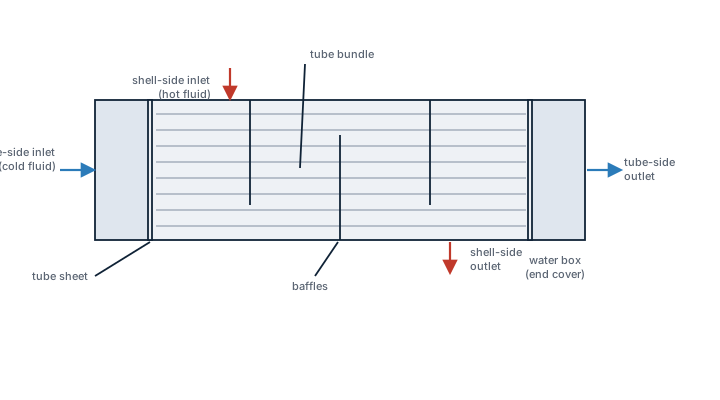
Shell-and-Tube Heat Exchanger
7 manufacturers · 113 models
Funke
20 ✓ 20 verified- Area: Tube bundle scaling/fouling (mineral deposits, organic impurities)Check: Measure pressure drop across tube bundle; compare to baseline. Conduct optical inspection/borescope examination for visible deposits. Check heat transfer efficiency degradation.
- Area: Corrosion and pitting of tubes and tubesheet (internal/external surfaces)Check: Perform ultrasonic thickness testing (UT) or eddy current testing (ECT) on tube surfaces and tubesheet. Visual inspection for rust staining, discoloration. Inspect weld seams on shell and tubesheet.
- Area: Vibration, noise, and mechanical wear (tube wall thinning, erosion)Check: Monitor noise/vibration levels during operation. Check tube baffle spacing for deformation. Verify internal fluid velocity within design range. Look for signs of tube/baffle contact.
- Area: Gasket, seal, and flange leakage (connection points)Check: Inspect all gasket/seal surfaces for cracks, brittleness, compression set. Perform pressure test on tube side (no leakage under design pressure). Check bolt torque values.
- Area: Pressure drop increase indicating blockage or fouling (shell or tube side)Check: Measure differential pressure across shell and tube sides separately. Compare to original design specifications. Excessive drop indicates cleaning/overhaul required.
Typ-universelle Inspektionspunkte fuer Heat Exchangers (verifiziert, 2026-06).
- Area: Tube bundle scaling/fouling (mineral deposits, organic impurities)Check: Measure pressure drop across tube bundle; compare to baseline. Conduct optical inspection/borescope examination for visible deposits. Check heat transfer efficiency degradation.
- Area: Corrosion and pitting of tubes and tubesheet (internal/external surfaces)Check: Perform ultrasonic thickness testing (UT) or eddy current testing (ECT) on tube surfaces and tubesheet. Visual inspection for rust staining, discoloration. Inspect weld seams on shell and tubesheet.
- Area: Vibration, noise, and mechanical wear (tube wall thinning, erosion)Check: Monitor noise/vibration levels during operation. Check tube baffle spacing for deformation. Verify internal fluid velocity within design range. Look for signs of tube/baffle contact.
- Area: Gasket, seal, and flange leakage (connection points)Check: Inspect all gasket/seal surfaces for cracks, brittleness, compression set. Perform pressure test on tube side (no leakage under design pressure). Check bolt torque values.
- Area: Pressure drop increase indicating blockage or fouling (shell or tube side)Check: Measure differential pressure across shell and tube sides separately. Compare to original design specifications. Excessive drop indicates cleaning/overhaul required.
Typ-universelle Inspektionspunkte fuer Heat Exchangers (verifiziert, 2026-06).
- Area: Tube bundle scaling/fouling (mineral deposits, organic impurities)Check: Measure pressure drop across tube bundle; compare to baseline. Conduct optical inspection/borescope examination for visible deposits. Check heat transfer efficiency degradation.
- Area: Corrosion and pitting of tubes and tubesheet (internal/external surfaces)Check: Perform ultrasonic thickness testing (UT) or eddy current testing (ECT) on tube surfaces and tubesheet. Visual inspection for rust staining, discoloration. Inspect weld seams on shell and tubesheet.
- Area: Vibration, noise, and mechanical wear (tube wall thinning, erosion)Check: Monitor noise/vibration levels during operation. Check tube baffle spacing for deformation. Verify internal fluid velocity within design range. Look for signs of tube/baffle contact.
- Area: Gasket, seal, and flange leakage (connection points)Check: Inspect all gasket/seal surfaces for cracks, brittleness, compression set. Perform pressure test on tube side (no leakage under design pressure). Check bolt torque values.
- Area: Pressure drop increase indicating blockage or fouling (shell or tube side)Check: Measure differential pressure across shell and tube sides separately. Compare to original design specifications. Excessive drop indicates cleaning/overhaul required.
Typ-universelle Inspektionspunkte fuer Heat Exchangers (verifiziert, 2026-06).
- Area: Tube bundle scaling/fouling (mineral deposits, organic impurities)Check: Measure pressure drop across tube bundle; compare to baseline. Conduct optical inspection/borescope examination for visible deposits. Check heat transfer efficiency degradation.
- Area: Corrosion and pitting of tubes and tubesheet (internal/external surfaces)Check: Perform ultrasonic thickness testing (UT) or eddy current testing (ECT) on tube surfaces and tubesheet. Visual inspection for rust staining, discoloration. Inspect weld seams on shell and tubesheet.
- Area: Vibration, noise, and mechanical wear (tube wall thinning, erosion)Check: Monitor noise/vibration levels during operation. Check tube baffle spacing for deformation. Verify internal fluid velocity within design range. Look for signs of tube/baffle contact.
- Area: Gasket, seal, and flange leakage (connection points)Check: Inspect all gasket/seal surfaces for cracks, brittleness, compression set. Perform pressure test on tube side (no leakage under design pressure). Check bolt torque values.
- Area: Pressure drop increase indicating blockage or fouling (shell or tube side)Check: Measure differential pressure across shell and tube sides separately. Compare to original design specifications. Excessive drop indicates cleaning/overhaul required.
Typ-universelle Inspektionspunkte fuer Heat Exchangers (verifiziert, 2026-06).
- Area: Tube bundle scaling/fouling (mineral deposits, organic impurities)Check: Measure pressure drop across tube bundle; compare to baseline. Conduct optical inspection/borescope examination for visible deposits. Check heat transfer efficiency degradation.
- Area: Corrosion and pitting of tubes and tubesheet (internal/external surfaces)Check: Perform ultrasonic thickness testing (UT) or eddy current testing (ECT) on tube surfaces and tubesheet. Visual inspection for rust staining, discoloration. Inspect weld seams on shell and tubesheet.
- Area: Vibration, noise, and mechanical wear (tube wall thinning, erosion)Check: Monitor noise/vibration levels during operation. Check tube baffle spacing for deformation. Verify internal fluid velocity within design range. Look for signs of tube/baffle contact.
- Area: Gasket, seal, and flange leakage (connection points)Check: Inspect all gasket/seal surfaces for cracks, brittleness, compression set. Perform pressure test on tube side (no leakage under design pressure). Check bolt torque values.
- Area: Pressure drop increase indicating blockage or fouling (shell or tube side)Check: Measure differential pressure across shell and tube sides separately. Compare to original design specifications. Excessive drop indicates cleaning/overhaul required.
Typ-universelle Inspektionspunkte fuer Heat Exchangers (verifiziert, 2026-06).
- Area: Tube bundle scaling/fouling (mineral deposits, organic impurities)Check: Measure pressure drop across tube bundle; compare to baseline. Conduct optical inspection/borescope examination for visible deposits. Check heat transfer efficiency degradation.
- Area: Corrosion and pitting of tubes and tubesheet (internal/external surfaces)Check: Perform ultrasonic thickness testing (UT) or eddy current testing (ECT) on tube surfaces and tubesheet. Visual inspection for rust staining, discoloration. Inspect weld seams on shell and tubesheet.
- Area: Vibration, noise, and mechanical wear (tube wall thinning, erosion)Check: Monitor noise/vibration levels during operation. Check tube baffle spacing for deformation. Verify internal fluid velocity within design range. Look for signs of tube/baffle contact.
- Area: Gasket, seal, and flange leakage (connection points)Check: Inspect all gasket/seal surfaces for cracks, brittleness, compression set. Perform pressure test on tube side (no leakage under design pressure). Check bolt torque values.
- Area: Pressure drop increase indicating blockage or fouling (shell or tube side)Check: Measure differential pressure across shell and tube sides separately. Compare to original design specifications. Excessive drop indicates cleaning/overhaul required.
Typ-universelle Inspektionspunkte fuer Heat Exchangers (verifiziert, 2026-06).
- Area: Tube bundle scaling/fouling (mineral deposits, organic impurities)Check: Measure pressure drop across tube bundle; compare to baseline. Conduct optical inspection/borescope examination for visible deposits. Check heat transfer efficiency degradation.
- Area: Corrosion and pitting of tubes and tubesheet (internal/external surfaces)Check: Perform ultrasonic thickness testing (UT) or eddy current testing (ECT) on tube surfaces and tubesheet. Visual inspection for rust staining, discoloration. Inspect weld seams on shell and tubesheet.
- Area: Vibration, noise, and mechanical wear (tube wall thinning, erosion)Check: Monitor noise/vibration levels during operation. Check tube baffle spacing for deformation. Verify internal fluid velocity within design range. Look for signs of tube/baffle contact.
- Area: Gasket, seal, and flange leakage (connection points)Check: Inspect all gasket/seal surfaces for cracks, brittleness, compression set. Perform pressure test on tube side (no leakage under design pressure). Check bolt torque values.
- Area: Pressure drop increase indicating blockage or fouling (shell or tube side)Check: Measure differential pressure across shell and tube sides separately. Compare to original design specifications. Excessive drop indicates cleaning/overhaul required.
Typ-universelle Inspektionspunkte fuer Heat Exchangers (verifiziert, 2026-06).
- Area: Tube bundle scaling/fouling (mineral deposits, organic impurities)Check: Measure pressure drop across tube bundle; compare to baseline. Conduct optical inspection/borescope examination for visible deposits. Check heat transfer efficiency degradation.
- Area: Corrosion and pitting of tubes and tubesheet (internal/external surfaces)Check: Perform ultrasonic thickness testing (UT) or eddy current testing (ECT) on tube surfaces and tubesheet. Visual inspection for rust staining, discoloration. Inspect weld seams on shell and tubesheet.
- Area: Vibration, noise, and mechanical wear (tube wall thinning, erosion)Check: Monitor noise/vibration levels during operation. Check tube baffle spacing for deformation. Verify internal fluid velocity within design range. Look for signs of tube/baffle contact.
- Area: Gasket, seal, and flange leakage (connection points)Check: Inspect all gasket/seal surfaces for cracks, brittleness, compression set. Perform pressure test on tube side (no leakage under design pressure). Check bolt torque values.
- Area: Pressure drop increase indicating blockage or fouling (shell or tube side)Check: Measure differential pressure across shell and tube sides separately. Compare to original design specifications. Excessive drop indicates cleaning/overhaul required.
Typ-universelle Inspektionspunkte fuer Heat Exchangers (verifiziert, 2026-06).
- Area: Tube bundle scaling/fouling (mineral deposits, organic impurities)Check: Measure pressure drop across tube bundle; compare to baseline. Conduct optical inspection/borescope examination for visible deposits. Check heat transfer efficiency degradation.
- Area: Corrosion and pitting of tubes and tubesheet (internal/external surfaces)Check: Perform ultrasonic thickness testing (UT) or eddy current testing (ECT) on tube surfaces and tubesheet. Visual inspection for rust staining, discoloration. Inspect weld seams on shell and tubesheet.
- Area: Vibration, noise, and mechanical wear (tube wall thinning, erosion)Check: Monitor noise/vibration levels during operation. Check tube baffle spacing for deformation. Verify internal fluid velocity within design range. Look for signs of tube/baffle contact.
- Area: Gasket, seal, and flange leakage (connection points)Check: Inspect all gasket/seal surfaces for cracks, brittleness, compression set. Perform pressure test on tube side (no leakage under design pressure). Check bolt torque values.
- Area: Pressure drop increase indicating blockage or fouling (shell or tube side)Check: Measure differential pressure across shell and tube sides separately. Compare to original design specifications. Excessive drop indicates cleaning/overhaul required.
Typ-universelle Inspektionspunkte fuer Heat Exchangers (verifiziert, 2026-06).
- Area: Tube bundle scaling/fouling (mineral deposits, organic impurities)Check: Measure pressure drop across tube bundle; compare to baseline. Conduct optical inspection/borescope examination for visible deposits. Check heat transfer efficiency degradation.
- Area: Corrosion and pitting of tubes and tubesheet (internal/external surfaces)Check: Perform ultrasonic thickness testing (UT) or eddy current testing (ECT) on tube surfaces and tubesheet. Visual inspection for rust staining, discoloration. Inspect weld seams on shell and tubesheet.
- Area: Vibration, noise, and mechanical wear (tube wall thinning, erosion)Check: Monitor noise/vibration levels during operation. Check tube baffle spacing for deformation. Verify internal fluid velocity within design range. Look for signs of tube/baffle contact.
- Area: Gasket, seal, and flange leakage (connection points)Check: Inspect all gasket/seal surfaces for cracks, brittleness, compression set. Perform pressure test on tube side (no leakage under design pressure). Check bolt torque values.
- Area: Pressure drop increase indicating blockage or fouling (shell or tube side)Check: Measure differential pressure across shell and tube sides separately. Compare to original design specifications. Excessive drop indicates cleaning/overhaul required.
Typ-universelle Inspektionspunkte fuer Heat Exchangers (verifiziert, 2026-06).
- Area: Tube bundle scaling/fouling (mineral deposits, organic impurities)Check: Measure pressure drop across tube bundle; compare to baseline. Conduct optical inspection/borescope examination for visible deposits. Check heat transfer efficiency degradation.
- Area: Corrosion and pitting of tubes and tubesheet (internal/external surfaces)Check: Perform ultrasonic thickness testing (UT) or eddy current testing (ECT) on tube surfaces and tubesheet. Visual inspection for rust staining, discoloration. Inspect weld seams on shell and tubesheet.
- Area: Vibration, noise, and mechanical wear (tube wall thinning, erosion)Check: Monitor noise/vibration levels during operation. Check tube baffle spacing for deformation. Verify internal fluid velocity within design range. Look for signs of tube/baffle contact.
- Area: Gasket, seal, and flange leakage (connection points)Check: Inspect all gasket/seal surfaces for cracks, brittleness, compression set. Perform pressure test on tube side (no leakage under design pressure). Check bolt torque values.
- Area: Pressure drop increase indicating blockage or fouling (shell or tube side)Check: Measure differential pressure across shell and tube sides separately. Compare to original design specifications. Excessive drop indicates cleaning/overhaul required.
Typ-universelle Inspektionspunkte fuer Heat Exchangers (verifiziert, 2026-06).
- Area: Tube bundle scaling/fouling (mineral deposits, organic impurities)Check: Measure pressure drop across tube bundle; compare to baseline. Conduct optical inspection/borescope examination for visible deposits. Check heat transfer efficiency degradation.
- Area: Corrosion and pitting of tubes and tubesheet (internal/external surfaces)Check: Perform ultrasonic thickness testing (UT) or eddy current testing (ECT) on tube surfaces and tubesheet. Visual inspection for rust staining, discoloration. Inspect weld seams on shell and tubesheet.
- Area: Vibration, noise, and mechanical wear (tube wall thinning, erosion)Check: Monitor noise/vibration levels during operation. Check tube baffle spacing for deformation. Verify internal fluid velocity within design range. Look for signs of tube/baffle contact.
- Area: Gasket, seal, and flange leakage (connection points)Check: Inspect all gasket/seal surfaces for cracks, brittleness, compression set. Perform pressure test on tube side (no leakage under design pressure). Check bolt torque values.
- Area: Pressure drop increase indicating blockage or fouling (shell or tube side)Check: Measure differential pressure across shell and tube sides separately. Compare to original design specifications. Excessive drop indicates cleaning/overhaul required.
Typ-universelle Inspektionspunkte fuer Heat Exchangers (verifiziert, 2026-06).
- Area: Tube bundle scaling/fouling (mineral deposits, organic impurities)Check: Measure pressure drop across tube bundle; compare to baseline. Conduct optical inspection/borescope examination for visible deposits. Check heat transfer efficiency degradation.
- Area: Corrosion and pitting of tubes and tubesheet (internal/external surfaces)Check: Perform ultrasonic thickness testing (UT) or eddy current testing (ECT) on tube surfaces and tubesheet. Visual inspection for rust staining, discoloration. Inspect weld seams on shell and tubesheet.
- Area: Vibration, noise, and mechanical wear (tube wall thinning, erosion)Check: Monitor noise/vibration levels during operation. Check tube baffle spacing for deformation. Verify internal fluid velocity within design range. Look for signs of tube/baffle contact.
- Area: Gasket, seal, and flange leakage (connection points)Check: Inspect all gasket/seal surfaces for cracks, brittleness, compression set. Perform pressure test on tube side (no leakage under design pressure). Check bolt torque values.
- Area: Pressure drop increase indicating blockage or fouling (shell or tube side)Check: Measure differential pressure across shell and tube sides separately. Compare to original design specifications. Excessive drop indicates cleaning/overhaul required.
Typ-universelle Inspektionspunkte fuer Heat Exchangers (verifiziert, 2026-06).
- Area: Tube bundle scaling/fouling (mineral deposits, organic impurities)Check: Measure pressure drop across tube bundle; compare to baseline. Conduct optical inspection/borescope examination for visible deposits. Check heat transfer efficiency degradation.
- Area: Corrosion and pitting of tubes and tubesheet (internal/external surfaces)Check: Perform ultrasonic thickness testing (UT) or eddy current testing (ECT) on tube surfaces and tubesheet. Visual inspection for rust staining, discoloration. Inspect weld seams on shell and tubesheet.
- Area: Vibration, noise, and mechanical wear (tube wall thinning, erosion)Check: Monitor noise/vibration levels during operation. Check tube baffle spacing for deformation. Verify internal fluid velocity within design range. Look for signs of tube/baffle contact.
- Area: Gasket, seal, and flange leakage (connection points)Check: Inspect all gasket/seal surfaces for cracks, brittleness, compression set. Perform pressure test on tube side (no leakage under design pressure). Check bolt torque values.
- Area: Pressure drop increase indicating blockage or fouling (shell or tube side)Check: Measure differential pressure across shell and tube sides separately. Compare to original design specifications. Excessive drop indicates cleaning/overhaul required.
Typ-universelle Inspektionspunkte fuer Heat Exchangers (verifiziert, 2026-06).
- Area: Tube bundle scaling/fouling (mineral deposits, organic impurities)Check: Measure pressure drop across tube bundle; compare to baseline. Conduct optical inspection/borescope examination for visible deposits. Check heat transfer efficiency degradation.
- Area: Corrosion and pitting of tubes and tubesheet (internal/external surfaces)Check: Perform ultrasonic thickness testing (UT) or eddy current testing (ECT) on tube surfaces and tubesheet. Visual inspection for rust staining, discoloration. Inspect weld seams on shell and tubesheet.
- Area: Vibration, noise, and mechanical wear (tube wall thinning, erosion)Check: Monitor noise/vibration levels during operation. Check tube baffle spacing for deformation. Verify internal fluid velocity within design range. Look for signs of tube/baffle contact.
- Area: Gasket, seal, and flange leakage (connection points)Check: Inspect all gasket/seal surfaces for cracks, brittleness, compression set. Perform pressure test on tube side (no leakage under design pressure). Check bolt torque values.
- Area: Pressure drop increase indicating blockage or fouling (shell or tube side)Check: Measure differential pressure across shell and tube sides separately. Compare to original design specifications. Excessive drop indicates cleaning/overhaul required.
Typ-universelle Inspektionspunkte fuer Heat Exchangers (verifiziert, 2026-06).
- Area: Tube bundle scaling/fouling (mineral deposits, organic impurities)Check: Measure pressure drop across tube bundle; compare to baseline. Conduct optical inspection/borescope examination for visible deposits. Check heat transfer efficiency degradation.
- Area: Corrosion and pitting of tubes and tubesheet (internal/external surfaces)Check: Perform ultrasonic thickness testing (UT) or eddy current testing (ECT) on tube surfaces and tubesheet. Visual inspection for rust staining, discoloration. Inspect weld seams on shell and tubesheet.
- Area: Vibration, noise, and mechanical wear (tube wall thinning, erosion)Check: Monitor noise/vibration levels during operation. Check tube baffle spacing for deformation. Verify internal fluid velocity within design range. Look for signs of tube/baffle contact.
- Area: Gasket, seal, and flange leakage (connection points)Check: Inspect all gasket/seal surfaces for cracks, brittleness, compression set. Perform pressure test on tube side (no leakage under design pressure). Check bolt torque values.
- Area: Pressure drop increase indicating blockage or fouling (shell or tube side)Check: Measure differential pressure across shell and tube sides separately. Compare to original design specifications. Excessive drop indicates cleaning/overhaul required.
Typ-universelle Inspektionspunkte fuer Heat Exchangers (verifiziert, 2026-06).
- Area: Tube bundle scaling/fouling (mineral deposits, organic impurities)Check: Measure pressure drop across tube bundle; compare to baseline. Conduct optical inspection/borescope examination for visible deposits. Check heat transfer efficiency degradation.
- Area: Corrosion and pitting of tubes and tubesheet (internal/external surfaces)Check: Perform ultrasonic thickness testing (UT) or eddy current testing (ECT) on tube surfaces and tubesheet. Visual inspection for rust staining, discoloration. Inspect weld seams on shell and tubesheet.
- Area: Vibration, noise, and mechanical wear (tube wall thinning, erosion)Check: Monitor noise/vibration levels during operation. Check tube baffle spacing for deformation. Verify internal fluid velocity within design range. Look for signs of tube/baffle contact.
- Area: Gasket, seal, and flange leakage (connection points)Check: Inspect all gasket/seal surfaces for cracks, brittleness, compression set. Perform pressure test on tube side (no leakage under design pressure). Check bolt torque values.
- Area: Pressure drop increase indicating blockage or fouling (shell or tube side)Check: Measure differential pressure across shell and tube sides separately. Compare to original design specifications. Excessive drop indicates cleaning/overhaul required.
Typ-universelle Inspektionspunkte fuer Heat Exchangers (verifiziert, 2026-06).
- Area: Tube bundle scaling/fouling (mineral deposits, organic impurities)Check: Measure pressure drop across tube bundle; compare to baseline. Conduct optical inspection/borescope examination for visible deposits. Check heat transfer efficiency degradation.
- Area: Corrosion and pitting of tubes and tubesheet (internal/external surfaces)Check: Perform ultrasonic thickness testing (UT) or eddy current testing (ECT) on tube surfaces and tubesheet. Visual inspection for rust staining, discoloration. Inspect weld seams on shell and tubesheet.
- Area: Vibration, noise, and mechanical wear (tube wall thinning, erosion)Check: Monitor noise/vibration levels during operation. Check tube baffle spacing for deformation. Verify internal fluid velocity within design range. Look for signs of tube/baffle contact.
- Area: Gasket, seal, and flange leakage (connection points)Check: Inspect all gasket/seal surfaces for cracks, brittleness, compression set. Perform pressure test on tube side (no leakage under design pressure). Check bolt torque values.
- Area: Pressure drop increase indicating blockage or fouling (shell or tube side)Check: Measure differential pressure across shell and tube sides separately. Compare to original design specifications. Excessive drop indicates cleaning/overhaul required.
Typ-universelle Inspektionspunkte fuer Heat Exchangers (verifiziert, 2026-06).
- Area: Tube bundle scaling/fouling (mineral deposits, organic impurities)Check: Measure pressure drop across tube bundle; compare to baseline. Conduct optical inspection/borescope examination for visible deposits. Check heat transfer efficiency degradation.
- Area: Corrosion and pitting of tubes and tubesheet (internal/external surfaces)Check: Perform ultrasonic thickness testing (UT) or eddy current testing (ECT) on tube surfaces and tubesheet. Visual inspection for rust staining, discoloration. Inspect weld seams on shell and tubesheet.
- Area: Vibration, noise, and mechanical wear (tube wall thinning, erosion)Check: Monitor noise/vibration levels during operation. Check tube baffle spacing for deformation. Verify internal fluid velocity within design range. Look for signs of tube/baffle contact.
- Area: Gasket, seal, and flange leakage (connection points)Check: Inspect all gasket/seal surfaces for cracks, brittleness, compression set. Perform pressure test on tube side (no leakage under design pressure). Check bolt torque values.
- Area: Pressure drop increase indicating blockage or fouling (shell or tube side)Check: Measure differential pressure across shell and tube sides separately. Compare to original design specifications. Excessive drop indicates cleaning/overhaul required.
Typ-universelle Inspektionspunkte fuer Heat Exchangers (verifiziert, 2026-06).
- Area: Tube bundle scaling/fouling (mineral deposits, organic impurities)Check: Measure pressure drop across tube bundle; compare to baseline. Conduct optical inspection/borescope examination for visible deposits. Check heat transfer efficiency degradation.
- Area: Corrosion and pitting of tubes and tubesheet (internal/external surfaces)Check: Perform ultrasonic thickness testing (UT) or eddy current testing (ECT) on tube surfaces and tubesheet. Visual inspection for rust staining, discoloration. Inspect weld seams on shell and tubesheet.
- Area: Vibration, noise, and mechanical wear (tube wall thinning, erosion)Check: Monitor noise/vibration levels during operation. Check tube baffle spacing for deformation. Verify internal fluid velocity within design range. Look for signs of tube/baffle contact.
- Area: Gasket, seal, and flange leakage (connection points)Check: Inspect all gasket/seal surfaces for cracks, brittleness, compression set. Perform pressure test on tube side (no leakage under design pressure). Check bolt torque values.
- Area: Pressure drop increase indicating blockage or fouling (shell or tube side)Check: Measure differential pressure across shell and tube sides separately. Compare to original design specifications. Excessive drop indicates cleaning/overhaul required.
Typ-universelle Inspektionspunkte fuer Heat Exchangers (verifiziert, 2026-06).
Donghwa Entec
19 ✓ 19 verified
Typ-universelle Inspektionspunkte fuer Heat Exchangers (verifiziert, 2026-06).
API Heat Transfer
15 ✓ 15 verified- Area: Zinc pencil erosion or oxide depositsCheck: Remove bonnets/heads, inspect zinc pencils for erosion >50% corrosion away, clean to bright surface, replace if necessary
- Area: Tube scale, fouling, and depositsCheck: Examine tubes for scale buildup and deposits, clean if necessary using high-velocity water jetting or wire brushes (avoid tube perforation or tube-sheet damage)
- Area: Tube wall erosion and corrosionCheck: Carefully examine tubes for signs of erosion or corrosion damage, monitor tube wall thickness to calculate corrosion rate
- Area: Tube bundle vibration and separationCheck: Inspect for tube bundle ablation/separation from baffles, check baffle conditions and spacers, verify baffle control integrity
- Area: Tubesheet and gasket surface degradationCheck: Inspect tubesheet face, baffle surfaces, gasket sealing surfaces, and floating head (if applicable) for corrosion, erosion, or deformation
Typ-universelle Inspektionspunkte fuer Heat Exchangers (verifiziert, 2026-06).
- Area: Zinc pencil erosion or oxide depositsCheck: Remove bonnets/heads, inspect zinc pencils for erosion >50% corrosion away, clean to bright surface, replace if necessary
- Area: Tube scale, fouling, and depositsCheck: Examine tubes for scale buildup and deposits, clean if necessary using high-velocity water jetting or wire brushes (avoid tube perforation or tube-sheet damage)
- Area: Tube wall erosion and corrosionCheck: Carefully examine tubes for signs of erosion or corrosion damage, monitor tube wall thickness to calculate corrosion rate
- Area: Tube bundle vibration and separationCheck: Inspect for tube bundle ablation/separation from baffles, check baffle conditions and spacers, verify baffle control integrity
- Area: Tubesheet and gasket surface degradationCheck: Inspect tubesheet face, baffle surfaces, gasket sealing surfaces, and floating head (if applicable) for corrosion, erosion, or deformation
Typ-universelle Inspektionspunkte fuer Heat Exchangers (verifiziert, 2026-06).
- Area: Zinc pencil erosion or oxide depositsCheck: Remove bonnets/heads, inspect zinc pencils for erosion >50% corrosion away, clean to bright surface, replace if necessary
- Area: Tube scale, fouling, and depositsCheck: Examine tubes for scale buildup and deposits, clean if necessary using high-velocity water jetting or wire brushes (avoid tube perforation or tube-sheet damage)
- Area: Tube wall erosion and corrosionCheck: Carefully examine tubes for signs of erosion or corrosion damage, monitor tube wall thickness to calculate corrosion rate
- Area: Tube bundle vibration and separationCheck: Inspect for tube bundle ablation/separation from baffles, check baffle conditions and spacers, verify baffle control integrity
- Area: Tubesheet and gasket surface degradationCheck: Inspect tubesheet face, baffle surfaces, gasket sealing surfaces, and floating head (if applicable) for corrosion, erosion, or deformation
Typ-universelle Inspektionspunkte fuer Heat Exchangers (verifiziert, 2026-06).
- Area: Zinc pencil erosion or oxide depositsCheck: Remove bonnets/heads, inspect zinc pencils for erosion >50% corrosion away, clean to bright surface, replace if necessary
- Area: Tube scale, fouling, and depositsCheck: Examine tubes for scale buildup and deposits, clean if necessary using high-velocity water jetting or wire brushes (avoid tube perforation or tube-sheet damage)
- Area: Tube wall erosion and corrosionCheck: Carefully examine tubes for signs of erosion or corrosion damage, monitor tube wall thickness to calculate corrosion rate
- Area: Tube bundle vibration and separationCheck: Inspect for tube bundle ablation/separation from baffles, check baffle conditions and spacers, verify baffle control integrity
- Area: Tubesheet and gasket surface degradationCheck: Inspect tubesheet face, baffle surfaces, gasket sealing surfaces, and floating head (if applicable) for corrosion, erosion, or deformation
Typ-universelle Inspektionspunkte fuer Heat Exchangers (verifiziert, 2026-06).
- Area: Zinc pencil erosion or oxide depositsCheck: Remove bonnets/heads, inspect zinc pencils for erosion >50% corrosion away, clean to bright surface, replace if necessary
- Area: Tube scale, fouling, and depositsCheck: Examine tubes for scale buildup and deposits, clean if necessary using high-velocity water jetting or wire brushes (avoid tube perforation or tube-sheet damage)
- Area: Tube wall erosion and corrosionCheck: Carefully examine tubes for signs of erosion or corrosion damage, monitor tube wall thickness to calculate corrosion rate
- Area: Tube bundle vibration and separationCheck: Inspect for tube bundle ablation/separation from baffles, check baffle conditions and spacers, verify baffle control integrity
- Area: Tubesheet and gasket surface degradationCheck: Inspect tubesheet face, baffle surfaces, gasket sealing surfaces, and floating head (if applicable) for corrosion, erosion, or deformation
Typ-universelle Inspektionspunkte fuer Heat Exchangers (verifiziert, 2026-06).
- Area: Zinc pencil erosion or oxide depositsCheck: Remove bonnets/heads, inspect zinc pencils for erosion >50% corrosion away, clean to bright surface, replace if necessary
- Area: Tube scale, fouling, and depositsCheck: Examine tubes for scale buildup and deposits, clean if necessary using high-velocity water jetting or wire brushes (avoid tube perforation or tube-sheet damage)
- Area: Tube wall erosion and corrosionCheck: Carefully examine tubes for signs of erosion or corrosion damage, monitor tube wall thickness to calculate corrosion rate
- Area: Tube bundle vibration and separationCheck: Inspect for tube bundle ablation/separation from baffles, check baffle conditions and spacers, verify baffle control integrity
- Area: Tubesheet and gasket surface degradationCheck: Inspect tubesheet face, baffle surfaces, gasket sealing surfaces, and floating head (if applicable) for corrosion, erosion, or deformation
Typ-universelle Inspektionspunkte fuer Heat Exchangers (verifiziert, 2026-06).
- Area: Zinc pencil erosion or oxide depositsCheck: Remove bonnets/heads, inspect zinc pencils for erosion >50% corrosion away, clean to bright surface, replace if necessary
- Area: Tube scale, fouling, and depositsCheck: Examine tubes for scale buildup and deposits, clean if necessary using high-velocity water jetting or wire brushes (avoid tube perforation or tube-sheet damage)
- Area: Tube wall erosion and corrosionCheck: Carefully examine tubes for signs of erosion or corrosion damage, monitor tube wall thickness to calculate corrosion rate
- Area: Tube bundle vibration and separationCheck: Inspect for tube bundle ablation/separation from baffles, check baffle conditions and spacers, verify baffle control integrity
- Area: Tubesheet and gasket surface degradationCheck: Inspect tubesheet face, baffle surfaces, gasket sealing surfaces, and floating head (if applicable) for corrosion, erosion, or deformation
Typ-universelle Inspektionspunkte fuer Heat Exchangers (verifiziert, 2026-06).
- Area: Zinc pencil erosion or oxide depositsCheck: Remove bonnets/heads, inspect zinc pencils for erosion >50% corrosion away, clean to bright surface, replace if necessary
- Area: Tube scale, fouling, and depositsCheck: Examine tubes for scale buildup and deposits, clean if necessary using high-velocity water jetting or wire brushes (avoid tube perforation or tube-sheet damage)
- Area: Tube wall erosion and corrosionCheck: Carefully examine tubes for signs of erosion or corrosion damage, monitor tube wall thickness to calculate corrosion rate
- Area: Tube bundle vibration and separationCheck: Inspect for tube bundle ablation/separation from baffles, check baffle conditions and spacers, verify baffle control integrity
- Area: Tubesheet and gasket surface degradationCheck: Inspect tubesheet face, baffle surfaces, gasket sealing surfaces, and floating head (if applicable) for corrosion, erosion, or deformation
Typ-universelle Inspektionspunkte fuer Heat Exchangers (verifiziert, 2026-06).
- Area: Zinc pencil erosion or oxide depositsCheck: Remove bonnets/heads, inspect zinc pencils for erosion >50% corrosion away, clean to bright surface, replace if necessary
- Area: Tube scale, fouling, and depositsCheck: Examine tubes for scale buildup and deposits, clean if necessary using high-velocity water jetting or wire brushes (avoid tube perforation or tube-sheet damage)
- Area: Tube wall erosion and corrosionCheck: Carefully examine tubes for signs of erosion or corrosion damage, monitor tube wall thickness to calculate corrosion rate
- Area: Tube bundle vibration and separationCheck: Inspect for tube bundle ablation/separation from baffles, check baffle conditions and spacers, verify baffle control integrity
- Area: Tubesheet and gasket surface degradationCheck: Inspect tubesheet face, baffle surfaces, gasket sealing surfaces, and floating head (if applicable) for corrosion, erosion, or deformation
Typ-universelle Inspektionspunkte fuer Heat Exchangers (verifiziert, 2026-06).
- Area: Zinc pencil erosion or oxide depositsCheck: Remove bonnets/heads, inspect zinc pencils for erosion >50% corrosion away, clean to bright surface, replace if necessary
- Area: Tube scale, fouling, and depositsCheck: Examine tubes for scale buildup and deposits, clean if necessary using high-velocity water jetting or wire brushes (avoid tube perforation or tube-sheet damage)
- Area: Tube wall erosion and corrosionCheck: Carefully examine tubes for signs of erosion or corrosion damage, monitor tube wall thickness to calculate corrosion rate
- Area: Tube bundle vibration and separationCheck: Inspect for tube bundle ablation/separation from baffles, check baffle conditions and spacers, verify baffle control integrity
- Area: Tubesheet and gasket surface degradationCheck: Inspect tubesheet face, baffle surfaces, gasket sealing surfaces, and floating head (if applicable) for corrosion, erosion, or deformation
Typ-universelle Inspektionspunkte fuer Heat Exchangers (verifiziert, 2026-06).
- Area: Zinc pencil erosion or oxide depositsCheck: Remove bonnets/heads, inspect zinc pencils for erosion >50% corrosion away, clean to bright surface, replace if necessary
- Area: Tube scale, fouling, and depositsCheck: Examine tubes for scale buildup and deposits, clean if necessary using high-velocity water jetting or wire brushes (avoid tube perforation or tube-sheet damage)
- Area: Tube wall erosion and corrosionCheck: Carefully examine tubes for signs of erosion or corrosion damage, monitor tube wall thickness to calculate corrosion rate
- Area: Tube bundle vibration and separationCheck: Inspect for tube bundle ablation/separation from baffles, check baffle conditions and spacers, verify baffle control integrity
- Area: Tubesheet and gasket surface degradationCheck: Inspect tubesheet face, baffle surfaces, gasket sealing surfaces, and floating head (if applicable) for corrosion, erosion, or deformation
Typ-universelle Inspektionspunkte fuer Heat Exchangers (verifiziert, 2026-06).
- Area: Zinc pencil erosion or oxide depositsCheck: Remove bonnets/heads, inspect zinc pencils for erosion >50% corrosion away, clean to bright surface, replace if necessary
- Area: Tube scale, fouling, and depositsCheck: Examine tubes for scale buildup and deposits, clean if necessary using high-velocity water jetting or wire brushes (avoid tube perforation or tube-sheet damage)
- Area: Tube wall erosion and corrosionCheck: Carefully examine tubes for signs of erosion or corrosion damage, monitor tube wall thickness to calculate corrosion rate
- Area: Tube bundle vibration and separationCheck: Inspect for tube bundle ablation/separation from baffles, check baffle conditions and spacers, verify baffle control integrity
- Area: Tubesheet and gasket surface degradationCheck: Inspect tubesheet face, baffle surfaces, gasket sealing surfaces, and floating head (if applicable) for corrosion, erosion, or deformation
Typ-universelle Inspektionspunkte fuer Heat Exchangers (verifiziert, 2026-06).
- Area: Zinc pencil erosion or oxide depositsCheck: Remove bonnets/heads, inspect zinc pencils for erosion >50% corrosion away, clean to bright surface, replace if necessary
- Area: Tube scale, fouling, and depositsCheck: Examine tubes for scale buildup and deposits, clean if necessary using high-velocity water jetting or wire brushes (avoid tube perforation or tube-sheet damage)
- Area: Tube wall erosion and corrosionCheck: Carefully examine tubes for signs of erosion or corrosion damage, monitor tube wall thickness to calculate corrosion rate
- Area: Tube bundle vibration and separationCheck: Inspect for tube bundle ablation/separation from baffles, check baffle conditions and spacers, verify baffle control integrity
- Area: Tubesheet and gasket surface degradationCheck: Inspect tubesheet face, baffle surfaces, gasket sealing surfaces, and floating head (if applicable) for corrosion, erosion, or deformation
Typ-universelle Inspektionspunkte fuer Heat Exchangers (verifiziert, 2026-06).
- Area: Zinc pencil erosion or oxide depositsCheck: Remove bonnets/heads, inspect zinc pencils for erosion >50% corrosion away, clean to bright surface, replace if necessary
- Area: Tube scale, fouling, and depositsCheck: Examine tubes for scale buildup and deposits, clean if necessary using high-velocity water jetting or wire brushes (avoid tube perforation or tube-sheet damage)
- Area: Tube wall erosion and corrosionCheck: Carefully examine tubes for signs of erosion or corrosion damage, monitor tube wall thickness to calculate corrosion rate
- Area: Tube bundle vibration and separationCheck: Inspect for tube bundle ablation/separation from baffles, check baffle conditions and spacers, verify baffle control integrity
- Area: Tubesheet and gasket surface degradationCheck: Inspect tubesheet face, baffle surfaces, gasket sealing surfaces, and floating head (if applicable) for corrosion, erosion, or deformation
Typ-universelle Inspektionspunkte fuer Heat Exchangers (verifiziert, 2026-06).
- Area: Zinc pencil erosion or oxide depositsCheck: Remove bonnets/heads, inspect zinc pencils for erosion >50% corrosion away, clean to bright surface, replace if necessary
- Area: Tube scale, fouling, and depositsCheck: Examine tubes for scale buildup and deposits, clean if necessary using high-velocity water jetting or wire brushes (avoid tube perforation or tube-sheet damage)
- Area: Tube wall erosion and corrosionCheck: Carefully examine tubes for signs of erosion or corrosion damage, monitor tube wall thickness to calculate corrosion rate
- Area: Tube bundle vibration and separationCheck: Inspect for tube bundle ablation/separation from baffles, check baffle conditions and spacers, verify baffle control integrity
- Area: Tubesheet and gasket surface degradationCheck: Inspect tubesheet face, baffle surfaces, gasket sealing surfaces, and floating head (if applicable) for corrosion, erosion, or deformation
Typ-universelle Inspektionspunkte fuer Heat Exchangers (verifiziert, 2026-06).
Bloksma (Kelvion Machine Cooling)
10 ✓ 10 verified- Area: Corrosion of tube bundle and seawater-wetted componentsCheck: Visual inspection of sacrificial anodes for depletion; check for galvanic corrosion on phenolic coating on tubes; verify cathodic protection system effectiveness (ICAF system status if equipped)
- Area: Biofouling and seawater blockage reducing heat transfer performanceCheck: Remove header/water box for visual inspection of tube bundle exterior; check for biological growth and sediment accumulation; measure pressure drop across cooler as fouling indicator; plan chemical or mechanical cleaning as needed
- Area: O-ring seal degradation and circuit intermixing riskCheck: Inspect double O-rings on both sides for cracks, compression set, or extrusion; verify water box gasket condition; test for leakage between circuits (shell-side and tube-side isolation); check for discoloration or weeping at seal points
- Area: Tube side and shell side deposits limiting flow and heat transferCheck: Inspect tube interior for scale, rust, or oil sludge buildup; verify shell-side for sediment and scale accumulation; clean tubes chemically or mechanically per maintenance schedule; verify no internal blockages in water passages
- Area: Tube bundle structural integrity and mechanical vibration damageCheck: Check for dents, cracks, or corrosion perforation in tube walls using visual inspection and leak testing; verify baffle spacing and tube support condition; confirm U-bend tube integrity in V-type heaters; inspect for loose or missing components
Typ-universelle Inspektionspunkte fuer Heat Exchangers (verifiziert, 2026-06).
- Area: Corrosion of tube bundle and seawater-wetted componentsCheck: Visual inspection of sacrificial anodes for depletion; check for galvanic corrosion on phenolic coating on tubes; verify cathodic protection system effectiveness (ICAF system status if equipped)
- Area: Biofouling and seawater blockage reducing heat transfer performanceCheck: Remove header/water box for visual inspection of tube bundle exterior; check for biological growth and sediment accumulation; measure pressure drop across cooler as fouling indicator; plan chemical or mechanical cleaning as needed
- Area: O-ring seal degradation and circuit intermixing riskCheck: Inspect double O-rings on both sides for cracks, compression set, or extrusion; verify water box gasket condition; test for leakage between circuits (shell-side and tube-side isolation); check for discoloration or weeping at seal points
- Area: Tube side and shell side deposits limiting flow and heat transferCheck: Inspect tube interior for scale, rust, or oil sludge buildup; verify shell-side for sediment and scale accumulation; clean tubes chemically or mechanically per maintenance schedule; verify no internal blockages in water passages
- Area: Tube bundle structural integrity and mechanical vibration damageCheck: Check for dents, cracks, or corrosion perforation in tube walls using visual inspection and leak testing; verify baffle spacing and tube support condition; confirm U-bend tube integrity in V-type heaters; inspect for loose or missing components
Typ-universelle Inspektionspunkte fuer Heat Exchangers (verifiziert, 2026-06).
- Area: Corrosion of tube bundle and seawater-wetted componentsCheck: Visual inspection of sacrificial anodes for depletion; check for galvanic corrosion on phenolic coating on tubes; verify cathodic protection system effectiveness (ICAF system status if equipped)
- Area: Biofouling and seawater blockage reducing heat transfer performanceCheck: Remove header/water box for visual inspection of tube bundle exterior; check for biological growth and sediment accumulation; measure pressure drop across cooler as fouling indicator; plan chemical or mechanical cleaning as needed
- Area: O-ring seal degradation and circuit intermixing riskCheck: Inspect double O-rings on both sides for cracks, compression set, or extrusion; verify water box gasket condition; test for leakage between circuits (shell-side and tube-side isolation); check for discoloration or weeping at seal points
- Area: Tube side and shell side deposits limiting flow and heat transferCheck: Inspect tube interior for scale, rust, or oil sludge buildup; verify shell-side for sediment and scale accumulation; clean tubes chemically or mechanically per maintenance schedule; verify no internal blockages in water passages
- Area: Tube bundle structural integrity and mechanical vibration damageCheck: Check for dents, cracks, or corrosion perforation in tube walls using visual inspection and leak testing; verify baffle spacing and tube support condition; confirm U-bend tube integrity in V-type heaters; inspect for loose or missing components
Typ-universelle Inspektionspunkte fuer Heat Exchangers (verifiziert, 2026-06).
- Area: Corrosion of tube bundle and seawater-wetted componentsCheck: Visual inspection of sacrificial anodes for depletion; check for galvanic corrosion on phenolic coating on tubes; verify cathodic protection system effectiveness (ICAF system status if equipped)
- Area: Biofouling and seawater blockage reducing heat transfer performanceCheck: Remove header/water box for visual inspection of tube bundle exterior; check for biological growth and sediment accumulation; measure pressure drop across cooler as fouling indicator; plan chemical or mechanical cleaning as needed
- Area: O-ring seal degradation and circuit intermixing riskCheck: Inspect double O-rings on both sides for cracks, compression set, or extrusion; verify water box gasket condition; test for leakage between circuits (shell-side and tube-side isolation); check for discoloration or weeping at seal points
- Area: Tube side and shell side deposits limiting flow and heat transferCheck: Inspect tube interior for scale, rust, or oil sludge buildup; verify shell-side for sediment and scale accumulation; clean tubes chemically or mechanically per maintenance schedule; verify no internal blockages in water passages
- Area: Tube bundle structural integrity and mechanical vibration damageCheck: Check for dents, cracks, or corrosion perforation in tube walls using visual inspection and leak testing; verify baffle spacing and tube support condition; confirm U-bend tube integrity in V-type heaters; inspect for loose or missing components
Typ-universelle Inspektionspunkte fuer Heat Exchangers (verifiziert, 2026-06).
- Area: Corrosion of tube bundle and seawater-wetted componentsCheck: Visual inspection of sacrificial anodes for depletion; check for galvanic corrosion on phenolic coating on tubes; verify cathodic protection system effectiveness (ICAF system status if equipped)
- Area: Biofouling and seawater blockage reducing heat transfer performanceCheck: Remove header/water box for visual inspection of tube bundle exterior; check for biological growth and sediment accumulation; measure pressure drop across cooler as fouling indicator; plan chemical or mechanical cleaning as needed
- Area: O-ring seal degradation and circuit intermixing riskCheck: Inspect double O-rings on both sides for cracks, compression set, or extrusion; verify water box gasket condition; test for leakage between circuits (shell-side and tube-side isolation); check for discoloration or weeping at seal points
- Area: Tube side and shell side deposits limiting flow and heat transferCheck: Inspect tube interior for scale, rust, or oil sludge buildup; verify shell-side for sediment and scale accumulation; clean tubes chemically or mechanically per maintenance schedule; verify no internal blockages in water passages
- Area: Tube bundle structural integrity and mechanical vibration damageCheck: Check for dents, cracks, or corrosion perforation in tube walls using visual inspection and leak testing; verify baffle spacing and tube support condition; confirm U-bend tube integrity in V-type heaters; inspect for loose or missing components
Typ-universelle Inspektionspunkte fuer Heat Exchangers (verifiziert, 2026-06).
- Area: Corrosion of tube bundle and seawater-wetted componentsCheck: Visual inspection of sacrificial anodes for depletion; check for galvanic corrosion on phenolic coating on tubes; verify cathodic protection system effectiveness (ICAF system status if equipped)
- Area: Biofouling and seawater blockage reducing heat transfer performanceCheck: Remove header/water box for visual inspection of tube bundle exterior; check for biological growth and sediment accumulation; measure pressure drop across cooler as fouling indicator; plan chemical or mechanical cleaning as needed
- Area: O-ring seal degradation and circuit intermixing riskCheck: Inspect double O-rings on both sides for cracks, compression set, or extrusion; verify water box gasket condition; test for leakage between circuits (shell-side and tube-side isolation); check for discoloration or weeping at seal points
- Area: Tube side and shell side deposits limiting flow and heat transferCheck: Inspect tube interior for scale, rust, or oil sludge buildup; verify shell-side for sediment and scale accumulation; clean tubes chemically or mechanically per maintenance schedule; verify no internal blockages in water passages
- Area: Tube bundle structural integrity and mechanical vibration damageCheck: Check for dents, cracks, or corrosion perforation in tube walls using visual inspection and leak testing; verify baffle spacing and tube support condition; confirm U-bend tube integrity in V-type heaters; inspect for loose or missing components
Typ-universelle Inspektionspunkte fuer Heat Exchangers (verifiziert, 2026-06).
- Area: Corrosion of tube bundle and seawater-wetted componentsCheck: Visual inspection of sacrificial anodes for depletion; check for galvanic corrosion on phenolic coating on tubes; verify cathodic protection system effectiveness (ICAF system status if equipped)
- Area: Biofouling and seawater blockage reducing heat transfer performanceCheck: Remove header/water box for visual inspection of tube bundle exterior; check for biological growth and sediment accumulation; measure pressure drop across cooler as fouling indicator; plan chemical or mechanical cleaning as needed
- Area: O-ring seal degradation and circuit intermixing riskCheck: Inspect double O-rings on both sides for cracks, compression set, or extrusion; verify water box gasket condition; test for leakage between circuits (shell-side and tube-side isolation); check for discoloration or weeping at seal points
- Area: Tube side and shell side deposits limiting flow and heat transferCheck: Inspect tube interior for scale, rust, or oil sludge buildup; verify shell-side for sediment and scale accumulation; clean tubes chemically or mechanically per maintenance schedule; verify no internal blockages in water passages
- Area: Tube bundle structural integrity and mechanical vibration damageCheck: Check for dents, cracks, or corrosion perforation in tube walls using visual inspection and leak testing; verify baffle spacing and tube support condition; confirm U-bend tube integrity in V-type heaters; inspect for loose or missing components
Typ-universelle Inspektionspunkte fuer Heat Exchangers (verifiziert, 2026-06).
- Area: Corrosion of tube bundle and seawater-wetted componentsCheck: Visual inspection of sacrificial anodes for depletion; check for galvanic corrosion on phenolic coating on tubes; verify cathodic protection system effectiveness (ICAF system status if equipped)
- Area: Biofouling and seawater blockage reducing heat transfer performanceCheck: Remove header/water box for visual inspection of tube bundle exterior; check for biological growth and sediment accumulation; measure pressure drop across cooler as fouling indicator; plan chemical or mechanical cleaning as needed
- Area: O-ring seal degradation and circuit intermixing riskCheck: Inspect double O-rings on both sides for cracks, compression set, or extrusion; verify water box gasket condition; test for leakage between circuits (shell-side and tube-side isolation); check for discoloration or weeping at seal points
- Area: Tube side and shell side deposits limiting flow and heat transferCheck: Inspect tube interior for scale, rust, or oil sludge buildup; verify shell-side for sediment and scale accumulation; clean tubes chemically or mechanically per maintenance schedule; verify no internal blockages in water passages
- Area: Tube bundle structural integrity and mechanical vibration damageCheck: Check for dents, cracks, or corrosion perforation in tube walls using visual inspection and leak testing; verify baffle spacing and tube support condition; confirm U-bend tube integrity in V-type heaters; inspect for loose or missing components
Typ-universelle Inspektionspunkte fuer Heat Exchangers (verifiziert, 2026-06).
- Area: Corrosion of tube bundle and seawater-wetted componentsCheck: Visual inspection of sacrificial anodes for depletion; check for galvanic corrosion on phenolic coating on tubes; verify cathodic protection system effectiveness (ICAF system status if equipped)
- Area: Biofouling and seawater blockage reducing heat transfer performanceCheck: Remove header/water box for visual inspection of tube bundle exterior; check for biological growth and sediment accumulation; measure pressure drop across cooler as fouling indicator; plan chemical or mechanical cleaning as needed
- Area: O-ring seal degradation and circuit intermixing riskCheck: Inspect double O-rings on both sides for cracks, compression set, or extrusion; verify water box gasket condition; test for leakage between circuits (shell-side and tube-side isolation); check for discoloration or weeping at seal points
- Area: Tube side and shell side deposits limiting flow and heat transferCheck: Inspect tube interior for scale, rust, or oil sludge buildup; verify shell-side for sediment and scale accumulation; clean tubes chemically or mechanically per maintenance schedule; verify no internal blockages in water passages
- Area: Tube bundle structural integrity and mechanical vibration damageCheck: Check for dents, cracks, or corrosion perforation in tube walls using visual inspection and leak testing; verify baffle spacing and tube support condition; confirm U-bend tube integrity in V-type heaters; inspect for loose or missing components
Typ-universelle Inspektionspunkte fuer Heat Exchangers (verifiziert, 2026-06).
- Area: Corrosion of tube bundle and seawater-wetted componentsCheck: Visual inspection of sacrificial anodes for depletion; check for galvanic corrosion on phenolic coating on tubes; verify cathodic protection system effectiveness (ICAF system status if equipped)
- Area: Biofouling and seawater blockage reducing heat transfer performanceCheck: Remove header/water box for visual inspection of tube bundle exterior; check for biological growth and sediment accumulation; measure pressure drop across cooler as fouling indicator; plan chemical or mechanical cleaning as needed
- Area: O-ring seal degradation and circuit intermixing riskCheck: Inspect double O-rings on both sides for cracks, compression set, or extrusion; verify water box gasket condition; test for leakage between circuits (shell-side and tube-side isolation); check for discoloration or weeping at seal points
- Area: Tube side and shell side deposits limiting flow and heat transferCheck: Inspect tube interior for scale, rust, or oil sludge buildup; verify shell-side for sediment and scale accumulation; clean tubes chemically or mechanically per maintenance schedule; verify no internal blockages in water passages
- Area: Tube bundle structural integrity and mechanical vibration damageCheck: Check for dents, cracks, or corrosion perforation in tube walls using visual inspection and leak testing; verify baffle spacing and tube support condition; confirm U-bend tube integrity in V-type heaters; inspect for loose or missing components
Typ-universelle Inspektionspunkte fuer Heat Exchangers (verifiziert, 2026-06).
GEA
18
Onda
16
Kelvion
15