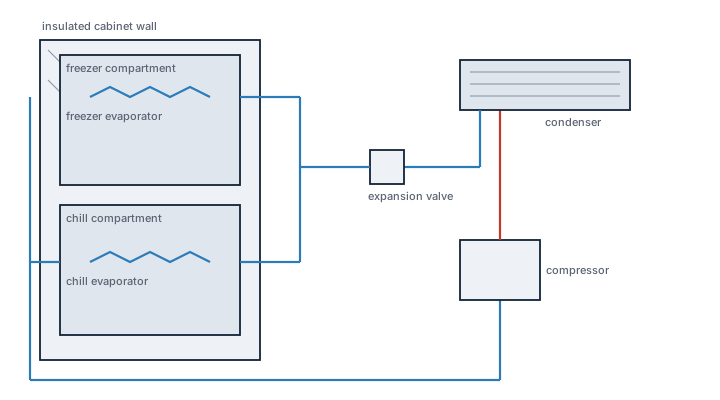
Refrigerator / Freezer
10 manufacturers · 147 models
Hoshizaki (Gram)
15 ✓ 15 verified- Area: Door Gasket/Seal DegradationCheck: Dollar bill test - close door on currency and attempt to pull it out around entire perimeter. Check for cracks, tears, brittleness, excessive stickiness. Verify seal remains soft and pliable; inspect corners and hinge side under stress.
- Area: Temperature Stability & PerformanceCheck: Monitor internal temperature with separate thermometer daily. Verify refrigerator maintains 37-40°F (2-4°C), freezer maintains -4°F (-20°C). Check for temperature fluctuations, frost buildup, or uneven cooling across all shelves.
- Area: Compressor Vibration & NoiseCheck: Listen for unusual rattling, grinding, or squealing. Inspect for excessive vibration in mounting brackets and refrigerant lines. Check for signs of metal fatigue, loose fasteners, or thermal expansion damage. Verify no salt/corrosion buildup.
- Area: Marine Shelf Fixation & Sea StabilityCheck: Verify all shelves are properly fixed to guide pins and supports with no play or movement when vessel rocks. Inspect guide pins for wear, bent clips, or misalignment. Confirm shelves remain secure under simulated heavy sea conditions.
- Area: Refrigerant & Pressure System IntegrityCheck: Check for oil leaks around compressor connections, condenser coils, and refrigerant lines. Verify refrigerant levels per nameplate specs. Inspect for frost accumulation on suction line indicating low charge. Test pressure readings with gauges; document baseline values.
Typ-universelle Inspektionspunkte fuer Galley & Domestic (verifiziert, 2026-06).
- Area: Door Gasket/Seal DegradationCheck: Dollar bill test - close door on currency and attempt to pull it out around entire perimeter. Check for cracks, tears, brittleness, excessive stickiness. Verify seal remains soft and pliable; inspect corners and hinge side under stress.
- Area: Temperature Stability & PerformanceCheck: Monitor internal temperature with separate thermometer daily. Verify refrigerator maintains 37-40°F (2-4°C), freezer maintains -4°F (-20°C). Check for temperature fluctuations, frost buildup, or uneven cooling across all shelves.
- Area: Compressor Vibration & NoiseCheck: Listen for unusual rattling, grinding, or squealing. Inspect for excessive vibration in mounting brackets and refrigerant lines. Check for signs of metal fatigue, loose fasteners, or thermal expansion damage. Verify no salt/corrosion buildup.
- Area: Marine Shelf Fixation & Sea StabilityCheck: Verify all shelves are properly fixed to guide pins and supports with no play or movement when vessel rocks. Inspect guide pins for wear, bent clips, or misalignment. Confirm shelves remain secure under simulated heavy sea conditions.
- Area: Refrigerant & Pressure System IntegrityCheck: Check for oil leaks around compressor connections, condenser coils, and refrigerant lines. Verify refrigerant levels per nameplate specs. Inspect for frost accumulation on suction line indicating low charge. Test pressure readings with gauges; document baseline values.
Typ-universelle Inspektionspunkte fuer Galley & Domestic (verifiziert, 2026-06).
- Area: Door Gasket/Seal DegradationCheck: Dollar bill test - close door on currency and attempt to pull it out around entire perimeter. Check for cracks, tears, brittleness, excessive stickiness. Verify seal remains soft and pliable; inspect corners and hinge side under stress.
- Area: Temperature Stability & PerformanceCheck: Monitor internal temperature with separate thermometer daily. Verify refrigerator maintains 37-40°F (2-4°C), freezer maintains -4°F (-20°C). Check for temperature fluctuations, frost buildup, or uneven cooling across all shelves.
- Area: Compressor Vibration & NoiseCheck: Listen for unusual rattling, grinding, or squealing. Inspect for excessive vibration in mounting brackets and refrigerant lines. Check for signs of metal fatigue, loose fasteners, or thermal expansion damage. Verify no salt/corrosion buildup.
- Area: Marine Shelf Fixation & Sea StabilityCheck: Verify all shelves are properly fixed to guide pins and supports with no play or movement when vessel rocks. Inspect guide pins for wear, bent clips, or misalignment. Confirm shelves remain secure under simulated heavy sea conditions.
- Area: Refrigerant & Pressure System IntegrityCheck: Check for oil leaks around compressor connections, condenser coils, and refrigerant lines. Verify refrigerant levels per nameplate specs. Inspect for frost accumulation on suction line indicating low charge. Test pressure readings with gauges; document baseline values.
Typ-universelle Inspektionspunkte fuer Galley & Domestic (verifiziert, 2026-06).
- Area: Door Gasket/Seal DegradationCheck: Dollar bill test - close door on currency and attempt to pull it out around entire perimeter. Check for cracks, tears, brittleness, excessive stickiness. Verify seal remains soft and pliable; inspect corners and hinge side under stress.
- Area: Temperature Stability & PerformanceCheck: Monitor internal temperature with separate thermometer daily. Verify refrigerator maintains 37-40°F (2-4°C), freezer maintains -4°F (-20°C). Check for temperature fluctuations, frost buildup, or uneven cooling across all shelves.
- Area: Compressor Vibration & NoiseCheck: Listen for unusual rattling, grinding, or squealing. Inspect for excessive vibration in mounting brackets and refrigerant lines. Check for signs of metal fatigue, loose fasteners, or thermal expansion damage. Verify no salt/corrosion buildup.
- Area: Marine Shelf Fixation & Sea StabilityCheck: Verify all shelves are properly fixed to guide pins and supports with no play or movement when vessel rocks. Inspect guide pins for wear, bent clips, or misalignment. Confirm shelves remain secure under simulated heavy sea conditions.
- Area: Refrigerant & Pressure System IntegrityCheck: Check for oil leaks around compressor connections, condenser coils, and refrigerant lines. Verify refrigerant levels per nameplate specs. Inspect for frost accumulation on suction line indicating low charge. Test pressure readings with gauges; document baseline values.
Typ-universelle Inspektionspunkte fuer Galley & Domestic (verifiziert, 2026-06).
- Area: Door Gasket/Seal DegradationCheck: Dollar bill test - close door on currency and attempt to pull it out around entire perimeter. Check for cracks, tears, brittleness, excessive stickiness. Verify seal remains soft and pliable; inspect corners and hinge side under stress.
- Area: Temperature Stability & PerformanceCheck: Monitor internal temperature with separate thermometer daily. Verify refrigerator maintains 37-40°F (2-4°C), freezer maintains -4°F (-20°C). Check for temperature fluctuations, frost buildup, or uneven cooling across all shelves.
- Area: Compressor Vibration & NoiseCheck: Listen for unusual rattling, grinding, or squealing. Inspect for excessive vibration in mounting brackets and refrigerant lines. Check for signs of metal fatigue, loose fasteners, or thermal expansion damage. Verify no salt/corrosion buildup.
- Area: Marine Shelf Fixation & Sea StabilityCheck: Verify all shelves are properly fixed to guide pins and supports with no play or movement when vessel rocks. Inspect guide pins for wear, bent clips, or misalignment. Confirm shelves remain secure under simulated heavy sea conditions.
- Area: Refrigerant & Pressure System IntegrityCheck: Check for oil leaks around compressor connections, condenser coils, and refrigerant lines. Verify refrigerant levels per nameplate specs. Inspect for frost accumulation on suction line indicating low charge. Test pressure readings with gauges; document baseline values.
Typ-universelle Inspektionspunkte fuer Galley & Domestic (verifiziert, 2026-06).
- Area: Door Gasket/Seal DegradationCheck: Dollar bill test - close door on currency and attempt to pull it out around entire perimeter. Check for cracks, tears, brittleness, excessive stickiness. Verify seal remains soft and pliable; inspect corners and hinge side under stress.
- Area: Temperature Stability & PerformanceCheck: Monitor internal temperature with separate thermometer daily. Verify refrigerator maintains 37-40°F (2-4°C), freezer maintains -4°F (-20°C). Check for temperature fluctuations, frost buildup, or uneven cooling across all shelves.
- Area: Compressor Vibration & NoiseCheck: Listen for unusual rattling, grinding, or squealing. Inspect for excessive vibration in mounting brackets and refrigerant lines. Check for signs of metal fatigue, loose fasteners, or thermal expansion damage. Verify no salt/corrosion buildup.
- Area: Marine Shelf Fixation & Sea StabilityCheck: Verify all shelves are properly fixed to guide pins and supports with no play or movement when vessel rocks. Inspect guide pins for wear, bent clips, or misalignment. Confirm shelves remain secure under simulated heavy sea conditions.
- Area: Refrigerant & Pressure System IntegrityCheck: Check for oil leaks around compressor connections, condenser coils, and refrigerant lines. Verify refrigerant levels per nameplate specs. Inspect for frost accumulation on suction line indicating low charge. Test pressure readings with gauges; document baseline values.
Typ-universelle Inspektionspunkte fuer Galley & Domestic (verifiziert, 2026-06).
- Area: Door Gasket/Seal DegradationCheck: Dollar bill test - close door on currency and attempt to pull it out around entire perimeter. Check for cracks, tears, brittleness, excessive stickiness. Verify seal remains soft and pliable; inspect corners and hinge side under stress.
- Area: Temperature Stability & PerformanceCheck: Monitor internal temperature with separate thermometer daily. Verify refrigerator maintains 37-40°F (2-4°C), freezer maintains -4°F (-20°C). Check for temperature fluctuations, frost buildup, or uneven cooling across all shelves.
- Area: Compressor Vibration & NoiseCheck: Listen for unusual rattling, grinding, or squealing. Inspect for excessive vibration in mounting brackets and refrigerant lines. Check for signs of metal fatigue, loose fasteners, or thermal expansion damage. Verify no salt/corrosion buildup.
- Area: Marine Shelf Fixation & Sea StabilityCheck: Verify all shelves are properly fixed to guide pins and supports with no play or movement when vessel rocks. Inspect guide pins for wear, bent clips, or misalignment. Confirm shelves remain secure under simulated heavy sea conditions.
- Area: Refrigerant & Pressure System IntegrityCheck: Check for oil leaks around compressor connections, condenser coils, and refrigerant lines. Verify refrigerant levels per nameplate specs. Inspect for frost accumulation on suction line indicating low charge. Test pressure readings with gauges; document baseline values.
Typ-universelle Inspektionspunkte fuer Galley & Domestic (verifiziert, 2026-06).
- Area: Door Gasket/Seal DegradationCheck: Dollar bill test - close door on currency and attempt to pull it out around entire perimeter. Check for cracks, tears, brittleness, excessive stickiness. Verify seal remains soft and pliable; inspect corners and hinge side under stress.
- Area: Temperature Stability & PerformanceCheck: Monitor internal temperature with separate thermometer daily. Verify refrigerator maintains 37-40°F (2-4°C), freezer maintains -4°F (-20°C). Check for temperature fluctuations, frost buildup, or uneven cooling across all shelves.
- Area: Compressor Vibration & NoiseCheck: Listen for unusual rattling, grinding, or squealing. Inspect for excessive vibration in mounting brackets and refrigerant lines. Check for signs of metal fatigue, loose fasteners, or thermal expansion damage. Verify no salt/corrosion buildup.
- Area: Marine Shelf Fixation & Sea StabilityCheck: Verify all shelves are properly fixed to guide pins and supports with no play or movement when vessel rocks. Inspect guide pins for wear, bent clips, or misalignment. Confirm shelves remain secure under simulated heavy sea conditions.
- Area: Refrigerant & Pressure System IntegrityCheck: Check for oil leaks around compressor connections, condenser coils, and refrigerant lines. Verify refrigerant levels per nameplate specs. Inspect for frost accumulation on suction line indicating low charge. Test pressure readings with gauges; document baseline values.
Typ-universelle Inspektionspunkte fuer Galley & Domestic (verifiziert, 2026-06).
- Area: Door Gasket/Seal DegradationCheck: Dollar bill test - close door on currency and attempt to pull it out around entire perimeter. Check for cracks, tears, brittleness, excessive stickiness. Verify seal remains soft and pliable; inspect corners and hinge side under stress.
- Area: Temperature Stability & PerformanceCheck: Monitor internal temperature with separate thermometer daily. Verify refrigerator maintains 37-40°F (2-4°C), freezer maintains -4°F (-20°C). Check for temperature fluctuations, frost buildup, or uneven cooling across all shelves.
- Area: Compressor Vibration & NoiseCheck: Listen for unusual rattling, grinding, or squealing. Inspect for excessive vibration in mounting brackets and refrigerant lines. Check for signs of metal fatigue, loose fasteners, or thermal expansion damage. Verify no salt/corrosion buildup.
- Area: Marine Shelf Fixation & Sea StabilityCheck: Verify all shelves are properly fixed to guide pins and supports with no play or movement when vessel rocks. Inspect guide pins for wear, bent clips, or misalignment. Confirm shelves remain secure under simulated heavy sea conditions.
- Area: Refrigerant & Pressure System IntegrityCheck: Check for oil leaks around compressor connections, condenser coils, and refrigerant lines. Verify refrigerant levels per nameplate specs. Inspect for frost accumulation on suction line indicating low charge. Test pressure readings with gauges; document baseline values.
Typ-universelle Inspektionspunkte fuer Galley & Domestic (verifiziert, 2026-06).
- Area: Door Gasket/Seal DegradationCheck: Dollar bill test - close door on currency and attempt to pull it out around entire perimeter. Check for cracks, tears, brittleness, excessive stickiness. Verify seal remains soft and pliable; inspect corners and hinge side under stress.
- Area: Temperature Stability & PerformanceCheck: Monitor internal temperature with separate thermometer daily. Verify refrigerator maintains 37-40°F (2-4°C), freezer maintains -4°F (-20°C). Check for temperature fluctuations, frost buildup, or uneven cooling across all shelves.
- Area: Compressor Vibration & NoiseCheck: Listen for unusual rattling, grinding, or squealing. Inspect for excessive vibration in mounting brackets and refrigerant lines. Check for signs of metal fatigue, loose fasteners, or thermal expansion damage. Verify no salt/corrosion buildup.
- Area: Marine Shelf Fixation & Sea StabilityCheck: Verify all shelves are properly fixed to guide pins and supports with no play or movement when vessel rocks. Inspect guide pins for wear, bent clips, or misalignment. Confirm shelves remain secure under simulated heavy sea conditions.
- Area: Refrigerant & Pressure System IntegrityCheck: Check for oil leaks around compressor connections, condenser coils, and refrigerant lines. Verify refrigerant levels per nameplate specs. Inspect for frost accumulation on suction line indicating low charge. Test pressure readings with gauges; document baseline values.
Typ-universelle Inspektionspunkte fuer Galley & Domestic (verifiziert, 2026-06).
- Area: Door Gasket/Seal DegradationCheck: Dollar bill test - close door on currency and attempt to pull it out around entire perimeter. Check for cracks, tears, brittleness, excessive stickiness. Verify seal remains soft and pliable; inspect corners and hinge side under stress.
- Area: Temperature Stability & PerformanceCheck: Monitor internal temperature with separate thermometer daily. Verify refrigerator maintains 37-40°F (2-4°C), freezer maintains -4°F (-20°C). Check for temperature fluctuations, frost buildup, or uneven cooling across all shelves.
- Area: Compressor Vibration & NoiseCheck: Listen for unusual rattling, grinding, or squealing. Inspect for excessive vibration in mounting brackets and refrigerant lines. Check for signs of metal fatigue, loose fasteners, or thermal expansion damage. Verify no salt/corrosion buildup.
- Area: Marine Shelf Fixation & Sea StabilityCheck: Verify all shelves are properly fixed to guide pins and supports with no play or movement when vessel rocks. Inspect guide pins for wear, bent clips, or misalignment. Confirm shelves remain secure under simulated heavy sea conditions.
- Area: Refrigerant & Pressure System IntegrityCheck: Check for oil leaks around compressor connections, condenser coils, and refrigerant lines. Verify refrigerant levels per nameplate specs. Inspect for frost accumulation on suction line indicating low charge. Test pressure readings with gauges; document baseline values.
Typ-universelle Inspektionspunkte fuer Galley & Domestic (verifiziert, 2026-06).
- Area: Door Gasket/Seal DegradationCheck: Dollar bill test - close door on currency and attempt to pull it out around entire perimeter. Check for cracks, tears, brittleness, excessive stickiness. Verify seal remains soft and pliable; inspect corners and hinge side under stress.
- Area: Temperature Stability & PerformanceCheck: Monitor internal temperature with separate thermometer daily. Verify refrigerator maintains 37-40°F (2-4°C), freezer maintains -4°F (-20°C). Check for temperature fluctuations, frost buildup, or uneven cooling across all shelves.
- Area: Compressor Vibration & NoiseCheck: Listen for unusual rattling, grinding, or squealing. Inspect for excessive vibration in mounting brackets and refrigerant lines. Check for signs of metal fatigue, loose fasteners, or thermal expansion damage. Verify no salt/corrosion buildup.
- Area: Marine Shelf Fixation & Sea StabilityCheck: Verify all shelves are properly fixed to guide pins and supports with no play or movement when vessel rocks. Inspect guide pins for wear, bent clips, or misalignment. Confirm shelves remain secure under simulated heavy sea conditions.
- Area: Refrigerant & Pressure System IntegrityCheck: Check for oil leaks around compressor connections, condenser coils, and refrigerant lines. Verify refrigerant levels per nameplate specs. Inspect for frost accumulation on suction line indicating low charge. Test pressure readings with gauges; document baseline values.
Typ-universelle Inspektionspunkte fuer Galley & Domestic (verifiziert, 2026-06).
- Area: Door Gasket/Seal DegradationCheck: Dollar bill test - close door on currency and attempt to pull it out around entire perimeter. Check for cracks, tears, brittleness, excessive stickiness. Verify seal remains soft and pliable; inspect corners and hinge side under stress.
- Area: Temperature Stability & PerformanceCheck: Monitor internal temperature with separate thermometer daily. Verify refrigerator maintains 37-40°F (2-4°C), freezer maintains -4°F (-20°C). Check for temperature fluctuations, frost buildup, or uneven cooling across all shelves.
- Area: Compressor Vibration & NoiseCheck: Listen for unusual rattling, grinding, or squealing. Inspect for excessive vibration in mounting brackets and refrigerant lines. Check for signs of metal fatigue, loose fasteners, or thermal expansion damage. Verify no salt/corrosion buildup.
- Area: Marine Shelf Fixation & Sea StabilityCheck: Verify all shelves are properly fixed to guide pins and supports with no play or movement when vessel rocks. Inspect guide pins for wear, bent clips, or misalignment. Confirm shelves remain secure under simulated heavy sea conditions.
- Area: Refrigerant & Pressure System IntegrityCheck: Check for oil leaks around compressor connections, condenser coils, and refrigerant lines. Verify refrigerant levels per nameplate specs. Inspect for frost accumulation on suction line indicating low charge. Test pressure readings with gauges; document baseline values.
Typ-universelle Inspektionspunkte fuer Galley & Domestic (verifiziert, 2026-06).
- Area: Door Gasket/Seal DegradationCheck: Dollar bill test - close door on currency and attempt to pull it out around entire perimeter. Check for cracks, tears, brittleness, excessive stickiness. Verify seal remains soft and pliable; inspect corners and hinge side under stress.
- Area: Temperature Stability & PerformanceCheck: Monitor internal temperature with separate thermometer daily. Verify refrigerator maintains 37-40°F (2-4°C), freezer maintains -4°F (-20°C). Check for temperature fluctuations, frost buildup, or uneven cooling across all shelves.
- Area: Compressor Vibration & NoiseCheck: Listen for unusual rattling, grinding, or squealing. Inspect for excessive vibration in mounting brackets and refrigerant lines. Check for signs of metal fatigue, loose fasteners, or thermal expansion damage. Verify no salt/corrosion buildup.
- Area: Marine Shelf Fixation & Sea StabilityCheck: Verify all shelves are properly fixed to guide pins and supports with no play or movement when vessel rocks. Inspect guide pins for wear, bent clips, or misalignment. Confirm shelves remain secure under simulated heavy sea conditions.
- Area: Refrigerant & Pressure System IntegrityCheck: Check for oil leaks around compressor connections, condenser coils, and refrigerant lines. Verify refrigerant levels per nameplate specs. Inspect for frost accumulation on suction line indicating low charge. Test pressure readings with gauges; document baseline values.
Typ-universelle Inspektionspunkte fuer Galley & Domestic (verifiziert, 2026-06).
- Area: Door Gasket/Seal DegradationCheck: Dollar bill test - close door on currency and attempt to pull it out around entire perimeter. Check for cracks, tears, brittleness, excessive stickiness. Verify seal remains soft and pliable; inspect corners and hinge side under stress.
- Area: Temperature Stability & PerformanceCheck: Monitor internal temperature with separate thermometer daily. Verify refrigerator maintains 37-40°F (2-4°C), freezer maintains -4°F (-20°C). Check for temperature fluctuations, frost buildup, or uneven cooling across all shelves.
- Area: Compressor Vibration & NoiseCheck: Listen for unusual rattling, grinding, or squealing. Inspect for excessive vibration in mounting brackets and refrigerant lines. Check for signs of metal fatigue, loose fasteners, or thermal expansion damage. Verify no salt/corrosion buildup.
- Area: Marine Shelf Fixation & Sea StabilityCheck: Verify all shelves are properly fixed to guide pins and supports with no play or movement when vessel rocks. Inspect guide pins for wear, bent clips, or misalignment. Confirm shelves remain secure under simulated heavy sea conditions.
- Area: Refrigerant & Pressure System IntegrityCheck: Check for oil leaks around compressor connections, condenser coils, and refrigerant lines. Verify refrigerant levels per nameplate specs. Inspect for frost accumulation on suction line indicating low charge. Test pressure readings with gauges; document baseline values.
Typ-universelle Inspektionspunkte fuer Galley & Domestic (verifiziert, 2026-06).
Electrolux Professional
10 ✓ 10 verified- Area: Saltwater Corrosion & Material Degradation - AISI 304 stainless steel can corrode in marine salt spray environments if not properly passivated or if protectiveCheck: Visual inspection: check all external and internal surfaces (doors, handles, runners, feet) for pitting corrosion, white rust, or oxidation spots. Verify protective passivation layer intact. Inspect stainless steel panel welds for crevice corrosion. Check marine feet for deterioration.
- Area: R290 Refrigerant System Integrity & Environmental Safety - Hydrocarbon refrigerant R290 is flammable and requires sealed system integrity; leaks risk environmenCheck: Pressure test system for leaks using proper marine-grade equipment. Verify refrigerant charge weight against datasheet specifications (typically 75-145g depending on model). Check all connections, valve seats, and compressor seals for signs of leakage or oil residue. Test system pressure at operational temperature.
- Area: Digital Control & HACCP Compliance Failures - RS485 connectivity, temperature sensors, and HACCP logging may malfunction in marine vibration/humidity environmenCheck: Power on unit and verify digital display illumination and temperature readout accuracy with calibrated thermometer. Test RS485 data port connection to HACCP system. Verify alarm settings trigger correctly at temperature limits. Check Bluetooth connectivity (where applicable). Inspect circuit board for salt corrosion or moisture.
- Area: Cyclopentane Insulation Degradation - 75mm cyclopentane foam insulation can absorb moisture in humid marine environments, reducing thermal efficiency and promotCheck: Check exterior cabinet for dents/cracks that expose insulation. Listen for hissing sounds indicating foam degradation. Measure interior/exterior temperature differential under load to verify cooling power against specifications (e.g., 1045W for ecostore 2-door freezer). Inspect interior surfaces and underside of cabinet for mold, discoloration, or moisture stains.
- Area: Door Seal & Closure Mechanism Failure - Self-closing/reversible doors and triple-chamber magnetic gaskets degrade under marine vibration and salt spray, allowinCheck: Test door opening/closing cycle 5-10 times; verify self-closing mechanism engages smoothly. Inspect triple-chamber magnetic gasket for visible cracks, loss of magnetic force, or deterioration. Check gasket contact surface along entire door frame for warping or gaps. Verify door locks securely and latch holds under pressure. Look for salt residue around door seals.
Typ-universelle Inspektionspunkte fuer Galley & Domestic (verifiziert, 2026-06).
- Area: Saltwater Corrosion & Material Degradation - AISI 304 stainless steel can corrode in marine salt spray environments if not properly passivated or if protectiveCheck: Visual inspection: check all external and internal surfaces (doors, handles, runners, feet) for pitting corrosion, white rust, or oxidation spots. Verify protective passivation layer intact. Inspect stainless steel panel welds for crevice corrosion. Check marine feet for deterioration.
- Area: R290 Refrigerant System Integrity & Environmental Safety - Hydrocarbon refrigerant R290 is flammable and requires sealed system integrity; leaks risk environmenCheck: Pressure test system for leaks using proper marine-grade equipment. Verify refrigerant charge weight against datasheet specifications (typically 75-145g depending on model). Check all connections, valve seats, and compressor seals for signs of leakage or oil residue. Test system pressure at operational temperature.
- Area: Digital Control & HACCP Compliance Failures - RS485 connectivity, temperature sensors, and HACCP logging may malfunction in marine vibration/humidity environmenCheck: Power on unit and verify digital display illumination and temperature readout accuracy with calibrated thermometer. Test RS485 data port connection to HACCP system. Verify alarm settings trigger correctly at temperature limits. Check Bluetooth connectivity (where applicable). Inspect circuit board for salt corrosion or moisture.
- Area: Cyclopentane Insulation Degradation - 75mm cyclopentane foam insulation can absorb moisture in humid marine environments, reducing thermal efficiency and promotCheck: Check exterior cabinet for dents/cracks that expose insulation. Listen for hissing sounds indicating foam degradation. Measure interior/exterior temperature differential under load to verify cooling power against specifications (e.g., 1045W for ecostore 2-door freezer). Inspect interior surfaces and underside of cabinet for mold, discoloration, or moisture stains.
- Area: Door Seal & Closure Mechanism Failure - Self-closing/reversible doors and triple-chamber magnetic gaskets degrade under marine vibration and salt spray, allowinCheck: Test door opening/closing cycle 5-10 times; verify self-closing mechanism engages smoothly. Inspect triple-chamber magnetic gasket for visible cracks, loss of magnetic force, or deterioration. Check gasket contact surface along entire door frame for warping or gaps. Verify door locks securely and latch holds under pressure. Look for salt residue around door seals.
Typ-universelle Inspektionspunkte fuer Galley & Domestic (verifiziert, 2026-06).
- Area: Saltwater Corrosion & Material Degradation - AISI 304 stainless steel can corrode in marine salt spray environments if not properly passivated or if protectiveCheck: Visual inspection: check all external and internal surfaces (doors, handles, runners, feet) for pitting corrosion, white rust, or oxidation spots. Verify protective passivation layer intact. Inspect stainless steel panel welds for crevice corrosion. Check marine feet for deterioration.
- Area: R290 Refrigerant System Integrity & Environmental Safety - Hydrocarbon refrigerant R290 is flammable and requires sealed system integrity; leaks risk environmenCheck: Pressure test system for leaks using proper marine-grade equipment. Verify refrigerant charge weight against datasheet specifications (typically 75-145g depending on model). Check all connections, valve seats, and compressor seals for signs of leakage or oil residue. Test system pressure at operational temperature.
- Area: Digital Control & HACCP Compliance Failures - RS485 connectivity, temperature sensors, and HACCP logging may malfunction in marine vibration/humidity environmenCheck: Power on unit and verify digital display illumination and temperature readout accuracy with calibrated thermometer. Test RS485 data port connection to HACCP system. Verify alarm settings trigger correctly at temperature limits. Check Bluetooth connectivity (where applicable). Inspect circuit board for salt corrosion or moisture.
- Area: Cyclopentane Insulation Degradation - 75mm cyclopentane foam insulation can absorb moisture in humid marine environments, reducing thermal efficiency and promotCheck: Check exterior cabinet for dents/cracks that expose insulation. Listen for hissing sounds indicating foam degradation. Measure interior/exterior temperature differential under load to verify cooling power against specifications (e.g., 1045W for ecostore 2-door freezer). Inspect interior surfaces and underside of cabinet for mold, discoloration, or moisture stains.
- Area: Door Seal & Closure Mechanism Failure - Self-closing/reversible doors and triple-chamber magnetic gaskets degrade under marine vibration and salt spray, allowinCheck: Test door opening/closing cycle 5-10 times; verify self-closing mechanism engages smoothly. Inspect triple-chamber magnetic gasket for visible cracks, loss of magnetic force, or deterioration. Check gasket contact surface along entire door frame for warping or gaps. Verify door locks securely and latch holds under pressure. Look for salt residue around door seals.
Typ-universelle Inspektionspunkte fuer Galley & Domestic (verifiziert, 2026-06).
- Area: Saltwater Corrosion & Material Degradation - AISI 304 stainless steel can corrode in marine salt spray environments if not properly passivated or if protectiveCheck: Visual inspection: check all external and internal surfaces (doors, handles, runners, feet) for pitting corrosion, white rust, or oxidation spots. Verify protective passivation layer intact. Inspect stainless steel panel welds for crevice corrosion. Check marine feet for deterioration.
- Area: R290 Refrigerant System Integrity & Environmental Safety - Hydrocarbon refrigerant R290 is flammable and requires sealed system integrity; leaks risk environmenCheck: Pressure test system for leaks using proper marine-grade equipment. Verify refrigerant charge weight against datasheet specifications (typically 75-145g depending on model). Check all connections, valve seats, and compressor seals for signs of leakage or oil residue. Test system pressure at operational temperature.
- Area: Digital Control & HACCP Compliance Failures - RS485 connectivity, temperature sensors, and HACCP logging may malfunction in marine vibration/humidity environmenCheck: Power on unit and verify digital display illumination and temperature readout accuracy with calibrated thermometer. Test RS485 data port connection to HACCP system. Verify alarm settings trigger correctly at temperature limits. Check Bluetooth connectivity (where applicable). Inspect circuit board for salt corrosion or moisture.
- Area: Cyclopentane Insulation Degradation - 75mm cyclopentane foam insulation can absorb moisture in humid marine environments, reducing thermal efficiency and promotCheck: Check exterior cabinet for dents/cracks that expose insulation. Listen for hissing sounds indicating foam degradation. Measure interior/exterior temperature differential under load to verify cooling power against specifications (e.g., 1045W for ecostore 2-door freezer). Inspect interior surfaces and underside of cabinet for mold, discoloration, or moisture stains.
- Area: Door Seal & Closure Mechanism Failure - Self-closing/reversible doors and triple-chamber magnetic gaskets degrade under marine vibration and salt spray, allowinCheck: Test door opening/closing cycle 5-10 times; verify self-closing mechanism engages smoothly. Inspect triple-chamber magnetic gasket for visible cracks, loss of magnetic force, or deterioration. Check gasket contact surface along entire door frame for warping or gaps. Verify door locks securely and latch holds under pressure. Look for salt residue around door seals.
Typ-universelle Inspektionspunkte fuer Galley & Domestic (verifiziert, 2026-06).
- Area: Saltwater Corrosion & Material Degradation - AISI 304 stainless steel can corrode in marine salt spray environments if not properly passivated or if protectiveCheck: Visual inspection: check all external and internal surfaces (doors, handles, runners, feet) for pitting corrosion, white rust, or oxidation spots. Verify protective passivation layer intact. Inspect stainless steel panel welds for crevice corrosion. Check marine feet for deterioration.
- Area: R290 Refrigerant System Integrity & Environmental Safety - Hydrocarbon refrigerant R290 is flammable and requires sealed system integrity; leaks risk environmenCheck: Pressure test system for leaks using proper marine-grade equipment. Verify refrigerant charge weight against datasheet specifications (typically 75-145g depending on model). Check all connections, valve seats, and compressor seals for signs of leakage or oil residue. Test system pressure at operational temperature.
- Area: Digital Control & HACCP Compliance Failures - RS485 connectivity, temperature sensors, and HACCP logging may malfunction in marine vibration/humidity environmenCheck: Power on unit and verify digital display illumination and temperature readout accuracy with calibrated thermometer. Test RS485 data port connection to HACCP system. Verify alarm settings trigger correctly at temperature limits. Check Bluetooth connectivity (where applicable). Inspect circuit board for salt corrosion or moisture.
- Area: Cyclopentane Insulation Degradation - 75mm cyclopentane foam insulation can absorb moisture in humid marine environments, reducing thermal efficiency and promotCheck: Check exterior cabinet for dents/cracks that expose insulation. Listen for hissing sounds indicating foam degradation. Measure interior/exterior temperature differential under load to verify cooling power against specifications (e.g., 1045W for ecostore 2-door freezer). Inspect interior surfaces and underside of cabinet for mold, discoloration, or moisture stains.
- Area: Door Seal & Closure Mechanism Failure - Self-closing/reversible doors and triple-chamber magnetic gaskets degrade under marine vibration and salt spray, allowinCheck: Test door opening/closing cycle 5-10 times; verify self-closing mechanism engages smoothly. Inspect triple-chamber magnetic gasket for visible cracks, loss of magnetic force, or deterioration. Check gasket contact surface along entire door frame for warping or gaps. Verify door locks securely and latch holds under pressure. Look for salt residue around door seals.
Typ-universelle Inspektionspunkte fuer Galley & Domestic (verifiziert, 2026-06).
- Area: Saltwater Corrosion & Material Degradation - AISI 304 stainless steel can corrode in marine salt spray environments if not properly passivated or if protectiveCheck: Visual inspection: check all external and internal surfaces (doors, handles, runners, feet) for pitting corrosion, white rust, or oxidation spots. Verify protective passivation layer intact. Inspect stainless steel panel welds for crevice corrosion. Check marine feet for deterioration.
- Area: R290 Refrigerant System Integrity & Environmental Safety - Hydrocarbon refrigerant R290 is flammable and requires sealed system integrity; leaks risk environmenCheck: Pressure test system for leaks using proper marine-grade equipment. Verify refrigerant charge weight against datasheet specifications (typically 75-145g depending on model). Check all connections, valve seats, and compressor seals for signs of leakage or oil residue. Test system pressure at operational temperature.
- Area: Digital Control & HACCP Compliance Failures - RS485 connectivity, temperature sensors, and HACCP logging may malfunction in marine vibration/humidity environmenCheck: Power on unit and verify digital display illumination and temperature readout accuracy with calibrated thermometer. Test RS485 data port connection to HACCP system. Verify alarm settings trigger correctly at temperature limits. Check Bluetooth connectivity (where applicable). Inspect circuit board for salt corrosion or moisture.
- Area: Cyclopentane Insulation Degradation - 75mm cyclopentane foam insulation can absorb moisture in humid marine environments, reducing thermal efficiency and promotCheck: Check exterior cabinet for dents/cracks that expose insulation. Listen for hissing sounds indicating foam degradation. Measure interior/exterior temperature differential under load to verify cooling power against specifications (e.g., 1045W for ecostore 2-door freezer). Inspect interior surfaces and underside of cabinet for mold, discoloration, or moisture stains.
- Area: Door Seal & Closure Mechanism Failure - Self-closing/reversible doors and triple-chamber magnetic gaskets degrade under marine vibration and salt spray, allowinCheck: Test door opening/closing cycle 5-10 times; verify self-closing mechanism engages smoothly. Inspect triple-chamber magnetic gasket for visible cracks, loss of magnetic force, or deterioration. Check gasket contact surface along entire door frame for warping or gaps. Verify door locks securely and latch holds under pressure. Look for salt residue around door seals.
Typ-universelle Inspektionspunkte fuer Galley & Domestic (verifiziert, 2026-06).
- Area: Saltwater Corrosion & Material Degradation - AISI 304 stainless steel can corrode in marine salt spray environments if not properly passivated or if protectiveCheck: Visual inspection: check all external and internal surfaces (doors, handles, runners, feet) for pitting corrosion, white rust, or oxidation spots. Verify protective passivation layer intact. Inspect stainless steel panel welds for crevice corrosion. Check marine feet for deterioration.
- Area: R290 Refrigerant System Integrity & Environmental Safety - Hydrocarbon refrigerant R290 is flammable and requires sealed system integrity; leaks risk environmenCheck: Pressure test system for leaks using proper marine-grade equipment. Verify refrigerant charge weight against datasheet specifications (typically 75-145g depending on model). Check all connections, valve seats, and compressor seals for signs of leakage or oil residue. Test system pressure at operational temperature.
- Area: Digital Control & HACCP Compliance Failures - RS485 connectivity, temperature sensors, and HACCP logging may malfunction in marine vibration/humidity environmenCheck: Power on unit and verify digital display illumination and temperature readout accuracy with calibrated thermometer. Test RS485 data port connection to HACCP system. Verify alarm settings trigger correctly at temperature limits. Check Bluetooth connectivity (where applicable). Inspect circuit board for salt corrosion or moisture.
- Area: Cyclopentane Insulation Degradation - 75mm cyclopentane foam insulation can absorb moisture in humid marine environments, reducing thermal efficiency and promotCheck: Check exterior cabinet for dents/cracks that expose insulation. Listen for hissing sounds indicating foam degradation. Measure interior/exterior temperature differential under load to verify cooling power against specifications (e.g., 1045W for ecostore 2-door freezer). Inspect interior surfaces and underside of cabinet for mold, discoloration, or moisture stains.
- Area: Door Seal & Closure Mechanism Failure - Self-closing/reversible doors and triple-chamber magnetic gaskets degrade under marine vibration and salt spray, allowinCheck: Test door opening/closing cycle 5-10 times; verify self-closing mechanism engages smoothly. Inspect triple-chamber magnetic gasket for visible cracks, loss of magnetic force, or deterioration. Check gasket contact surface along entire door frame for warping or gaps. Verify door locks securely and latch holds under pressure. Look for salt residue around door seals.
Typ-universelle Inspektionspunkte fuer Galley & Domestic (verifiziert, 2026-06).
- Area: Saltwater Corrosion & Material Degradation - AISI 304 stainless steel can corrode in marine salt spray environments if not properly passivated or if protectiveCheck: Visual inspection: check all external and internal surfaces (doors, handles, runners, feet) for pitting corrosion, white rust, or oxidation spots. Verify protective passivation layer intact. Inspect stainless steel panel welds for crevice corrosion. Check marine feet for deterioration.
- Area: R290 Refrigerant System Integrity & Environmental Safety - Hydrocarbon refrigerant R290 is flammable and requires sealed system integrity; leaks risk environmenCheck: Pressure test system for leaks using proper marine-grade equipment. Verify refrigerant charge weight against datasheet specifications (typically 75-145g depending on model). Check all connections, valve seats, and compressor seals for signs of leakage or oil residue. Test system pressure at operational temperature.
- Area: Digital Control & HACCP Compliance Failures - RS485 connectivity, temperature sensors, and HACCP logging may malfunction in marine vibration/humidity environmenCheck: Power on unit and verify digital display illumination and temperature readout accuracy with calibrated thermometer. Test RS485 data port connection to HACCP system. Verify alarm settings trigger correctly at temperature limits. Check Bluetooth connectivity (where applicable). Inspect circuit board for salt corrosion or moisture.
- Area: Cyclopentane Insulation Degradation - 75mm cyclopentane foam insulation can absorb moisture in humid marine environments, reducing thermal efficiency and promotCheck: Check exterior cabinet for dents/cracks that expose insulation. Listen for hissing sounds indicating foam degradation. Measure interior/exterior temperature differential under load to verify cooling power against specifications (e.g., 1045W for ecostore 2-door freezer). Inspect interior surfaces and underside of cabinet for mold, discoloration, or moisture stains.
- Area: Door Seal & Closure Mechanism Failure - Self-closing/reversible doors and triple-chamber magnetic gaskets degrade under marine vibration and salt spray, allowinCheck: Test door opening/closing cycle 5-10 times; verify self-closing mechanism engages smoothly. Inspect triple-chamber magnetic gasket for visible cracks, loss of magnetic force, or deterioration. Check gasket contact surface along entire door frame for warping or gaps. Verify door locks securely and latch holds under pressure. Look for salt residue around door seals.
Typ-universelle Inspektionspunkte fuer Galley & Domestic (verifiziert, 2026-06).
- Area: Saltwater Corrosion & Material Degradation - AISI 304 stainless steel can corrode in marine salt spray environments if not properly passivated or if protectiveCheck: Visual inspection: check all external and internal surfaces (doors, handles, runners, feet) for pitting corrosion, white rust, or oxidation spots. Verify protective passivation layer intact. Inspect stainless steel panel welds for crevice corrosion. Check marine feet for deterioration.
- Area: R290 Refrigerant System Integrity & Environmental Safety - Hydrocarbon refrigerant R290 is flammable and requires sealed system integrity; leaks risk environmenCheck: Pressure test system for leaks using proper marine-grade equipment. Verify refrigerant charge weight against datasheet specifications (typically 75-145g depending on model). Check all connections, valve seats, and compressor seals for signs of leakage or oil residue. Test system pressure at operational temperature.
- Area: Digital Control & HACCP Compliance Failures - RS485 connectivity, temperature sensors, and HACCP logging may malfunction in marine vibration/humidity environmenCheck: Power on unit and verify digital display illumination and temperature readout accuracy with calibrated thermometer. Test RS485 data port connection to HACCP system. Verify alarm settings trigger correctly at temperature limits. Check Bluetooth connectivity (where applicable). Inspect circuit board for salt corrosion or moisture.
- Area: Cyclopentane Insulation Degradation - 75mm cyclopentane foam insulation can absorb moisture in humid marine environments, reducing thermal efficiency and promotCheck: Check exterior cabinet for dents/cracks that expose insulation. Listen for hissing sounds indicating foam degradation. Measure interior/exterior temperature differential under load to verify cooling power against specifications (e.g., 1045W for ecostore 2-door freezer). Inspect interior surfaces and underside of cabinet for mold, discoloration, or moisture stains.
- Area: Door Seal & Closure Mechanism Failure - Self-closing/reversible doors and triple-chamber magnetic gaskets degrade under marine vibration and salt spray, allowinCheck: Test door opening/closing cycle 5-10 times; verify self-closing mechanism engages smoothly. Inspect triple-chamber magnetic gasket for visible cracks, loss of magnetic force, or deterioration. Check gasket contact surface along entire door frame for warping or gaps. Verify door locks securely and latch holds under pressure. Look for salt residue around door seals.
Typ-universelle Inspektionspunkte fuer Galley & Domestic (verifiziert, 2026-06).
- Area: Saltwater Corrosion & Material Degradation - AISI 304 stainless steel can corrode in marine salt spray environments if not properly passivated or if protectiveCheck: Visual inspection: check all external and internal surfaces (doors, handles, runners, feet) for pitting corrosion, white rust, or oxidation spots. Verify protective passivation layer intact. Inspect stainless steel panel welds for crevice corrosion. Check marine feet for deterioration.
- Area: R290 Refrigerant System Integrity & Environmental Safety - Hydrocarbon refrigerant R290 is flammable and requires sealed system integrity; leaks risk environmenCheck: Pressure test system for leaks using proper marine-grade equipment. Verify refrigerant charge weight against datasheet specifications (typically 75-145g depending on model). Check all connections, valve seats, and compressor seals for signs of leakage or oil residue. Test system pressure at operational temperature.
- Area: Digital Control & HACCP Compliance Failures - RS485 connectivity, temperature sensors, and HACCP logging may malfunction in marine vibration/humidity environmenCheck: Power on unit and verify digital display illumination and temperature readout accuracy with calibrated thermometer. Test RS485 data port connection to HACCP system. Verify alarm settings trigger correctly at temperature limits. Check Bluetooth connectivity (where applicable). Inspect circuit board for salt corrosion or moisture.
- Area: Cyclopentane Insulation Degradation - 75mm cyclopentane foam insulation can absorb moisture in humid marine environments, reducing thermal efficiency and promotCheck: Check exterior cabinet for dents/cracks that expose insulation. Listen for hissing sounds indicating foam degradation. Measure interior/exterior temperature differential under load to verify cooling power against specifications (e.g., 1045W for ecostore 2-door freezer). Inspect interior surfaces and underside of cabinet for mold, discoloration, or moisture stains.
- Area: Door Seal & Closure Mechanism Failure - Self-closing/reversible doors and triple-chamber magnetic gaskets degrade under marine vibration and salt spray, allowinCheck: Test door opening/closing cycle 5-10 times; verify self-closing mechanism engages smoothly. Inspect triple-chamber magnetic gasket for visible cracks, loss of magnetic force, or deterioration. Check gasket contact surface along entire door frame for warping or gaps. Verify door locks securely and latch holds under pressure. Look for salt residue around door seals.
Typ-universelle Inspektionspunkte fuer Galley & Domestic (verifiziert, 2026-06).