Air Handling Unit (AHU)
An air handling unit conditions and moves large volumes of air to multiple spaces through ductwork, unlike a fan coil unit which cools one space locally - the AHU is where fresh air intake, filtration and dehumidification actually happen.
Read more — Air Handling Unit (AHU) explained ▾
What Defines an Air Handling Unit
An air handling unit (AHU) draws in outside air, mixes it with recirculated air where fitted, filters, heats or cools, and dehumidifies it before pushing the conditioned air through ductwork to accommodation, wheelhouse, galleys or machinery control spaces. What sets it apart from a fan coil unit is scope: a fan coil conditions one local space using chilled or hot water coils and a small fan, while an AHU is a central plant serving many spaces at once and is where fresh air intake, filtration and humidity control actually take place. On a typical ship, several AHUs each serve a zone - accommodation, galley, engine control room - so that one unit's failure or shutdown for maintenance does not remove air supply from the whole vessel.
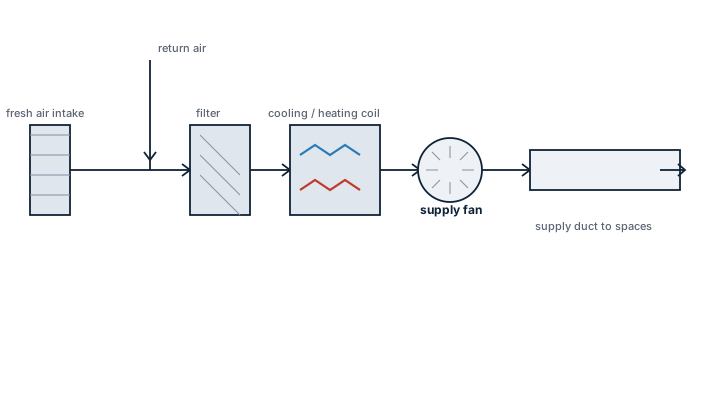
Main components
Filter section
Pre-filters and, on higher-specification units, secondary filters remove dust, salt spray residue and particulates from incoming air before it reaches the coils and fan.
Cooling and heating coils
Chilled water coils fed from the central chiller plant cool and dehumidify the air; heating coils, often electric or steam/hot water, temper it in cold climates or reheat over-cooled dehumidified air to control humidity without overcooling the space.
Fan section
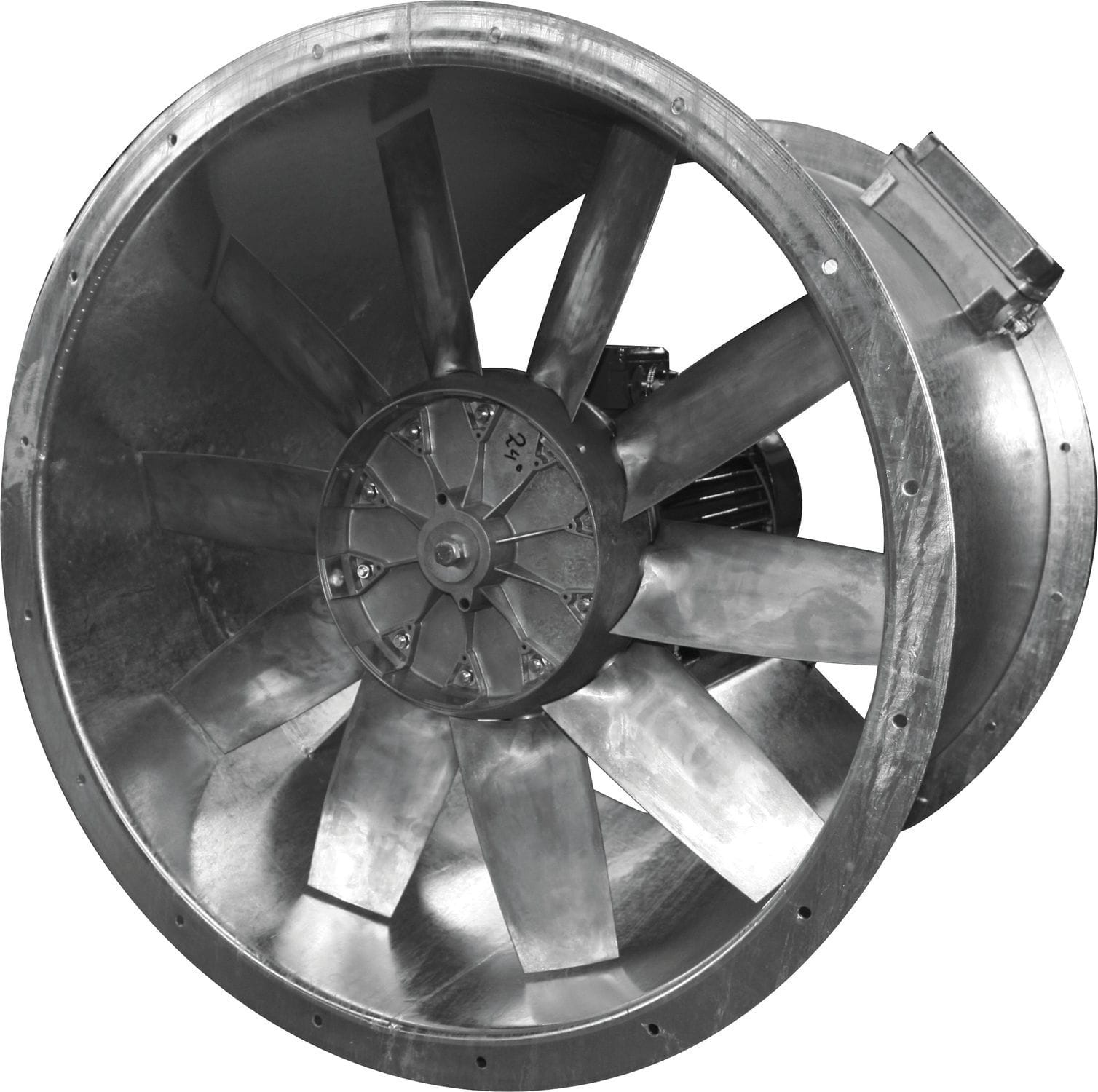
Centrifugal or plug fans move air through the ductwork against the system's static pressure; fan selection sets the achievable air volume and the noise transmitted into ducted spaces.
Dampers and controls
Motorised dampers set the fresh air to recirculation air ratio, and a control system modulates coil valves and fan speed to hold supply air temperature and humidity setpoints, often with fire dampers required at compartment boundaries.
Selection and sizing
- Air volume in cubic metres per hour, sized to the total floor area and occupancy of the spaces served, plus fresh air requirements per person
- Cooling and heating coil capacity, matched to the vessel's design ambient temperature range and the chilled/hot water conditions available from central plant
- Fresh air fraction, higher in galleys and mess rooms, lower where recirculation is acceptable
- Fan static pressure capability against the actual ductwork run length and number of branches
- Casing construction and insulation, since condensation on an under-insulated casing in humid conditions causes ongoing damage
Class and regulatory requirements
SOLAS Chapter II-2 requires fire dampers at ventilation ducts crossing fire-rated boundaries, and ductwork serving different fire zones must be arranged so a single AHU failure or a fire in one zone does not compromise escape routes elsewhere. Classification societies apply habitability and accommodation notations, where assigned, that set minimum fresh air rates and temperature control performance per space type. Periodic survey checks fire damper operation, duct fire insulation condition where fitted, and filter and coil condition as part of general machinery and safety system surveys.
Typical faults
- Fouled filters - salt and dust loading reduces air volume and raises energy consumption; left unchecked, it starves downstream spaces of fresh air
- Coil fouling or scaling - biological growth or waterside scale on chilled water coils cuts cooling capacity and can seed mould into the airstream
- Damper actuator failure - a stuck fresh air damper leaves a space over- or under-ventilated and wastes cooling capacity
- Condensate drain blockage - overflow onto the casing or into ductwork below, causing corrosion and, in accommodation spaces, water staining on deckheads
- Fire damper failure to close - corrosion or paint buildup on the linkage found only at survey, defeating fire zone segregation
What to look for in a supplier
- Coil performance data verified at the vessel's actual design chilled water temperature and flow, not generic catalogue figures
- Casing corrosion protection suited to a marine, salt-laden environment
- Accessible filter and coil sections for cleaning without full duct disconnection
- Fire damper approval matching the fire rating of the boundaries the ductwork will cross
Inspect condensate drain pans and traps at every filter change, not just when a leak appears on the deckhead below; a slow-draining pan sitting wet between services is exactly where mould gets started in accommodation ventilation.
11 manufacturers · 644 models
Heinen & Hopman
81- Fan motor bearing failure
- Cooling coil leak
- Filter clogging reducing airflow
- Damper actuator failure
- Robust stainless‑steel construction designed for corrosive sea‑water environments
- Modular layout allows easy installation in confined engine‑room or accommodation spaces
- Integrated heating and cooling coils with optional variable‑speed fan drive for energy efficiency
- Accessible filter compartments enable quick replacement according to service notes
- Control panel compatible with common shipboard HVAC automation systems
- Standard models rely on belt‑driven fans, requiring periodic tension checks
- Limited redundancy; a single fan failure can reduce ventilation capacity
- Higher initial cost compared with basic commercial‑grade AHUs
- Weight and size may be restrictive for very small vessels or retrofits
Bronswerk Marine
80Carrier Marine
80Daikin Marine
80FläktGroup Marine
80Novenco Marine
80


Trane Marine
80York/Johnson
80Carrier
1- Fan speed switch failure
- Valve actuator malfunction
- Condensate pump failure
- Filter clogging
- Compact footprint suitable for tight cabin spaces
- Dual‑mode operation with chilled and hot water supply
- Integrated fan speed control for precise temperature regulation
- Easy access panels simplify routine filter cleaning and coil inspection
- Proven service record on many cruise ships
- Only compatible with water‑based heating/cooling; no refrigerant option
- Fan speed switch has a documented failure mode requiring periodic testing
- Valve actuator malfunctions reported in field experience
- Requires monthly filter cleaning to maintain airflow performance
- May be oversized for small passenger ferries or yachts
Daikin
1
- Fan motor burnout
- Coil fouling
- Condensate drain blockage
- Thermostat failure
- High thermal efficiency due to Daikin's advanced coil design
- Low acoustic noise – suitable for passenger cabins and crew quarters
- Modular construction allows easy retro‑fit or replacement on existing vessels
- Corrosion‑resistant aluminium housing meets marine environment demands
- Integrated control panel enables independent cabin temperature set‑points
- Performance depends on water quality; fouling can reduce heat transfer if not regularly cleaned
- Fan motor burnout reported when maintenance intervals are missed
- Requires separate chilled/hot water distribution system and pumps, adding system complexity
- Limited capacity range compared with larger central AHUs for whole‑deck conditioning
Novenco Marine & Offshore
1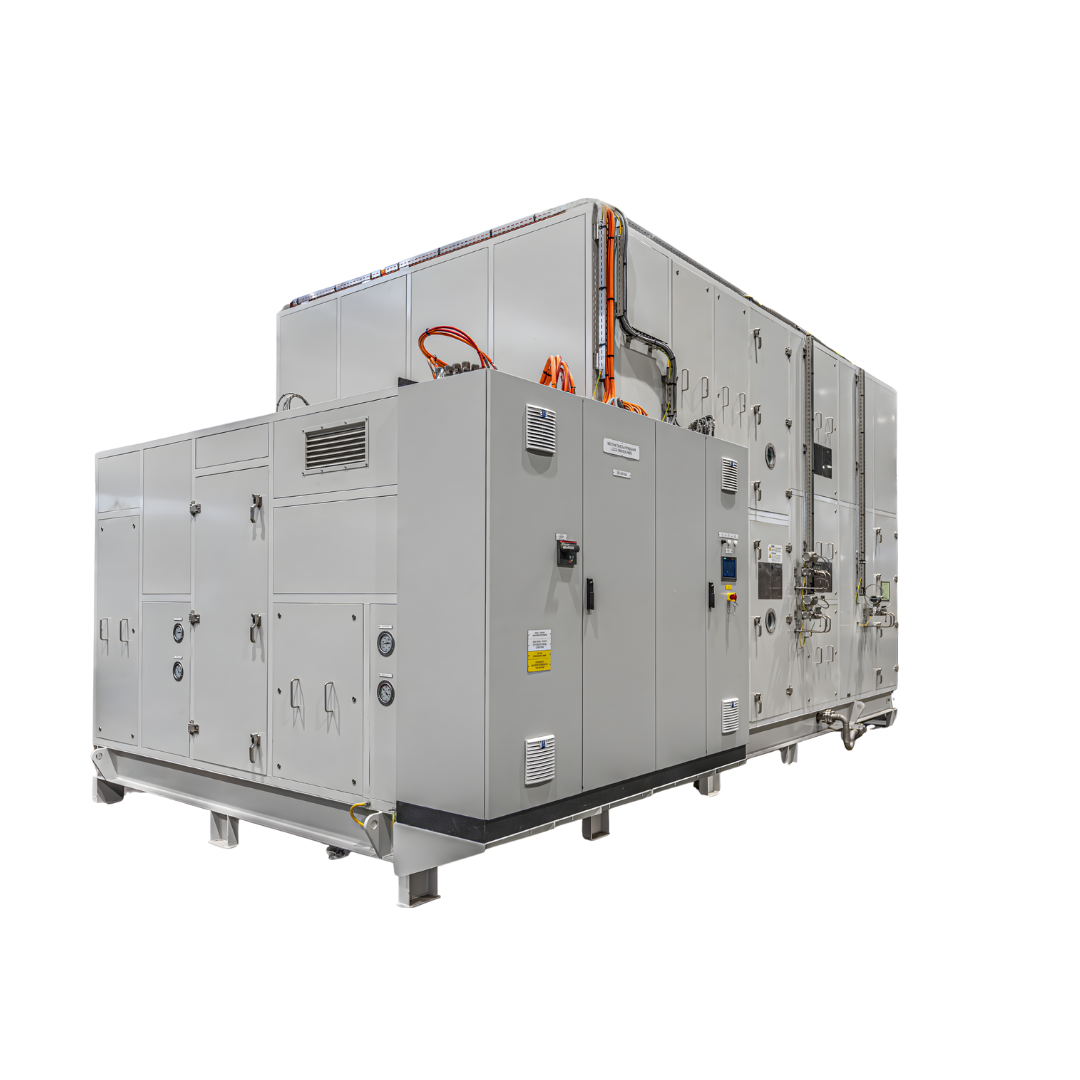
- Coil corrosion from salt air
- Fan vibration from imbalance
- Control damper binding
- Humidifier mineral buildup
- Epoxy‑coated coils provide enhanced resistance to salt‑air corrosion
- Integrated control damper designed for marine ventilation sequences
- Robust fan and motor mounting reduces vibration when balanced correctly
- Easy access panels allow annual coil cleaning and routine checks
- Designed to meet typical marine HVAC performance standards
- Coil corrosion can still occur if coating is damaged or maintenance lapses
- Fan imbalance may cause vibration and premature bearing wear
- Control damper linkage can bind without regular lubrication
- Humidifier section prone to mineral buildup in hard‑water regions
- Weight and space requirements are higher than compact split‑system units