Mooring Winch
46 manufacturers · 650 models
Hatlapa
50 ✓ 8 verified- Area: Brake Holding Capacity ComplianceCheck: Verify brake holding capacity is at least 80% of Minimum Breaking Load (MBL) per ISO 3730:2012 standards
- Area: Load Testing and CertificationCheck: Confirm load testing records and brake rendering test certificates are current and meet MSC.1/Circ.1175 requirements
- Area: Motor and Drive System IntegrityCheck: Inspect hydraulic or electric motor for proper sealing, corrosion resistance in marine environment, and verify no leaks or vibration anomalies
- Area: Drum and Gearing ConditionCheck: Examine drum surface for damage, verify gearing operation, check for proper lubrication, and confirm chain spooling quality
- Area: Electrical System Compliance (Electric Models)Check: For electric drive models: verify 3-phase power supply matches nameplate rating, test motor insulation resistance, check control system functionality and safety interlocks
Typ-universelle Inspektionspunkte fuer Anchor & Mooring Equipment (verifiziert, 2026-06).
- Area: Brake Holding Capacity ComplianceCheck: Verify brake holding capacity is at least 80% of Minimum Breaking Load (MBL) per ISO 3730:2012 standards
- Area: Load Testing and CertificationCheck: Confirm load testing records and brake rendering test certificates are current and meet MSC.1/Circ.1175 requirements
- Area: Motor and Drive System IntegrityCheck: Inspect hydraulic or electric motor for proper sealing, corrosion resistance in marine environment, and verify no leaks or vibration anomalies
- Area: Drum and Gearing ConditionCheck: Examine drum surface for damage, verify gearing operation, check for proper lubrication, and confirm chain spooling quality
- Area: Electrical System Compliance (Electric Models)Check: For electric drive models: verify 3-phase power supply matches nameplate rating, test motor insulation resistance, check control system functionality and safety interlocks
Typ-universelle Inspektionspunkte fuer Anchor & Mooring Equipment (verifiziert, 2026-06).
- Area: Brake Holding Capacity ComplianceCheck: Verify brake holding capacity is at least 80% of Minimum Breaking Load (MBL) per ISO 3730:2012 standards
- Area: Load Testing and CertificationCheck: Confirm load testing records and brake rendering test certificates are current and meet MSC.1/Circ.1175 requirements
- Area: Motor and Drive System IntegrityCheck: Inspect hydraulic or electric motor for proper sealing, corrosion resistance in marine environment, and verify no leaks or vibration anomalies
- Area: Drum and Gearing ConditionCheck: Examine drum surface for damage, verify gearing operation, check for proper lubrication, and confirm chain spooling quality
- Area: Electrical System Compliance (Electric Models)Check: For electric drive models: verify 3-phase power supply matches nameplate rating, test motor insulation resistance, check control system functionality and safety interlocks
Typ-universelle Inspektionspunkte fuer Anchor & Mooring Equipment (verifiziert, 2026-06).
- Area: Brake Holding Capacity ComplianceCheck: Verify brake holding capacity is at least 80% of Minimum Breaking Load (MBL) per ISO 3730:2012 standards
- Area: Load Testing and CertificationCheck: Confirm load testing records and brake rendering test certificates are current and meet MSC.1/Circ.1175 requirements
- Area: Motor and Drive System IntegrityCheck: Inspect hydraulic or electric motor for proper sealing, corrosion resistance in marine environment, and verify no leaks or vibration anomalies
- Area: Drum and Gearing ConditionCheck: Examine drum surface for damage, verify gearing operation, check for proper lubrication, and confirm chain spooling quality
- Area: Electrical System Compliance (Electric Models)Check: For electric drive models: verify 3-phase power supply matches nameplate rating, test motor insulation resistance, check control system functionality and safety interlocks
Typ-universelle Inspektionspunkte fuer Anchor & Mooring Equipment (verifiziert, 2026-06).
- Area: Brake Holding Capacity ComplianceCheck: Verify brake holding capacity is at least 80% of Minimum Breaking Load (MBL) per ISO 3730:2012 standards
- Area: Load Testing and CertificationCheck: Confirm load testing records and brake rendering test certificates are current and meet MSC.1/Circ.1175 requirements
- Area: Motor and Drive System IntegrityCheck: Inspect hydraulic or electric motor for proper sealing, corrosion resistance in marine environment, and verify no leaks or vibration anomalies
- Area: Drum and Gearing ConditionCheck: Examine drum surface for damage, verify gearing operation, check for proper lubrication, and confirm chain spooling quality
- Area: Electrical System Compliance (Electric Models)Check: For electric drive models: verify 3-phase power supply matches nameplate rating, test motor insulation resistance, check control system functionality and safety interlocks
Typ-universelle Inspektionspunkte fuer Anchor & Mooring Equipment (verifiziert, 2026-06).
- Area: Brake Holding Capacity ComplianceCheck: Verify brake holding capacity is at least 80% of Minimum Breaking Load (MBL) per ISO 3730:2012 standards
- Area: Load Testing and CertificationCheck: Confirm load testing records and brake rendering test certificates are current and meet MSC.1/Circ.1175 requirements
- Area: Motor and Drive System IntegrityCheck: Inspect hydraulic or electric motor for proper sealing, corrosion resistance in marine environment, and verify no leaks or vibration anomalies
- Area: Drum and Gearing ConditionCheck: Examine drum surface for damage, verify gearing operation, check for proper lubrication, and confirm chain spooling quality
- Area: Electrical System Compliance (Electric Models)Check: For electric drive models: verify 3-phase power supply matches nameplate rating, test motor insulation resistance, check control system functionality and safety interlocks
Typ-universelle Inspektionspunkte fuer Anchor & Mooring Equipment (verifiziert, 2026-06).
- Area: Brake Holding Capacity ComplianceCheck: Verify brake holding capacity is at least 80% of Minimum Breaking Load (MBL) per ISO 3730:2012 standards
- Area: Load Testing and CertificationCheck: Confirm load testing records and brake rendering test certificates are current and meet MSC.1/Circ.1175 requirements
- Area: Motor and Drive System IntegrityCheck: Inspect hydraulic or electric motor for proper sealing, corrosion resistance in marine environment, and verify no leaks or vibration anomalies
- Area: Drum and Gearing ConditionCheck: Examine drum surface for damage, verify gearing operation, check for proper lubrication, and confirm chain spooling quality
- Area: Electrical System Compliance (Electric Models)Check: For electric drive models: verify 3-phase power supply matches nameplate rating, test motor insulation resistance, check control system functionality and safety interlocks
Typ-universelle Inspektionspunkte fuer Anchor & Mooring Equipment (verifiziert, 2026-06).
- Area: Brake Holding Capacity ComplianceCheck: Verify brake holding capacity is at least 80% of Minimum Breaking Load (MBL) per ISO 3730:2012 standards
- Area: Load Testing and CertificationCheck: Confirm load testing records and brake rendering test certificates are current and meet MSC.1/Circ.1175 requirements
- Area: Motor and Drive System IntegrityCheck: Inspect hydraulic or electric motor for proper sealing, corrosion resistance in marine environment, and verify no leaks or vibration anomalies
- Area: Drum and Gearing ConditionCheck: Examine drum surface for damage, verify gearing operation, check for proper lubrication, and confirm chain spooling quality
- Area: Electrical System Compliance (Electric Models)Check: For electric drive models: verify 3-phase power supply matches nameplate rating, test motor insulation resistance, check control system functionality and safety interlocks
Typ-universelle Inspektionspunkte fuer Anchor & Mooring Equipment (verifiziert, 2026-06).
DMT Marine Equipment SA
40 ✓ 40 verified- Area: Brake Holding Capacity DegradationCheck: Annual brake holding capacity test required; minimum 80% of mooring rope breaking strength; check for oil, moisture, rust on brake lining/drum (can reduce capacity by up to 75%); brake lining thickness must not exceed 40% wear (renew if residual thickness less than 60% of original)
- Area: Rope/Chain and Drum ConditionCheck: Verify correct rope diameter and length; inspect for wear and damage; check layering on tension drum (capacity only achieved with single layer); monitor for corrosion; verify proper seating in drum grooves
- Area: Brake and Clutch Mechanism FunctionalityCheck: Monthly: verify free movement of clutch mechanism and brake linkages; check for excessive wear on clutch and brake components; verify linkages are not stuck (restricted movement causes brake capacity loss); monthly greasing per schedule
- Area: Drive System (Hydraulic/Electric) PerformanceCheck: Hydraulic: implement hour-based PM scheduling for hydraulic motors; check for leaks and fluid condition. Electric: test insulation resistance; perform visual inspection for corrosion; verify proper motor function under load
- Area: Structural Integrity and Foundation StabilityCheck: Verify foundation bolt torque per design specifications; inspect for cracks or deformation in winch housing; check welds for fatigue damage; ensure proper alignment of all shaft components; verify grouting integrity under mounting feet
Typ-universelle Inspektionspunkte fuer Anchor & Mooring Equipment (verifiziert, 2026-06).
- Area: Brake Holding Capacity DegradationCheck: Annual brake holding capacity test required; minimum 80% of mooring rope breaking strength; check for oil, moisture, rust on brake lining/drum (can reduce capacity by up to 75%); brake lining thickness must not exceed 40% wear (renew if residual thickness less than 60% of original)
- Area: Rope/Chain and Drum ConditionCheck: Verify correct rope diameter and length; inspect for wear and damage; check layering on tension drum (capacity only achieved with single layer); monitor for corrosion; verify proper seating in drum grooves
- Area: Brake and Clutch Mechanism FunctionalityCheck: Monthly: verify free movement of clutch mechanism and brake linkages; check for excessive wear on clutch and brake components; verify linkages are not stuck (restricted movement causes brake capacity loss); monthly greasing per schedule
- Area: Drive System (Hydraulic/Electric) PerformanceCheck: Hydraulic: implement hour-based PM scheduling for hydraulic motors; check for leaks and fluid condition. Electric: test insulation resistance; perform visual inspection for corrosion; verify proper motor function under load
- Area: Structural Integrity and Foundation StabilityCheck: Verify foundation bolt torque per design specifications; inspect for cracks or deformation in winch housing; check welds for fatigue damage; ensure proper alignment of all shaft components; verify grouting integrity under mounting feet
Typ-universelle Inspektionspunkte fuer Anchor & Mooring Equipment (verifiziert, 2026-06).
- Area: Brake Holding Capacity DegradationCheck: Annual brake holding capacity test required; minimum 80% of mooring rope breaking strength; check for oil, moisture, rust on brake lining/drum (can reduce capacity by up to 75%); brake lining thickness must not exceed 40% wear (renew if residual thickness less than 60% of original)
- Area: Rope/Chain and Drum ConditionCheck: Verify correct rope diameter and length; inspect for wear and damage; check layering on tension drum (capacity only achieved with single layer); monitor for corrosion; verify proper seating in drum grooves
- Area: Brake and Clutch Mechanism FunctionalityCheck: Monthly: verify free movement of clutch mechanism and brake linkages; check for excessive wear on clutch and brake components; verify linkages are not stuck (restricted movement causes brake capacity loss); monthly greasing per schedule
- Area: Drive System (Hydraulic/Electric) PerformanceCheck: Hydraulic: implement hour-based PM scheduling for hydraulic motors; check for leaks and fluid condition. Electric: test insulation resistance; perform visual inspection for corrosion; verify proper motor function under load
- Area: Structural Integrity and Foundation StabilityCheck: Verify foundation bolt torque per design specifications; inspect for cracks or deformation in winch housing; check welds for fatigue damage; ensure proper alignment of all shaft components; verify grouting integrity under mounting feet
Typ-universelle Inspektionspunkte fuer Anchor & Mooring Equipment (verifiziert, 2026-06).
- Area: Brake Holding Capacity DegradationCheck: Annual brake holding capacity test required; minimum 80% of mooring rope breaking strength; check for oil, moisture, rust on brake lining/drum (can reduce capacity by up to 75%); brake lining thickness must not exceed 40% wear (renew if residual thickness less than 60% of original)
- Area: Rope/Chain and Drum ConditionCheck: Verify correct rope diameter and length; inspect for wear and damage; check layering on tension drum (capacity only achieved with single layer); monitor for corrosion; verify proper seating in drum grooves
- Area: Brake and Clutch Mechanism FunctionalityCheck: Monthly: verify free movement of clutch mechanism and brake linkages; check for excessive wear on clutch and brake components; verify linkages are not stuck (restricted movement causes brake capacity loss); monthly greasing per schedule
- Area: Drive System (Hydraulic/Electric) PerformanceCheck: Hydraulic: implement hour-based PM scheduling for hydraulic motors; check for leaks and fluid condition. Electric: test insulation resistance; perform visual inspection for corrosion; verify proper motor function under load
- Area: Structural Integrity and Foundation StabilityCheck: Verify foundation bolt torque per design specifications; inspect for cracks or deformation in winch housing; check welds for fatigue damage; ensure proper alignment of all shaft components; verify grouting integrity under mounting feet
Typ-universelle Inspektionspunkte fuer Anchor & Mooring Equipment (verifiziert, 2026-06).
- Area: Brake Holding Capacity DegradationCheck: Annual brake holding capacity test required; minimum 80% of mooring rope breaking strength; check for oil, moisture, rust on brake lining/drum (can reduce capacity by up to 75%); brake lining thickness must not exceed 40% wear (renew if residual thickness less than 60% of original)
- Area: Rope/Chain and Drum ConditionCheck: Verify correct rope diameter and length; inspect for wear and damage; check layering on tension drum (capacity only achieved with single layer); monitor for corrosion; verify proper seating in drum grooves
- Area: Brake and Clutch Mechanism FunctionalityCheck: Monthly: verify free movement of clutch mechanism and brake linkages; check for excessive wear on clutch and brake components; verify linkages are not stuck (restricted movement causes brake capacity loss); monthly greasing per schedule
- Area: Drive System (Hydraulic/Electric) PerformanceCheck: Hydraulic: implement hour-based PM scheduling for hydraulic motors; check for leaks and fluid condition. Electric: test insulation resistance; perform visual inspection for corrosion; verify proper motor function under load
- Area: Structural Integrity and Foundation StabilityCheck: Verify foundation bolt torque per design specifications; inspect for cracks or deformation in winch housing; check welds for fatigue damage; ensure proper alignment of all shaft components; verify grouting integrity under mounting feet
Typ-universelle Inspektionspunkte fuer Anchor & Mooring Equipment (verifiziert, 2026-06).
- Area: Brake Holding Capacity DegradationCheck: Annual brake holding capacity test required; minimum 80% of mooring rope breaking strength; check for oil, moisture, rust on brake lining/drum (can reduce capacity by up to 75%); brake lining thickness must not exceed 40% wear (renew if residual thickness less than 60% of original)
- Area: Rope/Chain and Drum ConditionCheck: Verify correct rope diameter and length; inspect for wear and damage; check layering on tension drum (capacity only achieved with single layer); monitor for corrosion; verify proper seating in drum grooves
- Area: Brake and Clutch Mechanism FunctionalityCheck: Monthly: verify free movement of clutch mechanism and brake linkages; check for excessive wear on clutch and brake components; verify linkages are not stuck (restricted movement causes brake capacity loss); monthly greasing per schedule
- Area: Drive System (Hydraulic/Electric) PerformanceCheck: Hydraulic: implement hour-based PM scheduling for hydraulic motors; check for leaks and fluid condition. Electric: test insulation resistance; perform visual inspection for corrosion; verify proper motor function under load
- Area: Structural Integrity and Foundation StabilityCheck: Verify foundation bolt torque per design specifications; inspect for cracks or deformation in winch housing; check welds for fatigue damage; ensure proper alignment of all shaft components; verify grouting integrity under mounting feet
Typ-universelle Inspektionspunkte fuer Anchor & Mooring Equipment (verifiziert, 2026-06).
- Area: Brake Holding Capacity DegradationCheck: Annual brake holding capacity test required; minimum 80% of mooring rope breaking strength; check for oil, moisture, rust on brake lining/drum (can reduce capacity by up to 75%); brake lining thickness must not exceed 40% wear (renew if residual thickness less than 60% of original)
- Area: Rope/Chain and Drum ConditionCheck: Verify correct rope diameter and length; inspect for wear and damage; check layering on tension drum (capacity only achieved with single layer); monitor for corrosion; verify proper seating in drum grooves
- Area: Brake and Clutch Mechanism FunctionalityCheck: Monthly: verify free movement of clutch mechanism and brake linkages; check for excessive wear on clutch and brake components; verify linkages are not stuck (restricted movement causes brake capacity loss); monthly greasing per schedule
- Area: Drive System (Hydraulic/Electric) PerformanceCheck: Hydraulic: implement hour-based PM scheduling for hydraulic motors; check for leaks and fluid condition. Electric: test insulation resistance; perform visual inspection for corrosion; verify proper motor function under load
- Area: Structural Integrity and Foundation StabilityCheck: Verify foundation bolt torque per design specifications; inspect for cracks or deformation in winch housing; check welds for fatigue damage; ensure proper alignment of all shaft components; verify grouting integrity under mounting feet
Typ-universelle Inspektionspunkte fuer Anchor & Mooring Equipment (verifiziert, 2026-06).
- Area: Brake Holding Capacity DegradationCheck: Annual brake holding capacity test required; minimum 80% of mooring rope breaking strength; check for oil, moisture, rust on brake lining/drum (can reduce capacity by up to 75%); brake lining thickness must not exceed 40% wear (renew if residual thickness less than 60% of original)
- Area: Rope/Chain and Drum ConditionCheck: Verify correct rope diameter and length; inspect for wear and damage; check layering on tension drum (capacity only achieved with single layer); monitor for corrosion; verify proper seating in drum grooves
- Area: Brake and Clutch Mechanism FunctionalityCheck: Monthly: verify free movement of clutch mechanism and brake linkages; check for excessive wear on clutch and brake components; verify linkages are not stuck (restricted movement causes brake capacity loss); monthly greasing per schedule
- Area: Drive System (Hydraulic/Electric) PerformanceCheck: Hydraulic: implement hour-based PM scheduling for hydraulic motors; check for leaks and fluid condition. Electric: test insulation resistance; perform visual inspection for corrosion; verify proper motor function under load
- Area: Structural Integrity and Foundation StabilityCheck: Verify foundation bolt torque per design specifications; inspect for cracks or deformation in winch housing; check welds for fatigue damage; ensure proper alignment of all shaft components; verify grouting integrity under mounting feet
Typ-universelle Inspektionspunkte fuer Anchor & Mooring Equipment (verifiziert, 2026-06).
- Area: Brake Holding Capacity DegradationCheck: Annual brake holding capacity test required; minimum 80% of mooring rope breaking strength; check for oil, moisture, rust on brake lining/drum (can reduce capacity by up to 75%); brake lining thickness must not exceed 40% wear (renew if residual thickness less than 60% of original)
- Area: Rope/Chain and Drum ConditionCheck: Verify correct rope diameter and length; inspect for wear and damage; check layering on tension drum (capacity only achieved with single layer); monitor for corrosion; verify proper seating in drum grooves
- Area: Brake and Clutch Mechanism FunctionalityCheck: Monthly: verify free movement of clutch mechanism and brake linkages; check for excessive wear on clutch and brake components; verify linkages are not stuck (restricted movement causes brake capacity loss); monthly greasing per schedule
- Area: Drive System (Hydraulic/Electric) PerformanceCheck: Hydraulic: implement hour-based PM scheduling for hydraulic motors; check for leaks and fluid condition. Electric: test insulation resistance; perform visual inspection for corrosion; verify proper motor function under load
- Area: Structural Integrity and Foundation StabilityCheck: Verify foundation bolt torque per design specifications; inspect for cracks or deformation in winch housing; check welds for fatigue damage; ensure proper alignment of all shaft components; verify grouting integrity under mounting feet
Typ-universelle Inspektionspunkte fuer Anchor & Mooring Equipment (verifiziert, 2026-06).
- Area: Brake Holding Capacity DegradationCheck: Annual brake holding capacity test required; minimum 80% of mooring rope breaking strength; check for oil, moisture, rust on brake lining/drum (can reduce capacity by up to 75%); brake lining thickness must not exceed 40% wear (renew if residual thickness less than 60% of original)
- Area: Rope/Chain and Drum ConditionCheck: Verify correct rope diameter and length; inspect for wear and damage; check layering on tension drum (capacity only achieved with single layer); monitor for corrosion; verify proper seating in drum grooves
- Area: Brake and Clutch Mechanism FunctionalityCheck: Monthly: verify free movement of clutch mechanism and brake linkages; check for excessive wear on clutch and brake components; verify linkages are not stuck (restricted movement causes brake capacity loss); monthly greasing per schedule
- Area: Drive System (Hydraulic/Electric) PerformanceCheck: Hydraulic: implement hour-based PM scheduling for hydraulic motors; check for leaks and fluid condition. Electric: test insulation resistance; perform visual inspection for corrosion; verify proper motor function under load
- Area: Structural Integrity and Foundation StabilityCheck: Verify foundation bolt torque per design specifications; inspect for cracks or deformation in winch housing; check welds for fatigue damage; ensure proper alignment of all shaft components; verify grouting integrity under mounting feet
Typ-universelle Inspektionspunkte fuer Anchor & Mooring Equipment (verifiziert, 2026-06).
- Area: Brake Holding Capacity DegradationCheck: Annual brake holding capacity test required; minimum 80% of mooring rope breaking strength; check for oil, moisture, rust on brake lining/drum (can reduce capacity by up to 75%); brake lining thickness must not exceed 40% wear (renew if residual thickness less than 60% of original)
- Area: Rope/Chain and Drum ConditionCheck: Verify correct rope diameter and length; inspect for wear and damage; check layering on tension drum (capacity only achieved with single layer); monitor for corrosion; verify proper seating in drum grooves
- Area: Brake and Clutch Mechanism FunctionalityCheck: Monthly: verify free movement of clutch mechanism and brake linkages; check for excessive wear on clutch and brake components; verify linkages are not stuck (restricted movement causes brake capacity loss); monthly greasing per schedule
- Area: Drive System (Hydraulic/Electric) PerformanceCheck: Hydraulic: implement hour-based PM scheduling for hydraulic motors; check for leaks and fluid condition. Electric: test insulation resistance; perform visual inspection for corrosion; verify proper motor function under load
- Area: Structural Integrity and Foundation StabilityCheck: Verify foundation bolt torque per design specifications; inspect for cracks or deformation in winch housing; check welds for fatigue damage; ensure proper alignment of all shaft components; verify grouting integrity under mounting feet
Typ-universelle Inspektionspunkte fuer Anchor & Mooring Equipment (verifiziert, 2026-06).
- Area: Brake Holding Capacity DegradationCheck: Annual brake holding capacity test required; minimum 80% of mooring rope breaking strength; check for oil, moisture, rust on brake lining/drum (can reduce capacity by up to 75%); brake lining thickness must not exceed 40% wear (renew if residual thickness less than 60% of original)
- Area: Rope/Chain and Drum ConditionCheck: Verify correct rope diameter and length; inspect for wear and damage; check layering on tension drum (capacity only achieved with single layer); monitor for corrosion; verify proper seating in drum grooves
- Area: Brake and Clutch Mechanism FunctionalityCheck: Monthly: verify free movement of clutch mechanism and brake linkages; check for excessive wear on clutch and brake components; verify linkages are not stuck (restricted movement causes brake capacity loss); monthly greasing per schedule
- Area: Drive System (Hydraulic/Electric) PerformanceCheck: Hydraulic: implement hour-based PM scheduling for hydraulic motors; check for leaks and fluid condition. Electric: test insulation resistance; perform visual inspection for corrosion; verify proper motor function under load
- Area: Structural Integrity and Foundation StabilityCheck: Verify foundation bolt torque per design specifications; inspect for cracks or deformation in winch housing; check welds for fatigue damage; ensure proper alignment of all shaft components; verify grouting integrity under mounting feet
Typ-universelle Inspektionspunkte fuer Anchor & Mooring Equipment (verifiziert, 2026-06).
- Area: Brake Holding Capacity DegradationCheck: Annual brake holding capacity test required; minimum 80% of mooring rope breaking strength; check for oil, moisture, rust on brake lining/drum (can reduce capacity by up to 75%); brake lining thickness must not exceed 40% wear (renew if residual thickness less than 60% of original)
- Area: Rope/Chain and Drum ConditionCheck: Verify correct rope diameter and length; inspect for wear and damage; check layering on tension drum (capacity only achieved with single layer); monitor for corrosion; verify proper seating in drum grooves
- Area: Brake and Clutch Mechanism FunctionalityCheck: Monthly: verify free movement of clutch mechanism and brake linkages; check for excessive wear on clutch and brake components; verify linkages are not stuck (restricted movement causes brake capacity loss); monthly greasing per schedule
- Area: Drive System (Hydraulic/Electric) PerformanceCheck: Hydraulic: implement hour-based PM scheduling for hydraulic motors; check for leaks and fluid condition. Electric: test insulation resistance; perform visual inspection for corrosion; verify proper motor function under load
- Area: Structural Integrity and Foundation StabilityCheck: Verify foundation bolt torque per design specifications; inspect for cracks or deformation in winch housing; check welds for fatigue damage; ensure proper alignment of all shaft components; verify grouting integrity under mounting feet
Typ-universelle Inspektionspunkte fuer Anchor & Mooring Equipment (verifiziert, 2026-06).
- Area: Brake Holding Capacity DegradationCheck: Annual brake holding capacity test required; minimum 80% of mooring rope breaking strength; check for oil, moisture, rust on brake lining/drum (can reduce capacity by up to 75%); brake lining thickness must not exceed 40% wear (renew if residual thickness less than 60% of original)
- Area: Rope/Chain and Drum ConditionCheck: Verify correct rope diameter and length; inspect for wear and damage; check layering on tension drum (capacity only achieved with single layer); monitor for corrosion; verify proper seating in drum grooves
- Area: Brake and Clutch Mechanism FunctionalityCheck: Monthly: verify free movement of clutch mechanism and brake linkages; check for excessive wear on clutch and brake components; verify linkages are not stuck (restricted movement causes brake capacity loss); monthly greasing per schedule
- Area: Drive System (Hydraulic/Electric) PerformanceCheck: Hydraulic: implement hour-based PM scheduling for hydraulic motors; check for leaks and fluid condition. Electric: test insulation resistance; perform visual inspection for corrosion; verify proper motor function under load
- Area: Structural Integrity and Foundation StabilityCheck: Verify foundation bolt torque per design specifications; inspect for cracks or deformation in winch housing; check welds for fatigue damage; ensure proper alignment of all shaft components; verify grouting integrity under mounting feet
Typ-universelle Inspektionspunkte fuer Anchor & Mooring Equipment (verifiziert, 2026-06).
- Area: Brake Holding Capacity DegradationCheck: Annual brake holding capacity test required; minimum 80% of mooring rope breaking strength; check for oil, moisture, rust on brake lining/drum (can reduce capacity by up to 75%); brake lining thickness must not exceed 40% wear (renew if residual thickness less than 60% of original)
- Area: Rope/Chain and Drum ConditionCheck: Verify correct rope diameter and length; inspect for wear and damage; check layering on tension drum (capacity only achieved with single layer); monitor for corrosion; verify proper seating in drum grooves
- Area: Brake and Clutch Mechanism FunctionalityCheck: Monthly: verify free movement of clutch mechanism and brake linkages; check for excessive wear on clutch and brake components; verify linkages are not stuck (restricted movement causes brake capacity loss); monthly greasing per schedule
- Area: Drive System (Hydraulic/Electric) PerformanceCheck: Hydraulic: implement hour-based PM scheduling for hydraulic motors; check for leaks and fluid condition. Electric: test insulation resistance; perform visual inspection for corrosion; verify proper motor function under load
- Area: Structural Integrity and Foundation StabilityCheck: Verify foundation bolt torque per design specifications; inspect for cracks or deformation in winch housing; check welds for fatigue damage; ensure proper alignment of all shaft components; verify grouting integrity under mounting feet
Typ-universelle Inspektionspunkte fuer Anchor & Mooring Equipment (verifiziert, 2026-06).
- Area: Brake Holding Capacity DegradationCheck: Annual brake holding capacity test required; minimum 80% of mooring rope breaking strength; check for oil, moisture, rust on brake lining/drum (can reduce capacity by up to 75%); brake lining thickness must not exceed 40% wear (renew if residual thickness less than 60% of original)
- Area: Rope/Chain and Drum ConditionCheck: Verify correct rope diameter and length; inspect for wear and damage; check layering on tension drum (capacity only achieved with single layer); monitor for corrosion; verify proper seating in drum grooves
- Area: Brake and Clutch Mechanism FunctionalityCheck: Monthly: verify free movement of clutch mechanism and brake linkages; check for excessive wear on clutch and brake components; verify linkages are not stuck (restricted movement causes brake capacity loss); monthly greasing per schedule
- Area: Drive System (Hydraulic/Electric) PerformanceCheck: Hydraulic: implement hour-based PM scheduling for hydraulic motors; check for leaks and fluid condition. Electric: test insulation resistance; perform visual inspection for corrosion; verify proper motor function under load
- Area: Structural Integrity and Foundation StabilityCheck: Verify foundation bolt torque per design specifications; inspect for cracks or deformation in winch housing; check welds for fatigue damage; ensure proper alignment of all shaft components; verify grouting integrity under mounting feet
Typ-universelle Inspektionspunkte fuer Anchor & Mooring Equipment (verifiziert, 2026-06).
- Area: Brake Holding Capacity DegradationCheck: Annual brake holding capacity test required; minimum 80% of mooring rope breaking strength; check for oil, moisture, rust on brake lining/drum (can reduce capacity by up to 75%); brake lining thickness must not exceed 40% wear (renew if residual thickness less than 60% of original)
- Area: Rope/Chain and Drum ConditionCheck: Verify correct rope diameter and length; inspect for wear and damage; check layering on tension drum (capacity only achieved with single layer); monitor for corrosion; verify proper seating in drum grooves
- Area: Brake and Clutch Mechanism FunctionalityCheck: Monthly: verify free movement of clutch mechanism and brake linkages; check for excessive wear on clutch and brake components; verify linkages are not stuck (restricted movement causes brake capacity loss); monthly greasing per schedule
- Area: Drive System (Hydraulic/Electric) PerformanceCheck: Hydraulic: implement hour-based PM scheduling for hydraulic motors; check for leaks and fluid condition. Electric: test insulation resistance; perform visual inspection for corrosion; verify proper motor function under load
- Area: Structural Integrity and Foundation StabilityCheck: Verify foundation bolt torque per design specifications; inspect for cracks or deformation in winch housing; check welds for fatigue damage; ensure proper alignment of all shaft components; verify grouting integrity under mounting feet
Typ-universelle Inspektionspunkte fuer Anchor & Mooring Equipment (verifiziert, 2026-06).
- Area: Brake Holding Capacity DegradationCheck: Annual brake holding capacity test required; minimum 80% of mooring rope breaking strength; check for oil, moisture, rust on brake lining/drum (can reduce capacity by up to 75%); brake lining thickness must not exceed 40% wear (renew if residual thickness less than 60% of original)
- Area: Rope/Chain and Drum ConditionCheck: Verify correct rope diameter and length; inspect for wear and damage; check layering on tension drum (capacity only achieved with single layer); monitor for corrosion; verify proper seating in drum grooves
- Area: Brake and Clutch Mechanism FunctionalityCheck: Monthly: verify free movement of clutch mechanism and brake linkages; check for excessive wear on clutch and brake components; verify linkages are not stuck (restricted movement causes brake capacity loss); monthly greasing per schedule
- Area: Drive System (Hydraulic/Electric) PerformanceCheck: Hydraulic: implement hour-based PM scheduling for hydraulic motors; check for leaks and fluid condition. Electric: test insulation resistance; perform visual inspection for corrosion; verify proper motor function under load
- Area: Structural Integrity and Foundation StabilityCheck: Verify foundation bolt torque per design specifications; inspect for cracks or deformation in winch housing; check welds for fatigue damage; ensure proper alignment of all shaft components; verify grouting integrity under mounting feet
Typ-universelle Inspektionspunkte fuer Anchor & Mooring Equipment (verifiziert, 2026-06).
- Area: Brake Holding Capacity DegradationCheck: Annual brake holding capacity test required; minimum 80% of mooring rope breaking strength; check for oil, moisture, rust on brake lining/drum (can reduce capacity by up to 75%); brake lining thickness must not exceed 40% wear (renew if residual thickness less than 60% of original)
- Area: Rope/Chain and Drum ConditionCheck: Verify correct rope diameter and length; inspect for wear and damage; check layering on tension drum (capacity only achieved with single layer); monitor for corrosion; verify proper seating in drum grooves
- Area: Brake and Clutch Mechanism FunctionalityCheck: Monthly: verify free movement of clutch mechanism and brake linkages; check for excessive wear on clutch and brake components; verify linkages are not stuck (restricted movement causes brake capacity loss); monthly greasing per schedule
- Area: Drive System (Hydraulic/Electric) PerformanceCheck: Hydraulic: implement hour-based PM scheduling for hydraulic motors; check for leaks and fluid condition. Electric: test insulation resistance; perform visual inspection for corrosion; verify proper motor function under load
- Area: Structural Integrity and Foundation StabilityCheck: Verify foundation bolt torque per design specifications; inspect for cracks or deformation in winch housing; check welds for fatigue damage; ensure proper alignment of all shaft components; verify grouting integrity under mounting feet
Typ-universelle Inspektionspunkte fuer Anchor & Mooring Equipment (verifiziert, 2026-06).
- Area: Brake Holding Capacity DegradationCheck: Annual brake holding capacity test required; minimum 80% of mooring rope breaking strength; check for oil, moisture, rust on brake lining/drum (can reduce capacity by up to 75%); brake lining thickness must not exceed 40% wear (renew if residual thickness less than 60% of original)
- Area: Rope/Chain and Drum ConditionCheck: Verify correct rope diameter and length; inspect for wear and damage; check layering on tension drum (capacity only achieved with single layer); monitor for corrosion; verify proper seating in drum grooves
- Area: Brake and Clutch Mechanism FunctionalityCheck: Monthly: verify free movement of clutch mechanism and brake linkages; check for excessive wear on clutch and brake components; verify linkages are not stuck (restricted movement causes brake capacity loss); monthly greasing per schedule
- Area: Drive System (Hydraulic/Electric) PerformanceCheck: Hydraulic: implement hour-based PM scheduling for hydraulic motors; check for leaks and fluid condition. Electric: test insulation resistance; perform visual inspection for corrosion; verify proper motor function under load
- Area: Structural Integrity and Foundation StabilityCheck: Verify foundation bolt torque per design specifications; inspect for cracks or deformation in winch housing; check welds for fatigue damage; ensure proper alignment of all shaft components; verify grouting integrity under mounting feet
Typ-universelle Inspektionspunkte fuer Anchor & Mooring Equipment (verifiziert, 2026-06).
- Area: Brake Holding Capacity DegradationCheck: Annual brake holding capacity test required; minimum 80% of mooring rope breaking strength; check for oil, moisture, rust on brake lining/drum (can reduce capacity by up to 75%); brake lining thickness must not exceed 40% wear (renew if residual thickness less than 60% of original)
- Area: Rope/Chain and Drum ConditionCheck: Verify correct rope diameter and length; inspect for wear and damage; check layering on tension drum (capacity only achieved with single layer); monitor for corrosion; verify proper seating in drum grooves
- Area: Brake and Clutch Mechanism FunctionalityCheck: Monthly: verify free movement of clutch mechanism and brake linkages; check for excessive wear on clutch and brake components; verify linkages are not stuck (restricted movement causes brake capacity loss); monthly greasing per schedule
- Area: Drive System (Hydraulic/Electric) PerformanceCheck: Hydraulic: implement hour-based PM scheduling for hydraulic motors; check for leaks and fluid condition. Electric: test insulation resistance; perform visual inspection for corrosion; verify proper motor function under load
- Area: Structural Integrity and Foundation StabilityCheck: Verify foundation bolt torque per design specifications; inspect for cracks or deformation in winch housing; check welds for fatigue damage; ensure proper alignment of all shaft components; verify grouting integrity under mounting feet
Typ-universelle Inspektionspunkte fuer Anchor & Mooring Equipment (verifiziert, 2026-06).
- Area: Brake Holding Capacity DegradationCheck: Annual brake holding capacity test required; minimum 80% of mooring rope breaking strength; check for oil, moisture, rust on brake lining/drum (can reduce capacity by up to 75%); brake lining thickness must not exceed 40% wear (renew if residual thickness less than 60% of original)
- Area: Rope/Chain and Drum ConditionCheck: Verify correct rope diameter and length; inspect for wear and damage; check layering on tension drum (capacity only achieved with single layer); monitor for corrosion; verify proper seating in drum grooves
- Area: Brake and Clutch Mechanism FunctionalityCheck: Monthly: verify free movement of clutch mechanism and brake linkages; check for excessive wear on clutch and brake components; verify linkages are not stuck (restricted movement causes brake capacity loss); monthly greasing per schedule
- Area: Drive System (Hydraulic/Electric) PerformanceCheck: Hydraulic: implement hour-based PM scheduling for hydraulic motors; check for leaks and fluid condition. Electric: test insulation resistance; perform visual inspection for corrosion; verify proper motor function under load
- Area: Structural Integrity and Foundation StabilityCheck: Verify foundation bolt torque per design specifications; inspect for cracks or deformation in winch housing; check welds for fatigue damage; ensure proper alignment of all shaft components; verify grouting integrity under mounting feet
Typ-universelle Inspektionspunkte fuer Anchor & Mooring Equipment (verifiziert, 2026-06).
- Area: Brake Holding Capacity DegradationCheck: Annual brake holding capacity test required; minimum 80% of mooring rope breaking strength; check for oil, moisture, rust on brake lining/drum (can reduce capacity by up to 75%); brake lining thickness must not exceed 40% wear (renew if residual thickness less than 60% of original)
- Area: Rope/Chain and Drum ConditionCheck: Verify correct rope diameter and length; inspect for wear and damage; check layering on tension drum (capacity only achieved with single layer); monitor for corrosion; verify proper seating in drum grooves
- Area: Brake and Clutch Mechanism FunctionalityCheck: Monthly: verify free movement of clutch mechanism and brake linkages; check for excessive wear on clutch and brake components; verify linkages are not stuck (restricted movement causes brake capacity loss); monthly greasing per schedule
- Area: Drive System (Hydraulic/Electric) PerformanceCheck: Hydraulic: implement hour-based PM scheduling for hydraulic motors; check for leaks and fluid condition. Electric: test insulation resistance; perform visual inspection for corrosion; verify proper motor function under load
- Area: Structural Integrity and Foundation StabilityCheck: Verify foundation bolt torque per design specifications; inspect for cracks or deformation in winch housing; check welds for fatigue damage; ensure proper alignment of all shaft components; verify grouting integrity under mounting feet
Typ-universelle Inspektionspunkte fuer Anchor & Mooring Equipment (verifiziert, 2026-06).
- Area: Brake Holding Capacity DegradationCheck: Annual brake holding capacity test required; minimum 80% of mooring rope breaking strength; check for oil, moisture, rust on brake lining/drum (can reduce capacity by up to 75%); brake lining thickness must not exceed 40% wear (renew if residual thickness less than 60% of original)
- Area: Rope/Chain and Drum ConditionCheck: Verify correct rope diameter and length; inspect for wear and damage; check layering on tension drum (capacity only achieved with single layer); monitor for corrosion; verify proper seating in drum grooves
- Area: Brake and Clutch Mechanism FunctionalityCheck: Monthly: verify free movement of clutch mechanism and brake linkages; check for excessive wear on clutch and brake components; verify linkages are not stuck (restricted movement causes brake capacity loss); monthly greasing per schedule
- Area: Drive System (Hydraulic/Electric) PerformanceCheck: Hydraulic: implement hour-based PM scheduling for hydraulic motors; check for leaks and fluid condition. Electric: test insulation resistance; perform visual inspection for corrosion; verify proper motor function under load
- Area: Structural Integrity and Foundation StabilityCheck: Verify foundation bolt torque per design specifications; inspect for cracks or deformation in winch housing; check welds for fatigue damage; ensure proper alignment of all shaft components; verify grouting integrity under mounting feet
Typ-universelle Inspektionspunkte fuer Anchor & Mooring Equipment (verifiziert, 2026-06).
- Area: Brake Holding Capacity DegradationCheck: Annual brake holding capacity test required; minimum 80% of mooring rope breaking strength; check for oil, moisture, rust on brake lining/drum (can reduce capacity by up to 75%); brake lining thickness must not exceed 40% wear (renew if residual thickness less than 60% of original)
- Area: Rope/Chain and Drum ConditionCheck: Verify correct rope diameter and length; inspect for wear and damage; check layering on tension drum (capacity only achieved with single layer); monitor for corrosion; verify proper seating in drum grooves
- Area: Brake and Clutch Mechanism FunctionalityCheck: Monthly: verify free movement of clutch mechanism and brake linkages; check for excessive wear on clutch and brake components; verify linkages are not stuck (restricted movement causes brake capacity loss); monthly greasing per schedule
- Area: Drive System (Hydraulic/Electric) PerformanceCheck: Hydraulic: implement hour-based PM scheduling for hydraulic motors; check for leaks and fluid condition. Electric: test insulation resistance; perform visual inspection for corrosion; verify proper motor function under load
- Area: Structural Integrity and Foundation StabilityCheck: Verify foundation bolt torque per design specifications; inspect for cracks or deformation in winch housing; check welds for fatigue damage; ensure proper alignment of all shaft components; verify grouting integrity under mounting feet
Typ-universelle Inspektionspunkte fuer Anchor & Mooring Equipment (verifiziert, 2026-06).
- Area: Brake Holding Capacity DegradationCheck: Annual brake holding capacity test required; minimum 80% of mooring rope breaking strength; check for oil, moisture, rust on brake lining/drum (can reduce capacity by up to 75%); brake lining thickness must not exceed 40% wear (renew if residual thickness less than 60% of original)
- Area: Rope/Chain and Drum ConditionCheck: Verify correct rope diameter and length; inspect for wear and damage; check layering on tension drum (capacity only achieved with single layer); monitor for corrosion; verify proper seating in drum grooves
- Area: Brake and Clutch Mechanism FunctionalityCheck: Monthly: verify free movement of clutch mechanism and brake linkages; check for excessive wear on clutch and brake components; verify linkages are not stuck (restricted movement causes brake capacity loss); monthly greasing per schedule
- Area: Drive System (Hydraulic/Electric) PerformanceCheck: Hydraulic: implement hour-based PM scheduling for hydraulic motors; check for leaks and fluid condition. Electric: test insulation resistance; perform visual inspection for corrosion; verify proper motor function under load
- Area: Structural Integrity and Foundation StabilityCheck: Verify foundation bolt torque per design specifications; inspect for cracks or deformation in winch housing; check welds for fatigue damage; ensure proper alignment of all shaft components; verify grouting integrity under mounting feet
Typ-universelle Inspektionspunkte fuer Anchor & Mooring Equipment (verifiziert, 2026-06).
- Area: Brake Holding Capacity DegradationCheck: Annual brake holding capacity test required; minimum 80% of mooring rope breaking strength; check for oil, moisture, rust on brake lining/drum (can reduce capacity by up to 75%); brake lining thickness must not exceed 40% wear (renew if residual thickness less than 60% of original)
- Area: Rope/Chain and Drum ConditionCheck: Verify correct rope diameter and length; inspect for wear and damage; check layering on tension drum (capacity only achieved with single layer); monitor for corrosion; verify proper seating in drum grooves
- Area: Brake and Clutch Mechanism FunctionalityCheck: Monthly: verify free movement of clutch mechanism and brake linkages; check for excessive wear on clutch and brake components; verify linkages are not stuck (restricted movement causes brake capacity loss); monthly greasing per schedule
- Area: Drive System (Hydraulic/Electric) PerformanceCheck: Hydraulic: implement hour-based PM scheduling for hydraulic motors; check for leaks and fluid condition. Electric: test insulation resistance; perform visual inspection for corrosion; verify proper motor function under load
- Area: Structural Integrity and Foundation StabilityCheck: Verify foundation bolt torque per design specifications; inspect for cracks or deformation in winch housing; check welds for fatigue damage; ensure proper alignment of all shaft components; verify grouting integrity under mounting feet
Typ-universelle Inspektionspunkte fuer Anchor & Mooring Equipment (verifiziert, 2026-06).
- Area: Brake Holding Capacity DegradationCheck: Annual brake holding capacity test required; minimum 80% of mooring rope breaking strength; check for oil, moisture, rust on brake lining/drum (can reduce capacity by up to 75%); brake lining thickness must not exceed 40% wear (renew if residual thickness less than 60% of original)
- Area: Rope/Chain and Drum ConditionCheck: Verify correct rope diameter and length; inspect for wear and damage; check layering on tension drum (capacity only achieved with single layer); monitor for corrosion; verify proper seating in drum grooves
- Area: Brake and Clutch Mechanism FunctionalityCheck: Monthly: verify free movement of clutch mechanism and brake linkages; check for excessive wear on clutch and brake components; verify linkages are not stuck (restricted movement causes brake capacity loss); monthly greasing per schedule
- Area: Drive System (Hydraulic/Electric) PerformanceCheck: Hydraulic: implement hour-based PM scheduling for hydraulic motors; check for leaks and fluid condition. Electric: test insulation resistance; perform visual inspection for corrosion; verify proper motor function under load
- Area: Structural Integrity and Foundation StabilityCheck: Verify foundation bolt torque per design specifications; inspect for cracks or deformation in winch housing; check welds for fatigue damage; ensure proper alignment of all shaft components; verify grouting integrity under mounting feet
Typ-universelle Inspektionspunkte fuer Anchor & Mooring Equipment (verifiziert, 2026-06).
- Area: Brake Holding Capacity DegradationCheck: Annual brake holding capacity test required; minimum 80% of mooring rope breaking strength; check for oil, moisture, rust on brake lining/drum (can reduce capacity by up to 75%); brake lining thickness must not exceed 40% wear (renew if residual thickness less than 60% of original)
- Area: Rope/Chain and Drum ConditionCheck: Verify correct rope diameter and length; inspect for wear and damage; check layering on tension drum (capacity only achieved with single layer); monitor for corrosion; verify proper seating in drum grooves
- Area: Brake and Clutch Mechanism FunctionalityCheck: Monthly: verify free movement of clutch mechanism and brake linkages; check for excessive wear on clutch and brake components; verify linkages are not stuck (restricted movement causes brake capacity loss); monthly greasing per schedule
- Area: Drive System (Hydraulic/Electric) PerformanceCheck: Hydraulic: implement hour-based PM scheduling for hydraulic motors; check for leaks and fluid condition. Electric: test insulation resistance; perform visual inspection for corrosion; verify proper motor function under load
- Area: Structural Integrity and Foundation StabilityCheck: Verify foundation bolt torque per design specifications; inspect for cracks or deformation in winch housing; check welds for fatigue damage; ensure proper alignment of all shaft components; verify grouting integrity under mounting feet
Typ-universelle Inspektionspunkte fuer Anchor & Mooring Equipment (verifiziert, 2026-06).
- Area: Brake Holding Capacity DegradationCheck: Annual brake holding capacity test required; minimum 80% of mooring rope breaking strength; check for oil, moisture, rust on brake lining/drum (can reduce capacity by up to 75%); brake lining thickness must not exceed 40% wear (renew if residual thickness less than 60% of original)
- Area: Rope/Chain and Drum ConditionCheck: Verify correct rope diameter and length; inspect for wear and damage; check layering on tension drum (capacity only achieved with single layer); monitor for corrosion; verify proper seating in drum grooves
- Area: Brake and Clutch Mechanism FunctionalityCheck: Monthly: verify free movement of clutch mechanism and brake linkages; check for excessive wear on clutch and brake components; verify linkages are not stuck (restricted movement causes brake capacity loss); monthly greasing per schedule
- Area: Drive System (Hydraulic/Electric) PerformanceCheck: Hydraulic: implement hour-based PM scheduling for hydraulic motors; check for leaks and fluid condition. Electric: test insulation resistance; perform visual inspection for corrosion; verify proper motor function under load
- Area: Structural Integrity and Foundation StabilityCheck: Verify foundation bolt torque per design specifications; inspect for cracks or deformation in winch housing; check welds for fatigue damage; ensure proper alignment of all shaft components; verify grouting integrity under mounting feet
Typ-universelle Inspektionspunkte fuer Anchor & Mooring Equipment (verifiziert, 2026-06).
- Area: Brake Holding Capacity DegradationCheck: Annual brake holding capacity test required; minimum 80% of mooring rope breaking strength; check for oil, moisture, rust on brake lining/drum (can reduce capacity by up to 75%); brake lining thickness must not exceed 40% wear (renew if residual thickness less than 60% of original)
- Area: Rope/Chain and Drum ConditionCheck: Verify correct rope diameter and length; inspect for wear and damage; check layering on tension drum (capacity only achieved with single layer); monitor for corrosion; verify proper seating in drum grooves
- Area: Brake and Clutch Mechanism FunctionalityCheck: Monthly: verify free movement of clutch mechanism and brake linkages; check for excessive wear on clutch and brake components; verify linkages are not stuck (restricted movement causes brake capacity loss); monthly greasing per schedule
- Area: Drive System (Hydraulic/Electric) PerformanceCheck: Hydraulic: implement hour-based PM scheduling for hydraulic motors; check for leaks and fluid condition. Electric: test insulation resistance; perform visual inspection for corrosion; verify proper motor function under load
- Area: Structural Integrity and Foundation StabilityCheck: Verify foundation bolt torque per design specifications; inspect for cracks or deformation in winch housing; check welds for fatigue damage; ensure proper alignment of all shaft components; verify grouting integrity under mounting feet
Typ-universelle Inspektionspunkte fuer Anchor & Mooring Equipment (verifiziert, 2026-06).
- Area: Brake Holding Capacity DegradationCheck: Annual brake holding capacity test required; minimum 80% of mooring rope breaking strength; check for oil, moisture, rust on brake lining/drum (can reduce capacity by up to 75%); brake lining thickness must not exceed 40% wear (renew if residual thickness less than 60% of original)
- Area: Rope/Chain and Drum ConditionCheck: Verify correct rope diameter and length; inspect for wear and damage; check layering on tension drum (capacity only achieved with single layer); monitor for corrosion; verify proper seating in drum grooves
- Area: Brake and Clutch Mechanism FunctionalityCheck: Monthly: verify free movement of clutch mechanism and brake linkages; check for excessive wear on clutch and brake components; verify linkages are not stuck (restricted movement causes brake capacity loss); monthly greasing per schedule
- Area: Drive System (Hydraulic/Electric) PerformanceCheck: Hydraulic: implement hour-based PM scheduling for hydraulic motors; check for leaks and fluid condition. Electric: test insulation resistance; perform visual inspection for corrosion; verify proper motor function under load
- Area: Structural Integrity and Foundation StabilityCheck: Verify foundation bolt torque per design specifications; inspect for cracks or deformation in winch housing; check welds for fatigue damage; ensure proper alignment of all shaft components; verify grouting integrity under mounting feet
Typ-universelle Inspektionspunkte fuer Anchor & Mooring Equipment (verifiziert, 2026-06).
- Area: Brake Holding Capacity DegradationCheck: Annual brake holding capacity test required; minimum 80% of mooring rope breaking strength; check for oil, moisture, rust on brake lining/drum (can reduce capacity by up to 75%); brake lining thickness must not exceed 40% wear (renew if residual thickness less than 60% of original)
- Area: Rope/Chain and Drum ConditionCheck: Verify correct rope diameter and length; inspect for wear and damage; check layering on tension drum (capacity only achieved with single layer); monitor for corrosion; verify proper seating in drum grooves
- Area: Brake and Clutch Mechanism FunctionalityCheck: Monthly: verify free movement of clutch mechanism and brake linkages; check for excessive wear on clutch and brake components; verify linkages are not stuck (restricted movement causes brake capacity loss); monthly greasing per schedule
- Area: Drive System (Hydraulic/Electric) PerformanceCheck: Hydraulic: implement hour-based PM scheduling for hydraulic motors; check for leaks and fluid condition. Electric: test insulation resistance; perform visual inspection for corrosion; verify proper motor function under load
- Area: Structural Integrity and Foundation StabilityCheck: Verify foundation bolt torque per design specifications; inspect for cracks or deformation in winch housing; check welds for fatigue damage; ensure proper alignment of all shaft components; verify grouting integrity under mounting feet
Typ-universelle Inspektionspunkte fuer Anchor & Mooring Equipment (verifiziert, 2026-06).
- Area: Brake Holding Capacity DegradationCheck: Annual brake holding capacity test required; minimum 80% of mooring rope breaking strength; check for oil, moisture, rust on brake lining/drum (can reduce capacity by up to 75%); brake lining thickness must not exceed 40% wear (renew if residual thickness less than 60% of original)
- Area: Rope/Chain and Drum ConditionCheck: Verify correct rope diameter and length; inspect for wear and damage; check layering on tension drum (capacity only achieved with single layer); monitor for corrosion; verify proper seating in drum grooves
- Area: Brake and Clutch Mechanism FunctionalityCheck: Monthly: verify free movement of clutch mechanism and brake linkages; check for excessive wear on clutch and brake components; verify linkages are not stuck (restricted movement causes brake capacity loss); monthly greasing per schedule
- Area: Drive System (Hydraulic/Electric) PerformanceCheck: Hydraulic: implement hour-based PM scheduling for hydraulic motors; check for leaks and fluid condition. Electric: test insulation resistance; perform visual inspection for corrosion; verify proper motor function under load
- Area: Structural Integrity and Foundation StabilityCheck: Verify foundation bolt torque per design specifications; inspect for cracks or deformation in winch housing; check welds for fatigue damage; ensure proper alignment of all shaft components; verify grouting integrity under mounting feet
Typ-universelle Inspektionspunkte fuer Anchor & Mooring Equipment (verifiziert, 2026-06).
- Area: Brake Holding Capacity DegradationCheck: Annual brake holding capacity test required; minimum 80% of mooring rope breaking strength; check for oil, moisture, rust on brake lining/drum (can reduce capacity by up to 75%); brake lining thickness must not exceed 40% wear (renew if residual thickness less than 60% of original)
- Area: Rope/Chain and Drum ConditionCheck: Verify correct rope diameter and length; inspect for wear and damage; check layering on tension drum (capacity only achieved with single layer); monitor for corrosion; verify proper seating in drum grooves
- Area: Brake and Clutch Mechanism FunctionalityCheck: Monthly: verify free movement of clutch mechanism and brake linkages; check for excessive wear on clutch and brake components; verify linkages are not stuck (restricted movement causes brake capacity loss); monthly greasing per schedule
- Area: Drive System (Hydraulic/Electric) PerformanceCheck: Hydraulic: implement hour-based PM scheduling for hydraulic motors; check for leaks and fluid condition. Electric: test insulation resistance; perform visual inspection for corrosion; verify proper motor function under load
- Area: Structural Integrity and Foundation StabilityCheck: Verify foundation bolt torque per design specifications; inspect for cracks or deformation in winch housing; check welds for fatigue damage; ensure proper alignment of all shaft components; verify grouting integrity under mounting feet
Typ-universelle Inspektionspunkte fuer Anchor & Mooring Equipment (verifiziert, 2026-06).
- Area: Brake Holding Capacity DegradationCheck: Annual brake holding capacity test required; minimum 80% of mooring rope breaking strength; check for oil, moisture, rust on brake lining/drum (can reduce capacity by up to 75%); brake lining thickness must not exceed 40% wear (renew if residual thickness less than 60% of original)
- Area: Rope/Chain and Drum ConditionCheck: Verify correct rope diameter and length; inspect for wear and damage; check layering on tension drum (capacity only achieved with single layer); monitor for corrosion; verify proper seating in drum grooves
- Area: Brake and Clutch Mechanism FunctionalityCheck: Monthly: verify free movement of clutch mechanism and brake linkages; check for excessive wear on clutch and brake components; verify linkages are not stuck (restricted movement causes brake capacity loss); monthly greasing per schedule
- Area: Drive System (Hydraulic/Electric) PerformanceCheck: Hydraulic: implement hour-based PM scheduling for hydraulic motors; check for leaks and fluid condition. Electric: test insulation resistance; perform visual inspection for corrosion; verify proper motor function under load
- Area: Structural Integrity and Foundation StabilityCheck: Verify foundation bolt torque per design specifications; inspect for cracks or deformation in winch housing; check welds for fatigue damage; ensure proper alignment of all shaft components; verify grouting integrity under mounting feet
Typ-universelle Inspektionspunkte fuer Anchor & Mooring Equipment (verifiziert, 2026-06).
- Area: Brake Holding Capacity DegradationCheck: Annual brake holding capacity test required; minimum 80% of mooring rope breaking strength; check for oil, moisture, rust on brake lining/drum (can reduce capacity by up to 75%); brake lining thickness must not exceed 40% wear (renew if residual thickness less than 60% of original)
- Area: Rope/Chain and Drum ConditionCheck: Verify correct rope diameter and length; inspect for wear and damage; check layering on tension drum (capacity only achieved with single layer); monitor for corrosion; verify proper seating in drum grooves
- Area: Brake and Clutch Mechanism FunctionalityCheck: Monthly: verify free movement of clutch mechanism and brake linkages; check for excessive wear on clutch and brake components; verify linkages are not stuck (restricted movement causes brake capacity loss); monthly greasing per schedule
- Area: Drive System (Hydraulic/Electric) PerformanceCheck: Hydraulic: implement hour-based PM scheduling for hydraulic motors; check for leaks and fluid condition. Electric: test insulation resistance; perform visual inspection for corrosion; verify proper motor function under load
- Area: Structural Integrity and Foundation StabilityCheck: Verify foundation bolt torque per design specifications; inspect for cracks or deformation in winch housing; check welds for fatigue damage; ensure proper alignment of all shaft components; verify grouting integrity under mounting feet
Typ-universelle Inspektionspunkte fuer Anchor & Mooring Equipment (verifiziert, 2026-06).
- Area: Brake Holding Capacity DegradationCheck: Annual brake holding capacity test required; minimum 80% of mooring rope breaking strength; check for oil, moisture, rust on brake lining/drum (can reduce capacity by up to 75%); brake lining thickness must not exceed 40% wear (renew if residual thickness less than 60% of original)
- Area: Rope/Chain and Drum ConditionCheck: Verify correct rope diameter and length; inspect for wear and damage; check layering on tension drum (capacity only achieved with single layer); monitor for corrosion; verify proper seating in drum grooves
- Area: Brake and Clutch Mechanism FunctionalityCheck: Monthly: verify free movement of clutch mechanism and brake linkages; check for excessive wear on clutch and brake components; verify linkages are not stuck (restricted movement causes brake capacity loss); monthly greasing per schedule
- Area: Drive System (Hydraulic/Electric) PerformanceCheck: Hydraulic: implement hour-based PM scheduling for hydraulic motors; check for leaks and fluid condition. Electric: test insulation resistance; perform visual inspection for corrosion; verify proper motor function under load
- Area: Structural Integrity and Foundation StabilityCheck: Verify foundation bolt torque per design specifications; inspect for cracks or deformation in winch housing; check welds for fatigue damage; ensure proper alignment of all shaft components; verify grouting integrity under mounting feet
Typ-universelle Inspektionspunkte fuer Anchor & Mooring Equipment (verifiziert, 2026-06).
- Area: Brake Holding Capacity DegradationCheck: Annual brake holding capacity test required; minimum 80% of mooring rope breaking strength; check for oil, moisture, rust on brake lining/drum (can reduce capacity by up to 75%); brake lining thickness must not exceed 40% wear (renew if residual thickness less than 60% of original)
- Area: Rope/Chain and Drum ConditionCheck: Verify correct rope diameter and length; inspect for wear and damage; check layering on tension drum (capacity only achieved with single layer); monitor for corrosion; verify proper seating in drum grooves
- Area: Brake and Clutch Mechanism FunctionalityCheck: Monthly: verify free movement of clutch mechanism and brake linkages; check for excessive wear on clutch and brake components; verify linkages are not stuck (restricted movement causes brake capacity loss); monthly greasing per schedule
- Area: Drive System (Hydraulic/Electric) PerformanceCheck: Hydraulic: implement hour-based PM scheduling for hydraulic motors; check for leaks and fluid condition. Electric: test insulation resistance; perform visual inspection for corrosion; verify proper motor function under load
- Area: Structural Integrity and Foundation StabilityCheck: Verify foundation bolt torque per design specifications; inspect for cracks or deformation in winch housing; check welds for fatigue damage; ensure proper alignment of all shaft components; verify grouting integrity under mounting feet
Typ-universelle Inspektionspunkte fuer Anchor & Mooring Equipment (verifiziert, 2026-06).
- Area: Brake Holding Capacity DegradationCheck: Annual brake holding capacity test required; minimum 80% of mooring rope breaking strength; check for oil, moisture, rust on brake lining/drum (can reduce capacity by up to 75%); brake lining thickness must not exceed 40% wear (renew if residual thickness less than 60% of original)
- Area: Rope/Chain and Drum ConditionCheck: Verify correct rope diameter and length; inspect for wear and damage; check layering on tension drum (capacity only achieved with single layer); monitor for corrosion; verify proper seating in drum grooves
- Area: Brake and Clutch Mechanism FunctionalityCheck: Monthly: verify free movement of clutch mechanism and brake linkages; check for excessive wear on clutch and brake components; verify linkages are not stuck (restricted movement causes brake capacity loss); monthly greasing per schedule
- Area: Drive System (Hydraulic/Electric) PerformanceCheck: Hydraulic: implement hour-based PM scheduling for hydraulic motors; check for leaks and fluid condition. Electric: test insulation resistance; perform visual inspection for corrosion; verify proper motor function under load
- Area: Structural Integrity and Foundation StabilityCheck: Verify foundation bolt torque per design specifications; inspect for cracks or deformation in winch housing; check welds for fatigue damage; ensure proper alignment of all shaft components; verify grouting integrity under mounting feet
Typ-universelle Inspektionspunkte fuer Anchor & Mooring Equipment (verifiziert, 2026-06).
Adria Winch
28 ✓ 5 verified- Motor brush wear
- Gearbox oil contamination
- Brake adjustment drift
- Hydraulic hose chafing
- Drum seal extrusion
- Brake disc cracking
- Area: Transmission Housing Integrity - Verify fully sealed transmission housing shows no corrosion, cracks, or oil seepage indicating compromised seal integrityCheck: Visual inspection for cracks, corrosion, leakage around housing joints and seal areas; pressure test if available
- Area: Gearbox and Shaft Condition - Assess high-quality cast alloy steel components for fatigue cracks, pitting, or deformation under load-bearing surfacesCheck: Magnetic particle inspection (MPI) or ultrasonic testing for internal cracks; visual inspection for surface pitting and corrosion
- Area: Brake System Function - Verify fail-safe brakes (manual or hydraulic-operated) engage fully and hold rated loads without slippageCheck: Load holding test at rated capacity; brake torque verification; inspect brake rim (stainless steel if applicable) for wear
- Area: Marine Coating/Metallization Protection - Check steel frame and gearbox coatings (metalized or marine-grade) for adhesion, blistering, or delamination indicatinCheck: Cross-section cutting/salt spray testing per ISO 12944; adhesion testing (pull-off test); visual inspection for coating breakdown
- Area: Oil-Bath Lubrication System - Inspect transmission oil-bath level, condition, and filtration to prevent premature gear wear and bearing failureCheck: Oil sample analysis (TAN, viscosity, particle count); visual inspection of oil color/clarity; verify breather condition and seal integrity
Typ-universelle Inspektionspunkte fuer Anchor & Mooring Equipment (verifiziert, 2026-06).
- Area: Transmission Housing Integrity - Verify fully sealed transmission housing shows no corrosion, cracks, or oil seepage indicating compromised seal integrityCheck: Visual inspection for cracks, corrosion, leakage around housing joints and seal areas; pressure test if available
- Area: Gearbox and Shaft Condition - Assess high-quality cast alloy steel components for fatigue cracks, pitting, or deformation under load-bearing surfacesCheck: Magnetic particle inspection (MPI) or ultrasonic testing for internal cracks; visual inspection for surface pitting and corrosion
- Area: Brake System Function - Verify fail-safe brakes (manual or hydraulic-operated) engage fully and hold rated loads without slippageCheck: Load holding test at rated capacity; brake torque verification; inspect brake rim (stainless steel if applicable) for wear
- Area: Marine Coating/Metallization Protection - Check steel frame and gearbox coatings (metalized or marine-grade) for adhesion, blistering, or delamination indicatinCheck: Cross-section cutting/salt spray testing per ISO 12944; adhesion testing (pull-off test); visual inspection for coating breakdown
- Area: Oil-Bath Lubrication System - Inspect transmission oil-bath level, condition, and filtration to prevent premature gear wear and bearing failureCheck: Oil sample analysis (TAN, viscosity, particle count); visual inspection of oil color/clarity; verify breather condition and seal integrity
Typ-universelle Inspektionspunkte fuer Anchor & Mooring Equipment (verifiziert, 2026-06).
- Area: Transmission Housing Integrity - Verify fully sealed transmission housing shows no corrosion, cracks, or oil seepage indicating compromised seal integrityCheck: Visual inspection for cracks, corrosion, leakage around housing joints and seal areas; pressure test if available
- Area: Gearbox and Shaft Condition - Assess high-quality cast alloy steel components for fatigue cracks, pitting, or deformation under load-bearing surfacesCheck: Magnetic particle inspection (MPI) or ultrasonic testing for internal cracks; visual inspection for surface pitting and corrosion
- Area: Brake System Function - Verify fail-safe brakes (manual or hydraulic-operated) engage fully and hold rated loads without slippageCheck: Load holding test at rated capacity; brake torque verification; inspect brake rim (stainless steel if applicable) for wear
- Area: Marine Coating/Metallization Protection - Check steel frame and gearbox coatings (metalized or marine-grade) for adhesion, blistering, or delamination indicatinCheck: Cross-section cutting/salt spray testing per ISO 12944; adhesion testing (pull-off test); visual inspection for coating breakdown
- Area: Oil-Bath Lubrication System - Inspect transmission oil-bath level, condition, and filtration to prevent premature gear wear and bearing failureCheck: Oil sample analysis (TAN, viscosity, particle count); visual inspection of oil color/clarity; verify breather condition and seal integrity
Typ-universelle Inspektionspunkte fuer Anchor & Mooring Equipment (verifiziert, 2026-06).
- Area: Transmission Housing Integrity - Verify fully sealed transmission housing shows no corrosion, cracks, or oil seepage indicating compromised seal integrityCheck: Visual inspection for cracks, corrosion, leakage around housing joints and seal areas; pressure test if available
- Area: Gearbox and Shaft Condition - Assess high-quality cast alloy steel components for fatigue cracks, pitting, or deformation under load-bearing surfacesCheck: Magnetic particle inspection (MPI) or ultrasonic testing for internal cracks; visual inspection for surface pitting and corrosion
- Area: Brake System Function - Verify fail-safe brakes (manual or hydraulic-operated) engage fully and hold rated loads without slippageCheck: Load holding test at rated capacity; brake torque verification; inspect brake rim (stainless steel if applicable) for wear
- Area: Marine Coating/Metallization Protection - Check steel frame and gearbox coatings (metalized or marine-grade) for adhesion, blistering, or delamination indicatinCheck: Cross-section cutting/salt spray testing per ISO 12944; adhesion testing (pull-off test); visual inspection for coating breakdown
- Area: Oil-Bath Lubrication System - Inspect transmission oil-bath level, condition, and filtration to prevent premature gear wear and bearing failureCheck: Oil sample analysis (TAN, viscosity, particle count); visual inspection of oil color/clarity; verify breather condition and seal integrity
Typ-universelle Inspektionspunkte fuer Anchor & Mooring Equipment (verifiziert, 2026-06).
- Area: Transmission Housing Integrity - Verify fully sealed transmission housing shows no corrosion, cracks, or oil seepage indicating compromised seal integrityCheck: Visual inspection for cracks, corrosion, leakage around housing joints and seal areas; pressure test if available
- Area: Gearbox and Shaft Condition - Assess high-quality cast alloy steel components for fatigue cracks, pitting, or deformation under load-bearing surfacesCheck: Magnetic particle inspection (MPI) or ultrasonic testing for internal cracks; visual inspection for surface pitting and corrosion
- Area: Brake System Function - Verify fail-safe brakes (manual or hydraulic-operated) engage fully and hold rated loads without slippageCheck: Load holding test at rated capacity; brake torque verification; inspect brake rim (stainless steel if applicable) for wear
- Area: Marine Coating/Metallization Protection - Check steel frame and gearbox coatings (metalized or marine-grade) for adhesion, blistering, or delamination indicatinCheck: Cross-section cutting/salt spray testing per ISO 12944; adhesion testing (pull-off test); visual inspection for coating breakdown
- Area: Oil-Bath Lubrication System - Inspect transmission oil-bath level, condition, and filtration to prevent premature gear wear and bearing failureCheck: Oil sample analysis (TAN, viscosity, particle count); visual inspection of oil color/clarity; verify breather condition and seal integrity
Typ-universelle Inspektionspunkte fuer Anchor & Mooring Equipment (verifiziert, 2026-06).
DMT Marine Equipment
10 ✓ 8 verified- Hydraulic motor internal leakage
- Wire rope fleet angle error
- Brake lining delamination
- Slip ring brush wear
- Encoder contamination
- Drum flange bolt loosening
- Area: Bandbremse / Bremssystem - Verschleiß und Verschmutzung der Bremsbelage kontrollierenCheck: Bandbremse / Bremssystem - Verschleiß und Verschmutzung der Bremsbelage kontrollieren
- Area: Hydraulikkupplung - Dichtheit prüfen, Hydraulikflüssigkeitsstand überprüfenCheck: Hydraulikkupplung - Dichtheit prüfen, Hydraulikflüssigkeitsstand überprüfen
- Area: Kettennuss/Sprocket - Verschleiß an Zähnen, Kettennuss-Durchmesser ReduktionCheck: Kettennuss/Sprocket - Verschleiß an Zähnen, Kettennuss-Durchmesser Reduktion
- Area: Kettenlager und Lager - Verschleiß, Lagerspiel, Geräusche kontrollierenCheck: Kettenlager und Lager - Verschleiß, Lagerspiel, Geräusche kontrollieren
- Area: Hydraulische Steuerventile - Funktionsprüfung, Dichtheit, VerschleißCheck: Hydraulische Steuerventile - Funktionsprüfung, Dichtheit, Verschleiß
- Area: Drahtseiltrommel - Risse, Verschleiß, Kratzer, VerschmutzungCheck: Drahtseiltrommel - Risse, Verschleiß, Kratzer, Verschmutzung
- Area: Sicherheitsvorrichtungen - Notfall-Lösevorrichtung, Überlaststopp, Verschleißschutz testenCheck: Sicherheitsvorrichtungen - Notfall-Lösevorrichtung, Überlaststopp, Verschleißschutz testen
- Area: Welle und Gelenkkupplungen - Verschleiß, Risse, Korrosion, Verschmutzung durch SalzwasserCheck: Welle und Gelenkkupplungen - Verschleiß, Risse, Korrosion, Verschmutzung durch Salzwasser
Typ-universelle Inspektionspunkte fuer Anchor & Mooring Equipment (verifiziert, 2026-06).
- Area: Bandbremse / Bremssystem - Verschleiß und Verschmutzung der Bremsbelage kontrollierenCheck: Bandbremse / Bremssystem - Verschleiß und Verschmutzung der Bremsbelage kontrollieren
- Area: Hydraulikkupplung - Dichtheit prüfen, Hydraulikflüssigkeitsstand überprüfenCheck: Hydraulikkupplung - Dichtheit prüfen, Hydraulikflüssigkeitsstand überprüfen
- Area: Kettennuss/Sprocket - Verschleiß an Zähnen, Kettennuss-Durchmesser ReduktionCheck: Kettennuss/Sprocket - Verschleiß an Zähnen, Kettennuss-Durchmesser Reduktion
- Area: Kettenlager und Lager - Verschleiß, Lagerspiel, Geräusche kontrollierenCheck: Kettenlager und Lager - Verschleiß, Lagerspiel, Geräusche kontrollieren
- Area: Hydraulische Steuerventile - Funktionsprüfung, Dichtheit, VerschleißCheck: Hydraulische Steuerventile - Funktionsprüfung, Dichtheit, Verschleiß
- Area: Drahtseiltrommel - Risse, Verschleiß, Kratzer, VerschmutzungCheck: Drahtseiltrommel - Risse, Verschleiß, Kratzer, Verschmutzung
- Area: Sicherheitsvorrichtungen - Notfall-Lösevorrichtung, Überlaststopp, Verschleißschutz testenCheck: Sicherheitsvorrichtungen - Notfall-Lösevorrichtung, Überlaststopp, Verschleißschutz testen
- Area: Welle und Gelenkkupplungen - Verschleiß, Risse, Korrosion, Verschmutzung durch SalzwasserCheck: Welle und Gelenkkupplungen - Verschleiß, Risse, Korrosion, Verschmutzung durch Salzwasser
Typ-universelle Inspektionspunkte fuer Anchor & Mooring Equipment (verifiziert, 2026-06).
- Area: Bandbremse / Bremssystem - Verschleiß und Verschmutzung der Bremsbelage kontrollierenCheck: Bandbremse / Bremssystem - Verschleiß und Verschmutzung der Bremsbelage kontrollieren
- Area: Hydraulikkupplung - Dichtheit prüfen, Hydraulikflüssigkeitsstand überprüfenCheck: Hydraulikkupplung - Dichtheit prüfen, Hydraulikflüssigkeitsstand überprüfen
- Area: Kettennuss/Sprocket - Verschleiß an Zähnen, Kettennuss-Durchmesser ReduktionCheck: Kettennuss/Sprocket - Verschleiß an Zähnen, Kettennuss-Durchmesser Reduktion
- Area: Kettenlager und Lager - Verschleiß, Lagerspiel, Geräusche kontrollierenCheck: Kettenlager und Lager - Verschleiß, Lagerspiel, Geräusche kontrollieren
- Area: Hydraulische Steuerventile - Funktionsprüfung, Dichtheit, VerschleißCheck: Hydraulische Steuerventile - Funktionsprüfung, Dichtheit, Verschleiß
- Area: Drahtseiltrommel - Risse, Verschleiß, Kratzer, VerschmutzungCheck: Drahtseiltrommel - Risse, Verschleiß, Kratzer, Verschmutzung
- Area: Sicherheitsvorrichtungen - Notfall-Lösevorrichtung, Überlaststopp, Verschleißschutz testenCheck: Sicherheitsvorrichtungen - Notfall-Lösevorrichtung, Überlaststopp, Verschleißschutz testen
- Area: Welle und Gelenkkupplungen - Verschleiß, Risse, Korrosion, Verschmutzung durch SalzwasserCheck: Welle und Gelenkkupplungen - Verschleiß, Risse, Korrosion, Verschmutzung durch Salzwasser
Typ-universelle Inspektionspunkte fuer Anchor & Mooring Equipment (verifiziert, 2026-06).
- Area: Bandbremse / Bremssystem - Verschleiß und Verschmutzung der Bremsbelage kontrollierenCheck: Bandbremse / Bremssystem - Verschleiß und Verschmutzung der Bremsbelage kontrollieren
- Area: Hydraulikkupplung - Dichtheit prüfen, Hydraulikflüssigkeitsstand überprüfenCheck: Hydraulikkupplung - Dichtheit prüfen, Hydraulikflüssigkeitsstand überprüfen
- Area: Kettennuss/Sprocket - Verschleiß an Zähnen, Kettennuss-Durchmesser ReduktionCheck: Kettennuss/Sprocket - Verschleiß an Zähnen, Kettennuss-Durchmesser Reduktion
- Area: Kettenlager und Lager - Verschleiß, Lagerspiel, Geräusche kontrollierenCheck: Kettenlager und Lager - Verschleiß, Lagerspiel, Geräusche kontrollieren
- Area: Hydraulische Steuerventile - Funktionsprüfung, Dichtheit, VerschleißCheck: Hydraulische Steuerventile - Funktionsprüfung, Dichtheit, Verschleiß
- Area: Drahtseiltrommel - Risse, Verschleiß, Kratzer, VerschmutzungCheck: Drahtseiltrommel - Risse, Verschleiß, Kratzer, Verschmutzung
- Area: Sicherheitsvorrichtungen - Notfall-Lösevorrichtung, Überlaststopp, Verschleißschutz testenCheck: Sicherheitsvorrichtungen - Notfall-Lösevorrichtung, Überlaststopp, Verschleißschutz testen
- Area: Welle und Gelenkkupplungen - Verschleiß, Risse, Korrosion, Verschmutzung durch SalzwasserCheck: Welle und Gelenkkupplungen - Verschleiß, Risse, Korrosion, Verschmutzung durch Salzwasser
Typ-universelle Inspektionspunkte fuer Anchor & Mooring Equipment (verifiziert, 2026-06).
- Area: Bandbremse / Bremssystem - Verschleiß und Verschmutzung der Bremsbelage kontrollierenCheck: Bandbremse / Bremssystem - Verschleiß und Verschmutzung der Bremsbelage kontrollieren
- Area: Hydraulikkupplung - Dichtheit prüfen, Hydraulikflüssigkeitsstand überprüfenCheck: Hydraulikkupplung - Dichtheit prüfen, Hydraulikflüssigkeitsstand überprüfen
- Area: Kettennuss/Sprocket - Verschleiß an Zähnen, Kettennuss-Durchmesser ReduktionCheck: Kettennuss/Sprocket - Verschleiß an Zähnen, Kettennuss-Durchmesser Reduktion
- Area: Kettenlager und Lager - Verschleiß, Lagerspiel, Geräusche kontrollierenCheck: Kettenlager und Lager - Verschleiß, Lagerspiel, Geräusche kontrollieren
- Area: Hydraulische Steuerventile - Funktionsprüfung, Dichtheit, VerschleißCheck: Hydraulische Steuerventile - Funktionsprüfung, Dichtheit, Verschleiß
- Area: Drahtseiltrommel - Risse, Verschleiß, Kratzer, VerschmutzungCheck: Drahtseiltrommel - Risse, Verschleiß, Kratzer, Verschmutzung
- Area: Sicherheitsvorrichtungen - Notfall-Lösevorrichtung, Überlaststopp, Verschleißschutz testenCheck: Sicherheitsvorrichtungen - Notfall-Lösevorrichtung, Überlaststopp, Verschleißschutz testen
- Area: Welle und Gelenkkupplungen - Verschleiß, Risse, Korrosion, Verschmutzung durch SalzwasserCheck: Welle und Gelenkkupplungen - Verschleiß, Risse, Korrosion, Verschmutzung durch Salzwasser
Typ-universelle Inspektionspunkte fuer Anchor & Mooring Equipment (verifiziert, 2026-06).
- Area: Bandbremse / Bremssystem - Verschleiß und Verschmutzung der Bremsbelage kontrollierenCheck: Bandbremse / Bremssystem - Verschleiß und Verschmutzung der Bremsbelage kontrollieren
- Area: Hydraulikkupplung - Dichtheit prüfen, Hydraulikflüssigkeitsstand überprüfenCheck: Hydraulikkupplung - Dichtheit prüfen, Hydraulikflüssigkeitsstand überprüfen
- Area: Kettennuss/Sprocket - Verschleiß an Zähnen, Kettennuss-Durchmesser ReduktionCheck: Kettennuss/Sprocket - Verschleiß an Zähnen, Kettennuss-Durchmesser Reduktion
- Area: Kettenlager und Lager - Verschleiß, Lagerspiel, Geräusche kontrollierenCheck: Kettenlager und Lager - Verschleiß, Lagerspiel, Geräusche kontrollieren
- Area: Hydraulische Steuerventile - Funktionsprüfung, Dichtheit, VerschleißCheck: Hydraulische Steuerventile - Funktionsprüfung, Dichtheit, Verschleiß
- Area: Drahtseiltrommel - Risse, Verschleiß, Kratzer, VerschmutzungCheck: Drahtseiltrommel - Risse, Verschleiß, Kratzer, Verschmutzung
- Area: Sicherheitsvorrichtungen - Notfall-Lösevorrichtung, Überlaststopp, Verschleißschutz testenCheck: Sicherheitsvorrichtungen - Notfall-Lösevorrichtung, Überlaststopp, Verschleißschutz testen
- Area: Welle und Gelenkkupplungen - Verschleiß, Risse, Korrosion, Verschmutzung durch SalzwasserCheck: Welle und Gelenkkupplungen - Verschleiß, Risse, Korrosion, Verschmutzung durch Salzwasser
Typ-universelle Inspektionspunkte fuer Anchor & Mooring Equipment (verifiziert, 2026-06).
- Area: Bandbremse / Bremssystem - Verschleiß und Verschmutzung der Bremsbelage kontrollierenCheck: Bandbremse / Bremssystem - Verschleiß und Verschmutzung der Bremsbelage kontrollieren
- Area: Hydraulikkupplung - Dichtheit prüfen, Hydraulikflüssigkeitsstand überprüfenCheck: Hydraulikkupplung - Dichtheit prüfen, Hydraulikflüssigkeitsstand überprüfen
- Area: Kettennuss/Sprocket - Verschleiß an Zähnen, Kettennuss-Durchmesser ReduktionCheck: Kettennuss/Sprocket - Verschleiß an Zähnen, Kettennuss-Durchmesser Reduktion
- Area: Kettenlager und Lager - Verschleiß, Lagerspiel, Geräusche kontrollierenCheck: Kettenlager und Lager - Verschleiß, Lagerspiel, Geräusche kontrollieren
- Area: Hydraulische Steuerventile - Funktionsprüfung, Dichtheit, VerschleißCheck: Hydraulische Steuerventile - Funktionsprüfung, Dichtheit, Verschleiß
- Area: Drahtseiltrommel - Risse, Verschleiß, Kratzer, VerschmutzungCheck: Drahtseiltrommel - Risse, Verschleiß, Kratzer, Verschmutzung
- Area: Sicherheitsvorrichtungen - Notfall-Lösevorrichtung, Überlaststopp, Verschleißschutz testenCheck: Sicherheitsvorrichtungen - Notfall-Lösevorrichtung, Überlaststopp, Verschleißschutz testen
- Area: Welle und Gelenkkupplungen - Verschleiß, Risse, Korrosion, Verschmutzung durch SalzwasserCheck: Welle und Gelenkkupplungen - Verschleiß, Risse, Korrosion, Verschmutzung durch Salzwasser
Typ-universelle Inspektionspunkte fuer Anchor & Mooring Equipment (verifiziert, 2026-06).
- Area: Bandbremse / Bremssystem - Verschleiß und Verschmutzung der Bremsbelage kontrollierenCheck: Bandbremse / Bremssystem - Verschleiß und Verschmutzung der Bremsbelage kontrollieren
- Area: Hydraulikkupplung - Dichtheit prüfen, Hydraulikflüssigkeitsstand überprüfenCheck: Hydraulikkupplung - Dichtheit prüfen, Hydraulikflüssigkeitsstand überprüfen
- Area: Kettennuss/Sprocket - Verschleiß an Zähnen, Kettennuss-Durchmesser ReduktionCheck: Kettennuss/Sprocket - Verschleiß an Zähnen, Kettennuss-Durchmesser Reduktion
- Area: Kettenlager und Lager - Verschleiß, Lagerspiel, Geräusche kontrollierenCheck: Kettenlager und Lager - Verschleiß, Lagerspiel, Geräusche kontrollieren
- Area: Hydraulische Steuerventile - Funktionsprüfung, Dichtheit, VerschleißCheck: Hydraulische Steuerventile - Funktionsprüfung, Dichtheit, Verschleiß
- Area: Drahtseiltrommel - Risse, Verschleiß, Kratzer, VerschmutzungCheck: Drahtseiltrommel - Risse, Verschleiß, Kratzer, Verschmutzung
- Area: Sicherheitsvorrichtungen - Notfall-Lösevorrichtung, Überlaststopp, Verschleißschutz testenCheck: Sicherheitsvorrichtungen - Notfall-Lösevorrichtung, Überlaststopp, Verschleißschutz testen
- Area: Welle und Gelenkkupplungen - Verschleiß, Risse, Korrosion, Verschmutzung durch SalzwasserCheck: Welle und Gelenkkupplungen - Verschleiß, Risse, Korrosion, Verschmutzung durch Salzwasser
Typ-universelle Inspektionspunkte fuer Anchor & Mooring Equipment (verifiziert, 2026-06).
Rolls-Royce Brattvaag
8 ✓ 8 verified- Area: Brake contamination from oil and moisture reduces holding capacity by up to 75%Check: Conduct annual brake render tests; inspect brake drums for rust buildup and worn material requiring replacement; verify correct brake setting typically around 60% of Ship Design Minimum Breaking Load (SDMBL)
- Area: Contaminated gear oil causes premature wear and system failureCheck: Inspect gear oil regularly through the inspection cover; whitish discoloration indicates contamination requiring immediate oil change
- Area: Restricted brake linkage movement causes false operator confidence and loss of brake effectivenessCheck: Test all brake linkages for free movement; identify and lubricate any corroded or stuck connections
- Area: Inadequate lubrication of rotating components leads to accelerated wear and failureCheck: Move and lubricate all rotating parts (fairlead rollers, winch drums, deck stands) on frequent basis; maintain lubrication records
- Area: Damaged synthetic hawsers and wire ropes lead to mooring line breakage under tensionCheck: Visually inspect synthetic hawsers, heaving lines and messenger ropes for damage, chafing and kinks; rotate and grease wire ropes regularly; replace if >10% of strands are broken within 8-diameter lengths
Typ-universelle Inspektionspunkte fuer Anchor & Mooring Equipment (verifiziert, 2026-06).
- Area: Brake contamination from oil and moisture reduces holding capacity by up to 75%Check: Conduct annual brake render tests; inspect brake drums for rust buildup and worn material requiring replacement; verify correct brake setting typically around 60% of Ship Design Minimum Breaking Load (SDMBL)
- Area: Contaminated gear oil causes premature wear and system failureCheck: Inspect gear oil regularly through the inspection cover; whitish discoloration indicates contamination requiring immediate oil change
- Area: Restricted brake linkage movement causes false operator confidence and loss of brake effectivenessCheck: Test all brake linkages for free movement; identify and lubricate any corroded or stuck connections
- Area: Inadequate lubrication of rotating components leads to accelerated wear and failureCheck: Move and lubricate all rotating parts (fairlead rollers, winch drums, deck stands) on frequent basis; maintain lubrication records
- Area: Damaged synthetic hawsers and wire ropes lead to mooring line breakage under tensionCheck: Visually inspect synthetic hawsers, heaving lines and messenger ropes for damage, chafing and kinks; rotate and grease wire ropes regularly; replace if >10% of strands are broken within 8-diameter lengths
Typ-universelle Inspektionspunkte fuer Anchor & Mooring Equipment (verifiziert, 2026-06).
- Area: Brake contamination from oil and moisture reduces holding capacity by up to 75%Check: Conduct annual brake render tests; inspect brake drums for rust buildup and worn material requiring replacement; verify correct brake setting typically around 60% of Ship Design Minimum Breaking Load (SDMBL)
- Area: Contaminated gear oil causes premature wear and system failureCheck: Inspect gear oil regularly through the inspection cover; whitish discoloration indicates contamination requiring immediate oil change
- Area: Restricted brake linkage movement causes false operator confidence and loss of brake effectivenessCheck: Test all brake linkages for free movement; identify and lubricate any corroded or stuck connections
- Area: Inadequate lubrication of rotating components leads to accelerated wear and failureCheck: Move and lubricate all rotating parts (fairlead rollers, winch drums, deck stands) on frequent basis; maintain lubrication records
- Area: Damaged synthetic hawsers and wire ropes lead to mooring line breakage under tensionCheck: Visually inspect synthetic hawsers, heaving lines and messenger ropes for damage, chafing and kinks; rotate and grease wire ropes regularly; replace if >10% of strands are broken within 8-diameter lengths
Typ-universelle Inspektionspunkte fuer Anchor & Mooring Equipment (verifiziert, 2026-06).
- Area: Brake contamination from oil and moisture reduces holding capacity by up to 75%Check: Conduct annual brake render tests; inspect brake drums for rust buildup and worn material requiring replacement; verify correct brake setting typically around 60% of Ship Design Minimum Breaking Load (SDMBL)
- Area: Contaminated gear oil causes premature wear and system failureCheck: Inspect gear oil regularly through the inspection cover; whitish discoloration indicates contamination requiring immediate oil change
- Area: Restricted brake linkage movement causes false operator confidence and loss of brake effectivenessCheck: Test all brake linkages for free movement; identify and lubricate any corroded or stuck connections
- Area: Inadequate lubrication of rotating components leads to accelerated wear and failureCheck: Move and lubricate all rotating parts (fairlead rollers, winch drums, deck stands) on frequent basis; maintain lubrication records
- Area: Damaged synthetic hawsers and wire ropes lead to mooring line breakage under tensionCheck: Visually inspect synthetic hawsers, heaving lines and messenger ropes for damage, chafing and kinks; rotate and grease wire ropes regularly; replace if >10% of strands are broken within 8-diameter lengths
Typ-universelle Inspektionspunkte fuer Anchor & Mooring Equipment (verifiziert, 2026-06).
- Area: Brake contamination from oil and moisture reduces holding capacity by up to 75%Check: Conduct annual brake render tests; inspect brake drums for rust buildup and worn material requiring replacement; verify correct brake setting typically around 60% of Ship Design Minimum Breaking Load (SDMBL)
- Area: Contaminated gear oil causes premature wear and system failureCheck: Inspect gear oil regularly through the inspection cover; whitish discoloration indicates contamination requiring immediate oil change
- Area: Restricted brake linkage movement causes false operator confidence and loss of brake effectivenessCheck: Test all brake linkages for free movement; identify and lubricate any corroded or stuck connections
- Area: Inadequate lubrication of rotating components leads to accelerated wear and failureCheck: Move and lubricate all rotating parts (fairlead rollers, winch drums, deck stands) on frequent basis; maintain lubrication records
- Area: Damaged synthetic hawsers and wire ropes lead to mooring line breakage under tensionCheck: Visually inspect synthetic hawsers, heaving lines and messenger ropes for damage, chafing and kinks; rotate and grease wire ropes regularly; replace if >10% of strands are broken within 8-diameter lengths
Typ-universelle Inspektionspunkte fuer Anchor & Mooring Equipment (verifiziert, 2026-06).
- Area: Brake contamination from oil and moisture reduces holding capacity by up to 75%Check: Conduct annual brake render tests; inspect brake drums for rust buildup and worn material requiring replacement; verify correct brake setting typically around 60% of Ship Design Minimum Breaking Load (SDMBL)
- Area: Contaminated gear oil causes premature wear and system failureCheck: Inspect gear oil regularly through the inspection cover; whitish discoloration indicates contamination requiring immediate oil change
- Area: Restricted brake linkage movement causes false operator confidence and loss of brake effectivenessCheck: Test all brake linkages for free movement; identify and lubricate any corroded or stuck connections
- Area: Inadequate lubrication of rotating components leads to accelerated wear and failureCheck: Move and lubricate all rotating parts (fairlead rollers, winch drums, deck stands) on frequent basis; maintain lubrication records
- Area: Damaged synthetic hawsers and wire ropes lead to mooring line breakage under tensionCheck: Visually inspect synthetic hawsers, heaving lines and messenger ropes for damage, chafing and kinks; rotate and grease wire ropes regularly; replace if >10% of strands are broken within 8-diameter lengths
Typ-universelle Inspektionspunkte fuer Anchor & Mooring Equipment (verifiziert, 2026-06).
- Area: Brake contamination from oil and moisture reduces holding capacity by up to 75%Check: Conduct annual brake render tests; inspect brake drums for rust buildup and worn material requiring replacement; verify correct brake setting typically around 60% of Ship Design Minimum Breaking Load (SDMBL)
- Area: Contaminated gear oil causes premature wear and system failureCheck: Inspect gear oil regularly through the inspection cover; whitish discoloration indicates contamination requiring immediate oil change
- Area: Restricted brake linkage movement causes false operator confidence and loss of brake effectivenessCheck: Test all brake linkages for free movement; identify and lubricate any corroded or stuck connections
- Area: Inadequate lubrication of rotating components leads to accelerated wear and failureCheck: Move and lubricate all rotating parts (fairlead rollers, winch drums, deck stands) on frequent basis; maintain lubrication records
- Area: Damaged synthetic hawsers and wire ropes lead to mooring line breakage under tensionCheck: Visually inspect synthetic hawsers, heaving lines and messenger ropes for damage, chafing and kinks; rotate and grease wire ropes regularly; replace if >10% of strands are broken within 8-diameter lengths
Typ-universelle Inspektionspunkte fuer Anchor & Mooring Equipment (verifiziert, 2026-06).
- Area: Brake contamination from oil and moisture reduces holding capacity by up to 75%Check: Conduct annual brake render tests; inspect brake drums for rust buildup and worn material requiring replacement; verify correct brake setting typically around 60% of Ship Design Minimum Breaking Load (SDMBL)
- Area: Contaminated gear oil causes premature wear and system failureCheck: Inspect gear oil regularly through the inspection cover; whitish discoloration indicates contamination requiring immediate oil change
- Area: Restricted brake linkage movement causes false operator confidence and loss of brake effectivenessCheck: Test all brake linkages for free movement; identify and lubricate any corroded or stuck connections
- Area: Inadequate lubrication of rotating components leads to accelerated wear and failureCheck: Move and lubricate all rotating parts (fairlead rollers, winch drums, deck stands) on frequent basis; maintain lubrication records
- Area: Damaged synthetic hawsers and wire ropes lead to mooring line breakage under tensionCheck: Visually inspect synthetic hawsers, heaving lines and messenger ropes for damage, chafing and kinks; rotate and grease wire ropes regularly; replace if >10% of strands are broken within 8-diameter lengths
Typ-universelle Inspektionspunkte fuer Anchor & Mooring Equipment (verifiziert, 2026-06).
TTS Marine
8 ✓ 8 verified- Area: Hydraulic fluid contamination or degradation leading to motor and pump malfunctionCheck: Sample hydraulic oil at 1000-2000 operating hour intervals or annually; test for viscosity, acid number (TAN), water content, and particle contamination (ISO 4406 codes); replace oil per manufacturer specification; confirm proper oil type in use
- Area: Brake band friction material wear exceeding allowable thickness (typically >3mm wear), reducing holding capacity and creating slip hazardCheck: Measure brake friction material thickness at multiple points during winch operation; visually inspect for rust, oil saturation, or foreign material buildup on brake drum; verify spring-loaded brake closes fully with spring power during pressure loss; perform load holding test at rated SWL
- Area: Structural foundation bolt looseness or frame cracking due to cyclic mooring loads, causing winch displacement and failureCheck: Inspect all foundation bolts for tightness using calibrated torque wrench; verify torque specification matches design drawings; check for cracks in base frame using liquid dye penetrant on cast steel components; measure bolt preload with ultrasonic bolt tensioner; confirm welded seams free of cracks and corrosion pitting
- Area: Anchor chain wear rate exceeding 12% of original diameter, reducing SWL and creating breaking riskCheck: Measure chain link diameter at minimum 5 locations using calibrated chain gauge; mark wear progression at reference points; rotate chain end-to-end regularly to distribute wear; perform ultrasonic or eddy current thickness measurement on high-wear links; document trend over survey intervals; condemn chain if wear exceeds 12% per international standards
- Area: Loss of electrical interlock functionality or shore-side emergency stop circuit failure in E-model frequency-controlled winchesCheck: Verify three-position solenoid control valve operation (raise/lower/hold); test frequency drive converter alarm outputs; confirm emergency stop (e-stop) pulls motor current to zero within 2 seconds; inspect wiring insulation for chafing or water ingress in junction boxes; perform insulation resistance test (≥1 MΩ); verify DC supply to brake solenoid independently powers emergency circuit
Typ-universelle Inspektionspunkte fuer Anchor & Mooring Equipment (verifiziert, 2026-06).
- Area: Hydraulic fluid contamination or degradation leading to motor and pump malfunctionCheck: Sample hydraulic oil at 1000-2000 operating hour intervals or annually; test for viscosity, acid number (TAN), water content, and particle contamination (ISO 4406 codes); replace oil per manufacturer specification; confirm proper oil type in use
- Area: Brake band friction material wear exceeding allowable thickness (typically >3mm wear), reducing holding capacity and creating slip hazardCheck: Measure brake friction material thickness at multiple points during winch operation; visually inspect for rust, oil saturation, or foreign material buildup on brake drum; verify spring-loaded brake closes fully with spring power during pressure loss; perform load holding test at rated SWL
- Area: Structural foundation bolt looseness or frame cracking due to cyclic mooring loads, causing winch displacement and failureCheck: Inspect all foundation bolts for tightness using calibrated torque wrench; verify torque specification matches design drawings; check for cracks in base frame using liquid dye penetrant on cast steel components; measure bolt preload with ultrasonic bolt tensioner; confirm welded seams free of cracks and corrosion pitting
- Area: Anchor chain wear rate exceeding 12% of original diameter, reducing SWL and creating breaking riskCheck: Measure chain link diameter at minimum 5 locations using calibrated chain gauge; mark wear progression at reference points; rotate chain end-to-end regularly to distribute wear; perform ultrasonic or eddy current thickness measurement on high-wear links; document trend over survey intervals; condemn chain if wear exceeds 12% per international standards
- Area: Loss of electrical interlock functionality or shore-side emergency stop circuit failure in E-model frequency-controlled winchesCheck: Verify three-position solenoid control valve operation (raise/lower/hold); test frequency drive converter alarm outputs; confirm emergency stop (e-stop) pulls motor current to zero within 2 seconds; inspect wiring insulation for chafing or water ingress in junction boxes; perform insulation resistance test (≥1 MΩ); verify DC supply to brake solenoid independently powers emergency circuit
Typ-universelle Inspektionspunkte fuer Anchor & Mooring Equipment (verifiziert, 2026-06).
- Area: Hydraulic fluid contamination or degradation leading to motor and pump malfunctionCheck: Sample hydraulic oil at 1000-2000 operating hour intervals or annually; test for viscosity, acid number (TAN), water content, and particle contamination (ISO 4406 codes); replace oil per manufacturer specification; confirm proper oil type in use
- Area: Brake band friction material wear exceeding allowable thickness (typically >3mm wear), reducing holding capacity and creating slip hazardCheck: Measure brake friction material thickness at multiple points during winch operation; visually inspect for rust, oil saturation, or foreign material buildup on brake drum; verify spring-loaded brake closes fully with spring power during pressure loss; perform load holding test at rated SWL
- Area: Structural foundation bolt looseness or frame cracking due to cyclic mooring loads, causing winch displacement and failureCheck: Inspect all foundation bolts for tightness using calibrated torque wrench; verify torque specification matches design drawings; check for cracks in base frame using liquid dye penetrant on cast steel components; measure bolt preload with ultrasonic bolt tensioner; confirm welded seams free of cracks and corrosion pitting
- Area: Anchor chain wear rate exceeding 12% of original diameter, reducing SWL and creating breaking riskCheck: Measure chain link diameter at minimum 5 locations using calibrated chain gauge; mark wear progression at reference points; rotate chain end-to-end regularly to distribute wear; perform ultrasonic or eddy current thickness measurement on high-wear links; document trend over survey intervals; condemn chain if wear exceeds 12% per international standards
- Area: Loss of electrical interlock functionality or shore-side emergency stop circuit failure in E-model frequency-controlled winchesCheck: Verify three-position solenoid control valve operation (raise/lower/hold); test frequency drive converter alarm outputs; confirm emergency stop (e-stop) pulls motor current to zero within 2 seconds; inspect wiring insulation for chafing or water ingress in junction boxes; perform insulation resistance test (≥1 MΩ); verify DC supply to brake solenoid independently powers emergency circuit
Typ-universelle Inspektionspunkte fuer Anchor & Mooring Equipment (verifiziert, 2026-06).
- Area: Hydraulic fluid contamination or degradation leading to motor and pump malfunctionCheck: Sample hydraulic oil at 1000-2000 operating hour intervals or annually; test for viscosity, acid number (TAN), water content, and particle contamination (ISO 4406 codes); replace oil per manufacturer specification; confirm proper oil type in use
- Area: Brake band friction material wear exceeding allowable thickness (typically >3mm wear), reducing holding capacity and creating slip hazardCheck: Measure brake friction material thickness at multiple points during winch operation; visually inspect for rust, oil saturation, or foreign material buildup on brake drum; verify spring-loaded brake closes fully with spring power during pressure loss; perform load holding test at rated SWL
- Area: Structural foundation bolt looseness or frame cracking due to cyclic mooring loads, causing winch displacement and failureCheck: Inspect all foundation bolts for tightness using calibrated torque wrench; verify torque specification matches design drawings; check for cracks in base frame using liquid dye penetrant on cast steel components; measure bolt preload with ultrasonic bolt tensioner; confirm welded seams free of cracks and corrosion pitting
- Area: Anchor chain wear rate exceeding 12% of original diameter, reducing SWL and creating breaking riskCheck: Measure chain link diameter at minimum 5 locations using calibrated chain gauge; mark wear progression at reference points; rotate chain end-to-end regularly to distribute wear; perform ultrasonic or eddy current thickness measurement on high-wear links; document trend over survey intervals; condemn chain if wear exceeds 12% per international standards
- Area: Loss of electrical interlock functionality or shore-side emergency stop circuit failure in E-model frequency-controlled winchesCheck: Verify three-position solenoid control valve operation (raise/lower/hold); test frequency drive converter alarm outputs; confirm emergency stop (e-stop) pulls motor current to zero within 2 seconds; inspect wiring insulation for chafing or water ingress in junction boxes; perform insulation resistance test (≥1 MΩ); verify DC supply to brake solenoid independently powers emergency circuit
Typ-universelle Inspektionspunkte fuer Anchor & Mooring Equipment (verifiziert, 2026-06).
- Area: Hydraulic fluid contamination or degradation leading to motor and pump malfunctionCheck: Sample hydraulic oil at 1000-2000 operating hour intervals or annually; test for viscosity, acid number (TAN), water content, and particle contamination (ISO 4406 codes); replace oil per manufacturer specification; confirm proper oil type in use
- Area: Brake band friction material wear exceeding allowable thickness (typically >3mm wear), reducing holding capacity and creating slip hazardCheck: Measure brake friction material thickness at multiple points during winch operation; visually inspect for rust, oil saturation, or foreign material buildup on brake drum; verify spring-loaded brake closes fully with spring power during pressure loss; perform load holding test at rated SWL
- Area: Structural foundation bolt looseness or frame cracking due to cyclic mooring loads, causing winch displacement and failureCheck: Inspect all foundation bolts for tightness using calibrated torque wrench; verify torque specification matches design drawings; check for cracks in base frame using liquid dye penetrant on cast steel components; measure bolt preload with ultrasonic bolt tensioner; confirm welded seams free of cracks and corrosion pitting
- Area: Anchor chain wear rate exceeding 12% of original diameter, reducing SWL and creating breaking riskCheck: Measure chain link diameter at minimum 5 locations using calibrated chain gauge; mark wear progression at reference points; rotate chain end-to-end regularly to distribute wear; perform ultrasonic or eddy current thickness measurement on high-wear links; document trend over survey intervals; condemn chain if wear exceeds 12% per international standards
- Area: Loss of electrical interlock functionality or shore-side emergency stop circuit failure in E-model frequency-controlled winchesCheck: Verify three-position solenoid control valve operation (raise/lower/hold); test frequency drive converter alarm outputs; confirm emergency stop (e-stop) pulls motor current to zero within 2 seconds; inspect wiring insulation for chafing or water ingress in junction boxes; perform insulation resistance test (≥1 MΩ); verify DC supply to brake solenoid independently powers emergency circuit
Typ-universelle Inspektionspunkte fuer Anchor & Mooring Equipment (verifiziert, 2026-06).
- Area: Hydraulic fluid contamination or degradation leading to motor and pump malfunctionCheck: Sample hydraulic oil at 1000-2000 operating hour intervals or annually; test for viscosity, acid number (TAN), water content, and particle contamination (ISO 4406 codes); replace oil per manufacturer specification; confirm proper oil type in use
- Area: Brake band friction material wear exceeding allowable thickness (typically >3mm wear), reducing holding capacity and creating slip hazardCheck: Measure brake friction material thickness at multiple points during winch operation; visually inspect for rust, oil saturation, or foreign material buildup on brake drum; verify spring-loaded brake closes fully with spring power during pressure loss; perform load holding test at rated SWL
- Area: Structural foundation bolt looseness or frame cracking due to cyclic mooring loads, causing winch displacement and failureCheck: Inspect all foundation bolts for tightness using calibrated torque wrench; verify torque specification matches design drawings; check for cracks in base frame using liquid dye penetrant on cast steel components; measure bolt preload with ultrasonic bolt tensioner; confirm welded seams free of cracks and corrosion pitting
- Area: Anchor chain wear rate exceeding 12% of original diameter, reducing SWL and creating breaking riskCheck: Measure chain link diameter at minimum 5 locations using calibrated chain gauge; mark wear progression at reference points; rotate chain end-to-end regularly to distribute wear; perform ultrasonic or eddy current thickness measurement on high-wear links; document trend over survey intervals; condemn chain if wear exceeds 12% per international standards
- Area: Loss of electrical interlock functionality or shore-side emergency stop circuit failure in E-model frequency-controlled winchesCheck: Verify three-position solenoid control valve operation (raise/lower/hold); test frequency drive converter alarm outputs; confirm emergency stop (e-stop) pulls motor current to zero within 2 seconds; inspect wiring insulation for chafing or water ingress in junction boxes; perform insulation resistance test (≥1 MΩ); verify DC supply to brake solenoid independently powers emergency circuit
Typ-universelle Inspektionspunkte fuer Anchor & Mooring Equipment (verifiziert, 2026-06).
- Area: Hydraulic fluid contamination or degradation leading to motor and pump malfunctionCheck: Sample hydraulic oil at 1000-2000 operating hour intervals or annually; test for viscosity, acid number (TAN), water content, and particle contamination (ISO 4406 codes); replace oil per manufacturer specification; confirm proper oil type in use
- Area: Brake band friction material wear exceeding allowable thickness (typically >3mm wear), reducing holding capacity and creating slip hazardCheck: Measure brake friction material thickness at multiple points during winch operation; visually inspect for rust, oil saturation, or foreign material buildup on brake drum; verify spring-loaded brake closes fully with spring power during pressure loss; perform load holding test at rated SWL
- Area: Structural foundation bolt looseness or frame cracking due to cyclic mooring loads, causing winch displacement and failureCheck: Inspect all foundation bolts for tightness using calibrated torque wrench; verify torque specification matches design drawings; check for cracks in base frame using liquid dye penetrant on cast steel components; measure bolt preload with ultrasonic bolt tensioner; confirm welded seams free of cracks and corrosion pitting
- Area: Anchor chain wear rate exceeding 12% of original diameter, reducing SWL and creating breaking riskCheck: Measure chain link diameter at minimum 5 locations using calibrated chain gauge; mark wear progression at reference points; rotate chain end-to-end regularly to distribute wear; perform ultrasonic or eddy current thickness measurement on high-wear links; document trend over survey intervals; condemn chain if wear exceeds 12% per international standards
- Area: Loss of electrical interlock functionality or shore-side emergency stop circuit failure in E-model frequency-controlled winchesCheck: Verify three-position solenoid control valve operation (raise/lower/hold); test frequency drive converter alarm outputs; confirm emergency stop (e-stop) pulls motor current to zero within 2 seconds; inspect wiring insulation for chafing or water ingress in junction boxes; perform insulation resistance test (≥1 MΩ); verify DC supply to brake solenoid independently powers emergency circuit
Typ-universelle Inspektionspunkte fuer Anchor & Mooring Equipment (verifiziert, 2026-06).
- Area: Hydraulic fluid contamination or degradation leading to motor and pump malfunctionCheck: Sample hydraulic oil at 1000-2000 operating hour intervals or annually; test for viscosity, acid number (TAN), water content, and particle contamination (ISO 4406 codes); replace oil per manufacturer specification; confirm proper oil type in use
- Area: Brake band friction material wear exceeding allowable thickness (typically >3mm wear), reducing holding capacity and creating slip hazardCheck: Measure brake friction material thickness at multiple points during winch operation; visually inspect for rust, oil saturation, or foreign material buildup on brake drum; verify spring-loaded brake closes fully with spring power during pressure loss; perform load holding test at rated SWL
- Area: Structural foundation bolt looseness or frame cracking due to cyclic mooring loads, causing winch displacement and failureCheck: Inspect all foundation bolts for tightness using calibrated torque wrench; verify torque specification matches design drawings; check for cracks in base frame using liquid dye penetrant on cast steel components; measure bolt preload with ultrasonic bolt tensioner; confirm welded seams free of cracks and corrosion pitting
- Area: Anchor chain wear rate exceeding 12% of original diameter, reducing SWL and creating breaking riskCheck: Measure chain link diameter at minimum 5 locations using calibrated chain gauge; mark wear progression at reference points; rotate chain end-to-end regularly to distribute wear; perform ultrasonic or eddy current thickness measurement on high-wear links; document trend over survey intervals; condemn chain if wear exceeds 12% per international standards
- Area: Loss of electrical interlock functionality or shore-side emergency stop circuit failure in E-model frequency-controlled winchesCheck: Verify three-position solenoid control valve operation (raise/lower/hold); test frequency drive converter alarm outputs; confirm emergency stop (e-stop) pulls motor current to zero within 2 seconds; inspect wiring insulation for chafing or water ingress in junction boxes; perform insulation resistance test (≥1 MΩ); verify DC supply to brake solenoid independently powers emergency circuit
Typ-universelle Inspektionspunkte fuer Anchor & Mooring Equipment (verifiziert, 2026-06).
Tytan Marine
7 ✓ 7 verified- Area: Bandbremse (Band Brake) - Verschleiß und Funktionsprüfung der BremsbelägeCheck: Bandbremse (Band Brake) - Verschleiß und Funktionsprüfung der Bremsbeläge
- Area: Kupplungssystem (Coupling Unit) - Verschleiß, Rutschprüfung und DichtheitskontrolleCheck: Kupplungssystem (Coupling Unit) - Verschleiß, Rutschprüfung und Dichtheitskontrolle
- Area: Hydrauliksystem (Hydraulic System) - Druckkontrolle, Ölqualität, Leckagenprüfung und FilteraustauschCheck: Hydrauliksystem (Hydraulic System) - Druckkontrolle, Ölqualität, Leckagenprüfung und Filteraustausch
- Area: Kettennuss-Verschleiß (Sprocket/Chain Wheel Wear) - Verschleißgrad und BeschädigungsprüfungCheck: Kettennuss-Verschleiß (Sprocket/Chain Wheel Wear) - Verschleißgrad und Beschädigungsprüfung
- Area: Trommellager (Drum Bearing) - Geräuschentwicklung, Verschleiß und TemperaturüberwachungCheck: Trommellager (Drum Bearing) - Geräuschentwicklung, Verschleiß und Temperaturüberwachung
- Area: Seiltrommel (Drum) - Verzunderung, Risse und VerformungsprüfungCheck: Seiltrommel (Drum) - Verzunderung, Risse und Verformungsprüfung
- Area: Elektromotorlager und Schmierung (Motor Bearing Lubrication) - Schmierstoffzustand und LagerverschleißCheck: Elektromotorlager und Schmierung (Motor Bearing Lubrication) - Schmierstoffzustand und Lagerverschleiß
- Area: Funktionstests unter Last (Load Testing) - Regelung, Bremsfunktion und NotbremsverhaltenCheck: Funktionstests unter Last (Load Testing) - Regelung, Bremsfunktion und Notbremsverhalten
Typ-universelle Inspektionspunkte fuer Anchor & Mooring Equipment (verifiziert, 2026-06).
- Area: Bandbremse (Band Brake) - Verschleiß und Funktionsprüfung der BremsbelägeCheck: Bandbremse (Band Brake) - Verschleiß und Funktionsprüfung der Bremsbeläge
- Area: Kupplungssystem (Coupling Unit) - Verschleiß, Rutschprüfung und DichtheitskontrolleCheck: Kupplungssystem (Coupling Unit) - Verschleiß, Rutschprüfung und Dichtheitskontrolle
- Area: Hydrauliksystem (Hydraulic System) - Druckkontrolle, Ölqualität, Leckagenprüfung und FilteraustauschCheck: Hydrauliksystem (Hydraulic System) - Druckkontrolle, Ölqualität, Leckagenprüfung und Filteraustausch
- Area: Kettennuss-Verschleiß (Sprocket/Chain Wheel Wear) - Verschleißgrad und BeschädigungsprüfungCheck: Kettennuss-Verschleiß (Sprocket/Chain Wheel Wear) - Verschleißgrad und Beschädigungsprüfung
- Area: Trommellager (Drum Bearing) - Geräuschentwicklung, Verschleiß und TemperaturüberwachungCheck: Trommellager (Drum Bearing) - Geräuschentwicklung, Verschleiß und Temperaturüberwachung
- Area: Seiltrommel (Drum) - Verzunderung, Risse und VerformungsprüfungCheck: Seiltrommel (Drum) - Verzunderung, Risse und Verformungsprüfung
- Area: Elektromotorlager und Schmierung (Motor Bearing Lubrication) - Schmierstoffzustand und LagerverschleißCheck: Elektromotorlager und Schmierung (Motor Bearing Lubrication) - Schmierstoffzustand und Lagerverschleiß
- Area: Funktionstests unter Last (Load Testing) - Regelung, Bremsfunktion und NotbremsverhaltenCheck: Funktionstests unter Last (Load Testing) - Regelung, Bremsfunktion und Notbremsverhalten
Typ-universelle Inspektionspunkte fuer Anchor & Mooring Equipment (verifiziert, 2026-06).
- Area: Bandbremse (Band Brake) - Verschleiß und Funktionsprüfung der BremsbelägeCheck: Bandbremse (Band Brake) - Verschleiß und Funktionsprüfung der Bremsbeläge
- Area: Kupplungssystem (Coupling Unit) - Verschleiß, Rutschprüfung und DichtheitskontrolleCheck: Kupplungssystem (Coupling Unit) - Verschleiß, Rutschprüfung und Dichtheitskontrolle
- Area: Hydrauliksystem (Hydraulic System) - Druckkontrolle, Ölqualität, Leckagenprüfung und FilteraustauschCheck: Hydrauliksystem (Hydraulic System) - Druckkontrolle, Ölqualität, Leckagenprüfung und Filteraustausch
- Area: Kettennuss-Verschleiß (Sprocket/Chain Wheel Wear) - Verschleißgrad und BeschädigungsprüfungCheck: Kettennuss-Verschleiß (Sprocket/Chain Wheel Wear) - Verschleißgrad und Beschädigungsprüfung
- Area: Trommellager (Drum Bearing) - Geräuschentwicklung, Verschleiß und TemperaturüberwachungCheck: Trommellager (Drum Bearing) - Geräuschentwicklung, Verschleiß und Temperaturüberwachung
- Area: Seiltrommel (Drum) - Verzunderung, Risse und VerformungsprüfungCheck: Seiltrommel (Drum) - Verzunderung, Risse und Verformungsprüfung
- Area: Elektromotorlager und Schmierung (Motor Bearing Lubrication) - Schmierstoffzustand und LagerverschleißCheck: Elektromotorlager und Schmierung (Motor Bearing Lubrication) - Schmierstoffzustand und Lagerverschleiß
- Area: Funktionstests unter Last (Load Testing) - Regelung, Bremsfunktion und NotbremsverhaltenCheck: Funktionstests unter Last (Load Testing) - Regelung, Bremsfunktion und Notbremsverhalten
Typ-universelle Inspektionspunkte fuer Anchor & Mooring Equipment (verifiziert, 2026-06).
- Area: Bandbremse (Band Brake) - Verschleiß und Funktionsprüfung der BremsbelägeCheck: Bandbremse (Band Brake) - Verschleiß und Funktionsprüfung der Bremsbeläge
- Area: Kupplungssystem (Coupling Unit) - Verschleiß, Rutschprüfung und DichtheitskontrolleCheck: Kupplungssystem (Coupling Unit) - Verschleiß, Rutschprüfung und Dichtheitskontrolle
- Area: Hydrauliksystem (Hydraulic System) - Druckkontrolle, Ölqualität, Leckagenprüfung und FilteraustauschCheck: Hydrauliksystem (Hydraulic System) - Druckkontrolle, Ölqualität, Leckagenprüfung und Filteraustausch
- Area: Kettennuss-Verschleiß (Sprocket/Chain Wheel Wear) - Verschleißgrad und BeschädigungsprüfungCheck: Kettennuss-Verschleiß (Sprocket/Chain Wheel Wear) - Verschleißgrad und Beschädigungsprüfung
- Area: Trommellager (Drum Bearing) - Geräuschentwicklung, Verschleiß und TemperaturüberwachungCheck: Trommellager (Drum Bearing) - Geräuschentwicklung, Verschleiß und Temperaturüberwachung
- Area: Seiltrommel (Drum) - Verzunderung, Risse und VerformungsprüfungCheck: Seiltrommel (Drum) - Verzunderung, Risse und Verformungsprüfung
- Area: Elektromotorlager und Schmierung (Motor Bearing Lubrication) - Schmierstoffzustand und LagerverschleißCheck: Elektromotorlager und Schmierung (Motor Bearing Lubrication) - Schmierstoffzustand und Lagerverschleiß
- Area: Funktionstests unter Last (Load Testing) - Regelung, Bremsfunktion und NotbremsverhaltenCheck: Funktionstests unter Last (Load Testing) - Regelung, Bremsfunktion und Notbremsverhalten
Typ-universelle Inspektionspunkte fuer Anchor & Mooring Equipment (verifiziert, 2026-06).
- Area: Bandbremse (Band Brake) - Verschleiß und Funktionsprüfung der BremsbelägeCheck: Bandbremse (Band Brake) - Verschleiß und Funktionsprüfung der Bremsbeläge
- Area: Kupplungssystem (Coupling Unit) - Verschleiß, Rutschprüfung und DichtheitskontrolleCheck: Kupplungssystem (Coupling Unit) - Verschleiß, Rutschprüfung und Dichtheitskontrolle
- Area: Hydrauliksystem (Hydraulic System) - Druckkontrolle, Ölqualität, Leckagenprüfung und FilteraustauschCheck: Hydrauliksystem (Hydraulic System) - Druckkontrolle, Ölqualität, Leckagenprüfung und Filteraustausch
- Area: Kettennuss-Verschleiß (Sprocket/Chain Wheel Wear) - Verschleißgrad und BeschädigungsprüfungCheck: Kettennuss-Verschleiß (Sprocket/Chain Wheel Wear) - Verschleißgrad und Beschädigungsprüfung
- Area: Trommellager (Drum Bearing) - Geräuschentwicklung, Verschleiß und TemperaturüberwachungCheck: Trommellager (Drum Bearing) - Geräuschentwicklung, Verschleiß und Temperaturüberwachung
- Area: Seiltrommel (Drum) - Verzunderung, Risse und VerformungsprüfungCheck: Seiltrommel (Drum) - Verzunderung, Risse und Verformungsprüfung
- Area: Elektromotorlager und Schmierung (Motor Bearing Lubrication) - Schmierstoffzustand und LagerverschleißCheck: Elektromotorlager und Schmierung (Motor Bearing Lubrication) - Schmierstoffzustand und Lagerverschleiß
- Area: Funktionstests unter Last (Load Testing) - Regelung, Bremsfunktion und NotbremsverhaltenCheck: Funktionstests unter Last (Load Testing) - Regelung, Bremsfunktion und Notbremsverhalten
Typ-universelle Inspektionspunkte fuer Anchor & Mooring Equipment (verifiziert, 2026-06).
- Area: Bandbremse (Band Brake) - Verschleiß und Funktionsprüfung der BremsbelägeCheck: Bandbremse (Band Brake) - Verschleiß und Funktionsprüfung der Bremsbeläge
- Area: Kupplungssystem (Coupling Unit) - Verschleiß, Rutschprüfung und DichtheitskontrolleCheck: Kupplungssystem (Coupling Unit) - Verschleiß, Rutschprüfung und Dichtheitskontrolle
- Area: Hydrauliksystem (Hydraulic System) - Druckkontrolle, Ölqualität, Leckagenprüfung und FilteraustauschCheck: Hydrauliksystem (Hydraulic System) - Druckkontrolle, Ölqualität, Leckagenprüfung und Filteraustausch
- Area: Kettennuss-Verschleiß (Sprocket/Chain Wheel Wear) - Verschleißgrad und BeschädigungsprüfungCheck: Kettennuss-Verschleiß (Sprocket/Chain Wheel Wear) - Verschleißgrad und Beschädigungsprüfung
- Area: Trommellager (Drum Bearing) - Geräuschentwicklung, Verschleiß und TemperaturüberwachungCheck: Trommellager (Drum Bearing) - Geräuschentwicklung, Verschleiß und Temperaturüberwachung
- Area: Seiltrommel (Drum) - Verzunderung, Risse und VerformungsprüfungCheck: Seiltrommel (Drum) - Verzunderung, Risse und Verformungsprüfung
- Area: Elektromotorlager und Schmierung (Motor Bearing Lubrication) - Schmierstoffzustand und LagerverschleißCheck: Elektromotorlager und Schmierung (Motor Bearing Lubrication) - Schmierstoffzustand und Lagerverschleiß
- Area: Funktionstests unter Last (Load Testing) - Regelung, Bremsfunktion und NotbremsverhaltenCheck: Funktionstests unter Last (Load Testing) - Regelung, Bremsfunktion und Notbremsverhalten
Typ-universelle Inspektionspunkte fuer Anchor & Mooring Equipment (verifiziert, 2026-06).
- Area: Bandbremse (Band Brake) - Verschleiß und Funktionsprüfung der BremsbelägeCheck: Bandbremse (Band Brake) - Verschleiß und Funktionsprüfung der Bremsbeläge
- Area: Kupplungssystem (Coupling Unit) - Verschleiß, Rutschprüfung und DichtheitskontrolleCheck: Kupplungssystem (Coupling Unit) - Verschleiß, Rutschprüfung und Dichtheitskontrolle
- Area: Hydrauliksystem (Hydraulic System) - Druckkontrolle, Ölqualität, Leckagenprüfung und FilteraustauschCheck: Hydrauliksystem (Hydraulic System) - Druckkontrolle, Ölqualität, Leckagenprüfung und Filteraustausch
- Area: Kettennuss-Verschleiß (Sprocket/Chain Wheel Wear) - Verschleißgrad und BeschädigungsprüfungCheck: Kettennuss-Verschleiß (Sprocket/Chain Wheel Wear) - Verschleißgrad und Beschädigungsprüfung
- Area: Trommellager (Drum Bearing) - Geräuschentwicklung, Verschleiß und TemperaturüberwachungCheck: Trommellager (Drum Bearing) - Geräuschentwicklung, Verschleiß und Temperaturüberwachung
- Area: Seiltrommel (Drum) - Verzunderung, Risse und VerformungsprüfungCheck: Seiltrommel (Drum) - Verzunderung, Risse und Verformungsprüfung
- Area: Elektromotorlager und Schmierung (Motor Bearing Lubrication) - Schmierstoffzustand und LagerverschleißCheck: Elektromotorlager und Schmierung (Motor Bearing Lubrication) - Schmierstoffzustand und Lagerverschleiß
- Area: Funktionstests unter Last (Load Testing) - Regelung, Bremsfunktion und NotbremsverhaltenCheck: Funktionstests unter Last (Load Testing) - Regelung, Bremsfunktion und Notbremsverhalten
Typ-universelle Inspektionspunkte fuer Anchor & Mooring Equipment (verifiziert, 2026-06).
Data Hidrolik
6 ✓ 4 verified
- Valve block O-ring failure
- Drum shaft keyway wear
- Brake cylinder leak
- HPU pump cavitation
- Wire drum corrosion
- Brake pad glazing
- Area: Brake drum rust buildup and brake material wearCheck: Visual inspection of brake drum surfaces; remove rust buildup with de-scaling and replace worn brake material as required
- Area: Brake linkage restricted movement reducing holding capacityCheck: Check brake linkages for smooth, free movement; ensure brake holding does not exceed 100% of MBLSD (Minimum Breaking Load of Selected Diameter)
- Area: Hydraulic oil contamination and fluid degradationCheck: Monthly monitoring of hydraulic fluid level, color, and contamination via inspection windows; change fluid per manufacturer schedule and maintain cleanliness standards
- Area: Hydraulic hose and fitting damage or leakageCheck: Regular visual inspection of all hoses and fittings for cracks, wear, corrosion, or fluid seepage; replace damaged components immediately
- Area: Winch cable/rope damage, kinks, or frayingCheck: Visual inspection before and after each use; check for kinks, fraying, broken strands, or corrosion on wire rope; verify drum capacity
Typ-universelle Inspektionspunkte fuer Anchor & Mooring Equipment (verifiziert, 2026-06).
- Area: Brake drum rust buildup and brake material wearCheck: Visual inspection of brake drum surfaces; remove rust buildup with de-scaling and replace worn brake material as required
- Area: Brake linkage restricted movement reducing holding capacityCheck: Check brake linkages for smooth, free movement; ensure brake holding does not exceed 100% of MBLSD (Minimum Breaking Load of Selected Diameter)
- Area: Hydraulic oil contamination and fluid degradationCheck: Monthly monitoring of hydraulic fluid level, color, and contamination via inspection windows; change fluid per manufacturer schedule and maintain cleanliness standards
- Area: Hydraulic hose and fitting damage or leakageCheck: Regular visual inspection of all hoses and fittings for cracks, wear, corrosion, or fluid seepage; replace damaged components immediately
- Area: Winch cable/rope damage, kinks, or frayingCheck: Visual inspection before and after each use; check for kinks, fraying, broken strands, or corrosion on wire rope; verify drum capacity
Typ-universelle Inspektionspunkte fuer Anchor & Mooring Equipment (verifiziert, 2026-06).
- Area: Brake drum rust buildup and brake material wearCheck: Visual inspection of brake drum surfaces; remove rust buildup with de-scaling and replace worn brake material as required
- Area: Brake linkage restricted movement reducing holding capacityCheck: Check brake linkages for smooth, free movement; ensure brake holding does not exceed 100% of MBLSD (Minimum Breaking Load of Selected Diameter)
- Area: Hydraulic oil contamination and fluid degradationCheck: Monthly monitoring of hydraulic fluid level, color, and contamination via inspection windows; change fluid per manufacturer schedule and maintain cleanliness standards
- Area: Hydraulic hose and fitting damage or leakageCheck: Regular visual inspection of all hoses and fittings for cracks, wear, corrosion, or fluid seepage; replace damaged components immediately
- Area: Winch cable/rope damage, kinks, or frayingCheck: Visual inspection before and after each use; check for kinks, fraying, broken strands, or corrosion on wire rope; verify drum capacity
Typ-universelle Inspektionspunkte fuer Anchor & Mooring Equipment (verifiziert, 2026-06).
- Area: Brake drum rust buildup and brake material wearCheck: Visual inspection of brake drum surfaces; remove rust buildup with de-scaling and replace worn brake material as required
- Area: Brake linkage restricted movement reducing holding capacityCheck: Check brake linkages for smooth, free movement; ensure brake holding does not exceed 100% of MBLSD (Minimum Breaking Load of Selected Diameter)
- Area: Hydraulic oil contamination and fluid degradationCheck: Monthly monitoring of hydraulic fluid level, color, and contamination via inspection windows; change fluid per manufacturer schedule and maintain cleanliness standards
- Area: Hydraulic hose and fitting damage or leakageCheck: Regular visual inspection of all hoses and fittings for cracks, wear, corrosion, or fluid seepage; replace damaged components immediately
- Area: Winch cable/rope damage, kinks, or frayingCheck: Visual inspection before and after each use; check for kinks, fraying, broken strands, or corrosion on wire rope; verify drum capacity
Typ-universelle Inspektionspunkte fuer Anchor & Mooring Equipment (verifiziert, 2026-06).
Huchez
4 ✓ 4 verified- Area: Band brake inspection: Check brake drum for rust, worn brake material, and ensure proper clearance (1-1.5mm)Check: Band brake inspection: Check brake drum for rust, worn brake material, and ensure proper clearance (1-1.5mm)
- Area: Brake linkage free movement: Verify linkages operate freely to maintain holding capacityCheck: Brake linkage free movement: Verify linkages operate freely to maintain holding capacity
- Area: Brake lining wear inspection: Regular checks for wear and tear on all brake componentsCheck: Brake lining wear inspection: Regular checks for wear and tear on all brake components
- Area: Drum and shaft bearing lubrication: Rotate and grease all bearings and rotating parts with multipurpose greaseCheck: Drum and shaft bearing lubrication: Rotate and grease all bearings and rotating parts with multipurpose grease
- Area: Wire rope condition: Inspect rope diameter, for breaks, corrosion, and proper winding on drumCheck: Wire rope condition: Inspect rope diameter, for breaks, corrosion, and proper winding on drum
- Area: Motor and coupling inspection: Check asynchronous motor condition, IP 55 protection integrity, and coupling alignmentCheck: Motor and coupling inspection: Check asynchronous motor condition, IP 55 protection integrity, and coupling alignment
- Area: Control system functionality: Test low voltage pendant control, emergency stop button, and dead-turn limit switchesCheck: Control system functionality: Test low voltage pendant control, emergency stop button, and dead-turn limit switches
- Area: Mechanical structure integrity: Inspect welded steel structure for corrosion, cracks, or paint degradationCheck: Mechanical structure integrity: Inspect welded steel structure for corrosion, cracks, or paint degradation
Typ-universelle Inspektionspunkte fuer Anchor & Mooring Equipment (verifiziert, 2026-06).
- Area: Band brake inspection: Check brake drum for rust, worn brake material, and ensure proper clearance (1-1.5mm)Check: Band brake inspection: Check brake drum for rust, worn brake material, and ensure proper clearance (1-1.5mm)
- Area: Brake linkage free movement: Verify linkages operate freely to maintain holding capacityCheck: Brake linkage free movement: Verify linkages operate freely to maintain holding capacity
- Area: Brake lining wear inspection: Regular checks for wear and tear on all brake componentsCheck: Brake lining wear inspection: Regular checks for wear and tear on all brake components
- Area: Drum and shaft bearing lubrication: Rotate and grease all bearings and rotating parts with multipurpose greaseCheck: Drum and shaft bearing lubrication: Rotate and grease all bearings and rotating parts with multipurpose grease
- Area: Wire rope condition: Inspect rope diameter, for breaks, corrosion, and proper winding on drumCheck: Wire rope condition: Inspect rope diameter, for breaks, corrosion, and proper winding on drum
- Area: Motor and coupling inspection: Check asynchronous motor condition, IP 55 protection integrity, and coupling alignmentCheck: Motor and coupling inspection: Check asynchronous motor condition, IP 55 protection integrity, and coupling alignment
- Area: Control system functionality: Test low voltage pendant control, emergency stop button, and dead-turn limit switchesCheck: Control system functionality: Test low voltage pendant control, emergency stop button, and dead-turn limit switches
- Area: Mechanical structure integrity: Inspect welded steel structure for corrosion, cracks, or paint degradationCheck: Mechanical structure integrity: Inspect welded steel structure for corrosion, cracks, or paint degradation
Typ-universelle Inspektionspunkte fuer Anchor & Mooring Equipment (verifiziert, 2026-06).
- Area: Band brake inspection: Check brake drum for rust, worn brake material, and ensure proper clearance (1-1.5mm)Check: Band brake inspection: Check brake drum for rust, worn brake material, and ensure proper clearance (1-1.5mm)
- Area: Brake linkage free movement: Verify linkages operate freely to maintain holding capacityCheck: Brake linkage free movement: Verify linkages operate freely to maintain holding capacity
- Area: Brake lining wear inspection: Regular checks for wear and tear on all brake componentsCheck: Brake lining wear inspection: Regular checks for wear and tear on all brake components
- Area: Drum and shaft bearing lubrication: Rotate and grease all bearings and rotating parts with multipurpose greaseCheck: Drum and shaft bearing lubrication: Rotate and grease all bearings and rotating parts with multipurpose grease
- Area: Wire rope condition: Inspect rope diameter, for breaks, corrosion, and proper winding on drumCheck: Wire rope condition: Inspect rope diameter, for breaks, corrosion, and proper winding on drum
- Area: Motor and coupling inspection: Check asynchronous motor condition, IP 55 protection integrity, and coupling alignmentCheck: Motor and coupling inspection: Check asynchronous motor condition, IP 55 protection integrity, and coupling alignment
- Area: Control system functionality: Test low voltage pendant control, emergency stop button, and dead-turn limit switchesCheck: Control system functionality: Test low voltage pendant control, emergency stop button, and dead-turn limit switches
- Area: Mechanical structure integrity: Inspect welded steel structure for corrosion, cracks, or paint degradationCheck: Mechanical structure integrity: Inspect welded steel structure for corrosion, cracks, or paint degradation
Typ-universelle Inspektionspunkte fuer Anchor & Mooring Equipment (verifiziert, 2026-06).
- Area: Band brake inspection: Check brake drum for rust, worn brake material, and ensure proper clearance (1-1.5mm)Check: Band brake inspection: Check brake drum for rust, worn brake material, and ensure proper clearance (1-1.5mm)
- Area: Brake linkage free movement: Verify linkages operate freely to maintain holding capacityCheck: Brake linkage free movement: Verify linkages operate freely to maintain holding capacity
- Area: Brake lining wear inspection: Regular checks for wear and tear on all brake componentsCheck: Brake lining wear inspection: Regular checks for wear and tear on all brake components
- Area: Drum and shaft bearing lubrication: Rotate and grease all bearings and rotating parts with multipurpose greaseCheck: Drum and shaft bearing lubrication: Rotate and grease all bearings and rotating parts with multipurpose grease
- Area: Wire rope condition: Inspect rope diameter, for breaks, corrosion, and proper winding on drumCheck: Wire rope condition: Inspect rope diameter, for breaks, corrosion, and proper winding on drum
- Area: Motor and coupling inspection: Check asynchronous motor condition, IP 55 protection integrity, and coupling alignmentCheck: Motor and coupling inspection: Check asynchronous motor condition, IP 55 protection integrity, and coupling alignment
- Area: Control system functionality: Test low voltage pendant control, emergency stop button, and dead-turn limit switchesCheck: Control system functionality: Test low voltage pendant control, emergency stop button, and dead-turn limit switches
- Area: Mechanical structure integrity: Inspect welded steel structure for corrosion, cracks, or paint degradationCheck: Mechanical structure integrity: Inspect welded steel structure for corrosion, cracks, or paint degradation
Typ-universelle Inspektionspunkte fuer Anchor & Mooring Equipment (verifiziert, 2026-06).
Rapp Hydema
4 ✓ 4 verified- Area: Brake System Holding Capacity and Render FunctionCheck: Verify brake holding at 60-80% SDMBL first layer per ISO 3730; execute brake render test to confirm slippage at rated design load
- Area: Wire Rope/Mooring Line Degradation and LubricationCheck: Inspect for damage, chafing, kinks; verify lubrication with oil-based compounds applied across full rope length; assess breaking strength reduction
- Area: Hydraulic System Pressure and Sealing IntegrityCheck: Monitor operating pressure versus nameplate specifications; check all seals, connections and motor housing for hydraulic fluid leakage; calibrate pressure gauges
- Area: Structural Integrity and Corrosion ProtectionCheck: Inspect winch drum for cracks, deformation, surface wear; verify bolt/pin/bearing tightness; assess zinc shot-blast coating condition for oxidation
- Area: Maintenance Documentation and Load Test CertificationCheck: Confirm annual load test completion and records; review maintenance log for overhauls, repairs, line replacements; verify SOLAS II-1/3-8 compliance documentation
Typ-universelle Inspektionspunkte fuer Anchor & Mooring Equipment (verifiziert, 2026-06).
- Area: Brake System Holding Capacity and Render FunctionCheck: Verify brake holding at 60-80% SDMBL first layer per ISO 3730; execute brake render test to confirm slippage at rated design load
- Area: Wire Rope/Mooring Line Degradation and LubricationCheck: Inspect for damage, chafing, kinks; verify lubrication with oil-based compounds applied across full rope length; assess breaking strength reduction
- Area: Hydraulic System Pressure and Sealing IntegrityCheck: Monitor operating pressure versus nameplate specifications; check all seals, connections and motor housing for hydraulic fluid leakage; calibrate pressure gauges
- Area: Structural Integrity and Corrosion ProtectionCheck: Inspect winch drum for cracks, deformation, surface wear; verify bolt/pin/bearing tightness; assess zinc shot-blast coating condition for oxidation
- Area: Maintenance Documentation and Load Test CertificationCheck: Confirm annual load test completion and records; review maintenance log for overhauls, repairs, line replacements; verify SOLAS II-1/3-8 compliance documentation
Typ-universelle Inspektionspunkte fuer Anchor & Mooring Equipment (verifiziert, 2026-06).
- Area: Brake System Holding Capacity and Render FunctionCheck: Verify brake holding at 60-80% SDMBL first layer per ISO 3730; execute brake render test to confirm slippage at rated design load
- Area: Wire Rope/Mooring Line Degradation and LubricationCheck: Inspect for damage, chafing, kinks; verify lubrication with oil-based compounds applied across full rope length; assess breaking strength reduction
- Area: Hydraulic System Pressure and Sealing IntegrityCheck: Monitor operating pressure versus nameplate specifications; check all seals, connections and motor housing for hydraulic fluid leakage; calibrate pressure gauges
- Area: Structural Integrity and Corrosion ProtectionCheck: Inspect winch drum for cracks, deformation, surface wear; verify bolt/pin/bearing tightness; assess zinc shot-blast coating condition for oxidation
- Area: Maintenance Documentation and Load Test CertificationCheck: Confirm annual load test completion and records; review maintenance log for overhauls, repairs, line replacements; verify SOLAS II-1/3-8 compliance documentation
Typ-universelle Inspektionspunkte fuer Anchor & Mooring Equipment (verifiziert, 2026-06).
- Area: Brake System Holding Capacity and Render FunctionCheck: Verify brake holding at 60-80% SDMBL first layer per ISO 3730; execute brake render test to confirm slippage at rated design load
- Area: Wire Rope/Mooring Line Degradation and LubricationCheck: Inspect for damage, chafing, kinks; verify lubrication with oil-based compounds applied across full rope length; assess breaking strength reduction
- Area: Hydraulic System Pressure and Sealing IntegrityCheck: Monitor operating pressure versus nameplate specifications; check all seals, connections and motor housing for hydraulic fluid leakage; calibrate pressure gauges
- Area: Structural Integrity and Corrosion ProtectionCheck: Inspect winch drum for cracks, deformation, surface wear; verify bolt/pin/bearing tightness; assess zinc shot-blast coating condition for oxidation
- Area: Maintenance Documentation and Load Test CertificationCheck: Confirm annual load test completion and records; review maintenance log for overhauls, repairs, line replacements; verify SOLAS II-1/3-8 compliance documentation
Typ-universelle Inspektionspunkte fuer Anchor & Mooring Equipment (verifiziert, 2026-06).
Royal IHC
4 ✓ 4 verified- Area: Brake holding capacity degradation and brake render setting point verificationCheck: Verify brake render setting is maintained at 60% of ship design MBL; check brake linkages for free movement; inspect brake linings for wear and tear; examine brake drum for rust buildup and worn material deposits
- Area: Wire rope and cable deteriorationCheck: Conduct visual inspection of entire mooring winch system for signs of damage, wear, or corrosion; inspect wire ropes, cables, and drum for fatigue and mechanical damage; verify rope storage and spooling condition
- Area: Lubrication and rotating parts maintenanceCheck: Inspect all rotating parts (rollers, fairleads, winch drums, deck stands) for free movement; apply multipurpose grease to lubrication points; perform monthly routine inspections with increased frequency for high-usage equipment
- Area: Hydraulic/electric system performance degradationCheck: Test line heaving speed under load; verify constant tension and torque control systems; check active/passive heave compensation functionality; measure gear backlash; conduct clutch and brake handle operation checks
- Area: Structural integrity and corrosion in marine environmentCheck: Perform comprehensive visual examination of drum, frame, and mounting structure; check for signs of corrosion, cracks, or deformation; verify welds and fasteners; conduct dry run to check for abnormal noises or overheating
Typ-universelle Inspektionspunkte fuer Anchor & Mooring Equipment (verifiziert, 2026-06).
- Area: Brake holding capacity degradation and brake render setting point verificationCheck: Verify brake render setting is maintained at 60% of ship design MBL; check brake linkages for free movement; inspect brake linings for wear and tear; examine brake drum for rust buildup and worn material deposits
- Area: Wire rope and cable deteriorationCheck: Conduct visual inspection of entire mooring winch system for signs of damage, wear, or corrosion; inspect wire ropes, cables, and drum for fatigue and mechanical damage; verify rope storage and spooling condition
- Area: Lubrication and rotating parts maintenanceCheck: Inspect all rotating parts (rollers, fairleads, winch drums, deck stands) for free movement; apply multipurpose grease to lubrication points; perform monthly routine inspections with increased frequency for high-usage equipment
- Area: Hydraulic/electric system performance degradationCheck: Test line heaving speed under load; verify constant tension and torque control systems; check active/passive heave compensation functionality; measure gear backlash; conduct clutch and brake handle operation checks
- Area: Structural integrity and corrosion in marine environmentCheck: Perform comprehensive visual examination of drum, frame, and mounting structure; check for signs of corrosion, cracks, or deformation; verify welds and fasteners; conduct dry run to check for abnormal noises or overheating
Typ-universelle Inspektionspunkte fuer Anchor & Mooring Equipment (verifiziert, 2026-06).
- Area: Brake holding capacity degradation and brake render setting point verificationCheck: Verify brake render setting is maintained at 60% of ship design MBL; check brake linkages for free movement; inspect brake linings for wear and tear; examine brake drum for rust buildup and worn material deposits
- Area: Wire rope and cable deteriorationCheck: Conduct visual inspection of entire mooring winch system for signs of damage, wear, or corrosion; inspect wire ropes, cables, and drum for fatigue and mechanical damage; verify rope storage and spooling condition
- Area: Lubrication and rotating parts maintenanceCheck: Inspect all rotating parts (rollers, fairleads, winch drums, deck stands) for free movement; apply multipurpose grease to lubrication points; perform monthly routine inspections with increased frequency for high-usage equipment
- Area: Hydraulic/electric system performance degradationCheck: Test line heaving speed under load; verify constant tension and torque control systems; check active/passive heave compensation functionality; measure gear backlash; conduct clutch and brake handle operation checks
- Area: Structural integrity and corrosion in marine environmentCheck: Perform comprehensive visual examination of drum, frame, and mounting structure; check for signs of corrosion, cracks, or deformation; verify welds and fasteners; conduct dry run to check for abnormal noises or overheating
Typ-universelle Inspektionspunkte fuer Anchor & Mooring Equipment (verifiziert, 2026-06).
- Area: Brake holding capacity degradation and brake render setting point verificationCheck: Verify brake render setting is maintained at 60% of ship design MBL; check brake linkages for free movement; inspect brake linings for wear and tear; examine brake drum for rust buildup and worn material deposits
- Area: Wire rope and cable deteriorationCheck: Conduct visual inspection of entire mooring winch system for signs of damage, wear, or corrosion; inspect wire ropes, cables, and drum for fatigue and mechanical damage; verify rope storage and spooling condition
- Area: Lubrication and rotating parts maintenanceCheck: Inspect all rotating parts (rollers, fairleads, winch drums, deck stands) for free movement; apply multipurpose grease to lubrication points; perform monthly routine inspections with increased frequency for high-usage equipment
- Area: Hydraulic/electric system performance degradationCheck: Test line heaving speed under load; verify constant tension and torque control systems; check active/passive heave compensation functionality; measure gear backlash; conduct clutch and brake handle operation checks
- Area: Structural integrity and corrosion in marine environmentCheck: Perform comprehensive visual examination of drum, frame, and mounting structure; check for signs of corrosion, cracks, or deformation; verify welds and fasteners; conduct dry run to check for abnormal noises or overheating
Typ-universelle Inspektionspunkte fuer Anchor & Mooring Equipment (verifiziert, 2026-06).
Aicrane
3 ✓ 3 verified- Area: Bandbremse (Band Brake) auf Verschleiss, Risse und korrekte Spanneinstellung pruefenCheck: Bandbremse (Band Brake) auf Verschleiss, Risse und korrekte Spanneinstellung pruefen
- Area: Hydraulische Kupplung und Schalt-Ventile auf Lecks und Druckverluste kontrollierenCheck: Hydraulische Kupplung und Schalt-Ventile auf Lecks und Druckverluste kontrollieren
- Area: Kettennuss und Trommel auf Verschleiss, Zahnabbruch und Spurrillen untersuchenCheck: Kettennuss und Trommel auf Verschleiss, Zahnabbruch und Spurrillen untersuchen
- Area: Drahtseile auf Korrosion, Faserbruch und Deformationen visuell und taendisch pruefenCheck: Drahtseile auf Korrosion, Faserbruch und Deformationen visuell und taendisch pruefen
- Area: Lagerungen und Wellenverbindungen auf Spiel, Verschleiss und Undichtigkeiten inspizierenCheck: Lagerungen und Wellenverbindungen auf Spiel, Verschleiss und Undichtigkeiten inspizieren
- Area: Hydraulische Fluesse auf Verschmutzung, Feuchtigkeit und korrektes Viskositaet-Level ueberpruefenCheck: Hydraulische Fluesse auf Verschmutzung, Feuchtigkeit und korrektes Viskositaet-Level ueberpruefen
- Area: Elektroschalter, Motorkabel und Kontaktoren auf Erroesion und Beschaedigungen kontrollierenCheck: Elektroschalter, Motorkabel und Kontaktoren auf Erroesion und Beschaedigungen kontrollieren
- Area: Kupplung und Tragwerk-Verschraubungen auf Lockerungen und Bruchstellen prufenCheck: Kupplung und Tragwerk-Verschraubungen auf Lockerungen und Bruchstellen prufen
Typ-universelle Inspektionspunkte fuer Anchor & Mooring Equipment (verifiziert, 2026-06).
- Area: Bandbremse (Band Brake) auf Verschleiss, Risse und korrekte Spanneinstellung pruefenCheck: Bandbremse (Band Brake) auf Verschleiss, Risse und korrekte Spanneinstellung pruefen
- Area: Hydraulische Kupplung und Schalt-Ventile auf Lecks und Druckverluste kontrollierenCheck: Hydraulische Kupplung und Schalt-Ventile auf Lecks und Druckverluste kontrollieren
- Area: Kettennuss und Trommel auf Verschleiss, Zahnabbruch und Spurrillen untersuchenCheck: Kettennuss und Trommel auf Verschleiss, Zahnabbruch und Spurrillen untersuchen
- Area: Drahtseile auf Korrosion, Faserbruch und Deformationen visuell und taendisch pruefenCheck: Drahtseile auf Korrosion, Faserbruch und Deformationen visuell und taendisch pruefen
- Area: Lagerungen und Wellenverbindungen auf Spiel, Verschleiss und Undichtigkeiten inspizierenCheck: Lagerungen und Wellenverbindungen auf Spiel, Verschleiss und Undichtigkeiten inspizieren
- Area: Hydraulische Fluesse auf Verschmutzung, Feuchtigkeit und korrektes Viskositaet-Level ueberpruefenCheck: Hydraulische Fluesse auf Verschmutzung, Feuchtigkeit und korrektes Viskositaet-Level ueberpruefen
- Area: Elektroschalter, Motorkabel und Kontaktoren auf Erroesion und Beschaedigungen kontrollierenCheck: Elektroschalter, Motorkabel und Kontaktoren auf Erroesion und Beschaedigungen kontrollieren
- Area: Kupplung und Tragwerk-Verschraubungen auf Lockerungen und Bruchstellen prufenCheck: Kupplung und Tragwerk-Verschraubungen auf Lockerungen und Bruchstellen prufen
Typ-universelle Inspektionspunkte fuer Anchor & Mooring Equipment (verifiziert, 2026-06).
- Area: Bandbremse (Band Brake) auf Verschleiss, Risse und korrekte Spanneinstellung pruefenCheck: Bandbremse (Band Brake) auf Verschleiss, Risse und korrekte Spanneinstellung pruefen
- Area: Hydraulische Kupplung und Schalt-Ventile auf Lecks und Druckverluste kontrollierenCheck: Hydraulische Kupplung und Schalt-Ventile auf Lecks und Druckverluste kontrollieren
- Area: Kettennuss und Trommel auf Verschleiss, Zahnabbruch und Spurrillen untersuchenCheck: Kettennuss und Trommel auf Verschleiss, Zahnabbruch und Spurrillen untersuchen
- Area: Drahtseile auf Korrosion, Faserbruch und Deformationen visuell und taendisch pruefenCheck: Drahtseile auf Korrosion, Faserbruch und Deformationen visuell und taendisch pruefen
- Area: Lagerungen und Wellenverbindungen auf Spiel, Verschleiss und Undichtigkeiten inspizierenCheck: Lagerungen und Wellenverbindungen auf Spiel, Verschleiss und Undichtigkeiten inspizieren
- Area: Hydraulische Fluesse auf Verschmutzung, Feuchtigkeit und korrektes Viskositaet-Level ueberpruefenCheck: Hydraulische Fluesse auf Verschmutzung, Feuchtigkeit und korrektes Viskositaet-Level ueberpruefen
- Area: Elektroschalter, Motorkabel und Kontaktoren auf Erroesion und Beschaedigungen kontrollierenCheck: Elektroschalter, Motorkabel und Kontaktoren auf Erroesion und Beschaedigungen kontrollieren
- Area: Kupplung und Tragwerk-Verschraubungen auf Lockerungen und Bruchstellen prufenCheck: Kupplung und Tragwerk-Verschraubungen auf Lockerungen und Bruchstellen prufen
Typ-universelle Inspektionspunkte fuer Anchor & Mooring Equipment (verifiziert, 2026-06).
Maritime Pusnes AS
2 ✓ 2 verified- Area: Brake holding capacity degradationCheck: Render test - brake must hold at minimum 60% of Safe Diagonal Minimum Breaking Load (SDMBL). Oil, moisture, rust on lining can reduce capacity up to 75%
- Area: Brake lining wearCheck: Visual inspection for wear, damage, contamination. Maximum allowable wear is 40% (residual thickness must be 60% of original). Measure lining thickness with calipers
- Area: Cable winding and line integrityCheck: Inspect proper cable winding on drum - improper winding reduces braking force by up to 50%. Check for kinks, fraying, or damaged sections along entire cable length
- Area: Hydraulic system pressure and fluid conditionCheck: Verify working pressure approximately 250 bar (for Pusnes ring-main systems). Test fluid for contamination, water ingress, viscosity stability. Check all hoses for leaks, cracks, or excessive wear
- Area: Mechanical components and gearboxCheck: Inspect enclosed primary gearbox for oil leaks, gear wear, bearing play. Verify oil-bath lubrication system functioning. Check for noise during operation indicating internal damage
Typ-universelle Inspektionspunkte fuer Anchor & Mooring Equipment (verifiziert, 2026-06).
- Area: Brake holding capacity degradationCheck: Render test - brake must hold at minimum 60% of Safe Diagonal Minimum Breaking Load (SDMBL). Oil, moisture, rust on lining can reduce capacity up to 75%
- Area: Brake lining wearCheck: Visual inspection for wear, damage, contamination. Maximum allowable wear is 40% (residual thickness must be 60% of original). Measure lining thickness with calipers
- Area: Cable winding and line integrityCheck: Inspect proper cable winding on drum - improper winding reduces braking force by up to 50%. Check for kinks, fraying, or damaged sections along entire cable length
- Area: Hydraulic system pressure and fluid conditionCheck: Verify working pressure approximately 250 bar (for Pusnes ring-main systems). Test fluid for contamination, water ingress, viscosity stability. Check all hoses for leaks, cracks, or excessive wear
- Area: Mechanical components and gearboxCheck: Inspect enclosed primary gearbox for oil leaks, gear wear, bearing play. Verify oil-bath lubrication system functioning. Check for noise during operation indicating internal damage
Typ-universelle Inspektionspunkte fuer Anchor & Mooring Equipment (verifiziert, 2026-06).
Nippon Pusnes Co., Ltd.
2 ✓ 2 verified- Area: Brake holding capacity degradationCheck: Render test - brake must hold at minimum 60% of Safe Diagonal Minimum Breaking Load (SDMBL). Oil, moisture, rust on lining can reduce capacity up to 75%
- Area: Brake lining wearCheck: Visual inspection for wear, damage, contamination. Maximum allowable wear is 40% (residual thickness must be 60% of original). Measure lining thickness with calipers
- Area: Cable winding and line integrityCheck: Inspect proper cable winding on drum - improper winding reduces braking force by up to 50%. Check for kinks, fraying, or damaged sections along entire cable length
- Area: Hydraulic system pressure and fluid conditionCheck: Verify working pressure approximately 250 bar (for Pusnes ring-main systems). Test fluid for contamination, water ingress, viscosity stability. Check all hoses for leaks, cracks, or excessive wear
- Area: Mechanical components and gearboxCheck: Inspect enclosed primary gearbox for oil leaks, gear wear, bearing play. Verify oil-bath lubrication system functioning. Check for noise during operation indicating internal damage
Typ-universelle Inspektionspunkte fuer Anchor & Mooring Equipment (verifiziert, 2026-06).
- Area: Brake holding capacity degradationCheck: Render test - brake must hold at minimum 60% of Safe Diagonal Minimum Breaking Load (SDMBL). Oil, moisture, rust on lining can reduce capacity up to 75%
- Area: Brake lining wearCheck: Visual inspection for wear, damage, contamination. Maximum allowable wear is 40% (residual thickness must be 60% of original). Measure lining thickness with calipers
- Area: Cable winding and line integrityCheck: Inspect proper cable winding on drum - improper winding reduces braking force by up to 50%. Check for kinks, fraying, or damaged sections along entire cable length
- Area: Hydraulic system pressure and fluid conditionCheck: Verify working pressure approximately 250 bar (for Pusnes ring-main systems). Test fluid for contamination, water ingress, viscosity stability. Check all hoses for leaks, cracks, or excessive wear
- Area: Mechanical components and gearboxCheck: Inspect enclosed primary gearbox for oil leaks, gear wear, bearing play. Verify oil-bath lubrication system functioning. Check for noise during operation indicating internal damage
Typ-universelle Inspektionspunkte fuer Anchor & Mooring Equipment (verifiziert, 2026-06).
Flutek
1 ✓ 1 verified- Area: Brake System InspectionCheck: Verify spring-applied fail-safe brake mechanism (manual and hydraulic activation) per marine classification standards (ClassNK, DNV-GL, ABS)
- Area: Hydraulic System IntegrityCheck: Inspect hydraulic pumps (K3V series), motors, and control valves for leaks, pressure ratings, and certification per ISO 4413 and marine environmental standards
- Area: Winch Drum Condition AssessmentCheck: Check chain drum and mooring drum for wear, corrosion, fatigue cracks, and liner condition; verify load capacity against service history
- Area: Control & Remote System VerificationCheck: Test wireless remote control, shipside remote, automatic tension mooring function, and emergency stop systems for proper operation and safety interlocks
- Area: Environmental Resistance CertificationCheck: Verify corrosion resistance (material coatings, stainless hardware) and polar operation capability per Flutek eco-friendly deck machinery design standard
Typ-universelle Inspektionspunkte fuer Anchor & Mooring Equipment (verifiziert, 2026-06).
Karmøy Winch AS
1 ✓ 1 verified- Area: Hydraulic fluid condition and contamination levelsCheck: Verify oil color, viscosity, absence of particulates; ISO 4406 cleanliness code compliance (typically 17/15/12 or better for mooring winches)
- Area: Drum condition and wire rope interfaceCheck: Inspect drum surface for damage, grooves, corrosion; verify grooves are not deformed and wire seating is uniform
- Area: Brake system performance and safety holding capacityCheck: Test brake holding force, verify emergency release mechanism functions properly, confirm spring and friction disc condition
- Area: Electrical and control system functionalityCheck: Verify all control panel indicators work, test emergency stop button operation, confirm load monitoring system accuracy
- Area: Structural integrity and fastener securityCheck: Check for cracks in winch frame and drum housing, verify all bolts torqued to specification, inspect welds for signs of stress or separation
Typ-universelle Inspektionspunkte fuer Anchor & Mooring Equipment (verifiziert, 2026-06).
MacGregor (Pusnes Brand)
1 ✓ 1 verified- Area: Brake holding capacity degradationCheck: Render test - brake must hold at minimum 60% of Safe Diagonal Minimum Breaking Load (SDMBL). Oil, moisture, rust on lining can reduce capacity up to 75%
- Area: Brake lining wearCheck: Visual inspection for wear, damage, contamination. Maximum allowable wear is 40% (residual thickness must be 60% of original). Measure lining thickness with calipers
- Area: Cable winding and line integrityCheck: Inspect proper cable winding on drum - improper winding reduces braking force by up to 50%. Check for kinks, fraying, or damaged sections along entire cable length
- Area: Hydraulic system pressure and fluid conditionCheck: Verify working pressure approximately 250 bar (for Pusnes ring-main systems). Test fluid for contamination, water ingress, viscosity stability. Check all hoses for leaks, cracks, or excessive wear
- Area: Mechanical components and gearboxCheck: Inspect enclosed primary gearbox for oil leaks, gear wear, bearing play. Verify oil-bath lubrication system functioning. Check for noise during operation indicating internal damage
Typ-universelle Inspektionspunkte fuer Anchor & Mooring Equipment (verifiziert, 2026-06).
Pusnes/Aker Solutions
1 ✓ 1 verified- Area: Brake holding capacity degradationCheck: Render test - brake must hold at minimum 60% of Safe Diagonal Minimum Breaking Load (SDMBL). Oil, moisture, rust on lining can reduce capacity up to 75%
- Area: Brake lining wearCheck: Visual inspection for wear, damage, contamination. Maximum allowable wear is 40% (residual thickness must be 60% of original). Measure lining thickness with calipers
- Area: Cable winding and line integrityCheck: Inspect proper cable winding on drum - improper winding reduces braking force by up to 50%. Check for kinks, fraying, or damaged sections along entire cable length
- Area: Hydraulic system pressure and fluid conditionCheck: Verify working pressure approximately 250 bar (for Pusnes ring-main systems). Test fluid for contamination, water ingress, viscosity stability. Check all hoses for leaks, cracks, or excessive wear
- Area: Mechanical components and gearboxCheck: Inspect enclosed primary gearbox for oil leaks, gear wear, bearing play. Verify oil-bath lubrication system functioning. Check for noise during operation indicating internal damage
Typ-universelle Inspektionspunkte fuer Anchor & Mooring Equipment (verifiziert, 2026-06).
Pusnes/Maritime Pusnes AS
1 ✓ 1 verified- Area: Brake holding capacity degradationCheck: Render test - brake must hold at minimum 60% of Safe Diagonal Minimum Breaking Load (SDMBL). Oil, moisture, rust on lining can reduce capacity up to 75%
- Area: Brake lining wearCheck: Visual inspection for wear, damage, contamination. Maximum allowable wear is 40% (residual thickness must be 60% of original). Measure lining thickness with calipers
- Area: Cable winding and line integrityCheck: Inspect proper cable winding on drum - improper winding reduces braking force by up to 50%. Check for kinks, fraying, or damaged sections along entire cable length
- Area: Hydraulic system pressure and fluid conditionCheck: Verify working pressure approximately 250 bar (for Pusnes ring-main systems). Test fluid for contamination, water ingress, viscosity stability. Check all hoses for leaks, cracks, or excessive wear
- Area: Mechanical components and gearboxCheck: Inspect enclosed primary gearbox for oil leaks, gear wear, bearing play. Verify oil-bath lubrication system functioning. Check for noise during operation indicating internal damage
Typ-universelle Inspektionspunkte fuer Anchor & Mooring Equipment (verifiziert, 2026-06).
MacGregor
61- Brake Holding Capacity (first layer)
- Up to 500 tonnes, or ISO/classification society compliant
- Load Capacity
- 5 to 300 tonnes on first layer (configurable)
- Windlass with Chain Stopper
- Brake must withstand min. 45% of chain cable breaking strength
- Windlass without Chain Stopper
- Brake must withstand min. 80% of chain cable breaking strength
- Drum Configuration
- Single to triple drums, modular HPU or full electrical drive
- Hatlapa (merchant ship segment, anchor handling)
- Pusnes (offshore mooring systems, eccentric fairlead chain stopper EFCS)
- Triplex (chain stopper systems)
- MacGregor MEW (electrical drive)
- MacGregor MHW (modular hydraulic power unit)
- Area: Brake Holding Capacity insufficiency or deteriorationCheck: Conduct brake rendering test using Brake Testing Kit or torque spanner method. Accept only if PRIMARY brake holds min. 60% of ship design MBL. Test after every brake lining renewal, before delivery, within 30 days takeover, and annually. Adjust lining if wear exceeds 40% residual thickness.
- Area: Chain/Gypsy Wear, Corrosion, Pitting (gypsy teeth, chain links)Check: Measure link diameter at wear points - maximum 12% reduction allowed by class rules. Inspect for cracks, distortion, corrosion pitting, especially under gypsy where crevice corrosion occurs. Monitor for abrasion from rocks/sand. In saltwater, check galvanized steel for oxidation; in stainless, examine for crevice attack in oxygen-starved spots.
- Area: Hydraulic System Contamination (brake efficiency loss)Check: Check hydraulic lines and piping monthly for leaks, tightness, proper valve function. Inspect hydraulic fluid condition (contamination, moisture, oil breakdown). Oil, moisture, or heavy rust on brake lining/drum can reduce holding capacity up to 75%. Temperature monitoring on hydraulic pipelines indicates lubrication issues.
- Area: Brake Lining Wear (linings must maintain adequate thickness)Check: Inspect brake lining thickness regularly - renewal required when residual thickness drops below 50-60% of original (e.g., 8mm original -> replace at 4-5mm). Check for discoloration, scorching, unevenness, rough spots. Replace upper AND lower linings simultaneously. On non-tank vessels, renew at every drydock regardless of condition.
- Area: Chain Stopper Hydraulic Function & Mechanical Lock (Pusnes EFCS, Hatlapa roller stopper)Check: Test hydraulic-operated chain stopper self-locking release capability under FULL DESIGN LOAD. Verify proper engagement/disengagement cycles. For Pusnes EFCS: check eccentric mechanism for wear, hydraulic pressure (motor protection integration). For Hatlapa roller stopper: inspect roller wear, high-pressure hydraulic motor function. Examine for leaks, cracks, corrosion on stopper pins/bushings.
- Area: Foundation Integrity & Corrosion (windlass mounting, fairlead supports)Check: Examine foundation bolts, welds, support frame before and after heavy anchoring/mooring operations for stress cracks, corrosion pitting, galvanic corrosion at dissimilar metal joints (fairlead/deck interface). Verify no settlement or deformation. In rough weather operations, monitor for fatigue cracking under excessive loads. Apply protective coatings where needed (zinc-rich primer + topcoat).
Typ-universelle Inspektions-/Wartungspunkte fuer Anchor & Mooring Equipment (MacGregor + DNV/OSHA, 2026-06). Per-Modell-Specs NICHT auto-gefuellt.
- Brake Holding Capacity (first layer)
- Up to 500 tonnes, or ISO/classification society compliant
- Load Capacity
- 5 to 300 tonnes on first layer (configurable)
- Windlass with Chain Stopper
- Brake must withstand min. 45% of chain cable breaking strength
- Windlass without Chain Stopper
- Brake must withstand min. 80% of chain cable breaking strength
- Drum Configuration
- Single to triple drums, modular HPU or full electrical drive
- Hatlapa (merchant ship segment, anchor handling)
- Pusnes (offshore mooring systems, eccentric fairlead chain stopper EFCS)
- Triplex (chain stopper systems)
- MacGregor MEW (electrical drive)
- MacGregor MHW (modular hydraulic power unit)
- Area: Brake Holding Capacity insufficiency or deteriorationCheck: Conduct brake rendering test using Brake Testing Kit or torque spanner method. Accept only if PRIMARY brake holds min. 60% of ship design MBL. Test after every brake lining renewal, before delivery, within 30 days takeover, and annually. Adjust lining if wear exceeds 40% residual thickness.
- Area: Chain/Gypsy Wear, Corrosion, Pitting (gypsy teeth, chain links)Check: Measure link diameter at wear points - maximum 12% reduction allowed by class rules. Inspect for cracks, distortion, corrosion pitting, especially under gypsy where crevice corrosion occurs. Monitor for abrasion from rocks/sand. In saltwater, check galvanized steel for oxidation; in stainless, examine for crevice attack in oxygen-starved spots.
- Area: Hydraulic System Contamination (brake efficiency loss)Check: Check hydraulic lines and piping monthly for leaks, tightness, proper valve function. Inspect hydraulic fluid condition (contamination, moisture, oil breakdown). Oil, moisture, or heavy rust on brake lining/drum can reduce holding capacity up to 75%. Temperature monitoring on hydraulic pipelines indicates lubrication issues.
- Area: Brake Lining Wear (linings must maintain adequate thickness)Check: Inspect brake lining thickness regularly - renewal required when residual thickness drops below 50-60% of original (e.g., 8mm original -> replace at 4-5mm). Check for discoloration, scorching, unevenness, rough spots. Replace upper AND lower linings simultaneously. On non-tank vessels, renew at every drydock regardless of condition.
- Area: Chain Stopper Hydraulic Function & Mechanical Lock (Pusnes EFCS, Hatlapa roller stopper)Check: Test hydraulic-operated chain stopper self-locking release capability under FULL DESIGN LOAD. Verify proper engagement/disengagement cycles. For Pusnes EFCS: check eccentric mechanism for wear, hydraulic pressure (motor protection integration). For Hatlapa roller stopper: inspect roller wear, high-pressure hydraulic motor function. Examine for leaks, cracks, corrosion on stopper pins/bushings.
- Area: Foundation Integrity & Corrosion (windlass mounting, fairlead supports)Check: Examine foundation bolts, welds, support frame before and after heavy anchoring/mooring operations for stress cracks, corrosion pitting, galvanic corrosion at dissimilar metal joints (fairlead/deck interface). Verify no settlement or deformation. In rough weather operations, monitor for fatigue cracking under excessive loads. Apply protective coatings where needed (zinc-rich primer + topcoat).
Typ-universelle Inspektions-/Wartungspunkte fuer Anchor & Mooring Equipment (MacGregor + DNV/OSHA, 2026-06). Per-Modell-Specs NICHT auto-gefuellt.
- Brake Holding Capacity (first layer)
- Up to 500 tonnes, or ISO/classification society compliant
- Load Capacity
- 5 to 300 tonnes on first layer (configurable)
- Windlass with Chain Stopper
- Brake must withstand min. 45% of chain cable breaking strength
- Windlass without Chain Stopper
- Brake must withstand min. 80% of chain cable breaking strength
- Drum Configuration
- Single to triple drums, modular HPU or full electrical drive
- Hatlapa (merchant ship segment, anchor handling)
- Pusnes (offshore mooring systems, eccentric fairlead chain stopper EFCS)
- Triplex (chain stopper systems)
- MacGregor MEW (electrical drive)
- MacGregor MHW (modular hydraulic power unit)
- Area: Brake Holding Capacity insufficiency or deteriorationCheck: Conduct brake rendering test using Brake Testing Kit or torque spanner method. Accept only if PRIMARY brake holds min. 60% of ship design MBL. Test after every brake lining renewal, before delivery, within 30 days takeover, and annually. Adjust lining if wear exceeds 40% residual thickness.
- Area: Chain/Gypsy Wear, Corrosion, Pitting (gypsy teeth, chain links)Check: Measure link diameter at wear points - maximum 12% reduction allowed by class rules. Inspect for cracks, distortion, corrosion pitting, especially under gypsy where crevice corrosion occurs. Monitor for abrasion from rocks/sand. In saltwater, check galvanized steel for oxidation; in stainless, examine for crevice attack in oxygen-starved spots.
- Area: Hydraulic System Contamination (brake efficiency loss)Check: Check hydraulic lines and piping monthly for leaks, tightness, proper valve function. Inspect hydraulic fluid condition (contamination, moisture, oil breakdown). Oil, moisture, or heavy rust on brake lining/drum can reduce holding capacity up to 75%. Temperature monitoring on hydraulic pipelines indicates lubrication issues.
- Area: Brake Lining Wear (linings must maintain adequate thickness)Check: Inspect brake lining thickness regularly - renewal required when residual thickness drops below 50-60% of original (e.g., 8mm original -> replace at 4-5mm). Check for discoloration, scorching, unevenness, rough spots. Replace upper AND lower linings simultaneously. On non-tank vessels, renew at every drydock regardless of condition.
- Area: Chain Stopper Hydraulic Function & Mechanical Lock (Pusnes EFCS, Hatlapa roller stopper)Check: Test hydraulic-operated chain stopper self-locking release capability under FULL DESIGN LOAD. Verify proper engagement/disengagement cycles. For Pusnes EFCS: check eccentric mechanism for wear, hydraulic pressure (motor protection integration). For Hatlapa roller stopper: inspect roller wear, high-pressure hydraulic motor function. Examine for leaks, cracks, corrosion on stopper pins/bushings.
- Area: Foundation Integrity & Corrosion (windlass mounting, fairlead supports)Check: Examine foundation bolts, welds, support frame before and after heavy anchoring/mooring operations for stress cracks, corrosion pitting, galvanic corrosion at dissimilar metal joints (fairlead/deck interface). Verify no settlement or deformation. In rough weather operations, monitor for fatigue cracking under excessive loads. Apply protective coatings where needed (zinc-rich primer + topcoat).
Typ-universelle Inspektions-/Wartungspunkte fuer Anchor & Mooring Equipment (MacGregor + DNV/OSHA, 2026-06). Per-Modell-Specs NICHT auto-gefuellt.
- Brake Holding Capacity (first layer)
- Up to 500 tonnes, or ISO/classification society compliant
- Load Capacity
- 5 to 300 tonnes on first layer (configurable)
- Windlass with Chain Stopper
- Brake must withstand min. 45% of chain cable breaking strength
- Windlass without Chain Stopper
- Brake must withstand min. 80% of chain cable breaking strength
- Drum Configuration
- Single to triple drums, modular HPU or full electrical drive
- Hatlapa (merchant ship segment, anchor handling)
- Pusnes (offshore mooring systems, eccentric fairlead chain stopper EFCS)
- Triplex (chain stopper systems)
- MacGregor MEW (electrical drive)
- MacGregor MHW (modular hydraulic power unit)
- Area: Brake Holding Capacity insufficiency or deteriorationCheck: Conduct brake rendering test using Brake Testing Kit or torque spanner method. Accept only if PRIMARY brake holds min. 60% of ship design MBL. Test after every brake lining renewal, before delivery, within 30 days takeover, and annually. Adjust lining if wear exceeds 40% residual thickness.
- Area: Chain/Gypsy Wear, Corrosion, Pitting (gypsy teeth, chain links)Check: Measure link diameter at wear points - maximum 12% reduction allowed by class rules. Inspect for cracks, distortion, corrosion pitting, especially under gypsy where crevice corrosion occurs. Monitor for abrasion from rocks/sand. In saltwater, check galvanized steel for oxidation; in stainless, examine for crevice attack in oxygen-starved spots.
- Area: Hydraulic System Contamination (brake efficiency loss)Check: Check hydraulic lines and piping monthly for leaks, tightness, proper valve function. Inspect hydraulic fluid condition (contamination, moisture, oil breakdown). Oil, moisture, or heavy rust on brake lining/drum can reduce holding capacity up to 75%. Temperature monitoring on hydraulic pipelines indicates lubrication issues.
- Area: Brake Lining Wear (linings must maintain adequate thickness)Check: Inspect brake lining thickness regularly - renewal required when residual thickness drops below 50-60% of original (e.g., 8mm original -> replace at 4-5mm). Check for discoloration, scorching, unevenness, rough spots. Replace upper AND lower linings simultaneously. On non-tank vessels, renew at every drydock regardless of condition.
- Area: Chain Stopper Hydraulic Function & Mechanical Lock (Pusnes EFCS, Hatlapa roller stopper)Check: Test hydraulic-operated chain stopper self-locking release capability under FULL DESIGN LOAD. Verify proper engagement/disengagement cycles. For Pusnes EFCS: check eccentric mechanism for wear, hydraulic pressure (motor protection integration). For Hatlapa roller stopper: inspect roller wear, high-pressure hydraulic motor function. Examine for leaks, cracks, corrosion on stopper pins/bushings.
- Area: Foundation Integrity & Corrosion (windlass mounting, fairlead supports)Check: Examine foundation bolts, welds, support frame before and after heavy anchoring/mooring operations for stress cracks, corrosion pitting, galvanic corrosion at dissimilar metal joints (fairlead/deck interface). Verify no settlement or deformation. In rough weather operations, monitor for fatigue cracking under excessive loads. Apply protective coatings where needed (zinc-rich primer + topcoat).
Typ-universelle Inspektions-/Wartungspunkte fuer Anchor & Mooring Equipment (MacGregor + DNV/OSHA, 2026-06). Per-Modell-Specs NICHT auto-gefuellt.
- Brake Holding Capacity (first layer)
- Up to 500 tonnes, or ISO/classification society compliant
- Load Capacity
- 5 to 300 tonnes on first layer (configurable)
- Windlass with Chain Stopper
- Brake must withstand min. 45% of chain cable breaking strength
- Windlass without Chain Stopper
- Brake must withstand min. 80% of chain cable breaking strength
- Drum Configuration
- Single to triple drums, modular HPU or full electrical drive
- Hatlapa (merchant ship segment, anchor handling)
- Pusnes (offshore mooring systems, eccentric fairlead chain stopper EFCS)
- Triplex (chain stopper systems)
- MacGregor MEW (electrical drive)
- MacGregor MHW (modular hydraulic power unit)
- Area: Brake Holding Capacity insufficiency or deteriorationCheck: Conduct brake rendering test using Brake Testing Kit or torque spanner method. Accept only if PRIMARY brake holds min. 60% of ship design MBL. Test after every brake lining renewal, before delivery, within 30 days takeover, and annually. Adjust lining if wear exceeds 40% residual thickness.
- Area: Chain/Gypsy Wear, Corrosion, Pitting (gypsy teeth, chain links)Check: Measure link diameter at wear points - maximum 12% reduction allowed by class rules. Inspect for cracks, distortion, corrosion pitting, especially under gypsy where crevice corrosion occurs. Monitor for abrasion from rocks/sand. In saltwater, check galvanized steel for oxidation; in stainless, examine for crevice attack in oxygen-starved spots.
- Area: Hydraulic System Contamination (brake efficiency loss)Check: Check hydraulic lines and piping monthly for leaks, tightness, proper valve function. Inspect hydraulic fluid condition (contamination, moisture, oil breakdown). Oil, moisture, or heavy rust on brake lining/drum can reduce holding capacity up to 75%. Temperature monitoring on hydraulic pipelines indicates lubrication issues.
- Area: Brake Lining Wear (linings must maintain adequate thickness)Check: Inspect brake lining thickness regularly - renewal required when residual thickness drops below 50-60% of original (e.g., 8mm original -> replace at 4-5mm). Check for discoloration, scorching, unevenness, rough spots. Replace upper AND lower linings simultaneously. On non-tank vessels, renew at every drydock regardless of condition.
- Area: Chain Stopper Hydraulic Function & Mechanical Lock (Pusnes EFCS, Hatlapa roller stopper)Check: Test hydraulic-operated chain stopper self-locking release capability under FULL DESIGN LOAD. Verify proper engagement/disengagement cycles. For Pusnes EFCS: check eccentric mechanism for wear, hydraulic pressure (motor protection integration). For Hatlapa roller stopper: inspect roller wear, high-pressure hydraulic motor function. Examine for leaks, cracks, corrosion on stopper pins/bushings.
- Area: Foundation Integrity & Corrosion (windlass mounting, fairlead supports)Check: Examine foundation bolts, welds, support frame before and after heavy anchoring/mooring operations for stress cracks, corrosion pitting, galvanic corrosion at dissimilar metal joints (fairlead/deck interface). Verify no settlement or deformation. In rough weather operations, monitor for fatigue cracking under excessive loads. Apply protective coatings where needed (zinc-rich primer + topcoat).
Typ-universelle Inspektions-/Wartungspunkte fuer Anchor & Mooring Equipment (MacGregor + DNV/OSHA, 2026-06). Per-Modell-Specs NICHT auto-gefuellt.
- Brake Holding Capacity (first layer)
- Up to 500 tonnes, or ISO/classification society compliant
- Load Capacity
- 5 to 300 tonnes on first layer (configurable)
- Windlass with Chain Stopper
- Brake must withstand min. 45% of chain cable breaking strength
- Windlass without Chain Stopper
- Brake must withstand min. 80% of chain cable breaking strength
- Drum Configuration
- Single to triple drums, modular HPU or full electrical drive
- Hatlapa (merchant ship segment, anchor handling)
- Pusnes (offshore mooring systems, eccentric fairlead chain stopper EFCS)
- Triplex (chain stopper systems)
- MacGregor MEW (electrical drive)
- MacGregor MHW (modular hydraulic power unit)
- Area: Brake Holding Capacity insufficiency or deteriorationCheck: Conduct brake rendering test using Brake Testing Kit or torque spanner method. Accept only if PRIMARY brake holds min. 60% of ship design MBL. Test after every brake lining renewal, before delivery, within 30 days takeover, and annually. Adjust lining if wear exceeds 40% residual thickness.
- Area: Chain/Gypsy Wear, Corrosion, Pitting (gypsy teeth, chain links)Check: Measure link diameter at wear points - maximum 12% reduction allowed by class rules. Inspect for cracks, distortion, corrosion pitting, especially under gypsy where crevice corrosion occurs. Monitor for abrasion from rocks/sand. In saltwater, check galvanized steel for oxidation; in stainless, examine for crevice attack in oxygen-starved spots.
- Area: Hydraulic System Contamination (brake efficiency loss)Check: Check hydraulic lines and piping monthly for leaks, tightness, proper valve function. Inspect hydraulic fluid condition (contamination, moisture, oil breakdown). Oil, moisture, or heavy rust on brake lining/drum can reduce holding capacity up to 75%. Temperature monitoring on hydraulic pipelines indicates lubrication issues.
- Area: Brake Lining Wear (linings must maintain adequate thickness)Check: Inspect brake lining thickness regularly - renewal required when residual thickness drops below 50-60% of original (e.g., 8mm original -> replace at 4-5mm). Check for discoloration, scorching, unevenness, rough spots. Replace upper AND lower linings simultaneously. On non-tank vessels, renew at every drydock regardless of condition.
- Area: Chain Stopper Hydraulic Function & Mechanical Lock (Pusnes EFCS, Hatlapa roller stopper)Check: Test hydraulic-operated chain stopper self-locking release capability under FULL DESIGN LOAD. Verify proper engagement/disengagement cycles. For Pusnes EFCS: check eccentric mechanism for wear, hydraulic pressure (motor protection integration). For Hatlapa roller stopper: inspect roller wear, high-pressure hydraulic motor function. Examine for leaks, cracks, corrosion on stopper pins/bushings.
- Area: Foundation Integrity & Corrosion (windlass mounting, fairlead supports)Check: Examine foundation bolts, welds, support frame before and after heavy anchoring/mooring operations for stress cracks, corrosion pitting, galvanic corrosion at dissimilar metal joints (fairlead/deck interface). Verify no settlement or deformation. In rough weather operations, monitor for fatigue cracking under excessive loads. Apply protective coatings where needed (zinc-rich primer + topcoat).
Typ-universelle Inspektions-/Wartungspunkte fuer Anchor & Mooring Equipment (MacGregor + DNV/OSHA, 2026-06). Per-Modell-Specs NICHT auto-gefuellt.
- Brake Holding Capacity (first layer)
- Up to 500 tonnes, or ISO/classification society compliant
- Load Capacity
- 5 to 300 tonnes on first layer (configurable)
- Windlass with Chain Stopper
- Brake must withstand min. 45% of chain cable breaking strength
- Windlass without Chain Stopper
- Brake must withstand min. 80% of chain cable breaking strength
- Drum Configuration
- Single to triple drums, modular HPU or full electrical drive
- Hatlapa (merchant ship segment, anchor handling)
- Pusnes (offshore mooring systems, eccentric fairlead chain stopper EFCS)
- Triplex (chain stopper systems)
- MacGregor MEW (electrical drive)
- MacGregor MHW (modular hydraulic power unit)
- Area: Brake Holding Capacity insufficiency or deteriorationCheck: Conduct brake rendering test using Brake Testing Kit or torque spanner method. Accept only if PRIMARY brake holds min. 60% of ship design MBL. Test after every brake lining renewal, before delivery, within 30 days takeover, and annually. Adjust lining if wear exceeds 40% residual thickness.
- Area: Chain/Gypsy Wear, Corrosion, Pitting (gypsy teeth, chain links)Check: Measure link diameter at wear points - maximum 12% reduction allowed by class rules. Inspect for cracks, distortion, corrosion pitting, especially under gypsy where crevice corrosion occurs. Monitor for abrasion from rocks/sand. In saltwater, check galvanized steel for oxidation; in stainless, examine for crevice attack in oxygen-starved spots.
- Area: Hydraulic System Contamination (brake efficiency loss)Check: Check hydraulic lines and piping monthly for leaks, tightness, proper valve function. Inspect hydraulic fluid condition (contamination, moisture, oil breakdown). Oil, moisture, or heavy rust on brake lining/drum can reduce holding capacity up to 75%. Temperature monitoring on hydraulic pipelines indicates lubrication issues.
- Area: Brake Lining Wear (linings must maintain adequate thickness)Check: Inspect brake lining thickness regularly - renewal required when residual thickness drops below 50-60% of original (e.g., 8mm original -> replace at 4-5mm). Check for discoloration, scorching, unevenness, rough spots. Replace upper AND lower linings simultaneously. On non-tank vessels, renew at every drydock regardless of condition.
- Area: Chain Stopper Hydraulic Function & Mechanical Lock (Pusnes EFCS, Hatlapa roller stopper)Check: Test hydraulic-operated chain stopper self-locking release capability under FULL DESIGN LOAD. Verify proper engagement/disengagement cycles. For Pusnes EFCS: check eccentric mechanism for wear, hydraulic pressure (motor protection integration). For Hatlapa roller stopper: inspect roller wear, high-pressure hydraulic motor function. Examine for leaks, cracks, corrosion on stopper pins/bushings.
- Area: Foundation Integrity & Corrosion (windlass mounting, fairlead supports)Check: Examine foundation bolts, welds, support frame before and after heavy anchoring/mooring operations for stress cracks, corrosion pitting, galvanic corrosion at dissimilar metal joints (fairlead/deck interface). Verify no settlement or deformation. In rough weather operations, monitor for fatigue cracking under excessive loads. Apply protective coatings where needed (zinc-rich primer + topcoat).
Typ-universelle Inspektions-/Wartungspunkte fuer Anchor & Mooring Equipment (MacGregor + DNV/OSHA, 2026-06). Per-Modell-Specs NICHT auto-gefuellt.
- Brake Holding Capacity (first layer)
- Up to 500 tonnes, or ISO/classification society compliant
- Load Capacity
- 5 to 300 tonnes on first layer (configurable)
- Windlass with Chain Stopper
- Brake must withstand min. 45% of chain cable breaking strength
- Windlass without Chain Stopper
- Brake must withstand min. 80% of chain cable breaking strength
- Drum Configuration
- Single to triple drums, modular HPU or full electrical drive
- Hatlapa (merchant ship segment, anchor handling)
- Pusnes (offshore mooring systems, eccentric fairlead chain stopper EFCS)
- Triplex (chain stopper systems)
- MacGregor MEW (electrical drive)
- MacGregor MHW (modular hydraulic power unit)
- Area: Brake Holding Capacity insufficiency or deteriorationCheck: Conduct brake rendering test using Brake Testing Kit or torque spanner method. Accept only if PRIMARY brake holds min. 60% of ship design MBL. Test after every brake lining renewal, before delivery, within 30 days takeover, and annually. Adjust lining if wear exceeds 40% residual thickness.
- Area: Chain/Gypsy Wear, Corrosion, Pitting (gypsy teeth, chain links)Check: Measure link diameter at wear points - maximum 12% reduction allowed by class rules. Inspect for cracks, distortion, corrosion pitting, especially under gypsy where crevice corrosion occurs. Monitor for abrasion from rocks/sand. In saltwater, check galvanized steel for oxidation; in stainless, examine for crevice attack in oxygen-starved spots.
- Area: Hydraulic System Contamination (brake efficiency loss)Check: Check hydraulic lines and piping monthly for leaks, tightness, proper valve function. Inspect hydraulic fluid condition (contamination, moisture, oil breakdown). Oil, moisture, or heavy rust on brake lining/drum can reduce holding capacity up to 75%. Temperature monitoring on hydraulic pipelines indicates lubrication issues.
- Area: Brake Lining Wear (linings must maintain adequate thickness)Check: Inspect brake lining thickness regularly - renewal required when residual thickness drops below 50-60% of original (e.g., 8mm original -> replace at 4-5mm). Check for discoloration, scorching, unevenness, rough spots. Replace upper AND lower linings simultaneously. On non-tank vessels, renew at every drydock regardless of condition.
- Area: Chain Stopper Hydraulic Function & Mechanical Lock (Pusnes EFCS, Hatlapa roller stopper)Check: Test hydraulic-operated chain stopper self-locking release capability under FULL DESIGN LOAD. Verify proper engagement/disengagement cycles. For Pusnes EFCS: check eccentric mechanism for wear, hydraulic pressure (motor protection integration). For Hatlapa roller stopper: inspect roller wear, high-pressure hydraulic motor function. Examine for leaks, cracks, corrosion on stopper pins/bushings.
- Area: Foundation Integrity & Corrosion (windlass mounting, fairlead supports)Check: Examine foundation bolts, welds, support frame before and after heavy anchoring/mooring operations for stress cracks, corrosion pitting, galvanic corrosion at dissimilar metal joints (fairlead/deck interface). Verify no settlement or deformation. In rough weather operations, monitor for fatigue cracking under excessive loads. Apply protective coatings where needed (zinc-rich primer + topcoat).
Typ-universelle Inspektions-/Wartungspunkte fuer Anchor & Mooring Equipment (MacGregor + DNV/OSHA, 2026-06). Per-Modell-Specs NICHT auto-gefuellt.
- Brake Holding Capacity (first layer)
- Up to 500 tonnes, or ISO/classification society compliant
- Load Capacity
- 5 to 300 tonnes on first layer (configurable)
- Windlass with Chain Stopper
- Brake must withstand min. 45% of chain cable breaking strength
- Windlass without Chain Stopper
- Brake must withstand min. 80% of chain cable breaking strength
- Drum Configuration
- Single to triple drums, modular HPU or full electrical drive
- Hatlapa (merchant ship segment, anchor handling)
- Pusnes (offshore mooring systems, eccentric fairlead chain stopper EFCS)
- Triplex (chain stopper systems)
- MacGregor MEW (electrical drive)
- MacGregor MHW (modular hydraulic power unit)
- Area: Brake Holding Capacity insufficiency or deteriorationCheck: Conduct brake rendering test using Brake Testing Kit or torque spanner method. Accept only if PRIMARY brake holds min. 60% of ship design MBL. Test after every brake lining renewal, before delivery, within 30 days takeover, and annually. Adjust lining if wear exceeds 40% residual thickness.
- Area: Chain/Gypsy Wear, Corrosion, Pitting (gypsy teeth, chain links)Check: Measure link diameter at wear points - maximum 12% reduction allowed by class rules. Inspect for cracks, distortion, corrosion pitting, especially under gypsy where crevice corrosion occurs. Monitor for abrasion from rocks/sand. In saltwater, check galvanized steel for oxidation; in stainless, examine for crevice attack in oxygen-starved spots.
- Area: Hydraulic System Contamination (brake efficiency loss)Check: Check hydraulic lines and piping monthly for leaks, tightness, proper valve function. Inspect hydraulic fluid condition (contamination, moisture, oil breakdown). Oil, moisture, or heavy rust on brake lining/drum can reduce holding capacity up to 75%. Temperature monitoring on hydraulic pipelines indicates lubrication issues.
- Area: Brake Lining Wear (linings must maintain adequate thickness)Check: Inspect brake lining thickness regularly - renewal required when residual thickness drops below 50-60% of original (e.g., 8mm original -> replace at 4-5mm). Check for discoloration, scorching, unevenness, rough spots. Replace upper AND lower linings simultaneously. On non-tank vessels, renew at every drydock regardless of condition.
- Area: Chain Stopper Hydraulic Function & Mechanical Lock (Pusnes EFCS, Hatlapa roller stopper)Check: Test hydraulic-operated chain stopper self-locking release capability under FULL DESIGN LOAD. Verify proper engagement/disengagement cycles. For Pusnes EFCS: check eccentric mechanism for wear, hydraulic pressure (motor protection integration). For Hatlapa roller stopper: inspect roller wear, high-pressure hydraulic motor function. Examine for leaks, cracks, corrosion on stopper pins/bushings.
- Area: Foundation Integrity & Corrosion (windlass mounting, fairlead supports)Check: Examine foundation bolts, welds, support frame before and after heavy anchoring/mooring operations for stress cracks, corrosion pitting, galvanic corrosion at dissimilar metal joints (fairlead/deck interface). Verify no settlement or deformation. In rough weather operations, monitor for fatigue cracking under excessive loads. Apply protective coatings where needed (zinc-rich primer + topcoat).
Typ-universelle Inspektions-/Wartungspunkte fuer Anchor & Mooring Equipment (MacGregor + DNV/OSHA, 2026-06). Per-Modell-Specs NICHT auto-gefuellt.
- Brake Holding Capacity (first layer)
- Up to 500 tonnes, or ISO/classification society compliant
- Load Capacity
- 5 to 300 tonnes on first layer (configurable)
- Windlass with Chain Stopper
- Brake must withstand min. 45% of chain cable breaking strength
- Windlass without Chain Stopper
- Brake must withstand min. 80% of chain cable breaking strength
- Drum Configuration
- Single to triple drums, modular HPU or full electrical drive
- Hatlapa (merchant ship segment, anchor handling)
- Pusnes (offshore mooring systems, eccentric fairlead chain stopper EFCS)
- Triplex (chain stopper systems)
- MacGregor MEW (electrical drive)
- MacGregor MHW (modular hydraulic power unit)
- Area: Brake Holding Capacity insufficiency or deteriorationCheck: Conduct brake rendering test using Brake Testing Kit or torque spanner method. Accept only if PRIMARY brake holds min. 60% of ship design MBL. Test after every brake lining renewal, before delivery, within 30 days takeover, and annually. Adjust lining if wear exceeds 40% residual thickness.
- Area: Chain/Gypsy Wear, Corrosion, Pitting (gypsy teeth, chain links)Check: Measure link diameter at wear points - maximum 12% reduction allowed by class rules. Inspect for cracks, distortion, corrosion pitting, especially under gypsy where crevice corrosion occurs. Monitor for abrasion from rocks/sand. In saltwater, check galvanized steel for oxidation; in stainless, examine for crevice attack in oxygen-starved spots.
- Area: Hydraulic System Contamination (brake efficiency loss)Check: Check hydraulic lines and piping monthly for leaks, tightness, proper valve function. Inspect hydraulic fluid condition (contamination, moisture, oil breakdown). Oil, moisture, or heavy rust on brake lining/drum can reduce holding capacity up to 75%. Temperature monitoring on hydraulic pipelines indicates lubrication issues.
- Area: Brake Lining Wear (linings must maintain adequate thickness)Check: Inspect brake lining thickness regularly - renewal required when residual thickness drops below 50-60% of original (e.g., 8mm original -> replace at 4-5mm). Check for discoloration, scorching, unevenness, rough spots. Replace upper AND lower linings simultaneously. On non-tank vessels, renew at every drydock regardless of condition.
- Area: Chain Stopper Hydraulic Function & Mechanical Lock (Pusnes EFCS, Hatlapa roller stopper)Check: Test hydraulic-operated chain stopper self-locking release capability under FULL DESIGN LOAD. Verify proper engagement/disengagement cycles. For Pusnes EFCS: check eccentric mechanism for wear, hydraulic pressure (motor protection integration). For Hatlapa roller stopper: inspect roller wear, high-pressure hydraulic motor function. Examine for leaks, cracks, corrosion on stopper pins/bushings.
- Area: Foundation Integrity & Corrosion (windlass mounting, fairlead supports)Check: Examine foundation bolts, welds, support frame before and after heavy anchoring/mooring operations for stress cracks, corrosion pitting, galvanic corrosion at dissimilar metal joints (fairlead/deck interface). Verify no settlement or deformation. In rough weather operations, monitor for fatigue cracking under excessive loads. Apply protective coatings where needed (zinc-rich primer + topcoat).
Typ-universelle Inspektions-/Wartungspunkte fuer Anchor & Mooring Equipment (MacGregor + DNV/OSHA, 2026-06). Per-Modell-Specs NICHT auto-gefuellt.
- Brake Holding Capacity (first layer)
- Up to 500 tonnes, or ISO/classification society compliant
- Load Capacity
- 5 to 300 tonnes on first layer (configurable)
- Windlass with Chain Stopper
- Brake must withstand min. 45% of chain cable breaking strength
- Windlass without Chain Stopper
- Brake must withstand min. 80% of chain cable breaking strength
- Drum Configuration
- Single to triple drums, modular HPU or full electrical drive
- Hatlapa (merchant ship segment, anchor handling)
- Pusnes (offshore mooring systems, eccentric fairlead chain stopper EFCS)
- Triplex (chain stopper systems)
- MacGregor MEW (electrical drive)
- MacGregor MHW (modular hydraulic power unit)
- Area: Brake Holding Capacity insufficiency or deteriorationCheck: Conduct brake rendering test using Brake Testing Kit or torque spanner method. Accept only if PRIMARY brake holds min. 60% of ship design MBL. Test after every brake lining renewal, before delivery, within 30 days takeover, and annually. Adjust lining if wear exceeds 40% residual thickness.
- Area: Chain/Gypsy Wear, Corrosion, Pitting (gypsy teeth, chain links)Check: Measure link diameter at wear points - maximum 12% reduction allowed by class rules. Inspect for cracks, distortion, corrosion pitting, especially under gypsy where crevice corrosion occurs. Monitor for abrasion from rocks/sand. In saltwater, check galvanized steel for oxidation; in stainless, examine for crevice attack in oxygen-starved spots.
- Area: Hydraulic System Contamination (brake efficiency loss)Check: Check hydraulic lines and piping monthly for leaks, tightness, proper valve function. Inspect hydraulic fluid condition (contamination, moisture, oil breakdown). Oil, moisture, or heavy rust on brake lining/drum can reduce holding capacity up to 75%. Temperature monitoring on hydraulic pipelines indicates lubrication issues.
- Area: Brake Lining Wear (linings must maintain adequate thickness)Check: Inspect brake lining thickness regularly - renewal required when residual thickness drops below 50-60% of original (e.g., 8mm original -> replace at 4-5mm). Check for discoloration, scorching, unevenness, rough spots. Replace upper AND lower linings simultaneously. On non-tank vessels, renew at every drydock regardless of condition.
- Area: Chain Stopper Hydraulic Function & Mechanical Lock (Pusnes EFCS, Hatlapa roller stopper)Check: Test hydraulic-operated chain stopper self-locking release capability under FULL DESIGN LOAD. Verify proper engagement/disengagement cycles. For Pusnes EFCS: check eccentric mechanism for wear, hydraulic pressure (motor protection integration). For Hatlapa roller stopper: inspect roller wear, high-pressure hydraulic motor function. Examine for leaks, cracks, corrosion on stopper pins/bushings.
- Area: Foundation Integrity & Corrosion (windlass mounting, fairlead supports)Check: Examine foundation bolts, welds, support frame before and after heavy anchoring/mooring operations for stress cracks, corrosion pitting, galvanic corrosion at dissimilar metal joints (fairlead/deck interface). Verify no settlement or deformation. In rough weather operations, monitor for fatigue cracking under excessive loads. Apply protective coatings where needed (zinc-rich primer + topcoat).
Typ-universelle Inspektions-/Wartungspunkte fuer Anchor & Mooring Equipment (MacGregor + DNV/OSHA, 2026-06). Per-Modell-Specs NICHT auto-gefuellt.
- Brake Holding Capacity (first layer)
- Up to 500 tonnes, or ISO/classification society compliant
- Load Capacity
- 5 to 300 tonnes on first layer (configurable)
- Windlass with Chain Stopper
- Brake must withstand min. 45% of chain cable breaking strength
- Windlass without Chain Stopper
- Brake must withstand min. 80% of chain cable breaking strength
- Drum Configuration
- Single to triple drums, modular HPU or full electrical drive
- Hatlapa (merchant ship segment, anchor handling)
- Pusnes (offshore mooring systems, eccentric fairlead chain stopper EFCS)
- Triplex (chain stopper systems)
- MacGregor MEW (electrical drive)
- MacGregor MHW (modular hydraulic power unit)
- Area: Brake Holding Capacity insufficiency or deteriorationCheck: Conduct brake rendering test using Brake Testing Kit or torque spanner method. Accept only if PRIMARY brake holds min. 60% of ship design MBL. Test after every brake lining renewal, before delivery, within 30 days takeover, and annually. Adjust lining if wear exceeds 40% residual thickness.
- Area: Chain/Gypsy Wear, Corrosion, Pitting (gypsy teeth, chain links)Check: Measure link diameter at wear points - maximum 12% reduction allowed by class rules. Inspect for cracks, distortion, corrosion pitting, especially under gypsy where crevice corrosion occurs. Monitor for abrasion from rocks/sand. In saltwater, check galvanized steel for oxidation; in stainless, examine for crevice attack in oxygen-starved spots.
- Area: Hydraulic System Contamination (brake efficiency loss)Check: Check hydraulic lines and piping monthly for leaks, tightness, proper valve function. Inspect hydraulic fluid condition (contamination, moisture, oil breakdown). Oil, moisture, or heavy rust on brake lining/drum can reduce holding capacity up to 75%. Temperature monitoring on hydraulic pipelines indicates lubrication issues.
- Area: Brake Lining Wear (linings must maintain adequate thickness)Check: Inspect brake lining thickness regularly - renewal required when residual thickness drops below 50-60% of original (e.g., 8mm original -> replace at 4-5mm). Check for discoloration, scorching, unevenness, rough spots. Replace upper AND lower linings simultaneously. On non-tank vessels, renew at every drydock regardless of condition.
- Area: Chain Stopper Hydraulic Function & Mechanical Lock (Pusnes EFCS, Hatlapa roller stopper)Check: Test hydraulic-operated chain stopper self-locking release capability under FULL DESIGN LOAD. Verify proper engagement/disengagement cycles. For Pusnes EFCS: check eccentric mechanism for wear, hydraulic pressure (motor protection integration). For Hatlapa roller stopper: inspect roller wear, high-pressure hydraulic motor function. Examine for leaks, cracks, corrosion on stopper pins/bushings.
- Area: Foundation Integrity & Corrosion (windlass mounting, fairlead supports)Check: Examine foundation bolts, welds, support frame before and after heavy anchoring/mooring operations for stress cracks, corrosion pitting, galvanic corrosion at dissimilar metal joints (fairlead/deck interface). Verify no settlement or deformation. In rough weather operations, monitor for fatigue cracking under excessive loads. Apply protective coatings where needed (zinc-rich primer + topcoat).
Typ-universelle Inspektions-/Wartungspunkte fuer Anchor & Mooring Equipment (MacGregor + DNV/OSHA, 2026-06). Per-Modell-Specs NICHT auto-gefuellt.
- Brake Holding Capacity (first layer)
- Up to 500 tonnes, or ISO/classification society compliant
- Load Capacity
- 5 to 300 tonnes on first layer (configurable)
- Windlass with Chain Stopper
- Brake must withstand min. 45% of chain cable breaking strength
- Windlass without Chain Stopper
- Brake must withstand min. 80% of chain cable breaking strength
- Drum Configuration
- Single to triple drums, modular HPU or full electrical drive
- Hatlapa (merchant ship segment, anchor handling)
- Pusnes (offshore mooring systems, eccentric fairlead chain stopper EFCS)
- Triplex (chain stopper systems)
- MacGregor MEW (electrical drive)
- MacGregor MHW (modular hydraulic power unit)
- Area: Brake Holding Capacity insufficiency or deteriorationCheck: Conduct brake rendering test using Brake Testing Kit or torque spanner method. Accept only if PRIMARY brake holds min. 60% of ship design MBL. Test after every brake lining renewal, before delivery, within 30 days takeover, and annually. Adjust lining if wear exceeds 40% residual thickness.
- Area: Chain/Gypsy Wear, Corrosion, Pitting (gypsy teeth, chain links)Check: Measure link diameter at wear points - maximum 12% reduction allowed by class rules. Inspect for cracks, distortion, corrosion pitting, especially under gypsy where crevice corrosion occurs. Monitor for abrasion from rocks/sand. In saltwater, check galvanized steel for oxidation; in stainless, examine for crevice attack in oxygen-starved spots.
- Area: Hydraulic System Contamination (brake efficiency loss)Check: Check hydraulic lines and piping monthly for leaks, tightness, proper valve function. Inspect hydraulic fluid condition (contamination, moisture, oil breakdown). Oil, moisture, or heavy rust on brake lining/drum can reduce holding capacity up to 75%. Temperature monitoring on hydraulic pipelines indicates lubrication issues.
- Area: Brake Lining Wear (linings must maintain adequate thickness)Check: Inspect brake lining thickness regularly - renewal required when residual thickness drops below 50-60% of original (e.g., 8mm original -> replace at 4-5mm). Check for discoloration, scorching, unevenness, rough spots. Replace upper AND lower linings simultaneously. On non-tank vessels, renew at every drydock regardless of condition.
- Area: Chain Stopper Hydraulic Function & Mechanical Lock (Pusnes EFCS, Hatlapa roller stopper)Check: Test hydraulic-operated chain stopper self-locking release capability under FULL DESIGN LOAD. Verify proper engagement/disengagement cycles. For Pusnes EFCS: check eccentric mechanism for wear, hydraulic pressure (motor protection integration). For Hatlapa roller stopper: inspect roller wear, high-pressure hydraulic motor function. Examine for leaks, cracks, corrosion on stopper pins/bushings.
- Area: Foundation Integrity & Corrosion (windlass mounting, fairlead supports)Check: Examine foundation bolts, welds, support frame before and after heavy anchoring/mooring operations for stress cracks, corrosion pitting, galvanic corrosion at dissimilar metal joints (fairlead/deck interface). Verify no settlement or deformation. In rough weather operations, monitor for fatigue cracking under excessive loads. Apply protective coatings where needed (zinc-rich primer + topcoat).
Typ-universelle Inspektions-/Wartungspunkte fuer Anchor & Mooring Equipment (MacGregor + DNV/OSHA, 2026-06). Per-Modell-Specs NICHT auto-gefuellt.
- Brake Holding Capacity (first layer)
- Up to 500 tonnes, or ISO/classification society compliant
- Load Capacity
- 5 to 300 tonnes on first layer (configurable)
- Windlass with Chain Stopper
- Brake must withstand min. 45% of chain cable breaking strength
- Windlass without Chain Stopper
- Brake must withstand min. 80% of chain cable breaking strength
- Drum Configuration
- Single to triple drums, modular HPU or full electrical drive
- Hatlapa (merchant ship segment, anchor handling)
- Pusnes (offshore mooring systems, eccentric fairlead chain stopper EFCS)
- Triplex (chain stopper systems)
- MacGregor MEW (electrical drive)
- MacGregor MHW (modular hydraulic power unit)
- Area: Brake Holding Capacity insufficiency or deteriorationCheck: Conduct brake rendering test using Brake Testing Kit or torque spanner method. Accept only if PRIMARY brake holds min. 60% of ship design MBL. Test after every brake lining renewal, before delivery, within 30 days takeover, and annually. Adjust lining if wear exceeds 40% residual thickness.
- Area: Chain/Gypsy Wear, Corrosion, Pitting (gypsy teeth, chain links)Check: Measure link diameter at wear points - maximum 12% reduction allowed by class rules. Inspect for cracks, distortion, corrosion pitting, especially under gypsy where crevice corrosion occurs. Monitor for abrasion from rocks/sand. In saltwater, check galvanized steel for oxidation; in stainless, examine for crevice attack in oxygen-starved spots.
- Area: Hydraulic System Contamination (brake efficiency loss)Check: Check hydraulic lines and piping monthly for leaks, tightness, proper valve function. Inspect hydraulic fluid condition (contamination, moisture, oil breakdown). Oil, moisture, or heavy rust on brake lining/drum can reduce holding capacity up to 75%. Temperature monitoring on hydraulic pipelines indicates lubrication issues.
- Area: Brake Lining Wear (linings must maintain adequate thickness)Check: Inspect brake lining thickness regularly - renewal required when residual thickness drops below 50-60% of original (e.g., 8mm original -> replace at 4-5mm). Check for discoloration, scorching, unevenness, rough spots. Replace upper AND lower linings simultaneously. On non-tank vessels, renew at every drydock regardless of condition.
- Area: Chain Stopper Hydraulic Function & Mechanical Lock (Pusnes EFCS, Hatlapa roller stopper)Check: Test hydraulic-operated chain stopper self-locking release capability under FULL DESIGN LOAD. Verify proper engagement/disengagement cycles. For Pusnes EFCS: check eccentric mechanism for wear, hydraulic pressure (motor protection integration). For Hatlapa roller stopper: inspect roller wear, high-pressure hydraulic motor function. Examine for leaks, cracks, corrosion on stopper pins/bushings.
- Area: Foundation Integrity & Corrosion (windlass mounting, fairlead supports)Check: Examine foundation bolts, welds, support frame before and after heavy anchoring/mooring operations for stress cracks, corrosion pitting, galvanic corrosion at dissimilar metal joints (fairlead/deck interface). Verify no settlement or deformation. In rough weather operations, monitor for fatigue cracking under excessive loads. Apply protective coatings where needed (zinc-rich primer + topcoat).
Typ-universelle Inspektions-/Wartungspunkte fuer Anchor & Mooring Equipment (MacGregor + DNV/OSHA, 2026-06). Per-Modell-Specs NICHT auto-gefuellt.
- Brake Holding Capacity (first layer)
- Up to 500 tonnes, or ISO/classification society compliant
- Load Capacity
- 5 to 300 tonnes on first layer (configurable)
- Windlass with Chain Stopper
- Brake must withstand min. 45% of chain cable breaking strength
- Windlass without Chain Stopper
- Brake must withstand min. 80% of chain cable breaking strength
- Drum Configuration
- Single to triple drums, modular HPU or full electrical drive
- Hatlapa (merchant ship segment, anchor handling)
- Pusnes (offshore mooring systems, eccentric fairlead chain stopper EFCS)
- Triplex (chain stopper systems)
- MacGregor MEW (electrical drive)
- MacGregor MHW (modular hydraulic power unit)
- Area: Brake Holding Capacity insufficiency or deteriorationCheck: Conduct brake rendering test using Brake Testing Kit or torque spanner method. Accept only if PRIMARY brake holds min. 60% of ship design MBL. Test after every brake lining renewal, before delivery, within 30 days takeover, and annually. Adjust lining if wear exceeds 40% residual thickness.
- Area: Chain/Gypsy Wear, Corrosion, Pitting (gypsy teeth, chain links)Check: Measure link diameter at wear points - maximum 12% reduction allowed by class rules. Inspect for cracks, distortion, corrosion pitting, especially under gypsy where crevice corrosion occurs. Monitor for abrasion from rocks/sand. In saltwater, check galvanized steel for oxidation; in stainless, examine for crevice attack in oxygen-starved spots.
- Area: Hydraulic System Contamination (brake efficiency loss)Check: Check hydraulic lines and piping monthly for leaks, tightness, proper valve function. Inspect hydraulic fluid condition (contamination, moisture, oil breakdown). Oil, moisture, or heavy rust on brake lining/drum can reduce holding capacity up to 75%. Temperature monitoring on hydraulic pipelines indicates lubrication issues.
- Area: Brake Lining Wear (linings must maintain adequate thickness)Check: Inspect brake lining thickness regularly - renewal required when residual thickness drops below 50-60% of original (e.g., 8mm original -> replace at 4-5mm). Check for discoloration, scorching, unevenness, rough spots. Replace upper AND lower linings simultaneously. On non-tank vessels, renew at every drydock regardless of condition.
- Area: Chain Stopper Hydraulic Function & Mechanical Lock (Pusnes EFCS, Hatlapa roller stopper)Check: Test hydraulic-operated chain stopper self-locking release capability under FULL DESIGN LOAD. Verify proper engagement/disengagement cycles. For Pusnes EFCS: check eccentric mechanism for wear, hydraulic pressure (motor protection integration). For Hatlapa roller stopper: inspect roller wear, high-pressure hydraulic motor function. Examine for leaks, cracks, corrosion on stopper pins/bushings.
- Area: Foundation Integrity & Corrosion (windlass mounting, fairlead supports)Check: Examine foundation bolts, welds, support frame before and after heavy anchoring/mooring operations for stress cracks, corrosion pitting, galvanic corrosion at dissimilar metal joints (fairlead/deck interface). Verify no settlement or deformation. In rough weather operations, monitor for fatigue cracking under excessive loads. Apply protective coatings where needed (zinc-rich primer + topcoat).
Typ-universelle Inspektions-/Wartungspunkte fuer Anchor & Mooring Equipment (MacGregor + DNV/OSHA, 2026-06). Per-Modell-Specs NICHT auto-gefuellt.
- Brake Holding Capacity (first layer)
- Up to 500 tonnes, or ISO/classification society compliant
- Load Capacity
- 5 to 300 tonnes on first layer (configurable)
- Windlass with Chain Stopper
- Brake must withstand min. 45% of chain cable breaking strength
- Windlass without Chain Stopper
- Brake must withstand min. 80% of chain cable breaking strength
- Drum Configuration
- Single to triple drums, modular HPU or full electrical drive
- Hatlapa (merchant ship segment, anchor handling)
- Pusnes (offshore mooring systems, eccentric fairlead chain stopper EFCS)
- Triplex (chain stopper systems)
- MacGregor MEW (electrical drive)
- MacGregor MHW (modular hydraulic power unit)
- Area: Brake Holding Capacity insufficiency or deteriorationCheck: Conduct brake rendering test using Brake Testing Kit or torque spanner method. Accept only if PRIMARY brake holds min. 60% of ship design MBL. Test after every brake lining renewal, before delivery, within 30 days takeover, and annually. Adjust lining if wear exceeds 40% residual thickness.
- Area: Chain/Gypsy Wear, Corrosion, Pitting (gypsy teeth, chain links)Check: Measure link diameter at wear points - maximum 12% reduction allowed by class rules. Inspect for cracks, distortion, corrosion pitting, especially under gypsy where crevice corrosion occurs. Monitor for abrasion from rocks/sand. In saltwater, check galvanized steel for oxidation; in stainless, examine for crevice attack in oxygen-starved spots.
- Area: Hydraulic System Contamination (brake efficiency loss)Check: Check hydraulic lines and piping monthly for leaks, tightness, proper valve function. Inspect hydraulic fluid condition (contamination, moisture, oil breakdown). Oil, moisture, or heavy rust on brake lining/drum can reduce holding capacity up to 75%. Temperature monitoring on hydraulic pipelines indicates lubrication issues.
- Area: Brake Lining Wear (linings must maintain adequate thickness)Check: Inspect brake lining thickness regularly - renewal required when residual thickness drops below 50-60% of original (e.g., 8mm original -> replace at 4-5mm). Check for discoloration, scorching, unevenness, rough spots. Replace upper AND lower linings simultaneously. On non-tank vessels, renew at every drydock regardless of condition.
- Area: Chain Stopper Hydraulic Function & Mechanical Lock (Pusnes EFCS, Hatlapa roller stopper)Check: Test hydraulic-operated chain stopper self-locking release capability under FULL DESIGN LOAD. Verify proper engagement/disengagement cycles. For Pusnes EFCS: check eccentric mechanism for wear, hydraulic pressure (motor protection integration). For Hatlapa roller stopper: inspect roller wear, high-pressure hydraulic motor function. Examine for leaks, cracks, corrosion on stopper pins/bushings.
- Area: Foundation Integrity & Corrosion (windlass mounting, fairlead supports)Check: Examine foundation bolts, welds, support frame before and after heavy anchoring/mooring operations for stress cracks, corrosion pitting, galvanic corrosion at dissimilar metal joints (fairlead/deck interface). Verify no settlement or deformation. In rough weather operations, monitor for fatigue cracking under excessive loads. Apply protective coatings where needed (zinc-rich primer + topcoat).
Typ-universelle Inspektions-/Wartungspunkte fuer Anchor & Mooring Equipment (MacGregor + DNV/OSHA, 2026-06). Per-Modell-Specs NICHT auto-gefuellt.
- Brake Holding Capacity (first layer)
- Up to 500 tonnes, or ISO/classification society compliant
- Load Capacity
- 5 to 300 tonnes on first layer (configurable)
- Windlass with Chain Stopper
- Brake must withstand min. 45% of chain cable breaking strength
- Windlass without Chain Stopper
- Brake must withstand min. 80% of chain cable breaking strength
- Drum Configuration
- Single to triple drums, modular HPU or full electrical drive
- Hatlapa (merchant ship segment, anchor handling)
- Pusnes (offshore mooring systems, eccentric fairlead chain stopper EFCS)
- Triplex (chain stopper systems)
- MacGregor MEW (electrical drive)
- MacGregor MHW (modular hydraulic power unit)
- Area: Brake Holding Capacity insufficiency or deteriorationCheck: Conduct brake rendering test using Brake Testing Kit or torque spanner method. Accept only if PRIMARY brake holds min. 60% of ship design MBL. Test after every brake lining renewal, before delivery, within 30 days takeover, and annually. Adjust lining if wear exceeds 40% residual thickness.
- Area: Chain/Gypsy Wear, Corrosion, Pitting (gypsy teeth, chain links)Check: Measure link diameter at wear points - maximum 12% reduction allowed by class rules. Inspect for cracks, distortion, corrosion pitting, especially under gypsy where crevice corrosion occurs. Monitor for abrasion from rocks/sand. In saltwater, check galvanized steel for oxidation; in stainless, examine for crevice attack in oxygen-starved spots.
- Area: Hydraulic System Contamination (brake efficiency loss)Check: Check hydraulic lines and piping monthly for leaks, tightness, proper valve function. Inspect hydraulic fluid condition (contamination, moisture, oil breakdown). Oil, moisture, or heavy rust on brake lining/drum can reduce holding capacity up to 75%. Temperature monitoring on hydraulic pipelines indicates lubrication issues.
- Area: Brake Lining Wear (linings must maintain adequate thickness)Check: Inspect brake lining thickness regularly - renewal required when residual thickness drops below 50-60% of original (e.g., 8mm original -> replace at 4-5mm). Check for discoloration, scorching, unevenness, rough spots. Replace upper AND lower linings simultaneously. On non-tank vessels, renew at every drydock regardless of condition.
- Area: Chain Stopper Hydraulic Function & Mechanical Lock (Pusnes EFCS, Hatlapa roller stopper)Check: Test hydraulic-operated chain stopper self-locking release capability under FULL DESIGN LOAD. Verify proper engagement/disengagement cycles. For Pusnes EFCS: check eccentric mechanism for wear, hydraulic pressure (motor protection integration). For Hatlapa roller stopper: inspect roller wear, high-pressure hydraulic motor function. Examine for leaks, cracks, corrosion on stopper pins/bushings.
- Area: Foundation Integrity & Corrosion (windlass mounting, fairlead supports)Check: Examine foundation bolts, welds, support frame before and after heavy anchoring/mooring operations for stress cracks, corrosion pitting, galvanic corrosion at dissimilar metal joints (fairlead/deck interface). Verify no settlement or deformation. In rough weather operations, monitor for fatigue cracking under excessive loads. Apply protective coatings where needed (zinc-rich primer + topcoat).
Typ-universelle Inspektions-/Wartungspunkte fuer Anchor & Mooring Equipment (MacGregor + DNV/OSHA, 2026-06). Per-Modell-Specs NICHT auto-gefuellt.
- Brake Holding Capacity (first layer)
- Up to 500 tonnes, or ISO/classification society compliant
- Load Capacity
- 5 to 300 tonnes on first layer (configurable)
- Windlass with Chain Stopper
- Brake must withstand min. 45% of chain cable breaking strength
- Windlass without Chain Stopper
- Brake must withstand min. 80% of chain cable breaking strength
- Drum Configuration
- Single to triple drums, modular HPU or full electrical drive
- Hatlapa (merchant ship segment, anchor handling)
- Pusnes (offshore mooring systems, eccentric fairlead chain stopper EFCS)
- Triplex (chain stopper systems)
- MacGregor MEW (electrical drive)
- MacGregor MHW (modular hydraulic power unit)
- Area: Brake Holding Capacity insufficiency or deteriorationCheck: Conduct brake rendering test using Brake Testing Kit or torque spanner method. Accept only if PRIMARY brake holds min. 60% of ship design MBL. Test after every brake lining renewal, before delivery, within 30 days takeover, and annually. Adjust lining if wear exceeds 40% residual thickness.
- Area: Chain/Gypsy Wear, Corrosion, Pitting (gypsy teeth, chain links)Check: Measure link diameter at wear points - maximum 12% reduction allowed by class rules. Inspect for cracks, distortion, corrosion pitting, especially under gypsy where crevice corrosion occurs. Monitor for abrasion from rocks/sand. In saltwater, check galvanized steel for oxidation; in stainless, examine for crevice attack in oxygen-starved spots.
- Area: Hydraulic System Contamination (brake efficiency loss)Check: Check hydraulic lines and piping monthly for leaks, tightness, proper valve function. Inspect hydraulic fluid condition (contamination, moisture, oil breakdown). Oil, moisture, or heavy rust on brake lining/drum can reduce holding capacity up to 75%. Temperature monitoring on hydraulic pipelines indicates lubrication issues.
- Area: Brake Lining Wear (linings must maintain adequate thickness)Check: Inspect brake lining thickness regularly - renewal required when residual thickness drops below 50-60% of original (e.g., 8mm original -> replace at 4-5mm). Check for discoloration, scorching, unevenness, rough spots. Replace upper AND lower linings simultaneously. On non-tank vessels, renew at every drydock regardless of condition.
- Area: Chain Stopper Hydraulic Function & Mechanical Lock (Pusnes EFCS, Hatlapa roller stopper)Check: Test hydraulic-operated chain stopper self-locking release capability under FULL DESIGN LOAD. Verify proper engagement/disengagement cycles. For Pusnes EFCS: check eccentric mechanism for wear, hydraulic pressure (motor protection integration). For Hatlapa roller stopper: inspect roller wear, high-pressure hydraulic motor function. Examine for leaks, cracks, corrosion on stopper pins/bushings.
- Area: Foundation Integrity & Corrosion (windlass mounting, fairlead supports)Check: Examine foundation bolts, welds, support frame before and after heavy anchoring/mooring operations for stress cracks, corrosion pitting, galvanic corrosion at dissimilar metal joints (fairlead/deck interface). Verify no settlement or deformation. In rough weather operations, monitor for fatigue cracking under excessive loads. Apply protective coatings where needed (zinc-rich primer + topcoat).
Typ-universelle Inspektions-/Wartungspunkte fuer Anchor & Mooring Equipment (MacGregor + DNV/OSHA, 2026-06). Per-Modell-Specs NICHT auto-gefuellt.
- Brake Holding Capacity (first layer)
- Up to 500 tonnes, or ISO/classification society compliant
- Load Capacity
- 5 to 300 tonnes on first layer (configurable)
- Windlass with Chain Stopper
- Brake must withstand min. 45% of chain cable breaking strength
- Windlass without Chain Stopper
- Brake must withstand min. 80% of chain cable breaking strength
- Drum Configuration
- Single to triple drums, modular HPU or full electrical drive
- Hatlapa (merchant ship segment, anchor handling)
- Pusnes (offshore mooring systems, eccentric fairlead chain stopper EFCS)
- Triplex (chain stopper systems)
- MacGregor MEW (electrical drive)
- MacGregor MHW (modular hydraulic power unit)
- Area: Brake Holding Capacity insufficiency or deteriorationCheck: Conduct brake rendering test using Brake Testing Kit or torque spanner method. Accept only if PRIMARY brake holds min. 60% of ship design MBL. Test after every brake lining renewal, before delivery, within 30 days takeover, and annually. Adjust lining if wear exceeds 40% residual thickness.
- Area: Chain/Gypsy Wear, Corrosion, Pitting (gypsy teeth, chain links)Check: Measure link diameter at wear points - maximum 12% reduction allowed by class rules. Inspect for cracks, distortion, corrosion pitting, especially under gypsy where crevice corrosion occurs. Monitor for abrasion from rocks/sand. In saltwater, check galvanized steel for oxidation; in stainless, examine for crevice attack in oxygen-starved spots.
- Area: Hydraulic System Contamination (brake efficiency loss)Check: Check hydraulic lines and piping monthly for leaks, tightness, proper valve function. Inspect hydraulic fluid condition (contamination, moisture, oil breakdown). Oil, moisture, or heavy rust on brake lining/drum can reduce holding capacity up to 75%. Temperature monitoring on hydraulic pipelines indicates lubrication issues.
- Area: Brake Lining Wear (linings must maintain adequate thickness)Check: Inspect brake lining thickness regularly - renewal required when residual thickness drops below 50-60% of original (e.g., 8mm original -> replace at 4-5mm). Check for discoloration, scorching, unevenness, rough spots. Replace upper AND lower linings simultaneously. On non-tank vessels, renew at every drydock regardless of condition.
- Area: Chain Stopper Hydraulic Function & Mechanical Lock (Pusnes EFCS, Hatlapa roller stopper)Check: Test hydraulic-operated chain stopper self-locking release capability under FULL DESIGN LOAD. Verify proper engagement/disengagement cycles. For Pusnes EFCS: check eccentric mechanism for wear, hydraulic pressure (motor protection integration). For Hatlapa roller stopper: inspect roller wear, high-pressure hydraulic motor function. Examine for leaks, cracks, corrosion on stopper pins/bushings.
- Area: Foundation Integrity & Corrosion (windlass mounting, fairlead supports)Check: Examine foundation bolts, welds, support frame before and after heavy anchoring/mooring operations for stress cracks, corrosion pitting, galvanic corrosion at dissimilar metal joints (fairlead/deck interface). Verify no settlement or deformation. In rough weather operations, monitor for fatigue cracking under excessive loads. Apply protective coatings where needed (zinc-rich primer + topcoat).
Typ-universelle Inspektions-/Wartungspunkte fuer Anchor & Mooring Equipment (MacGregor + DNV/OSHA, 2026-06). Per-Modell-Specs NICHT auto-gefuellt.
- Brake Holding Capacity (first layer)
- Up to 500 tonnes, or ISO/classification society compliant
- Load Capacity
- 5 to 300 tonnes on first layer (configurable)
- Windlass with Chain Stopper
- Brake must withstand min. 45% of chain cable breaking strength
- Windlass without Chain Stopper
- Brake must withstand min. 80% of chain cable breaking strength
- Drum Configuration
- Single to triple drums, modular HPU or full electrical drive
- Hatlapa (merchant ship segment, anchor handling)
- Pusnes (offshore mooring systems, eccentric fairlead chain stopper EFCS)
- Triplex (chain stopper systems)
- MacGregor MEW (electrical drive)
- MacGregor MHW (modular hydraulic power unit)
- Area: Brake Holding Capacity insufficiency or deteriorationCheck: Conduct brake rendering test using Brake Testing Kit or torque spanner method. Accept only if PRIMARY brake holds min. 60% of ship design MBL. Test after every brake lining renewal, before delivery, within 30 days takeover, and annually. Adjust lining if wear exceeds 40% residual thickness.
- Area: Chain/Gypsy Wear, Corrosion, Pitting (gypsy teeth, chain links)Check: Measure link diameter at wear points - maximum 12% reduction allowed by class rules. Inspect for cracks, distortion, corrosion pitting, especially under gypsy where crevice corrosion occurs. Monitor for abrasion from rocks/sand. In saltwater, check galvanized steel for oxidation; in stainless, examine for crevice attack in oxygen-starved spots.
- Area: Hydraulic System Contamination (brake efficiency loss)Check: Check hydraulic lines and piping monthly for leaks, tightness, proper valve function. Inspect hydraulic fluid condition (contamination, moisture, oil breakdown). Oil, moisture, or heavy rust on brake lining/drum can reduce holding capacity up to 75%. Temperature monitoring on hydraulic pipelines indicates lubrication issues.
- Area: Brake Lining Wear (linings must maintain adequate thickness)Check: Inspect brake lining thickness regularly - renewal required when residual thickness drops below 50-60% of original (e.g., 8mm original -> replace at 4-5mm). Check for discoloration, scorching, unevenness, rough spots. Replace upper AND lower linings simultaneously. On non-tank vessels, renew at every drydock regardless of condition.
- Area: Chain Stopper Hydraulic Function & Mechanical Lock (Pusnes EFCS, Hatlapa roller stopper)Check: Test hydraulic-operated chain stopper self-locking release capability under FULL DESIGN LOAD. Verify proper engagement/disengagement cycles. For Pusnes EFCS: check eccentric mechanism for wear, hydraulic pressure (motor protection integration). For Hatlapa roller stopper: inspect roller wear, high-pressure hydraulic motor function. Examine for leaks, cracks, corrosion on stopper pins/bushings.
- Area: Foundation Integrity & Corrosion (windlass mounting, fairlead supports)Check: Examine foundation bolts, welds, support frame before and after heavy anchoring/mooring operations for stress cracks, corrosion pitting, galvanic corrosion at dissimilar metal joints (fairlead/deck interface). Verify no settlement or deformation. In rough weather operations, monitor for fatigue cracking under excessive loads. Apply protective coatings where needed (zinc-rich primer + topcoat).
Typ-universelle Inspektions-/Wartungspunkte fuer Anchor & Mooring Equipment (MacGregor + DNV/OSHA, 2026-06). Per-Modell-Specs NICHT auto-gefuellt.
- Brake Holding Capacity (first layer)
- Up to 500 tonnes, or ISO/classification society compliant
- Load Capacity
- 5 to 300 tonnes on first layer (configurable)
- Windlass with Chain Stopper
- Brake must withstand min. 45% of chain cable breaking strength
- Windlass without Chain Stopper
- Brake must withstand min. 80% of chain cable breaking strength
- Drum Configuration
- Single to triple drums, modular HPU or full electrical drive
- Hatlapa (merchant ship segment, anchor handling)
- Pusnes (offshore mooring systems, eccentric fairlead chain stopper EFCS)
- Triplex (chain stopper systems)
- MacGregor MEW (electrical drive)
- MacGregor MHW (modular hydraulic power unit)
- Area: Brake Holding Capacity insufficiency or deteriorationCheck: Conduct brake rendering test using Brake Testing Kit or torque spanner method. Accept only if PRIMARY brake holds min. 60% of ship design MBL. Test after every brake lining renewal, before delivery, within 30 days takeover, and annually. Adjust lining if wear exceeds 40% residual thickness.
- Area: Chain/Gypsy Wear, Corrosion, Pitting (gypsy teeth, chain links)Check: Measure link diameter at wear points - maximum 12% reduction allowed by class rules. Inspect for cracks, distortion, corrosion pitting, especially under gypsy where crevice corrosion occurs. Monitor for abrasion from rocks/sand. In saltwater, check galvanized steel for oxidation; in stainless, examine for crevice attack in oxygen-starved spots.
- Area: Hydraulic System Contamination (brake efficiency loss)Check: Check hydraulic lines and piping monthly for leaks, tightness, proper valve function. Inspect hydraulic fluid condition (contamination, moisture, oil breakdown). Oil, moisture, or heavy rust on brake lining/drum can reduce holding capacity up to 75%. Temperature monitoring on hydraulic pipelines indicates lubrication issues.
- Area: Brake Lining Wear (linings must maintain adequate thickness)Check: Inspect brake lining thickness regularly - renewal required when residual thickness drops below 50-60% of original (e.g., 8mm original -> replace at 4-5mm). Check for discoloration, scorching, unevenness, rough spots. Replace upper AND lower linings simultaneously. On non-tank vessels, renew at every drydock regardless of condition.
- Area: Chain Stopper Hydraulic Function & Mechanical Lock (Pusnes EFCS, Hatlapa roller stopper)Check: Test hydraulic-operated chain stopper self-locking release capability under FULL DESIGN LOAD. Verify proper engagement/disengagement cycles. For Pusnes EFCS: check eccentric mechanism for wear, hydraulic pressure (motor protection integration). For Hatlapa roller stopper: inspect roller wear, high-pressure hydraulic motor function. Examine for leaks, cracks, corrosion on stopper pins/bushings.
- Area: Foundation Integrity & Corrosion (windlass mounting, fairlead supports)Check: Examine foundation bolts, welds, support frame before and after heavy anchoring/mooring operations for stress cracks, corrosion pitting, galvanic corrosion at dissimilar metal joints (fairlead/deck interface). Verify no settlement or deformation. In rough weather operations, monitor for fatigue cracking under excessive loads. Apply protective coatings where needed (zinc-rich primer + topcoat).
Typ-universelle Inspektions-/Wartungspunkte fuer Anchor & Mooring Equipment (MacGregor + DNV/OSHA, 2026-06). Per-Modell-Specs NICHT auto-gefuellt.
- Brake Holding Capacity (first layer)
- Up to 500 tonnes, or ISO/classification society compliant
- Load Capacity
- 5 to 300 tonnes on first layer (configurable)
- Windlass with Chain Stopper
- Brake must withstand min. 45% of chain cable breaking strength
- Windlass without Chain Stopper
- Brake must withstand min. 80% of chain cable breaking strength
- Drum Configuration
- Single to triple drums, modular HPU or full electrical drive
- Hatlapa (merchant ship segment, anchor handling)
- Pusnes (offshore mooring systems, eccentric fairlead chain stopper EFCS)
- Triplex (chain stopper systems)
- MacGregor MEW (electrical drive)
- MacGregor MHW (modular hydraulic power unit)
- Area: Brake Holding Capacity insufficiency or deteriorationCheck: Conduct brake rendering test using Brake Testing Kit or torque spanner method. Accept only if PRIMARY brake holds min. 60% of ship design MBL. Test after every brake lining renewal, before delivery, within 30 days takeover, and annually. Adjust lining if wear exceeds 40% residual thickness.
- Area: Chain/Gypsy Wear, Corrosion, Pitting (gypsy teeth, chain links)Check: Measure link diameter at wear points - maximum 12% reduction allowed by class rules. Inspect for cracks, distortion, corrosion pitting, especially under gypsy where crevice corrosion occurs. Monitor for abrasion from rocks/sand. In saltwater, check galvanized steel for oxidation; in stainless, examine for crevice attack in oxygen-starved spots.
- Area: Hydraulic System Contamination (brake efficiency loss)Check: Check hydraulic lines and piping monthly for leaks, tightness, proper valve function. Inspect hydraulic fluid condition (contamination, moisture, oil breakdown). Oil, moisture, or heavy rust on brake lining/drum can reduce holding capacity up to 75%. Temperature monitoring on hydraulic pipelines indicates lubrication issues.
- Area: Brake Lining Wear (linings must maintain adequate thickness)Check: Inspect brake lining thickness regularly - renewal required when residual thickness drops below 50-60% of original (e.g., 8mm original -> replace at 4-5mm). Check for discoloration, scorching, unevenness, rough spots. Replace upper AND lower linings simultaneously. On non-tank vessels, renew at every drydock regardless of condition.
- Area: Chain Stopper Hydraulic Function & Mechanical Lock (Pusnes EFCS, Hatlapa roller stopper)Check: Test hydraulic-operated chain stopper self-locking release capability under FULL DESIGN LOAD. Verify proper engagement/disengagement cycles. For Pusnes EFCS: check eccentric mechanism for wear, hydraulic pressure (motor protection integration). For Hatlapa roller stopper: inspect roller wear, high-pressure hydraulic motor function. Examine for leaks, cracks, corrosion on stopper pins/bushings.
- Area: Foundation Integrity & Corrosion (windlass mounting, fairlead supports)Check: Examine foundation bolts, welds, support frame before and after heavy anchoring/mooring operations for stress cracks, corrosion pitting, galvanic corrosion at dissimilar metal joints (fairlead/deck interface). Verify no settlement or deformation. In rough weather operations, monitor for fatigue cracking under excessive loads. Apply protective coatings where needed (zinc-rich primer + topcoat).
Typ-universelle Inspektions-/Wartungspunkte fuer Anchor & Mooring Equipment (MacGregor + DNV/OSHA, 2026-06). Per-Modell-Specs NICHT auto-gefuellt.
- Brake Holding Capacity (first layer)
- Up to 500 tonnes, or ISO/classification society compliant
- Load Capacity
- 5 to 300 tonnes on first layer (configurable)
- Windlass with Chain Stopper
- Brake must withstand min. 45% of chain cable breaking strength
- Windlass without Chain Stopper
- Brake must withstand min. 80% of chain cable breaking strength
- Drum Configuration
- Single to triple drums, modular HPU or full electrical drive
- Hatlapa (merchant ship segment, anchor handling)
- Pusnes (offshore mooring systems, eccentric fairlead chain stopper EFCS)
- Triplex (chain stopper systems)
- MacGregor MEW (electrical drive)
- MacGregor MHW (modular hydraulic power unit)
- Area: Brake Holding Capacity insufficiency or deteriorationCheck: Conduct brake rendering test using Brake Testing Kit or torque spanner method. Accept only if PRIMARY brake holds min. 60% of ship design MBL. Test after every brake lining renewal, before delivery, within 30 days takeover, and annually. Adjust lining if wear exceeds 40% residual thickness.
- Area: Chain/Gypsy Wear, Corrosion, Pitting (gypsy teeth, chain links)Check: Measure link diameter at wear points - maximum 12% reduction allowed by class rules. Inspect for cracks, distortion, corrosion pitting, especially under gypsy where crevice corrosion occurs. Monitor for abrasion from rocks/sand. In saltwater, check galvanized steel for oxidation; in stainless, examine for crevice attack in oxygen-starved spots.
- Area: Hydraulic System Contamination (brake efficiency loss)Check: Check hydraulic lines and piping monthly for leaks, tightness, proper valve function. Inspect hydraulic fluid condition (contamination, moisture, oil breakdown). Oil, moisture, or heavy rust on brake lining/drum can reduce holding capacity up to 75%. Temperature monitoring on hydraulic pipelines indicates lubrication issues.
- Area: Brake Lining Wear (linings must maintain adequate thickness)Check: Inspect brake lining thickness regularly - renewal required when residual thickness drops below 50-60% of original (e.g., 8mm original -> replace at 4-5mm). Check for discoloration, scorching, unevenness, rough spots. Replace upper AND lower linings simultaneously. On non-tank vessels, renew at every drydock regardless of condition.
- Area: Chain Stopper Hydraulic Function & Mechanical Lock (Pusnes EFCS, Hatlapa roller stopper)Check: Test hydraulic-operated chain stopper self-locking release capability under FULL DESIGN LOAD. Verify proper engagement/disengagement cycles. For Pusnes EFCS: check eccentric mechanism for wear, hydraulic pressure (motor protection integration). For Hatlapa roller stopper: inspect roller wear, high-pressure hydraulic motor function. Examine for leaks, cracks, corrosion on stopper pins/bushings.
- Area: Foundation Integrity & Corrosion (windlass mounting, fairlead supports)Check: Examine foundation bolts, welds, support frame before and after heavy anchoring/mooring operations for stress cracks, corrosion pitting, galvanic corrosion at dissimilar metal joints (fairlead/deck interface). Verify no settlement or deformation. In rough weather operations, monitor for fatigue cracking under excessive loads. Apply protective coatings where needed (zinc-rich primer + topcoat).
Typ-universelle Inspektions-/Wartungspunkte fuer Anchor & Mooring Equipment (MacGregor + DNV/OSHA, 2026-06). Per-Modell-Specs NICHT auto-gefuellt.
- Brake Holding Capacity (first layer)
- Up to 500 tonnes, or ISO/classification society compliant
- Load Capacity
- 5 to 300 tonnes on first layer (configurable)
- Windlass with Chain Stopper
- Brake must withstand min. 45% of chain cable breaking strength
- Windlass without Chain Stopper
- Brake must withstand min. 80% of chain cable breaking strength
- Drum Configuration
- Single to triple drums, modular HPU or full electrical drive
- Hatlapa (merchant ship segment, anchor handling)
- Pusnes (offshore mooring systems, eccentric fairlead chain stopper EFCS)
- Triplex (chain stopper systems)
- MacGregor MEW (electrical drive)
- MacGregor MHW (modular hydraulic power unit)
- Area: Brake Holding Capacity insufficiency or deteriorationCheck: Conduct brake rendering test using Brake Testing Kit or torque spanner method. Accept only if PRIMARY brake holds min. 60% of ship design MBL. Test after every brake lining renewal, before delivery, within 30 days takeover, and annually. Adjust lining if wear exceeds 40% residual thickness.
- Area: Chain/Gypsy Wear, Corrosion, Pitting (gypsy teeth, chain links)Check: Measure link diameter at wear points - maximum 12% reduction allowed by class rules. Inspect for cracks, distortion, corrosion pitting, especially under gypsy where crevice corrosion occurs. Monitor for abrasion from rocks/sand. In saltwater, check galvanized steel for oxidation; in stainless, examine for crevice attack in oxygen-starved spots.
- Area: Hydraulic System Contamination (brake efficiency loss)Check: Check hydraulic lines and piping monthly for leaks, tightness, proper valve function. Inspect hydraulic fluid condition (contamination, moisture, oil breakdown). Oil, moisture, or heavy rust on brake lining/drum can reduce holding capacity up to 75%. Temperature monitoring on hydraulic pipelines indicates lubrication issues.
- Area: Brake Lining Wear (linings must maintain adequate thickness)Check: Inspect brake lining thickness regularly - renewal required when residual thickness drops below 50-60% of original (e.g., 8mm original -> replace at 4-5mm). Check for discoloration, scorching, unevenness, rough spots. Replace upper AND lower linings simultaneously. On non-tank vessels, renew at every drydock regardless of condition.
- Area: Chain Stopper Hydraulic Function & Mechanical Lock (Pusnes EFCS, Hatlapa roller stopper)Check: Test hydraulic-operated chain stopper self-locking release capability under FULL DESIGN LOAD. Verify proper engagement/disengagement cycles. For Pusnes EFCS: check eccentric mechanism for wear, hydraulic pressure (motor protection integration). For Hatlapa roller stopper: inspect roller wear, high-pressure hydraulic motor function. Examine for leaks, cracks, corrosion on stopper pins/bushings.
- Area: Foundation Integrity & Corrosion (windlass mounting, fairlead supports)Check: Examine foundation bolts, welds, support frame before and after heavy anchoring/mooring operations for stress cracks, corrosion pitting, galvanic corrosion at dissimilar metal joints (fairlead/deck interface). Verify no settlement or deformation. In rough weather operations, monitor for fatigue cracking under excessive loads. Apply protective coatings where needed (zinc-rich primer + topcoat).
Typ-universelle Inspektions-/Wartungspunkte fuer Anchor & Mooring Equipment (MacGregor + DNV/OSHA, 2026-06). Per-Modell-Specs NICHT auto-gefuellt.
- Brake Holding Capacity (first layer)
- Up to 500 tonnes, or ISO/classification society compliant
- Load Capacity
- 5 to 300 tonnes on first layer (configurable)
- Windlass with Chain Stopper
- Brake must withstand min. 45% of chain cable breaking strength
- Windlass without Chain Stopper
- Brake must withstand min. 80% of chain cable breaking strength
- Drum Configuration
- Single to triple drums, modular HPU or full electrical drive
- Hatlapa (merchant ship segment, anchor handling)
- Pusnes (offshore mooring systems, eccentric fairlead chain stopper EFCS)
- Triplex (chain stopper systems)
- MacGregor MEW (electrical drive)
- MacGregor MHW (modular hydraulic power unit)
- Area: Brake Holding Capacity insufficiency or deteriorationCheck: Conduct brake rendering test using Brake Testing Kit or torque spanner method. Accept only if PRIMARY brake holds min. 60% of ship design MBL. Test after every brake lining renewal, before delivery, within 30 days takeover, and annually. Adjust lining if wear exceeds 40% residual thickness.
- Area: Chain/Gypsy Wear, Corrosion, Pitting (gypsy teeth, chain links)Check: Measure link diameter at wear points - maximum 12% reduction allowed by class rules. Inspect for cracks, distortion, corrosion pitting, especially under gypsy where crevice corrosion occurs. Monitor for abrasion from rocks/sand. In saltwater, check galvanized steel for oxidation; in stainless, examine for crevice attack in oxygen-starved spots.
- Area: Hydraulic System Contamination (brake efficiency loss)Check: Check hydraulic lines and piping monthly for leaks, tightness, proper valve function. Inspect hydraulic fluid condition (contamination, moisture, oil breakdown). Oil, moisture, or heavy rust on brake lining/drum can reduce holding capacity up to 75%. Temperature monitoring on hydraulic pipelines indicates lubrication issues.
- Area: Brake Lining Wear (linings must maintain adequate thickness)Check: Inspect brake lining thickness regularly - renewal required when residual thickness drops below 50-60% of original (e.g., 8mm original -> replace at 4-5mm). Check for discoloration, scorching, unevenness, rough spots. Replace upper AND lower linings simultaneously. On non-tank vessels, renew at every drydock regardless of condition.
- Area: Chain Stopper Hydraulic Function & Mechanical Lock (Pusnes EFCS, Hatlapa roller stopper)Check: Test hydraulic-operated chain stopper self-locking release capability under FULL DESIGN LOAD. Verify proper engagement/disengagement cycles. For Pusnes EFCS: check eccentric mechanism for wear, hydraulic pressure (motor protection integration). For Hatlapa roller stopper: inspect roller wear, high-pressure hydraulic motor function. Examine for leaks, cracks, corrosion on stopper pins/bushings.
- Area: Foundation Integrity & Corrosion (windlass mounting, fairlead supports)Check: Examine foundation bolts, welds, support frame before and after heavy anchoring/mooring operations for stress cracks, corrosion pitting, galvanic corrosion at dissimilar metal joints (fairlead/deck interface). Verify no settlement or deformation. In rough weather operations, monitor for fatigue cracking under excessive loads. Apply protective coatings where needed (zinc-rich primer + topcoat).
Typ-universelle Inspektions-/Wartungspunkte fuer Anchor & Mooring Equipment (MacGregor + DNV/OSHA, 2026-06). Per-Modell-Specs NICHT auto-gefuellt.
- Brake Holding Capacity (first layer)
- Up to 500 tonnes, or ISO/classification society compliant
- Load Capacity
- 5 to 300 tonnes on first layer (configurable)
- Windlass with Chain Stopper
- Brake must withstand min. 45% of chain cable breaking strength
- Windlass without Chain Stopper
- Brake must withstand min. 80% of chain cable breaking strength
- Drum Configuration
- Single to triple drums, modular HPU or full electrical drive
- Hatlapa (merchant ship segment, anchor handling)
- Pusnes (offshore mooring systems, eccentric fairlead chain stopper EFCS)
- Triplex (chain stopper systems)
- MacGregor MEW (electrical drive)
- MacGregor MHW (modular hydraulic power unit)
- Area: Brake Holding Capacity insufficiency or deteriorationCheck: Conduct brake rendering test using Brake Testing Kit or torque spanner method. Accept only if PRIMARY brake holds min. 60% of ship design MBL. Test after every brake lining renewal, before delivery, within 30 days takeover, and annually. Adjust lining if wear exceeds 40% residual thickness.
- Area: Chain/Gypsy Wear, Corrosion, Pitting (gypsy teeth, chain links)Check: Measure link diameter at wear points - maximum 12% reduction allowed by class rules. Inspect for cracks, distortion, corrosion pitting, especially under gypsy where crevice corrosion occurs. Monitor for abrasion from rocks/sand. In saltwater, check galvanized steel for oxidation; in stainless, examine for crevice attack in oxygen-starved spots.
- Area: Hydraulic System Contamination (brake efficiency loss)Check: Check hydraulic lines and piping monthly for leaks, tightness, proper valve function. Inspect hydraulic fluid condition (contamination, moisture, oil breakdown). Oil, moisture, or heavy rust on brake lining/drum can reduce holding capacity up to 75%. Temperature monitoring on hydraulic pipelines indicates lubrication issues.
- Area: Brake Lining Wear (linings must maintain adequate thickness)Check: Inspect brake lining thickness regularly - renewal required when residual thickness drops below 50-60% of original (e.g., 8mm original -> replace at 4-5mm). Check for discoloration, scorching, unevenness, rough spots. Replace upper AND lower linings simultaneously. On non-tank vessels, renew at every drydock regardless of condition.
- Area: Chain Stopper Hydraulic Function & Mechanical Lock (Pusnes EFCS, Hatlapa roller stopper)Check: Test hydraulic-operated chain stopper self-locking release capability under FULL DESIGN LOAD. Verify proper engagement/disengagement cycles. For Pusnes EFCS: check eccentric mechanism for wear, hydraulic pressure (motor protection integration). For Hatlapa roller stopper: inspect roller wear, high-pressure hydraulic motor function. Examine for leaks, cracks, corrosion on stopper pins/bushings.
- Area: Foundation Integrity & Corrosion (windlass mounting, fairlead supports)Check: Examine foundation bolts, welds, support frame before and after heavy anchoring/mooring operations for stress cracks, corrosion pitting, galvanic corrosion at dissimilar metal joints (fairlead/deck interface). Verify no settlement or deformation. In rough weather operations, monitor for fatigue cracking under excessive loads. Apply protective coatings where needed (zinc-rich primer + topcoat).
Typ-universelle Inspektions-/Wartungspunkte fuer Anchor & Mooring Equipment (MacGregor + DNV/OSHA, 2026-06). Per-Modell-Specs NICHT auto-gefuellt.
- Brake Holding Capacity (first layer)
- Up to 500 tonnes, or ISO/classification society compliant
- Load Capacity
- 5 to 300 tonnes on first layer (configurable)
- Windlass with Chain Stopper
- Brake must withstand min. 45% of chain cable breaking strength
- Windlass without Chain Stopper
- Brake must withstand min. 80% of chain cable breaking strength
- Drum Configuration
- Single to triple drums, modular HPU or full electrical drive
- Hatlapa (merchant ship segment, anchor handling)
- Pusnes (offshore mooring systems, eccentric fairlead chain stopper EFCS)
- Triplex (chain stopper systems)
- MacGregor MEW (electrical drive)
- MacGregor MHW (modular hydraulic power unit)
- Area: Brake Holding Capacity insufficiency or deteriorationCheck: Conduct brake rendering test using Brake Testing Kit or torque spanner method. Accept only if PRIMARY brake holds min. 60% of ship design MBL. Test after every brake lining renewal, before delivery, within 30 days takeover, and annually. Adjust lining if wear exceeds 40% residual thickness.
- Area: Chain/Gypsy Wear, Corrosion, Pitting (gypsy teeth, chain links)Check: Measure link diameter at wear points - maximum 12% reduction allowed by class rules. Inspect for cracks, distortion, corrosion pitting, especially under gypsy where crevice corrosion occurs. Monitor for abrasion from rocks/sand. In saltwater, check galvanized steel for oxidation; in stainless, examine for crevice attack in oxygen-starved spots.
- Area: Hydraulic System Contamination (brake efficiency loss)Check: Check hydraulic lines and piping monthly for leaks, tightness, proper valve function. Inspect hydraulic fluid condition (contamination, moisture, oil breakdown). Oil, moisture, or heavy rust on brake lining/drum can reduce holding capacity up to 75%. Temperature monitoring on hydraulic pipelines indicates lubrication issues.
- Area: Brake Lining Wear (linings must maintain adequate thickness)Check: Inspect brake lining thickness regularly - renewal required when residual thickness drops below 50-60% of original (e.g., 8mm original -> replace at 4-5mm). Check for discoloration, scorching, unevenness, rough spots. Replace upper AND lower linings simultaneously. On non-tank vessels, renew at every drydock regardless of condition.
- Area: Chain Stopper Hydraulic Function & Mechanical Lock (Pusnes EFCS, Hatlapa roller stopper)Check: Test hydraulic-operated chain stopper self-locking release capability under FULL DESIGN LOAD. Verify proper engagement/disengagement cycles. For Pusnes EFCS: check eccentric mechanism for wear, hydraulic pressure (motor protection integration). For Hatlapa roller stopper: inspect roller wear, high-pressure hydraulic motor function. Examine for leaks, cracks, corrosion on stopper pins/bushings.
- Area: Foundation Integrity & Corrosion (windlass mounting, fairlead supports)Check: Examine foundation bolts, welds, support frame before and after heavy anchoring/mooring operations for stress cracks, corrosion pitting, galvanic corrosion at dissimilar metal joints (fairlead/deck interface). Verify no settlement or deformation. In rough weather operations, monitor for fatigue cracking under excessive loads. Apply protective coatings where needed (zinc-rich primer + topcoat).
Typ-universelle Inspektions-/Wartungspunkte fuer Anchor & Mooring Equipment (MacGregor + DNV/OSHA, 2026-06). Per-Modell-Specs NICHT auto-gefuellt.
- Brake Holding Capacity (first layer)
- Up to 500 tonnes, or ISO/classification society compliant
- Load Capacity
- 5 to 300 tonnes on first layer (configurable)
- Windlass with Chain Stopper
- Brake must withstand min. 45% of chain cable breaking strength
- Windlass without Chain Stopper
- Brake must withstand min. 80% of chain cable breaking strength
- Drum Configuration
- Single to triple drums, modular HPU or full electrical drive
- Hatlapa (merchant ship segment, anchor handling)
- Pusnes (offshore mooring systems, eccentric fairlead chain stopper EFCS)
- Triplex (chain stopper systems)
- MacGregor MEW (electrical drive)
- MacGregor MHW (modular hydraulic power unit)
- Area: Brake Holding Capacity insufficiency or deteriorationCheck: Conduct brake rendering test using Brake Testing Kit or torque spanner method. Accept only if PRIMARY brake holds min. 60% of ship design MBL. Test after every brake lining renewal, before delivery, within 30 days takeover, and annually. Adjust lining if wear exceeds 40% residual thickness.
- Area: Chain/Gypsy Wear, Corrosion, Pitting (gypsy teeth, chain links)Check: Measure link diameter at wear points - maximum 12% reduction allowed by class rules. Inspect for cracks, distortion, corrosion pitting, especially under gypsy where crevice corrosion occurs. Monitor for abrasion from rocks/sand. In saltwater, check galvanized steel for oxidation; in stainless, examine for crevice attack in oxygen-starved spots.
- Area: Hydraulic System Contamination (brake efficiency loss)Check: Check hydraulic lines and piping monthly for leaks, tightness, proper valve function. Inspect hydraulic fluid condition (contamination, moisture, oil breakdown). Oil, moisture, or heavy rust on brake lining/drum can reduce holding capacity up to 75%. Temperature monitoring on hydraulic pipelines indicates lubrication issues.
- Area: Brake Lining Wear (linings must maintain adequate thickness)Check: Inspect brake lining thickness regularly - renewal required when residual thickness drops below 50-60% of original (e.g., 8mm original -> replace at 4-5mm). Check for discoloration, scorching, unevenness, rough spots. Replace upper AND lower linings simultaneously. On non-tank vessels, renew at every drydock regardless of condition.
- Area: Chain Stopper Hydraulic Function & Mechanical Lock (Pusnes EFCS, Hatlapa roller stopper)Check: Test hydraulic-operated chain stopper self-locking release capability under FULL DESIGN LOAD. Verify proper engagement/disengagement cycles. For Pusnes EFCS: check eccentric mechanism for wear, hydraulic pressure (motor protection integration). For Hatlapa roller stopper: inspect roller wear, high-pressure hydraulic motor function. Examine for leaks, cracks, corrosion on stopper pins/bushings.
- Area: Foundation Integrity & Corrosion (windlass mounting, fairlead supports)Check: Examine foundation bolts, welds, support frame before and after heavy anchoring/mooring operations for stress cracks, corrosion pitting, galvanic corrosion at dissimilar metal joints (fairlead/deck interface). Verify no settlement or deformation. In rough weather operations, monitor for fatigue cracking under excessive loads. Apply protective coatings where needed (zinc-rich primer + topcoat).
Typ-universelle Inspektions-/Wartungspunkte fuer Anchor & Mooring Equipment (MacGregor + DNV/OSHA, 2026-06). Per-Modell-Specs NICHT auto-gefuellt.
- Brake Holding Capacity (first layer)
- Up to 500 tonnes, or ISO/classification society compliant
- Load Capacity
- 5 to 300 tonnes on first layer (configurable)
- Windlass with Chain Stopper
- Brake must withstand min. 45% of chain cable breaking strength
- Windlass without Chain Stopper
- Brake must withstand min. 80% of chain cable breaking strength
- Drum Configuration
- Single to triple drums, modular HPU or full electrical drive
- Hatlapa (merchant ship segment, anchor handling)
- Pusnes (offshore mooring systems, eccentric fairlead chain stopper EFCS)
- Triplex (chain stopper systems)
- MacGregor MEW (electrical drive)
- MacGregor MHW (modular hydraulic power unit)
- Area: Brake Holding Capacity insufficiency or deteriorationCheck: Conduct brake rendering test using Brake Testing Kit or torque spanner method. Accept only if PRIMARY brake holds min. 60% of ship design MBL. Test after every brake lining renewal, before delivery, within 30 days takeover, and annually. Adjust lining if wear exceeds 40% residual thickness.
- Area: Chain/Gypsy Wear, Corrosion, Pitting (gypsy teeth, chain links)Check: Measure link diameter at wear points - maximum 12% reduction allowed by class rules. Inspect for cracks, distortion, corrosion pitting, especially under gypsy where crevice corrosion occurs. Monitor for abrasion from rocks/sand. In saltwater, check galvanized steel for oxidation; in stainless, examine for crevice attack in oxygen-starved spots.
- Area: Hydraulic System Contamination (brake efficiency loss)Check: Check hydraulic lines and piping monthly for leaks, tightness, proper valve function. Inspect hydraulic fluid condition (contamination, moisture, oil breakdown). Oil, moisture, or heavy rust on brake lining/drum can reduce holding capacity up to 75%. Temperature monitoring on hydraulic pipelines indicates lubrication issues.
- Area: Brake Lining Wear (linings must maintain adequate thickness)Check: Inspect brake lining thickness regularly - renewal required when residual thickness drops below 50-60% of original (e.g., 8mm original -> replace at 4-5mm). Check for discoloration, scorching, unevenness, rough spots. Replace upper AND lower linings simultaneously. On non-tank vessels, renew at every drydock regardless of condition.
- Area: Chain Stopper Hydraulic Function & Mechanical Lock (Pusnes EFCS, Hatlapa roller stopper)Check: Test hydraulic-operated chain stopper self-locking release capability under FULL DESIGN LOAD. Verify proper engagement/disengagement cycles. For Pusnes EFCS: check eccentric mechanism for wear, hydraulic pressure (motor protection integration). For Hatlapa roller stopper: inspect roller wear, high-pressure hydraulic motor function. Examine for leaks, cracks, corrosion on stopper pins/bushings.
- Area: Foundation Integrity & Corrosion (windlass mounting, fairlead supports)Check: Examine foundation bolts, welds, support frame before and after heavy anchoring/mooring operations for stress cracks, corrosion pitting, galvanic corrosion at dissimilar metal joints (fairlead/deck interface). Verify no settlement or deformation. In rough weather operations, monitor for fatigue cracking under excessive loads. Apply protective coatings where needed (zinc-rich primer + topcoat).
Typ-universelle Inspektions-/Wartungspunkte fuer Anchor & Mooring Equipment (MacGregor + DNV/OSHA, 2026-06). Per-Modell-Specs NICHT auto-gefuellt.
- Brake Holding Capacity (first layer)
- Up to 500 tonnes, or ISO/classification society compliant
- Load Capacity
- 5 to 300 tonnes on first layer (configurable)
- Windlass with Chain Stopper
- Brake must withstand min. 45% of chain cable breaking strength
- Windlass without Chain Stopper
- Brake must withstand min. 80% of chain cable breaking strength
- Drum Configuration
- Single to triple drums, modular HPU or full electrical drive
- Hatlapa (merchant ship segment, anchor handling)
- Pusnes (offshore mooring systems, eccentric fairlead chain stopper EFCS)
- Triplex (chain stopper systems)
- MacGregor MEW (electrical drive)
- MacGregor MHW (modular hydraulic power unit)
- Area: Brake Holding Capacity insufficiency or deteriorationCheck: Conduct brake rendering test using Brake Testing Kit or torque spanner method. Accept only if PRIMARY brake holds min. 60% of ship design MBL. Test after every brake lining renewal, before delivery, within 30 days takeover, and annually. Adjust lining if wear exceeds 40% residual thickness.
- Area: Chain/Gypsy Wear, Corrosion, Pitting (gypsy teeth, chain links)Check: Measure link diameter at wear points - maximum 12% reduction allowed by class rules. Inspect for cracks, distortion, corrosion pitting, especially under gypsy where crevice corrosion occurs. Monitor for abrasion from rocks/sand. In saltwater, check galvanized steel for oxidation; in stainless, examine for crevice attack in oxygen-starved spots.
- Area: Hydraulic System Contamination (brake efficiency loss)Check: Check hydraulic lines and piping monthly for leaks, tightness, proper valve function. Inspect hydraulic fluid condition (contamination, moisture, oil breakdown). Oil, moisture, or heavy rust on brake lining/drum can reduce holding capacity up to 75%. Temperature monitoring on hydraulic pipelines indicates lubrication issues.
- Area: Brake Lining Wear (linings must maintain adequate thickness)Check: Inspect brake lining thickness regularly - renewal required when residual thickness drops below 50-60% of original (e.g., 8mm original -> replace at 4-5mm). Check for discoloration, scorching, unevenness, rough spots. Replace upper AND lower linings simultaneously. On non-tank vessels, renew at every drydock regardless of condition.
- Area: Chain Stopper Hydraulic Function & Mechanical Lock (Pusnes EFCS, Hatlapa roller stopper)Check: Test hydraulic-operated chain stopper self-locking release capability under FULL DESIGN LOAD. Verify proper engagement/disengagement cycles. For Pusnes EFCS: check eccentric mechanism for wear, hydraulic pressure (motor protection integration). For Hatlapa roller stopper: inspect roller wear, high-pressure hydraulic motor function. Examine for leaks, cracks, corrosion on stopper pins/bushings.
- Area: Foundation Integrity & Corrosion (windlass mounting, fairlead supports)Check: Examine foundation bolts, welds, support frame before and after heavy anchoring/mooring operations for stress cracks, corrosion pitting, galvanic corrosion at dissimilar metal joints (fairlead/deck interface). Verify no settlement or deformation. In rough weather operations, monitor for fatigue cracking under excessive loads. Apply protective coatings where needed (zinc-rich primer + topcoat).
Typ-universelle Inspektions-/Wartungspunkte fuer Anchor & Mooring Equipment (MacGregor + DNV/OSHA, 2026-06). Per-Modell-Specs NICHT auto-gefuellt.
- Brake Holding Capacity (first layer)
- Up to 500 tonnes, or ISO/classification society compliant
- Load Capacity
- 5 to 300 tonnes on first layer (configurable)
- Windlass with Chain Stopper
- Brake must withstand min. 45% of chain cable breaking strength
- Windlass without Chain Stopper
- Brake must withstand min. 80% of chain cable breaking strength
- Drum Configuration
- Single to triple drums, modular HPU or full electrical drive
- Hatlapa (merchant ship segment, anchor handling)
- Pusnes (offshore mooring systems, eccentric fairlead chain stopper EFCS)
- Triplex (chain stopper systems)
- MacGregor MEW (electrical drive)
- MacGregor MHW (modular hydraulic power unit)
- Area: Brake Holding Capacity insufficiency or deteriorationCheck: Conduct brake rendering test using Brake Testing Kit or torque spanner method. Accept only if PRIMARY brake holds min. 60% of ship design MBL. Test after every brake lining renewal, before delivery, within 30 days takeover, and annually. Adjust lining if wear exceeds 40% residual thickness.
- Area: Chain/Gypsy Wear, Corrosion, Pitting (gypsy teeth, chain links)Check: Measure link diameter at wear points - maximum 12% reduction allowed by class rules. Inspect for cracks, distortion, corrosion pitting, especially under gypsy where crevice corrosion occurs. Monitor for abrasion from rocks/sand. In saltwater, check galvanized steel for oxidation; in stainless, examine for crevice attack in oxygen-starved spots.
- Area: Hydraulic System Contamination (brake efficiency loss)Check: Check hydraulic lines and piping monthly for leaks, tightness, proper valve function. Inspect hydraulic fluid condition (contamination, moisture, oil breakdown). Oil, moisture, or heavy rust on brake lining/drum can reduce holding capacity up to 75%. Temperature monitoring on hydraulic pipelines indicates lubrication issues.
- Area: Brake Lining Wear (linings must maintain adequate thickness)Check: Inspect brake lining thickness regularly - renewal required when residual thickness drops below 50-60% of original (e.g., 8mm original -> replace at 4-5mm). Check for discoloration, scorching, unevenness, rough spots. Replace upper AND lower linings simultaneously. On non-tank vessels, renew at every drydock regardless of condition.
- Area: Chain Stopper Hydraulic Function & Mechanical Lock (Pusnes EFCS, Hatlapa roller stopper)Check: Test hydraulic-operated chain stopper self-locking release capability under FULL DESIGN LOAD. Verify proper engagement/disengagement cycles. For Pusnes EFCS: check eccentric mechanism for wear, hydraulic pressure (motor protection integration). For Hatlapa roller stopper: inspect roller wear, high-pressure hydraulic motor function. Examine for leaks, cracks, corrosion on stopper pins/bushings.
- Area: Foundation Integrity & Corrosion (windlass mounting, fairlead supports)Check: Examine foundation bolts, welds, support frame before and after heavy anchoring/mooring operations for stress cracks, corrosion pitting, galvanic corrosion at dissimilar metal joints (fairlead/deck interface). Verify no settlement or deformation. In rough weather operations, monitor for fatigue cracking under excessive loads. Apply protective coatings where needed (zinc-rich primer + topcoat).
Typ-universelle Inspektions-/Wartungspunkte fuer Anchor & Mooring Equipment (MacGregor + DNV/OSHA, 2026-06). Per-Modell-Specs NICHT auto-gefuellt.
- Brake Holding Capacity (first layer)
- Up to 500 tonnes, or ISO/classification society compliant
- Load Capacity
- 5 to 300 tonnes on first layer (configurable)
- Windlass with Chain Stopper
- Brake must withstand min. 45% of chain cable breaking strength
- Windlass without Chain Stopper
- Brake must withstand min. 80% of chain cable breaking strength
- Drum Configuration
- Single to triple drums, modular HPU or full electrical drive
- Hatlapa (merchant ship segment, anchor handling)
- Pusnes (offshore mooring systems, eccentric fairlead chain stopper EFCS)
- Triplex (chain stopper systems)
- MacGregor MEW (electrical drive)
- MacGregor MHW (modular hydraulic power unit)
- Area: Brake Holding Capacity insufficiency or deteriorationCheck: Conduct brake rendering test using Brake Testing Kit or torque spanner method. Accept only if PRIMARY brake holds min. 60% of ship design MBL. Test after every brake lining renewal, before delivery, within 30 days takeover, and annually. Adjust lining if wear exceeds 40% residual thickness.
- Area: Chain/Gypsy Wear, Corrosion, Pitting (gypsy teeth, chain links)Check: Measure link diameter at wear points - maximum 12% reduction allowed by class rules. Inspect for cracks, distortion, corrosion pitting, especially under gypsy where crevice corrosion occurs. Monitor for abrasion from rocks/sand. In saltwater, check galvanized steel for oxidation; in stainless, examine for crevice attack in oxygen-starved spots.
- Area: Hydraulic System Contamination (brake efficiency loss)Check: Check hydraulic lines and piping monthly for leaks, tightness, proper valve function. Inspect hydraulic fluid condition (contamination, moisture, oil breakdown). Oil, moisture, or heavy rust on brake lining/drum can reduce holding capacity up to 75%. Temperature monitoring on hydraulic pipelines indicates lubrication issues.
- Area: Brake Lining Wear (linings must maintain adequate thickness)Check: Inspect brake lining thickness regularly - renewal required when residual thickness drops below 50-60% of original (e.g., 8mm original -> replace at 4-5mm). Check for discoloration, scorching, unevenness, rough spots. Replace upper AND lower linings simultaneously. On non-tank vessels, renew at every drydock regardless of condition.
- Area: Chain Stopper Hydraulic Function & Mechanical Lock (Pusnes EFCS, Hatlapa roller stopper)Check: Test hydraulic-operated chain stopper self-locking release capability under FULL DESIGN LOAD. Verify proper engagement/disengagement cycles. For Pusnes EFCS: check eccentric mechanism for wear, hydraulic pressure (motor protection integration). For Hatlapa roller stopper: inspect roller wear, high-pressure hydraulic motor function. Examine for leaks, cracks, corrosion on stopper pins/bushings.
- Area: Foundation Integrity & Corrosion (windlass mounting, fairlead supports)Check: Examine foundation bolts, welds, support frame before and after heavy anchoring/mooring operations for stress cracks, corrosion pitting, galvanic corrosion at dissimilar metal joints (fairlead/deck interface). Verify no settlement or deformation. In rough weather operations, monitor for fatigue cracking under excessive loads. Apply protective coatings where needed (zinc-rich primer + topcoat).
Typ-universelle Inspektions-/Wartungspunkte fuer Anchor & Mooring Equipment (MacGregor + DNV/OSHA, 2026-06). Per-Modell-Specs NICHT auto-gefuellt.
- Brake Holding Capacity (first layer)
- Up to 500 tonnes, or ISO/classification society compliant
- Load Capacity
- 5 to 300 tonnes on first layer (configurable)
- Windlass with Chain Stopper
- Brake must withstand min. 45% of chain cable breaking strength
- Windlass without Chain Stopper
- Brake must withstand min. 80% of chain cable breaking strength
- Drum Configuration
- Single to triple drums, modular HPU or full electrical drive
- Hatlapa (merchant ship segment, anchor handling)
- Pusnes (offshore mooring systems, eccentric fairlead chain stopper EFCS)
- Triplex (chain stopper systems)
- MacGregor MEW (electrical drive)
- MacGregor MHW (modular hydraulic power unit)
- Area: Brake Holding Capacity insufficiency or deteriorationCheck: Conduct brake rendering test using Brake Testing Kit or torque spanner method. Accept only if PRIMARY brake holds min. 60% of ship design MBL. Test after every brake lining renewal, before delivery, within 30 days takeover, and annually. Adjust lining if wear exceeds 40% residual thickness.
- Area: Chain/Gypsy Wear, Corrosion, Pitting (gypsy teeth, chain links)Check: Measure link diameter at wear points - maximum 12% reduction allowed by class rules. Inspect for cracks, distortion, corrosion pitting, especially under gypsy where crevice corrosion occurs. Monitor for abrasion from rocks/sand. In saltwater, check galvanized steel for oxidation; in stainless, examine for crevice attack in oxygen-starved spots.
- Area: Hydraulic System Contamination (brake efficiency loss)Check: Check hydraulic lines and piping monthly for leaks, tightness, proper valve function. Inspect hydraulic fluid condition (contamination, moisture, oil breakdown). Oil, moisture, or heavy rust on brake lining/drum can reduce holding capacity up to 75%. Temperature monitoring on hydraulic pipelines indicates lubrication issues.
- Area: Brake Lining Wear (linings must maintain adequate thickness)Check: Inspect brake lining thickness regularly - renewal required when residual thickness drops below 50-60% of original (e.g., 8mm original -> replace at 4-5mm). Check for discoloration, scorching, unevenness, rough spots. Replace upper AND lower linings simultaneously. On non-tank vessels, renew at every drydock regardless of condition.
- Area: Chain Stopper Hydraulic Function & Mechanical Lock (Pusnes EFCS, Hatlapa roller stopper)Check: Test hydraulic-operated chain stopper self-locking release capability under FULL DESIGN LOAD. Verify proper engagement/disengagement cycles. For Pusnes EFCS: check eccentric mechanism for wear, hydraulic pressure (motor protection integration). For Hatlapa roller stopper: inspect roller wear, high-pressure hydraulic motor function. Examine for leaks, cracks, corrosion on stopper pins/bushings.
- Area: Foundation Integrity & Corrosion (windlass mounting, fairlead supports)Check: Examine foundation bolts, welds, support frame before and after heavy anchoring/mooring operations for stress cracks, corrosion pitting, galvanic corrosion at dissimilar metal joints (fairlead/deck interface). Verify no settlement or deformation. In rough weather operations, monitor for fatigue cracking under excessive loads. Apply protective coatings where needed (zinc-rich primer + topcoat).
Typ-universelle Inspektions-/Wartungspunkte fuer Anchor & Mooring Equipment (MacGregor + DNV/OSHA, 2026-06). Per-Modell-Specs NICHT auto-gefuellt.
- Brake Holding Capacity (first layer)
- Up to 500 tonnes, or ISO/classification society compliant
- Load Capacity
- 5 to 300 tonnes on first layer (configurable)
- Windlass with Chain Stopper
- Brake must withstand min. 45% of chain cable breaking strength
- Windlass without Chain Stopper
- Brake must withstand min. 80% of chain cable breaking strength
- Drum Configuration
- Single to triple drums, modular HPU or full electrical drive
- Hatlapa (merchant ship segment, anchor handling)
- Pusnes (offshore mooring systems, eccentric fairlead chain stopper EFCS)
- Triplex (chain stopper systems)
- MacGregor MEW (electrical drive)
- MacGregor MHW (modular hydraulic power unit)
- Area: Brake Holding Capacity insufficiency or deteriorationCheck: Conduct brake rendering test using Brake Testing Kit or torque spanner method. Accept only if PRIMARY brake holds min. 60% of ship design MBL. Test after every brake lining renewal, before delivery, within 30 days takeover, and annually. Adjust lining if wear exceeds 40% residual thickness.
- Area: Chain/Gypsy Wear, Corrosion, Pitting (gypsy teeth, chain links)Check: Measure link diameter at wear points - maximum 12% reduction allowed by class rules. Inspect for cracks, distortion, corrosion pitting, especially under gypsy where crevice corrosion occurs. Monitor for abrasion from rocks/sand. In saltwater, check galvanized steel for oxidation; in stainless, examine for crevice attack in oxygen-starved spots.
- Area: Hydraulic System Contamination (brake efficiency loss)Check: Check hydraulic lines and piping monthly for leaks, tightness, proper valve function. Inspect hydraulic fluid condition (contamination, moisture, oil breakdown). Oil, moisture, or heavy rust on brake lining/drum can reduce holding capacity up to 75%. Temperature monitoring on hydraulic pipelines indicates lubrication issues.
- Area: Brake Lining Wear (linings must maintain adequate thickness)Check: Inspect brake lining thickness regularly - renewal required when residual thickness drops below 50-60% of original (e.g., 8mm original -> replace at 4-5mm). Check for discoloration, scorching, unevenness, rough spots. Replace upper AND lower linings simultaneously. On non-tank vessels, renew at every drydock regardless of condition.
- Area: Chain Stopper Hydraulic Function & Mechanical Lock (Pusnes EFCS, Hatlapa roller stopper)Check: Test hydraulic-operated chain stopper self-locking release capability under FULL DESIGN LOAD. Verify proper engagement/disengagement cycles. For Pusnes EFCS: check eccentric mechanism for wear, hydraulic pressure (motor protection integration). For Hatlapa roller stopper: inspect roller wear, high-pressure hydraulic motor function. Examine for leaks, cracks, corrosion on stopper pins/bushings.
- Area: Foundation Integrity & Corrosion (windlass mounting, fairlead supports)Check: Examine foundation bolts, welds, support frame before and after heavy anchoring/mooring operations for stress cracks, corrosion pitting, galvanic corrosion at dissimilar metal joints (fairlead/deck interface). Verify no settlement or deformation. In rough weather operations, monitor for fatigue cracking under excessive loads. Apply protective coatings where needed (zinc-rich primer + topcoat).
Typ-universelle Inspektions-/Wartungspunkte fuer Anchor & Mooring Equipment (MacGregor + DNV/OSHA, 2026-06). Per-Modell-Specs NICHT auto-gefuellt.
- Brake Holding Capacity (first layer)
- Up to 500 tonnes, or ISO/classification society compliant
- Load Capacity
- 5 to 300 tonnes on first layer (configurable)
- Windlass with Chain Stopper
- Brake must withstand min. 45% of chain cable breaking strength
- Windlass without Chain Stopper
- Brake must withstand min. 80% of chain cable breaking strength
- Drum Configuration
- Single to triple drums, modular HPU or full electrical drive
- Hatlapa (merchant ship segment, anchor handling)
- Pusnes (offshore mooring systems, eccentric fairlead chain stopper EFCS)
- Triplex (chain stopper systems)
- MacGregor MEW (electrical drive)
- MacGregor MHW (modular hydraulic power unit)
- Area: Brake Holding Capacity insufficiency or deteriorationCheck: Conduct brake rendering test using Brake Testing Kit or torque spanner method. Accept only if PRIMARY brake holds min. 60% of ship design MBL. Test after every brake lining renewal, before delivery, within 30 days takeover, and annually. Adjust lining if wear exceeds 40% residual thickness.
- Area: Chain/Gypsy Wear, Corrosion, Pitting (gypsy teeth, chain links)Check: Measure link diameter at wear points - maximum 12% reduction allowed by class rules. Inspect for cracks, distortion, corrosion pitting, especially under gypsy where crevice corrosion occurs. Monitor for abrasion from rocks/sand. In saltwater, check galvanized steel for oxidation; in stainless, examine for crevice attack in oxygen-starved spots.
- Area: Hydraulic System Contamination (brake efficiency loss)Check: Check hydraulic lines and piping monthly for leaks, tightness, proper valve function. Inspect hydraulic fluid condition (contamination, moisture, oil breakdown). Oil, moisture, or heavy rust on brake lining/drum can reduce holding capacity up to 75%. Temperature monitoring on hydraulic pipelines indicates lubrication issues.
- Area: Brake Lining Wear (linings must maintain adequate thickness)Check: Inspect brake lining thickness regularly - renewal required when residual thickness drops below 50-60% of original (e.g., 8mm original -> replace at 4-5mm). Check for discoloration, scorching, unevenness, rough spots. Replace upper AND lower linings simultaneously. On non-tank vessels, renew at every drydock regardless of condition.
- Area: Chain Stopper Hydraulic Function & Mechanical Lock (Pusnes EFCS, Hatlapa roller stopper)Check: Test hydraulic-operated chain stopper self-locking release capability under FULL DESIGN LOAD. Verify proper engagement/disengagement cycles. For Pusnes EFCS: check eccentric mechanism for wear, hydraulic pressure (motor protection integration). For Hatlapa roller stopper: inspect roller wear, high-pressure hydraulic motor function. Examine for leaks, cracks, corrosion on stopper pins/bushings.
- Area: Foundation Integrity & Corrosion (windlass mounting, fairlead supports)Check: Examine foundation bolts, welds, support frame before and after heavy anchoring/mooring operations for stress cracks, corrosion pitting, galvanic corrosion at dissimilar metal joints (fairlead/deck interface). Verify no settlement or deformation. In rough weather operations, monitor for fatigue cracking under excessive loads. Apply protective coatings where needed (zinc-rich primer + topcoat).
Typ-universelle Inspektions-/Wartungspunkte fuer Anchor & Mooring Equipment (MacGregor + DNV/OSHA, 2026-06). Per-Modell-Specs NICHT auto-gefuellt.
- Brake Holding Capacity (first layer)
- Up to 500 tonnes, or ISO/classification society compliant
- Load Capacity
- 5 to 300 tonnes on first layer (configurable)
- Windlass with Chain Stopper
- Brake must withstand min. 45% of chain cable breaking strength
- Windlass without Chain Stopper
- Brake must withstand min. 80% of chain cable breaking strength
- Drum Configuration
- Single to triple drums, modular HPU or full electrical drive
- Hatlapa (merchant ship segment, anchor handling)
- Pusnes (offshore mooring systems, eccentric fairlead chain stopper EFCS)
- Triplex (chain stopper systems)
- MacGregor MEW (electrical drive)
- MacGregor MHW (modular hydraulic power unit)
- Area: Brake Holding Capacity insufficiency or deteriorationCheck: Conduct brake rendering test using Brake Testing Kit or torque spanner method. Accept only if PRIMARY brake holds min. 60% of ship design MBL. Test after every brake lining renewal, before delivery, within 30 days takeover, and annually. Adjust lining if wear exceeds 40% residual thickness.
- Area: Chain/Gypsy Wear, Corrosion, Pitting (gypsy teeth, chain links)Check: Measure link diameter at wear points - maximum 12% reduction allowed by class rules. Inspect for cracks, distortion, corrosion pitting, especially under gypsy where crevice corrosion occurs. Monitor for abrasion from rocks/sand. In saltwater, check galvanized steel for oxidation; in stainless, examine for crevice attack in oxygen-starved spots.
- Area: Hydraulic System Contamination (brake efficiency loss)Check: Check hydraulic lines and piping monthly for leaks, tightness, proper valve function. Inspect hydraulic fluid condition (contamination, moisture, oil breakdown). Oil, moisture, or heavy rust on brake lining/drum can reduce holding capacity up to 75%. Temperature monitoring on hydraulic pipelines indicates lubrication issues.
- Area: Brake Lining Wear (linings must maintain adequate thickness)Check: Inspect brake lining thickness regularly - renewal required when residual thickness drops below 50-60% of original (e.g., 8mm original -> replace at 4-5mm). Check for discoloration, scorching, unevenness, rough spots. Replace upper AND lower linings simultaneously. On non-tank vessels, renew at every drydock regardless of condition.
- Area: Chain Stopper Hydraulic Function & Mechanical Lock (Pusnes EFCS, Hatlapa roller stopper)Check: Test hydraulic-operated chain stopper self-locking release capability under FULL DESIGN LOAD. Verify proper engagement/disengagement cycles. For Pusnes EFCS: check eccentric mechanism for wear, hydraulic pressure (motor protection integration). For Hatlapa roller stopper: inspect roller wear, high-pressure hydraulic motor function. Examine for leaks, cracks, corrosion on stopper pins/bushings.
- Area: Foundation Integrity & Corrosion (windlass mounting, fairlead supports)Check: Examine foundation bolts, welds, support frame before and after heavy anchoring/mooring operations for stress cracks, corrosion pitting, galvanic corrosion at dissimilar metal joints (fairlead/deck interface). Verify no settlement or deformation. In rough weather operations, monitor for fatigue cracking under excessive loads. Apply protective coatings where needed (zinc-rich primer + topcoat).
Typ-universelle Inspektions-/Wartungspunkte fuer Anchor & Mooring Equipment (MacGregor + DNV/OSHA, 2026-06). Per-Modell-Specs NICHT auto-gefuellt.
- Brake Holding Capacity (first layer)
- Up to 500 tonnes, or ISO/classification society compliant
- Load Capacity
- 5 to 300 tonnes on first layer (configurable)
- Windlass with Chain Stopper
- Brake must withstand min. 45% of chain cable breaking strength
- Windlass without Chain Stopper
- Brake must withstand min. 80% of chain cable breaking strength
- Drum Configuration
- Single to triple drums, modular HPU or full electrical drive
- Hatlapa (merchant ship segment, anchor handling)
- Pusnes (offshore mooring systems, eccentric fairlead chain stopper EFCS)
- Triplex (chain stopper systems)
- MacGregor MEW (electrical drive)
- MacGregor MHW (modular hydraulic power unit)
- Area: Brake Holding Capacity insufficiency or deteriorationCheck: Conduct brake rendering test using Brake Testing Kit or torque spanner method. Accept only if PRIMARY brake holds min. 60% of ship design MBL. Test after every brake lining renewal, before delivery, within 30 days takeover, and annually. Adjust lining if wear exceeds 40% residual thickness.
- Area: Chain/Gypsy Wear, Corrosion, Pitting (gypsy teeth, chain links)Check: Measure link diameter at wear points - maximum 12% reduction allowed by class rules. Inspect for cracks, distortion, corrosion pitting, especially under gypsy where crevice corrosion occurs. Monitor for abrasion from rocks/sand. In saltwater, check galvanized steel for oxidation; in stainless, examine for crevice attack in oxygen-starved spots.
- Area: Hydraulic System Contamination (brake efficiency loss)Check: Check hydraulic lines and piping monthly for leaks, tightness, proper valve function. Inspect hydraulic fluid condition (contamination, moisture, oil breakdown). Oil, moisture, or heavy rust on brake lining/drum can reduce holding capacity up to 75%. Temperature monitoring on hydraulic pipelines indicates lubrication issues.
- Area: Brake Lining Wear (linings must maintain adequate thickness)Check: Inspect brake lining thickness regularly - renewal required when residual thickness drops below 50-60% of original (e.g., 8mm original -> replace at 4-5mm). Check for discoloration, scorching, unevenness, rough spots. Replace upper AND lower linings simultaneously. On non-tank vessels, renew at every drydock regardless of condition.
- Area: Chain Stopper Hydraulic Function & Mechanical Lock (Pusnes EFCS, Hatlapa roller stopper)Check: Test hydraulic-operated chain stopper self-locking release capability under FULL DESIGN LOAD. Verify proper engagement/disengagement cycles. For Pusnes EFCS: check eccentric mechanism for wear, hydraulic pressure (motor protection integration). For Hatlapa roller stopper: inspect roller wear, high-pressure hydraulic motor function. Examine for leaks, cracks, corrosion on stopper pins/bushings.
- Area: Foundation Integrity & Corrosion (windlass mounting, fairlead supports)Check: Examine foundation bolts, welds, support frame before and after heavy anchoring/mooring operations for stress cracks, corrosion pitting, galvanic corrosion at dissimilar metal joints (fairlead/deck interface). Verify no settlement or deformation. In rough weather operations, monitor for fatigue cracking under excessive loads. Apply protective coatings where needed (zinc-rich primer + topcoat).
Typ-universelle Inspektions-/Wartungspunkte fuer Anchor & Mooring Equipment (MacGregor + DNV/OSHA, 2026-06). Per-Modell-Specs NICHT auto-gefuellt.
- Brake Holding Capacity (first layer)
- Up to 500 tonnes, or ISO/classification society compliant
- Load Capacity
- 5 to 300 tonnes on first layer (configurable)
- Windlass with Chain Stopper
- Brake must withstand min. 45% of chain cable breaking strength
- Windlass without Chain Stopper
- Brake must withstand min. 80% of chain cable breaking strength
- Drum Configuration
- Single to triple drums, modular HPU or full electrical drive
- Hatlapa (merchant ship segment, anchor handling)
- Pusnes (offshore mooring systems, eccentric fairlead chain stopper EFCS)
- Triplex (chain stopper systems)
- MacGregor MEW (electrical drive)
- MacGregor MHW (modular hydraulic power unit)
- Area: Brake Holding Capacity insufficiency or deteriorationCheck: Conduct brake rendering test using Brake Testing Kit or torque spanner method. Accept only if PRIMARY brake holds min. 60% of ship design MBL. Test after every brake lining renewal, before delivery, within 30 days takeover, and annually. Adjust lining if wear exceeds 40% residual thickness.
- Area: Chain/Gypsy Wear, Corrosion, Pitting (gypsy teeth, chain links)Check: Measure link diameter at wear points - maximum 12% reduction allowed by class rules. Inspect for cracks, distortion, corrosion pitting, especially under gypsy where crevice corrosion occurs. Monitor for abrasion from rocks/sand. In saltwater, check galvanized steel for oxidation; in stainless, examine for crevice attack in oxygen-starved spots.
- Area: Hydraulic System Contamination (brake efficiency loss)Check: Check hydraulic lines and piping monthly for leaks, tightness, proper valve function. Inspect hydraulic fluid condition (contamination, moisture, oil breakdown). Oil, moisture, or heavy rust on brake lining/drum can reduce holding capacity up to 75%. Temperature monitoring on hydraulic pipelines indicates lubrication issues.
- Area: Brake Lining Wear (linings must maintain adequate thickness)Check: Inspect brake lining thickness regularly - renewal required when residual thickness drops below 50-60% of original (e.g., 8mm original -> replace at 4-5mm). Check for discoloration, scorching, unevenness, rough spots. Replace upper AND lower linings simultaneously. On non-tank vessels, renew at every drydock regardless of condition.
- Area: Chain Stopper Hydraulic Function & Mechanical Lock (Pusnes EFCS, Hatlapa roller stopper)Check: Test hydraulic-operated chain stopper self-locking release capability under FULL DESIGN LOAD. Verify proper engagement/disengagement cycles. For Pusnes EFCS: check eccentric mechanism for wear, hydraulic pressure (motor protection integration). For Hatlapa roller stopper: inspect roller wear, high-pressure hydraulic motor function. Examine for leaks, cracks, corrosion on stopper pins/bushings.
- Area: Foundation Integrity & Corrosion (windlass mounting, fairlead supports)Check: Examine foundation bolts, welds, support frame before and after heavy anchoring/mooring operations for stress cracks, corrosion pitting, galvanic corrosion at dissimilar metal joints (fairlead/deck interface). Verify no settlement or deformation. In rough weather operations, monitor for fatigue cracking under excessive loads. Apply protective coatings where needed (zinc-rich primer + topcoat).
Typ-universelle Inspektions-/Wartungspunkte fuer Anchor & Mooring Equipment (MacGregor + DNV/OSHA, 2026-06). Per-Modell-Specs NICHT auto-gefuellt.
- Brake Holding Capacity (first layer)
- Up to 500 tonnes, or ISO/classification society compliant
- Load Capacity
- 5 to 300 tonnes on first layer (configurable)
- Windlass with Chain Stopper
- Brake must withstand min. 45% of chain cable breaking strength
- Windlass without Chain Stopper
- Brake must withstand min. 80% of chain cable breaking strength
- Drum Configuration
- Single to triple drums, modular HPU or full electrical drive
- Hatlapa (merchant ship segment, anchor handling)
- Pusnes (offshore mooring systems, eccentric fairlead chain stopper EFCS)
- Triplex (chain stopper systems)
- MacGregor MEW (electrical drive)
- MacGregor MHW (modular hydraulic power unit)
- Area: Brake Holding Capacity insufficiency or deteriorationCheck: Conduct brake rendering test using Brake Testing Kit or torque spanner method. Accept only if PRIMARY brake holds min. 60% of ship design MBL. Test after every brake lining renewal, before delivery, within 30 days takeover, and annually. Adjust lining if wear exceeds 40% residual thickness.
- Area: Chain/Gypsy Wear, Corrosion, Pitting (gypsy teeth, chain links)Check: Measure link diameter at wear points - maximum 12% reduction allowed by class rules. Inspect for cracks, distortion, corrosion pitting, especially under gypsy where crevice corrosion occurs. Monitor for abrasion from rocks/sand. In saltwater, check galvanized steel for oxidation; in stainless, examine for crevice attack in oxygen-starved spots.
- Area: Hydraulic System Contamination (brake efficiency loss)Check: Check hydraulic lines and piping monthly for leaks, tightness, proper valve function. Inspect hydraulic fluid condition (contamination, moisture, oil breakdown). Oil, moisture, or heavy rust on brake lining/drum can reduce holding capacity up to 75%. Temperature monitoring on hydraulic pipelines indicates lubrication issues.
- Area: Brake Lining Wear (linings must maintain adequate thickness)Check: Inspect brake lining thickness regularly - renewal required when residual thickness drops below 50-60% of original (e.g., 8mm original -> replace at 4-5mm). Check for discoloration, scorching, unevenness, rough spots. Replace upper AND lower linings simultaneously. On non-tank vessels, renew at every drydock regardless of condition.
- Area: Chain Stopper Hydraulic Function & Mechanical Lock (Pusnes EFCS, Hatlapa roller stopper)Check: Test hydraulic-operated chain stopper self-locking release capability under FULL DESIGN LOAD. Verify proper engagement/disengagement cycles. For Pusnes EFCS: check eccentric mechanism for wear, hydraulic pressure (motor protection integration). For Hatlapa roller stopper: inspect roller wear, high-pressure hydraulic motor function. Examine for leaks, cracks, corrosion on stopper pins/bushings.
- Area: Foundation Integrity & Corrosion (windlass mounting, fairlead supports)Check: Examine foundation bolts, welds, support frame before and after heavy anchoring/mooring operations for stress cracks, corrosion pitting, galvanic corrosion at dissimilar metal joints (fairlead/deck interface). Verify no settlement or deformation. In rough weather operations, monitor for fatigue cracking under excessive loads. Apply protective coatings where needed (zinc-rich primer + topcoat).
Typ-universelle Inspektions-/Wartungspunkte fuer Anchor & Mooring Equipment (MacGregor + DNV/OSHA, 2026-06). Per-Modell-Specs NICHT auto-gefuellt.
- Brake Holding Capacity (first layer)
- Up to 500 tonnes, or ISO/classification society compliant
- Load Capacity
- 5 to 300 tonnes on first layer (configurable)
- Windlass with Chain Stopper
- Brake must withstand min. 45% of chain cable breaking strength
- Windlass without Chain Stopper
- Brake must withstand min. 80% of chain cable breaking strength
- Drum Configuration
- Single to triple drums, modular HPU or full electrical drive
- Hatlapa (merchant ship segment, anchor handling)
- Pusnes (offshore mooring systems, eccentric fairlead chain stopper EFCS)
- Triplex (chain stopper systems)
- MacGregor MEW (electrical drive)
- MacGregor MHW (modular hydraulic power unit)
- Area: Brake Holding Capacity insufficiency or deteriorationCheck: Conduct brake rendering test using Brake Testing Kit or torque spanner method. Accept only if PRIMARY brake holds min. 60% of ship design MBL. Test after every brake lining renewal, before delivery, within 30 days takeover, and annually. Adjust lining if wear exceeds 40% residual thickness.
- Area: Chain/Gypsy Wear, Corrosion, Pitting (gypsy teeth, chain links)Check: Measure link diameter at wear points - maximum 12% reduction allowed by class rules. Inspect for cracks, distortion, corrosion pitting, especially under gypsy where crevice corrosion occurs. Monitor for abrasion from rocks/sand. In saltwater, check galvanized steel for oxidation; in stainless, examine for crevice attack in oxygen-starved spots.
- Area: Hydraulic System Contamination (brake efficiency loss)Check: Check hydraulic lines and piping monthly for leaks, tightness, proper valve function. Inspect hydraulic fluid condition (contamination, moisture, oil breakdown). Oil, moisture, or heavy rust on brake lining/drum can reduce holding capacity up to 75%. Temperature monitoring on hydraulic pipelines indicates lubrication issues.
- Area: Brake Lining Wear (linings must maintain adequate thickness)Check: Inspect brake lining thickness regularly - renewal required when residual thickness drops below 50-60% of original (e.g., 8mm original -> replace at 4-5mm). Check for discoloration, scorching, unevenness, rough spots. Replace upper AND lower linings simultaneously. On non-tank vessels, renew at every drydock regardless of condition.
- Area: Chain Stopper Hydraulic Function & Mechanical Lock (Pusnes EFCS, Hatlapa roller stopper)Check: Test hydraulic-operated chain stopper self-locking release capability under FULL DESIGN LOAD. Verify proper engagement/disengagement cycles. For Pusnes EFCS: check eccentric mechanism for wear, hydraulic pressure (motor protection integration). For Hatlapa roller stopper: inspect roller wear, high-pressure hydraulic motor function. Examine for leaks, cracks, corrosion on stopper pins/bushings.
- Area: Foundation Integrity & Corrosion (windlass mounting, fairlead supports)Check: Examine foundation bolts, welds, support frame before and after heavy anchoring/mooring operations for stress cracks, corrosion pitting, galvanic corrosion at dissimilar metal joints (fairlead/deck interface). Verify no settlement or deformation. In rough weather operations, monitor for fatigue cracking under excessive loads. Apply protective coatings where needed (zinc-rich primer + topcoat).
Typ-universelle Inspektions-/Wartungspunkte fuer Anchor & Mooring Equipment (MacGregor + DNV/OSHA, 2026-06). Per-Modell-Specs NICHT auto-gefuellt.
- Brake Holding Capacity (first layer)
- Up to 500 tonnes, or ISO/classification society compliant
- Load Capacity
- 5 to 300 tonnes on first layer (configurable)
- Windlass with Chain Stopper
- Brake must withstand min. 45% of chain cable breaking strength
- Windlass without Chain Stopper
- Brake must withstand min. 80% of chain cable breaking strength
- Drum Configuration
- Single to triple drums, modular HPU or full electrical drive
- Hatlapa (merchant ship segment, anchor handling)
- Pusnes (offshore mooring systems, eccentric fairlead chain stopper EFCS)
- Triplex (chain stopper systems)
- MacGregor MEW (electrical drive)
- MacGregor MHW (modular hydraulic power unit)
- Area: Brake Holding Capacity insufficiency or deteriorationCheck: Conduct brake rendering test using Brake Testing Kit or torque spanner method. Accept only if PRIMARY brake holds min. 60% of ship design MBL. Test after every brake lining renewal, before delivery, within 30 days takeover, and annually. Adjust lining if wear exceeds 40% residual thickness.
- Area: Chain/Gypsy Wear, Corrosion, Pitting (gypsy teeth, chain links)Check: Measure link diameter at wear points - maximum 12% reduction allowed by class rules. Inspect for cracks, distortion, corrosion pitting, especially under gypsy where crevice corrosion occurs. Monitor for abrasion from rocks/sand. In saltwater, check galvanized steel for oxidation; in stainless, examine for crevice attack in oxygen-starved spots.
- Area: Hydraulic System Contamination (brake efficiency loss)Check: Check hydraulic lines and piping monthly for leaks, tightness, proper valve function. Inspect hydraulic fluid condition (contamination, moisture, oil breakdown). Oil, moisture, or heavy rust on brake lining/drum can reduce holding capacity up to 75%. Temperature monitoring on hydraulic pipelines indicates lubrication issues.
- Area: Brake Lining Wear (linings must maintain adequate thickness)Check: Inspect brake lining thickness regularly - renewal required when residual thickness drops below 50-60% of original (e.g., 8mm original -> replace at 4-5mm). Check for discoloration, scorching, unevenness, rough spots. Replace upper AND lower linings simultaneously. On non-tank vessels, renew at every drydock regardless of condition.
- Area: Chain Stopper Hydraulic Function & Mechanical Lock (Pusnes EFCS, Hatlapa roller stopper)Check: Test hydraulic-operated chain stopper self-locking release capability under FULL DESIGN LOAD. Verify proper engagement/disengagement cycles. For Pusnes EFCS: check eccentric mechanism for wear, hydraulic pressure (motor protection integration). For Hatlapa roller stopper: inspect roller wear, high-pressure hydraulic motor function. Examine for leaks, cracks, corrosion on stopper pins/bushings.
- Area: Foundation Integrity & Corrosion (windlass mounting, fairlead supports)Check: Examine foundation bolts, welds, support frame before and after heavy anchoring/mooring operations for stress cracks, corrosion pitting, galvanic corrosion at dissimilar metal joints (fairlead/deck interface). Verify no settlement or deformation. In rough weather operations, monitor for fatigue cracking under excessive loads. Apply protective coatings where needed (zinc-rich primer + topcoat).
Typ-universelle Inspektions-/Wartungspunkte fuer Anchor & Mooring Equipment (MacGregor + DNV/OSHA, 2026-06). Per-Modell-Specs NICHT auto-gefuellt.
- Brake Holding Capacity (first layer)
- Up to 500 tonnes, or ISO/classification society compliant
- Load Capacity
- 5 to 300 tonnes on first layer (configurable)
- Windlass with Chain Stopper
- Brake must withstand min. 45% of chain cable breaking strength
- Windlass without Chain Stopper
- Brake must withstand min. 80% of chain cable breaking strength
- Drum Configuration
- Single to triple drums, modular HPU or full electrical drive
- Hatlapa (merchant ship segment, anchor handling)
- Pusnes (offshore mooring systems, eccentric fairlead chain stopper EFCS)
- Triplex (chain stopper systems)
- MacGregor MEW (electrical drive)
- MacGregor MHW (modular hydraulic power unit)
- Area: Brake Holding Capacity insufficiency or deteriorationCheck: Conduct brake rendering test using Brake Testing Kit or torque spanner method. Accept only if PRIMARY brake holds min. 60% of ship design MBL. Test after every brake lining renewal, before delivery, within 30 days takeover, and annually. Adjust lining if wear exceeds 40% residual thickness.
- Area: Chain/Gypsy Wear, Corrosion, Pitting (gypsy teeth, chain links)Check: Measure link diameter at wear points - maximum 12% reduction allowed by class rules. Inspect for cracks, distortion, corrosion pitting, especially under gypsy where crevice corrosion occurs. Monitor for abrasion from rocks/sand. In saltwater, check galvanized steel for oxidation; in stainless, examine for crevice attack in oxygen-starved spots.
- Area: Hydraulic System Contamination (brake efficiency loss)Check: Check hydraulic lines and piping monthly for leaks, tightness, proper valve function. Inspect hydraulic fluid condition (contamination, moisture, oil breakdown). Oil, moisture, or heavy rust on brake lining/drum can reduce holding capacity up to 75%. Temperature monitoring on hydraulic pipelines indicates lubrication issues.
- Area: Brake Lining Wear (linings must maintain adequate thickness)Check: Inspect brake lining thickness regularly - renewal required when residual thickness drops below 50-60% of original (e.g., 8mm original -> replace at 4-5mm). Check for discoloration, scorching, unevenness, rough spots. Replace upper AND lower linings simultaneously. On non-tank vessels, renew at every drydock regardless of condition.
- Area: Chain Stopper Hydraulic Function & Mechanical Lock (Pusnes EFCS, Hatlapa roller stopper)Check: Test hydraulic-operated chain stopper self-locking release capability under FULL DESIGN LOAD. Verify proper engagement/disengagement cycles. For Pusnes EFCS: check eccentric mechanism for wear, hydraulic pressure (motor protection integration). For Hatlapa roller stopper: inspect roller wear, high-pressure hydraulic motor function. Examine for leaks, cracks, corrosion on stopper pins/bushings.
- Area: Foundation Integrity & Corrosion (windlass mounting, fairlead supports)Check: Examine foundation bolts, welds, support frame before and after heavy anchoring/mooring operations for stress cracks, corrosion pitting, galvanic corrosion at dissimilar metal joints (fairlead/deck interface). Verify no settlement or deformation. In rough weather operations, monitor for fatigue cracking under excessive loads. Apply protective coatings where needed (zinc-rich primer + topcoat).
Typ-universelle Inspektions-/Wartungspunkte fuer Anchor & Mooring Equipment (MacGregor + DNV/OSHA, 2026-06). Per-Modell-Specs NICHT auto-gefuellt.
- Brake Holding Capacity (first layer)
- Up to 500 tonnes, or ISO/classification society compliant
- Load Capacity
- 5 to 300 tonnes on first layer (configurable)
- Windlass with Chain Stopper
- Brake must withstand min. 45% of chain cable breaking strength
- Windlass without Chain Stopper
- Brake must withstand min. 80% of chain cable breaking strength
- Drum Configuration
- Single to triple drums, modular HPU or full electrical drive
- Hatlapa (merchant ship segment, anchor handling)
- Pusnes (offshore mooring systems, eccentric fairlead chain stopper EFCS)
- Triplex (chain stopper systems)
- MacGregor MEW (electrical drive)
- MacGregor MHW (modular hydraulic power unit)
- Area: Brake Holding Capacity insufficiency or deteriorationCheck: Conduct brake rendering test using Brake Testing Kit or torque spanner method. Accept only if PRIMARY brake holds min. 60% of ship design MBL. Test after every brake lining renewal, before delivery, within 30 days takeover, and annually. Adjust lining if wear exceeds 40% residual thickness.
- Area: Chain/Gypsy Wear, Corrosion, Pitting (gypsy teeth, chain links)Check: Measure link diameter at wear points - maximum 12% reduction allowed by class rules. Inspect for cracks, distortion, corrosion pitting, especially under gypsy where crevice corrosion occurs. Monitor for abrasion from rocks/sand. In saltwater, check galvanized steel for oxidation; in stainless, examine for crevice attack in oxygen-starved spots.
- Area: Hydraulic System Contamination (brake efficiency loss)Check: Check hydraulic lines and piping monthly for leaks, tightness, proper valve function. Inspect hydraulic fluid condition (contamination, moisture, oil breakdown). Oil, moisture, or heavy rust on brake lining/drum can reduce holding capacity up to 75%. Temperature monitoring on hydraulic pipelines indicates lubrication issues.
- Area: Brake Lining Wear (linings must maintain adequate thickness)Check: Inspect brake lining thickness regularly - renewal required when residual thickness drops below 50-60% of original (e.g., 8mm original -> replace at 4-5mm). Check for discoloration, scorching, unevenness, rough spots. Replace upper AND lower linings simultaneously. On non-tank vessels, renew at every drydock regardless of condition.
- Area: Chain Stopper Hydraulic Function & Mechanical Lock (Pusnes EFCS, Hatlapa roller stopper)Check: Test hydraulic-operated chain stopper self-locking release capability under FULL DESIGN LOAD. Verify proper engagement/disengagement cycles. For Pusnes EFCS: check eccentric mechanism for wear, hydraulic pressure (motor protection integration). For Hatlapa roller stopper: inspect roller wear, high-pressure hydraulic motor function. Examine for leaks, cracks, corrosion on stopper pins/bushings.
- Area: Foundation Integrity & Corrosion (windlass mounting, fairlead supports)Check: Examine foundation bolts, welds, support frame before and after heavy anchoring/mooring operations for stress cracks, corrosion pitting, galvanic corrosion at dissimilar metal joints (fairlead/deck interface). Verify no settlement or deformation. In rough weather operations, monitor for fatigue cracking under excessive loads. Apply protective coatings where needed (zinc-rich primer + topcoat).
Typ-universelle Inspektions-/Wartungspunkte fuer Anchor & Mooring Equipment (MacGregor + DNV/OSHA, 2026-06). Per-Modell-Specs NICHT auto-gefuellt.
- Brake Holding Capacity (first layer)
- Up to 500 tonnes, or ISO/classification society compliant
- Load Capacity
- 5 to 300 tonnes on first layer (configurable)
- Windlass with Chain Stopper
- Brake must withstand min. 45% of chain cable breaking strength
- Windlass without Chain Stopper
- Brake must withstand min. 80% of chain cable breaking strength
- Drum Configuration
- Single to triple drums, modular HPU or full electrical drive
- Hatlapa (merchant ship segment, anchor handling)
- Pusnes (offshore mooring systems, eccentric fairlead chain stopper EFCS)
- Triplex (chain stopper systems)
- MacGregor MEW (electrical drive)
- MacGregor MHW (modular hydraulic power unit)
- Area: Brake Holding Capacity insufficiency or deteriorationCheck: Conduct brake rendering test using Brake Testing Kit or torque spanner method. Accept only if PRIMARY brake holds min. 60% of ship design MBL. Test after every brake lining renewal, before delivery, within 30 days takeover, and annually. Adjust lining if wear exceeds 40% residual thickness.
- Area: Chain/Gypsy Wear, Corrosion, Pitting (gypsy teeth, chain links)Check: Measure link diameter at wear points - maximum 12% reduction allowed by class rules. Inspect for cracks, distortion, corrosion pitting, especially under gypsy where crevice corrosion occurs. Monitor for abrasion from rocks/sand. In saltwater, check galvanized steel for oxidation; in stainless, examine for crevice attack in oxygen-starved spots.
- Area: Hydraulic System Contamination (brake efficiency loss)Check: Check hydraulic lines and piping monthly for leaks, tightness, proper valve function. Inspect hydraulic fluid condition (contamination, moisture, oil breakdown). Oil, moisture, or heavy rust on brake lining/drum can reduce holding capacity up to 75%. Temperature monitoring on hydraulic pipelines indicates lubrication issues.
- Area: Brake Lining Wear (linings must maintain adequate thickness)Check: Inspect brake lining thickness regularly - renewal required when residual thickness drops below 50-60% of original (e.g., 8mm original -> replace at 4-5mm). Check for discoloration, scorching, unevenness, rough spots. Replace upper AND lower linings simultaneously. On non-tank vessels, renew at every drydock regardless of condition.
- Area: Chain Stopper Hydraulic Function & Mechanical Lock (Pusnes EFCS, Hatlapa roller stopper)Check: Test hydraulic-operated chain stopper self-locking release capability under FULL DESIGN LOAD. Verify proper engagement/disengagement cycles. For Pusnes EFCS: check eccentric mechanism for wear, hydraulic pressure (motor protection integration). For Hatlapa roller stopper: inspect roller wear, high-pressure hydraulic motor function. Examine for leaks, cracks, corrosion on stopper pins/bushings.
- Area: Foundation Integrity & Corrosion (windlass mounting, fairlead supports)Check: Examine foundation bolts, welds, support frame before and after heavy anchoring/mooring operations for stress cracks, corrosion pitting, galvanic corrosion at dissimilar metal joints (fairlead/deck interface). Verify no settlement or deformation. In rough weather operations, monitor for fatigue cracking under excessive loads. Apply protective coatings where needed (zinc-rich primer + topcoat).
Typ-universelle Inspektions-/Wartungspunkte fuer Anchor & Mooring Equipment (MacGregor + DNV/OSHA, 2026-06). Per-Modell-Specs NICHT auto-gefuellt.
- Brake Holding Capacity (first layer)
- Up to 500 tonnes, or ISO/classification society compliant
- Load Capacity
- 5 to 300 tonnes on first layer (configurable)
- Windlass with Chain Stopper
- Brake must withstand min. 45% of chain cable breaking strength
- Windlass without Chain Stopper
- Brake must withstand min. 80% of chain cable breaking strength
- Drum Configuration
- Single to triple drums, modular HPU or full electrical drive
- Hatlapa (merchant ship segment, anchor handling)
- Pusnes (offshore mooring systems, eccentric fairlead chain stopper EFCS)
- Triplex (chain stopper systems)
- MacGregor MEW (electrical drive)
- MacGregor MHW (modular hydraulic power unit)
- Area: Brake Holding Capacity insufficiency or deteriorationCheck: Conduct brake rendering test using Brake Testing Kit or torque spanner method. Accept only if PRIMARY brake holds min. 60% of ship design MBL. Test after every brake lining renewal, before delivery, within 30 days takeover, and annually. Adjust lining if wear exceeds 40% residual thickness.
- Area: Chain/Gypsy Wear, Corrosion, Pitting (gypsy teeth, chain links)Check: Measure link diameter at wear points - maximum 12% reduction allowed by class rules. Inspect for cracks, distortion, corrosion pitting, especially under gypsy where crevice corrosion occurs. Monitor for abrasion from rocks/sand. In saltwater, check galvanized steel for oxidation; in stainless, examine for crevice attack in oxygen-starved spots.
- Area: Hydraulic System Contamination (brake efficiency loss)Check: Check hydraulic lines and piping monthly for leaks, tightness, proper valve function. Inspect hydraulic fluid condition (contamination, moisture, oil breakdown). Oil, moisture, or heavy rust on brake lining/drum can reduce holding capacity up to 75%. Temperature monitoring on hydraulic pipelines indicates lubrication issues.
- Area: Brake Lining Wear (linings must maintain adequate thickness)Check: Inspect brake lining thickness regularly - renewal required when residual thickness drops below 50-60% of original (e.g., 8mm original -> replace at 4-5mm). Check for discoloration, scorching, unevenness, rough spots. Replace upper AND lower linings simultaneously. On non-tank vessels, renew at every drydock regardless of condition.
- Area: Chain Stopper Hydraulic Function & Mechanical Lock (Pusnes EFCS, Hatlapa roller stopper)Check: Test hydraulic-operated chain stopper self-locking release capability under FULL DESIGN LOAD. Verify proper engagement/disengagement cycles. For Pusnes EFCS: check eccentric mechanism for wear, hydraulic pressure (motor protection integration). For Hatlapa roller stopper: inspect roller wear, high-pressure hydraulic motor function. Examine for leaks, cracks, corrosion on stopper pins/bushings.
- Area: Foundation Integrity & Corrosion (windlass mounting, fairlead supports)Check: Examine foundation bolts, welds, support frame before and after heavy anchoring/mooring operations for stress cracks, corrosion pitting, galvanic corrosion at dissimilar metal joints (fairlead/deck interface). Verify no settlement or deformation. In rough weather operations, monitor for fatigue cracking under excessive loads. Apply protective coatings where needed (zinc-rich primer + topcoat).
Typ-universelle Inspektions-/Wartungspunkte fuer Anchor & Mooring Equipment (MacGregor + DNV/OSHA, 2026-06). Per-Modell-Specs NICHT auto-gefuellt.
- Brake Holding Capacity (first layer)
- Up to 500 tonnes, or ISO/classification society compliant
- Load Capacity
- 5 to 300 tonnes on first layer (configurable)
- Windlass with Chain Stopper
- Brake must withstand min. 45% of chain cable breaking strength
- Windlass without Chain Stopper
- Brake must withstand min. 80% of chain cable breaking strength
- Drum Configuration
- Single to triple drums, modular HPU or full electrical drive
- Hatlapa (merchant ship segment, anchor handling)
- Pusnes (offshore mooring systems, eccentric fairlead chain stopper EFCS)
- Triplex (chain stopper systems)
- MacGregor MEW (electrical drive)
- MacGregor MHW (modular hydraulic power unit)
- Area: Brake Holding Capacity insufficiency or deteriorationCheck: Conduct brake rendering test using Brake Testing Kit or torque spanner method. Accept only if PRIMARY brake holds min. 60% of ship design MBL. Test after every brake lining renewal, before delivery, within 30 days takeover, and annually. Adjust lining if wear exceeds 40% residual thickness.
- Area: Chain/Gypsy Wear, Corrosion, Pitting (gypsy teeth, chain links)Check: Measure link diameter at wear points - maximum 12% reduction allowed by class rules. Inspect for cracks, distortion, corrosion pitting, especially under gypsy where crevice corrosion occurs. Monitor for abrasion from rocks/sand. In saltwater, check galvanized steel for oxidation; in stainless, examine for crevice attack in oxygen-starved spots.
- Area: Hydraulic System Contamination (brake efficiency loss)Check: Check hydraulic lines and piping monthly for leaks, tightness, proper valve function. Inspect hydraulic fluid condition (contamination, moisture, oil breakdown). Oil, moisture, or heavy rust on brake lining/drum can reduce holding capacity up to 75%. Temperature monitoring on hydraulic pipelines indicates lubrication issues.
- Area: Brake Lining Wear (linings must maintain adequate thickness)Check: Inspect brake lining thickness regularly - renewal required when residual thickness drops below 50-60% of original (e.g., 8mm original -> replace at 4-5mm). Check for discoloration, scorching, unevenness, rough spots. Replace upper AND lower linings simultaneously. On non-tank vessels, renew at every drydock regardless of condition.
- Area: Chain Stopper Hydraulic Function & Mechanical Lock (Pusnes EFCS, Hatlapa roller stopper)Check: Test hydraulic-operated chain stopper self-locking release capability under FULL DESIGN LOAD. Verify proper engagement/disengagement cycles. For Pusnes EFCS: check eccentric mechanism for wear, hydraulic pressure (motor protection integration). For Hatlapa roller stopper: inspect roller wear, high-pressure hydraulic motor function. Examine for leaks, cracks, corrosion on stopper pins/bushings.
- Area: Foundation Integrity & Corrosion (windlass mounting, fairlead supports)Check: Examine foundation bolts, welds, support frame before and after heavy anchoring/mooring operations for stress cracks, corrosion pitting, galvanic corrosion at dissimilar metal joints (fairlead/deck interface). Verify no settlement or deformation. In rough weather operations, monitor for fatigue cracking under excessive loads. Apply protective coatings where needed (zinc-rich primer + topcoat).
Typ-universelle Inspektions-/Wartungspunkte fuer Anchor & Mooring Equipment (MacGregor + DNV/OSHA, 2026-06). Per-Modell-Specs NICHT auto-gefuellt.
- Brake Holding Capacity (first layer)
- Up to 500 tonnes, or ISO/classification society compliant
- Load Capacity
- 5 to 300 tonnes on first layer (configurable)
- Windlass with Chain Stopper
- Brake must withstand min. 45% of chain cable breaking strength
- Windlass without Chain Stopper
- Brake must withstand min. 80% of chain cable breaking strength
- Drum Configuration
- Single to triple drums, modular HPU or full electrical drive
- Hatlapa (merchant ship segment, anchor handling)
- Pusnes (offshore mooring systems, eccentric fairlead chain stopper EFCS)
- Triplex (chain stopper systems)
- MacGregor MEW (electrical drive)
- MacGregor MHW (modular hydraulic power unit)
- Area: Brake Holding Capacity insufficiency or deteriorationCheck: Conduct brake rendering test using Brake Testing Kit or torque spanner method. Accept only if PRIMARY brake holds min. 60% of ship design MBL. Test after every brake lining renewal, before delivery, within 30 days takeover, and annually. Adjust lining if wear exceeds 40% residual thickness.
- Area: Chain/Gypsy Wear, Corrosion, Pitting (gypsy teeth, chain links)Check: Measure link diameter at wear points - maximum 12% reduction allowed by class rules. Inspect for cracks, distortion, corrosion pitting, especially under gypsy where crevice corrosion occurs. Monitor for abrasion from rocks/sand. In saltwater, check galvanized steel for oxidation; in stainless, examine for crevice attack in oxygen-starved spots.
- Area: Hydraulic System Contamination (brake efficiency loss)Check: Check hydraulic lines and piping monthly for leaks, tightness, proper valve function. Inspect hydraulic fluid condition (contamination, moisture, oil breakdown). Oil, moisture, or heavy rust on brake lining/drum can reduce holding capacity up to 75%. Temperature monitoring on hydraulic pipelines indicates lubrication issues.
- Area: Brake Lining Wear (linings must maintain adequate thickness)Check: Inspect brake lining thickness regularly - renewal required when residual thickness drops below 50-60% of original (e.g., 8mm original -> replace at 4-5mm). Check for discoloration, scorching, unevenness, rough spots. Replace upper AND lower linings simultaneously. On non-tank vessels, renew at every drydock regardless of condition.
- Area: Chain Stopper Hydraulic Function & Mechanical Lock (Pusnes EFCS, Hatlapa roller stopper)Check: Test hydraulic-operated chain stopper self-locking release capability under FULL DESIGN LOAD. Verify proper engagement/disengagement cycles. For Pusnes EFCS: check eccentric mechanism for wear, hydraulic pressure (motor protection integration). For Hatlapa roller stopper: inspect roller wear, high-pressure hydraulic motor function. Examine for leaks, cracks, corrosion on stopper pins/bushings.
- Area: Foundation Integrity & Corrosion (windlass mounting, fairlead supports)Check: Examine foundation bolts, welds, support frame before and after heavy anchoring/mooring operations for stress cracks, corrosion pitting, galvanic corrosion at dissimilar metal joints (fairlead/deck interface). Verify no settlement or deformation. In rough weather operations, monitor for fatigue cracking under excessive loads. Apply protective coatings where needed (zinc-rich primer + topcoat).
Typ-universelle Inspektions-/Wartungspunkte fuer Anchor & Mooring Equipment (MacGregor + DNV/OSHA, 2026-06). Per-Modell-Specs NICHT auto-gefuellt.
- Brake Holding Capacity (first layer)
- Up to 500 tonnes, or ISO/classification society compliant
- Load Capacity
- 5 to 300 tonnes on first layer (configurable)
- Windlass with Chain Stopper
- Brake must withstand min. 45% of chain cable breaking strength
- Windlass without Chain Stopper
- Brake must withstand min. 80% of chain cable breaking strength
- Drum Configuration
- Single to triple drums, modular HPU or full electrical drive
- Hatlapa (merchant ship segment, anchor handling)
- Pusnes (offshore mooring systems, eccentric fairlead chain stopper EFCS)
- Triplex (chain stopper systems)
- MacGregor MEW (electrical drive)
- MacGregor MHW (modular hydraulic power unit)
- Area: Brake Holding Capacity insufficiency or deteriorationCheck: Conduct brake rendering test using Brake Testing Kit or torque spanner method. Accept only if PRIMARY brake holds min. 60% of ship design MBL. Test after every brake lining renewal, before delivery, within 30 days takeover, and annually. Adjust lining if wear exceeds 40% residual thickness.
- Area: Chain/Gypsy Wear, Corrosion, Pitting (gypsy teeth, chain links)Check: Measure link diameter at wear points - maximum 12% reduction allowed by class rules. Inspect for cracks, distortion, corrosion pitting, especially under gypsy where crevice corrosion occurs. Monitor for abrasion from rocks/sand. In saltwater, check galvanized steel for oxidation; in stainless, examine for crevice attack in oxygen-starved spots.
- Area: Hydraulic System Contamination (brake efficiency loss)Check: Check hydraulic lines and piping monthly for leaks, tightness, proper valve function. Inspect hydraulic fluid condition (contamination, moisture, oil breakdown). Oil, moisture, or heavy rust on brake lining/drum can reduce holding capacity up to 75%. Temperature monitoring on hydraulic pipelines indicates lubrication issues.
- Area: Brake Lining Wear (linings must maintain adequate thickness)Check: Inspect brake lining thickness regularly - renewal required when residual thickness drops below 50-60% of original (e.g., 8mm original -> replace at 4-5mm). Check for discoloration, scorching, unevenness, rough spots. Replace upper AND lower linings simultaneously. On non-tank vessels, renew at every drydock regardless of condition.
- Area: Chain Stopper Hydraulic Function & Mechanical Lock (Pusnes EFCS, Hatlapa roller stopper)Check: Test hydraulic-operated chain stopper self-locking release capability under FULL DESIGN LOAD. Verify proper engagement/disengagement cycles. For Pusnes EFCS: check eccentric mechanism for wear, hydraulic pressure (motor protection integration). For Hatlapa roller stopper: inspect roller wear, high-pressure hydraulic motor function. Examine for leaks, cracks, corrosion on stopper pins/bushings.
- Area: Foundation Integrity & Corrosion (windlass mounting, fairlead supports)Check: Examine foundation bolts, welds, support frame before and after heavy anchoring/mooring operations for stress cracks, corrosion pitting, galvanic corrosion at dissimilar metal joints (fairlead/deck interface). Verify no settlement or deformation. In rough weather operations, monitor for fatigue cracking under excessive loads. Apply protective coatings where needed (zinc-rich primer + topcoat).
Typ-universelle Inspektions-/Wartungspunkte fuer Anchor & Mooring Equipment (MacGregor + DNV/OSHA, 2026-06). Per-Modell-Specs NICHT auto-gefuellt.
- Brake Holding Capacity (first layer)
- Up to 500 tonnes, or ISO/classification society compliant
- Load Capacity
- 5 to 300 tonnes on first layer (configurable)
- Windlass with Chain Stopper
- Brake must withstand min. 45% of chain cable breaking strength
- Windlass without Chain Stopper
- Brake must withstand min. 80% of chain cable breaking strength
- Drum Configuration
- Single to triple drums, modular HPU or full electrical drive
- Hatlapa (merchant ship segment, anchor handling)
- Pusnes (offshore mooring systems, eccentric fairlead chain stopper EFCS)
- Triplex (chain stopper systems)
- MacGregor MEW (electrical drive)
- MacGregor MHW (modular hydraulic power unit)
- Area: Brake Holding Capacity insufficiency or deteriorationCheck: Conduct brake rendering test using Brake Testing Kit or torque spanner method. Accept only if PRIMARY brake holds min. 60% of ship design MBL. Test after every brake lining renewal, before delivery, within 30 days takeover, and annually. Adjust lining if wear exceeds 40% residual thickness.
- Area: Chain/Gypsy Wear, Corrosion, Pitting (gypsy teeth, chain links)Check: Measure link diameter at wear points - maximum 12% reduction allowed by class rules. Inspect for cracks, distortion, corrosion pitting, especially under gypsy where crevice corrosion occurs. Monitor for abrasion from rocks/sand. In saltwater, check galvanized steel for oxidation; in stainless, examine for crevice attack in oxygen-starved spots.
- Area: Hydraulic System Contamination (brake efficiency loss)Check: Check hydraulic lines and piping monthly for leaks, tightness, proper valve function. Inspect hydraulic fluid condition (contamination, moisture, oil breakdown). Oil, moisture, or heavy rust on brake lining/drum can reduce holding capacity up to 75%. Temperature monitoring on hydraulic pipelines indicates lubrication issues.
- Area: Brake Lining Wear (linings must maintain adequate thickness)Check: Inspect brake lining thickness regularly - renewal required when residual thickness drops below 50-60% of original (e.g., 8mm original -> replace at 4-5mm). Check for discoloration, scorching, unevenness, rough spots. Replace upper AND lower linings simultaneously. On non-tank vessels, renew at every drydock regardless of condition.
- Area: Chain Stopper Hydraulic Function & Mechanical Lock (Pusnes EFCS, Hatlapa roller stopper)Check: Test hydraulic-operated chain stopper self-locking release capability under FULL DESIGN LOAD. Verify proper engagement/disengagement cycles. For Pusnes EFCS: check eccentric mechanism for wear, hydraulic pressure (motor protection integration). For Hatlapa roller stopper: inspect roller wear, high-pressure hydraulic motor function. Examine for leaks, cracks, corrosion on stopper pins/bushings.
- Area: Foundation Integrity & Corrosion (windlass mounting, fairlead supports)Check: Examine foundation bolts, welds, support frame before and after heavy anchoring/mooring operations for stress cracks, corrosion pitting, galvanic corrosion at dissimilar metal joints (fairlead/deck interface). Verify no settlement or deformation. In rough weather operations, monitor for fatigue cracking under excessive loads. Apply protective coatings where needed (zinc-rich primer + topcoat).
Typ-universelle Inspektions-/Wartungspunkte fuer Anchor & Mooring Equipment (MacGregor + DNV/OSHA, 2026-06). Per-Modell-Specs NICHT auto-gefuellt.
- Brake Holding Capacity (first layer)
- Up to 500 tonnes, or ISO/classification society compliant
- Load Capacity
- 5 to 300 tonnes on first layer (configurable)
- Windlass with Chain Stopper
- Brake must withstand min. 45% of chain cable breaking strength
- Windlass without Chain Stopper
- Brake must withstand min. 80% of chain cable breaking strength
- Drum Configuration
- Single to triple drums, modular HPU or full electrical drive
- Hatlapa (merchant ship segment, anchor handling)
- Pusnes (offshore mooring systems, eccentric fairlead chain stopper EFCS)
- Triplex (chain stopper systems)
- MacGregor MEW (electrical drive)
- MacGregor MHW (modular hydraulic power unit)
- Area: Brake Holding Capacity insufficiency or deteriorationCheck: Conduct brake rendering test using Brake Testing Kit or torque spanner method. Accept only if PRIMARY brake holds min. 60% of ship design MBL. Test after every brake lining renewal, before delivery, within 30 days takeover, and annually. Adjust lining if wear exceeds 40% residual thickness.
- Area: Chain/Gypsy Wear, Corrosion, Pitting (gypsy teeth, chain links)Check: Measure link diameter at wear points - maximum 12% reduction allowed by class rules. Inspect for cracks, distortion, corrosion pitting, especially under gypsy where crevice corrosion occurs. Monitor for abrasion from rocks/sand. In saltwater, check galvanized steel for oxidation; in stainless, examine for crevice attack in oxygen-starved spots.
- Area: Hydraulic System Contamination (brake efficiency loss)Check: Check hydraulic lines and piping monthly for leaks, tightness, proper valve function. Inspect hydraulic fluid condition (contamination, moisture, oil breakdown). Oil, moisture, or heavy rust on brake lining/drum can reduce holding capacity up to 75%. Temperature monitoring on hydraulic pipelines indicates lubrication issues.
- Area: Brake Lining Wear (linings must maintain adequate thickness)Check: Inspect brake lining thickness regularly - renewal required when residual thickness drops below 50-60% of original (e.g., 8mm original -> replace at 4-5mm). Check for discoloration, scorching, unevenness, rough spots. Replace upper AND lower linings simultaneously. On non-tank vessels, renew at every drydock regardless of condition.
- Area: Chain Stopper Hydraulic Function & Mechanical Lock (Pusnes EFCS, Hatlapa roller stopper)Check: Test hydraulic-operated chain stopper self-locking release capability under FULL DESIGN LOAD. Verify proper engagement/disengagement cycles. For Pusnes EFCS: check eccentric mechanism for wear, hydraulic pressure (motor protection integration). For Hatlapa roller stopper: inspect roller wear, high-pressure hydraulic motor function. Examine for leaks, cracks, corrosion on stopper pins/bushings.
- Area: Foundation Integrity & Corrosion (windlass mounting, fairlead supports)Check: Examine foundation bolts, welds, support frame before and after heavy anchoring/mooring operations for stress cracks, corrosion pitting, galvanic corrosion at dissimilar metal joints (fairlead/deck interface). Verify no settlement or deformation. In rough weather operations, monitor for fatigue cracking under excessive loads. Apply protective coatings where needed (zinc-rich primer + topcoat).
Typ-universelle Inspektions-/Wartungspunkte fuer Anchor & Mooring Equipment (MacGregor + DNV/OSHA, 2026-06). Per-Modell-Specs NICHT auto-gefuellt.
- Brake Holding Capacity (first layer)
- Up to 500 tonnes, or ISO/classification society compliant
- Load Capacity
- 5 to 300 tonnes on first layer (configurable)
- Windlass with Chain Stopper
- Brake must withstand min. 45% of chain cable breaking strength
- Windlass without Chain Stopper
- Brake must withstand min. 80% of chain cable breaking strength
- Drum Configuration
- Single to triple drums, modular HPU or full electrical drive
- Hatlapa (merchant ship segment, anchor handling)
- Pusnes (offshore mooring systems, eccentric fairlead chain stopper EFCS)
- Triplex (chain stopper systems)
- MacGregor MEW (electrical drive)
- MacGregor MHW (modular hydraulic power unit)
- Area: Brake Holding Capacity insufficiency or deteriorationCheck: Conduct brake rendering test using Brake Testing Kit or torque spanner method. Accept only if PRIMARY brake holds min. 60% of ship design MBL. Test after every brake lining renewal, before delivery, within 30 days takeover, and annually. Adjust lining if wear exceeds 40% residual thickness.
- Area: Chain/Gypsy Wear, Corrosion, Pitting (gypsy teeth, chain links)Check: Measure link diameter at wear points - maximum 12% reduction allowed by class rules. Inspect for cracks, distortion, corrosion pitting, especially under gypsy where crevice corrosion occurs. Monitor for abrasion from rocks/sand. In saltwater, check galvanized steel for oxidation; in stainless, examine for crevice attack in oxygen-starved spots.
- Area: Hydraulic System Contamination (brake efficiency loss)Check: Check hydraulic lines and piping monthly for leaks, tightness, proper valve function. Inspect hydraulic fluid condition (contamination, moisture, oil breakdown). Oil, moisture, or heavy rust on brake lining/drum can reduce holding capacity up to 75%. Temperature monitoring on hydraulic pipelines indicates lubrication issues.
- Area: Brake Lining Wear (linings must maintain adequate thickness)Check: Inspect brake lining thickness regularly - renewal required when residual thickness drops below 50-60% of original (e.g., 8mm original -> replace at 4-5mm). Check for discoloration, scorching, unevenness, rough spots. Replace upper AND lower linings simultaneously. On non-tank vessels, renew at every drydock regardless of condition.
- Area: Chain Stopper Hydraulic Function & Mechanical Lock (Pusnes EFCS, Hatlapa roller stopper)Check: Test hydraulic-operated chain stopper self-locking release capability under FULL DESIGN LOAD. Verify proper engagement/disengagement cycles. For Pusnes EFCS: check eccentric mechanism for wear, hydraulic pressure (motor protection integration). For Hatlapa roller stopper: inspect roller wear, high-pressure hydraulic motor function. Examine for leaks, cracks, corrosion on stopper pins/bushings.
- Area: Foundation Integrity & Corrosion (windlass mounting, fairlead supports)Check: Examine foundation bolts, welds, support frame before and after heavy anchoring/mooring operations for stress cracks, corrosion pitting, galvanic corrosion at dissimilar metal joints (fairlead/deck interface). Verify no settlement or deformation. In rough weather operations, monitor for fatigue cracking under excessive loads. Apply protective coatings where needed (zinc-rich primer + topcoat).
Typ-universelle Inspektions-/Wartungspunkte fuer Anchor & Mooring Equipment (MacGregor + DNV/OSHA, 2026-06). Per-Modell-Specs NICHT auto-gefuellt.
- Brake Holding Capacity (first layer)
- Up to 500 tonnes, or ISO/classification society compliant
- Load Capacity
- 5 to 300 tonnes on first layer (configurable)
- Windlass with Chain Stopper
- Brake must withstand min. 45% of chain cable breaking strength
- Windlass without Chain Stopper
- Brake must withstand min. 80% of chain cable breaking strength
- Drum Configuration
- Single to triple drums, modular HPU or full electrical drive
- Hatlapa (merchant ship segment, anchor handling)
- Pusnes (offshore mooring systems, eccentric fairlead chain stopper EFCS)
- Triplex (chain stopper systems)
- MacGregor MEW (electrical drive)
- MacGregor MHW (modular hydraulic power unit)
- Area: Brake Holding Capacity insufficiency or deteriorationCheck: Conduct brake rendering test using Brake Testing Kit or torque spanner method. Accept only if PRIMARY brake holds min. 60% of ship design MBL. Test after every brake lining renewal, before delivery, within 30 days takeover, and annually. Adjust lining if wear exceeds 40% residual thickness.
- Area: Chain/Gypsy Wear, Corrosion, Pitting (gypsy teeth, chain links)Check: Measure link diameter at wear points - maximum 12% reduction allowed by class rules. Inspect for cracks, distortion, corrosion pitting, especially under gypsy where crevice corrosion occurs. Monitor for abrasion from rocks/sand. In saltwater, check galvanized steel for oxidation; in stainless, examine for crevice attack in oxygen-starved spots.
- Area: Hydraulic System Contamination (brake efficiency loss)Check: Check hydraulic lines and piping monthly for leaks, tightness, proper valve function. Inspect hydraulic fluid condition (contamination, moisture, oil breakdown). Oil, moisture, or heavy rust on brake lining/drum can reduce holding capacity up to 75%. Temperature monitoring on hydraulic pipelines indicates lubrication issues.
- Area: Brake Lining Wear (linings must maintain adequate thickness)Check: Inspect brake lining thickness regularly - renewal required when residual thickness drops below 50-60% of original (e.g., 8mm original -> replace at 4-5mm). Check for discoloration, scorching, unevenness, rough spots. Replace upper AND lower linings simultaneously. On non-tank vessels, renew at every drydock regardless of condition.
- Area: Chain Stopper Hydraulic Function & Mechanical Lock (Pusnes EFCS, Hatlapa roller stopper)Check: Test hydraulic-operated chain stopper self-locking release capability under FULL DESIGN LOAD. Verify proper engagement/disengagement cycles. For Pusnes EFCS: check eccentric mechanism for wear, hydraulic pressure (motor protection integration). For Hatlapa roller stopper: inspect roller wear, high-pressure hydraulic motor function. Examine for leaks, cracks, corrosion on stopper pins/bushings.
- Area: Foundation Integrity & Corrosion (windlass mounting, fairlead supports)Check: Examine foundation bolts, welds, support frame before and after heavy anchoring/mooring operations for stress cracks, corrosion pitting, galvanic corrosion at dissimilar metal joints (fairlead/deck interface). Verify no settlement or deformation. In rough weather operations, monitor for fatigue cracking under excessive loads. Apply protective coatings where needed (zinc-rich primer + topcoat).
Typ-universelle Inspektions-/Wartungspunkte fuer Anchor & Mooring Equipment (MacGregor + DNV/OSHA, 2026-06). Per-Modell-Specs NICHT auto-gefuellt.
- Brake Holding Capacity (first layer)
- Up to 500 tonnes, or ISO/classification society compliant
- Load Capacity
- 5 to 300 tonnes on first layer (configurable)
- Windlass with Chain Stopper
- Brake must withstand min. 45% of chain cable breaking strength
- Windlass without Chain Stopper
- Brake must withstand min. 80% of chain cable breaking strength
- Drum Configuration
- Single to triple drums, modular HPU or full electrical drive
- Hatlapa (merchant ship segment, anchor handling)
- Pusnes (offshore mooring systems, eccentric fairlead chain stopper EFCS)
- Triplex (chain stopper systems)
- MacGregor MEW (electrical drive)
- MacGregor MHW (modular hydraulic power unit)
- Area: Brake Holding Capacity insufficiency or deteriorationCheck: Conduct brake rendering test using Brake Testing Kit or torque spanner method. Accept only if PRIMARY brake holds min. 60% of ship design MBL. Test after every brake lining renewal, before delivery, within 30 days takeover, and annually. Adjust lining if wear exceeds 40% residual thickness.
- Area: Chain/Gypsy Wear, Corrosion, Pitting (gypsy teeth, chain links)Check: Measure link diameter at wear points - maximum 12% reduction allowed by class rules. Inspect for cracks, distortion, corrosion pitting, especially under gypsy where crevice corrosion occurs. Monitor for abrasion from rocks/sand. In saltwater, check galvanized steel for oxidation; in stainless, examine for crevice attack in oxygen-starved spots.
- Area: Hydraulic System Contamination (brake efficiency loss)Check: Check hydraulic lines and piping monthly for leaks, tightness, proper valve function. Inspect hydraulic fluid condition (contamination, moisture, oil breakdown). Oil, moisture, or heavy rust on brake lining/drum can reduce holding capacity up to 75%. Temperature monitoring on hydraulic pipelines indicates lubrication issues.
- Area: Brake Lining Wear (linings must maintain adequate thickness)Check: Inspect brake lining thickness regularly - renewal required when residual thickness drops below 50-60% of original (e.g., 8mm original -> replace at 4-5mm). Check for discoloration, scorching, unevenness, rough spots. Replace upper AND lower linings simultaneously. On non-tank vessels, renew at every drydock regardless of condition.
- Area: Chain Stopper Hydraulic Function & Mechanical Lock (Pusnes EFCS, Hatlapa roller stopper)Check: Test hydraulic-operated chain stopper self-locking release capability under FULL DESIGN LOAD. Verify proper engagement/disengagement cycles. For Pusnes EFCS: check eccentric mechanism for wear, hydraulic pressure (motor protection integration). For Hatlapa roller stopper: inspect roller wear, high-pressure hydraulic motor function. Examine for leaks, cracks, corrosion on stopper pins/bushings.
- Area: Foundation Integrity & Corrosion (windlass mounting, fairlead supports)Check: Examine foundation bolts, welds, support frame before and after heavy anchoring/mooring operations for stress cracks, corrosion pitting, galvanic corrosion at dissimilar metal joints (fairlead/deck interface). Verify no settlement or deformation. In rough weather operations, monitor for fatigue cracking under excessive loads. Apply protective coatings where needed (zinc-rich primer + topcoat).
Typ-universelle Inspektions-/Wartungspunkte fuer Anchor & Mooring Equipment (MacGregor + DNV/OSHA, 2026-06). Per-Modell-Specs NICHT auto-gefuellt.
- Brake Holding Capacity (first layer)
- Up to 500 tonnes, or ISO/classification society compliant
- Load Capacity
- 5 to 300 tonnes on first layer (configurable)
- Windlass with Chain Stopper
- Brake must withstand min. 45% of chain cable breaking strength
- Windlass without Chain Stopper
- Brake must withstand min. 80% of chain cable breaking strength
- Drum Configuration
- Single to triple drums, modular HPU or full electrical drive
- Hatlapa (merchant ship segment, anchor handling)
- Pusnes (offshore mooring systems, eccentric fairlead chain stopper EFCS)
- Triplex (chain stopper systems)
- MacGregor MEW (electrical drive)
- MacGregor MHW (modular hydraulic power unit)
- Area: Brake Holding Capacity insufficiency or deteriorationCheck: Conduct brake rendering test using Brake Testing Kit or torque spanner method. Accept only if PRIMARY brake holds min. 60% of ship design MBL. Test after every brake lining renewal, before delivery, within 30 days takeover, and annually. Adjust lining if wear exceeds 40% residual thickness.
- Area: Chain/Gypsy Wear, Corrosion, Pitting (gypsy teeth, chain links)Check: Measure link diameter at wear points - maximum 12% reduction allowed by class rules. Inspect for cracks, distortion, corrosion pitting, especially under gypsy where crevice corrosion occurs. Monitor for abrasion from rocks/sand. In saltwater, check galvanized steel for oxidation; in stainless, examine for crevice attack in oxygen-starved spots.
- Area: Hydraulic System Contamination (brake efficiency loss)Check: Check hydraulic lines and piping monthly for leaks, tightness, proper valve function. Inspect hydraulic fluid condition (contamination, moisture, oil breakdown). Oil, moisture, or heavy rust on brake lining/drum can reduce holding capacity up to 75%. Temperature monitoring on hydraulic pipelines indicates lubrication issues.
- Area: Brake Lining Wear (linings must maintain adequate thickness)Check: Inspect brake lining thickness regularly - renewal required when residual thickness drops below 50-60% of original (e.g., 8mm original -> replace at 4-5mm). Check for discoloration, scorching, unevenness, rough spots. Replace upper AND lower linings simultaneously. On non-tank vessels, renew at every drydock regardless of condition.
- Area: Chain Stopper Hydraulic Function & Mechanical Lock (Pusnes EFCS, Hatlapa roller stopper)Check: Test hydraulic-operated chain stopper self-locking release capability under FULL DESIGN LOAD. Verify proper engagement/disengagement cycles. For Pusnes EFCS: check eccentric mechanism for wear, hydraulic pressure (motor protection integration). For Hatlapa roller stopper: inspect roller wear, high-pressure hydraulic motor function. Examine for leaks, cracks, corrosion on stopper pins/bushings.
- Area: Foundation Integrity & Corrosion (windlass mounting, fairlead supports)Check: Examine foundation bolts, welds, support frame before and after heavy anchoring/mooring operations for stress cracks, corrosion pitting, galvanic corrosion at dissimilar metal joints (fairlead/deck interface). Verify no settlement or deformation. In rough weather operations, monitor for fatigue cracking under excessive loads. Apply protective coatings where needed (zinc-rich primer + topcoat).
Typ-universelle Inspektions-/Wartungspunkte fuer Anchor & Mooring Equipment (MacGregor + DNV/OSHA, 2026-06). Per-Modell-Specs NICHT auto-gefuellt.
- Brake Holding Capacity (first layer)
- Up to 500 tonnes, or ISO/classification society compliant
- Load Capacity
- 5 to 300 tonnes on first layer (configurable)
- Windlass with Chain Stopper
- Brake must withstand min. 45% of chain cable breaking strength
- Windlass without Chain Stopper
- Brake must withstand min. 80% of chain cable breaking strength
- Drum Configuration
- Single to triple drums, modular HPU or full electrical drive
- Hatlapa (merchant ship segment, anchor handling)
- Pusnes (offshore mooring systems, eccentric fairlead chain stopper EFCS)
- Triplex (chain stopper systems)
- MacGregor MEW (electrical drive)
- MacGregor MHW (modular hydraulic power unit)
- Area: Brake Holding Capacity insufficiency or deteriorationCheck: Conduct brake rendering test using Brake Testing Kit or torque spanner method. Accept only if PRIMARY brake holds min. 60% of ship design MBL. Test after every brake lining renewal, before delivery, within 30 days takeover, and annually. Adjust lining if wear exceeds 40% residual thickness.
- Area: Chain/Gypsy Wear, Corrosion, Pitting (gypsy teeth, chain links)Check: Measure link diameter at wear points - maximum 12% reduction allowed by class rules. Inspect for cracks, distortion, corrosion pitting, especially under gypsy where crevice corrosion occurs. Monitor for abrasion from rocks/sand. In saltwater, check galvanized steel for oxidation; in stainless, examine for crevice attack in oxygen-starved spots.
- Area: Hydraulic System Contamination (brake efficiency loss)Check: Check hydraulic lines and piping monthly for leaks, tightness, proper valve function. Inspect hydraulic fluid condition (contamination, moisture, oil breakdown). Oil, moisture, or heavy rust on brake lining/drum can reduce holding capacity up to 75%. Temperature monitoring on hydraulic pipelines indicates lubrication issues.
- Area: Brake Lining Wear (linings must maintain adequate thickness)Check: Inspect brake lining thickness regularly - renewal required when residual thickness drops below 50-60% of original (e.g., 8mm original -> replace at 4-5mm). Check for discoloration, scorching, unevenness, rough spots. Replace upper AND lower linings simultaneously. On non-tank vessels, renew at every drydock regardless of condition.
- Area: Chain Stopper Hydraulic Function & Mechanical Lock (Pusnes EFCS, Hatlapa roller stopper)Check: Test hydraulic-operated chain stopper self-locking release capability under FULL DESIGN LOAD. Verify proper engagement/disengagement cycles. For Pusnes EFCS: check eccentric mechanism for wear, hydraulic pressure (motor protection integration). For Hatlapa roller stopper: inspect roller wear, high-pressure hydraulic motor function. Examine for leaks, cracks, corrosion on stopper pins/bushings.
- Area: Foundation Integrity & Corrosion (windlass mounting, fairlead supports)Check: Examine foundation bolts, welds, support frame before and after heavy anchoring/mooring operations for stress cracks, corrosion pitting, galvanic corrosion at dissimilar metal joints (fairlead/deck interface). Verify no settlement or deformation. In rough weather operations, monitor for fatigue cracking under excessive loads. Apply protective coatings where needed (zinc-rich primer + topcoat).
Typ-universelle Inspektions-/Wartungspunkte fuer Anchor & Mooring Equipment (MacGregor + DNV/OSHA, 2026-06). Per-Modell-Specs NICHT auto-gefuellt.
- Brake Holding Capacity (first layer)
- Up to 500 tonnes, or ISO/classification society compliant
- Load Capacity
- 5 to 300 tonnes on first layer (configurable)
- Windlass with Chain Stopper
- Brake must withstand min. 45% of chain cable breaking strength
- Windlass without Chain Stopper
- Brake must withstand min. 80% of chain cable breaking strength
- Drum Configuration
- Single to triple drums, modular HPU or full electrical drive
- Hatlapa (merchant ship segment, anchor handling)
- Pusnes (offshore mooring systems, eccentric fairlead chain stopper EFCS)
- Triplex (chain stopper systems)
- MacGregor MEW (electrical drive)
- MacGregor MHW (modular hydraulic power unit)
- Area: Brake Holding Capacity insufficiency or deteriorationCheck: Conduct brake rendering test using Brake Testing Kit or torque spanner method. Accept only if PRIMARY brake holds min. 60% of ship design MBL. Test after every brake lining renewal, before delivery, within 30 days takeover, and annually. Adjust lining if wear exceeds 40% residual thickness.
- Area: Chain/Gypsy Wear, Corrosion, Pitting (gypsy teeth, chain links)Check: Measure link diameter at wear points - maximum 12% reduction allowed by class rules. Inspect for cracks, distortion, corrosion pitting, especially under gypsy where crevice corrosion occurs. Monitor for abrasion from rocks/sand. In saltwater, check galvanized steel for oxidation; in stainless, examine for crevice attack in oxygen-starved spots.
- Area: Hydraulic System Contamination (brake efficiency loss)Check: Check hydraulic lines and piping monthly for leaks, tightness, proper valve function. Inspect hydraulic fluid condition (contamination, moisture, oil breakdown). Oil, moisture, or heavy rust on brake lining/drum can reduce holding capacity up to 75%. Temperature monitoring on hydraulic pipelines indicates lubrication issues.
- Area: Brake Lining Wear (linings must maintain adequate thickness)Check: Inspect brake lining thickness regularly - renewal required when residual thickness drops below 50-60% of original (e.g., 8mm original -> replace at 4-5mm). Check for discoloration, scorching, unevenness, rough spots. Replace upper AND lower linings simultaneously. On non-tank vessels, renew at every drydock regardless of condition.
- Area: Chain Stopper Hydraulic Function & Mechanical Lock (Pusnes EFCS, Hatlapa roller stopper)Check: Test hydraulic-operated chain stopper self-locking release capability under FULL DESIGN LOAD. Verify proper engagement/disengagement cycles. For Pusnes EFCS: check eccentric mechanism for wear, hydraulic pressure (motor protection integration). For Hatlapa roller stopper: inspect roller wear, high-pressure hydraulic motor function. Examine for leaks, cracks, corrosion on stopper pins/bushings.
- Area: Foundation Integrity & Corrosion (windlass mounting, fairlead supports)Check: Examine foundation bolts, welds, support frame before and after heavy anchoring/mooring operations for stress cracks, corrosion pitting, galvanic corrosion at dissimilar metal joints (fairlead/deck interface). Verify no settlement or deformation. In rough weather operations, monitor for fatigue cracking under excessive loads. Apply protective coatings where needed (zinc-rich primer + topcoat).
Typ-universelle Inspektions-/Wartungspunkte fuer Anchor & Mooring Equipment (MacGregor + DNV/OSHA, 2026-06). Per-Modell-Specs NICHT auto-gefuellt.
- MW-100
- MW-200
- MW-300
- MW-400
- MW-600
- 30
- 300
- Brake Holding Capacity (first layer)
- Up to 500 tonnes, or ISO/classification society compliant
- Load Capacity
- 5 to 300 tonnes on first layer (configurable)
- Windlass with Chain Stopper
- Brake must withstand min. 45% of chain cable breaking strength
- Windlass without Chain Stopper
- Brake must withstand min. 80% of chain cable breaking strength
- Drum Configuration
- Single to triple drums, modular HPU or full electrical drive
- Hatlapa (merchant ship segment, anchor handling)
- Pusnes (offshore mooring systems, eccentric fairlead chain stopper EFCS)
- Triplex (chain stopper systems)
- MacGregor MEW (electrical drive)
- MacGregor MHW (modular hydraulic power unit)
- Area: Brake Holding Capacity insufficiency or deteriorationCheck: Conduct brake rendering test using Brake Testing Kit or torque spanner method. Accept only if PRIMARY brake holds min. 60% of ship design MBL. Test after every brake lining renewal, before delivery, within 30 days takeover, and annually. Adjust lining if wear exceeds 40% residual thickness.
- Area: Chain/Gypsy Wear, Corrosion, Pitting (gypsy teeth, chain links)Check: Measure link diameter at wear points - maximum 12% reduction allowed by class rules. Inspect for cracks, distortion, corrosion pitting, especially under gypsy where crevice corrosion occurs. Monitor for abrasion from rocks/sand. In saltwater, check galvanized steel for oxidation; in stainless, examine for crevice attack in oxygen-starved spots.
- Area: Hydraulic System Contamination (brake efficiency loss)Check: Check hydraulic lines and piping monthly for leaks, tightness, proper valve function. Inspect hydraulic fluid condition (contamination, moisture, oil breakdown). Oil, moisture, or heavy rust on brake lining/drum can reduce holding capacity up to 75%. Temperature monitoring on hydraulic pipelines indicates lubrication issues.
- Area: Brake Lining Wear (linings must maintain adequate thickness)Check: Inspect brake lining thickness regularly - renewal required when residual thickness drops below 50-60% of original (e.g., 8mm original -> replace at 4-5mm). Check for discoloration, scorching, unevenness, rough spots. Replace upper AND lower linings simultaneously. On non-tank vessels, renew at every drydock regardless of condition.
- Area: Chain Stopper Hydraulic Function & Mechanical Lock (Pusnes EFCS, Hatlapa roller stopper)Check: Test hydraulic-operated chain stopper self-locking release capability under FULL DESIGN LOAD. Verify proper engagement/disengagement cycles. For Pusnes EFCS: check eccentric mechanism for wear, hydraulic pressure (motor protection integration). For Hatlapa roller stopper: inspect roller wear, high-pressure hydraulic motor function. Examine for leaks, cracks, corrosion on stopper pins/bushings.
- Area: Foundation Integrity & Corrosion (windlass mounting, fairlead supports)Check: Examine foundation bolts, welds, support frame before and after heavy anchoring/mooring operations for stress cracks, corrosion pitting, galvanic corrosion at dissimilar metal joints (fairlead/deck interface). Verify no settlement or deformation. In rough weather operations, monitor for fatigue cracking under excessive loads. Apply protective coatings where needed (zinc-rich primer + topcoat).
Typ-universelle Inspektions-/Wartungspunkte fuer Anchor & Mooring Equipment (MacGregor + DNV/OSHA, 2026-06). Per-Modell-Specs NICHT auto-gefuellt.
- Brake Holding Capacity (first layer)
- Up to 500 tonnes, or ISO/classification society compliant
- Load Capacity
- 5 to 300 tonnes on first layer (configurable)
- Windlass with Chain Stopper
- Brake must withstand min. 45% of chain cable breaking strength
- Windlass without Chain Stopper
- Brake must withstand min. 80% of chain cable breaking strength
- Drum Configuration
- Single to triple drums, modular HPU or full electrical drive
- Hatlapa (merchant ship segment, anchor handling)
- Pusnes (offshore mooring systems, eccentric fairlead chain stopper EFCS)
- Triplex (chain stopper systems)
- MacGregor MEW (electrical drive)
- MacGregor MHW (modular hydraulic power unit)
- Area: Brake Holding Capacity insufficiency or deteriorationCheck: Conduct brake rendering test using Brake Testing Kit or torque spanner method. Accept only if PRIMARY brake holds min. 60% of ship design MBL. Test after every brake lining renewal, before delivery, within 30 days takeover, and annually. Adjust lining if wear exceeds 40% residual thickness.
- Area: Chain/Gypsy Wear, Corrosion, Pitting (gypsy teeth, chain links)Check: Measure link diameter at wear points - maximum 12% reduction allowed by class rules. Inspect for cracks, distortion, corrosion pitting, especially under gypsy where crevice corrosion occurs. Monitor for abrasion from rocks/sand. In saltwater, check galvanized steel for oxidation; in stainless, examine for crevice attack in oxygen-starved spots.
- Area: Hydraulic System Contamination (brake efficiency loss)Check: Check hydraulic lines and piping monthly for leaks, tightness, proper valve function. Inspect hydraulic fluid condition (contamination, moisture, oil breakdown). Oil, moisture, or heavy rust on brake lining/drum can reduce holding capacity up to 75%. Temperature monitoring on hydraulic pipelines indicates lubrication issues.
- Area: Brake Lining Wear (linings must maintain adequate thickness)Check: Inspect brake lining thickness regularly - renewal required when residual thickness drops below 50-60% of original (e.g., 8mm original -> replace at 4-5mm). Check for discoloration, scorching, unevenness, rough spots. Replace upper AND lower linings simultaneously. On non-tank vessels, renew at every drydock regardless of condition.
- Area: Chain Stopper Hydraulic Function & Mechanical Lock (Pusnes EFCS, Hatlapa roller stopper)Check: Test hydraulic-operated chain stopper self-locking release capability under FULL DESIGN LOAD. Verify proper engagement/disengagement cycles. For Pusnes EFCS: check eccentric mechanism for wear, hydraulic pressure (motor protection integration). For Hatlapa roller stopper: inspect roller wear, high-pressure hydraulic motor function. Examine for leaks, cracks, corrosion on stopper pins/bushings.
- Area: Foundation Integrity & Corrosion (windlass mounting, fairlead supports)Check: Examine foundation bolts, welds, support frame before and after heavy anchoring/mooring operations for stress cracks, corrosion pitting, galvanic corrosion at dissimilar metal joints (fairlead/deck interface). Verify no settlement or deformation. In rough weather operations, monitor for fatigue cracking under excessive loads. Apply protective coatings where needed (zinc-rich primer + topcoat).
Typ-universelle Inspektions-/Wartungspunkte fuer Anchor & Mooring Equipment (MacGregor + DNV/OSHA, 2026-06). Per-Modell-Specs NICHT auto-gefuellt.
- Brake Holding Capacity (first layer)
- Up to 500 tonnes, or ISO/classification society compliant
- Load Capacity
- 5 to 300 tonnes on first layer (configurable)
- Windlass with Chain Stopper
- Brake must withstand min. 45% of chain cable breaking strength
- Windlass without Chain Stopper
- Brake must withstand min. 80% of chain cable breaking strength
- Drum Configuration
- Single to triple drums, modular HPU or full electrical drive
- Hatlapa (merchant ship segment, anchor handling)
- Pusnes (offshore mooring systems, eccentric fairlead chain stopper EFCS)
- Triplex (chain stopper systems)
- MacGregor MEW (electrical drive)
- MacGregor MHW (modular hydraulic power unit)
- Area: Brake Holding Capacity insufficiency or deteriorationCheck: Conduct brake rendering test using Brake Testing Kit or torque spanner method. Accept only if PRIMARY brake holds min. 60% of ship design MBL. Test after every brake lining renewal, before delivery, within 30 days takeover, and annually. Adjust lining if wear exceeds 40% residual thickness.
- Area: Chain/Gypsy Wear, Corrosion, Pitting (gypsy teeth, chain links)Check: Measure link diameter at wear points - maximum 12% reduction allowed by class rules. Inspect for cracks, distortion, corrosion pitting, especially under gypsy where crevice corrosion occurs. Monitor for abrasion from rocks/sand. In saltwater, check galvanized steel for oxidation; in stainless, examine for crevice attack in oxygen-starved spots.
- Area: Hydraulic System Contamination (brake efficiency loss)Check: Check hydraulic lines and piping monthly for leaks, tightness, proper valve function. Inspect hydraulic fluid condition (contamination, moisture, oil breakdown). Oil, moisture, or heavy rust on brake lining/drum can reduce holding capacity up to 75%. Temperature monitoring on hydraulic pipelines indicates lubrication issues.
- Area: Brake Lining Wear (linings must maintain adequate thickness)Check: Inspect brake lining thickness regularly - renewal required when residual thickness drops below 50-60% of original (e.g., 8mm original -> replace at 4-5mm). Check for discoloration, scorching, unevenness, rough spots. Replace upper AND lower linings simultaneously. On non-tank vessels, renew at every drydock regardless of condition.
- Area: Chain Stopper Hydraulic Function & Mechanical Lock (Pusnes EFCS, Hatlapa roller stopper)Check: Test hydraulic-operated chain stopper self-locking release capability under FULL DESIGN LOAD. Verify proper engagement/disengagement cycles. For Pusnes EFCS: check eccentric mechanism for wear, hydraulic pressure (motor protection integration). For Hatlapa roller stopper: inspect roller wear, high-pressure hydraulic motor function. Examine for leaks, cracks, corrosion on stopper pins/bushings.
- Area: Foundation Integrity & Corrosion (windlass mounting, fairlead supports)Check: Examine foundation bolts, welds, support frame before and after heavy anchoring/mooring operations for stress cracks, corrosion pitting, galvanic corrosion at dissimilar metal joints (fairlead/deck interface). Verify no settlement or deformation. In rough weather operations, monitor for fatigue cracking under excessive loads. Apply protective coatings where needed (zinc-rich primer + topcoat).
Typ-universelle Inspektions-/Wartungspunkte fuer Anchor & Mooring Equipment (MacGregor + DNV/OSHA, 2026-06). Per-Modell-Specs NICHT auto-gefuellt.
- Brake Holding Capacity (first layer)
- Up to 500 tonnes, or ISO/classification society compliant
- Load Capacity
- 5 to 300 tonnes on first layer (configurable)
- Windlass with Chain Stopper
- Brake must withstand min. 45% of chain cable breaking strength
- Windlass without Chain Stopper
- Brake must withstand min. 80% of chain cable breaking strength
- Drum Configuration
- Single to triple drums, modular HPU or full electrical drive
- Hatlapa (merchant ship segment, anchor handling)
- Pusnes (offshore mooring systems, eccentric fairlead chain stopper EFCS)
- Triplex (chain stopper systems)
- MacGregor MEW (electrical drive)
- MacGregor MHW (modular hydraulic power unit)
- Area: Brake Holding Capacity insufficiency or deteriorationCheck: Conduct brake rendering test using Brake Testing Kit or torque spanner method. Accept only if PRIMARY brake holds min. 60% of ship design MBL. Test after every brake lining renewal, before delivery, within 30 days takeover, and annually. Adjust lining if wear exceeds 40% residual thickness.
- Area: Chain/Gypsy Wear, Corrosion, Pitting (gypsy teeth, chain links)Check: Measure link diameter at wear points - maximum 12% reduction allowed by class rules. Inspect for cracks, distortion, corrosion pitting, especially under gypsy where crevice corrosion occurs. Monitor for abrasion from rocks/sand. In saltwater, check galvanized steel for oxidation; in stainless, examine for crevice attack in oxygen-starved spots.
- Area: Hydraulic System Contamination (brake efficiency loss)Check: Check hydraulic lines and piping monthly for leaks, tightness, proper valve function. Inspect hydraulic fluid condition (contamination, moisture, oil breakdown). Oil, moisture, or heavy rust on brake lining/drum can reduce holding capacity up to 75%. Temperature monitoring on hydraulic pipelines indicates lubrication issues.
- Area: Brake Lining Wear (linings must maintain adequate thickness)Check: Inspect brake lining thickness regularly - renewal required when residual thickness drops below 50-60% of original (e.g., 8mm original -> replace at 4-5mm). Check for discoloration, scorching, unevenness, rough spots. Replace upper AND lower linings simultaneously. On non-tank vessels, renew at every drydock regardless of condition.
- Area: Chain Stopper Hydraulic Function & Mechanical Lock (Pusnes EFCS, Hatlapa roller stopper)Check: Test hydraulic-operated chain stopper self-locking release capability under FULL DESIGN LOAD. Verify proper engagement/disengagement cycles. For Pusnes EFCS: check eccentric mechanism for wear, hydraulic pressure (motor protection integration). For Hatlapa roller stopper: inspect roller wear, high-pressure hydraulic motor function. Examine for leaks, cracks, corrosion on stopper pins/bushings.
- Area: Foundation Integrity & Corrosion (windlass mounting, fairlead supports)Check: Examine foundation bolts, welds, support frame before and after heavy anchoring/mooring operations for stress cracks, corrosion pitting, galvanic corrosion at dissimilar metal joints (fairlead/deck interface). Verify no settlement or deformation. In rough weather operations, monitor for fatigue cracking under excessive loads. Apply protective coatings where needed (zinc-rich primer + topcoat).
Typ-universelle Inspektions-/Wartungspunkte fuer Anchor & Mooring Equipment (MacGregor + DNV/OSHA, 2026-06). Per-Modell-Specs NICHT auto-gefuellt.
- Brake Holding Capacity (first layer)
- Up to 500 tonnes, or ISO/classification society compliant
- Load Capacity
- 5 to 300 tonnes on first layer (configurable)
- Windlass with Chain Stopper
- Brake must withstand min. 45% of chain cable breaking strength
- Windlass without Chain Stopper
- Brake must withstand min. 80% of chain cable breaking strength
- Drum Configuration
- Single to triple drums, modular HPU or full electrical drive
- Hatlapa (merchant ship segment, anchor handling)
- Pusnes (offshore mooring systems, eccentric fairlead chain stopper EFCS)
- Triplex (chain stopper systems)
- MacGregor MEW (electrical drive)
- MacGregor MHW (modular hydraulic power unit)
- Area: Brake Holding Capacity insufficiency or deteriorationCheck: Conduct brake rendering test using Brake Testing Kit or torque spanner method. Accept only if PRIMARY brake holds min. 60% of ship design MBL. Test after every brake lining renewal, before delivery, within 30 days takeover, and annually. Adjust lining if wear exceeds 40% residual thickness.
- Area: Chain/Gypsy Wear, Corrosion, Pitting (gypsy teeth, chain links)Check: Measure link diameter at wear points - maximum 12% reduction allowed by class rules. Inspect for cracks, distortion, corrosion pitting, especially under gypsy where crevice corrosion occurs. Monitor for abrasion from rocks/sand. In saltwater, check galvanized steel for oxidation; in stainless, examine for crevice attack in oxygen-starved spots.
- Area: Hydraulic System Contamination (brake efficiency loss)Check: Check hydraulic lines and piping monthly for leaks, tightness, proper valve function. Inspect hydraulic fluid condition (contamination, moisture, oil breakdown). Oil, moisture, or heavy rust on brake lining/drum can reduce holding capacity up to 75%. Temperature monitoring on hydraulic pipelines indicates lubrication issues.
- Area: Brake Lining Wear (linings must maintain adequate thickness)Check: Inspect brake lining thickness regularly - renewal required when residual thickness drops below 50-60% of original (e.g., 8mm original -> replace at 4-5mm). Check for discoloration, scorching, unevenness, rough spots. Replace upper AND lower linings simultaneously. On non-tank vessels, renew at every drydock regardless of condition.
- Area: Chain Stopper Hydraulic Function & Mechanical Lock (Pusnes EFCS, Hatlapa roller stopper)Check: Test hydraulic-operated chain stopper self-locking release capability under FULL DESIGN LOAD. Verify proper engagement/disengagement cycles. For Pusnes EFCS: check eccentric mechanism for wear, hydraulic pressure (motor protection integration). For Hatlapa roller stopper: inspect roller wear, high-pressure hydraulic motor function. Examine for leaks, cracks, corrosion on stopper pins/bushings.
- Area: Foundation Integrity & Corrosion (windlass mounting, fairlead supports)Check: Examine foundation bolts, welds, support frame before and after heavy anchoring/mooring operations for stress cracks, corrosion pitting, galvanic corrosion at dissimilar metal joints (fairlead/deck interface). Verify no settlement or deformation. In rough weather operations, monitor for fatigue cracking under excessive loads. Apply protective coatings where needed (zinc-rich primer + topcoat).
Typ-universelle Inspektions-/Wartungspunkte fuer Anchor & Mooring Equipment (MacGregor + DNV/OSHA, 2026-06). Per-Modell-Specs NICHT auto-gefuellt.
- High brake capacity for secure mooring
- Large drum capacity for extended wire storage
- Hydraulic drive for smooth and reliable operation
- Split drum design for efficient wire handling
- Suitable for a range of vessel types and sizes
- Potential for drum flange cracking if not properly maintained
- Brake overheating can occur if cooling passages are clogged
- Clutch wear may require frequent inspection and replacement
- Requires regular NDT inspections of drum flanges
- May require additional cooling systems for high-temperature operations
Kongsberg
58
- Drum bearing failure
- Brake band wear
- Wire rope birdcaging
- Tension sensor drift
- Hydraulic accumulator leak
- PLC fault
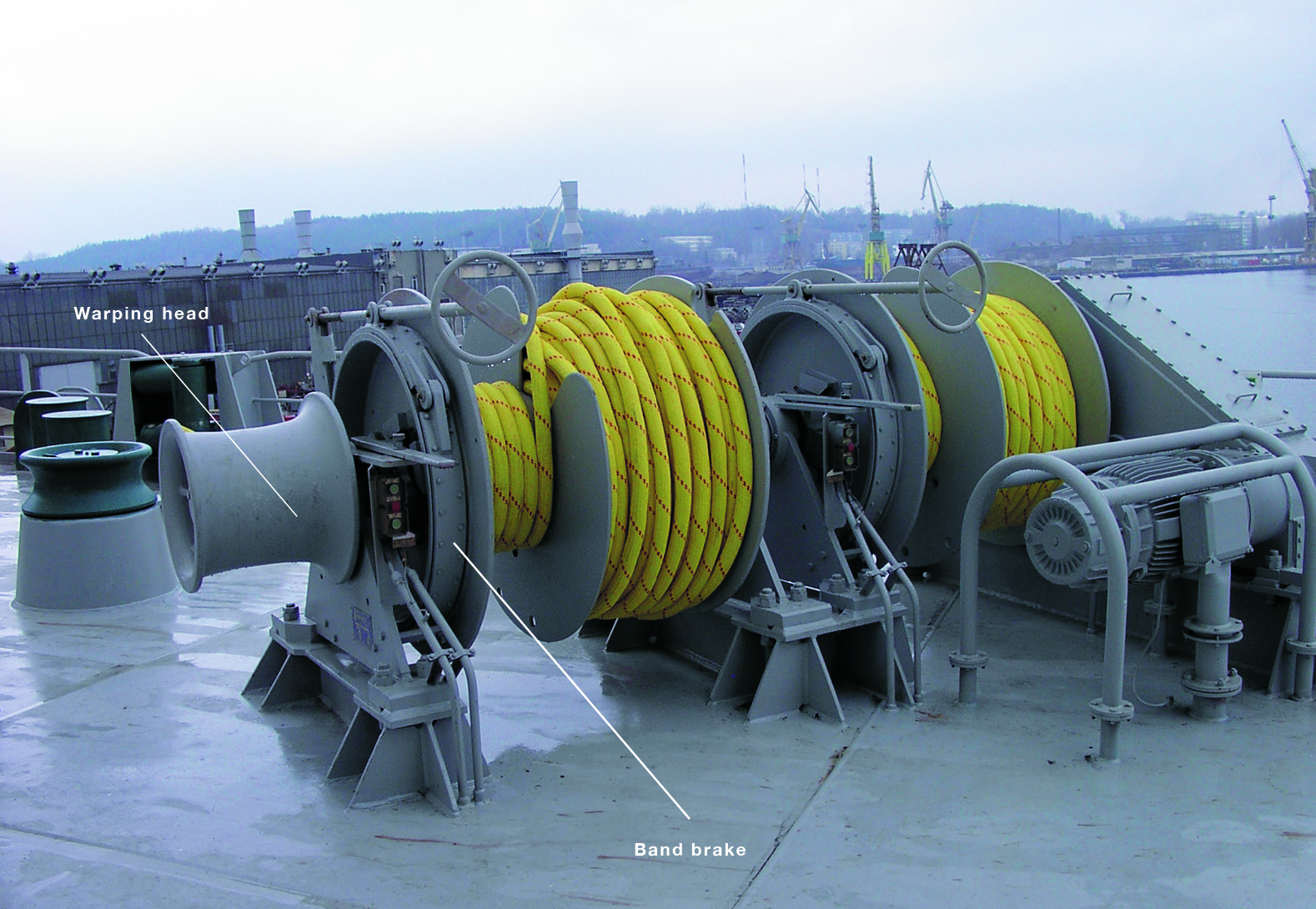
- Clutch slippage
- Wire fleet angle issues
- Brake drum distortion
- Servo valve contamination
- Accumulator pre-charge loss
- Drum seal leak
- RR-MW-100
- RR-MW-200
- RR-MW-350
- RR-MW-500
- 30
- 250
- Band brake wear
- Drum clutch deterioration
- Hydraulic motor leak
- Auto-tension system fault
Brattvaag
39
- Hydraulic motor seal failure
- Split-drum clutch slipping
- Control valve sticking
- Drum seal failure
- Wire rope fatigue
- Brake band glazing
- Accumulator bladder failure
- Hydraulic motor cavitation
- PLC communication error
- Towing drum bearing failure
- Clutch engagement issues
- Wire fairlead wear
Beihai Marine
36CSSC Marine
35Karmøy Winch
34Rapp Marine
34DMC Marine
33SEC Marine
33Towimor
33Lipa Marine
18DMT Marine
14Karmoy Winch
14Brake Hydraulik
6Aukra Maritime
4IBERCISA
3- Motor insulation degradation
- Drum bearing overheating
- Spooling device jam
- VFD fault codes
- Wire rope crushing
- Brake disc warping
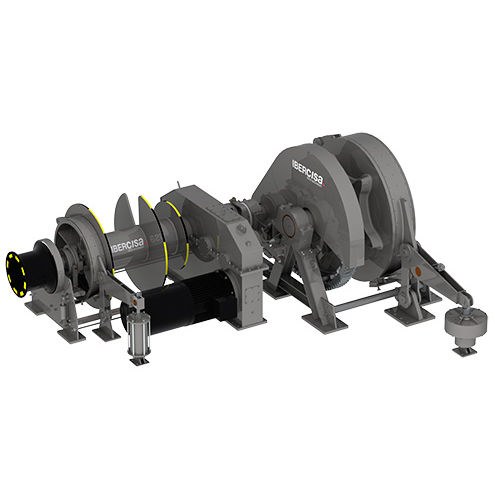
- HPU pump shaft seal failure
- Manifold block cracks
- Brake heat fade
THR Marine
3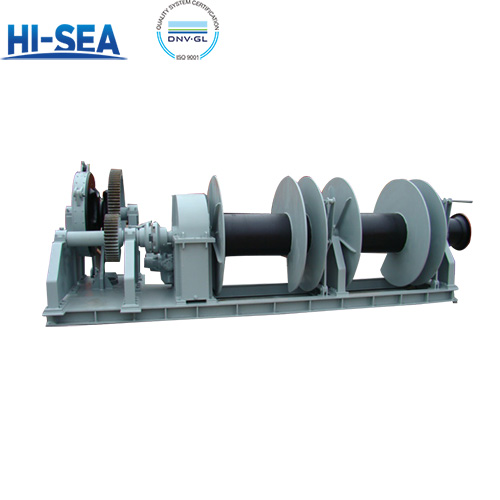
- Brake band overheating
- Wire rope drum scoring
- PLC communication fault
- Worm gear noise
- Brake spring fatigue
- Terminal box corrosion
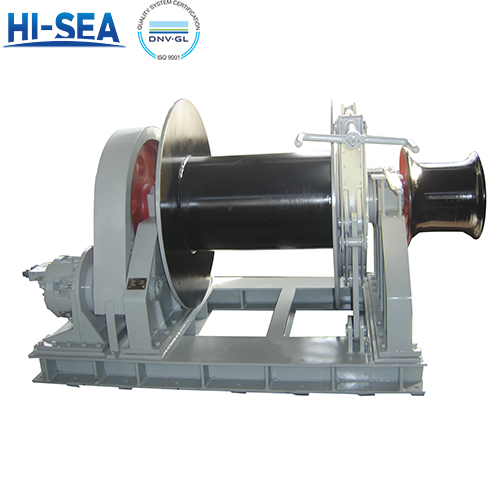
- Proportional valve sticking
- HPU filter bypass
- Drum alignment shift
Rolls-Royce Marine
2Coastal Marine Equipment / CME (China)
1- CME-MW-100
- CME-MW-200
- CME-MW-300
- CME-MW-400
- 25
- 200
- Band brake lining quality inconsistency
- Gear quality varies
- Motor insulation issues in humid climates
DMT Marine Equipment (South Korea)
1- DMT-MW-100
- DMT-MW-200
- DMT-MW-350
- DMT-MW-500
- 25
- 250
- Band brake quality varies
- Casting quality inconsistency
- Motor/gear housing seal issues
Fukushima (Japan)
1
- FK-MW-100
- FK-MW-200
- FK-MW-300
- FK-MW-500
- 25
- 250
- Band brake wear
- Gear oil leakage
- Motor bearing failure
IHC (Royal IHC) (Netherlands)
1- IHC-MW-100
- IHC-MW-300
- IHC-MW-500
- IHC-MW-1000
- 50
- 500
- Constant tension system valve failure
- Wire rope drum wear from heavy-duty cycles
- Hydraulic power unit overheating in tropical climates
- Brake disc warping from emergency stops
Kawasaki Heavy Industries (Japan)
1- KMW-100
- KMW-200
- KMW-300
- KMW-500
- 25
- 250
- Band brake wear
- Drum clutch adjustment
- Motor insulation degradation
MAN Energy Solutions
1- MW-100
- MW-150
- MW-250
- MW-350
- MW-500
- 25
- 250
- Band brake lining wear
- Drum clutch adjustment needed after heavy use
- Electric motor bearing failure from deck exposure
- Controller relay failures on older models
Rapp Marine Group (Norway)
1- RH-MW-50
- RH-MW-100
- RH-MW-200
- RH-MW-300
- 15
- 150
- Hydraulic motor seal leakage
- Band brake wear
- Hydraulic hose deterioration
Rolls-Royce
1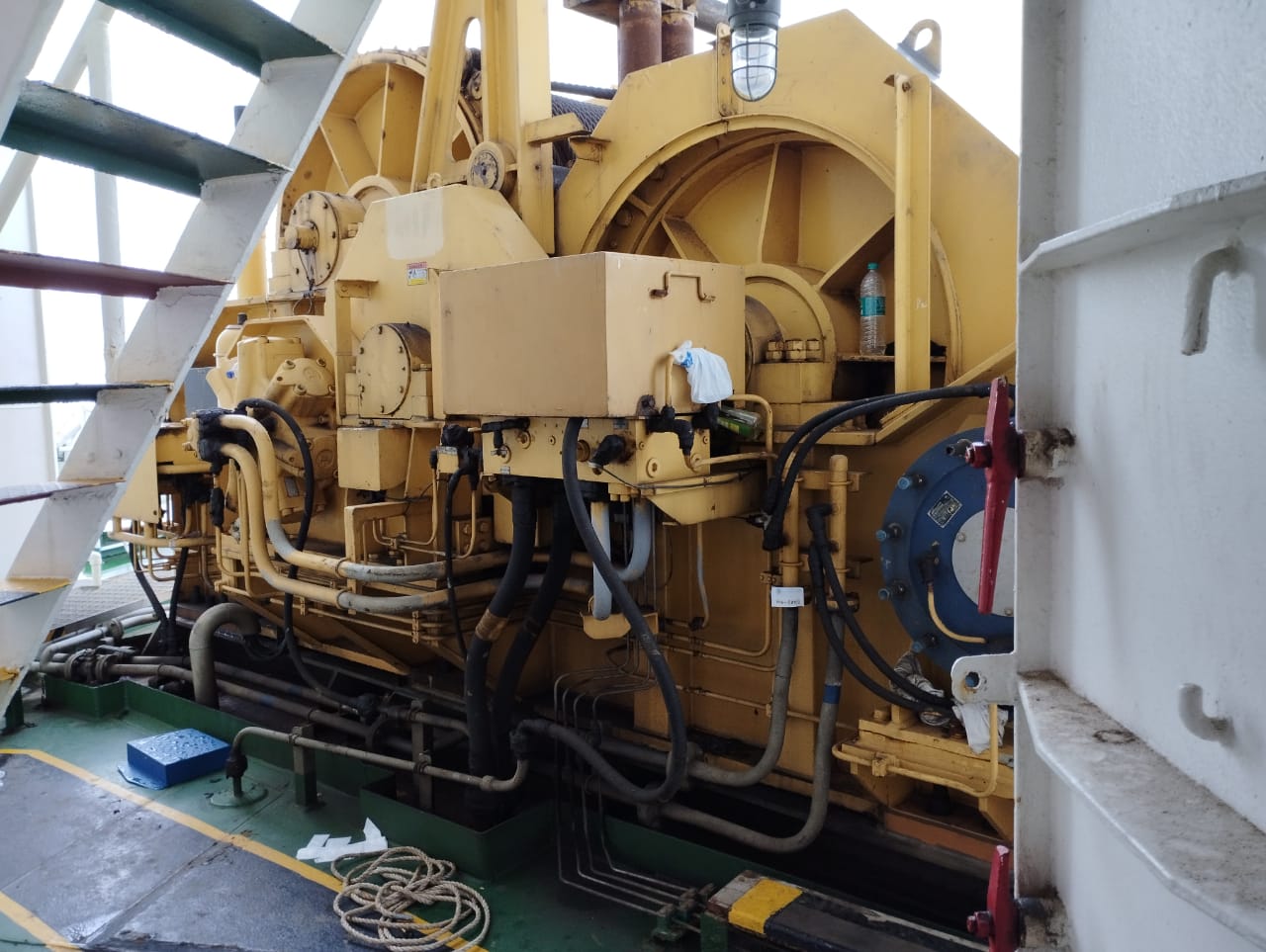
- Drum brake wear
- Rope level-wind mechanism jam
- Hydraulic hose chafing
- High mooring line tension capacity
- Compact design for space efficiency on vessels
- Low maintenance requirements due to durable construction
- Advanced auto-tension system for secure mooring
- Suitable for a wide range of vessel sizes and types
- Potential for drum brake wear requiring regular inspection
- Rope level-wind mechanism can jam if not properly maintained
- Hydraulic hose chafing may occur if installation is not carefully managed
- Dependence on hydraulic and electric systems for operation
- May require specialized training for operators
Towimor (Poland)
1- TW-MW-50
- TW-MW-100
- TW-MW-150
- TW-MW-250
- 15
- 130
- Band brake wear
- Gear housing oil leak
- Motor bearing failure