MW 200F/AW50K3
Rolls-Royce Brattvaag MW 200F/AW50K3 — Windlass/Mooring Winch Combination.
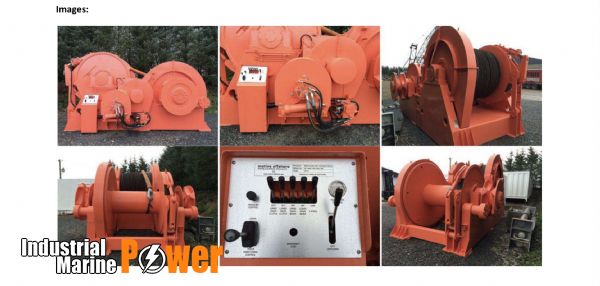
Inspector Detail
▸
Common issues
- Hydraulic motor or brake valve leakage reducing holding capacity
- Band brake lining wear reducing mooring/anchor holding torque
- Wire rope or mooring line wear on the winch/warping drum
- Chain wildcat pocket wear causing chain to slip or jump
- Clutch/dog clutch engagement wear making engagement difficult or unreliable
- Hydraulic system contamination causing valve sticking or erratic speed control
- Gearbox oil leakage or contamination
- Corrosion of brake bands, pins, and exposed structural parts on the weather deck
Inspection checklist
- Function-test windlass and mooring winch through full operating range (haul in/pay out, brake, clutch)
- Check band brake holding capacity against the required test load/torque per maker procedure
- Inspect chain wildcat pockets for wear against a new/renewal gauge
- Check wire rope/mooring line condition on the drum for wear, corrosion, and correct spooling
- Inspect hydraulic hoses, pipework, and motor for leaks
- Check gearbox oil level and condition
- Inspect clutch/dog engagement mechanism for wear and correct operation
- Verify local and remote control stations and emergency stop function correctly
- Check foundation bolts and deck fixing for tightness and corrosion
- Review anchor windlass brake holding capacity test records
Service intervals
| Gear oil sampling/analysis | annually |
| Gear oil change | per maker manual, typically every 2-3 years or on condition |
| Band brake holding capacity test | annually or per class requirement |
| Hydraulic oil sampling | every 6-12 months |
| Grease points (wildcat shaft, drum bearings) | weekly to monthly depending on maker schedule |
| Wire rope/mooring line inspection | before each mooring operation and formally every 3-6 months |
Typical wear limits
| Wildcat pocket wear | renew or build up when chain no longer seats correctly and shows a tendency to slip/jump - compare against the chain maker's gauge for the fitted chain size, no generic figure applies across chain sizes |
| Band brake lining thickness | renew per the maker's minimum remaining thickness specification - condition- and model-specific, confirm in the winch manual |
| Brake holding capacity | test against the required percentage of chain/rope breaking load specified by class/maker rather than a generic figure |
Ranges are typical for this design class. Always confirm against the manufacturer documentation for your serial number.
Critical spares
- Band brake lining
- Hydraulic motor seal kit
- Wildcat (on condition - long lead item, monitor wear)
- Clutch/dog engagement components
- Gearbox oil seals
- Control valve/solenoid for the hydraulic system
Safety
- Mooring and anchor handling operations carry high risk of snap-back injury - keep clear of the bight and line paths under tension
- The band brake must hold the rated load - do not operate with a known-deficient brake test result
- Hydraulic system remains pressurised after stop - isolate and relieve pressure before opening
- Anchor windlass brake failure can result in uncontrolled running-out of chain - verify brake condition before letting go anchor
Class survey
Anchor windlass brake holding capacity is a standard item tested and recorded at survey (often annually and at special survey); mooring winch brake and wire/chain condition are also typically reviewed, and class may require a formal brake holding test certificate.
Components & Design
Component data being added…
Technical Data
🤖 Ask about this model
One free question — answered like a marine engineer. No account needed.
Common failures & inspection points
Conduct annual brake render tests; inspect brake drums for rust buildup and worn material requiring replacement; verify correct brake setting typically around 60% of Ship Design Minimum Breaking Load (SDMBL)
Inspect gear oil regularly through the inspection cover; whitish discoloration indicates contamination requiring immediate oil change
Test all brake linkages for free movement; identify and lubricate any corroded or stuck connections
Move and lubricate all rotating parts (fairlead rollers, winch drums, deck stands) on frequent basis; maintain lubrication records
Visually inspect synthetic hawsers, heaving lines and messenger ropes for damage, chafing and kinks; rotate and grease wire ropes regularly; replace if >10% of strands are broken within 8-diameter lengths
Type-general inspection and maintenance points for this equipment category — not model-specific.
Suppliers & Spare Parts
Direct links to manufacturer, datasheet, spare-parts portal and dealers — request access below.
📄 Request sourcing links & documentsCases, daily reports, timesheets and AI troubleshooting in the OceanSphere Marine app — free for 14 days.
Start free trial →Find manufacturers, repair shops and spare-part dealers in the Maritime Network — our global company directory.
Maritime Network →