Water Mist System (Hi-Fog)
A water mist system protects an engine room or similar space by discharging fine, high-pressure water droplets that cool the fire and displace oxygen at the seat of the flame, using a fraction of the water volume a conventional sprinkler or deluge system needs for the same space.
Read more — Water Mist System (Hi-Fog) explained ▾
What makes this type distinct
A water mist system fights fire with very fine, high-pressure water droplets rather than the coarse spray of a sprinkler or deluge system. The small droplet size gives a large surface area for the water volume discharged, so the mist absorbs heat fast, partially vaporises into steam that displaces oxygen locally, and cools the surrounding gases enough to slow re-ignition - all with a fraction of the water a conventional system needs for the same enclosure. That matters on a ship, where flooding an engine room with deluge quantities of water raises stability concerns and can damage machinery that a fire itself might have spared. Hi-Fog is the best-known proprietary system in this category, but several manufacturers build comparable high-pressure mist installations.

Main components
Pump unit
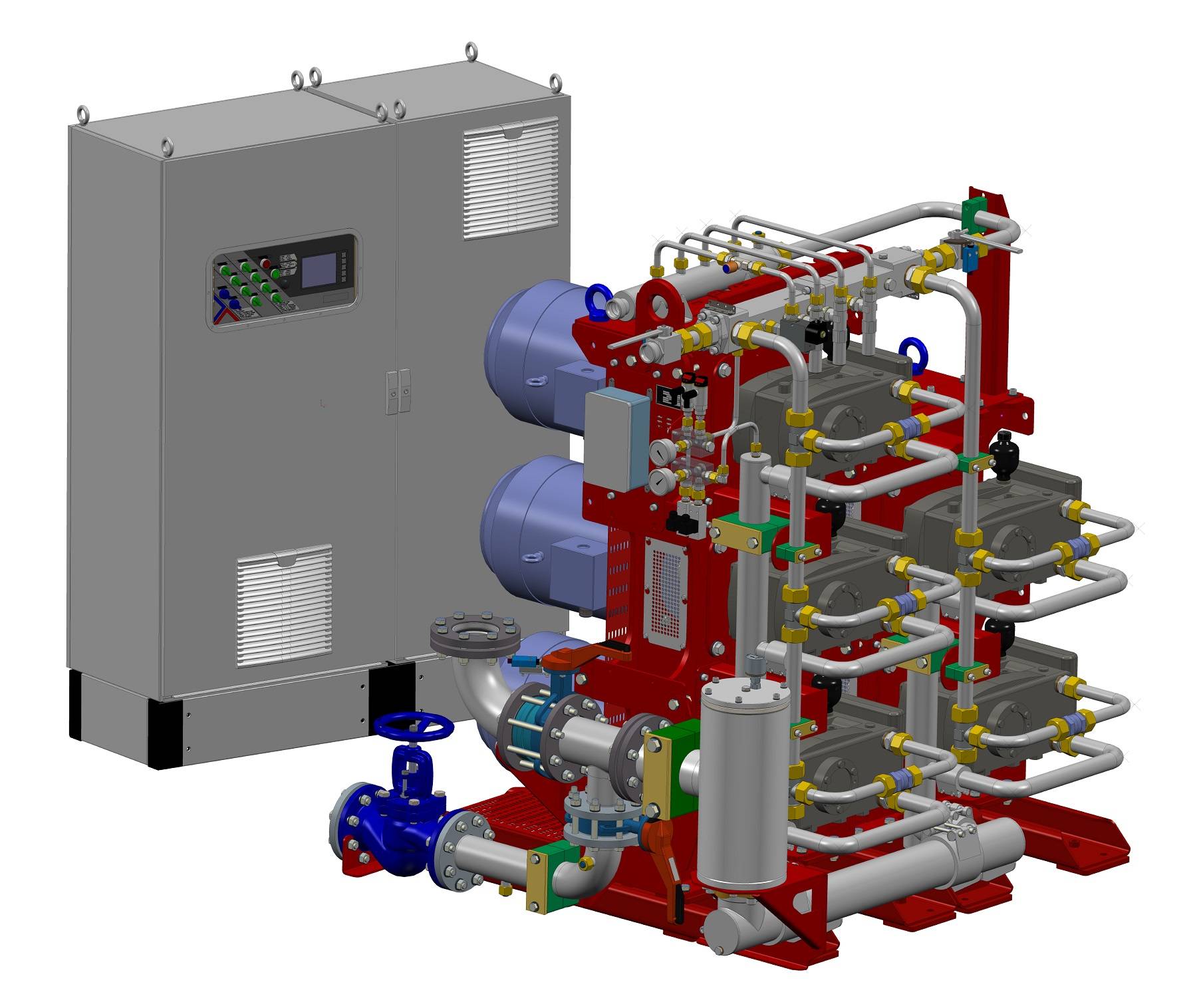
High-pressure pump set, often driven by an electric motor with a diesel-driven standby pump, building working pressures far above a conventional sprinkler system.
Nozzles
Precision nozzles that atomise water into fine droplets at the design pressure; nozzle spacing and orientation are engineered per protected space, not spread on a generic grid.
Section valves and piping
Stainless steel piping able to hold the working pressure, with section valves that isolate and release water only to the zone where fire is detected, limiting water damage to spaces not on fire.
Detection and release panel
Fire detectors linked to a release panel that opens the correct section valve automatically or on manual release, with local and bridge alarms and a means to record activation.
Water supply and tank
Dedicated fresh or treated water tank sized for the discharge duration required by the protected space, kept isolated from other domestic water systems.
Selection and sizing
System design is driven by the protected space's volume, ventilation arrangement, and fire risk category - a machinery space with open engines is treated differently from an enclosed cargo pump room. Discharge duration and water demand come from the approved system design for that space type, tested and certified rather than calculated from first principles by the installer. Pump capacity and tank volume must cover the largest single protected zone likely to discharge at once, plus the standby pump's ability to take over without interrupting protection.
- Protected space volume, layout, and ventilation openings
- Required discharge duration for the space's fire risk category
- Pump redundancy - electric plus diesel-driven standby is standard on larger installations
- Zone isolation, so a discharge in one space does not empty the system for another
- Compatibility of piping material with the water supply, avoiding scale or corrosion blocking nozzles
Regulations and class
Fixed water-based fire suppression for machinery spaces falls under SOLAS Ch. II-2, and equivalent water mist systems must be tested and approved against the IMO's guidelines for equivalent fixed fire-fighting systems in machinery spaces, since water mist is accepted as an alternative to CO2 or foam flooding only where it has passed the relevant full-scale fire tests for that space type. Class societies survey the system at defined intervals - pump performance test, valve operation, and a check of nozzle condition - and any modification to the protected space's layout requires the system's approval to be reviewed.
Typical faults
| Fault | Consequence |
|---|---|
| Nozzles partially blocked by scale or debris | Reduced or uneven discharge pattern, weak spots in fire coverage |
| Section valve stuck or wrongly labelled | Water discharges to the wrong zone or not at all on activation |
| Standby diesel pump not exercised | Fails to start when the electric pump is unavailable during a real fire |
| Water tank level low or contaminated | Insufficient discharge duration, or nozzle fouling from sediment |
| Detection panel not linked to the correct zone | Alarm and release triggered in the wrong section |
What to look for in a supplier
- Full-scale fire test approval covering the specific protected space types on the vessel
- Documented zone and nozzle layout matched to the actual machinery arrangement, not a template
- Access to spare nozzles and valves without long lead times, since a blocked nozzle should not wait months
- Commissioning test records including pump pressure and flow at the design point
- Service technicians trained on the specific proprietary system installed, Hi-Fog or otherwise
Log every partial or test discharge and check nozzles in the affected zone afterwards - a nozzle that mists cleanly on commissioning can silt up over years of standing water in the pipework and nobody notices until the one time it has to work.
9 manufacturers · 123 models
Tyco / Johnson Controls
21 ✓ 21 verified- Area: Nozzle obstruction or blockageCheck: Visual inspection of all nozzles to confirm no obstructions, corrosion deposits, or mineral buildup affecting spray pattern; check for physical damage to diffusers
- Area: System pressure compliance and pump operationCheck: Monthly verification that water pressure complies with pump specification and operational characteristic curve; confirm pump operates without abnormal noise or leakage; monthly pump testing
- Area: Piping integrity and water qualityCheck: Hydraulic testing of all pipework at 1.5 times normal working pressure for minimum 2 hours during commissioning; ongoing monitoring of water supply filtration systems to prevent nozzle clogging
- Area: Component condition and valve operationCheck: Inspection of valves, control stations, detection devices, batteries, and alarms for functionality; verification of check valve operation and sectional control valve response; testing every 6 months with monitoring service
- Area: System readiness documentation and certificationCheck: Verification of current Certificate of Compliance from installation contractor; confirmation that Design, Installation, Operation and Maintenance (DIOM) handbook is on-site; validation of FM/VdS/UL/IMO certification compliance for system configuration
Typ-universelle Inspektionspunkte fuer Fixed Fire Suppression (verifiziert, 2026-06).
- Area: Nozzle obstruction or blockageCheck: Visual inspection of all nozzles to confirm no obstructions, corrosion deposits, or mineral buildup affecting spray pattern; check for physical damage to diffusers
- Area: System pressure compliance and pump operationCheck: Monthly verification that water pressure complies with pump specification and operational characteristic curve; confirm pump operates without abnormal noise or leakage; monthly pump testing
- Area: Piping integrity and water qualityCheck: Hydraulic testing of all pipework at 1.5 times normal working pressure for minimum 2 hours during commissioning; ongoing monitoring of water supply filtration systems to prevent nozzle clogging
- Area: Component condition and valve operationCheck: Inspection of valves, control stations, detection devices, batteries, and alarms for functionality; verification of check valve operation and sectional control valve response; testing every 6 months with monitoring service
- Area: System readiness documentation and certificationCheck: Verification of current Certificate of Compliance from installation contractor; confirmation that Design, Installation, Operation and Maintenance (DIOM) handbook is on-site; validation of FM/VdS/UL/IMO certification compliance for system configuration
Typ-universelle Inspektionspunkte fuer Fixed Fire Suppression (verifiziert, 2026-06).
- Area: Nozzle obstruction or blockageCheck: Visual inspection of all nozzles to confirm no obstructions, corrosion deposits, or mineral buildup affecting spray pattern; check for physical damage to diffusers
- Area: System pressure compliance and pump operationCheck: Monthly verification that water pressure complies with pump specification and operational characteristic curve; confirm pump operates without abnormal noise or leakage; monthly pump testing
- Area: Piping integrity and water qualityCheck: Hydraulic testing of all pipework at 1.5 times normal working pressure for minimum 2 hours during commissioning; ongoing monitoring of water supply filtration systems to prevent nozzle clogging
- Area: Component condition and valve operationCheck: Inspection of valves, control stations, detection devices, batteries, and alarms for functionality; verification of check valve operation and sectional control valve response; testing every 6 months with monitoring service
- Area: System readiness documentation and certificationCheck: Verification of current Certificate of Compliance from installation contractor; confirmation that Design, Installation, Operation and Maintenance (DIOM) handbook is on-site; validation of FM/VdS/UL/IMO certification compliance for system configuration
Typ-universelle Inspektionspunkte fuer Fixed Fire Suppression (verifiziert, 2026-06).
- Area: Nozzle obstruction or blockageCheck: Visual inspection of all nozzles to confirm no obstructions, corrosion deposits, or mineral buildup affecting spray pattern; check for physical damage to diffusers
- Area: System pressure compliance and pump operationCheck: Monthly verification that water pressure complies with pump specification and operational characteristic curve; confirm pump operates without abnormal noise or leakage; monthly pump testing
- Area: Piping integrity and water qualityCheck: Hydraulic testing of all pipework at 1.5 times normal working pressure for minimum 2 hours during commissioning; ongoing monitoring of water supply filtration systems to prevent nozzle clogging
- Area: Component condition and valve operationCheck: Inspection of valves, control stations, detection devices, batteries, and alarms for functionality; verification of check valve operation and sectional control valve response; testing every 6 months with monitoring service
- Area: System readiness documentation and certificationCheck: Verification of current Certificate of Compliance from installation contractor; confirmation that Design, Installation, Operation and Maintenance (DIOM) handbook is on-site; validation of FM/VdS/UL/IMO certification compliance for system configuration
Typ-universelle Inspektionspunkte fuer Fixed Fire Suppression (verifiziert, 2026-06).
- Area: Nozzle obstruction or blockageCheck: Visual inspection of all nozzles to confirm no obstructions, corrosion deposits, or mineral buildup affecting spray pattern; check for physical damage to diffusers
- Area: System pressure compliance and pump operationCheck: Monthly verification that water pressure complies with pump specification and operational characteristic curve; confirm pump operates without abnormal noise or leakage; monthly pump testing
- Area: Piping integrity and water qualityCheck: Hydraulic testing of all pipework at 1.5 times normal working pressure for minimum 2 hours during commissioning; ongoing monitoring of water supply filtration systems to prevent nozzle clogging
- Area: Component condition and valve operationCheck: Inspection of valves, control stations, detection devices, batteries, and alarms for functionality; verification of check valve operation and sectional control valve response; testing every 6 months with monitoring service
- Area: System readiness documentation and certificationCheck: Verification of current Certificate of Compliance from installation contractor; confirmation that Design, Installation, Operation and Maintenance (DIOM) handbook is on-site; validation of FM/VdS/UL/IMO certification compliance for system configuration
Typ-universelle Inspektionspunkte fuer Fixed Fire Suppression (verifiziert, 2026-06).
- Area: Nozzle obstruction or blockageCheck: Visual inspection of all nozzles to confirm no obstructions, corrosion deposits, or mineral buildup affecting spray pattern; check for physical damage to diffusers
- Area: System pressure compliance and pump operationCheck: Monthly verification that water pressure complies with pump specification and operational characteristic curve; confirm pump operates without abnormal noise or leakage; monthly pump testing
- Area: Piping integrity and water qualityCheck: Hydraulic testing of all pipework at 1.5 times normal working pressure for minimum 2 hours during commissioning; ongoing monitoring of water supply filtration systems to prevent nozzle clogging
- Area: Component condition and valve operationCheck: Inspection of valves, control stations, detection devices, batteries, and alarms for functionality; verification of check valve operation and sectional control valve response; testing every 6 months with monitoring service
- Area: System readiness documentation and certificationCheck: Verification of current Certificate of Compliance from installation contractor; confirmation that Design, Installation, Operation and Maintenance (DIOM) handbook is on-site; validation of FM/VdS/UL/IMO certification compliance for system configuration
Typ-universelle Inspektionspunkte fuer Fixed Fire Suppression (verifiziert, 2026-06).
- Area: Nozzle obstruction or blockageCheck: Visual inspection of all nozzles to confirm no obstructions, corrosion deposits, or mineral buildup affecting spray pattern; check for physical damage to diffusers
- Area: System pressure compliance and pump operationCheck: Monthly verification that water pressure complies with pump specification and operational characteristic curve; confirm pump operates without abnormal noise or leakage; monthly pump testing
- Area: Piping integrity and water qualityCheck: Hydraulic testing of all pipework at 1.5 times normal working pressure for minimum 2 hours during commissioning; ongoing monitoring of water supply filtration systems to prevent nozzle clogging
- Area: Component condition and valve operationCheck: Inspection of valves, control stations, detection devices, batteries, and alarms for functionality; verification of check valve operation and sectional control valve response; testing every 6 months with monitoring service
- Area: System readiness documentation and certificationCheck: Verification of current Certificate of Compliance from installation contractor; confirmation that Design, Installation, Operation and Maintenance (DIOM) handbook is on-site; validation of FM/VdS/UL/IMO certification compliance for system configuration
Typ-universelle Inspektionspunkte fuer Fixed Fire Suppression (verifiziert, 2026-06).
- Area: Nozzle obstruction or blockageCheck: Visual inspection of all nozzles to confirm no obstructions, corrosion deposits, or mineral buildup affecting spray pattern; check for physical damage to diffusers
- Area: System pressure compliance and pump operationCheck: Monthly verification that water pressure complies with pump specification and operational characteristic curve; confirm pump operates without abnormal noise or leakage; monthly pump testing
- Area: Piping integrity and water qualityCheck: Hydraulic testing of all pipework at 1.5 times normal working pressure for minimum 2 hours during commissioning; ongoing monitoring of water supply filtration systems to prevent nozzle clogging
- Area: Component condition and valve operationCheck: Inspection of valves, control stations, detection devices, batteries, and alarms for functionality; verification of check valve operation and sectional control valve response; testing every 6 months with monitoring service
- Area: System readiness documentation and certificationCheck: Verification of current Certificate of Compliance from installation contractor; confirmation that Design, Installation, Operation and Maintenance (DIOM) handbook is on-site; validation of FM/VdS/UL/IMO certification compliance for system configuration
Typ-universelle Inspektionspunkte fuer Fixed Fire Suppression (verifiziert, 2026-06).
- Area: Nozzle obstruction or blockageCheck: Visual inspection of all nozzles to confirm no obstructions, corrosion deposits, or mineral buildup affecting spray pattern; check for physical damage to diffusers
- Area: System pressure compliance and pump operationCheck: Monthly verification that water pressure complies with pump specification and operational characteristic curve; confirm pump operates without abnormal noise or leakage; monthly pump testing
- Area: Piping integrity and water qualityCheck: Hydraulic testing of all pipework at 1.5 times normal working pressure for minimum 2 hours during commissioning; ongoing monitoring of water supply filtration systems to prevent nozzle clogging
- Area: Component condition and valve operationCheck: Inspection of valves, control stations, detection devices, batteries, and alarms for functionality; verification of check valve operation and sectional control valve response; testing every 6 months with monitoring service
- Area: System readiness documentation and certificationCheck: Verification of current Certificate of Compliance from installation contractor; confirmation that Design, Installation, Operation and Maintenance (DIOM) handbook is on-site; validation of FM/VdS/UL/IMO certification compliance for system configuration
Typ-universelle Inspektionspunkte fuer Fixed Fire Suppression (verifiziert, 2026-06).
- Area: Nozzle obstruction or blockageCheck: Visual inspection of all nozzles to confirm no obstructions, corrosion deposits, or mineral buildup affecting spray pattern; check for physical damage to diffusers
- Area: System pressure compliance and pump operationCheck: Monthly verification that water pressure complies with pump specification and operational characteristic curve; confirm pump operates without abnormal noise or leakage; monthly pump testing
- Area: Piping integrity and water qualityCheck: Hydraulic testing of all pipework at 1.5 times normal working pressure for minimum 2 hours during commissioning; ongoing monitoring of water supply filtration systems to prevent nozzle clogging
- Area: Component condition and valve operationCheck: Inspection of valves, control stations, detection devices, batteries, and alarms for functionality; verification of check valve operation and sectional control valve response; testing every 6 months with monitoring service
- Area: System readiness documentation and certificationCheck: Verification of current Certificate of Compliance from installation contractor; confirmation that Design, Installation, Operation and Maintenance (DIOM) handbook is on-site; validation of FM/VdS/UL/IMO certification compliance for system configuration
Typ-universelle Inspektionspunkte fuer Fixed Fire Suppression (verifiziert, 2026-06).
- Area: Nozzle obstruction or blockageCheck: Visual inspection of all nozzles to confirm no obstructions, corrosion deposits, or mineral buildup affecting spray pattern; check for physical damage to diffusers
- Area: System pressure compliance and pump operationCheck: Monthly verification that water pressure complies with pump specification and operational characteristic curve; confirm pump operates without abnormal noise or leakage; monthly pump testing
- Area: Piping integrity and water qualityCheck: Hydraulic testing of all pipework at 1.5 times normal working pressure for minimum 2 hours during commissioning; ongoing monitoring of water supply filtration systems to prevent nozzle clogging
- Area: Component condition and valve operationCheck: Inspection of valves, control stations, detection devices, batteries, and alarms for functionality; verification of check valve operation and sectional control valve response; testing every 6 months with monitoring service
- Area: System readiness documentation and certificationCheck: Verification of current Certificate of Compliance from installation contractor; confirmation that Design, Installation, Operation and Maintenance (DIOM) handbook is on-site; validation of FM/VdS/UL/IMO certification compliance for system configuration
Typ-universelle Inspektionspunkte fuer Fixed Fire Suppression (verifiziert, 2026-06).
- Area: Nozzle obstruction or blockageCheck: Visual inspection of all nozzles to confirm no obstructions, corrosion deposits, or mineral buildup affecting spray pattern; check for physical damage to diffusers
- Area: System pressure compliance and pump operationCheck: Monthly verification that water pressure complies with pump specification and operational characteristic curve; confirm pump operates without abnormal noise or leakage; monthly pump testing
- Area: Piping integrity and water qualityCheck: Hydraulic testing of all pipework at 1.5 times normal working pressure for minimum 2 hours during commissioning; ongoing monitoring of water supply filtration systems to prevent nozzle clogging
- Area: Component condition and valve operationCheck: Inspection of valves, control stations, detection devices, batteries, and alarms for functionality; verification of check valve operation and sectional control valve response; testing every 6 months with monitoring service
- Area: System readiness documentation and certificationCheck: Verification of current Certificate of Compliance from installation contractor; confirmation that Design, Installation, Operation and Maintenance (DIOM) handbook is on-site; validation of FM/VdS/UL/IMO certification compliance for system configuration
Typ-universelle Inspektionspunkte fuer Fixed Fire Suppression (verifiziert, 2026-06).
- Area: Nozzle obstruction or blockageCheck: Visual inspection of all nozzles to confirm no obstructions, corrosion deposits, or mineral buildup affecting spray pattern; check for physical damage to diffusers
- Area: System pressure compliance and pump operationCheck: Monthly verification that water pressure complies with pump specification and operational characteristic curve; confirm pump operates without abnormal noise or leakage; monthly pump testing
- Area: Piping integrity and water qualityCheck: Hydraulic testing of all pipework at 1.5 times normal working pressure for minimum 2 hours during commissioning; ongoing monitoring of water supply filtration systems to prevent nozzle clogging
- Area: Component condition and valve operationCheck: Inspection of valves, control stations, detection devices, batteries, and alarms for functionality; verification of check valve operation and sectional control valve response; testing every 6 months with monitoring service
- Area: System readiness documentation and certificationCheck: Verification of current Certificate of Compliance from installation contractor; confirmation that Design, Installation, Operation and Maintenance (DIOM) handbook is on-site; validation of FM/VdS/UL/IMO certification compliance for system configuration
Typ-universelle Inspektionspunkte fuer Fixed Fire Suppression (verifiziert, 2026-06).
- Area: Nozzle obstruction or blockageCheck: Visual inspection of all nozzles to confirm no obstructions, corrosion deposits, or mineral buildup affecting spray pattern; check for physical damage to diffusers
- Area: System pressure compliance and pump operationCheck: Monthly verification that water pressure complies with pump specification and operational characteristic curve; confirm pump operates without abnormal noise or leakage; monthly pump testing
- Area: Piping integrity and water qualityCheck: Hydraulic testing of all pipework at 1.5 times normal working pressure for minimum 2 hours during commissioning; ongoing monitoring of water supply filtration systems to prevent nozzle clogging
- Area: Component condition and valve operationCheck: Inspection of valves, control stations, detection devices, batteries, and alarms for functionality; verification of check valve operation and sectional control valve response; testing every 6 months with monitoring service
- Area: System readiness documentation and certificationCheck: Verification of current Certificate of Compliance from installation contractor; confirmation that Design, Installation, Operation and Maintenance (DIOM) handbook is on-site; validation of FM/VdS/UL/IMO certification compliance for system configuration
Typ-universelle Inspektionspunkte fuer Fixed Fire Suppression (verifiziert, 2026-06).
- Area: Nozzle obstruction or blockageCheck: Visual inspection of all nozzles to confirm no obstructions, corrosion deposits, or mineral buildup affecting spray pattern; check for physical damage to diffusers
- Area: System pressure compliance and pump operationCheck: Monthly verification that water pressure complies with pump specification and operational characteristic curve; confirm pump operates without abnormal noise or leakage; monthly pump testing
- Area: Piping integrity and water qualityCheck: Hydraulic testing of all pipework at 1.5 times normal working pressure for minimum 2 hours during commissioning; ongoing monitoring of water supply filtration systems to prevent nozzle clogging
- Area: Component condition and valve operationCheck: Inspection of valves, control stations, detection devices, batteries, and alarms for functionality; verification of check valve operation and sectional control valve response; testing every 6 months with monitoring service
- Area: System readiness documentation and certificationCheck: Verification of current Certificate of Compliance from installation contractor; confirmation that Design, Installation, Operation and Maintenance (DIOM) handbook is on-site; validation of FM/VdS/UL/IMO certification compliance for system configuration
Typ-universelle Inspektionspunkte fuer Fixed Fire Suppression (verifiziert, 2026-06).
- Area: Nozzle obstruction or blockageCheck: Visual inspection of all nozzles to confirm no obstructions, corrosion deposits, or mineral buildup affecting spray pattern; check for physical damage to diffusers
- Area: System pressure compliance and pump operationCheck: Monthly verification that water pressure complies with pump specification and operational characteristic curve; confirm pump operates without abnormal noise or leakage; monthly pump testing
- Area: Piping integrity and water qualityCheck: Hydraulic testing of all pipework at 1.5 times normal working pressure for minimum 2 hours during commissioning; ongoing monitoring of water supply filtration systems to prevent nozzle clogging
- Area: Component condition and valve operationCheck: Inspection of valves, control stations, detection devices, batteries, and alarms for functionality; verification of check valve operation and sectional control valve response; testing every 6 months with monitoring service
- Area: System readiness documentation and certificationCheck: Verification of current Certificate of Compliance from installation contractor; confirmation that Design, Installation, Operation and Maintenance (DIOM) handbook is on-site; validation of FM/VdS/UL/IMO certification compliance for system configuration
Typ-universelle Inspektionspunkte fuer Fixed Fire Suppression (verifiziert, 2026-06).
- Area: Nozzle obstruction or blockageCheck: Visual inspection of all nozzles to confirm no obstructions, corrosion deposits, or mineral buildup affecting spray pattern; check for physical damage to diffusers
- Area: System pressure compliance and pump operationCheck: Monthly verification that water pressure complies with pump specification and operational characteristic curve; confirm pump operates without abnormal noise or leakage; monthly pump testing
- Area: Piping integrity and water qualityCheck: Hydraulic testing of all pipework at 1.5 times normal working pressure for minimum 2 hours during commissioning; ongoing monitoring of water supply filtration systems to prevent nozzle clogging
- Area: Component condition and valve operationCheck: Inspection of valves, control stations, detection devices, batteries, and alarms for functionality; verification of check valve operation and sectional control valve response; testing every 6 months with monitoring service
- Area: System readiness documentation and certificationCheck: Verification of current Certificate of Compliance from installation contractor; confirmation that Design, Installation, Operation and Maintenance (DIOM) handbook is on-site; validation of FM/VdS/UL/IMO certification compliance for system configuration
Typ-universelle Inspektionspunkte fuer Fixed Fire Suppression (verifiziert, 2026-06).
- Area: Nozzle obstruction or blockageCheck: Visual inspection of all nozzles to confirm no obstructions, corrosion deposits, or mineral buildup affecting spray pattern; check for physical damage to diffusers
- Area: System pressure compliance and pump operationCheck: Monthly verification that water pressure complies with pump specification and operational characteristic curve; confirm pump operates without abnormal noise or leakage; monthly pump testing
- Area: Piping integrity and water qualityCheck: Hydraulic testing of all pipework at 1.5 times normal working pressure for minimum 2 hours during commissioning; ongoing monitoring of water supply filtration systems to prevent nozzle clogging
- Area: Component condition and valve operationCheck: Inspection of valves, control stations, detection devices, batteries, and alarms for functionality; verification of check valve operation and sectional control valve response; testing every 6 months with monitoring service
- Area: System readiness documentation and certificationCheck: Verification of current Certificate of Compliance from installation contractor; confirmation that Design, Installation, Operation and Maintenance (DIOM) handbook is on-site; validation of FM/VdS/UL/IMO certification compliance for system configuration
Typ-universelle Inspektionspunkte fuer Fixed Fire Suppression (verifiziert, 2026-06).
- Area: Nozzle obstruction or blockageCheck: Visual inspection of all nozzles to confirm no obstructions, corrosion deposits, or mineral buildup affecting spray pattern; check for physical damage to diffusers
- Area: System pressure compliance and pump operationCheck: Monthly verification that water pressure complies with pump specification and operational characteristic curve; confirm pump operates without abnormal noise or leakage; monthly pump testing
- Area: Piping integrity and water qualityCheck: Hydraulic testing of all pipework at 1.5 times normal working pressure for minimum 2 hours during commissioning; ongoing monitoring of water supply filtration systems to prevent nozzle clogging
- Area: Component condition and valve operationCheck: Inspection of valves, control stations, detection devices, batteries, and alarms for functionality; verification of check valve operation and sectional control valve response; testing every 6 months with monitoring service
- Area: System readiness documentation and certificationCheck: Verification of current Certificate of Compliance from installation contractor; confirmation that Design, Installation, Operation and Maintenance (DIOM) handbook is on-site; validation of FM/VdS/UL/IMO certification compliance for system configuration
Typ-universelle Inspektionspunkte fuer Fixed Fire Suppression (verifiziert, 2026-06).
- Area: Nozzle obstruction or blockageCheck: Visual inspection of all nozzles to confirm no obstructions, corrosion deposits, or mineral buildup affecting spray pattern; check for physical damage to diffusers
- Area: System pressure compliance and pump operationCheck: Monthly verification that water pressure complies with pump specification and operational characteristic curve; confirm pump operates without abnormal noise or leakage; monthly pump testing
- Area: Piping integrity and water qualityCheck: Hydraulic testing of all pipework at 1.5 times normal working pressure for minimum 2 hours during commissioning; ongoing monitoring of water supply filtration systems to prevent nozzle clogging
- Area: Component condition and valve operationCheck: Inspection of valves, control stations, detection devices, batteries, and alarms for functionality; verification of check valve operation and sectional control valve response; testing every 6 months with monitoring service
- Area: System readiness documentation and certificationCheck: Verification of current Certificate of Compliance from installation contractor; confirmation that Design, Installation, Operation and Maintenance (DIOM) handbook is on-site; validation of FM/VdS/UL/IMO certification compliance for system configuration
Typ-universelle Inspektionspunkte fuer Fixed Fire Suppression (verifiziert, 2026-06).
- Area: Nozzle obstruction or blockageCheck: Visual inspection of all nozzles to confirm no obstructions, corrosion deposits, or mineral buildup affecting spray pattern; check for physical damage to diffusers
- Area: System pressure compliance and pump operationCheck: Monthly verification that water pressure complies with pump specification and operational characteristic curve; confirm pump operates without abnormal noise or leakage; monthly pump testing
- Area: Piping integrity and water qualityCheck: Hydraulic testing of all pipework at 1.5 times normal working pressure for minimum 2 hours during commissioning; ongoing monitoring of water supply filtration systems to prevent nozzle clogging
- Area: Component condition and valve operationCheck: Inspection of valves, control stations, detection devices, batteries, and alarms for functionality; verification of check valve operation and sectional control valve response; testing every 6 months with monitoring service
- Area: System readiness documentation and certificationCheck: Verification of current Certificate of Compliance from installation contractor; confirmation that Design, Installation, Operation and Maintenance (DIOM) handbook is on-site; validation of FM/VdS/UL/IMO certification compliance for system configuration
Typ-universelle Inspektionspunkte fuer Fixed Fire Suppression (verifiziert, 2026-06).
Marioff Hi-Fog
17 ✓ 17 verified- Area: Nozzle and spray head obstruction/clogging from water impurities or mineral depositsCheck: Monthly visual inspection for visible blockages; annual cleaning and flushing of nozzles through strainer validation. Check strainer condition (typically 300 µm micron filters). Water quality testing per EN 14972 standards.
- Area: System pressure loss or inadequate discharge pressure (target: ~1,050 psi sprinkler, 2,300 psi discharge)Check: Quarterly pressure testing via pressure gauges. Verify pump discharge pressure (2,300 psi target). Check accumulator pre-charge pressure (nitrogen/compressed air). Validate integrity of high-pressure tubing for micro-cracks or corrosion.
- Area: Heat-sensitive bulb degradation, glass micro-cracks, or bulb failure in sprinklers (57°C to 141°C ratings)Check: Annual visual inspection of bulbs in sample sprinklers from each temperature rating. Replace bulbs showing discoloration, cloudiness, or micro-cracks. Validate bulb response through functional testing per EN 14972. Thermographic scanning of ceiling areas.
- Area: Water supply contamination, corrosion of stainless steel components (AISI 316L), or scale buildup in pipingCheck: Annual water quality analysis (potable water standard per EN 14972). Visual inspection of interior tubing sections for corrosion via test ports. Flush system at min. 5-year intervals. Inspect stainless steel tubing for surface oxidation or pitting.
- Area: Control system, PLC logic, or activation mechanism failure in LPU/EPU/GPU unitsCheck: Annual functional system activation test (dry discharge test) to verify pump start, pressure rise, and valve actuation. Battery backup verification. Software/firmware version check on PLC controllers. Validate touch-screen interface display on LPU. Simulate fire signal activation.
Typ-universelle Inspektionspunkte fuer Fixed Fire Suppression (verifiziert, 2026-06).
- Area: Nozzle and spray head obstruction/clogging from water impurities or mineral depositsCheck: Monthly visual inspection for visible blockages; annual cleaning and flushing of nozzles through strainer validation. Check strainer condition (typically 300 µm micron filters). Water quality testing per EN 14972 standards.
- Area: System pressure loss or inadequate discharge pressure (target: ~1,050 psi sprinkler, 2,300 psi discharge)Check: Quarterly pressure testing via pressure gauges. Verify pump discharge pressure (2,300 psi target). Check accumulator pre-charge pressure (nitrogen/compressed air). Validate integrity of high-pressure tubing for micro-cracks or corrosion.
- Area: Heat-sensitive bulb degradation, glass micro-cracks, or bulb failure in sprinklers (57°C to 141°C ratings)Check: Annual visual inspection of bulbs in sample sprinklers from each temperature rating. Replace bulbs showing discoloration, cloudiness, or micro-cracks. Validate bulb response through functional testing per EN 14972. Thermographic scanning of ceiling areas.
- Area: Water supply contamination, corrosion of stainless steel components (AISI 316L), or scale buildup in pipingCheck: Annual water quality analysis (potable water standard per EN 14972). Visual inspection of interior tubing sections for corrosion via test ports. Flush system at min. 5-year intervals. Inspect stainless steel tubing for surface oxidation or pitting.
- Area: Control system, PLC logic, or activation mechanism failure in LPU/EPU/GPU unitsCheck: Annual functional system activation test (dry discharge test) to verify pump start, pressure rise, and valve actuation. Battery backup verification. Software/firmware version check on PLC controllers. Validate touch-screen interface display on LPU. Simulate fire signal activation.
Typ-universelle Inspektionspunkte fuer Fixed Fire Suppression (verifiziert, 2026-06).
- Area: Nozzle and spray head obstruction/clogging from water impurities or mineral depositsCheck: Monthly visual inspection for visible blockages; annual cleaning and flushing of nozzles through strainer validation. Check strainer condition (typically 300 µm micron filters). Water quality testing per EN 14972 standards.
- Area: System pressure loss or inadequate discharge pressure (target: ~1,050 psi sprinkler, 2,300 psi discharge)Check: Quarterly pressure testing via pressure gauges. Verify pump discharge pressure (2,300 psi target). Check accumulator pre-charge pressure (nitrogen/compressed air). Validate integrity of high-pressure tubing for micro-cracks or corrosion.
- Area: Heat-sensitive bulb degradation, glass micro-cracks, or bulb failure in sprinklers (57°C to 141°C ratings)Check: Annual visual inspection of bulbs in sample sprinklers from each temperature rating. Replace bulbs showing discoloration, cloudiness, or micro-cracks. Validate bulb response through functional testing per EN 14972. Thermographic scanning of ceiling areas.
- Area: Water supply contamination, corrosion of stainless steel components (AISI 316L), or scale buildup in pipingCheck: Annual water quality analysis (potable water standard per EN 14972). Visual inspection of interior tubing sections for corrosion via test ports. Flush system at min. 5-year intervals. Inspect stainless steel tubing for surface oxidation or pitting.
- Area: Control system, PLC logic, or activation mechanism failure in LPU/EPU/GPU unitsCheck: Annual functional system activation test (dry discharge test) to verify pump start, pressure rise, and valve actuation. Battery backup verification. Software/firmware version check on PLC controllers. Validate touch-screen interface display on LPU. Simulate fire signal activation.
Typ-universelle Inspektionspunkte fuer Fixed Fire Suppression (verifiziert, 2026-06).
- Area: Nozzle and spray head obstruction/clogging from water impurities or mineral depositsCheck: Monthly visual inspection for visible blockages; annual cleaning and flushing of nozzles through strainer validation. Check strainer condition (typically 300 µm micron filters). Water quality testing per EN 14972 standards.
- Area: System pressure loss or inadequate discharge pressure (target: ~1,050 psi sprinkler, 2,300 psi discharge)Check: Quarterly pressure testing via pressure gauges. Verify pump discharge pressure (2,300 psi target). Check accumulator pre-charge pressure (nitrogen/compressed air). Validate integrity of high-pressure tubing for micro-cracks or corrosion.
- Area: Heat-sensitive bulb degradation, glass micro-cracks, or bulb failure in sprinklers (57°C to 141°C ratings)Check: Annual visual inspection of bulbs in sample sprinklers from each temperature rating. Replace bulbs showing discoloration, cloudiness, or micro-cracks. Validate bulb response through functional testing per EN 14972. Thermographic scanning of ceiling areas.
- Area: Water supply contamination, corrosion of stainless steel components (AISI 316L), or scale buildup in pipingCheck: Annual water quality analysis (potable water standard per EN 14972). Visual inspection of interior tubing sections for corrosion via test ports. Flush system at min. 5-year intervals. Inspect stainless steel tubing for surface oxidation or pitting.
- Area: Control system, PLC logic, or activation mechanism failure in LPU/EPU/GPU unitsCheck: Annual functional system activation test (dry discharge test) to verify pump start, pressure rise, and valve actuation. Battery backup verification. Software/firmware version check on PLC controllers. Validate touch-screen interface display on LPU. Simulate fire signal activation.
Typ-universelle Inspektionspunkte fuer Fixed Fire Suppression (verifiziert, 2026-06).
- Area: Nozzle and spray head obstruction/clogging from water impurities or mineral depositsCheck: Monthly visual inspection for visible blockages; annual cleaning and flushing of nozzles through strainer validation. Check strainer condition (typically 300 µm micron filters). Water quality testing per EN 14972 standards.
- Area: System pressure loss or inadequate discharge pressure (target: ~1,050 psi sprinkler, 2,300 psi discharge)Check: Quarterly pressure testing via pressure gauges. Verify pump discharge pressure (2,300 psi target). Check accumulator pre-charge pressure (nitrogen/compressed air). Validate integrity of high-pressure tubing for micro-cracks or corrosion.
- Area: Heat-sensitive bulb degradation, glass micro-cracks, or bulb failure in sprinklers (57°C to 141°C ratings)Check: Annual visual inspection of bulbs in sample sprinklers from each temperature rating. Replace bulbs showing discoloration, cloudiness, or micro-cracks. Validate bulb response through functional testing per EN 14972. Thermographic scanning of ceiling areas.
- Area: Water supply contamination, corrosion of stainless steel components (AISI 316L), or scale buildup in pipingCheck: Annual water quality analysis (potable water standard per EN 14972). Visual inspection of interior tubing sections for corrosion via test ports. Flush system at min. 5-year intervals. Inspect stainless steel tubing for surface oxidation or pitting.
- Area: Control system, PLC logic, or activation mechanism failure in LPU/EPU/GPU unitsCheck: Annual functional system activation test (dry discharge test) to verify pump start, pressure rise, and valve actuation. Battery backup verification. Software/firmware version check on PLC controllers. Validate touch-screen interface display on LPU. Simulate fire signal activation.
Typ-universelle Inspektionspunkte fuer Fixed Fire Suppression (verifiziert, 2026-06).
- Area: Nozzle and spray head obstruction/clogging from water impurities or mineral depositsCheck: Monthly visual inspection for visible blockages; annual cleaning and flushing of nozzles through strainer validation. Check strainer condition (typically 300 µm micron filters). Water quality testing per EN 14972 standards.
- Area: System pressure loss or inadequate discharge pressure (target: ~1,050 psi sprinkler, 2,300 psi discharge)Check: Quarterly pressure testing via pressure gauges. Verify pump discharge pressure (2,300 psi target). Check accumulator pre-charge pressure (nitrogen/compressed air). Validate integrity of high-pressure tubing for micro-cracks or corrosion.
- Area: Heat-sensitive bulb degradation, glass micro-cracks, or bulb failure in sprinklers (57°C to 141°C ratings)Check: Annual visual inspection of bulbs in sample sprinklers from each temperature rating. Replace bulbs showing discoloration, cloudiness, or micro-cracks. Validate bulb response through functional testing per EN 14972. Thermographic scanning of ceiling areas.
- Area: Water supply contamination, corrosion of stainless steel components (AISI 316L), or scale buildup in pipingCheck: Annual water quality analysis (potable water standard per EN 14972). Visual inspection of interior tubing sections for corrosion via test ports. Flush system at min. 5-year intervals. Inspect stainless steel tubing for surface oxidation or pitting.
- Area: Control system, PLC logic, or activation mechanism failure in LPU/EPU/GPU unitsCheck: Annual functional system activation test (dry discharge test) to verify pump start, pressure rise, and valve actuation. Battery backup verification. Software/firmware version check on PLC controllers. Validate touch-screen interface display on LPU. Simulate fire signal activation.
Typ-universelle Inspektionspunkte fuer Fixed Fire Suppression (verifiziert, 2026-06).
- Area: Nozzle and spray head obstruction/clogging from water impurities or mineral depositsCheck: Monthly visual inspection for visible blockages; annual cleaning and flushing of nozzles through strainer validation. Check strainer condition (typically 300 µm micron filters). Water quality testing per EN 14972 standards.
- Area: System pressure loss or inadequate discharge pressure (target: ~1,050 psi sprinkler, 2,300 psi discharge)Check: Quarterly pressure testing via pressure gauges. Verify pump discharge pressure (2,300 psi target). Check accumulator pre-charge pressure (nitrogen/compressed air). Validate integrity of high-pressure tubing for micro-cracks or corrosion.
- Area: Heat-sensitive bulb degradation, glass micro-cracks, or bulb failure in sprinklers (57°C to 141°C ratings)Check: Annual visual inspection of bulbs in sample sprinklers from each temperature rating. Replace bulbs showing discoloration, cloudiness, or micro-cracks. Validate bulb response through functional testing per EN 14972. Thermographic scanning of ceiling areas.
- Area: Water supply contamination, corrosion of stainless steel components (AISI 316L), or scale buildup in pipingCheck: Annual water quality analysis (potable water standard per EN 14972). Visual inspection of interior tubing sections for corrosion via test ports. Flush system at min. 5-year intervals. Inspect stainless steel tubing for surface oxidation or pitting.
- Area: Control system, PLC logic, or activation mechanism failure in LPU/EPU/GPU unitsCheck: Annual functional system activation test (dry discharge test) to verify pump start, pressure rise, and valve actuation. Battery backup verification. Software/firmware version check on PLC controllers. Validate touch-screen interface display on LPU. Simulate fire signal activation.
Typ-universelle Inspektionspunkte fuer Fixed Fire Suppression (verifiziert, 2026-06).
- Area: Nozzle and spray head obstruction/clogging from water impurities or mineral depositsCheck: Monthly visual inspection for visible blockages; annual cleaning and flushing of nozzles through strainer validation. Check strainer condition (typically 300 µm micron filters). Water quality testing per EN 14972 standards.
- Area: System pressure loss or inadequate discharge pressure (target: ~1,050 psi sprinkler, 2,300 psi discharge)Check: Quarterly pressure testing via pressure gauges. Verify pump discharge pressure (2,300 psi target). Check accumulator pre-charge pressure (nitrogen/compressed air). Validate integrity of high-pressure tubing for micro-cracks or corrosion.
- Area: Heat-sensitive bulb degradation, glass micro-cracks, or bulb failure in sprinklers (57°C to 141°C ratings)Check: Annual visual inspection of bulbs in sample sprinklers from each temperature rating. Replace bulbs showing discoloration, cloudiness, or micro-cracks. Validate bulb response through functional testing per EN 14972. Thermographic scanning of ceiling areas.
- Area: Water supply contamination, corrosion of stainless steel components (AISI 316L), or scale buildup in pipingCheck: Annual water quality analysis (potable water standard per EN 14972). Visual inspection of interior tubing sections for corrosion via test ports. Flush system at min. 5-year intervals. Inspect stainless steel tubing for surface oxidation or pitting.
- Area: Control system, PLC logic, or activation mechanism failure in LPU/EPU/GPU unitsCheck: Annual functional system activation test (dry discharge test) to verify pump start, pressure rise, and valve actuation. Battery backup verification. Software/firmware version check on PLC controllers. Validate touch-screen interface display on LPU. Simulate fire signal activation.
Typ-universelle Inspektionspunkte fuer Fixed Fire Suppression (verifiziert, 2026-06).
- Area: Nozzle and spray head obstruction/clogging from water impurities or mineral depositsCheck: Monthly visual inspection for visible blockages; annual cleaning and flushing of nozzles through strainer validation. Check strainer condition (typically 300 µm micron filters). Water quality testing per EN 14972 standards.
- Area: System pressure loss or inadequate discharge pressure (target: ~1,050 psi sprinkler, 2,300 psi discharge)Check: Quarterly pressure testing via pressure gauges. Verify pump discharge pressure (2,300 psi target). Check accumulator pre-charge pressure (nitrogen/compressed air). Validate integrity of high-pressure tubing for micro-cracks or corrosion.
- Area: Heat-sensitive bulb degradation, glass micro-cracks, or bulb failure in sprinklers (57°C to 141°C ratings)Check: Annual visual inspection of bulbs in sample sprinklers from each temperature rating. Replace bulbs showing discoloration, cloudiness, or micro-cracks. Validate bulb response through functional testing per EN 14972. Thermographic scanning of ceiling areas.
- Area: Water supply contamination, corrosion of stainless steel components (AISI 316L), or scale buildup in pipingCheck: Annual water quality analysis (potable water standard per EN 14972). Visual inspection of interior tubing sections for corrosion via test ports. Flush system at min. 5-year intervals. Inspect stainless steel tubing for surface oxidation or pitting.
- Area: Control system, PLC logic, or activation mechanism failure in LPU/EPU/GPU unitsCheck: Annual functional system activation test (dry discharge test) to verify pump start, pressure rise, and valve actuation. Battery backup verification. Software/firmware version check on PLC controllers. Validate touch-screen interface display on LPU. Simulate fire signal activation.
Typ-universelle Inspektionspunkte fuer Fixed Fire Suppression (verifiziert, 2026-06).

- Area: Nozzle and spray head obstruction/clogging from water impurities or mineral depositsCheck: Monthly visual inspection for visible blockages; annual cleaning and flushing of nozzles through strainer validation. Check strainer condition (typically 300 µm micron filters). Water quality testing per EN 14972 standards.
- Area: System pressure loss or inadequate discharge pressure (target: ~1,050 psi sprinkler, 2,300 psi discharge)Check: Quarterly pressure testing via pressure gauges. Verify pump discharge pressure (2,300 psi target). Check accumulator pre-charge pressure (nitrogen/compressed air). Validate integrity of high-pressure tubing for micro-cracks or corrosion.
- Area: Heat-sensitive bulb degradation, glass micro-cracks, or bulb failure in sprinklers (57°C to 141°C ratings)Check: Annual visual inspection of bulbs in sample sprinklers from each temperature rating. Replace bulbs showing discoloration, cloudiness, or micro-cracks. Validate bulb response through functional testing per EN 14972. Thermographic scanning of ceiling areas.
- Area: Water supply contamination, corrosion of stainless steel components (AISI 316L), or scale buildup in pipingCheck: Annual water quality analysis (potable water standard per EN 14972). Visual inspection of interior tubing sections for corrosion via test ports. Flush system at min. 5-year intervals. Inspect stainless steel tubing for surface oxidation or pitting.
- Area: Control system, PLC logic, or activation mechanism failure in LPU/EPU/GPU unitsCheck: Annual functional system activation test (dry discharge test) to verify pump start, pressure rise, and valve actuation. Battery backup verification. Software/firmware version check on PLC controllers. Validate touch-screen interface display on LPU. Simulate fire signal activation.
Typ-universelle Inspektionspunkte fuer Fixed Fire Suppression (verifiziert, 2026-06).
- Area: Nozzle and spray head obstruction/clogging from water impurities or mineral depositsCheck: Monthly visual inspection for visible blockages; annual cleaning and flushing of nozzles through strainer validation. Check strainer condition (typically 300 µm micron filters). Water quality testing per EN 14972 standards.
- Area: System pressure loss or inadequate discharge pressure (target: ~1,050 psi sprinkler, 2,300 psi discharge)Check: Quarterly pressure testing via pressure gauges. Verify pump discharge pressure (2,300 psi target). Check accumulator pre-charge pressure (nitrogen/compressed air). Validate integrity of high-pressure tubing for micro-cracks or corrosion.
- Area: Heat-sensitive bulb degradation, glass micro-cracks, or bulb failure in sprinklers (57°C to 141°C ratings)Check: Annual visual inspection of bulbs in sample sprinklers from each temperature rating. Replace bulbs showing discoloration, cloudiness, or micro-cracks. Validate bulb response through functional testing per EN 14972. Thermographic scanning of ceiling areas.
- Area: Water supply contamination, corrosion of stainless steel components (AISI 316L), or scale buildup in pipingCheck: Annual water quality analysis (potable water standard per EN 14972). Visual inspection of interior tubing sections for corrosion via test ports. Flush system at min. 5-year intervals. Inspect stainless steel tubing for surface oxidation or pitting.
- Area: Control system, PLC logic, or activation mechanism failure in LPU/EPU/GPU unitsCheck: Annual functional system activation test (dry discharge test) to verify pump start, pressure rise, and valve actuation. Battery backup verification. Software/firmware version check on PLC controllers. Validate touch-screen interface display on LPU. Simulate fire signal activation.
Typ-universelle Inspektionspunkte fuer Fixed Fire Suppression (verifiziert, 2026-06).
- Area: Nozzle and spray head obstruction/clogging from water impurities or mineral depositsCheck: Monthly visual inspection for visible blockages; annual cleaning and flushing of nozzles through strainer validation. Check strainer condition (typically 300 µm micron filters). Water quality testing per EN 14972 standards.
- Area: System pressure loss or inadequate discharge pressure (target: ~1,050 psi sprinkler, 2,300 psi discharge)Check: Quarterly pressure testing via pressure gauges. Verify pump discharge pressure (2,300 psi target). Check accumulator pre-charge pressure (nitrogen/compressed air). Validate integrity of high-pressure tubing for micro-cracks or corrosion.
- Area: Heat-sensitive bulb degradation, glass micro-cracks, or bulb failure in sprinklers (57°C to 141°C ratings)Check: Annual visual inspection of bulbs in sample sprinklers from each temperature rating. Replace bulbs showing discoloration, cloudiness, or micro-cracks. Validate bulb response through functional testing per EN 14972. Thermographic scanning of ceiling areas.
- Area: Water supply contamination, corrosion of stainless steel components (AISI 316L), or scale buildup in pipingCheck: Annual water quality analysis (potable water standard per EN 14972). Visual inspection of interior tubing sections for corrosion via test ports. Flush system at min. 5-year intervals. Inspect stainless steel tubing for surface oxidation or pitting.
- Area: Control system, PLC logic, or activation mechanism failure in LPU/EPU/GPU unitsCheck: Annual functional system activation test (dry discharge test) to verify pump start, pressure rise, and valve actuation. Battery backup verification. Software/firmware version check on PLC controllers. Validate touch-screen interface display on LPU. Simulate fire signal activation.
Typ-universelle Inspektionspunkte fuer Fixed Fire Suppression (verifiziert, 2026-06).
- Area: Nozzle and spray head obstruction/clogging from water impurities or mineral depositsCheck: Monthly visual inspection for visible blockages; annual cleaning and flushing of nozzles through strainer validation. Check strainer condition (typically 300 µm micron filters). Water quality testing per EN 14972 standards.
- Area: System pressure loss or inadequate discharge pressure (target: ~1,050 psi sprinkler, 2,300 psi discharge)Check: Quarterly pressure testing via pressure gauges. Verify pump discharge pressure (2,300 psi target). Check accumulator pre-charge pressure (nitrogen/compressed air). Validate integrity of high-pressure tubing for micro-cracks or corrosion.
- Area: Heat-sensitive bulb degradation, glass micro-cracks, or bulb failure in sprinklers (57°C to 141°C ratings)Check: Annual visual inspection of bulbs in sample sprinklers from each temperature rating. Replace bulbs showing discoloration, cloudiness, or micro-cracks. Validate bulb response through functional testing per EN 14972. Thermographic scanning of ceiling areas.
- Area: Water supply contamination, corrosion of stainless steel components (AISI 316L), or scale buildup in pipingCheck: Annual water quality analysis (potable water standard per EN 14972). Visual inspection of interior tubing sections for corrosion via test ports. Flush system at min. 5-year intervals. Inspect stainless steel tubing for surface oxidation or pitting.
- Area: Control system, PLC logic, or activation mechanism failure in LPU/EPU/GPU unitsCheck: Annual functional system activation test (dry discharge test) to verify pump start, pressure rise, and valve actuation. Battery backup verification. Software/firmware version check on PLC controllers. Validate touch-screen interface display on LPU. Simulate fire signal activation.
Typ-universelle Inspektionspunkte fuer Fixed Fire Suppression (verifiziert, 2026-06).
- Area: Nozzle and spray head obstruction/clogging from water impurities or mineral depositsCheck: Monthly visual inspection for visible blockages; annual cleaning and flushing of nozzles through strainer validation. Check strainer condition (typically 300 µm micron filters). Water quality testing per EN 14972 standards.
- Area: System pressure loss or inadequate discharge pressure (target: ~1,050 psi sprinkler, 2,300 psi discharge)Check: Quarterly pressure testing via pressure gauges. Verify pump discharge pressure (2,300 psi target). Check accumulator pre-charge pressure (nitrogen/compressed air). Validate integrity of high-pressure tubing for micro-cracks or corrosion.
- Area: Heat-sensitive bulb degradation, glass micro-cracks, or bulb failure in sprinklers (57°C to 141°C ratings)Check: Annual visual inspection of bulbs in sample sprinklers from each temperature rating. Replace bulbs showing discoloration, cloudiness, or micro-cracks. Validate bulb response through functional testing per EN 14972. Thermographic scanning of ceiling areas.
- Area: Water supply contamination, corrosion of stainless steel components (AISI 316L), or scale buildup in pipingCheck: Annual water quality analysis (potable water standard per EN 14972). Visual inspection of interior tubing sections for corrosion via test ports. Flush system at min. 5-year intervals. Inspect stainless steel tubing for surface oxidation or pitting.
- Area: Control system, PLC logic, or activation mechanism failure in LPU/EPU/GPU unitsCheck: Annual functional system activation test (dry discharge test) to verify pump start, pressure rise, and valve actuation. Battery backup verification. Software/firmware version check on PLC controllers. Validate touch-screen interface display on LPU. Simulate fire signal activation.
Typ-universelle Inspektionspunkte fuer Fixed Fire Suppression (verifiziert, 2026-06).
- Area: Nozzle and spray head obstruction/clogging from water impurities or mineral depositsCheck: Monthly visual inspection for visible blockages; annual cleaning and flushing of nozzles through strainer validation. Check strainer condition (typically 300 µm micron filters). Water quality testing per EN 14972 standards.
- Area: System pressure loss or inadequate discharge pressure (target: ~1,050 psi sprinkler, 2,300 psi discharge)Check: Quarterly pressure testing via pressure gauges. Verify pump discharge pressure (2,300 psi target). Check accumulator pre-charge pressure (nitrogen/compressed air). Validate integrity of high-pressure tubing for micro-cracks or corrosion.
- Area: Heat-sensitive bulb degradation, glass micro-cracks, or bulb failure in sprinklers (57°C to 141°C ratings)Check: Annual visual inspection of bulbs in sample sprinklers from each temperature rating. Replace bulbs showing discoloration, cloudiness, or micro-cracks. Validate bulb response through functional testing per EN 14972. Thermographic scanning of ceiling areas.
- Area: Water supply contamination, corrosion of stainless steel components (AISI 316L), or scale buildup in pipingCheck: Annual water quality analysis (potable water standard per EN 14972). Visual inspection of interior tubing sections for corrosion via test ports. Flush system at min. 5-year intervals. Inspect stainless steel tubing for surface oxidation or pitting.
- Area: Control system, PLC logic, or activation mechanism failure in LPU/EPU/GPU unitsCheck: Annual functional system activation test (dry discharge test) to verify pump start, pressure rise, and valve actuation. Battery backup verification. Software/firmware version check on PLC controllers. Validate touch-screen interface display on LPU. Simulate fire signal activation.
Typ-universelle Inspektionspunkte fuer Fixed Fire Suppression (verifiziert, 2026-06).
- Area: Nozzle and spray head obstruction/clogging from water impurities or mineral depositsCheck: Monthly visual inspection for visible blockages; annual cleaning and flushing of nozzles through strainer validation. Check strainer condition (typically 300 µm micron filters). Water quality testing per EN 14972 standards.
- Area: System pressure loss or inadequate discharge pressure (target: ~1,050 psi sprinkler, 2,300 psi discharge)Check: Quarterly pressure testing via pressure gauges. Verify pump discharge pressure (2,300 psi target). Check accumulator pre-charge pressure (nitrogen/compressed air). Validate integrity of high-pressure tubing for micro-cracks or corrosion.
- Area: Heat-sensitive bulb degradation, glass micro-cracks, or bulb failure in sprinklers (57°C to 141°C ratings)Check: Annual visual inspection of bulbs in sample sprinklers from each temperature rating. Replace bulbs showing discoloration, cloudiness, or micro-cracks. Validate bulb response through functional testing per EN 14972. Thermographic scanning of ceiling areas.
- Area: Water supply contamination, corrosion of stainless steel components (AISI 316L), or scale buildup in pipingCheck: Annual water quality analysis (potable water standard per EN 14972). Visual inspection of interior tubing sections for corrosion via test ports. Flush system at min. 5-year intervals. Inspect stainless steel tubing for surface oxidation or pitting.
- Area: Control system, PLC logic, or activation mechanism failure in LPU/EPU/GPU unitsCheck: Annual functional system activation test (dry discharge test) to verify pump start, pressure rise, and valve actuation. Battery backup verification. Software/firmware version check on PLC controllers. Validate touch-screen interface display on LPU. Simulate fire signal activation.
Typ-universelle Inspektionspunkte fuer Fixed Fire Suppression (verifiziert, 2026-06).
- Area: Nozzle and spray head obstruction/clogging from water impurities or mineral depositsCheck: Monthly visual inspection for visible blockages; annual cleaning and flushing of nozzles through strainer validation. Check strainer condition (typically 300 µm micron filters). Water quality testing per EN 14972 standards.
- Area: System pressure loss or inadequate discharge pressure (target: ~1,050 psi sprinkler, 2,300 psi discharge)Check: Quarterly pressure testing via pressure gauges. Verify pump discharge pressure (2,300 psi target). Check accumulator pre-charge pressure (nitrogen/compressed air). Validate integrity of high-pressure tubing for micro-cracks or corrosion.
- Area: Heat-sensitive bulb degradation, glass micro-cracks, or bulb failure in sprinklers (57°C to 141°C ratings)Check: Annual visual inspection of bulbs in sample sprinklers from each temperature rating. Replace bulbs showing discoloration, cloudiness, or micro-cracks. Validate bulb response through functional testing per EN 14972. Thermographic scanning of ceiling areas.
- Area: Water supply contamination, corrosion of stainless steel components (AISI 316L), or scale buildup in pipingCheck: Annual water quality analysis (potable water standard per EN 14972). Visual inspection of interior tubing sections for corrosion via test ports. Flush system at min. 5-year intervals. Inspect stainless steel tubing for surface oxidation or pitting.
- Area: Control system, PLC logic, or activation mechanism failure in LPU/EPU/GPU unitsCheck: Annual functional system activation test (dry discharge test) to verify pump start, pressure rise, and valve actuation. Battery backup verification. Software/firmware version check on PLC controllers. Validate touch-screen interface display on LPU. Simulate fire signal activation.
Typ-universelle Inspektionspunkte fuer Fixed Fire Suppression (verifiziert, 2026-06).
Ultra Fog
14 ✓ 14 verified- Area: Nozzle clogging and blockade from mineral deposits, biofilm, or sediment accumulation preventing proper water mist generationCheck: Visually inspect nozzles for blockages; use patented Ultra Fog Nozzle Test Tool to verify piston function without breaking glass bulbs; conduct laboratory testing of nozzles after 10 years service and every 5 years thereafter
- Area: Pump performance degradation including abnormal noise, vibration, and reduced flow capacity indicating internal wear or cavitation damageCheck: Measure discharge pressure against pump characteristic curve; check for unusual operating noise or vibration; verify flow rate capacity (35-50 L/min for P35 model); monitor motor current draw for erratic startup cycles indicating filter blockage
- Area: Nitrogen pre-charge loss in accumulator unit reducing system pressure stability and emergency discharge capability during fire eventCheck: Verify nitrogen pre-pressure setting (typically 90% of operating pressure for 100 bar systems); test accumulator pressure switch alarm function; inspect for visible corrosion, cracks, or leakage in accumulator body; calibrate all pressure gauges annually
- Area: Filter clogging at inlet (25µm stage) or discharge (100µm stage) causing pump short-cycling, pressure loss, or nozzle blockade formationCheck: Document filter cleanliness condition; measure pressure differential across filters (high differential indicates clogging); perform visual inspection of inlet and outlet filter elements; clean or replace filters after system operation or annually minimum; verify dual 25µm tank filters are present and functional
- Area: Piping corrosion, sediment deposits, and internal rust scale generating blockages in distribution network or damaging pressure sealsCheck: Pressure test entire piping network at 1.5x maximum working pressure (150 bar minimum for 100 bar systems); inspect water supply tank interior annually for sediment/rust accumulation; flush system annually; drain and refill water tank yearly; verify air passage from nozzles is unobstructed
Typ-universelle Inspektionspunkte fuer Fixed Fire Suppression (verifiziert, 2026-06).
- Area: Nozzle clogging and blockade from mineral deposits, biofilm, or sediment accumulation preventing proper water mist generationCheck: Visually inspect nozzles for blockages; use patented Ultra Fog Nozzle Test Tool to verify piston function without breaking glass bulbs; conduct laboratory testing of nozzles after 10 years service and every 5 years thereafter
- Area: Pump performance degradation including abnormal noise, vibration, and reduced flow capacity indicating internal wear or cavitation damageCheck: Measure discharge pressure against pump characteristic curve; check for unusual operating noise or vibration; verify flow rate capacity (35-50 L/min for P35 model); monitor motor current draw for erratic startup cycles indicating filter blockage
- Area: Nitrogen pre-charge loss in accumulator unit reducing system pressure stability and emergency discharge capability during fire eventCheck: Verify nitrogen pre-pressure setting (typically 90% of operating pressure for 100 bar systems); test accumulator pressure switch alarm function; inspect for visible corrosion, cracks, or leakage in accumulator body; calibrate all pressure gauges annually
- Area: Filter clogging at inlet (25µm stage) or discharge (100µm stage) causing pump short-cycling, pressure loss, or nozzle blockade formationCheck: Document filter cleanliness condition; measure pressure differential across filters (high differential indicates clogging); perform visual inspection of inlet and outlet filter elements; clean or replace filters after system operation or annually minimum; verify dual 25µm tank filters are present and functional
- Area: Piping corrosion, sediment deposits, and internal rust scale generating blockages in distribution network or damaging pressure sealsCheck: Pressure test entire piping network at 1.5x maximum working pressure (150 bar minimum for 100 bar systems); inspect water supply tank interior annually for sediment/rust accumulation; flush system annually; drain and refill water tank yearly; verify air passage from nozzles is unobstructed
Typ-universelle Inspektionspunkte fuer Fixed Fire Suppression (verifiziert, 2026-06).
- Area: Nozzle clogging and blockade from mineral deposits, biofilm, or sediment accumulation preventing proper water mist generationCheck: Visually inspect nozzles for blockages; use patented Ultra Fog Nozzle Test Tool to verify piston function without breaking glass bulbs; conduct laboratory testing of nozzles after 10 years service and every 5 years thereafter
- Area: Pump performance degradation including abnormal noise, vibration, and reduced flow capacity indicating internal wear or cavitation damageCheck: Measure discharge pressure against pump characteristic curve; check for unusual operating noise or vibration; verify flow rate capacity (35-50 L/min for P35 model); monitor motor current draw for erratic startup cycles indicating filter blockage
- Area: Nitrogen pre-charge loss in accumulator unit reducing system pressure stability and emergency discharge capability during fire eventCheck: Verify nitrogen pre-pressure setting (typically 90% of operating pressure for 100 bar systems); test accumulator pressure switch alarm function; inspect for visible corrosion, cracks, or leakage in accumulator body; calibrate all pressure gauges annually
- Area: Filter clogging at inlet (25µm stage) or discharge (100µm stage) causing pump short-cycling, pressure loss, or nozzle blockade formationCheck: Document filter cleanliness condition; measure pressure differential across filters (high differential indicates clogging); perform visual inspection of inlet and outlet filter elements; clean or replace filters after system operation or annually minimum; verify dual 25µm tank filters are present and functional
- Area: Piping corrosion, sediment deposits, and internal rust scale generating blockages in distribution network or damaging pressure sealsCheck: Pressure test entire piping network at 1.5x maximum working pressure (150 bar minimum for 100 bar systems); inspect water supply tank interior annually for sediment/rust accumulation; flush system annually; drain and refill water tank yearly; verify air passage from nozzles is unobstructed
Typ-universelle Inspektionspunkte fuer Fixed Fire Suppression (verifiziert, 2026-06).
- Area: Nozzle clogging and blockade from mineral deposits, biofilm, or sediment accumulation preventing proper water mist generationCheck: Visually inspect nozzles for blockages; use patented Ultra Fog Nozzle Test Tool to verify piston function without breaking glass bulbs; conduct laboratory testing of nozzles after 10 years service and every 5 years thereafter
- Area: Pump performance degradation including abnormal noise, vibration, and reduced flow capacity indicating internal wear or cavitation damageCheck: Measure discharge pressure against pump characteristic curve; check for unusual operating noise or vibration; verify flow rate capacity (35-50 L/min for P35 model); monitor motor current draw for erratic startup cycles indicating filter blockage
- Area: Nitrogen pre-charge loss in accumulator unit reducing system pressure stability and emergency discharge capability during fire eventCheck: Verify nitrogen pre-pressure setting (typically 90% of operating pressure for 100 bar systems); test accumulator pressure switch alarm function; inspect for visible corrosion, cracks, or leakage in accumulator body; calibrate all pressure gauges annually
- Area: Filter clogging at inlet (25µm stage) or discharge (100µm stage) causing pump short-cycling, pressure loss, or nozzle blockade formationCheck: Document filter cleanliness condition; measure pressure differential across filters (high differential indicates clogging); perform visual inspection of inlet and outlet filter elements; clean or replace filters after system operation or annually minimum; verify dual 25µm tank filters are present and functional
- Area: Piping corrosion, sediment deposits, and internal rust scale generating blockages in distribution network or damaging pressure sealsCheck: Pressure test entire piping network at 1.5x maximum working pressure (150 bar minimum for 100 bar systems); inspect water supply tank interior annually for sediment/rust accumulation; flush system annually; drain and refill water tank yearly; verify air passage from nozzles is unobstructed
Typ-universelle Inspektionspunkte fuer Fixed Fire Suppression (verifiziert, 2026-06).
- Area: Nozzle clogging and blockade from mineral deposits, biofilm, or sediment accumulation preventing proper water mist generationCheck: Visually inspect nozzles for blockages; use patented Ultra Fog Nozzle Test Tool to verify piston function without breaking glass bulbs; conduct laboratory testing of nozzles after 10 years service and every 5 years thereafter
- Area: Pump performance degradation including abnormal noise, vibration, and reduced flow capacity indicating internal wear or cavitation damageCheck: Measure discharge pressure against pump characteristic curve; check for unusual operating noise or vibration; verify flow rate capacity (35-50 L/min for P35 model); monitor motor current draw for erratic startup cycles indicating filter blockage
- Area: Nitrogen pre-charge loss in accumulator unit reducing system pressure stability and emergency discharge capability during fire eventCheck: Verify nitrogen pre-pressure setting (typically 90% of operating pressure for 100 bar systems); test accumulator pressure switch alarm function; inspect for visible corrosion, cracks, or leakage in accumulator body; calibrate all pressure gauges annually
- Area: Filter clogging at inlet (25µm stage) or discharge (100µm stage) causing pump short-cycling, pressure loss, or nozzle blockade formationCheck: Document filter cleanliness condition; measure pressure differential across filters (high differential indicates clogging); perform visual inspection of inlet and outlet filter elements; clean or replace filters after system operation or annually minimum; verify dual 25µm tank filters are present and functional
- Area: Piping corrosion, sediment deposits, and internal rust scale generating blockages in distribution network or damaging pressure sealsCheck: Pressure test entire piping network at 1.5x maximum working pressure (150 bar minimum for 100 bar systems); inspect water supply tank interior annually for sediment/rust accumulation; flush system annually; drain and refill water tank yearly; verify air passage from nozzles is unobstructed
Typ-universelle Inspektionspunkte fuer Fixed Fire Suppression (verifiziert, 2026-06).
- Area: Nozzle clogging and blockade from mineral deposits, biofilm, or sediment accumulation preventing proper water mist generationCheck: Visually inspect nozzles for blockages; use patented Ultra Fog Nozzle Test Tool to verify piston function without breaking glass bulbs; conduct laboratory testing of nozzles after 10 years service and every 5 years thereafter
- Area: Pump performance degradation including abnormal noise, vibration, and reduced flow capacity indicating internal wear or cavitation damageCheck: Measure discharge pressure against pump characteristic curve; check for unusual operating noise or vibration; verify flow rate capacity (35-50 L/min for P35 model); monitor motor current draw for erratic startup cycles indicating filter blockage
- Area: Nitrogen pre-charge loss in accumulator unit reducing system pressure stability and emergency discharge capability during fire eventCheck: Verify nitrogen pre-pressure setting (typically 90% of operating pressure for 100 bar systems); test accumulator pressure switch alarm function; inspect for visible corrosion, cracks, or leakage in accumulator body; calibrate all pressure gauges annually
- Area: Filter clogging at inlet (25µm stage) or discharge (100µm stage) causing pump short-cycling, pressure loss, or nozzle blockade formationCheck: Document filter cleanliness condition; measure pressure differential across filters (high differential indicates clogging); perform visual inspection of inlet and outlet filter elements; clean or replace filters after system operation or annually minimum; verify dual 25µm tank filters are present and functional
- Area: Piping corrosion, sediment deposits, and internal rust scale generating blockages in distribution network or damaging pressure sealsCheck: Pressure test entire piping network at 1.5x maximum working pressure (150 bar minimum for 100 bar systems); inspect water supply tank interior annually for sediment/rust accumulation; flush system annually; drain and refill water tank yearly; verify air passage from nozzles is unobstructed
Typ-universelle Inspektionspunkte fuer Fixed Fire Suppression (verifiziert, 2026-06).
- Area: Nozzle clogging and blockade from mineral deposits, biofilm, or sediment accumulation preventing proper water mist generationCheck: Visually inspect nozzles for blockages; use patented Ultra Fog Nozzle Test Tool to verify piston function without breaking glass bulbs; conduct laboratory testing of nozzles after 10 years service and every 5 years thereafter
- Area: Pump performance degradation including abnormal noise, vibration, and reduced flow capacity indicating internal wear or cavitation damageCheck: Measure discharge pressure against pump characteristic curve; check for unusual operating noise or vibration; verify flow rate capacity (35-50 L/min for P35 model); monitor motor current draw for erratic startup cycles indicating filter blockage
- Area: Nitrogen pre-charge loss in accumulator unit reducing system pressure stability and emergency discharge capability during fire eventCheck: Verify nitrogen pre-pressure setting (typically 90% of operating pressure for 100 bar systems); test accumulator pressure switch alarm function; inspect for visible corrosion, cracks, or leakage in accumulator body; calibrate all pressure gauges annually
- Area: Filter clogging at inlet (25µm stage) or discharge (100µm stage) causing pump short-cycling, pressure loss, or nozzle blockade formationCheck: Document filter cleanliness condition; measure pressure differential across filters (high differential indicates clogging); perform visual inspection of inlet and outlet filter elements; clean or replace filters after system operation or annually minimum; verify dual 25µm tank filters are present and functional
- Area: Piping corrosion, sediment deposits, and internal rust scale generating blockages in distribution network or damaging pressure sealsCheck: Pressure test entire piping network at 1.5x maximum working pressure (150 bar minimum for 100 bar systems); inspect water supply tank interior annually for sediment/rust accumulation; flush system annually; drain and refill water tank yearly; verify air passage from nozzles is unobstructed
Typ-universelle Inspektionspunkte fuer Fixed Fire Suppression (verifiziert, 2026-06).
- Area: Nozzle clogging and blockade from mineral deposits, biofilm, or sediment accumulation preventing proper water mist generationCheck: Visually inspect nozzles for blockages; use patented Ultra Fog Nozzle Test Tool to verify piston function without breaking glass bulbs; conduct laboratory testing of nozzles after 10 years service and every 5 years thereafter
- Area: Pump performance degradation including abnormal noise, vibration, and reduced flow capacity indicating internal wear or cavitation damageCheck: Measure discharge pressure against pump characteristic curve; check for unusual operating noise or vibration; verify flow rate capacity (35-50 L/min for P35 model); monitor motor current draw for erratic startup cycles indicating filter blockage
- Area: Nitrogen pre-charge loss in accumulator unit reducing system pressure stability and emergency discharge capability during fire eventCheck: Verify nitrogen pre-pressure setting (typically 90% of operating pressure for 100 bar systems); test accumulator pressure switch alarm function; inspect for visible corrosion, cracks, or leakage in accumulator body; calibrate all pressure gauges annually
- Area: Filter clogging at inlet (25µm stage) or discharge (100µm stage) causing pump short-cycling, pressure loss, or nozzle blockade formationCheck: Document filter cleanliness condition; measure pressure differential across filters (high differential indicates clogging); perform visual inspection of inlet and outlet filter elements; clean or replace filters after system operation or annually minimum; verify dual 25µm tank filters are present and functional
- Area: Piping corrosion, sediment deposits, and internal rust scale generating blockages in distribution network or damaging pressure sealsCheck: Pressure test entire piping network at 1.5x maximum working pressure (150 bar minimum for 100 bar systems); inspect water supply tank interior annually for sediment/rust accumulation; flush system annually; drain and refill water tank yearly; verify air passage from nozzles is unobstructed
Typ-universelle Inspektionspunkte fuer Fixed Fire Suppression (verifiziert, 2026-06).
- Area: Nozzle clogging and blockade from mineral deposits, biofilm, or sediment accumulation preventing proper water mist generationCheck: Visually inspect nozzles for blockages; use patented Ultra Fog Nozzle Test Tool to verify piston function without breaking glass bulbs; conduct laboratory testing of nozzles after 10 years service and every 5 years thereafter
- Area: Pump performance degradation including abnormal noise, vibration, and reduced flow capacity indicating internal wear or cavitation damageCheck: Measure discharge pressure against pump characteristic curve; check for unusual operating noise or vibration; verify flow rate capacity (35-50 L/min for P35 model); monitor motor current draw for erratic startup cycles indicating filter blockage
- Area: Nitrogen pre-charge loss in accumulator unit reducing system pressure stability and emergency discharge capability during fire eventCheck: Verify nitrogen pre-pressure setting (typically 90% of operating pressure for 100 bar systems); test accumulator pressure switch alarm function; inspect for visible corrosion, cracks, or leakage in accumulator body; calibrate all pressure gauges annually
- Area: Filter clogging at inlet (25µm stage) or discharge (100µm stage) causing pump short-cycling, pressure loss, or nozzle blockade formationCheck: Document filter cleanliness condition; measure pressure differential across filters (high differential indicates clogging); perform visual inspection of inlet and outlet filter elements; clean or replace filters after system operation or annually minimum; verify dual 25µm tank filters are present and functional
- Area: Piping corrosion, sediment deposits, and internal rust scale generating blockages in distribution network or damaging pressure sealsCheck: Pressure test entire piping network at 1.5x maximum working pressure (150 bar minimum for 100 bar systems); inspect water supply tank interior annually for sediment/rust accumulation; flush system annually; drain and refill water tank yearly; verify air passage from nozzles is unobstructed
Typ-universelle Inspektionspunkte fuer Fixed Fire Suppression (verifiziert, 2026-06).
- Area: Nozzle clogging and blockade from mineral deposits, biofilm, or sediment accumulation preventing proper water mist generationCheck: Visually inspect nozzles for blockages; use patented Ultra Fog Nozzle Test Tool to verify piston function without breaking glass bulbs; conduct laboratory testing of nozzles after 10 years service and every 5 years thereafter
- Area: Pump performance degradation including abnormal noise, vibration, and reduced flow capacity indicating internal wear or cavitation damageCheck: Measure discharge pressure against pump characteristic curve; check for unusual operating noise or vibration; verify flow rate capacity (35-50 L/min for P35 model); monitor motor current draw for erratic startup cycles indicating filter blockage
- Area: Nitrogen pre-charge loss in accumulator unit reducing system pressure stability and emergency discharge capability during fire eventCheck: Verify nitrogen pre-pressure setting (typically 90% of operating pressure for 100 bar systems); test accumulator pressure switch alarm function; inspect for visible corrosion, cracks, or leakage in accumulator body; calibrate all pressure gauges annually
- Area: Filter clogging at inlet (25µm stage) or discharge (100µm stage) causing pump short-cycling, pressure loss, or nozzle blockade formationCheck: Document filter cleanliness condition; measure pressure differential across filters (high differential indicates clogging); perform visual inspection of inlet and outlet filter elements; clean or replace filters after system operation or annually minimum; verify dual 25µm tank filters are present and functional
- Area: Piping corrosion, sediment deposits, and internal rust scale generating blockages in distribution network or damaging pressure sealsCheck: Pressure test entire piping network at 1.5x maximum working pressure (150 bar minimum for 100 bar systems); inspect water supply tank interior annually for sediment/rust accumulation; flush system annually; drain and refill water tank yearly; verify air passage from nozzles is unobstructed
Typ-universelle Inspektionspunkte fuer Fixed Fire Suppression (verifiziert, 2026-06).
- Area: Nozzle clogging and blockade from mineral deposits, biofilm, or sediment accumulation preventing proper water mist generationCheck: Visually inspect nozzles for blockages; use patented Ultra Fog Nozzle Test Tool to verify piston function without breaking glass bulbs; conduct laboratory testing of nozzles after 10 years service and every 5 years thereafter
- Area: Pump performance degradation including abnormal noise, vibration, and reduced flow capacity indicating internal wear or cavitation damageCheck: Measure discharge pressure against pump characteristic curve; check for unusual operating noise or vibration; verify flow rate capacity (35-50 L/min for P35 model); monitor motor current draw for erratic startup cycles indicating filter blockage
- Area: Nitrogen pre-charge loss in accumulator unit reducing system pressure stability and emergency discharge capability during fire eventCheck: Verify nitrogen pre-pressure setting (typically 90% of operating pressure for 100 bar systems); test accumulator pressure switch alarm function; inspect for visible corrosion, cracks, or leakage in accumulator body; calibrate all pressure gauges annually
- Area: Filter clogging at inlet (25µm stage) or discharge (100µm stage) causing pump short-cycling, pressure loss, or nozzle blockade formationCheck: Document filter cleanliness condition; measure pressure differential across filters (high differential indicates clogging); perform visual inspection of inlet and outlet filter elements; clean or replace filters after system operation or annually minimum; verify dual 25µm tank filters are present and functional
- Area: Piping corrosion, sediment deposits, and internal rust scale generating blockages in distribution network or damaging pressure sealsCheck: Pressure test entire piping network at 1.5x maximum working pressure (150 bar minimum for 100 bar systems); inspect water supply tank interior annually for sediment/rust accumulation; flush system annually; drain and refill water tank yearly; verify air passage from nozzles is unobstructed
Typ-universelle Inspektionspunkte fuer Fixed Fire Suppression (verifiziert, 2026-06).
- Area: Nozzle clogging and blockade from mineral deposits, biofilm, or sediment accumulation preventing proper water mist generationCheck: Visually inspect nozzles for blockages; use patented Ultra Fog Nozzle Test Tool to verify piston function without breaking glass bulbs; conduct laboratory testing of nozzles after 10 years service and every 5 years thereafter
- Area: Pump performance degradation including abnormal noise, vibration, and reduced flow capacity indicating internal wear or cavitation damageCheck: Measure discharge pressure against pump characteristic curve; check for unusual operating noise or vibration; verify flow rate capacity (35-50 L/min for P35 model); monitor motor current draw for erratic startup cycles indicating filter blockage
- Area: Nitrogen pre-charge loss in accumulator unit reducing system pressure stability and emergency discharge capability during fire eventCheck: Verify nitrogen pre-pressure setting (typically 90% of operating pressure for 100 bar systems); test accumulator pressure switch alarm function; inspect for visible corrosion, cracks, or leakage in accumulator body; calibrate all pressure gauges annually
- Area: Filter clogging at inlet (25µm stage) or discharge (100µm stage) causing pump short-cycling, pressure loss, or nozzle blockade formationCheck: Document filter cleanliness condition; measure pressure differential across filters (high differential indicates clogging); perform visual inspection of inlet and outlet filter elements; clean or replace filters after system operation or annually minimum; verify dual 25µm tank filters are present and functional
- Area: Piping corrosion, sediment deposits, and internal rust scale generating blockages in distribution network or damaging pressure sealsCheck: Pressure test entire piping network at 1.5x maximum working pressure (150 bar minimum for 100 bar systems); inspect water supply tank interior annually for sediment/rust accumulation; flush system annually; drain and refill water tank yearly; verify air passage from nozzles is unobstructed
Typ-universelle Inspektionspunkte fuer Fixed Fire Suppression (verifiziert, 2026-06).
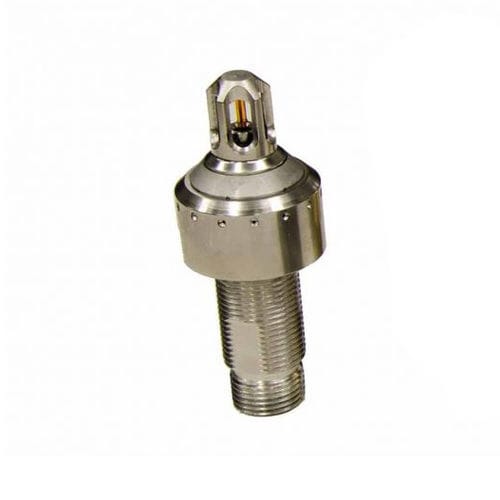
- Area: Nozzle clogging and blockade from mineral deposits, biofilm, or sediment accumulation preventing proper water mist generationCheck: Visually inspect nozzles for blockages; use patented Ultra Fog Nozzle Test Tool to verify piston function without breaking glass bulbs; conduct laboratory testing of nozzles after 10 years service and every 5 years thereafter
- Area: Pump performance degradation including abnormal noise, vibration, and reduced flow capacity indicating internal wear or cavitation damageCheck: Measure discharge pressure against pump characteristic curve; check for unusual operating noise or vibration; verify flow rate capacity (35-50 L/min for P35 model); monitor motor current draw for erratic startup cycles indicating filter blockage
- Area: Nitrogen pre-charge loss in accumulator unit reducing system pressure stability and emergency discharge capability during fire eventCheck: Verify nitrogen pre-pressure setting (typically 90% of operating pressure for 100 bar systems); test accumulator pressure switch alarm function; inspect for visible corrosion, cracks, or leakage in accumulator body; calibrate all pressure gauges annually
- Area: Filter clogging at inlet (25µm stage) or discharge (100µm stage) causing pump short-cycling, pressure loss, or nozzle blockade formationCheck: Document filter cleanliness condition; measure pressure differential across filters (high differential indicates clogging); perform visual inspection of inlet and outlet filter elements; clean or replace filters after system operation or annually minimum; verify dual 25µm tank filters are present and functional
- Area: Piping corrosion, sediment deposits, and internal rust scale generating blockages in distribution network or damaging pressure sealsCheck: Pressure test entire piping network at 1.5x maximum working pressure (150 bar minimum for 100 bar systems); inspect water supply tank interior annually for sediment/rust accumulation; flush system annually; drain and refill water tank yearly; verify air passage from nozzles is unobstructed
Typ-universelle Inspektionspunkte fuer Fixed Fire Suppression (verifiziert, 2026-06).
- Area: Nozzle clogging and blockade from mineral deposits, biofilm, or sediment accumulation preventing proper water mist generationCheck: Visually inspect nozzles for blockages; use patented Ultra Fog Nozzle Test Tool to verify piston function without breaking glass bulbs; conduct laboratory testing of nozzles after 10 years service and every 5 years thereafter
- Area: Pump performance degradation including abnormal noise, vibration, and reduced flow capacity indicating internal wear or cavitation damageCheck: Measure discharge pressure against pump characteristic curve; check for unusual operating noise or vibration; verify flow rate capacity (35-50 L/min for P35 model); monitor motor current draw for erratic startup cycles indicating filter blockage
- Area: Nitrogen pre-charge loss in accumulator unit reducing system pressure stability and emergency discharge capability during fire eventCheck: Verify nitrogen pre-pressure setting (typically 90% of operating pressure for 100 bar systems); test accumulator pressure switch alarm function; inspect for visible corrosion, cracks, or leakage in accumulator body; calibrate all pressure gauges annually
- Area: Filter clogging at inlet (25µm stage) or discharge (100µm stage) causing pump short-cycling, pressure loss, or nozzle blockade formationCheck: Document filter cleanliness condition; measure pressure differential across filters (high differential indicates clogging); perform visual inspection of inlet and outlet filter elements; clean or replace filters after system operation or annually minimum; verify dual 25µm tank filters are present and functional
- Area: Piping corrosion, sediment deposits, and internal rust scale generating blockages in distribution network or damaging pressure sealsCheck: Pressure test entire piping network at 1.5x maximum working pressure (150 bar minimum for 100 bar systems); inspect water supply tank interior annually for sediment/rust accumulation; flush system annually; drain and refill water tank yearly; verify air passage from nozzles is unobstructed
Typ-universelle Inspektionspunkte fuer Fixed Fire Suppression (verifiziert, 2026-06).
Danfoss SEM-SAFE
4 ✓ 4 verified- Area: No public model designation numbering systemCheck: Verify if Danfoss provides SKU/model codes for SEM-SAFE systems - manufacturer appears to use component-based naming only
- Area: Limited component specifications publicly availableCheck: Request complete technical datasheets from manufacturer - official PDFs frequently return access errors or are binary/encrypted
- Area: Nozzle model variants not documented in public catalogCheck: Contact Danfoss Fire Safety Customer Center (firesafety.customer@danfoss.com) for comprehensive nozzle lineup with pressure/K-factor specifications
- Area: System ownership transition (Siemens acquisition Dec 2024)Check: Verify if product naming/numbering will change under Siemens ownership - legal merger into Siemens A/S planned for July 2025
- Area: Design manual and user manuals not consistently accessibleCheck: Obtain directly from manufacturer: Design Manual FM Data Center (2018 Rev 5), End User Manual Revision 4 - may require purchase or direct contact
Typ-universelle Inspektionspunkte fuer Fixed Fire Suppression (verifiziert, 2026-06).
- Area: No public model designation numbering systemCheck: Verify if Danfoss provides SKU/model codes for SEM-SAFE systems - manufacturer appears to use component-based naming only
- Area: Limited component specifications publicly availableCheck: Request complete technical datasheets from manufacturer - official PDFs frequently return access errors or are binary/encrypted
- Area: Nozzle model variants not documented in public catalogCheck: Contact Danfoss Fire Safety Customer Center (firesafety.customer@danfoss.com) for comprehensive nozzle lineup with pressure/K-factor specifications
- Area: System ownership transition (Siemens acquisition Dec 2024)Check: Verify if product naming/numbering will change under Siemens ownership - legal merger into Siemens A/S planned for July 2025
- Area: Design manual and user manuals not consistently accessibleCheck: Obtain directly from manufacturer: Design Manual FM Data Center (2018 Rev 5), End User Manual Revision 4 - may require purchase or direct contact
Typ-universelle Inspektionspunkte fuer Fixed Fire Suppression (verifiziert, 2026-06).
- Area: No public model designation numbering systemCheck: Verify if Danfoss provides SKU/model codes for SEM-SAFE systems - manufacturer appears to use component-based naming only
- Area: Limited component specifications publicly availableCheck: Request complete technical datasheets from manufacturer - official PDFs frequently return access errors or are binary/encrypted
- Area: Nozzle model variants not documented in public catalogCheck: Contact Danfoss Fire Safety Customer Center (firesafety.customer@danfoss.com) for comprehensive nozzle lineup with pressure/K-factor specifications
- Area: System ownership transition (Siemens acquisition Dec 2024)Check: Verify if product naming/numbering will change under Siemens ownership - legal merger into Siemens A/S planned for July 2025
- Area: Design manual and user manuals not consistently accessibleCheck: Obtain directly from manufacturer: Design Manual FM Data Center (2018 Rev 5), End User Manual Revision 4 - may require purchase or direct contact
Typ-universelle Inspektionspunkte fuer Fixed Fire Suppression (verifiziert, 2026-06).
- Area: No public model designation numbering systemCheck: Verify if Danfoss provides SKU/model codes for SEM-SAFE systems - manufacturer appears to use component-based naming only
- Area: Limited component specifications publicly availableCheck: Request complete technical datasheets from manufacturer - official PDFs frequently return access errors or are binary/encrypted
- Area: Nozzle model variants not documented in public catalogCheck: Contact Danfoss Fire Safety Customer Center (firesafety.customer@danfoss.com) for comprehensive nozzle lineup with pressure/K-factor specifications
- Area: System ownership transition (Siemens acquisition Dec 2024)Check: Verify if product naming/numbering will change under Siemens ownership - legal merger into Siemens A/S planned for July 2025
- Area: Design manual and user manuals not consistently accessibleCheck: Obtain directly from manufacturer: Design Manual FM Data Center (2018 Rev 5), End User Manual Revision 4 - may require purchase or direct contact
Typ-universelle Inspektionspunkte fuer Fixed Fire Suppression (verifiziert, 2026-06).
Marioff / Carrier
31- Closed, seized or incorrectly positioned isolation valves can block discharge, detected during functional checks or by valve-position indication
- Loss of agent, water or system pressure through leakage can reduce readiness, seen as low-pressure indication or inventory discrepancy
- Blocked or damaged nozzles and distribution piping can impair coverage, found by inspection or flow testing
- Release-circuit, solenoid or control-panel faults can prevent actuation, seen as failed tests or system alarms
- Corrosion, contamination or mechanical damage to storage and piping components can compromise integrity, found during inspection or pressure-related checks
- Closed, seized or incorrectly positioned isolation valves can block discharge, detected during functional checks or by valve-position indication
- Loss of agent, water or system pressure through leakage can reduce readiness, seen as low-pressure indication or inventory discrepancy
- Blocked or damaged nozzles and distribution piping can impair coverage, found by inspection or flow testing
- Release-circuit, solenoid or control-panel faults can prevent actuation, seen as failed tests or system alarms
- Corrosion, contamination or mechanical damage to storage and piping components can compromise integrity, found during inspection or pressure-related checks
- Loss of extinguishing-agent inventory or pressure caused by leakage or poor maintenance, resulting in low-level or low-pressure indication and reduced readiness
- Nozzle, pipe or distribution blockage caused by corrosion, paint, deposits or mechanical damage, resulting in restricted discharge
- Release-valve or actuator failure caused by corrosion, sticking or control faults, resulting in inability to discharge the system when commanded
- Detection, interlock or alarm failure caused by wiring, sensor or panel faults, resulting in missing alarms or inhibited release sequence
- Pump, cylinder or pressure-regulating equipment deterioration caused by wear, corrosion or electrical faults, resulting in inadequate discharge performance
- Closed, seized or incorrectly positioned isolation valves can block discharge, detected during functional checks or by valve-position indication
- Loss of agent, water or system pressure through leakage can reduce readiness, seen as low-pressure indication or inventory discrepancy
- Blocked or damaged nozzles and distribution piping can impair coverage, found by inspection or flow testing
- Release-circuit, solenoid or control-panel faults can prevent actuation, seen as failed tests or system alarms
- Corrosion, contamination or mechanical damage to storage and piping components can compromise integrity, found during inspection or pressure-related checks

- Closed, seized or incorrectly positioned isolation valves can block discharge, detected during functional checks or by valve-position indication
- Loss of agent, water or system pressure through leakage can reduce readiness, seen as low-pressure indication or inventory discrepancy
- Blocked or damaged nozzles and distribution piping can impair coverage, found by inspection or flow testing
- Release-circuit, solenoid or control-panel faults can prevent actuation, seen as failed tests or system alarms
- Corrosion, contamination or mechanical damage to storage and piping components can compromise integrity, found during inspection or pressure-related checks
- Closed, seized or incorrectly positioned isolation valves can block discharge, detected during functional checks or by valve-position indication
- Loss of agent, water or system pressure through leakage can reduce readiness, seen as low-pressure indication or inventory discrepancy
- Blocked or damaged nozzles and distribution piping can impair coverage, found by inspection or flow testing
- Release-circuit, solenoid or control-panel faults can prevent actuation, seen as failed tests or system alarms
- Corrosion, contamination or mechanical damage to storage and piping components can compromise integrity, found during inspection or pressure-related checks
- Closed, seized or incorrectly positioned isolation valves can block discharge, detected during functional checks or by valve-position indication
- Loss of agent, water or system pressure through leakage can reduce readiness, seen as low-pressure indication or inventory discrepancy
- Blocked or damaged nozzles and distribution piping can impair coverage, found by inspection or flow testing
- Release-circuit, solenoid or control-panel faults can prevent actuation, seen as failed tests or system alarms
- Corrosion, contamination or mechanical damage to storage and piping components can compromise integrity, found during inspection or pressure-related checks
- Loss of extinguishing-agent inventory or pressure caused by leakage or poor maintenance, resulting in low-level or low-pressure indication and reduced readiness
- Nozzle, pipe or distribution blockage caused by corrosion, paint, deposits or mechanical damage, resulting in restricted discharge
- Release-valve or actuator failure caused by corrosion, sticking or control faults, resulting in inability to discharge the system when commanded
- Detection, interlock or alarm failure caused by wiring, sensor or panel faults, resulting in missing alarms or inhibited release sequence
- Pump, cylinder or pressure-regulating equipment deterioration caused by wear, corrosion or electrical faults, resulting in inadequate discharge performance
- Closed, seized or incorrectly positioned isolation valves can block discharge, detected during functional checks or by valve-position indication
- Loss of agent, water or system pressure through leakage can reduce readiness, seen as low-pressure indication or inventory discrepancy
- Blocked or damaged nozzles and distribution piping can impair coverage, found by inspection or flow testing
- Release-circuit, solenoid or control-panel faults can prevent actuation, seen as failed tests or system alarms
- Corrosion, contamination or mechanical damage to storage and piping components can compromise integrity, found during inspection or pressure-related checks
- Closed, seized or incorrectly positioned isolation valves can block discharge, detected during functional checks or by valve-position indication
- Loss of agent, water or system pressure through leakage can reduce readiness, seen as low-pressure indication or inventory discrepancy
- Blocked or damaged nozzles and distribution piping can impair coverage, found by inspection or flow testing
- Release-circuit, solenoid or control-panel faults can prevent actuation, seen as failed tests or system alarms
- Corrosion, contamination or mechanical damage to storage and piping components can compromise integrity, found during inspection or pressure-related checks
- Closed, seized or incorrectly positioned isolation valves can block discharge, detected during functional checks or by valve-position indication
- Loss of agent, water or system pressure through leakage can reduce readiness, seen as low-pressure indication or inventory discrepancy
- Blocked or damaged nozzles and distribution piping can impair coverage, found by inspection or flow testing
- Release-circuit, solenoid or control-panel faults can prevent actuation, seen as failed tests or system alarms
- Corrosion, contamination or mechanical damage to storage and piping components can compromise integrity, found during inspection or pressure-related checks
- Closed, seized or incorrectly positioned isolation valves can block discharge, detected during functional checks or by valve-position indication
- Loss of agent, water or system pressure through leakage can reduce readiness, seen as low-pressure indication or inventory discrepancy
- Blocked or damaged nozzles and distribution piping can impair coverage, found by inspection or flow testing
- Release-circuit, solenoid or control-panel faults can prevent actuation, seen as failed tests or system alarms
- Corrosion, contamination or mechanical damage to storage and piping components can compromise integrity, found during inspection or pressure-related checks
- Loss of extinguishing-agent inventory or pressure caused by leakage or poor maintenance, resulting in low-level or low-pressure indication and reduced readiness
- Nozzle, pipe or distribution blockage caused by corrosion, paint, deposits or mechanical damage, resulting in restricted discharge
- Release-valve or actuator failure caused by corrosion, sticking or control faults, resulting in inability to discharge the system when commanded
- Detection, interlock or alarm failure caused by wiring, sensor or panel faults, resulting in missing alarms or inhibited release sequence
- Pump, cylinder or pressure-regulating equipment deterioration caused by wear, corrosion or electrical faults, resulting in inadequate discharge performance
- Closed, seized or incorrectly positioned isolation valves can block discharge, detected during functional checks or by valve-position indication
- Loss of agent, water or system pressure through leakage can reduce readiness, seen as low-pressure indication or inventory discrepancy
- Blocked or damaged nozzles and distribution piping can impair coverage, found by inspection or flow testing
- Release-circuit, solenoid or control-panel faults can prevent actuation, seen as failed tests or system alarms
- Corrosion, contamination or mechanical damage to storage and piping components can compromise integrity, found during inspection or pressure-related checks
- Closed, seized or incorrectly positioned isolation valves can block discharge, detected during functional checks or by valve-position indication
- Loss of agent, water or system pressure through leakage can reduce readiness, seen as low-pressure indication or inventory discrepancy
- Blocked or damaged nozzles and distribution piping can impair coverage, found by inspection or flow testing
- Release-circuit, solenoid or control-panel faults can prevent actuation, seen as failed tests or system alarms
- Corrosion, contamination or mechanical damage to storage and piping components can compromise integrity, found during inspection or pressure-related checks
- Blocked nozzles or piping from contamination/corrosion, typically indicated by poor test flow or impaired coverage
- Pump, cylinder or pressure loss, typically indicated by low pressure, failed readiness check or discharge alarm
- Valve/actuator sticking, typically indicated by section fails to open or close during testing
- Detection/release control fault, typically indicated by failed automatic/manual release or incorrect indication
- Leakage/corrosion in distribution piping, typically indicated by pressure loss, visible leaks or failed integrity test
- Blocked nozzles or piping from contamination/corrosion, typically indicated by poor test flow or impaired coverage
- Pump, cylinder or pressure loss, typically indicated by low pressure, failed readiness check or discharge alarm
- Valve/actuator sticking, typically indicated by section fails to open or close during testing
- Detection/release control fault, typically indicated by failed automatic/manual release or incorrect indication
- Leakage/corrosion in distribution piping, typically indicated by pressure loss, visible leaks or failed integrity test
- Blocked nozzles or piping from contamination/corrosion, typically indicated by poor test flow or impaired coverage
- Pump, cylinder or pressure loss, typically indicated by low pressure, failed readiness check or discharge alarm
- Valve/actuator sticking, typically indicated by section fails to open or close during testing
- Detection/release control fault, typically indicated by failed automatic/manual release or incorrect indication
- Leakage/corrosion in distribution piping, typically indicated by pressure loss, visible leaks or failed integrity test
- Blocked nozzles or piping from contamination/corrosion, typically indicated by poor test flow or impaired coverage
- Pump, cylinder or pressure loss, typically indicated by low pressure, failed readiness check or discharge alarm
- Valve/actuator sticking, typically indicated by section fails to open or close during testing
- Detection/release control fault, typically indicated by failed automatic/manual release or incorrect indication
- Leakage/corrosion in distribution piping, typically indicated by pressure loss, visible leaks or failed integrity test
- Closed, seized or incorrectly positioned isolation valves can block discharge, detected during functional checks or by valve-position indication
- Loss of agent, water or system pressure through leakage can reduce readiness, seen as low-pressure indication or inventory discrepancy
- Blocked or damaged nozzles and distribution piping can impair coverage, found by inspection or flow testing
- Release-circuit, solenoid or control-panel faults can prevent actuation, seen as failed tests or system alarms
- Corrosion, contamination or mechanical damage to storage and piping components can compromise integrity, found during inspection or pressure-related checks
- Closed, seized or incorrectly positioned isolation valves can block discharge, detected during functional checks or by valve-position indication
- Loss of agent, water or system pressure through leakage can reduce readiness, seen as low-pressure indication or inventory discrepancy
- Blocked or damaged nozzles and distribution piping can impair coverage, found by inspection or flow testing
- Release-circuit, solenoid or control-panel faults can prevent actuation, seen as failed tests or system alarms
- Corrosion, contamination or mechanical damage to storage and piping components can compromise integrity, found during inspection or pressure-related checks
- Loss of extinguishing-agent inventory or pressure caused by leakage or poor maintenance, resulting in low-level or low-pressure indication and reduced readiness
- Nozzle, pipe or distribution blockage caused by corrosion, paint, deposits or mechanical damage, resulting in restricted discharge
- Release-valve or actuator failure caused by corrosion, sticking or control faults, resulting in inability to discharge the system when commanded
- Detection, interlock or alarm failure caused by wiring, sensor or panel faults, resulting in missing alarms or inhibited release sequence
- Pump, cylinder or pressure-regulating equipment deterioration caused by wear, corrosion or electrical faults, resulting in inadequate discharge performance
- Closed, seized or incorrectly positioned isolation valves can block discharge, detected during functional checks or by valve-position indication
- Loss of agent, water or system pressure through leakage can reduce readiness, seen as low-pressure indication or inventory discrepancy
- Blocked or damaged nozzles and distribution piping can impair coverage, found by inspection or flow testing
- Release-circuit, solenoid or control-panel faults can prevent actuation, seen as failed tests or system alarms
- Corrosion, contamination or mechanical damage to storage and piping components can compromise integrity, found during inspection or pressure-related checks
- Loss of extinguishing-agent inventory or pressure caused by leakage or poor maintenance, resulting in low-level or low-pressure indication and reduced readiness
- Nozzle, pipe or distribution blockage caused by corrosion, paint, deposits or mechanical damage, resulting in restricted discharge
- Release-valve or actuator failure caused by corrosion, sticking or control faults, resulting in inability to discharge the system when commanded
- Detection, interlock or alarm failure caused by wiring, sensor or panel faults, resulting in missing alarms or inhibited release sequence
- Pump, cylinder or pressure-regulating equipment deterioration caused by wear, corrosion or electrical faults, resulting in inadequate discharge performance
- Loss of extinguishing-agent inventory or pressure caused by leakage or poor maintenance, resulting in low-level or low-pressure indication and reduced readiness
- Nozzle, pipe or distribution blockage caused by corrosion, paint, deposits or mechanical damage, resulting in restricted discharge
- Release-valve or actuator failure caused by corrosion, sticking or control faults, resulting in inability to discharge the system when commanded
- Detection, interlock or alarm failure caused by wiring, sensor or panel faults, resulting in missing alarms or inhibited release sequence
- Pump, cylinder or pressure-regulating equipment deterioration caused by wear, corrosion or electrical faults, resulting in inadequate discharge performance
- Loss of extinguishing-agent inventory or pressure caused by leakage or poor maintenance, resulting in low-level or low-pressure indication and reduced readiness
- Nozzle, pipe or distribution blockage caused by corrosion, paint, deposits or mechanical damage, resulting in restricted discharge
- Release-valve or actuator failure caused by corrosion, sticking or control faults, resulting in inability to discharge the system when commanded
- Detection, interlock or alarm failure caused by wiring, sensor or panel faults, resulting in missing alarms or inhibited release sequence
- Pump, cylinder or pressure-regulating equipment deterioration caused by wear, corrosion or electrical faults, resulting in inadequate discharge performance
- Closed, seized or incorrectly positioned isolation valves can block discharge, detected during functional checks or by valve-position indication
- Loss of agent, water or system pressure through leakage can reduce readiness, seen as low-pressure indication or inventory discrepancy
- Blocked or damaged nozzles and distribution piping can impair coverage, found by inspection or flow testing
- Release-circuit, solenoid or control-panel faults can prevent actuation, seen as failed tests or system alarms
- Corrosion, contamination or mechanical damage to storage and piping components can compromise integrity, found during inspection or pressure-related checks
- Closed, seized or incorrectly positioned isolation valves can block discharge, detected during functional checks or by valve-position indication
- Loss of agent, water or system pressure through leakage can reduce readiness, seen as low-pressure indication or inventory discrepancy
- Blocked or damaged nozzles and distribution piping can impair coverage, found by inspection or flow testing
- Release-circuit, solenoid or control-panel faults can prevent actuation, seen as failed tests or system alarms
- Corrosion, contamination or mechanical damage to storage and piping components can compromise integrity, found during inspection or pressure-related checks
- Closed, seized or incorrectly positioned isolation valves can block discharge, detected during functional checks or by valve-position indication
- Loss of agent, water or system pressure through leakage can reduce readiness, seen as low-pressure indication or inventory discrepancy
- Blocked or damaged nozzles and distribution piping can impair coverage, found by inspection or flow testing
- Release-circuit, solenoid or control-panel faults can prevent actuation, seen as failed tests or system alarms
- Corrosion, contamination or mechanical damage to storage and piping components can compromise integrity, found during inspection or pressure-related checks
- Closed, seized or incorrectly positioned isolation valves can block discharge, detected during functional checks or by valve-position indication
- Loss of agent, water or system pressure through leakage can reduce readiness, seen as low-pressure indication or inventory discrepancy
- Blocked or damaged nozzles and distribution piping can impair coverage, found by inspection or flow testing
- Release-circuit, solenoid or control-panel faults can prevent actuation, seen as failed tests or system alarms
- Corrosion, contamination or mechanical damage to storage and piping components can compromise integrity, found during inspection or pressure-related checks
- Closed, seized or incorrectly positioned isolation valves can block discharge, detected during functional checks or by valve-position indication
- Loss of agent, water or system pressure through leakage can reduce readiness, seen as low-pressure indication or inventory discrepancy
- Blocked or damaged nozzles and distribution piping can impair coverage, found by inspection or flow testing
- Release-circuit, solenoid or control-panel faults can prevent actuation, seen as failed tests or system alarms
- Corrosion, contamination or mechanical damage to storage and piping components can compromise integrity, found during inspection or pressure-related checks
Danfoss Semco
15- Loss of extinguishing medium, pressure or water supply reduces available firefighting capacity
- Valve, hose, nozzle, release or pump faults prevent correct discharge
- Corrosion, seal deterioration or mechanical damage causes leakage or unreliable operation
- Detection, alarm, fan-stop or shutdown interlock faults create an incomplete or unsafe release sequence
- Blocked nozzles, hoses or distribution piping reduce delivery to the fire area
- Very low water consumption compared with conventional sprinkler systems
- Fast heat absorption and rapid fire knock‑down, reducing damage to equipment and cargo
- Minimal post‑fire cleanup and corrosion risk for machinery spaces
- Can be installed in confined or sensitive areas where water damage must be limited
- Integrated control panel allows automatic activation from ship‑wide fire detection
- Requires high‑pressure pumps that need regular maintenance and periodic filter changes
- System performance can degrade if seawater filters become clogged or corroded
- Initial installation cost higher than conventional sprinkler systems
- Effectiveness limited on very large open‑deck pool fires where mist dispersion is reduced
- Detector or sensing-element contamination, poisoning or ageing can cause false alarms, slow response or failed functional tests
- Battery, power-supply or control-circuit faults caused by ageing, loose wiring or blown protection can lead to trouble alarms or unavailable safety functions
- Cylinder pressure loss, leakage or damaged valves where stored media is used can leave the equipment outside ready condition and may be found during inspection or weighing checks
- Blocked, corroded or mechanically damaged nozzles, piping, hoses or masks can restrict discharge or breathing flow and show as poor functional test results
- Incorrect isolation, expired service status or disturbed release interlocks after maintenance can prevent normal arming and create panel faults or failed readiness checks
- Detector or sensing-element contamination, poisoning or ageing can cause false alarms, slow response or failed functional tests
- Battery, power-supply or control-circuit faults caused by ageing, loose wiring or blown protection can lead to trouble alarms or unavailable safety functions
- Cylinder pressure loss, leakage or damaged valves where stored media is used can leave the equipment outside ready condition and may be found during inspection or weighing checks
- Blocked, corroded or mechanically damaged nozzles, piping, hoses or masks can restrict discharge or breathing flow and show as poor functional test results
- Incorrect isolation, expired service status or disturbed release interlocks after maintenance can prevent normal arming and create panel faults or failed readiness checks
- Closed, seized or incorrectly positioned isolation valves can block discharge, detected during functional checks or by valve-position indication
- Loss of agent, water or system pressure through leakage can reduce readiness, seen as low-pressure indication or inventory discrepancy
- Blocked or damaged nozzles and distribution piping can impair coverage, found by inspection or flow testing
- Release-circuit, solenoid or control-panel faults can prevent actuation, seen as failed tests or system alarms
- Corrosion, contamination or mechanical damage to storage and piping components can compromise integrity, found during inspection or pressure-related checks
- Closed, seized or incorrectly positioned isolation valves can block discharge, detected during functional checks or by valve-position indication
- Loss of agent, water or system pressure through leakage can reduce readiness, seen as low-pressure indication or inventory discrepancy
- Blocked or damaged nozzles and distribution piping can impair coverage, found by inspection or flow testing
- Release-circuit, solenoid or control-panel faults can prevent actuation, seen as failed tests or system alarms
- Corrosion, contamination or mechanical damage to storage and piping components can compromise integrity, found during inspection or pressure-related checks
- Closed, seized or incorrectly positioned isolation valves can block discharge, detected during functional checks or by valve-position indication
- Loss of agent, water or system pressure through leakage can reduce readiness, seen as low-pressure indication or inventory discrepancy
- Blocked or damaged nozzles and distribution piping can impair coverage, found by inspection or flow testing
- Release-circuit, solenoid or control-panel faults can prevent actuation, seen as failed tests or system alarms
- Corrosion, contamination or mechanical damage to storage and piping components can compromise integrity, found during inspection or pressure-related checks
- Closed, seized or incorrectly positioned isolation valves can block discharge, detected during functional checks or by valve-position indication
- Loss of agent, water or system pressure through leakage can reduce readiness, seen as low-pressure indication or inventory discrepancy
- Blocked or damaged nozzles and distribution piping can impair coverage, found by inspection or flow testing
- Release-circuit, solenoid or control-panel faults can prevent actuation, seen as failed tests or system alarms
- Corrosion, contamination or mechanical damage to storage and piping components can compromise integrity, found during inspection or pressure-related checks
- Loss of extinguishing-agent inventory or pressure caused by leakage or poor maintenance, resulting in low-level or low-pressure indication and reduced readiness
- Nozzle, pipe or distribution blockage caused by corrosion, paint, deposits or mechanical damage, resulting in restricted discharge
- Release-valve or actuator failure caused by corrosion, sticking or control faults, resulting in inability to discharge the system when commanded
- Detection, interlock or alarm failure caused by wiring, sensor or panel faults, resulting in missing alarms or inhibited release sequence
- Pump, cylinder or pressure-regulating equipment deterioration caused by wear, corrosion or electrical faults, resulting in inadequate discharge performance
- Loss of extinguishing-agent inventory or pressure caused by leakage or poor maintenance, resulting in low-level or low-pressure indication and reduced readiness
- Nozzle, pipe or distribution blockage caused by corrosion, paint, deposits or mechanical damage, resulting in restricted discharge
- Release-valve or actuator failure caused by corrosion, sticking or control faults, resulting in inability to discharge the system when commanded
- Detection, interlock or alarm failure caused by wiring, sensor or panel faults, resulting in missing alarms or inhibited release sequence
- Pump, cylinder or pressure-regulating equipment deterioration caused by wear, corrosion or electrical faults, resulting in inadequate discharge performance
- Loss of extinguishing-agent inventory or pressure caused by leakage or poor maintenance, resulting in low-level or low-pressure indication and reduced readiness
- Nozzle, pipe or distribution blockage caused by corrosion, paint, deposits or mechanical damage, resulting in restricted discharge
- Release-valve or actuator failure caused by corrosion, sticking or control faults, resulting in inability to discharge the system when commanded
- Detection, interlock or alarm failure caused by wiring, sensor or panel faults, resulting in missing alarms or inhibited release sequence
- Pump, cylinder or pressure-regulating equipment deterioration caused by wear, corrosion or electrical faults, resulting in inadequate discharge performance
- Closed, seized or incorrectly positioned isolation valves can block discharge, detected during functional checks or by valve-position indication
- Loss of agent, water or system pressure through leakage can reduce readiness, seen as low-pressure indication or inventory discrepancy
- Blocked or damaged nozzles and distribution piping can impair coverage, found by inspection or flow testing
- Release-circuit, solenoid or control-panel faults can prevent actuation, seen as failed tests or system alarms
- Corrosion, contamination or mechanical damage to storage and piping components can compromise integrity, found during inspection or pressure-related checks
- Closed, seized or incorrectly positioned isolation valves can block discharge, detected during functional checks or by valve-position indication
- Loss of agent, water or system pressure through leakage can reduce readiness, seen as low-pressure indication or inventory discrepancy
- Blocked or damaged nozzles and distribution piping can impair coverage, found by inspection or flow testing
- Release-circuit, solenoid or control-panel faults can prevent actuation, seen as failed tests or system alarms
- Corrosion, contamination or mechanical damage to storage and piping components can compromise integrity, found during inspection or pressure-related checks
- Closed, seized or incorrectly positioned isolation valves can block discharge, detected during functional checks or by valve-position indication
- Loss of agent, water or system pressure through leakage can reduce readiness, seen as low-pressure indication or inventory discrepancy
- Blocked or damaged nozzles and distribution piping can impair coverage, found by inspection or flow testing
- Release-circuit, solenoid or control-panel faults can prevent actuation, seen as failed tests or system alarms
- Corrosion, contamination or mechanical damage to storage and piping components can compromise integrity, found during inspection or pressure-related checks
- Closed, seized or incorrectly positioned isolation valves can block discharge, detected during functional checks or by valve-position indication
- Loss of agent, water or system pressure through leakage can reduce readiness, seen as low-pressure indication or inventory discrepancy
- Blocked or damaged nozzles and distribution piping can impair coverage, found by inspection or flow testing
- Release-circuit, solenoid or control-panel faults can prevent actuation, seen as failed tests or system alarms
- Corrosion, contamination or mechanical damage to storage and piping components can compromise integrity, found during inspection or pressure-related checks
- Closed, seized or incorrectly positioned isolation valves can block discharge, detected during functional checks or by valve-position indication
- Loss of agent, water or system pressure through leakage can reduce readiness, seen as low-pressure indication or inventory discrepancy
- Blocked or damaged nozzles and distribution piping can impair coverage, found by inspection or flow testing
- Release-circuit, solenoid or control-panel faults can prevent actuation, seen as failed tests or system alarms
- Corrosion, contamination or mechanical damage to storage and piping components can compromise integrity, found during inspection or pressure-related checks
Aquasys / Tyco
14- Loss of extinguishing medium, cylinder pressure or water supply reduces available firefighting capacity
- Valve, nozzle, pump or release-system faults prevent correct discharge into the protected area
- Corrosion, seal deterioration or mechanical damage causes leakage or unreliable operation
- Detection, alarm, fan-stop or shutdown interlock faults create an incomplete or unsafe release sequence
- Blocked nozzles, hoses or distribution piping reduce agent delivery to the fire area
- Loss of extinguishing medium, cylinder pressure or water supply reduces available firefighting capacity
- Valve, nozzle, pump or release-system faults prevent correct discharge into the protected area
- Corrosion, seal deterioration or mechanical damage causes leakage or unreliable operation
- Detection, alarm, fan-stop or shutdown interlock faults create an incomplete or unsafe release sequence
- Blocked nozzles, hoses or distribution piping reduce agent delivery to the fire area
- Closed, seized or incorrectly positioned isolation valves can block discharge, detected during functional checks or by valve-position indication
- Loss of agent, water or system pressure through leakage can reduce readiness, seen as low-pressure indication or inventory discrepancy
- Blocked or damaged nozzles and distribution piping can impair coverage, found by inspection or flow testing
- Release-circuit, solenoid or control-panel faults can prevent actuation, seen as failed tests or system alarms
- Corrosion, contamination or mechanical damage to storage and piping components can compromise integrity, found during inspection or pressure-related checks
- Closed, seized or incorrectly positioned isolation valves can block discharge, detected during functional checks or by valve-position indication
- Loss of agent, water or system pressure through leakage can reduce readiness, seen as low-pressure indication or inventory discrepancy
- Blocked or damaged nozzles and distribution piping can impair coverage, found by inspection or flow testing
- Release-circuit, solenoid or control-panel faults can prevent actuation, seen as failed tests or system alarms
- Corrosion, contamination or mechanical damage to storage and piping components can compromise integrity, found during inspection or pressure-related checks
- Loss of extinguishing-agent inventory or pressure caused by leakage or poor maintenance, resulting in low-level or low-pressure indication and reduced readiness
- Nozzle, pipe or distribution blockage caused by corrosion, paint, deposits or mechanical damage, resulting in restricted discharge
- Release-valve or actuator failure caused by corrosion, sticking or control faults, resulting in inability to discharge the system when commanded
- Detection, interlock or alarm failure caused by wiring, sensor or panel faults, resulting in missing alarms or inhibited release sequence
- Pump, cylinder or pressure-regulating equipment deterioration caused by wear, corrosion or electrical faults, resulting in inadequate discharge performance
- Closed, seized or incorrectly positioned isolation valves can block discharge, detected during functional checks or by valve-position indication
- Loss of agent, water or system pressure through leakage can reduce readiness, seen as low-pressure indication or inventory discrepancy
- Blocked or damaged nozzles and distribution piping can impair coverage, found by inspection or flow testing
- Release-circuit, solenoid or control-panel faults can prevent actuation, seen as failed tests or system alarms
- Corrosion, contamination or mechanical damage to storage and piping components can compromise integrity, found during inspection or pressure-related checks
- Loss of extinguishing-agent inventory or pressure caused by leakage or poor maintenance, resulting in low-level or low-pressure indication and reduced readiness
- Nozzle, pipe or distribution blockage caused by corrosion, paint, deposits or mechanical damage, resulting in restricted discharge
- Release-valve or actuator failure caused by corrosion, sticking or control faults, resulting in inability to discharge the system when commanded
- Detection, interlock or alarm failure caused by wiring, sensor or panel faults, resulting in missing alarms or inhibited release sequence
- Pump, cylinder or pressure-regulating equipment deterioration caused by wear, corrosion or electrical faults, resulting in inadequate discharge performance
- Loss of extinguishing-agent inventory or pressure caused by leakage or poor maintenance, resulting in low-level or low-pressure indication and reduced readiness
- Nozzle, pipe or distribution blockage caused by corrosion, paint, deposits or mechanical damage, resulting in restricted discharge
- Release-valve or actuator failure caused by corrosion, sticking or control faults, resulting in inability to discharge the system when commanded
- Detection, interlock or alarm failure caused by wiring, sensor or panel faults, resulting in missing alarms or inhibited release sequence
- Pump, cylinder or pressure-regulating equipment deterioration caused by wear, corrosion or electrical faults, resulting in inadequate discharge performance
- Loss of extinguishing-agent inventory or pressure caused by leakage or poor maintenance, resulting in low-level or low-pressure indication and reduced readiness
- Nozzle, pipe or distribution blockage caused by corrosion, paint, deposits or mechanical damage, resulting in restricted discharge
- Release-valve or actuator failure caused by corrosion, sticking or control faults, resulting in inability to discharge the system when commanded
- Detection, interlock or alarm failure caused by wiring, sensor or panel faults, resulting in missing alarms or inhibited release sequence
- Pump, cylinder or pressure-regulating equipment deterioration caused by wear, corrosion or electrical faults, resulting in inadequate discharge performance
- Closed, seized or incorrectly positioned isolation valves can block discharge, detected during functional checks or by valve-position indication
- Loss of agent, water or system pressure through leakage can reduce readiness, seen as low-pressure indication or inventory discrepancy
- Blocked or damaged nozzles and distribution piping can impair coverage, found by inspection or flow testing
- Release-circuit, solenoid or control-panel faults can prevent actuation, seen as failed tests or system alarms
- Corrosion, contamination or mechanical damage to storage and piping components can compromise integrity, found during inspection or pressure-related checks
- Closed, seized or incorrectly positioned isolation valves can block discharge, detected during functional checks or by valve-position indication
- Loss of agent, water or system pressure through leakage can reduce readiness, seen as low-pressure indication or inventory discrepancy
- Blocked or damaged nozzles and distribution piping can impair coverage, found by inspection or flow testing
- Release-circuit, solenoid or control-panel faults can prevent actuation, seen as failed tests or system alarms
- Corrosion, contamination or mechanical damage to storage and piping components can compromise integrity, found during inspection or pressure-related checks
- Loss of extinguishing-agent inventory or pressure caused by leakage or poor maintenance, resulting in low-level or low-pressure indication and reduced readiness
- Nozzle, pipe or distribution blockage caused by corrosion, paint, deposits or mechanical damage, resulting in restricted discharge
- Release-valve or actuator failure caused by corrosion, sticking or control faults, resulting in inability to discharge the system when commanded
- Detection, interlock or alarm failure caused by wiring, sensor or panel faults, resulting in missing alarms or inhibited release sequence
- Pump, cylinder or pressure-regulating equipment deterioration caused by wear, corrosion or electrical faults, resulting in inadequate discharge performance
- Closed, seized or incorrectly positioned isolation valves can block discharge, detected during functional checks or by valve-position indication
- Loss of agent, water or system pressure through leakage can reduce readiness, seen as low-pressure indication or inventory discrepancy
- Blocked or damaged nozzles and distribution piping can impair coverage, found by inspection or flow testing
- Release-circuit, solenoid or control-panel faults can prevent actuation, seen as failed tests or system alarms
- Corrosion, contamination or mechanical damage to storage and piping components can compromise integrity, found during inspection or pressure-related checks
- Closed, seized or incorrectly positioned isolation valves can block discharge, detected during functional checks or by valve-position indication
- Loss of agent, water or system pressure through leakage can reduce readiness, seen as low-pressure indication or inventory discrepancy
- Blocked or damaged nozzles and distribution piping can impair coverage, found by inspection or flow testing
- Release-circuit, solenoid or control-panel faults can prevent actuation, seen as failed tests or system alarms
- Corrosion, contamination or mechanical damage to storage and piping components can compromise integrity, found during inspection or pressure-related checks
Marioff
5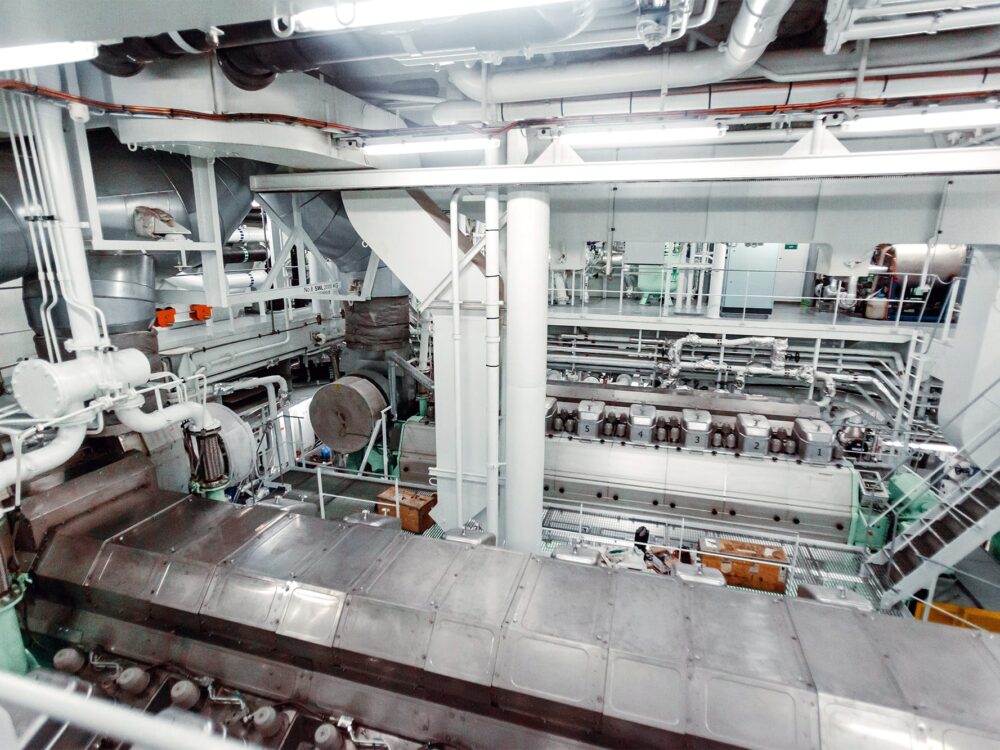
- Loss of extinguishing medium, pressure or water supply reduces available firefighting capacity
- Valve, hose, nozzle, release or pump faults prevent correct discharge
- Corrosion, seal deterioration or mechanical damage causes leakage or unreliable operation
- Detection, alarm, fan-stop or shutdown interlock faults create an incomplete or unsafe release sequence
- Blocked nozzles, hoses or distribution piping reduce delivery to the fire area
- Very low water consumption compared with conventional sprinkler systems
- Fast discharge and high cooling efficiency due to fine droplet size
- Compact pump and piping allow installation in space‑constrained machinery spaces
- Reduced collateral damage to equipment, cargo and accommodation areas
- Meets IMO FSS Code requirements for water mist fire protection
- High‑pressure pump requires diligent maintenance; seal failures are a known issue
- Nozzle heads can clog if water quality is poor or filtration is inadequate
- System relies on correctly charged accumulators; pressure loss reduces performance
- Higher upfront capital cost than traditional sprinkler systems
- Mandatory periodic testing (quarterly pump test, annual nozzle inspection) adds operational workload
- Nozzle, distribution-pipe or valve blockage reduces delivery to the protected space
- Pump, cylinder, pressure or release-system faults prevent the system from reaching normal discharge condition
- Solenoid, section-valve or pilot-control faults cause failure to release into the selected zone
- Leakage or loss of stored medium causes low-pressure or quantity concerns
- Detection, alarm, fan-stop or shutdown interlock faults create an incomplete or unsafe release sequence
- Nozzle, distribution-pipe or valve blockage reduces delivery to the protected space
- Pump, cylinder, pressure or release-system faults prevent the system from reaching normal discharge condition
- Solenoid, section-valve or pilot-control faults cause failure to release into the selected zone
- Leakage or loss of stored medium causes low-pressure or quantity concerns
- Detection, alarm, fan-stop or shutdown interlock faults create an incomplete or unsafe release sequence
- Nozzle blockage caused by contamination, paint or deposits, resulting in restricted or uneven water-mist discharge
- Pump or pressure-unit failure caused by motor, seal, valve or power-supply faults, resulting in low pressure or inability to start the system
- Section-valve or actuator malfunction caused by corrosion, sticking or control faults, resulting in failure to release water to the selected zone
- Detection or release-circuit fault caused by sensor, wiring or panel problems, resulting in alarms, inhibited release or unintended fault indications
- Water leakage or pressure loss caused by damaged piping, fittings or seals, resulting in visible leakage or inability to maintain normal standby condition
- Nozzle, distribution-pipe or valve blockage reduces delivery to the protected space
- Pump, cylinder, pressure or release-system faults prevent the system from reaching normal discharge condition
- Solenoid, section-valve or pilot-control faults cause failure to release into the selected zone
- Leakage or loss of stored medium causes low-pressure or quantity concerns
- Detection, alarm, fan-stop or shutdown interlock faults create an incomplete or unsafe release sequence
BSMI / Shanghai Baolong
2- Loss of extinguishing-agent inventory or pressure caused by leakage or poor maintenance, resulting in low-level or low-pressure indication and reduced readiness
- Nozzle, pipe or distribution blockage caused by corrosion, paint, deposits or mechanical damage, resulting in restricted discharge
- Release-valve or actuator failure caused by corrosion, sticking or control faults, resulting in inability to discharge the system when commanded
- Detection, interlock or alarm failure caused by wiring, sensor or panel faults, resulting in missing alarms or inhibited release sequence
- Pump, cylinder or pressure-regulating equipment deterioration caused by wear, corrosion or electrical faults, resulting in inadequate discharge performance
- Closed, seized or incorrectly positioned isolation valves can block discharge, detected during functional checks or by valve-position indication
- Loss of agent, water or system pressure through leakage can reduce readiness, seen as low-pressure indication or inventory discrepancy
- Blocked or damaged nozzles and distribution piping can impair coverage, found by inspection or flow testing
- Release-circuit, solenoid or control-panel faults can prevent actuation, seen as failed tests or system alarms
- Corrosion, contamination or mechanical damage to storage and piping components can compromise integrity, found during inspection or pressure-related checks