Submersible Pump
A submersible pump has its motor sealed inside the same housing as the impeller and runs fully immersed in the liquid it moves, avoiding the shaft seal a dry-mounted pump depends on, but making the motor itself the point that fails if the seal lets water in.
Read more — Submersible Pump explained ▾
What defines this type
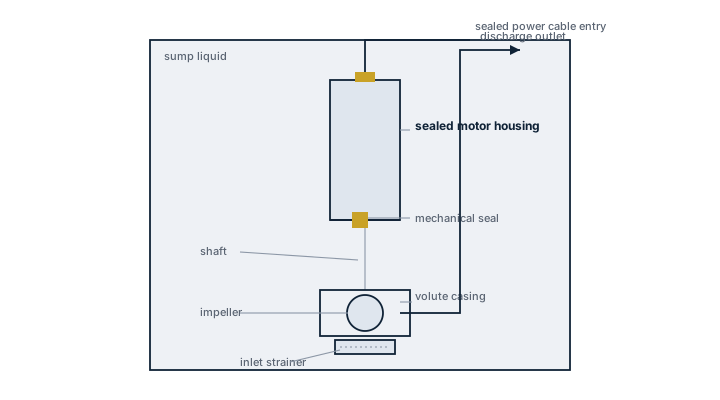
A submersible pump combines the motor and the pump end in one sealed unit designed to operate fully underwater, unlike a conventional dry-mounted centrifugal pump that sits above or beside the liquid with a shaft seal or gland keeping the liquid out of a dry motor. Because the motor itself is submerged, the design eliminates the mechanical seal as the usual failure point but shifts the risk to the motor's own watertight enclosure and cable gland. On ships this makes submersible pumps the natural choice for bilge wells, ballast tank stripping, and cargo hold or void space drainage, anywhere a dry-mounted pump would need long suction lines and priming.
Main components
- Sealed motor housing with a double mechanical seal arrangement between the motor cavity and the pumped liquid, often with an oil-filled barrier chamber and a moisture sensor
- Impeller and volute at the base of the unit, in vortex, semi-open or channel design depending on how much solids the liquid carries
- Cable entry gland, one of the most common failure points, sealing the power cable where it enters the motor housing
- Float switch or level sensor for automatic start/stop, common on bilge and drainage duty
- Guide rail or portable base, letting the pump be lowered into or lifted out of a well without disturbing the discharge piping on fixed installations
Selection and sizing
- Duty point: flow rate and total head including static lift out of the well or tank
- Solids-handling capability if the liquid carries debris, sludge or fibrous material, which calls for a vortex or channel impeller rather than a closed impeller
- Motor insulation class and moisture-sensor protection appropriate to continuous submerged duty, not intermittent dry-well use
- Materials of construction against the liquid's corrosivity, particularly for bilge water carrying oil residue or ballast water with high chloride content
- Portable versus fixed installation, since a fixed unit on guide rails needs matched coupling hardware in the well
Regulations and class
Bilge pumping arrangements, including submersible bilge pumps, fall under SOLAS Chapter II-1 requirements for bilge pumping systems and the number and capacity of pumps required by ship size and type. MARPOL Annex I governs the discharge of bilge water, requiring oil content monitoring before any overboard discharge regardless of which pump moved it. Class societies survey the pump as part of the bilge and drainage system, checking capacity against the required rules calculation and confirming remote start arrangements where fitted for unmanned machinery space operation.
Typical faults
| Fault | Cause | Consequence |
|---|---|---|
| Motor failure from water ingress | Cable gland seal degraded or mechanical seal worn | Complete pump loss, often with no warning if the moisture sensor is not monitored |
| Impeller clogged or worn | Debris, rag or solids beyond the impeller's rated clearance | Reduced flow, and on vortex designs increased vibration from imbalance |
| Float switch stuck | Debris or oil residue fouling the float mechanism in a bilge well | Pump fails to start on rising level, or runs dry after the level drops |
| Bearing failure | Running dry for extended periods, or age | Increased noise and vibration, eventually seizure |
What to look for in a supplier
- Moisture sensor and double mechanical seal as standard, not an optional extra, for any well the pump cannot be easily lifted from
- Impeller type matched to the actual solids content of the duty, not a generic clear-water rating
- Guide rail and coupling hardware compatible with the existing well if replacing rather than a new installation
- Spare parts kit availability for the seal and cable gland specifically, since those are the components that actually wear
A moisture sensor alarm on a submersible pump is an early warning, not a nuisance trip, so pulling the pump for a seal check at that point is far cheaper than replacing a flooded motor.

6 manufacturers · 138 models
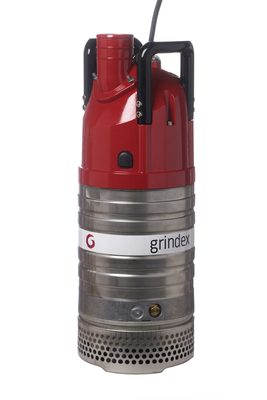
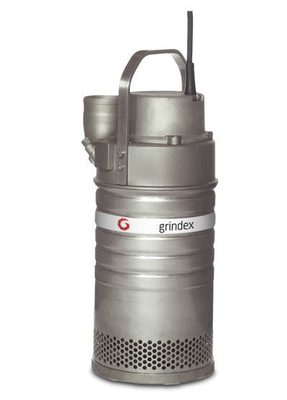
Grindex
35 ✓ 35 verified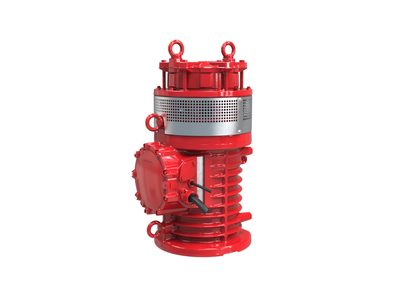
- Area: Verify pump impeller and suction strainer for wear, erosion, or cavitation damage. Compare with baseline per operating hours.Check: Visual inspection of impeller surface, hard-iron coating integrity, and strainer perforations. Check for pitting in hydraulic surfaces.
- Area: Confirm mechanical seal integrity (silicon carbide, tungsten carbide components) for salt-water/corrosive service. Seals degrade with abrasive particle contact.Check: Run pressure drop test across seal cavity; measure leakage rate at discharge. Inspect seal chamber for contamination ingress.
- Area: Verify stator housing insulation breakdown risk in Inox models during continuous operation. Material galvanic compatibility critical in marine bilge service.Check: Megohm meter (insulation resistance test) across motor windings to ground at 500-1000VDC. Document baseline and trending.
- Area: Check cable insulation degradation and connector corrosion, especially submersed 20m+ cable runs with salt spray exposure.Check: Visual inspect cable jacket for cracks, UV damage, moisture ingress. Measure conductor resistance and insulation resistance annually.
- Area: Verify bearing lubrication adequacy under continuous high-speed operation (2760+ RPM small models). Oil degradation accelerates in contaminated-water submersionCheck: Temperature monitoring of bearing housing (should not exceed 65°C). Visual inspection of oil color/clarity in accessible bearing cavities post-operation.
Typ-universelle Inspektionspunkte fuer Pumps (verifiziert, 2026-06).
- Area: Verify pump impeller and suction strainer for wear, erosion, or cavitation damage. Compare with baseline per operating hours.Check: Visual inspection of impeller surface, hard-iron coating integrity, and strainer perforations. Check for pitting in hydraulic surfaces.
- Area: Confirm mechanical seal integrity (silicon carbide, tungsten carbide components) for salt-water/corrosive service. Seals degrade with abrasive particle contact.Check: Run pressure drop test across seal cavity; measure leakage rate at discharge. Inspect seal chamber for contamination ingress.
- Area: Verify stator housing insulation breakdown risk in Inox models during continuous operation. Material galvanic compatibility critical in marine bilge service.Check: Megohm meter (insulation resistance test) across motor windings to ground at 500-1000VDC. Document baseline and trending.
- Area: Check cable insulation degradation and connector corrosion, especially submersed 20m+ cable runs with salt spray exposure.Check: Visual inspect cable jacket for cracks, UV damage, moisture ingress. Measure conductor resistance and insulation resistance annually.
- Area: Verify bearing lubrication adequacy under continuous high-speed operation (2760+ RPM small models). Oil degradation accelerates in contaminated-water submersionCheck: Temperature monitoring of bearing housing (should not exceed 65°C). Visual inspection of oil color/clarity in accessible bearing cavities post-operation.
Typ-universelle Inspektionspunkte fuer Pumps (verifiziert, 2026-06).
- Area: Verify pump impeller and suction strainer for wear, erosion, or cavitation damage. Compare with baseline per operating hours.Check: Visual inspection of impeller surface, hard-iron coating integrity, and strainer perforations. Check for pitting in hydraulic surfaces.
- Area: Confirm mechanical seal integrity (silicon carbide, tungsten carbide components) for salt-water/corrosive service. Seals degrade with abrasive particle contact.Check: Run pressure drop test across seal cavity; measure leakage rate at discharge. Inspect seal chamber for contamination ingress.
- Area: Verify stator housing insulation breakdown risk in Inox models during continuous operation. Material galvanic compatibility critical in marine bilge service.Check: Megohm meter (insulation resistance test) across motor windings to ground at 500-1000VDC. Document baseline and trending.
- Area: Check cable insulation degradation and connector corrosion, especially submersed 20m+ cable runs with salt spray exposure.Check: Visual inspect cable jacket for cracks, UV damage, moisture ingress. Measure conductor resistance and insulation resistance annually.
- Area: Verify bearing lubrication adequacy under continuous high-speed operation (2760+ RPM small models). Oil degradation accelerates in contaminated-water submersionCheck: Temperature monitoring of bearing housing (should not exceed 65°C). Visual inspection of oil color/clarity in accessible bearing cavities post-operation.
Typ-universelle Inspektionspunkte fuer Pumps (verifiziert, 2026-06).
- Area: Verify pump impeller and suction strainer for wear, erosion, or cavitation damage. Compare with baseline per operating hours.Check: Visual inspection of impeller surface, hard-iron coating integrity, and strainer perforations. Check for pitting in hydraulic surfaces.
- Area: Confirm mechanical seal integrity (silicon carbide, tungsten carbide components) for salt-water/corrosive service. Seals degrade with abrasive particle contact.Check: Run pressure drop test across seal cavity; measure leakage rate at discharge. Inspect seal chamber for contamination ingress.
- Area: Verify stator housing insulation breakdown risk in Inox models during continuous operation. Material galvanic compatibility critical in marine bilge service.Check: Megohm meter (insulation resistance test) across motor windings to ground at 500-1000VDC. Document baseline and trending.
- Area: Check cable insulation degradation and connector corrosion, especially submersed 20m+ cable runs with salt spray exposure.Check: Visual inspect cable jacket for cracks, UV damage, moisture ingress. Measure conductor resistance and insulation resistance annually.
- Area: Verify bearing lubrication adequacy under continuous high-speed operation (2760+ RPM small models). Oil degradation accelerates in contaminated-water submersionCheck: Temperature monitoring of bearing housing (should not exceed 65°C). Visual inspection of oil color/clarity in accessible bearing cavities post-operation.
Typ-universelle Inspektionspunkte fuer Pumps (verifiziert, 2026-06).
- Area: Verify pump impeller and suction strainer for wear, erosion, or cavitation damage. Compare with baseline per operating hours.Check: Visual inspection of impeller surface, hard-iron coating integrity, and strainer perforations. Check for pitting in hydraulic surfaces.
- Area: Confirm mechanical seal integrity (silicon carbide, tungsten carbide components) for salt-water/corrosive service. Seals degrade with abrasive particle contact.Check: Run pressure drop test across seal cavity; measure leakage rate at discharge. Inspect seal chamber for contamination ingress.
- Area: Verify stator housing insulation breakdown risk in Inox models during continuous operation. Material galvanic compatibility critical in marine bilge service.Check: Megohm meter (insulation resistance test) across motor windings to ground at 500-1000VDC. Document baseline and trending.
- Area: Check cable insulation degradation and connector corrosion, especially submersed 20m+ cable runs with salt spray exposure.Check: Visual inspect cable jacket for cracks, UV damage, moisture ingress. Measure conductor resistance and insulation resistance annually.
- Area: Verify bearing lubrication adequacy under continuous high-speed operation (2760+ RPM small models). Oil degradation accelerates in contaminated-water submersionCheck: Temperature monitoring of bearing housing (should not exceed 65°C). Visual inspection of oil color/clarity in accessible bearing cavities post-operation.
Typ-universelle Inspektionspunkte fuer Pumps (verifiziert, 2026-06).
- Area: Verify pump impeller and suction strainer for wear, erosion, or cavitation damage. Compare with baseline per operating hours.Check: Visual inspection of impeller surface, hard-iron coating integrity, and strainer perforations. Check for pitting in hydraulic surfaces.
- Area: Confirm mechanical seal integrity (silicon carbide, tungsten carbide components) for salt-water/corrosive service. Seals degrade with abrasive particle contact.Check: Run pressure drop test across seal cavity; measure leakage rate at discharge. Inspect seal chamber for contamination ingress.
- Area: Verify stator housing insulation breakdown risk in Inox models during continuous operation. Material galvanic compatibility critical in marine bilge service.Check: Megohm meter (insulation resistance test) across motor windings to ground at 500-1000VDC. Document baseline and trending.
- Area: Check cable insulation degradation and connector corrosion, especially submersed 20m+ cable runs with salt spray exposure.Check: Visual inspect cable jacket for cracks, UV damage, moisture ingress. Measure conductor resistance and insulation resistance annually.
- Area: Verify bearing lubrication adequacy under continuous high-speed operation (2760+ RPM small models). Oil degradation accelerates in contaminated-water submersionCheck: Temperature monitoring of bearing housing (should not exceed 65°C). Visual inspection of oil color/clarity in accessible bearing cavities post-operation.
Typ-universelle Inspektionspunkte fuer Pumps (verifiziert, 2026-06).
- Area: Verify pump impeller and suction strainer for wear, erosion, or cavitation damage. Compare with baseline per operating hours.Check: Visual inspection of impeller surface, hard-iron coating integrity, and strainer perforations. Check for pitting in hydraulic surfaces.
- Area: Confirm mechanical seal integrity (silicon carbide, tungsten carbide components) for salt-water/corrosive service. Seals degrade with abrasive particle contact.Check: Run pressure drop test across seal cavity; measure leakage rate at discharge. Inspect seal chamber for contamination ingress.
- Area: Verify stator housing insulation breakdown risk in Inox models during continuous operation. Material galvanic compatibility critical in marine bilge service.Check: Megohm meter (insulation resistance test) across motor windings to ground at 500-1000VDC. Document baseline and trending.
- Area: Check cable insulation degradation and connector corrosion, especially submersed 20m+ cable runs with salt spray exposure.Check: Visual inspect cable jacket for cracks, UV damage, moisture ingress. Measure conductor resistance and insulation resistance annually.
- Area: Verify bearing lubrication adequacy under continuous high-speed operation (2760+ RPM small models). Oil degradation accelerates in contaminated-water submersionCheck: Temperature monitoring of bearing housing (should not exceed 65°C). Visual inspection of oil color/clarity in accessible bearing cavities post-operation.
Typ-universelle Inspektionspunkte fuer Pumps (verifiziert, 2026-06).
- Area: Verify pump impeller and suction strainer for wear, erosion, or cavitation damage. Compare with baseline per operating hours.Check: Visual inspection of impeller surface, hard-iron coating integrity, and strainer perforations. Check for pitting in hydraulic surfaces.
- Area: Confirm mechanical seal integrity (silicon carbide, tungsten carbide components) for salt-water/corrosive service. Seals degrade with abrasive particle contact.Check: Run pressure drop test across seal cavity; measure leakage rate at discharge. Inspect seal chamber for contamination ingress.
- Area: Verify stator housing insulation breakdown risk in Inox models during continuous operation. Material galvanic compatibility critical in marine bilge service.Check: Megohm meter (insulation resistance test) across motor windings to ground at 500-1000VDC. Document baseline and trending.
- Area: Check cable insulation degradation and connector corrosion, especially submersed 20m+ cable runs with salt spray exposure.Check: Visual inspect cable jacket for cracks, UV damage, moisture ingress. Measure conductor resistance and insulation resistance annually.
- Area: Verify bearing lubrication adequacy under continuous high-speed operation (2760+ RPM small models). Oil degradation accelerates in contaminated-water submersionCheck: Temperature monitoring of bearing housing (should not exceed 65°C). Visual inspection of oil color/clarity in accessible bearing cavities post-operation.
Typ-universelle Inspektionspunkte fuer Pumps (verifiziert, 2026-06).
- Area: Verify pump impeller and suction strainer for wear, erosion, or cavitation damage. Compare with baseline per operating hours.Check: Visual inspection of impeller surface, hard-iron coating integrity, and strainer perforations. Check for pitting in hydraulic surfaces.
- Area: Confirm mechanical seal integrity (silicon carbide, tungsten carbide components) for salt-water/corrosive service. Seals degrade with abrasive particle contact.Check: Run pressure drop test across seal cavity; measure leakage rate at discharge. Inspect seal chamber for contamination ingress.
- Area: Verify stator housing insulation breakdown risk in Inox models during continuous operation. Material galvanic compatibility critical in marine bilge service.Check: Megohm meter (insulation resistance test) across motor windings to ground at 500-1000VDC. Document baseline and trending.
- Area: Check cable insulation degradation and connector corrosion, especially submersed 20m+ cable runs with salt spray exposure.Check: Visual inspect cable jacket for cracks, UV damage, moisture ingress. Measure conductor resistance and insulation resistance annually.
- Area: Verify bearing lubrication adequacy under continuous high-speed operation (2760+ RPM small models). Oil degradation accelerates in contaminated-water submersionCheck: Temperature monitoring of bearing housing (should not exceed 65°C). Visual inspection of oil color/clarity in accessible bearing cavities post-operation.
Typ-universelle Inspektionspunkte fuer Pumps (verifiziert, 2026-06).
- Area: Verify pump impeller and suction strainer for wear, erosion, or cavitation damage. Compare with baseline per operating hours.Check: Visual inspection of impeller surface, hard-iron coating integrity, and strainer perforations. Check for pitting in hydraulic surfaces.
- Area: Confirm mechanical seal integrity (silicon carbide, tungsten carbide components) for salt-water/corrosive service. Seals degrade with abrasive particle contact.Check: Run pressure drop test across seal cavity; measure leakage rate at discharge. Inspect seal chamber for contamination ingress.
- Area: Verify stator housing insulation breakdown risk in Inox models during continuous operation. Material galvanic compatibility critical in marine bilge service.Check: Megohm meter (insulation resistance test) across motor windings to ground at 500-1000VDC. Document baseline and trending.
- Area: Check cable insulation degradation and connector corrosion, especially submersed 20m+ cable runs with salt spray exposure.Check: Visual inspect cable jacket for cracks, UV damage, moisture ingress. Measure conductor resistance and insulation resistance annually.
- Area: Verify bearing lubrication adequacy under continuous high-speed operation (2760+ RPM small models). Oil degradation accelerates in contaminated-water submersionCheck: Temperature monitoring of bearing housing (should not exceed 65°C). Visual inspection of oil color/clarity in accessible bearing cavities post-operation.
Typ-universelle Inspektionspunkte fuer Pumps (verifiziert, 2026-06).
- Area: Verify pump impeller and suction strainer for wear, erosion, or cavitation damage. Compare with baseline per operating hours.Check: Visual inspection of impeller surface, hard-iron coating integrity, and strainer perforations. Check for pitting in hydraulic surfaces.
- Area: Confirm mechanical seal integrity (silicon carbide, tungsten carbide components) for salt-water/corrosive service. Seals degrade with abrasive particle contact.Check: Run pressure drop test across seal cavity; measure leakage rate at discharge. Inspect seal chamber for contamination ingress.
- Area: Verify stator housing insulation breakdown risk in Inox models during continuous operation. Material galvanic compatibility critical in marine bilge service.Check: Megohm meter (insulation resistance test) across motor windings to ground at 500-1000VDC. Document baseline and trending.
- Area: Check cable insulation degradation and connector corrosion, especially submersed 20m+ cable runs with salt spray exposure.Check: Visual inspect cable jacket for cracks, UV damage, moisture ingress. Measure conductor resistance and insulation resistance annually.
- Area: Verify bearing lubrication adequacy under continuous high-speed operation (2760+ RPM small models). Oil degradation accelerates in contaminated-water submersionCheck: Temperature monitoring of bearing housing (should not exceed 65°C). Visual inspection of oil color/clarity in accessible bearing cavities post-operation.
Typ-universelle Inspektionspunkte fuer Pumps (verifiziert, 2026-06).
- Area: Verify pump impeller and suction strainer for wear, erosion, or cavitation damage. Compare with baseline per operating hours.Check: Visual inspection of impeller surface, hard-iron coating integrity, and strainer perforations. Check for pitting in hydraulic surfaces.
- Area: Confirm mechanical seal integrity (silicon carbide, tungsten carbide components) for salt-water/corrosive service. Seals degrade with abrasive particle contact.Check: Run pressure drop test across seal cavity; measure leakage rate at discharge. Inspect seal chamber for contamination ingress.
- Area: Verify stator housing insulation breakdown risk in Inox models during continuous operation. Material galvanic compatibility critical in marine bilge service.Check: Megohm meter (insulation resistance test) across motor windings to ground at 500-1000VDC. Document baseline and trending.
- Area: Check cable insulation degradation and connector corrosion, especially submersed 20m+ cable runs with salt spray exposure.Check: Visual inspect cable jacket for cracks, UV damage, moisture ingress. Measure conductor resistance and insulation resistance annually.
- Area: Verify bearing lubrication adequacy under continuous high-speed operation (2760+ RPM small models). Oil degradation accelerates in contaminated-water submersionCheck: Temperature monitoring of bearing housing (should not exceed 65°C). Visual inspection of oil color/clarity in accessible bearing cavities post-operation.
Typ-universelle Inspektionspunkte fuer Pumps (verifiziert, 2026-06).
- Area: Verify pump impeller and suction strainer for wear, erosion, or cavitation damage. Compare with baseline per operating hours.Check: Visual inspection of impeller surface, hard-iron coating integrity, and strainer perforations. Check for pitting in hydraulic surfaces.
- Area: Confirm mechanical seal integrity (silicon carbide, tungsten carbide components) for salt-water/corrosive service. Seals degrade with abrasive particle contact.Check: Run pressure drop test across seal cavity; measure leakage rate at discharge. Inspect seal chamber for contamination ingress.
- Area: Verify stator housing insulation breakdown risk in Inox models during continuous operation. Material galvanic compatibility critical in marine bilge service.Check: Megohm meter (insulation resistance test) across motor windings to ground at 500-1000VDC. Document baseline and trending.
- Area: Check cable insulation degradation and connector corrosion, especially submersed 20m+ cable runs with salt spray exposure.Check: Visual inspect cable jacket for cracks, UV damage, moisture ingress. Measure conductor resistance and insulation resistance annually.
- Area: Verify bearing lubrication adequacy under continuous high-speed operation (2760+ RPM small models). Oil degradation accelerates in contaminated-water submersionCheck: Temperature monitoring of bearing housing (should not exceed 65°C). Visual inspection of oil color/clarity in accessible bearing cavities post-operation.
Typ-universelle Inspektionspunkte fuer Pumps (verifiziert, 2026-06).
- Area: Verify pump impeller and suction strainer for wear, erosion, or cavitation damage. Compare with baseline per operating hours.Check: Visual inspection of impeller surface, hard-iron coating integrity, and strainer perforations. Check for pitting in hydraulic surfaces.
- Area: Confirm mechanical seal integrity (silicon carbide, tungsten carbide components) for salt-water/corrosive service. Seals degrade with abrasive particle contact.Check: Run pressure drop test across seal cavity; measure leakage rate at discharge. Inspect seal chamber for contamination ingress.
- Area: Verify stator housing insulation breakdown risk in Inox models during continuous operation. Material galvanic compatibility critical in marine bilge service.Check: Megohm meter (insulation resistance test) across motor windings to ground at 500-1000VDC. Document baseline and trending.
- Area: Check cable insulation degradation and connector corrosion, especially submersed 20m+ cable runs with salt spray exposure.Check: Visual inspect cable jacket for cracks, UV damage, moisture ingress. Measure conductor resistance and insulation resistance annually.
- Area: Verify bearing lubrication adequacy under continuous high-speed operation (2760+ RPM small models). Oil degradation accelerates in contaminated-water submersionCheck: Temperature monitoring of bearing housing (should not exceed 65°C). Visual inspection of oil color/clarity in accessible bearing cavities post-operation.
Typ-universelle Inspektionspunkte fuer Pumps (verifiziert, 2026-06).
- Area: Verify pump impeller and suction strainer for wear, erosion, or cavitation damage. Compare with baseline per operating hours.Check: Visual inspection of impeller surface, hard-iron coating integrity, and strainer perforations. Check for pitting in hydraulic surfaces.
- Area: Confirm mechanical seal integrity (silicon carbide, tungsten carbide components) for salt-water/corrosive service. Seals degrade with abrasive particle contact.Check: Run pressure drop test across seal cavity; measure leakage rate at discharge. Inspect seal chamber for contamination ingress.
- Area: Verify stator housing insulation breakdown risk in Inox models during continuous operation. Material galvanic compatibility critical in marine bilge service.Check: Megohm meter (insulation resistance test) across motor windings to ground at 500-1000VDC. Document baseline and trending.
- Area: Check cable insulation degradation and connector corrosion, especially submersed 20m+ cable runs with salt spray exposure.Check: Visual inspect cable jacket for cracks, UV damage, moisture ingress. Measure conductor resistance and insulation resistance annually.
- Area: Verify bearing lubrication adequacy under continuous high-speed operation (2760+ RPM small models). Oil degradation accelerates in contaminated-water submersionCheck: Temperature monitoring of bearing housing (should not exceed 65°C). Visual inspection of oil color/clarity in accessible bearing cavities post-operation.
Typ-universelle Inspektionspunkte fuer Pumps (verifiziert, 2026-06).
- Area: Verify pump impeller and suction strainer for wear, erosion, or cavitation damage. Compare with baseline per operating hours.Check: Visual inspection of impeller surface, hard-iron coating integrity, and strainer perforations. Check for pitting in hydraulic surfaces.
- Area: Confirm mechanical seal integrity (silicon carbide, tungsten carbide components) for salt-water/corrosive service. Seals degrade with abrasive particle contact.Check: Run pressure drop test across seal cavity; measure leakage rate at discharge. Inspect seal chamber for contamination ingress.
- Area: Verify stator housing insulation breakdown risk in Inox models during continuous operation. Material galvanic compatibility critical in marine bilge service.Check: Megohm meter (insulation resistance test) across motor windings to ground at 500-1000VDC. Document baseline and trending.
- Area: Check cable insulation degradation and connector corrosion, especially submersed 20m+ cable runs with salt spray exposure.Check: Visual inspect cable jacket for cracks, UV damage, moisture ingress. Measure conductor resistance and insulation resistance annually.
- Area: Verify bearing lubrication adequacy under continuous high-speed operation (2760+ RPM small models). Oil degradation accelerates in contaminated-water submersionCheck: Temperature monitoring of bearing housing (should not exceed 65°C). Visual inspection of oil color/clarity in accessible bearing cavities post-operation.
Typ-universelle Inspektionspunkte fuer Pumps (verifiziert, 2026-06).
- Area: Verify pump impeller and suction strainer for wear, erosion, or cavitation damage. Compare with baseline per operating hours.Check: Visual inspection of impeller surface, hard-iron coating integrity, and strainer perforations. Check for pitting in hydraulic surfaces.
- Area: Confirm mechanical seal integrity (silicon carbide, tungsten carbide components) for salt-water/corrosive service. Seals degrade with abrasive particle contact.Check: Run pressure drop test across seal cavity; measure leakage rate at discharge. Inspect seal chamber for contamination ingress.
- Area: Verify stator housing insulation breakdown risk in Inox models during continuous operation. Material galvanic compatibility critical in marine bilge service.Check: Megohm meter (insulation resistance test) across motor windings to ground at 500-1000VDC. Document baseline and trending.
- Area: Check cable insulation degradation and connector corrosion, especially submersed 20m+ cable runs with salt spray exposure.Check: Visual inspect cable jacket for cracks, UV damage, moisture ingress. Measure conductor resistance and insulation resistance annually.
- Area: Verify bearing lubrication adequacy under continuous high-speed operation (2760+ RPM small models). Oil degradation accelerates in contaminated-water submersionCheck: Temperature monitoring of bearing housing (should not exceed 65°C). Visual inspection of oil color/clarity in accessible bearing cavities post-operation.
Typ-universelle Inspektionspunkte fuer Pumps (verifiziert, 2026-06).
- Area: Verify pump impeller and suction strainer for wear, erosion, or cavitation damage. Compare with baseline per operating hours.Check: Visual inspection of impeller surface, hard-iron coating integrity, and strainer perforations. Check for pitting in hydraulic surfaces.
- Area: Confirm mechanical seal integrity (silicon carbide, tungsten carbide components) for salt-water/corrosive service. Seals degrade with abrasive particle contact.Check: Run pressure drop test across seal cavity; measure leakage rate at discharge. Inspect seal chamber for contamination ingress.
- Area: Verify stator housing insulation breakdown risk in Inox models during continuous operation. Material galvanic compatibility critical in marine bilge service.Check: Megohm meter (insulation resistance test) across motor windings to ground at 500-1000VDC. Document baseline and trending.
- Area: Check cable insulation degradation and connector corrosion, especially submersed 20m+ cable runs with salt spray exposure.Check: Visual inspect cable jacket for cracks, UV damage, moisture ingress. Measure conductor resistance and insulation resistance annually.
- Area: Verify bearing lubrication adequacy under continuous high-speed operation (2760+ RPM small models). Oil degradation accelerates in contaminated-water submersionCheck: Temperature monitoring of bearing housing (should not exceed 65°C). Visual inspection of oil color/clarity in accessible bearing cavities post-operation.
Typ-universelle Inspektionspunkte fuer Pumps (verifiziert, 2026-06).
- Area: Verify pump impeller and suction strainer for wear, erosion, or cavitation damage. Compare with baseline per operating hours.Check: Visual inspection of impeller surface, hard-iron coating integrity, and strainer perforations. Check for pitting in hydraulic surfaces.
- Area: Confirm mechanical seal integrity (silicon carbide, tungsten carbide components) for salt-water/corrosive service. Seals degrade with abrasive particle contact.Check: Run pressure drop test across seal cavity; measure leakage rate at discharge. Inspect seal chamber for contamination ingress.
- Area: Verify stator housing insulation breakdown risk in Inox models during continuous operation. Material galvanic compatibility critical in marine bilge service.Check: Megohm meter (insulation resistance test) across motor windings to ground at 500-1000VDC. Document baseline and trending.
- Area: Check cable insulation degradation and connector corrosion, especially submersed 20m+ cable runs with salt spray exposure.Check: Visual inspect cable jacket for cracks, UV damage, moisture ingress. Measure conductor resistance and insulation resistance annually.
- Area: Verify bearing lubrication adequacy under continuous high-speed operation (2760+ RPM small models). Oil degradation accelerates in contaminated-water submersionCheck: Temperature monitoring of bearing housing (should not exceed 65°C). Visual inspection of oil color/clarity in accessible bearing cavities post-operation.
Typ-universelle Inspektionspunkte fuer Pumps (verifiziert, 2026-06).
- Area: Verify pump impeller and suction strainer for wear, erosion, or cavitation damage. Compare with baseline per operating hours.Check: Visual inspection of impeller surface, hard-iron coating integrity, and strainer perforations. Check for pitting in hydraulic surfaces.
- Area: Confirm mechanical seal integrity (silicon carbide, tungsten carbide components) for salt-water/corrosive service. Seals degrade with abrasive particle contact.Check: Run pressure drop test across seal cavity; measure leakage rate at discharge. Inspect seal chamber for contamination ingress.
- Area: Verify stator housing insulation breakdown risk in Inox models during continuous operation. Material galvanic compatibility critical in marine bilge service.Check: Megohm meter (insulation resistance test) across motor windings to ground at 500-1000VDC. Document baseline and trending.
- Area: Check cable insulation degradation and connector corrosion, especially submersed 20m+ cable runs with salt spray exposure.Check: Visual inspect cable jacket for cracks, UV damage, moisture ingress. Measure conductor resistance and insulation resistance annually.
- Area: Verify bearing lubrication adequacy under continuous high-speed operation (2760+ RPM small models). Oil degradation accelerates in contaminated-water submersionCheck: Temperature monitoring of bearing housing (should not exceed 65°C). Visual inspection of oil color/clarity in accessible bearing cavities post-operation.
Typ-universelle Inspektionspunkte fuer Pumps (verifiziert, 2026-06).
- Area: Verify pump impeller and suction strainer for wear, erosion, or cavitation damage. Compare with baseline per operating hours.Check: Visual inspection of impeller surface, hard-iron coating integrity, and strainer perforations. Check for pitting in hydraulic surfaces.
- Area: Confirm mechanical seal integrity (silicon carbide, tungsten carbide components) for salt-water/corrosive service. Seals degrade with abrasive particle contact.Check: Run pressure drop test across seal cavity; measure leakage rate at discharge. Inspect seal chamber for contamination ingress.
- Area: Verify stator housing insulation breakdown risk in Inox models during continuous operation. Material galvanic compatibility critical in marine bilge service.Check: Megohm meter (insulation resistance test) across motor windings to ground at 500-1000VDC. Document baseline and trending.
- Area: Check cable insulation degradation and connector corrosion, especially submersed 20m+ cable runs with salt spray exposure.Check: Visual inspect cable jacket for cracks, UV damage, moisture ingress. Measure conductor resistance and insulation resistance annually.
- Area: Verify bearing lubrication adequacy under continuous high-speed operation (2760+ RPM small models). Oil degradation accelerates in contaminated-water submersionCheck: Temperature monitoring of bearing housing (should not exceed 65°C). Visual inspection of oil color/clarity in accessible bearing cavities post-operation.
Typ-universelle Inspektionspunkte fuer Pumps (verifiziert, 2026-06).
- Area: Verify pump impeller and suction strainer for wear, erosion, or cavitation damage. Compare with baseline per operating hours.Check: Visual inspection of impeller surface, hard-iron coating integrity, and strainer perforations. Check for pitting in hydraulic surfaces.
- Area: Confirm mechanical seal integrity (silicon carbide, tungsten carbide components) for salt-water/corrosive service. Seals degrade with abrasive particle contact.Check: Run pressure drop test across seal cavity; measure leakage rate at discharge. Inspect seal chamber for contamination ingress.
- Area: Verify stator housing insulation breakdown risk in Inox models during continuous operation. Material galvanic compatibility critical in marine bilge service.Check: Megohm meter (insulation resistance test) across motor windings to ground at 500-1000VDC. Document baseline and trending.
- Area: Check cable insulation degradation and connector corrosion, especially submersed 20m+ cable runs with salt spray exposure.Check: Visual inspect cable jacket for cracks, UV damage, moisture ingress. Measure conductor resistance and insulation resistance annually.
- Area: Verify bearing lubrication adequacy under continuous high-speed operation (2760+ RPM small models). Oil degradation accelerates in contaminated-water submersionCheck: Temperature monitoring of bearing housing (should not exceed 65°C). Visual inspection of oil color/clarity in accessible bearing cavities post-operation.
Typ-universelle Inspektionspunkte fuer Pumps (verifiziert, 2026-06).
- Area: Verify pump impeller and suction strainer for wear, erosion, or cavitation damage. Compare with baseline per operating hours.Check: Visual inspection of impeller surface, hard-iron coating integrity, and strainer perforations. Check for pitting in hydraulic surfaces.
- Area: Confirm mechanical seal integrity (silicon carbide, tungsten carbide components) for salt-water/corrosive service. Seals degrade with abrasive particle contact.Check: Run pressure drop test across seal cavity; measure leakage rate at discharge. Inspect seal chamber for contamination ingress.
- Area: Verify stator housing insulation breakdown risk in Inox models during continuous operation. Material galvanic compatibility critical in marine bilge service.Check: Megohm meter (insulation resistance test) across motor windings to ground at 500-1000VDC. Document baseline and trending.
- Area: Check cable insulation degradation and connector corrosion, especially submersed 20m+ cable runs with salt spray exposure.Check: Visual inspect cable jacket for cracks, UV damage, moisture ingress. Measure conductor resistance and insulation resistance annually.
- Area: Verify bearing lubrication adequacy under continuous high-speed operation (2760+ RPM small models). Oil degradation accelerates in contaminated-water submersionCheck: Temperature monitoring of bearing housing (should not exceed 65°C). Visual inspection of oil color/clarity in accessible bearing cavities post-operation.
Typ-universelle Inspektionspunkte fuer Pumps (verifiziert, 2026-06).
- Area: Verify pump impeller and suction strainer for wear, erosion, or cavitation damage. Compare with baseline per operating hours.Check: Visual inspection of impeller surface, hard-iron coating integrity, and strainer perforations. Check for pitting in hydraulic surfaces.
- Area: Confirm mechanical seal integrity (silicon carbide, tungsten carbide components) for salt-water/corrosive service. Seals degrade with abrasive particle contact.Check: Run pressure drop test across seal cavity; measure leakage rate at discharge. Inspect seal chamber for contamination ingress.
- Area: Verify stator housing insulation breakdown risk in Inox models during continuous operation. Material galvanic compatibility critical in marine bilge service.Check: Megohm meter (insulation resistance test) across motor windings to ground at 500-1000VDC. Document baseline and trending.
- Area: Check cable insulation degradation and connector corrosion, especially submersed 20m+ cable runs with salt spray exposure.Check: Visual inspect cable jacket for cracks, UV damage, moisture ingress. Measure conductor resistance and insulation resistance annually.
- Area: Verify bearing lubrication adequacy under continuous high-speed operation (2760+ RPM small models). Oil degradation accelerates in contaminated-water submersionCheck: Temperature monitoring of bearing housing (should not exceed 65°C). Visual inspection of oil color/clarity in accessible bearing cavities post-operation.
Typ-universelle Inspektionspunkte fuer Pumps (verifiziert, 2026-06).
- Area: Verify pump impeller and suction strainer for wear, erosion, or cavitation damage. Compare with baseline per operating hours.Check: Visual inspection of impeller surface, hard-iron coating integrity, and strainer perforations. Check for pitting in hydraulic surfaces.
- Area: Confirm mechanical seal integrity (silicon carbide, tungsten carbide components) for salt-water/corrosive service. Seals degrade with abrasive particle contact.Check: Run pressure drop test across seal cavity; measure leakage rate at discharge. Inspect seal chamber for contamination ingress.
- Area: Verify stator housing insulation breakdown risk in Inox models during continuous operation. Material galvanic compatibility critical in marine bilge service.Check: Megohm meter (insulation resistance test) across motor windings to ground at 500-1000VDC. Document baseline and trending.
- Area: Check cable insulation degradation and connector corrosion, especially submersed 20m+ cable runs with salt spray exposure.Check: Visual inspect cable jacket for cracks, UV damage, moisture ingress. Measure conductor resistance and insulation resistance annually.
- Area: Verify bearing lubrication adequacy under continuous high-speed operation (2760+ RPM small models). Oil degradation accelerates in contaminated-water submersionCheck: Temperature monitoring of bearing housing (should not exceed 65°C). Visual inspection of oil color/clarity in accessible bearing cavities post-operation.
Typ-universelle Inspektionspunkte fuer Pumps (verifiziert, 2026-06).
- Area: Verify pump impeller and suction strainer for wear, erosion, or cavitation damage. Compare with baseline per operating hours.Check: Visual inspection of impeller surface, hard-iron coating integrity, and strainer perforations. Check for pitting in hydraulic surfaces.
- Area: Confirm mechanical seal integrity (silicon carbide, tungsten carbide components) for salt-water/corrosive service. Seals degrade with abrasive particle contact.Check: Run pressure drop test across seal cavity; measure leakage rate at discharge. Inspect seal chamber for contamination ingress.
- Area: Verify stator housing insulation breakdown risk in Inox models during continuous operation. Material galvanic compatibility critical in marine bilge service.Check: Megohm meter (insulation resistance test) across motor windings to ground at 500-1000VDC. Document baseline and trending.
- Area: Check cable insulation degradation and connector corrosion, especially submersed 20m+ cable runs with salt spray exposure.Check: Visual inspect cable jacket for cracks, UV damage, moisture ingress. Measure conductor resistance and insulation resistance annually.
- Area: Verify bearing lubrication adequacy under continuous high-speed operation (2760+ RPM small models). Oil degradation accelerates in contaminated-water submersionCheck: Temperature monitoring of bearing housing (should not exceed 65°C). Visual inspection of oil color/clarity in accessible bearing cavities post-operation.
Typ-universelle Inspektionspunkte fuer Pumps (verifiziert, 2026-06).
- Area: Verify pump impeller and suction strainer for wear, erosion, or cavitation damage. Compare with baseline per operating hours.Check: Visual inspection of impeller surface, hard-iron coating integrity, and strainer perforations. Check for pitting in hydraulic surfaces.
- Area: Confirm mechanical seal integrity (silicon carbide, tungsten carbide components) for salt-water/corrosive service. Seals degrade with abrasive particle contact.Check: Run pressure drop test across seal cavity; measure leakage rate at discharge. Inspect seal chamber for contamination ingress.
- Area: Verify stator housing insulation breakdown risk in Inox models during continuous operation. Material galvanic compatibility critical in marine bilge service.Check: Megohm meter (insulation resistance test) across motor windings to ground at 500-1000VDC. Document baseline and trending.
- Area: Check cable insulation degradation and connector corrosion, especially submersed 20m+ cable runs with salt spray exposure.Check: Visual inspect cable jacket for cracks, UV damage, moisture ingress. Measure conductor resistance and insulation resistance annually.
- Area: Verify bearing lubrication adequacy under continuous high-speed operation (2760+ RPM small models). Oil degradation accelerates in contaminated-water submersionCheck: Temperature monitoring of bearing housing (should not exceed 65°C). Visual inspection of oil color/clarity in accessible bearing cavities post-operation.
Typ-universelle Inspektionspunkte fuer Pumps (verifiziert, 2026-06).
- Area: Verify pump impeller and suction strainer for wear, erosion, or cavitation damage. Compare with baseline per operating hours.Check: Visual inspection of impeller surface, hard-iron coating integrity, and strainer perforations. Check for pitting in hydraulic surfaces.
- Area: Confirm mechanical seal integrity (silicon carbide, tungsten carbide components) for salt-water/corrosive service. Seals degrade with abrasive particle contact.Check: Run pressure drop test across seal cavity; measure leakage rate at discharge. Inspect seal chamber for contamination ingress.
- Area: Verify stator housing insulation breakdown risk in Inox models during continuous operation. Material galvanic compatibility critical in marine bilge service.Check: Megohm meter (insulation resistance test) across motor windings to ground at 500-1000VDC. Document baseline and trending.
- Area: Check cable insulation degradation and connector corrosion, especially submersed 20m+ cable runs with salt spray exposure.Check: Visual inspect cable jacket for cracks, UV damage, moisture ingress. Measure conductor resistance and insulation resistance annually.
- Area: Verify bearing lubrication adequacy under continuous high-speed operation (2760+ RPM small models). Oil degradation accelerates in contaminated-water submersionCheck: Temperature monitoring of bearing housing (should not exceed 65°C). Visual inspection of oil color/clarity in accessible bearing cavities post-operation.
Typ-universelle Inspektionspunkte fuer Pumps (verifiziert, 2026-06).
- Area: Verify pump impeller and suction strainer for wear, erosion, or cavitation damage. Compare with baseline per operating hours.Check: Visual inspection of impeller surface, hard-iron coating integrity, and strainer perforations. Check for pitting in hydraulic surfaces.
- Area: Confirm mechanical seal integrity (silicon carbide, tungsten carbide components) for salt-water/corrosive service. Seals degrade with abrasive particle contact.Check: Run pressure drop test across seal cavity; measure leakage rate at discharge. Inspect seal chamber for contamination ingress.
- Area: Verify stator housing insulation breakdown risk in Inox models during continuous operation. Material galvanic compatibility critical in marine bilge service.Check: Megohm meter (insulation resistance test) across motor windings to ground at 500-1000VDC. Document baseline and trending.
- Area: Check cable insulation degradation and connector corrosion, especially submersed 20m+ cable runs with salt spray exposure.Check: Visual inspect cable jacket for cracks, UV damage, moisture ingress. Measure conductor resistance and insulation resistance annually.
- Area: Verify bearing lubrication adequacy under continuous high-speed operation (2760+ RPM small models). Oil degradation accelerates in contaminated-water submersionCheck: Temperature monitoring of bearing housing (should not exceed 65°C). Visual inspection of oil color/clarity in accessible bearing cavities post-operation.
Typ-universelle Inspektionspunkte fuer Pumps (verifiziert, 2026-06).
- Area: Verify pump impeller and suction strainer for wear, erosion, or cavitation damage. Compare with baseline per operating hours.Check: Visual inspection of impeller surface, hard-iron coating integrity, and strainer perforations. Check for pitting in hydraulic surfaces.
- Area: Confirm mechanical seal integrity (silicon carbide, tungsten carbide components) for salt-water/corrosive service. Seals degrade with abrasive particle contact.Check: Run pressure drop test across seal cavity; measure leakage rate at discharge. Inspect seal chamber for contamination ingress.
- Area: Verify stator housing insulation breakdown risk in Inox models during continuous operation. Material galvanic compatibility critical in marine bilge service.Check: Megohm meter (insulation resistance test) across motor windings to ground at 500-1000VDC. Document baseline and trending.
- Area: Check cable insulation degradation and connector corrosion, especially submersed 20m+ cable runs with salt spray exposure.Check: Visual inspect cable jacket for cracks, UV damage, moisture ingress. Measure conductor resistance and insulation resistance annually.
- Area: Verify bearing lubrication adequacy under continuous high-speed operation (2760+ RPM small models). Oil degradation accelerates in contaminated-water submersionCheck: Temperature monitoring of bearing housing (should not exceed 65°C). Visual inspection of oil color/clarity in accessible bearing cavities post-operation.
Typ-universelle Inspektionspunkte fuer Pumps (verifiziert, 2026-06).
- Area: Verify pump impeller and suction strainer for wear, erosion, or cavitation damage. Compare with baseline per operating hours.Check: Visual inspection of impeller surface, hard-iron coating integrity, and strainer perforations. Check for pitting in hydraulic surfaces.
- Area: Confirm mechanical seal integrity (silicon carbide, tungsten carbide components) for salt-water/corrosive service. Seals degrade with abrasive particle contact.Check: Run pressure drop test across seal cavity; measure leakage rate at discharge. Inspect seal chamber for contamination ingress.
- Area: Verify stator housing insulation breakdown risk in Inox models during continuous operation. Material galvanic compatibility critical in marine bilge service.Check: Megohm meter (insulation resistance test) across motor windings to ground at 500-1000VDC. Document baseline and trending.
- Area: Check cable insulation degradation and connector corrosion, especially submersed 20m+ cable runs with salt spray exposure.Check: Visual inspect cable jacket for cracks, UV damage, moisture ingress. Measure conductor resistance and insulation resistance annually.
- Area: Verify bearing lubrication adequacy under continuous high-speed operation (2760+ RPM small models). Oil degradation accelerates in contaminated-water submersionCheck: Temperature monitoring of bearing housing (should not exceed 65°C). Visual inspection of oil color/clarity in accessible bearing cavities post-operation.
Typ-universelle Inspektionspunkte fuer Pumps (verifiziert, 2026-06).
- Area: Verify pump impeller and suction strainer for wear, erosion, or cavitation damage. Compare with baseline per operating hours.Check: Visual inspection of impeller surface, hard-iron coating integrity, and strainer perforations. Check for pitting in hydraulic surfaces.
- Area: Confirm mechanical seal integrity (silicon carbide, tungsten carbide components) for salt-water/corrosive service. Seals degrade with abrasive particle contact.Check: Run pressure drop test across seal cavity; measure leakage rate at discharge. Inspect seal chamber for contamination ingress.
- Area: Verify stator housing insulation breakdown risk in Inox models during continuous operation. Material galvanic compatibility critical in marine bilge service.Check: Megohm meter (insulation resistance test) across motor windings to ground at 500-1000VDC. Document baseline and trending.
- Area: Check cable insulation degradation and connector corrosion, especially submersed 20m+ cable runs with salt spray exposure.Check: Visual inspect cable jacket for cracks, UV damage, moisture ingress. Measure conductor resistance and insulation resistance annually.
- Area: Verify bearing lubrication adequacy under continuous high-speed operation (2760+ RPM small models). Oil degradation accelerates in contaminated-water submersionCheck: Temperature monitoring of bearing housing (should not exceed 65°C). Visual inspection of oil color/clarity in accessible bearing cavities post-operation.
Typ-universelle Inspektionspunkte fuer Pumps (verifiziert, 2026-06).

- Area: Verify pump impeller and suction strainer for wear, erosion, or cavitation damage. Compare with baseline per operating hours.Check: Visual inspection of impeller surface, hard-iron coating integrity, and strainer perforations. Check for pitting in hydraulic surfaces.
- Area: Confirm mechanical seal integrity (silicon carbide, tungsten carbide components) for salt-water/corrosive service. Seals degrade with abrasive particle contact.Check: Run pressure drop test across seal cavity; measure leakage rate at discharge. Inspect seal chamber for contamination ingress.
- Area: Verify stator housing insulation breakdown risk in Inox models during continuous operation. Material galvanic compatibility critical in marine bilge service.Check: Megohm meter (insulation resistance test) across motor windings to ground at 500-1000VDC. Document baseline and trending.
- Area: Check cable insulation degradation and connector corrosion, especially submersed 20m+ cable runs with salt spray exposure.Check: Visual inspect cable jacket for cracks, UV damage, moisture ingress. Measure conductor resistance and insulation resistance annually.
- Area: Verify bearing lubrication adequacy under continuous high-speed operation (2760+ RPM small models). Oil degradation accelerates in contaminated-water submersionCheck: Temperature monitoring of bearing housing (should not exceed 65°C). Visual inspection of oil color/clarity in accessible bearing cavities post-operation.
Typ-universelle Inspektionspunkte fuer Pumps (verifiziert, 2026-06).
- Area: Verify pump impeller and suction strainer for wear, erosion, or cavitation damage. Compare with baseline per operating hours.Check: Visual inspection of impeller surface, hard-iron coating integrity, and strainer perforations. Check for pitting in hydraulic surfaces.
- Area: Confirm mechanical seal integrity (silicon carbide, tungsten carbide components) for salt-water/corrosive service. Seals degrade with abrasive particle contact.Check: Run pressure drop test across seal cavity; measure leakage rate at discharge. Inspect seal chamber for contamination ingress.
- Area: Verify stator housing insulation breakdown risk in Inox models during continuous operation. Material galvanic compatibility critical in marine bilge service.Check: Megohm meter (insulation resistance test) across motor windings to ground at 500-1000VDC. Document baseline and trending.
- Area: Check cable insulation degradation and connector corrosion, especially submersed 20m+ cable runs with salt spray exposure.Check: Visual inspect cable jacket for cracks, UV damage, moisture ingress. Measure conductor resistance and insulation resistance annually.
- Area: Verify bearing lubrication adequacy under continuous high-speed operation (2760+ RPM small models). Oil degradation accelerates in contaminated-water submersionCheck: Temperature monitoring of bearing housing (should not exceed 65°C). Visual inspection of oil color/clarity in accessible bearing cavities post-operation.
Typ-universelle Inspektionspunkte fuer Pumps (verifiziert, 2026-06).
- Area: Verify pump impeller and suction strainer for wear, erosion, or cavitation damage. Compare with baseline per operating hours.Check: Visual inspection of impeller surface, hard-iron coating integrity, and strainer perforations. Check for pitting in hydraulic surfaces.
- Area: Confirm mechanical seal integrity (silicon carbide, tungsten carbide components) for salt-water/corrosive service. Seals degrade with abrasive particle contact.Check: Run pressure drop test across seal cavity; measure leakage rate at discharge. Inspect seal chamber for contamination ingress.
- Area: Verify stator housing insulation breakdown risk in Inox models during continuous operation. Material galvanic compatibility critical in marine bilge service.Check: Megohm meter (insulation resistance test) across motor windings to ground at 500-1000VDC. Document baseline and trending.
- Area: Check cable insulation degradation and connector corrosion, especially submersed 20m+ cable runs with salt spray exposure.Check: Visual inspect cable jacket for cracks, UV damage, moisture ingress. Measure conductor resistance and insulation resistance annually.
- Area: Verify bearing lubrication adequacy under continuous high-speed operation (2760+ RPM small models). Oil degradation accelerates in contaminated-water submersionCheck: Temperature monitoring of bearing housing (should not exceed 65°C). Visual inspection of oil color/clarity in accessible bearing cavities post-operation.
Typ-universelle Inspektionspunkte fuer Pumps (verifiziert, 2026-06).
Tsurumi
28 ✓ 28 verified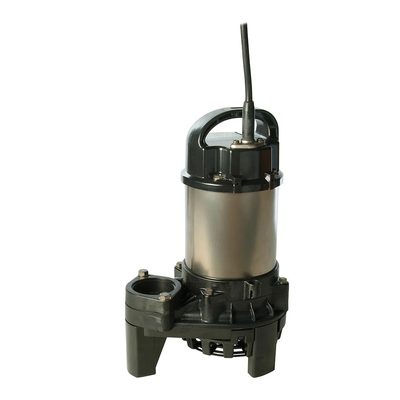
- Area: Mechanical seal degradation leading to water ingress, oil contamination, and motor failureCheck: Examine oil color and consistency by removing oil drain plug; milky white oil indicates seal failure; oil must be changed every 12 months or 6,000 hours (whichever comes first)
- Area: Galvanic anode exhaustion resulting in accelerated shaft and impeller corrosion in marine environmentsCheck: Visually inspect galvanic anode for erosion patterns and thickness reduction; replacement is mandatory every 2 years in seawater service; loss of anode protection causes corrosion spread to shaft
- Area: Paint coating failure exposing bare cast iron to seawater, initiating pitting corrosion and structural weaknessCheck: Inspect entire external surface for peeling, chips, cracks, or exposed metal; 3-layer epoxy resin coating (minimum 180 microns) must be intact; any bare spots require immediate remediation
- Area: Duplex stainless steel shaft pitting and stress corrosion cracking from marine chloride exposureCheck: Visually examine shaft for surface discoloration, pitting marks, or linear stress cracks; check fasteners for tightness and corrosion; verify anti-wicking cable jacket integrity for moisture barriers
- Area: Motor insulation breakdown from moisture ingress via cable connections or flooded motor chamberCheck: Verify motor protector operation; test megohm resistance between phases and ground; inspect cable connectors for salt crystallization or oxidation; check motor housing drain holes for blockage
Typ-universelle Inspektionspunkte fuer Pumps (verifiziert, 2026-06).
- Area: Mechanical seal degradation leading to water ingress, oil contamination, and motor failureCheck: Examine oil color and consistency by removing oil drain plug; milky white oil indicates seal failure; oil must be changed every 12 months or 6,000 hours (whichever comes first)
- Area: Galvanic anode exhaustion resulting in accelerated shaft and impeller corrosion in marine environmentsCheck: Visually inspect galvanic anode for erosion patterns and thickness reduction; replacement is mandatory every 2 years in seawater service; loss of anode protection causes corrosion spread to shaft
- Area: Paint coating failure exposing bare cast iron to seawater, initiating pitting corrosion and structural weaknessCheck: Inspect entire external surface for peeling, chips, cracks, or exposed metal; 3-layer epoxy resin coating (minimum 180 microns) must be intact; any bare spots require immediate remediation
- Area: Duplex stainless steel shaft pitting and stress corrosion cracking from marine chloride exposureCheck: Visually examine shaft for surface discoloration, pitting marks, or linear stress cracks; check fasteners for tightness and corrosion; verify anti-wicking cable jacket integrity for moisture barriers
- Area: Motor insulation breakdown from moisture ingress via cable connections or flooded motor chamberCheck: Verify motor protector operation; test megohm resistance between phases and ground; inspect cable connectors for salt crystallization or oxidation; check motor housing drain holes for blockage
Typ-universelle Inspektionspunkte fuer Pumps (verifiziert, 2026-06).
- Area: Mechanical seal degradation leading to water ingress, oil contamination, and motor failureCheck: Examine oil color and consistency by removing oil drain plug; milky white oil indicates seal failure; oil must be changed every 12 months or 6,000 hours (whichever comes first)
- Area: Galvanic anode exhaustion resulting in accelerated shaft and impeller corrosion in marine environmentsCheck: Visually inspect galvanic anode for erosion patterns and thickness reduction; replacement is mandatory every 2 years in seawater service; loss of anode protection causes corrosion spread to shaft
- Area: Paint coating failure exposing bare cast iron to seawater, initiating pitting corrosion and structural weaknessCheck: Inspect entire external surface for peeling, chips, cracks, or exposed metal; 3-layer epoxy resin coating (minimum 180 microns) must be intact; any bare spots require immediate remediation
- Area: Duplex stainless steel shaft pitting and stress corrosion cracking from marine chloride exposureCheck: Visually examine shaft for surface discoloration, pitting marks, or linear stress cracks; check fasteners for tightness and corrosion; verify anti-wicking cable jacket integrity for moisture barriers
- Area: Motor insulation breakdown from moisture ingress via cable connections or flooded motor chamberCheck: Verify motor protector operation; test megohm resistance between phases and ground; inspect cable connectors for salt crystallization or oxidation; check motor housing drain holes for blockage
Typ-universelle Inspektionspunkte fuer Pumps (verifiziert, 2026-06).
- Area: Mechanical seal degradation leading to water ingress, oil contamination, and motor failureCheck: Examine oil color and consistency by removing oil drain plug; milky white oil indicates seal failure; oil must be changed every 12 months or 6,000 hours (whichever comes first)
- Area: Galvanic anode exhaustion resulting in accelerated shaft and impeller corrosion in marine environmentsCheck: Visually inspect galvanic anode for erosion patterns and thickness reduction; replacement is mandatory every 2 years in seawater service; loss of anode protection causes corrosion spread to shaft
- Area: Paint coating failure exposing bare cast iron to seawater, initiating pitting corrosion and structural weaknessCheck: Inspect entire external surface for peeling, chips, cracks, or exposed metal; 3-layer epoxy resin coating (minimum 180 microns) must be intact; any bare spots require immediate remediation
- Area: Duplex stainless steel shaft pitting and stress corrosion cracking from marine chloride exposureCheck: Visually examine shaft for surface discoloration, pitting marks, or linear stress cracks; check fasteners for tightness and corrosion; verify anti-wicking cable jacket integrity for moisture barriers
- Area: Motor insulation breakdown from moisture ingress via cable connections or flooded motor chamberCheck: Verify motor protector operation; test megohm resistance between phases and ground; inspect cable connectors for salt crystallization or oxidation; check motor housing drain holes for blockage
Typ-universelle Inspektionspunkte fuer Pumps (verifiziert, 2026-06).
- Area: Mechanical seal degradation leading to water ingress, oil contamination, and motor failureCheck: Examine oil color and consistency by removing oil drain plug; milky white oil indicates seal failure; oil must be changed every 12 months or 6,000 hours (whichever comes first)
- Area: Galvanic anode exhaustion resulting in accelerated shaft and impeller corrosion in marine environmentsCheck: Visually inspect galvanic anode for erosion patterns and thickness reduction; replacement is mandatory every 2 years in seawater service; loss of anode protection causes corrosion spread to shaft
- Area: Paint coating failure exposing bare cast iron to seawater, initiating pitting corrosion and structural weaknessCheck: Inspect entire external surface for peeling, chips, cracks, or exposed metal; 3-layer epoxy resin coating (minimum 180 microns) must be intact; any bare spots require immediate remediation
- Area: Duplex stainless steel shaft pitting and stress corrosion cracking from marine chloride exposureCheck: Visually examine shaft for surface discoloration, pitting marks, or linear stress cracks; check fasteners for tightness and corrosion; verify anti-wicking cable jacket integrity for moisture barriers
- Area: Motor insulation breakdown from moisture ingress via cable connections or flooded motor chamberCheck: Verify motor protector operation; test megohm resistance between phases and ground; inspect cable connectors for salt crystallization or oxidation; check motor housing drain holes for blockage
Typ-universelle Inspektionspunkte fuer Pumps (verifiziert, 2026-06).
- Area: Mechanical seal degradation leading to water ingress, oil contamination, and motor failureCheck: Examine oil color and consistency by removing oil drain plug; milky white oil indicates seal failure; oil must be changed every 12 months or 6,000 hours (whichever comes first)
- Area: Galvanic anode exhaustion resulting in accelerated shaft and impeller corrosion in marine environmentsCheck: Visually inspect galvanic anode for erosion patterns and thickness reduction; replacement is mandatory every 2 years in seawater service; loss of anode protection causes corrosion spread to shaft
- Area: Paint coating failure exposing bare cast iron to seawater, initiating pitting corrosion and structural weaknessCheck: Inspect entire external surface for peeling, chips, cracks, or exposed metal; 3-layer epoxy resin coating (minimum 180 microns) must be intact; any bare spots require immediate remediation
- Area: Duplex stainless steel shaft pitting and stress corrosion cracking from marine chloride exposureCheck: Visually examine shaft for surface discoloration, pitting marks, or linear stress cracks; check fasteners for tightness and corrosion; verify anti-wicking cable jacket integrity for moisture barriers
- Area: Motor insulation breakdown from moisture ingress via cable connections or flooded motor chamberCheck: Verify motor protector operation; test megohm resistance between phases and ground; inspect cable connectors for salt crystallization or oxidation; check motor housing drain holes for blockage
Typ-universelle Inspektionspunkte fuer Pumps (verifiziert, 2026-06).
- Area: Mechanical seal degradation leading to water ingress, oil contamination, and motor failureCheck: Examine oil color and consistency by removing oil drain plug; milky white oil indicates seal failure; oil must be changed every 12 months or 6,000 hours (whichever comes first)
- Area: Galvanic anode exhaustion resulting in accelerated shaft and impeller corrosion in marine environmentsCheck: Visually inspect galvanic anode for erosion patterns and thickness reduction; replacement is mandatory every 2 years in seawater service; loss of anode protection causes corrosion spread to shaft
- Area: Paint coating failure exposing bare cast iron to seawater, initiating pitting corrosion and structural weaknessCheck: Inspect entire external surface for peeling, chips, cracks, or exposed metal; 3-layer epoxy resin coating (minimum 180 microns) must be intact; any bare spots require immediate remediation
- Area: Duplex stainless steel shaft pitting and stress corrosion cracking from marine chloride exposureCheck: Visually examine shaft for surface discoloration, pitting marks, or linear stress cracks; check fasteners for tightness and corrosion; verify anti-wicking cable jacket integrity for moisture barriers
- Area: Motor insulation breakdown from moisture ingress via cable connections or flooded motor chamberCheck: Verify motor protector operation; test megohm resistance between phases and ground; inspect cable connectors for salt crystallization or oxidation; check motor housing drain holes for blockage
Typ-universelle Inspektionspunkte fuer Pumps (verifiziert, 2026-06).
- Area: Mechanical seal degradation leading to water ingress, oil contamination, and motor failureCheck: Examine oil color and consistency by removing oil drain plug; milky white oil indicates seal failure; oil must be changed every 12 months or 6,000 hours (whichever comes first)
- Area: Galvanic anode exhaustion resulting in accelerated shaft and impeller corrosion in marine environmentsCheck: Visually inspect galvanic anode for erosion patterns and thickness reduction; replacement is mandatory every 2 years in seawater service; loss of anode protection causes corrosion spread to shaft
- Area: Paint coating failure exposing bare cast iron to seawater, initiating pitting corrosion and structural weaknessCheck: Inspect entire external surface for peeling, chips, cracks, or exposed metal; 3-layer epoxy resin coating (minimum 180 microns) must be intact; any bare spots require immediate remediation
- Area: Duplex stainless steel shaft pitting and stress corrosion cracking from marine chloride exposureCheck: Visually examine shaft for surface discoloration, pitting marks, or linear stress cracks; check fasteners for tightness and corrosion; verify anti-wicking cable jacket integrity for moisture barriers
- Area: Motor insulation breakdown from moisture ingress via cable connections or flooded motor chamberCheck: Verify motor protector operation; test megohm resistance between phases and ground; inspect cable connectors for salt crystallization or oxidation; check motor housing drain holes for blockage
Typ-universelle Inspektionspunkte fuer Pumps (verifiziert, 2026-06).
- Area: Mechanical seal degradation leading to water ingress, oil contamination, and motor failureCheck: Examine oil color and consistency by removing oil drain plug; milky white oil indicates seal failure; oil must be changed every 12 months or 6,000 hours (whichever comes first)
- Area: Galvanic anode exhaustion resulting in accelerated shaft and impeller corrosion in marine environmentsCheck: Visually inspect galvanic anode for erosion patterns and thickness reduction; replacement is mandatory every 2 years in seawater service; loss of anode protection causes corrosion spread to shaft
- Area: Paint coating failure exposing bare cast iron to seawater, initiating pitting corrosion and structural weaknessCheck: Inspect entire external surface for peeling, chips, cracks, or exposed metal; 3-layer epoxy resin coating (minimum 180 microns) must be intact; any bare spots require immediate remediation
- Area: Duplex stainless steel shaft pitting and stress corrosion cracking from marine chloride exposureCheck: Visually examine shaft for surface discoloration, pitting marks, or linear stress cracks; check fasteners for tightness and corrosion; verify anti-wicking cable jacket integrity for moisture barriers
- Area: Motor insulation breakdown from moisture ingress via cable connections or flooded motor chamberCheck: Verify motor protector operation; test megohm resistance between phases and ground; inspect cable connectors for salt crystallization or oxidation; check motor housing drain holes for blockage
Typ-universelle Inspektionspunkte fuer Pumps (verifiziert, 2026-06).
- Area: Mechanical seal degradation leading to water ingress, oil contamination, and motor failureCheck: Examine oil color and consistency by removing oil drain plug; milky white oil indicates seal failure; oil must be changed every 12 months or 6,000 hours (whichever comes first)
- Area: Galvanic anode exhaustion resulting in accelerated shaft and impeller corrosion in marine environmentsCheck: Visually inspect galvanic anode for erosion patterns and thickness reduction; replacement is mandatory every 2 years in seawater service; loss of anode protection causes corrosion spread to shaft
- Area: Paint coating failure exposing bare cast iron to seawater, initiating pitting corrosion and structural weaknessCheck: Inspect entire external surface for peeling, chips, cracks, or exposed metal; 3-layer epoxy resin coating (minimum 180 microns) must be intact; any bare spots require immediate remediation
- Area: Duplex stainless steel shaft pitting and stress corrosion cracking from marine chloride exposureCheck: Visually examine shaft for surface discoloration, pitting marks, or linear stress cracks; check fasteners for tightness and corrosion; verify anti-wicking cable jacket integrity for moisture barriers
- Area: Motor insulation breakdown from moisture ingress via cable connections or flooded motor chamberCheck: Verify motor protector operation; test megohm resistance between phases and ground; inspect cable connectors for salt crystallization or oxidation; check motor housing drain holes for blockage
Typ-universelle Inspektionspunkte fuer Pumps (verifiziert, 2026-06).
- Area: Mechanical seal degradation leading to water ingress, oil contamination, and motor failureCheck: Examine oil color and consistency by removing oil drain plug; milky white oil indicates seal failure; oil must be changed every 12 months or 6,000 hours (whichever comes first)
- Area: Galvanic anode exhaustion resulting in accelerated shaft and impeller corrosion in marine environmentsCheck: Visually inspect galvanic anode for erosion patterns and thickness reduction; replacement is mandatory every 2 years in seawater service; loss of anode protection causes corrosion spread to shaft
- Area: Paint coating failure exposing bare cast iron to seawater, initiating pitting corrosion and structural weaknessCheck: Inspect entire external surface for peeling, chips, cracks, or exposed metal; 3-layer epoxy resin coating (minimum 180 microns) must be intact; any bare spots require immediate remediation
- Area: Duplex stainless steel shaft pitting and stress corrosion cracking from marine chloride exposureCheck: Visually examine shaft for surface discoloration, pitting marks, or linear stress cracks; check fasteners for tightness and corrosion; verify anti-wicking cable jacket integrity for moisture barriers
- Area: Motor insulation breakdown from moisture ingress via cable connections or flooded motor chamberCheck: Verify motor protector operation; test megohm resistance between phases and ground; inspect cable connectors for salt crystallization or oxidation; check motor housing drain holes for blockage
Typ-universelle Inspektionspunkte fuer Pumps (verifiziert, 2026-06).
- Area: Mechanical seal degradation leading to water ingress, oil contamination, and motor failureCheck: Examine oil color and consistency by removing oil drain plug; milky white oil indicates seal failure; oil must be changed every 12 months or 6,000 hours (whichever comes first)
- Area: Galvanic anode exhaustion resulting in accelerated shaft and impeller corrosion in marine environmentsCheck: Visually inspect galvanic anode for erosion patterns and thickness reduction; replacement is mandatory every 2 years in seawater service; loss of anode protection causes corrosion spread to shaft
- Area: Paint coating failure exposing bare cast iron to seawater, initiating pitting corrosion and structural weaknessCheck: Inspect entire external surface for peeling, chips, cracks, or exposed metal; 3-layer epoxy resin coating (minimum 180 microns) must be intact; any bare spots require immediate remediation
- Area: Duplex stainless steel shaft pitting and stress corrosion cracking from marine chloride exposureCheck: Visually examine shaft for surface discoloration, pitting marks, or linear stress cracks; check fasteners for tightness and corrosion; verify anti-wicking cable jacket integrity for moisture barriers
- Area: Motor insulation breakdown from moisture ingress via cable connections or flooded motor chamberCheck: Verify motor protector operation; test megohm resistance between phases and ground; inspect cable connectors for salt crystallization or oxidation; check motor housing drain holes for blockage
Typ-universelle Inspektionspunkte fuer Pumps (verifiziert, 2026-06).
- Area: Mechanical seal degradation leading to water ingress, oil contamination, and motor failureCheck: Examine oil color and consistency by removing oil drain plug; milky white oil indicates seal failure; oil must be changed every 12 months or 6,000 hours (whichever comes first)
- Area: Galvanic anode exhaustion resulting in accelerated shaft and impeller corrosion in marine environmentsCheck: Visually inspect galvanic anode for erosion patterns and thickness reduction; replacement is mandatory every 2 years in seawater service; loss of anode protection causes corrosion spread to shaft
- Area: Paint coating failure exposing bare cast iron to seawater, initiating pitting corrosion and structural weaknessCheck: Inspect entire external surface for peeling, chips, cracks, or exposed metal; 3-layer epoxy resin coating (minimum 180 microns) must be intact; any bare spots require immediate remediation
- Area: Duplex stainless steel shaft pitting and stress corrosion cracking from marine chloride exposureCheck: Visually examine shaft for surface discoloration, pitting marks, or linear stress cracks; check fasteners for tightness and corrosion; verify anti-wicking cable jacket integrity for moisture barriers
- Area: Motor insulation breakdown from moisture ingress via cable connections or flooded motor chamberCheck: Verify motor protector operation; test megohm resistance between phases and ground; inspect cable connectors for salt crystallization or oxidation; check motor housing drain holes for blockage
Typ-universelle Inspektionspunkte fuer Pumps (verifiziert, 2026-06).
- Area: Mechanical seal degradation leading to water ingress, oil contamination, and motor failureCheck: Examine oil color and consistency by removing oil drain plug; milky white oil indicates seal failure; oil must be changed every 12 months or 6,000 hours (whichever comes first)
- Area: Galvanic anode exhaustion resulting in accelerated shaft and impeller corrosion in marine environmentsCheck: Visually inspect galvanic anode for erosion patterns and thickness reduction; replacement is mandatory every 2 years in seawater service; loss of anode protection causes corrosion spread to shaft
- Area: Paint coating failure exposing bare cast iron to seawater, initiating pitting corrosion and structural weaknessCheck: Inspect entire external surface for peeling, chips, cracks, or exposed metal; 3-layer epoxy resin coating (minimum 180 microns) must be intact; any bare spots require immediate remediation
- Area: Duplex stainless steel shaft pitting and stress corrosion cracking from marine chloride exposureCheck: Visually examine shaft for surface discoloration, pitting marks, or linear stress cracks; check fasteners for tightness and corrosion; verify anti-wicking cable jacket integrity for moisture barriers
- Area: Motor insulation breakdown from moisture ingress via cable connections or flooded motor chamberCheck: Verify motor protector operation; test megohm resistance between phases and ground; inspect cable connectors for salt crystallization or oxidation; check motor housing drain holes for blockage
Typ-universelle Inspektionspunkte fuer Pumps (verifiziert, 2026-06).
- Area: Mechanical seal degradation leading to water ingress, oil contamination, and motor failureCheck: Examine oil color and consistency by removing oil drain plug; milky white oil indicates seal failure; oil must be changed every 12 months or 6,000 hours (whichever comes first)
- Area: Galvanic anode exhaustion resulting in accelerated shaft and impeller corrosion in marine environmentsCheck: Visually inspect galvanic anode for erosion patterns and thickness reduction; replacement is mandatory every 2 years in seawater service; loss of anode protection causes corrosion spread to shaft
- Area: Paint coating failure exposing bare cast iron to seawater, initiating pitting corrosion and structural weaknessCheck: Inspect entire external surface for peeling, chips, cracks, or exposed metal; 3-layer epoxy resin coating (minimum 180 microns) must be intact; any bare spots require immediate remediation
- Area: Duplex stainless steel shaft pitting and stress corrosion cracking from marine chloride exposureCheck: Visually examine shaft for surface discoloration, pitting marks, or linear stress cracks; check fasteners for tightness and corrosion; verify anti-wicking cable jacket integrity for moisture barriers
- Area: Motor insulation breakdown from moisture ingress via cable connections or flooded motor chamberCheck: Verify motor protector operation; test megohm resistance between phases and ground; inspect cable connectors for salt crystallization or oxidation; check motor housing drain holes for blockage
Typ-universelle Inspektionspunkte fuer Pumps (verifiziert, 2026-06).
- Area: Mechanical seal degradation leading to water ingress, oil contamination, and motor failureCheck: Examine oil color and consistency by removing oil drain plug; milky white oil indicates seal failure; oil must be changed every 12 months or 6,000 hours (whichever comes first)
- Area: Galvanic anode exhaustion resulting in accelerated shaft and impeller corrosion in marine environmentsCheck: Visually inspect galvanic anode for erosion patterns and thickness reduction; replacement is mandatory every 2 years in seawater service; loss of anode protection causes corrosion spread to shaft
- Area: Paint coating failure exposing bare cast iron to seawater, initiating pitting corrosion and structural weaknessCheck: Inspect entire external surface for peeling, chips, cracks, or exposed metal; 3-layer epoxy resin coating (minimum 180 microns) must be intact; any bare spots require immediate remediation
- Area: Duplex stainless steel shaft pitting and stress corrosion cracking from marine chloride exposureCheck: Visually examine shaft for surface discoloration, pitting marks, or linear stress cracks; check fasteners for tightness and corrosion; verify anti-wicking cable jacket integrity for moisture barriers
- Area: Motor insulation breakdown from moisture ingress via cable connections or flooded motor chamberCheck: Verify motor protector operation; test megohm resistance between phases and ground; inspect cable connectors for salt crystallization or oxidation; check motor housing drain holes for blockage
Typ-universelle Inspektionspunkte fuer Pumps (verifiziert, 2026-06).
- Area: Mechanical seal degradation leading to water ingress, oil contamination, and motor failureCheck: Examine oil color and consistency by removing oil drain plug; milky white oil indicates seal failure; oil must be changed every 12 months or 6,000 hours (whichever comes first)
- Area: Galvanic anode exhaustion resulting in accelerated shaft and impeller corrosion in marine environmentsCheck: Visually inspect galvanic anode for erosion patterns and thickness reduction; replacement is mandatory every 2 years in seawater service; loss of anode protection causes corrosion spread to shaft
- Area: Paint coating failure exposing bare cast iron to seawater, initiating pitting corrosion and structural weaknessCheck: Inspect entire external surface for peeling, chips, cracks, or exposed metal; 3-layer epoxy resin coating (minimum 180 microns) must be intact; any bare spots require immediate remediation
- Area: Duplex stainless steel shaft pitting and stress corrosion cracking from marine chloride exposureCheck: Visually examine shaft for surface discoloration, pitting marks, or linear stress cracks; check fasteners for tightness and corrosion; verify anti-wicking cable jacket integrity for moisture barriers
- Area: Motor insulation breakdown from moisture ingress via cable connections or flooded motor chamberCheck: Verify motor protector operation; test megohm resistance between phases and ground; inspect cable connectors for salt crystallization or oxidation; check motor housing drain holes for blockage
Typ-universelle Inspektionspunkte fuer Pumps (verifiziert, 2026-06).
- Area: Mechanical seal degradation leading to water ingress, oil contamination, and motor failureCheck: Examine oil color and consistency by removing oil drain plug; milky white oil indicates seal failure; oil must be changed every 12 months or 6,000 hours (whichever comes first)
- Area: Galvanic anode exhaustion resulting in accelerated shaft and impeller corrosion in marine environmentsCheck: Visually inspect galvanic anode for erosion patterns and thickness reduction; replacement is mandatory every 2 years in seawater service; loss of anode protection causes corrosion spread to shaft
- Area: Paint coating failure exposing bare cast iron to seawater, initiating pitting corrosion and structural weaknessCheck: Inspect entire external surface for peeling, chips, cracks, or exposed metal; 3-layer epoxy resin coating (minimum 180 microns) must be intact; any bare spots require immediate remediation
- Area: Duplex stainless steel shaft pitting and stress corrosion cracking from marine chloride exposureCheck: Visually examine shaft for surface discoloration, pitting marks, or linear stress cracks; check fasteners for tightness and corrosion; verify anti-wicking cable jacket integrity for moisture barriers
- Area: Motor insulation breakdown from moisture ingress via cable connections or flooded motor chamberCheck: Verify motor protector operation; test megohm resistance between phases and ground; inspect cable connectors for salt crystallization or oxidation; check motor housing drain holes for blockage
Typ-universelle Inspektionspunkte fuer Pumps (verifiziert, 2026-06).
- Area: Mechanical seal degradation leading to water ingress, oil contamination, and motor failureCheck: Examine oil color and consistency by removing oil drain plug; milky white oil indicates seal failure; oil must be changed every 12 months or 6,000 hours (whichever comes first)
- Area: Galvanic anode exhaustion resulting in accelerated shaft and impeller corrosion in marine environmentsCheck: Visually inspect galvanic anode for erosion patterns and thickness reduction; replacement is mandatory every 2 years in seawater service; loss of anode protection causes corrosion spread to shaft
- Area: Paint coating failure exposing bare cast iron to seawater, initiating pitting corrosion and structural weaknessCheck: Inspect entire external surface for peeling, chips, cracks, or exposed metal; 3-layer epoxy resin coating (minimum 180 microns) must be intact; any bare spots require immediate remediation
- Area: Duplex stainless steel shaft pitting and stress corrosion cracking from marine chloride exposureCheck: Visually examine shaft for surface discoloration, pitting marks, or linear stress cracks; check fasteners for tightness and corrosion; verify anti-wicking cable jacket integrity for moisture barriers
- Area: Motor insulation breakdown from moisture ingress via cable connections or flooded motor chamberCheck: Verify motor protector operation; test megohm resistance between phases and ground; inspect cable connectors for salt crystallization or oxidation; check motor housing drain holes for blockage
Typ-universelle Inspektionspunkte fuer Pumps (verifiziert, 2026-06).
- Area: Mechanical seal degradation leading to water ingress, oil contamination, and motor failureCheck: Examine oil color and consistency by removing oil drain plug; milky white oil indicates seal failure; oil must be changed every 12 months or 6,000 hours (whichever comes first)
- Area: Galvanic anode exhaustion resulting in accelerated shaft and impeller corrosion in marine environmentsCheck: Visually inspect galvanic anode for erosion patterns and thickness reduction; replacement is mandatory every 2 years in seawater service; loss of anode protection causes corrosion spread to shaft
- Area: Paint coating failure exposing bare cast iron to seawater, initiating pitting corrosion and structural weaknessCheck: Inspect entire external surface for peeling, chips, cracks, or exposed metal; 3-layer epoxy resin coating (minimum 180 microns) must be intact; any bare spots require immediate remediation
- Area: Duplex stainless steel shaft pitting and stress corrosion cracking from marine chloride exposureCheck: Visually examine shaft for surface discoloration, pitting marks, or linear stress cracks; check fasteners for tightness and corrosion; verify anti-wicking cable jacket integrity for moisture barriers
- Area: Motor insulation breakdown from moisture ingress via cable connections or flooded motor chamberCheck: Verify motor protector operation; test megohm resistance between phases and ground; inspect cable connectors for salt crystallization or oxidation; check motor housing drain holes for blockage
Typ-universelle Inspektionspunkte fuer Pumps (verifiziert, 2026-06).
- Area: Mechanical seal degradation leading to water ingress, oil contamination, and motor failureCheck: Examine oil color and consistency by removing oil drain plug; milky white oil indicates seal failure; oil must be changed every 12 months or 6,000 hours (whichever comes first)
- Area: Galvanic anode exhaustion resulting in accelerated shaft and impeller corrosion in marine environmentsCheck: Visually inspect galvanic anode for erosion patterns and thickness reduction; replacement is mandatory every 2 years in seawater service; loss of anode protection causes corrosion spread to shaft
- Area: Paint coating failure exposing bare cast iron to seawater, initiating pitting corrosion and structural weaknessCheck: Inspect entire external surface for peeling, chips, cracks, or exposed metal; 3-layer epoxy resin coating (minimum 180 microns) must be intact; any bare spots require immediate remediation
- Area: Duplex stainless steel shaft pitting and stress corrosion cracking from marine chloride exposureCheck: Visually examine shaft for surface discoloration, pitting marks, or linear stress cracks; check fasteners for tightness and corrosion; verify anti-wicking cable jacket integrity for moisture barriers
- Area: Motor insulation breakdown from moisture ingress via cable connections or flooded motor chamberCheck: Verify motor protector operation; test megohm resistance between phases and ground; inspect cable connectors for salt crystallization or oxidation; check motor housing drain holes for blockage
Typ-universelle Inspektionspunkte fuer Pumps (verifiziert, 2026-06).
- Area: Mechanical seal degradation leading to water ingress, oil contamination, and motor failureCheck: Examine oil color and consistency by removing oil drain plug; milky white oil indicates seal failure; oil must be changed every 12 months or 6,000 hours (whichever comes first)
- Area: Galvanic anode exhaustion resulting in accelerated shaft and impeller corrosion in marine environmentsCheck: Visually inspect galvanic anode for erosion patterns and thickness reduction; replacement is mandatory every 2 years in seawater service; loss of anode protection causes corrosion spread to shaft
- Area: Paint coating failure exposing bare cast iron to seawater, initiating pitting corrosion and structural weaknessCheck: Inspect entire external surface for peeling, chips, cracks, or exposed metal; 3-layer epoxy resin coating (minimum 180 microns) must be intact; any bare spots require immediate remediation
- Area: Duplex stainless steel shaft pitting and stress corrosion cracking from marine chloride exposureCheck: Visually examine shaft for surface discoloration, pitting marks, or linear stress cracks; check fasteners for tightness and corrosion; verify anti-wicking cable jacket integrity for moisture barriers
- Area: Motor insulation breakdown from moisture ingress via cable connections or flooded motor chamberCheck: Verify motor protector operation; test megohm resistance between phases and ground; inspect cable connectors for salt crystallization or oxidation; check motor housing drain holes for blockage
Typ-universelle Inspektionspunkte fuer Pumps (verifiziert, 2026-06).
- Area: Mechanical seal degradation leading to water ingress, oil contamination, and motor failureCheck: Examine oil color and consistency by removing oil drain plug; milky white oil indicates seal failure; oil must be changed every 12 months or 6,000 hours (whichever comes first)
- Area: Galvanic anode exhaustion resulting in accelerated shaft and impeller corrosion in marine environmentsCheck: Visually inspect galvanic anode for erosion patterns and thickness reduction; replacement is mandatory every 2 years in seawater service; loss of anode protection causes corrosion spread to shaft
- Area: Paint coating failure exposing bare cast iron to seawater, initiating pitting corrosion and structural weaknessCheck: Inspect entire external surface for peeling, chips, cracks, or exposed metal; 3-layer epoxy resin coating (minimum 180 microns) must be intact; any bare spots require immediate remediation
- Area: Duplex stainless steel shaft pitting and stress corrosion cracking from marine chloride exposureCheck: Visually examine shaft for surface discoloration, pitting marks, or linear stress cracks; check fasteners for tightness and corrosion; verify anti-wicking cable jacket integrity for moisture barriers
- Area: Motor insulation breakdown from moisture ingress via cable connections or flooded motor chamberCheck: Verify motor protector operation; test megohm resistance between phases and ground; inspect cable connectors for salt crystallization or oxidation; check motor housing drain holes for blockage
Typ-universelle Inspektionspunkte fuer Pumps (verifiziert, 2026-06).
- Area: Mechanical seal degradation leading to water ingress, oil contamination, and motor failureCheck: Examine oil color and consistency by removing oil drain plug; milky white oil indicates seal failure; oil must be changed every 12 months or 6,000 hours (whichever comes first)
- Area: Galvanic anode exhaustion resulting in accelerated shaft and impeller corrosion in marine environmentsCheck: Visually inspect galvanic anode for erosion patterns and thickness reduction; replacement is mandatory every 2 years in seawater service; loss of anode protection causes corrosion spread to shaft
- Area: Paint coating failure exposing bare cast iron to seawater, initiating pitting corrosion and structural weaknessCheck: Inspect entire external surface for peeling, chips, cracks, or exposed metal; 3-layer epoxy resin coating (minimum 180 microns) must be intact; any bare spots require immediate remediation
- Area: Duplex stainless steel shaft pitting and stress corrosion cracking from marine chloride exposureCheck: Visually examine shaft for surface discoloration, pitting marks, or linear stress cracks; check fasteners for tightness and corrosion; verify anti-wicking cable jacket integrity for moisture barriers
- Area: Motor insulation breakdown from moisture ingress via cable connections or flooded motor chamberCheck: Verify motor protector operation; test megohm resistance between phases and ground; inspect cable connectors for salt crystallization or oxidation; check motor housing drain holes for blockage
Typ-universelle Inspektionspunkte fuer Pumps (verifiziert, 2026-06).
- Area: Mechanical seal degradation leading to water ingress, oil contamination, and motor failureCheck: Examine oil color and consistency by removing oil drain plug; milky white oil indicates seal failure; oil must be changed every 12 months or 6,000 hours (whichever comes first)
- Area: Galvanic anode exhaustion resulting in accelerated shaft and impeller corrosion in marine environmentsCheck: Visually inspect galvanic anode for erosion patterns and thickness reduction; replacement is mandatory every 2 years in seawater service; loss of anode protection causes corrosion spread to shaft
- Area: Paint coating failure exposing bare cast iron to seawater, initiating pitting corrosion and structural weaknessCheck: Inspect entire external surface for peeling, chips, cracks, or exposed metal; 3-layer epoxy resin coating (minimum 180 microns) must be intact; any bare spots require immediate remediation
- Area: Duplex stainless steel shaft pitting and stress corrosion cracking from marine chloride exposureCheck: Visually examine shaft for surface discoloration, pitting marks, or linear stress cracks; check fasteners for tightness and corrosion; verify anti-wicking cable jacket integrity for moisture barriers
- Area: Motor insulation breakdown from moisture ingress via cable connections or flooded motor chamberCheck: Verify motor protector operation; test megohm resistance between phases and ground; inspect cable connectors for salt crystallization or oxidation; check motor housing drain holes for blockage
Typ-universelle Inspektionspunkte fuer Pumps (verifiziert, 2026-06).
- Area: Mechanical seal degradation leading to water ingress, oil contamination, and motor failureCheck: Examine oil color and consistency by removing oil drain plug; milky white oil indicates seal failure; oil must be changed every 12 months or 6,000 hours (whichever comes first)
- Area: Galvanic anode exhaustion resulting in accelerated shaft and impeller corrosion in marine environmentsCheck: Visually inspect galvanic anode for erosion patterns and thickness reduction; replacement is mandatory every 2 years in seawater service; loss of anode protection causes corrosion spread to shaft
- Area: Paint coating failure exposing bare cast iron to seawater, initiating pitting corrosion and structural weaknessCheck: Inspect entire external surface for peeling, chips, cracks, or exposed metal; 3-layer epoxy resin coating (minimum 180 microns) must be intact; any bare spots require immediate remediation
- Area: Duplex stainless steel shaft pitting and stress corrosion cracking from marine chloride exposureCheck: Visually examine shaft for surface discoloration, pitting marks, or linear stress cracks; check fasteners for tightness and corrosion; verify anti-wicking cable jacket integrity for moisture barriers
- Area: Motor insulation breakdown from moisture ingress via cable connections or flooded motor chamberCheck: Verify motor protector operation; test megohm resistance between phases and ground; inspect cable connectors for salt crystallization or oxidation; check motor housing drain holes for blockage
Typ-universelle Inspektionspunkte fuer Pumps (verifiziert, 2026-06).
- Area: Mechanical seal degradation leading to water ingress, oil contamination, and motor failureCheck: Examine oil color and consistency by removing oil drain plug; milky white oil indicates seal failure; oil must be changed every 12 months or 6,000 hours (whichever comes first)
- Area: Galvanic anode exhaustion resulting in accelerated shaft and impeller corrosion in marine environmentsCheck: Visually inspect galvanic anode for erosion patterns and thickness reduction; replacement is mandatory every 2 years in seawater service; loss of anode protection causes corrosion spread to shaft
- Area: Paint coating failure exposing bare cast iron to seawater, initiating pitting corrosion and structural weaknessCheck: Inspect entire external surface for peeling, chips, cracks, or exposed metal; 3-layer epoxy resin coating (minimum 180 microns) must be intact; any bare spots require immediate remediation
- Area: Duplex stainless steel shaft pitting and stress corrosion cracking from marine chloride exposureCheck: Visually examine shaft for surface discoloration, pitting marks, or linear stress cracks; check fasteners for tightness and corrosion; verify anti-wicking cable jacket integrity for moisture barriers
- Area: Motor insulation breakdown from moisture ingress via cable connections or flooded motor chamberCheck: Verify motor protector operation; test megohm resistance between phases and ground; inspect cable connectors for salt crystallization or oxidation; check motor housing drain holes for blockage
Typ-universelle Inspektionspunkte fuer Pumps (verifiziert, 2026-06).
- Area: Mechanical seal degradation leading to water ingress, oil contamination, and motor failureCheck: Examine oil color and consistency by removing oil drain plug; milky white oil indicates seal failure; oil must be changed every 12 months or 6,000 hours (whichever comes first)
- Area: Galvanic anode exhaustion resulting in accelerated shaft and impeller corrosion in marine environmentsCheck: Visually inspect galvanic anode for erosion patterns and thickness reduction; replacement is mandatory every 2 years in seawater service; loss of anode protection causes corrosion spread to shaft
- Area: Paint coating failure exposing bare cast iron to seawater, initiating pitting corrosion and structural weaknessCheck: Inspect entire external surface for peeling, chips, cracks, or exposed metal; 3-layer epoxy resin coating (minimum 180 microns) must be intact; any bare spots require immediate remediation
- Area: Duplex stainless steel shaft pitting and stress corrosion cracking from marine chloride exposureCheck: Visually examine shaft for surface discoloration, pitting marks, or linear stress cracks; check fasteners for tightness and corrosion; verify anti-wicking cable jacket integrity for moisture barriers
- Area: Motor insulation breakdown from moisture ingress via cable connections or flooded motor chamberCheck: Verify motor protector operation; test megohm resistance between phases and ground; inspect cable connectors for salt crystallization or oxidation; check motor housing drain holes for blockage
Typ-universelle Inspektionspunkte fuer Pumps (verifiziert, 2026-06).
DESMI
18 ✓ 18 verified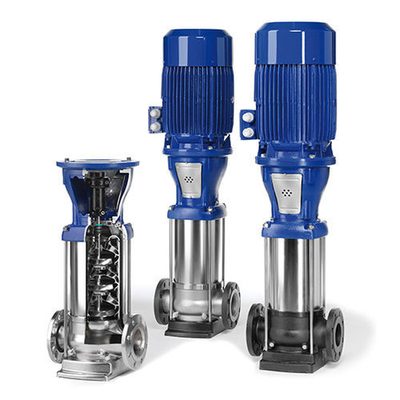
- Area: Material compatibility verification for corrosive seawater/cargo fluidsCheck: Verify stainless steel grades (AISI304/304L) and coating conditions; inspect for pitting, crevice corrosion, or galvanic coupling with dissimilar metals in marine environment
- Area: Shaft seal integrity and leakage preventionCheck: For DESLUBE/NDW: inspect double shaft seal and pressure booster condition; for DOP series: verify positive displacement screw geometry; for DesFuel: check magnetic coupling seal integrity and alignment
- Area: Impeller and bearing support alignment and wearCheck: Measure bearing clearance every 1.2m shaft length (DESLUBE/NDW); inspect carbon bearings for wear; verify impeller dynamic balance; check for cavitation erosion marks
- Area: Suction performance and NPSH requirementsCheck: Verify pump inlet line configuration; measure actual inlet pressure; confirm sufficient head above pump inlet; inspect suction strainer for blockage; validate NPSH margin against pump requirements
- Area: Temperature stability and thermal cycling effectsCheck: For DESLUBE: verify 0-80°C operation limits; for DesFuel: confirm -165°C cryogenic capability; inspect thermal expansion effects on seals, casings, and intermediate pipes
Typ-universelle Inspektionspunkte fuer Pumps (verifiziert, 2026-06).
- Area: Material compatibility verification for corrosive seawater/cargo fluidsCheck: Verify stainless steel grades (AISI304/304L) and coating conditions; inspect for pitting, crevice corrosion, or galvanic coupling with dissimilar metals in marine environment
- Area: Shaft seal integrity and leakage preventionCheck: For DESLUBE/NDW: inspect double shaft seal and pressure booster condition; for DOP series: verify positive displacement screw geometry; for DesFuel: check magnetic coupling seal integrity and alignment
- Area: Impeller and bearing support alignment and wearCheck: Measure bearing clearance every 1.2m shaft length (DESLUBE/NDW); inspect carbon bearings for wear; verify impeller dynamic balance; check for cavitation erosion marks
- Area: Suction performance and NPSH requirementsCheck: Verify pump inlet line configuration; measure actual inlet pressure; confirm sufficient head above pump inlet; inspect suction strainer for blockage; validate NPSH margin against pump requirements
- Area: Temperature stability and thermal cycling effectsCheck: For DESLUBE: verify 0-80°C operation limits; for DesFuel: confirm -165°C cryogenic capability; inspect thermal expansion effects on seals, casings, and intermediate pipes
Typ-universelle Inspektionspunkte fuer Pumps (verifiziert, 2026-06).
- Area: Material compatibility verification for corrosive seawater/cargo fluidsCheck: Verify stainless steel grades (AISI304/304L) and coating conditions; inspect for pitting, crevice corrosion, or galvanic coupling with dissimilar metals in marine environment
- Area: Shaft seal integrity and leakage preventionCheck: For DESLUBE/NDW: inspect double shaft seal and pressure booster condition; for DOP series: verify positive displacement screw geometry; for DesFuel: check magnetic coupling seal integrity and alignment
- Area: Impeller and bearing support alignment and wearCheck: Measure bearing clearance every 1.2m shaft length (DESLUBE/NDW); inspect carbon bearings for wear; verify impeller dynamic balance; check for cavitation erosion marks
- Area: Suction performance and NPSH requirementsCheck: Verify pump inlet line configuration; measure actual inlet pressure; confirm sufficient head above pump inlet; inspect suction strainer for blockage; validate NPSH margin against pump requirements
- Area: Temperature stability and thermal cycling effectsCheck: For DESLUBE: verify 0-80°C operation limits; for DesFuel: confirm -165°C cryogenic capability; inspect thermal expansion effects on seals, casings, and intermediate pipes
Typ-universelle Inspektionspunkte fuer Pumps (verifiziert, 2026-06).
- Area: Material compatibility verification for corrosive seawater/cargo fluidsCheck: Verify stainless steel grades (AISI304/304L) and coating conditions; inspect for pitting, crevice corrosion, or galvanic coupling with dissimilar metals in marine environment
- Area: Shaft seal integrity and leakage preventionCheck: For DESLUBE/NDW: inspect double shaft seal and pressure booster condition; for DOP series: verify positive displacement screw geometry; for DesFuel: check magnetic coupling seal integrity and alignment
- Area: Impeller and bearing support alignment and wearCheck: Measure bearing clearance every 1.2m shaft length (DESLUBE/NDW); inspect carbon bearings for wear; verify impeller dynamic balance; check for cavitation erosion marks
- Area: Suction performance and NPSH requirementsCheck: Verify pump inlet line configuration; measure actual inlet pressure; confirm sufficient head above pump inlet; inspect suction strainer for blockage; validate NPSH margin against pump requirements
- Area: Temperature stability and thermal cycling effectsCheck: For DESLUBE: verify 0-80°C operation limits; for DesFuel: confirm -165°C cryogenic capability; inspect thermal expansion effects on seals, casings, and intermediate pipes
Typ-universelle Inspektionspunkte fuer Pumps (verifiziert, 2026-06).
- Area: Material compatibility verification for corrosive seawater/cargo fluidsCheck: Verify stainless steel grades (AISI304/304L) and coating conditions; inspect for pitting, crevice corrosion, or galvanic coupling with dissimilar metals in marine environment
- Area: Shaft seal integrity and leakage preventionCheck: For DESLUBE/NDW: inspect double shaft seal and pressure booster condition; for DOP series: verify positive displacement screw geometry; for DesFuel: check magnetic coupling seal integrity and alignment
- Area: Impeller and bearing support alignment and wearCheck: Measure bearing clearance every 1.2m shaft length (DESLUBE/NDW); inspect carbon bearings for wear; verify impeller dynamic balance; check for cavitation erosion marks
- Area: Suction performance and NPSH requirementsCheck: Verify pump inlet line configuration; measure actual inlet pressure; confirm sufficient head above pump inlet; inspect suction strainer for blockage; validate NPSH margin against pump requirements
- Area: Temperature stability and thermal cycling effectsCheck: For DESLUBE: verify 0-80°C operation limits; for DesFuel: confirm -165°C cryogenic capability; inspect thermal expansion effects on seals, casings, and intermediate pipes
Typ-universelle Inspektionspunkte fuer Pumps (verifiziert, 2026-06).
- Area: Material compatibility verification for corrosive seawater/cargo fluidsCheck: Verify stainless steel grades (AISI304/304L) and coating conditions; inspect for pitting, crevice corrosion, or galvanic coupling with dissimilar metals in marine environment
- Area: Shaft seal integrity and leakage preventionCheck: For DESLUBE/NDW: inspect double shaft seal and pressure booster condition; for DOP series: verify positive displacement screw geometry; for DesFuel: check magnetic coupling seal integrity and alignment
- Area: Impeller and bearing support alignment and wearCheck: Measure bearing clearance every 1.2m shaft length (DESLUBE/NDW); inspect carbon bearings for wear; verify impeller dynamic balance; check for cavitation erosion marks
- Area: Suction performance and NPSH requirementsCheck: Verify pump inlet line configuration; measure actual inlet pressure; confirm sufficient head above pump inlet; inspect suction strainer for blockage; validate NPSH margin against pump requirements
- Area: Temperature stability and thermal cycling effectsCheck: For DESLUBE: verify 0-80°C operation limits; for DesFuel: confirm -165°C cryogenic capability; inspect thermal expansion effects on seals, casings, and intermediate pipes
Typ-universelle Inspektionspunkte fuer Pumps (verifiziert, 2026-06).
- Area: Material compatibility verification for corrosive seawater/cargo fluidsCheck: Verify stainless steel grades (AISI304/304L) and coating conditions; inspect for pitting, crevice corrosion, or galvanic coupling with dissimilar metals in marine environment
- Area: Shaft seal integrity and leakage preventionCheck: For DESLUBE/NDW: inspect double shaft seal and pressure booster condition; for DOP series: verify positive displacement screw geometry; for DesFuel: check magnetic coupling seal integrity and alignment
- Area: Impeller and bearing support alignment and wearCheck: Measure bearing clearance every 1.2m shaft length (DESLUBE/NDW); inspect carbon bearings for wear; verify impeller dynamic balance; check for cavitation erosion marks
- Area: Suction performance and NPSH requirementsCheck: Verify pump inlet line configuration; measure actual inlet pressure; confirm sufficient head above pump inlet; inspect suction strainer for blockage; validate NPSH margin against pump requirements
- Area: Temperature stability and thermal cycling effectsCheck: For DESLUBE: verify 0-80°C operation limits; for DesFuel: confirm -165°C cryogenic capability; inspect thermal expansion effects on seals, casings, and intermediate pipes
Typ-universelle Inspektionspunkte fuer Pumps (verifiziert, 2026-06).
- Area: Material compatibility verification for corrosive seawater/cargo fluidsCheck: Verify stainless steel grades (AISI304/304L) and coating conditions; inspect for pitting, crevice corrosion, or galvanic coupling with dissimilar metals in marine environment
- Area: Shaft seal integrity and leakage preventionCheck: For DESLUBE/NDW: inspect double shaft seal and pressure booster condition; for DOP series: verify positive displacement screw geometry; for DesFuel: check magnetic coupling seal integrity and alignment
- Area: Impeller and bearing support alignment and wearCheck: Measure bearing clearance every 1.2m shaft length (DESLUBE/NDW); inspect carbon bearings for wear; verify impeller dynamic balance; check for cavitation erosion marks
- Area: Suction performance and NPSH requirementsCheck: Verify pump inlet line configuration; measure actual inlet pressure; confirm sufficient head above pump inlet; inspect suction strainer for blockage; validate NPSH margin against pump requirements
- Area: Temperature stability and thermal cycling effectsCheck: For DESLUBE: verify 0-80°C operation limits; for DesFuel: confirm -165°C cryogenic capability; inspect thermal expansion effects on seals, casings, and intermediate pipes
Typ-universelle Inspektionspunkte fuer Pumps (verifiziert, 2026-06).
- Area: Material compatibility verification for corrosive seawater/cargo fluidsCheck: Verify stainless steel grades (AISI304/304L) and coating conditions; inspect for pitting, crevice corrosion, or galvanic coupling with dissimilar metals in marine environment
- Area: Shaft seal integrity and leakage preventionCheck: For DESLUBE/NDW: inspect double shaft seal and pressure booster condition; for DOP series: verify positive displacement screw geometry; for DesFuel: check magnetic coupling seal integrity and alignment
- Area: Impeller and bearing support alignment and wearCheck: Measure bearing clearance every 1.2m shaft length (DESLUBE/NDW); inspect carbon bearings for wear; verify impeller dynamic balance; check for cavitation erosion marks
- Area: Suction performance and NPSH requirementsCheck: Verify pump inlet line configuration; measure actual inlet pressure; confirm sufficient head above pump inlet; inspect suction strainer for blockage; validate NPSH margin against pump requirements
- Area: Temperature stability and thermal cycling effectsCheck: For DESLUBE: verify 0-80°C operation limits; for DesFuel: confirm -165°C cryogenic capability; inspect thermal expansion effects on seals, casings, and intermediate pipes
Typ-universelle Inspektionspunkte fuer Pumps (verifiziert, 2026-06).
- Area: Material compatibility verification for corrosive seawater/cargo fluidsCheck: Verify stainless steel grades (AISI304/304L) and coating conditions; inspect for pitting, crevice corrosion, or galvanic coupling with dissimilar metals in marine environment
- Area: Shaft seal integrity and leakage preventionCheck: For DESLUBE/NDW: inspect double shaft seal and pressure booster condition; for DOP series: verify positive displacement screw geometry; for DesFuel: check magnetic coupling seal integrity and alignment
- Area: Impeller and bearing support alignment and wearCheck: Measure bearing clearance every 1.2m shaft length (DESLUBE/NDW); inspect carbon bearings for wear; verify impeller dynamic balance; check for cavitation erosion marks
- Area: Suction performance and NPSH requirementsCheck: Verify pump inlet line configuration; measure actual inlet pressure; confirm sufficient head above pump inlet; inspect suction strainer for blockage; validate NPSH margin against pump requirements
- Area: Temperature stability and thermal cycling effectsCheck: For DESLUBE: verify 0-80°C operation limits; for DesFuel: confirm -165°C cryogenic capability; inspect thermal expansion effects on seals, casings, and intermediate pipes
Typ-universelle Inspektionspunkte fuer Pumps (verifiziert, 2026-06).
- Area: Material compatibility verification for corrosive seawater/cargo fluidsCheck: Verify stainless steel grades (AISI304/304L) and coating conditions; inspect for pitting, crevice corrosion, or galvanic coupling with dissimilar metals in marine environment
- Area: Shaft seal integrity and leakage preventionCheck: For DESLUBE/NDW: inspect double shaft seal and pressure booster condition; for DOP series: verify positive displacement screw geometry; for DesFuel: check magnetic coupling seal integrity and alignment
- Area: Impeller and bearing support alignment and wearCheck: Measure bearing clearance every 1.2m shaft length (DESLUBE/NDW); inspect carbon bearings for wear; verify impeller dynamic balance; check for cavitation erosion marks
- Area: Suction performance and NPSH requirementsCheck: Verify pump inlet line configuration; measure actual inlet pressure; confirm sufficient head above pump inlet; inspect suction strainer for blockage; validate NPSH margin against pump requirements
- Area: Temperature stability and thermal cycling effectsCheck: For DESLUBE: verify 0-80°C operation limits; for DesFuel: confirm -165°C cryogenic capability; inspect thermal expansion effects on seals, casings, and intermediate pipes
Typ-universelle Inspektionspunkte fuer Pumps (verifiziert, 2026-06).
- Area: Material compatibility verification for corrosive seawater/cargo fluidsCheck: Verify stainless steel grades (AISI304/304L) and coating conditions; inspect for pitting, crevice corrosion, or galvanic coupling with dissimilar metals in marine environment
- Area: Shaft seal integrity and leakage preventionCheck: For DESLUBE/NDW: inspect double shaft seal and pressure booster condition; for DOP series: verify positive displacement screw geometry; for DesFuel: check magnetic coupling seal integrity and alignment
- Area: Impeller and bearing support alignment and wearCheck: Measure bearing clearance every 1.2m shaft length (DESLUBE/NDW); inspect carbon bearings for wear; verify impeller dynamic balance; check for cavitation erosion marks
- Area: Suction performance and NPSH requirementsCheck: Verify pump inlet line configuration; measure actual inlet pressure; confirm sufficient head above pump inlet; inspect suction strainer for blockage; validate NPSH margin against pump requirements
- Area: Temperature stability and thermal cycling effectsCheck: For DESLUBE: verify 0-80°C operation limits; for DesFuel: confirm -165°C cryogenic capability; inspect thermal expansion effects on seals, casings, and intermediate pipes
Typ-universelle Inspektionspunkte fuer Pumps (verifiziert, 2026-06).
- Area: Material compatibility verification for corrosive seawater/cargo fluidsCheck: Verify stainless steel grades (AISI304/304L) and coating conditions; inspect for pitting, crevice corrosion, or galvanic coupling with dissimilar metals in marine environment
- Area: Shaft seal integrity and leakage preventionCheck: For DESLUBE/NDW: inspect double shaft seal and pressure booster condition; for DOP series: verify positive displacement screw geometry; for DesFuel: check magnetic coupling seal integrity and alignment
- Area: Impeller and bearing support alignment and wearCheck: Measure bearing clearance every 1.2m shaft length (DESLUBE/NDW); inspect carbon bearings for wear; verify impeller dynamic balance; check for cavitation erosion marks
- Area: Suction performance and NPSH requirementsCheck: Verify pump inlet line configuration; measure actual inlet pressure; confirm sufficient head above pump inlet; inspect suction strainer for blockage; validate NPSH margin against pump requirements
- Area: Temperature stability and thermal cycling effectsCheck: For DESLUBE: verify 0-80°C operation limits; for DesFuel: confirm -165°C cryogenic capability; inspect thermal expansion effects on seals, casings, and intermediate pipes
Typ-universelle Inspektionspunkte fuer Pumps (verifiziert, 2026-06).
- Area: Material compatibility verification for corrosive seawater/cargo fluidsCheck: Verify stainless steel grades (AISI304/304L) and coating conditions; inspect for pitting, crevice corrosion, or galvanic coupling with dissimilar metals in marine environment
- Area: Shaft seal integrity and leakage preventionCheck: For DESLUBE/NDW: inspect double shaft seal and pressure booster condition; for DOP series: verify positive displacement screw geometry; for DesFuel: check magnetic coupling seal integrity and alignment
- Area: Impeller and bearing support alignment and wearCheck: Measure bearing clearance every 1.2m shaft length (DESLUBE/NDW); inspect carbon bearings for wear; verify impeller dynamic balance; check for cavitation erosion marks
- Area: Suction performance and NPSH requirementsCheck: Verify pump inlet line configuration; measure actual inlet pressure; confirm sufficient head above pump inlet; inspect suction strainer for blockage; validate NPSH margin against pump requirements
- Area: Temperature stability and thermal cycling effectsCheck: For DESLUBE: verify 0-80°C operation limits; for DesFuel: confirm -165°C cryogenic capability; inspect thermal expansion effects on seals, casings, and intermediate pipes
Typ-universelle Inspektionspunkte fuer Pumps (verifiziert, 2026-06).
- Area: Material compatibility verification for corrosive seawater/cargo fluidsCheck: Verify stainless steel grades (AISI304/304L) and coating conditions; inspect for pitting, crevice corrosion, or galvanic coupling with dissimilar metals in marine environment
- Area: Shaft seal integrity and leakage preventionCheck: For DESLUBE/NDW: inspect double shaft seal and pressure booster condition; for DOP series: verify positive displacement screw geometry; for DesFuel: check magnetic coupling seal integrity and alignment
- Area: Impeller and bearing support alignment and wearCheck: Measure bearing clearance every 1.2m shaft length (DESLUBE/NDW); inspect carbon bearings for wear; verify impeller dynamic balance; check for cavitation erosion marks
- Area: Suction performance and NPSH requirementsCheck: Verify pump inlet line configuration; measure actual inlet pressure; confirm sufficient head above pump inlet; inspect suction strainer for blockage; validate NPSH margin against pump requirements
- Area: Temperature stability and thermal cycling effectsCheck: For DESLUBE: verify 0-80°C operation limits; for DesFuel: confirm -165°C cryogenic capability; inspect thermal expansion effects on seals, casings, and intermediate pipes
Typ-universelle Inspektionspunkte fuer Pumps (verifiziert, 2026-06).
- Area: Material compatibility verification for corrosive seawater/cargo fluidsCheck: Verify stainless steel grades (AISI304/304L) and coating conditions; inspect for pitting, crevice corrosion, or galvanic coupling with dissimilar metals in marine environment
- Area: Shaft seal integrity and leakage preventionCheck: For DESLUBE/NDW: inspect double shaft seal and pressure booster condition; for DOP series: verify positive displacement screw geometry; for DesFuel: check magnetic coupling seal integrity and alignment
- Area: Impeller and bearing support alignment and wearCheck: Measure bearing clearance every 1.2m shaft length (DESLUBE/NDW); inspect carbon bearings for wear; verify impeller dynamic balance; check for cavitation erosion marks
- Area: Suction performance and NPSH requirementsCheck: Verify pump inlet line configuration; measure actual inlet pressure; confirm sufficient head above pump inlet; inspect suction strainer for blockage; validate NPSH margin against pump requirements
- Area: Temperature stability and thermal cycling effectsCheck: For DESLUBE: verify 0-80°C operation limits; for DesFuel: confirm -165°C cryogenic capability; inspect thermal expansion effects on seals, casings, and intermediate pipes
Typ-universelle Inspektionspunkte fuer Pumps (verifiziert, 2026-06).
- Area: Material compatibility verification for corrosive seawater/cargo fluidsCheck: Verify stainless steel grades (AISI304/304L) and coating conditions; inspect for pitting, crevice corrosion, or galvanic coupling with dissimilar metals in marine environment
- Area: Shaft seal integrity and leakage preventionCheck: For DESLUBE/NDW: inspect double shaft seal and pressure booster condition; for DOP series: verify positive displacement screw geometry; for DesFuel: check magnetic coupling seal integrity and alignment
- Area: Impeller and bearing support alignment and wearCheck: Measure bearing clearance every 1.2m shaft length (DESLUBE/NDW); inspect carbon bearings for wear; verify impeller dynamic balance; check for cavitation erosion marks
- Area: Suction performance and NPSH requirementsCheck: Verify pump inlet line configuration; measure actual inlet pressure; confirm sufficient head above pump inlet; inspect suction strainer for blockage; validate NPSH margin against pump requirements
- Area: Temperature stability and thermal cycling effectsCheck: For DESLUBE: verify 0-80°C operation limits; for DesFuel: confirm -165°C cryogenic capability; inspect thermal expansion effects on seals, casings, and intermediate pipes
Typ-universelle Inspektionspunkte fuer Pumps (verifiziert, 2026-06).
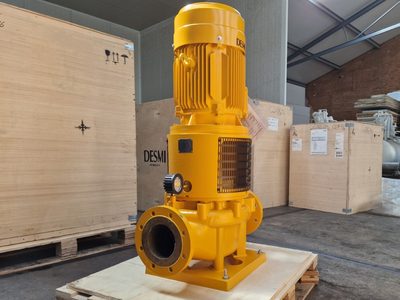
- Area: Material compatibility verification for corrosive seawater/cargo fluidsCheck: Verify stainless steel grades (AISI304/304L) and coating conditions; inspect for pitting, crevice corrosion, or galvanic coupling with dissimilar metals in marine environment
- Area: Shaft seal integrity and leakage preventionCheck: For DESLUBE/NDW: inspect double shaft seal and pressure booster condition; for DOP series: verify positive displacement screw geometry; for DesFuel: check magnetic coupling seal integrity and alignment
- Area: Impeller and bearing support alignment and wearCheck: Measure bearing clearance every 1.2m shaft length (DESLUBE/NDW); inspect carbon bearings for wear; verify impeller dynamic balance; check for cavitation erosion marks
- Area: Suction performance and NPSH requirementsCheck: Verify pump inlet line configuration; measure actual inlet pressure; confirm sufficient head above pump inlet; inspect suction strainer for blockage; validate NPSH margin against pump requirements
- Area: Temperature stability and thermal cycling effectsCheck: For DESLUBE: verify 0-80°C operation limits; for DesFuel: confirm -165°C cryogenic capability; inspect thermal expansion effects on seals, casings, and intermediate pipes
Typ-universelle Inspektionspunkte fuer Pumps (verifiziert, 2026-06).
Hidrostal
10 ✓ 10 verified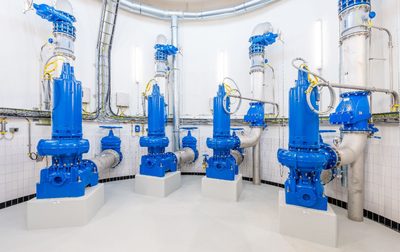
- Area: Mechanical seal face degradation and water ingressCheck: Inspect mechanical seal faces (SiC/SiC or Carbon-ceramic) for pitting, scoring, and surface damage. Take oil sample from seal chamber (milky oil indicates seal failure). Use seal minder probe to detect moisture levels in seal chamber.
- Area: Motor winding insulation failure and short circuitsCheck: Perform megohmmeter (megger) insulation resistance testing monthly (critical pumps) or quarterly (standard). Check winding resistance and insulation strength during annual overhauls. Verify protection against voltage imbalance and single-phasing.
- Area: Bearing degradation and vibration escalationCheck: Inspect and measure bearing wear, lubrication condition, and rotational play. Replace bearings annually in critical applications. Measure vibration signatures for early detection of bearing failure. Verify proper greasing intervals for permanently lubricated units.
- Area: Impeller blockage and abrasion damageCheck: Disconnect power and physically inspect impeller and suction inlet for debris accumulation, string/rags, and mineral buildup. Inspect wear rings and volute for cavitation damage and excessive abrasion. Verify screw-centrifugal impeller blade condition.
- Area: Corrosion in marine saltwater environments and component pittingCheck: Visually inspect all external surfaces and internal components for visible corrosion, rust, pitting, and coating degradation. Verify material compatibility (duplex stainless steel for seawater). Check protective coatings on pump housing and motor frame.
Typ-universelle Inspektionspunkte fuer Pumps (verifiziert, 2026-06).
- Area: Mechanical seal face degradation and water ingressCheck: Inspect mechanical seal faces (SiC/SiC or Carbon-ceramic) for pitting, scoring, and surface damage. Take oil sample from seal chamber (milky oil indicates seal failure). Use seal minder probe to detect moisture levels in seal chamber.
- Area: Motor winding insulation failure and short circuitsCheck: Perform megohmmeter (megger) insulation resistance testing monthly (critical pumps) or quarterly (standard). Check winding resistance and insulation strength during annual overhauls. Verify protection against voltage imbalance and single-phasing.
- Area: Bearing degradation and vibration escalationCheck: Inspect and measure bearing wear, lubrication condition, and rotational play. Replace bearings annually in critical applications. Measure vibration signatures for early detection of bearing failure. Verify proper greasing intervals for permanently lubricated units.
- Area: Impeller blockage and abrasion damageCheck: Disconnect power and physically inspect impeller and suction inlet for debris accumulation, string/rags, and mineral buildup. Inspect wear rings and volute for cavitation damage and excessive abrasion. Verify screw-centrifugal impeller blade condition.
- Area: Corrosion in marine saltwater environments and component pittingCheck: Visually inspect all external surfaces and internal components for visible corrosion, rust, pitting, and coating degradation. Verify material compatibility (duplex stainless steel for seawater). Check protective coatings on pump housing and motor frame.
Typ-universelle Inspektionspunkte fuer Pumps (verifiziert, 2026-06).
- Area: Mechanical seal face degradation and water ingressCheck: Inspect mechanical seal faces (SiC/SiC or Carbon-ceramic) for pitting, scoring, and surface damage. Take oil sample from seal chamber (milky oil indicates seal failure). Use seal minder probe to detect moisture levels in seal chamber.
- Area: Motor winding insulation failure and short circuitsCheck: Perform megohmmeter (megger) insulation resistance testing monthly (critical pumps) or quarterly (standard). Check winding resistance and insulation strength during annual overhauls. Verify protection against voltage imbalance and single-phasing.
- Area: Bearing degradation and vibration escalationCheck: Inspect and measure bearing wear, lubrication condition, and rotational play. Replace bearings annually in critical applications. Measure vibration signatures for early detection of bearing failure. Verify proper greasing intervals for permanently lubricated units.
- Area: Impeller blockage and abrasion damageCheck: Disconnect power and physically inspect impeller and suction inlet for debris accumulation, string/rags, and mineral buildup. Inspect wear rings and volute for cavitation damage and excessive abrasion. Verify screw-centrifugal impeller blade condition.
- Area: Corrosion in marine saltwater environments and component pittingCheck: Visually inspect all external surfaces and internal components for visible corrosion, rust, pitting, and coating degradation. Verify material compatibility (duplex stainless steel for seawater). Check protective coatings on pump housing and motor frame.
Typ-universelle Inspektionspunkte fuer Pumps (verifiziert, 2026-06).
- Area: Mechanical seal face degradation and water ingressCheck: Inspect mechanical seal faces (SiC/SiC or Carbon-ceramic) for pitting, scoring, and surface damage. Take oil sample from seal chamber (milky oil indicates seal failure). Use seal minder probe to detect moisture levels in seal chamber.
- Area: Motor winding insulation failure and short circuitsCheck: Perform megohmmeter (megger) insulation resistance testing monthly (critical pumps) or quarterly (standard). Check winding resistance and insulation strength during annual overhauls. Verify protection against voltage imbalance and single-phasing.
- Area: Bearing degradation and vibration escalationCheck: Inspect and measure bearing wear, lubrication condition, and rotational play. Replace bearings annually in critical applications. Measure vibration signatures for early detection of bearing failure. Verify proper greasing intervals for permanently lubricated units.
- Area: Impeller blockage and abrasion damageCheck: Disconnect power and physically inspect impeller and suction inlet for debris accumulation, string/rags, and mineral buildup. Inspect wear rings and volute for cavitation damage and excessive abrasion. Verify screw-centrifugal impeller blade condition.
- Area: Corrosion in marine saltwater environments and component pittingCheck: Visually inspect all external surfaces and internal components for visible corrosion, rust, pitting, and coating degradation. Verify material compatibility (duplex stainless steel for seawater). Check protective coatings on pump housing and motor frame.
Typ-universelle Inspektionspunkte fuer Pumps (verifiziert, 2026-06).
- Area: Mechanical seal face degradation and water ingressCheck: Inspect mechanical seal faces (SiC/SiC or Carbon-ceramic) for pitting, scoring, and surface damage. Take oil sample from seal chamber (milky oil indicates seal failure). Use seal minder probe to detect moisture levels in seal chamber.
- Area: Motor winding insulation failure and short circuitsCheck: Perform megohmmeter (megger) insulation resistance testing monthly (critical pumps) or quarterly (standard). Check winding resistance and insulation strength during annual overhauls. Verify protection against voltage imbalance and single-phasing.
- Area: Bearing degradation and vibration escalationCheck: Inspect and measure bearing wear, lubrication condition, and rotational play. Replace bearings annually in critical applications. Measure vibration signatures for early detection of bearing failure. Verify proper greasing intervals for permanently lubricated units.
- Area: Impeller blockage and abrasion damageCheck: Disconnect power and physically inspect impeller and suction inlet for debris accumulation, string/rags, and mineral buildup. Inspect wear rings and volute for cavitation damage and excessive abrasion. Verify screw-centrifugal impeller blade condition.
- Area: Corrosion in marine saltwater environments and component pittingCheck: Visually inspect all external surfaces and internal components for visible corrosion, rust, pitting, and coating degradation. Verify material compatibility (duplex stainless steel for seawater). Check protective coatings on pump housing and motor frame.
Typ-universelle Inspektionspunkte fuer Pumps (verifiziert, 2026-06).
- Area: Mechanical seal face degradation and water ingressCheck: Inspect mechanical seal faces (SiC/SiC or Carbon-ceramic) for pitting, scoring, and surface damage. Take oil sample from seal chamber (milky oil indicates seal failure). Use seal minder probe to detect moisture levels in seal chamber.
- Area: Motor winding insulation failure and short circuitsCheck: Perform megohmmeter (megger) insulation resistance testing monthly (critical pumps) or quarterly (standard). Check winding resistance and insulation strength during annual overhauls. Verify protection against voltage imbalance and single-phasing.
- Area: Bearing degradation and vibration escalationCheck: Inspect and measure bearing wear, lubrication condition, and rotational play. Replace bearings annually in critical applications. Measure vibration signatures for early detection of bearing failure. Verify proper greasing intervals for permanently lubricated units.
- Area: Impeller blockage and abrasion damageCheck: Disconnect power and physically inspect impeller and suction inlet for debris accumulation, string/rags, and mineral buildup. Inspect wear rings and volute for cavitation damage and excessive abrasion. Verify screw-centrifugal impeller blade condition.
- Area: Corrosion in marine saltwater environments and component pittingCheck: Visually inspect all external surfaces and internal components for visible corrosion, rust, pitting, and coating degradation. Verify material compatibility (duplex stainless steel for seawater). Check protective coatings on pump housing and motor frame.
Typ-universelle Inspektionspunkte fuer Pumps (verifiziert, 2026-06).
- Area: Mechanical seal face degradation and water ingressCheck: Inspect mechanical seal faces (SiC/SiC or Carbon-ceramic) for pitting, scoring, and surface damage. Take oil sample from seal chamber (milky oil indicates seal failure). Use seal minder probe to detect moisture levels in seal chamber.
- Area: Motor winding insulation failure and short circuitsCheck: Perform megohmmeter (megger) insulation resistance testing monthly (critical pumps) or quarterly (standard). Check winding resistance and insulation strength during annual overhauls. Verify protection against voltage imbalance and single-phasing.
- Area: Bearing degradation and vibration escalationCheck: Inspect and measure bearing wear, lubrication condition, and rotational play. Replace bearings annually in critical applications. Measure vibration signatures for early detection of bearing failure. Verify proper greasing intervals for permanently lubricated units.
- Area: Impeller blockage and abrasion damageCheck: Disconnect power and physically inspect impeller and suction inlet for debris accumulation, string/rags, and mineral buildup. Inspect wear rings and volute for cavitation damage and excessive abrasion. Verify screw-centrifugal impeller blade condition.
- Area: Corrosion in marine saltwater environments and component pittingCheck: Visually inspect all external surfaces and internal components for visible corrosion, rust, pitting, and coating degradation. Verify material compatibility (duplex stainless steel for seawater). Check protective coatings on pump housing and motor frame.
Typ-universelle Inspektionspunkte fuer Pumps (verifiziert, 2026-06).
- Area: Mechanical seal face degradation and water ingressCheck: Inspect mechanical seal faces (SiC/SiC or Carbon-ceramic) for pitting, scoring, and surface damage. Take oil sample from seal chamber (milky oil indicates seal failure). Use seal minder probe to detect moisture levels in seal chamber.
- Area: Motor winding insulation failure and short circuitsCheck: Perform megohmmeter (megger) insulation resistance testing monthly (critical pumps) or quarterly (standard). Check winding resistance and insulation strength during annual overhauls. Verify protection against voltage imbalance and single-phasing.
- Area: Bearing degradation and vibration escalationCheck: Inspect and measure bearing wear, lubrication condition, and rotational play. Replace bearings annually in critical applications. Measure vibration signatures for early detection of bearing failure. Verify proper greasing intervals for permanently lubricated units.
- Area: Impeller blockage and abrasion damageCheck: Disconnect power and physically inspect impeller and suction inlet for debris accumulation, string/rags, and mineral buildup. Inspect wear rings and volute for cavitation damage and excessive abrasion. Verify screw-centrifugal impeller blade condition.
- Area: Corrosion in marine saltwater environments and component pittingCheck: Visually inspect all external surfaces and internal components for visible corrosion, rust, pitting, and coating degradation. Verify material compatibility (duplex stainless steel for seawater). Check protective coatings on pump housing and motor frame.
Typ-universelle Inspektionspunkte fuer Pumps (verifiziert, 2026-06).
- Area: Mechanical seal face degradation and water ingressCheck: Inspect mechanical seal faces (SiC/SiC or Carbon-ceramic) for pitting, scoring, and surface damage. Take oil sample from seal chamber (milky oil indicates seal failure). Use seal minder probe to detect moisture levels in seal chamber.
- Area: Motor winding insulation failure and short circuitsCheck: Perform megohmmeter (megger) insulation resistance testing monthly (critical pumps) or quarterly (standard). Check winding resistance and insulation strength during annual overhauls. Verify protection against voltage imbalance and single-phasing.
- Area: Bearing degradation and vibration escalationCheck: Inspect and measure bearing wear, lubrication condition, and rotational play. Replace bearings annually in critical applications. Measure vibration signatures for early detection of bearing failure. Verify proper greasing intervals for permanently lubricated units.
- Area: Impeller blockage and abrasion damageCheck: Disconnect power and physically inspect impeller and suction inlet for debris accumulation, string/rags, and mineral buildup. Inspect wear rings and volute for cavitation damage and excessive abrasion. Verify screw-centrifugal impeller blade condition.
- Area: Corrosion in marine saltwater environments and component pittingCheck: Visually inspect all external surfaces and internal components for visible corrosion, rust, pitting, and coating degradation. Verify material compatibility (duplex stainless steel for seawater). Check protective coatings on pump housing and motor frame.
Typ-universelle Inspektionspunkte fuer Pumps (verifiziert, 2026-06).
- Area: Mechanical seal face degradation and water ingressCheck: Inspect mechanical seal faces (SiC/SiC or Carbon-ceramic) for pitting, scoring, and surface damage. Take oil sample from seal chamber (milky oil indicates seal failure). Use seal minder probe to detect moisture levels in seal chamber.
- Area: Motor winding insulation failure and short circuitsCheck: Perform megohmmeter (megger) insulation resistance testing monthly (critical pumps) or quarterly (standard). Check winding resistance and insulation strength during annual overhauls. Verify protection against voltage imbalance and single-phasing.
- Area: Bearing degradation and vibration escalationCheck: Inspect and measure bearing wear, lubrication condition, and rotational play. Replace bearings annually in critical applications. Measure vibration signatures for early detection of bearing failure. Verify proper greasing intervals for permanently lubricated units.
- Area: Impeller blockage and abrasion damageCheck: Disconnect power and physically inspect impeller and suction inlet for debris accumulation, string/rags, and mineral buildup. Inspect wear rings and volute for cavitation damage and excessive abrasion. Verify screw-centrifugal impeller blade condition.
- Area: Corrosion in marine saltwater environments and component pittingCheck: Visually inspect all external surfaces and internal components for visible corrosion, rust, pitting, and coating degradation. Verify material compatibility (duplex stainless steel for seawater). Check protective coatings on pump housing and motor frame.
Typ-universelle Inspektionspunkte fuer Pumps (verifiziert, 2026-06).
Ebara
29
Grundfos Marine
18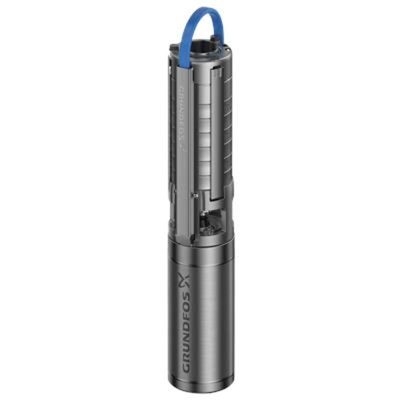
- Nennleistung (Motor)
- 0,75 bis 355 kW
- Fördermenge (max.)
- bis 1.300 m³/h (5.800 gpm)
- Förderhöhe (max.)
- bis 137 m (450 ft)
- Ausgangsgrößen
- 1,25" bis 10" (DN 32 bis DN 250)
- Lagerschmierung (NK-Serie)
- SKF LGHP2 Fett; Motoren bis 11 kW: Lebensdauerschmierung; >100.000 Betriebsstunden: Wechsel empfohlen
- Inspektionsintervalle
- Alle 3.000 Betriebsstunden oder mind. 1x/Jahr
- Materialien Marine
- Hochwertige Edelstähle (EN 1.4301, EN 1.4408, EN 1.4517) / Titan für Seewasser
- NB/NBG (Close-Coupled)
- NK/NKG (Long-Coupled)
- CR/CRI/CRN (Vertical Multistage)
- NBE/NBE-Serie
- NKE/NKE-Serie
- Stainless Steel Variants (EN 1.4408, EN 1.4517, AISI 316)
- Area: Mechanische Dichtung (Gleitringdichtung) - Verschleiß, Leckage, OberflächenrauheitCheck: Visuell prüfen: Leckagemenge 1-10 ml/24h ist normal. Bei >20% Wassergehalt im Ölraum nach 1 Woche Betrieb ist Dichtung defekt. Dichtungsflachen NICHT mit bloßen Fingern berühren. Bei Stillstand: Silikon-Öl zwischen Pumpengehäuse und Kupplung einspritzen zur Vermeidung von Flächenverklebung.
- Area: Lager (Kugel-/Walzenlager) - Verschleiß, Lagerspiel, SchmierfilmbruchCheck: Umfang-Schmierung prüfen: SKF LGHP2 Fett mittels Fettpresse nachschmieren. Lagerspiel mit Schieblehre messen nach Werkstattrichtlinie. Nach 100.000 Betriebsstunden Austausch durchführen. Motoren bis 11 kW sind lebensdauergeschmiert (keine Nachschmierung nötig). Abnormale Vibrationen/Geräusche indizieren Lagerverschleiß.
- Area: Laufrad - Verschleiß, Kavitation, Erosion, VerschleißringeCheck: Visuell inspizieren auf: Erosion, Pitting, Kavitationsschäden, Risse, Delle oder Unebenheiten an Schaufelvorderkanten und Nabe. Verschleißringe (vorne/hinten) auf Kratzer/Verformung prüfen. Mit Schieblehre Spiel zum Pumpenlaufrad/Gehäuse messen. Abnahme von Fördermenge/Druckaufbau/Stromaufnahme deutet auf Laufradschaden hin.
- Area: Motor - Verschleiß, Lagerverschleiß, Wärmeentwicklung, VerschmutzungCheck: Motor regelmäßig sichtprüfen und reinigen für ausreichende Kühlung. In staubiger Umgebung häufiger kontrollieren. Temperatur überwachen (überhöhte Wärmeentwicklung = frühes Fehlersignal). Lagerverschleiß durch Vibrationen/Geräusche erkennen. Stromaufnahme vs. Nominalwert vergleichen. Motorlager bei 2/4/6-Pol bis 11 kW sind wartungsfrei geschmiert; größere Motoren regelmäßig schmieren.
- Area: Öl im Pumpenraum - Verschmutzung, Wassergehalt, AlterungCheck: Ölstand nach 1 Woche Betrieb prüfen (nach Dichtungswechsel). Wassergehalt kontrollieren: >20% Wasser bedeutet Dichtungsfehlschlag. Ölwechsel alle 3.000 Betriebsstunden oder 1x/Jahr durchführen (Shell Ondina 917 o.ä.). Ölfarbe, Geruch, Trübung prüfen auf Verschmutzung/Verbrennungsprodukte.
- Area: Korrosion bei Seewasser-Anwendungen - Material-Degradation in korrosiver UmgebungCheck: Für Seewasser/marine Umgebungen: Pumpe muss in Hochlast-Edelstahl (EN 1.4517 Duplex, AISI 316) oder Titan ausgeführt sein. Sichtprüfung auf Oberflächenrost, Pittings, Verfärbungen durchführen. Hochgrad-Edelstahl Konstruktionen (EN 1.4408) für T>40°C u. chemische Flüssigkeiten. Spezial-Dichtungen (Super Duplex) und Dichtmittel für aggressive Medien verwenden.
Typ-universelle Inspektions-/Wartungspunkte fuer Pumps (Grundfos Marine, Mega-Schwarm 2026-06). Per-Modell-Specs nicht auto-gefuellt.
- Nennleistung (Motor)
- 0,75 bis 355 kW
- Fördermenge (max.)
- bis 1.300 m³/h (5.800 gpm)
- Förderhöhe (max.)
- bis 137 m (450 ft)
- Ausgangsgrößen
- 1,25" bis 10" (DN 32 bis DN 250)
- Lagerschmierung (NK-Serie)
- SKF LGHP2 Fett; Motoren bis 11 kW: Lebensdauerschmierung; >100.000 Betriebsstunden: Wechsel empfohlen
- Inspektionsintervalle
- Alle 3.000 Betriebsstunden oder mind. 1x/Jahr
- Materialien Marine
- Hochwertige Edelstähle (EN 1.4301, EN 1.4408, EN 1.4517) / Titan für Seewasser
- NB/NBG (Close-Coupled)
- NK/NKG (Long-Coupled)
- CR/CRI/CRN (Vertical Multistage)
- NBE/NBE-Serie
- NKE/NKE-Serie
- Stainless Steel Variants (EN 1.4408, EN 1.4517, AISI 316)
- Area: Mechanische Dichtung (Gleitringdichtung) - Verschleiß, Leckage, OberflächenrauheitCheck: Visuell prüfen: Leckagemenge 1-10 ml/24h ist normal. Bei >20% Wassergehalt im Ölraum nach 1 Woche Betrieb ist Dichtung defekt. Dichtungsflachen NICHT mit bloßen Fingern berühren. Bei Stillstand: Silikon-Öl zwischen Pumpengehäuse und Kupplung einspritzen zur Vermeidung von Flächenverklebung.
- Area: Lager (Kugel-/Walzenlager) - Verschleiß, Lagerspiel, SchmierfilmbruchCheck: Umfang-Schmierung prüfen: SKF LGHP2 Fett mittels Fettpresse nachschmieren. Lagerspiel mit Schieblehre messen nach Werkstattrichtlinie. Nach 100.000 Betriebsstunden Austausch durchführen. Motoren bis 11 kW sind lebensdauergeschmiert (keine Nachschmierung nötig). Abnormale Vibrationen/Geräusche indizieren Lagerverschleiß.
- Area: Laufrad - Verschleiß, Kavitation, Erosion, VerschleißringeCheck: Visuell inspizieren auf: Erosion, Pitting, Kavitationsschäden, Risse, Delle oder Unebenheiten an Schaufelvorderkanten und Nabe. Verschleißringe (vorne/hinten) auf Kratzer/Verformung prüfen. Mit Schieblehre Spiel zum Pumpenlaufrad/Gehäuse messen. Abnahme von Fördermenge/Druckaufbau/Stromaufnahme deutet auf Laufradschaden hin.
- Area: Motor - Verschleiß, Lagerverschleiß, Wärmeentwicklung, VerschmutzungCheck: Motor regelmäßig sichtprüfen und reinigen für ausreichende Kühlung. In staubiger Umgebung häufiger kontrollieren. Temperatur überwachen (überhöhte Wärmeentwicklung = frühes Fehlersignal). Lagerverschleiß durch Vibrationen/Geräusche erkennen. Stromaufnahme vs. Nominalwert vergleichen. Motorlager bei 2/4/6-Pol bis 11 kW sind wartungsfrei geschmiert; größere Motoren regelmäßig schmieren.
- Area: Öl im Pumpenraum - Verschmutzung, Wassergehalt, AlterungCheck: Ölstand nach 1 Woche Betrieb prüfen (nach Dichtungswechsel). Wassergehalt kontrollieren: >20% Wasser bedeutet Dichtungsfehlschlag. Ölwechsel alle 3.000 Betriebsstunden oder 1x/Jahr durchführen (Shell Ondina 917 o.ä.). Ölfarbe, Geruch, Trübung prüfen auf Verschmutzung/Verbrennungsprodukte.
- Area: Korrosion bei Seewasser-Anwendungen - Material-Degradation in korrosiver UmgebungCheck: Für Seewasser/marine Umgebungen: Pumpe muss in Hochlast-Edelstahl (EN 1.4517 Duplex, AISI 316) oder Titan ausgeführt sein. Sichtprüfung auf Oberflächenrost, Pittings, Verfärbungen durchführen. Hochgrad-Edelstahl Konstruktionen (EN 1.4408) für T>40°C u. chemische Flüssigkeiten. Spezial-Dichtungen (Super Duplex) und Dichtmittel für aggressive Medien verwenden.
Typ-universelle Inspektions-/Wartungspunkte fuer Pumps (Grundfos Marine, Mega-Schwarm 2026-06). Per-Modell-Specs nicht auto-gefuellt.
- Nennleistung (Motor)
- 0,75 bis 355 kW
- Fördermenge (max.)
- bis 1.300 m³/h (5.800 gpm)
- Förderhöhe (max.)
- bis 137 m (450 ft)
- Ausgangsgrößen
- 1,25" bis 10" (DN 32 bis DN 250)
- Lagerschmierung (NK-Serie)
- SKF LGHP2 Fett; Motoren bis 11 kW: Lebensdauerschmierung; >100.000 Betriebsstunden: Wechsel empfohlen
- Inspektionsintervalle
- Alle 3.000 Betriebsstunden oder mind. 1x/Jahr
- Materialien Marine
- Hochwertige Edelstähle (EN 1.4301, EN 1.4408, EN 1.4517) / Titan für Seewasser
- NB/NBG (Close-Coupled)
- NK/NKG (Long-Coupled)
- CR/CRI/CRN (Vertical Multistage)
- NBE/NBE-Serie
- NKE/NKE-Serie
- Stainless Steel Variants (EN 1.4408, EN 1.4517, AISI 316)
- Area: Mechanische Dichtung (Gleitringdichtung) - Verschleiß, Leckage, OberflächenrauheitCheck: Visuell prüfen: Leckagemenge 1-10 ml/24h ist normal. Bei >20% Wassergehalt im Ölraum nach 1 Woche Betrieb ist Dichtung defekt. Dichtungsflachen NICHT mit bloßen Fingern berühren. Bei Stillstand: Silikon-Öl zwischen Pumpengehäuse und Kupplung einspritzen zur Vermeidung von Flächenverklebung.
- Area: Lager (Kugel-/Walzenlager) - Verschleiß, Lagerspiel, SchmierfilmbruchCheck: Umfang-Schmierung prüfen: SKF LGHP2 Fett mittels Fettpresse nachschmieren. Lagerspiel mit Schieblehre messen nach Werkstattrichtlinie. Nach 100.000 Betriebsstunden Austausch durchführen. Motoren bis 11 kW sind lebensdauergeschmiert (keine Nachschmierung nötig). Abnormale Vibrationen/Geräusche indizieren Lagerverschleiß.
- Area: Laufrad - Verschleiß, Kavitation, Erosion, VerschleißringeCheck: Visuell inspizieren auf: Erosion, Pitting, Kavitationsschäden, Risse, Delle oder Unebenheiten an Schaufelvorderkanten und Nabe. Verschleißringe (vorne/hinten) auf Kratzer/Verformung prüfen. Mit Schieblehre Spiel zum Pumpenlaufrad/Gehäuse messen. Abnahme von Fördermenge/Druckaufbau/Stromaufnahme deutet auf Laufradschaden hin.
- Area: Motor - Verschleiß, Lagerverschleiß, Wärmeentwicklung, VerschmutzungCheck: Motor regelmäßig sichtprüfen und reinigen für ausreichende Kühlung. In staubiger Umgebung häufiger kontrollieren. Temperatur überwachen (überhöhte Wärmeentwicklung = frühes Fehlersignal). Lagerverschleiß durch Vibrationen/Geräusche erkennen. Stromaufnahme vs. Nominalwert vergleichen. Motorlager bei 2/4/6-Pol bis 11 kW sind wartungsfrei geschmiert; größere Motoren regelmäßig schmieren.
- Area: Öl im Pumpenraum - Verschmutzung, Wassergehalt, AlterungCheck: Ölstand nach 1 Woche Betrieb prüfen (nach Dichtungswechsel). Wassergehalt kontrollieren: >20% Wasser bedeutet Dichtungsfehlschlag. Ölwechsel alle 3.000 Betriebsstunden oder 1x/Jahr durchführen (Shell Ondina 917 o.ä.). Ölfarbe, Geruch, Trübung prüfen auf Verschmutzung/Verbrennungsprodukte.
- Area: Korrosion bei Seewasser-Anwendungen - Material-Degradation in korrosiver UmgebungCheck: Für Seewasser/marine Umgebungen: Pumpe muss in Hochlast-Edelstahl (EN 1.4517 Duplex, AISI 316) oder Titan ausgeführt sein. Sichtprüfung auf Oberflächenrost, Pittings, Verfärbungen durchführen. Hochgrad-Edelstahl Konstruktionen (EN 1.4408) für T>40°C u. chemische Flüssigkeiten. Spezial-Dichtungen (Super Duplex) und Dichtmittel für aggressive Medien verwenden.
Typ-universelle Inspektions-/Wartungspunkte fuer Pumps (Grundfos Marine, Mega-Schwarm 2026-06). Per-Modell-Specs nicht auto-gefuellt.
- Nennleistung (Motor)
- 0,75 bis 355 kW
- Fördermenge (max.)
- bis 1.300 m³/h (5.800 gpm)
- Förderhöhe (max.)
- bis 137 m (450 ft)
- Ausgangsgrößen
- 1,25" bis 10" (DN 32 bis DN 250)
- Lagerschmierung (NK-Serie)
- SKF LGHP2 Fett; Motoren bis 11 kW: Lebensdauerschmierung; >100.000 Betriebsstunden: Wechsel empfohlen
- Inspektionsintervalle
- Alle 3.000 Betriebsstunden oder mind. 1x/Jahr
- Materialien Marine
- Hochwertige Edelstähle (EN 1.4301, EN 1.4408, EN 1.4517) / Titan für Seewasser
- NB/NBG (Close-Coupled)
- NK/NKG (Long-Coupled)
- CR/CRI/CRN (Vertical Multistage)
- NBE/NBE-Serie
- NKE/NKE-Serie
- Stainless Steel Variants (EN 1.4408, EN 1.4517, AISI 316)
- Area: Mechanische Dichtung (Gleitringdichtung) - Verschleiß, Leckage, OberflächenrauheitCheck: Visuell prüfen: Leckagemenge 1-10 ml/24h ist normal. Bei >20% Wassergehalt im Ölraum nach 1 Woche Betrieb ist Dichtung defekt. Dichtungsflachen NICHT mit bloßen Fingern berühren. Bei Stillstand: Silikon-Öl zwischen Pumpengehäuse und Kupplung einspritzen zur Vermeidung von Flächenverklebung.
- Area: Lager (Kugel-/Walzenlager) - Verschleiß, Lagerspiel, SchmierfilmbruchCheck: Umfang-Schmierung prüfen: SKF LGHP2 Fett mittels Fettpresse nachschmieren. Lagerspiel mit Schieblehre messen nach Werkstattrichtlinie. Nach 100.000 Betriebsstunden Austausch durchführen. Motoren bis 11 kW sind lebensdauergeschmiert (keine Nachschmierung nötig). Abnormale Vibrationen/Geräusche indizieren Lagerverschleiß.
- Area: Laufrad - Verschleiß, Kavitation, Erosion, VerschleißringeCheck: Visuell inspizieren auf: Erosion, Pitting, Kavitationsschäden, Risse, Delle oder Unebenheiten an Schaufelvorderkanten und Nabe. Verschleißringe (vorne/hinten) auf Kratzer/Verformung prüfen. Mit Schieblehre Spiel zum Pumpenlaufrad/Gehäuse messen. Abnahme von Fördermenge/Druckaufbau/Stromaufnahme deutet auf Laufradschaden hin.
- Area: Motor - Verschleiß, Lagerverschleiß, Wärmeentwicklung, VerschmutzungCheck: Motor regelmäßig sichtprüfen und reinigen für ausreichende Kühlung. In staubiger Umgebung häufiger kontrollieren. Temperatur überwachen (überhöhte Wärmeentwicklung = frühes Fehlersignal). Lagerverschleiß durch Vibrationen/Geräusche erkennen. Stromaufnahme vs. Nominalwert vergleichen. Motorlager bei 2/4/6-Pol bis 11 kW sind wartungsfrei geschmiert; größere Motoren regelmäßig schmieren.
- Area: Öl im Pumpenraum - Verschmutzung, Wassergehalt, AlterungCheck: Ölstand nach 1 Woche Betrieb prüfen (nach Dichtungswechsel). Wassergehalt kontrollieren: >20% Wasser bedeutet Dichtungsfehlschlag. Ölwechsel alle 3.000 Betriebsstunden oder 1x/Jahr durchführen (Shell Ondina 917 o.ä.). Ölfarbe, Geruch, Trübung prüfen auf Verschmutzung/Verbrennungsprodukte.
- Area: Korrosion bei Seewasser-Anwendungen - Material-Degradation in korrosiver UmgebungCheck: Für Seewasser/marine Umgebungen: Pumpe muss in Hochlast-Edelstahl (EN 1.4517 Duplex, AISI 316) oder Titan ausgeführt sein. Sichtprüfung auf Oberflächenrost, Pittings, Verfärbungen durchführen. Hochgrad-Edelstahl Konstruktionen (EN 1.4408) für T>40°C u. chemische Flüssigkeiten. Spezial-Dichtungen (Super Duplex) und Dichtmittel für aggressive Medien verwenden.
Typ-universelle Inspektions-/Wartungspunkte fuer Pumps (Grundfos Marine, Mega-Schwarm 2026-06). Per-Modell-Specs nicht auto-gefuellt.
- Nennleistung (Motor)
- 0,75 bis 355 kW
- Fördermenge (max.)
- bis 1.300 m³/h (5.800 gpm)
- Förderhöhe (max.)
- bis 137 m (450 ft)
- Ausgangsgrößen
- 1,25" bis 10" (DN 32 bis DN 250)
- Lagerschmierung (NK-Serie)
- SKF LGHP2 Fett; Motoren bis 11 kW: Lebensdauerschmierung; >100.000 Betriebsstunden: Wechsel empfohlen
- Inspektionsintervalle
- Alle 3.000 Betriebsstunden oder mind. 1x/Jahr
- Materialien Marine
- Hochwertige Edelstähle (EN 1.4301, EN 1.4408, EN 1.4517) / Titan für Seewasser
- NB/NBG (Close-Coupled)
- NK/NKG (Long-Coupled)
- CR/CRI/CRN (Vertical Multistage)
- NBE/NBE-Serie
- NKE/NKE-Serie
- Stainless Steel Variants (EN 1.4408, EN 1.4517, AISI 316)
- Area: Mechanische Dichtung (Gleitringdichtung) - Verschleiß, Leckage, OberflächenrauheitCheck: Visuell prüfen: Leckagemenge 1-10 ml/24h ist normal. Bei >20% Wassergehalt im Ölraum nach 1 Woche Betrieb ist Dichtung defekt. Dichtungsflachen NICHT mit bloßen Fingern berühren. Bei Stillstand: Silikon-Öl zwischen Pumpengehäuse und Kupplung einspritzen zur Vermeidung von Flächenverklebung.
- Area: Lager (Kugel-/Walzenlager) - Verschleiß, Lagerspiel, SchmierfilmbruchCheck: Umfang-Schmierung prüfen: SKF LGHP2 Fett mittels Fettpresse nachschmieren. Lagerspiel mit Schieblehre messen nach Werkstattrichtlinie. Nach 100.000 Betriebsstunden Austausch durchführen. Motoren bis 11 kW sind lebensdauergeschmiert (keine Nachschmierung nötig). Abnormale Vibrationen/Geräusche indizieren Lagerverschleiß.
- Area: Laufrad - Verschleiß, Kavitation, Erosion, VerschleißringeCheck: Visuell inspizieren auf: Erosion, Pitting, Kavitationsschäden, Risse, Delle oder Unebenheiten an Schaufelvorderkanten und Nabe. Verschleißringe (vorne/hinten) auf Kratzer/Verformung prüfen. Mit Schieblehre Spiel zum Pumpenlaufrad/Gehäuse messen. Abnahme von Fördermenge/Druckaufbau/Stromaufnahme deutet auf Laufradschaden hin.
- Area: Motor - Verschleiß, Lagerverschleiß, Wärmeentwicklung, VerschmutzungCheck: Motor regelmäßig sichtprüfen und reinigen für ausreichende Kühlung. In staubiger Umgebung häufiger kontrollieren. Temperatur überwachen (überhöhte Wärmeentwicklung = frühes Fehlersignal). Lagerverschleiß durch Vibrationen/Geräusche erkennen. Stromaufnahme vs. Nominalwert vergleichen. Motorlager bei 2/4/6-Pol bis 11 kW sind wartungsfrei geschmiert; größere Motoren regelmäßig schmieren.
- Area: Öl im Pumpenraum - Verschmutzung, Wassergehalt, AlterungCheck: Ölstand nach 1 Woche Betrieb prüfen (nach Dichtungswechsel). Wassergehalt kontrollieren: >20% Wasser bedeutet Dichtungsfehlschlag. Ölwechsel alle 3.000 Betriebsstunden oder 1x/Jahr durchführen (Shell Ondina 917 o.ä.). Ölfarbe, Geruch, Trübung prüfen auf Verschmutzung/Verbrennungsprodukte.
- Area: Korrosion bei Seewasser-Anwendungen - Material-Degradation in korrosiver UmgebungCheck: Für Seewasser/marine Umgebungen: Pumpe muss in Hochlast-Edelstahl (EN 1.4517 Duplex, AISI 316) oder Titan ausgeführt sein. Sichtprüfung auf Oberflächenrost, Pittings, Verfärbungen durchführen. Hochgrad-Edelstahl Konstruktionen (EN 1.4408) für T>40°C u. chemische Flüssigkeiten. Spezial-Dichtungen (Super Duplex) und Dichtmittel für aggressive Medien verwenden.
Typ-universelle Inspektions-/Wartungspunkte fuer Pumps (Grundfos Marine, Mega-Schwarm 2026-06). Per-Modell-Specs nicht auto-gefuellt.
- Nennleistung (Motor)
- 0,75 bis 355 kW
- Fördermenge (max.)
- bis 1.300 m³/h (5.800 gpm)
- Förderhöhe (max.)
- bis 137 m (450 ft)
- Ausgangsgrößen
- 1,25" bis 10" (DN 32 bis DN 250)
- Lagerschmierung (NK-Serie)
- SKF LGHP2 Fett; Motoren bis 11 kW: Lebensdauerschmierung; >100.000 Betriebsstunden: Wechsel empfohlen
- Inspektionsintervalle
- Alle 3.000 Betriebsstunden oder mind. 1x/Jahr
- Materialien Marine
- Hochwertige Edelstähle (EN 1.4301, EN 1.4408, EN 1.4517) / Titan für Seewasser
- NB/NBG (Close-Coupled)
- NK/NKG (Long-Coupled)
- CR/CRI/CRN (Vertical Multistage)
- NBE/NBE-Serie
- NKE/NKE-Serie
- Stainless Steel Variants (EN 1.4408, EN 1.4517, AISI 316)
- Area: Mechanische Dichtung (Gleitringdichtung) - Verschleiß, Leckage, OberflächenrauheitCheck: Visuell prüfen: Leckagemenge 1-10 ml/24h ist normal. Bei >20% Wassergehalt im Ölraum nach 1 Woche Betrieb ist Dichtung defekt. Dichtungsflachen NICHT mit bloßen Fingern berühren. Bei Stillstand: Silikon-Öl zwischen Pumpengehäuse und Kupplung einspritzen zur Vermeidung von Flächenverklebung.
- Area: Lager (Kugel-/Walzenlager) - Verschleiß, Lagerspiel, SchmierfilmbruchCheck: Umfang-Schmierung prüfen: SKF LGHP2 Fett mittels Fettpresse nachschmieren. Lagerspiel mit Schieblehre messen nach Werkstattrichtlinie. Nach 100.000 Betriebsstunden Austausch durchführen. Motoren bis 11 kW sind lebensdauergeschmiert (keine Nachschmierung nötig). Abnormale Vibrationen/Geräusche indizieren Lagerverschleiß.
- Area: Laufrad - Verschleiß, Kavitation, Erosion, VerschleißringeCheck: Visuell inspizieren auf: Erosion, Pitting, Kavitationsschäden, Risse, Delle oder Unebenheiten an Schaufelvorderkanten und Nabe. Verschleißringe (vorne/hinten) auf Kratzer/Verformung prüfen. Mit Schieblehre Spiel zum Pumpenlaufrad/Gehäuse messen. Abnahme von Fördermenge/Druckaufbau/Stromaufnahme deutet auf Laufradschaden hin.
- Area: Motor - Verschleiß, Lagerverschleiß, Wärmeentwicklung, VerschmutzungCheck: Motor regelmäßig sichtprüfen und reinigen für ausreichende Kühlung. In staubiger Umgebung häufiger kontrollieren. Temperatur überwachen (überhöhte Wärmeentwicklung = frühes Fehlersignal). Lagerverschleiß durch Vibrationen/Geräusche erkennen. Stromaufnahme vs. Nominalwert vergleichen. Motorlager bei 2/4/6-Pol bis 11 kW sind wartungsfrei geschmiert; größere Motoren regelmäßig schmieren.
- Area: Öl im Pumpenraum - Verschmutzung, Wassergehalt, AlterungCheck: Ölstand nach 1 Woche Betrieb prüfen (nach Dichtungswechsel). Wassergehalt kontrollieren: >20% Wasser bedeutet Dichtungsfehlschlag. Ölwechsel alle 3.000 Betriebsstunden oder 1x/Jahr durchführen (Shell Ondina 917 o.ä.). Ölfarbe, Geruch, Trübung prüfen auf Verschmutzung/Verbrennungsprodukte.
- Area: Korrosion bei Seewasser-Anwendungen - Material-Degradation in korrosiver UmgebungCheck: Für Seewasser/marine Umgebungen: Pumpe muss in Hochlast-Edelstahl (EN 1.4517 Duplex, AISI 316) oder Titan ausgeführt sein. Sichtprüfung auf Oberflächenrost, Pittings, Verfärbungen durchführen. Hochgrad-Edelstahl Konstruktionen (EN 1.4408) für T>40°C u. chemische Flüssigkeiten. Spezial-Dichtungen (Super Duplex) und Dichtmittel für aggressive Medien verwenden.
Typ-universelle Inspektions-/Wartungspunkte fuer Pumps (Grundfos Marine, Mega-Schwarm 2026-06). Per-Modell-Specs nicht auto-gefuellt.
- Nennleistung (Motor)
- 0,75 bis 355 kW
- Fördermenge (max.)
- bis 1.300 m³/h (5.800 gpm)
- Förderhöhe (max.)
- bis 137 m (450 ft)
- Ausgangsgrößen
- 1,25" bis 10" (DN 32 bis DN 250)
- Lagerschmierung (NK-Serie)
- SKF LGHP2 Fett; Motoren bis 11 kW: Lebensdauerschmierung; >100.000 Betriebsstunden: Wechsel empfohlen
- Inspektionsintervalle
- Alle 3.000 Betriebsstunden oder mind. 1x/Jahr
- Materialien Marine
- Hochwertige Edelstähle (EN 1.4301, EN 1.4408, EN 1.4517) / Titan für Seewasser
- NB/NBG (Close-Coupled)
- NK/NKG (Long-Coupled)
- CR/CRI/CRN (Vertical Multistage)
- NBE/NBE-Serie
- NKE/NKE-Serie
- Stainless Steel Variants (EN 1.4408, EN 1.4517, AISI 316)
- Area: Mechanische Dichtung (Gleitringdichtung) - Verschleiß, Leckage, OberflächenrauheitCheck: Visuell prüfen: Leckagemenge 1-10 ml/24h ist normal. Bei >20% Wassergehalt im Ölraum nach 1 Woche Betrieb ist Dichtung defekt. Dichtungsflachen NICHT mit bloßen Fingern berühren. Bei Stillstand: Silikon-Öl zwischen Pumpengehäuse und Kupplung einspritzen zur Vermeidung von Flächenverklebung.
- Area: Lager (Kugel-/Walzenlager) - Verschleiß, Lagerspiel, SchmierfilmbruchCheck: Umfang-Schmierung prüfen: SKF LGHP2 Fett mittels Fettpresse nachschmieren. Lagerspiel mit Schieblehre messen nach Werkstattrichtlinie. Nach 100.000 Betriebsstunden Austausch durchführen. Motoren bis 11 kW sind lebensdauergeschmiert (keine Nachschmierung nötig). Abnormale Vibrationen/Geräusche indizieren Lagerverschleiß.
- Area: Laufrad - Verschleiß, Kavitation, Erosion, VerschleißringeCheck: Visuell inspizieren auf: Erosion, Pitting, Kavitationsschäden, Risse, Delle oder Unebenheiten an Schaufelvorderkanten und Nabe. Verschleißringe (vorne/hinten) auf Kratzer/Verformung prüfen. Mit Schieblehre Spiel zum Pumpenlaufrad/Gehäuse messen. Abnahme von Fördermenge/Druckaufbau/Stromaufnahme deutet auf Laufradschaden hin.
- Area: Motor - Verschleiß, Lagerverschleiß, Wärmeentwicklung, VerschmutzungCheck: Motor regelmäßig sichtprüfen und reinigen für ausreichende Kühlung. In staubiger Umgebung häufiger kontrollieren. Temperatur überwachen (überhöhte Wärmeentwicklung = frühes Fehlersignal). Lagerverschleiß durch Vibrationen/Geräusche erkennen. Stromaufnahme vs. Nominalwert vergleichen. Motorlager bei 2/4/6-Pol bis 11 kW sind wartungsfrei geschmiert; größere Motoren regelmäßig schmieren.
- Area: Öl im Pumpenraum - Verschmutzung, Wassergehalt, AlterungCheck: Ölstand nach 1 Woche Betrieb prüfen (nach Dichtungswechsel). Wassergehalt kontrollieren: >20% Wasser bedeutet Dichtungsfehlschlag. Ölwechsel alle 3.000 Betriebsstunden oder 1x/Jahr durchführen (Shell Ondina 917 o.ä.). Ölfarbe, Geruch, Trübung prüfen auf Verschmutzung/Verbrennungsprodukte.
- Area: Korrosion bei Seewasser-Anwendungen - Material-Degradation in korrosiver UmgebungCheck: Für Seewasser/marine Umgebungen: Pumpe muss in Hochlast-Edelstahl (EN 1.4517 Duplex, AISI 316) oder Titan ausgeführt sein. Sichtprüfung auf Oberflächenrost, Pittings, Verfärbungen durchführen. Hochgrad-Edelstahl Konstruktionen (EN 1.4408) für T>40°C u. chemische Flüssigkeiten. Spezial-Dichtungen (Super Duplex) und Dichtmittel für aggressive Medien verwenden.
Typ-universelle Inspektions-/Wartungspunkte fuer Pumps (Grundfos Marine, Mega-Schwarm 2026-06). Per-Modell-Specs nicht auto-gefuellt.
- Nennleistung (Motor)
- 0,75 bis 355 kW
- Fördermenge (max.)
- bis 1.300 m³/h (5.800 gpm)
- Förderhöhe (max.)
- bis 137 m (450 ft)
- Ausgangsgrößen
- 1,25" bis 10" (DN 32 bis DN 250)
- Lagerschmierung (NK-Serie)
- SKF LGHP2 Fett; Motoren bis 11 kW: Lebensdauerschmierung; >100.000 Betriebsstunden: Wechsel empfohlen
- Inspektionsintervalle
- Alle 3.000 Betriebsstunden oder mind. 1x/Jahr
- Materialien Marine
- Hochwertige Edelstähle (EN 1.4301, EN 1.4408, EN 1.4517) / Titan für Seewasser
- NB/NBG (Close-Coupled)
- NK/NKG (Long-Coupled)
- CR/CRI/CRN (Vertical Multistage)
- NBE/NBE-Serie
- NKE/NKE-Serie
- Stainless Steel Variants (EN 1.4408, EN 1.4517, AISI 316)
- Area: Mechanische Dichtung (Gleitringdichtung) - Verschleiß, Leckage, OberflächenrauheitCheck: Visuell prüfen: Leckagemenge 1-10 ml/24h ist normal. Bei >20% Wassergehalt im Ölraum nach 1 Woche Betrieb ist Dichtung defekt. Dichtungsflachen NICHT mit bloßen Fingern berühren. Bei Stillstand: Silikon-Öl zwischen Pumpengehäuse und Kupplung einspritzen zur Vermeidung von Flächenverklebung.
- Area: Lager (Kugel-/Walzenlager) - Verschleiß, Lagerspiel, SchmierfilmbruchCheck: Umfang-Schmierung prüfen: SKF LGHP2 Fett mittels Fettpresse nachschmieren. Lagerspiel mit Schieblehre messen nach Werkstattrichtlinie. Nach 100.000 Betriebsstunden Austausch durchführen. Motoren bis 11 kW sind lebensdauergeschmiert (keine Nachschmierung nötig). Abnormale Vibrationen/Geräusche indizieren Lagerverschleiß.
- Area: Laufrad - Verschleiß, Kavitation, Erosion, VerschleißringeCheck: Visuell inspizieren auf: Erosion, Pitting, Kavitationsschäden, Risse, Delle oder Unebenheiten an Schaufelvorderkanten und Nabe. Verschleißringe (vorne/hinten) auf Kratzer/Verformung prüfen. Mit Schieblehre Spiel zum Pumpenlaufrad/Gehäuse messen. Abnahme von Fördermenge/Druckaufbau/Stromaufnahme deutet auf Laufradschaden hin.
- Area: Motor - Verschleiß, Lagerverschleiß, Wärmeentwicklung, VerschmutzungCheck: Motor regelmäßig sichtprüfen und reinigen für ausreichende Kühlung. In staubiger Umgebung häufiger kontrollieren. Temperatur überwachen (überhöhte Wärmeentwicklung = frühes Fehlersignal). Lagerverschleiß durch Vibrationen/Geräusche erkennen. Stromaufnahme vs. Nominalwert vergleichen. Motorlager bei 2/4/6-Pol bis 11 kW sind wartungsfrei geschmiert; größere Motoren regelmäßig schmieren.
- Area: Öl im Pumpenraum - Verschmutzung, Wassergehalt, AlterungCheck: Ölstand nach 1 Woche Betrieb prüfen (nach Dichtungswechsel). Wassergehalt kontrollieren: >20% Wasser bedeutet Dichtungsfehlschlag. Ölwechsel alle 3.000 Betriebsstunden oder 1x/Jahr durchführen (Shell Ondina 917 o.ä.). Ölfarbe, Geruch, Trübung prüfen auf Verschmutzung/Verbrennungsprodukte.
- Area: Korrosion bei Seewasser-Anwendungen - Material-Degradation in korrosiver UmgebungCheck: Für Seewasser/marine Umgebungen: Pumpe muss in Hochlast-Edelstahl (EN 1.4517 Duplex, AISI 316) oder Titan ausgeführt sein. Sichtprüfung auf Oberflächenrost, Pittings, Verfärbungen durchführen. Hochgrad-Edelstahl Konstruktionen (EN 1.4408) für T>40°C u. chemische Flüssigkeiten. Spezial-Dichtungen (Super Duplex) und Dichtmittel für aggressive Medien verwenden.
Typ-universelle Inspektions-/Wartungspunkte fuer Pumps (Grundfos Marine, Mega-Schwarm 2026-06). Per-Modell-Specs nicht auto-gefuellt.
- Nennleistung (Motor)
- 0,75 bis 355 kW
- Fördermenge (max.)
- bis 1.300 m³/h (5.800 gpm)
- Förderhöhe (max.)
- bis 137 m (450 ft)
- Ausgangsgrößen
- 1,25" bis 10" (DN 32 bis DN 250)
- Lagerschmierung (NK-Serie)
- SKF LGHP2 Fett; Motoren bis 11 kW: Lebensdauerschmierung; >100.000 Betriebsstunden: Wechsel empfohlen
- Inspektionsintervalle
- Alle 3.000 Betriebsstunden oder mind. 1x/Jahr
- Materialien Marine
- Hochwertige Edelstähle (EN 1.4301, EN 1.4408, EN 1.4517) / Titan für Seewasser
- NB/NBG (Close-Coupled)
- NK/NKG (Long-Coupled)
- CR/CRI/CRN (Vertical Multistage)
- NBE/NBE-Serie
- NKE/NKE-Serie
- Stainless Steel Variants (EN 1.4408, EN 1.4517, AISI 316)
- Area: Mechanische Dichtung (Gleitringdichtung) - Verschleiß, Leckage, OberflächenrauheitCheck: Visuell prüfen: Leckagemenge 1-10 ml/24h ist normal. Bei >20% Wassergehalt im Ölraum nach 1 Woche Betrieb ist Dichtung defekt. Dichtungsflachen NICHT mit bloßen Fingern berühren. Bei Stillstand: Silikon-Öl zwischen Pumpengehäuse und Kupplung einspritzen zur Vermeidung von Flächenverklebung.
- Area: Lager (Kugel-/Walzenlager) - Verschleiß, Lagerspiel, SchmierfilmbruchCheck: Umfang-Schmierung prüfen: SKF LGHP2 Fett mittels Fettpresse nachschmieren. Lagerspiel mit Schieblehre messen nach Werkstattrichtlinie. Nach 100.000 Betriebsstunden Austausch durchführen. Motoren bis 11 kW sind lebensdauergeschmiert (keine Nachschmierung nötig). Abnormale Vibrationen/Geräusche indizieren Lagerverschleiß.
- Area: Laufrad - Verschleiß, Kavitation, Erosion, VerschleißringeCheck: Visuell inspizieren auf: Erosion, Pitting, Kavitationsschäden, Risse, Delle oder Unebenheiten an Schaufelvorderkanten und Nabe. Verschleißringe (vorne/hinten) auf Kratzer/Verformung prüfen. Mit Schieblehre Spiel zum Pumpenlaufrad/Gehäuse messen. Abnahme von Fördermenge/Druckaufbau/Stromaufnahme deutet auf Laufradschaden hin.
- Area: Motor - Verschleiß, Lagerverschleiß, Wärmeentwicklung, VerschmutzungCheck: Motor regelmäßig sichtprüfen und reinigen für ausreichende Kühlung. In staubiger Umgebung häufiger kontrollieren. Temperatur überwachen (überhöhte Wärmeentwicklung = frühes Fehlersignal). Lagerverschleiß durch Vibrationen/Geräusche erkennen. Stromaufnahme vs. Nominalwert vergleichen. Motorlager bei 2/4/6-Pol bis 11 kW sind wartungsfrei geschmiert; größere Motoren regelmäßig schmieren.
- Area: Öl im Pumpenraum - Verschmutzung, Wassergehalt, AlterungCheck: Ölstand nach 1 Woche Betrieb prüfen (nach Dichtungswechsel). Wassergehalt kontrollieren: >20% Wasser bedeutet Dichtungsfehlschlag. Ölwechsel alle 3.000 Betriebsstunden oder 1x/Jahr durchführen (Shell Ondina 917 o.ä.). Ölfarbe, Geruch, Trübung prüfen auf Verschmutzung/Verbrennungsprodukte.
- Area: Korrosion bei Seewasser-Anwendungen - Material-Degradation in korrosiver UmgebungCheck: Für Seewasser/marine Umgebungen: Pumpe muss in Hochlast-Edelstahl (EN 1.4517 Duplex, AISI 316) oder Titan ausgeführt sein. Sichtprüfung auf Oberflächenrost, Pittings, Verfärbungen durchführen. Hochgrad-Edelstahl Konstruktionen (EN 1.4408) für T>40°C u. chemische Flüssigkeiten. Spezial-Dichtungen (Super Duplex) und Dichtmittel für aggressive Medien verwenden.
Typ-universelle Inspektions-/Wartungspunkte fuer Pumps (Grundfos Marine, Mega-Schwarm 2026-06). Per-Modell-Specs nicht auto-gefuellt.
- Nennleistung (Motor)
- 0,75 bis 355 kW
- Fördermenge (max.)
- bis 1.300 m³/h (5.800 gpm)
- Förderhöhe (max.)
- bis 137 m (450 ft)
- Ausgangsgrößen
- 1,25" bis 10" (DN 32 bis DN 250)
- Lagerschmierung (NK-Serie)
- SKF LGHP2 Fett; Motoren bis 11 kW: Lebensdauerschmierung; >100.000 Betriebsstunden: Wechsel empfohlen
- Inspektionsintervalle
- Alle 3.000 Betriebsstunden oder mind. 1x/Jahr
- Materialien Marine
- Hochwertige Edelstähle (EN 1.4301, EN 1.4408, EN 1.4517) / Titan für Seewasser
- NB/NBG (Close-Coupled)
- NK/NKG (Long-Coupled)
- CR/CRI/CRN (Vertical Multistage)
- NBE/NBE-Serie
- NKE/NKE-Serie
- Stainless Steel Variants (EN 1.4408, EN 1.4517, AISI 316)
- Area: Mechanische Dichtung (Gleitringdichtung) - Verschleiß, Leckage, OberflächenrauheitCheck: Visuell prüfen: Leckagemenge 1-10 ml/24h ist normal. Bei >20% Wassergehalt im Ölraum nach 1 Woche Betrieb ist Dichtung defekt. Dichtungsflachen NICHT mit bloßen Fingern berühren. Bei Stillstand: Silikon-Öl zwischen Pumpengehäuse und Kupplung einspritzen zur Vermeidung von Flächenverklebung.
- Area: Lager (Kugel-/Walzenlager) - Verschleiß, Lagerspiel, SchmierfilmbruchCheck: Umfang-Schmierung prüfen: SKF LGHP2 Fett mittels Fettpresse nachschmieren. Lagerspiel mit Schieblehre messen nach Werkstattrichtlinie. Nach 100.000 Betriebsstunden Austausch durchführen. Motoren bis 11 kW sind lebensdauergeschmiert (keine Nachschmierung nötig). Abnormale Vibrationen/Geräusche indizieren Lagerverschleiß.
- Area: Laufrad - Verschleiß, Kavitation, Erosion, VerschleißringeCheck: Visuell inspizieren auf: Erosion, Pitting, Kavitationsschäden, Risse, Delle oder Unebenheiten an Schaufelvorderkanten und Nabe. Verschleißringe (vorne/hinten) auf Kratzer/Verformung prüfen. Mit Schieblehre Spiel zum Pumpenlaufrad/Gehäuse messen. Abnahme von Fördermenge/Druckaufbau/Stromaufnahme deutet auf Laufradschaden hin.
- Area: Motor - Verschleiß, Lagerverschleiß, Wärmeentwicklung, VerschmutzungCheck: Motor regelmäßig sichtprüfen und reinigen für ausreichende Kühlung. In staubiger Umgebung häufiger kontrollieren. Temperatur überwachen (überhöhte Wärmeentwicklung = frühes Fehlersignal). Lagerverschleiß durch Vibrationen/Geräusche erkennen. Stromaufnahme vs. Nominalwert vergleichen. Motorlager bei 2/4/6-Pol bis 11 kW sind wartungsfrei geschmiert; größere Motoren regelmäßig schmieren.
- Area: Öl im Pumpenraum - Verschmutzung, Wassergehalt, AlterungCheck: Ölstand nach 1 Woche Betrieb prüfen (nach Dichtungswechsel). Wassergehalt kontrollieren: >20% Wasser bedeutet Dichtungsfehlschlag. Ölwechsel alle 3.000 Betriebsstunden oder 1x/Jahr durchführen (Shell Ondina 917 o.ä.). Ölfarbe, Geruch, Trübung prüfen auf Verschmutzung/Verbrennungsprodukte.
- Area: Korrosion bei Seewasser-Anwendungen - Material-Degradation in korrosiver UmgebungCheck: Für Seewasser/marine Umgebungen: Pumpe muss in Hochlast-Edelstahl (EN 1.4517 Duplex, AISI 316) oder Titan ausgeführt sein. Sichtprüfung auf Oberflächenrost, Pittings, Verfärbungen durchführen. Hochgrad-Edelstahl Konstruktionen (EN 1.4408) für T>40°C u. chemische Flüssigkeiten. Spezial-Dichtungen (Super Duplex) und Dichtmittel für aggressive Medien verwenden.
Typ-universelle Inspektions-/Wartungspunkte fuer Pumps (Grundfos Marine, Mega-Schwarm 2026-06). Per-Modell-Specs nicht auto-gefuellt.
- Nennleistung (Motor)
- 0,75 bis 355 kW
- Fördermenge (max.)
- bis 1.300 m³/h (5.800 gpm)
- Förderhöhe (max.)
- bis 137 m (450 ft)
- Ausgangsgrößen
- 1,25" bis 10" (DN 32 bis DN 250)
- Lagerschmierung (NK-Serie)
- SKF LGHP2 Fett; Motoren bis 11 kW: Lebensdauerschmierung; >100.000 Betriebsstunden: Wechsel empfohlen
- Inspektionsintervalle
- Alle 3.000 Betriebsstunden oder mind. 1x/Jahr
- Materialien Marine
- Hochwertige Edelstähle (EN 1.4301, EN 1.4408, EN 1.4517) / Titan für Seewasser
- NB/NBG (Close-Coupled)
- NK/NKG (Long-Coupled)
- CR/CRI/CRN (Vertical Multistage)
- NBE/NBE-Serie
- NKE/NKE-Serie
- Stainless Steel Variants (EN 1.4408, EN 1.4517, AISI 316)
- Area: Mechanische Dichtung (Gleitringdichtung) - Verschleiß, Leckage, OberflächenrauheitCheck: Visuell prüfen: Leckagemenge 1-10 ml/24h ist normal. Bei >20% Wassergehalt im Ölraum nach 1 Woche Betrieb ist Dichtung defekt. Dichtungsflachen NICHT mit bloßen Fingern berühren. Bei Stillstand: Silikon-Öl zwischen Pumpengehäuse und Kupplung einspritzen zur Vermeidung von Flächenverklebung.
- Area: Lager (Kugel-/Walzenlager) - Verschleiß, Lagerspiel, SchmierfilmbruchCheck: Umfang-Schmierung prüfen: SKF LGHP2 Fett mittels Fettpresse nachschmieren. Lagerspiel mit Schieblehre messen nach Werkstattrichtlinie. Nach 100.000 Betriebsstunden Austausch durchführen. Motoren bis 11 kW sind lebensdauergeschmiert (keine Nachschmierung nötig). Abnormale Vibrationen/Geräusche indizieren Lagerverschleiß.
- Area: Laufrad - Verschleiß, Kavitation, Erosion, VerschleißringeCheck: Visuell inspizieren auf: Erosion, Pitting, Kavitationsschäden, Risse, Delle oder Unebenheiten an Schaufelvorderkanten und Nabe. Verschleißringe (vorne/hinten) auf Kratzer/Verformung prüfen. Mit Schieblehre Spiel zum Pumpenlaufrad/Gehäuse messen. Abnahme von Fördermenge/Druckaufbau/Stromaufnahme deutet auf Laufradschaden hin.
- Area: Motor - Verschleiß, Lagerverschleiß, Wärmeentwicklung, VerschmutzungCheck: Motor regelmäßig sichtprüfen und reinigen für ausreichende Kühlung. In staubiger Umgebung häufiger kontrollieren. Temperatur überwachen (überhöhte Wärmeentwicklung = frühes Fehlersignal). Lagerverschleiß durch Vibrationen/Geräusche erkennen. Stromaufnahme vs. Nominalwert vergleichen. Motorlager bei 2/4/6-Pol bis 11 kW sind wartungsfrei geschmiert; größere Motoren regelmäßig schmieren.
- Area: Öl im Pumpenraum - Verschmutzung, Wassergehalt, AlterungCheck: Ölstand nach 1 Woche Betrieb prüfen (nach Dichtungswechsel). Wassergehalt kontrollieren: >20% Wasser bedeutet Dichtungsfehlschlag. Ölwechsel alle 3.000 Betriebsstunden oder 1x/Jahr durchführen (Shell Ondina 917 o.ä.). Ölfarbe, Geruch, Trübung prüfen auf Verschmutzung/Verbrennungsprodukte.
- Area: Korrosion bei Seewasser-Anwendungen - Material-Degradation in korrosiver UmgebungCheck: Für Seewasser/marine Umgebungen: Pumpe muss in Hochlast-Edelstahl (EN 1.4517 Duplex, AISI 316) oder Titan ausgeführt sein. Sichtprüfung auf Oberflächenrost, Pittings, Verfärbungen durchführen. Hochgrad-Edelstahl Konstruktionen (EN 1.4408) für T>40°C u. chemische Flüssigkeiten. Spezial-Dichtungen (Super Duplex) und Dichtmittel für aggressive Medien verwenden.
Typ-universelle Inspektions-/Wartungspunkte fuer Pumps (Grundfos Marine, Mega-Schwarm 2026-06). Per-Modell-Specs nicht auto-gefuellt.
- Nennleistung (Motor)
- 0,75 bis 355 kW
- Fördermenge (max.)
- bis 1.300 m³/h (5.800 gpm)
- Förderhöhe (max.)
- bis 137 m (450 ft)
- Ausgangsgrößen
- 1,25" bis 10" (DN 32 bis DN 250)
- Lagerschmierung (NK-Serie)
- SKF LGHP2 Fett; Motoren bis 11 kW: Lebensdauerschmierung; >100.000 Betriebsstunden: Wechsel empfohlen
- Inspektionsintervalle
- Alle 3.000 Betriebsstunden oder mind. 1x/Jahr
- Materialien Marine
- Hochwertige Edelstähle (EN 1.4301, EN 1.4408, EN 1.4517) / Titan für Seewasser
- NB/NBG (Close-Coupled)
- NK/NKG (Long-Coupled)
- CR/CRI/CRN (Vertical Multistage)
- NBE/NBE-Serie
- NKE/NKE-Serie
- Stainless Steel Variants (EN 1.4408, EN 1.4517, AISI 316)
- Area: Mechanische Dichtung (Gleitringdichtung) - Verschleiß, Leckage, OberflächenrauheitCheck: Visuell prüfen: Leckagemenge 1-10 ml/24h ist normal. Bei >20% Wassergehalt im Ölraum nach 1 Woche Betrieb ist Dichtung defekt. Dichtungsflachen NICHT mit bloßen Fingern berühren. Bei Stillstand: Silikon-Öl zwischen Pumpengehäuse und Kupplung einspritzen zur Vermeidung von Flächenverklebung.
- Area: Lager (Kugel-/Walzenlager) - Verschleiß, Lagerspiel, SchmierfilmbruchCheck: Umfang-Schmierung prüfen: SKF LGHP2 Fett mittels Fettpresse nachschmieren. Lagerspiel mit Schieblehre messen nach Werkstattrichtlinie. Nach 100.000 Betriebsstunden Austausch durchführen. Motoren bis 11 kW sind lebensdauergeschmiert (keine Nachschmierung nötig). Abnormale Vibrationen/Geräusche indizieren Lagerverschleiß.
- Area: Laufrad - Verschleiß, Kavitation, Erosion, VerschleißringeCheck: Visuell inspizieren auf: Erosion, Pitting, Kavitationsschäden, Risse, Delle oder Unebenheiten an Schaufelvorderkanten und Nabe. Verschleißringe (vorne/hinten) auf Kratzer/Verformung prüfen. Mit Schieblehre Spiel zum Pumpenlaufrad/Gehäuse messen. Abnahme von Fördermenge/Druckaufbau/Stromaufnahme deutet auf Laufradschaden hin.
- Area: Motor - Verschleiß, Lagerverschleiß, Wärmeentwicklung, VerschmutzungCheck: Motor regelmäßig sichtprüfen und reinigen für ausreichende Kühlung. In staubiger Umgebung häufiger kontrollieren. Temperatur überwachen (überhöhte Wärmeentwicklung = frühes Fehlersignal). Lagerverschleiß durch Vibrationen/Geräusche erkennen. Stromaufnahme vs. Nominalwert vergleichen. Motorlager bei 2/4/6-Pol bis 11 kW sind wartungsfrei geschmiert; größere Motoren regelmäßig schmieren.
- Area: Öl im Pumpenraum - Verschmutzung, Wassergehalt, AlterungCheck: Ölstand nach 1 Woche Betrieb prüfen (nach Dichtungswechsel). Wassergehalt kontrollieren: >20% Wasser bedeutet Dichtungsfehlschlag. Ölwechsel alle 3.000 Betriebsstunden oder 1x/Jahr durchführen (Shell Ondina 917 o.ä.). Ölfarbe, Geruch, Trübung prüfen auf Verschmutzung/Verbrennungsprodukte.
- Area: Korrosion bei Seewasser-Anwendungen - Material-Degradation in korrosiver UmgebungCheck: Für Seewasser/marine Umgebungen: Pumpe muss in Hochlast-Edelstahl (EN 1.4517 Duplex, AISI 316) oder Titan ausgeführt sein. Sichtprüfung auf Oberflächenrost, Pittings, Verfärbungen durchführen. Hochgrad-Edelstahl Konstruktionen (EN 1.4408) für T>40°C u. chemische Flüssigkeiten. Spezial-Dichtungen (Super Duplex) und Dichtmittel für aggressive Medien verwenden.
Typ-universelle Inspektions-/Wartungspunkte fuer Pumps (Grundfos Marine, Mega-Schwarm 2026-06). Per-Modell-Specs nicht auto-gefuellt.
- Nennleistung (Motor)
- 0,75 bis 355 kW
- Fördermenge (max.)
- bis 1.300 m³/h (5.800 gpm)
- Förderhöhe (max.)
- bis 137 m (450 ft)
- Ausgangsgrößen
- 1,25" bis 10" (DN 32 bis DN 250)
- Lagerschmierung (NK-Serie)
- SKF LGHP2 Fett; Motoren bis 11 kW: Lebensdauerschmierung; >100.000 Betriebsstunden: Wechsel empfohlen
- Inspektionsintervalle
- Alle 3.000 Betriebsstunden oder mind. 1x/Jahr
- Materialien Marine
- Hochwertige Edelstähle (EN 1.4301, EN 1.4408, EN 1.4517) / Titan für Seewasser
- NB/NBG (Close-Coupled)
- NK/NKG (Long-Coupled)
- CR/CRI/CRN (Vertical Multistage)
- NBE/NBE-Serie
- NKE/NKE-Serie
- Stainless Steel Variants (EN 1.4408, EN 1.4517, AISI 316)
- Area: Mechanische Dichtung (Gleitringdichtung) - Verschleiß, Leckage, OberflächenrauheitCheck: Visuell prüfen: Leckagemenge 1-10 ml/24h ist normal. Bei >20% Wassergehalt im Ölraum nach 1 Woche Betrieb ist Dichtung defekt. Dichtungsflachen NICHT mit bloßen Fingern berühren. Bei Stillstand: Silikon-Öl zwischen Pumpengehäuse und Kupplung einspritzen zur Vermeidung von Flächenverklebung.
- Area: Lager (Kugel-/Walzenlager) - Verschleiß, Lagerspiel, SchmierfilmbruchCheck: Umfang-Schmierung prüfen: SKF LGHP2 Fett mittels Fettpresse nachschmieren. Lagerspiel mit Schieblehre messen nach Werkstattrichtlinie. Nach 100.000 Betriebsstunden Austausch durchführen. Motoren bis 11 kW sind lebensdauergeschmiert (keine Nachschmierung nötig). Abnormale Vibrationen/Geräusche indizieren Lagerverschleiß.
- Area: Laufrad - Verschleiß, Kavitation, Erosion, VerschleißringeCheck: Visuell inspizieren auf: Erosion, Pitting, Kavitationsschäden, Risse, Delle oder Unebenheiten an Schaufelvorderkanten und Nabe. Verschleißringe (vorne/hinten) auf Kratzer/Verformung prüfen. Mit Schieblehre Spiel zum Pumpenlaufrad/Gehäuse messen. Abnahme von Fördermenge/Druckaufbau/Stromaufnahme deutet auf Laufradschaden hin.
- Area: Motor - Verschleiß, Lagerverschleiß, Wärmeentwicklung, VerschmutzungCheck: Motor regelmäßig sichtprüfen und reinigen für ausreichende Kühlung. In staubiger Umgebung häufiger kontrollieren. Temperatur überwachen (überhöhte Wärmeentwicklung = frühes Fehlersignal). Lagerverschleiß durch Vibrationen/Geräusche erkennen. Stromaufnahme vs. Nominalwert vergleichen. Motorlager bei 2/4/6-Pol bis 11 kW sind wartungsfrei geschmiert; größere Motoren regelmäßig schmieren.
- Area: Öl im Pumpenraum - Verschmutzung, Wassergehalt, AlterungCheck: Ölstand nach 1 Woche Betrieb prüfen (nach Dichtungswechsel). Wassergehalt kontrollieren: >20% Wasser bedeutet Dichtungsfehlschlag. Ölwechsel alle 3.000 Betriebsstunden oder 1x/Jahr durchführen (Shell Ondina 917 o.ä.). Ölfarbe, Geruch, Trübung prüfen auf Verschmutzung/Verbrennungsprodukte.
- Area: Korrosion bei Seewasser-Anwendungen - Material-Degradation in korrosiver UmgebungCheck: Für Seewasser/marine Umgebungen: Pumpe muss in Hochlast-Edelstahl (EN 1.4517 Duplex, AISI 316) oder Titan ausgeführt sein. Sichtprüfung auf Oberflächenrost, Pittings, Verfärbungen durchführen. Hochgrad-Edelstahl Konstruktionen (EN 1.4408) für T>40°C u. chemische Flüssigkeiten. Spezial-Dichtungen (Super Duplex) und Dichtmittel für aggressive Medien verwenden.
Typ-universelle Inspektions-/Wartungspunkte fuer Pumps (Grundfos Marine, Mega-Schwarm 2026-06). Per-Modell-Specs nicht auto-gefuellt.
- Nennleistung (Motor)
- 0,75 bis 355 kW
- Fördermenge (max.)
- bis 1.300 m³/h (5.800 gpm)
- Förderhöhe (max.)
- bis 137 m (450 ft)
- Ausgangsgrößen
- 1,25" bis 10" (DN 32 bis DN 250)
- Lagerschmierung (NK-Serie)
- SKF LGHP2 Fett; Motoren bis 11 kW: Lebensdauerschmierung; >100.000 Betriebsstunden: Wechsel empfohlen
- Inspektionsintervalle
- Alle 3.000 Betriebsstunden oder mind. 1x/Jahr
- Materialien Marine
- Hochwertige Edelstähle (EN 1.4301, EN 1.4408, EN 1.4517) / Titan für Seewasser
- NB/NBG (Close-Coupled)
- NK/NKG (Long-Coupled)
- CR/CRI/CRN (Vertical Multistage)
- NBE/NBE-Serie
- NKE/NKE-Serie
- Stainless Steel Variants (EN 1.4408, EN 1.4517, AISI 316)
- Area: Mechanische Dichtung (Gleitringdichtung) - Verschleiß, Leckage, OberflächenrauheitCheck: Visuell prüfen: Leckagemenge 1-10 ml/24h ist normal. Bei >20% Wassergehalt im Ölraum nach 1 Woche Betrieb ist Dichtung defekt. Dichtungsflachen NICHT mit bloßen Fingern berühren. Bei Stillstand: Silikon-Öl zwischen Pumpengehäuse und Kupplung einspritzen zur Vermeidung von Flächenverklebung.
- Area: Lager (Kugel-/Walzenlager) - Verschleiß, Lagerspiel, SchmierfilmbruchCheck: Umfang-Schmierung prüfen: SKF LGHP2 Fett mittels Fettpresse nachschmieren. Lagerspiel mit Schieblehre messen nach Werkstattrichtlinie. Nach 100.000 Betriebsstunden Austausch durchführen. Motoren bis 11 kW sind lebensdauergeschmiert (keine Nachschmierung nötig). Abnormale Vibrationen/Geräusche indizieren Lagerverschleiß.
- Area: Laufrad - Verschleiß, Kavitation, Erosion, VerschleißringeCheck: Visuell inspizieren auf: Erosion, Pitting, Kavitationsschäden, Risse, Delle oder Unebenheiten an Schaufelvorderkanten und Nabe. Verschleißringe (vorne/hinten) auf Kratzer/Verformung prüfen. Mit Schieblehre Spiel zum Pumpenlaufrad/Gehäuse messen. Abnahme von Fördermenge/Druckaufbau/Stromaufnahme deutet auf Laufradschaden hin.
- Area: Motor - Verschleiß, Lagerverschleiß, Wärmeentwicklung, VerschmutzungCheck: Motor regelmäßig sichtprüfen und reinigen für ausreichende Kühlung. In staubiger Umgebung häufiger kontrollieren. Temperatur überwachen (überhöhte Wärmeentwicklung = frühes Fehlersignal). Lagerverschleiß durch Vibrationen/Geräusche erkennen. Stromaufnahme vs. Nominalwert vergleichen. Motorlager bei 2/4/6-Pol bis 11 kW sind wartungsfrei geschmiert; größere Motoren regelmäßig schmieren.
- Area: Öl im Pumpenraum - Verschmutzung, Wassergehalt, AlterungCheck: Ölstand nach 1 Woche Betrieb prüfen (nach Dichtungswechsel). Wassergehalt kontrollieren: >20% Wasser bedeutet Dichtungsfehlschlag. Ölwechsel alle 3.000 Betriebsstunden oder 1x/Jahr durchführen (Shell Ondina 917 o.ä.). Ölfarbe, Geruch, Trübung prüfen auf Verschmutzung/Verbrennungsprodukte.
- Area: Korrosion bei Seewasser-Anwendungen - Material-Degradation in korrosiver UmgebungCheck: Für Seewasser/marine Umgebungen: Pumpe muss in Hochlast-Edelstahl (EN 1.4517 Duplex, AISI 316) oder Titan ausgeführt sein. Sichtprüfung auf Oberflächenrost, Pittings, Verfärbungen durchführen. Hochgrad-Edelstahl Konstruktionen (EN 1.4408) für T>40°C u. chemische Flüssigkeiten. Spezial-Dichtungen (Super Duplex) und Dichtmittel für aggressive Medien verwenden.
Typ-universelle Inspektions-/Wartungspunkte fuer Pumps (Grundfos Marine, Mega-Schwarm 2026-06). Per-Modell-Specs nicht auto-gefuellt.
- Nennleistung (Motor)
- 0,75 bis 355 kW
- Fördermenge (max.)
- bis 1.300 m³/h (5.800 gpm)
- Förderhöhe (max.)
- bis 137 m (450 ft)
- Ausgangsgrößen
- 1,25" bis 10" (DN 32 bis DN 250)
- Lagerschmierung (NK-Serie)
- SKF LGHP2 Fett; Motoren bis 11 kW: Lebensdauerschmierung; >100.000 Betriebsstunden: Wechsel empfohlen
- Inspektionsintervalle
- Alle 3.000 Betriebsstunden oder mind. 1x/Jahr
- Materialien Marine
- Hochwertige Edelstähle (EN 1.4301, EN 1.4408, EN 1.4517) / Titan für Seewasser
- NB/NBG (Close-Coupled)
- NK/NKG (Long-Coupled)
- CR/CRI/CRN (Vertical Multistage)
- NBE/NBE-Serie
- NKE/NKE-Serie
- Stainless Steel Variants (EN 1.4408, EN 1.4517, AISI 316)
- Area: Mechanische Dichtung (Gleitringdichtung) - Verschleiß, Leckage, OberflächenrauheitCheck: Visuell prüfen: Leckagemenge 1-10 ml/24h ist normal. Bei >20% Wassergehalt im Ölraum nach 1 Woche Betrieb ist Dichtung defekt. Dichtungsflachen NICHT mit bloßen Fingern berühren. Bei Stillstand: Silikon-Öl zwischen Pumpengehäuse und Kupplung einspritzen zur Vermeidung von Flächenverklebung.
- Area: Lager (Kugel-/Walzenlager) - Verschleiß, Lagerspiel, SchmierfilmbruchCheck: Umfang-Schmierung prüfen: SKF LGHP2 Fett mittels Fettpresse nachschmieren. Lagerspiel mit Schieblehre messen nach Werkstattrichtlinie. Nach 100.000 Betriebsstunden Austausch durchführen. Motoren bis 11 kW sind lebensdauergeschmiert (keine Nachschmierung nötig). Abnormale Vibrationen/Geräusche indizieren Lagerverschleiß.
- Area: Laufrad - Verschleiß, Kavitation, Erosion, VerschleißringeCheck: Visuell inspizieren auf: Erosion, Pitting, Kavitationsschäden, Risse, Delle oder Unebenheiten an Schaufelvorderkanten und Nabe. Verschleißringe (vorne/hinten) auf Kratzer/Verformung prüfen. Mit Schieblehre Spiel zum Pumpenlaufrad/Gehäuse messen. Abnahme von Fördermenge/Druckaufbau/Stromaufnahme deutet auf Laufradschaden hin.
- Area: Motor - Verschleiß, Lagerverschleiß, Wärmeentwicklung, VerschmutzungCheck: Motor regelmäßig sichtprüfen und reinigen für ausreichende Kühlung. In staubiger Umgebung häufiger kontrollieren. Temperatur überwachen (überhöhte Wärmeentwicklung = frühes Fehlersignal). Lagerverschleiß durch Vibrationen/Geräusche erkennen. Stromaufnahme vs. Nominalwert vergleichen. Motorlager bei 2/4/6-Pol bis 11 kW sind wartungsfrei geschmiert; größere Motoren regelmäßig schmieren.
- Area: Öl im Pumpenraum - Verschmutzung, Wassergehalt, AlterungCheck: Ölstand nach 1 Woche Betrieb prüfen (nach Dichtungswechsel). Wassergehalt kontrollieren: >20% Wasser bedeutet Dichtungsfehlschlag. Ölwechsel alle 3.000 Betriebsstunden oder 1x/Jahr durchführen (Shell Ondina 917 o.ä.). Ölfarbe, Geruch, Trübung prüfen auf Verschmutzung/Verbrennungsprodukte.
- Area: Korrosion bei Seewasser-Anwendungen - Material-Degradation in korrosiver UmgebungCheck: Für Seewasser/marine Umgebungen: Pumpe muss in Hochlast-Edelstahl (EN 1.4517 Duplex, AISI 316) oder Titan ausgeführt sein. Sichtprüfung auf Oberflächenrost, Pittings, Verfärbungen durchführen. Hochgrad-Edelstahl Konstruktionen (EN 1.4408) für T>40°C u. chemische Flüssigkeiten. Spezial-Dichtungen (Super Duplex) und Dichtmittel für aggressive Medien verwenden.
Typ-universelle Inspektions-/Wartungspunkte fuer Pumps (Grundfos Marine, Mega-Schwarm 2026-06). Per-Modell-Specs nicht auto-gefuellt.
- Nennleistung (Motor)
- 0,75 bis 355 kW
- Fördermenge (max.)
- bis 1.300 m³/h (5.800 gpm)
- Förderhöhe (max.)
- bis 137 m (450 ft)
- Ausgangsgrößen
- 1,25" bis 10" (DN 32 bis DN 250)
- Lagerschmierung (NK-Serie)
- SKF LGHP2 Fett; Motoren bis 11 kW: Lebensdauerschmierung; >100.000 Betriebsstunden: Wechsel empfohlen
- Inspektionsintervalle
- Alle 3.000 Betriebsstunden oder mind. 1x/Jahr
- Materialien Marine
- Hochwertige Edelstähle (EN 1.4301, EN 1.4408, EN 1.4517) / Titan für Seewasser
- NB/NBG (Close-Coupled)
- NK/NKG (Long-Coupled)
- CR/CRI/CRN (Vertical Multistage)
- NBE/NBE-Serie
- NKE/NKE-Serie
- Stainless Steel Variants (EN 1.4408, EN 1.4517, AISI 316)
- Area: Mechanische Dichtung (Gleitringdichtung) - Verschleiß, Leckage, OberflächenrauheitCheck: Visuell prüfen: Leckagemenge 1-10 ml/24h ist normal. Bei >20% Wassergehalt im Ölraum nach 1 Woche Betrieb ist Dichtung defekt. Dichtungsflachen NICHT mit bloßen Fingern berühren. Bei Stillstand: Silikon-Öl zwischen Pumpengehäuse und Kupplung einspritzen zur Vermeidung von Flächenverklebung.
- Area: Lager (Kugel-/Walzenlager) - Verschleiß, Lagerspiel, SchmierfilmbruchCheck: Umfang-Schmierung prüfen: SKF LGHP2 Fett mittels Fettpresse nachschmieren. Lagerspiel mit Schieblehre messen nach Werkstattrichtlinie. Nach 100.000 Betriebsstunden Austausch durchführen. Motoren bis 11 kW sind lebensdauergeschmiert (keine Nachschmierung nötig). Abnormale Vibrationen/Geräusche indizieren Lagerverschleiß.
- Area: Laufrad - Verschleiß, Kavitation, Erosion, VerschleißringeCheck: Visuell inspizieren auf: Erosion, Pitting, Kavitationsschäden, Risse, Delle oder Unebenheiten an Schaufelvorderkanten und Nabe. Verschleißringe (vorne/hinten) auf Kratzer/Verformung prüfen. Mit Schieblehre Spiel zum Pumpenlaufrad/Gehäuse messen. Abnahme von Fördermenge/Druckaufbau/Stromaufnahme deutet auf Laufradschaden hin.
- Area: Motor - Verschleiß, Lagerverschleiß, Wärmeentwicklung, VerschmutzungCheck: Motor regelmäßig sichtprüfen und reinigen für ausreichende Kühlung. In staubiger Umgebung häufiger kontrollieren. Temperatur überwachen (überhöhte Wärmeentwicklung = frühes Fehlersignal). Lagerverschleiß durch Vibrationen/Geräusche erkennen. Stromaufnahme vs. Nominalwert vergleichen. Motorlager bei 2/4/6-Pol bis 11 kW sind wartungsfrei geschmiert; größere Motoren regelmäßig schmieren.
- Area: Öl im Pumpenraum - Verschmutzung, Wassergehalt, AlterungCheck: Ölstand nach 1 Woche Betrieb prüfen (nach Dichtungswechsel). Wassergehalt kontrollieren: >20% Wasser bedeutet Dichtungsfehlschlag. Ölwechsel alle 3.000 Betriebsstunden oder 1x/Jahr durchführen (Shell Ondina 917 o.ä.). Ölfarbe, Geruch, Trübung prüfen auf Verschmutzung/Verbrennungsprodukte.
- Area: Korrosion bei Seewasser-Anwendungen - Material-Degradation in korrosiver UmgebungCheck: Für Seewasser/marine Umgebungen: Pumpe muss in Hochlast-Edelstahl (EN 1.4517 Duplex, AISI 316) oder Titan ausgeführt sein. Sichtprüfung auf Oberflächenrost, Pittings, Verfärbungen durchführen. Hochgrad-Edelstahl Konstruktionen (EN 1.4408) für T>40°C u. chemische Flüssigkeiten. Spezial-Dichtungen (Super Duplex) und Dichtmittel für aggressive Medien verwenden.
Typ-universelle Inspektions-/Wartungspunkte fuer Pumps (Grundfos Marine, Mega-Schwarm 2026-06). Per-Modell-Specs nicht auto-gefuellt.
- Nennleistung (Motor)
- 0,75 bis 355 kW
- Fördermenge (max.)
- bis 1.300 m³/h (5.800 gpm)
- Förderhöhe (max.)
- bis 137 m (450 ft)
- Ausgangsgrößen
- 1,25" bis 10" (DN 32 bis DN 250)
- Lagerschmierung (NK-Serie)
- SKF LGHP2 Fett; Motoren bis 11 kW: Lebensdauerschmierung; >100.000 Betriebsstunden: Wechsel empfohlen
- Inspektionsintervalle
- Alle 3.000 Betriebsstunden oder mind. 1x/Jahr
- Materialien Marine
- Hochwertige Edelstähle (EN 1.4301, EN 1.4408, EN 1.4517) / Titan für Seewasser
- NB/NBG (Close-Coupled)
- NK/NKG (Long-Coupled)
- CR/CRI/CRN (Vertical Multistage)
- NBE/NBE-Serie
- NKE/NKE-Serie
- Stainless Steel Variants (EN 1.4408, EN 1.4517, AISI 316)
- Area: Mechanische Dichtung (Gleitringdichtung) - Verschleiß, Leckage, OberflächenrauheitCheck: Visuell prüfen: Leckagemenge 1-10 ml/24h ist normal. Bei >20% Wassergehalt im Ölraum nach 1 Woche Betrieb ist Dichtung defekt. Dichtungsflachen NICHT mit bloßen Fingern berühren. Bei Stillstand: Silikon-Öl zwischen Pumpengehäuse und Kupplung einspritzen zur Vermeidung von Flächenverklebung.
- Area: Lager (Kugel-/Walzenlager) - Verschleiß, Lagerspiel, SchmierfilmbruchCheck: Umfang-Schmierung prüfen: SKF LGHP2 Fett mittels Fettpresse nachschmieren. Lagerspiel mit Schieblehre messen nach Werkstattrichtlinie. Nach 100.000 Betriebsstunden Austausch durchführen. Motoren bis 11 kW sind lebensdauergeschmiert (keine Nachschmierung nötig). Abnormale Vibrationen/Geräusche indizieren Lagerverschleiß.
- Area: Laufrad - Verschleiß, Kavitation, Erosion, VerschleißringeCheck: Visuell inspizieren auf: Erosion, Pitting, Kavitationsschäden, Risse, Delle oder Unebenheiten an Schaufelvorderkanten und Nabe. Verschleißringe (vorne/hinten) auf Kratzer/Verformung prüfen. Mit Schieblehre Spiel zum Pumpenlaufrad/Gehäuse messen. Abnahme von Fördermenge/Druckaufbau/Stromaufnahme deutet auf Laufradschaden hin.
- Area: Motor - Verschleiß, Lagerverschleiß, Wärmeentwicklung, VerschmutzungCheck: Motor regelmäßig sichtprüfen und reinigen für ausreichende Kühlung. In staubiger Umgebung häufiger kontrollieren. Temperatur überwachen (überhöhte Wärmeentwicklung = frühes Fehlersignal). Lagerverschleiß durch Vibrationen/Geräusche erkennen. Stromaufnahme vs. Nominalwert vergleichen. Motorlager bei 2/4/6-Pol bis 11 kW sind wartungsfrei geschmiert; größere Motoren regelmäßig schmieren.
- Area: Öl im Pumpenraum - Verschmutzung, Wassergehalt, AlterungCheck: Ölstand nach 1 Woche Betrieb prüfen (nach Dichtungswechsel). Wassergehalt kontrollieren: >20% Wasser bedeutet Dichtungsfehlschlag. Ölwechsel alle 3.000 Betriebsstunden oder 1x/Jahr durchführen (Shell Ondina 917 o.ä.). Ölfarbe, Geruch, Trübung prüfen auf Verschmutzung/Verbrennungsprodukte.
- Area: Korrosion bei Seewasser-Anwendungen - Material-Degradation in korrosiver UmgebungCheck: Für Seewasser/marine Umgebungen: Pumpe muss in Hochlast-Edelstahl (EN 1.4517 Duplex, AISI 316) oder Titan ausgeführt sein. Sichtprüfung auf Oberflächenrost, Pittings, Verfärbungen durchführen. Hochgrad-Edelstahl Konstruktionen (EN 1.4408) für T>40°C u. chemische Flüssigkeiten. Spezial-Dichtungen (Super Duplex) und Dichtmittel für aggressive Medien verwenden.
Typ-universelle Inspektions-/Wartungspunkte fuer Pumps (Grundfos Marine, Mega-Schwarm 2026-06). Per-Modell-Specs nicht auto-gefuellt.
- Nennleistung (Motor)
- 0,75 bis 355 kW
- Fördermenge (max.)
- bis 1.300 m³/h (5.800 gpm)
- Förderhöhe (max.)
- bis 137 m (450 ft)
- Ausgangsgrößen
- 1,25" bis 10" (DN 32 bis DN 250)
- Lagerschmierung (NK-Serie)
- SKF LGHP2 Fett; Motoren bis 11 kW: Lebensdauerschmierung; >100.000 Betriebsstunden: Wechsel empfohlen
- Inspektionsintervalle
- Alle 3.000 Betriebsstunden oder mind. 1x/Jahr
- Materialien Marine
- Hochwertige Edelstähle (EN 1.4301, EN 1.4408, EN 1.4517) / Titan für Seewasser
- NB/NBG (Close-Coupled)
- NK/NKG (Long-Coupled)
- CR/CRI/CRN (Vertical Multistage)
- NBE/NBE-Serie
- NKE/NKE-Serie
- Stainless Steel Variants (EN 1.4408, EN 1.4517, AISI 316)
- Area: Mechanische Dichtung (Gleitringdichtung) - Verschleiß, Leckage, OberflächenrauheitCheck: Visuell prüfen: Leckagemenge 1-10 ml/24h ist normal. Bei >20% Wassergehalt im Ölraum nach 1 Woche Betrieb ist Dichtung defekt. Dichtungsflachen NICHT mit bloßen Fingern berühren. Bei Stillstand: Silikon-Öl zwischen Pumpengehäuse und Kupplung einspritzen zur Vermeidung von Flächenverklebung.
- Area: Lager (Kugel-/Walzenlager) - Verschleiß, Lagerspiel, SchmierfilmbruchCheck: Umfang-Schmierung prüfen: SKF LGHP2 Fett mittels Fettpresse nachschmieren. Lagerspiel mit Schieblehre messen nach Werkstattrichtlinie. Nach 100.000 Betriebsstunden Austausch durchführen. Motoren bis 11 kW sind lebensdauergeschmiert (keine Nachschmierung nötig). Abnormale Vibrationen/Geräusche indizieren Lagerverschleiß.
- Area: Laufrad - Verschleiß, Kavitation, Erosion, VerschleißringeCheck: Visuell inspizieren auf: Erosion, Pitting, Kavitationsschäden, Risse, Delle oder Unebenheiten an Schaufelvorderkanten und Nabe. Verschleißringe (vorne/hinten) auf Kratzer/Verformung prüfen. Mit Schieblehre Spiel zum Pumpenlaufrad/Gehäuse messen. Abnahme von Fördermenge/Druckaufbau/Stromaufnahme deutet auf Laufradschaden hin.
- Area: Motor - Verschleiß, Lagerverschleiß, Wärmeentwicklung, VerschmutzungCheck: Motor regelmäßig sichtprüfen und reinigen für ausreichende Kühlung. In staubiger Umgebung häufiger kontrollieren. Temperatur überwachen (überhöhte Wärmeentwicklung = frühes Fehlersignal). Lagerverschleiß durch Vibrationen/Geräusche erkennen. Stromaufnahme vs. Nominalwert vergleichen. Motorlager bei 2/4/6-Pol bis 11 kW sind wartungsfrei geschmiert; größere Motoren regelmäßig schmieren.
- Area: Öl im Pumpenraum - Verschmutzung, Wassergehalt, AlterungCheck: Ölstand nach 1 Woche Betrieb prüfen (nach Dichtungswechsel). Wassergehalt kontrollieren: >20% Wasser bedeutet Dichtungsfehlschlag. Ölwechsel alle 3.000 Betriebsstunden oder 1x/Jahr durchführen (Shell Ondina 917 o.ä.). Ölfarbe, Geruch, Trübung prüfen auf Verschmutzung/Verbrennungsprodukte.
- Area: Korrosion bei Seewasser-Anwendungen - Material-Degradation in korrosiver UmgebungCheck: Für Seewasser/marine Umgebungen: Pumpe muss in Hochlast-Edelstahl (EN 1.4517 Duplex, AISI 316) oder Titan ausgeführt sein. Sichtprüfung auf Oberflächenrost, Pittings, Verfärbungen durchführen. Hochgrad-Edelstahl Konstruktionen (EN 1.4408) für T>40°C u. chemische Flüssigkeiten. Spezial-Dichtungen (Super Duplex) und Dichtmittel für aggressive Medien verwenden.
Typ-universelle Inspektions-/Wartungspunkte fuer Pumps (Grundfos Marine, Mega-Schwarm 2026-06). Per-Modell-Specs nicht auto-gefuellt.