Steering Gear
21 manufacturers · 242 models
Wärtsilä
44 ✓ 39 verified- Wärtsilä RV
- Wärtsilä Ram
- 15
- 200
- Vane/ram seal leakage
- HPU motor failure
- Control valve issues
- Feedback unit drift
- Area: Hydraulic pressure deviation (ram or rotary vane systems)Check: Verify steady-state and dynamic pressure within manufacturer specifications (typically 200-250 bar for steering systems) using calibrated gauges; document pump pressure drop vs. load
- Area: Seal degradation and internal leakageCheck: Visual inspection of hydraulic fluid level; check for discoloration, emulsification, or contamination; perform flow rate measurement during full port/starboard cycle
- Area: Propeller pitch calibration drift (CPP systems)Check: Verify pitch indicator alignment with actual blade angle using mechanical feeler gauge or laser measurement at multiple positions (0°, 35°, 70°); document hysteresis
- Area: Proportional valve response failure and hysteresisCheck: Test valve linearity via ramp input (5% increments); measure response time <500ms; check null zone <2% spool displacement; inspect spool for scoring/stiction
- Area: Hydraulic pump volumetric efficiency degradationCheck: Measure actual flow output vs. nameplate (swashplate displacement × RPM); perform case drain backpressure check; assess noise signature for cavitation or bearing wear
Typ-universelle Inspektionspunkte fuer Steering Gear (verifiziert, 2026-06).
- Area: Hydraulic pressure deviation (ram or rotary vane systems)Check: Verify steady-state and dynamic pressure within manufacturer specifications (typically 200-250 bar for steering systems) using calibrated gauges; document pump pressure drop vs. load
- Area: Seal degradation and internal leakageCheck: Visual inspection of hydraulic fluid level; check for discoloration, emulsification, or contamination; perform flow rate measurement during full port/starboard cycle
- Area: Propeller pitch calibration drift (CPP systems)Check: Verify pitch indicator alignment with actual blade angle using mechanical feeler gauge or laser measurement at multiple positions (0°, 35°, 70°); document hysteresis
- Area: Proportional valve response failure and hysteresisCheck: Test valve linearity via ramp input (5% increments); measure response time <500ms; check null zone <2% spool displacement; inspect spool for scoring/stiction
- Area: Hydraulic pump volumetric efficiency degradationCheck: Measure actual flow output vs. nameplate (swashplate displacement × RPM); perform case drain backpressure check; assess noise signature for cavitation or bearing wear
Typ-universelle Inspektionspunkte fuer Steering Gear (verifiziert, 2026-06).
- Area: Hydraulic pressure deviation (ram or rotary vane systems)Check: Verify steady-state and dynamic pressure within manufacturer specifications (typically 200-250 bar for steering systems) using calibrated gauges; document pump pressure drop vs. load
- Area: Seal degradation and internal leakageCheck: Visual inspection of hydraulic fluid level; check for discoloration, emulsification, or contamination; perform flow rate measurement during full port/starboard cycle
- Area: Propeller pitch calibration drift (CPP systems)Check: Verify pitch indicator alignment with actual blade angle using mechanical feeler gauge or laser measurement at multiple positions (0°, 35°, 70°); document hysteresis
- Area: Proportional valve response failure and hysteresisCheck: Test valve linearity via ramp input (5% increments); measure response time <500ms; check null zone <2% spool displacement; inspect spool for scoring/stiction
- Area: Hydraulic pump volumetric efficiency degradationCheck: Measure actual flow output vs. nameplate (swashplate displacement × RPM); perform case drain backpressure check; assess noise signature for cavitation or bearing wear
Typ-universelle Inspektionspunkte fuer Steering Gear (verifiziert, 2026-06).
- Area: Hydraulic pressure deviation (ram or rotary vane systems)Check: Verify steady-state and dynamic pressure within manufacturer specifications (typically 200-250 bar for steering systems) using calibrated gauges; document pump pressure drop vs. load
- Area: Seal degradation and internal leakageCheck: Visual inspection of hydraulic fluid level; check for discoloration, emulsification, or contamination; perform flow rate measurement during full port/starboard cycle
- Area: Propeller pitch calibration drift (CPP systems)Check: Verify pitch indicator alignment with actual blade angle using mechanical feeler gauge or laser measurement at multiple positions (0°, 35°, 70°); document hysteresis
- Area: Proportional valve response failure and hysteresisCheck: Test valve linearity via ramp input (5% increments); measure response time <500ms; check null zone <2% spool displacement; inspect spool for scoring/stiction
- Area: Hydraulic pump volumetric efficiency degradationCheck: Measure actual flow output vs. nameplate (swashplate displacement × RPM); perform case drain backpressure check; assess noise signature for cavitation or bearing wear
Typ-universelle Inspektionspunkte fuer Steering Gear (verifiziert, 2026-06).
- Area: Hydraulic pressure deviation (ram or rotary vane systems)Check: Verify steady-state and dynamic pressure within manufacturer specifications (typically 200-250 bar for steering systems) using calibrated gauges; document pump pressure drop vs. load
- Area: Seal degradation and internal leakageCheck: Visual inspection of hydraulic fluid level; check for discoloration, emulsification, or contamination; perform flow rate measurement during full port/starboard cycle
- Area: Propeller pitch calibration drift (CPP systems)Check: Verify pitch indicator alignment with actual blade angle using mechanical feeler gauge or laser measurement at multiple positions (0°, 35°, 70°); document hysteresis
- Area: Proportional valve response failure and hysteresisCheck: Test valve linearity via ramp input (5% increments); measure response time <500ms; check null zone <2% spool displacement; inspect spool for scoring/stiction
- Area: Hydraulic pump volumetric efficiency degradationCheck: Measure actual flow output vs. nameplate (swashplate displacement × RPM); perform case drain backpressure check; assess noise signature for cavitation or bearing wear
Typ-universelle Inspektionspunkte fuer Steering Gear (verifiziert, 2026-06).
- Area: Hydraulic pressure deviation (ram or rotary vane systems)Check: Verify steady-state and dynamic pressure within manufacturer specifications (typically 200-250 bar for steering systems) using calibrated gauges; document pump pressure drop vs. load
- Area: Seal degradation and internal leakageCheck: Visual inspection of hydraulic fluid level; check for discoloration, emulsification, or contamination; perform flow rate measurement during full port/starboard cycle
- Area: Propeller pitch calibration drift (CPP systems)Check: Verify pitch indicator alignment with actual blade angle using mechanical feeler gauge or laser measurement at multiple positions (0°, 35°, 70°); document hysteresis
- Area: Proportional valve response failure and hysteresisCheck: Test valve linearity via ramp input (5% increments); measure response time <500ms; check null zone <2% spool displacement; inspect spool for scoring/stiction
- Area: Hydraulic pump volumetric efficiency degradationCheck: Measure actual flow output vs. nameplate (swashplate displacement × RPM); perform case drain backpressure check; assess noise signature for cavitation or bearing wear
Typ-universelle Inspektionspunkte fuer Steering Gear (verifiziert, 2026-06).
- Area: Hydraulic pressure deviation (ram or rotary vane systems)Check: Verify steady-state and dynamic pressure within manufacturer specifications (typically 200-250 bar for steering systems) using calibrated gauges; document pump pressure drop vs. load
- Area: Seal degradation and internal leakageCheck: Visual inspection of hydraulic fluid level; check for discoloration, emulsification, or contamination; perform flow rate measurement during full port/starboard cycle
- Area: Propeller pitch calibration drift (CPP systems)Check: Verify pitch indicator alignment with actual blade angle using mechanical feeler gauge or laser measurement at multiple positions (0°, 35°, 70°); document hysteresis
- Area: Proportional valve response failure and hysteresisCheck: Test valve linearity via ramp input (5% increments); measure response time <500ms; check null zone <2% spool displacement; inspect spool for scoring/stiction
- Area: Hydraulic pump volumetric efficiency degradationCheck: Measure actual flow output vs. nameplate (swashplate displacement × RPM); perform case drain backpressure check; assess noise signature for cavitation or bearing wear
Typ-universelle Inspektionspunkte fuer Steering Gear (verifiziert, 2026-06).
- Area: Hydraulic pressure deviation (ram or rotary vane systems)Check: Verify steady-state and dynamic pressure within manufacturer specifications (typically 200-250 bar for steering systems) using calibrated gauges; document pump pressure drop vs. load
- Area: Seal degradation and internal leakageCheck: Visual inspection of hydraulic fluid level; check for discoloration, emulsification, or contamination; perform flow rate measurement during full port/starboard cycle
- Area: Propeller pitch calibration drift (CPP systems)Check: Verify pitch indicator alignment with actual blade angle using mechanical feeler gauge or laser measurement at multiple positions (0°, 35°, 70°); document hysteresis
- Area: Proportional valve response failure and hysteresisCheck: Test valve linearity via ramp input (5% increments); measure response time <500ms; check null zone <2% spool displacement; inspect spool for scoring/stiction
- Area: Hydraulic pump volumetric efficiency degradationCheck: Measure actual flow output vs. nameplate (swashplate displacement × RPM); perform case drain backpressure check; assess noise signature for cavitation or bearing wear
Typ-universelle Inspektionspunkte fuer Steering Gear (verifiziert, 2026-06).
- Area: Hydraulic pressure deviation (ram or rotary vane systems)Check: Verify steady-state and dynamic pressure within manufacturer specifications (typically 200-250 bar for steering systems) using calibrated gauges; document pump pressure drop vs. load
- Area: Seal degradation and internal leakageCheck: Visual inspection of hydraulic fluid level; check for discoloration, emulsification, or contamination; perform flow rate measurement during full port/starboard cycle
- Area: Propeller pitch calibration drift (CPP systems)Check: Verify pitch indicator alignment with actual blade angle using mechanical feeler gauge or laser measurement at multiple positions (0°, 35°, 70°); document hysteresis
- Area: Proportional valve response failure and hysteresisCheck: Test valve linearity via ramp input (5% increments); measure response time <500ms; check null zone <2% spool displacement; inspect spool for scoring/stiction
- Area: Hydraulic pump volumetric efficiency degradationCheck: Measure actual flow output vs. nameplate (swashplate displacement × RPM); perform case drain backpressure check; assess noise signature for cavitation or bearing wear
Typ-universelle Inspektionspunkte fuer Steering Gear (verifiziert, 2026-06).
- Area: Hydraulic pressure deviation (ram or rotary vane systems)Check: Verify steady-state and dynamic pressure within manufacturer specifications (typically 200-250 bar for steering systems) using calibrated gauges; document pump pressure drop vs. load
- Area: Seal degradation and internal leakageCheck: Visual inspection of hydraulic fluid level; check for discoloration, emulsification, or contamination; perform flow rate measurement during full port/starboard cycle
- Area: Propeller pitch calibration drift (CPP systems)Check: Verify pitch indicator alignment with actual blade angle using mechanical feeler gauge or laser measurement at multiple positions (0°, 35°, 70°); document hysteresis
- Area: Proportional valve response failure and hysteresisCheck: Test valve linearity via ramp input (5% increments); measure response time <500ms; check null zone <2% spool displacement; inspect spool for scoring/stiction
- Area: Hydraulic pump volumetric efficiency degradationCheck: Measure actual flow output vs. nameplate (swashplate displacement × RPM); perform case drain backpressure check; assess noise signature for cavitation or bearing wear
Typ-universelle Inspektionspunkte fuer Steering Gear (verifiziert, 2026-06).
- Area: Hydraulic pressure deviation (ram or rotary vane systems)Check: Verify steady-state and dynamic pressure within manufacturer specifications (typically 200-250 bar for steering systems) using calibrated gauges; document pump pressure drop vs. load
- Area: Seal degradation and internal leakageCheck: Visual inspection of hydraulic fluid level; check for discoloration, emulsification, or contamination; perform flow rate measurement during full port/starboard cycle
- Area: Propeller pitch calibration drift (CPP systems)Check: Verify pitch indicator alignment with actual blade angle using mechanical feeler gauge or laser measurement at multiple positions (0°, 35°, 70°); document hysteresis
- Area: Proportional valve response failure and hysteresisCheck: Test valve linearity via ramp input (5% increments); measure response time <500ms; check null zone <2% spool displacement; inspect spool for scoring/stiction
- Area: Hydraulic pump volumetric efficiency degradationCheck: Measure actual flow output vs. nameplate (swashplate displacement × RPM); perform case drain backpressure check; assess noise signature for cavitation or bearing wear
Typ-universelle Inspektionspunkte fuer Steering Gear (verifiziert, 2026-06).
- Area: Hydraulic pressure deviation (ram or rotary vane systems)Check: Verify steady-state and dynamic pressure within manufacturer specifications (typically 200-250 bar for steering systems) using calibrated gauges; document pump pressure drop vs. load
- Area: Seal degradation and internal leakageCheck: Visual inspection of hydraulic fluid level; check for discoloration, emulsification, or contamination; perform flow rate measurement during full port/starboard cycle
- Area: Propeller pitch calibration drift (CPP systems)Check: Verify pitch indicator alignment with actual blade angle using mechanical feeler gauge or laser measurement at multiple positions (0°, 35°, 70°); document hysteresis
- Area: Proportional valve response failure and hysteresisCheck: Test valve linearity via ramp input (5% increments); measure response time <500ms; check null zone <2% spool displacement; inspect spool for scoring/stiction
- Area: Hydraulic pump volumetric efficiency degradationCheck: Measure actual flow output vs. nameplate (swashplate displacement × RPM); perform case drain backpressure check; assess noise signature for cavitation or bearing wear
Typ-universelle Inspektionspunkte fuer Steering Gear (verifiziert, 2026-06).
- Area: Hydraulic pressure deviation (ram or rotary vane systems)Check: Verify steady-state and dynamic pressure within manufacturer specifications (typically 200-250 bar for steering systems) using calibrated gauges; document pump pressure drop vs. load
- Area: Seal degradation and internal leakageCheck: Visual inspection of hydraulic fluid level; check for discoloration, emulsification, or contamination; perform flow rate measurement during full port/starboard cycle
- Area: Propeller pitch calibration drift (CPP systems)Check: Verify pitch indicator alignment with actual blade angle using mechanical feeler gauge or laser measurement at multiple positions (0°, 35°, 70°); document hysteresis
- Area: Proportional valve response failure and hysteresisCheck: Test valve linearity via ramp input (5% increments); measure response time <500ms; check null zone <2% spool displacement; inspect spool for scoring/stiction
- Area: Hydraulic pump volumetric efficiency degradationCheck: Measure actual flow output vs. nameplate (swashplate displacement × RPM); perform case drain backpressure check; assess noise signature for cavitation or bearing wear
Typ-universelle Inspektionspunkte fuer Steering Gear (verifiziert, 2026-06).
- Area: Hydraulic pressure deviation (ram or rotary vane systems)Check: Verify steady-state and dynamic pressure within manufacturer specifications (typically 200-250 bar for steering systems) using calibrated gauges; document pump pressure drop vs. load
- Area: Seal degradation and internal leakageCheck: Visual inspection of hydraulic fluid level; check for discoloration, emulsification, or contamination; perform flow rate measurement during full port/starboard cycle
- Area: Propeller pitch calibration drift (CPP systems)Check: Verify pitch indicator alignment with actual blade angle using mechanical feeler gauge or laser measurement at multiple positions (0°, 35°, 70°); document hysteresis
- Area: Proportional valve response failure and hysteresisCheck: Test valve linearity via ramp input (5% increments); measure response time <500ms; check null zone <2% spool displacement; inspect spool for scoring/stiction
- Area: Hydraulic pump volumetric efficiency degradationCheck: Measure actual flow output vs. nameplate (swashplate displacement × RPM); perform case drain backpressure check; assess noise signature for cavitation or bearing wear
Typ-universelle Inspektionspunkte fuer Steering Gear (verifiziert, 2026-06).
- Area: Hydraulic pressure deviation (ram or rotary vane systems)Check: Verify steady-state and dynamic pressure within manufacturer specifications (typically 200-250 bar for steering systems) using calibrated gauges; document pump pressure drop vs. load
- Area: Seal degradation and internal leakageCheck: Visual inspection of hydraulic fluid level; check for discoloration, emulsification, or contamination; perform flow rate measurement during full port/starboard cycle
- Area: Propeller pitch calibration drift (CPP systems)Check: Verify pitch indicator alignment with actual blade angle using mechanical feeler gauge or laser measurement at multiple positions (0°, 35°, 70°); document hysteresis
- Area: Proportional valve response failure and hysteresisCheck: Test valve linearity via ramp input (5% increments); measure response time <500ms; check null zone <2% spool displacement; inspect spool for scoring/stiction
- Area: Hydraulic pump volumetric efficiency degradationCheck: Measure actual flow output vs. nameplate (swashplate displacement × RPM); perform case drain backpressure check; assess noise signature for cavitation or bearing wear
Typ-universelle Inspektionspunkte fuer Steering Gear (verifiziert, 2026-06).
- Area: Hydraulic pressure deviation (ram or rotary vane systems)Check: Verify steady-state and dynamic pressure within manufacturer specifications (typically 200-250 bar for steering systems) using calibrated gauges; document pump pressure drop vs. load
- Area: Seal degradation and internal leakageCheck: Visual inspection of hydraulic fluid level; check for discoloration, emulsification, or contamination; perform flow rate measurement during full port/starboard cycle
- Area: Propeller pitch calibration drift (CPP systems)Check: Verify pitch indicator alignment with actual blade angle using mechanical feeler gauge or laser measurement at multiple positions (0°, 35°, 70°); document hysteresis
- Area: Proportional valve response failure and hysteresisCheck: Test valve linearity via ramp input (5% increments); measure response time <500ms; check null zone <2% spool displacement; inspect spool for scoring/stiction
- Area: Hydraulic pump volumetric efficiency degradationCheck: Measure actual flow output vs. nameplate (swashplate displacement × RPM); perform case drain backpressure check; assess noise signature for cavitation or bearing wear
Typ-universelle Inspektionspunkte fuer Steering Gear (verifiziert, 2026-06).
- Area: Hydraulic pressure deviation (ram or rotary vane systems)Check: Verify steady-state and dynamic pressure within manufacturer specifications (typically 200-250 bar for steering systems) using calibrated gauges; document pump pressure drop vs. load
- Area: Seal degradation and internal leakageCheck: Visual inspection of hydraulic fluid level; check for discoloration, emulsification, or contamination; perform flow rate measurement during full port/starboard cycle
- Area: Propeller pitch calibration drift (CPP systems)Check: Verify pitch indicator alignment with actual blade angle using mechanical feeler gauge or laser measurement at multiple positions (0°, 35°, 70°); document hysteresis
- Area: Proportional valve response failure and hysteresisCheck: Test valve linearity via ramp input (5% increments); measure response time <500ms; check null zone <2% spool displacement; inspect spool for scoring/stiction
- Area: Hydraulic pump volumetric efficiency degradationCheck: Measure actual flow output vs. nameplate (swashplate displacement × RPM); perform case drain backpressure check; assess noise signature for cavitation or bearing wear
Typ-universelle Inspektionspunkte fuer Steering Gear (verifiziert, 2026-06).
- Area: Hydraulic pressure deviation (ram or rotary vane systems)Check: Verify steady-state and dynamic pressure within manufacturer specifications (typically 200-250 bar for steering systems) using calibrated gauges; document pump pressure drop vs. load
- Area: Seal degradation and internal leakageCheck: Visual inspection of hydraulic fluid level; check for discoloration, emulsification, or contamination; perform flow rate measurement during full port/starboard cycle
- Area: Propeller pitch calibration drift (CPP systems)Check: Verify pitch indicator alignment with actual blade angle using mechanical feeler gauge or laser measurement at multiple positions (0°, 35°, 70°); document hysteresis
- Area: Proportional valve response failure and hysteresisCheck: Test valve linearity via ramp input (5% increments); measure response time <500ms; check null zone <2% spool displacement; inspect spool for scoring/stiction
- Area: Hydraulic pump volumetric efficiency degradationCheck: Measure actual flow output vs. nameplate (swashplate displacement × RPM); perform case drain backpressure check; assess noise signature for cavitation or bearing wear
Typ-universelle Inspektionspunkte fuer Steering Gear (verifiziert, 2026-06).
- Area: Hydraulic pressure deviation (ram or rotary vane systems)Check: Verify steady-state and dynamic pressure within manufacturer specifications (typically 200-250 bar for steering systems) using calibrated gauges; document pump pressure drop vs. load
- Area: Seal degradation and internal leakageCheck: Visual inspection of hydraulic fluid level; check for discoloration, emulsification, or contamination; perform flow rate measurement during full port/starboard cycle
- Area: Propeller pitch calibration drift (CPP systems)Check: Verify pitch indicator alignment with actual blade angle using mechanical feeler gauge or laser measurement at multiple positions (0°, 35°, 70°); document hysteresis
- Area: Proportional valve response failure and hysteresisCheck: Test valve linearity via ramp input (5% increments); measure response time <500ms; check null zone <2% spool displacement; inspect spool for scoring/stiction
- Area: Hydraulic pump volumetric efficiency degradationCheck: Measure actual flow output vs. nameplate (swashplate displacement × RPM); perform case drain backpressure check; assess noise signature for cavitation or bearing wear
Typ-universelle Inspektionspunkte fuer Steering Gear (verifiziert, 2026-06).
- Area: Hydraulic pressure deviation (ram or rotary vane systems)Check: Verify steady-state and dynamic pressure within manufacturer specifications (typically 200-250 bar for steering systems) using calibrated gauges; document pump pressure drop vs. load
- Area: Seal degradation and internal leakageCheck: Visual inspection of hydraulic fluid level; check for discoloration, emulsification, or contamination; perform flow rate measurement during full port/starboard cycle
- Area: Propeller pitch calibration drift (CPP systems)Check: Verify pitch indicator alignment with actual blade angle using mechanical feeler gauge or laser measurement at multiple positions (0°, 35°, 70°); document hysteresis
- Area: Proportional valve response failure and hysteresisCheck: Test valve linearity via ramp input (5% increments); measure response time <500ms; check null zone <2% spool displacement; inspect spool for scoring/stiction
- Area: Hydraulic pump volumetric efficiency degradationCheck: Measure actual flow output vs. nameplate (swashplate displacement × RPM); perform case drain backpressure check; assess noise signature for cavitation or bearing wear
Typ-universelle Inspektionspunkte fuer Steering Gear (verifiziert, 2026-06).
- Area: Hydraulic pressure deviation (ram or rotary vane systems)Check: Verify steady-state and dynamic pressure within manufacturer specifications (typically 200-250 bar for steering systems) using calibrated gauges; document pump pressure drop vs. load
- Area: Seal degradation and internal leakageCheck: Visual inspection of hydraulic fluid level; check for discoloration, emulsification, or contamination; perform flow rate measurement during full port/starboard cycle
- Area: Propeller pitch calibration drift (CPP systems)Check: Verify pitch indicator alignment with actual blade angle using mechanical feeler gauge or laser measurement at multiple positions (0°, 35°, 70°); document hysteresis
- Area: Proportional valve response failure and hysteresisCheck: Test valve linearity via ramp input (5% increments); measure response time <500ms; check null zone <2% spool displacement; inspect spool for scoring/stiction
- Area: Hydraulic pump volumetric efficiency degradationCheck: Measure actual flow output vs. nameplate (swashplate displacement × RPM); perform case drain backpressure check; assess noise signature for cavitation or bearing wear
Typ-universelle Inspektionspunkte fuer Steering Gear (verifiziert, 2026-06).
- Area: Hydraulic pressure deviation (ram or rotary vane systems)Check: Verify steady-state and dynamic pressure within manufacturer specifications (typically 200-250 bar for steering systems) using calibrated gauges; document pump pressure drop vs. load
- Area: Seal degradation and internal leakageCheck: Visual inspection of hydraulic fluid level; check for discoloration, emulsification, or contamination; perform flow rate measurement during full port/starboard cycle
- Area: Propeller pitch calibration drift (CPP systems)Check: Verify pitch indicator alignment with actual blade angle using mechanical feeler gauge or laser measurement at multiple positions (0°, 35°, 70°); document hysteresis
- Area: Proportional valve response failure and hysteresisCheck: Test valve linearity via ramp input (5% increments); measure response time <500ms; check null zone <2% spool displacement; inspect spool for scoring/stiction
- Area: Hydraulic pump volumetric efficiency degradationCheck: Measure actual flow output vs. nameplate (swashplate displacement × RPM); perform case drain backpressure check; assess noise signature for cavitation or bearing wear
Typ-universelle Inspektionspunkte fuer Steering Gear (verifiziert, 2026-06).
- Area: Hydraulic pressure deviation (ram or rotary vane systems)Check: Verify steady-state and dynamic pressure within manufacturer specifications (typically 200-250 bar for steering systems) using calibrated gauges; document pump pressure drop vs. load
- Area: Seal degradation and internal leakageCheck: Visual inspection of hydraulic fluid level; check for discoloration, emulsification, or contamination; perform flow rate measurement during full port/starboard cycle
- Area: Propeller pitch calibration drift (CPP systems)Check: Verify pitch indicator alignment with actual blade angle using mechanical feeler gauge or laser measurement at multiple positions (0°, 35°, 70°); document hysteresis
- Area: Proportional valve response failure and hysteresisCheck: Test valve linearity via ramp input (5% increments); measure response time <500ms; check null zone <2% spool displacement; inspect spool for scoring/stiction
- Area: Hydraulic pump volumetric efficiency degradationCheck: Measure actual flow output vs. nameplate (swashplate displacement × RPM); perform case drain backpressure check; assess noise signature for cavitation or bearing wear
Typ-universelle Inspektionspunkte fuer Steering Gear (verifiziert, 2026-06).
- Area: Hydraulic pressure deviation (ram or rotary vane systems)Check: Verify steady-state and dynamic pressure within manufacturer specifications (typically 200-250 bar for steering systems) using calibrated gauges; document pump pressure drop vs. load
- Area: Seal degradation and internal leakageCheck: Visual inspection of hydraulic fluid level; check for discoloration, emulsification, or contamination; perform flow rate measurement during full port/starboard cycle
- Area: Propeller pitch calibration drift (CPP systems)Check: Verify pitch indicator alignment with actual blade angle using mechanical feeler gauge or laser measurement at multiple positions (0°, 35°, 70°); document hysteresis
- Area: Proportional valve response failure and hysteresisCheck: Test valve linearity via ramp input (5% increments); measure response time <500ms; check null zone <2% spool displacement; inspect spool for scoring/stiction
- Area: Hydraulic pump volumetric efficiency degradationCheck: Measure actual flow output vs. nameplate (swashplate displacement × RPM); perform case drain backpressure check; assess noise signature for cavitation or bearing wear
Typ-universelle Inspektionspunkte fuer Steering Gear (verifiziert, 2026-06).
- Area: Hydraulic pressure deviation (ram or rotary vane systems)Check: Verify steady-state and dynamic pressure within manufacturer specifications (typically 200-250 bar for steering systems) using calibrated gauges; document pump pressure drop vs. load
- Area: Seal degradation and internal leakageCheck: Visual inspection of hydraulic fluid level; check for discoloration, emulsification, or contamination; perform flow rate measurement during full port/starboard cycle
- Area: Propeller pitch calibration drift (CPP systems)Check: Verify pitch indicator alignment with actual blade angle using mechanical feeler gauge or laser measurement at multiple positions (0°, 35°, 70°); document hysteresis
- Area: Proportional valve response failure and hysteresisCheck: Test valve linearity via ramp input (5% increments); measure response time <500ms; check null zone <2% spool displacement; inspect spool for scoring/stiction
- Area: Hydraulic pump volumetric efficiency degradationCheck: Measure actual flow output vs. nameplate (swashplate displacement × RPM); perform case drain backpressure check; assess noise signature for cavitation or bearing wear
Typ-universelle Inspektionspunkte fuer Steering Gear (verifiziert, 2026-06).
- Area: Hydraulic pressure deviation (ram or rotary vane systems)Check: Verify steady-state and dynamic pressure within manufacturer specifications (typically 200-250 bar for steering systems) using calibrated gauges; document pump pressure drop vs. load
- Area: Seal degradation and internal leakageCheck: Visual inspection of hydraulic fluid level; check for discoloration, emulsification, or contamination; perform flow rate measurement during full port/starboard cycle
- Area: Propeller pitch calibration drift (CPP systems)Check: Verify pitch indicator alignment with actual blade angle using mechanical feeler gauge or laser measurement at multiple positions (0°, 35°, 70°); document hysteresis
- Area: Proportional valve response failure and hysteresisCheck: Test valve linearity via ramp input (5% increments); measure response time <500ms; check null zone <2% spool displacement; inspect spool for scoring/stiction
- Area: Hydraulic pump volumetric efficiency degradationCheck: Measure actual flow output vs. nameplate (swashplate displacement × RPM); perform case drain backpressure check; assess noise signature for cavitation or bearing wear
Typ-universelle Inspektionspunkte fuer Steering Gear (verifiziert, 2026-06).
- Area: Hydraulic pressure deviation (ram or rotary vane systems)Check: Verify steady-state and dynamic pressure within manufacturer specifications (typically 200-250 bar for steering systems) using calibrated gauges; document pump pressure drop vs. load
- Area: Seal degradation and internal leakageCheck: Visual inspection of hydraulic fluid level; check for discoloration, emulsification, or contamination; perform flow rate measurement during full port/starboard cycle
- Area: Propeller pitch calibration drift (CPP systems)Check: Verify pitch indicator alignment with actual blade angle using mechanical feeler gauge or laser measurement at multiple positions (0°, 35°, 70°); document hysteresis
- Area: Proportional valve response failure and hysteresisCheck: Test valve linearity via ramp input (5% increments); measure response time <500ms; check null zone <2% spool displacement; inspect spool for scoring/stiction
- Area: Hydraulic pump volumetric efficiency degradationCheck: Measure actual flow output vs. nameplate (swashplate displacement × RPM); perform case drain backpressure check; assess noise signature for cavitation or bearing wear
Typ-universelle Inspektionspunkte fuer Steering Gear (verifiziert, 2026-06).
- Area: Hydraulic pressure deviation (ram or rotary vane systems)Check: Verify steady-state and dynamic pressure within manufacturer specifications (typically 200-250 bar for steering systems) using calibrated gauges; document pump pressure drop vs. load
- Area: Seal degradation and internal leakageCheck: Visual inspection of hydraulic fluid level; check for discoloration, emulsification, or contamination; perform flow rate measurement during full port/starboard cycle
- Area: Propeller pitch calibration drift (CPP systems)Check: Verify pitch indicator alignment with actual blade angle using mechanical feeler gauge or laser measurement at multiple positions (0°, 35°, 70°); document hysteresis
- Area: Proportional valve response failure and hysteresisCheck: Test valve linearity via ramp input (5% increments); measure response time <500ms; check null zone <2% spool displacement; inspect spool for scoring/stiction
- Area: Hydraulic pump volumetric efficiency degradationCheck: Measure actual flow output vs. nameplate (swashplate displacement × RPM); perform case drain backpressure check; assess noise signature for cavitation or bearing wear
Typ-universelle Inspektionspunkte fuer Steering Gear (verifiziert, 2026-06).
- Area: Hydraulic pressure deviation (ram or rotary vane systems)Check: Verify steady-state and dynamic pressure within manufacturer specifications (typically 200-250 bar for steering systems) using calibrated gauges; document pump pressure drop vs. load
- Area: Seal degradation and internal leakageCheck: Visual inspection of hydraulic fluid level; check for discoloration, emulsification, or contamination; perform flow rate measurement during full port/starboard cycle
- Area: Propeller pitch calibration drift (CPP systems)Check: Verify pitch indicator alignment with actual blade angle using mechanical feeler gauge or laser measurement at multiple positions (0°, 35°, 70°); document hysteresis
- Area: Proportional valve response failure and hysteresisCheck: Test valve linearity via ramp input (5% increments); measure response time <500ms; check null zone <2% spool displacement; inspect spool for scoring/stiction
- Area: Hydraulic pump volumetric efficiency degradationCheck: Measure actual flow output vs. nameplate (swashplate displacement × RPM); perform case drain backpressure check; assess noise signature for cavitation or bearing wear
Typ-universelle Inspektionspunkte fuer Steering Gear (verifiziert, 2026-06).
- Area: Hydraulic pressure deviation (ram or rotary vane systems)Check: Verify steady-state and dynamic pressure within manufacturer specifications (typically 200-250 bar for steering systems) using calibrated gauges; document pump pressure drop vs. load
- Area: Seal degradation and internal leakageCheck: Visual inspection of hydraulic fluid level; check for discoloration, emulsification, or contamination; perform flow rate measurement during full port/starboard cycle
- Area: Propeller pitch calibration drift (CPP systems)Check: Verify pitch indicator alignment with actual blade angle using mechanical feeler gauge or laser measurement at multiple positions (0°, 35°, 70°); document hysteresis
- Area: Proportional valve response failure and hysteresisCheck: Test valve linearity via ramp input (5% increments); measure response time <500ms; check null zone <2% spool displacement; inspect spool for scoring/stiction
- Area: Hydraulic pump volumetric efficiency degradationCheck: Measure actual flow output vs. nameplate (swashplate displacement × RPM); perform case drain backpressure check; assess noise signature for cavitation or bearing wear
Typ-universelle Inspektionspunkte fuer Steering Gear (verifiziert, 2026-06).
- Area: Hydraulic pressure deviation (ram or rotary vane systems)Check: Verify steady-state and dynamic pressure within manufacturer specifications (typically 200-250 bar for steering systems) using calibrated gauges; document pump pressure drop vs. load
- Area: Seal degradation and internal leakageCheck: Visual inspection of hydraulic fluid level; check for discoloration, emulsification, or contamination; perform flow rate measurement during full port/starboard cycle
- Area: Propeller pitch calibration drift (CPP systems)Check: Verify pitch indicator alignment with actual blade angle using mechanical feeler gauge or laser measurement at multiple positions (0°, 35°, 70°); document hysteresis
- Area: Proportional valve response failure and hysteresisCheck: Test valve linearity via ramp input (5% increments); measure response time <500ms; check null zone <2% spool displacement; inspect spool for scoring/stiction
- Area: Hydraulic pump volumetric efficiency degradationCheck: Measure actual flow output vs. nameplate (swashplate displacement × RPM); perform case drain backpressure check; assess noise signature for cavitation or bearing wear
Typ-universelle Inspektionspunkte fuer Steering Gear (verifiziert, 2026-06).
- Area: Hydraulic pressure deviation (ram or rotary vane systems)Check: Verify steady-state and dynamic pressure within manufacturer specifications (typically 200-250 bar for steering systems) using calibrated gauges; document pump pressure drop vs. load
- Area: Seal degradation and internal leakageCheck: Visual inspection of hydraulic fluid level; check for discoloration, emulsification, or contamination; perform flow rate measurement during full port/starboard cycle
- Area: Propeller pitch calibration drift (CPP systems)Check: Verify pitch indicator alignment with actual blade angle using mechanical feeler gauge or laser measurement at multiple positions (0°, 35°, 70°); document hysteresis
- Area: Proportional valve response failure and hysteresisCheck: Test valve linearity via ramp input (5% increments); measure response time <500ms; check null zone <2% spool displacement; inspect spool for scoring/stiction
- Area: Hydraulic pump volumetric efficiency degradationCheck: Measure actual flow output vs. nameplate (swashplate displacement × RPM); perform case drain backpressure check; assess noise signature for cavitation or bearing wear
Typ-universelle Inspektionspunkte fuer Steering Gear (verifiziert, 2026-06).
- Area: Hydraulic pressure deviation (ram or rotary vane systems)Check: Verify steady-state and dynamic pressure within manufacturer specifications (typically 200-250 bar for steering systems) using calibrated gauges; document pump pressure drop vs. load
- Area: Seal degradation and internal leakageCheck: Visual inspection of hydraulic fluid level; check for discoloration, emulsification, or contamination; perform flow rate measurement during full port/starboard cycle
- Area: Propeller pitch calibration drift (CPP systems)Check: Verify pitch indicator alignment with actual blade angle using mechanical feeler gauge or laser measurement at multiple positions (0°, 35°, 70°); document hysteresis
- Area: Proportional valve response failure and hysteresisCheck: Test valve linearity via ramp input (5% increments); measure response time <500ms; check null zone <2% spool displacement; inspect spool for scoring/stiction
- Area: Hydraulic pump volumetric efficiency degradationCheck: Measure actual flow output vs. nameplate (swashplate displacement × RPM); perform case drain backpressure check; assess noise signature for cavitation or bearing wear
Typ-universelle Inspektionspunkte fuer Steering Gear (verifiziert, 2026-06).
- Area: Hydraulic pressure deviation (ram or rotary vane systems)Check: Verify steady-state and dynamic pressure within manufacturer specifications (typically 200-250 bar for steering systems) using calibrated gauges; document pump pressure drop vs. load
- Area: Seal degradation and internal leakageCheck: Visual inspection of hydraulic fluid level; check for discoloration, emulsification, or contamination; perform flow rate measurement during full port/starboard cycle
- Area: Propeller pitch calibration drift (CPP systems)Check: Verify pitch indicator alignment with actual blade angle using mechanical feeler gauge or laser measurement at multiple positions (0°, 35°, 70°); document hysteresis
- Area: Proportional valve response failure and hysteresisCheck: Test valve linearity via ramp input (5% increments); measure response time <500ms; check null zone <2% spool displacement; inspect spool for scoring/stiction
- Area: Hydraulic pump volumetric efficiency degradationCheck: Measure actual flow output vs. nameplate (swashplate displacement × RPM); perform case drain backpressure check; assess noise signature for cavitation or bearing wear
Typ-universelle Inspektionspunkte fuer Steering Gear (verifiziert, 2026-06).
- Area: Hydraulic pressure deviation (ram or rotary vane systems)Check: Verify steady-state and dynamic pressure within manufacturer specifications (typically 200-250 bar for steering systems) using calibrated gauges; document pump pressure drop vs. load
- Area: Seal degradation and internal leakageCheck: Visual inspection of hydraulic fluid level; check for discoloration, emulsification, or contamination; perform flow rate measurement during full port/starboard cycle
- Area: Propeller pitch calibration drift (CPP systems)Check: Verify pitch indicator alignment with actual blade angle using mechanical feeler gauge or laser measurement at multiple positions (0°, 35°, 70°); document hysteresis
- Area: Proportional valve response failure and hysteresisCheck: Test valve linearity via ramp input (5% increments); measure response time <500ms; check null zone <2% spool displacement; inspect spool for scoring/stiction
- Area: Hydraulic pump volumetric efficiency degradationCheck: Measure actual flow output vs. nameplate (swashplate displacement × RPM); perform case drain backpressure check; assess noise signature for cavitation or bearing wear
Typ-universelle Inspektionspunkte fuer Steering Gear (verifiziert, 2026-06).
- Area: Hydraulic pressure deviation (ram or rotary vane systems)Check: Verify steady-state and dynamic pressure within manufacturer specifications (typically 200-250 bar for steering systems) using calibrated gauges; document pump pressure drop vs. load
- Area: Seal degradation and internal leakageCheck: Visual inspection of hydraulic fluid level; check for discoloration, emulsification, or contamination; perform flow rate measurement during full port/starboard cycle
- Area: Propeller pitch calibration drift (CPP systems)Check: Verify pitch indicator alignment with actual blade angle using mechanical feeler gauge or laser measurement at multiple positions (0°, 35°, 70°); document hysteresis
- Area: Proportional valve response failure and hysteresisCheck: Test valve linearity via ramp input (5% increments); measure response time <500ms; check null zone <2% spool displacement; inspect spool for scoring/stiction
- Area: Hydraulic pump volumetric efficiency degradationCheck: Measure actual flow output vs. nameplate (swashplate displacement × RPM); perform case drain backpressure check; assess noise signature for cavitation or bearing wear
Typ-universelle Inspektionspunkte fuer Steering Gear (verifiziert, 2026-06).
- Area: Hydraulic pressure deviation (ram or rotary vane systems)Check: Verify steady-state and dynamic pressure within manufacturer specifications (typically 200-250 bar for steering systems) using calibrated gauges; document pump pressure drop vs. load
- Area: Seal degradation and internal leakageCheck: Visual inspection of hydraulic fluid level; check for discoloration, emulsification, or contamination; perform flow rate measurement during full port/starboard cycle
- Area: Propeller pitch calibration drift (CPP systems)Check: Verify pitch indicator alignment with actual blade angle using mechanical feeler gauge or laser measurement at multiple positions (0°, 35°, 70°); document hysteresis
- Area: Proportional valve response failure and hysteresisCheck: Test valve linearity via ramp input (5% increments); measure response time <500ms; check null zone <2% spool displacement; inspect spool for scoring/stiction
- Area: Hydraulic pump volumetric efficiency degradationCheck: Measure actual flow output vs. nameplate (swashplate displacement × RPM); perform case drain backpressure check; assess noise signature for cavitation or bearing wear
Typ-universelle Inspektionspunkte fuer Steering Gear (verifiziert, 2026-06).
- Area: Hydraulic pressure deviation (ram or rotary vane systems)Check: Verify steady-state and dynamic pressure within manufacturer specifications (typically 200-250 bar for steering systems) using calibrated gauges; document pump pressure drop vs. load
- Area: Seal degradation and internal leakageCheck: Visual inspection of hydraulic fluid level; check for discoloration, emulsification, or contamination; perform flow rate measurement during full port/starboard cycle
- Area: Propeller pitch calibration drift (CPP systems)Check: Verify pitch indicator alignment with actual blade angle using mechanical feeler gauge or laser measurement at multiple positions (0°, 35°, 70°); document hysteresis
- Area: Proportional valve response failure and hysteresisCheck: Test valve linearity via ramp input (5% increments); measure response time <500ms; check null zone <2% spool displacement; inspect spool for scoring/stiction
- Area: Hydraulic pump volumetric efficiency degradationCheck: Measure actual flow output vs. nameplate (swashplate displacement × RPM); perform case drain backpressure check; assess noise signature for cavitation or bearing wear
Typ-universelle Inspektionspunkte fuer Steering Gear (verifiziert, 2026-06).
- Area: Hydraulic pressure deviation (ram or rotary vane systems)Check: Verify steady-state and dynamic pressure within manufacturer specifications (typically 200-250 bar for steering systems) using calibrated gauges; document pump pressure drop vs. load
- Area: Seal degradation and internal leakageCheck: Visual inspection of hydraulic fluid level; check for discoloration, emulsification, or contamination; perform flow rate measurement during full port/starboard cycle
- Area: Propeller pitch calibration drift (CPP systems)Check: Verify pitch indicator alignment with actual blade angle using mechanical feeler gauge or laser measurement at multiple positions (0°, 35°, 70°); document hysteresis
- Area: Proportional valve response failure and hysteresisCheck: Test valve linearity via ramp input (5% increments); measure response time <500ms; check null zone <2% spool displacement; inspect spool for scoring/stiction
- Area: Hydraulic pump volumetric efficiency degradationCheck: Measure actual flow output vs. nameplate (swashplate displacement × RPM); perform case drain backpressure check; assess noise signature for cavitation or bearing wear
Typ-universelle Inspektionspunkte fuer Steering Gear (verifiziert, 2026-06).
Kongsberg Maritime
36 ✓ 22 verified- Area: Hydraulic pressure out of specificationCheck: Measure hydraulic system pressure with calibrated pressure gauge at both port and starboard steering gear units (if dual). Compare against manufacturer specifications per model. Acceptable range typically 100-175 bar depending on model. Record readings and trends.
- Area: Internal leakage of hydraulic oil from sealsCheck: Visual inspection of steering gear housing, cylinder-ram seals, and rotary vane pump chambers for visible oil seepage. Conduct pressure-drop test (hold pressure for 5 minutes, measure pressure loss). Monitor oil level in hydraulic tank daily. Perform oil sampling and analysis for water/contamination ingress.
- Area: Hydraulic oil degradation and contaminationCheck: Check hydraulic oil tank level indicator (must be within marked range). Monitor oil temperature (should not exceed manufacturer limits, typically 50-65 degrees C). Inspect oil color and clarity for discoloration indicating thermal degradation. Conduct periodic fluid analysis sampling per ISO standards (ISO VG 68 or per model specification). Replace filters on manufacturer-recommended schedule.
- Area: Malfunction of steering actuator/rudder angle discrepancyCheck: Test full range of rudder motion from hard-a-port to hard-a-starboard through multiple cycles. Verify rudder angle indicator accuracy against actual rudder position (visual confirmation on deck or via hydraulic feedback). Measure response time to steering commands. Check for stiffness, delays, or asymmetric movement. For dual systems (SR 723/743, IRV models), verify both power units activate and respond equally.
- Area: Non-compliance with IMO SOLAS/class society regulationsCheck: Verify steering gear holds valid type approval certificate from recognized classification society (DNV-GL, LR, BV, RINA, ABS, KR, CCS, PRS, RMRS). For tankers over 100,000 dwt, confirm IRV model meets IMO single failure criteria. Review maintenance documentation showing certified personnel performed last overhaul per MSC.402(96). Check for valid statutory certificates and class survey status. Confirm dual steering systems (where required) are fully operational and interconnection is proper.
Typ-universelle Inspektionspunkte fuer Steering Gear (verifiziert, 2026-06).
- Area: Hydraulic pressure out of specificationCheck: Measure hydraulic system pressure with calibrated pressure gauge at both port and starboard steering gear units (if dual). Compare against manufacturer specifications per model. Acceptable range typically 100-175 bar depending on model. Record readings and trends.
- Area: Internal leakage of hydraulic oil from sealsCheck: Visual inspection of steering gear housing, cylinder-ram seals, and rotary vane pump chambers for visible oil seepage. Conduct pressure-drop test (hold pressure for 5 minutes, measure pressure loss). Monitor oil level in hydraulic tank daily. Perform oil sampling and analysis for water/contamination ingress.
- Area: Hydraulic oil degradation and contaminationCheck: Check hydraulic oil tank level indicator (must be within marked range). Monitor oil temperature (should not exceed manufacturer limits, typically 50-65 degrees C). Inspect oil color and clarity for discoloration indicating thermal degradation. Conduct periodic fluid analysis sampling per ISO standards (ISO VG 68 or per model specification). Replace filters on manufacturer-recommended schedule.
- Area: Malfunction of steering actuator/rudder angle discrepancyCheck: Test full range of rudder motion from hard-a-port to hard-a-starboard through multiple cycles. Verify rudder angle indicator accuracy against actual rudder position (visual confirmation on deck or via hydraulic feedback). Measure response time to steering commands. Check for stiffness, delays, or asymmetric movement. For dual systems (SR 723/743, IRV models), verify both power units activate and respond equally.
- Area: Non-compliance with IMO SOLAS/class society regulationsCheck: Verify steering gear holds valid type approval certificate from recognized classification society (DNV-GL, LR, BV, RINA, ABS, KR, CCS, PRS, RMRS). For tankers over 100,000 dwt, confirm IRV model meets IMO single failure criteria. Review maintenance documentation showing certified personnel performed last overhaul per MSC.402(96). Check for valid statutory certificates and class survey status. Confirm dual steering systems (where required) are fully operational and interconnection is proper.
Typ-universelle Inspektionspunkte fuer Steering Gear (verifiziert, 2026-06).
- Area: Hydraulic pressure out of specificationCheck: Measure hydraulic system pressure with calibrated pressure gauge at both port and starboard steering gear units (if dual). Compare against manufacturer specifications per model. Acceptable range typically 100-175 bar depending on model. Record readings and trends.
- Area: Internal leakage of hydraulic oil from sealsCheck: Visual inspection of steering gear housing, cylinder-ram seals, and rotary vane pump chambers for visible oil seepage. Conduct pressure-drop test (hold pressure for 5 minutes, measure pressure loss). Monitor oil level in hydraulic tank daily. Perform oil sampling and analysis for water/contamination ingress.
- Area: Hydraulic oil degradation and contaminationCheck: Check hydraulic oil tank level indicator (must be within marked range). Monitor oil temperature (should not exceed manufacturer limits, typically 50-65 degrees C). Inspect oil color and clarity for discoloration indicating thermal degradation. Conduct periodic fluid analysis sampling per ISO standards (ISO VG 68 or per model specification). Replace filters on manufacturer-recommended schedule.
- Area: Malfunction of steering actuator/rudder angle discrepancyCheck: Test full range of rudder motion from hard-a-port to hard-a-starboard through multiple cycles. Verify rudder angle indicator accuracy against actual rudder position (visual confirmation on deck or via hydraulic feedback). Measure response time to steering commands. Check for stiffness, delays, or asymmetric movement. For dual systems (SR 723/743, IRV models), verify both power units activate and respond equally.
- Area: Non-compliance with IMO SOLAS/class society regulationsCheck: Verify steering gear holds valid type approval certificate from recognized classification society (DNV-GL, LR, BV, RINA, ABS, KR, CCS, PRS, RMRS). For tankers over 100,000 dwt, confirm IRV model meets IMO single failure criteria. Review maintenance documentation showing certified personnel performed last overhaul per MSC.402(96). Check for valid statutory certificates and class survey status. Confirm dual steering systems (where required) are fully operational and interconnection is proper.
Typ-universelle Inspektionspunkte fuer Steering Gear (verifiziert, 2026-06).
- Area: Hydraulic pressure out of specificationCheck: Measure hydraulic system pressure with calibrated pressure gauge at both port and starboard steering gear units (if dual). Compare against manufacturer specifications per model. Acceptable range typically 100-175 bar depending on model. Record readings and trends.
- Area: Internal leakage of hydraulic oil from sealsCheck: Visual inspection of steering gear housing, cylinder-ram seals, and rotary vane pump chambers for visible oil seepage. Conduct pressure-drop test (hold pressure for 5 minutes, measure pressure loss). Monitor oil level in hydraulic tank daily. Perform oil sampling and analysis for water/contamination ingress.
- Area: Hydraulic oil degradation and contaminationCheck: Check hydraulic oil tank level indicator (must be within marked range). Monitor oil temperature (should not exceed manufacturer limits, typically 50-65 degrees C). Inspect oil color and clarity for discoloration indicating thermal degradation. Conduct periodic fluid analysis sampling per ISO standards (ISO VG 68 or per model specification). Replace filters on manufacturer-recommended schedule.
- Area: Malfunction of steering actuator/rudder angle discrepancyCheck: Test full range of rudder motion from hard-a-port to hard-a-starboard through multiple cycles. Verify rudder angle indicator accuracy against actual rudder position (visual confirmation on deck or via hydraulic feedback). Measure response time to steering commands. Check for stiffness, delays, or asymmetric movement. For dual systems (SR 723/743, IRV models), verify both power units activate and respond equally.
- Area: Non-compliance with IMO SOLAS/class society regulationsCheck: Verify steering gear holds valid type approval certificate from recognized classification society (DNV-GL, LR, BV, RINA, ABS, KR, CCS, PRS, RMRS). For tankers over 100,000 dwt, confirm IRV model meets IMO single failure criteria. Review maintenance documentation showing certified personnel performed last overhaul per MSC.402(96). Check for valid statutory certificates and class survey status. Confirm dual steering systems (where required) are fully operational and interconnection is proper.
Typ-universelle Inspektionspunkte fuer Steering Gear (verifiziert, 2026-06).
- Area: Hydraulic pressure out of specificationCheck: Measure hydraulic system pressure with calibrated pressure gauge at both port and starboard steering gear units (if dual). Compare against manufacturer specifications per model. Acceptable range typically 100-175 bar depending on model. Record readings and trends.
- Area: Internal leakage of hydraulic oil from sealsCheck: Visual inspection of steering gear housing, cylinder-ram seals, and rotary vane pump chambers for visible oil seepage. Conduct pressure-drop test (hold pressure for 5 minutes, measure pressure loss). Monitor oil level in hydraulic tank daily. Perform oil sampling and analysis for water/contamination ingress.
- Area: Hydraulic oil degradation and contaminationCheck: Check hydraulic oil tank level indicator (must be within marked range). Monitor oil temperature (should not exceed manufacturer limits, typically 50-65 degrees C). Inspect oil color and clarity for discoloration indicating thermal degradation. Conduct periodic fluid analysis sampling per ISO standards (ISO VG 68 or per model specification). Replace filters on manufacturer-recommended schedule.
- Area: Malfunction of steering actuator/rudder angle discrepancyCheck: Test full range of rudder motion from hard-a-port to hard-a-starboard through multiple cycles. Verify rudder angle indicator accuracy against actual rudder position (visual confirmation on deck or via hydraulic feedback). Measure response time to steering commands. Check for stiffness, delays, or asymmetric movement. For dual systems (SR 723/743, IRV models), verify both power units activate and respond equally.
- Area: Non-compliance with IMO SOLAS/class society regulationsCheck: Verify steering gear holds valid type approval certificate from recognized classification society (DNV-GL, LR, BV, RINA, ABS, KR, CCS, PRS, RMRS). For tankers over 100,000 dwt, confirm IRV model meets IMO single failure criteria. Review maintenance documentation showing certified personnel performed last overhaul per MSC.402(96). Check for valid statutory certificates and class survey status. Confirm dual steering systems (where required) are fully operational and interconnection is proper.
Typ-universelle Inspektionspunkte fuer Steering Gear (verifiziert, 2026-06).
- Area: Hydraulic pressure out of specificationCheck: Measure hydraulic system pressure with calibrated pressure gauge at both port and starboard steering gear units (if dual). Compare against manufacturer specifications per model. Acceptable range typically 100-175 bar depending on model. Record readings and trends.
- Area: Internal leakage of hydraulic oil from sealsCheck: Visual inspection of steering gear housing, cylinder-ram seals, and rotary vane pump chambers for visible oil seepage. Conduct pressure-drop test (hold pressure for 5 minutes, measure pressure loss). Monitor oil level in hydraulic tank daily. Perform oil sampling and analysis for water/contamination ingress.
- Area: Hydraulic oil degradation and contaminationCheck: Check hydraulic oil tank level indicator (must be within marked range). Monitor oil temperature (should not exceed manufacturer limits, typically 50-65 degrees C). Inspect oil color and clarity for discoloration indicating thermal degradation. Conduct periodic fluid analysis sampling per ISO standards (ISO VG 68 or per model specification). Replace filters on manufacturer-recommended schedule.
- Area: Malfunction of steering actuator/rudder angle discrepancyCheck: Test full range of rudder motion from hard-a-port to hard-a-starboard through multiple cycles. Verify rudder angle indicator accuracy against actual rudder position (visual confirmation on deck or via hydraulic feedback). Measure response time to steering commands. Check for stiffness, delays, or asymmetric movement. For dual systems (SR 723/743, IRV models), verify both power units activate and respond equally.
- Area: Non-compliance with IMO SOLAS/class society regulationsCheck: Verify steering gear holds valid type approval certificate from recognized classification society (DNV-GL, LR, BV, RINA, ABS, KR, CCS, PRS, RMRS). For tankers over 100,000 dwt, confirm IRV model meets IMO single failure criteria. Review maintenance documentation showing certified personnel performed last overhaul per MSC.402(96). Check for valid statutory certificates and class survey status. Confirm dual steering systems (where required) are fully operational and interconnection is proper.
Typ-universelle Inspektionspunkte fuer Steering Gear (verifiziert, 2026-06).
- Area: Hydraulic pressure out of specificationCheck: Measure hydraulic system pressure with calibrated pressure gauge at both port and starboard steering gear units (if dual). Compare against manufacturer specifications per model. Acceptable range typically 100-175 bar depending on model. Record readings and trends.
- Area: Internal leakage of hydraulic oil from sealsCheck: Visual inspection of steering gear housing, cylinder-ram seals, and rotary vane pump chambers for visible oil seepage. Conduct pressure-drop test (hold pressure for 5 minutes, measure pressure loss). Monitor oil level in hydraulic tank daily. Perform oil sampling and analysis for water/contamination ingress.
- Area: Hydraulic oil degradation and contaminationCheck: Check hydraulic oil tank level indicator (must be within marked range). Monitor oil temperature (should not exceed manufacturer limits, typically 50-65 degrees C). Inspect oil color and clarity for discoloration indicating thermal degradation. Conduct periodic fluid analysis sampling per ISO standards (ISO VG 68 or per model specification). Replace filters on manufacturer-recommended schedule.
- Area: Malfunction of steering actuator/rudder angle discrepancyCheck: Test full range of rudder motion from hard-a-port to hard-a-starboard through multiple cycles. Verify rudder angle indicator accuracy against actual rudder position (visual confirmation on deck or via hydraulic feedback). Measure response time to steering commands. Check for stiffness, delays, or asymmetric movement. For dual systems (SR 723/743, IRV models), verify both power units activate and respond equally.
- Area: Non-compliance with IMO SOLAS/class society regulationsCheck: Verify steering gear holds valid type approval certificate from recognized classification society (DNV-GL, LR, BV, RINA, ABS, KR, CCS, PRS, RMRS). For tankers over 100,000 dwt, confirm IRV model meets IMO single failure criteria. Review maintenance documentation showing certified personnel performed last overhaul per MSC.402(96). Check for valid statutory certificates and class survey status. Confirm dual steering systems (where required) are fully operational and interconnection is proper.
Typ-universelle Inspektionspunkte fuer Steering Gear (verifiziert, 2026-06).
- Area: Hydraulic pressure out of specificationCheck: Measure hydraulic system pressure with calibrated pressure gauge at both port and starboard steering gear units (if dual). Compare against manufacturer specifications per model. Acceptable range typically 100-175 bar depending on model. Record readings and trends.
- Area: Internal leakage of hydraulic oil from sealsCheck: Visual inspection of steering gear housing, cylinder-ram seals, and rotary vane pump chambers for visible oil seepage. Conduct pressure-drop test (hold pressure for 5 minutes, measure pressure loss). Monitor oil level in hydraulic tank daily. Perform oil sampling and analysis for water/contamination ingress.
- Area: Hydraulic oil degradation and contaminationCheck: Check hydraulic oil tank level indicator (must be within marked range). Monitor oil temperature (should not exceed manufacturer limits, typically 50-65 degrees C). Inspect oil color and clarity for discoloration indicating thermal degradation. Conduct periodic fluid analysis sampling per ISO standards (ISO VG 68 or per model specification). Replace filters on manufacturer-recommended schedule.
- Area: Malfunction of steering actuator/rudder angle discrepancyCheck: Test full range of rudder motion from hard-a-port to hard-a-starboard through multiple cycles. Verify rudder angle indicator accuracy against actual rudder position (visual confirmation on deck or via hydraulic feedback). Measure response time to steering commands. Check for stiffness, delays, or asymmetric movement. For dual systems (SR 723/743, IRV models), verify both power units activate and respond equally.
- Area: Non-compliance with IMO SOLAS/class society regulationsCheck: Verify steering gear holds valid type approval certificate from recognized classification society (DNV-GL, LR, BV, RINA, ABS, KR, CCS, PRS, RMRS). For tankers over 100,000 dwt, confirm IRV model meets IMO single failure criteria. Review maintenance documentation showing certified personnel performed last overhaul per MSC.402(96). Check for valid statutory certificates and class survey status. Confirm dual steering systems (where required) are fully operational and interconnection is proper.
Typ-universelle Inspektionspunkte fuer Steering Gear (verifiziert, 2026-06).
- Area: Hydraulic pressure out of specificationCheck: Measure hydraulic system pressure with calibrated pressure gauge at both port and starboard steering gear units (if dual). Compare against manufacturer specifications per model. Acceptable range typically 100-175 bar depending on model. Record readings and trends.
- Area: Internal leakage of hydraulic oil from sealsCheck: Visual inspection of steering gear housing, cylinder-ram seals, and rotary vane pump chambers for visible oil seepage. Conduct pressure-drop test (hold pressure for 5 minutes, measure pressure loss). Monitor oil level in hydraulic tank daily. Perform oil sampling and analysis for water/contamination ingress.
- Area: Hydraulic oil degradation and contaminationCheck: Check hydraulic oil tank level indicator (must be within marked range). Monitor oil temperature (should not exceed manufacturer limits, typically 50-65 degrees C). Inspect oil color and clarity for discoloration indicating thermal degradation. Conduct periodic fluid analysis sampling per ISO standards (ISO VG 68 or per model specification). Replace filters on manufacturer-recommended schedule.
- Area: Malfunction of steering actuator/rudder angle discrepancyCheck: Test full range of rudder motion from hard-a-port to hard-a-starboard through multiple cycles. Verify rudder angle indicator accuracy against actual rudder position (visual confirmation on deck or via hydraulic feedback). Measure response time to steering commands. Check for stiffness, delays, or asymmetric movement. For dual systems (SR 723/743, IRV models), verify both power units activate and respond equally.
- Area: Non-compliance with IMO SOLAS/class society regulationsCheck: Verify steering gear holds valid type approval certificate from recognized classification society (DNV-GL, LR, BV, RINA, ABS, KR, CCS, PRS, RMRS). For tankers over 100,000 dwt, confirm IRV model meets IMO single failure criteria. Review maintenance documentation showing certified personnel performed last overhaul per MSC.402(96). Check for valid statutory certificates and class survey status. Confirm dual steering systems (where required) are fully operational and interconnection is proper.
Typ-universelle Inspektionspunkte fuer Steering Gear (verifiziert, 2026-06).
- Area: Hydraulic pressure out of specificationCheck: Measure hydraulic system pressure with calibrated pressure gauge at both port and starboard steering gear units (if dual). Compare against manufacturer specifications per model. Acceptable range typically 100-175 bar depending on model. Record readings and trends.
- Area: Internal leakage of hydraulic oil from sealsCheck: Visual inspection of steering gear housing, cylinder-ram seals, and rotary vane pump chambers for visible oil seepage. Conduct pressure-drop test (hold pressure for 5 minutes, measure pressure loss). Monitor oil level in hydraulic tank daily. Perform oil sampling and analysis for water/contamination ingress.
- Area: Hydraulic oil degradation and contaminationCheck: Check hydraulic oil tank level indicator (must be within marked range). Monitor oil temperature (should not exceed manufacturer limits, typically 50-65 degrees C). Inspect oil color and clarity for discoloration indicating thermal degradation. Conduct periodic fluid analysis sampling per ISO standards (ISO VG 68 or per model specification). Replace filters on manufacturer-recommended schedule.
- Area: Malfunction of steering actuator/rudder angle discrepancyCheck: Test full range of rudder motion from hard-a-port to hard-a-starboard through multiple cycles. Verify rudder angle indicator accuracy against actual rudder position (visual confirmation on deck or via hydraulic feedback). Measure response time to steering commands. Check for stiffness, delays, or asymmetric movement. For dual systems (SR 723/743, IRV models), verify both power units activate and respond equally.
- Area: Non-compliance with IMO SOLAS/class society regulationsCheck: Verify steering gear holds valid type approval certificate from recognized classification society (DNV-GL, LR, BV, RINA, ABS, KR, CCS, PRS, RMRS). For tankers over 100,000 dwt, confirm IRV model meets IMO single failure criteria. Review maintenance documentation showing certified personnel performed last overhaul per MSC.402(96). Check for valid statutory certificates and class survey status. Confirm dual steering systems (where required) are fully operational and interconnection is proper.
Typ-universelle Inspektionspunkte fuer Steering Gear (verifiziert, 2026-06).
- Area: Hydraulic pressure out of specificationCheck: Measure hydraulic system pressure with calibrated pressure gauge at both port and starboard steering gear units (if dual). Compare against manufacturer specifications per model. Acceptable range typically 100-175 bar depending on model. Record readings and trends.
- Area: Internal leakage of hydraulic oil from sealsCheck: Visual inspection of steering gear housing, cylinder-ram seals, and rotary vane pump chambers for visible oil seepage. Conduct pressure-drop test (hold pressure for 5 minutes, measure pressure loss). Monitor oil level in hydraulic tank daily. Perform oil sampling and analysis for water/contamination ingress.
- Area: Hydraulic oil degradation and contaminationCheck: Check hydraulic oil tank level indicator (must be within marked range). Monitor oil temperature (should not exceed manufacturer limits, typically 50-65 degrees C). Inspect oil color and clarity for discoloration indicating thermal degradation. Conduct periodic fluid analysis sampling per ISO standards (ISO VG 68 or per model specification). Replace filters on manufacturer-recommended schedule.
- Area: Malfunction of steering actuator/rudder angle discrepancyCheck: Test full range of rudder motion from hard-a-port to hard-a-starboard through multiple cycles. Verify rudder angle indicator accuracy against actual rudder position (visual confirmation on deck or via hydraulic feedback). Measure response time to steering commands. Check for stiffness, delays, or asymmetric movement. For dual systems (SR 723/743, IRV models), verify both power units activate and respond equally.
- Area: Non-compliance with IMO SOLAS/class society regulationsCheck: Verify steering gear holds valid type approval certificate from recognized classification society (DNV-GL, LR, BV, RINA, ABS, KR, CCS, PRS, RMRS). For tankers over 100,000 dwt, confirm IRV model meets IMO single failure criteria. Review maintenance documentation showing certified personnel performed last overhaul per MSC.402(96). Check for valid statutory certificates and class survey status. Confirm dual steering systems (where required) are fully operational and interconnection is proper.
Typ-universelle Inspektionspunkte fuer Steering Gear (verifiziert, 2026-06).
- Area: Hydraulic pressure out of specificationCheck: Measure hydraulic system pressure with calibrated pressure gauge at both port and starboard steering gear units (if dual). Compare against manufacturer specifications per model. Acceptable range typically 100-175 bar depending on model. Record readings and trends.
- Area: Internal leakage of hydraulic oil from sealsCheck: Visual inspection of steering gear housing, cylinder-ram seals, and rotary vane pump chambers for visible oil seepage. Conduct pressure-drop test (hold pressure for 5 minutes, measure pressure loss). Monitor oil level in hydraulic tank daily. Perform oil sampling and analysis for water/contamination ingress.
- Area: Hydraulic oil degradation and contaminationCheck: Check hydraulic oil tank level indicator (must be within marked range). Monitor oil temperature (should not exceed manufacturer limits, typically 50-65 degrees C). Inspect oil color and clarity for discoloration indicating thermal degradation. Conduct periodic fluid analysis sampling per ISO standards (ISO VG 68 or per model specification). Replace filters on manufacturer-recommended schedule.
- Area: Malfunction of steering actuator/rudder angle discrepancyCheck: Test full range of rudder motion from hard-a-port to hard-a-starboard through multiple cycles. Verify rudder angle indicator accuracy against actual rudder position (visual confirmation on deck or via hydraulic feedback). Measure response time to steering commands. Check for stiffness, delays, or asymmetric movement. For dual systems (SR 723/743, IRV models), verify both power units activate and respond equally.
- Area: Non-compliance with IMO SOLAS/class society regulationsCheck: Verify steering gear holds valid type approval certificate from recognized classification society (DNV-GL, LR, BV, RINA, ABS, KR, CCS, PRS, RMRS). For tankers over 100,000 dwt, confirm IRV model meets IMO single failure criteria. Review maintenance documentation showing certified personnel performed last overhaul per MSC.402(96). Check for valid statutory certificates and class survey status. Confirm dual steering systems (where required) are fully operational and interconnection is proper.
Typ-universelle Inspektionspunkte fuer Steering Gear (verifiziert, 2026-06).
- Area: Hydraulic pressure out of specificationCheck: Measure hydraulic system pressure with calibrated pressure gauge at both port and starboard steering gear units (if dual). Compare against manufacturer specifications per model. Acceptable range typically 100-175 bar depending on model. Record readings and trends.
- Area: Internal leakage of hydraulic oil from sealsCheck: Visual inspection of steering gear housing, cylinder-ram seals, and rotary vane pump chambers for visible oil seepage. Conduct pressure-drop test (hold pressure for 5 minutes, measure pressure loss). Monitor oil level in hydraulic tank daily. Perform oil sampling and analysis for water/contamination ingress.
- Area: Hydraulic oil degradation and contaminationCheck: Check hydraulic oil tank level indicator (must be within marked range). Monitor oil temperature (should not exceed manufacturer limits, typically 50-65 degrees C). Inspect oil color and clarity for discoloration indicating thermal degradation. Conduct periodic fluid analysis sampling per ISO standards (ISO VG 68 or per model specification). Replace filters on manufacturer-recommended schedule.
- Area: Malfunction of steering actuator/rudder angle discrepancyCheck: Test full range of rudder motion from hard-a-port to hard-a-starboard through multiple cycles. Verify rudder angle indicator accuracy against actual rudder position (visual confirmation on deck or via hydraulic feedback). Measure response time to steering commands. Check for stiffness, delays, or asymmetric movement. For dual systems (SR 723/743, IRV models), verify both power units activate and respond equally.
- Area: Non-compliance with IMO SOLAS/class society regulationsCheck: Verify steering gear holds valid type approval certificate from recognized classification society (DNV-GL, LR, BV, RINA, ABS, KR, CCS, PRS, RMRS). For tankers over 100,000 dwt, confirm IRV model meets IMO single failure criteria. Review maintenance documentation showing certified personnel performed last overhaul per MSC.402(96). Check for valid statutory certificates and class survey status. Confirm dual steering systems (where required) are fully operational and interconnection is proper.
Typ-universelle Inspektionspunkte fuer Steering Gear (verifiziert, 2026-06).
- Area: Hydraulic pressure out of specificationCheck: Measure hydraulic system pressure with calibrated pressure gauge at both port and starboard steering gear units (if dual). Compare against manufacturer specifications per model. Acceptable range typically 100-175 bar depending on model. Record readings and trends.
- Area: Internal leakage of hydraulic oil from sealsCheck: Visual inspection of steering gear housing, cylinder-ram seals, and rotary vane pump chambers for visible oil seepage. Conduct pressure-drop test (hold pressure for 5 minutes, measure pressure loss). Monitor oil level in hydraulic tank daily. Perform oil sampling and analysis for water/contamination ingress.
- Area: Hydraulic oil degradation and contaminationCheck: Check hydraulic oil tank level indicator (must be within marked range). Monitor oil temperature (should not exceed manufacturer limits, typically 50-65 degrees C). Inspect oil color and clarity for discoloration indicating thermal degradation. Conduct periodic fluid analysis sampling per ISO standards (ISO VG 68 or per model specification). Replace filters on manufacturer-recommended schedule.
- Area: Malfunction of steering actuator/rudder angle discrepancyCheck: Test full range of rudder motion from hard-a-port to hard-a-starboard through multiple cycles. Verify rudder angle indicator accuracy against actual rudder position (visual confirmation on deck or via hydraulic feedback). Measure response time to steering commands. Check for stiffness, delays, or asymmetric movement. For dual systems (SR 723/743, IRV models), verify both power units activate and respond equally.
- Area: Non-compliance with IMO SOLAS/class society regulationsCheck: Verify steering gear holds valid type approval certificate from recognized classification society (DNV-GL, LR, BV, RINA, ABS, KR, CCS, PRS, RMRS). For tankers over 100,000 dwt, confirm IRV model meets IMO single failure criteria. Review maintenance documentation showing certified personnel performed last overhaul per MSC.402(96). Check for valid statutory certificates and class survey status. Confirm dual steering systems (where required) are fully operational and interconnection is proper.
Typ-universelle Inspektionspunkte fuer Steering Gear (verifiziert, 2026-06).
- Area: Hydraulic pressure out of specificationCheck: Measure hydraulic system pressure with calibrated pressure gauge at both port and starboard steering gear units (if dual). Compare against manufacturer specifications per model. Acceptable range typically 100-175 bar depending on model. Record readings and trends.
- Area: Internal leakage of hydraulic oil from sealsCheck: Visual inspection of steering gear housing, cylinder-ram seals, and rotary vane pump chambers for visible oil seepage. Conduct pressure-drop test (hold pressure for 5 minutes, measure pressure loss). Monitor oil level in hydraulic tank daily. Perform oil sampling and analysis for water/contamination ingress.
- Area: Hydraulic oil degradation and contaminationCheck: Check hydraulic oil tank level indicator (must be within marked range). Monitor oil temperature (should not exceed manufacturer limits, typically 50-65 degrees C). Inspect oil color and clarity for discoloration indicating thermal degradation. Conduct periodic fluid analysis sampling per ISO standards (ISO VG 68 or per model specification). Replace filters on manufacturer-recommended schedule.
- Area: Malfunction of steering actuator/rudder angle discrepancyCheck: Test full range of rudder motion from hard-a-port to hard-a-starboard through multiple cycles. Verify rudder angle indicator accuracy against actual rudder position (visual confirmation on deck or via hydraulic feedback). Measure response time to steering commands. Check for stiffness, delays, or asymmetric movement. For dual systems (SR 723/743, IRV models), verify both power units activate and respond equally.
- Area: Non-compliance with IMO SOLAS/class society regulationsCheck: Verify steering gear holds valid type approval certificate from recognized classification society (DNV-GL, LR, BV, RINA, ABS, KR, CCS, PRS, RMRS). For tankers over 100,000 dwt, confirm IRV model meets IMO single failure criteria. Review maintenance documentation showing certified personnel performed last overhaul per MSC.402(96). Check for valid statutory certificates and class survey status. Confirm dual steering systems (where required) are fully operational and interconnection is proper.
Typ-universelle Inspektionspunkte fuer Steering Gear (verifiziert, 2026-06).
- Area: Hydraulic pressure out of specificationCheck: Measure hydraulic system pressure with calibrated pressure gauge at both port and starboard steering gear units (if dual). Compare against manufacturer specifications per model. Acceptable range typically 100-175 bar depending on model. Record readings and trends.
- Area: Internal leakage of hydraulic oil from sealsCheck: Visual inspection of steering gear housing, cylinder-ram seals, and rotary vane pump chambers for visible oil seepage. Conduct pressure-drop test (hold pressure for 5 minutes, measure pressure loss). Monitor oil level in hydraulic tank daily. Perform oil sampling and analysis for water/contamination ingress.
- Area: Hydraulic oil degradation and contaminationCheck: Check hydraulic oil tank level indicator (must be within marked range). Monitor oil temperature (should not exceed manufacturer limits, typically 50-65 degrees C). Inspect oil color and clarity for discoloration indicating thermal degradation. Conduct periodic fluid analysis sampling per ISO standards (ISO VG 68 or per model specification). Replace filters on manufacturer-recommended schedule.
- Area: Malfunction of steering actuator/rudder angle discrepancyCheck: Test full range of rudder motion from hard-a-port to hard-a-starboard through multiple cycles. Verify rudder angle indicator accuracy against actual rudder position (visual confirmation on deck or via hydraulic feedback). Measure response time to steering commands. Check for stiffness, delays, or asymmetric movement. For dual systems (SR 723/743, IRV models), verify both power units activate and respond equally.
- Area: Non-compliance with IMO SOLAS/class society regulationsCheck: Verify steering gear holds valid type approval certificate from recognized classification society (DNV-GL, LR, BV, RINA, ABS, KR, CCS, PRS, RMRS). For tankers over 100,000 dwt, confirm IRV model meets IMO single failure criteria. Review maintenance documentation showing certified personnel performed last overhaul per MSC.402(96). Check for valid statutory certificates and class survey status. Confirm dual steering systems (where required) are fully operational and interconnection is proper.
Typ-universelle Inspektionspunkte fuer Steering Gear (verifiziert, 2026-06).
- Area: Hydraulic pressure out of specificationCheck: Measure hydraulic system pressure with calibrated pressure gauge at both port and starboard steering gear units (if dual). Compare against manufacturer specifications per model. Acceptable range typically 100-175 bar depending on model. Record readings and trends.
- Area: Internal leakage of hydraulic oil from sealsCheck: Visual inspection of steering gear housing, cylinder-ram seals, and rotary vane pump chambers for visible oil seepage. Conduct pressure-drop test (hold pressure for 5 minutes, measure pressure loss). Monitor oil level in hydraulic tank daily. Perform oil sampling and analysis for water/contamination ingress.
- Area: Hydraulic oil degradation and contaminationCheck: Check hydraulic oil tank level indicator (must be within marked range). Monitor oil temperature (should not exceed manufacturer limits, typically 50-65 degrees C). Inspect oil color and clarity for discoloration indicating thermal degradation. Conduct periodic fluid analysis sampling per ISO standards (ISO VG 68 or per model specification). Replace filters on manufacturer-recommended schedule.
- Area: Malfunction of steering actuator/rudder angle discrepancyCheck: Test full range of rudder motion from hard-a-port to hard-a-starboard through multiple cycles. Verify rudder angle indicator accuracy against actual rudder position (visual confirmation on deck or via hydraulic feedback). Measure response time to steering commands. Check for stiffness, delays, or asymmetric movement. For dual systems (SR 723/743, IRV models), verify both power units activate and respond equally.
- Area: Non-compliance with IMO SOLAS/class society regulationsCheck: Verify steering gear holds valid type approval certificate from recognized classification society (DNV-GL, LR, BV, RINA, ABS, KR, CCS, PRS, RMRS). For tankers over 100,000 dwt, confirm IRV model meets IMO single failure criteria. Review maintenance documentation showing certified personnel performed last overhaul per MSC.402(96). Check for valid statutory certificates and class survey status. Confirm dual steering systems (where required) are fully operational and interconnection is proper.
Typ-universelle Inspektionspunkte fuer Steering Gear (verifiziert, 2026-06).
- Area: Hydraulic pressure out of specificationCheck: Measure hydraulic system pressure with calibrated pressure gauge at both port and starboard steering gear units (if dual). Compare against manufacturer specifications per model. Acceptable range typically 100-175 bar depending on model. Record readings and trends.
- Area: Internal leakage of hydraulic oil from sealsCheck: Visual inspection of steering gear housing, cylinder-ram seals, and rotary vane pump chambers for visible oil seepage. Conduct pressure-drop test (hold pressure for 5 minutes, measure pressure loss). Monitor oil level in hydraulic tank daily. Perform oil sampling and analysis for water/contamination ingress.
- Area: Hydraulic oil degradation and contaminationCheck: Check hydraulic oil tank level indicator (must be within marked range). Monitor oil temperature (should not exceed manufacturer limits, typically 50-65 degrees C). Inspect oil color and clarity for discoloration indicating thermal degradation. Conduct periodic fluid analysis sampling per ISO standards (ISO VG 68 or per model specification). Replace filters on manufacturer-recommended schedule.
- Area: Malfunction of steering actuator/rudder angle discrepancyCheck: Test full range of rudder motion from hard-a-port to hard-a-starboard through multiple cycles. Verify rudder angle indicator accuracy against actual rudder position (visual confirmation on deck or via hydraulic feedback). Measure response time to steering commands. Check for stiffness, delays, or asymmetric movement. For dual systems (SR 723/743, IRV models), verify both power units activate and respond equally.
- Area: Non-compliance with IMO SOLAS/class society regulationsCheck: Verify steering gear holds valid type approval certificate from recognized classification society (DNV-GL, LR, BV, RINA, ABS, KR, CCS, PRS, RMRS). For tankers over 100,000 dwt, confirm IRV model meets IMO single failure criteria. Review maintenance documentation showing certified personnel performed last overhaul per MSC.402(96). Check for valid statutory certificates and class survey status. Confirm dual steering systems (where required) are fully operational and interconnection is proper.
Typ-universelle Inspektionspunkte fuer Steering Gear (verifiziert, 2026-06).
- Area: Hydraulic pressure out of specificationCheck: Measure hydraulic system pressure with calibrated pressure gauge at both port and starboard steering gear units (if dual). Compare against manufacturer specifications per model. Acceptable range typically 100-175 bar depending on model. Record readings and trends.
- Area: Internal leakage of hydraulic oil from sealsCheck: Visual inspection of steering gear housing, cylinder-ram seals, and rotary vane pump chambers for visible oil seepage. Conduct pressure-drop test (hold pressure for 5 minutes, measure pressure loss). Monitor oil level in hydraulic tank daily. Perform oil sampling and analysis for water/contamination ingress.
- Area: Hydraulic oil degradation and contaminationCheck: Check hydraulic oil tank level indicator (must be within marked range). Monitor oil temperature (should not exceed manufacturer limits, typically 50-65 degrees C). Inspect oil color and clarity for discoloration indicating thermal degradation. Conduct periodic fluid analysis sampling per ISO standards (ISO VG 68 or per model specification). Replace filters on manufacturer-recommended schedule.
- Area: Malfunction of steering actuator/rudder angle discrepancyCheck: Test full range of rudder motion from hard-a-port to hard-a-starboard through multiple cycles. Verify rudder angle indicator accuracy against actual rudder position (visual confirmation on deck or via hydraulic feedback). Measure response time to steering commands. Check for stiffness, delays, or asymmetric movement. For dual systems (SR 723/743, IRV models), verify both power units activate and respond equally.
- Area: Non-compliance with IMO SOLAS/class society regulationsCheck: Verify steering gear holds valid type approval certificate from recognized classification society (DNV-GL, LR, BV, RINA, ABS, KR, CCS, PRS, RMRS). For tankers over 100,000 dwt, confirm IRV model meets IMO single failure criteria. Review maintenance documentation showing certified personnel performed last overhaul per MSC.402(96). Check for valid statutory certificates and class survey status. Confirm dual steering systems (where required) are fully operational and interconnection is proper.
Typ-universelle Inspektionspunkte fuer Steering Gear (verifiziert, 2026-06).
- Area: Hydraulic pressure out of specificationCheck: Measure hydraulic system pressure with calibrated pressure gauge at both port and starboard steering gear units (if dual). Compare against manufacturer specifications per model. Acceptable range typically 100-175 bar depending on model. Record readings and trends.
- Area: Internal leakage of hydraulic oil from sealsCheck: Visual inspection of steering gear housing, cylinder-ram seals, and rotary vane pump chambers for visible oil seepage. Conduct pressure-drop test (hold pressure for 5 minutes, measure pressure loss). Monitor oil level in hydraulic tank daily. Perform oil sampling and analysis for water/contamination ingress.
- Area: Hydraulic oil degradation and contaminationCheck: Check hydraulic oil tank level indicator (must be within marked range). Monitor oil temperature (should not exceed manufacturer limits, typically 50-65 degrees C). Inspect oil color and clarity for discoloration indicating thermal degradation. Conduct periodic fluid analysis sampling per ISO standards (ISO VG 68 or per model specification). Replace filters on manufacturer-recommended schedule.
- Area: Malfunction of steering actuator/rudder angle discrepancyCheck: Test full range of rudder motion from hard-a-port to hard-a-starboard through multiple cycles. Verify rudder angle indicator accuracy against actual rudder position (visual confirmation on deck or via hydraulic feedback). Measure response time to steering commands. Check for stiffness, delays, or asymmetric movement. For dual systems (SR 723/743, IRV models), verify both power units activate and respond equally.
- Area: Non-compliance with IMO SOLAS/class society regulationsCheck: Verify steering gear holds valid type approval certificate from recognized classification society (DNV-GL, LR, BV, RINA, ABS, KR, CCS, PRS, RMRS). For tankers over 100,000 dwt, confirm IRV model meets IMO single failure criteria. Review maintenance documentation showing certified personnel performed last overhaul per MSC.402(96). Check for valid statutory certificates and class survey status. Confirm dual steering systems (where required) are fully operational and interconnection is proper.
Typ-universelle Inspektionspunkte fuer Steering Gear (verifiziert, 2026-06).
- Area: Hydraulic pressure out of specificationCheck: Measure hydraulic system pressure with calibrated pressure gauge at both port and starboard steering gear units (if dual). Compare against manufacturer specifications per model. Acceptable range typically 100-175 bar depending on model. Record readings and trends.
- Area: Internal leakage of hydraulic oil from sealsCheck: Visual inspection of steering gear housing, cylinder-ram seals, and rotary vane pump chambers for visible oil seepage. Conduct pressure-drop test (hold pressure for 5 minutes, measure pressure loss). Monitor oil level in hydraulic tank daily. Perform oil sampling and analysis for water/contamination ingress.
- Area: Hydraulic oil degradation and contaminationCheck: Check hydraulic oil tank level indicator (must be within marked range). Monitor oil temperature (should not exceed manufacturer limits, typically 50-65 degrees C). Inspect oil color and clarity for discoloration indicating thermal degradation. Conduct periodic fluid analysis sampling per ISO standards (ISO VG 68 or per model specification). Replace filters on manufacturer-recommended schedule.
- Area: Malfunction of steering actuator/rudder angle discrepancyCheck: Test full range of rudder motion from hard-a-port to hard-a-starboard through multiple cycles. Verify rudder angle indicator accuracy against actual rudder position (visual confirmation on deck or via hydraulic feedback). Measure response time to steering commands. Check for stiffness, delays, or asymmetric movement. For dual systems (SR 723/743, IRV models), verify both power units activate and respond equally.
- Area: Non-compliance with IMO SOLAS/class society regulationsCheck: Verify steering gear holds valid type approval certificate from recognized classification society (DNV-GL, LR, BV, RINA, ABS, KR, CCS, PRS, RMRS). For tankers over 100,000 dwt, confirm IRV model meets IMO single failure criteria. Review maintenance documentation showing certified personnel performed last overhaul per MSC.402(96). Check for valid statutory certificates and class survey status. Confirm dual steering systems (where required) are fully operational and interconnection is proper.
Typ-universelle Inspektionspunkte fuer Steering Gear (verifiziert, 2026-06).
- Area: Hydraulic pressure out of specificationCheck: Measure hydraulic system pressure with calibrated pressure gauge at both port and starboard steering gear units (if dual). Compare against manufacturer specifications per model. Acceptable range typically 100-175 bar depending on model. Record readings and trends.
- Area: Internal leakage of hydraulic oil from sealsCheck: Visual inspection of steering gear housing, cylinder-ram seals, and rotary vane pump chambers for visible oil seepage. Conduct pressure-drop test (hold pressure for 5 minutes, measure pressure loss). Monitor oil level in hydraulic tank daily. Perform oil sampling and analysis for water/contamination ingress.
- Area: Hydraulic oil degradation and contaminationCheck: Check hydraulic oil tank level indicator (must be within marked range). Monitor oil temperature (should not exceed manufacturer limits, typically 50-65 degrees C). Inspect oil color and clarity for discoloration indicating thermal degradation. Conduct periodic fluid analysis sampling per ISO standards (ISO VG 68 or per model specification). Replace filters on manufacturer-recommended schedule.
- Area: Malfunction of steering actuator/rudder angle discrepancyCheck: Test full range of rudder motion from hard-a-port to hard-a-starboard through multiple cycles. Verify rudder angle indicator accuracy against actual rudder position (visual confirmation on deck or via hydraulic feedback). Measure response time to steering commands. Check for stiffness, delays, or asymmetric movement. For dual systems (SR 723/743, IRV models), verify both power units activate and respond equally.
- Area: Non-compliance with IMO SOLAS/class society regulationsCheck: Verify steering gear holds valid type approval certificate from recognized classification society (DNV-GL, LR, BV, RINA, ABS, KR, CCS, PRS, RMRS). For tankers over 100,000 dwt, confirm IRV model meets IMO single failure criteria. Review maintenance documentation showing certified personnel performed last overhaul per MSC.402(96). Check for valid statutory certificates and class survey status. Confirm dual steering systems (where required) are fully operational and interconnection is proper.
Typ-universelle Inspektionspunkte fuer Steering Gear (verifiziert, 2026-06).
Mitsubishi Heavy Industries Marine Machinery & Equipment Co., Ltd. (MHI-MME)
32 ✓ 32 verified- Area: Hydraulic oil contamination and degradation (most common cause of steering gear failure)Check: Perform oil sampling analysis every 500 operating hours minimum; check for water content (max 500 ppm per ISO 4406 standard), particle contamination (ISO cleanliness code 15/13/10 minimum), and viscosity at 40°C
- Area: Hydraulic fluid leakage from cylinders, pipes, and connections (zero tolerance policy by Port State Control)Check: Conduct weekly visual inspections of all hydraulic lines, connections, and cylinder seals during operation; check relief valve discharge paths are clear; verify pressure at gauge within ±5% of design specifications per IMO resolution MSC.407(97)
- Area: Steering gear performance degradation and delayed rudder responseCheck: Test rudder movement capability: verify rudder travel from -35° to +35° in less than 28 seconds at maximum loaded draft and service speed (per SOLAS II-1/29); conduct emergency steering drill every 3 months; verify control follow-up systems and non-follow-up lever engagement
- Area: Pump motor failure, control system malfunction, and electrical isolation faultsCheck: Verify pump motor starts without load; test all bridge control positions and autopilot integration before departure (within 12 hours per SOLAS II-1/26); inspect motor cabling for moisture ingress; verify electrical isolation switches and emergency stop functionality
- Area: Rudder stock bearing clearance wear, tiller arm bushing deterioration, and mechanical linkage obstructionCheck: Measure rudder stock bearing clearance annually (tolerance 0.1-0.3 mm per ship class rules); inspect tiller arm bushings for wear; verify all mechanical connections are torqued to specification; ensure unobstructed full rudder travel with no binding or unusual noises
Typ-universelle Inspektionspunkte fuer Steering Gear (verifiziert, 2026-06).
- Area: Hydraulic oil contamination and degradation (most common cause of steering gear failure)Check: Perform oil sampling analysis every 500 operating hours minimum; check for water content (max 500 ppm per ISO 4406 standard), particle contamination (ISO cleanliness code 15/13/10 minimum), and viscosity at 40°C
- Area: Hydraulic fluid leakage from cylinders, pipes, and connections (zero tolerance policy by Port State Control)Check: Conduct weekly visual inspections of all hydraulic lines, connections, and cylinder seals during operation; check relief valve discharge paths are clear; verify pressure at gauge within ±5% of design specifications per IMO resolution MSC.407(97)
- Area: Steering gear performance degradation and delayed rudder responseCheck: Test rudder movement capability: verify rudder travel from -35° to +35° in less than 28 seconds at maximum loaded draft and service speed (per SOLAS II-1/29); conduct emergency steering drill every 3 months; verify control follow-up systems and non-follow-up lever engagement
- Area: Pump motor failure, control system malfunction, and electrical isolation faultsCheck: Verify pump motor starts without load; test all bridge control positions and autopilot integration before departure (within 12 hours per SOLAS II-1/26); inspect motor cabling for moisture ingress; verify electrical isolation switches and emergency stop functionality
- Area: Rudder stock bearing clearance wear, tiller arm bushing deterioration, and mechanical linkage obstructionCheck: Measure rudder stock bearing clearance annually (tolerance 0.1-0.3 mm per ship class rules); inspect tiller arm bushings for wear; verify all mechanical connections are torqued to specification; ensure unobstructed full rudder travel with no binding or unusual noises
Typ-universelle Inspektionspunkte fuer Steering Gear (verifiziert, 2026-06).
- Area: Hydraulic oil contamination and degradation (most common cause of steering gear failure)Check: Perform oil sampling analysis every 500 operating hours minimum; check for water content (max 500 ppm per ISO 4406 standard), particle contamination (ISO cleanliness code 15/13/10 minimum), and viscosity at 40°C
- Area: Hydraulic fluid leakage from cylinders, pipes, and connections (zero tolerance policy by Port State Control)Check: Conduct weekly visual inspections of all hydraulic lines, connections, and cylinder seals during operation; check relief valve discharge paths are clear; verify pressure at gauge within ±5% of design specifications per IMO resolution MSC.407(97)
- Area: Steering gear performance degradation and delayed rudder responseCheck: Test rudder movement capability: verify rudder travel from -35° to +35° in less than 28 seconds at maximum loaded draft and service speed (per SOLAS II-1/29); conduct emergency steering drill every 3 months; verify control follow-up systems and non-follow-up lever engagement
- Area: Pump motor failure, control system malfunction, and electrical isolation faultsCheck: Verify pump motor starts without load; test all bridge control positions and autopilot integration before departure (within 12 hours per SOLAS II-1/26); inspect motor cabling for moisture ingress; verify electrical isolation switches and emergency stop functionality
- Area: Rudder stock bearing clearance wear, tiller arm bushing deterioration, and mechanical linkage obstructionCheck: Measure rudder stock bearing clearance annually (tolerance 0.1-0.3 mm per ship class rules); inspect tiller arm bushings for wear; verify all mechanical connections are torqued to specification; ensure unobstructed full rudder travel with no binding or unusual noises
Typ-universelle Inspektionspunkte fuer Steering Gear (verifiziert, 2026-06).
- Area: Hydraulic oil contamination and degradation (most common cause of steering gear failure)Check: Perform oil sampling analysis every 500 operating hours minimum; check for water content (max 500 ppm per ISO 4406 standard), particle contamination (ISO cleanliness code 15/13/10 minimum), and viscosity at 40°C
- Area: Hydraulic fluid leakage from cylinders, pipes, and connections (zero tolerance policy by Port State Control)Check: Conduct weekly visual inspections of all hydraulic lines, connections, and cylinder seals during operation; check relief valve discharge paths are clear; verify pressure at gauge within ±5% of design specifications per IMO resolution MSC.407(97)
- Area: Steering gear performance degradation and delayed rudder responseCheck: Test rudder movement capability: verify rudder travel from -35° to +35° in less than 28 seconds at maximum loaded draft and service speed (per SOLAS II-1/29); conduct emergency steering drill every 3 months; verify control follow-up systems and non-follow-up lever engagement
- Area: Pump motor failure, control system malfunction, and electrical isolation faultsCheck: Verify pump motor starts without load; test all bridge control positions and autopilot integration before departure (within 12 hours per SOLAS II-1/26); inspect motor cabling for moisture ingress; verify electrical isolation switches and emergency stop functionality
- Area: Rudder stock bearing clearance wear, tiller arm bushing deterioration, and mechanical linkage obstructionCheck: Measure rudder stock bearing clearance annually (tolerance 0.1-0.3 mm per ship class rules); inspect tiller arm bushings for wear; verify all mechanical connections are torqued to specification; ensure unobstructed full rudder travel with no binding or unusual noises
Typ-universelle Inspektionspunkte fuer Steering Gear (verifiziert, 2026-06).
- Area: Hydraulic oil contamination and degradation (most common cause of steering gear failure)Check: Perform oil sampling analysis every 500 operating hours minimum; check for water content (max 500 ppm per ISO 4406 standard), particle contamination (ISO cleanliness code 15/13/10 minimum), and viscosity at 40°C
- Area: Hydraulic fluid leakage from cylinders, pipes, and connections (zero tolerance policy by Port State Control)Check: Conduct weekly visual inspections of all hydraulic lines, connections, and cylinder seals during operation; check relief valve discharge paths are clear; verify pressure at gauge within ±5% of design specifications per IMO resolution MSC.407(97)
- Area: Steering gear performance degradation and delayed rudder responseCheck: Test rudder movement capability: verify rudder travel from -35° to +35° in less than 28 seconds at maximum loaded draft and service speed (per SOLAS II-1/29); conduct emergency steering drill every 3 months; verify control follow-up systems and non-follow-up lever engagement
- Area: Pump motor failure, control system malfunction, and electrical isolation faultsCheck: Verify pump motor starts without load; test all bridge control positions and autopilot integration before departure (within 12 hours per SOLAS II-1/26); inspect motor cabling for moisture ingress; verify electrical isolation switches and emergency stop functionality
- Area: Rudder stock bearing clearance wear, tiller arm bushing deterioration, and mechanical linkage obstructionCheck: Measure rudder stock bearing clearance annually (tolerance 0.1-0.3 mm per ship class rules); inspect tiller arm bushings for wear; verify all mechanical connections are torqued to specification; ensure unobstructed full rudder travel with no binding or unusual noises
Typ-universelle Inspektionspunkte fuer Steering Gear (verifiziert, 2026-06).
- Area: Hydraulic oil contamination and degradation (most common cause of steering gear failure)Check: Perform oil sampling analysis every 500 operating hours minimum; check for water content (max 500 ppm per ISO 4406 standard), particle contamination (ISO cleanliness code 15/13/10 minimum), and viscosity at 40°C
- Area: Hydraulic fluid leakage from cylinders, pipes, and connections (zero tolerance policy by Port State Control)Check: Conduct weekly visual inspections of all hydraulic lines, connections, and cylinder seals during operation; check relief valve discharge paths are clear; verify pressure at gauge within ±5% of design specifications per IMO resolution MSC.407(97)
- Area: Steering gear performance degradation and delayed rudder responseCheck: Test rudder movement capability: verify rudder travel from -35° to +35° in less than 28 seconds at maximum loaded draft and service speed (per SOLAS II-1/29); conduct emergency steering drill every 3 months; verify control follow-up systems and non-follow-up lever engagement
- Area: Pump motor failure, control system malfunction, and electrical isolation faultsCheck: Verify pump motor starts without load; test all bridge control positions and autopilot integration before departure (within 12 hours per SOLAS II-1/26); inspect motor cabling for moisture ingress; verify electrical isolation switches and emergency stop functionality
- Area: Rudder stock bearing clearance wear, tiller arm bushing deterioration, and mechanical linkage obstructionCheck: Measure rudder stock bearing clearance annually (tolerance 0.1-0.3 mm per ship class rules); inspect tiller arm bushings for wear; verify all mechanical connections are torqued to specification; ensure unobstructed full rudder travel with no binding or unusual noises
Typ-universelle Inspektionspunkte fuer Steering Gear (verifiziert, 2026-06).
- Area: Hydraulic oil contamination and degradation (most common cause of steering gear failure)Check: Perform oil sampling analysis every 500 operating hours minimum; check for water content (max 500 ppm per ISO 4406 standard), particle contamination (ISO cleanliness code 15/13/10 minimum), and viscosity at 40°C
- Area: Hydraulic fluid leakage from cylinders, pipes, and connections (zero tolerance policy by Port State Control)Check: Conduct weekly visual inspections of all hydraulic lines, connections, and cylinder seals during operation; check relief valve discharge paths are clear; verify pressure at gauge within ±5% of design specifications per IMO resolution MSC.407(97)
- Area: Steering gear performance degradation and delayed rudder responseCheck: Test rudder movement capability: verify rudder travel from -35° to +35° in less than 28 seconds at maximum loaded draft and service speed (per SOLAS II-1/29); conduct emergency steering drill every 3 months; verify control follow-up systems and non-follow-up lever engagement
- Area: Pump motor failure, control system malfunction, and electrical isolation faultsCheck: Verify pump motor starts without load; test all bridge control positions and autopilot integration before departure (within 12 hours per SOLAS II-1/26); inspect motor cabling for moisture ingress; verify electrical isolation switches and emergency stop functionality
- Area: Rudder stock bearing clearance wear, tiller arm bushing deterioration, and mechanical linkage obstructionCheck: Measure rudder stock bearing clearance annually (tolerance 0.1-0.3 mm per ship class rules); inspect tiller arm bushings for wear; verify all mechanical connections are torqued to specification; ensure unobstructed full rudder travel with no binding or unusual noises
Typ-universelle Inspektionspunkte fuer Steering Gear (verifiziert, 2026-06).
- Area: Hydraulic oil contamination and degradation (most common cause of steering gear failure)Check: Perform oil sampling analysis every 500 operating hours minimum; check for water content (max 500 ppm per ISO 4406 standard), particle contamination (ISO cleanliness code 15/13/10 minimum), and viscosity at 40°C
- Area: Hydraulic fluid leakage from cylinders, pipes, and connections (zero tolerance policy by Port State Control)Check: Conduct weekly visual inspections of all hydraulic lines, connections, and cylinder seals during operation; check relief valve discharge paths are clear; verify pressure at gauge within ±5% of design specifications per IMO resolution MSC.407(97)
- Area: Steering gear performance degradation and delayed rudder responseCheck: Test rudder movement capability: verify rudder travel from -35° to +35° in less than 28 seconds at maximum loaded draft and service speed (per SOLAS II-1/29); conduct emergency steering drill every 3 months; verify control follow-up systems and non-follow-up lever engagement
- Area: Pump motor failure, control system malfunction, and electrical isolation faultsCheck: Verify pump motor starts without load; test all bridge control positions and autopilot integration before departure (within 12 hours per SOLAS II-1/26); inspect motor cabling for moisture ingress; verify electrical isolation switches and emergency stop functionality
- Area: Rudder stock bearing clearance wear, tiller arm bushing deterioration, and mechanical linkage obstructionCheck: Measure rudder stock bearing clearance annually (tolerance 0.1-0.3 mm per ship class rules); inspect tiller arm bushings for wear; verify all mechanical connections are torqued to specification; ensure unobstructed full rudder travel with no binding or unusual noises
Typ-universelle Inspektionspunkte fuer Steering Gear (verifiziert, 2026-06).
- Area: Hydraulic oil contamination and degradation (most common cause of steering gear failure)Check: Perform oil sampling analysis every 500 operating hours minimum; check for water content (max 500 ppm per ISO 4406 standard), particle contamination (ISO cleanliness code 15/13/10 minimum), and viscosity at 40°C
- Area: Hydraulic fluid leakage from cylinders, pipes, and connections (zero tolerance policy by Port State Control)Check: Conduct weekly visual inspections of all hydraulic lines, connections, and cylinder seals during operation; check relief valve discharge paths are clear; verify pressure at gauge within ±5% of design specifications per IMO resolution MSC.407(97)
- Area: Steering gear performance degradation and delayed rudder responseCheck: Test rudder movement capability: verify rudder travel from -35° to +35° in less than 28 seconds at maximum loaded draft and service speed (per SOLAS II-1/29); conduct emergency steering drill every 3 months; verify control follow-up systems and non-follow-up lever engagement
- Area: Pump motor failure, control system malfunction, and electrical isolation faultsCheck: Verify pump motor starts without load; test all bridge control positions and autopilot integration before departure (within 12 hours per SOLAS II-1/26); inspect motor cabling for moisture ingress; verify electrical isolation switches and emergency stop functionality
- Area: Rudder stock bearing clearance wear, tiller arm bushing deterioration, and mechanical linkage obstructionCheck: Measure rudder stock bearing clearance annually (tolerance 0.1-0.3 mm per ship class rules); inspect tiller arm bushings for wear; verify all mechanical connections are torqued to specification; ensure unobstructed full rudder travel with no binding or unusual noises
Typ-universelle Inspektionspunkte fuer Steering Gear (verifiziert, 2026-06).
- Area: Hydraulic oil contamination and degradation (most common cause of steering gear failure)Check: Perform oil sampling analysis every 500 operating hours minimum; check for water content (max 500 ppm per ISO 4406 standard), particle contamination (ISO cleanliness code 15/13/10 minimum), and viscosity at 40°C
- Area: Hydraulic fluid leakage from cylinders, pipes, and connections (zero tolerance policy by Port State Control)Check: Conduct weekly visual inspections of all hydraulic lines, connections, and cylinder seals during operation; check relief valve discharge paths are clear; verify pressure at gauge within ±5% of design specifications per IMO resolution MSC.407(97)
- Area: Steering gear performance degradation and delayed rudder responseCheck: Test rudder movement capability: verify rudder travel from -35° to +35° in less than 28 seconds at maximum loaded draft and service speed (per SOLAS II-1/29); conduct emergency steering drill every 3 months; verify control follow-up systems and non-follow-up lever engagement
- Area: Pump motor failure, control system malfunction, and electrical isolation faultsCheck: Verify pump motor starts without load; test all bridge control positions and autopilot integration before departure (within 12 hours per SOLAS II-1/26); inspect motor cabling for moisture ingress; verify electrical isolation switches and emergency stop functionality
- Area: Rudder stock bearing clearance wear, tiller arm bushing deterioration, and mechanical linkage obstructionCheck: Measure rudder stock bearing clearance annually (tolerance 0.1-0.3 mm per ship class rules); inspect tiller arm bushings for wear; verify all mechanical connections are torqued to specification; ensure unobstructed full rudder travel with no binding or unusual noises
Typ-universelle Inspektionspunkte fuer Steering Gear (verifiziert, 2026-06).
- Area: Hydraulic oil contamination and degradation (most common cause of steering gear failure)Check: Perform oil sampling analysis every 500 operating hours minimum; check for water content (max 500 ppm per ISO 4406 standard), particle contamination (ISO cleanliness code 15/13/10 minimum), and viscosity at 40°C
- Area: Hydraulic fluid leakage from cylinders, pipes, and connections (zero tolerance policy by Port State Control)Check: Conduct weekly visual inspections of all hydraulic lines, connections, and cylinder seals during operation; check relief valve discharge paths are clear; verify pressure at gauge within ±5% of design specifications per IMO resolution MSC.407(97)
- Area: Steering gear performance degradation and delayed rudder responseCheck: Test rudder movement capability: verify rudder travel from -35° to +35° in less than 28 seconds at maximum loaded draft and service speed (per SOLAS II-1/29); conduct emergency steering drill every 3 months; verify control follow-up systems and non-follow-up lever engagement
- Area: Pump motor failure, control system malfunction, and electrical isolation faultsCheck: Verify pump motor starts without load; test all bridge control positions and autopilot integration before departure (within 12 hours per SOLAS II-1/26); inspect motor cabling for moisture ingress; verify electrical isolation switches and emergency stop functionality
- Area: Rudder stock bearing clearance wear, tiller arm bushing deterioration, and mechanical linkage obstructionCheck: Measure rudder stock bearing clearance annually (tolerance 0.1-0.3 mm per ship class rules); inspect tiller arm bushings for wear; verify all mechanical connections are torqued to specification; ensure unobstructed full rudder travel with no binding or unusual noises
Typ-universelle Inspektionspunkte fuer Steering Gear (verifiziert, 2026-06).
- Area: Hydraulic oil contamination and degradation (most common cause of steering gear failure)Check: Perform oil sampling analysis every 500 operating hours minimum; check for water content (max 500 ppm per ISO 4406 standard), particle contamination (ISO cleanliness code 15/13/10 minimum), and viscosity at 40°C
- Area: Hydraulic fluid leakage from cylinders, pipes, and connections (zero tolerance policy by Port State Control)Check: Conduct weekly visual inspections of all hydraulic lines, connections, and cylinder seals during operation; check relief valve discharge paths are clear; verify pressure at gauge within ±5% of design specifications per IMO resolution MSC.407(97)
- Area: Steering gear performance degradation and delayed rudder responseCheck: Test rudder movement capability: verify rudder travel from -35° to +35° in less than 28 seconds at maximum loaded draft and service speed (per SOLAS II-1/29); conduct emergency steering drill every 3 months; verify control follow-up systems and non-follow-up lever engagement
- Area: Pump motor failure, control system malfunction, and electrical isolation faultsCheck: Verify pump motor starts without load; test all bridge control positions and autopilot integration before departure (within 12 hours per SOLAS II-1/26); inspect motor cabling for moisture ingress; verify electrical isolation switches and emergency stop functionality
- Area: Rudder stock bearing clearance wear, tiller arm bushing deterioration, and mechanical linkage obstructionCheck: Measure rudder stock bearing clearance annually (tolerance 0.1-0.3 mm per ship class rules); inspect tiller arm bushings for wear; verify all mechanical connections are torqued to specification; ensure unobstructed full rudder travel with no binding or unusual noises
Typ-universelle Inspektionspunkte fuer Steering Gear (verifiziert, 2026-06).
- Area: Hydraulic oil contamination and degradation (most common cause of steering gear failure)Check: Perform oil sampling analysis every 500 operating hours minimum; check for water content (max 500 ppm per ISO 4406 standard), particle contamination (ISO cleanliness code 15/13/10 minimum), and viscosity at 40°C
- Area: Hydraulic fluid leakage from cylinders, pipes, and connections (zero tolerance policy by Port State Control)Check: Conduct weekly visual inspections of all hydraulic lines, connections, and cylinder seals during operation; check relief valve discharge paths are clear; verify pressure at gauge within ±5% of design specifications per IMO resolution MSC.407(97)
- Area: Steering gear performance degradation and delayed rudder responseCheck: Test rudder movement capability: verify rudder travel from -35° to +35° in less than 28 seconds at maximum loaded draft and service speed (per SOLAS II-1/29); conduct emergency steering drill every 3 months; verify control follow-up systems and non-follow-up lever engagement
- Area: Pump motor failure, control system malfunction, and electrical isolation faultsCheck: Verify pump motor starts without load; test all bridge control positions and autopilot integration before departure (within 12 hours per SOLAS II-1/26); inspect motor cabling for moisture ingress; verify electrical isolation switches and emergency stop functionality
- Area: Rudder stock bearing clearance wear, tiller arm bushing deterioration, and mechanical linkage obstructionCheck: Measure rudder stock bearing clearance annually (tolerance 0.1-0.3 mm per ship class rules); inspect tiller arm bushings for wear; verify all mechanical connections are torqued to specification; ensure unobstructed full rudder travel with no binding or unusual noises
Typ-universelle Inspektionspunkte fuer Steering Gear (verifiziert, 2026-06).
- Area: Hydraulic oil contamination and degradation (most common cause of steering gear failure)Check: Perform oil sampling analysis every 500 operating hours minimum; check for water content (max 500 ppm per ISO 4406 standard), particle contamination (ISO cleanliness code 15/13/10 minimum), and viscosity at 40°C
- Area: Hydraulic fluid leakage from cylinders, pipes, and connections (zero tolerance policy by Port State Control)Check: Conduct weekly visual inspections of all hydraulic lines, connections, and cylinder seals during operation; check relief valve discharge paths are clear; verify pressure at gauge within ±5% of design specifications per IMO resolution MSC.407(97)
- Area: Steering gear performance degradation and delayed rudder responseCheck: Test rudder movement capability: verify rudder travel from -35° to +35° in less than 28 seconds at maximum loaded draft and service speed (per SOLAS II-1/29); conduct emergency steering drill every 3 months; verify control follow-up systems and non-follow-up lever engagement
- Area: Pump motor failure, control system malfunction, and electrical isolation faultsCheck: Verify pump motor starts without load; test all bridge control positions and autopilot integration before departure (within 12 hours per SOLAS II-1/26); inspect motor cabling for moisture ingress; verify electrical isolation switches and emergency stop functionality
- Area: Rudder stock bearing clearance wear, tiller arm bushing deterioration, and mechanical linkage obstructionCheck: Measure rudder stock bearing clearance annually (tolerance 0.1-0.3 mm per ship class rules); inspect tiller arm bushings for wear; verify all mechanical connections are torqued to specification; ensure unobstructed full rudder travel with no binding or unusual noises
Typ-universelle Inspektionspunkte fuer Steering Gear (verifiziert, 2026-06).
- Area: Hydraulic oil contamination and degradation (most common cause of steering gear failure)Check: Perform oil sampling analysis every 500 operating hours minimum; check for water content (max 500 ppm per ISO 4406 standard), particle contamination (ISO cleanliness code 15/13/10 minimum), and viscosity at 40°C
- Area: Hydraulic fluid leakage from cylinders, pipes, and connections (zero tolerance policy by Port State Control)Check: Conduct weekly visual inspections of all hydraulic lines, connections, and cylinder seals during operation; check relief valve discharge paths are clear; verify pressure at gauge within ±5% of design specifications per IMO resolution MSC.407(97)
- Area: Steering gear performance degradation and delayed rudder responseCheck: Test rudder movement capability: verify rudder travel from -35° to +35° in less than 28 seconds at maximum loaded draft and service speed (per SOLAS II-1/29); conduct emergency steering drill every 3 months; verify control follow-up systems and non-follow-up lever engagement
- Area: Pump motor failure, control system malfunction, and electrical isolation faultsCheck: Verify pump motor starts without load; test all bridge control positions and autopilot integration before departure (within 12 hours per SOLAS II-1/26); inspect motor cabling for moisture ingress; verify electrical isolation switches and emergency stop functionality
- Area: Rudder stock bearing clearance wear, tiller arm bushing deterioration, and mechanical linkage obstructionCheck: Measure rudder stock bearing clearance annually (tolerance 0.1-0.3 mm per ship class rules); inspect tiller arm bushings for wear; verify all mechanical connections are torqued to specification; ensure unobstructed full rudder travel with no binding or unusual noises
Typ-universelle Inspektionspunkte fuer Steering Gear (verifiziert, 2026-06).
- Area: Hydraulic oil contamination and degradation (most common cause of steering gear failure)Check: Perform oil sampling analysis every 500 operating hours minimum; check for water content (max 500 ppm per ISO 4406 standard), particle contamination (ISO cleanliness code 15/13/10 minimum), and viscosity at 40°C
- Area: Hydraulic fluid leakage from cylinders, pipes, and connections (zero tolerance policy by Port State Control)Check: Conduct weekly visual inspections of all hydraulic lines, connections, and cylinder seals during operation; check relief valve discharge paths are clear; verify pressure at gauge within ±5% of design specifications per IMO resolution MSC.407(97)
- Area: Steering gear performance degradation and delayed rudder responseCheck: Test rudder movement capability: verify rudder travel from -35° to +35° in less than 28 seconds at maximum loaded draft and service speed (per SOLAS II-1/29); conduct emergency steering drill every 3 months; verify control follow-up systems and non-follow-up lever engagement
- Area: Pump motor failure, control system malfunction, and electrical isolation faultsCheck: Verify pump motor starts without load; test all bridge control positions and autopilot integration before departure (within 12 hours per SOLAS II-1/26); inspect motor cabling for moisture ingress; verify electrical isolation switches and emergency stop functionality
- Area: Rudder stock bearing clearance wear, tiller arm bushing deterioration, and mechanical linkage obstructionCheck: Measure rudder stock bearing clearance annually (tolerance 0.1-0.3 mm per ship class rules); inspect tiller arm bushings for wear; verify all mechanical connections are torqued to specification; ensure unobstructed full rudder travel with no binding or unusual noises
Typ-universelle Inspektionspunkte fuer Steering Gear (verifiziert, 2026-06).
- Area: Hydraulic oil contamination and degradation (most common cause of steering gear failure)Check: Perform oil sampling analysis every 500 operating hours minimum; check for water content (max 500 ppm per ISO 4406 standard), particle contamination (ISO cleanliness code 15/13/10 minimum), and viscosity at 40°C
- Area: Hydraulic fluid leakage from cylinders, pipes, and connections (zero tolerance policy by Port State Control)Check: Conduct weekly visual inspections of all hydraulic lines, connections, and cylinder seals during operation; check relief valve discharge paths are clear; verify pressure at gauge within ±5% of design specifications per IMO resolution MSC.407(97)
- Area: Steering gear performance degradation and delayed rudder responseCheck: Test rudder movement capability: verify rudder travel from -35° to +35° in less than 28 seconds at maximum loaded draft and service speed (per SOLAS II-1/29); conduct emergency steering drill every 3 months; verify control follow-up systems and non-follow-up lever engagement
- Area: Pump motor failure, control system malfunction, and electrical isolation faultsCheck: Verify pump motor starts without load; test all bridge control positions and autopilot integration before departure (within 12 hours per SOLAS II-1/26); inspect motor cabling for moisture ingress; verify electrical isolation switches and emergency stop functionality
- Area: Rudder stock bearing clearance wear, tiller arm bushing deterioration, and mechanical linkage obstructionCheck: Measure rudder stock bearing clearance annually (tolerance 0.1-0.3 mm per ship class rules); inspect tiller arm bushings for wear; verify all mechanical connections are torqued to specification; ensure unobstructed full rudder travel with no binding or unusual noises
Typ-universelle Inspektionspunkte fuer Steering Gear (verifiziert, 2026-06).
- Area: Hydraulic oil contamination and degradation (most common cause of steering gear failure)Check: Perform oil sampling analysis every 500 operating hours minimum; check for water content (max 500 ppm per ISO 4406 standard), particle contamination (ISO cleanliness code 15/13/10 minimum), and viscosity at 40°C
- Area: Hydraulic fluid leakage from cylinders, pipes, and connections (zero tolerance policy by Port State Control)Check: Conduct weekly visual inspections of all hydraulic lines, connections, and cylinder seals during operation; check relief valve discharge paths are clear; verify pressure at gauge within ±5% of design specifications per IMO resolution MSC.407(97)
- Area: Steering gear performance degradation and delayed rudder responseCheck: Test rudder movement capability: verify rudder travel from -35° to +35° in less than 28 seconds at maximum loaded draft and service speed (per SOLAS II-1/29); conduct emergency steering drill every 3 months; verify control follow-up systems and non-follow-up lever engagement
- Area: Pump motor failure, control system malfunction, and electrical isolation faultsCheck: Verify pump motor starts without load; test all bridge control positions and autopilot integration before departure (within 12 hours per SOLAS II-1/26); inspect motor cabling for moisture ingress; verify electrical isolation switches and emergency stop functionality
- Area: Rudder stock bearing clearance wear, tiller arm bushing deterioration, and mechanical linkage obstructionCheck: Measure rudder stock bearing clearance annually (tolerance 0.1-0.3 mm per ship class rules); inspect tiller arm bushings for wear; verify all mechanical connections are torqued to specification; ensure unobstructed full rudder travel with no binding or unusual noises
Typ-universelle Inspektionspunkte fuer Steering Gear (verifiziert, 2026-06).
- Area: Hydraulic oil contamination and degradation (most common cause of steering gear failure)Check: Perform oil sampling analysis every 500 operating hours minimum; check for water content (max 500 ppm per ISO 4406 standard), particle contamination (ISO cleanliness code 15/13/10 minimum), and viscosity at 40°C
- Area: Hydraulic fluid leakage from cylinders, pipes, and connections (zero tolerance policy by Port State Control)Check: Conduct weekly visual inspections of all hydraulic lines, connections, and cylinder seals during operation; check relief valve discharge paths are clear; verify pressure at gauge within ±5% of design specifications per IMO resolution MSC.407(97)
- Area: Steering gear performance degradation and delayed rudder responseCheck: Test rudder movement capability: verify rudder travel from -35° to +35° in less than 28 seconds at maximum loaded draft and service speed (per SOLAS II-1/29); conduct emergency steering drill every 3 months; verify control follow-up systems and non-follow-up lever engagement
- Area: Pump motor failure, control system malfunction, and electrical isolation faultsCheck: Verify pump motor starts without load; test all bridge control positions and autopilot integration before departure (within 12 hours per SOLAS II-1/26); inspect motor cabling for moisture ingress; verify electrical isolation switches and emergency stop functionality
- Area: Rudder stock bearing clearance wear, tiller arm bushing deterioration, and mechanical linkage obstructionCheck: Measure rudder stock bearing clearance annually (tolerance 0.1-0.3 mm per ship class rules); inspect tiller arm bushings for wear; verify all mechanical connections are torqued to specification; ensure unobstructed full rudder travel with no binding or unusual noises
Typ-universelle Inspektionspunkte fuer Steering Gear (verifiziert, 2026-06).
- Area: Hydraulic oil contamination and degradation (most common cause of steering gear failure)Check: Perform oil sampling analysis every 500 operating hours minimum; check for water content (max 500 ppm per ISO 4406 standard), particle contamination (ISO cleanliness code 15/13/10 minimum), and viscosity at 40°C
- Area: Hydraulic fluid leakage from cylinders, pipes, and connections (zero tolerance policy by Port State Control)Check: Conduct weekly visual inspections of all hydraulic lines, connections, and cylinder seals during operation; check relief valve discharge paths are clear; verify pressure at gauge within ±5% of design specifications per IMO resolution MSC.407(97)
- Area: Steering gear performance degradation and delayed rudder responseCheck: Test rudder movement capability: verify rudder travel from -35° to +35° in less than 28 seconds at maximum loaded draft and service speed (per SOLAS II-1/29); conduct emergency steering drill every 3 months; verify control follow-up systems and non-follow-up lever engagement
- Area: Pump motor failure, control system malfunction, and electrical isolation faultsCheck: Verify pump motor starts without load; test all bridge control positions and autopilot integration before departure (within 12 hours per SOLAS II-1/26); inspect motor cabling for moisture ingress; verify electrical isolation switches and emergency stop functionality
- Area: Rudder stock bearing clearance wear, tiller arm bushing deterioration, and mechanical linkage obstructionCheck: Measure rudder stock bearing clearance annually (tolerance 0.1-0.3 mm per ship class rules); inspect tiller arm bushings for wear; verify all mechanical connections are torqued to specification; ensure unobstructed full rudder travel with no binding or unusual noises
Typ-universelle Inspektionspunkte fuer Steering Gear (verifiziert, 2026-06).
- Area: Hydraulic oil contamination and degradation (most common cause of steering gear failure)Check: Perform oil sampling analysis every 500 operating hours minimum; check for water content (max 500 ppm per ISO 4406 standard), particle contamination (ISO cleanliness code 15/13/10 minimum), and viscosity at 40°C
- Area: Hydraulic fluid leakage from cylinders, pipes, and connections (zero tolerance policy by Port State Control)Check: Conduct weekly visual inspections of all hydraulic lines, connections, and cylinder seals during operation; check relief valve discharge paths are clear; verify pressure at gauge within ±5% of design specifications per IMO resolution MSC.407(97)
- Area: Steering gear performance degradation and delayed rudder responseCheck: Test rudder movement capability: verify rudder travel from -35° to +35° in less than 28 seconds at maximum loaded draft and service speed (per SOLAS II-1/29); conduct emergency steering drill every 3 months; verify control follow-up systems and non-follow-up lever engagement
- Area: Pump motor failure, control system malfunction, and electrical isolation faultsCheck: Verify pump motor starts without load; test all bridge control positions and autopilot integration before departure (within 12 hours per SOLAS II-1/26); inspect motor cabling for moisture ingress; verify electrical isolation switches and emergency stop functionality
- Area: Rudder stock bearing clearance wear, tiller arm bushing deterioration, and mechanical linkage obstructionCheck: Measure rudder stock bearing clearance annually (tolerance 0.1-0.3 mm per ship class rules); inspect tiller arm bushings for wear; verify all mechanical connections are torqued to specification; ensure unobstructed full rudder travel with no binding or unusual noises
Typ-universelle Inspektionspunkte fuer Steering Gear (verifiziert, 2026-06).
- Area: Hydraulic oil contamination and degradation (most common cause of steering gear failure)Check: Perform oil sampling analysis every 500 operating hours minimum; check for water content (max 500 ppm per ISO 4406 standard), particle contamination (ISO cleanliness code 15/13/10 minimum), and viscosity at 40°C
- Area: Hydraulic fluid leakage from cylinders, pipes, and connections (zero tolerance policy by Port State Control)Check: Conduct weekly visual inspections of all hydraulic lines, connections, and cylinder seals during operation; check relief valve discharge paths are clear; verify pressure at gauge within ±5% of design specifications per IMO resolution MSC.407(97)
- Area: Steering gear performance degradation and delayed rudder responseCheck: Test rudder movement capability: verify rudder travel from -35° to +35° in less than 28 seconds at maximum loaded draft and service speed (per SOLAS II-1/29); conduct emergency steering drill every 3 months; verify control follow-up systems and non-follow-up lever engagement
- Area: Pump motor failure, control system malfunction, and electrical isolation faultsCheck: Verify pump motor starts without load; test all bridge control positions and autopilot integration before departure (within 12 hours per SOLAS II-1/26); inspect motor cabling for moisture ingress; verify electrical isolation switches and emergency stop functionality
- Area: Rudder stock bearing clearance wear, tiller arm bushing deterioration, and mechanical linkage obstructionCheck: Measure rudder stock bearing clearance annually (tolerance 0.1-0.3 mm per ship class rules); inspect tiller arm bushings for wear; verify all mechanical connections are torqued to specification; ensure unobstructed full rudder travel with no binding or unusual noises
Typ-universelle Inspektionspunkte fuer Steering Gear (verifiziert, 2026-06).
- Area: Hydraulic oil contamination and degradation (most common cause of steering gear failure)Check: Perform oil sampling analysis every 500 operating hours minimum; check for water content (max 500 ppm per ISO 4406 standard), particle contamination (ISO cleanliness code 15/13/10 minimum), and viscosity at 40°C
- Area: Hydraulic fluid leakage from cylinders, pipes, and connections (zero tolerance policy by Port State Control)Check: Conduct weekly visual inspections of all hydraulic lines, connections, and cylinder seals during operation; check relief valve discharge paths are clear; verify pressure at gauge within ±5% of design specifications per IMO resolution MSC.407(97)
- Area: Steering gear performance degradation and delayed rudder responseCheck: Test rudder movement capability: verify rudder travel from -35° to +35° in less than 28 seconds at maximum loaded draft and service speed (per SOLAS II-1/29); conduct emergency steering drill every 3 months; verify control follow-up systems and non-follow-up lever engagement
- Area: Pump motor failure, control system malfunction, and electrical isolation faultsCheck: Verify pump motor starts without load; test all bridge control positions and autopilot integration before departure (within 12 hours per SOLAS II-1/26); inspect motor cabling for moisture ingress; verify electrical isolation switches and emergency stop functionality
- Area: Rudder stock bearing clearance wear, tiller arm bushing deterioration, and mechanical linkage obstructionCheck: Measure rudder stock bearing clearance annually (tolerance 0.1-0.3 mm per ship class rules); inspect tiller arm bushings for wear; verify all mechanical connections are torqued to specification; ensure unobstructed full rudder travel with no binding or unusual noises
Typ-universelle Inspektionspunkte fuer Steering Gear (verifiziert, 2026-06).
- Area: Hydraulic oil contamination and degradation (most common cause of steering gear failure)Check: Perform oil sampling analysis every 500 operating hours minimum; check for water content (max 500 ppm per ISO 4406 standard), particle contamination (ISO cleanliness code 15/13/10 minimum), and viscosity at 40°C
- Area: Hydraulic fluid leakage from cylinders, pipes, and connections (zero tolerance policy by Port State Control)Check: Conduct weekly visual inspections of all hydraulic lines, connections, and cylinder seals during operation; check relief valve discharge paths are clear; verify pressure at gauge within ±5% of design specifications per IMO resolution MSC.407(97)
- Area: Steering gear performance degradation and delayed rudder responseCheck: Test rudder movement capability: verify rudder travel from -35° to +35° in less than 28 seconds at maximum loaded draft and service speed (per SOLAS II-1/29); conduct emergency steering drill every 3 months; verify control follow-up systems and non-follow-up lever engagement
- Area: Pump motor failure, control system malfunction, and electrical isolation faultsCheck: Verify pump motor starts without load; test all bridge control positions and autopilot integration before departure (within 12 hours per SOLAS II-1/26); inspect motor cabling for moisture ingress; verify electrical isolation switches and emergency stop functionality
- Area: Rudder stock bearing clearance wear, tiller arm bushing deterioration, and mechanical linkage obstructionCheck: Measure rudder stock bearing clearance annually (tolerance 0.1-0.3 mm per ship class rules); inspect tiller arm bushings for wear; verify all mechanical connections are torqued to specification; ensure unobstructed full rudder travel with no binding or unusual noises
Typ-universelle Inspektionspunkte fuer Steering Gear (verifiziert, 2026-06).
- Area: Hydraulic oil contamination and degradation (most common cause of steering gear failure)Check: Perform oil sampling analysis every 500 operating hours minimum; check for water content (max 500 ppm per ISO 4406 standard), particle contamination (ISO cleanliness code 15/13/10 minimum), and viscosity at 40°C
- Area: Hydraulic fluid leakage from cylinders, pipes, and connections (zero tolerance policy by Port State Control)Check: Conduct weekly visual inspections of all hydraulic lines, connections, and cylinder seals during operation; check relief valve discharge paths are clear; verify pressure at gauge within ±5% of design specifications per IMO resolution MSC.407(97)
- Area: Steering gear performance degradation and delayed rudder responseCheck: Test rudder movement capability: verify rudder travel from -35° to +35° in less than 28 seconds at maximum loaded draft and service speed (per SOLAS II-1/29); conduct emergency steering drill every 3 months; verify control follow-up systems and non-follow-up lever engagement
- Area: Pump motor failure, control system malfunction, and electrical isolation faultsCheck: Verify pump motor starts without load; test all bridge control positions and autopilot integration before departure (within 12 hours per SOLAS II-1/26); inspect motor cabling for moisture ingress; verify electrical isolation switches and emergency stop functionality
- Area: Rudder stock bearing clearance wear, tiller arm bushing deterioration, and mechanical linkage obstructionCheck: Measure rudder stock bearing clearance annually (tolerance 0.1-0.3 mm per ship class rules); inspect tiller arm bushings for wear; verify all mechanical connections are torqued to specification; ensure unobstructed full rudder travel with no binding or unusual noises
Typ-universelle Inspektionspunkte fuer Steering Gear (verifiziert, 2026-06).
- Area: Hydraulic oil contamination and degradation (most common cause of steering gear failure)Check: Perform oil sampling analysis every 500 operating hours minimum; check for water content (max 500 ppm per ISO 4406 standard), particle contamination (ISO cleanliness code 15/13/10 minimum), and viscosity at 40°C
- Area: Hydraulic fluid leakage from cylinders, pipes, and connections (zero tolerance policy by Port State Control)Check: Conduct weekly visual inspections of all hydraulic lines, connections, and cylinder seals during operation; check relief valve discharge paths are clear; verify pressure at gauge within ±5% of design specifications per IMO resolution MSC.407(97)
- Area: Steering gear performance degradation and delayed rudder responseCheck: Test rudder movement capability: verify rudder travel from -35° to +35° in less than 28 seconds at maximum loaded draft and service speed (per SOLAS II-1/29); conduct emergency steering drill every 3 months; verify control follow-up systems and non-follow-up lever engagement
- Area: Pump motor failure, control system malfunction, and electrical isolation faultsCheck: Verify pump motor starts without load; test all bridge control positions and autopilot integration before departure (within 12 hours per SOLAS II-1/26); inspect motor cabling for moisture ingress; verify electrical isolation switches and emergency stop functionality
- Area: Rudder stock bearing clearance wear, tiller arm bushing deterioration, and mechanical linkage obstructionCheck: Measure rudder stock bearing clearance annually (tolerance 0.1-0.3 mm per ship class rules); inspect tiller arm bushings for wear; verify all mechanical connections are torqued to specification; ensure unobstructed full rudder travel with no binding or unusual noises
Typ-universelle Inspektionspunkte fuer Steering Gear (verifiziert, 2026-06).
- Area: Hydraulic oil contamination and degradation (most common cause of steering gear failure)Check: Perform oil sampling analysis every 500 operating hours minimum; check for water content (max 500 ppm per ISO 4406 standard), particle contamination (ISO cleanliness code 15/13/10 minimum), and viscosity at 40°C
- Area: Hydraulic fluid leakage from cylinders, pipes, and connections (zero tolerance policy by Port State Control)Check: Conduct weekly visual inspections of all hydraulic lines, connections, and cylinder seals during operation; check relief valve discharge paths are clear; verify pressure at gauge within ±5% of design specifications per IMO resolution MSC.407(97)
- Area: Steering gear performance degradation and delayed rudder responseCheck: Test rudder movement capability: verify rudder travel from -35° to +35° in less than 28 seconds at maximum loaded draft and service speed (per SOLAS II-1/29); conduct emergency steering drill every 3 months; verify control follow-up systems and non-follow-up lever engagement
- Area: Pump motor failure, control system malfunction, and electrical isolation faultsCheck: Verify pump motor starts without load; test all bridge control positions and autopilot integration before departure (within 12 hours per SOLAS II-1/26); inspect motor cabling for moisture ingress; verify electrical isolation switches and emergency stop functionality
- Area: Rudder stock bearing clearance wear, tiller arm bushing deterioration, and mechanical linkage obstructionCheck: Measure rudder stock bearing clearance annually (tolerance 0.1-0.3 mm per ship class rules); inspect tiller arm bushings for wear; verify all mechanical connections are torqued to specification; ensure unobstructed full rudder travel with no binding or unusual noises
Typ-universelle Inspektionspunkte fuer Steering Gear (verifiziert, 2026-06).
- Area: Hydraulic oil contamination and degradation (most common cause of steering gear failure)Check: Perform oil sampling analysis every 500 operating hours minimum; check for water content (max 500 ppm per ISO 4406 standard), particle contamination (ISO cleanliness code 15/13/10 minimum), and viscosity at 40°C
- Area: Hydraulic fluid leakage from cylinders, pipes, and connections (zero tolerance policy by Port State Control)Check: Conduct weekly visual inspections of all hydraulic lines, connections, and cylinder seals during operation; check relief valve discharge paths are clear; verify pressure at gauge within ±5% of design specifications per IMO resolution MSC.407(97)
- Area: Steering gear performance degradation and delayed rudder responseCheck: Test rudder movement capability: verify rudder travel from -35° to +35° in less than 28 seconds at maximum loaded draft and service speed (per SOLAS II-1/29); conduct emergency steering drill every 3 months; verify control follow-up systems and non-follow-up lever engagement
- Area: Pump motor failure, control system malfunction, and electrical isolation faultsCheck: Verify pump motor starts without load; test all bridge control positions and autopilot integration before departure (within 12 hours per SOLAS II-1/26); inspect motor cabling for moisture ingress; verify electrical isolation switches and emergency stop functionality
- Area: Rudder stock bearing clearance wear, tiller arm bushing deterioration, and mechanical linkage obstructionCheck: Measure rudder stock bearing clearance annually (tolerance 0.1-0.3 mm per ship class rules); inspect tiller arm bushings for wear; verify all mechanical connections are torqued to specification; ensure unobstructed full rudder travel with no binding or unusual noises
Typ-universelle Inspektionspunkte fuer Steering Gear (verifiziert, 2026-06).
- Area: Hydraulic oil contamination and degradation (most common cause of steering gear failure)Check: Perform oil sampling analysis every 500 operating hours minimum; check for water content (max 500 ppm per ISO 4406 standard), particle contamination (ISO cleanliness code 15/13/10 minimum), and viscosity at 40°C
- Area: Hydraulic fluid leakage from cylinders, pipes, and connections (zero tolerance policy by Port State Control)Check: Conduct weekly visual inspections of all hydraulic lines, connections, and cylinder seals during operation; check relief valve discharge paths are clear; verify pressure at gauge within ±5% of design specifications per IMO resolution MSC.407(97)
- Area: Steering gear performance degradation and delayed rudder responseCheck: Test rudder movement capability: verify rudder travel from -35° to +35° in less than 28 seconds at maximum loaded draft and service speed (per SOLAS II-1/29); conduct emergency steering drill every 3 months; verify control follow-up systems and non-follow-up lever engagement
- Area: Pump motor failure, control system malfunction, and electrical isolation faultsCheck: Verify pump motor starts without load; test all bridge control positions and autopilot integration before departure (within 12 hours per SOLAS II-1/26); inspect motor cabling for moisture ingress; verify electrical isolation switches and emergency stop functionality
- Area: Rudder stock bearing clearance wear, tiller arm bushing deterioration, and mechanical linkage obstructionCheck: Measure rudder stock bearing clearance annually (tolerance 0.1-0.3 mm per ship class rules); inspect tiller arm bushings for wear; verify all mechanical connections are torqued to specification; ensure unobstructed full rudder travel with no binding or unusual noises
Typ-universelle Inspektionspunkte fuer Steering Gear (verifiziert, 2026-06).
- Area: Hydraulic oil contamination and degradation (most common cause of steering gear failure)Check: Perform oil sampling analysis every 500 operating hours minimum; check for water content (max 500 ppm per ISO 4406 standard), particle contamination (ISO cleanliness code 15/13/10 minimum), and viscosity at 40°C
- Area: Hydraulic fluid leakage from cylinders, pipes, and connections (zero tolerance policy by Port State Control)Check: Conduct weekly visual inspections of all hydraulic lines, connections, and cylinder seals during operation; check relief valve discharge paths are clear; verify pressure at gauge within ±5% of design specifications per IMO resolution MSC.407(97)
- Area: Steering gear performance degradation and delayed rudder responseCheck: Test rudder movement capability: verify rudder travel from -35° to +35° in less than 28 seconds at maximum loaded draft and service speed (per SOLAS II-1/29); conduct emergency steering drill every 3 months; verify control follow-up systems and non-follow-up lever engagement
- Area: Pump motor failure, control system malfunction, and electrical isolation faultsCheck: Verify pump motor starts without load; test all bridge control positions and autopilot integration before departure (within 12 hours per SOLAS II-1/26); inspect motor cabling for moisture ingress; verify electrical isolation switches and emergency stop functionality
- Area: Rudder stock bearing clearance wear, tiller arm bushing deterioration, and mechanical linkage obstructionCheck: Measure rudder stock bearing clearance annually (tolerance 0.1-0.3 mm per ship class rules); inspect tiller arm bushings for wear; verify all mechanical connections are torqued to specification; ensure unobstructed full rudder travel with no binding or unusual noises
Typ-universelle Inspektionspunkte fuer Steering Gear (verifiziert, 2026-06).
- Area: Hydraulic oil contamination and degradation (most common cause of steering gear failure)Check: Perform oil sampling analysis every 500 operating hours minimum; check for water content (max 500 ppm per ISO 4406 standard), particle contamination (ISO cleanliness code 15/13/10 minimum), and viscosity at 40°C
- Area: Hydraulic fluid leakage from cylinders, pipes, and connections (zero tolerance policy by Port State Control)Check: Conduct weekly visual inspections of all hydraulic lines, connections, and cylinder seals during operation; check relief valve discharge paths are clear; verify pressure at gauge within ±5% of design specifications per IMO resolution MSC.407(97)
- Area: Steering gear performance degradation and delayed rudder responseCheck: Test rudder movement capability: verify rudder travel from -35° to +35° in less than 28 seconds at maximum loaded draft and service speed (per SOLAS II-1/29); conduct emergency steering drill every 3 months; verify control follow-up systems and non-follow-up lever engagement
- Area: Pump motor failure, control system malfunction, and electrical isolation faultsCheck: Verify pump motor starts without load; test all bridge control positions and autopilot integration before departure (within 12 hours per SOLAS II-1/26); inspect motor cabling for moisture ingress; verify electrical isolation switches and emergency stop functionality
- Area: Rudder stock bearing clearance wear, tiller arm bushing deterioration, and mechanical linkage obstructionCheck: Measure rudder stock bearing clearance annually (tolerance 0.1-0.3 mm per ship class rules); inspect tiller arm bushings for wear; verify all mechanical connections are torqued to specification; ensure unobstructed full rudder travel with no binding or unusual noises
Typ-universelle Inspektionspunkte fuer Steering Gear (verifiziert, 2026-06).
- Area: Hydraulic oil contamination and degradation (most common cause of steering gear failure)Check: Perform oil sampling analysis every 500 operating hours minimum; check for water content (max 500 ppm per ISO 4406 standard), particle contamination (ISO cleanliness code 15/13/10 minimum), and viscosity at 40°C
- Area: Hydraulic fluid leakage from cylinders, pipes, and connections (zero tolerance policy by Port State Control)Check: Conduct weekly visual inspections of all hydraulic lines, connections, and cylinder seals during operation; check relief valve discharge paths are clear; verify pressure at gauge within ±5% of design specifications per IMO resolution MSC.407(97)
- Area: Steering gear performance degradation and delayed rudder responseCheck: Test rudder movement capability: verify rudder travel from -35° to +35° in less than 28 seconds at maximum loaded draft and service speed (per SOLAS II-1/29); conduct emergency steering drill every 3 months; verify control follow-up systems and non-follow-up lever engagement
- Area: Pump motor failure, control system malfunction, and electrical isolation faultsCheck: Verify pump motor starts without load; test all bridge control positions and autopilot integration before departure (within 12 hours per SOLAS II-1/26); inspect motor cabling for moisture ingress; verify electrical isolation switches and emergency stop functionality
- Area: Rudder stock bearing clearance wear, tiller arm bushing deterioration, and mechanical linkage obstructionCheck: Measure rudder stock bearing clearance annually (tolerance 0.1-0.3 mm per ship class rules); inspect tiller arm bushings for wear; verify all mechanical connections are torqued to specification; ensure unobstructed full rudder travel with no binding or unusual noises
Typ-universelle Inspektionspunkte fuer Steering Gear (verifiziert, 2026-06).
Yokogawa (YDK Technologies)
29 ✓ 29 verified- Area: Spannungsversorgung und Stromversorgung überprüfenCheck: Hauptspannungsversorgung (AC 220/380/440V ±10% bei 50/60Hz ±5%) und Backup-DC-Versorgung (24V) auf Stabilität und Spannungsbereich prüfen
- Area: Touchpanel-Display und BenutzeroberflächeCheck: 7"-Farb-LCD-Display (800x480 Pixel) auf Funktionstüchtigkeit, Empfindlichkeit des Touchpanels und Displayqualität testen
- Area: IMO-Normenanforderungen (MSC64(67) Annex3) validierenCheck: Prüfung der Einhaltung des IMO-Standards für Kursregelungssystem-Performance und Sicherheitsanforderungen durchführen
- Area: CAN-Bus-Netzwerk-Konnektivität und DatenaustauschCheck: CAN-Bus-Verbindungen mit Gyroskop, Fahrtmesser und anderen Navigationsgeräten auf korrekten Datenaustausch und Kommunikationsstabilität prüfen
- Area: NFU (Non-Follow-Up) Steuerungsmodus FunktionalitätCheck: NFU-Direktsteuerhebel-Funktionalität testen: Hebelbewegung sollte Rudermaschine direkt antreiben, Neutralposition stoppen
Typ-universelle Inspektionspunkte fuer Steering Gear (verifiziert, 2026-06).
- Area: Spannungsversorgung und Stromversorgung überprüfenCheck: Hauptspannungsversorgung (AC 220/380/440V ±10% bei 50/60Hz ±5%) und Backup-DC-Versorgung (24V) auf Stabilität und Spannungsbereich prüfen
- Area: Touchpanel-Display und BenutzeroberflächeCheck: 7"-Farb-LCD-Display (800x480 Pixel) auf Funktionstüchtigkeit, Empfindlichkeit des Touchpanels und Displayqualität testen
- Area: IMO-Normenanforderungen (MSC64(67) Annex3) validierenCheck: Prüfung der Einhaltung des IMO-Standards für Kursregelungssystem-Performance und Sicherheitsanforderungen durchführen
- Area: CAN-Bus-Netzwerk-Konnektivität und DatenaustauschCheck: CAN-Bus-Verbindungen mit Gyroskop, Fahrtmesser und anderen Navigationsgeräten auf korrekten Datenaustausch und Kommunikationsstabilität prüfen
- Area: NFU (Non-Follow-Up) Steuerungsmodus FunktionalitätCheck: NFU-Direktsteuerhebel-Funktionalität testen: Hebelbewegung sollte Rudermaschine direkt antreiben, Neutralposition stoppen
Typ-universelle Inspektionspunkte fuer Steering Gear (verifiziert, 2026-06).
- Area: Spannungsversorgung und Stromversorgung überprüfenCheck: Hauptspannungsversorgung (AC 220/380/440V ±10% bei 50/60Hz ±5%) und Backup-DC-Versorgung (24V) auf Stabilität und Spannungsbereich prüfen
- Area: Touchpanel-Display und BenutzeroberflächeCheck: 7"-Farb-LCD-Display (800x480 Pixel) auf Funktionstüchtigkeit, Empfindlichkeit des Touchpanels und Displayqualität testen
- Area: IMO-Normenanforderungen (MSC64(67) Annex3) validierenCheck: Prüfung der Einhaltung des IMO-Standards für Kursregelungssystem-Performance und Sicherheitsanforderungen durchführen
- Area: CAN-Bus-Netzwerk-Konnektivität und DatenaustauschCheck: CAN-Bus-Verbindungen mit Gyroskop, Fahrtmesser und anderen Navigationsgeräten auf korrekten Datenaustausch und Kommunikationsstabilität prüfen
- Area: NFU (Non-Follow-Up) Steuerungsmodus FunktionalitätCheck: NFU-Direktsteuerhebel-Funktionalität testen: Hebelbewegung sollte Rudermaschine direkt antreiben, Neutralposition stoppen
Typ-universelle Inspektionspunkte fuer Steering Gear (verifiziert, 2026-06).
- Area: Spannungsversorgung und Stromversorgung überprüfenCheck: Hauptspannungsversorgung (AC 220/380/440V ±10% bei 50/60Hz ±5%) und Backup-DC-Versorgung (24V) auf Stabilität und Spannungsbereich prüfen
- Area: Touchpanel-Display und BenutzeroberflächeCheck: 7"-Farb-LCD-Display (800x480 Pixel) auf Funktionstüchtigkeit, Empfindlichkeit des Touchpanels und Displayqualität testen
- Area: IMO-Normenanforderungen (MSC64(67) Annex3) validierenCheck: Prüfung der Einhaltung des IMO-Standards für Kursregelungssystem-Performance und Sicherheitsanforderungen durchführen
- Area: CAN-Bus-Netzwerk-Konnektivität und DatenaustauschCheck: CAN-Bus-Verbindungen mit Gyroskop, Fahrtmesser und anderen Navigationsgeräten auf korrekten Datenaustausch und Kommunikationsstabilität prüfen
- Area: NFU (Non-Follow-Up) Steuerungsmodus FunktionalitätCheck: NFU-Direktsteuerhebel-Funktionalität testen: Hebelbewegung sollte Rudermaschine direkt antreiben, Neutralposition stoppen
Typ-universelle Inspektionspunkte fuer Steering Gear (verifiziert, 2026-06).
- Area: Spannungsversorgung und Stromversorgung überprüfenCheck: Hauptspannungsversorgung (AC 220/380/440V ±10% bei 50/60Hz ±5%) und Backup-DC-Versorgung (24V) auf Stabilität und Spannungsbereich prüfen
- Area: Touchpanel-Display und BenutzeroberflächeCheck: 7"-Farb-LCD-Display (800x480 Pixel) auf Funktionstüchtigkeit, Empfindlichkeit des Touchpanels und Displayqualität testen
- Area: IMO-Normenanforderungen (MSC64(67) Annex3) validierenCheck: Prüfung der Einhaltung des IMO-Standards für Kursregelungssystem-Performance und Sicherheitsanforderungen durchführen
- Area: CAN-Bus-Netzwerk-Konnektivität und DatenaustauschCheck: CAN-Bus-Verbindungen mit Gyroskop, Fahrtmesser und anderen Navigationsgeräten auf korrekten Datenaustausch und Kommunikationsstabilität prüfen
- Area: NFU (Non-Follow-Up) Steuerungsmodus FunktionalitätCheck: NFU-Direktsteuerhebel-Funktionalität testen: Hebelbewegung sollte Rudermaschine direkt antreiben, Neutralposition stoppen
Typ-universelle Inspektionspunkte fuer Steering Gear (verifiziert, 2026-06).
- Area: Spannungsversorgung und Stromversorgung überprüfenCheck: Hauptspannungsversorgung (AC 220/380/440V ±10% bei 50/60Hz ±5%) und Backup-DC-Versorgung (24V) auf Stabilität und Spannungsbereich prüfen
- Area: Touchpanel-Display und BenutzeroberflächeCheck: 7"-Farb-LCD-Display (800x480 Pixel) auf Funktionstüchtigkeit, Empfindlichkeit des Touchpanels und Displayqualität testen
- Area: IMO-Normenanforderungen (MSC64(67) Annex3) validierenCheck: Prüfung der Einhaltung des IMO-Standards für Kursregelungssystem-Performance und Sicherheitsanforderungen durchführen
- Area: CAN-Bus-Netzwerk-Konnektivität und DatenaustauschCheck: CAN-Bus-Verbindungen mit Gyroskop, Fahrtmesser und anderen Navigationsgeräten auf korrekten Datenaustausch und Kommunikationsstabilität prüfen
- Area: NFU (Non-Follow-Up) Steuerungsmodus FunktionalitätCheck: NFU-Direktsteuerhebel-Funktionalität testen: Hebelbewegung sollte Rudermaschine direkt antreiben, Neutralposition stoppen
Typ-universelle Inspektionspunkte fuer Steering Gear (verifiziert, 2026-06).
- Area: Spannungsversorgung und Stromversorgung überprüfenCheck: Hauptspannungsversorgung (AC 220/380/440V ±10% bei 50/60Hz ±5%) und Backup-DC-Versorgung (24V) auf Stabilität und Spannungsbereich prüfen
- Area: Touchpanel-Display und BenutzeroberflächeCheck: 7"-Farb-LCD-Display (800x480 Pixel) auf Funktionstüchtigkeit, Empfindlichkeit des Touchpanels und Displayqualität testen
- Area: IMO-Normenanforderungen (MSC64(67) Annex3) validierenCheck: Prüfung der Einhaltung des IMO-Standards für Kursregelungssystem-Performance und Sicherheitsanforderungen durchführen
- Area: CAN-Bus-Netzwerk-Konnektivität und DatenaustauschCheck: CAN-Bus-Verbindungen mit Gyroskop, Fahrtmesser und anderen Navigationsgeräten auf korrekten Datenaustausch und Kommunikationsstabilität prüfen
- Area: NFU (Non-Follow-Up) Steuerungsmodus FunktionalitätCheck: NFU-Direktsteuerhebel-Funktionalität testen: Hebelbewegung sollte Rudermaschine direkt antreiben, Neutralposition stoppen
Typ-universelle Inspektionspunkte fuer Steering Gear (verifiziert, 2026-06).
- Area: Spannungsversorgung und Stromversorgung überprüfenCheck: Hauptspannungsversorgung (AC 220/380/440V ±10% bei 50/60Hz ±5%) und Backup-DC-Versorgung (24V) auf Stabilität und Spannungsbereich prüfen
- Area: Touchpanel-Display und BenutzeroberflächeCheck: 7"-Farb-LCD-Display (800x480 Pixel) auf Funktionstüchtigkeit, Empfindlichkeit des Touchpanels und Displayqualität testen
- Area: IMO-Normenanforderungen (MSC64(67) Annex3) validierenCheck: Prüfung der Einhaltung des IMO-Standards für Kursregelungssystem-Performance und Sicherheitsanforderungen durchführen
- Area: CAN-Bus-Netzwerk-Konnektivität und DatenaustauschCheck: CAN-Bus-Verbindungen mit Gyroskop, Fahrtmesser und anderen Navigationsgeräten auf korrekten Datenaustausch und Kommunikationsstabilität prüfen
- Area: NFU (Non-Follow-Up) Steuerungsmodus FunktionalitätCheck: NFU-Direktsteuerhebel-Funktionalität testen: Hebelbewegung sollte Rudermaschine direkt antreiben, Neutralposition stoppen
Typ-universelle Inspektionspunkte fuer Steering Gear (verifiziert, 2026-06).
- Area: Spannungsversorgung und Stromversorgung überprüfenCheck: Hauptspannungsversorgung (AC 220/380/440V ±10% bei 50/60Hz ±5%) und Backup-DC-Versorgung (24V) auf Stabilität und Spannungsbereich prüfen
- Area: Touchpanel-Display und BenutzeroberflächeCheck: 7"-Farb-LCD-Display (800x480 Pixel) auf Funktionstüchtigkeit, Empfindlichkeit des Touchpanels und Displayqualität testen
- Area: IMO-Normenanforderungen (MSC64(67) Annex3) validierenCheck: Prüfung der Einhaltung des IMO-Standards für Kursregelungssystem-Performance und Sicherheitsanforderungen durchführen
- Area: CAN-Bus-Netzwerk-Konnektivität und DatenaustauschCheck: CAN-Bus-Verbindungen mit Gyroskop, Fahrtmesser und anderen Navigationsgeräten auf korrekten Datenaustausch und Kommunikationsstabilität prüfen
- Area: NFU (Non-Follow-Up) Steuerungsmodus FunktionalitätCheck: NFU-Direktsteuerhebel-Funktionalität testen: Hebelbewegung sollte Rudermaschine direkt antreiben, Neutralposition stoppen
Typ-universelle Inspektionspunkte fuer Steering Gear (verifiziert, 2026-06).
- Area: Spannungsversorgung und Stromversorgung überprüfenCheck: Hauptspannungsversorgung (AC 220/380/440V ±10% bei 50/60Hz ±5%) und Backup-DC-Versorgung (24V) auf Stabilität und Spannungsbereich prüfen
- Area: Touchpanel-Display und BenutzeroberflächeCheck: 7"-Farb-LCD-Display (800x480 Pixel) auf Funktionstüchtigkeit, Empfindlichkeit des Touchpanels und Displayqualität testen
- Area: IMO-Normenanforderungen (MSC64(67) Annex3) validierenCheck: Prüfung der Einhaltung des IMO-Standards für Kursregelungssystem-Performance und Sicherheitsanforderungen durchführen
- Area: CAN-Bus-Netzwerk-Konnektivität und DatenaustauschCheck: CAN-Bus-Verbindungen mit Gyroskop, Fahrtmesser und anderen Navigationsgeräten auf korrekten Datenaustausch und Kommunikationsstabilität prüfen
- Area: NFU (Non-Follow-Up) Steuerungsmodus FunktionalitätCheck: NFU-Direktsteuerhebel-Funktionalität testen: Hebelbewegung sollte Rudermaschine direkt antreiben, Neutralposition stoppen
Typ-universelle Inspektionspunkte fuer Steering Gear (verifiziert, 2026-06).
- Area: Spannungsversorgung und Stromversorgung überprüfenCheck: Hauptspannungsversorgung (AC 220/380/440V ±10% bei 50/60Hz ±5%) und Backup-DC-Versorgung (24V) auf Stabilität und Spannungsbereich prüfen
- Area: Touchpanel-Display und BenutzeroberflächeCheck: 7"-Farb-LCD-Display (800x480 Pixel) auf Funktionstüchtigkeit, Empfindlichkeit des Touchpanels und Displayqualität testen
- Area: IMO-Normenanforderungen (MSC64(67) Annex3) validierenCheck: Prüfung der Einhaltung des IMO-Standards für Kursregelungssystem-Performance und Sicherheitsanforderungen durchführen
- Area: CAN-Bus-Netzwerk-Konnektivität und DatenaustauschCheck: CAN-Bus-Verbindungen mit Gyroskop, Fahrtmesser und anderen Navigationsgeräten auf korrekten Datenaustausch und Kommunikationsstabilität prüfen
- Area: NFU (Non-Follow-Up) Steuerungsmodus FunktionalitätCheck: NFU-Direktsteuerhebel-Funktionalität testen: Hebelbewegung sollte Rudermaschine direkt antreiben, Neutralposition stoppen
Typ-universelle Inspektionspunkte fuer Steering Gear (verifiziert, 2026-06).
- Area: Spannungsversorgung und Stromversorgung überprüfenCheck: Hauptspannungsversorgung (AC 220/380/440V ±10% bei 50/60Hz ±5%) und Backup-DC-Versorgung (24V) auf Stabilität und Spannungsbereich prüfen
- Area: Touchpanel-Display und BenutzeroberflächeCheck: 7"-Farb-LCD-Display (800x480 Pixel) auf Funktionstüchtigkeit, Empfindlichkeit des Touchpanels und Displayqualität testen
- Area: IMO-Normenanforderungen (MSC64(67) Annex3) validierenCheck: Prüfung der Einhaltung des IMO-Standards für Kursregelungssystem-Performance und Sicherheitsanforderungen durchführen
- Area: CAN-Bus-Netzwerk-Konnektivität und DatenaustauschCheck: CAN-Bus-Verbindungen mit Gyroskop, Fahrtmesser und anderen Navigationsgeräten auf korrekten Datenaustausch und Kommunikationsstabilität prüfen
- Area: NFU (Non-Follow-Up) Steuerungsmodus FunktionalitätCheck: NFU-Direktsteuerhebel-Funktionalität testen: Hebelbewegung sollte Rudermaschine direkt antreiben, Neutralposition stoppen
Typ-universelle Inspektionspunkte fuer Steering Gear (verifiziert, 2026-06).
- Area: Spannungsversorgung und Stromversorgung überprüfenCheck: Hauptspannungsversorgung (AC 220/380/440V ±10% bei 50/60Hz ±5%) und Backup-DC-Versorgung (24V) auf Stabilität und Spannungsbereich prüfen
- Area: Touchpanel-Display und BenutzeroberflächeCheck: 7"-Farb-LCD-Display (800x480 Pixel) auf Funktionstüchtigkeit, Empfindlichkeit des Touchpanels und Displayqualität testen
- Area: IMO-Normenanforderungen (MSC64(67) Annex3) validierenCheck: Prüfung der Einhaltung des IMO-Standards für Kursregelungssystem-Performance und Sicherheitsanforderungen durchführen
- Area: CAN-Bus-Netzwerk-Konnektivität und DatenaustauschCheck: CAN-Bus-Verbindungen mit Gyroskop, Fahrtmesser und anderen Navigationsgeräten auf korrekten Datenaustausch und Kommunikationsstabilität prüfen
- Area: NFU (Non-Follow-Up) Steuerungsmodus FunktionalitätCheck: NFU-Direktsteuerhebel-Funktionalität testen: Hebelbewegung sollte Rudermaschine direkt antreiben, Neutralposition stoppen
Typ-universelle Inspektionspunkte fuer Steering Gear (verifiziert, 2026-06).
- Area: Spannungsversorgung und Stromversorgung überprüfenCheck: Hauptspannungsversorgung (AC 220/380/440V ±10% bei 50/60Hz ±5%) und Backup-DC-Versorgung (24V) auf Stabilität und Spannungsbereich prüfen
- Area: Touchpanel-Display und BenutzeroberflächeCheck: 7"-Farb-LCD-Display (800x480 Pixel) auf Funktionstüchtigkeit, Empfindlichkeit des Touchpanels und Displayqualität testen
- Area: IMO-Normenanforderungen (MSC64(67) Annex3) validierenCheck: Prüfung der Einhaltung des IMO-Standards für Kursregelungssystem-Performance und Sicherheitsanforderungen durchführen
- Area: CAN-Bus-Netzwerk-Konnektivität und DatenaustauschCheck: CAN-Bus-Verbindungen mit Gyroskop, Fahrtmesser und anderen Navigationsgeräten auf korrekten Datenaustausch und Kommunikationsstabilität prüfen
- Area: NFU (Non-Follow-Up) Steuerungsmodus FunktionalitätCheck: NFU-Direktsteuerhebel-Funktionalität testen: Hebelbewegung sollte Rudermaschine direkt antreiben, Neutralposition stoppen
Typ-universelle Inspektionspunkte fuer Steering Gear (verifiziert, 2026-06).
- Area: Spannungsversorgung und Stromversorgung überprüfenCheck: Hauptspannungsversorgung (AC 220/380/440V ±10% bei 50/60Hz ±5%) und Backup-DC-Versorgung (24V) auf Stabilität und Spannungsbereich prüfen
- Area: Touchpanel-Display und BenutzeroberflächeCheck: 7"-Farb-LCD-Display (800x480 Pixel) auf Funktionstüchtigkeit, Empfindlichkeit des Touchpanels und Displayqualität testen
- Area: IMO-Normenanforderungen (MSC64(67) Annex3) validierenCheck: Prüfung der Einhaltung des IMO-Standards für Kursregelungssystem-Performance und Sicherheitsanforderungen durchführen
- Area: CAN-Bus-Netzwerk-Konnektivität und DatenaustauschCheck: CAN-Bus-Verbindungen mit Gyroskop, Fahrtmesser und anderen Navigationsgeräten auf korrekten Datenaustausch und Kommunikationsstabilität prüfen
- Area: NFU (Non-Follow-Up) Steuerungsmodus FunktionalitätCheck: NFU-Direktsteuerhebel-Funktionalität testen: Hebelbewegung sollte Rudermaschine direkt antreiben, Neutralposition stoppen
Typ-universelle Inspektionspunkte fuer Steering Gear (verifiziert, 2026-06).
- Area: Spannungsversorgung und Stromversorgung überprüfenCheck: Hauptspannungsversorgung (AC 220/380/440V ±10% bei 50/60Hz ±5%) und Backup-DC-Versorgung (24V) auf Stabilität und Spannungsbereich prüfen
- Area: Touchpanel-Display und BenutzeroberflächeCheck: 7"-Farb-LCD-Display (800x480 Pixel) auf Funktionstüchtigkeit, Empfindlichkeit des Touchpanels und Displayqualität testen
- Area: IMO-Normenanforderungen (MSC64(67) Annex3) validierenCheck: Prüfung der Einhaltung des IMO-Standards für Kursregelungssystem-Performance und Sicherheitsanforderungen durchführen
- Area: CAN-Bus-Netzwerk-Konnektivität und DatenaustauschCheck: CAN-Bus-Verbindungen mit Gyroskop, Fahrtmesser und anderen Navigationsgeräten auf korrekten Datenaustausch und Kommunikationsstabilität prüfen
- Area: NFU (Non-Follow-Up) Steuerungsmodus FunktionalitätCheck: NFU-Direktsteuerhebel-Funktionalität testen: Hebelbewegung sollte Rudermaschine direkt antreiben, Neutralposition stoppen
Typ-universelle Inspektionspunkte fuer Steering Gear (verifiziert, 2026-06).
- Area: Spannungsversorgung und Stromversorgung überprüfenCheck: Hauptspannungsversorgung (AC 220/380/440V ±10% bei 50/60Hz ±5%) und Backup-DC-Versorgung (24V) auf Stabilität und Spannungsbereich prüfen
- Area: Touchpanel-Display und BenutzeroberflächeCheck: 7"-Farb-LCD-Display (800x480 Pixel) auf Funktionstüchtigkeit, Empfindlichkeit des Touchpanels und Displayqualität testen
- Area: IMO-Normenanforderungen (MSC64(67) Annex3) validierenCheck: Prüfung der Einhaltung des IMO-Standards für Kursregelungssystem-Performance und Sicherheitsanforderungen durchführen
- Area: CAN-Bus-Netzwerk-Konnektivität und DatenaustauschCheck: CAN-Bus-Verbindungen mit Gyroskop, Fahrtmesser und anderen Navigationsgeräten auf korrekten Datenaustausch und Kommunikationsstabilität prüfen
- Area: NFU (Non-Follow-Up) Steuerungsmodus FunktionalitätCheck: NFU-Direktsteuerhebel-Funktionalität testen: Hebelbewegung sollte Rudermaschine direkt antreiben, Neutralposition stoppen
Typ-universelle Inspektionspunkte fuer Steering Gear (verifiziert, 2026-06).
- Area: Spannungsversorgung und Stromversorgung überprüfenCheck: Hauptspannungsversorgung (AC 220/380/440V ±10% bei 50/60Hz ±5%) und Backup-DC-Versorgung (24V) auf Stabilität und Spannungsbereich prüfen
- Area: Touchpanel-Display und BenutzeroberflächeCheck: 7"-Farb-LCD-Display (800x480 Pixel) auf Funktionstüchtigkeit, Empfindlichkeit des Touchpanels und Displayqualität testen
- Area: IMO-Normenanforderungen (MSC64(67) Annex3) validierenCheck: Prüfung der Einhaltung des IMO-Standards für Kursregelungssystem-Performance und Sicherheitsanforderungen durchführen
- Area: CAN-Bus-Netzwerk-Konnektivität und DatenaustauschCheck: CAN-Bus-Verbindungen mit Gyroskop, Fahrtmesser und anderen Navigationsgeräten auf korrekten Datenaustausch und Kommunikationsstabilität prüfen
- Area: NFU (Non-Follow-Up) Steuerungsmodus FunktionalitätCheck: NFU-Direktsteuerhebel-Funktionalität testen: Hebelbewegung sollte Rudermaschine direkt antreiben, Neutralposition stoppen
Typ-universelle Inspektionspunkte fuer Steering Gear (verifiziert, 2026-06).
- Area: Spannungsversorgung und Stromversorgung überprüfenCheck: Hauptspannungsversorgung (AC 220/380/440V ±10% bei 50/60Hz ±5%) und Backup-DC-Versorgung (24V) auf Stabilität und Spannungsbereich prüfen
- Area: Touchpanel-Display und BenutzeroberflächeCheck: 7"-Farb-LCD-Display (800x480 Pixel) auf Funktionstüchtigkeit, Empfindlichkeit des Touchpanels und Displayqualität testen
- Area: IMO-Normenanforderungen (MSC64(67) Annex3) validierenCheck: Prüfung der Einhaltung des IMO-Standards für Kursregelungssystem-Performance und Sicherheitsanforderungen durchführen
- Area: CAN-Bus-Netzwerk-Konnektivität und DatenaustauschCheck: CAN-Bus-Verbindungen mit Gyroskop, Fahrtmesser und anderen Navigationsgeräten auf korrekten Datenaustausch und Kommunikationsstabilität prüfen
- Area: NFU (Non-Follow-Up) Steuerungsmodus FunktionalitätCheck: NFU-Direktsteuerhebel-Funktionalität testen: Hebelbewegung sollte Rudermaschine direkt antreiben, Neutralposition stoppen
Typ-universelle Inspektionspunkte fuer Steering Gear (verifiziert, 2026-06).
- Area: Spannungsversorgung und Stromversorgung überprüfenCheck: Hauptspannungsversorgung (AC 220/380/440V ±10% bei 50/60Hz ±5%) und Backup-DC-Versorgung (24V) auf Stabilität und Spannungsbereich prüfen
- Area: Touchpanel-Display und BenutzeroberflächeCheck: 7"-Farb-LCD-Display (800x480 Pixel) auf Funktionstüchtigkeit, Empfindlichkeit des Touchpanels und Displayqualität testen
- Area: IMO-Normenanforderungen (MSC64(67) Annex3) validierenCheck: Prüfung der Einhaltung des IMO-Standards für Kursregelungssystem-Performance und Sicherheitsanforderungen durchführen
- Area: CAN-Bus-Netzwerk-Konnektivität und DatenaustauschCheck: CAN-Bus-Verbindungen mit Gyroskop, Fahrtmesser und anderen Navigationsgeräten auf korrekten Datenaustausch und Kommunikationsstabilität prüfen
- Area: NFU (Non-Follow-Up) Steuerungsmodus FunktionalitätCheck: NFU-Direktsteuerhebel-Funktionalität testen: Hebelbewegung sollte Rudermaschine direkt antreiben, Neutralposition stoppen
Typ-universelle Inspektionspunkte fuer Steering Gear (verifiziert, 2026-06).
- Area: Spannungsversorgung und Stromversorgung überprüfenCheck: Hauptspannungsversorgung (AC 220/380/440V ±10% bei 50/60Hz ±5%) und Backup-DC-Versorgung (24V) auf Stabilität und Spannungsbereich prüfen
- Area: Touchpanel-Display und BenutzeroberflächeCheck: 7"-Farb-LCD-Display (800x480 Pixel) auf Funktionstüchtigkeit, Empfindlichkeit des Touchpanels und Displayqualität testen
- Area: IMO-Normenanforderungen (MSC64(67) Annex3) validierenCheck: Prüfung der Einhaltung des IMO-Standards für Kursregelungssystem-Performance und Sicherheitsanforderungen durchführen
- Area: CAN-Bus-Netzwerk-Konnektivität und DatenaustauschCheck: CAN-Bus-Verbindungen mit Gyroskop, Fahrtmesser und anderen Navigationsgeräten auf korrekten Datenaustausch und Kommunikationsstabilität prüfen
- Area: NFU (Non-Follow-Up) Steuerungsmodus FunktionalitätCheck: NFU-Direktsteuerhebel-Funktionalität testen: Hebelbewegung sollte Rudermaschine direkt antreiben, Neutralposition stoppen
Typ-universelle Inspektionspunkte fuer Steering Gear (verifiziert, 2026-06).
- Area: Spannungsversorgung und Stromversorgung überprüfenCheck: Hauptspannungsversorgung (AC 220/380/440V ±10% bei 50/60Hz ±5%) und Backup-DC-Versorgung (24V) auf Stabilität und Spannungsbereich prüfen
- Area: Touchpanel-Display und BenutzeroberflächeCheck: 7"-Farb-LCD-Display (800x480 Pixel) auf Funktionstüchtigkeit, Empfindlichkeit des Touchpanels und Displayqualität testen
- Area: IMO-Normenanforderungen (MSC64(67) Annex3) validierenCheck: Prüfung der Einhaltung des IMO-Standards für Kursregelungssystem-Performance und Sicherheitsanforderungen durchführen
- Area: CAN-Bus-Netzwerk-Konnektivität und DatenaustauschCheck: CAN-Bus-Verbindungen mit Gyroskop, Fahrtmesser und anderen Navigationsgeräten auf korrekten Datenaustausch und Kommunikationsstabilität prüfen
- Area: NFU (Non-Follow-Up) Steuerungsmodus FunktionalitätCheck: NFU-Direktsteuerhebel-Funktionalität testen: Hebelbewegung sollte Rudermaschine direkt antreiben, Neutralposition stoppen
Typ-universelle Inspektionspunkte fuer Steering Gear (verifiziert, 2026-06).
- Area: Spannungsversorgung und Stromversorgung überprüfenCheck: Hauptspannungsversorgung (AC 220/380/440V ±10% bei 50/60Hz ±5%) und Backup-DC-Versorgung (24V) auf Stabilität und Spannungsbereich prüfen
- Area: Touchpanel-Display und BenutzeroberflächeCheck: 7"-Farb-LCD-Display (800x480 Pixel) auf Funktionstüchtigkeit, Empfindlichkeit des Touchpanels und Displayqualität testen
- Area: IMO-Normenanforderungen (MSC64(67) Annex3) validierenCheck: Prüfung der Einhaltung des IMO-Standards für Kursregelungssystem-Performance und Sicherheitsanforderungen durchführen
- Area: CAN-Bus-Netzwerk-Konnektivität und DatenaustauschCheck: CAN-Bus-Verbindungen mit Gyroskop, Fahrtmesser und anderen Navigationsgeräten auf korrekten Datenaustausch und Kommunikationsstabilität prüfen
- Area: NFU (Non-Follow-Up) Steuerungsmodus FunktionalitätCheck: NFU-Direktsteuerhebel-Funktionalität testen: Hebelbewegung sollte Rudermaschine direkt antreiben, Neutralposition stoppen
Typ-universelle Inspektionspunkte fuer Steering Gear (verifiziert, 2026-06).
- Area: Spannungsversorgung und Stromversorgung überprüfenCheck: Hauptspannungsversorgung (AC 220/380/440V ±10% bei 50/60Hz ±5%) und Backup-DC-Versorgung (24V) auf Stabilität und Spannungsbereich prüfen
- Area: Touchpanel-Display und BenutzeroberflächeCheck: 7"-Farb-LCD-Display (800x480 Pixel) auf Funktionstüchtigkeit, Empfindlichkeit des Touchpanels und Displayqualität testen
- Area: IMO-Normenanforderungen (MSC64(67) Annex3) validierenCheck: Prüfung der Einhaltung des IMO-Standards für Kursregelungssystem-Performance und Sicherheitsanforderungen durchführen
- Area: CAN-Bus-Netzwerk-Konnektivität und DatenaustauschCheck: CAN-Bus-Verbindungen mit Gyroskop, Fahrtmesser und anderen Navigationsgeräten auf korrekten Datenaustausch und Kommunikationsstabilität prüfen
- Area: NFU (Non-Follow-Up) Steuerungsmodus FunktionalitätCheck: NFU-Direktsteuerhebel-Funktionalität testen: Hebelbewegung sollte Rudermaschine direkt antreiben, Neutralposition stoppen
Typ-universelle Inspektionspunkte fuer Steering Gear (verifiziert, 2026-06).
- Area: Spannungsversorgung und Stromversorgung überprüfenCheck: Hauptspannungsversorgung (AC 220/380/440V ±10% bei 50/60Hz ±5%) und Backup-DC-Versorgung (24V) auf Stabilität und Spannungsbereich prüfen
- Area: Touchpanel-Display und BenutzeroberflächeCheck: 7"-Farb-LCD-Display (800x480 Pixel) auf Funktionstüchtigkeit, Empfindlichkeit des Touchpanels und Displayqualität testen
- Area: IMO-Normenanforderungen (MSC64(67) Annex3) validierenCheck: Prüfung der Einhaltung des IMO-Standards für Kursregelungssystem-Performance und Sicherheitsanforderungen durchführen
- Area: CAN-Bus-Netzwerk-Konnektivität und DatenaustauschCheck: CAN-Bus-Verbindungen mit Gyroskop, Fahrtmesser und anderen Navigationsgeräten auf korrekten Datenaustausch und Kommunikationsstabilität prüfen
- Area: NFU (Non-Follow-Up) Steuerungsmodus FunktionalitätCheck: NFU-Direktsteuerhebel-Funktionalität testen: Hebelbewegung sollte Rudermaschine direkt antreiben, Neutralposition stoppen
Typ-universelle Inspektionspunkte fuer Steering Gear (verifiziert, 2026-06).
- Area: Spannungsversorgung und Stromversorgung überprüfenCheck: Hauptspannungsversorgung (AC 220/380/440V ±10% bei 50/60Hz ±5%) und Backup-DC-Versorgung (24V) auf Stabilität und Spannungsbereich prüfen
- Area: Touchpanel-Display und BenutzeroberflächeCheck: 7"-Farb-LCD-Display (800x480 Pixel) auf Funktionstüchtigkeit, Empfindlichkeit des Touchpanels und Displayqualität testen
- Area: IMO-Normenanforderungen (MSC64(67) Annex3) validierenCheck: Prüfung der Einhaltung des IMO-Standards für Kursregelungssystem-Performance und Sicherheitsanforderungen durchführen
- Area: CAN-Bus-Netzwerk-Konnektivität und DatenaustauschCheck: CAN-Bus-Verbindungen mit Gyroskop, Fahrtmesser und anderen Navigationsgeräten auf korrekten Datenaustausch und Kommunikationsstabilität prüfen
- Area: NFU (Non-Follow-Up) Steuerungsmodus FunktionalitätCheck: NFU-Direktsteuerhebel-Funktionalität testen: Hebelbewegung sollte Rudermaschine direkt antreiben, Neutralposition stoppen
Typ-universelle Inspektionspunkte fuer Steering Gear (verifiziert, 2026-06).
- Area: Spannungsversorgung und Stromversorgung überprüfenCheck: Hauptspannungsversorgung (AC 220/380/440V ±10% bei 50/60Hz ±5%) und Backup-DC-Versorgung (24V) auf Stabilität und Spannungsbereich prüfen
- Area: Touchpanel-Display und BenutzeroberflächeCheck: 7"-Farb-LCD-Display (800x480 Pixel) auf Funktionstüchtigkeit, Empfindlichkeit des Touchpanels und Displayqualität testen
- Area: IMO-Normenanforderungen (MSC64(67) Annex3) validierenCheck: Prüfung der Einhaltung des IMO-Standards für Kursregelungssystem-Performance und Sicherheitsanforderungen durchführen
- Area: CAN-Bus-Netzwerk-Konnektivität und DatenaustauschCheck: CAN-Bus-Verbindungen mit Gyroskop, Fahrtmesser und anderen Navigationsgeräten auf korrekten Datenaustausch und Kommunikationsstabilität prüfen
- Area: NFU (Non-Follow-Up) Steuerungsmodus FunktionalitätCheck: NFU-Direktsteuerhebel-Funktionalität testen: Hebelbewegung sollte Rudermaschine direkt antreiben, Neutralposition stoppen
Typ-universelle Inspektionspunkte fuer Steering Gear (verifiziert, 2026-06).
- Area: Spannungsversorgung und Stromversorgung überprüfenCheck: Hauptspannungsversorgung (AC 220/380/440V ±10% bei 50/60Hz ±5%) und Backup-DC-Versorgung (24V) auf Stabilität und Spannungsbereich prüfen
- Area: Touchpanel-Display und BenutzeroberflächeCheck: 7"-Farb-LCD-Display (800x480 Pixel) auf Funktionstüchtigkeit, Empfindlichkeit des Touchpanels und Displayqualität testen
- Area: IMO-Normenanforderungen (MSC64(67) Annex3) validierenCheck: Prüfung der Einhaltung des IMO-Standards für Kursregelungssystem-Performance und Sicherheitsanforderungen durchführen
- Area: CAN-Bus-Netzwerk-Konnektivität und DatenaustauschCheck: CAN-Bus-Verbindungen mit Gyroskop, Fahrtmesser und anderen Navigationsgeräten auf korrekten Datenaustausch und Kommunikationsstabilität prüfen
- Area: NFU (Non-Follow-Up) Steuerungsmodus FunktionalitätCheck: NFU-Direktsteuerhebel-Funktionalität testen: Hebelbewegung sollte Rudermaschine direkt antreiben, Neutralposition stoppen
Typ-universelle Inspektionspunkte fuer Steering Gear (verifiziert, 2026-06).
- Area: Spannungsversorgung und Stromversorgung überprüfenCheck: Hauptspannungsversorgung (AC 220/380/440V ±10% bei 50/60Hz ±5%) und Backup-DC-Versorgung (24V) auf Stabilität und Spannungsbereich prüfen
- Area: Touchpanel-Display und BenutzeroberflächeCheck: 7"-Farb-LCD-Display (800x480 Pixel) auf Funktionstüchtigkeit, Empfindlichkeit des Touchpanels und Displayqualität testen
- Area: IMO-Normenanforderungen (MSC64(67) Annex3) validierenCheck: Prüfung der Einhaltung des IMO-Standards für Kursregelungssystem-Performance und Sicherheitsanforderungen durchführen
- Area: CAN-Bus-Netzwerk-Konnektivität und DatenaustauschCheck: CAN-Bus-Verbindungen mit Gyroskop, Fahrtmesser und anderen Navigationsgeräten auf korrekten Datenaustausch und Kommunikationsstabilität prüfen
- Area: NFU (Non-Follow-Up) Steuerungsmodus FunktionalitätCheck: NFU-Direktsteuerhebel-Funktionalität testen: Hebelbewegung sollte Rudermaschine direkt antreiben, Neutralposition stoppen
Typ-universelle Inspektionspunkte fuer Steering Gear (verifiziert, 2026-06).
Kawasaki
27 ✓ 27 verified- Area: Hydraulic system integrity and pressure lossCheck: Visual inspection for leaks at all connection points, hose assemblies, valve bodies, and cylinder end caps. Measure working pressure against specification and check for abnormal pressure fluctuations during operation.
- Area: Electrical control system malfunction - sensors, PLC, solenoid valvesCheck: Test electrical continuity, verify solenoid valve responsiveness, check sensor signal outputs against known baseline values. Inspect for corroded contacts, loose connectors, water ingress into electrical enclosures.
- Area: Mechanical wear in actuators and linkages - bearing play, piston rod scoringCheck: Measure free play in pivot points and sliding surfaces using dial gauges or test jigs. Visually inspect piston rods for scoring, pitting, or corrosion. Check for excessive oil temperature (>55°C) indicating friction.
- Area: Abnormal vibration and acoustic signatures indicating internal damageCheck: Perform vibration analysis during low-speed operation. Listen for grinding, cavitation, or chattering sounds. Compare vibration spectra against baseline profile; elevated frequency peaks (>500 Hz) suggest pump/motor damage.
- Area: Hydraulic fluid degradation - contamination, viscosity change, water contentCheck: Extract oil samples and conduct laboratory ISO 4406 particle count (target <16/14/11), measure kinematic viscosity at 40°C (specification ±10%), Karl Fischer test for water content (<200 ppm). Visual check: fluid color change indicates thermal degradation.
Typ-universelle Inspektionspunkte fuer Steering Gear (verifiziert, 2026-06).
- Area: Hydraulic system integrity and pressure lossCheck: Visual inspection for leaks at all connection points, hose assemblies, valve bodies, and cylinder end caps. Measure working pressure against specification and check for abnormal pressure fluctuations during operation.
- Area: Electrical control system malfunction - sensors, PLC, solenoid valvesCheck: Test electrical continuity, verify solenoid valve responsiveness, check sensor signal outputs against known baseline values. Inspect for corroded contacts, loose connectors, water ingress into electrical enclosures.
- Area: Mechanical wear in actuators and linkages - bearing play, piston rod scoringCheck: Measure free play in pivot points and sliding surfaces using dial gauges or test jigs. Visually inspect piston rods for scoring, pitting, or corrosion. Check for excessive oil temperature (>55°C) indicating friction.
- Area: Abnormal vibration and acoustic signatures indicating internal damageCheck: Perform vibration analysis during low-speed operation. Listen for grinding, cavitation, or chattering sounds. Compare vibration spectra against baseline profile; elevated frequency peaks (>500 Hz) suggest pump/motor damage.
- Area: Hydraulic fluid degradation - contamination, viscosity change, water contentCheck: Extract oil samples and conduct laboratory ISO 4406 particle count (target <16/14/11), measure kinematic viscosity at 40°C (specification ±10%), Karl Fischer test for water content (<200 ppm). Visual check: fluid color change indicates thermal degradation.
Typ-universelle Inspektionspunkte fuer Steering Gear (verifiziert, 2026-06).
- Area: Hydraulic system integrity and pressure lossCheck: Visual inspection for leaks at all connection points, hose assemblies, valve bodies, and cylinder end caps. Measure working pressure against specification and check for abnormal pressure fluctuations during operation.
- Area: Electrical control system malfunction - sensors, PLC, solenoid valvesCheck: Test electrical continuity, verify solenoid valve responsiveness, check sensor signal outputs against known baseline values. Inspect for corroded contacts, loose connectors, water ingress into electrical enclosures.
- Area: Mechanical wear in actuators and linkages - bearing play, piston rod scoringCheck: Measure free play in pivot points and sliding surfaces using dial gauges or test jigs. Visually inspect piston rods for scoring, pitting, or corrosion. Check for excessive oil temperature (>55°C) indicating friction.
- Area: Abnormal vibration and acoustic signatures indicating internal damageCheck: Perform vibration analysis during low-speed operation. Listen for grinding, cavitation, or chattering sounds. Compare vibration spectra against baseline profile; elevated frequency peaks (>500 Hz) suggest pump/motor damage.
- Area: Hydraulic fluid degradation - contamination, viscosity change, water contentCheck: Extract oil samples and conduct laboratory ISO 4406 particle count (target <16/14/11), measure kinematic viscosity at 40°C (specification ±10%), Karl Fischer test for water content (<200 ppm). Visual check: fluid color change indicates thermal degradation.
Typ-universelle Inspektionspunkte fuer Steering Gear (verifiziert, 2026-06).
- Area: Hydraulic system integrity and pressure lossCheck: Visual inspection for leaks at all connection points, hose assemblies, valve bodies, and cylinder end caps. Measure working pressure against specification and check for abnormal pressure fluctuations during operation.
- Area: Electrical control system malfunction - sensors, PLC, solenoid valvesCheck: Test electrical continuity, verify solenoid valve responsiveness, check sensor signal outputs against known baseline values. Inspect for corroded contacts, loose connectors, water ingress into electrical enclosures.
- Area: Mechanical wear in actuators and linkages - bearing play, piston rod scoringCheck: Measure free play in pivot points and sliding surfaces using dial gauges or test jigs. Visually inspect piston rods for scoring, pitting, or corrosion. Check for excessive oil temperature (>55°C) indicating friction.
- Area: Abnormal vibration and acoustic signatures indicating internal damageCheck: Perform vibration analysis during low-speed operation. Listen for grinding, cavitation, or chattering sounds. Compare vibration spectra against baseline profile; elevated frequency peaks (>500 Hz) suggest pump/motor damage.
- Area: Hydraulic fluid degradation - contamination, viscosity change, water contentCheck: Extract oil samples and conduct laboratory ISO 4406 particle count (target <16/14/11), measure kinematic viscosity at 40°C (specification ±10%), Karl Fischer test for water content (<200 ppm). Visual check: fluid color change indicates thermal degradation.
Typ-universelle Inspektionspunkte fuer Steering Gear (verifiziert, 2026-06).
- Area: Hydraulic system integrity and pressure lossCheck: Visual inspection for leaks at all connection points, hose assemblies, valve bodies, and cylinder end caps. Measure working pressure against specification and check for abnormal pressure fluctuations during operation.
- Area: Electrical control system malfunction - sensors, PLC, solenoid valvesCheck: Test electrical continuity, verify solenoid valve responsiveness, check sensor signal outputs against known baseline values. Inspect for corroded contacts, loose connectors, water ingress into electrical enclosures.
- Area: Mechanical wear in actuators and linkages - bearing play, piston rod scoringCheck: Measure free play in pivot points and sliding surfaces using dial gauges or test jigs. Visually inspect piston rods for scoring, pitting, or corrosion. Check for excessive oil temperature (>55°C) indicating friction.
- Area: Abnormal vibration and acoustic signatures indicating internal damageCheck: Perform vibration analysis during low-speed operation. Listen for grinding, cavitation, or chattering sounds. Compare vibration spectra against baseline profile; elevated frequency peaks (>500 Hz) suggest pump/motor damage.
- Area: Hydraulic fluid degradation - contamination, viscosity change, water contentCheck: Extract oil samples and conduct laboratory ISO 4406 particle count (target <16/14/11), measure kinematic viscosity at 40°C (specification ±10%), Karl Fischer test for water content (<200 ppm). Visual check: fluid color change indicates thermal degradation.
Typ-universelle Inspektionspunkte fuer Steering Gear (verifiziert, 2026-06).
- Area: Hydraulic system integrity and pressure lossCheck: Visual inspection for leaks at all connection points, hose assemblies, valve bodies, and cylinder end caps. Measure working pressure against specification and check for abnormal pressure fluctuations during operation.
- Area: Electrical control system malfunction - sensors, PLC, solenoid valvesCheck: Test electrical continuity, verify solenoid valve responsiveness, check sensor signal outputs against known baseline values. Inspect for corroded contacts, loose connectors, water ingress into electrical enclosures.
- Area: Mechanical wear in actuators and linkages - bearing play, piston rod scoringCheck: Measure free play in pivot points and sliding surfaces using dial gauges or test jigs. Visually inspect piston rods for scoring, pitting, or corrosion. Check for excessive oil temperature (>55°C) indicating friction.
- Area: Abnormal vibration and acoustic signatures indicating internal damageCheck: Perform vibration analysis during low-speed operation. Listen for grinding, cavitation, or chattering sounds. Compare vibration spectra against baseline profile; elevated frequency peaks (>500 Hz) suggest pump/motor damage.
- Area: Hydraulic fluid degradation - contamination, viscosity change, water contentCheck: Extract oil samples and conduct laboratory ISO 4406 particle count (target <16/14/11), measure kinematic viscosity at 40°C (specification ±10%), Karl Fischer test for water content (<200 ppm). Visual check: fluid color change indicates thermal degradation.
Typ-universelle Inspektionspunkte fuer Steering Gear (verifiziert, 2026-06).
- Area: Hydraulic system integrity and pressure lossCheck: Visual inspection for leaks at all connection points, hose assemblies, valve bodies, and cylinder end caps. Measure working pressure against specification and check for abnormal pressure fluctuations during operation.
- Area: Electrical control system malfunction - sensors, PLC, solenoid valvesCheck: Test electrical continuity, verify solenoid valve responsiveness, check sensor signal outputs against known baseline values. Inspect for corroded contacts, loose connectors, water ingress into electrical enclosures.
- Area: Mechanical wear in actuators and linkages - bearing play, piston rod scoringCheck: Measure free play in pivot points and sliding surfaces using dial gauges or test jigs. Visually inspect piston rods for scoring, pitting, or corrosion. Check for excessive oil temperature (>55°C) indicating friction.
- Area: Abnormal vibration and acoustic signatures indicating internal damageCheck: Perform vibration analysis during low-speed operation. Listen for grinding, cavitation, or chattering sounds. Compare vibration spectra against baseline profile; elevated frequency peaks (>500 Hz) suggest pump/motor damage.
- Area: Hydraulic fluid degradation - contamination, viscosity change, water contentCheck: Extract oil samples and conduct laboratory ISO 4406 particle count (target <16/14/11), measure kinematic viscosity at 40°C (specification ±10%), Karl Fischer test for water content (<200 ppm). Visual check: fluid color change indicates thermal degradation.
Typ-universelle Inspektionspunkte fuer Steering Gear (verifiziert, 2026-06).
- Area: Hydraulic system integrity and pressure lossCheck: Visual inspection for leaks at all connection points, hose assemblies, valve bodies, and cylinder end caps. Measure working pressure against specification and check for abnormal pressure fluctuations during operation.
- Area: Electrical control system malfunction - sensors, PLC, solenoid valvesCheck: Test electrical continuity, verify solenoid valve responsiveness, check sensor signal outputs against known baseline values. Inspect for corroded contacts, loose connectors, water ingress into electrical enclosures.
- Area: Mechanical wear in actuators and linkages - bearing play, piston rod scoringCheck: Measure free play in pivot points and sliding surfaces using dial gauges or test jigs. Visually inspect piston rods for scoring, pitting, or corrosion. Check for excessive oil temperature (>55°C) indicating friction.
- Area: Abnormal vibration and acoustic signatures indicating internal damageCheck: Perform vibration analysis during low-speed operation. Listen for grinding, cavitation, or chattering sounds. Compare vibration spectra against baseline profile; elevated frequency peaks (>500 Hz) suggest pump/motor damage.
- Area: Hydraulic fluid degradation - contamination, viscosity change, water contentCheck: Extract oil samples and conduct laboratory ISO 4406 particle count (target <16/14/11), measure kinematic viscosity at 40°C (specification ±10%), Karl Fischer test for water content (<200 ppm). Visual check: fluid color change indicates thermal degradation.
Typ-universelle Inspektionspunkte fuer Steering Gear (verifiziert, 2026-06).
- Area: Hydraulic system integrity and pressure lossCheck: Visual inspection for leaks at all connection points, hose assemblies, valve bodies, and cylinder end caps. Measure working pressure against specification and check for abnormal pressure fluctuations during operation.
- Area: Electrical control system malfunction - sensors, PLC, solenoid valvesCheck: Test electrical continuity, verify solenoid valve responsiveness, check sensor signal outputs against known baseline values. Inspect for corroded contacts, loose connectors, water ingress into electrical enclosures.
- Area: Mechanical wear in actuators and linkages - bearing play, piston rod scoringCheck: Measure free play in pivot points and sliding surfaces using dial gauges or test jigs. Visually inspect piston rods for scoring, pitting, or corrosion. Check for excessive oil temperature (>55°C) indicating friction.
- Area: Abnormal vibration and acoustic signatures indicating internal damageCheck: Perform vibration analysis during low-speed operation. Listen for grinding, cavitation, or chattering sounds. Compare vibration spectra against baseline profile; elevated frequency peaks (>500 Hz) suggest pump/motor damage.
- Area: Hydraulic fluid degradation - contamination, viscosity change, water contentCheck: Extract oil samples and conduct laboratory ISO 4406 particle count (target <16/14/11), measure kinematic viscosity at 40°C (specification ±10%), Karl Fischer test for water content (<200 ppm). Visual check: fluid color change indicates thermal degradation.
Typ-universelle Inspektionspunkte fuer Steering Gear (verifiziert, 2026-06).
- Area: Hydraulic system integrity and pressure lossCheck: Visual inspection for leaks at all connection points, hose assemblies, valve bodies, and cylinder end caps. Measure working pressure against specification and check for abnormal pressure fluctuations during operation.
- Area: Electrical control system malfunction - sensors, PLC, solenoid valvesCheck: Test electrical continuity, verify solenoid valve responsiveness, check sensor signal outputs against known baseline values. Inspect for corroded contacts, loose connectors, water ingress into electrical enclosures.
- Area: Mechanical wear in actuators and linkages - bearing play, piston rod scoringCheck: Measure free play in pivot points and sliding surfaces using dial gauges or test jigs. Visually inspect piston rods for scoring, pitting, or corrosion. Check for excessive oil temperature (>55°C) indicating friction.
- Area: Abnormal vibration and acoustic signatures indicating internal damageCheck: Perform vibration analysis during low-speed operation. Listen for grinding, cavitation, or chattering sounds. Compare vibration spectra against baseline profile; elevated frequency peaks (>500 Hz) suggest pump/motor damage.
- Area: Hydraulic fluid degradation - contamination, viscosity change, water contentCheck: Extract oil samples and conduct laboratory ISO 4406 particle count (target <16/14/11), measure kinematic viscosity at 40°C (specification ±10%), Karl Fischer test for water content (<200 ppm). Visual check: fluid color change indicates thermal degradation.
Typ-universelle Inspektionspunkte fuer Steering Gear (verifiziert, 2026-06).
- Area: Hydraulic system integrity and pressure lossCheck: Visual inspection for leaks at all connection points, hose assemblies, valve bodies, and cylinder end caps. Measure working pressure against specification and check for abnormal pressure fluctuations during operation.
- Area: Electrical control system malfunction - sensors, PLC, solenoid valvesCheck: Test electrical continuity, verify solenoid valve responsiveness, check sensor signal outputs against known baseline values. Inspect for corroded contacts, loose connectors, water ingress into electrical enclosures.
- Area: Mechanical wear in actuators and linkages - bearing play, piston rod scoringCheck: Measure free play in pivot points and sliding surfaces using dial gauges or test jigs. Visually inspect piston rods for scoring, pitting, or corrosion. Check for excessive oil temperature (>55°C) indicating friction.
- Area: Abnormal vibration and acoustic signatures indicating internal damageCheck: Perform vibration analysis during low-speed operation. Listen for grinding, cavitation, or chattering sounds. Compare vibration spectra against baseline profile; elevated frequency peaks (>500 Hz) suggest pump/motor damage.
- Area: Hydraulic fluid degradation - contamination, viscosity change, water contentCheck: Extract oil samples and conduct laboratory ISO 4406 particle count (target <16/14/11), measure kinematic viscosity at 40°C (specification ±10%), Karl Fischer test for water content (<200 ppm). Visual check: fluid color change indicates thermal degradation.
Typ-universelle Inspektionspunkte fuer Steering Gear (verifiziert, 2026-06).
- Area: Hydraulic system integrity and pressure lossCheck: Visual inspection for leaks at all connection points, hose assemblies, valve bodies, and cylinder end caps. Measure working pressure against specification and check for abnormal pressure fluctuations during operation.
- Area: Electrical control system malfunction - sensors, PLC, solenoid valvesCheck: Test electrical continuity, verify solenoid valve responsiveness, check sensor signal outputs against known baseline values. Inspect for corroded contacts, loose connectors, water ingress into electrical enclosures.
- Area: Mechanical wear in actuators and linkages - bearing play, piston rod scoringCheck: Measure free play in pivot points and sliding surfaces using dial gauges or test jigs. Visually inspect piston rods for scoring, pitting, or corrosion. Check for excessive oil temperature (>55°C) indicating friction.
- Area: Abnormal vibration and acoustic signatures indicating internal damageCheck: Perform vibration analysis during low-speed operation. Listen for grinding, cavitation, or chattering sounds. Compare vibration spectra against baseline profile; elevated frequency peaks (>500 Hz) suggest pump/motor damage.
- Area: Hydraulic fluid degradation - contamination, viscosity change, water contentCheck: Extract oil samples and conduct laboratory ISO 4406 particle count (target <16/14/11), measure kinematic viscosity at 40°C (specification ±10%), Karl Fischer test for water content (<200 ppm). Visual check: fluid color change indicates thermal degradation.
Typ-universelle Inspektionspunkte fuer Steering Gear (verifiziert, 2026-06).
- Area: Hydraulic system integrity and pressure lossCheck: Visual inspection for leaks at all connection points, hose assemblies, valve bodies, and cylinder end caps. Measure working pressure against specification and check for abnormal pressure fluctuations during operation.
- Area: Electrical control system malfunction - sensors, PLC, solenoid valvesCheck: Test electrical continuity, verify solenoid valve responsiveness, check sensor signal outputs against known baseline values. Inspect for corroded contacts, loose connectors, water ingress into electrical enclosures.
- Area: Mechanical wear in actuators and linkages - bearing play, piston rod scoringCheck: Measure free play in pivot points and sliding surfaces using dial gauges or test jigs. Visually inspect piston rods for scoring, pitting, or corrosion. Check for excessive oil temperature (>55°C) indicating friction.
- Area: Abnormal vibration and acoustic signatures indicating internal damageCheck: Perform vibration analysis during low-speed operation. Listen for grinding, cavitation, or chattering sounds. Compare vibration spectra against baseline profile; elevated frequency peaks (>500 Hz) suggest pump/motor damage.
- Area: Hydraulic fluid degradation - contamination, viscosity change, water contentCheck: Extract oil samples and conduct laboratory ISO 4406 particle count (target <16/14/11), measure kinematic viscosity at 40°C (specification ±10%), Karl Fischer test for water content (<200 ppm). Visual check: fluid color change indicates thermal degradation.
Typ-universelle Inspektionspunkte fuer Steering Gear (verifiziert, 2026-06).
- Area: Hydraulic system integrity and pressure lossCheck: Visual inspection for leaks at all connection points, hose assemblies, valve bodies, and cylinder end caps. Measure working pressure against specification and check for abnormal pressure fluctuations during operation.
- Area: Electrical control system malfunction - sensors, PLC, solenoid valvesCheck: Test electrical continuity, verify solenoid valve responsiveness, check sensor signal outputs against known baseline values. Inspect for corroded contacts, loose connectors, water ingress into electrical enclosures.
- Area: Mechanical wear in actuators and linkages - bearing play, piston rod scoringCheck: Measure free play in pivot points and sliding surfaces using dial gauges or test jigs. Visually inspect piston rods for scoring, pitting, or corrosion. Check for excessive oil temperature (>55°C) indicating friction.
- Area: Abnormal vibration and acoustic signatures indicating internal damageCheck: Perform vibration analysis during low-speed operation. Listen for grinding, cavitation, or chattering sounds. Compare vibration spectra against baseline profile; elevated frequency peaks (>500 Hz) suggest pump/motor damage.
- Area: Hydraulic fluid degradation - contamination, viscosity change, water contentCheck: Extract oil samples and conduct laboratory ISO 4406 particle count (target <16/14/11), measure kinematic viscosity at 40°C (specification ±10%), Karl Fischer test for water content (<200 ppm). Visual check: fluid color change indicates thermal degradation.
Typ-universelle Inspektionspunkte fuer Steering Gear (verifiziert, 2026-06).
- Area: Hydraulic system integrity and pressure lossCheck: Visual inspection for leaks at all connection points, hose assemblies, valve bodies, and cylinder end caps. Measure working pressure against specification and check for abnormal pressure fluctuations during operation.
- Area: Electrical control system malfunction - sensors, PLC, solenoid valvesCheck: Test electrical continuity, verify solenoid valve responsiveness, check sensor signal outputs against known baseline values. Inspect for corroded contacts, loose connectors, water ingress into electrical enclosures.
- Area: Mechanical wear in actuators and linkages - bearing play, piston rod scoringCheck: Measure free play in pivot points and sliding surfaces using dial gauges or test jigs. Visually inspect piston rods for scoring, pitting, or corrosion. Check for excessive oil temperature (>55°C) indicating friction.
- Area: Abnormal vibration and acoustic signatures indicating internal damageCheck: Perform vibration analysis during low-speed operation. Listen for grinding, cavitation, or chattering sounds. Compare vibration spectra against baseline profile; elevated frequency peaks (>500 Hz) suggest pump/motor damage.
- Area: Hydraulic fluid degradation - contamination, viscosity change, water contentCheck: Extract oil samples and conduct laboratory ISO 4406 particle count (target <16/14/11), measure kinematic viscosity at 40°C (specification ±10%), Karl Fischer test for water content (<200 ppm). Visual check: fluid color change indicates thermal degradation.
Typ-universelle Inspektionspunkte fuer Steering Gear (verifiziert, 2026-06).
- Area: Hydraulic system integrity and pressure lossCheck: Visual inspection for leaks at all connection points, hose assemblies, valve bodies, and cylinder end caps. Measure working pressure against specification and check for abnormal pressure fluctuations during operation.
- Area: Electrical control system malfunction - sensors, PLC, solenoid valvesCheck: Test electrical continuity, verify solenoid valve responsiveness, check sensor signal outputs against known baseline values. Inspect for corroded contacts, loose connectors, water ingress into electrical enclosures.
- Area: Mechanical wear in actuators and linkages - bearing play, piston rod scoringCheck: Measure free play in pivot points and sliding surfaces using dial gauges or test jigs. Visually inspect piston rods for scoring, pitting, or corrosion. Check for excessive oil temperature (>55°C) indicating friction.
- Area: Abnormal vibration and acoustic signatures indicating internal damageCheck: Perform vibration analysis during low-speed operation. Listen for grinding, cavitation, or chattering sounds. Compare vibration spectra against baseline profile; elevated frequency peaks (>500 Hz) suggest pump/motor damage.
- Area: Hydraulic fluid degradation - contamination, viscosity change, water contentCheck: Extract oil samples and conduct laboratory ISO 4406 particle count (target <16/14/11), measure kinematic viscosity at 40°C (specification ±10%), Karl Fischer test for water content (<200 ppm). Visual check: fluid color change indicates thermal degradation.
Typ-universelle Inspektionspunkte fuer Steering Gear (verifiziert, 2026-06).
- Area: Hydraulic system integrity and pressure lossCheck: Visual inspection for leaks at all connection points, hose assemblies, valve bodies, and cylinder end caps. Measure working pressure against specification and check for abnormal pressure fluctuations during operation.
- Area: Electrical control system malfunction - sensors, PLC, solenoid valvesCheck: Test electrical continuity, verify solenoid valve responsiveness, check sensor signal outputs against known baseline values. Inspect for corroded contacts, loose connectors, water ingress into electrical enclosures.
- Area: Mechanical wear in actuators and linkages - bearing play, piston rod scoringCheck: Measure free play in pivot points and sliding surfaces using dial gauges or test jigs. Visually inspect piston rods for scoring, pitting, or corrosion. Check for excessive oil temperature (>55°C) indicating friction.
- Area: Abnormal vibration and acoustic signatures indicating internal damageCheck: Perform vibration analysis during low-speed operation. Listen for grinding, cavitation, or chattering sounds. Compare vibration spectra against baseline profile; elevated frequency peaks (>500 Hz) suggest pump/motor damage.
- Area: Hydraulic fluid degradation - contamination, viscosity change, water contentCheck: Extract oil samples and conduct laboratory ISO 4406 particle count (target <16/14/11), measure kinematic viscosity at 40°C (specification ±10%), Karl Fischer test for water content (<200 ppm). Visual check: fluid color change indicates thermal degradation.
Typ-universelle Inspektionspunkte fuer Steering Gear (verifiziert, 2026-06).
- Area: Hydraulic system integrity and pressure lossCheck: Visual inspection for leaks at all connection points, hose assemblies, valve bodies, and cylinder end caps. Measure working pressure against specification and check for abnormal pressure fluctuations during operation.
- Area: Electrical control system malfunction - sensors, PLC, solenoid valvesCheck: Test electrical continuity, verify solenoid valve responsiveness, check sensor signal outputs against known baseline values. Inspect for corroded contacts, loose connectors, water ingress into electrical enclosures.
- Area: Mechanical wear in actuators and linkages - bearing play, piston rod scoringCheck: Measure free play in pivot points and sliding surfaces using dial gauges or test jigs. Visually inspect piston rods for scoring, pitting, or corrosion. Check for excessive oil temperature (>55°C) indicating friction.
- Area: Abnormal vibration and acoustic signatures indicating internal damageCheck: Perform vibration analysis during low-speed operation. Listen for grinding, cavitation, or chattering sounds. Compare vibration spectra against baseline profile; elevated frequency peaks (>500 Hz) suggest pump/motor damage.
- Area: Hydraulic fluid degradation - contamination, viscosity change, water contentCheck: Extract oil samples and conduct laboratory ISO 4406 particle count (target <16/14/11), measure kinematic viscosity at 40°C (specification ±10%), Karl Fischer test for water content (<200 ppm). Visual check: fluid color change indicates thermal degradation.
Typ-universelle Inspektionspunkte fuer Steering Gear (verifiziert, 2026-06).
- Area: Hydraulic system integrity and pressure lossCheck: Visual inspection for leaks at all connection points, hose assemblies, valve bodies, and cylinder end caps. Measure working pressure against specification and check for abnormal pressure fluctuations during operation.
- Area: Electrical control system malfunction - sensors, PLC, solenoid valvesCheck: Test electrical continuity, verify solenoid valve responsiveness, check sensor signal outputs against known baseline values. Inspect for corroded contacts, loose connectors, water ingress into electrical enclosures.
- Area: Mechanical wear in actuators and linkages - bearing play, piston rod scoringCheck: Measure free play in pivot points and sliding surfaces using dial gauges or test jigs. Visually inspect piston rods for scoring, pitting, or corrosion. Check for excessive oil temperature (>55°C) indicating friction.
- Area: Abnormal vibration and acoustic signatures indicating internal damageCheck: Perform vibration analysis during low-speed operation. Listen for grinding, cavitation, or chattering sounds. Compare vibration spectra against baseline profile; elevated frequency peaks (>500 Hz) suggest pump/motor damage.
- Area: Hydraulic fluid degradation - contamination, viscosity change, water contentCheck: Extract oil samples and conduct laboratory ISO 4406 particle count (target <16/14/11), measure kinematic viscosity at 40°C (specification ±10%), Karl Fischer test for water content (<200 ppm). Visual check: fluid color change indicates thermal degradation.
Typ-universelle Inspektionspunkte fuer Steering Gear (verifiziert, 2026-06).
- Area: Hydraulic system integrity and pressure lossCheck: Visual inspection for leaks at all connection points, hose assemblies, valve bodies, and cylinder end caps. Measure working pressure against specification and check for abnormal pressure fluctuations during operation.
- Area: Electrical control system malfunction - sensors, PLC, solenoid valvesCheck: Test electrical continuity, verify solenoid valve responsiveness, check sensor signal outputs against known baseline values. Inspect for corroded contacts, loose connectors, water ingress into electrical enclosures.
- Area: Mechanical wear in actuators and linkages - bearing play, piston rod scoringCheck: Measure free play in pivot points and sliding surfaces using dial gauges or test jigs. Visually inspect piston rods for scoring, pitting, or corrosion. Check for excessive oil temperature (>55°C) indicating friction.
- Area: Abnormal vibration and acoustic signatures indicating internal damageCheck: Perform vibration analysis during low-speed operation. Listen for grinding, cavitation, or chattering sounds. Compare vibration spectra against baseline profile; elevated frequency peaks (>500 Hz) suggest pump/motor damage.
- Area: Hydraulic fluid degradation - contamination, viscosity change, water contentCheck: Extract oil samples and conduct laboratory ISO 4406 particle count (target <16/14/11), measure kinematic viscosity at 40°C (specification ±10%), Karl Fischer test for water content (<200 ppm). Visual check: fluid color change indicates thermal degradation.
Typ-universelle Inspektionspunkte fuer Steering Gear (verifiziert, 2026-06).
- Area: Hydraulic system integrity and pressure lossCheck: Visual inspection for leaks at all connection points, hose assemblies, valve bodies, and cylinder end caps. Measure working pressure against specification and check for abnormal pressure fluctuations during operation.
- Area: Electrical control system malfunction - sensors, PLC, solenoid valvesCheck: Test electrical continuity, verify solenoid valve responsiveness, check sensor signal outputs against known baseline values. Inspect for corroded contacts, loose connectors, water ingress into electrical enclosures.
- Area: Mechanical wear in actuators and linkages - bearing play, piston rod scoringCheck: Measure free play in pivot points and sliding surfaces using dial gauges or test jigs. Visually inspect piston rods for scoring, pitting, or corrosion. Check for excessive oil temperature (>55°C) indicating friction.
- Area: Abnormal vibration and acoustic signatures indicating internal damageCheck: Perform vibration analysis during low-speed operation. Listen for grinding, cavitation, or chattering sounds. Compare vibration spectra against baseline profile; elevated frequency peaks (>500 Hz) suggest pump/motor damage.
- Area: Hydraulic fluid degradation - contamination, viscosity change, water contentCheck: Extract oil samples and conduct laboratory ISO 4406 particle count (target <16/14/11), measure kinematic viscosity at 40°C (specification ±10%), Karl Fischer test for water content (<200 ppm). Visual check: fluid color change indicates thermal degradation.
Typ-universelle Inspektionspunkte fuer Steering Gear (verifiziert, 2026-06).
- Area: Hydraulic system integrity and pressure lossCheck: Visual inspection for leaks at all connection points, hose assemblies, valve bodies, and cylinder end caps. Measure working pressure against specification and check for abnormal pressure fluctuations during operation.
- Area: Electrical control system malfunction - sensors, PLC, solenoid valvesCheck: Test electrical continuity, verify solenoid valve responsiveness, check sensor signal outputs against known baseline values. Inspect for corroded contacts, loose connectors, water ingress into electrical enclosures.
- Area: Mechanical wear in actuators and linkages - bearing play, piston rod scoringCheck: Measure free play in pivot points and sliding surfaces using dial gauges or test jigs. Visually inspect piston rods for scoring, pitting, or corrosion. Check for excessive oil temperature (>55°C) indicating friction.
- Area: Abnormal vibration and acoustic signatures indicating internal damageCheck: Perform vibration analysis during low-speed operation. Listen for grinding, cavitation, or chattering sounds. Compare vibration spectra against baseline profile; elevated frequency peaks (>500 Hz) suggest pump/motor damage.
- Area: Hydraulic fluid degradation - contamination, viscosity change, water contentCheck: Extract oil samples and conduct laboratory ISO 4406 particle count (target <16/14/11), measure kinematic viscosity at 40°C (specification ±10%), Karl Fischer test for water content (<200 ppm). Visual check: fluid color change indicates thermal degradation.
Typ-universelle Inspektionspunkte fuer Steering Gear (verifiziert, 2026-06).
- Area: Hydraulic system integrity and pressure lossCheck: Visual inspection for leaks at all connection points, hose assemblies, valve bodies, and cylinder end caps. Measure working pressure against specification and check for abnormal pressure fluctuations during operation.
- Area: Electrical control system malfunction - sensors, PLC, solenoid valvesCheck: Test electrical continuity, verify solenoid valve responsiveness, check sensor signal outputs against known baseline values. Inspect for corroded contacts, loose connectors, water ingress into electrical enclosures.
- Area: Mechanical wear in actuators and linkages - bearing play, piston rod scoringCheck: Measure free play in pivot points and sliding surfaces using dial gauges or test jigs. Visually inspect piston rods for scoring, pitting, or corrosion. Check for excessive oil temperature (>55°C) indicating friction.
- Area: Abnormal vibration and acoustic signatures indicating internal damageCheck: Perform vibration analysis during low-speed operation. Listen for grinding, cavitation, or chattering sounds. Compare vibration spectra against baseline profile; elevated frequency peaks (>500 Hz) suggest pump/motor damage.
- Area: Hydraulic fluid degradation - contamination, viscosity change, water contentCheck: Extract oil samples and conduct laboratory ISO 4406 particle count (target <16/14/11), measure kinematic viscosity at 40°C (specification ±10%), Karl Fischer test for water content (<200 ppm). Visual check: fluid color change indicates thermal degradation.
Typ-universelle Inspektionspunkte fuer Steering Gear (verifiziert, 2026-06).
- Area: Hydraulic system integrity and pressure lossCheck: Visual inspection for leaks at all connection points, hose assemblies, valve bodies, and cylinder end caps. Measure working pressure against specification and check for abnormal pressure fluctuations during operation.
- Area: Electrical control system malfunction - sensors, PLC, solenoid valvesCheck: Test electrical continuity, verify solenoid valve responsiveness, check sensor signal outputs against known baseline values. Inspect for corroded contacts, loose connectors, water ingress into electrical enclosures.
- Area: Mechanical wear in actuators and linkages - bearing play, piston rod scoringCheck: Measure free play in pivot points and sliding surfaces using dial gauges or test jigs. Visually inspect piston rods for scoring, pitting, or corrosion. Check for excessive oil temperature (>55°C) indicating friction.
- Area: Abnormal vibration and acoustic signatures indicating internal damageCheck: Perform vibration analysis during low-speed operation. Listen for grinding, cavitation, or chattering sounds. Compare vibration spectra against baseline profile; elevated frequency peaks (>500 Hz) suggest pump/motor damage.
- Area: Hydraulic fluid degradation - contamination, viscosity change, water contentCheck: Extract oil samples and conduct laboratory ISO 4406 particle count (target <16/14/11), measure kinematic viscosity at 40°C (specification ±10%), Karl Fischer test for water content (<200 ppm). Visual check: fluid color change indicates thermal degradation.
Typ-universelle Inspektionspunkte fuer Steering Gear (verifiziert, 2026-06).
- Area: Hydraulic system integrity and pressure lossCheck: Visual inspection for leaks at all connection points, hose assemblies, valve bodies, and cylinder end caps. Measure working pressure against specification and check for abnormal pressure fluctuations during operation.
- Area: Electrical control system malfunction - sensors, PLC, solenoid valvesCheck: Test electrical continuity, verify solenoid valve responsiveness, check sensor signal outputs against known baseline values. Inspect for corroded contacts, loose connectors, water ingress into electrical enclosures.
- Area: Mechanical wear in actuators and linkages - bearing play, piston rod scoringCheck: Measure free play in pivot points and sliding surfaces using dial gauges or test jigs. Visually inspect piston rods for scoring, pitting, or corrosion. Check for excessive oil temperature (>55°C) indicating friction.
- Area: Abnormal vibration and acoustic signatures indicating internal damageCheck: Perform vibration analysis during low-speed operation. Listen for grinding, cavitation, or chattering sounds. Compare vibration spectra against baseline profile; elevated frequency peaks (>500 Hz) suggest pump/motor damage.
- Area: Hydraulic fluid degradation - contamination, viscosity change, water contentCheck: Extract oil samples and conduct laboratory ISO 4406 particle count (target <16/14/11), measure kinematic viscosity at 40°C (specification ±10%), Karl Fischer test for water content (<200 ppm). Visual check: fluid color change indicates thermal degradation.
Typ-universelle Inspektionspunkte fuer Steering Gear (verifiziert, 2026-06).
- Area: Hydraulic system integrity and pressure lossCheck: Visual inspection for leaks at all connection points, hose assemblies, valve bodies, and cylinder end caps. Measure working pressure against specification and check for abnormal pressure fluctuations during operation.
- Area: Electrical control system malfunction - sensors, PLC, solenoid valvesCheck: Test electrical continuity, verify solenoid valve responsiveness, check sensor signal outputs against known baseline values. Inspect for corroded contacts, loose connectors, water ingress into electrical enclosures.
- Area: Mechanical wear in actuators and linkages - bearing play, piston rod scoringCheck: Measure free play in pivot points and sliding surfaces using dial gauges or test jigs. Visually inspect piston rods for scoring, pitting, or corrosion. Check for excessive oil temperature (>55°C) indicating friction.
- Area: Abnormal vibration and acoustic signatures indicating internal damageCheck: Perform vibration analysis during low-speed operation. Listen for grinding, cavitation, or chattering sounds. Compare vibration spectra against baseline profile; elevated frequency peaks (>500 Hz) suggest pump/motor damage.
- Area: Hydraulic fluid degradation - contamination, viscosity change, water contentCheck: Extract oil samples and conduct laboratory ISO 4406 particle count (target <16/14/11), measure kinematic viscosity at 40°C (specification ±10%), Karl Fischer test for water content (<200 ppm). Visual check: fluid color change indicates thermal degradation.
Typ-universelle Inspektionspunkte fuer Steering Gear (verifiziert, 2026-06).
- Area: Hydraulic system integrity and pressure lossCheck: Visual inspection for leaks at all connection points, hose assemblies, valve bodies, and cylinder end caps. Measure working pressure against specification and check for abnormal pressure fluctuations during operation.
- Area: Electrical control system malfunction - sensors, PLC, solenoid valvesCheck: Test electrical continuity, verify solenoid valve responsiveness, check sensor signal outputs against known baseline values. Inspect for corroded contacts, loose connectors, water ingress into electrical enclosures.
- Area: Mechanical wear in actuators and linkages - bearing play, piston rod scoringCheck: Measure free play in pivot points and sliding surfaces using dial gauges or test jigs. Visually inspect piston rods for scoring, pitting, or corrosion. Check for excessive oil temperature (>55°C) indicating friction.
- Area: Abnormal vibration and acoustic signatures indicating internal damageCheck: Perform vibration analysis during low-speed operation. Listen for grinding, cavitation, or chattering sounds. Compare vibration spectra against baseline profile; elevated frequency peaks (>500 Hz) suggest pump/motor damage.
- Area: Hydraulic fluid degradation - contamination, viscosity change, water contentCheck: Extract oil samples and conduct laboratory ISO 4406 particle count (target <16/14/11), measure kinematic viscosity at 40°C (specification ±10%), Karl Fischer test for water content (<200 ppm). Visual check: fluid color change indicates thermal degradation.
Typ-universelle Inspektionspunkte fuer Steering Gear (verifiziert, 2026-06).
Data Hidrolik
21 ✓ 21 verified- Area: Hydraulic fluid degradation (dark color, burnt smell, water ingress)Check: Visual inspection of oil color (clear amber baseline), fluid viscosity measurement, water content test (Karl Fischer), particulate analysis ISO 4406
- Area: Cylinder rod scoring, chrome plating corrosion, external seal leakageCheck: Inspect piston rod surface for scoring marks, measure chrome layer thickness, observe oil seepage at rod glands, test rod straightness with dial indicator
- Area: Pump cavitation, pressure loss, displacement degradationCheck: Measure system pressure at idle vs full load (DP series nominal 60 bar), listen for cavitation noise, verify pump displacement with flow meter, inspect pump intake for air leaks
- Area: Directional control valve deadband, sluggish rudder response, hysteresisCheck: Test helm pump manual actuation for smooth transitional movement, measure valve spool response time (<500ms per DNV), verify rudder angle indicator (IAB19696/DH, XL144, BW144) accuracy vs actual position
- Area: HPU electric motor/PTO coupling failure, cooler thermal efficiency lossCheck: For DDM 6000+ models: verify motor amperage load, test proportional valve response (if variable displacement), measure hydraulic fluid temperature under load (target <60°C), inspect sea water/air cooler for fouling
Typ-universelle Inspektionspunkte fuer Steering Gear (verifiziert, 2026-06).
- Area: Hydraulic fluid degradation (dark color, burnt smell, water ingress)Check: Visual inspection of oil color (clear amber baseline), fluid viscosity measurement, water content test (Karl Fischer), particulate analysis ISO 4406
- Area: Cylinder rod scoring, chrome plating corrosion, external seal leakageCheck: Inspect piston rod surface for scoring marks, measure chrome layer thickness, observe oil seepage at rod glands, test rod straightness with dial indicator
- Area: Pump cavitation, pressure loss, displacement degradationCheck: Measure system pressure at idle vs full load (DP series nominal 60 bar), listen for cavitation noise, verify pump displacement with flow meter, inspect pump intake for air leaks
- Area: Directional control valve deadband, sluggish rudder response, hysteresisCheck: Test helm pump manual actuation for smooth transitional movement, measure valve spool response time (<500ms per DNV), verify rudder angle indicator (IAB19696/DH, XL144, BW144) accuracy vs actual position
- Area: HPU electric motor/PTO coupling failure, cooler thermal efficiency lossCheck: For DDM 6000+ models: verify motor amperage load, test proportional valve response (if variable displacement), measure hydraulic fluid temperature under load (target <60°C), inspect sea water/air cooler for fouling
Typ-universelle Inspektionspunkte fuer Steering Gear (verifiziert, 2026-06).
- Area: Hydraulic fluid degradation (dark color, burnt smell, water ingress)Check: Visual inspection of oil color (clear amber baseline), fluid viscosity measurement, water content test (Karl Fischer), particulate analysis ISO 4406
- Area: Cylinder rod scoring, chrome plating corrosion, external seal leakageCheck: Inspect piston rod surface for scoring marks, measure chrome layer thickness, observe oil seepage at rod glands, test rod straightness with dial indicator
- Area: Pump cavitation, pressure loss, displacement degradationCheck: Measure system pressure at idle vs full load (DP series nominal 60 bar), listen for cavitation noise, verify pump displacement with flow meter, inspect pump intake for air leaks
- Area: Directional control valve deadband, sluggish rudder response, hysteresisCheck: Test helm pump manual actuation for smooth transitional movement, measure valve spool response time (<500ms per DNV), verify rudder angle indicator (IAB19696/DH, XL144, BW144) accuracy vs actual position
- Area: HPU electric motor/PTO coupling failure, cooler thermal efficiency lossCheck: For DDM 6000+ models: verify motor amperage load, test proportional valve response (if variable displacement), measure hydraulic fluid temperature under load (target <60°C), inspect sea water/air cooler for fouling
Typ-universelle Inspektionspunkte fuer Steering Gear (verifiziert, 2026-06).
- Area: Hydraulic fluid degradation (dark color, burnt smell, water ingress)Check: Visual inspection of oil color (clear amber baseline), fluid viscosity measurement, water content test (Karl Fischer), particulate analysis ISO 4406
- Area: Cylinder rod scoring, chrome plating corrosion, external seal leakageCheck: Inspect piston rod surface for scoring marks, measure chrome layer thickness, observe oil seepage at rod glands, test rod straightness with dial indicator
- Area: Pump cavitation, pressure loss, displacement degradationCheck: Measure system pressure at idle vs full load (DP series nominal 60 bar), listen for cavitation noise, verify pump displacement with flow meter, inspect pump intake for air leaks
- Area: Directional control valve deadband, sluggish rudder response, hysteresisCheck: Test helm pump manual actuation for smooth transitional movement, measure valve spool response time (<500ms per DNV), verify rudder angle indicator (IAB19696/DH, XL144, BW144) accuracy vs actual position
- Area: HPU electric motor/PTO coupling failure, cooler thermal efficiency lossCheck: For DDM 6000+ models: verify motor amperage load, test proportional valve response (if variable displacement), measure hydraulic fluid temperature under load (target <60°C), inspect sea water/air cooler for fouling
Typ-universelle Inspektionspunkte fuer Steering Gear (verifiziert, 2026-06).
- Area: Hydraulic fluid degradation (dark color, burnt smell, water ingress)Check: Visual inspection of oil color (clear amber baseline), fluid viscosity measurement, water content test (Karl Fischer), particulate analysis ISO 4406
- Area: Cylinder rod scoring, chrome plating corrosion, external seal leakageCheck: Inspect piston rod surface for scoring marks, measure chrome layer thickness, observe oil seepage at rod glands, test rod straightness with dial indicator
- Area: Pump cavitation, pressure loss, displacement degradationCheck: Measure system pressure at idle vs full load (DP series nominal 60 bar), listen for cavitation noise, verify pump displacement with flow meter, inspect pump intake for air leaks
- Area: Directional control valve deadband, sluggish rudder response, hysteresisCheck: Test helm pump manual actuation for smooth transitional movement, measure valve spool response time (<500ms per DNV), verify rudder angle indicator (IAB19696/DH, XL144, BW144) accuracy vs actual position
- Area: HPU electric motor/PTO coupling failure, cooler thermal efficiency lossCheck: For DDM 6000+ models: verify motor amperage load, test proportional valve response (if variable displacement), measure hydraulic fluid temperature under load (target <60°C), inspect sea water/air cooler for fouling
Typ-universelle Inspektionspunkte fuer Steering Gear (verifiziert, 2026-06).
- Area: Hydraulic fluid degradation (dark color, burnt smell, water ingress)Check: Visual inspection of oil color (clear amber baseline), fluid viscosity measurement, water content test (Karl Fischer), particulate analysis ISO 4406
- Area: Cylinder rod scoring, chrome plating corrosion, external seal leakageCheck: Inspect piston rod surface for scoring marks, measure chrome layer thickness, observe oil seepage at rod glands, test rod straightness with dial indicator
- Area: Pump cavitation, pressure loss, displacement degradationCheck: Measure system pressure at idle vs full load (DP series nominal 60 bar), listen for cavitation noise, verify pump displacement with flow meter, inspect pump intake for air leaks
- Area: Directional control valve deadband, sluggish rudder response, hysteresisCheck: Test helm pump manual actuation for smooth transitional movement, measure valve spool response time (<500ms per DNV), verify rudder angle indicator (IAB19696/DH, XL144, BW144) accuracy vs actual position
- Area: HPU electric motor/PTO coupling failure, cooler thermal efficiency lossCheck: For DDM 6000+ models: verify motor amperage load, test proportional valve response (if variable displacement), measure hydraulic fluid temperature under load (target <60°C), inspect sea water/air cooler for fouling
Typ-universelle Inspektionspunkte fuer Steering Gear (verifiziert, 2026-06).
- Area: Hydraulic fluid degradation (dark color, burnt smell, water ingress)Check: Visual inspection of oil color (clear amber baseline), fluid viscosity measurement, water content test (Karl Fischer), particulate analysis ISO 4406
- Area: Cylinder rod scoring, chrome plating corrosion, external seal leakageCheck: Inspect piston rod surface for scoring marks, measure chrome layer thickness, observe oil seepage at rod glands, test rod straightness with dial indicator
- Area: Pump cavitation, pressure loss, displacement degradationCheck: Measure system pressure at idle vs full load (DP series nominal 60 bar), listen for cavitation noise, verify pump displacement with flow meter, inspect pump intake for air leaks
- Area: Directional control valve deadband, sluggish rudder response, hysteresisCheck: Test helm pump manual actuation for smooth transitional movement, measure valve spool response time (<500ms per DNV), verify rudder angle indicator (IAB19696/DH, XL144, BW144) accuracy vs actual position
- Area: HPU electric motor/PTO coupling failure, cooler thermal efficiency lossCheck: For DDM 6000+ models: verify motor amperage load, test proportional valve response (if variable displacement), measure hydraulic fluid temperature under load (target <60°C), inspect sea water/air cooler for fouling
Typ-universelle Inspektionspunkte fuer Steering Gear (verifiziert, 2026-06).
- Area: Hydraulic fluid degradation (dark color, burnt smell, water ingress)Check: Visual inspection of oil color (clear amber baseline), fluid viscosity measurement, water content test (Karl Fischer), particulate analysis ISO 4406
- Area: Cylinder rod scoring, chrome plating corrosion, external seal leakageCheck: Inspect piston rod surface for scoring marks, measure chrome layer thickness, observe oil seepage at rod glands, test rod straightness with dial indicator
- Area: Pump cavitation, pressure loss, displacement degradationCheck: Measure system pressure at idle vs full load (DP series nominal 60 bar), listen for cavitation noise, verify pump displacement with flow meter, inspect pump intake for air leaks
- Area: Directional control valve deadband, sluggish rudder response, hysteresisCheck: Test helm pump manual actuation for smooth transitional movement, measure valve spool response time (<500ms per DNV), verify rudder angle indicator (IAB19696/DH, XL144, BW144) accuracy vs actual position
- Area: HPU electric motor/PTO coupling failure, cooler thermal efficiency lossCheck: For DDM 6000+ models: verify motor amperage load, test proportional valve response (if variable displacement), measure hydraulic fluid temperature under load (target <60°C), inspect sea water/air cooler for fouling
Typ-universelle Inspektionspunkte fuer Steering Gear (verifiziert, 2026-06).
- Area: Hydraulic fluid degradation (dark color, burnt smell, water ingress)Check: Visual inspection of oil color (clear amber baseline), fluid viscosity measurement, water content test (Karl Fischer), particulate analysis ISO 4406
- Area: Cylinder rod scoring, chrome plating corrosion, external seal leakageCheck: Inspect piston rod surface for scoring marks, measure chrome layer thickness, observe oil seepage at rod glands, test rod straightness with dial indicator
- Area: Pump cavitation, pressure loss, displacement degradationCheck: Measure system pressure at idle vs full load (DP series nominal 60 bar), listen for cavitation noise, verify pump displacement with flow meter, inspect pump intake for air leaks
- Area: Directional control valve deadband, sluggish rudder response, hysteresisCheck: Test helm pump manual actuation for smooth transitional movement, measure valve spool response time (<500ms per DNV), verify rudder angle indicator (IAB19696/DH, XL144, BW144) accuracy vs actual position
- Area: HPU electric motor/PTO coupling failure, cooler thermal efficiency lossCheck: For DDM 6000+ models: verify motor amperage load, test proportional valve response (if variable displacement), measure hydraulic fluid temperature under load (target <60°C), inspect sea water/air cooler for fouling
Typ-universelle Inspektionspunkte fuer Steering Gear (verifiziert, 2026-06).
- Area: Hydraulic fluid degradation (dark color, burnt smell, water ingress)Check: Visual inspection of oil color (clear amber baseline), fluid viscosity measurement, water content test (Karl Fischer), particulate analysis ISO 4406
- Area: Cylinder rod scoring, chrome plating corrosion, external seal leakageCheck: Inspect piston rod surface for scoring marks, measure chrome layer thickness, observe oil seepage at rod glands, test rod straightness with dial indicator
- Area: Pump cavitation, pressure loss, displacement degradationCheck: Measure system pressure at idle vs full load (DP series nominal 60 bar), listen for cavitation noise, verify pump displacement with flow meter, inspect pump intake for air leaks
- Area: Directional control valve deadband, sluggish rudder response, hysteresisCheck: Test helm pump manual actuation for smooth transitional movement, measure valve spool response time (<500ms per DNV), verify rudder angle indicator (IAB19696/DH, XL144, BW144) accuracy vs actual position
- Area: HPU electric motor/PTO coupling failure, cooler thermal efficiency lossCheck: For DDM 6000+ models: verify motor amperage load, test proportional valve response (if variable displacement), measure hydraulic fluid temperature under load (target <60°C), inspect sea water/air cooler for fouling
Typ-universelle Inspektionspunkte fuer Steering Gear (verifiziert, 2026-06).
- Area: Hydraulic fluid degradation (dark color, burnt smell, water ingress)Check: Visual inspection of oil color (clear amber baseline), fluid viscosity measurement, water content test (Karl Fischer), particulate analysis ISO 4406
- Area: Cylinder rod scoring, chrome plating corrosion, external seal leakageCheck: Inspect piston rod surface for scoring marks, measure chrome layer thickness, observe oil seepage at rod glands, test rod straightness with dial indicator
- Area: Pump cavitation, pressure loss, displacement degradationCheck: Measure system pressure at idle vs full load (DP series nominal 60 bar), listen for cavitation noise, verify pump displacement with flow meter, inspect pump intake for air leaks
- Area: Directional control valve deadband, sluggish rudder response, hysteresisCheck: Test helm pump manual actuation for smooth transitional movement, measure valve spool response time (<500ms per DNV), verify rudder angle indicator (IAB19696/DH, XL144, BW144) accuracy vs actual position
- Area: HPU electric motor/PTO coupling failure, cooler thermal efficiency lossCheck: For DDM 6000+ models: verify motor amperage load, test proportional valve response (if variable displacement), measure hydraulic fluid temperature under load (target <60°C), inspect sea water/air cooler for fouling
Typ-universelle Inspektionspunkte fuer Steering Gear (verifiziert, 2026-06).
- Area: Hydraulic fluid degradation (dark color, burnt smell, water ingress)Check: Visual inspection of oil color (clear amber baseline), fluid viscosity measurement, water content test (Karl Fischer), particulate analysis ISO 4406
- Area: Cylinder rod scoring, chrome plating corrosion, external seal leakageCheck: Inspect piston rod surface for scoring marks, measure chrome layer thickness, observe oil seepage at rod glands, test rod straightness with dial indicator
- Area: Pump cavitation, pressure loss, displacement degradationCheck: Measure system pressure at idle vs full load (DP series nominal 60 bar), listen for cavitation noise, verify pump displacement with flow meter, inspect pump intake for air leaks
- Area: Directional control valve deadband, sluggish rudder response, hysteresisCheck: Test helm pump manual actuation for smooth transitional movement, measure valve spool response time (<500ms per DNV), verify rudder angle indicator (IAB19696/DH, XL144, BW144) accuracy vs actual position
- Area: HPU electric motor/PTO coupling failure, cooler thermal efficiency lossCheck: For DDM 6000+ models: verify motor amperage load, test proportional valve response (if variable displacement), measure hydraulic fluid temperature under load (target <60°C), inspect sea water/air cooler for fouling
Typ-universelle Inspektionspunkte fuer Steering Gear (verifiziert, 2026-06).
- Area: Hydraulic fluid degradation (dark color, burnt smell, water ingress)Check: Visual inspection of oil color (clear amber baseline), fluid viscosity measurement, water content test (Karl Fischer), particulate analysis ISO 4406
- Area: Cylinder rod scoring, chrome plating corrosion, external seal leakageCheck: Inspect piston rod surface for scoring marks, measure chrome layer thickness, observe oil seepage at rod glands, test rod straightness with dial indicator
- Area: Pump cavitation, pressure loss, displacement degradationCheck: Measure system pressure at idle vs full load (DP series nominal 60 bar), listen for cavitation noise, verify pump displacement with flow meter, inspect pump intake for air leaks
- Area: Directional control valve deadband, sluggish rudder response, hysteresisCheck: Test helm pump manual actuation for smooth transitional movement, measure valve spool response time (<500ms per DNV), verify rudder angle indicator (IAB19696/DH, XL144, BW144) accuracy vs actual position
- Area: HPU electric motor/PTO coupling failure, cooler thermal efficiency lossCheck: For DDM 6000+ models: verify motor amperage load, test proportional valve response (if variable displacement), measure hydraulic fluid temperature under load (target <60°C), inspect sea water/air cooler for fouling
Typ-universelle Inspektionspunkte fuer Steering Gear (verifiziert, 2026-06).
- Area: Hydraulic fluid degradation (dark color, burnt smell, water ingress)Check: Visual inspection of oil color (clear amber baseline), fluid viscosity measurement, water content test (Karl Fischer), particulate analysis ISO 4406
- Area: Cylinder rod scoring, chrome plating corrosion, external seal leakageCheck: Inspect piston rod surface for scoring marks, measure chrome layer thickness, observe oil seepage at rod glands, test rod straightness with dial indicator
- Area: Pump cavitation, pressure loss, displacement degradationCheck: Measure system pressure at idle vs full load (DP series nominal 60 bar), listen for cavitation noise, verify pump displacement with flow meter, inspect pump intake for air leaks
- Area: Directional control valve deadband, sluggish rudder response, hysteresisCheck: Test helm pump manual actuation for smooth transitional movement, measure valve spool response time (<500ms per DNV), verify rudder angle indicator (IAB19696/DH, XL144, BW144) accuracy vs actual position
- Area: HPU electric motor/PTO coupling failure, cooler thermal efficiency lossCheck: For DDM 6000+ models: verify motor amperage load, test proportional valve response (if variable displacement), measure hydraulic fluid temperature under load (target <60°C), inspect sea water/air cooler for fouling
Typ-universelle Inspektionspunkte fuer Steering Gear (verifiziert, 2026-06).
- Area: Hydraulic fluid degradation (dark color, burnt smell, water ingress)Check: Visual inspection of oil color (clear amber baseline), fluid viscosity measurement, water content test (Karl Fischer), particulate analysis ISO 4406
- Area: Cylinder rod scoring, chrome plating corrosion, external seal leakageCheck: Inspect piston rod surface for scoring marks, measure chrome layer thickness, observe oil seepage at rod glands, test rod straightness with dial indicator
- Area: Pump cavitation, pressure loss, displacement degradationCheck: Measure system pressure at idle vs full load (DP series nominal 60 bar), listen for cavitation noise, verify pump displacement with flow meter, inspect pump intake for air leaks
- Area: Directional control valve deadband, sluggish rudder response, hysteresisCheck: Test helm pump manual actuation for smooth transitional movement, measure valve spool response time (<500ms per DNV), verify rudder angle indicator (IAB19696/DH, XL144, BW144) accuracy vs actual position
- Area: HPU electric motor/PTO coupling failure, cooler thermal efficiency lossCheck: For DDM 6000+ models: verify motor amperage load, test proportional valve response (if variable displacement), measure hydraulic fluid temperature under load (target <60°C), inspect sea water/air cooler for fouling
Typ-universelle Inspektionspunkte fuer Steering Gear (verifiziert, 2026-06).
- Area: Hydraulic fluid degradation (dark color, burnt smell, water ingress)Check: Visual inspection of oil color (clear amber baseline), fluid viscosity measurement, water content test (Karl Fischer), particulate analysis ISO 4406
- Area: Cylinder rod scoring, chrome plating corrosion, external seal leakageCheck: Inspect piston rod surface for scoring marks, measure chrome layer thickness, observe oil seepage at rod glands, test rod straightness with dial indicator
- Area: Pump cavitation, pressure loss, displacement degradationCheck: Measure system pressure at idle vs full load (DP series nominal 60 bar), listen for cavitation noise, verify pump displacement with flow meter, inspect pump intake for air leaks
- Area: Directional control valve deadband, sluggish rudder response, hysteresisCheck: Test helm pump manual actuation for smooth transitional movement, measure valve spool response time (<500ms per DNV), verify rudder angle indicator (IAB19696/DH, XL144, BW144) accuracy vs actual position
- Area: HPU electric motor/PTO coupling failure, cooler thermal efficiency lossCheck: For DDM 6000+ models: verify motor amperage load, test proportional valve response (if variable displacement), measure hydraulic fluid temperature under load (target <60°C), inspect sea water/air cooler for fouling
Typ-universelle Inspektionspunkte fuer Steering Gear (verifiziert, 2026-06).
- Area: Hydraulic fluid degradation (dark color, burnt smell, water ingress)Check: Visual inspection of oil color (clear amber baseline), fluid viscosity measurement, water content test (Karl Fischer), particulate analysis ISO 4406
- Area: Cylinder rod scoring, chrome plating corrosion, external seal leakageCheck: Inspect piston rod surface for scoring marks, measure chrome layer thickness, observe oil seepage at rod glands, test rod straightness with dial indicator
- Area: Pump cavitation, pressure loss, displacement degradationCheck: Measure system pressure at idle vs full load (DP series nominal 60 bar), listen for cavitation noise, verify pump displacement with flow meter, inspect pump intake for air leaks
- Area: Directional control valve deadband, sluggish rudder response, hysteresisCheck: Test helm pump manual actuation for smooth transitional movement, measure valve spool response time (<500ms per DNV), verify rudder angle indicator (IAB19696/DH, XL144, BW144) accuracy vs actual position
- Area: HPU electric motor/PTO coupling failure, cooler thermal efficiency lossCheck: For DDM 6000+ models: verify motor amperage load, test proportional valve response (if variable displacement), measure hydraulic fluid temperature under load (target <60°C), inspect sea water/air cooler for fouling
Typ-universelle Inspektionspunkte fuer Steering Gear (verifiziert, 2026-06).
- Area: Hydraulic fluid degradation (dark color, burnt smell, water ingress)Check: Visual inspection of oil color (clear amber baseline), fluid viscosity measurement, water content test (Karl Fischer), particulate analysis ISO 4406
- Area: Cylinder rod scoring, chrome plating corrosion, external seal leakageCheck: Inspect piston rod surface for scoring marks, measure chrome layer thickness, observe oil seepage at rod glands, test rod straightness with dial indicator
- Area: Pump cavitation, pressure loss, displacement degradationCheck: Measure system pressure at idle vs full load (DP series nominal 60 bar), listen for cavitation noise, verify pump displacement with flow meter, inspect pump intake for air leaks
- Area: Directional control valve deadband, sluggish rudder response, hysteresisCheck: Test helm pump manual actuation for smooth transitional movement, measure valve spool response time (<500ms per DNV), verify rudder angle indicator (IAB19696/DH, XL144, BW144) accuracy vs actual position
- Area: HPU electric motor/PTO coupling failure, cooler thermal efficiency lossCheck: For DDM 6000+ models: verify motor amperage load, test proportional valve response (if variable displacement), measure hydraulic fluid temperature under load (target <60°C), inspect sea water/air cooler for fouling
Typ-universelle Inspektionspunkte fuer Steering Gear (verifiziert, 2026-06).
- Area: Hydraulic fluid degradation (dark color, burnt smell, water ingress)Check: Visual inspection of oil color (clear amber baseline), fluid viscosity measurement, water content test (Karl Fischer), particulate analysis ISO 4406
- Area: Cylinder rod scoring, chrome plating corrosion, external seal leakageCheck: Inspect piston rod surface for scoring marks, measure chrome layer thickness, observe oil seepage at rod glands, test rod straightness with dial indicator
- Area: Pump cavitation, pressure loss, displacement degradationCheck: Measure system pressure at idle vs full load (DP series nominal 60 bar), listen for cavitation noise, verify pump displacement with flow meter, inspect pump intake for air leaks
- Area: Directional control valve deadband, sluggish rudder response, hysteresisCheck: Test helm pump manual actuation for smooth transitional movement, measure valve spool response time (<500ms per DNV), verify rudder angle indicator (IAB19696/DH, XL144, BW144) accuracy vs actual position
- Area: HPU electric motor/PTO coupling failure, cooler thermal efficiency lossCheck: For DDM 6000+ models: verify motor amperage load, test proportional valve response (if variable displacement), measure hydraulic fluid temperature under load (target <60°C), inspect sea water/air cooler for fouling
Typ-universelle Inspektionspunkte fuer Steering Gear (verifiziert, 2026-06).
- Area: Hydraulic fluid degradation (dark color, burnt smell, water ingress)Check: Visual inspection of oil color (clear amber baseline), fluid viscosity measurement, water content test (Karl Fischer), particulate analysis ISO 4406
- Area: Cylinder rod scoring, chrome plating corrosion, external seal leakageCheck: Inspect piston rod surface for scoring marks, measure chrome layer thickness, observe oil seepage at rod glands, test rod straightness with dial indicator
- Area: Pump cavitation, pressure loss, displacement degradationCheck: Measure system pressure at idle vs full load (DP series nominal 60 bar), listen for cavitation noise, verify pump displacement with flow meter, inspect pump intake for air leaks
- Area: Directional control valve deadband, sluggish rudder response, hysteresisCheck: Test helm pump manual actuation for smooth transitional movement, measure valve spool response time (<500ms per DNV), verify rudder angle indicator (IAB19696/DH, XL144, BW144) accuracy vs actual position
- Area: HPU electric motor/PTO coupling failure, cooler thermal efficiency lossCheck: For DDM 6000+ models: verify motor amperage load, test proportional valve response (if variable displacement), measure hydraulic fluid temperature under load (target <60°C), inspect sea water/air cooler for fouling
Typ-universelle Inspektionspunkte fuer Steering Gear (verifiziert, 2026-06).
- Area: Hydraulic fluid degradation (dark color, burnt smell, water ingress)Check: Visual inspection of oil color (clear amber baseline), fluid viscosity measurement, water content test (Karl Fischer), particulate analysis ISO 4406
- Area: Cylinder rod scoring, chrome plating corrosion, external seal leakageCheck: Inspect piston rod surface for scoring marks, measure chrome layer thickness, observe oil seepage at rod glands, test rod straightness with dial indicator
- Area: Pump cavitation, pressure loss, displacement degradationCheck: Measure system pressure at idle vs full load (DP series nominal 60 bar), listen for cavitation noise, verify pump displacement with flow meter, inspect pump intake for air leaks
- Area: Directional control valve deadband, sluggish rudder response, hysteresisCheck: Test helm pump manual actuation for smooth transitional movement, measure valve spool response time (<500ms per DNV), verify rudder angle indicator (IAB19696/DH, XL144, BW144) accuracy vs actual position
- Area: HPU electric motor/PTO coupling failure, cooler thermal efficiency lossCheck: For DDM 6000+ models: verify motor amperage load, test proportional valve response (if variable displacement), measure hydraulic fluid temperature under load (target <60°C), inspect sea water/air cooler for fouling
Typ-universelle Inspektionspunkte fuer Steering Gear (verifiziert, 2026-06).
Frydenbø
12 ✓ 12 verified- Area: Hydraulic fluid contamination and filter cloggingCheck: Visual inspection of hydraulic oil color and clarity; check filter element condition and differential pressure indicator; replace filters per maintenance schedule
- Area: Actuator seal degradation and internal leakageCheck: Monitor pressure buildup rate and actuator response time; inspect vane position and rotor wear patterns; check for oil seepage from actuator housing
- Area: Pump unit performance degradation and cavitationCheck: Check pump outlet pressure under load; listen for abnormal noise indicating cavitation; verify flow rate matches specification; inspect pump coupling alignment
- Area: Rudder response delay and control system malfunctionCheck: Perform rudder movement response test (12 hours before departure per SOLAS); measure time from command to rudder movement; test all control positions (hard-a-port to hard-a-starboard)
- Area: Piping integrity and external hydraulic leaksCheck: Visual inspection of all connections and piping for cracks or leakage; check hose coupling condition; verify piping routing for vibration hazards; inspect for corrosion on steel lines
Typ-universelle Inspektionspunkte fuer Steering Gear (verifiziert, 2026-06).
- Area: Hydraulic fluid contamination and filter cloggingCheck: Visual inspection of hydraulic oil color and clarity; check filter element condition and differential pressure indicator; replace filters per maintenance schedule
- Area: Actuator seal degradation and internal leakageCheck: Monitor pressure buildup rate and actuator response time; inspect vane position and rotor wear patterns; check for oil seepage from actuator housing
- Area: Pump unit performance degradation and cavitationCheck: Check pump outlet pressure under load; listen for abnormal noise indicating cavitation; verify flow rate matches specification; inspect pump coupling alignment
- Area: Rudder response delay and control system malfunctionCheck: Perform rudder movement response test (12 hours before departure per SOLAS); measure time from command to rudder movement; test all control positions (hard-a-port to hard-a-starboard)
- Area: Piping integrity and external hydraulic leaksCheck: Visual inspection of all connections and piping for cracks or leakage; check hose coupling condition; verify piping routing for vibration hazards; inspect for corrosion on steel lines
Typ-universelle Inspektionspunkte fuer Steering Gear (verifiziert, 2026-06).
- Area: Hydraulic fluid contamination and filter cloggingCheck: Visual inspection of hydraulic oil color and clarity; check filter element condition and differential pressure indicator; replace filters per maintenance schedule
- Area: Actuator seal degradation and internal leakageCheck: Monitor pressure buildup rate and actuator response time; inspect vane position and rotor wear patterns; check for oil seepage from actuator housing
- Area: Pump unit performance degradation and cavitationCheck: Check pump outlet pressure under load; listen for abnormal noise indicating cavitation; verify flow rate matches specification; inspect pump coupling alignment
- Area: Rudder response delay and control system malfunctionCheck: Perform rudder movement response test (12 hours before departure per SOLAS); measure time from command to rudder movement; test all control positions (hard-a-port to hard-a-starboard)
- Area: Piping integrity and external hydraulic leaksCheck: Visual inspection of all connections and piping for cracks or leakage; check hose coupling condition; verify piping routing for vibration hazards; inspect for corrosion on steel lines
Typ-universelle Inspektionspunkte fuer Steering Gear (verifiziert, 2026-06).
- Area: Hydraulic fluid contamination and filter cloggingCheck: Visual inspection of hydraulic oil color and clarity; check filter element condition and differential pressure indicator; replace filters per maintenance schedule
- Area: Actuator seal degradation and internal leakageCheck: Monitor pressure buildup rate and actuator response time; inspect vane position and rotor wear patterns; check for oil seepage from actuator housing
- Area: Pump unit performance degradation and cavitationCheck: Check pump outlet pressure under load; listen for abnormal noise indicating cavitation; verify flow rate matches specification; inspect pump coupling alignment
- Area: Rudder response delay and control system malfunctionCheck: Perform rudder movement response test (12 hours before departure per SOLAS); measure time from command to rudder movement; test all control positions (hard-a-port to hard-a-starboard)
- Area: Piping integrity and external hydraulic leaksCheck: Visual inspection of all connections and piping for cracks or leakage; check hose coupling condition; verify piping routing for vibration hazards; inspect for corrosion on steel lines
Typ-universelle Inspektionspunkte fuer Steering Gear (verifiziert, 2026-06).
- Area: Hydraulic fluid contamination and filter cloggingCheck: Visual inspection of hydraulic oil color and clarity; check filter element condition and differential pressure indicator; replace filters per maintenance schedule
- Area: Actuator seal degradation and internal leakageCheck: Monitor pressure buildup rate and actuator response time; inspect vane position and rotor wear patterns; check for oil seepage from actuator housing
- Area: Pump unit performance degradation and cavitationCheck: Check pump outlet pressure under load; listen for abnormal noise indicating cavitation; verify flow rate matches specification; inspect pump coupling alignment
- Area: Rudder response delay and control system malfunctionCheck: Perform rudder movement response test (12 hours before departure per SOLAS); measure time from command to rudder movement; test all control positions (hard-a-port to hard-a-starboard)
- Area: Piping integrity and external hydraulic leaksCheck: Visual inspection of all connections and piping for cracks or leakage; check hose coupling condition; verify piping routing for vibration hazards; inspect for corrosion on steel lines
Typ-universelle Inspektionspunkte fuer Steering Gear (verifiziert, 2026-06).
- Area: Hydraulic fluid contamination and filter cloggingCheck: Visual inspection of hydraulic oil color and clarity; check filter element condition and differential pressure indicator; replace filters per maintenance schedule
- Area: Actuator seal degradation and internal leakageCheck: Monitor pressure buildup rate and actuator response time; inspect vane position and rotor wear patterns; check for oil seepage from actuator housing
- Area: Pump unit performance degradation and cavitationCheck: Check pump outlet pressure under load; listen for abnormal noise indicating cavitation; verify flow rate matches specification; inspect pump coupling alignment
- Area: Rudder response delay and control system malfunctionCheck: Perform rudder movement response test (12 hours before departure per SOLAS); measure time from command to rudder movement; test all control positions (hard-a-port to hard-a-starboard)
- Area: Piping integrity and external hydraulic leaksCheck: Visual inspection of all connections and piping for cracks or leakage; check hose coupling condition; verify piping routing for vibration hazards; inspect for corrosion on steel lines
Typ-universelle Inspektionspunkte fuer Steering Gear (verifiziert, 2026-06).
- Area: Hydraulic fluid contamination and filter cloggingCheck: Visual inspection of hydraulic oil color and clarity; check filter element condition and differential pressure indicator; replace filters per maintenance schedule
- Area: Actuator seal degradation and internal leakageCheck: Monitor pressure buildup rate and actuator response time; inspect vane position and rotor wear patterns; check for oil seepage from actuator housing
- Area: Pump unit performance degradation and cavitationCheck: Check pump outlet pressure under load; listen for abnormal noise indicating cavitation; verify flow rate matches specification; inspect pump coupling alignment
- Area: Rudder response delay and control system malfunctionCheck: Perform rudder movement response test (12 hours before departure per SOLAS); measure time from command to rudder movement; test all control positions (hard-a-port to hard-a-starboard)
- Area: Piping integrity and external hydraulic leaksCheck: Visual inspection of all connections and piping for cracks or leakage; check hose coupling condition; verify piping routing for vibration hazards; inspect for corrosion on steel lines
Typ-universelle Inspektionspunkte fuer Steering Gear (verifiziert, 2026-06).
- Area: Hydraulic fluid contamination and filter cloggingCheck: Visual inspection of hydraulic oil color and clarity; check filter element condition and differential pressure indicator; replace filters per maintenance schedule
- Area: Actuator seal degradation and internal leakageCheck: Monitor pressure buildup rate and actuator response time; inspect vane position and rotor wear patterns; check for oil seepage from actuator housing
- Area: Pump unit performance degradation and cavitationCheck: Check pump outlet pressure under load; listen for abnormal noise indicating cavitation; verify flow rate matches specification; inspect pump coupling alignment
- Area: Rudder response delay and control system malfunctionCheck: Perform rudder movement response test (12 hours before departure per SOLAS); measure time from command to rudder movement; test all control positions (hard-a-port to hard-a-starboard)
- Area: Piping integrity and external hydraulic leaksCheck: Visual inspection of all connections and piping for cracks or leakage; check hose coupling condition; verify piping routing for vibration hazards; inspect for corrosion on steel lines
Typ-universelle Inspektionspunkte fuer Steering Gear (verifiziert, 2026-06).
- Area: Hydraulic fluid contamination and filter cloggingCheck: Visual inspection of hydraulic oil color and clarity; check filter element condition and differential pressure indicator; replace filters per maintenance schedule
- Area: Actuator seal degradation and internal leakageCheck: Monitor pressure buildup rate and actuator response time; inspect vane position and rotor wear patterns; check for oil seepage from actuator housing
- Area: Pump unit performance degradation and cavitationCheck: Check pump outlet pressure under load; listen for abnormal noise indicating cavitation; verify flow rate matches specification; inspect pump coupling alignment
- Area: Rudder response delay and control system malfunctionCheck: Perform rudder movement response test (12 hours before departure per SOLAS); measure time from command to rudder movement; test all control positions (hard-a-port to hard-a-starboard)
- Area: Piping integrity and external hydraulic leaksCheck: Visual inspection of all connections and piping for cracks or leakage; check hose coupling condition; verify piping routing for vibration hazards; inspect for corrosion on steel lines
Typ-universelle Inspektionspunkte fuer Steering Gear (verifiziert, 2026-06).
- Area: Hydraulic fluid contamination and filter cloggingCheck: Visual inspection of hydraulic oil color and clarity; check filter element condition and differential pressure indicator; replace filters per maintenance schedule
- Area: Actuator seal degradation and internal leakageCheck: Monitor pressure buildup rate and actuator response time; inspect vane position and rotor wear patterns; check for oil seepage from actuator housing
- Area: Pump unit performance degradation and cavitationCheck: Check pump outlet pressure under load; listen for abnormal noise indicating cavitation; verify flow rate matches specification; inspect pump coupling alignment
- Area: Rudder response delay and control system malfunctionCheck: Perform rudder movement response test (12 hours before departure per SOLAS); measure time from command to rudder movement; test all control positions (hard-a-port to hard-a-starboard)
- Area: Piping integrity and external hydraulic leaksCheck: Visual inspection of all connections and piping for cracks or leakage; check hose coupling condition; verify piping routing for vibration hazards; inspect for corrosion on steel lines
Typ-universelle Inspektionspunkte fuer Steering Gear (verifiziert, 2026-06).
- Area: Hydraulic fluid contamination and filter cloggingCheck: Visual inspection of hydraulic oil color and clarity; check filter element condition and differential pressure indicator; replace filters per maintenance schedule
- Area: Actuator seal degradation and internal leakageCheck: Monitor pressure buildup rate and actuator response time; inspect vane position and rotor wear patterns; check for oil seepage from actuator housing
- Area: Pump unit performance degradation and cavitationCheck: Check pump outlet pressure under load; listen for abnormal noise indicating cavitation; verify flow rate matches specification; inspect pump coupling alignment
- Area: Rudder response delay and control system malfunctionCheck: Perform rudder movement response test (12 hours before departure per SOLAS); measure time from command to rudder movement; test all control positions (hard-a-port to hard-a-starboard)
- Area: Piping integrity and external hydraulic leaksCheck: Visual inspection of all connections and piping for cracks or leakage; check hose coupling condition; verify piping routing for vibration hazards; inspect for corrosion on steel lines
Typ-universelle Inspektionspunkte fuer Steering Gear (verifiziert, 2026-06).
- Area: Hydraulic fluid contamination and filter cloggingCheck: Visual inspection of hydraulic oil color and clarity; check filter element condition and differential pressure indicator; replace filters per maintenance schedule
- Area: Actuator seal degradation and internal leakageCheck: Monitor pressure buildup rate and actuator response time; inspect vane position and rotor wear patterns; check for oil seepage from actuator housing
- Area: Pump unit performance degradation and cavitationCheck: Check pump outlet pressure under load; listen for abnormal noise indicating cavitation; verify flow rate matches specification; inspect pump coupling alignment
- Area: Rudder response delay and control system malfunctionCheck: Perform rudder movement response test (12 hours before departure per SOLAS); measure time from command to rudder movement; test all control positions (hard-a-port to hard-a-starboard)
- Area: Piping integrity and external hydraulic leaksCheck: Visual inspection of all connections and piping for cracks or leakage; check hose coupling condition; verify piping routing for vibration hazards; inspect for corrosion on steel lines
Typ-universelle Inspektionspunkte fuer Steering Gear (verifiziert, 2026-06).
Rolls-Royce/Tenfjord
10 ✓ 10 verified- Area: Hydraulic pressure deviation or leakageCheck: Check pressure gauge readings via manometer at steering pump outlet and control points; compare against rated working pressures (Tenfjord: 54-125 bar depending on model); verify pressure holds under load; listen for hissing/spraying sounds indicating seal failure
- Area: Seal degradation and hydraulic oil leakageCheck: Inspect all hydraulic connections, rotor-housing interfaces, and rudder stock packing glands for oil weeping or active leaks; examine polyurethane/polyamide seals visually for cracks, brittleness, or discoloration; replace seals if worn (abrasive contamination accelerates failure)
- Area: Abnormal vibration and mechanical wearCheck: Operate rudder through full range (10-30 seconds each direction) and listen for grinding, squealing, or knocking; measure vibration signature with portable vibration analyzer; monitor for increased noise/vibration trends indicating rotor bearing damage; spherical rotor bearing must maintain 100% surface contact
- Area: Hydraulic oil degradation and filter bypassCheck: Verify hydraulic tank oil level against minimum mark; inspect filter element for excessive dirt/discoloration; schedule annual oil analysis (particle count, water content, acid number, wear metals); change filters per manufacturer schedule or if analysis indicates contamination
- Area: SOLAS compliance and system functionalityCheck: Execute SOLAS Regulation 26 pre-departure test within 12 hours before sailing; measure rudder response time (hardover to hardover in approximately 28-60 seconds depending on model); test both emergency and main steering; record test time, steering times, any anomalies, and signature in engine room and bridge logs
Typ-universelle Inspektionspunkte fuer Steering Gear (verifiziert, 2026-06).
- Area: Hydraulic pressure deviation or leakageCheck: Check pressure gauge readings via manometer at steering pump outlet and control points; compare against rated working pressures (Tenfjord: 54-125 bar depending on model); verify pressure holds under load; listen for hissing/spraying sounds indicating seal failure
- Area: Seal degradation and hydraulic oil leakageCheck: Inspect all hydraulic connections, rotor-housing interfaces, and rudder stock packing glands for oil weeping or active leaks; examine polyurethane/polyamide seals visually for cracks, brittleness, or discoloration; replace seals if worn (abrasive contamination accelerates failure)
- Area: Abnormal vibration and mechanical wearCheck: Operate rudder through full range (10-30 seconds each direction) and listen for grinding, squealing, or knocking; measure vibration signature with portable vibration analyzer; monitor for increased noise/vibration trends indicating rotor bearing damage; spherical rotor bearing must maintain 100% surface contact
- Area: Hydraulic oil degradation and filter bypassCheck: Verify hydraulic tank oil level against minimum mark; inspect filter element for excessive dirt/discoloration; schedule annual oil analysis (particle count, water content, acid number, wear metals); change filters per manufacturer schedule or if analysis indicates contamination
- Area: SOLAS compliance and system functionalityCheck: Execute SOLAS Regulation 26 pre-departure test within 12 hours before sailing; measure rudder response time (hardover to hardover in approximately 28-60 seconds depending on model); test both emergency and main steering; record test time, steering times, any anomalies, and signature in engine room and bridge logs
Typ-universelle Inspektionspunkte fuer Steering Gear (verifiziert, 2026-06).
- Area: Hydraulic pressure deviation or leakageCheck: Check pressure gauge readings via manometer at steering pump outlet and control points; compare against rated working pressures (Tenfjord: 54-125 bar depending on model); verify pressure holds under load; listen for hissing/spraying sounds indicating seal failure
- Area: Seal degradation and hydraulic oil leakageCheck: Inspect all hydraulic connections, rotor-housing interfaces, and rudder stock packing glands for oil weeping or active leaks; examine polyurethane/polyamide seals visually for cracks, brittleness, or discoloration; replace seals if worn (abrasive contamination accelerates failure)
- Area: Abnormal vibration and mechanical wearCheck: Operate rudder through full range (10-30 seconds each direction) and listen for grinding, squealing, or knocking; measure vibration signature with portable vibration analyzer; monitor for increased noise/vibration trends indicating rotor bearing damage; spherical rotor bearing must maintain 100% surface contact
- Area: Hydraulic oil degradation and filter bypassCheck: Verify hydraulic tank oil level against minimum mark; inspect filter element for excessive dirt/discoloration; schedule annual oil analysis (particle count, water content, acid number, wear metals); change filters per manufacturer schedule or if analysis indicates contamination
- Area: SOLAS compliance and system functionalityCheck: Execute SOLAS Regulation 26 pre-departure test within 12 hours before sailing; measure rudder response time (hardover to hardover in approximately 28-60 seconds depending on model); test both emergency and main steering; record test time, steering times, any anomalies, and signature in engine room and bridge logs
Typ-universelle Inspektionspunkte fuer Steering Gear (verifiziert, 2026-06).
- Area: Hydraulic pressure deviation or leakageCheck: Check pressure gauge readings via manometer at steering pump outlet and control points; compare against rated working pressures (Tenfjord: 54-125 bar depending on model); verify pressure holds under load; listen for hissing/spraying sounds indicating seal failure
- Area: Seal degradation and hydraulic oil leakageCheck: Inspect all hydraulic connections, rotor-housing interfaces, and rudder stock packing glands for oil weeping or active leaks; examine polyurethane/polyamide seals visually for cracks, brittleness, or discoloration; replace seals if worn (abrasive contamination accelerates failure)
- Area: Abnormal vibration and mechanical wearCheck: Operate rudder through full range (10-30 seconds each direction) and listen for grinding, squealing, or knocking; measure vibration signature with portable vibration analyzer; monitor for increased noise/vibration trends indicating rotor bearing damage; spherical rotor bearing must maintain 100% surface contact
- Area: Hydraulic oil degradation and filter bypassCheck: Verify hydraulic tank oil level against minimum mark; inspect filter element for excessive dirt/discoloration; schedule annual oil analysis (particle count, water content, acid number, wear metals); change filters per manufacturer schedule or if analysis indicates contamination
- Area: SOLAS compliance and system functionalityCheck: Execute SOLAS Regulation 26 pre-departure test within 12 hours before sailing; measure rudder response time (hardover to hardover in approximately 28-60 seconds depending on model); test both emergency and main steering; record test time, steering times, any anomalies, and signature in engine room and bridge logs
Typ-universelle Inspektionspunkte fuer Steering Gear (verifiziert, 2026-06).
- Area: Hydraulic pressure deviation or leakageCheck: Check pressure gauge readings via manometer at steering pump outlet and control points; compare against rated working pressures (Tenfjord: 54-125 bar depending on model); verify pressure holds under load; listen for hissing/spraying sounds indicating seal failure
- Area: Seal degradation and hydraulic oil leakageCheck: Inspect all hydraulic connections, rotor-housing interfaces, and rudder stock packing glands for oil weeping or active leaks; examine polyurethane/polyamide seals visually for cracks, brittleness, or discoloration; replace seals if worn (abrasive contamination accelerates failure)
- Area: Abnormal vibration and mechanical wearCheck: Operate rudder through full range (10-30 seconds each direction) and listen for grinding, squealing, or knocking; measure vibration signature with portable vibration analyzer; monitor for increased noise/vibration trends indicating rotor bearing damage; spherical rotor bearing must maintain 100% surface contact
- Area: Hydraulic oil degradation and filter bypassCheck: Verify hydraulic tank oil level against minimum mark; inspect filter element for excessive dirt/discoloration; schedule annual oil analysis (particle count, water content, acid number, wear metals); change filters per manufacturer schedule or if analysis indicates contamination
- Area: SOLAS compliance and system functionalityCheck: Execute SOLAS Regulation 26 pre-departure test within 12 hours before sailing; measure rudder response time (hardover to hardover in approximately 28-60 seconds depending on model); test both emergency and main steering; record test time, steering times, any anomalies, and signature in engine room and bridge logs
Typ-universelle Inspektionspunkte fuer Steering Gear (verifiziert, 2026-06).
- Area: Hydraulic pressure deviation or leakageCheck: Check pressure gauge readings via manometer at steering pump outlet and control points; compare against rated working pressures (Tenfjord: 54-125 bar depending on model); verify pressure holds under load; listen for hissing/spraying sounds indicating seal failure
- Area: Seal degradation and hydraulic oil leakageCheck: Inspect all hydraulic connections, rotor-housing interfaces, and rudder stock packing glands for oil weeping or active leaks; examine polyurethane/polyamide seals visually for cracks, brittleness, or discoloration; replace seals if worn (abrasive contamination accelerates failure)
- Area: Abnormal vibration and mechanical wearCheck: Operate rudder through full range (10-30 seconds each direction) and listen for grinding, squealing, or knocking; measure vibration signature with portable vibration analyzer; monitor for increased noise/vibration trends indicating rotor bearing damage; spherical rotor bearing must maintain 100% surface contact
- Area: Hydraulic oil degradation and filter bypassCheck: Verify hydraulic tank oil level against minimum mark; inspect filter element for excessive dirt/discoloration; schedule annual oil analysis (particle count, water content, acid number, wear metals); change filters per manufacturer schedule or if analysis indicates contamination
- Area: SOLAS compliance and system functionalityCheck: Execute SOLAS Regulation 26 pre-departure test within 12 hours before sailing; measure rudder response time (hardover to hardover in approximately 28-60 seconds depending on model); test both emergency and main steering; record test time, steering times, any anomalies, and signature in engine room and bridge logs
Typ-universelle Inspektionspunkte fuer Steering Gear (verifiziert, 2026-06).
- Area: Hydraulic pressure deviation or leakageCheck: Check pressure gauge readings via manometer at steering pump outlet and control points; compare against rated working pressures (Tenfjord: 54-125 bar depending on model); verify pressure holds under load; listen for hissing/spraying sounds indicating seal failure
- Area: Seal degradation and hydraulic oil leakageCheck: Inspect all hydraulic connections, rotor-housing interfaces, and rudder stock packing glands for oil weeping or active leaks; examine polyurethane/polyamide seals visually for cracks, brittleness, or discoloration; replace seals if worn (abrasive contamination accelerates failure)
- Area: Abnormal vibration and mechanical wearCheck: Operate rudder through full range (10-30 seconds each direction) and listen for grinding, squealing, or knocking; measure vibration signature with portable vibration analyzer; monitor for increased noise/vibration trends indicating rotor bearing damage; spherical rotor bearing must maintain 100% surface contact
- Area: Hydraulic oil degradation and filter bypassCheck: Verify hydraulic tank oil level against minimum mark; inspect filter element for excessive dirt/discoloration; schedule annual oil analysis (particle count, water content, acid number, wear metals); change filters per manufacturer schedule or if analysis indicates contamination
- Area: SOLAS compliance and system functionalityCheck: Execute SOLAS Regulation 26 pre-departure test within 12 hours before sailing; measure rudder response time (hardover to hardover in approximately 28-60 seconds depending on model); test both emergency and main steering; record test time, steering times, any anomalies, and signature in engine room and bridge logs
Typ-universelle Inspektionspunkte fuer Steering Gear (verifiziert, 2026-06).
- Area: Hydraulic pressure deviation or leakageCheck: Check pressure gauge readings via manometer at steering pump outlet and control points; compare against rated working pressures (Tenfjord: 54-125 bar depending on model); verify pressure holds under load; listen for hissing/spraying sounds indicating seal failure
- Area: Seal degradation and hydraulic oil leakageCheck: Inspect all hydraulic connections, rotor-housing interfaces, and rudder stock packing glands for oil weeping or active leaks; examine polyurethane/polyamide seals visually for cracks, brittleness, or discoloration; replace seals if worn (abrasive contamination accelerates failure)
- Area: Abnormal vibration and mechanical wearCheck: Operate rudder through full range (10-30 seconds each direction) and listen for grinding, squealing, or knocking; measure vibration signature with portable vibration analyzer; monitor for increased noise/vibration trends indicating rotor bearing damage; spherical rotor bearing must maintain 100% surface contact
- Area: Hydraulic oil degradation and filter bypassCheck: Verify hydraulic tank oil level against minimum mark; inspect filter element for excessive dirt/discoloration; schedule annual oil analysis (particle count, water content, acid number, wear metals); change filters per manufacturer schedule or if analysis indicates contamination
- Area: SOLAS compliance and system functionalityCheck: Execute SOLAS Regulation 26 pre-departure test within 12 hours before sailing; measure rudder response time (hardover to hardover in approximately 28-60 seconds depending on model); test both emergency and main steering; record test time, steering times, any anomalies, and signature in engine room and bridge logs
Typ-universelle Inspektionspunkte fuer Steering Gear (verifiziert, 2026-06).
- Area: Hydraulic pressure deviation or leakageCheck: Check pressure gauge readings via manometer at steering pump outlet and control points; compare against rated working pressures (Tenfjord: 54-125 bar depending on model); verify pressure holds under load; listen for hissing/spraying sounds indicating seal failure
- Area: Seal degradation and hydraulic oil leakageCheck: Inspect all hydraulic connections, rotor-housing interfaces, and rudder stock packing glands for oil weeping or active leaks; examine polyurethane/polyamide seals visually for cracks, brittleness, or discoloration; replace seals if worn (abrasive contamination accelerates failure)
- Area: Abnormal vibration and mechanical wearCheck: Operate rudder through full range (10-30 seconds each direction) and listen for grinding, squealing, or knocking; measure vibration signature with portable vibration analyzer; monitor for increased noise/vibration trends indicating rotor bearing damage; spherical rotor bearing must maintain 100% surface contact
- Area: Hydraulic oil degradation and filter bypassCheck: Verify hydraulic tank oil level against minimum mark; inspect filter element for excessive dirt/discoloration; schedule annual oil analysis (particle count, water content, acid number, wear metals); change filters per manufacturer schedule or if analysis indicates contamination
- Area: SOLAS compliance and system functionalityCheck: Execute SOLAS Regulation 26 pre-departure test within 12 hours before sailing; measure rudder response time (hardover to hardover in approximately 28-60 seconds depending on model); test both emergency and main steering; record test time, steering times, any anomalies, and signature in engine room and bridge logs
Typ-universelle Inspektionspunkte fuer Steering Gear (verifiziert, 2026-06).
- Area: Hydraulic pressure deviation or leakageCheck: Check pressure gauge readings via manometer at steering pump outlet and control points; compare against rated working pressures (Tenfjord: 54-125 bar depending on model); verify pressure holds under load; listen for hissing/spraying sounds indicating seal failure
- Area: Seal degradation and hydraulic oil leakageCheck: Inspect all hydraulic connections, rotor-housing interfaces, and rudder stock packing glands for oil weeping or active leaks; examine polyurethane/polyamide seals visually for cracks, brittleness, or discoloration; replace seals if worn (abrasive contamination accelerates failure)
- Area: Abnormal vibration and mechanical wearCheck: Operate rudder through full range (10-30 seconds each direction) and listen for grinding, squealing, or knocking; measure vibration signature with portable vibration analyzer; monitor for increased noise/vibration trends indicating rotor bearing damage; spherical rotor bearing must maintain 100% surface contact
- Area: Hydraulic oil degradation and filter bypassCheck: Verify hydraulic tank oil level against minimum mark; inspect filter element for excessive dirt/discoloration; schedule annual oil analysis (particle count, water content, acid number, wear metals); change filters per manufacturer schedule or if analysis indicates contamination
- Area: SOLAS compliance and system functionalityCheck: Execute SOLAS Regulation 26 pre-departure test within 12 hours before sailing; measure rudder response time (hardover to hardover in approximately 28-60 seconds depending on model); test both emergency and main steering; record test time, steering times, any anomalies, and signature in engine room and bridge logs
Typ-universelle Inspektionspunkte fuer Steering Gear (verifiziert, 2026-06).
Jastram GmbH & Co. KG
9 ✓ 9 verified- Area: Propeller-Verschleiß und Erosion durch Salzwasser und KavitationCheck: Oberflächenrauheit, Oberflächenrisse, Materialverlust an Blattkanten prüfen; Metallographie bei Verdacht auf Materialermüdung
- Area: Hydraulische Dichtheit und Lager-KorrosionCheck: Dichtsystem und Lager auf Seewasser-Korrosion kontrollieren; Ölproben auf Wasser/Verschleißpartikel; Verschleißrate kumulativ bewerten
- Area: Gondel-Structural Integrity und MontagefestigkeitCheck: Schweißnähte auf Risse prüfen; Fundament-Verschraubung auf Lockerung kontrollieren; Verformungen durch Vibration oder Schlag
- Area: Steuergeschwindigkeit und Hydraulik-LeckageCheck: 180°-Rotationszeit messen (sollte ~6-8 Sekunden sein); Hydraulik-Leitungen auf Undichtheit prüfen; Ventil-Verschleiß in Drehgelenken
- Area: Ritzel-Zahnverschleiß und Getriebe-RückspielCheck: Flankenspiel in Ritzel-Paarung messen; Zahnform und Kontaktmuster prüfen; Getriebeöl-Farbe und Verschleiß-Magnetit analysieren
Typ-universelle Inspektionspunkte fuer Steering Gear (verifiziert, 2026-06).
- Area: Propeller-Verschleiß und Erosion durch Salzwasser und KavitationCheck: Oberflächenrauheit, Oberflächenrisse, Materialverlust an Blattkanten prüfen; Metallographie bei Verdacht auf Materialermüdung
- Area: Hydraulische Dichtheit und Lager-KorrosionCheck: Dichtsystem und Lager auf Seewasser-Korrosion kontrollieren; Ölproben auf Wasser/Verschleißpartikel; Verschleißrate kumulativ bewerten
- Area: Gondel-Structural Integrity und MontagefestigkeitCheck: Schweißnähte auf Risse prüfen; Fundament-Verschraubung auf Lockerung kontrollieren; Verformungen durch Vibration oder Schlag
- Area: Steuergeschwindigkeit und Hydraulik-LeckageCheck: 180°-Rotationszeit messen (sollte ~6-8 Sekunden sein); Hydraulik-Leitungen auf Undichtheit prüfen; Ventil-Verschleiß in Drehgelenken
- Area: Ritzel-Zahnverschleiß und Getriebe-RückspielCheck: Flankenspiel in Ritzel-Paarung messen; Zahnform und Kontaktmuster prüfen; Getriebeöl-Farbe und Verschleiß-Magnetit analysieren
Typ-universelle Inspektionspunkte fuer Steering Gear (verifiziert, 2026-06).
- Area: Propeller-Verschleiß und Erosion durch Salzwasser und KavitationCheck: Oberflächenrauheit, Oberflächenrisse, Materialverlust an Blattkanten prüfen; Metallographie bei Verdacht auf Materialermüdung
- Area: Hydraulische Dichtheit und Lager-KorrosionCheck: Dichtsystem und Lager auf Seewasser-Korrosion kontrollieren; Ölproben auf Wasser/Verschleißpartikel; Verschleißrate kumulativ bewerten
- Area: Gondel-Structural Integrity und MontagefestigkeitCheck: Schweißnähte auf Risse prüfen; Fundament-Verschraubung auf Lockerung kontrollieren; Verformungen durch Vibration oder Schlag
- Area: Steuergeschwindigkeit und Hydraulik-LeckageCheck: 180°-Rotationszeit messen (sollte ~6-8 Sekunden sein); Hydraulik-Leitungen auf Undichtheit prüfen; Ventil-Verschleiß in Drehgelenken
- Area: Ritzel-Zahnverschleiß und Getriebe-RückspielCheck: Flankenspiel in Ritzel-Paarung messen; Zahnform und Kontaktmuster prüfen; Getriebeöl-Farbe und Verschleiß-Magnetit analysieren
Typ-universelle Inspektionspunkte fuer Steering Gear (verifiziert, 2026-06).
- Area: Propeller-Verschleiß und Erosion durch Salzwasser und KavitationCheck: Oberflächenrauheit, Oberflächenrisse, Materialverlust an Blattkanten prüfen; Metallographie bei Verdacht auf Materialermüdung
- Area: Hydraulische Dichtheit und Lager-KorrosionCheck: Dichtsystem und Lager auf Seewasser-Korrosion kontrollieren; Ölproben auf Wasser/Verschleißpartikel; Verschleißrate kumulativ bewerten
- Area: Gondel-Structural Integrity und MontagefestigkeitCheck: Schweißnähte auf Risse prüfen; Fundament-Verschraubung auf Lockerung kontrollieren; Verformungen durch Vibration oder Schlag
- Area: Steuergeschwindigkeit und Hydraulik-LeckageCheck: 180°-Rotationszeit messen (sollte ~6-8 Sekunden sein); Hydraulik-Leitungen auf Undichtheit prüfen; Ventil-Verschleiß in Drehgelenken
- Area: Ritzel-Zahnverschleiß und Getriebe-RückspielCheck: Flankenspiel in Ritzel-Paarung messen; Zahnform und Kontaktmuster prüfen; Getriebeöl-Farbe und Verschleiß-Magnetit analysieren
Typ-universelle Inspektionspunkte fuer Steering Gear (verifiziert, 2026-06).
- Area: Propeller-Verschleiß und Erosion durch Salzwasser und KavitationCheck: Oberflächenrauheit, Oberflächenrisse, Materialverlust an Blattkanten prüfen; Metallographie bei Verdacht auf Materialermüdung
- Area: Hydraulische Dichtheit und Lager-KorrosionCheck: Dichtsystem und Lager auf Seewasser-Korrosion kontrollieren; Ölproben auf Wasser/Verschleißpartikel; Verschleißrate kumulativ bewerten
- Area: Gondel-Structural Integrity und MontagefestigkeitCheck: Schweißnähte auf Risse prüfen; Fundament-Verschraubung auf Lockerung kontrollieren; Verformungen durch Vibration oder Schlag
- Area: Steuergeschwindigkeit und Hydraulik-LeckageCheck: 180°-Rotationszeit messen (sollte ~6-8 Sekunden sein); Hydraulik-Leitungen auf Undichtheit prüfen; Ventil-Verschleiß in Drehgelenken
- Area: Ritzel-Zahnverschleiß und Getriebe-RückspielCheck: Flankenspiel in Ritzel-Paarung messen; Zahnform und Kontaktmuster prüfen; Getriebeöl-Farbe und Verschleiß-Magnetit analysieren
Typ-universelle Inspektionspunkte fuer Steering Gear (verifiziert, 2026-06).
- Area: Propeller-Verschleiß und Erosion durch Salzwasser und KavitationCheck: Oberflächenrauheit, Oberflächenrisse, Materialverlust an Blattkanten prüfen; Metallographie bei Verdacht auf Materialermüdung
- Area: Hydraulische Dichtheit und Lager-KorrosionCheck: Dichtsystem und Lager auf Seewasser-Korrosion kontrollieren; Ölproben auf Wasser/Verschleißpartikel; Verschleißrate kumulativ bewerten
- Area: Gondel-Structural Integrity und MontagefestigkeitCheck: Schweißnähte auf Risse prüfen; Fundament-Verschraubung auf Lockerung kontrollieren; Verformungen durch Vibration oder Schlag
- Area: Steuergeschwindigkeit und Hydraulik-LeckageCheck: 180°-Rotationszeit messen (sollte ~6-8 Sekunden sein); Hydraulik-Leitungen auf Undichtheit prüfen; Ventil-Verschleiß in Drehgelenken
- Area: Ritzel-Zahnverschleiß und Getriebe-RückspielCheck: Flankenspiel in Ritzel-Paarung messen; Zahnform und Kontaktmuster prüfen; Getriebeöl-Farbe und Verschleiß-Magnetit analysieren
Typ-universelle Inspektionspunkte fuer Steering Gear (verifiziert, 2026-06).
- Area: Propeller-Verschleiß und Erosion durch Salzwasser und KavitationCheck: Oberflächenrauheit, Oberflächenrisse, Materialverlust an Blattkanten prüfen; Metallographie bei Verdacht auf Materialermüdung
- Area: Hydraulische Dichtheit und Lager-KorrosionCheck: Dichtsystem und Lager auf Seewasser-Korrosion kontrollieren; Ölproben auf Wasser/Verschleißpartikel; Verschleißrate kumulativ bewerten
- Area: Gondel-Structural Integrity und MontagefestigkeitCheck: Schweißnähte auf Risse prüfen; Fundament-Verschraubung auf Lockerung kontrollieren; Verformungen durch Vibration oder Schlag
- Area: Steuergeschwindigkeit und Hydraulik-LeckageCheck: 180°-Rotationszeit messen (sollte ~6-8 Sekunden sein); Hydraulik-Leitungen auf Undichtheit prüfen; Ventil-Verschleiß in Drehgelenken
- Area: Ritzel-Zahnverschleiß und Getriebe-RückspielCheck: Flankenspiel in Ritzel-Paarung messen; Zahnform und Kontaktmuster prüfen; Getriebeöl-Farbe und Verschleiß-Magnetit analysieren
Typ-universelle Inspektionspunkte fuer Steering Gear (verifiziert, 2026-06).
- Area: Propeller-Verschleiß und Erosion durch Salzwasser und KavitationCheck: Oberflächenrauheit, Oberflächenrisse, Materialverlust an Blattkanten prüfen; Metallographie bei Verdacht auf Materialermüdung
- Area: Hydraulische Dichtheit und Lager-KorrosionCheck: Dichtsystem und Lager auf Seewasser-Korrosion kontrollieren; Ölproben auf Wasser/Verschleißpartikel; Verschleißrate kumulativ bewerten
- Area: Gondel-Structural Integrity und MontagefestigkeitCheck: Schweißnähte auf Risse prüfen; Fundament-Verschraubung auf Lockerung kontrollieren; Verformungen durch Vibration oder Schlag
- Area: Steuergeschwindigkeit und Hydraulik-LeckageCheck: 180°-Rotationszeit messen (sollte ~6-8 Sekunden sein); Hydraulik-Leitungen auf Undichtheit prüfen; Ventil-Verschleiß in Drehgelenken
- Area: Ritzel-Zahnverschleiß und Getriebe-RückspielCheck: Flankenspiel in Ritzel-Paarung messen; Zahnform und Kontaktmuster prüfen; Getriebeöl-Farbe und Verschleiß-Magnetit analysieren
Typ-universelle Inspektionspunkte fuer Steering Gear (verifiziert, 2026-06).
- Area: Propeller-Verschleiß und Erosion durch Salzwasser und KavitationCheck: Oberflächenrauheit, Oberflächenrisse, Materialverlust an Blattkanten prüfen; Metallographie bei Verdacht auf Materialermüdung
- Area: Hydraulische Dichtheit und Lager-KorrosionCheck: Dichtsystem und Lager auf Seewasser-Korrosion kontrollieren; Ölproben auf Wasser/Verschleißpartikel; Verschleißrate kumulativ bewerten
- Area: Gondel-Structural Integrity und MontagefestigkeitCheck: Schweißnähte auf Risse prüfen; Fundament-Verschraubung auf Lockerung kontrollieren; Verformungen durch Vibration oder Schlag
- Area: Steuergeschwindigkeit und Hydraulik-LeckageCheck: 180°-Rotationszeit messen (sollte ~6-8 Sekunden sein); Hydraulik-Leitungen auf Undichtheit prüfen; Ventil-Verschleiß in Drehgelenken
- Area: Ritzel-Zahnverschleiß und Getriebe-RückspielCheck: Flankenspiel in Ritzel-Paarung messen; Zahnform und Kontaktmuster prüfen; Getriebeöl-Farbe und Verschleiß-Magnetit analysieren
Typ-universelle Inspektionspunkte fuer Steering Gear (verifiziert, 2026-06).
MacGregor/Porsgrunn
5 ✓ 5 verified- Area: Hydraulic seal integrity and internal leakageCheck: Inspect steel sealing strips and synthetic rubber backing in vane grooves; verify pressure relief function at 100+ bar; check volumetric efficiency (target 96-98%)
- Area: Hydraulic fluid condition and system contaminationCheck: Verify hydraulic oil filter inspection/replacement per scheduled intervals; check fluid level; test for water content and particulate contamination; monitor condition sensors for early failure indicators
- Area: Rudder stock bearing wear and lubrication failureCheck: Inspect integrated bronze radial bearings and rudder carrier for wear; verify system oil lubrication circulation; check for excessive wear on rudder stock (diameter tolerance)
- Area: SOLAS compliance and emergency steering capabilityCheck: Test rudder movement through full range (35° hard-over to 30° in 28 seconds at full sea speed); verify dual independent hydraulic power unit operation; confirm emergency compartment manual steering procedures and changeover within 45 seconds
- Area: Hydraulic line integrity and external leakageCheck: Visually inspect all hydraulic lines, connections and fittings for leaks; verify pressure gauge readings; check hose routing for chafing or abrasion; perform pressure relief valve testing
Typ-universelle Inspektionspunkte fuer Steering Gear (verifiziert, 2026-06).
- Area: Hydraulic seal integrity and internal leakageCheck: Inspect steel sealing strips and synthetic rubber backing in vane grooves; verify pressure relief function at 100+ bar; check volumetric efficiency (target 96-98%)
- Area: Hydraulic fluid condition and system contaminationCheck: Verify hydraulic oil filter inspection/replacement per scheduled intervals; check fluid level; test for water content and particulate contamination; monitor condition sensors for early failure indicators
- Area: Rudder stock bearing wear and lubrication failureCheck: Inspect integrated bronze radial bearings and rudder carrier for wear; verify system oil lubrication circulation; check for excessive wear on rudder stock (diameter tolerance)
- Area: SOLAS compliance and emergency steering capabilityCheck: Test rudder movement through full range (35° hard-over to 30° in 28 seconds at full sea speed); verify dual independent hydraulic power unit operation; confirm emergency compartment manual steering procedures and changeover within 45 seconds
- Area: Hydraulic line integrity and external leakageCheck: Visually inspect all hydraulic lines, connections and fittings for leaks; verify pressure gauge readings; check hose routing for chafing or abrasion; perform pressure relief valve testing
Typ-universelle Inspektionspunkte fuer Steering Gear (verifiziert, 2026-06).
- Area: Hydraulic seal integrity and internal leakageCheck: Inspect steel sealing strips and synthetic rubber backing in vane grooves; verify pressure relief function at 100+ bar; check volumetric efficiency (target 96-98%)
- Area: Hydraulic fluid condition and system contaminationCheck: Verify hydraulic oil filter inspection/replacement per scheduled intervals; check fluid level; test for water content and particulate contamination; monitor condition sensors for early failure indicators
- Area: Rudder stock bearing wear and lubrication failureCheck: Inspect integrated bronze radial bearings and rudder carrier for wear; verify system oil lubrication circulation; check for excessive wear on rudder stock (diameter tolerance)
- Area: SOLAS compliance and emergency steering capabilityCheck: Test rudder movement through full range (35° hard-over to 30° in 28 seconds at full sea speed); verify dual independent hydraulic power unit operation; confirm emergency compartment manual steering procedures and changeover within 45 seconds
- Area: Hydraulic line integrity and external leakageCheck: Visually inspect all hydraulic lines, connections and fittings for leaks; verify pressure gauge readings; check hose routing for chafing or abrasion; perform pressure relief valve testing
Typ-universelle Inspektionspunkte fuer Steering Gear (verifiziert, 2026-06).
- Area: Hydraulic seal integrity and internal leakageCheck: Inspect steel sealing strips and synthetic rubber backing in vane grooves; verify pressure relief function at 100+ bar; check volumetric efficiency (target 96-98%)
- Area: Hydraulic fluid condition and system contaminationCheck: Verify hydraulic oil filter inspection/replacement per scheduled intervals; check fluid level; test for water content and particulate contamination; monitor condition sensors for early failure indicators
- Area: Rudder stock bearing wear and lubrication failureCheck: Inspect integrated bronze radial bearings and rudder carrier for wear; verify system oil lubrication circulation; check for excessive wear on rudder stock (diameter tolerance)
- Area: SOLAS compliance and emergency steering capabilityCheck: Test rudder movement through full range (35° hard-over to 30° in 28 seconds at full sea speed); verify dual independent hydraulic power unit operation; confirm emergency compartment manual steering procedures and changeover within 45 seconds
- Area: Hydraulic line integrity and external leakageCheck: Visually inspect all hydraulic lines, connections and fittings for leaks; verify pressure gauge readings; check hose routing for chafing or abrasion; perform pressure relief valve testing
Typ-universelle Inspektionspunkte fuer Steering Gear (verifiziert, 2026-06).
- Area: Hydraulic seal integrity and internal leakageCheck: Inspect steel sealing strips and synthetic rubber backing in vane grooves; verify pressure relief function at 100+ bar; check volumetric efficiency (target 96-98%)
- Area: Hydraulic fluid condition and system contaminationCheck: Verify hydraulic oil filter inspection/replacement per scheduled intervals; check fluid level; test for water content and particulate contamination; monitor condition sensors for early failure indicators
- Area: Rudder stock bearing wear and lubrication failureCheck: Inspect integrated bronze radial bearings and rudder carrier for wear; verify system oil lubrication circulation; check for excessive wear on rudder stock (diameter tolerance)
- Area: SOLAS compliance and emergency steering capabilityCheck: Test rudder movement through full range (35° hard-over to 30° in 28 seconds at full sea speed); verify dual independent hydraulic power unit operation; confirm emergency compartment manual steering procedures and changeover within 45 seconds
- Area: Hydraulic line integrity and external leakageCheck: Visually inspect all hydraulic lines, connections and fittings for leaks; verify pressure gauge readings; check hose routing for chafing or abrasion; perform pressure relief valve testing
Typ-universelle Inspektionspunkte fuer Steering Gear (verifiziert, 2026-06).
Data Hirolik
1 ✓ 1 verified- Area: Hydraulic fluid degradation (dark color, burnt smell, water ingress)Check: Visual inspection of oil color (clear amber baseline), fluid viscosity measurement, water content test (Karl Fischer), particulate analysis ISO 4406
- Area: Cylinder rod scoring, chrome plating corrosion, external seal leakageCheck: Inspect piston rod surface for scoring marks, measure chrome layer thickness, observe oil seepage at rod glands, test rod straightness with dial indicator
- Area: Pump cavitation, pressure loss, displacement degradationCheck: Measure system pressure at idle vs full load (DP series nominal 60 bar), listen for cavitation noise, verify pump displacement with flow meter, inspect pump intake for air leaks
- Area: Directional control valve deadband, sluggish rudder response, hysteresisCheck: Test helm pump manual actuation for smooth transitional movement, measure valve spool response time (<500ms per DNV), verify rudder angle indicator (IAB19696/DH, XL144, BW144) accuracy vs actual position
- Area: HPU electric motor/PTO coupling failure, cooler thermal efficiency lossCheck: For DDM 6000+ models: verify motor amperage load, test proportional valve response (if variable displacement), measure hydraulic fluid temperature under load (target <60°C), inspect sea water/air cooler for fouling
Typ-universelle Inspektionspunkte fuer Steering Gear (verifiziert, 2026-06).
Becker Marine
4JASTRAM
4Cargotec
1Frydenbo / Noreq (Norway)
1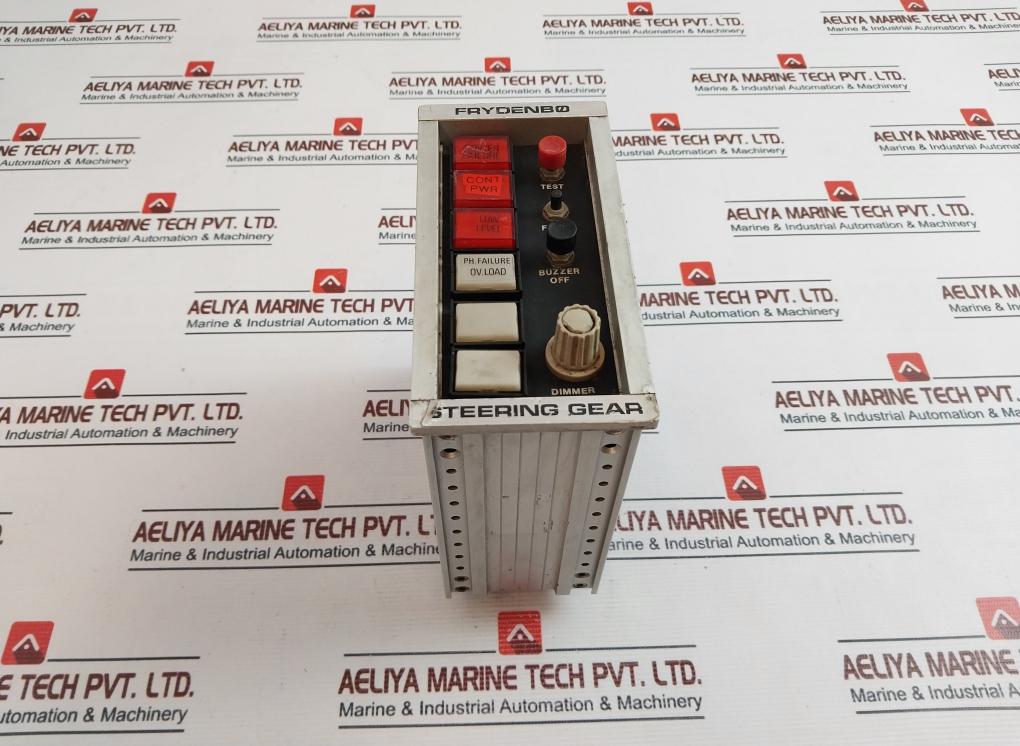
- FRY-50
- FRY-200
- FRY-500
- FRY-1000
- FRY-1500
- 5
- 75
- Vane seal leakage
- HPU pump wear
- Feedback sensor drift
Hydac / Van der Velden (Netherlands)
1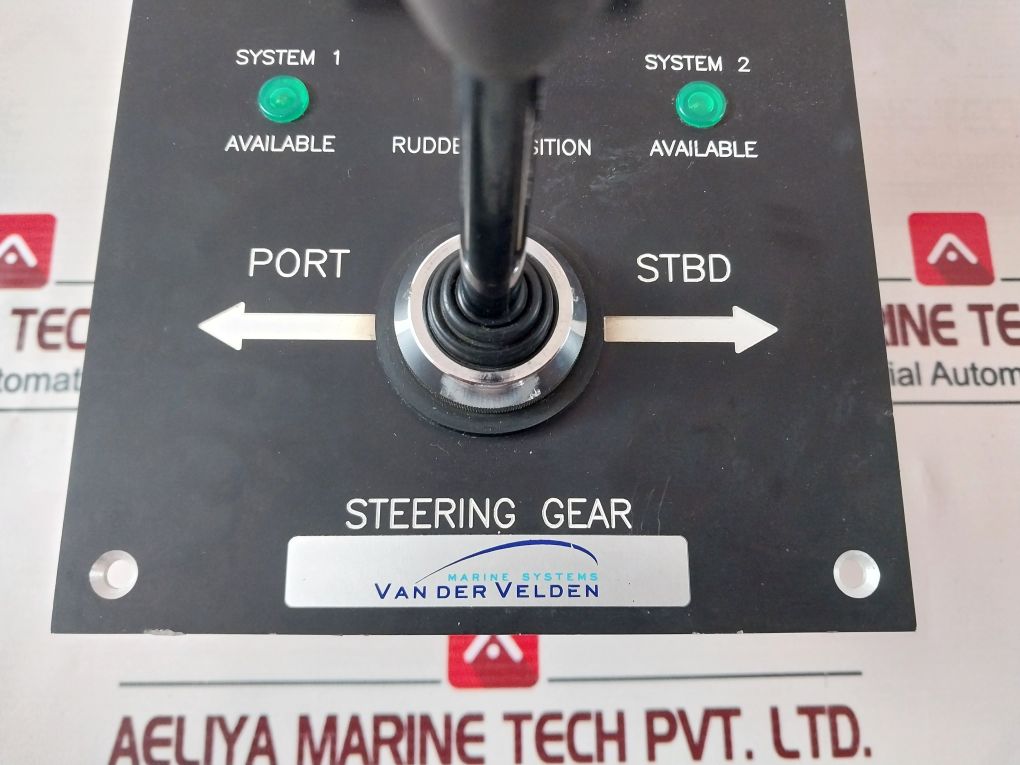
- VdV Standard
- VdV High-Lift
- VdV Flap Rudder
- 10
- 150
- Vane seal leakage
- Flap rudder mechanism wear on flap models
- Rudder bearing wear
- HPU motor failure
Jastram (Germany)
1- Jastram RV-50
- RV-200
- RV-500
- RV-1000
- RV-2000
- 5
- 100
- Vane seal leakage
- HPU pump wear
- Solenoid valve sticking
- Feedback unit drift
Kawasaki Heavy Industries (Japan)
1- KHI RV
- KHI Ram
- 15
- 200
- Vane/ram seal leakage
- HPU motor/pump failure
- Control valve issues
Kongsberg
1- RV 100
- RV 300
- RV 600
- RV 1000
- RV 1500
- 15
- 200
- Vane seal leakage causing internal bypass (most common failure)
- HPU motor bearing failure after 30,000+ hrs
- Solenoid valve sticking from oil contamination
- Helm pump relief valve malfunction
- Rudder feedback unit calibration drift
MacGregor
1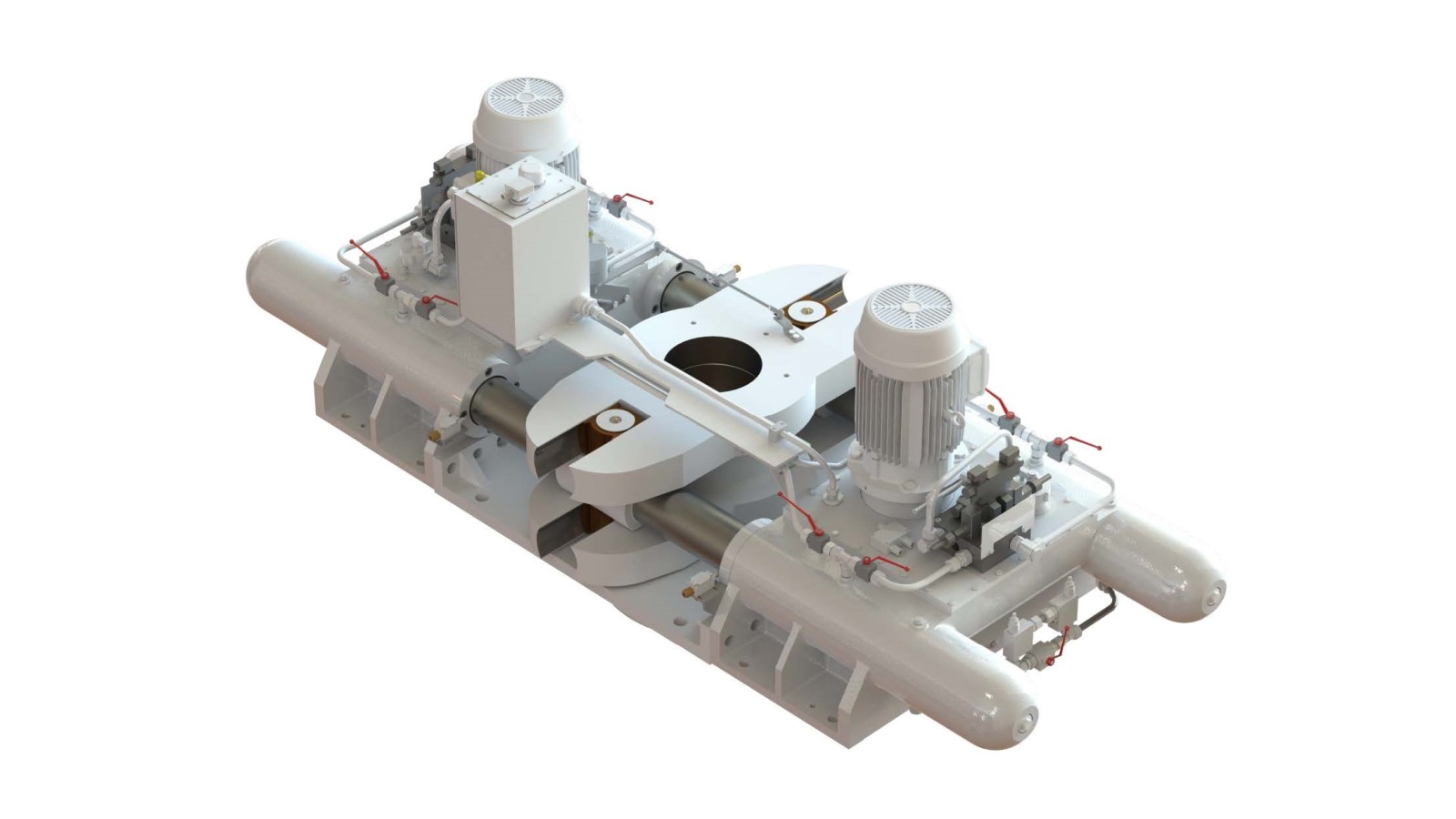
- RS 200
- RS 500
- RS 1000
- RS 2000
- RS 5000
- 30
- 300
- Ram cylinder seal leakage causing rudder drift
- Tiller arm bushing wear from dynamic loading
- Rapson slide block wear after 20,000+ hrs
- HPU relief valve malfunction
- Emergency steering changeover valve sticking
Mitsubishi Heavy Industries (Japan)
1- MHI Ram-200
- MHI Ram-500
- MHI Ram-2000
- MHI Ram-5000
- 30
- 250
- Ram seal leakage
- Tiller arm bushing wear
- Rapson slide block deterioration
- HPU relief valve malfunction